

Running News Daily
Running News Daily is edited by Bob Anderson and team. Send your news items to bob@mybestruns.com Advertising opportunities available.
Index to Daily Posts · Sign Up For Updates · Run The World Feed
Articles tagged #Katharina Hartmuth
Today's Running News
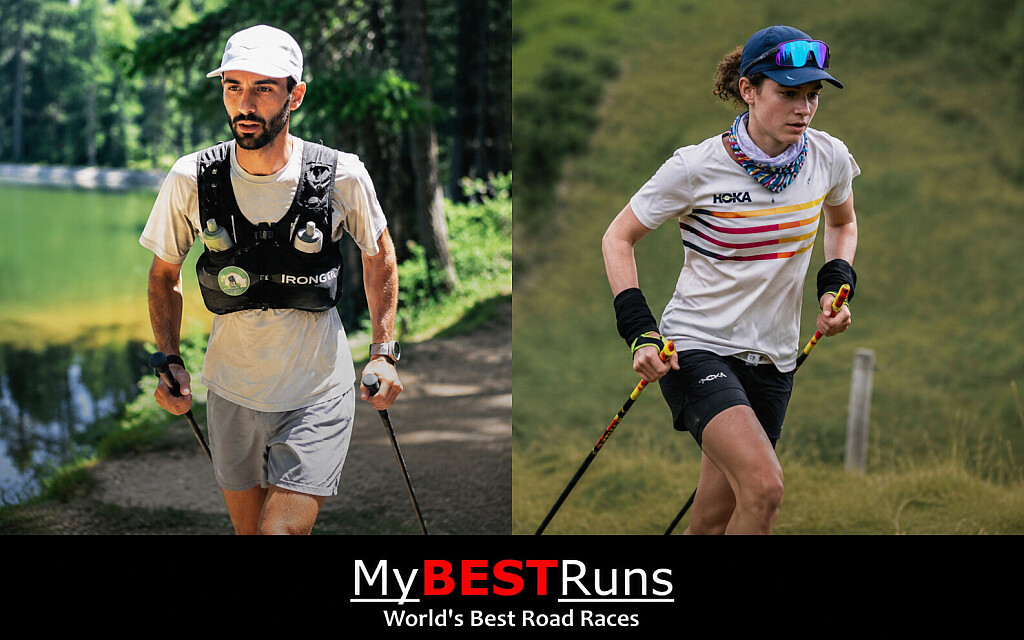


Two Continents, Two Extraordinary Endurance Feats: Hartmuth and Sanchez Rewrite Trail Running History in a Single Day
July 25, 2026, will be remembered as one of the most remarkable days in the history of endurance running. Thousands of kilometers apart, on two vastly different landscapes, two athletes delivered performances that redefined what many believed possible. Germany's Katharina Hartmuth and France's Aurélien Sanchez each erased long-standing benchmarks, proving that the limits of human endurance continue to be pushed further than ever before.
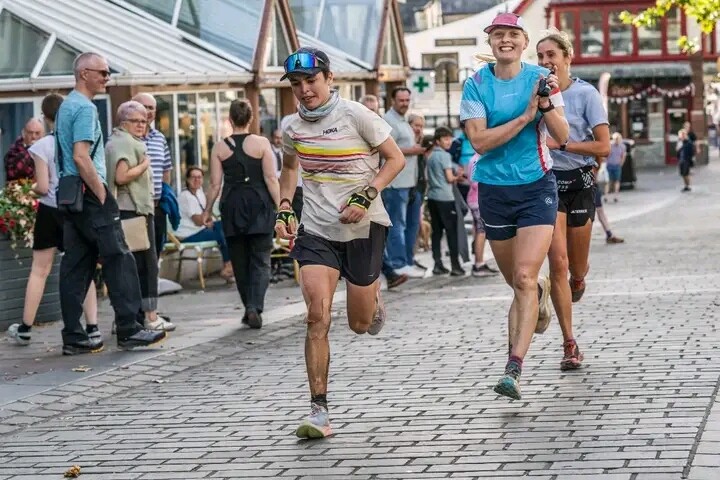
In the rugged mountains of England's Lake District, Hartmuth produced a breathtaking performance on the legendary Bob Graham Round, one of the world's most demanding mountain-running challenges. Covering the iconic circuit of 42 fells with approximately 8,200 metres of relentless climbing, she completed the route in an astonishing 14 hours, 11 minutes and 58 seconds, slicing an incredible 22 minutes from the women's record established by Beth Pascall in 2020.
The Bob Graham Round is far more than a race against the clock. It is a brutal examination of endurance, mountain skills, navigation, and mental resilience. Participants must conquer steep ascents, technical descents, unpredictable terrain, and the notoriously unforgiving weather of the Lake District. The challenge is only officially completed if runners return to the historic George Fisher shop in Keswick within 24 hours, making every second count until the very end.
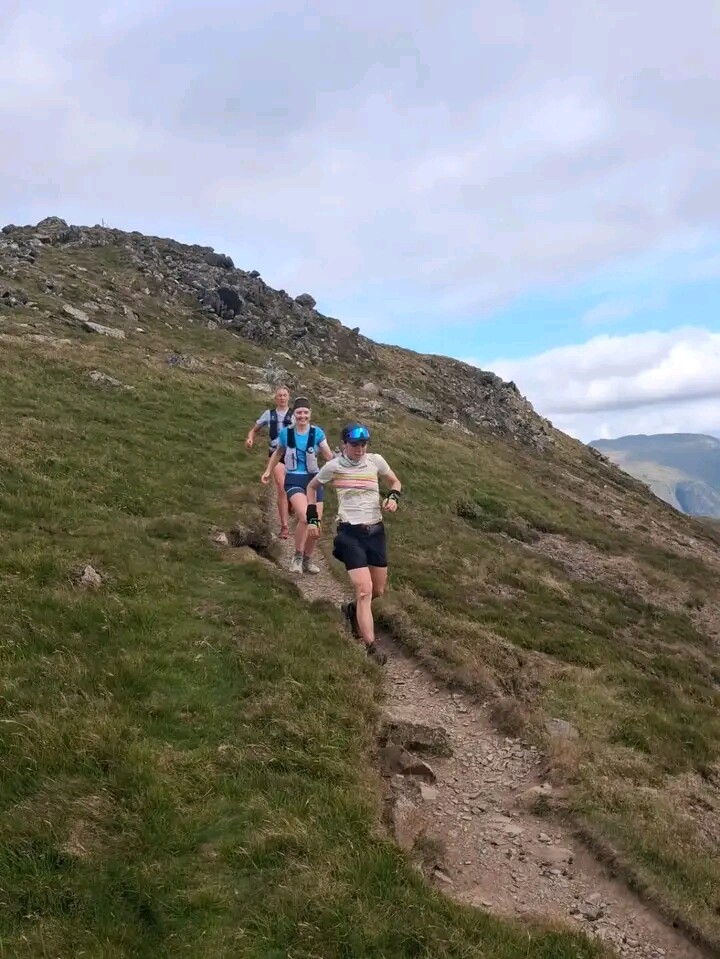
After crossing the finish, Hartmuth described the achievement as "the coolest day of my running life," a fitting reflection on a performance that instantly secured her place among the greatest mountain runners ever to tackle the historic route.
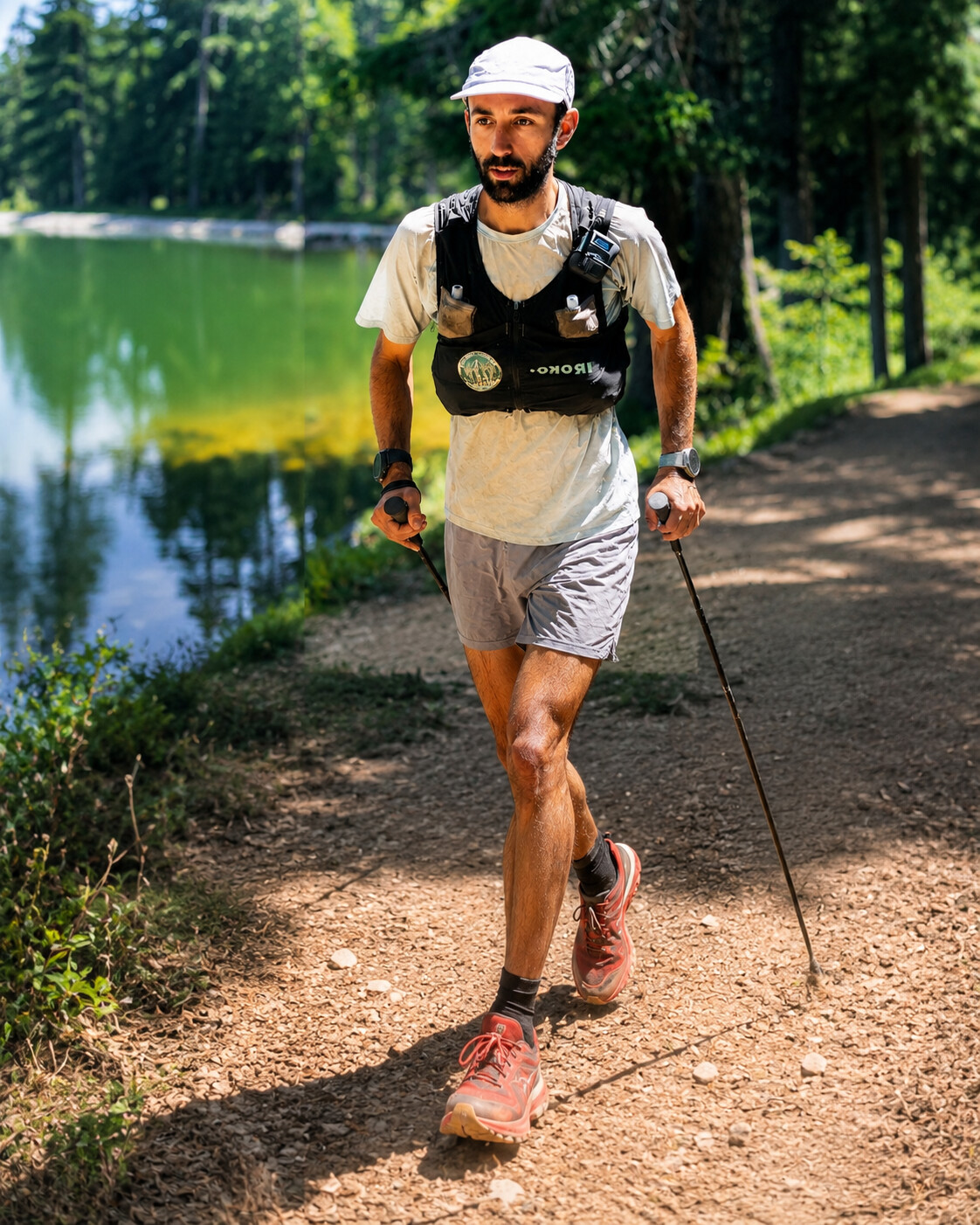
While Hartmuth was celebrating in northern England, another historic effort was unfolding on the opposite side of the globe.
French ultrarunner Aurélien Sanchez completed one of the most demanding point-to-point adventures in trail running by setting a new fastest known time (FKT) on the iconic Pacific Crest Trail. Beginning at the Mexican border on June 8, Sanchez covered the trail's staggering 4,270-kilometre length before reaching the Canadian border in 45 days, 20 hours and 15 minutes.
His remarkable journey eclipsed the previous record, set by Belgium's Karel Sabbe in 2023, by 16 hours. The achievement was anything but straightforward. Sanchez reached the halfway point trailing Sabbe's pace, but an extraordinary surge over the second half saw him average nearly 95 kilometres every day, allowing him to overturn the deficit and finish with a new record.
The Pacific Crest Trail presents one of the toughest endurance challenges on Earth, stretching through scorching deserts, the rugged Sierra Nevada, and the volcanic peaks of the Cascade Range. Covering such diverse and unforgiving terrain demands not only exceptional physical strength but also unwavering determination, meticulous planning, and the ability to endure weeks of relentless fatigue.
Although Sanchez's FKT is still awaiting official verification, Hartmuth's Bob Graham Round record has already been ratified, cementing her place in mountain-running history.
The two achievements could hardly have been more different. One unfolded over a single day across steep British fells, while the other spanned nearly seven weeks across an entire continent. Yet both performances shared the same defining qualities—extraordinary courage, relentless perseverance, and an unwavering belief that records exist to be broken.
On one unforgettable Friday, two athletes, separated by oceans but united by ambition, reminded the running world that endurance has no boundaries and history can be rewritten in more than one place at the same time.
by Erick Cheruiyot for My Best Runs.
Login to leave a comment
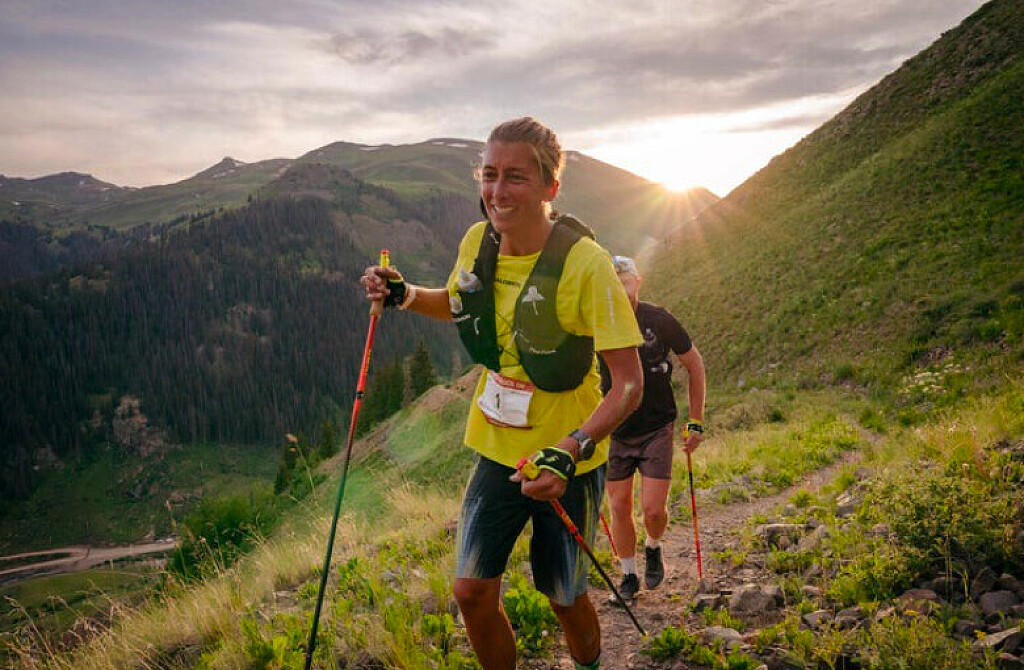
Ludovic Pommeret Wins Hardrock 100 in Course-Record Time Courtney Dauwalter is on course-record pace, trying to win the race for a third consecutive year
This is an ongoing story that will continue to be updated as more runners reach the finish line in Silverton, Colorado.]
Maybe you forgot that Ludovic Pommeret was the 2016 Ultra-Trail du Mont-Blanc champion. Or that he was the fifth-place finisher in Chamonix, France, just last year. Or maybe you thought the 49-year-old Frenchman was past his prime. Either way, he reminded us all he’s at the top of not only his game, but the game at the 2024 Hardrock 100.
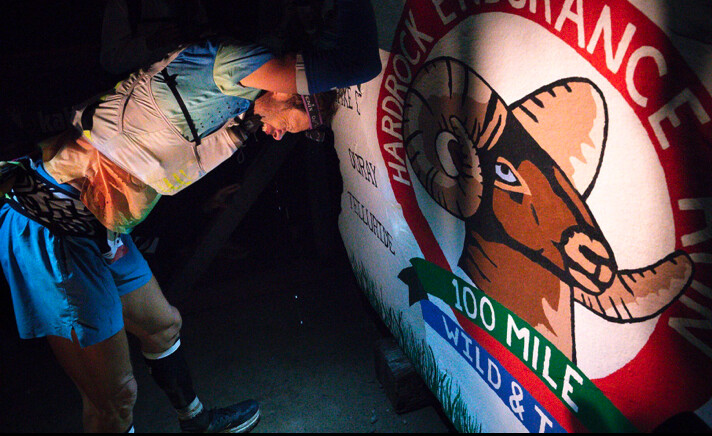
The Hoka-sponsored runner from Prevessin, France, took the lead less than a third of the way into the rugged 100.5-mile clockwise-edition of the course after separating from countryman François D’Haene, the 2021 Hardrock champion and 2022 runner-up, and never looked back. Pommeret progressively chipped away at the course record splits—a course record, mind you, set by none other than Kilian Jornet in 2022—to win this year’s event in 21:33:12, the fastest time in the race’s 33-year history. Jornet set the previous overall course record of 21:36:24, also in this clockwise direction in 2022.
(Pommeret kissed the rock in to complete the course in 21:33:07 at 4:33 A.M. local time, but race officials credited him with the slightly slower official time.)
“It was my dream (to win it),” Pommert told a small collection of fans and media after winning the race at 3:33 A.M. local time. “I was just asking ‘when will there be a nightmare?’ But finally, there was no nightmare. Thanks to my crew. They were amazing. And thanks to all of you. This race is, uh, no word, just so cool and wild and tough.”
On Friday, July 12, 146 lucky runners embarked on the 2024 Hardrock 100. Run in the clockwise direction this year, it was the “easy” way for the course with a staggering 33,000 feet of climbing and an average elevation over 11,000 feet thanks to the steep climbs and more tempered, runnable descents.
Combined with relatively cooperative weather (hot during the day on Friday, but no storms) and a star-studded front of the pack headlined by Courtney Dauwalter and D’Haene, the tight-knit Hardrock 100 community was on course record watch.
And the event delivered—along with a whole lot more.
On the men’s side, the front of the race took a blow before the gun even went off when Zach Miller, last year’s Ultra-Trail du Mont Blanc runner-up, was denied entry after undergoing an emergency appendectomy the weekend before.
Despite the heartbreak of being forced to wait another year to participate in this hallowed event, Miller was very much a presence in the race, most notably for slinging fastnachts (Amish donuts) from his van in Ouray for race supporters and fans.
Such is the spirit of this event, deemed equally as much a run as a race.
The men’s race was further upended when D’Haene, in tears surrounded by his wife, three children, and friends, dropped from the race at the remote Animas Forks aid station (mile 58). An illness from two weeks before proved insurmountable for the challenge ahead. That blew the door wide open for the hard-charging leaders ahead.
Pommeret had built a 45-minute lead over Jason Schlarb, an American runner who lives locally in Durango, and Swiss runner Diego Pazosby, the time he had left the 43.9-mile Ouray aid station amid 85-degree temperatures. His split climbing up and over 12,800-foot Engineer Pass (mile 51.8) extended his lead to more than an hour over Schlarb and nearly 90-minutes at the Animas Forks aid station.
“I thought it was great. To run off the front like he did, and then just hold that all day and get the overall course record is pretty awesome,” Miller said. “When Killian did it, two years ago, it was a, it was a track race between him, Dakota, and François, after they got some separation from Dakota, it was Kilian and and François, all the way to Cunningham Gulch (the mile 91 aid station) and then Kilian just torched it on the way in. So yeah, it was super, super impressive for Ludo to do that. That’s a very impressive effort.”
The sleepy historic mining town of Silverton, Colorado was unusually hectic at 6 A.M. on Friday. In the blue hour before the sun poked over the San Juan Mountains looming above, 146 runners toed the start line of the Hardrock 100, marked by flags from the countries represented by competitors on either side of the dirt road.
With the sound of the gun, runners jogged off the start line—their caution a tacit sign of respect for the monumental challenge of what was to come. As the runners passed through town to the singletrack wending its way up to Miner’s Shrine, group of men headlined by D’Haene, Ludovic Pommeret, Diego Pazos, and Jason Schlarb quickly took command of the front, the bright yellow t-shirt of Courtney Dauwalter was easy to spot just behind, along with Katharina Hartmuth and Camille Bruyas.
If they weren’t awake already, runners certainly were after crossing the ice-cold Mineral Creek two miles into their journey before starting the grunt up to Putnam Basin. At the top of a sunny, grassy Putnam Ridge (mile 7) 1:34 into the race, the lead pack of men remained, while Dauwalter had made a statement solo just three minutes back from the men and four minutes up on Hartmuth.
Dauwalter was smiling and chatty when she reached the KT aid station at mile 11.5, in 2:24 elapsed. By Chapman (mile 18.4), four hours in and 10 minutes under her own course record pace, she was pouring water on her head under the blazing sun. Things were heating up—in more ways than one.
When Pommeret galloped into Telluride (mile 27.7) after 5:37 of elapsed time in the lead, he was right on Jornet’s course record pace. One minute, some fluids and restocking later, and he was gone.
But wait, it was still a close race! D’Haene charged into Telluride just two minutes later and hardly stopped before continuing on through downtown before busting out the poles and starting the steep, steep 5,000-foot climb up Virginius Pass to the iconic Kroger’s Canteen aid station nestled into a notch of rock at the top at 13,000 feet.
Not to be outdone, the women’s race proved equally thrilling coming into Telluride. Bruyas bridged the gap up to Dauwalter, and the two ran into town together in 6:25 elapsed. Both took three minutes in the aid station, although that must have been enough social time for Dauwalter, as she pulled ahead marching up the climb, poles out and head down. A bouncy Bruyas alternated between hiking and jogging just behind.
But time again again, Dauwalter’s long, powerful stride simply proved unparalleled. By Kroger’s (mile 32.7) Dauwalter had reestablished her lead by five minutes over Bruyas and 17 ahead of Hartmuth in third. She’d built that gap to 10 minutes in Ouray at mile 43.9, but she left that aid station in less than two minutes with a stern, serious look on her face. But as she crested Engineer Pass at the golden hour, wildflowers blanketing the vibrant green hillsides basking in the setting sun, she enjoyed a 30-minute lead in the women’s race and was knocking at the door of the men’s podium.
While Dauwalter forged ahead with her unforgiving campaign for a third straight win, the men’s race started to rumble. Like Dauwalter, Pommeret continued to blaze the lead looking strong as he trotted down Engineer to the Animas Forks aid station at mile 57.9 in 11:39 elapsed. He hardly stopped before continuing on to Handies Peak, which at 14,058 feet marks the high point of the race. He had blown the race wide open.
An hour and 15 minutes later, Schlarb, looking a bit more beleaguered, ran into Animas Forks with his pacer, where he sat down and changed his shirt while receiving a pep talk from his partner and son. But he made quick work of the time off feet nonetheless, and three minutes later he was back at it, seven minutes before Pazos appeared.
While D’Haene arrived just 10 minutes later, he did so in tears, holding the hand of his youngest son. After a considerable amount of time sitting in the aid station, surrounded by his family and crew, he called it quits. The lingering effects of an illness from just 10 days before proved too much to overcome as the hardest miles of the race loomed ahead.
While D’Haene pondered his fate, Dauwalter blitzed into Animas Forks in 13:26 with that same look of determination, 16 minutes ahead of course-record pace. She briefly stopped to prepare for the impending night, picking up her good friend and pacer Mike Ambrose to leave the aid station in fourth overall. Bruyas maintained her second place position 30 minutes back, with Hartmuth in third about 20 minutes behind her.
Pommeret continued charging ahead solo, increasing over Schlarb and Pazzos by more than two hours late in the race. When Pommeret passed through the 80.8-mile Pole Creek aid station at 10:44 P.M., it shocked the small group of race officials, media and fans watching the online tracker from the race headquarters in Silverton. Based on that split, it was originally calculated that Pommert could arrive as early as 2:34 A.M.—which would have been a finishing time of 20:34—but he didn’t run the final 20 miles quite as fast as Jornet did in 2022.
Behind him Pazos caught Schlarb to take over second place before Pole Creek and increased the gap to four minutes by the Cunningham aid station (mile 91.2).
Pommeret, who develops training software for air traffic controls in Geneva, Switzerland, didn’t break into ultra-trail running until 2009 when he was 34 years old. He was third in UTMB that year—behind a 20-year-old Jornet, who won for the second straight year—the first of seven top-five finishes in the marquee race in Chamonix. (He was third in 2017 and 2019 and fourth in 2021 and 2023.) He also won the 90-mile TDS race during UTMB week in 2022, and the 170-kilometer Diagonale des Fous race (Grand Raid La Reunion) on Réunion Island in the Indian Ocean in 2021 and placed sixth in his first attempt at the Western States 100 in California in 2022.
Last year, Pommeret placed 13th overall in the Western States 100 and nine weeks later finished fifth at UTMB behind Jim Walmsley, Miller, Germain Grangier, and Mathieu Blanchard.
“We know Ludo is a beast, but to be a beast for so long, for so long is so impressive,” Miller said. “He’s 49, which by all means is a capable age in this endurance world. But I think anytime someone 49 does something like that, it’s gonna turn some heads because that would’ve been a really good performance for anyone. To have the track record he’s had—winning Diagonale des Fous, UTMB and Hardrock, that’s pretty impressive.”
Courtney’s Final
By the time Dauwalter was pushing her way up Handies Peak, she had a smile on her face and engaged in playful conversation with media and spectators on the course. She had good reason to smile: she was feeling good and she had increased her 10-minute lead at Ouray to more than 60 minutes. Dauwalter went through the Burrows aid station (mile 67.9) in less than a minute, while Bruyas came in an hour later and spent four minutes refueling before heading out again.
Three hours after Pommeret had passed through the Pole Creek aid station (mile 80.8), Dauwalter arrived at 1:54 A.M., still in fourth place overall about 50 minutes behind Pazos and Schlarb. She took a little more time there, but was back on her feet in four minutes and running strong again and still on record pace. Bruyas walked in to Pole Creek at 3:08 A.M. in sixth overall, but the gap behind Dauwalter continued to widen.
Dauwalter was in and out of the Maggie aid station (mile 85.1) in two minutes and blazed through the Cunningham aid station (mile 91.2) even faster. The race seemed to be in hand at that point with Bruyas more than 90 minutes behind (in fact, someone updated Wikipedia and declared her the winner not long after Pommeret finished), it was just a matter of how fast she could finish.
Login to leave a comment
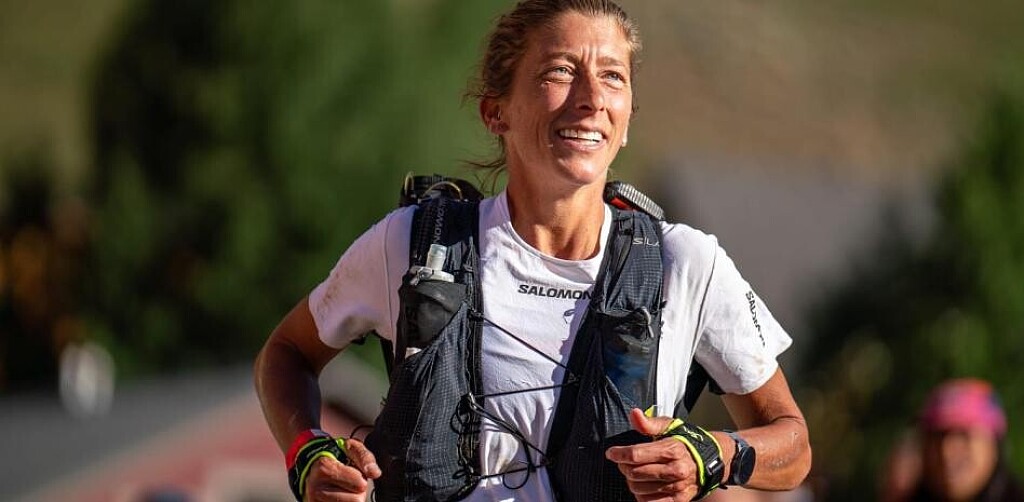
The queen of ultradistance Courtney Dauwalter is set to defend her Hardrock 100 crown
Courtney Dauwalter , the queen of ultra-distance running, will once again put on trail running shoes this Friday to compete in the Hardrock 100 , the prestigious 165-kilometer mountain race with 10,000 meters of positive elevation gain that takes place in the San Juan Mountains in Colorado, United States.
The American runner will try to defend the title she won in 2023, when she won the race with a record time of 26h14:08 , although this year, unlike last year, the race will be run clockwise.
"It's a great race, very tough and difficult. I'm coming back because all my participations here have had very tough moments, and I hope to be able to soften those moments a bit and finish the race without so many difficulties," said Dauwalter in an interview with iRunFar.
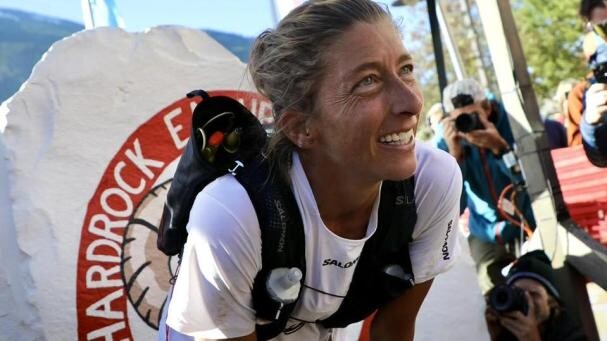
The reigning Transgrancanaria and Mt. Fuji 100 champion will face her main opponents in Germany's Katharina Hartmuth and France's Camille Bruyas , second in the UTMB Mont-Blanc in 2023 and 2021, respectively.
On the men's side, the main figure will be the French runner François D'Haene , who wants to repeat his victory from 2021 and, why not, beat the circuit record belonging to the Spaniard Kilian Jornet (21h36:24).
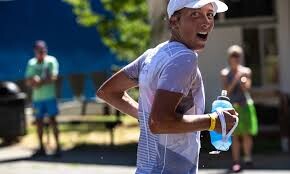
American Zach Miller is on the roster, although he is likely to miss the event due to recent appendix surgery.
The Hardrock 100 begins and ends in the town of Silverton and passes through some of the most spectacular mountain scenery in the United States, home to elk, bears and cougars. The highest point is Handies Peak, at 4,200 meters.
The race will start on Friday 12th July at 6am (2pm in Spain) and can be followed live on YouTube .
by Matias Camenforte
Login to leave a comment

Hardrock 100
100-mile run with 33,050 feet of climb and 33,050 feet of descent for a total elevation change of 66,100 feet with an average elevation of 11,186 feet - low point 7,680 feet (Ouray) and high point 14,048 feet (Handies Peak). The run starts and ends in Silverton, Colorado and travels through the towns of Telluride, Ouray, and the ghost town...
more...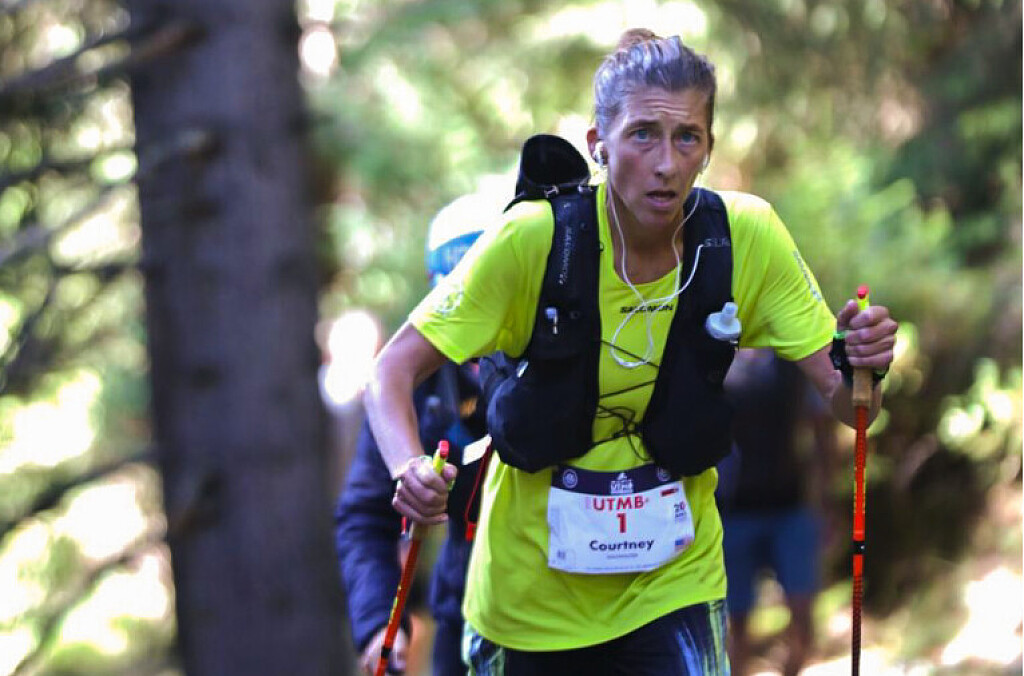
2023 UTMB Women’s Race
Was there actually any doubt that American Courtney Dauwalter (pre-race interview) would actually win UTMB? If her performances throughout the summer were any indication, it would have been foolish to bet against her. After winning and setting course records at both Western States 100 and Hardrock 100 earlier this summer, this win might just be the cherry on the cake, or the cerise sur la gateau, as the French would have it.
The legend of the sport led from the early miles, and in typical Courtney fashion, smiled and joked her way to the win with a time of 23:29:14.While Emma Pooley, of Switzerland, led for the initial kilometers of the race, it didn’t take long for Dauwalter to move to the front. Sporting her trademark smile and happily interacting with volunteers at aid stations whenever the opportunity presented itself, Dauwalter simply makes it look good.
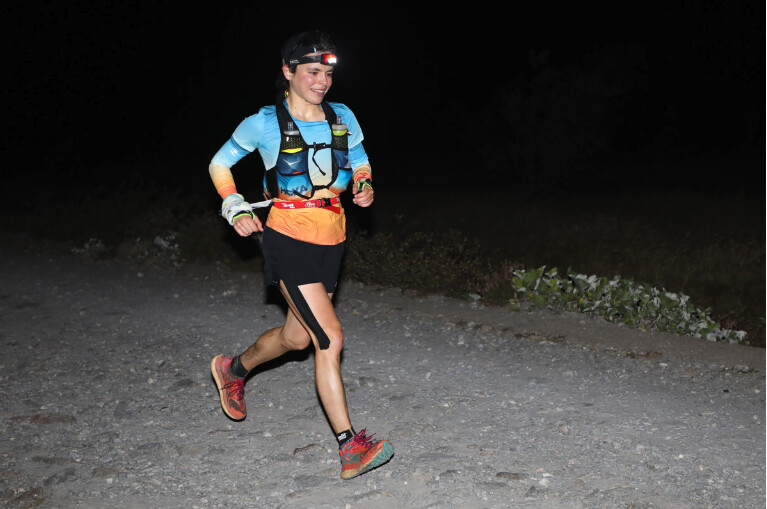
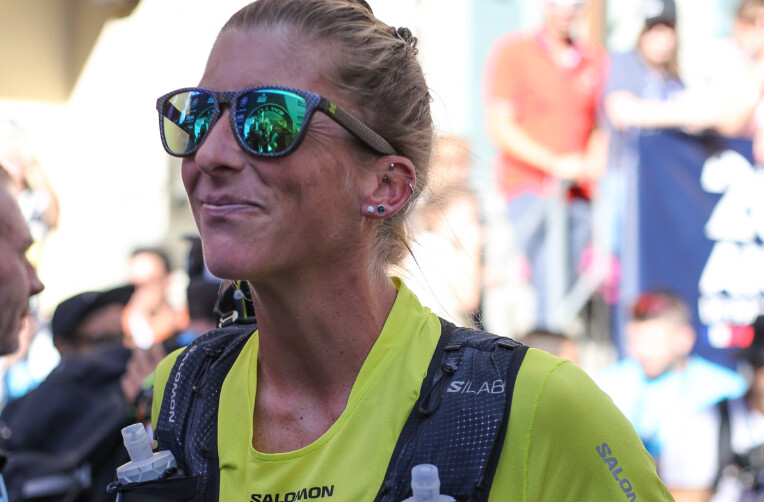
The top three women, Dauwalter, Pooley, and France’s Blandine L’Hirondel, came into Les Contamines, 32 kilometers into the race, within seconds of each other. It would be the last time we would see the front of the race together, as by Col du Bonhomme, 12 kilometers later, the gap between Dauwalter and second-place Manon Bohard Cailler, of France, was nearly 10 minutes. L’Hirondel and Chiina’s Fu-Zhao Xiang (pre-race interview) came through another two minutes later. Germany’s Katharina Hartmuth (pre-race interview) came over the dark col another five minutes in arrears. The situation remained essentially unchanged through Les Chapieux at 51 kilometers and Lac Combal at 69 kilometers, except the gaps were growing.
Nearly 10 hours into the race, Dauwalter came through Courmayeur at 81 kilometers, not even bothering to stop at the aid station. Bohard continued to keep the gap manageable at 18 minutes, but it was really starting to look like another runaway victory for the American for the top step of the podium. But the race for the rest of the top spots was just starting to get interesting. L’Hirondel and Xiang remained close in third and fourth, just a few minutes back of Bohard, and Hartmuth continued to lurk another 20 minutes back. This early in the race, there were still many within striking distance. Coming through Refuge Bertone at 86 kilometers, the top five remained unchanged and Canada’s Ailsa McDonald, Poland’s Katarzyna Solińska, the U.S.’s Sabrina Stanley and Leah Yingling, and Claudia Tremps of Spain filled out the top 10.
Somewhere before Arnouvaz at kilometer 99, Bohard took a fall that would ultimately take her out of the race. She entered the aid station walking gingerly, but was determined to keep going. This development opened up podium possibilities even further, and Xiang and L’Hirondel continued to run together at Grand Col Ferret, 50 minutes behind the ever-steady, smiling, and happy Dauwalter. Hartmuth was just 15 minutes off a podium position.
With the arrival of Saturday morning came renewed spirits for many. Dauwalter arrived to sun at La Fouly running 26 minutes under her own course-record pace. L’Hirondel and Xiang came in just under 50 minutes back, but now there was daylight, in the form of a couple of minutes, between the women. Hartmuth remained in fourth, 65 minutes down, Solińska in sixth, Yingling in seventh, and Spain’s Maite Maiora came through in eighth looking relaxed and focused. Stanley remained in the top 10. Bohard finally succumbed to injuries from her fall and would withdraw from the race.
By La Giète, 130 kilometers in, the gap between Dauwalter and second place was over an hour, but the fight between the rest of the top five remained tight. Xiang moved into second and Hartmuth third, just minutes apart, as L’Hirondel began to feel the distance and time in her legs and dropped back. Solińska and MacDonald continued in fourth and fifth, running together almost two hours behind Dauwalter and nearly 50 minutes behind second and third places. Things remained relatively unchanged at Trient at 144 kilometers. Dauwalter looked good, Xiang was 66 minutes back, and Hartmuth was a mere minute behind her. Solińska and MacDonald followed another 50 minutes back, with Maiora trailing them by 15 minutes.
With victory seemingly all but assured for the American, the battle for the other two podium spots started to get heated on the closing climbs and kilometers. Through Vallorcine at the base of the final major series of climbs, Hartmuth moved up into second after biding her time the entire race, now seven minutes ahead of third-place Xiang and fourth-place L’Hirondel, a further nine minutes back. Maiora led Solińska in fifth and sixth just under two hours behind the leader.
Near the top of the final climb at Tête de Béchar, 161 kilometers in, it was Hartmuth in second, 56 minutes down. L’Hirondel moved into third 15 minutes back and Xiang kept the pressure on for the final podium spot, trailing by just four minutes. The next gap to Maiora remained about 30 minutes.
Meanwhile, Dauwalter made short work of the final descent to the finish line in Chamonix, finishing in 23:29:14 and completing the ultimate trifecta of ultrarunning, winning the Western States 100, Hardrock 100, and UTMB all in one year. “Anytime you have a chance to take on a crazy challenge, I think we should,” she said afterward.The battle for the final two podium spots didn’t let up until the very end. Coming through La Floria, just four kilometers from the finish, Hartmuth led L’Hirondel by a mere nine minutes, and both women looked strong all the way to the finish. They would finish just over 40 minutes behind Dauwalter, Hartmuth in second at 24:10:52. L’Hirondel, the multi-time trail world champion, finished in third at 24:22:50 for her debut 100 miler.Xiang would fade away from podium contention in the final kilometers but held on for an incredible fourth-place finish, improving on her seventh place in 2022. But really, the excitement of her race finish was only added by receiving a marriage proposal on the finish line. Having met her now-fiancé — she said yes! — four years ago at UTMB, the proposal really was a perfect ending to her race.
Maiora finished fifth, an impressive result after her DNF in the race in 2021.
by Eszter Horanyi I run far
Login to leave a comment

North Face Ultra Trail du Tour du Mont-Blanc
Mountain race, with numerous passages in high altitude (>2500m), in difficult weather conditions (night, wind, cold, rain or snow), that needs a very good training, adapted equipment and a real capacity of personal autonomy. It is 6:00pm and we are more or less 2300 people sharing the same dream carefully prepared over many months. Despite the incredible difficulty, we feel...
more...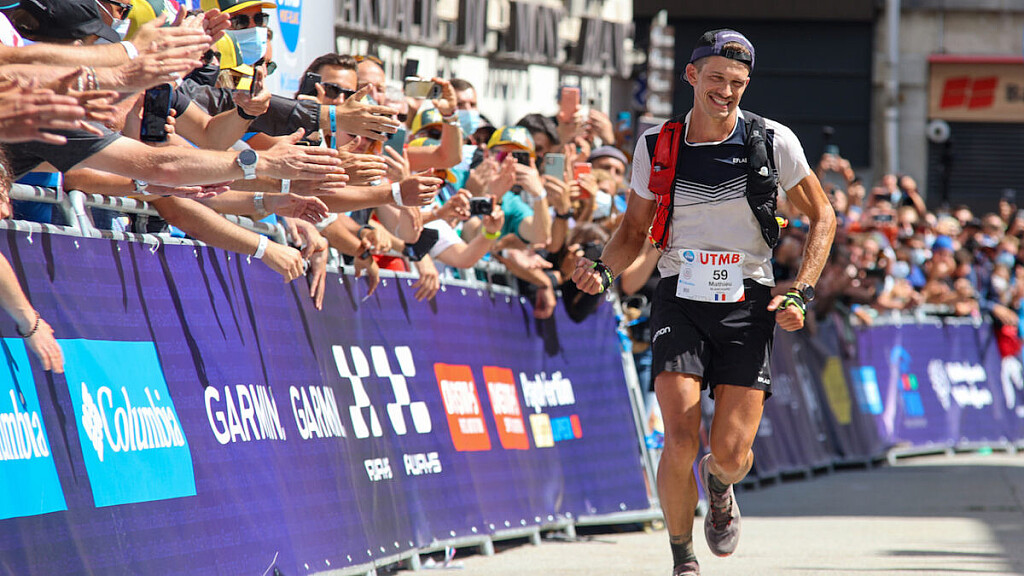
Montreal ultrarunner Mathieu Blanchard to join star-studded UTMB field
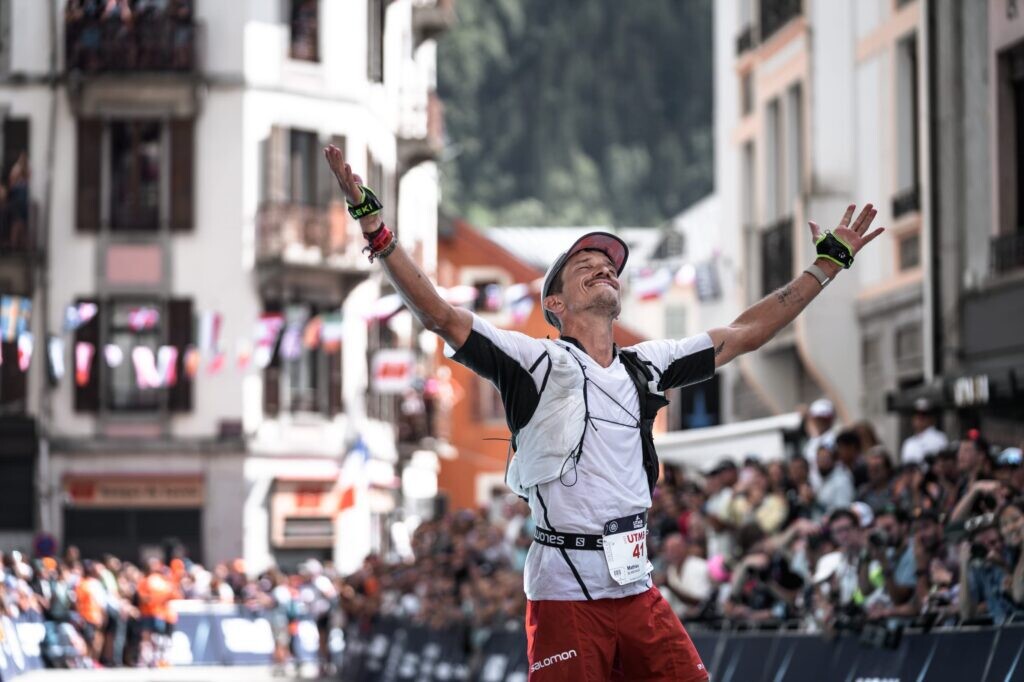
Montreal’s Mathieu Blanchard has confirmed he will toe the start line at Ultra Trail du Mont-Blanc in two weeks, joining an elite lineup that organizers of the 171-km race are billing the strongest elite field since the race began 20 years ago.
Blanchard will be vying for his third consecutive podium finish in Chamonix on Sept. 1. He ran last year’s race in 19 hours, 54 minutes and 50 seconds to finish a close second behind Spain’s Kilian Jornet, who ran 19:49:30 for a new course record. In 2021, Blanchard finished third behind French runners François D’haene (20:45:59) and Aurélien Dunand-Pallaz (20:58:31).
In June, Blanchard ran 15:37:02 to finish sixth in his Western States Endurance Run debut. He told Canadian Running after the race that Western States presented a uniquely difficult challenge: “I pushed through, I fought hard, my body was super painful like never before,” he said, adding he was proud to earn the “mythic buckle” awarded to Western States winners.
Among the giants of trail running Blanchard will be up against at UTMB is British runner Tom Evans, who ran the fourth-fastest time in Western States history (14:40:22) to win this year’s men’s race, and who finished behind Blanchard at last year’s UTMB to place third (20:34:35).
“I’m incredibly enthusiastic about the idea of taking part in the UTMB this year,” Evans recently told UTMB. “I’m coming into the event in a much better position than last year when I was fresh from a knee operation. The race is so full of history and for the 20th anniversary, I want to be part of the story by doing a Western States 100 Endurance Run and UTMB double. It’s a big challenge and with the strength of the peloton, it won’t be easy, but it’s a contest I’m looking forward to and believe I can achieve.”
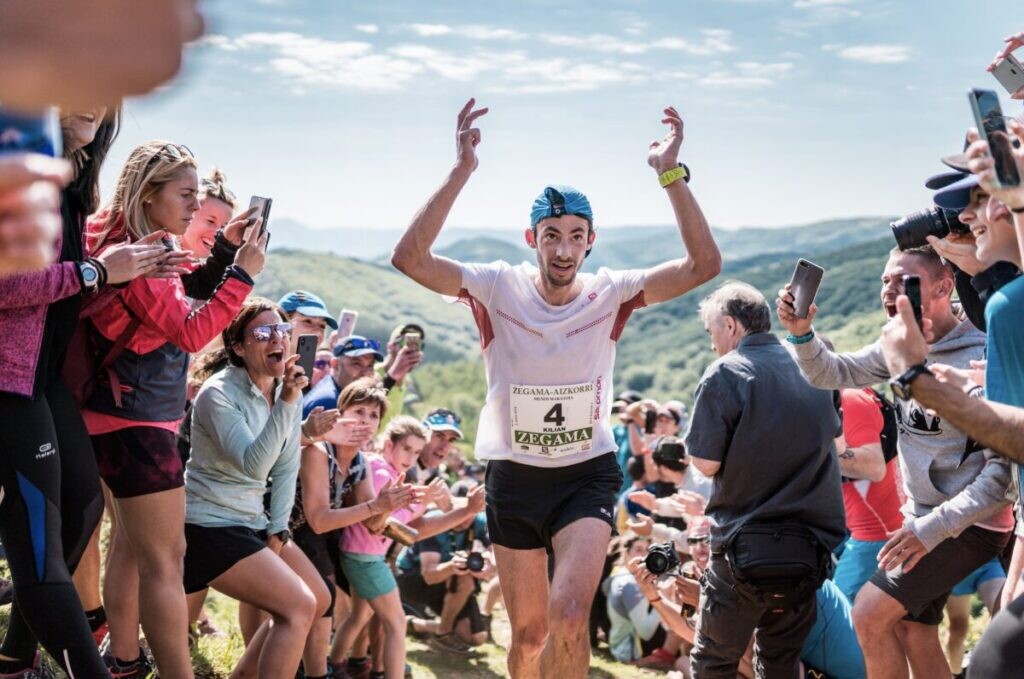
In addition to Jornet, this year’s men’s field will see the return of American Jim Walmsley, who finished fourth in last year’s race (21:12:12) and who has held the Western States course record (14:09:28) since 2019.
Other notable entries in the men’s field include Swiss runner Jonas Russi (winner of the Lavaredo Ultra Trail by UTMB 2023), fellow Swiss runner Jean-Philippe Tschumi (who shared victory at the 100K Trail 100 Andorra by UTMB with the American Ben Dhiman) and Sweden’s Petter Engdahl.
Arguably the most compelling storyline from this year’s UTMB will be American trail running phenom Courtney Dauwalter‘s quest for the triple crown following her resounding victories at Western States (where she ran 15:29:33 to smash the 16:47:19 course record set by Canadian Ellie Greenwood in 2012) and Hardrock 100 (where she set a new course record in 26:14:08). The Golden, Colo.-based runner won UTMB in 2019 (24:34:26) and again in 2021, when she set the current women’s course record (22:30:54).
She stands to face fierce competition from an elite field that includes New Zealand’s Ruth Croft (who finished second at Western States last year), Germany’s Katharina Hartmuth (winner of this year’s Eiger Ultra Trail by UTMB), Italy’s Martina Valmassoi (winner of the 2022 TDS in Chamonix) and Hungary’s Eszter Csillag, who finished fifth at last year’s UTMB.
by Paul Baswick
Login to leave a comment
North Face Ultra Trail du Tour du Mont-Blanc
Mountain race, with numerous passages in high altitude (>2500m), in difficult weather conditions (night, wind, cold, rain or snow), that needs a very good training, adapted equipment and a real capacity of personal autonomy. It is 6:00pm and we are more or less 2300 people sharing the same dream carefully prepared over many months. Despite the incredible difficulty, we feel...
more...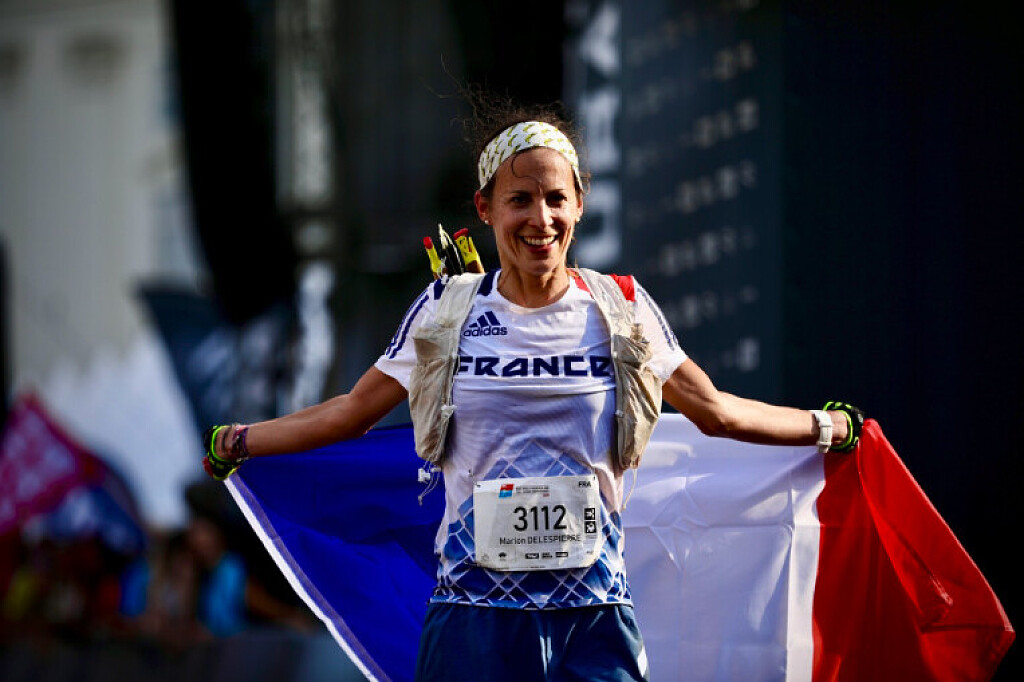
2023 Trail World Championships 80k Women’s Race
As with the men’s race, some of the pre-race favorites bowed out of the race early on with Blandine L’Hirondel (pre-race interview) dropping on the “start loop” out of Neustift due to foot pain from an existing injury. The rest of the field charged on, led up the first climb by Marcela Vašínová (pre-race interview) of the Czech Republic, Martina Valmassoi (pre-race interview) of Italy, and Akiyama Honokaof Japan.
The top five, made up of Allison Baca of the U.S., Vašínová, Azara García of Spain, Valmassoi, and Honoka, all came back through the village of Neustift at 18k and headed out into the mountains toward Innsbruck within two and a half minutes of each other.
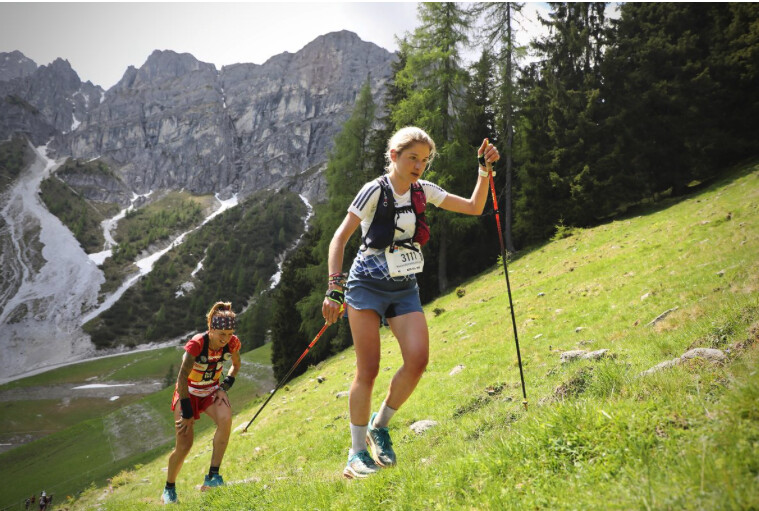
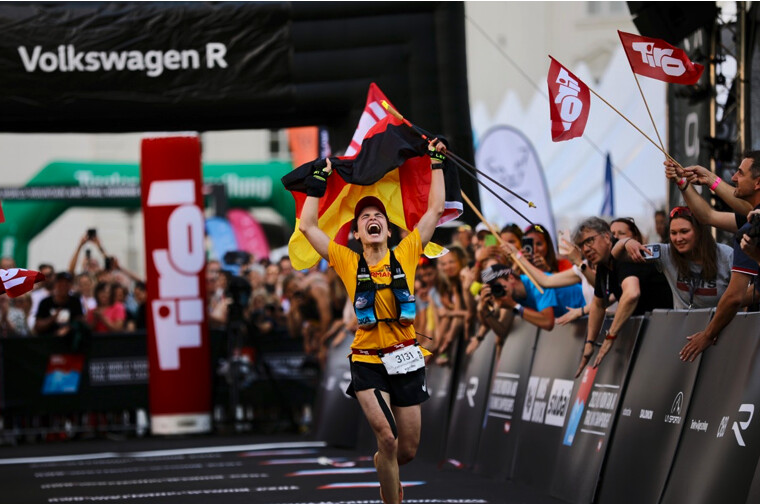
The front of the race continued to reshuffle up the day’s biggest climb, that 1,400-meter (4,600 feet) doozy. Vašínová continued to lead with a smile, opening up a sizable gap to Germany’s Katharina Hartmuth and Valmassoi, who were running within a minute of each other 36k into the race. Baca and Rosanna Buchauer of Germany rounded out the top five as the race approached the halfway point.
Vašínová’s and Valmassoi’s fast start seemed to take a toll on the two women as they traversed the following three climbs and descents high in the mountains, with Vašínová looking noticeably rougher than the quickly closing Hartmuth, who looked downright comfortable. By the top of the final 600-meter (2,000 feet) climb in the middle section of the course, the two women had dropped back in the standings with Hartmuth taking over the lead with a five-minute gap over second-place Manon Bohard Cailler of France. Buchauer and Marion Delespierre of France trailed second by less than half a minute now, 49k into the race and only one major climb left to go. Pre-race favorite Gemma Arenas of Spain continued to work her way up the field after a slow start and ran just inside the top 10 in ninth place.
The top five remained mostly unchanged except for a slight shuffle after the dramatic drop into Grinzens village at 54k, with Bohard Cailler, Delespierre, and Buchauer all running within 20 seconds of each other, four minutes behind Hartmuth, who continued to lead and look strong. She was clearly enjoying her day out in the mountains, but the descent seemed to take its toll. Bohard Cailler and Delespierre, who’d been chasing together after dropping Buchauer, finally closed the gap to the leader into the final drop to the town of Kranebritten at 66k. Now, with the top-three women within two minutes of each other with one massive climb to go, it was anyone’s race and all three started up the final incline focused and silent.
Delespierre seemed to be the one with the most gas in the tank for the final kilometers and huge climb as she quickly opened a three-minute gap on Hartmuth at 73k. The gap stayed steady over the top of the climb at 75k, with Hartmuth fighting hard to catch the leader on the final downhill run in to the finish. Bohard Cailler was a further six minutes behind at the top. From there, the gap opened significantly to Buchauer and Valmassoi.
The top-two women looked to be moving incredibly strongly on the final descent, but the distance to close the gap was rapidly running out for anyone giving chase. In the end, no one could touch a flying Marion Delespierre who would cross the finish line in first to win the 2023 Trail World Championships 80k. Hartmuth and Bohard Cailler held onto their respective positions about seven and 12 minutes back, and an elated Valmassoi finished fourth. Buchauer ran strong from start to finish to round out the women’s top five.
Login to leave a comment

World Mountain and Trail Running Championships
Welcome all athletes, officials, coaches, and families to THE AMAZING THAILAND WORLD MOUNTAIN & TRAIL RUNNING CHAMPIONSHIPS 2021 (WMTRC2021). The event will feature 80km and 40km trail races, classic up and down and uphill only mountain races. It replaces World Championships previously hosted with World Athletics, WMRA (mountain running) and IAU and ITRA (trail). The Amazing Thailand World Mountain and...
more...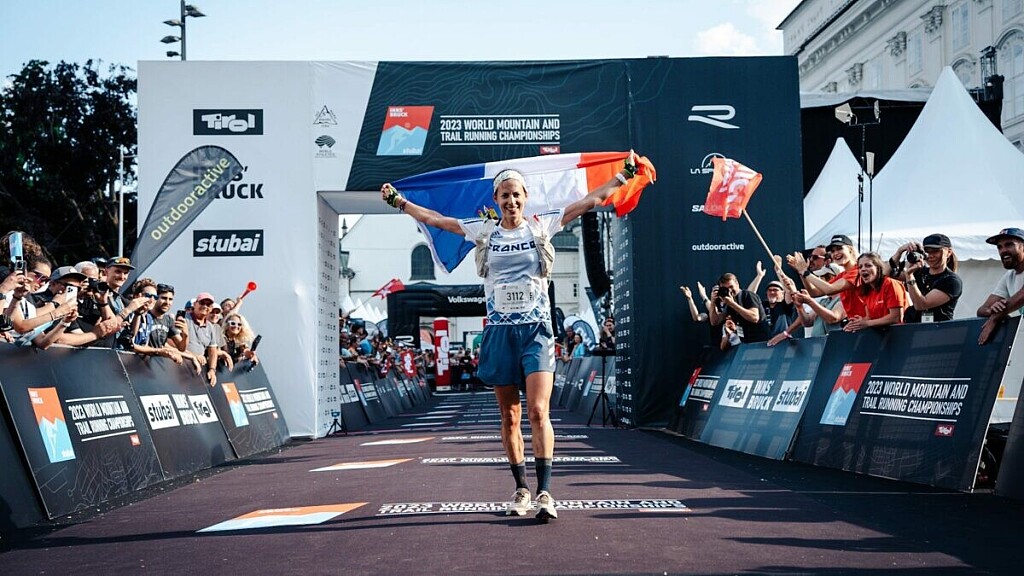
France wins double gold at World Mountain and Trail Running Championships
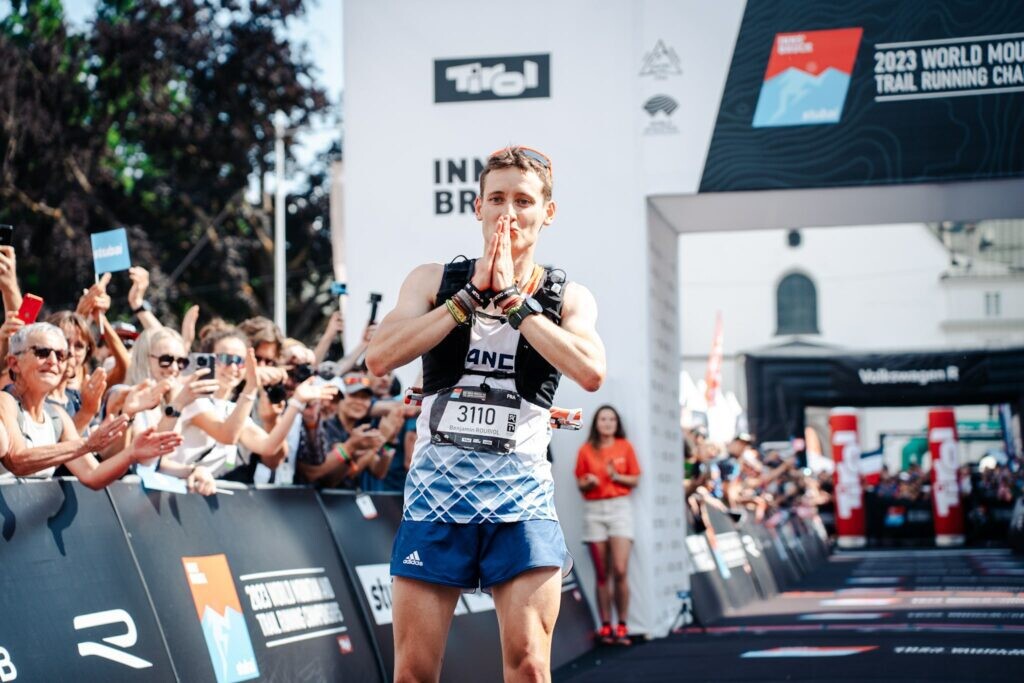
French runners pulled off a tour de force at the World Mountain and Trail Running Championships in Innsbruck, Austria, on Friday, with Benjamin Roubiol and Marion Delespierre winning gold in the men’s and women’s 86.9-km long-trail events.
Roubiol placed first in 9:52:59 and was joined on the podium by second-place Italy’s Andreas Reiterer (10:00:46), and Peter Frano from Slovakia in third (10:02:10).
Late comeback
The 23-year-old Rubiol’s gold-medal finish came as a surprise to many, as Reiterer had situated himself firmly in the lead for more than 45 kilometres. The Italian was running solo at times, leaving a changing field in pursuit up to six minutes behind. But after having passed three peaks and the flat approach to Kranebitten, the climb up to the Nordkette caused Reiterer trouble, allowing Roubiol to pass the Italian just before the Aspach hut.
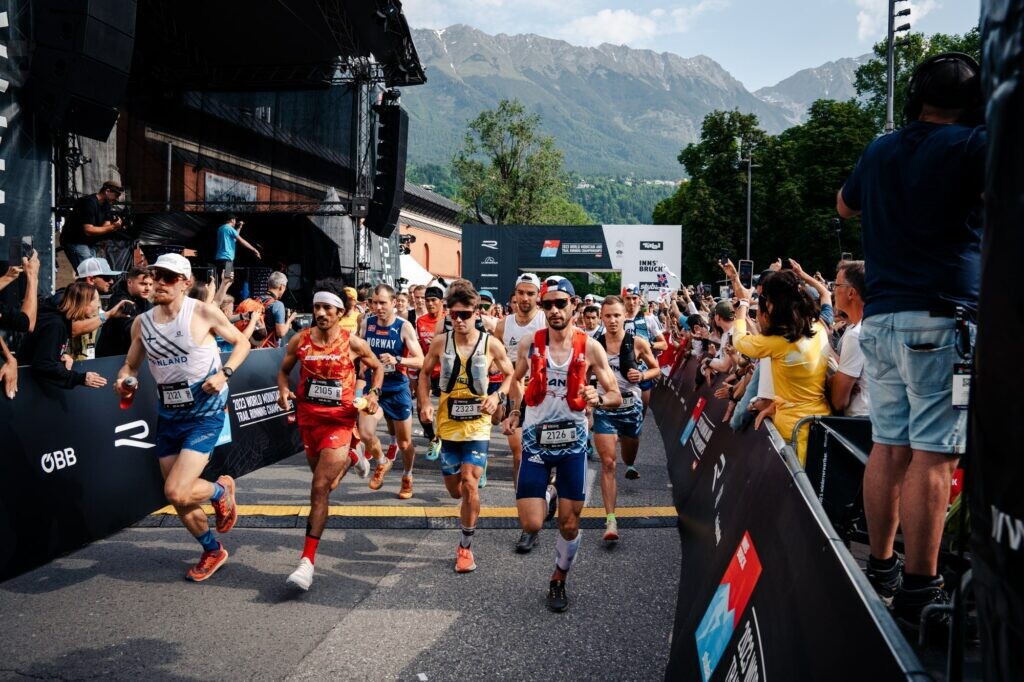
France punctuated Roubiol’s stunning performance in Innsbruck by claiming two podium spots in the women’s long trail race. Delespierre won the event in 11:22:31; Germany’s Katharina Hartmuth ran 11:29:14 to place second, and France’s Manon Bohard Cailler finished third in 11:34:22.
How the Canadians did
The Canadian women’s team finished eighth overall out of 27 teams, led by Calgary’s Arden Young, who placed 34th overall in 13:10:54. Anne-Marie Madden and Mylene Sansoucy both landed inside the top 50 to solidify Team Canada’s top-10 result. The men’s team wound up 13th of 33 teams with all five men placing inside the top 70. Jean-Philippe Thibodeau of Quebec was the top Canadian in 46th place, an hour and 23 minutes back of the leaders. Thibodeau won the Quebec Mega Trail 50K in June 2022.
Thursday’s races
France’s impressive showing Friday came on the heels of the country taking gold in Thursday’s women’s 45.2-km short-trail event. Clementine Geoffray won the race, covering 3,121 verticle metres from Innsbruck to Neustift im Stubaital in 4:53:12 ahead of two Swiss runners; Judith Wyder placed second in 4:55:13, followed by Theres Leboeuf for third (5:09:29).
In Thursday’s men’s short-trail event, Norway’s Stian Angermund ran 4:19:00 to successfully defend his short-trail title against second-place British runner Thomas Roach (4:21:18) and Italy’s Luca del Pero, who finished third in 4:22:04. Angermund and Roach took the lead soon after the start in the centre of Innsbruck, running the first 14.15 kilometres in a trio with Britain’s Jonathan Albon before Angermund was able to pull away. The route to the Kalkkögel leads over slippery fields of snow, and Angermund managed to extend his lead to more than 90 seconds. It briefly appeared the race could get close again as Angermund slowed down to a walking pace just before reaching the route’s highest point at the Starkenberger hut. On the downhill, weaving through the avalanche barriers down to Neustift, Angermund accelerated again and was able to keep his competitors at bay, allowing him to run down the final switchbacks to Neustift without pressure.
by Running Magazine
Login to leave a comment
World Mountain and Trail Running Championships
Welcome all athletes, officials, coaches, and families to THE AMAZING THAILAND WORLD MOUNTAIN & TRAIL RUNNING CHAMPIONSHIPS 2021 (WMTRC2021). The event will feature 80km and 40km trail races, classic up and down and uphill only mountain races. It replaces World Championships previously hosted with World Athletics, WMRA (mountain running) and IAU and ITRA (trail). The Amazing Thailand World Mountain and...
more...