

Running News Daily
Running News Daily is edited by Bob Anderson and team. Send your news items to bob@mybestruns.com Advertising opportunities available.
Index to Daily Posts · Sign Up For Updates · Run The World Feed
Articles tagged #Korean
Today's Running News


The Olympic Gold That Korea Had To Wait 52 Years To Truly Claim
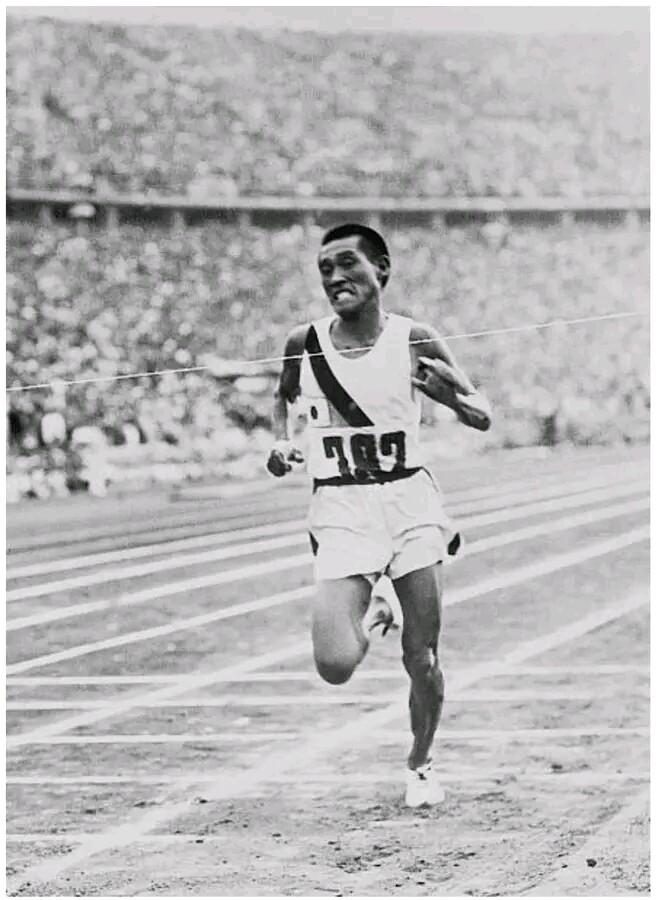
On August 9, 1936, Sohn Kee-chung crossed the finish line of the Olympic marathon in Berlin in 2:29:19.2, becoming the first Korean to win an Olympic gold medal.
But there was a painful contradiction behind the triumph.
The scoreboard did not identify him as Sohn Kee-chung. It listed him as Kitei Son — the Japanese pronunciation of his Korean name. And instead of competing for Korea, he was officially entered as a member of the Japanese delegation because Korea had been under Japanese colonial rule since 1910.
Sohn was born in 1912 near Sinuiju, in what is now North Pyongan Province, and emerged as one of the outstanding distance runners of his generation. His talent became impossible to ignore in the 1930s, and in November 1935 he ran 2:26:42 in Tokyo to set a world marathon record.
By the time he arrived in Berlin, Sohn was already a world-class marathoner. Yet his greatest sporting achievement would unfold under an identity that had been imposed upon him.
He was not permitted to compete under his Korean name. He was not permitted to carry the Korean flag. His uniform bore the Japanese emblem.
And even after winning Olympic gold, he could not celebrate as a Korean champion.
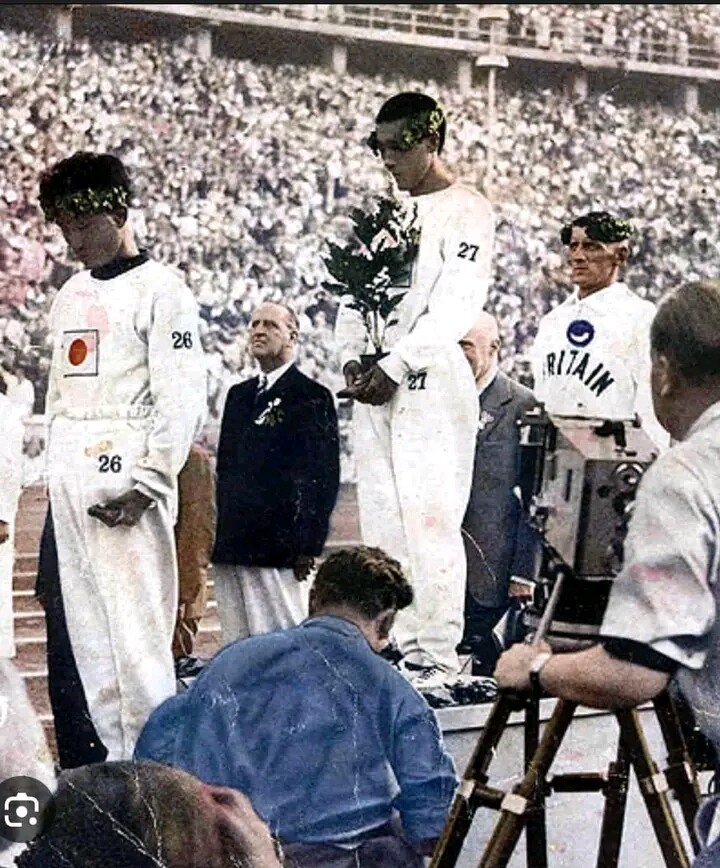
Sohn won the marathon ahead of Britain's Ernie Harper, while another Korean, Nam Sung-yong, claimed bronze. Sohn became the first Olympic marathoner to break the 2:30 barrier, with his 2:29:19.2 Olympic record standing as a remarkable achievement. Importantly, however, his Berlin time was not a world record — his world-best mark had come the previous year in Tokyo.
The medal ceremony became one of the most haunting images in Olympic history.
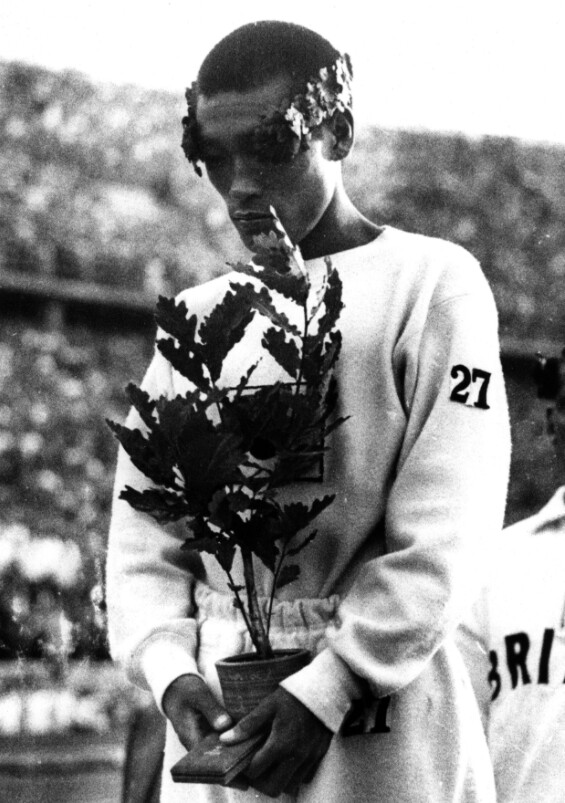
As the Japanese flag was raised and the Japanese anthem played, Sohn stood on the top step of the podium with his head lowered. Nam Sung-yong stood beside him on the third step. Neither athlete was able to represent the nation from which they came.
Sohn held the laurel wreath he had received for winning the marathon across his chest, concealing the Japanese flag on his uniform.
The gesture was silent.
But the message was powerful.
He had won the race for himself and for Korea, even though the official ceremony claimed him for Japan.
Back home, Koreans celebrated his victory with enormous pride. For many, Sohn's success was a rare moment of national affirmation during colonial rule. Yet the emotions were complicated. Some Korean nationalists viewed participation in the Japanese team as a painful compromise, while others saw Sohn's victory as a powerful act of resistance against the colonial claim that Koreans were inferior.
The reaction of the Korean press became another chapter in the story.
On August 25, 1936, the Dong-A Ilbo published the famous photograph of Sohn on the podium with the Japanese flag removed from his uniform. The newspaper's journalists had deliberately erased the emblem — an act of defiance against Japan's colonial authorities. The incident triggered a major crackdown. Multiple journalists were arrested, and the newspaper was forced to suspend publication for months. Historical accounts record that eight people involved were imprisoned and that the paper was suspended for roughly nine months.
The photograph became more than an image of an Olympic champion.
It became an image of a nation trying to preserve its identity.
After Korea was liberated in 1945, Sohn's life took a new direction. He became an influential coach and helped develop the next generation of Korean distance runners. Among those he guided were Suh Yun-bok, who won the Boston Marathon in 1947, and Ham Ki-yong, the 1950 Boston Marathon champion. Sohn also served in various athletic organizations in South Korea.
In 1948, he carried the flag for the newly independent Republic of Korea at the London Olympics — another deeply symbolic moment in a life that had begun with his identity being taken from him on an Olympic starting line.
Decades later, Sohn returned to Germany and, in 1972, attended the Munich Olympics. There, he was reunited with filmmaker Leni Riefenstahl, whose film Olympia had documented the 1936 Berlin Games.
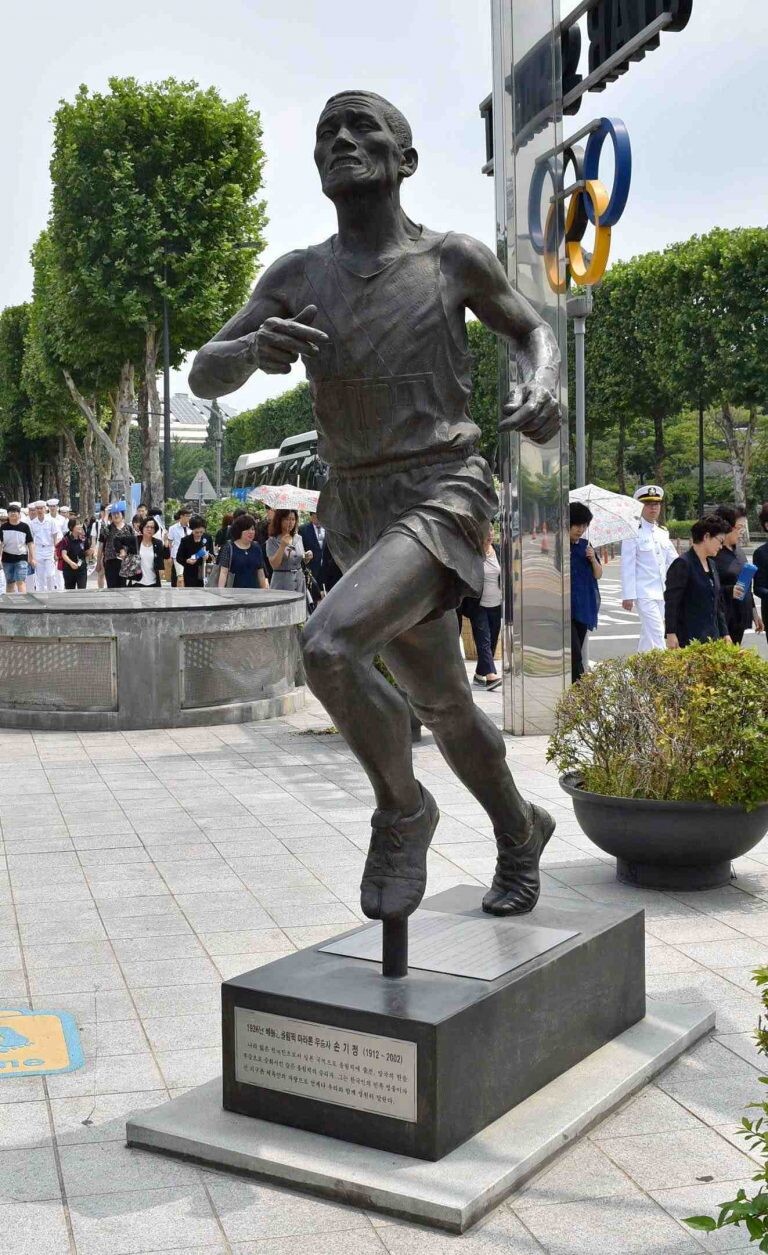
Today, Sohn Kee-chung’s legacy is also preserved in Seoul, South Korea, where a statue of the legendary marathoner stands at Sohn Kee-chung Athletic Park, near the memorial hall named in his honor. The memorial site includes a bronze head statue created in 1990, depicting Sohn in his later years, with scenes from his historic 1936 Berlin victory engraved below. Another statue, unveiled in 2016 to mark the 80th anniversary of his Olympic triumph, portrays the young Sohn proudly holding the Olympic trophy — this time with the South Korean flag in place of the Japanese emblem that had appeared on his uniform in Berlin.
But perhaps the most emotional chapter came in Seoul.
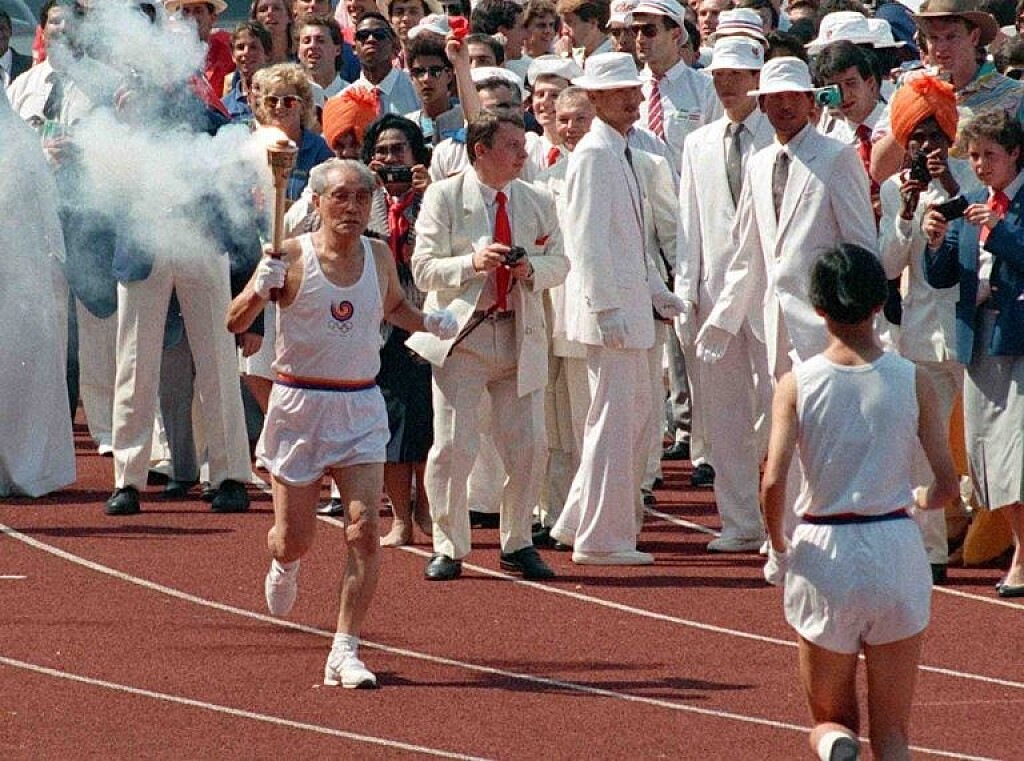
On September 17, 1988, 52 years after his Berlin triumph, the 76-year-old Sohn Kee-chung carried the Olympic torch into the stadium at the opening ceremony of the Seoul Olympics.
Think about what that moment represented.
In Berlin in 1936, he had stood on the Olympic podium beneath a foreign flag, unable to openly celebrate his victory as a Korean.
In Seoul in 1988, he entered an Olympic stadium carrying the flame for his own country.
The symbolism was almost impossible to miss.
The young runner who had once been forced to compete under the name Kitei Son was now an elderly Korean national hero, carrying the Olympic flame before his people.
He had spent more than five decades watching history slowly return his name to him.
Sohn Kee-chung died in November 15, 2002, aged 90, in Seoul, South Korea leaving behind far more than an Olympic medal. He left a story about athletic greatness, identity, dignity and resistance — a story in which a marathon victory became inseparable from the history of an entire nation.
His Berlin gold medal may have been officially recorded under Japan's name.
But in Korea, the champion was always Sohn Kee-chung.
And perhaps that is why the photograph of him standing on the podium, head bowed and the laurel wreath covering the Japanese emblem, remains so powerful.
He won the race in Berlin. But the world took decades to understand who had actually won it.
by Erick Cheruiyot for My Best Runs.
Login to leave a comment
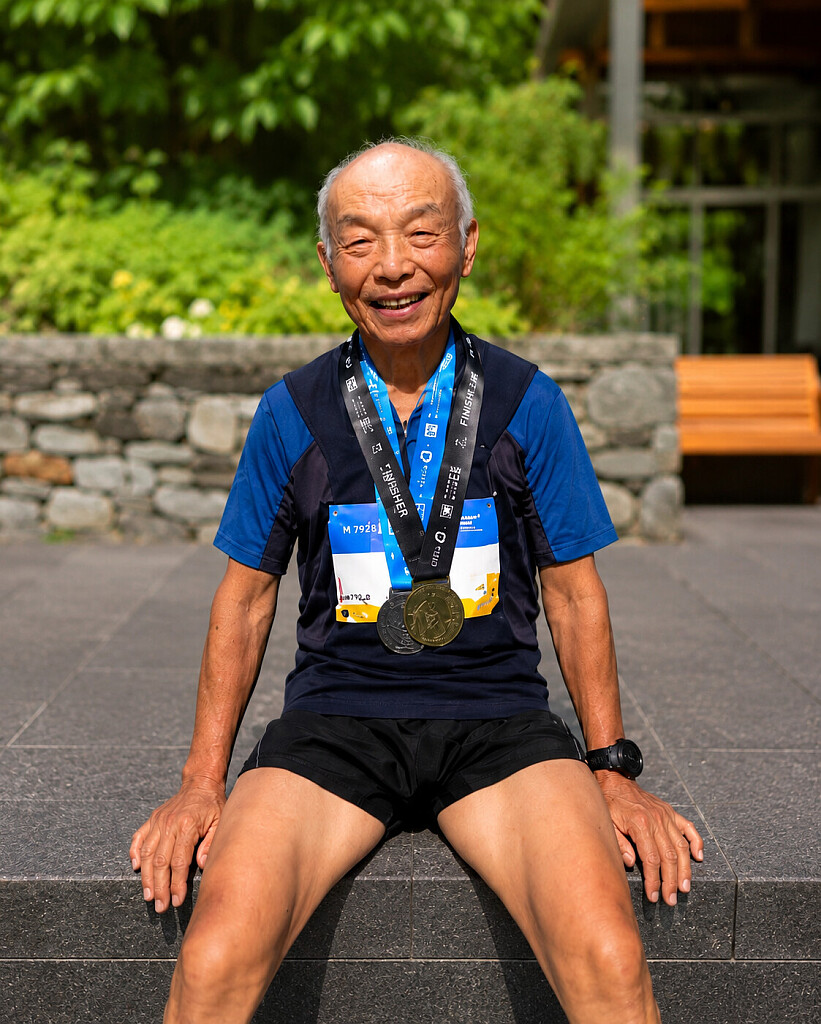
90-Year-Old Runner Makes History After Creating His Own Race Category — Then Wins It
At an age when many people are slowing down, Yul Kwon is still chasing finish lines — and rewriting the rules along the way.
The 90-year-old completed the BMO Vancouver Half-Marathon in an impressive 3:50:33, earning victory in the newly created 90-plus age category.
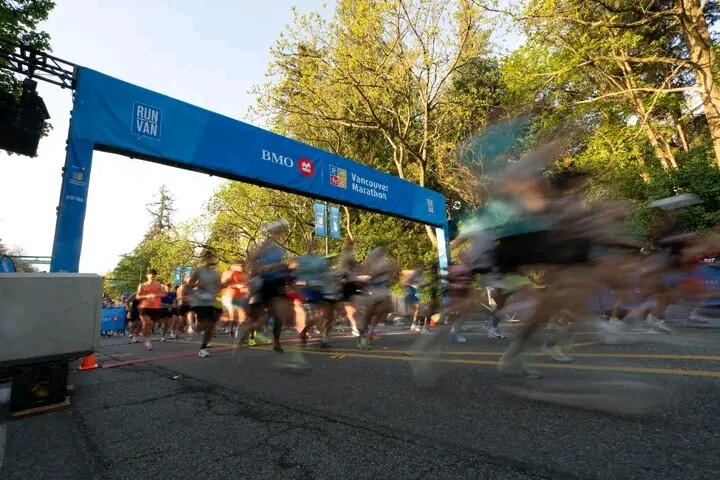
But his win came with a unique twist: he was both the champion and the final finisher, because he was the only athlete entered in the division.
The remarkable story began when Kwon noticed that runners in their 90s had no dedicated category and were expected to compete against athletes in their 80s. Believing age groups should provide a fairer challenge, he contacted race organizers and requested a new division.
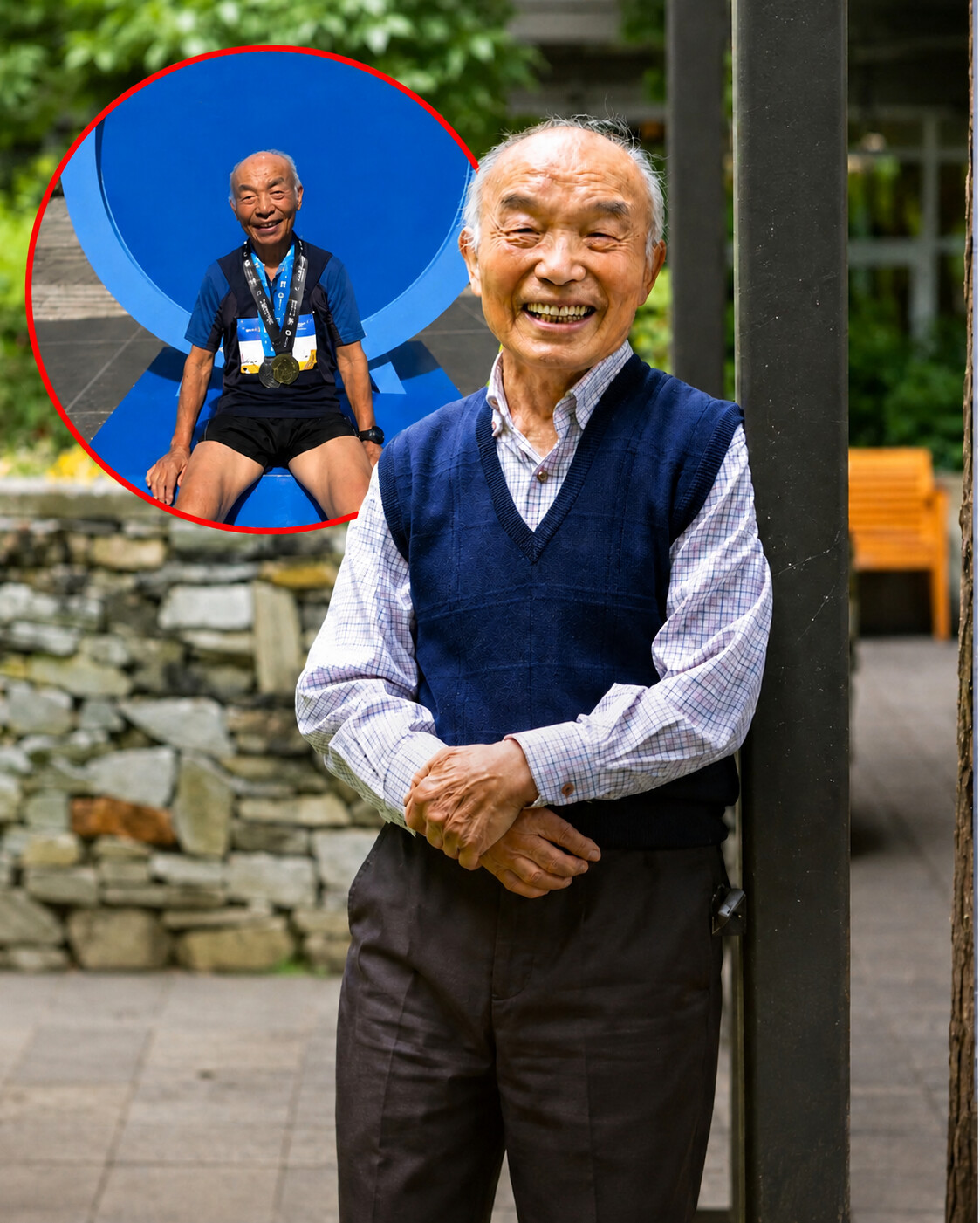
Organizers listened. This year, the event introduced a 90-plus category, and even opened a 100-plus division for future generations of extraordinary athletes.
Kwon’s journey to the start line is just as inspiring as his performance on it. A retired economics professor from Vancouver, he was born into a farming family in southern Korea as one of nine children. Growing up during difficult times, he did not own a pair of shoes until he learned to make his own from rice straw.
He survived the hardships of the Japanese occupation and the Korean War before building a successful academic career and later discovering the joy of distance running.
Now, at 90, Kwon continues to complete half-marathons in under four hours, proving that age is not a barrier when passion and determination remain strong.
For him, running is not only about competition — it is about enjoying life. And he is already looking ahead, joking that he plans to write back to organizers in another 10 years to request another age-group extension.
A lifetime of resilience has led Kwon to one more achievement: not just winning a race, but creating a place for future runners to belong.
by Erick Cheruiyot for My Best Runs.
Login to leave a comment

BMO Vancouver Marathon
The BMO Vancouver Marathon is one of Vancouver’s most iconic marathon events. The event features a full marathon, marathon relay, half marathon, 8k run, and streets lined with thousands of spectators. Runners can expect to experience a little bit of everything that Vancouver has to offer as they run a straight course that starts at Queen Elizabeth Park, and finishes...
more...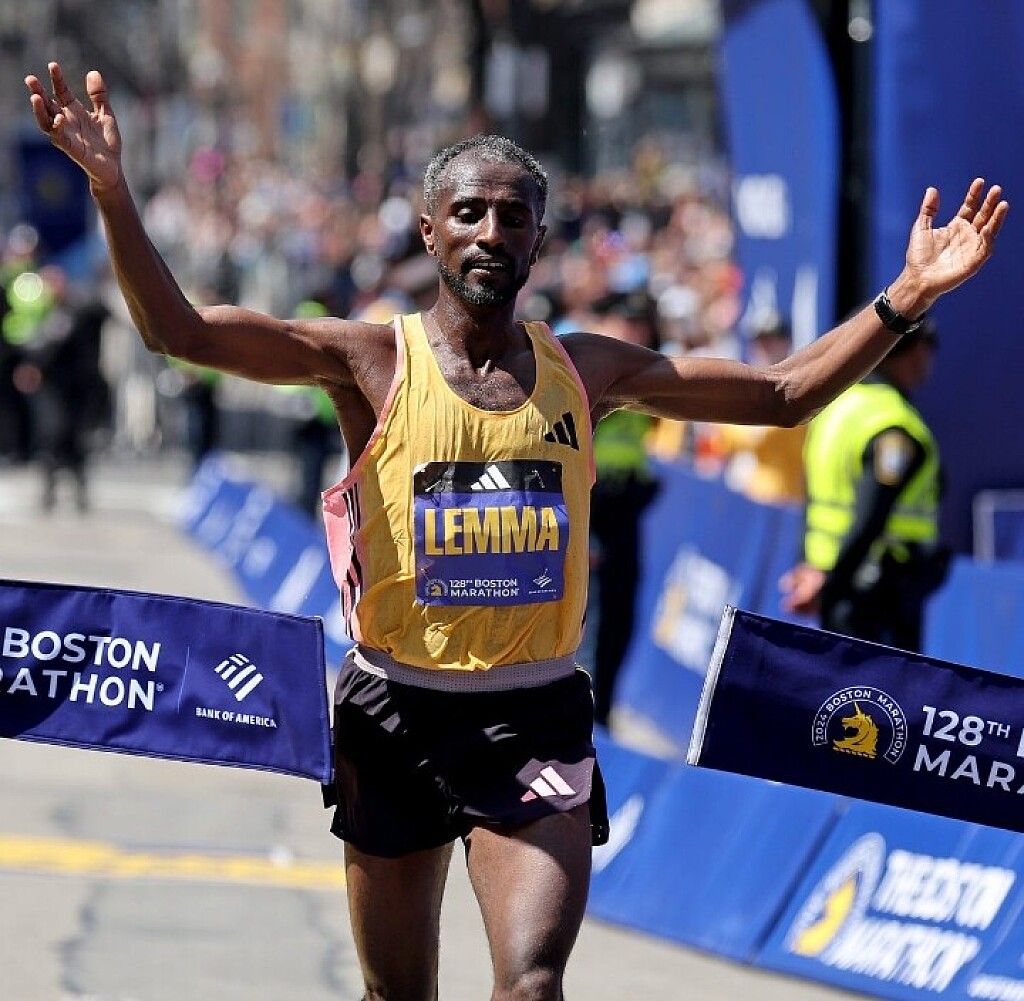
Sisay Lemma Headlines Powerful Elite Field as Seoul Marathon 2026 Promises High-Speed Showdown
The stage is set for a thrilling contest at the Seoul Marathon as a world-class men’s field prepares to race through the streets of the South Korean capital on Sunday, March 15, 2026. With a deep lineup featuring some of the fastest marathoners on the planet, the race is expected to deliver a captivating battle between seasoned champions and emerging contenders.
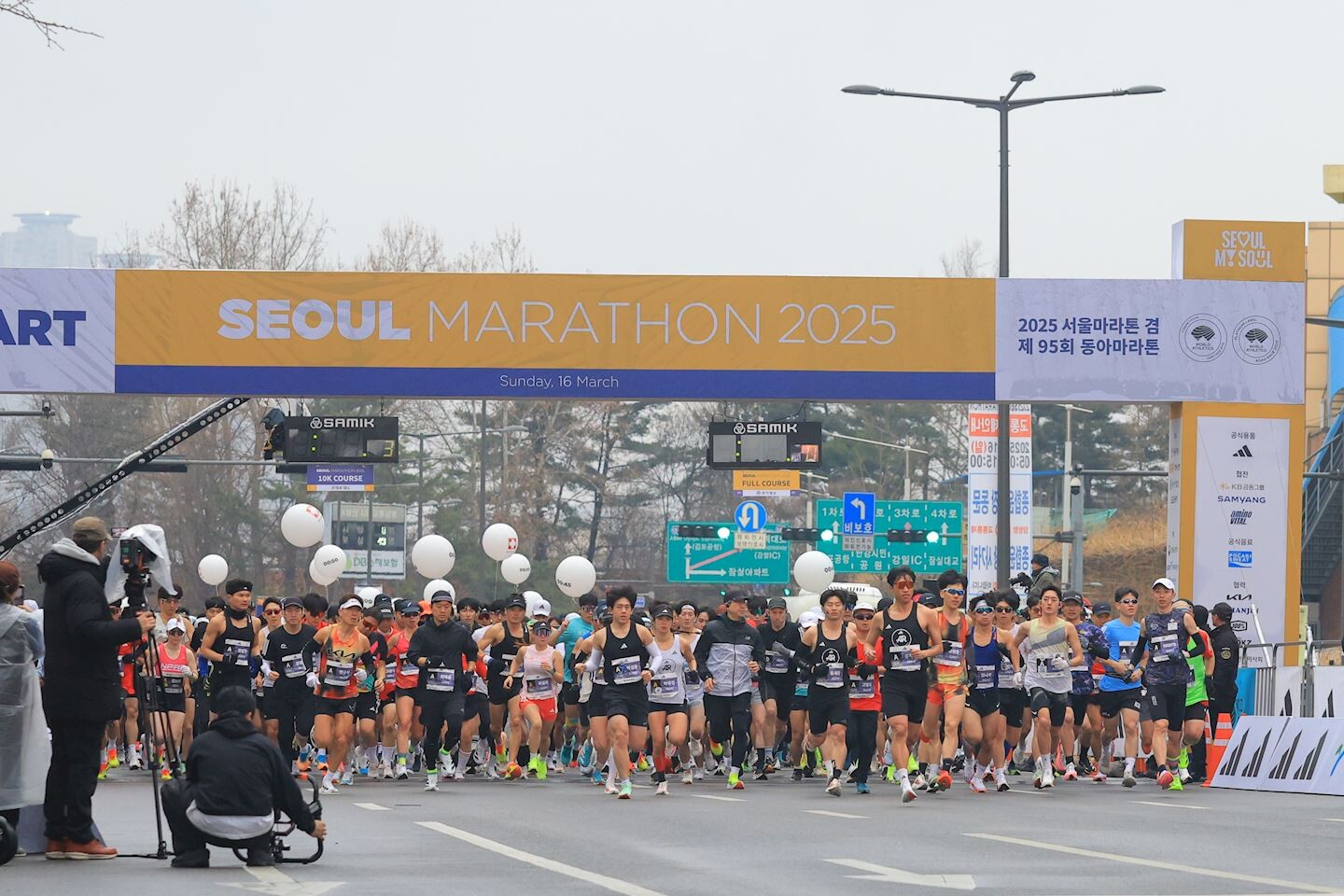
The marathon will begin at 7:30 a.m. local time in Seoul (KST). Fans around the world will tune in at different hours to follow the action: 1:30 a.m. in Kenya and Ethiopia (EAT), 11:30 p.m. on Saturday in Central Europe (CET), 3:30 p.m. Saturday on the U.S. West Coast (PST), and 9:30 a.m. Sunday in Australia’s east coast (AEDT) across Oceania.
Leading the field is Ethiopian marathon star Sisay Lemma, who enters the race as one of the clear favorites. With an impressive personal best of 2:01:48, Lemma has established himself among the world’s elite marathoners and arrives in Seoul with the kind of form capable of producing a very fast race.
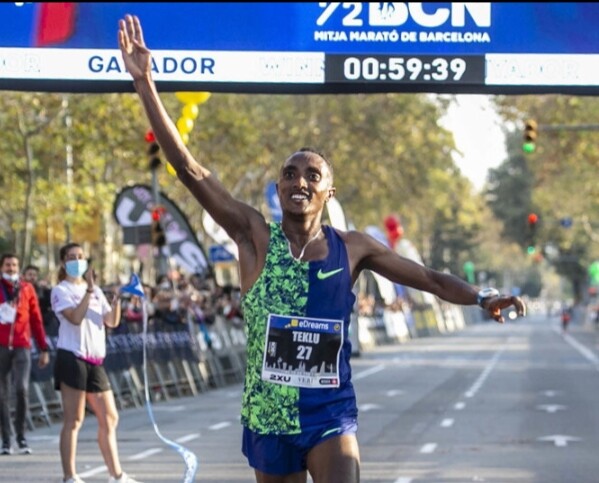
Standing in his path is defending champion Haftu Teklu, who returns determined to defend the title he captured last year. Teklu, whose personal best stands at 2:04:42, proved his strength on these roads before and will be eager to repeat that success.
Another major threat is Getaneh Molla, the winner of the prestigious Dubai Marathon in 2019. Molla’s outstanding 2:03:34 personal best highlights his ability to sustain an aggressive pace, making him one of the most dangerous competitors in the field.
Also in Ethiopia’s strong contingent is Tsegaye Getachew, known for consistent results across Europe, including strong performances at the Amsterdam Marathon and the Lisbon Marathon. With a personal best of 2:04:18, he remains firmly within striking distance of the leading contenders.
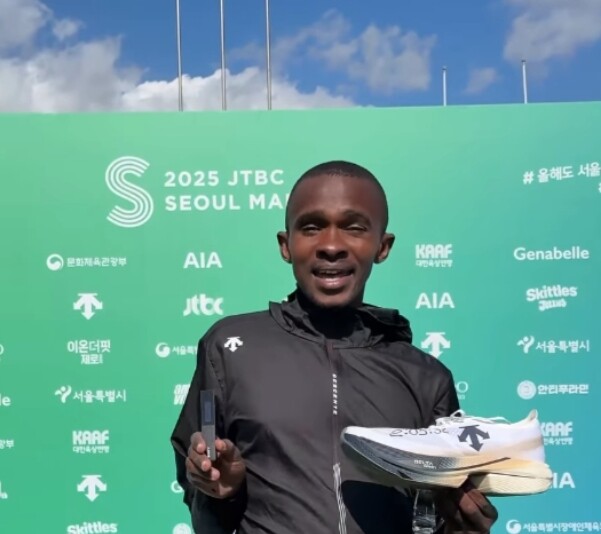
Kenya’s challenge will be spearheaded by experienced runners such as Sammy Kirop and Nick Kitundu, both capable of competing for podium positions. Their presence is reinforced by a strong Kenyan lineup that includes Enock Kinyamal, Gilbert Kibet, Collins Kipkurui, Edmond Kipngetich, and Felix Kipkoech, forming a deep and competitive squad.
Another intriguing entrant is Ethiopian athlete Haftamu Abadi, who enjoyed an impressive season last year with victories at the Vienna City Marathon and the Ljubljana Marathon. His appearance in Seoul marks his first marathon race in Asia, adding another layer of excitement to the elite contest.
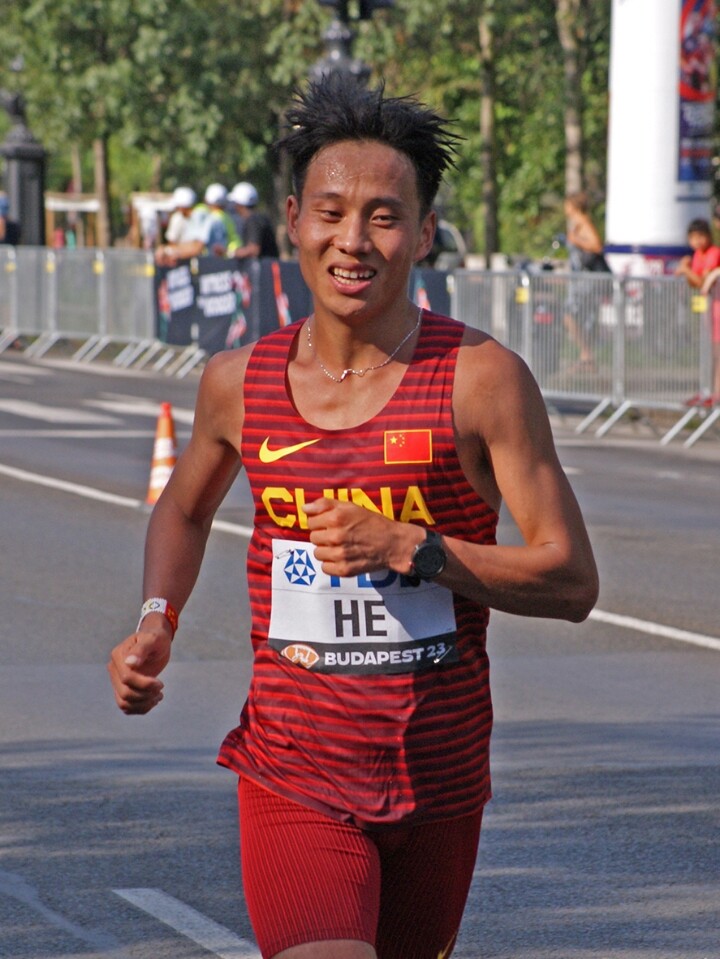
The race also highlights the growing global reach of marathon running, with athletes such as Japan’s Daisuke Uekado and China’s Jie He representing the host region.
With proven champions, hungry challengers, and a course historically known for fast times, the 2026 Seoul Marathon promises a gripping contest from start to finish. As the world’s elite converge on Seoul, the question remains: who will seize the moment and conquer one of Asia’s most prestigious marathons?
by Erick Cheruiyot for My Best Runs.
Login to leave a comment

Seoul International Marathon
The only marathon hosted in the heart of the Korean capital. Seoul marathon is the oldest marathon race hosted in Asia andis one of the fastestmarathon in the world. First held in 1931, Seoul marathon is the oldest marathon eventcontinuously held in Asia, and the second oldest in the world followingthe Boston Marathon. It embodies modern history of Korea, also...
more...
BMI Is a Controversial Measure of Health Outcomes—a New Study Suggests a Better Method
It’s not all about height and weight.
New research suggests incorporating waist circumference into how we predict health outcomes, instead of relying on BMI.
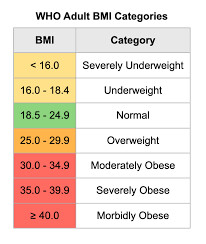
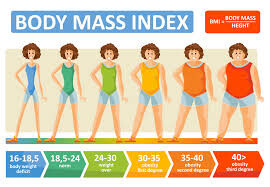
Study authors say BMI does not take into account muscle mass or the links between abdominal fat and poorer health, among other downfalls of the measurement.
In an effort to understand how body composition affects health, most medical professionals and researchers still use the body mass index (BMI), but this has always been a problematic and controversial method when actually applied to individuals, rather than large populations. For example, commentary in the British Journal of General Practice, published back in 2010, called use of BMI unethical, overly simplistic, and potentially harmful to a significant proportion of patients.
A new study in JAMA Network Open assessed a possible pivot toward a different measurement tool: the body roundness index, or BRI. In addition to weight and height (which is all that the BMI includes), the BRI considers waist circumference because that can more comprehensively reflect visceral fat distribution, according to the study’s lead author Xiaoqian Zhang, M.D., at Beijing University of Chinese Medicine in China.
In the cohort study involving nearly 33,000 U.S. adults, researchers looked at the association between an increase in BRI from 1999 to 2018 and the significant rise in all-cause mortality (particularly cardiometabolic disease, kidney disease, diabetes, and cancer) during the same period.
More abdominal fat has been linked to higher risk of these conditions because this type of fat is often visceral, which means it wraps around your organs instead of sits just under the skin. That means it can increase inflammation and drive more chronic diseases, Zhang told Runner’s World. For example, one study of Korean adults found those with normal body mass index had more cardiovascular risk factors if they carried excess abdominal obesity.
“Because of the way it includes waist circumference, BRI effectively provides a more accurate indication of health problems related to being overweight or underweight,” Zhang said. “We found both the lowest and the highest BRI values are associated with significantly increased risks of all-cause mortality.”
The Problem with BMI
Considering a switch away from BMI involves understanding why this effort matters. BMI was not meant to be used on an individual level. It relied only on Belgian men (because it was a formula devised in the 1830s by a Belgian mathematician) and did not take women and/or non-Caucasians into account, the British Journal of General Practice authors noted. As other researchers note, it was also not meant to inform medicine or predict health outcomes
By looking only at height and weight, the BMI might measure general obesity but it doesn't distinguish body fat from muscle mass, said the recent study’s co-author Wenquan Niu, Ph.D., at the Center for Evidence-Based Medicine in China. Because of this, for example, many bodybuilders are classified as obese.
“Fat distribution and body composition can vary dramatically among individuals who have the same BMI,” he told Runner’s World. “That’s why we need a more accurate indication of health problems related to overweight or underweight. Using the BRI is more helpful for this, given the limitations of the BMI metric.”
What to Know About Waist-to-Hip Ratio
The BMI and BRI are not the only possibilities when it comes to body composition. One that’s easy to measure at home is hip-to-waist ratio (WHR), which involves measuring both of those and then dividing your waist number by your hip number. According to a study published in JAMA Network Open in 2023, the ideal ratio for most men is below 0.95 and under 0.85 for women.
Even if you’re physically active and are not overweight, the WHR can help identify your risk of future metabolic issues, because abdominal fat plays a significant role in issues like insulin resistance and hypertension, according to Vitor Engrácia Valenti, Ph.D., a researcher at Sao Paulo State University in Brazil who has done work on body composition.
“The BMI calculation is far less helpful than your WHR, which can give you an indication of whether your waist circumference is outside the normal range,” he told Runner’s World.
Other indicators of body composition are lean muscle mass and fat mass, but those require specialized equipment such as a DXA scan for accurate numbers, Valenti added.
In general, the goal shouldn’t be reducing body fat as much as possible—you do need body fat for overall health—but to focus on reduction of abdominal fat in particular.
Although “spot training” for this type of fat is not a possibility, a systematic review and meta-analysis published in Advances in Nutrition looked at 43 studies focusing on training styles and their effects. Researchers found that although aerobic exercise tends to produce slightly greater efficacy in decreasing belly fat, the biggest change comes when it’s combined with resistance training.
by Runner’s World
Login to leave a comment
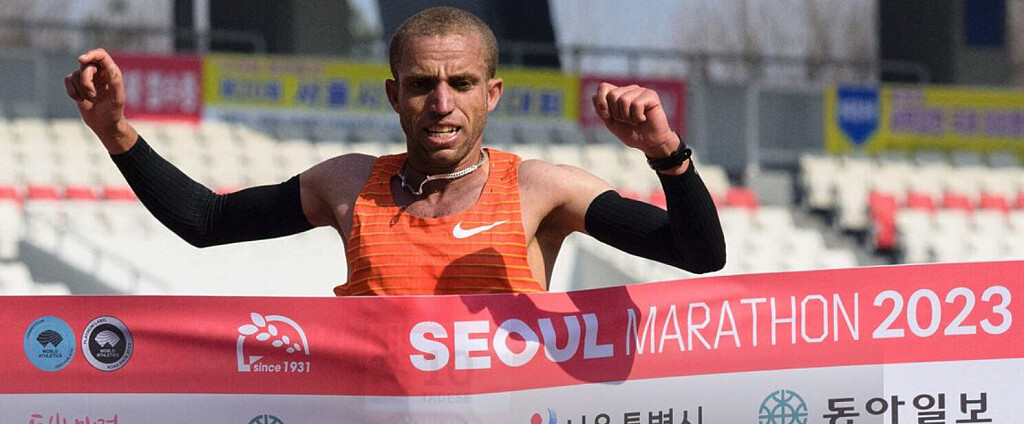
Walelegn wins again in Seoul
Ethiopia’s Amedework Walelegn was a comfortable winner of the Seoul International Marathon on Sunday (19), crossing the finish line of the World Athletics Platinum Label road race in a PB of 2:05:27.
It was his second victory in the Korean capital, having won there just four months ago in 2:06:59 at the JTBC Seoul Marathon. On this occasion, the 2020 world half marathon bronze medallist went much quicker in what was just the third marathon of his career.
He ran as part of a pack for most of the way, passing through 5km in 14:51 and 10km in 29:33 before reaching the half-way mark in about 1:02:30, putting them on course for a finishing time of about 2:05 – just outside the course record of 2:04:43 set last year by Mosinet Geremew.
The pace dropped slightly leading up to 30km, which was reached in 1:29:31 with eight men still in the lead pack. Walelegn then put in a bit of a surge and covered the next 5km segment in 14:34 – the quickest of the race. It was enough to break away from compatriots Shifera Tamru, Haftu Teklu and Olika Adugna Bikila, who formed a three-man chase pack.
With a seven-second lead at 35km and a 27-second lead at 40km, Walelegn continued to pull away from his opponents, and went on to cross the line in 2:05:27.
The three chasers broke up in the final two kilometres. Tamru – a former winner in Seoul (2019) and Daegu (2022) missed out on adding another Korean marathon victory to his collection, taking second place in 2:05:41. Teklu, who was contesting just the second marathon of his career, was third in 2:05:53, finishing comfortably ahead of Bikila (2:06:29).
Only the men’s race had been granted a World Athletics label. The women’s race, entirely a domestic field, was won by Jeong Da-Eun.
Login to leave a comment
Seoul International Marathon
The only marathon hosted in the heart of the Korean capital. Seoul marathon is the oldest marathon race hosted in Asia andis one of the fastestmarathon in the world. First held in 1931, Seoul marathon is the oldest marathon eventcontinuously held in Asia, and the second oldest in the world followingthe Boston Marathon. It embodies modern history of Korea, also...
more...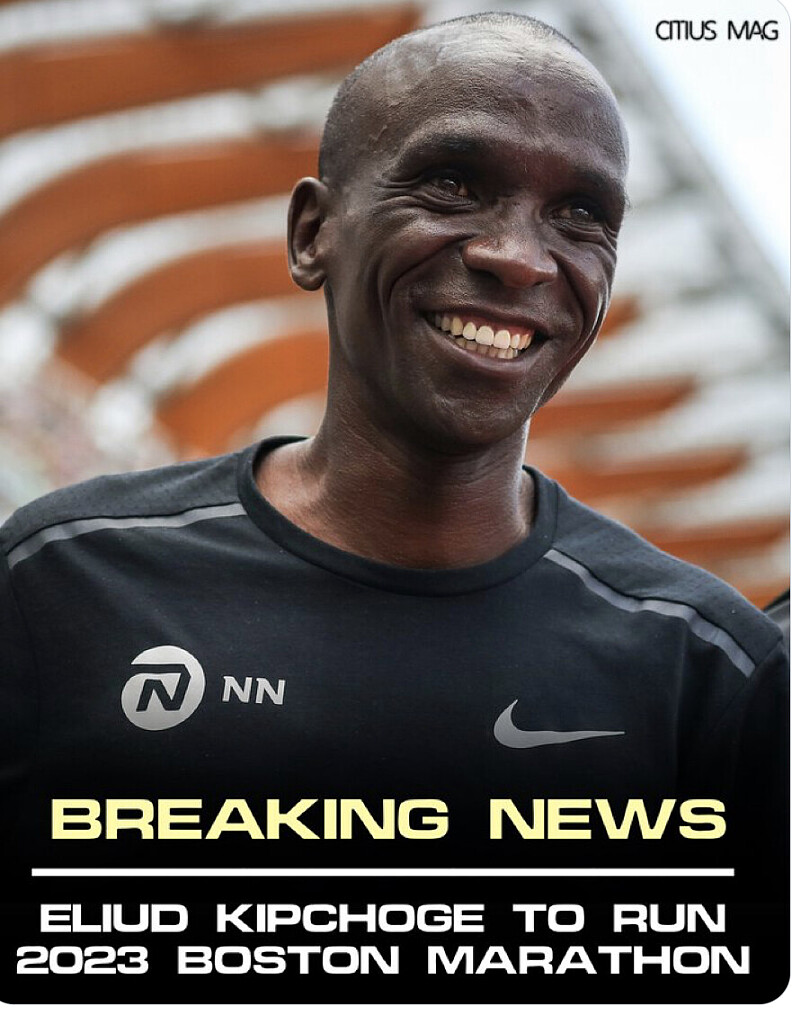
Eliud Kipchoge to make Boston Marathon debut
World record holder Eliud Kipchoge will race the Boston Marathon for the first time on April 17.
Kipchoge, who at September’s Berlin Marathon lowered his world record by 30 seconds to 2:01:09, has won four of the six annual major marathons — Berlin, Tokyo, London and Chicago.
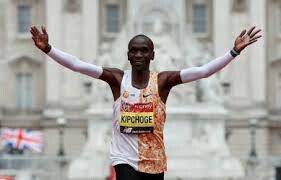
The 38-year-old Kenyan has never raced Boston, the world’s oldest annual marathon dating to 1897, nor New York City but has repeated in recent years a desire to enter both of them.
Typically, he has run the London Marathon in the spring and the Berlin Marathon in the fall.
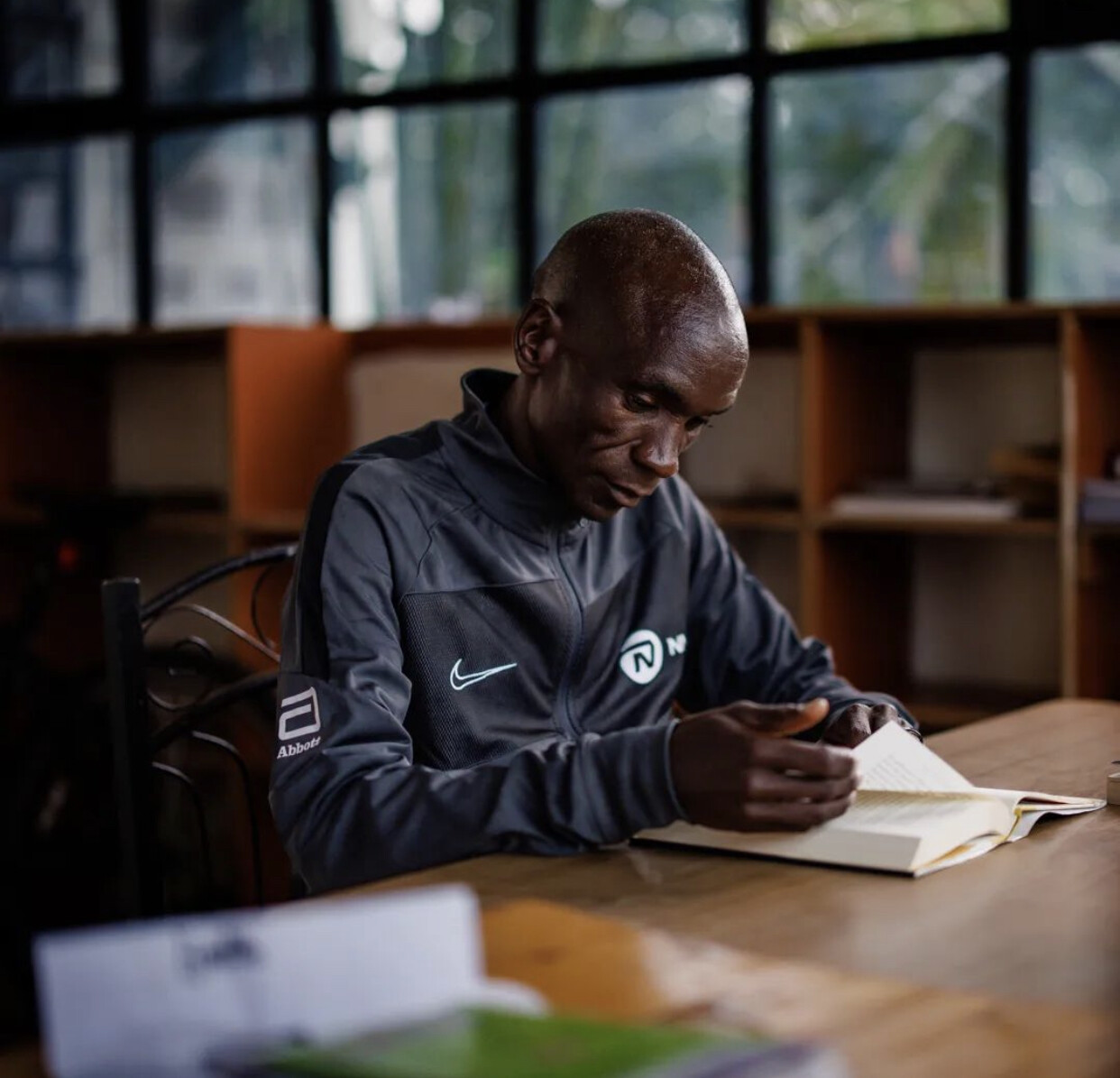
Kipchoge’s last race in the U.S. was the 2014 Chicago Marathon, his second of 10 consecutive marathon victories from 2014 through 2019.
He can become the first reigning men’s marathon world record holder to finish the Boston Marathon since South Korean Suh Yun-Bok set a world record of 2:25:39 in Boston in 1947, according to the Boston Athletic Association.
In 2024 in Paris, Kipchoge is expected to race the Olympic marathon and bid to become the first person to win three gold medals in the marathon.
by Olympic Talk
Login to leave a comment

Boston Marathon
Among the nation’s oldest athletic clubs, the B.A.A. was established in 1887, and, in 1896, more than half of the U.S. Olympic Team at the first modern games was composed of B.A.A. club members. The Olympic Games provided the inspiration for the first Boston Marathon, which culminated the B.A.A. Games on April 19, 1897. John J. McDermott emerged from a...
more...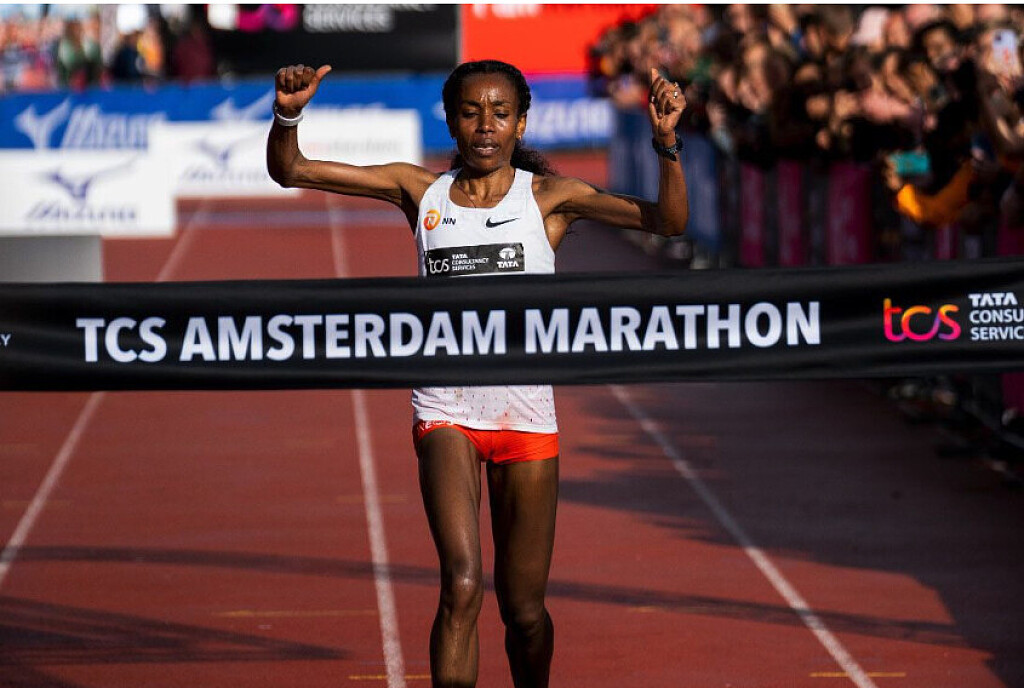
2022 - the year when international road racing got back to normal
There have been big city races with mass participation, high-profile clashes between the world’s elite distance runners, and numerous records broken across a range of distances.
Road running is back in a big way.
While some World Athletics Label road races in 2022 still had to be postponed or adapted in the face of the ongoing Covid-19 pandemic, road running as a whole is almost back to normal.
Nine Elite Platinum Label marathons have been held already this year, with the 10th and final one due to take place in Valencia on 4 December.
World Athletics Elite Platinum marathons in 2022
Tokyo – 6 March
Winners: Brigid Kosgei (KEN) 2:16:02 CR, Eliud Kipchoge (KEN) 2:02:40 CRWorld record-holders Brigid Kosgei and Eliud Kipchoge got their years off to a great start, winning in the Japanese capital with course records.Finishers: 18,272
Nagoya – 13 March
Winner: Ruth Chepngetich (KEN) 2:17:18 CRAfter an enthralling tussle with Israel’s Lonah Chemtai Salpeter, Ruth Chepngetich prevailed in 2:17:18, breaking the course record in the world’s largest women-only marathons.Finishers: 8698
Seoul – 17 April
Winners: Joan Chelimo Melly (KEN) 2:18:04 CR, Mosinet Geremew (ETH) 2:04:43 CREventual winners Joan Chelimo Melly and Mosinet Geremew were pushed all the way to course records in the Korean capital in two close races. Geremew won by six seconds, while Melly finished eight seconds ahead of her nearest rival.
Boston – 18 April
Winners: Peres Jepchirchir (KEN) 2:21:01, Evans Chebet (KEN) 2:06:51Olympic champion Peres Jepchirchir maintained her winning streak to win in one of the world’s most prestigious races, finishing just four seconds ahead of Ethiopia’s Ababel Yeshaneh. Evans Chebet enjoyed a more comfortable victory in the men’s race.Finishers: 24,607
Berlin – 25 September
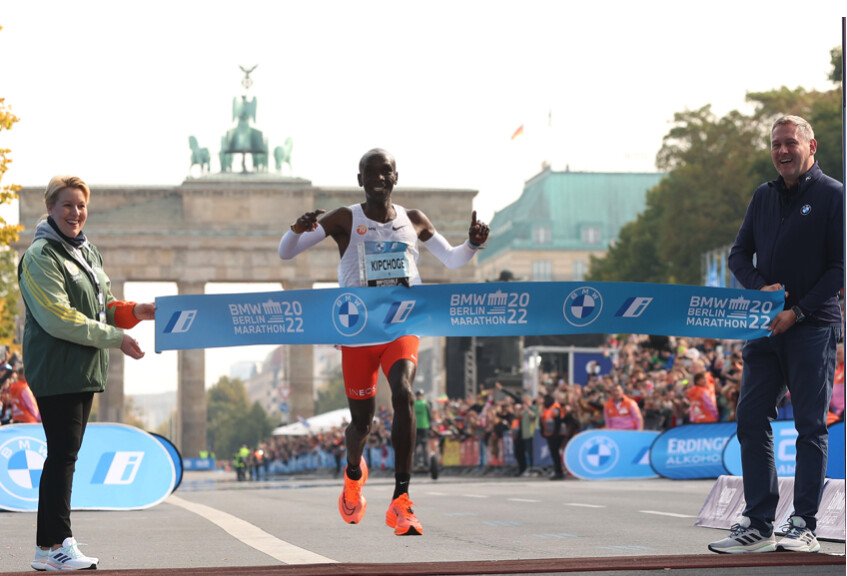
Winners: Tigist Assefa (ETH) 2:15:37 CR, Eliud Kipchoge (KEN) 2:01:09 WROlympic champion Eliud Kipchoge returned to the site of his last world record-breaking performance and improved on the mark by 30 seconds, setting a world record of 2:01:09. Meanwhile, Tigist Assefa smashed the women’s course record – and Ethiopian record – with her 2:15:37 victory.Finishers: 34,879
London – 2 October
Winners: Yalemzerf Yehualaw (ETH) 2:17:26, Amos Kipruto (KEN) 2:04:39Yalemzerf Yehualaw got the better of defending champion Joyciline Jepkosgei in an enthralling duel, while Amos Kipruto made a similar late-race break to take the men’s title.Finishers: 40,578
Chicago – 9 October
Winners: Ruth Chepngetich (KEN) 2:14:18 WL, Benson Kipruto (KEN) 2:04:24Ruth Chepngetich came within seconds of the world record to win in 2:14:18, the second-fastest time in history. Benson Kipruto, winner in Boston last year, added another US big city marathon win to his collection.Finishers: 39,420
Amsterdam – 16 October
Winners: Almaz Ayana (ETH) 2:17:20 CR, Tsegaye Getachew (ETH) 2:04:49Ethiopia’s 2016 Olympic 10,000m champion Almaz Ayana ran the fastest marathon debut in history to win in the Dutch capital, holding off former track rival and compatriot Genzebe Dibaba. Tsegaye Getachew made it an Ethiopian double, winning by just five seconds from Titus Kipruto.Finishers: 12,669
New York City – 6 November
Winners: Sharon Lokedi (KEN) 2:23:23, Evans Chebet (KEN) 2:08:41Kenya’s Sharon Lokedi pulled off one of the biggest road-running surprises of 2022, winning the New York City Marathon on her debut at the distance and beating many established stars of the sport. Evans Chebet added to his Boston win from earlier in the year.Finishers: 47,839
Valencia – 4 December
Elite field: includes Letesenbet Gidey, Sutume Kebede, Tiki Gelana, Tigist Girma, Etagegne Woldu, Amane Shankule and Tadelech Bekele in the women’s race, and Getaneh Molla, Tamirat Tola, Dawit Wolde, Jonathan Korir, Hiskel Tewelde, Chalu Deso and Gabriel Geay in the men’s race.Places: 30,000
For the masses
It’s not just elite runners who have been able to enjoy top-quality road racing. Events in most corners of the world have been able to stage mass races of some sort in 2022.
That looks set to continue in 2023 too, not just with Label road races but also at World Athletics Series events.
by World Athletics
Login to leave a comment
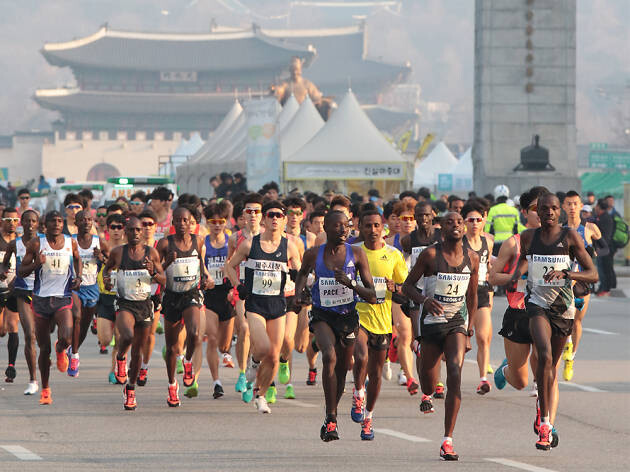
Highly competitive fields ready to clash in Seoul this weekend
Organizers of the Seoul Marathon have assembled what is arguably their strongest ever line-up for the World Athletics Elite Platinum Label road race on Sunday (17).
Eight men with sub-2:06 PBs and five women with sub-2:21 lifetime bests are among the highly competitive fields.
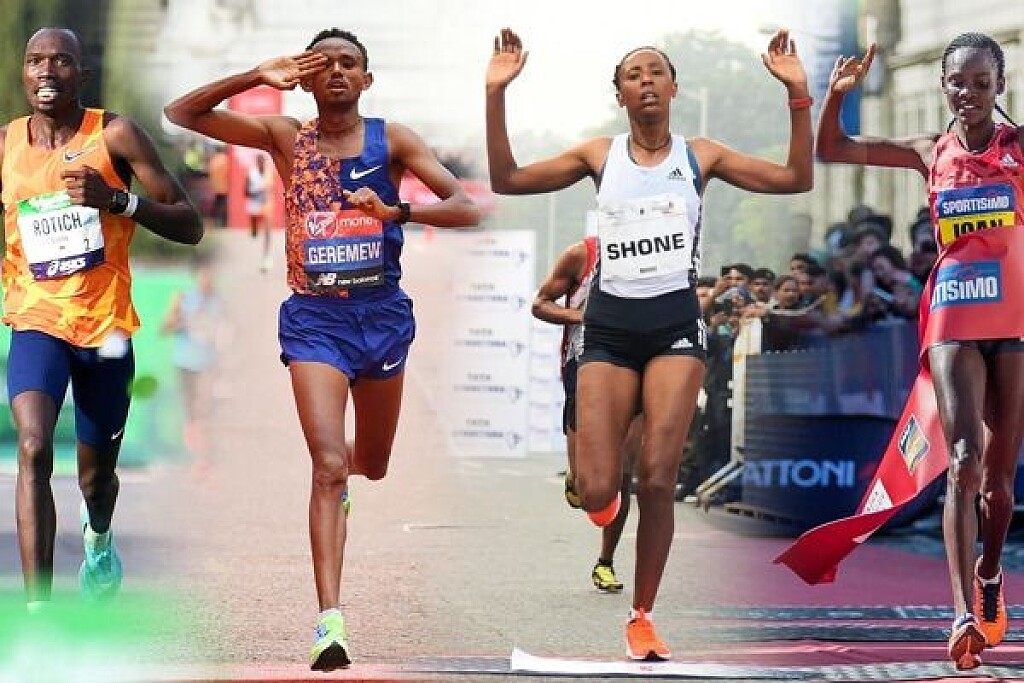
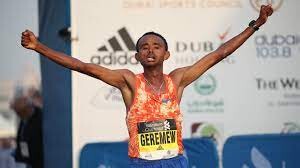
World silver medalist Mosinet Geremew heads the men’s line-up. The former Ethiopian record-holder, who has a PB of 2:02:55, has finished in top three in eight of his nine completed marathons. He was unable to finish the Tokyo Marathon earlier this year, but he’ll return to action on Sunday in a bid to become just the second Ethiopian man in history to win the Seoul Marathon.
If he falls short of that target, compatriot Herpasa Negasa stands a good chance. Runner-up in Dubai in 2019, he is a 2:03:40 performer at his best.
Elisha Kipchirchir Rotich leads the Kenyan charge. A formidable opponent, he won the Paris Marathon last year in a PB of 2:04:21. He also has five other career marathon victories to his name, and he finished second in Seoul in 2019.
Three-time Toronto Marathon winner Philemon Rono is also entered, as is Kenyan compatriot Mark Korir. The 2015 Paris Marathon winner has a 2:05:49 PB and will be making his fifth appearance in Seoul; he has made the podium three times in the Korean city but is yet to win.
Korea’s Joohan Oh – formerly known as Wilson Loyanae of Kenya – is also familiar with the streets of Seoul, having won the race four times. He also holds the course record at 2:05:13, but his last completed marathon was back in 2019 when he finished second in Gyeongju in 2:08:42.
Ugandan duo Filex Chemonges and Moses Kibet are also worth keeping an eye on. Chemonges, who represented Uganda at the Olympics last year, holds the national record at 2:05:12. Kibet, meanwhile, has only contested two marathons to date but already has a PB of 2:05:20.
Other entered athletes include 2017 Seoul runner-up Felix Kandie of Kenya, Kenneth Keter, Brazilian Olympian Daniel do Nascimento, two-time Amsterdam winner Benard Kipyego, Solomon Kirwa Yego and Martin Kosgey.
The women’s race looks just as competitive and similarly tough to call.
Guteni Shone returns to Seoul, seven years after her victory there. Since then, she has also won in Ottawa and Seville, while in more recent years she has finished second in Prague in 2021 and second in Dubai in 2020 – the latter with a PB of 2:20:11, making her the fastest in the field for Sunday. In fact, she has finished in the top two in her past four marathons and she won’t want to relinquish that streak this weekend.
She’ll be joined on the start line by two fellow Ethiopians who also have a strong marathon record. Sutume Asefa, winner of the Beijing Marathon in 2019, set a PB of 2:20:30 when finishing third in Tokyo two years ago. Shure Demise, meanwhile, set her PB of 2:20:59 on her debut at the distance in Dubai back in 2015, but has gone on to win in Toronto twice. She also placed third in Tokyo in 2019 and in Chicago in 2018.
Netsanet Gudeta may not have the fastest PB of the elite field – partly because she has only completed two marathons to date – but she is a proven contender at the half marathon distance, having won the 2018 world title. Her half marathon PB of 1:05:45 suggests she’s capable of improving on her 2:26:09 marathon PB.
Joan Chelimo Melly has an even quicker half marathon PB, 1:05:04, making her one of the fastest women of all time for the distance. The Kenyan has started to move up to the marathon in recent years and has a PB of 2:20:57.
Other Kenyans in the line-up include Agnes Jeruto Barsosio, who was third in Seoul in 2016, Selly Chepyego Kaptich, and Celestine Chepchirchir, who was third in Seoul in 2019. Bahrain’s Eunice Chumba, seventh at the Olympics last year, is another one to watch.
Elite field
Women
Guteni Shone (ETH) 2:20:11
Sutume Asefa (ETH) 2:20:30
Joan Chelimo Melly (KEN) 2:20:57
Agnes Jeruto Barsosio (KEN) 2:20:59
Shure Demise (ETH) 2:20:59
Selly Chepyego Kaptich (KEN) 2:21:06
Eunice Chumba (BRN) 2:23:10
Celestine Chepchirchir (KEN) 2:23:38
Netsanet Gudeta (ETH) 2:26:09
Men
Mosinet Geremew (ETH) 2:02:55
Herpasa Negasa (ETH) 2:03:40
Elisha Kipchirchir Rotich (KEN) 2:04:21
Philemon Rono (KEN) 2:05:00
Filex Chemonges (UGA) 2:05:12
Joohan Oh (KOR) 2:05:13
Moses Kibet (UGA) 2:05:20
Mark Korir (KEN) 2:05:49
Felix Kandie (KEN) 2:06:03
Kenneth Keter (KEN) 2:06:05
Daniel do Nascimento (BRA) 2:06:11
Benard Kipyego (KEN) 2:06:19
Solomon Kirwa Yego (KEN) 2:06:24
Martin Kosgey (KEN) 2:06:41
Vincent Kipsang Rono (KEN) 2:07:10
Lucas Kimeli Rotich (KEN) 2:07:17
Belachew Alemayehu (ETH) 2:07:55
Brian Kipsang (KEN) 2:09:07.
by World Athletics
Login to leave a comment
Seoul International Marathon
The only marathon hosted in the heart of the Korean capital. Seoul marathon is the oldest marathon race hosted in Asia andis one of the fastestmarathon in the world. First held in 1931, Seoul marathon is the oldest marathon eventcontinuously held in Asia, and the second oldest in the world followingthe Boston Marathon. It embodies modern history of Korea, also...
more...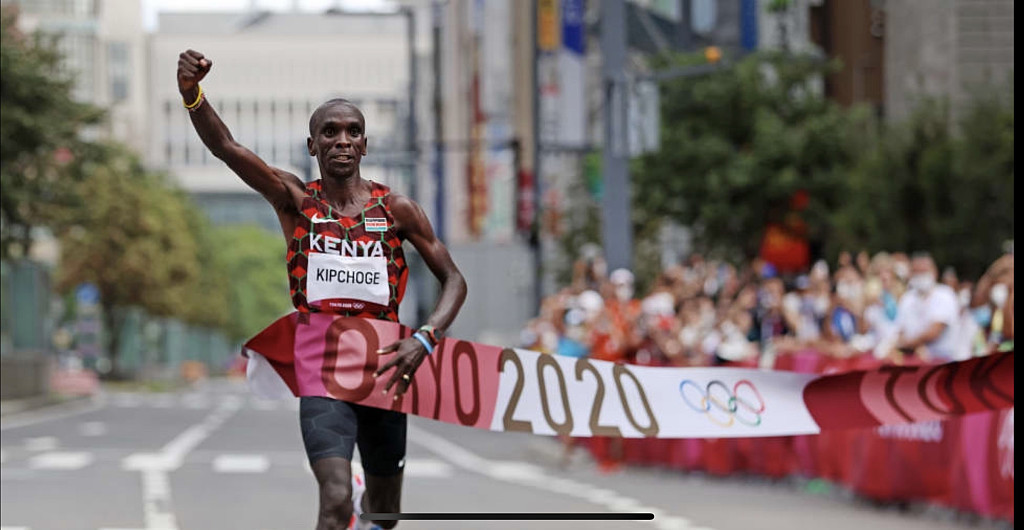
Eliud Kipchoge Wins Olympic Marathon Again, This Time In Tokyo
Eliud Kipchoge delivered a dominating performance in the Tokyo Olympics men’s marathon, pulling away from his competition after the halfway point and finishing 1 minute, 20 seconds ahead of second-place finisher Abdi Nageeye of the Netherlands on a steamy day in Sapporo, Japan.
Kipchoge of Kenya, the world record holder in the marathon, is the first men’s repeat Olympic winner since Waldemar Cierpinski of the former East Germany in 1976 and 1980. Kipchoge finished in 2 hours, eight minutes, 38 seconds.
Nageeye clocked in at 2:09:58, and Bashir Abdi of Belgium finished third, in 2:10:00.
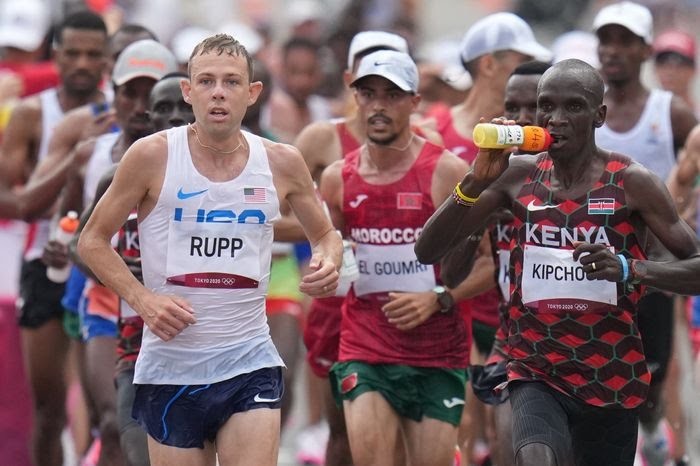
American Galen Rupp, who won bronze in the marathon at the Rio 2016 Games, finished eighth, more than three minutes back in 2:11:41.
Galen Rupp of the U.S. finished eighth in the Olympic marathon.
After the 15-mile mark, Kipchoge, in front of the lead pack, turned and looked over his shoulder at Rupp and said something to him. Shortly after that, Kipchoge took off and began building his insurmountable lead.
NBC commentators said that Kipchoge seemed irritated with Rupp in the encounter.
“We saw Kipchoge get annoyed, which is so, so rare,” NBC commentator Kara Goucher said.
Rupp won the U.S. Olympic marathon trials in February 2020 and had targeted gold in Sunday’s race. He won silver in the 10,000 meters in London 2012 and bronze in the Rio 2016 marathon.
American Jacob Riley finished 29th, in 2:16:26, and American Abdi Abdirahman 41st in 2:18:27. Abdirahman, 44 years old and competing in his fifth Games, is the oldest U.S. runner to ever make the U.S. Olympic team.
The 36-year-old Kipchoge, competing in his fourth Olympics, entered the race with three medals: a bronze in the 5,000 meters in Athens 2004, silver in the 5,000 in Beijing 2008 and gold in the marathon in Rio 2016. He failed to qualify for Kenya’s team for London 2012.
Kipchoge famously broke the two-hour marathon barrier on a closed-course race in Vienna in October 2019, part of a years-long effort by Nike that included a new type of shoes. The thick-soled shoes with superlight cushioning and a carbon-fiber plate have spawned copycats, lowered finishing times and taken over the sport.
Kipchoge was so in command of the race that more than 10 miles in, he appeared to fist-bump with Brazil’s Daniel Do Nascimento.
Do Nascimento, in fourth place at the half-marathon mark, soon dropped out then crumpled onto the road.
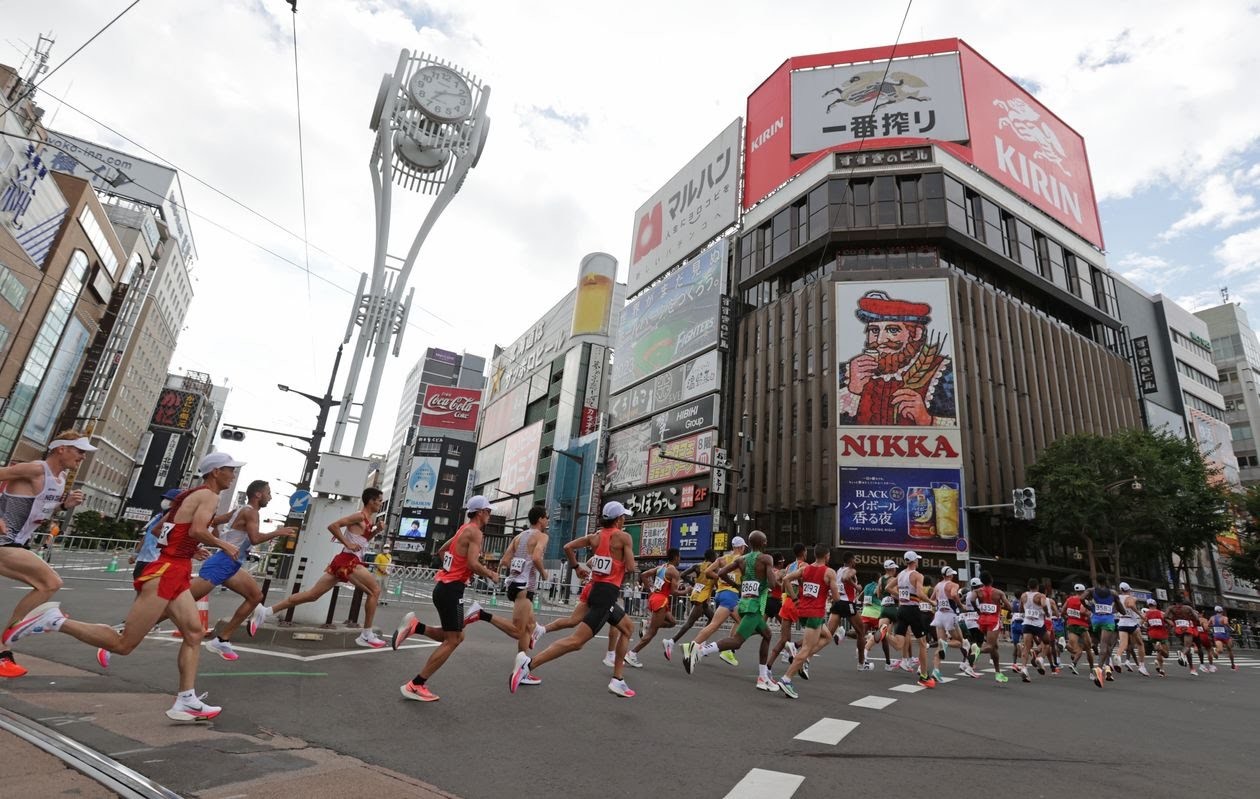
It was over 80 degrees with humidity over 70%. Runners shoved bags of ice down the backs of their singlets or tucked cooling packs under hats. More than two dozen runners didn’t finish the race.
Runners move past the Susukino district while competing in the men’s marathon.
Frank Shorter was the last American man to win the Olympic marathon, in 1972.
Since then, the gold has been won twice by the East German, three times by Kenyans (including twice by Kipchoge), twice by Italians, and once by an Ethiopian, a South African, a Korean, a Portugese and a Ugandan.
U.S. runner Molly Seidel was a surprise medalist in the women’s Olympic marathon Saturday, finishing in third to take the bronze.
by Wall Street Journal
Login to leave a comment

Tokyo 2020 Olympic Games
Fifty-six years after having organized the Olympic Games, the Japanese capital will be hosting a Summer edition for the second time, originally scheduled from July 24 to August 9, 2020, the games were postponed due to coronavirus outbreak, the postponed Tokyo Olympics will be held from July 23 to August 8 in 2021, according to the International Olympic Committee decision. ...
more...
11 Snacks to Eat After a Run That’ll Help You Refuel and Recover Faster
Whether you’re short on time or your stomach can’t handle much food after your miles, these options will do the trick.
Although it’s often overlooked, the post-run recovery meal or snack is one of the most crucial elements of your fueling plan. You may think that what you eat before a run is all that matters, but good postrun recovery nutrition also plays an important role in your overall performance.


During a run, your body utilizes glycogen (your body’s source of stored carbs) for energy, and your muscles experience tiny little tears. To replace the glycogen stores and aid in muscle recovery, you want to eat foods that have a combination of carbs and protein. Ideally, a 3:1 carb-to-protein ratio has been shown to be most beneficial for post-workout recovery. In other words, a food should have 1 gram of protein for every 3 grams of carbs.
Whether you’re short on time or your stomach can’t handle much food after a run, eating a full recovery meal isn’t always doable. But there are a wide range of snacks that fit the post-run criteria. We’ve compiled a list of some of our favorite healthy packaged snacks, so you can quickly recover after logging your miles.
1 Chocolate Milk
These 8-ounce containers of chocolate milk contain the classic 3:1 carb-to-protein ratio, with 23 grams of carbs and 8 grams of protein. If you have a sensitive stomach and can’t get down food after a run, you may find it easier to drink a carton of chocolate milk. Plus, milk has nine essential vitamins and minerals, including vitamin D and calcium for bone health.
2 Maple Oats
RX is taking oatmeal up a notch with the addition of egg whites, nuts, and dates. Made with simple ingredients, RX oatmeal is ready in minutes with hot water and a microwave, and it has 35 grams of carbs and 12 grams protein. If you prefer something cold after a run, fill it with water and stick it in the fridge before you head out the door for post-run overnight oats.
3 Classic Hummus and Pretzels
If you’re craving a savory snack after a run, reach for a conveniently packaged serving of hummus and pretzels. With 10 grams of protein and 40 grams of carbs, this snack comes close to the 3:1 ratio. And it also includes sodium—an important electrolyte lost in sweat—as well as fiber, which helps keep you fuller for longer.
4 Bada Bean Bada Boom Crunchy Broad Beans
Otherwise known as fava or field beans, roasted broad beans are the newest crunchy snack to rival chips. Packed with protein and fiber, not to mention they are naturally vegan and gluten-free, roasted broad beans are a healthier option than many other crispy snacks. A 1-ounce serving has 15 grams of carbs and 7 grams of protein, so pair it with a piece of fruit for an extra carb boost.
5 Peanut Butter Chocolate Chip Organic Vegan Protein Bar
There are a ton of protein bars on the market, but only few offer a short list of recognizable ingredients with a 3:1 carb to protein ratio. GoMacro does a good job of using real ingredients—such as nuts, puffed brown rice, and pea protein—and each protein bars have 11 grams of protein with 36 grams of carbs.
6 Strawberry Chia Organic Cottage Cheese
Whether you love or hate it, cottage cheese is packed with protein and bone-building calcium. Add in fruit, and you’re on your way to a post-run recovery snack. Since a container of Good Culture’s strawberry cottage cheese has more protein than carbs (17 grams of protein and 10 grams of carbs), slather it onto a piece of whole grain bread to make sure you replace glycogen stores.
7 Organic Crunchy Chickpeas
Chickpeas are naturally rich in both protein and carbohydrates, and roasted chickpeas are a delectable and crunchy post-run snack. Whether you throw them on salad or eat them straight out of the bag, you’ll get 6 grams of protein and 18 grams of carbs for every 1/4-cup serving. Not to mention, Saffron Road has tasty flavors, such as Buffalo, Bombay Spice, Chipotle, Falafel, and Korean BBQ.
8 Sea Salt Dry Roasted Edamame
This sushi night staple is a protein powerhouse and easy to store in the freezer. But on days when you don’t feel like microwaving, Seapoint Farms makes a dry roasted edamame with just soy beans and salt. Dried edamame is higher in protein than carbs, so grab a handful with a piece of fruit, bread, or whole grain crackers.
9 SunSeed Butter Chocolate Protein Bites
If you’ve got a sweet tooth, Enjoy Life protein bites are a tasty combo of chocolate and other delicious flavors, such as mint, banana, raspberry, and sunseed butter. Three bites have 6 grams of protein and 18 grams of carbs, and they are so easy to pop into your mouth directly after a run.
10 S’Mores Flip Greek Yogurt
Greek yogurt is packed with natural protein, and Chobani has added a sprinkle of other ingredients, such as nuts, pretzels, graham crackers, and toffee to give you a hint of sweetness while also replacing glycogen stores. Each Flip has around 9 grams of protein and 25 grams of carbs. Chobani Flip’s other flavors and mix-ins include banana cream pie, cookie dough, brownie bliss, and cookies and cream.
11 White Cheddar Cheese, Sea Salted Roasted Almonds, and Dried Cranberries
Cheese, nuts, and dried fruit come together in these Sargento Balanced Breaks to offer post-run protein, healthy fats, and carbs. With different types of nuts, cheese, and dried fruit, you can choose the variety that speaks to you. The perfectly portioned snack has 7 grams of protein and 12 grams of carbs, so pair it with a handful of granola.
by Runners World
Login to leave a comment
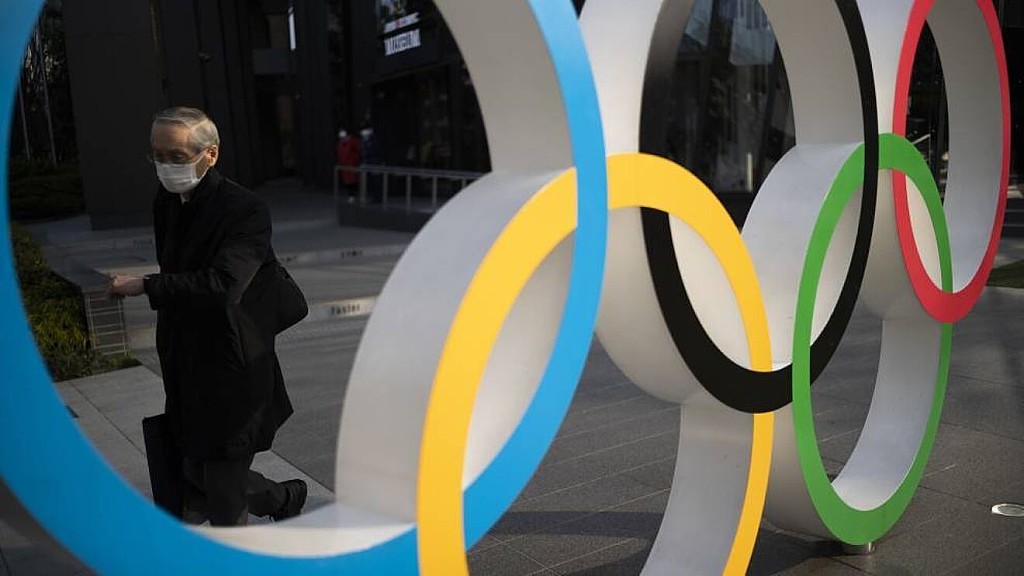
North Korea has withdrawn from Tokyo 2020 after the country cited coronavirus fears.
North Korea withdraws from Tokyo 2020 over COVID-19 fears.
A statement on the secretive state's official Sports in the DPRK Korea website said authorities want to "protect athletes".
The country has become the first to pull out of the rearranged Tokyo 2020 because of COVID-19.
Its decision comes just under a week after South Korean capital Seoul announced it had submitted a joint bid with the North for the 2032 Games to the International Olympic Committee (IOC).
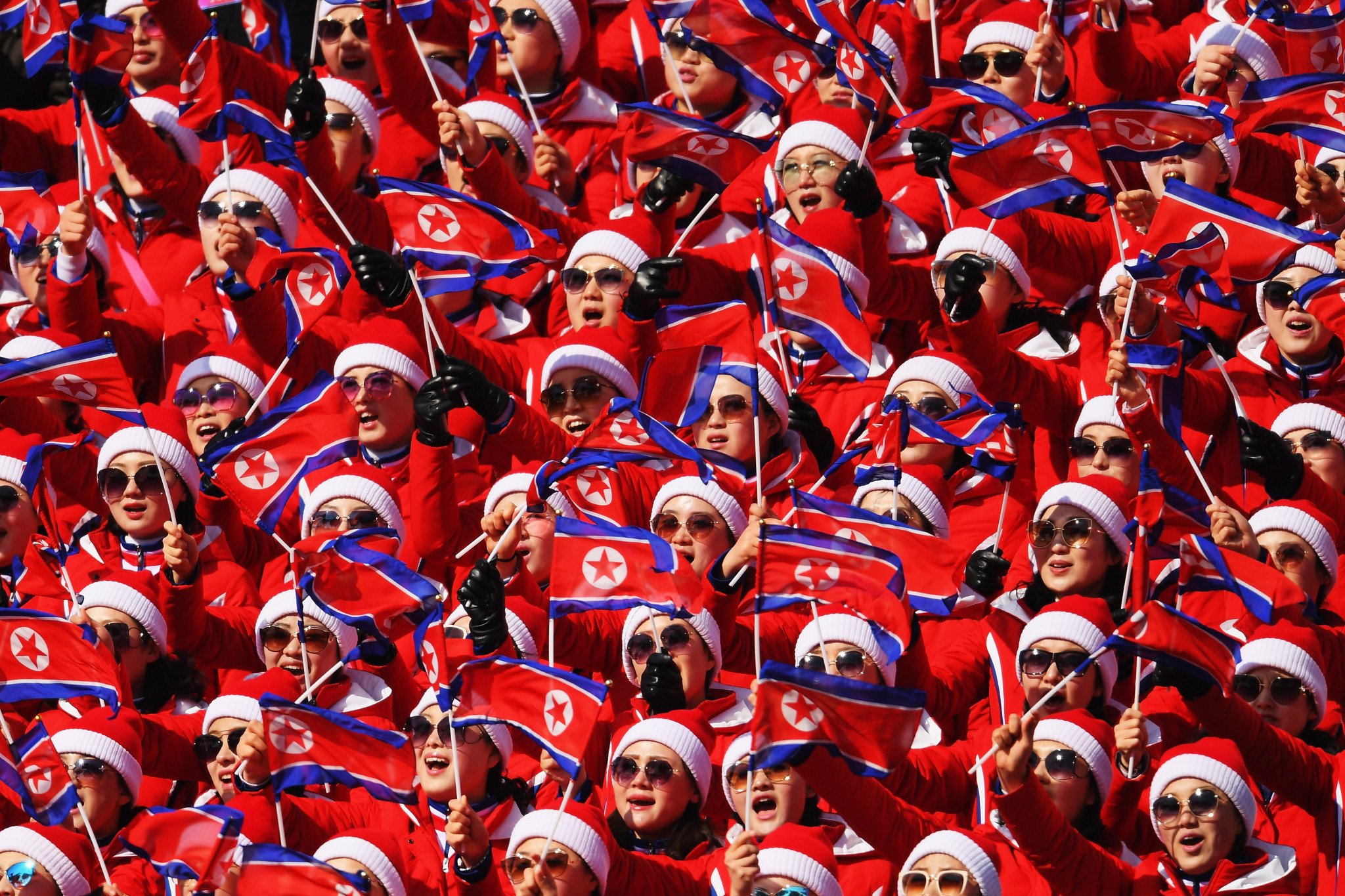
South Korean President Moon Jae-in had also said he wanted Tokyo 2020 to be an opportunity for dialogue between the bordering nations, which remain technically at war.
The Olympic Committee of the Democratic People's Republic of Korea held a General Assembly to discuss the Games in Japan.
"The Democratic People's Republic of Korea has decided not to participate in the 32nd Olympic Games during the General Assembly to protect our athletes from the global health crisis situation related to the coronavirus as proposed by committee members," a statement said.
North Korea shut off its borders in January 2020 as the coronavirus pandemic first began to take hold.
The country has claimed it has no COVID-19 cases but this is believed to be unlikely.
In 1988, North Korea boycotted the Summer Olympics in the South's capital Seoul, but they were welcomed with open arms when their neighbour hosted the 2018 Winter Games in Pyeongchang.
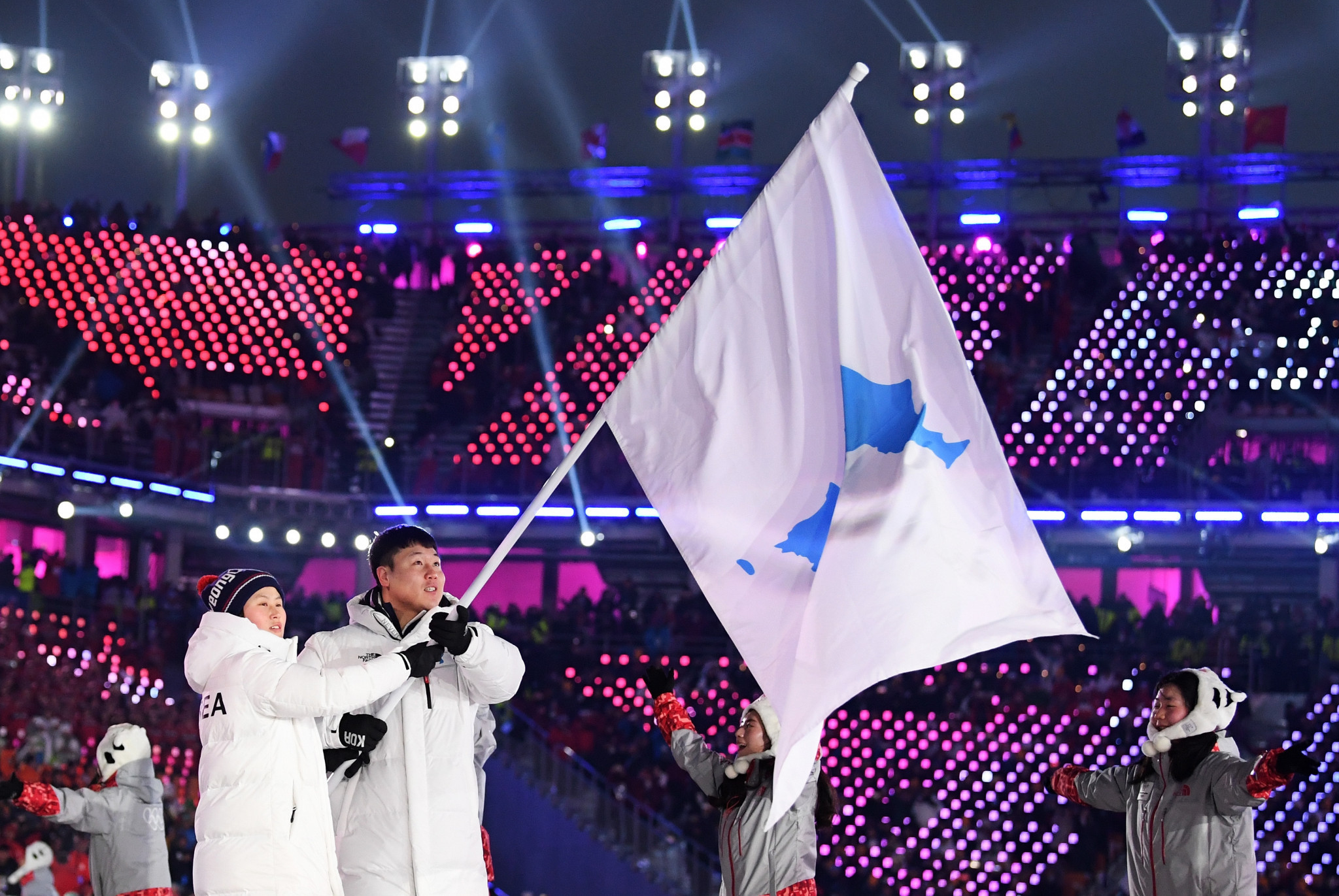
A unified team took part in the women's ice hockey tournament and the two countries marched together at the Opening and Closing Ceremonies under a joint flag, with peace a key message.
The withdrawal from Tokyo will likely be felt particularly keenly by IOC President Thomas Bach, who has worked to improve sporting relations on the border and visited North Korean leader Kim Jong-un in Pyongyang in 2018.
He accepted the Seoul Peace Prize in October for his work and had previously discussed with Moon the possibility of the joint Olympic bid for 2032.
Pyongyang's relations with the west have been tense in recent years, particularly due to its nuclear programme and missile launches.
Tokyo 2020 host Japan's dealings with North Korea are particularly strained, with Pyongyang accused of abducting dozens of Japanese citizens in the 1970s and 1980s.
In 2017, Kim fired missiles over Japan and another launch into the sea last month again raised fears about the country's weapons expansion.
Former American President Donald Trump held high-profile talks with Kim in 2019 but the North's destruction of a joint liaison office on its side of the border in June highlighted how tensions have risen.
The Tokyo 2020 Olympics, which were postponed by a year due to COVID-19, are due to open on July 23.
North Korea won seven medals at the last Summer Games in Rio de Janeiro in 2016 - including two golds in weightlifting and gymnastics.
by Dan Palmer
Login to leave a comment
Tokyo 2020 Olympic Games
Fifty-six years after having organized the Olympic Games, the Japanese capital will be hosting a Summer edition for the second time, originally scheduled from July 24 to August 9, 2020, the games were postponed due to coronavirus outbreak, the postponed Tokyo Olympics will be held from July 23 to August 8 in 2021, according to the International Olympic Committee decision. ...
more...
In Conversation with Sir Mo Farah
It’s not easy to cover hundreds of miles when you’re stuck inside. With global sporting events cancelled or postponed for the foreseeable future and many types of training prohibited or significantly altered, international athletics and, by extension, international athletes have been hit hard by the lockdown. Sir Mo Farah has, however, managed to take it in his stride.
Farah, winner of four Olympic Gold Medals and a plethora of other titles, is the most successful British track athlete in modern Olympic Games history. He has competed and won at every distance from 5000 metres to marathon and had announced a return to the track for Tokyo 2020 last November to try and retain his 1st place position for the third time in a row.
An Achilles injury may have slowed him down, but Farah was making good progress towards that goal before the coronavirus shut down races across the planet.
“At the time, in March, I was in a training camp in Ethiopia,” Mo smiles, “I pulled out of the London Big Half early on because of an Achilles problem, but once that settled down and got better I did four weeks of training.” However, as the pandemic became more prevalent this training regime was cut short. “It was just kicking off, I had to change my flight to come back home and make sure that when lockdown happened I was with my family, so that’s what I did. Since then it’s been nothing.”
Farah is committed to his family, constantly referencing them as we discuss staying motivated amidst so much confusion. They occasionally appear in the background of our Zoom call, having clearly inherited some extremely speedy genes. They also feature prominently in Sir Mo’s YouTube channel, which boasts an impressive 139,000 subscribers. The content of the videos has shifted recently, with more family challenges and less training videos.
That’s not to say, however, that his training has dropped off.
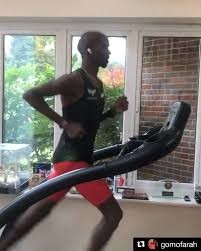
“I normally do between 100-150 miles a week and a lot of the time I’m in the gym three times a week” smiles Mo as he describes his average training regime, “most of my running’s been on the treadmill, I’ve even done hill sessions on the treadmill.”
He rattles off this regime as if it were easy, maintaining a positive tone as he describes the most gruelling elements of his training. If there is one word to describe Sir Mo, it has to be motivated. He seems to have sprinted through circumstances that have robbed many of us of all our motivation. The secret, he says, is setting your eyes on the finish line.
“You always have to have a goal and have ambition and look beyond this. I’m one of the lucky people in the way that I still have a treadmill here, I have a bit more space than everyone else. You always have to try to think positive and that’s what I try to do with my kids. We try not to go into too much detail and always be negative so, in a way, it’s like, ‘let’s go and have a laugh, kids! What can we do?’ Go in the pool, go in the garden, go and do challenges. Just keep your mind active.”
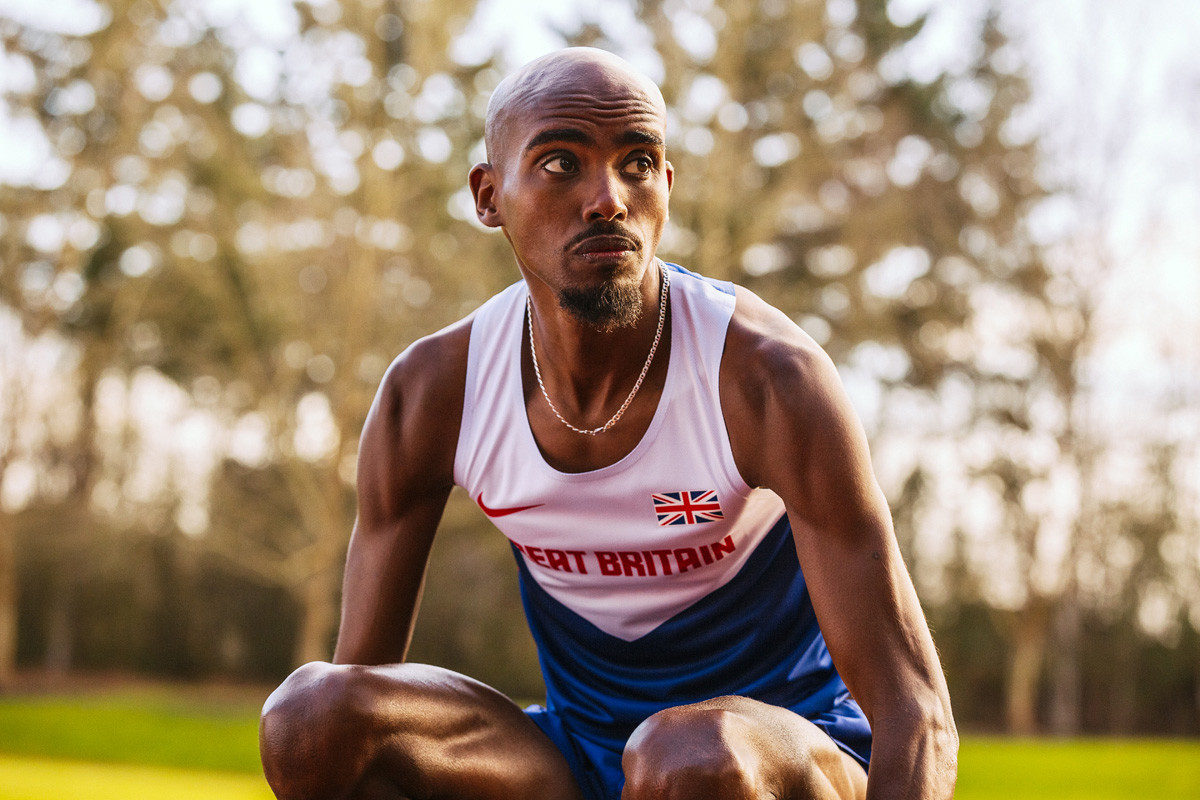
He tries to get the kids to run at least a mile every day if they aren’t out on their bikes, making sure that there is always something to focus on to get through the day.
Keeping your mind active is one thing, but looking beyond the pandemic is quite another. Social distancing will likely last for months, leaving athletes whose training depends on upcoming events in a difficult position. I put this to Farah, asking if he has any specific event in mind with regard to his training.
“My aim has always been the Tokyo Olympics,” he replies, “that’s what really drives me to stay on my feet, stay motivated, stay hungry. That’s what my goal is, ultimately.”
Although his goal has stayed concrete, the circumstances will have changed drastically by the time his shoes touch the track.
The travel industry is set for massive losses, and recent developments in the UK’s quarantine plans mean that going abroad won’t be an option for the foreseeable future. This is an issue for athletes who rely on travel for everything from altitude training to World Championships.
“It’s definitely going to have a knock-on effect, no matter what,” says Mo. “I’m trying to stay positive.”
Another huge problem for organisers is that it is extremely difficult to have socially-distant spectators in stadiums. Korean football has got past this by staging games with no crowds at all, or even filling the seats with poorly-chosen humanoid dolls.
An eerie silence has replaced the cheering and chanting in these stadiums, which poses a problem for athletes who thrive off the crowd’s energy. “There’s no question about. The crowd is everything. It drives you, it puts you on your toes, it puts you on edge. Without the crowd, I think it’s going to be totally different.” The roaring crowd hich has accompanied all of Sir Mo’s signature sprint finishes will probably be absent the next time he runs. It’s a bitter pill to swallow, but Farah manages to keep sight of what is most important.
“Without the crowd it’s going to be boring but, at the same time, it’s what we need to do to make it as safe as possible.” Speaking as “a massive Arsenal fan”, it’s clear that even if he agrees that having football without spectators is odd, “If it means we can have football back and this is how it’s got to be for a little while then we just have to stick at it because it’s the safety of the players. But as an Arsenal fan, I’m thinking ‘man, I don’t like the look of that!’ Imagine seeing the whole stadium empty…”
These concerns are still firmly in the future, for now it’s a question of adapting his training in the present. His commitment to the treadmill means that he can still cover the distance, but training has lost a key social element.
"It can be lonely at times. It depends who you have and how much you enjoy it. Whatever you put into it is what you get out of it, whereas in football if you can have a bad day but there are ten more players who can help you recover.” Reliance on a team dynamic is something that Sir Mo doesn’t have to worry about as much as team players. “I think it will have a really big effect,” he notes, acknowledging that each player training as an individual could cause serious issues when football starts back up.
Hammering out 10-mile sets in isolation is no mean feat, but Farah says that Team GB has “handled it in a positive way by trying to put athletes first.”
The period of uncertainty leading up to the Olympics’ postponement was a particular cause for anxiety, but “once that settled down we got the comfort of thinking ‘I have a date’… The goal is to always have something to aim for. That’s what you thrive off, and that’s what gives you that boost, that energy and motivation.” Recovering from his aforementioned Achilles injury, Farah had set his sights on the Olympics knowing that he faced an uphill battle. The weeks leading up to the announcement that the Olympics would be held in 2021 were particularly stressful because, as other races in the UK were called off, Farah had no way of testing himself.
“If I hadn’t run other competitions it would have been crazy to run in the Olympics,” says Mo, emphasising that he’s glad that the focus has been on the safety of athletes first and foremost.
Even if their safety is put first, the consequences of the lockdown on mental health still weigh on athletes. “To be honest at this point they haven’t spoken that much about mental health,” Mo states, “They had a target, their target’s been cancelled. I’ve been there and done it so many years that I can overcome that but for some younger athletes I think they will have that in their minds. It’s important to support them in general, not even just in sports.” I suggest that public figures like Sir Mo have an important role to play in keeping up morale across the country, to which he beams:
“I think that’s always the key for me. As a general thing, I love to be able to help others. A five-minute phone call is just five minutes for me, but that could make that kid’s day. When I was younger I loved football and if one of the Arsenal players said ‘hi’ to me that would have made my day. We used to collect stickers, I remember that we used to get excited about stickers, so imagine one of the players in real life saying ‘hi’ or saying something to you.”
Farah’s reach has been massively increased by social media. He uses Twitter, Instagram and YouTube to engage with viewers and fans, retweeting letters from children and entertaining on Instagram live streams. He has also participated in the 5K challenge which, in classic Mo style, he did as part of a 10-mile training session from home. Asked his time, he replies “oh, was it 18 or 19 minutes?”
He smiles the most when he talks about how much he enjoys helping others out in a time of crisis and is in the middle of telling me how much easier it is to stay connected by social media when our call cuts out. “It’s an easy way to stay connected…” are the last words I catch.
We manage to reconnect, and the focus shifts beyond running. It’s hard to face the distant future when the next few months hold so much uncertainty, but Farah’s plan seems clear. “When I finish running completely, I’d love to be able to give back to the younger kids and get involved more with coaching. I’ve actually just got my coach’s license so I’m actually qualified, which is a good thing to have. Particularly young kids in Britain, there are a lot of kids with potential who are good enough, but it’s always hard to make that transition from juniors to seniors. For me I just see myself as a coach. I’m also not bad with kids, having four kids myself.”
Sir Mo retains a lightness throughout the interview that makes it hard not to smile along with him. He’s also positive about the future of running as a leisure activity in Britain, saying: “back in the day we saw running as something that you had to do in PE, or as a warm-up. Most people, if you tell them ‘you must do this’, they’re most likely not going to do it. Running’s a great way of getting everything out. It clears your mind and you’re in a different zone.” Farah is very clearly still going for gold. We haven’t seen the last of the ‘Mobot’ yet, but until then he has to bear with lockdown and continue to train. With questions about the feasibility of the 2021 Olympics continuing and lockdowns relaxing across the world, it is extremely difficult to stay motivated. Sir Mo is an example of the positive, goal-oriented attitude we need to make it to the finish line. “We’re all human at the end of the day,” he remarks as the interview ends, “we just have to try to be positive in every way that we can.”
Login to leave a comment
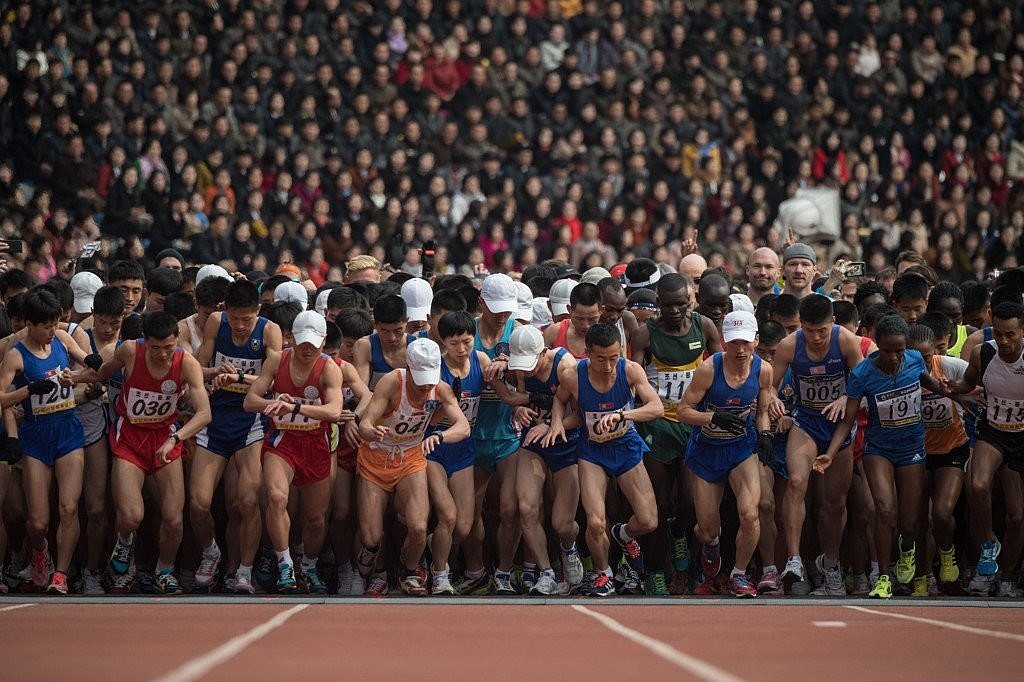
North Korea has canceled the Pyongyang Marathon due to coronavirus fears
North Korean authorities have decided to cancel the upcoming annual April Pyongyang marathon, travel companies told NK News on Friday, amid concerns about the potential spread of the novel coronavirus within the country’s territory.
The event — typically held to coincide with North Korea’s “Day of the Sun” national holiday and known officially as the Mangyongdae Prize International Marathon — was set to take place on April 12, according to Koryo Tours, which organizes the event in cooperation with local partners.
“We received official notice from the National Olympic Committee of DPR Korea today that the 2020 Mangyongdae Prize International Marathon is canceled due to the ongoing border closure and COVID-19 situation in the region,” Marcus McFarland, Pyongyang Marathon and North Korea tour manager at the company, said in a statement.
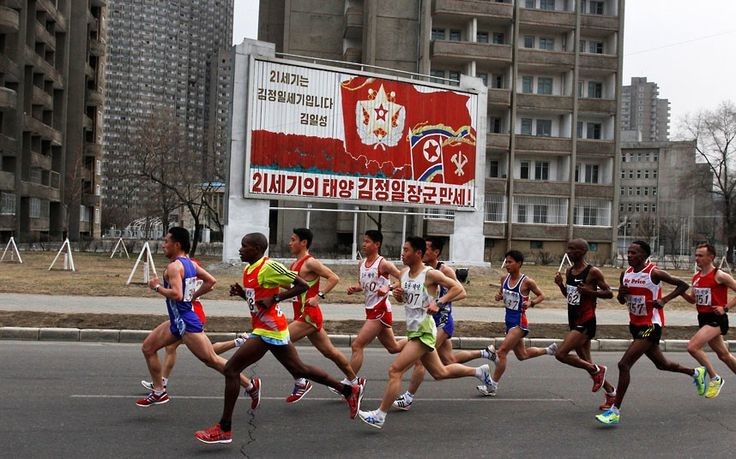
“We had been in discussions about rescheduling the event to later in the year, but in the end they decided it was better to cancel instead,” he continued. “We had over 400 runners booked for the marathon ourselves (excluding other companies), and greatly appreciate their patience and understanding while we worked on getting updates for them.”
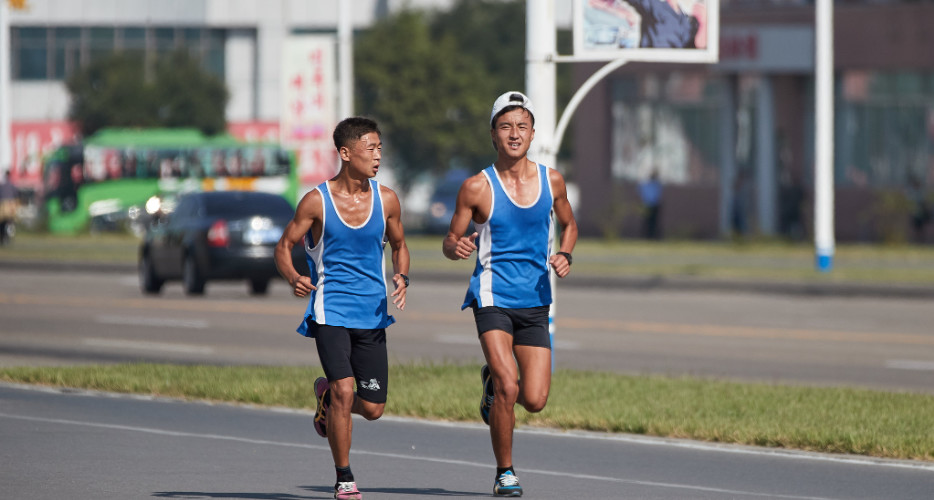
Another tour company confirmed the news, reporting that authorities had chosen to call off the event due to ongoing fears of an outbreak of the novel coronavirus — fears which have in recent weeks seen the country effectively shut its borders and implement a 30-day quarantine on those in-country.
“We have received confirmation from our travel partners in North Korea that the Pyongyang Marathon (Mangyongdae Prize International Marathon) held in April has been canceled due to the current borders of the DPRK being closed to prevent the spread of the COVID-19 (Coronavirus) virus,” the Young Pioneer Tours (YPT) company said in a statement on its website.
“We will be in touch with our tourists who have booked with us on this event,” the statement continued, adding that the company’s annual Fall marathon is still set to go ahead.
The Pyongyang marathon, open to foreign participants since 2000, takes place annually, attracting thousands of runners from around the world.
Hundreds had signed up for this year’s event so far, Simon Cockerell, general manager at Koryo Tours, told NK News, though some had reportedly anticipated that, given the ongoing ban on foreign tourism into North Korea, the event would not go ahead.
“It’s not completely unexpected, there was consideration given to moving it but in the end they seem to have decided best to cancel the whole thing. Next one will be April 11th 2021,” Cockerell said.
“Of course quite a number had dropped out already before the event cancellation,” he explained. “I don’t think anyone will find this mind-blowingly surprising, just disappointing really.”
A previous ban on tourism into North Korea from late 2014 to early 2015 — prompted by authorities fears of an outbreak of the Ebola virus — also saw foreigners barred from participating in the marathon, a decision that was later reversed at the last minute.
by Oliver Hotham
Login to leave a comment

Pyongyang Marathon
This race can be run either as a full marathon or as a half marathon. There is also a 10km race and a 5km race. Hundreds of local runners take part as well as some elite foreign runners. Anyone taking part in this tour who wants to watch the marathon instead of take part in it is more than welcome...
more...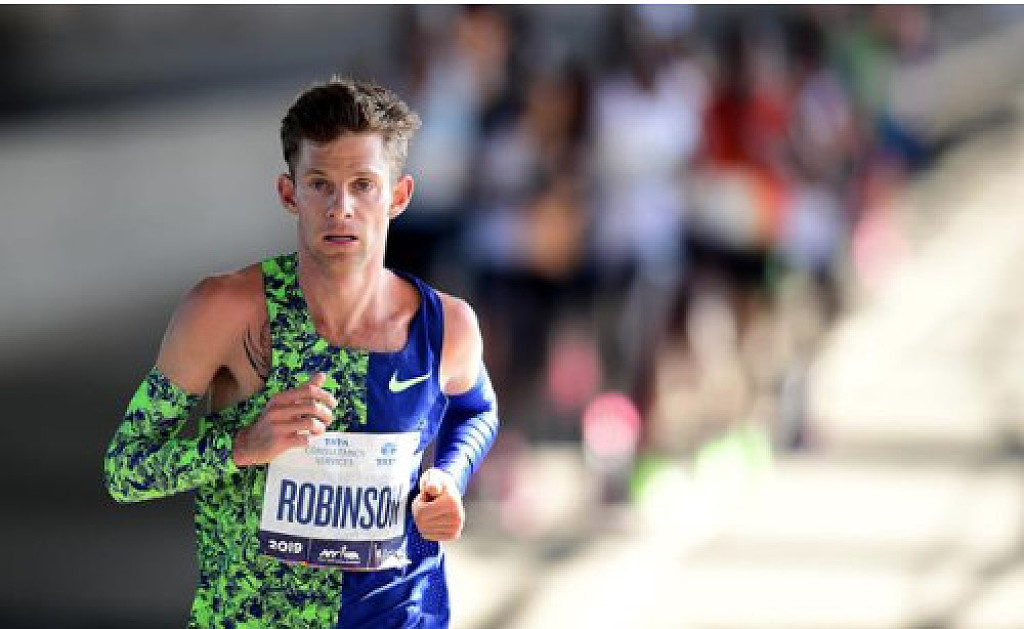
Robinson and Johannes break national records to win Marugame Half Marathon
Brett Robinson won the Marugame Half Marathon in an Australian record of 59:57, recording the fastest time in four years at the World Athletics Silver Label road race on Sunday (2).
The 28-year-old took the lead at 18km before going on to win, taking more than four minutes off his PB in the process. Meanwhile, world marathon bronze medallist Helalia Johannes smashed her own Namibian record to win the women’s race in 1:08:10.
In the men’s race, a large pack of runners went through 5km in 14:13 and 10km in 28:26. The real racing started when 2017 Marugame winner Callum Hawkins started to push the pace at 13.5km. By 16.5km the lead pack had been reduced to four runners: Hawkins, Robinson, Yusuke Ogura and Taku Fujimoto.
Robinson took the lead at 18km and Ogura drifted back. Approaching 19km, Hawkins and Fujimoto also fell behind. Then Ogura started to bridge the gap, and took over the third from Fujimoto at 20.6km and second from Hawkins as they entered the stadium.
Robinson held on to the lead, though, and crossed the line in 59:57, taking 59 seconds off the Australian record set by Collis Birmingham at the 2013 edition of this race.
“It was a very tough race,” said Robinson. “The last few kilometres were very, but I’m very happy. The Japanese, Kenyan and Scottish runners put up a very good fight to the end.”
Ogura took almost two minutes off his PB to finish second in a Japanese record of 1:00:00, taking 17 seconds off the previous mark set by Yuta Shitara, who finished sixth in 1:00:49.
“I did not expect such a time,” said Ogura. “The race was a tune-up for the upcoming Tokyo Marathon. With two kilometres to go I expected the Japanese record to fall, so I was determined to pass Fujimoto in front of me. I am going after the third spot on the Japanese Marathon team in Tokyo.” Ogura will have to break the Japanese national record, 2:05:50, to gain the third spot on the team.
Hawkins finished third with 1:00:01, one second short of the PB he set when winning here three years ago, while Fujimoto finished fourth in 60:06, also inside the former Japanese record.
In the first half of the women’s race, Mao Ichiyama led Helalia Johannes, but Johannes took over the lead for good at about 12km. Although Charlotte Purdue came as close as 10 seconds at 20km, Johannes won with a personal best of 1:08:10.
It was a two-minute improvement on Johannes’ previous best, but her recent times at 10km (30:59) and the marathon (2:22:25) had hinted at a big half marathon breakthrough. The Commonwealth champion will defend her Nagoya Women’s Marathon title next month.
Purdue finished second in 1:08:23, a PB by 20 seconds, while Choi Kyund-Sun set a Korean record of 1:08:35 in third place.
by Ken Nakamura for World Athletics
Login to leave a comment
Kagawa Marugame Half Marathon
The Kagawa Marugame Half Marathon is an annual road running competition which takes place in early February in Marugame, Japan. It currently holds IAAF Silver Label Road Race status and the professional races attract over 1000 entries each year, and hosted by the Sankei Shimbun, Sankei Sports, Okayama Broadcasting, BS Fuji. The race in Marugame was first held in 1947...
more...
Tokyo is reported to be still short of 14,000 hotel rooms required during the hosting of Olympic Games
With around 10 million visitors expected for next year’s Games, the Nikkei Asian Review has reported that the Japanese capital is still facing a significant shortage of available hotel rooms.
Meanwhile the Jiji Press has quoted a recent estimate by the major Japanese travel agency JTB Corp that the number of visitors in 2020 will increase by 7.9 per cent to 34.3 million.
JTB claim that South Korean visitors to Japan will rise by around 15 per cent from 2019 following an improvement in bilateral ties.
Visitors from China and Southeast Asian countries are also projected to increase.
"Tokyo's hospitality industry has taken care of the accommodation for the estimated 11,000 athletes expected to compete in 33 events at the Games,” the travel.com reported.
Around 46,000 other suites are already reserved for Olympic officials and global dignitaries.
But bookings in the rest of the city as well as neighbouring communities on Japan's main island of Honshu are reported to have already reached capacity.
Demand for hotel space shot up in 2018, when a record 31.8 million tourists visited Japan, nearly a nine per cent increase from the previous year.
In response to the scarcity, short-term housing prices for Airbnb rentals in the area have reportedly rocketed to more than $840 (£650/€760) per night.
Additionally, some luxury cruise liners have volunteered to stay in port to take on extra visitors for the duration of the Games.
by Mike Rowbottom
Login to leave a comment
Tokyo 2020 Olympic Games
Fifty-six years after having organized the Olympic Games, the Japanese capital will be hosting a Summer edition for the second time, originally scheduled from July 24 to August 9, 2020, the games were postponed due to coronavirus outbreak, the postponed Tokyo Olympics will be held from July 23 to August 8 in 2021, according to the International Olympic Committee decision. ...
more...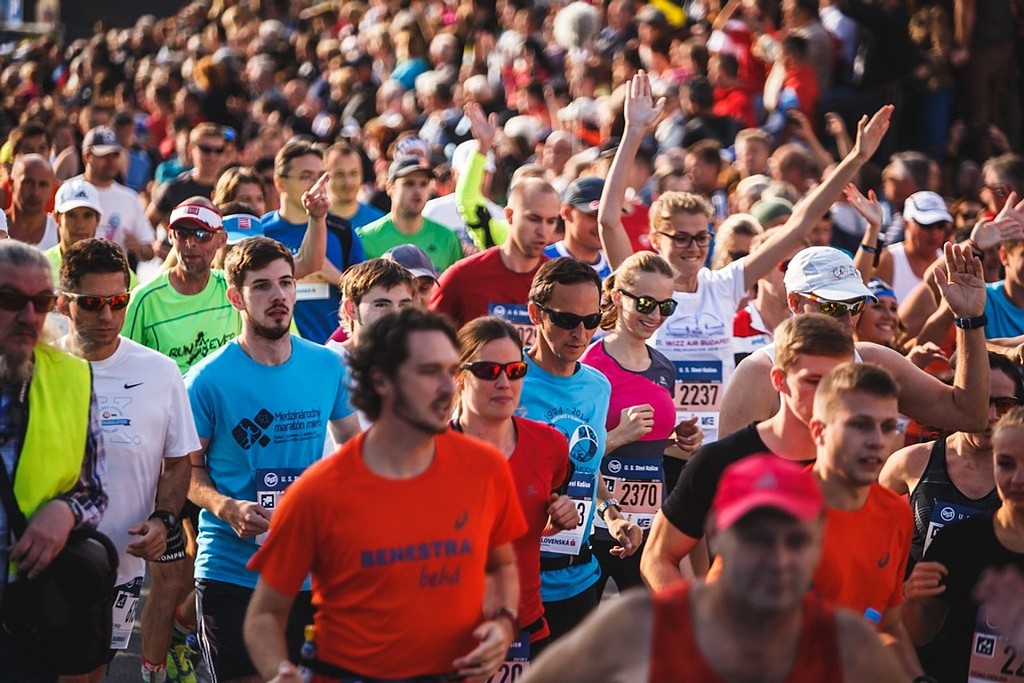
A look back to the Kosice Peace Marathon 30 years ago
In 1989 the Košice Peace Marathon was held just a few weeks before the ‘Velvet Revolution’, which brought radical changes in what was then Czechoslovak society.
The race also had a radical change of its own. After 63 years the course was changed from simply going out-back to the turnaround point at Seňa to a loop almost entirely within the city. This, later modified and improved several times, remains the basis of the present course.
The 1989 event was only the ninth edition to incorporate a women’s race and the winner this time was home-grown Alena Peterková in a new course record of 2:31:28 – nearly nine minutes ahead of her North Korean competition. Her record lasted 20 years. Peterková later placed fourth at Boston in a personal best of 2:25:16.
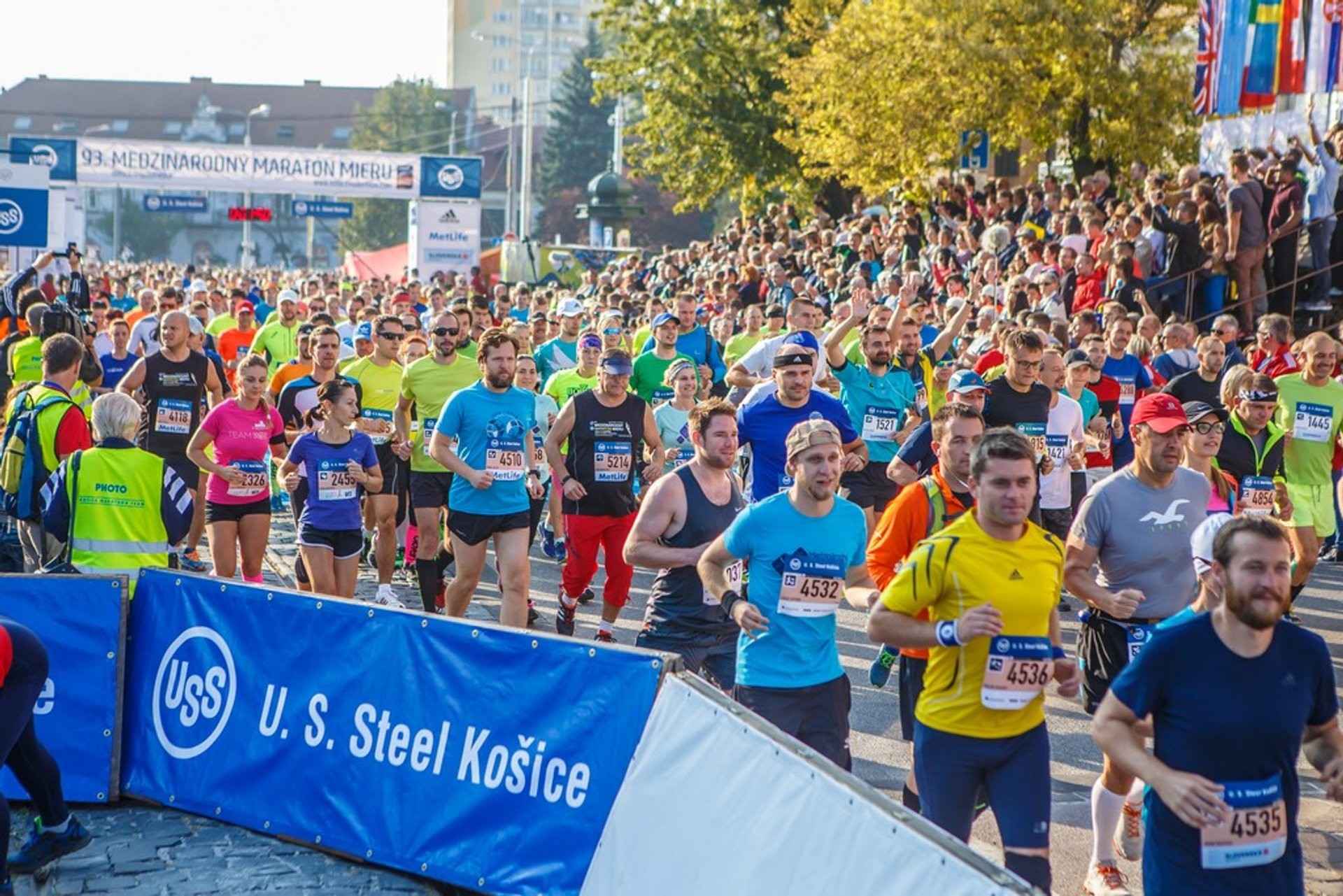
Another home grown runner, Karel David, won the men’s race. In an even-paced run he beat his Soviet competition by 13 seconds. It was the 12th Czechoslovak victory in the men’s race, achieved by nine different runners.
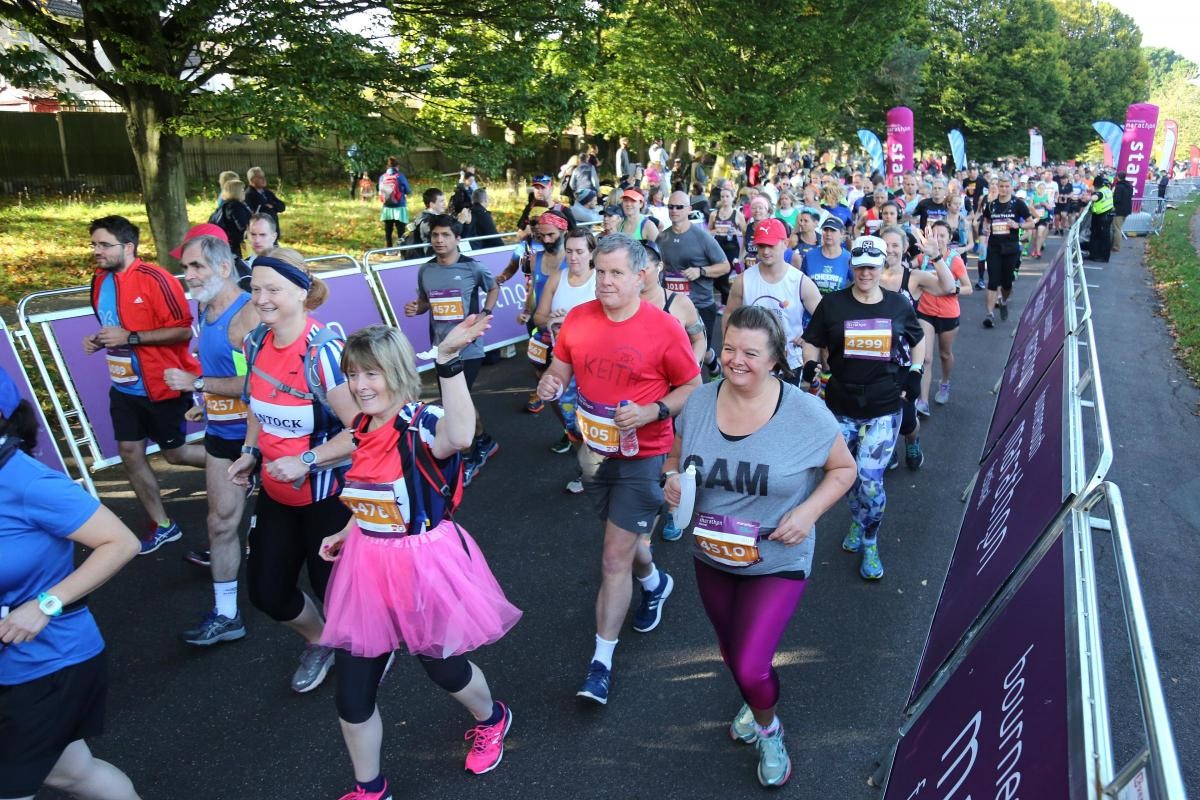
At the time David ranked among the best marathoners in Europe. He started the Olympic Marathons in Seoul and Barcelona and won marathons in Vienna, Bonn and Palermo. In 1991 in Tokyo he ran a personal best of 2:11:12.
970 men and 31 women crossed the finish line that year which was again located at Lokomotive Stadium.
Login to leave a comment

kosice Peace Marathon
The Kosice Peace Marathon is the oldest European marathon.This year for the organizers of Kosice Peace Marathon is also about memories and flashbacks. One of the fastest marathon courses has been created in Košice 20 years ago on that occasion it was the 1997 IAAF World Half Marathon Champioships. Tegla Loroupe and Shem Kororia were awarded from the hands of...
more...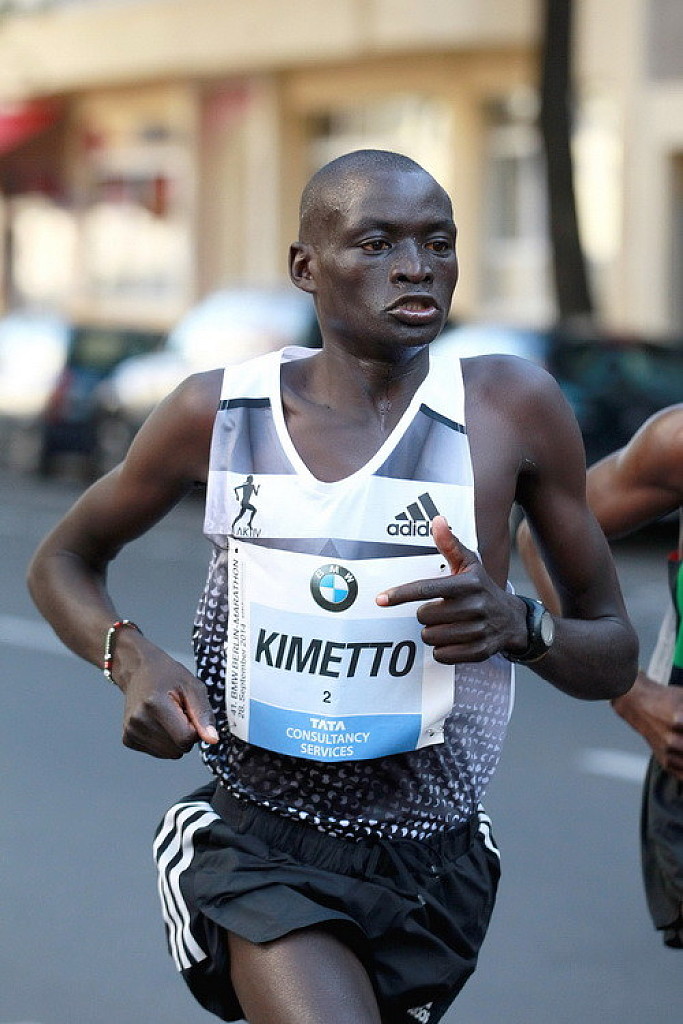
Former world record holder Dennus Kimetto is hoping to run well this weekend
Korir clocked a lifetime best of 2:06:35 in the Korean city 12 months ago, which would have been a course record had he not been beaten by six seconds by Abraham Kiptum. The 32-year-old will be highly motivated to go one better than last year, but he faces an incredibly strong field that includes fellow Kenyan Dennis Kimetto.
Since breaking the world record in 2014, Kimetto has withdrawn from more marathons than he has completed. Beset by injuries to his quadriceps, groin and triceps, the 35-year-old ran 2:14:54 in Shanghai last year, his first completed marathon since his 2:11:44 clocking in London in 2016.
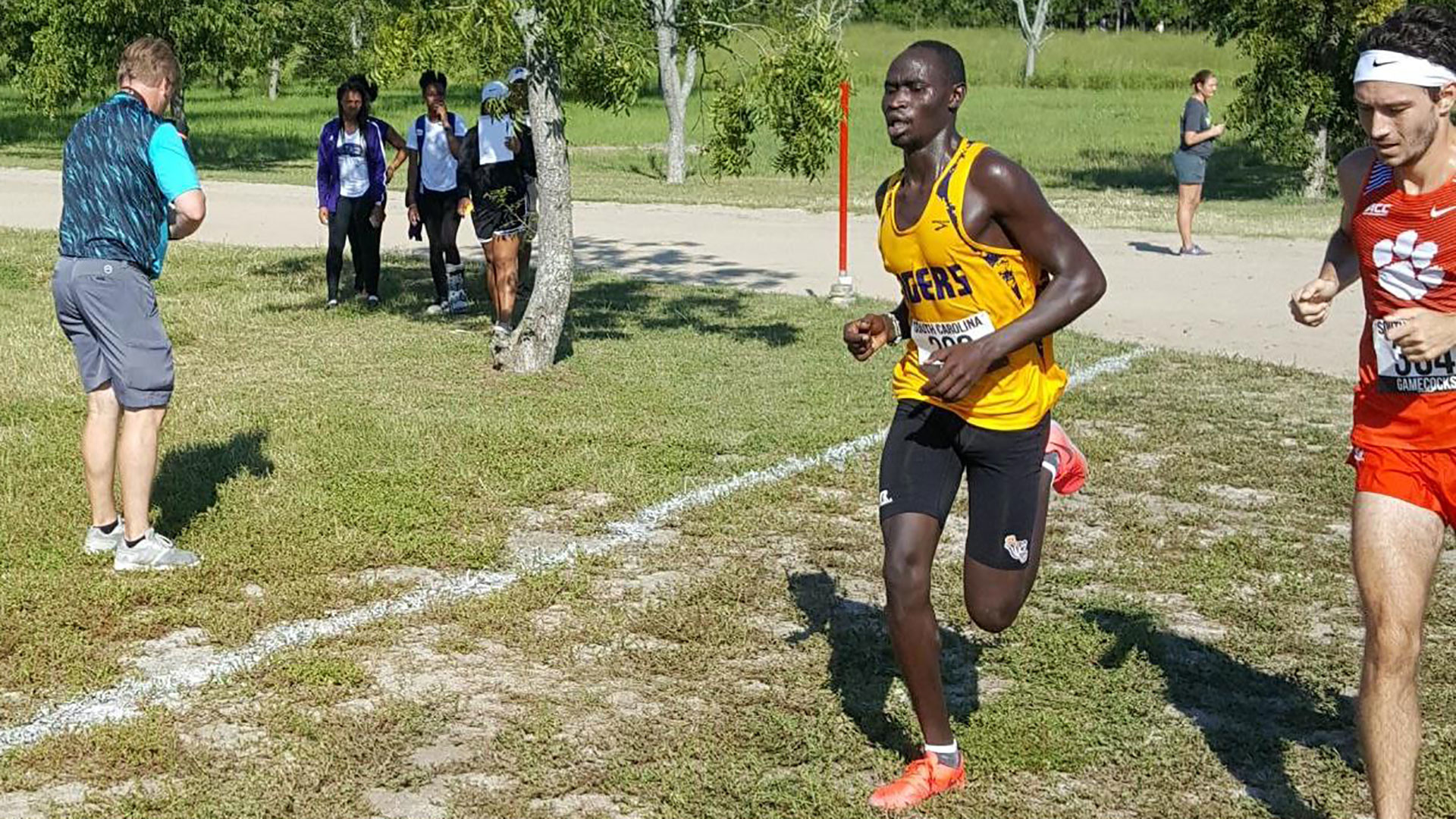
It may be some way off his 2:02:57 lifetime best, but Kimetto is hopeful that the worst of his injury worries are now behind him and that he can return to challenging for top honours at major marathons.
There are nine men in the field with sub-2:07 lifetime bests and four of them have PBs quicker than the Daegu course record of 2:06:29: Ethiopia’s Shifera Tamru, who clocked 2:05:18 in Dubai earlier this year, three-time Houston Marathon winner Bazu Worku, three-time Amsterdam winner Wilson Chebet and evergreen Kenyan Mark Kiptoo.
Defending champion Janet Rono will face two other past Daegu winners on Sunday.
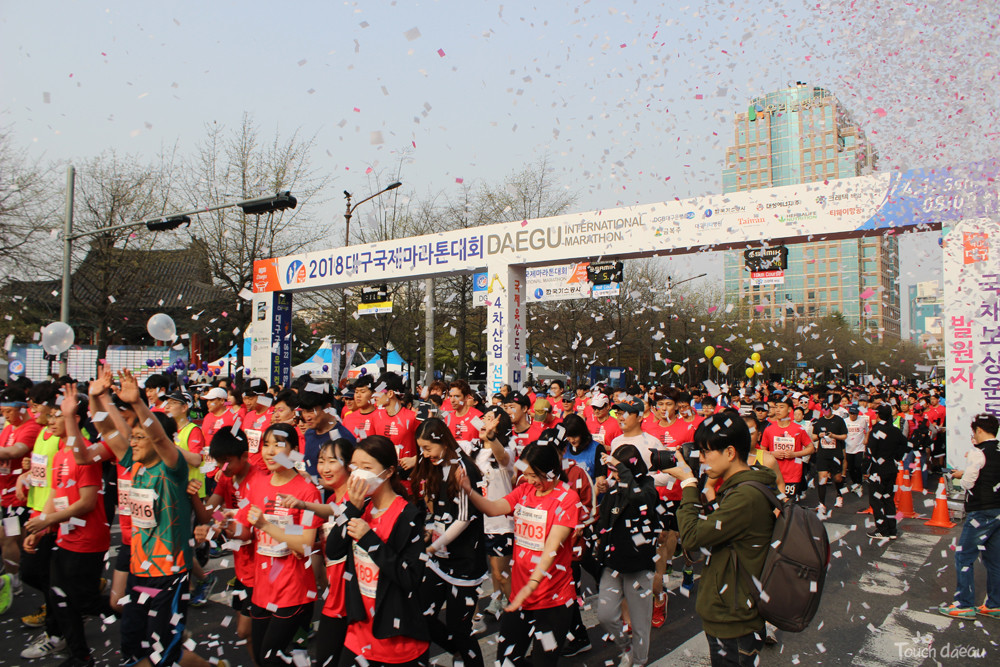
Rono won in Daegu last year in 2:28:01, and although her PB is a couple of minutes quicker at 2:26:03, she will start as the third-fastest athlete in the women’s field.
Ethiopia’s Mulu Seboka won in Daegu in 2014, having won in Dubai just a few months prior. She went on to clock a PB of 2:21:56 one year later and in 2018 she had a best of 2:25:01.
Login to leave a comment

Daegu International Marathon
Daegu International Marathon brings together varied groups of people with passion for running. With a sincere hope to host a meaningful event for everyone, Daegu International Marathon will amplify the love of running for all and promote a healthy life through running. On behalf of 2.6 million Daegu citizens, we welcome all of you and hope your race in Daegu...
more...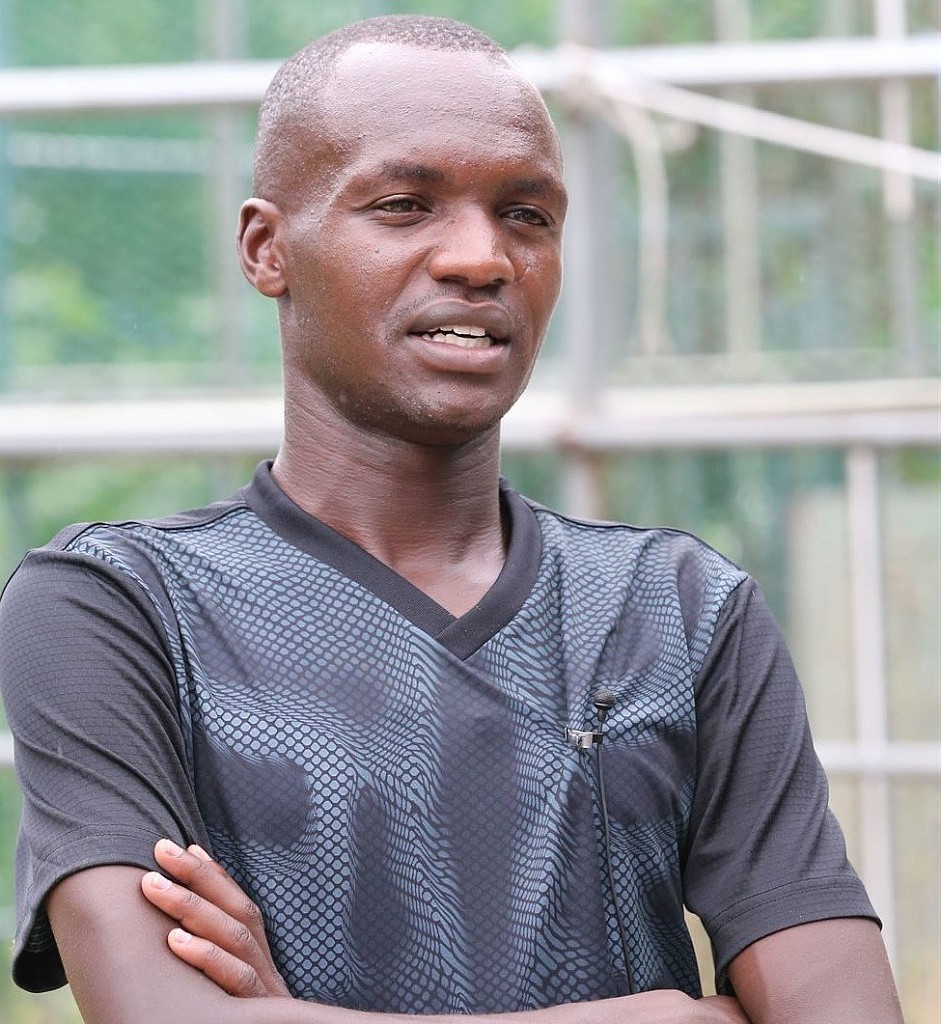
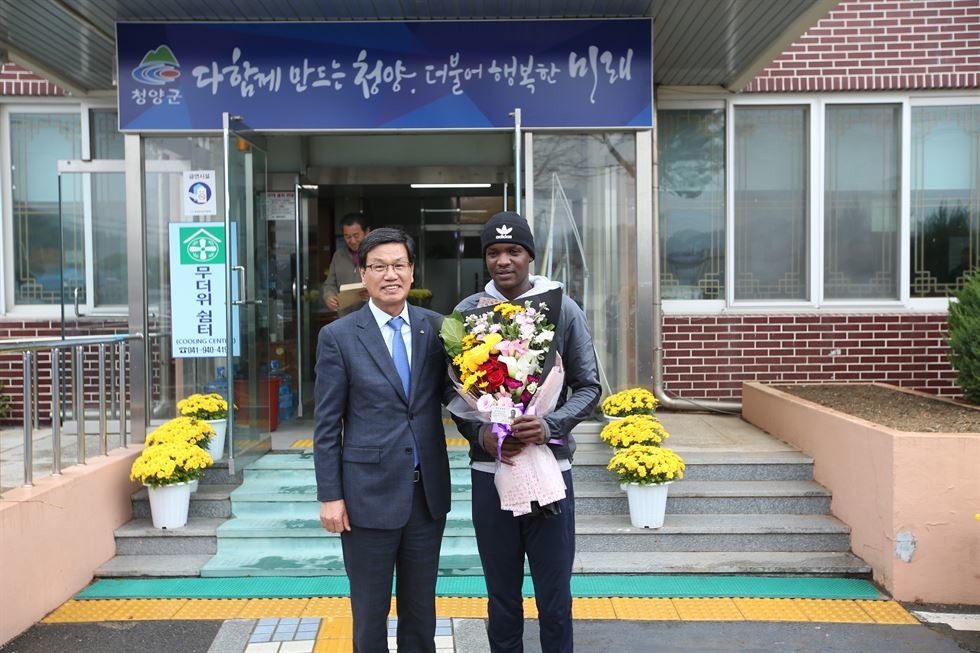
Oh Joo-han, a Kenyan-born marathoner with South Korean citizenship, will be able to represent his adopted country at the 2020 Tokyo Summer Olympics
According to Oh Chang-seok, a former men's national marathon coach who helped the Kenyan-born runner with his naturalization, the IAAF recently announced that the 30-year-old marathoner can be formally selected for the South Korean national team starting March 7.
Originally, the IAAF said that Oh Joo-han can run for South Korea starting in August 2021. But after reviewing his national team eligibility, the IAAF changed its decision.
"We first requested the IAAF to review Oh's national team eligibility in December 2018, but it told us to submit additional documents that can prove his residential history in South Korea," Oh Chang-seok said.
"So, we submitted notarized documents from Cheongyang County Governor and his lawyer, and we passed the status reexamination."Born Wilson Loyanae Erupe, Oh acquired his South Korean passport last September.
Under a new rule by the IAAF on transfers of allegiance, athletes must wait three years after switching allegiance before they can represent their adopted country.
Previously, athletes who hadn't represented their native country only had to wait one year to compete for their adopted country. But Chang-seok thought that Oh's case could be subject to review.
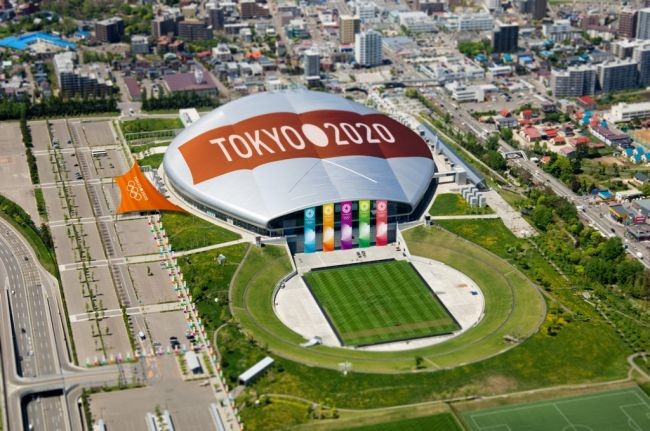
After Oh completed his naturalization process, with help of the Korea Association of Athletics Federations (KAAF), he requested the IAAF to reexamine the case."Oh has been affiliated with Cheonyang County (in South Chungcheong Province) since 2015 and he has only been competing in marathon events in South Korea," Chang-seok said.
With paperwork cleared, Oh will now aim to win bronze at Tokyo 2020 for South Korea.
"Oh will compete in an international marathon event in September and will try to pass the Tokyo Olympic qualifying standard time (of 2 hours, 11 minutes, 30 seconds)," Chang-seok said. "Oh's target is to stand on the podium at the Tokyo Olympics for South Korea in August 2020."
Login to leave a comment
Tokyo 2020 Olympic Games
Fifty-six years after having organized the Olympic Games, the Japanese capital will be hosting a Summer edition for the second time, originally scheduled from July 24 to August 9, 2020, the games were postponed due to coronavirus outbreak, the postponed Tokyo Olympics will be held from July 23 to August 8 in 2021, according to the International Olympic Committee decision. ...
more...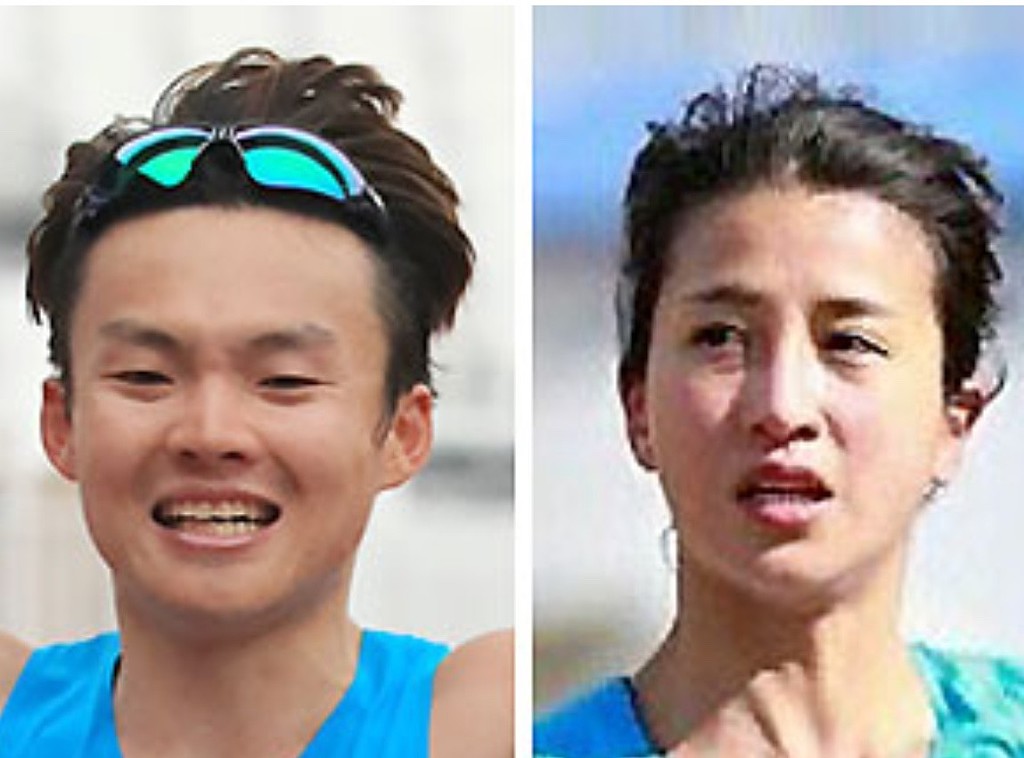
The $500,000 Asian Premier Marathons Rankings will help bring attention to Asian Runners
In a major boost to the development of endurance sports in Asia, Asian Athletics Association announced the $500,000 prized Asian Premier Marathon Series 2017-18 last July.
Beijing Marathon, Seoul Marathon and Beirut Marathon are the three founding members of APM. Top three men’s and women’s Asian runners (6 in total) will share the half a million USD cash award. Kim Jae-hoon (29) and Kim Do-yeon (25), who came first among Korean marathoners in the men’s and women’s race, respectively, at the 2018 Seoul International Marathon and the 89th Dong-A Marathon, are now the leaders on the Asian Premier Marathons (APM) ranking. The APM was modeled after the World Marathon Majors.
Login to leave a comment
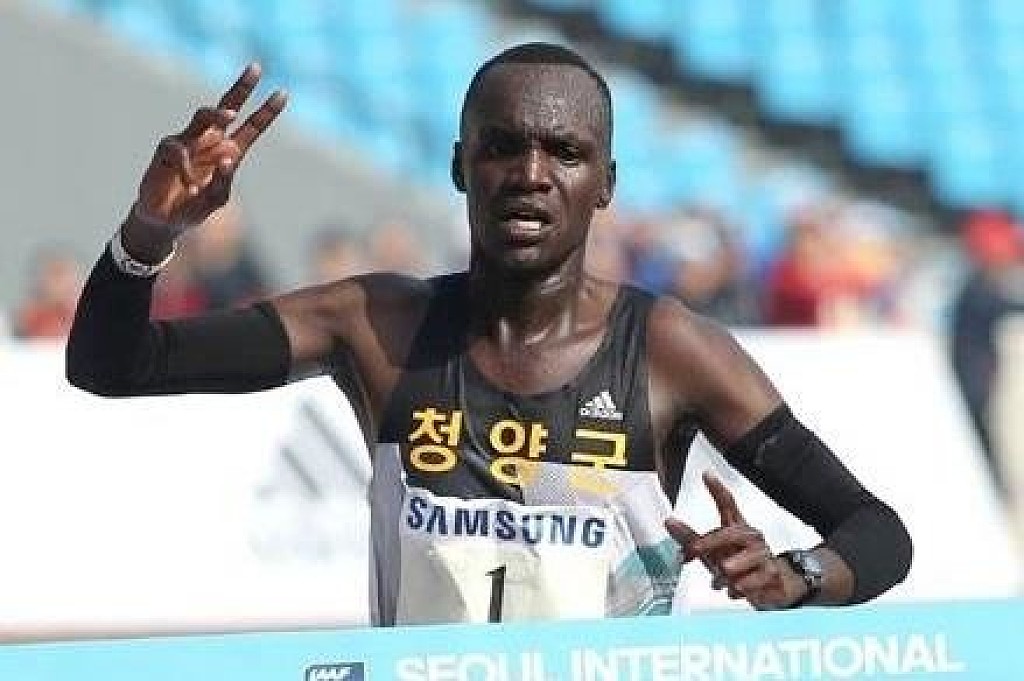
Kenya's Wilson Erupe Loyanae wins for the 4th time at Seoul Marathon
Login to leave a comment
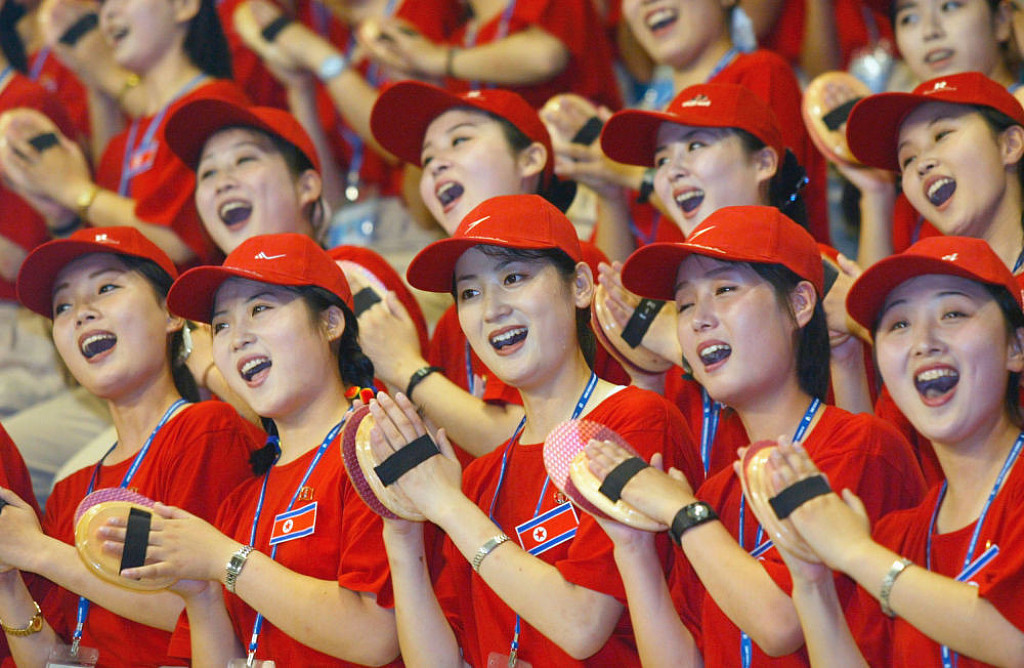
Is North Korea’s Kim Jung using the Olympics to spread his propaganda?
Login to leave a comment
