

Running News Daily
Running News Daily is edited by Bob Anderson and team. Send your news items to bob@mybestruns.com Advertising opportunities available.
Index to Daily Posts · Sign Up For Updates · Run The World Feed
Articles tagged #Japanese
Today's Running News



The Magic Of Onitsuka: How A Simple Idea Changed Marathon Shoes Forever
Long before modern running shoes were filled with advanced foams, carbon plates and sophisticated ventilation systems, innovation often began with something much simpler—a close look at the problems faced by athletes.

In 1960, Japanese shoemaker Onitsuka noticed a common struggle among long-distance runners: painful blisters caused by heat, moisture and poor ventilation inside the shoe. Instead of accepting the problem as part of distance running, the company began searching for a practical solution.
The answer was remarkably simple yet innovative for its time. Onitsuka developed a ventilation system by incorporating small openings around the toe box, heel and sides of the shoe, allowing air to circulate more freely and helping reduce the build-up of heat and moisture during long races.
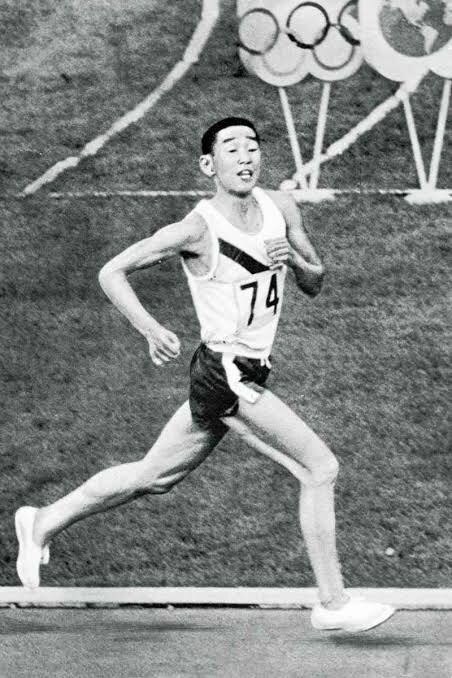
The result was the Onitsuka Tiger “Magic Runner,” a shoe that became part of the evolution of Japanese running footwear and reflected the company's growing focus on solving real problems faced by athletes.
Its reputation received a major boost at the 1968 Mexico City Olympic Games, when Japanese marathoner Kenji Kimihara captured the silver medal in the men's marathon while wearing Onitsuka's Magic Runner shoes.
Kimihara's Olympic performance helped turn the shoe into more than just an interesting piece of footwear technology. It became a symbol of how observation, experimentation and attention to an athlete's needs can produce meaningful innovation.
Today, running shoes have become highly engineered pieces of technology, but the story of the Magic Runner reminds us that innovation does not always begin with complicated machinery. Sometimes, it starts with simply asking one question:
How can we make the runner's journey more comfortable?
That simple question in 1960 helped Onitsuka take another step forward—and decades later, its influence can still be seen in the relentless pursuit of better running shoes.
by Erick Cheruiyot for My Best Runs.
Login to leave a comment
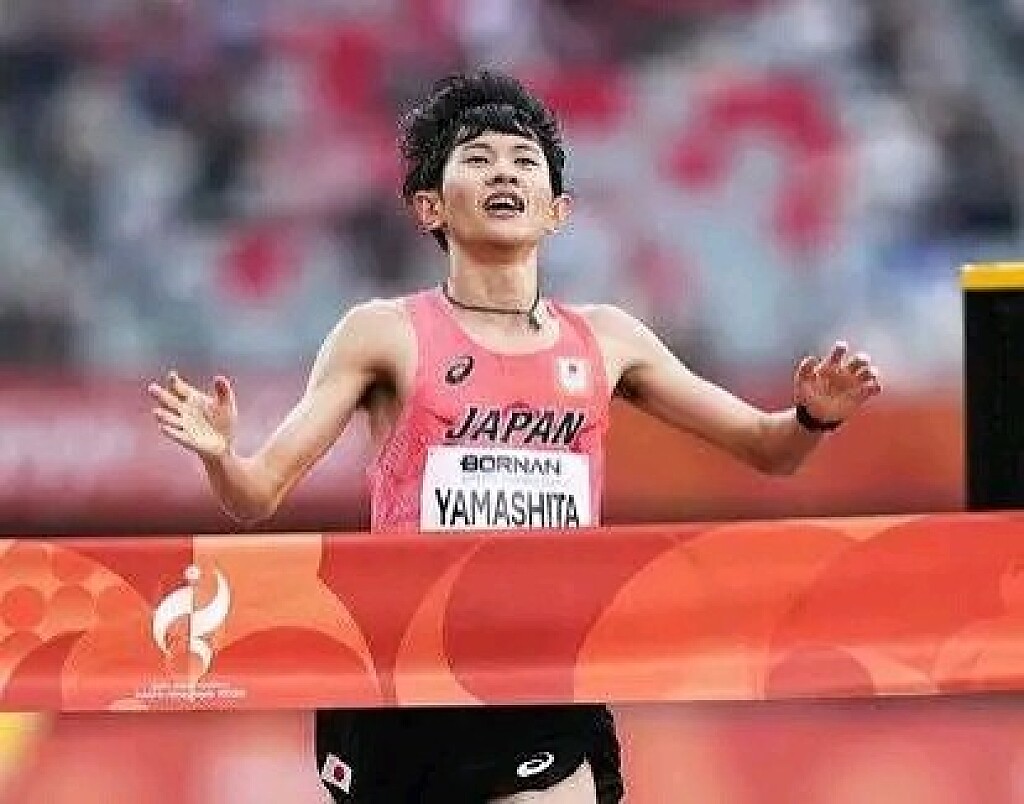
Ichitaka Yamashita Defies Brutal Heat to Strike Asian Games Marathon Gold on Home Soil
Japan’s Ichitaka Yamashita produced a composed and resilient performance to win the men’s marathon gold medal at the 2026 Asian Games, mastering a demanding race defined by intense heat and oppressive humidity.
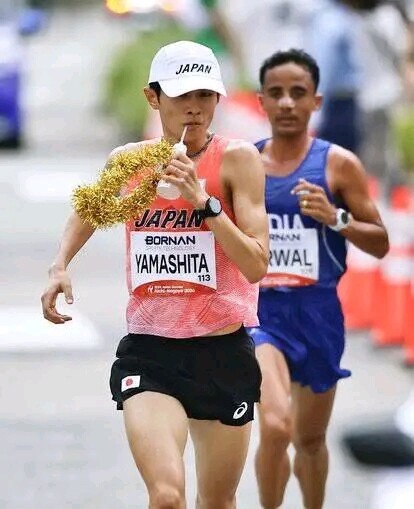
The local Olympian crossed the finish line in 2:10:49, holding his form through the punishing conditions to secure a memorable victory in front of the home crowd.
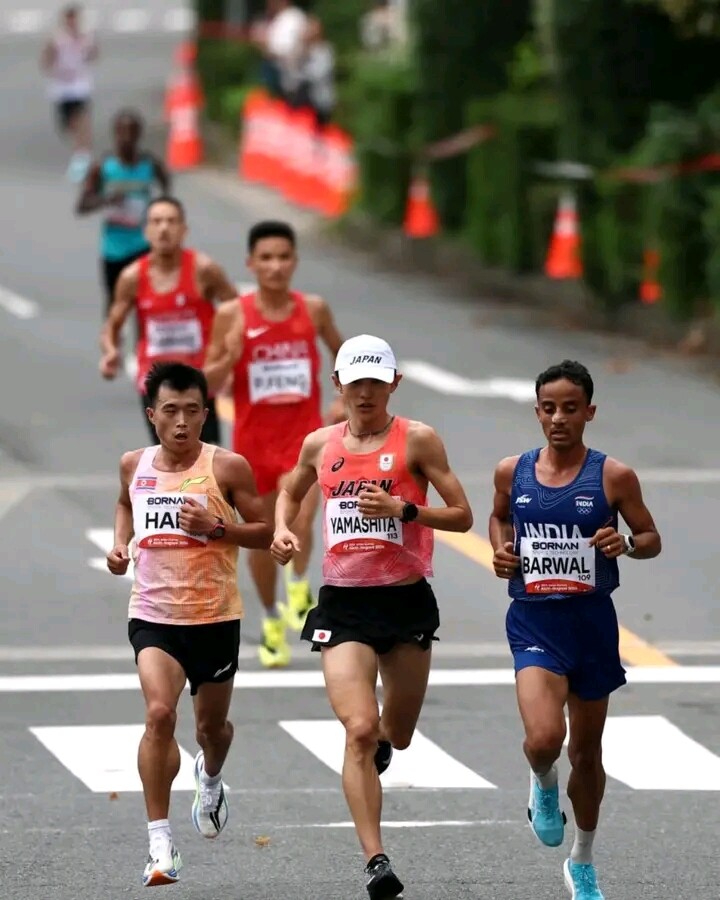
Yamashita’s triumph was built on patience and endurance as the challenging weather conditions tested the field from the opening stages. Rather than allowing the heat to dictate his race, the Japanese marathoner maintained his rhythm and produced the strength required when the decisive moments arrived.
India’s Sawan Barwal delivered an impressive performance to claim the silver medal in 2:11:37, finishing just 48 seconds behind the champion. Barwal showed considerable resilience throughout the demanding contest, securing India a place on the prestigious continental podium.
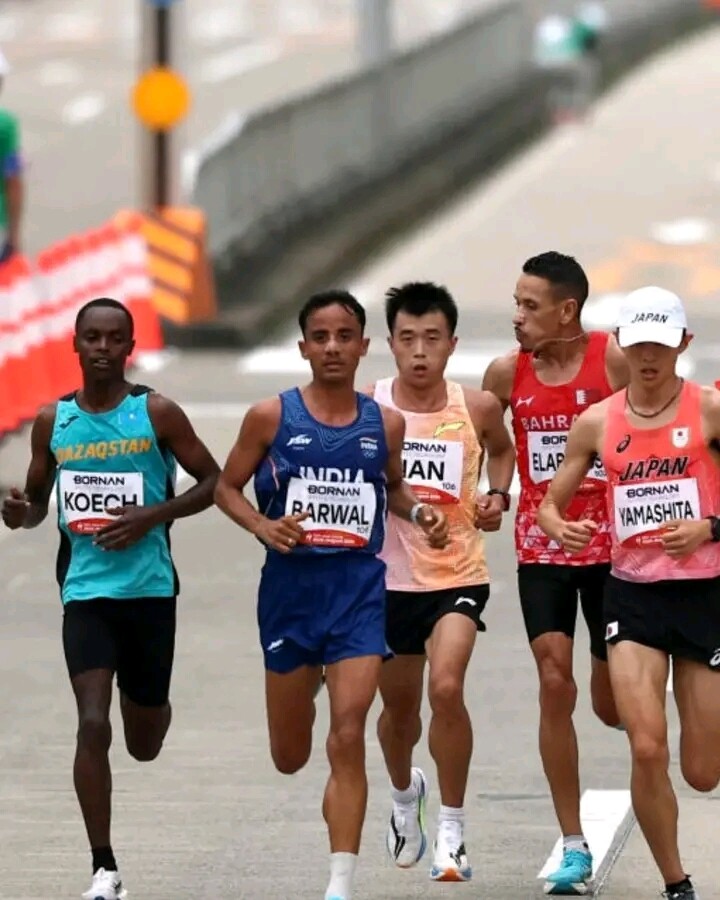
China’s Peiyou Feng completed the medal places with a strong bronze-medal performance, stopping the clock at 2:12:13. His run ensured that three different nations were represented on the men’s marathon podium.
The race highlighted just how unforgiving championship marathons can be, with the combination of distance, heat and humidity placing extraordinary demands on the athletes. In such conditions, finishing strongly becomes a test not only of physical preparation but also of tactical discipline and mental resilience.
Behind the leading trio, North Korea’s Han Il finished fourth in 2:12:21, narrowly missing out on the podium. Bahrain’s Elabbassi El Hassan followed in fifth with 2:12:45, while Indonesia’s Raden Syianturi secured sixth in 2:13:12.
Kazakhstan’s Sultan Koech placed seventh in 2:14:07, followed by South Korea’s Park Min in 2:15:35. Uzbekistan’s Sirojiddin Davlatov finished ninth in 2:17:44, while South Korea’s Kim Hyun completed the top 10 in 2:18:27.
Top 10 Men’s Marathon Results
1. Japan — Ichitaka Yamashita — 2:10:49
2. India — Sawan Barwal — 2:11:37 PB
3. China — Peiyou Feng — 2:12:13
4. North Korea — Han Il — 2:12:21
5. Bahrain — Elabbassi El Hassan — 2:12:45
6. Indonesia — Raden Syianturi — 2:13:12
7. Kazakhstan — Sultan Koech — 2:14:07
8. South Korea — Park Min — 2:15:35
9. Uzbekistan — Sirojiddin Davlatov — 2:17:44
10. South Korea — Kim Hyun — 2:18:27
For Yamashita, however, the difficult conditions ultimately became part of a memorable home victory. The Japanese Olympian has now added an Asian Games gold medal to his résumé, delivering when it mattered most and giving the home nation another major athletics moment to celebrate.
The final podium saw Japan’s Ichitaka Yamashita take gold, India’s Sawan Barwal silver and China’s Peiyou Feng bronze — a fitting reflection of the depth and competitiveness of men’s distance running across Asia.
by Erick Cheruiyot for My Best Runs.
Login to leave a comment
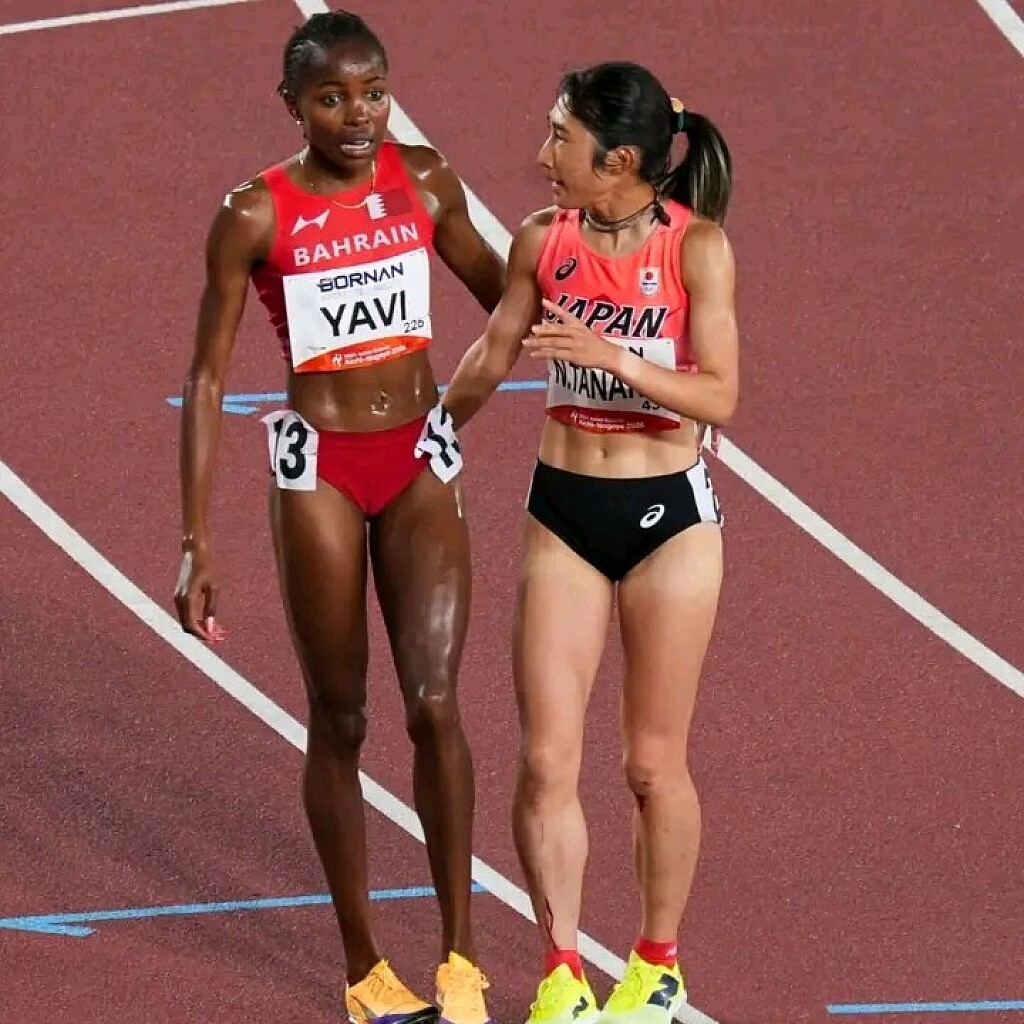
Winfred Yavi Holds Off Nozomi Tanaka To Win Asian Games 10,000m Gold
Winfred Yavi produced a powerful late surge to claim the women’s 10,000m title at the 2026 Asian Games in Aichi-Nagoya, edging Japan’s Nozomi Tanaka in a thrilling finish.
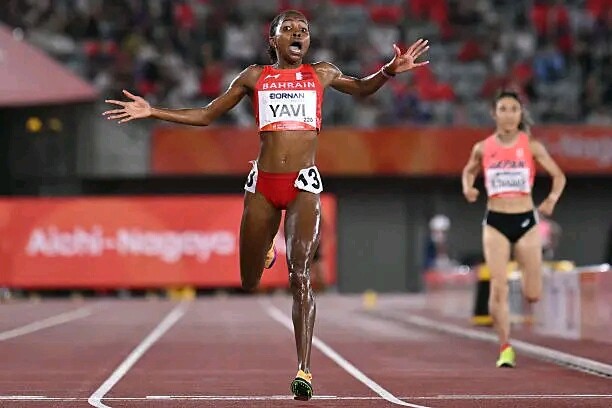
Yavi, representing Bahrain, stopped the clock at 32:39.18 to secure the gold medal, while Tanaka stayed within striking distance all the way to the final stages before crossing the line in 32:41.54 for silver. India’s Seema Kumari completed the podium in 32:50.05.
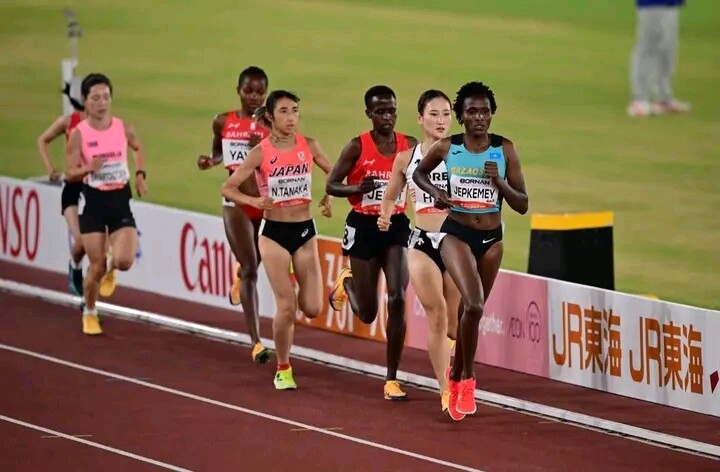
The race developed into a gripping battle as the leading group gradually separated from the field. Tanaka remained composed throughout the long-distance contest and positioned herself perfectly as the race entered its decisive stages.
But when the medals were on the line, Yavi found another gear.
The Bahraini athlete produced the decisive acceleration over the closing stages, pulling away from Tanaka to secure gold. Tanaka fought all the way to the finish and settled for a hard-earned silver, while Kumari held on for bronze.
For Tanaka, however, the silver medal is only the beginning of an exceptionally demanding Asian Games campaign.
The Japanese distance star is attempting an ambitious 10,000m, 5,000m and 1,500m triple in Nagoya, meaning she still has two more events ahead of her. Having pushed Yavi to the limit over 10,000m, Tanaka will now have to recover quickly before turning her attention to the shorter distances.
Her performance in the 10,000m provides an encouraging start to that challenge and underlines the remarkable range she is bringing to these Games.
Kumari’s bronze, meanwhile, carried major significance for India. Her 32:50.05 ended a 16-year wait for an Asian Games women’s 10,000m medal, adding another important chapter to India’s history in the event.
The result produced a fascinating three-nation podium, with Bahrain taking gold, Japan silver and India bronze.
Yavi can now celebrate her Asian Games triumph, but Tanaka’s campaign is far from finished. With the 5,000m and 1,500m still to come, the Japanese star will have two more opportunities to add to her medal tally and complete one of the most demanding schedules of the Games.
by Erick Cheruiyot for My Best Runs.
Login to leave a comment
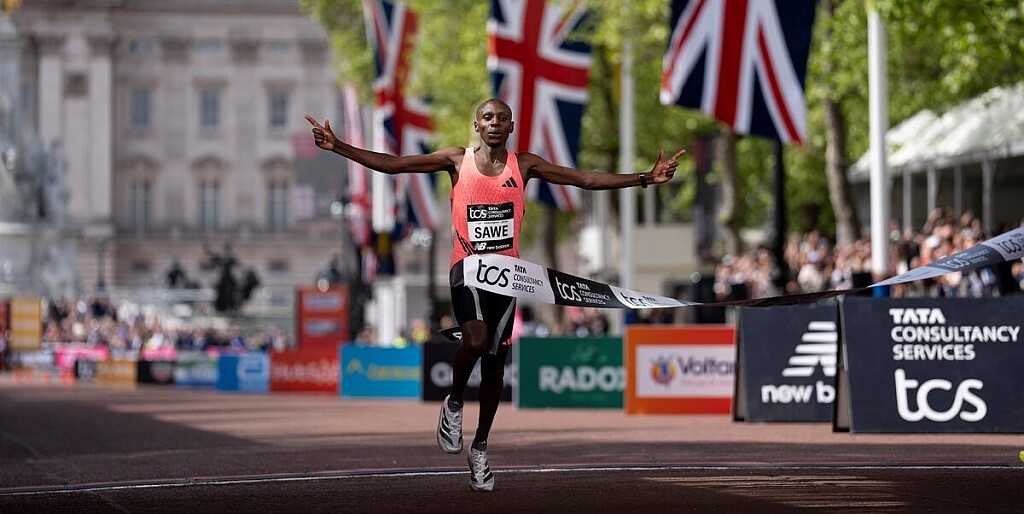
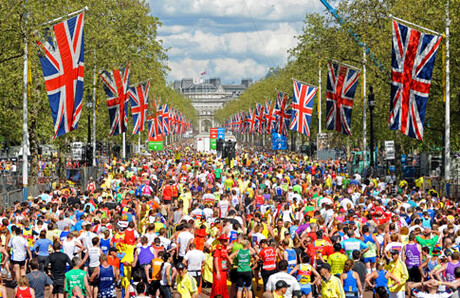
Marathon Majors Course Records: Where Speed, History And The Course Collide
The world’s biggest marathons are united by prestige, elite fields and unforgiving 26.2-mile battles, but their course records tell very different stories. From Tokyo to Sydney, each course has its own character, while London and Chicago have become synonymous with extraordinary speed.
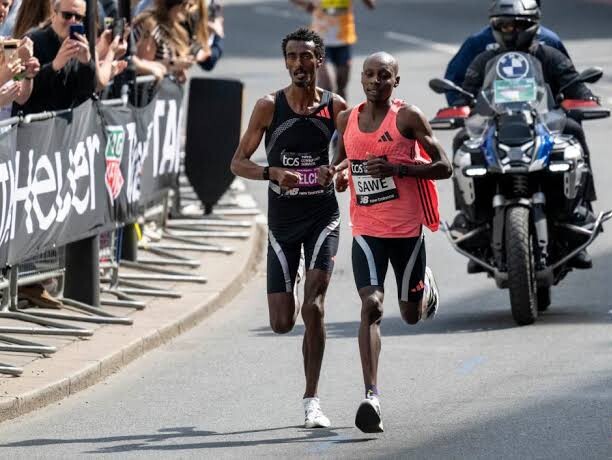
At the top of the men’s list stands the London Marathon, where Kenya’s Sabastian Sawe produced one of the greatest performances in road-running history. Sawe clocked 1:59:30 in April 2026, becoming the first athlete to officially break the two-hour barrier in a marathon. His performance also lowered the world record from Kelvin Kiptum’s previous mark of 2:00:35.
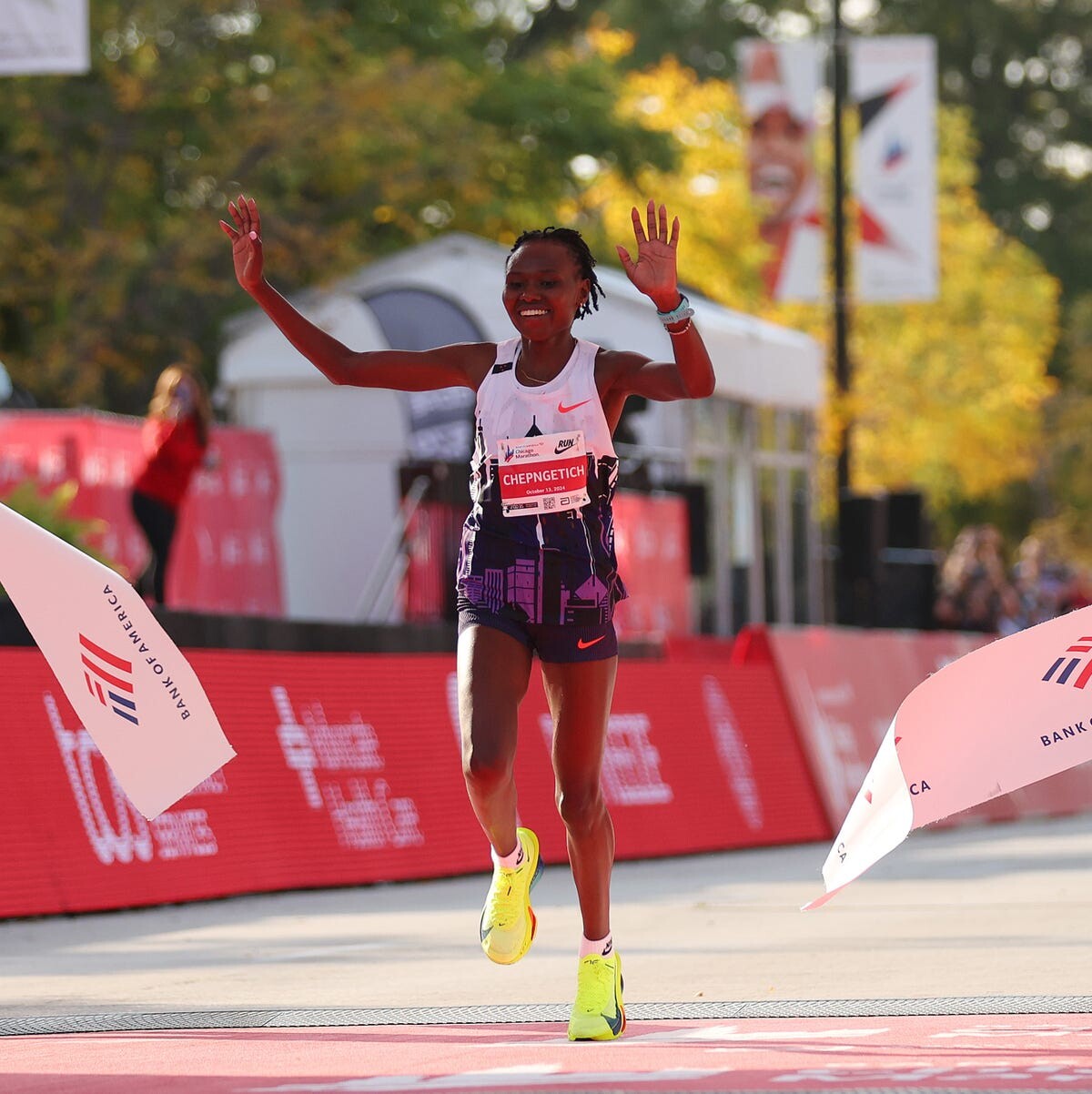
Chicago, meanwhile, owns one of the most remarkable records in women’s marathon history. Kenya’s Ruth Chepngetich ran 2:09:56 in 2024, becoming the first woman to break the 2:10 barrier. The performance remains a landmark in the event’s history and gives Chicago a special place among the fastest marathon courses in the world.
The men’s Chicago record is 2:00:35, set by the late Kelvin Kiptum in 2023. That performance stood as the world record until Sawe’s extraordinary 1:59:30 in London in 2026.
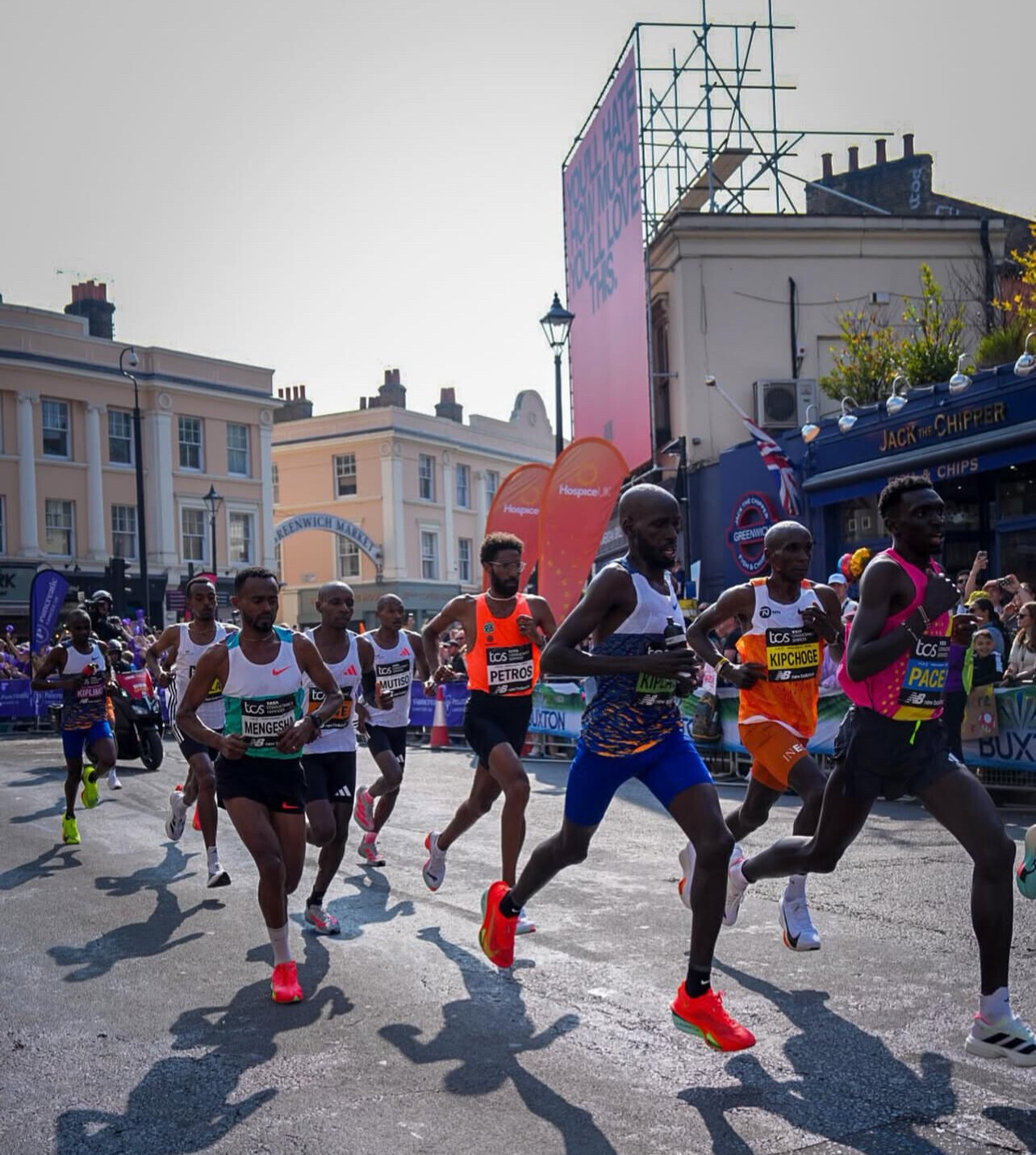
Then there is Berlin, perhaps the most celebrated world-record factory in marathon history. Kenya’s Eliud Kipchoge holds the men’s course record at 2:01:09, while Ethiopia’s Tigist Assefa owns the women’s mark at 2:11:53. Berlin has hosted numerous men’s world records over the years, underlining its reputation as one of the fastest marathon courses on the planet.
The elevation figures help explain why the courses produce such different performances. Berlin has relatively modest elevation changes, creating a fast and rhythm-friendly route. Other Majors present considerably greater challenges.
Boston, for example, climbs 248 metres but descends 388 metres. Its famous point-to-point layout and net downhill profile make it exceptionally fast in places, but its course does not qualify for official world-record purposes because the elevation drop exceeds the limit permitted by World Athletics.
New York City is a completely different proposition. With approximately 246 metres of climbing, it is among the toughest Major Marathon courses, demanding strength and tactical patience rather than simply raw speed. Its records therefore carry a different kind of significance, earned on a course that tests athletes through bridges, climbs and a demanding closing stretch into Central Park.
Tokyo offers another fast but distinctive challenge, with Benson Kipruto holding the men’s course record in 2:02:16. Brigid Kosgei’s 2:14:29 remains the women’s course record, illustrating the exceptional standard required to rewrite the record books in the Japanese capital.
And then there is Sydney, the newest addition to the Abbott World Marathon Majors family. Its course has already produced outstanding performances, with Addisu Gobena’s 2:04:42 listed as the men’s course record and Sifan Hassan’s 2:18:22 as the women’s mark in the graphic. With its demanding elevation profile, those performances underline just how quickly the Sydney course has established itself among the world’s major marathon stages.
What makes these records fascinating is that they cannot be judged by the clock alone. A 2:01 on a fast, record-legal course is a completely different achievement from a 2:04 on a demanding route, while Boston’s unique course rules mean that even exceptionally fast performances cannot enter the official world-record conversation.
For decades, marathon greatness was largely measured by who could run fastest. Today, the Majors show that where the time is run can be almost as important as the time itself. From Sawe’s historic sub-two-hour breakthrough in London to Chepngetich’s barrier-breaking run in Chicago and Berlin’s remarkable record history, these performances represent different chapters of marathon history—and the next chapter could be written at any Major.
by Erick Cheruiyot for My Best Runs.
Login to leave a comment
Kwizera Seals Historic Prague Victory as a Costly Wrong Turn Steals the Spotlight
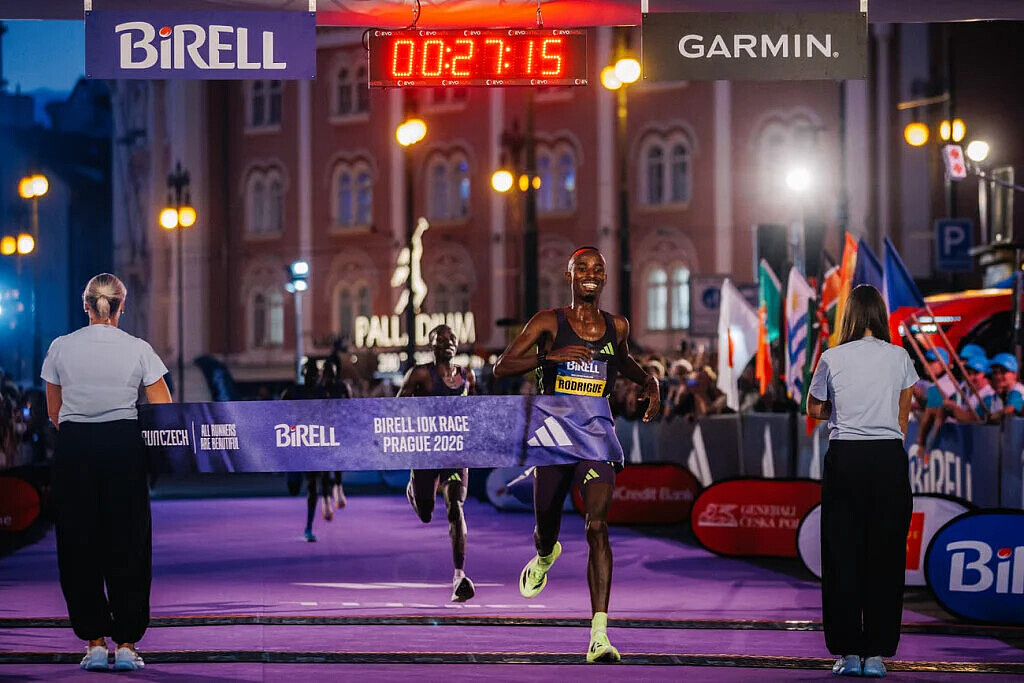
PRAGUE, Czech Republic — The streets of Prague were illuminated by speed, tension and one of the most dramatic finishes of the 2026 road-racing season as Rodrigue Kwizera produced a stunning victory at the Birell 10K Night Race.
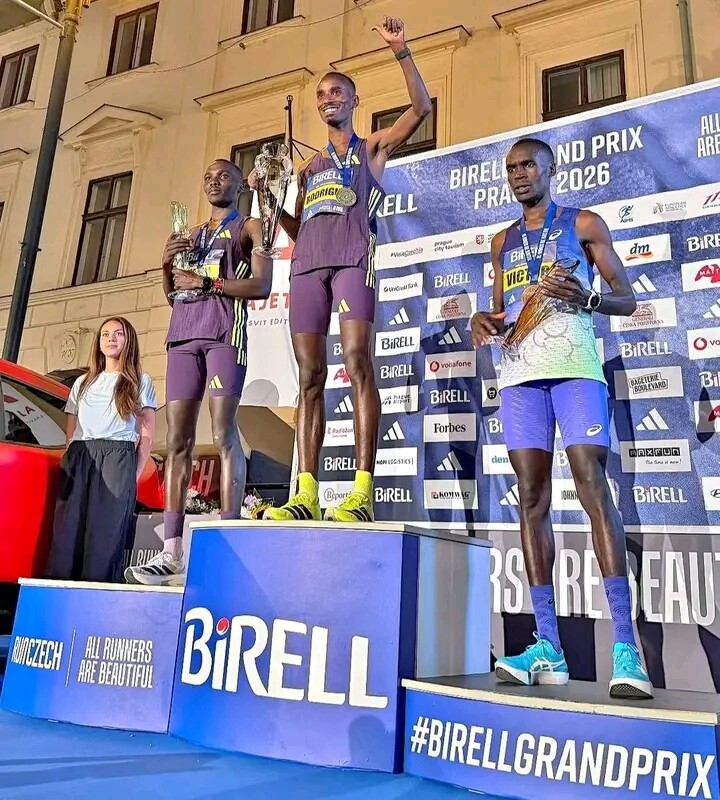
Running his first official international race under the Spanish flag, the Burundi-born distance star stopped the clock at 27:15, smashing the Spanish national record by 10 seconds and adding another major victory to his remarkable 2026 campaign.
But the result tells only part of the story.
For much of the decisive phase of the race, it was Kenya’s Victor Kipruto Kiprono who appeared to be marching towards victory. After the leading group began to fracture around the seventh kilometre, Kiprono moved aggressively to the front alongside fellow Kenyan Elisha Kiprop Chemiron before gradually opening a significant gap on his pursuers.
By the eighth kilometre, the 26-year-old Kenyan had established himself as the clear leader and seemed to be heading towards a commanding triumph.

Then came the moment that changed everything.
As the race entered its final stretch, Kiprono followed the lead vehicle instead of taking the correct route towards the finish. The costly detour allowed Kwizera to close the gap and sweep past, with Kenya’s Owen Korir Kapkama also moving ahead.
In the space of a few seconds, a race that had appeared to be Kiprono’s to lose was transformed into a frantic battle for the podium.
Kwizera seized the opportunity with ruthless efficiency.
The Spanish representative crossed the line in 27:15, securing the victory and rewriting the Spanish record books. Kapkama followed just one second later in 27:16, while Kiprono recovered from his costly mistake to claim third in 27:18.
Despite the disappointment, Kiprono still produced one of the fastest performances of the night — and one of the most memorable.
Behind the leading trio, Kenya’s Filex Kibet Masai ran 27:19 for fourth, while Uruguay’s Santiago Catrofe completed the top five in 27:24.
The quality of the field was reflected throughout the results. Kenyan runners occupied seven of the top 20 positions, while Spain, Japan, Uruguay, the Netherlands, Belgium and hosts Czech Republic were also represented.
Japan’s Shunya Kikuchi added another national-record performance to the evening, running 28:07 to improve the Japanese record by eight seconds.
Birell 10K Night Race Prague 2026 — Men’s Elite Top 10
1. Rodrigue Kwizera (Spain) — 27:15
2. Owen Korir Kapkama (Kenya) — 27:16
3. Victor Kipruto Kiprono (Kenya) — 27:18
4. Filex Kibet Masai (Kenya) — 27:19
5. Santiago Catrofe (Uruguay) — 27:24
6. Elisha Kiprop Chemiron (Kenya) — 27:33
7. Elia Kiprop (Kenya) — 27:46
8. Isaac Kibet Ndiema (Kenya) — 27:47
9. Said Mechaal (Spain) — 27:59
10. Shunya Kikuchi (Japan) — 28:07
The men’s race was only half of an extraordinary evening in Prague. Ethiopia’s Chaltu Dida Diriba, just 19, dominated the women’s race to win in 30:04, finishing eight seconds ahead of her sister Robe Dida Diriba. Kenya’s Cynthia Chelangat Chepkwony completed the podium in 30:23.
The 2026 Birell 10K Night Race attracted almost 9,500 runners from 98 countries, with the elite field competing in ideal evening conditions of around 20 degrees Celsius and little wind.
Yet it was the men's finish that will linger longest.
Kwizera will leave Prague with a victory and a new national record. Kapkama will celebrate a superb second place. And Kiprono will be left wondering what might have been after a single wrong turn dramatically altered the final chapter of a race he had controlled for much of its decisive stage.
In distance running, victory can sometimes be decided not only by fitness, strength and tactics, but by the smallest of moments.
On this Prague night, one wrong turn changed everything.
by Erick Cheruiyot for My Best Runs.
Login to leave a comment

Birell 10K Race
The Birell Prague Grand Prix is a captivating evening race that takes runners through the heart of historic Prague. Held during the first weekend of September, this event transforms the city’s streets into a vibrant festival of running, with thousands of participants and enthusiastic spectators lining the course. The event begins with the adidas Women’s Race 5K, an empowering race...
more...
Hokkaido Marathon 2026: A Historic Summer Race Puts Heat Safety First
When thousands of runners line up in the heart of Sapporo on Sunday, August 30, 2026, they will be taking part in one of Japan’s most distinctive marathon traditions — a race where the battle is not only against the clock and the 42.195-kilometre distance, but also against the summer heat.
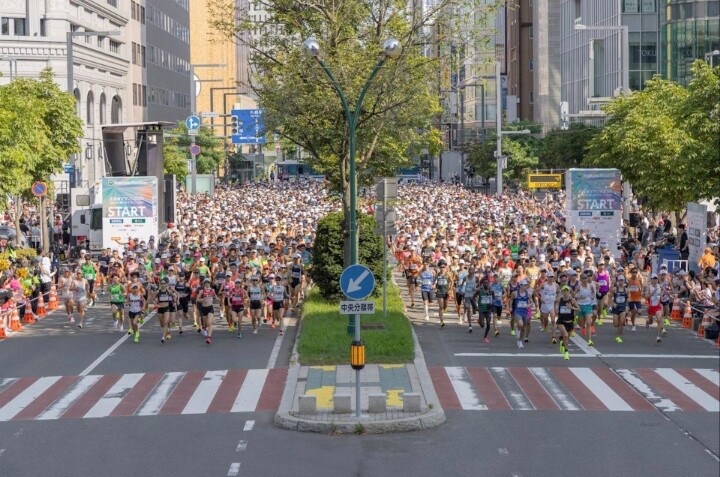
The Hokkaido Marathon traces its roots to 1987, when the inaugural race attracted just 439 entrants. Over nearly four decades, it has grown into a major international marathon, welcoming runners from Japan and around the world while maintaining its unique identity as one of the country’s few major summer marathons.
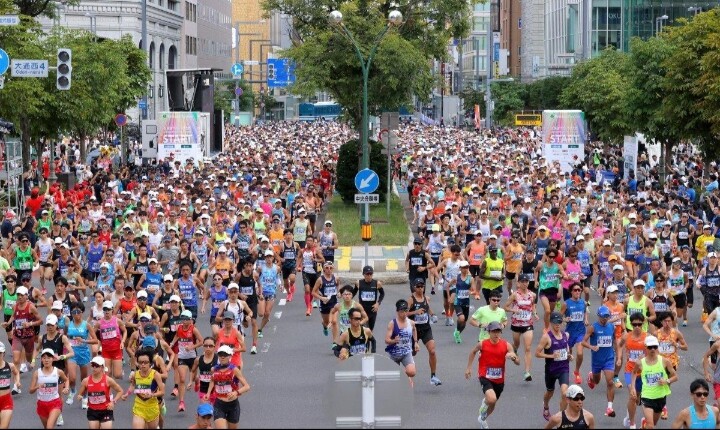
That summer setting is precisely what makes heat management such an important part of the Hokkaido Marathon experience.
The 2026 edition will begin at 8:30 a.m. from Odori Nishi 4-chome, with the course winding through some of Sapporo’s most recognisable landmarks, including Susukino and Hokkaido University. But while the atmosphere will be festive and competitive, organisers are urging athletes to treat heat-related illness with the utmost seriousness.
As one of Japan’s few marathons held during the summer, Hokkaido Marathon carries a heightened risk of heatstroke. Mild heat illness may improve with rest, cooling and appropriate hydration, but severe heatstroke can become life-threatening and demands rapid action to lower body temperature.
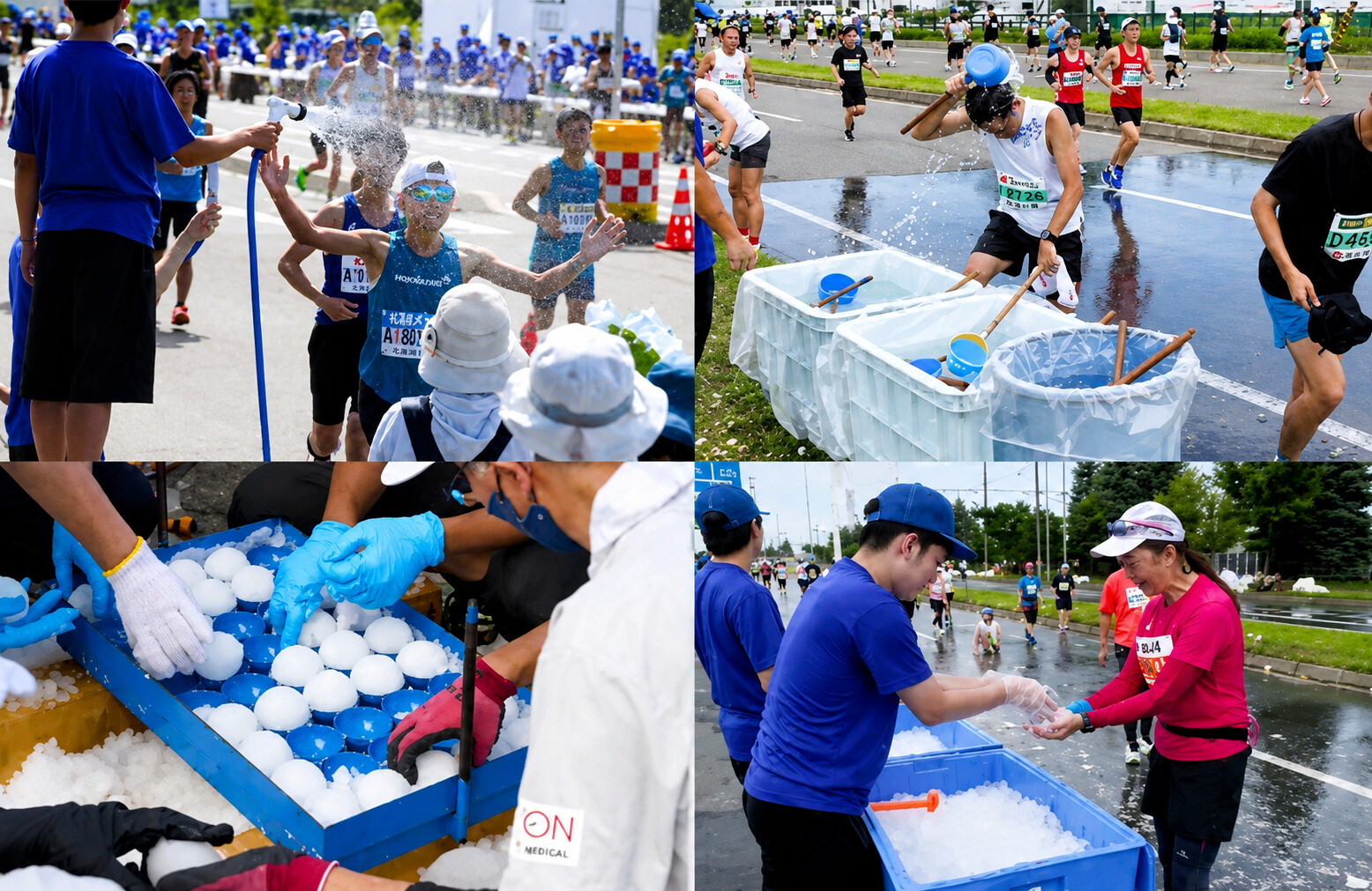
The organisers have therefore placed medical preparedness at the centre of the 2026 event. Since the 2022 Hokkaido Marathon, an ice-bath system has been available for emergency cooling — an approach also used during the marathon and race-walking competitions at the Tokyo 2020 Olympic Games.
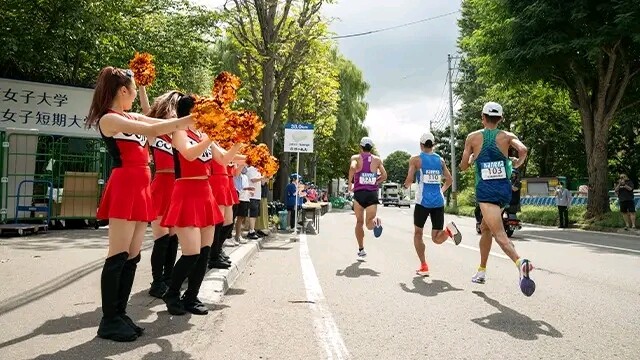
If medical staff suspect severe heatstroke accompanied by impaired consciousness, a doctor may assess the athlete, including measuring rectal temperature when necessary. Where appropriate, the runner can be rapidly cooled using an ice bath before being transported to a medical facility.
For competitors, recognising the warning signs early could make all the difference.
Feeling dazed, unusually confused, mentally foggy or unable to remain fully alert during the race should never be dismissed as ordinary fatigue. Runners experiencing such symptoms are being urged not to force themselves forward. They should stop, rest and seek medical assistance.
The same responsibility applies to fellow runners and spectators. Anyone who notices a competitor appearing confused, disoriented or seriously unwell should immediately alert the nearest medical or first-aid team.
Hydration is another critical part of the organisers’ message — but the advice is not simply to drink as much water as possible.
Both insufficient sodium intake and excessive fluid consumption can contribute to hyponatremia, a potentially dangerous drop in blood sodium levels. Runners should therefore pay attention to both fluid and sodium replacement during the marathon rather than relying solely on water.
The race is also expanding its cooling measures in 2026. An ice distribution point will be available at approximately 13.2 kilometres, while new water-dousing points will be introduced at the end of selected aid stations. These facilities are designed to give runners additional opportunities to cool their bodies as the race progresses.
A cooling spray may also be carried and used as another practical measure against the heat.
Such precautions are particularly significant given the Hokkaido Marathon’s history. From its modest beginning in 1987, the event gradually established itself as an important testing ground for athletes preparing to compete in hot-weather conditions. Japanese and international elites have repeatedly used the race to test their endurance and heat tolerance, while the event has also welcomed some of the world's leading distance runners.
Today, the marathon combines that elite tradition with a huge mass-participation atmosphere. What started with fewer than 500 entrants has evolved into an event capable of attracting around 20,000 runners, turning Sapporo into a celebration of distance running each summer.
But the message for 2026 is clear: finishing the marathon is never more important than protecting your health.
For runners chasing personal bests, international athletes seeking victory and recreational participants simply hoping to complete the distance, knowing when to slow down, stop or seek help is part of racing intelligently.
On August 30, the streets of Sapporo will once again provide a spectacular stage for 42.195 kilometres of running. Yet beneath the excitement, the Hokkaido Marathon is sending an equally important message: run hard when your body allows it, cool down when necessary, stay alert to the heat and never ignore the warning signs.
After nearly four decades of history, the Hokkaido Marathon continues to evolve — and in 2026, protecting the runners who make that history possible is firmly at the heart of the race.
by Erick Cheruiyot for My Best Runs.
Login to leave a comment

Hokkaido Marathon
The Hokkaido Marathon, inaugurated in 1987 with just 439 participants, has evolved into one of Japan's premier marathons, attracting nearly 20,000 runners annually. Held every August in Sapporo, Hokkaido, it stands as the nation's only full-scale summer marathon. The race commences and concludes in Sapporo's Odori Park, offering a scenic course that weaves through the city's landmarks, including the vibrant...
more...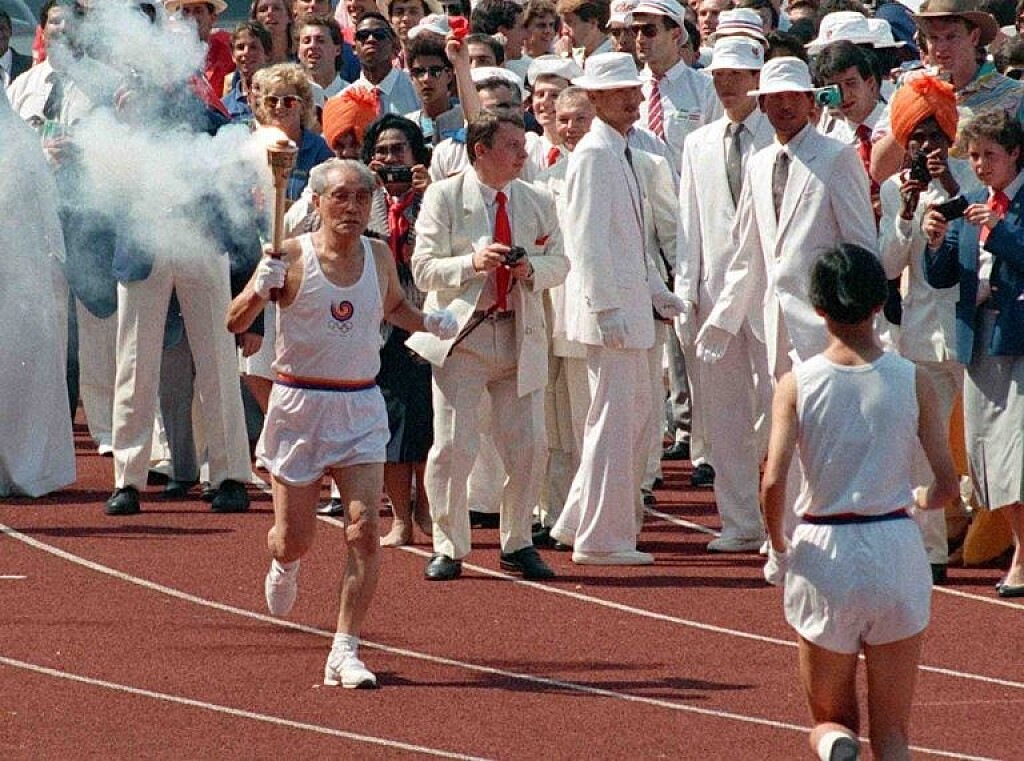
The Olympic Gold That Korea Had To Wait 52 Years To Truly Claim
On August 9, 1936, Sohn Kee-chung crossed the finish line of the Olympic marathon in Berlin in 2:29:19.2, becoming the first Korean to win an Olympic gold medal.
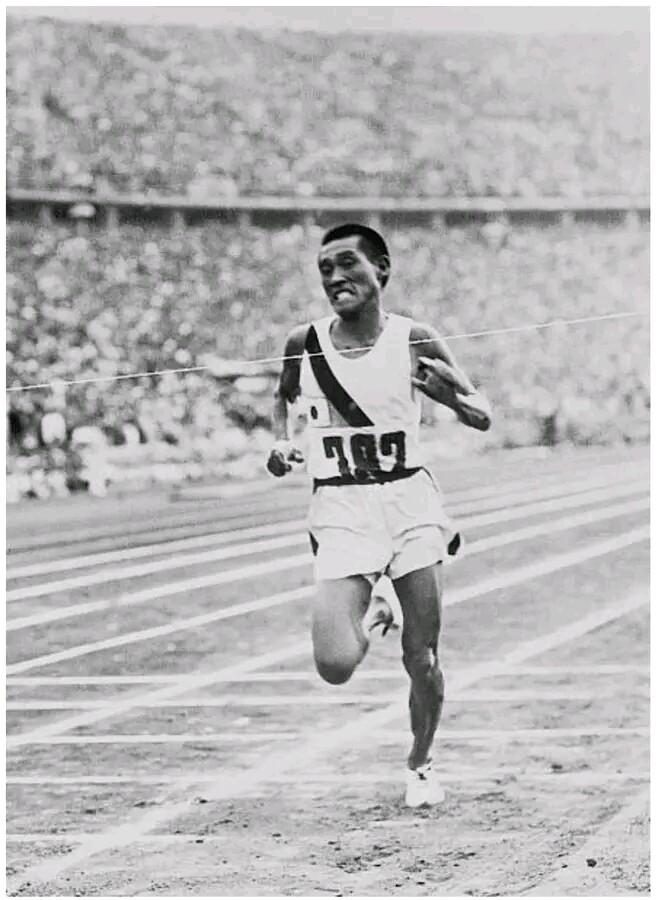
But there was a painful contradiction behind the triumph.
The scoreboard did not identify him as Sohn Kee-chung. It listed him as Kitei Son — the Japanese pronunciation of his Korean name. And instead of competing for Korea, he was officially entered as a member of the Japanese delegation because Korea had been under Japanese colonial rule since 1910.
Sohn was born in 1912 near Sinuiju, in what is now North Pyongan Province, and emerged as one of the outstanding distance runners of his generation. His talent became impossible to ignore in the 1930s, and in November 1935 he ran 2:26:42 in Tokyo to set a world marathon record.
By the time he arrived in Berlin, Sohn was already a world-class marathoner. Yet his greatest sporting achievement would unfold under an identity that had been imposed upon him.
He was not permitted to compete under his Korean name. He was not permitted to carry the Korean flag. His uniform bore the Japanese emblem.
And even after winning Olympic gold, he could not celebrate as a Korean champion.
Sohn won the marathon ahead of Britain's Ernie Harper, while another Korean, Nam Sung-yong, claimed bronze. Sohn became the first Olympic marathoner to break the 2:30 barrier, with his 2:29:19.2 Olympic record standing as a remarkable achievement. Importantly, however, his Berlin time was not a world record — his world-best mark had come the previous year in Tokyo.
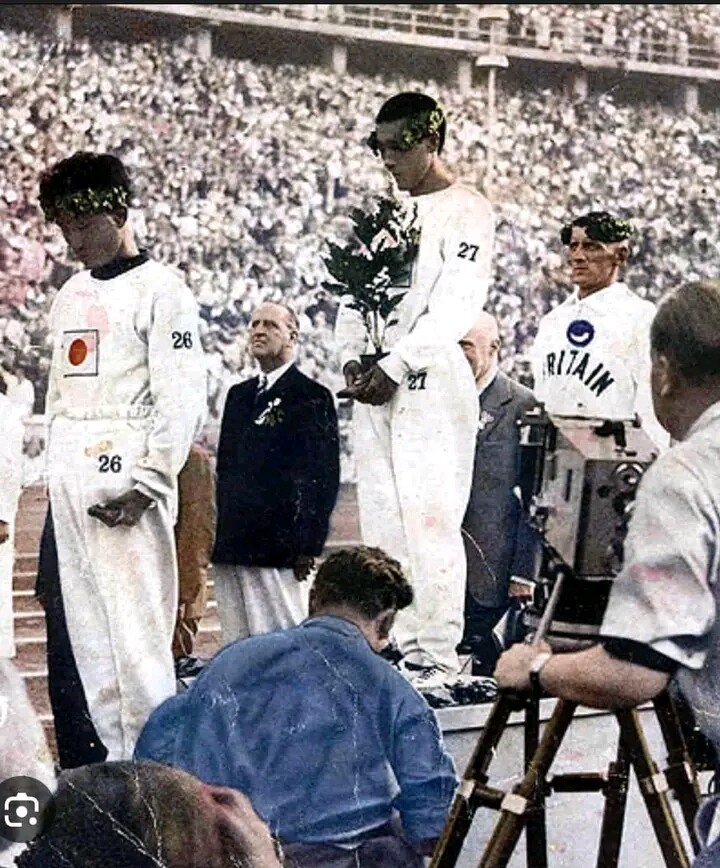
The medal ceremony became one of the most haunting images in Olympic history.
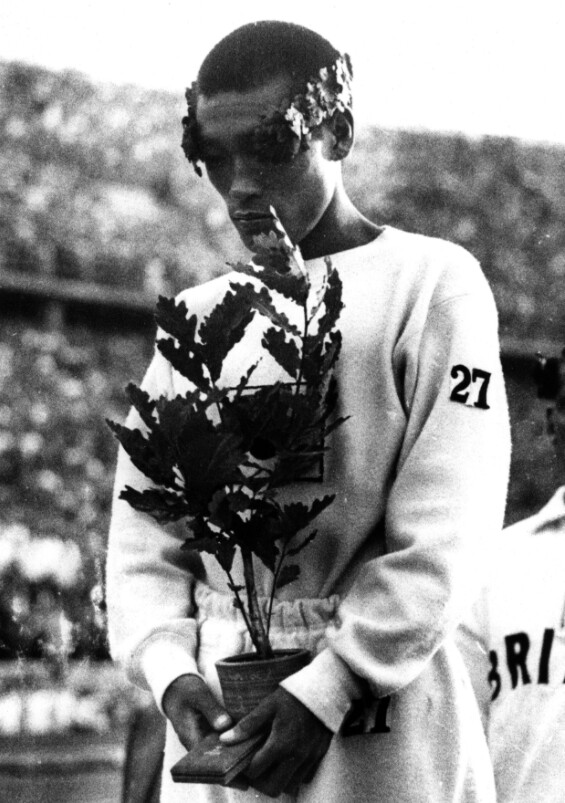
As the Japanese flag was raised and the Japanese anthem played, Sohn stood on the top step of the podium with his head lowered. Nam Sung-yong stood beside him on the third step. Neither athlete was able to represent the nation from which they came.
Sohn held the laurel wreath he had received for winning the marathon across his chest, concealing the Japanese flag on his uniform.
The gesture was silent.
But the message was powerful.
He had won the race for himself and for Korea, even though the official ceremony claimed him for Japan.
Back home, Koreans celebrated his victory with enormous pride. For many, Sohn's success was a rare moment of national affirmation during colonial rule. Yet the emotions were complicated. Some Korean nationalists viewed participation in the Japanese team as a painful compromise, while others saw Sohn's victory as a powerful act of resistance against the colonial claim that Koreans were inferior.
The reaction of the Korean press became another chapter in the story.
On August 25, 1936, the Dong-A Ilbo published the famous photograph of Sohn on the podium with the Japanese flag removed from his uniform. The newspaper's journalists had deliberately erased the emblem — an act of defiance against Japan's colonial authorities. The incident triggered a major crackdown. Multiple journalists were arrested, and the newspaper was forced to suspend publication for months. Historical accounts record that eight people involved were imprisoned and that the paper was suspended for roughly nine months.
The photograph became more than an image of an Olympic champion.
It became an image of a nation trying to preserve its identity.
After Korea was liberated in 1945, Sohn's life took a new direction. He became an influential coach and helped develop the next generation of Korean distance runners. Among those he guided were Suh Yun-bok, who won the Boston Marathon in 1947, and Ham Ki-yong, the 1950 Boston Marathon champion. Sohn also served in various athletic organizations in South Korea.
In 1948, he carried the flag for the newly independent Republic of Korea at the London Olympics — another deeply symbolic moment in a life that had begun with his identity being taken from him on an Olympic starting line.
Decades later, Sohn returned to Germany and, in 1972, attended the Munich Olympics. There, he was reunited with filmmaker Leni Riefenstahl, whose film Olympia had documented the 1936 Berlin Games.
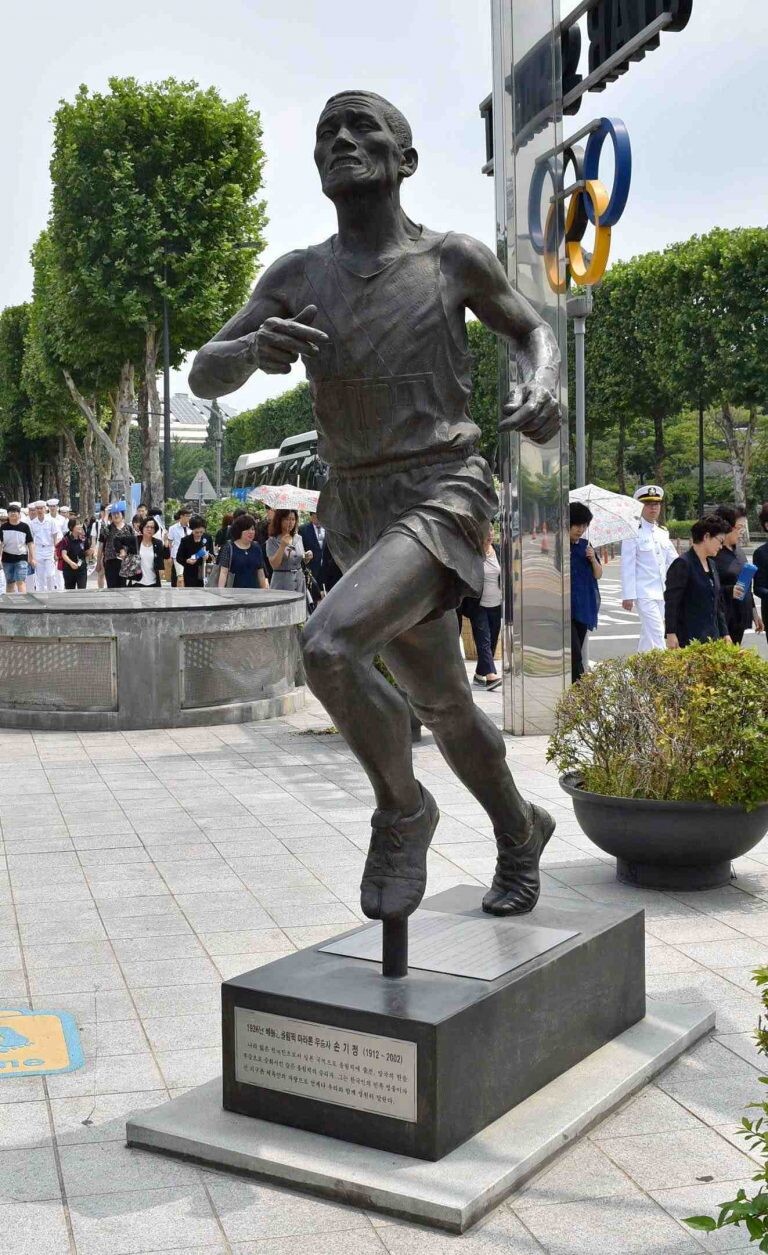
Today, Sohn Kee-chung’s legacy is also preserved in Seoul, South Korea, where a statue of the legendary marathoner stands at Sohn Kee-chung Athletic Park, near the memorial hall named in his honor. The memorial site includes a bronze head statue created in 1990, depicting Sohn in his later years, with scenes from his historic 1936 Berlin victory engraved below. Another statue, unveiled in 2016 to mark the 80th anniversary of his Olympic triumph, portrays the young Sohn proudly holding the Olympic trophy — this time with the South Korean flag in place of the Japanese emblem that had appeared on his uniform in Berlin.
But perhaps the most emotional chapter came in Seoul.
On September 17, 1988, 52 years after his Berlin triumph, the 76-year-old Sohn Kee-chung carried the Olympic torch into the stadium at the opening ceremony of the Seoul Olympics.
Think about what that moment represented.
In Berlin in 1936, he had stood on the Olympic podium beneath a foreign flag, unable to openly celebrate his victory as a Korean.
In Seoul in 1988, he entered an Olympic stadium carrying the flame for his own country.
The symbolism was almost impossible to miss.
The young runner who had once been forced to compete under the name Kitei Son was now an elderly Korean national hero, carrying the Olympic flame before his people.
He had spent more than five decades watching history slowly return his name to him.
Sohn Kee-chung died in November 15, 2002, aged 90, in Seoul, South Korea leaving behind far more than an Olympic medal. He left a story about athletic greatness, identity, dignity and resistance — a story in which a marathon victory became inseparable from the history of an entire nation.
His Berlin gold medal may have been officially recorded under Japan's name.
But in Korea, the champion was always Sohn Kee-chung.
And perhaps that is why the photograph of him standing on the podium, head bowed and the laurel wreath covering the Japanese emblem, remains so powerful.
He won the race in Berlin. But the world took decades to understand who had actually won it.
by Erick Cheruiyot for My Best Runs.
Login to leave a comment
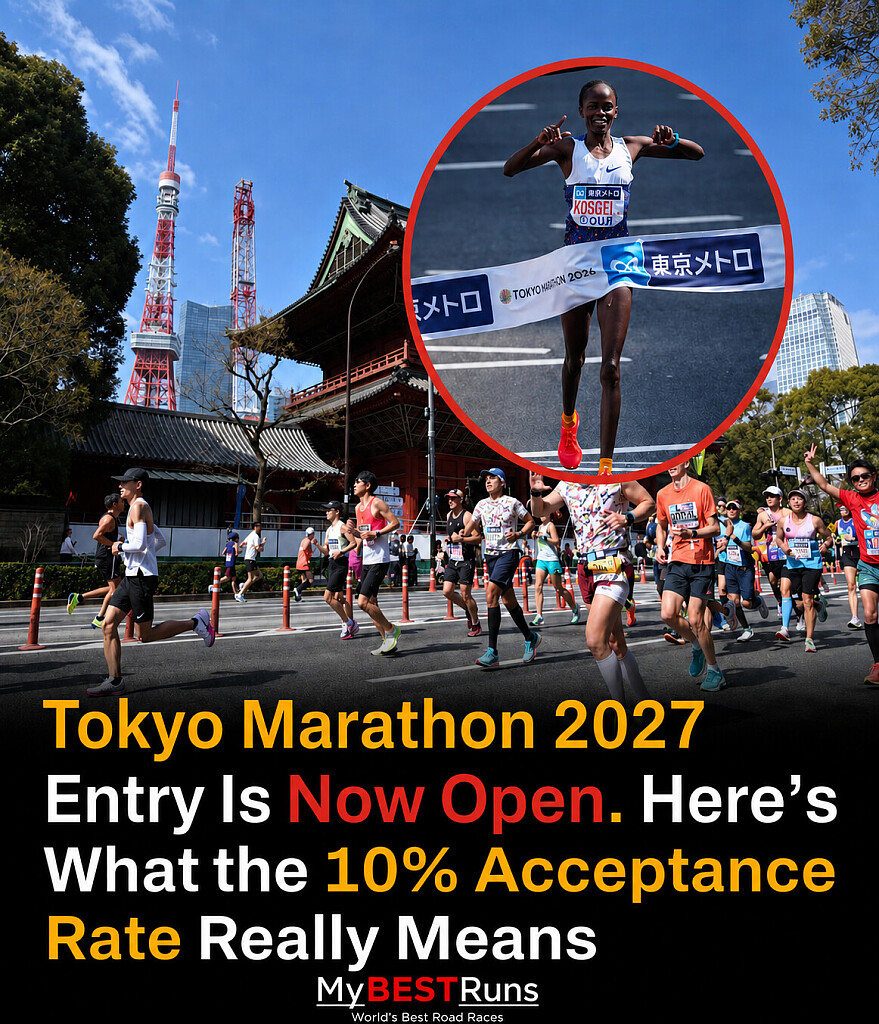
Tokyo Marathon 2027 Entry Is Open: Why Getting A Place Is The Real Race
For thousands of marathoners around the world, the Tokyo Marathon is a dream race. But while entering the lottery costs nothing, actually securing a place is another story altogether.
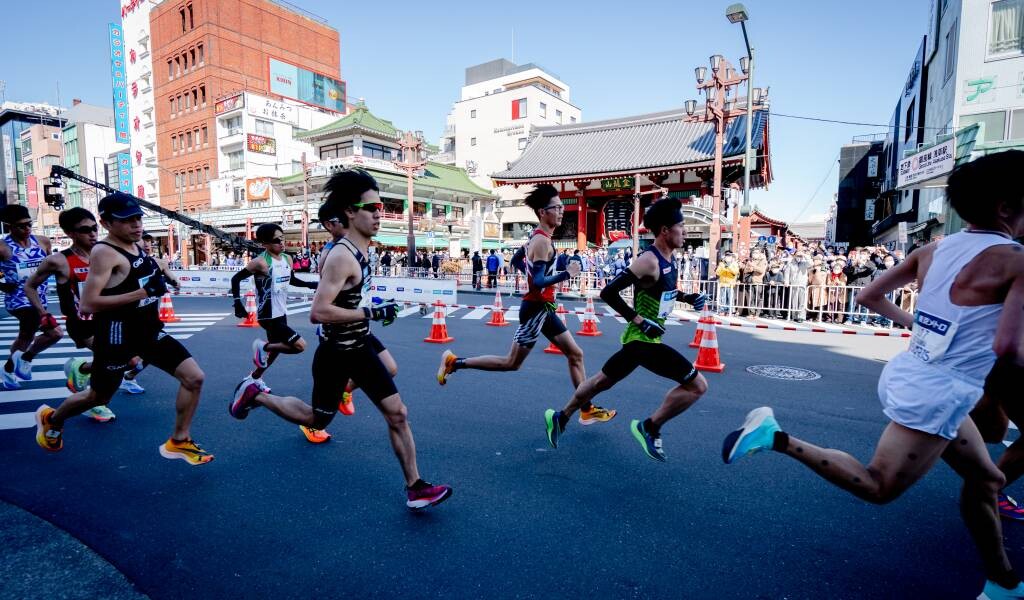
The general-entry window for the Tokyo Marathon 2027 opens today, Friday, August 14, and will remain open until 5 p.m. Japan Standard Time on August 28. The 20th-anniversary edition of the race will take place on Sunday, March 7, 2027, with a record 40,000 marathon places available.
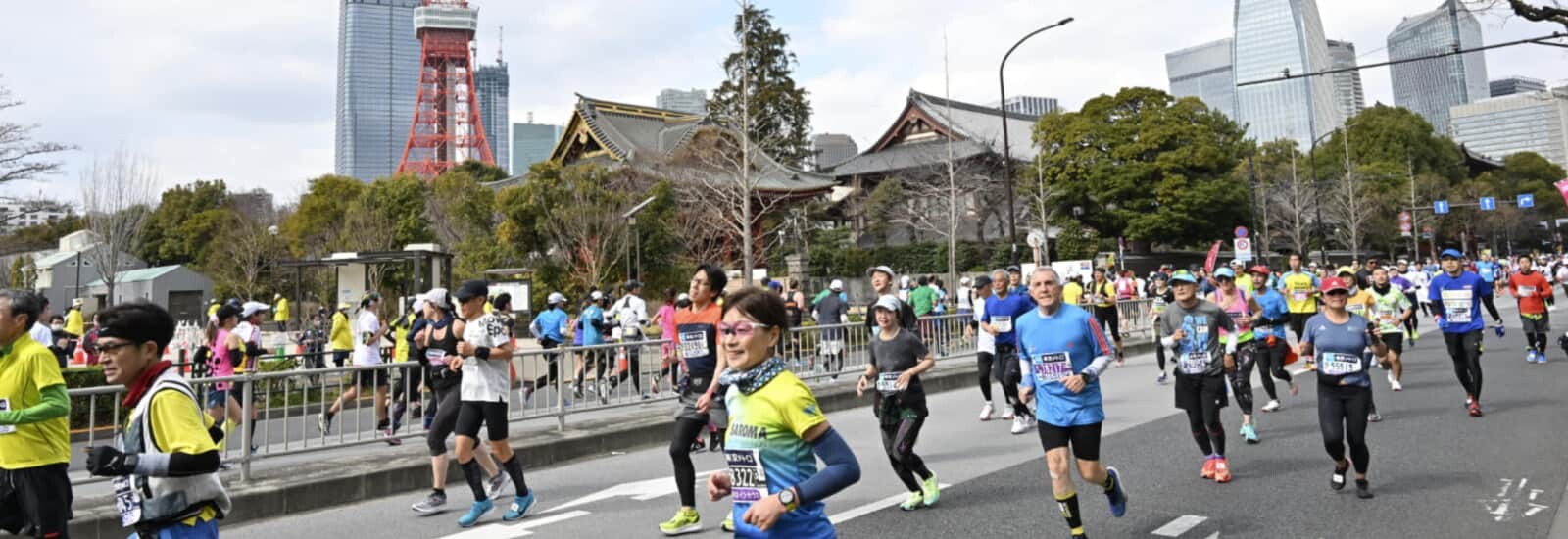
Applicants will learn their fate on September 18, with successful runners required to complete payment between September 18 and 5 p.m. on September 30. Those who fail to pay by the deadline will lose their places. The entry fee is ¥19,800 for runners living in Japan and US$230 for international entrants.
At first glance, Tokyo's famous lottery can look like a straightforward numbers game: hundreds of thousands of runners competing for roughly tens of thousands of places. But the reality is considerably more complicated.
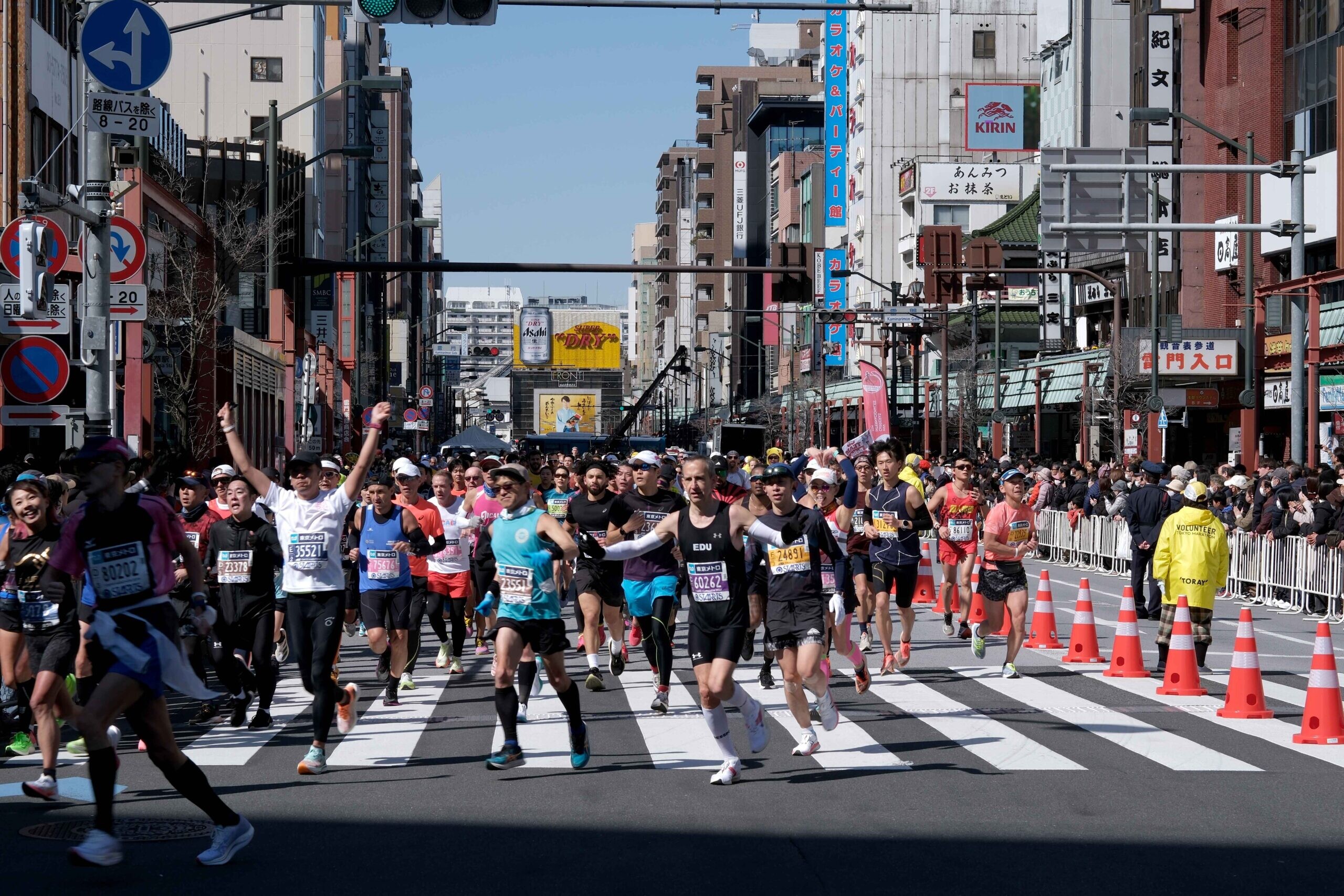
The headline figure of a roughly 10 percent acceptance rate should not be interpreted as meaning every applicant is competing equally for every one of the 40,000 places. The Tokyo Marathon divides its field among several entry routes before the remaining places reach the general lottery.
For 2027, 4,000 places are allocated to the ONE TOKYO three-consecutive-lottery-loss challenge, reserved for eligible ONE TOKYO members who entered the 2024, 2025 and 2026 editions and missed out in all three. Another 1,000 places are reserved for the Tokyo Resident Entry. The general draw also includes dedicated allocations of 500 places for people with disabilities, 15 wheelchair places and up to five Duo Teams.
That makes the phrase "one in 10" a useful shorthand, but not the whole story. For a first-time applicant, particularly one applying from overseas, the effective odds can be much tougher because several places have already been allocated through other categories.
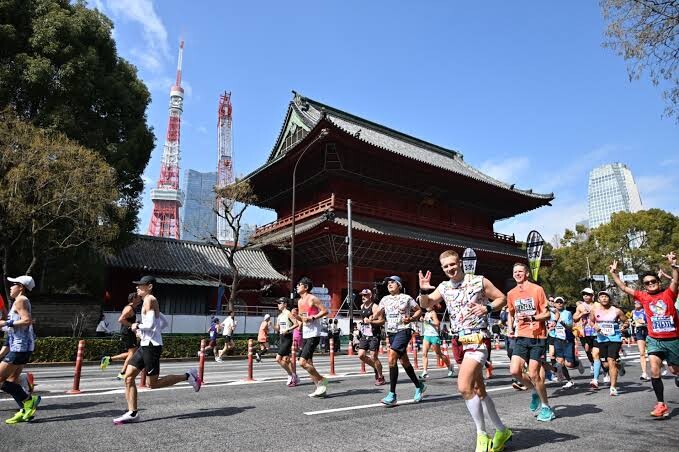
There is also an important requirement for faster runners.
Anyone declaring an expected finishing time of 3:00:00 or faster must provide official evidence of having achieved either a marathon in 3:00:00 or faster or a half marathon in 1:25:00 or faster at an event held between July 1, 2024 and June 30, 2026. Results recorded only by a GPS watch or running application do not qualify. Official certificates or records are required.
Tokyo's remarkable rise makes today's lottery particularly striking.
When the inaugural Tokyo Marathon was held in 2007, the race attracted 95,044 total applicants, including 77,521 for the marathon, with 25,000 marathon places available. The race has since evolved into one of the world's most sought-after major marathons and became an Abbott World Marathon Majors event in 2013.
The demand has grown dramatically over the years. By the 2010 and 2011 editions, total applications had already climbed beyond 300,000, demonstrating how quickly Tokyo became one of the hardest city marathons in the world to enter.
Now, two decades after that first race, Tokyo is preparing for its 20th anniversary edition with the biggest marathon field in the event's history. The capacity has been increased from 39,000 to 40,000 runners, giving more athletes a chance to experience one of the most iconic courses in global road running.
But increased capacity does not necessarily mean an easy ticket.
For many runners, Tokyo is more than another marathon. It is the Asian representative in the Abbott World Marathon Majors and one of the six races required to complete the coveted Six Star journey. That status, combined with Tokyo's reputation for exceptional organisation, a fast course and an unforgettable passage through the heart of the Japanese capital, keeps demand extraordinarily high.
And for those who miss the general lottery, the dream does not necessarily end there. Tokyo offers alternative pathways, including charity entries and official entry programmes, although these routes come with their own requirements and, in some cases, additional financial commitments.
For everyone entering the general lottery this month, however, the immediate challenge is simple: submit the application, wait for the draw and hope your name appears when the results are released on September 18.
The Tokyo Marathon may offer 40,000 runners the opportunity to line up in 2027.
Getting one of those places remains the real race.
Entry window: August 14–28, 2026
Lottery results: September 18, 2026
Payment deadline: September 30, 2026
Race day: March 7, 2027
Field size: 40,000
Domestic entry fee: ¥19,800
International entry fee: US$230
by Erick Cheruiyot for My Best Runs.
Login to leave a comment

Tokyo Marathon
The Tokyo Marathon is a world-renowned annual marathon held in Tokyo, Japan. As one of the prestigious Abbott World Marathon Majors, it attracts elite and amateur runners from around the globe. The race holds World Athletics Platinum Label status, recognizing its high competitive standards, top-tier organization, and international appeal. Sponsored by Tokyo Metro, the Tokyo Marathon has grown into one...
more...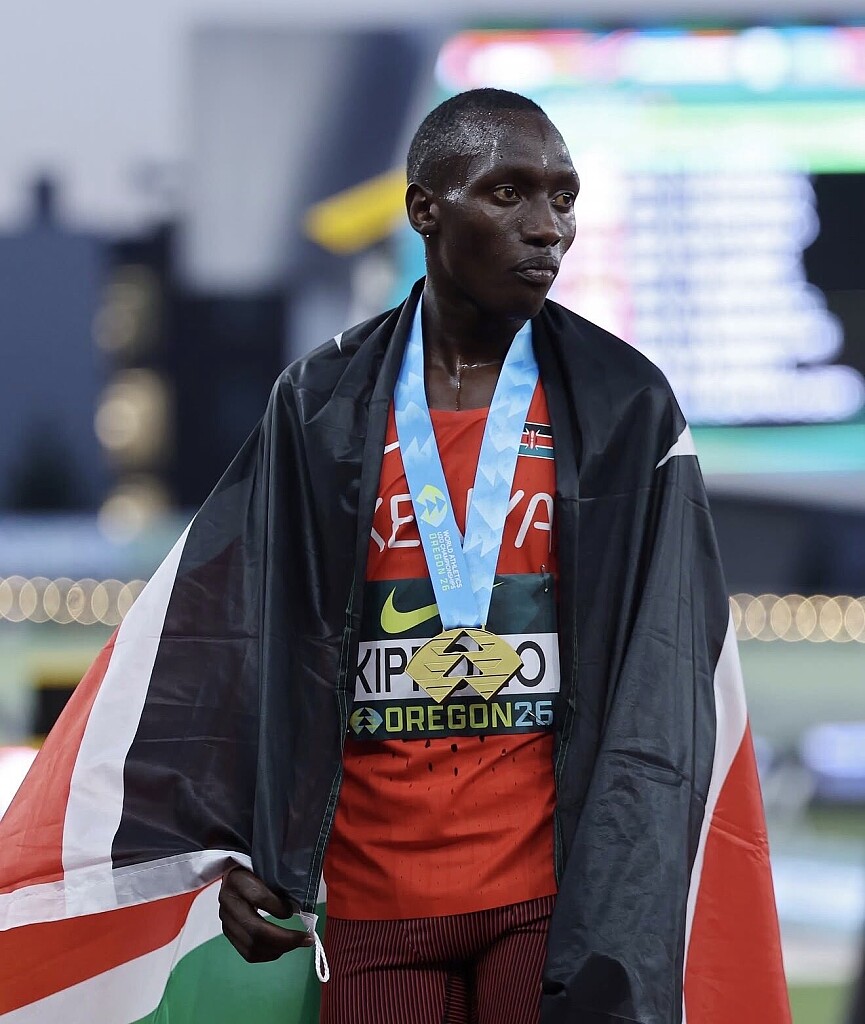
Emmanuel Kiprono Storms to World U20 3,000m Gold in Championship-Record 7:28.28
Kenya’s Emmanuel Kiprono has announced himself as one of the brightest young distance-running talents in the world after producing a sensational solo performance to win the men’s 3,000 metres gold medal at the World Athletics U20 Championships in a championship-record 7:28.28.
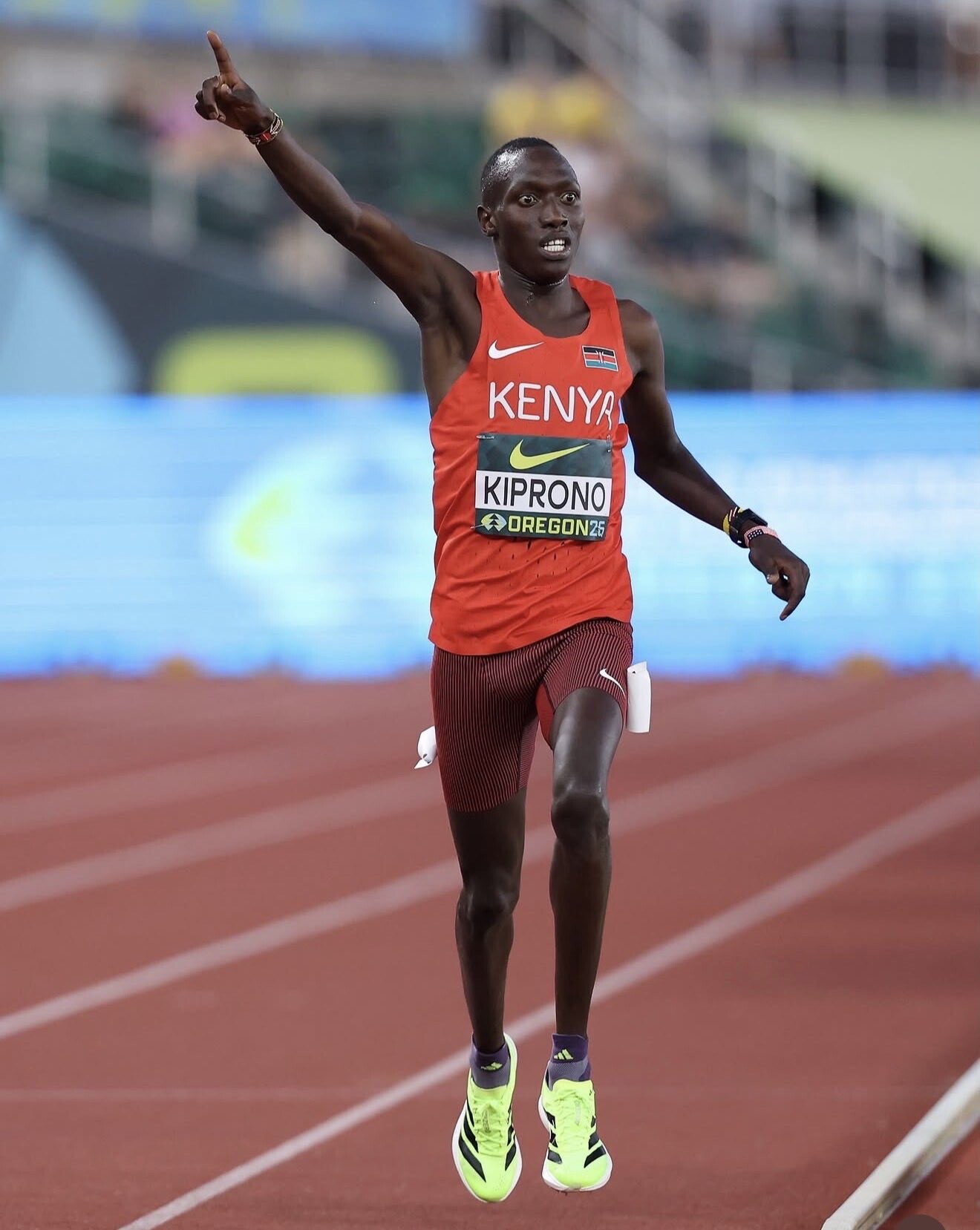
Just 17 years old, Kiprono took control from the opening metres and never looked back. Running completely alone for virtually the entire race, the Kenyan dictated the tempo with remarkable confidence and gradually transformed the final into a one-man race.
Kiprono passed 1,000 metres in 2:26.52, reached 1,600 metres in 3:54.58, and continued his relentless charge through 2,000 metres in 4:55.43. With every lap, the gap behind him grew larger as his rivals struggled to match his extraordinary pace.
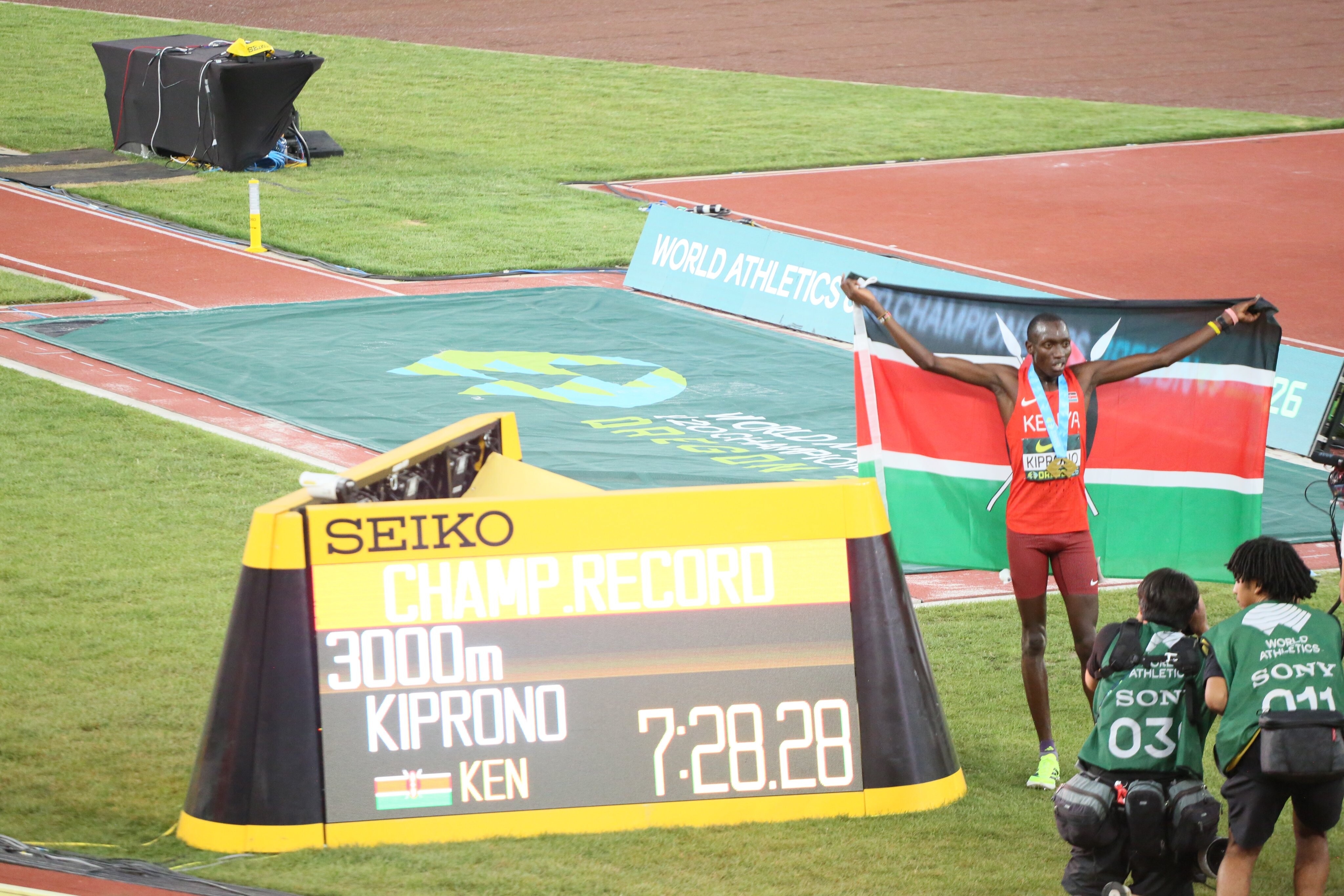
He eventually crossed the finish line in 7:28.28, smashing the championship record and coming agonisingly close to the world U20 record of 7:28.20, set by Ethiopia’s Yomif Kejelcha. Kiprono missed the global junior mark by just 0.08 seconds.
The margin of victory was equally spectacular. He finished 19 seconds ahead of France’s Alois Abraham, who took silver in 7:47.79, while Japan’s Ojiro Honda secured bronze in 7:48.49, setting a Japanese U20 record.
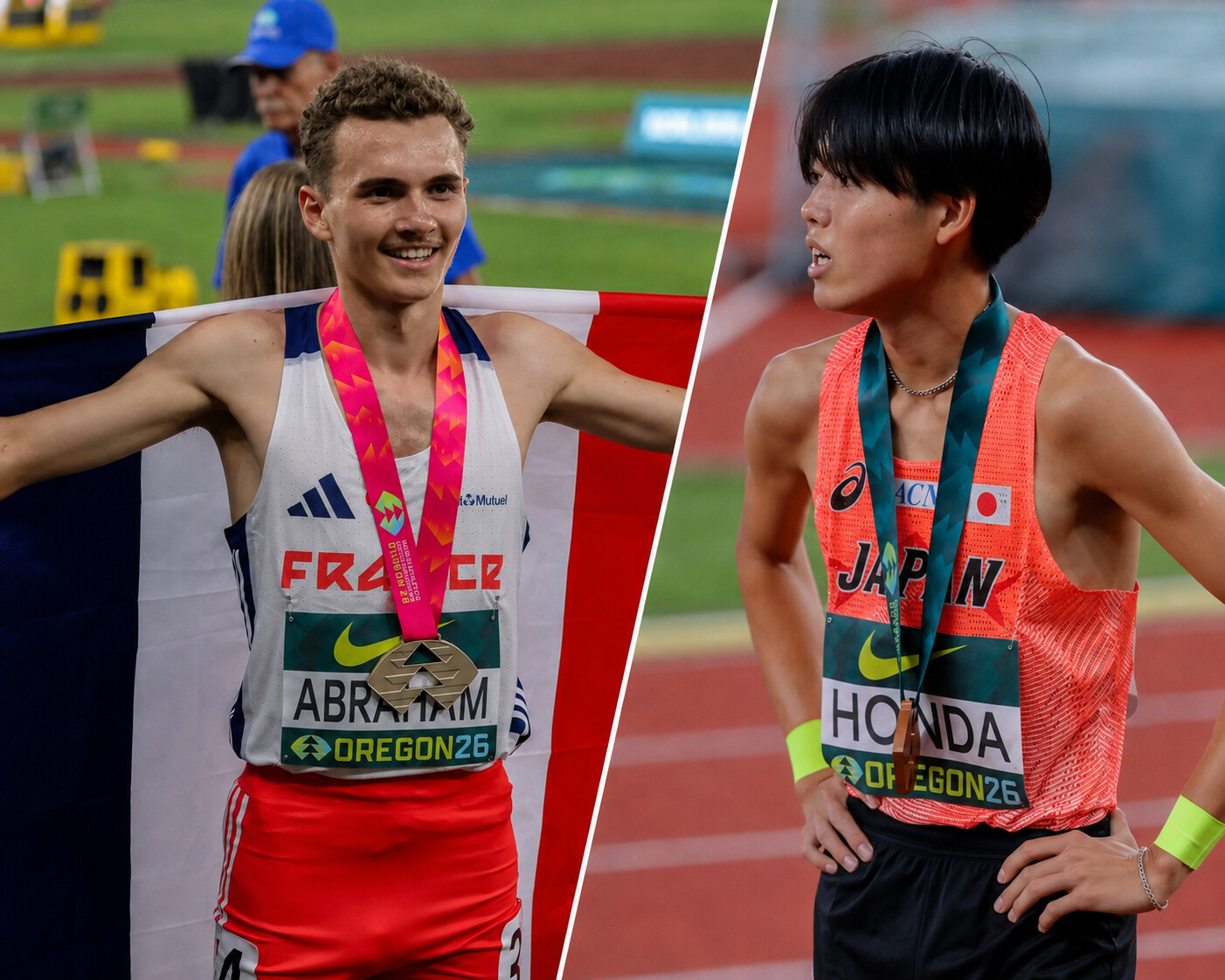
Men’s 3,000m Final
1. Emmanuel Kiprono — Kenya — 7:28.28 (Championship Record)
2. Alois Abraham — France — 7:47.79
3. Ojiro Honda — Japan — 7:48.49 (National U20 Record)
4. Liam Conway — Great Britain — 7:50.10 (Personal Best)
5. Aleksi Ahlfors — Finland — 7:50.56 (Personal Best)
6. Tzu-Chieh Chien — Chinese Taipei — 7:51.18 (National U20 Record)
7. Ilyes Druez — Belgium — 7:51.67 (Personal Best)
8. Sebastian Lörstad — Sweden — 7:51.94 (Personal Best)
9. Edwin Elkana — Kenya — 7:51.94 (Personal Best)
10. Owen Powell — United States — 7:53.35 (Personal Best)
Kiprono’s breakthrough is particularly significant given his performances earlier this year. The 17-year-old finished second in the U20 race at the World Cross Country Championships, establishing himself as one of the leading prospects in the new generation of Kenyan distance runners.
But on the track, he produced something even more extraordinary.
There was no tactical waiting game, no final-lap sprint and no group to shelter behind. Kiprono simply went to the front and challenged himself against the clock. His splits — 2:26.52 at 1,000m, 3:54.58 at 1,600m and 4:55.43 at 2,000m — demonstrate the remarkable consistency and courage behind the performance.
After the race, Kiprono celebrated with the Kenyan flag draped around him before posing beside the SEIKO championship-record display, which showed his historic 7:28.28.
His championship record also came with a tantalising glimpse of what might have been. Had he found even a fraction more in the closing metres, the world U20 record could have fallen as well. Nevertheless, coming within eight hundredths of the mark while running almost the entire race alone makes the achievement all the more remarkable.
Emmanuel Kiprono has not merely won a world junior title — he has made a statement. At only 17, his extraordinary front-running, championship record and near-world-record performance suggest that Kenyan distance running may have another major talent ready to emerge onto the global stage.
by Erick Cheruiyot for My Best Runs.
Login to leave a comment
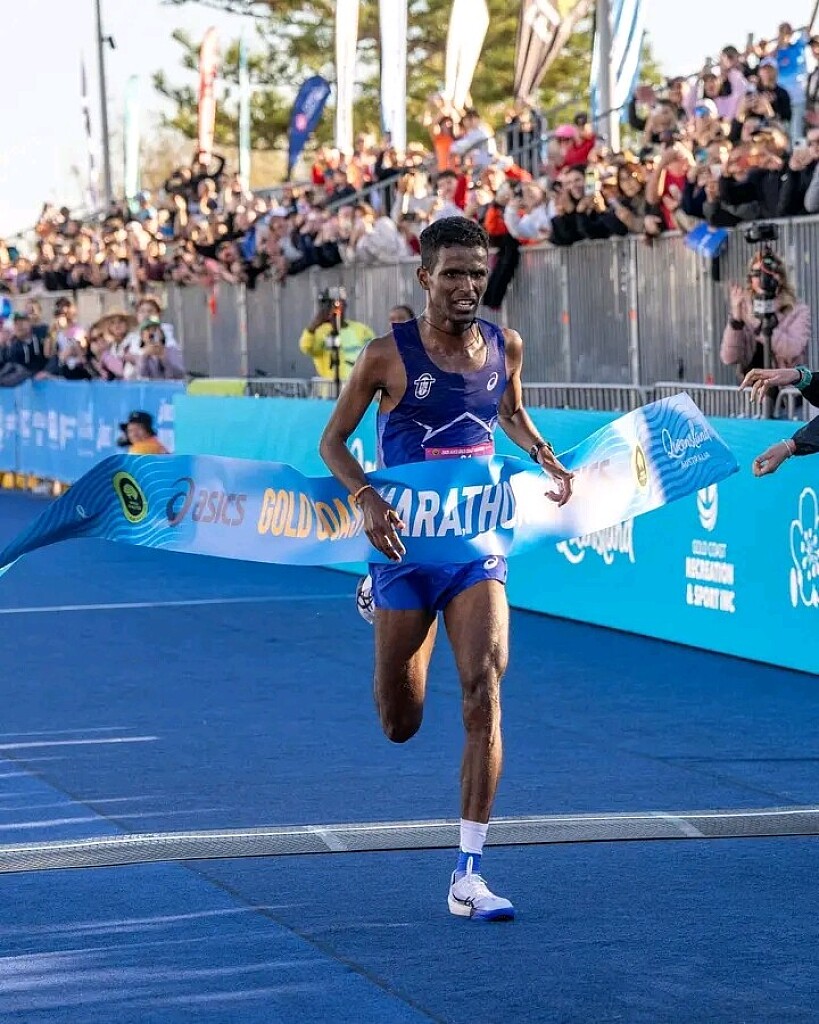
Haftu Strintzos Produces a Stunning Breakthrough to Win the 2026 ASICS Gold Coast Marathon
Australian distance runner Haftu Strintzos delivered the performance of his career with a commanding victory at the 2026 ASICS Gold Coast Marathon, storming to the men's title in an outstanding 2:06:20. Displaying remarkable strength, composure, and endurance from start to finish, Strintzos crossed the line alone to claim one of the biggest wins of his professional career on the famous streets of Queensland.
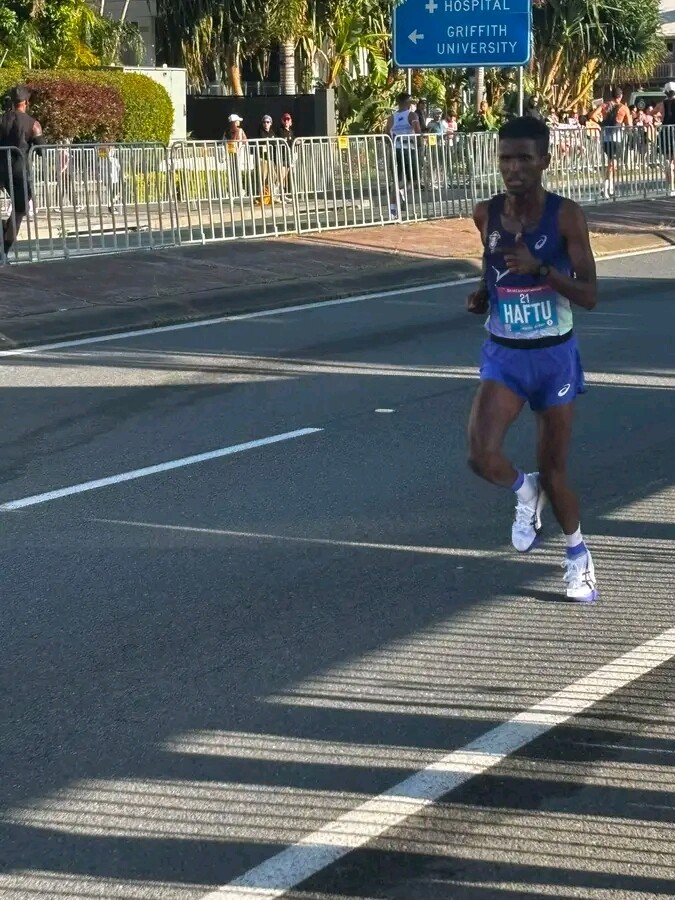
The triumph marked a significant milestone for the talented Australian, who mastered the fast Gold Coast course with an impressive blend of tactical intelligence and relentless pace. Roared on by enthusiastic home supporters, Strintzos maintained complete control in the closing stages before breaking the tape in emphatic fashion, confirming his emergence as one of Australia's leading marathon talents.
Japan enjoyed an exceptional day with a strong collective performance, filling four of the top seven positions. Hidekazu Hijikata secured second place in 2:07:20, while compatriot Jinya Ozaki completed the podium in 2:07:48. Ryoma Takeuchi followed in fourth with 2:08:20, and Kaisei Sugiyama rounded out the top five in 2:09:03, underlining Japan's remarkable depth in the marathon.
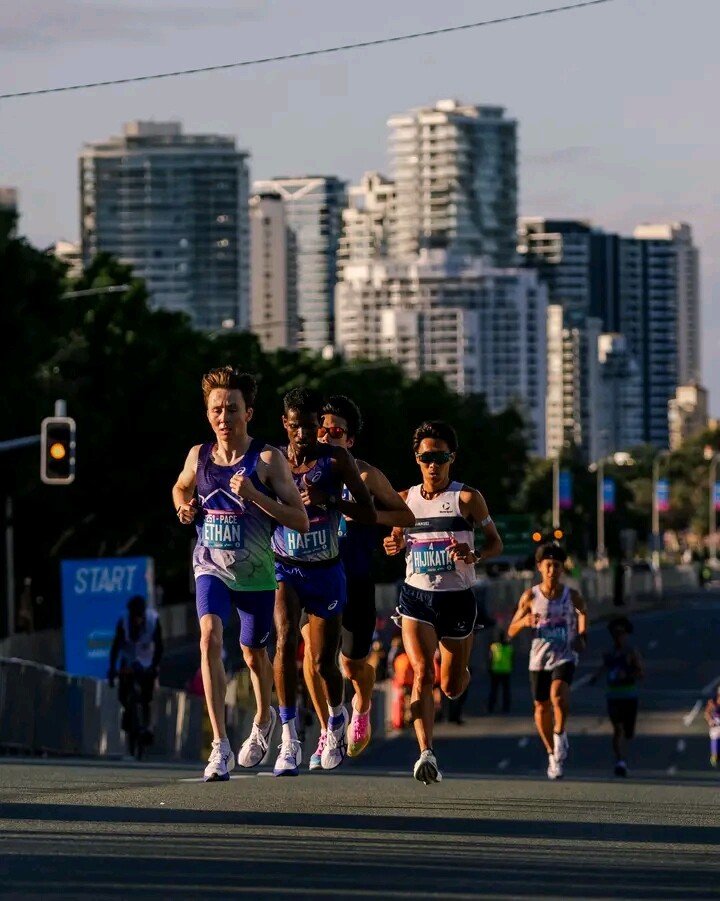
Kenya's Benson Tunyo Murkomen finished sixth in 2:09:18, producing another solid international performance, while Naoki Tomita of Japan claimed seventh place in 2:09:28 to complete an impressive display from the Japanese contingent.
Beyond the individual achievements, the race highlighted the growing global competitiveness of marathon running, with athletes from Australia, Japan, Kenya, and several other nations producing world-class performances on one of the sport's fastest courses. The high standard of competition and the thrilling battles throughout the field once again demonstrated why the Gold Coast Marathon remains one of the premier road racing events on the international calendar.
The 2026 ASICS Gold Coast Marathon once again lived up to its reputation as one of the world's fastest and most prestigious marathons. With elite athletes delivering outstanding performances and thousands of passionate spectators creating an unforgettable atmosphere, the event celebrated the very best of distance running. Haftu Strintzos' unforgettable breakthrough victory will be remembered as one of the defining moments of this year's race, marking a landmark achievement for Australian athletics and further enhancing the rich legacy of the Gold Coast Marathon.
by Erick Cheruiyot for My Best Runs.
Login to leave a comment

Gold Coast Airport Marathon
The Gold Coast Airport Marathon is held annually in one of the most popular holiday destinations in the world. It is Australia’s premier road race and was the first marathon in the country to hold an International Association of Athletics Federations (IAAF) Road Race Gold Label. The event is held on the first weekend of July and attracts more than...
more...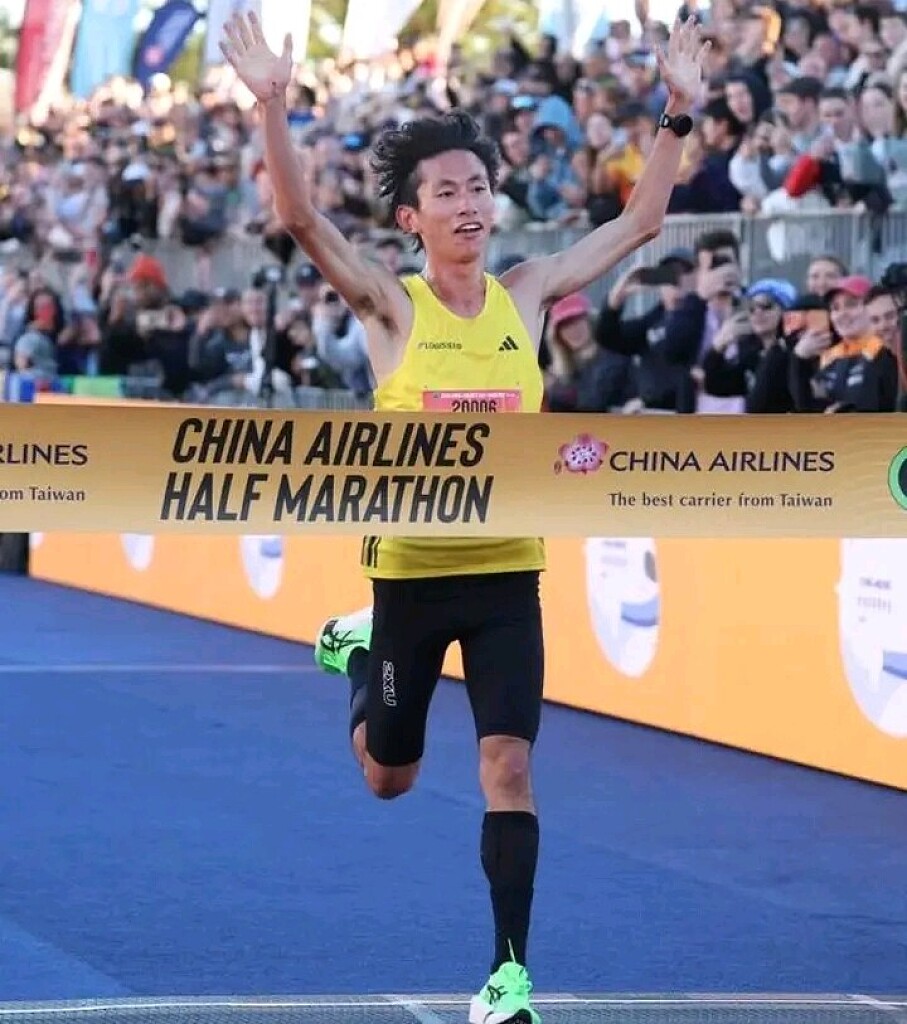
Gold Coast Half Marathon Delivers Course Record and Elite Performances
The Gold Coast Half Marathon produced a thrilling morning of world-class distance running, with elite athletes delivering exceptional performances across both the men's and women's races on one of Australia's fastest and most prestigious road-running courses.

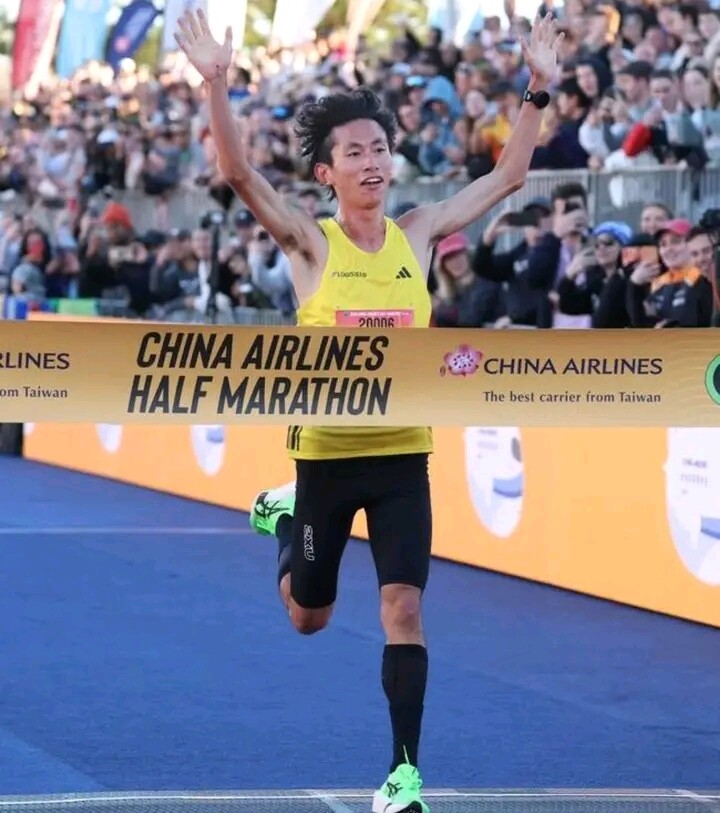
The men's race belonged to Japan's Shumpei Tomita, who produced a sensational performance to storm to victory in a new course record of 1:00:52. Tomita's historic run rewrote the event's record books as he held off a fierce late challenge from Great Britain's Edward Marks, who finished just five seconds behind in 1:00:57. Fellow Japanese runner Kazuto Kawabata completed the podium in 1:01:16, highlighting Japan's impressive depth in elite road racing.
The women's race was equally captivating as Great Britain's Izzi Batt-Doyle delivered a composed and commanding performance to take the title in 1:07:29. Japan's Rino Goshima claimed second place in 1:08:50, while another British athlete, Caitlin Scott, rounded out the podium after crossing the finish line in 1:09:09.
Among the standout performances of the day, Tomita's course record stole the spotlight, while Batt-Doyle's convincing victory reaffirmed her status as one of Britain's leading distance runners. Together, British and Japanese athletes dominated the event, sweeping all six podium positions and showcasing the remarkable strength and depth of their distance running programs.
The impressive performances on the Gold Coast also provide a timely confidence boost for many athletes as the international road racing season gathers momentum. With personal bests, national pride, and major championship ambitions driving the world's top competitors, the high-quality racing in Australia once again demonstrated why the Gold Coast Half Marathon remains one of the premier events on the global road racing calendar.
With a course record, thrilling finishes, and outstanding performances from an international field, this year's Gold Coast Half Marathon delivered another memorable chapter in the race's rich history, offering fans an unforgettable showcase of speed, endurance, and world-class competition.
by Erick Cheruiyot for My Best Runs.
Login to leave a comment
Gold Coast Airport Marathon
The Gold Coast Airport Marathon is held annually in one of the most popular holiday destinations in the world. It is Australia’s premier road race and was the first marathon in the country to hold an International Association of Athletics Federations (IAAF) Road Race Gold Label. The event is held on the first weekend of July and attracts more than...
more...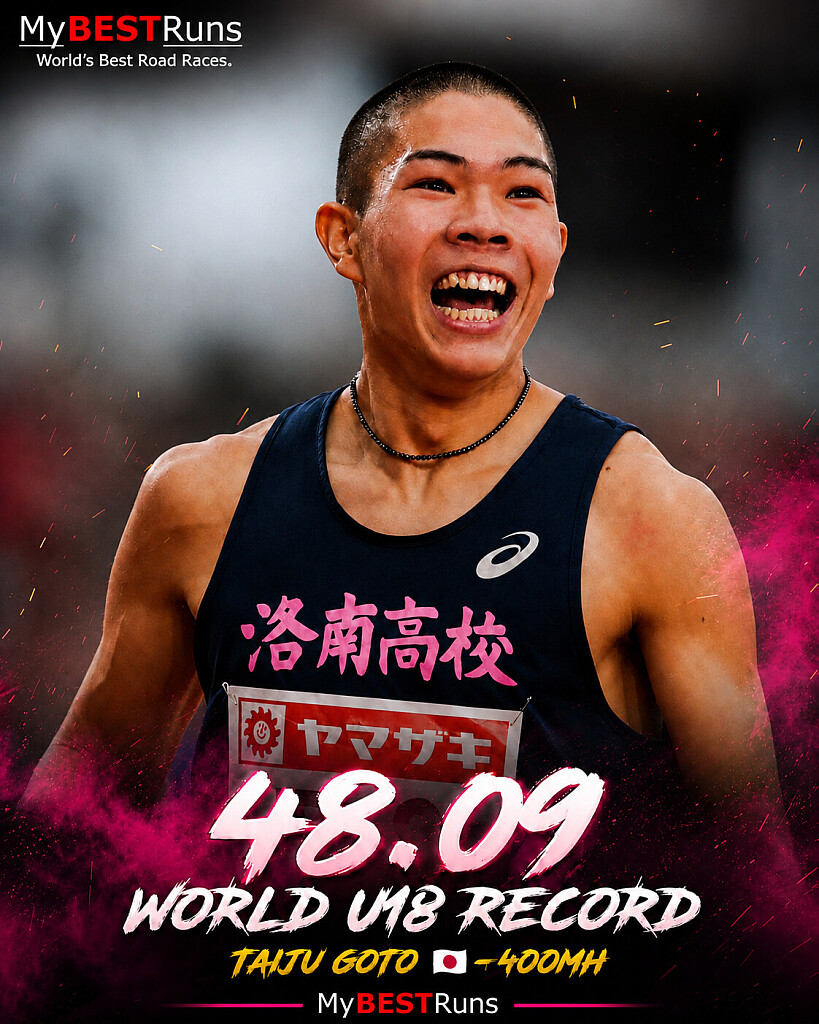
Taiju Goto Rewrites History Twice in 24 Hours as Teenage Sensation Shatters U18 World Record
The future of the 400m hurdles may have arrived sooner than anyone expected.
At just 17 years old, Japan's Taiju Goto delivered one of the most remarkable performances ever seen from a high school athlete, breaking the U18 world record not once, but twice in the space of two days at the Japanese Athletics Championships in Aichi.
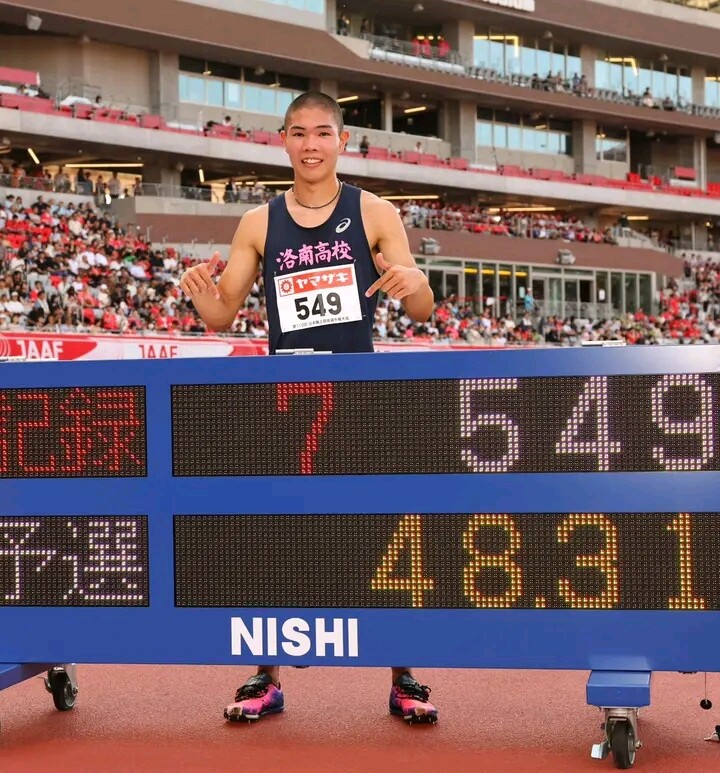
Goto first announced himself to the world during the heats, producing a stunning 48.31 seconds to erase a global age-group mark that had stood untouched for nearly a decade. It was the kind of performance that would have been enough to dominate headlines on its own.
But the teenager was not finished.
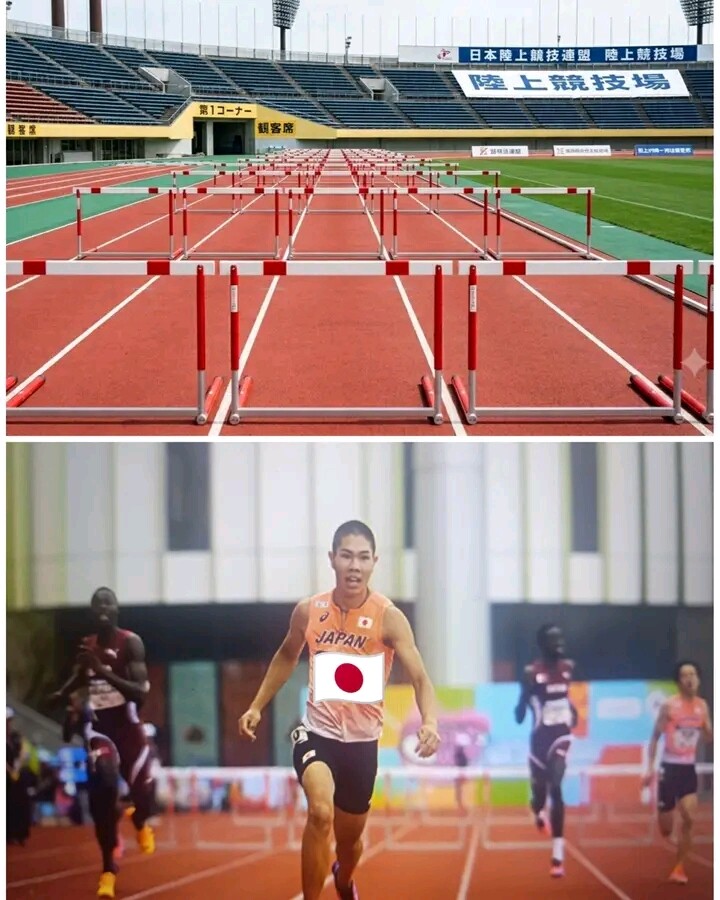
Returning for the final less than 24 hours later, Goto lined up in lane seven with the pressure of expectation suddenly resting on his shoulders. Rather than feeling the weight of history, he embraced it. Powering over the barriers with remarkable composure and rhythm, he crossed the finish line in an astonishing 48.09 seconds, slicing another 0.22 seconds off the record he had set the previous day.
Pending official ratification, the performance will stand as the new U18 world record.
What makes the achievement even more extraordinary is the level of the time itself. A 48.09 is not merely exceptional for a teenager—it is a performance capable of competing on the senior international stage. In several recent Olympic cycles, that mark would have been fast enough to reach the Olympic semifinals.
And Goto is still balancing elite athletics with life as a high school student.
The previous U18 world best of 48.84 had remained on the books throughout the 2010s and was widely considered one of the toughest age-group marks in the event. In just two races, Goto lowered it by an incredible 0.75 seconds—a massive margin in an event where records are often broken by hundredths of a second.
The men's 400m hurdles is currently enjoying a golden era led by world-class stars such as Karsten Warholm, Rai Benjamin, and Alison dos Santos. After this historic weekend, another name deserves a place on every athletics watchlist: Taiju Goto.
The timing could not be more intriguing. With the 2028 Olympic Games in Los Angeles approaching, Goto will still be only 19 years old when the world's biggest sporting stage arrives.
Many teenage prodigies generate excitement. Few produce performances that force the athletics world to rethink what is possible.
In Aichi, Taiju Goto did exactly that—twice. One record-breaking run announced his arrival. The second confirmed that a new star may already be on the rise.
by Erick Cheruiyot for My Best Runs.
Login to leave a comment
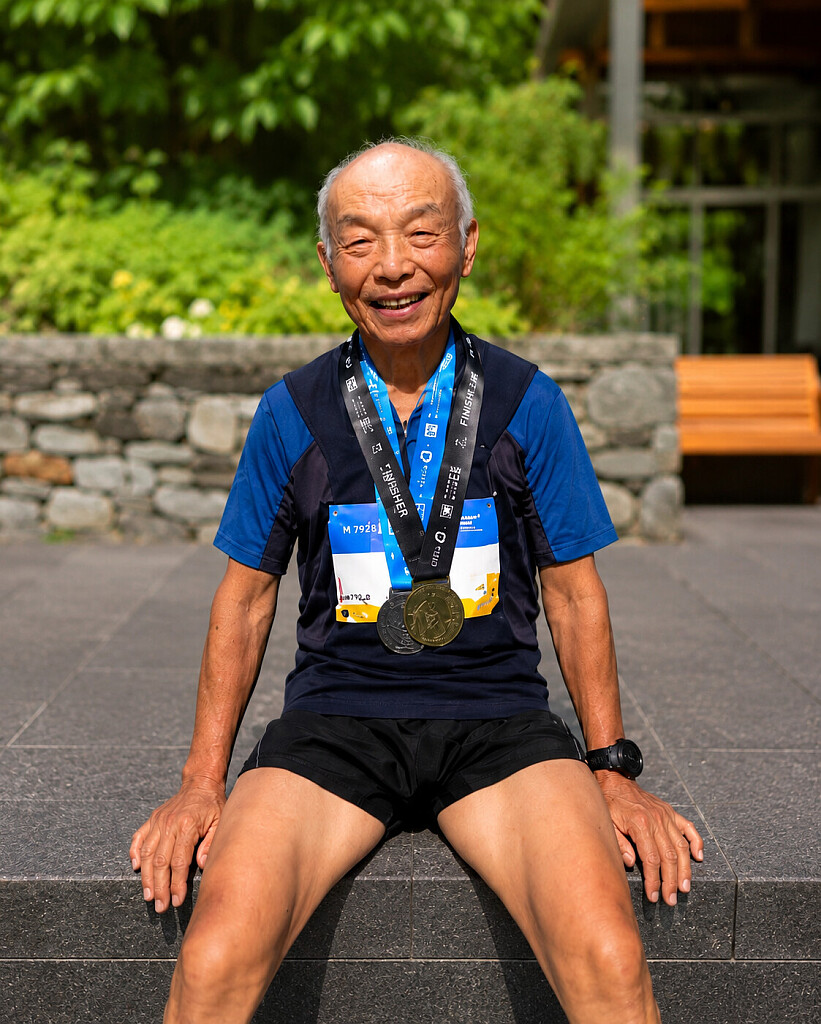
90-Year-Old Runner Makes History After Creating His Own Race Category — Then Wins It
At an age when many people are slowing down, Yul Kwon is still chasing finish lines — and rewriting the rules along the way.
The 90-year-old completed the BMO Vancouver Half-Marathon in an impressive 3:50:33, earning victory in the newly created 90-plus age category.
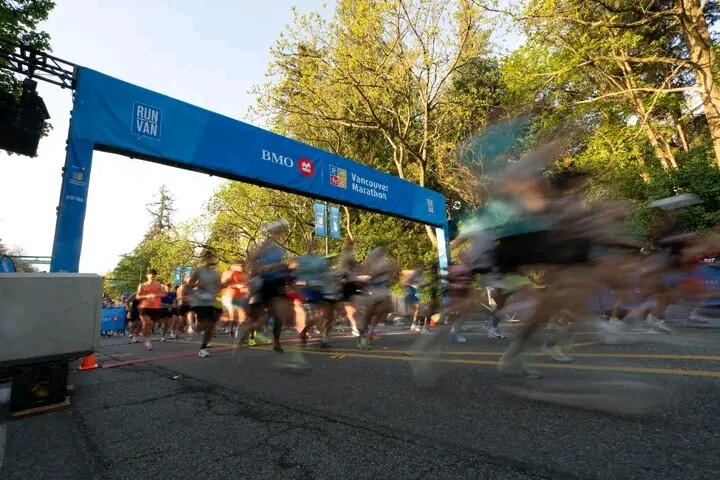
But his win came with a unique twist: he was both the champion and the final finisher, because he was the only athlete entered in the division.
The remarkable story began when Kwon noticed that runners in their 90s had no dedicated category and were expected to compete against athletes in their 80s. Believing age groups should provide a fairer challenge, he contacted race organizers and requested a new division.
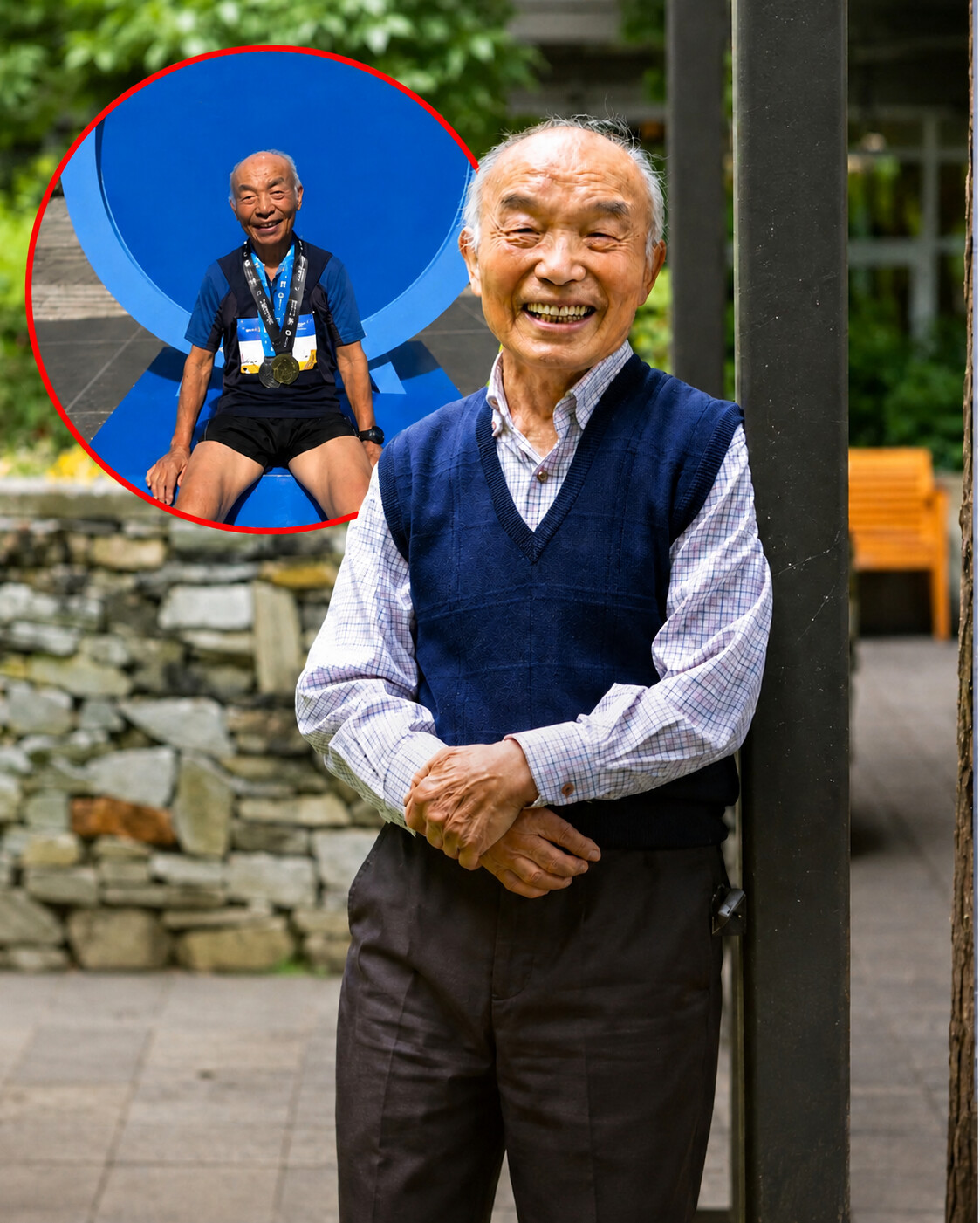
Organizers listened. This year, the event introduced a 90-plus category, and even opened a 100-plus division for future generations of extraordinary athletes.
Kwon’s journey to the start line is just as inspiring as his performance on it. A retired economics professor from Vancouver, he was born into a farming family in southern Korea as one of nine children. Growing up during difficult times, he did not own a pair of shoes until he learned to make his own from rice straw.
He survived the hardships of the Japanese occupation and the Korean War before building a successful academic career and later discovering the joy of distance running.
Now, at 90, Kwon continues to complete half-marathons in under four hours, proving that age is not a barrier when passion and determination remain strong.
For him, running is not only about competition — it is about enjoying life. And he is already looking ahead, joking that he plans to write back to organizers in another 10 years to request another age-group extension.
A lifetime of resilience has led Kwon to one more achievement: not just winning a race, but creating a place for future runners to belong.
by Erick Cheruiyot for My Best Runs.
Login to leave a comment

BMO Vancouver Marathon
The BMO Vancouver Marathon is one of Vancouver’s most iconic marathon events. The event features a full marathon, marathon relay, half marathon, 8k run, and streets lined with thousands of spectators. Runners can expect to experience a little bit of everything that Vancouver has to offer as they run a straight course that starts at Queen Elizabeth Park, and finishes...
more...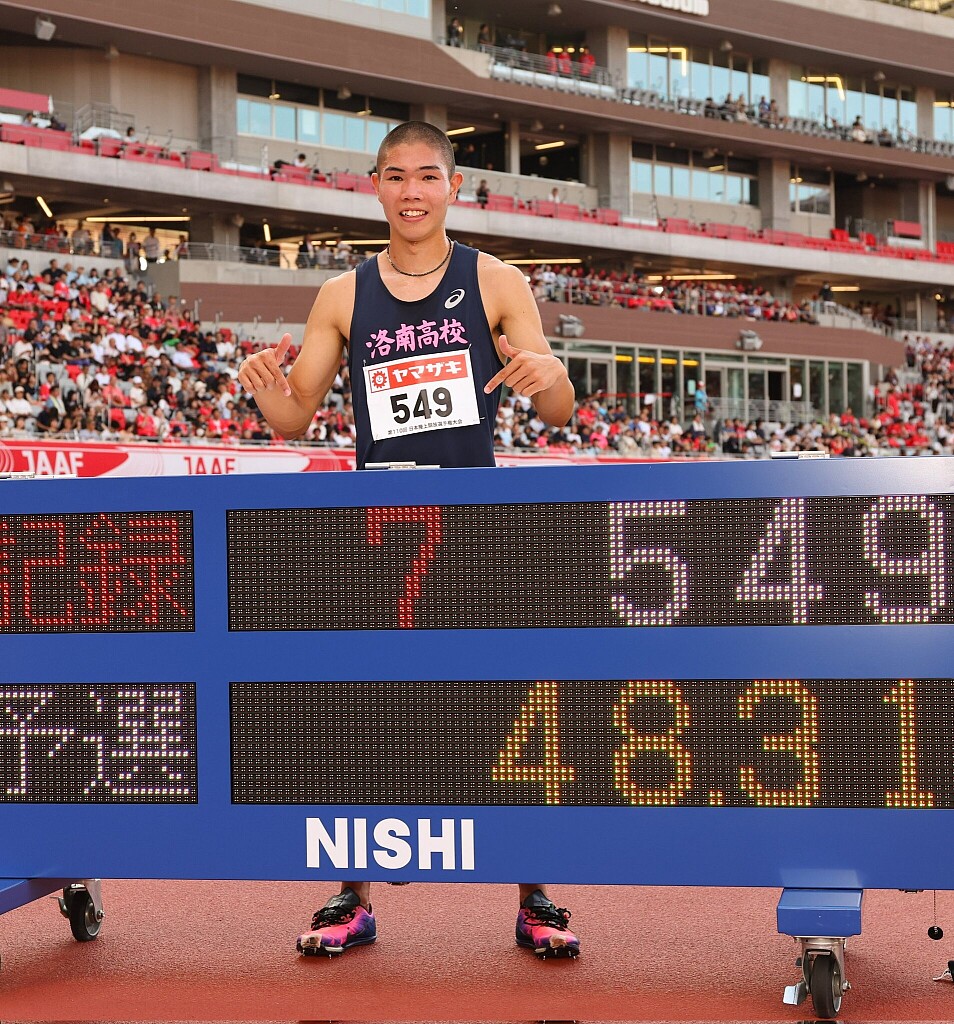
History Rewritten in Aichi: 17-Year-Old Taiju Goto Runs 48.31 to Shatter U18 World Best
Japanese sprint hurdling has witnessed a seismic moment of brilliance as 17-year-old Taiju Goto delivered a performance for the ages at the Japanese Athletics Championships in Aichi Prefecture, rewriting the global U18 record books in spectacular fashion.
In a race that defied expectations and dissolved the boundaries of age-group performance, Goto stormed to a personal best of 48.31 seconds in the 400m hurdles, a time that not only secured him victory in his heat but also sent shockwaves through the senior ranks he was competing against.
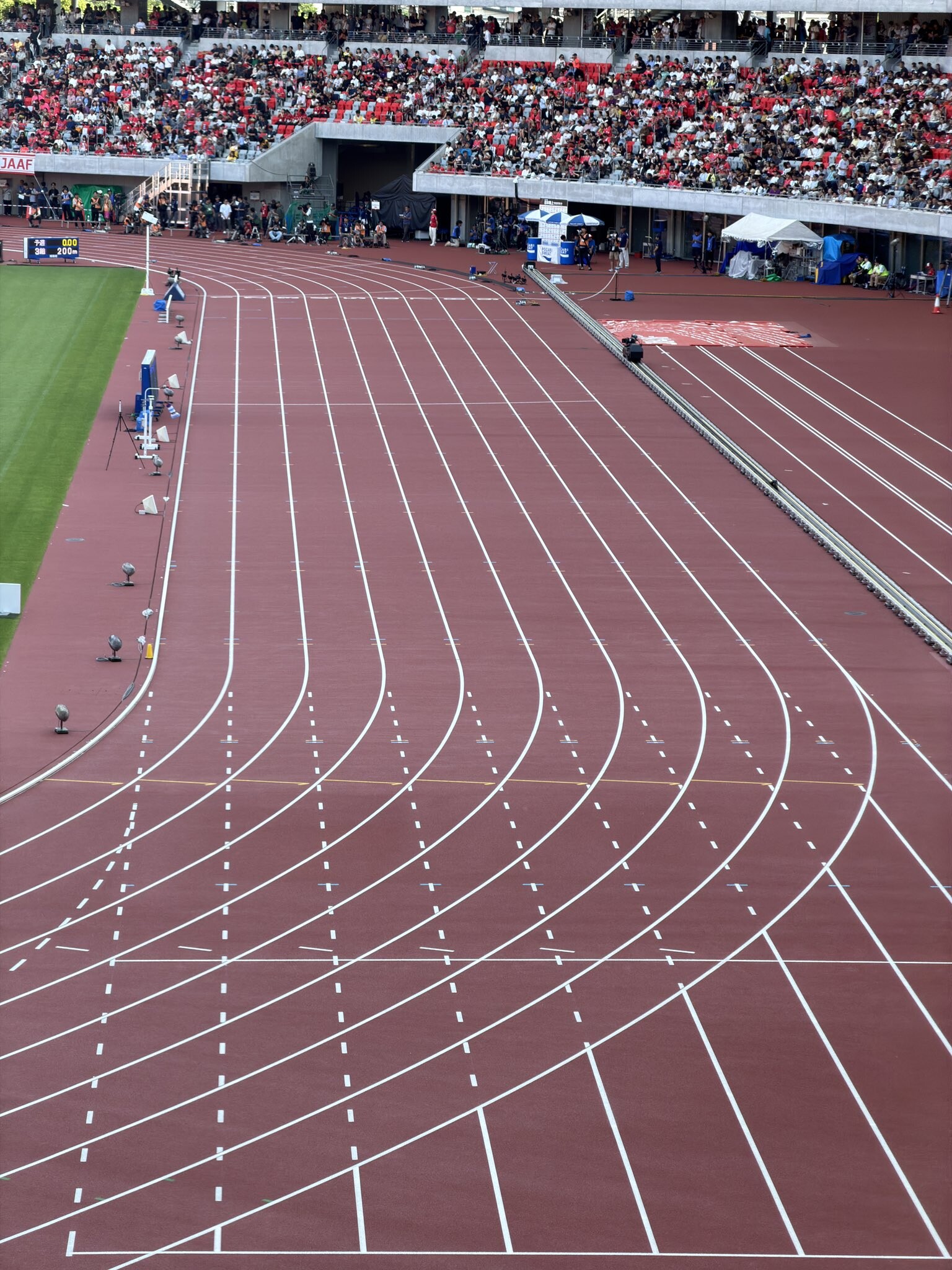
Against a field stacked with experienced national-level hurdlers, the teenager displayed remarkable composure, rhythm, and power between barriers, executing a race far beyond his years. His explosive finish down the home straight sealed a statement win and a place in the final, but it was the clock that told the real story.
With this run, Goto has obliterated the U18 world best, becoming the first athlete under 18 years old in history to break the 48.50-second barrier in the event. It is a landmark achievement that elevates him into entirely uncharted territory for junior sprint hurdling.
Beyond age-group dominance, the performance carries even greater statistical weight. His 48.31s now places him 6th on the all-time U20 global list, a staggering feat that underscores just how exceptional this breakthrough truly is when measured against older and more physically developed athletes.
What makes the run even more compelling is the context: Goto did not simply win against his peers—he outperformed senior competitors on one of Japan’s biggest national stages, announcing himself as a generational talent in the making.
As the championships continue, all eyes will now turn to the final, where anticipation builds around whether the teenage sensation can once again rise to the occasion. One thing is already certain—Taiju Goto has stepped into the global spotlight, and he has done so with record-breaking authority.
by Erick Cheruiyot for My Best Runs.
Login to leave a comment
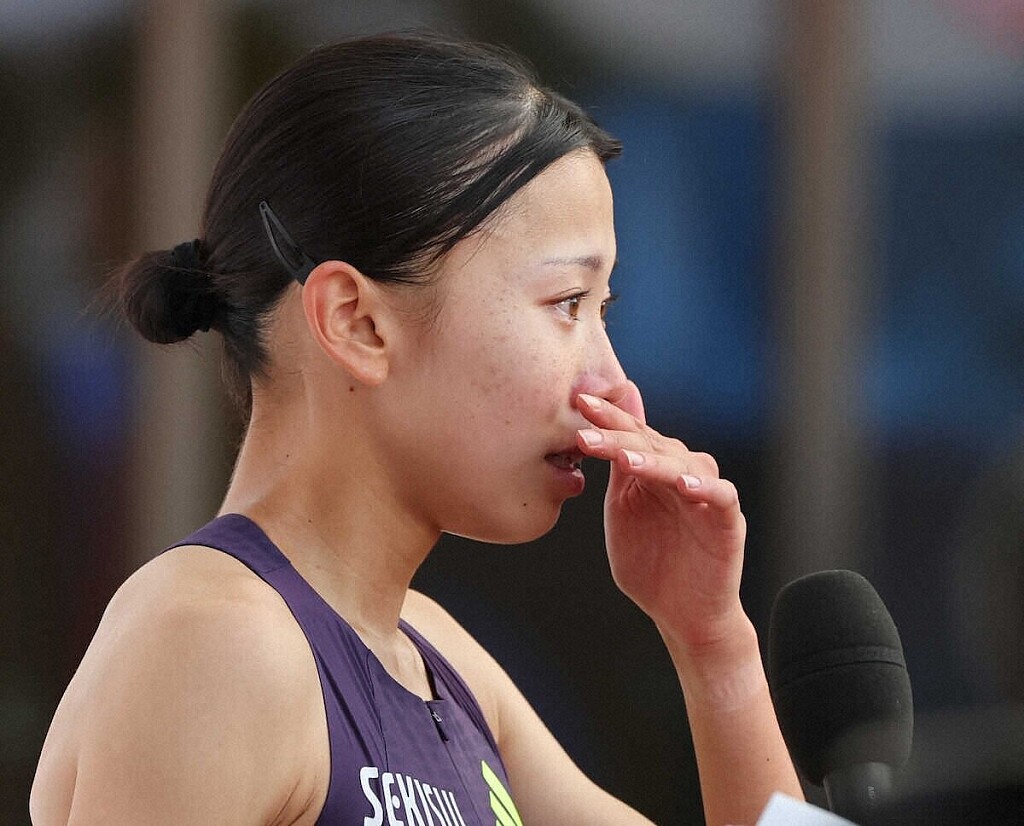
Rin Kubo Makes History With Rare Three-Peat at Japanese Championships
Rin Kubo has etched her name into Japanese athletics history after completing a remarkable three-peat in the women’s 800m at the Track and Field Japan Championships.
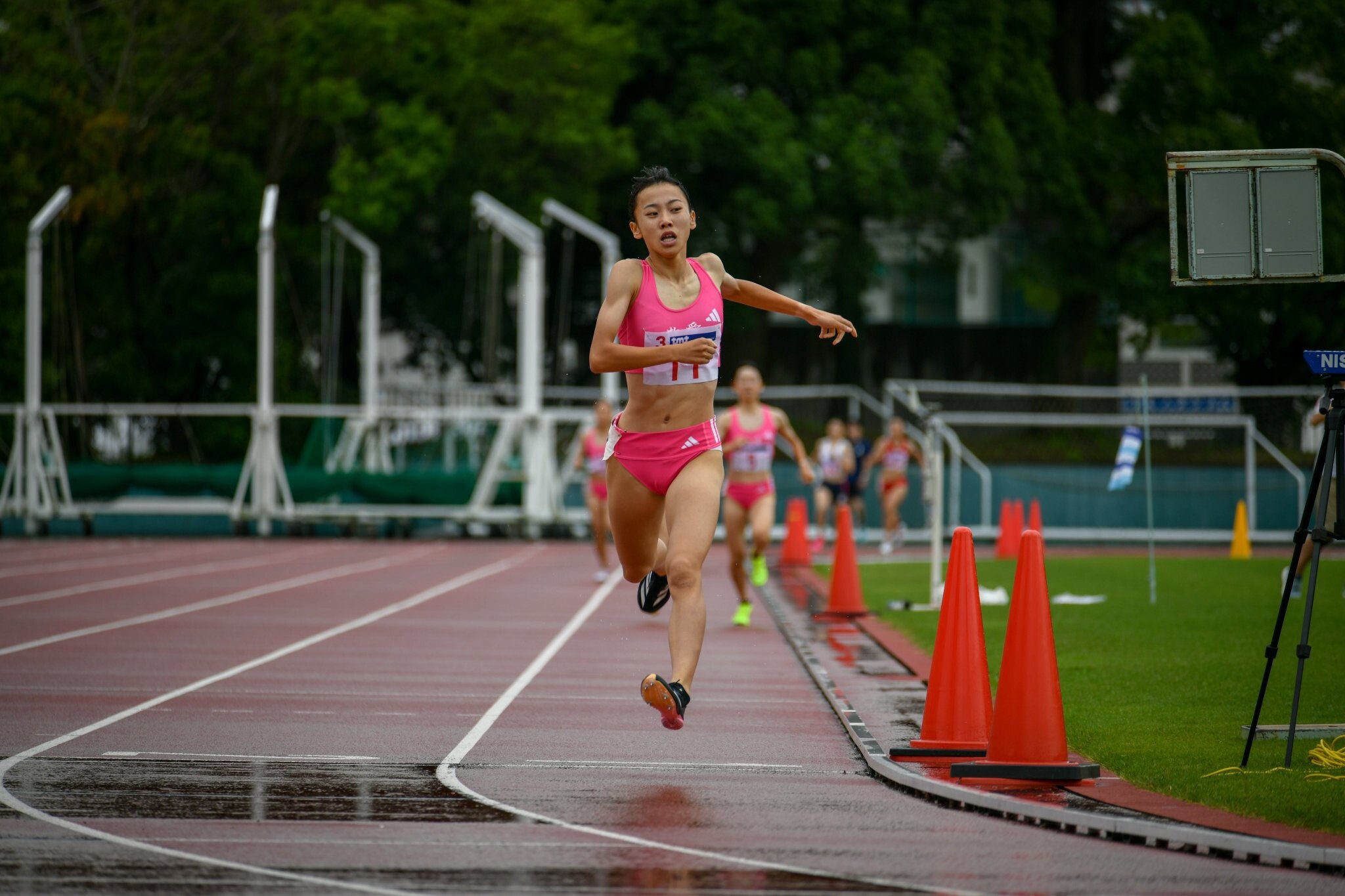
Kubo delivered a winning performance in the final, clocking 2:01.54 to secure her third consecutive national title in the event — a feat that had not been achieved for two decades.
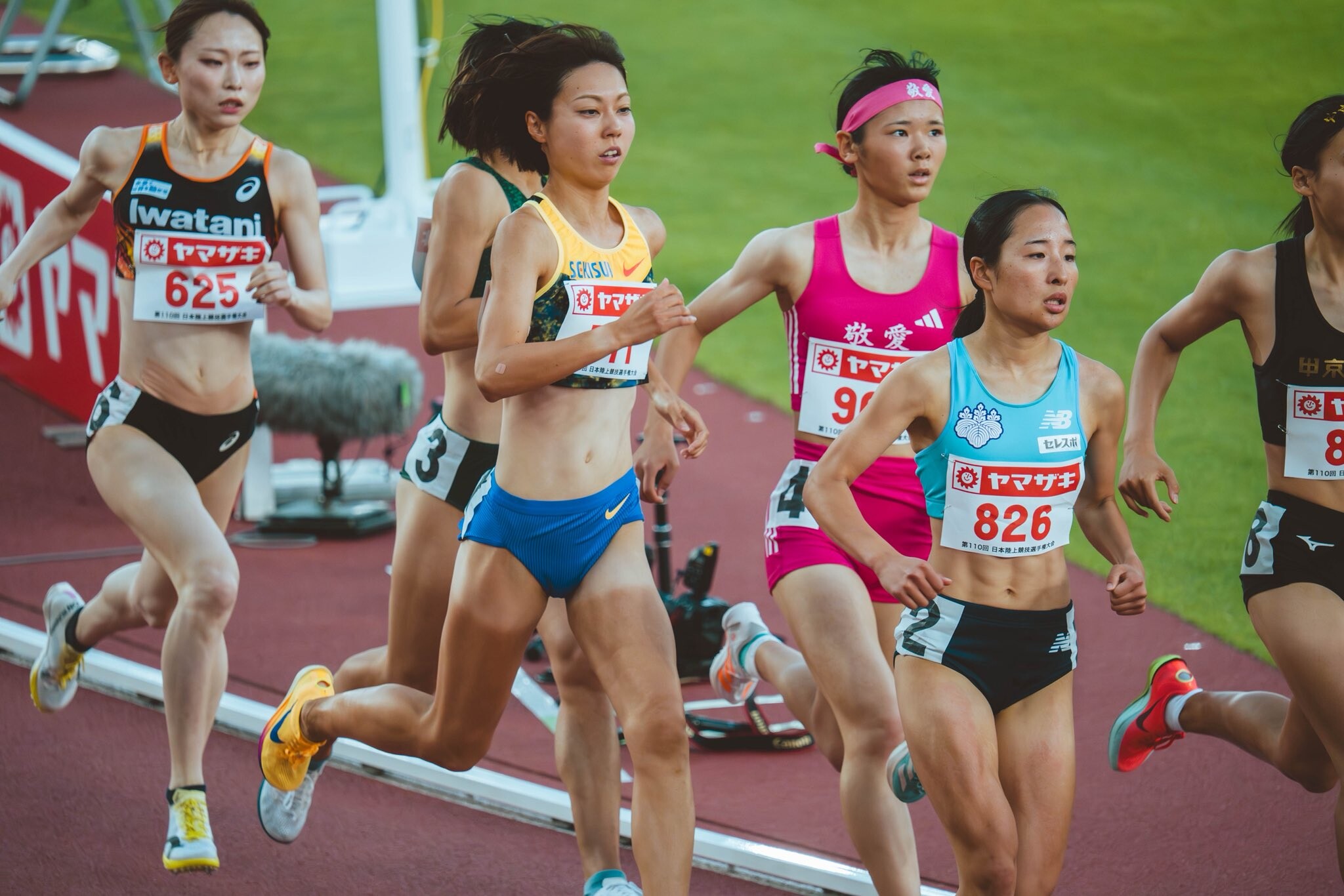
Her historic achievement makes her the first woman since Miho Sugimori’s three straight victories from 2004 to 2006 to dominate the Japanese 800m championships for three consecutive years. Kubo now joins an exclusive group of athletes, becoming only the sixth woman in history to accomplish the milestone.
The victory further highlights Kubo’s consistency and growing influence on Japan’s middle-distance scene. With another national crown added to her collection, she continues to build a legacy among the country’s elite 800m runners.
Her latest triumph is not only a personal milestone but also a reminder of her ability to perform under pressure and maintain excellence across multiple championship seasons.
The race once again showcased Kubo’s tactical strength and composure, as she controlled the competition and produced the decisive finish when it mattered most. Her ability to deliver at major championships has become one of her biggest strengths, separating her from the rest of Japan’s leading 800m contenders.
By securing another national title, Kubo has continued a tradition of excellence in Japanese middle-distance running while creating a new chapter of her own. The three-time champion now stands among the country’s most successful female 800m athletes, with her achievements placing her alongside some of the sport’s historic figures.
As attention turns to future international challenges, Kubo’s remarkable consistency and championship pedigree will make her one of the athletes to watch. Her latest milestone confirms that she is not only a dominant force in Japan but also a rising name on the global middle-distance stage.
by Erick Cheruiyot for My Best Runs.
Login to leave a comment
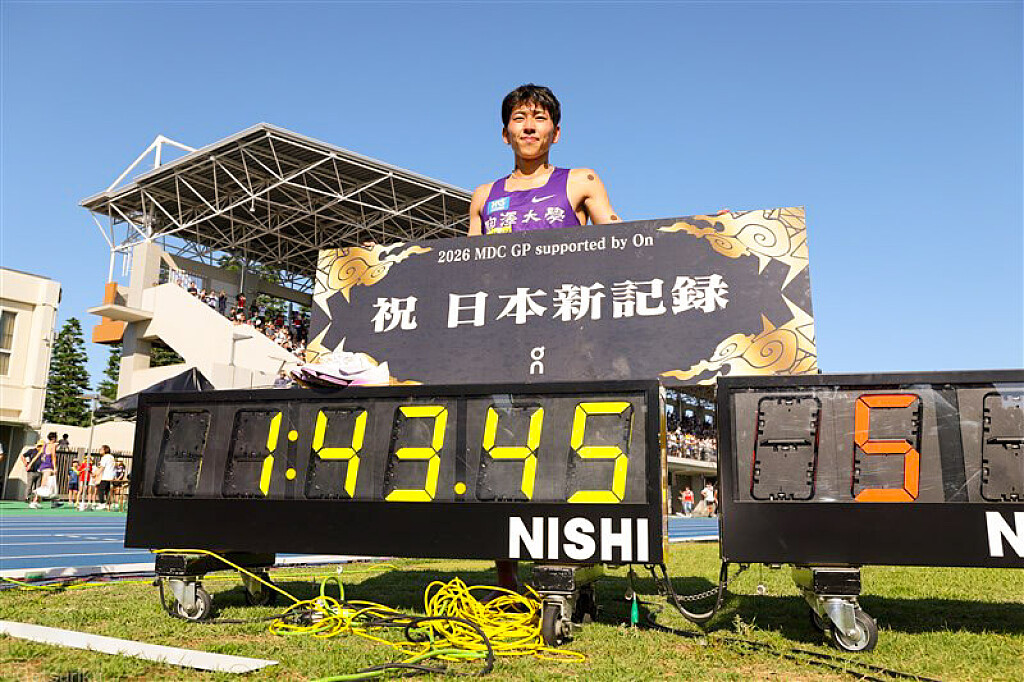
Teen Sensation Ko Ochiai Rewrites Japanese History with Stunning National Record in Tokyo
Japanese middle-distance prodigy Ko Ochiai continues to redefine what is possible at just 19 years old.
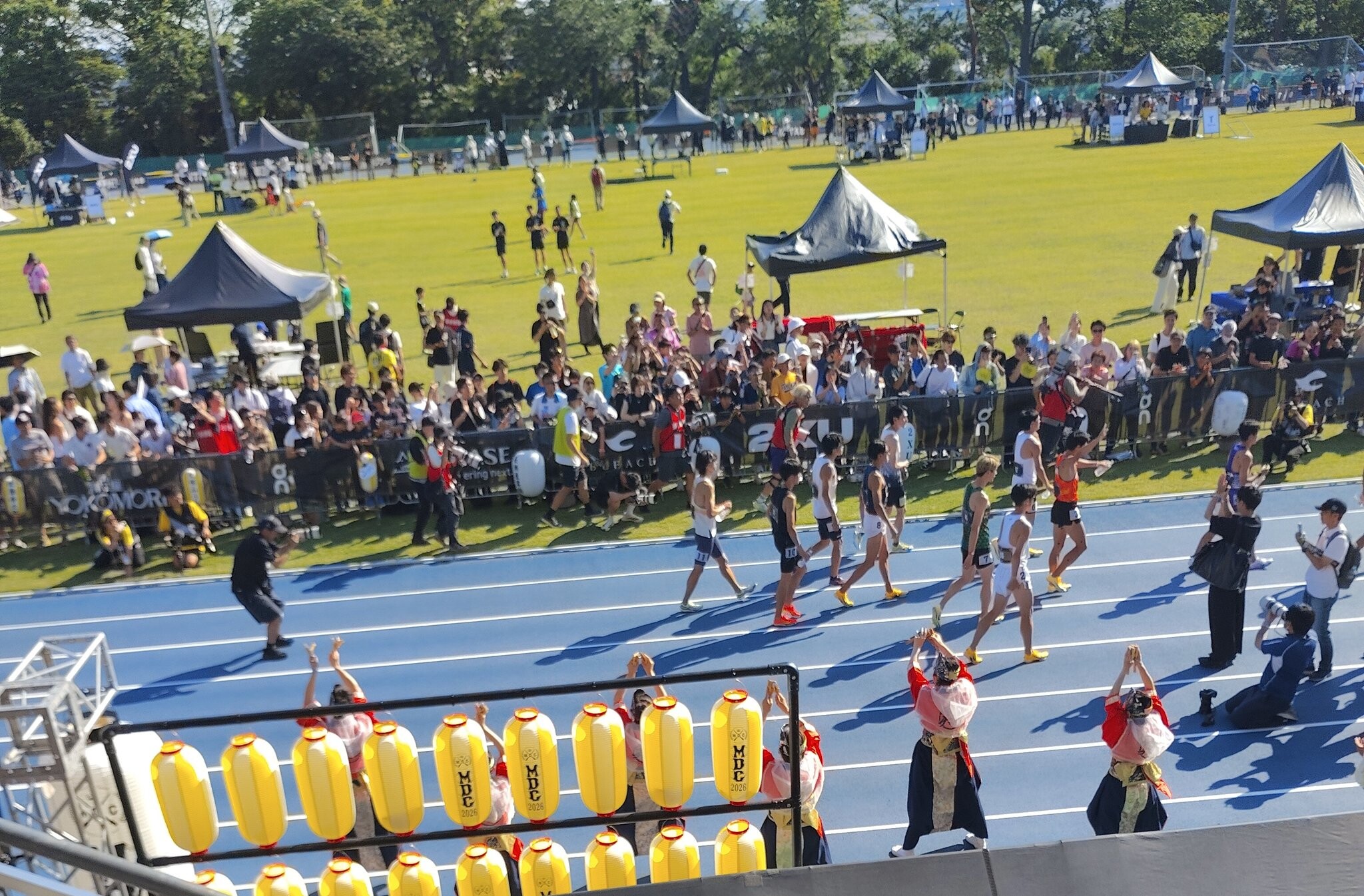
Competing at the Twolaps MDC Meet in Tokyo, Ochiai delivered the race of his life, storming to a remarkable personal best of 1:43.45 in the men's 800 metres to break his own Japanese national record and further cement his status as one of the brightest young talents in world athletics.
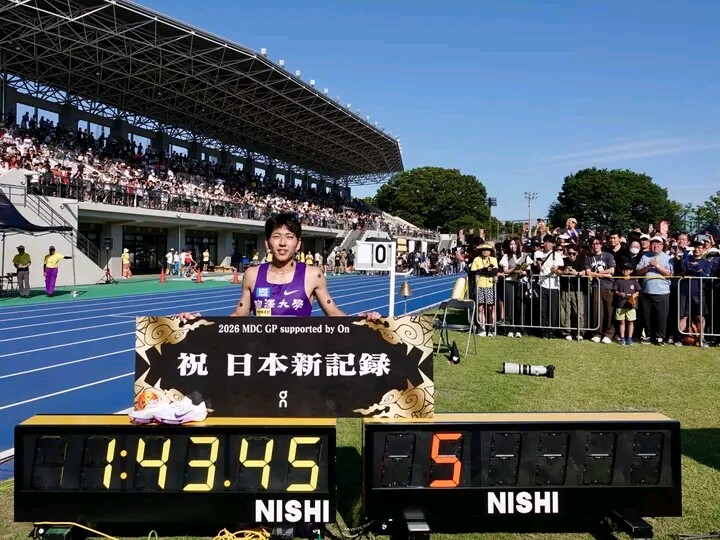
The performance was historic on multiple levels. Not only did Ochiai lower the national mark he already held, but the time also elevated him to second place on the all-time Asian 800m rankings, trailing only former world champion Yusuf Saad Kamel, whose continental record of 1:42.79 remains the benchmark.
In a discipline traditionally dominated by athletes from Africa and Europe, Ochiai's rapid rise is capturing attention far beyond Japan. His latest breakthrough highlights both his exceptional talent and the growing strength of Asian middle-distance running on the global stage.
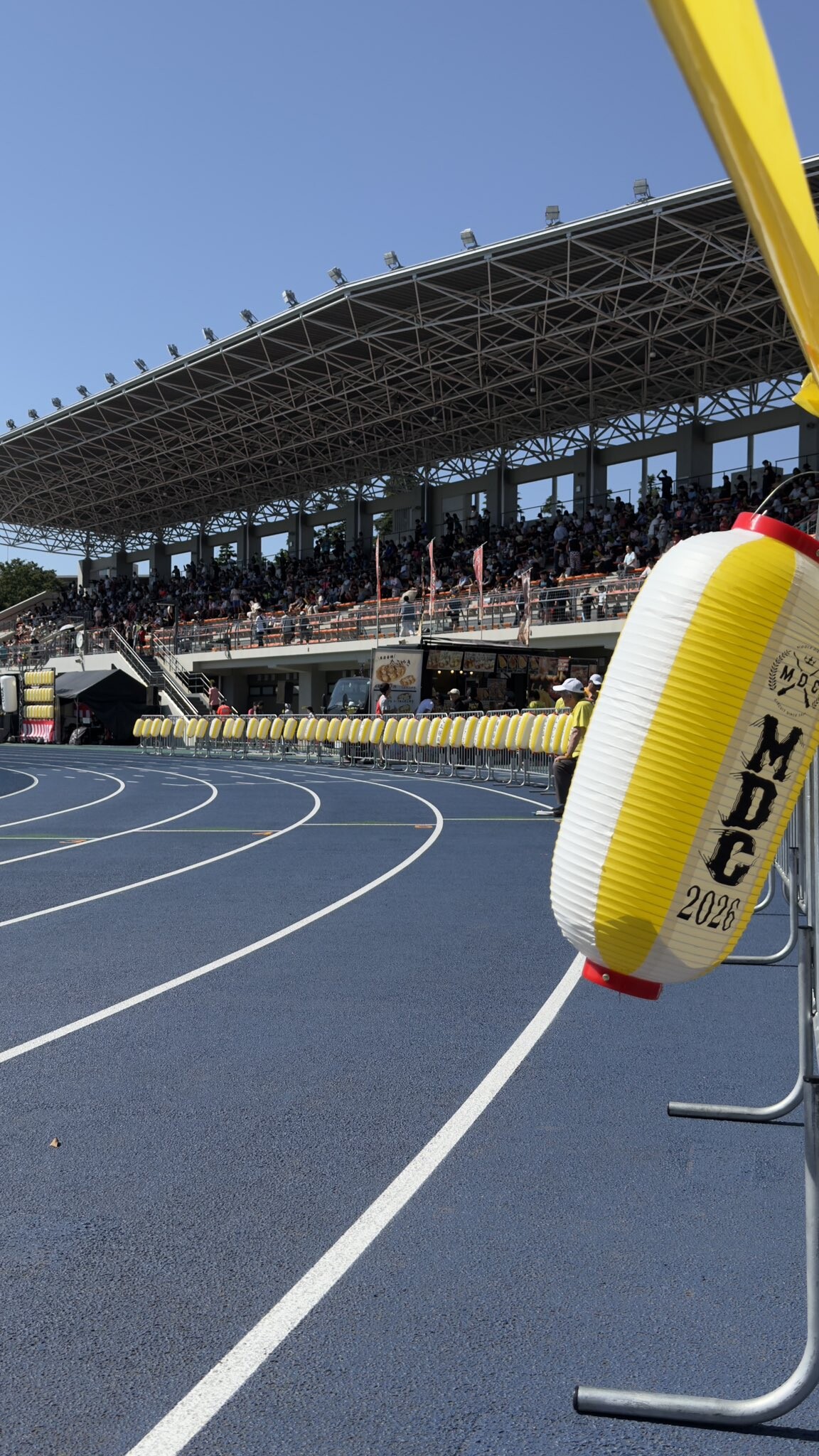
The Tokyo crowd witnessed a race of extraordinary quality as Ochiai pushed the pace from the gun and held firm through the closing stages, producing a performance that suggests even faster times may lie ahead. With years of development still ahead of him, the teenager is already establishing himself among the elite 800m runners in the world.
Behind the record-breaking run, fellow Japanese athlete Yugo Shikata also enjoyed a memorable evening. Shikata crossed the line in second place with a personal best of 1:44.94, becoming another major beneficiary of the fast-paced contest and underlining the depth emerging in Japan's middle-distance ranks.
For Ochiai, however, the night belonged entirely to him. Breaking a national record is a rare achievement; breaking your own national record at 19 years old while climbing to second on Asia's all-time list is something truly exceptional.
As the global athletics season gathers momentum, Ko Ochiai's latest masterpiece sends a clear message: Japan's teenage star is no longer simply a promising prospect—he is rapidly becoming one of the most exciting 800m athletes in the world.
by Erick Cheruiyot for My Best Runs.
Login to leave a comment
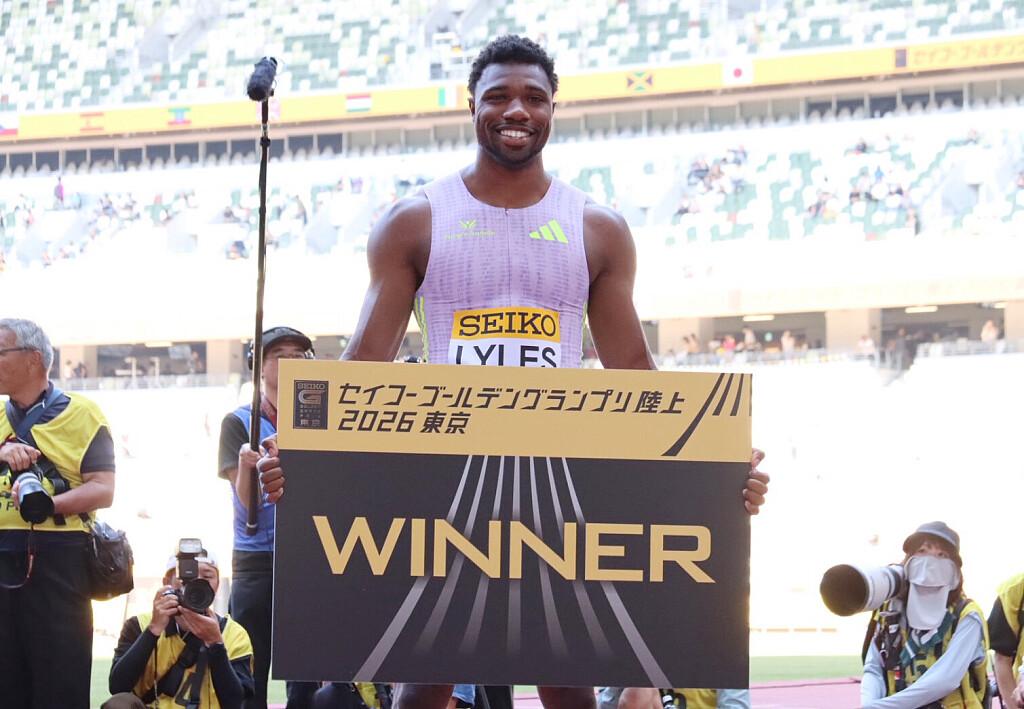
Lyles Blazes to Seiko Golden Grand Prix Glory with Stunning 9.95 Sprint Masterclass
American sprint sensation Noah Lyles delivered another emphatic statement on the global stage after storming to victory in the men’s 100 metres at the Seiko Golden Grand Prix, clocking a brilliant 9.95 seconds in a performance that electrified the crowd and reaffirmed his status as one of the fastest men in the world.
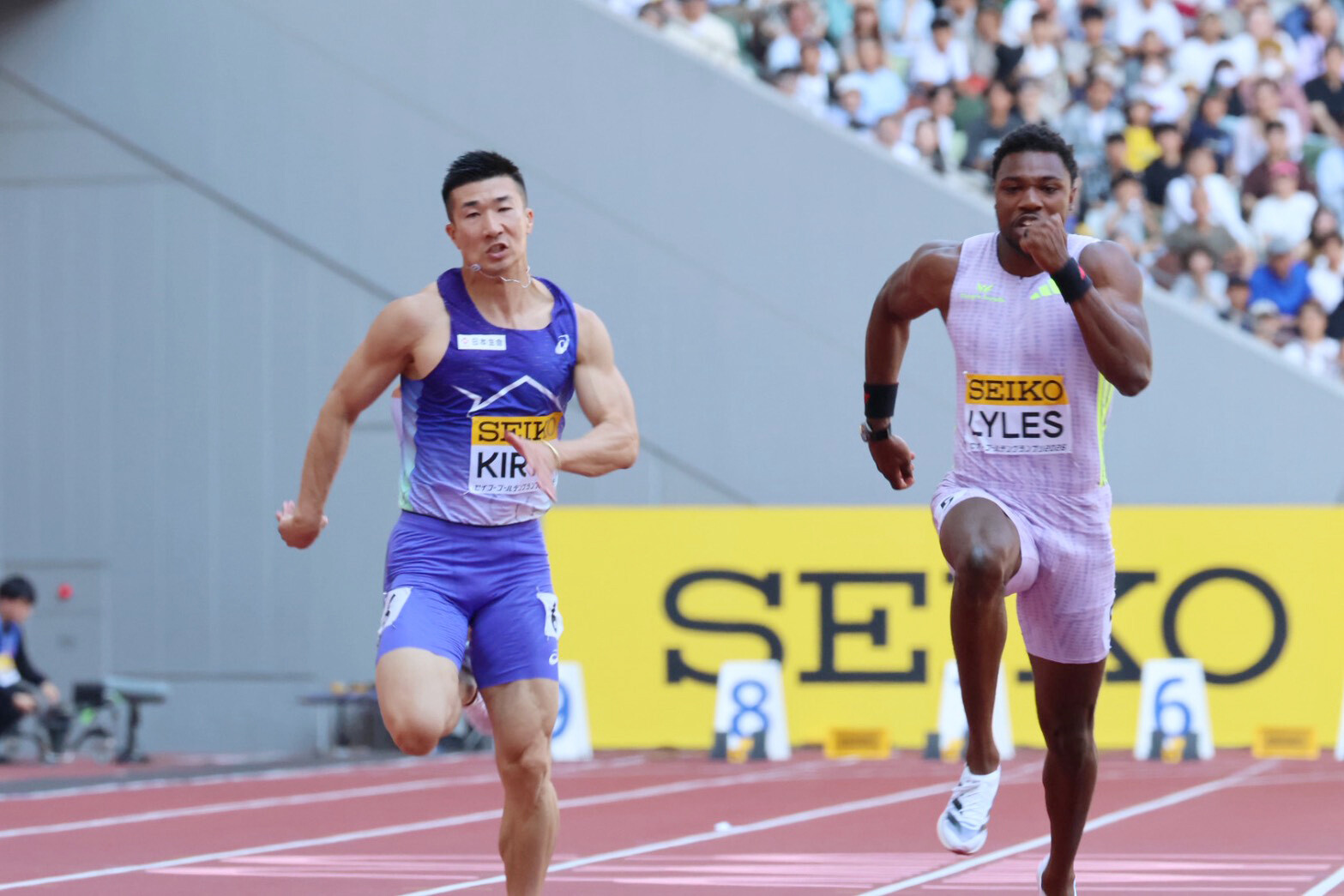
Competing against a quality international field, Lyles exploded out of the blocks with confidence and composure before unleashing his trademark top-end speed over the closing metres to comfortably secure the win. Assisted by a legal +0.6 m/s wind, the American crossed the line well ahead of compatriot Tate Taylor, who finished second in 10.04, while Great Britain’s Jake Odey-Jordan claimed third place in 10.09.
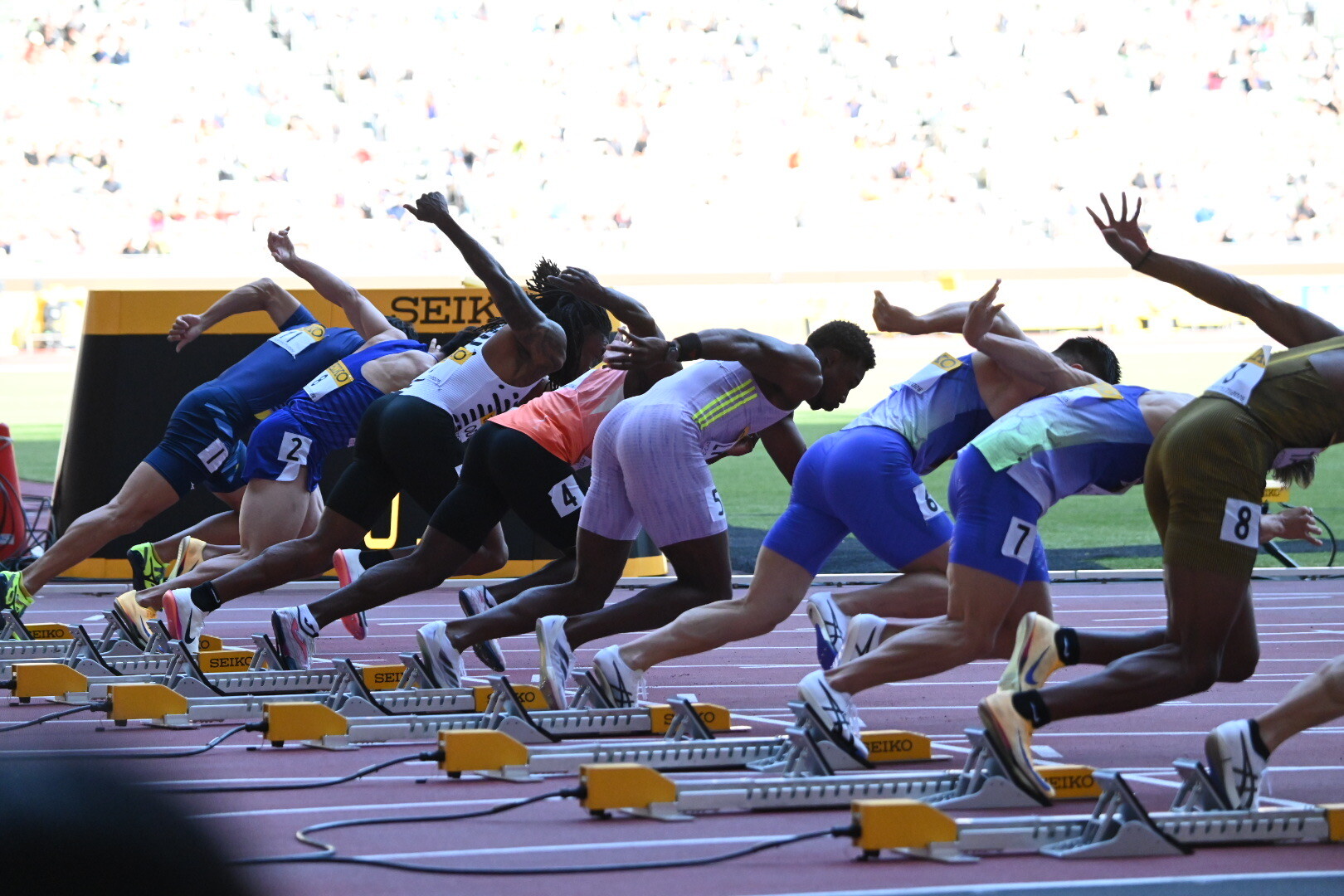
The race once again highlighted Lyles’ growing dominance in the short sprints as he continues building momentum ahead of the major championships season. His sub-10 performance was not only a victory but also a warning shot to the rest of the sprinting world, showcasing both his sharp early-season form and exceptional finishing power.
The Japanese contingent also delivered respectable performances on home soil, led by Yoshihide Kiryu in fourth place with 10.15. Fellow countrymen Shota Iizuka and Yuki Koike followed closely in 10.19 and 10.21 respectively, while Ryota Yamagata finished seventh in 10.24.
For Lyles, the victory represents far more than just another win. It reflects the consistency, confidence, and championship mentality that have made him one of track and field’s biggest stars. With the season gathering pace, performances like this continue to raise anticipation for what could become another historic year for the American sprint king.
by Erick Cheruiyot for My Best Runs.
Login to leave a comment
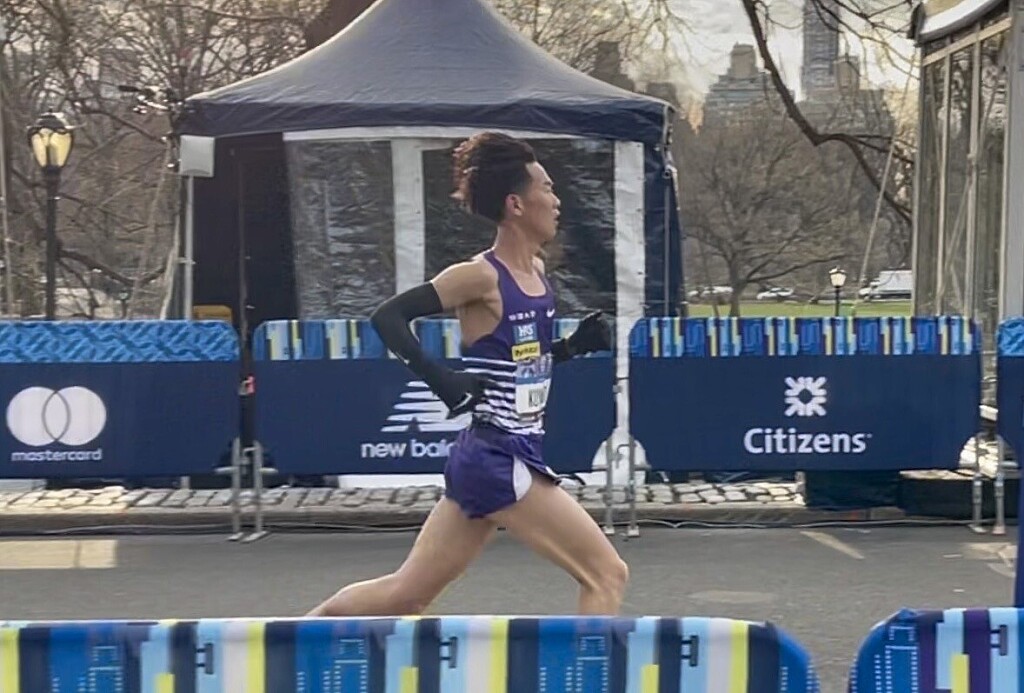
A Breakthrough in the Big Apple — Shunsuke Kuwata’s Historic Run Signals a New Era for Japanese Distance Running
The streets of New York City have witnessed countless memorable races, but this year’s edition of the United Airlines NYC Half Marathon delivered a special milestone for Japanese athletics. In a race filled with world-class competitors, 20-year-old sensation Shunsuke Kuwata produced the performance of his young career, clocking 1:00:13 to finish 10th overall while setting the fastest half-marathon ever run by a Japanese man outside Japan.
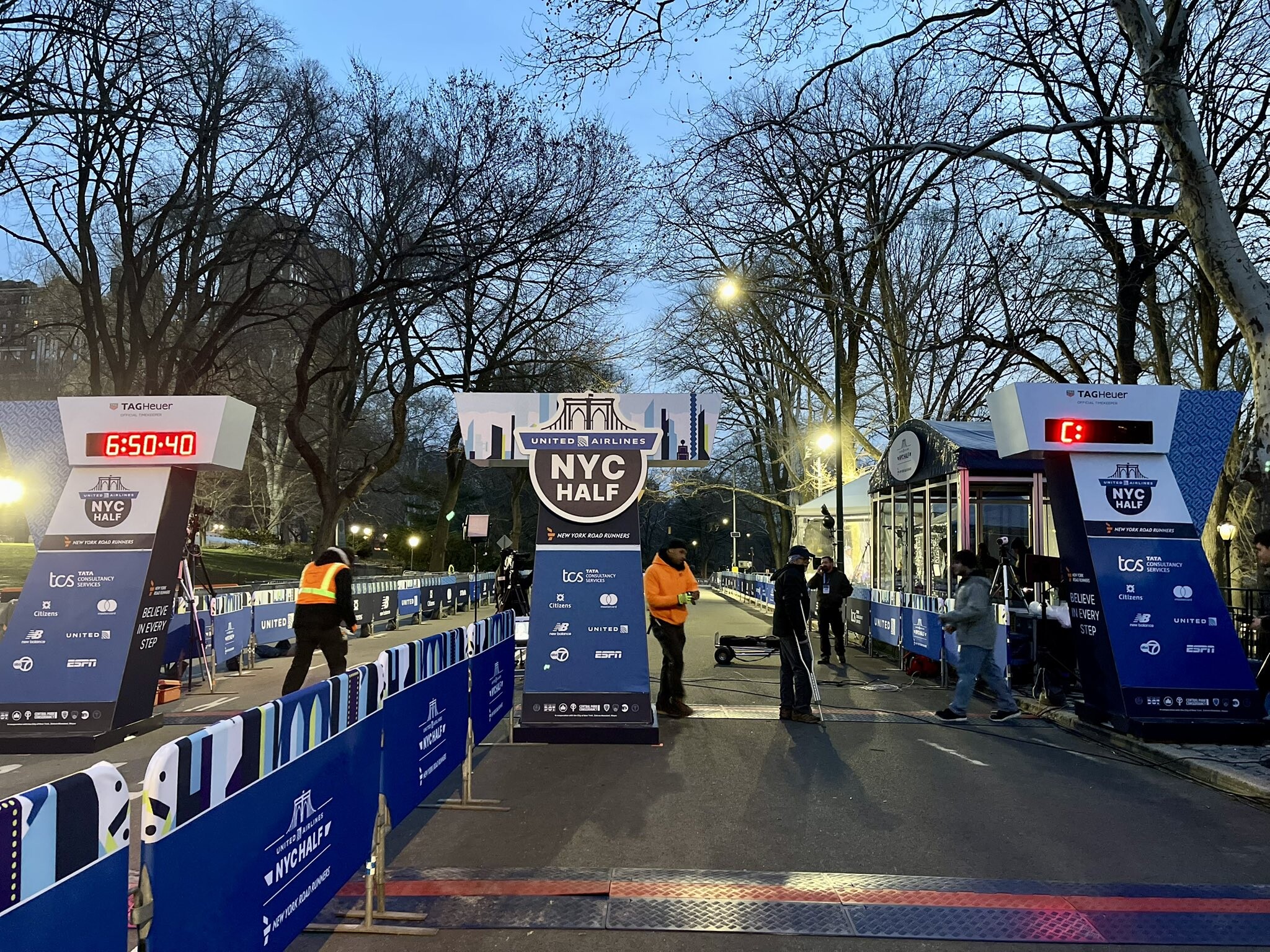
For Kuwata, the moment carried even deeper significance. The talented runner, a second-year student at Komazawa University—the reigning champions of the 2025 National University Ekiden—was competing in his first race outside Japan. Facing an elite international field on one of the world’s most iconic road-running stages, he rose to the occasion with composure and remarkable maturity beyond his years.
Kuwata’s rise has been swift and impressive. He made his half-marathon debut last year in Marugame, recording 1:01:09, a promising start for a young athlete still developing his craft. Only months later, he showed rapid improvement at the Ageo City Half Marathon, lowering his personal best to 1:00:48—a performance strong enough to earn him an invitation to race in New York.

His form continued to surge during Japan’s famed collegiate relay races. At the prestigious Hakone Ekiden in January, Kuwata produced a performance equivalent to roughly 1:00:35 for the half-marathon distance. Even that impressive mark, however, proved only a preview of what he would achieve on the streets of Manhattan and Brooklyn.
In New York, Kuwata elevated his running to another level entirely. Maintaining a fierce rhythm across the demanding course, he battled against seasoned international athletes and refused to fade in the latter stages of the race. When he crossed the finish line, his time not only secured a top-ten finish but also etched his name into the record books for Japanese runners competing abroad.
Another Japanese athlete, Rui Aoki, also featured in the race and finished with a time of 1:02:55, further highlighting the depth of emerging Japanese distance talent currently making its presence felt on the global stage.
Kuwata’s historic run in New York represents more than a personal best—it is a powerful signal of the new generation rising from Japan’s celebrated collegiate running system. With his fearless debut on international roads and a record performance to match, Shunsuke Kuwata has announced himself to the world.
And if his rapid progression is any indication, the remarkable run in New York may only be the beginning of a much larger story still waiting to unfold.
by Erick Cheruiyot for My Best Runs.
Login to leave a comment
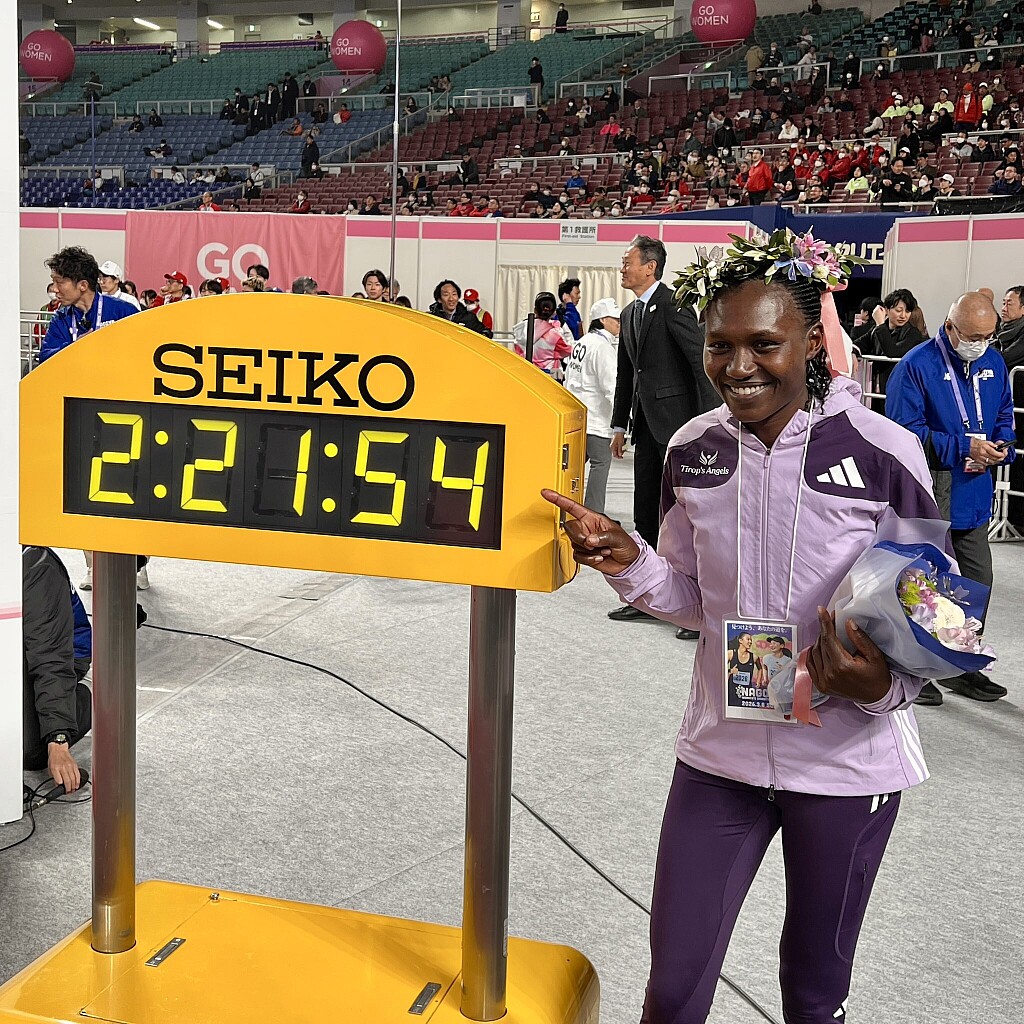
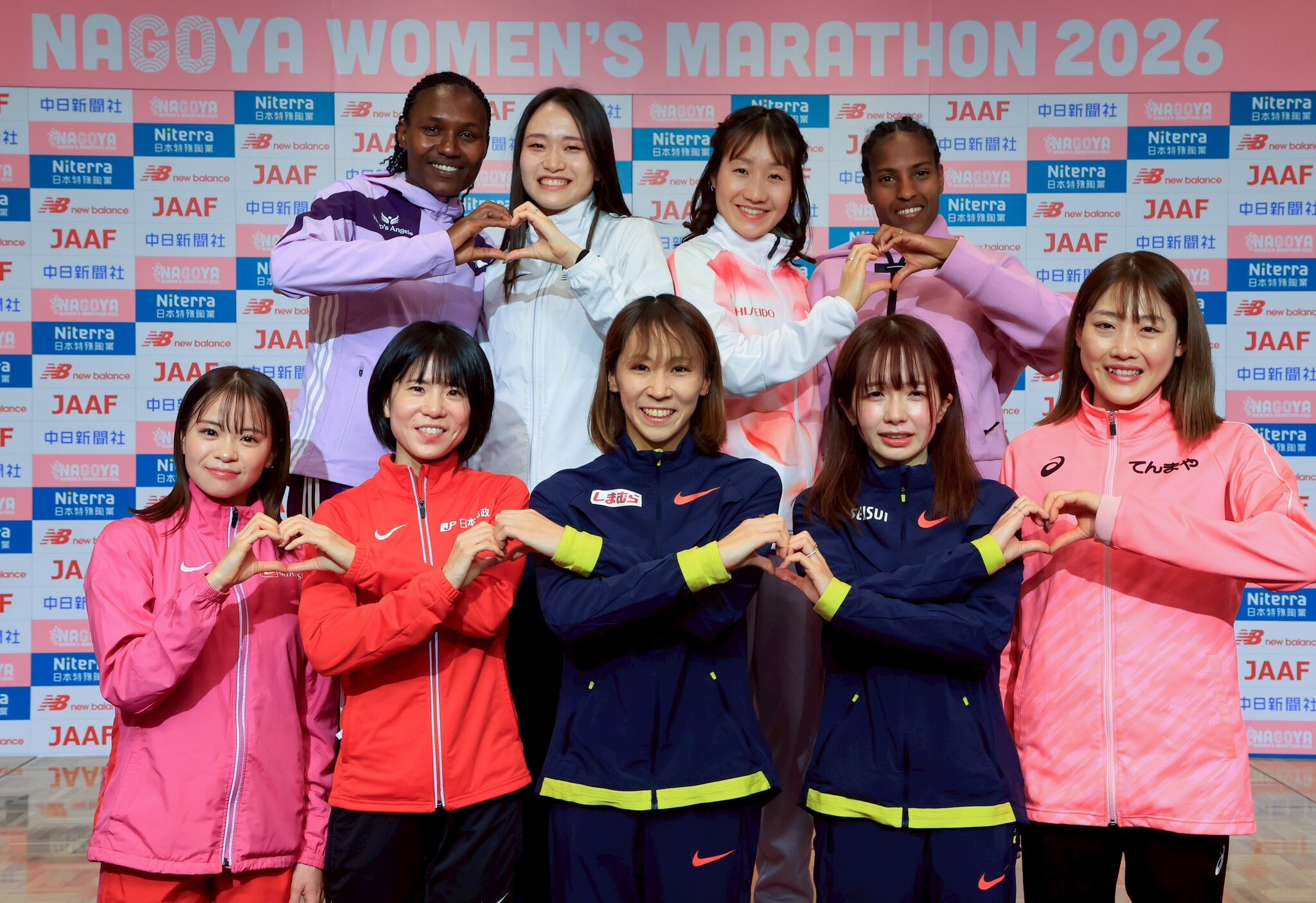
Chepkirui’s Brilliant Late Surge Seals Dramatic Victory at the Nagoya Women’s Marathon
A breathtaking duel lit up the streets of Nagoya as Kenya’s Sheila Chepkirui and Japan’s Saya Sato produced a thrilling battle for supremacy at the prestigious Nagoya Women's Marathon.
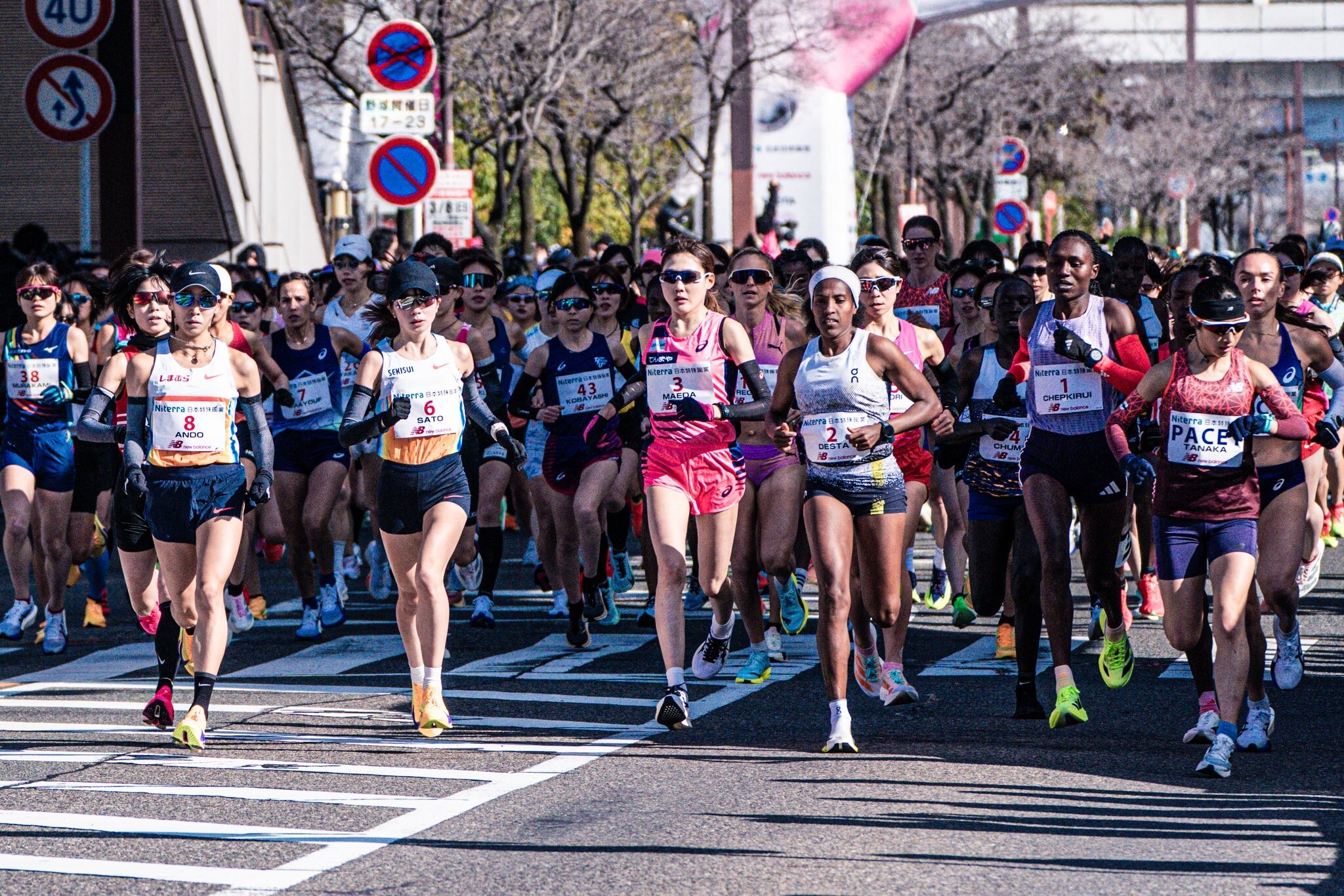
What began as a controlled tactical contest gradually transformed into one of the most gripping finishes of the marathon season, with the race ultimately decided in the final moments before the runners entered the iconic Vantelin Dome Nagoya.
As the leaders approached the final stretch, Sato appeared poised to claim victory in front of the home crowd. But with roughly 600 meters remaining, Chepkirui unleashed a perfectly timed surge, drawing level with the Japanese star before powering ahead in a dramatic sprint to the line.
The Kenyan crossed the finish tape in 2:21:54, securing victory by the slimmest of margins in a race that demanded courage, patience, and a final burst of brilliance. Sato followed just moments later in 2:21:56, delivering a magnificent performance that electrified the spectators. Ethiopia’s Aynalem Desta ran a composed and consistent race to claim third place in 2:22:37, completing a strong international podium.
Beyond the podium battle, the race also highlighted remarkable endurance from athletes across the globe. Mexico’s Argentina Valdepeñas Serna finished 31st in 2:45:30, an impressive feat considering she had run the Tokyo Marathon just a week earlier, clocking 2:41:47. Meanwhile, Tarahumara runner Maria Juana Ramirez Hernandez produced a determined effort to finish in 2:48:25, adding another inspiring chapter to the race’s international story.
Top 10 – Nagoya Women’s Marathon 2026
1. Sheila Chepkirui (Kenya) – 2:21:54
2. Saya Sato (Japan) – 2:21:56
3. Aynalem Desta (Ethiopia) – 2:22:37
4. Rika Kaseda (Japan) – 2:22:53
5. Natsuki Omori (Japan) – 2:23:45
6. Shinzakura Sora (Japan) – 2:24:34
7. Rihango (International) – 2:24:44
8. Jenew Gregson (Australia) – 2:25:06
9. Aika Murakami (Japan) – 2:25:07
10. Yuna Takahashi (Japan) – 2:25:58
A Race That Celebrated the Spirit of Women’s Marathon Running
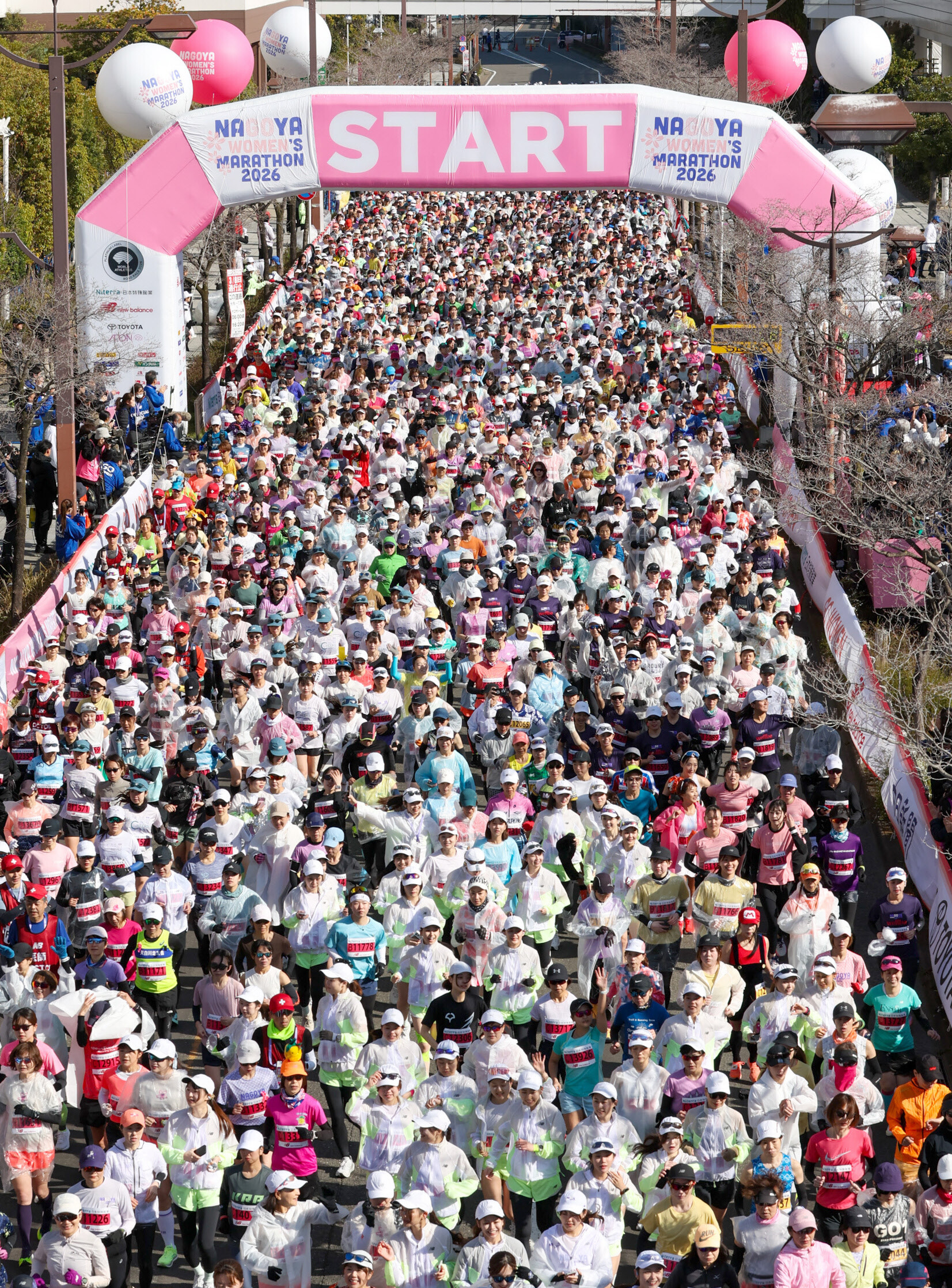
The 2026 edition of the Nagoya Women’s Marathon delivered far more than fast times—it delivered a story of courage, heart, and relentless determination. Chepkirui’s stunning late surge reminded the world that victory in the marathon often belongs to those who dare to believe in their final reserve of strength.
Yet the beauty of the race extended beyond the champion’s triumph. From Sato’s fearless fight on home soil to the inspiring performances of athletes from every corner of the globe, the event became a celebration of resilience and unity through sport. In Nagoya, every stride told a story, every finish carried meaning, and together these remarkable women turned 42.195 kilometers into a powerful reminder that the spirit of marathon running is as boundless as the athletes who chase their dreams along its roads.
by Erick Cheruiyot for My Best Runs.
Login to leave a comment

Nagoya Women's Marathon
The Nagoya Women's Marathon named Nagoya International Women's Marathon until the 2010 race, is an annual marathon race for female runners over the classic distance of 42 km and 195 metres, held in Nagoya, Japan in early March every year. It holds IAAF Gold Label road race status. It began in 1980 as an annual 20-kilometre road race held in...
more...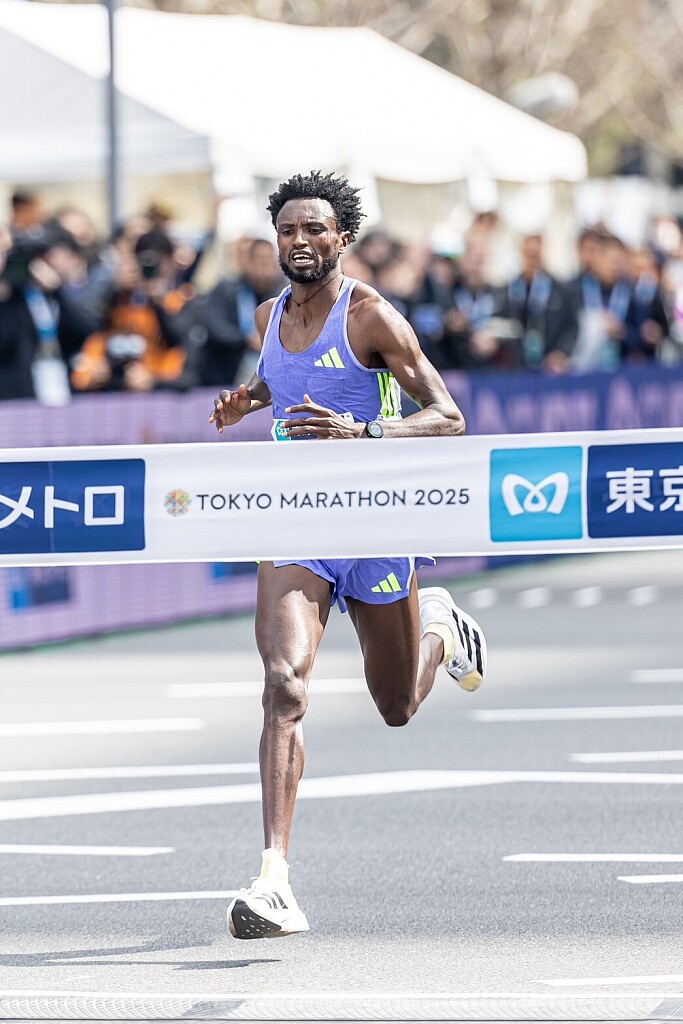
Tokyo’s Ultimate Test: A Marathon Showdown Loaded with Champions, Records, and Rising Threats
The men’s race at the Tokyo Marathon 2026 to be held on Sunday 1st March in the streets of Tokyo, Japan is shaping up to be one of the deepest and most unpredictable contests the event has witnessed in recent years. A compelling mix of returning stars, major champions, national record holders, and ambitious debutants ensures that the battle through Japan’s capital will be anything but routine. At the center of the narrative stands defending champion Tadese Takele, whose breakthrough victory last year transformed him from a promising talent into a proven major winner. Yet, defending a title in a field of this magnitude may prove even more difficult than winning it the first time.
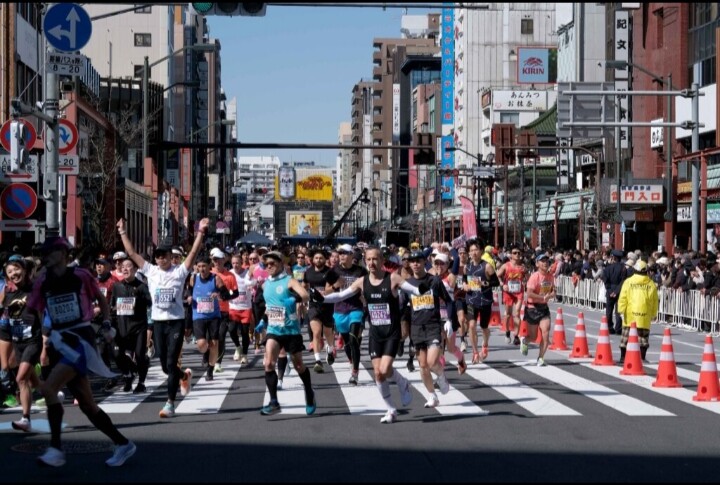
Several familiar rivals return with unfinished business. Among them is third-place finisher Vincent Kipkemoi Ngetich, alongside Geoffrey Toroitich, Suldan Hassan, and Japan’s own Tsubasa Ichiyama, all of whom cracked the top ten a year ago. Their familiarity with the course and conditions adds another tactical dimension to the race, particularly if the pace turns aggressive early.
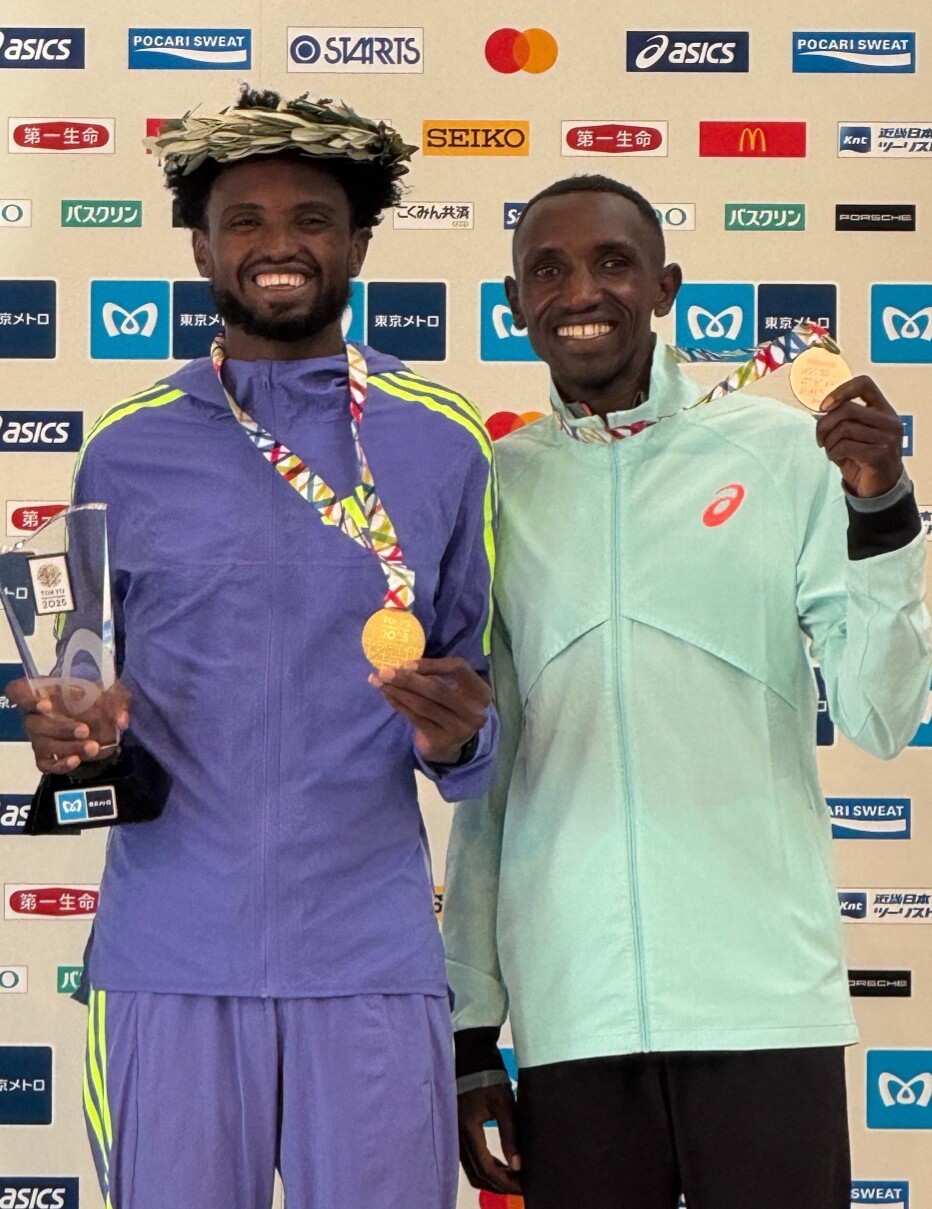
On paper, however, the fastest credentials belong to Timothy Kiplagat and Alexander Mutiso. Kiplagat, runner-up in Tokyo in 2024, owns a personal best of 2:02:55 and has already demonstrated his ability to handle the unique rhythm of this course. Mutiso arrives with the confidence of a major champion after conquering London in 2024, and his 2:03:11 lifetime best positions him squarely among the favorites. When athletes of such caliber collide, races often shift from tactical chess matches to brutal tests of endurance.
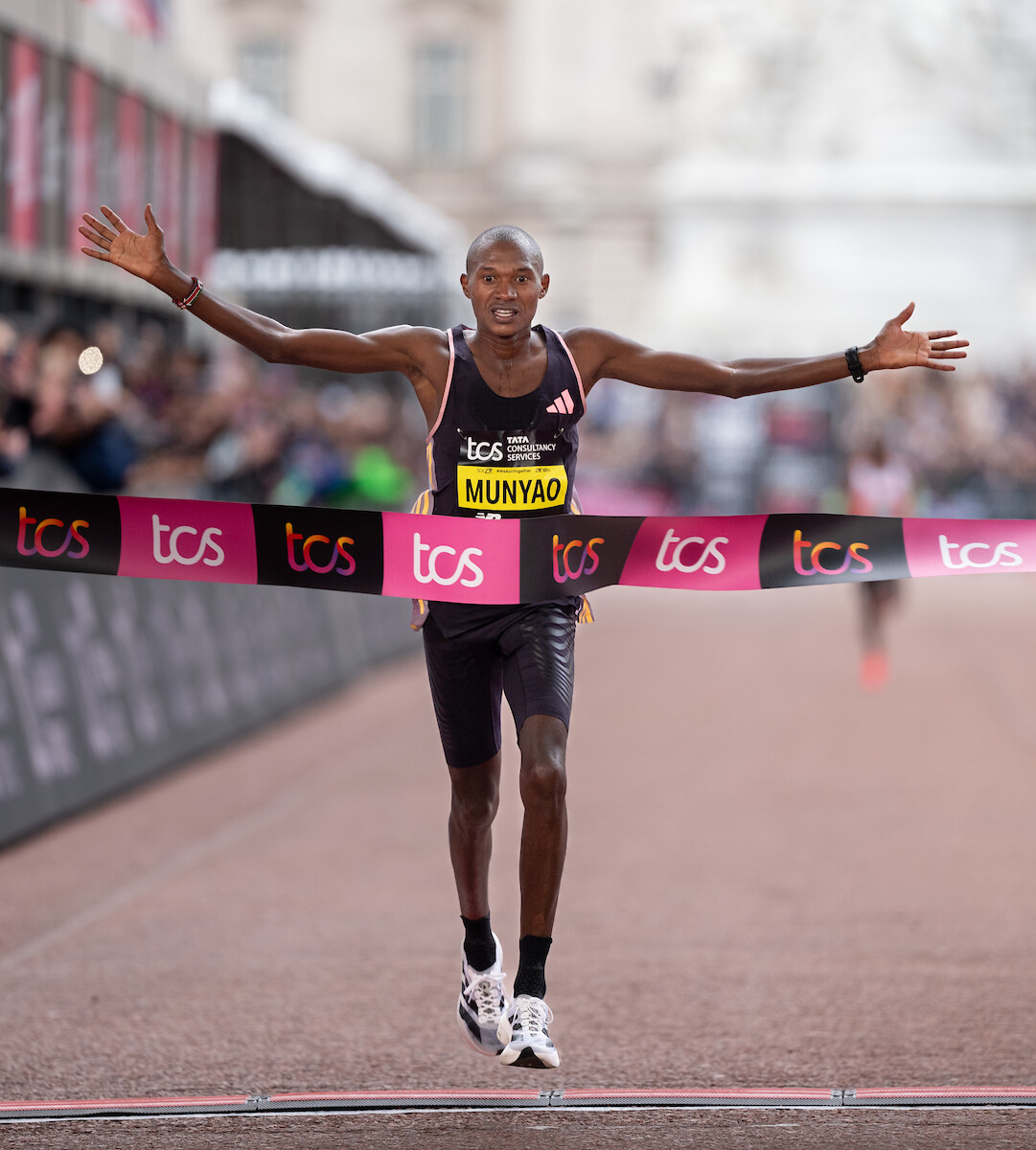
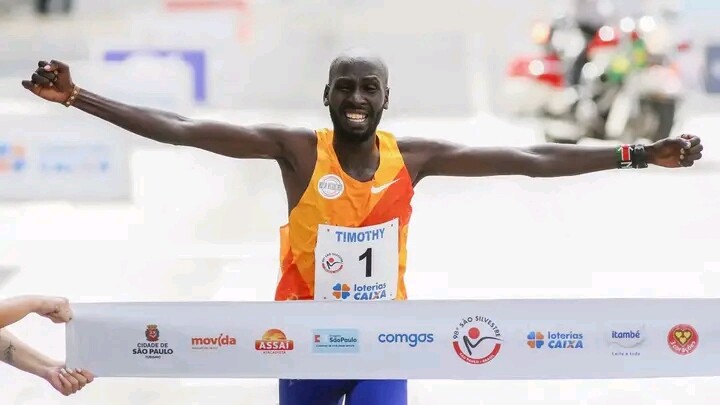
The field’s strength deepens further with global champions. Milkesa Mengesha, winner in Berlin in 2024, brings proven major-winning pedigree, while Chalu Deso returns as a former Tokyo champion eager to reclaim dominance. Olympic and world track star turned marathon force Selemon Barega adds intrigue as well, his 2:05:15 personal best hinting at untapped marathon potential that could surface dramatically on race day.
Japan’s elite contingent may be the most compelling storyline of all. National record holder Suguru Osako leads a formidable home squad that includes former record holder Kengo Suzuki, debut national record setter Ryota Kondo, and Ichiyama. Collectively, they account for four of the nine fastest Japanese marathon performances in history, reflecting the country’s remarkable progression in long-distance running. With the roar of home crowds behind them, the possibility of a historic domestic performance cannot be dismissed.
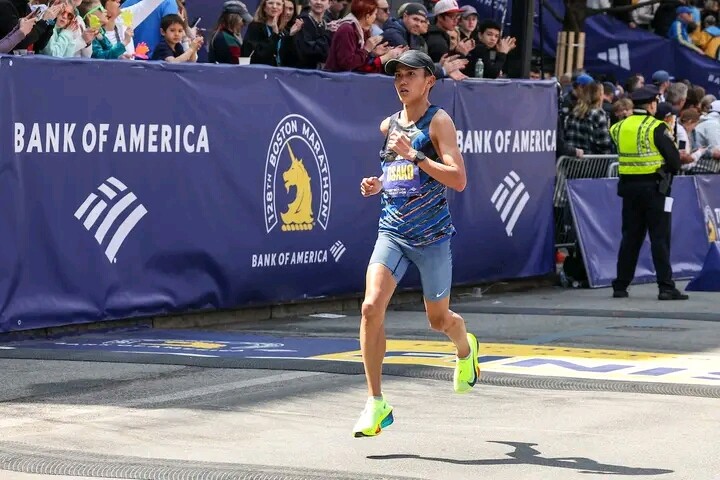
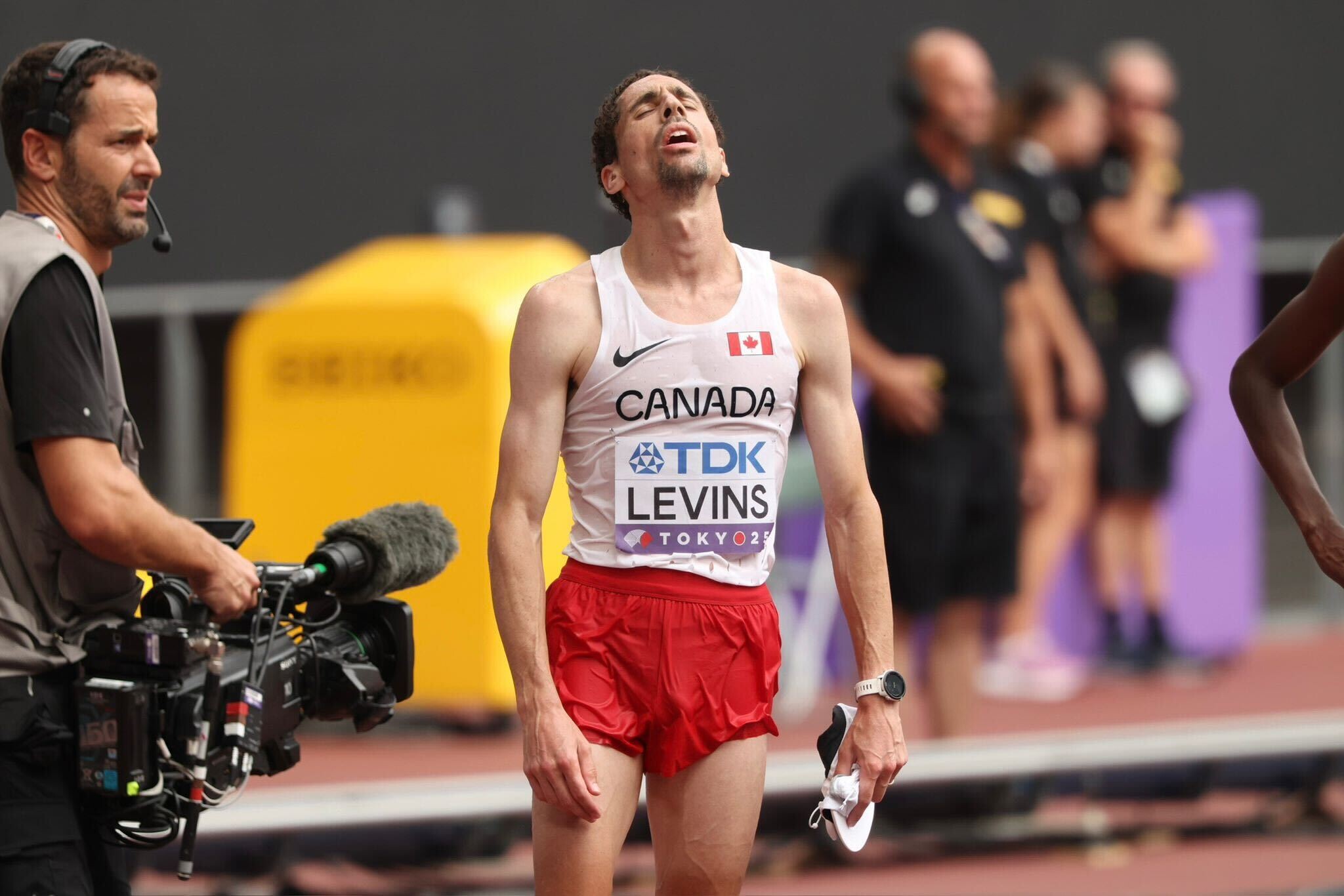
International depth extends far beyond the headline names. Canadian record holder Cam Levins adds North American firepower, while European challenges come from French record holder Morhad Amdouni and Italy’s world championship bronze medalist Iliass Aouani. Central Asia and East Asia are represented by Uzbekistan’s national record holder Shokhrukh Davlatov and China’s leading contender Peiyou Feng, while Ireland’s national record holder Fearghal Curtin adds further competitive depth.
The debut list introduces another layer of unpredictability. Japan-based Kenyan runners Richard Kimunyan and Vincent Yegon will test themselves over the classic distance for the first time, joined by promising collegiate standouts Shinsaku Kudo and Teruki Shimada. Debuts at this level often produce surprises, especially when emerging athletes seize the opportunity to challenge established hierarchies.
With elite entries clustered between 2:02 and 2:05 personal bests—including names like Dawit Wolde and Daniel Mateiko—the margin between victory and obscurity could be measured in seconds. Tokyo has a history of fast times and dramatic finishes, and 2026 promises another chapter worthy of the World Marathon Majors stage.
In a sport where preparation meets uncertainty, this race will ultimately reward not just speed, but courage—the willingness to surge when legs are heavy, to gamble when logic says wait, and to endure when the city’s long avenues seem endless. When the leaders turn toward the finish line, only one athlete will claim the crown, but the journey there may redefine the global marathon landscape.
by Erick Cheruiyot for My Best Runs.
Login to leave a comment
Tokyo Marathon
The Tokyo Marathon is a world-renowned annual marathon held in Tokyo, Japan. As one of the prestigious Abbott World Marathon Majors, it attracts elite and amateur runners from around the globe. The race holds World Athletics Platinum Label status, recognizing its high competitive standards, top-tier organization, and international appeal. Sponsored by Tokyo Metro, the Tokyo Marathon has grown into one...
more...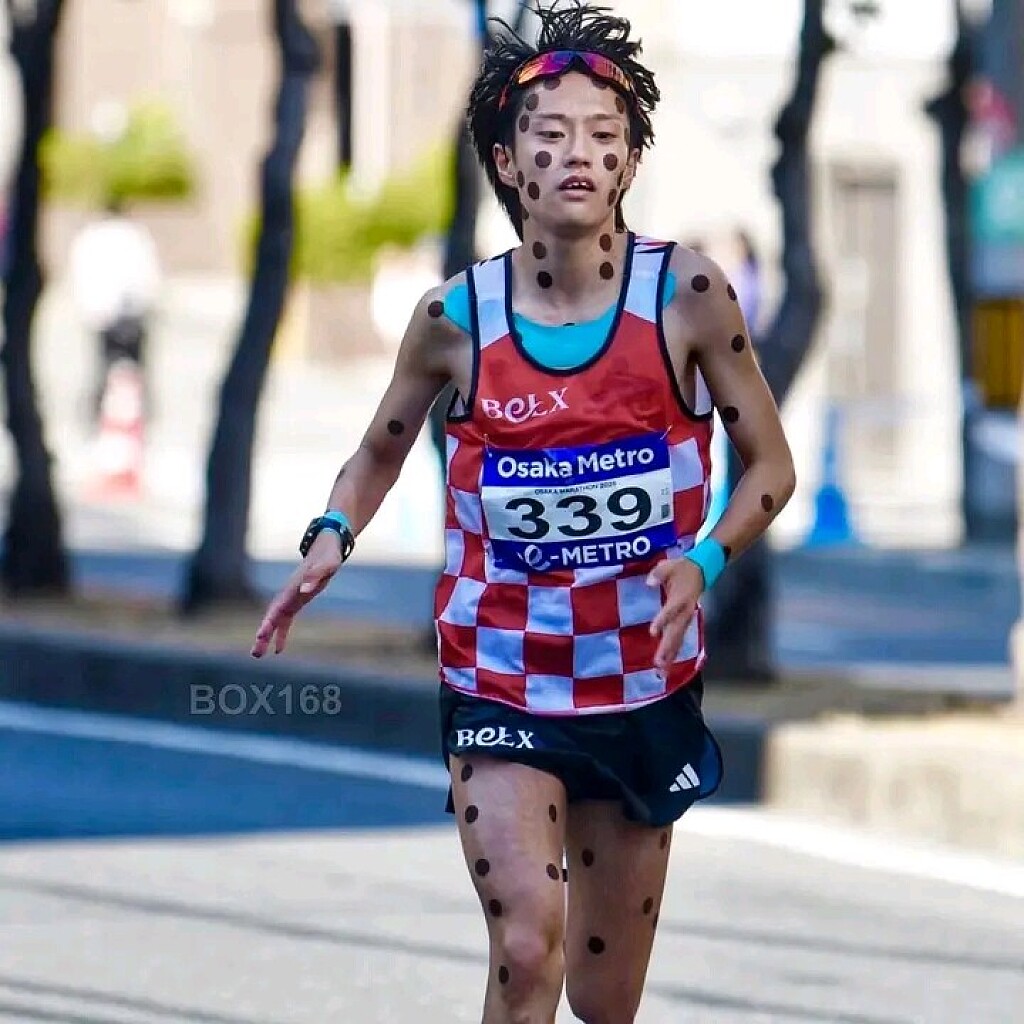
Relentless Dawn: Hibiki Yoshida’s Fearless Marathon Baptism in Osaka
At just 23 years old, Hibiki Yoshida announced himself to the marathon world with a performance that was equal parts audacity and endurance, launching a blistering debut at the Osaka Marathon that nearly defied logic. From the opening kilometers, Yoshida refused caution. He surged ahead of the pacemakers before 8km, committing to a punishing rhythm that projected a sensational finish deep into the 2:03 territory—an extraordinary gamble for a first attempt over 42.195 kilometers.
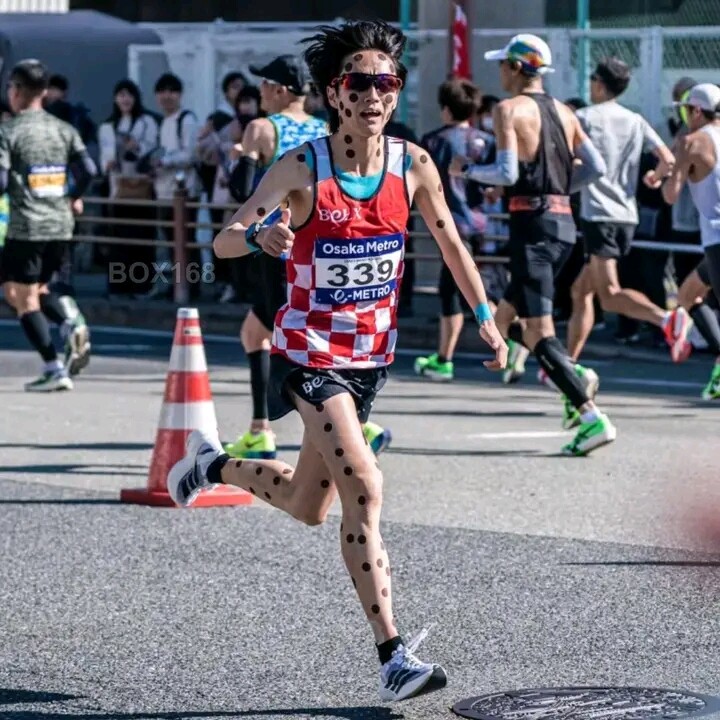
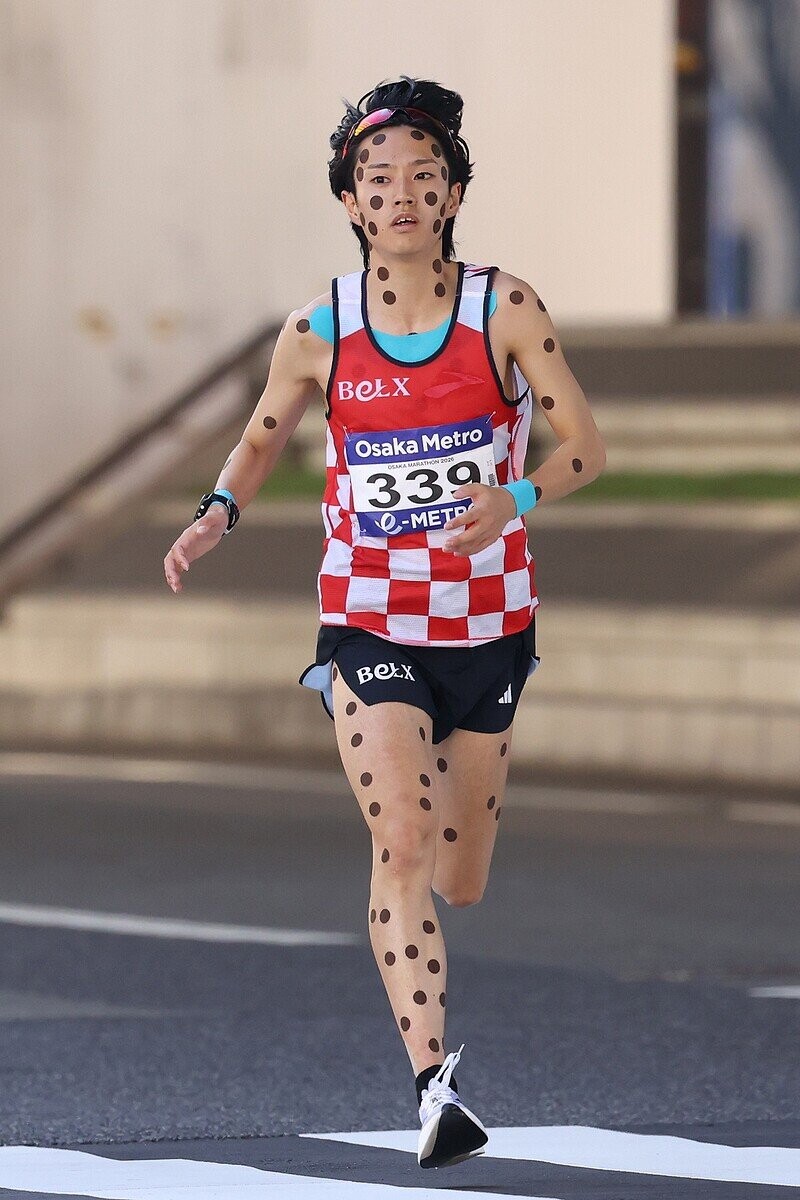
For the first half, his stride carried the confidence of youth and the composure of a seasoned racer. He passed halfway in 1:02:39, running with a cushion and the kind of relaxed efficiency that suggested something historic might unfold. Magnetic therapeutic tape stretched across his face—a small but telling detail—helped him maintain looseness through 25km, where many marathons truly begin. Up to that point, Yoshida looked not only competitive, but dangerous.
Yet the marathon is an unforgiving examiner. Around 25km, the first signs of strain appeared. By 30km, the early aggression began to extract its price. Complicating matters further, his personal drinks bottle had been misplaced at the start, forcing him to improvise hydration from paper cups until he finally recovered his bottle later in the race. The cumulative toll—pace, dehydration, and physiological stress—began tightening his muscles and clouding his awareness.
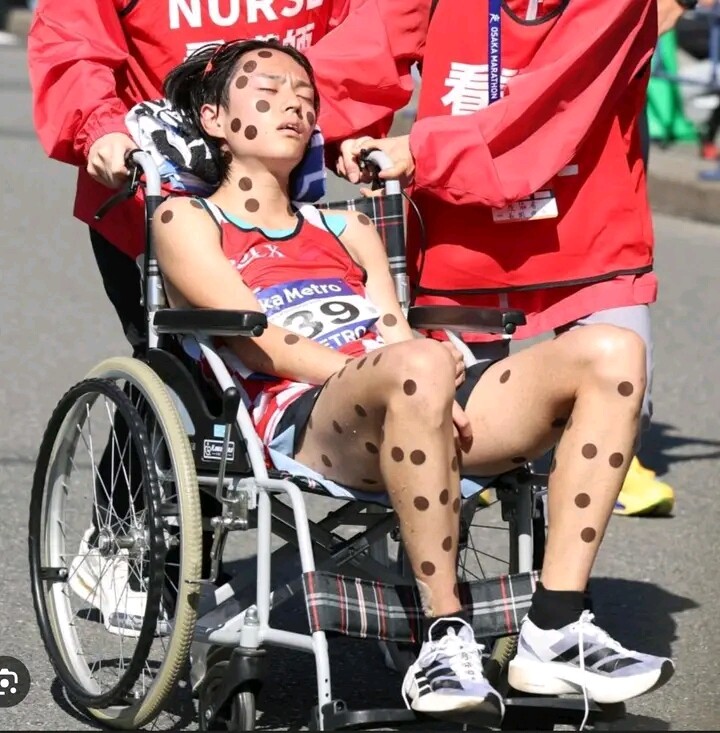
From 35km onward, the race transformed into survival. His rival Hirabayashi moved past him near 37km, while Yoshida fought waves of fatigue severe enough that he later admitted he remembered little of those closing kilometers. With roughly 3km remaining, the thought of abandoning the race briefly crossed his mind. What carried him forward instead was something less tangible but equally powerful: the roar of spectators and the silent encouragement of fellow runners overtaking him on the road.
He staggered home in 2:09:33—far from the dazzling projections of the early pace, yet profoundly impressive given the circumstances. The time also underscored his enormous potential. At 30km (1:28:07), he had come within seconds of the revered Japanese benchmark set by Takayuki Matsumiya two decades earlier, evidence that his aggressive approach was not reckless fantasy but rooted in genuine ability.
Race Splits
5K — 14:50
10K — 29:33
15K — 44:10
20K — 58:42
Half — 1:02:39
25K — 1:13:16
30K — 1:28:07
35K — 1:43:20
40K — 2:02:49
Finish — 2:09:33
Afterward, Yoshida spoke with remarkable humility and clarity. He acknowledged the suffering, the confusion, even the momentary temptation to quit—but also the joy. To him, the experience was not a failure of pacing but a lesson in possibility. Once recovered, he vowed, he would return stronger and wiser.
This was more than a debut. It was a declaration of intent.
In Osaka, Hibiki Yoshida did not merely run his first marathon—he revealed the outline of a future contender. Courage often arrives before mastery, and on this day, courage was unmistakable. The clock read 2:09:33, but the deeper story was written in resilience: a young athlete pushed to the edge, dehydrated yet unbroken, already imagining the next starting line.
by Erick Cheruiyot for My Best Runs.
Login to leave a comment
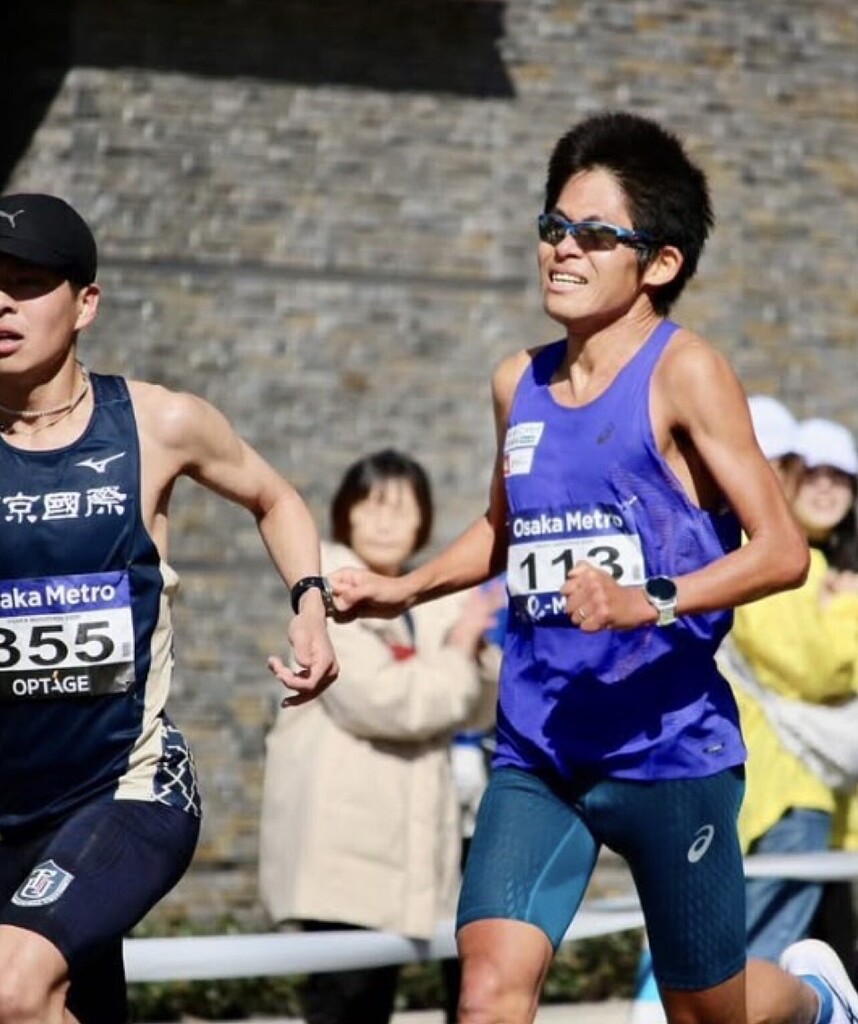
Yuki Kawauchi Breaks 2:15 Again at Osaka Marathon
Former Boston Marathon champion Yuki Kawauchi showed encouraging progress in his comeback at the Osaka Marathon on February 22, 2026.
Kawauchi clocked 2:14:30, marking his first sub-2:15 performance in two years as he continues returning from injury.
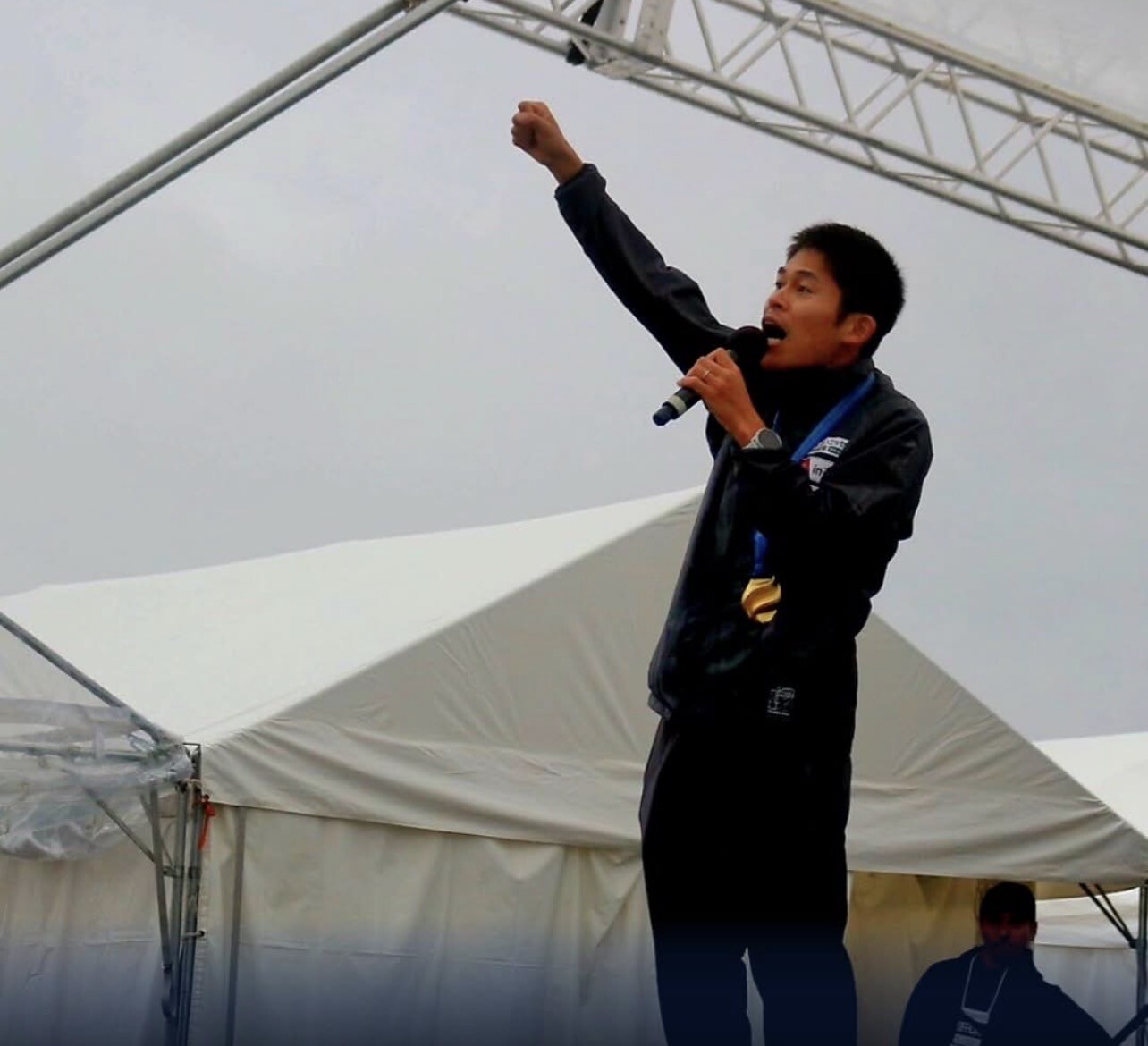
The Japanese fan favorite shared afterward that the result represents an important step forward.
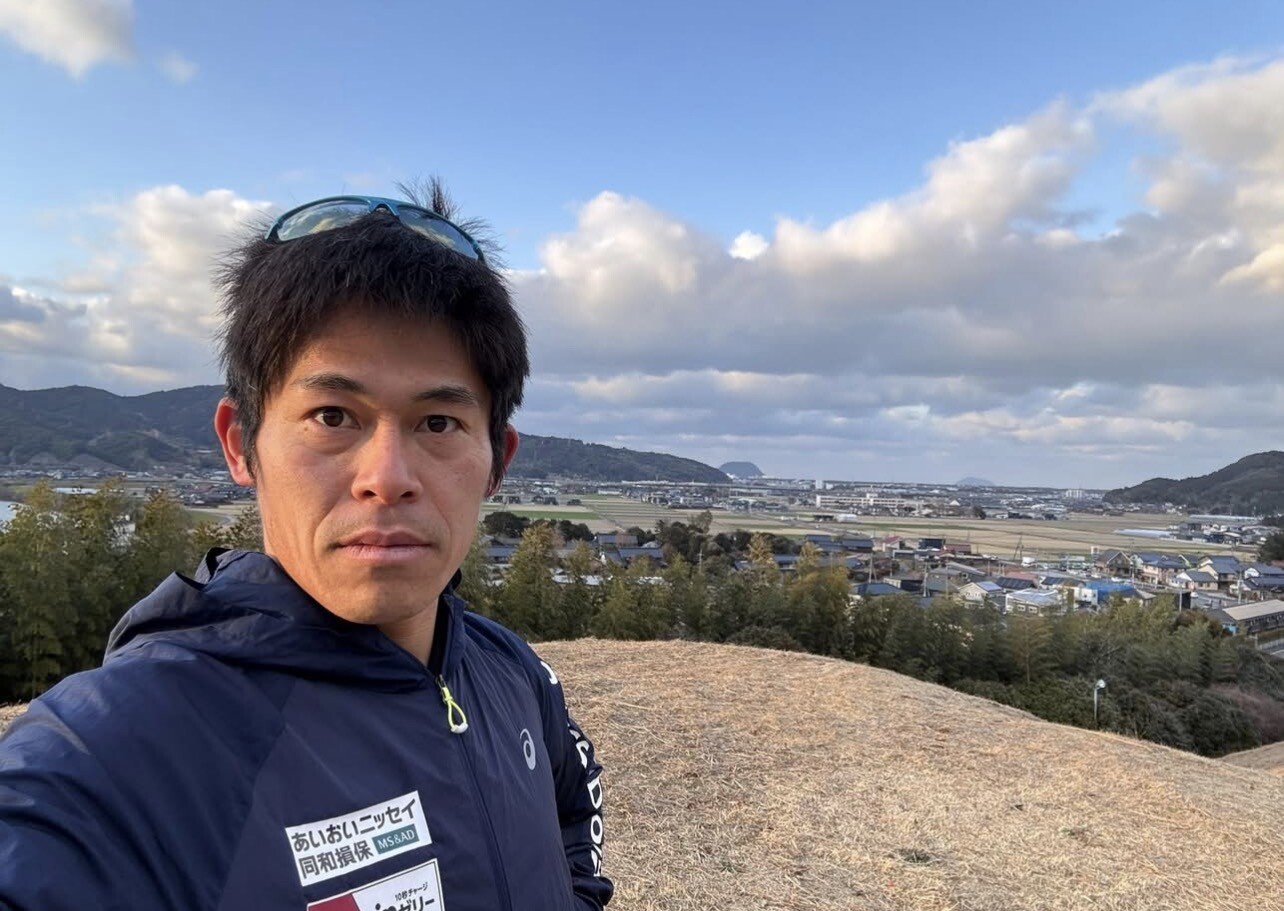
“I’m finally on the road to recovery now,” he wrote.
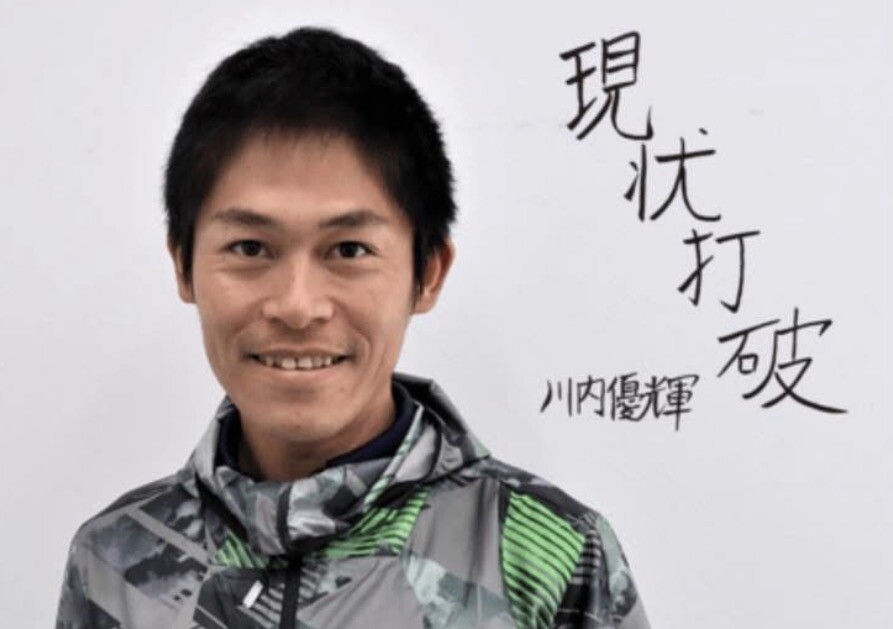
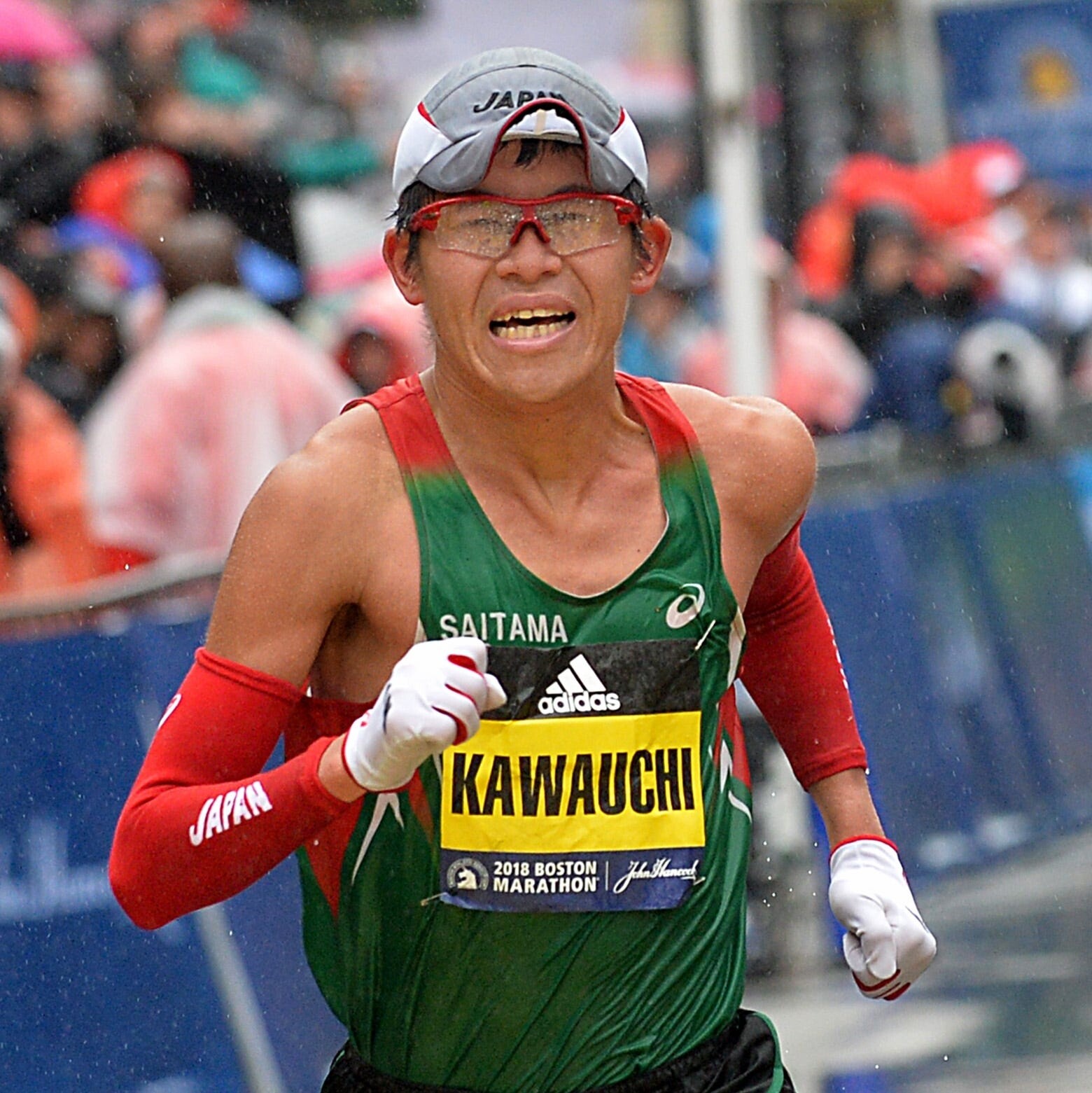
Known worldwide as the “Citizen Runner,” Kawauchi built his reputation on racing frequently and fearlessly. His career reached global attention in 2018, when he captured a stunning victory at the Boston Marathon in brutal weather conditions.
Now 38, Kawauchi believes he can still return to a much higher level. He has run more sub 2:20 marathons than anyone in the world. This makes number 128.
“This year I will once again break 2:10,” he said after the race. “It took a long time, but I will definitely do it.”
While the Osaka result was not about winning, it showed the former Boston champion is moving closer to the form that made him one of the most admired runners in the sport.
For fans around the world, seeing Kawauchi back under 2:15 is a promising sign that his remarkable racing story is still being written.
He also recently announced, "I will be the pacemaker for sub 2:50 in this year's Tokyo Marathon. Runners aiming for sub 2:50 in this year's Tokyo Marathon, let's run together in Tokyo."
by Boris Baron for My Best Runs
Login to leave a comment
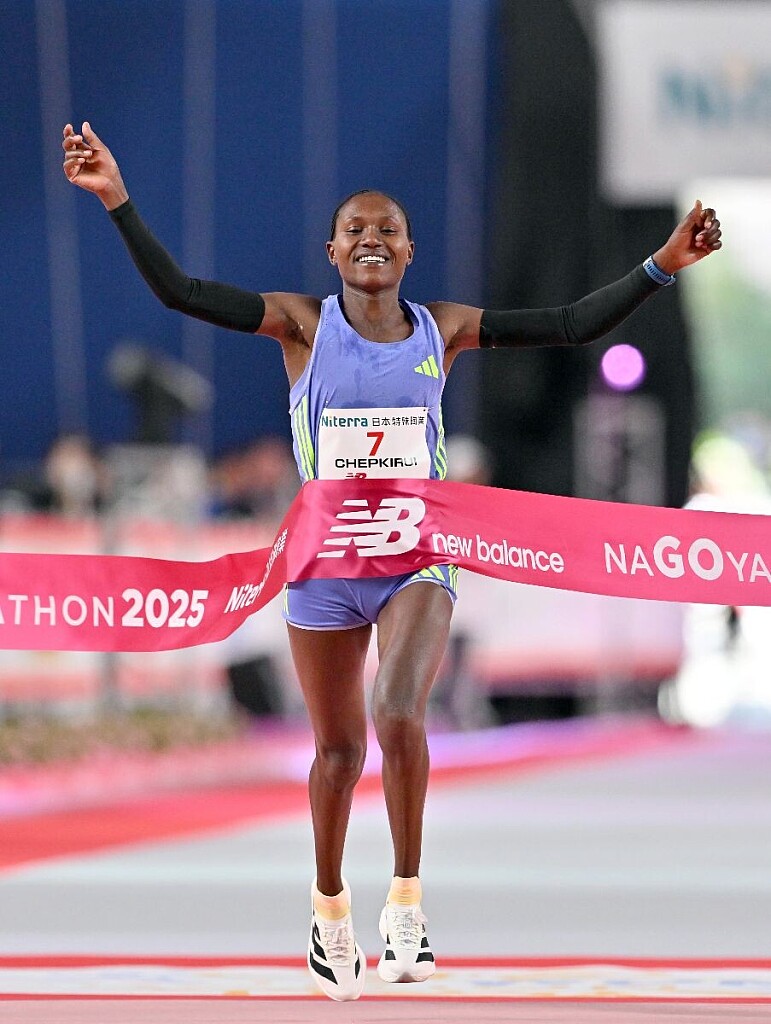
Chepkirui, Desta and Maeda Set the Stage for a High-Stakes Showdown at the 2026 Nagoya Women's Marathon
When the elite field assembles in Nagoya, Japan on March 8, the script already feels charged with anticipation. Last year’s top three — Sheila Chepkirui, Sayaka Sato, and Eunice Chebichii Chumba — are all returning. Yet despite that familiar podium, the 2026 edition appears poised to revolve around a sharper, potentially faster duel featuring Chepkirui, Ethiopia’s Aynalem Desta, and Japanese national record holder Honami Maeda.
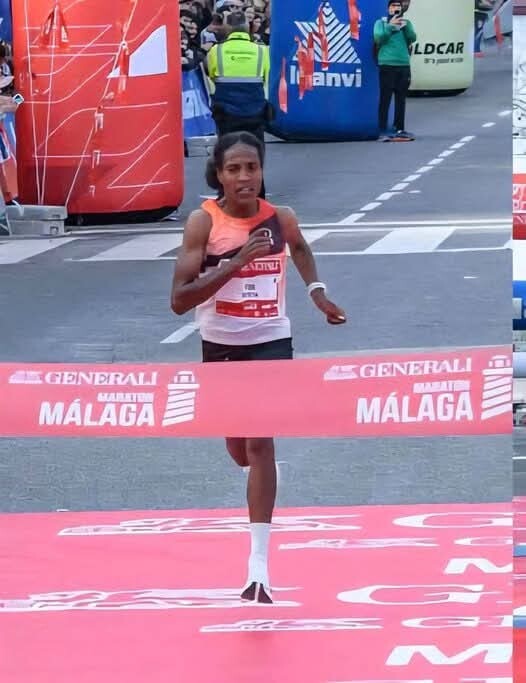
On paper, the margins are razor-thin. Chepkirui boasts a 2:17:49 personal best from Berlin in 2023, while Desta delivered a 2:17:37 performance in Amsterdam last autumn — the most recent sub-2:20 among the leading contenders. Maeda’s 2:18:59 national record at the Osaka International Women’s Marathon in 2024 confirmed her place among the world’s elite, even if her recent racing schedule has been relatively quiet. Her 1:10:07 at the Houston Half Marathon last month offered a glimpse of solid conditioning, though history shows she does not need a flashy buildup to produce something special; when she broke the national record, she arrived without a headline-grabbing tune-up.
If the early pace is ambitious — somewhere in the 2:18 range — it could quickly narrow the contest to those three. Sustaining that rhythm through the final 10 kilometers demands both proven endurance and the courage to commit early. Desta’s freshness gives her a compelling edge, Chepkirui’s championship composure makes her dangerous, and Maeda’s ability to rise on home soil cannot be underestimated.
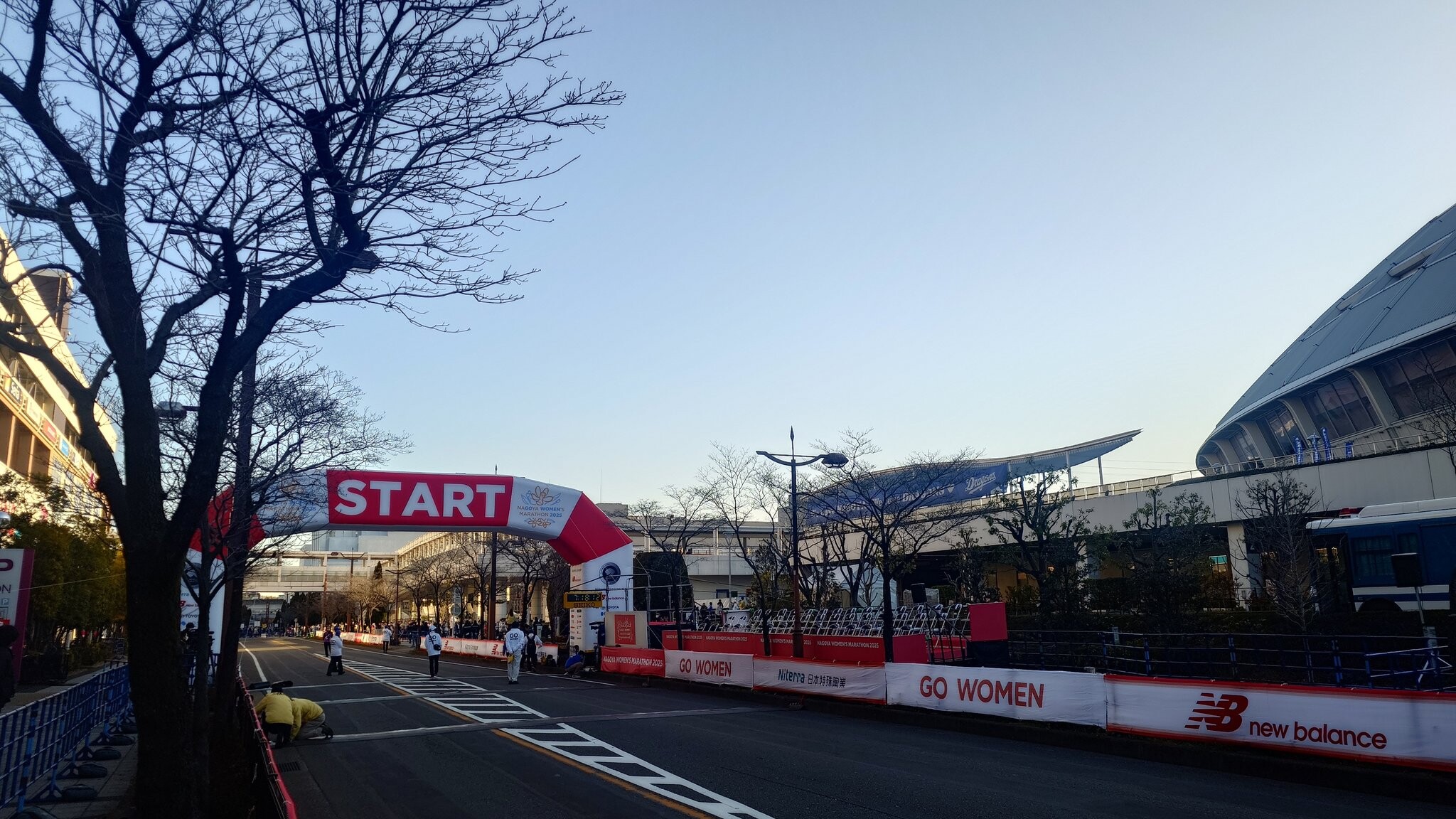
However, Nagoya has often rewarded patience as much as aggression. Should the tempo settle closer to 2:20, the race could expand into a layered battle. Chumba remains a consistent performer at the highest level, while Selly Chepyego Kaptich and Sato sit comfortably within the 2:20–2:22 bracket and would welcome a more measured first half.
There is also quiet intrigue behind the front line. Women-only half marathon national record holder Rino Goshima returns after a 2:26:08 debut here last year and will be aiming to convert her raw speed into a more complete marathon performance. Meanwhile, 2023 World University Games half marathon gold medalist Hikaru Kitagawa arrives buoyed by a 1:10:29 personal best in Marugame earlier this month — a signal that her upward trajectory may continue over 42.195 kilometers.
Adding further unpredictability is a wave of ambitious debutants. Wakana Kabasawa and Yuna Takahashi both enter the marathon distance fresh off sub-1:09:30 half marathon personal bests this season. With that foundation of speed, it would be no surprise to see them commit to at least a 2:20 tempo from the outset.
Ultimately, the shape of the race will be decided by intent. If the leaders choose to be bold, Nagoya could witness a relentless, high-quality confrontation among three women separated by mere seconds in ability. If caution prevails, the contest may unfold as a tactical chess match, with a larger group poised to strike late. Either way, the 2026 Nagoya Women’s Marathon promises not just depth — but genuine, sustained drama from start to finish.
by Erick Cheruiyot for My Best Runs.
Login to leave a comment
Nagoya Women's Marathon
The Nagoya Women's Marathon named Nagoya International Women's Marathon until the 2010 race, is an annual marathon race for female runners over the classic distance of 42 km and 195 metres, held in Nagoya, Japan in early March every year. It holds IAAF Gold Label road race status. It began in 1980 as an annual 20-kilometre road race held in...
more...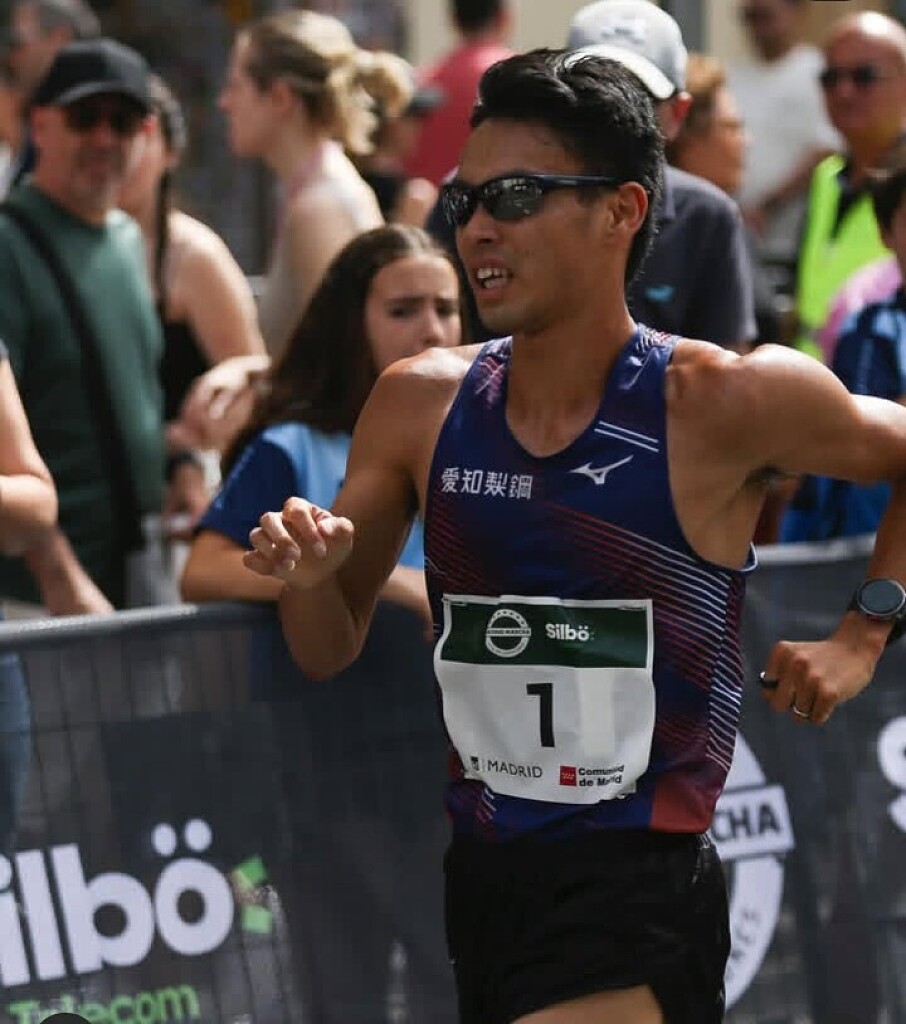
Historic Stride: Toshikazu Yamanishi Rewrites the Race Walk Record Books
On February 15, 2026, in the port city of Kobe, Toshikazu Yamanishi transformed a personal milestone into a moment of global sporting consequence. Turning 30 on the very same day, the Japanese race walking virtuoso delivered a performance of rare precision and authority, stopping the clock at 1:20:34 in the men’s half marathon race walk — a new world record.
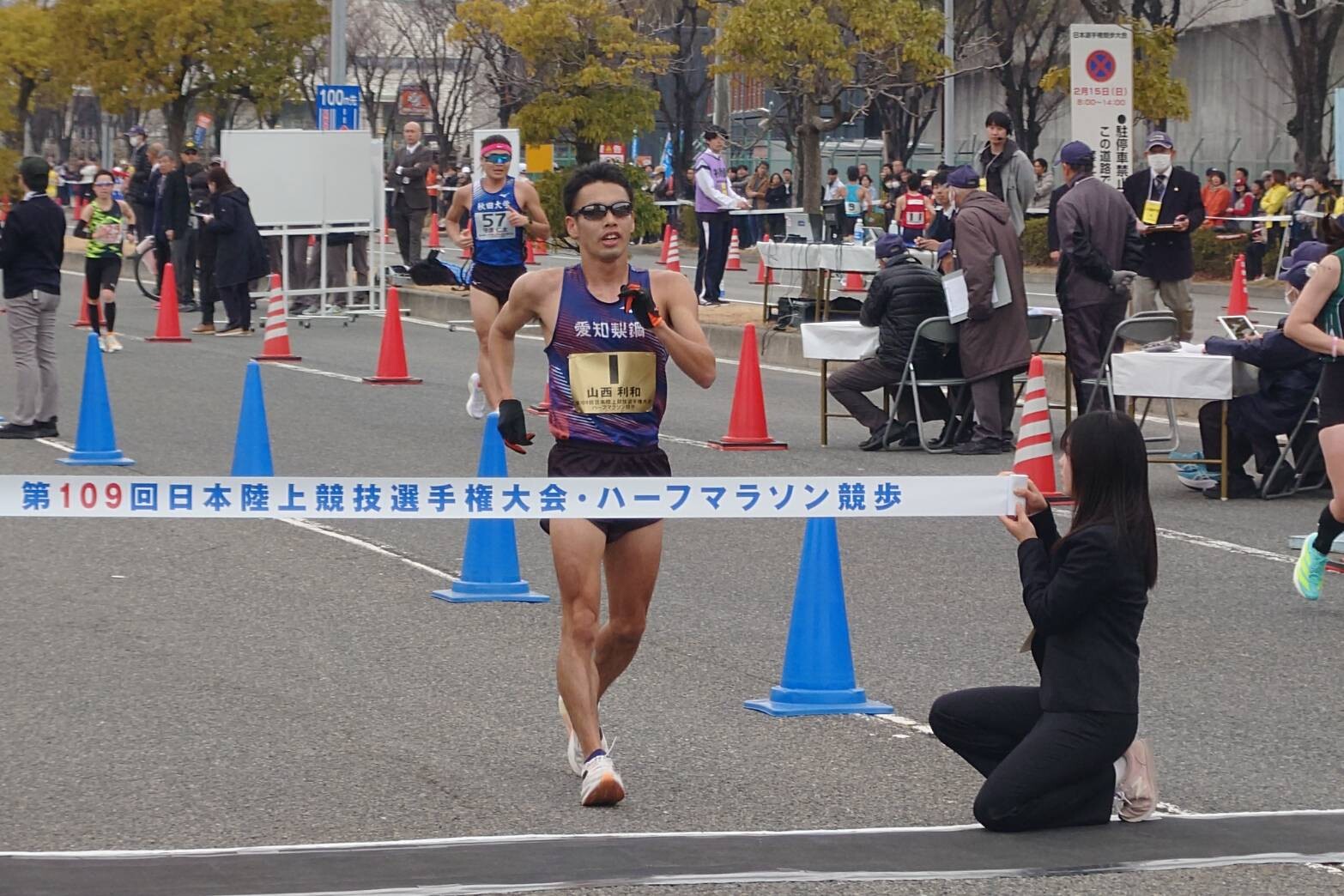
From the opening kilometers, Yamanishi established a cadence that was assertive yet impeccably measured. Race walking is an unforgiving discipline, governed not only by endurance and speed but by uncompromising technical scrutiny. Every stride must maintain visible contact with the ground; every movement must withstand the watchful gaze of judges. Within these exacting parameters, Yamanishi operated with remarkable fluency.
As the race progressed through the streets of Kobe, the splits hinted at something extraordinary. The 1:21:30 global standard, ratified only months earlier, loomed as a formidable barrier. Yet Yamanishi approached it not as a limitation, but as an invitation. Kilometer by kilometer, his rhythm remained unbroken, his posture composed, his efficiency unwavering.
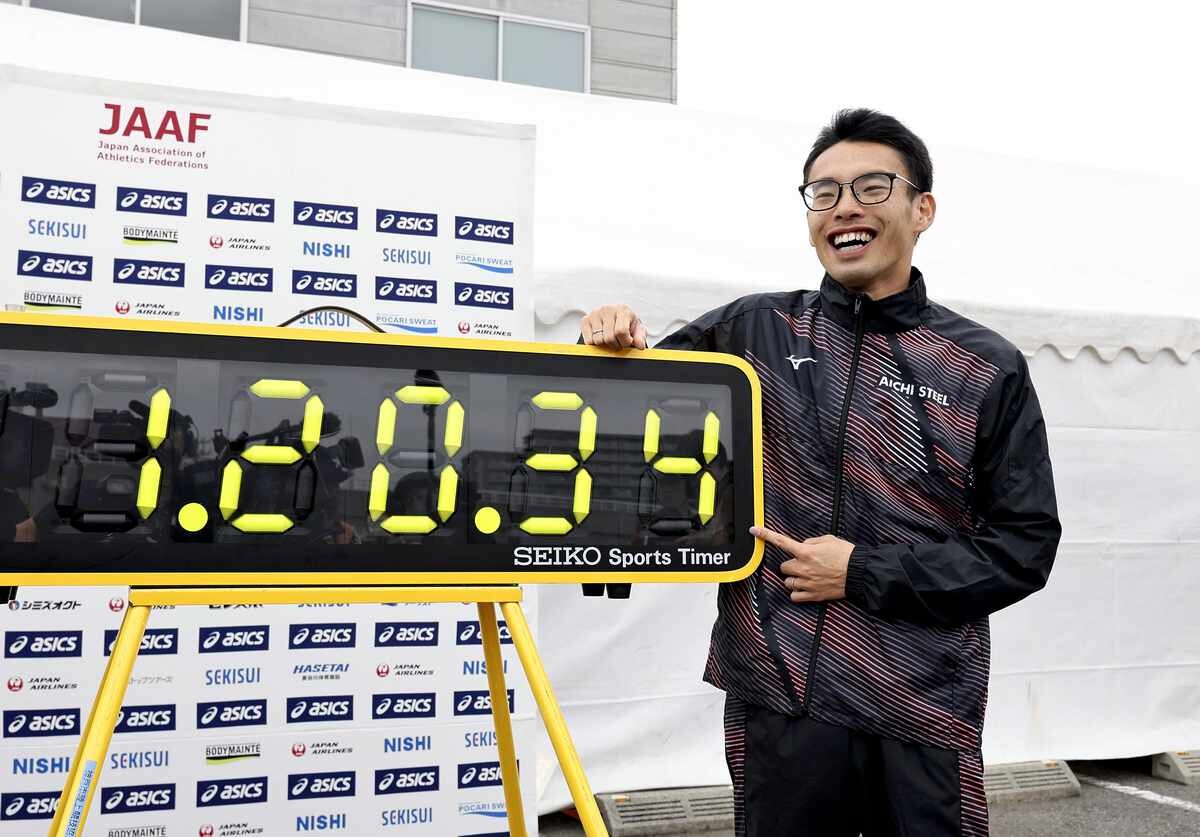
When he crossed the finish line in 1:20:34, he had not merely edged under the mark — he had emphatically dismantled it. In doing so, he became the first athlete in history to breach the 1:21:30 threshold, redefining the competitive horizon of the event.
The poetry of the moment was unmistakable. On a day traditionally reserved for reflection and celebration, Yamanishi instead authored a chapter of permanence. It was a convergence of maturity, discipline, and technical mastery — the culmination of years devoted to refining every microscopic detail of his craft.
Japan’s proud lineage in race walking has long commanded international respect. In Kobe, that legacy was not only preserved but elevated. Yamanishi’s performance stands as both a personal triumph and a signal to the global athletics community: the standards of excellence have shifted.
History will remember the time — 1:20:34. But those who followed the race will recall something deeper: the composure, the conviction, and the unmistakable sense that they were witnessing a defining moment.
On February 15, 2026, Toshikazu Yamanishi did more than celebrate a birthday. He recalibrated the limits of his sport.
by Erick Cheruiyot for My Best Runs.
Login to leave a comment
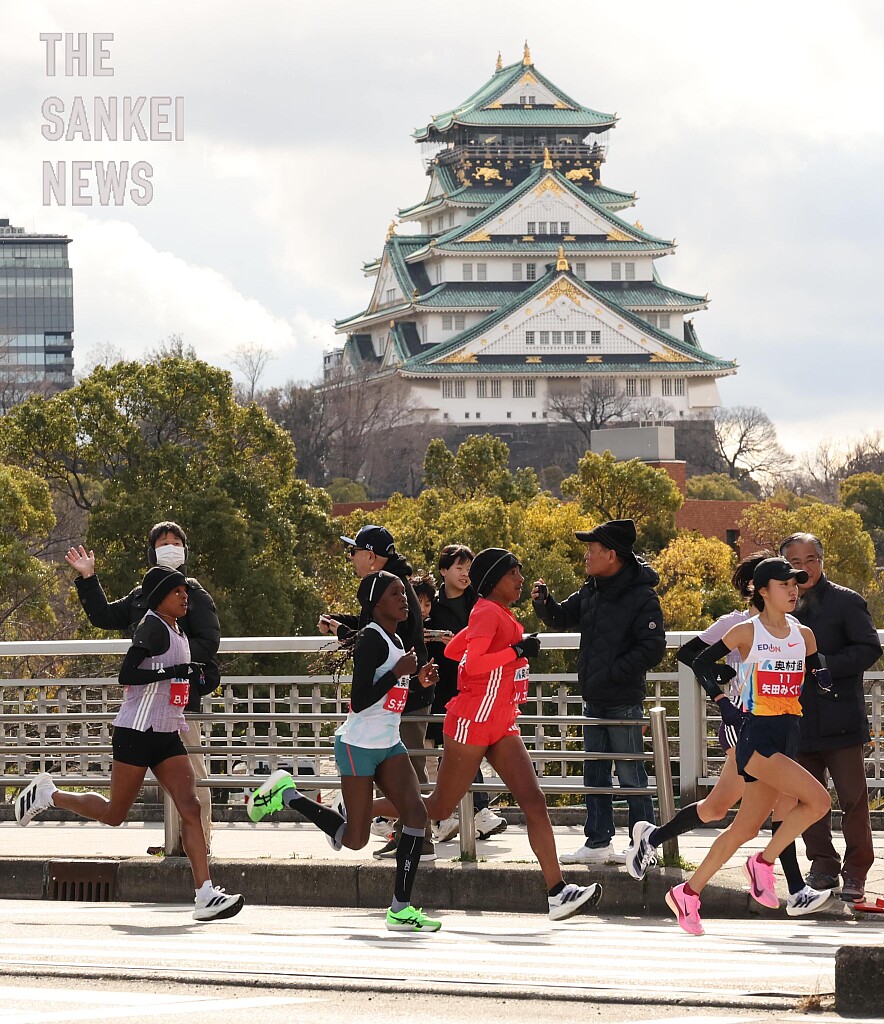
Stella Chesang Stuns the World in a Thrilling Osaka Marathon Victory
OSAKA, JAPAN — January 25, 2026 — The Osaka International Women’s Marathon 2026 delivered a spectacle of speed, endurance, and drama, as Uganda’s Stella Chesang powered to a remarkable victory in 2:19:31. From the opening kilometer to the final sprint, the race captivated fans and showcased some of the finest talent in women’s distance running.
Chesang’s triumph was the result of perfect pacing and relentless determination. She broke away at key moments, maintaining a steady, punishing rhythm that left her competitors chasing in her wake. Her win marks another milestone in an already stellar career and adds her name to Osaka’s list of marathon greats.
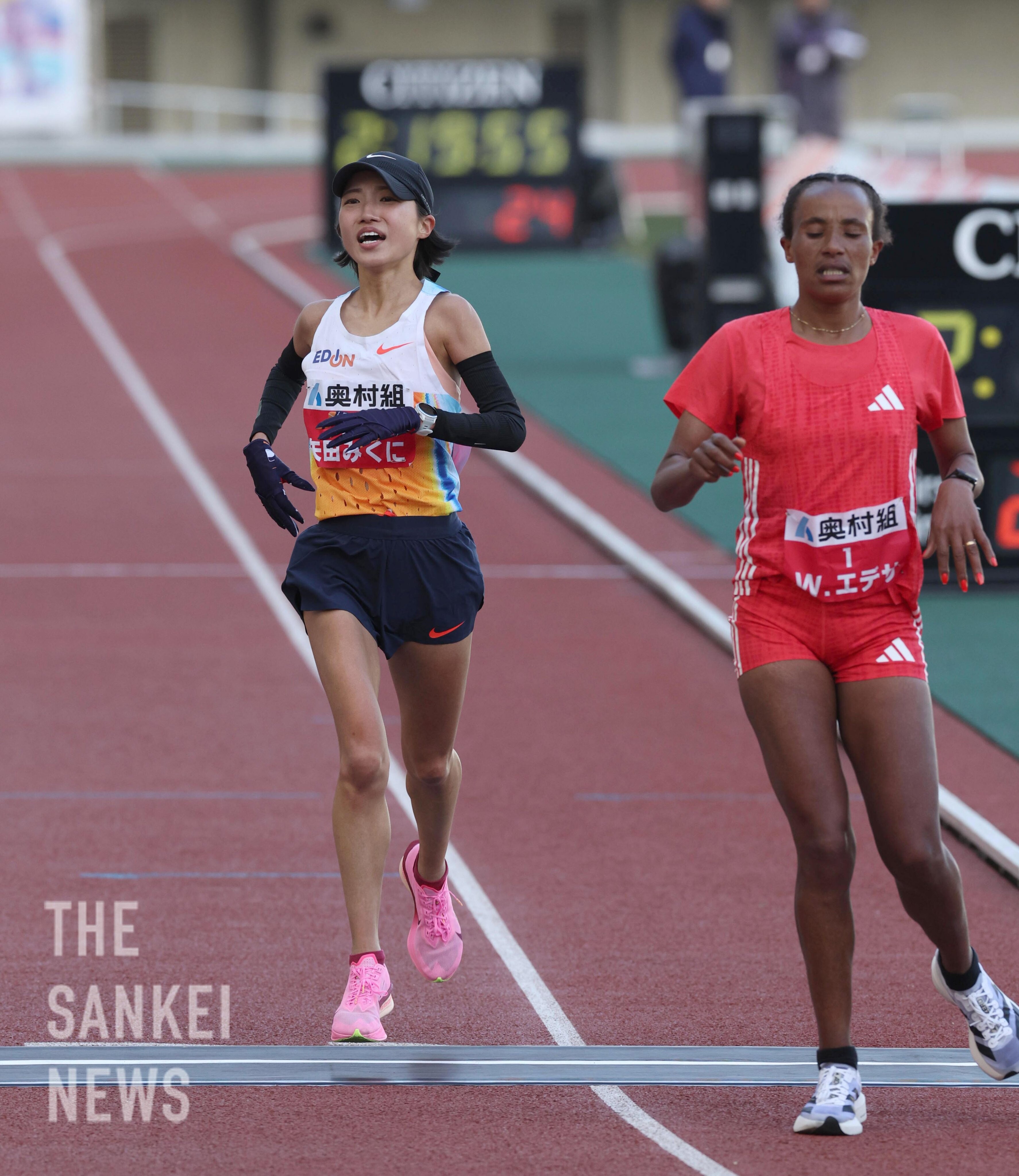
Ethiopia’s two-time defending champion Workenesh Edesa fought valiantly for silver, finishing 23 seconds behind Chesang in 2:19:54. Close behind, her compatriot Bedatu Hirpa crossed third in 2:19:56, completing an impressive East African sweep of the podium.
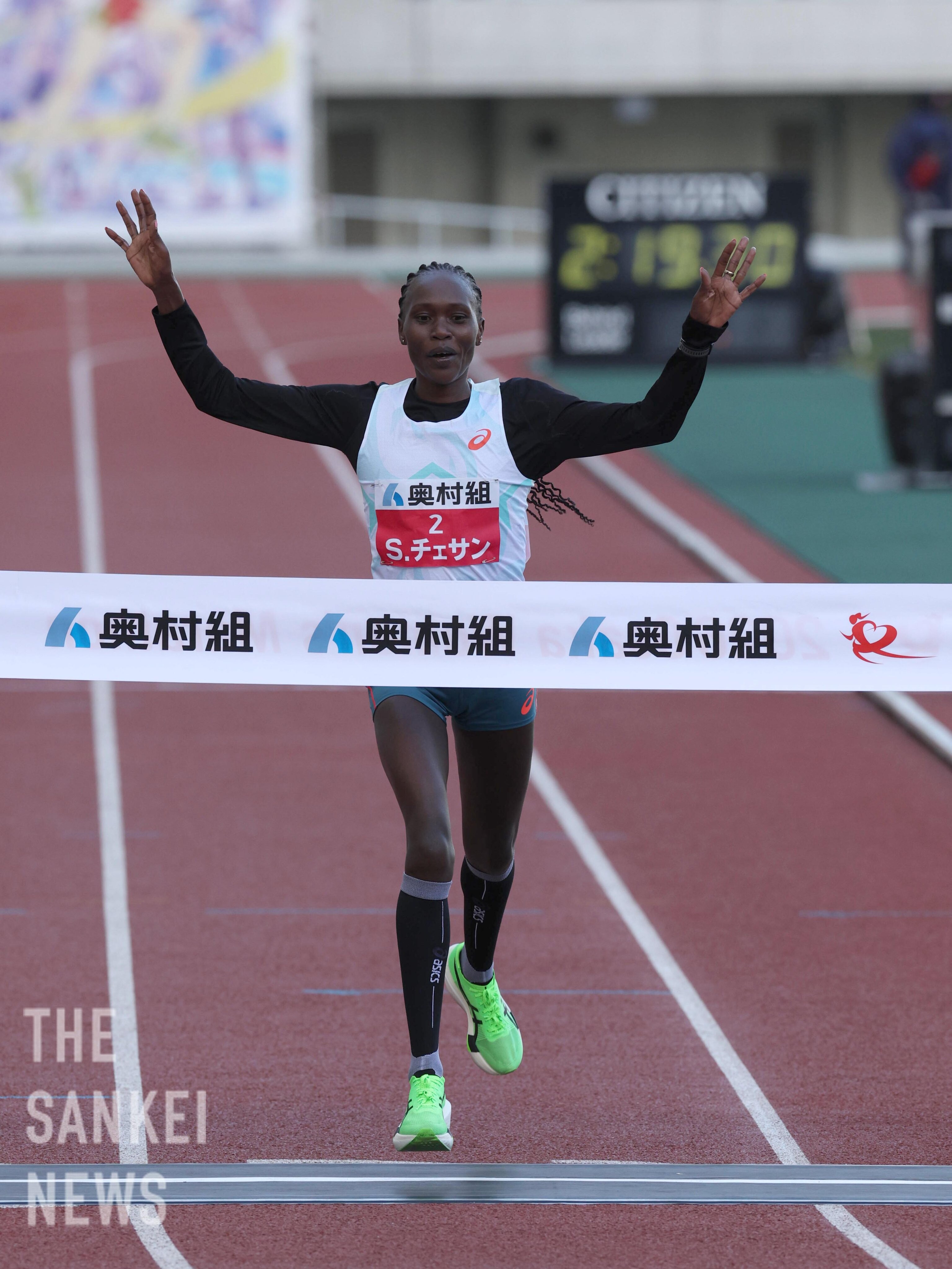
The race also had a historic moment for Japan. Mikuni Yada, in her marathon debut, ran courageously against the world’s best, finishing fourth in 2:19:57. Her time set the fastest marathon debut in Japanese women’s history, a performance that promises a bright future for the nation’s distance running scene and earned thunderous applause from fans.
The depth of talent in Osaka was on full display. Japanese athletes like Mao Uesugi (2:23:07), Rie Kawauchi (2:24:16, PB), Mizuki Matsuda (2:26:16), and Nanaka Izawa (2:27:45, PB) proved that the country’s marathon scene is strong and rising, while international stars added fierce competition at the front.
From the first kilometer to the final finish line, the 2026 Osaka Marathon was a showcase of endurance, strategy, and heart. Chesang’s victory, Yada’s historic debut, and the tight finishes across the top positions made this edition a race to remember — a perfect example of why Osaka remains one of the world’s premier women’s marathon events.
Top 10 Finishers:
1. Stella Chesang (UGA) — 2:19:31
2. Workenesh Edesa (ETH) — 2:19:54
3. Bedatu Hirpa (ETH) — 2:19:56
4. Mikuni Yada (JPN) — 2:19:57 (Debut NR)
5. Mao Uesugi (JPN) — 2:23:07
6. Rie Kawauchi (JPN) — 2:24:16 (PB)
7. Mizuki Matsuda (JPN) — 2:26:16
8. Nanaka Izawa (JPN) — 2:27:45 (PB)
9. Mizuki Nishimura (JPN) — 2:28:21
10. Madoka Nakano (JPN) — 2:29:29
The Osaka International Women’s Marathon 2026 will be remembered as a race of courage, records, and unforgettable performances — a true celebration of elite women’s distance running.
by Erick Cheruiyot for My Bestruns.
Login to leave a comment
Crowned by the Streets of Osaka: Marathon Queens Clash for 2026 Glory
As dawn breaks over Osaka, the city will transform into a grand stage of endurance, elegance, and elite ambition. On Sunday, January 25, the 2026 Osaka Women’s Marathon returns with a promise that goes beyond distance — a promise of history, pride, and fierce competition among the world’s finest women marathoners.
The clock will strike 12:15 PM local time in Japan, while Africa awakens to the drama at 6:15 AM, and the Pacific coast watches under Saturday night lights. When the starting gun fires, all eyes will be fixed on the flowing rhythm of champions chasing both victory and legacy.
At the heart of this year’s spectacle stands Workenesh Edesa of Ethiopia, a runner already woven into Osaka folklore. Champion in 2024 and 2025, Edesa arrives seeking a rare and remarkable third consecutive title. Calm, composed, and devastatingly efficient, the 33-year-old brings with her a personal best of 2:17:55, set in Hamburg in 2025 — a statement of form that makes her the woman to beat once again.
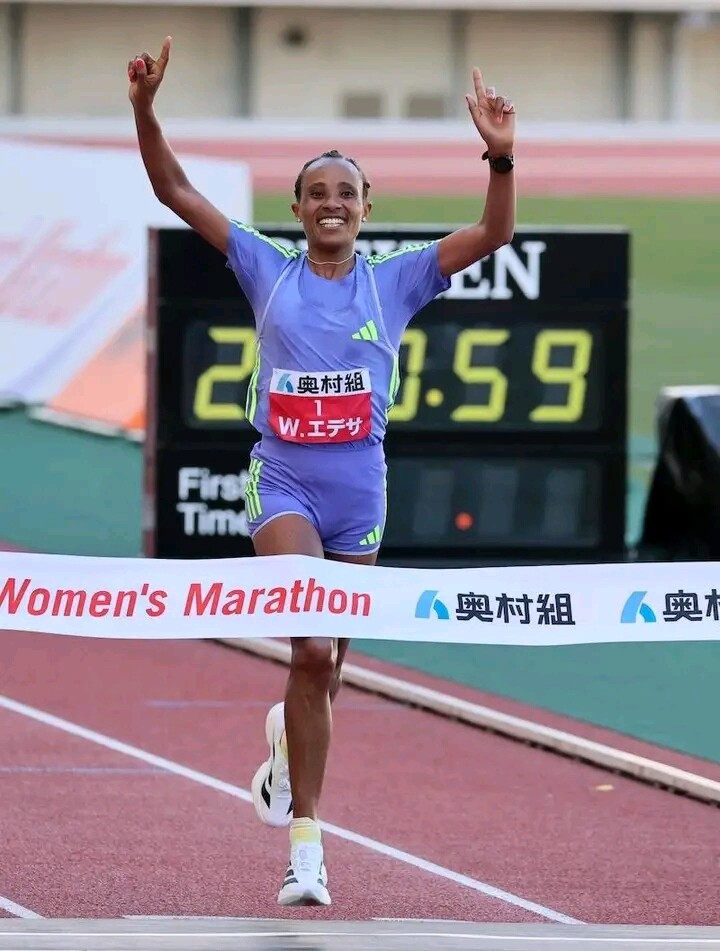
But history does not go unchallenged.
From Uganda, Stella Chesang steps onto the Osaka roads with quiet menace. At 29, she blends patience with explosive strength, owning a 2:18:26 personal best from Valencia. Her presence ensures that any moment of hesitation could be punished, and that the race will demand courage as much as conditioning.
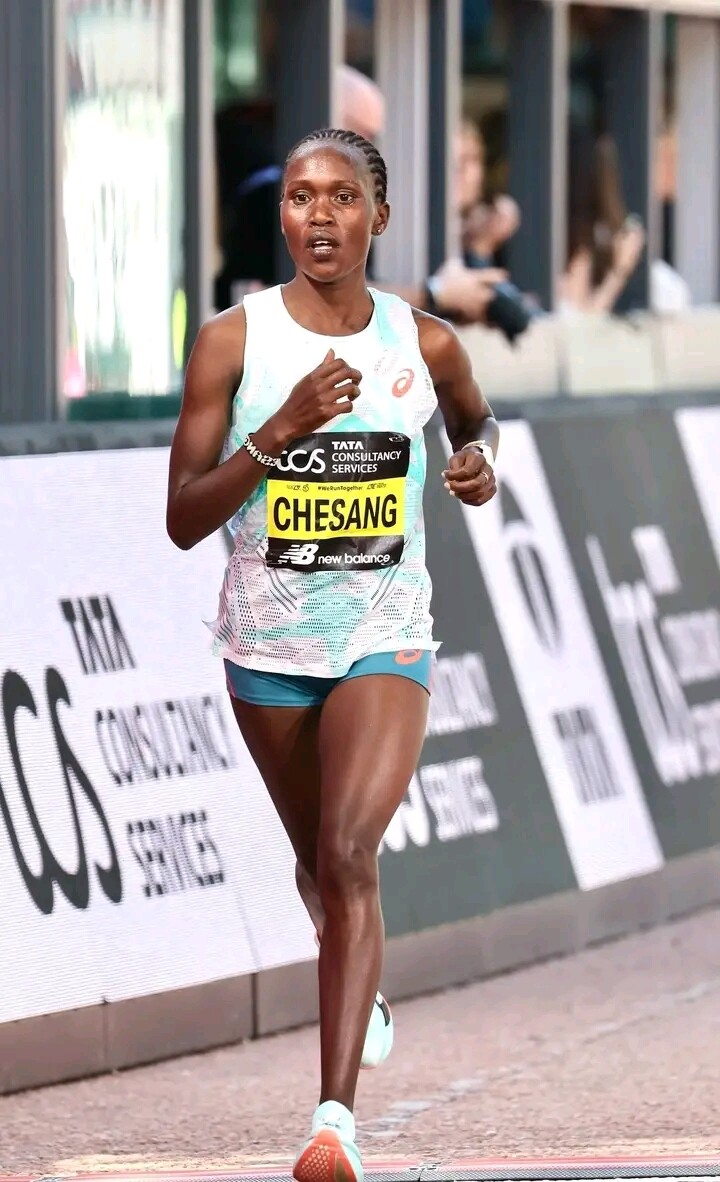
Completing the African trio is Ethiopia’s rising force, Bedatu Hirpa. At just 26, Hirpa represents the new generation — fearless, relentless, and hungry. Her 2:18:27 from Dubai signals readiness to step fully into the spotlight, and Osaka could be the stage where promise turns into authority.
Yet this marathon is not solely an African affair.
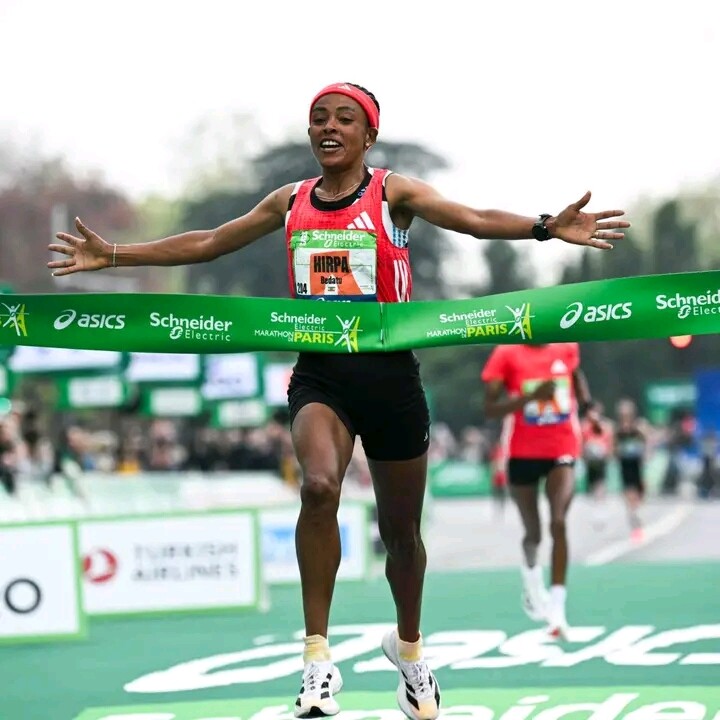
Japan answers with depth, discipline, and home-ground resolve. Mizuki Matsuda, racing for Osaka-based Daihatsu, leads the domestic charge. Her 2:20:42 from Berlin places her among Japan’s most reliable contenders, and the roar of local support may fuel something special. Alongside her, Mao Uesugi and Mizuki Nishimura embody consistency and youthful ambition, while veterans like Chiharu Suzuki, Madoka Nakano, and Nanaka Izawa bring experience carved from countless kilometers.
The Japanese lineup is rich in contrast — youth beside wisdom, patience beside boldness — each runner chasing her own definition of success on these familiar streets.
Osaka has always been more than a marathon course. It is a proving ground. A place where champions are tested not only by pace, but by pressure; not only by rivals, but by expectation. Every corner, every crowd, every silent stretch of road asks the same question: Who is ready to rule today?
On Sunday, the answer will be written step by step, breath by breath, across 42.195 unforgiving kilometers.
Three-time glory or a new queen’s coronation — Osaka is ready.
by Erick Cheruiyot for My Bestruns.
Login to leave a comment

Osaka International Womens Marathon
The Osaka International Ladies Marathon is an annual marathon road race for women over the classic distance of 42.195 kilometres which is held on the 4th or 5th Sunday of January in the city of Osaka, Japan, and hosted by Japan Association of Athletics Federations, Kansai Telecasting Corporation, the Sankei Shimbun, Sankei Sports, Radio Osaka and Osaka City. The first...
more...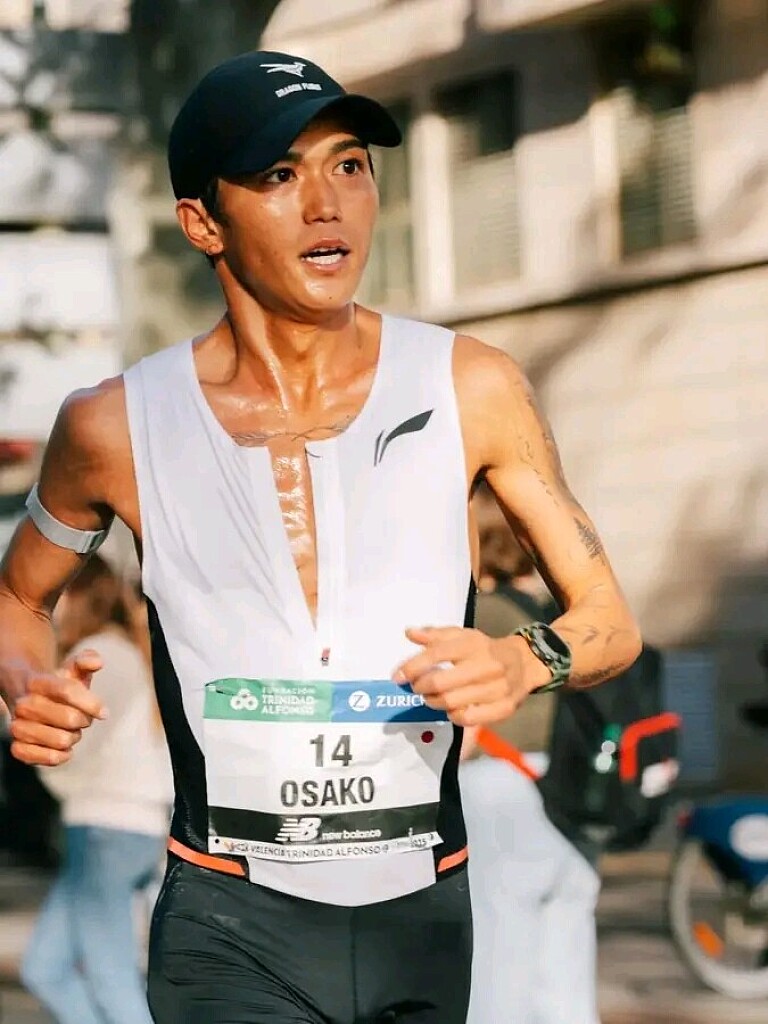
JAPAN CONFIRMS MARATHON SUPERPOWER STATUS WITH UNMATCHED DEPTH AND SPEED
A nation redefining depth, discipline and distance running.
Japan is no longer just competing in the global marathon conversation — it is shaping it. Japan has firmly established itself among the world’s elite marathon nations, with a level of depth and consistency that few countries can rival in modern distance running.
According to official World Athletics data, 93 Japanese athletes have broken the 2:10:00 barrier, a benchmark traditionally reserved for global championship contenders. Even more striking, 40 runners have dipped below 2:08:00, while 22 have crossed into the rarefied territory of 2:07 and 2:06 performances, a domain once dominated almost exclusively by East African powerhouses.
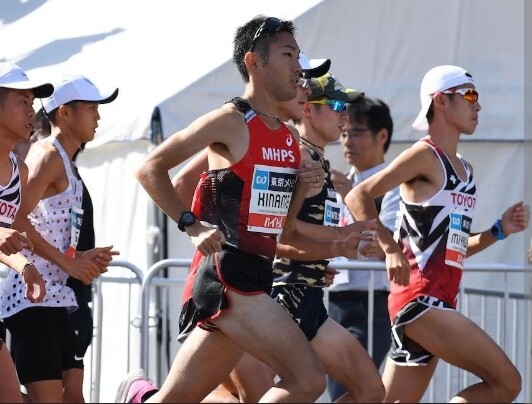
At the center of this historic surge stands Suguru Osako, the national record holder, whose 2:04:55 performance at the Valencia Marathon in December 2025 redefined what was thought possible for Japanese marathon running. Osako’s run was not only a national record but also a technical masterclass in pacing efficiency, metabolic control, and late-race resilience — elements essential at the highest level of the sport.
Yet Japan’s true strength lies far beyond a single performance.
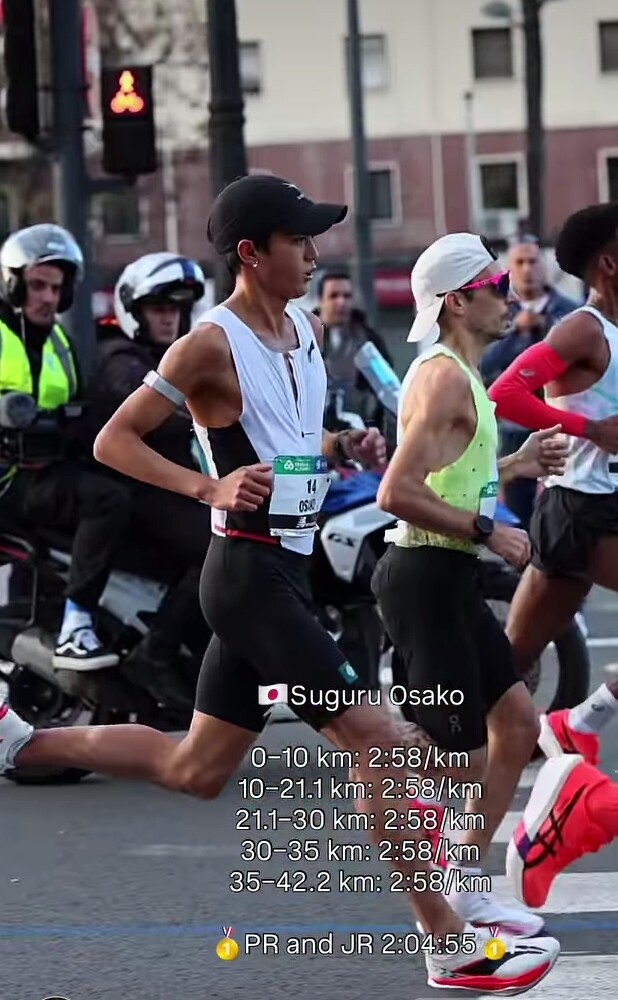
Kengo Suzuki (2:04:56), Yohei Ikeda (2:05:12), Yuya Yoshida (2:05:16), Ryota Kondo (2:05:39), and Ichitaka Yamashita (2:05:51) form part of a formidable top-10 list that rivals the depth of any marathon nation worldwide. These athletes have delivered elite-level times across major marathon venues including Tokyo, Berlin, Fukuoka, Osaka, and Valencia, demonstrating adaptability to varied courses, climates, and tactical demands.
Technically, Japan’s rise is built on precision rather than chance. Athletes are developed through a rigorous system emphasizing high-volume aerobic conditioning, controlled race simulation, and data-driven pacing strategies. University ekiden competitions serve as an early proving ground, while corporate teams provide long-term athlete support, ensuring continuity from development to peak performance years.
This structure has created a competitive domestic environment where selection standards are unforgiving and every race is contested at world-class pace. As a result, Japanese marathoners arrive on the international stage already hardened by high-pressure racing.
Emotionally, the impact is profound. Each breakthrough performance represents years of discipline, sacrifice, and collective belief — a quiet but powerful challenge to the global marathon hierarchy.
As qualification windows for future Olympic Games and World Championships approach, Japan now possesses not just contenders, but depth capable of influencing race dynamics at the highest level.
The message to the world is unmistakable:
Japan is no longer chasing marathon excellence — it is defining it.
by Erick Cheruiyot for My Bestruns.
Login to leave a comment
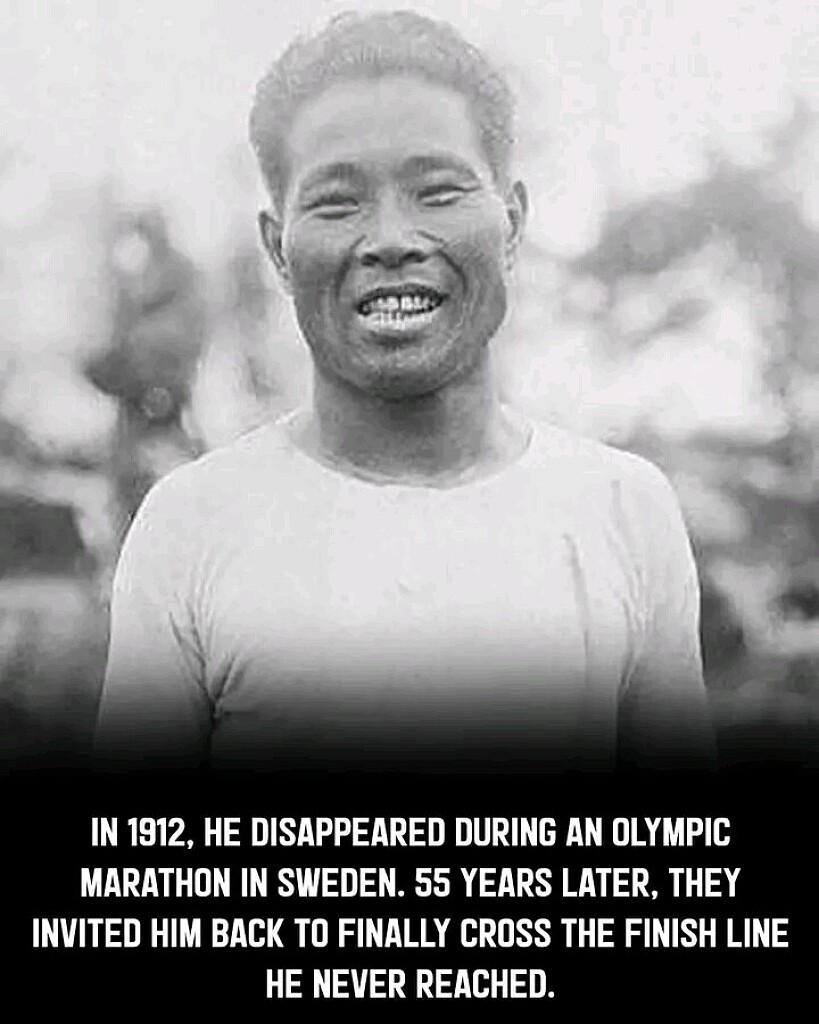
The Runner Who Vanished in 1912 and Returned in 1967
On July 14, 1912, Shizo Kanakuri stood on the start line of the Olympic marathon in Stockholm, carrying more than just race-day nerves. At 20 years old, he was representing Japan for the first time in Olympic history, introducing his country to the global stage of athletics.
Kanakuri wasn’t there simply to participate. He was one of the world’s best distance runners, having recently set a world record for 40 kilometers in 2:32:45. Expectations were high.
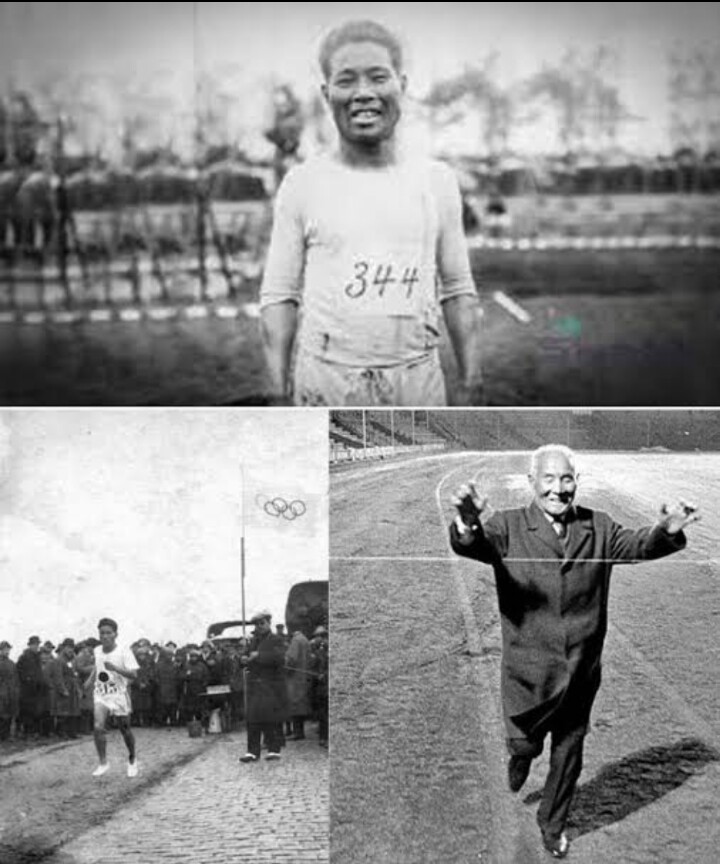
But Stockholm delivered brutal conditions. Temperatures soared to 32°C (90°F), devastating for marathoners. Sixty-eight runners from 19 nations started the race, the largest Olympic marathon field to date. Many would not finish.
Running near the front early on, Kanakuri made a decision shaped by the training beliefs of the era: he chose not to drink water, convinced it would slow him down. In extreme heat, the decision proved disastrous.
By 27 kilometers, he was in serious trouble—blurred vision, heavy legs, heat overwhelming his body. Near the course, he spotted a family garden party. Staggering off the route, he was taken in by the Pettersson family, who gave him water and juice. Exhausted, Kanakuri sat down—and fell asleep.
When he woke, the marathon was long over.
Ashamed and overwhelmed, Kanakuri quietly left Stockholm without informing race officials. To the Swedish Olympic Committee, he simply vanished. For decades, Olympic records listed him as missing.
But Kanakuri wasn’t lost. He returned to Japan, continued running, and later competed in the 1920 and 1924 Olympics. He never won a medal, but he became a teacher, mentor, and pioneer of Japanese distance running. He built a full life—married, raised six children, and inspired generations.
In 1962, Swedish journalist Claes Fellbom uncovered the mystery while researching Olympic history. He tracked Kanakuri down in Japan and learned the full story. When Swedish officials heard it, they made an extraordinary decision.
They invited him back.
In 1967—55 years after the race—Kanakuri returned to Stockholm at age 76. He visited the same neighborhood where he had stopped in 1912, met the family connected to that day, and was escorted to the Olympic Stadium.
A finish-line banner was raised. Cameras rolled.
Dressed in a suit, not racing gear, Shizo Kanakuri walked across the finish line he never reached as a young man. The clock was stopped ceremonially.
Official time:
54 years, 8 months, 6 days, 5 hours, 32 minutes, 20.3 seconds
The longest marathon in Olympic history.
Asked about his race, Kanakuri smiled and joked:
“It was a long run. Along the way, I got married, had six children, and ten grandchildren.”
Kanakuri died in 1983 at age 92. He is remembered not for medals or records, but for a story that captured something deeper about sport.
Sometimes running isn’t about winning.
Sometimes it’s about finishing—no matter how long it takes.
And sometimes, a finish line waits.
by Erick Cheruiyot
Login to leave a comment
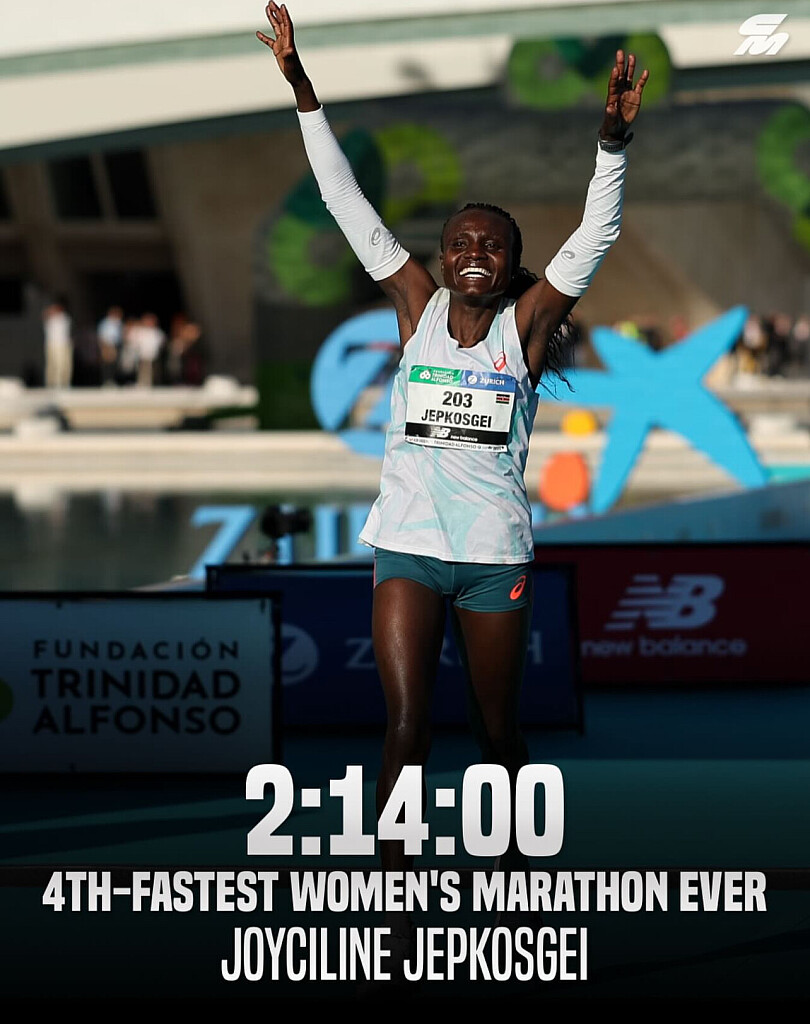
Records Fall as Korir and Jepkosgei Triumph at the 2025 Valencia Marathon
VALENCIA, Spain — December 7, 2025
The 2025 edition of the Valencia Marathon once again delivered world-class performances, national records and an elite-deep field over a fast, flat course in near-perfect early-December conditions.
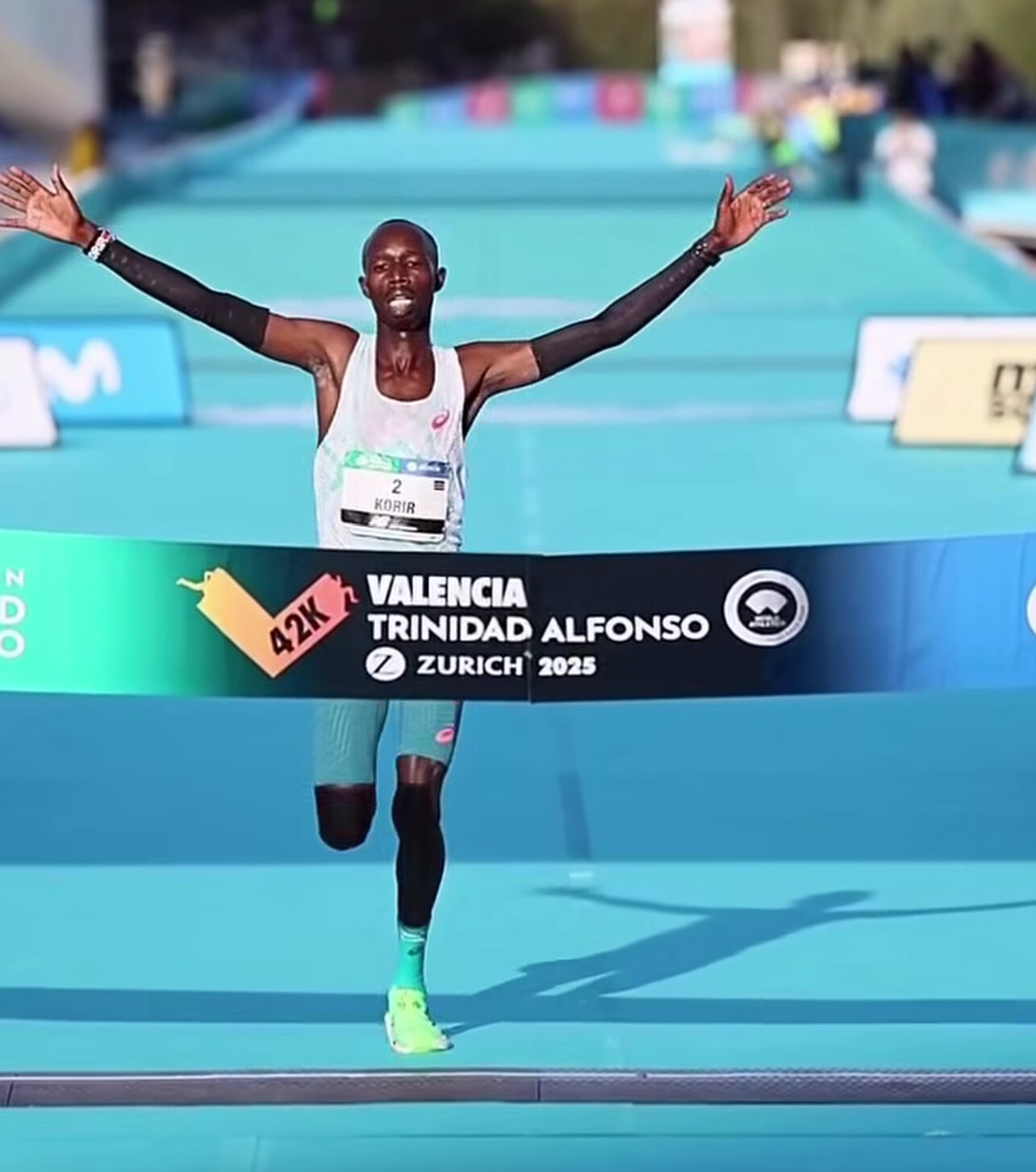
Conditions & Course — Perfect for Fast Times
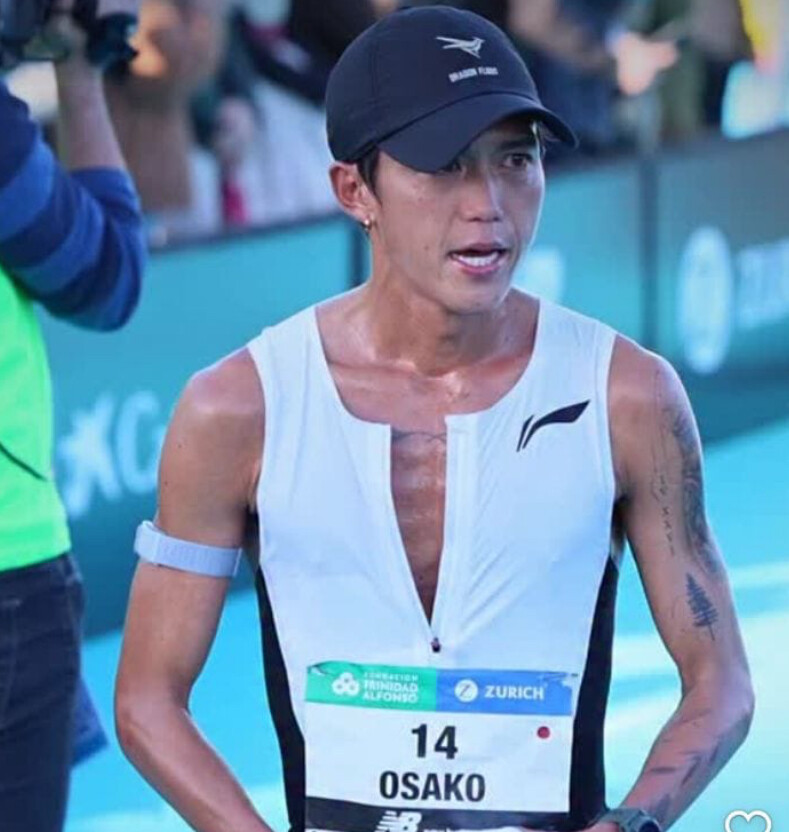
The marathon started at 8:15 a.m. local time, on a flat, sea-level course that winds through wide avenues, coastal stretches, and the scenic historic center of Valencia.
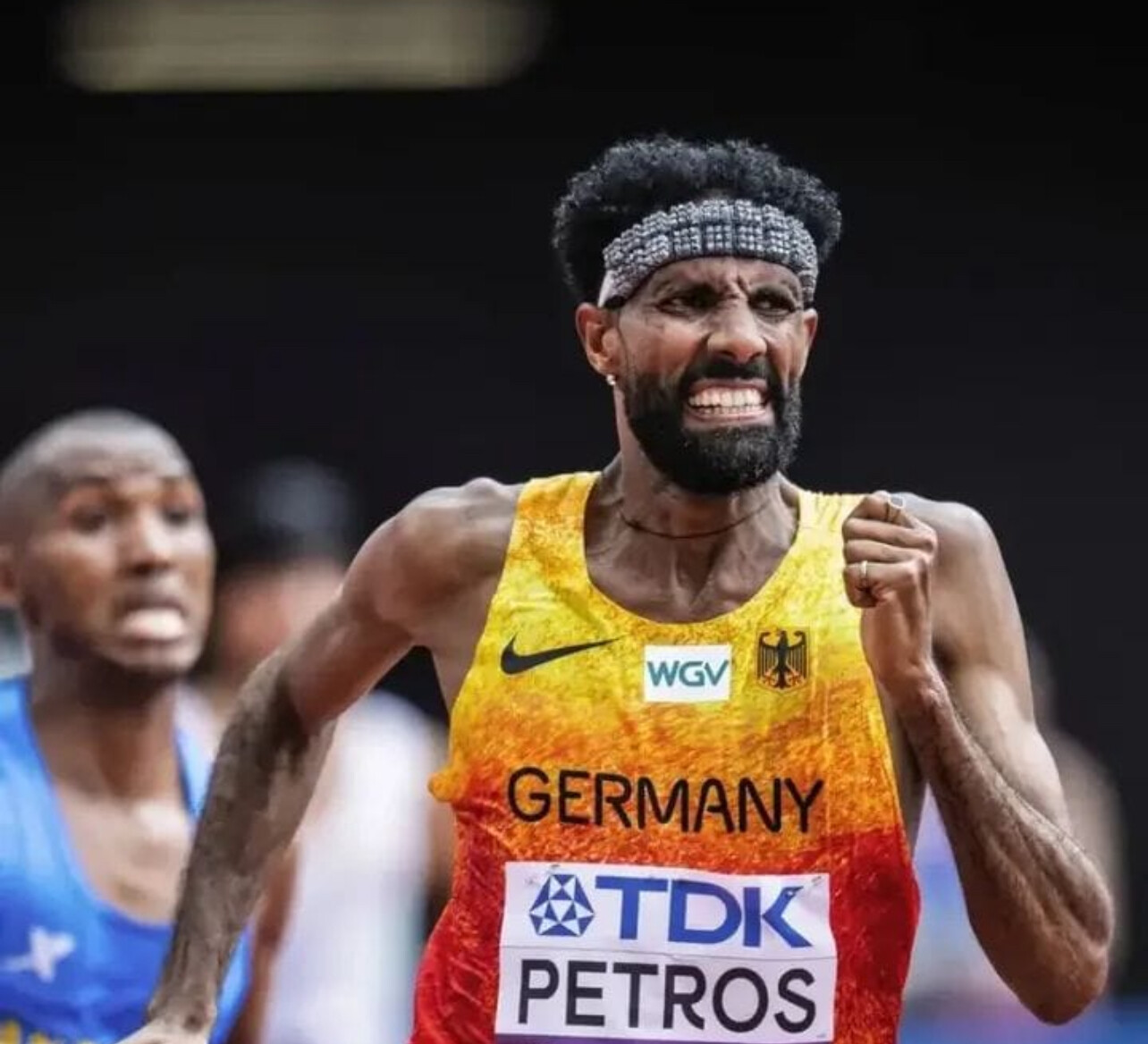
Race organizers and runners praised the combination of smooth pavement, well-organized hydration/aid stations roughly every 5 km, and benign weather — all of which contributed to ideal conditions for record-chasing efforts.
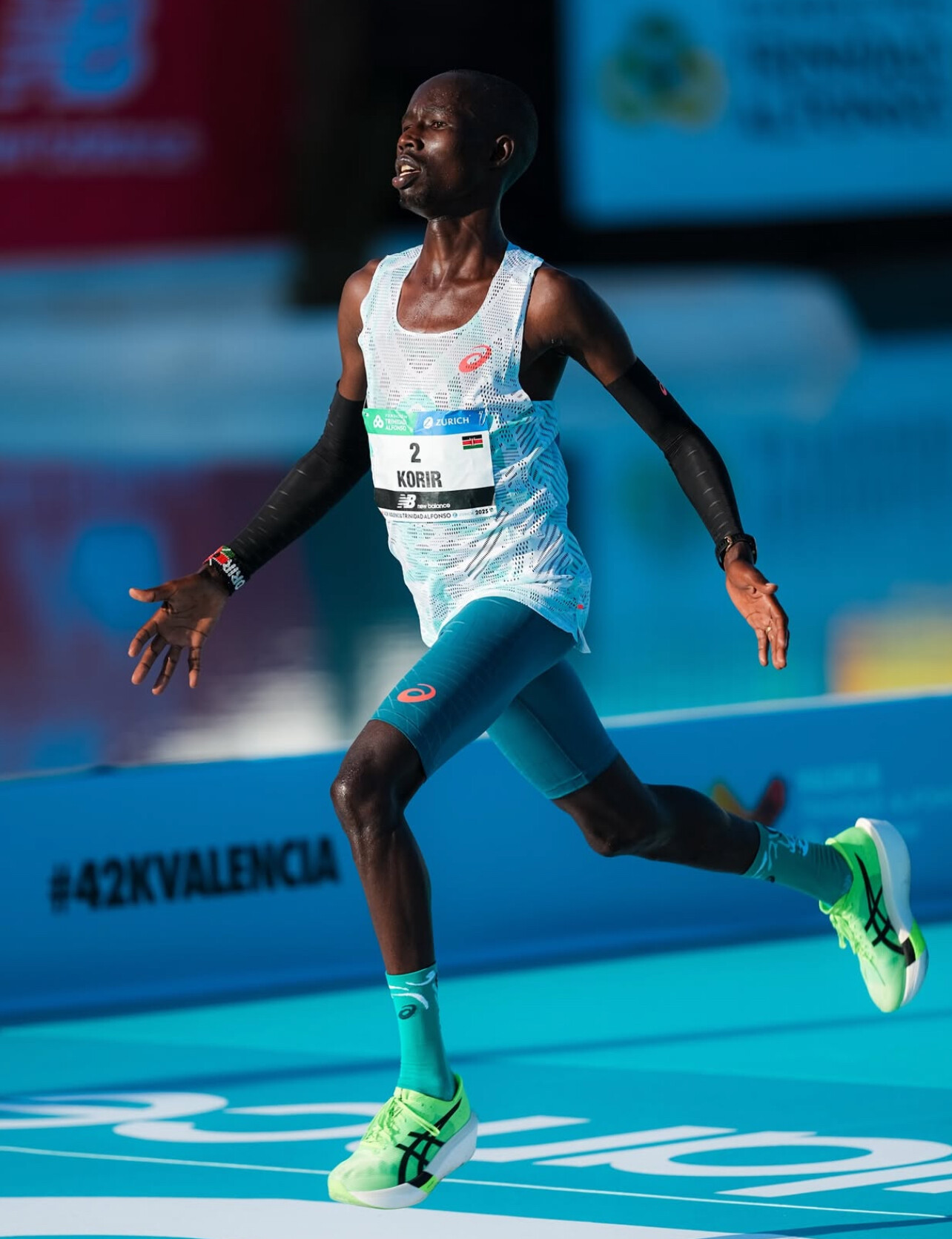
Standout Performances & National Records
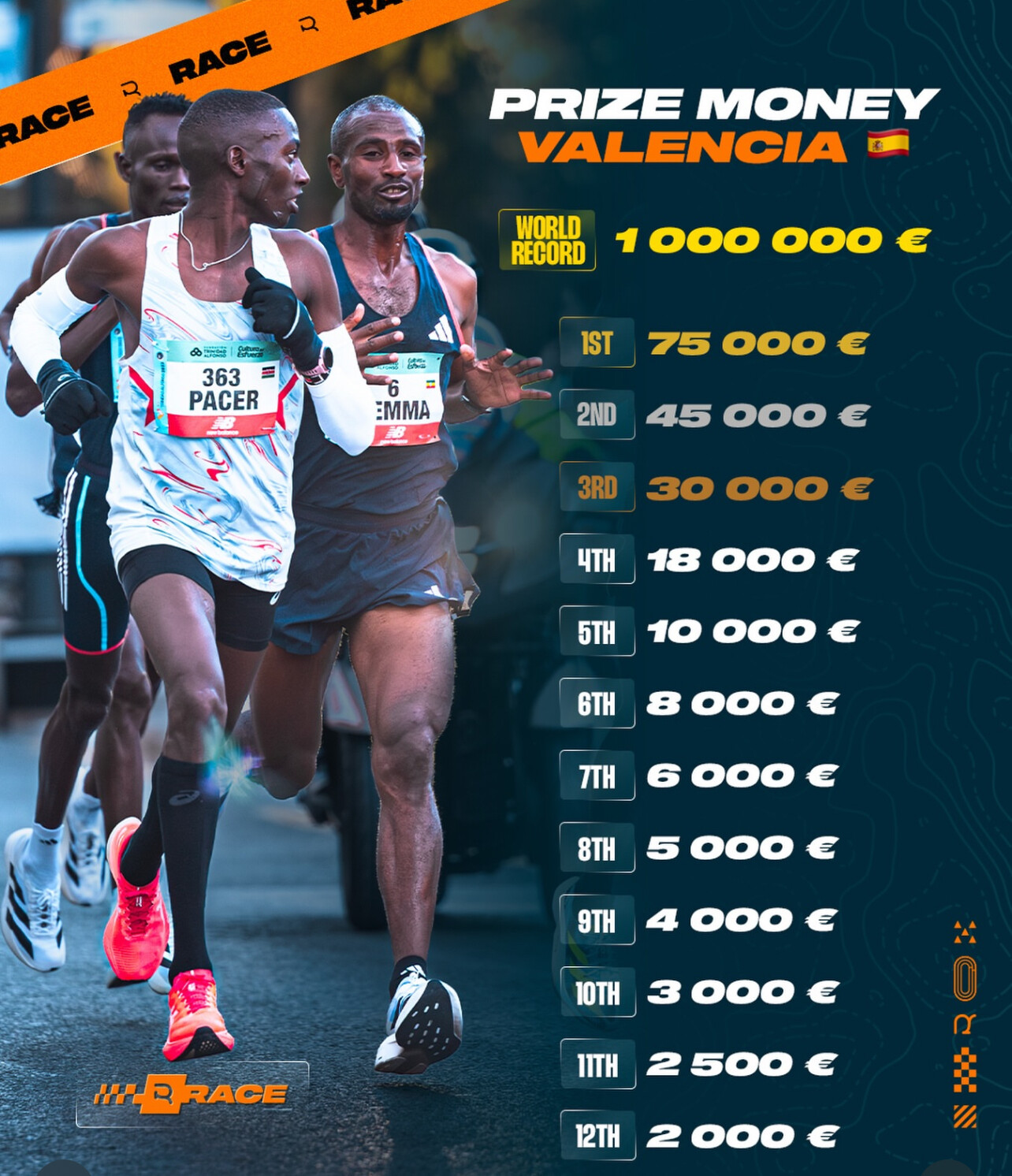
• Men’s Winner — John Korir (KEN) crossed the line in 2:02:24, setting a personal best and claiming the men’s title in dominant fashion.
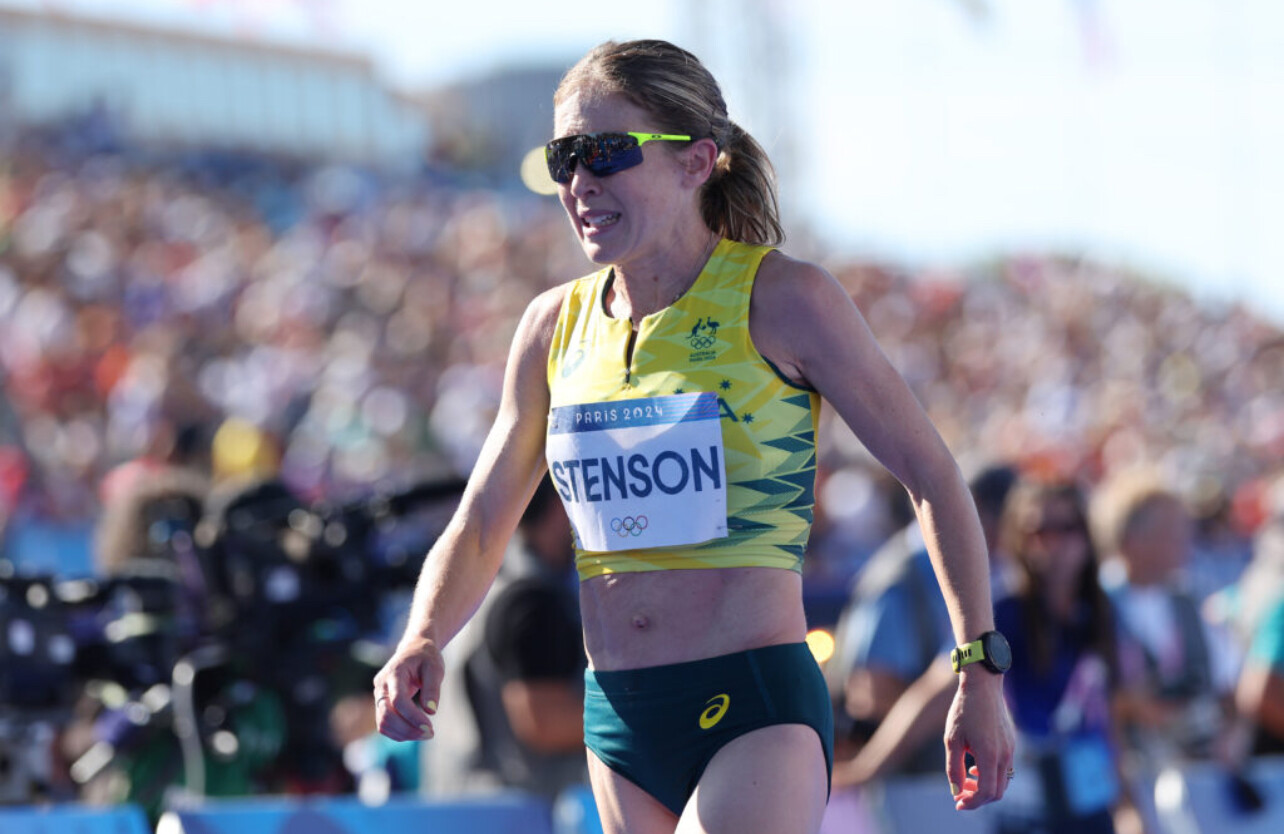
• Amanal Petros (GER) took second with 2:04:03, smashing the German national record and re-establishing himself among Europe’s elite marathoners.
• Suguru Osako (JPN) ran 2:04:55 to finish fourth overall — a new Japanese national record and a major personal best.
• On the women’s side, Joyciline Jepkosgei (KEN) won with 2:14:00, the fastest women’s marathon time in the world this year — and now the fourth-fastest women’s marathon performance in history.
• Peres Jepchirchir (KEN) finished second in 2:14:43, giving Kenya a dominant 1-2 sweep in the women’s race.
• Jessica Stenson (AUS) clocked 2:21:24, breaking the Australian national marathon record — a momentous achievement that makes her the fastest Australian woman ever over 42.195 km.
Top Finishers — Elite Spotlight
Men
1. John Korir (KEN) — 2:02:24
2. Amanal Petros (GER) — 2:04:03 (German record)
3. Awet Kibrab (NOR) — 2:04:24
4. Suguru Osako (JPN) — 2:04:55 (Japanese record)
5. Gashau Ayale (ISR) — 2:05:29
6. Justus Kangogo (KEN) — 2:06:10
7. Alex Yee (GBR) — 2:06:38
8. Félix Bour (FRA) — 2:06:41
9. Filmon Tefsu (NED) — 2:06:42
10. Gemechu Dida (ETH) — 2:06:45
Women
1. Joyciline Jepkosgei (KEN) — 2:14:00
2. Peres Jepchirchir (KEN) — 2:14:43
3. Chloe Herbiet (BEL) — 2:20:38
4. Alisa Vainio (FIN) — 2:20:48
5. Jessica Stenson (AUS) — 2:21:24 (Australian record)
Mass Race & Depth Behind Elites
Beyond the elite competition, the 2025 Valencia Marathon also featured a massive recreational and amateur component — true to its reputation as one of the most accessible and well-attended marathons globally. The race drew tens of thousands of runners, from competitive amateurs seeking sub-3:00 times to first-time marathoners chasing a finish line under the Mediterranean sun. The broad, flat course, combined with frequent refreshment and aid stations, plenty of crowd support, and smooth logistics helped countless runners achieve personal bests, secure Boston or other Major qualifiers, or simply check off a bucket-list marathon.
This blend of elite performance and mass participation underscores why Valencia remains a favorite among serious runners, recreational marathoners, and anyone chasing a fast, well-supported marathon experience.
The 2025 Valencia Marathon Will Be Remembered
• A world-leading women’s time (2:14:00) that now sits among the fastest five in history.
• Multiple national records — for Germany, Japan, and Australia — in a single edition.
• A men’s field with seven finishers under 2:05, showing the depth and quality of competition.
• A fast, flat, sea-level course and ideal weather that once again proved why Valencia is a “time-trial” marathon.
Valencia 2025 was not just another marathon — it was a landmark event. For runners, record-chasers, and fans, it set a high bar for what a winter marathon can deliver: speed, spectacle, and unforgettable achievements.
by Boris Baron
Login to leave a comment

VALENCIA TRINIDAD ALFONSO
The Trinidad Alfonso EDP Valencia Marathon is held annually in the historic city of Valencia which, with its entirely flat circuit and perfect November temperature, averaging between 12-17 degrees, represents the ideal setting for hosting such a long-distance sporting challenge. This, coupled with the most incomparable of settings, makes the Valencia Marathon, Valencia, one of the most important events in...
more...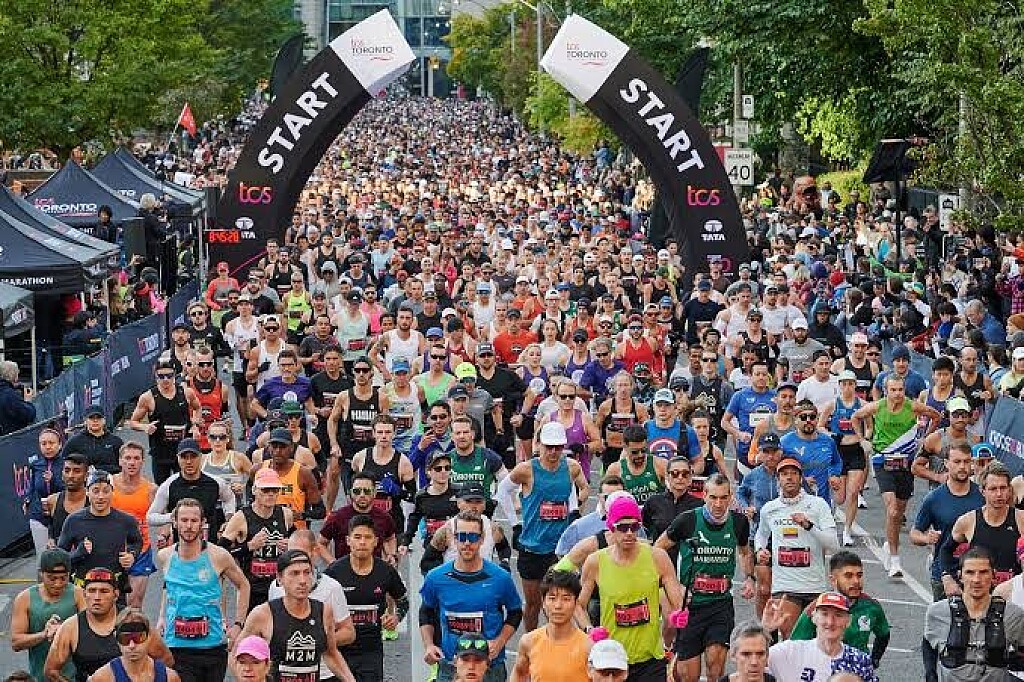
Kenyan Duo to Battle for TCS Toronto Waterfront Marathon Title
Toronto, Canada — October 19, 2025. The stage is set for another East African showdown at the TCS Toronto Waterfront Marathon, a World Athletics Elite Label Race. Two top Kenyan runners, Beatrice Cheserek and Cynthia Chemweno, have been confirmed to take on Ethiopia’s rising stars Almaz Kebebe and Adane Anmaw, in what promises to be one of the most competitive women’s races in the event’s history.
Beatrice Cheserek’s Confident Marathon Debut
At 26, Beatrice Cheserek will make her marathon debut in Toronto, bringing impressive credentials to the start line. She owns a half marathon personal best of 1:06:48, recorded while winning the 2022 Cardiff Half Marathon, and has already experienced the pressure of major marathons.
In 2023, she paced compatriot Rosemary Wanjiru through 30 kilometers of the Tokyo Marathon, a World Marathon Major that Wanjiru went on to win in 2:16:28. Cheserek’s performance that day proved her strength over the distance — and she’s ready to test herself as a full competitor.
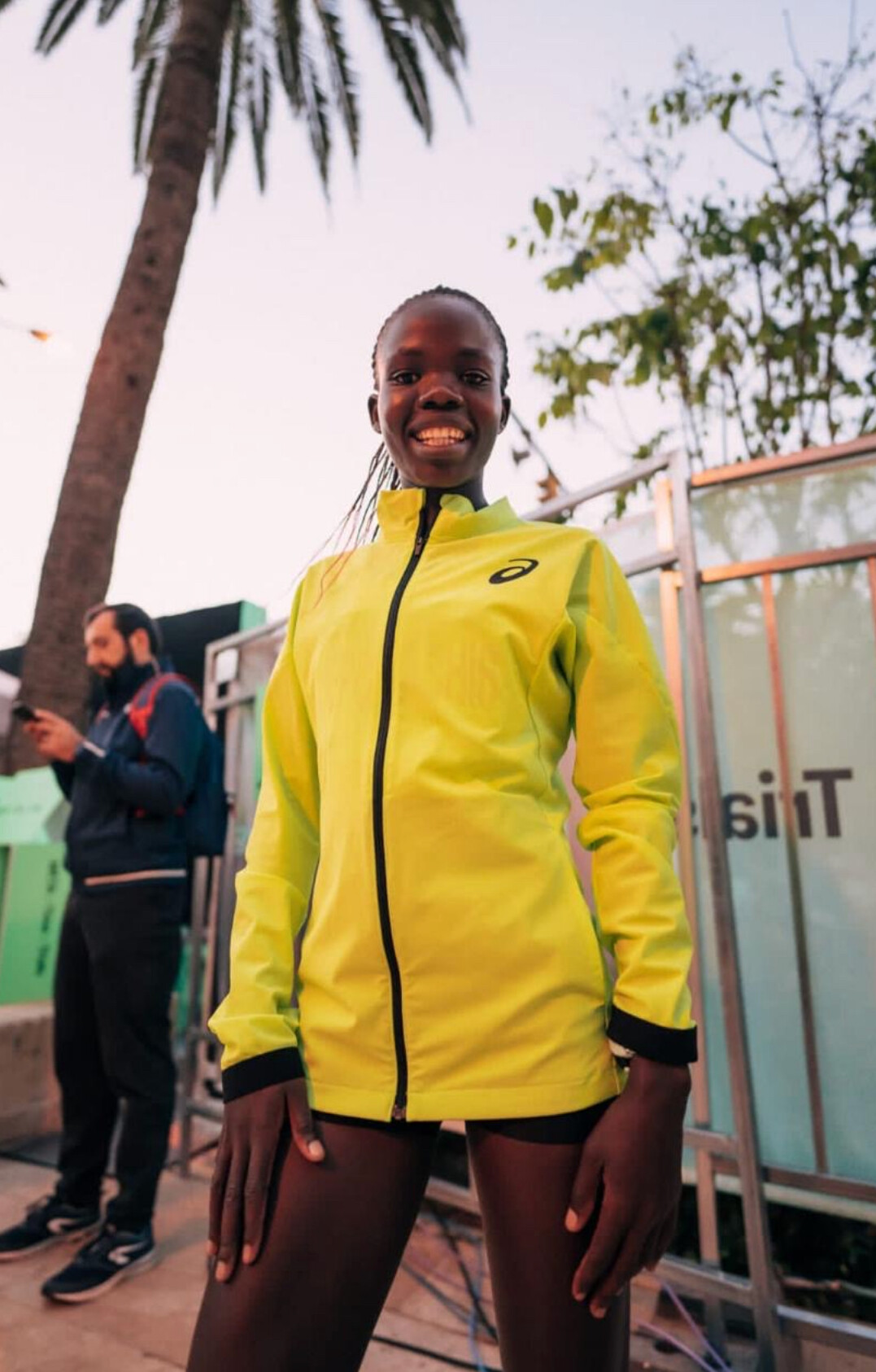
“This is my first marathon, and I hope to do my best,” Cheserek said. “I paced in Tokyo for Rosemary Wanjiru, and she ran 2:16, so I know I am strong. I want to run 2:20 or 2:19 in Toronto. It’s a fast course.”
After taking maternity leave to give birth to her son Fabian Kiprop, now 15 months old, Cheserek has made a steady comeback. Earlier this year, she placed sixth at Spain’s Santa Pola Half Marathon, running 1:10:25. Her confidence has grown with each training cycle.
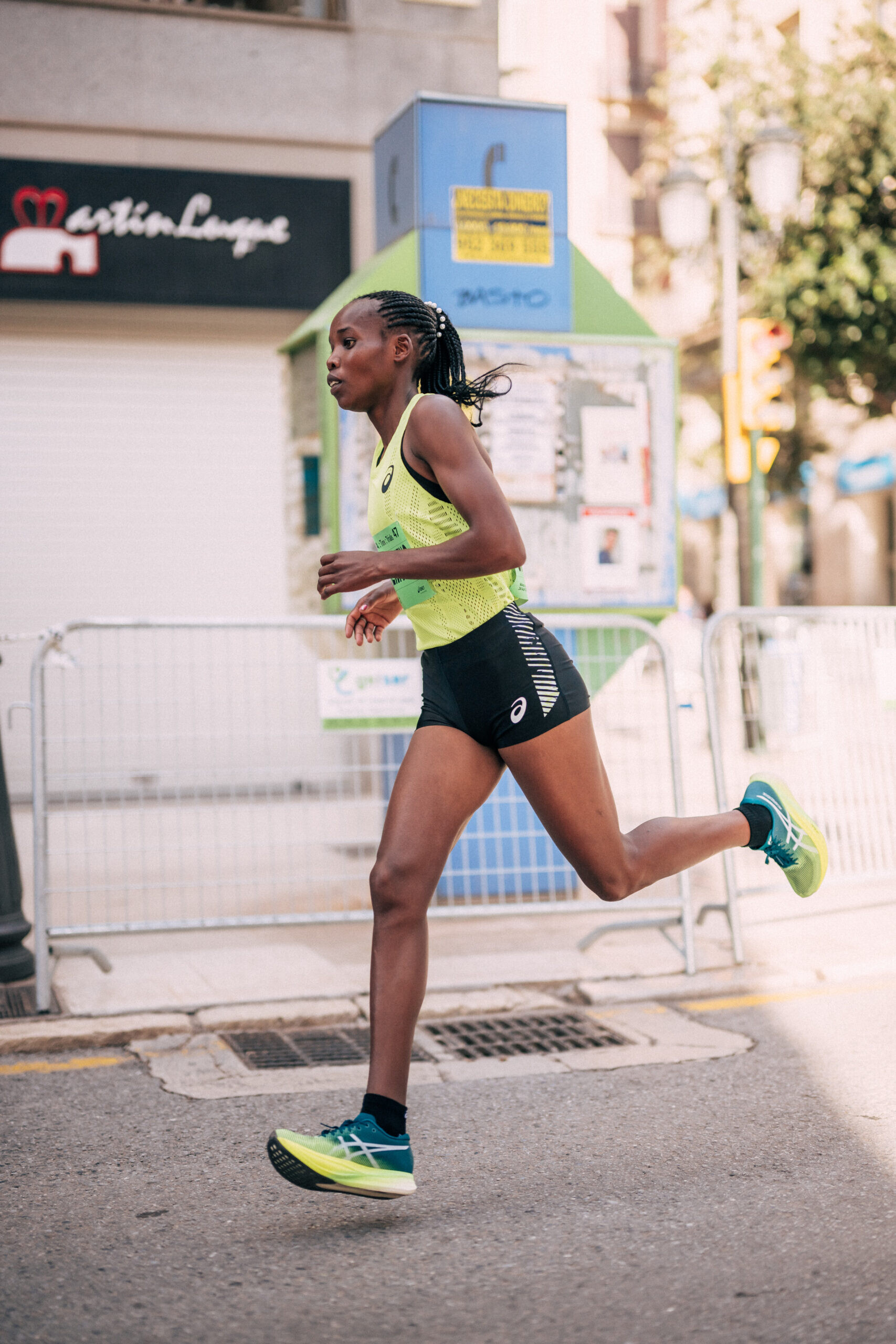
“My training now is going well,” she added. “Last week I did 40 kilometers and finished strong. I know Toronto is not a hard course — a little bit faster — and I’m ready.”
Cynthia Chemweno Targets Another Breakthrough
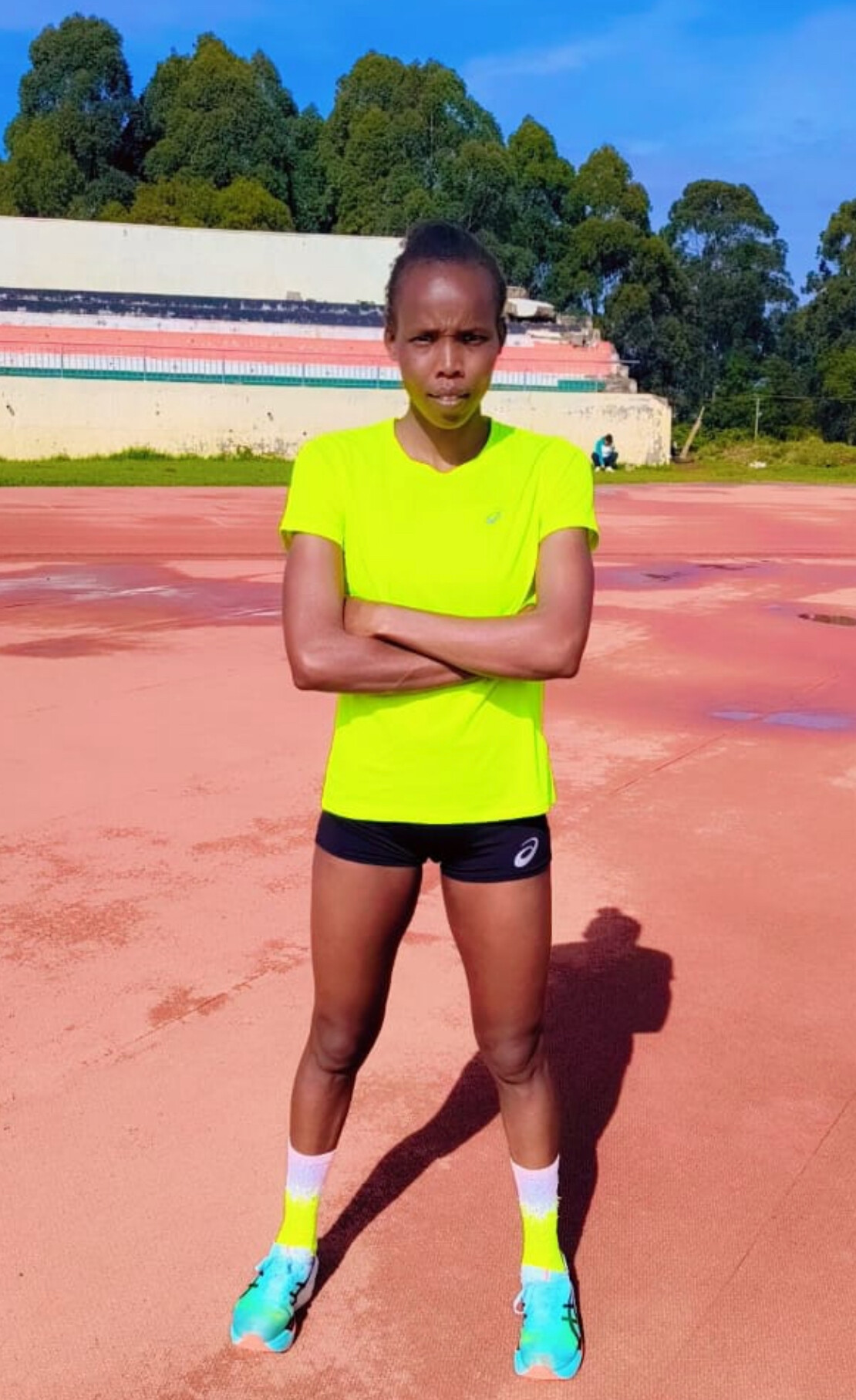
Her teammate Cynthia Chemweno, 28, also arrives in Toronto with growing momentum. In her marathon debut at Hamburg in April, she finished fifth in 2:23:39, a time that gave her valuable confidence heading into the fall season.
“Hamburg was my first marathon, and I managed a good time,” Chemweno said. “The course was great, and I really enjoyed it. I’m excited to improve in Toronto.”
Chemweno and Cheserek are both part of the ASICS Mezzo Sports Management group. The two trained together frequently before Chemweno relocated to Chojo Camp in Kaptagat — a name derived from the Japanese word meaning “striving for the peak.” The camp is home to several top Kenyan male athletes and coaches.
Cheserek continues to train from her hometown of Chepkorio, 40 kilometers from Iten, supported by her husband Cyrus Kiplagat, himself a competitive runner.
“He is the one who helps me with pacing,” she explained. “When I train, my sister-in-law looks after Fabian. It’s not always easy, especially during the rainy season when the dirt roads are impassable, but I keep working hard.”
Course Record in Sight
The Toronto Waterfront Marathon course record of 2:20:44, set by Ethiopia’s Waganesh Mekasha, could be under threat. Mekasha is a training partner of Kebebe and Anmaw — both part of the emerging Ethiopian generation now challenging Kenyan dominance.
With Cheserek targeting a 2:19 and Chemweno already proven in the 2:23 range, organizers and fans alike are anticipating a fast, tactical race through downtown Toronto.
Final Thoughts
The 2025 TCS Toronto Waterfront Marathon is shaping up as a clash of ambition, resilience, and national pride. Both Kenya and Ethiopia will field athletes capable of rewriting the record books on one of North America’s premier marathon stages.
Whether it’s Cheserek’s inspired debut or Chemweno’s drive to improve on her Hamburg performance, Toronto could once again deliver the kind of breakthrough that defines a career — and keeps East Africa at the center of the global marathon conversation.
by Paul Gains
Login to leave a comment

TCS Toronto Waterfront Marathon
The Scotiabank Toronto Waterfront Marathon, Half-Marathon & 5k Run / Walk is organized by Canada Running Series Inc., organizers of the Canada Running Series, "A selection of Canada's best runs!" Canada Running Series annually organizes eight events in Montreal, Toronto and Vancouver that vary in distance from the 5k to the marathon. The Scotiabank Toronto Waterfront Marathon and Half-Marathon are...
more...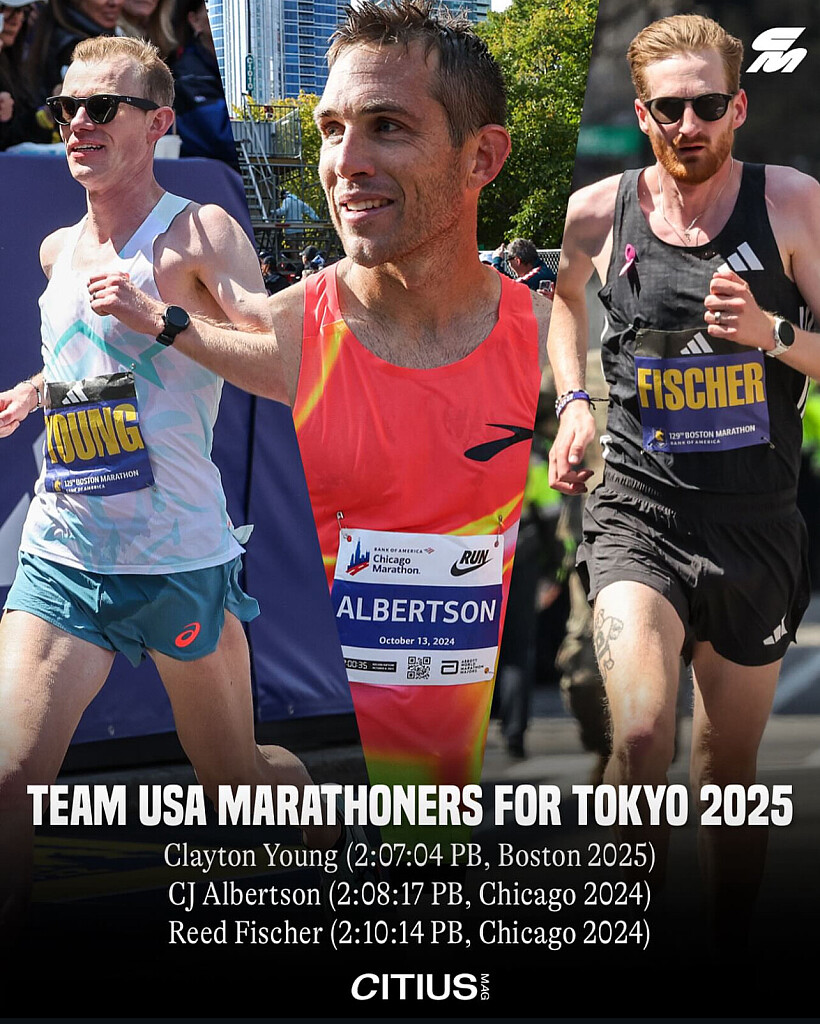
World Championships Men’s Marathon Preview: Familiar Faces Return to Tokyo
Tokyo, September 13, 2025 – The men’s marathon at the 2025 World Athletics Championships, set for Monday, September 15, has all the makings of a showdown that feels like déjà vu for fans of road racing in the Japanese capital.
Much of the World Championships route mirrors the Tokyo Marathon course, and so too does the field. The top three finishers from March’s Tokyo Marathon — Tadese Takele and Deresa Geleta of Ethiopia, along with Kenya’s Vincent Kipkemoi Ngetich — headline the lineup. They also hold the three fastest times in the world this year among those entered, giving the race a sharp competitive edge.
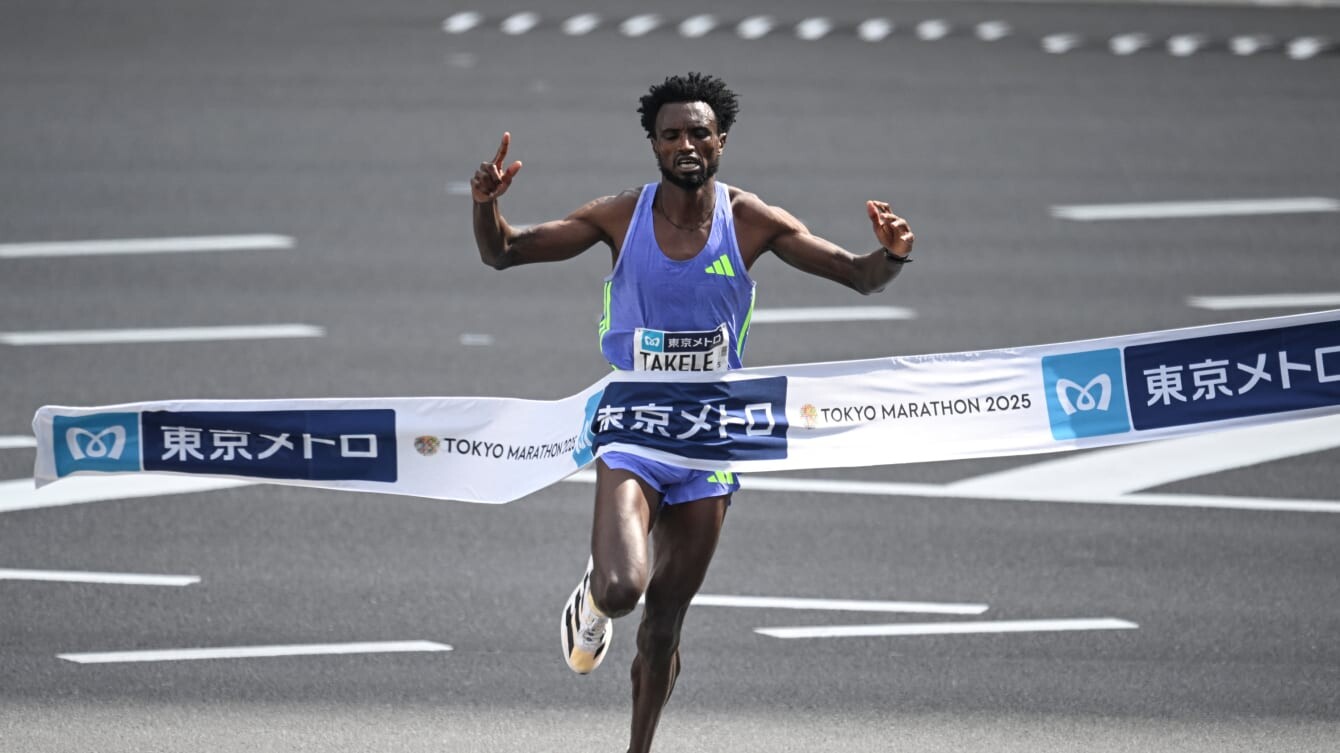
Adding to the depth, Emile Cairess of Great Britain, who placed fourth at the Paris 2024 Olympic Games, is set to challenge again in Tokyo. Defending world champion Victor Kiplangat of Uganda and 2023 Budapest silver medallist Maru Teferi of Israel add to a field packed with medal contenders.
The United States will also be represented with a strong trio: Clayton Young, CJ Albertson, and Reed Fischer. While Americans are not among the pre-race medal favorites, each brings international experience and competitive credentials. Young in particular has emerged as one of the fastest U.S. marathoners in recent years, and Albertson is known for aggressive pacing that could shake up the race dynamics. Fischer adds depth and consistency, giving Team USA multiple chances for a top-10 finish.
With multiple men entered who have run under 2:05, the pace promises to be ambitious. Whether it leads to a record will depend heavily on conditions. Tokyo has been under a heatwave alert, and organizers have moved the start time up by 30 minutes to help offset the temperatures. Still, if the weather cooperates, Tamirat Tola’s World Championships record of 2:05:36, set in Oregon in 2022, could be under serious threat.
All signs point to a thrilling clash — a familiar course, a world-class field, the Americans ready to test themselves against the best, and the possibility of history being rewritten in Tokyo.
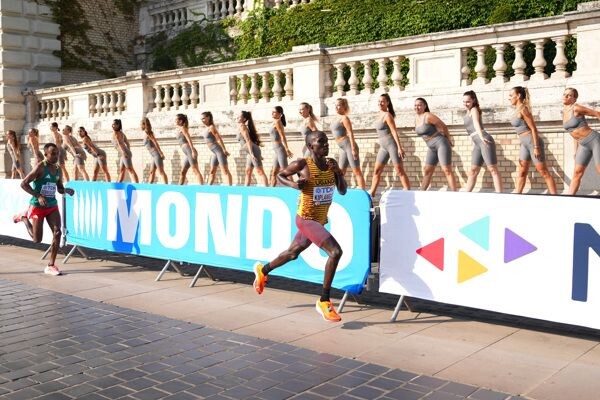
by Boris Baron
Login to leave a comment
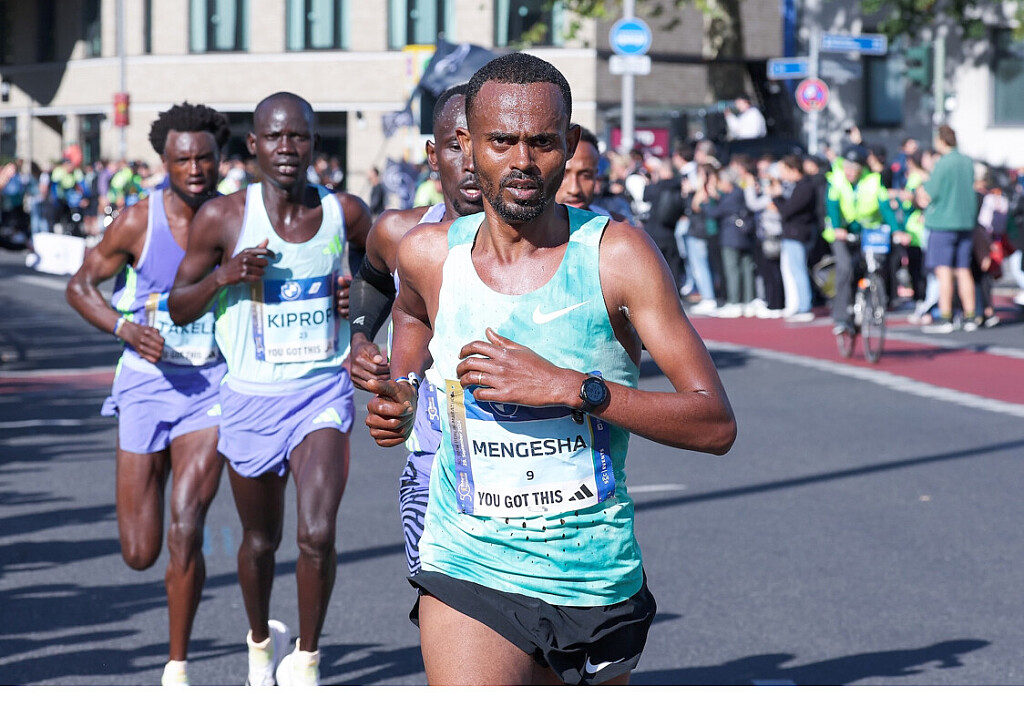
Sawe and Wanjiru Lead Record-Setting Fields at Berlin Marathon
A world-class lineup is set for the 51st edition of the BMW Berlin Marathon on September 21. Kenyans Sabastian Sawe and Rosemary Wanjiru headline the fields with personal bests of 2:02:05 and 2:16:14, respectively, making them clear favorites. Yet the men’s race also includes defending champion Milkesa Mengesha of Ethiopia, who clocked his 2:03:17 PB on this course last year.
The men’s start list features 10 athletes with personal bests under 2:05, while six women have already broken 2:19. By the numbers, it is the strongest PO Berlin lineup in history. The flat and fast course has been the stage for 13 world records over the past five decades, and another swift contest seems inevitable.
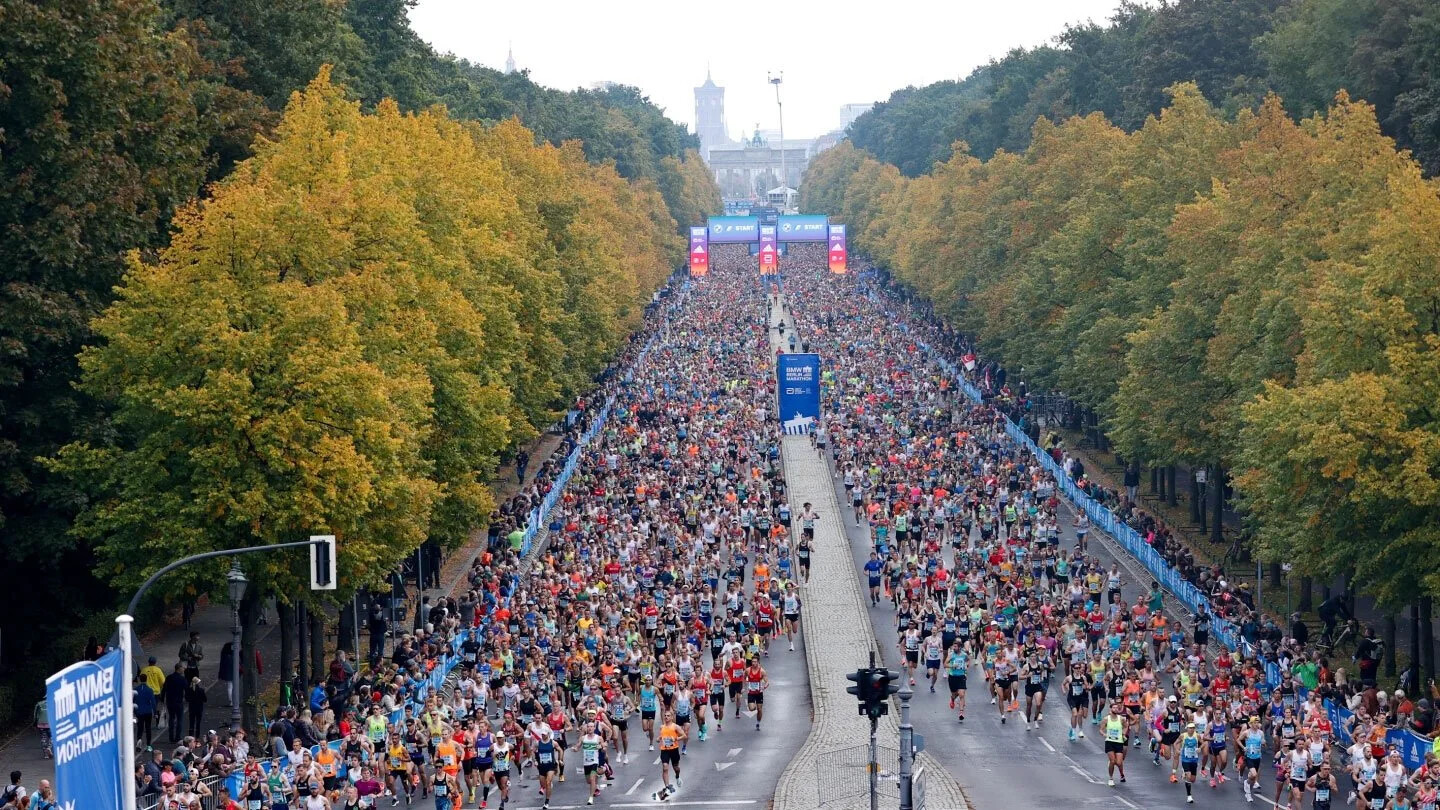
Organizers also achieved something remarkable: both Japanese marathon record holders will compete. Kengo Suzuki holds the men’s national record at 2:04:56, while Honami Maeda is the fastest Japanese woman of all time with her 2:18:59 mark. For the first time in at least 25 years, a city marathon outside Japan has managed to bring together both record holders, underscoring Berlin’s global prestige in long-distance running.
Selected Top Entries
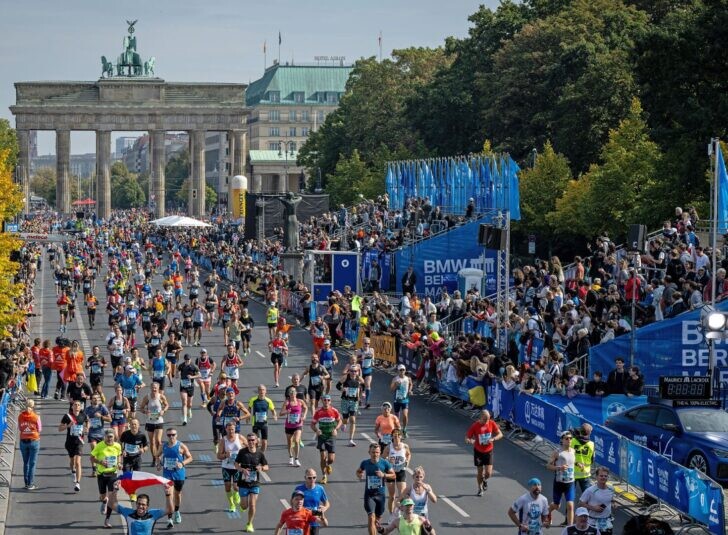
Men
• Sabastian Sawe (KEN) – 2:02:05, Valencia 2024
• Gabriel Geay (TAN) – 2:03:00, Valencia 2022
• Milkesa Mengesha (ETH) – 2:03:17, Berlin 2024
• Haymanot Alew (ETH) – 2:03:31, Berlin 2024
• Guye Adola (ETH) – 2:03:46, Berlin 2017
• Daniel Mateiko (KEN) – 2:04:24, Valencia 2024
• Kengo Suzuki (JPN) – 2:04:56, Otsu 2021
Women
• Rosemary Wanjiru (KEN) – 2:16:14, Tokyo 2024
• Degitu Azimeraw (ETH) – 2:17:58, London 2021
• Dera Dida (ETH) – 2:18:32, Dubai 2025
• Tigist Girma (ETH) – 2:18:52, Valencia 2022
• Honami Maeda (JPN) – 2:18:59, Osaka 2024
• Sharon Chelimo (KEN) – 2:19:33, Barcelona 2025
With such depth across both fields, the 2025 BMW Berlin Marathon is primed for fireworks—and perhaps even another historic performance on the sport’s fastest stage.
by Boris Baron
Login to leave a comment

BMW Berlin Marathon
The story of the BERLIN-MARATHON is a story of the development of road running. When the first BERLIN-MARATHON was started on 13th October 1974 on a minor road next to the stadium of the organisers‘ club SC Charlottenburg Berlin 286 athletes had entered. The first winners were runners from Berlin: Günter Hallas (2:44:53), who still runs the BERLIN-MARATHON today, and...
more...
World Athletics Championships Tokyo 2025: Final Entry Lists Confirm Historic Lineup
The countdown is on for the World Athletics Championships Tokyo 2025, set to take place from September 13–21 at Japan’s National Stadium. The final entry lists confirm that the event will be one of the largest in history, with more than 2,200 athletes from nearly 200 nations scheduled to compete across nine action-packed days.
A Global Gathering of Stars
The championships bring together the very best from every corner of the globe. From world record holders and Olympic champions to rising stars making their debuts on the sport’s biggest stage, Tokyo promises to deliver unforgettable performances. With such a deep and diverse field, the competition is expected to be fierce in every discipline—sprints, middle distance, long distance, field events, and relays.

Spotlight on Distance Running
For distance fans, all eyes will be on the men’s and women’s marathons, both of which will showcase stellar fields. Tokyo’s marathon routes are known for their fast sections and demanding late-race turns, setting the stage for potential record-breaking times. In the 10,000m and 5,000m, East African dominance will once again be tested by emerging talents from Europe, North America, and Asia.
History at the National Stadium
The National Stadium, originally rebuilt for the Tokyo 2020 Olympic Games, will host tens of thousands of fans eager to witness world-class athletics. The venue carries a special significance as the heart of Japanese sport, blending cutting-edge facilities with a deep respect for tradition.
What’s at Stake
Beyond medals and records, the championships serve as a proving ground ahead of the next Olympic cycle. Athletes will not only chase global titles but also national pride, with team points and country standings closely watched. For many, a breakthrough performance here could define their careers.
The Road Ahead
With final entries now confirmed, the anticipation builds. The world’s fastest sprinters, strongest throwers, most daring jumpers, and toughest distance runners are all converging on Tokyo. Fans across the globe will tune in to see who emerges as champion when the best of the best go head-to-head.
One thing is certain: from September 13 to 21, Tokyo will be the epicenter of athletics, delivering drama, passion, and history in the making.
by Boris Baron
Login to leave a comment
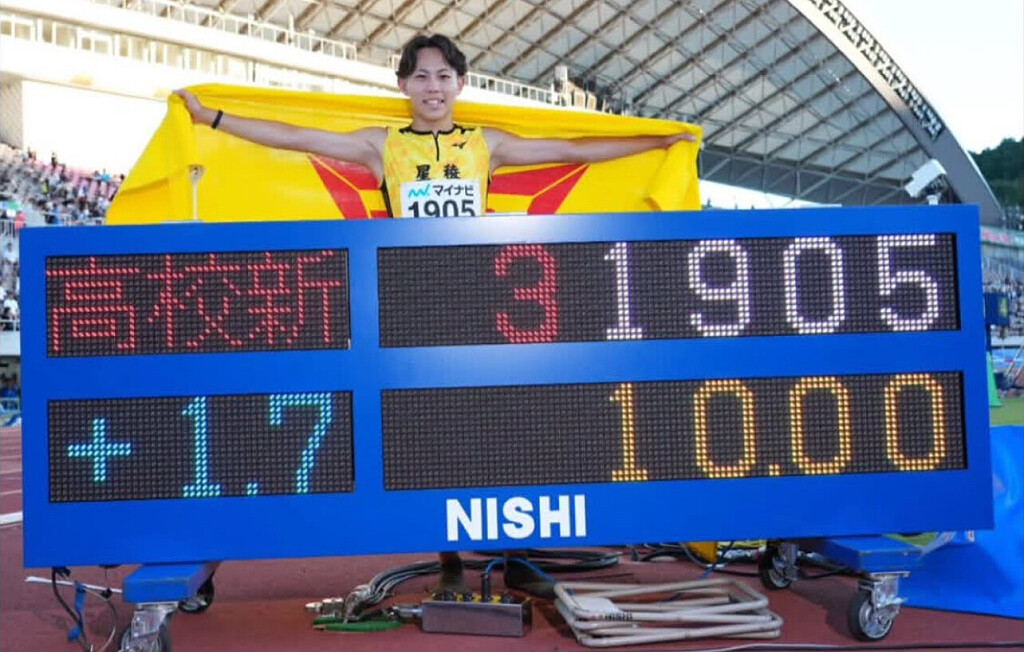
Sorato Shimizu Sprints Into History: 16-Year-Old Clocks 10.00s to Set World Age-16 Record
Japanese sprinting phenom Sorato Shimizu has etched his name into the history books with a jaw-dropping performance at the Japanese Inter-School Championships—blazing to a 10.00-secondfinish in the 100 meters. At just 16 years old, Shimizu now owns the fastest time ever recorded by a 16-year-old, breaking the previous world best of 10.09 held by Thailand’s Puripol Boonson.
The time, achieved with a legal wind assistance of +1.7 m/s, marks a stunning personal best for the young star and sets a new World Age-16 Record. The stadium erupted as Shimizu crossed the line and confirmed the time on the scoreboard, with fans and fellow athletes celebrating what could be the beginning of a generational sprinting career.
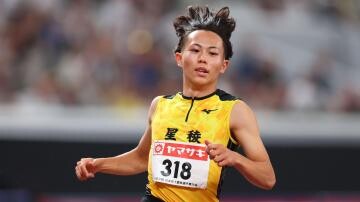
A Historic Milestone in Sprinting
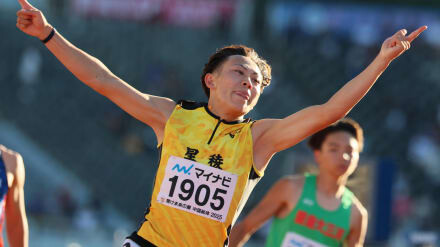
Running 10.00 seconds in the 100m is a feat few athletes achieve—even at the elite senior level. That a 16-year-old high school student has accomplished it underscores Shimizu’s immense talent and the growing strength of sprinting development in Japan.
Shimizu’s run wasn’t just about raw speed—it showcased poise, explosive acceleration, and flawless execution from start to finish. His reaction time, drive phase, and transition into top-end speed were that of a seasoned pro. It was a performance that stunned not only spectators in Japan but sprint fans across the globe.
Breaking Boonson’s Mark
Before Shimizu’s 10.00, the world age-16 best was 10.09, set by Thailand’s Puripol Boonson in 2022. Boonson has since gone on to become one of Asia’s fastest men—and Shimizu is now poised to follow a similar path, if not exceed it.
With this performance, Shimizu moves into a rarefied tier of sprinting prospects, joining a list that includes the likes of Trayvon Bromell, Erriyon Knighton, and Usain Bolt—who all produced world-class times as teenagers.
The New Face of Japanese Sprinting
Japan has long produced disciplined and technically sound sprinters, with athletes like Abdul Hakim Sani Brown, Yoshihide Kiryu, and Ryota Yamagata helping bring Japanese sprinting into the global spotlight. Sorato Shimizu now emerges as the new face of that legacy—and possibly, its next global champion.
With the Paris Olympics behind us and eyes already shifting to Los Angeles 2028, Shimizu’s name will surely be one to watch on the international scene.
What’s Next for Sorato Shimizu?
While this 10.00 clocking will take some time to fully digest, one thing is clear: Sorato Shimizu is just getting started. Still in high school, his future includes national championships, international junior meets, and, if his progression continues, a spot on Japan’s senior relay and individual sprint squads.
His breakthrough opens new possibilities for Japanese sprinting, showcasing that sub-10 is not a dream for the future—it’s a reality for the present.
Final Word
In an era where sprinting records are harder than ever to break, Sorato Shimizu just redefined what’s possible at age 16. His 10.00-second dash not only resets the record books—it ignites excitement for the future of global sprinting.
This isn’t just a time. It’s a statement.
Sorato Shimizu has arrived.
by Boris Baron
Login to leave a comment
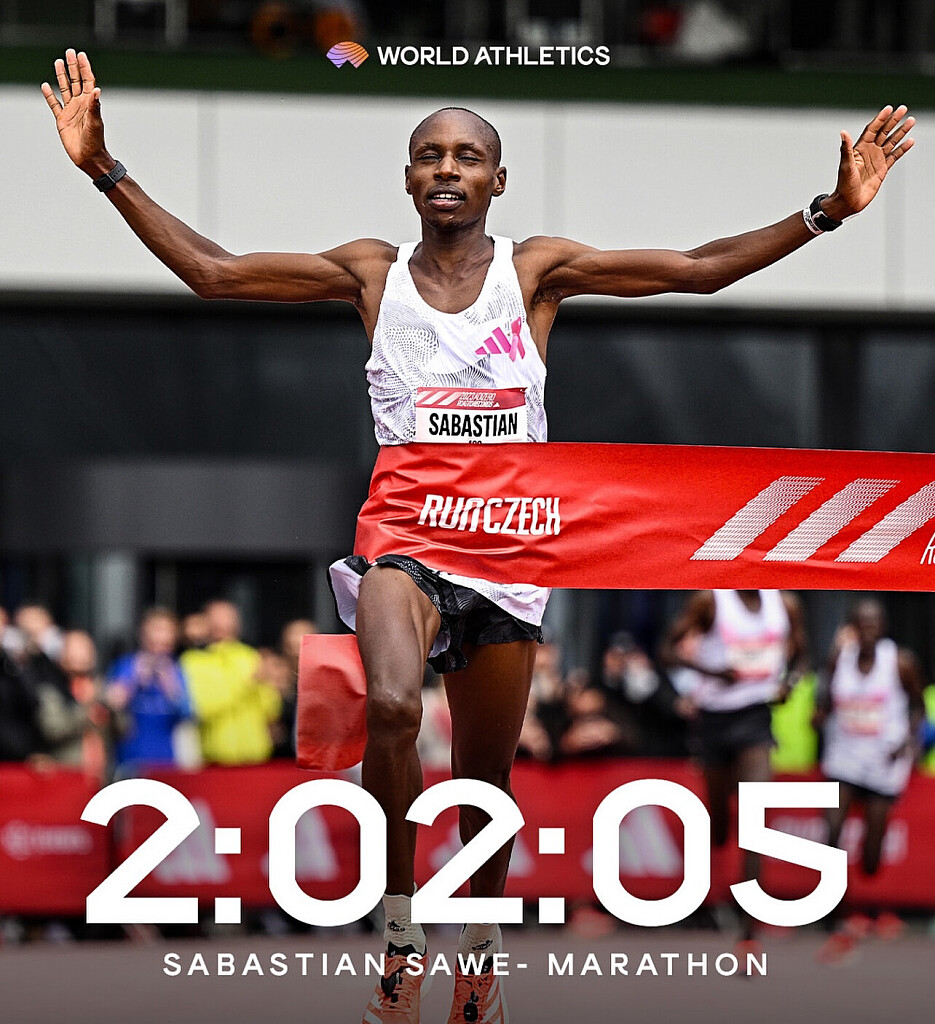
Men’s Elite Field Set for a Sizzling Showdown at the 2025 Berlin Marathon
Berlin, Germany – September 29, 2025 (Race Day)
With its flat, fast course and history of record-breaking performances, the BMW Berlin Marathon has become a magnet for the world’s best distance runners—and this year is no exception.
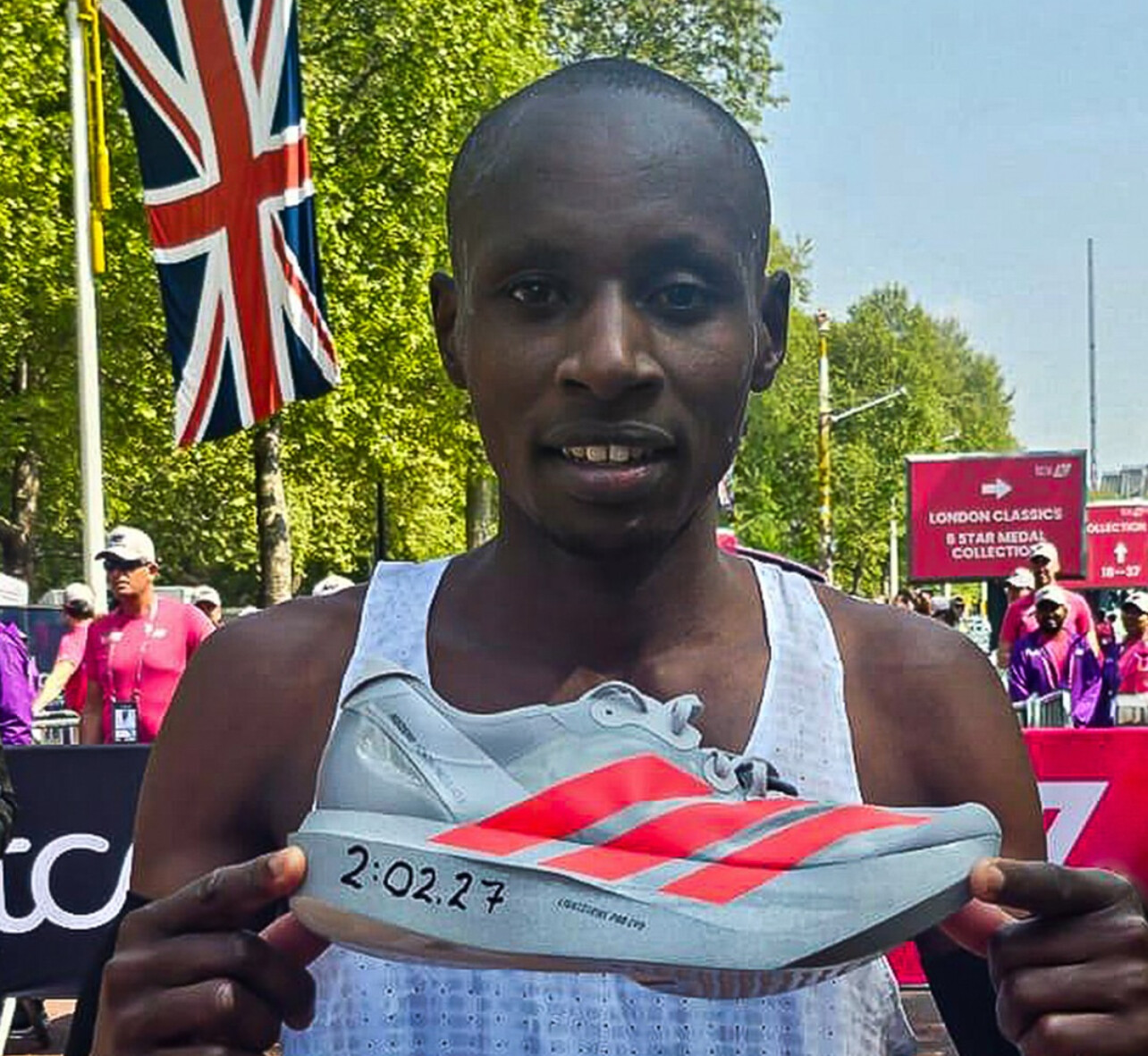
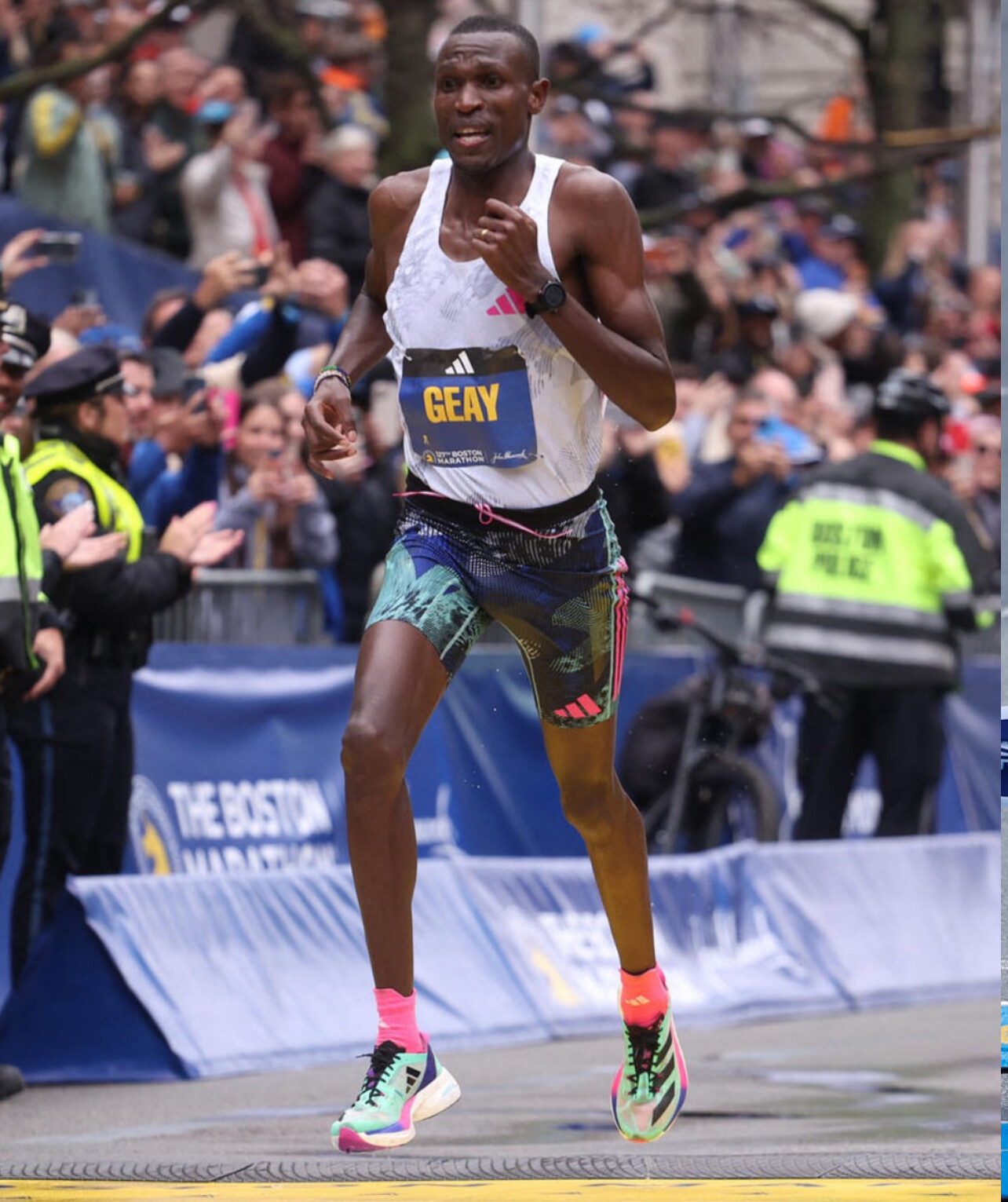
The 2025 men’s elite field is stacked with sub-2:05 talent from Kenya, Ethiopia, Tanzania, and Japan, including several proven champions and emerging stars. On September 29, all eyes will be on Berlin to see if the next marathon milestone can be broken.
Top Contenders and Their Personal Bests
|
Name |
Country |
Personal Best |
|
Sabastian Sawe |
KEN |
2:02:05 |
|
Gabriel Gerald Geay |
TAN |
2:03:00 |
|
Milkesa Mengesha |
ETH |
2:03:17 |
|
Haymanot Alew |
ETH |
2:03:31 |
|
Guye Adola |
ETH |
2:03:46 |
|
Leul Gebresilase |
ETH |
2:04:02 |
|
Tesfaye Deriba |
ETH |
2:04:13 |
|
Daniel Mateiko |
KEN |
2:04:24 |
|
Haftu Teklu |
ETH |
2:04:42 |
|
Chimdessa Debele |
ETH |
2:04:44 |
|
Kengo Suzuki |
JPN |
2:04:56 |
|
Abel Kirui |
KEN |
2:05:04 |
|
Chala Regasa |
ETH |
2:05:06 |
|
Samwel Mailu |
KEN |
2:05:08 |
|
Yihunilign Adane |
ETH |
2:05:3 |
|
|
|
Kenya and Ethiopia Headline the Race
Kenya’s Sabastian Sawe, with a PB of 2:02:05, enters as the top seed. He’s followed closely by Tanzania’s Gabriel Geay, who made headlines in Boston and New York with aggressive front-running. Ethiopia is sending a deep and dangerous lineup—including Milkesa Mengesha, Haymanot Alew, and veteran Guye Adola (the 2021 Berlin champion).
Daniel Mateiko of Kenya, a former half marathon standout, will look to solidify his position as a full marathon threat, while Abel Kirui, the two-time world champion, continues to defy age with elite performances.
The Global Wildcard: Japan’s Kengo Suzuki
With a 2:04:56 personal best, Kengo Suzuki is the fastest Japanese marathoner ever and could be a serious factor if conditions align. His presence adds global depth to a field heavily dominated by East Africa.
Fast Times Almost Guaranteed
Berlin’s pancake-flat course, combined with cool fall weather and top-tier pacers, means fast times are almost inevitable. With six men holding PBs under 2:04 and over a dozen under 2:05, there’s a strong chance we could see a sub-2:03 winner, or even a new course record.
While the official world record still stands at 2:00:35 (set in 2023 by Eliud Kipchoge), several in this year’s field have the credentials—and ambition—to challenge history.
Race Day Outlook
• Date: Sunday, September 29, 2025
• Course: Flat and record-ready, through the streets of Berlin
• Weather Forecast: Typically cool (expected 11–13°C), ideal for fast times
• Live Coverage: Streaming and TV coverage expected worldwide
Stay tuned to My Best Runs for full coverage, live updates, and post-race analysis from Berlin!
by Boris Baron
Login to leave a comment
BMW Berlin Marathon
The story of the BERLIN-MARATHON is a story of the development of road running. When the first BERLIN-MARATHON was started on 13th October 1974 on a minor road next to the stadium of the organisers‘ club SC Charlottenburg Berlin 286 athletes had entered. The first winners were runners from Berlin: Günter Hallas (2:44:53), who still runs the BERLIN-MARATHON today, and...
more...
Four Scenic Routes to Explore in San Francisco Plus: A Unique Race Experience Coming August 3
San Francisco isn’t just a city of hills and cable cars—it’s a runner’s dream. With its unique blend of urban energy, coastal serenity, and panoramic vistas, the City by the Bay offers some of the most scenic running routes in the world. Whether you’re training for a race or simply looking for a refreshing jog, these four routes provide the perfect introduction to San Francisco’s running scene.
1. Golden Gate Park Loop

• Distance: 7 miles
• Terrain: Paved paths and dirt trails
• Highlights: Botanical gardens, Stow Lake, and peaceful groves
Golden Gate Park is San Francisco’s version of Central Park—only longer and filled with even more natural variety. This 7-mile loop guides runners past the Japanese Tea Garden, the Conservatory of Flowers, and around Stow Lake. It’s ideal for tempo runs, long runs, or easy days, offering both paved and soft-surface options with minimal traffic distractions. You’ll find moments of quiet and lush green scenery that make you forget you’re in the middle of a major city.

2. Presidio Challenge
• Distance: 4 miles
• Terrain: Hilly with stairs and varied paths
• Highlights: Sweeping views of the Golden Gate Bridge and Bay, forested trails, military history
Looking for a climb and a challenge? The Presidio route rewards effort with unmatched views and tranquil forest trails. Once a military post, this national park is now one of the most scenic places to run in San Francisco. Start near Crissy Field, ascend via the Batteries to Bluffs Trail or the Ecology Trail, and loop back through shaded switchbacks and historic military bunkers. It’s a great test of fitness with picture-perfect moments.
3. Embarcadero Waterfront Run
• Distance: 3–6 miles
• Terrain: Flat, paved promenade
• Highlights: Bay Bridge, Ferry Building, Pier 39, sea lions
This runner-friendly route delivers postcard-worthy views and an easy-to-follow course along the Bay. Begin at Oracle Park or the Ferry Building and head north past piers, ships, shops, and cafés. The Embarcadero is ideal for morning or evening runs, with great lighting, plenty of water stops, and occasional sea lion cameos at Pier 39. It’s also one of the most accessible spots for visitors staying downtown.
4. Lands End Coastal Trail
• Distance: 3–4 miles
• Terrain: Dirt trails and stairs
• Highlights: Cliffside Pacific views, Sutro Baths, Golden Gate Bridge overlook
Lands End feels like a trail runner’s escape—without leaving the city. The route snakes along the cliffs on the city’s northwest edge, offering stunning ocean views, cypress trees, and a glimpse of the iconic Golden Gate Bridge in the distance. While the terrain includes stairs and some narrow paths, the scenery is unforgettable. Make time to stop at the Sutro Baths ruins and the Lands End Labyrinth for a true San Francisco experience.
Looking for a Race? Don’t Miss August 3
If you’re inspired to test your fitness on one of these routes, sign up for one of San Francisco’s most scenic events: the Golden Gate 10K, 5K, and Double 8K, happening on August 3. Held at Crissy Field, these flat and fast courses offer panoramic views of the Golden Gate Bridge and the bay—without ever crossing the bridge itself.
The event also features the Golden Gate Double 8K, a unique two-part challenge: run a 5K, take a short recovery break, then race a 3K. The combined time determines your score, adding a strategic twist that rewards consistency and pacing.
It’s an ideal race for all levels—from competitive racers to weekend warriors—and a memorable way to experience the San Francisco waterfront on foot.
Tips for Running in San Francisco
• Layer Up: Weather can shift quickly. Fog and chilly breezes are common even in summer.
• Mind the Terrain: Hills and stairs are frequent. Don’t underestimate them.
• Stay Hydrated: Water fountains are available in parks and along the Embarcadero.
• Beat the Crowds: Early mornings offer the quietest, most peaceful running conditions.
• Use Public Transit: Many routes are easily accessible via BART, Muni, or bike share.
Whether you’re a local or just visiting, San Francisco delivers a unique mix of urban running and natural beauty. With iconic views, varied terrain, and a welcoming fitness community, the city makes it easy to fall in love with running all over again.
So lace up your shoes, pick a path, and let San Francisco move you.
Would you like me to add clickable registration or map links for the August 3 races?
by Boris Baron
Login to leave a comment

Golden Gate 10k/5k DOUBLE 8K
The Golden Gate courses offers unparalleled views of the Golden Gate Bridge for more than 80% of the way! The course will begin at historic Crissy Field near the Presidio of San Francisco. Runners will enjoy the gorgeous vistas of the Golden Gate National Recreation Area. We are offering three races: Golden Gate 10K and 5K (run/walk) and Golden Gate...
more...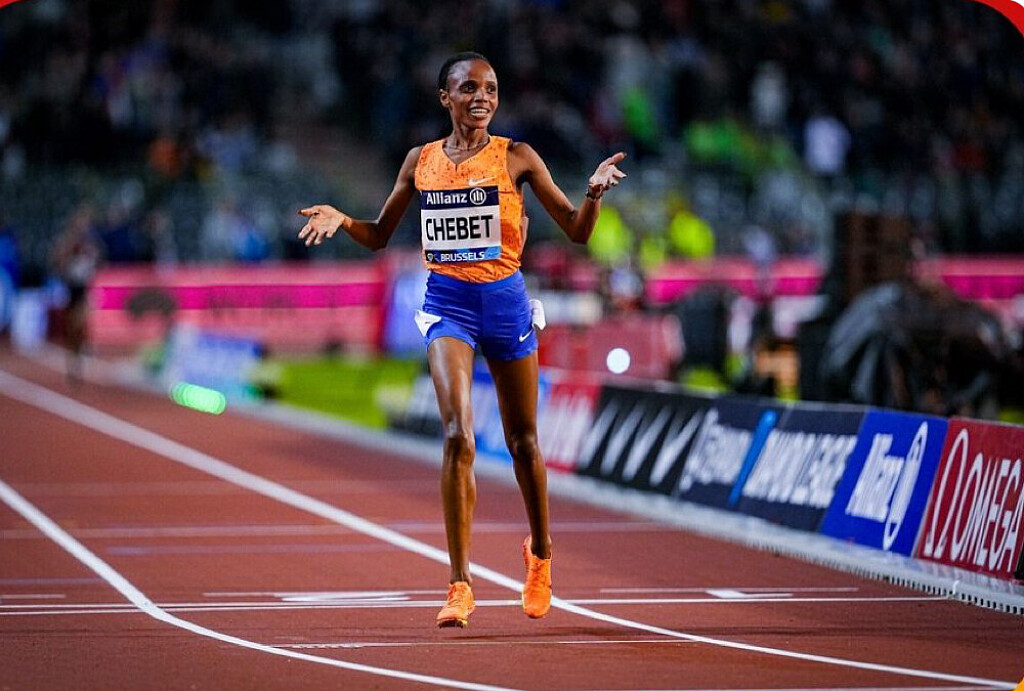
Four World Records Ratified by World Athletics
World Athletics has officially ratified four remarkable world records set by Beatrice Chebet, Mondo Duplantis, Jakob Ingebrigtsen, and Toshikazu Yamanishi, underscoring a period of exceptional performances in track and field.
Beatrice Chebet: First Woman Under 14 Minutes for 5km
On December 31, 2024, Kenya’s Beatrice Chebet made history at the Cursa dels Nassos in Barcelona by completing the 5km road race in 13:54. This performance shattered the previous world record by 19 seconds, making her the first woman to break the 14-minute barrier for the distance on any surface.
Mondo Duplantis: Elevating the Pole Vault Record
Sweden’s Mondo Duplantis continued his dominance in pole vaulting by clearing 6.26 meters at the Wanda Diamond League meeting in Chorzów, Poland. This achievement added another centimeter to his own world record, marking his 11th career world record and solidifying his status as the greatest pole vaulter in history.
Jakob Ingebrigtsen: Breaking a Long-Standing 3000m Record
Norway’s Jakob Ingebrigtsen set a new world record in the 3000m with a time of 7:17.55 at the Wanda Diamond League meeting in Silesia. This performance broke the previous record of 7:20.67 set by Kenya’s Daniel Komen in 1996, ending a 28-year reign.

Toshikazu Yamanishi: Setting a New Standard in Race Walking
Japan’s Toshikazu Yamanishi established a new world record in the 20km race walk by finishing in 1:16:10 at the Japanese 20km Race Walking Championships in Kobe. This time surpassed the previous record of 1:16:36 set by fellow Japanese athlete Yusuke Suzuki in 2015.
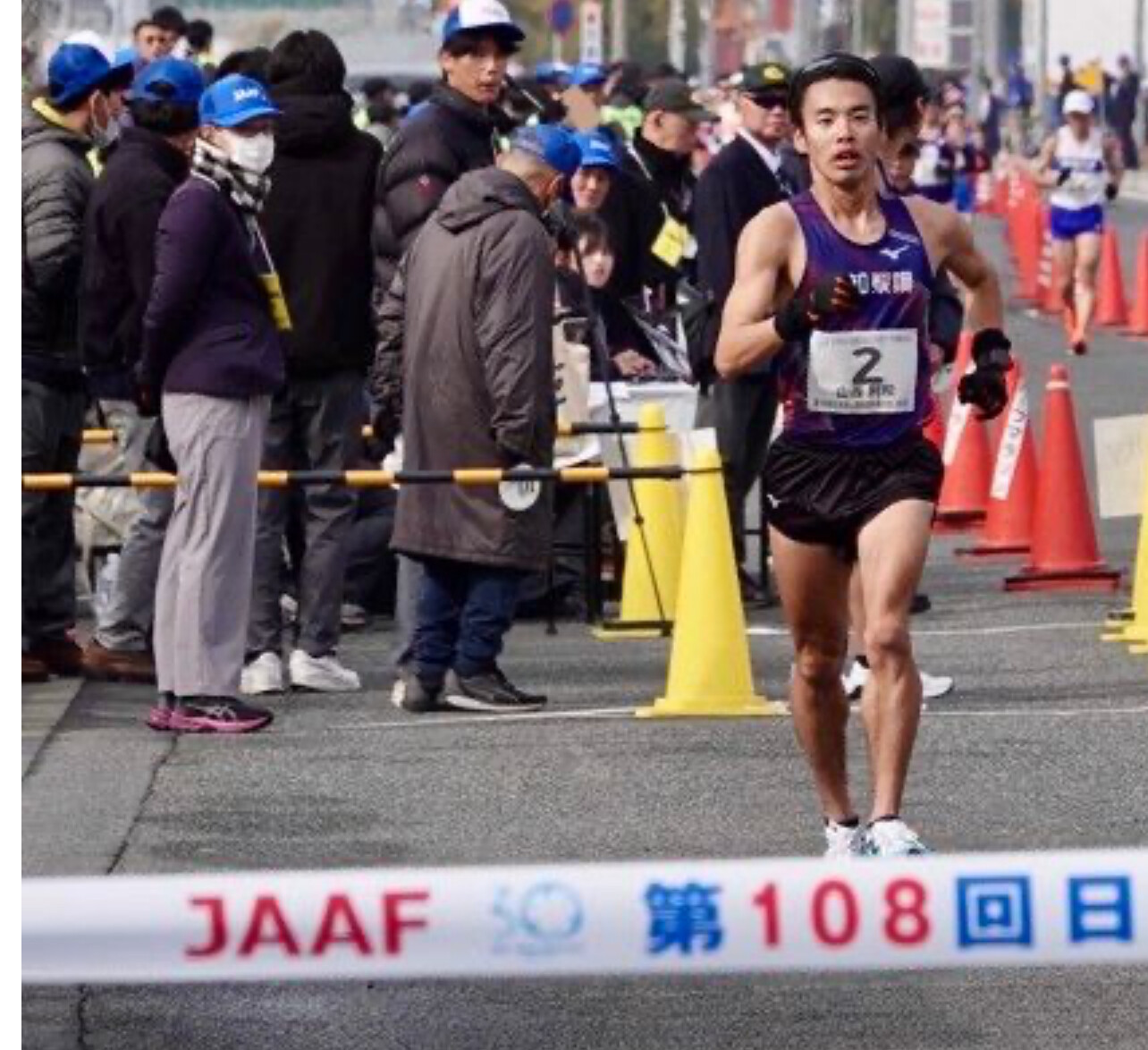
by Boris Baron
Login to leave a comment
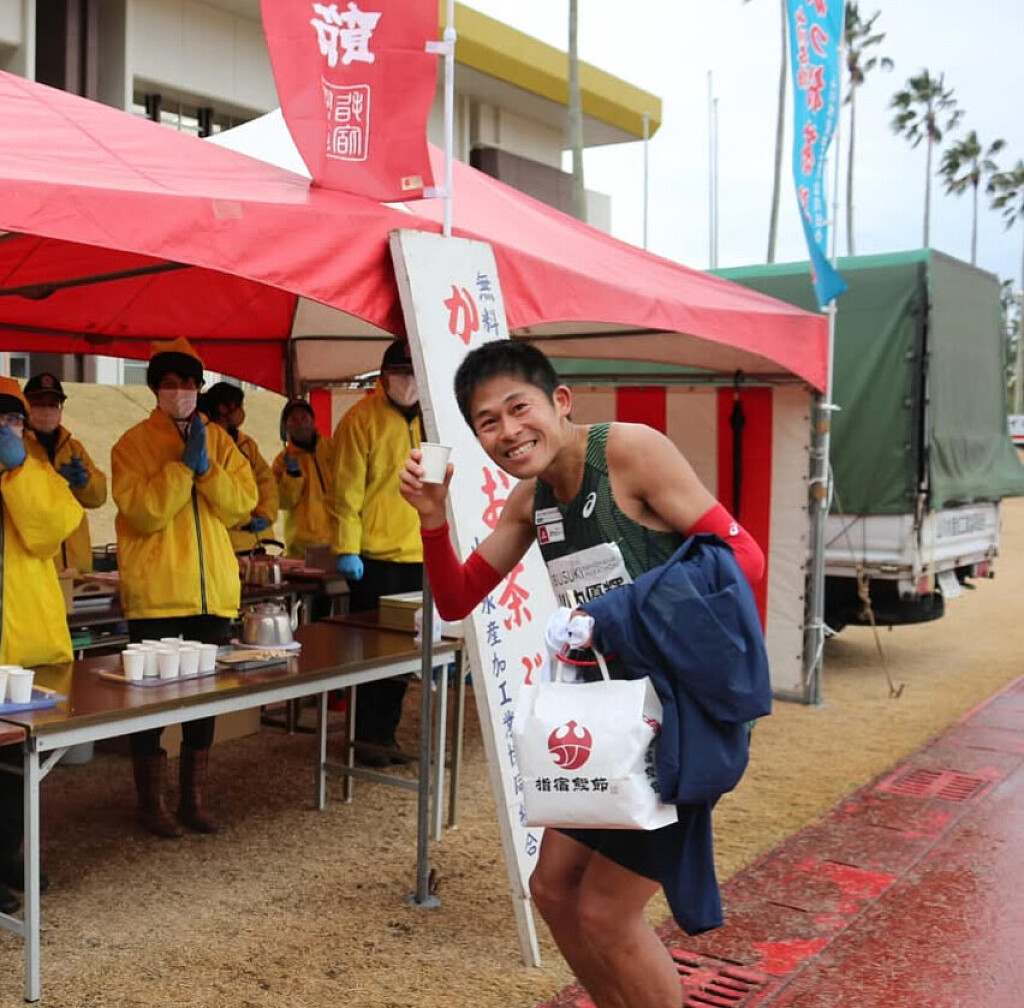
Yuki Kawauchi Proves His Endurance with New Marathon Success in 2025
Yuki Kawauchi, known worldwide as the “Citizen Runner,” continues to defy expectations in the marathon world. From his historic 2018 Boston Marathon victory to his latest triumphs in 2025, Kawauchi remains one of the most consistent and determined long-distance runners in the sport. Now a full-time professional, he has overcome setbacks and continues to post impressive results on the global stage.
The 2018 Boston Marathon Victory
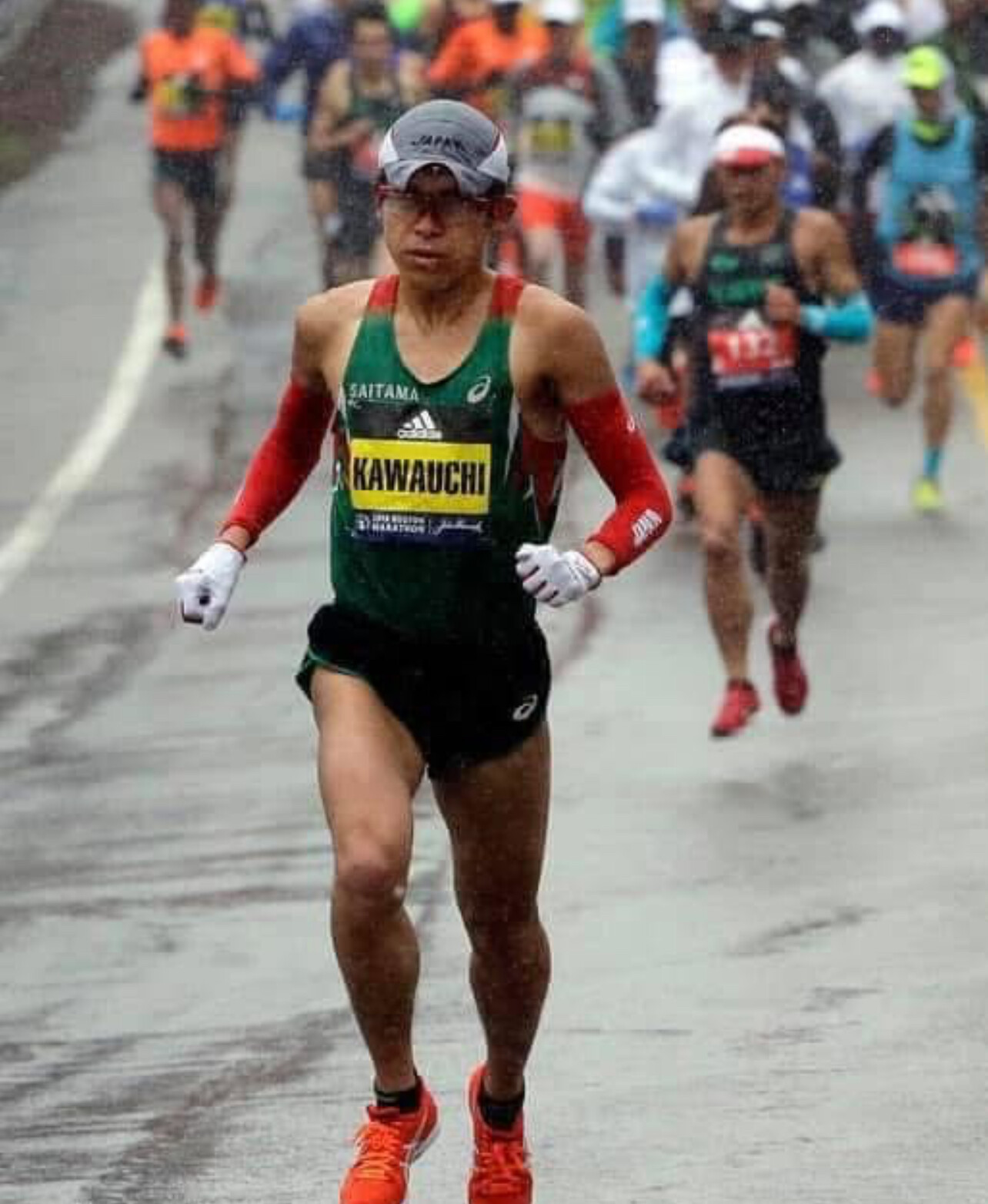
Kawauchi cemented his place in marathon history on April 16, 2018, when he won the Boston Marathon in one of the most challenging weather conditions the race had ever seen. With heavy rain, powerful headwinds, and freezing temperatures around 40°F (4°C), many elite runners struggled—but not Kawauchi. His relentless surges and fearless strategy allowed him to overtake defending champion Geoffrey Kirui in the final miles, crossing the finish line in 2:15:58. He became the first Japanese man to win the race since Toshihiko Seko in 1987.
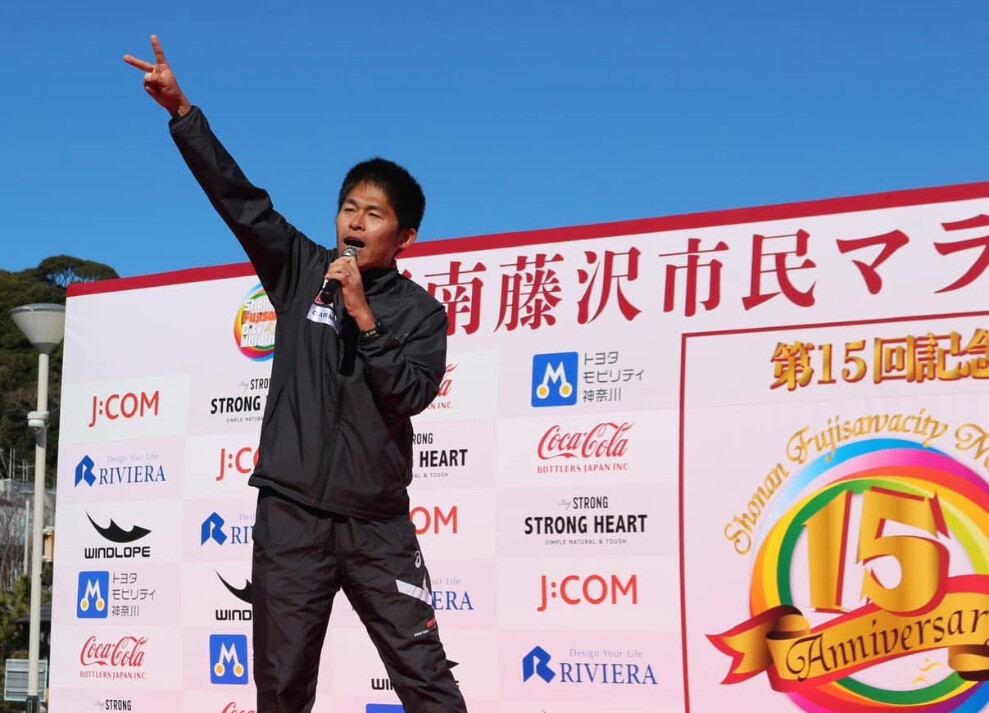
Transition to Professional Running
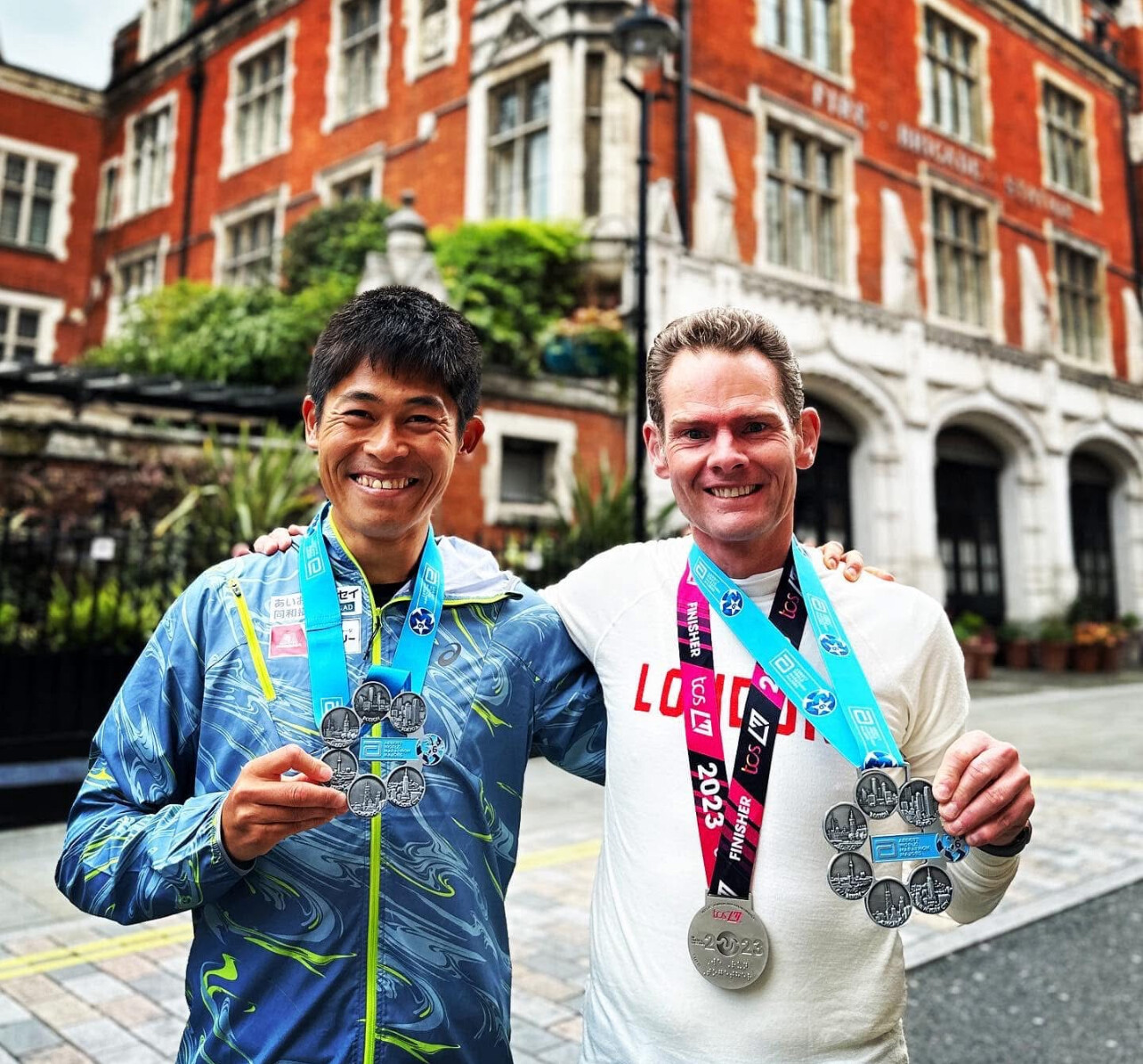
Despite his international success, Kawauchi spent years balancing his training with a full-time job as a government clerk. In 2019, he made the long-awaited decision to turn professional, allowing him to focus entirely on training and racing. The transition led to an improvement in his performances, including a personal best marathon time of 2:07:27 at the 2021 Lake Biwa Marathon.
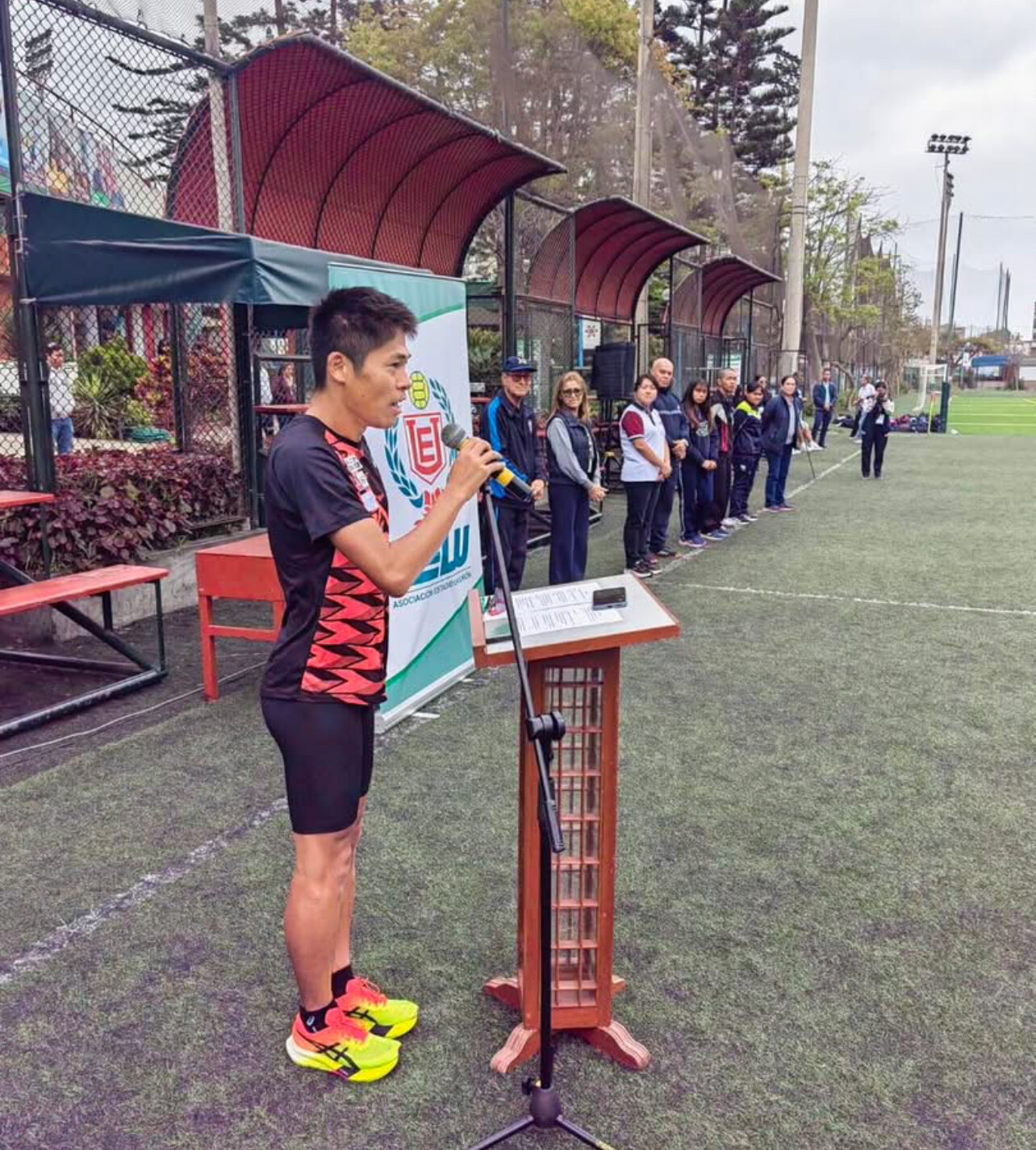
Battling Through 2024

The road to success is never without obstacles. In 2024, Kawauchi endured an inconsistent season, marked by injuries and slower race times. However, he continued to compete with determination, finishing several marathons despite the setbacks:
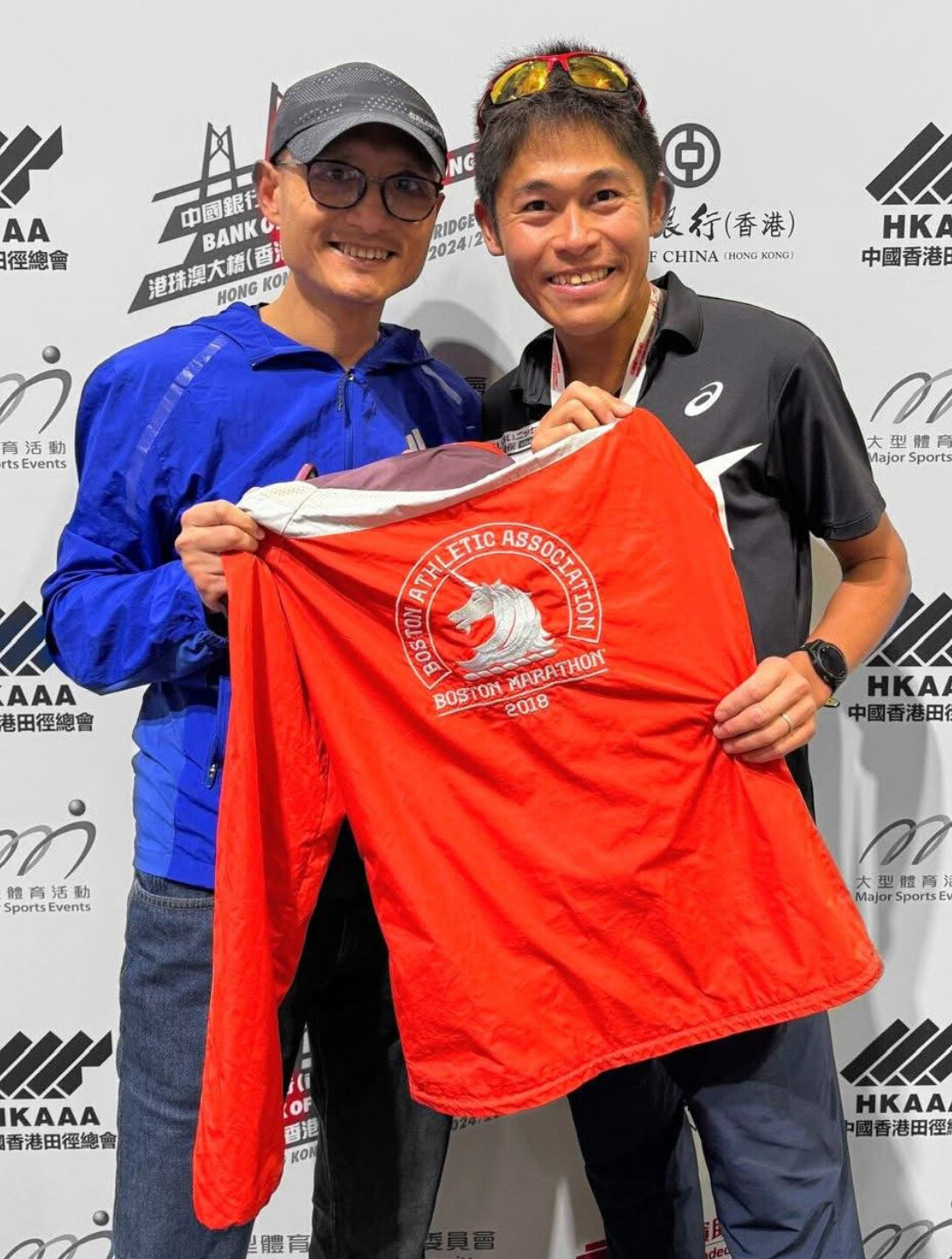
• Ibusuki Nanohana Marathon (January 2024): 1st place, 2:21:13
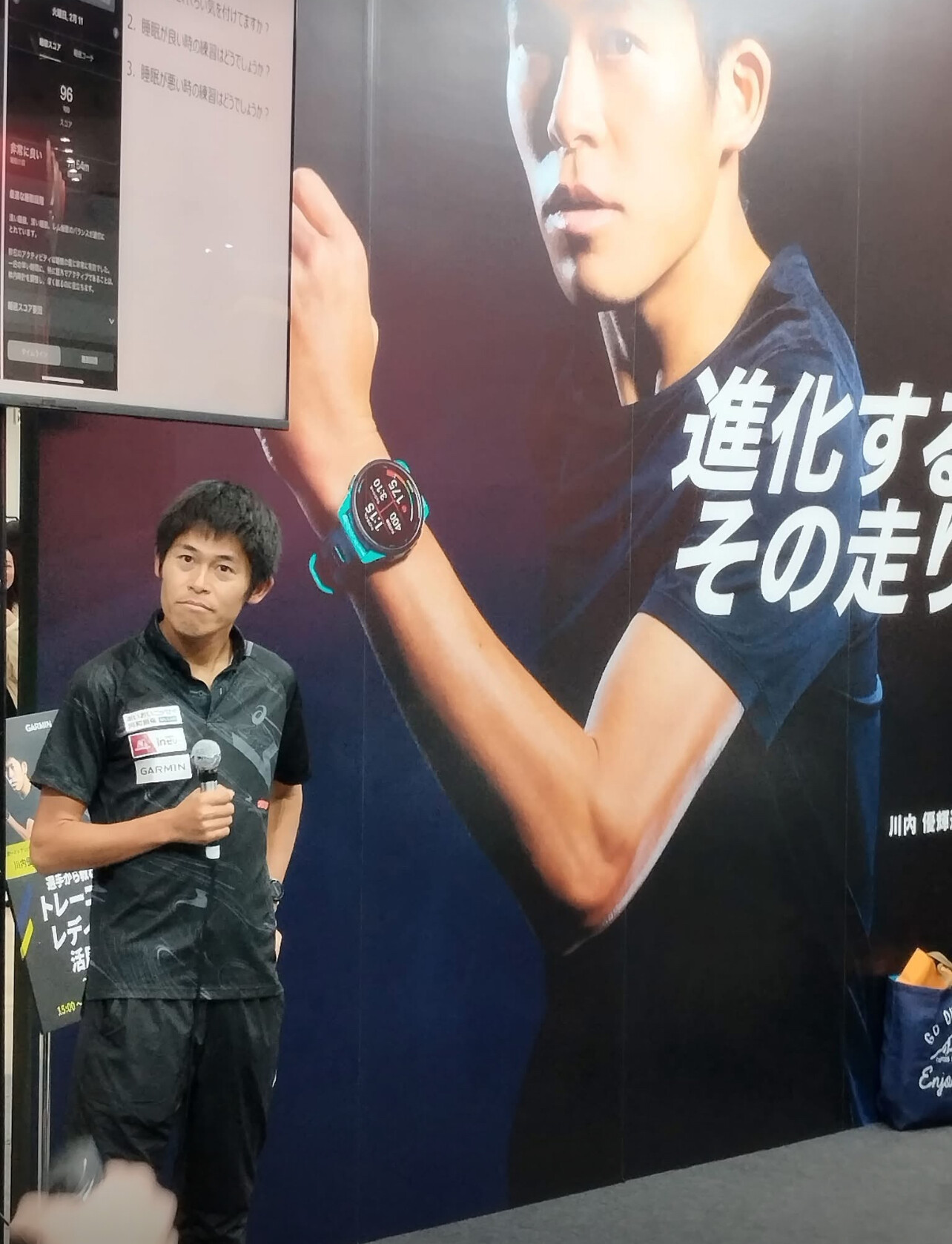
• Paris Marathon (April 2024): 75th place, 2:31:03
• Gold Coast Marathon (July 2024): 156th place, 2:42:26
• Hofu Yomiuri Marathon (December 2024): 38th place, 2:33:01
• Mie Matsusaka Marathon (December 2024): 6th place, 2:22:02
Despite these struggles, Kawauchi never lost sight of his goal—to return stronger in 2025.
A Strong Comeback in 2025
This year, Kawauchi has proven once again why he is one of the most enduring marathoners in the world. His persistence paid off with a strong performance early in 2025:
• Tokyo Marathon (March 2025): 15th place, 2:10:45
His victory at the Tohoku Miyagi Revive Marathon was a defining moment, signaling that Kawauchi is back in top form.
Training and Personal Life
Now a professional, Kawauchi has adapted his training regimen to include higher mileage and more structured workouts. He still follows an old-school approach, frequently training alone and racing more often than most elite marathoners. His high-volume racing strategy continues to set him apart, proving that consistency and experience can be just as valuable as raw speed.
In his personal life, Kawauchi married fellow runner Yuko Mizuguchi in 2019. The couple shares a passion for marathon running, supporting each other’s athletic careers. Their shared dedication to the sport has made them one of Japan’s most inspiring running duos.
A Lasting Legacy
Yuki Kawauchi has defied conventional wisdom in long-distance running, proving that elite performances don’t require sponsorships, high-tech training camps, or corporate teams. His dedication, work ethic, and ability to push through challenges continue to inspire runners of all levels.
With his recent 2025 victory and continued improvement, Kawauchi remains a formidable competitor in the global marathon scene. Whether battling extreme weather or personal setbacks, his resilience and love for the sport continue to make him a legend in the running community.
by Boris Baron
Login to leave a comment
 No one has run more sub 2:20 marathons than Yuki.
As of March 8, 2025, Yuki Kawauchi has completed 104 marathons under 2 hours and 20 minutes. This milestone includes his recent performances in 2025:
Tokyo Marathon (March 2025): 15th place with a time of 2:10:45 and Tohoku Miyagi Revive Marathon (April 2025): 1st place, finishing in 2:11:18. - Bob Anderson 3/9 7:31 pm |
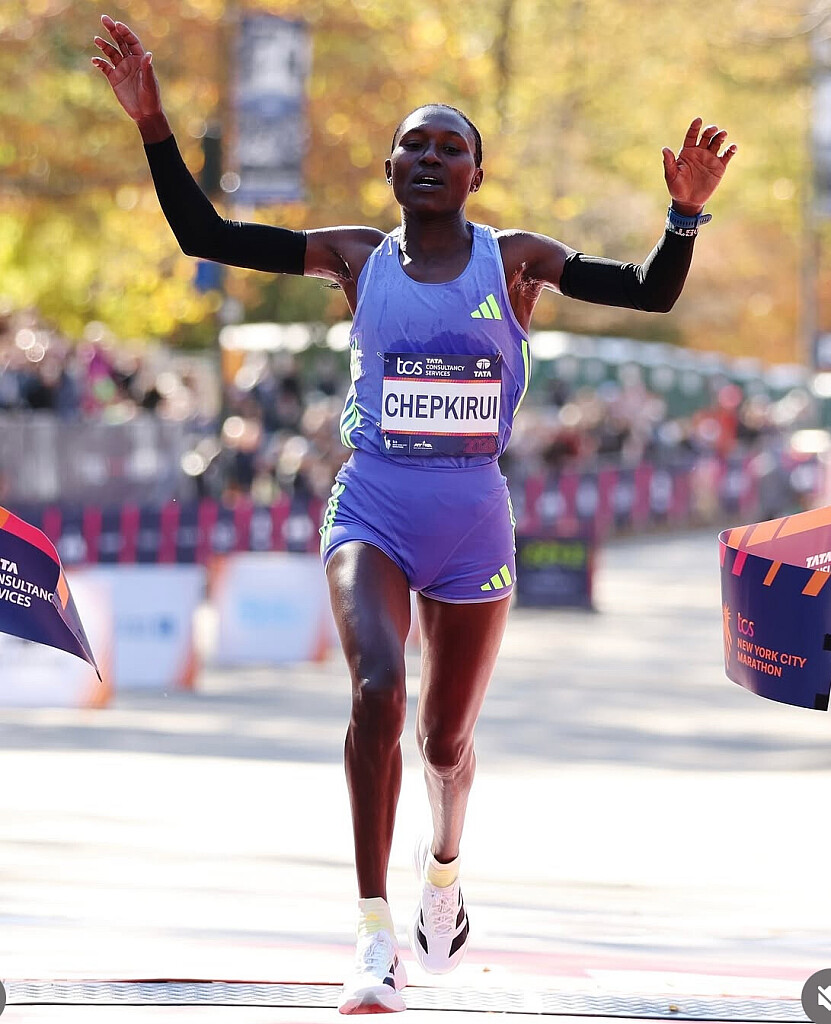
Sheila Chepkirui Eyes Another Major Victory at Nagoya Women’s Marathon
Four months after her triumph at the New York City Marathon, Sheila Chepkirui is set to return to the roads, aiming for another major win at the Nagoya Women’s Marathon, a World Athletics Platinum Label event, on Sunday (March 9).
Chepkirui, 34, transitioned from a successful track career to the marathon in 2022, debuting with an impressive 2:17:29 in Valencia. Since then, she has delivered a series of strong performances, including sub-2:20 finishes in London and Berlin. However, her biggest achievement came last November when she claimed victory in New York, clocking 2:24:35 and outpacing global champions Hellen Obiri and Vivian Cheruiyot.
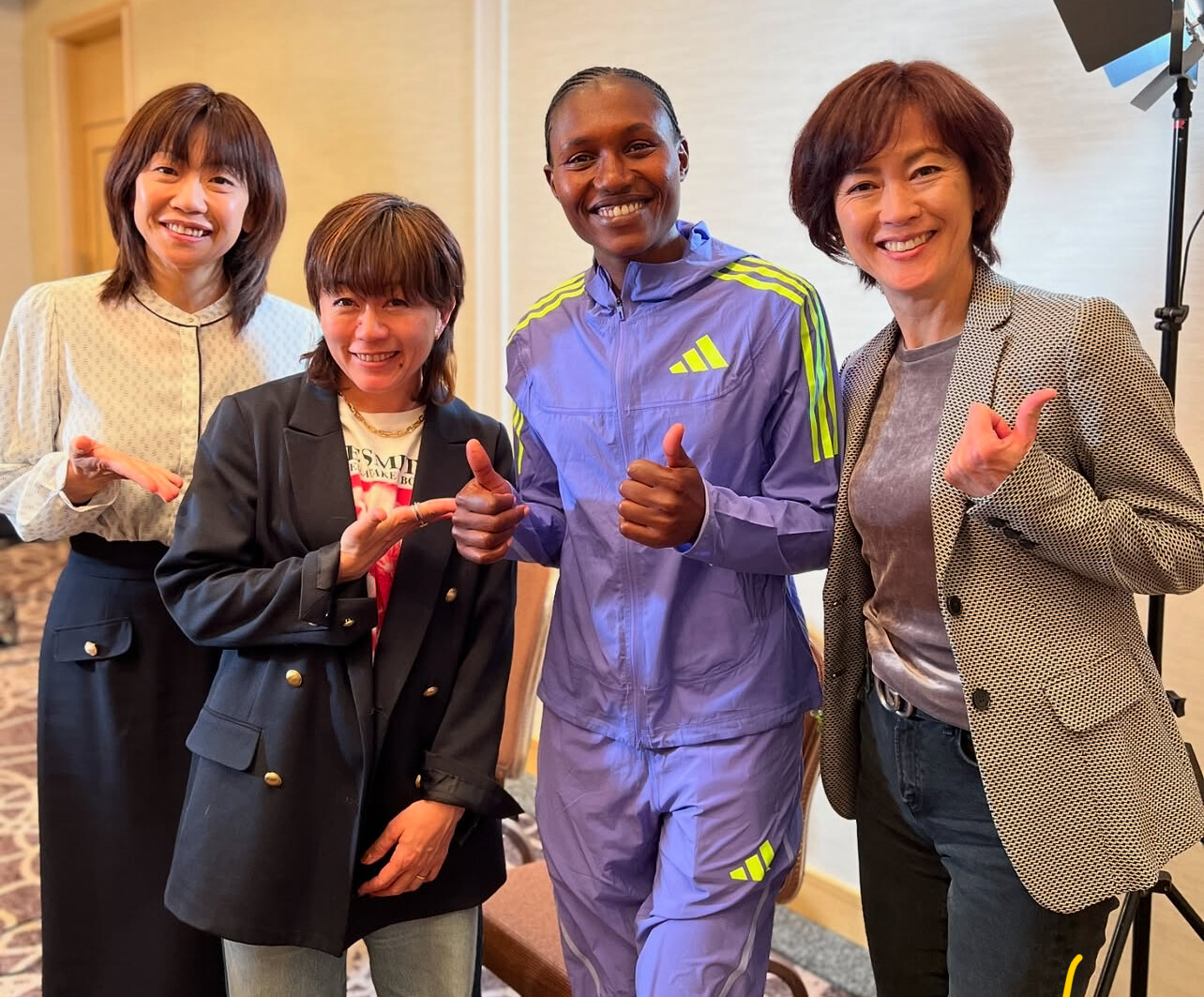
As the fastest entrant in the Nagoya field, Chepkirui stands as the race favorite, but she will face stiff competition. Ethiopian Ruti Aga, a seasoned marathoner with seven World Marathon Major podium finishes, comes into the race fresh off a 2:18:46 victory in Xiamen this past January. A past winner in Tokyo, Aga is well-versed in racing in Japan and will be looking to add another major title to her resume.

Also in contention is Bahrain’s Asian Games champion, Eunice Chumba. The 31-year-old finished second in Nagoya last year and took fourth in New York, proving her ability to compete at the highest level. With a personal best of 2:20:02, she will be eager to secure another podium finish.
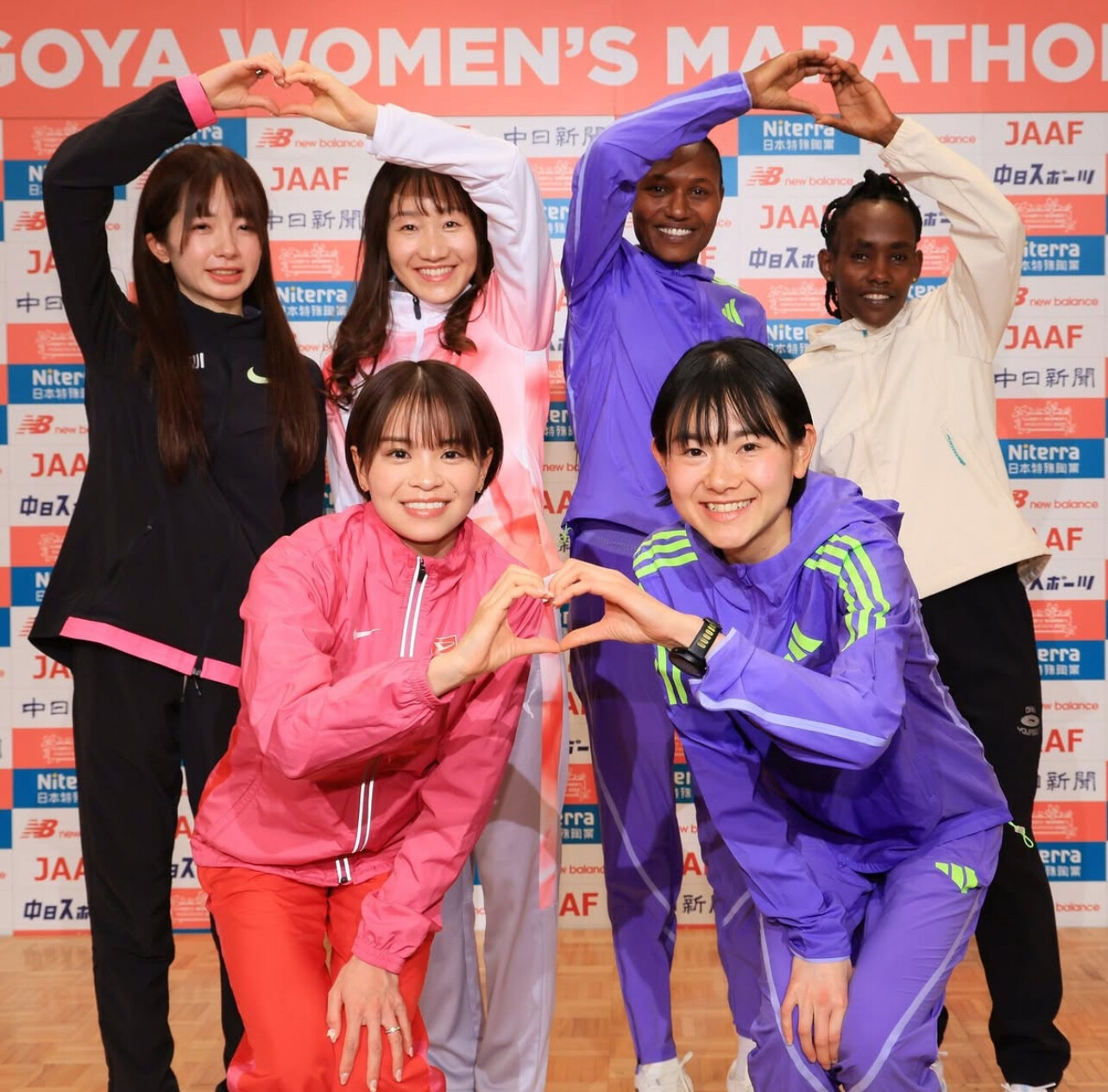
For Japanese athletes, the stakes are even higher. Sunday’s race marks the final opportunity to qualify for the national team for the World Athletics Championships Tokyo 2025, guaranteeing an intense battle among domestic contenders.
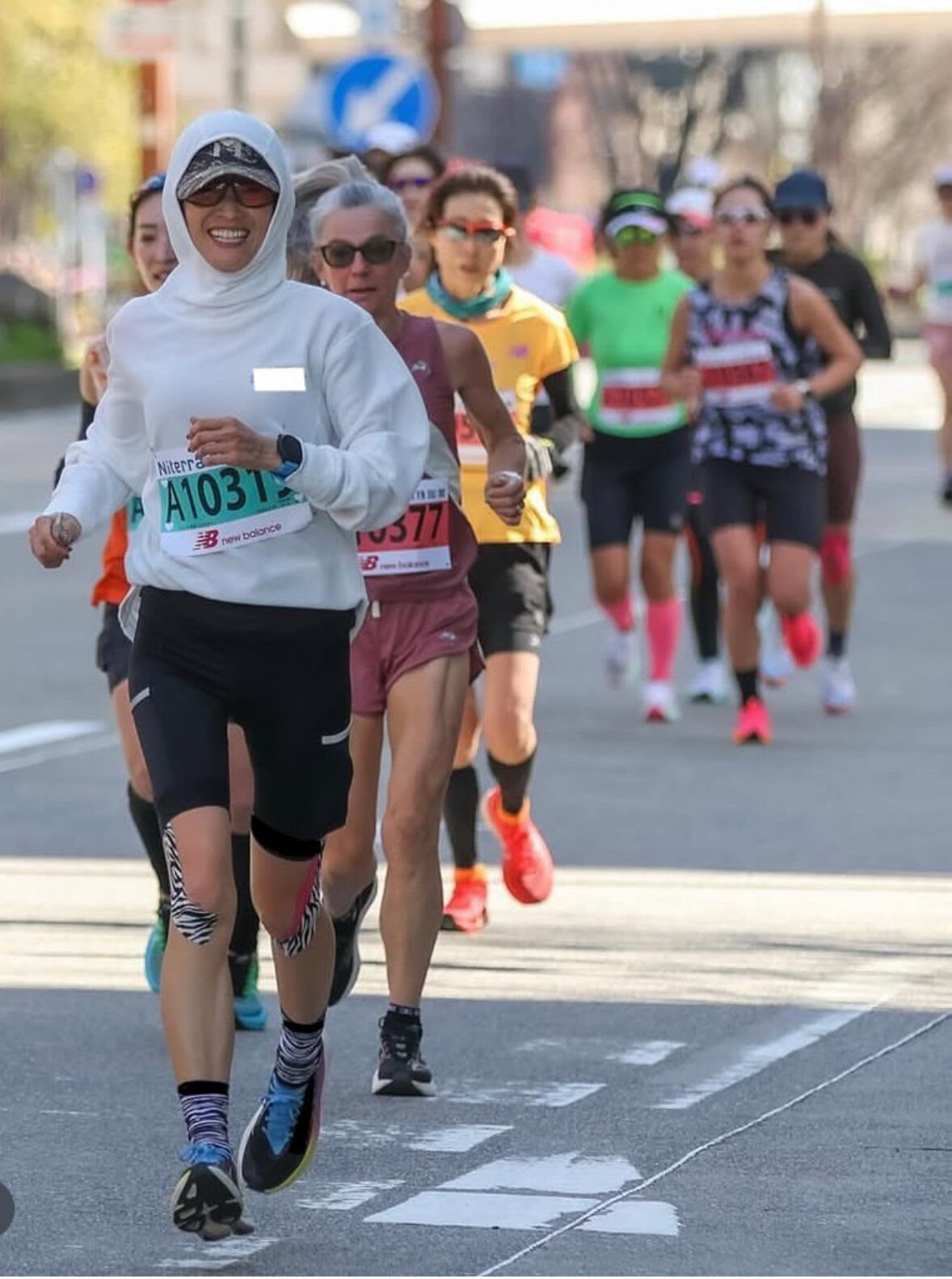
One of Japan’s top entrants, Hitomi Niiya, makes her return to the Nagoya course 16 years after her debut in 2009, when she finished eighth. The 37-year-old took a break from marathons before making a comeback in 2022. Since then, she has set national records in the 10,000m and half marathon and lowered her marathon PB to 2:19:24 in Houston last year.
Another strong contender, Rika Kaseda, represented Japan at the 2023 World Championships and will be determined to earn her spot on the national team again. Meanwhile, Rino Goshima, who competed in the 10,000m at the Paris 2024 Olympics, will be making her much-anticipated marathon debut.
With approximately 20,000 runners expected, the Nagoya Women’s Marathon remains the world’s largest all-women’s marathon, providing a grand stage for both elite and amateur athletes. As Chepkirui seeks another career-defining victory, she will have to overcome a field of hungry challengers, ensuring an exciting battle on the streets of Nagoya.
Login to leave a comment
Nagoya Women's Marathon
The Nagoya Women's Marathon named Nagoya International Women's Marathon until the 2010 race, is an annual marathon race for female runners over the classic distance of 42 km and 195 metres, held in Nagoya, Japan in early March every year. It holds IAAF Gold Label road race status. It began in 1980 as an annual 20-kilometre road race held in...
more...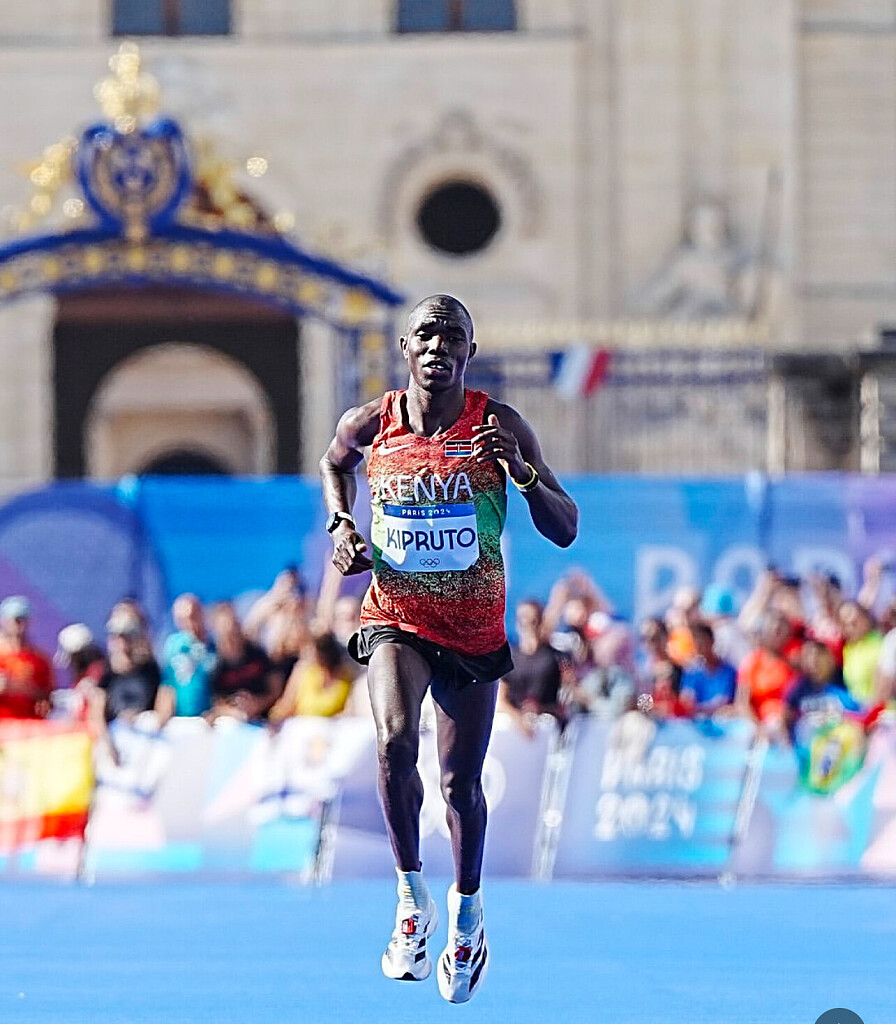
Tokyo Marathon 2025 Elite Runners Set for Epic Battle in the Streets of Japan’s Capital
The Tokyo Marathon 2025, set for Sunday, March 2, promises to be a thrilling contest as some of the world’s fastest distance runners converge on one of the flattest and fastest courses in the marathon circuit. As the opening race of the expanded Abbott World Marathon Majors series, now featuring seven races with the addition of the Sydney Marathon, Tokyo will set the tone for the global marathon season.
The men’s field features a star-studded lineup, headlined by Benson Kipruto of Kenya, who returns to defend his title after setting a Japanese all-comers record of 2:02:16 last year. Kipruto, known for his tactical racing style and strong finishing kick, will face fierce competition from Uganda’s Joshua Cheptegei, the world record holder in the 5000m and 10000m. Cheptegei’s marathon debut has generated significant buzz, as he transitions from dominating the track to testing his endurance over 42.195 kilometers. Ethiopia’s Deresa Geleta, who clocked an impressive 2:02:38 in Valencia last year, is another serious contender. Meanwhile, Japan’s Akira Akasaki and Yohei Ikeda, both fresh from breakthrough performances in 2024, will look to shine on home soil and challenge the international elites.
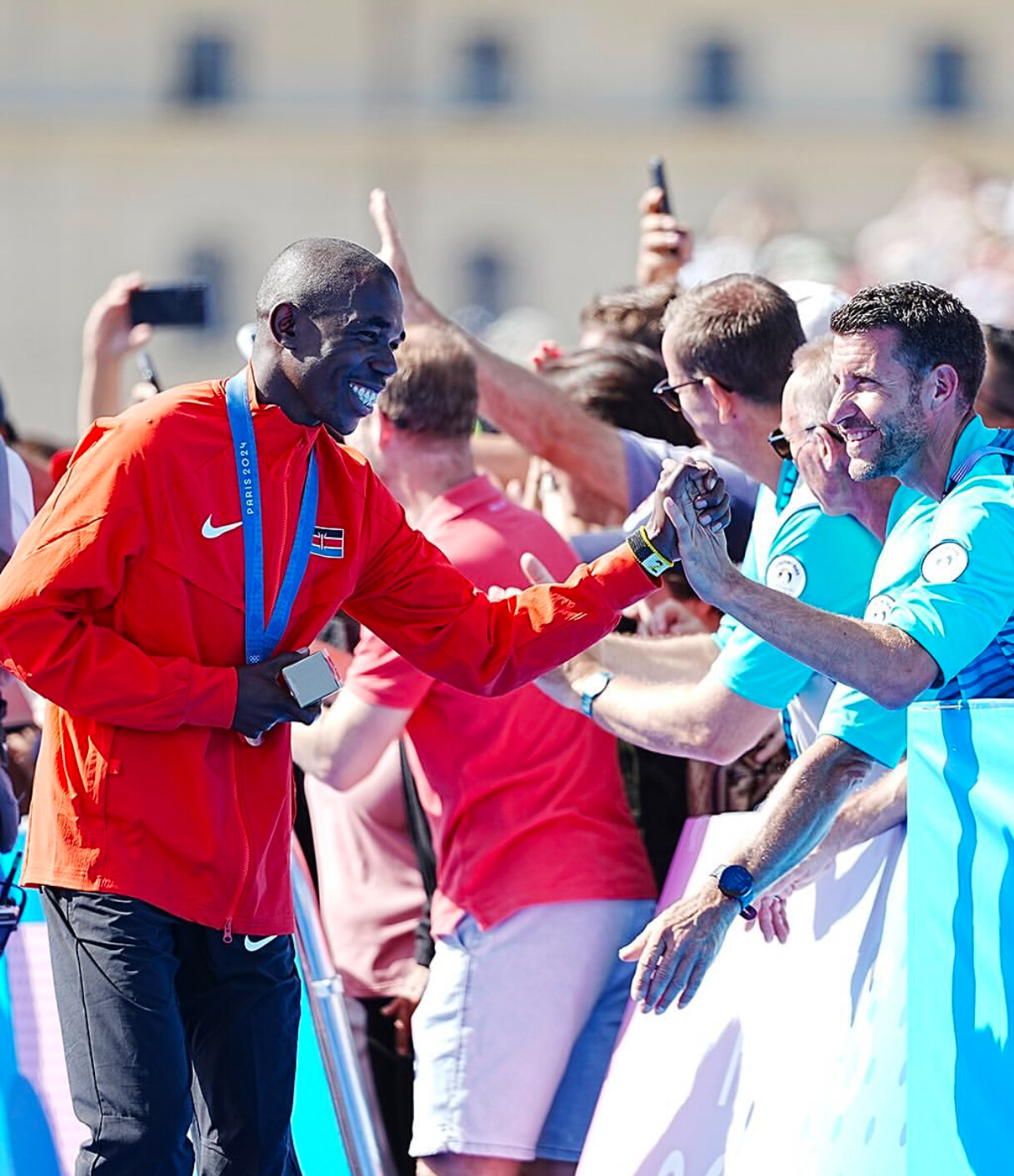
On the women’s side, Ethiopia’s Sutume Asefa Kebede returns after her dominant win in Tokyo last year, where she clocked 2:15:55—the fastest time ever run on Japanese soil. She’ll face stiff competition from Kenya’s Rosemary Wanjiru, the 2023 Tokyo Marathon champion, and Brigid Kosgei, the former world record holder and 2022 Tokyo winner. Ethiopia’s rising stars Tigist Ketema, who claimed victory in Berlin last fall, and Hawi Feysa, winner of the Frankfurt Marathon, add further intrigue to an already stacked field. Japan’s Ai Hosoda, with a personal best of 2:20:31 from Berlin, and Yuka Ando, the 2024 Nagoya Women’s Marathon champion, will be eager to make an impact in front of their home crowd.
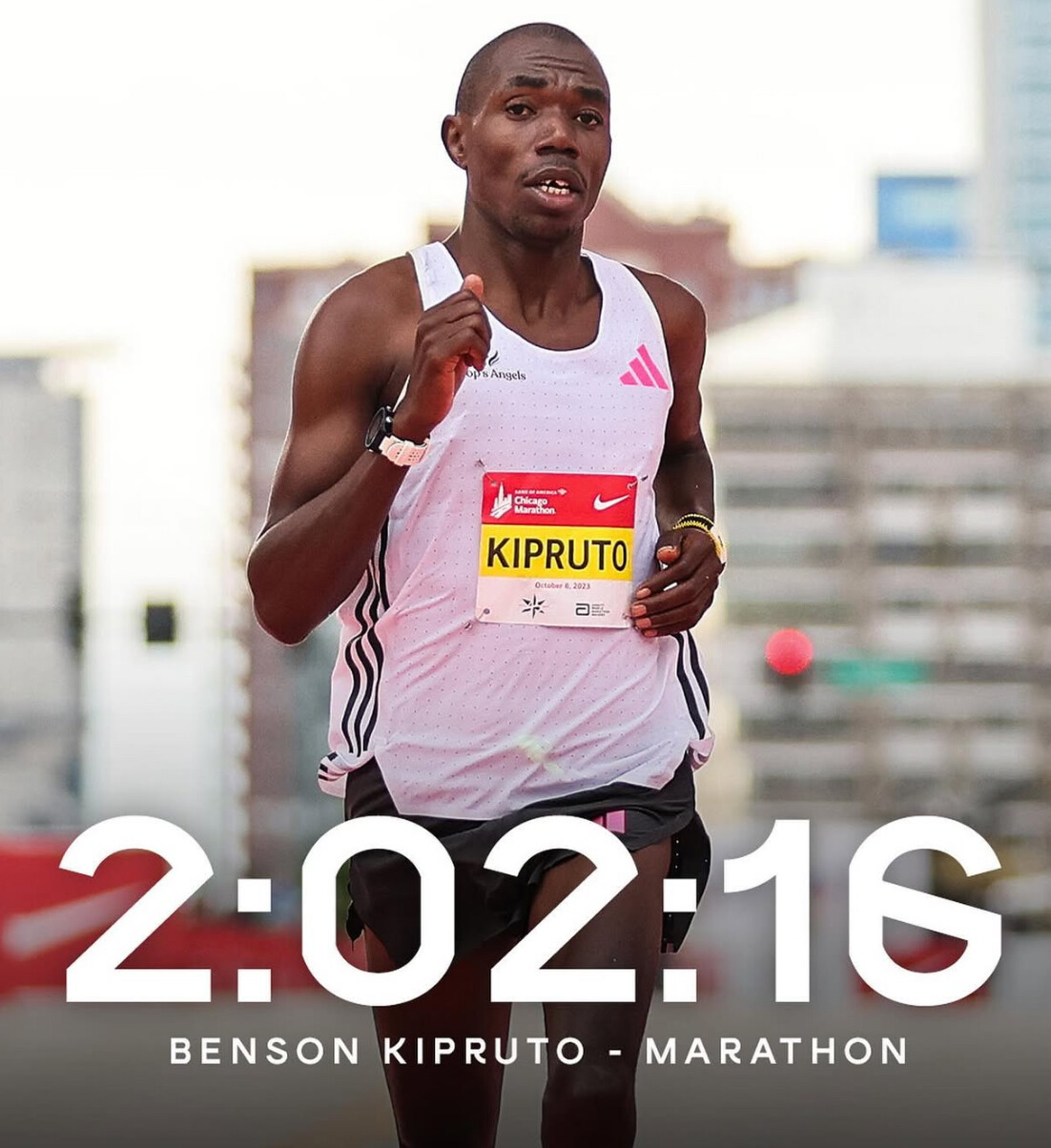
The Tokyo Marathon course offers a scenic and historically rich route through the heart of Japan’s capital. Starting at the towering Tokyo Metropolitan Government Building in Shinjuku, runners will weave through iconic districts such as Asakusa, Ginza, and Ueno. The course includes long, flat stretches with minimal turns, creating ideal conditions for fast times. The final kilometers will lead runners past Tokyo Tower and along the Imperial Palace moat, culminating near Tokyo Station on Gyoko-dori Avenue. Known for its efficiency and vibrant atmosphere, Tokyo’s marathon route consistently attracts runners chasing personal bests and national records.

While the official prize structure for the 2025 edition has not yet been announced, historical trends suggest a total purse of around 40.3 million Japanese Yen (approximately $286,000 USD). Both the men’s and women’s champions are expected to earn 11 million Yen each (approximately $78,100 USD), with additional payouts for podium finishes and record-breaking performances. Special awards will also be presented to top finishers in the semi-elite and university-affiliated categories, ensuring a broad distribution of recognition across all competitive levels.
Beyond the competition itself, the Tokyo Marathon is known for its electric atmosphere and world-class organization. Thousands of volunteers and enthusiastic spectators line the streets, while the pre-race expo offers participants and visitors a chance to engage with brands, explore new running gear, and celebrate the spirit of the sport. The race also continues its commitment to sustainability and inclusivity, with initiatives aimed at reducing environmental impact and promoting running as a global community sport.

As the countdown to race day continues, all eyes will be on Tokyo to see who emerges victorious in what promises to be an unforgettable showdown of endurance, strategy, and speed. For elite runners, Tokyo offers not just a chance to claim victory but to set the tone for the year ahead in the ever-competitive world of distance running.
by Boris Baron
Login to leave a comment
Tokyo Marathon
The Tokyo Marathon is a world-renowned annual marathon held in Tokyo, Japan. As one of the prestigious Abbott World Marathon Majors, it attracts elite and amateur runners from around the globe. The race holds World Athletics Platinum Label status, recognizing its high competitive standards, top-tier organization, and international appeal. Sponsored by Tokyo Metro, the Tokyo Marathon has grown into one...
more...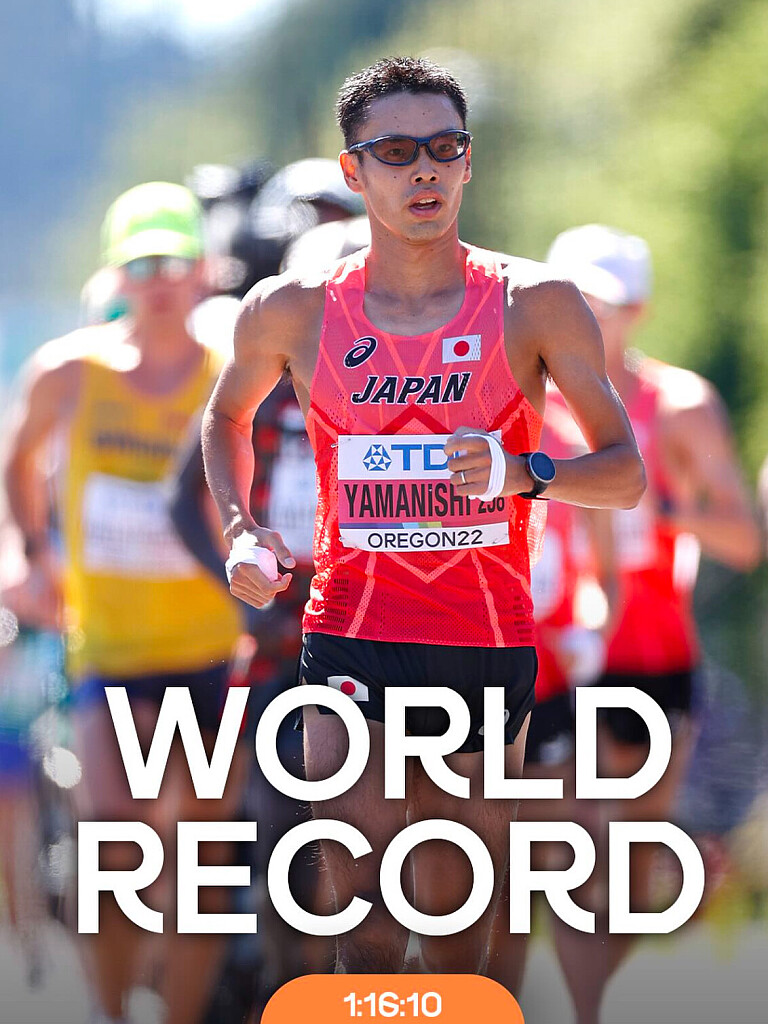
Toshikazu Yamanishi Shatters 20km Race Walk World Record in Kobe
On February 16, 2025, Japan’s Toshikazu Yamanishi delivered a historic performance at the Japanese 20km Race Walking Championships in Kobe, setting a new men’s world record in the 20km race walk with a time of 1:16:10. This incredible feat shattered the previous record of 1:16:36, which had been held by fellow Japanese race walker Yusuke Suzuki since 2015.
Held on Kobe’s Rokko Island, the event is part of the World Athletics Race Walking Tour Bronze series and drew top competitors from around the country. Yamanishi, a two-time world champion, dominated the race from the outset. By the 13th kilometer, he had surged ahead of the field, maintaining a relentless pace that ultimately saw him cut 26 seconds off the world record.
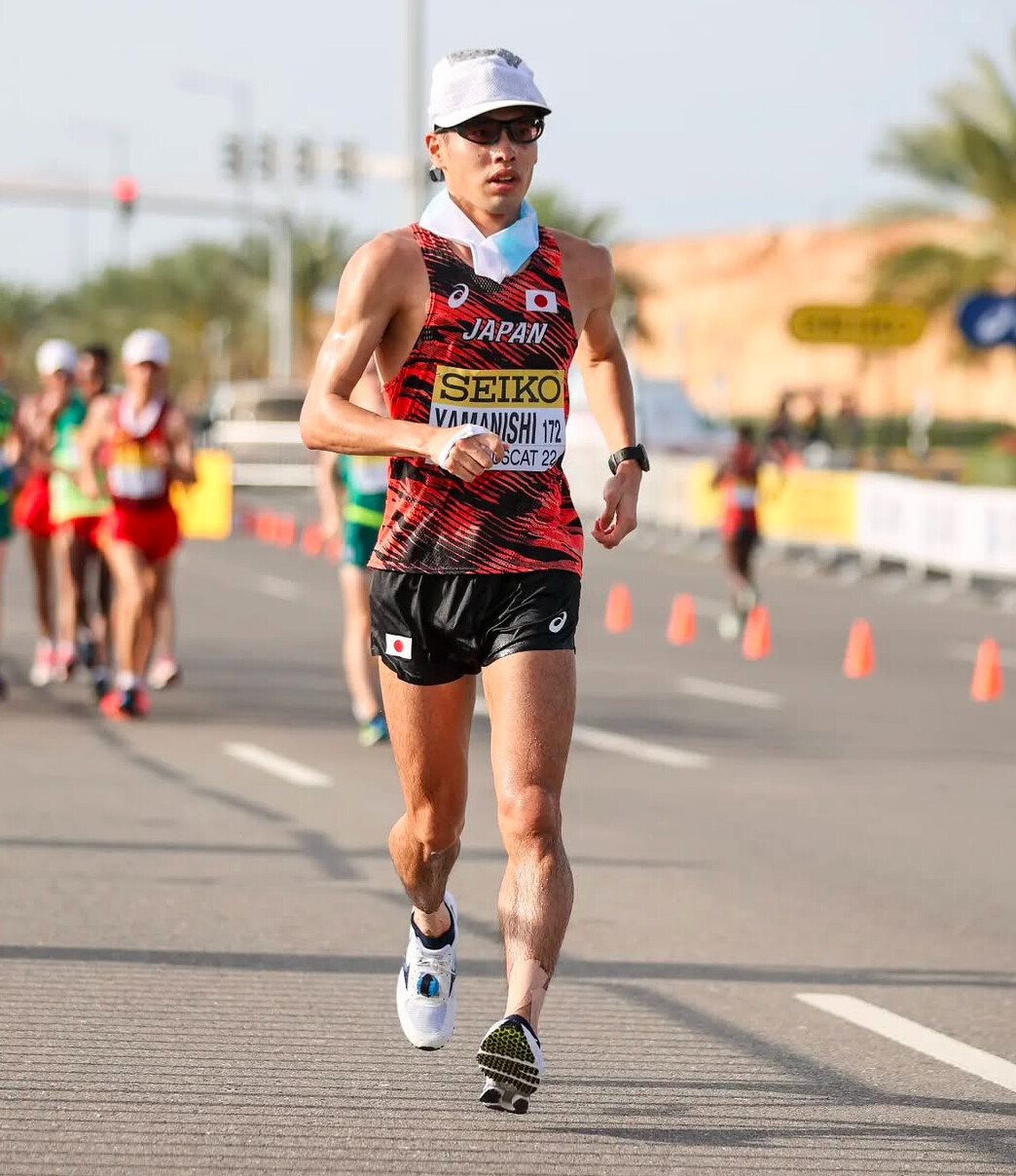
A career-defining achievement
Yamanishi’s record-breaking time also marks a significant improvement on his own personal best of 1:17:15, set in 2019. This latest milestone further cements his status as one of the greatest race walkers of his generation.
His performance in Kobe was a masterclass in pace control and endurance. Over the grueling 20km course, Yamanishi averaged an astonishing pace of 3 minutes and 48 seconds per kilometer. Translated into miles, that equates to an impressive 6 minutes and 7 seconds per mile—a testament to his efficiency and conditioning.
Already a double World Athletics Championships gold medalist (2019 and 2022), Yamanishi has been a dominant force in race walking for years. With this new world record, he continues to push the boundaries of the sport, bringing international attention to Japan’s thriving race walking community.
Perfect conditions for a historic race
The race-day conditions in Kobe were nearly ideal, with a mild 23°C (73°F) temperature and clear skies—factors that contributed to Yamanishi’s blistering pace. The atmosphere was electric, with thousands of spectators lining the course, cheering him on as he powered toward history.
His ability to execute a flawless race strategy, maintaining a strong cadence and controlled form, showcases not only his physical endurance but also his tactical intelligence. His disciplined approach allowed him to sustain his pace without faltering—a hallmark of an elite athlete at the peak of his game.
Japan’s legacy in race walking continues
Yamanishi’s world record underscores Japan’s continued dominance in the race walking discipline. With deep-rooted traditions in endurance sports and a strong competitive circuit, Japan has consistently produced some of the world’s finest race walkers.
His latest achievement also raises expectations for the upcoming international competitions, where he will likely be a top contender for further gold medals. As Yamanishi continues his remarkable career, race walking enthusiasts around the world eagerly await what he will accomplish next.
With this record-breaking performance in Kobe, Toshikazu Yamanishi has not only rewritten history but also reaffirmed his place as one of the greatest race walkers of all time.
by Boris Baron
Login to leave a comment
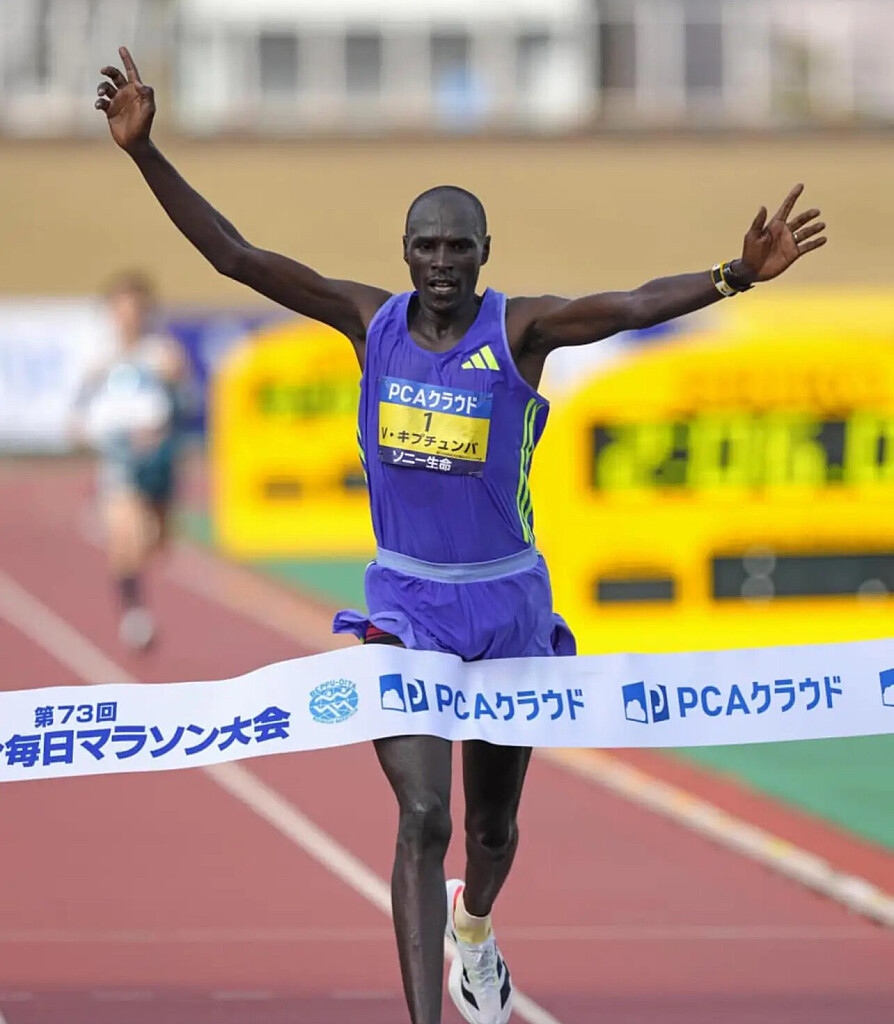
Emotions Run High at the 73rd Beppu-Oita Mainichi Marathon
The 73rd Beppu-Oita Mainichi Marathon, held on February 2, 2025, brought together a stunning combination of athletic excellence and heartfelt moments. The iconic race began at Takasakiyama and concluded at J-Lease Stadium, covering 42.195 kilometers through the picturesque cities of Oita and Beppu. As one of the key selection events for Japan's representatives at the 2025 World Athletics Championships, the competition carried high stakes and delivered unforgettable performances.
Kenyan runner Vincent Kipchumba delivered a commanding performance, crossing the finish line in 2 hours, 6 minutes, and 1 second to set a new course record. His exceptional run surpassed previous bests and further established him as one of the elite marathoners of the year. Kipchumba's triumph reflected not only his incredible speed and endurance but also the meticulous preparation that led to his record-breaking success.
Hikaru Wakabayashi, representing Aoyama Gakuin University, made a sensational marathon debut with a time of 2 hours, 6 minutes, and 7 seconds, finishing just seconds behind Kipchumba. His performance not only secured him the title of top Japanese finisher but also marked the beginning of what promises to be an extraordinary career. With his strong showing, Wakabayashi demonstrated remarkable potential and captured the attention of fans and experts alike.
The day was also marked by an emotional farewell to a beloved Japanese athlete competing in their final professional marathon. The streets were lined with fans who cheered them on as they completed their last race, celebrating a career that inspired countless runners and brought pride to the nation.
The women's competition added further excitement to the day, showcasing incredible determination and fierce competition as athletes vied for victory and personal bests. Yamaguchi Haruka claimed first place with a time of 2:36:51, followed by Fujisawa Mai in 2:47:31, and Nakamura Mika in 2:48:23.
As the event concluded, the 73rd Beppu-Oita Mainichi Marathon stood out as a celebration of resilience, ambition, and sportsmanship. From record-breaking achievements to poignant goodbyes, the race reminded everyone of the beauty and drama that make marathons such a beloved sport.
Login to leave a comment
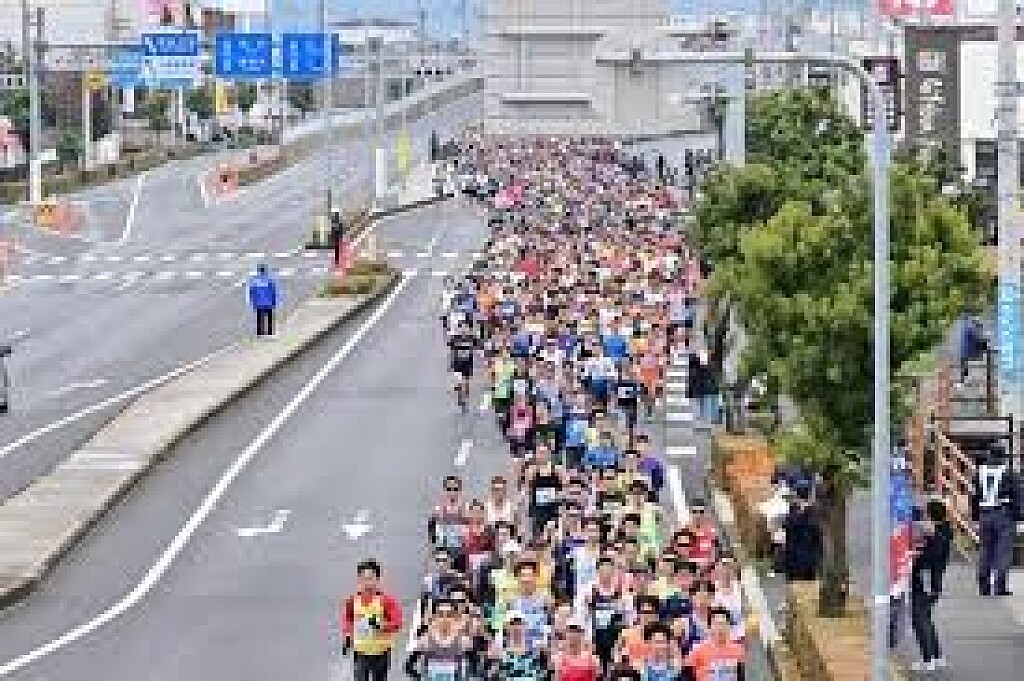
Alexander Mutiso and Dolphine Omare Shine at the 77th Kagawa Marugame International Half Marathon
Marugame, Japan – February 2, 2025 – The 77th Kagawa Marugame International Half Marathon witnessed an electrifying display of endurance and speed as top athletes from around the world delivered record-breaking performances on the fast and flat course in Marugame City, Kagawa Prefecture.
Mutiso Claims Men’s Title with a Course Record
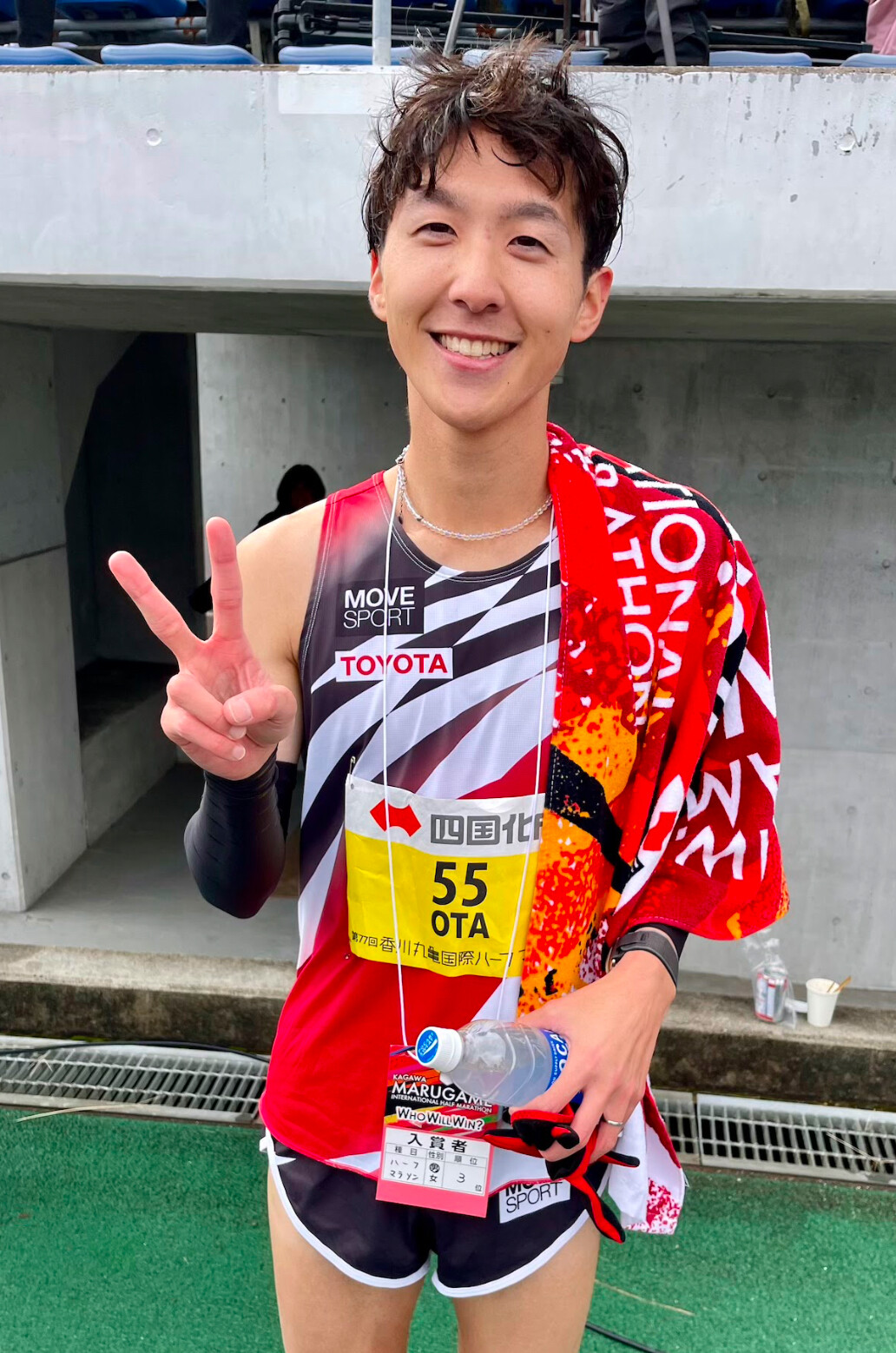
In the men’s race, Kenya’s Alexander Mutiso produced a dominant performance, crossing the finish line in 59 minutes and 16 seconds, setting a new course record. Mutiso, known for his blistering pace and strong finishing kick, edged out fellow Kenyan Maru Emmanuel, who secured second place with an impressive time of 59:19.
Japan’s Ota Tomoki followed closely, clocking 59:27 to claim third place, while his compatriot Shinohara Kotaro finished just three seconds later in 59:30, rounding out the top four. The strong performances by the Japanese duo demonstrated the rising competitiveness of homegrown talent on the international stage.
Men’s Top 4 Results:
1. Alexander Mutiso(Kenya) – 59:16
2. Maru Emmanuel(Kenya) – 59:19
3. Ota Tomoki(Japan) – 59:27
4. Shinohara Kotaro(Japan) – 59:30
Dolphine Omare Dominates Women’s Race
The women’s race was equally thrilling, with Kenya’s Dolphine Nyaboke Omare storming to victory in 1 hour, 6 minutes, and 5 seconds. Her powerful run shattered the previous course record, firmly establishing her as one of the rising stars in women’s long-distance running.
Great Britain’s Calli Hauger Thacker delivered a strong performance, finishing second in 1:06:58, while Australia’s Isobel Batt-Doyle claimed third place in 1:07:17, setting a new Australian national record. Pauline Kaveke Kamulu of Kenya secured fourth place with a time of 1:07:33, further showcasing the strength of Kenyan athletes on the international stage.
Women’s Top 4 Results:
1. Dolphine Nyaboke Omare(Kenya) – 1:06:05 (Course Record)
2. Calli Hauger Thacker(Great Britain) – 1:06:58
3. Isobel Batt-Doyle(Australia) – 1:07:17 (Australian National Record)
4. Pauline Kaveke Kamulu(Kenya) – 1:07:33
A Historic Event with World-Class Performances
The Kagawa Marugame International Half Marathon, a World Athletics Elite Label race, has long been known for producing fast times and competitive fields. This year was no exception, with multiple athletes breaking records and setting personal bests. The event, which began and ended at Pikara Stadium, featured a flat and scenic course, allowing for optimal conditions for record-breaking performances.
Login to leave a comment
Kagawa Marugame Half Marathon
The Kagawa Marugame Half Marathon is an annual road running competition which takes place in early February in Marugame, Japan. It currently holds IAAF Silver Label Road Race status and the professional races attract over 1000 entries each year, and hosted by the Sankei Shimbun, Sankei Sports, Okayama Broadcasting, BS Fuji. The race in Marugame was first held in 1947...
more...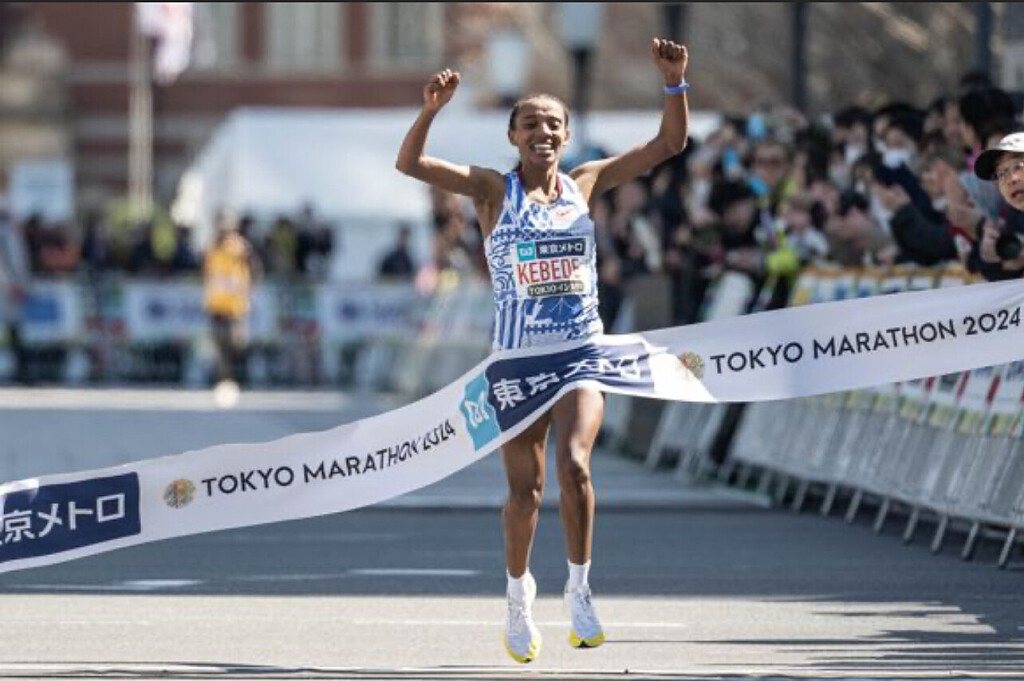
Kebede, Kipruto, Kosgei and Cheptegei announced for Tokyo Marathon
Sutume Kebede and Benson Kipruto will defend their titles when they form part of strong fields announced for the Tokyo Marathon – a World Athletics Platinum Label road race – on 2 March.
Ethiopia’s Kebede, who set a Japanese all-comers' record of 2:15:55 when winning in Tokyo last year, is set to be joined by five other women to have dipped under 2:18 in a field that features a total of 11 sub-2:20 runners.
Two of them are also formers winners, with Brigid Kosgei and Rosemary Wanjiru returning after their respective victories in 2022 and 2023.
Kenya’s former world record-holder Kosgei is the fastest in the field with her PB of 2:14:04 set in Chicago in 2019, while her compatriot Wanjiru ran 2:16:14 when finishing runner-up to Kebede in Tokyo last year.
Among those joining them are Ethiopia’s Tigist Ketema, who ran 2:16:07 on her debut in Dubai just over a year ago, and multiple global gold medallist Tirunesh Dibaba.
Their compatriots Hawi Feysa, who won in Frankfurt in October in 2:17:25, 2022 world champion Gotytom Gebreslase and 2021 London Marathon runner-up Degitu Azimeraw have also been announced, along with Japan’s Ai Hosoda and Yuka Ando.
Kenya’s Kipruto, who also set a Japanese all-comers' record when winning in Tokyo last year in 2:02:16, will be joined in the men’s race by Uganda’s Joshua Cheptegei, the world 5000m and 10,000m record-holder who returns to the roads to contest his second marathon after his 2:08:59 debut in Valencia in 2023.
The field features six sub-2:04 athletes, with Kipruto joined by Ethiopia’s Deresa Geleta, the Olympic fifth-place finisher and Valencia Marathon runner-up who has a best of 2:02:38, plus two-time Tokyo Marathon winner Birhanu Legese, Tadese Takele and Dawit Wolde, as well as Kenya’s Vincent Kipkemoi Ngetich, who was third last year.
The line-up also includes Ethiopia’s world bronze medallist Leul Gebresilase, Uganda’s Stephen Kissa, Japan’s Yohei Ikeda and Akira Akasaki, and Kenya’s Benard Koech, who makes his marathon debut.
Elite fields
WomenBrigid Kosgei (KEN) 2:14:04Sutume Kebede (ETH) 2:15:55Tigist Ketema (ETH) 2:16:07Rosemary Wanjiru (KEN) 2:16:14Hawi Feysa (ETH) 2:17:25Tirunesh Dibaba (ETH) 2:17:56Degitu Azimeraw (ETH) 2:17:58Gotytom Gebreslase (ETH) 2:18:11Winfridah Moraa Moseti (KEN) 2:18:25Mestawut Fikir (ETH) 2:18:48Magdalyne Masai (KEN) 2:18:58Ai Hosoda (JPN) 2:20:31Desi Jisa Mokonin (BRN) 2:20:47Yuka Ando (JPN) 2:21:18Jessica Stenson (AUS) 2:24:01Zhang Deshun (CHN) 2:24:05Rie Kawauchi (JPN) 2:25:35Kaori Morita (JPN) 2:26:31Khishigsaikhan Galbadrakh (MGL) 2:26:32Shiho Kaneshige (JPN) 2:28:51
MenBenson Kipruto (KEN) 2:02:16Deresa Geleta (ETH) 2:02:38Birhanu Legese (ETH) 2:02:48Vincent Kipkemoi Ngetich (KEN) 2:03:13Tadese Takele (ETH) 2:03:24Dawit Wolde (ETH) 2:03:48Leul Gebresilase (ETH) 2:04:02Stephen Kissa (UGA) 2:04:48Tsegaye Getachew (ETH) 2:04:49Amedework Walelegn (ETH) 2:04:50Titus Kipruto (KEN) 2:04:54Yohei Ikeda (JPN) 2:05:12Suguru Osako (JPN) 2:05:29Mulugeta Asefa Uma (ETH) 2:05:33Ichitaka Yamashita (JPN) 2:05:51Kenya Sonota (JPN) 2:05:59Hiroto Inoue (JPN) 2:06:47He Jie (CHN) 2:06:57Vincent Raimoi (KEN) 2:07:01Hendrik Pfeiffer (GER) 2:07:14Akira Akasaki (JPN) 2:07:32Suldan Hassan (SWE) 2:07:36Joshua Cheptegei (UGA) 2:08:59Benard Koech (KEN) debutGeoffrey Toroitich (KEN) debut
Login to leave a comment
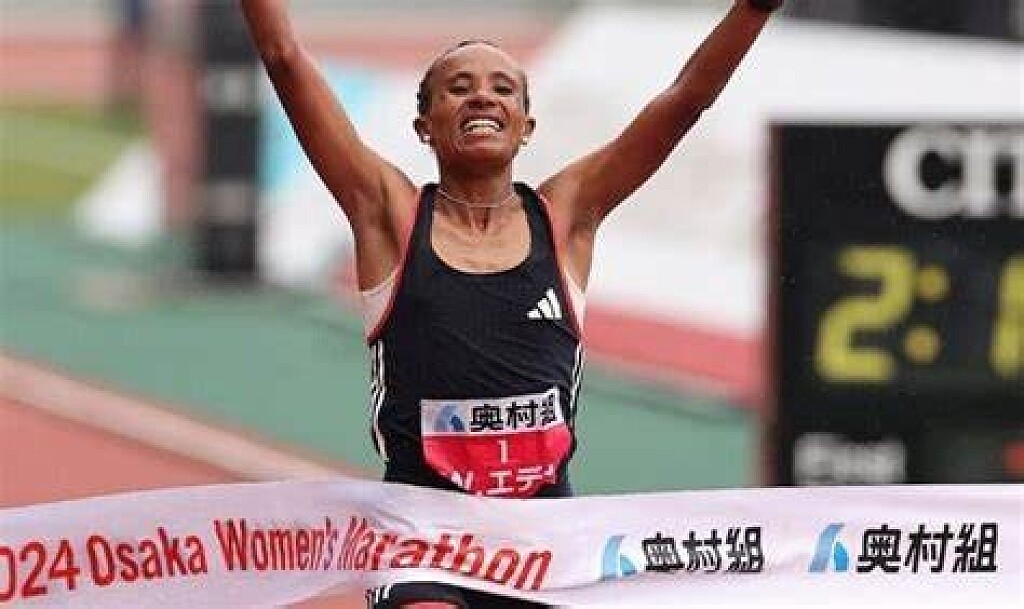
Osaka International Women's Marathon Elite Fields announced
The elite field for the Jan. 26 Osaka International Women's Marathon is out, and it's a really short list, especially given Osaka International's World Athletics platinum label status. There's last year's winner Workenesh Edesa, 3rd-placer Mizuki Matsuda, 7th-placer Natsumi Matsushita, 9th-placer Madoka Nakano and 12th-placer Kana Kobayashi, top Japanese Paris Olympic marathon placer Yuka Suzuki, veteran Kenyan-born Israeli Lonah Chemtai Salpeter, the debuting Nanaka Izawa, and that's about it.
Workenesh outran Honami Maeda last year, both going under 2:19 and Workenesh getting the win in 2:18:51. She has to be viewed as the favorite. Salpeter has run as fast as 2:17:45 before, but she hasn't run under 2:25 in the marathon or under 1:10 in the half marathon since 2022, so there's not much reason to think she's going to be competitive in a faster race here. Matsuda and Suzuki both ran PBs in their last marathons, Matsuda a 2:20:42 in Berlin this fall and Suzuki a 2:24:02 while finishing 6th in the Paris Olympics. Kobayashi and Izawa are interesting, Kobayashi having run 2:29:44 last year as a non-track team student at Waseda University and then winning Hofu at the beginning of December in a 2:24:59 CR, and Izawa fresh off a great 1:08:25 PB at the Sanyo Ladies Half Marathon this month.
The Osaka Half Marathon is also happening in parallel with the marathon, and the fields there are decently competitive as always. Yuka Ando won the women's race in Osaka last year in a 1:08:18 PB and is back this time, facing sub-70 runner Sakiho Tsutsui, Mongolian NR holder Khishigsaikhan Galbadrakh and more. 1:00:41 Ethiopian Gebrie Erikhun leads a domestic men's field that includes Japan-based Patrick Mathenge Wambui and a million 61-minute Japanese men.
44th Osaka International Women's Marathon
Elite Field Highlights
Lonah Chemtai Salpeter (Israel) - 2:18:45 (Nagoya 2022)
Workenesh Edesa (Ethiopia) - 2:18:51 (Osaka Women's 2024)
Mizuki Matsuda (Daihatsu) - 2:20:42 (Berlin 2024)
Natsumi Matsushita (Tenmaya) - 2:23:05 (Osaka Women's 2022)
Yuka Suzuki (Daiichi Seimei) - 2:24:02 (Paris Olympics 2024)
Kana Kobayashi (Otsuka Seiyaku) - 2:24:59 (Hofu 2024)
Yumi Yoshikawa (Chiba T&F Assoc.) - 2:25:20 (Osaka Women's 2023)
Chiharu Suzuki (Hitachi) - 2:25:59 (Osaka Women's 2023)
Madoka Nakano (Iwatani Sangyo) - 2:26:50 (Osaka Women's 2024)
Mao Kiyota (Suzuki) - 2:29:20 (Nagoya 2023)
Ayano Ikeuchi (Denso) - 2:32:26 (Seoul 2024)
Ayano Ikemitsu (Kagoshima Ginko) - 2:33:29 (Nagoya 2023)
Debut
Nanaka Izawa (Starts) - 1:08:25 (Sanyo Half 2024)
Rio Einaga (Osaka Gakuin Univ.) - 1:11:03 (National University Half 2023)
Kurumi Yoda (Osaka Gakuin Univ.) - 1:12:46 (Kansai University Half 2024)
Nanako Miwa (Kansai Gaikokugo Univ.) - 1:14:37 (Kansai University Half 2023)
by Brett Larner
Login to leave a comment
Osaka International Womens Marathon
The Osaka International Ladies Marathon is an annual marathon road race for women over the classic distance of 42.195 kilometres which is held on the 4th or 5th Sunday of January in the city of Osaka, Japan, and hosted by Japan Association of Athletics Federations, Kansai Telecasting Corporation, the Sankei Shimbun, Sankei Sports, Radio Osaka and Osaka City. The first...
more...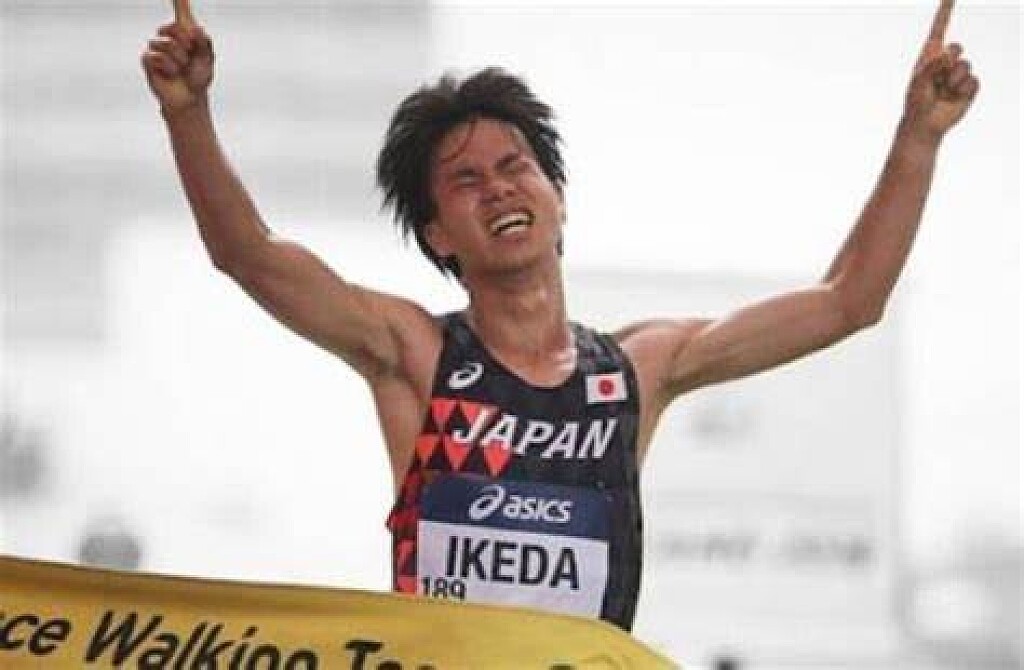
Olympic silver medalist Koki Ikeda suspended for doping
The 26-year-old Japanese race walker Koki Ikeda, one of the world's top competitors in race walking and a leading figure in his national team, has been provisionally suspended this week by the Athletics Integrity Unit (AIU), which has detected unusual data in his biological passport.
As required by World Athletics protocol, this preventive measure is applied in cases where irregular figures are found, even when no direct violation has occurred in an anti-doping test that identifies a specific banned substance. Ikeda will now need to account for the unusual data in his biological passport to avoid a definitive suspension.
The Associated Press reported that Ikeda received the provisional ban for "suspected blood doping," quoting the AIU, which is based in Monaco. The anti-doping body stated on Friday that the issue relates to the "use of a prohibited substance/method." The biological passport can indicate markers of doping over time without an athlete testing positive for a banned substance. Investigators have not provided a timetable for the disciplinary case.
The race walker and the Japanese federation received this unfortunate news ahead of hosting their World Race Walking Championships in Tokyo in September 2025. Ikeda stated on Saturday that he is "completely bewildered" and pleaded his innocence. In a statement released to Japanese media, he expressed his intention to fight to clear his name. "For reasons that I know absolutely nothing about, I may not be able to compete in my next race, and I am utterly bewildered," he remarked.
He also mentioned that he would "strive for the truth to come to light and for a fair result." "From here on, I would be very grateful for your understanding and support," he added. The disciplinary proceedings are now underway.
Ikeda was the Olympic silver medallist at the Tokyo 2020 Games and took silver at the 2022 World Championships in Oregon. This season, he achieved a second-place finish in the mixed relays at the World Team Championships in Antalya in April, as well as winning gold at the Japanese National Championships, which earned him direct qualification for Paris 2024, where he finished seventh in the 20-kilometre race. He concluded the year in October with a bronze medal in the 10,000-metre event in Yamaguchi.
by Javier Carro
Login to leave a comment
Fukuoka International Marathon Elite Field Released
Fukuoka International Marathon is the first of this winter season's big selection races for the home soil team for next year's Tokyo World Championships, and the domestic field is a great one.
Kenya Sonota, 2:05:59 in Tokyo last year, and 2:06 men Yusuke Nishiyama, Yuya Yoshida, Kazuya Nishiyama and Daisuke Doi make up the main contenders to get a spot, with internationals Lemeck Too, Jie He, Bethwel Yegon, Vincent Raimoi, last year's winner Michael Githae, and Shaohui Yang perfectly positioned to add momentum to the shot at the 2:06:30 Worlds standard that they'll all be taking.
8 other Japanese men in the 2:07 to 2:09 range make it one of the most competitive Fukuoka editions in a long, long time.
Last year Githae outkicked Yang by 1 second to win 2:07:08 to 2:07:09, Yang with a Chinese NR that was broken a few months later by He in Wuxi. Chinese men's marathoning has momentum right now too, and it wouldn't be surprising to see either He or Yang become Fukuoka's first Chinese winner. Jianhua Peng, 2:09:59 last year in Seoul, and Bo Li, 2:11:23 in Nanchang, are also in the race.
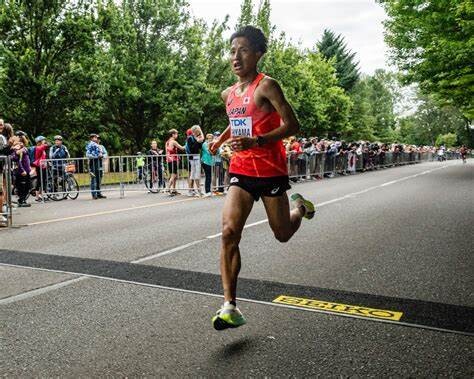
Fukuoka International Marathon Elite Field Highlights
Kenya Sonota (JR Higashi Nihon) - 2:05:59 (Tokyo 2023)
Lemeck Too (Kenya) - 2:06:29 (Rotterdam 2024)
Yusuke Nishiyama (Toyota) - 2:06:31 (Tokyo 2024)
Yuya Yoshida (GMO) - 2:06:37 (Osaka 2024)
Kazuya Nishiyama (Toyota) - 2:06:45 (Osaka 2023)
Daisuke Doi (Kurosaki Harima) - 2:06:54 (Osaka 2024)
Jie He (China) - 2:06:57 (Wuxi 2024)
Bethwel Yegon (Kenya) - 2:06:57 (Vienna 2023)
Vincent Raimoi (Kenya/Suzuki) - 2:07:01 (Fukuoka Int'l 2022)
Michael Githae (Kenya/Suzuki) - 2:07:08 (Fukuoka Int'l 2023)
Shaohui Yang (China) - 2:07:09 (Fukuoka Int'l 2023)
Koki Yoshioka (Kyudenko) - 2:07:28 (Osaka 2023)
Shin Kimura (Honda) - 2:07:34 (Tokyo 2024)
Derese Workneh (Ethiopia/Hiramatsu Byoin) - 2:07:58 (Beppu-Oita 2024)
Bedan Karoki (Kenya/Toyota) - 2:07:59 (Tokyo 2024)
Kazuya Azegami (Toyota) - 2:08:29 (Osaka 2023)
Kiyoshi Koga (Yasukawa Denki) - 2:08:30 (Beppu-Oita 2022)
Ryu Takaku (Yakult) - 2:08:38 (Fukuoka Int'l 2021)
Naoki Aiba (Chudenko) - 2:08:44 (Beppu-Oita 2022)
Kenta Murayama (Asahi Kasei) - 2:09:00 (Osaka 2024)
Kohei Futaoka (Chudenko) - 2:09:14 (Fukuoka Int'l 2021)
Jianhua Peng (China) - 2:09:59 (Seoul 2023)
Tesema Moges (Israel) - 2:10:31 (Rotterdam 2023)
Takumi Kumagai (Sumitomo Denko) - 2:10:41 (Fukuoka Int'l 2021)
Yusuke Tobimatsu (Hioki City Hall) - 2:10:47 (Hofu 2021)
Luka Musembi (Kenya/Tokyo T&F Assoc.) - 2:10:49 (Hokkaido 2022)
Asuka Tanaka (Runlife) - 2:11:09 (Tokyo 2022)
Bo Li (China) - 2:11:23 (Nanchang 2023)
Tadese Getahon (Israel) - debut - 1:00:47 (Copenhagen Half 2024)
by Brett Larner
Login to leave a comment
Fukuoka Marathon
The Fukuoka International Open Marathon Championship is one of the longest running races in Japan, it is alsoan international men’s marathon race established in 1947. The course record is held by Tsegaye Kebede of Ethiopia, running 2:05:18 in 2009. Frank Shorter won first straight years from 1971 to 1974. Derek Clayton set the World Record here in 1967 running 2:09:37. ...
more...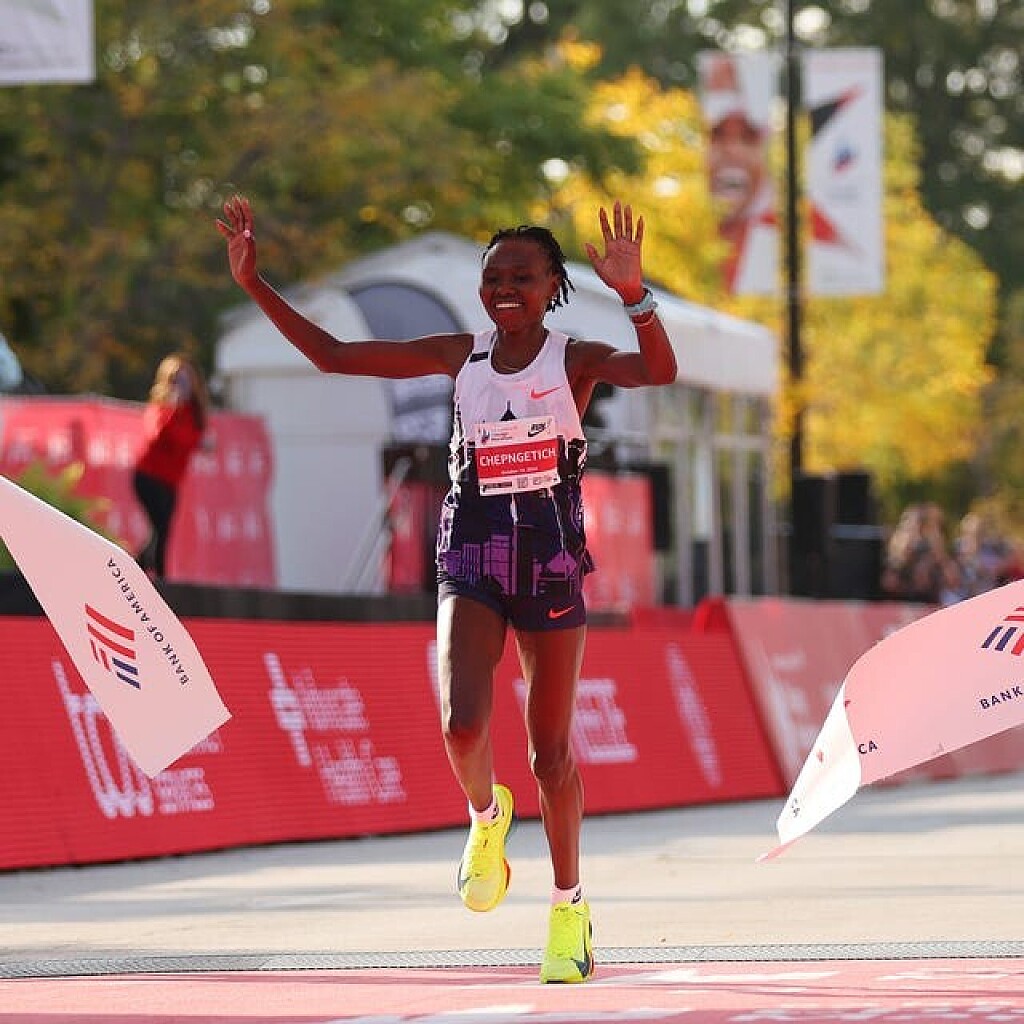
MARATHON GROUNDBREAKERS
Since Australia’s Derek Clayton ran history’s first sub—2:10 marathon in Fukuoka, Japan, on 3 December 1967, there have been a total of 4538 sub—2:10 marathons (as of 30 October 2024), 4537 by men, one by a woman.
As with any new ground-breaking performance, Ruth Chepngetich’s 2:09:56 in Chicago on 13 October has forced us to reassess all our past assumptions, or, like many, to doubt the validity of the performance itself. But no matter how we got here, to whatever you want to ascribe it, this is where we are now, 2:09:56 by a woman.
In this new reality, until proven otherwise, Ruth Chepngetich is the new Paula Radcliffe, just as Paula was the new Grete Waitz, one ground-breaker to the next, 1978 to 2003 to 2024.
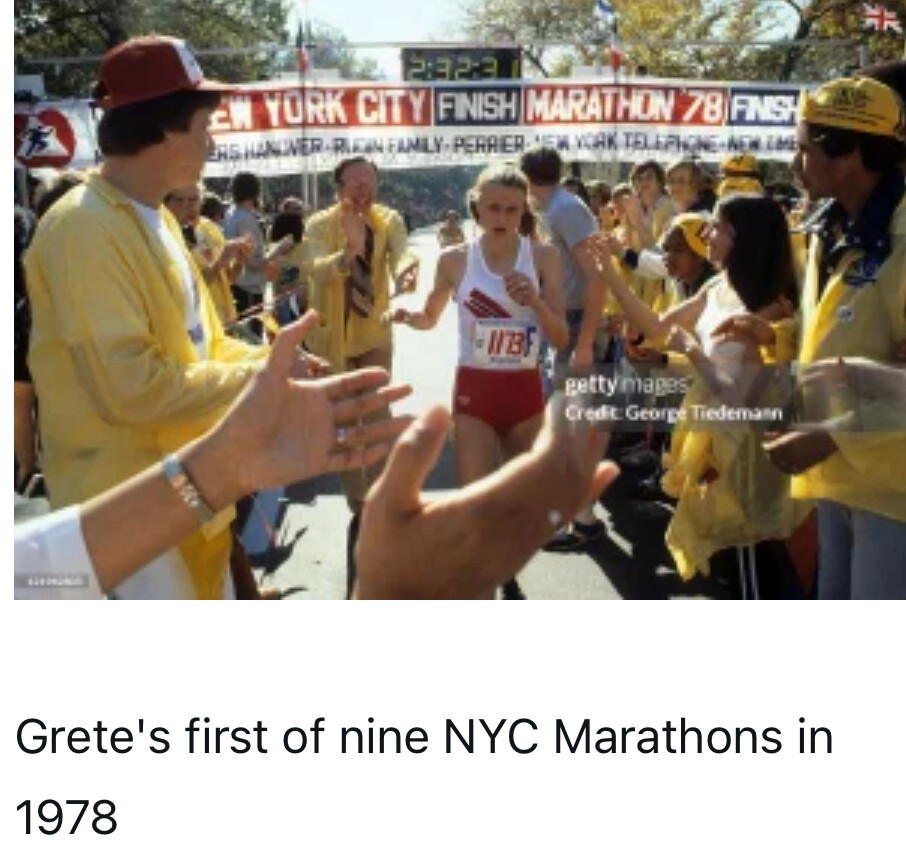
There have been many talented women champions through the years besides those three, including all the pioneers who had to overcome centuries of gender bias that restricted women from even showing their stuff.
But in terms of pure ground-breaking, the 1978 New York City Marathon drew a bright line between what once was and what would be.
On 22 October 1978, Norway’s track and cross-country star Grete Waitz participated in the marathon for the first time, almost on a whim, as the trip was more of a honeymoon for her and husband Jack after the long track season.
The 2:32:30 world record Grete ran that day was totally unexpected by both the public and Grete herself. She wore bib #1173, wasn’t included on the list of elite women, and came with no specific marathon preparation (not a single run over 13 miles). In fact, she was so upset with husband, Jack, for suggesting she come run the marathon that she threw her shoes at him in the hotel room following her victory.
Still, like almost all debuting marathoners, after a short period of recovery and reflection, Grete concluded she could probably improve next time.
Thus, in New York 1979, following a more careful preparation, Grete ripped nearly five full minutes off her 1978 mark to record history’s first sub—2:30 by a woman at 2:27:33. Her margin of victory over England’s Gillian Adams was 11 minutes (2:38:33). The combination of the mild-mannered former geography teacher from Oslo and the raucous New York City crowds proved transformative, elevating women’s running to heights previously unimagined.
Though Japan’s Naoko Takahashi broke the 2:20 barrier for women in Berlin 2001, after Norway’s Ingrid Kristiansen (2:21:15, London ‘85), America’s Joan Benoit Samuelson (2:21:21, Chicago’85), and Kenyan Tegla Loroupe (2:20:43, Berlin ‘99) all challenged the barrier in the 1980s and ‘90s, it was England’s Paula Radcliffe who established new headlands in the marathon in London 2003 with her 2:15:25.
Nearly two minutes faster than her own 2:17:18 record from Chicago the year before, her 2:15 arced away from Catherine Ndereba’s 2:18:47 from Chicago 2001, completed just one week after Takahashi’s first sub-2:20 in Berlin.
The quality of Paula’s 2:15 can be seen in the 16 years and an entire shoe technology revolution that developed before Kenya’s Brigid Kosgei did Paula one better in Chicago 2019 at 2:14:04. That performance plowed new ground again. And now we have Ruth Chepngetich in Chicago 2024 with history’s first sub-2:10, just a year after Ethiopia’s Tigst Assefa’s first sub—2:12 in Berlin `23 (2:11:53).
Twice before, Chepngetich had come to Chicago with world record intentions. In 2022, she won the race in 2:14:18, just 14 seconds off Kosgei’s record. In 2023 she finished second in 2:15:37. On both occasions she flew through halfway under 66 minutes, only to falter in the second half. Perhaps she was a close reader of Malcolm X.
“There is no better teacher than adversity. Every defeat, every heartbreak, every loss, contains its own seed, its own lesson on how to improve your performance the next time.” – Malcolm x
In simple terms, making innovative strides in athletics requires time, experimentation, and reviewing, similar to how new scientific theories are examined before full acceptance. But women just haven’t been at the marathon game long enough to produce a large enough sample size to define their outer limits with any accuracy. They are barely two generations in since 1978.
Men have been competing for a much longer time with a much larger sample size.
Though Eliud Kipchoge surpassed the two-hour barrier in Vienna in 2019, that was accomplished as an exhibition, not a sanctioned race. In that sense, we are still awaiting the next barrier breaker on the men’s side in the Marathon.
Looking back, England’s Jim Peters stands as the first modern barrier breaker with his 2:18:40 win at the 1953 Polytechnic Marathon between Windsor and Chiswick in West London, England, history’s first sub—2:20.
Next was Ethiopia’s Abebe Bikila, the legendary double Olympic victor in Rome 1960 and Tokyo 1964. His 2:15:17 in Rome still stands as the barefoot marathon world record.
Next came Australia’s Derek Clayton, the first man under both 2:10 and 2:09. His 2:08:34 from Antwerp 1969 lasted for 12 years, holding off challenges throughout the entire Running Boom era headed by Americans Frank Shorter and Bill Rodgers.
Though never world record holders, the two Americans dominated the 1970s boom era, Shorter through the first half, Rodgers the second.
The Eighties were the last decade of international marathon champions: American (Al Salazar, Greg Meyer); European (Steve Jones, Carlos Lopes); Japanese (Toshihiko Seko and the Soh brothers); and Australian (Rob de Castella). Kenya’s Joe Nzau won Chicago in 1983 in a thrilling duel with England’s Hugh Jones when Chi-town was still developing its reputation as a world class event.
Ibrahim Hussein set new records in Honolulu and kick-started the Kenyan marathon revolution
The full East African deluge didn’t begin until 1987 and ‘88 when Kenya’s Ibrahim Hussein (already a two-time and soon to be three-time Honolulu Marathon champion) became Africa’s first New York City and Boston Marathon winner and Ethiopia’s Belayneh Dinsamo set the world record, 2:06:50, in Rotterdam 1988 that lasted over a decade.
The list of marathon stars from other nations scaled back markedly in the 1990s. Mexico had its turn at the top via greats like Dionicio Cerón (1994-`96 London champion), and back-to-back New York Ciy winner German Silva (1994 & 1995).
Moroccan-born American Khalid Khannouchi twice ran a world marathon record, first in Chicago 1999 (2:05:42), then three years later in London 2002 (2:05:38). And who could forget the personable Brazilian, Marílson Gomes dos Santos, who won New York City twice in 2006 & 2008, or Meb in NYC `09 and Boston 2014??
But the United Nations pickings get rather meager after that as East African athletes have had a stranglehold on the sport of marathoning, most dominatingly by Kenya’s Eliud Kipchoge. His run of sustained excellence over 42.2 kilometers was, and is, unprecedented in its longevity, including double gold in Rio 2016 and London 2020. And his last world record of 2:01:09 in Berlin 2022.
Sadly, the current record holder, Kelvin Kiptum, died in a car accident in February 2024 after establishing the 2:00:35 world record in Chicago 2023.
With the 2024 TCS New York City Marathon scheduled this weekend, we don’t expect to see any record performances. Yet, all the above is why we follow the game, isn’t it, to witness the arc of improvement over time, while hoping to discover a new name to remember? It’s as valid a focus as any other in this life.
And despite its many flaws and corruptions, the sport of marathoning retains an innate dignity that many endeavors do not. People may have bruised, battered, and tarnished it in the name of glory and money. But it survives, nonetheless, as a simple reflection of the human drive to achieve more in the quest to discover our best.
Doesn’t always turn out that way, but I don’t think we are done with it quite yet. Onward!
by Toni Reavis
Login to leave a comment
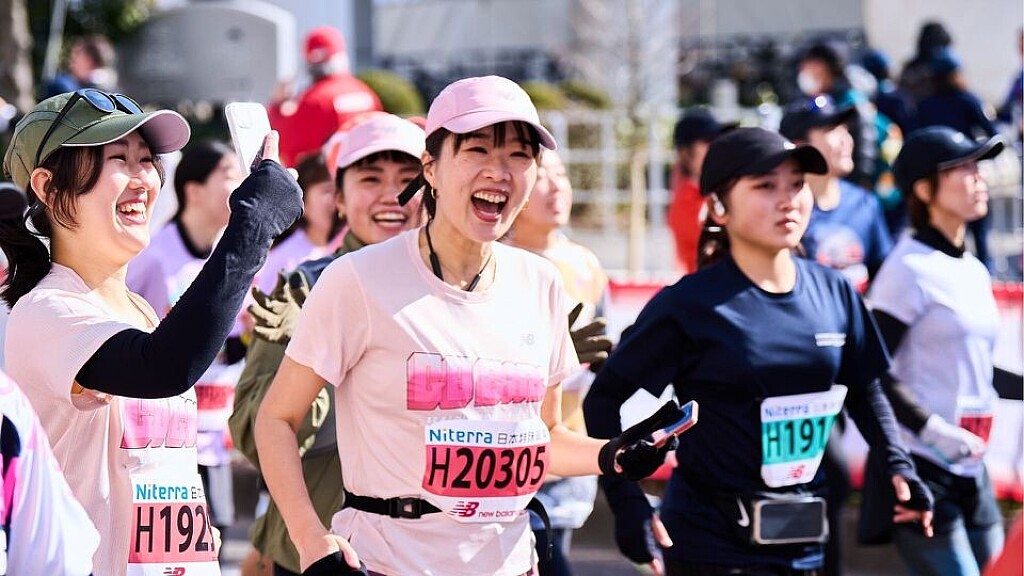
Nagoya Women’s Marathon 2025 opens doors to Kenyan runners
Nagoya Women’s Marathon invites Kenyan runners to join its 2025 race, offering virtual participation and luxurious finisher awards.
Organizers of the Nagoya Women’s Marathon have extended a special invitation to Kenyan runners encouraging them to participate in the highly anticipated 2025 race.
Recognized by Guinness World Records for hosting over 20,000 participants, the event is set to take place in Nagoya, Japan, with an online virtual marathon for international participants unable to travel to the race site.
Registration for the virtual marathon opens on October 18 and will remain available until October 31 allowing 500 entrants to join the race from their home countries.
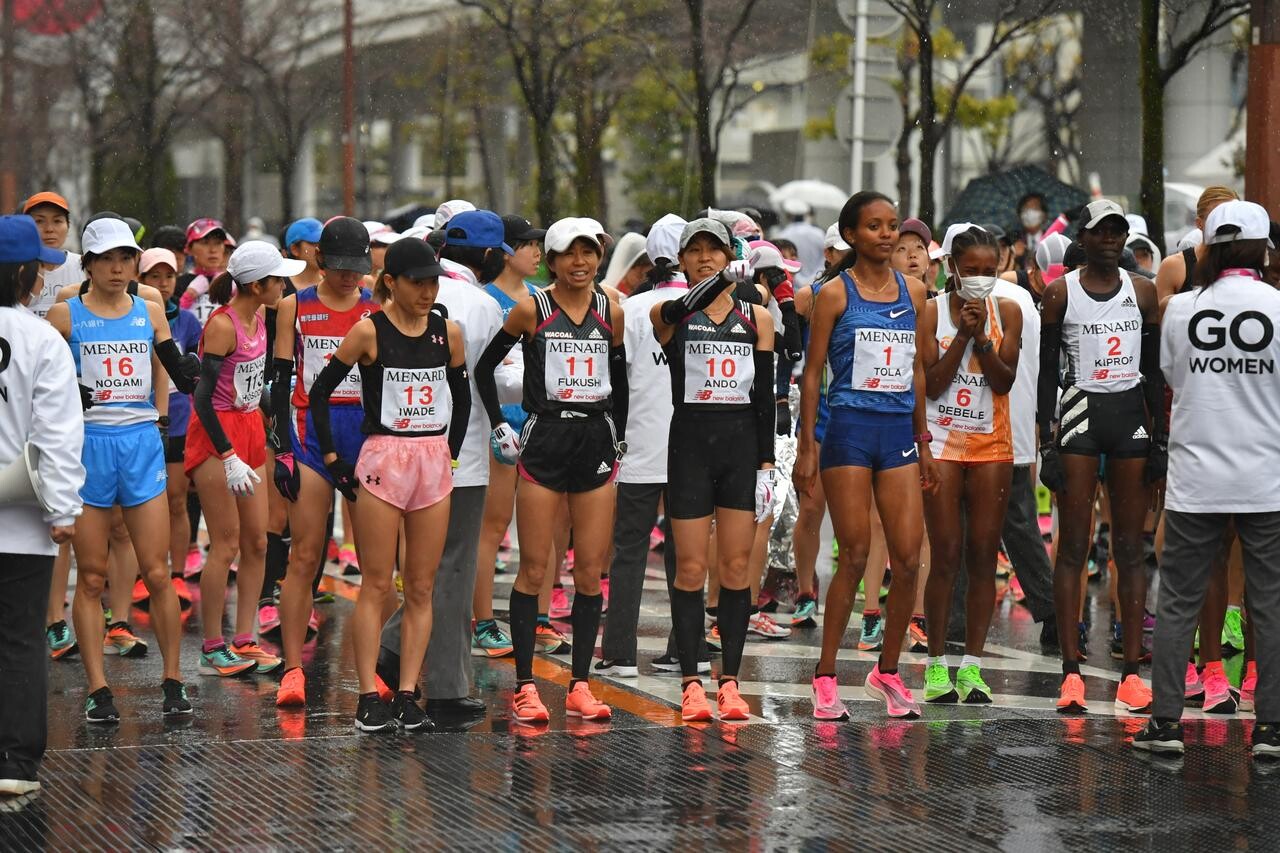
With Kenya’s rich history of marathon champions, the invitation is expected to draw considerable interest.
“We will be delighted to open entries to international runners for Nagoya Women’s Marathon 2025, recognised by Guinness World Records as the largest women’s marathon in the world with over 20,000 participants,” the Marathon’s Race Director said.
“As a sport, running has the ability to bring together people from different countries, backgrounds and cultures, and we look forward to opening our doors to runners from Kenya, which has a world-famous runner community."
Kenyan athletes have long dominated the world stage in distance running, with runners like Brigid Kosgei and Peres Jepchirchir consistently achieving impressive marathon victories.
With this invitation, the organizers of the Nagoya Women’s Marathon hope to add a new level of competition and excitement to the event by allowing Kenyan women to compete alongside elite Japanese and international athletes.
For those who may not be able to make the journey to Japan, the event’s organizers are offering a virtual alternative for 500 women worldwide.
The Nagoya Women’s Online Marathon 2025, which will take place between February 9, 2025, and March 31, 2025, allows runners to complete the full 42.195 kilometers on a smartphone application, providing an opportunity to compete from any location.
“We recognize the importance of sustainability and accessibility in modern sports,” the Race Director explained.
“This virtual race option, born during the travel restrictions of the COVID-19 pandemic, allows women from around the world to engage with the event, even if they cannot physically attend in Nagoya. We believe this alternative offers a world-class platform for women to shine, no matter where they are."
All participants, whether competing in person or virtually, will receive the same prestigious finisher prizes, including a special commemorative tumbler from Baccarat, a French luxury lifestyle brand.
To mark its 260th anniversary, Baccarat has collaborated with the Nagoya Women’s Marathon to provide a unique gift, celebrating the success of every runner.
The elegant tumbler’s design, kept under wraps until now, will be unveiled at the Marathon Expo the day before the race.
The Nagoya Women’s Marathon, launched in 2012, has become a symbol of excellence in women’s running, featuring elite athletes from around the world.
It holds a World Athletics Platinum Label designation, attracting top-tier competitors and fans alike.
Last year, Yuka Ando made headlines by becoming the first Japanese winner in three years, setting a personal best time of 2:21:19.
The organizers are optimistic that the inclusion of Kenyan athletes will add an exciting layer of competition to the race, further elevating its international reputation.
by Festus chuma
Login to leave a comment
Nagoya Women's Marathon
The Nagoya Women's Marathon named Nagoya International Women's Marathon until the 2010 race, is an annual marathon race for female runners over the classic distance of 42 km and 195 metres, held in Nagoya, Japan in early March every year. It holds IAAF Gold Label road race status. It began in 1980 as an annual 20-kilometre road race held in...
more...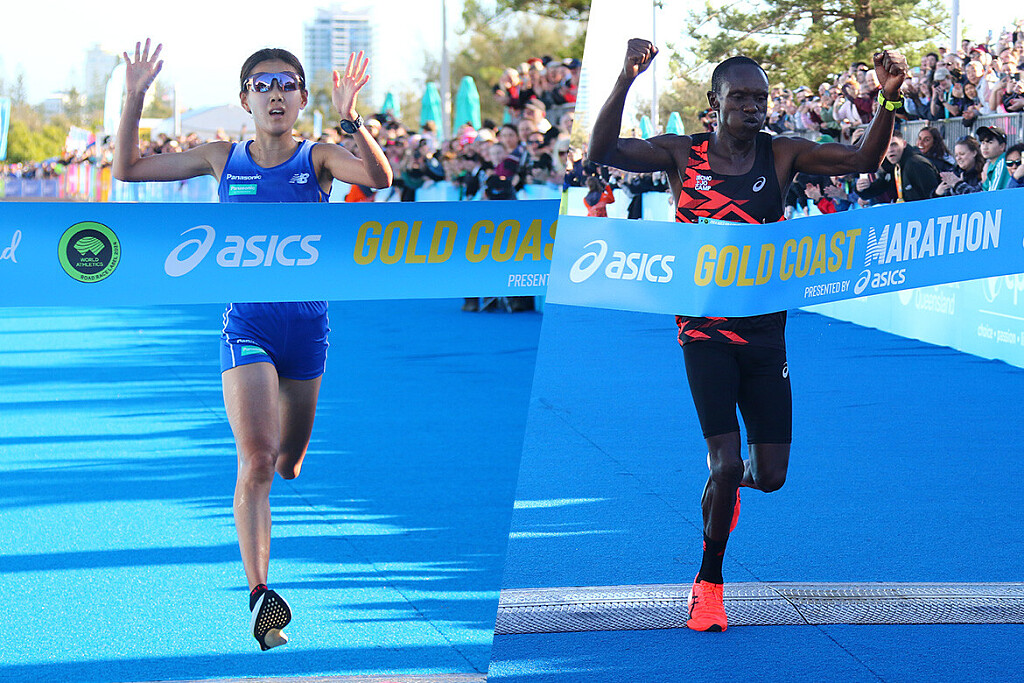
Timothy Kattam and Yuki Nakamura secured the victory in the Gold Coast Marathon
A diminutive 23-year-old Japanese surprise packet today smashed the ASICS Gold Coast Marathon women’s race record, stunningly in just her second marathon.
Yuki Nakamura came into Sunday’s race at the lower end of the top 10 but turned the form guide upside down with a 2:24:22 run that eclipsed American Lindsay Flanagan’s race record of 2:24:43 set in 2022 by 21 seconds.
It was the third fastest women’s marathon time on Australian soil, the other two fastest achieved by the gold and silver medalists at the Sydney 2000 Olympic Games.
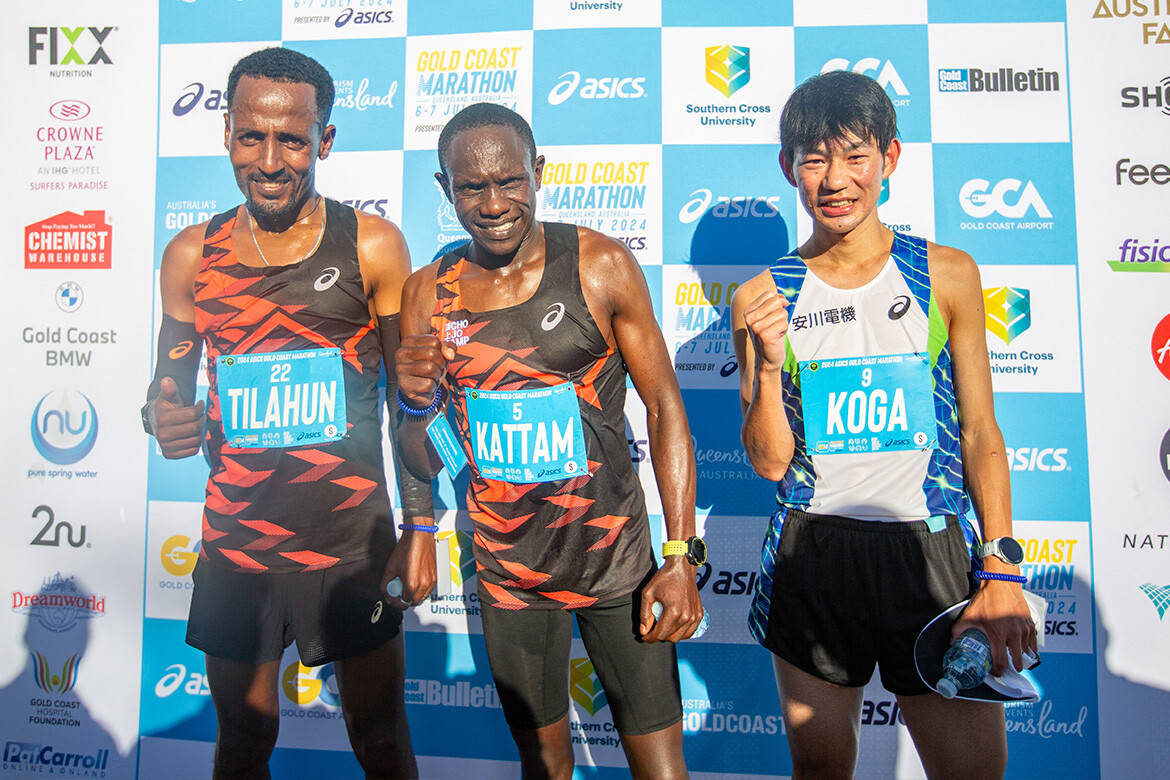
Ethiopia’s Kumeshi Sichala (2:25:25) and pre-race favourite Kenyan Visiline Jepkesho (2:26:17) took the minor placings.
Nakamura’s out-of-a-hat record was achieved on a perfect-for-running Gold Coast morning alongside a record 10,000-plus fellow marathoners who competed on the day.
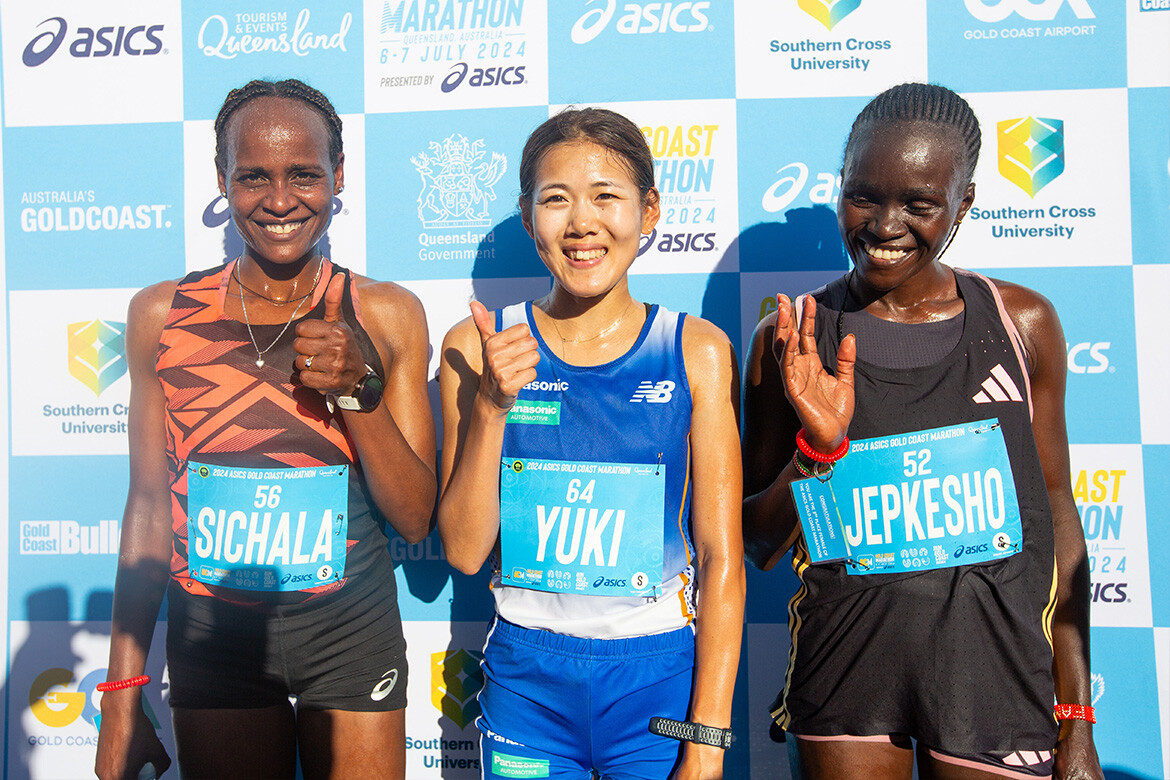
The men’s event was taken by Kenya’s Timothy Kattam in 2:08:52, six seconds ahead of Ethiopian Belay Tilahun (2:08:58) and Japan’s Kiyoshi Koga (2:09:22).
Nakamura said she had a slightly more conservative target time on the start line.
“I was aiming for a 2:26 result, that was my objective, however, to come here and win the race, I am so happy with the result,” she said.
Nakamura said she went with the early pace.
“In the beginning, it was faster than I anticipated but I was feeling great and enjoying the ambiance of the Gold Coast, so I just went for it and then I realised there was nobody else around and I was winning.
“At the 30km mark I wanted to drop off the group, but then it was downhill, so I tried to hang in there and catch up on the speed and when I got to the 35/36km mark it was good and I made my move.
“I have no idea how this feeling is, however later on I will feel the power of standing on the top step of the podium,” she said.
Second place Sichala said she was happy to achieve a personal best at her first ASICS Gold Coast Marathon.
“My race went to plan, it was good, and I am very happy,” she said
“I loved the people cheering along the course and I will come back to the Gold Coast again,” she said.
Jepkesho was happy enough with her debut appearance on the Gold Coast
“It wasn’t my personal best, but I felt good,” she said.
Men’s champion Kattam said he surprised himself with his first run in Australia.
“This is my first time coming to Australia, I am so grateful for today’s race, it was fantastic; I like the course, everything was well, I am very happy for the day. “It was about the win, [and] we were very tight over the ASICS athletes, it was a very tough race.
“[Our team tactics] come out during training and that is what motivates us,” he said.
“The pace was 3:01, 3:02, but then it went to 3:07 and that is when I decided to make a move, to control the speed, “This is a very good season for me; today I wanted to try for a podium, but I didn’t expect to win today’s race and I am very happy, and I am looking to be back in Australia next year,” he said.
Tilahun was happy with his run. “It was a personal best for me, so how can you not be happy with that?”
Third place Koga wanted to do it his way. “The last few races I haven’t done well in the marathon, so I just wanted to run the way it should be and stay steady and this was the result,” he said.
“The winner last year was Japanese, so I was aiming for first place but at least I am on the podium and for that I am grateful.
“Many people were cheering, and it was a really fun and enjoyable run,” he said.
The best Australian in the men’s race was Liam Boudin (2:13:56) who was eighth overall in his debut marathon while Victorian Sarah Klein (2:31:58) was the first Australian woman across the line and fifth overall in the women’s race.
Login to leave a comment
Gold Coast Airport Marathon
The Gold Coast Airport Marathon is held annually in one of the most popular holiday destinations in the world. It is Australia’s premier road race and was the first marathon in the country to hold an International Association of Athletics Federations (IAAF) Road Race Gold Label. The event is held on the first weekend of July and attracts more than...
more...