

Running News Daily
Running News Daily is edited by Bob Anderson and team. Send your news items to bob@mybestruns.com Advertising opportunities available.
Index to Daily Posts · Sign Up For Updates · Run The World Feed
Articles tagged #CHICAGO
Today's Running News
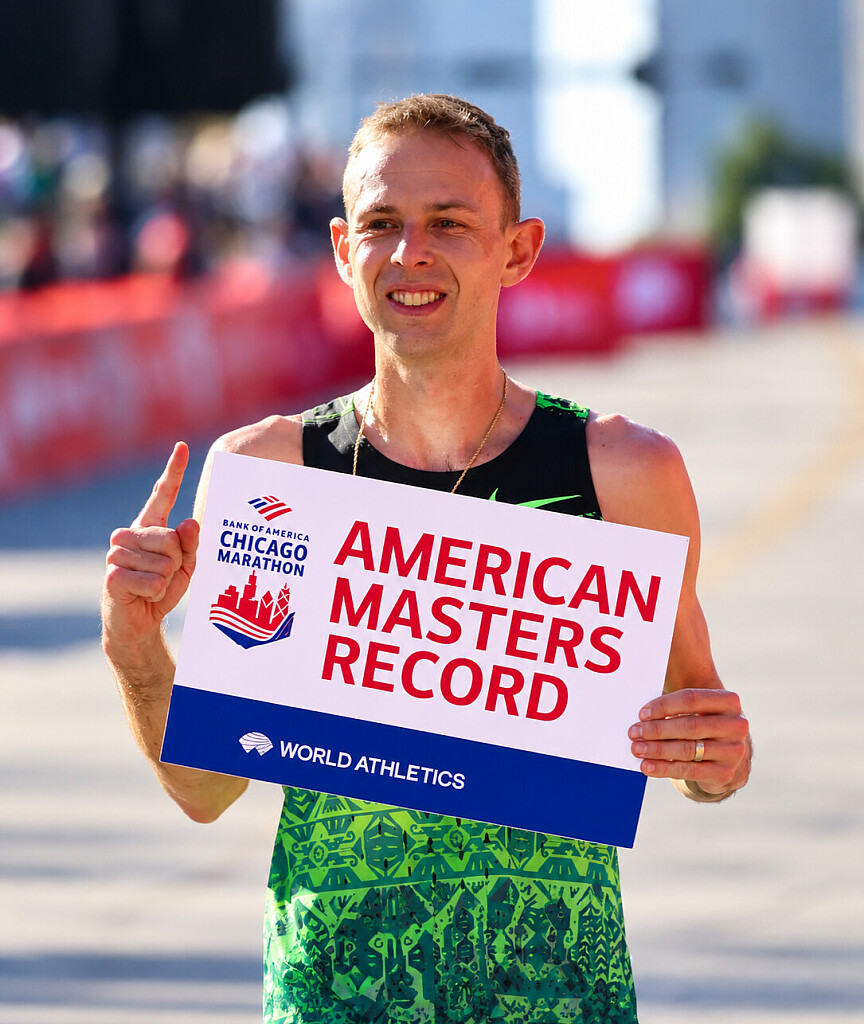


Galen Rupp Rolls Back The Years With Stunning American Masters Record In Chicago
The 2026 Bank of America Chicago Marathon delivered memorable performances from American distance runners, with veteran star Galen Rupp rewriting the national masters record book and Emma Grace Hurley making a spectacular debut over the marathon distance.
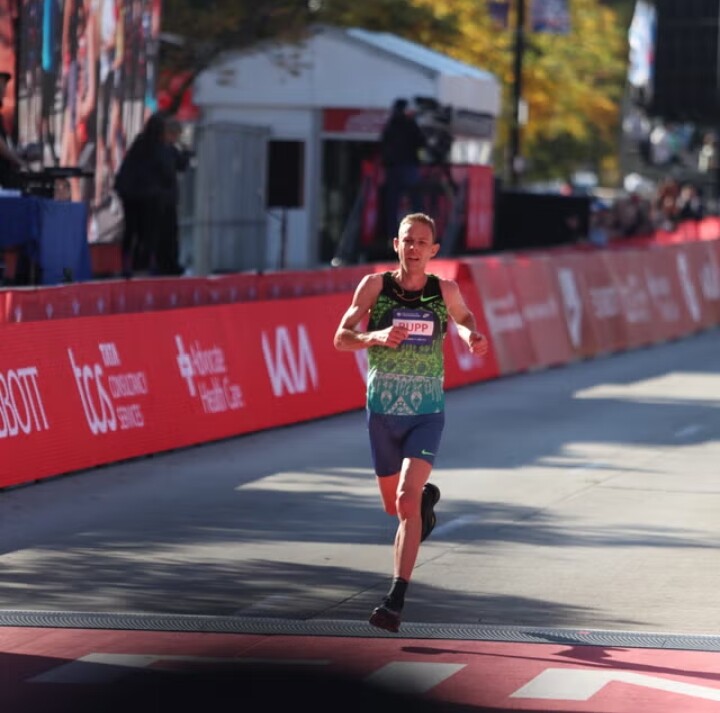
Rupp, a two-time Olympic medallist, demonstrated his enduring class on Sunday, October 11, clocking an impressive 2:06:55 to finish 11th overall in the men's elite race. The 40-year-old American established a new American masters marathon record, improving the previous mark by more than three minutes.
His performance was another significant milestone in a career that has spanned the track, cross-country and road racing. Rupp's achievement was particularly meaningful in Chicago, a city where he previously enjoyed one of his finest marathon moments by winning the race in 2017 in 2:09:20.
Nearly a decade after that victory, Rupp returned to the same course and produced another outstanding performance, proving his continued ability to compete at a high level against a world-class international field. His 2:06:55 finish added another remarkable chapter to his distinguished career and highlighted what remains possible for experienced athletes competing in their masters years.
While Rupp's record-breaking run celebrated longevity and experience, Hurley provided another major American highlight with a sensational first appearance over 42.195 kilometres.
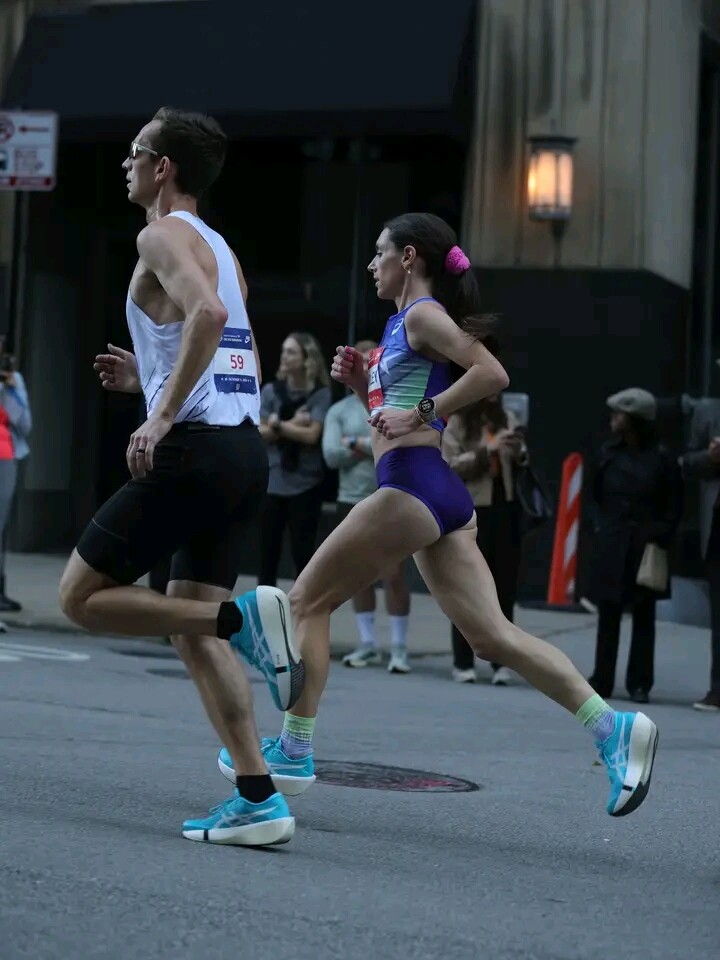
Emma Grace Hurley clocked 2:20:47 to finish seventh overall in the elite women's race, emerging as the top American woman in a highly competitive international field.
The performance was extraordinary for a marathon debut, with Hurley reportedly setting a new record for the fastest marathon debut by an American woman. Her result immediately established her as a runner to watch as she continues to develop over the distance.
Hurley showed remarkable composure and endurance on one of the world's most prestigious marathon courses, holding her own against experienced competitors and securing a place among the leading finishers. Her performance offered an encouraging glimpse of her potential in the marathon and added another memorable moment to Chicago's 2026 race.
Together, Rupp's masters record and Hurley's historic debut provided two contrasting but equally compelling stories from the same event. Rupp demonstrated the rewards of longevity and sustained excellence, while Hurley announced her arrival on the marathon stage with an exceptional performance on her very first attempt.
The Chicago Marathon once again proved to be a stage for outstanding individual achievements, celebrating both an established American distance-running star and a rising talent who made an immediate impression.
by Erick Cheruiyot for My Best Runs.
Login to leave a comment

Bank of America Chicago
Running the Bank of America Chicago Marathon is the pinnacle of achievement for elite athletes and everyday runners alike. On race day, runners from all 50 states and more than 100 countries will set out to accomplish a personal dream by reaching the finish line in Grant Park. The Bank of America Chicago Marathon is known for its flat and...
more...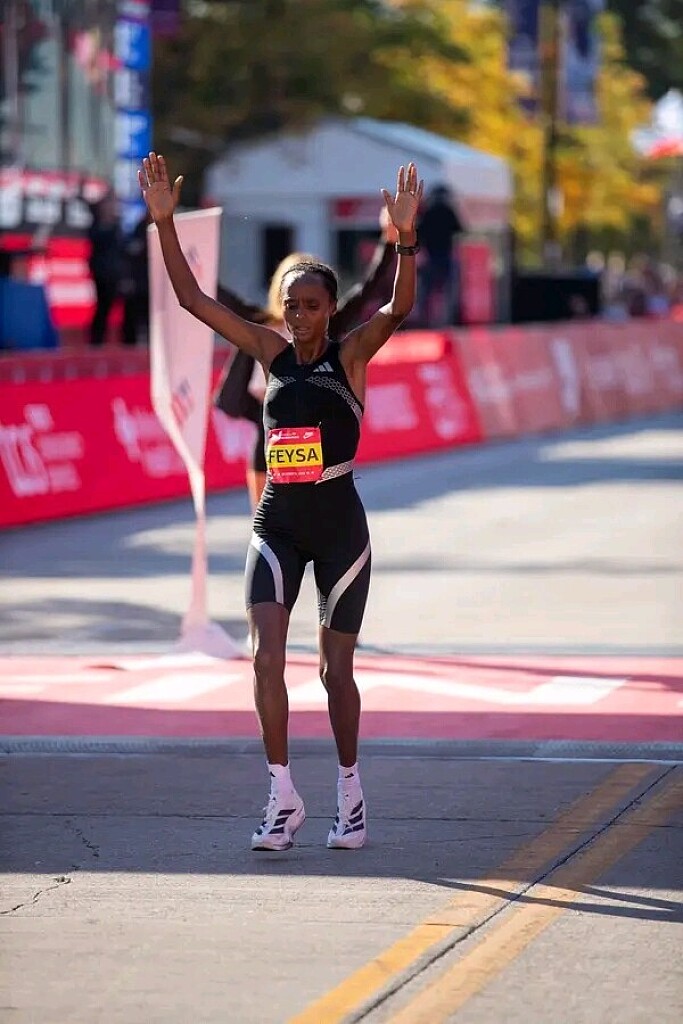
Hawi Feysa Goes Back-To-Back In Chicago With A Personal Best Of 2:13:33
Ethiopia’s Hawi Feysa produced a magnificent performance to defend her women’s title at the 2026 Chicago Marathon, crossing the finish line in 2:13:33 to secure her second consecutive victory in one of the world’s most prestigious marathon races.
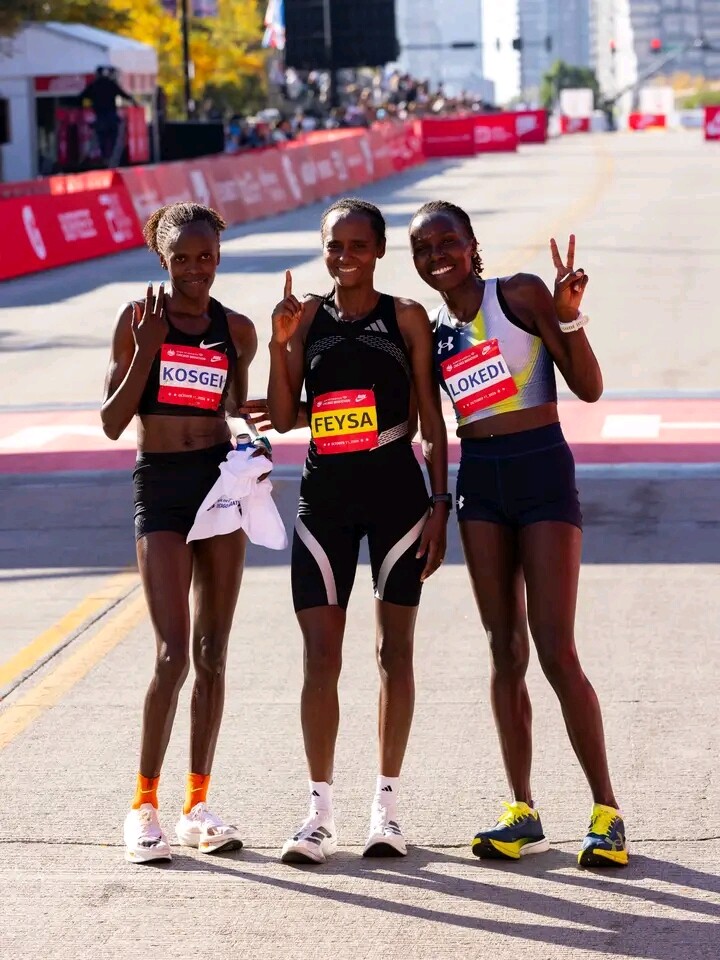
Feysa delivered an outstanding performance to overcome a highly competitive international field, demonstrating the endurance, composure and determination required to triumph on the global stage. Her victory further strengthened Ethiopia’s reputation as one of the leading nations in long-distance running and confirmed her status as one of the most formidable athletes in women’s marathon racing.
The Ethiopian star’s winning time of 2:13:33 was a personal best, marking a significant improvement on her previous performances. The result also elevated her to fifth on the women’s marathon all-time list, underlining the exceptional quality of her run and placing her among the fastest women ever to compete over the classic 42.195-kilometre distance.
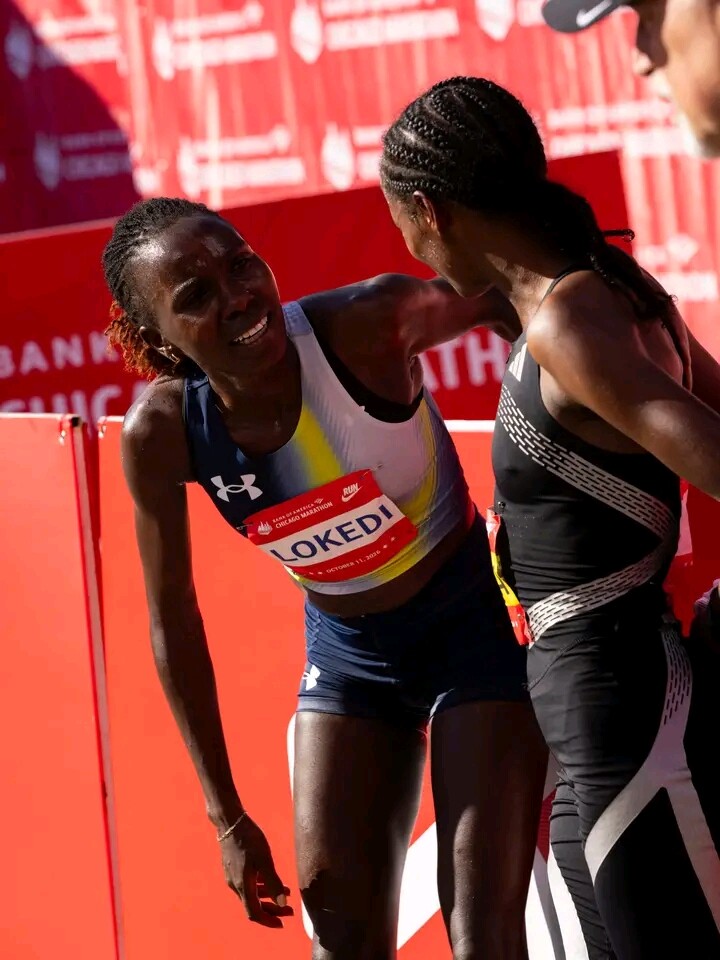
Returning to Chicago as the defending champion brought additional expectations, but Feysa once again rose to the occasion. Successfully retaining a major marathon title requires more than physical strength; it demands tactical awareness, consistency and the ability to handle pressure against some of the world’s best competitors. Feysa demonstrated those qualities to secure another memorable victory on Chicago’s streets.
Kenya’s Sharon Lokedi delivered a strong performance to finish second in 2:14:07, continuing her impressive presence among the world’s elite marathon runners. Lokedi mounted a determined challenge but ultimately had to settle for the runner-up position behind the defending champion.
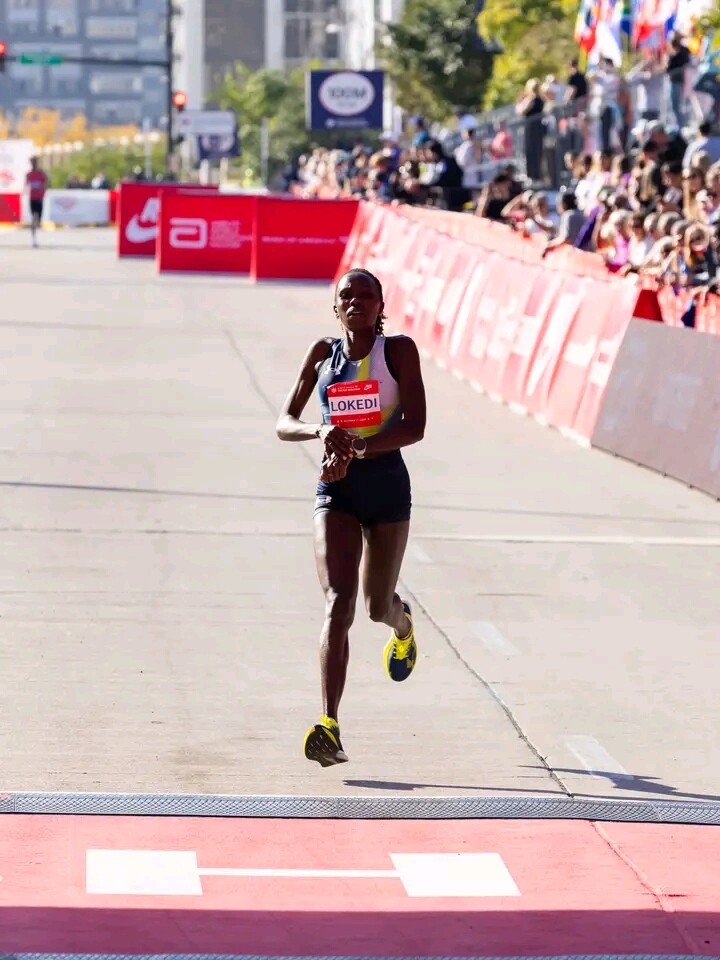
Former women’s marathon world-record holder Brigid Kosgei completed the podium in 2:14:54, giving Kenya two athletes among the top three. Her performance further highlighted the country’s remarkable depth in women’s distance running, even as Ethiopia celebrated another major international marathon victory.
Feysa’s latest triumph marks a significant improvement on her 2025 winning performance of 2:14:57, as she returned to Chicago with greater determination and delivered a personal best of 2:13:33. The 27-year-old Ethiopian showcased her remarkable endurance and consistency, proving that her previous victory was no fluke. By successfully defending her crown, she has further strengthened her position among the world’s leading female marathon runners.
Her winning margin of 34 seconds over Kenya’s Sharon Lokedi, who finished second in 2:14:07, underlined the quality of Feysa’s performance. The result also propelled her to fourth on the women’s marathon all-time list, according to the supplied race information, placing her among the fastest women ever over the 42.195km distance. With consecutive Chicago Marathon titles to her name, Feysa has delivered a statement performance that further elevates Ethiopia’s proud tradition of distance-running excellence.
Kenya’s Mary Ngugi Cooper secured fourth place in 2:17:23, followed by compatriot Joan Kilimo, who finished fifth in 2:18:38. The strong Kenyan representation among the leading finishers underlined the country’s continued influence in elite marathon competition and ensured that the battle for the top positions remained highly competitive.
Australia’s Isobel Batt-Doyle finished sixth in 2:20:38, narrowly ahead of American Emma Grace Hurley, who recorded 2:20:47 for seventh place. Ethiopia’s Degitu Azimeraw finished eighth in 2:20:59, while Kenya’s Magdalayne Masai took ninth in 2:21:11. Fellow Kenyan Loice Chemnung completed the top 10 in 2:21:18.
TOP 10 WOMEN’S RESULTS — 2026 CHICAGO MARATHON
1. Hawi Feysa (Ethiopia) — 2:13:33
2. Sharon Lokedi (Kenya) — 2:14:07
3. Brigid Kosgei (Kenya) — 2:14:54
4. Mary Ngugi Cooper (Kenya) — 2:17:23
5. Joan Kilimo (Kenya) — 2:18:38
6. Isobel Batt-Doyle (Australia) — 2:20:38
7. Emma Grace Hurley (United States) — 2:20:47
8. Degitu Azimeraw (Ethiopia) — 2:20:59
9. Magdalayne Masai (Kenya) — 2:21:11
10. Loice Chemnung (Kenya) — 2:21:18
Feysa’s consecutive Chicago victories represent a significant achievement in her career and add another chapter to Ethiopia’s rich history of marathon excellence. Her latest triumph demonstrates that her previous success was no isolated achievement, as she returned to the same course and delivered an even faster performance to retain her crown.
The 2026 Chicago Marathon also attracted considerable international attention, with viewers in Australia, Britain, Ireland and Canada able to watch the race live through FloTrack. Presented by Saucony, the broadcast brought the excitement of the competition to audiences across several countries as the world’s leading marathon runners battled for honours.
With a personal best of 2:13:33, a second consecutive Chicago Marathon title and a place among the five fastest women in marathon history, Feysa has delivered one of the standout performances of the season. Her victory further establishes her as a major force in women’s marathon running, while Lokedi and Kosgei ensured a strong Kenyan presence on the podium.
by Erick Cheruiyot for My Best Runs.
Login to leave a comment
Bank of America Chicago
Running the Bank of America Chicago Marathon is the pinnacle of achievement for elite athletes and everyday runners alike. On race day, runners from all 50 states and more than 100 countries will set out to accomplish a personal dream by reaching the finish line in Grant Park. The Bank of America Chicago Marathon is known for its flat and...
more...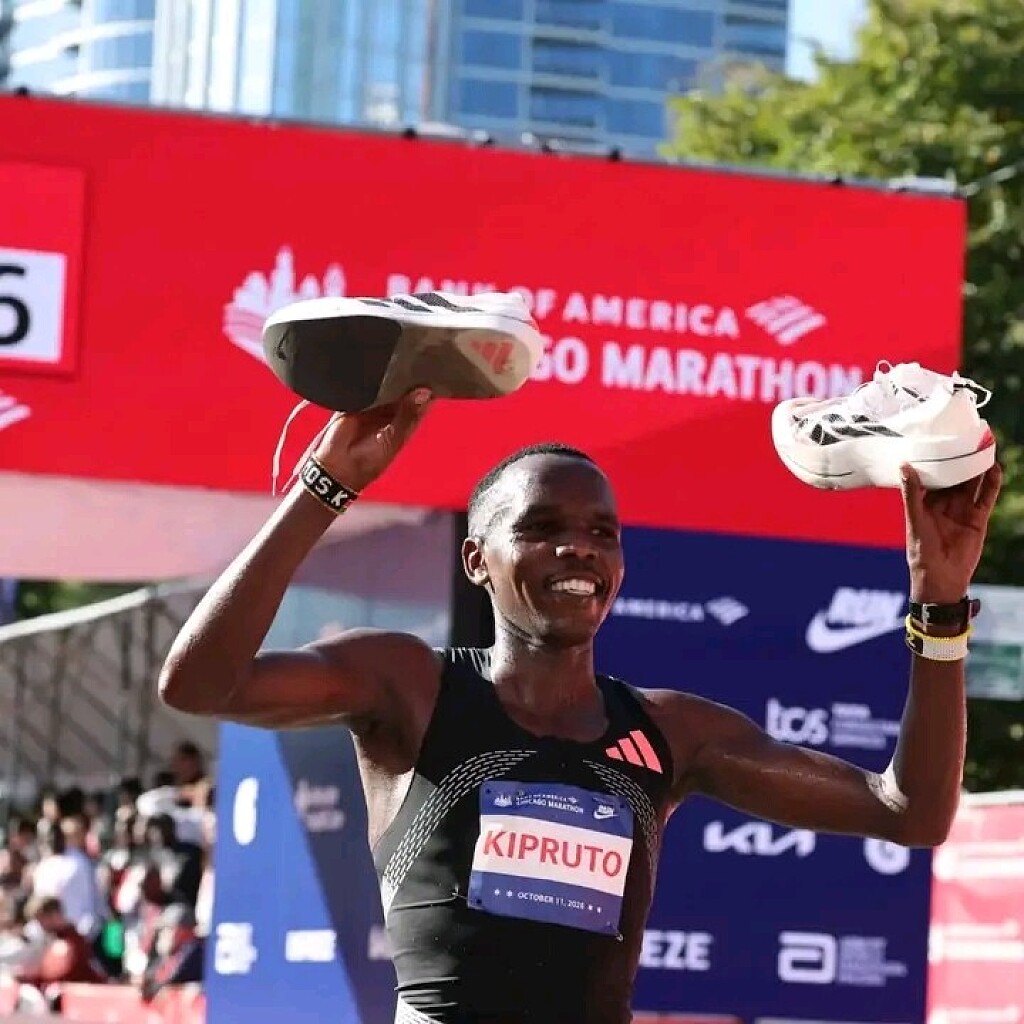
Amos Kipruto’s Chicago Marathon Masterclass: Kenyan Wins in 2:01:09 as Top 10 Deliver Outstanding Performances
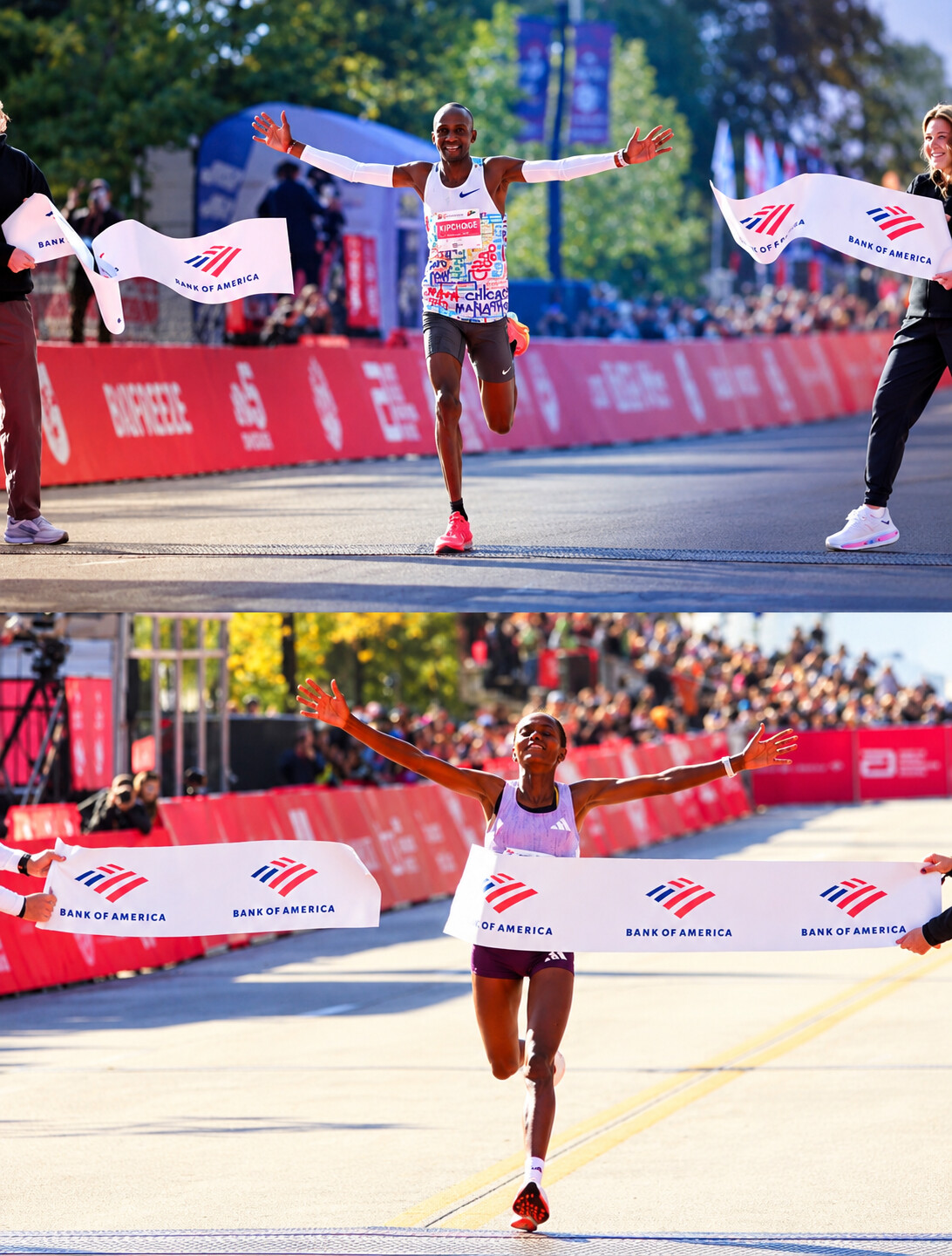
Kenya’s Amos Kipruto produced a spectacular performance to win the 2026 Chicago Marathon in 2:01:09, setting a personal best by 30 seconds and securing his place among the fastest marathon runners in history. His victory was built on remarkable consistency, endurance and an ability to sustain an extraordinary pace over the full 42.195-kilometre distance.
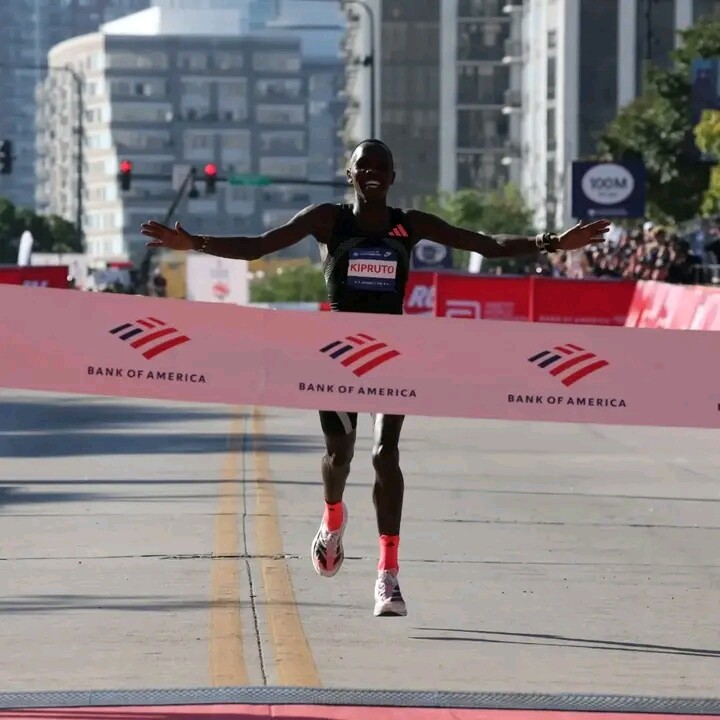
Kipruto’s winning time ranks as the second-fastest in Chicago Marathon history and places him joint fifth on the world all-time marathon list, matching Eliud Kipchoge’s fastest record-eligible marathon performance. The result underlines the Kenyan star’s exceptional ability and adds another significant achievement to his career on one of the sport’s biggest stages.

The Splits Behind Kipruto’s Remarkable Victory
The intermediate splits reveal how efficiently Kipruto managed his effort throughout the race, maintaining an impressive rhythm before increasing his pace in the middle stages.
He passed the 5-kilometre mark in 14:18, averaging approximately 2:52 per kilometre. At 10 kilometres, he clocked 28:37, demonstrating remarkable consistency as he continued to cover the course at an elite pace.
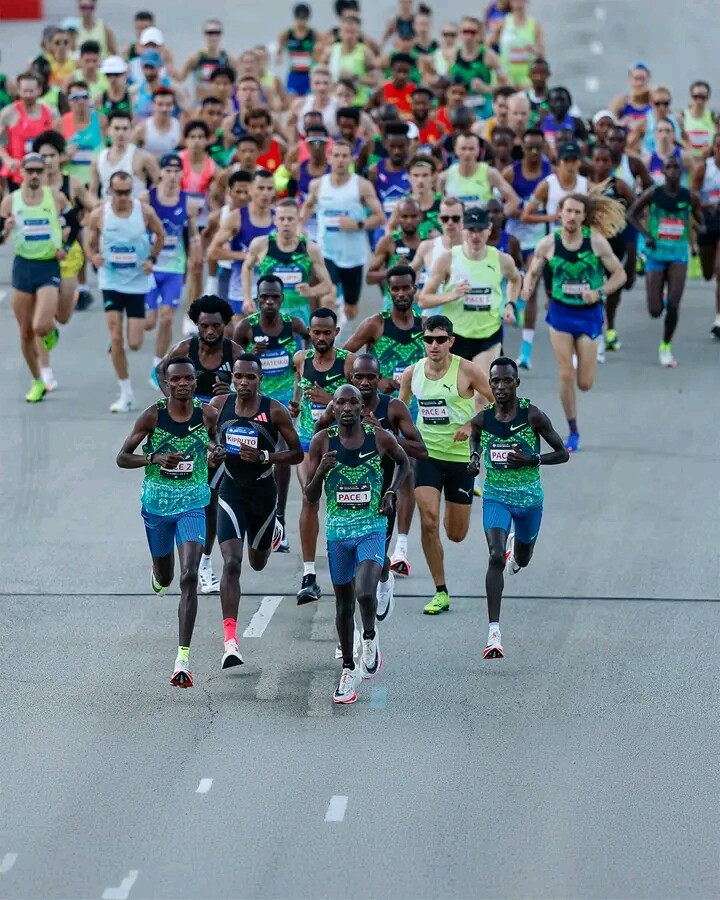
Kipruto reached the half-marathon point in 1:00:21, averaging approximately 2:52 per kilometre. By then, he had established a strong rhythm, balancing speed with the endurance needed to remain competitive over the second half of the race.
The Kenyan continued to impress, reaching 30 kilometres in 1:25:28. His average pace to that point was approximately 2:51 per kilometre, reflecting his ability to maintain momentum as fatigue began to challenge the field.
Kipruto eventually crossed the finish line in 2:01:09, averaging approximately 2:52 per kilometre across the marathon distance. His performance demonstrated the importance of pacing, efficiency and sustained strength in a race where even the smallest changes in rhythm can have a significant impact on the final result.
Chicago Marathon 2026: Men’s Top 10 Results
The men's elite race featured a strong international field, with Ethiopian athletes claiming three places in the top five and American runners securing two positions in the top 10.
1. Amos Kipruto (Kenya) — 2:01:09
2. Tadesse Takele Bikila (Ethiopia) — 2:02:56
3. Milkesa Mengesha (Ethiopia) — 2:03:46
4. Jacob Kiplimo (Uganda) — 2:04:18
5. Boki Diriba (Ethiopia) — 2:05:01
6. Daniel Mateiko (Kenya) — 2:05:01
7. Clayton Young (United States) — 2:05:23
8. Charles Hicks (United States) — 2:05:35
9. Akira Akasaki (Japan) — 2:05:48
10. Vincent Mauri (United States) — 2:06:46
Kipruto finished 1 minute and 47 seconds ahead of Ethiopia’s Tadesse Takele Bikila, who took second place in 2:02:56. Milkesa Mengesha completed the podium in 2:03:46, giving Ethiopia two athletes among the first three finishers.
Uganda’s Jacob Kiplimo finished fourth in 2:04:18, ahead of Ethiopia’s Boki Diriba and Kenya’s Daniel Mateiko, who both recorded 2:05:01. American runners Clayton Young and Charles Hicks placed seventh and eighth, respectively, while Japan’s Akira Akasaki finished ninth. Vincent Mauri completed the top 10 in 2:06:46.
A Personal Best and a Place Among the Greatest
The 2:01:09 performance represented a 30-second improvement on Kipruto’s previous marathon personal best. More importantly, it elevated him into the upper reaches of the all-time rankings, alongside some of the greatest marathon runners the sport has produced.
Matching Kipchoge’s fastest record-eligible marathon time is a notable milestone, given the former world record-holder’s extraordinary achievements over the distance. Kipruto’s victory also reinforces Kenya’s continued presence at the forefront of elite marathon running.
His Chicago triumph was not simply about crossing the finish line first. It was a demonstration of sustained speed, discipline and endurance, with the splits providing a compelling picture of how he managed the race to produce a career-defining result.
Amos Kipruto’s 2:01:09 victory will stand out as a landmark performance in Chicago, combining a new personal best with one of the fastest marathon times ever recorded. His splits tell the story of a remarkable race, while the top 10 results highlight the depth of international talent assembled for the 2026 edition.
by Erick Cheruiyot for My Best Runs.
Login to leave a comment
Bank of America Chicago
Running the Bank of America Chicago Marathon is the pinnacle of achievement for elite athletes and everyday runners alike. On race day, runners from all 50 states and more than 100 countries will set out to accomplish a personal dream by reaching the finish line in Grant Park. The Bank of America Chicago Marathon is known for its flat and...
more...
Chicago Marathon 2027 Applications Open As Lottery Window Closes On October 29
Applications for the 2027 Bank of America Chicago Marathon are officially open, giving runners from around the world an opportunity to secure a place in one of the most prestigious races on the global road-running calendar. However, aspiring participants will have less than three weeks to enter the general lottery before applications close on October 29.

The 49th edition of the celebrated marathon is scheduled for Sunday, October 10, 2027, when thousands of athletes will take to the streets of Chicago for one of the sport’s biggest annual running events.
For the majority of runners, the non-guaranteed entry lottery remains the primary route to securing a coveted race bib. Applicants will have to wait until December 8, when the results are scheduled to be communicated by email. Those fortunate enough to be selected will then need to complete their payments within the designated mid-December deadline to confirm their participation.
The entry fee is set at $250 for United States residents and $260 for international applicants, with an additional processing fee. Importantly, runners who enter through the lottery will only be charged if they are successful in securing a place.
Beyond the general lottery, Chicago offers alternative pathways for runners who meet specific eligibility requirements. Athletes who achieve the designated age-group qualifying standards may apply for guaranteed entry, provided their qualifying performances were recorded on certified courses between January 1, 2025, and October 29, 2026.
Another opportunity is available through the Chicago Distance Series. Runners who successfully complete all three designated races in the 2027 series will earn guaranteed entry into the 2028 Bank of America Chicago Marathon, offering an alternative for those planning their marathon journey beyond next year’s event.
As one of the seven Abbott World Marathon Majors, Chicago continues to attract elite competitors, recreational runners and marathon enthusiasts seeking the experience of racing on one of the world’s most recognised marathon stages. Its reputation, fast course and electric atmosphere make securing entry a priority for thousands of hopeful participants each year.
With the application deadline approaching, runners hoping to be part of the 2027 edition should ensure they submit their lottery applications before October 29. Those pursuing guaranteed entry should also carefully review the official eligibility requirements and qualifying standards before applying.
For many, the journey to Chicago begins long before race day. With the lottery window now open, the first step towards the starting line is making sure the application is submitted on time.
by Erick Cheruiyot for My Best Runs.
Login to leave a comment
Bank of America Chicago
Running the Bank of America Chicago Marathon is the pinnacle of achievement for elite athletes and everyday runners alike. On race day, runners from all 50 states and more than 100 countries will set out to accomplish a personal dream by reaching the finish line in Grant Park. The Bank of America Chicago Marathon is known for its flat and...
more...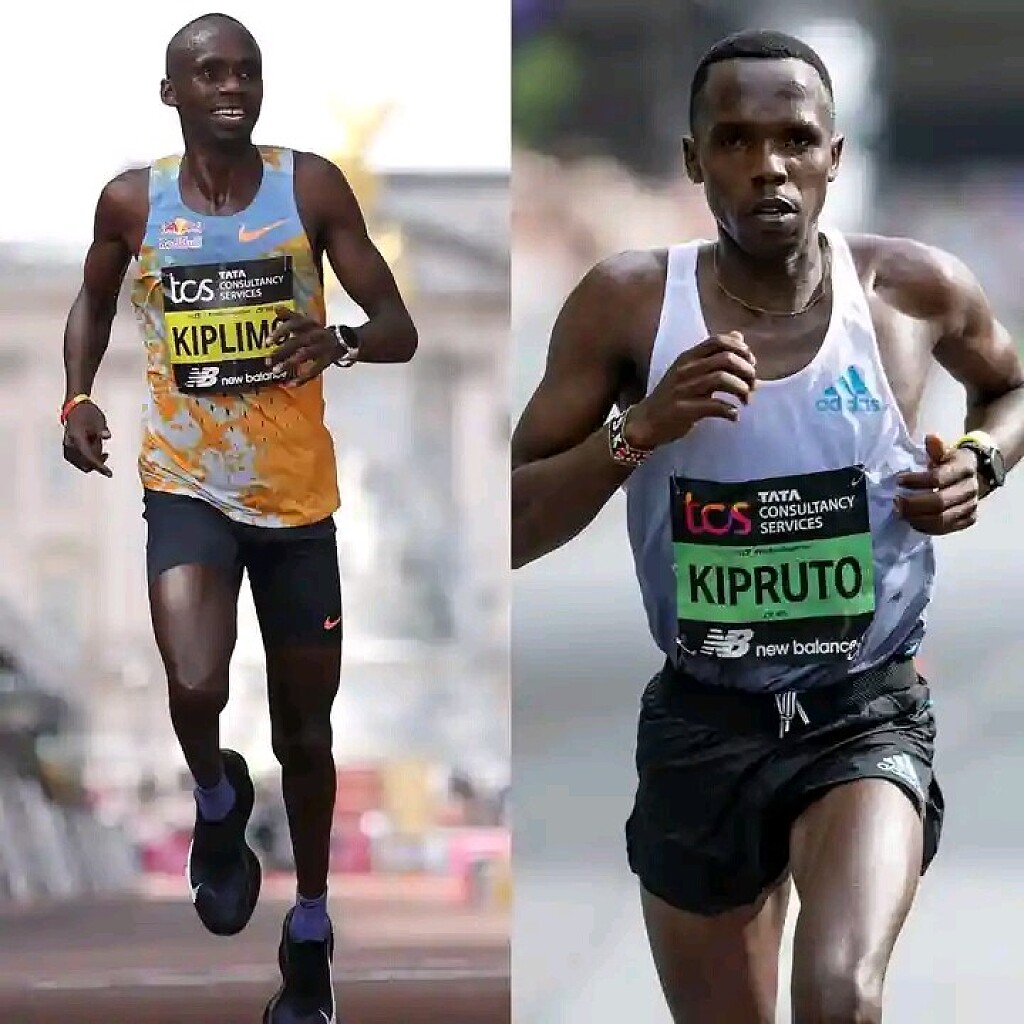
Chicago Marathon 2026: Can Jacob Kiplimo or Amos Kipruto Break Kelvin Kiptum’s Legendary Course Record?
The spotlight is firmly on the men’s elite field at the 2026 Bank of America Chicago Marathon, where one of the biggest questions is whether Kelvin Kiptum’s extraordinary course record will finally be broken.
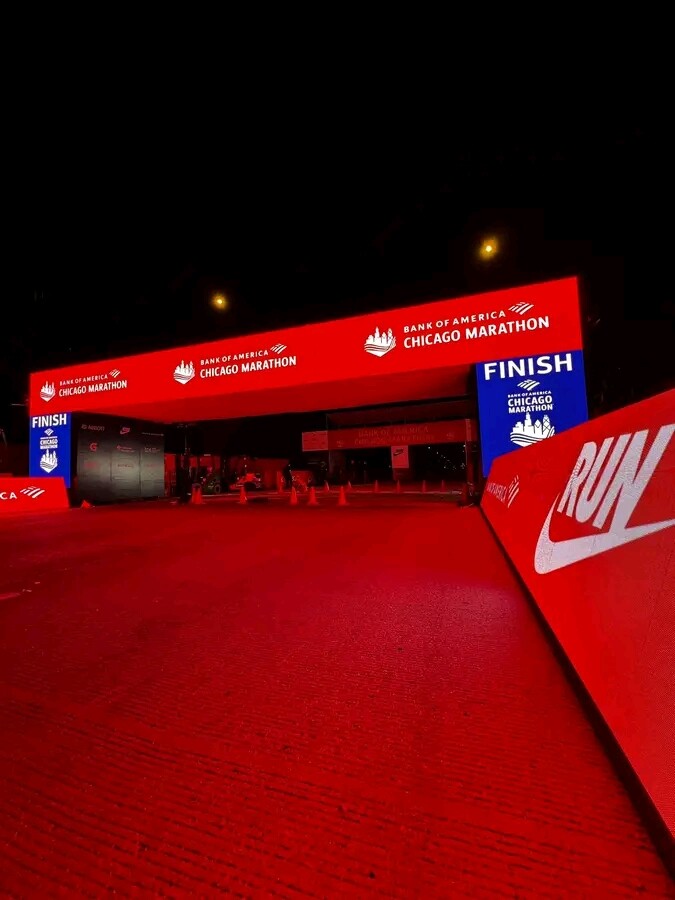
Kiptum made history in Chicago in 2023, storming to victory in 2:00:35 to establish a course record that remains one of the most remarkable performances in marathon running. His sensational achievement also set a world record at the time, placing him among the greatest marathon runners in history.
Three years later, Chicago once again provides the stage for the world’s leading distance runners to test themselves against that extraordinary benchmark. Among the leading challengers are Uganda’s Jacob Kiplimo and Kenya’s Amos Kipruto, two accomplished marathoners whose recent performances have added considerable intrigue to the record chase.
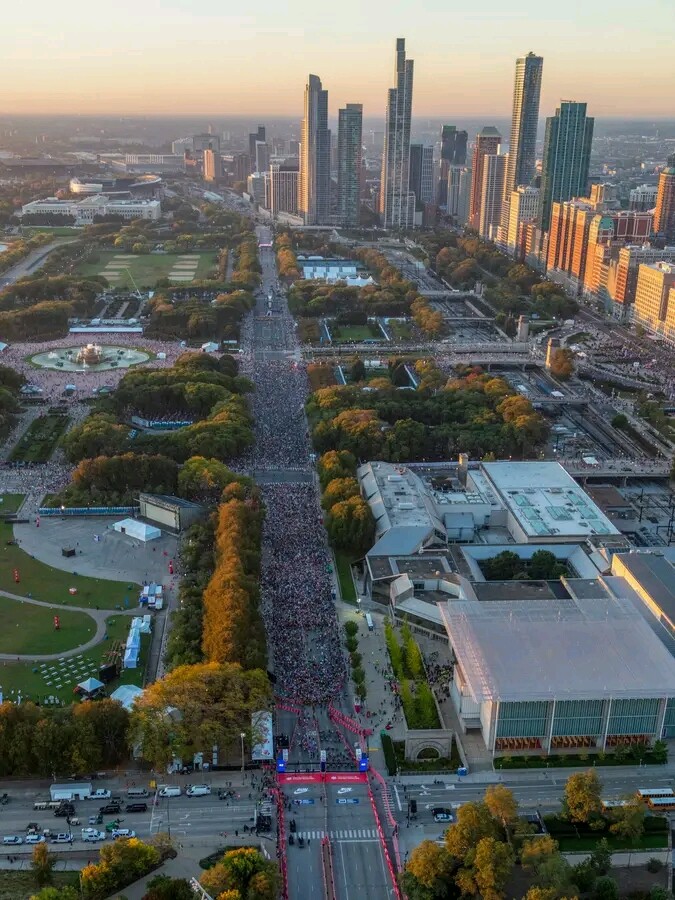
Jacob Kiplimo arrives in Chicago with a personal best of 2:00:28, recorded at the London Marathon on April 26, 2026, where he finished third overall. His performance placed him among the fastest marathon runners in history and demonstrated his ability to compete at the highest level over the classic distance. Remarkably, his London time is seven seconds faster than Kiptum’s Chicago course record, making him one of the most compelling athletes to watch in the race.
Kenya’s Amos Kipruto also enters the contest with an impressive personal best of 2:01:39, set at the same London Marathon, where he finished fourth. The experienced marathoner has established himself as a consistent contender on the international stage and will be eager to challenge for victory against a formidable field. His previous success in major marathons and familiarity with Chicago make him another important name in the conversation.
The contrast between their personal bests and Kiptum’s course record makes the contest particularly fascinating. Kiplimo has already demonstrated the ability to run seven seconds faster than the Chicago mark, while Kipruto’s London performance confirms that he can compete at an exceptionally high level. However, personal bests achieved on different courses do not automatically translate into similar performances elsewhere.
Kiplimo will also benefit from returning as the defending Chicago Marathon champion. He won the 2025 edition in 2:02:23, finishing ahead of Kipruto, who placed second. That previous experience could prove valuable as he attempts to defend his title and potentially produce another landmark performance on the streets of Chicago.
For Kipruto, the challenge is equally significant. The Kenyan will need to combine his experience, endurance and tactical awareness to remain competitive against Kiplimo and the other leading contenders. If the pace is sufficiently aggressive and conditions are favourable, the battle for the title could develop into a race against both the field and the clock.
Weather conditions, pacing and the strength of the leading group will all play important roles in determining whether Kiptum’s record comes under serious threat. Maintaining the necessary speed over 42.195 kilometres requires exceptional preparation and execution, and even the smallest mistake can prove costly when the margins are this narrow.
Ultimately, Kiptum’s 2:00:35 remains the benchmark every contender must beat to claim the Chicago course record. With Kiplimo boasting a 2:00:28 personal best and Kipruto entering with a 2:01:39 best, the stage is set for an intriguing contest between ambition, experience and one of marathon running’s most celebrated performances.
Will Jacob Kiplimo rewrite the record books? Can Amos Kipruto produce a surprise, or will Kelvin Kiptum’s legendary Chicago course record survive another year?
MAKE YOUR PREDICTION: RECORD BROKEN OR RECORD SAFE?
by Erick Cheruiyot for My Best Runs.
Login to leave a comment
Bank of America Chicago
Running the Bank of America Chicago Marathon is the pinnacle of achievement for elite athletes and everyday runners alike. On race day, runners from all 50 states and more than 100 countries will set out to accomplish a personal dream by reaching the finish line in Grant Park. The Bank of America Chicago Marathon is known for its flat and...
more...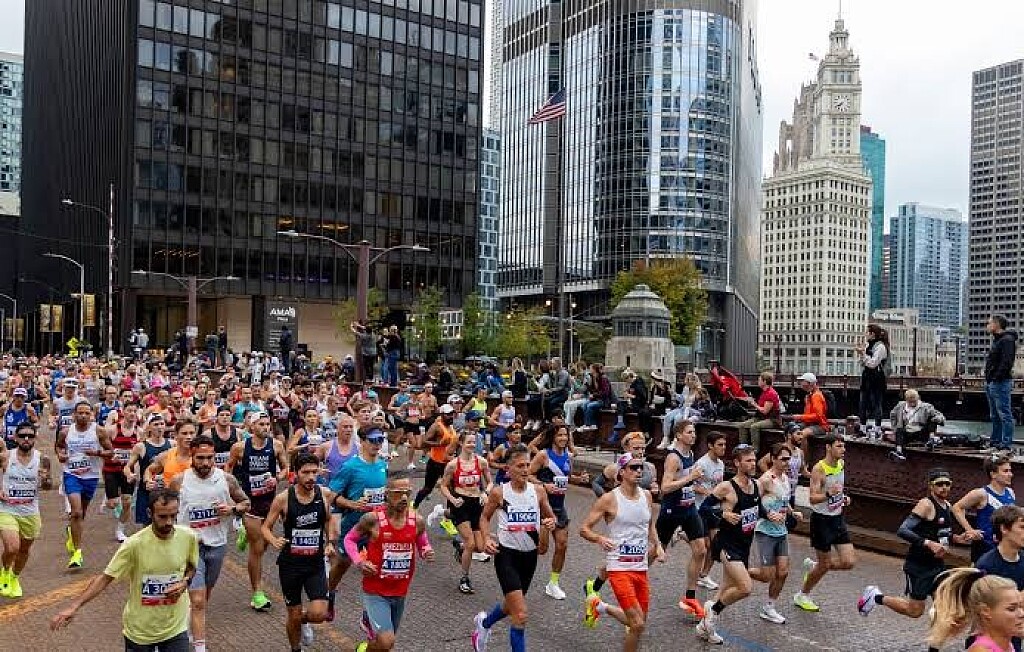
Chicago Hotel Workers Strike Disrupts Marathon Weekend as Thousands of Runners Arrive
CHICAGO, USA — The 2026 Chicago Marathon weekend has been overshadowed by a major labour dispute after hundreds of downtown hotel workers walked off the job, disrupting hospitality services just as thousands of runners and spectators arrive in the city for one of the world's biggest road races.

Members of UNITE HERE Local 1 began striking on Friday, October 9, at six major downtown hotels after contract negotiations failed to produce an agreement. The walkout has placed additional pressure on Chicago's hospitality industry at a particularly busy time, with marathon participants travelling from across the United States and around the world ahead of Sunday's race on October 11.
Although the affected hotels remain open, reduced staffing has created significant operational challenges. Guests have reported long queues, delayed check-ins and disruptions to services, including housekeeping, reception and food provision. The situation has raised concerns among visitors who need adequate rest, reliable accommodation and convenient access to race-day preparations.
Six Major Hotels Affected

The strike is currently affecting six prominent properties in downtown Chicago: the Sheraton Grand Chicago Riverwalk, Palmer House Hilton, The Westin Chicago River North, The Westin Michigan Avenue Chicago, Waldorf Astoria Chicago and Millennium Hotel Knickerbocker Chicago.
The dispute centres on workers' demands for improved wages and working conditions. Union members have raised concerns about the rising cost of living and the difficulties some employees face in meeting basic expenses despite working in a major tourism and hospitality market.
The walkout follows a broader labour dispute involving thousands of hotel employees across Chicago. More than 7,000 workers at 46 hotels had authorised strike action in an earlier vote, raising the possibility that the disruption could spread beyond the six properties already affected.
For marathon visitors, any expansion of the strike could make an already busy race weekend more complicated, particularly for those staying downtown or relying on hotel services before and after the race.
Unseasonably Warm Weather Adds to Marathon Challenges
Beyond the labour dispute, unusually warm conditions are another important consideration for athletes preparing for Sunday's marathon.
Forecasts have pointed to temperatures potentially reaching the mid-70s to low 80s Fahrenheit (approximately 24–28°C), accompanied by elevated humidity. Such conditions would be warmer than runners typically expect during an October marathon in Chicago and could significantly influence race-day strategies.
Warm weather can increase the body's cardiovascular strain, accelerate fluid loss and make it more difficult for runners to maintain their planned pace over the 42.195-kilometre distance. Athletes targeting personal bests or competitive finishing times may need to reassess their expectations depending on the conditions.
Runners are therefore encouraged to monitor official race-day weather updates, begin their hydration preparations early and avoid starting at a pace that is too aggressive for the conditions. Appropriate fluid intake, sensible pacing and attention to the body's warning signs can be particularly important when temperatures and humidity are elevated.
A Difficult Weekend for Runners and Visitors
The combination of a hotel workers' strike and potentially challenging weather presents an additional test for participants travelling to Chicago for the marathon. For many athletes, the weekend is the culmination of months of preparation, training and financial investment, making reliable accommodation and a smooth pre-race routine especially important.
The disruption also highlights the wider impact of labour disputes during major sporting events, when hotels, restaurants and other hospitality businesses experience increased demand from international visitors.
With the marathon approaching, attention will remain on developments in the hotel negotiations, the possibility of further strike action and the weather conditions expected on race morning.
Despite the uncertainty, thousands of runners are preparing to take on the streets of Chicago on Sunday, hoping to deliver strong performances in one of the world's most prestigious marathon events.
by Erick Cheruiyot for My Best Runs.
Login to leave a comment
Bank of America Chicago
Running the Bank of America Chicago Marathon is the pinnacle of achievement for elite athletes and everyday runners alike. On race day, runners from all 50 states and more than 100 countries will set out to accomplish a personal dream by reaching the finish line in Grant Park. The Bank of America Chicago Marathon is known for its flat and...
more...
Vinny Mauri: From Planet Fitness Treadmills to the 2026 Chicago Marathon Spotlight
At just 25 years old, American distance runner Vinny Mauri is quickly emerging as one of the most intriguing new names in marathon running. His remarkable breakthrough, achieved without a sponsor and while coaching himself, has transformed him from an ambitious runner balancing work and training into a rising professional athlete preparing to compete on one of the sport’s biggest stages.
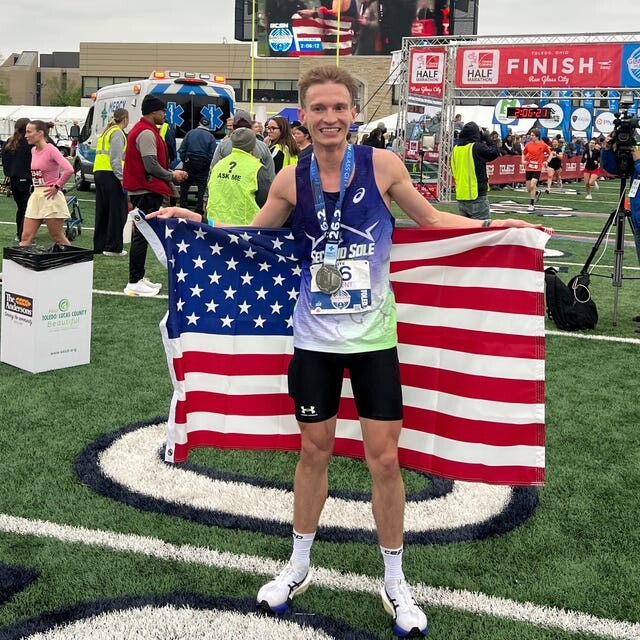
Mauri announced his arrival in spectacular fashion in April 2026, clocking an astonishing 2:05:54 at the Glass City Marathon in Toledo, Ohio. The performance marked an extraordinary marathon debut and was reported to be the fastest marathon debut by an American on a record-eligible course, immediately establishing him as a runner to watch.
What makes his achievement particularly compelling is the unconventional path he followed to reach that level. Before attracting national attention, Mauri was working at a local running store, managing his own training and pursuing his ambitions without the backing of a major sponsor. His journey demonstrates how determination, consistency and an unconventional approach can open doors in elite athletics.
One of the most fascinating elements of Mauri’s preparation has been his reliance on the treadmill. Rather than depending exclusively on outdoor miles, he reportedly completed a substantial portion of his training on commercial treadmills at Planet Fitness, building the endurance needed to make an immediate impact over the marathon distance.

His training volume has also attracted considerable attention, with reports indicating that he logged more than 130 miles per week. During his buildup for Chicago, he reportedly completed a remarkable 45-mile treadmill session, highlighting the extraordinary workload behind his rapid rise. His approach has become one of the defining features of his story, although such demanding training volumes are highly individual and require careful management.
Mauri’s breakthrough has already transformed his career. He has signed a professional contract with ASICS, moving from the ranks of unsponsored runners into the professional athletics scene. The agreement represents a significant milestone for an athlete who achieved his first major marathon breakthrough while coaching himself and balancing his running ambitions with employment.
His next challenge comes at the 2026 Chicago Marathon on Sunday, October 11, where he will face a deep international field at one of the Abbott World Marathon Majors. Unlike his near-solo performance in Toledo, Chicago will present a different test, with experienced competitors, a highly competitive elite field and the pressure of racing shoulder to shoulder with some of the world's best marathoners.
The American record of 2:04:43, set by Conner Mantz, provides an important benchmark as the country's leading marathoners prepare for the race. Mauri is expected to test himself against the leading American contingent, although challenging the national record will require him to reproduce his outstanding debut performance in a much more demanding competitive environment.
There will also be considerable interest in how his unconventional preparation translates to race day. His treadmill-based training has demonstrated an unusual combination of high mileage, controlled pacing and sustained endurance work. However, the marathon remains unpredictable, and Chicago will test his ability to manage the pace, respond to competition and maintain his strength over the full 26.2 miles.
From running countless miles at a commercial gym to securing a professional contract and earning a place among the elite contenders in Chicago, Mauri has taken an extraordinary route into high-level marathon running. His rise challenges conventional expectations about how a successful professional career begins and highlights the many different paths through which exceptional talent can emerge.
Mauri has already proved that he possesses remarkable potential, but Chicago offers an opportunity to demonstrate that his breakthrough was more than a spectacular debut. As he prepares to line up against some of the world's finest marathoners, all eyes will be on whether the young American can turn his unconventional training methods and rapid rise into another memorable performance on the global stage.
by Erick Cheruiyot for My Best Runs.
Login to leave a comment
Getting Into a World Marathon Major May Be Harder Than Running One
For many marathoners, crossing the finish line of a World Marathon Major is the ultimate dream. But before you can worry about surviving 42.195 kilometres, there is another challenge: actually getting onto the starting line.
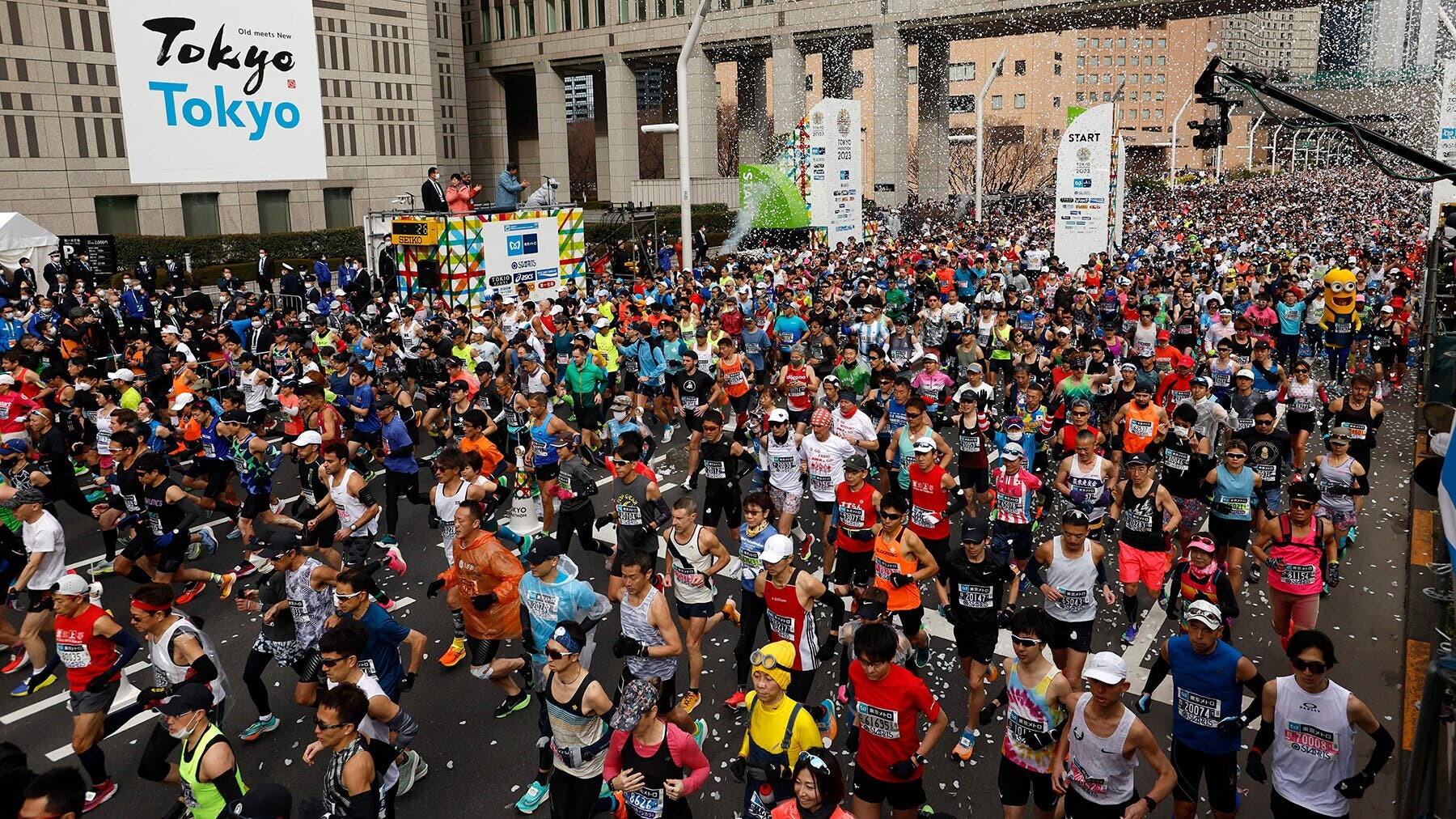
The six Abbott World Marathon Majors — Boston, London, Berlin, Chicago, New York and Tokyo — do not use the same entry system, and some are considerably more difficult to access than others.
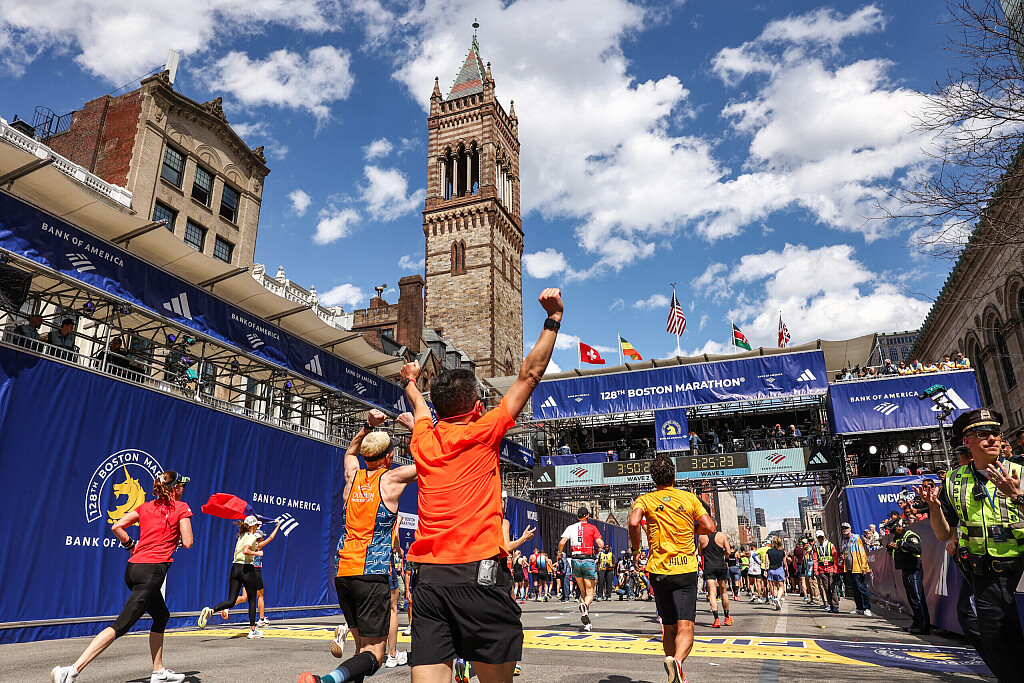
Boston is arguably the clearest example of how running fast does not always guarantee a place. Unlike the other majors, the Boston Marathon is built around qualifying standards. However, meeting the published standard only gives a runner the opportunity to apply. Because demand is so high, the fastest qualifiers are accepted first. This means a runner can achieve the official qualifying time and still miss out when the cut-off moves faster than expected.
London presents a completely different challenge. Its famous ballot is a random draw, making luck a major part of the process. However, runners have other avenues, including Good for Age, charity places and international tour operators. Even the Good for Age route can be highly competitive, with places allocated according to performance when demand exceeds the number of available spots.
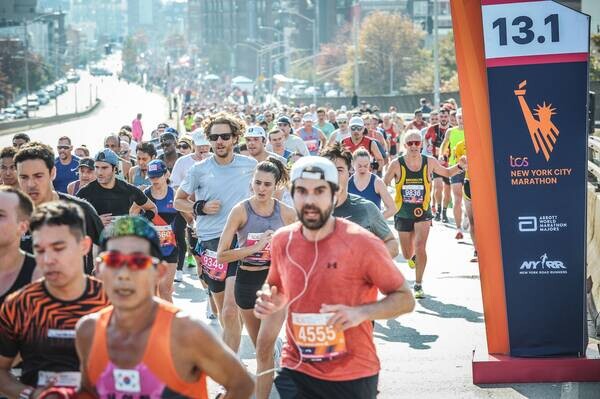
New York City is another race where demand is enormous. The TCS New York City Marathon offers a general drawing alongside several guaranteed-entry routes, including qualifying times, charity places, international tour operators and other eligibility programmes. For serious runners, achieving the appropriate qualifying standard can be one of the most dependable ways to secure a place.
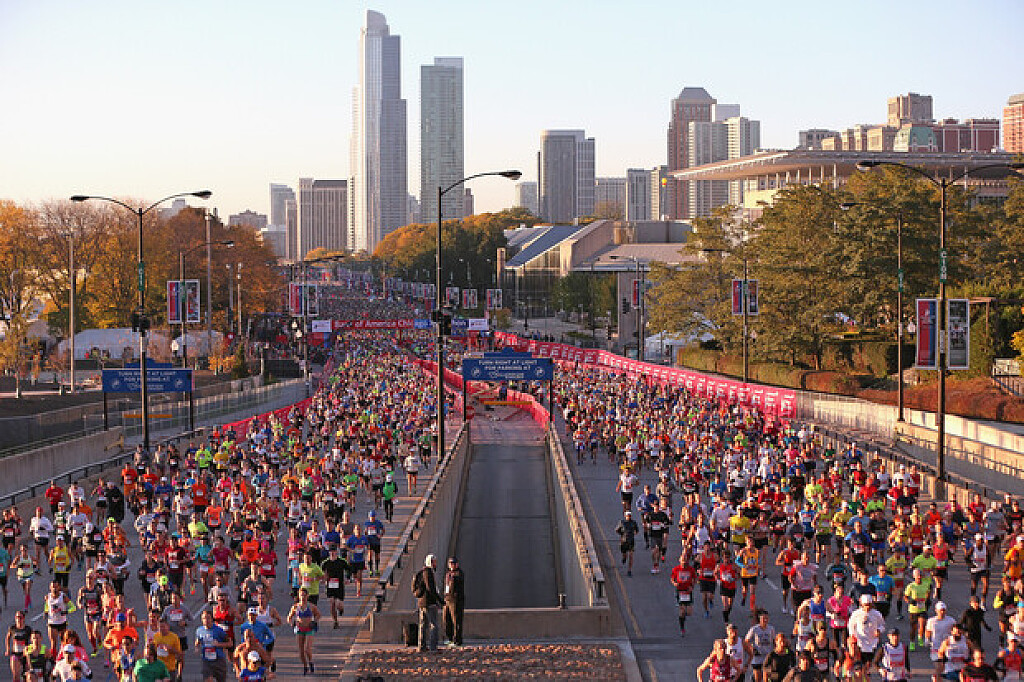
Chicago gives runners several ways to avoid relying entirely on the lottery. The Bank of America Chicago Marathon has a non-guaranteed drawing, but runners can also gain guaranteed entry through qualifying times, charity, tour operators and other eligible routes. For fast runners, meeting the published standard can provide a much more certain path to the start line.
Berlin is also heavily sought after. The BMW Berlin Marathon uses a lottery for the majority of runners, while qualifying performances can provide another route into the race. With its fast course and reputation for producing world-class times, demand remains enormous every year.
Tokyo adds another layer of difficulty, particularly for international runners. The race has a lottery as well as several other entry routes, including charity and performance-based options. International runners can also use official tour operators, although these packages generally cost more because they are tied to travel arrangements.
For runners chasing the Six Star Medal, the biggest lesson is simple: do not depend on the lottery alone.
Look closely at every possible route. Good-for-age standards, qualifying performances, charity programmes and official tour operators can all provide alternatives when the ballot does not go your way.
And then there is the reality every marathoner eventually discovers: sometimes getting rejected from a major marathon hurts almost as much as the race itself.
When that rejection email arrives, remember that parkrun is still free, happens every Saturday and does not require a lottery.
So, which World Marathon Major have you already completed — and which one is still at the top of your bucket list?
by Erick Cheruiyot for My Best Runs.
Login to leave a comment
Chicago Marathon 2026: Emma Grace Hurley Makes Her Debut as Clayton Young Battles Injury Concerns
The 2026 Chicago Marathon will provide an important stage for two American distance runners approaching the race from very different circumstances. Emma Grace Hurley is preparing to make her debut over the classic 42.195-kilometre distance after establishing herself among the country’s leading half-marathon runners, while Clayton Young faces a race against time to overcome a hamstring injury that threatens to derail his ambitions.
Both athletes have compelling stories heading into Chicago, but their immediate objectives differ. Hurley is looking to gain valuable experience as she begins her marathon journey, whereas Young must contend with significant uncertainty surrounding his fitness and the potential consequences of racing while injured.

Emma Grace Hurley: A Promising Talent Ready for Her Marathon Debut
Hurley arrives in Chicago following an outstanding performance at the World Athletics Road Running Championships in Copenhagen, Denmark, where she clocked 1:06:23 to finish fifth in the women’s half marathon. Her performance established a women-only American record and contributed to the United States securing the team silver medal.
The result has generated considerable interest in what she might accomplish over the full marathon distance. However, despite the growing expectations, Hurley and her coach, Andrew Begley, have maintained a measured approach, understanding that the transition from half marathon to marathon requires more than simply extending the distance.
Her recent training has offered encouraging indications of her preparation. A demanding workout observed in Indiana, together with training activity shared on Strava, has provided further insight into the work she has undertaken ahead of her Chicago debut.
Nevertheless, the marathon presents a different set of challenges. Athletes must balance pace, endurance, nutrition and energy conservation while preparing for the demanding final kilometres, when even well-conditioned runners can experience unexpected difficulties.
For Hurley, Chicago represents an opportunity to learn those lessons firsthand rather than place unnecessary pressure on herself to produce an immediate breakthrough. Her long-term plan includes two marathons before the 2028 United States Olympic Marathon Trials, making this first appearance an important stage in her development.
Her approach is captured in a straightforward statement: “This one is for learning and the next is for nailing it.”
That philosophy reflects an understanding that building a successful marathon career takes patience, experience and careful progression. While her half-marathon record demonstrates considerable potential, Chicago will offer the first real test of how effectively she can translate that ability to the longer distance.
A strong debut would provide a valuable foundation for her future ambitions, but the experience itself will be equally important as she prepares for the next chapter of her marathon career.
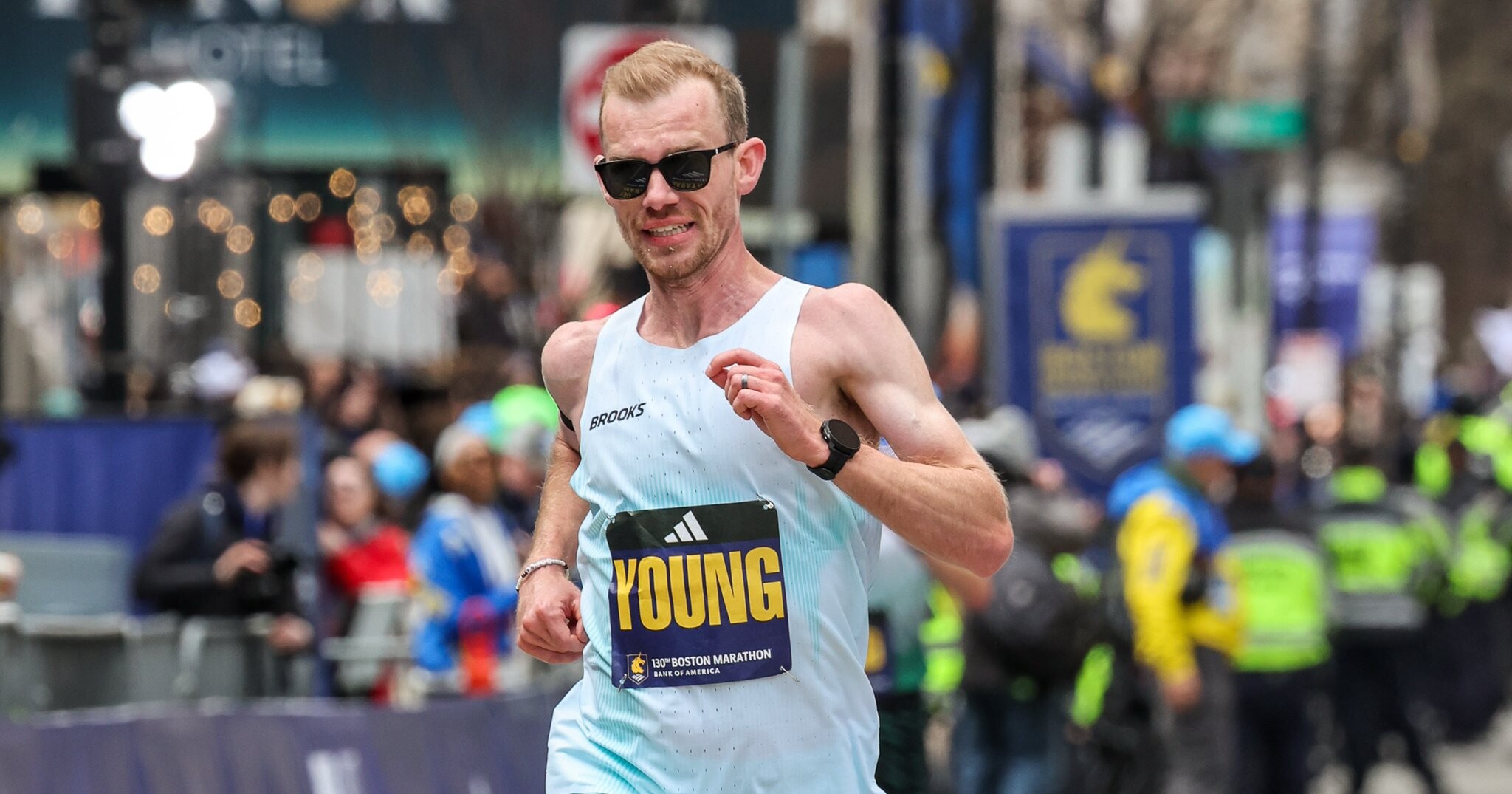
Clayton Young: Hamstring Injury Casts Doubt Over Chicago Ambitions
Young, meanwhile, heads into the Chicago Marathon facing a far more complicated challenge after sustaining a significant hamstring injury during the final stages of the Great North Run.
The American revealed that he suffered a 12-centimetre split tear in his semitendinosus, one of the muscles that make up the hamstring group, during the final 250 metres of the race. The timing of the injury could hardly have been more unfortunate, arriving with the Chicago Marathon approaching and his competitive ambitions still firmly in focus.
Medical advice reportedly differed on how he should manage the injury. One doctor recommended taking four weeks off running, a period of rest that would have ruled him out of Chicago. Another advised a more cautious, day-by-day approach, which Young has chosen to follow.
His recent training activity on Strava and videos shared on YouTube suggest that he has continued to complete substantial workouts. However, evidence of training does not necessarily establish that a serious muscle tear has healed sufficiently to withstand the demands of a marathon.
The injury has placed considerable doubt over his hopes of challenging the American marathon record. More importantly, it has raised questions about whether attempting to race could aggravate the damage and compromise his preparations for the 2027 season and the build-up to the 2028 U.S. Olympic Marathon Trials.
For an athlete with significant long-term ambitions, the decision carries consequences beyond a single race. A successful appearance in Chicago could represent another major achievement, but worsening the injury could potentially cost him valuable training time during a crucial period in his career.
Young is known for his ability to deliver under pressure, making his situation particularly intriguing as race day approaches. However, competing through a hamstring tear of this nature would present an unfamiliar challenge, even for an athlete accustomed to producing strong performances when it matters most.
For now, he remains entered in the race, but his participation and ability to compete effectively remain important questions. His recent workouts may offer encouragement, yet the true condition of the injured muscle and its response to marathon demands will be central to determining what is realistically possible.
Two Americans, Two Very Different Challenges
Hurley and Young illustrate the contrasting realities that elite runners can face ahead of a major marathon. One is entering the distance with momentum, enthusiasm and an opportunity to discover her potential. The other is attempting to navigate an injury that could influence not only his immediate performance but also his longer-term development.
For Hurley, Chicago is the beginning of a new chapter. Her record-setting half-marathon performance has created anticipation, but her emphasis remains on learning, gaining experience and building towards future goals.
For Young, the race presents a more difficult calculation. His competitive instincts and reputation for performing under pressure must be weighed against the risks of pushing through an injury that could have lasting consequences for his season.
Their respective stories will add another dimension to the American contingent at the 2026 Chicago Marathon. While Hurley seeks to establish herself over 42.195 kilometres, Young faces the challenge of determining whether his body is ready to meet the demands of one of the world's premier road races.
As race day approaches, the central questions remain clear: How will Hurley handle her first marathon, and will Young be able to compete without jeopardising his recovery and future ambitions?
The answers will emerge on the streets of Chicago, where preparation, patience and sound decision-making could prove just as important as raw talent and competitive determination.
by Erick Cheruiyot for My Best Runs.
Login to leave a comment
Bank of America Chicago
Running the Bank of America Chicago Marathon is the pinnacle of achievement for elite athletes and everyday runners alike. On race day, runners from all 50 states and more than 100 countries will set out to accomplish a personal dream by reaching the finish line in Grant Park. The Bank of America Chicago Marathon is known for its flat and...
more...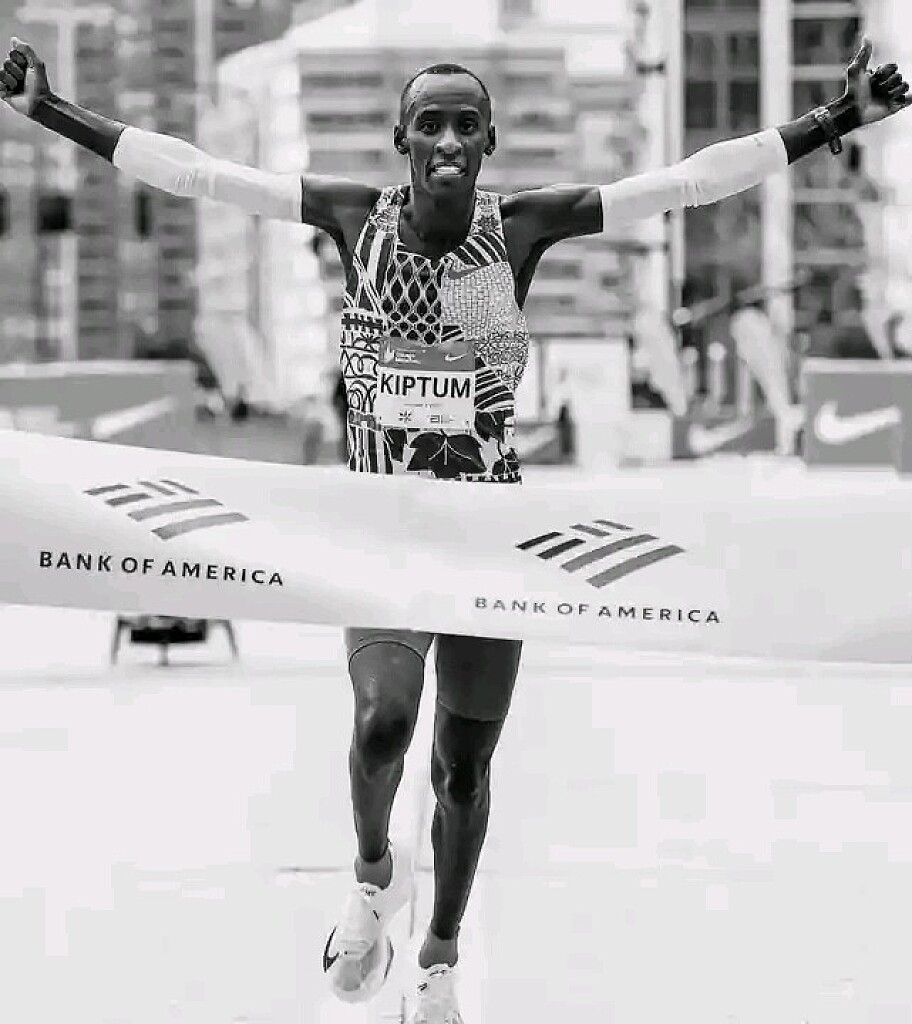
Three Years On, Kelvin Kiptum’s Historic Chicago Masterpiece Still Echoes
Three years ago today, Kelvin Kiptum delivered a marathon performance that changed the sport forever.
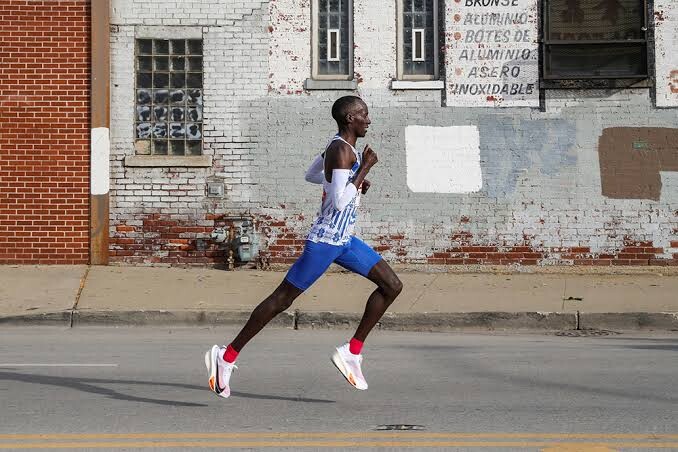
On October 8, 2023, the 23-year-old Kenyan arrived at the Bank of America Chicago Marathon as one of the most exciting young talents in distance running. By the finish, he had rewritten the history books with a breathtaking world record of 2:00:35.
Kiptum improved Eliud Kipchoge’s previous world record by 34 seconds, becoming the first athlete in history to officially break the 2:01 barrier in a record-eligible marathon.
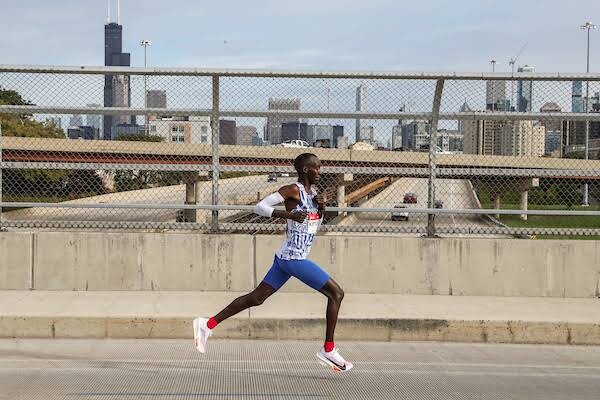
But the most remarkable aspect of the performance was not simply the finishing time. It was the way Kiptum produced it.
He reached halfway in 1:00:48, before covering the second half in an astonishing 59:47. Rather than struggling as the race entered its final stages, Kiptum accelerated, producing a negative split at a pace that seemed almost impossible to sustain.
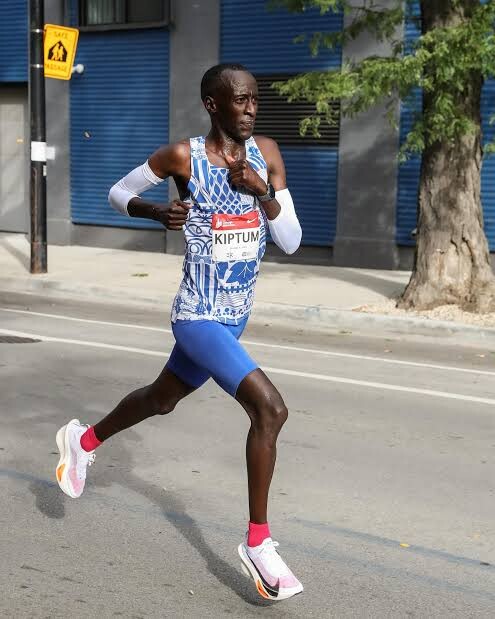
His final kilometres became a masterclass in marathon racing. With every stride, the young Kenyan moved further away from the field and closer to sporting immortality.
And remarkably, Chicago was only his third marathon.
Kiptum had announced himself on the global stage by winning the 2022 Valencia Marathon in 2:01:53, before lowering the course record at the 2023 London Marathon with 2:01:25. Seven months later, he produced something even more extraordinary in Chicago.
At just 23, Kiptum had already established himself among the very best marathoners in the world.
His Chicago triumph was more than another victory. It was a glimpse of what appeared to be an extraordinary future — a future in which Kiptum seemed destined to push the limits of the marathon even further.
Tragically, that future would never unfold.
On February 11, 2024, just four months after his historic Chicago victory, Kiptum died in a road accident in Kenya alongside his Rwandan coach, Gervais Hakizimana. He was only 24 years old.
The loss sent shockwaves through the athletics world.
Today, three years after that unforgettable October morning in Chicago, 2:00:35 remains far more than a number on a record list.
It represents the extraordinary talent of a young athlete who appeared to be only at the beginning of his journey. It represents courage, ambition and a fearless approach to the marathon. And, perhaps most poignantly, it represents a chapter of greatness that ended far too soon.
Kelvin Kiptum gave the world one of the greatest marathon performances ever witnessed.
Three years later, the memory of that incredible morning remains alive.
Gone far too soon, but never forgotten.
by Erick Cheruiyot for My Best Runs.
Login to leave a comment
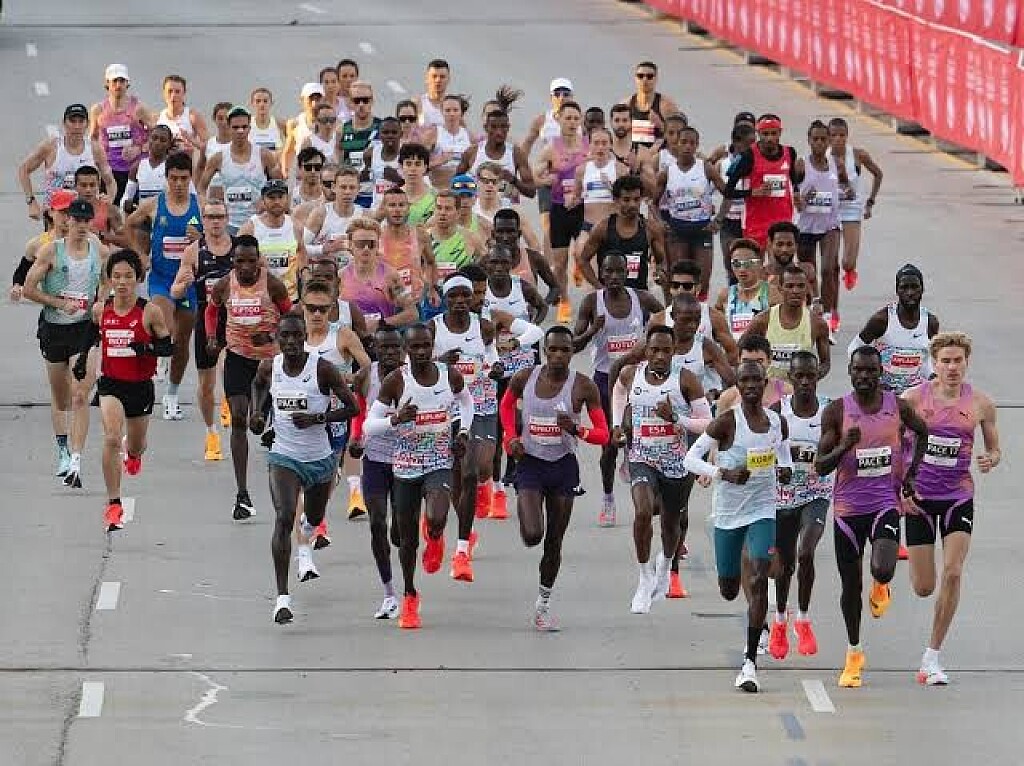
2027 USATF Marathon Championships Headed To Chicago Marathon
The 2027 Bank of America Chicago Marathon is set to become an even bigger stage for American distance running, with the race selected to host the 2027 USATF Marathon Championships on October 10, 2027.
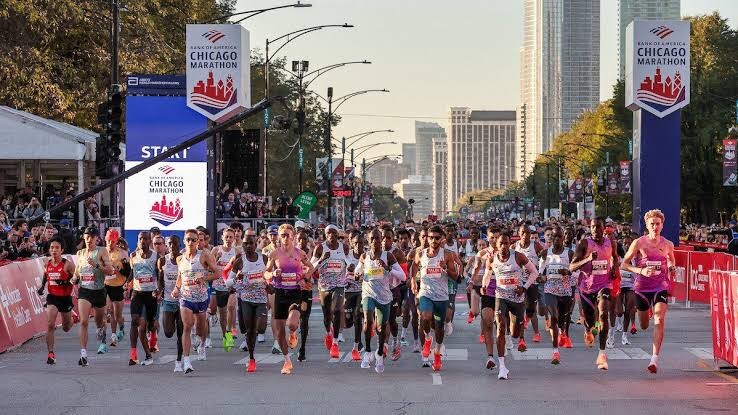
The national championships will be contested directly within the Abbott World Marathon Major, giving American athletes the opportunity to fight for national titles while competing alongside one of the deepest international fields in marathon racing.
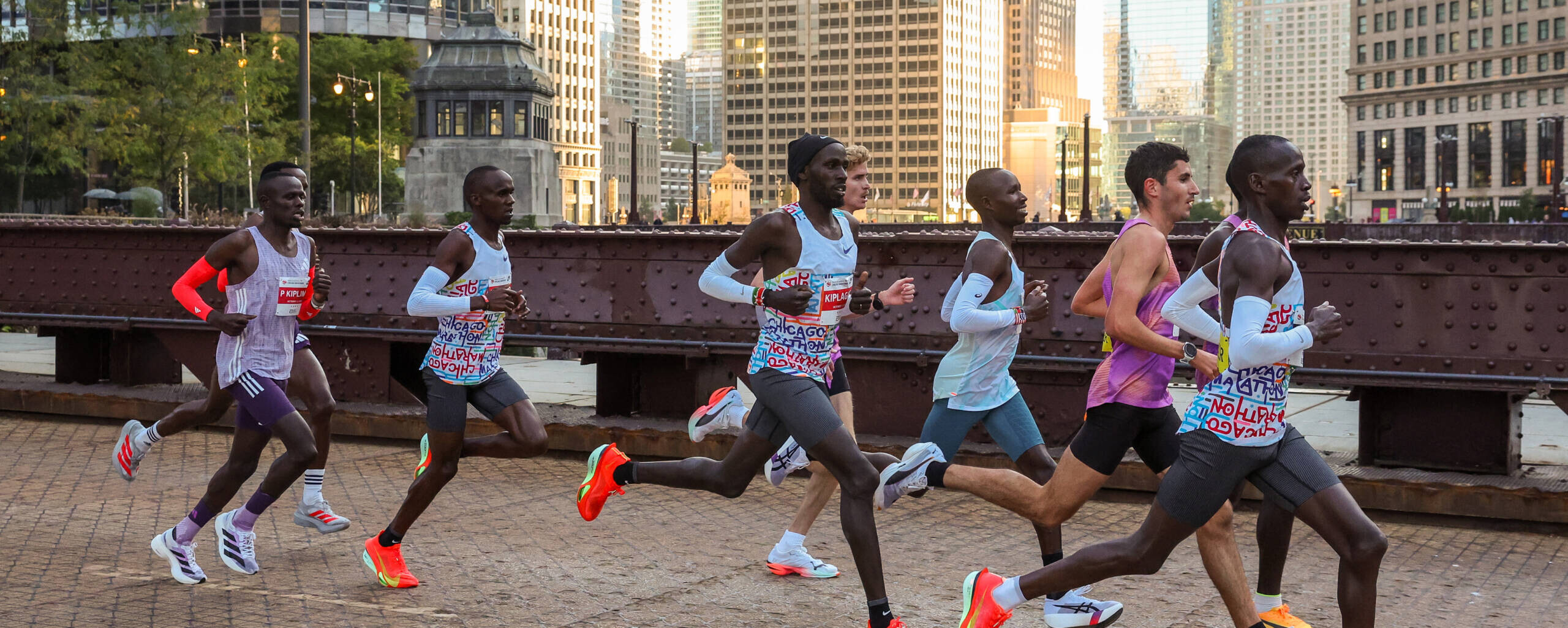
A dedicated championship field will feature 20 American men and 20 American women, creating two highly competitive national title races on the streets of Chicago. Chicago Event Management will serve as the local organizing committee, while USATF will announce the selection criteria and championship entry procedures at a later date.
The decision adds another major layer to what is already one of the world's most prestigious marathons.
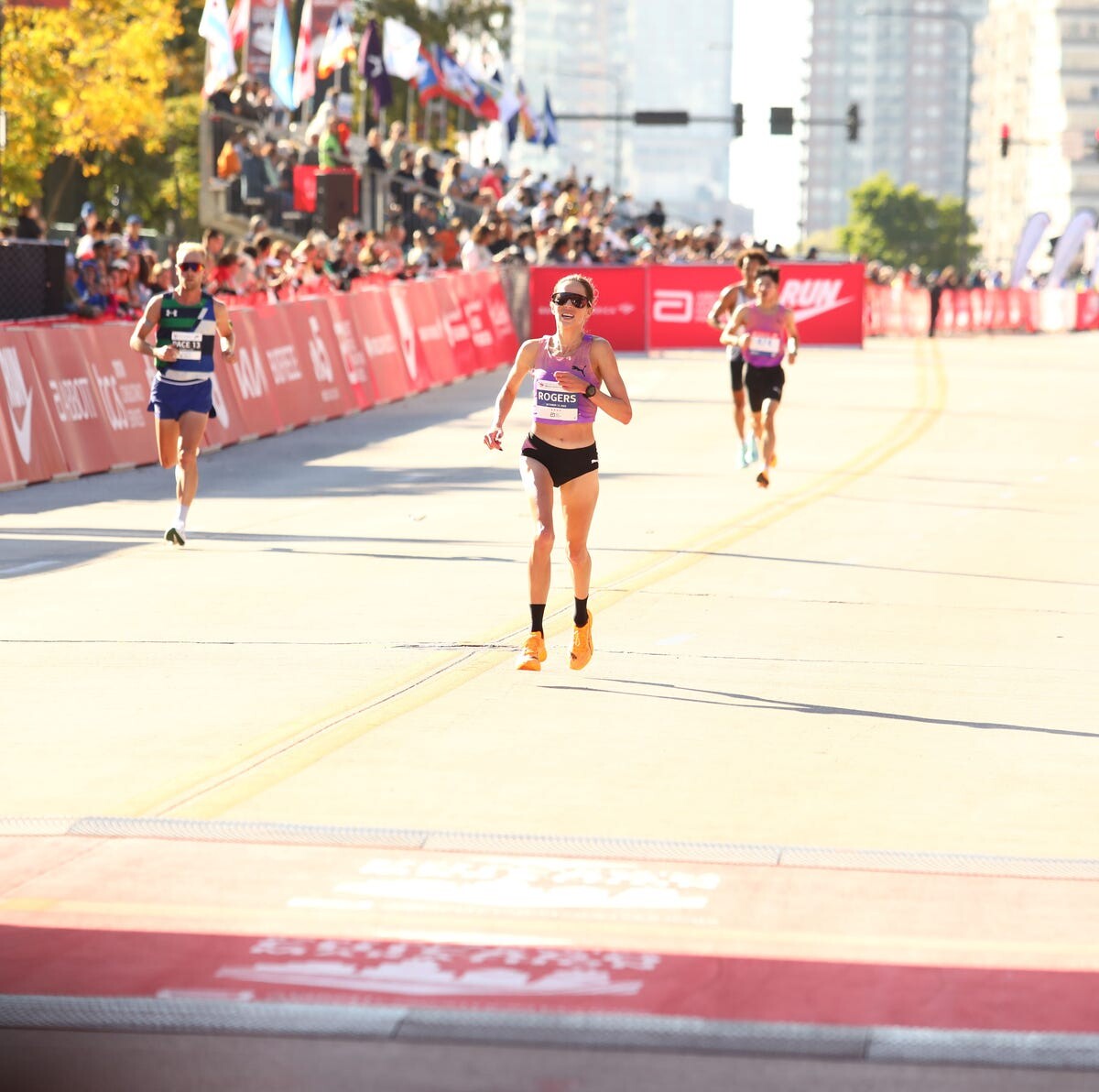
More Spotlight For American Marathoners
One of the most significant elements of the announcement is the planned television coverage.
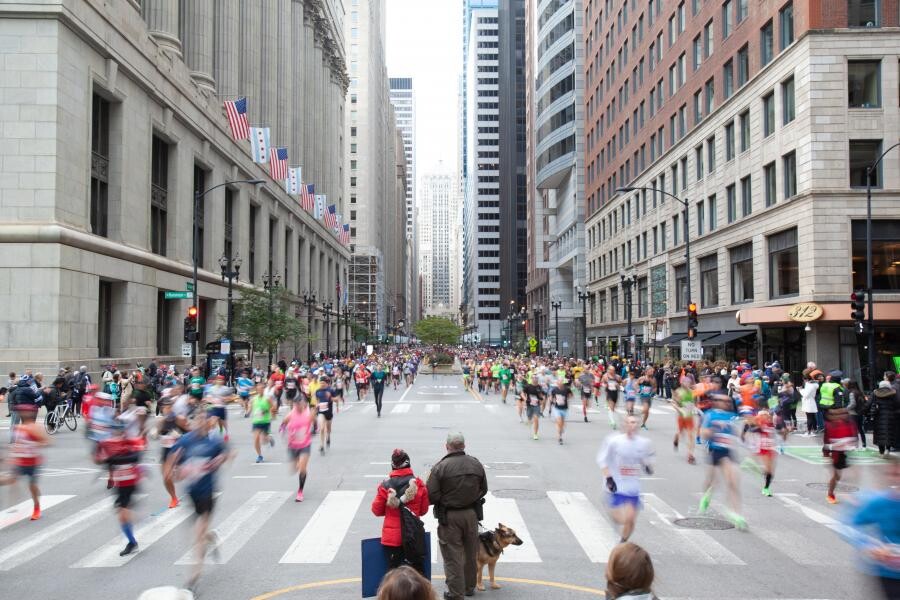
The Chicago Marathon will provide dedicated coverage of the USATF Championship races within the main broadcast, including additional cameras focused on the American men and women. This should give U.S. athletes considerably more visibility throughout the race, particularly when the international leaders begin to separate from the field.
The broadcast will be available on NBC in Chicago and Peacock nationally, bringing the championship battle to a much wider audience.
The national championship will also carry a prize purse of nearly $110,000, with prize money extending through 10th place in both the men's and women's competitions.
Chicago Expands High Performance Program
The 2027 event will also see Chicago expand its High Performance Program to 300 athletes, creating more opportunities for elite and sub-elite American marathoners to compete in a world-class environment while pursuing qualifying performances for the 2028 U.S. Olympic Team Trials – Marathon.
For the wider marathon community, applications for the 2027 Chicago Marathon open at 8:00 a.m. Central Time on Thursday, October 8, 2026, and close at 2:00 p.m. Central Time on Thursday, October 29, 2026.
With a World Marathon Major, a national championship, a substantial prize purse and a growing pathway toward the 2028 Olympic Trials all converging on the same 26.2-mile course, Chicago 2027 is shaping up to be a major date on the American marathon calendar.
by Erick Cheruiyot for My Best Runs.
Login to leave a comment
Bank of America Chicago
Running the Bank of America Chicago Marathon is the pinnacle of achievement for elite athletes and everyday runners alike. On race day, runners from all 50 states and more than 100 countries will set out to accomplish a personal dream by reaching the finish line in Grant Park. The Bank of America Chicago Marathon is known for its flat and...
more...
Sharon Lokedi Heads Strong Kenyan Charge Into Chicago Marathon Debut
Two-time Boston Marathon champion Sharon Lokedi is entering the final phase of her preparations for what promises to be a highly anticipated Chicago Marathon debut on Sunday, October 11.
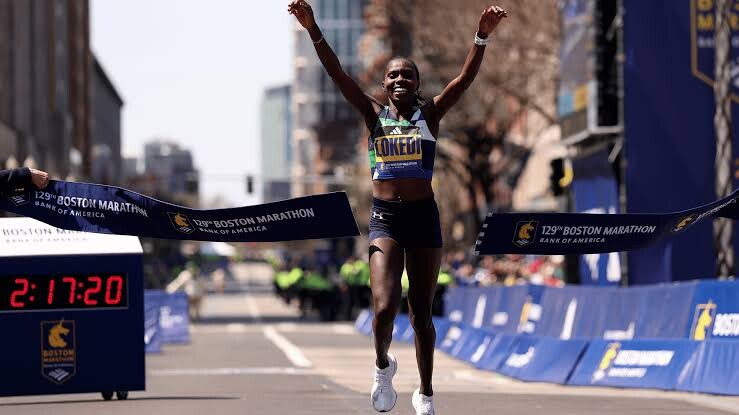
The Kenyan star has completed her demanding training blocks and has now turned her attention to tapering, allowing her body to recover and sharpen ahead of one of the biggest marathon showdowns of the year.
Lokedi will lead an impressive Kenyan women’s contingent in Chicago, bringing together a mixture of proven champions and elite marathon talent. Among those joining her are former world-record holder Brigid Kosgei, Brillian Kipkoech and Loice Chemnung, the runner-up at the 2026 Boston Marathon.
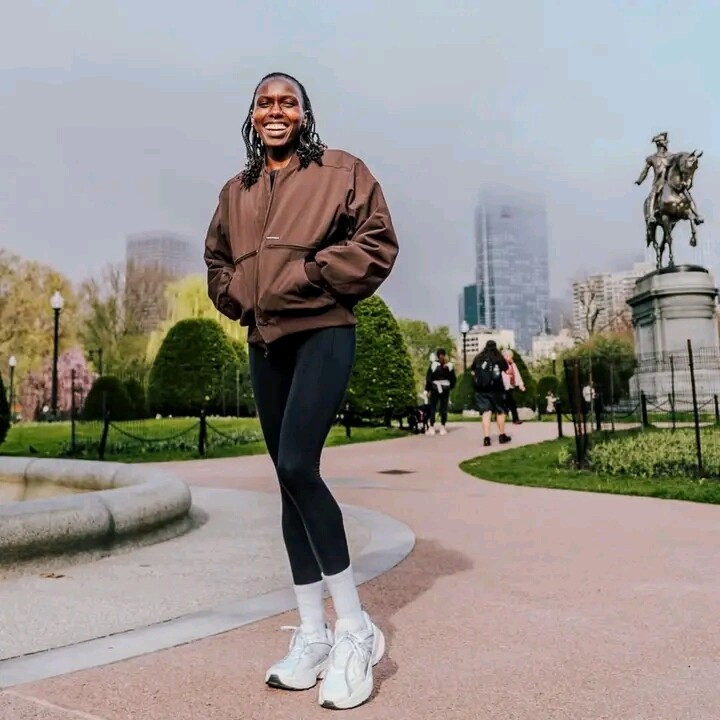
For Lokedi, Chicago represents another major opportunity to strengthen her reputation on the world marathon stage. After establishing herself as a two-time Boston champion, the Kenyan will now take on the famously fast streets of Chicago, where a deep international field is expected to produce an exceptionally competitive race.
However, the Kenyan challenge will face formidable opposition from Ethiopia, led by defending champion Hawi Feysa. The Ethiopian contingent arrives with considerable depth, setting the stage for another compelling Kenya-versus-Ethiopia battle over 42.195 kilometres.
The quality of the field is underlined by the presence of 12 women with personal bests faster than 2:20, highlighting just how fiercely contested the race is expected to be.
With Chicago’s flat course renowned for producing fast times, the conditions could provide the perfect setting for the leading contenders to test their limits. Every tactical decision, surge and late-race move could prove decisive as the elite women battle for victory.
All eyes will now turn to Chicago as Lokedi begins the final countdown to her debut. With her hard work already completed, the Kenyan star will be hoping that a successful taper translates into another memorable performance on one of the world’s fastest marathon stages.
by Erick Cheruiyot for My Best Runs.
Login to leave a comment
Bank of America Chicago
Running the Bank of America Chicago Marathon is the pinnacle of achievement for elite athletes and everyday runners alike. On race day, runners from all 50 states and more than 100 countries will set out to accomplish a personal dream by reaching the finish line in Grant Park. The Bank of America Chicago Marathon is known for its flat and...
more...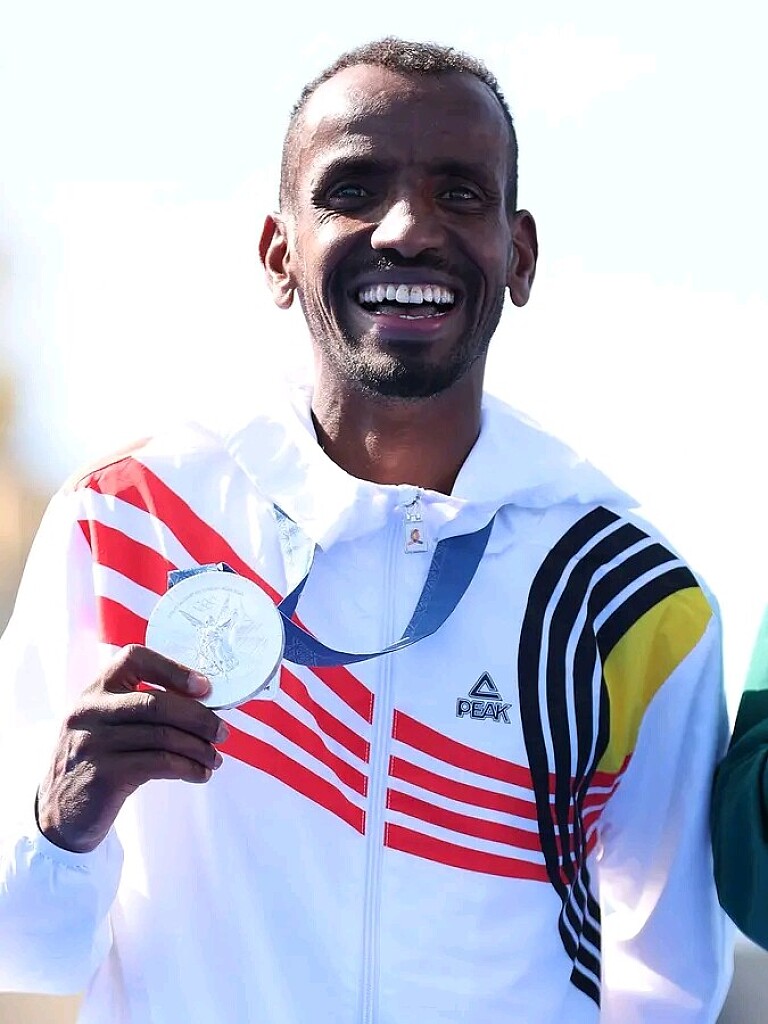
Bashir Abdi Withdraws From Chicago Marathon After Calf Injury
Belgian marathon star Bashir Abdi has been forced to withdraw from the 2026 Chicago Marathon after suffering a calf injury during his final training session in Flagstaff, Arizona.

The two-time Olympic marathon medallist confirmed on Monday that a small tear in his calf has ruled him out of Sunday’s race, bringing an untimely end to months of preparation for one of the biggest marathons of the year.

“Unfortunately, I will not be participating in the Chicago Marathon this weekend,” Abdi announced. “During my last training session in Flagstaff, I suffered a small tear in my calf.”
The 37-year-old stressed that the injury is not considered serious, but explained that it is significant enough to prevent him from safely taking his place on the start line. After consulting with his coach and medical team, the decision was made to avoid taking unnecessary risks.

“It’s not a major injury, but enough to keep me from the start line. After consulting with my coach and medical team, we decided not to take any risks,” Abdi said.
The withdrawal is a major disappointment for Abdi, who had been listed among the elite contenders for the 48th edition of the Bank of America Chicago Marathon. The race is scheduled for October 11 and is expected to feature more than 55,000 finishers.
Abdi arrived at the Chicago buildup with an impressive marathon résumé. He won Olympic silver in Paris in 2024 after previously taking bronze at the Tokyo Olympics in 2021, establishing himself as one of the most accomplished marathoners of his generation.
He is also the European marathon record-holder, having clocked 2:03:36 in Rotterdam in 2021 to become the first European athlete to break the 2:04 barrier.
His 2026 season had shown that he remained capable of competing at the highest level. In April, Abdi finished third at the Rotterdam Marathon in 2:04:19, behind Ethiopia’s Guye Adola and Tesfaye Deriba.
For Abdi, the immediate priority is now recovery rather than forcing a return before he is ready. Missing Chicago will undoubtedly be frustrating after months of preparation, but protecting his long-term career is the more important decision.
The Belgian remains determined to move forward, with his focus now shifting toward rehabilitation and preparing for his next opportunity to race.
For one of Europe’s greatest marathoners, Chicago may be off the calendar—but the pursuit of more history continues.
by Erick Cheruiyot for My Best Runs.
Login to leave a comment
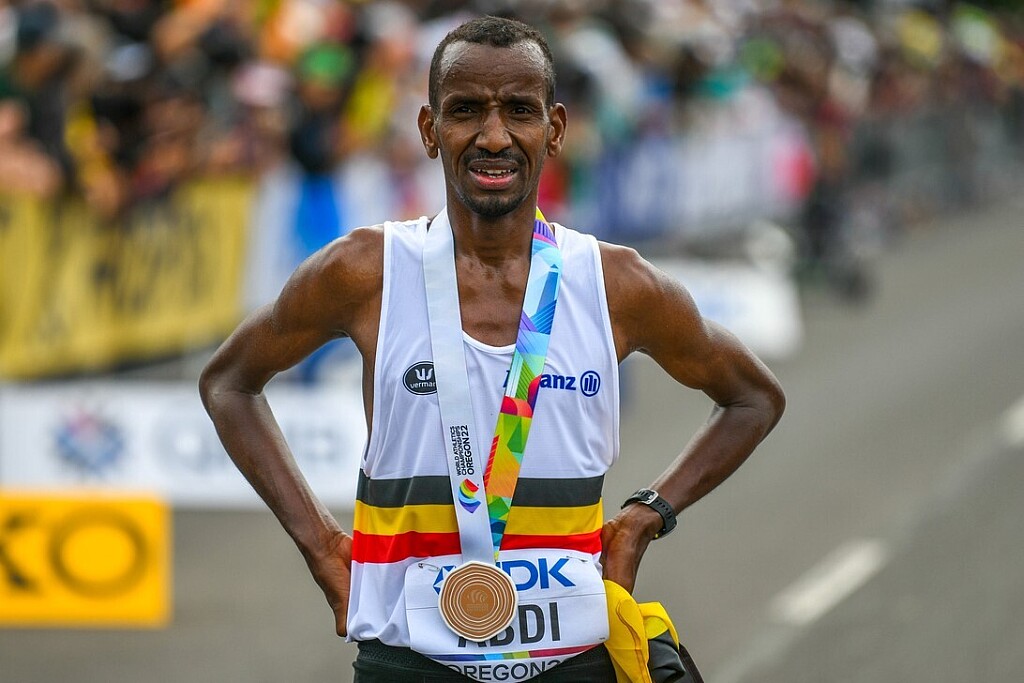
Bashir Abdi Joins Chicago Marathon Field As Alex Masai Withdraws 19 Days Before The Race
The Bank of America Chicago Marathon has delivered another major shake-up to its elite field, with European marathon record-holder Bashir Abdi joining the lineup just 19 days before race day, while Kenya’s Alex Masai has withdrawn from the October 11 showdown.
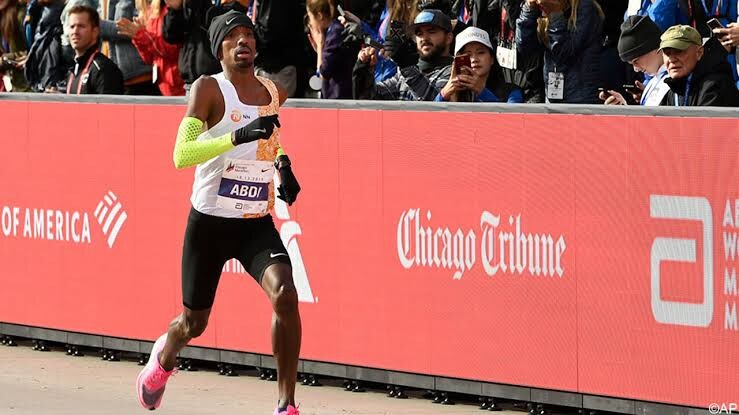
The latest update saw 16 athletes added and six withdrawn from the men’s and women’s elite fields, but Abdi’s arrival is undoubtedly the headline development.
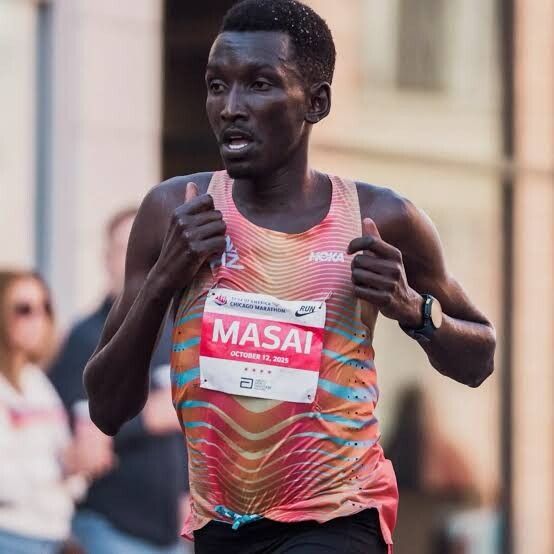
The 37-year-old Belgian owns the European marathon record of 2:03:36, set at the Rotterdam Marathon in 2021, and the mark still stands as the continental record.
Abdi also brings an impressive championship pedigree to Chicago. He won Olympic bronze at the Tokyo 2020 Games before upgrading to silver at the Paris 2024 Olympics, cementing his status as one of Europe’s leading marathoners of his generation.
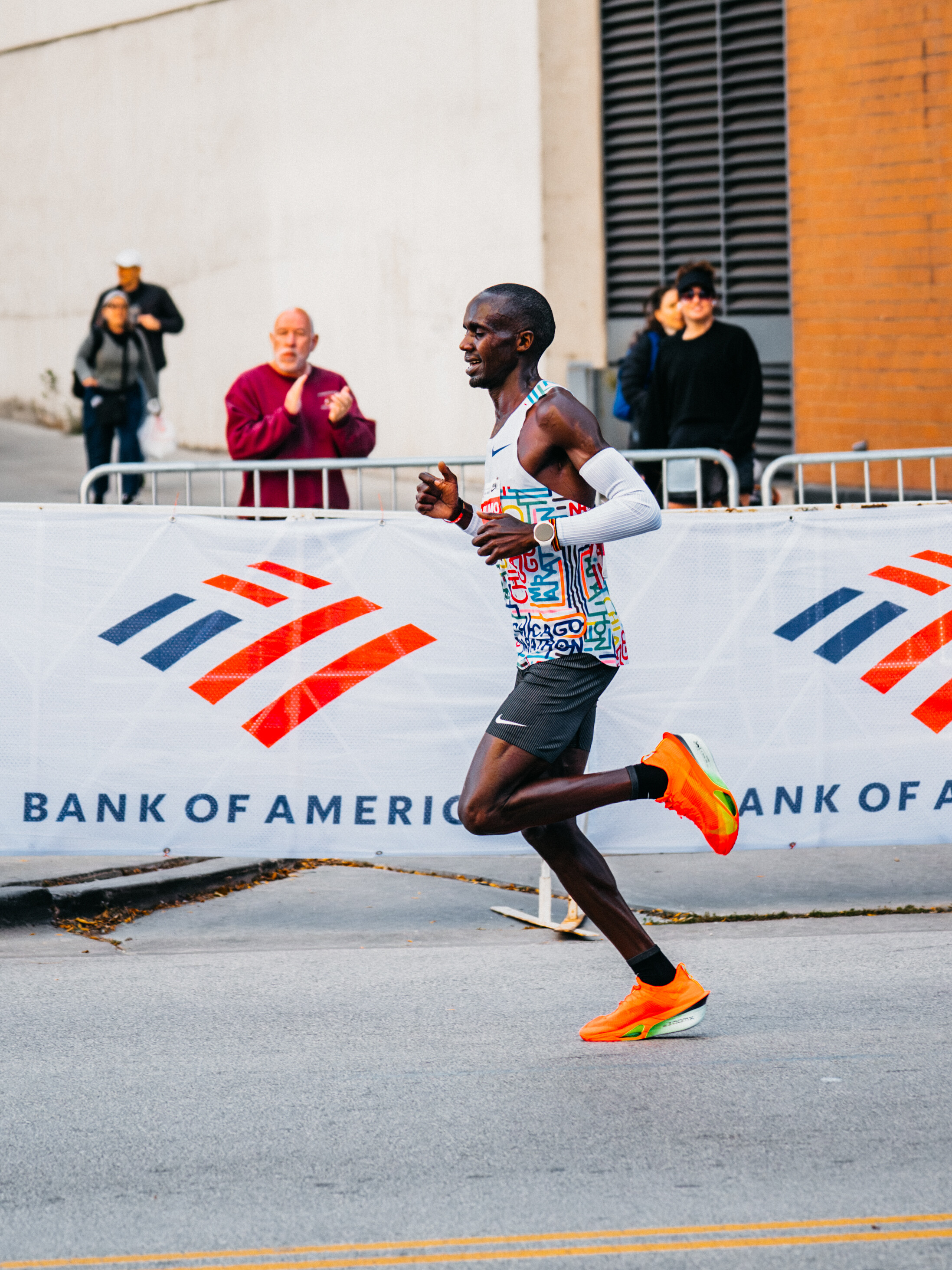
The Belgian is also familiar with the streets of Chicago. He finished 10th in last year’s race in 2:07:08, in a marathon won by Uganda’s Jacob Kiplimo in a spectacular 2:02:23.
Kiplimo returns this year to defend his Chicago title, adding another fascinating dimension to an already stacked men's field.
Masai’s withdrawal, meanwhile, removes one of last year’s podium finishers. The Kenyan finished third in 2:04:37 in 2025, behind Kiplimo and Amos Kipruto, and his absence changes the complexion of a race that had been expected to feature a number of familiar contenders from last year.
Chicago has been billing its 2026 elite lineup as one of the deepest in the race’s 48-year history, and the addition of a European record-holder this close to race day only strengthens that narrative.
Kiplimo remains the defending champion, but he will face a formidable group of challengers, with six men in the field having already broken 2:04.
Abdi’s late arrival adds another proven championship performer and record-holder to the mix, while Masai’s withdrawal removes a major Kenyan contender from the equation.
The latest changes also highlight how fluid elite marathon fields have become. Unlike in the past, when major-race lineups were largely settled months before the starting gun, today's biggest marathons can continue to evolve right up until race week.
And Chicago has certainly done so.
With just 19 days remaining, the defending champion is back, a European record-holder has entered the battle, and one of last year’s podium finishers is gone. The stage is set for another fascinating chapter on the streets of Chicago.
by Erick Cheruiyot for My Best Runs.
Login to leave a comment
Bank of America Chicago
Running the Bank of America Chicago Marathon is the pinnacle of achievement for elite athletes and everyday runners alike. On race day, runners from all 50 states and more than 100 countries will set out to accomplish a personal dream by reaching the finish line in Grant Park. The Bank of America Chicago Marathon is known for its flat and...
more...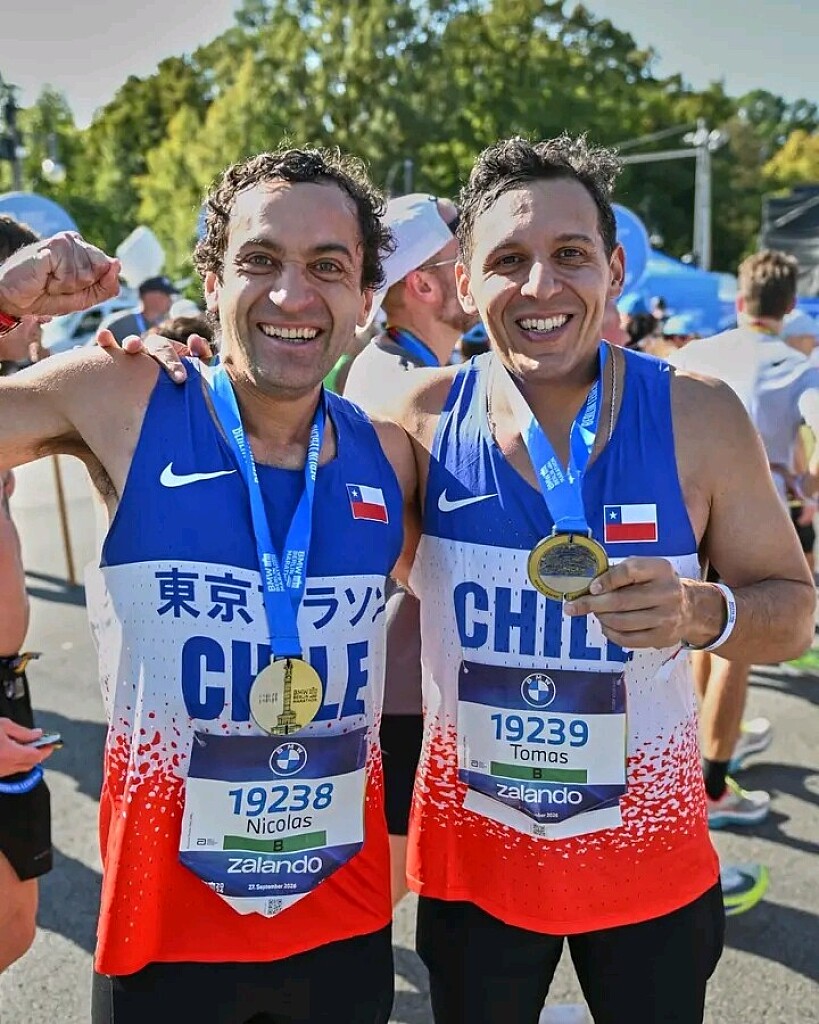
Chilean Duo Chase History With Ambitious Abbott World Marathon Majors Slam
Two Chilean athletes, Tomás and Nicolás, are chasing a remarkable piece of marathon history as they attempt to complete all seven Abbott World Marathon Majors races in a single calendar year.
Their ambitious journey began with a clear objective: to race the world’s biggest marathon stages throughout 2026 and become the first athletes from Chile to complete an Abbott World Marathon Majors Slam.
Their challenge has taken them across continents, following the prestigious Major circuit from one iconic city to another. Each race has brought a different course, atmosphere and test of endurance, but the ultimate goal has remained unchanged — reaching the finish line of every Major in the same year.
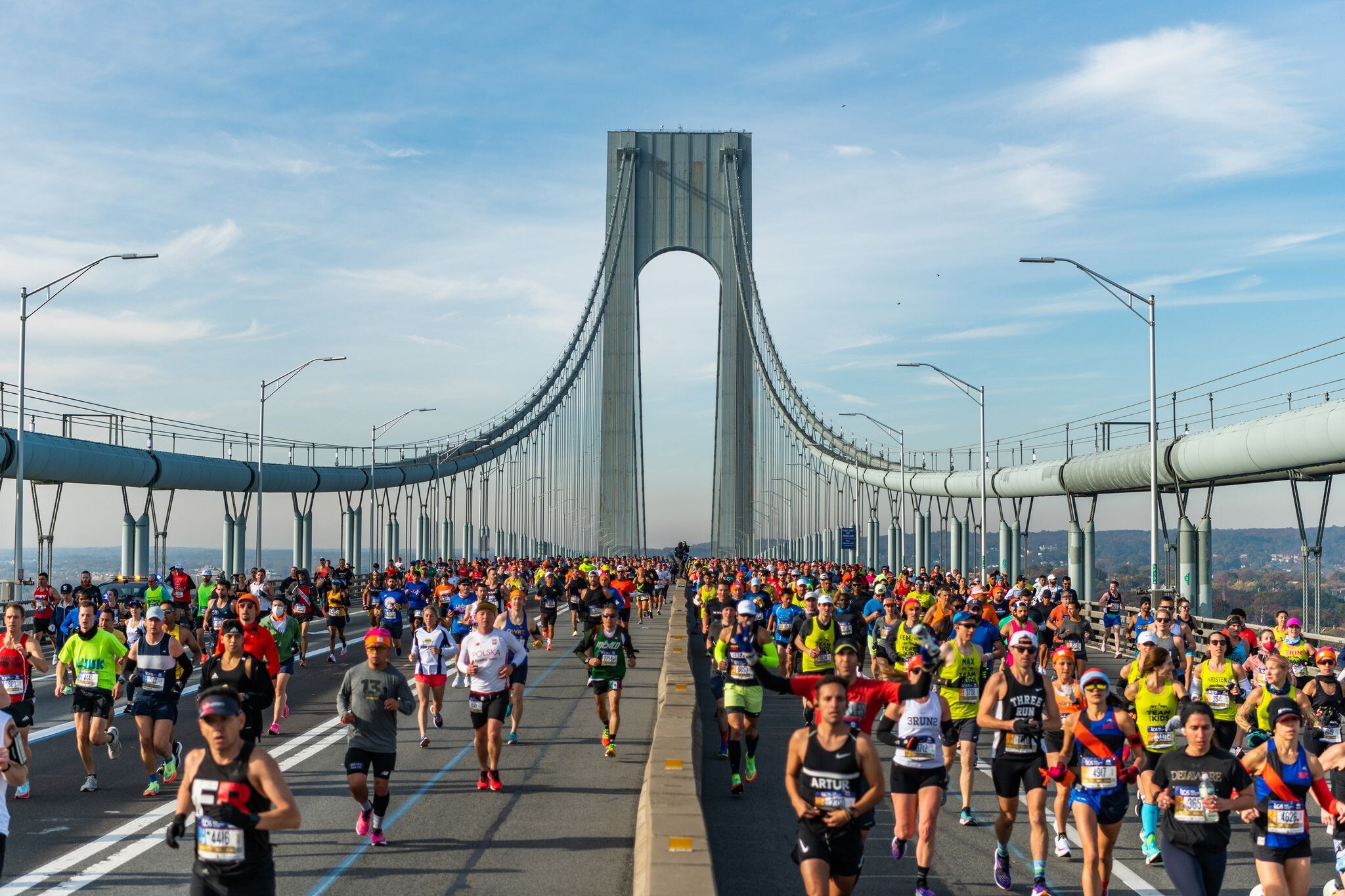
The journey is demanding not only because of the physical challenge of racing seven world-class marathons, but also because of the travel, recovery and preparation required between events. Moving from one international marathon to another leaves little room for error, making consistency and resilience just as important as speed.
For Tomás and Nicolás, every starting line represents another step towards a milestone that would carry special significance for Chilean distance running. Their campaign has turned the marathon calendar into a year-long adventure, with each race adding another chapter to a story that could ultimately end in the heart of New York City.
With the series now approaching its final stages, Tomás and Nicolás are closing in on a destination that could complete their extraordinary journey: Central Park in New York City, where the 2026 New York City Marathon will be held on November 2.
They are not alone in the pursuit. Fifty-three athletes are currently on course for an Abbott Slam in 2026, creating an intriguing race against time as the remaining Majors determine who will ultimately complete the demanding seven-race challenge.
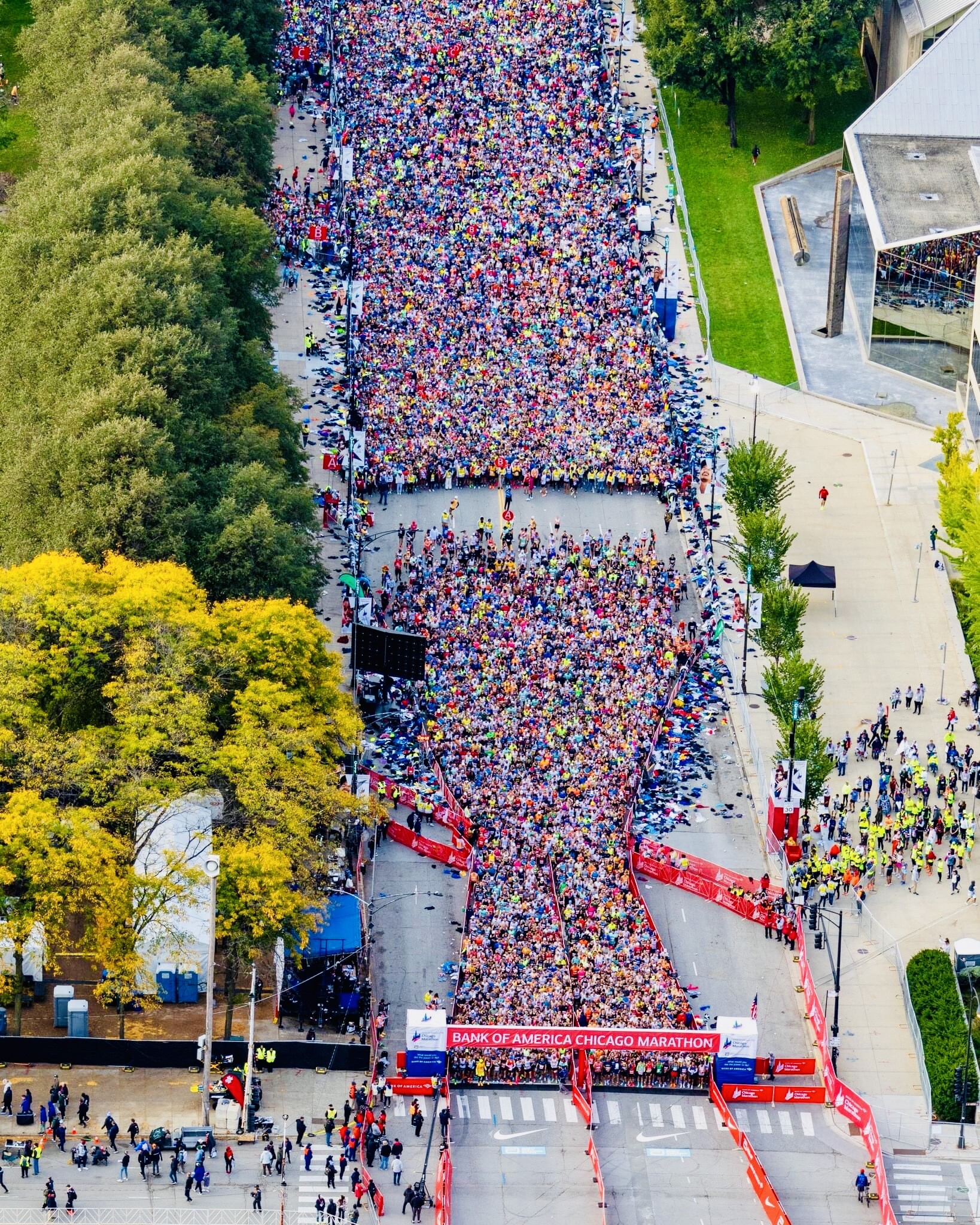
Before New York, however, the athletes still have another major chapter to write in Chicago, where the Bank of America Chicago Marathon will provide the next opportunity to keep their dreams alive.
For Tomás and Nicolás, this is about more than collecting marathon medals. It is a journey representing Chile on some of the most prestigious stages in global distance running — with the possibility of ending the year as the first Chileans to accomplish something truly historic.
Chicago is next. New York awaits. And the dream of a Chilean Abbott Slam is getting closer to reality.
by Erick Cheruiyot for My Best Runs.
Login to leave a comment
Bank of America Chicago
Running the Bank of America Chicago Marathon is the pinnacle of achievement for elite athletes and everyday runners alike. On race day, runners from all 50 states and more than 100 countries will set out to accomplish a personal dream by reaching the finish line in Grant Park. The Bank of America Chicago Marathon is known for its flat and...
more...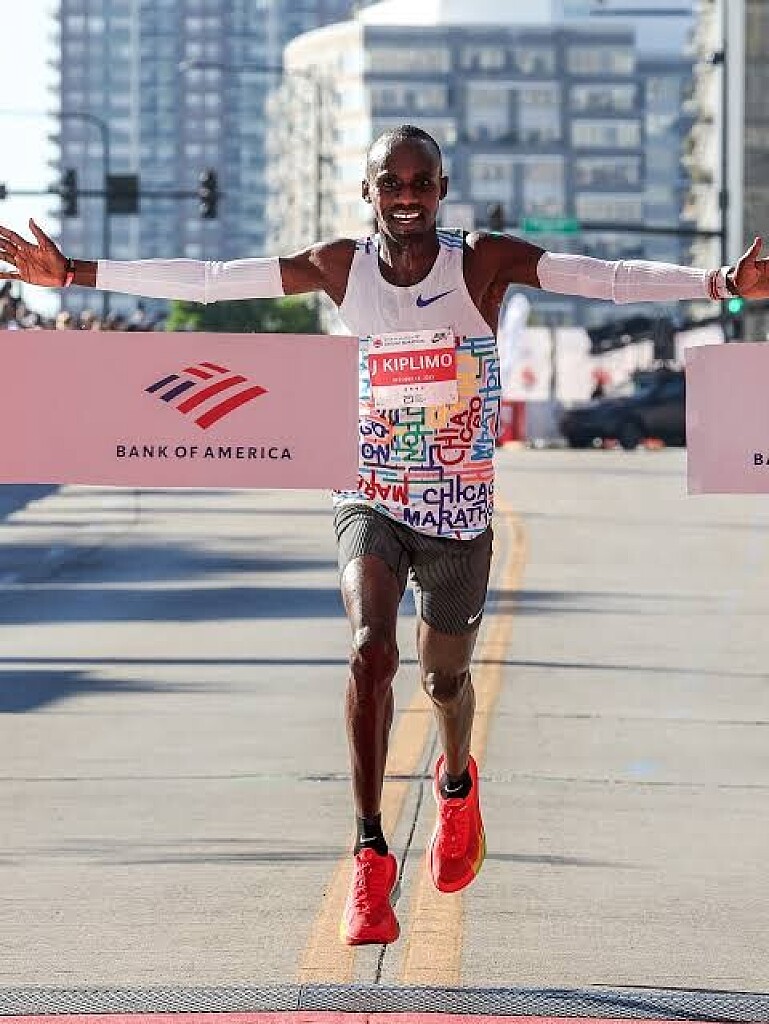
Chicago Marathon Braced For Record-Breaking Drama As Kiplimo Leads Elite Field
The streets of Chicago are set for another spectacular marathon showdown, with Uganda’s Jacob Kiplimo leading a world-class men’s field at the 2026 Bank of America Chicago Marathon on Sunday, October 11.
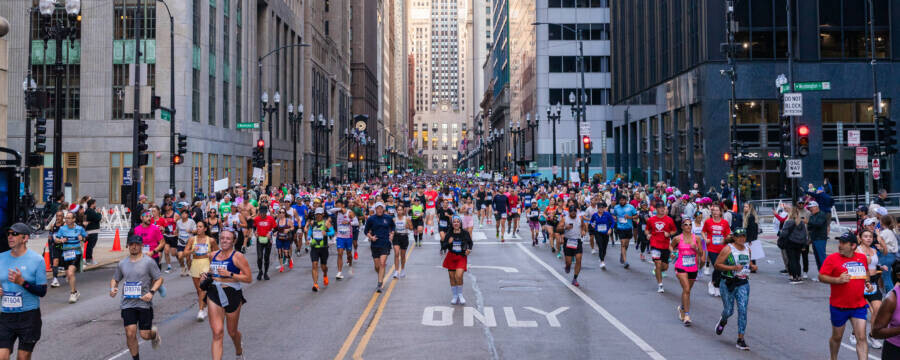
Kiplimo returns to the Windy City as the defending champion and arrives with one of the most impressive marathon resumes in the world. He has a 2:00:28 personal best, making him one of the fastest marathoners in history and a major name to watch whenever the pace turns exceptionally quick.
The current world record stands at an astonishing 1:59:30, set by Kenya’s Sabastian Sawe in London in April 2026. Ethiopia’s Yomif Kejelcha also broke the two-hour barrier in the same race with 1:59:41, while Kiplimo finished third in 2:00:28.
That means Kiplimo would need another significant improvement in Chicago to challenge the world record, but his performances this year have shown that he belongs among the select group capable of pushing marathon running towards unprecedented territory.
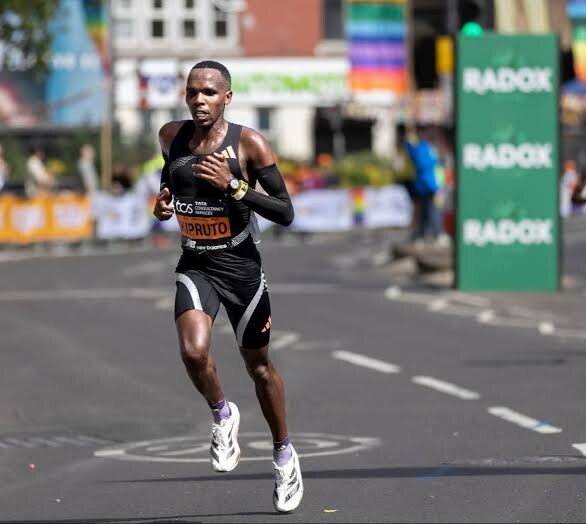
The Ugandan will face a formidable challenge from Kenya’s Amos Kipruto, who has a 2:01:39 personal best. Ethiopia’s Milkesa Mengesha follows with 2:03:17, while Kenya’s Daniel Mateiko has run 2:03:44. Ethiopia’s Asrar Hiyrden and Kenya’s Alex Masai are also among the leading contenders, with personal bests of 2:03:59 and 2:04:37 respectively.
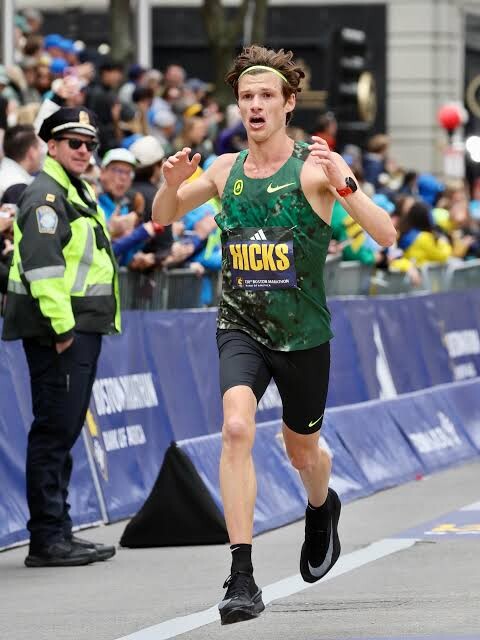
There is also a major American-record storyline in Chicago. Charles Hicks, who owns a 2:04:35 personal best, headlines the American contingent alongside Clayton Young, Vincent Mauri, Galen Rupp and Abbabiya Simbassa.
The American record currently stands at 2:04:43, set by Conner Mantz at the 2025 Chicago Marathon. Hicks therefore arrives with a personal best already faster than that mark, adding another intriguing subplot to an exceptionally deep field.
The depth of the field means Kiplimo is unlikely to have a quiet day once the pace begins to build. Kipruto brings considerable marathon experience, while Mengesha, Mateiko, Hiyrden and the other leading contenders have the credentials to remain in contention deep into the race. With Chicago known for producing fast times, the battle could become a fascinating test of pace, positioning and finishing strength.
For Kiplimo, the race represents another opportunity to strengthen his credentials over the marathon. The Ugandan has already demonstrated remarkable speed and endurance across different distances, and Chicago could provide another stage for him to test just how close he can get to the sport’s ultimate barrier.
With several elite athletes capable of running at extraordinary speeds, fans can expect the 2026 edition to deliver plenty of drama from the opening kilometres to the famous finish on Columbus Drive.
World record? American record? Or another unforgettable Chicago finish? The answers will come on October 11.
by Erick Cheruiyot for My Best Runs.
Login to leave a comment
Bank of America Chicago
Running the Bank of America Chicago Marathon is the pinnacle of achievement for elite athletes and everyday runners alike. On race day, runners from all 50 states and more than 100 countries will set out to accomplish a personal dream by reaching the finish line in Grant Park. The Bank of America Chicago Marathon is known for its flat and...
more...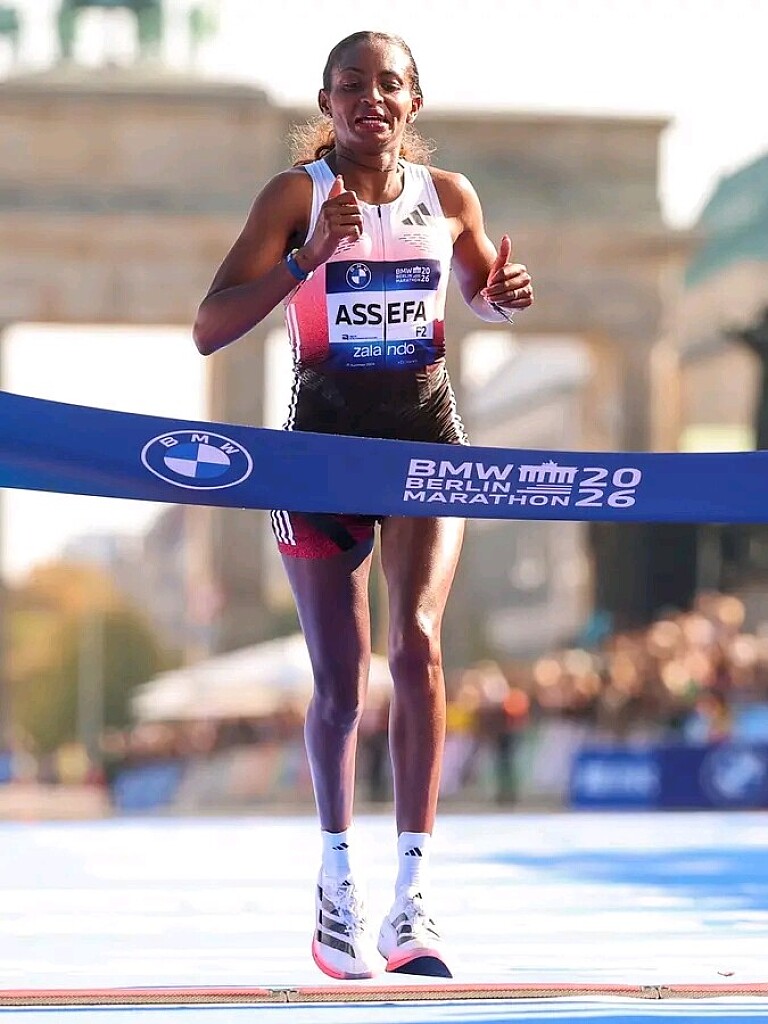
Agony In Victory: Tigst Assefa Fights Through Final-Kilometre Struggles To Win Berlin Marathon
Ethiopia’s Tigst Assefa produced one of the most dramatic performances of the 2026 BMW Berlin Marathon, winning the women’s race in a stunning 2:11:04 after seeing a potential world-record run unravel in the closing stages.
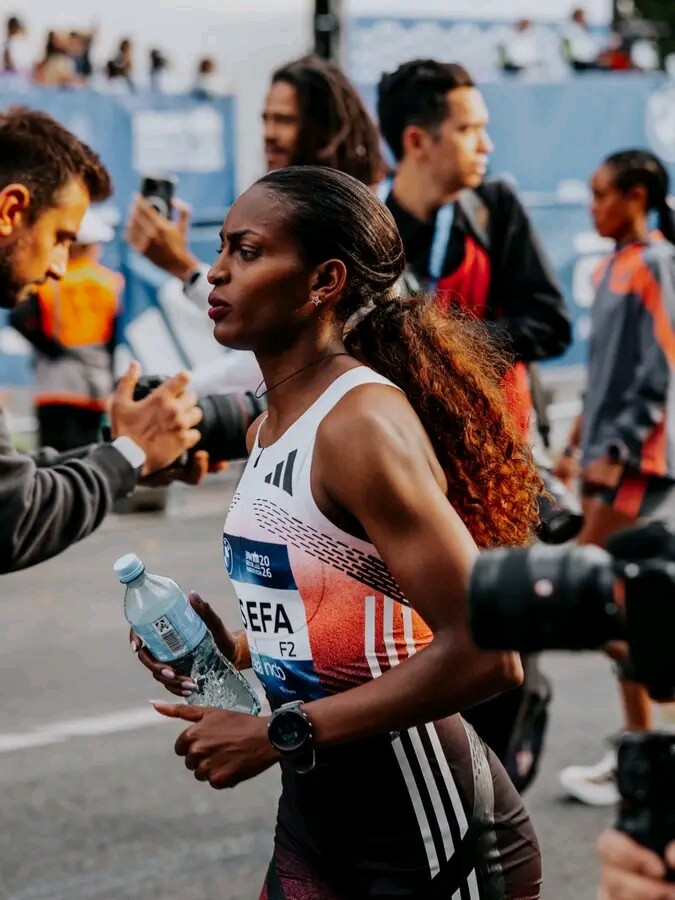
The 29-year-old Ethiopian arrived in Berlin with one enormous target in mind—the 2:09:56 world record set by Kenya’s Ruth Chepngetich in Chicago in 2024. For much of the morning, Assefa looked perfectly positioned to attack the mark.
Running patiently behind her pacers, she remained on world-record schedule through halfway. At 35 kilometres, the Ethiopian was still moving at a pace that put the global record within reach, and even with only seven kilometres remaining, the possibility of history remained very much alive.
Then the race changed dramatically.
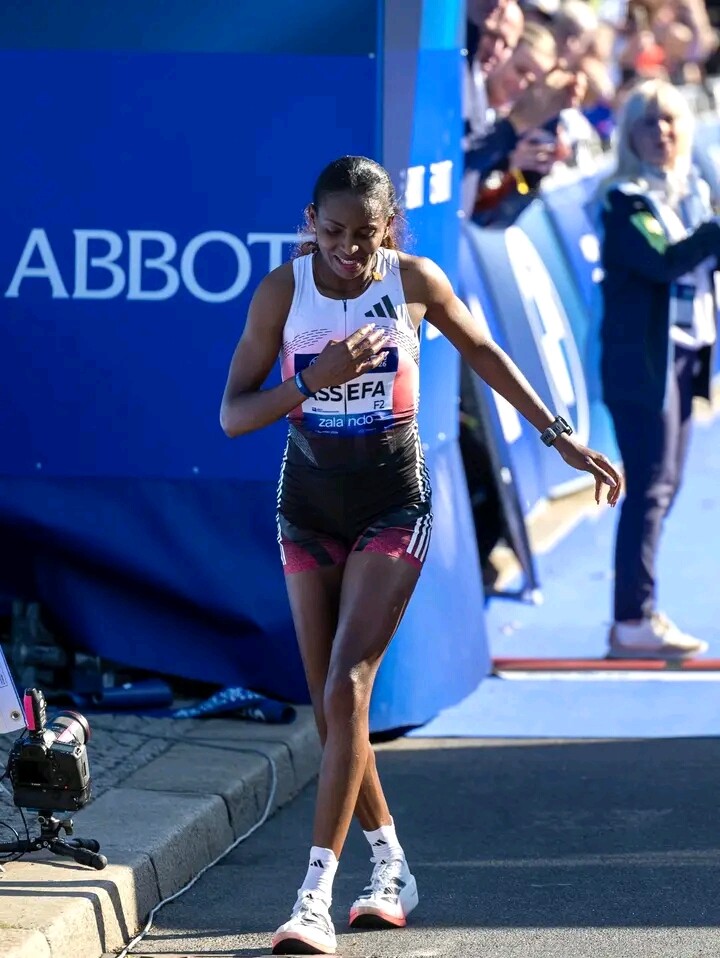
As the kilometres ticked down, Assefa’s pace began to slip. In the closing kilometre, she appeared to be struggling badly and started to limp, turning what had been a world-record assault into a desperate battle to reach the finish line.
The record was gone—but Assefa refused to surrender the race.
Despite the apparent physical setback and the immense fatigue of the final stages, she kept moving forward and crossed the line in 2:11:04, securing her third Berlin Marathon victory.
The final time was 1 minute and 8 seconds outside Chepngetich’s world record, but Assefa still walked away with an extraordinary collection of achievements: a new personal best and a new Berlin course record.
And the course record she broke was her own.
Assefa previously ran 2:11:53 in Berlin in 2023, a performance that established a world record at the time. Three years later, she returned to the same course and took an astonishing 49 seconds off that mark.
The performance also places Assefa among the fastest women ever to run the marathon, with only two women having recorded faster times.
Her Berlin story has now entered another remarkable chapter. Assefa has won the prestigious race three times—2022, 2023 and 2026—and each victory has come with a course record.
Her relationship with the German capital has therefore become extraordinary. Berlin has repeatedly been the place where Assefa has transformed ambition into historic performances, and Sunday was no different, even though the world record ultimately remained beyond her reach.
Her remarkable season had already included another major achievement. Five months ago in London, Assefa lowered her own women-only marathon world record to 2:15:41, further establishing herself as one of the defining marathoners of her generation.
But Berlin demanded something different from her.
This was no longer simply about speed. It became a test of resilience as the world-record dream disappeared and the final kilometre became a fight against exhaustion and apparent physical discomfort.
Assefa kept going.
She pushed through the pain, reached the finish line and secured another historic victory on the streets that have played such a defining role in her career.
Behind Assefa, Ethiopia dominated the front of the field, with Bratu Hirpa and Dera Dida completing an Ethiopian 1-2-3. Bekelech Gudeta and Alemitu Tariku also finished inside the top five, underlining the depth of the Ethiopian challenge. Kenya’s Pascaline Jelagat led the Kenyan contingent in sixth, followed by Ethiopia’s Misgane Alemayehu, while Ludwina Chepngetich and Evaline Chirchir finished eighth and ninth respectively.
Top 10 Women’s Results – 2026 BMW Berlin Marathon
1. Tigst Assefa (Ethiopia) — 2:11:04
2. Bratu Hirpa (Ethiopia) — 2:16:53
3. Dera Dida (Ethiopia) — 2:16:55
4. Bekelech Gudeta (Ethiopia) — 2:18:58
5. Alemitu Tariku (Ethiopia) — 2:19:01
6. Pascaline Jelagat (Kenya) — 2:20:23
7. Misgane Alemayehu (Ethiopia) — 2:20:27
8. Ludwina Chepngetich (Kenya) — 2:21:25
9. Evaline Chirchir (Kenya) — 2:21:32
10. Aminet Ahmed (Ethiopia) — 2:21:45
The world record survived in Berlin. Her own course record did not.
And perhaps that is what makes the 2026 edition of the BMW Berlin Marathon another unforgettable chapter in the remarkable story of Tigst Assefa.
by Erick Cheruiyot for My Best Runs.
Login to leave a comment

BMW Berlin Marathon
The story of the BERLIN-MARATHON is a story of the development of road running. When the first BERLIN-MARATHON was started on 13th October 1974 on a minor road next to the stadium of the organisers‘ club SC Charlottenburg Berlin 286 athletes had entered. The first winners were runners from Berlin: Günter Hallas (2:44:53), who still runs the BERLIN-MARATHON today, and...
more...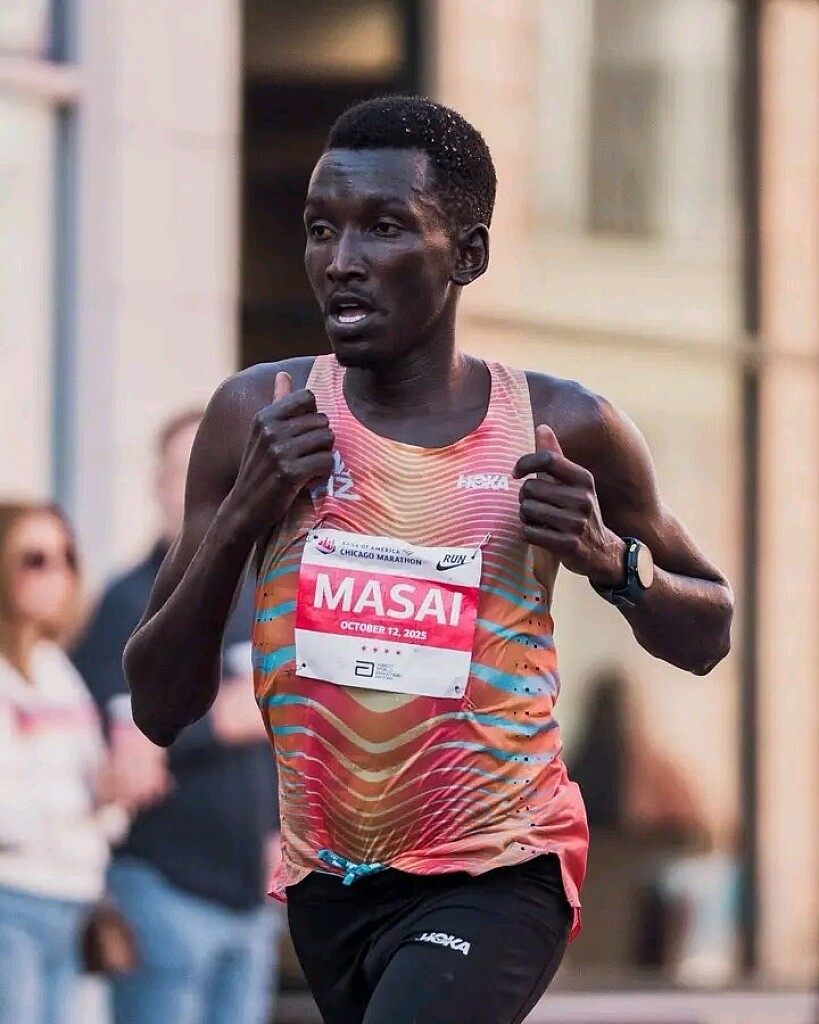
Bashir Abdi Added to Chicago Marathon as Alex Masai Withdraws
Bashir Abdi has been added to the elite men’s field for the 2026 Bank of America Chicago Marathon, while Kenya’s Alex Masai has withdrawn from the October 11 race.
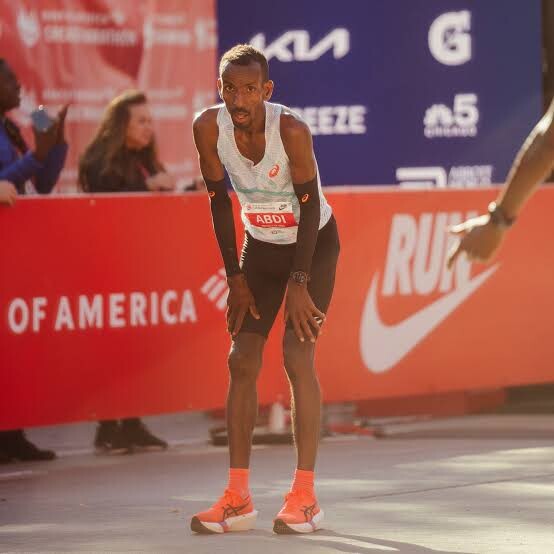
Masai finished third in the 2025 edition in a personal-best 2:04:37, making his withdrawal a notable change to the field. He will no longer line up alongside some of the world’s leading marathoners, including defending champion Jacob Kiplimo of Uganda.
Masai joins Americans Zach Panning, who has a 2:09:16 personal best, Jacob Thomson (2:09:51) and Felicia Pasadyn (2:35:17) on the withdrawal list.
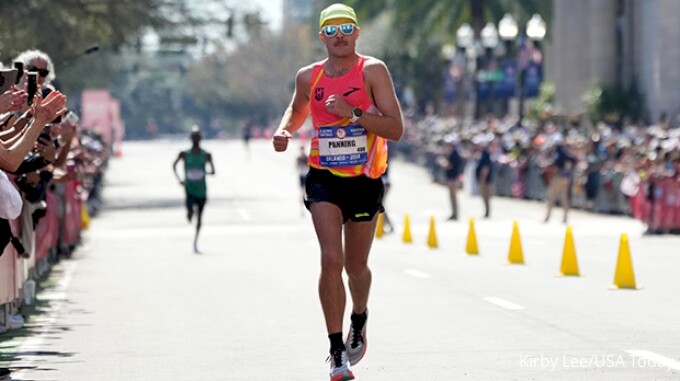
On the other side of the update, Abdi strengthens an already competitive men’s lineup. The Belgian is a two-time Olympic medalist, having won bronze in Tokyo and silver in Paris, and owns the European marathon record of 2:03:36, set in Rotterdam in 2021.
Abdi also knows the Chicago course well, having finished 10th in last year’s race in 2:07:08. His return gives him another opportunity to make a stronger statement on one of the world’s major marathon stages.
Norway’s Sondre Nordstad Moen has also been included in the updated field. Moen previously held the European marathon record after running 2:05:48 in Fukuoka in 2017, before Abdi lowered the mark four years later.
The American contingent has also been strengthened with the additions of Matt Richtman, Nathan Martin, Brian Shrader, Ben Rosa and Frank Lara, while Cole Sprout is set to make his marathon debut.
Sara Vaughn is among the notable women’s additions. She returns to Chicago after recording her personal-best 2:23:24 at the 2023 edition.
The 2026 Chicago Marathon will be held on Sunday, October 11, with the elite field continuing to take shape ahead of race day.
by Erick Cheruiyot for My Best Runs.
Login to leave a comment
Bank of America Chicago
Running the Bank of America Chicago Marathon is the pinnacle of achievement for elite athletes and everyday runners alike. On race day, runners from all 50 states and more than 100 countries will set out to accomplish a personal dream by reaching the finish line in Grant Park. The Bank of America Chicago Marathon is known for its flat and...
more...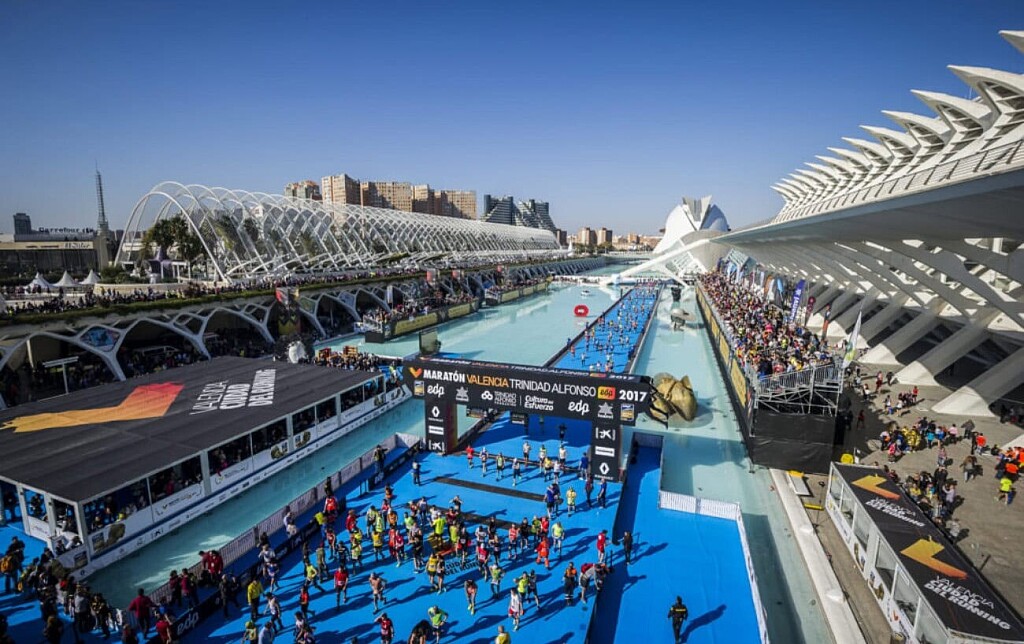
Valencia Marathon Offers €1 million World Record Jackpot As Kejelcha And Korir Lead Star-Studded Field
The road to marathon history will lead to Valencia on December 6, where the 2026 Valencia Marathon has put a staggering €1 million — approximately KSh 148.7 million — on the line for any athlete who breaks the official marathon world record on its fast Spanish streets.
According to the race's official 2026 regulations, the million-euro bonus is available separately for both the men's and women's world records. The target for men is 1:59:30, while the women's target is 2:09:56. Athletes must be officially entered in the race, and the performances must pass the required recognition and anti-doping procedures.
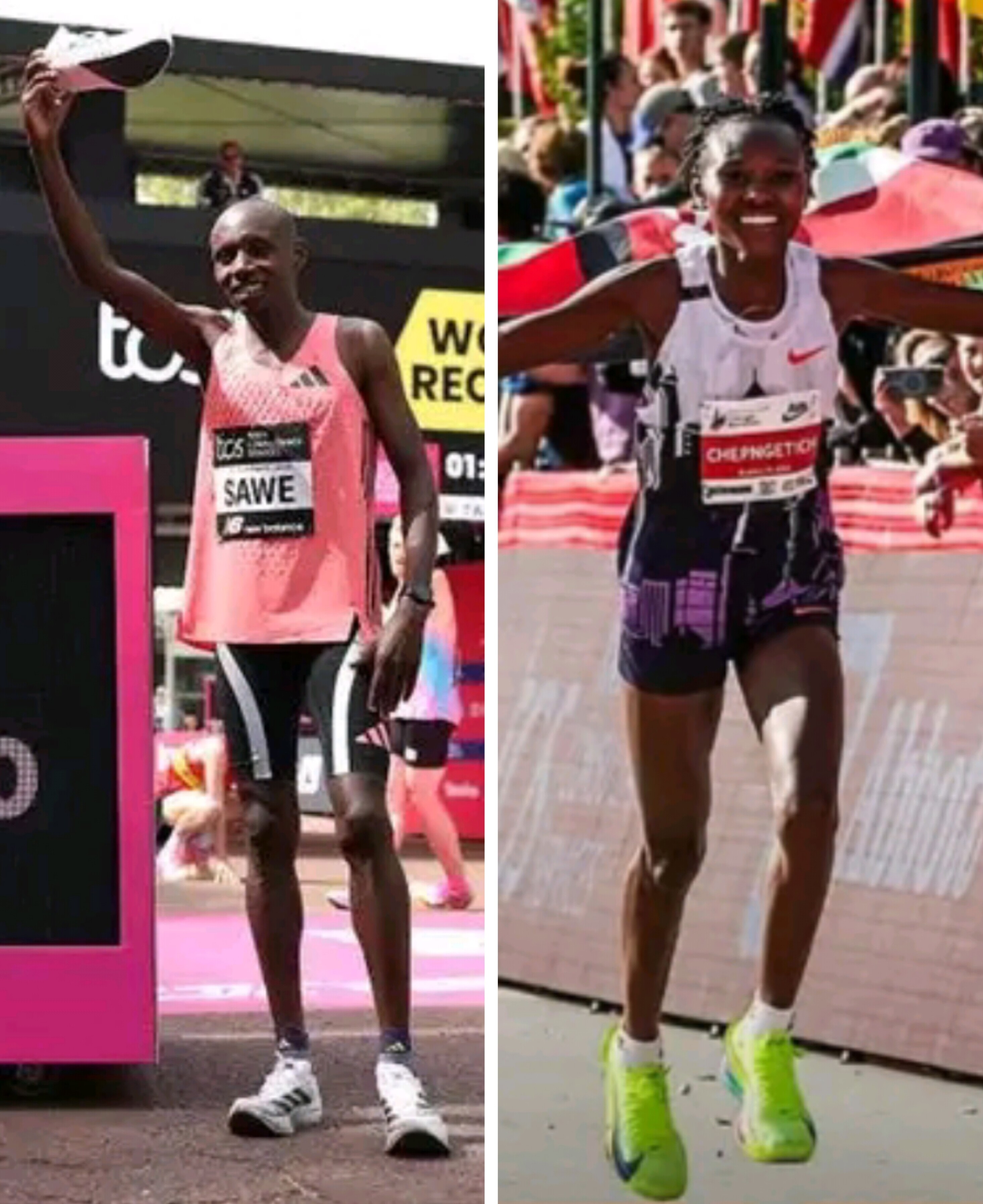
The men's benchmark was established by Kenya's Sabastian Sawe when he became the first man to officially break the two-hour barrier, running 1:59:30 at the 2026 London Marathon. Ethiopia's Yomif Kejelcha finished second that day in 1:59:41, becoming the second-fastest marathoner in history at the time and producing the fastest marathon debut ever.
On the women's side, the mark to beat remains Kenya's Ruth Chepngetich's 2:09:56, set at the 2024 Chicago Marathon. That performance made her the first woman to officially run under 2:10 for the marathon.
The enormous incentive is closely connected to the ambition of Valencia's running movement and the backing of businessman and philanthropist Juan Roig, whose Trinidad Alfonso Foundation has played a major role in supporting the marathon and the wider development of athletics in Valencia. Roig has previously spoken about the ambition of bringing the marathon world record to the city.
And the timing could hardly be more intriguing.
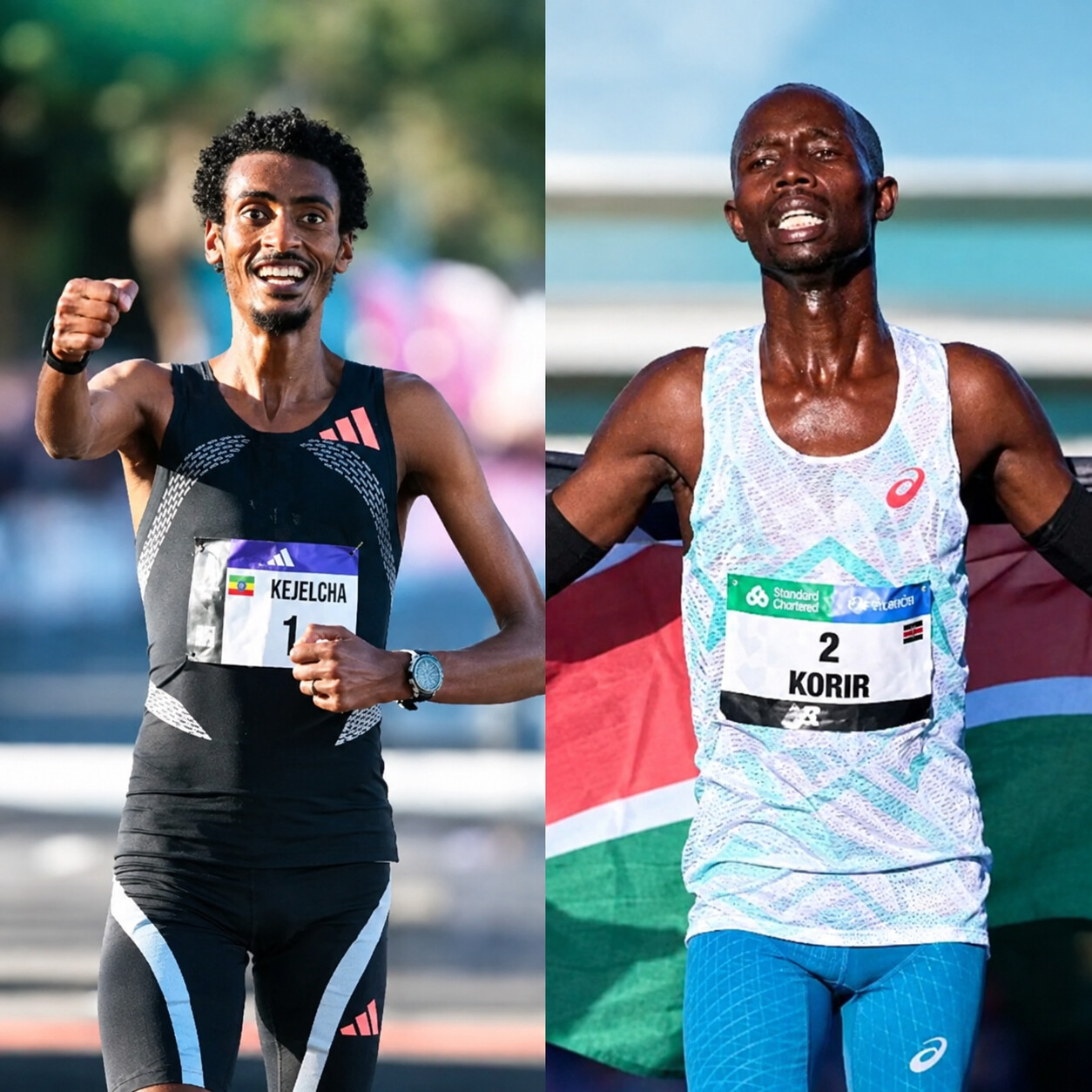
Kejelcha will return to Valencia for his second marathon, while defending champion John Korir of Kenya will be back after winning the 2025 edition in 2:02:24. The official elite announcement also includes Alexander Mutiso, Dawit Wolde and Nibret Melak, creating an exceptionally deep men's field.
Kejelcha arrives with a remarkable 1:59:41 from London, meaning he has already demonstrated the ability to sustain the extraordinary pace required to challenge the two-hour barrier. Korir, meanwhile, knows the Valencia course intimately and will be seeking to defend his title while chasing an even faster performance.
Valencia has earned its reputation as one of the world's fastest marathon destinations. Its course record currently stands at 2:01:48, set by Ethiopia's Sisay Lemma in 2023, while the 2025 edition saw Joyciline Jepkosgei run 2:14:00, the fastest women's marathon of that year.
With KSh 148 million-plus waiting for a successful world-record assault, a defending champion hungry for another victory and Kejelcha returning after coming within 11 seconds of the men's world record in London, Valencia is shaping up to be one of the most closely watched marathons of 2026.
On December 6, the question will be simple: will Valencia finally witness another marathon world record — and send one athlete home with a seven-figure euro cheque?
by Erick Cheruiyot for My Best Runs.
Login to leave a comment

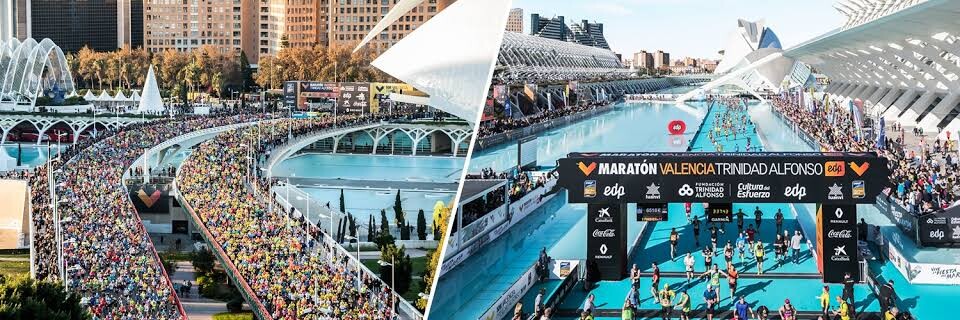
VALENCIA TRINIDAD ALFONSO
The Trinidad Alfonso EDP Valencia Marathon is held annually in the historic city of Valencia which, with its entirely flat circuit and perfect November temperature, averaging between 12-17 degrees, represents the ideal setting for hosting such a long-distance sporting challenge. This, coupled with the most incomparable of settings, makes the Valencia Marathon, Valencia, one of the most important events in...
more...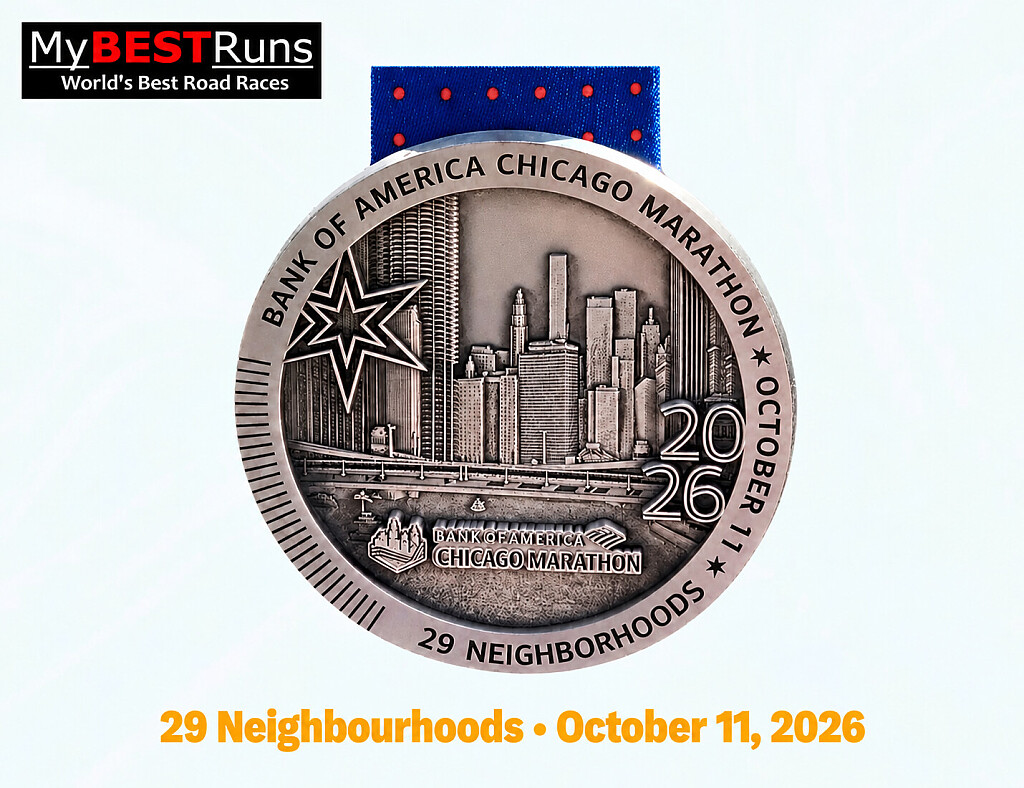
2026 Chicago Marathon Unveils A Stunning Medal Celebrating The City’s Iconic Route
The 2026 Bank of America Chicago Marathon has unveiled its official finisher medal, giving thousands of runners another exciting reason to look forward to one of the world’s most celebrated marathons.
Designed as a tribute to the city and its legendary 26.2-mile course, the medal beautifully captures the character of Chicago while reflecting the experience runners will have as they race through the streets of the Windy City.
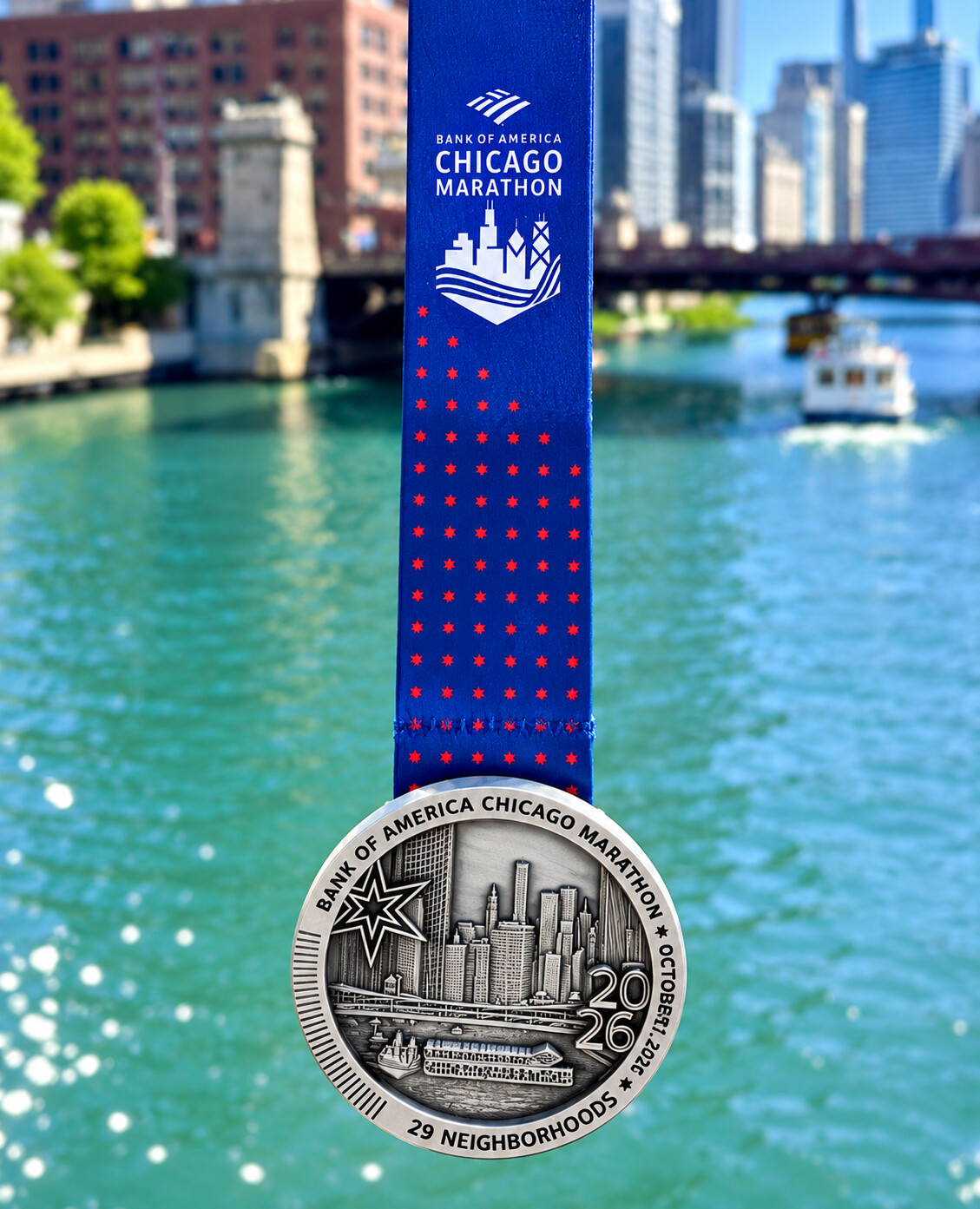
The front of the medal features the spectacular Chicago skyline rising behind the LaSalle Street Bridge, recreating an iconic view that participants will encounter during the race. While running along Wells Street, runners will be able to look to their left and see the very scene that has been immortalised on the medal.
The location is particularly meaningful because the LaSalle Street Bridge comes into view during the fourth of the six crossings of the Chicago River that runners make along the marathon course. It creates a special connection between the physical experience of race day and the keepsake runners will proudly carry home after completing the 26.2 miles.
Turning the medal over reveals another remarkable detail, with all 29 neighbourhoods featured along the iconic marathon route. In this way, the medal becomes more than a finishing award—it serves as a lasting celebration of the communities, landmarks and streets that define the Chicago Marathon experience.
For those who earn it, the medal will represent far more than simply completing 26.2 miles. It will carry memories of months of preparation, demanding training sessions, personal sacrifices and the emotional journey of finally reaching the finish line.
The design also gives runners a unique opportunity to carry a piece of Chicago with them long after race day. Every glance at the medal will serve as a reminder of the streets they conquered, the river crossings they navigated and the atmosphere of a city that comes alive for marathon weekend.
With anticipation building among elite athletes and thousands of runners from around the world, the unveiling of the medal marks another exciting milestone on the road to race day. Chicago is preparing once again for a spectacular celebration of distance running—and this year’s medal promises to make the achievement even more memorable.
by Erick Cheruiyot for My Best Runs.
Login to leave a comment
Bank of America Chicago
Running the Bank of America Chicago Marathon is the pinnacle of achievement for elite athletes and everyday runners alike. On race day, runners from all 50 states and more than 100 countries will set out to accomplish a personal dream by reaching the finish line in Grant Park. The Bank of America Chicago Marathon is known for its flat and...
more...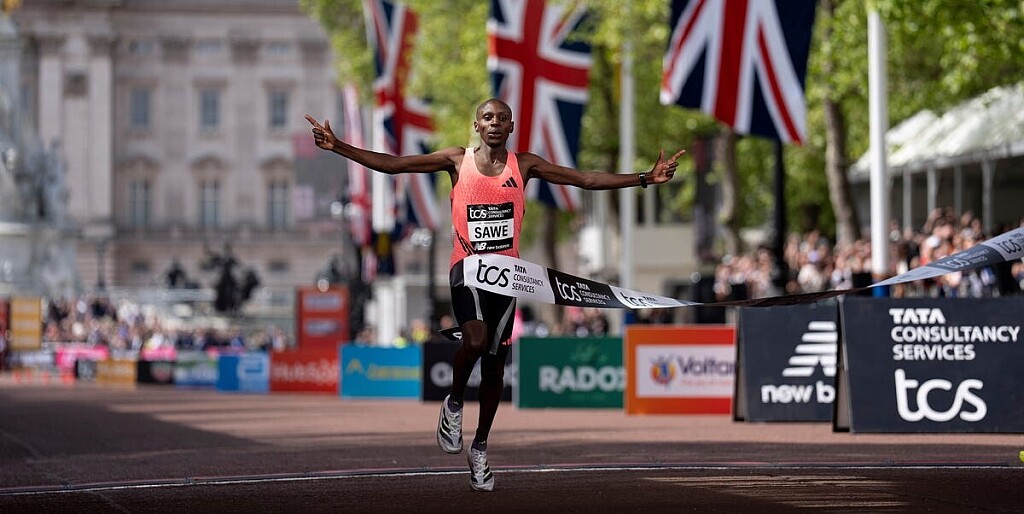
Marathon Majors Course Records: Where Speed, History And The Course Collide
The world’s biggest marathons are united by prestige, elite fields and unforgiving 26.2-mile battles, but their course records tell very different stories. From Tokyo to Sydney, each course has its own character, while London and Chicago have become synonymous with extraordinary speed.
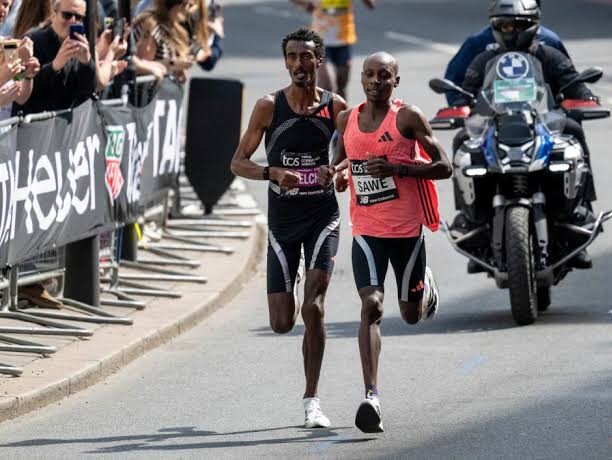
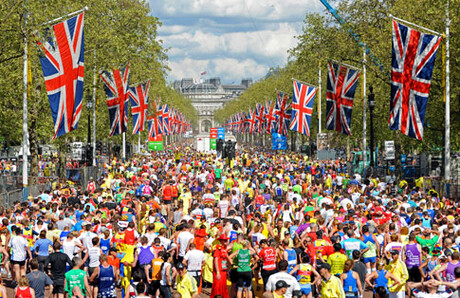
At the top of the men’s list stands the London Marathon, where Kenya’s Sabastian Sawe produced one of the greatest performances in road-running history. Sawe clocked 1:59:30 in April 2026, becoming the first athlete to officially break the two-hour barrier in a marathon. His performance also lowered the world record from Kelvin Kiptum’s previous mark of 2:00:35.
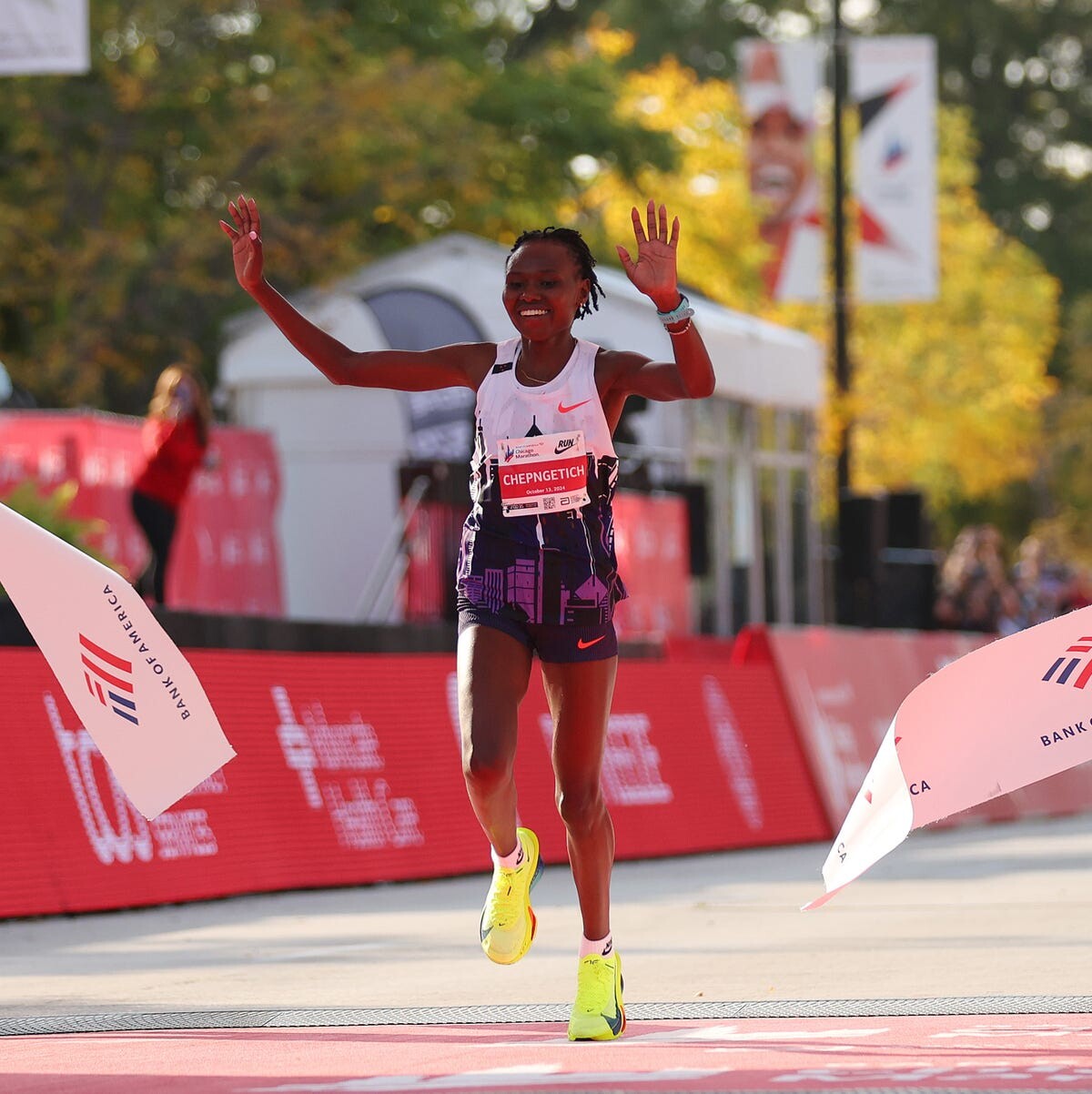
Chicago, meanwhile, owns one of the most remarkable records in women’s marathon history. Kenya’s Ruth Chepngetich ran 2:09:56 in 2024, becoming the first woman to break the 2:10 barrier. The performance remains a landmark in the event’s history and gives Chicago a special place among the fastest marathon courses in the world.
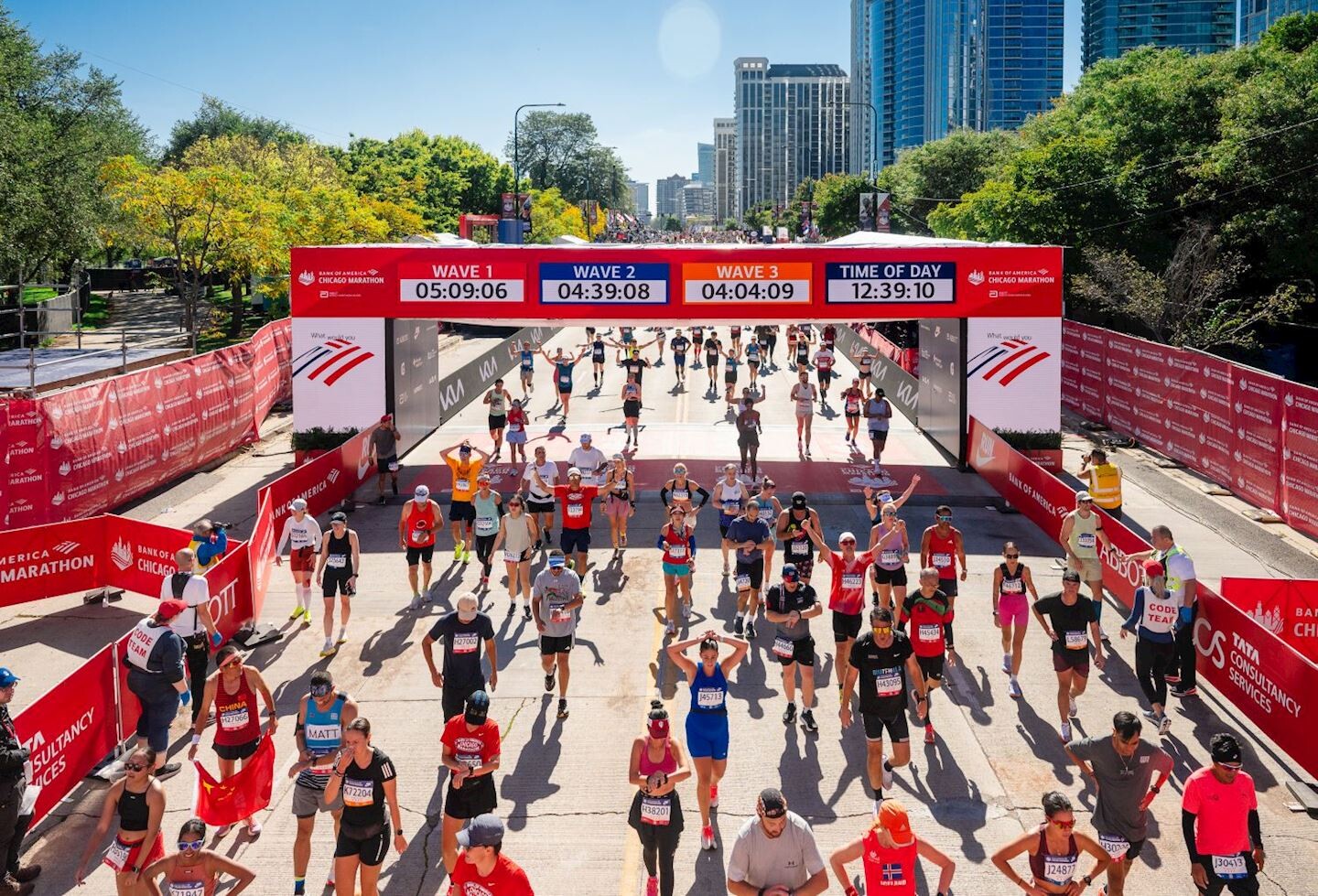
The men’s Chicago record is 2:00:35, set by the late Kelvin Kiptum in 2023. That performance stood as the world record until Sawe’s extraordinary 1:59:30 in London in 2026.
Then there is Berlin, perhaps the most celebrated world-record factory in marathon history. Kenya’s Eliud Kipchoge holds the men’s course record at 2:01:09, while Ethiopia’s Tigist Assefa owns the women’s mark at 2:11:53. Berlin has hosted numerous men’s world records over the years, underlining its reputation as one of the fastest marathon courses on the planet.
The elevation figures help explain why the courses produce such different performances. Berlin has relatively modest elevation changes, creating a fast and rhythm-friendly route. Other Majors present considerably greater challenges.
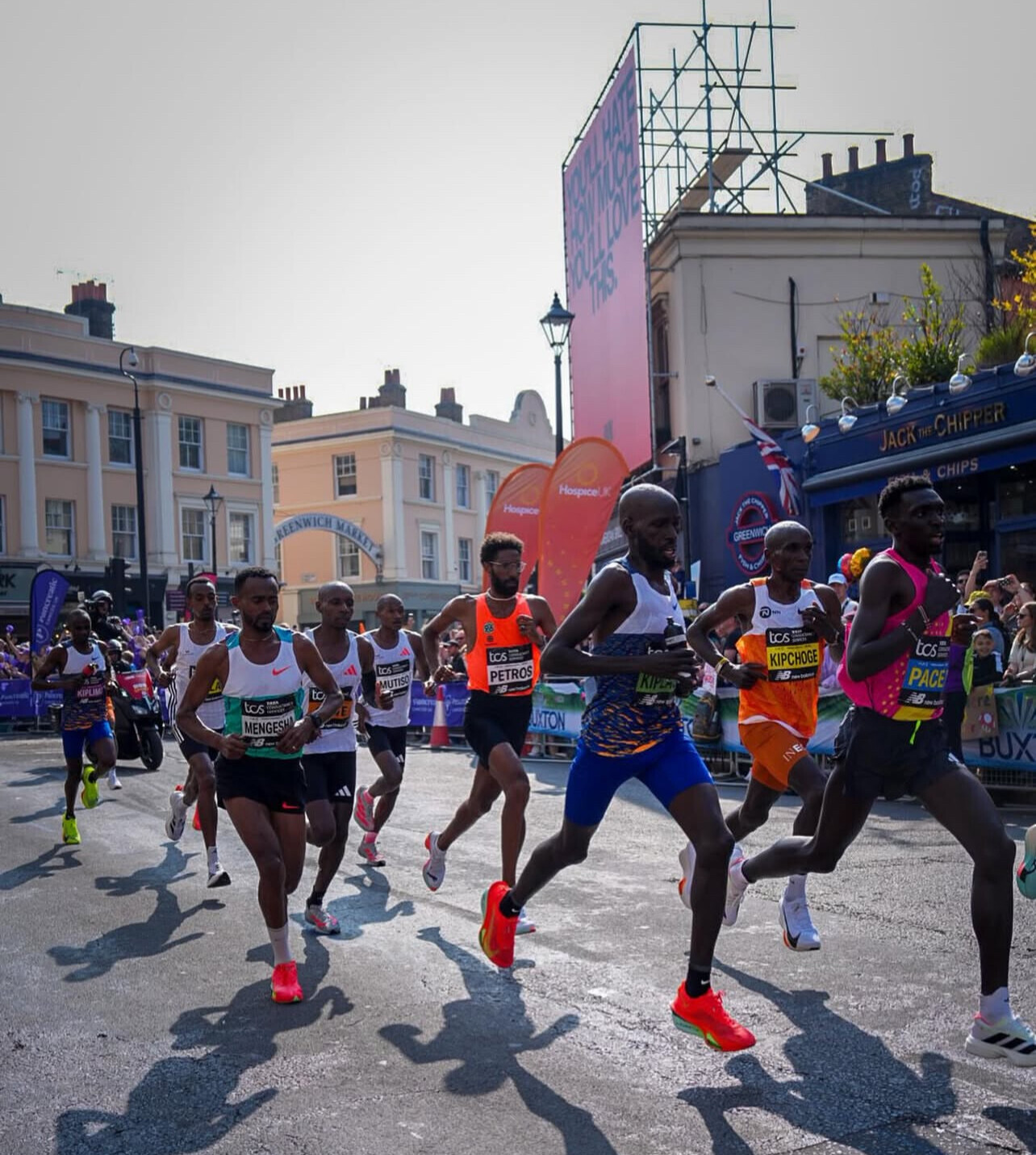
Boston, for example, climbs 248 metres but descends 388 metres. Its famous point-to-point layout and net downhill profile make it exceptionally fast in places, but its course does not qualify for official world-record purposes because the elevation drop exceeds the limit permitted by World Athletics.
New York City is a completely different proposition. With approximately 246 metres of climbing, it is among the toughest Major Marathon courses, demanding strength and tactical patience rather than simply raw speed. Its records therefore carry a different kind of significance, earned on a course that tests athletes through bridges, climbs and a demanding closing stretch into Central Park.
Tokyo offers another fast but distinctive challenge, with Benson Kipruto holding the men’s course record in 2:02:16. Brigid Kosgei’s 2:14:29 remains the women’s course record, illustrating the exceptional standard required to rewrite the record books in the Japanese capital.
And then there is Sydney, the newest addition to the Abbott World Marathon Majors family. Its course has already produced outstanding performances, with Addisu Gobena’s 2:04:42 listed as the men’s course record and Sifan Hassan’s 2:18:22 as the women’s mark in the graphic. With its demanding elevation profile, those performances underline just how quickly the Sydney course has established itself among the world’s major marathon stages.
What makes these records fascinating is that they cannot be judged by the clock alone. A 2:01 on a fast, record-legal course is a completely different achievement from a 2:04 on a demanding route, while Boston’s unique course rules mean that even exceptionally fast performances cannot enter the official world-record conversation.
For decades, marathon greatness was largely measured by who could run fastest. Today, the Majors show that where the time is run can be almost as important as the time itself. From Sawe’s historic sub-two-hour breakthrough in London to Chepngetich’s barrier-breaking run in Chicago and Berlin’s remarkable record history, these performances represent different chapters of marathon history—and the next chapter could be written at any Major.
by Erick Cheruiyot for My Best Runs.
Login to leave a comment
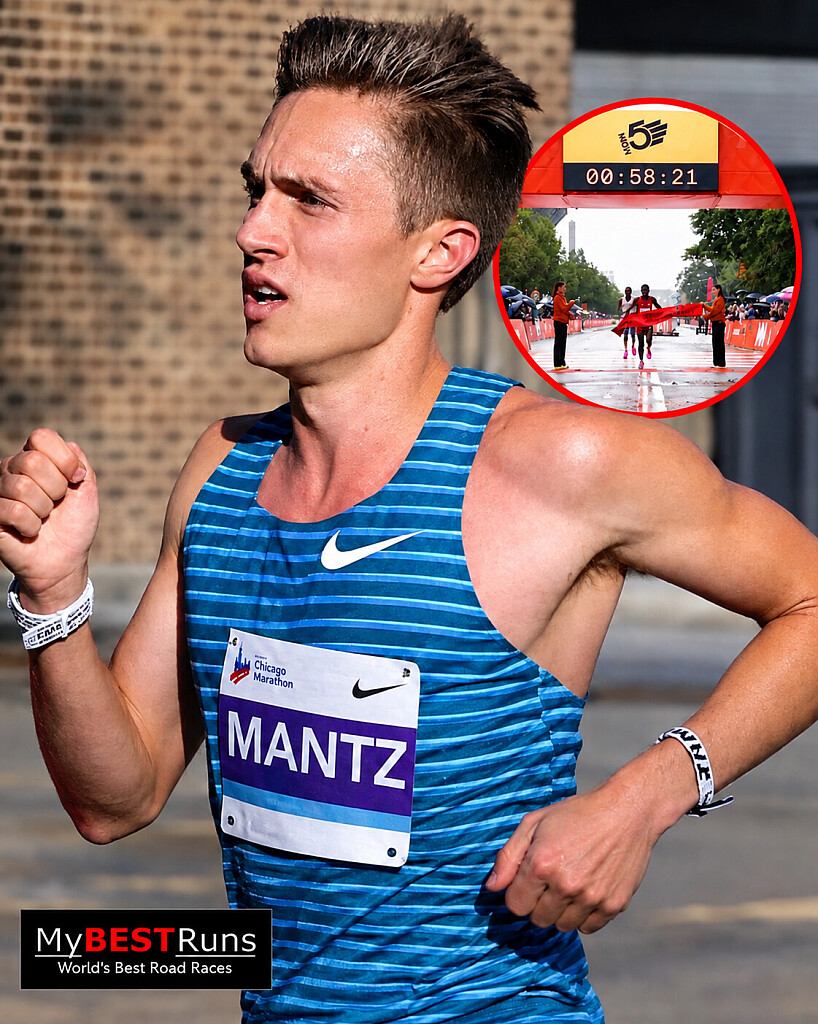
Conner Mantz’s Long Road Back: From American Record Holder to World Championship Return
Less than a year ago, Conner Mantz was rewriting American distance-running history. Now, after months of injury, rehabilitation and rebuilding, the American record holder is preparing for another major test — this time on the world stage in Copenhagen.
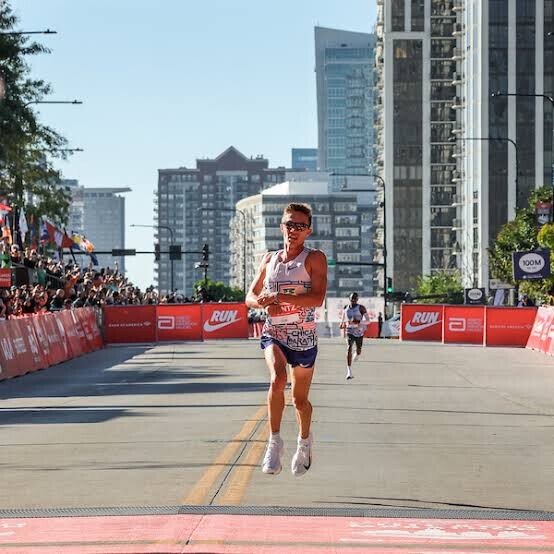
On October 12, 2025, Mantz produced the performance of his career at the Chicago Marathon, running 2:04:43 to break Khalid Khannouchi’s long-standing American record of 2:05:38, set in London in 2002. The performance made Mantz the fastest American marathoner in history and confirmed his place among the country’s elite distance runners.
But what followed was far removed from the glory of Chicago.
Only weeks after the marathon, Mantz began experiencing hip pain that was eventually diagnosed as a sacral stress fracture. The injury forced him away from running for 12 weeks and disrupted what had been shaping up to be another important season. He ultimately withdrew from the 2026 Boston Marathon during race week after acknowledging that his fitness had not returned sufficiently.
Rather than forcing the comeback, Mantz had to rebuild from the ground up.
Swimming became a major part of that process. Long sessions in the pool gradually became faster, with his pace progressing from around 1:43 per 100 yards to below 1:30. Some sessions stretched close to three hours. Cycling also became part of his training, while running was carefully introduced whenever his body allowed it — and stopped whenever the injury demanded caution.
For an athlete accustomed to racing at the highest level, it was a frustrating period of patience.
Mantz finally returned to competition at the ASICS Falmouth Road Race in August, almost ten months after his historic Chicago performance. He finished as the second American, a result that may not have been the comeback statement he wanted, but was nevertheless an important step forward.
Now comes a much bigger examination.
On Sunday, September 20, Mantz will line up in Copenhagen for the men's half marathon at the 2026 World Athletics Road Running Championships. It will be his first global championship appearance since the Paris 2024 Olympics.
And Mantz is not arriving merely as another member of the American team. He is the reigning American record holder in the half marathon.
That record came in 2025, when he ran 59:17 in Houston to erase Ryan Hall's 59:43 American record, which had stood for 18 years.
In the same year, Mantz would go on to claim the American marathon record as well.
Two national records. One extraordinary season. Then an injury that forced him to step away from the racing world for months.
Now, the question is no longer simply how fast Mantz can run on his best day. It is about what remains after everything he has been through.
Copenhagen offers the perfect stage for that answer. With the world's best runners gathered for a global title, Mantz will have the opportunity to measure himself against the strongest competition while continuing his journey back to his best.
He has already shown that he can break records. He has already shown that he can compete with the world's best.
This time, he is simply trying to rediscover the runner who did it.
Records can redefine the ceiling. Injuries can force an athlete to rediscover the foundation. On Sunday in Copenhagen, we will find out just how much of the old Conner Mantz is back — and how much stronger the journey has made him.
by Erick Cheruiyot for My Best Runs.
Login to leave a comment
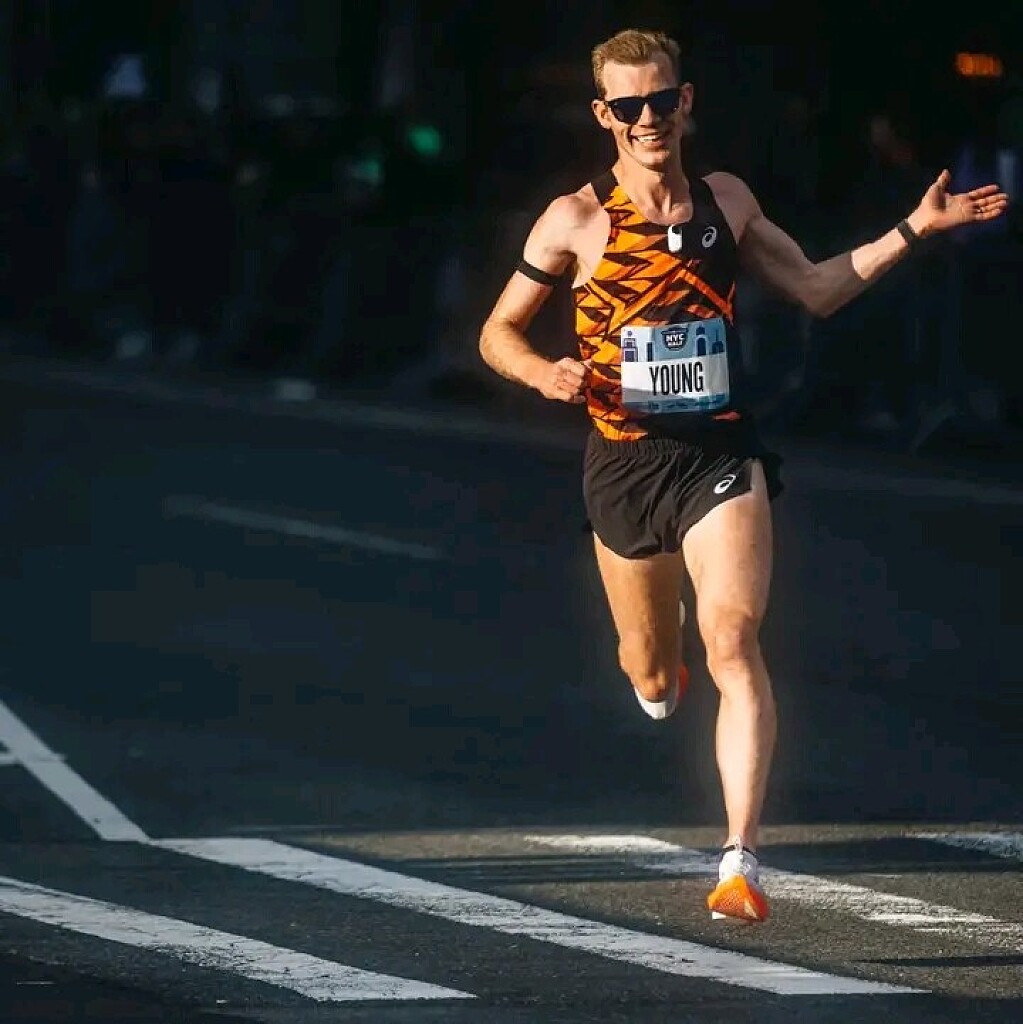
A Sneaky Road Race to Watch This Weekend: Great North Run Set for a Star-Studded Showdown
The road racing spotlight will turn to Newcastle this Sunday as the 2026 AJ Bell Great North Run brings together an impressive international men's field featuring several of America's leading distance runners alongside proven global stars.
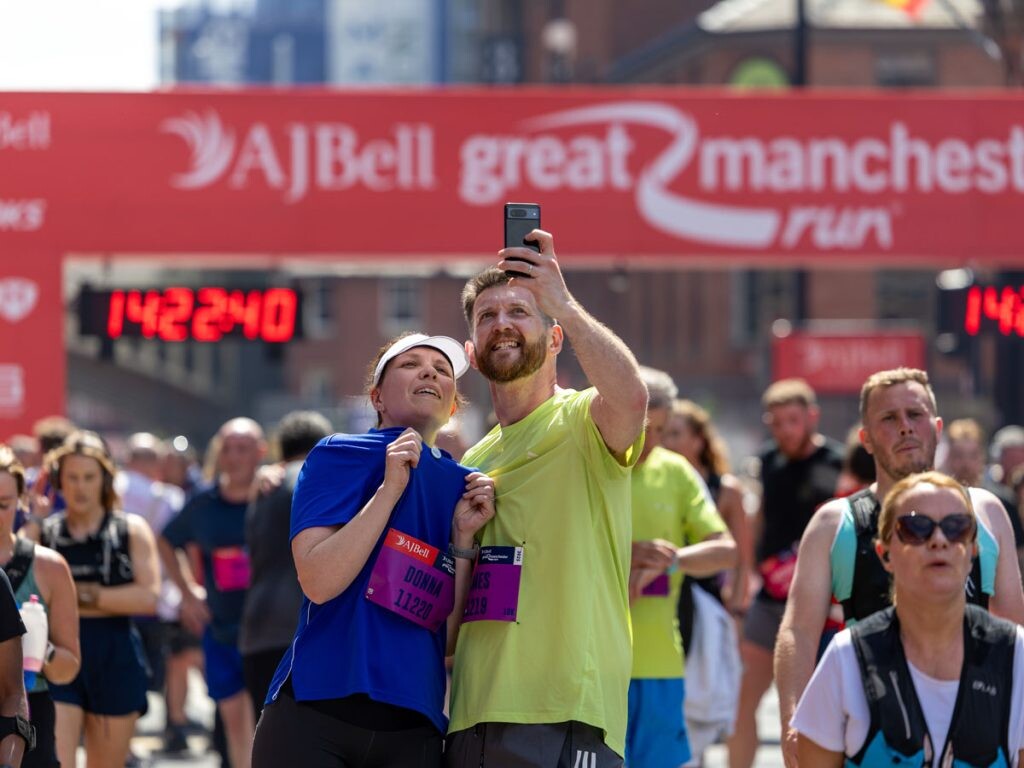
The iconic half marathon from Newcastle upon Tyne to South Shields is once again shaping up to be one of the most intriguing road races of the weekend, with a deep field capable of producing a highly competitive battle over 13.1 miles.
Leading the American challenge is Clayton Young, who heads into the race with an important autumn marathon campaign already on his mind. Young recently announced plans to make an attempt at the American marathon record at the Chicago Marathon later this fall, making Sunday's race an interesting opportunity to gauge his fitness ahead of that major target.
However, Young will face plenty of quality opposition.
The American contingent also includes Zouhair Talbi, Casey Clinger, Woody Kincaid, Jared Ward and Jake Barraclough, giving the United States considerable depth in the men's field.
Kincaid is particularly intriguing. The USATF 10K champion has already established himself as one of America's most accomplished distance runners and will be looking to continue building his reputation on the roads against an international field.
The global challenge is equally strong.
Alex Mutiso of Kenya, Abdi Nageeye of the Netherlands, Ethiopia's Deresa Geleta, Italy's Iliass Aouani, Britain's Ben Connor and Andy Butchart, as well as a strong contingent from Japan, add plenty of experience and firepower to the race.
With athletes arriving at different stages of their seasons and several already looking toward major autumn targets, the Great North Run could produce a fascinating tactical battle before the final miles decide who has the strength to take control.
Selected Men's Elite Entries
1. Clayton Young — United States
2. Casey Clinger — United States
3. Zouhair Talbi — United States
4. Woody Kincaid — United States
5. Jared Ward — United States
6. Jake Barraclough — United States
7. Alex Mutiso — Kenya
8. Abdi Nageeye — The Netherlands
9. Deresa Geleta — Ethiopia
10. Ben Connor — Great Britain
11. Taiga Hirayama — Japan
12. Ayumu Kobayashi — Japan
13. Tatsuya Maruyama — Japan
14. Kosei Matsunami — Japan
15. Yohei Ikeda — Japan
16. Shoya Yonei — Japan
17. Iliass Aouani — Italy
18. Andy Butchart — Great Britain
19. Alfie Manthorpe — Great Britain
20. Calum Johnson — Great Britain
The 2026 AJ Bell Great North Run will take place on Sunday, September 13, with the elite men's race scheduled to get underway in Newcastle.
It may be a half marathon, but this is certainly not a race to overlook. With Young preparing for Chicago, Kincaid continuing to make his mark on the roads and an international field packed with talent, the Great North Run could quietly become one of the most entertaining races of the weekend.
by Erick Cheruiyot for My Best Runs.
Login to leave a comment

Great North Run
Great North Run founder Brendan Foster believes Britain is ready to welcome the world with open arms after the launch of the event's most ambitious plan to date. The Great World Run campaign seeks to recruit one runner from every country in the United Nations – 193 in total – to take part in the iconic half marathon in...
more...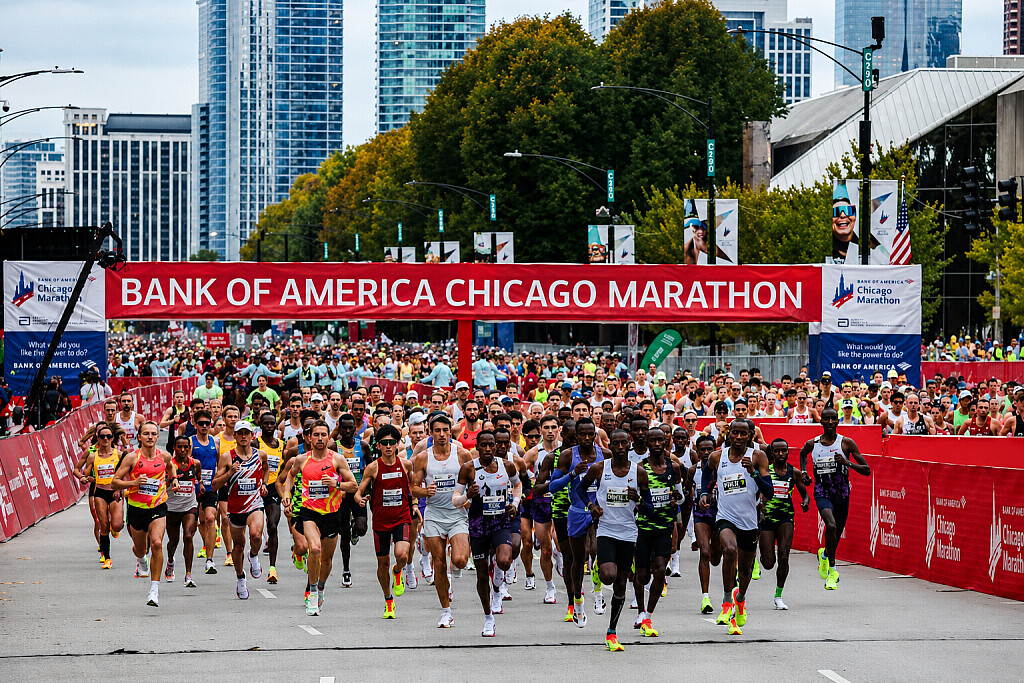
Chicago Marathon Set to Break New Ground With On-Course Personal Hydration Refills in 2026
The 2026 Bank of America Chicago Marathon is set to introduce an important new innovation that could change the way runners approach hydration during major road races.
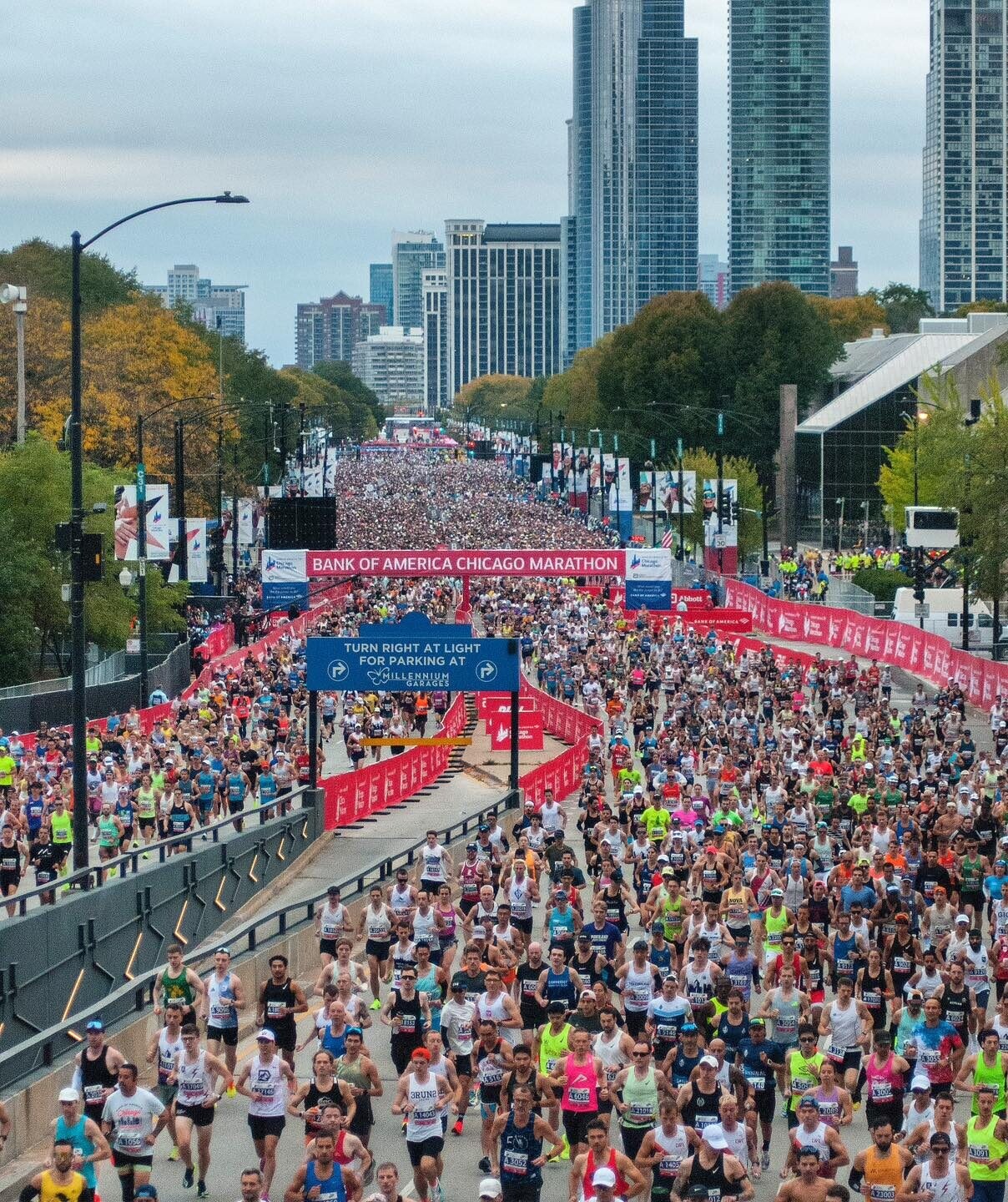
For the first time, participants in an Abbott World Marathon Major will have the opportunity to refill their own approved, self-carried hydration containers while competing on the course. The initiative will make its debut through four Culligan Water Refill Stations strategically positioned along the 26.2-mile route.

The refill stations will be located shortly before Aid Station 4 at Mile 5.7, Aid Station 7 at Mile 10.1, Aid Station 12 at Mile 15.7 and Aid Station 16 at Mile 20.3. At each location, runners carrying approved personal hydration gear will be able to stop and refill with Culligan-filtered water before continuing their race.
The move represents a significant step forward for one of the world's most prestigious marathons. Chicago will become the first Abbott World Marathon Major to formally provide runners with the opportunity to refill personal hydration containers during the race, opening the door to a potentially more sustainable approach to supporting thousands of participants over the marathon distance.

Beyond the environmental benefits, the initiative will also be fascinating to watch from a sporting perspective. Hydration is a crucial part of marathon performance, particularly for runners competing over more than two hours and for the many recreational athletes spending considerably longer on the course. The effectiveness and convenience of the refill stations, as well as how smoothly runners are able to use them without disrupting their rhythm, will be closely observed.
The project is also designed to reduce reliance on single-use hydration products while giving runners greater flexibility and control over how they manage their fluids during the race. If successfully implemented, Chicago's new approach could provide an important example for other major endurance events around the world.
Culligan International President and Chief Operating Officer Al Hamood said the company's involvement reflects its wider commitment to innovation, sustainability and improving the race-day experience for athletes.
The 2026 Chicago Marathon will therefore offer much more than another spectacular day of elite racing and personal achievement. It will also serve as a live test of an idea that could help shape the future of hydration at major marathons.
When the 2026 Bank of America Chicago Marathon gets underway, runners will not only be racing against the clock—they will also be part of something entirely new. At four points along the legendary 26.2-mile course, a simple refill could become a glimpse into the future of marathon running. The real question will be how smoothly thousands of athletes embrace the system and whether Chicago's bold experiment can set a new standard for the sport. If it succeeds, the ripple effect could extend far beyond the streets of Chicago, inspiring major races around the world to rethink how they keep runners hydrated while reducing waste. In 2026, one of marathon running's biggest stages will be testing a small but potentially game-changing idea—proving that sometimes the future of the sport may be waiting at the next water refill station.
by Erick Cheruiyot for My Best Runs.
Login to leave a comment
Bank of America Chicago
Running the Bank of America Chicago Marathon is the pinnacle of achievement for elite athletes and everyday runners alike. On race day, runners from all 50 states and more than 100 countries will set out to accomplish a personal dream by reaching the finish line in Grant Park. The Bank of America Chicago Marathon is known for its flat and...
more...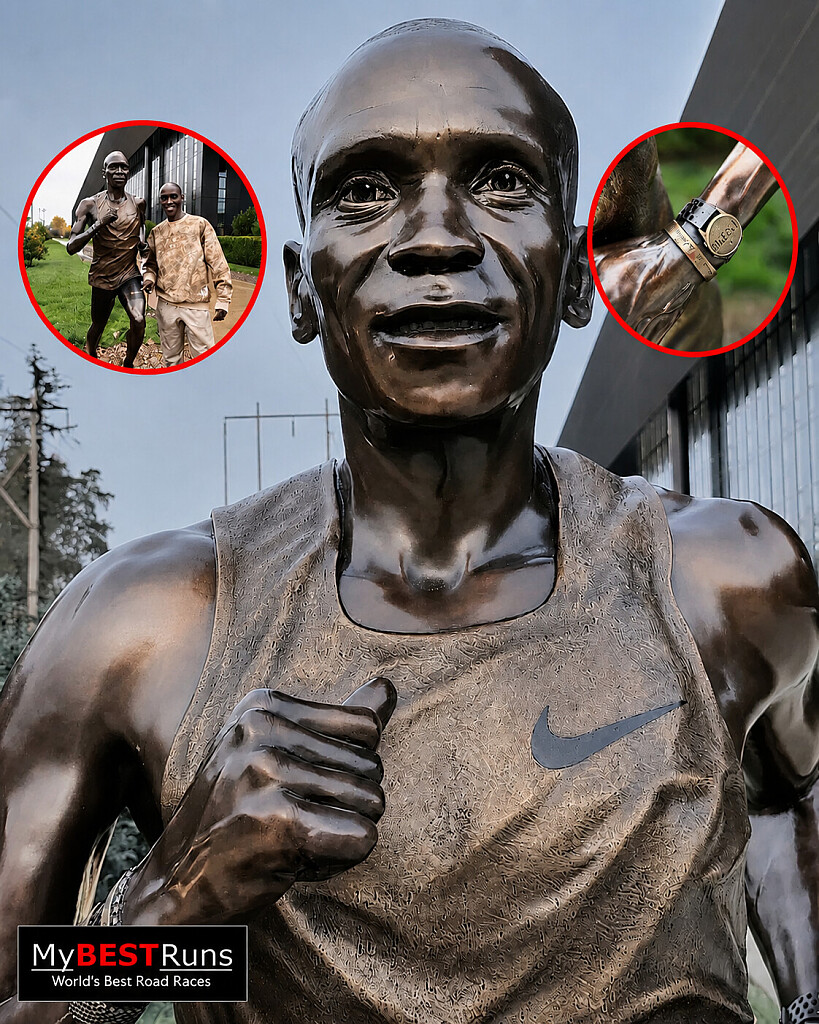
The Statue That Predicted History: How Kipchoge’s ‘No Human Is Limited’ Became Reality
Inside Nike’s World Headquarters in Beaverton, Oregon, a bronze figure stands frozen in motion.
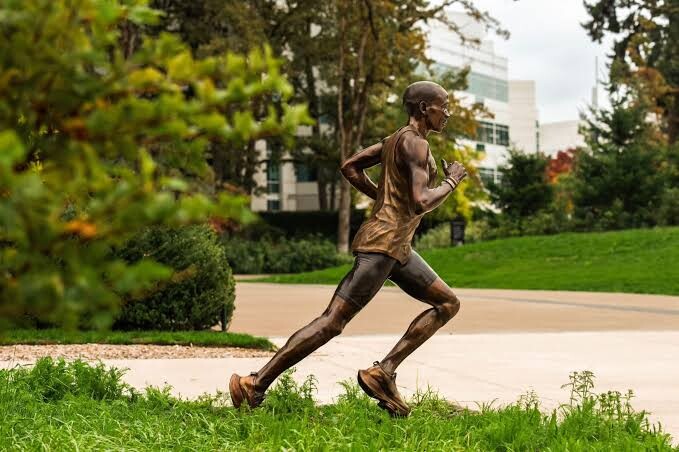
It is Eliud Kipchoge — captured in his unmistakable running posture, every detail carefully sculpted to resemble the Kenyan marathon legend at full stride. But this is more than a statue. It is a permanent reminder of a barrier that once seemed beyond human reach.
Created by Oregon artist Alison Caswell and commissioned by Nike, the life-size bronze sculpture was unveiled in October 2023 as part of the company’s celebration of its 20-year partnership with Kipchoge. Nike described the statue as a tribute to his signature gait and unique running style.
Look closely, however, and the sculpture tells an even deeper story.
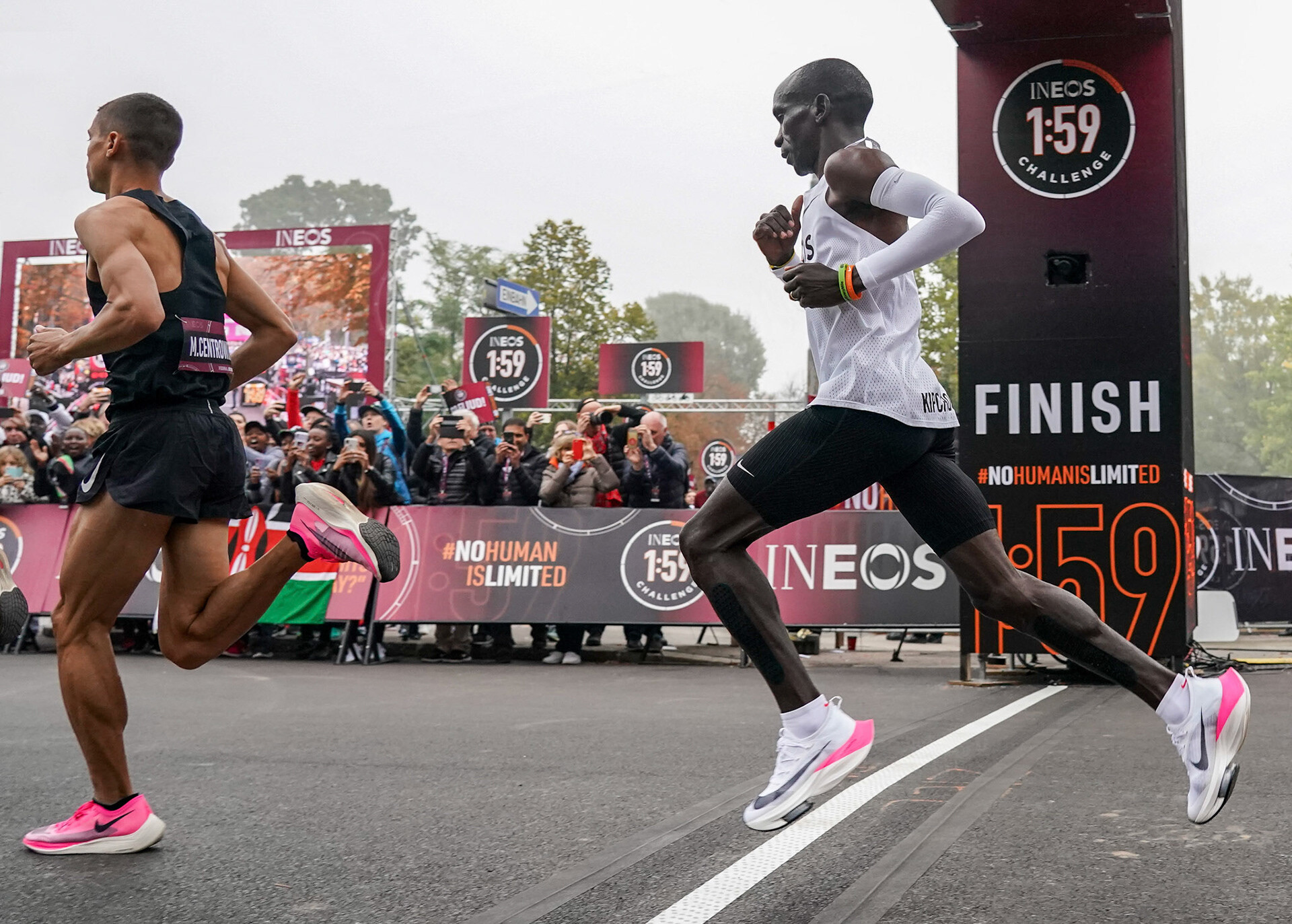
The watch on Kipchoge’s wrist displays 1:59:40, recalling the extraordinary morning of October 12, 2019, when he became the first person to run the marathon distance in under two hours during the INEOS 1:59 Challenge in Vienna.
His official recorded time was 1:59:40.2.
The achievement came under specially controlled conditions, with 41 pacemakers rotating in formations around him and extensive logistical support designed specifically for the attempt. Because it was not a standard record-eligible marathon, the performance was not recognized as an official world record. But its significance went far beyond the record books.
On the statue's left wrist is another detail that carries perhaps even greater meaning.
The wristband bears Kipchoge's famous philosophy:
“No human is limited.”
Those four words became synonymous with his pursuit of the impossible. In Vienna, they were no longer simply a slogan. Kipchoge had demonstrated that a boundary which had appeared almost untouchable could, under the right circumstances, be broken.
Four years later, the bronze figure remained in place at Nike's headquarters — but the marathon world had changed dramatically.
In October 2023, Kelvin Kiptum lowered the official men's marathon world record to 2:00:35 in Chicago, bringing the sport closer than ever to the barrier Kipchoge had already conquered unofficially in Vienna.
Then came April 26, 2026.
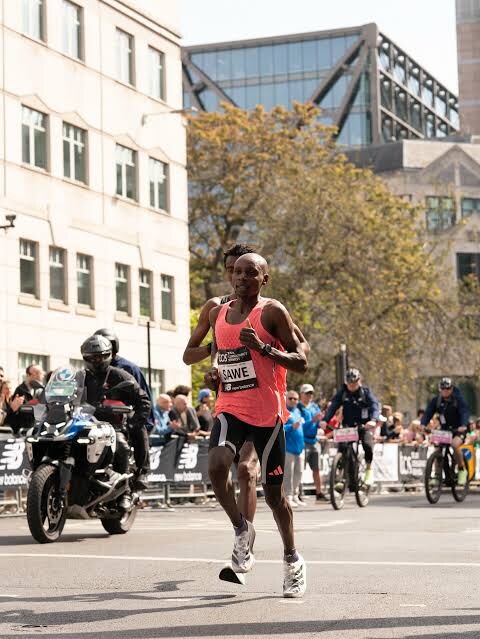
On the streets of London, Kenya's Sabastian Sawe entered territory that had previously belonged only to Kipchoge's extraordinary exhibition achievement.
Sawe won the London Marathon in 1:59:30, becoming the first man to officially complete a record-eligible marathon in under two hours. He also erased Kiptum's world record by 65 seconds. World Athletics subsequently ratified the performance as the official men's marathon world record.
And remarkably, Sawe did it in an ordinary competitive marathon — not on a specially designed course, not with rotating pacemakers, and not under the unique conditions of the 2019 INEOS challenge.
The symbolism is difficult to miss.
When Nike unveiled Kipchoge's statue in 2023, the 1:59:40 engraved on its wrist represented a moment when humanity had first stepped beyond the two-hour marathon barrier.
Today, that number represents something different.
It is no longer the fastest anyone has ever run 42.195 kilometres.
Instead, it has become part of the history that led to something even greater: the first officially recognized sub-two-hour marathon.
Kipchoge opened the door in Vienna.
Kiptum pushed the official world record closer.
And Sawe eventually walked — or rather, ran — through the door.
The bronze statue in Beaverton has not moved. Its watch still points to 1:59:40, and its wristband still carries the words “No human is limited.”
But the meaning of those words has grown.
What once looked like a statement of belief now reads like a prediction.
The statue was built to celebrate what Kipchoge had already achieved.
History has since given it another purpose: to remind the world that yesterday's impossible can become tomorrow's starting point.
by Erick Cheruiyot for My Best Runs.
Login to leave a comment
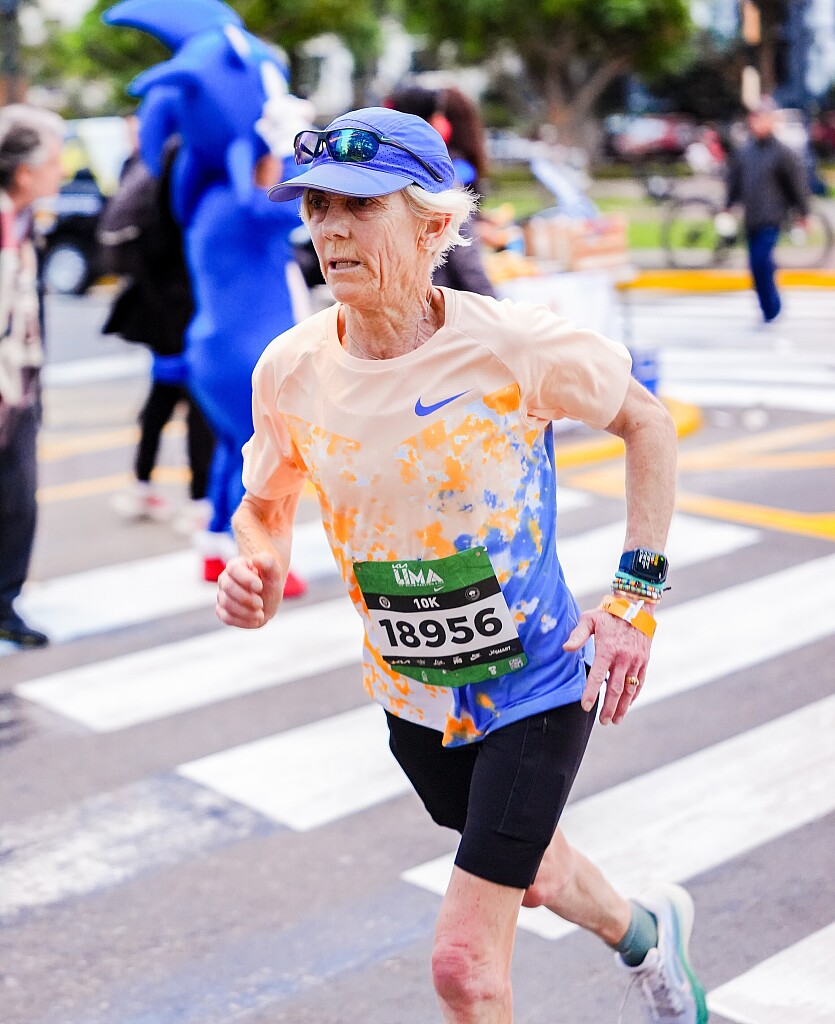
69 And Still Running: Joan Benoit Samuelson Inspires Lima With Another Remarkable 10K
At an age when many athletes have long since stepped away from competition, Joan Benoit Samuelson continues to remind the running world that the finish line is never defined by a number.
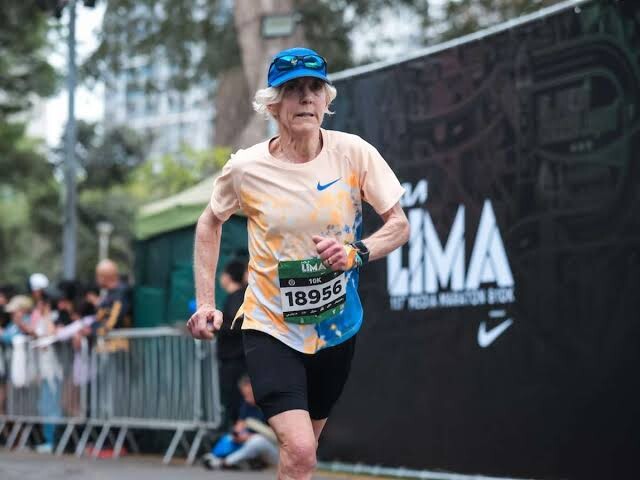
On Sunday in Lima, Peru, the pioneering American distance runner lined up for the 10K at the 117th KIA Media Maratón de Lima & 10K, and at 69 years old, she crossed the finish line in an impressive 47:49 — averaging approximately 7:43 per mile.
It was another chapter in a remarkable running life that has stretched across more than four decades, taking Samuelson from the roads of New England to Olympic history and, now, to the streets of Lima.
The first Olympic women's marathon champion, Samuelson was in Peru as part of a Nike-backed trip, experiencing a race course that links Lima's historic heart with its modern districts. The event attracted around 21,000 runners, creating a spectacular celebration of running in one of South America's most historic cities.

The half marathon accompanying the 10K carries an extraordinary legacy of its own. First staged in 1909, the race is billed as the world's oldest half marathon, adding another layer of history to Samuelson's appearance.
But Samuelson herself needs little introduction when it comes to the history of women's distance running.
Her career helped redefine what was possible for women on the marathon course. She won the Boston Marathon in 1979 and again in 1983, then produced a stunning American record of 2:22:43 in her marathon debut that same year.
A year later, she reached the summit of the sport.
At the 1984 Los Angeles Olympics, Samuelson captured gold in the inaugural women's Olympic marathon, running 2:24:52 and finishing 1 minute 26 seconds ahead of legendary Norwegian Grete Waitz. It was a victory that became one of the defining moments in the history of women's athletics.
And she was far from finished.
In 1985, Samuelson won the Chicago Marathon in 2:21:21, setting another American record that remained untouched for 18 years. Her achievements became part of the foundation upon which the modern era of women's distance running was built.
Yet perhaps the most remarkable part of her story is not what she accomplished four decades ago, but the fact that she is still curious, still competing and still eager to learn from the sport.
Before Sunday's race, Samuelson praised the growing strength of Peruvian distance running, telling local media: “Runners from Peru are starting to show up on the world stage, and they are doing it very well.”
Those words capture something that has defined her journey for generations: a belief that running is not simply about records, medals or victories. It is about discovery, connection and the endless possibility of seeing how far the human spirit can go.
Four decades after making history in Los Angeles, Samuelson is still answering the starting gun.
At 69, the Olympic champion is no longer chasing the clock she once conquered. She is chasing something far more enduring — the joy of running itself.
And in Lima, thousands of runners had the privilege of watching a living legend continue to do what she has always done best: inspire people to keep moving forward.
by Erick Cheruiyot for My Best Runs.
Login to leave a comment
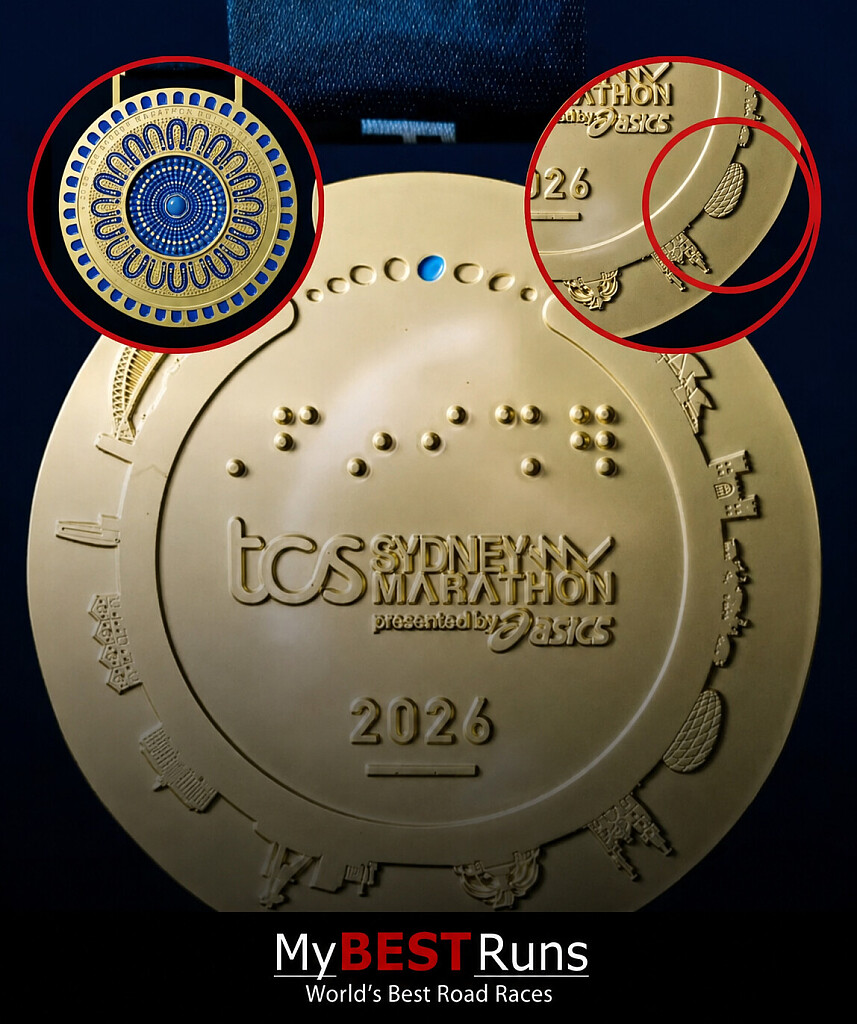
Sydney Marathon’s Medal Blunder: How Munich’s Allianz Arena Ended Up in a Sydney Souvenir
The Sydney Marathon was meant to celebrate one of Australia’s most iconic cities. Instead, its 2026 finisher’s medal has unexpectedly brought a little piece of Munich into the spotlight.
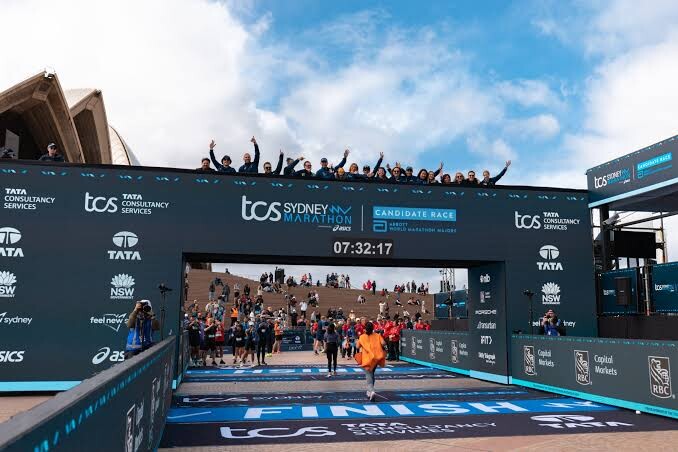
The back of the medal features a collection of landmarks designed to represent Sydney and the 42.2-kilometre journey runners will take through the city, including the Sydney Opera House and Sydney Harbour Bridge. But alongside those unmistakably Australian symbols is a rather surprising addition: Munich’s Allianz Arena.
The stadium was supposed to represent Sydney’s Allianz Stadium in Moore Park. Instead, the medal designers somehow used the distinctive home of Bayern Munich in Germany.
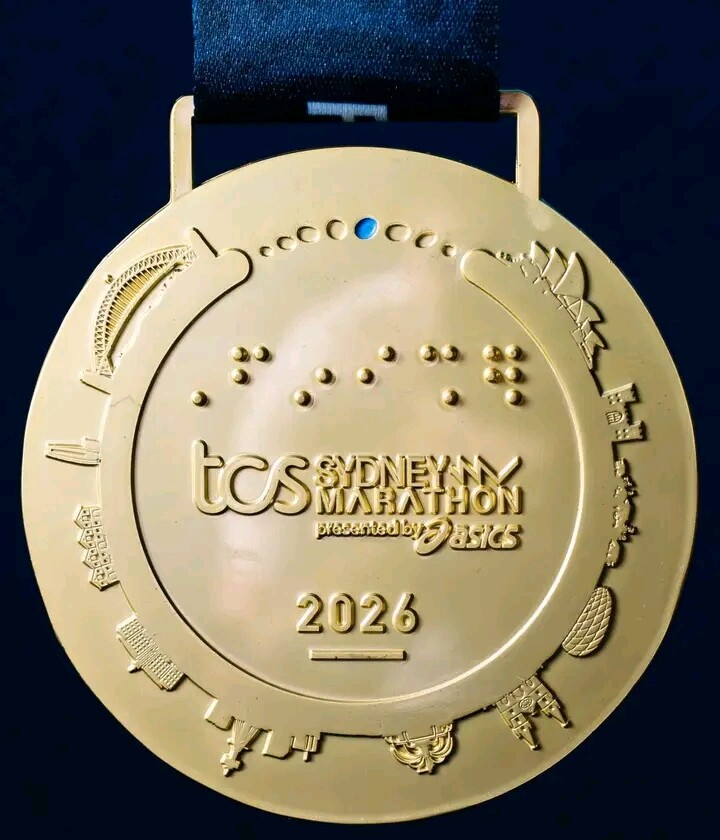
The mistake was spotted shortly after the medal was unveiled and quickly spread across social media before attracting international media attention. With the race now just days away, there is no time to redesign and replace the medals already produced for the event.
Organisers have acknowledged the mistake, describing it as an “unfortunate error” and making clear that the medals will still be presented to runners on race day.
Rather than attempting to hide the blunder, Sydney Marathon has chosen to embrace the unexpected twist, saying the medal is now “a little more unique.” Their response ended on a light-hearted note: “You noticed. We noticed. We’re human.”
And while the incorrect stadium may have created an embarrassing moment for the organisers, it has also given the 2026 medal something no previous Sydney Marathon medal has had — a story of its own.
That story will be carried around the necks of approximately 40,000 runners when the Sydney Marathon takes place on Sunday, August 30.
The timing could hardly be more significant for the race. Sydney is only in its second year as an Abbott World Marathon Major, having joined the prestigious series in 2024 alongside Tokyo, Boston, London, Berlin, Chicago and New York. The event has rapidly established itself as one of the world’s most sought-after marathons, with more than 123,000 runners entering the ballot for the 2026 race, a 56 percent increase from the previous year.
For those 40,000 successful entrants, the medal will ultimately represent something far more important than a design mistake. Behind every medal is months of preparation, early mornings, long training runs, sacrifices and the determination required to cover 42.2 kilometres.
And when the runners finally reach the finish line at the Sydney Opera House, they will receive a medal that was intended to tell the story of Sydney — but accidentally tells a small story about Munich too.
What began as an embarrassing design error may now become one of the most memorable quirks in Sydney Marathon history. Years from now, runners may look back at their 2026 medals not simply as souvenirs of finishing one of the world’s major marathons, but as unusual collector’s pieces from the year Sydney accidentally put Munich on its medal.
A Sydney marathon. A Munich stadium. One unforgettable medal.
by Erick Cheruiyot for My Best Runs.
Login to leave a comment

Sydney Marathon
The Sydney Marathon is a marathon held annually in Sydney, Australia. The event was first held in 2001 as a legacy of the 2000 Summer Olympics, which were held in Sydney. In addition to the marathon, a half marathon, 9 kilometres (5.6 mi) "Bridge Run", and a 3.5 kilometres (2.2 mi) "Family Fun Run" are also held under the banner...
more...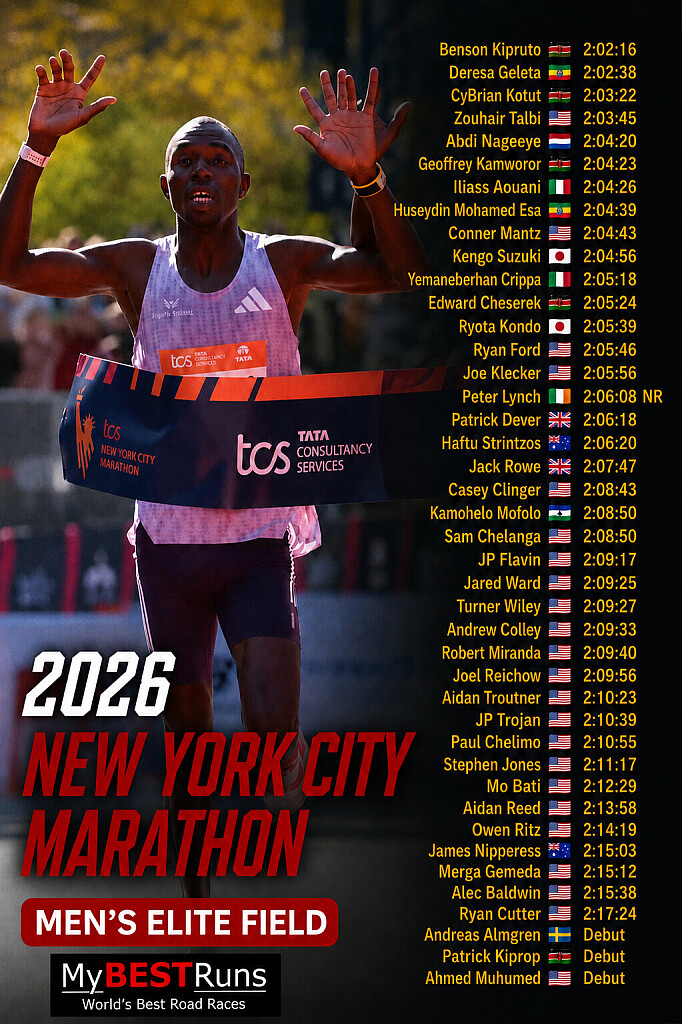
New York Marathon Set For Blockbuster Showdown As America’s Two Fastest Men Collide
The 2026 TCS New York City Marathon is shaping up to be one of the most anticipated editions in recent history, with New York Road Runners unveiling a remarkable men’s professional field that brings together the two fastest American marathoners ever on the same starting line.
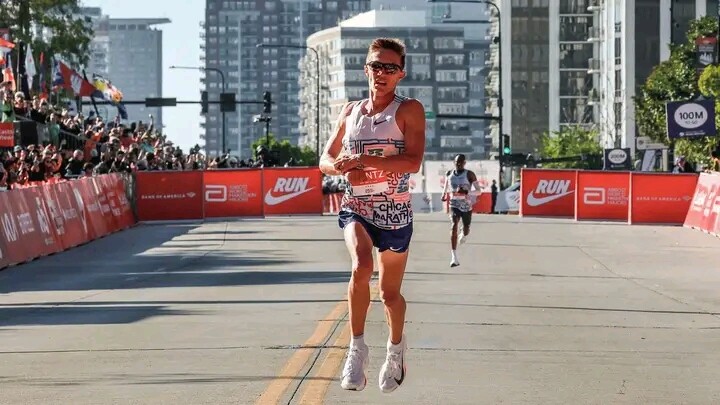
The race, scheduled for November 1, will feature American record-holder Conner Mantz (2:04:43) and Zouhair Talbi (2:03:45), whose performance at the 2026 Boston Marathon is the fastest marathon ever run by an American by clock time. However, because Boston is not a record-eligible course, Talbi’s mark does not replace Mantz’s official American record.
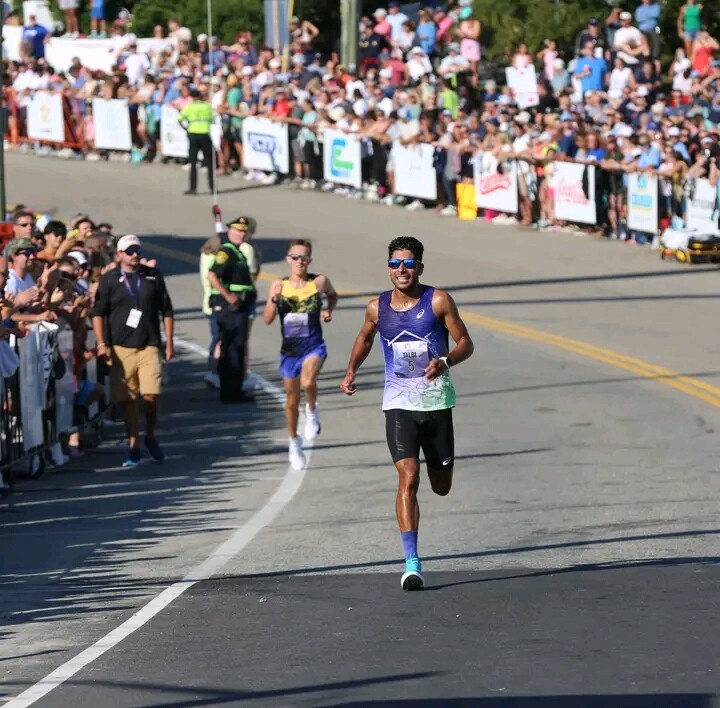
Mantz established the American record with his 2:04:43 fourth-place finish at the 2025 Chicago Marathon, breaking a national record that had stood since 2002. Talbi went even faster in Boston in April, crossing the line fifth in 2:03:45 and adding another extraordinary chapter to the rapid evolution of American marathon running.
That makes New York particularly intriguing. For the first time, the two men who occupy the top two positions on the all-time American marathon performance list will have the opportunity to race each other over a record-eligible course, with the streets of New York providing the stage.
And the American showdown will be only one part of a much bigger battle.
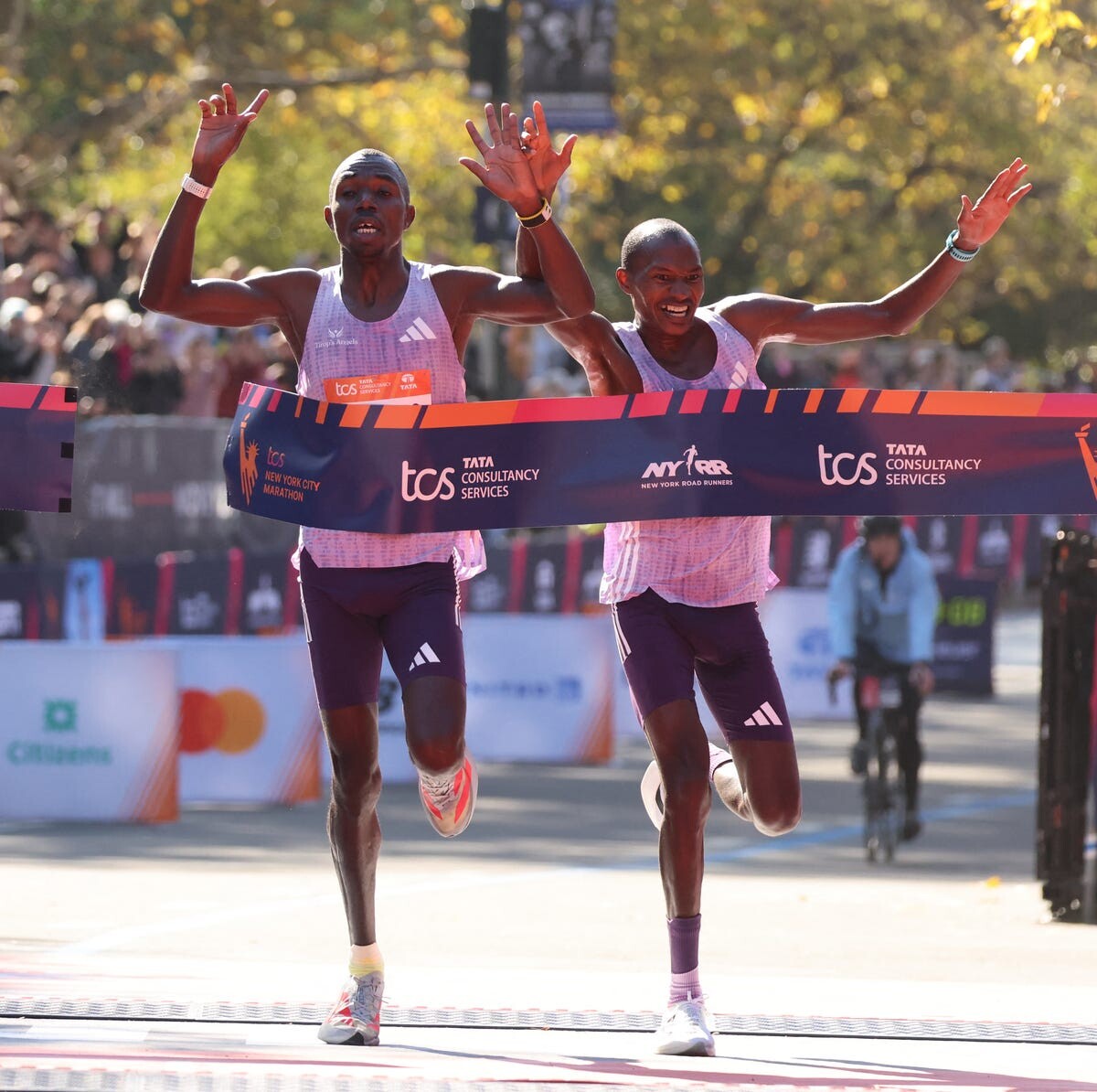
The international challenge is formidable. Defending champion Benson Kipruto (2:02:16) leads the field, followed by Ethiopia’s Deresa Geleta (2:02:38) and Kenya’s CyBrian Kotut (2:03:22). The lineup also includes the Netherlands’ Abdi Nageeye (2:04:20), Kenya’s Geoffrey Kamworor (2:04:23), Italy’s Iliass Aouani (2:04:26) and Ethiopia’s Huseydin Mohamed Esa (2:04:39).
Just behind that group is Japan’s Kengo Suzuki (2:04:56), Italy’s Yemaneberhan Crippa (2:05:18), Kenya’s Edward Cheserek (2:05:24) and Japan’s Ryota Kondo (2:05:39). Ireland’s Peter Lynch (2:06:08), Great Britain’s Patrick Dever (2:06:18), Australia’s Haftu Strintzos (2:06:20) and Britain’s Jack Rowe (2:07:47) further strengthen a field that possesses extraordinary depth.
The American contingent is just as fascinating. Alongside Mantz and Talbi are Ryan Ford (2:05:46), Joe Klecker (2:05:56), Casey Clinger (2:08:43), Sam Chelanga (2:08:50), JP Flavin (2:09:17), Jared Ward (2:09:25), Turner Wiley (2:09:27), Andrew Colley (2:09:33), Robert Miranda (2:09:40) and Joel Reichow (2:09:56).
The depth continues with Aidan Troutner (2:10:23), JP Trojan (2:10:39), Paul Chelimo (2:10:55), Stephen Jones (2:11:17), Mo Bati (2:12:29), Aidan Reed (2:13:58), Owen Ritz (2:14:19), Merga Gemeda (2:15:12), Alec Baldwin (2:15:38) and Ryan Cutter (2:17:24). Australia’s James Nipperess (2:15:03) and Lesotho’s Kamohelo Mofolo (2:08:50) are also on the start list.
Three athletes will make their marathon debuts in New York: Sweden’s Andreas Almgren, Kenya’s Patrick Kiprop and American Ahmed Muhumed. Almgren, in particular, brings tremendous track credentials into his first attempt at 26.2 miles after winning the European 10,000m title in Birmingham in a championship-record 27:23.44.
The numbers tell the story of just how deep this field is. Ten men have personal bests faster than the existing New York City Marathon course record of 2:04:58, set by Tamirat Tola in 2023. Remarkably, Tola himself is not entered, nor is Alexander Mutiso, who finished runner-up to Kipruto in last year’s dramatic race.
For Mantz and Talbi, however, the stakes extend beyond the American record books. No American man has won the New York City Marathon since Meb Keflezighi in 2009, meaning the American contingent will arrive carrying a 17-year wait for another homegrown champion. Mantz and Talbi will have to overcome a formidable international field if either is to end that drought.
New York’s course will add another layer of difficulty. The bridges, sharp turns, rolling sections and notoriously demanding final miles toward Central Park have humbled some of the world’s fastest marathoners. Raw personal-best times will matter, but so will patience, positioning, tactical intelligence and the ability to produce a decisive move when the race reaches its most unforgiving stages.
With the official American record-holder, the fastest American by clock time, a defending champion, multiple 2:04 marathoners and a host of world-class contenders all converging on the Big Apple, the 2026 New York City Marathon has the ingredients of a classic.
On November 1, the streets of New York could become the setting for another extraordinary chapter in marathon history.
by Erick Cheruiyot for My Best Runs.
Login to leave a comment

TCS New York City Marathon
The first New York City Marathon, organized in 1970 by Fred Lebow and Vince Chiappetta, was held entirely in Central Park. Of 127 entrants, only 55 men finished; the sole female entrant dropped out due to illness. Winners were given inexpensive wristwatches and recycled baseball and bowling trophies. The entry fee was $1 and the total event budget...
more...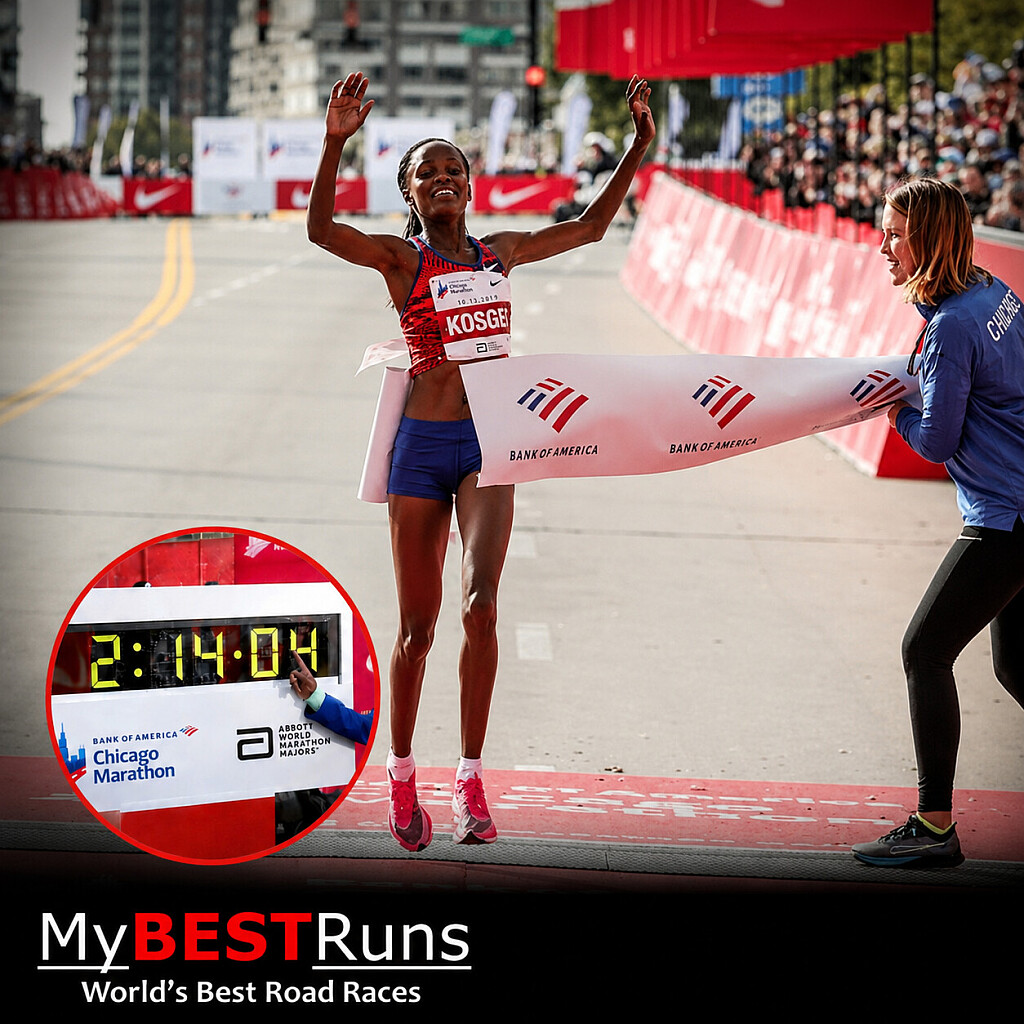
Brigid Kosgei Returns to the Course Where She Redefined Women's Marathon Running
Seven years after producing one of the most extraordinary performances the marathon has ever witnessed, Brigid Kosgei is heading back to the streets where she etched her name into athletics history. The Kenyan distance-running icon will return to the Bank of America Chicago Marathon on October 11, 2026, rekindling memories of her breathtaking triumph in 2019 that transformed the sport forever.
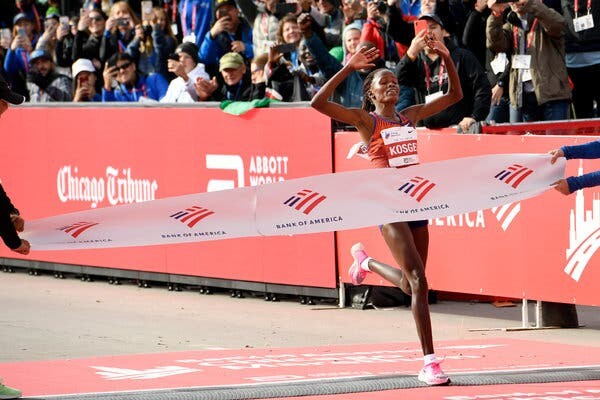
Chicago was the stage where Kosgei delivered a performance for the ages, crossing the finish line in an astonishing 2:14:04 to erase Paula Radcliffe's 16-year-old women's marathon world record. That unforgettable run remains one of the greatest achievements in long-distance running and cemented her place among the finest marathoners in history.
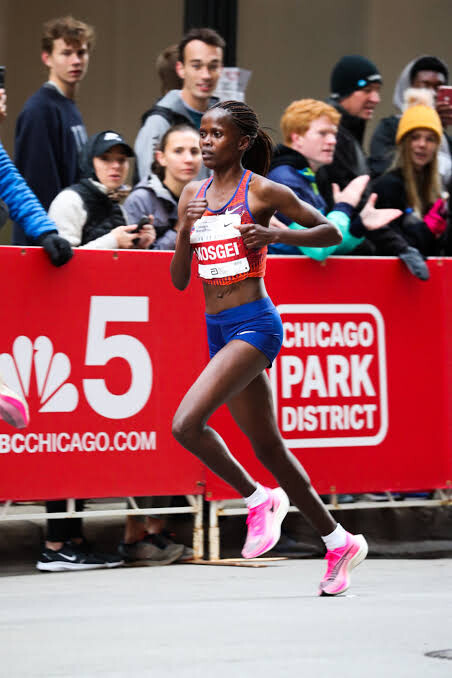
Her return comes at the perfect moment. Kosgei arrives in exceptional form after capturing victory at the 2026 Tokyo Marathon, where she stormed to a course-record 2:14:29, proving she is once again among the world's most dangerous marathon competitors. With renewed confidence and outstanding fitness, she will be aiming to conquer Chicago for another memorable chapter in her remarkable career.
However, victory will be anything but straightforward. The 2026 women's race features one of the deepest and strongest marathon fields ever assembled, setting the stage for a spectacular battle between some of the sport's biggest names.
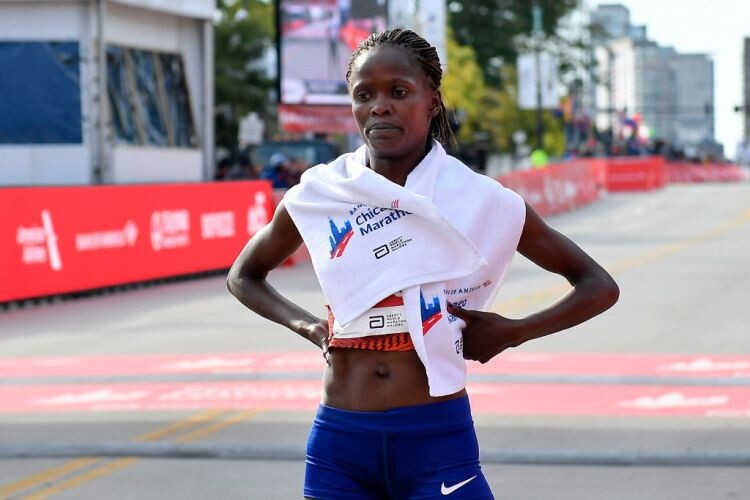
Defending champion Hawi Feysa returns determined to protect her Chicago crown after establishing herself among the world's elite. Ethiopia's Sutume Kebede and Megertu Alemu add further strength to an already formidable lineup, while Kenya's Brillian Kipkoech, Loice Chemnung, Joan Kilimo, Magdalyne Masai, and Mary Ngugi Cooper ensure the East African rivalry will be as fierce as ever.
Another athlete attracting enormous attention is Boston Marathon champion Sharon Lokedi, who will make her highly anticipated Chicago Marathon debut. Having already proven herself on the biggest stages, Lokedi adds another exciting dimension to a race packed with championship pedigree and world-class talent.
The international field is equally impressive, with Ethiopia's Degitu Azimeraw and Fantu Worku joining Japan's Yuka Ando, Australia's Isobel Batt-Doyle, and American standouts Sara Hall, Susanna Sullivan, Des Linden, and Natosha Rogers in pursuit of marathon glory.
With a former world-record holder returning to her most historic venue, a defending champion eager to retain her title, and several major marathon winners chasing one of the sport's most prestigious crowns, the 2026 Bank of America Chicago Marathon promises to deliver a thrilling contest from start to finish. Every indication suggests this could become one of the most memorable women's marathon races in recent history.
As the countdown to October 11 continues, anticipation is rapidly building. Can Brigid Kosgei recreate the magic that changed marathon history, or will a new champion rise on the streets of Chicago? One thing is certain—the world will be watching as an exceptional field battles for one of road running's most coveted titles.
by Erick Cheruiyot for My Best Runs.
Login to leave a comment
Bank of America Chicago
Running the Bank of America Chicago Marathon is the pinnacle of achievement for elite athletes and everyday runners alike. On race day, runners from all 50 states and more than 100 countries will set out to accomplish a personal dream by reaching the finish line in Grant Park. The Bank of America Chicago Marathon is known for its flat and...
more...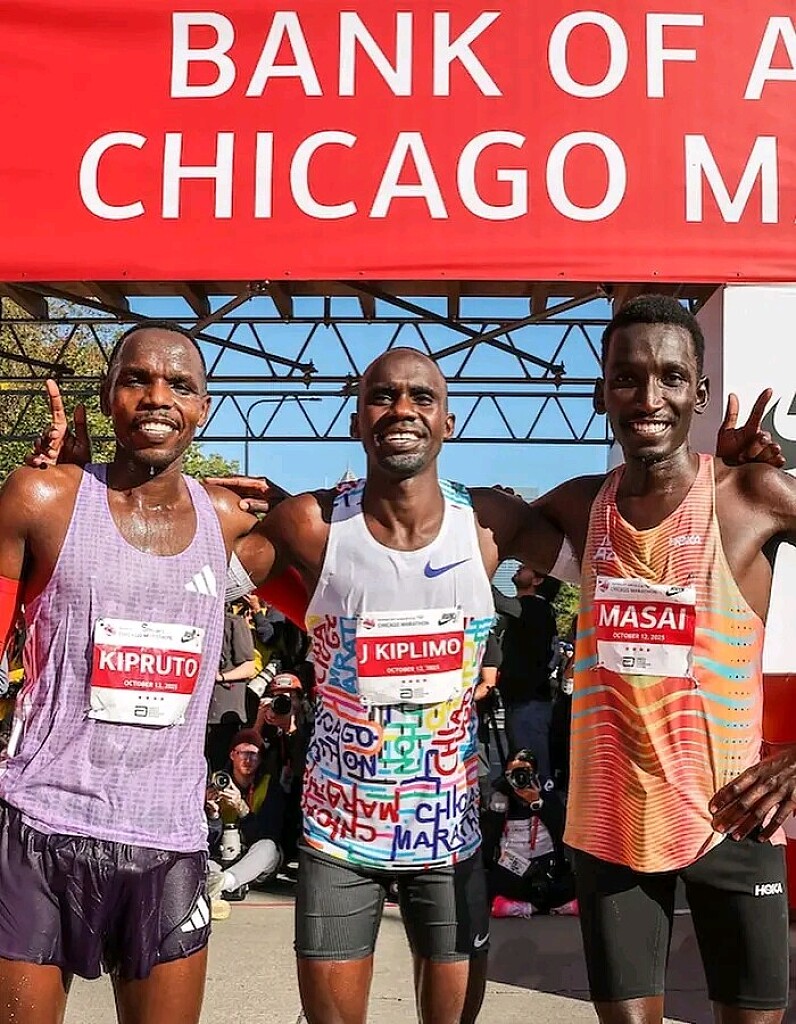
The Rematch Is On: Kiplimo, Kipruto and Masai Lead Star-Studded Chicago Marathon Field
The Bank of America Chicago Marathon is preparing for one of the most anticipated men's races in its history after unveiling an extraordinary elite field for the 48th edition of the event, scheduled for Sunday, October 11, 2026.
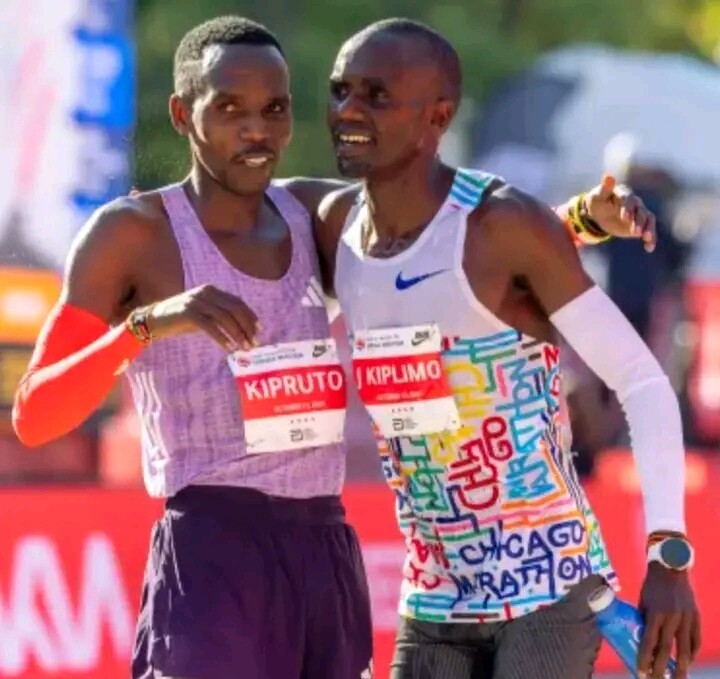
At the heart of the excitement is a compelling rematch featuring the entire podium from the 2025 Chicago Marathon, with defending champion Jacob Kiplimo, runner-up Amos Kipruto, and third-place finisher Alex Masai all returning to battle once again on the fast streets of the Windy City.
The reunion of last year's top three finishers already guarantees an intense contest, but the depth of the field suggests this could develop into one of the greatest marathon races Chicago has ever witnessed.
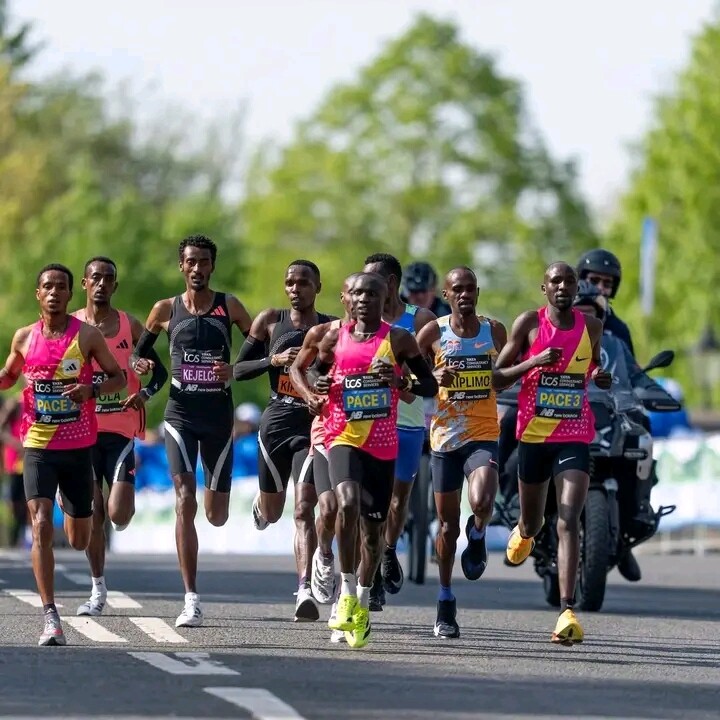
Uganda's Jacob Kiplimo returns wearing the champion's crown after producing a brilliant 2:02:23 performance to capture the 2025 Chicago Marathon title. Since that victory, the distance-running sensation has strengthened his reputation as one of the world's premier marathoners, delivering an astonishing 2:00:28 at the 2026 London Marathon—a performance that firmly established him among the fastest marathon runners in history.
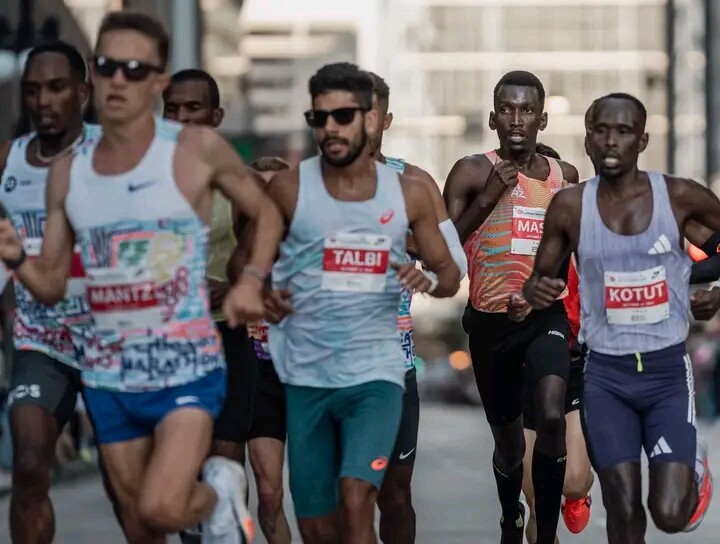
Standing in his way once again will be Kenya's Amos Kipruto, who finished second in Chicago last year in 2:03:54. Kipruto arrives in exceptional form after rewriting his personal best with a stunning 2:01:39 at the 2026 London Marathon, proving he possesses both the speed and experience to challenge for the Chicago crown.
Completing the returning podium is fellow Kenyan Alex Masai, whose impressive 2:04:37 earned him third place in 2025. Now returning with valuable experience and growing confidence, Masai will be aiming to transform last year's podium finish into his first-ever World Marathon Major victory.
Yet the battle for victory extends far beyond the returning podium.
The 2026 Chicago Marathon has assembled one of the deepest elite men's fields ever seen, featuring six athletes with personal bests under 2:04. Among them are Milkesa Mengesha of Ethiopia, the reigning 2024 Berlin Marathon champion, and compatriot Tadese Takele Bikila, who arrives as the Tokyo Marathon champion. Their presence adds even greater quality to a field already packed with proven championship performers and world-class speed.
With Olympic-caliber talent, major marathon champions, and some of the fastest men ever to cover the 42.195-kilometre distance lining up together, all the ingredients are in place for a memorable contest. Whether the race develops into a tactical championship battle or a relentless pursuit of another sub-2:02 performance, fans can expect fireworks from the opening miles to the finish on Columbus Drive.
As Chicago prepares to welcome the world's finest marathoners, one question now dominates the conversation:
Can Jacob Kiplimo successfully defend his title, or will Amos Kipruto, Alex Masai, or another world-class challenger rise to claim one of the sport's most prestigious crowns? The answer will unfold on October 11, when another chapter in Chicago Marathon history is written.
by Erick Cheruiyot for My Best Runs.
Login to leave a comment
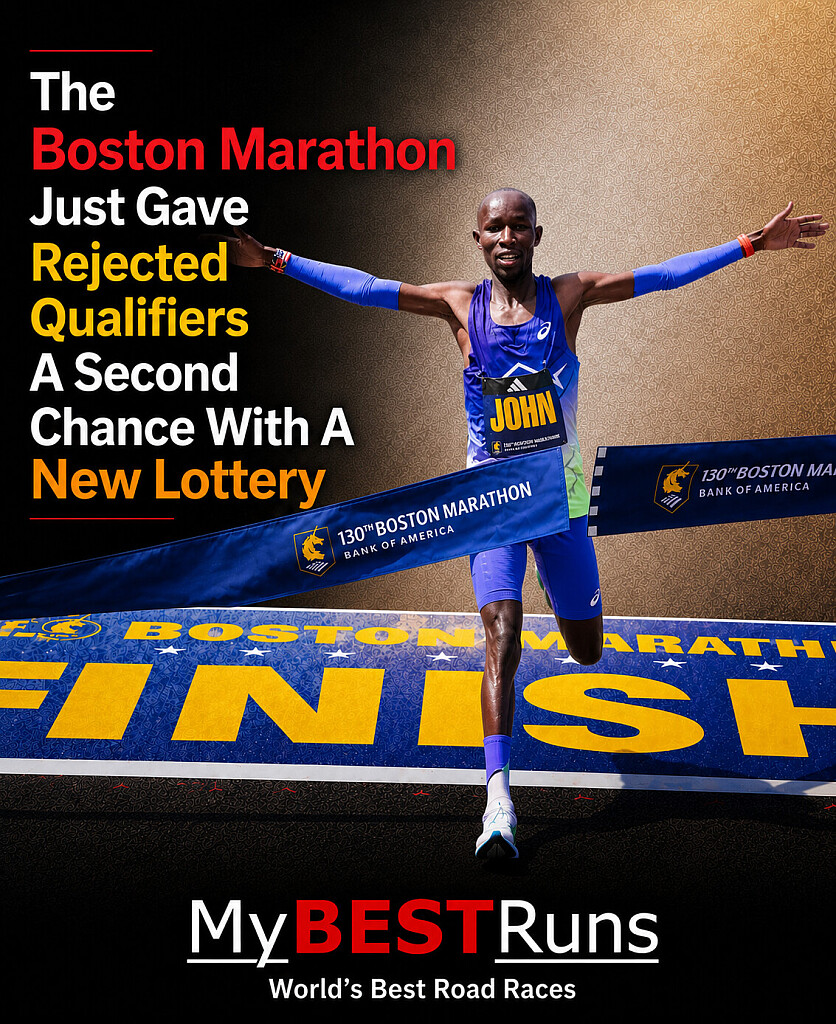
Boston Marathon Opens a New Door: Historic Lottery Gives Rejected Qualifiers a Second Chance in 2027
For generations, earning a place at the Boston Marathon has been one of the toughest achievements in distance running. Unlike most of the world's major marathons, Boston has always stood by one uncompromising principle: meet the qualifying standard—and beat everyone else who qualified—or miss out. That long-standing tradition is now evolving.
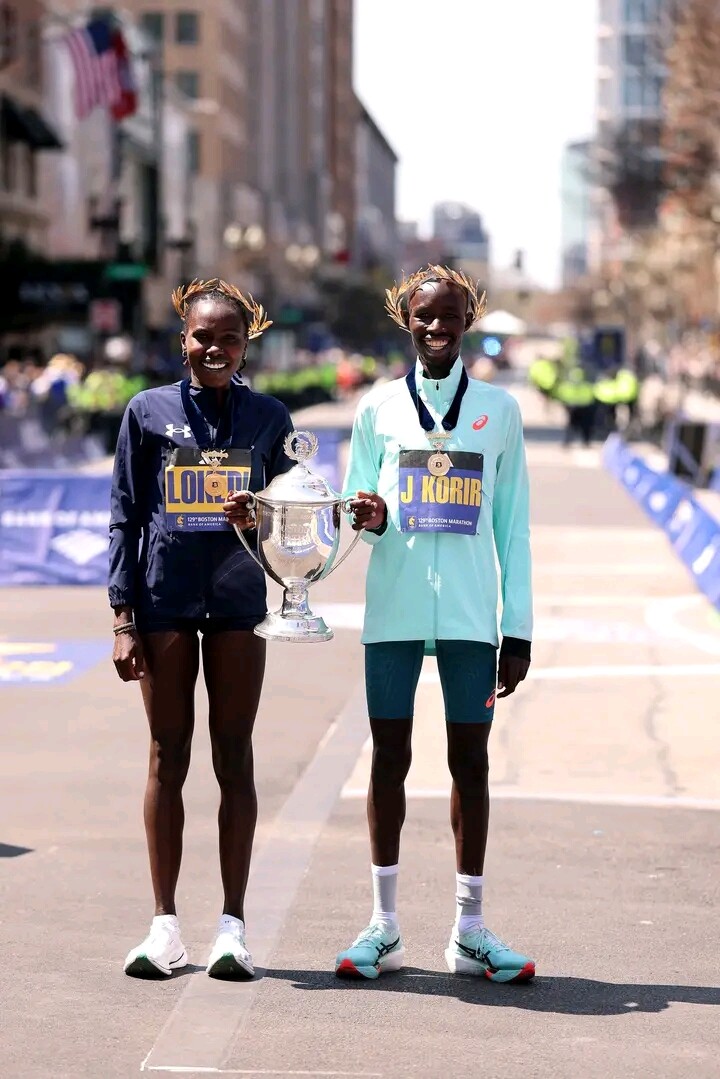
In a landmark announcement, the Boston Athletic Association (B.A.A.) has confirmed that the 2027 Boston Marathon will introduce a new lottery system, giving approximately 1,000 runners who achieve a Boston qualifying time—but narrowly miss the annual entry cut-off—a second opportunity to reach the iconic starting line in Hopkinton.
The move marks one of the most significant changes to Boston's qualification process in decades, while preserving the race's elite qualifying standards.
The new system will not replace Boston's traditional selection process. Instead, all applicants will continue to be ranked according to how much they exceeded the official qualifying standard for their respective age group and gender. After race times are verified, the fastest qualifiers will receive guaranteed entry until the field reaches capacity, establishing the annual cut-off time.
What changes in 2027 is what happens next.
Rather than ending the process there, the B.A.A. will randomly select around 1,000 additional runners from the pool of qualified athletes who fell below the cut-off. Any runner who meets the qualifying standard but is not initially accepted will automatically be entered into the draw, with no separate application required.
The announcement comes after several years of record-breaking demand.
More than 11,000 qualified runners were denied entry for both the 2024 and 2025 editions despite posting official qualifying performances. In 2024, 11,039 qualifiers missed out, while that number climbed to a record 12,324 for the 2025 race. Even for the 2026 Boston Marathon, approximately 8,900 qualified applicants were left disappointed after 33,249 runners applied for just 24,362 available places.
Under the new format, the additional 1,000 lottery entries would have provided an opportunity to roughly one in every nine to twelve rejected qualifiers based on recent registration figures.
B.A.A. President and Chief Executive Officer Jack Fleming said the initiative reflects the increasingly competitive nature of marathon running.
"With the increasingly fast times in our sport, our random Boston Qualifier Selection gives all those who have met the standard for their age group a chance to run Boston," Fleming said.
The decision also brings Boston closer to the registration models used by its fellow Abbott World Marathon Majors. While Boston has traditionally relied almost exclusively on qualifying performances, races such as London, New York City, and Chicago have long allocated significant portions of their fields through public lotteries.
Alongside the lottery announcement, the B.A.A. also confirmed another notable update for the 2027 qualifying process. For the first time, qualifying performances achieved on courses with more than 1,500 feet (457 metres) of net elevation loss will be adjusted through a downhill indexing system, ensuring a more consistent comparison of performances across different marathon courses.
Registration for qualified runners will take place from September 14–18, 2026, with all applicants expected to receive their acceptance status in early October.
While Boston's qualifying standards remain among the most demanding in the sport, the introduction of a lottery offers hope to thousands of runners whose dreams have previously been decided by mere seconds. For the first time in the race's storied history, qualifying alone may no longer guarantee disappointment for those who narrowly miss the cut—because chance will now have a place alongside speed on the road to Boston.
by Erick Cheruiyot for My Best Runs.
Login to leave a comment

Boston Marathon
Among the nation’s oldest athletic clubs, the B.A.A. was established in 1887, and, in 1896, more than half of the U.S. Olympic Team at the first modern games was composed of B.A.A. club members. The Olympic Games provided the inspiration for the first Boston Marathon, which culminated the B.A.A. Games on April 19, 1897. John J. McDermott emerged from a...
more...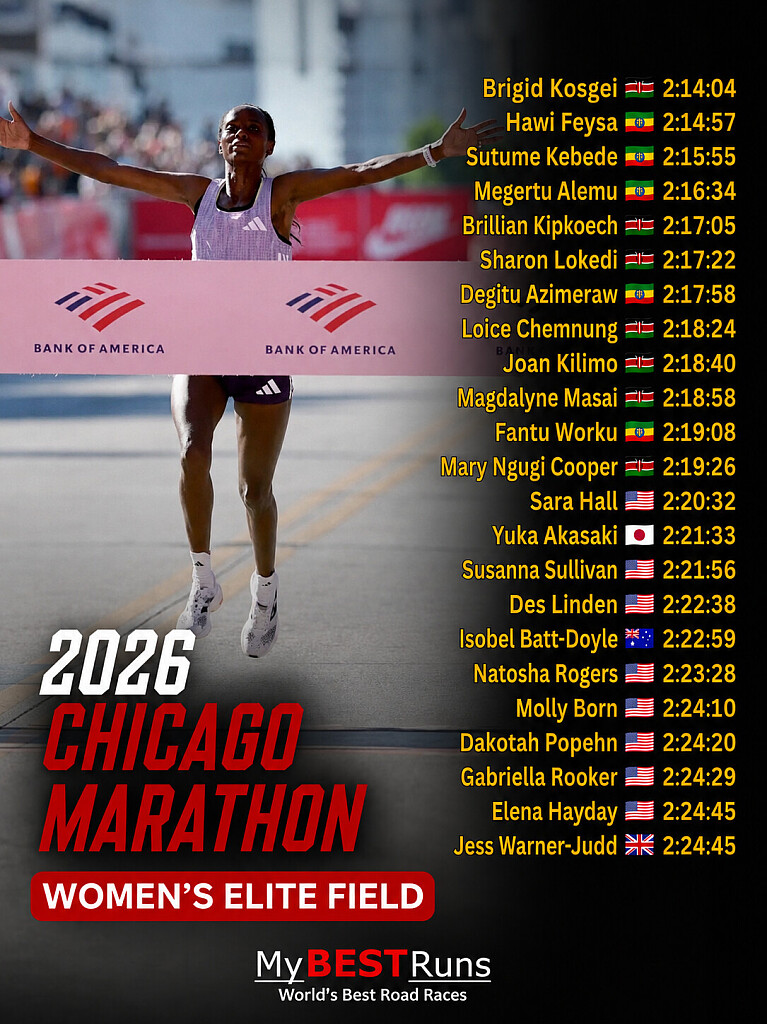
Chicago Marathon Unveils One of the Strongest Women's Elite Fields in Race History
The world's finest women marathoners will converge in Chicago, Illinois, on Sunday, October 11, for what promises to be one of the most competitive races in the history of the 2026 Bank of America Chicago Marathon. Returning to defend her Chicago Marathon title is Ethiopia's Hawi Feysa, who produced a breakthrough victory in last year's race. With a personal best of 2:14:57, Feysa returns carrying the confidence of a reigning champion and will be determined to become the first woman in several years to successfully defend the Chicago Marathon crown. Her title defense adds another compelling storyline to what is already one of the strongest women's marathon fields ever assembled in Chicago.
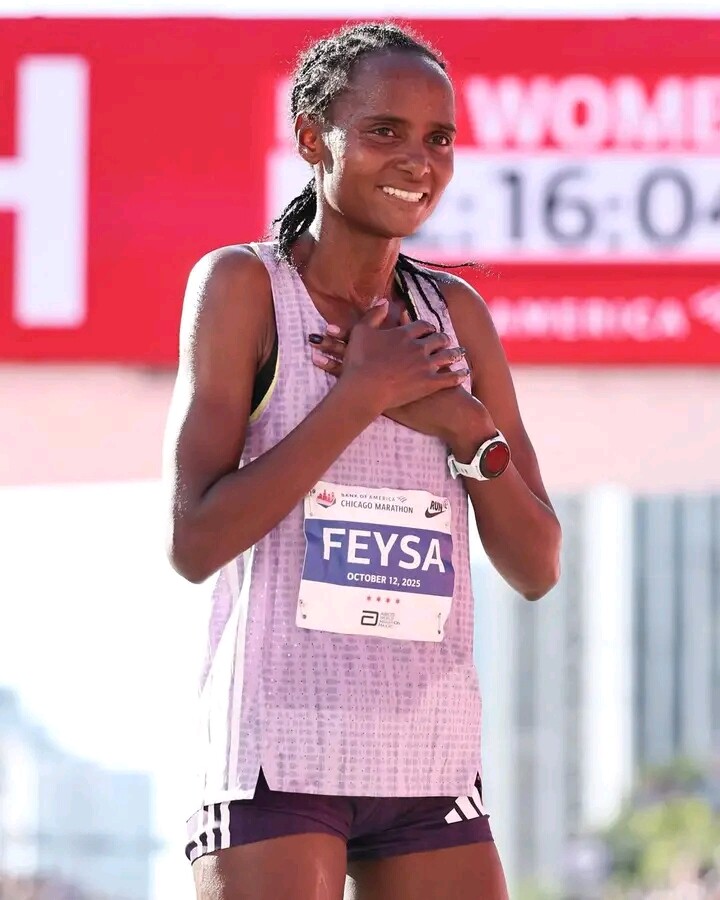
Adding even greater star power to the race is former world record holder Brigid Kosgei, whose outstanding personal best of 2:14:04 remains one of the fastest marathon performances in history. The Kenyan legend leads an exceptional field packed with proven champions, major marathon winners, and rising stars, ensuring every mile will be fiercely contested.
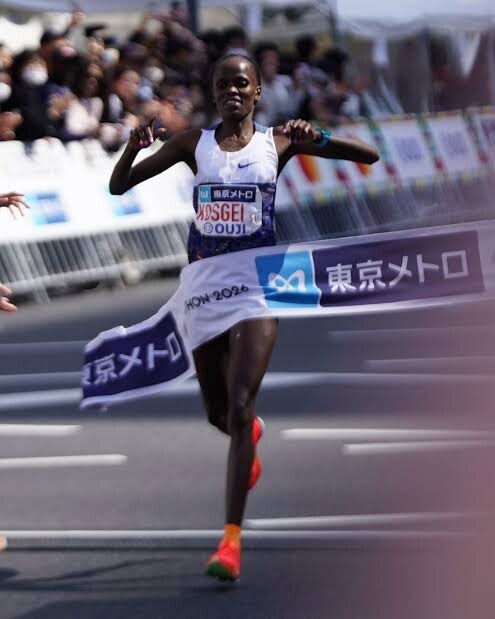
The depth of this year's lineup is nothing short of extraordinary. Twelve athletes boast personal bests under 2:20, highlighting the exceptional quality of the field. Rarely has Chicago welcomed such an impressive collection of elite marathon talent, making this one of the most competitive women's races in the event's history.
Ethiopia arrives with a formidable squad led by defending champion Hawi Feysa, alongside Sutume Kebede (2:15:55), Megertu Alemu (2:16:34), Degitu Azimeraw (2:17:58) and Fantu Worku (2:19:08). Together, they represent one of the strongest national teams in the race, with each athlete capable of challenging for victory.

Kenya counters with an equally impressive lineup headed by Brigid Kosgei, while Brillian Kipkoech, Sharon Lokedi, Loice Chemnung, Joan Kilimo, Magdalyne Masai, and Mary Ngugi Cooper add further strength to a nation renowned for producing world-class marathon champions.
The international challenge is equally compelling. The United States fields a strong contingent featuring Sara Hall, Susanna Sullivan, Des Linden, Natosha Rogers, Molly Born, Dakotah Popehn, Gabriella Rooker, and Elena Hayday, while Japan's Yuka Akasaki, Australia's Isobel Batt-Doyle, and Great Britain's Jess Warner-Judd complete a truly global field capable of producing surprises.
With defending champion Hawi Feysa seeking back-to-back victories, former world record holder Brigid Kosgei aiming to add another World Marathon Major title to her illustrious career, and 12 women with sub-2:20 personal bests on the start line, Chicago on October 11 is set to host one of the most anticipated women's marathon races of the year. Fans can expect a thrilling contest that could produce another unforgettable chapter in the rich history of the Chicago Marathon.
by Erick Cheruiyot for My Best Runs.
Login to leave a comment
Bank of America Chicago
Running the Bank of America Chicago Marathon is the pinnacle of achievement for elite athletes and everyday runners alike. On race day, runners from all 50 states and more than 100 countries will set out to accomplish a personal dream by reaching the finish line in Grant Park. The Bank of America Chicago Marathon is known for its flat and...
more...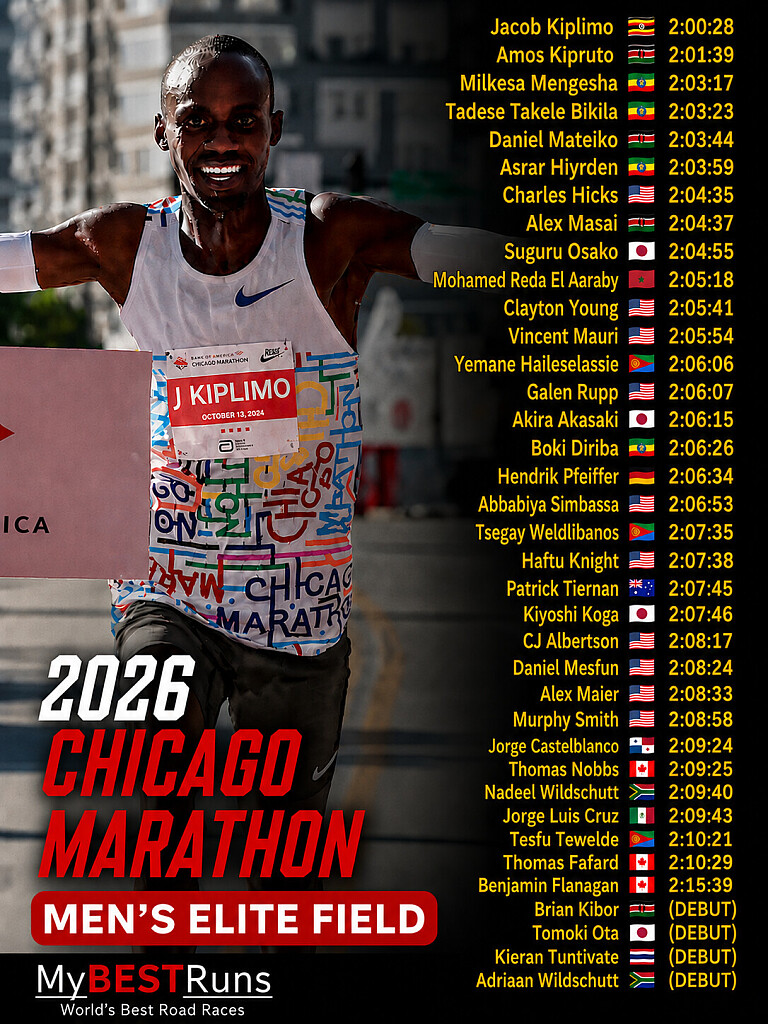
Jacob Kiplimo Leads Historic Men's Lineup as 2026 Chicago Marathon Unveils a World-Class Elite Field
The 2026 Bank of America Chicago Marathon has assembled one of the deepest and most competitive men's elite fields in the event's history, with Ugandan superstar Jacob Kiplimo returning to the Windy City to headline a remarkable international lineup capable of producing another unforgettable day of marathon racing.
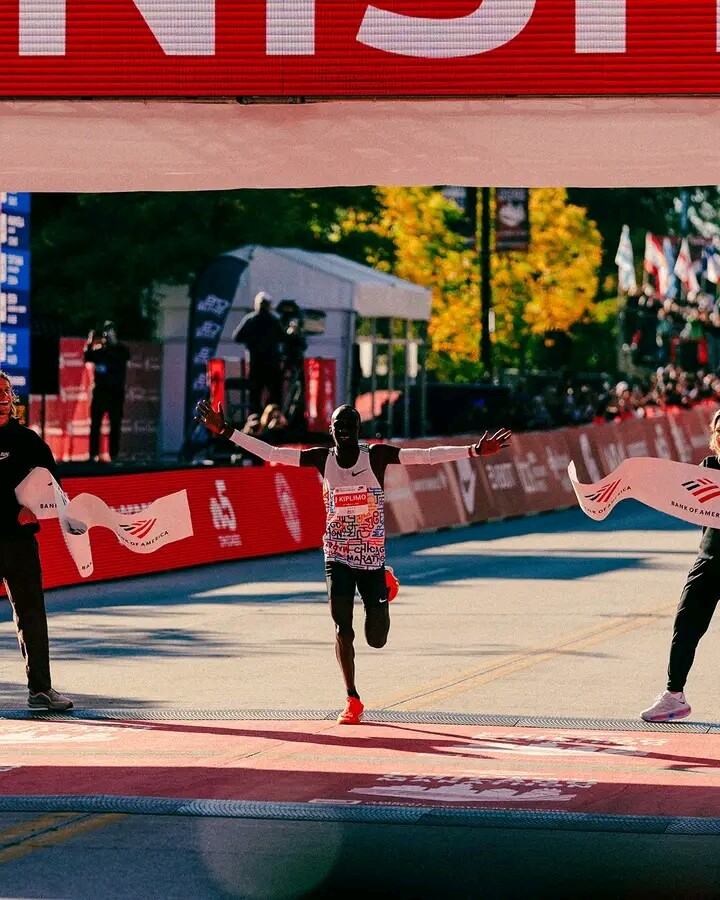
Kiplimo, who owns a sensational personal best of 2:00:28, enters as the fastest man in the field and one of the world's most exciting distance runners. After a spectacular marathon breakthrough, the Ugandan star returns to Chicago carrying the hopes of delivering another historic performance on one of the fastest marathon courses on the planet.
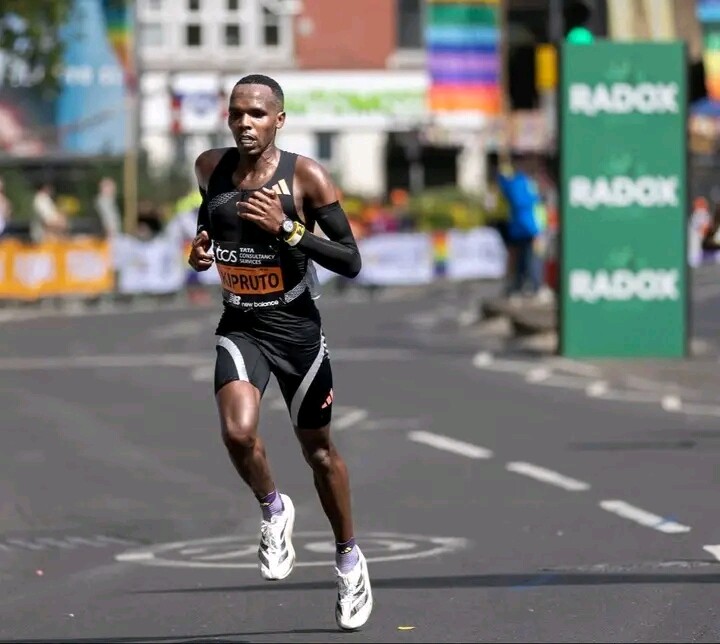
Standing between Kiplimo and victory is an exceptional collection of proven champions and rising stars. Kenya's Amos Kipruto (2:01:39) brings Olympic pedigree and world-class experience, while Ethiopia's Milkesa Mengesha (2:03:17), Tadese Takele Bikila (2:03:23), and Asrar Hiyrden (2:03:59) strengthen Ethiopia's challenge. Kenya will also be represented by the rapidly improving Daniel Mateiko (2:03:44) and Alex Masai (2:04:37), adding even more firepower to an already stacked front pack.
Japan fields an impressive trio of Suguru Osako (2:04:55), Akira Akasaki (2:06:15), and Kiyoshi Koga (2:07:46), while Morocco's Mohamed Reda El Aaraby, Eritrea's Yemane Haileselassie and Tsegay Weldlibanos, Germany's Hendrik Pfeiffer, Australia's Patrick Tiernan, Panama's Jorge Castelblanco, Canada's Thomas Nobbs, Thomas Fafard, and Benjamin Flanagan, South Africa's Nadeel Wildschutt, Mexico's Jorge Luis Cruz, and Ethiopia's Boki Diriba further underline the race's global quality.
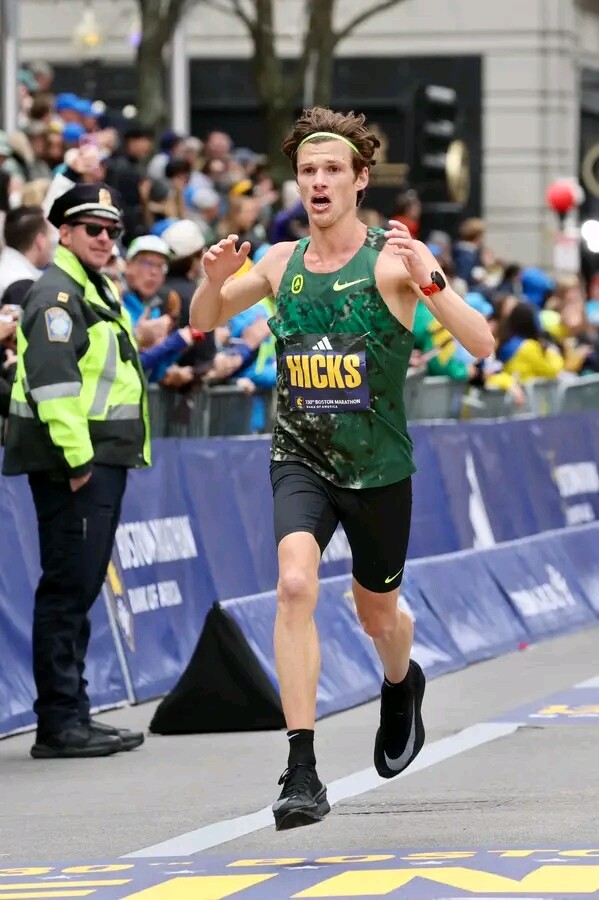
Several highly anticipated marathon debuts will also add intrigue to this year's race. Kenya's Brian Kibor, Japan's Tomoki Ota, Thailand's Kieran Tuntivate, and South Africa's Adriaan Wildschutt are all set to tackle the classic 42.195-kilometre distance for the first time, bringing fresh excitement and unpredictability to an already loaded field.
The United States will also have a strong presence, led by Charles Hicks, Clayton Young, Vincent Mauri, Abbabiya Simbassa, Haftu Knight, CJ Albertson, Daniel Mesfun, Alex Maier, Murphy Smith, and marathon legend Galen Rupp, giving home fans plenty of athletes to cheer throughout the race.
With multiple athletes boasting personal bests under 2:04, an outstanding mix of established marathon champions and fearless debutants, and Chicago's reputation for producing exceptionally fast times, the ingredients are in place for one of the greatest marathon contests of 2026.
All eyes may be on Jacob Kiplimo, but with such extraordinary depth from across the globe, the battle for the Chicago Marathon crown promises to be one of the highlights of the international road racing season.
by Erick Cheruiyot for My Best Runs.
Login to leave a comment
Bank of America Chicago
Running the Bank of America Chicago Marathon is the pinnacle of achievement for elite athletes and everyday runners alike. On race day, runners from all 50 states and more than 100 countries will set out to accomplish a personal dream by reaching the finish line in Grant Park. The Bank of America Chicago Marathon is known for its flat and...
more...
Adrian Wildschutt Set for Long-Awaited Marathon Debut at the Chicago Marathon
South African distance-running star Adrian Wildschutt has officially announced that he will make his highly anticipated marathon debut at the 2026 Chicago Marathon, taking on the iconic 26.2-mile distance for the first time on October 11.
The announcement, shared on his social media channels, marks the beginning of an exciting new chapter for one of the world's most accomplished track and road racers. After building an impressive career over distances ranging from 3,000 metres to the half marathon, Wildschutt has decided the time is right to test himself in one of the sport's ultimate challenges.
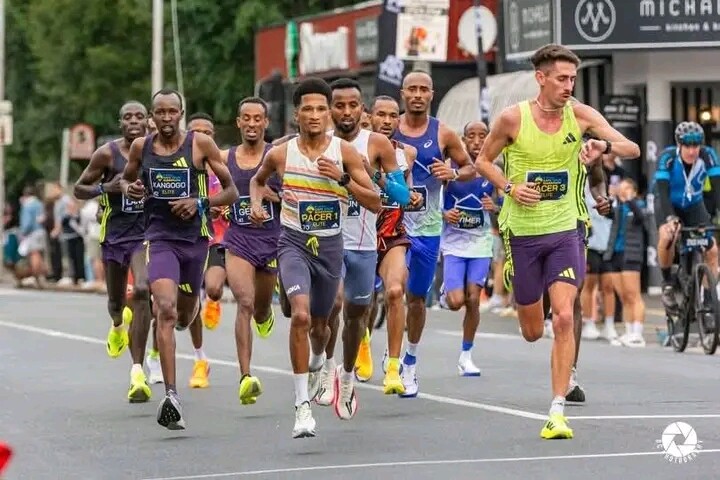
The move has been eagerly anticipated by fans and athletics followers, who have watched the South African steadily develop into one of the strongest endurance athletes on the international circuit. His combination of speed, strength and racing intelligence has long suggested that the marathon could become another stage on which he excels.
Wildschutt expressed both excitement and gratitude as he revealed the news, emphasizing that preparations are already well underway. His focus is now fully fixed on Chicago, where he hopes to translate years of experience over shorter distances into a successful marathon debut against one of the strongest fields in the world.
The Chicago Marathon has earned a reputation as one of the fastest marathon courses on the planet, producing numerous world records and unforgettable performances. It provides an ideal setting for elite athletes looking to make an immediate impact over the classic distance, making it a fitting choice for Wildschutt's first attempt.
Although marathon debuts are always unpredictable, Wildschutt arrives with an outstanding résumé that includes world-class performances on the track and road. His proven endurance, tactical racing ability and impressive half marathon credentials have already sparked excitement about what he might achieve over 42.195 kilometres.
With months of preparation still ahead, anticipation will continue to build as Wildschutt embarks on his journey toward one of the biggest milestones of his career. On October 11, all eyes will be on the streets of Chicago as the South African takes his first steps into marathon racing, aiming to announce himself on the global stage in spectacular fashion.
by Erick Cheruiyot for My Best Runs.
Login to leave a comment
Bank of America Chicago
Running the Bank of America Chicago Marathon is the pinnacle of achievement for elite athletes and everyday runners alike. On race day, runners from all 50 states and more than 100 countries will set out to accomplish a personal dream by reaching the finish line in Grant Park. The Bank of America Chicago Marathon is known for its flat and...
more...
From Eugene To Global Greatness: How Lilian Kasait Rengeruk And Loice Chemnung Turned Teenage Promise Into World-Class Success
Twelve years can transform careers, but for Lilian Kasait Rengeruk and Loice Chemnung, they have transformed youthful potential into enduring excellence. Their remarkable rise from promising teenagers on the global junior stage to two of Kenya's finest distance runners stands as a testament to resilience, patience, and unwavering commitment.
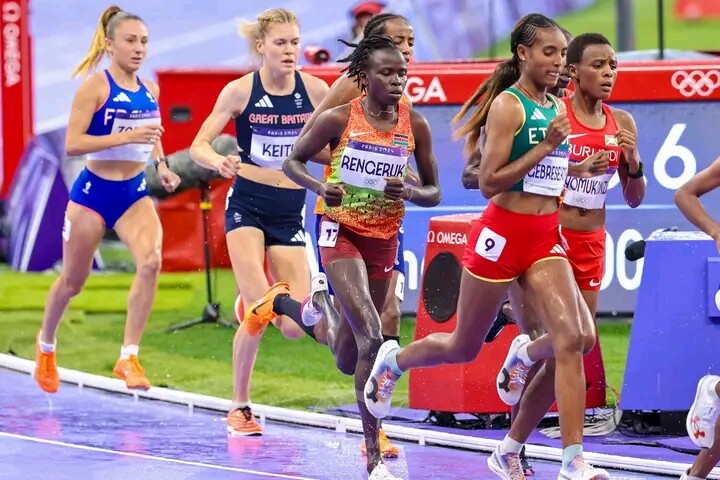
The story began in July 2014 at the World Under-20 Championships in Eugene, Oregon, where two 17-year-old Kenyan athletes stepped onto the famous Hayward Field with dreams far bigger than their years. Although their paths on the track differed, both displayed the talent and determination that would eventually propel them to the highest level of international distance running.
Rengeruk delivered one of the championship's most memorable performances in the women's 3,000 metres. Running with fearless confidence, she dictated much of the race before a thrilling final-lap battle saw American star Mary Cain surge past in the closing metres. Despite narrowly missing gold, Rengeruk secured a well-deserved silver medal in 9:00.53, announcing herself as one of the brightest young talents in global athletics.
Chemnung, meanwhile, contested the fiercely competitive women's 5,000 metres, where Ethiopia dominated the medals. She battled courageously throughout the race and finished fifth, gaining invaluable experience against some of the world's finest junior distance runners.
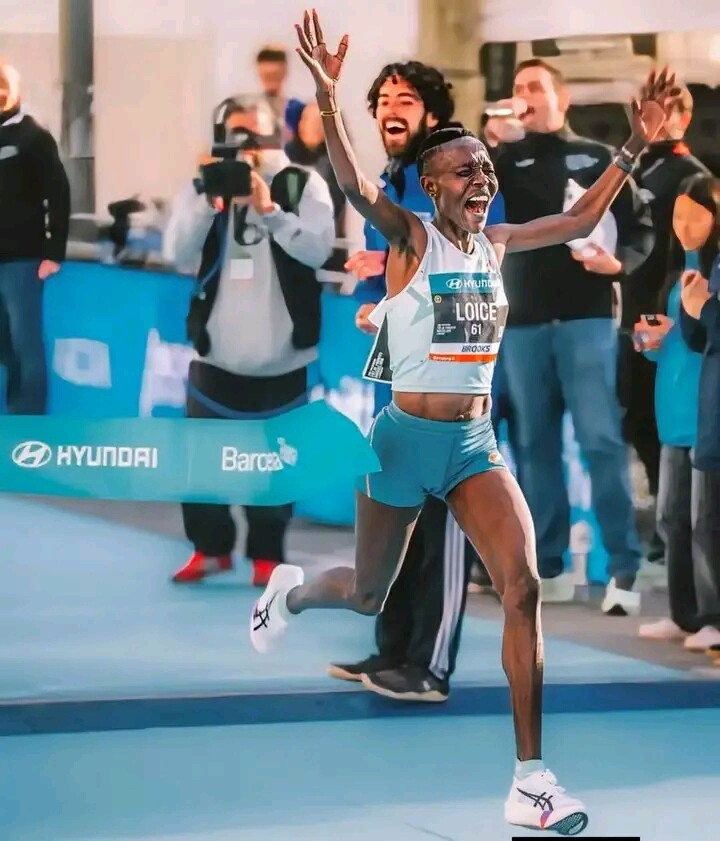
That championship proved to be only the beginning.
Over the past decade, both athletes have steadily evolved from accomplished track runners into elite performers over longer distances, earning recognition on some of the world's biggest roads while continuing to showcase Kenya's rich tradition of distance running.
Rengeruk has enjoyed an extraordinary transition. She stunned the athletics world by winning the Daegu Marathon on her debut in 2:19:33, overcoming a dramatic fall in the closing stages to still reach the finish line first. Her impressive résumé also includes a superb half marathon personal best of 1:03:32—among the fastest performances ever recorded—and a world-class 10,000-metre best of 29:26.89.
Chemnung's progression has been equally impressive. She has established herself as one of Kenya's premier long-distance runners by winning consecutive national 10,000-metre titles before making a spectacular impact on the roads. Her course-record victory at the Barcelona Half Marathon in 1:04:01 elevated her among the fastest women in history over the distance, while her outstanding marathon debut of 2:18:24 in Chicago confirmed her credentials as one of Kenya's brightest marathon prospects. Her commitment to the marathon was further demonstrated when she chose to focus on the event instead of pursuing a place at the Commonwealth Games.
Their achievements underline a truth often overlooked in modern sport: greatness is rarely built overnight. It is forged through years of disciplined training, perseverance during setbacks, and the courage to embrace new challenges.
Twelve years after sharing the world junior stage in Eugene, Lilian Kasait Rengeruk and Loice Chemnung continue to inspire a new generation of athletes. Their journey from talented teenagers to internationally acclaimed distance stars is more than a story of medals and records—it is proof that sustained hard work, belief, and consistency can transform youthful promise into a legacy of excellence.
by Erick Cheruiyot for My Best Runs.
Login to leave a comment
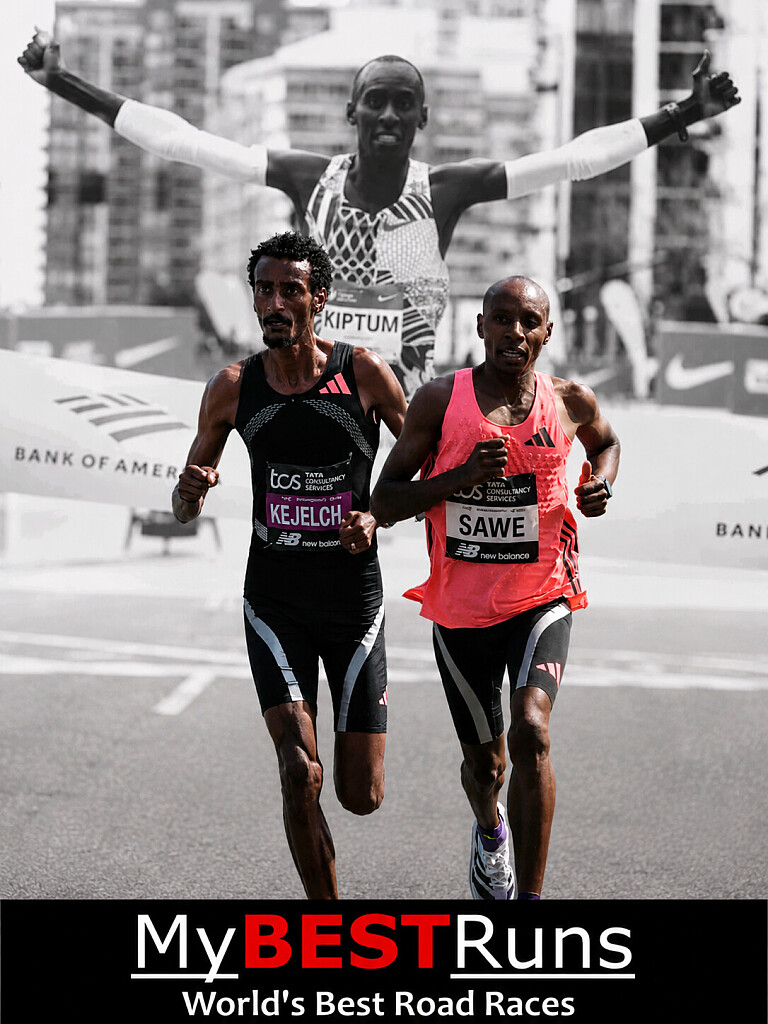
Kelvin Kiptum's World Record Is Gone. His Legacy Never Will Be
Records are made to be broken. Legacies are not.
On October 8, 2023, the streets of Chicago witnessed one of the greatest performances in marathon history. At just 23 years old, Kenya's Kelvin Kiptum stormed to a world record of 2:00:35, redefining what many believed was possible over 42.195 kilometres.
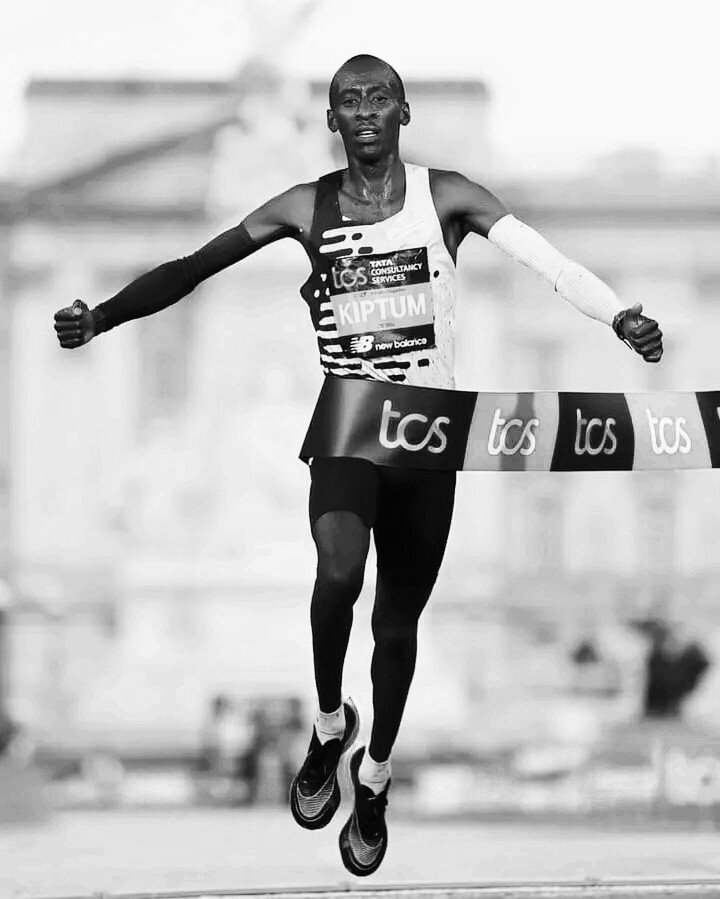
It was a performance that stunned the sporting world. Yet, no one could have imagined it would become his final masterpiece.
Just four months later, tragedy struck. Kiptum lost his life in a road accident at the age of 24, only five days after World Athletics officially ratified his world record. His marathon career lasted just three races, but it was nothing short of extraordinary. He won all three, remained unbeaten over the distance, and left behind a standard that inspired a new generation of marathon runners.
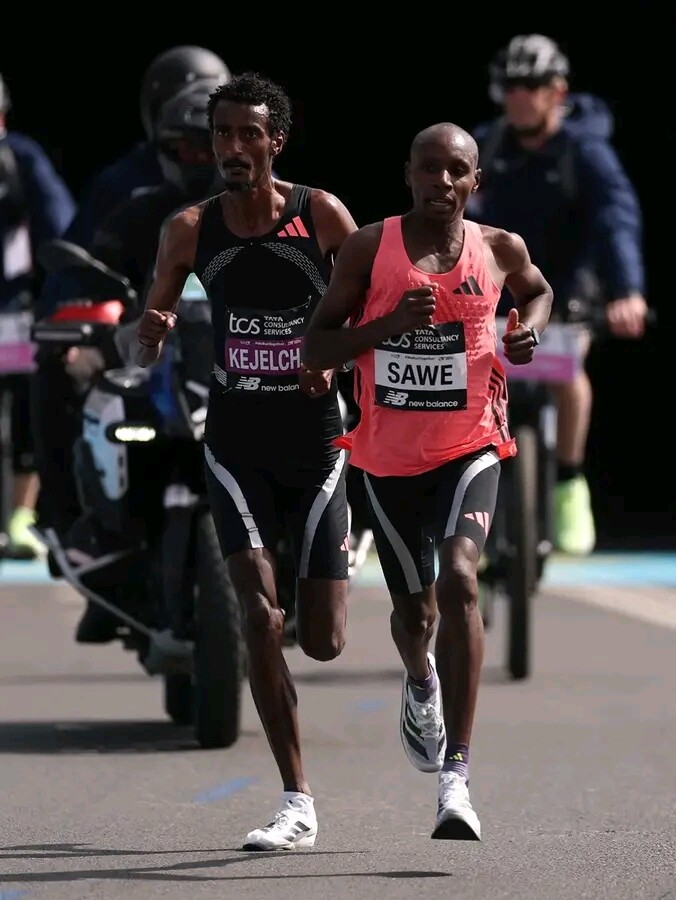
Then came another historic chapter.
At the London Marathon, a new world record was born. Sabastian Sawe delivered a sensational 1:59:30 to become the first man to officially break the two-hour barrier in a record-eligible marathon. Yomif Kejelcha followed with an extraordinary 1:59:41 on his marathon debut, while Jacob Kiplimo completed a remarkable podium in 2:00:28. In one unforgettable afternoon, Kiptum's world record was surpassed, signalling yet another leap forward in the evolution of marathon running.
But while the record books have changed, Kiptum's place in history has not.
His greatness was never defined solely by the time on the clock. It was defined by the belief he inspired. Kiptum proved that a young athlete training on the rugged roads of rurals around the world, competing sparingly and still shaping his own coaching journey, could challenge the very limits of human endurance. His achievements expanded what athletes believed was possible and helped usher the marathon into a new era.
His influence continues to resonate throughout the sport. Ruth Chepngetich dedicated her memorable 2024 Chicago Marathon victory to his memory, while Sawe's historic world-record performance came nearly two and a half years after Kiptum's unforgettable run in Chicago.
Time has moved forward. New records have been set. New champions have emerged.
Yet Kelvin Kiptum's name remains permanently etched in marathon history—not simply because he once held the world record, but because he changed the way the world viewed the marathon.
His world record is gone. His legacy never will be.
by Erick Cheruiyot for My Best Runs.
Login to leave a comment
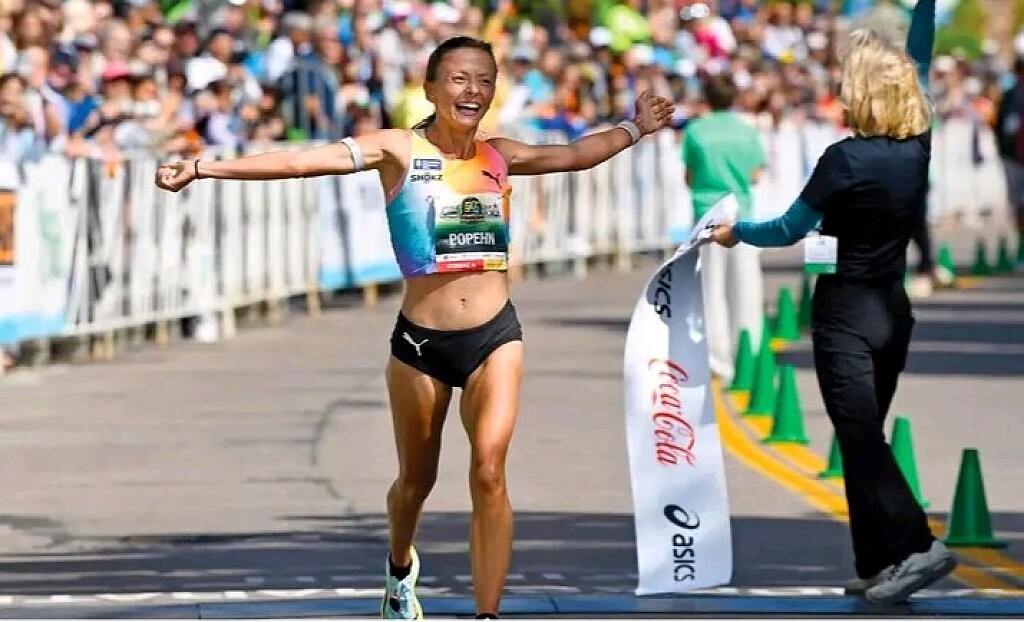
Dakotah Popehn Delivers Historic Triple Crown as Home-State Star Triumphs at Grandma’s Marathon
The 50th edition of Grandma’s Marathon produced another unforgettable chapter in its rich history on Saturday morning, as hometown favorite Dakotah Popehn thrilled thousands of spectators by claiming a remarkable third career title along the iconic shores of Lake Superior.
Under cool, humid conditions that provided an ideal stage for fast racing, the elite women’s field engaged in a captivating battle from Two Harbors to the finish line at Canal Park in Duluth. The race remained tightly contested deep into the final miles before Popehn showcased her experience, strength, and tactical brilliance to break away when it mattered most.
Roared on by passionate Minnesota supporters lining the course, the U.S. Olympian surged clear in the closing stages to cross the finish line in 2:28:51. The victory elevated Popehn into an exclusive group of women who have won Grandma’s Marathon three times, further cementing her place among the event’s all-time greats.

The race was far from straightforward. Ethiopia’s Bashanke Bilo delivered an outstanding performance in her North American marathon debut, staying within striking distance of the lead for much of the contest. Despite her determined challenge, she ultimately finished second in an impressive 2:29:36.
Completing the podium was Chicago’s Jane Bareikis, whose strong and consistent run earned her third place in 2:30:23 after a spirited effort throughout the demanding 26.2-mile journey.
Behind the leading trio, several American athletes produced notable performances. Mary van Laarhoven secured fourth place in 2:32:40, while Hannah Branch rounded out the top five with a time of 2:34:03. Annmarie Tuxbury, Sarah Czuprynski, Shalaya Kipp, Jennifer Pope, and Shannon Smith completed the top ten in a highly competitive women’s field.
Women's Top 10 Results – Grandma’s Marathon 2026
1. Dakotah Popehn (USA) – 2:28:51
2. Bashanke Bilo (Ethiopia) – 2:29:36
3. Jane Bareikis (USA) – 2:30:23
4. Mary van Laarhoven (USA) – 2:32:40
5. Hannah Branch (USA) – 2:34:03
6. Annmarie Tuxbury (USA) – 2:35:00
7. Sarah Czuprynski (USA) – 2:35:36
8. Shalaya Kipp (USA) – 2:36:58
9. Jennifer Pope (USA) – 2:37:59
10. Shannon Smith (USA) – 2:38:24
As Grandma’s Marathon celebrated its golden anniversary, the women’s race provided a fitting showcase of courage, tactical excellence, and perseverance. Yet the day ultimately belonged to Dakotah Popehn, whose unforgettable performance transformed a hometown dream into a historic triumph.
With her third Grandma’s Marathon crown secured, Popehn’s name is now permanently woven into the fabric of one of America’s most celebrated road races—a champion once again, and a legend forever.
by Erick Cheruiyot for My Best Runs.
Login to leave a comment

Grandmas Marathon
Grandma's Marathon began in 1977 when a group of local runners planned a scenic road race from Two Harbors to Duluth, Minnesota. There were just 150 participants that year, but organizers knew they had discovered something special. The marathon received its name from the Duluth-based group of famous Grandma's restaurants, its first major sponsor. The level of sponsorship with the...
more...
Hal Higdon at 95: The Coach Who Helped Millions Believe They Could Run a Marathon
In a sport filled with record breakers, Olympic champions, and marathon legends, few people have shaped the running world as profoundly as Hal Higdon. This week, the iconic coach, author, and lifelong runner celebrated his 95th birthday—a milestone that offers the global running community a chance to reflect on an extraordinary legacy that continues to inspire runners of every level.
For countless marathoners, Higdon's name is instantly familiar. Long before training apps and smartwatches became the norm, aspiring runners were printing out his training plans, pinning them to refrigerators, and following them mile by mile toward goals they once thought impossible. His programs transformed marathon preparation from something reserved for elite athletes into a journey that ordinary people could embrace with confidence.
Born and raised in Chicago, Higdon's relationship with running stretches back nearly eight decades. He began competing in 1947 and built a remarkable competitive career that included eight appearances at the U.S. Olympic Trials. His achievements on the roads were equally impressive. A regular competitor at the prestigious Boston Marathon, Higdon delivered one of his finest performances in 1964, finishing fifth overall in 2:21:55 and emerging as the top American finisher.
Yet what makes his story truly remarkable is not simply the races he ran, but the longevity and passion with which he pursued them. Over the course of his life, Higdon completed 111 marathons. Even approaching his 70th birthday, he demonstrated the same determination that defined his younger years by running seven marathons in seven consecutive months.
While his accomplishments as an athlete earned admiration, it was his work as a writer and coach that cemented his place in running history. Over the years, he authored more than three dozen books and became one of the most trusted voices in the sport through his extensive work with Runner's World. His landmark publication, Marathon: The Ultimate Training Guide, now in its fifth edition, remains a trusted companion for first-time marathoners around the world.
What sets Higdon apart is his ability to make the marathon feel achievable. His training philosophy emphasized consistency, patience, and gradual progress rather than intimidating mileage or complex workouts. Through simple, structured plans, he helped generations of runners discover that the marathon was not reserved for a select few—it was a challenge that anyone willing to commit could conquer.
Perhaps the most remarkable part of the story is that his influence remains active today. His training plans continue to be freely available online, reaching new runners every year. The family business remains strong, supported by his children and grandchildren, ensuring that his guidance continues to inspire future generations.
Many lifetime achievement awards serve as a final chapter in a distinguished career. Hal Higdon's story is different. At 95, he remains engaged, writing, teaching, and encouraging runners across the globe. His impact is measured not only in races completed or books sold, but in the millions of lives he has touched through the simple belief that ordinary people are capable of extraordinary things.
As runners around the world shared their stories and gratitude in celebration of his birthday, one message rang clear: the sport owes Hal Higdon far more than applause. It owes him generations of first miles, first finish lines, and first marathons.
At 95, the legendary coach is still inspiring runners to take the next step forward—and that may be his greatest achievement of all.
by Erick Cheruiyot for My Best Runs.
Login to leave a comment

One Runner. 77 Neighborhoods. Every Street in Chicago
For most runners, a finish line marks the end of a journey. For Chicago's Joabe Barbosa, the finish line was an entire city.
After 680 days of relentless dedication, Barbosa has become the first known person to run every street in all 77 neighborhoods of Chicago, completing one of the most remarkable endurance challenges ever attempted in the city. His extraordinary quest covered more than 4,000 miles (6,400 kilometers), transforming the streets of Chicago into his personal running course and proving that endurance is about far more than speed or race medals.

What began in 2024 as an ambitious idea soon evolved into a test of patience, discipline, and meticulous planning. Unlike a marathon with a clearly marked route, Barbosa's challenge required him to navigate thousands of streets, avenues, cul-de-sacs, and hidden corners spread across one of America's largest cities. Every mile had to be tracked, verified, and carefully mapped to ensure that no road was left unexplored.
The project demanded much more than physical fitness. It required strategic route planning, consistency through changing seasons, and an unwavering commitment to a goal that would take nearly two years to achieve. Day after day, neighborhood after neighborhood, Barbosa chipped away at the enormous undertaking, often venturing into areas of the city many residents have never seen.
Along the way, he documented his progress through GPS tracking and social media updates, allowing thousands of followers to witness the challenge unfold in real time. His maps became visual proof of a growing achievement, with every completed street adding another piece to a citywide puzzle that few could have imagined finishing.
Yet beyond the statistics lies a deeper story. Barbosa's journey was not simply about running miles. It was about experiencing Chicago in its entirety — from bustling commercial districts and historic neighborhoods to quiet residential streets and overlooked corners. Few people can claim to know a city as intimately as someone who has literally run every street within it.
This month, after nearly two years of unwavering effort, Barbosa stepped onto the final uncompleted street and brought the historic project to a close. There were no stadium lights, no finish-line tape, and no roaring crowds. Instead, there was the satisfaction of accomplishing something that had never been done before.
In an era obsessed with records and rankings, Joabe Barbosa's achievement stands apart. It was not about running the fastest mile or winning a prestigious race. It was about curiosity, persistence, and the willingness to embrace a challenge so vast that most people would never attempt it.
By running every street across Chicago's 77 neighborhoods, Barbosa has etched his name into the city's endurance history and demonstrated that sometimes the greatest adventures are found not by leaving home, but by exploring every corner of it—one step at a time.
by Erick Cheruiyot for My Best Runs.
Login to leave a comment
Africa Makes History as Sanlam Cape Town Marathon Earns World Marathon Major Status
CAPE TOWN, South Africa — A landmark chapter in global distance running has been written, with the Sanlam Cape Town Marathon officially securing its place among the world's most prestigious road races. Following a rigorous assessment process, the event has been awarded Abbott World Marathon Majors status, becoming the eighth race in the renowned series and the first ever on African soil.
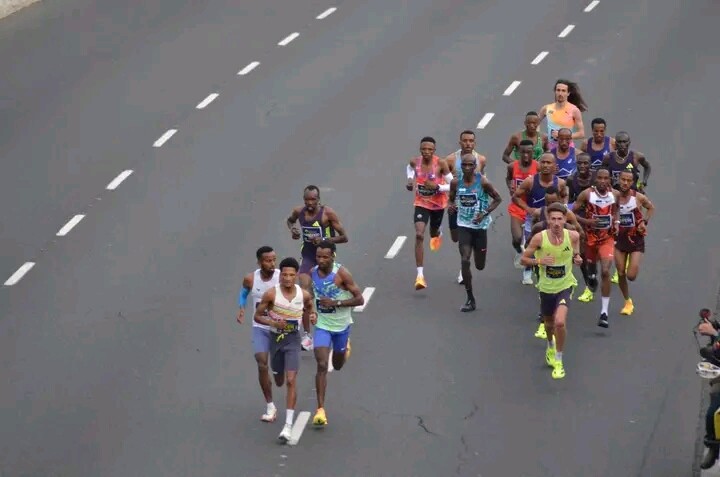
The announcement marks a historic breakthrough not only for South Africa but for the entire African continent, which has long been recognized as the heartbeat of distance running. For decades, African athletes have dominated marathon racing around the world. Now, Africa finally has a Major of its own.
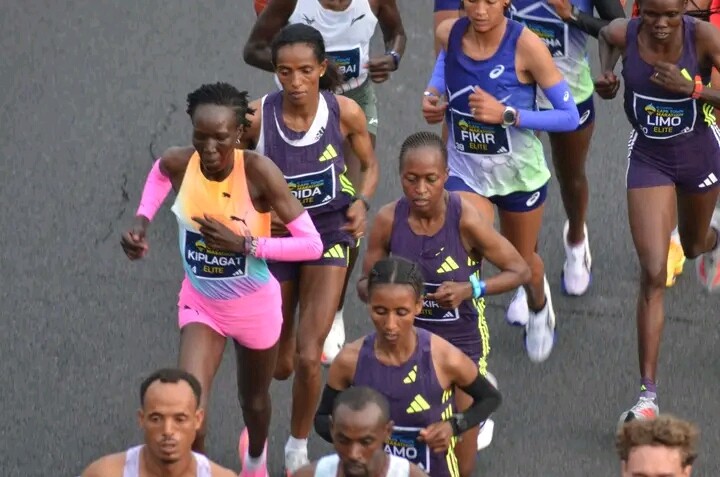
Beginning with the 2027 edition, scheduled for 22–23 May, the Sanlam Cape Town Marathon will join an elite group of races that includes Tokyo, Boston, London, Sydney, Berlin, Chicago, and New York City. The achievement elevates Cape Town into one of the most celebrated destinations in global marathon running and cements Africa's place at the highest level of the sport.
The journey to Major status has been years in the making, driven by relentless commitment from race organizers, athletes, volunteers, sponsors, running clubs, and supporters who believed in the vision of bringing a World Marathon Major to Africa. Through continuous improvements in race organization, international standards, athlete experience, and community engagement, the event steadily built a reputation worthy of the sport's grandest stage.
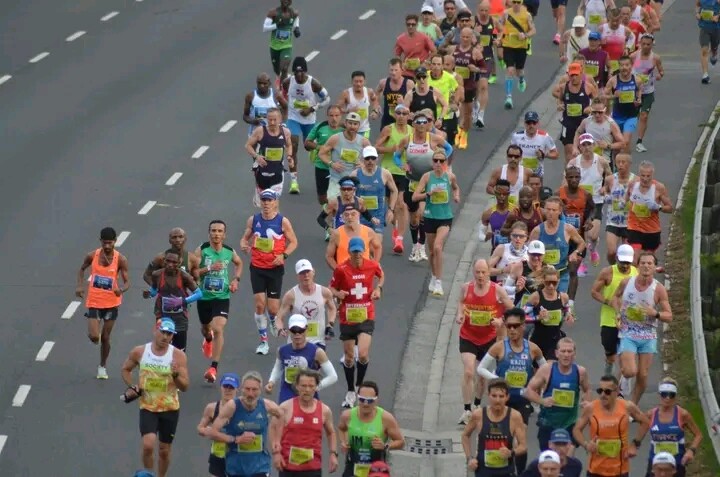
For many within the running community, the moment represents far more than the success of a single race. It is a victory for an entire continent whose passion for athletics has inspired generations. From elite champions to recreational runners, countless individuals have contributed to turning what once seemed an ambitious dream into reality.
The elevation of the Sanlam Cape Town Marathon is expected to boost international participation, tourism, and investment while providing a powerful platform to showcase Africa's culture, landscapes, and sporting excellence to a global audience.
As the countdown begins to May 2027, celebrations are already underway across the running world. The message resonating from Cape Town to every corner of Africa is clear: history has been made.
Africa's first Abbott World Marathon Major has arrived, and a new era for distance running has officially begun.
by Erick Cheruiyot for My Best Runs.
Login to leave a comment

Cape Town Marathon
The Sanlam Cape Town Marathon is a City Marathon held in Cape Town, South Africa, which is sponsored by Sanlam, the City of Cape Town and Vital Health Foods. The marathon is held on a fast and flat course, starting and finishing in Green Point, near the Cape Town Stadium. Prior to existing in its current format, the Cape Town...
more...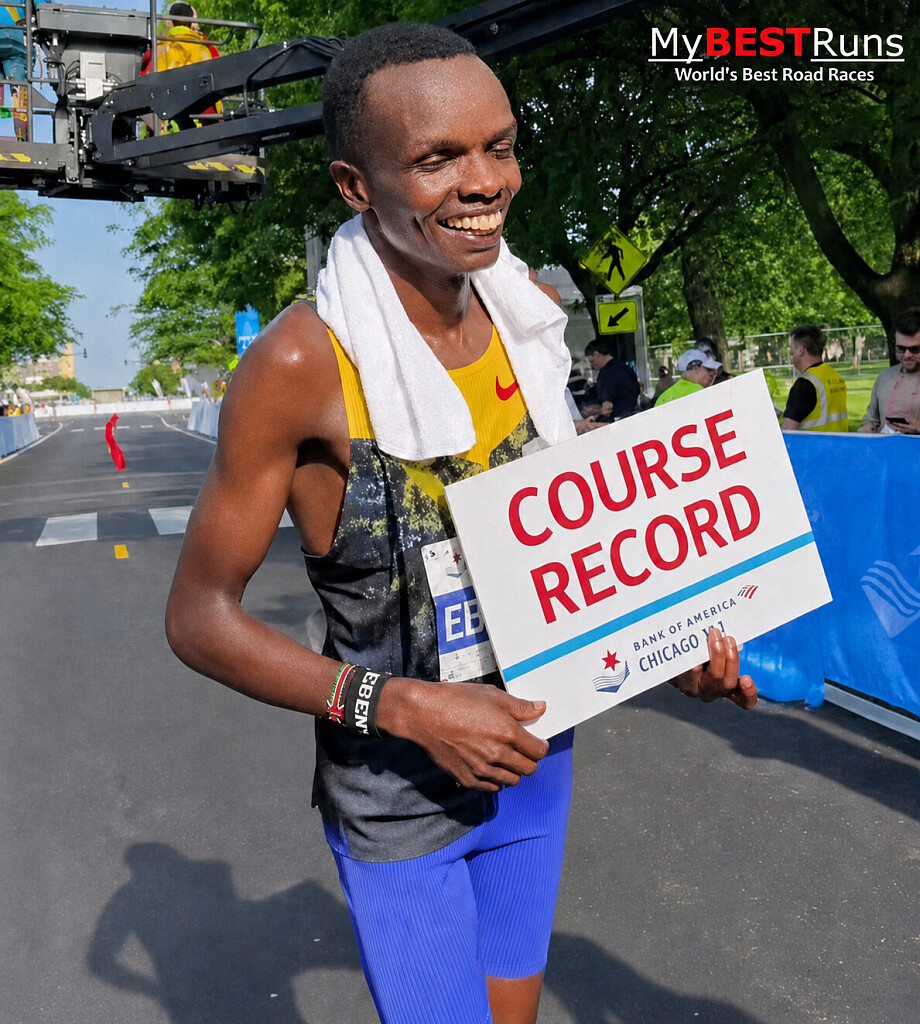
Daniel Ebenyo Demolishes Chicago Half Marathon Course Record with Commanding Solo Victory
Kenya’s Daniel Ebenyo delivered a masterclass in distance running at the Chicago Half Marathon, producing a dominant front-running performance to rewrite the course record and further cement his status among the world's premier road racers.

From the opening miles, Ebenyo imposed his authority on the race, quickly separating himself from the field and maintaining a relentless pace throughout the morning. Running virtually unchallenged for much of the contest, the Kenyan star powered to the finish line in a remarkable 1:00:39, smashing the previous course record and securing one of the most impressive victories in the event’s history.
The performance highlighted Ebenyo’s exceptional strength, endurance, and tactical confidence. Rather than relying on a late surge, he controlled the race from the front, steadily increasing the gap over his rivals before crossing the line alone in a memorable display of long-distance excellence.
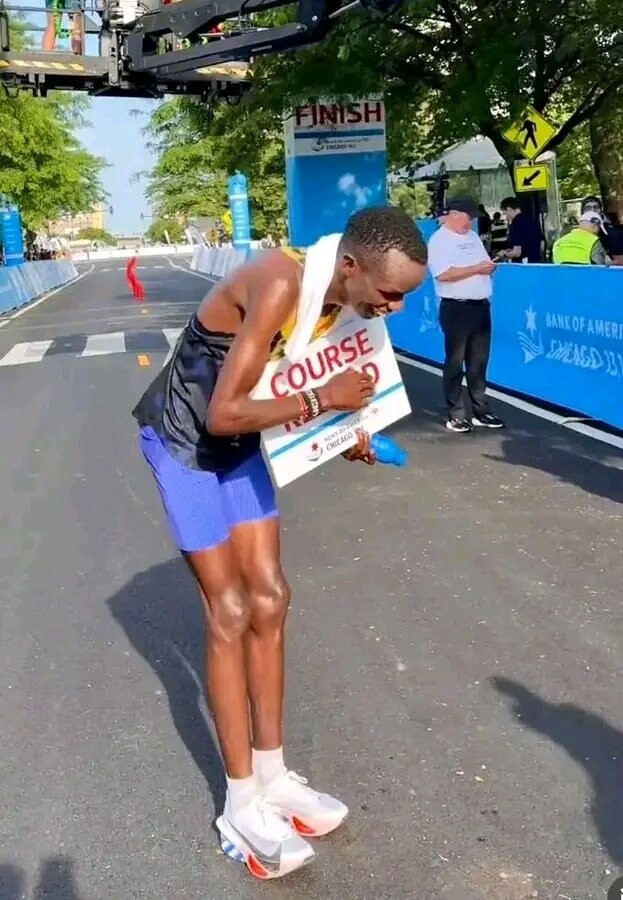
Behind the runaway winner, American distance standout Futsum Zienasellassie claimed second place in 1:01:37, while fellow American Bob Liking completed the podium in 1:01:55 after a strong effort over the 21.1-kilometre distance.
The result adds another significant achievement to Ebenyo’s growing résumé and serves as a reminder of Kenya’s enduring dominance on the global road racing circuit. His record-breaking run in Chicago was not only a victory but a statement performance that left no doubt about who owned the race from start to finish.
Top 10 Men's Elite Results
1. Daniel Simiu Ebenyo (Kenya) – 1:00:39 (Course Record)
2. Futsum Zienasellassie (USA) – 1:01:37
3. Bob Liking (USA) – 1:01:55
4. Kipchirchir Sosten (USA) – 1:02:25
5. Peter Njeru (USA) – 1:02:56
6. Yuki Osaka (Japan) – 1:03:05
7. Justin Kent (Canada) – 1:03:10
8. Kieran Tuntivate (USA) – 1:03:22
9. Athanas Kioko (USA) – 1:03:42
10. Connor Winter (USA) – 1:03:44
For Daniel Ebenyo, Chicago became the stage for a historic run—one that transformed an already impressive morning into a record-breaking showcase of world-class talent.
by Erick Cheruiyot for My Best Runs.
Login to leave a comment
Elite Showdown Awaits: Ebenyo, Rodriguez Among Top Names Confirmed for Chicago 13.1
A thrilling international battle is shaping up on the streets of Chicago as organizers have unveiled a strong men's elite field for the 2026 Chicago 13.1, scheduled for June 7.
Leading the lineup is Kenyan distance-running star Daniel Ebenyo, whose outstanding personal best of 59:04 makes him one of the fastest athletes ever entered in the event. Renowned for his aggressive racing style and remarkable strength over the half marathon distance, Ebenyo arrives as one of the leading contenders for victory.
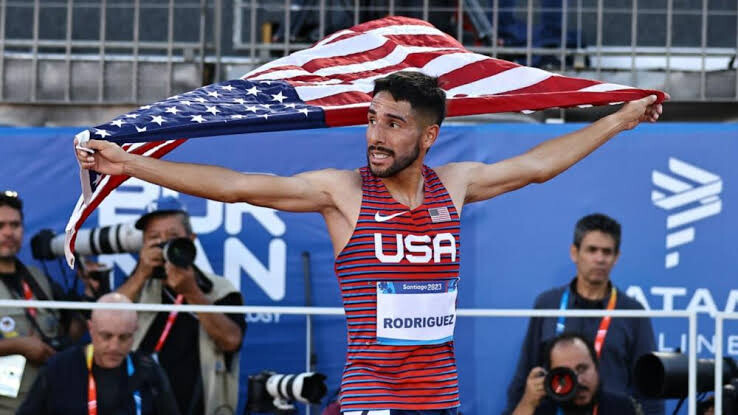
However, the Kenyan will face a formidable challenge from American standout Isai Rodriguez. The United States star owns an impressive personal best of 59:57 and will be eager to deliver a memorable performance on home soil. With Rodriguez and Ebenyo both having broken the prestigious 60-minute barrier, their clash is expected to be one of the highlights of the race.
The Kenyan contingent is further strengthened by the inclusion of Kipchirchir Sosten, Sam Chelanga, and Peter Njeru, adding considerable depth to an already competitive field. Njeru enters the race with a personal best of 1:00:29 and will be looking to challenge the front-runners in what promises to be a fast-paced contest.
As the Chicago 13.1 continues to establish itself as one of the premier road racing events in the United States, this year's edition has attracted an exciting blend of international talent and local stars. The flat and fast course is known for producing quick times, setting the stage for a potentially spectacular race.
With elite athletes from Kenya and the United States set to go head-to-head, fans can expect a captivating battle for supremacy when the starting gun sounds on June 7 in Chicago.
by Erick Cheruiyot for My Best Runs.
Login to leave a comment
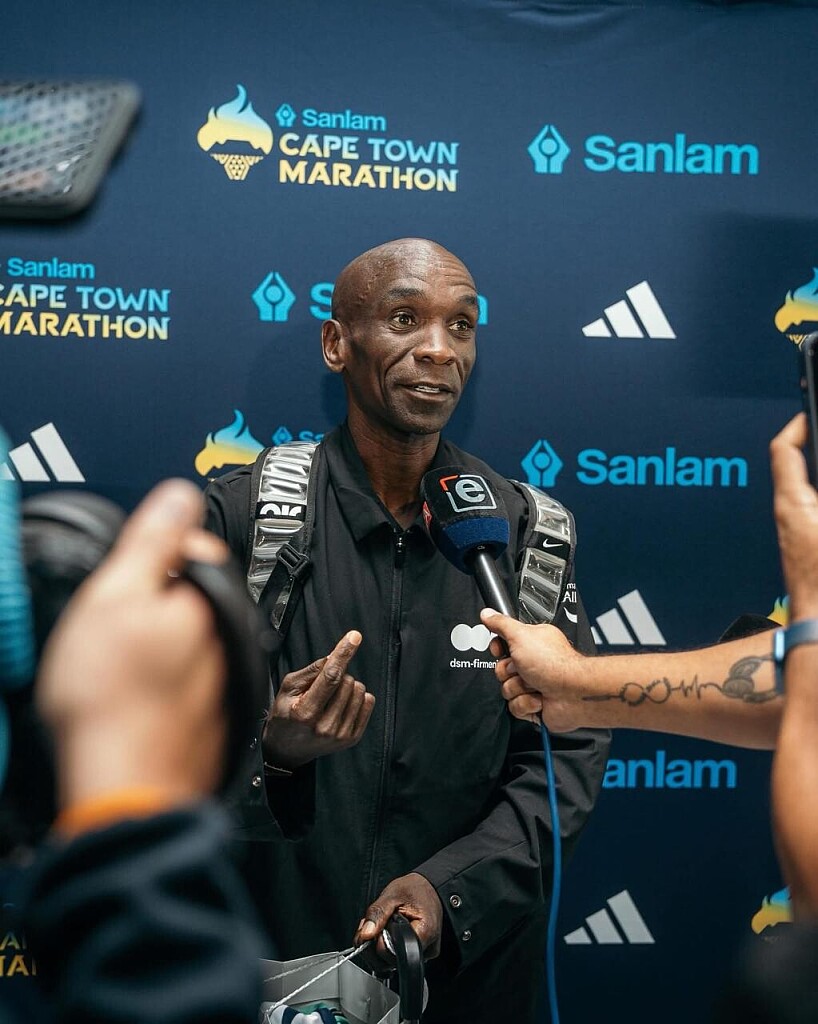
Kipchoge Backs Cape Town’s Historic Bid to Bring a World Marathon Major to Africa
Marathon icon Eliud Kipchoge has thrown his full support behind Cape Town’s ambitious campaign to become Africa’s first-ever Abbott World Marathon Major, describing the bid as a transformational moment for distance running across the continent. He is set to participate in Sanlam Cape Town marathon on May 24th, 2026.
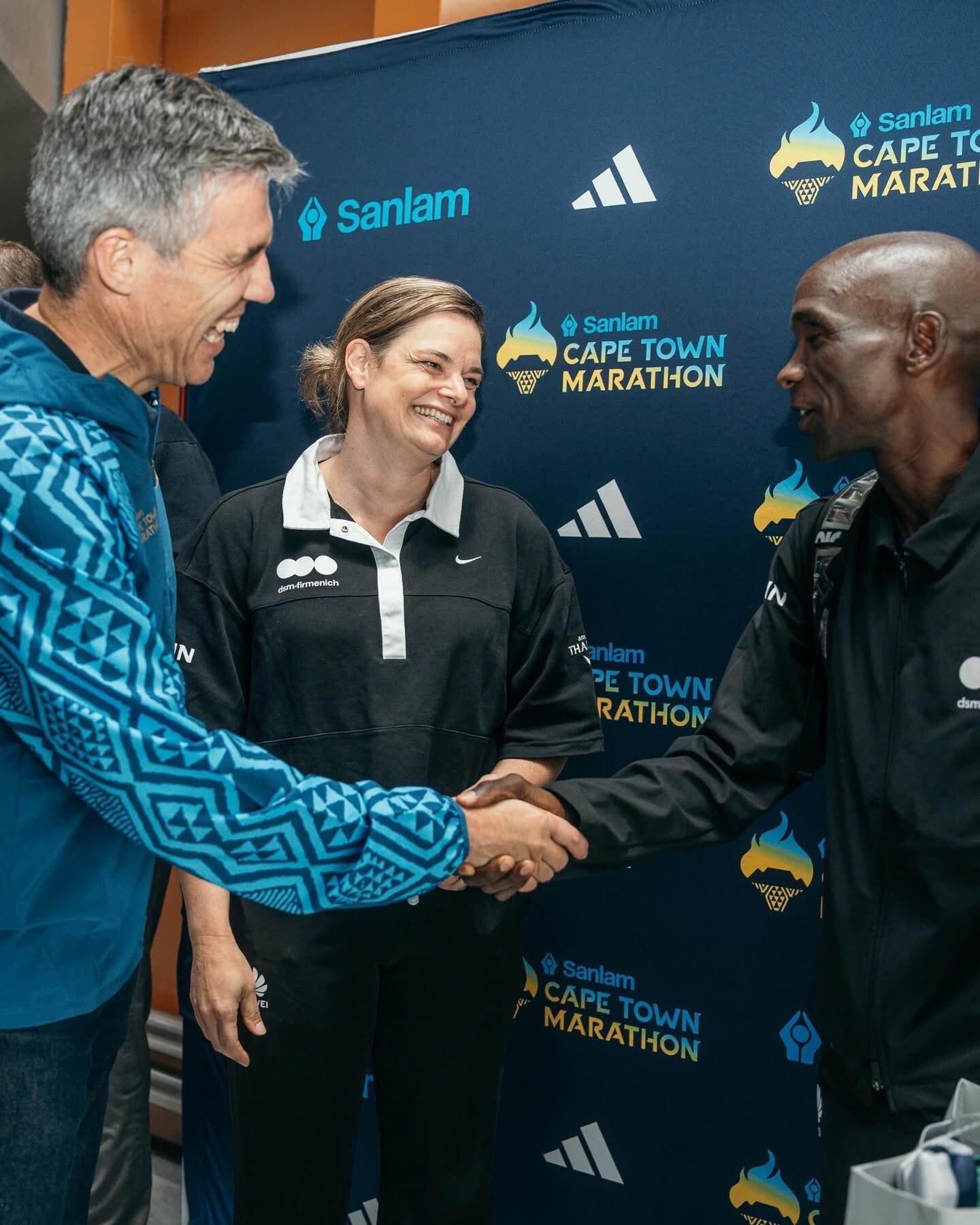
The two-time Olympic marathon champion arrived in Cape Town as part of his global marathon tour spanning seven continents, but his presence in South Africa carried far deeper significance than a ceremonial visit. For Kipchoge, the possibility of an African city joining the prestigious World Marathon Majors series represents a long-overdue recognition of the continent that has shaped the modern era of distance running.
Speaking passionately about the vision behind the bid, Kipchoge emphasized that Africa has supplied generations of world-class runners, inspired millions through athletics, and consistently dominated the marathon scene, yet has never hosted one of the sport’s most celebrated marathon events.
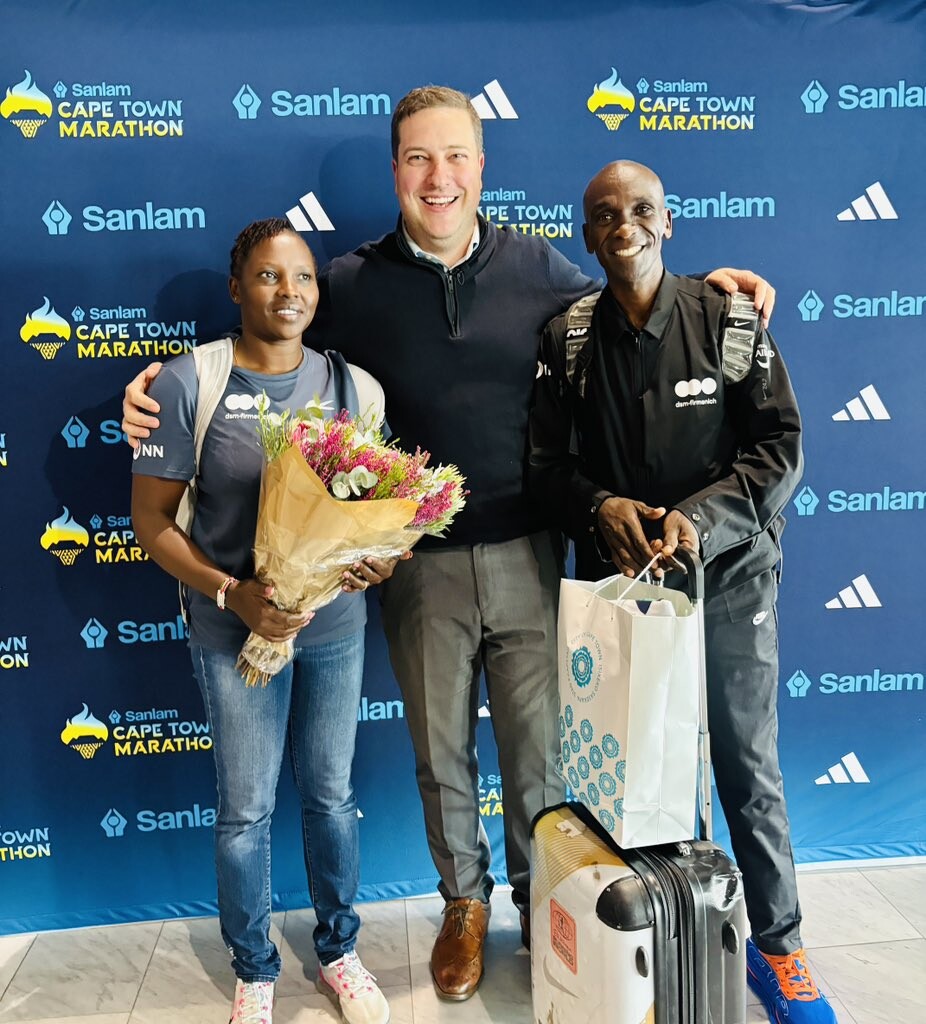
He believes Cape Town now has the opportunity to change that narrative forever.

The Abbott World Marathon Majors currently features some of the most iconic races in global athletics, including events in Tokyo, Boston, London, Berlin, Chicago, Sydney and New York City. Cape Town’s inclusion would mark a historic breakthrough, positioning Africa at the center of elite marathon racing while opening new pathways for athletes, tourism, investment, and sporting development across the continent.
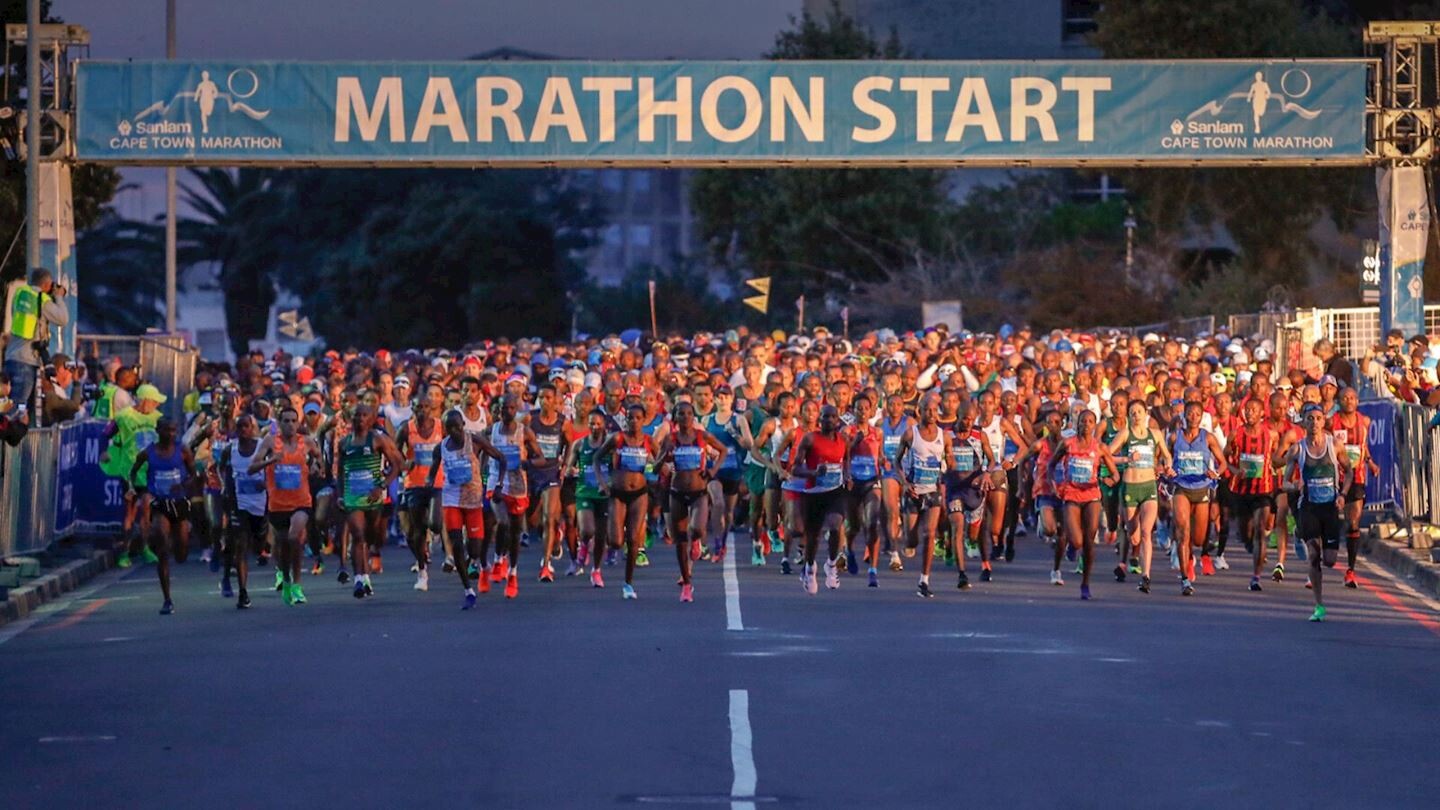
Kipchoge described the bid as more than just a race application, calling it a movement capable of inspiring an entirely new generation of African runners. According to the Kenyan legend, bringing a Major marathon to African soil would give young athletes tangible proof that the sport’s biggest stages are no longer distant dreams located overseas, but opportunities that can exist at home.
The marathon great also praised Cape Town’s scenery, culture, and growing international reputation as key strengths in the city’s campaign. With its breathtaking coastal routes, iconic landmarks, and passionate running community, Cape Town has increasingly emerged as one of the world’s most attractive long-distance racing destinations.
For many within global athletics, Kipchoge’s endorsement adds enormous credibility to the bid.
Few voices carry greater influence in marathon running than the Kenyan superstar, whose career has redefined human endurance. Beyond his Olympic triumphs and major marathon victories, Kipchoge became the first man in history to run a marathon in under two hours during the groundbreaking INEOS 1:59 Challenge — a feat that elevated him beyond sport and into global sporting folklore.
His support now places additional international attention on Cape Town’s push to make history.
Should the bid succeed, it would represent a monumental victory not only for South Africa, but for the entire African athletics community. It would finally bring one of marathon running’s highest honors to the continent that has produced countless champions and reshaped the global identity of endurance racing for decades.
As Kipchoge continues his journey across the seven continents, his message from Cape Town remains powerful and unmistakable: Africa’s time on marathon running’s grandest stage may finally have arrived.
by Erick Cheruiyot for My Best Runs.
Login to leave a comment
Cape Town Marathon
The Sanlam Cape Town Marathon is a City Marathon held in Cape Town, South Africa, which is sponsored by Sanlam, the City of Cape Town and Vital Health Foods. The marathon is held on a fast and flat course, starting and finishing in Green Point, near the Cape Town Stadium. Prior to existing in its current format, the Cape Town...
more...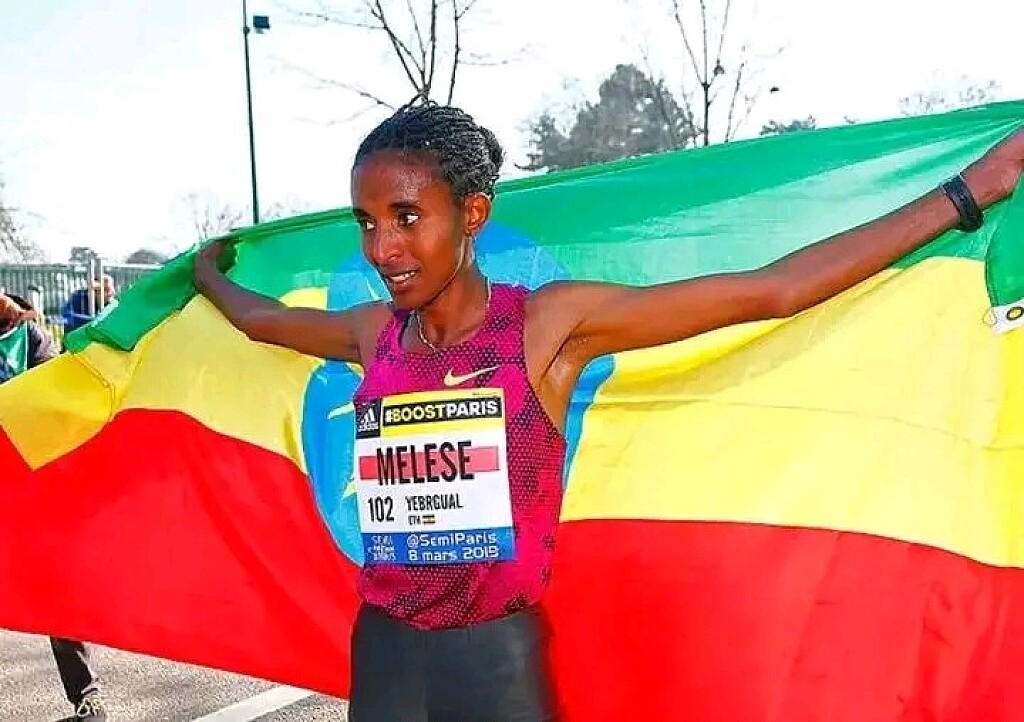
Ethiopian Athletics Mourns the Sudden Death of Marathon Star Yebrgual Melese
The athletics world is mourning the tragic and sudden passing of Ethiopian long-distance runner Yebrgual Melese, who reportedly died while taking part in her regular training session. She was 36 years old.
News of her death has sent shockwaves across the global athletics community, with tributes pouring in for one of Ethiopia’s respected distance runners whose career inspired many both at home and internationally.
Melese built a remarkable reputation through years of consistency and excellence on the roads, proudly representing Ethiopia in major international competitions. Among her achievements was winning a bronze medal in the half marathon at the 2015 African Games in Brazzaville, Congo, further cementing her place among the country’s accomplished long-distance athletes.
She also enjoyed significant success on the marathon stage, finishing second at the 2015 Chicago Marathon and claiming victories at the Shanghai, Prague, and Houston Marathons. Her dominance extended to shorter road races as well, having won the Paris Half Marathon twice alongside victory at the Lisbon Half Marathon. Melese recorded a personal best time of 2:19:36 during her distinguished career.
According to reports from the Ethiopian Athletics Federation, the celebrated athlete had been preparing for the upcoming Ottawa Marathon in Canada before her sudden death during training. Her passing marks a devastating loss not only for Ethiopian athletics but for the entire international running community.
Beyond her achievements, Melese was admired for her dedication, humility, and relentless fighting spirit. She carried the Ethiopian flag with pride on the international stage and earned the respect of fellow athletes and fans around the world through her performances and professionalism.
As messages of grief continue to emerge from across the athletics fraternity, the Ethiopian Athletics Federation expressed deep sorrow over the heartbreaking loss and extended condolences to her family, friends, supporters, and the wider sporting community.
The legacy of Yebrgual Melese will remain alive through the unforgettable moments she created on the roads and marathon courses around the world. May her soul rest in eternal peace.
by Erick Cheruiyot for My Best Runs.
Login to leave a comment
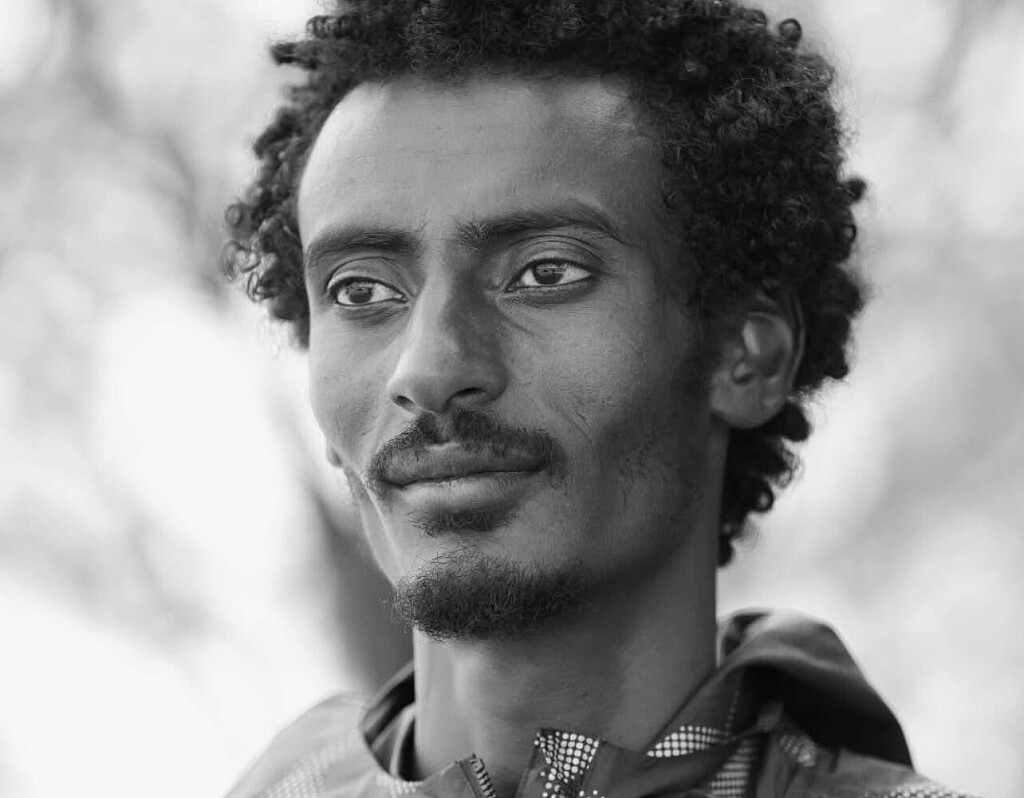
Where Should Yomif Kejelcha Run His Second Marathon — And Can He Break 1:59?
London changed marathon history forever as Sabastian Sawe and Yomif Kejelcha became the first two men ever to officially break the two-hour barrier for the marathon. Sawe won in 1:59:30, while Kejelcha stunned the world by running 1:59:41 in his marathon debut.
Now the focus shifts to the next question:
Where should Kejelcha run his second marathon?
And perhaps even more intriguing:
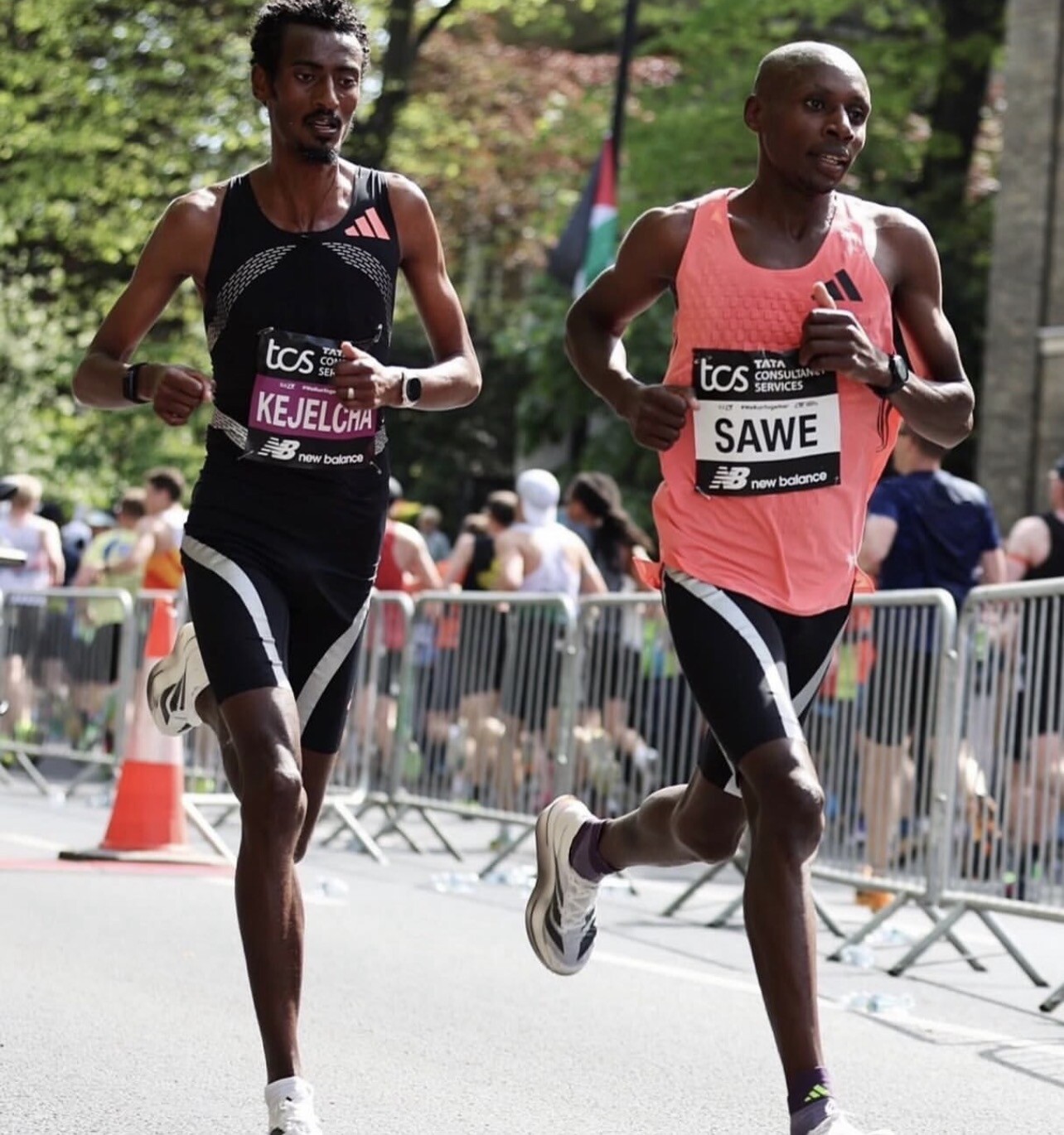
Can he become the first man to officially run under 1:59?
“Not to take away from Sawe’s amazing 1:59:30 marathon in winning London, but Kejelcha in second place clocked 1:59:41 in his first marathon ever. I think Yomif under perfect conditions can run under 1:59,” says Bob Anderson, lifetime runner and My Best Runs editor.
That possibility suddenly feels very real.
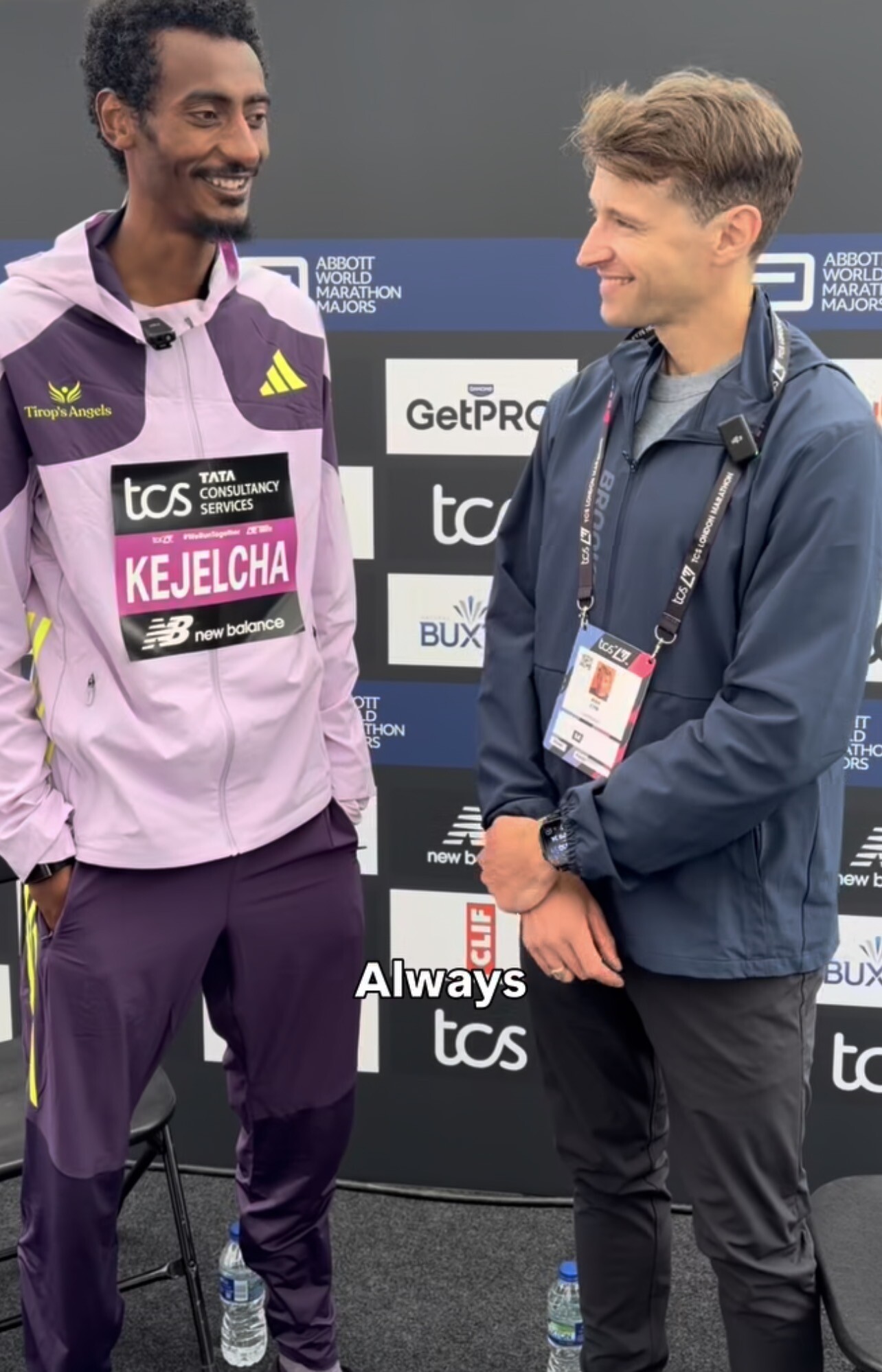
Kejelcha has long been considered one of the most naturally gifted distance runners in the sport. Before moving to the marathon, the Ethiopian star built a remarkable résumé that included world-class performances from 1500 meters through the half marathon. His 57:30 half marathon performance in Valencia confirmed that he possessed a rare combination of speed, efficiency, and endurance.
Those qualities are essential for what may become the next great frontier in distance running.
Breaking 1:59 would require sustaining approximately 4:32 per mile for the entire marathon distance. That demands not only endurance, but extraordinary efficiency and the ability to remain relaxed while running at near-impossible speeds.
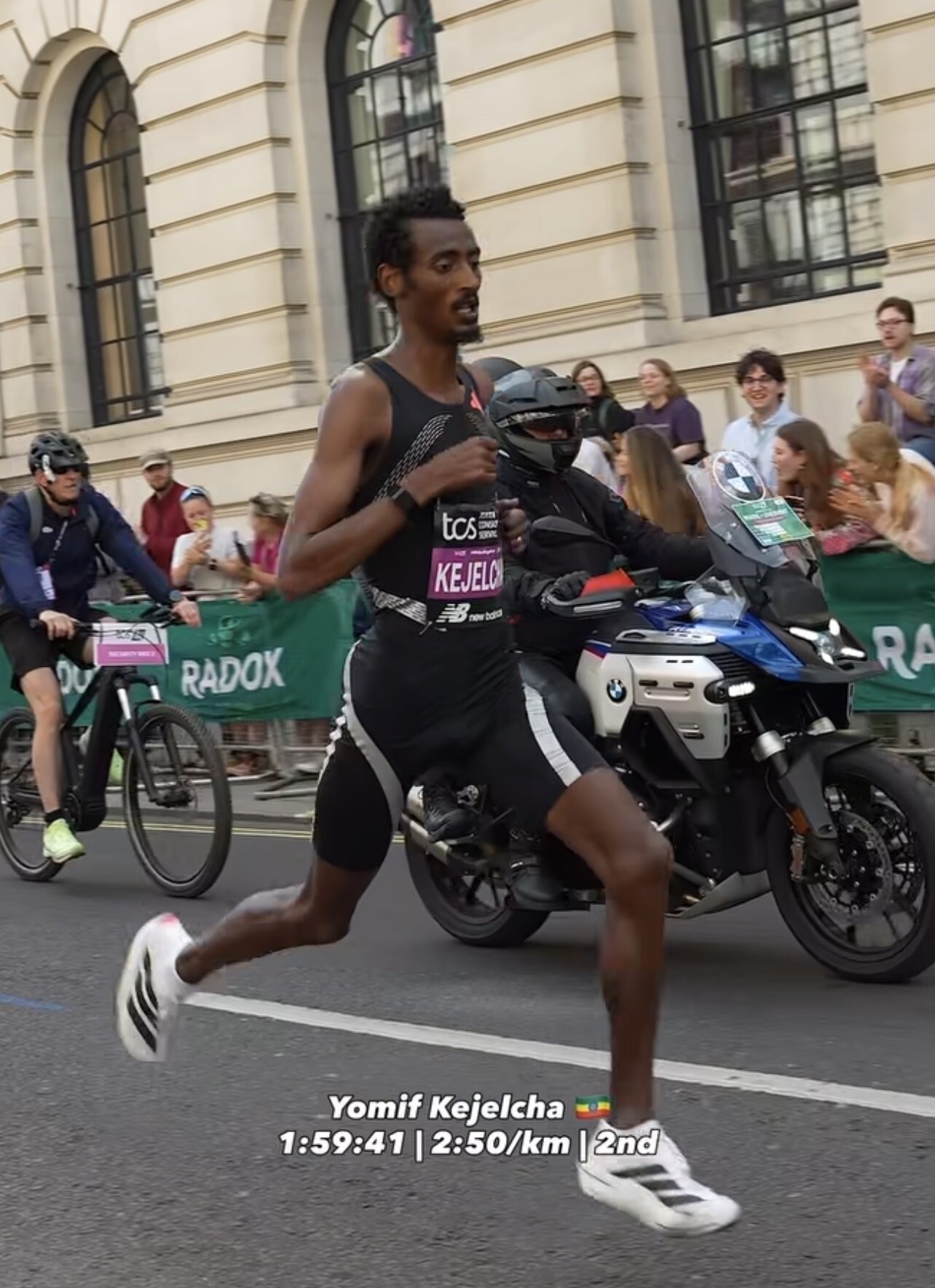
Very few athletes in history have appeared capable of that challenge.
Kejelcha now looks like one of them.
What makes his London performance even more extraordinary is that it came in his first attempt at the distance. Most elite marathoners require several races to learn the rhythm of fueling, pacing, and surviving the final 10 kilometers. Kejelcha immediately looked comfortable at a pace no one had ever officially sustained before.
That suggests there may still be room for improvement.
The question now becomes strategy.
Berlin immediately stands out as a logical option for his second marathon. No course in history has produced more marathon world records. Flat roads, cool temperatures, elite pacing, and ideal racing conditions have made Berlin the gold standard for fast marathoning.
If Kejelcha wants to make an immediate attack on history, Berlin would seem the obvious choice.
But there may be reasons to wait.
The Berlin Marathon comes only five months after London, and Kejelcha’s team may decide that patience is the smarter path. A debut marathon at world-record pace places enormous stress on the body, and carefully managing recovery could be critical to his long-term development.
Valencia may ultimately be the most intriguing possibility.
The Spanish race has rapidly become one of the fastest marathons in the world, producing countless personal bests and breakthrough performances. Kejelcha already has history there after running his half marathon world record, and the course appears perfectly suited to his smooth, efficient running style.
Chicago could also enter the conversation, though weather and wind conditions there can be less predictable.
Another option is Sevilla in early 2027, a race increasingly recognized for its fast course and ideal winter conditions.
Tokyo would provide prestige and global attention, but Berlin and Valencia are still generally viewed as superior venues for historic time attempts.
If Kejelcha’s goal is simply to win major marathons, he already has the ability to compete anywhere in the world.
But if the goal is to break 1:59, every detail matters:
weather,
pacing,
wind,
temperature,
fueling,
race timing,
and course design.
The difference between 1:59:41 and 1:58:59 may ultimately come down to only a few seconds per mile.
Still, London fundamentally changed how the running world views the limits of the marathon.
For years, an official sub-two-hour marathon felt impossible. Now the sport is already looking beyond that barrier.
At just 27 years old, Yomif Kejelcha may only be beginning his marathon career.
And after what happened in London, the possibility of a sub-1:59 marathon no longer feels unrealistic.
It feels possible.
by Boris Baron for My Best Runs
Login to leave a comment
Boston Collision Course: John Korir and Benson Kipruto Ready to Ignite a Marathon Classic
The streets of Boston are bracing for a contest worthy of marathon history as two of Kenya’s finest distance stars prepare to clash in one of the most anticipated races of the season. Defending champion John Korir will return to the iconic course with unfinished ambition, but standing in his path is a man who knows exactly how to win here—former champion Benson Kipruto.
On paper, the matchup could hardly be closer. Their personal bests are separated by only eight seconds, a razor-thin margin at the highest level of marathon racing. Korir owns a lifetime best of 2:02:24, while Kipruto has gone even faster with 2:02:16. In a race measured over 42.195 kilometers, such a difference is almost invisible.
Yet statistics only tell part of the story.
Korir arrives in Boston carrying the momentum of a remarkable run of form. His recent victories in Valencia 2025, Boston 2025, and Chicago 2024 have elevated him into the sport’s elite bracket. Powerful, composed, and tactically sharp, he has become one of the most dangerous men in championship-style racing. Returning as defending champion adds another layer of pressure—but also confidence.
Kipruto, however, is no stranger to the grandest stages. His résumé speaks with authority: triumphs in New York 2025, Tokyo 2024, Chicago 2022, and, most importantly for this occasion, Boston 2021. That previous success on the demanding Boston course could prove invaluable. He understands its rhythm, its unpredictability, and the moment when patience must give way to attack.
This is more than a race between two fast men. It is a collision of momentum versus experience, title defense versus redemption, present dominance versus proven mastery.
Boston has never been a course that rewards numbers alone. Its rolling terrain, shifting weather, and legendary late-race challenges often crown the athlete with the sharpest instincts rather than the quickest personal best. Strength, courage, and timing will matter just as much as speed.
When the leaders reach the decisive miles, reputations will mean nothing. One athlete will fight to defend his throne. The other will chase a second crown. And somewhere between the opening stride and the finish line on Boylston Street, a new chapter of Boston Marathon drama will be written.
by Erick Cheruiyot for My Best Runs.
Login to leave a comment
Boston Marathon
Among the nation’s oldest athletic clubs, the B.A.A. was established in 1887, and, in 1896, more than half of the U.S. Olympic Team at the first modern games was composed of B.A.A. club members. The Olympic Games provided the inspiration for the first Boston Marathon, which culminated the B.A.A. Games on April 19, 1897. John J. McDermott emerged from a...
more...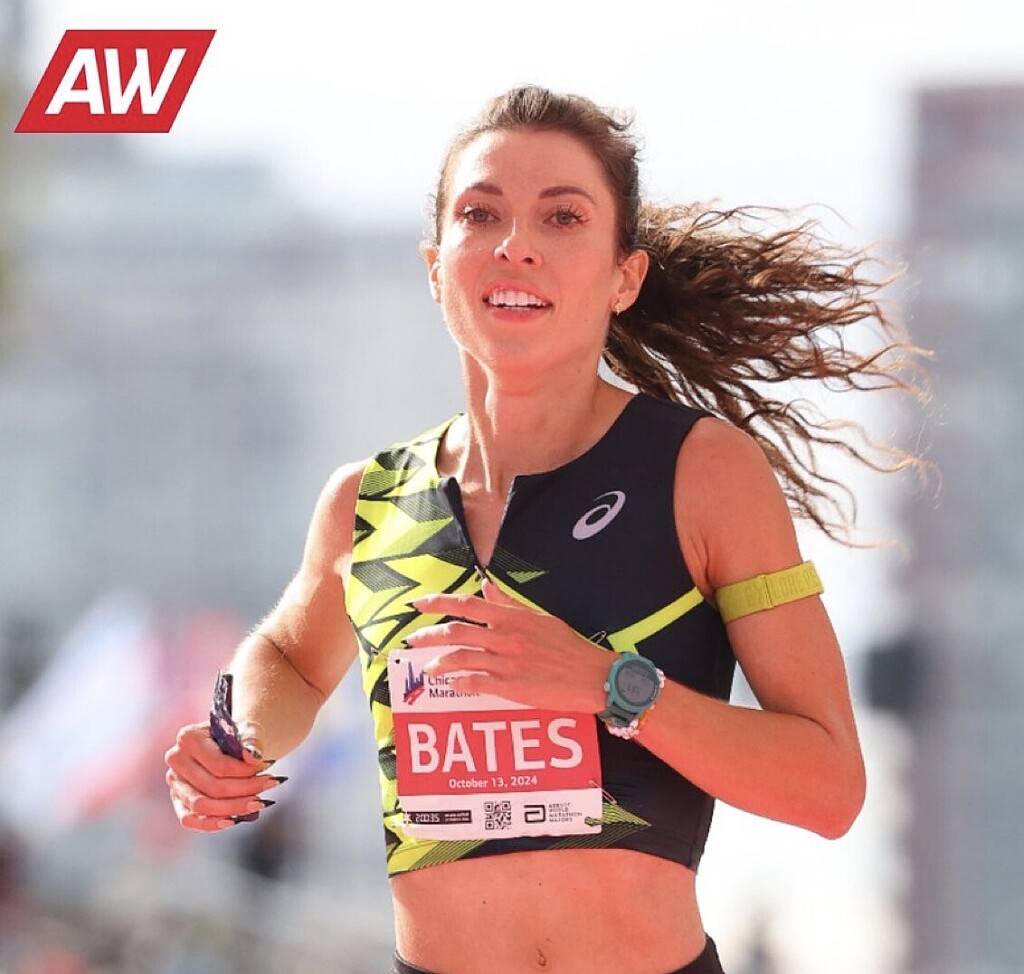
Emma Bates Says She Was Dropped by Sponsor During Pregnancy
American marathoner Emma Bates says she has been dropped by her longtime nutrition sponsor UCAN after revealing she is pregnant.
Bates, who owns a personal best of 2:23:18, had been with the Connecticut-based company for nearly four years. During that time, she delivered some of the strongest performances of her career, including a runner-up finish at the 2021 Chicago Marathon and multiple appearances as the top American woman at the Boston Marathon.
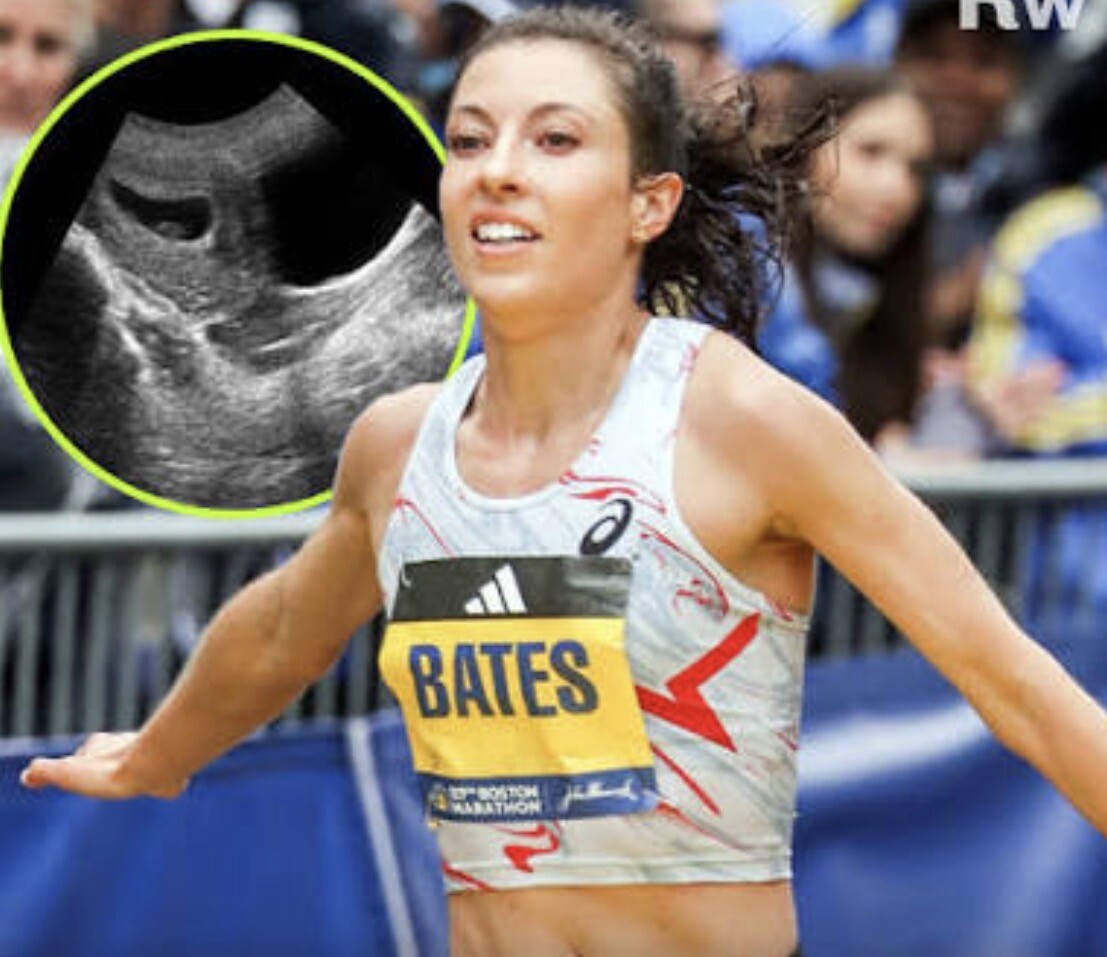
According to Bates, the sponsorship ended following news of her pregnancy—a situation that has once again raised questions about how female athletes are supported during one of the most important phases of their lives.
UCAN, however, tells a different story.
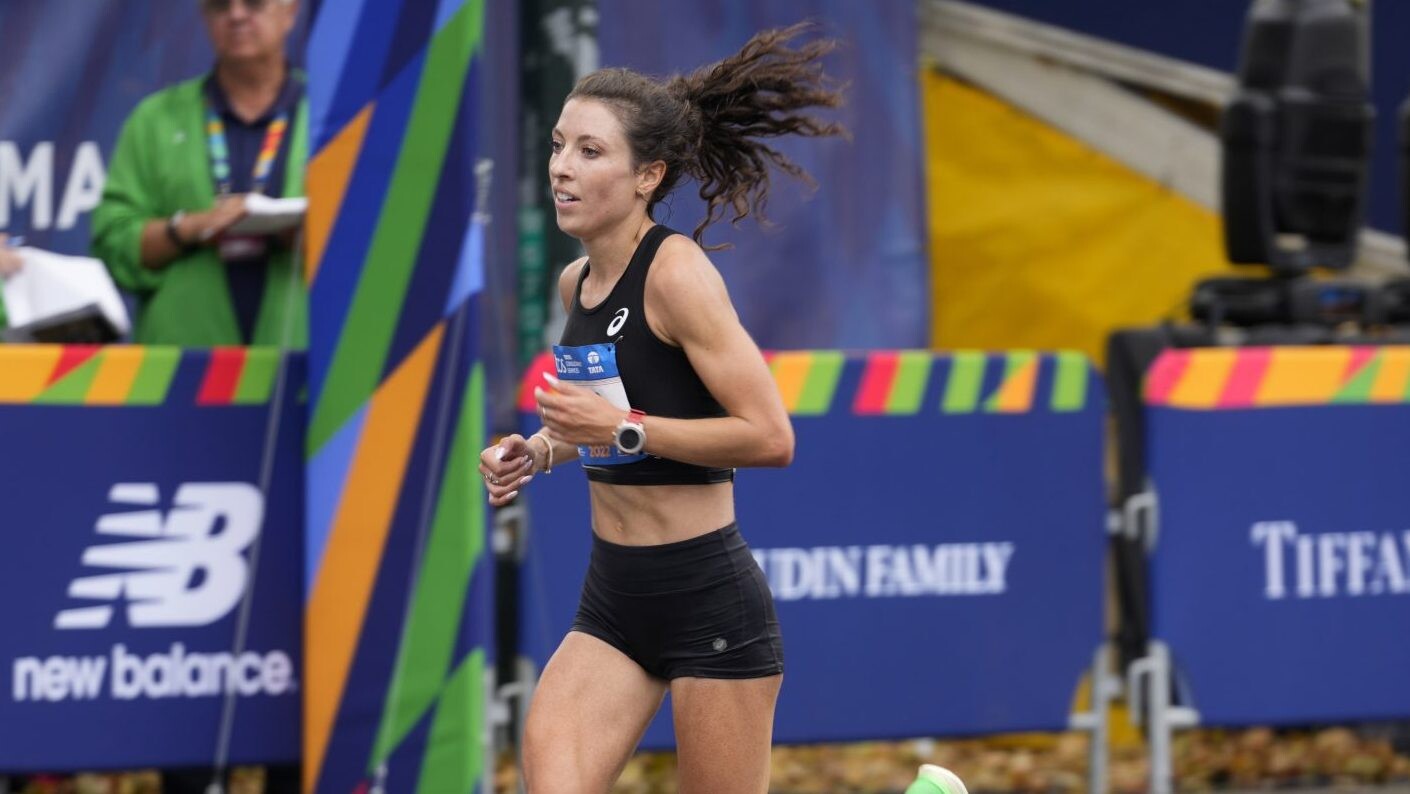
“We’re proud of the three-year partnership we had with Emma Bates and the many accomplishments we achieved together,” the company said in a statement. “The partnership decisions were made in September 2025 as part of regular business planning and prior to any knowledge of her pregnancy.
“We made an effort to continue working with Emma under a new agreement, but Emma ultimately chose not to move forward with that option. We’ve always supported—and will continue to support—athletes at all stages of life, including pregnancy and motherhood.”
The differing accounts leave open questions about what changed—and when.
In recent years, the issue of maternity protections in professional running has gained increased attention, with several high-profile athletes speaking out about contract terms, reduced pay, or lost sponsorship during pregnancy.
Bates, one of the most consistent American marathoners of her generation, now finds herself at the center of that ongoing conversation.
Her next chapter—both as an athlete and soon-to-be mother—will be closely followed across the sport.
by Boris Baron for My Best Runs
Login to leave a comment
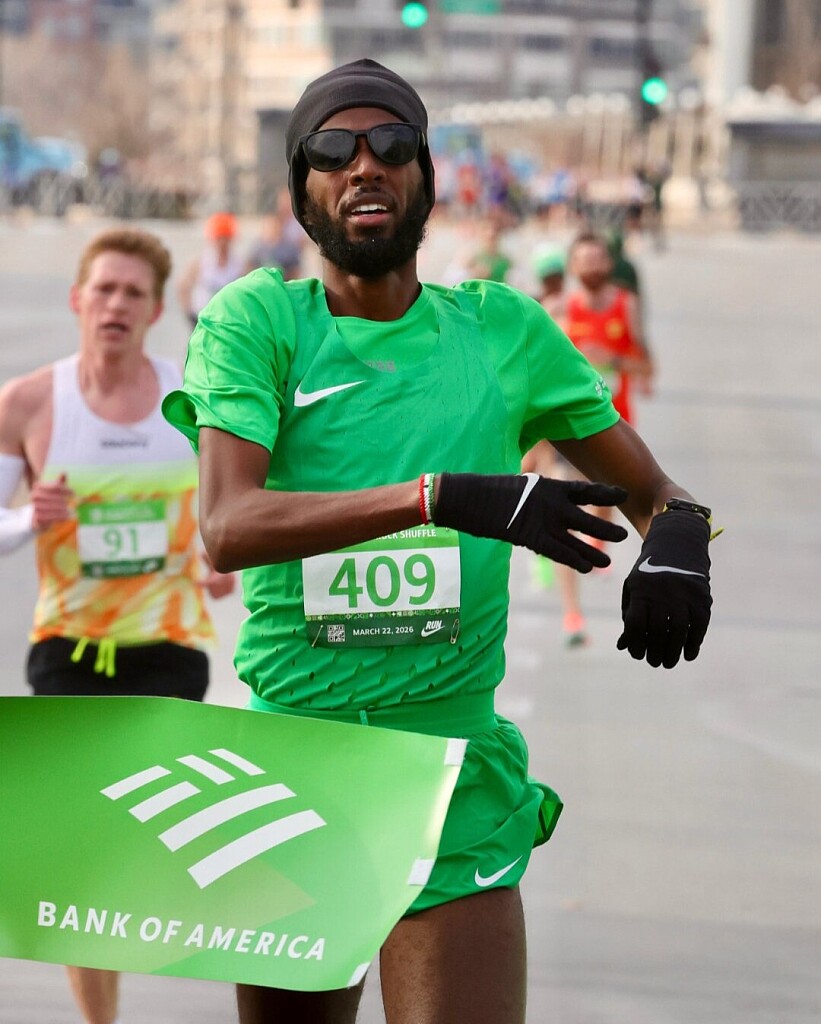
Emerald Stride: Moh Ahmed Opens 2026 with Commanding Victory in Chicago
Canadian distance icon Moh Ahmed launched his 2026 season in style and substance, delivering a composed and confident victory at the Shamrock Shuffle 8K in Chicago. On a day infused with St. Patrick’s Day spirit, the four-time Olympian embraced the occasion, racing in a striking all-green Nike kit that mirrored both the festive mood and his own vibrant return to competition.
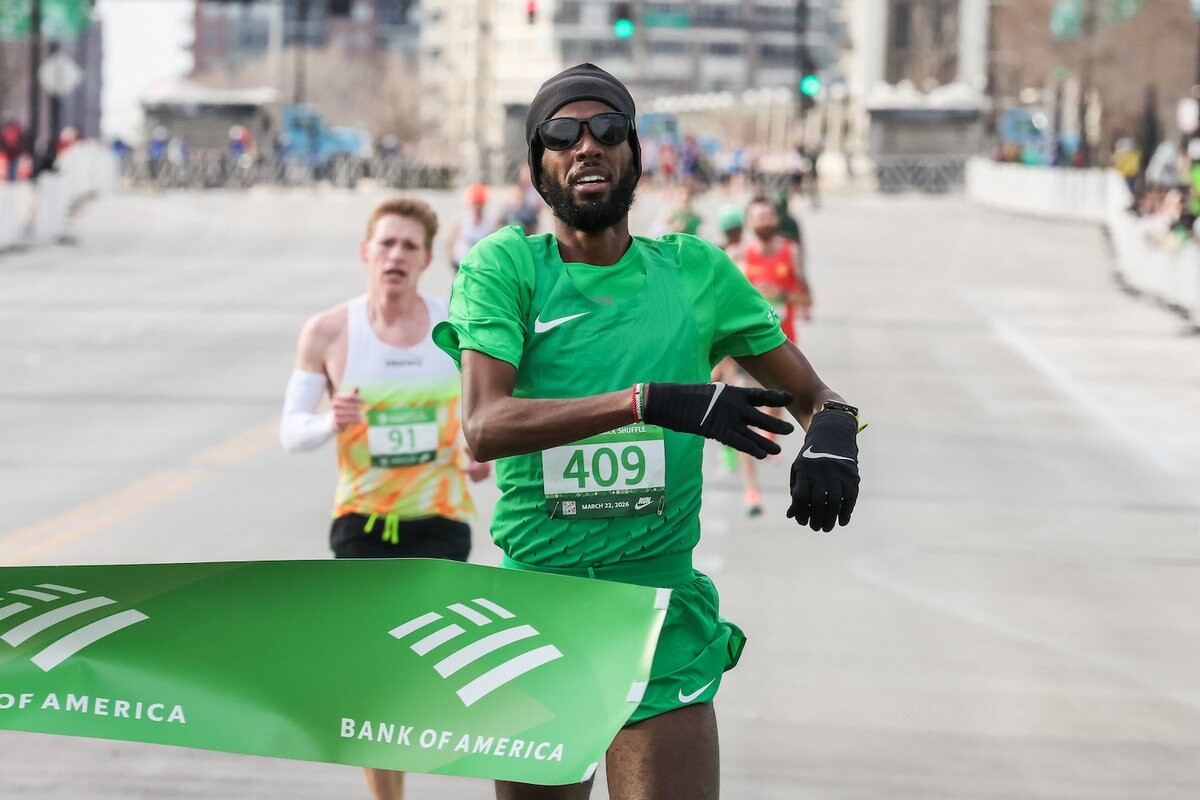
Ahmed crossed the finish line in 22:59, asserting control in the closing stages to secure the win by five seconds in a tightly contested race. His performance combined tactical patience with a decisive late surge—hallmarks of an athlete long accustomed to competing on the global stage.
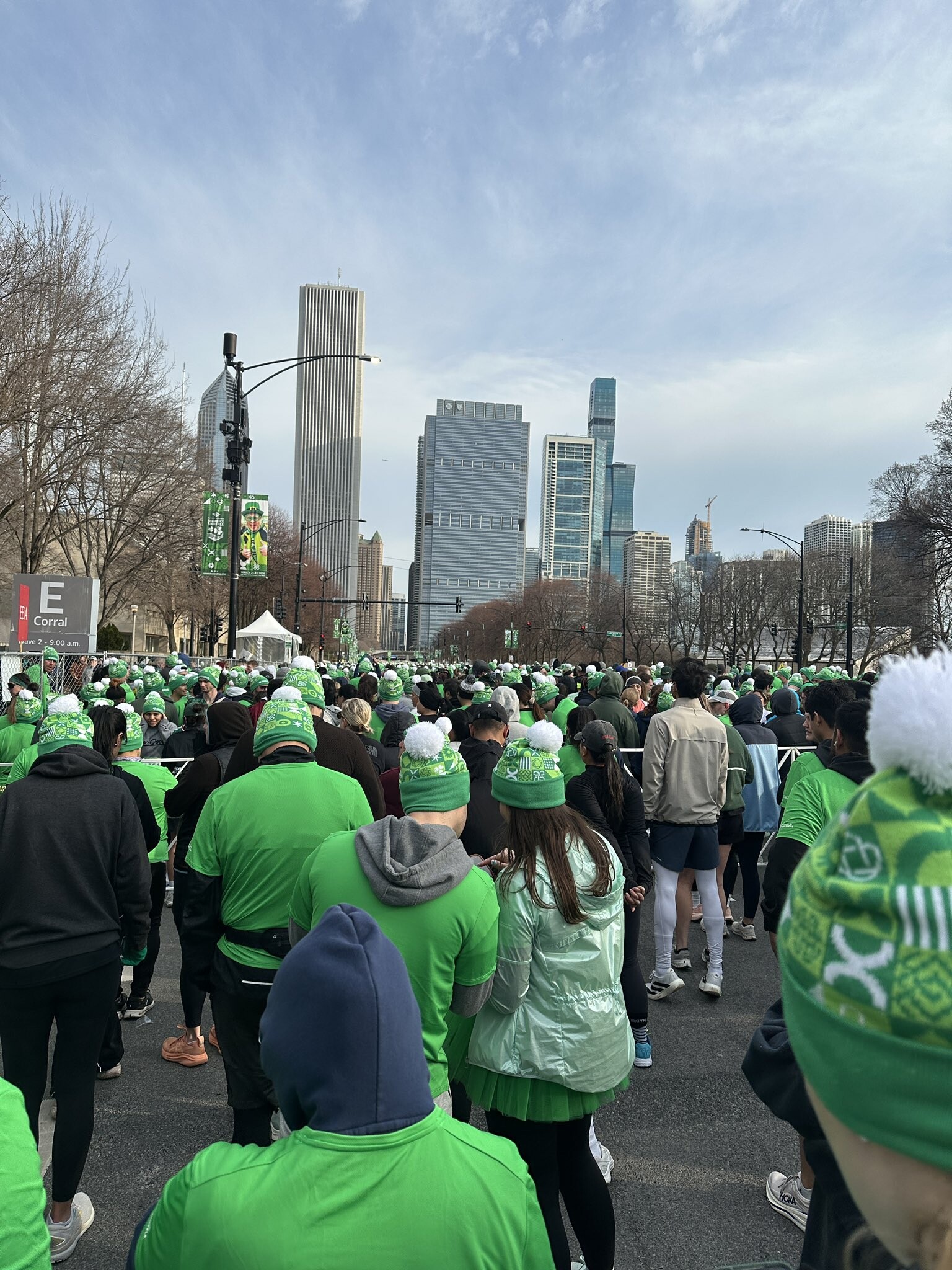
Behind him, American runner Chandler Gibbens claimed second place in 23:04, while J.P. Flavin rounded out the podium in 23:09, both pushing the pace but ultimately unable to match Ahmed’s finishing strength.
While the 8K distance lacks official Canadian record recognition, Ahmed’s outing offers a strong early-season indicator of his form. His established credentials over more standard road distances—highlighted by a 10K personal best of 28:22—underscore the depth of his endurance and speed, translating effectively even across less conventional race formats.
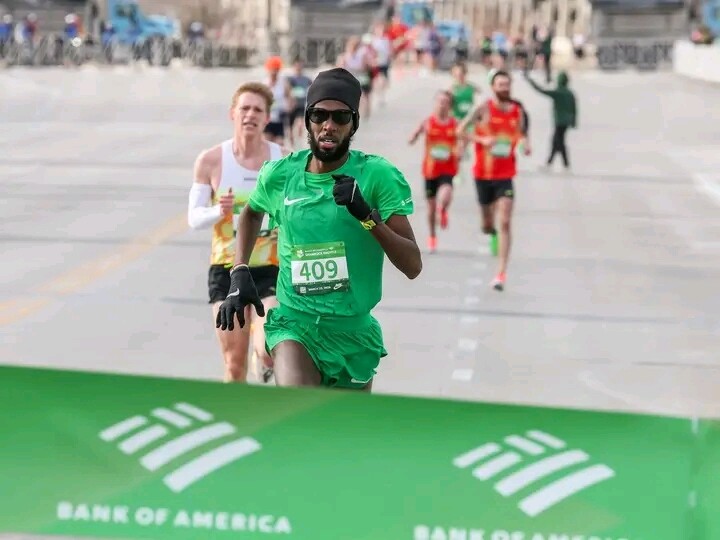
The day also belonged to the Nike Swoosh Track Club, which secured the mixed team title with a combined time of 1:37:23. The squad delivered a cohesive performance, with Thomas Ratcliffe finishing seventh overall in 23:20, while American standouts Karissa Schweizer and Courtney Frerichs added crucial points with second- and third-place finishes in the women’s race, clocking 24:56 and 26:08 respectively. Fittingly, the team’s unified all-green attire turned their victory into a visual statement as much as a competitive one.
For Ahmed, this performance signals more than just a seasonal opener—it is a reminder of his enduring class and competitive instinct. As the 2026 campaign unfolds, Chicago may well be remembered as the first step in another compelling chapter for one of Canada’s most accomplished distance runners.
by Erick Cheruiyot for My Best Runs.
Login to leave a comment

B of A Shamrock Shuffle 8K
The Shamrock 8k is a huge celebration of the beginning of running season. It is the world's largest timed 8k, starting and finishing in Chicago's Grant Park. Runners feel the energy of over 30,000 runners and a big cheering crowd (present during the entire course.)The excitement lasts throughout the after-party, where participants find beer, food and live music. The flat...
more...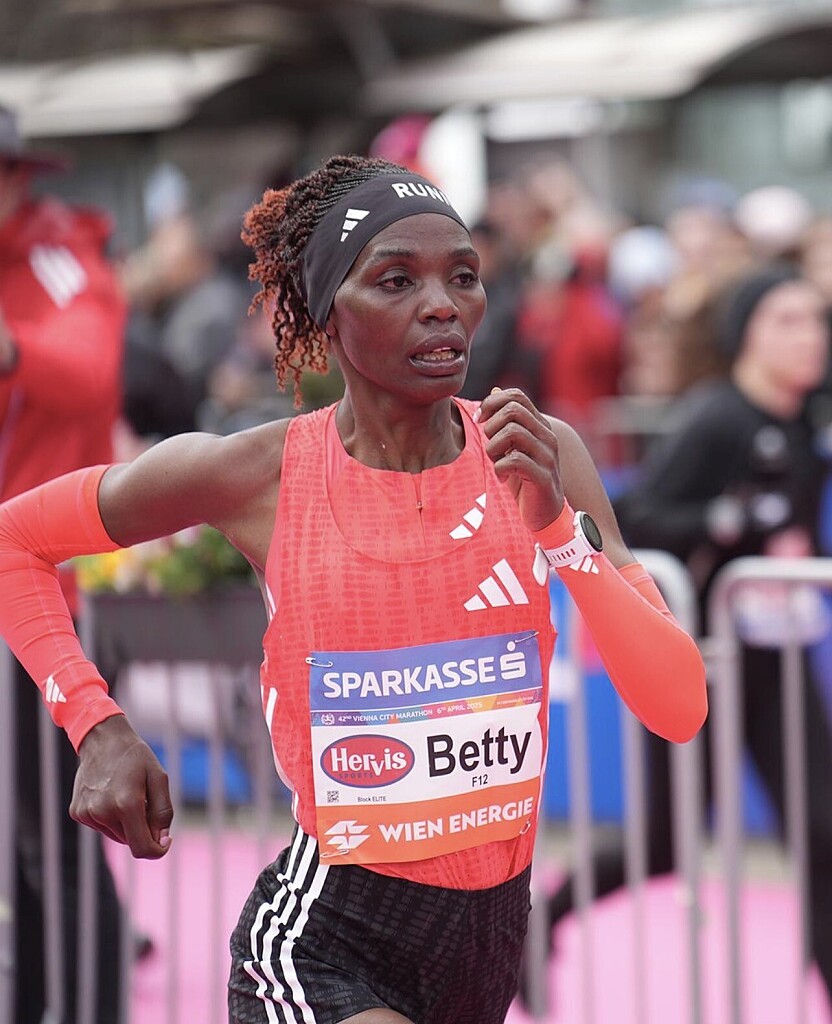
Vienna City Marathon Women Ready to Chase History
The spotlight may shine brightest on the women’s race at the Vienna City Marathon on April 19, where a deep Ethiopian lineup is ready to push the pace. Haftamnesh Tesfaye and Tigist Gezahagn lead the elite field, with organizers targeting not only the course record of 2:20:59 but potentially the first sub-2:20 performance in race history.
They will be challenged by Kenya’s defending champion Betty Chepkemoi, who returns with confidence after a breakthrough victory last year.
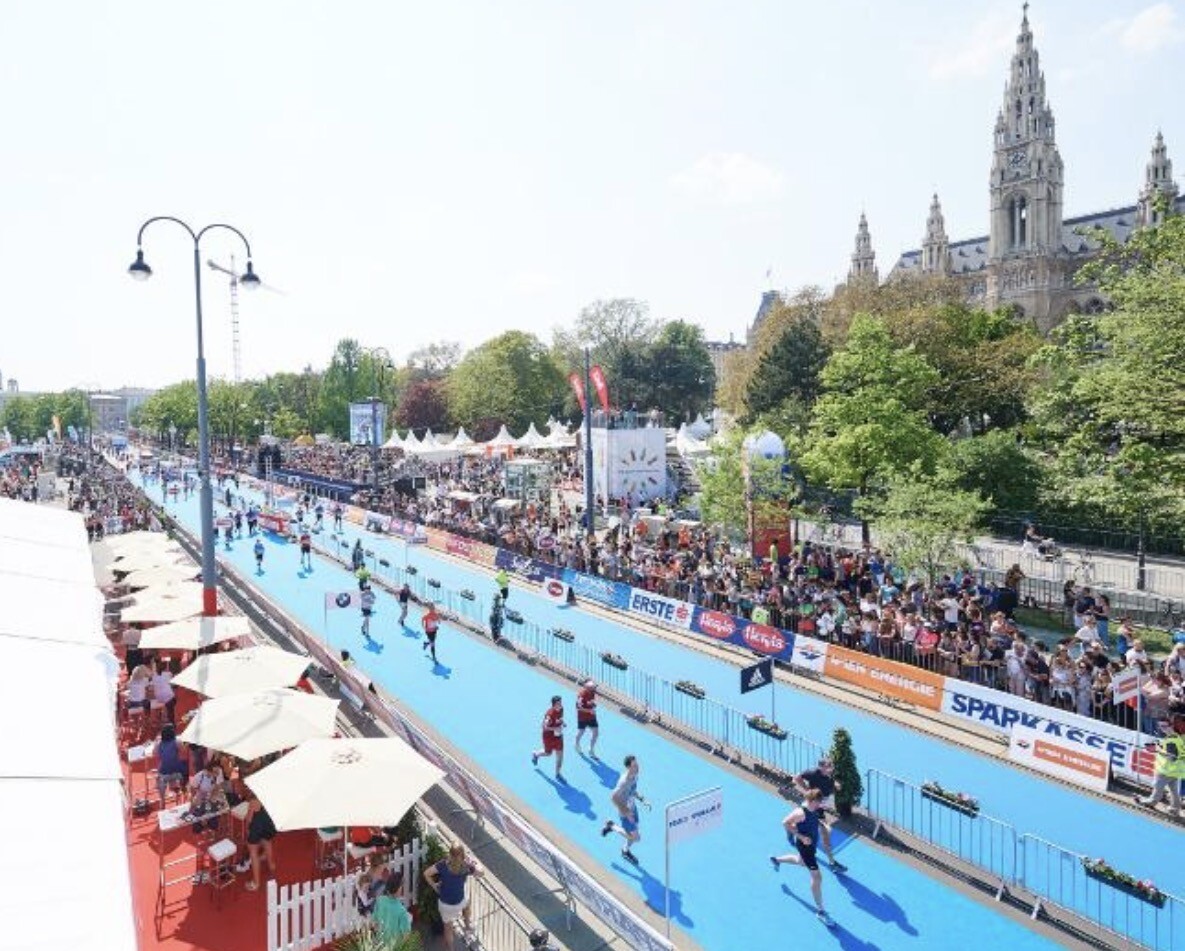
A record 46,000 athletes are entered across the two-day event, including 13,000 marathon runners, reinforcing Vienna’s position as one of Europe’s premier spring marathons and a World Athletics Elite Label Road Race.
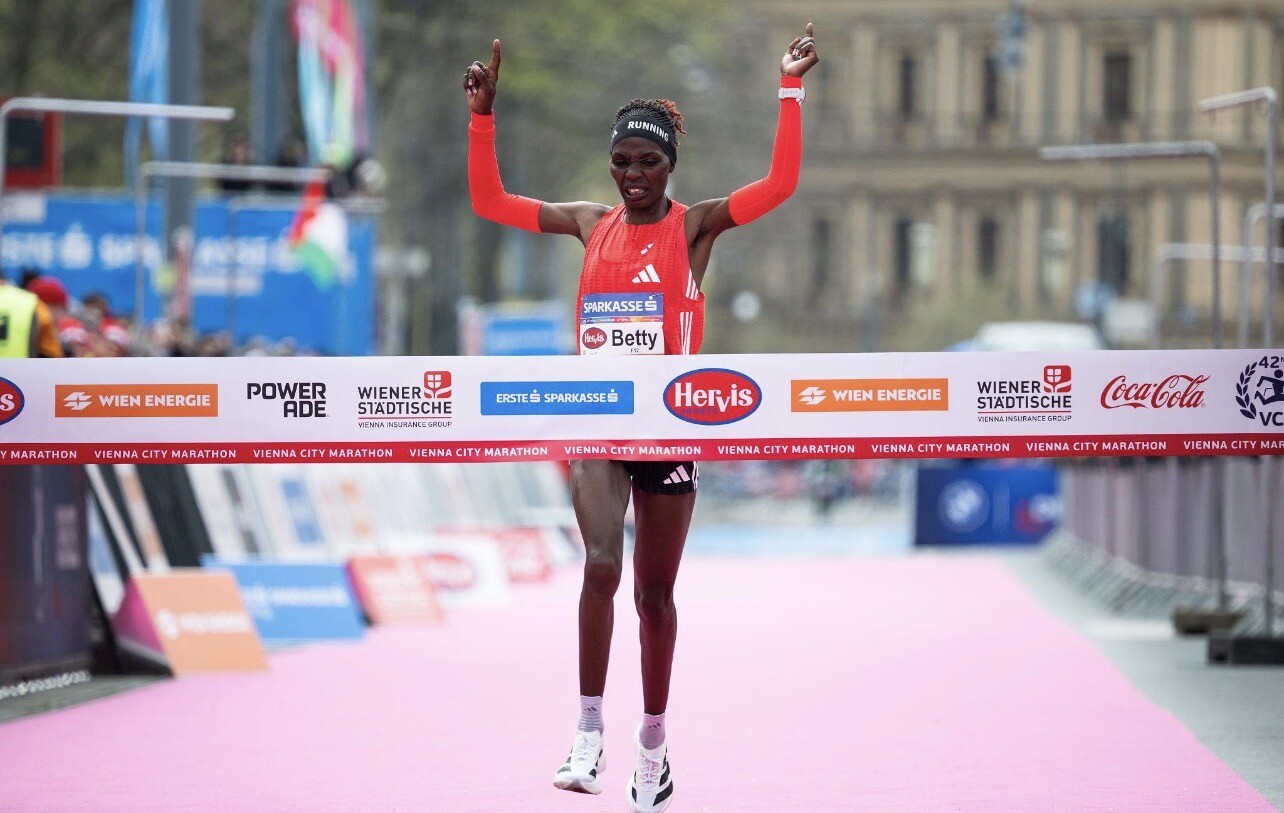
Could Vienna see a Tesfaye breakthrough moment
Earlier this month, Foyten Tesfaye shocked the marathon world with a stunning 2:10:51 debut in Barcelona, becoming one of the fastest women ever. While that level may be out of reach here, her older sister Haftamnesh Tesfaye arrives as a serious contender.
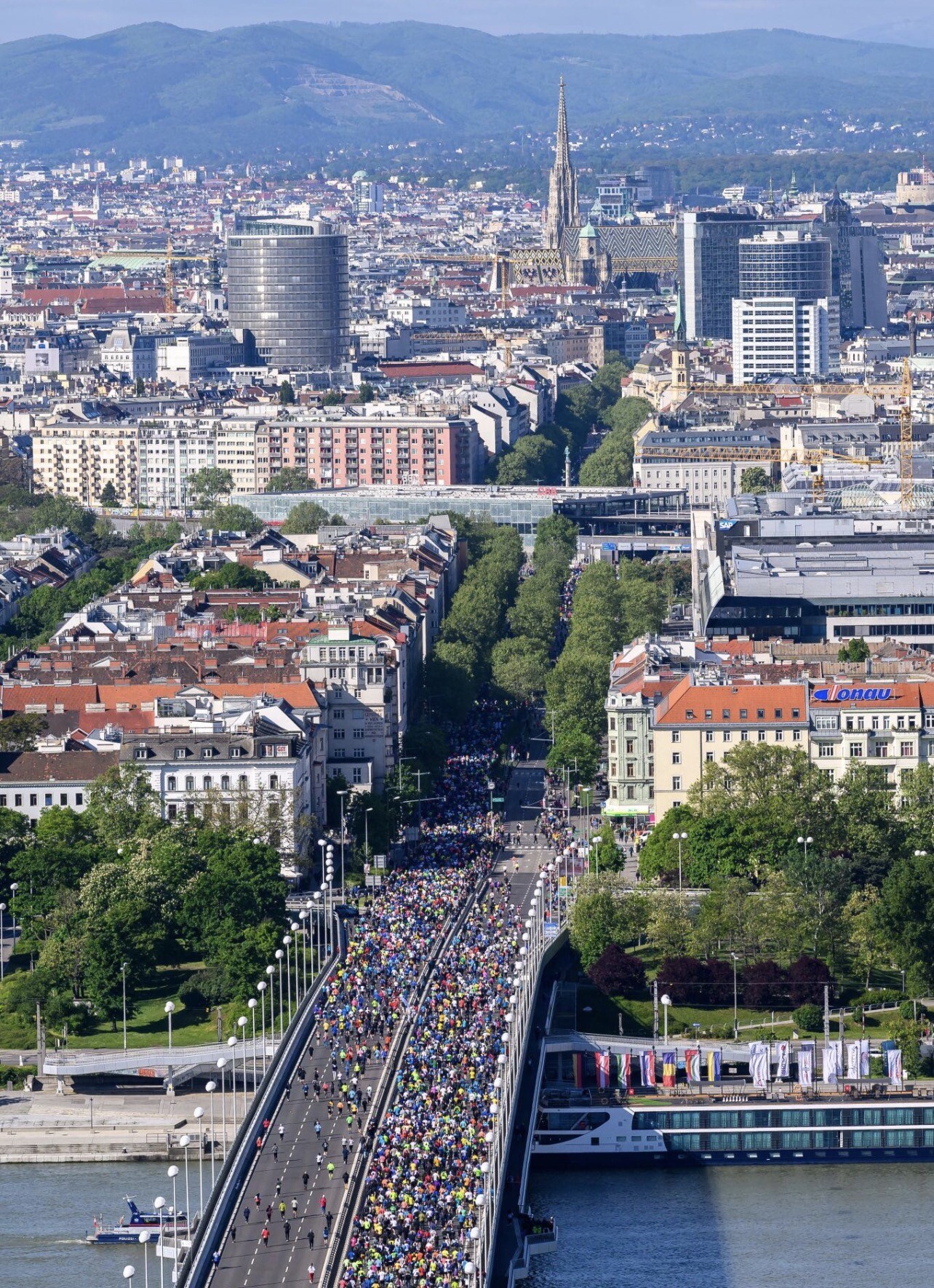
Now 31, Tesfaye ran 2:20:13 in her 2018 Dubai debut, which remains her personal best. After stepping away from the sport in 2020 and becoming a mother of two, she returns to the marathon stage in strong form and well prepared.
She has been training in Addis Ababa under Gemedu Dedefo alongside a world-class group that includes Olympic silver medalist and former world record holder Tigst Assefa, Chicago Marathon champion Hawi Feysa, and Dubai and Berlin winner Tigist Ketema.
Tigist Gezahagn, 26, has already won a marathon this year, taking victory in Doha in January with a personal best of 2:21:14. She now sets her sights on Vienna’s course record.
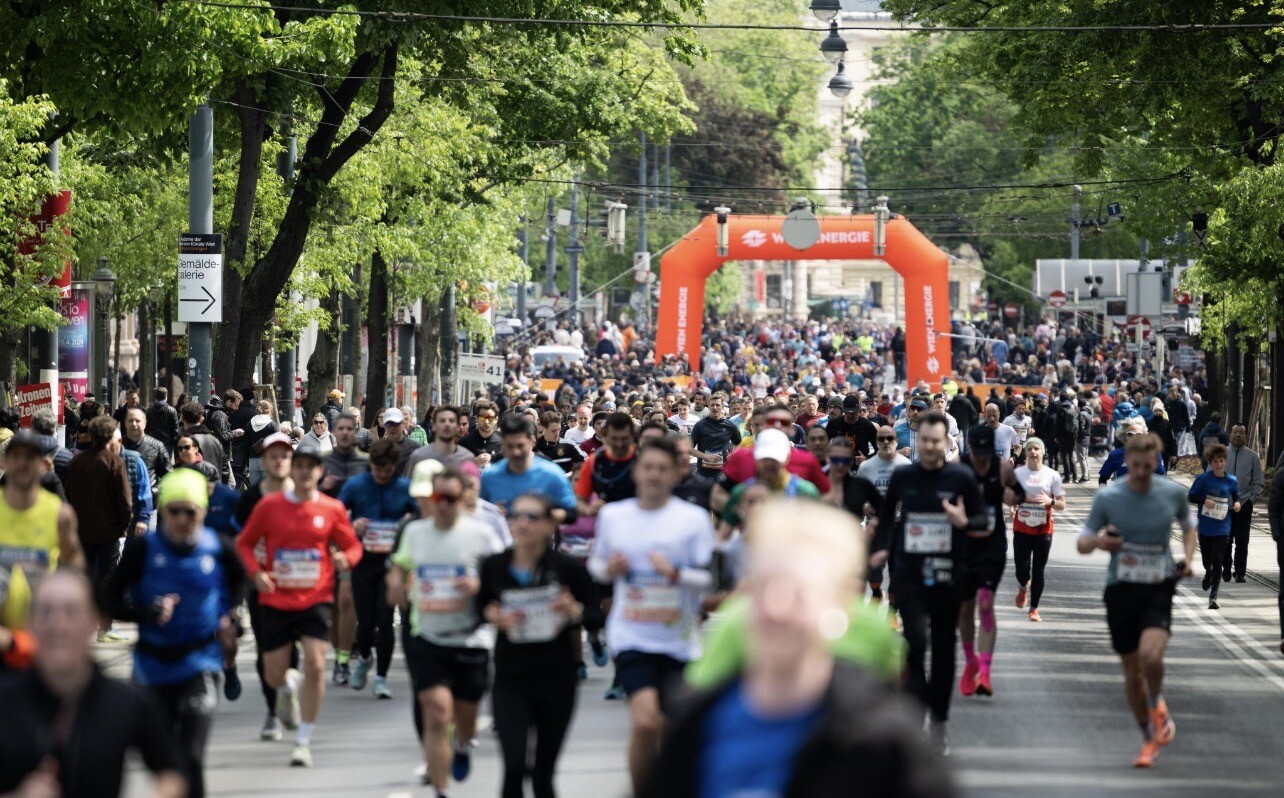
Her manager Tadesse Abraham said her recovery from Doha has gone well and that she is capable of a very strong performance if conditions are favorable. Gezahagn trains in Addis Ababa under coach Getamesay Molla.
Defending champion Betty Chepkemoi may not top the start list, but she brings momentum. Last year, in freezing conditions, she surged to victory in 2:24:14, improving dramatically in just her second marathon.
She said her training has gone well and that she hopes to improve her personal best and defend her title. Chepkemoi trains in Kapsabet under Claudio Berardelli.
American Lindsay Flanagan is the fastest non African woman in the field with a personal best of 2:23:31 from Chicago. After a long injury break, Vienna will mark her return to the marathon distance.
Another athlete to watch is Kenya’s Faith Chepkoech, who made a strong impression here two years ago when she finished second in her marathon debut with 2:26:22. She returns aiming to go even faster.
With a fast course, deep international field, and favorable expectations, Vienna is set up for a high level race. If conditions cooperate, the women’s field could deliver one of the most exciting performances of the spring season.
by Race News Service
Login to leave a comment

Vienna City Marathon
More than 41,000 runners from over 110 nations take part in the Vienna City Marathon, cheered on by hundreds of thousands of spectators. From the start at UN City to the magnificent finish on the Heldenplatz, the excitement will never miss a beat. In recent years the Vienna City Marathon has succeeded in creating a unique position as a marathon...
more...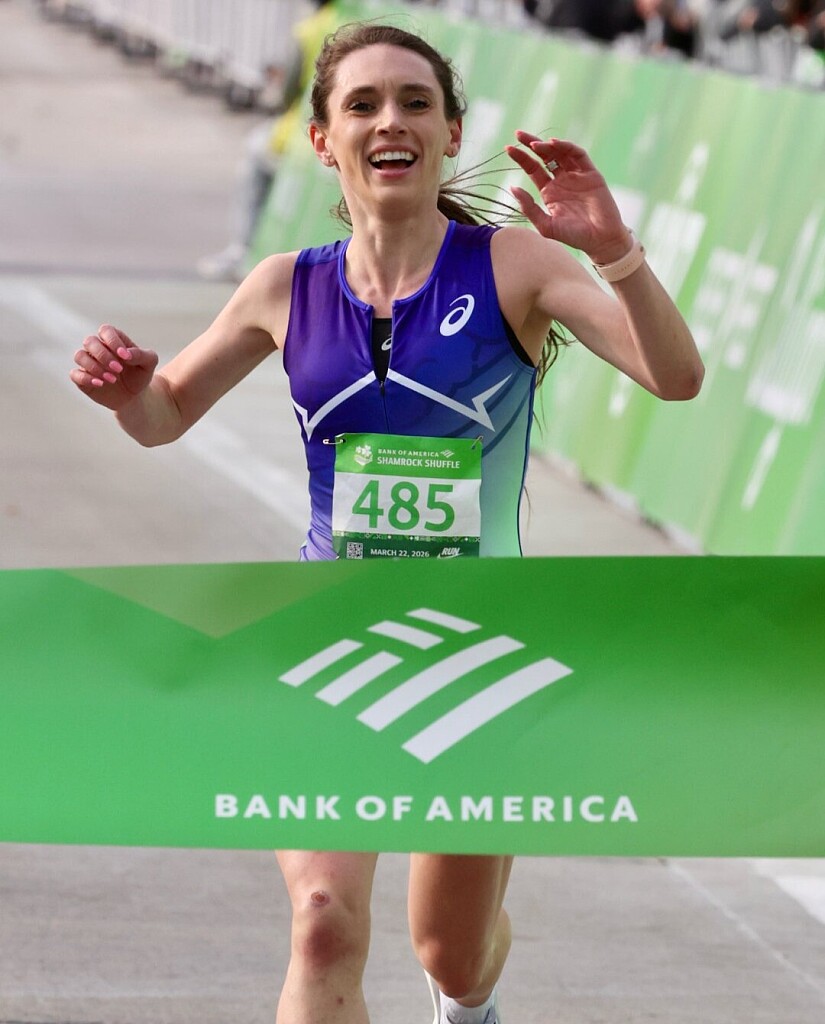
Hurley’s Golden Shuffle: Record Falls, Redemption Rises in Chicago
On a vibrant Sunday morning in Chicago, the streets pulsed with energy, but it was Emma Grace Hurley who truly stole the spotlight with a performance of rare brilliance. Racing at the Shamrock Shuffle 8K, Hurley delivered a masterclass in pace, precision, and resilience, storming to the finish in a stunning 24:29 to set a new American record over the distance.

In her first race since the disappointment at the Atlanta Half Marathon, Hurley’s victory carried deeper meaning—this was redemption wrapped in record-breaking excellence. With authority and composure, she eclipsed the long-standing mark held by Deena Kastor, shaving seven seconds off a record that had stood for over two decades on the same course since 2005. It was more than a statistical achievement—it felt like a symbolic passing of the torch.
From the opening kilometers, Hurley ran with intent, locking into a relentless rhythm that kept her ahead of record pace. Chicago’s iconic streets, lined with roaring fans dressed in green, provided the perfect backdrop for a run that balanced control with bold ambition. Step by step, she edged closer to history, her stride unwavering, her focus absolute.

Behind her, Karissa Schweizer also delivered an impressive performance, finishing runner-up in 24:56—her first race since transitioning from the Bowerman Track Club to new coach Chris Miltenberg. Remarkably, both athletes broke the 25-minute barrier, underlining the depth and rising standard of American women’s distance running.
But the day belonged to Hurley. Crossing the finish line, she didn’t just win—she etched her name into history. Her 24:29 now stands as a testament to her growing stature and signals a powerful new chapter in her career.
Breaking a record set by a legend like Kastor is no small feat. It reflects Hurley’s dedication, evolution, and the quiet confidence of an athlete coming into her prime. More importantly, it offers a glimpse of what lies ahead as she continues to chase even greater milestones on the global stage.
On a day defined by celebration and spirit, Emma Grace Hurley delivered something unforgettable—a performance that redefined excellence, inspired a new narrative of resilience, and announced the arrival of a formidable force on the roads.
by Erick Cheruiyot for My Best Runs.
Login to leave a comment
B of A Shamrock Shuffle 8K
The Shamrock 8k is a huge celebration of the beginning of running season. It is the world's largest timed 8k, starting and finishing in Chicago's Grant Park. Runners feel the energy of over 30,000 runners and a big cheering crowd (present during the entire course.)The excitement lasts throughout the after-party, where participants find beer, food and live music. The flat...
more...