

Running News Daily
Running News Daily is edited by Bob Anderson and team. Send your news items to bob@mybestruns.com Advertising opportunities available.
Index to Daily Posts · Sign Up For Updates · Run The World Feed
Articles tagged #2:01:09
Today's Running News
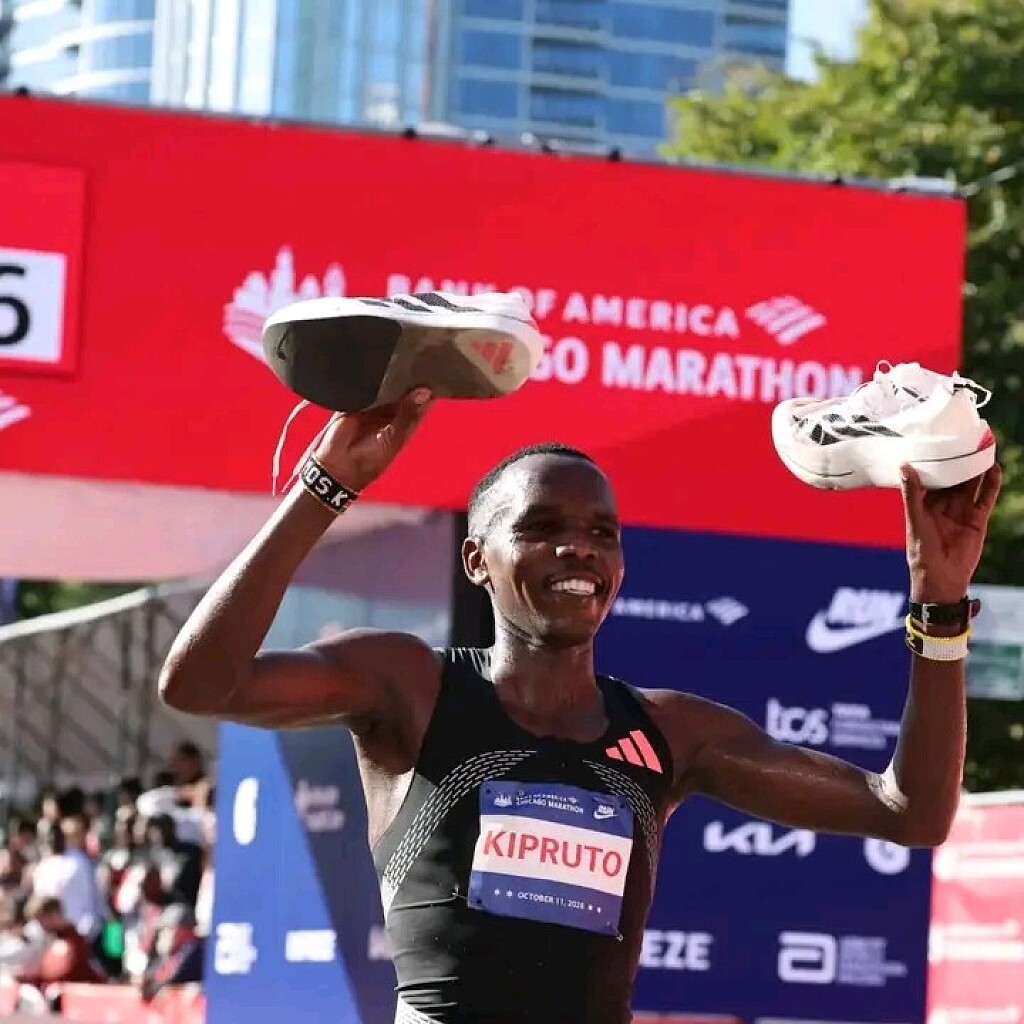


Amos Kipruto’s Chicago Marathon Masterclass: Kenyan Wins in 2:01:09 as Top 10 Deliver Outstanding Performances
Kenya’s Amos Kipruto produced a spectacular performance to win the 2026 Chicago Marathon in 2:01:09, setting a personal best by 30 seconds and securing his place among the fastest marathon runners in history. His victory was built on remarkable consistency, endurance and an ability to sustain an extraordinary pace over the full 42.195-kilometre distance.
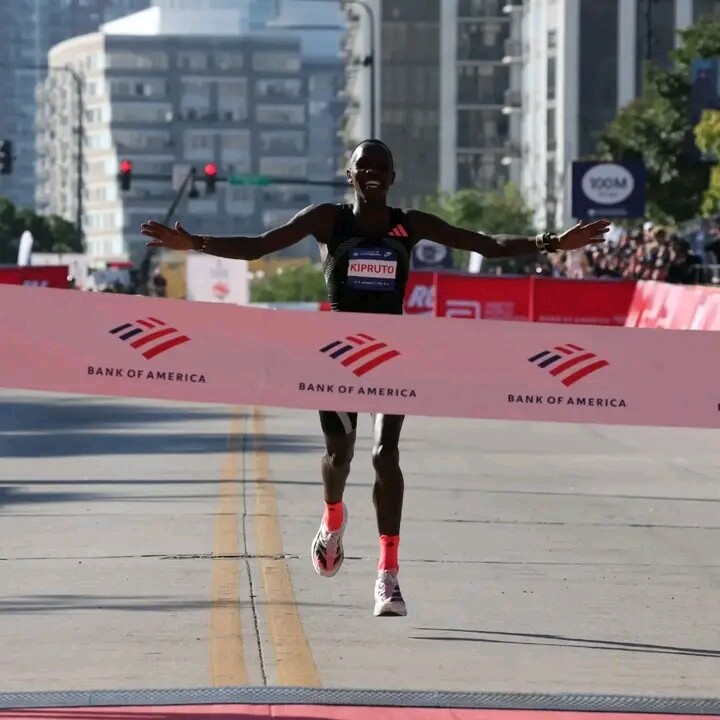
Kipruto’s winning time ranks as the second-fastest in Chicago Marathon history and places him joint fifth on the world all-time marathon list, matching Eliud Kipchoge’s fastest record-eligible marathon performance. The result underlines the Kenyan star’s exceptional ability and adds another significant achievement to his career on one of the sport’s biggest stages.
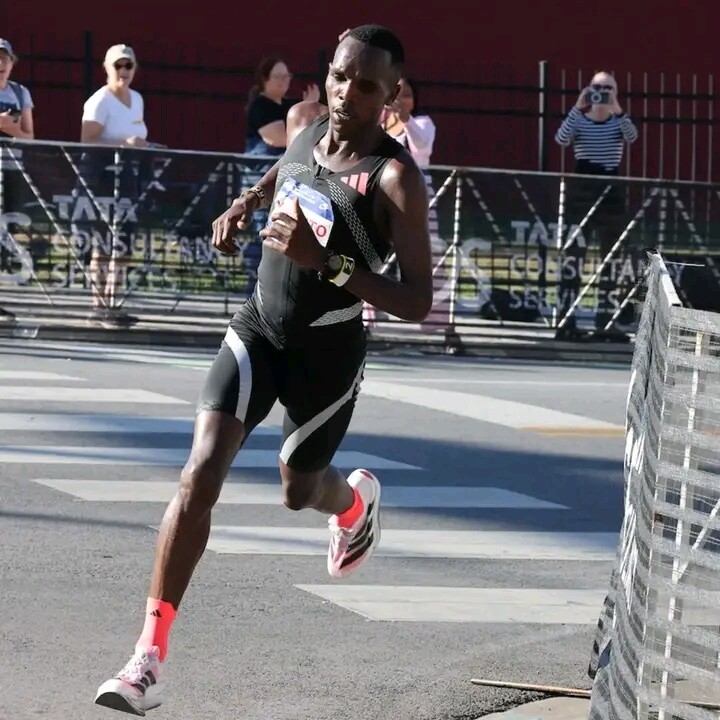
The Splits Behind Kipruto’s Remarkable Victory
The intermediate splits reveal how efficiently Kipruto managed his effort throughout the race, maintaining an impressive rhythm before increasing his pace in the middle stages.
He passed the 5-kilometre mark in 14:18, averaging approximately 2:52 per kilometre. At 10 kilometres, he clocked 28:37, demonstrating remarkable consistency as he continued to cover the course at an elite pace.
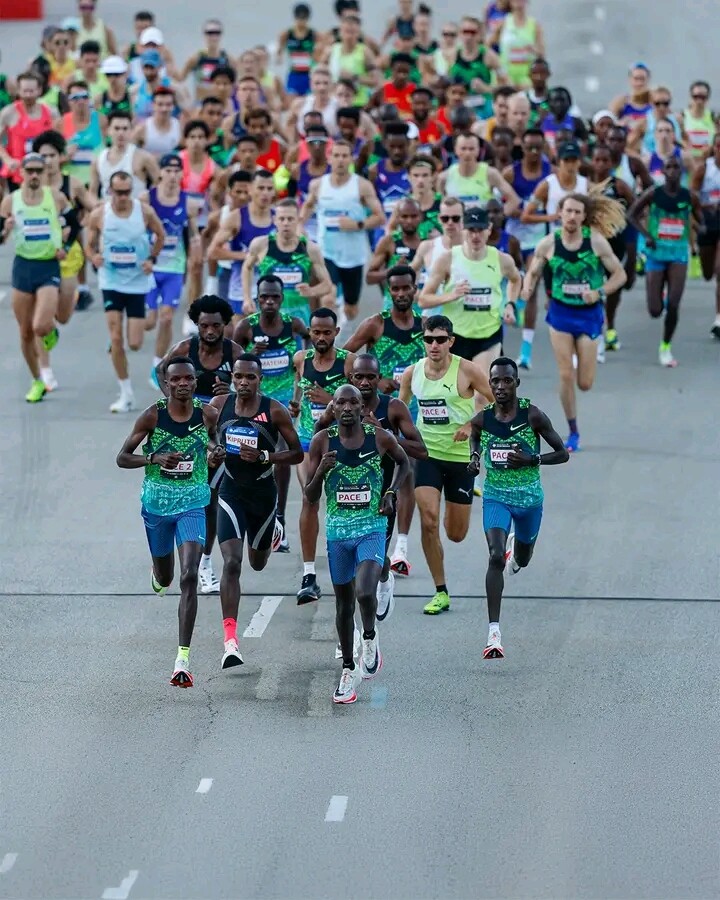
Kipruto reached the half-marathon point in 1:00:21, averaging approximately 2:52 per kilometre. By then, he had established a strong rhythm, balancing speed with the endurance needed to remain competitive over the second half of the race.
The Kenyan continued to impress, reaching 30 kilometres in 1:25:28. His average pace to that point was approximately 2:51 per kilometre, reflecting his ability to maintain momentum as fatigue began to challenge the field.
Kipruto eventually crossed the finish line in 2:01:09, averaging approximately 2:52 per kilometre across the marathon distance. His performance demonstrated the importance of pacing, efficiency and sustained strength in a race where even the smallest changes in rhythm can have a significant impact on the final result.
Chicago Marathon 2026: Men’s Top 10 Results
The men's elite race featured a strong international field, with Ethiopian athletes claiming three places in the top five and American runners securing two positions in the top 10.
1. Amos Kipruto (Kenya) — 2:01:09
2. Tadesse Takele Bikila (Ethiopia) — 2:02:56
3. Milkesa Mengesha (Ethiopia) — 2:03:46
4. Jacob Kiplimo (Uganda) — 2:04:18
5. Boki Diriba (Ethiopia) — 2:05:01
6. Daniel Mateiko (Kenya) — 2:05:01
7. Clayton Young (United States) — 2:05:23
8. Charles Hicks (United States) — 2:05:35
9. Akira Akasaki (Japan) — 2:05:48
10. Vincent Mauri (United States) — 2:06:46
Kipruto finished 1 minute and 47 seconds ahead of Ethiopia’s Tadesse Takele Bikila, who took second place in 2:02:56. Milkesa Mengesha completed the podium in 2:03:46, giving Ethiopia two athletes among the first three finishers.
Uganda’s Jacob Kiplimo finished fourth in 2:04:18, ahead of Ethiopia’s Boki Diriba and Kenya’s Daniel Mateiko, who both recorded 2:05:01. American runners Clayton Young and Charles Hicks placed seventh and eighth, respectively, while Japan’s Akira Akasaki finished ninth. Vincent Mauri completed the top 10 in 2:06:46.
A Personal Best and a Place Among the Greatest
The 2:01:09 performance represented a 30-second improvement on Kipruto’s previous marathon personal best. More importantly, it elevated him into the upper reaches of the all-time rankings, alongside some of the greatest marathon runners the sport has produced.
Matching Kipchoge’s fastest record-eligible marathon time is a notable milestone, given the former world record-holder’s extraordinary achievements over the distance. Kipruto’s victory also reinforces Kenya’s continued presence at the forefront of elite marathon running.
His Chicago triumph was not simply about crossing the finish line first. It was a demonstration of sustained speed, discipline and endurance, with the splits providing a compelling picture of how he managed the race to produce a career-defining result.
Amos Kipruto’s 2:01:09 victory will stand out as a landmark performance in Chicago, combining a new personal best with one of the fastest marathon times ever recorded. His splits tell the story of a remarkable race, while the top 10 results highlight the depth of international talent assembled for the 2026 edition.
by Erick Cheruiyot for My Best Runs.
Login to leave a comment

Bank of America Chicago
Running the Bank of America Chicago Marathon is the pinnacle of achievement for elite athletes and everyday runners alike. On race day, runners from all 50 states and more than 100 countries will set out to accomplish a personal dream by reaching the finish line in Grant Park. The Bank of America Chicago Marathon is known for its flat and...
more...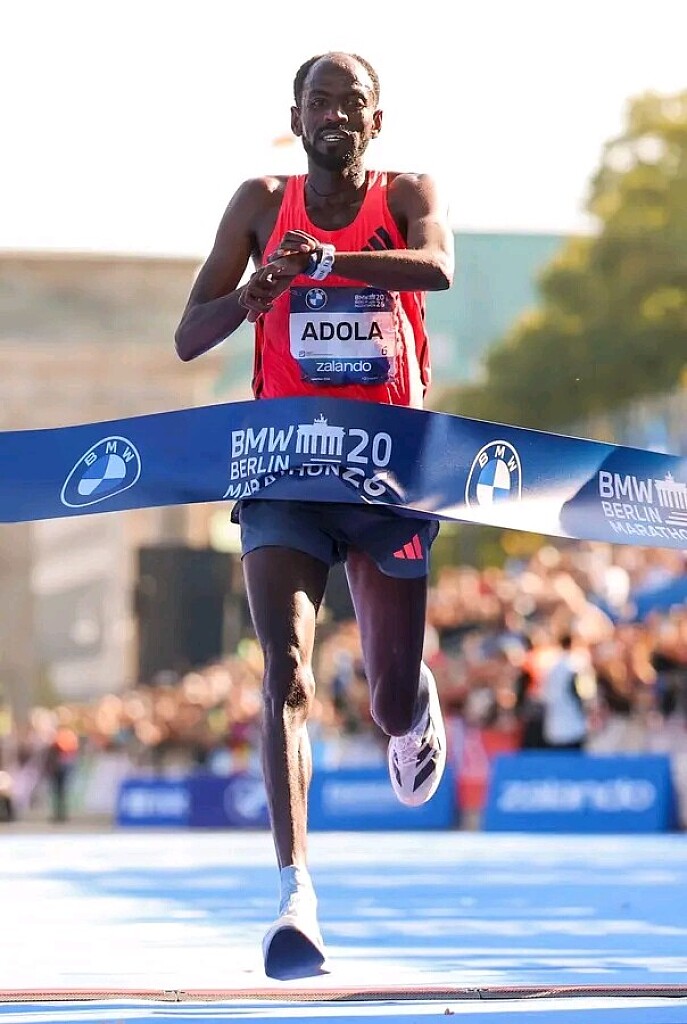
Guye Adola Rewrites His Berlin Story With Stunning 2:02:50 Victory
Ethiopia’s Guye Adola has produced a perfectly judged performance to win the 2026 BMW Berlin Marathon, returning to the streets where his marathon career began to claim his second Berlin title in a sensational 2:02:50.
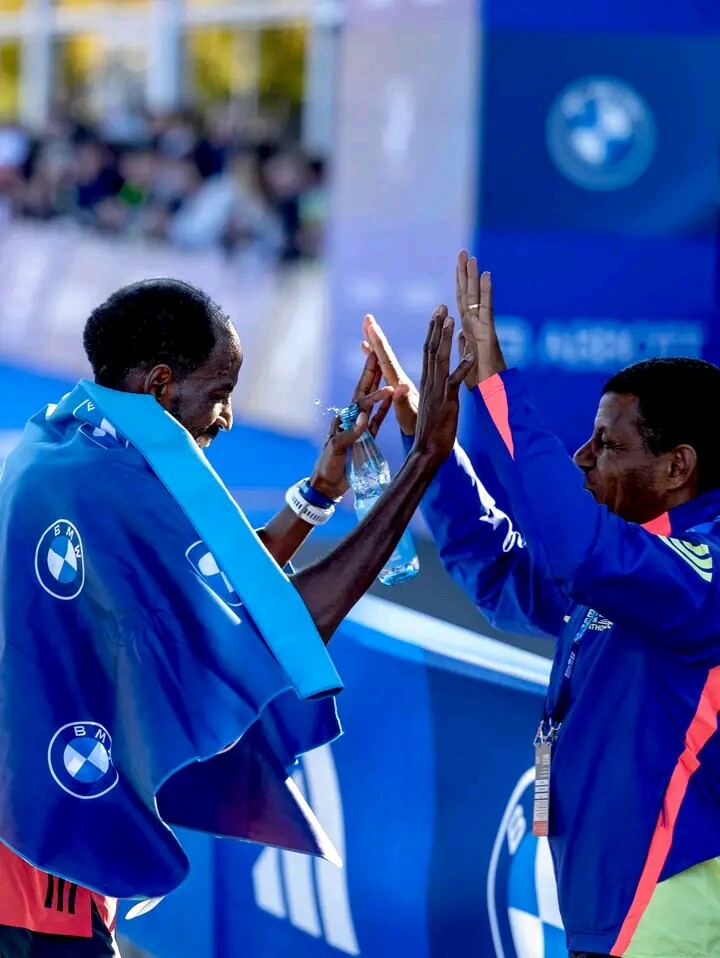
The 35-year-old Ethiopian controlled the race brilliantly before making his decisive move in the closing stages, crossing the finish line clear of compatriot Gemechu Dida Diriba, who finished second in 2:03:19. Adola’s winning margin was 29 seconds, underlining just how strongly he finished.
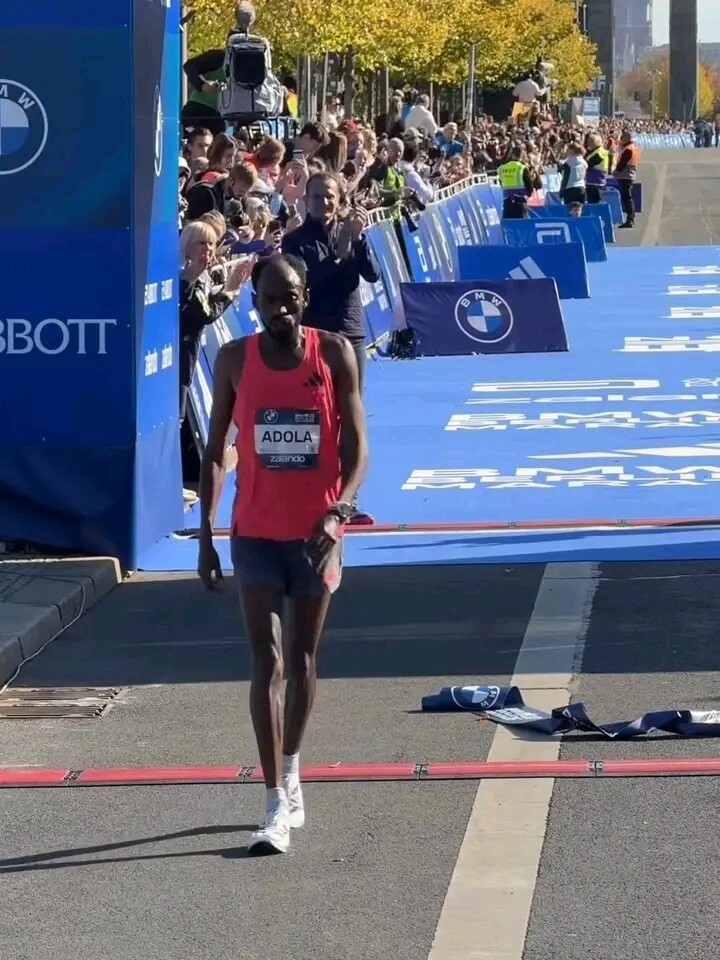
The victory adds another memorable chapter to Adola’s long association with Berlin. He first won the prestigious race in 2021, and five years later he returned to the German capital to produce the fastest marathon of his career.
Adola arrived in Berlin in excellent form after winning the Rotterdam Marathon in April in 2:03:54. That performance had placed him just eight seconds outside the personal best of 2:03:46 he had carried since his remarkable marathon debut in Berlin in 2017.

That debut remains one of the most memorable first appearances over the marathon distance. Adola stayed ahead of Eliud Kipchoge deep into the race before the Kenyan eventually overtook him. Adola finished second in 2:03:46, just 14 seconds behind Kipchoge, producing the fastest marathon debut at the time.
For years, that performance remained the benchmark of his career.
Even when Adola returned to Berlin in 2021 and won the race, he could not improve his debut mark. His breakthrough finally came in Rotterdam this April, when he clocked 2:03:54 — a sign that another major performance could be approaching.
On Sunday, he delivered it.
With world record holder Sabastian Sawe and legendary Ethiopian Kenenisa Bekele both missing the race through injury, the men’s contest was wide open. The pacemakers were set up for an attempt at Eliud Kipchoge’s 2:01:09 course record, but the leading group reached halfway in 1:01:01, already outside record pace.
The race gradually began to break apart as the kilometres passed.
By 30 kilometres, three Ethiopians had established themselves at the front — Adola, Olympic 10,000m champion Selemon Barega and Gemechu Dida.
Then came the decisive move.
After 35 kilometres, Adola increased the pace and began creating daylight between himself and the chasing group. Nobody could respond as the experienced Ethiopian steadily extended his advantage.
This time, there would be no late comeback.
Adola remained composed through the final kilometres before powering toward the finish in 2:02:50, taking an extraordinary 56 seconds off his previous personal best.
Gemechu Dida followed in 2:03:19 to secure an Ethiopian one-two, while Tanzania’s Gabriel Gerald Geay, the fastest athlete on the start list with a 2:03:00 personal best, completed the podium in 2:03:59.
Although Kipchoge’s course record survived for another year, Adola had achieved something equally significant for his own career — he had transformed his long-standing Berlin story into a new chapter.
From finishing second to Kipchoge on his marathon debut in 2017, to winning the race in 2021, and now returning five years later to run 2:02:50, Adola has repeatedly found his best moments on the streets of Berlin.
At 35, the Ethiopian has shown that experience, patience and perfectly timed aggression can still produce extraordinary results at the highest level of marathon running.
Top 10 — 2026 Berlin Marathon Men’s Results
1. Guye Adola (Ethiopia) — 2:02:50
2. Gemechu Dida Diriba (Ethiopia) — 2:03:19
3. Gabriel Gerald Geay (Tanzania) — 2:03:59
4. Getaneh Molla (Ethiopia) — 2:04:55
5. Selemon Barega (Ethiopia) — 2:04:58
6. Asefa Boki (Ethiopia) — 2:05:32
7. Andamlak Belihu (Ethiopia) — 2:05:55
8. Shura Kitata (Ethiopia) — 2:06:04
9. Yuhei Urano (Japan) — 2:06:09
10. Tadu Abate (Ethiopia) — 2:07:16
For Guye Adola, this was more than another marathon victory. Berlin is where his marathon story began, where he once pushed Kipchoge to the limit, and where he has now returned to produce the biggest performance of his career. His 2:02:50 victory not only gives him a second Berlin crown but also proves that, nine years after his stunning debut, his story at the Brandenburg Gate is still being written.
by Erick Cheruiyot for My Best Runs.
Login to leave a comment

BMW Berlin Marathon
The story of the BERLIN-MARATHON is a story of the development of road running. When the first BERLIN-MARATHON was started on 13th October 1974 on a minor road next to the stadium of the organisers‘ club SC Charlottenburg Berlin 286 athletes had entered. The first winners were runners from Berlin: Günter Hallas (2:44:53), who still runs the BERLIN-MARATHON today, and...
more...
Marathon Majors Course Records: Where Speed, History And The Course Collide
The world’s biggest marathons are united by prestige, elite fields and unforgiving 26.2-mile battles, but their course records tell very different stories. From Tokyo to Sydney, each course has its own character, while London and Chicago have become synonymous with extraordinary speed.
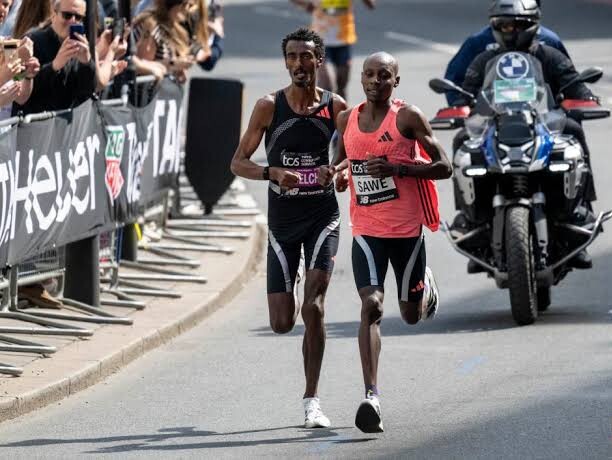
At the top of the men’s list stands the London Marathon, where Kenya’s Sabastian Sawe produced one of the greatest performances in road-running history. Sawe clocked 1:59:30 in April 2026, becoming the first athlete to officially break the two-hour barrier in a marathon. His performance also lowered the world record from Kelvin Kiptum’s previous mark of 2:00:35.
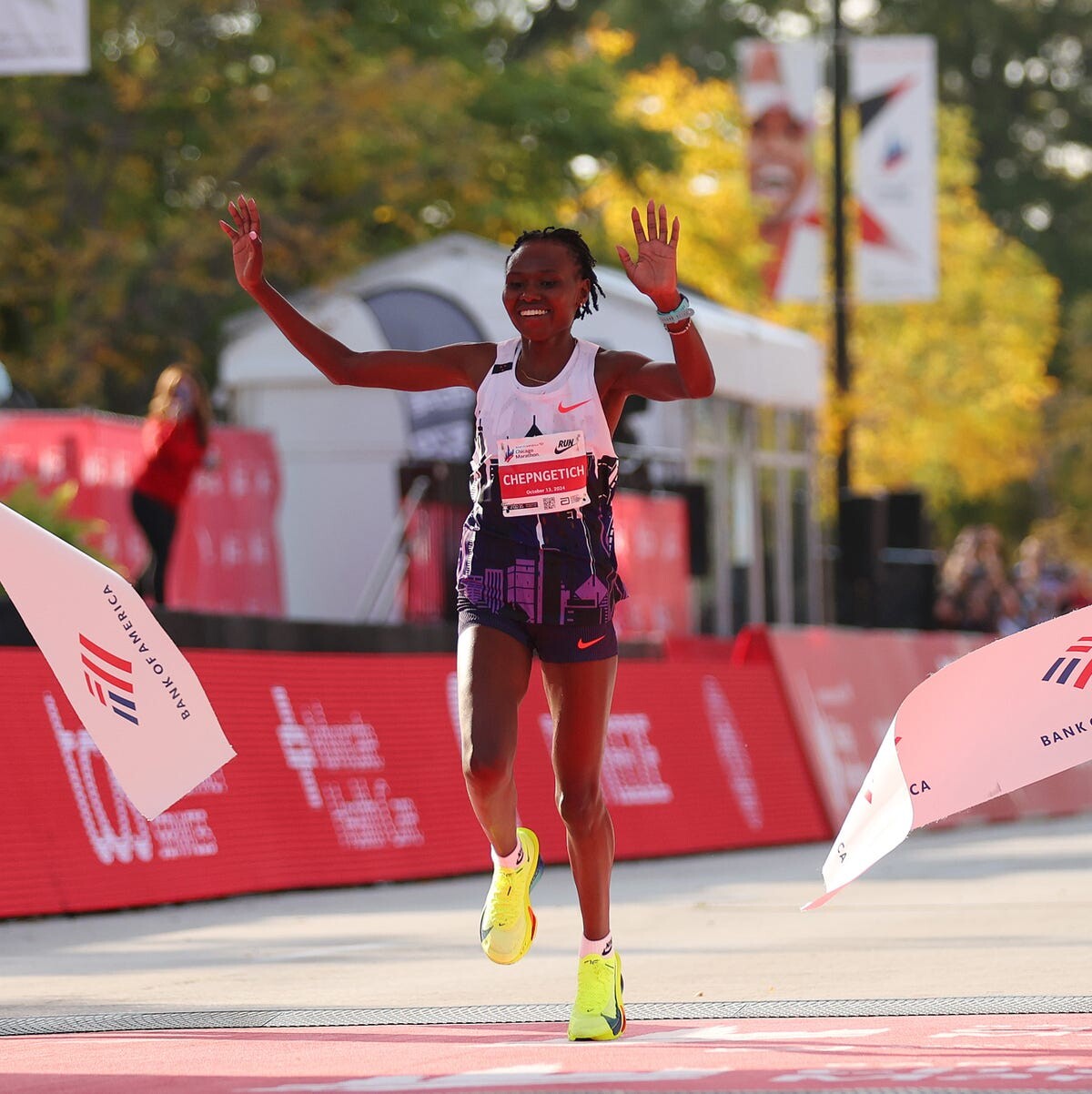
Chicago, meanwhile, owns one of the most remarkable records in women’s marathon history. Kenya’s Ruth Chepngetich ran 2:09:56 in 2024, becoming the first woman to break the 2:10 barrier. The performance remains a landmark in the event’s history and gives Chicago a special place among the fastest marathon courses in the world.
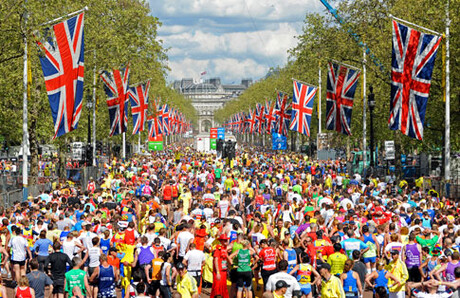
The men’s Chicago record is 2:00:35, set by the late Kelvin Kiptum in 2023. That performance stood as the world record until Sawe’s extraordinary 1:59:30 in London in 2026.
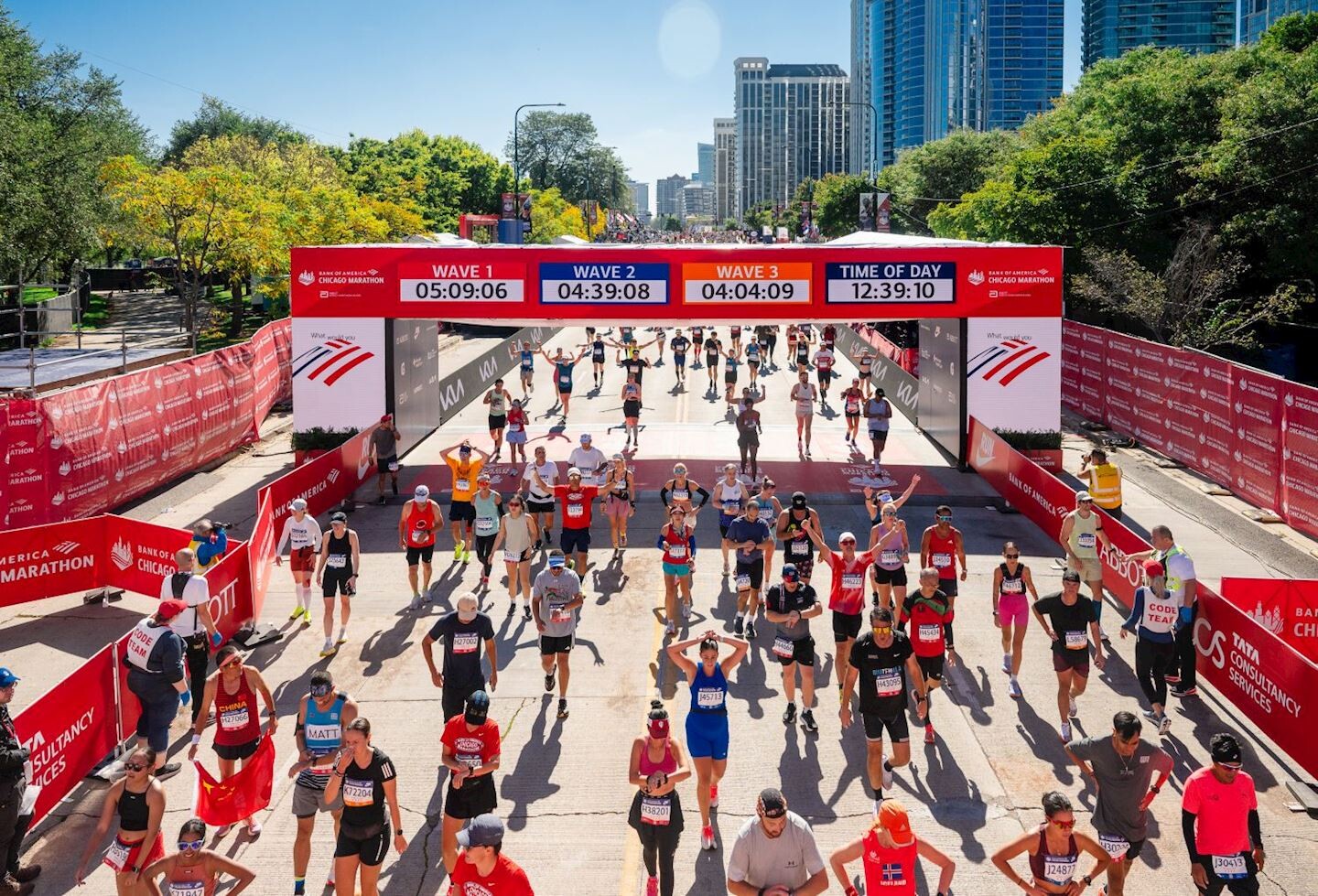
Then there is Berlin, perhaps the most celebrated world-record factory in marathon history. Kenya’s Eliud Kipchoge holds the men’s course record at 2:01:09, while Ethiopia’s Tigist Assefa owns the women’s mark at 2:11:53. Berlin has hosted numerous men’s world records over the years, underlining its reputation as one of the fastest marathon courses on the planet.
The elevation figures help explain why the courses produce such different performances. Berlin has relatively modest elevation changes, creating a fast and rhythm-friendly route. Other Majors present considerably greater challenges.
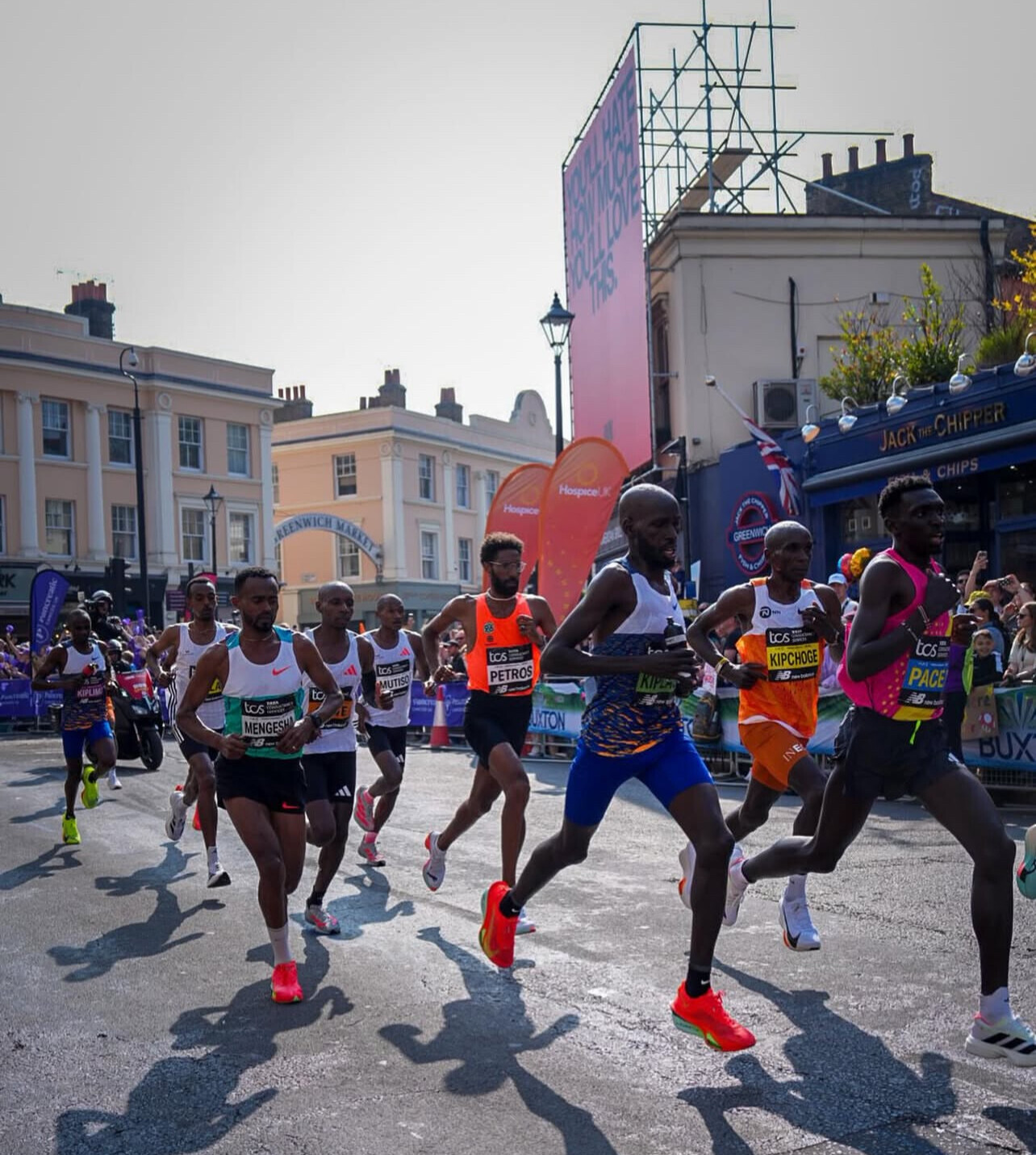
Boston, for example, climbs 248 metres but descends 388 metres. Its famous point-to-point layout and net downhill profile make it exceptionally fast in places, but its course does not qualify for official world-record purposes because the elevation drop exceeds the limit permitted by World Athletics.
New York City is a completely different proposition. With approximately 246 metres of climbing, it is among the toughest Major Marathon courses, demanding strength and tactical patience rather than simply raw speed. Its records therefore carry a different kind of significance, earned on a course that tests athletes through bridges, climbs and a demanding closing stretch into Central Park.
Tokyo offers another fast but distinctive challenge, with Benson Kipruto holding the men’s course record in 2:02:16. Brigid Kosgei’s 2:14:29 remains the women’s course record, illustrating the exceptional standard required to rewrite the record books in the Japanese capital.
And then there is Sydney, the newest addition to the Abbott World Marathon Majors family. Its course has already produced outstanding performances, with Addisu Gobena’s 2:04:42 listed as the men’s course record and Sifan Hassan’s 2:18:22 as the women’s mark in the graphic. With its demanding elevation profile, those performances underline just how quickly the Sydney course has established itself among the world’s major marathon stages.
What makes these records fascinating is that they cannot be judged by the clock alone. A 2:01 on a fast, record-legal course is a completely different achievement from a 2:04 on a demanding route, while Boston’s unique course rules mean that even exceptionally fast performances cannot enter the official world-record conversation.
For decades, marathon greatness was largely measured by who could run fastest. Today, the Majors show that where the time is run can be almost as important as the time itself. From Sawe’s historic sub-two-hour breakthrough in London to Chepngetich’s barrier-breaking run in Chicago and Berlin’s remarkable record history, these performances represent different chapters of marathon history—and the next chapter could be written at any Major.
by Erick Cheruiyot for My Best Runs.
Login to leave a comment
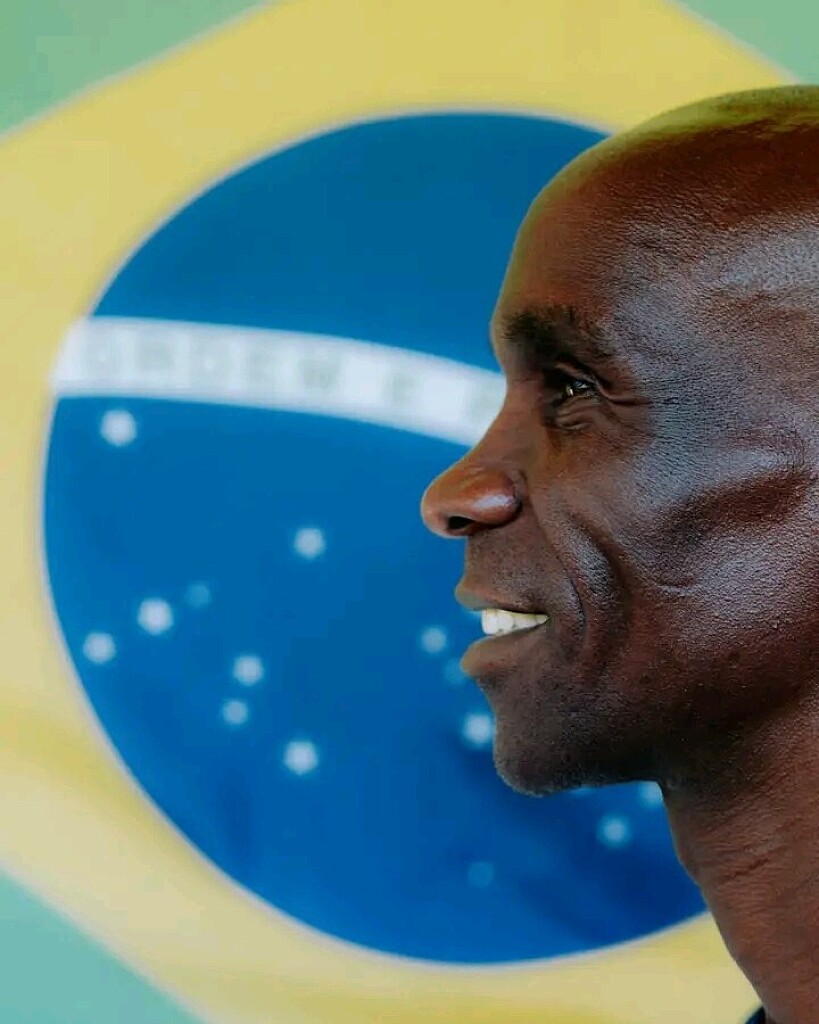
Kipchoge Headlines Star-Studded Elite Field for Porto Alegre Marathon
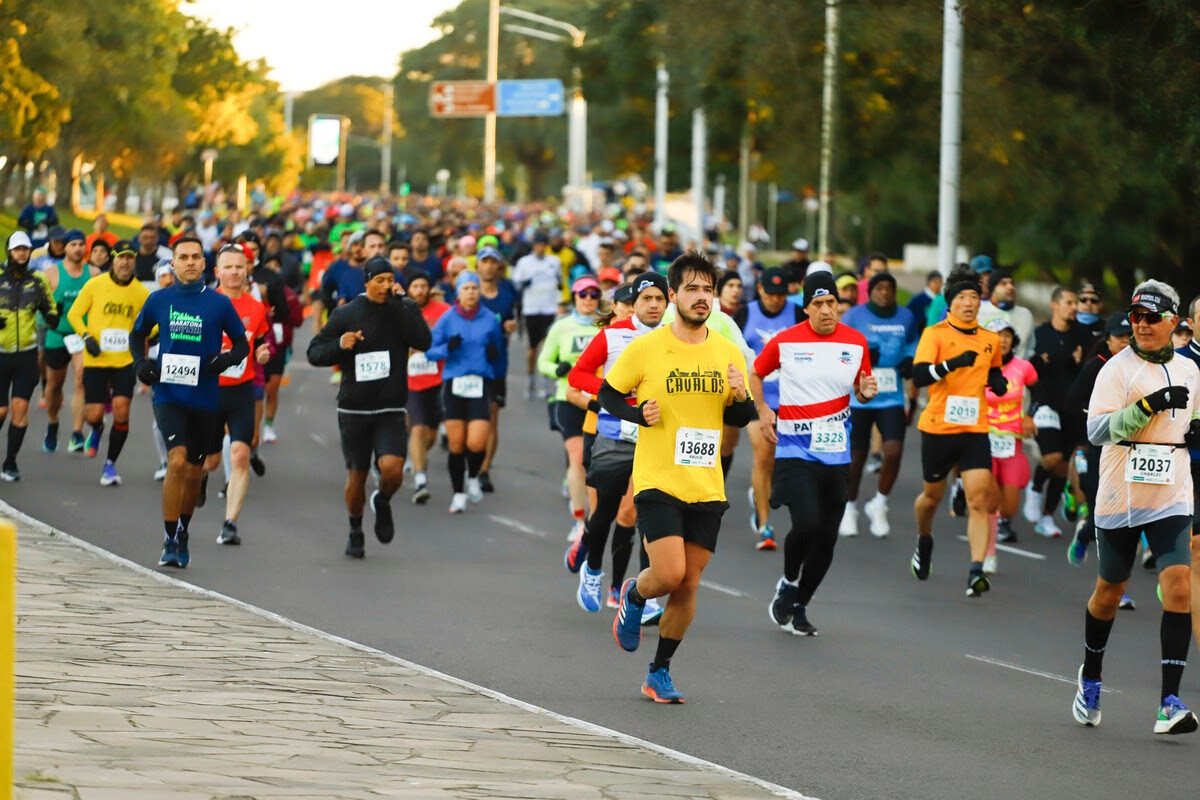
The countdown is on for what promises to be one of South America's most compelling marathon races of the year, as an exceptional men's elite field prepares to line up for the New Balance 42K Porto Alegre in Brazil on 12 July 2026.
Leading the field is marathon legend Eliud Kipchoge of Kenya, whose remarkable personal best of 2:01:09 makes him the standout name on an entry list packed with proven international performers. The two-time Olympic marathon champion brings unrivalled experience and one of the greatest résumés in distance running, adding global prestige to the Porto Alegre event.
Just days before the race, Kipchoge shared an emotional message on social media, revealing the personal significance of his return to Brazil.
"The second part of my World Tour takes me to Porto Alegre, Brazil, a place that holds a very special meaning in my heart and in my career," he wrote.
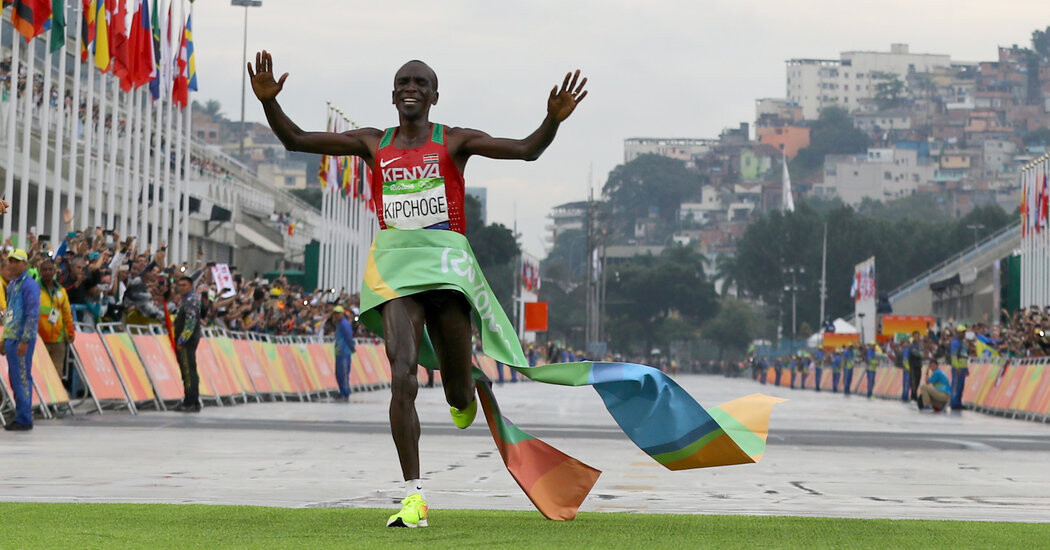
Kipchoge reflected on the memories that continue to inspire him, recalling that Brazil was where he captured his first Olympic marathon gold medal—a defining achievement that transformed both his career and his life.
"Going back to Brazil means a lot to me. This is where I won my first Olympic gold medal, a moment that changed my life forever and shaped the path I continue to walk today. The memories of that achievement will always stay with me, not as a finish line, but as a beginning. To return here carries deep meaning."
He concluded his message by inviting fans to be part of the occasion, saying: "Porto Alegre, let us run together and celebrate the spirit of Brazil and the energy of South America."
Kipchoge will face a formidable challenge from a deep and competitive field featuring Ethiopia's Shifera Tamru (2:05:18), Kebede Tulu Wami (2:05:19) and Derese Workneh (2:06:58), all capable of producing world-class performances on the right day.
Kenya will also be strongly represented by Philemon Kiptoo (2:05:35), Timothy Kipkorir Kattam (2:06:40), Thomas Kibet Maru (2:07:53) and Dominic Nyairo (2:09:13), ensuring another thrilling chapter in the long-standing Kenya-Ethiopia rivalry that has defined elite marathon racing for decades.
The international field is further strengthened by Brazil's José Márcio Leão and Paulo Roberto Paula, Chile's Hugo Catrileo, Morocco's Yakoub Labquira and Zineddine Ouria, and Paraguay's Derlys Ayala, giving the race a truly global flavour.
With a blend of marathon champions, rising contenders and experienced campaigners assembled on the start line, the streets of Porto Alegre are set to host a captivating battle over 42.195 kilometres. Beyond the pursuit of victory, Kipchoge's return adds an emotional dimension to the event, reconnecting him with a country where one of the defining chapters of his legendary career was written. As the world turns its attention to Brazil, fans can expect a fiercely contested race where tactical brilliance, endurance and resilience will determine who emerges victorious.
by Erick Cheruiyot for My Best Runs.
Login to leave a comment
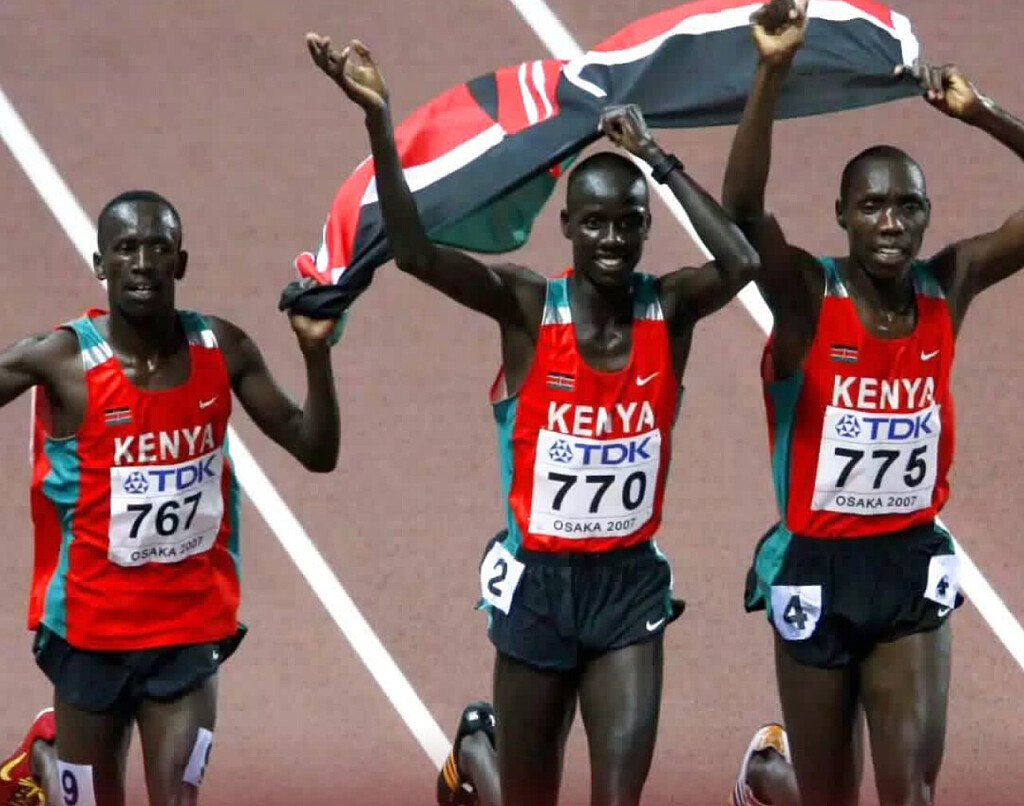
How One Tribe in Kenya Came to Dominate Global Distance Running
There may be no statistic in all of sports more astonishing than this one.
The Kalenjin, an ethnic group—often referred to as a tribe—in Kenya, make up about 13.4% of the country’s population, roughly 6.3 million people. On a global scale, they represent about one out of every 1,000 people worldwide.
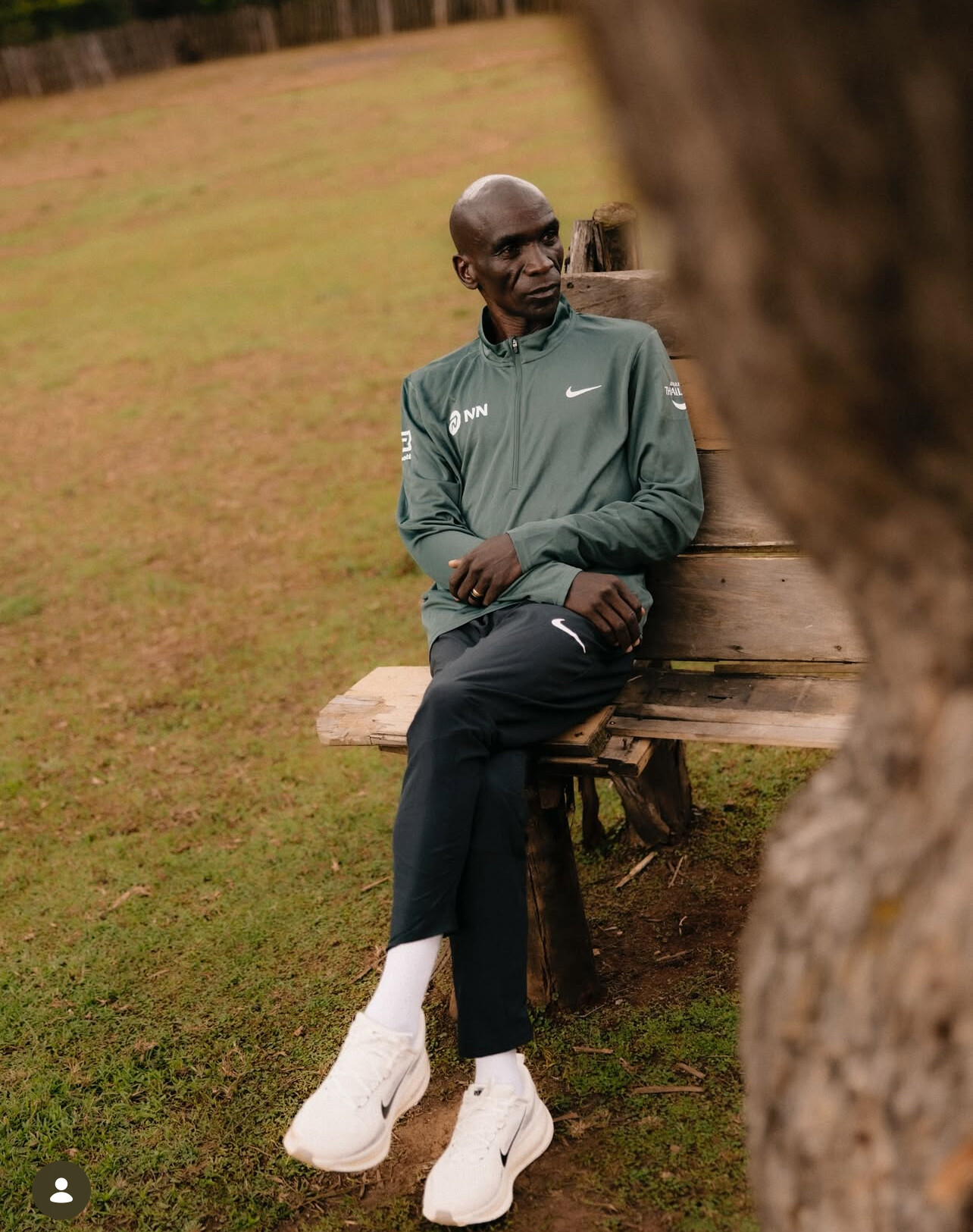
Yet this small community has produced an overwhelming share of the world’s greatest distance runners.

Their dominance has been so complete, and so sustained, that it has been described as “the greatest geographical concentration of achievement in the annals of sport.” And it is hard to argue otherwise.
From the Rift Valley to the World Stage
Most elite Kalenjin runners come from Kenya’s Rift Valley region, particularly areas such as Nandi, Elgeyo-Marakwet, Uasin Gishu, and Baringo, where elevations range from 2,000 to 2,400 meters (6,500–8,000 feet) above sea level.
Here, running is not a hobby—it is part of daily life.
Children grow up walking and running long distances, often on dirt roads. Training at altitude is the norm, not a strategy. And success stories are local and visible, creating a powerful cycle of belief and opportunity.
Champions Across Eras
The Kalenjin impact on global athletics stretches back more than half a century.
Kipchoge Keino, one of the pioneers of Kenyan distance running, won Olympic gold in the 1500 meters at the 1968 Mexico City Games and the 3000-meter steeplechase in 1972, helping place Kenyan runners on the world map.
Since then, Kenyan athletes—many of them Kalenjin—have dominated:
• The 3000-meter steeplechase, winning Olympic gold in nearly every Games since 1968
• The 5,000 meters and 10,000 meters at World Championships
• The marathon, particularly at the World Marathon Majors
Masters of the Marathon
Perhaps nowhere is this dominance more visible than in the marathon.
Kalenjin runners have repeatedly won and controlled races such as:
• Berlin Marathon
• London Marathon
• Chicago Marathon
• Boston Marathon
• New York City Marathon
These victories are not isolated moments—they are part of a long, uninterrupted pattern.
At the center of it all stands Eliud Kipchoge, widely regarded as the greatest marathon runner in history. A member of the Kalenjin community, Kipchoge has:
• Won two Olympic marathon gold medals (2016, 2021)
• Set a world record of 2:01:09 at the Berlin Marathon
• Become the first human to run 26.2 miles in under two hours
He is not an exception. He is the most refined expression of a system that has been producing champions for generations.
Why This One Tribe?
No single explanation tells the whole story, but several factors come together in the Rift Valley:
• Geography: High altitude, rolling terrain, and ideal training conditions
• Physiology: Exceptional running economy and efficient biomechanics
• Culture: Running as a respected path to success and opportunity
• Environment: Group training, competition, and long-term development from a young age
Together, these elements have created something unmatched in sport.
A Phenomenon Without Parallel
Great athletes come from everywhere. But nowhere else has such a small, specific populationproduced such sustained global dominance across events, generations, and decades.
Not sprinting.
Not swimming.
Not cycling.
Not soccer.
Only distance running.
From the highland paths of the Rift Valley to Olympic podiums and marathon finish lines around the world, the story of the Kalenjin remains one of the most extraordinary achievements in human performance.
And it is still being written.
by Boris Baron
Login to leave a comment

Eliud Kipchoge Chases One Final Milestone as He Makes His New York City Marathon Debut This Sunday
One of the most anticipated starts in marathon history arrives this Sunday as Eliud Kipchoge, the two-time Olympic marathon champion and widely regarded as the greatest marathoner of all time, makes his debut at the TCS New York City Marathon (NYC Marathon).
The Big Picture
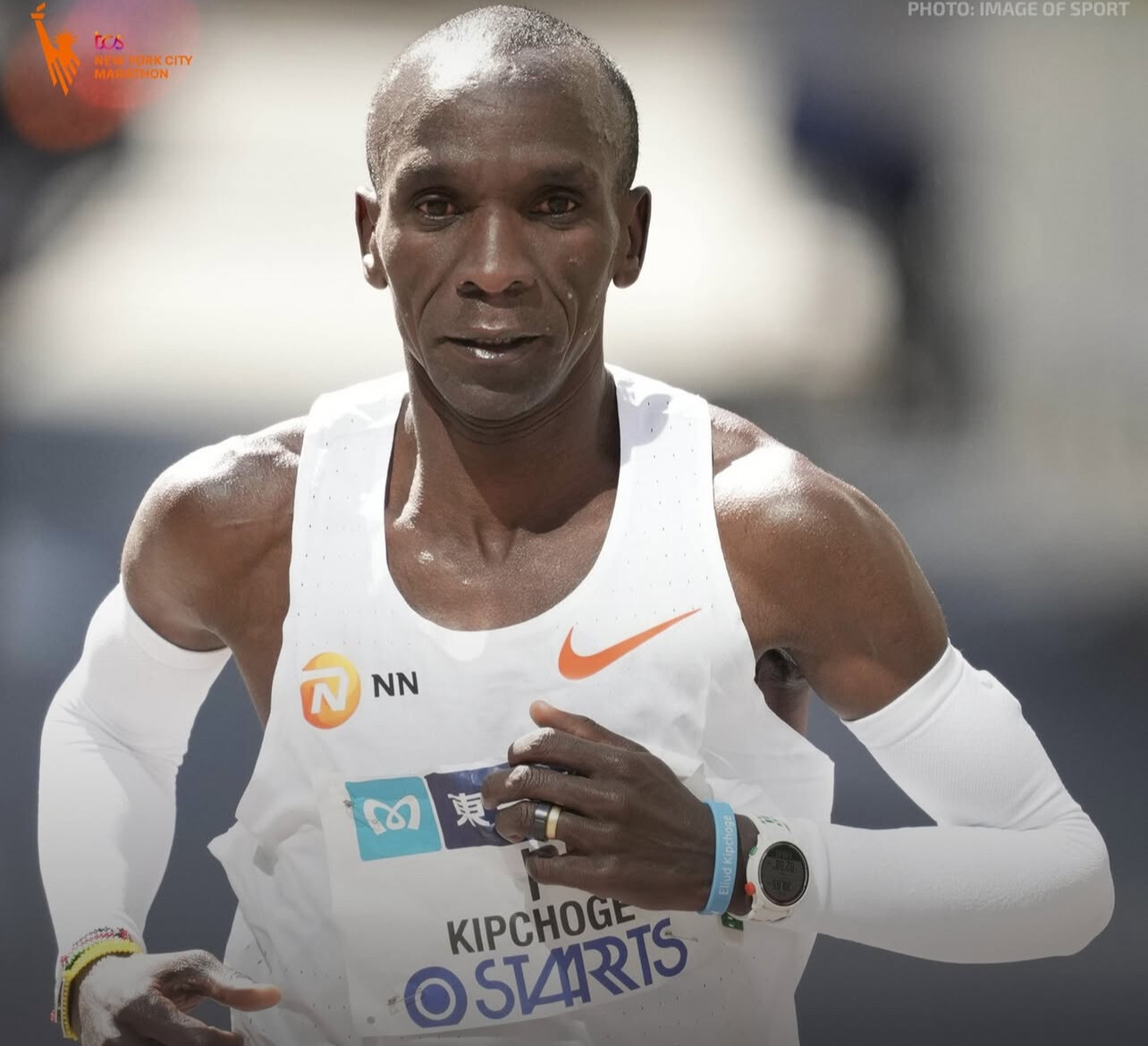
At 40 years old, Kipchoge has already built an extraordinary legacy: Olympic gold medals in 2016 (Rio) and 2020 (Tokyo), a world-record marathon time of 2:01:09 in Berlin 2022, and a historic sub-2-hour marathon effort in Vienna 2019 (1:59:40 – though not ratified).
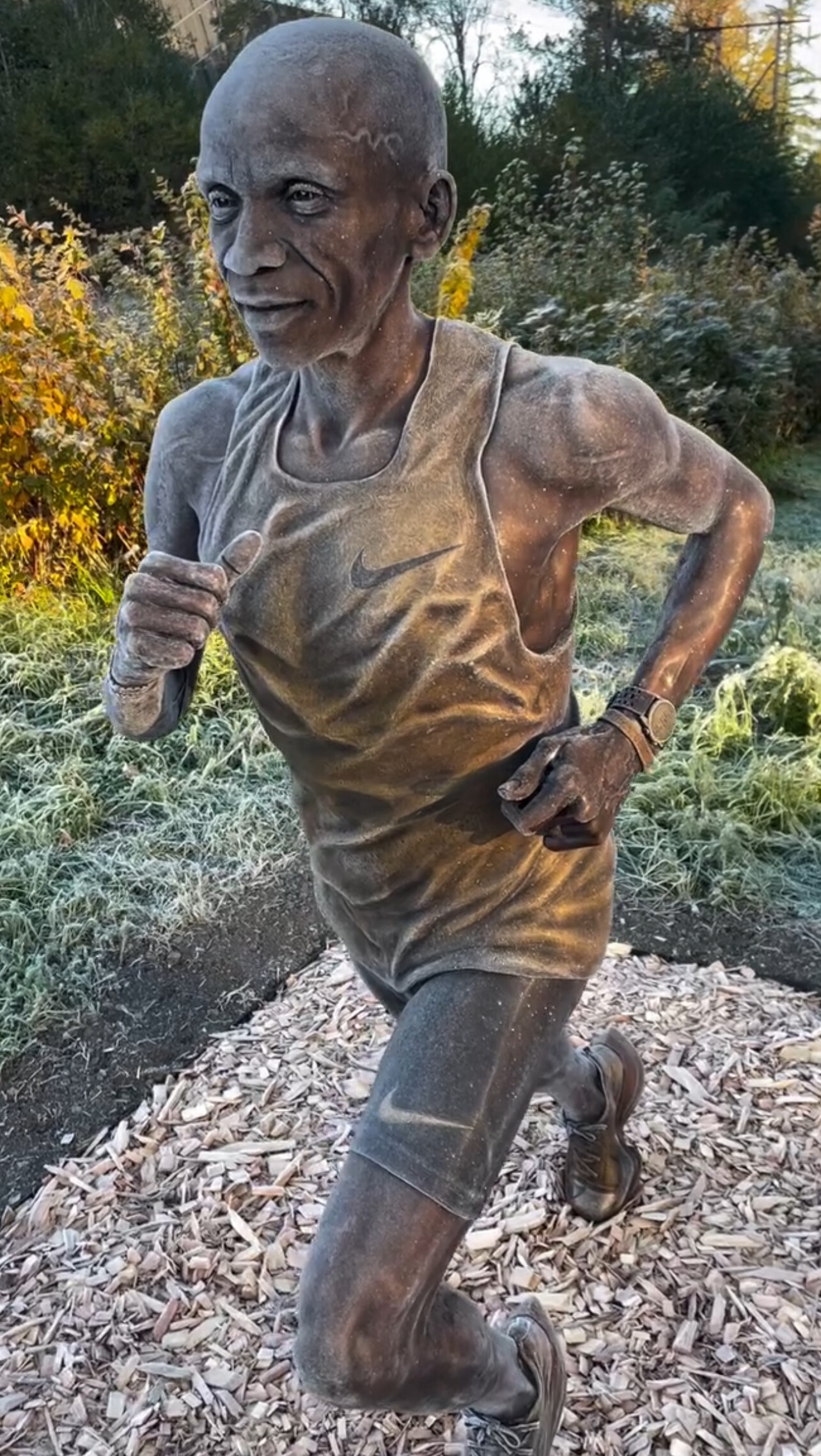
Yet until now, the NYC Marathon has been the elusive piece of the puzzle. By lining up this Sunday, Kipchoge will complete his set of the major Abbott World Marathon Majors (AWMM) if he crosses the finish line—it’s the only major marathon he has yet to run.
Why It Matters
• Legacy: Finishing NYC would give Kipchoge the coveted “six-star” AWMM medal for running all six of the premier majors.
• New challenge: The NYC course is markedly different from the flat, fast courses of Berlin or London. It’s undulating, uses bridges, and traverses the five boroughs—a true test of both physical and mental strength.
• Age and motivation: While Kipchoge remains in top shape, he acknowledges the impact of time and says this race is as much about meaning and experience as it is about finishing fast.
The Competition & Conditions
Kipchoge enters a stacked elite field. He’ll face defending champion Abdi Nageeye of the Netherlands, former NYC winners Evans Chebet and Albert Korir, and several rising stars with sub-2:04 personal bests.
What to Watch
• Will Kipchoge go for a bold win or focus on completing this final major?
• How will the unique challenges of NYC—bridges, hills, and roaring crowds—affect his pacing and strategy?
• Could this race mark the close of his competitive marathon career—or the beginning of a new chapter as ambassador and mentor?
Sunday’s race isn’t just another marathon for Eliud Kipchoge. It’s a long-awaited chapter in a legendary career—one that may see him conquer the final major, inspire millions, and reaffirm his enduring message: No human is limited.
by Boris Baron
Login to leave a comment
Chasing New York: What to Watch at the 2025 TCS New York City Marathon
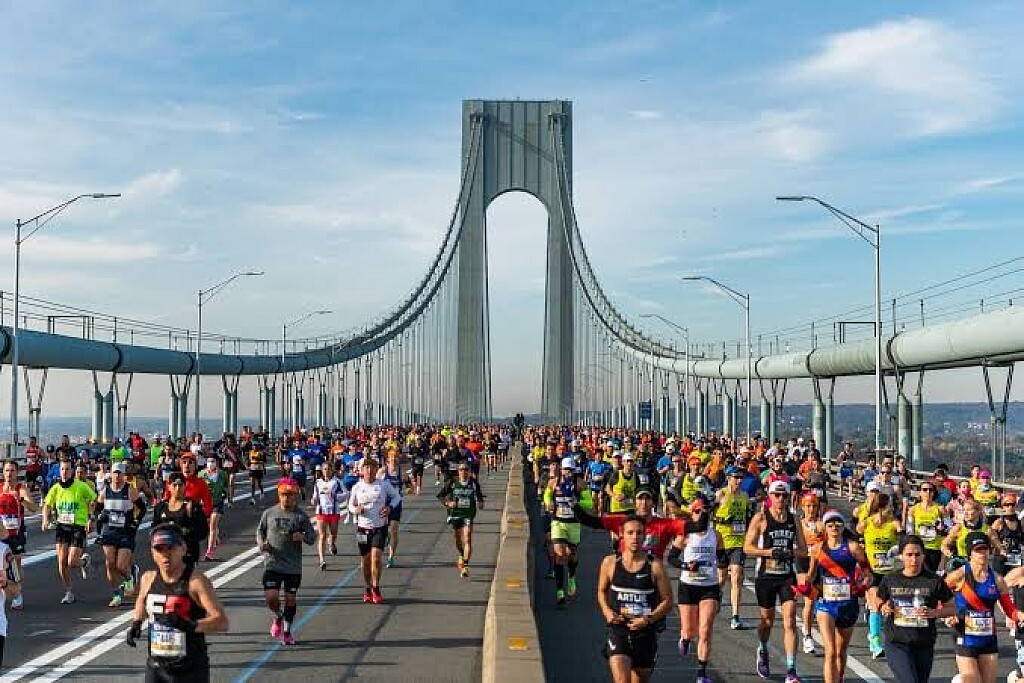
Every November, the streets of New York City transform. Five boroughs become a stage. Dreams meet asphalt.
The 2025 TCS New York City Marathon is fast approaching — and for runners, coaches, and fans alike, it remains one of the most electric events on the global running calendar.
The Big Picture
• Date: Sunday, November 2, 2025

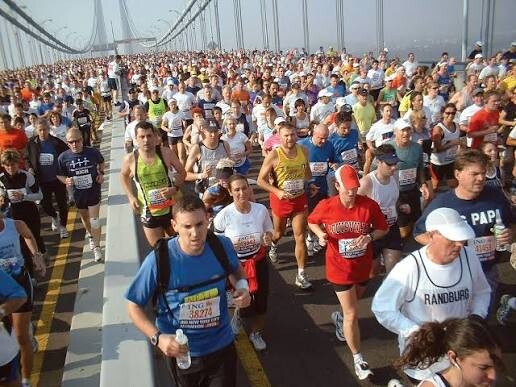
• Field size: More than 55,000 runners representing over 130 nations will take on the 26.2-mile journey from Staten Island to Central Park.
• Defending champions: Abdi Nageeye (Netherlands) and Sheila Chepkirui (Kenya) return to defend their crowns.

• Debut stars: Marathon legend Eliud Kipchoge and Olympic champion Sifan Hassan will make their long-awaited New York debuts — a storyline that has the running world buzzing.
• Classic route: The course again threads through all five boroughs, starting at Fort Wadsworth on Staten Island, crossing the Verrazzano-Narrows Bridge, and finishing in Central Park.
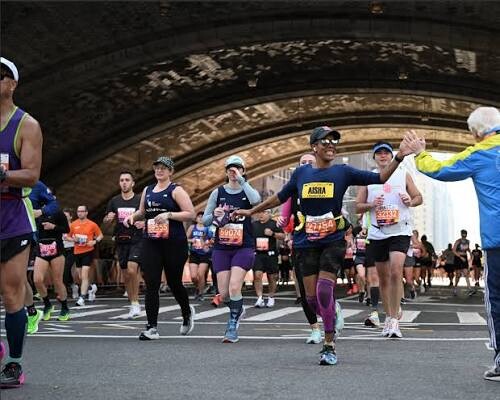
• Sustainability focus: Organizers at New York Road Runners (NYRR) continue to expand environmental initiatives, including recyclable aluminum water bottles and reduced single-use plastics.
Course Records
• Men’s Record: 2:04:58 – Tamirat Tola (2023)

• Women’s Record: 2:22:31 – Margaret Okayo (2003)
Both marks remain tough to challenge on New York’s rolling, bridge-laden course — but with Kipchoge, Chebet, and Nageeye in the men’s field, and Hassan, Obiri, and Lokedi among the women, the potential for history is very real.
Men’s Elite Highlights
• Eliud Kipchoge (Kenya) – two-time Olympic champion, 2:01:09 PB, running NYC for the first time.
• Abdi Nageeye (Netherlands) – defending champion and Olympic silver medalist.
• Evans Chebet (Kenya) – two-time Boston Marathon champion.
• Benson Kipruto (Kenya) – Chicago 2022 winner.
• Albert Korir (Kenya) – former NYC champion.
• Joe Klecker (USA) – U.S. Olympian making his marathon debut.
• Hillary Bor (USA) – U.S. steeplechase champion transitioning to the roads.
• Charles Hicks (USA) – NCAA cross-country champion now turning professional.
Women’s Elite Highlights
• Sifan Hassan (Netherlands) – Olympic champion, winner in London (2023) and Chicago (2024).
• Hellen Obiri (Kenya) – Boston 2023 and NYC 2023 champion.
• Sharon Lokedi (Kenya) – NYC 2022 winner, still a local favorite.
• Sheila Chepkirui (Kenya) – defending NYC champion.
• Emily Sisson (USA) – current American marathon record holder (2:18:29).
• Molly Seidel (USA) – Tokyo Olympic bronze medalist.
• Fiona O’Keeffe (USA) – 2024 U.S. Olympic Trials marathon champion.
• Susanna Sullivan (USA) – Top-10 finisher at Boston 2023, consistent national contender.
This year’s field features 49 Olympians and Paralympians, nine past major marathon winners, and 16 medalists from Olympic or World Championship events — arguably the deepest lineup in New York history.
What Makes New York Unique (and Brutal)
• Rolling terrain and bridges: The Verrazzano, Pulaski, Queensboro, and Willis bridges each sap rhythm and energy.
• Crowd power: Two million spectators line the course, creating unmatched atmosphere — and volume.
• Late-season unpredictability: Weather can swing from cold drizzle to crisp fall perfection.
• Tactical racing: With its uneven pacing demands, NYC rewards strategy over pure speed.
Storylines to Watch
• Kipchoge’s debut: The marathon GOAT takes on the sport’s loudest stage. Can he master New York’s relentless hills and twists?
• Hassan’s bold quest: Coming off London and Chicago wins, can she complete the trifecta in her first NYC appearance?
• Lokedi vs. Obiri: The Kenyan duo continue their fierce rivalry on familiar ground.
• Nageeye’s defense: Last year’s champion faces his toughest test yet with Chebet and Kipruto in pursuit.
• American charge: Sisson, Seidel, O’Keeffe, and Sullivan lead the most complete U.S. women’s team in years — while Klecker and Bor look to ignite the next chapter for American men’s marathoning.
• Record watch: Tola’s 2:04:58 may finally be tested, and Okayo’s 22-year-old mark could fall if conditions align.
For Runners and Coaches
• Train the bridges. Practice long tempo runs that mimic New York’s undulating rhythm.
• Respect the pace. The roar of Brooklyn can trick even the best into going out too fast.
• Fuel flexibly. NYRR’s eco-station setup may differ from other majors — plan accordingly.
• Stay mentally sharp. The final 10 K through Central Park can break anyone unprepared for its hills.
• Layer smartly. Start slightly chilled; the crowds and effort will warm you fast.
The Bottom Line
The 2025 TCS New York City Marathon blends star power, unpredictability, and history like no other race. From Kipchoge’s long-awaited debut to the fiercest women’s field ever assembled in New York, every mile promises drama.
For runners chasing personal bests, and for millions of spectators lining the streets or watching from afar, November 2 will again remind us why this marathon is more than a race — it’s a celebration of endurance, spirit, and the human story that unfolds across 26.2 miles of the world’s greatest city.
by Boris Baron
Login to leave a comment

TCS New York City Marathon
The first New York City Marathon, organized in 1970 by Fred Lebow and Vince Chiappetta, was held entirely in Central Park. Of 127 entrants, only 55 men finished; the sole female entrant dropped out due to illness. Winners were given inexpensive wristwatches and recycled baseball and bowling trophies. The entry fee was $1 and the total event budget...
more...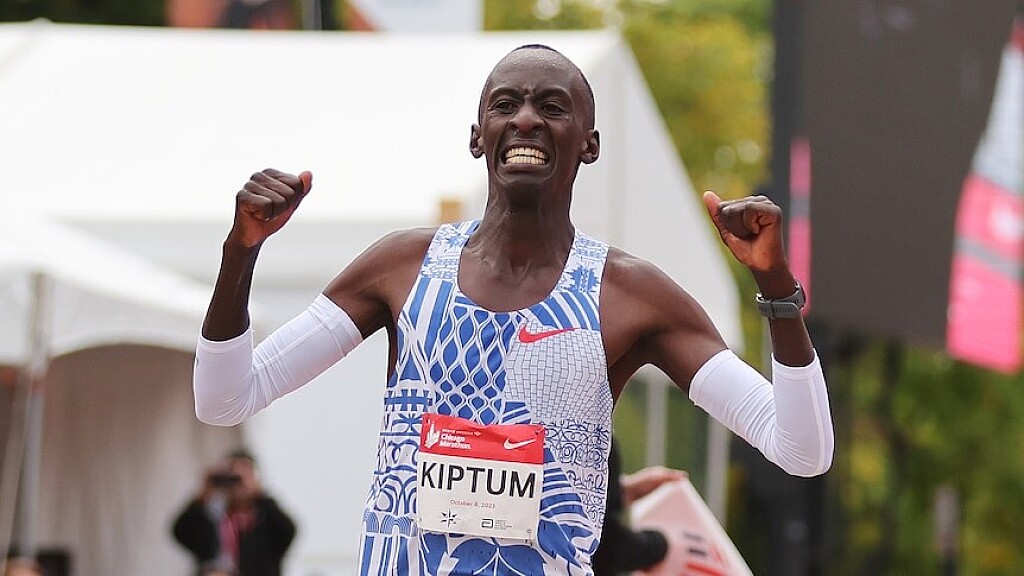
Chicago’s Marathon Legacy — From Kiptum’s Perfection to Kiplimo’s Power
Two years apart, on the same streets of Chicago, two East African greats delivered marathon performances that will be remembered for generations.
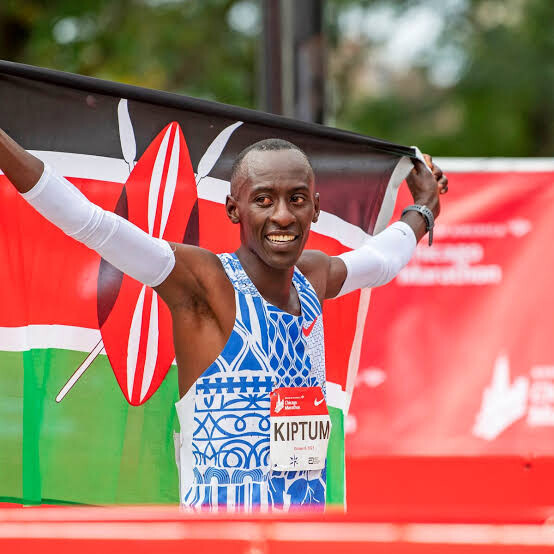
In 2023, Kenya’s Kelvin Kiptum stunned the world with his 2:00:35 world record, a run that redefined endurance and perfection.
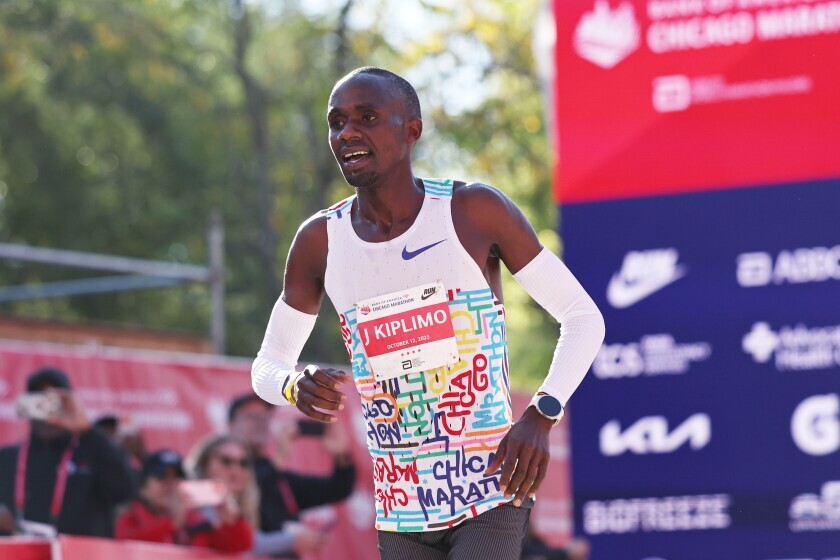
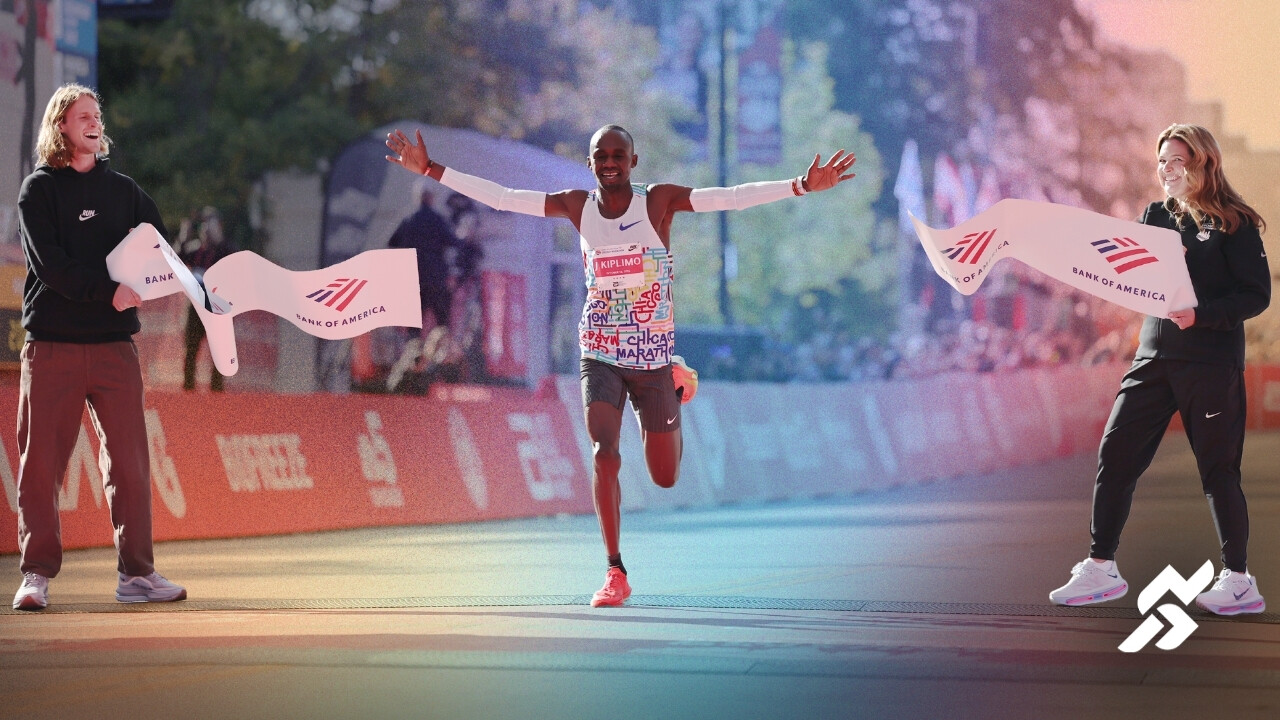
In 2025, Uganda’s Jacob Kiplimo, already the half marathon world record holder, returned to Chicago for his second career marathon and clocked 2:02:23 — his personal best and the seventh-fastest marathon ever run.
Split by Split — The Chicago Comparison
|
Distance |
Kiptum (2023) |
Kiplimo (2025) |
Difference |
|
5 km |
14:26 |
13:58 |
−28 sec |
|
10 km |
28:42 |
28:25 |
−17 sec |
|
15 km |
43:09 |
42:40 |
−29 sec |
|
20 km |
57:39 |
57:05 |
−34 sec |
|
Half |
1:00:48 |
1:00:16 |
−32 sec |
|
25 km |
1:12:04 |
1:11:12 |
−52 sec |
|
30 km |
1:26:31 |
1:25:31 |
−60 sec |
|
35 km |
1:40:22 |
1:39:52 |
−30 sec |
|
40 km |
1:54:23 |
1:55:10 |
+47 sec |
|
Finish |
2:00:35 (World Record) |
2:02:23 |
+1:48 |
How They Ran
Kelvin Kiptum (2023):
Kiptum ran one of the most perfectly executed marathons in history. After a steady opening half in 1:00:48, he unleashed a ferocious negative split of 59:47, the fastest second half ever recorded. His closing 10K in 27:52 sealed a new world record and forever changed how we think about the marathon.
Jacob Kiplimo (2025):
After finishing second in his marathon debut at the 2025 London Marathon, Kiplimo arrived in Chicago more prepared — and fearless. From the start, he attacked the course, opening in 13:58 for 5K, the fastest ever in Chicago. Through 30K, he was over a minute ahead of Kiptum’s world-record pace. Although he slowed slightly in the final 10K, his 2:02:23 finish was the fastest ever by an Ugandan and the 7th-fastest marathon in history.
âš–ï¸ The Contrast
• Strategy: Kiptum’s patience vs. Kiplimo’s aggression.
• Halfway: Kiplimo led by 32 seconds at 21.1K.
• Closing Power: Kiptum’s final 7K (13:51 split) remains unmatched.
• Outcome: Kiplimo’s performance wasn’t a world record, but it confirmed his place among the greatest marathoners of his generation.
Legacy and Continuation
Tragically, Kelvin Kiptum was killed in a car accident in Kenya in February 2024, just months after his world-record run. His passing shocked the running world and ended the career of a man many believed would one day break two hours on a record-eligible course.
When Jacob Kiplimo returned to Chicago in 2025, it felt like a continuation of that story — a symbolic passing of the torch. Running on the same course where Kiptum made history, Kiplimo carried forward the East African legacy of excellence, courage, and speed.
Final Thoughts
Kiptum’s 2:00:35 remains the marathon’s gold standard — calm, controlled, and utterly brilliant.
Kiplimo’s 2:02:23 showed fearless front-running and a promise of what’s still to come.
Two men. Two races. One city.
Chicago — where the modern marathon’s greatest chapters continue to be written.
- - -
The 9 Fastest Men’s Marathons of All Time (as of Oct 13, 2025)
|
Rank |
Name |
Time |
Venue |
|
1 |
Kelvin Kiptum (KEN) |
2:00:35 |
Chicago 2023 |
|
2 |
Eliud Kipchoge (KEN) |
2:01:09 |
Berlin 2022 |
|
3 |
Kenenisa Bekele (ETH) |
2:01:41 |
Berlin 2019 |
|
4 |
Sisay Lemma (ETH) |
2:01:48 |
Valencia 2023 |
|
5 |
Sebastian Sawe (KEN) |
2:02:05 |
Valencia 2024 |
|
6 |
Benson Kipruto (KEN) |
2:02:16 |
Tokyo 2024 |
by Bob Anderson
Login to leave a comment
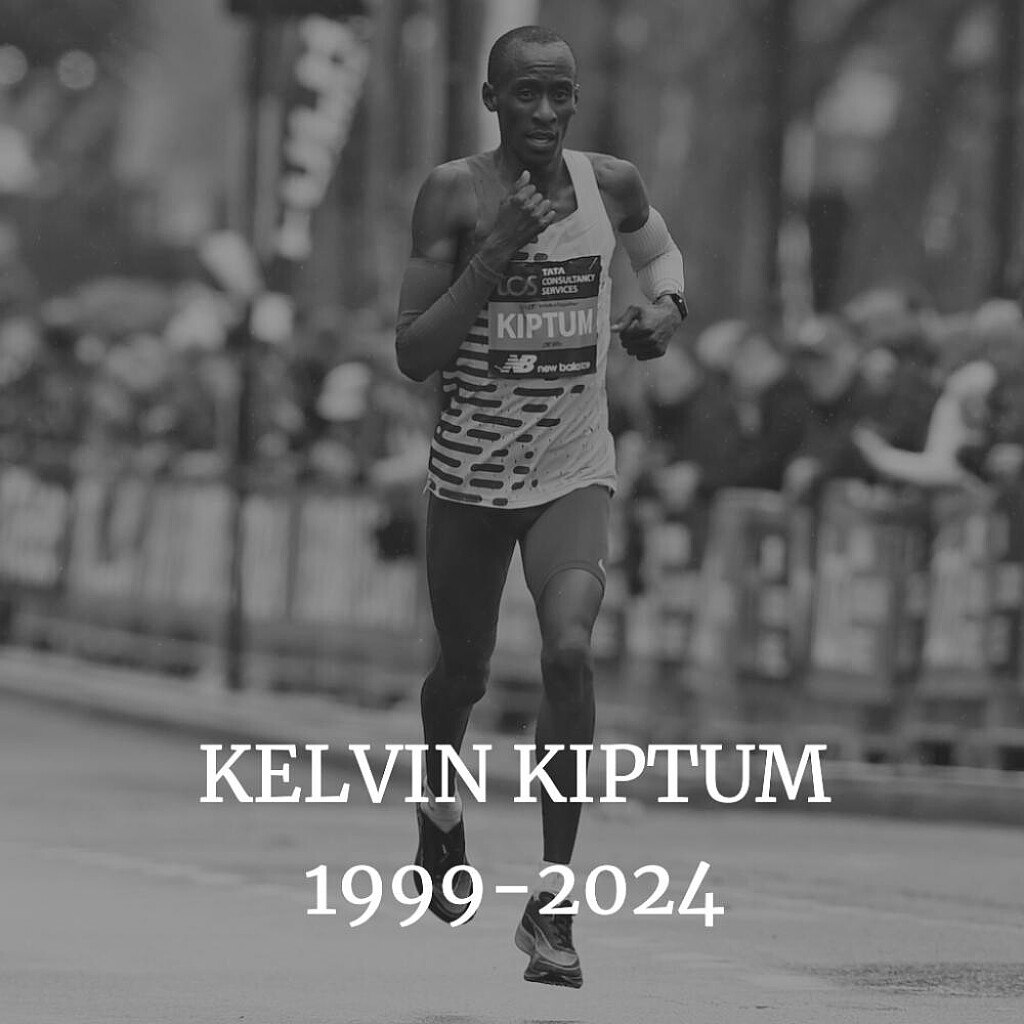
Kelvin Kiptum: The Man Who Ran Into History and Never Returned
It’s been exactly one year since Kelvin Kiptum did what many believed was impossible — he shattered the marathon world record in Chicago, stopping the clock at 2:00:35.
On October 8, 2023, the 23-year-old Kenyan didn’t just win a race — he redefined the limits of human endurance.
As the world prepares for this year’s Chicago Marathon, it’s impossible not to feel the silence he left behind.
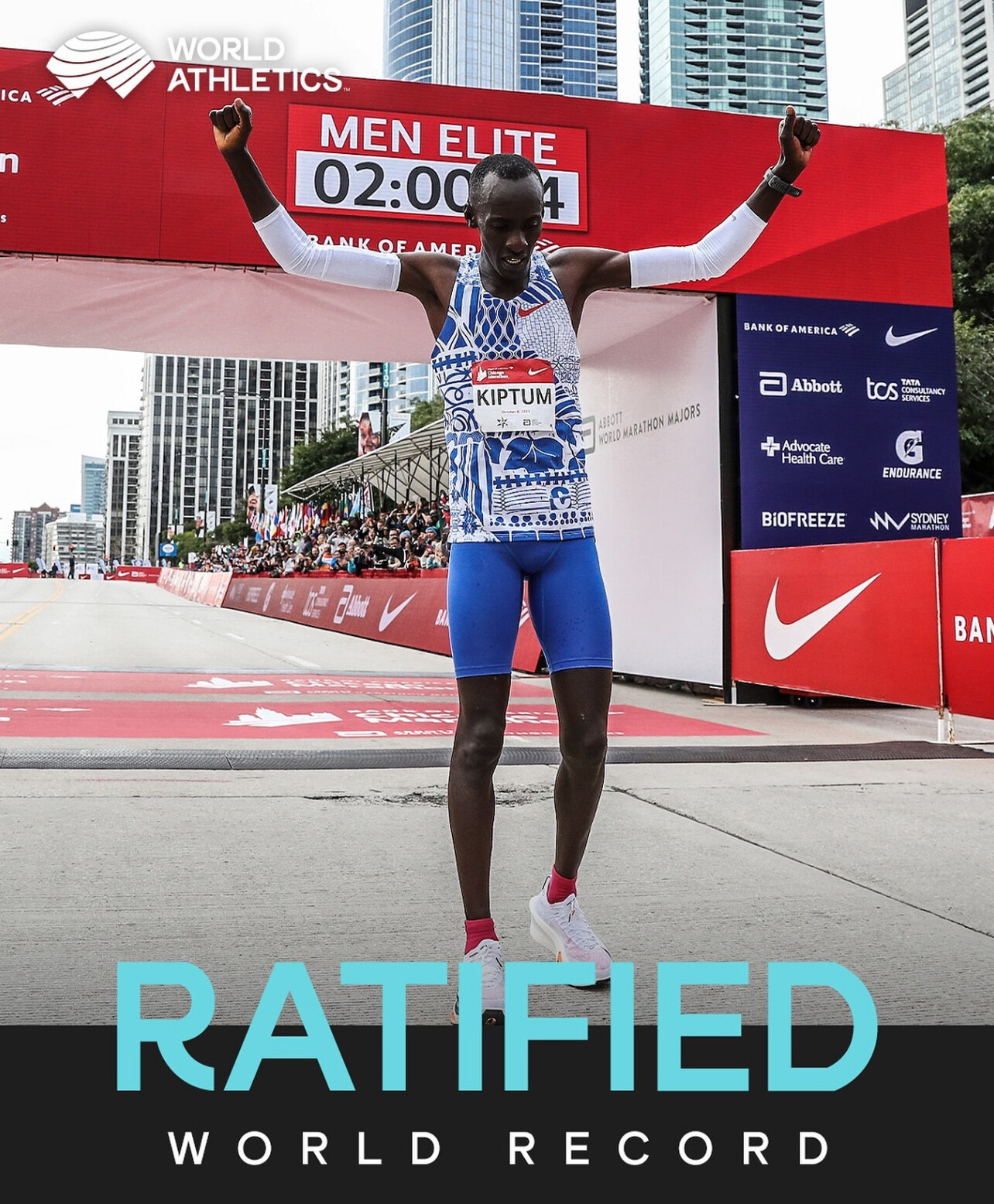
That crisp Sunday morning, Kiptum delivered a performance that stunned the running world. Gliding through Chicago’s streets with unrelenting rhythm, he dropped the field, surged mile after mile, and erased Eliud Kipchoge’s seemingly untouchable world record of 2:01:09 by 34 seconds.
It was only his third marathon. He had never lost one.
Chicago had seen greatness before — but never like this.
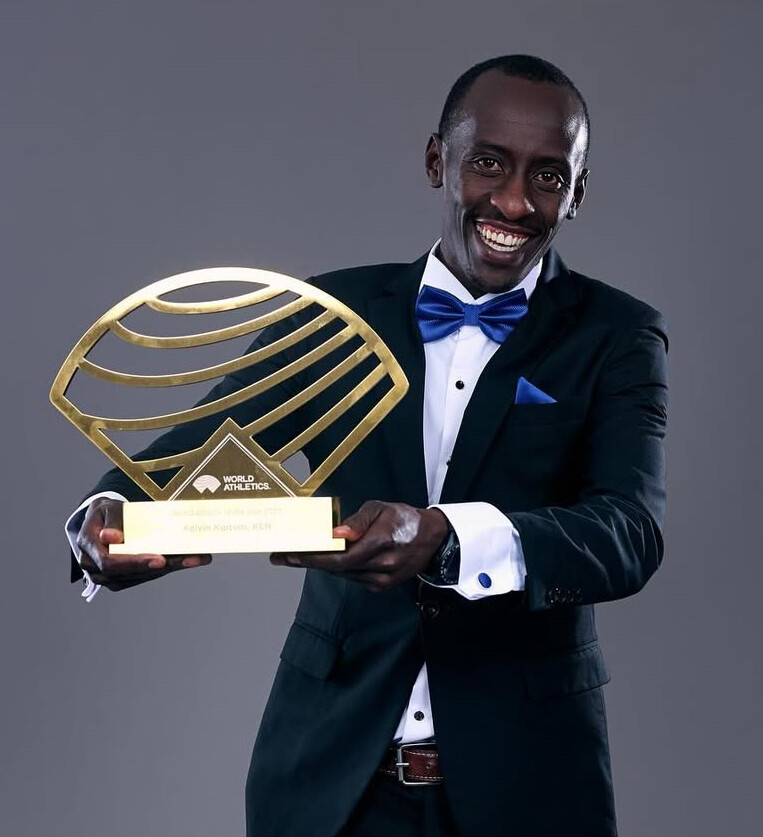
And then, just months later, he was gone.
In February 2024, Kiptum and his coach, Gervais Hakizimana, were killed in a car crash on a quiet road in Kenya. The sport lost more than a record-breaker; it lost a phenomenon — a man who seemed destined to become the first human to run under two hours in an official race.
That dream — carried in Kiptum’s quiet confidence and thunderous stride — vanished that night. His record, ratified only days before his death, stands as both a triumph and a tombstone.
But legends don’t end with tragedy — they echo.
As the 2025 Chicago Marathon approaches, the course remembers. Every stretch of asphalt, every cheer from the crowd, every runner chasing a personal best this weekend — they all run in the shadow of Kiptum’s greatness.
Because Kelvin Kiptum didn’t just run a race.
He ran into history — and never returned.

His Legacy Lives On
Across Kenya and beyond, his story continues to inspire a new generation of runners — from the dirt roads of the Rift Valley to the streets of Chicago, Boston, and Berlin. Athletes like Benson Kipruto, Evans Chebet, and countless others now carry his fire forward, chasing their own dreams with the same fearless rhythm that once shook the marathon world.
Kelvin Kiptum’s stride may have stopped, but his impact will keep moving — every time someone dares to believe that impossible is only a pace away.
by Boris Baron
Login to leave a comment
Sabastian Sawe Dominates in Berlin With 2:02:16 Victory
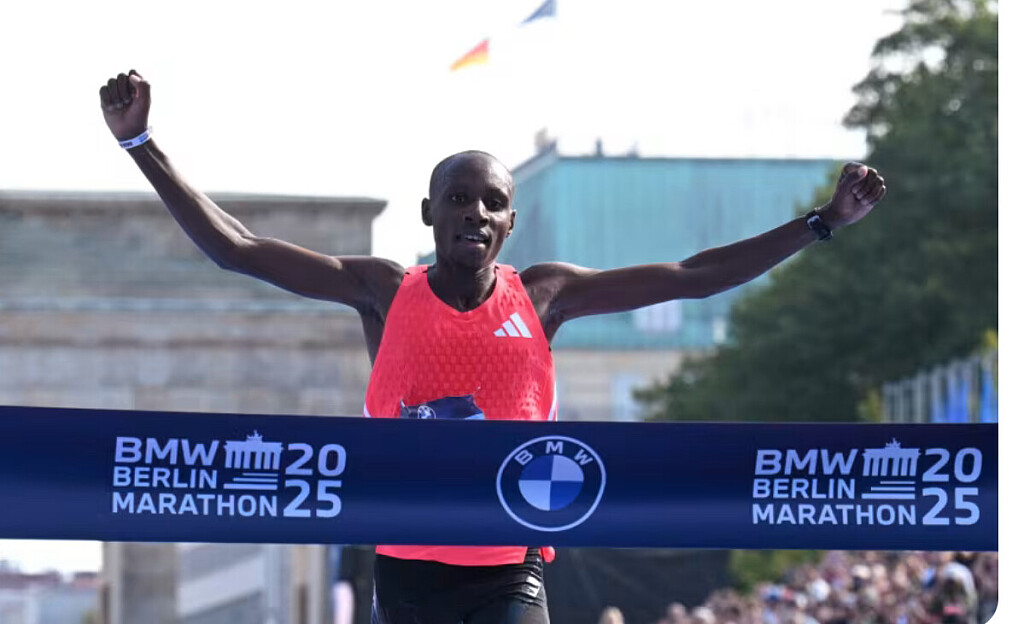
Berlin, September 21, 2025 — The Berlin Marathon once again lived up to its reputation as the world’s fastest stage for marathon running. Kenya’s Sabastian Sawe stormed to victory on Sunday, clocking 2:02:16, the fastest marathon time in the world this year and the fourth-fastest ever run on the streets of Berlin.
Sawe, already the reigning champion from Valencia (2024) and London (2025), extended his unbeaten record over the marathon distance. From the gun, he attacked with confidence, hitting 5km in 14:09and 10km in 28:26, well inside world-record pace. By halfway, his split of 60:16 electrified the Berlin crowds and suggested history might be on the cards.
But conditions proved decisive. Unseasonably warm temperatures — climbing to 25°C (mid-70s°F) — and the loss of his pacemakers before the 23km mark forced Sawe to shoulder the workload alone. Though the second half slowed, he maintained control and powered down Unter den Linden to the Brandenburg Gate, finishing with a commanding lead.
Behind him, Akira Akasaki of Japan impressed with a breakthrough run, finishing second in 2:06:15, while Ethiopia’s Chimdessa Debele held on for third in 2:06:57.
Wanjiru Outkicks Dida in Women’s Duel
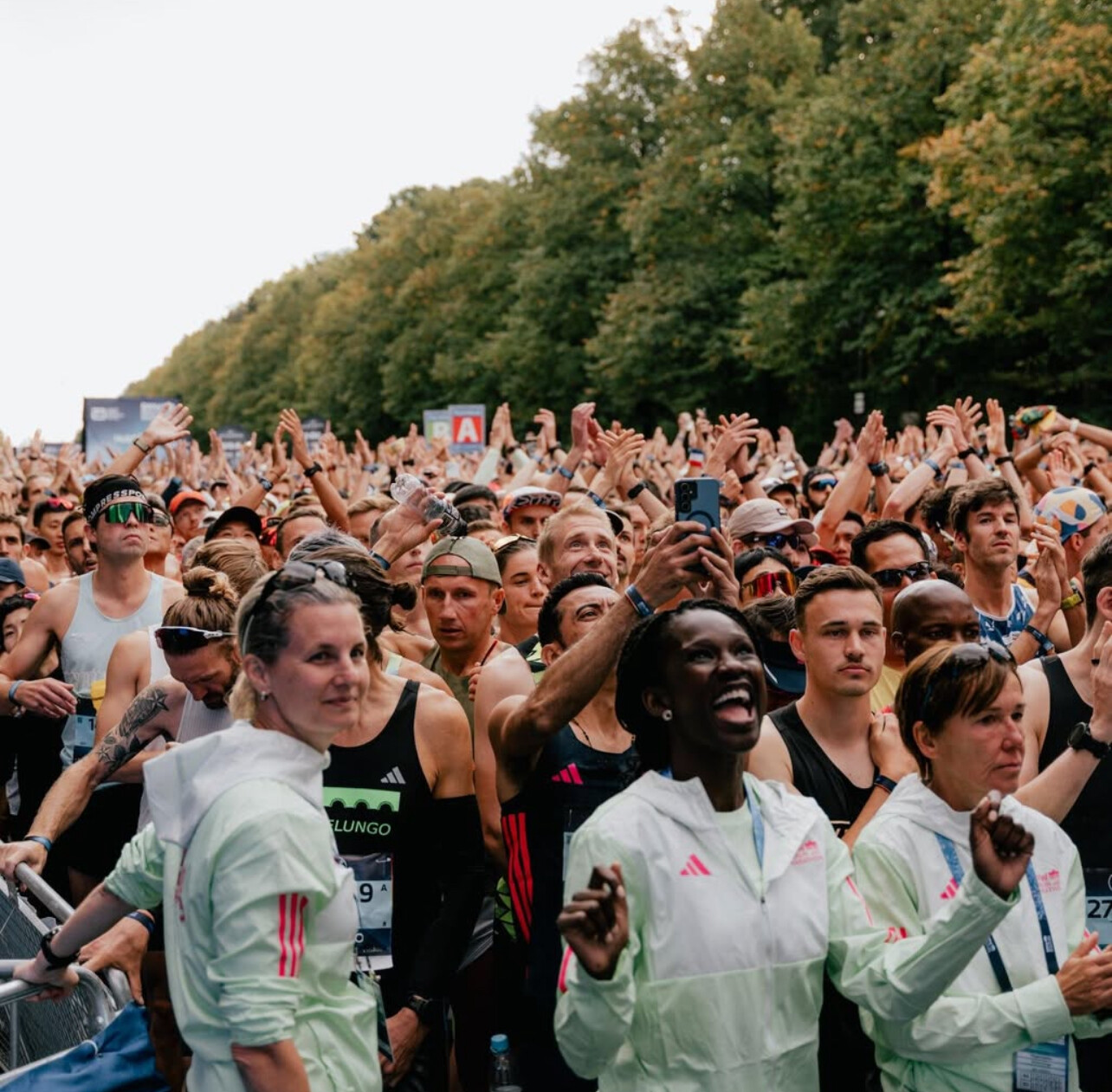
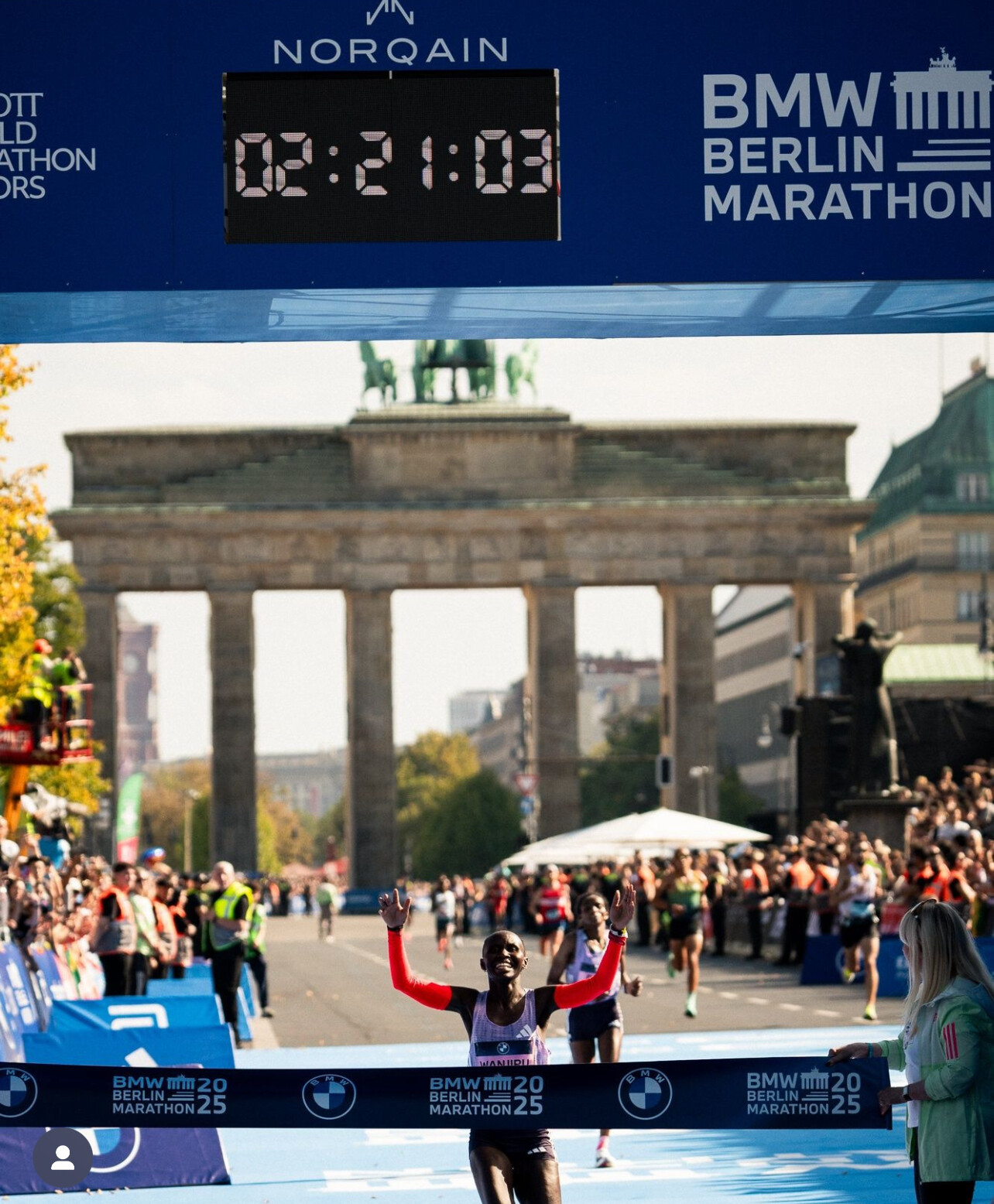
The women’s race produced its own drama, with Kenya’s Rosemary Wanjiru edging Ethiopia’s Dera Dida by just three seconds. Wanjiru clocked 2:21:05 after a decisive surge past the 25km mark. Dida followed in 2:21:08, while fellow Ethiopian Azmera Gebru completed the podium in 2:21:29.
“I knew it would come down to the final kilometers,” Wanjiru said afterward. “The crowd in Berlin gave me so much energy.”
Berlin’s Enduring Legacy
This year’s edition was the 51st running of the Berlin Marathon, and once again, the German capital showcased why it is considered the “world record course.” Since 2003, the men’s world record has been broken eight times in Berlin, most recently by Eliud Kipchoge’s 2:01:09 in 2022. On the women’s side, Tigst Assefa stunned the world here in 2023 with her record 2:11:53.
While Sawe fell short of rewriting those marks, his performance in the heat confirmed his status as the man to beat in global marathon running. With three straight victories in world-class fields, he has announced himself as the heir apparent to Kipchoge.
Results at a Glance
Men
1. Sabastian Sawe (Kenya) — 2:02:16
2. Akira Akasaki (Japan) — 2:06:15
3. Chimdessa Debele (Ethiopia) — 2:06:57
Women
1. Rosemary Wanjiru (Kenya) — 2:21:05
2. Dera Dida (Ethiopia) — 2:21:08
3. Azmera Gebru (Ethiopia) — 2:21:29
by Boris Baron
Login to leave a comment
BMW Berlin Marathon
The story of the BERLIN-MARATHON is a story of the development of road running. When the first BERLIN-MARATHON was started on 13th October 1974 on a minor road next to the stadium of the organisers‘ club SC Charlottenburg Berlin 286 athletes had entered. The first winners were runners from Berlin: Günter Hallas (2:44:53), who still runs the BERLIN-MARATHON today, and...
more...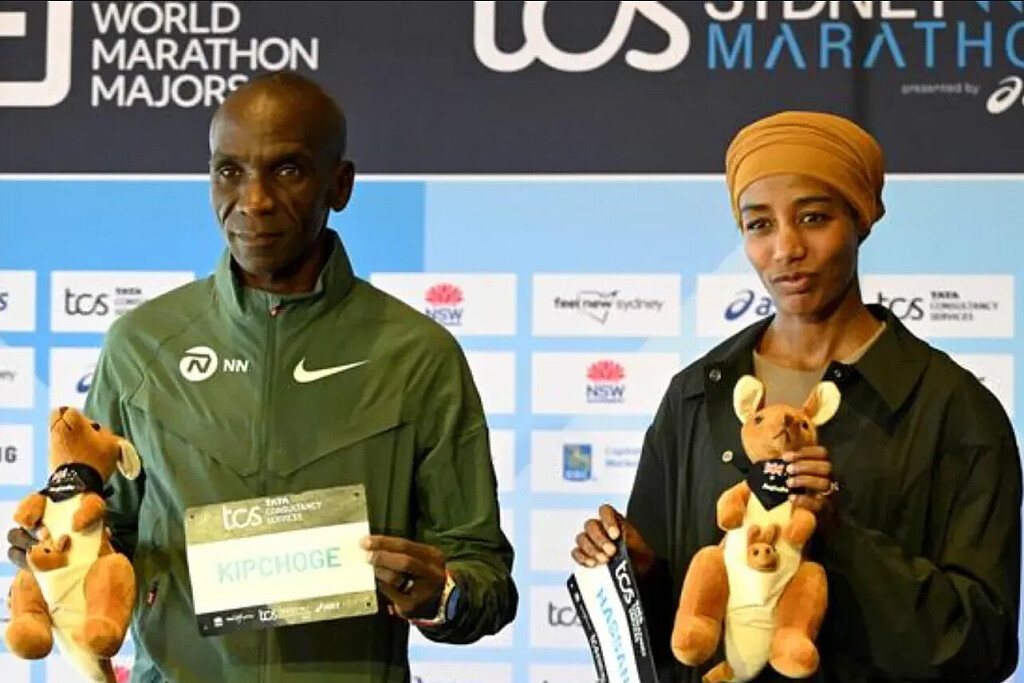
Kipchoge and Hassan Set for New York City Marathon Debuts
Eliud Kipchoge and Sifan Hassan, two of the biggest names in distance running, will make their New York City Marathon debuts on November 2 after both raced the Sydney Marathon on August 31.
Kipchoge, the 40-year-old Kenyan icon, is a two-time Olympic gold medalist and the second-fastest marathoner in history with his 2:01:09 from Berlin in 2022. His last victory over the 26.2-mile distance came at the 2023 Berlin Marathon. Since then, his results have been mixed: 10th at the 2024 Tokyo Marathon, a DNF at the Paris Olympic marathon, and sixth and ninth in London and Sydney this year. Remarkably, 2025 marks the first year of his marathon career in which he will line up for three marathons in a single calendar year.
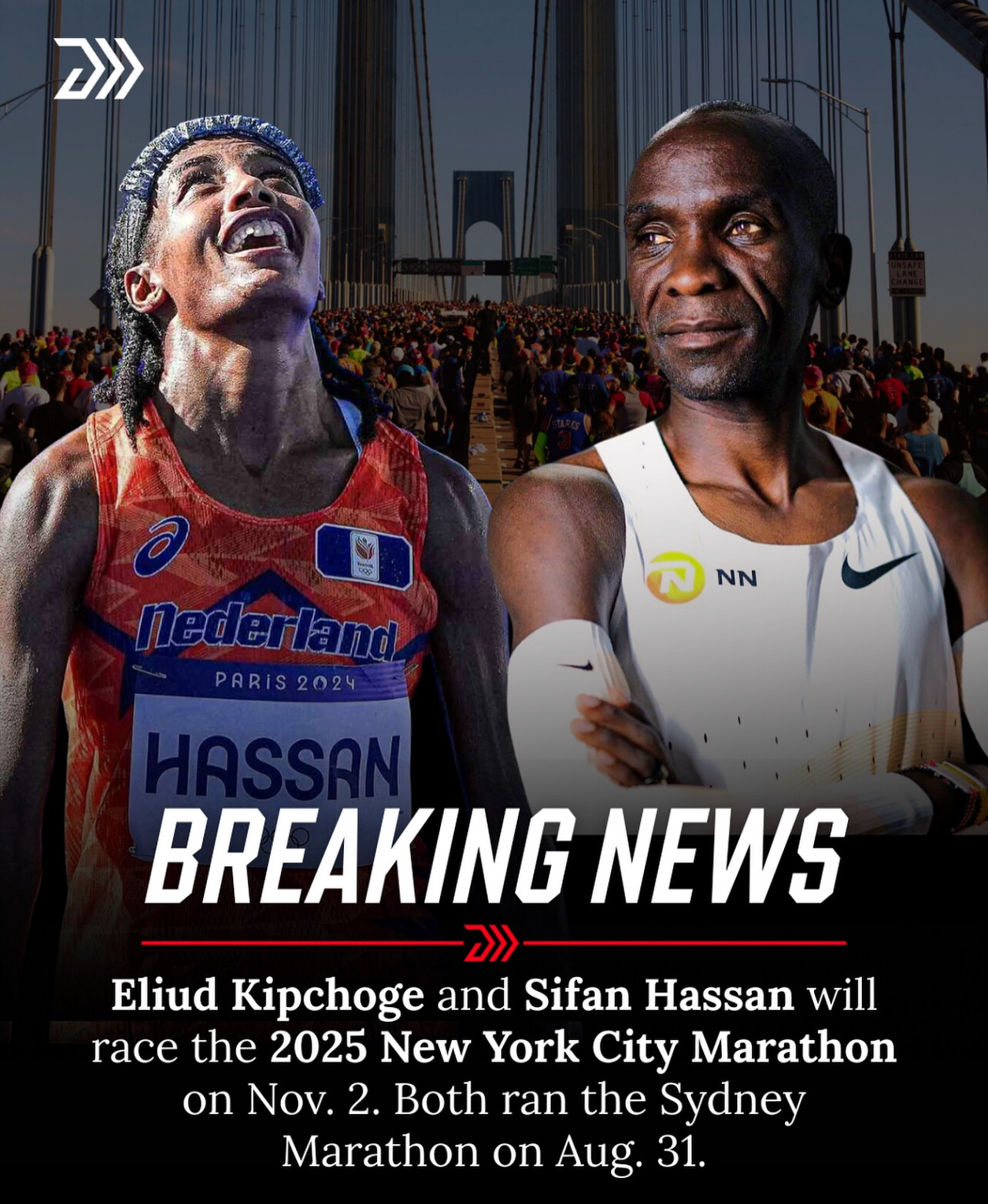
Despite recent setbacks, Kipchoge’s career remains unmatched. He has won four of thekoopoo six long-standing World Marathon Majors—Berlin, Chicago, London, and Tokyo—leaving only Boston and New York City without victoriesok. He finished sixth in Boston in 2023. New York now offers him another chance to etch his name deeper into the sport’s most prestigious stages.
Dutch star Sifan Hassan, already an Olympic champion and one of the most versatile distance runners in history, will also make her New York debut. Known for her ability to dominate from 1500m on the track to the marathon on the roads, Hassan’s presence adds another layer of intrigue to a race that consistently delivers drama.
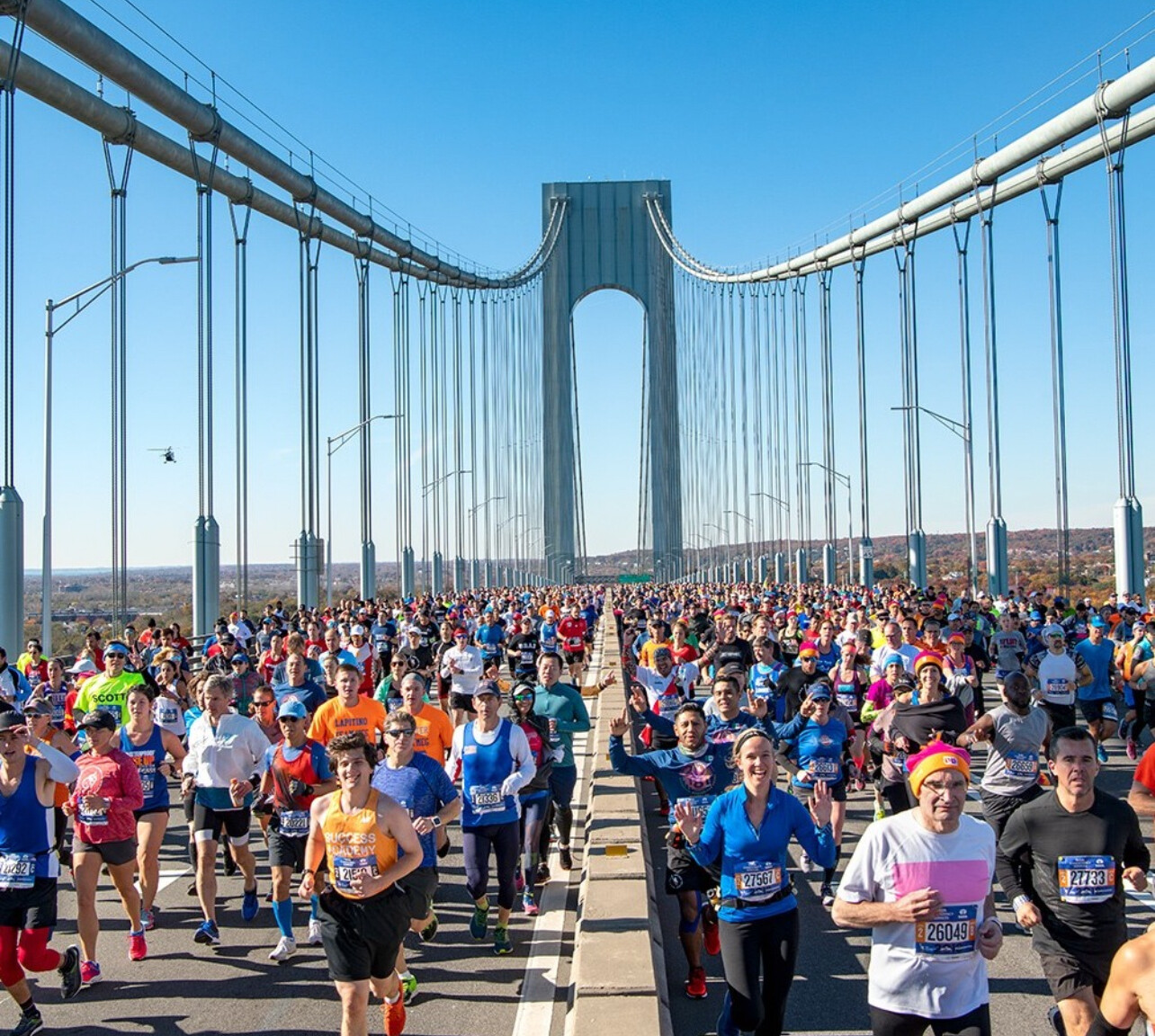
With both Kipchoge and Hassan in the field, the 2025 New York City Marathon promises to be one of the most anticipated races of the year, a true meeting of legends on one of the sport’s grandest stages.
by Boris Baron
Login to leave a comment
TCS New York City Marathon
The first New York City Marathon, organized in 1970 by Fred Lebow and Vince Chiappetta, was held entirely in Central Park. Of 127 entrants, only 55 men finished; the sole female entrant dropped out due to illness. Winners were given inexpensive wristwatches and recycled baseball and bowling trophies. The entry fee was $1 and the total event budget...
more...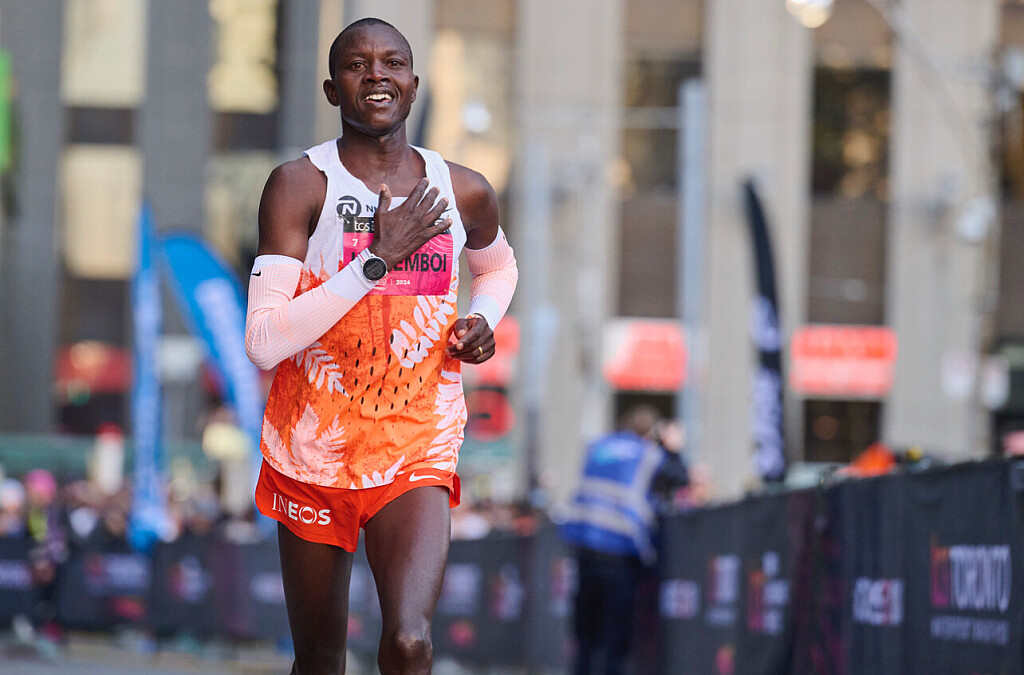
Noah Kipkemboi Has Victory in Mind at TCS Toronto Waterfront Marathon
Noah Kipkemboi returns to the TCS Toronto Waterfront Marathon on October 19 with one clear objective—victory at this World Athletics Elite Label race.
Last year, the 32-year-old Kenyan produced a personal best of 2:07:31 to finish third in Toronto. He now looks forward to another showdown with his compatriot Dominic Ngeno, who edged him by just eight seconds for second place.
“I hope to win,” Kipkemboi says with a smile. “Because he [Ngeno] challenged me last year with two kilometres to go. I think this time I will be able to catch up with him. For sure we are training well.”
Kipkemboi arrives in confident form, having recently finished third at the Klagenfurt Half Marathon in Austria (62:09). “Last year I went to that race and then had a good race in Toronto. I think I will run my best in Toronto,” he adds.
Training With the Best
Kipkemboi is represented by Global Sports Communications, the Netherlands-based management company that also manages marathon icon Eliud Kipchoge. Based at the Global Sports camp in Kaptagat, Kipkemboi has long been a trusted pacemaker for Kipchoge, including during the Kenyan legend’s 2022 Berlin Marathon world record of 2:01:09.
“I am in the same camp as Eliud—we train together and race together,” Kipkemboi reveals. “Most of the races I have been pacing have been for Eliud. When you are a pacemaker, you have to be ready to help push, but not to a time he doesn’t want. I know how to run with him.”
Under the guidance of Coach Patrick Sang, the group trains from Monday to Friday at the camp, going home only on weekends. For Kipkemboi, the commitment comes with sacrifice: he has a wife and three young children in Eldoret, where he also owns farmland and runs a small shop.
“Things I sell in the shop are things human beings use—like soap, flour, sweets, perfumes,” he explains. “It’s preparation for life after running.”
Giving Back to the Community
Like many Kenyan athletes, Kipkemboi is committed to helping those around him.
“I am supporting some people who are in need. Right now I’m supporting some students in my village,” he says. “It is an opportunity to help whoever needs help. I have some kids in my village who need support now and after five years.”
That support includes paying school fees and providing food—efforts made possible by his racing success.
Toronto, he adds, has also provided lasting memories: “We went to see Kenyan people while there last year. In Toronto we were like at home because there were Kenyan people living there who came to say hi to us. We were as happy as if we were at home.”
Eyes on Victory
Now, as he fine-tunes his preparation, Kipkemboi is clear about his goals.
“I am now preparing for a win. It is my hope to win the race this time,” he declares. “My objective is just to win and improve my time. I ran my personal best in Toronto (2:07:31), but I want to improve upon that.”
The Toronto Waterfront course record stands at 2:05:00, held by his training partner Philemon Rono. With strong pacemakers and good conditions, Kipkemboi knows that mark could be in sight.
by Paul Gains
Login to leave a comment
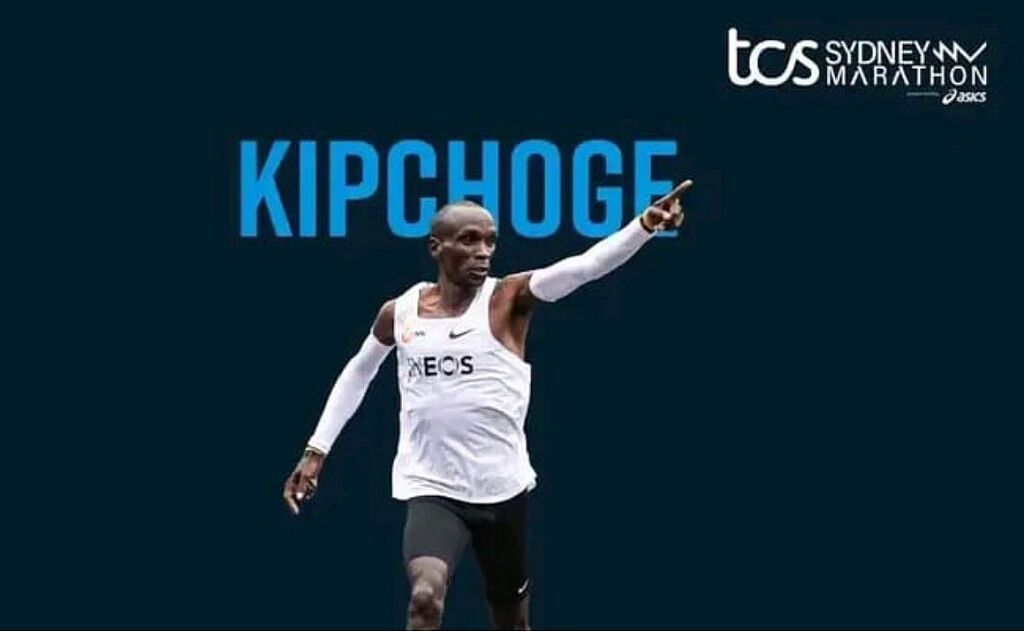
SYDNEY MARATHON – KIPCHOGE’S LAST DANCE?
The 2025 Sydney Marathon men’s field is stacked with talent rarely seen outside the World Marathon Majors. Thirteen men boast personal bests faster than the course record of 2:06:18, while nineteen have broken 2:07. The depth rivals Tokyo’s strongest lineups of recent years. On the start list are legends and rising stars alike: Eliud Kipchoge, Birhanu Legese, Dawit Wolde, Edward Cheserek, and Vincent Ngetich.
Kipchoge: The Legend at a Crossroads
Nothing new can be said about Eliud Kipchoge’s greatness — his 2:01:09 from Berlin 2022 remains the second-fastest marathon in history, and his body of work defines the modern era. Yet the past two seasons have tested him. Tenth in Tokyo 2024, a DNF at the Paris Olympics, and a weary fade in London 2025 seemed to confirm decline. But in London he fought back, refusing to surrender, and clawed his way to sixth in 2:05:25. For a 40-year-old, that was extraordinary.
Kipchoge is no longer racing under the crushing weight of expectation. Instead, he runs for inspiration — to show what resilience looks like. That makes him dangerous still. And it raises the question: could Sydney be the stage for one final act of brilliance?
The Challengers
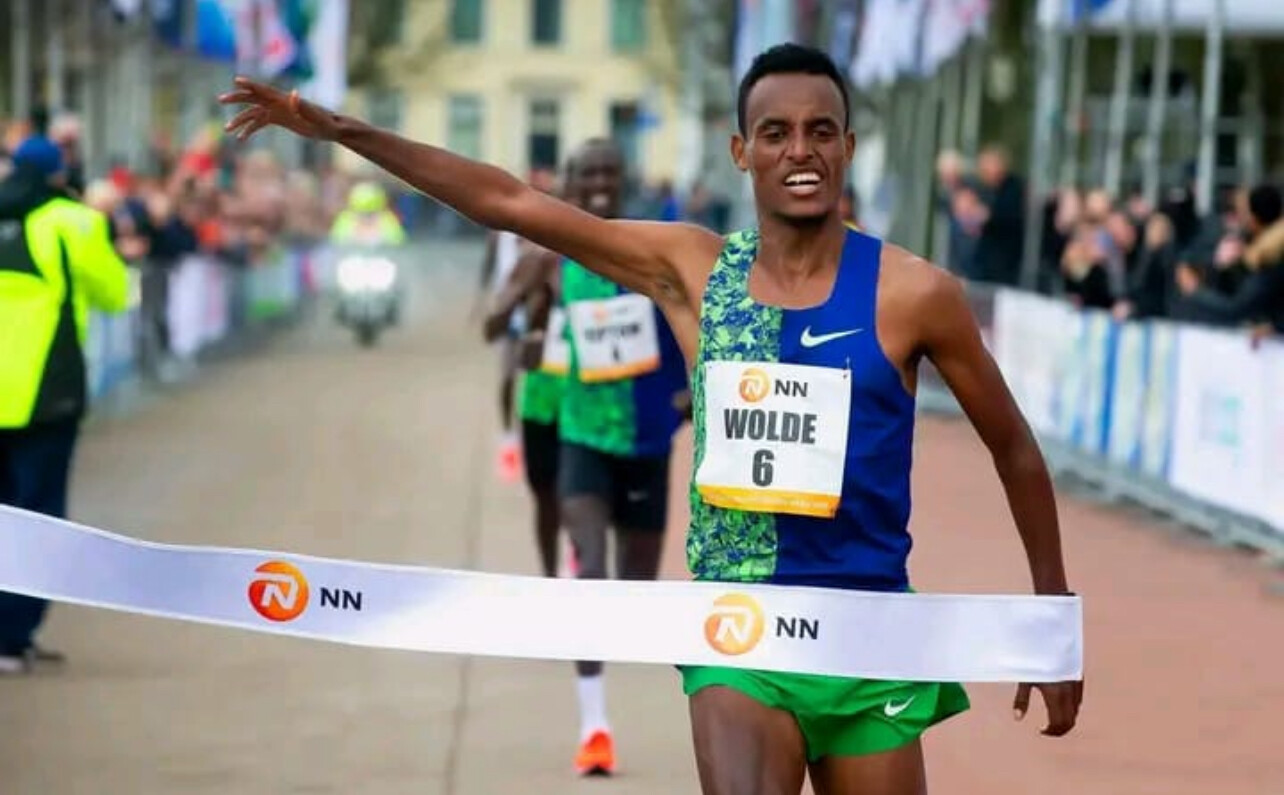
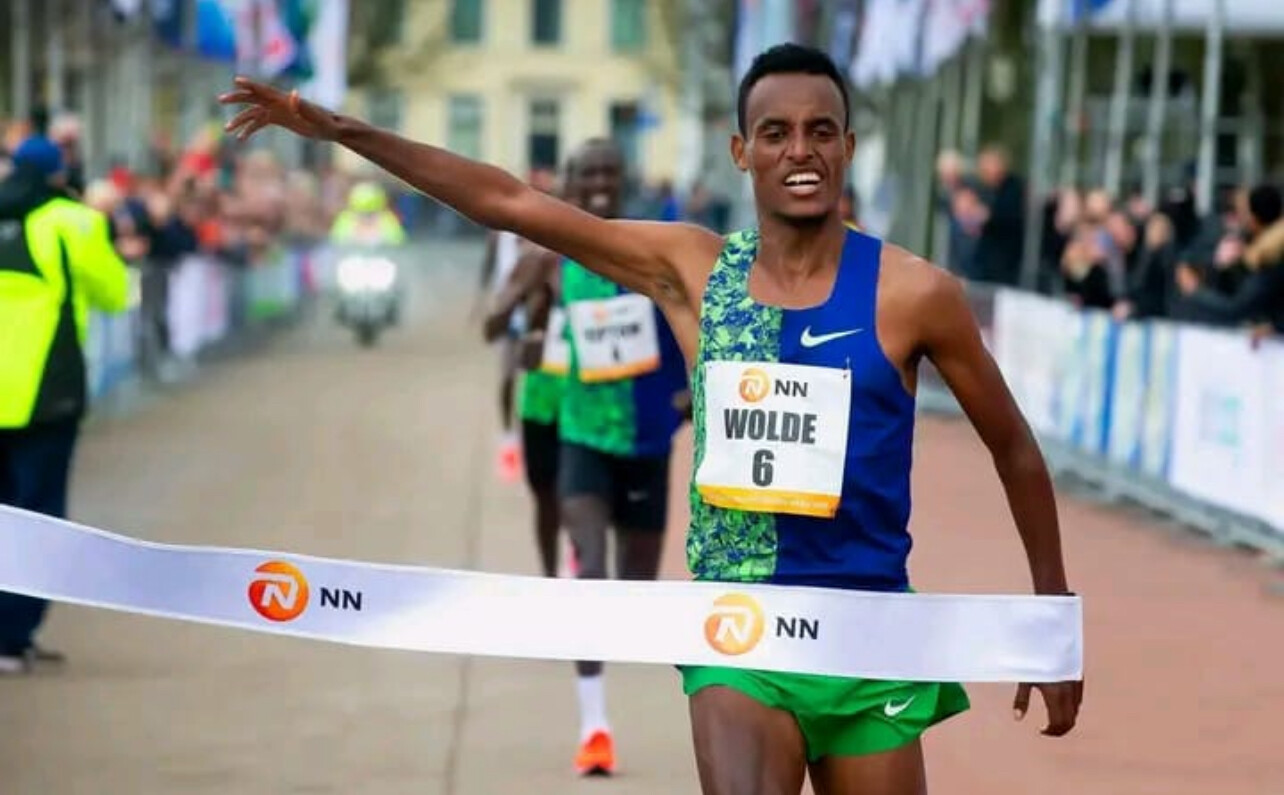
Dawit Wolde (Ethiopia) – Fresh off victory in Xiamen 2025 (2:06:06, course record), the Olympian owns a 2:03:48 best. His confidence and consistency mark him as a serious contender.
Birhanu Legese (Ethiopia) – Twice a Tokyo champion (2019, 2020) and a proven 2:02:48 performer in Berlin, he brings the pedigree of a man who has already mastered Major moments.
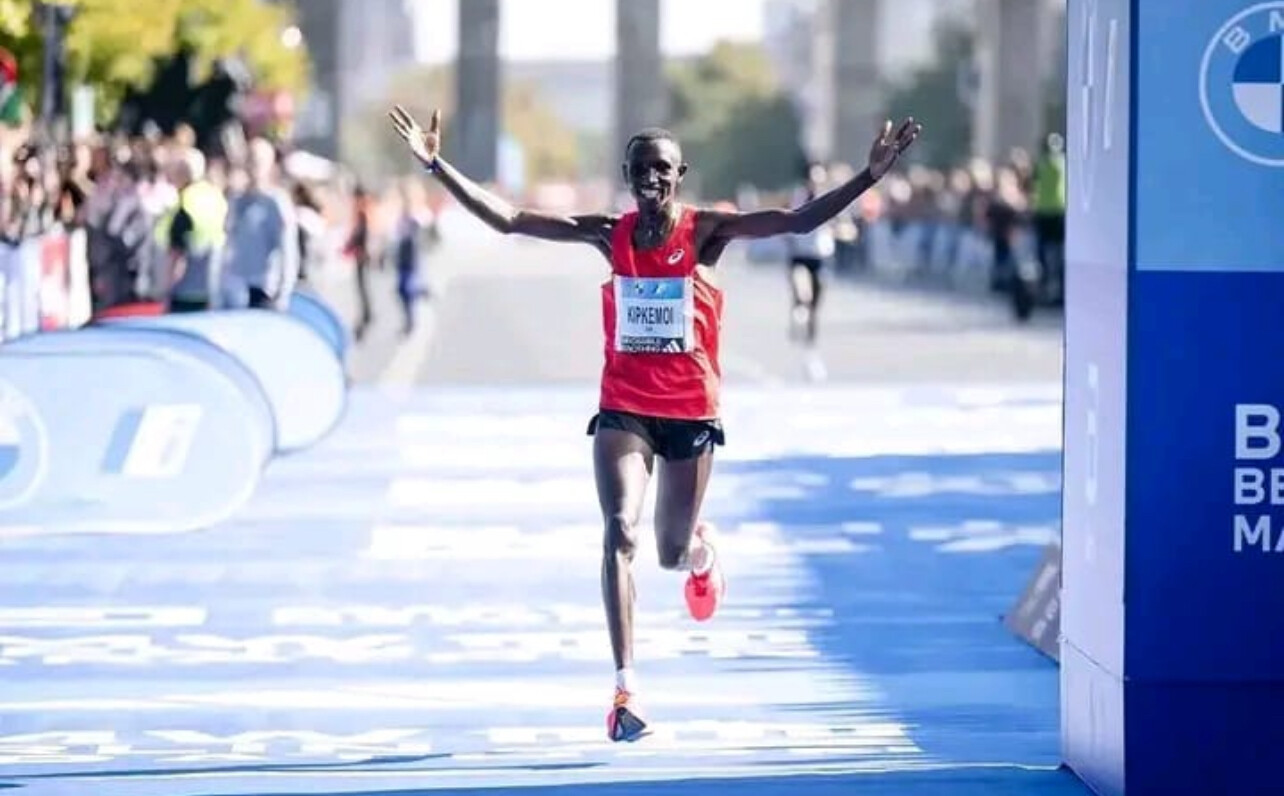
Edward Cheserek (Kenya/USA) – “King Ches” ruled the NCAA with 17 titles before turning to the marathon. In just his second attempt he ran 2:05:24 in Valencia 2024, slashing nearly six minutes from his debut in New York. Rapid progression makes him the true wildcard.
Vincent Ngetich (Kenya) – At 26, he is the face of the new generation. His 2:03:13 debut in Berlin 2023 was the third-fastest debut in history. Since then, he has collected back-to-back podiums in Tokyo. Of all Sydney entrants, he alone has stood on a Major podium in the past two years. With youth, momentum, and speed, he starts as the man to beat.
Generations Collide
Sydney will be more than a race — it will be a clash of eras. On one side stands Kipchoge, the living legend who has carried the sport for two decades, searching for one last masterpiece. On the other, the hungry new wave led by Ngetich, ready to seize the crown.
On September race day, the streets of Sydney could bear witness to either a farewell triumph… or the dawn of a new reign.
by Boris Baron
Login to leave a comment

Sydney Marathon
The Sydney Marathon is a marathon held annually in Sydney, Australia. The event was first held in 2001 as a legacy of the 2000 Summer Olympics, which were held in Sydney. In addition to the marathon, a half marathon, 9 kilometres (5.6 mi) "Bridge Run", and a 3.5 kilometres (2.2 mi) "Family Fun Run" are also held under the banner...
more...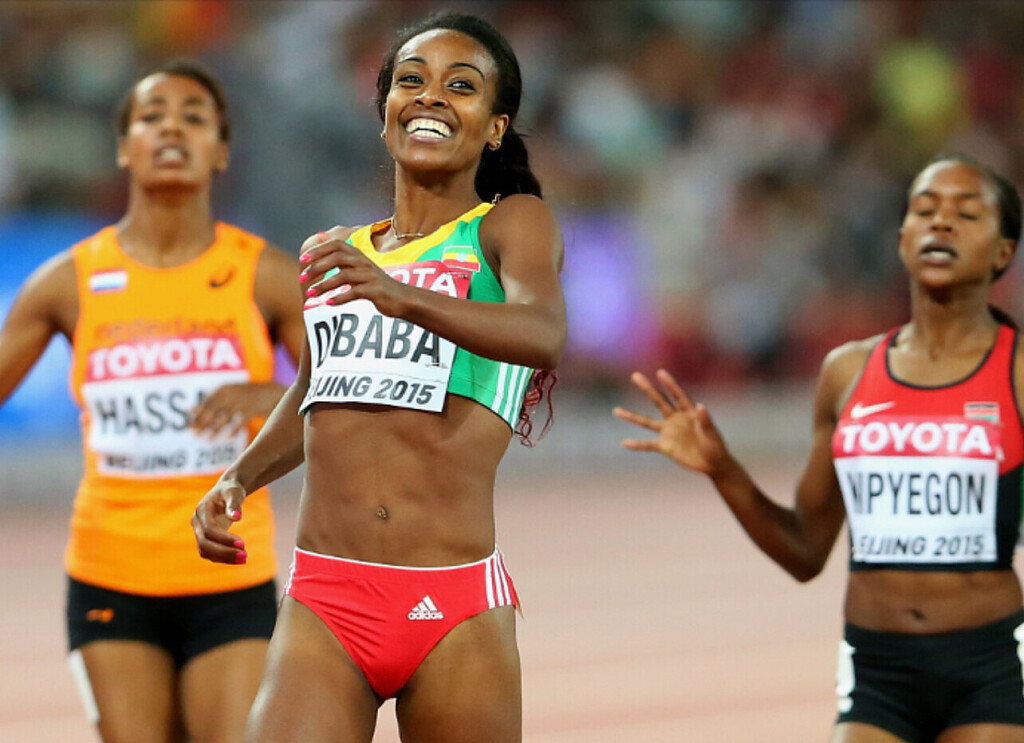
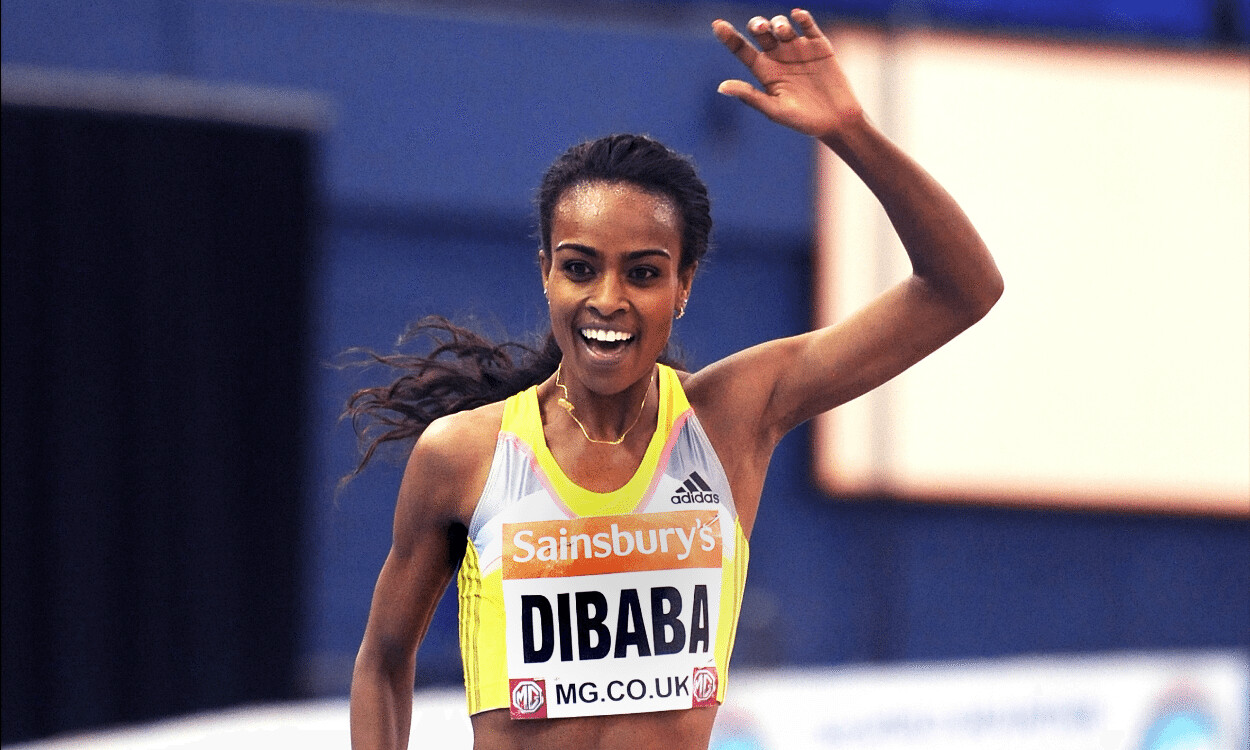
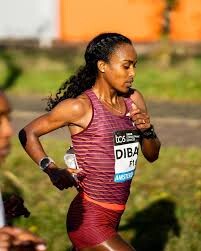
Genzebe Dibaba: Chasing Greatness on the Roads, Will Berlin 2025 be her moment of redemption?
Where is Genzebe Dibaba?
Once the undisputed queen of the track, the six-time world champion and Olympic 1500m silver medalist has spent recent years grappling with one of the toughest transitions in elite running: the marathon.
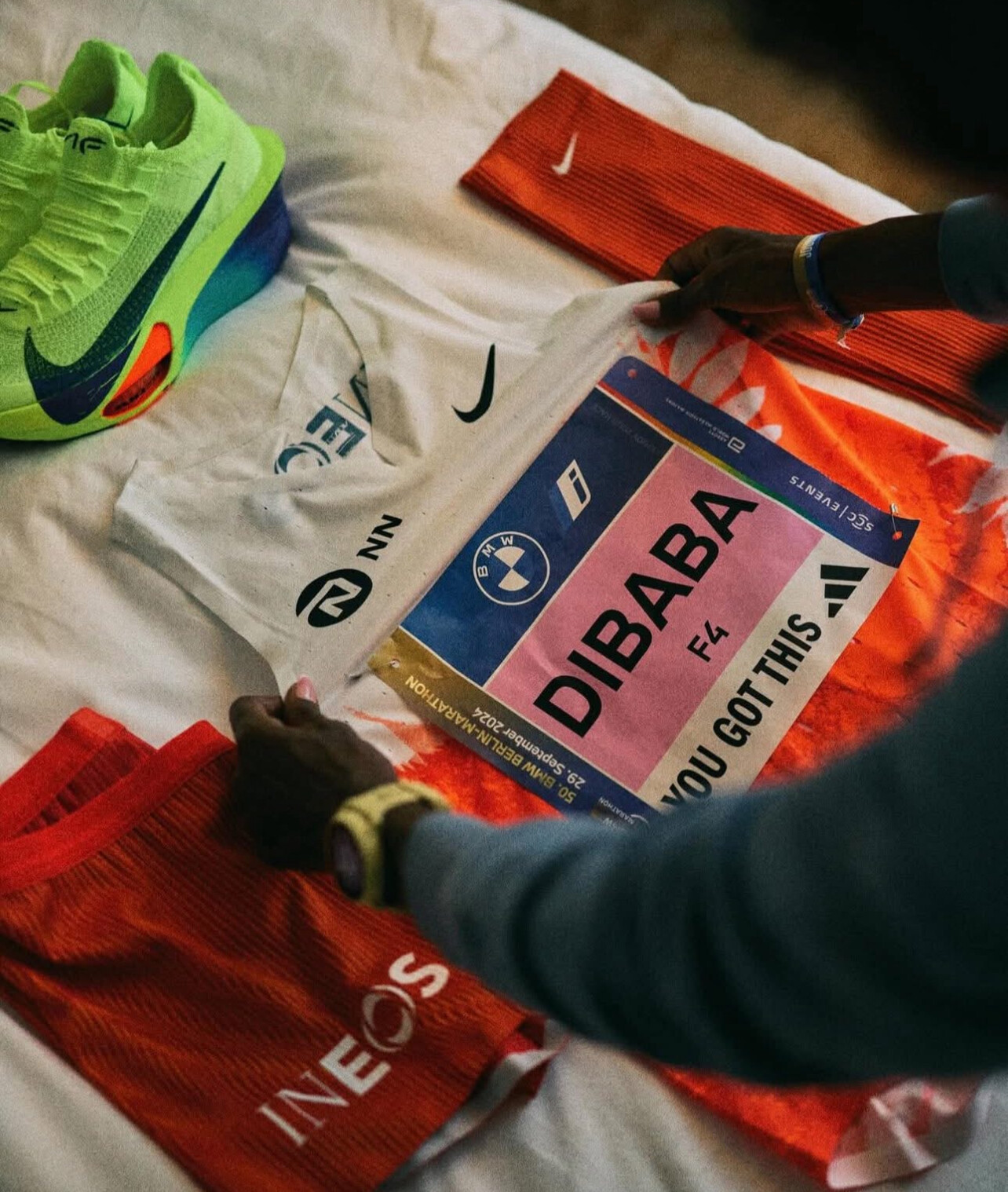
“The marathon is not only a test on race day,” Dibaba said recently. “It challenges every part of you—especially during training.”
Since stepping up to the 42.195-kilometer distance, the journey has been anything but smooth. Known for her devastating finishing kick and fluid stride on the track, Genzebe has found the roads to be an entirely different battleground—one that demands patience, endurance, and humility.
In 2024, the spotlight was on her return to Berlin, home of world records and legendary performances. But the race didn’t go as planned. Dibaba did not finish—a rare DNF for one of the most accomplished athletes of her generation. And just like that, she disappeared from competition.
But not from the sport.
Back in the high-altitude terrain of Addis Ababa, Genzebe has been quietly rebuilding. Her training partner is her younger sister, Anna Dibaba—a rising star in her own right. Together, away from the noise, they’ve been logging miles, revisiting fundamentals, and chasing the kind of strength only the marathon demands.
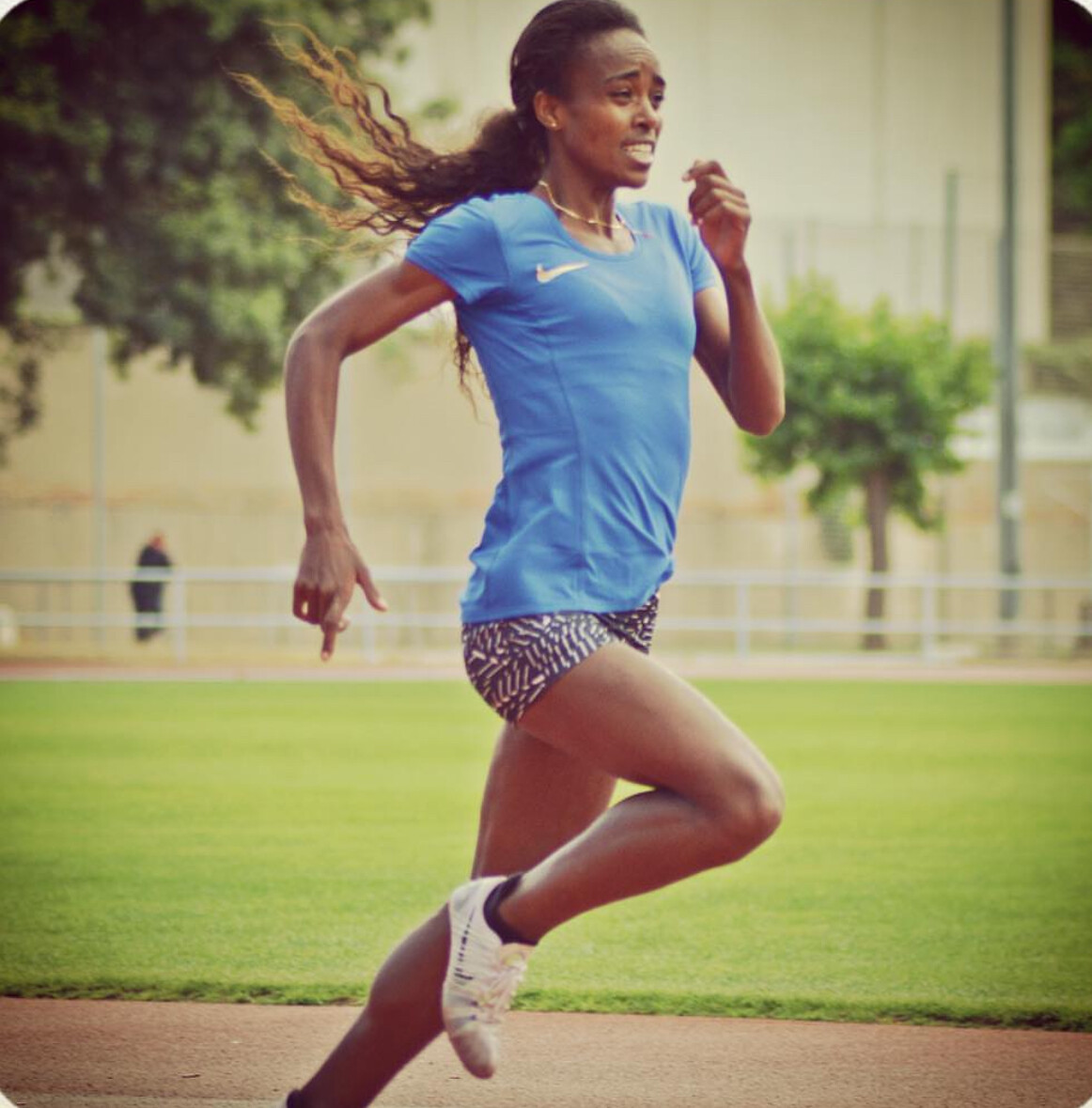
Genzebe’s pedigree remains unquestioned. From junior dominance to world indoor records, from global titles in cross country to Olympic medals on the track—few athletes have ever displayed her range or brilliance. While the marathon has stretched her, she’s shown time and again that she thrives on challenges.
Berlin 2025: A Race of Legends
Now, all eyes are turning once again toward the BMW Berlin Marathon, set for Sunday, September 28, 2025. As one of the six Abbott World Marathon Majors, Berlin is renowned for its flat, fast course and record-breaking performances. Eliud Kipchoge famously broke the world record there in 2022 (2:01:09), and Berlin has hosted more official men’s and women’s world records than any other marathon.
The 2025 edition is expected to feature a deep elite field, with organizers already teasing the return of top contenders from around the world. It’s a race that attracts nearly 50,000 runners and millions of spectators, making it one of the most iconic events on the global calendar.
And the big question lingers:
Will Genzebe Dibaba be among them? Will she return to Berlin in search of redemption and reassert her place among the greats—this time on the roads?
The countdown is on.
And if Genzebe lines up at the start in September, it won’t just be a race.
It will be a statement.
by Boris Baron
Login to leave a comment
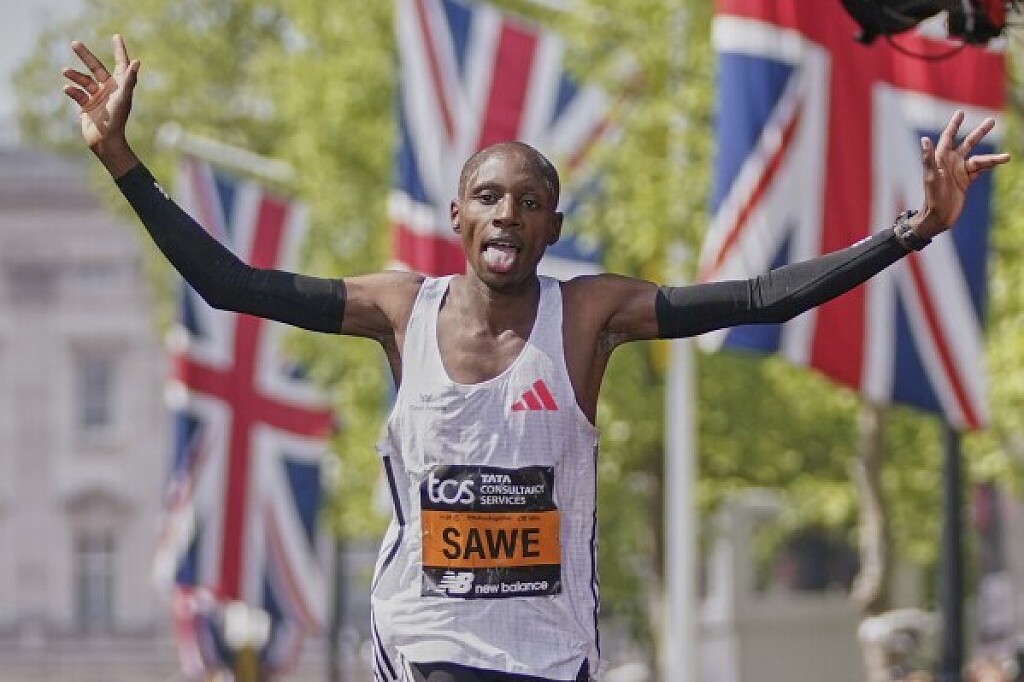
Sebastian Sawe Chooses Berlin Over World Championships, Eyes Fast Time on Record-Breaking Course
Kenya’s marathon sensation Sebastian Sawe has confirmed he will compete in the 2025 Berlin Marathon this September, opting out of the World Athletics Championships in Tokyo.
The decision comes after a remarkable start to Sawe’s marathon career, where he has already posted two of the fastest times in history. He won his debut in Valencia in December 2024 with a world-leading 2:02:05, then followed it up with another dominant victory at the 2025 London Marathon, clocking 2:02:27.
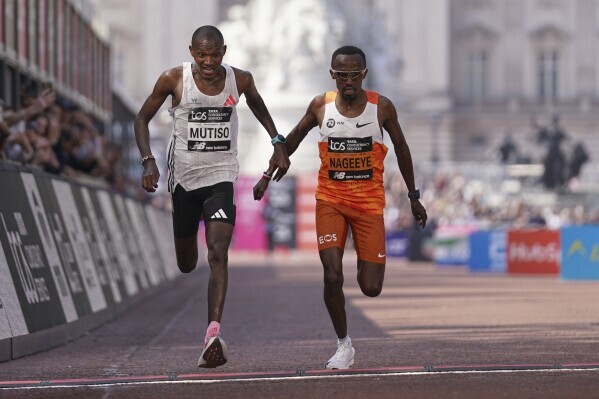
Many had expected Sawe to headline Kenya’s men’s team for the marathon at the World Championships in Tokyo on September 15. However, with the Berlin Marathon scheduled just six days later, the 30-year-old confirmed he is focusing solely on Berlin.
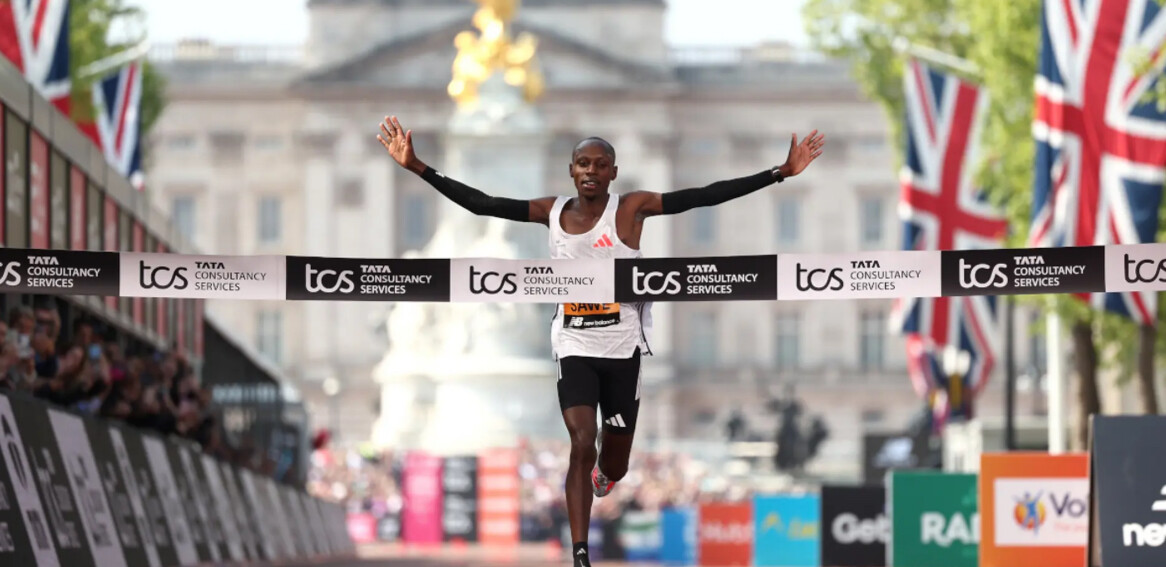
“I am preparing for Berlin,” Sawe stated, noting that while he aims to run a fast time, chasing a world record is not currently the goal. “It’s too early to talk about a world record. It takes time and clear planning to achieve it.”
The Berlin course is renowned as the fastest in the world, with 13 world records set on its streets. The current men’s marathon world record is 2:00:35, set by the late Kelvin Kiptum at the 2023 Chicago Marathon. Kiptum broke the previous record of 2:01:09 set by Eliud Kipchoge—who himself has won Berlin five times.
Like Kiptum, Sawe burst onto the marathon scene with a historic debut. Their similarities have drawn comparisons, especially with Sawe’s smooth transition from half marathon success to world-class marathon victories.
All eyes will now be on Berlin to see just how fast Sawe can go on a course that has repeatedly rewritten the marathon history books.
by Boris Baron
Login to leave a comment
BMW Berlin Marathon
The story of the BERLIN-MARATHON is a story of the development of road running. When the first BERLIN-MARATHON was started on 13th October 1974 on a minor road next to the stadium of the organisers‘ club SC Charlottenburg Berlin 286 athletes had entered. The first winners were runners from Berlin: Günter Hallas (2:44:53), who still runs the BERLIN-MARATHON today, and...
more...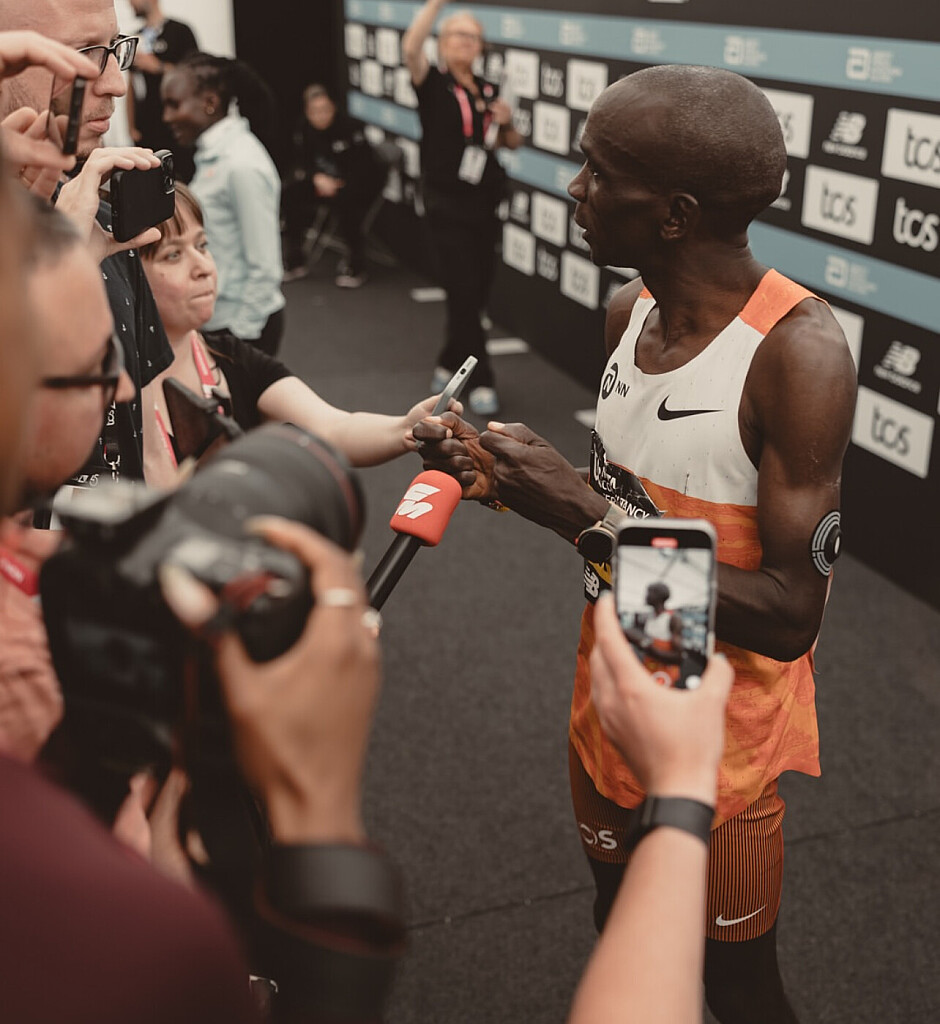
Marathon Legend Kipchoge Shifts Focus to Global Causes
Marathon legend says he has one more year—and plans to run for causes around the world
The news may have flown under the radar during race day coverage, but a powerful quote from Eliud Kipchoge at the finish of the 2025 London Marathon is now making waves in the global running community.
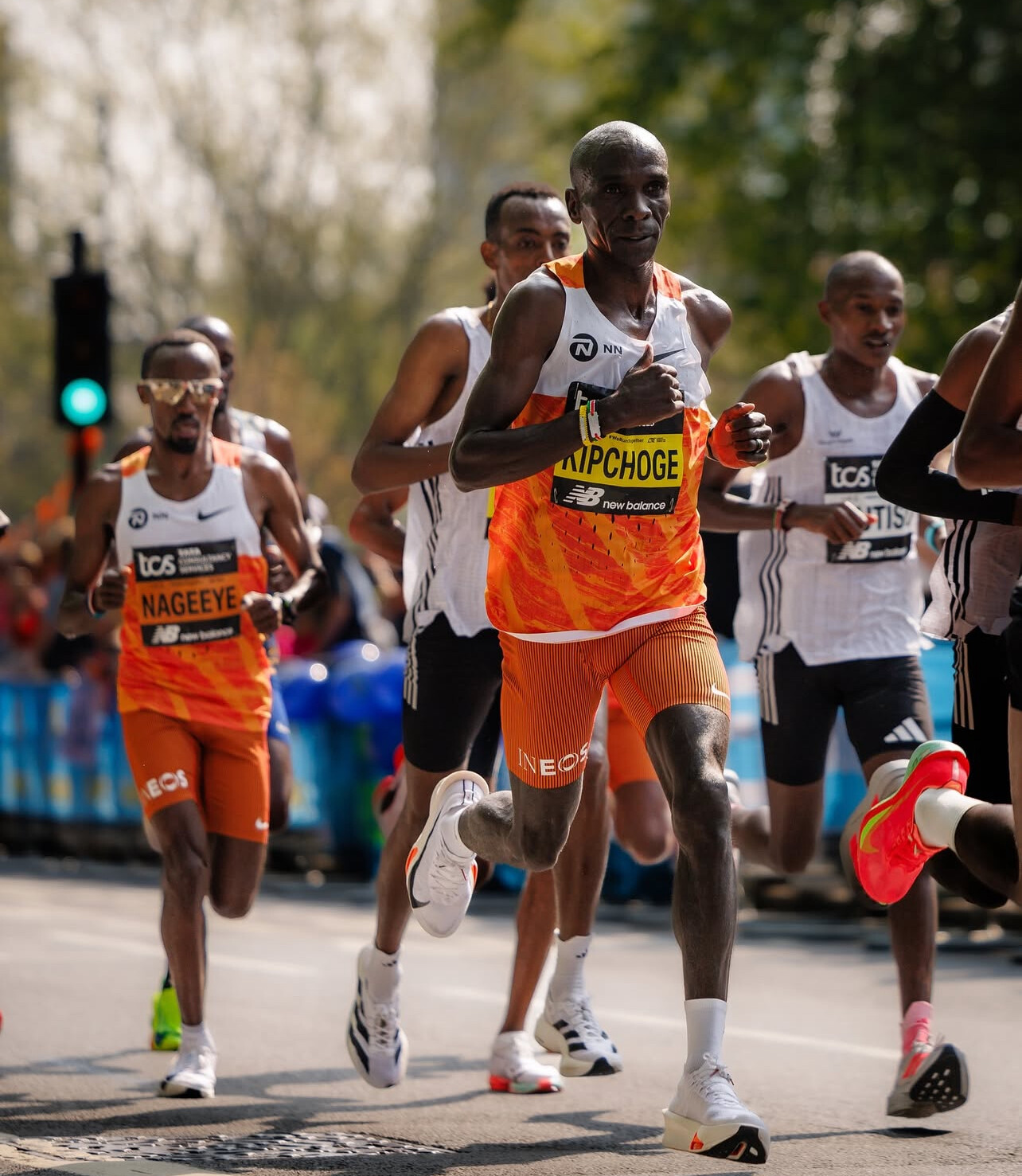
“It might be the last time I come here to run competitively,” Kipchoge said quietly after finishing the race on April 27. While the moment was overshadowed at the time by headlines about the winners and fast times, his words are now resonating deeply with fans.
Thankfully, Kipchoge wasn’t announcing a full retirement. The two-time Olympic marathon champion and former world record holder added: “I think I’ll be going around the world to run in big city marathons for a cause, for education, and for conservation. But above all, I’m still having one more year.”
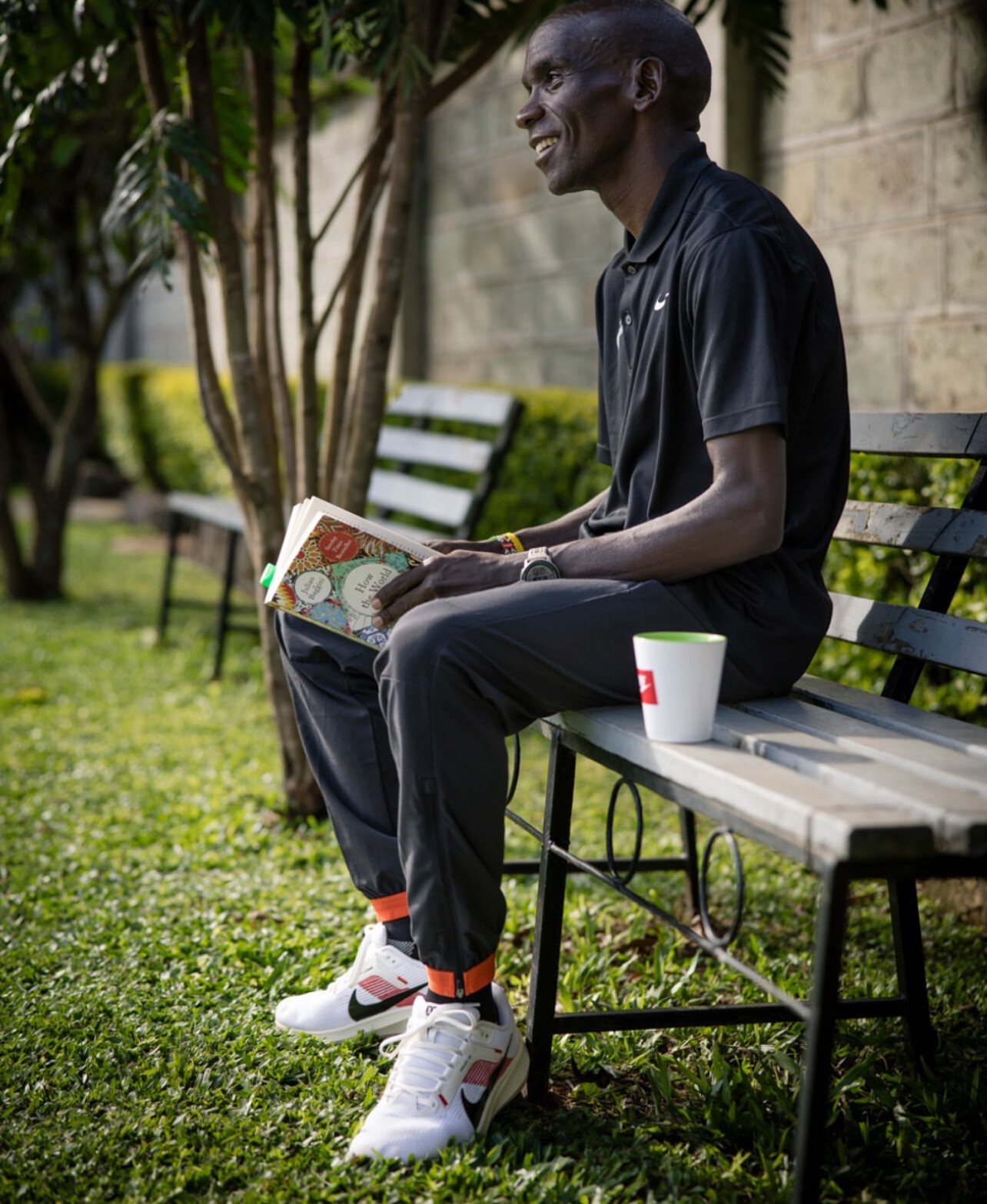
That final sentence is the reprieve the world needed. After more than 20 years at the pinnacle of distance running, Kipchoge isn’t done yet. But it does suggest that the end of his elite competitive career is near.
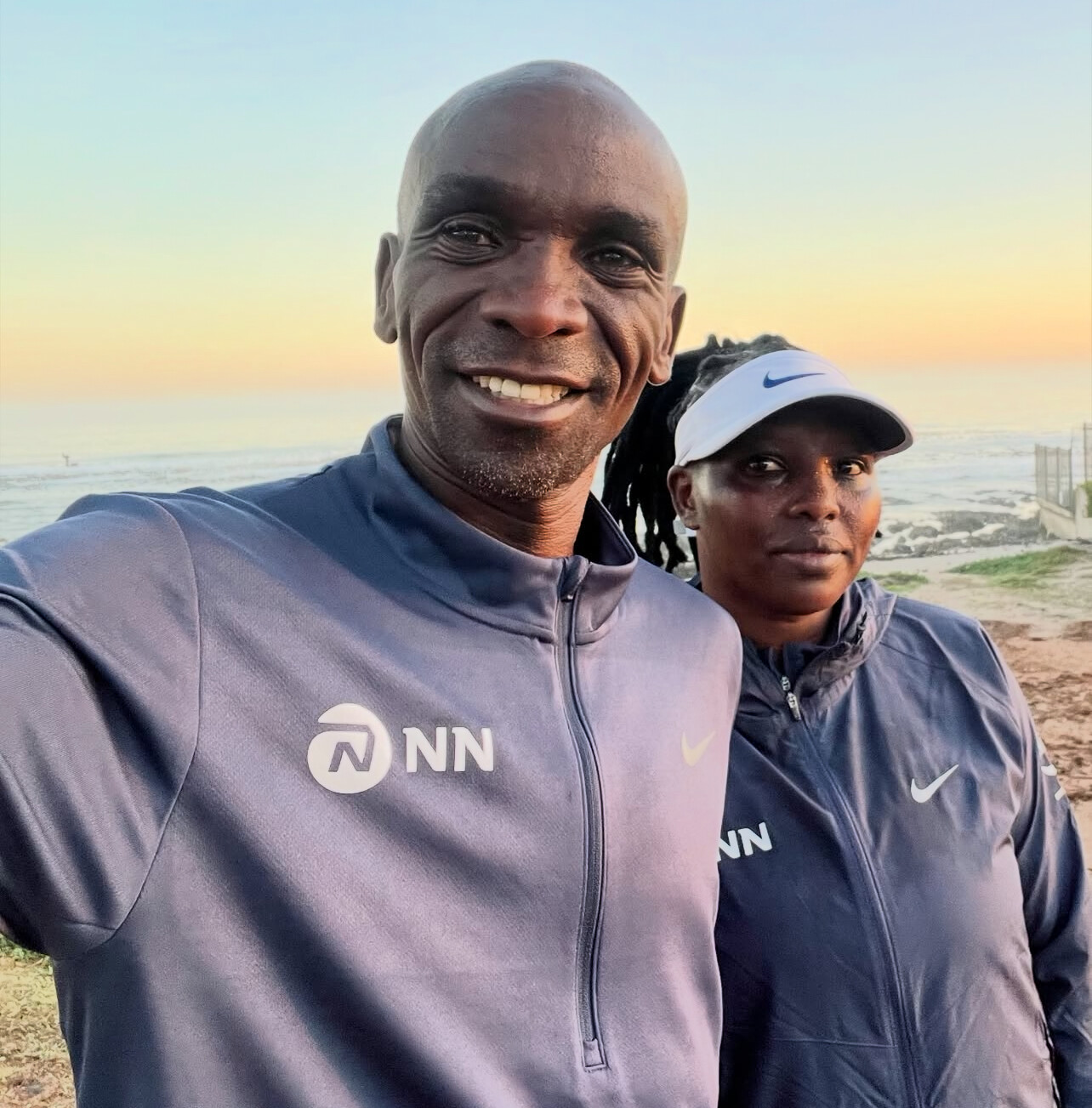
A Legacy Like No Other
Widely regarded as the greatest marathoner of all time, Kipchoge has won 11 World Marathon Majors, including a record four in London and five in Berlin. His 2:01:09 Berlin performance stood as a world record and remains the second-fastest official marathon ever recorded.
In 2019, he made history as the first person to break the two-hour barrier for the marathon, clocking 1:59:40 in Vienna in a specially staged event. He also won Olympic gold in Rio (2016) and successfully defended his title in Tokyo (2021).
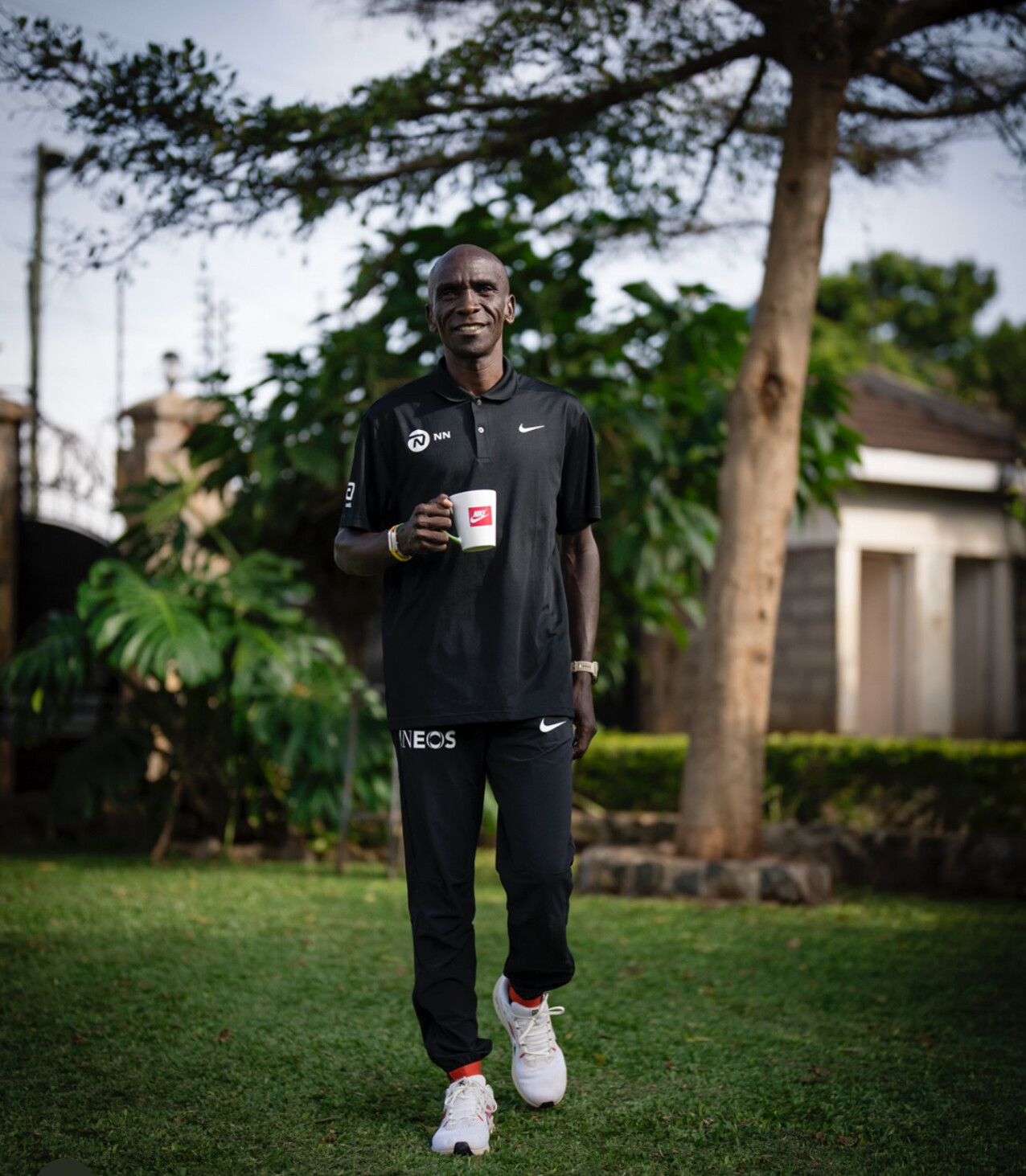
What Comes Next
At age 40, Kipchoge has more than earned the right to step away—but he’s choosing to run with purpose instead. He plans to use his final year of competitive racing to spotlight global causes close to his heart, including education and conservation. His future appearances in major city marathons will be driven by more than medals.
While London may never see Kipchoge in full competitive mode again, the running world will still have a chance to celebrate the living legend. One more year. One final lap. And a legacy that will endure for generations.
by Boris Baron
Login to leave a comment
Breaking the Two-Hour Marathon: Could London 2025 Be the Stage?
The marathon world has long been captivated by the elusive sub-two-hour barrier. While Eliud Kipchoge’s 1:59:40 in Vienna 2019 showcased human potential, it occurred under controlled conditions and isn’t recognized as an official world record. As the 2025 TCS London Marathon approaches on April 27, the question arises: Could this be the race where history is officially rewritten?
The Elite Field: A Convergence of Legends and Rising Stars
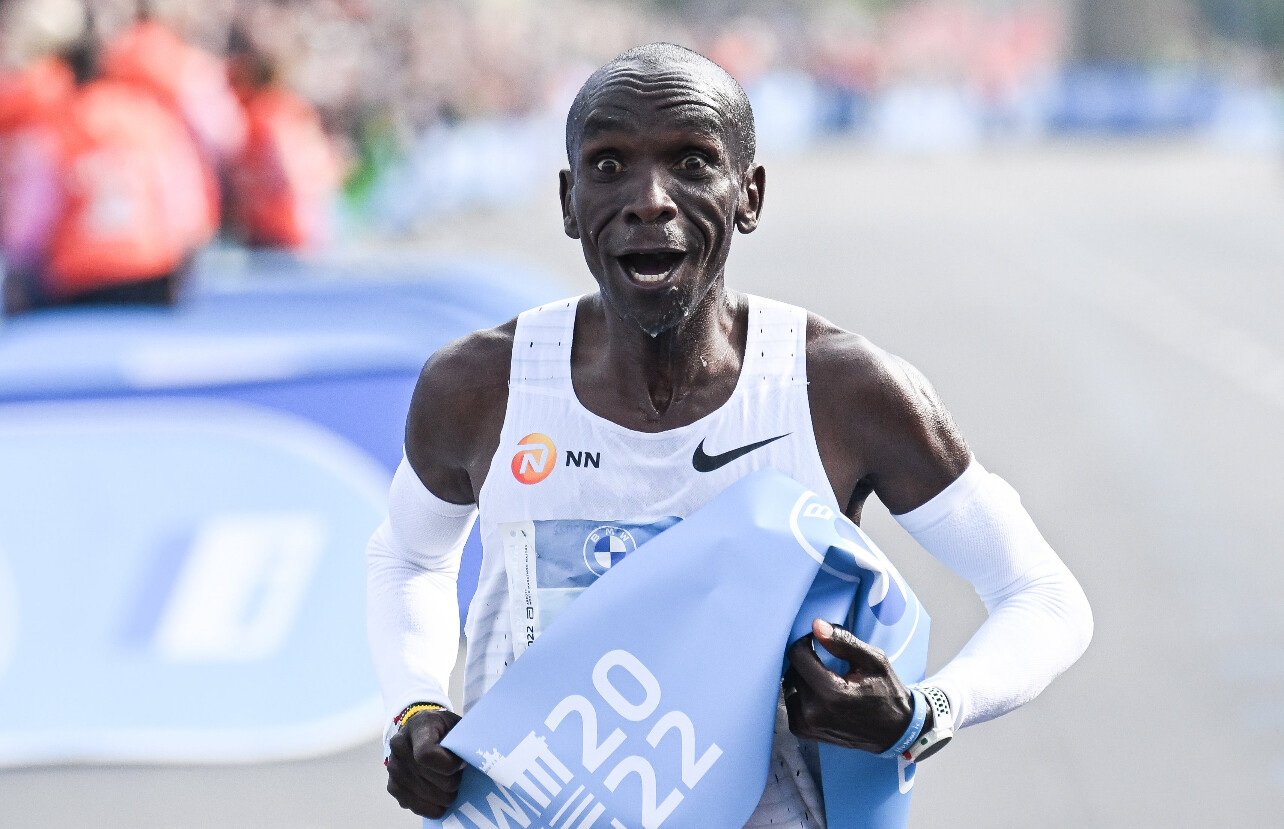
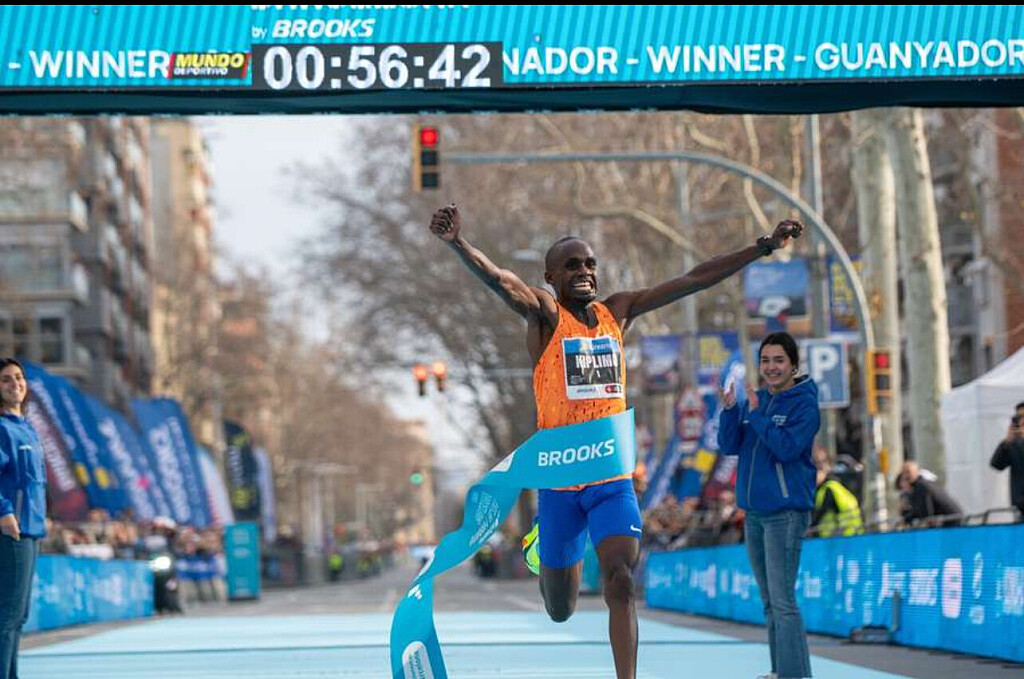
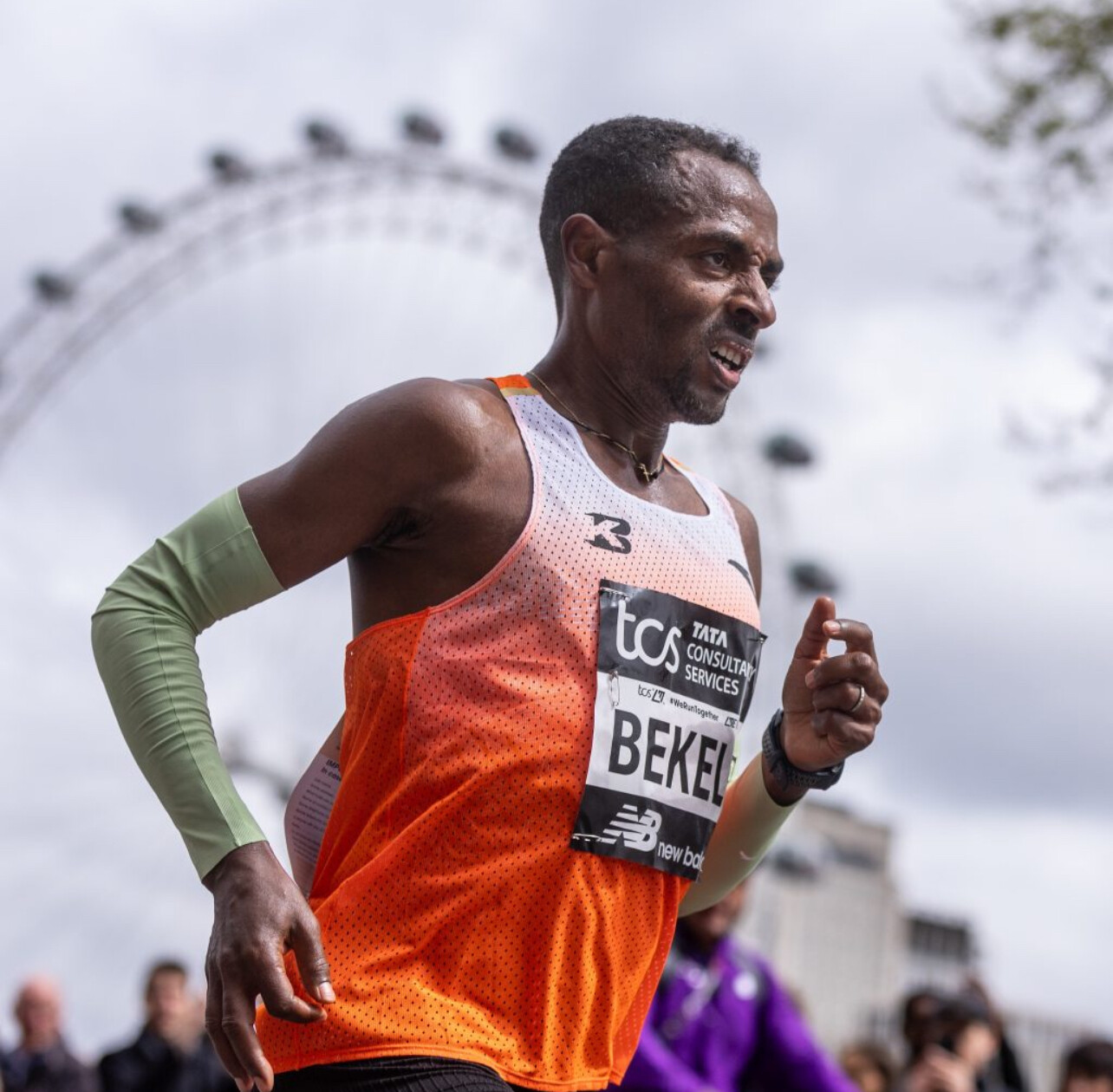
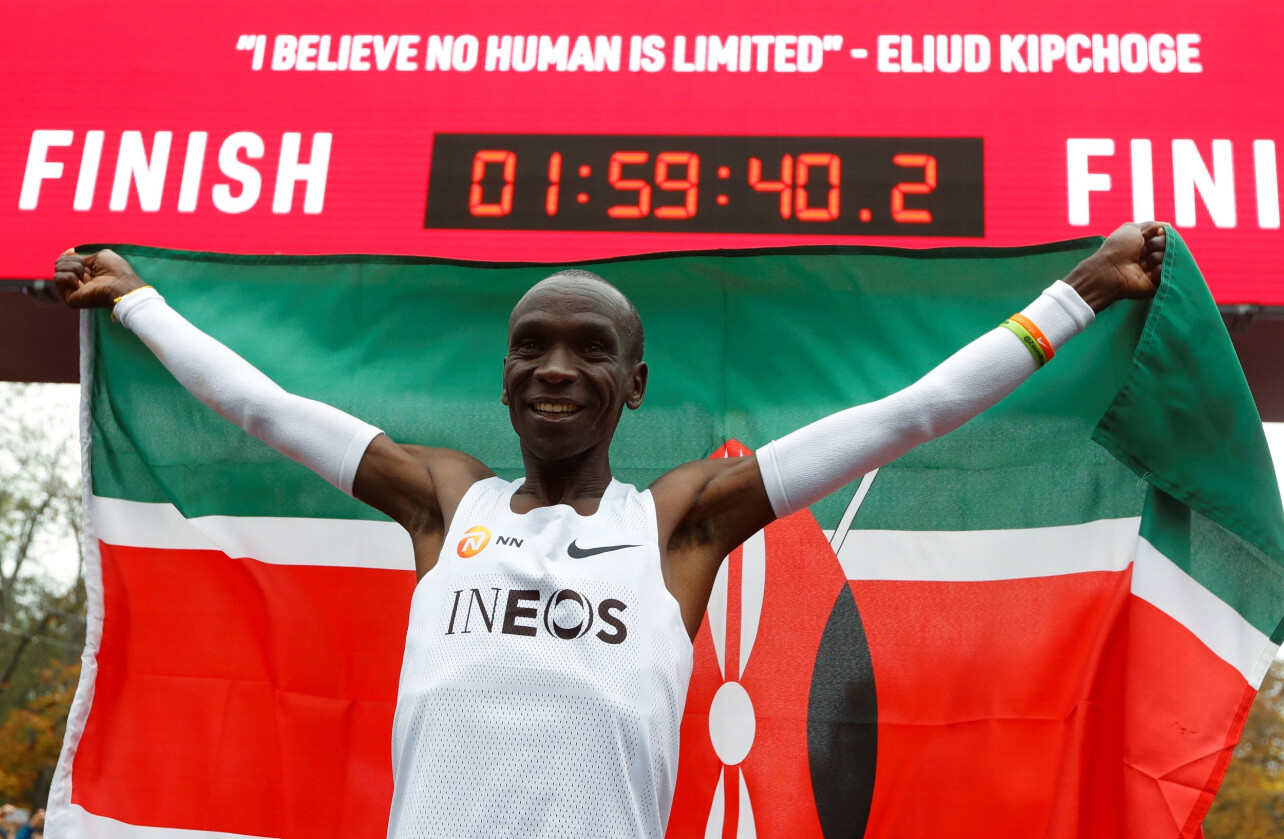
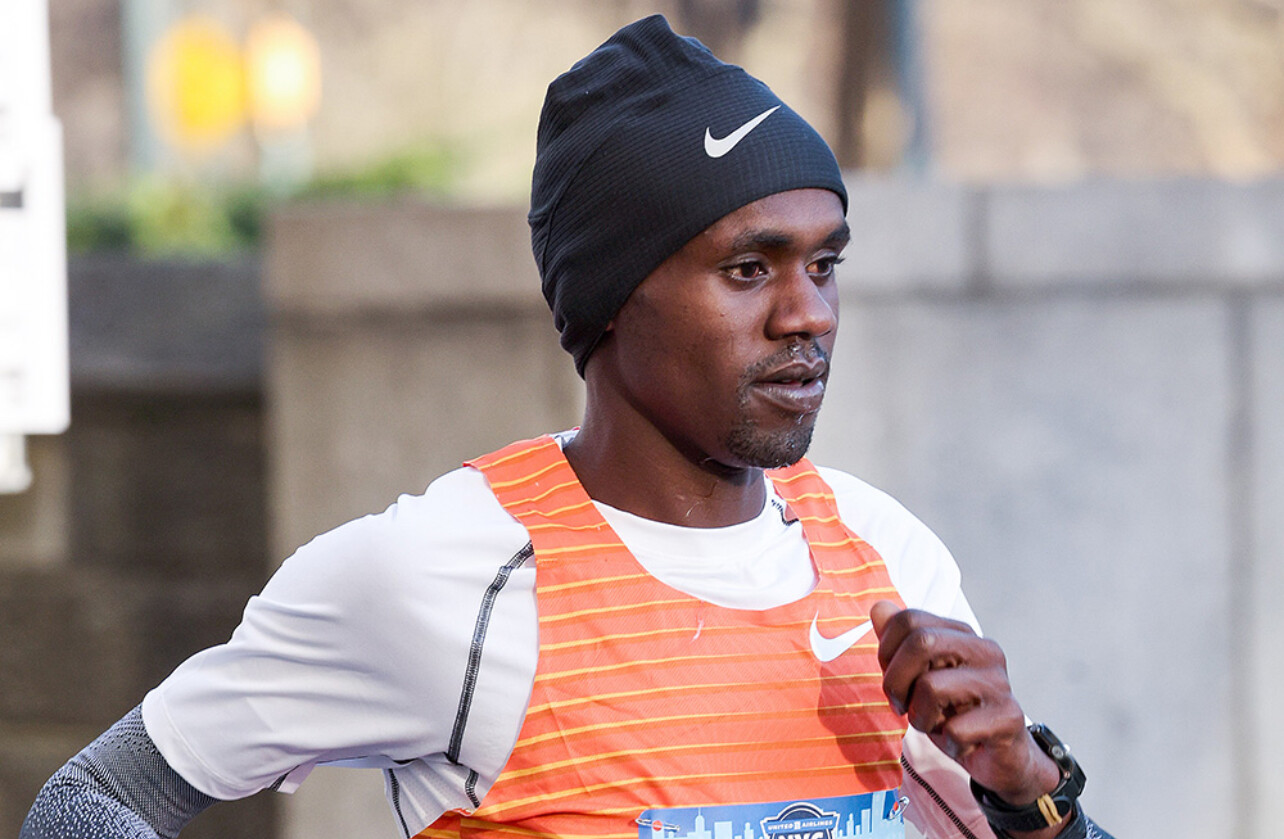
London’s 2025 lineup is arguably its most formidable yet. Eliud Kipchoge, the four-time London champion and former world record holder (2:01:09), returns to a course he has dominated. Joining him is Kenenisa Bekele, the third-fastest marathoner ever (2:01:41), seeking redemption after a close second-place finish in 2024. The field also features Olympic champion Tamirat Tola, reigning London champion Alexander Mutiso, and debutant Jacob Kiplimo, who holds the half marathon world record at 56:42.
“The elite field for London is loaded, but my pick (if I must) is Jacob Kiplimo after watching him destroy the half marathon record,” says MBR editor Bob Anderson. “But the marathon is a different animal, and a sub-two-hour marathon is very possible. However, the weather will need to be perfect, and Jacob needs to have an ‘on’ day for it to happen. He might just go for the win. I wonder how his training has differed in preparation?”
Course and Conditions: London’s Favorable Terrain
The London Marathon’s flat and fast course, combined with its sea-level altitude, provides an ideal setting for record-breaking attempts. The 2025 weather forecast predicts partly cloudy skies with temperatures ranging from 45°F to 56°F (7°C to 13°C) and minimal wind—conditions conducive to fast times.
Technological Advancements: The Role of Innovation
Modern advancements, notably in footwear technology, have played a significant role in recent marathon performances. The latest “super shoes” offer enhanced energy return, potentially shaving crucial seconds off elite runners’ times. Additionally, strategic pacemaking and optimized nutrition strategies are integral components in the pursuit of the sub-two-hour marathon.
The Verdict: Is Sub-Two Within Reach?
While the convergence of elite talent, favorable course conditions, and technological support makes the prospect enticing, breaking the two-hour barrier in an official race remains a monumental challenge. However, if ever there was a race poised to witness such a historic feat, the 2025 London Marathon stands as a prime candidate.
Stay tuned to My Best Runs for comprehensive coverage of the London Marathon and insights into the evolving landscape of elite distance running.
by Boris Baron
Login to leave a comment

TCS London Marathon
Since its inaugural edition on March 29, 1981, the TCS London Marathon has grown into one of the world's most prestigious road races, blending elite competition with an extraordinary charitable legacy. Founded by former Olympic champion and journalist Chris Brasher alongside Welsh athlete John Disley, the event has been staged every year and has been held in the spring annually...
more...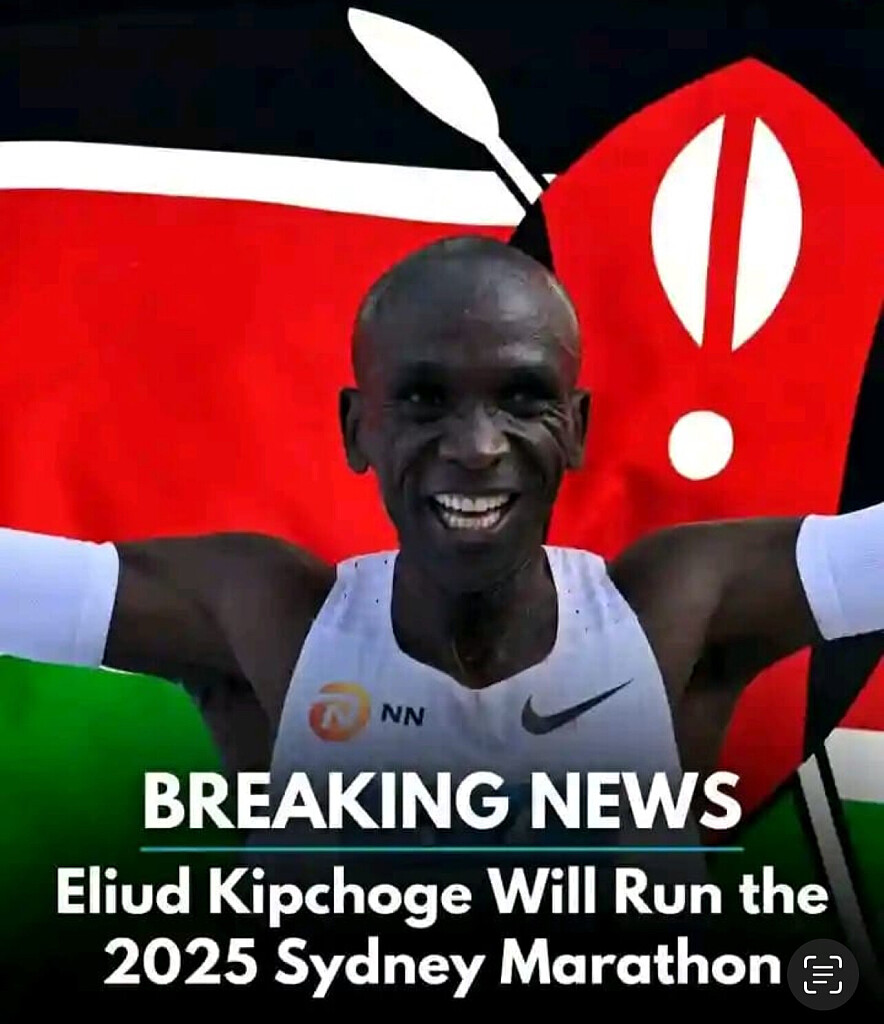
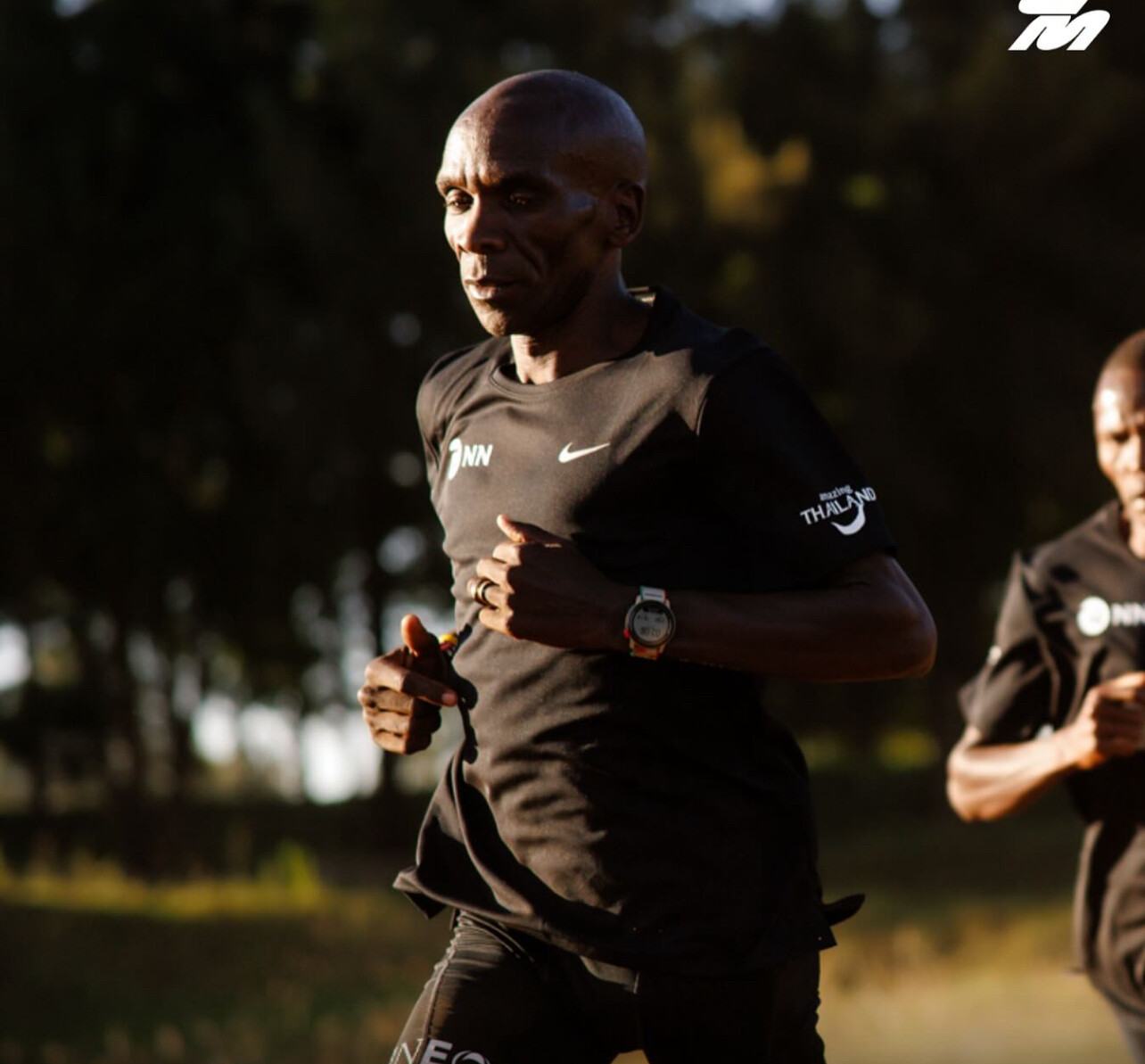
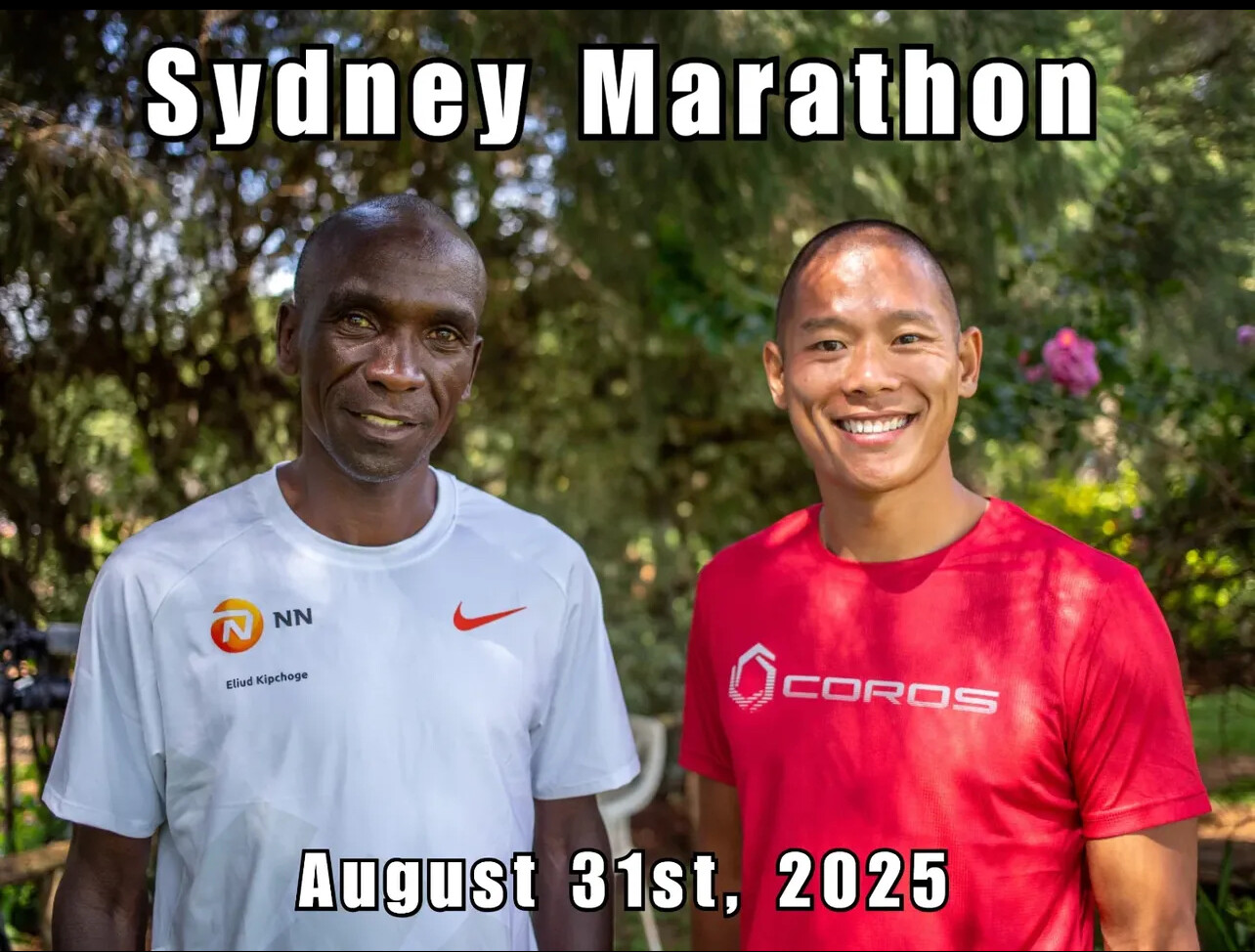
Eliud Kipchoge to Race the 2025 Sydney Marathon in Historic First
Marathon legend Eliud Kipchoge has officially confirmed his participation in the 2025 Sydney Marathon, set for August 31. This marks the first time the Kenyan great will compete in Oceania, a significant milestone in his illustrious career.
The Sydney Marathon, which is in contention to become the seventh Abbott World Marathon Major, gains immense prestige with Kipchoge’s inclusion. Organizers expect over 300,000 spectators, making it one of the biggest marathon events in Australia’s history.
Kipchoge’s Legacy and Why Sydney Matters
With 16 victories in 21 official marathons, Kipchoge is widely regarded as the greatest marathoner of all time. His historic achievements include:
• Back-to-back Olympic gold medals in the marathon at Rio 2016 and Tokyo 2020.
• A 10-marathon win streak from 2014 to 2019, a feat unmatched in modern distance running.
• A world-first sub-two-hour marathon, clocking 1:59:40 at the INEOS 1:59 Challengein 2019 (not an official record due to controlled conditions).
• The second-fastest marathon ever recorded, 2:01:09 at the 2022 Berlin Marathon.
With the Sydney Marathon aiming for World Major status, Kipchoge’s participation signals the event’s growing significance in the global running calendar. Race Director Wayne Lardencalled it a dream come true, emphasizing the impact Kipchoge’s presence will have on Australia’s running community.
The Road to Sydney: London Marathon First
Before taking on Sydney, Kipchoge is set to compete in the London Marathon on April 27, 2025. London has been one of his most successful races, and his performance there will be closely watched as he continues to chase new milestones.
A Race That Will Inspire a Nation
Kipchoge’s presence in Sydney is expected to elevate the marathon’s status, attract elite competitors, and inspire thousands of runners. Known for his mantra, “No human is limited,” his participation will shine a global spotlight on Sydney, drawing both elite athletes and everyday runners to the race.
As August 31 approaches, all eyes will be on Sydney to see if the greatest marathoner of all timecan add another historic victory to his legacy.
by Boris Baron
Login to leave a comment
Sydney Marathon
The Sydney Marathon is a marathon held annually in Sydney, Australia. The event was first held in 2001 as a legacy of the 2000 Summer Olympics, which were held in Sydney. In addition to the marathon, a half marathon, 9 kilometres (5.6 mi) "Bridge Run", and a 3.5 kilometres (2.2 mi) "Family Fun Run" are also held under the banner...
more...
Eliud Kipchoge at 40: Records broken, medals won, history made…what more is left for marathon GOAT?
Marathon legend Eliud Kipchoge turns 40 on Tuesday and as he celebrates his landmark birthday, Pulse Sports rolls back the years in a career filled with many highs and some all-time lows.
They say life begins at 40 but for Kipchoge, he has been living the dream since his 20s.
Kipchoge turns 40 on Tuesday, November 5 and as he begins a new chapter in his life, the last two decades have been marked with remarkable success on track and roads.
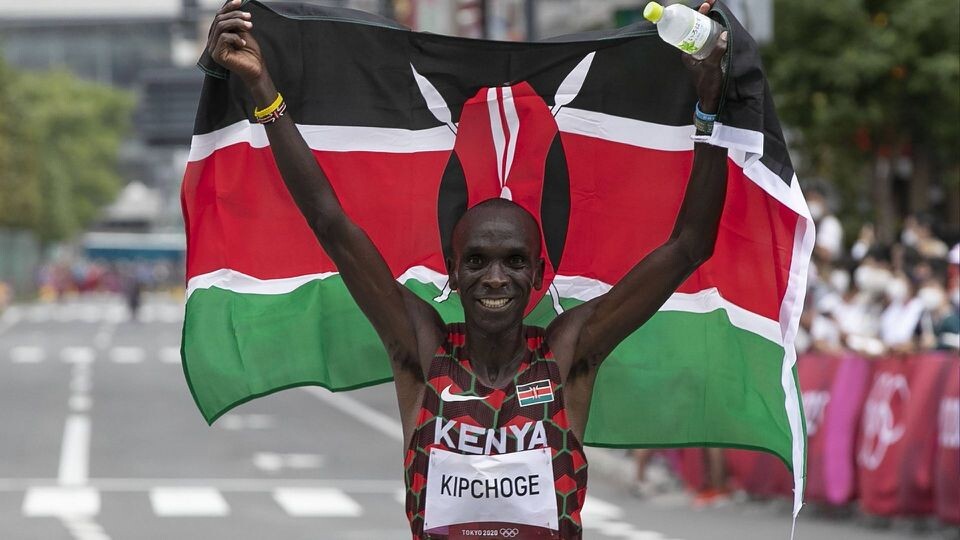
The two-time Olympics champion is the undisputed greatest marathoner of all-time, having won 15 of the 20 marathons he has participated in since he made the transition to from track to road in 2013.
Kipchoge has also won gold in Cross-Country, after claiming a junior title in 2003, the same year he won 5,000m gold at the World Championships in Paris.
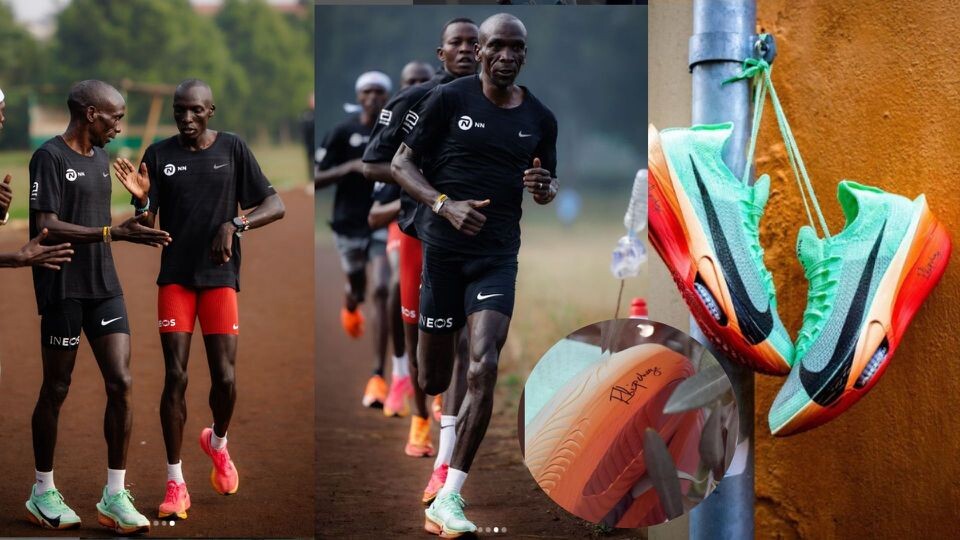
However, his years on track were not as storied as what he has achieved in marathons.
Major marathon success
In marathons, he has won five titles in Berlin, where he also broke two world records, while he has been to London five times and won on four occasions.
From the six major marathons (Tokyo, Boston, London, Berlin, Chicago, and New York), Kipchoge has been to five of them, with only New York where he is yet to run. He has won at four of them with only Boston proving tough after a sixth-place finish last year.
History maker
When the history of marathons is written, Kipchoge’s name will hog most of the chapters as he has made running a global phenomenon.
His ‘No human is Limited’ mantra has made everyone get encouraged not just to run but to succeed in their professions while he is the first man to run a marathon under two hours.
While it was not a competitive race, Kipchoge’s INEOS 1:59 Challenge in October 2019 proved that it is possible to clock under two hours in 42km, having run 1:59:40 in Vienna.
World records broken
Kipchoge was running in Vienna one year after breaking his first marathon record, having clocked 2:01:39 in Berlin in September of the previous year.
He had shaved off an astonishing 1 minute and 18 seconds from the 2:02:57 set by Kenyan compatriot Dennis Kimetto at the same venue four years earlier, proving that a sub-2:02 was possible.
That was his third win in Berlin and on his fourth appearance in the German capital, he lowered his own world record, running 2:01:09. His record lasted one year before compatriot Kelvin Kiptum broke it in Chicago last year (2:00:35) but the GOAT had already made his mark.
Role model to rivals & youngsters
Throughout his career, Kipchoge’s biggest strength has been how he kept up with younger and hungrier runners who were looking to dethrone him from the throne.
The veteran has never backed away from a challenge, even if there was an emerging threat, and most of the time, he came out on top.
Kipchoge sets an example for runners by the way he lives his life, how disciplined he is, his strict training regime and how keenly he follows his diet.
It is no wonder he has rarely suffered injuries in his long career, which draws parallels with football superstar Cristiano Ronaldo, who has enjoyed a long largely injury-free career due to how he looks after himself.
Bouncing back from setbacks
Kipchoge’s other strength is how he deals with disappointment. He does not let a bad race or bad words put him down.
Like every other athlete, he has suffered losses but always comes back strong. His failed attempt to break sub-2-hour mark in Monza in 2017 did not see him lose hope as he returned two years later and did it in Vienna, while finishing eighth in London in 2020 was answered back with Olympics, Berlin and Tokyo Marathon wins, with a world record in between.
After a sixth place in Boston in April 2023, he was on the winner’s podium in Berlin five months later, showing how resilient he is.
Even when many said he was finished after 10th place in Tokyo, he still came back to feature at the Paris Olympics and while he was not successful, he has not let it put him down.
Dealing with hate & cyberbullying
The year 2024 has thrown Kipchoge into a whole new territory, as a man who was so loved in Kenya quickly turned into a figure of hate in his own country.
It started in October 2023 when he took time before congratulating Kiptum for breaking his world record. It elicited vile comments on social media and it reached a whole new level when the world record holder died in February.
Kipchoge received abuses and threats that left him fearing for his life and that of his family, having been accused of having a hand in the death, and to his shock, even those whom he thought were friends and colleagues felt the same towards him.
He, however, took it on the chin and went about his business, featuring in two races this year although it is not known if it might have affected his performance.
What does the future hold?
Kipchoge’s strong mentality has seen him bounce back from all these setbacks and as he celebrates his 40th birthday, he is back in camp training for his next race.
A number of runners have shown that it is still possible to do it in their 40s and knowing Kipchoge, he must be backing himself to defy age and continue making marathon history.
Happy birthday, Eliud.
by Joel Omotto
Login to leave a comment
MARATHON GROUNDBREAKERS
Since Australia’s Derek Clayton ran history’s first sub—2:10 marathon in Fukuoka, Japan, on 3 December 1967, there have been a total of 4538 sub—2:10 marathons (as of 30 October 2024), 4537 by men, one by a woman.
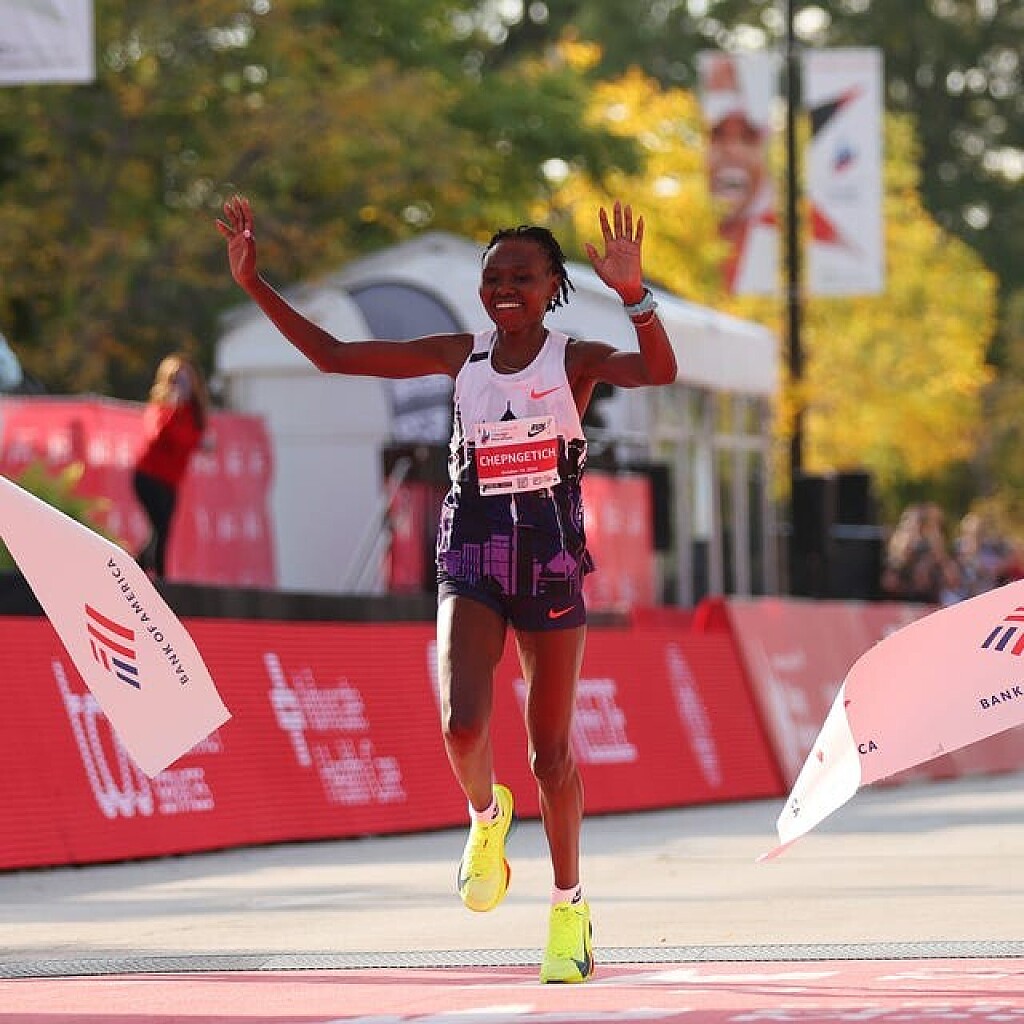
As with any new ground-breaking performance, Ruth Chepngetich’s 2:09:56 in Chicago on 13 October has forced us to reassess all our past assumptions, or, like many, to doubt the validity of the performance itself. But no matter how we got here, to whatever you want to ascribe it, this is where we are now, 2:09:56 by a woman.
In this new reality, until proven otherwise, Ruth Chepngetich is the new Paula Radcliffe, just as Paula was the new Grete Waitz, one ground-breaker to the next, 1978 to 2003 to 2024.
There have been many talented women champions through the years besides those three, including all the pioneers who had to overcome centuries of gender bias that restricted women from even showing their stuff.
But in terms of pure ground-breaking, the 1978 New York City Marathon drew a bright line between what once was and what would be.
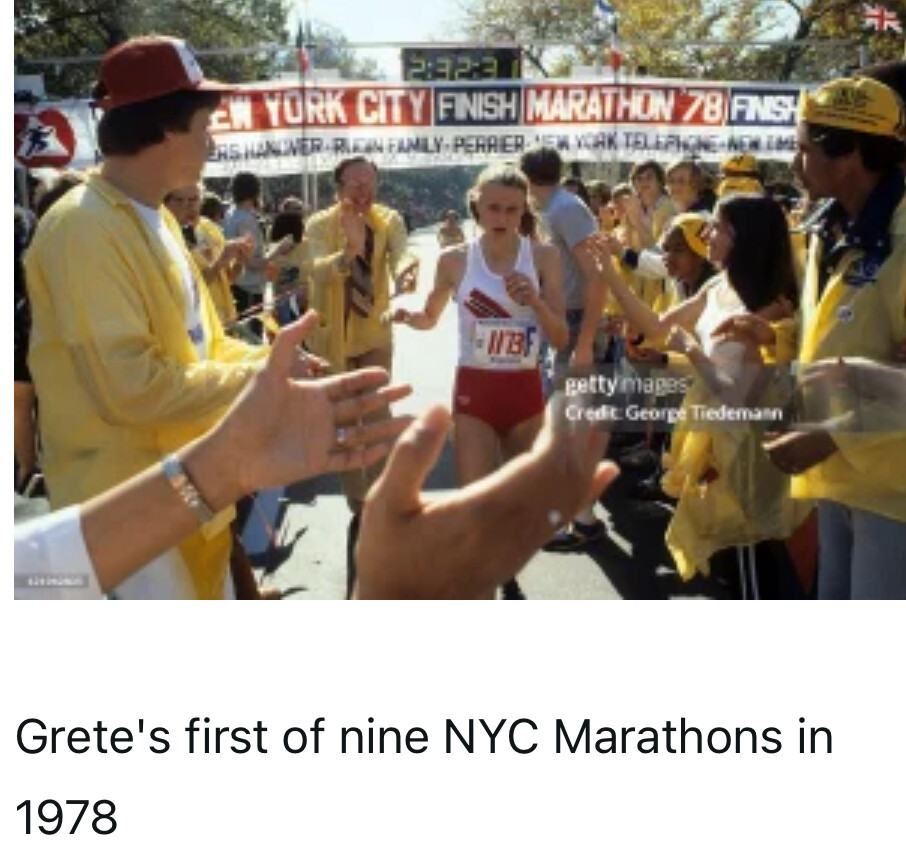
On 22 October 1978, Norway’s track and cross-country star Grete Waitz participated in the marathon for the first time, almost on a whim, as the trip was more of a honeymoon for her and husband Jack after the long track season.
The 2:32:30 world record Grete ran that day was totally unexpected by both the public and Grete herself. She wore bib #1173, wasn’t included on the list of elite women, and came with no specific marathon preparation (not a single run over 13 miles). In fact, she was so upset with husband, Jack, for suggesting she come run the marathon that she threw her shoes at him in the hotel room following her victory.
Still, like almost all debuting marathoners, after a short period of recovery and reflection, Grete concluded she could probably improve next time.
Thus, in New York 1979, following a more careful preparation, Grete ripped nearly five full minutes off her 1978 mark to record history’s first sub—2:30 by a woman at 2:27:33. Her margin of victory over England’s Gillian Adams was 11 minutes (2:38:33). The combination of the mild-mannered former geography teacher from Oslo and the raucous New York City crowds proved transformative, elevating women’s running to heights previously unimagined.
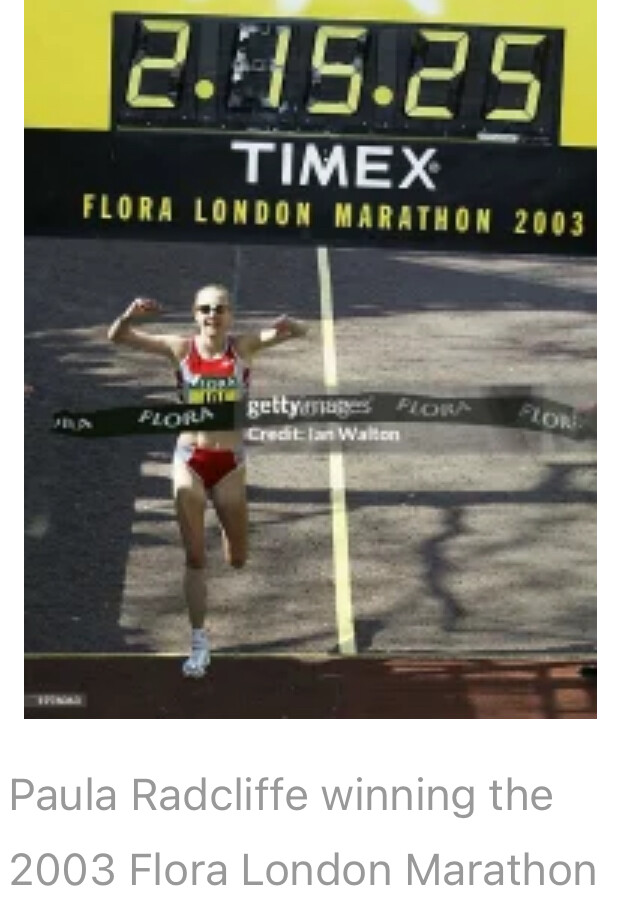
Though Japan’s Naoko Takahashi broke the 2:20 barrier for women in Berlin 2001, after Norway’s Ingrid Kristiansen (2:21:15, London ‘85), America’s Joan Benoit Samuelson (2:21:21, Chicago’85), and Kenyan Tegla Loroupe (2:20:43, Berlin ‘99) all challenged the barrier in the 1980s and ‘90s, it was England’s Paula Radcliffe who established new headlands in the marathon in London 2003 with her 2:15:25.
Nearly two minutes faster than her own 2:17:18 record from Chicago the year before, her 2:15 arced away from Catherine Ndereba’s 2:18:47 from Chicago 2001, completed just one week after Takahashi’s first sub-2:20 in Berlin.
The quality of Paula’s 2:15 can be seen in the 16 years and an entire shoe technology revolution that developed before Kenya’s Brigid Kosgei did Paula one better in Chicago 2019 at 2:14:04. That performance plowed new ground again. And now we have Ruth Chepngetich in Chicago 2024 with history’s first sub-2:10, just a year after Ethiopia’s Tigst Assefa’s first sub—2:12 in Berlin `23 (2:11:53).
Twice before, Chepngetich had come to Chicago with world record intentions. In 2022, she won the race in 2:14:18, just 14 seconds off Kosgei’s record. In 2023 she finished second in 2:15:37. On both occasions she flew through halfway under 66 minutes, only to falter in the second half. Perhaps she was a close reader of Malcolm X.
“There is no better teacher than adversity. Every defeat, every heartbreak, every loss, contains its own seed, its own lesson on how to improve your performance the next time.” – Malcolm x
In simple terms, making innovative strides in athletics requires time, experimentation, and reviewing, similar to how new scientific theories are examined before full acceptance. But women just haven’t been at the marathon game long enough to produce a large enough sample size to define their outer limits with any accuracy. They are barely two generations in since 1978.
Men have been competing for a much longer time with a much larger sample size.
Though Eliud Kipchoge surpassed the two-hour barrier in Vienna in 2019, that was accomplished as an exhibition, not a sanctioned race. In that sense, we are still awaiting the next barrier breaker on the men’s side in the Marathon.
Looking back, England’s Jim Peters stands as the first modern barrier breaker with his 2:18:40 win at the 1953 Polytechnic Marathon between Windsor and Chiswick in West London, England, history’s first sub—2:20.
Next was Ethiopia’s Abebe Bikila, the legendary double Olympic victor in Rome 1960 and Tokyo 1964. His 2:15:17 in Rome still stands as the barefoot marathon world record.
Next came Australia’s Derek Clayton, the first man under both 2:10 and 2:09. His 2:08:34 from Antwerp 1969 lasted for 12 years, holding off challenges throughout the entire Running Boom era headed by Americans Frank Shorter and Bill Rodgers.
Though never world record holders, the two Americans dominated the 1970s boom era, Shorter through the first half, Rodgers the second.
The Eighties were the last decade of international marathon champions: American (Al Salazar, Greg Meyer); European (Steve Jones, Carlos Lopes); Japanese (Toshihiko Seko and the Soh brothers); and Australian (Rob de Castella). Kenya’s Joe Nzau won Chicago in 1983 in a thrilling duel with England’s Hugh Jones when Chi-town was still developing its reputation as a world class event.
Ibrahim Hussein set new records in Honolulu and kick-started the Kenyan marathon revolution
The full East African deluge didn’t begin until 1987 and ‘88 when Kenya’s Ibrahim Hussein (already a two-time and soon to be three-time Honolulu Marathon champion) became Africa’s first New York City and Boston Marathon winner and Ethiopia’s Belayneh Dinsamo set the world record, 2:06:50, in Rotterdam 1988 that lasted over a decade.
The list of marathon stars from other nations scaled back markedly in the 1990s. Mexico had its turn at the top via greats like Dionicio Cerón (1994-`96 London champion), and back-to-back New York Ciy winner German Silva (1994 & 1995).
Moroccan-born American Khalid Khannouchi twice ran a world marathon record, first in Chicago 1999 (2:05:42), then three years later in London 2002 (2:05:38). And who could forget the personable Brazilian, Marílson Gomes dos Santos, who won New York City twice in 2006 & 2008, or Meb in NYC `09 and Boston 2014??
But the United Nations pickings get rather meager after that as East African athletes have had a stranglehold on the sport of marathoning, most dominatingly by Kenya’s Eliud Kipchoge. His run of sustained excellence over 42.2 kilometers was, and is, unprecedented in its longevity, including double gold in Rio 2016 and London 2020. And his last world record of 2:01:09 in Berlin 2022.
Sadly, the current record holder, Kelvin Kiptum, died in a car accident in February 2024 after establishing the 2:00:35 world record in Chicago 2023.
With the 2024 TCS New York City Marathon scheduled this weekend, we don’t expect to see any record performances. Yet, all the above is why we follow the game, isn’t it, to witness the arc of improvement over time, while hoping to discover a new name to remember? It’s as valid a focus as any other in this life.
And despite its many flaws and corruptions, the sport of marathoning retains an innate dignity that many endeavors do not. People may have bruised, battered, and tarnished it in the name of glory and money. But it survives, nonetheless, as a simple reflection of the human drive to achieve more in the quest to discover our best.
Doesn’t always turn out that way, but I don’t think we are done with it quite yet. Onward!
by Toni Reavis
Login to leave a comment
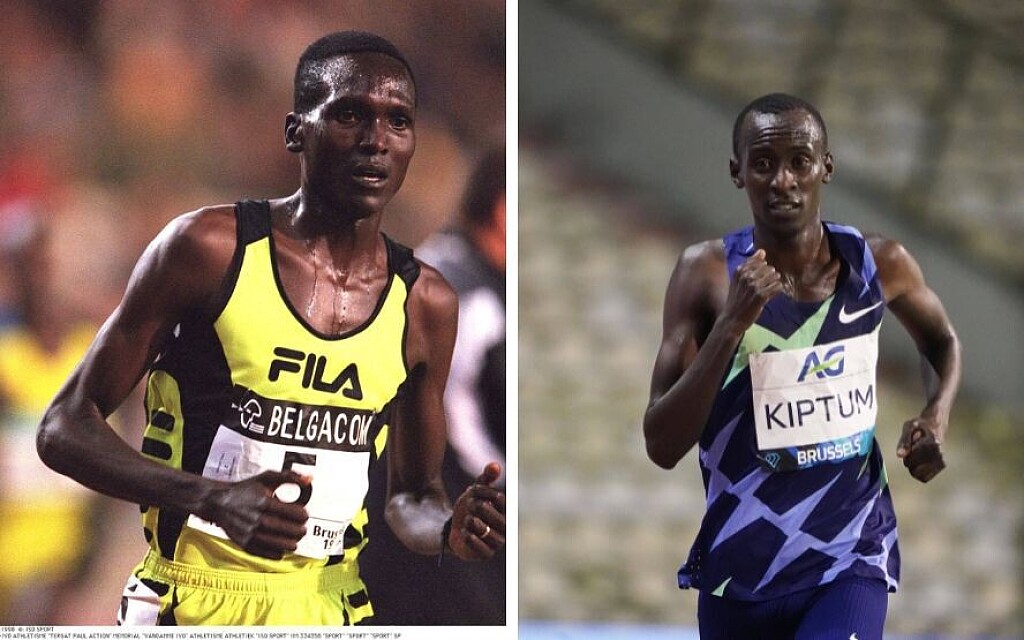
A look into the men's marathon world record progression from legendary Paul Tergat to the late Kelvin Kiptum
Kelvin Kiptum’s untimely passing leaves his sub-two-hour marathon goal unfulfilled, but the evolution of marathon times, Kenyan dominance, and technological advancements signal the likelihood of sub-two-hour marathons becoming common.
The men’s marathon has experienced major shifts and if not for the untimely passing of Kelvin Kiptum, the world could have seen a sub-two-hour marathon this year.
The late Kelvin Kiptum had plans to shatter his own world record at the NN Rotterdam Marathon earlier this year but unfortunately, the world might never know the Kenyan’s full potential.
However, with the emergence of super shoes and strong athletes will definitely see the shift in times and very soon, the world might witness runners posting very fast times and sub-two-hour marathons might just be the order of the day.
Kenyans have been so dominant in the long-distance races and out of the nine fastest times from 2003, there is only one Ethiopian who has managed to penetrate through Kenyan dominance. Paul Tergat broke the world record in 2003 and since then, times have changed drastically with the late Kelvin Kiptum now having the world record.
1) Paul Tergat (2003)
It is not a surprise that Paul Tergat paved the way for Kenyan dominance as long as the marathon is concerned. Tergat proved to Kenyans and the whole world at large, that anything is possible and from his performance, marathon running became Kenya’s business.
At the 2003 Berlin Marathon, Paul Tergat clocked a stunning 2:04:55 to win the race and his time was the first world record for the men's marathon ratified by World Athletics.
Haile Gebrselassie threatened Kenya’s dominance in the marathon with his two world records over the distance. He first shattered the world record at the 2007 Berlin Marathon, clocking a stunning 2:04:26 to cross the finish line.
The legendary marathon runner then proceeded to shatter his own world record at the 2008 Berlin Marathon, clocking an impressive 2:03:59 to cross the finish line. However, his reign was not for long as another Kenyan rose to prominence.
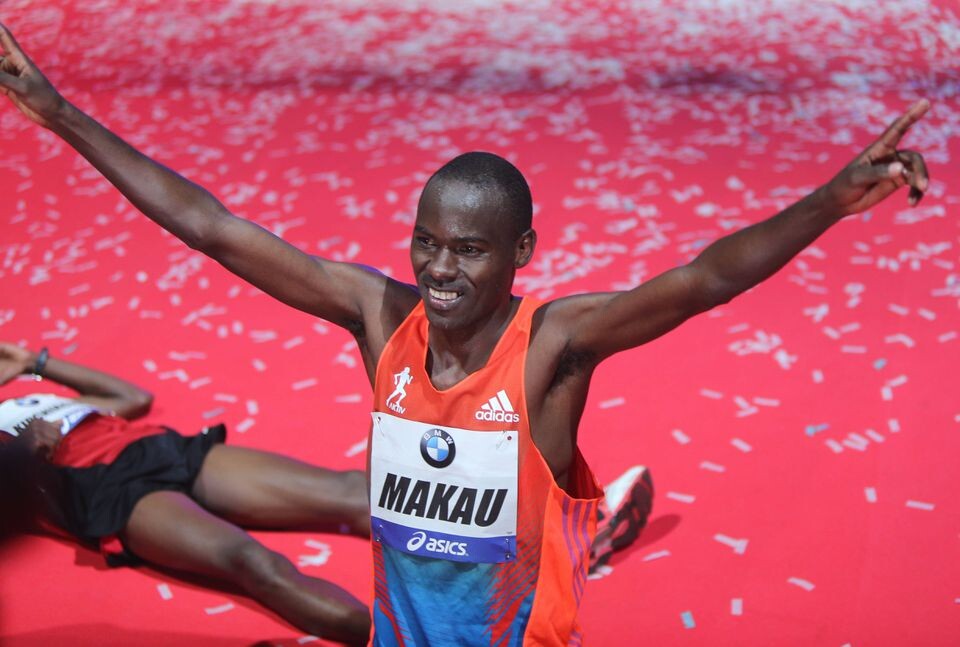
The Berlin Marathon seemed to be a suitable course for breaking the world record as Patrick Makau shattered Haile Gebrselassie’s record at the 2011 edition of the event. Makau clocked a blistering 2:03:38 to cross the finish line.
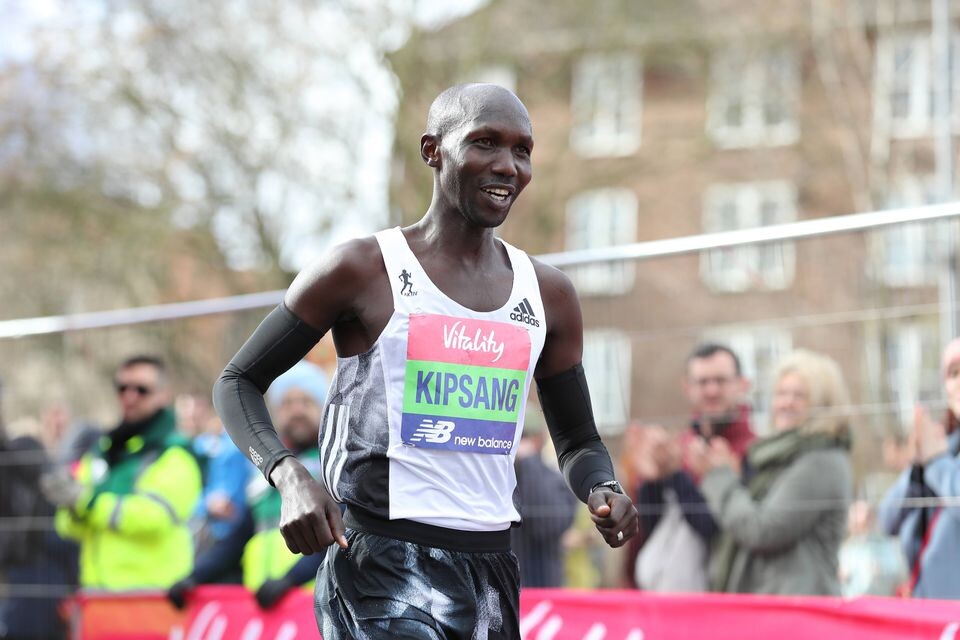
Another Kenyan, Wilson Kipsang proceeded to shatter Patrick Makau’s world record at the 2013 Berlin Marathon. Wilson Kipsang clocked a stunning 2:03:23 to cross the finish line in one of the most historic showdowns.
Wilson Kipsang’s world record did not stay for long as a year later, Dennis Kimetto completely destroyed the record, becoming the first man to clock under two hours and three minutes to win a marathon.
Competing at the 2014 Berlin Marathon, Dennis Kimetto clocked 2:02:57 to win the race with his world record being one of the most long-standing records before Eliud Kipchoge’s rise to the top.
6) Eliud Kipchoge
In his prime, Eliud Kipchoge was undoubtedly one of the most consistent marathon runners and it was just a matter of when he would break the world record.
Eliud Kipchoge made his dream a reality at the 2018 edition of the Berlin Marathon where he clocked an astonishing 2:01:39 to cross the finish line and take top honours in the race, becoming the first man to clock under two hours and two minutes.
Eliud Kipchoge was not done with his dominant exploits as he proceeded to claim top honours at the 2022 Berlin Marathon in a new world record time of 2:01:09.
7) Kelvin Kiptum
The late Kelvin Kiptum was a rare talent and he would be the one to define marathon running following his resilience and hard work. In his debut at the 2022 Valencia Marathon, Kelvin Kiptum clocked the fastest time ever by a debutant. He crossed the finish line in a time of 2:01:53.
The world class marathoner then proceeded to claim the win at the London Marathon, clocking a personal best time and the second-fastest time then. He clocked 2:01:25 for a win.
Kelvin Kiptum was not done writing history as he shattered Eliud Kipchoge’s world record at the 2023 Chicago Marathon. He clocked 2:00:35 to win the race and before his demise, Kiptum was actually looking to run under two hours in the 42km distance.
by Abigael Wafula
Login to leave a comment

There Are Going to Be People Walking:’ A Look at the Grueling Olympic Marathon Course
Getting to run by all those historic spots requires some epic climbs and descents.The final weekend of the 2024 Paris Olympics will host back-to-back days of thrilling marathons. These prestigious races, set against the backdrop of two of France’s most iconic landscapes—Paris and Versailles—will weave through a tapestry of history, culture, and breathtaking scenery. They begin on August 10 with the men’s race, and then, in a nod to the 40th anniversary of the first women’s Olympic Marathon in Los Angeles, the Paris Olympics will conclude on August 11 with the women’s race for the first time in history.
Here are some of the key details you’ll want to know:
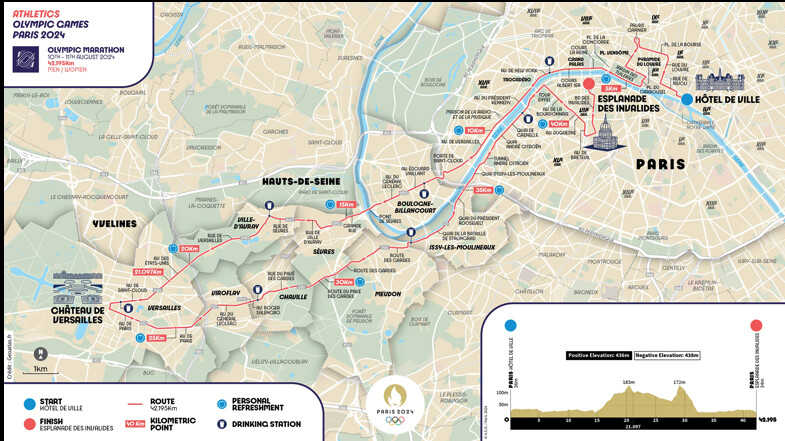
What sites will the runners pass?
It’s not a bad way to tour the area, and it’s quite different than the Paris Marathon that is held each April. Athletes will find themselves tracing a route that dances through nine arrondissements (neighborhoods) of Paris along the banks of the Seine. The runners will begin at the Hôtel de Ville, or city hall, and then pass landmarks such as the Palais Garnier opera house, Place Vendôme, the Louvre museum, and past the Trocadéro.
Next, they will leave the city to run through historic French towns, including Sevres, on their way to Versailles. The return to the city is a different route and will take them through the Forêt Domaniale de Meudon, a forest. When back in the city, they will be on the Left Bank and run past the Eiffel Tower as well as Parisian neighborhoods. The race ends at the Esplanade des Invalides, in which Napoleon is buried.
This route is based on significant French history. In October 1789, between 6,000 and 7,000 Parisian women, joined by men, marched from the Hôtel de Ville through the city to Versailles. It was because of that march that Louis XVI agreed to ratify the Universal Declaration of the Rights of Man and Citizens. The marathoners are symbolically running in their footsteps.
How tough is the course?
Unlike some more recent Olympics and U.S. Marathon Trials races, this course isn’t a circuit of repeated loops. Instead, it’s a full loop starting in Paris and loops down to Versailles outside of the city.
While the elevation profile for the first nine miles looks fairly tame, once the runners are past the halfway mark the landscape changes. The most notable course feature is the three uphill stretches—they’re incredibly steep and very long.
The first big hill comes just before the 10-mile mark, and it climbs at a 4 percent grade, which is roughly the same as Boston’s famed Newton hills. The difference with the Paris version is that it ascends for about 1.25 miles before it levels off for a bit. (Boston’s longest hill is less than half a mile, according to Sean Hartnett, emeritus professor of geography at the University of Wisconsin-Eau Claire, who specializes in marathon routes and other running competitions.)
The next hill at the 12-mile mark is at 5 percent, steeper than anything on the Boston course and 900 meters long. But those two are just appetizers for the real challenge. That hits just after the 18-mile mark.
Runners will have to climb for 600 meters, at an average grade of 10.5 percent. Yes, picture putting your treadmill at 10 percent and trying to run up it at marathon pace. Hartnett calls it a “doozy” and struggles to find courses to compare it to. The Bix 7 in Davenport, Iowa, perhaps? Then he gives up. “It’s unlike anything in any competitive road marathon,” he said. (You can view a detailed description of the 15K-33K section as mapped by Hartnett here.)
In total, the route will include 1,430 feet of elevation gain. Possibly more challenging is the 1,437 feet of descent. The make-or-break point for the route might be just after that final brutal uphill, when they are bombing downhill—at some points at a gradient of 13.5 percent. Runners will have to be efficient going down, without pounding so much they trash their quads before the final flat stretch before the finish. To put the course into some more perspective, the World Marathon Majors that are considered the hilliest—Boston and New York City—each have an elevation gain of a little over 800 total feet. And for one final nugget, the average grade of the Mount Washington Auto Road Race is 12 percent. The course record for that 7.4-miler is at around 8:00 pace.
This course will make the fastest marathoners in the world look almost human at times.
How do the marathoners feel about the course?
Pat Tiernan, an Olympian for Australia who is running the marathon, made two trips to Paris from his training base with Puma in North Carolina to examine the course. His first trip, in early April, was just to get a feel for the course. The second, in late May, was to train on it.
“The first thing you notice,” Tiernan said in a phone call with Runner’s World, “is that it’s going to be a brutal course. There are going to be people walking.”
If you look closely at the official Strava route, you can spot some U.S. Olympic marathoners on the leaderboards of the course’s toughest segments.
On April 10, U.S. team member Clayton Young did a 12.80-mile run on the hilliest section of the course, where he “pushed the uphills, chilled the downhills.” During the steepest climb—right before the mile 18 split—Young tackled a .44-mile segment in 3:09, giving him a modest average pace (for a world-class marathoner) of 7:01 per mile. But if you look at Strava’s “grade adjusted pace,” which factors in elevation, that 7:01 converts to 5:03 mile pace. His average heart rate was 179 beats per minute.
Dakotah Lindwurm, a U.S. team member for the women, also previewed the course in April in a run she called, “Tour de La Olympic hills ?].” She racked up an impressive 16 “course records” during her 10.87-mile workout, and on the same steep segment that Young ran, she averaged 7:43 pace with a grade-adjusted pace of 5:21 per mile.
Emily Sisson, the U.S. record holder in the marathon, has been training for both the hills and the flats. “We’ve been doing a lot of stuff on hills, because [we] want to come out of the hills into the last 10K feeling good,” she says. “That’s also why you don’t want to slack on 10K work, because it could be quite fast at the end. So kind of trying to do it all.”
Tiernan agreed with Sisson on the unique challenge. If marathoners go too hard through the hills, they could struggle at the end, he said. If they go too easy through the hills and subsequent descents, they might be out of touch by the final 10K. He said the Paris course is as “if you were to do a 10K road race, then go and run a hard 10K hill cross country course, then a 10K road race.”
If nothing else, it could make for some surprises on the podium.
When exactly are the races?
The men’s event happens on Saturday, August 10. If you want to watch live, get your favorite espresso ready. The event begins at 2 a.m. ET/11 p.m. PT in the U.S. The following day for the women’s race, the 2024 Paris Olympics fully conclude in honor of the 40th anniversary of the first women’s Olympic marathon event, won by Joan Benoit-Samuelson. The start time is also at 2 a.m. ET/11 p.m. PT.
Who are the major names in each race?
Both races are packed with star power in the form of returning Olympic champions, world record holders, and World Marathon Majors winners. The biggest storyline in the men’s race is whether Eliud Kipchoge, the two-time Olympic marathon gold medalist who many consider to be the greatest of all time, will be able to retain his crown in what may be his final Olympics at age 39.
The women’s event is even more stacked and should make for quite the event to cap off the 2024 Olympics. Newly ratified world record holder Tigist Assefa of Ethiopia will have to match speed and strategy against the likes of Hellen Obiri and Peres Jepchirchir of Kenya and the Netherlands’s Sifan Hassan, who is running the marathon after racing in the 5,000 and 10,000 meters on the track.
Men’s Marathon Contenders
Eliud Kipchoge, Kenya (2:01:09)
Kenenisa Bekele, Ethiopia (2:01:41)
Benson Kipruto, Kenya (2:02:16)
Tamirat Tola, Ethiopia (2:03:39)
Conner Mantz, USA (2:07:47)
Clayton Young, USA (2:08:00)
Women’s Marathon Contenders
Tigist Assefa, Ethiopia (2:11:53)
Sifan Hassan, Netherlands (2:13:44)
Peres Jepchirchir, Kenya (2:16:16)
Emily Sisson, USA (2:18:29)
Hellen Obiri, Kenya (2:21:38)
Rose Chelimo, Bahrain (2:22:51)
Fiona O’Keeffe, USA (2:22:10)
Sharon Lokedi, Kenya (2:22:45)
Did you know there is a mass participation race?
If not, now you do. It’s called the Marathon Pour Tous, and we’re pretty jealous we can’t run this one. There will be a full marathon and a 10K on the same route as the Olympic marathon on the evening of August 10. Yes, a night race in the City of Lights. More than 20,000 participants are expected for each event.
by Runner’s World
Login to leave a comment
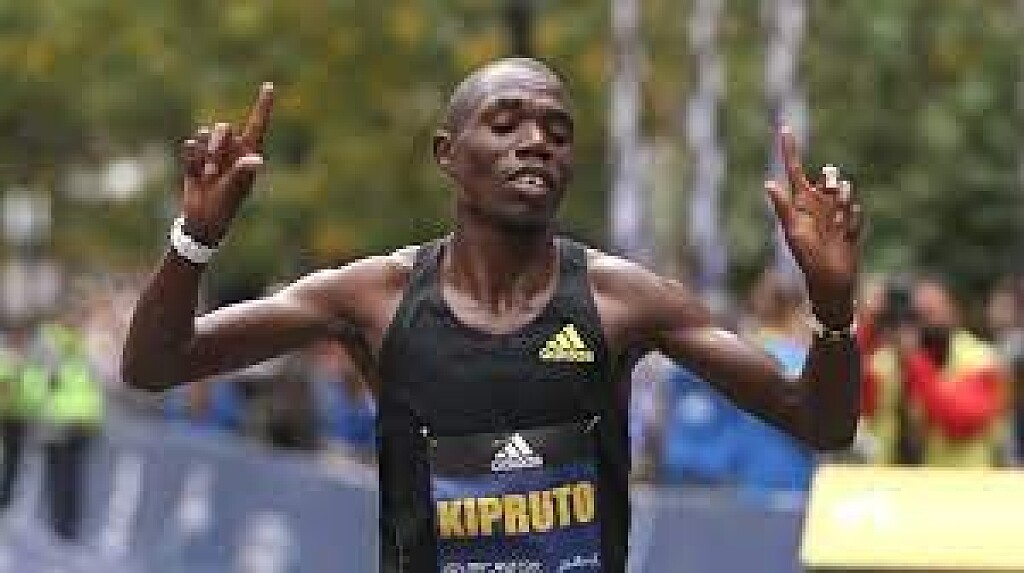
Kipruto eyes podium, personal best at Sunday's Tokyo Marathon
The 2021 Boston Marathon champion Benson Kipruto is targeting a podium finish at Sunday’s Tokyo Marathon.
Kipruto trains in his backyard in Kapsabet, Nandi County, ahead of the much-awaited, starstudded showdown in the Japanese capital.
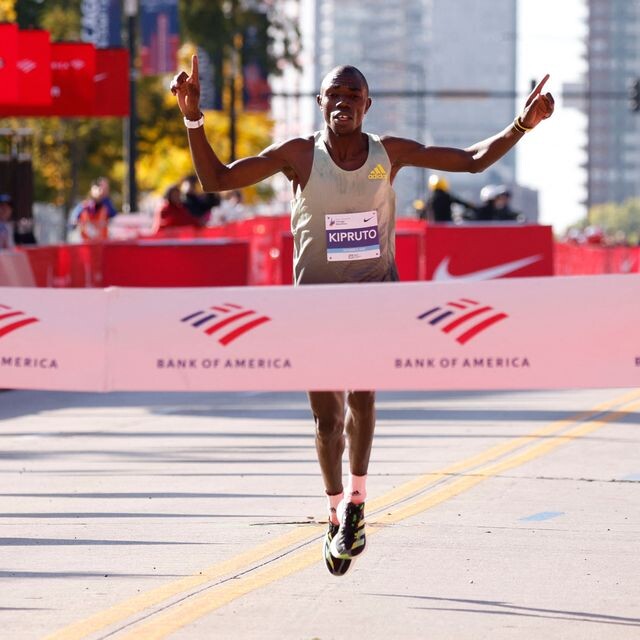
Other top athletes enlisted for the race are former world marathon record holder Eliud Kipchoge (2:01:09), Vincent Kipkemoi (2:03:13), Timothy Kiplagat (2:03:50), Hailemaryam Kiros (2:04:41) and Andualem Belay (2:04:44).
“My training and preparations for the Tokyo Marathon have been going on very well. I hope my hard training will yield great results,” said Kipruto, the 2016 Athens Classic Marathon silver medalist.
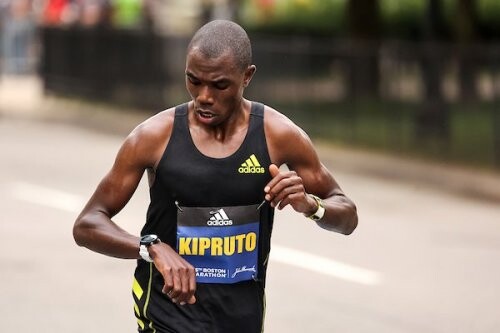
Kipruto was a surprise 2022 Chicago Marathon winner and silver medallist a year later— behind the late Kelvin Kiptum, who set the world record of 2:00:35.
He said Tokyo was a a late destination after initially settling on a return to Boston.
“I was to compete at the Boston Marathon but I had to change to Tokyo since it gives me enough time to prepare for the Olympics Games,” said the 2017 Gongju Dong-A Marathon silver medalist.
He is unfazed by the calibre of competition.
“I have prepared well enough to run finish on the podium as well as lower my personal best,” said Kipruto.
Kipruto is also looking forward to representing the country at the Paris Olympic Games.
He was named in the provisional marathon team to Paris alongside Kipruto former world record holder Eliud Kipchoge, Vincent Kipkemoi, Timothy Kiplagat, Bernard Koech, Geoffrey Kamworor, Cyprian Kotut, Amos Kipruto, Titus Kipruto and the late Kelvin Kiptum.
“I have never represented my country in any competition and making the team to Paris would be a dream come true,” said Kipruto.
Meanwhile, Ugandan Victor Kiplang’at said he is well prepared for Tokyo.
Kiplangat, who has already hit the qualifying time for the Paris Olympic Games, told Xinhua that he has put in a lot of work during preparations as he seeks to improve on his time.
“I have trained well under coach Addy Ruiter and I can’t wait to go and prove a point in Japan,” said Kiplang’at.
The Tokyo Marathon is a good platform for his preparations for the Olympic Games in France in August.
Kiplang’at, who will follow Ugandan pace-setter Abel Boniface, said competing against Kipchoge will be a tough but great challenge.
by Emmanuel Sabuni
Login to leave a comment

Tokyo Marathon
The Tokyo Marathon is a world-renowned annual marathon held in Tokyo, Japan. As one of the prestigious Abbott World Marathon Majors, it attracts elite and amateur runners from around the globe. The race holds World Athletics Platinum Label status, recognizing its high competitive standards, top-tier organization, and international appeal. Sponsored by Tokyo Metro, the Tokyo Marathon has grown into one...
more...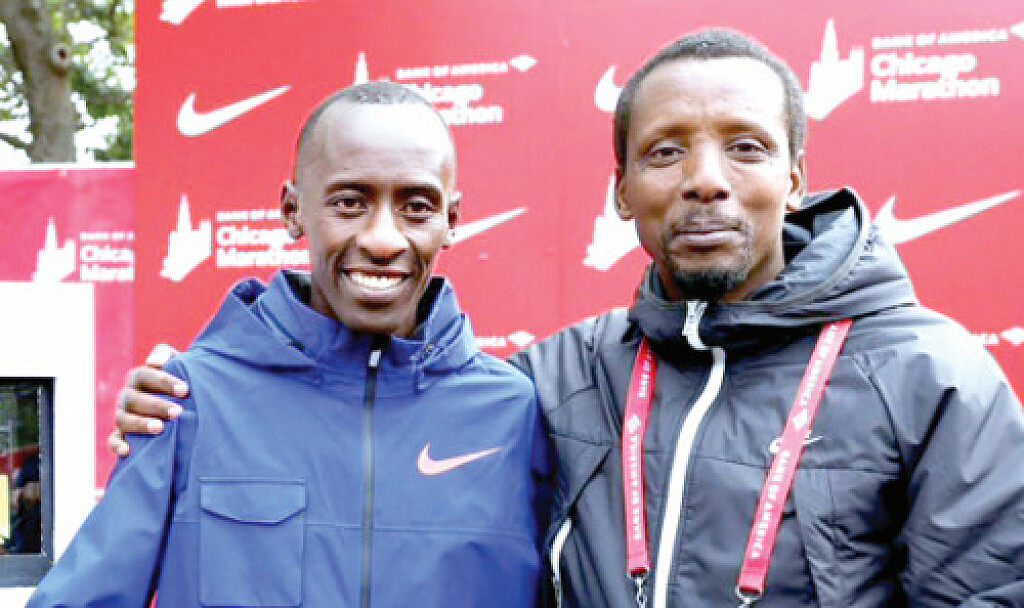
Zurich Marathon organizers set to honor Kelvin Kiptum and his coach on Sunday
The Zurich Marathon race organizers have announced that they will honor Kelvin Kiptum and his coach as they mark their 39th edition on Sunday.
The Zurich Marathon race organizers are set to honor world record holder Kelvin Kiptum and his Rwandese coach Gervais Hakizimana as they mark their 39th edition on Sunday, February 18.
In a post on their X (Twitter) handle, it was noted that they would give their last respects to the fallen marathoner who is also the world’s fastest marathoner before starting the race.
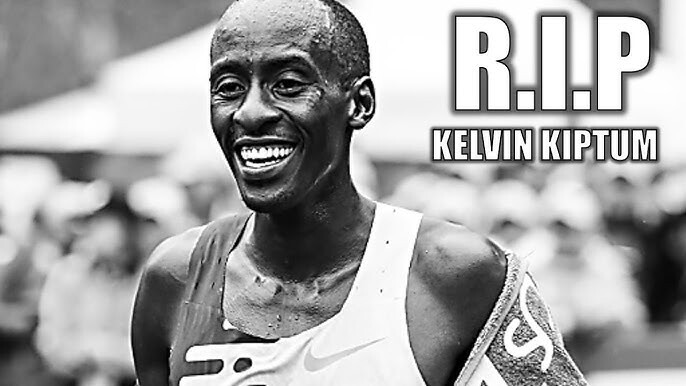
“On Sunday before the start (8h30) of the #ZurichMaratónSevilla24 we will pay tribute to Kelvin Kiptum, world record holder, and his coach, who died yesterday in a traffic accident in Kenya. We will observe 42 seconds of silence, as many as km of the race, in his memory,” the post read.
Despite Kiptum never running there, the organizers have observed the great significance the Kenyan had brought to the world of marathon running.
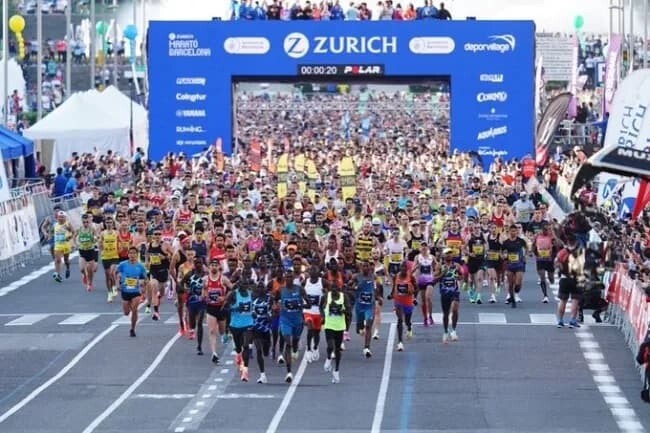
The reigning Chicago Marathon champion had so much potential and he would have shown us wonders, something that will never be fully realized from him.
He just turned 24 in December and he had a bright future ahead of him considering less than a year after making his marathon debut in the streets of Valencia, he ran faster than any man in history, taking over half a minute off the world record with his astonishing winning time of 2:00:35 in the Chicago Marathon last October.
In running the first sub 2:01, Kiptum bettered by 34 seconds the 2:01:09 set by five-time Berlin Marathon champion Eliud Kipchoge, in September 2022, running ever closer to breaking the two-hour barrier in a legitimate race.
His sudden death now ends that teasing possibility of going head-to-head with Kipchoge at the Olympic Games in Paris, France later this year, where Kipchoge is looking to become the first athlete in history to win three successive Olympic marathon titles with Kiptum appearing to be the athlete most capable of stopping him.
by Abigael Wuafula
Login to leave a comment

Zurich Marathon Sevilla
This urban, flat, fast and beautiful brand new race course will drive athletes through the most beautiful monuments of the city. Zurich Maraton de Sevilla brings the unique opportunity to brake the Best personal result over the mythical distance to all the athletes, professional or age groupers, in one of the most perfect international marathon circuits. This fast marathon takes...
more...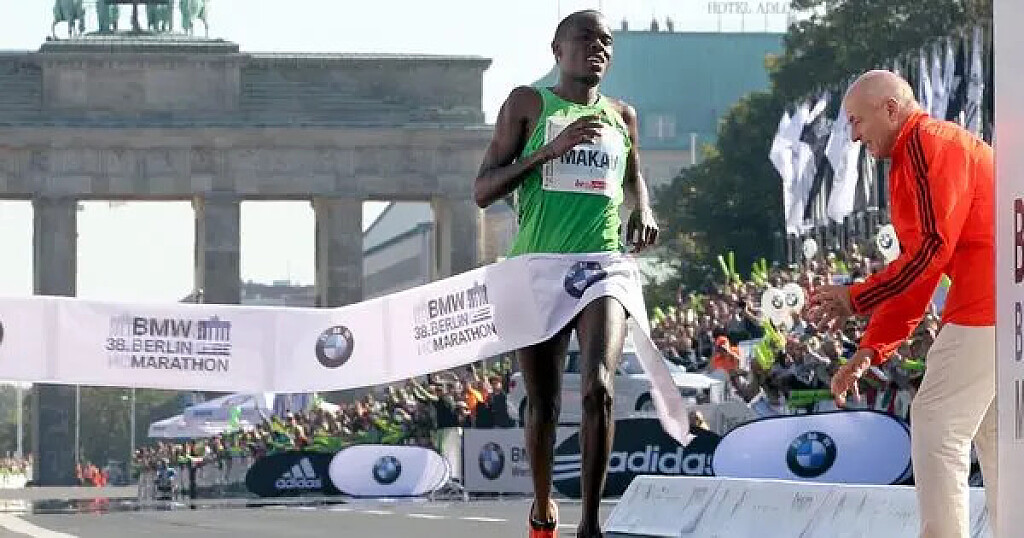
Patrick Makau believes current generation of athletes can run under 2 hours
Former world marathon record holder Patrick Makau believes the current generation of athletes in the country will soon run under two hours in the marathon.
The 38-year-old is also notable for his half marathon performances, having won several prominent competitions in Europe in sub-1-hour performances.
Some of the races include the Berlin Half Marathon in 2007, where he clocked 58:56 hours.
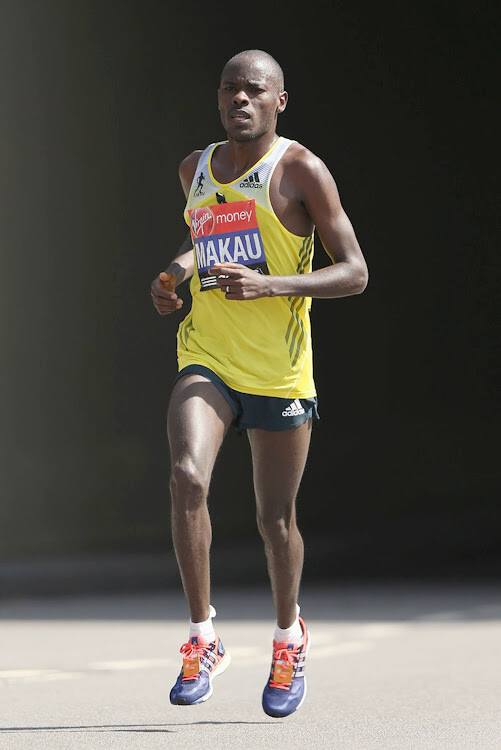
Marathons had changed a lot due to technology and were far better than the marathons they ran during his time.
“As I see it, the marathons have changed a lot because it is not like the olden times. We used to view sub-two hours as something unattainable but now with the current crop of athletes like the current world record holder Kevin Kiptum and two-time Olympic champion Eliud Kipchoge, this looks like a possibility,” he noted.
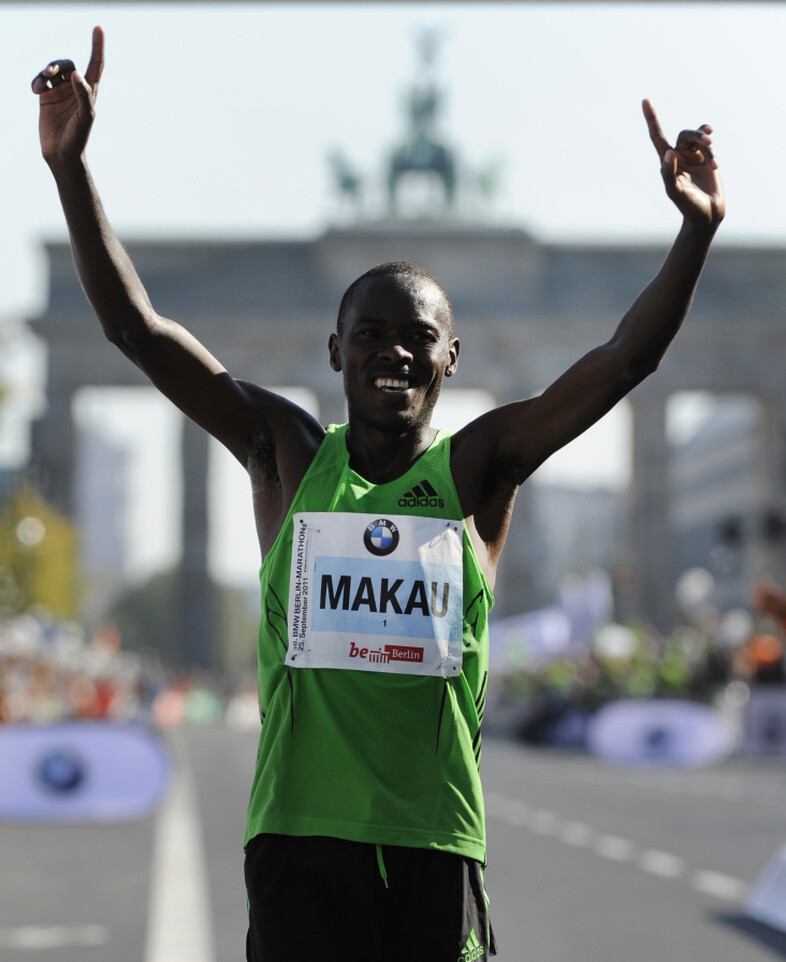
The signs of an athlete running a marathon in under two hours are already evident if Kipchoge and Kiptum's recent performances are anything to go by.
In an unofficial race in Vienna, Austria in 2019, Kipchoge became the first person ever to run a marathon in under two hours, clocking 1:59.40 during the INEOS 1:59 Challenge.
Regarded as one of the greatest marathoners of all time, Kipchoge was the world record holder in the marathon then with a time of 2:01:09 set at the 2022 Berlin. His mark was later broken by Kiptum at the Chicago Marathon on October 8, 2023, when he clocked 2:00:35.
The 24-year-old Kiptum is currently the only person in history to run the marathon in under two hours and one minute in a record-eligible race.
Kiptum has won all three of the major marathons he has entered between December 2022 and October 2023 with three of his times among the six fastest in history. Makau revealed that hard work and endurance were the key for him to break the world record in 2011.
“I used to go to train in Iten and Machakos and to the polishing in Ngong. This is because speed work and build-up are two different programs,” Makau noted.
Makau encouraged athletes to find a training routine that would enable them to run a sub-two-hour marathon shortly.
“What Kiptum, Kipchoge and the other athletes can do now is to find the pace that will be able to help them run a sub-two-hour marathon shortly,” he added.
The duo currently occupy the top two positions in the world marathon ranking. Ethiopians Kenenisa Bekele (2:01.41), Sisay Lemma (2:01.48 hrs), Birhanu Legese (2:02.48 hrs) and Mosinet Geremew (2:02.55 hrs) follow in that order.
The former world record holder, who currently trains the Kenya Police team and other athletes, also cited technology, especially in running shoes as a reason behind the fastest times being witnessed.
“During our time, there was not as much technology as we were accustomed to normal shoes. In today’s era, running shoe technology plays a key role in determining the pace in a particular race,” he said.
Innovations in Running Shoe Technology mean shoes are now lighter, more dynamic, and more resilient, thanks to advancements in foams, rubbers, construction, textiles, and other essential components.
Kipchoge's performances during the INEOS 1:59 challenge opened the world's eyes to the condensed foam, carbon-plated super shoes which Nike claimed could increase running efficiency and in particular the amount of oxygen consumed per minute by by 4 percent.
Makau is optimistic the young athletes under his wings will also go further and make not only him but also the country proud. He said he is looking forward to the national trials in April to see if they get selected.
“We have intensified training in both Machakos and Kitui camps and I am hopeful. I am waiting for the trials in April to see if they will be able to represent Kenya at the Paris 2020 Olympic Games,” he said.
He also tipped Kenya to once again dominate the marathon at the Olympic Games slated for July 26 to August 11.
“I am sure Kipchoge, Kiptum, Peres Jepchirchir and Ruth Chepng'etich will represent the country well in the marathon at the Olympics,” he asserted.
by Teddy Mulei
Login to leave a comment

Nike Alphafly 3 sells out in less than 24 hours
One of the highest-profile carbon-plated running shoes, the Nike Alphafly 3, hit Canadian stores on Jan. 4, and in 24 hours, it has already sold out online and in-store.The carbon-plated shoe Kenya’s Kelvin Kiptum wore to set the marathon world record at the 2023 Chicago Marathon is the lightest and fastest version of the Nike Alphafly to date, and many runners tried to get their hands on a pair, which is selling for CAD $375.The shoe first made an appearance as a prototype on the feet of Sifan Hassan at the 2023 London Marathon, which she won. Nike formally announced the public release of the shoe in late November, naming Thursday as the global release date.
Some run specialty stores across Canada were sold out of the shoe in a matter of minutes. Nigel Fick and Sarah Deas, the owners of Culture Athletics, an independent running store in Toronto’s east end, say they’ve never seen demand for any shoe this high. “Our men’s size range sold out in a minute, with sizes 9.5 to 11, going within seconds,” says Fick. “We had hundreds of customers refreshing the page, waiting for the 10 a.m. launch.”Deas told Canadian Running that they have been receiving emails about the Alphafly 3 for two months. “We have not seen this demand for a shoe launch since the first Alphafly in 2020–it’s been wild,” says Deas.The popularity of the Alphafly 3 is backed by the Nike’s marketing strategy, and defined by the performances of world-class athletes. But the hype around the shoe is also backed by science. Nike’s competitive advantage lies in the innovative system of speed embedded in the Alphafly 3. This proprietary combination features ZoomX foam, Air Zoom units and a carbon-fibre Flyplate, powering the Alphafly and giving distance runners a distinct edge.
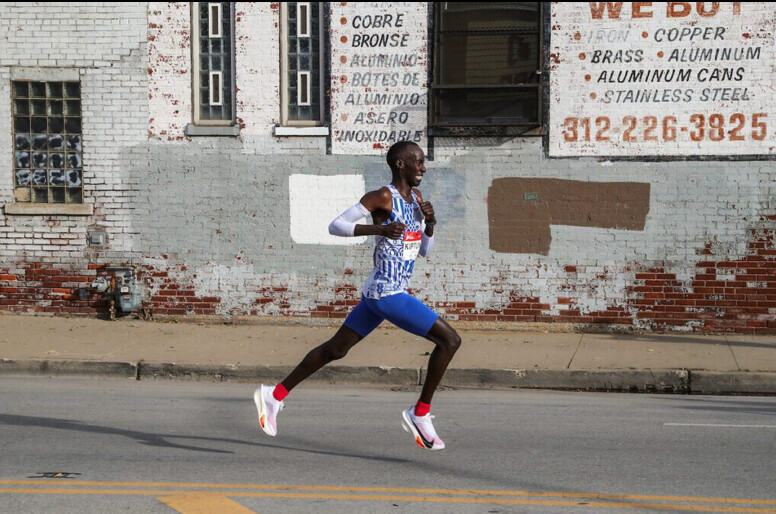
The Nike Alphafly 3 is also built on the success of its predecessors, with Eliud Kipchoge achieving the seemingly impossible in the OG Alphafly, breaking the two-hour barrier at the INEOS-1:59 event in 2019. In 2022, wearing the Alphafly 2, Kipchoge lowered his world record to 2:01:09 at the Berlin Marathon.
Those looking to wear the Alphafly 3 for their spring marathon may have to wait a little longer. Culture Athletics and other independent retailers will not receive additional stock until the second colourway is released in April.
‘This is the first time the prototype colourway of an Alphafly or Vaporfly has been made available for run specialty retailers in Canada,” Fick says, talking about the buzz of the new shoe. “This launch has been exciting for us and all of our run community.”
Login to leave a comment
Philadelphia Marathon finisher’s Olympic dreams shattered after water bottle rule violation
A formal complaint from a race official brought attention to the water bottle infraction, disqualifying Ethan Hermann from the results.
In running, seconds can make or break dreams. The 2023 Philadelphia Marathon brought a mix of triumph and heartbreak, especially for one of the top American men’s finishers, Ethan Hermann.
The Philadelphia native finished the marathon in sixth overall, running an impressive 2:17:03 in his debut marathon, nearly a minute under the 2024 U.S. Olympic Marathon Trials qualifying mark of 2:18:00. However, hours after Hermann crossed the finish line, his dreams were shattered when his result was disqualified due to his coach handing him a water bottle at a water station.
According to Citius Mag, which first reported the story, Hermann’s coach, in a well-intentioned act of support, handed him a water bottle at a water station. However, according to USATF rules, because Hermann did not personally grab the bottle, it constituted a violation due to the “inequality of resources offered to athletes.”
Hermann’s time has been removed from the official Philadelphia Marathon results, and it will not count for the 2024 Olympic Trials qualification.
Speaking to Citius Mag about the situation, Hermann said he does not fully agree with the rule, but understands it. “I just have to learn from it and move forward, and take on the next challenge in time,” he said. Despite the disqualification, Hermann remains positive about his result, stating, “I’m at peace and walking away knowing that my mission of qualifying for the Olympic Trials was accomplished–even if the start list will say otherwise.”
A formal complaint from a race official brought attention to Hermann’s infraction, leaving race organizers in a challenging position, due to the specificity of the USATF Competition Rule 144. “No competitor taking part in competition shall be allowed, without the permission of the Referee or Judges, to receive assistance or refreshment from anyone during the progress of the competition.”
“I had a special day and ran my heart and legs out, but I was not as educated as I thought about everything. Not all the right things happened the way they needed to, and I was ultimately given a disqualification from the race,” wrote Hermann.
The bottle rule only applies to USATF races and U.S. athletes. At the 2022 Berlin Marathon, the notorious Bottle Claus helped Eliud Kipchoge lower the marathon world record to 2:01:09 at the time, personally handing him bottles at every water station.
In a world where one false start results in automatic disqualification and triathletes face penalties for rule violations, the severity of Hermann’s case has been questioned on social media. What is the time value of a water bottle handed to a runner throughout a marathon? And how much time does it save a marathoner compared to picking it up from the elite table?
A hashtag #FreeEthan has been pushed by Citius Mag and the U.S. running community to permit Hermann to run at the 2024 U.S. Olympic Marathon Trials scheduled for Feb. 4 in Orlando, Fla.
by Marley Dickinson
Login to leave a comment

Philadelphia Marathon and Half
Have the time of your life in 2022 completing 13.11 miles! Runners will start along the Benjamin Franklin Parkway in the cultural Museum District and wind through Philadelphia’s most scenic and historic neighborhoods. From the history-steeped streets of Old City, through one of the liveliest stretches of Center City, across the Schuylkill River...
more...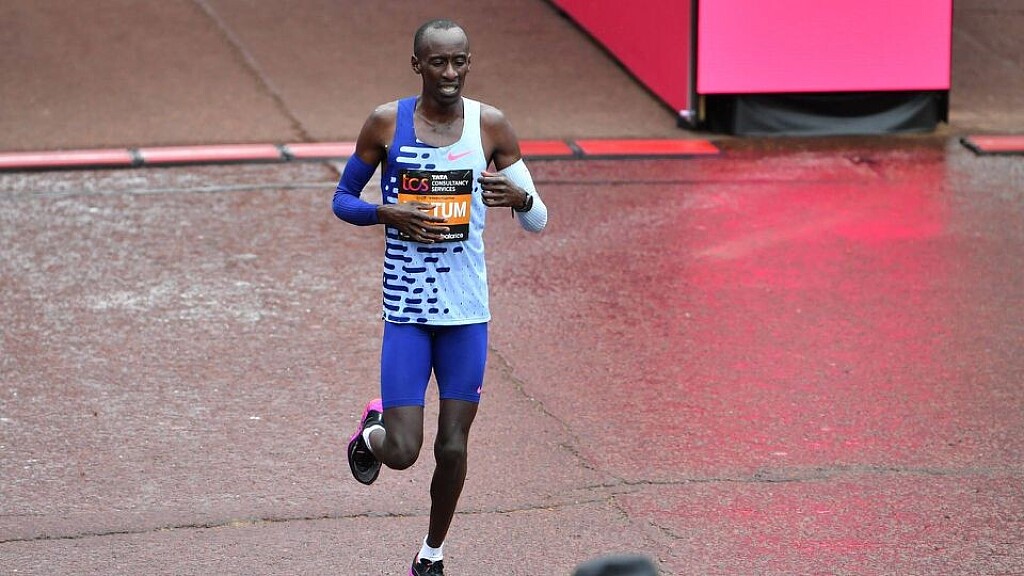
Kiptum, 23, predicts how long his athletics career will last after experts' concerns
Kelvin Kiptum has shared his ambitions of making sure he continues running for the next 10 or 15 years and win as many races as he can.
Reigning world marathon record holder Kelvin Kiptum is not afraid of the longevity in his marathoning career.
Many experts have revealed that since he started his career at a young age, 23, his longevity in the sport is not guaranteed but Kiptum thinks otherwise.
The Valencia Marathon champion explained that he plans to keep running for the next 10 to 15 years and win as much as he can.
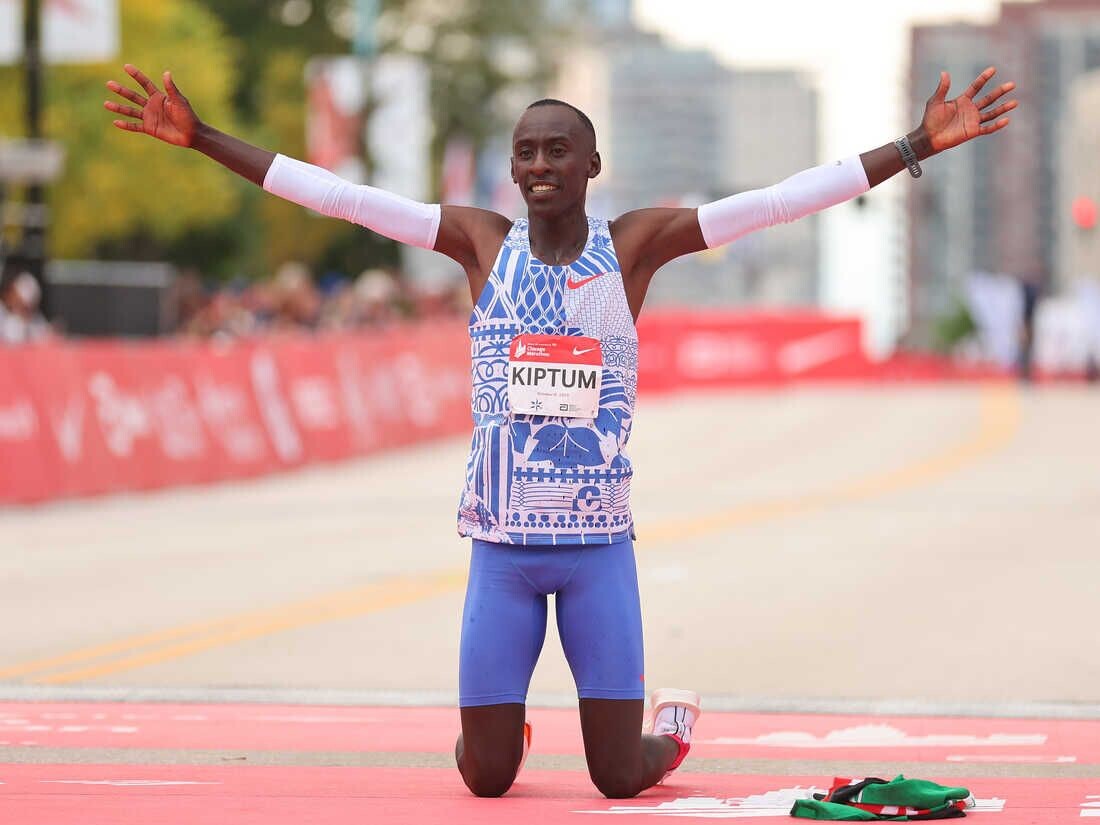
“My ambition is to run at the top of the marathon in the next ten or fifteen years and win as much as possible. But nothing guarantees that.
"My secret is training, running many kilometers a week. I'm not afraid of that, but you can always get injured. What then? Besides, I don't walk alone.
"Tamirat Tola (an Ethiopian runner) won the New York Marathon in 2 hours, 4 minutes and 58 seconds. The course there is very difficult, so that was a great time. You never know how good he will be in Paris,” Kiptum said as per De Tijd.
Just at 23, Kiptum has already made history in all the marathons he has competed in. He made his debut at the Valencia Marathon last year where he clocked the fastest time in a debut to win the race.
He then proceeded to the London Marathon earlier this year and clocked the second-fastest time in history to clinch top honours. Kiptum then shattered Eliud Kipchoge’s world record time of 2:01:09 at the Chicago Marathon after cutting the tape in 2:00:35.
In April next year, he will take part in the Rotterdam Marathon and then, most importantly, the Olympic Games in Paris.
If he wins gold there, he will have achieved most of his goals and there will most likely be no challenge for him but he promised that he will continue running despite having achieved great milestones already.
by Abigael Wuafula
Login to leave a comment
World Marathon record holder Kelvin Kiptum is running the Rotterdam Marathon April 14
Kelvin Kiptum already has plans for the 2024 season as he eyes another faster course.
Newly crowned world marathon record holder Kelvin Kiptum has been confirmed for next year’s Rotterdam Marathon set to take place on April 14.
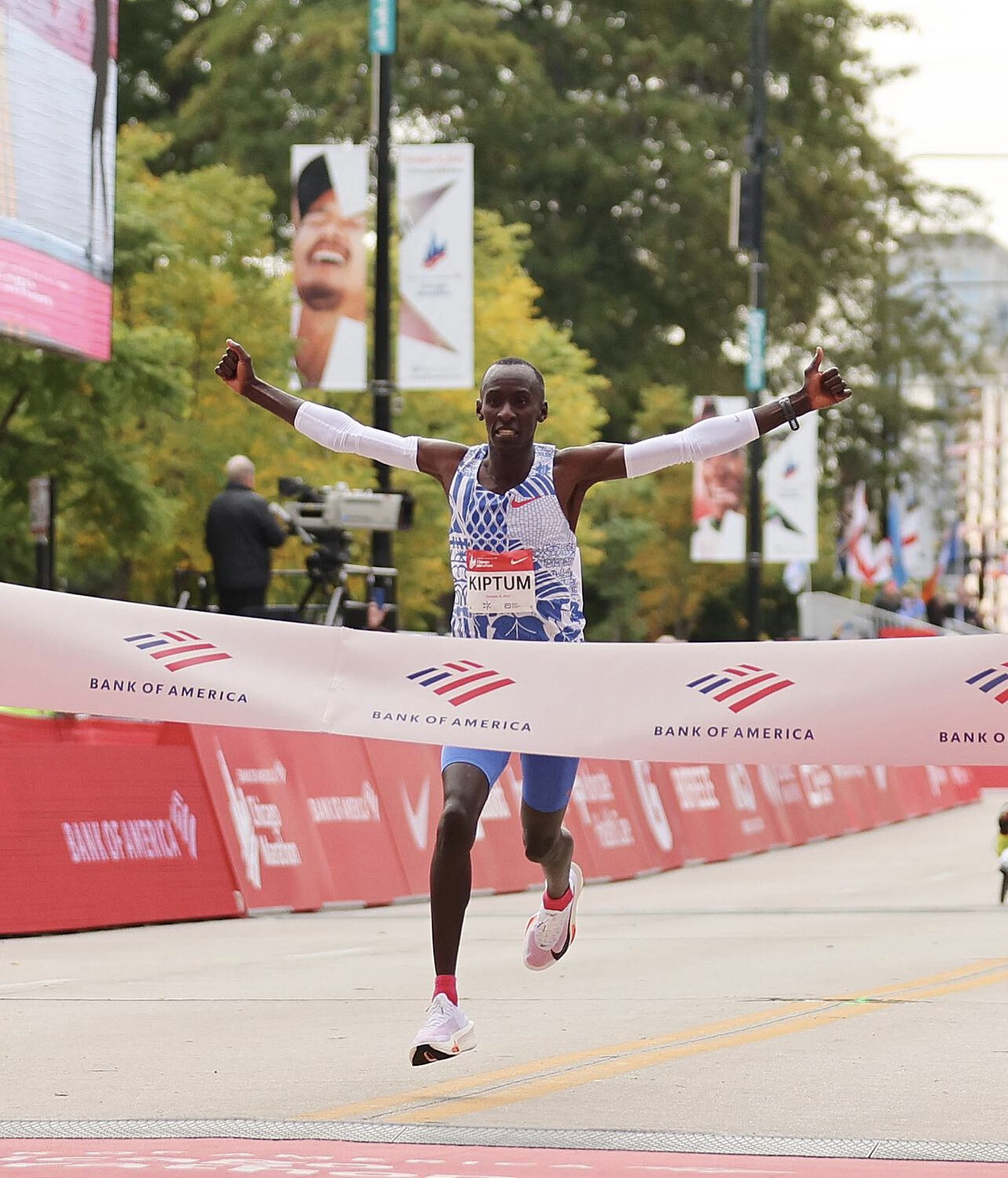
The race organisers noted that the 23-year-old will explain his plans for April next week. He comes as an impressive addition to the Rotterdam Marathon in 2024.
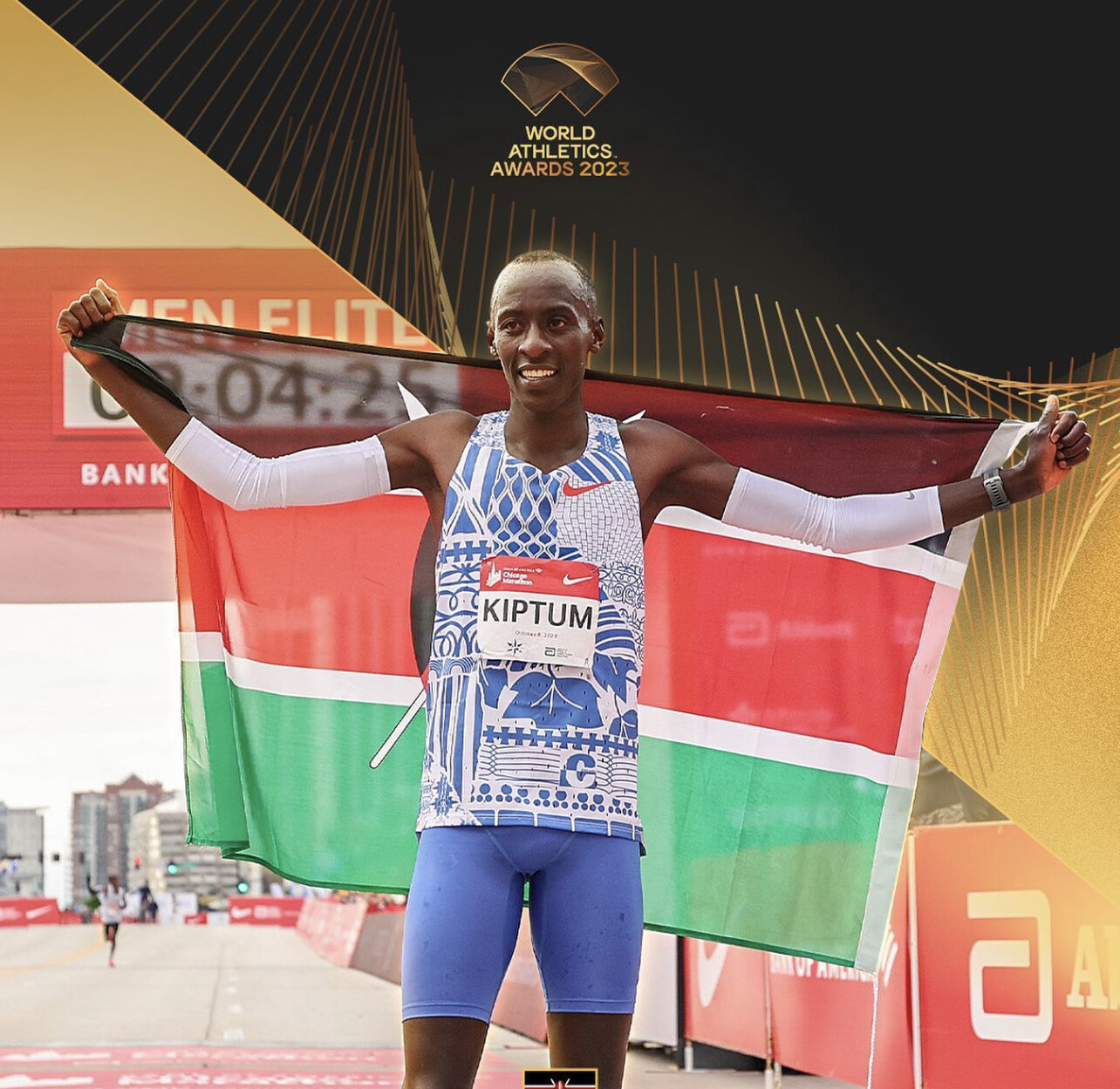
The Rotterdam course is also known to be fast and fast times will be expected from Kiptum who will also be keen to make Team Kenya for the Olympic Games in Paris, France.
Meanwhile, the Kenyan made his debut at last year’s Valencia Marathon with a lightning-fast performance that saw him set the fastest time over the debut, 2:01:53.
He extended the winning streak to this year’s London Marathon where he won in the second-fastest time in history, clocking 2:0125.
He then proceeded to the Chicago Marathon where he broke Eliud Kipchoge’s world record time. Kiptum clocked 2:00:35 to completely obliterate Kipchoge’s world record time of 2:01:09 that he set during the 2022 Berlin Marathon.
The course record in Rotterdam has been held by Bashir Abdi since 2021 with 2:03.36 and Kiptum will be eager to lower the time.
His manager, the Belgian Marc Corstjens, also puts together the field of participants in Rotterdam and has been in charge of him for five years, since 2018.
"This is an amazing marathon," says MBR publisher Bob Anderson, "but I would have thought London would have been a better choice."
Login to leave a comment

NN Rotterdam Marathon
The marathon has been the biggest one-day sporting event in the Netherlands for many years in a row with over 35000 athletes professionals inclusive. The world's top athletes will at the start on the bustling coolsingel, alongside thousands of other runners who will also triumph,each in their own way.The marathon weekend is a wonderful blend of top sport and festival. ...
more...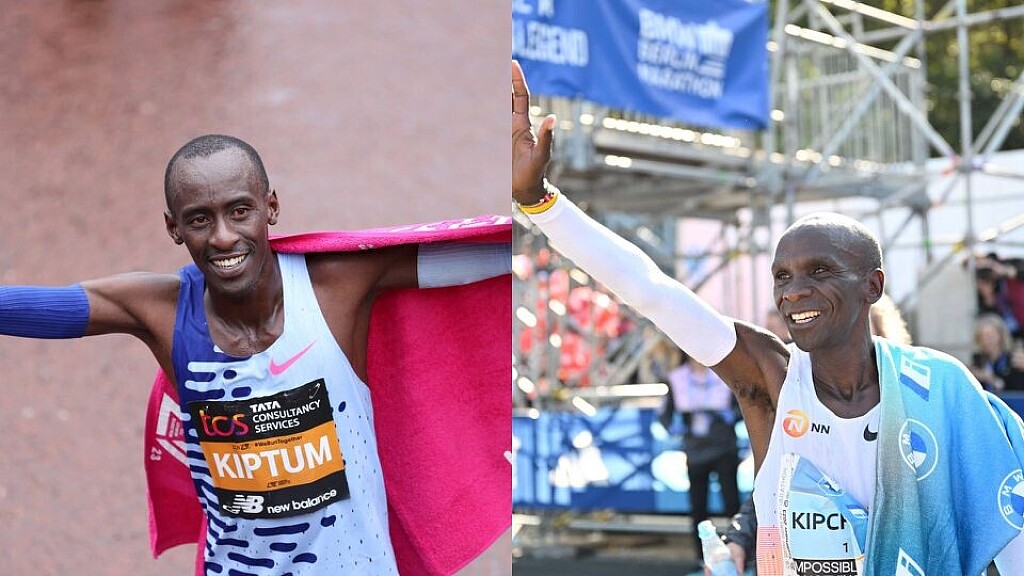
Bullish Kelvin Kiptum wants a duel with Eluid Kipchoge at Paris Olympic Games
After his exploits at the Chicago Marathon, Kelvin Kiptum is considering competing at the Olympic Games where he will face off against Eliud Kipchoge.
After his jaw-dropping performance that saw him break the world record at the Chicago Marathon, Kelvin Kiptum has now confirmed that the Olympic Games are on his mind.
The 23-year-old clocked 2:00:35 to completely destroy Eliud Kipchoge’s world record time of 2:01:09 and he is not resting on his laurels.
His focus has now shifted to the Olympic Games in Paris, France where he will lock horns with five-time Berlin Marathon champion, Kipchoge.
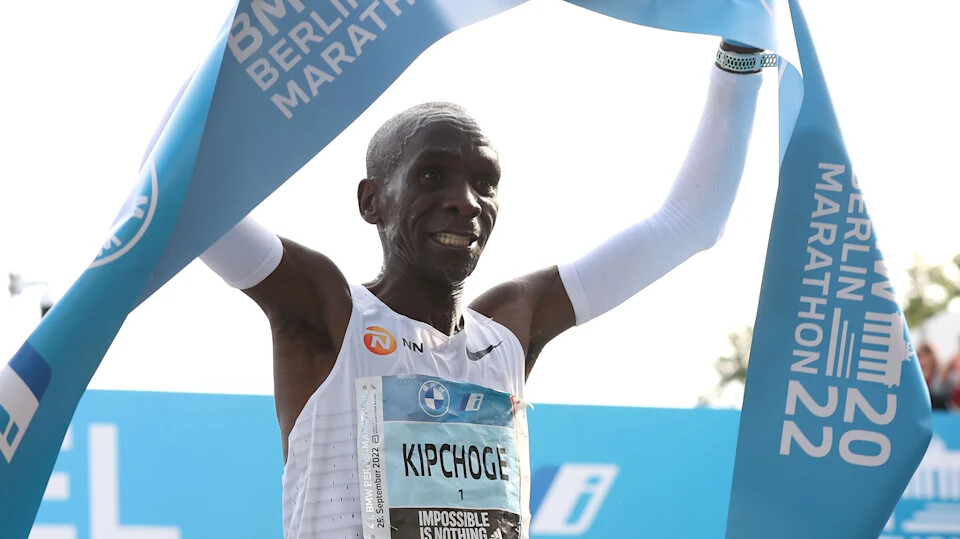
Speaking during a post-race interview, the reigning London Marathon champion said: “Yes, the Olympic Games are on my mind. I think this win has placed me in a better position ahead of the global showpiece.”
Kiptum added that he is not aware of the selection criteria and he will have to get back to the country and discuss it with his management first. However, he is planning on resting first before resuming training ahead of next season.
If it happens, the race will definitely be one to remembered since Kipchoge will be bidding to become the first man to win the Olympic title in the marathon three times.
He has not had a great 2023 season and will be plotting a comeback next year. The 38-year-old started off with the Boston Marathon where he finished sixth due to a problem with his left leg.
He then proceeded to the Berlin Marathon with the hope of breaking his own world record but he did not achieve the target.
Meanwhile, Kiptum has enjoyed a blissful season, winning the London Marathon earlier this year and winning the Chicago Marathon in a world record time to end his season with a bang.
He made his debut at the Valencia Marathon last year and ran the fastest debut time in history.
by Abigael Wuafula
Login to leave a comment

Paris 2024 Olympic Games
For this historic event, the City of Light is thinking big! Visitors will be able to watch events at top sporting venues in Paris and the Paris region, as well as at emblematic monuments in the capital visited by several millions of tourists each year. The promise of exceptional moments to experience in an exceptional setting! A great way to...
more...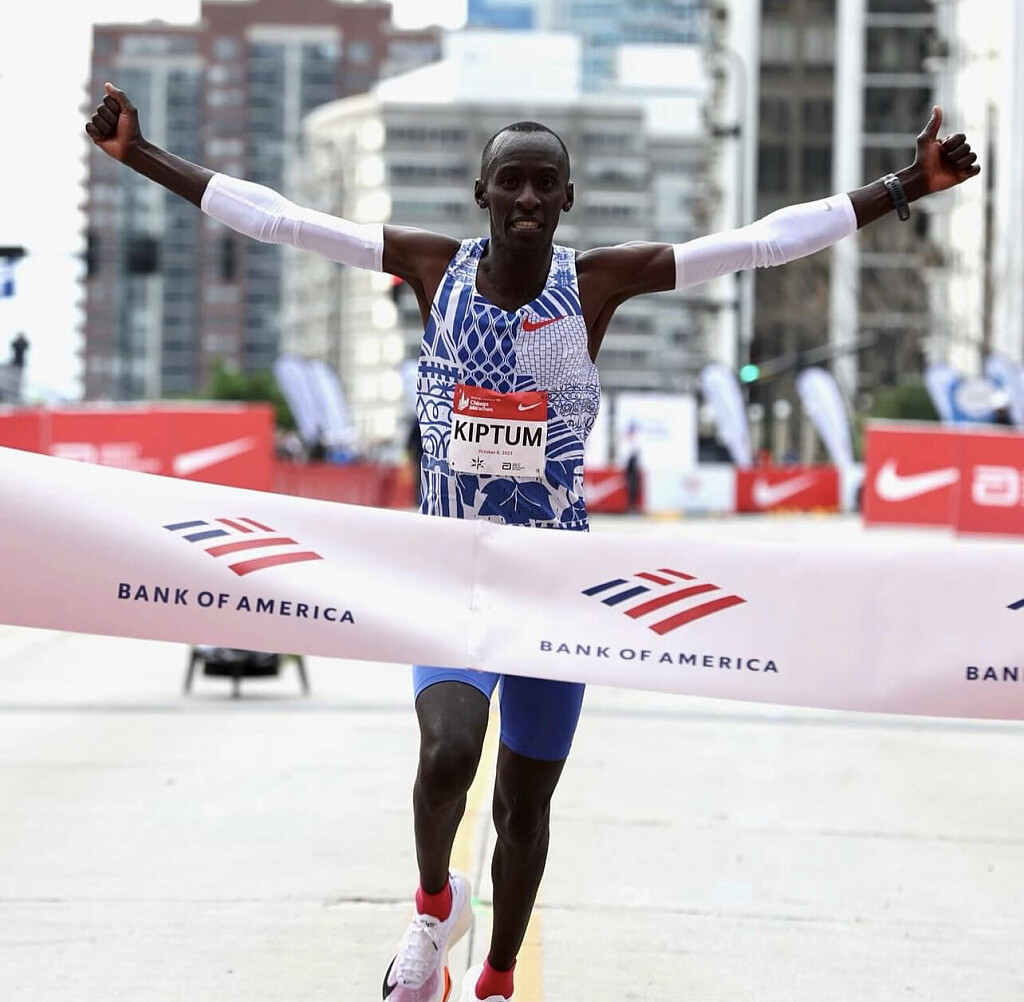
Kiptum smashes world marathon record with 2:00:35, Hassan runs 2:13:44 in Chicago
Kenya’s Kelvin Kiptum became the first athlete to break 2:01 in a record-eligible marathon, clocking a tremendous 2:00:35* to take 34 seconds off the world record at the Bank of America Chicago Marathon on Sunday (8).
On a remarkable day of racing, Dutch star Sifan Hassan moved to No.2 on the women’s all-time list, running 2:13:44 to triumph in the World Athletics Platinum Label road race. The only woman to have ever gone faster is Ethiopia’s Tigist Assefa, who set a world record of 2:11:53 to win the BMW Berlin Marathon last month.
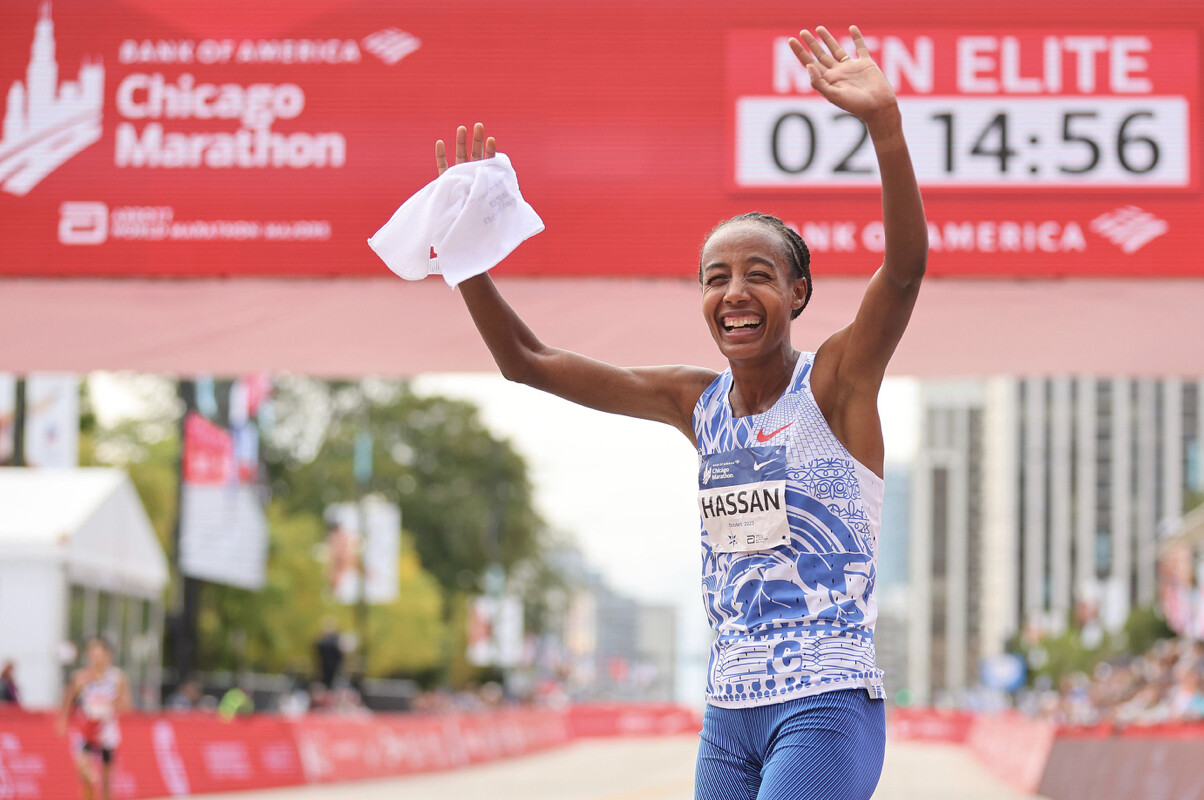
Less than six months on from his 2:01:25 London Marathon win, which saw him become the second-fastest marathon runner of all time, Kiptum improved by another 50 seconds to surpass the world record mark of 2:01:09 set by his compatriot Eliud Kipchoge in Berlin last year.
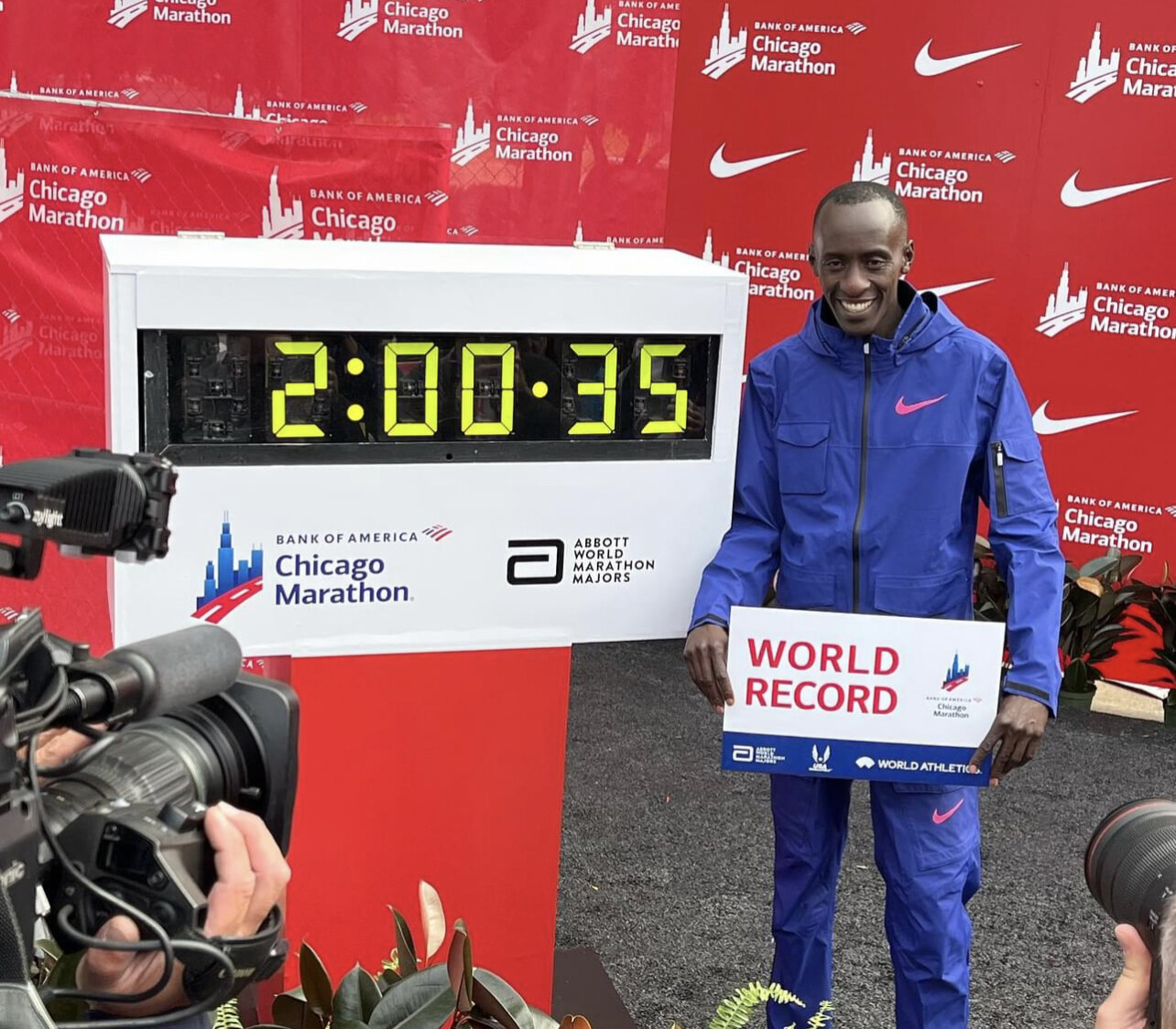
In the third marathon of his career, which began with a 2:01:53 debut in Valencia last December, Kiptum even had enough energy to celebrate his historic performance on the way to the finish line – pointing to the crowds and the tape on his approach.
The 23-year-old broke that tape in 2:00:35, winning the race by almost three and a half minutes. Defending champion Benson Kipruto was second in 2:04:02 and Bashir Abdi was third in 2:04:32.
Kiptum pushed the pace throughout the 26.2-mile race. He broke away from a seven-strong lead group after reaching 5km in 14:26, joined only by his compatriot Daniel Mateiko, who was making his marathon debut. They were on world record pace at 10km, passed in 28:42, but the tempo dropped a little from that point and they reached half way in 1:00:48.
Kiptum had been running in a hat but that came off as they entered the second half of the race. After 30km was passed in 1:26:31, Kiptum kicked and dropped Mateiko. He was glancing over his shoulder but running like he still had the world record – not only the win – in his sights.
A blistering 5km split of 13:51 took him to the 35km checkpoint in 1:40:22 and he was on sub-2:01 pace, 49 seconds ahead of Mateiko.
Continuing to run with urgency, he passed 40km in 1:54:23 – after a 27:52 10km split – and sped up further, storming over the finish line with the incredible figures of 2:00:35 on the clock.
"I knew I was coming for a course record, but a world record – I am so happy,” he said. “A world record was not on my mind today, but I knew one day I would be a world record-holder.”
Despite only having made his marathon debut 10 months ago, Kiptum now has three of the six fastest times in history to his name. Only Kipchoge (with 2:01:09 and 2:01:39) and Kenenisa Bekele (with 2:01:41) have ever gone faster than the slowest of Kiptum’s times.
Mateiko had helped to pace Kiptum to his 2:01:25 win in London, running to the 30km mark. The pair stayed together until that point in Chicago, too, but Mateiko couldn’t maintain the pace and dropped out after reaching 35km in 1:41:11.
Kenya’s Kipruto used his experience of the course to leave the chase group behind after 35km and was a comfortable runner-up in 2:04:02, finishing half a minute ahead of Belgium’s world and Olympic bronze medallist Abdi.
Kenya’s John Korir was fourth in 2:05:09, Ethiopia’s Seifu Tura fifth in 2:05:29 and USA’s Conner Mantz sixth in 2:07:47.
In the women’s race, Hassan returned to marathon action just six weeks on from a World Championships track medal double that saw her claim 1500m bronze and 5000m silver in Budapest.
She was up against a field including the defending champion Ruth Chepngetich of Kenya, who was on the hunt for a record third win in Chicago following her 2:14:18 victory last year.
It soon became apparent that it would be those two athletes challenging for the title. After going through 5km in 15:42 as part of a pack that also featured Kenya’s Joyciline Jepkosgei and Ethiopia’s Megertu Alemu and Ababel Yeshaneh, Chepngetich and Hassan broke away with a next 5km split of 15:23 and reached 10km in 31:05 – on pace to break the recently-set world record.
They ran a 10km split of 30:54 between 5km and 15km, that point passed in 46:36, and they maintained that world record pace to 20km, reached in 1:02:14.
Chepngetich had opened up a six-second gap by half way, clocking 1:05:42 to Hassan’s 1:05:48, but Hassan would have surely felt no concern. On her debut in London in April, after all, she closed a 25-second gap on the leaders despite stopping to stretch twice, and went on to win in 2:18:33.
In a race of superb depth, Alemu, Jepkosgei and Yeshaneh were still on 2:14:52 pace at that point as they hit half way together in 1:07:26.
Hassan soon rejoined Chepngetich at the front and they ran side by side through 25km in 1:18:06. Then it was Hassan’s turn to make a move. Unable to maintain the pace, Chepngetich had dropped 10 seconds behind by 30km, reached by Hassan in 1:34:00, and from there the win never looked in doubt. The Dutch athlete was half a minute ahead at 35km (1:50:17) and she had more than doubled that lead by 40km (2:06:36).
Hassan was on track to obliterate her PB and also the course record of 2:14:04 set by Brigid Kosgei in 2019, which had been the world record until Assefa’s 2:11:53 performance last month.
She held on to cross the finish line in 2:13:44, a European record by almost two minutes. With her latest performance, the versatile Hassan is now the second-fastest woman in history for the track mile, 10,000m and marathon.
"The first group took off at a crazy pace, but I wanted to join that group,” said Hassan. “The last five kilometres, I suffered. Wow – I won again in my second marathon in a fantastic time. I couldn't be happier.”
Behind her, Chepngetich held on for second place in 2:15:37 as the top four all finished under 2:18 – Alemu placing third in 2:17:09 and Jepkosgei finishing fourth in 2:17:23. Ethiopia’s Tadu Teshome was fifth in 2:20:04, her compatriot Genzebe Dibaba sixth in 2:21.47 and USA’s Emily Sisson seventh in 2:22:09.
Leading results
Women1 Sifan Hassan (NED) 2:13:44 2. Ruth Chepngetich (KEN) 2:15:37 3. Megertu Alemu (ETH) 2:17:09 4. Joyciline Jepkosgei (KEN) 2:17:235 Tadu Teshome (ETH) 2:20:046 Genzebe Dibaba (ETH) 2:21:477 Emily Sisson (USA) 2:22:098 Molly Seidel (USA) 2:23:079 Rose Harvey (GBR) 2:23:2110 Sara Vaughn (USA) 2:23:24
Men1 Kelvin Kiptum (KEN) 2:00:352 Benson Kipruto (KEN) 2:04:023 Bashir Abdi (BEL) 2:04:324 John Korir (KEN) 2:05:095 Seifu Tura (ETH) 2:05:296 Conner Mantz (USA) 2:07:477 Clayton Young (USA) 2:08:008 Galen Rupp (USA) 2:08:489 Samuel Chelanga (USA) 2:08:5010 Takashi Ichida (JPN) 2:08:57
by World Athletics
Login to leave a comment
Bank of America Chicago
Running the Bank of America Chicago Marathon is the pinnacle of achievement for elite athletes and everyday runners alike. On race day, runners from all 50 states and more than 100 countries will set out to accomplish a personal dream by reaching the finish line in Grant Park. The Bank of America Chicago Marathon is known for its flat and...
more...
Kelvin Kiptum believes he can break world record at 2023 Chicago Marathon
It’s Canadian Thanksgiving weekend, and that means one thing to marathon fans: it’s time for the 2023 Bank of America Chicago Marathon. This year’s elite field will be one to remember, with the great Sifan Hassan competing in her second career marathon against the 2019 world champion and the third-fastest marathoner in history, Ruth Chepngetich. The men’s side is just as exciting, with the relatively unknown Kelvin Kiptum on the verge of greatness, targeting Eliud Kipchoge’s world record of 2:01:09 on Sunday.
The young star
At 23 and with only two career marathons to his name, Kiptum has quickly established himself as one of the best distance runners in the world. Although, despite his achievements in London, he remains relatively unknown on the major marathon scene. Kiptum is self-coached and did not enter marathoning from a prolific track career like Kipchoge, Mo Farah, or Ethiopia’s Kenenisa Bekele.
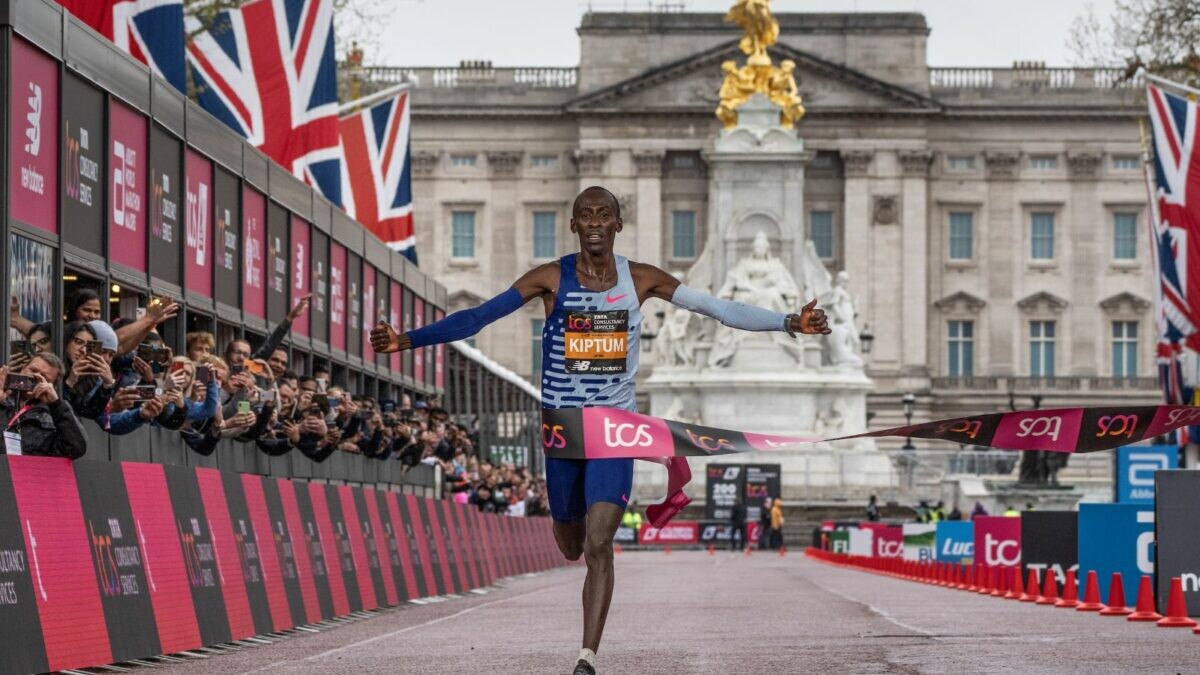
Kiptum made his marathon debut last December at the 2022 Valencia Marathon, taking a commanding victory in 2:01:53, the fastest debut in history. He continued his dominance at the 2023 London Marathon, where he shattered Kipchoge’s course record and came within 16 seconds of the world record, with a 2:01:25 finish.
In June, Kiptum was selected for Team Kenya in the 2023 World Athletics Championships marathon. However, he declined the invitation to focus on a fall marathon instead. He settled on Chicago, which is widely regarded as the fastest marathon major in North America.
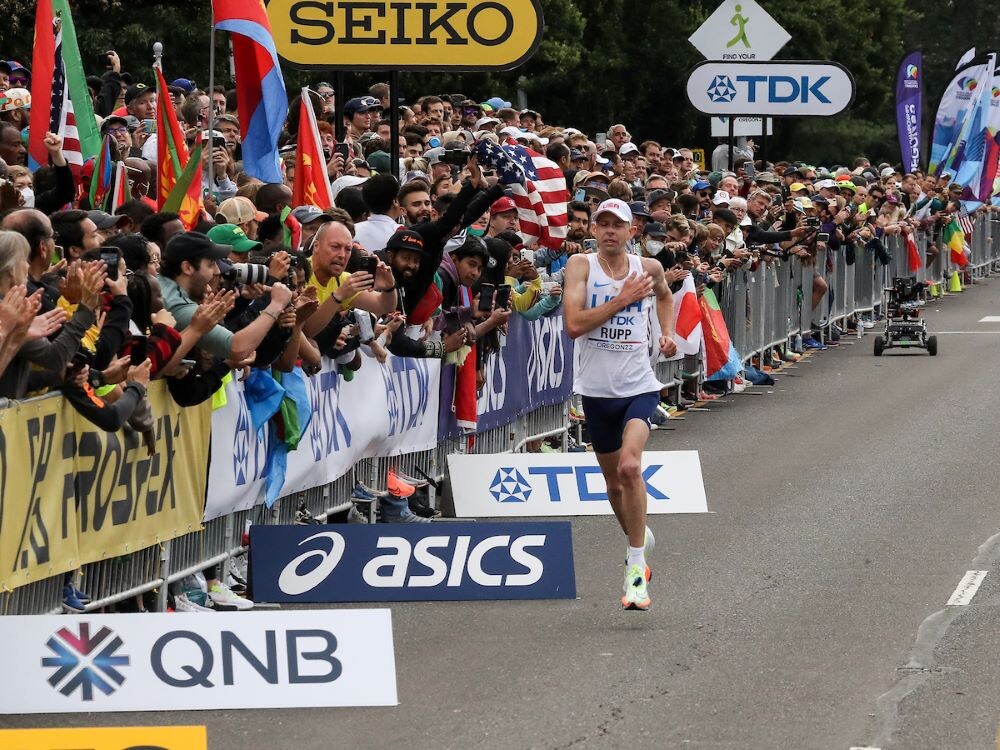
In a pre-race interview with Olympics.com, Kiptum said he is well-trained for the Chicago course and believes he can become the first man in history to run a 2:00 flat on Sunday. Kiptum’s choice of Chicago over the other fall majors, Berlin and NYC, indicates his eagerness to chase the world record. Chicago’s primarily flat course, with only 70 meters of elevation gain, makes it an ideal setting.
Kiptum’s competition
If Kiptum intends to hit the halfway mark around 60 minutes, there are not many in the field who can keep up with him. The 2020 Olympic marathon bronze medallist, Bashir Abdi, is listed as the second fastest athlete in Chicago with a personal best of 2:03:36. Abdi finished fifth here in 2019 and will be looking to improve on his time of 2:06:14.
Kiptum will also face off against one of the best tactical marathoners in the world and the reigning champion, Benson Kipruto. Kipruto comes off a second-place finish at the 2023 Boston Marathon, where he was runner-up to his training partner, Evans Chebet. Ethiopia’s Seifu Tura knows the Chicago course well, having won the race in 2021 and finished as runner-up to Kipruto last fall. If the race becomes a tactical affair, it’s hard to look past these two as the favourites but they don’t quite have the sub-2:02 speed to hang with Kiptum early.
American men chase Olympic standard
Another entertaining race within the race to watch will be the battle between top Americans Galen Rupp, Conner Mantz and Leonard Korir as they aim to achieve the 2024 Olympic marathon standard of 2:08:10. The only American to break that mark since 2020 is Rupp, who did so at the 2021 Chicago Marathon where he finished second. Currently, no American men have met the Olympic qualifying mark for Paris, and the U.S. Marathon Trials are just four months away in February 2024.
by Marley Dickinson
Login to leave a comment
Bank of America Chicago
Running the Bank of America Chicago Marathon is the pinnacle of achievement for elite athletes and everyday runners alike. On race day, runners from all 50 states and more than 100 countries will set out to accomplish a personal dream by reaching the finish line in Grant Park. The Bank of America Chicago Marathon is known for its flat and...
more...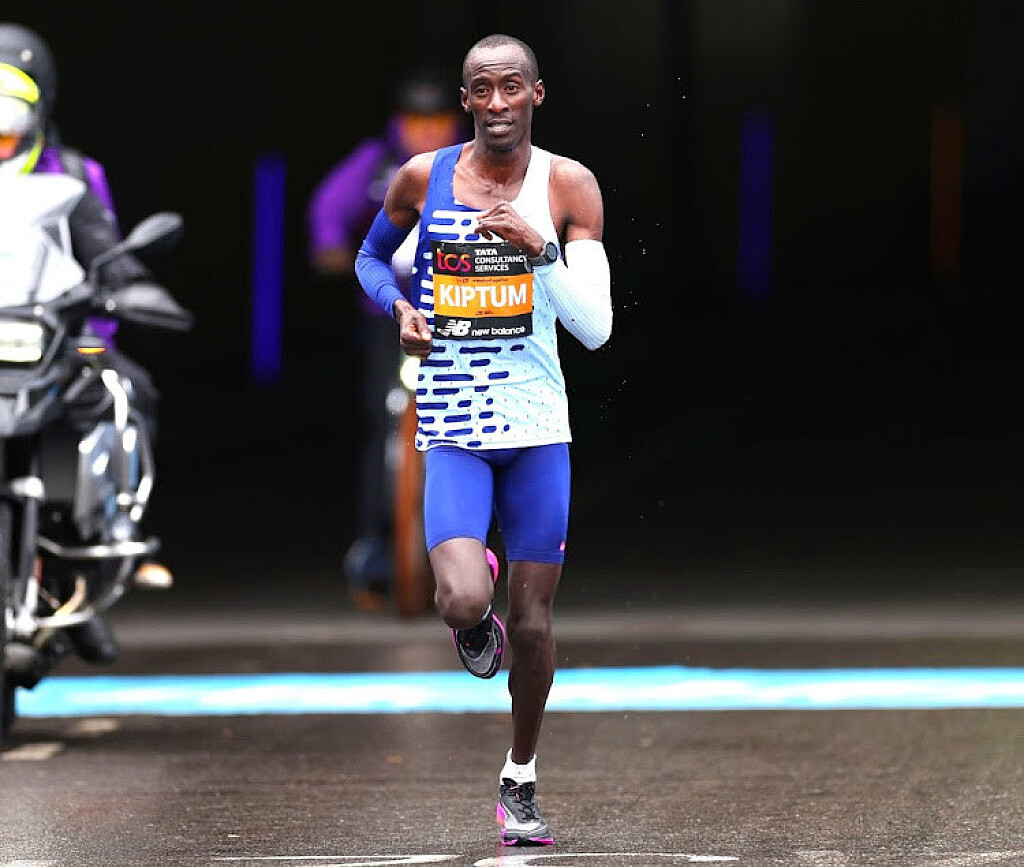
Kiptum eyes world record at next week's Chicago Marathon
London Marathon champion Kelvin Kiptum has his eyes set on breaking Eliud Kipchoge’s world marathon record when he steps up to compete at the 2023 Chicago Marathon on October 8.
Kiptum won the London Marathon on April 23 in a time of 2:01:25, in what was his second-ever marathon race—nearly obliterating the world record of 2:01:09 set by Kipchoge at the Berlin marathon in 2022.
He ran the fastest-ever marathon debut at the 2022 Valencia Marathon, becoming the third man in history to break two hours and two minutes after he wrapped up the race in 2:01:53.
Only three men in history have run under 2:02, and Kiptum is the only marathoner to do it under the age of 35.
The 23-year-old announced his attendance in the Chicago Marathon on his Facebook page with an exciting message informing his fans to prepare for an incredible showdown.
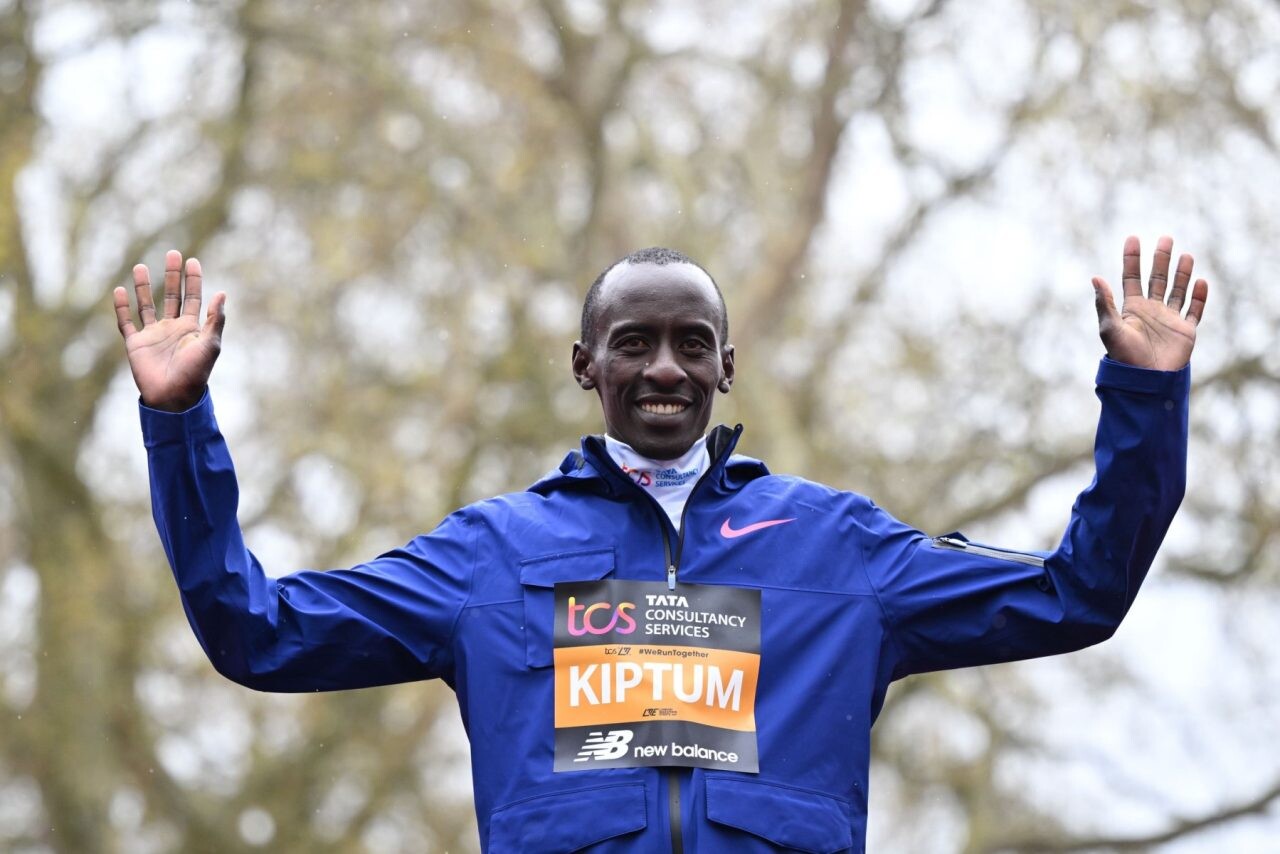
“I’m heading for the 2023 Bank of America Chicago Marathon. Get ready for the show,” the post from Kiptum read.
The elite athlete reportedly opted out of the Budapest 2023 World Athletics Championships and the Berlin Marathon to focus on Chicago.
A lot of fans had expected to witness the duel between Kiptum and Kipchoge at the Berlin Marathon track to gauge his speed against the two-time Olympic champion.
He will be joined by 2022 Chicago Marathon winner Benson Kipruto who set a personal best time of 2:04:24 when he won the race.
Kipruto also finished third in the 2022 and 2023 Boston Marathon with times of 2:07:27 and 2:06:06. He will be eying to defend his title against a youthful and promising Kiptum.
The two will be joined by fellow Kenyans John Korir who has a marathon best of 2:05:01 and debutants Daniel Mateiko and Wesley Kiptoo.
The Kenyan contingent will face a hard time from Somali-based Belgian Bashir Abdi who won gold in the 2020 Tokyo Olympics.
USA’s Galen Rupp, silver medalist in the men’s 10,000m at the London Olympics and bronze medalist in the men’s marathon in the 2016 Rio Olympics, will represent the hosts in the race.
They will also face stiff competition from Seifu Tura who won the 2021 Chicago Marathon and placed second at the 2022 edition.
Defending champion Ruth Chepngetich will lead the women’s pack seeking to break Ethiopia’s Tigst Assefa’s record of 2:11:53 set just recently at the Berlin marathon.
Chepng’etich, who won the Chicago Marathon in October last year, was only 14 seconds away from breaking the previous world record by Brigid Kosgei of 2:14:04.
She will be joined by Joyciline Jepkosgei, who finished second in the 2022 edition of the London Marathon, and Stacy Ndiwa who has a PB of 2:31:53.
Ethiopia’s Genzebe Dibaba will be a tough opponent for the Kenyan ladies. Dibaba is the current world record holder in indoor mile, 3,000m and 5,000m. She is also a gold medalist in the 1,500m at the 2015 World Championships.
USA’s Emily Sisson, who currently holds the American record in the marathon, will be seeking to upset the African girls. Sisson set the record on October 9 during the Chicago Marathon when she finished second in a time of 2:18:29.
The event has attracted 47,000 participants, the biggest field ever with the 2019 edition having featured 45,932 participants.
by Teddy Mulei
Login to leave a comment
Bank of America Chicago
Running the Bank of America Chicago Marathon is the pinnacle of achievement for elite athletes and everyday runners alike. On race day, runners from all 50 states and more than 100 countries will set out to accomplish a personal dream by reaching the finish line in Grant Park. The Bank of America Chicago Marathon is known for its flat and...
more...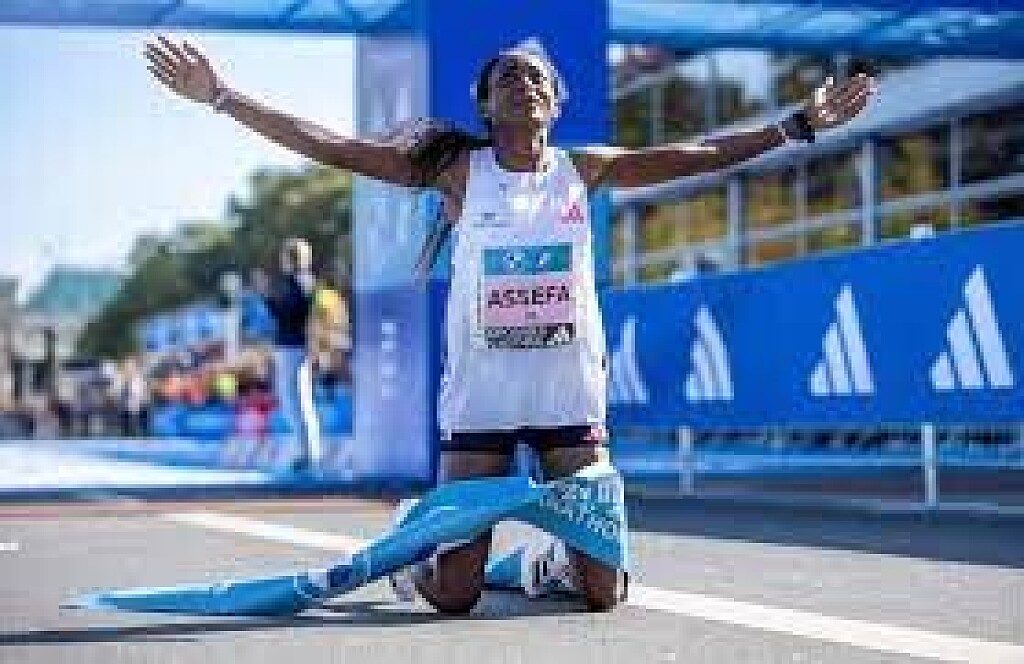
Assefa smashes world marathon record in Berlin with 2:11:53, Kipchoge achieves record fifth win
Ethiopia’s Tigst Assefa successfully defended her BMW Berlin Marathon title in style, smashing the world record with 2:11:53* while distance running legend Eliud Kipchoge notched up a record fifth victory at the World Athletics Platinum Label road race in the German capital on Sunday (24).
Assefa took more than two minutes off the women’s world record of 2:14:04, which had been set by Kenya’s Brigid Kosgei at the 2019 Chicago Marathon. Kipchoge, meanwhile, won by 31 seconds in 2:02:42, the fifth-fastest time of his illustrious career.
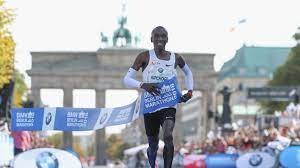
The men’s and women’s races unfolded in contrasting style.
A large pack of the leading contenders ran together through the early stages of the women’s race, passing through 5km in 15:58. 13 women were still in contact with the lead as they passed through 10km in 31:45.
By the time 15km was reached in 47:26, Assefa and compatriot Workenesh Edesa had managed to open up a slight gap on Kenya’s Sheila Chepkirui and Ethiopia’s 2015 world 5000m silver medallist Senbere Teferi and Zeineba Yimer. The first 12 women were strung out, but still within 15 seconds of one another – and all were running inside world record pace.
Sensing that most of her rivals were already starting to fade, Assefa took greater command of the race by throwing in a 2:59 split for the 16th kilometre. By the time she reached 17km, Assefa had dropped Edesa, the last of her opponents, and had just a few male pacemakers for company.
Assefa seemed to grow in confidence – and pace – once she knew she was alone at the front of the pack, and she went on to reach the half-way point in 1:06:20, putting her on track to smash the world record by more than a minute.
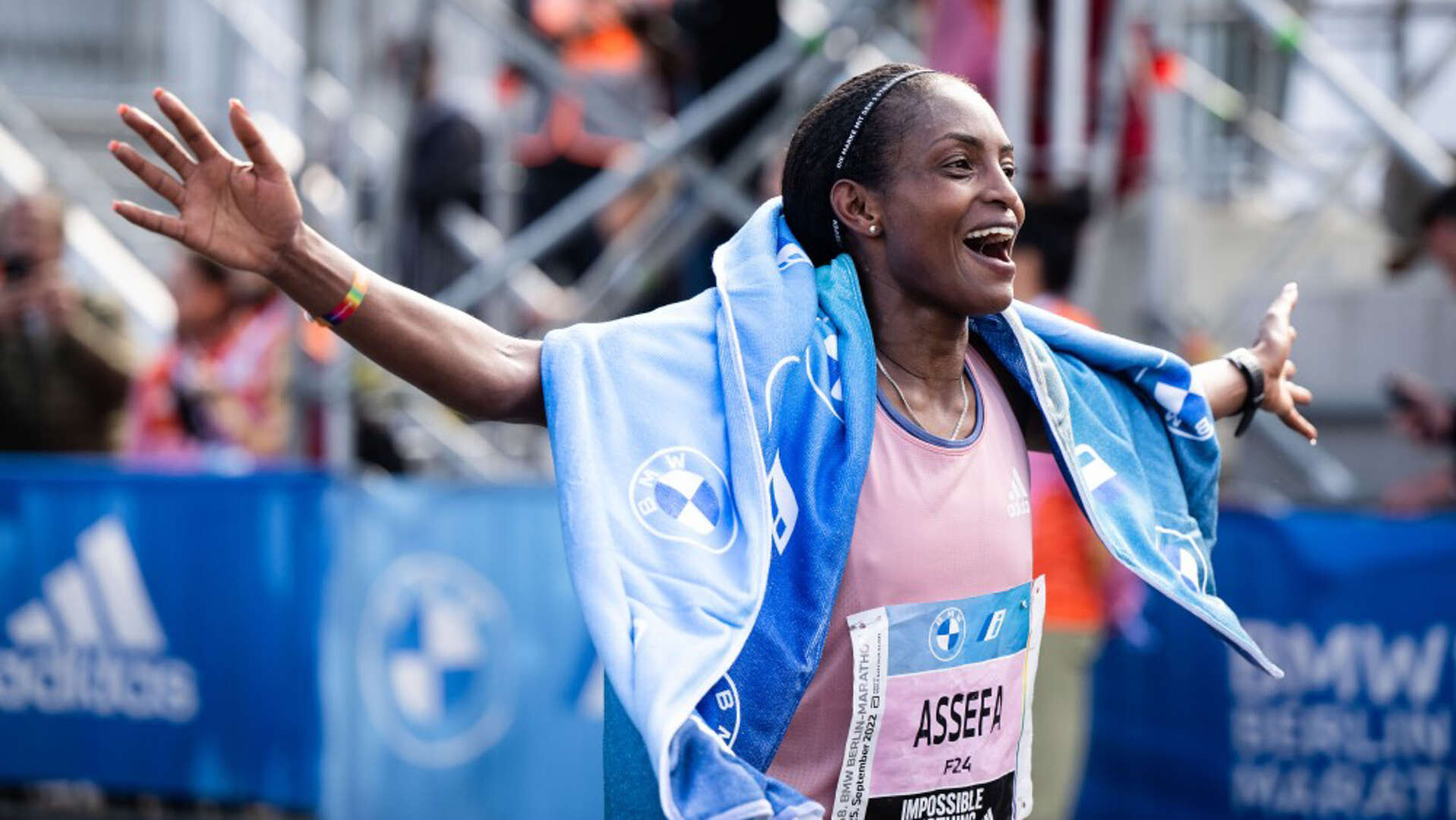
And then she sped up. The next kilometre was covered in 2:48, the fastest of the race up to that point, extending her advantage over Edesa and Chepkirui. Assefa’s 25km split of 1:18:40 was still well inside world record schedule; Chepkirui and Edesa, now almost a minute behind the leader, had dropped off the pace, but were still on course for huge PBs.
Assefa, still looking incredibly relaxed and composed, covered the next 10km segments in a remarkable 31:02, bringing her to 35km in 1:49:41. Her 30km split was 1:34:12, the second-fastest mark in history for that checkpoint (behind Ruth Chepngetich’s 1:34:01 from the 2022 Chicago Marathon).
But while Chepngetich faded badly in that race last year, Assefa went from strength to strength in the closing stages in Berlin.
She got to 40km in 2:05:13, following another 15:32 5km split, putting her on course for a finishing time in the 2:12 range. Spurred on by the knowledge that the world record was in the bag, Assefa picked up her pace in the closing kilometres and charged through the finish line in 2:11:53.
Chepkirui held on to second place in 2:17:49, while Tanzania’s Magdalena Shauri made a remarkable breakthrough to take third place in 2:18:41, a huge national record.
A record eight women finished inside 2:20.
Berlin victory no.5 for Kipchoge
Kipchoge may not have improved on his own world record, but he added to his legacy on the streets of Berlin by achieving a record fifth win, clocking 2:02:42.
The two-time Olympic champion eventually won by 31 seconds, but for most of the race he had company in the surprising form of Ethiopia's Derseh Kindie.
The duo made an early break from the rest of the field, reaching 5km in 14:12 with a 15-second margin over the rest of the elite men. By 10km, reached in 28:27, they were operating at exactly 2:00:00 marathon pace and more than half a minute ahead of the seven-man chase pack.
Kipchoge and Kindie continued to run together at world record schedule through the half-way point, reached in 1:00:22, but the pace started to drop soon after. By the time they got to 25km (1:11:48), they were no longer on schedule to break Kipchoge's record of 2:01:09 set last year in Berlin.
But records weren't Kipchoge's main concern; he had company in the form of a relatively unheralded runner up to 30km (1:26:25), so his attention was primarily on securing victory.
At about 31km into the race, Kipchoge increased his tempo and, with a cursary glance over his shoulder to see if Kindie was able to follow, knew it was enough to see off his opponent. The Kenyan great was alone in front at last, while Kindie continued for another minute or so before stepping off the course.
Kipchoge still had more than 10km to go, but his lead was comfortable and his form was controlled and relaxed. He went on to win in 2:02:42, while a fast-finishing Vincent Kipkemoi came through to take second place in 2:03:13. Ethiopia's Tadese Takele was third in 2:03:24.
A record nine men finished inside 2:05 and 15 finished inside 2:06, making it the deepest men's marathon in history. There were national records for Germany's Amanal Petros (ninth in 2:04:58) and Switzerland's Tadesse Abraham (11th in 2:05:10).
Login to leave a comment
 Wow! Berlin always delivers. Imagine smashing a world record by this margin! - Bob Anderson 9/24 8:52 am |
BMW Berlin Marathon
The story of the BERLIN-MARATHON is a story of the development of road running. When the first BERLIN-MARATHON was started on 13th October 1974 on a minor road next to the stadium of the organisers‘ club SC Charlottenburg Berlin 286 athletes had entered. The first winners were runners from Berlin: Günter Hallas (2:44:53), who still runs the BERLIN-MARATHON today, and...
more...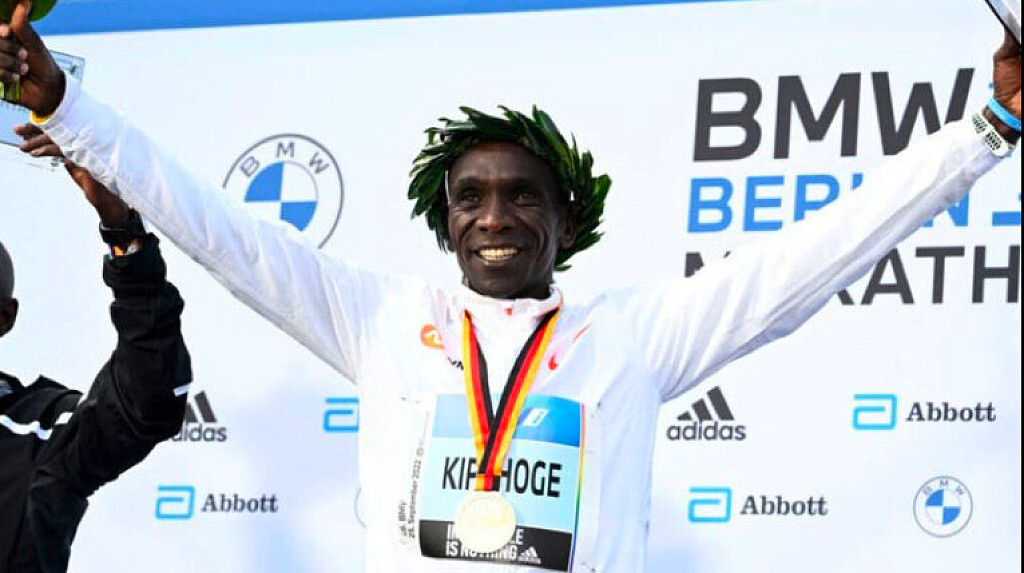
10 Things to Know About the 2023 Berlin Marathon
Here’s how you can watch the race, track runners, and register for next year
More than 45,000 runners are expected to participate in the Berlin Marathon on September 24 in Germany’s capital city. It’s the 49th edition of the race and one of the six World Marathon Majors races along with races in Chicago, New York, Boston, London and Tokyo. The weather forecast is calling for cloudy and cool conditions on race morning in Berlin, so fast times are once again expected.
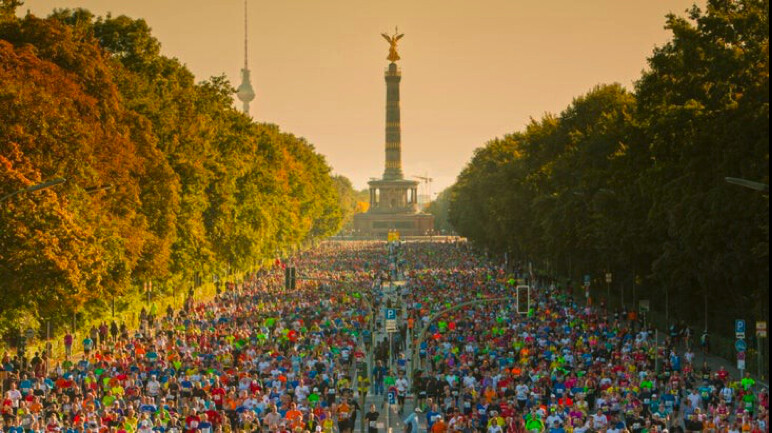
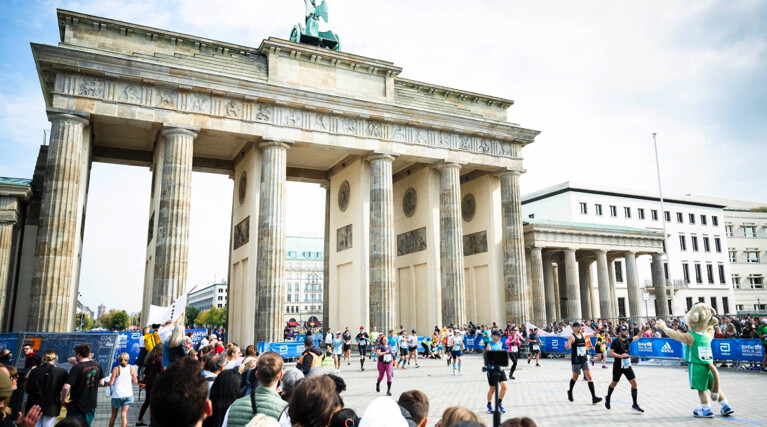
Here’s a rundown of 10 noteworthy elements about this year’s race.
The Berlin Marathon has produced 12 world records—more than any other marathon—since its inception in 1974, including the past eight men’s records since 2003. Kenya legend Eliud Kipchoge lowered the world record for the fastest official marathon ever run (2:01:09) last year in Berlin, and it’s also where he ran the previous world record (2:01:39) in 2018.
Berlin has produced six of the top 10 fastest men’s times in history, including three of the four sub-2:02 efforts (including the 2:01:41 run by Kenenisa Bekele in 2019). It hasn’t been quite as fast for women, however it has been the site of three women’s world records, most recently when Japan’s Naoko Takahashi ran the world’s first sub-2:20 marathon (2:19:46) in 2001. Last year, Ethiopia’s Tigst Assefa won the women’s race in 2:15:37, which, at the time, was the second-fastest marathon ever run and now ranks fifth.
Berlin is the flattest course of all the World Marathon Majors, with a total elevation gain of 241 feet and loss of 260 feet. (The biggest “hills” come between miles 16 and 20, but they max out at less than 30 feet of gain.) Berlin annually produces some of the fastest pro results in the world, in part because it’s a flat course, but also because the race organization provides pacemakers (auxilliary runners who set an optimal pace but only run about a portion of the course before dropping out) so the opportunity for fast times are assured. (There are no pacemakers at the Chicago, New York City Marathon, and Boston Marathon, so those races play out only by the tactics of the runners in the field.) But the fast elite times, flat course, and typically cool weather conditions have attracted age-group runners targeting new PRs, too.
Running legend Eliud Kipchoge, universally accepted as the G.O.A.T. of marathoning, has won 15 of the 18 marathons he has entered, including the past two Olympics. Berlin is where he’s had most of this success, dating back to his first victory in 2015 and he has since also won there in 2017, 2018, and 2022. Can he add one more victory to his total?
He lowered his own world record to 2:01:09 last year by averaging 14:21.4 per 5K, or 4:37 per mile. However, the 38-year-old Kenyan is coming off an uncharacteristically disappointing race at the 2023 Boston Marathon, where he finished sixth in 2:09:23. Will he approach another world record? “My aim is to always run a good race,” he said recently. “Berlin is like home for me. In view of the Olympic Games next year in Paris, I thought about which race could be the best preparation for the Games for me, and Berlin is the best option.”
Including Kipchoge, the men’s field in Berlin includes 10 runners who have run faster than 2:06 and seven more who have broken 2:07, including last year’s runner-up Mark Korir (2:05:58). Kipchoge should be challenged by fellow Kenyan Amos Kipruto, who owns a 2:03:13 from his runner-up showing at last year’s Tokyo Marathon. The winner of the 2022 London Marathon last fall (2:04:39), Kipruto, 31, placed a distant second in the 2018 Berlin Marathon behind Kipchoge (2:06:23) and owns a bronze medal in the marathon from the 2019 World Athletics Championships in Doha.
Other top runners in the field include Kenya’s Geoffrey Kamworor, who ran 2:04:23 to place second at the London Marathon in April, Ethiopia’s Birhanu Legese, who was second (2:02:48) in Berlin in 2019 and Kenya’s Wilson Kipsang, 41, a former winner in Berlin, New York, and Tokyo. However, Kipsang, who lowered the world record to 2:03:23 on the Berlin course in 2013, is coming off a four-year ban for missing drug tests in 2018 and 2019.
Last year, Ethiopia’s Tigist Assefa, a 2016 Olympian in the 800-meter run, entered the race as an untested marathon (with a PR of 2:34:01) and surprised everyone with her 2:15:37 victory in the third-fastest time ever.The 26-year-old is back this year but hasn’t run any races because she’s been sidelined with a few nagging injuries.
Her biggest competitor will likely be Sheila Chepkirui, who holds a personal best of 2:17:29 from last December’s Valencia Marathon. She’s a former African Cross Country Championships winner and was the bronze medalist in the 10,000-meter run at the 2022 Commonwealth Games. Other top women runners include Ethiopians Tigist Abayechew (2:18:03), Workenesh Edesa (2:18.51), and Hiwot Gebrekidan (2:19:10).
Scott Fauble, a three-time seventh-place finisher at the Boston Marathon (including this year in 2:09:44), is racing Berlin with the hopes of securing the Olympic-qualifying standard of 2:08:10. The 31-year-old runner from Portland, Oregon, will still need a top-three finish at the U.S. Olympic Trials Marathon on February 4 in Orlando, but securing the time will give him a leg up on qualifying for the Paris Olympics next summer.
Also racing in Berlin are 2016 U.S. Olympian Jared Ward (Provo, Utah) and 2020 U.S. Olympian Jake Riley (Boulder, Colorado). Ward, 35, owns a 2:09:25 personal best, but he hasn’t run faster than 2:12 since his sixth-place finish (2:10:45) in the New York City Marathon in 2019. The 34-year-old Riley, who owns a 2:10:02 PR, is coming back after having double Achilles surgery in July 2022 to correct Haglund’s syndrome (the second time in his career), and hopes to run in the 2:12-2:14 range. Ethiopian-born Teshome Mekonen, who recently received U.S. citizenship, will also be racing in Berlin. The 28-year-old, who lives in New York City, has a 1:00:02 half-marathon personal best and lowered his marathon personal best to 2:11:05 last January in Houston.
Annie Frisbie is the top American runner in the women’s field in Berlin. The 26-year-old from Hopkins, Minnesota, made her marathon debut at the 2021 New York City Marathon with an impressive seventh-place finish (2:26:18). She’s continued to run well since then, placing 20th (2:28:45) in the 2023 Boston Marathon (2:28:45) and most recently finishing fifth (1:07:27) at the U.S. 20K Championships on September 4 in New Haven, Connecticut. Frisbie was a Wisconsin state champion runner in high school and an All-American runner for Iowa State University.
The Berlin Marathon was started in 1974 by Horst Milde, a German baker and running enthusiast. When it began at the height of the Cold War and East Berlin being sealed off by a wall, the marathon was run only in West Berlin. Since 1990, it has started and ended near the Brandenburg Gate, sending runners on a jagged loop through the city—including the neighborhoods of Charlottenburg, Tiergarten, Moabit, Mitte, Friedrichshain, Kreuzberg, Neukölln, Schöneberg, Friedenau, and Zehlendorf. Runners will pass tourist sites like the Reichstag building, the Siegessäule (Victory Column), Berlin Cathedral, and Potsdamer Platz. Live music is played at more than 60 locations along the course, including at all the famous landmarks.
The inaugural Berlin Marathon had 244 finishers; 234 men and 10 women, and was won by Günter Hallas (2:44:53) and Jutta von Haase (3:22:01), respectively. Last year, the race had 34,788 finishers, including 23,280 men (67 percent) and 11,508 women (33 percent). The last German runners to claim victory were Irina Mikitenko (2:19:19) in 2008 and Ingo Sensburg (2:16:48) in 1980. No American man or woman has ever won the Berlin Marathon.
The Berlin Marathon has an inline skating division for 500 participants that begins at 3:30 P.M. after all runners are cleared from the course. The skater course record of 56:46 was set last year by Belgian Bart Swings, and he’s back this year aiming for his ninth victory. In the women’s race, all eyes are on last year’s winner, Marie Dupuy of France, in 1:11:19. All finishers of the inline skating division are eligible to enter the 2024 Berlin Marathon as runners.
The race, which starts at 9:15 A.M. local time (or 3:15 A.M. ET in the U.S.), will be broadcast worldwide by several TV partners, but not in North America. However, several websites offer live streaming so people can watch the Berlin Marathon from anywhere in the world, especially if you’re a VPN subscriber. Watch Athletics will be broadcasting the race online in real time for free, while FloTrack’s livestream requires a subscription ($29.99 for one month) in order to view their livestream. Runners can be tracked via the Berlin Marathon website’s Results page, or via the BMW Berlin Marathon App app available on Apple or Google Play.
Race day begins with the elite handbike division at 8:50 A.M., followed by the wheelchair and handcycle divisions at 8:57 A.M. Runners are sent off in four waves beginning at 9:15 A.M., starting with the men’s and women’s elite waves. The race has a strict time limit of 6 hours, 15 minutes as well as course closure times at the 33K/20.5-mile mark (3:50 P.M.) and 38K/23.6-mile mark (4:35 P.M.). Runners who have not reached those points by those times can continue on the sidewalks alongside the course or get a ride on the course-sweeping bus.
Entry to the 2024 Berlin Marathon, which is slated for September 29, 2024, will be done via a lottery that will open in October. You can enter the lottery as a solo runner or as a team consisting of two or three people. (If the team is drawn, all persons from the team are included.) Lottery dates for 2024 have not yet been announced, but the draw for the 2023 edition took place in December 2022.
If you’re selected, the registration fee will be about $160 euros. You can also secure a guaranteed spot in the race based on previous marathon times. In 2023, female runners up to 44 years old qualified if they ran faster than 3:00; female runners up to 59 years old qualified if they ran under 3:20; and female runners over 60 years qualified if they ran under 4:10. For men, the qualifying times were 2:45 (up to 44 years old), 2:55 (46-59 years old), 3:25 (60 and older.)
If you don’t get in through the lottery, you may still be able to get into the race via a charity bib or through tour operators.
by Outside online
Login to leave a comment
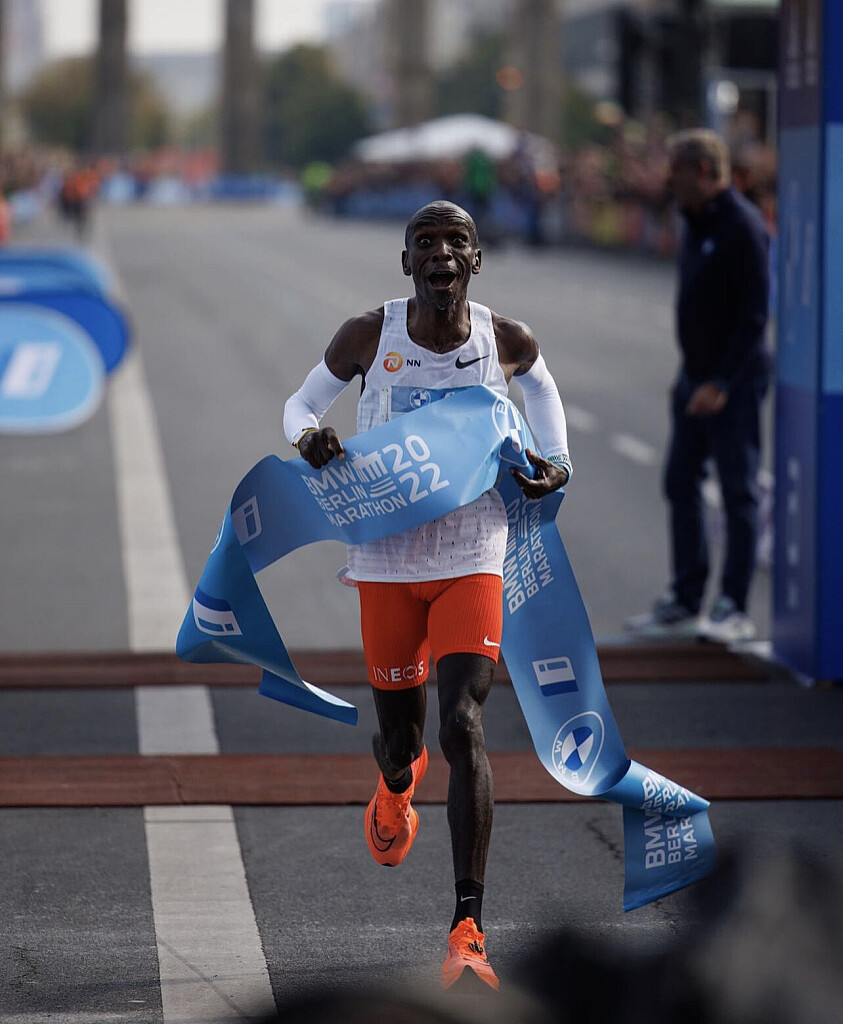
Eliud Kipchoge is ready for a fast race in Berlin
Once again the best marathon runner of all time will be on the start line of the BMW BERLIN-MARATHON. The double Olympic champion from Kenya, who brought his own world record down to 2:01:09 a year ago in Berlin, will be almost compelled to go all out for a fast time on Sunday, such is the enormously competitive running scene among his compatriots where only an extremely fast time within the Olympic qualifying mark will secure one of the three places for the Kenyan men’s team in the Olympic Marathon in Paris next year.
Eliud Kipchoge’s ambition in Paris is to become the first runner in history to win three Olympic Marathon titles. The Kenyan is aiming to use the BMW BERLIN-MARATHON almost as a springboard to book his place in Paris. While Eliud Kipchoge could strike up a world record pace at the head of the field, Germany’s marathon star Amanal Petros seeks an unprecedented achievement in the history of the BMW BERLIN-MARATHON by becoming the first to set a men’s national record here, a feat so far never accomplished in the previous 48 editions of the event.
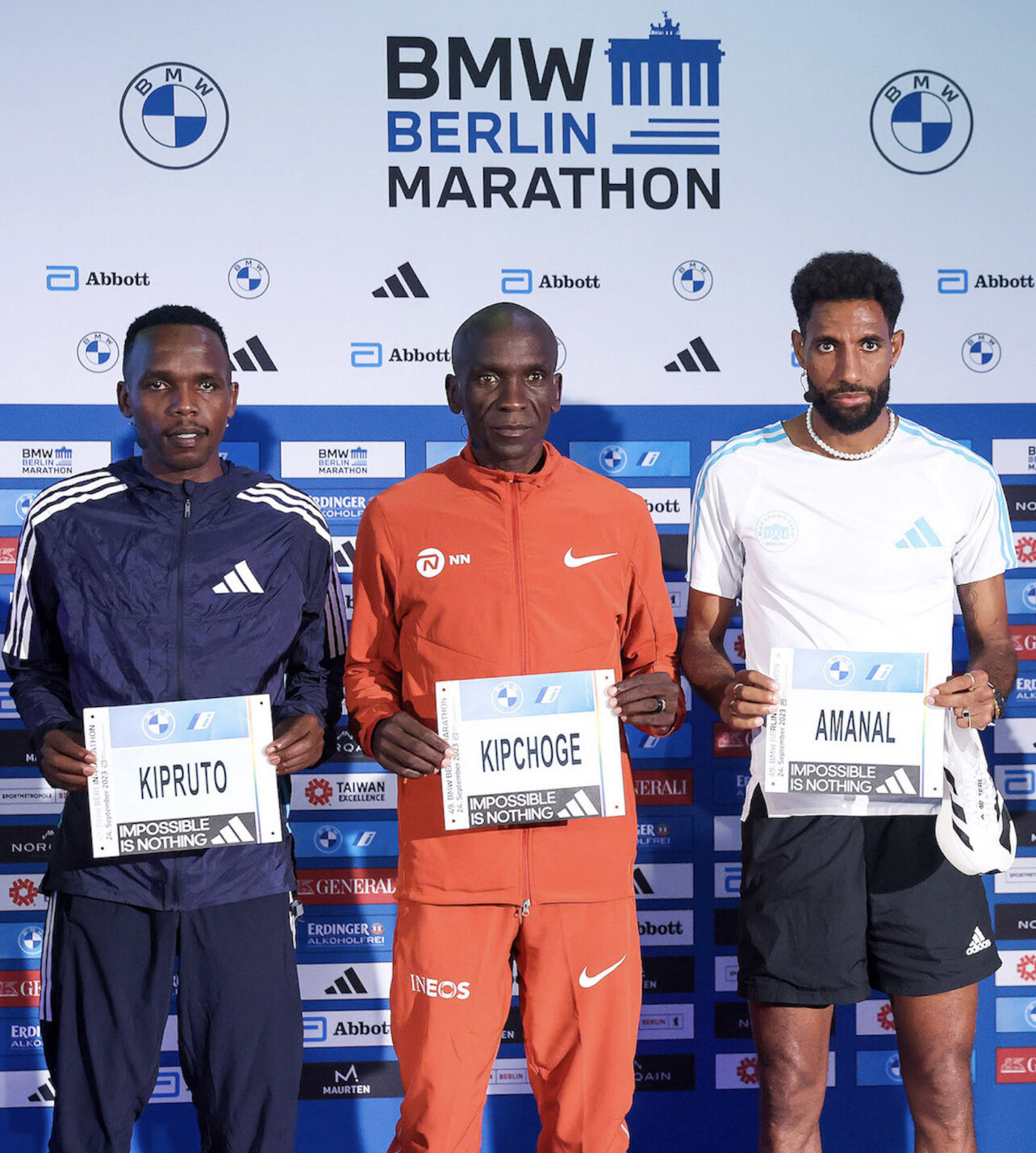
A record number of 47,912 runners from 156 nations have entered the 49th edition of the BMW BERLIN-MARATHON. Germany’s most spectacular road race is part of the Abbott World Marathon Majors (AWMM) and is also a Platinum Label Road Race of World Athletics.
“We feel honoured that the best marathon runner in sporting history, Eliud Kipchoge, has decided to run the BMW BERLIN-MARATHON for a sixth time. This confirms the outstanding status of the event and raises hopes for an exceptional result,” said race director Mark Milde, who has organized Kipchoge’s previous five races in Berlin.
“Berlin for me is like home. Looking at the Olympic Games in Paris next year, I considered which races would be the best preparation for me and Berlin was the best option,” explained Eliud Kipchoge. A year ago his pace for much of the early stages of the race suggested he might even break two hours. “But that was 2022, it’s a different year now and a different race,” said the 38-year-old. Winning in Berlin for the fifth time would give him more titles here than any other champion. He is currently level with the legendary Ethiopian Haile Gebrselassie on four victories.
It is not beyond the bounds of possibility that Eliud Kipchoge breaks the world record for the third time in Berlin, although he did not announce any definite goals at the press conference. “I’m nervous, but that shows I’m ready,” said Kipchoge. “I’ll try to run a good time.” Of his 20 marathons, Eliud Kipchoge has emerged victorious in all but three, in itself a unique achievement.
The man with the second fastest time going into the race is also Kenyan, Amos Kipruto. He ran his personal best of 2:03:13 in Tokyo last year, finishing runner-up to Eliud Kipchoge. “My aim on Sunday is to run a personal best,” stated Amos Kipruto, whose career highlight so far is winning the London Marathon last year.
A dozen men on the start list show best times of under 2:06, proof of the strength in depth among the elite in this year’s BMW BERLIN-MARATHON. “It would be fair to say that every elite runners comes to Berlin to run their personal best,” admitted Mark Milde.
Amanal Petros has as his goal in his BMW BERLIN-MARATHON debut that of breaking his own German record of 2:06:07 by a clear margin. “I’ve trained in Kenya for almost four months at altitude of 2,400 metres, concentrating entirely on Berlin. That was very challenging,” said the 28-year-old. “Going through halfway in around 62 minutes is feasible but we can adjust the pace at any time.”
Not only the German but the Swiss national record for the marathon could come under pressure. Tadesse Abraham improved his best to 2:06:38 as a 39-year-old last year in Zurich. Now turned 41, he might even threaten the world masters record of none other than Kenenisa Bekele, who ran 2:05:53 in London last year.
Men’s elite runners with personal bests
Eliud Kipchoge KEN 2:01:09
not record eligible:1:59:40,2
Amos KiprutoKEN2:03:13
Jonathan MaiyoKEN2:04:56
Eliud Kiptanui KEN 2:05:21
Ghirmay Ghebreslassie ERI 2:05:34
Ronald KorirKEN2:05:37
Tadu Abate ETH 2:05:38
Philemon KiplimoKEN2:05:44
Enock Onchari KEN 2:05:47
Mark Korir KEN 2:05:49
Andualem ShiferawETH2:05:52
Haftu TekluETH2:05:53
Amanal PetrosGER2:06:27
Josphat BoitKEN2:06:34
Tadesse Abraham SUI 2:06:38
Okubay Tsegay ERI2:06:46
Abel KipchumbaKEN2:06:49
Yusuke Ogura JPN2:06:51
Denis ChirchirKEN2:07:17
Eyob Faniel ITA 2:07:19
Justus KangogoKEN2:07:40
Titus Kipkosgei KEN2:07:46
Godadaw BelachewISR2:07:54
Dominic Nyairo KEN2:08:13
Derseh Kindie ETH 2:08:23
Guojian Dong CHN2:08:28
Liam Adams AUS 2:08:39
Scott FaubleUSA2:08:52
Hendrik Pfeiffer GER 2:10:18
Samuel Fitwi GER 2:12:14
Konstantin Wedel GER 2:13:02
Login to leave a comment
BMW Berlin Marathon
The story of the BERLIN-MARATHON is a story of the development of road running. When the first BERLIN-MARATHON was started on 13th October 1974 on a minor road next to the stadium of the organisers‘ club SC Charlottenburg Berlin 286 athletes had entered. The first winners were runners from Berlin: Günter Hallas (2:44:53), who still runs the BERLIN-MARATHON today, and...
more...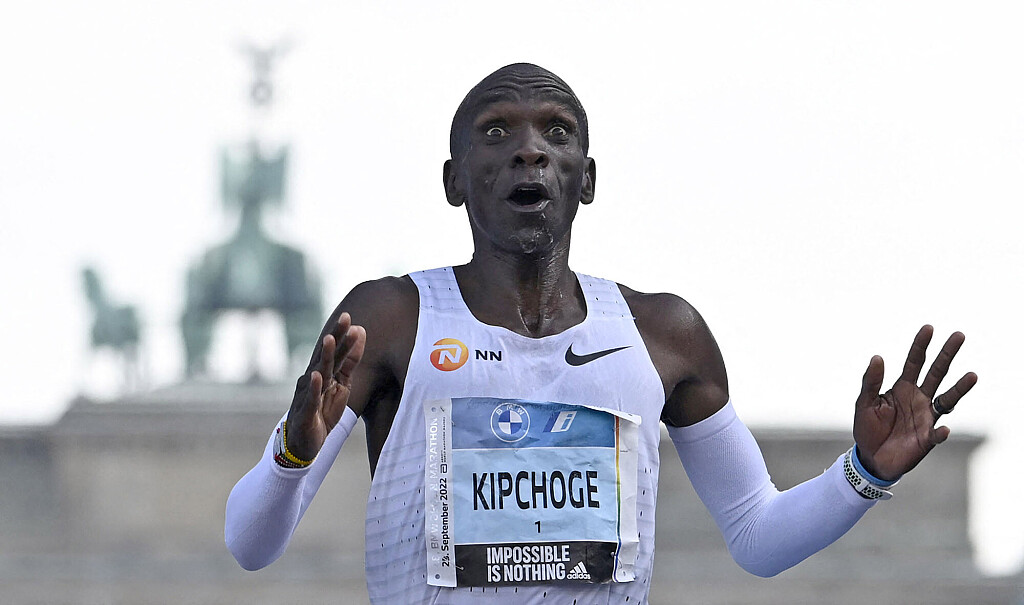
Eliud Kipchoge lands in Germany in style ahead of the Berlin Marathon
The Berlin course remains one of his favorite since he has set two world records there.
Four-time Berlin Marathon champion Eliud Kipchoge has landed in Germany in style for the Berlin Marathon on Sunday, September 24.
Kipchoge has been preparing for the marathon since his unsatisfactory exit from the Boston Marathon.
The four-time London Marathon champion finished sixth at the Boston Marathon due to a problem with his left leg but has since addressed that and will be raring to go in the streets of Berlin.
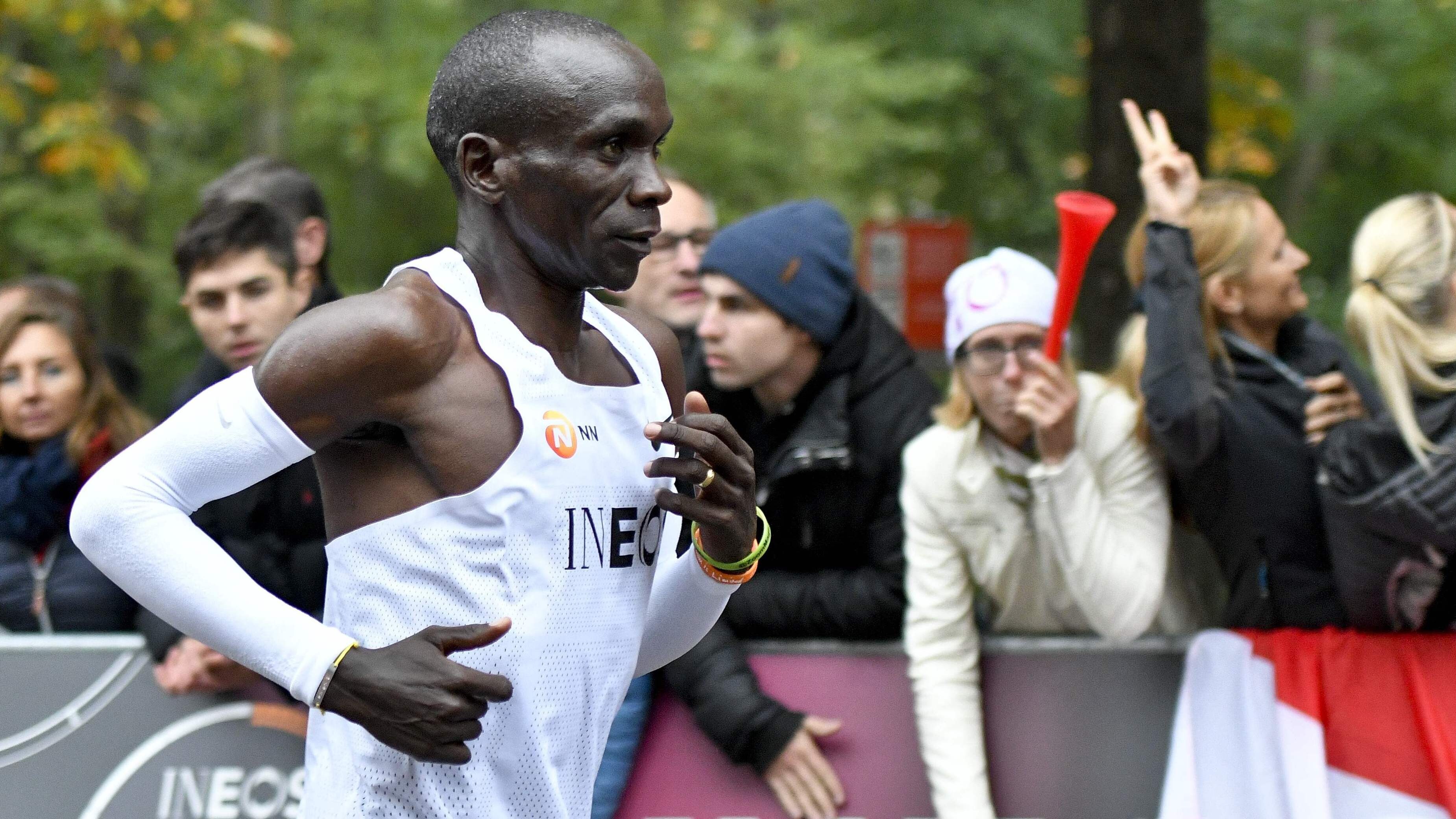
The Berlin course remains one of his favorite since he has set two world records there. He set the first world record during the 2018 edition where he clocked 2:01:39 to win the race.
He then lowered his time during the 2022 edition, clocking 2:01:09 to cross the finish line. Another record might be in the offing as he seeks to bounce back from the Boston Marathon disappointment.
The 38-year-old also disclosed that he loves racing in the streets of Berlin because of the real fans who motivate him to always do better.
In Berlin, he will enjoy the company of the 2022 London Marathon champion Amos Kipruto who finished second behind him during the 2022 Tokyo Marathon.
Jonathan Maiyo, Eliud Kiptanui, Ronald Korir, and Philemon Kiplimo have also confirmed participation. Enock Onchari, Mark Korir, and Josphat Boit will also be in action.
Login to leave a comment
BMW Berlin Marathon
The story of the BERLIN-MARATHON is a story of the development of road running. When the first BERLIN-MARATHON was started on 13th October 1974 on a minor road next to the stadium of the organisers‘ club SC Charlottenburg Berlin 286 athletes had entered. The first winners were runners from Berlin: Günter Hallas (2:44:53), who still runs the BERLIN-MARATHON today, and...
more...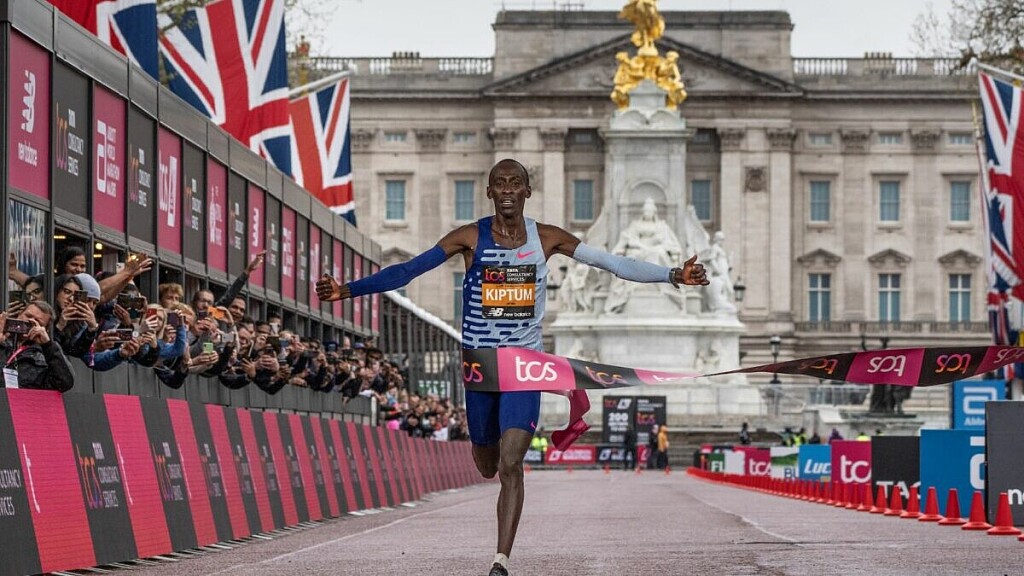
Kelvin Kiptum to race 2023 Chicago Marathon
The second fastest marathoner in history will not face Kipchoge at Berlin after all.
The 2023 Chicago Marathon revealed on Tuesday morning that Kiptum will make his North American marathon debut on Oct. 8, postponing the highly anticipated potential clash against Eliud Kipchoge, who will appear at the 2023 Berlin Marathon.
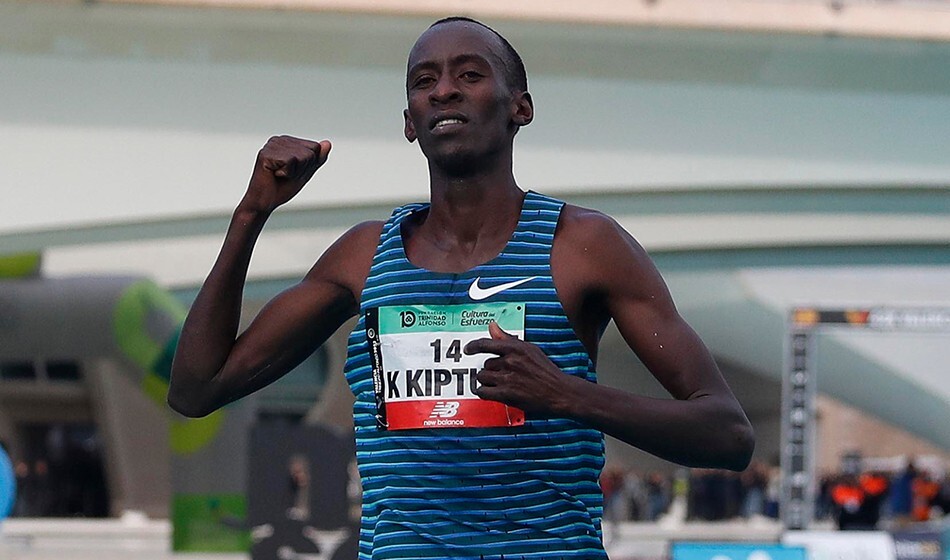
In the last eight months, Kiptum has emerged as one of the world’s fastest marathoners. In December, he made his marathon debut at the 2022 Valencia Marathon, securing a commanding victory in a remarkable 2:01:53, the fastest debut in history. He continued his dominance at the 2023 London Marathon, where he shattered Kipchoge’s course record and came remarkably close to the world record, with a 2:01:25 finish.
Despite his achievements in London, Kiptum remains relatively unknown on the major marathon scene. The 23-year-old from Eldoret, Kenya, is self-coached and did not enter marathoning from a prolific track career like Kipchoge, or Ethiopia’s Kenenisa Bekele.
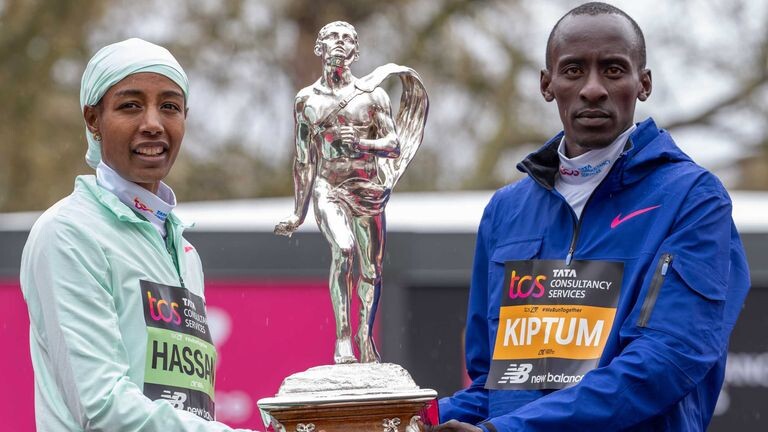
In June, Kiptum was selected for Team Kenya in the 2023 World Athletics Championships marathon. However, he declined the invitation to focus on a fall marathon instead. With Kiptum eyeing either Chicago or Berlin, many anticipated a head-to-head battle between the two Kenyan titans in Berlin, renowned for its flat and incredibly fast course, having been the location where the previous eight men’s marathon world records were set.
Choosing Chicago, which takes place two weeks after Berlin, clearly indicates Kiptum’s intent to vie for a victory and target Kipchoge’s world record of 2:01:09. Chicago’s primarily flat course, with only 70 metres of elevation gain, offers a promising setting.
However, a win in Chicago won’t come easy, as Kiptum will face off against one of the best tactical marathoners in the world and the reigning champion, Benson Kipruto. Kipruto comes off a second-place finish at the 2023 Boston Marathon, where he was runner-up to his training partner, Evans Chebet. Ethiopia’s Seifu Tura, who knows the Chicago course well, having won the race in 2021 and finished as runner-up to Kipruto last fall, will also return. Among the other elite names in the men’s field are Galen Rupp, Conner Mantz and Belgian 2020 Olympic marathon bronze medallist Bashir Abdi.
by Running Magazine
Login to leave a comment
Bank of America Chicago
Running the Bank of America Chicago Marathon is the pinnacle of achievement for elite athletes and everyday runners alike. On race day, runners from all 50 states and more than 100 countries will set out to accomplish a personal dream by reaching the finish line in Grant Park. The Bank of America Chicago Marathon is known for its flat and...
more...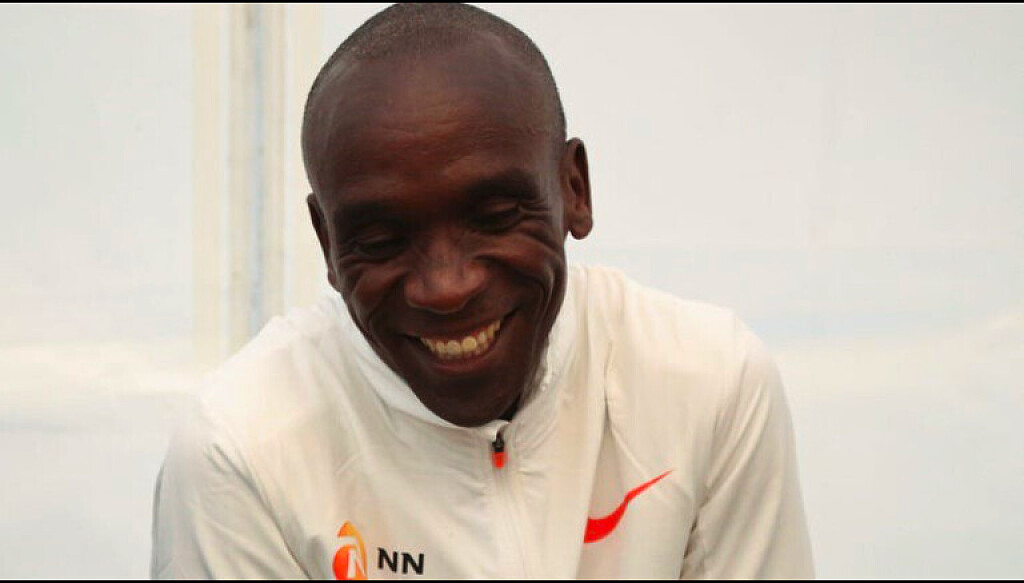
When Will Eliud Kipchoge Slow Down?
What we can learn from the world’s greatest distance runner of all-time while he’s still in his prime
Eliud Kipchoge has expanded the universe of what’s humanly possible in the marathon, and he will forever remain a legend in the sport of long-distance running.
Not only for himself, but especially for those who have come after him. That includes everyone, both elite and recreational runners, who are preparing a marathon this fall or some distant point in the future. His current 2:01:09 world record and his barrier-breaking 1:59:40 time-trial effort in 2019 are legendary feats, both for the current generation of runners and for all time.
The 38-year-old Kenyan marathoner is a once-in-a-lifetime athlete, but time waits for no one, and especially not a long-distance runner. Like all elite athletes, his time at the top is limited, but fortunately, there is still time to immerse in the inspirational examples he’s providing.
Kipchoge recently announced he’ll return to the Berlin Marathon on September 24, where, last year, he won the race for the fourth time and lowered the world record for the second time. It is most likely what will be the beginning of a grand denouement as he goes for another gold medal at the 2024 Olympics next summer in Paris.
Given that he won his first global medal in the City of Light—when, at the age of 18, he outran Moroccan legend Hicham El Guerrouj and Ethiopian legend-in-the-making Kenenisa Bekele to win the 5,000-meter run at the 2003 world championships—it would certainly be one of the greatest stories ever told if he could win the Olympic marathon there next year when he’s nearly 40.
Certainly he’ll run a few more races after the Olympics—and maybe through the 2028 Olympics in Los Angeles—but, realistically, it is the start of a farewell tour for a runner who will never be forgotten.
Don’t get me wrong: I’m not at all writing Kipchoge off. In fact, I am excited to see him run in Berlin and can’t wait to watch next year’s Olympic marathon unfold. But just as we’ve watched Michael Jordan, Tiger Woods, Serena Williams, Shalane Flanagan, Usain Bolt, Allyson Felix, and other elite athletes succumb to the sunsetting of their peak performance level, so too will Kipchoge eventually suffer the same fate.
What I’m saying here is that we still have time to watch and appreciate Kipchoge eloquently working his magic and continue to be inspired in our own running and other pursuits in life. Remember how we marveled at Michael Jordan’s greatest in “The Last Dance” more than 20 years after his heyday? This is the start of the last dance for Kipchoge, who, like Jordan, is much, much more than a generational talent; he’s an all-time great whose legacy will transcend time.
Running has seen many extraordinary stars in the past 50 years who have become iconic figures— Frank Shorter, Joan Benoit Samuelson, Ted Corbitt, Carl Lewis, Steve Jones, Paul Tergat, Catherine Ndereba, Paula Radcliffe, Haile Gebrselassie, Kenenisa Bekele, Mary Keitany, Brigid Kosgei, and Kilian Jornet, to name a few—but none have come close to the body of work and global influence of Kipchoge.
Not only is Kipchoge one of the first African athletes to become a household name and truly command a global audience, but he’s done more than other running champions because of he’s been able to take advantage of this advanced age of digital media to deliberately push positive messages and inspiring content to anyone who is willing to receive it.
Kipchoge has won two Olympic gold medals, set two world records, and won 17 of the 19 marathons he entered, but he’s so much less about the stats and bling and more sharing—to runners and non-runners alike—that “no human is limited” and also that, despite our differences, we’re all human beings faced with a lot of the same challenges in life and, ultimately, hard work and kindness are what put us on the path to success.
How can an average runner who works a nine-to-five job and juggles dozens of other things in daily life be inspired by an elite aerobic machine like Kipchoge?
He is supremely talented, no doubt, but many elite runners have a similar aerobic capacity to allow them to compete on the world stage. What Kipchoge uniquely possesses—and why he’s become the greatest of all-time—is the awareness and ability to be relentless in his pursuit of excellence, and the presence and good will of how beneficial it is to share it.
If you haven’t been following Kipchoge or heard him speak at press conferences or sponsor events, he’s full of genuine wisdom and encouragement that can inspire you in your own running or challenging situation in life. His words come across much more powerfully than most other elite athletes or run-of-the-mill social media influencers, not only because he’s achieved at a higher level than anyone ever has, but because of his genuine interest in sharing the notion that it’s the simplest values—discipline, hard work, consistency, and selflessness—that make the difference in any endeavor.
This is not a suggestion to idolize Kipchoge, but instead to apply his wisdom and determination into the things that challenge you.
“If you want to break through, your mind should be able to control your body. Your mind should be a part of your fitness.”
“Only the disciplined ones in life are free. If you are undisciplined, you are a slave to your moods and your passions.”
“If you believe in something and put it in your mind and heart, it can be realized.”
“The best time to plant a tree was 25 years ago. The second-best time to plant a tree is today.”
Those are among the many simple messages that Kipchoge has lived by, but he also openly professess to giving himself grace to take time for mental and physical rest and recovery. It’s a simple recipe to follow, if you’re chasing your first or fastest marathon, or any tall task in life.
Kipchoge seems to defy age, but his sixth-place finish in the Boston Marathon in April proved he’s human. As much as it was painful to watch him falter, it was oddly refreshing and relatable to see him be something less than exceptional, and especially now that he’s tuning up for Berlin. He has nothing left to prove—to himself, to runners, to the world—but he’s bound to keep doing so just by following the same simple, undaunted regimen he always has.
There will be other young runners who will rise and run faster than Kipchoge and probably very soon. Fellow Kenyan Kelvin Kiptum—who has run 2:01:53 (Valencia) and 2:01:25 (London) in his first two marathons since December—seems to be next in line for Kipchoge’s throne of the world’s greatest runner. But even after that happens, Kipchoge’s name will go down in history alongside the likes of Paavo Nurmi, Abebe Bikila, Emil Zátopek, Grete Waitz, Shorter and Samuelson because of how he changed running and how he gave us a lens to view running without limits.
Berlin is definitely not the end of Kipchoge’s amazing career as the world’s greatest long-distance runner. I fully expect him to win again in an unfathomable time. But the sunset is imminent and, no matter if you are or have ever been an aspiring elite athlete at any level, a committed recreational runner, or just an occasional jogger trying to reap the fruits of consistent exercise, his example is still very tangible and something to behold.
by Outside Online
Login to leave a comment
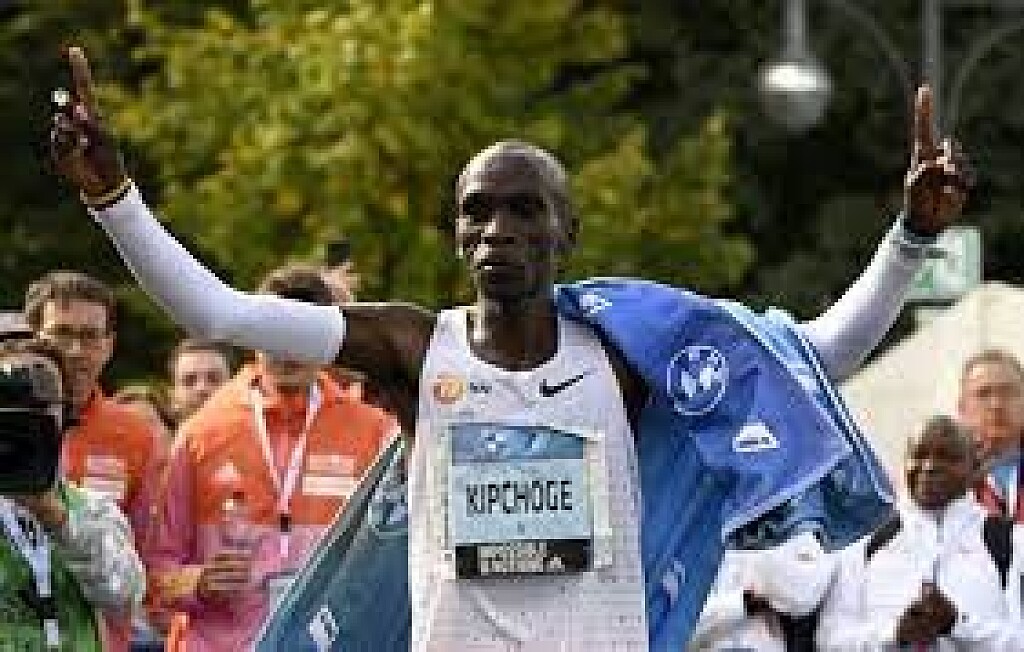
Back to Berlin, Eliud Kipchoge confirms where his next race will be as he seeks to banish Boston disappointment
The world marathon champion will return to the German capital to defend his title and attempt to become the first man run an official sun 2:01 marathon
World marathon record holder Eliud Kipchoge will return to Berlin for a sixth time as he attempts to defend his title while winning win the race for a fifth time on September 25.
Kipchoge suffered an upset in his first marathon of the year when he finished sixth at the Boston Marathon in April and has chosen a tack that he is too familiar with for his next race in a bid to put the disappointment behind.
Berlin is where the Olympic champion made his major marathon debut in 2013, finishing second behind compatriot Wilson Kipsanga set a world record, but he has been unbeaten in the German capital since.
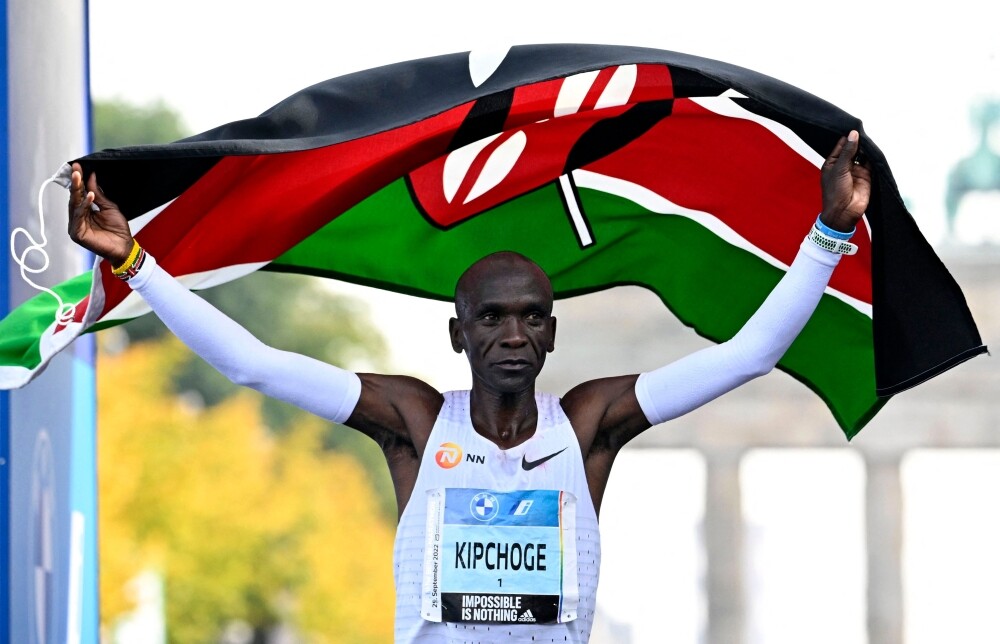
Kipchoge returned to Berlin in 2015 and 2017 and won before setting his first world marathon record the following year after clocking 2:01:39, the first athlete to run a sub-2:02 marathon.
He lowered the time even further last year, when he timed 2:01:09, and he is favourite to defend his title. There is even optimism that Kipchoge could run a sub-2:01 marathon in Berlin given the incredible limits he has pushed himself in recent years added to his well understanding of the course.
“My run has taken me across the world, along the way when you look around, there are ups and down but the path is beautiful. And right now, I run towards Paris 2024 but to achieve what inspires me in Paris, I must return to my special place. Back to Berlin,” Kipchoge said via a clip posted online by his management NN Running on Thursday.
Kipchoge is bidding to become the first marathon runner to claim a hat-trick of Olympics titles and is using the major marathons as part of his preparations for the 2024 Games set to take place in Paris, France.
London Marathon 2022 winner Amos Kipruto is among the elite Kenyan athletes who will give Kipchoge a run for his money in the German capital.
by Joel Omotto
Login to leave a comment
BMW Berlin Marathon
The story of the BERLIN-MARATHON is a story of the development of road running. When the first BERLIN-MARATHON was started on 13th October 1974 on a minor road next to the stadium of the organisers‘ club SC Charlottenburg Berlin 286 athletes had entered. The first winners were runners from Berlin: Günter Hallas (2:44:53), who still runs the BERLIN-MARATHON today, and...
more...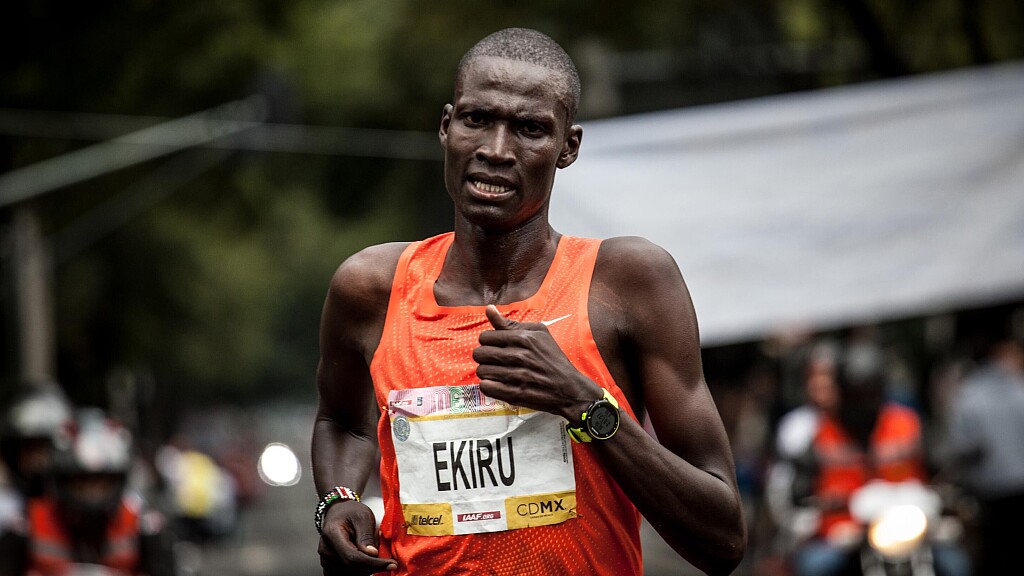
Sixth fastest marathoner Ekiru latest Kenyan athlete suspended over doping
Kenyan marathoner Titus Ekiru has been provisionally suspended by Athletics Integrity Unit (AIU) for the presence of a prohibited substances (Triamcinolone Acetonide and metabolite; Pethidine and metabolite).
The AIU said on Monday that the 31-year-old marathoner faces two charges for doping and two more for tampering.
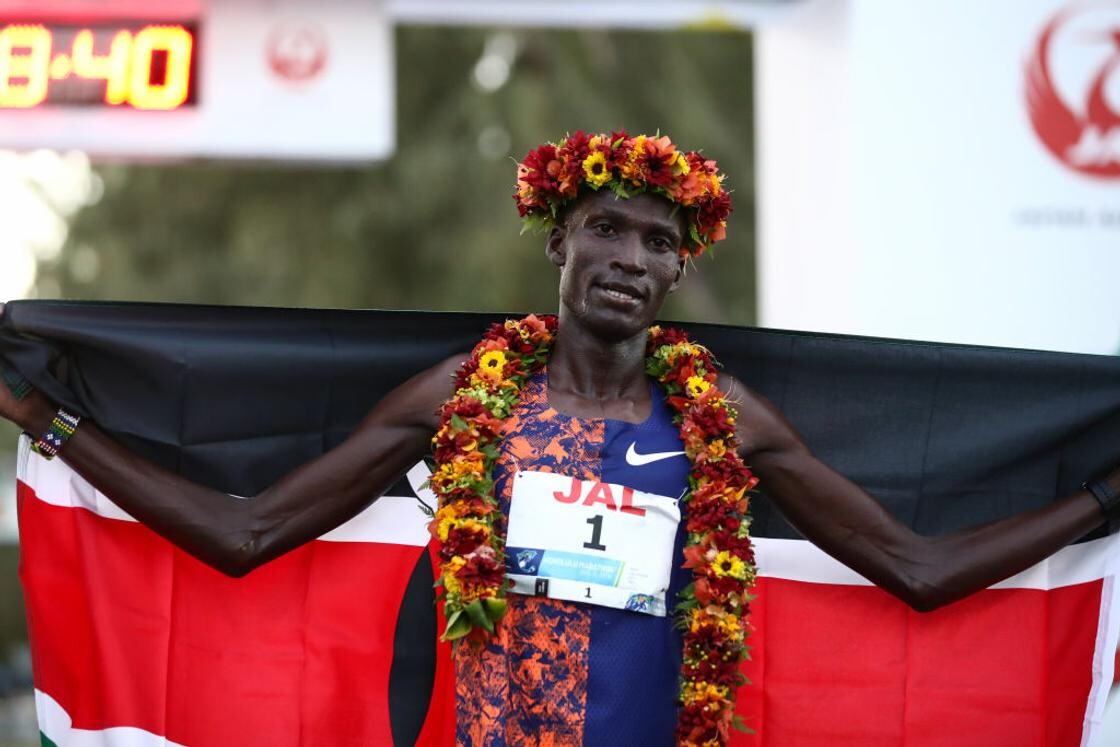
The sixth-fastest marathoner of all time, Ekiru now faces a 10-year ban but has the right to defend himself before the Disciplinary Tribunal.
Ekiru ran a time of 2 hours, 2 minutes, 57 seconds to win the Milan Marathon in May 2021 to place him in sixth in history. The current record is 2:01:09 by Eliud Kipchoge in Berlin last year.
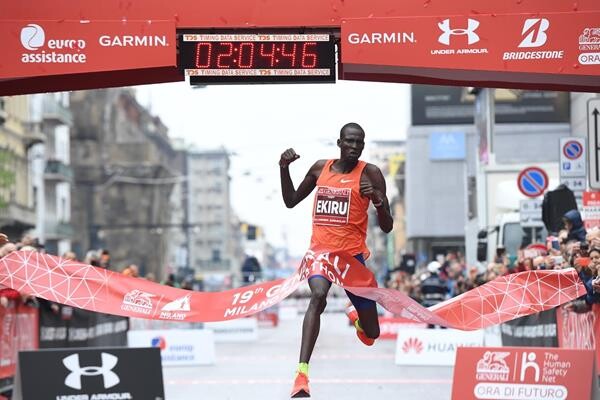
Ekiru tested positive at the Italian race for the corticosteroid triamcinolone acetonide, which is prohibited for use in-competition unless an athlete is granted an exemption for medical use.
The AIU said a first investigation into the Milan positive test was closed, then reopened when Ekiru also tested positive for a synthetic opioid while winning in Abu Dhabi in November 2021.
“The athlete tested positive for pethidine after winning in Abu Dhabi, and again claimed the outcome resulted from legitimate medical treatment,” the AIU said.
Ekiru was provisionally suspended one year ago and was later charged with suspected doping violations in March and April, the AIU said.
Two more charges of tampering have now been added for the runner “submitting falsified medical explanations and documentation to the AIU for both positive tests,” the AIU said.
by Samuel Nganga
Login to leave a comment
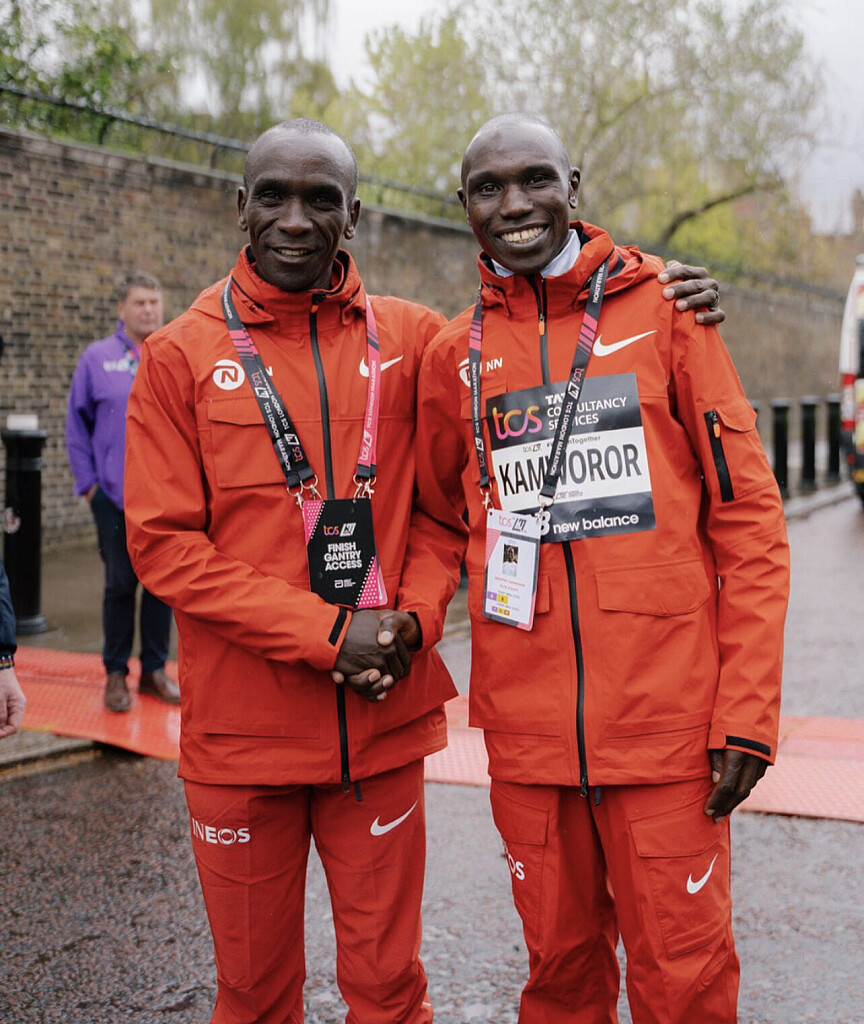
Eliud Kipchoge says he is determined to keep on writing history — and secure a third Olympic marathon crown next year
Eliud Kipchoge is widely regarded as the greatest marathon runner of all time has set himself many challenges in his dazzling career, and remains insatiable despite his two Olympic titles, his world record of 2:01:09 in Berlin in 2022 and an incredible 15 wins in 18 marathons he has entered.
He broke the mythical two-hour barrier over the 26.2 mile (42.195 kilometre) distance in Vienna in 2019, with a time of 1:59:40, but the feat was not recognised as an official world record as it was not in open competition.
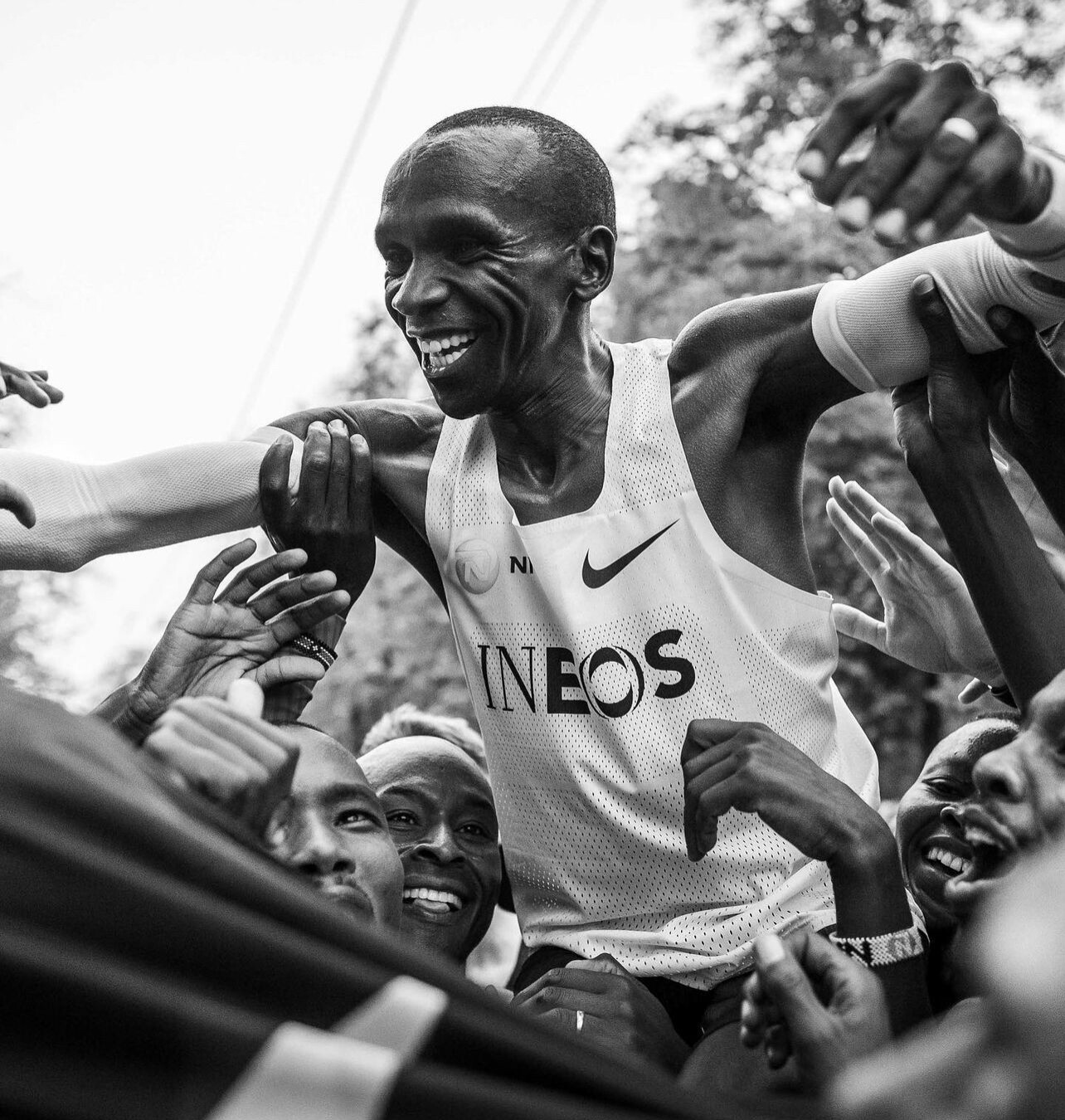
Victory has eluded the 38-year-old in the Boston and New York marathons, which if he won would make him the first man to have all six major titles under his belt.
"The priority now is to focus on the Olympics and win a third time. The other (challenges) will come later," Kipchoge says in an interview with AFP at the renowned Kaptagat training camp in Kenya's Rift Valley.
His two Olympic marathon gold medals in 2016 and 2021 put him at level pegging with Ethiopia's Abebe Bikila (1960, 1964) and Waldemar Cierpinski of East Germany (1976, 1980).
A third gold at the Paris Olympics in 2024 would make Kipchoge the undisputed marathon giant at the Games, and bring him a victory steeped in symbolism.
The French capital was the city where he won his first international crown in 2003 at the age of 18, clinching the 5,000 metres world championship title ahead of sporting legends Hicham El Guerrouj of Morocco and Ethiopia's Kenenisa Bekele.
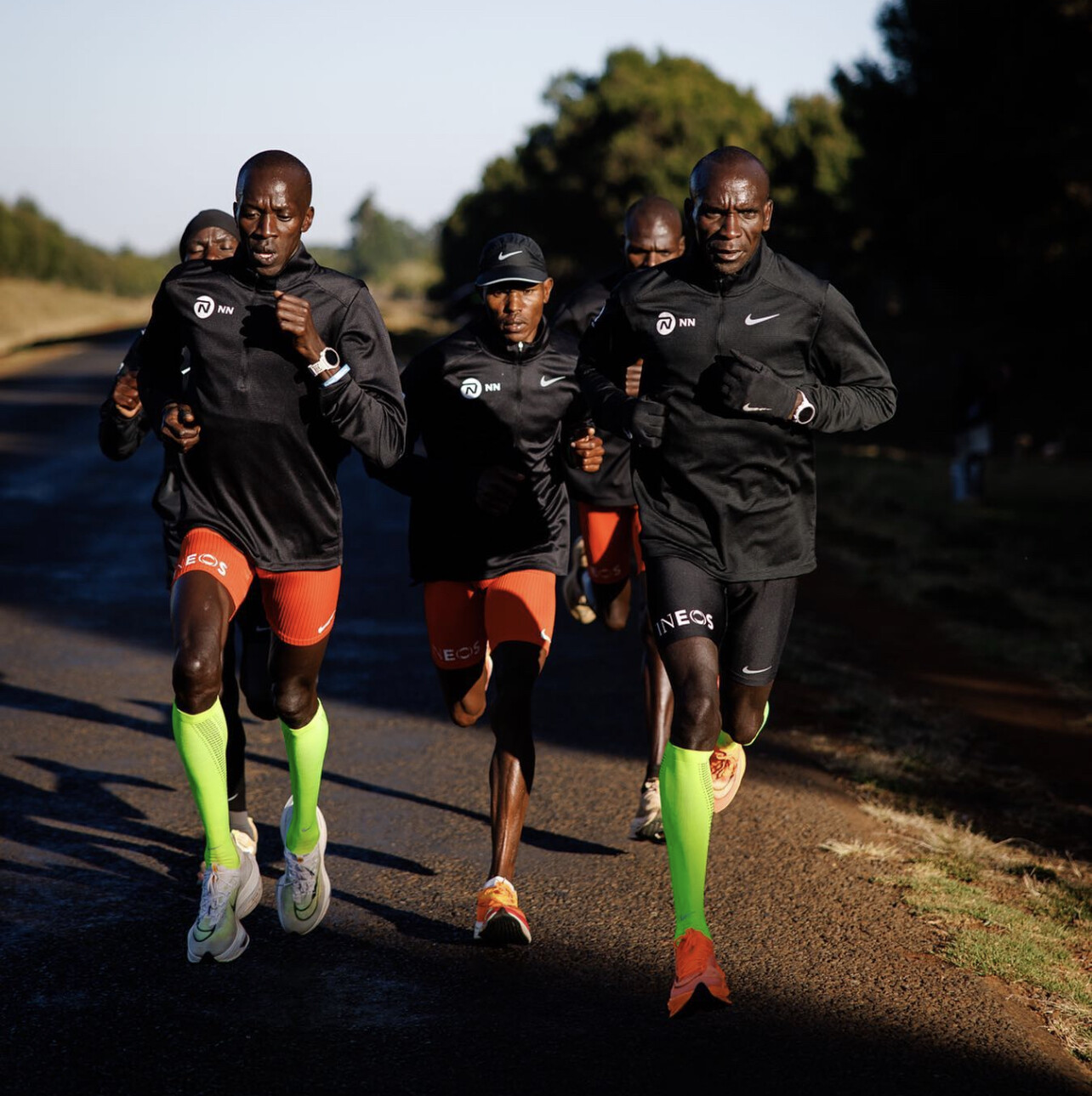
However, Kipchoge does not rule out giving up on his other goals.
"If time comes in to hang the racing shoes, I will say bye to other big things in sport."
'I know myself'
Sitting on a shaded bench in the Kaptagat camp where he has lived and trained for several months a year for 20 years, Kipchoge looks back on his poor showing in Boston on April 17, where he dropped from the lead group in the 30th kilometre and ended up finishing sixth.
This rare failure dampened his spirits.
"I'm trying to forget what has happened in Boston. It's caught in my mind... but I believe that what has passed has passed."
With his lifelong coach Patrick Sang, he has analysed the reasons for his disappointing performance, saying "it's mostly the hamstring".
He brushes aside concerns about his difficulties on hilly courses such as Boston and New York and which will also confront him in Paris.
"It is not really a concern, but I respect everybody's thoughts," he says. "I think it was a bad day and every day is a different day. I'm looking forward for next year.
"Everybody can write anything, you have no control. But I know myself."
'Want to be an inspiration'
Kipchoge is now preparing for his final marathon of the year.
"I'm doing well. My training is going on in a good way," he says.
But he has not yet disclosed which event it will be — Berlin on September 24, Chicago on October 8 or New York on November 5.
"At the end of July, I will know where to go."
He is following his usual training programme, eating up more than 200 kilometres a week on the red dirt tracks of Kaptagat forest, 2,400 metres above sea level.
Among his 20-odd training partners at the camp at the time of the AFP interview were Kenya's new 1,500m and 5,000m world record holder Faith Kipyegon and two-time New York marathon winner Geoffrey Kamworor.
As the respected dean of Kenyan athletics, Kipchoge is happy to see the emergence of 23-year-old compatriot Kelvin Kiptum, who won the London Marathon in April in 2:01:25, the second fastest time in history and just 16 seconds away from his own world record.
"I want to be an inspiration and I trust my breaking the world record twice is an inspiration to many young people. I trust they will want more and even beat my records."
'Prioritise drugs tests'
But in a country where athletics has become tainted by large-scale drug use, Kipchoge laments that "many people are going into shortcuts to advance".
"I think doping is there... It's all more about getting rich."
Kipchoge says the authorities should prioritise testing for performance-enhancing substances, saying it was much more important than education "because everybody who is doing doping knows what is going on".
"Just pump everything in testing, put testing as a first priority and all will be well," he says.
"The moment we prioritise testing and we register those who are handling the athletes across the country, we have the right data to know who is who in the whole country.
"But if we really ignore the people who are working with athletes and athletes themselves, then we are in danger."
Login to leave a comment
Eliud Kipchoge thinks Kelvin Kiptum will be next to break the marathon world record
Eliud Kipchoge has tipped Kelvin Kiptum to break the marathon records he has set and possibly become the first man to run under two hours.
Kiptum took the world by surprise in April by shattering Kipchoge's course record at the London marathon. It was only his second-ever race, yet he managed to set the second-fastest time in history.
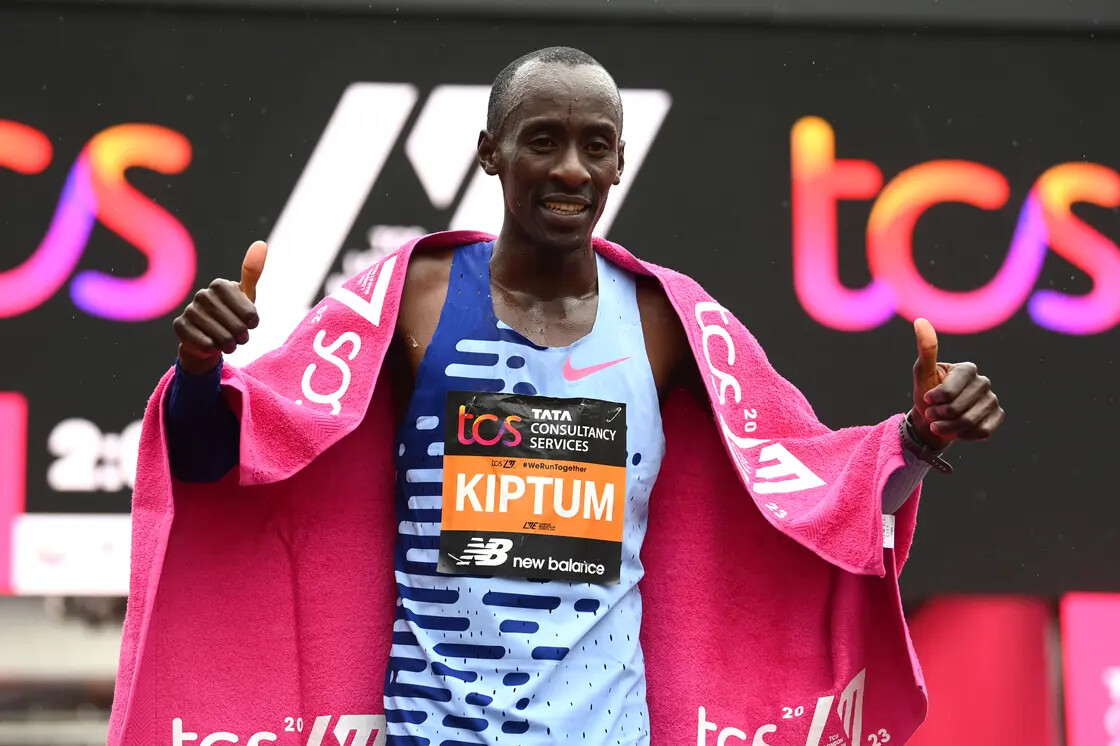
Kipchoge remains the most decorated marathoner in history and holds the current world record of 2 hours, 1 minute and 9 seconds. Kiptum was just 18 seconds away from eclipsing Kipchoge's record in London.
In light of recent events, Kipchoge has now backed Kiptum to even go a step further and run a marathon in under two hours. Kipchoge is the only man to have run a sub-two marathon race, but it was under special conditions and thus not recognized as a world record but remains a huge fete nonetheless.
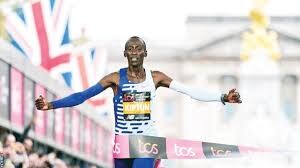
Why Kipchoge's world record is under threat
Previously, Sports Brief reported that if the 2023 London Marathon is anything to go by, then Kipchoge's world record of 2:01:09 might be under threat sooner than we expected.
Kelvin Kiptum blitzed through an experienced field on April 23 to win the London Marathon at 2:01:26, which is just 18 seconds more than Kipchoge's world record.
Kiptum's major introduction to the marathon world sets up an interesting prospect, especially with the Berlin Marathon this year up for grabs. The Berlin Marathon has proven to be a positive hunting ground for world records, with 12 world records (men and women) having been set in the German capital, including Kipchoge's.
by Martin Moses
Login to leave a comment
TCS London Marathon
Since its inaugural edition on March 29, 1981, the TCS London Marathon has grown into one of the world's most prestigious road races, blending elite competition with an extraordinary charitable legacy. Founded by former Olympic champion and journalist Chris Brasher alongside Welsh athlete John Disley, the event has been staged every year and has been held in the spring annually...
more...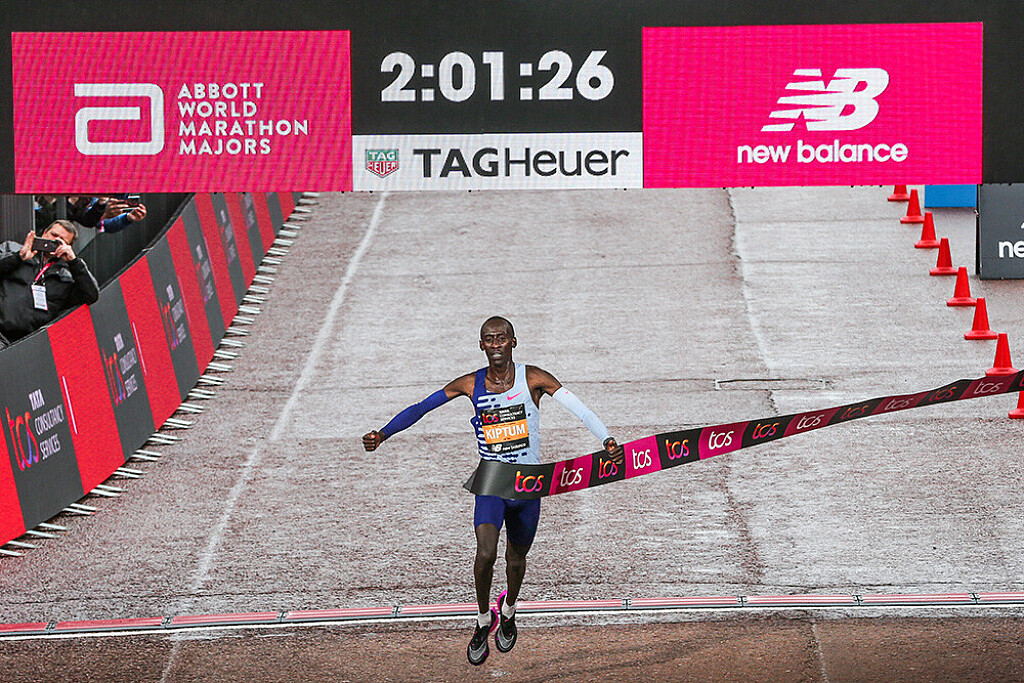
London Marathon Men — Kiptum Blinder With Boggling Splits
Kelvin Kiptum found a way to better his marathon debut world record as he dashed away from a quality field, blitzing a stupefying 59:45 second half to win the London Marathon with a 2:01:25 clocking.
“I am so happy with my performance in my first World Marathon Majors, and to run the second fastest time in history,” Kiptum beamed. “The secret is hard training, and my preparation was very good. Everything was going one way, and I was expecting good results.”
Race day certainly went Kiptum’s way as the 23-year-old not only pared 72 seconds off Eliud Kipchoge’s London course record, he scared Kipchoge’s 2:01:09 global standard, and moved past Kenenisa Bekele to No. 2 on the all-time list.
Left far behind was the competition as Geoffrey Kamworor ran a PR 2:04:23 to finish 2nd as Tamirat Tola filled out the podium with a 2:04:59 effort.
Kiptum picked up right where he left off last December in Valencia when he ran a stunning 2:01:53 marathon debut, closing the second half in 60:20. Having logged that impressive sub-2:02 debut, this run was less stunning than it was spectacular as Kiptum hit speeds seldom seen on a marathon course.
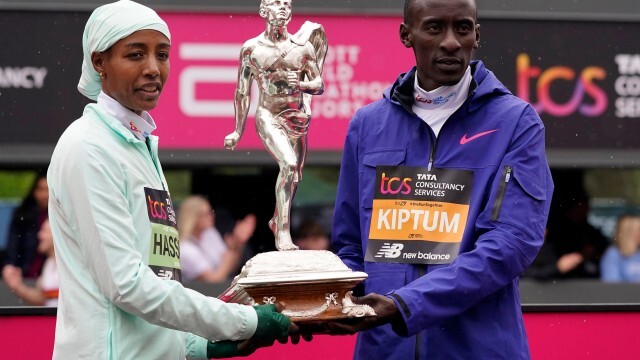
While the runners set off on wet pavement, the expected steady rain did not materialize and the light wind, 50-degree (10C) temperatures and a crisp 38-degree dewpoint combined for some fast running. Well at least for Kiptum.
Defending champ Vincent Kipruto and Kiptum were ready for a fast getaway, clipping at the pacers’ heels through the downhill opening 5K (14:30) before settling into a steady 2:56K pace.
Crossing 20K on the Tower Bridge in 58:31 (2:03:27 pace), Kiptum seemed to egg on the trio of pacers as they upped the tempo to pass halfway in 61:40. The move also yielded a generational change of sorts as the 40-year-old Bekele slipped out of contention while Kiptum sped on in an effort that would supplant the Ethiopian’s 2:01:41 Berlin ’19 win.
The ensuing 5K segment in 14:22 between 20 and 25K pared the pace down to a 2:03:01 clip, and the lead group to 6 contenders. Kenyans Kiptum, Kamworor and Kipruto led the charge, a stride ahead of the Ethiopian trio of Tola, Seifu Tura and Leul Gebrselassie.
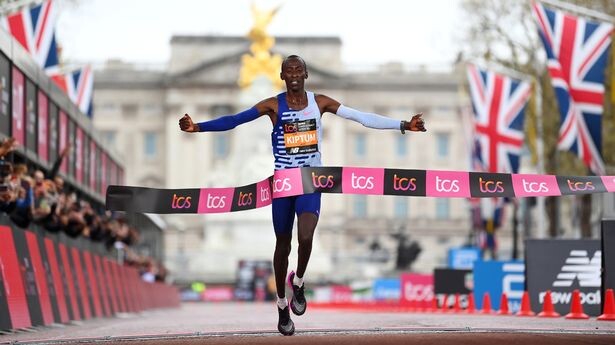
Covering the subsequent 5K in 14:30 pushed the tempo down to 2:02:57 at 30K (1:27:23) when Kiptum’s obvious exuberance could no longer be restrained.
Kiptum’s break came after he missed his 30K fluid grab. “My plan was to catch a water,” he said. “But unfortunately, I missed and I said, ‘Let me make a move,’ so I try.”
Kiptum’s try was a sharp acceleration covered at first by Kamworor and Tola, but soon they were left behind.
After facing Kiptum in Valencia, Tola was ready for the move but discovered one of his legs wasn’t: “When he was moving, I start with him but my leg was not OK, so I kept on my pace to finish.”
Kamworor clung to the radical speed a bit longer before coming to his senses: “When Kelvin made a move, that was a crazy pace and I couldn’t go with it because that was insane, so I said, let me go with my pace.” Note that this perspective comes from an athlete who knows something about insane pace as he closed out his 2018 World Half-Marathon Championship in Valencia with a blistering 13:01.
Once cut loose, Kiptum covered ground effortlessly, with a little side-to-side shoulder movement in his arm swing, but from his bib number on down he ran as smoothly as Kipchoge. Looking well within his comfort zone Kiptum’s breakaway was sealed with a 13:49 split to hit 35K in 1:41:12 — 2:02-flat pace.
The sub 2:50 kilo pace continued all the way down the Thames Embankment with a 14:01 split through 40K, and running 6:12 over the final 2195m.
Kiptum admitted, “It was difficult between 30 and 40K, and at 41 and 42 I was so exhausted I had no energy.”
The 58:42 half-marathoner’s transition to the full distance seems complete as for a second race in a row, after some 30km of running, Kiptum was able to shift back into the 2:48 pace of a sub-59:00 HM.
Scant few marathoners split a sub-2:50 kilometer; Kipchoge recorded 8 in the first half of his WR run last October, and 4 in his 2:01:39 record run. Kiptum ran 6 consecutive sub-2:50s between 31 and 37K in Valencia, and went even faster here, averaging 2:47.5 over the final 12,195 meters.
That’s 1:57:48 marathon pace.
Kiptum’s improbable finishing speed and rise to the top tier of marathoners over the short span of 5 months and two competitions is a rare achievement. The Kenyan phenom has impacted the marathon world like an unassuming rookie pitcher hitting the big leagues and pounding the strike zone with 105mph fastballs.
Managed by Marc Corstjens, the soft-spoken Kenyan is based in Chepkorio, 6km east of Kipchoge’s Kaptagat camp. Kiptum is self-coached, often trains alone with a preference for long, hilly runs in the forest — reminiscent of Sammy Wanjiru’s ’08 Olympic year training.
“My focus now is marathon,” Kiptum said. “I have done some half-marathons, I have run 59 or 58 seven times, so I said, ‘Let me try to shape up for the marathon.’”
As for chasing Kipchoge’s WR, Kiptum demurred with the patience evidenced in his opening 30K: “I will go home and see, but not now. Maybe in 2 or 3 years with good preparation.”
Among the field’s highly decorated veterans, Kamworor was happy to run his best race since his ’19 motorbike accident: “The race was good, and I am happy that I have come back after a long time struggling with injuries.”
Mo Farah closed out his marathon career finishing 9th in 2:10:58, while Bekele was less fortunate, perhaps closing out his stellar career with a DNF.
Top 10 Men Finishers
1. Kelvin Kiptum (Kenya) 2:01:25
2. Geoffrey Kamworor (Kenya) 2:04:23
3. Tamirat Tola (Ethiopia) 2:04:59
4. Leul Gebresilase (Ethiopia) 2:05:45
5. Seifu Tura (Ethiopia) 2:06:38
6. Emile Cairess (Great Britain) 2:08:07
7. Brett Robinson (Australia) 2:10:19
8. Phil Sesemann (Great Britain) 2:10:23
9. Mo Farah (Great Britain) 2:10:28
10. Chris Thompson (Great Britain) 2:11:50
by Track and Field News (Sean Hartnell)
Login to leave a comment
TCS London Marathon
Since its inaugural edition on March 29, 1981, the TCS London Marathon has grown into one of the world's most prestigious road races, blending elite competition with an extraordinary charitable legacy. Founded by former Olympic champion and journalist Chris Brasher alongside Welsh athlete John Disley, the event has been staged every year and has been held in the spring annually...
more...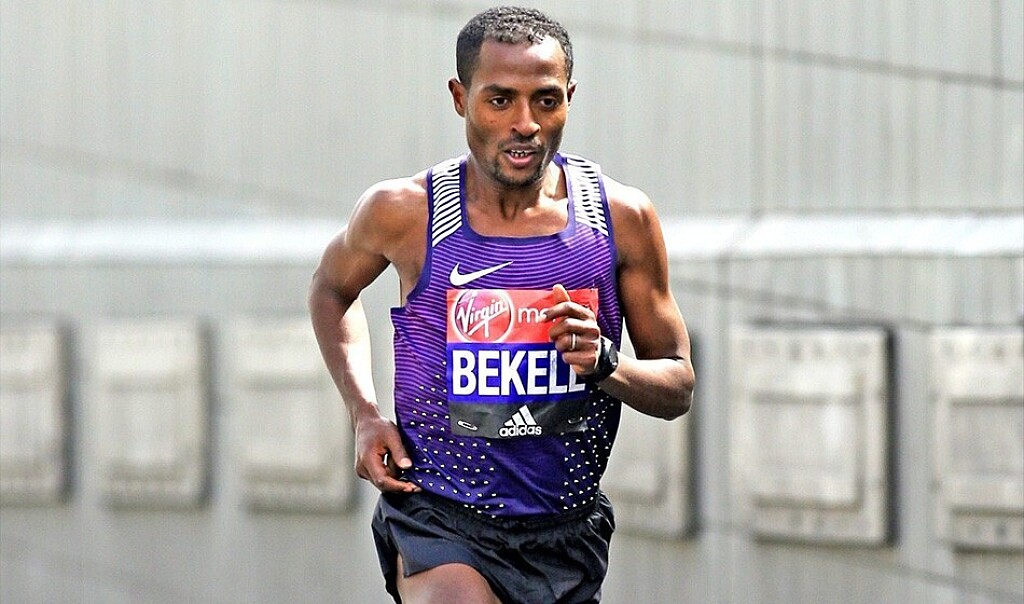
Kenenisa Bekele Says His Training Ahead Of London Has Been Good, But Not Perfect
On Sunday, 2019 Berlin Marathon champion Kenenisa Bekele of Ethiopia will take on defending champion Amos Kipruto of Kenya in a potentially explosive 2023 London Marathon race.
Last year, he finished fifth in 2:05:19 behind Kipruto (2:04:39). In an exclusive interview with Nation Sport, the two-time Olympics 5,000 metres and 10,000m champion admits that this year’s race features one of the strongest fields. He talked to our writer Bernard Rotich.
Question: Having completed your training for the London Marathon, how have your preparations been so far?
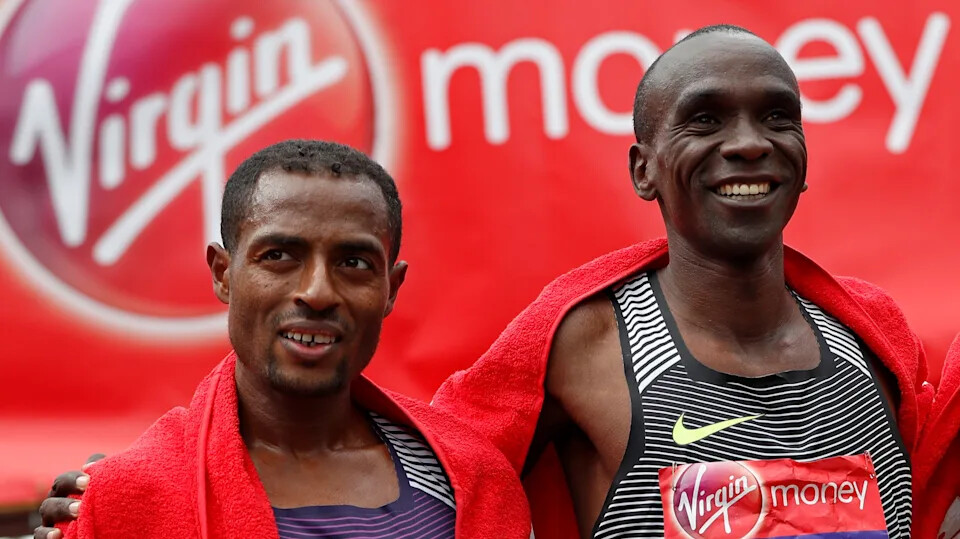
My training has been good, but not perfect. I had minor injuries earlier on in my training programme, but I feel healthy and fit for Sunday’s race.
Where do you train specifically, and what does your day to day programme look like?
I train around Addis Ababa in Ethiopia. I do runs at altitude, and Entoto Forest Park in Addis Ababa is one good place for that. But I also do low altitude training around Sendafa, a small town located some 38 kilometres to the East of Addis Ababa. Of course, exercise training becomes an important part of my training programme ahead of races.
How does your diet look like when training for races? Do you have special food during that period?
Not any specific food. Most importantly, I like a variety of food. I eat a lot of vegetables, nuts, fruit, some meat, pasta, rice, milk and of course our national food injera which is high in nutrients. For me, just plain food is enough, not too much spices and oil.
Which was your last race and what can you say about your performance in it?
My last race was the 2022 London Marathon. I had hoped for more in the race, but I couldn’t achieve what I set out to do. I was struggling healthwise, having suffered a double Covid-19 infection.
At the 2019 Berlin Marathon, you came close to breaking Eliud Kipchoge’s then world record in the marathon of 2:01:39 by two seconds, but Kipchoge further lowered that time. Is Kipchoge’s new world record of 2:01:09 within reach for you?
Actually, it is what motivates me. Of course I still hope it will happen one day.
When competing against Kenyans, do you come under pressure, or do they help you to push yourself to the limit?
Good competition always helps to motivate me to push myself the extra bit. We need each other to excel in athletics.
You have had a long and successful athletics career. What is your secret to longevity?
My talent is God-given. This is what God chose for me to do. I had dreams, and I still have many goals to achieve. That keeps me going.
How have you invested your earnings from athletics, and what advice can you give upcoming athletes who look up to you?
I built my own synthetic athletics track in Sululta, about 20km north of Addis Ababa. Initially, I built it for my track training. I needed a good soft track surface to avoid injury. Nowadays, almost all Ethiopian athletes train there, which supports athletics in Ethiopia. Next to it, I built a training center and guesthouse where athletes can stay. We need to help each other and build for the community.
What is your message to your fans ahead of Sunday’s race?
I’m very happy with all the support I get from all over the world. The crowds are usually really amazing in London. I really appreciate the support I get from my fans during my preparations. I see it, and it motivates me.
You belong to NN Running Team. How has your experience been so far?
For me, the medical and nutritional support of the team has made the difference. I have access to the best sports doctors, physios, nutritionists and products. I owe them a lot. It has been career extending, and they are the reason I am still chasing my dreams and goals.
What do you think of the 2023 London Marathon line-up? Do you feel pressure to deliver?
Of course in a World Marathon Major, you can only expect a top field of athletes. The competition is really strong this year, but I’m looking forward to getting the most out of myself.
Who are your training partners? What do you think of them?
I train with Leul Gebresilase who will also compete in London Marathon. Training together with other strong athletes motivates me to push the boundaries. I think Leul is strong. He finished second last year, but let’s see what will happen in this race.
Login to leave a comment
TCS London Marathon
Since its inaugural edition on March 29, 1981, the TCS London Marathon has grown into one of the world's most prestigious road races, blending elite competition with an extraordinary charitable legacy. Founded by former Olympic champion and journalist Chris Brasher alongside Welsh athlete John Disley, the event has been staged every year and has been held in the spring annually...
more...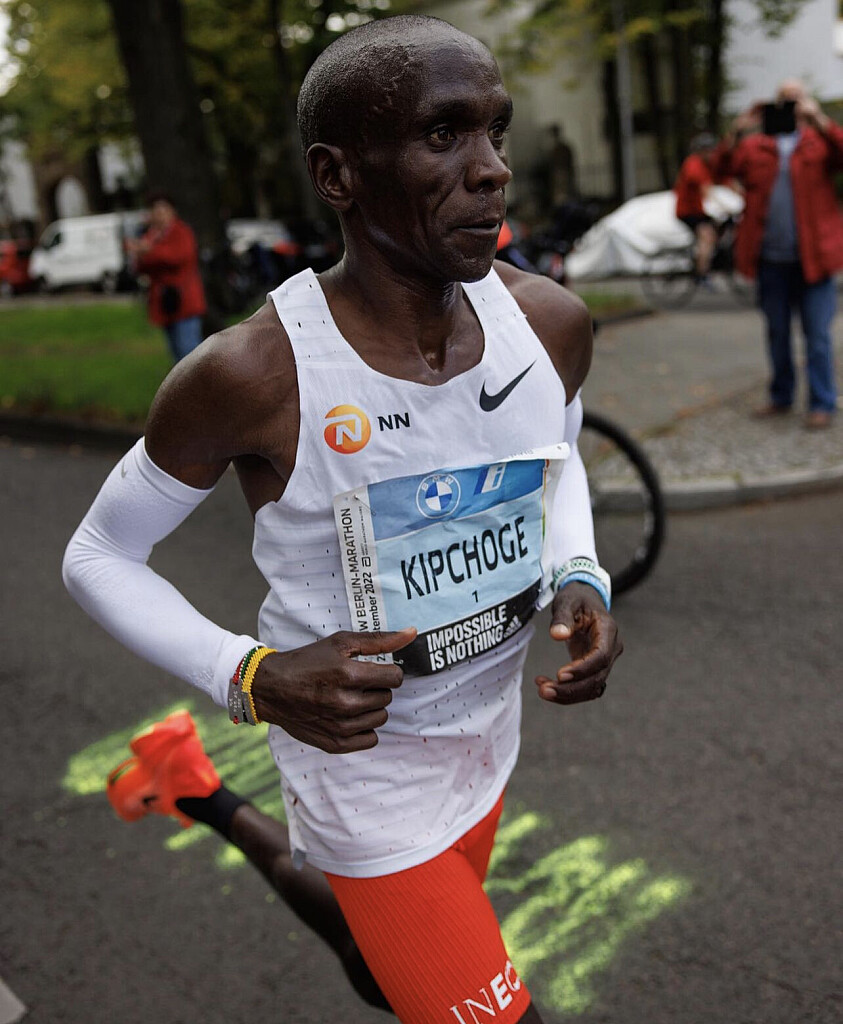
Eliud Kipchoge: Three down, three to go
“I want to not only compete in all six but to do so and win. These are two different targets. What’s more, I have added another challenge of getting course records for the other half of the races,” Kipchoge said in a recent interview with NN Running Team, setting out a new goal for an athlete who has achieved almost every target put in front of him.
Already a two-time Olympic champion, reigning world record holder and the only man to run a marathon in under two hours, it would be easy to forgive Kipchoge for wanting to rest on his considerable laurels after a career in which he has won 15 of the 17 marathons he has run.
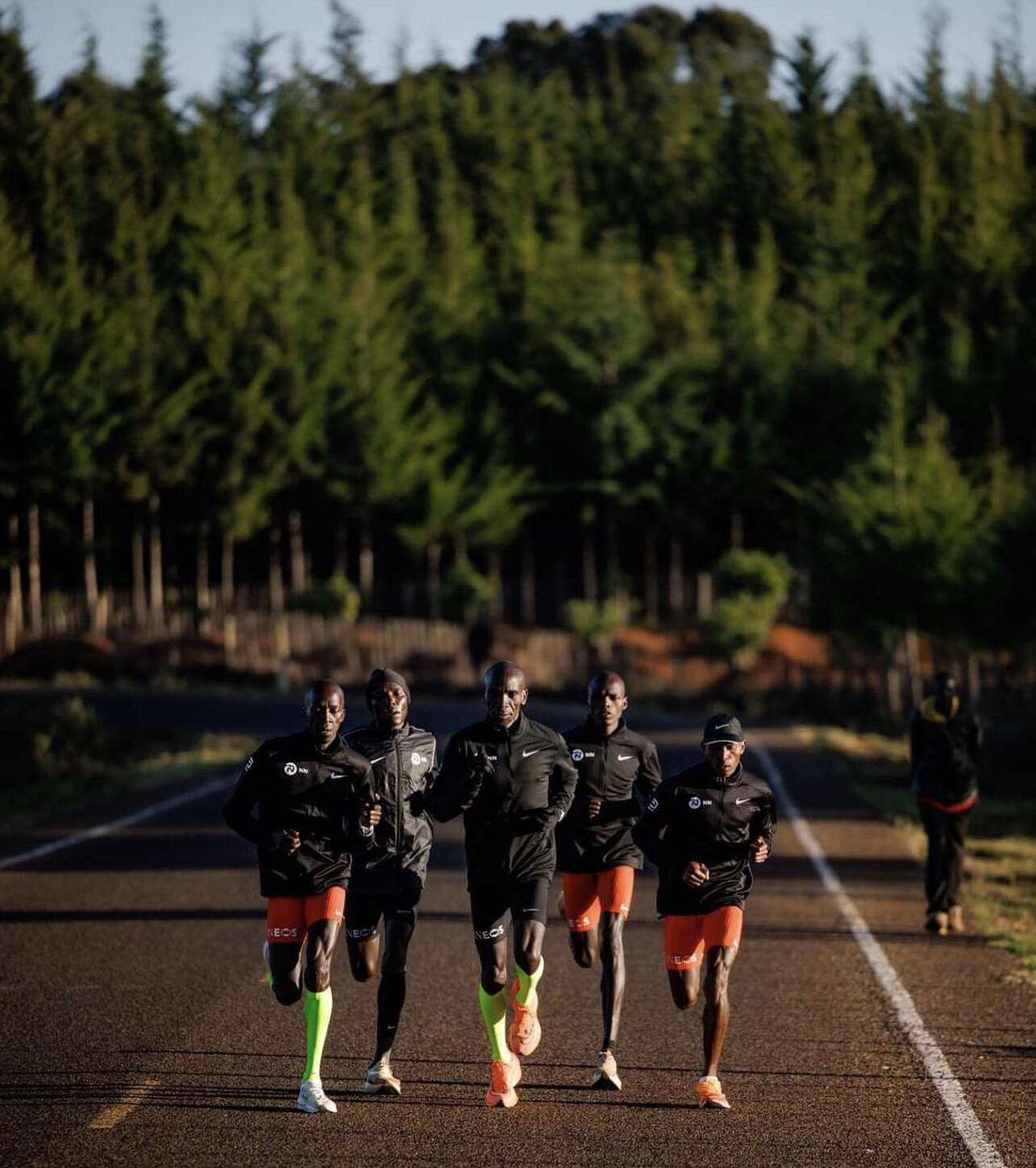
But the man who is a living personification of his catchphrase “No human is limited” is on a mission to change the face of history by winning the six most prestigious marathon races on the planet in record time.
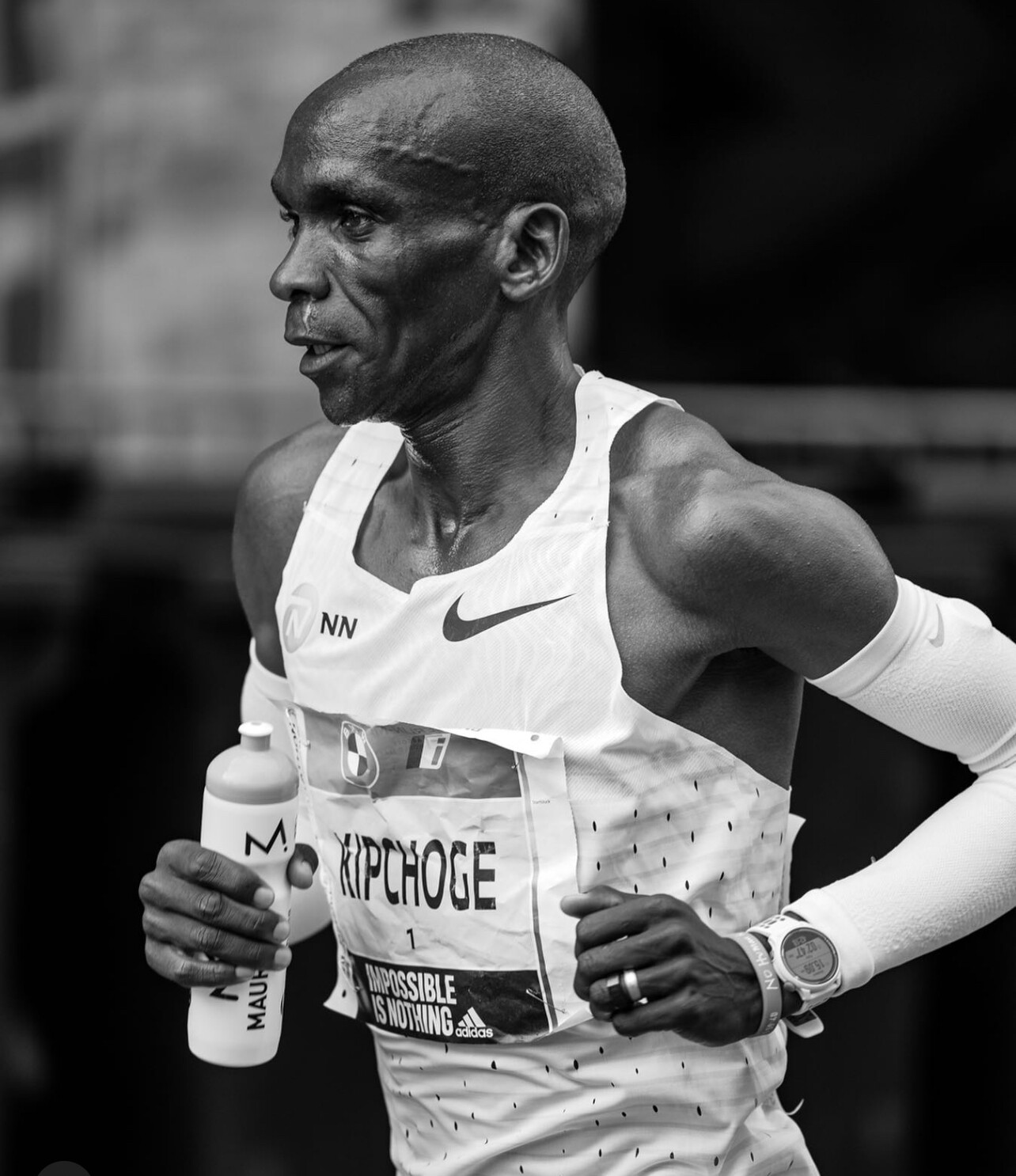
He currently owns the course record in three marathons, London (2:02:37) set in 2019, Tokyo (2:02:40) set in 2022 and Berlin, the current world record of 2:01:09 also set in 2022.
That leaves three left on his bucket list, starting with the Boston Marathon, which takes place on April 17 2023.
Login to leave a comment

Boston Marathon
Among the nation’s oldest athletic clubs, the B.A.A. was established in 1887, and, in 1896, more than half of the U.S. Olympic Team at the first modern games was composed of B.A.A. club members. The Olympic Games provided the inspiration for the first Boston Marathon, which culminated the B.A.A. Games on April 19, 1897. John J. McDermott emerged from a...
more...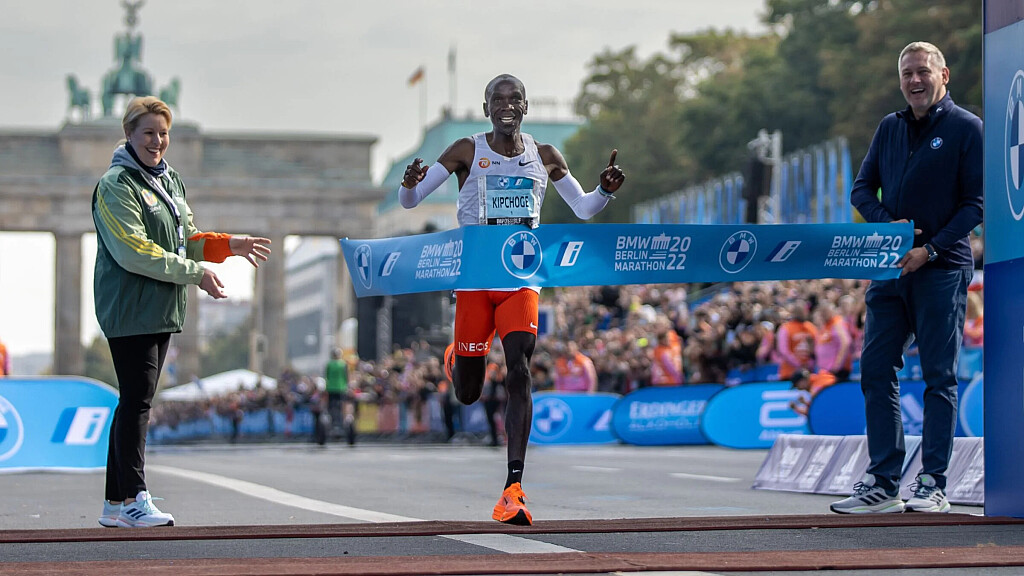
World Athletics ratify Kipchoge’s marathon world record
Eliud Kipchoge’s 2:01:09 marathon world record, along with world U20 records set last year by 100m sprinter Letsile Tebogo and Jamaica’s 4x100m team, have been ratified.
Double Olympic champion Kipchoge won the Berlin Marathon last year, taking 30 seconds off the marathon world record he had set in the same city on 16 September 2018.
The 38-year-old Kenyan went out hard, passing through 5km in 14:14 and 10km in 28:22 – not just comfortably inside world record pace, but also well inside a projected two-hour finish.
He maintained that pace through half way, which was reached in 59:50 – identical to his half-way split when he produced a sub-two-hour run in an unofficial orchestrated race in Vienna three years ago. His pace started to drop slightly from then on, but he was still comfortably inside world record pace.
Ethiopia’s Andamlak Belihu had been level with Kipchoge up until that point, but the Kenyan superstar then gradually pulled clear and was out on his own. He passed through 30km in 1:25:40, then reached 35km in 1:40:10.
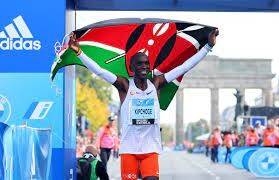
By the time he passed through 40km in 1:54:53, his lead had grown to move than four minutes. Kipchoge went on to cross the line in 2:01:09, making this the eighth consecutive men’s marathon world record to be set in Berlin.
“I am overjoyed to have broken the world record,” said Kipchoge. “I wanted to run the first half so fast. After 38km I knew I would be capable of breaking the world record. The circumstances were great, and so was the organisation.”
Botswana’s Tebogo successfully defended his 100m title at the World Athletics U20 Championships Cali 22. He had broken the championship record in his heat with 10.00, then won his semifinal in 10.14 before going on to dominate the final in 9.91 (0.8m/s).
His winning time took 0.03 off the world U20 record he had set in Eugene on 15 July in the heats of the World Athletics Championships Oregon22.
“When the gun went off, I had to make sure I made the best start of my life – and it was the best start of my life,” said Tebogo. “As soon as I took my first step, I knew the title was mine. I didn’t worry about the time. I didn’t look.”
Just three days later, another world U20 record fell, this time in the women’s 4x100m. The Jamaican quartet of Serena Cole, Tina Clayton, Kerrica Hill and Tia Clayton teamed up to take the title in 42.59, taking 0.35 off the previous record that the same team had achieved on August 22, 2021 at the previous World U20 Championships in Nairobi.
A similar quartet — but with Brianna Lyston on third leg instead of Hill — had clocked a marginally quicker 42.58 at the Carifta Games earlier in 2022, but it could not be ratified as a record.
Records Ratified
Men’s world marathon record: 2:01:09 Eliud Kipchoge (KEN) Berlin, September 25, 2022
Men’s world U20 100m record: 9.91 (0.8m/s) Letsile Tebogo (BOT) Cali, August 2, 2022
Women’s world U20 4x100m record: 42.59 Jamaica (Serena Cole, Tina Clayton, Kerrica Hill, Tia Clayton) Cali, August 5, 2022
by World Athletics
Login to leave a comment

Kipchoge wished the sporting fraternity God’s blessings during the holidays
World marathon record holder Eliud Kipchoge spent his Christmas Day with his family at his rural home in Kapsisiywa in Nandi County.
“I’m getting re-energised for the next season which has already started and my focus will be on the Boston Marathon where I’m debuting. I believe I will be able to do well just like the previous races,” said Kipchoge.
This year, Kipchoge ran a new world record of 2:01:09 in Berlin Marathon, lowering his previous record of 2:01:39.
Kipchoge will come up against defending champion Evans Chebet and 2021 winner Benson Kipruto in Boston.

Chicago Marathon champion Benson Kipruto is also at his home in Kapsabet, Nandi County.
Kipruto is looking forward to a better season.
“I took a short break from training. I want to wish everybody a good festive season full of God’s blessings as we look forward to a busy season,” said Kipruto, who trains under the 2Running Athletics Club.
World 10,000m bronze medallist Margaret Chelimo is also in Kapsabet for the festivities but her eyes are fixated on winning gold over the distance in Budapest next year.
“We are celebrating Christmas but my training has been good since I resumed. I will be competing in various races just to prepare for the World Championships,” said Chelimo.
Athletes representative Milcah Chemos urged athletes to stay focused ahead of the new season and strive to run clean.
"We have a lot of competitions coming up this season. We have been fighting the doping menace for some time now and it is time the athletes reward Kenyans by avoiding use of banned substances,” said Chemos.
by Bernard Rotich
Login to leave a comment
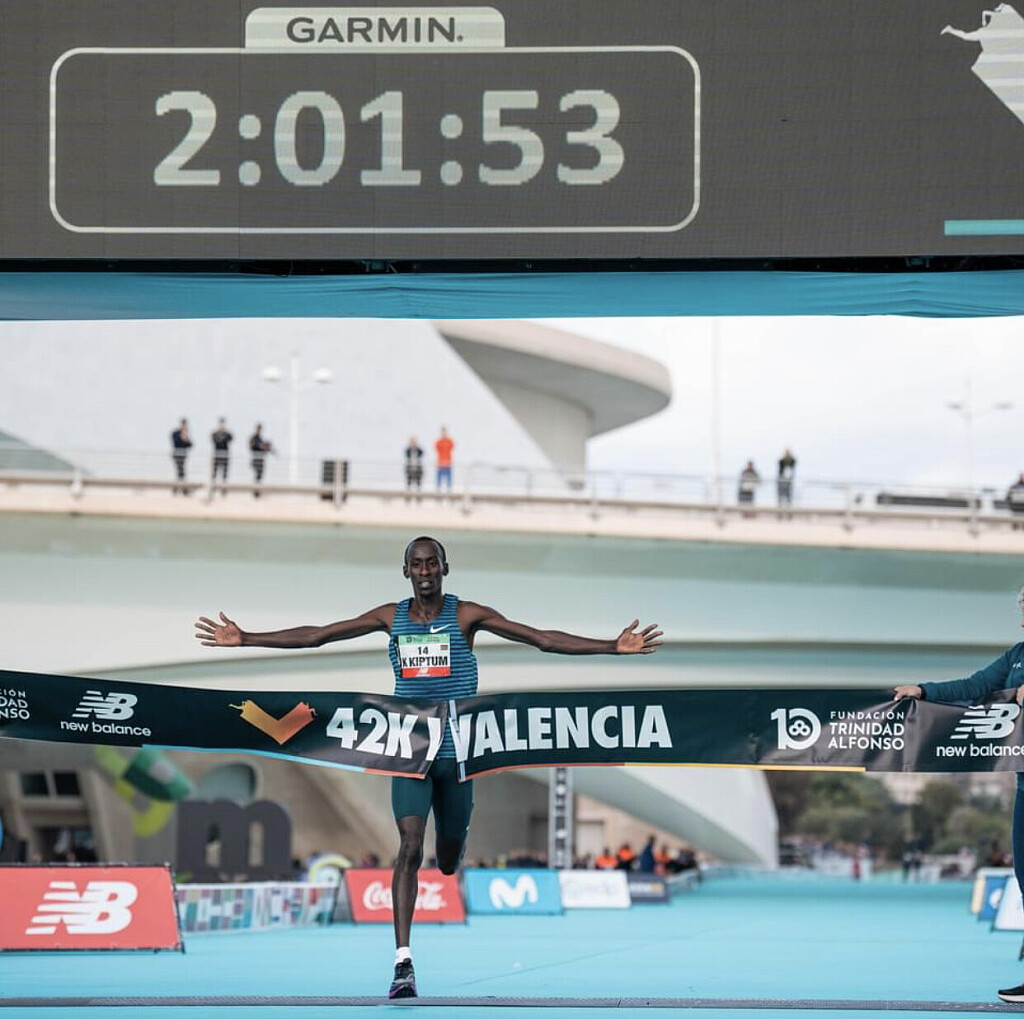
Very fast times for both men and women in Valencia with surprise winners
VALENCIA, Spain — Near-perfect conditions at the 2022 Valencia Marathon Trinidad Alfonso created an opportunity for fast times, and the elite fields answered the call on Sunday morning. Kenya’s Kelvin Kiptum won the men’s race in 2:01:53, the fastest debut in history, after breaking the race open with a savage late-race move at 32 kilometers. Kiptum split 60:15 for his second half and 28:04 from 30-40k to become just the third man in history to break 2:02 after Eliud Kipchoge (2:01:09) and Kenenisa Bekele (2:01:41).
In the women’s race, Ethiopia’s Letesenbet Gidey was expected to challenge the world record of 2:14:04 in her debut and was on 2:14:10 pace through 30k. But, shockingly, Gidey still had company at that point of the race as her countrywoman Amane Beriso was still with her. And in the end, it was Beriso who would hold on best as she won in 2:14:58 to move to #3 on the world all-time list. Gidey would fade over the final 10k but still hold on for second in 2:16:49, the fastest debut ever by a woman.
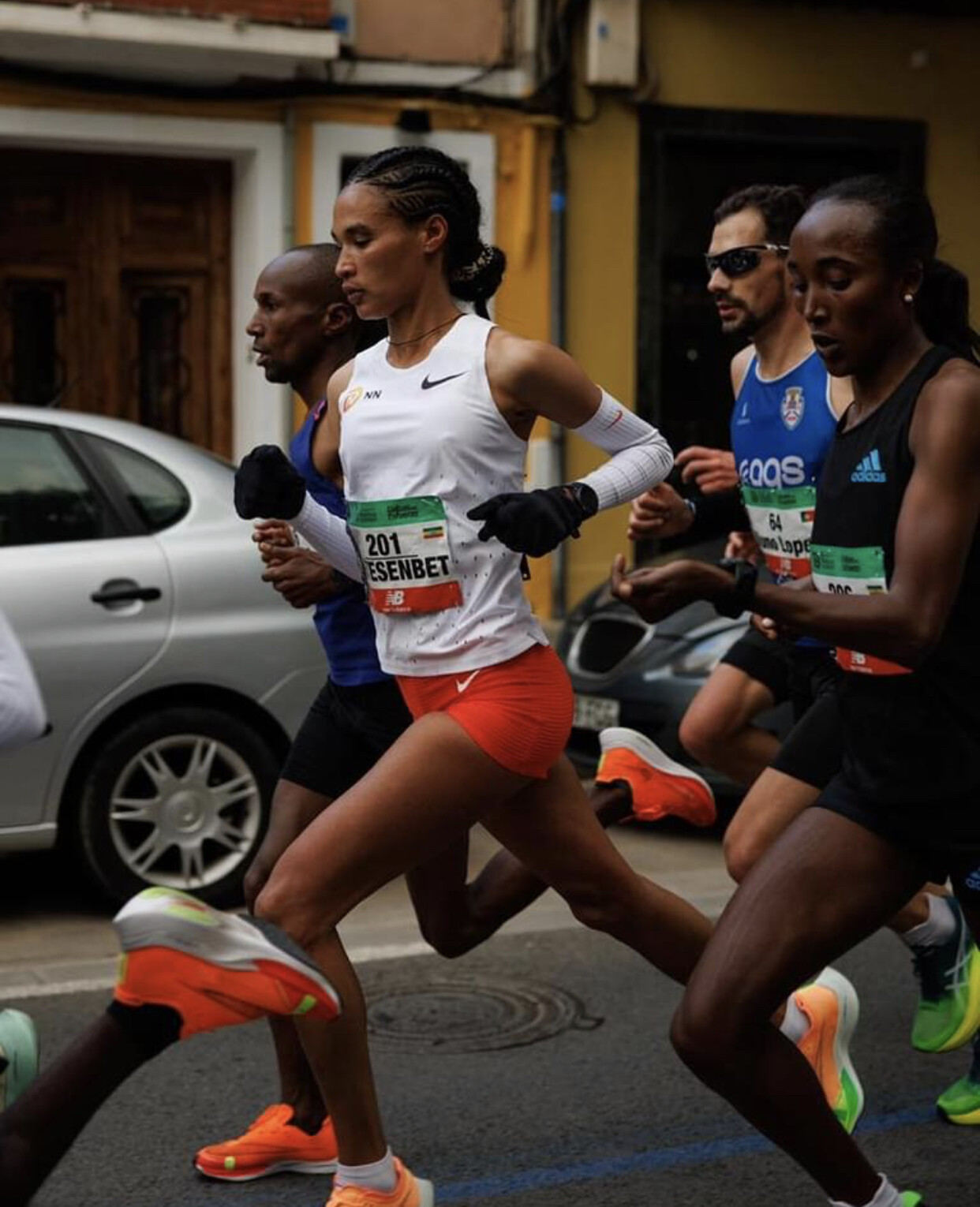
Both Kiptum and Beriso were surprise winners and had done little recently to indicate they would challenge for the win in Valencia. Kiptum owns a half marathon best of 58:42 from Valencia in 2020, but had not finished a race over any distance since October 2021 (he DNF’d the RAK Half in February 2022). Beriso, whose pb of 2:20:48 dates from her debut in Dubai in 2016, did not race at all from January 2020 to August 2022. In her return, winning the Mexico City Marathon on August 28 in 2:25:05 at an elevation of over 7,000 feet. On Sunday, just 14 weeks later, she ran a pb of almost six minutes to become the third-fastest woman in history.
Conditions could scarcely have been better for running, with temperatures in the high-40s/low-50s, wind under 5 miles per hour, and a fast, flat course in Valencia. In the men’s race, the top four all broke 2:04 while on the women’s side, seven athletes broke 2:19 — the most ever in a single race. Also notable, 45-year-old Sinead Diver ran 2:21:34 to finish 12th, a pb by almost three minutes and an Australian record.
by Jonathan Gault (let’s run)
Login to leave a comment

VALENCIA TRINIDAD ALFONSO
The Trinidad Alfonso EDP Valencia Marathon is held annually in the historic city of Valencia which, with its entirely flat circuit and perfect November temperature, averaging between 12-17 degrees, represents the ideal setting for hosting such a long-distance sporting challenge. This, coupled with the most incomparable of settings, makes the Valencia Marathon, Valencia, one of the most important events in...
more...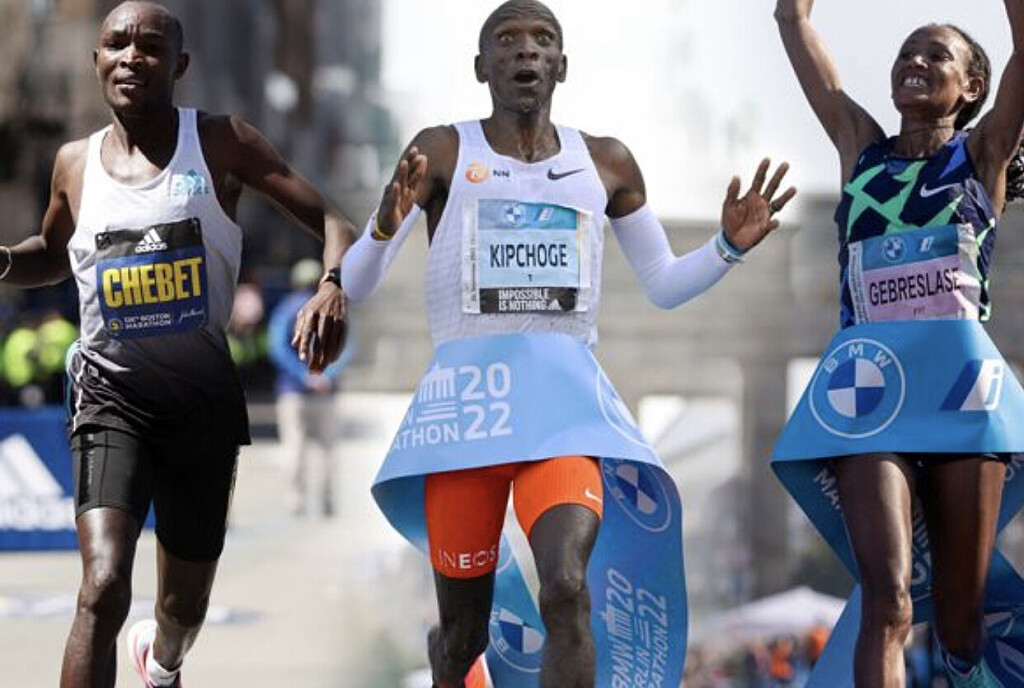
Kipchoge, Gebreslase and Chebet confirmed for Boston Marathon
World record-holder and double Olympic champion Eliud Kipchoge and world champion Gotytom Gebreslase will make their Boston Marathon debuts on 17 April 2023, joining six former winners of the World Athletics Elite Platinum Label road race.
Defending champion Evans Chebet, 2021 winner Benson Kipruto, and two-time victor Lelisa Desisa will be part of a historically deep men’s elite race. Among the returning champions in the women’s field are Edna Kiplagat, Atsede Baysa and Desiree Linden.
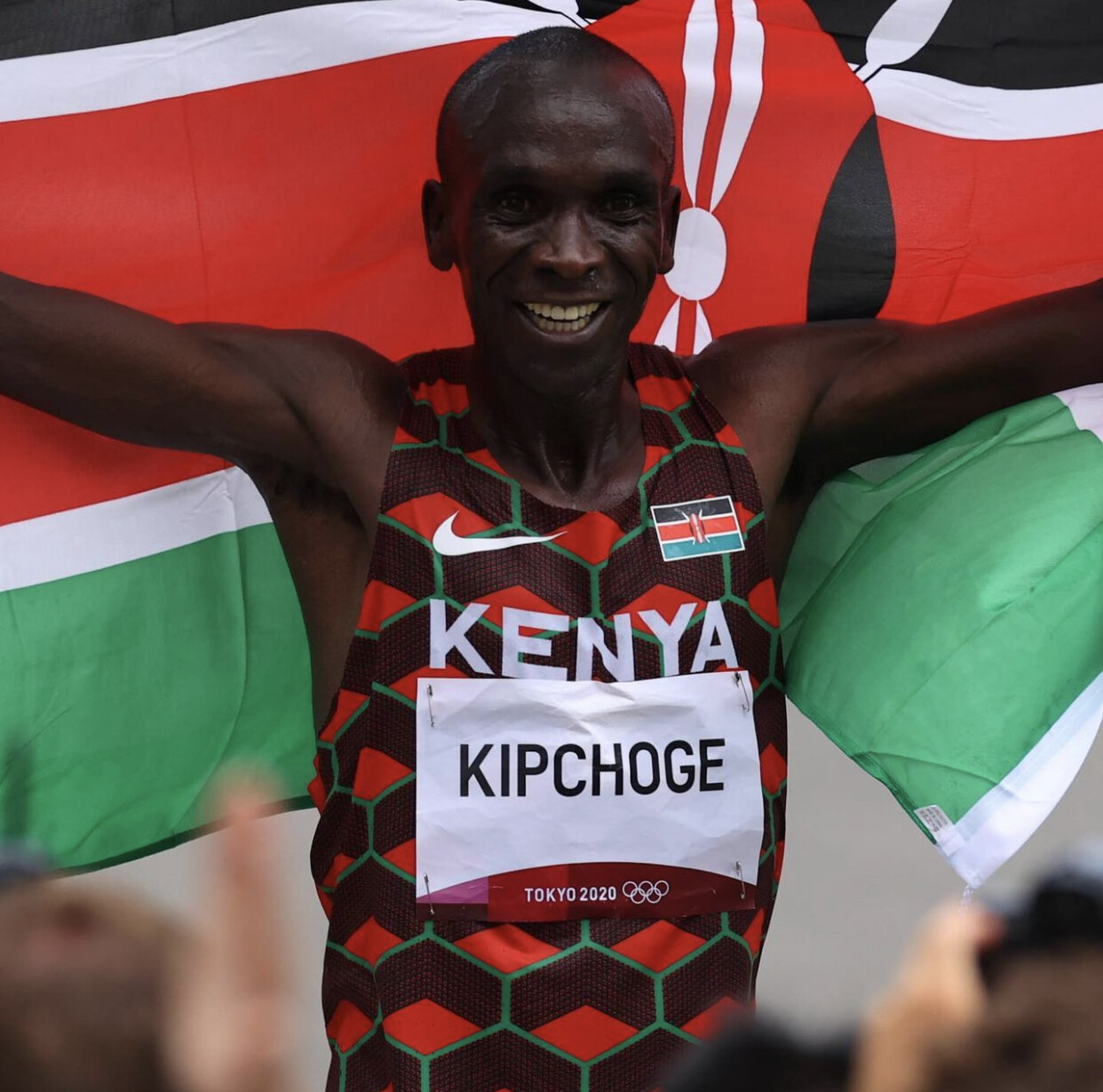
As the fastest marathon runner in history, Kipchoge will take on the challenging Boston Marathon course with hopes of earning his 11th win in an Abbott World Marathon Majors event. Kipchoge’s last marathon resulted in a world record of 2:01:09 at the Berlin Marathon.
“I am happy to announce in April I will compete in the Boston Marathon, a new chapter in my Abbott World Marathon Majors journey,” said Kipchoge. “Good luck to all the runners running Boston in 2023.”
Chebet stormed to a 2:06:51 win at the Boston Marathon earlier this year then ran to victory at the New York City Marathon in November. In 2022, Chebet became just the sixth man in history to win the Boston and New York City Marathons in the same year.
“To be a champion in Boston is something very special and for me it has even more meaning because it took me quite some time during my career to be competitive enough to finally win the oldest marathon in the world,” said Chebet. “I can’t wait to be back and to enjoy the great atmosphere of such a unique and historical race!”
Kipruto, a training partner of Chebet, also returns. Almost exactly one year after winning the 2021 Boston Marathon, he won the Chicago Marathon in a PB of 2:04:24.
Desisa enters Boston with vital experience, having placed in the top two four times at the Boston Marathon (wins in 2013 and 2015 and second-place finishes in 2016 and 2019). April marks the 10-year anniversary of his first victory, one in which he donated his champion’s medal back to the City of Boston in recognition of the tragedy of 15 April 2013.
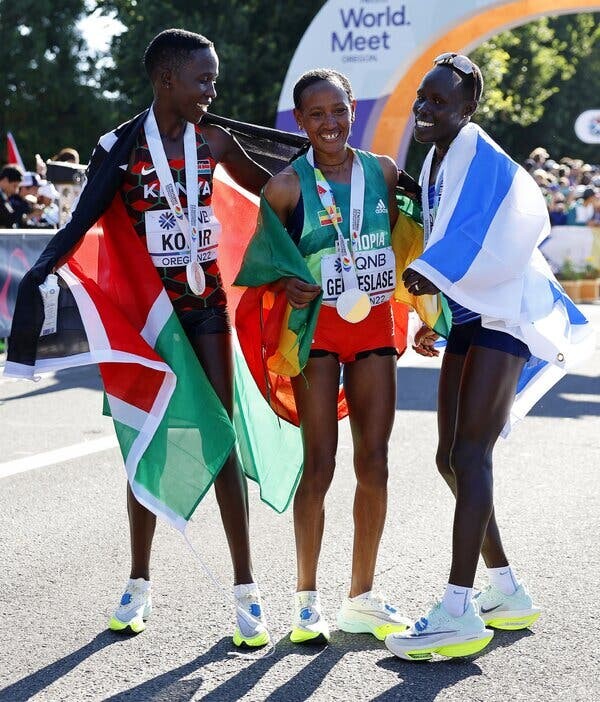
While this will be Gebreslase’s first Boston Marathon, it is far from her first time racing in Boston. The Ethiopian world champion has finished runner-up at the Boston Half Marathon twice and has placed in the top five three times at the Boston 5K. Along with winning the world title, Gebreslase placed third at both the Berlin Marathon and New York City Marathons this year.
“I am very happy to compete in the Boston Marathon 2023, as Boston is one of the most famous races in the world,” said Gebreslase. “It has long been a dream of mine to win the race. When I was a young track athlete, I raced many times in Boston in indoor races and then on the roads, so I am very excited and happy to bring my career full circle and come back to Boston now as the world champion.”
Kiplagat, a two-time world champion, is still highly competitive at the age of 43. She finished fourth at this year’s Boston Marathon in 2:21:40 – 12 seconds faster than her winning time in Boston in 2017.
Baysa, the 2016 Boston Marathon winner, also returns. Also a past winner in Chicago and Paris, Baysa finished eighth at the 2021 Boston Marathon. Linden, the winner in 2018, will be racing in her 10th Boston Marathon.
The complete elite field – including additional Boston Marathon champions, Abbott World Marathon Majors winners and global medallists – will be announced in the coming months.
by World Athletics
Login to leave a comment
Boston Marathon
Among the nation’s oldest athletic clubs, the B.A.A. was established in 1887, and, in 1896, more than half of the U.S. Olympic Team at the first modern games was composed of B.A.A. club members. The Olympic Games provided the inspiration for the first Boston Marathon, which culminated the B.A.A. Games on April 19, 1897. John J. McDermott emerged from a...
more...