

Running News Daily
Running News Daily is edited by Bob Anderson and team. Send your news items to bob@mybestruns.com Advertising opportunities available.
Index to Daily Posts · Sign Up For Updates · Run The World Feed
Articles tagged #Addis Ababa
Today's Running News
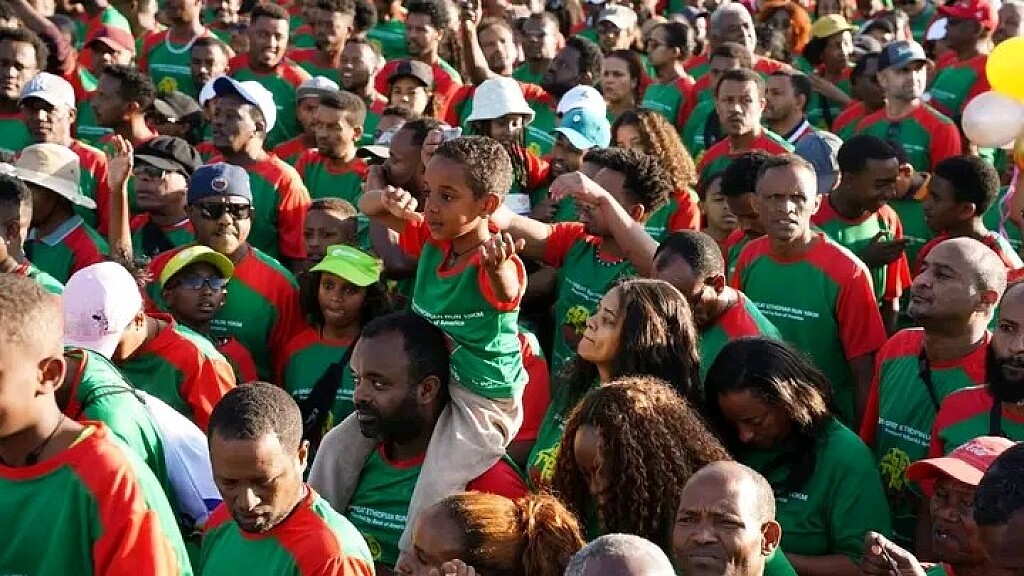


Addis Ababa Erupts In Colour As Record 60,000 Runners Take Over The Streets! Yismaw Dilu And Yenewa Nibret Crowned Champions At The 2026 Great Ethiopian Run!
Addis Ababa became the centre of the running world on Sunday, November 22, as a record-breaking 60,000 participants flooded the streets of Ethiopia's capital for the 2026 Great Ethiopian Run, transforming the city into a spectacular celebration of athletics, culture and togetherness.

In an extraordinary display of mass participation, runners of different ages, abilities and nationalities came together for Africa's biggest road race, turning the iconic 10-kilometre event into a sea of colour, excitement and national pride. The 2026 edition also welcomed approximately 200 international participants representing 25 countries, further strengthening the race's reputation as a global celebration of running.

While the streets were filled with thousands of recreational runners and enthusiastic supporters, the elite competitions produced two outstanding champions. Yismaw Dilu claimed victory in the men's 10km race, finishing ahead of Takele Mose, who secured second place, while Roba Merga completed the podium in third.
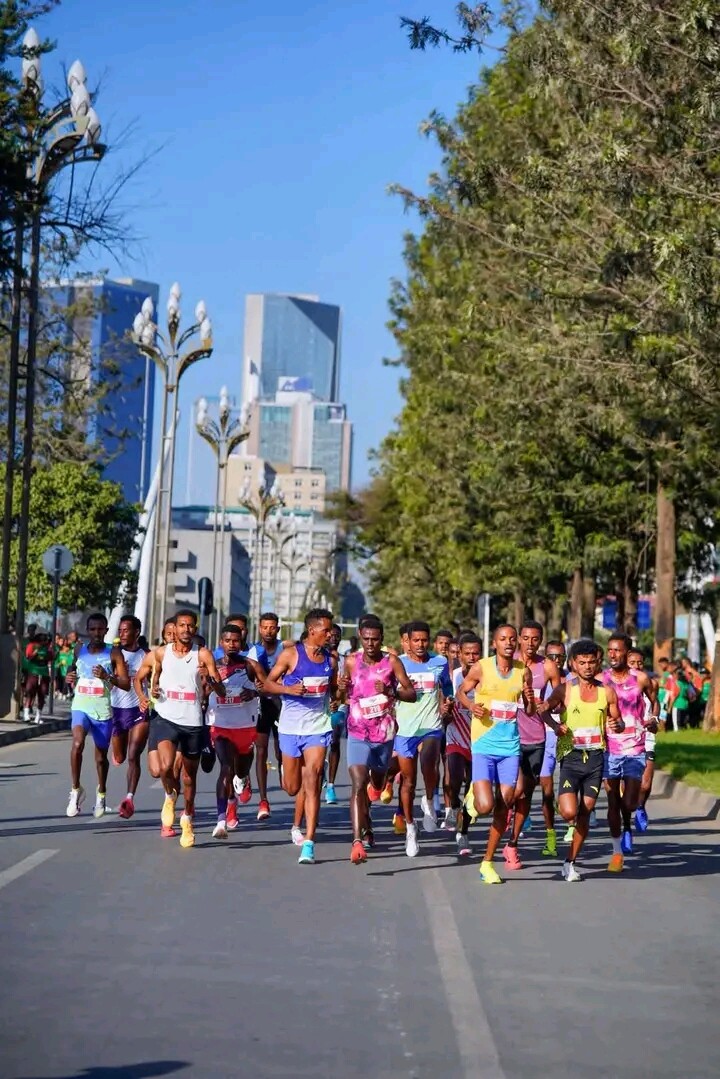
Dilu's triumph was particularly significant as he successfully defended the title he won last year, securing back-to-back victories at one of Africa's most celebrated road-running events. His consecutive triumphs underlined his consistency and ability to deliver on the big stage, further cementing his place among the leading competitors in the race.
In the women's competition, Yenewa Nibret emerged victorious to claim the 2026 title, with Almaz Yohannes finishing second and Alemenesh Tilaye taking third place. Her victory added another memorable chapter to the women's competition and ensured a successful day for Ethiopia's homegrown distance-running talent.
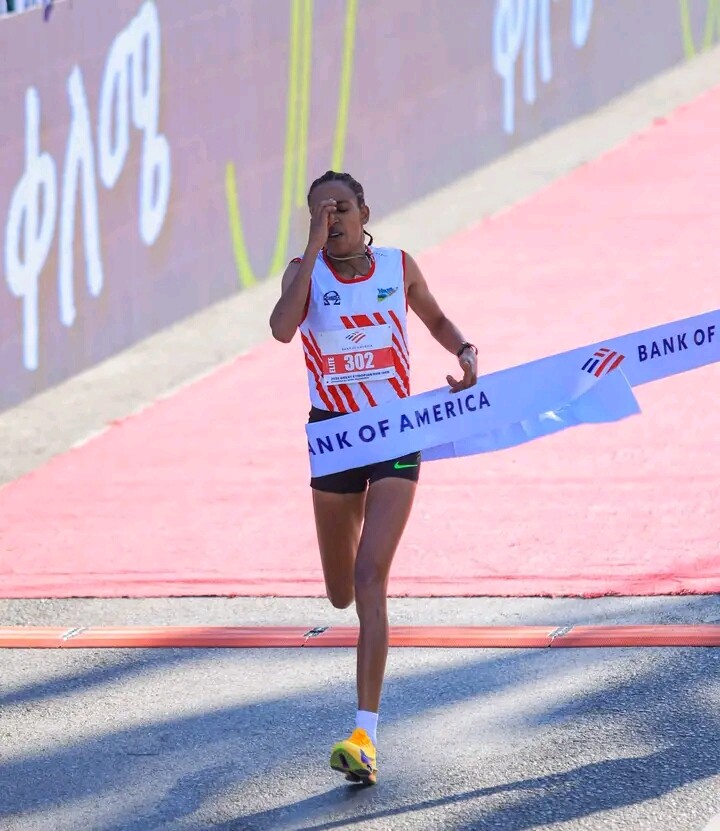
Presented by Bank of America, the 2026 Great Ethiopian Run once again demonstrated the extraordinary power of sport to unite people. From elite athletes chasing victory to recreational runners embracing the experience, participants shared the same streets and celebrated their love for running under the event's vibrant theme, "My Run, My Color."
Beyond the podium celebrations, the significance of the Great Ethiopian Run extends far beyond the finishing line. It is an event that brings together an entire nation, offering professional athletes, emerging talents, recreational runners and international visitors an opportunity to share the same streets and celebrate the universal spirit of sport.
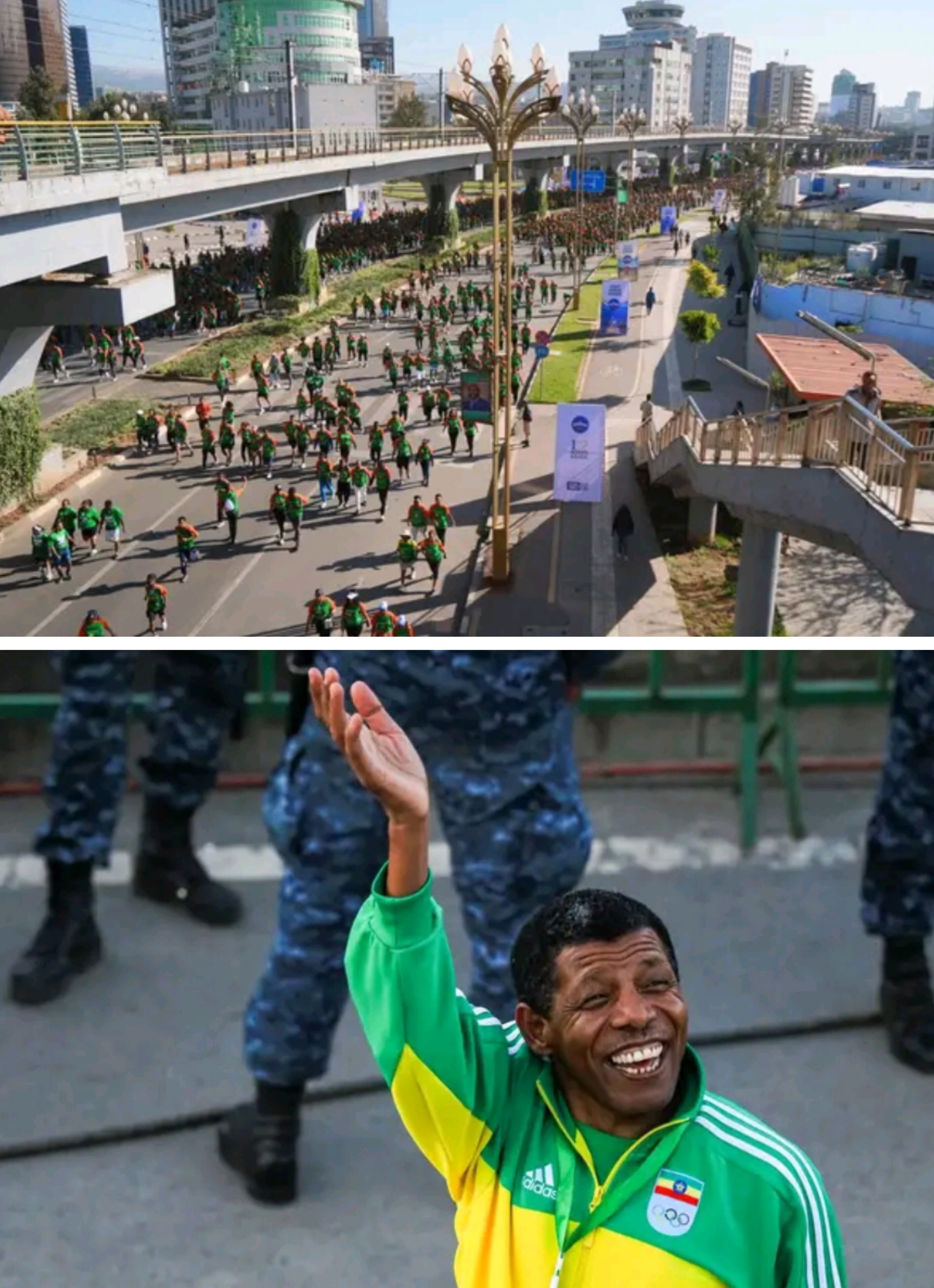
Founded in 2001 by Ethiopian distance-running legend Haile Gebrselassie, the event has grown into one of Africa's most recognisable road-running spectacles. What began as an ambitious initiative to bring people together through running has developed into a major international attraction, showcasing Ethiopia's extraordinary relationship with athletics.
Ethiopia's reputation as a global distance-running powerhouse provides the perfect backdrop for the event. A country that has produced generations of Olympic champions, world-record holders and legendary marathoners continues to use running as a platform for inspiring young athletes and strengthening its sporting identity.
This year's record participation of 60,000 runners represents another remarkable milestone in the event's history, highlighting the growing popularity of mass-participation running and the enduring appeal of the Great Ethiopian Run.
With Yismaw Dilu successfully defending his men's crown, Yenewa Nibret claiming the women's title and tens of thousands of participants creating unforgettable memories across the capital, Addis Ababa once again delivered a spectacular celebration of Ethiopian athletics and African running culture. The 2026 edition was not just about who crossed the finish line first, but also about the unity, colour and shared passion that continue to make the Great Ethiopian Run an extraordinary sporting occasion.
by Erick Cheruiyot for My Best Runs.
Login to leave a comment

the Great ethiopian 10k run
The Great Ethiopian Run is an annual 10-kilometerroad runningevent which takes place inAddis Ababa,Ethiopia. The competition was first envisioned by neighbors Ethiopian runnerHaile Gebrselassie, Peter Middlebrook and Abi Masefield in late October 2000, following Haile's return from the2000 Summer Olympics. The 10,000 entries for the first edition quickly sold out and other people unofficially joined in the race without...
more...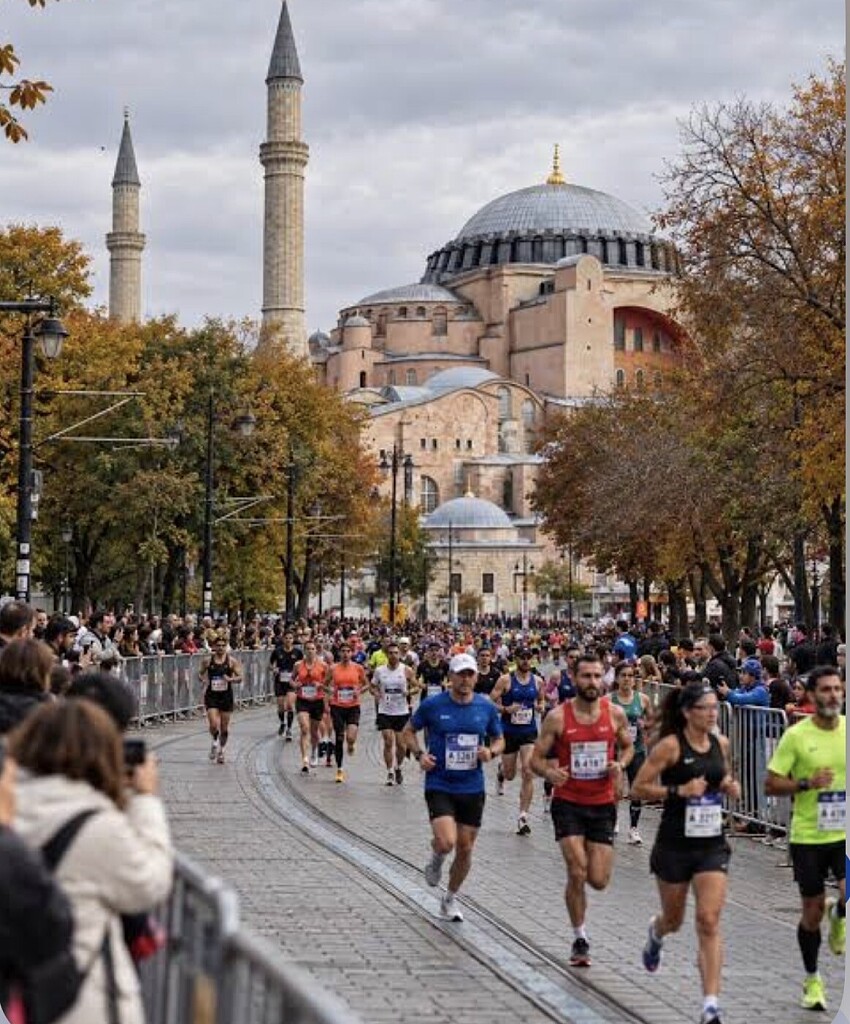
Istanbul Assembles Its Fastest Elite Field Ever as 50th Anniversary Approaches
The Türkiye Is Bankasi Istanbul Marathon is building toward its golden anniversary with a field worthy of the occasion. With two years remaining until its 50th edition, organizers have assembled the fastest elite lineup in the event’s history for Sunday’s 48th running.
Four men bring personal bests under 2:06, while three women have broken 2:20—a first for a race that has never previously featured a woman with a sub-2:20 personal best.
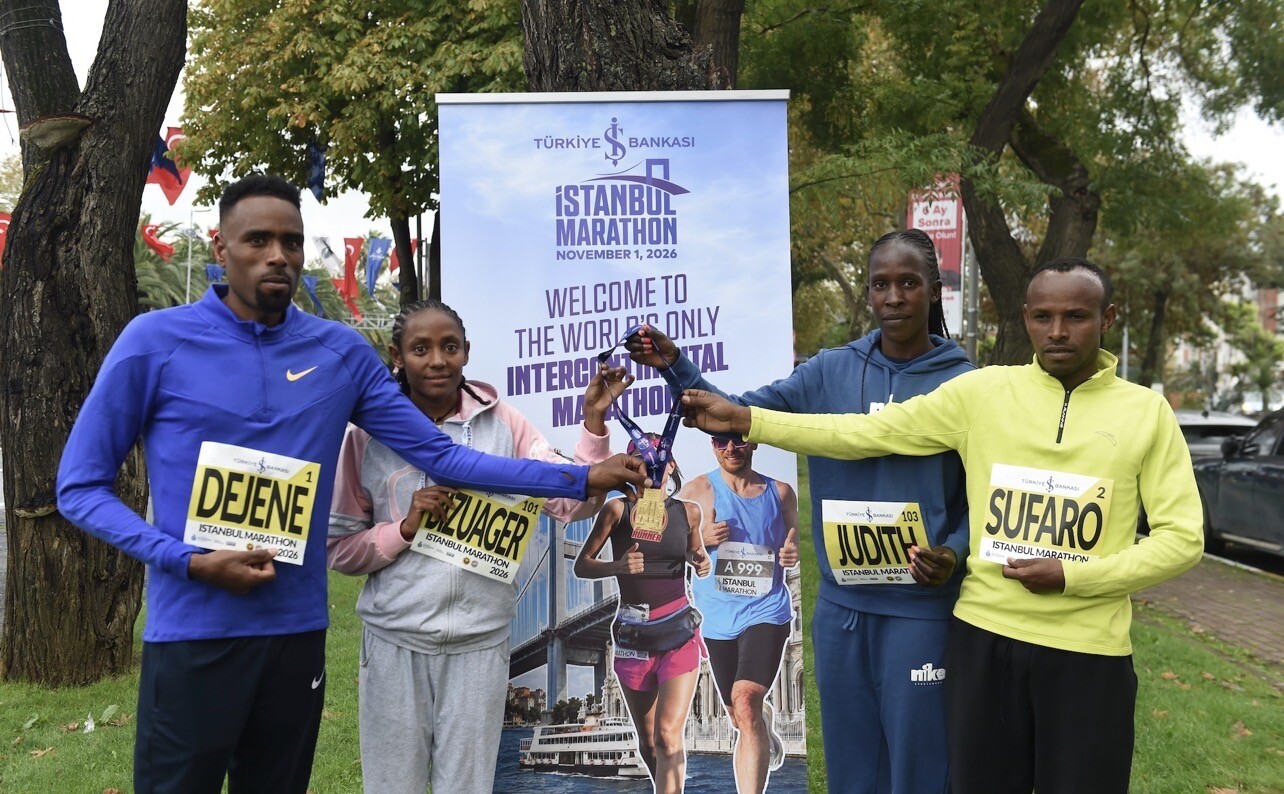
The world’s only intercontinental marathon takes runners from Asia to Europe. Türkiye’s largest marathon is also a World Athletics Gold Label Road Race, combining elite competition with one of the sport’s most distinctive settings.
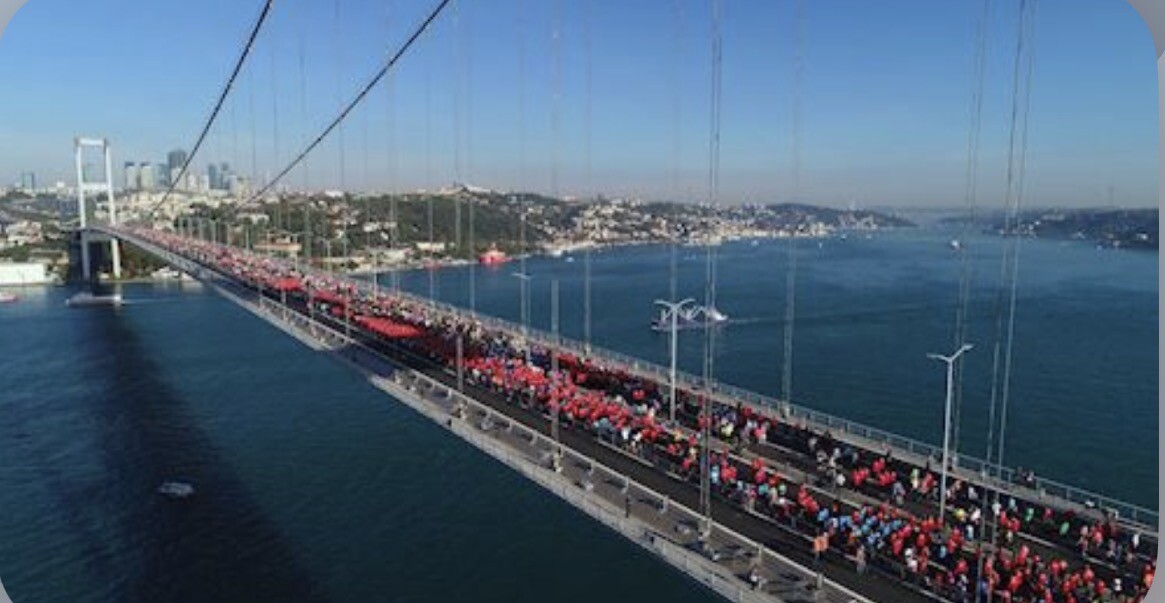
“An exciting race awaits us in both the men’s and women’s categories. Including races at shorter distances the Türkiye Is Bankasi Istanbul Marathon will bring together over 45,000 participants from 143 different countries. We are proud to host such a celebration of sports,” said Race Director Bilge Donuk.

Women’s Race: Korir Leads a Record-Setting Field
Kenya’s Judith Korir, the 2022 World Championships marathon silver medalist, leads the women’s field with a personal best of 2:18:20. Ethiopia’s Azmera Abreha follows at 2:18:33, with compatriot Kasanesh Baze bringing a best of 2:19:39.
Eritrea’s Dolshi Tesfu adds further depth with her 2:20:40 best. Turkish record holder Sultan Haydar, who ran 2:21:27 in Valencia three years ago, returns to Istanbul, where she finished third in 2013.
The strength of the field leaves defending champion Bizuager Aderra only ninth on the list by personal best. The Ethiopian won last year in 2:26:19, which remains her fastest marathon.
But Aderra is focused on defending her title.
“I will try to win again. I am ready and I have trained well in Addis Ababa,” said the 30-year-old. “The final section of the course is not easy. It is probably an advantage to know it.”
For Korir, Sunday offers an opportunity to reestablish herself after an extended injury setback. She enjoyed outstanding seasons in 2022 and 2023, winning the 2022 Paris Marathon, earning world silver in Eugene and finishing fourth in London in 2:18:43. She returned to London the following year and placed sixth.
“I got a hamstring injury which hampered me for around two years,” Korir said.
She finished eighth at this spring’s Milano Marathon in 2:26:48, a result that fell short of her expectations and prompted a change.
“After the Milano race I changed my set-up and moved my training base from Iten to Kaptagat, where I have strong training partners,” said Korir, who usually returns to Iten on weekends to see her husband and 13-year-old son.
“I am in good form now and look forward to Sunday.”
Men’s Race: Four Sub-2:06 Runners Target Istanbul Glory
Ethiopia’s Sufaro Woliyi heads the men’s field with a personal best of 2:04:35, set in Seoul this spring. Compatriot Amdework Walelegn follows at 2:04:50, ahead of Kenya’s Philimon Kipchumba at 2:05:35 and Ethiopia’s Dejene Debela at 2:05:46.
Istanbul also welcomed four sub-2:06 men two years ago, but this year’s leading quartet brings faster personal bests.
Debela combines speed with valuable course experience. The Ethiopian won in Istanbul two years ago and finished runner-up last year. His personal best dates to the 2019 Chicago Marathon.
“Compared to last year I am in much better form,” said Debela, who has not raced this year while recovering from injury. “The problem was that I got a muscle injury and it took long to recover.”
He believes the course record of 2:09:44, set in 2019, could be within reach.
“I am in the shape to run sub 2:10 in Istanbul. But a major factor is the weather. If conditions are fine we should break it,” Debela said.
Woliyi also knows what it takes to contend on Istanbul’s challenging course. He finished third last year, just 14 seconds behind Kenya’s Rhonzas Kilimo.
“My training went very well, I am in the best shape of my life. I hope that this time I will be the number one,” said Woliyi, who lives and trains in Asala, Ethiopia.
His breakthrough performance in Seoul makes him the fastest entrant, but his rivals’ experience and the demands of the course promise a competitive race.
Türkiye’s Hüseyin Can will also be one to watch. He helped push the pace last year and was rewarded with fifth place and a then-personal best of 2:10:58. He returns having improved to 2:10:03.
How to Watch
The marathon starts at 9:00 a.m. local time Sunday, with a livestream available through the official race website.
Elite Runners with Personal Bests
MEN:
Sufaro Woliyi ETH 2:04:35
Amdework Walelegn ETH 2:04:50
Philimon Kipchumba KEN 2:05:35
Dejene Debela ETH 2:05:46
Silas Too KEN 2:06:32
Douglass Kiprugut KEN 2:06:40
Francis Langat KEN 2:07:29
Benard Kipkorir KEN 2:08:12
Vincent Ronoh KEN 2:08:32
Shadrack Kenduiywo KEN 2:09:56
Hüseyin Can TUR 2:10:03
Samuel Lomoi KEN 2:10:21
Paul Tiongik KEN 2:10:25
Yavuz Agrali TUR 2:10:41
Gemechu Yadesa ETH 2:10:54
WOMEN:
Judith Korir KEN 2:18:20
Azmera Abreha ETH 2:18:33
Kasanesh Baze ETH 2:19:39
Dolshi Tesfu ERI 2:20:40
Sultan Haydar TUR 2:21:27
Veronicah Maina KEN 2:24:14
Alemtsehay Asefa ETH 2:24:42
Flomena Chepkiach KEN 2:25:41
Bizuager Aderra ETH 2:26:19
Everlyn Kemboi KEN Debut
Diribe Alemu ETH Debut
Meaza Asefa ETH Debut
by Race News Service
Login to leave a comment

N Kolay Istanbul Marathon
At the beginning, the main intention was simply to organise a marathon event. Being a unique city in terms of history and geography, Istanbul deserved a unique marathon. Despite the financial and logistical problems, an initial project was set up for the Eurasia Marathon. In 1978, the officials were informed that a group of German tourists would visit Istanbul the...
more...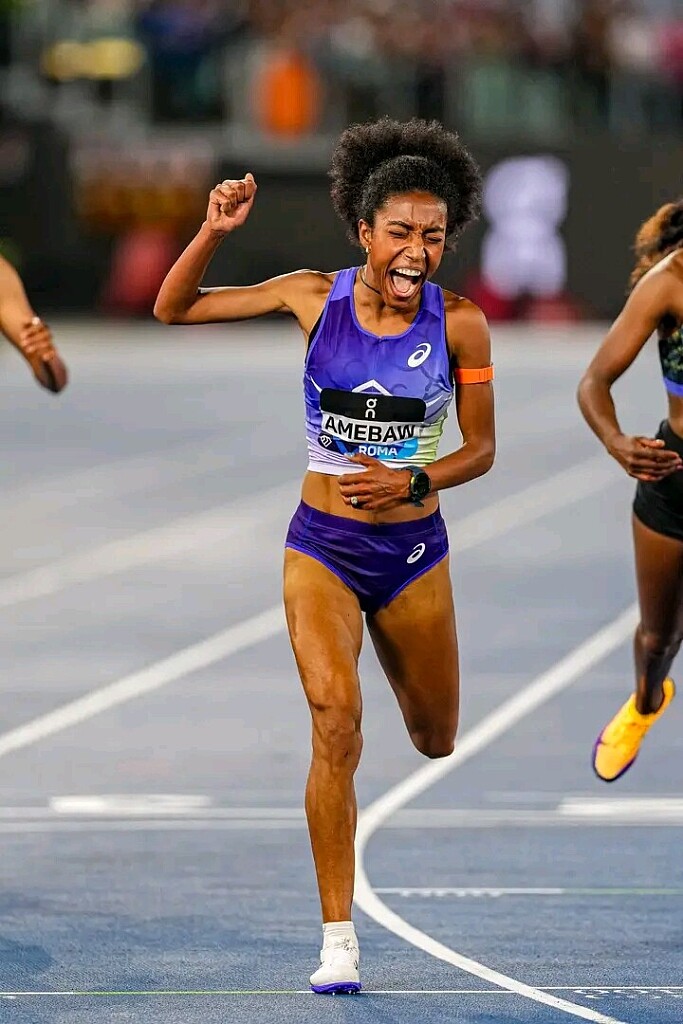
Ethiopia’s Iron Grip on the Diamond League Distance Rankings Continues
DOHA, Qatar – Ethiopian distance running is once again making a powerful statement on the global stage. Following the Doha Diamond League meeting, Ethiopia has achieved a remarkable clean sweep of the women's 3000m/5000m standings, occupying all eight leading positions in one of the most competitive disciplines in world athletics.
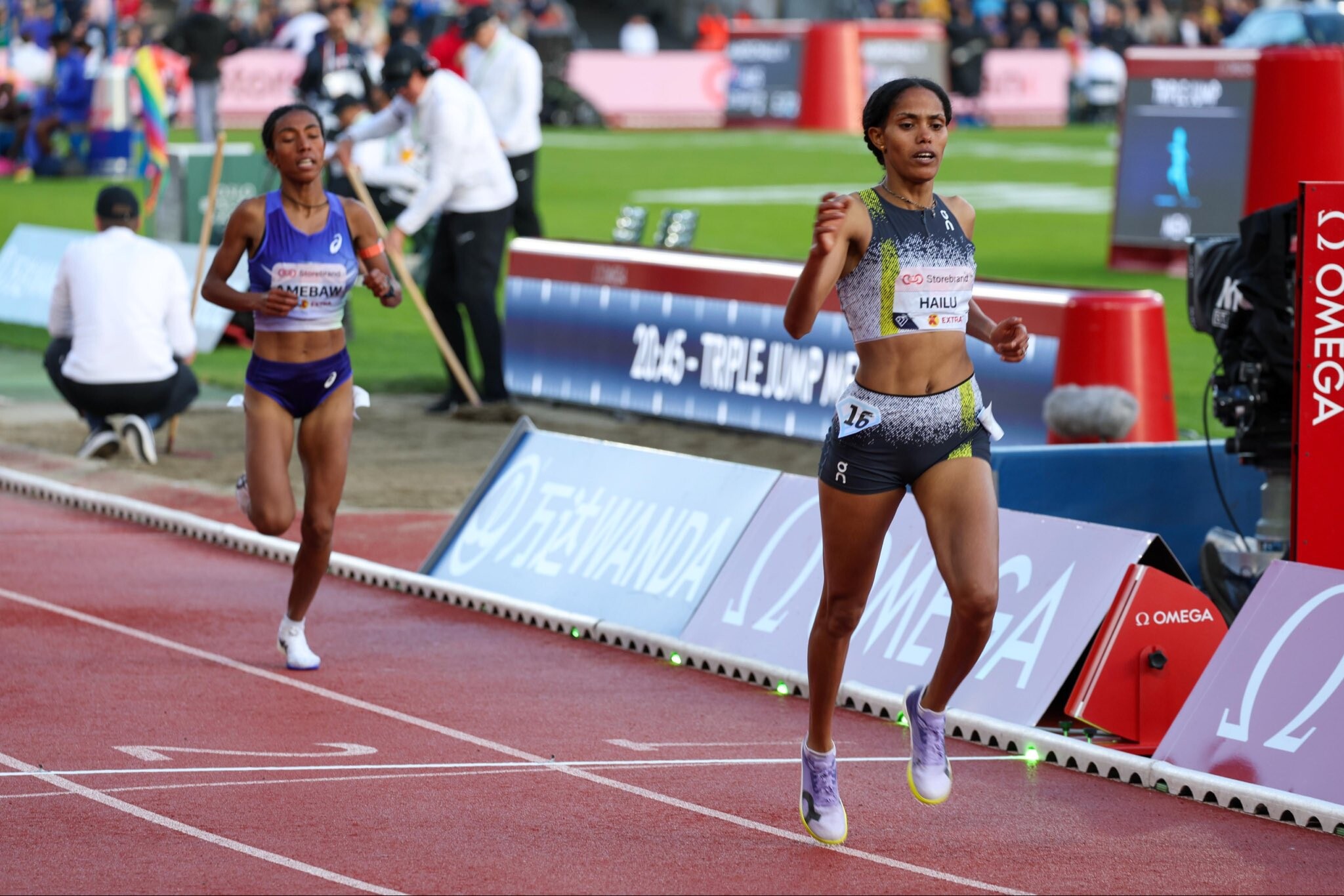
Leading the charge is Likina Amebaw, who sits comfortably at the top of the rankings with 22 points. Close behind is fellow Ethiopian star Freweyni Hailu on 14 points, while Medina Eisa occupies third place with 12 points. The dominance continues through the rest of the leaderboard, with Senayet Getachew, Hawi Abera, Aleshign Baweke, Marta Alemayo, and Bernesh Dessie completing an extraordinary Ethiopian monopoly of the standings.
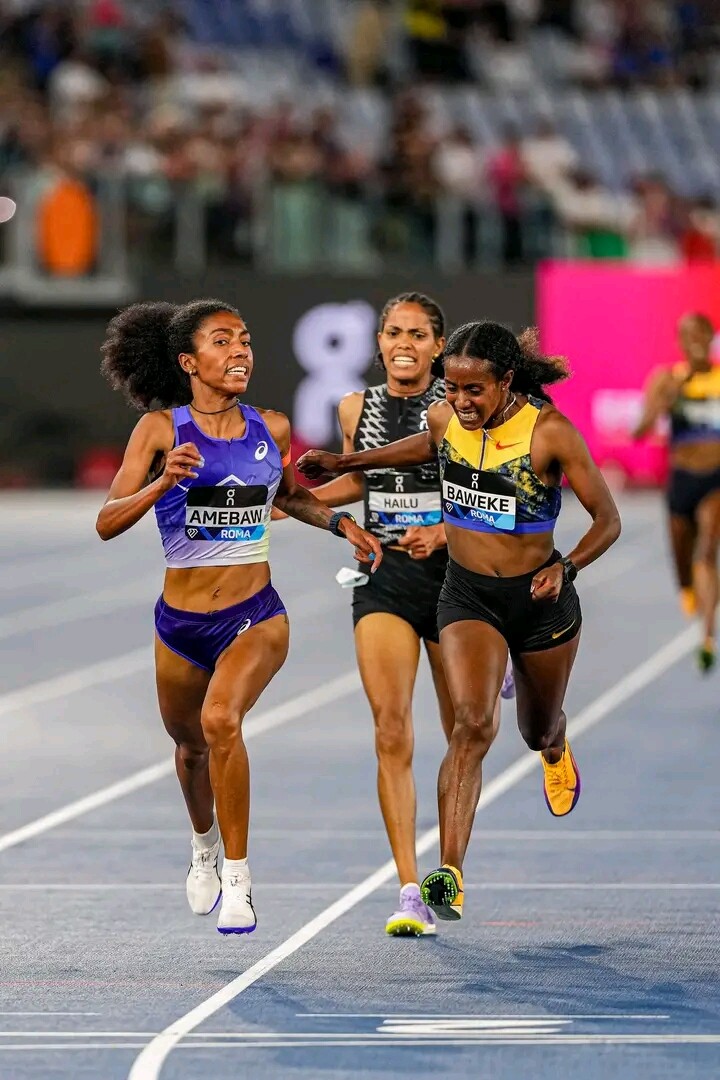
The achievement highlights Ethiopia's exceptional depth in women's distance running, where a new generation of athletes continues to emerge and challenge for global honours. Rather than relying on a single standout performer, Ethiopia has assembled a formidable squad capable of controlling races and collecting points across multiple Diamond League meetings.
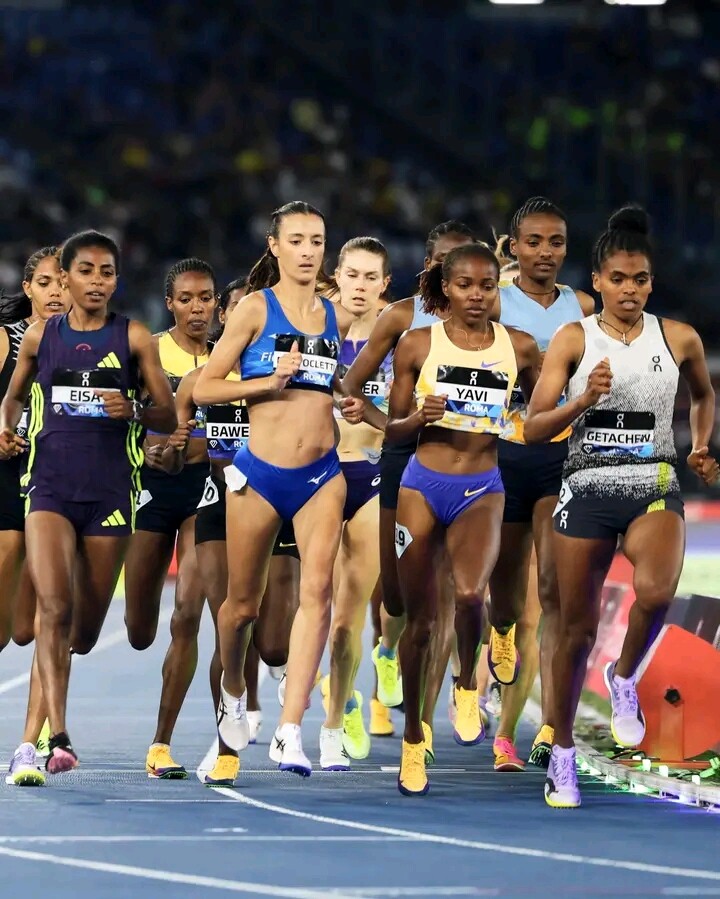
While the current standings paint a picture of complete Ethiopian supremacy, the battle for the Diamond League title is far from over. Several meetings remain on the road to the season finale, leaving plenty of opportunities for rivals to close the gap and for positions within the Ethiopian contingent to shift dramatically.
For now, however, the spotlight belongs firmly to Ethiopia. The East African powerhouse has transformed the women's 3000m/5000m standings into an all-Ethiopian affair, sending a clear message to the rest of the world that the race for Diamond League glory will likely run through Addis Ababa.
The question now is whether Likina Amebaw can maintain her advantage and finish the season as the overall leader, whether Freweyni Hailu or Medina Eisa can mount a successful challenge, or whether another athlete will produce a late-season surge to rewrite the script.
One thing is certain: the road to the Diamond League Final promises a fascinating battle among some of the finest distance runners on the planet.
by Erick Cheruiyot for My Best Runs.
Login to leave a comment
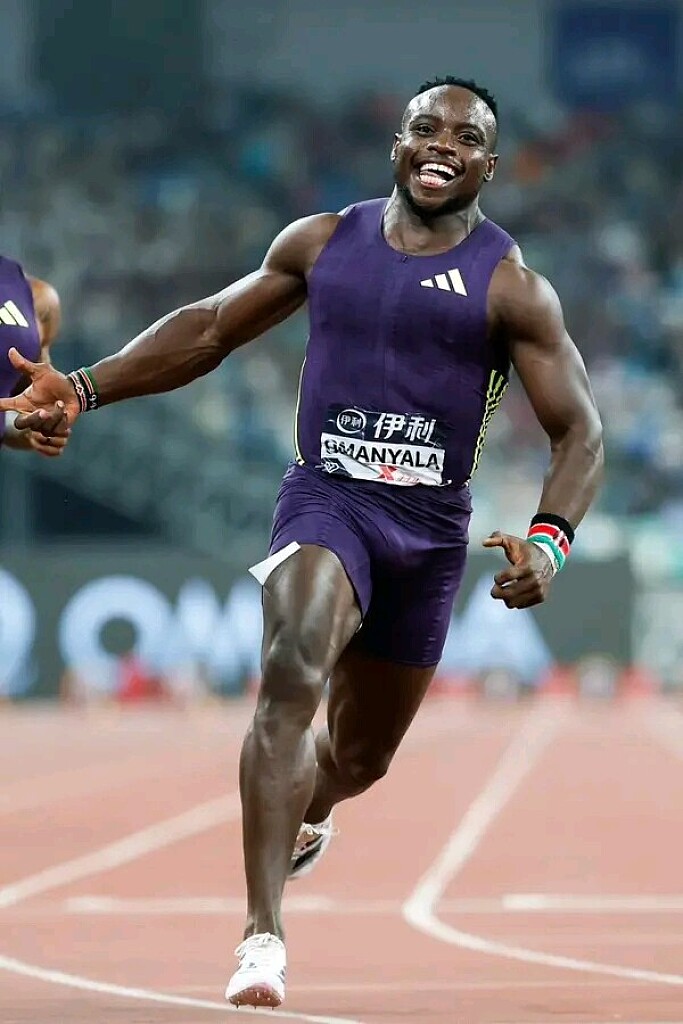
Omanyala’s Sprint Masterclass Continues as Kenyan Star Blazes to Fifth Sub-10 of the Season in Xiamen
Ferdinand Omanyala delivered yet another statement performance on the global stage, storming to a brilliant 9.94 seconds in Xiamen to secure his fifth sub-10-second clocking of the season and reaffirm his status as one of the fastest men in the world.
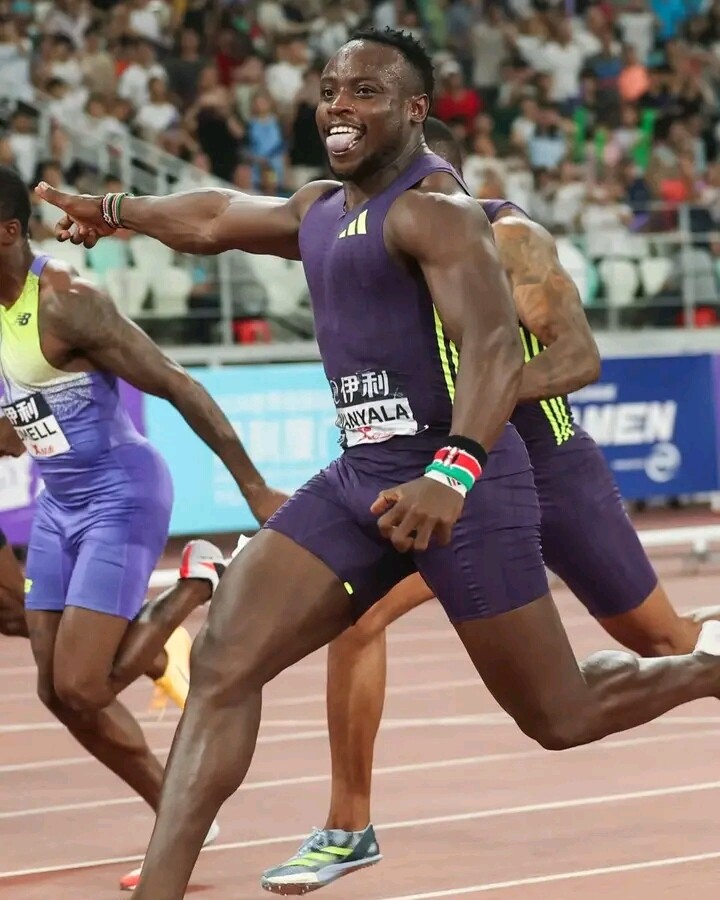
In a race packed with elite sprinting talent, the African record holder rose above a formidable field that included South Africa’s Gift Leotlela, American star Kenny Bednarek, Botswana’s Olympic sensation Letsile Tebogo and several other world-class competitors. Omanyala’s explosive acceleration and commanding finish proved decisive as he surged clear to claim victory in one of the most anticipated sprint contests of the meeting.
The Kenyan speedster’s latest triumph extends what has been an exceptional 2026 campaign. His season opened with a 9.98-second run at the Addis Ababa Grand Prix before he followed it with 9.96 seconds at the Kip Keino Classic in Nairobi. Just days later, he lowered his mark to 9.95 seconds at the Botswana Golden Grand Prix, showcasing remarkable consistency against high-calibre opposition. Another 9.98-second performance at the Shanghai Diamond League kept his momentum alive before his outstanding 9.94-second display in Xiamen elevated him to a new season’s best.
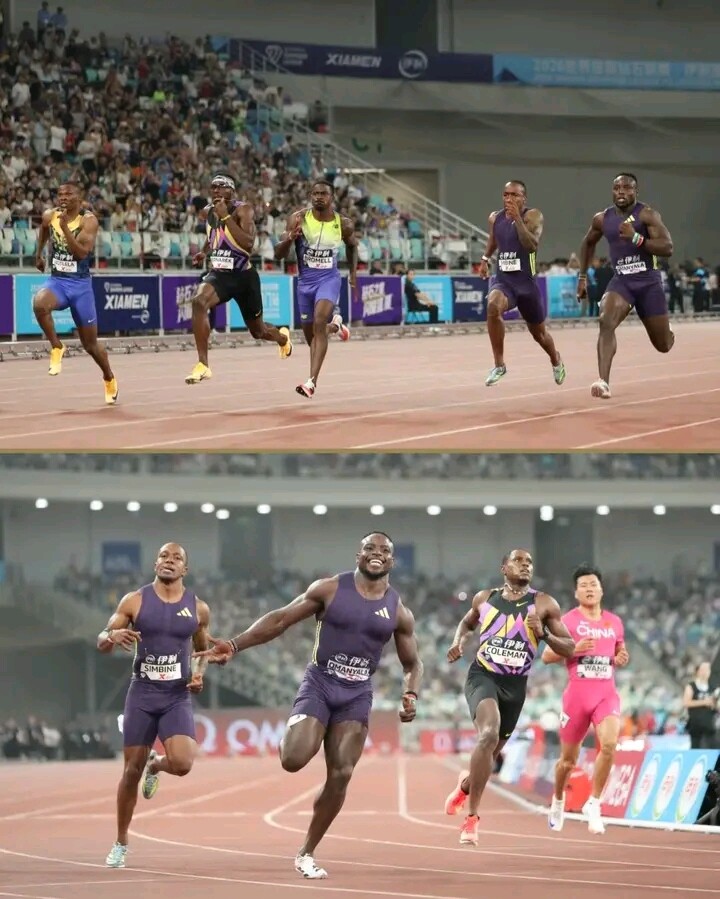
What makes Omanyala’s achievements even more impressive is the consistency with which he continues to operate below the coveted 10-second barrier. Running sub-10 once is a hallmark of elite sprinting; accomplishing the feat five times in a single season reflects extraordinary form, elite preparation, and unwavering confidence.
Beyond the stopwatch, the victory sends a strong message to the rest of the sprinting world. With every race, Omanyala appears sharper, stronger and more composed, building momentum as the season progresses. His ability to defeat a field stacked with international stars highlights not only his raw speed but also his growing reputation as a major contender at the sport’s biggest events.
As the Diamond League season gathers pace and championship ambitions begin to take shape, Omanyala is positioning himself among the leading figures in men’s sprinting. If his current trajectory continues, even faster times may be on the horizon.
For now, the numbers tell a compelling story: five races under 10 seconds, a season-best 9.94 seconds, and another emphatic victory against some of the world’s finest sprinters. Ferdinand Omanyala is not merely racing—he is redefining consistency at the highest level and strengthening his claim as Africa’s undisputed sprint king.
by Erick Cheruiyot for My Best Runs.
Login to leave a comment
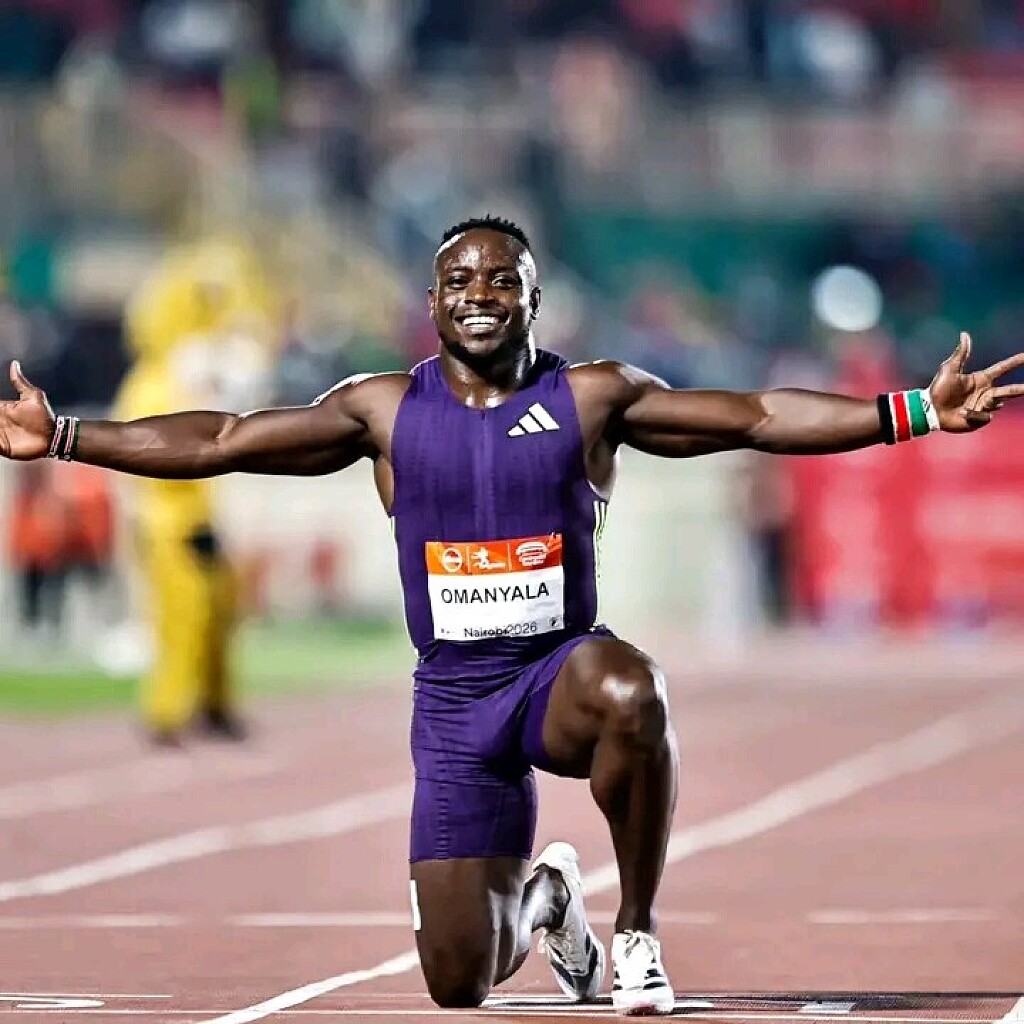
Ferdinand Omanyala: Africa’s Fastest Man Finds Another Gear with Relentless Sub-10 Consistency
Kenya’s sprint king Ferdinand Omanyala is building something truly formidable. With a stunning sequence of performances—9.98, 9.96, and now 9.95 seconds—the African record holder is not just winning races; he’s sending a clear message to the global sprinting elite. This is no longer about isolated brilliance. This is consistency at the highest level, and it’s beginning to look dangerous.
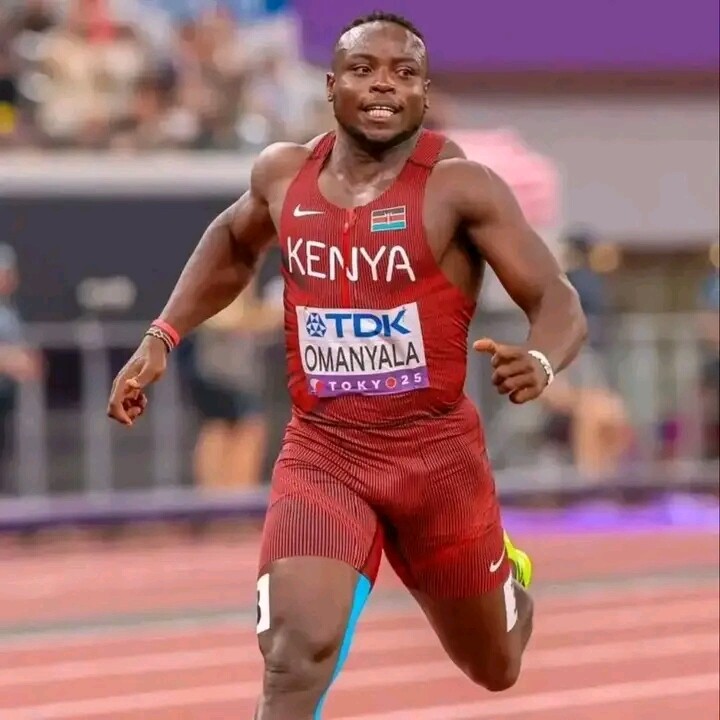
Across three major meets—the Addis Ababa Grand Prix in Addis Ababa (9.98s), the Kip Keino Classic in Nairobi (9.96s), and the Botswana Grand Prix in Gaborone (9.95s)—Omanyala has steadily sharpened his edge. Each race has been a step forward, a fraction faster, a statement louder. The progression isn’t accidental; it reflects precision training, growing confidence, and a sprinter peaking at just the right moment.
What makes this run particularly compelling is the ease with which Omanyala is dipping under the coveted 10-second barrier. In the world of sprinting, consistency at sub-10 is the ultimate currency of greatness. It separates contenders from champions. And right now, Omanyala is stacking performances like a man on a mission—calm, composed, and increasingly dominant.
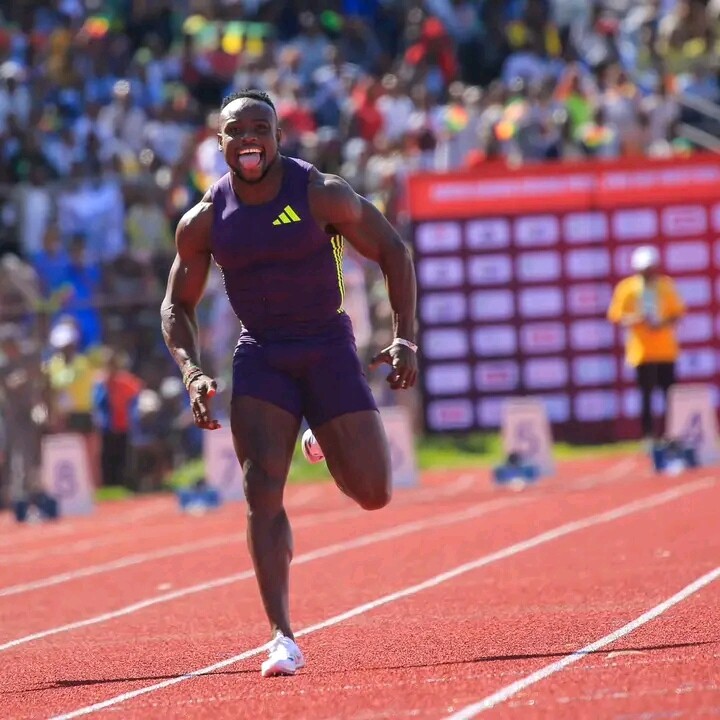
Beyond the times, there’s a presence about him. Explosive out of the blocks, powerful through the drive phase, and composed at top speed, he looks every bit the complete sprinter. His latest 9.95 is not just a season highlight—it’s a warning shot. With each race, he’s tightening his grip on the title of Africa’s fastest man while positioning himself as a genuine global threat.
For Kenya, a nation long celebrated for distance running excellence, Omanyala represents a thrilling shift in narrative. He is rewriting expectations, proving that sprinting greatness can also rise from East Africa. And as the season gathers pace, one thing is becoming increasingly clear: if this trajectory holds, the world will soon have no choice but to reckon with him at the very top.
Sub-10 consistency isn’t just impressive—it’s ominous. And right now, Ferdinand Omanyala is trending exactly where he wants to be: faster, sharper, and closing in on something special.
by Erick Cheruiyot for My Best Runs.
Login to leave a comment
Bernard Koech Targets Third Hamburg Title as Tanui Leads Women’s Field Sunday
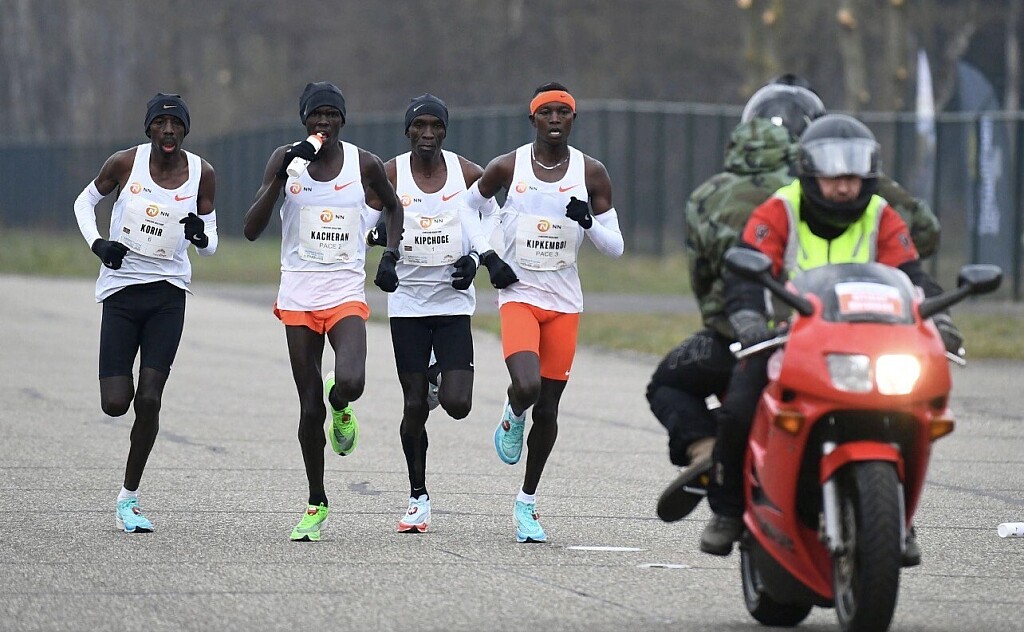
The Haspa Marathon Hamburg returns this Sunday with one of the deepest elite fields in Europe, led by two-time champion Bernard Koech and fellow Kenyan Rebecca Tanui.
Hamburg has quietly developed into one of the fastest marathon courses in the world, with course records of 2:03:46 and 2:17:23. Organizers are again expecting a quick race, and the strength of this year’s field suggests those marks could be tested.
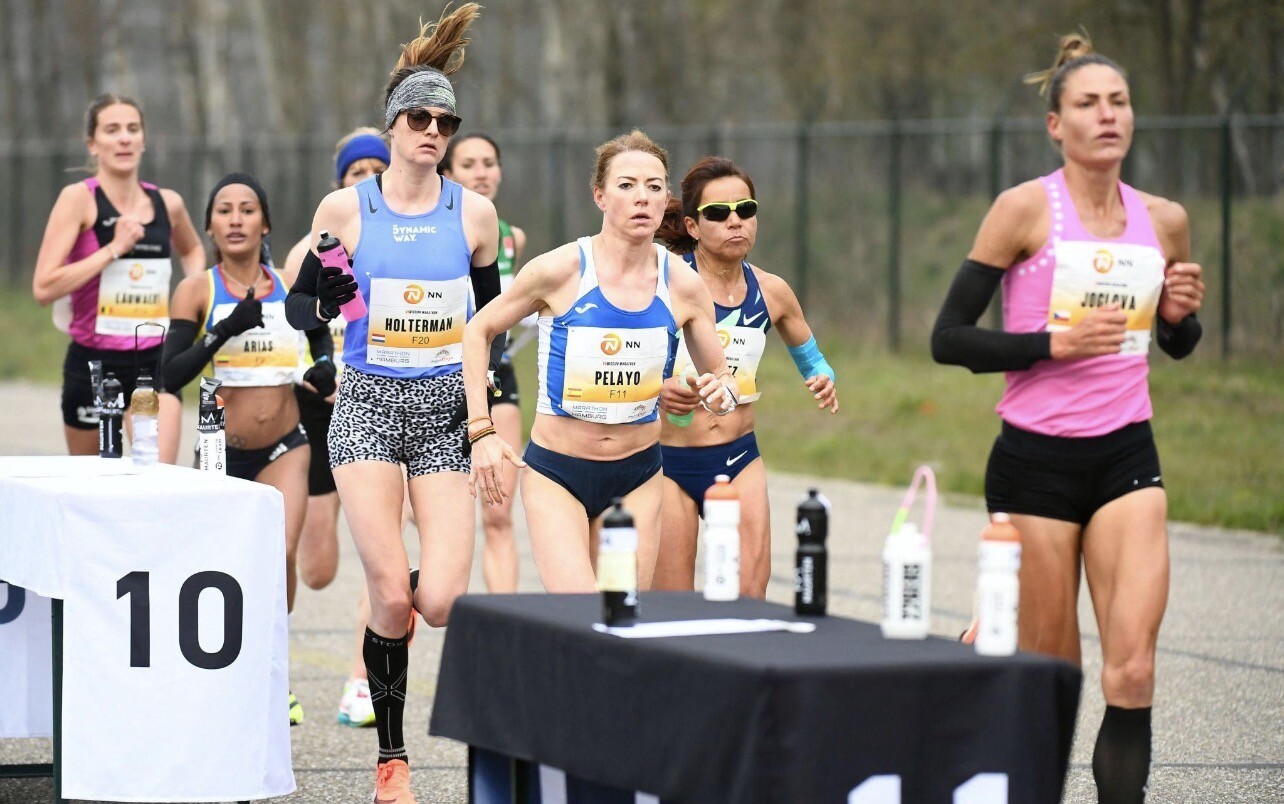
The men’s race features exceptional depth. Six athletes arrive with personal bests under 2:06, while another six have broken 2:07, creating a highly competitive field from front to back.
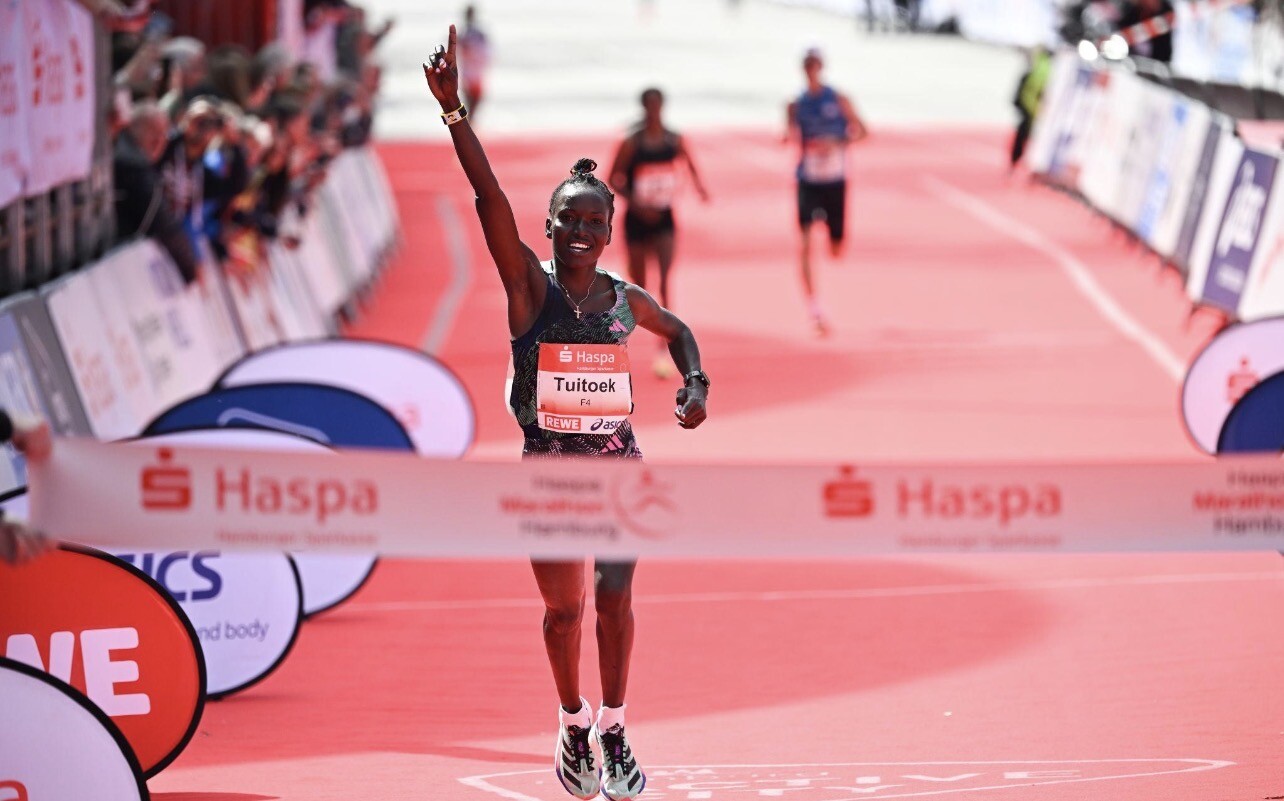
Bernard Koech returns to a course that has suited him perfectly. He won here three years ago, matching his personal best of 2:04:09, and followed that with another victory in 2024 in 2:04:24. Now he is aiming for a third Hamburg title, a rare achievement at this level.
Among those looking to challenge him are Gashau Ayale and Abdisa Tola. Ayale, an Ethiopian-born runner competing for Israel, ran 2:04:53 in Valencia last year and earned a silver medal at the European Championships marathon. Tola, the brother of Olympic champion Tamirat Tola, made an immediate impact in the marathon with a 2:05:42 victory in Dubai in his debut.
Germany’s hopes rest with Samuel Fitwi, whose 2:04:56 personal best makes him the second-fastest German marathoner ever. If his recent training camp in Addis Ababa has gone well, he could be in contention for a podium finish.
In the women’s race, Rebecca Tanui enters as the clear favorite with a personal best of 2:21:08. Following late withdrawals from top contenders Tigist Ketema and Degitu Azimeraw, Tanui has stepped into the leading role.
The Kenyan has built a reputation for consistency, winning three of her last five marathons—Mersin in 2025, Kosice in 2024, and Venice in 2023—while finishing on the podium in the other two.
Her main challengers are expected to come from a trio of athletes with personal bests under 2:23: Ethiopia’s Kasanesh Baze and Muluhabt Tsega, along with Kenya’s Marion Kibor.
With strong depth in both races and favorable conditions expected, Hamburg is set for another fast and competitive edition.
Elite Runners with Personal Bests
MEN:
Bernard Koech (KEN) 2:04:09
Gashau Ayale (ISR) 2:04:53
Samuel Fitwi (GER) 2:04:56
Othmane El Goumri (MAR) 2:05:12
Kennedy Kimutai (KEN) 2:05:25
Abdisa Tola (ETH) 2:05:42
Tsedat Ayana (ETH) 2:06:18
Balew Yihunle (ETH) 2:06:22
Felix Kibitok (KEN) 2:06:28
Shumi Dechasa (BRN) 2:06:43
Mohamed El Aaraby (MAR) 2:06:45
Belay Bezabeh (ETH) 2:06:58
Taresa Tolosa (ETH) 2:07:01
Vincent Nyageo (KEN) Debut
Aaron Bienenfeld (GER) Debut
WOMEN:
Rebecca Tanui (KEN) 2:21:08
Kasanesh Baze (ETH) 2:22:06
Muluhabt Tsega (ETH) 2:22:21
Marion Kibor (KEN) 2:22:35
Brillian Kipkoech (KEN) 2:23:56
Mercy Kwambai (KEN) 2:23:58
Manon Coste (FRA) 2:32:46
Vibeke Jensen (NOR) 2:34:22
Aselef Amare (ETH) Debut
Selamawit Teferi (ETH) Debut
by Race News Services
Login to leave a comment

Haspa Marathon Hamburg
The HASPA MARATHON HAMBURG is Germany’s biggest spring marathon and since 1986 the first one to paint the blue line on the roads. Hamburcourse record is fast (2:05:30), the metropolitan city (1.8 million residents) lets the euphoric atmosphere spill over and carry you to the finish. Make this experience first hand and follow the Blue Line....
more...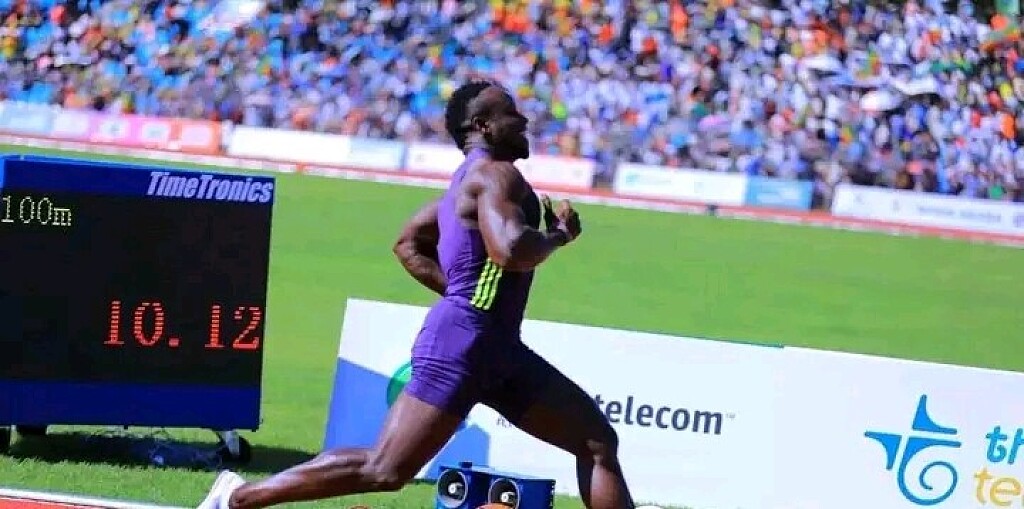
9.98 and Untouchable: Omanyala Dominates in Addis Ababa
Kenya’s sprint powerhouse Ferdinand Omanyala delivered a statement performance at the Addis Ababa Grand Prix 2026, storming to victory in the men’s 100m final with a brilliant 9.98 seconds.
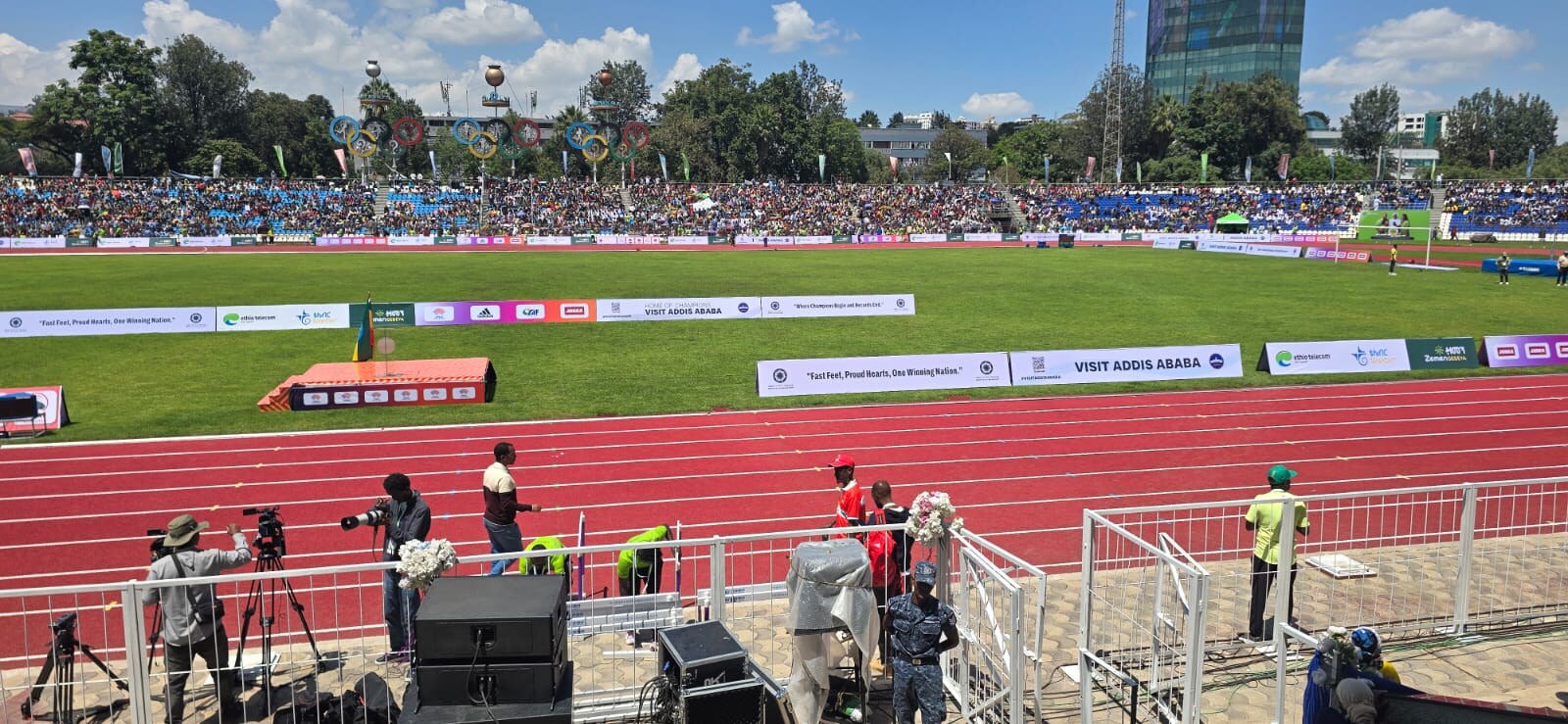
On a lively track in the Ethiopian capital, Omanyala once again underlined his status as Africa’s fastest man, producing a race defined by explosive acceleration and controlled top-end speed. From the blocks, the Kenyan quickly separated himself from the field, leaving no doubt about the outcome long before the finish line.
Behind him, Christopher Borzor of the United States secured second place in 10.16, while Italy’s Ali Chituru Ali completed the podium in 10.26. The rest of the field followed closely, with Kenya’s Mark Otieno Odhiambo finishing fourth in 10.27 and Samuel Chege Waweru placing fifth in 10.33.

Omanyala’s sub-10 performance is particularly significant given the altitude conditions in Addis Ababa, which often demand both physical and tactical discipline. Rather than fading, he appeared composed and efficient through every phase of the race, a sign that his preparation is aligning perfectly ahead of a demanding international season.
For Kenyan sprinting, a discipline historically overshadowed by distance running, Omanyala continues to break boundaries and shift perceptions. Each dominant run reinforces his role as a trailblazer, inspiring a new generation of short-distance athletes across the country.
As the season gathers momentum, this victory sends a clear message to the global sprinting community: Omanyala is not just competing—he is setting the pace.
by Erick Cheruiyot for My Best Runs.
Login to leave a comment
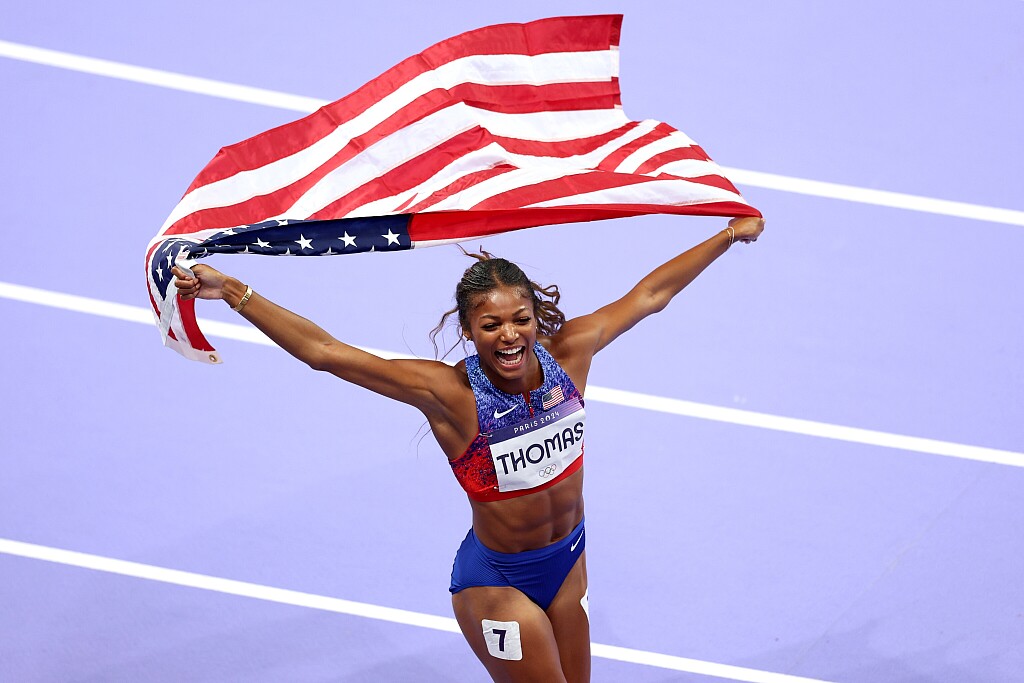
Gabby Thomas Brings Olympic Stardom to Africa in Blockbuster April Tour
American sprint star Gabby Thomas is set to headline one of the most exciting international appearances of the early athletics season, as she brings her world-class speed and star power to Africa for a three-meet tour in April.
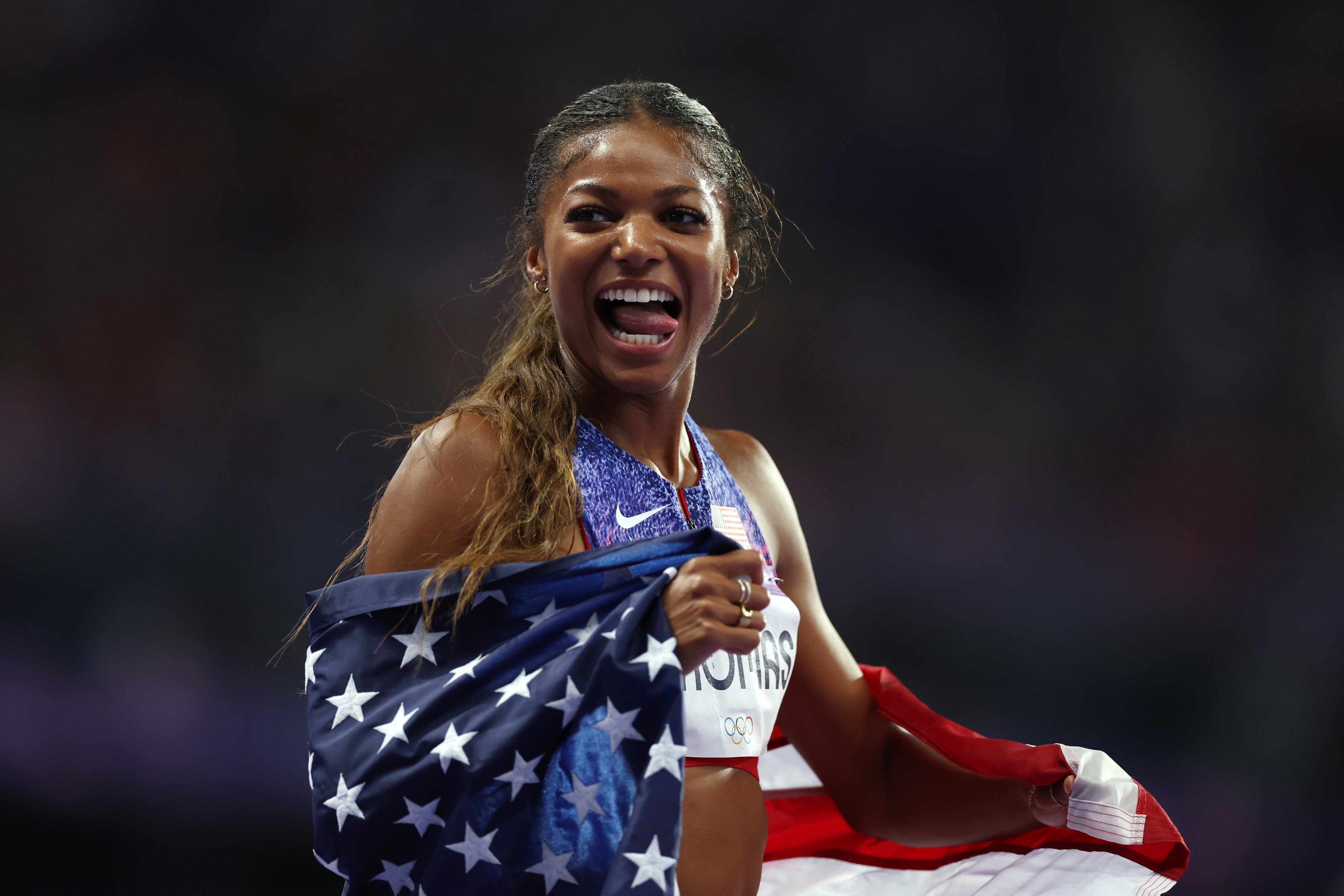
Widely regarded as one of the finest 200m runners of her generation, Thomas arrives with a résumé that places her firmly among the sport’s elite. At the 2024 Paris Olympics, she delivered a historic performance, clinching three gold medals in the 200m, 4x100m relay, and 4x400m relay—an achievement that cemented her dominance on the global stage. Her Olympic journey began earlier at the 2020 Tokyo Olympics, where she captured bronze in the 200m and silver in the 4x100m relay, signaling the arrival of a future champion.
Beyond the Olympics, Thomas has consistently proven her pedigree. At the 2023 World Championships, she secured silver in the 200m and powered her team to gold in the 4x100m relay, further underlining her versatility and championship mentality. With a personal best of 21.60 seconds in the 200m—ranking her among the fastest women in history—she remains a formidable force every time she steps onto the track.
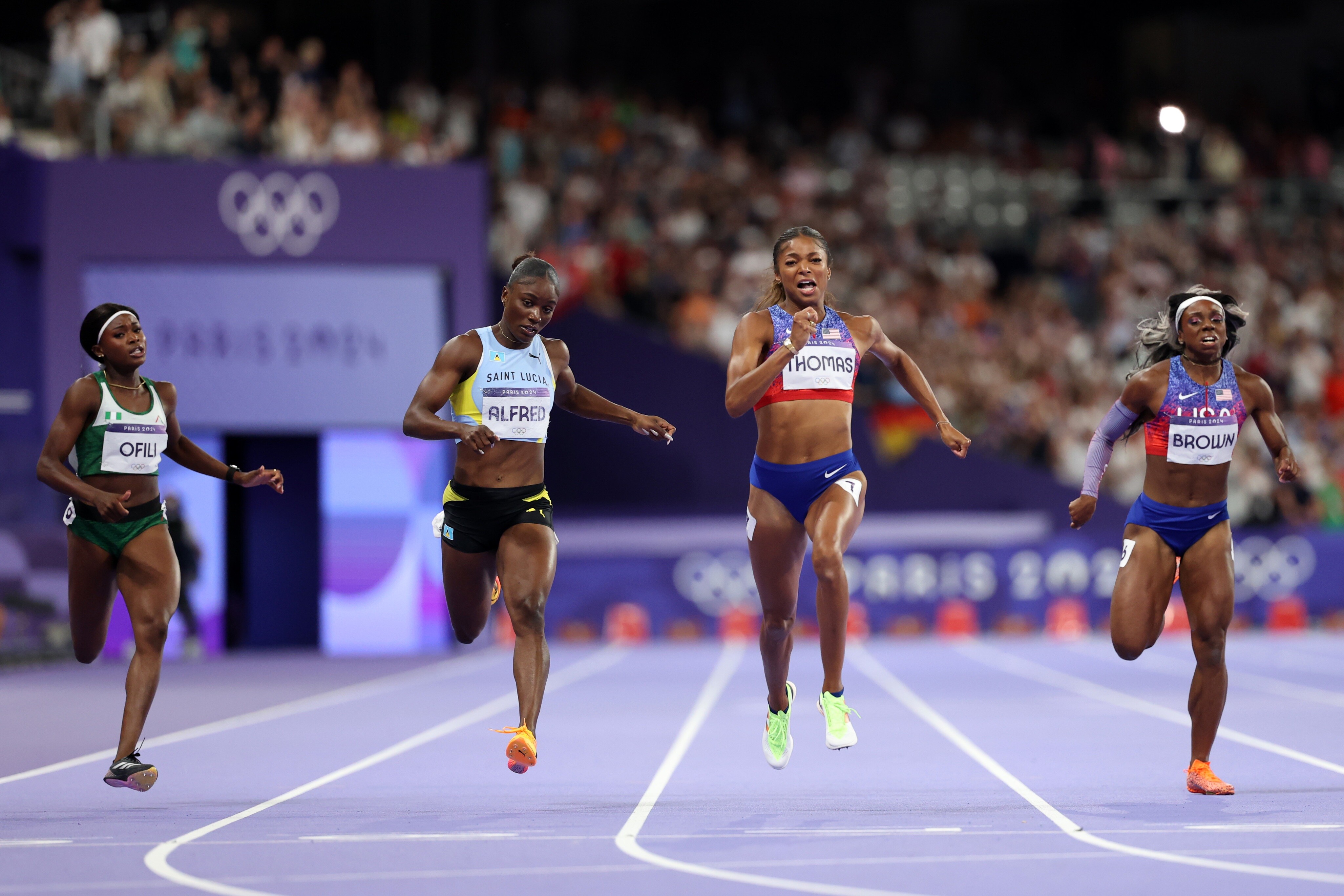
But Thomas’ brilliance extends beyond athletics. A graduate of Harvard University with a master’s degree in epidemiology, she represents a rare blend of elite sport and intellectual excellence. Her advocacy in public health and STEM continues to inspire a new generation, making her influence felt far beyond the finish line.
Her African tour will begin in Addis Ababa on April 18 at the Addis Ababa Grand Prix, before moving to Nairobi on April 24 for the Kip Keino Classic—one of the continent’s premier track and field events. She will then conclude her tour in Gaborone on April 26 at the Botswana Golden Grand Prix.
Each stop promises high-level competition and a rare opportunity for African fans to witness one of the sport’s brightest stars in action. Her presence is expected not only to elevate the quality of racing but also to shine a global spotlight on Africa’s rapidly growing athletics scene.
As the countdown begins, anticipation is building across the continent. With her unmatched combination of speed, intelligence, and global appeal, Gabby Thomas is not just arriving to compete—she is arriving to inspire.
by Erick Cheruiyot for My Best Runs.
Login to leave a comment
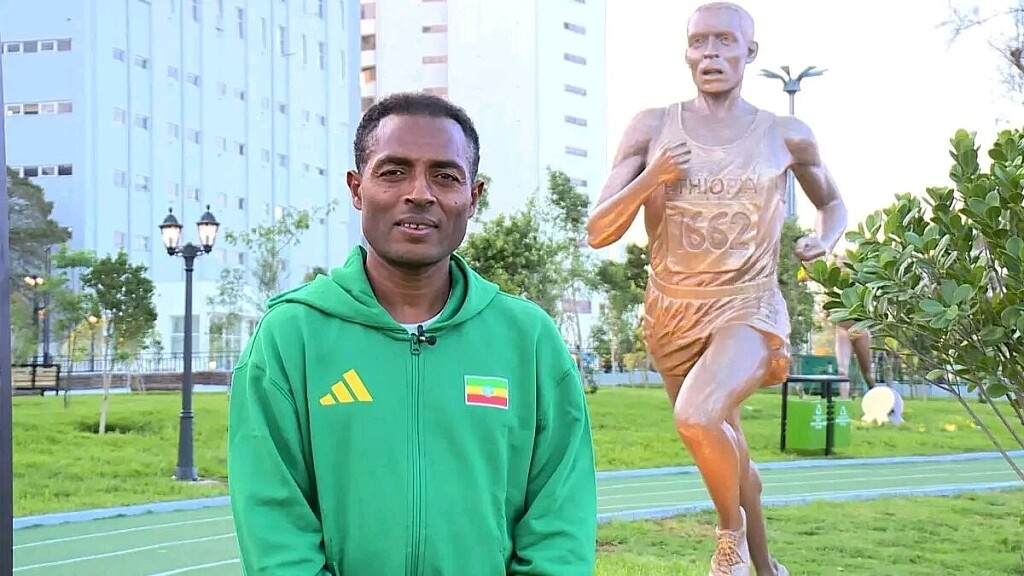
Kenenisa Bekele Leads a Historic Moment as Ethiopia Honors Its Greatest Champions
Ethiopia has once again affirmed its place at the pinnacle of global distance running—not only through performance, but through legacy. In a powerful celebration of national pride and sporting excellence, the country has unveiled a remarkable tribute to its greatest champions, headlined by none other than Kenenisa Bekele. Widely regarded as one of the finest distance runners in history, Bekele has now been immortalized with a statue, cementing his legacy for generations to come.
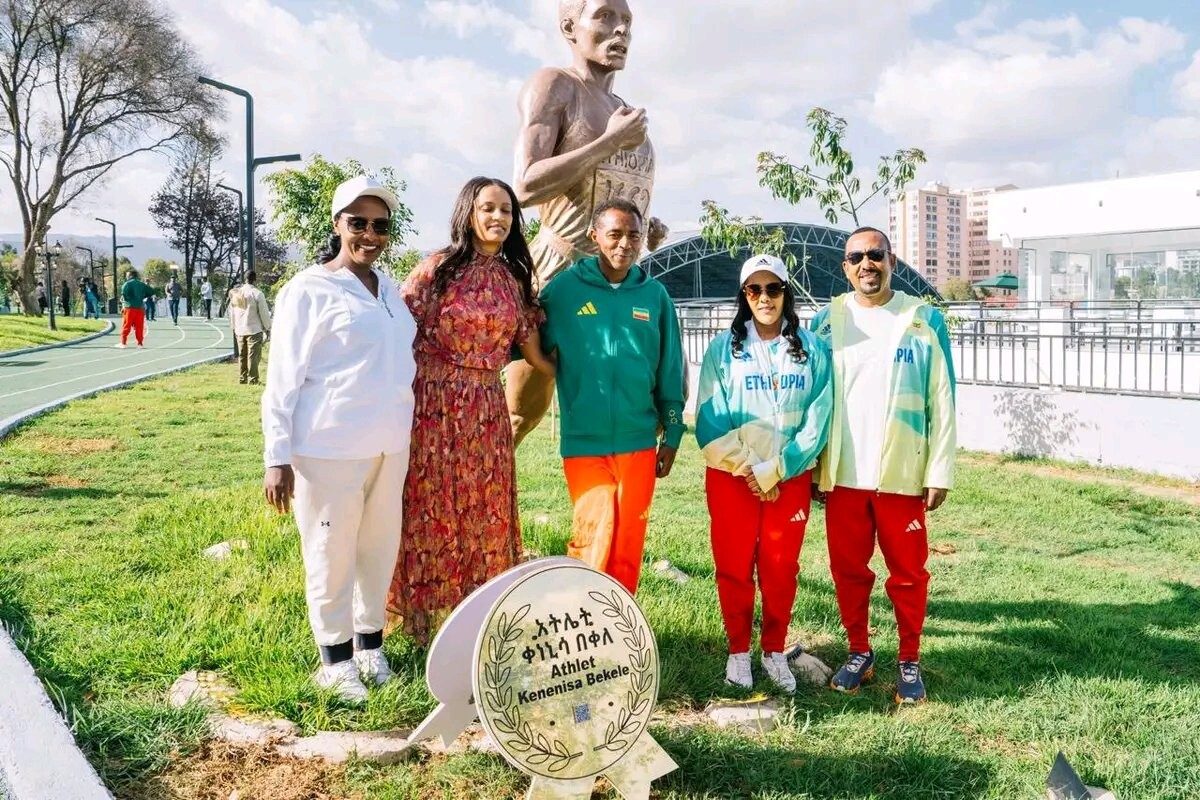
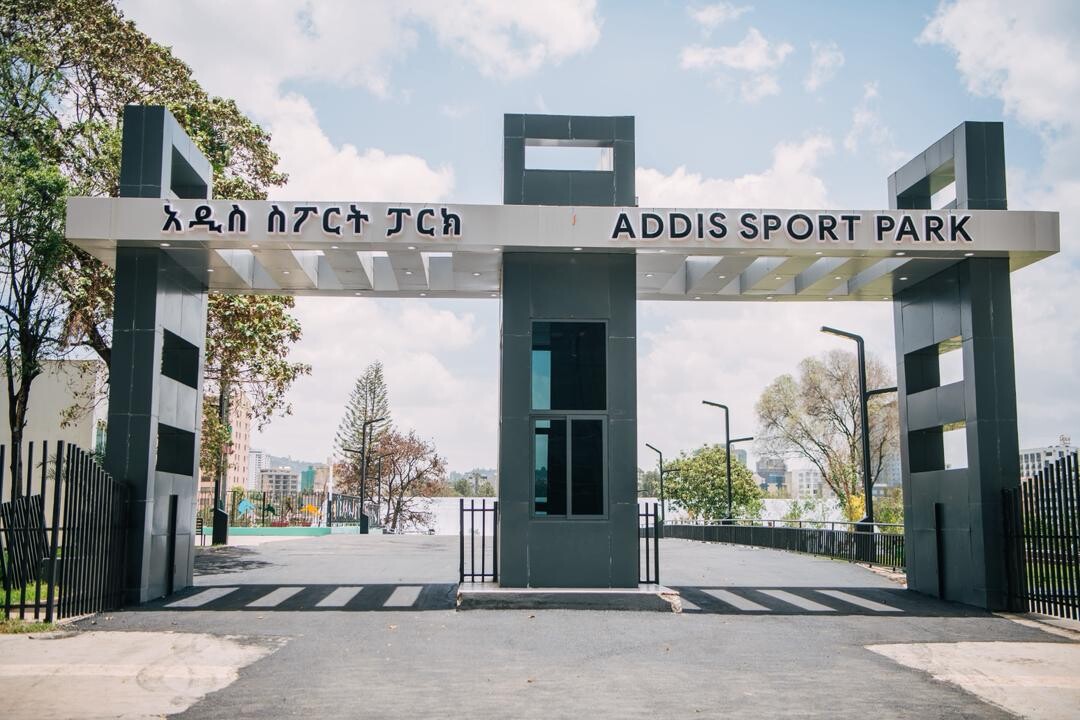
The historic moment took place during the inauguration of the state-of-the-art Addis Sport Park, a world-class multi-sport complex designed to elevate Ethiopian athletics to new heights. Officially opened by Prime Minister Abiy Ahmed, the facility stands as a symbol of ambition and progress. Equipped with an Olympic-standard swimming pool, professional football, basketball, and tennis courts, alongside a modern athletics track, the complex represents a bold investment in the future of sport in Ethiopia.
At the heart of the celebration was the unveiling of statues honoring 15 Ethiopian Olympic gold medalists—heroes whose achievements have shaped the nation’s sporting identity. Among them are legendary figures such as Abebe Bikila, whose barefoot victory at the 1960 Rome Olympics remains one of the most iconic moments in Olympic history, and modern champions like Tamirat Tola, who continues to carry Ethiopia’s dominance into the present era.
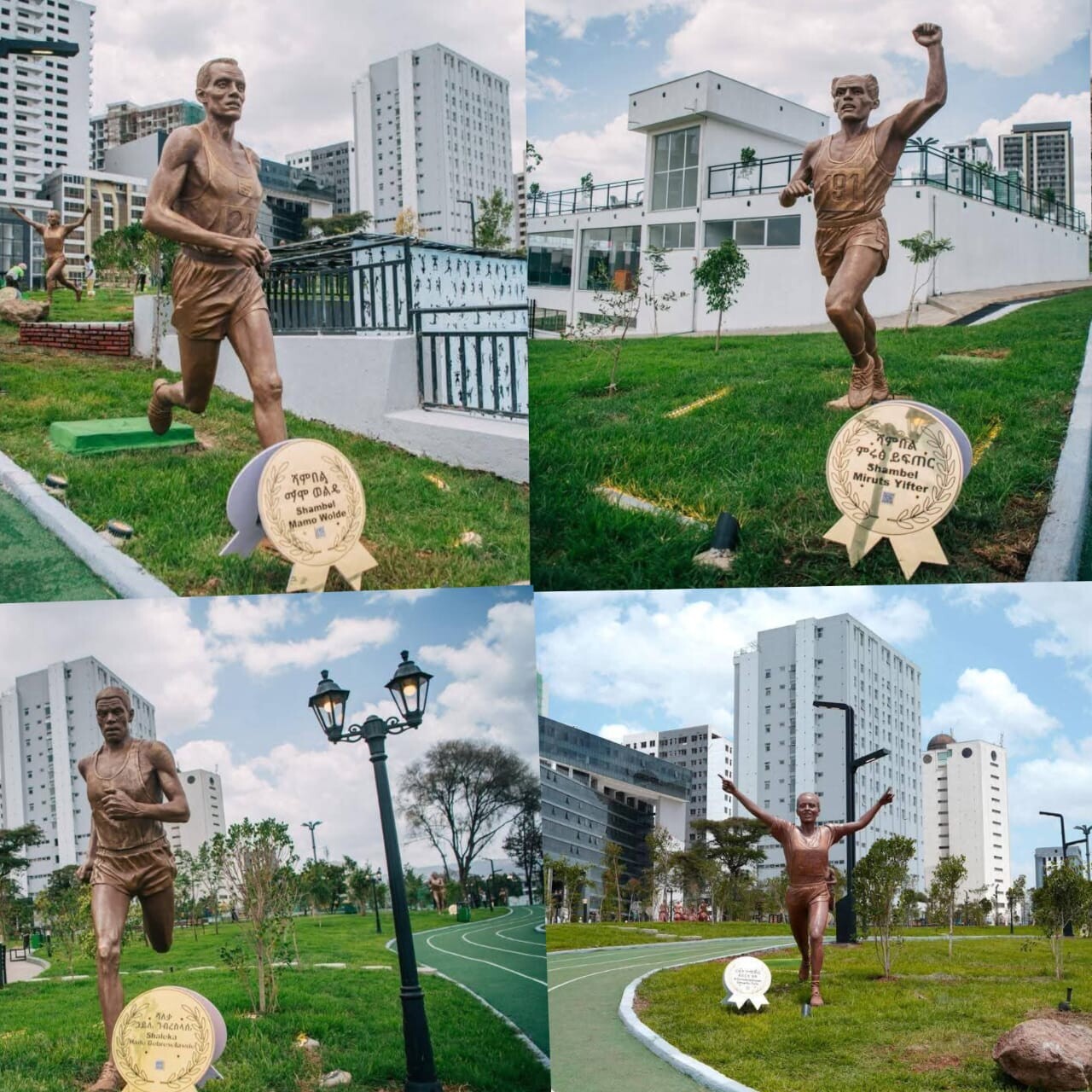
For Bekele, the recognition carries deep personal meaning. Reflecting on the occasion, he expressed both gratitude and pride at being honored among his peers. He described the Addis Sport Park as the realization of a long-held dream—a facility that will not only nurture elite athletes but also inspire young Ethiopians to pursue greatness. His words underscored a powerful truth: that such recognition goes beyond individual achievement, serving instead as a beacon for future generations.

The ceremony also acknowledged the leadership behind this transformative project, including First Lady Zinash Tayachew and Addis Ababa Mayor Adanech Abiebie, whose support for sport continues to shape the country’s athletic landscape.
More than a celebration of past glory, the unveiling of these statues signals a forward-looking vision. Ethiopia is not merely preserving its history—it is actively building the foundation for its next wave of champions. In honoring its legends, the nation is sending a clear message: greatness is not only remembered here, it is continually reborn.
As the statues stand tall in the heart of Addis Ababa, they serve as enduring symbols of resilience, excellence, and national pride—reminding the world that Ethiopia’s legacy in athletics is as timeless as the champions who define it.
by Erick Cheruiyot for My Best Runs.
Login to leave a comment
Vienna City Marathon Women Ready to Chase History
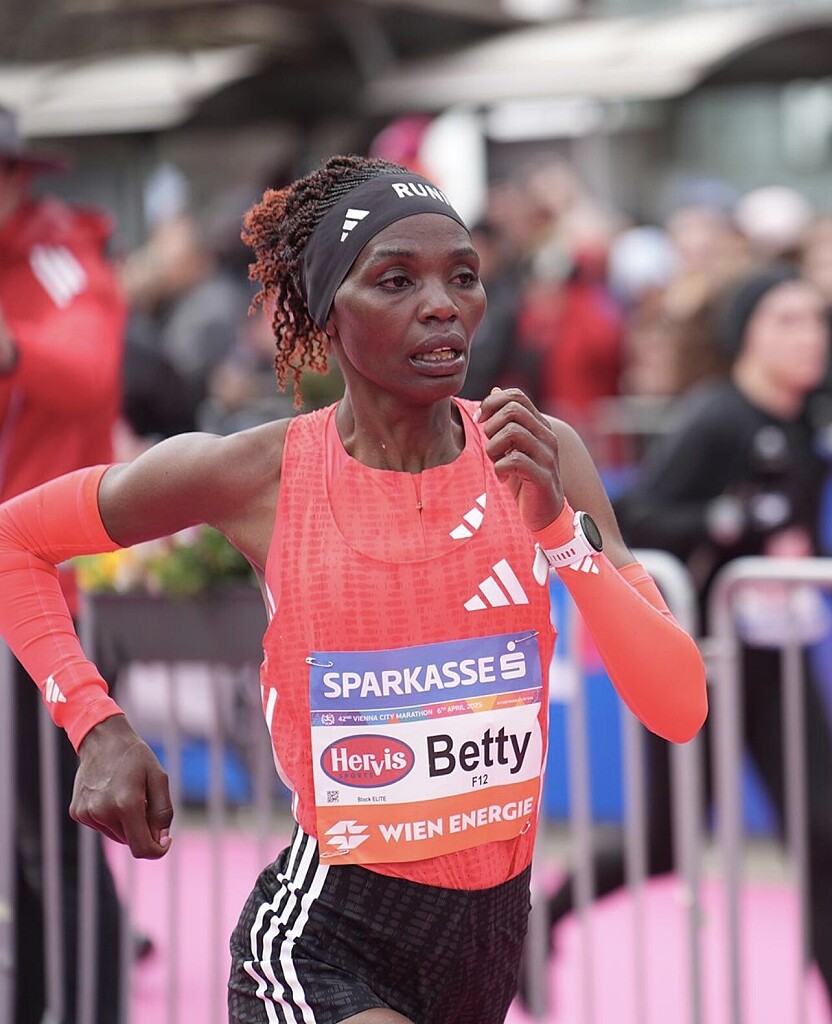
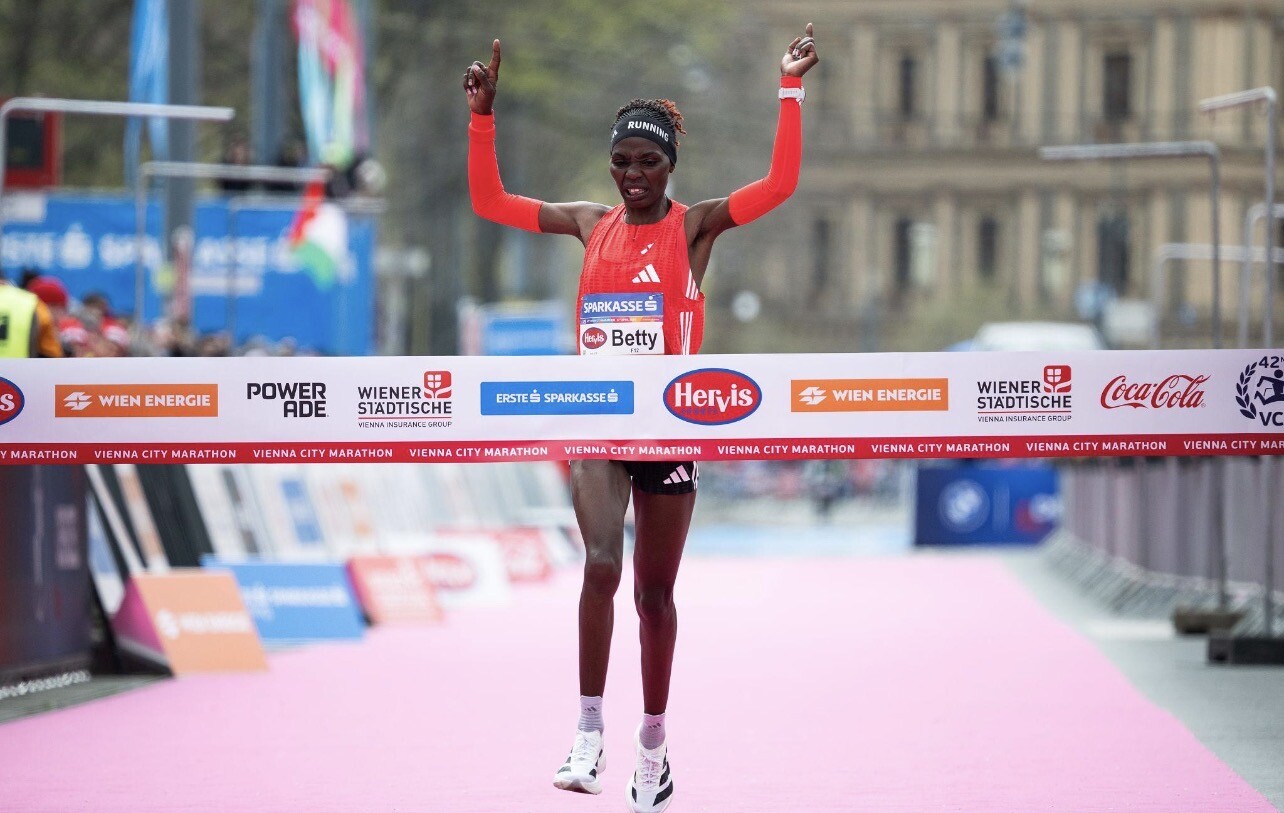
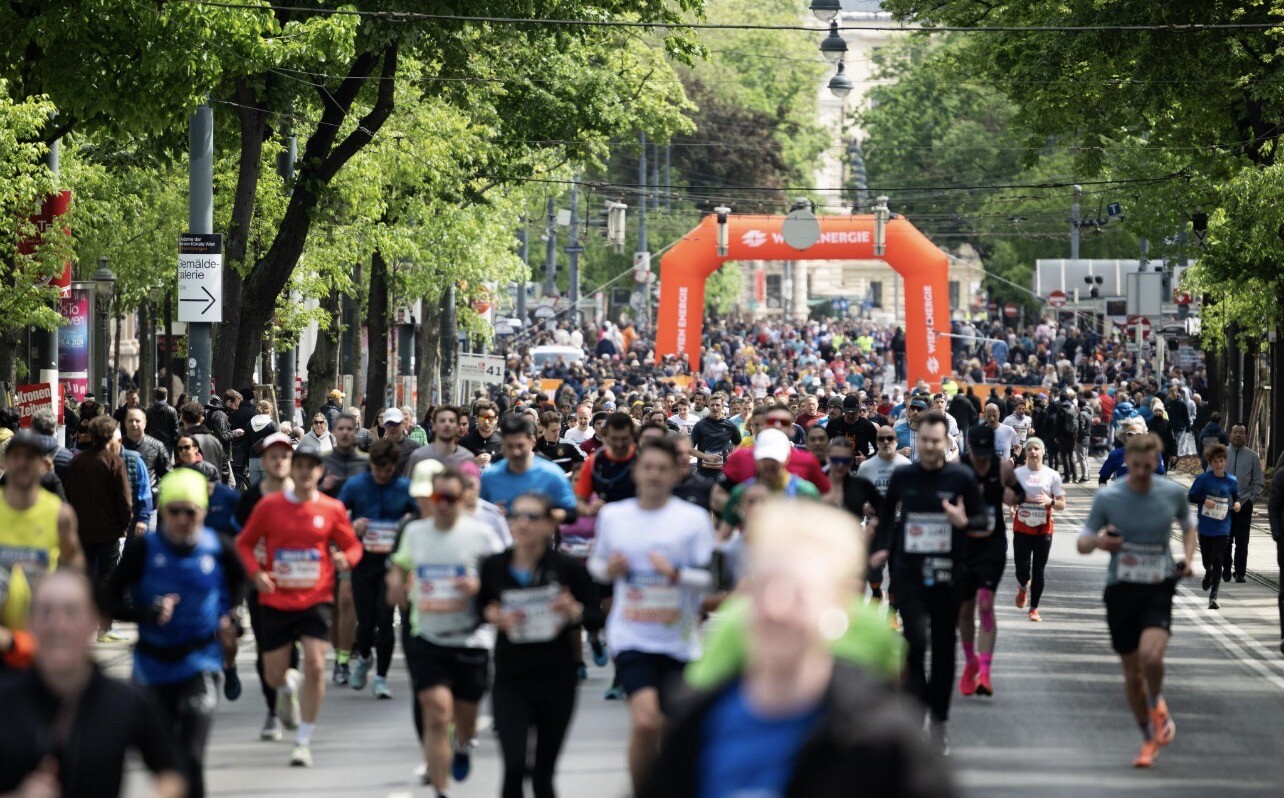
The spotlight may shine brightest on the women’s race at the Vienna City Marathon on April 19, where a deep Ethiopian lineup is ready to push the pace. Haftamnesh Tesfaye and Tigist Gezahagn lead the elite field, with organizers targeting not only the course record of 2:20:59 but potentially the first sub-2:20 performance in race history.
They will be challenged by Kenya’s defending champion Betty Chepkemoi, who returns with confidence after a breakthrough victory last year.
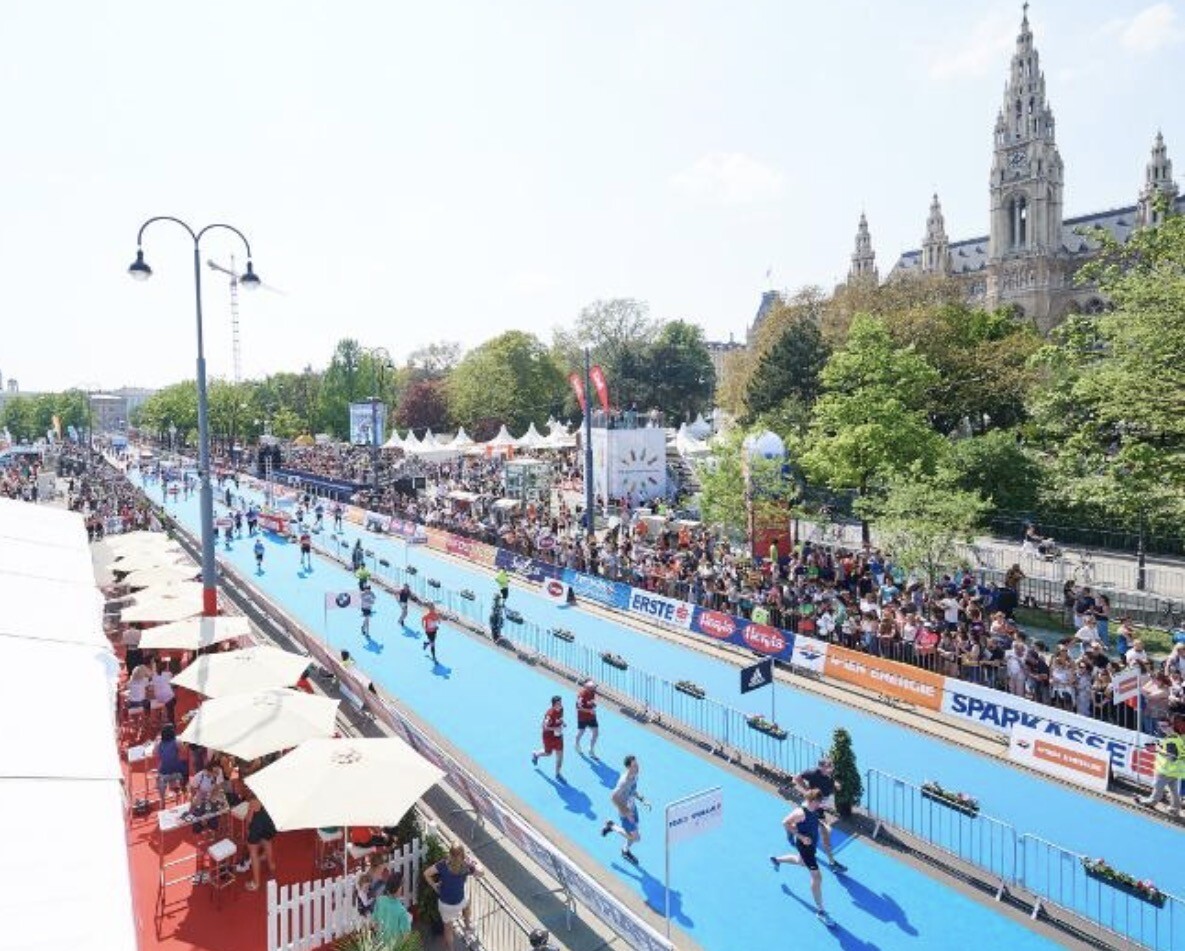
A record 46,000 athletes are entered across the two-day event, including 13,000 marathon runners, reinforcing Vienna’s position as one of Europe’s premier spring marathons and a World Athletics Elite Label Road Race.
Could Vienna see a Tesfaye breakthrough moment
Earlier this month, Foyten Tesfaye shocked the marathon world with a stunning 2:10:51 debut in Barcelona, becoming one of the fastest women ever. While that level may be out of reach here, her older sister Haftamnesh Tesfaye arrives as a serious contender.

Now 31, Tesfaye ran 2:20:13 in her 2018 Dubai debut, which remains her personal best. After stepping away from the sport in 2020 and becoming a mother of two, she returns to the marathon stage in strong form and well prepared.
She has been training in Addis Ababa under Gemedu Dedefo alongside a world-class group that includes Olympic silver medalist and former world record holder Tigst Assefa, Chicago Marathon champion Hawi Feysa, and Dubai and Berlin winner Tigist Ketema.
Tigist Gezahagn, 26, has already won a marathon this year, taking victory in Doha in January with a personal best of 2:21:14. She now sets her sights on Vienna’s course record.
Her manager Tadesse Abraham said her recovery from Doha has gone well and that she is capable of a very strong performance if conditions are favorable. Gezahagn trains in Addis Ababa under coach Getamesay Molla.
Defending champion Betty Chepkemoi may not top the start list, but she brings momentum. Last year, in freezing conditions, she surged to victory in 2:24:14, improving dramatically in just her second marathon.
She said her training has gone well and that she hopes to improve her personal best and defend her title. Chepkemoi trains in Kapsabet under Claudio Berardelli.
American Lindsay Flanagan is the fastest non African woman in the field with a personal best of 2:23:31 from Chicago. After a long injury break, Vienna will mark her return to the marathon distance.
Another athlete to watch is Kenya’s Faith Chepkoech, who made a strong impression here two years ago when she finished second in her marathon debut with 2:26:22. She returns aiming to go even faster.
With a fast course, deep international field, and favorable expectations, Vienna is set up for a high level race. If conditions cooperate, the women’s field could deliver one of the most exciting performances of the spring season.
by Race News Service
Login to leave a comment

Vienna City Marathon
More than 41,000 runners from over 110 nations take part in the Vienna City Marathon, cheered on by hundreds of thousands of spectators. From the start at UN City to the magnificent finish on the Heldenplatz, the excitement will never miss a beat. In recent years the Vienna City Marathon has succeeded in creating a unique position as a marathon...
more...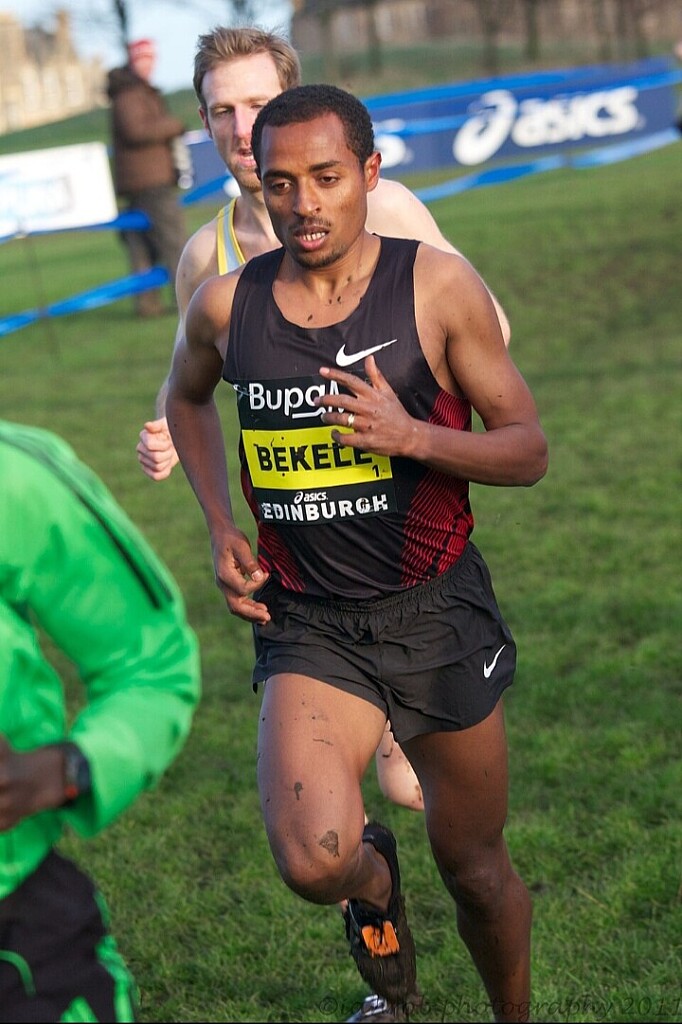
The Relentless Flame: Kenenisa Bekele and the Art of Running Beyond Limits
There are athletes who win races, and then there are rare souls whose movement feels almost like poetry — effortless yet powerful, gentle yet unstoppable. On a warm August evening in Brussels in 2001, under the honey-gold glow of stadium lights, a slender Ethiopian teenager floated across the track with a quiet certainty that something extraordinary was unfolding.
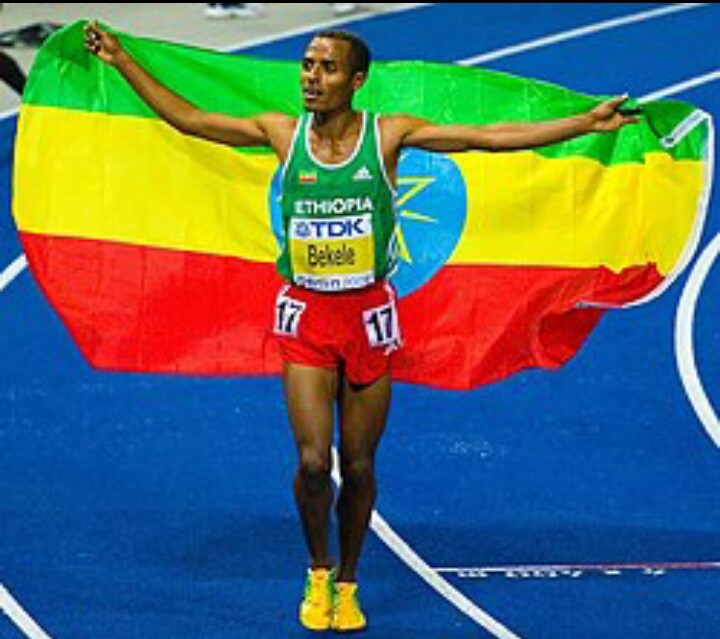
The crowd watched, curious at first, then captivated. When the clock stopped at 7:30.67 for 3000 metres at the Memorial Van Damme, applause filled the air. It was announced as a world junior record, but what lingered was not just the number — it was the feeling. The feeling of witnessing hunger wrapped in grace, ambition wrapped in innocence.
The teenager was Kenenisa Bekele, and even then, you could sense he was not chasing applause. He was chasing possibility.
For three and a half years, that junior record stood as a quiet monument to ambition before Augustine Choge eventually lowered it. Records, after all, are built to fall. Yet the resonance of Bekele’s performance lingered — the unmistakable arrival of a force that would soon redefine distance running.
Even before Brussels, his ascent had begun to take shape in unexpected corners of Europe. In the small Dutch town that hosts the Montferland Run, he collected victories in 2000 and 2001 with an almost casual authority. Fifteen kilometres through winter air and narrow streets looked less like competition and more like controlled expression. But nothing about Bekele was ever routine. Beneath the calm exterior was a furnace of ambition.
Then came the terrain where legends are forged — mud, grass, cold wind, and pain — the IAAF World Cross Country Championships. Between 2002 and 2006, Bekele achieved something so extraordinary it borders on myth: he won both the short course and long course titles every single year for five consecutive seasons. No athlete before or since has replicated such dominance. The physiological toll alone should have made it impossible — the explosive intensity of the short race followed by the grinding endurance of the long. Yet he returned each year stronger, hungrier, untouchable.
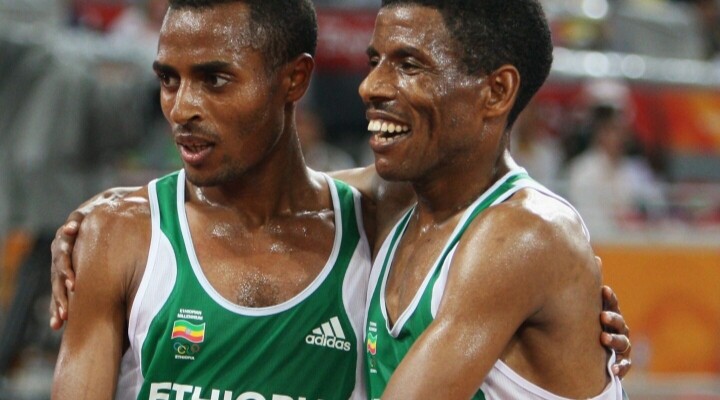
When the short course was discontinued after 2006, he stepped away briefly, then returned in 2008 to claim the long-course crown once more, almost ceremonially, as though closing a chapter he himself had authored. By then his cross-country medal collection had reached staggering proportions — nineteen in total, including eleven senior individual golds. Statistics struggled to contain the scale of his supremacy.
But numbers alone never explained the aura.
On the track, Bekele possessed an almost predatory intelligence. He would sit quietly in the pack, conserving energy with deceptive ease. Then, with laps remaining, something would ignite. At the 2003 Bislett Games in Oslo, he tracked down the Kenyan leader with chilling precision before unleashing a decisive kick to win in 12:52.26. It was not merely speed — it was timing, instinct, and psychological dominance. Rivals knew the surge was coming. They simply could not stop it.
And hovering over his rise was a rivalry that felt almost epic in scale: Bekele against Haile Gebrselassie. The reigning emperor of distance running and the fearless successor. Early encounters favored the veteran, who reminded the young challenger of the existing hierarchy. But by 2003, the balance began to shift. Bekele edged Gebrselassie over 10,000 metres in Hengelo, then continued to outperform him across major championships.
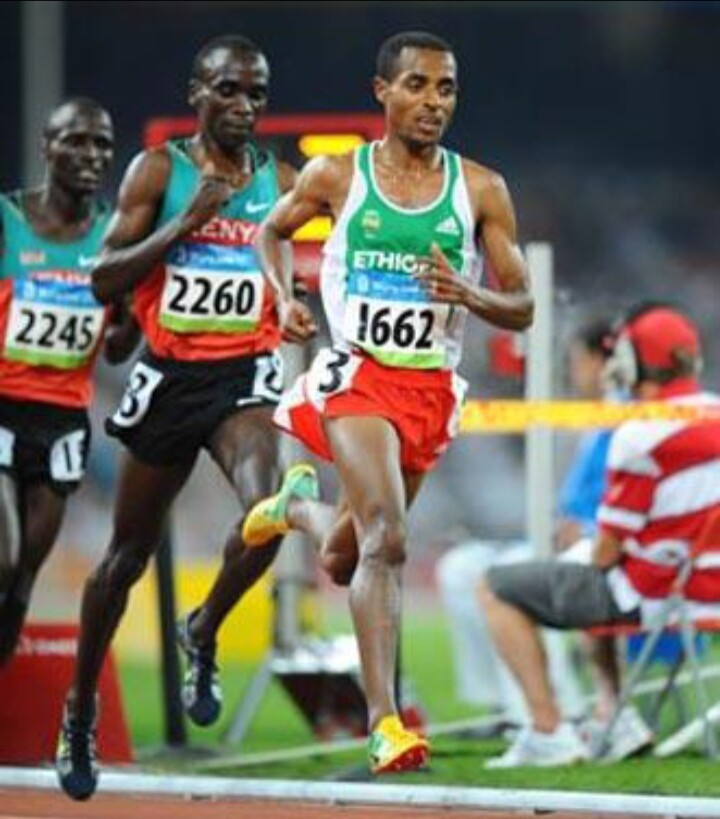
At the 2004 Athens Olympics, Bekele captured 10,000-metre gold while Gebrselassie faded to fifth. Four years later, at the 2008 Beijing Olympics, history repeated itself. The apprentice had become the standard. Even on the roads, including the Great North Run, Bekele would later finish ahead. Their rivalry was not merely competitive — it symbolised the passing of an era.
The year 2004 crystallised his dominance. Within nine astonishing days, Bekele broke the indoor 5000-metre world record, then the outdoor 5000, and finally the 10,000-metre world record — as if impatience with history itself drove him. He swept cross-country titles again, led Ethiopia to team victories, and left Athens with Olympic gold and silver. Distance running had a new gravitational centre, and it was him.
Yet life does not always move in harmony with triumph.
On January 4, 2005, a deeply personal loss entered his world during what should have been an ordinary training morning. Alem Techale — the 1500-metre World Youth Champion of 2003 — was running alongside Bekele in Ararat, a forested, hilly area on the outskirts of Addis Ababa. The two were sharing the familiar rhythm of training when she suddenly collapsed. Bekele immediately carried her to his car and rushed toward the hospital, hoping urgency might change the outcome. But on the way, she passed away. What remained was a silence that no explanation could fully fill — only memories of shared miles, shared dreams, and a companionship that had once felt limitless.
For a time, the noise of competition softened around him. But step by step, he continued — not because pain disappears, but because the human heart has a quiet way of learning to carry both love and loss together.
Because in the end, Kenenisa Bekele’s story is not simply about speed, medals, or records etched into history books. It is about the tenderness hidden inside strength. It is about a young boy who ran with wonder in his spirit, a champion who experienced both luminous joy and quiet sorrow, and a man who kept moving forward with grace. His journey reminds us that greatness is not only measured by how fast someone runs, but by how gently someone keeps going — through seasons of celebration, through moments of silence, through life itself — one faithful stride at a time.
by Erick Cheruiyot for My Best Runs.
Login to leave a comment
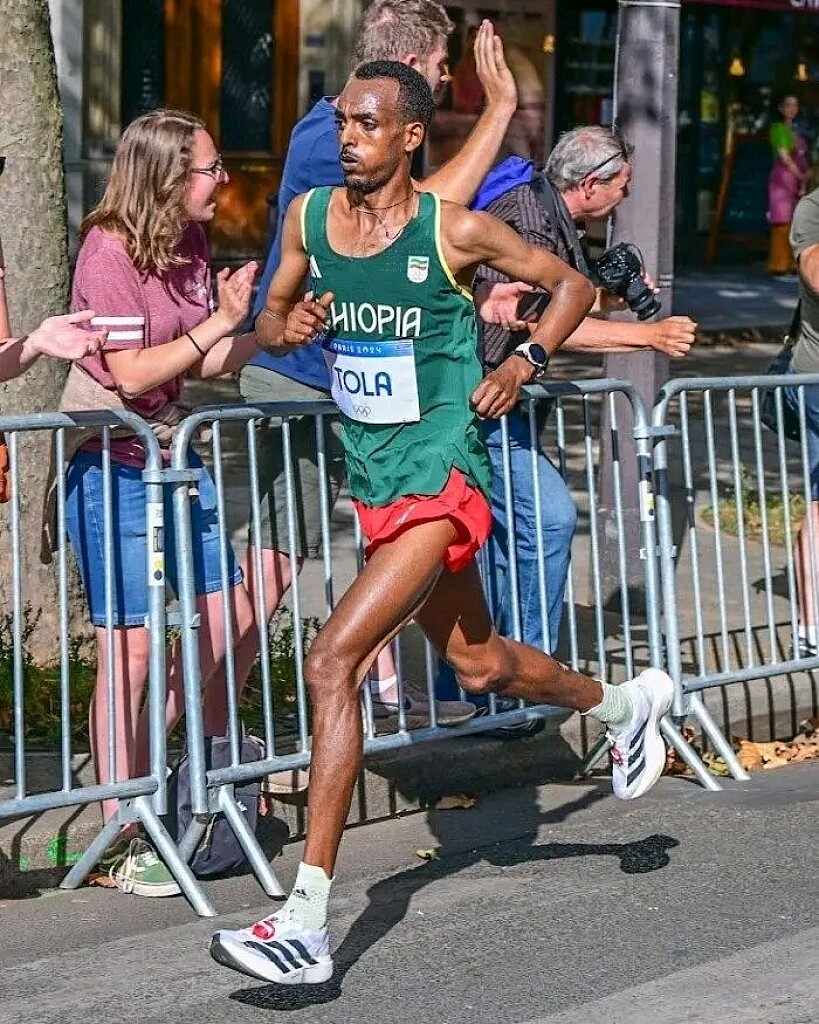
Against Time and Heat: Tamirat Tola and the Long Morning in Doha
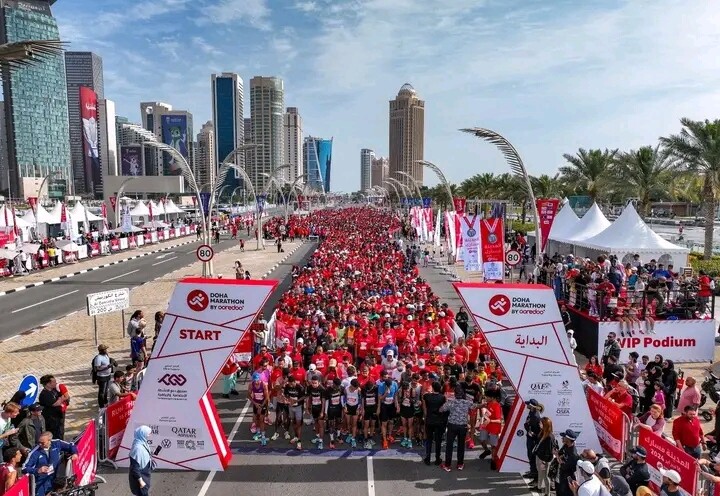
Morning arrives softly in Doha, but the marathon never does. As the city stirs beneath the first light of January, the Doha Marathon 2026 begins its quiet negotiation with heat, humidity, and human limits. On these wide, sun-touched roads stands Tamirat Tola of Ethiopia, Olympic champion and master of the long distance, preparing to test not just his rivals, but the fragile balance between pace and survival that defines elite marathon racing.
Tola’s reputation precedes him, yet reputation alone offers no shelter in a race where conditions often dictate outcomes more than pedigree. The 6:00 AM local start is a calculated concession to the climate, but even at dawn the air carries warmth that demands restraint. In such races, the marathon ceases to be a pure test of speed and becomes instead a contest of efficiency — how economically oxygen is used, how smoothly rhythm is maintained, and how long lactate accumulation can be delayed before the inevitable reckoning in the final kilometers.
From Addis Ababa to Doha, the clocks align neatly, but the physiological demands do not. Running in warm conditions elevates heart rate, accelerates dehydration, and magnifies the cost of early aggression. The first half of this race will likely be defined not by who leads, but by who resists. Expect conservative opening splits, controlled pack running, and constant monitoring of hydration strategies, as elite athletes attempt to preserve glycogen stores for the decisive final third of the course.
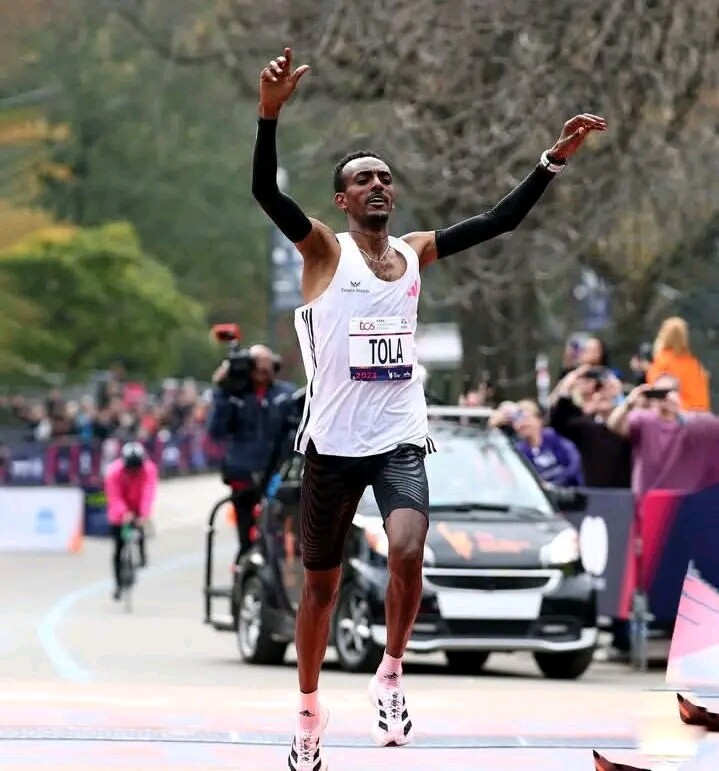
For Tola, the equation is familiar. His greatest performances have been built on patience and an instinctive sense of timing — the ability to allow a race to come to him before asserting authority. Should the pace remain honest rather than reckless, his experience in championship-style marathons may prove invaluable. However, the Doha field is deep, populated by athletes skilled in negative splits and late surges, runners who understand that in the heat, the marathon is often won after 35 kilometers, when efficiency triumphs over ambition.
As the sun begins to rise higher and shadows shorten along the course, the race will narrow to its essentials. Cadence, posture, and fueling will matter as much as courage. A slight lapse at a drink station, a surge taken too eagerly, or a moment of tightening muscles can redraw the podium entirely. This is the quiet cruelty of the marathon: it punishes impatience with precision.
And so the question hangs over the road, unspoken but universal — can the Olympic champion impose his will on a race designed to resist it? The answer will unfold slowly, written in footfalls and breath, as the field thins and the city watches. Whether Tamirat Tola claims victory or yields to the conditions and competition, the Doha Marathon 2026 promises a truthful verdict, one delivered not by reputation or expectation, but by execution in the heat of a long Qatari morning.
by Erick Cheruiyot for My Bestruns.
Login to leave a comment
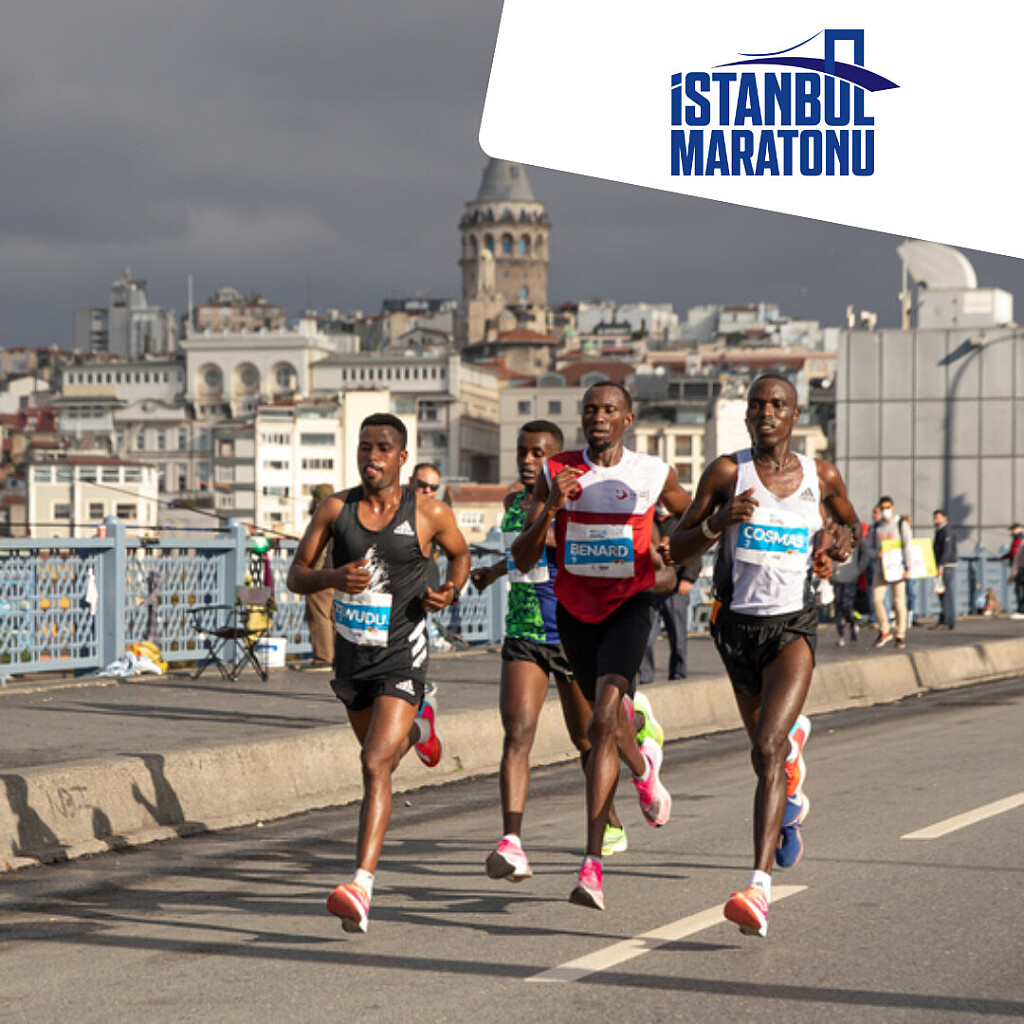
Ethiopians Dejene Debela and Tigst Getnet Lead the Elite Fields at the 2025 Istanbul Marathon
The 47th Türkiye İş Bankası Istanbul Marathon takes place this Sunday, November 2, 2025, drawing top international athletes to one of the world’s most scenic and competitive races. A World Athletics Gold Label event, the marathon is famous for its cross-continental course that starts in Asia, crosses the Bosphorus Bridge, and finishes in Europe.
Elite Headliners
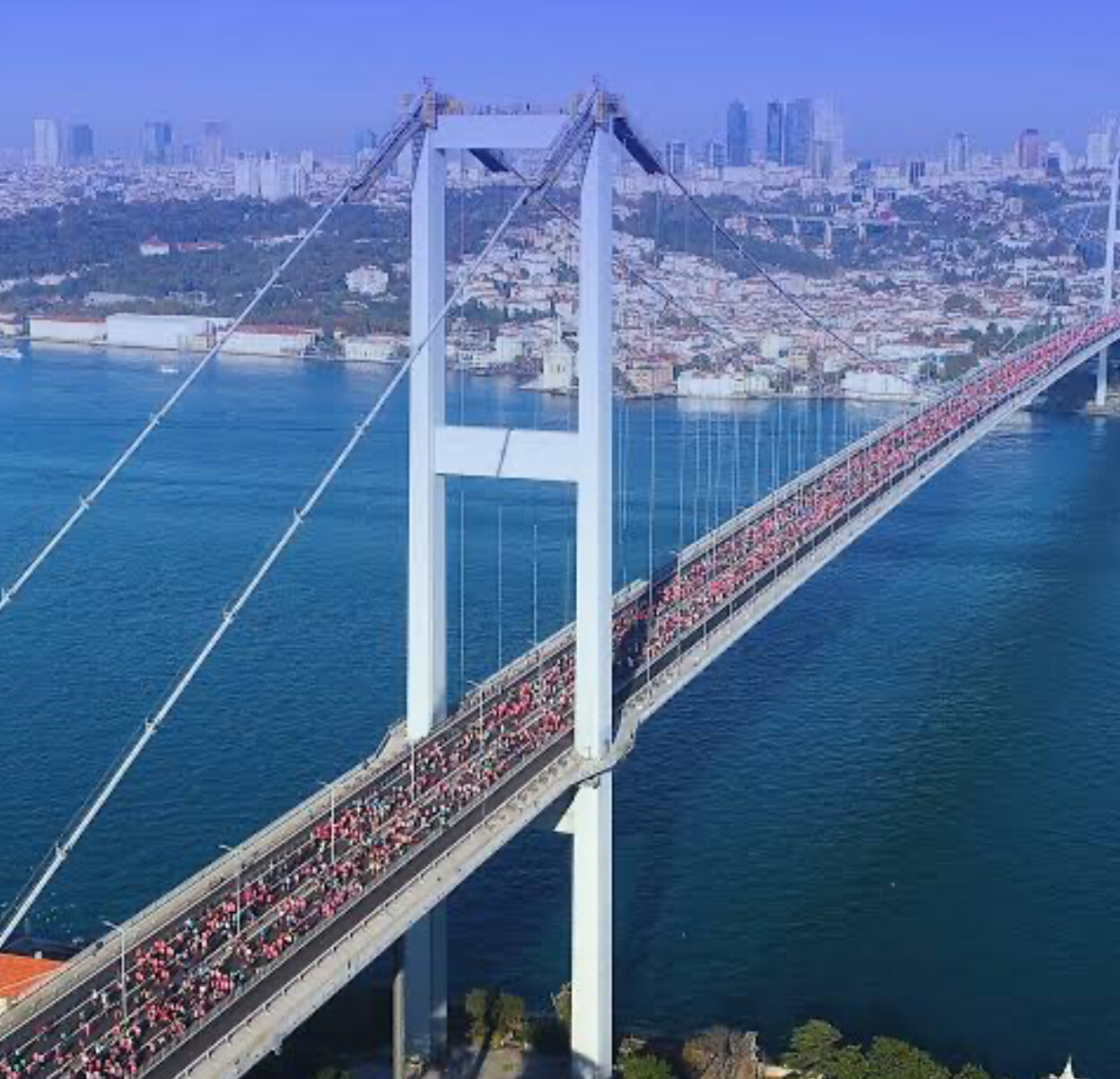
Defending champion Dejene Debela and fellow Ethiopian Tigst Getnet lead this year’s elite fields. Debela’s personal best is 2:05:46, while Getnet’s stands at 2:23:17. Both are eager to add another title to Ethiopia’s long tradition of marathon dominance.
The men’s and women’s races are deep with talent. Half a dozen men have run between 2:05:30 and 2:09:00, and six women enter with times under 2:26:00. Around 6,000 marathoners will race the full distance, joined by tens of thousands more in shorter events — totaling over 42,000 runners.

“Since Istanbul is a candidate for the 2036 Olympic Games, our marathon has an important role to play,” said Race Director Bilge Donuk.
The Men’s Race
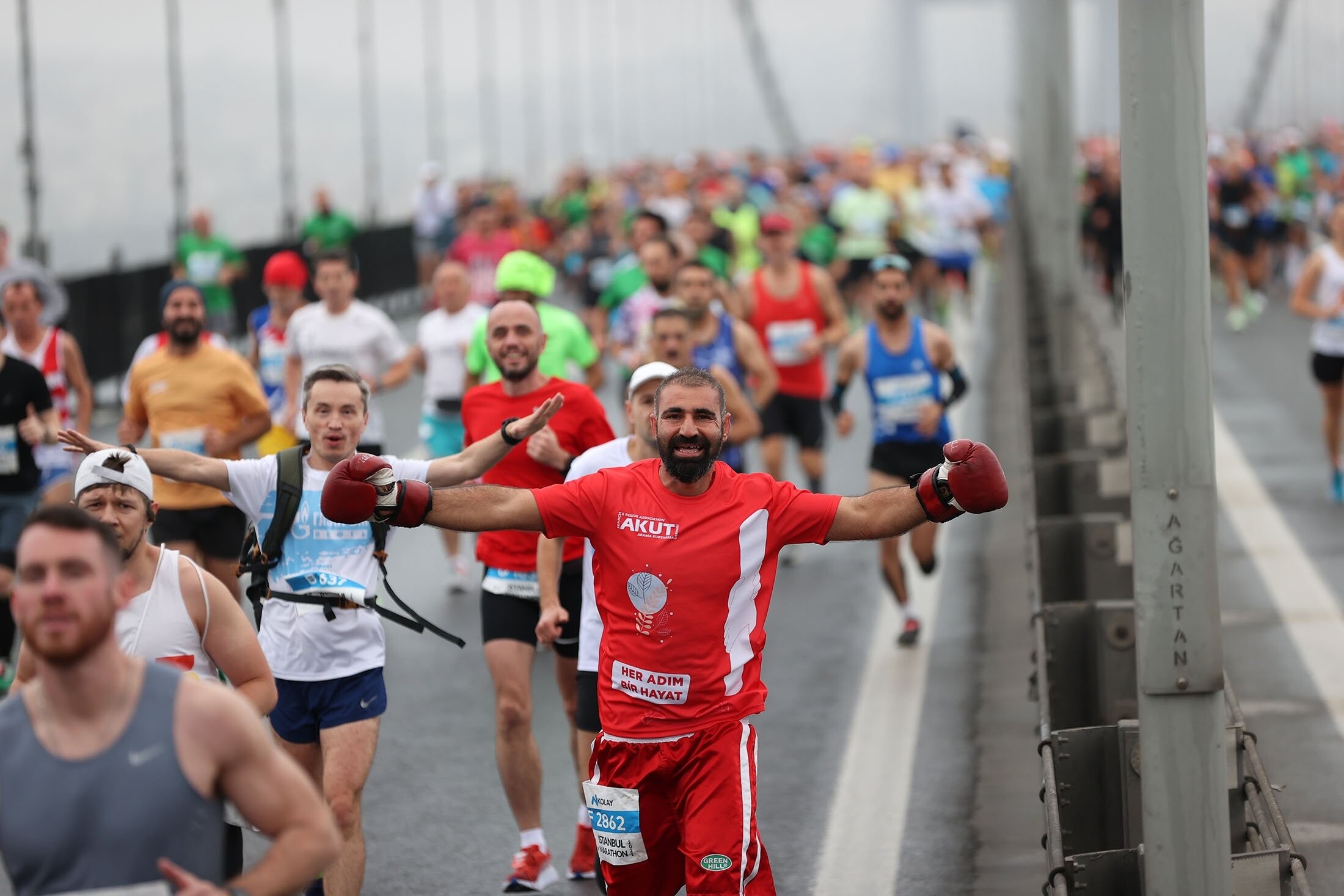
Dejene Debela returns to defend his title after winning in windy conditions last year. “It was very windy last year, so this time I hope for a much faster time,” he said. The 30-year-old Ethiopian, who trains in Addis Ababa, set his PB of 2:05:46 in Chicago (2019) and has since overcome injuries that slowed his progress.
Organizers expect pacemakers to target 63:30–63:45 at halfway — a pace Debela says fits his goal. He has raced sparingly this year, dropping out of the Wuxi Marathon in March as a precaution but now says he feels “ready to defend my title.”
Among his challengers are Rhonzas Kilimo (KEN, 2:06:09) and Ethiopia’s Sufaro Woliyi, just 22, who impressed with a 2:07:19 debut in Xiamen. Kenya’s Benard Kipkorir, fourth here last year, recently clocked 2:08:12 in Chongqing and could also contend.
Kenya’s Denis Chirchir was forced to withdraw with a stress fracture, while New Zealand’s Jake Robertson is sidelined by injury.
The Women’s Race
Two Ethiopian training partners — Tigst Getnet and Sofia Assefa — headline the women’s field. Both train under Kirubel Damtew in Addis Ababa. Getnet’s best is 2:23:17, while Assefa’s stands at 2:23:33.
Sofia Assefa, 37, is a former world-class steeplechaser who won Olympic silver in 2012 and World Championship bronze in 2013. After a promising marathon debut in Amsterdam, she placed second in Copenhagen this May with 2:26:21 and says she’s now in even better form.
Her training partner Tigst Getnet, 15 years younger, has already completed six marathons. Her debut in Dubai (2023) remains her best, and she’ll look to return to that level in Istanbul.
Other notable contenders include Yenenesh Tilahun Dinkesa (2:24:09), Letebrhan Gebreslasea (2:24:47), and Roman Gidey (2:25:22), who ran two strong marathons within two weeks in Guangzhou last year. Kenya’s rising 21-year-old Joan Kilimo (2:25:32 debut in Milan) leads the Kenyan challenge.
Defending champion Ruth Jebet has withdrawn to compete in the Islamic Solidarity Games next week in Riyadh.
Top Elite Runners and Personal Bests
Men
Dejene Debela (ETH) – 2:05:46
Rhonzas Kilimo (KEN) – 2:06:09
Sufaro Woliyi (ETH) – 2:07:19
Benard Kipkorir (KEN) – 2:08:12
Isaac Too (KEN) – 2:08:45
Charles Mneria (KEN) – 2:08:54
Hillary Kipchumba (KEN) – 2:09:53
Women
Tigst Getnet (ETH) – 2:23:17
Sofia Assefa (ETH) – 2:23:33
Yenenesh Tilahun Dinkesa (ETH) – 2:24:09
Letebrhan Gebreslasea (ETH) – 2:24:47
Roman Gidey (ETH) – 2:25:22
Joan Kilimo (KEN) – 2:25:32
by Race News Service
Login to leave a comment
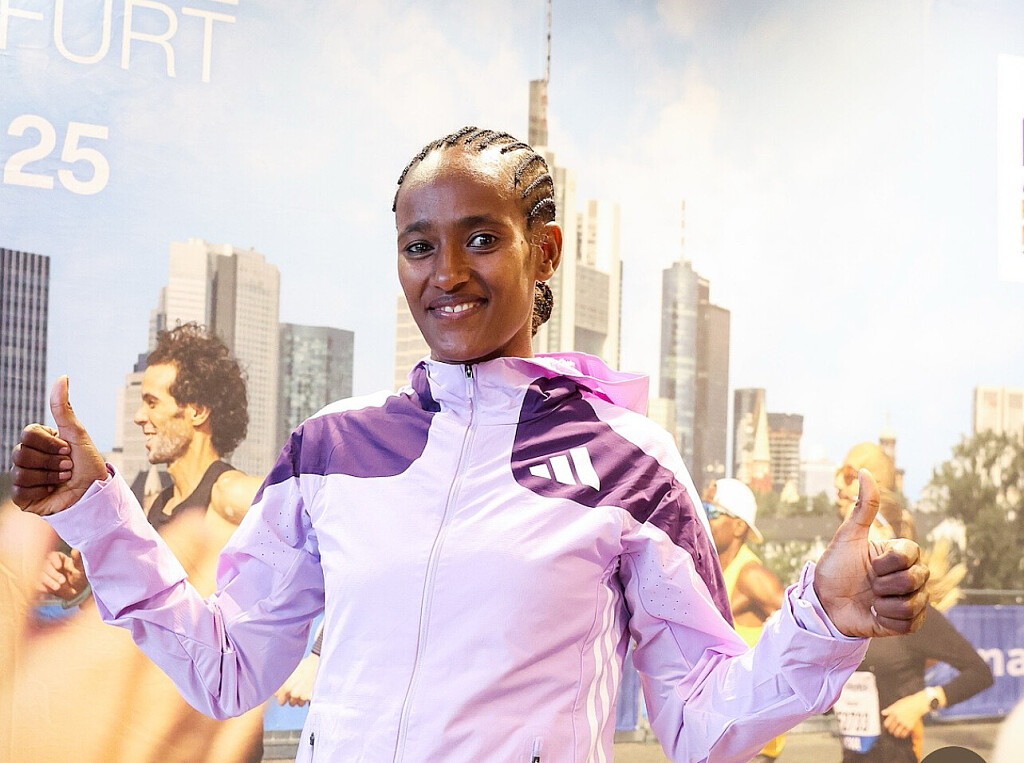
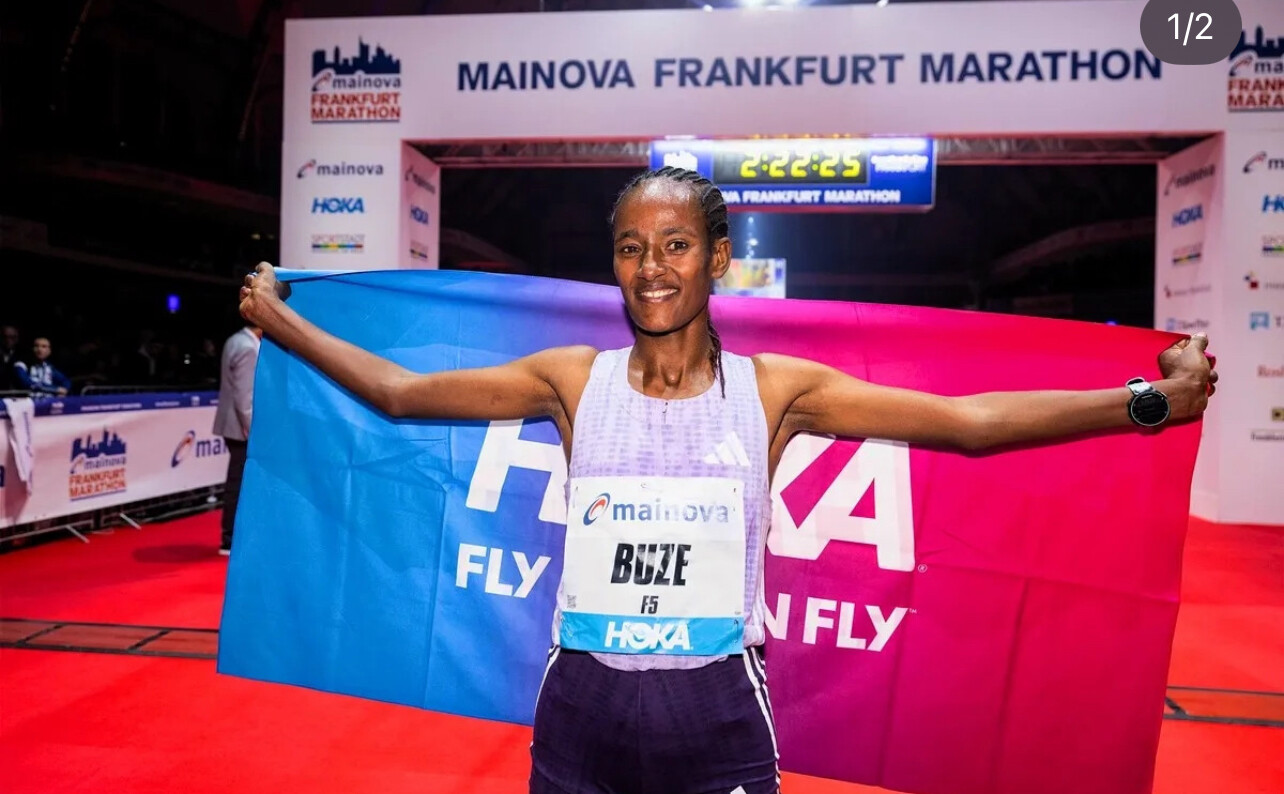
Buze Diriba Eyes Greater Heights After Frankfurt Marathon Triumph
Ethiopia’s Buze Diriba could be the next major star in women’s marathon running, judging by her performance at the Mainova Frankfurt Marathon. On Sunday, the 31-year-old captured the biggest win of her road-running career, dominating the race from start to finish and clocking a personal best of 2:19:34 — making her the fifth-fastest woman in Frankfurt’s history.
Despite strong headwinds and the loss of her pacemaker with 10 kilometers to go, Diriba maintained control. “If that hadn’t happened and the wind hadn’t been so strong, I would have run 2:16 today,” she said after earning the €30,000 winner’s prize. “Next time I’ll aim to run around 2:16.”
Ambitions Beyond Frankfurt
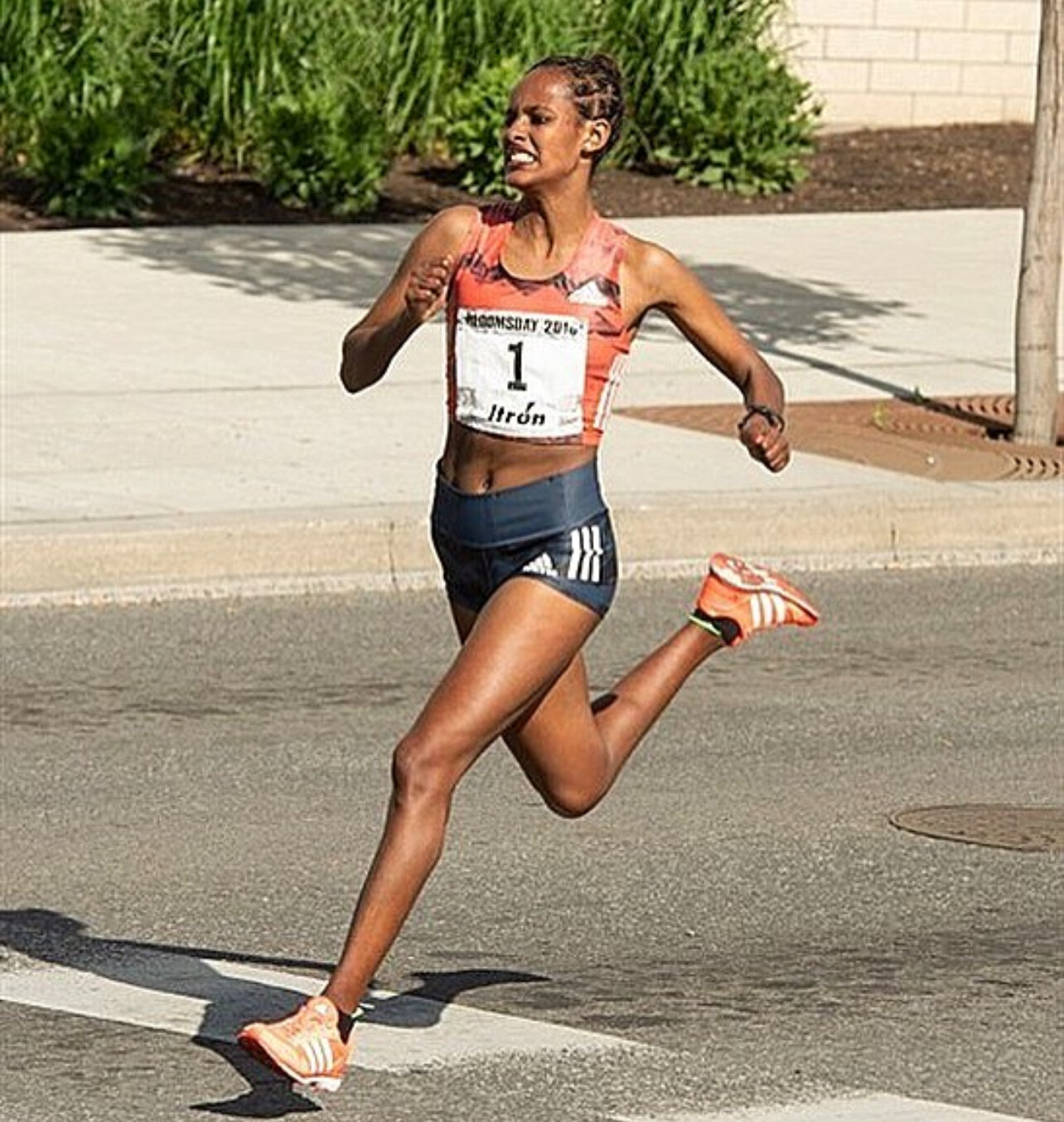
Diriba’s breakthrough in Frankfurt could mark the beginning of a new chapter. “I want to run in the World Championships and Olympic Games and win titles,” she said. Her goal is clear — to join the elite ranks of Ethiopia’s greatest distance runners.
She trains under Gedemu Dedefo in Addis Ababa, one of the most powerful marathon training groups in the world. The camp includes Olympic and World Championship silver medalist Tigst Assefa, Chicago Marathon champion Hawi Feysa, and Olympic marathon champion Tamirat Tola.
A year ago, Feysa used Frankfurt as her own launchpad to stardom, setting a course record of 2:17:25. Diriba came to this year’s edition determined to challenge that mark. “It helps me to have such strong training partners — it makes me stronger,” she explained. “I know I’ll need to run under 2:15 in the future to reach world-class level.”
From Arsi to the World Stage
Diriba hails from Asela, in Ethiopia’s famed Arsi region — the same area that produced legends such as Haile Gebrselassie. Her parents are farmers, and as a child she helped with chores before running to school each morning, “only about 20 minutes away.”
She began running competitively at 16, inspired by Ethiopian Olympic champions Meseret Defar and Tirunesh Dibaba. At 18, she captured the World Junior 5,000m title (2012), signaling her potential as a future great.
“Since then, Gemedu Dedefo has been my coach,” Diriba said. Now a mother of two young daughters, she credits her husband Guta Wami for keeping the household running while she trains and competes.
A Family of Runners
Athletic talent runs deep in the Diriba family. Her younger brother Boki Diriba, 21, is already making his mark, finishing 10th at the 2023 World Cross Country Championships and running 2:07:13 for sixth in Hamburg this April.
With Buze and Boki both rising fast, the Diriba name could soon become one of the most recognized in international road running — a new family dynasty emerging from Ethiopia’s storied highlands.
by Race News Service
Login to leave a comment
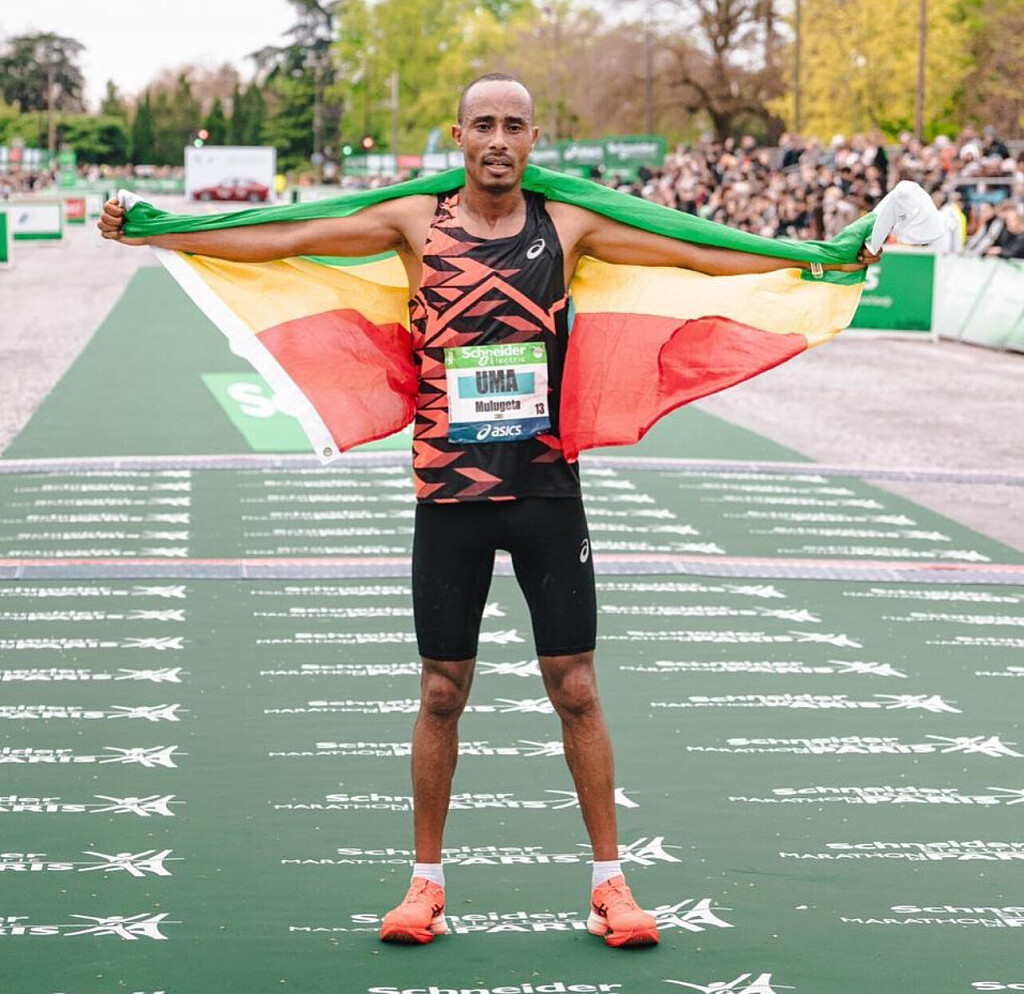
Mulugeta Uma Returns to Defend TCS Toronto Waterfront Marathon Crown
Ethiopia’s Mulugeta Uma, the 2024 TCS Toronto Waterfront Marathon champion, has confirmed he will return to Canada’s premier road race on October 19 to defend his title. The 27-year-old says his focus is clear:
“My aim is to run a fast time but if I am unable to run a fast time I must win the race.”
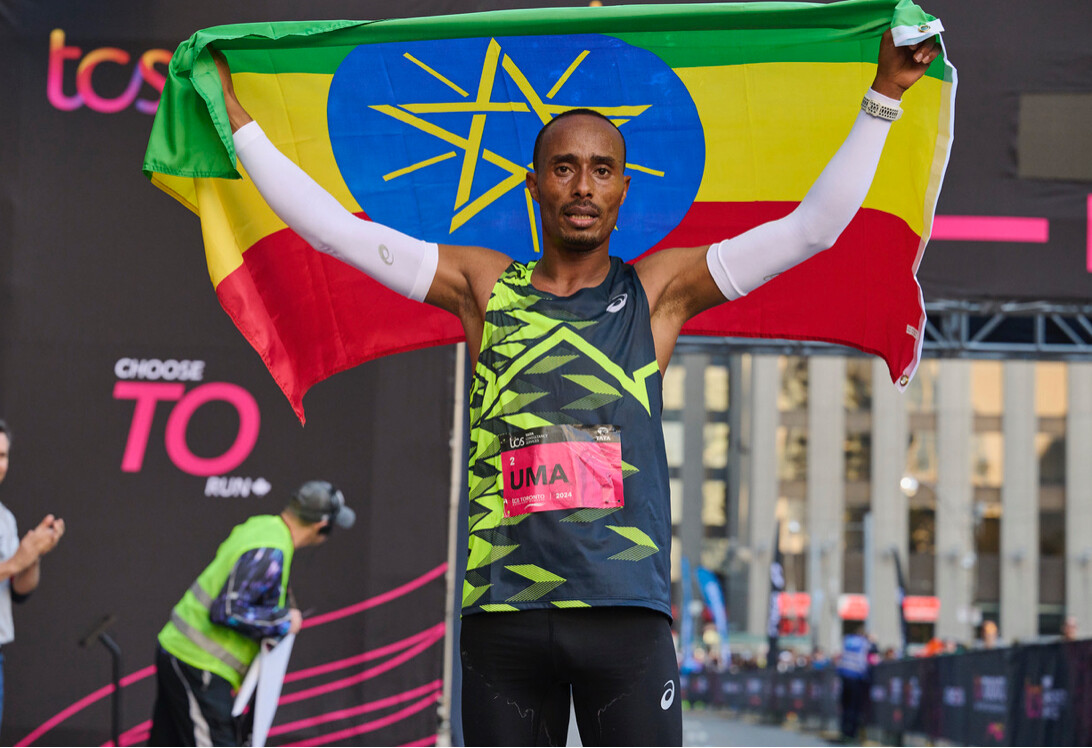
Podium Rematch
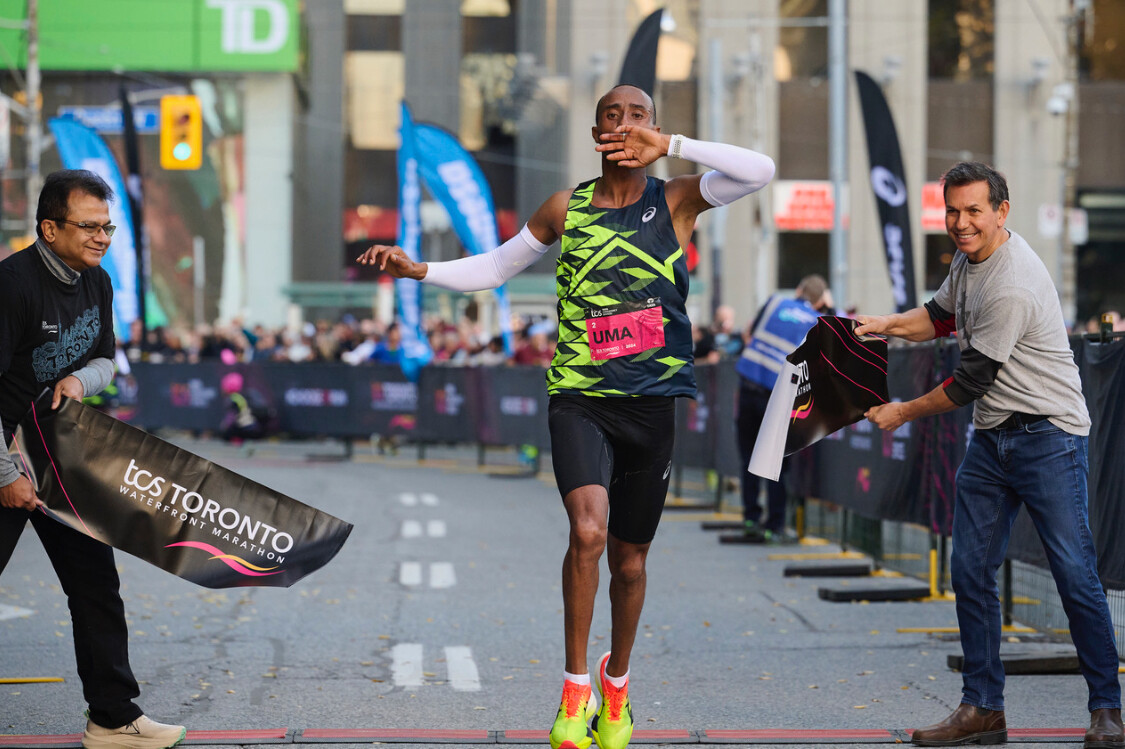
Uma’s addition to the field sets up an exciting reunion with the two men who joined him on last year’s podium. Kenya’s Dominic Ngeno, who finished second in 2024, and Noah Kipkemboi, who claimed third, have already been confirmed for this World Athletics Elite Label race.
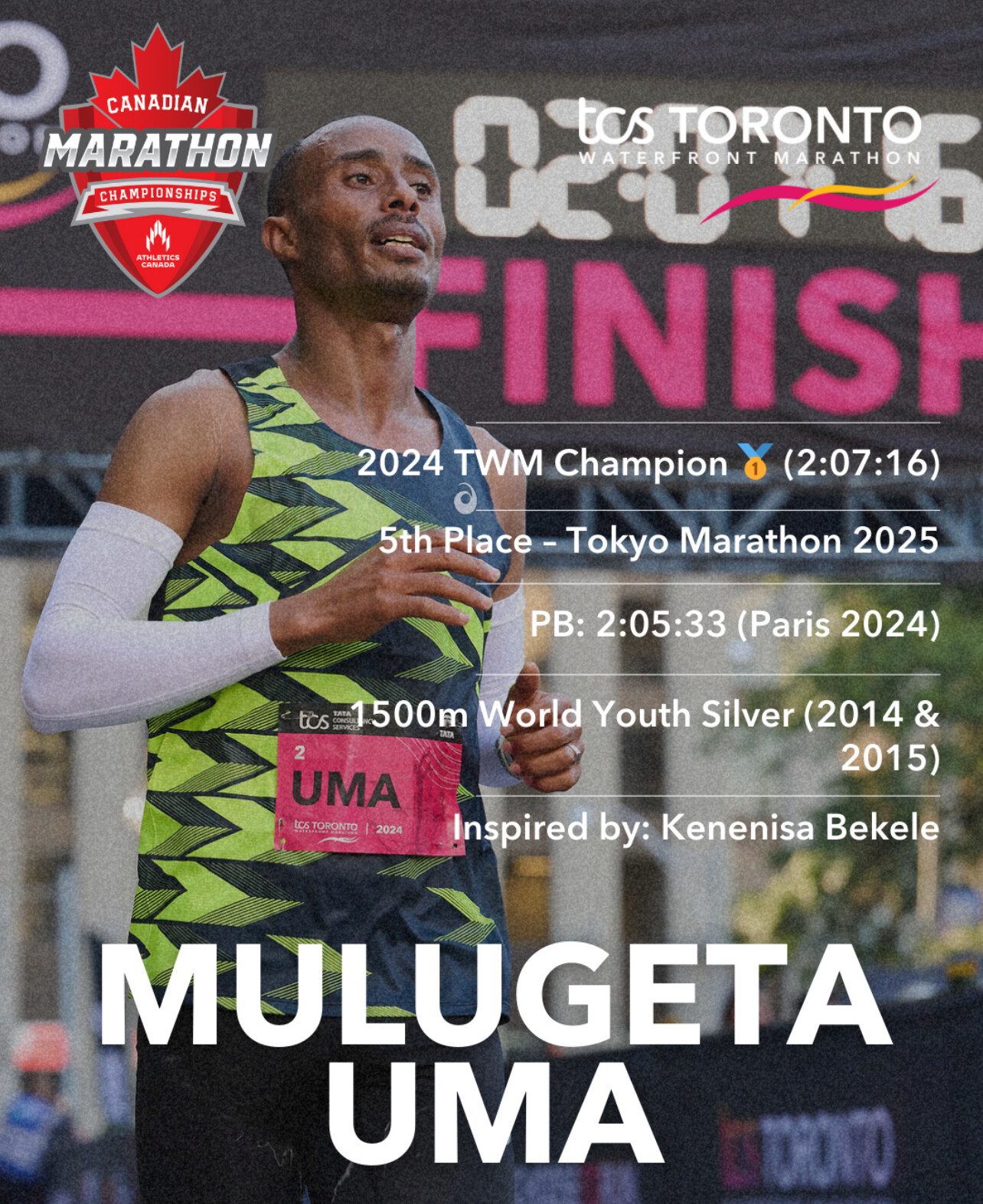
Though Uma won Toronto last year in 2:07:16, he has proven he can run much faster. His personal best of 2:05:33 came at the 2024 Paris Marathon, and he clocked 2:05:46 for fifth place earlier this year at the prestigious Tokyo Marathon, a World Marathon Major.
Remembering Toronto 2024
Uma recalls how last year’s Toronto victory unfolded dramatically.
“After halfway, no one was willing to lead but the Kenyan athlete (Ngeno) had a big surge and disappeared from our sight,” he remembers.
“We decided to leave him and thought we were going for second place. After a while I decided to try my best to catch him and, finally, I caught him and managed to win the race.”
His win earned him $20,000 CAD—a payday that has since risen to $25,000 for the 2025 edition. Beyond the prize money, Uma says he enjoyed his first visit to Canada’s largest city.
“I enjoyed the course and had an amazing experience in Toronto. I do have friends there and they are the ones who took me sightseeing.”
From Waliso to the World Stage
Born in Waliso, about 100 kilometers southwest of Addis Ababa, Uma grew up in a farming family. Inspired by Ethiopia’s Olympic heroes, he pursued running as a child and quickly made a name for himself in the 1,500m, winning silver at the 2014 Olympic Youth Games and the 2015 IAAF World Youth Championships.
But his career was derailed when he ruptured his Achilles tendon—an injury he attributes to racing in spikes. It forced him into a seven-year hiatus.
His return to the sport was fueled by watching his hero, Kenenisa Bekele, transition to the roads.
“Kenenisa was the athlete who inspired me. I was eager to achieve what he did on the track. Annoyingly, my injury prevented me from the track racing I loved, but still my role model showed me I could run sub-2:02. I am working hard to run a fast time like him.”
Bekele, a three-time Olympic champion, famously ran 2:01:41 in Berlin in 2019—just two seconds shy of the then world record.
Family and Future Goals
Uma is married to Bone Chuluka, who represented Ethiopia at two World Cross Country Championships, winning medals in the mixed relay event. The couple, who currently have no children, train together as they pursue their athletic goals.
Looking ahead to October, Uma has his eyes not just on defending his crown but also on history. The course record in Toronto remains 2:05:00, set in 2019 by Kenya’s Philemon Rono.
Asked if he might challenge that mark, his response was simple:
“Yes, why not?”
Few would doubt his ability to deliver.
by Paul Gains
Login to leave a comment

TCS Toronto Waterfront Marathon
The Scotiabank Toronto Waterfront Marathon, Half-Marathon & 5k Run / Walk is organized by Canada Running Series Inc., organizers of the Canada Running Series, "A selection of Canada's best runs!" Canada Running Series annually organizes eight events in Montreal, Toronto and Vancouver that vary in distance from the 5k to the marathon. The Scotiabank Toronto Waterfront Marathon and Half-Marathon are...
more...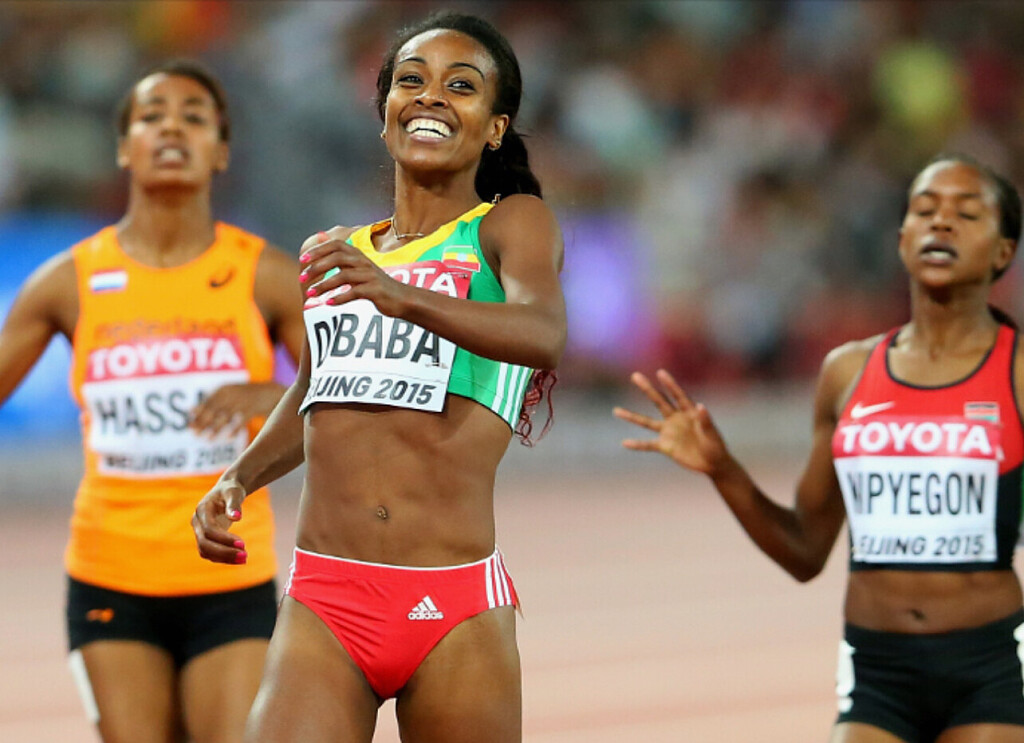
Genzebe Dibaba: Chasing Greatness on the Roads, Will Berlin 2025 be her moment of redemption?
Where is Genzebe Dibaba?
Once the undisputed queen of the track, the six-time world champion and Olympic 1500m silver medalist has spent recent years grappling with one of the toughest transitions in elite running: the marathon.
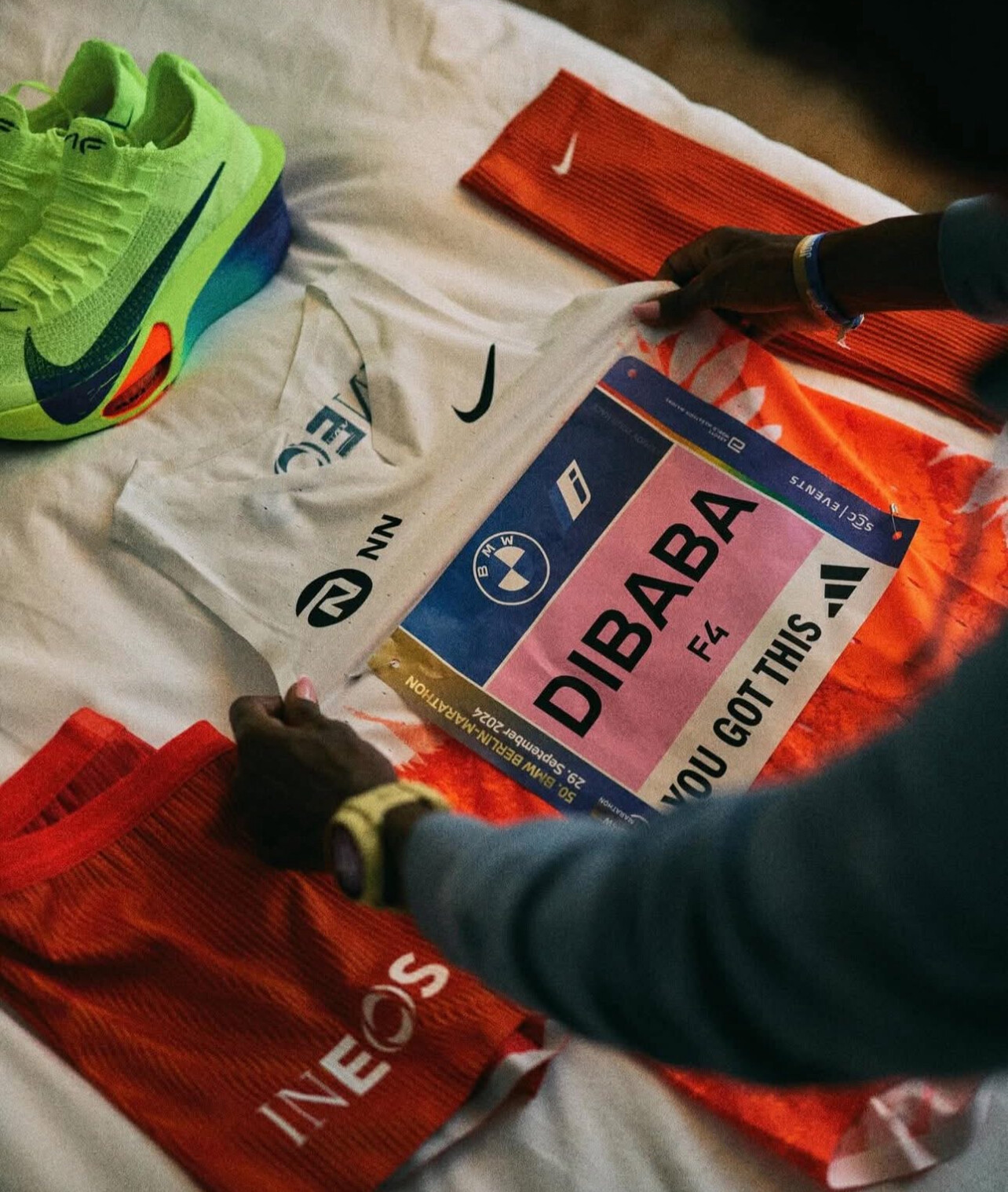
“The marathon is not only a test on race day,” Dibaba said recently. “It challenges every part of you—especially during training.”
Since stepping up to the 42.195-kilometer distance, the journey has been anything but smooth. Known for her devastating finishing kick and fluid stride on the track, Genzebe has found the roads to be an entirely different battleground—one that demands patience, endurance, and humility.
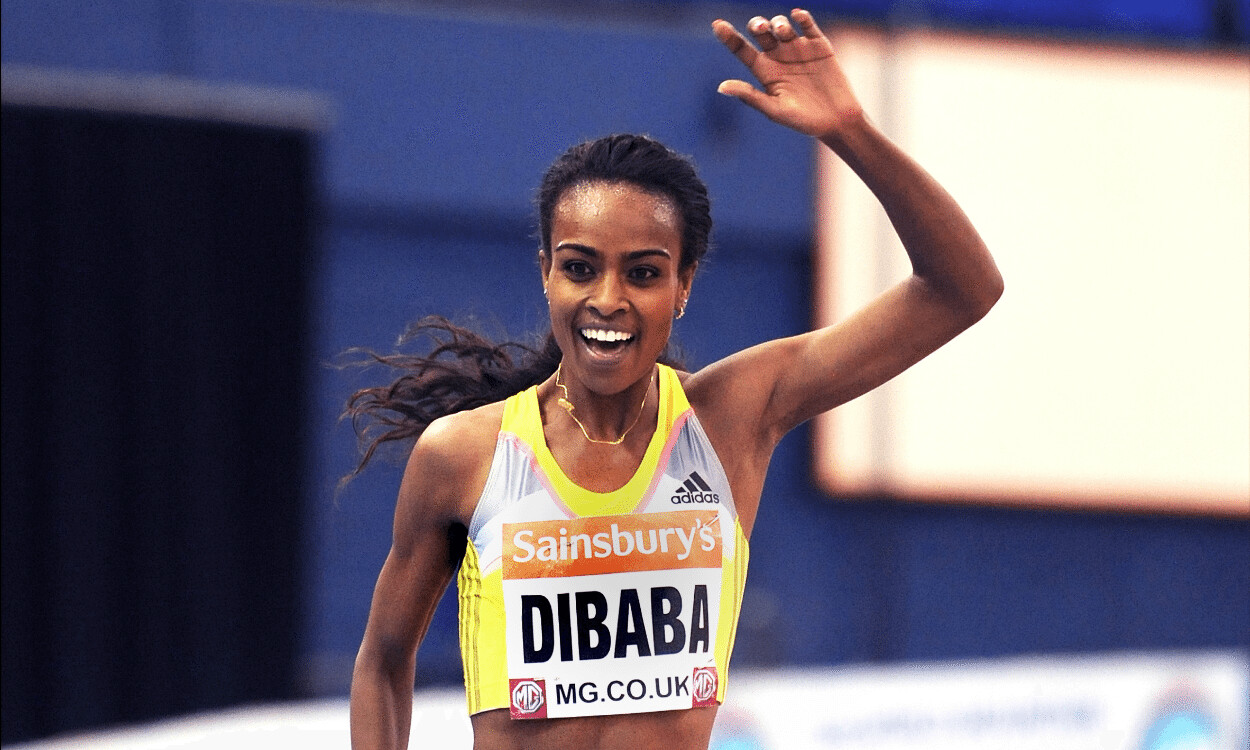
In 2024, the spotlight was on her return to Berlin, home of world records and legendary performances. But the race didn’t go as planned. Dibaba did not finish—a rare DNF for one of the most accomplished athletes of her generation. And just like that, she disappeared from competition.
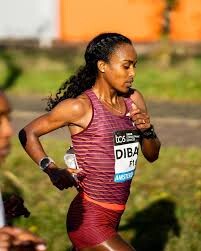
But not from the sport.
Back in the high-altitude terrain of Addis Ababa, Genzebe has been quietly rebuilding. Her training partner is her younger sister, Anna Dibaba—a rising star in her own right. Together, away from the noise, they’ve been logging miles, revisiting fundamentals, and chasing the kind of strength only the marathon demands.
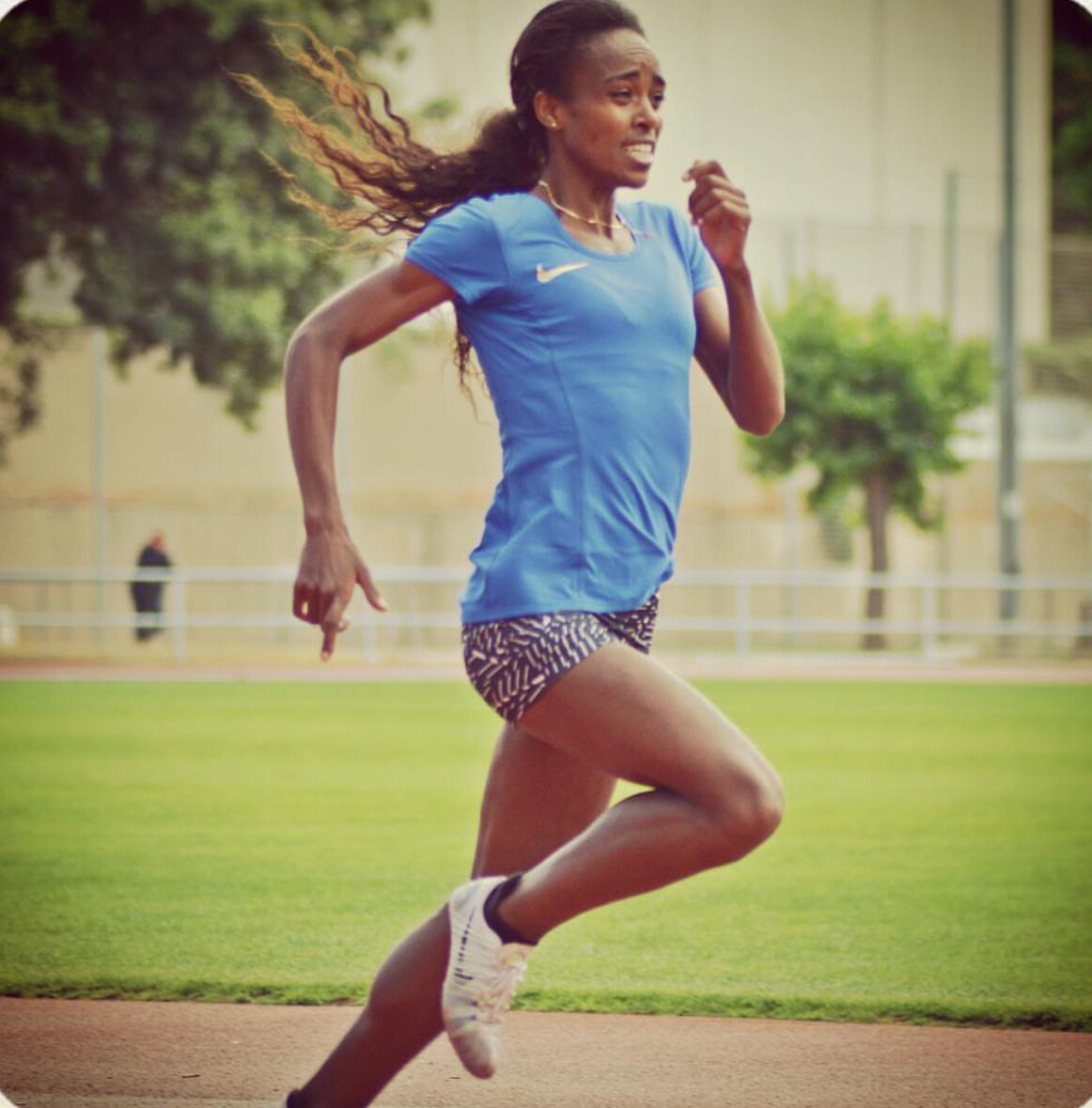
Genzebe’s pedigree remains unquestioned. From junior dominance to world indoor records, from global titles in cross country to Olympic medals on the track—few athletes have ever displayed her range or brilliance. While the marathon has stretched her, she’s shown time and again that she thrives on challenges.
Berlin 2025: A Race of Legends
Now, all eyes are turning once again toward the BMW Berlin Marathon, set for Sunday, September 28, 2025. As one of the six Abbott World Marathon Majors, Berlin is renowned for its flat, fast course and record-breaking performances. Eliud Kipchoge famously broke the world record there in 2022 (2:01:09), and Berlin has hosted more official men’s and women’s world records than any other marathon.
The 2025 edition is expected to feature a deep elite field, with organizers already teasing the return of top contenders from around the world. It’s a race that attracts nearly 50,000 runners and millions of spectators, making it one of the most iconic events on the global calendar.
And the big question lingers:
Will Genzebe Dibaba be among them? Will she return to Berlin in search of redemption and reassert her place among the greats—this time on the roads?
The countdown is on.
And if Genzebe lines up at the start in September, it won’t just be a race.
It will be a statement.
by Boris Baron
Login to leave a comment
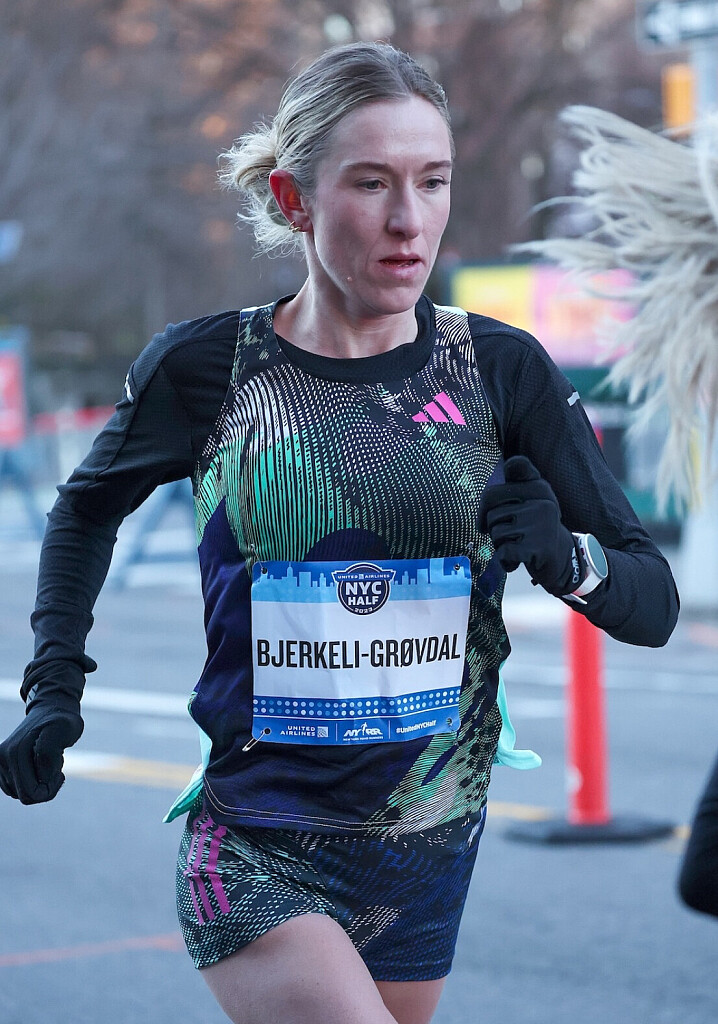
Haspa Marathon Hamburg 2025 Features Strong Women’s Field as Karoline Bjerkeli Grøvdal Makes Marathon Debut
The Haspa Marathon Hamburg, set for April 27, 2025, will showcase a highly competitive women’s field led by Ethiopia’s Workenesh Edesa. Edesa, who holds a personal best of 2:18:51, is among several elite Ethiopian athletes in the race. Norway’s European Half Marathon Champion, Karoline Bjerkeli Grøvdal, will make her highly anticipated marathon debut. A total of 15,000 runners have registered for the 39th edition of Germany’s largest spring marathon.
Grøvdal, 34, is one of the most prominent names on the women’s start list, which may see further additions in the coming weeks. She won the European Cross Country Championships three consecutive times from 2021 to 2023 and had a breakthrough year in 2024, winning the New York Half Marathon before claiming the European Half Marathon title in Rome. Later that year, she set a personal best of 66:55 at the Copenhagen Half Marathon, suggesting she has the potential for a strong marathon debut. She recently returned to the New York Half Marathon, finishing in 69:03—six seconds faster than the previous year—to place seventh.
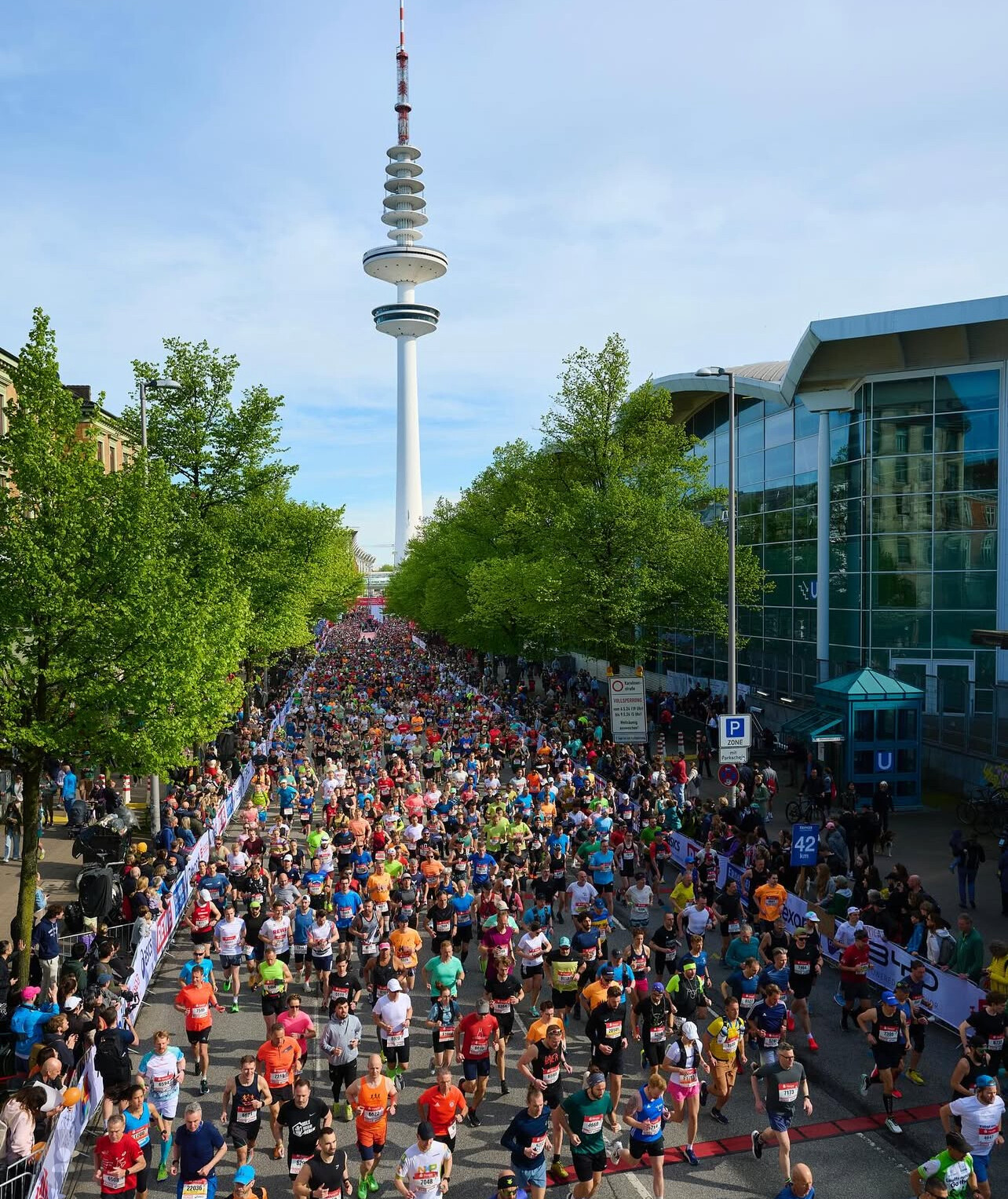
“I think Hamburg is a good place to start my marathon career,” Grøvdal said, looking ahead to her debut over the classic distance.
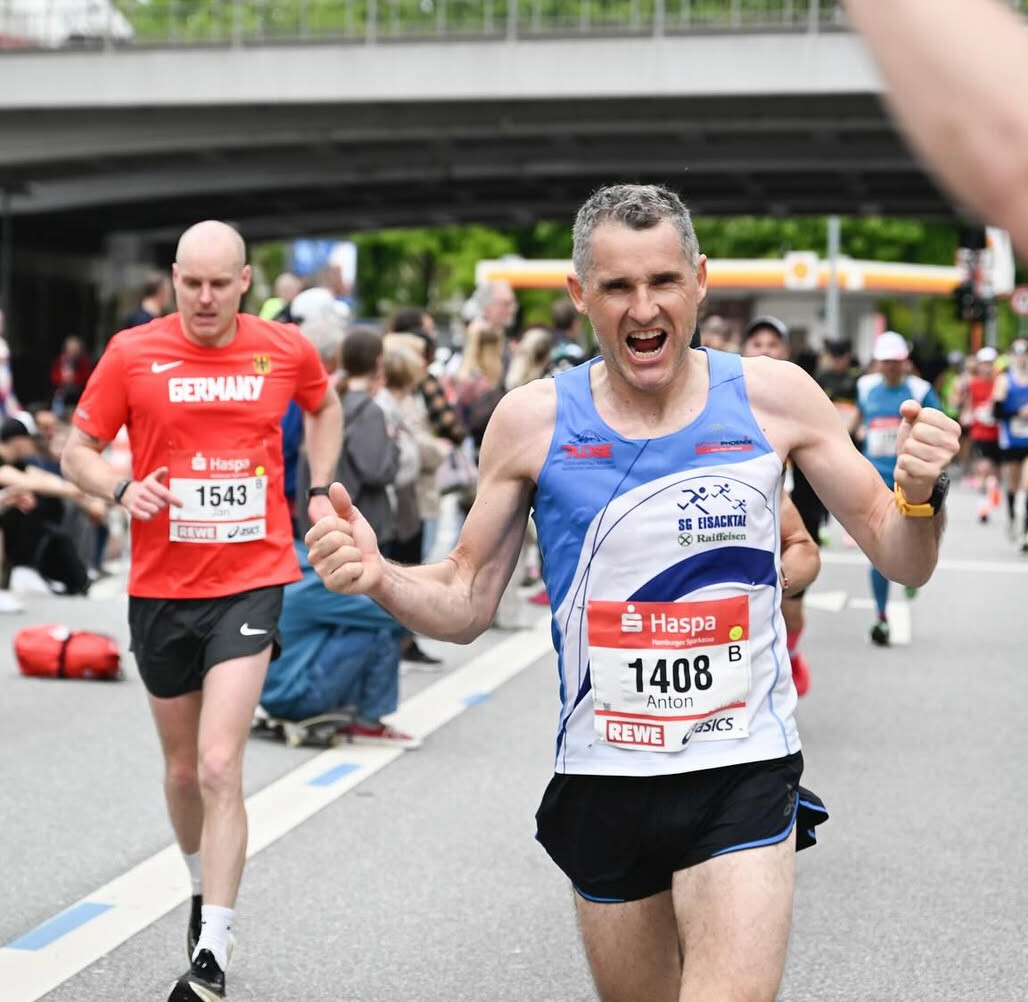
Workenesh Edesa, 32, is among the fastest women ever to compete in the Haspa Marathon Hamburg. She first set her personal best of 2:18:51 while finishing fourth at the 2022 Berlin Marathon, then matched that time to set the course record at the 2024 Osaka Marathon. In January 2025, she successfully defended her Osaka title, winning in 2:21:00. Edesa trains in Addis Ababa under renowned coach Gemedu Dedefo as part of one of the world’s strongest marathon training groups.
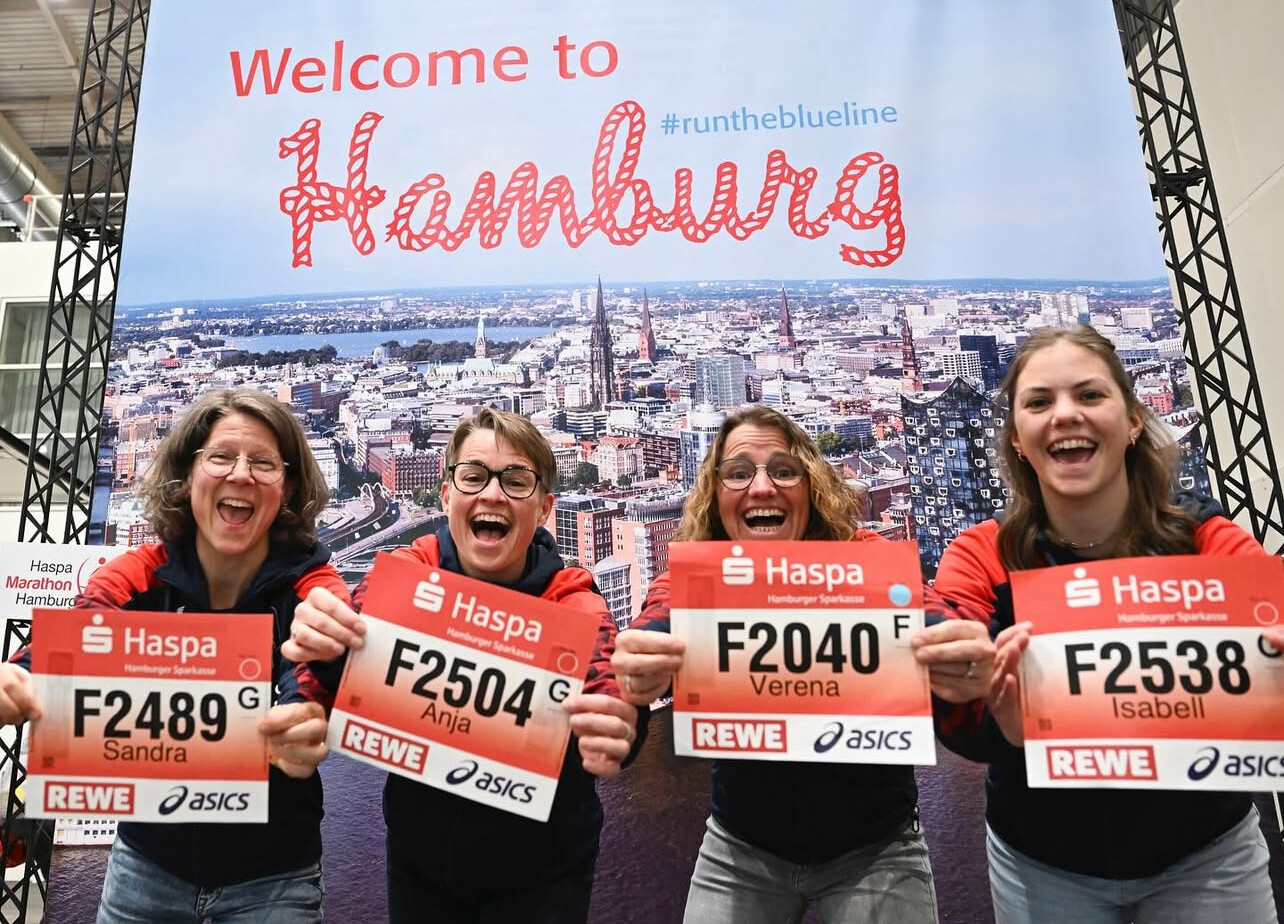
Joining Edesa on the start list are three more Ethiopian contenders, each with personal bests between 2:20 and 2:21:
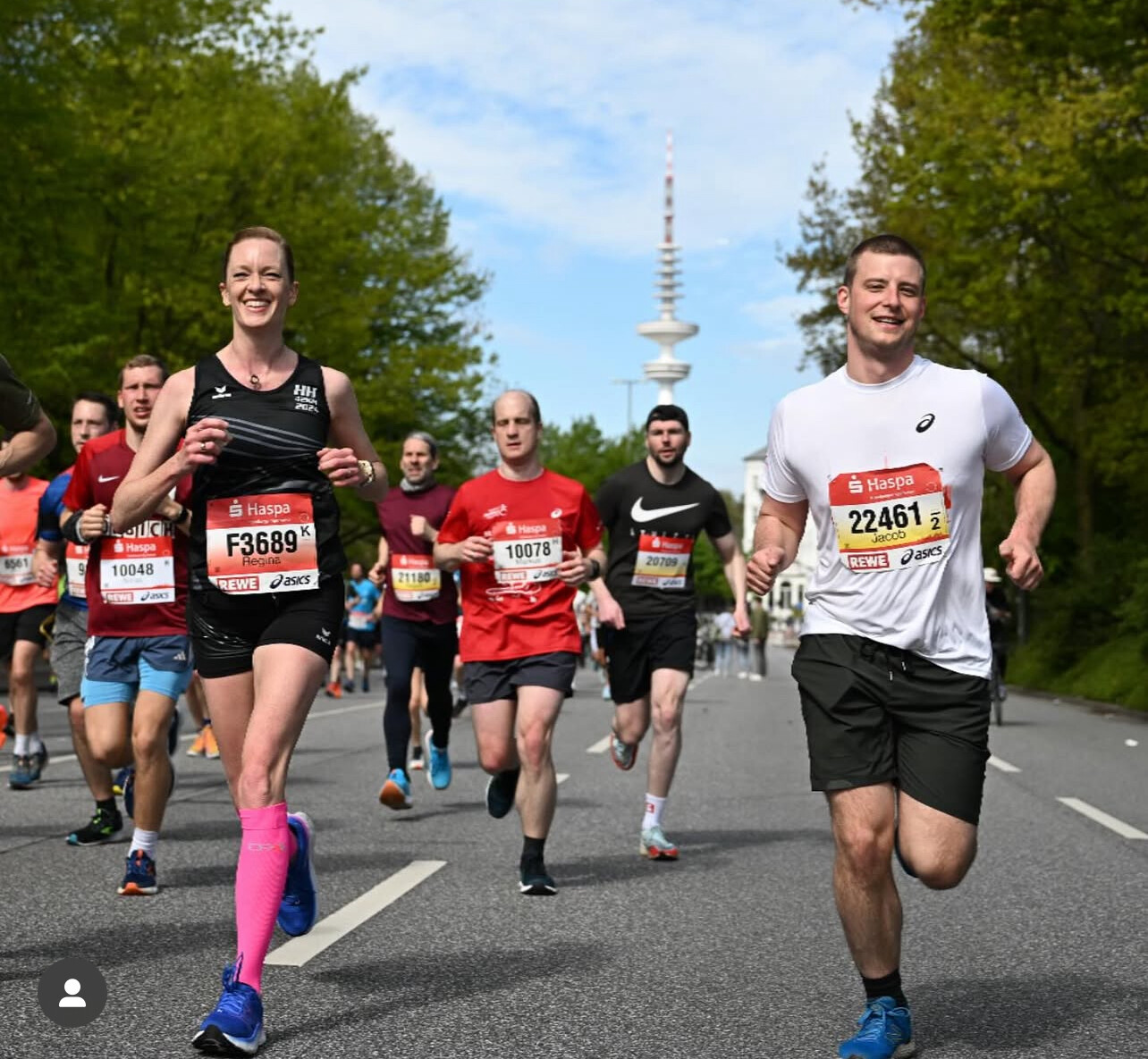
• Etagegn Woldu ran 2:20:03 in Valencia in 2022, narrowly missing the sub-2:20 milestone.
• Waganesh Mekasha, known for her consistency, clocked a personal best of 2:20:44 last fall to win the Toronto Marathon.
• Sichala Kumeshi shaved nearly five minutes off her previous best to win the Houston Marathon this January in 2:20:42.
A total of 15,000 runners have registered for the 39th edition of Germany’s largest spring marathon, blending elite athletes with a deep field of amateur and club runners eager to test themselves on the fast, scenic course.
With this level of talent on the start line, the Haspa Marathon Hamburg is set to deliver one of its most exciting women’s races in history.
by Race News Service
Login to leave a comment
Haspa Marathon Hamburg
The HASPA MARATHON HAMBURG is Germany’s biggest spring marathon and since 1986 the first one to paint the blue line on the roads. Hamburcourse record is fast (2:05:30), the metropolitan city (1.8 million residents) lets the euphoric atmosphere spill over and carry you to the finish. Make this experience first hand and follow the Blue Line....
more...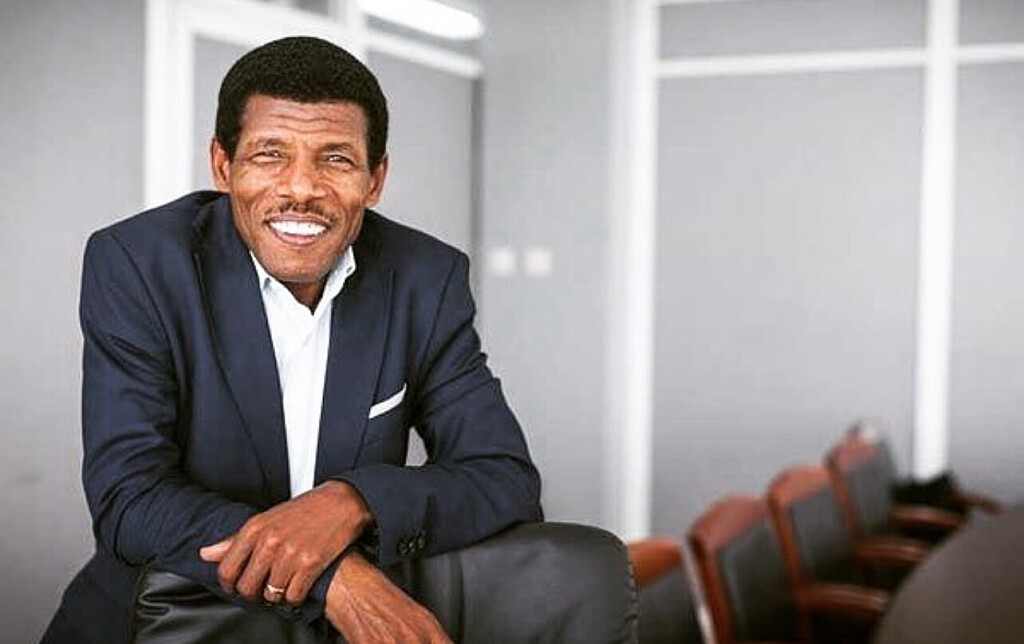
Haile Gebrselassie’s Journey from Track Legend to Business Mogul
Haile Gebrselassie, renowned for his extraordinary achievements in long-distance running, has seamlessly transitioned into a successful entrepreneur, establishing a diverse business empire that significantly contributes to Ethiopia’s economy.
Athletic Achievements
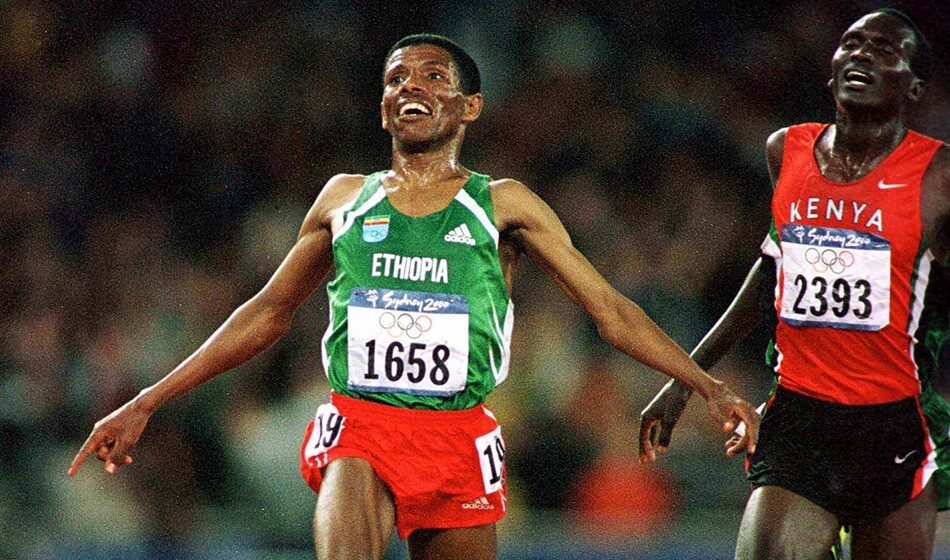
Gebrselassie’s athletic career is adorned with numerous accolades:

• Olympic Gold Medals: He secured gold in the 10,000 meters at both the 1996 Atlanta and 2000 Sydney Olympics.
• World Championships: Gebrselassie clinched four World Championship titles in the 10,000 meters in 1993, 1995, 1997, and 1999.
• World Records: Throughout his career, he set 27 world records across distances ranging from 1,500 meters to the marathon. Notably, he set a marathon world record of 2:03:59 at the 2008 Berlin Marathon.
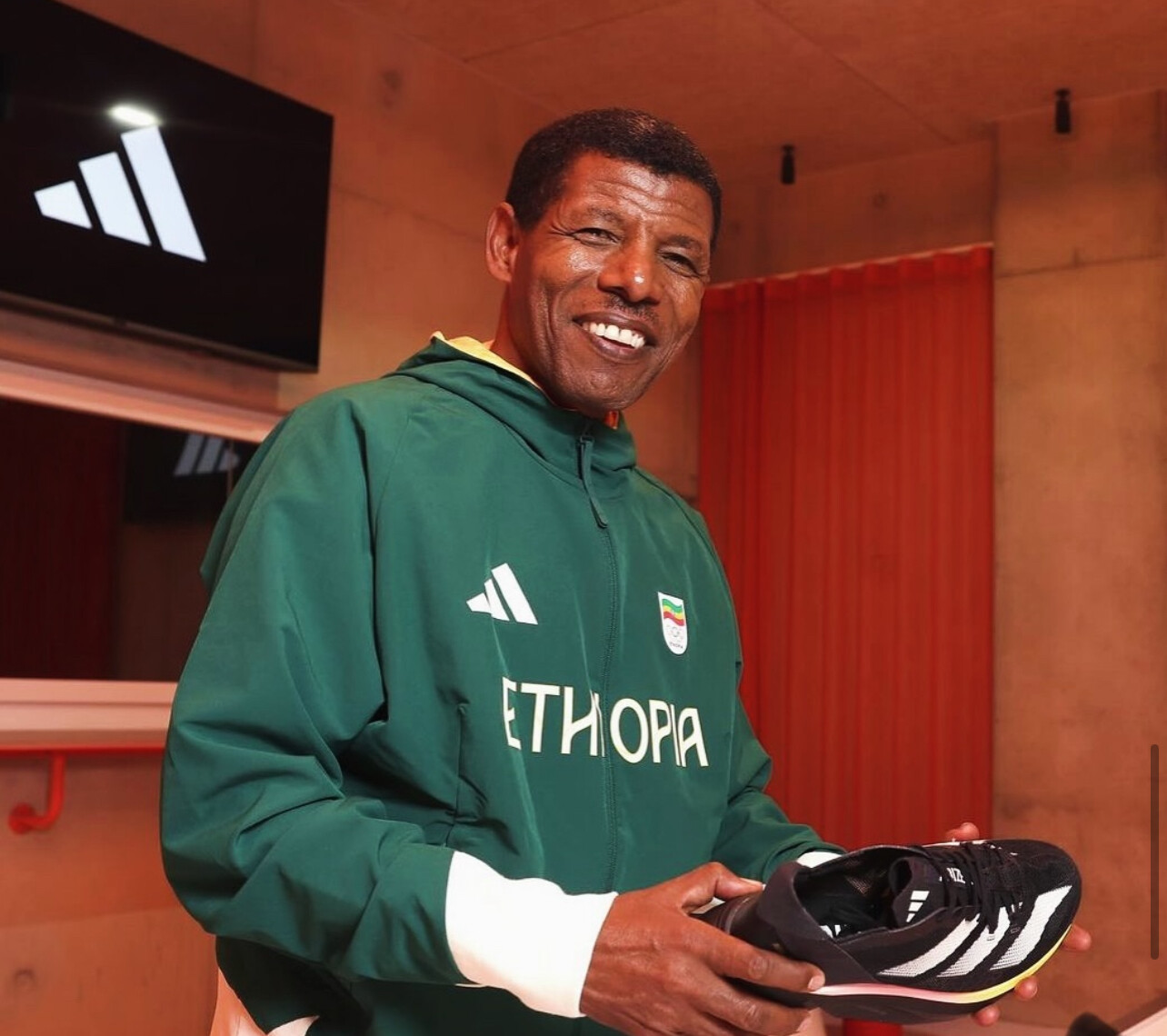
Haile Hotels and Resorts: A Fusion of Hospitality and Athletics

In 2010, Gebrselassie founded Haile Hotels and Resorts, launching the flagship resort in Hawassa. The chain has since expanded to several Ethiopian cities, including Shashemene, Ziway, Arba Minch, Gondar, Adama, and Addis Ababa. These establishments are distinguished by their integration of athletic facilities, reflecting Gebrselassie’s dedication to promoting sports and wellness. Amenities such as state-of-the-art gyms, running tracks, and sports complexes cater to both professional athletes and fitness enthusiasts, embodying a harmonious blend of luxury and athleticism.
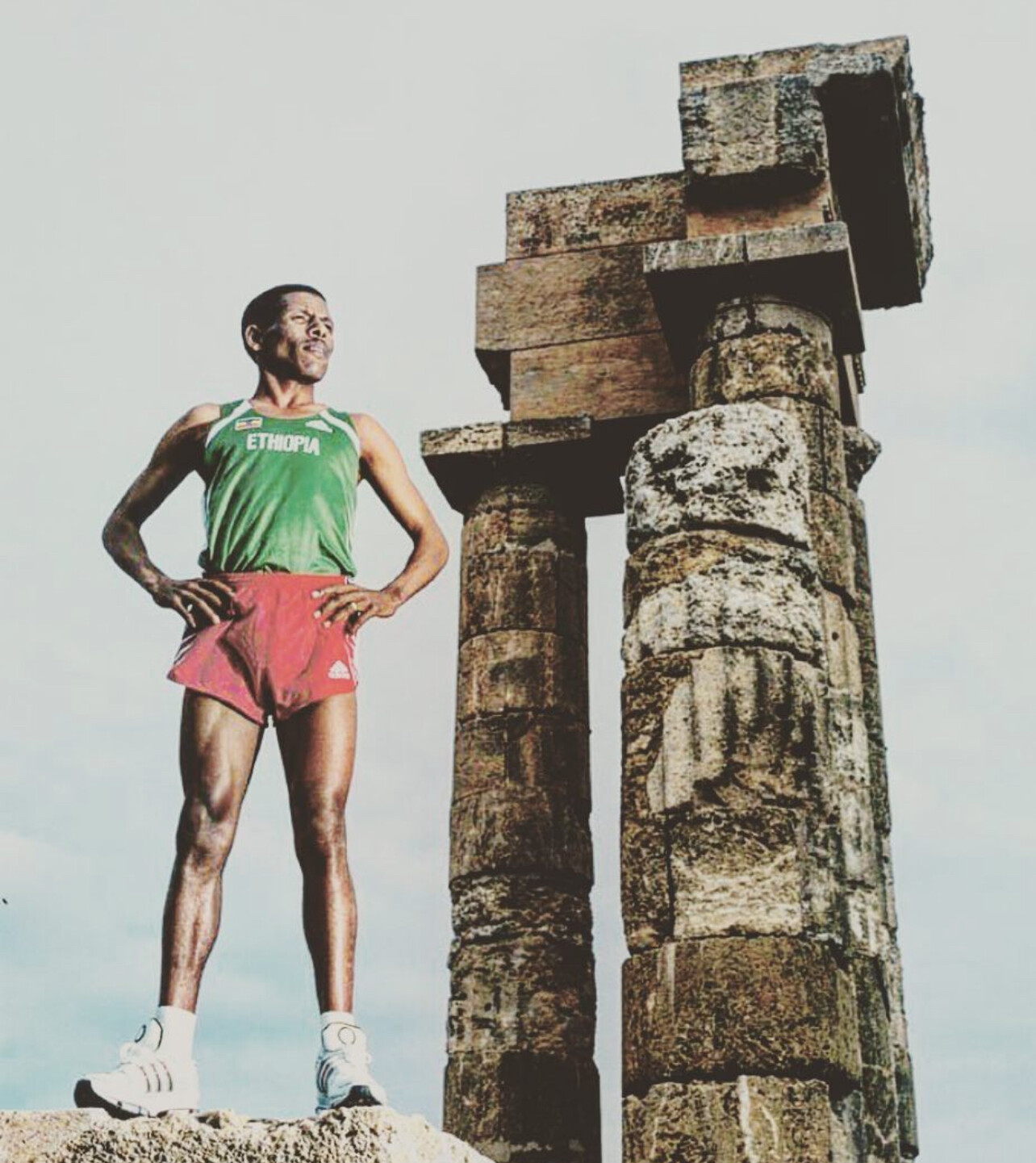
Diverse Business Ventures
Beyond hospitality, Gebrselassie has diversified his investments:
• Automotive Industry: He owns Marathon Motors, the exclusive distributor of Hyundai vehicles in Ethiopia. The company has also ventured into assembling electric cars locally, marking a significant step in the nation’s automotive sector.

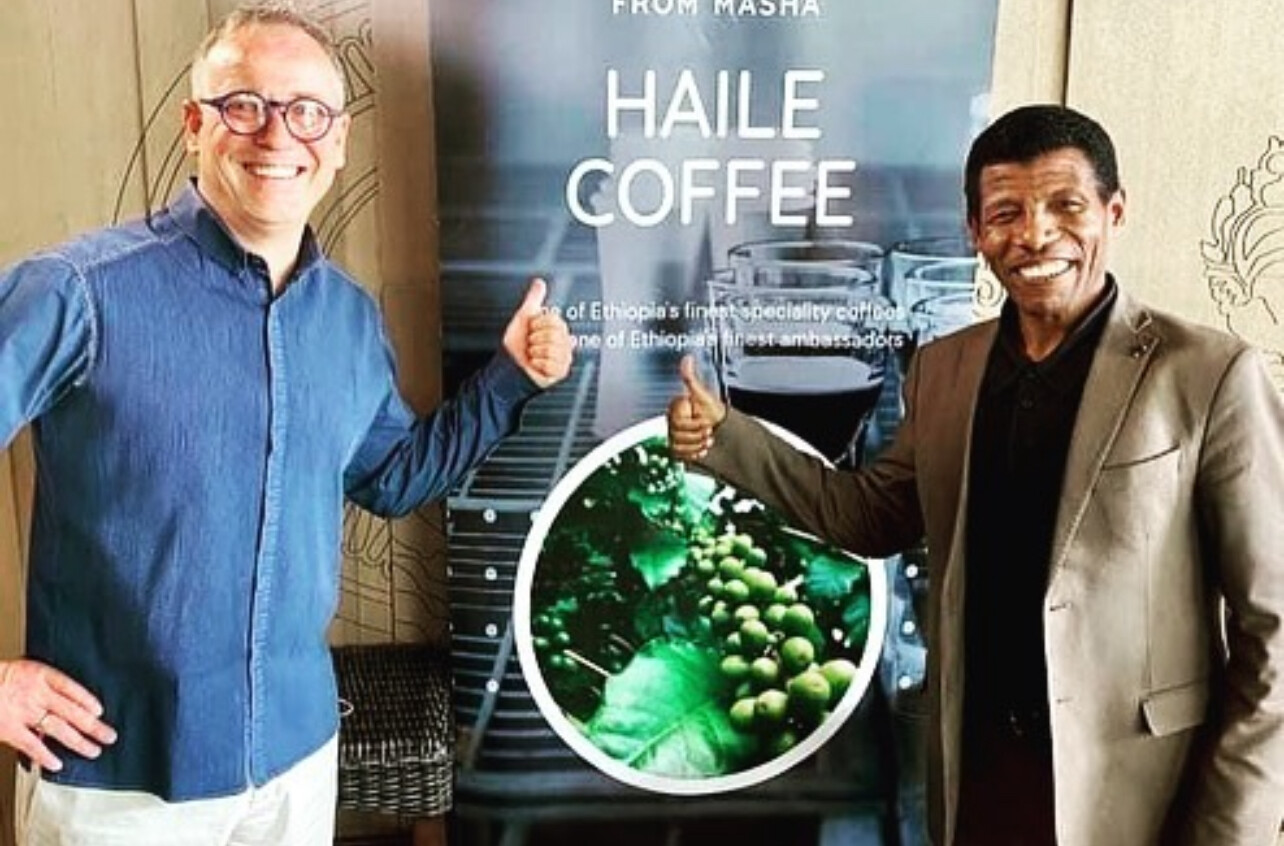
• Coffee Farming: Gebrselassie owns a coffee farm in the Masha region of Ethiopia. The 1,500-hectare farm, known as Yeppo Village, includes 200 hectares dedicated to conservation forest land. The farm produces organic and Rainforest Alliance–certified coffee, reflecting Gebrselassie’s commitment to sustainable agriculture.
• Real Estate and Education: His investments include real estate projects and the establishment of educational institutions, such as the Ayelech Degefu Memorial School, named in honor of his late mother.
Leadership and Family Involvement
Gebrselassie serves as the Chief Executive Officer (CEO) of Haile and Alem International PLC, the parent company overseeing his diverse business ventures. His wife, Alem Gebrselassie, plays an active role in their joint business endeavors, contributing to the strategic direction and management of their enterprises. The couple’s collaboration extends beyond business, reflecting a partnership deeply rooted in mutual support and shared vision.
Continued Involvement in Athletics
Although Gebrselassie retired from competitive running in 2015, he remains actively involved in the athletic community. He serves as a mentor to emerging athletes and participates in various initiatives aimed at promoting sports in Ethiopia. His enduring commitment to athletics is evident in his business ventures, particularly his hotels, which serve as hubs for athletic training and events.
Haile Gebrselassie’s journey from an illustrious athletic career to a successful businessman exemplifies the potential of leveraging sports fame into impactful entrepreneurship. His ventures not only contribute to economic growth but also foster a culture of health and fitness, reflecting his enduring legacy both on and off the track.
Login to leave a comment
Fast field set for Dubai marathon this Sunday
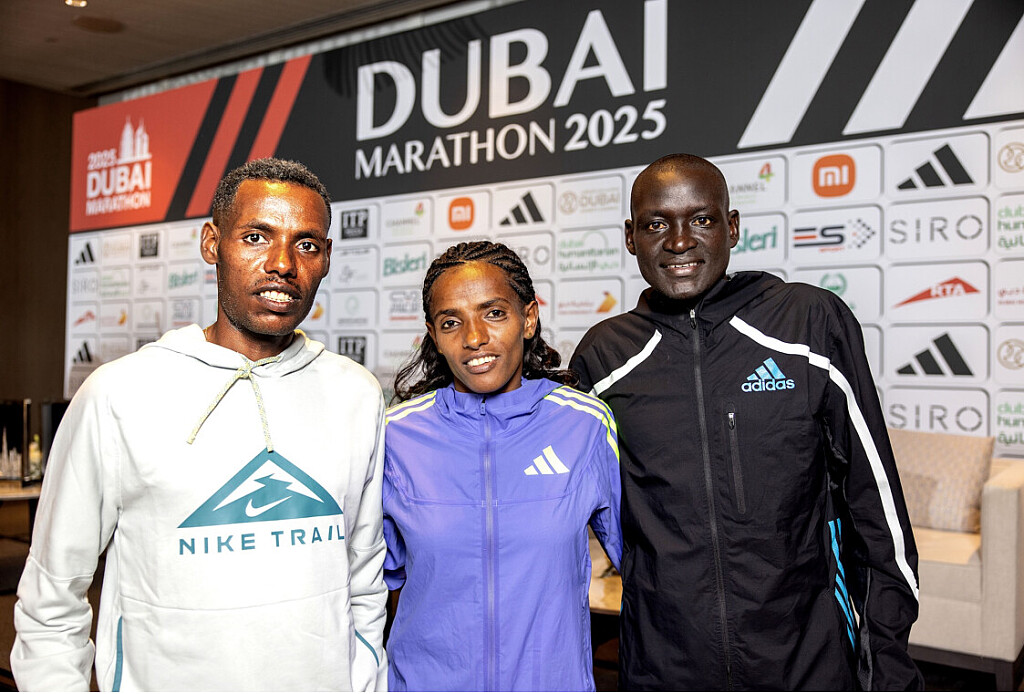
If there’s such a thing as a First Family in athletics, then it has be the Tola-Dida clan from Ethiopia; and one of their favourite watering holes is the Dubai marathon, whose quarter century is celebrated with Sunday morning’s event. Current Olympic men’s champion Tamirat Tola won Dubai in 2017 (2.04.11), while spouse Dera Dida won in 2023 (2.21.11), on the same day that her brother-in-law, Tamirat’s younger sibling Abdisa won the men’s title (2.05.42).
Tamirat went on to greater things, with a world championship silver medal in London later in 2017, then gold in the delayed world championship in Eugene 2022, a New York Marathon victory in 2023, and the Olympic crown last year. This time round, he has a far more important task, staying at home and minding their daughter.
Because bringing their daughter (even with a nanny) to last year’s Dubai race may have distracted Dera from a repeat victory, though she still finished third in 2.19.29, two minutes faster than the previous year; but she’s left hubby to do the domestic chores this time, and comes determined to win her second Dubai Marathon while Tamirat watches on TV back home on the outskirts of capital Addis Ababa.
As befits a First Family, only the best is good enough, and their training group has got to be one of if not the strongest in the world. Among her running partners are former marathon world record holder and Olympic silver medallist Tigst Assefa as well as the current marathon World Champion Amane Beriso. ‘I don’t train with the group every day,’ she said through an interpreter. ‘On a day to day basis, I train with Tamirat, but I join them occasionally. Since Tamirat won the Olympics, we’ve had a lot more media interest, but we try to concentrate on our running and not get too distracted’.
Well, her rivals (and compatriots) here in Dubai, Tigist Girma and Zeineber Yimer already have plenty to distact her, given that their respective best times, 2.18.52 and 2.19.07 are better than hers (2.19.24), but not so much as to deter her ‘I think I’m in shape to run the course record (2.16.07, set by another colleague Tigist Ketema last year); I hope that will be enough to win‘.
Another return winner has equally high aspirations, although injuries have ploughed a broad furrow between Lelisa Desisa’s glory days and Sunday’s race. Lelisa was one of many debutant winners in Dubai over the last decade or so, but his came in winning probably the most exciting race in Dubai Marathon history. On a rare foggy day in the Emirates, Lelisa emerged from the mists with a superb sprint finish to clock 2.04.45, and outpace four close pursuers who all finished within a handful of seconds, the first time five men had ever gone inside two hours, five minutes for a marathon.
Like Tamirat, Lelisa went on a have a superlative set of sequels, two victories and two second places in Boston and a win in New York, culminating with the world title on a torrid night in Doha 2019. A series of injuries and the pandemic halted his progress, but he maintains he’s back close to his best.
Following today’s press conference, he said, ‘I’ve been training with Milkesa (Mengesha), who won the Berlin Marathon last year, and with Deresa (Geleta), who finished second in Valencia; I think I’m as good, and they’re running 2.02/2.03. Things have changed a lot since I won here in 2013. At that time, we were thinking of 2.04 to 2.07 for a marathon, now we have to think of two hours! I think I can run a personal best on Sunday’.
Since his best remains the 2.04.45 from 2013, if he and his young rivals can get anywhere near that, they’ll be threatening the course record of 2.03.34that another colleague Getaneh Mollah ran here in 2019.
An intriguing entrant is former world record holder, Dennis Kimetto of Kenya. One of the shooting stars of recent marathon history, Kimetto had a short stellar career during which (in addition to other top victories) he won three of the most important marathons in the world, Chicago, Tokyo and Berlin, breaking the course record in each event, and setting a world record in the final one, in Berlin 2014. He was the first to run sub 2:03 (2.02.57) and his record stood for four years. Obviously, at ten days short of his 41st birthday, Dubai 2025 is going to be a very different challenge for Kimetto.
Elite runners with personal bests
MEN:
Dennis Kimetto KEN 2:02:57
Lelisa Desisa ETH 2:04:45
Dino Sefir ETH 2:04:50
Shifera Tamru ETH 2:05:18
Gebru Redahgne ETH 2:05:58
Ashenafi Moges ETH 2:06:12
Abay Alemu ETH 2:06:50
Mesfin Nigusu ETH 2:07:58
Tadele Demissie ETH 2:08:25
Desalegn Girma ETH 2:08:30
Berehanu Tsegu ETH Debut
Boki Diriba ETH Debut
WOMEN:
Tigist Girma ETH 2:18:52
Zeineba Yimer ETH 2:19:07
Dera Dida ETH 2:19:24
Etagegne Woldu ETH 2:20:03
Gadise Mula ETH 2:20:59
Bedatu Hirpa ETH 2:21:09
Beyenu Degefa ETH 2:23:04
Kuftu Tahir Dadiso ETH 2:23:14
Tigist Geshaw ETH 2:24:39
Kebebush Yisma ETH 2:27:46
Mulugojam Ambi ETH 2:28:59
Betukan Welde ETH Debut
Etenesh Diro ETH Debut
Bekelech Teku ETH Debut
Alem Tsadik ETH Debut
Login to leave a comment

Dubai Marathon
In its relatively brief history (the race was first held in 2000), the Dubai Marathon has become one of the fastest, most respected and the most lucrative marathon in the world in terms of prize money. Each year thousands of runners take to the roads in this beautiful city in the United Arab Emirates (UAE) for this extraordinary race starting...
more...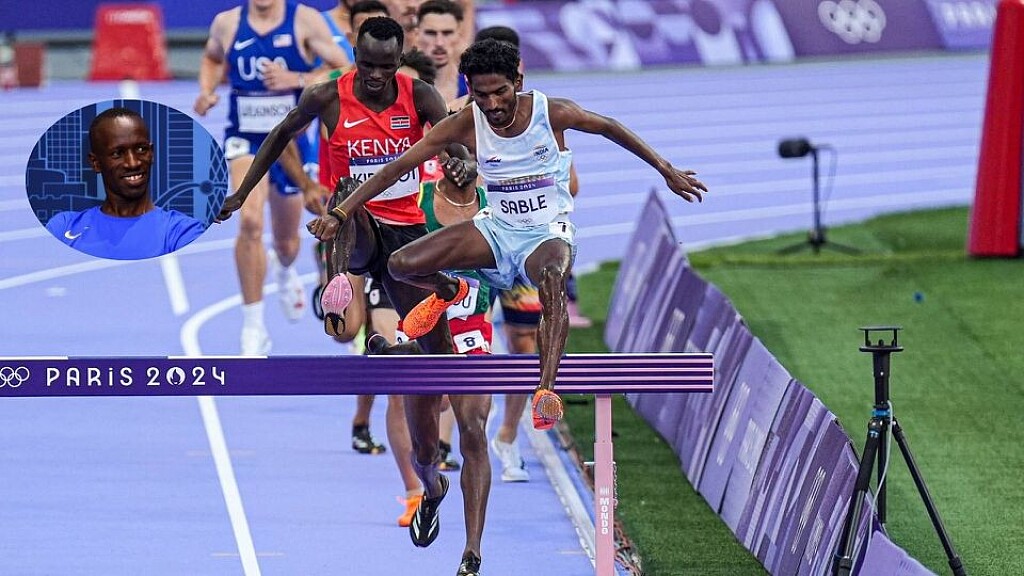
Ezekiel Kemboi offers advice to India’s Avinash Sable on becoming a world-class steeplechaser
The four-time world champion has encouraged India’s Avinash Sable to adopt strategic methods to elevate his steeplechase career.
Legendary Kenyan steeplechaser Ezekiel Kemboi has extended a golden piece of advice to India’s rising star Avinash Sable.
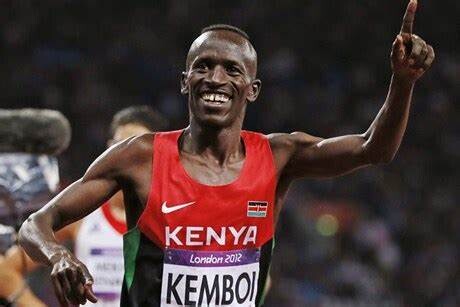
The two-time Olympic champion and four-time world champion emphasized the importance of high-altitude training to build strength, endurance, and resilience.

During his visit to India, Kemboi shared his insights on what it takes to excel in the grueling 3000m steeplechase event.
“I think the Indian guy Sable, the steeplechaser, the boy is still young. He still has a lot of time. What I want him to do is to have some motivation for himself. To have a vision, to have a target. To target what comes in a year, like world championship, Olympics," he said.
Sable, who recently represented India in the men’s 3000m steeplechase at the Paris Olympics but finished 11th, has been touted as a promising athlete on the global stage.
The 30-year-old has already made history for India, clinching a silver medal at the 2019 Asian Championships, another silver at the Commonwealth Games, and a gold and silver at the 2023 Asian Games in Hangzhou.
However, Kemboi believes that Sable has the potential to achieve even greater success if he embraces a more tailored training regimen.
Kemboi, widely regarded as one of the greatest steeplechasers in history, suggested that Sable train in the high-altitude regions of Kenya or Ethiopia, known for producing world-class distance runners.
“I also want to request if it could be possible for him to go to Africa… Kenya or in Addis Ababa, Ethiopia for some intense training which will focus on building up his endurance so that he gets more power while running,” Kemboi advised.
The Kenyan legend stressed the role of high-altitude training in preparing the body for the physical demands of steeplechase, a race that combines speed, stamina, and technical skill over water jumps and barriers.
“Just go for high-altitude training... because we have the best altitude for training in the regions of Kenya and Ethiopia for his body system to adapt to endurance,” he added.
Kemboi, who dominated the water-and-barrier race for more than a decade, has an unmatched legacy in the sport.
He is one of the few athletes to win two Olympic gold medals in steeplechase (2004 Athens and 2012 London) and four World Championship titles (2009, 2011, 2013, and 2015).
His illustrious career also includes three silver medals at the World Championships and a silver medal at the 2010 Commonwealth Games in New Delhi.
Reflecting on his experience, Kemboi highlighted the significance of setting clear goals and following a structured approach to training.
“What I want him to do is to have some motivation for himself. To have a vision, to have a target,” Kemboi reiterated, encouraging Sable to aim for success at future World Championships and Olympics.
Sable’s journey from modest beginnings to becoming a national icon has already inspired countless young athletes in India.
Kemboi also acknowledged Sable’s youth and determination as assets that could help him achieve a breakthrough on the international stage.
The Kenyan champion invited Sable to join him for training at his base offering a golden opportunity to learn from one of the sport’s finest.
by Festus Chuma
Login to leave a comment
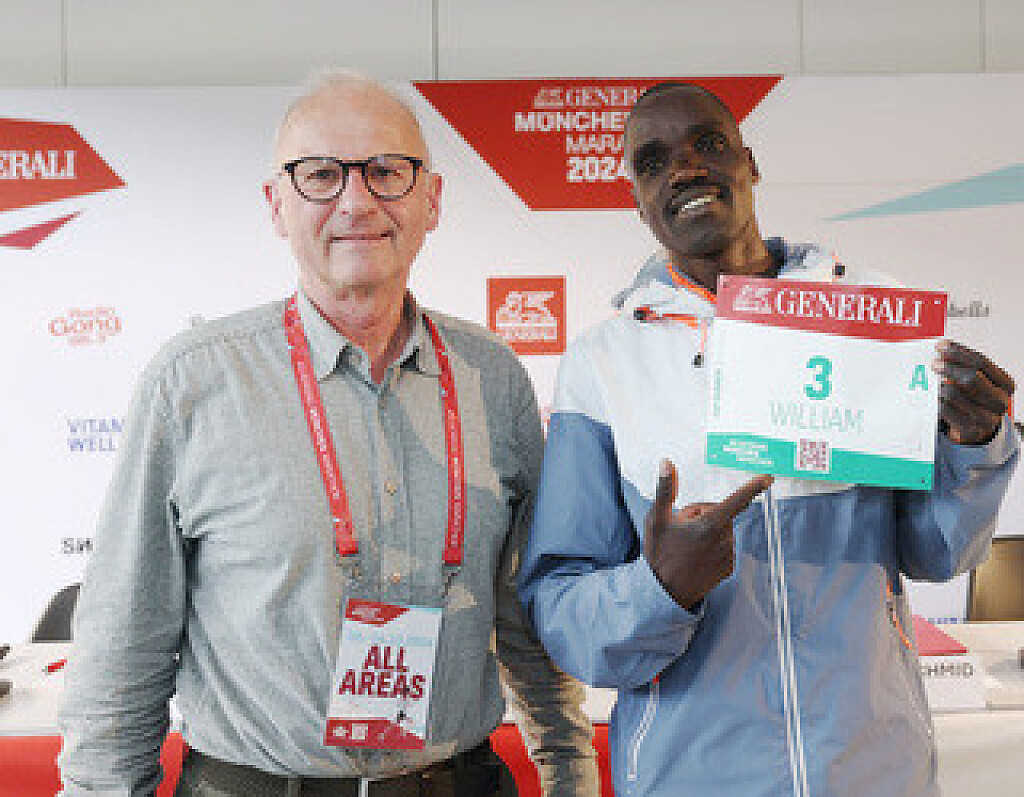
Kenyans target a double hat-trick in Munich
Kenya’s elite runners target a double hat-trick at Sunday’s Generali Munich Marathon: If successful it will be the third time in a row that runners from this country take Germany’s fourth biggest marathon race.
Cosmas Birech and Shamilah Kipsiror are heading the start list with personal bests of 2:08:03 and 2:27:33 respectively.
Organizers registered a record total of over 27,000 entries from 120 countries for the 38th edition of the Generali Munich Marathon, which will start and finish next to the iconic Munich Olympic Stadium. Due to building works in the arena runners can not finish inside on the track this year. While the total figure includes races at shorter distances there will be around 6,200 marathon runners on Sunday.
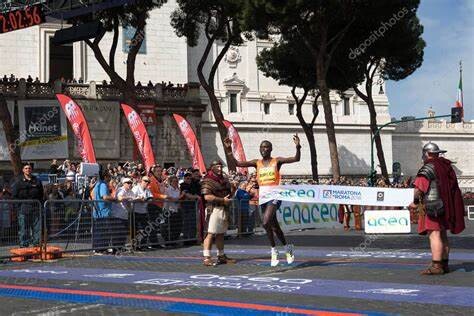
A number of athletes had to cancel their start due to either injuries of visa problems. The latest withdrawal came from Dominic Nyairo of Kenya, who would have been a strong favorite on Sunday. However there is still enough talent left to produce a good race. “It is our aim to achieve winning times of sub 2:09 and sub 2:26,“ said Michael Kraus, the elite field coordinator. The weather might be challenging, but we remain optimistic to see faster winning times than last year.“
Cosmas Birech ran his personal record when he won the Rome Marathon in 2018 with 2:08:03. Rome is not known as a particularly fast course, so Birech hopes to achieve a similar time at the Generali Munich Marathon. Fellow Kenyans William Kibor and Benard Chumba are also among the favorites. Kibor has a PB of 2:08:32 from the Vienna City Marathon back in 2012 and Chumba ran 2:10:33 in Marrakech last year. All three of them are from Kaptagat and train together. “My training went very well and I feel that I am in the same kind of shape as when I ran my personal best. If the weather is good I hope to run between 2:07 and 2:09 on Sunday,“ said William Kibor at Friday’s press conference in Munich.
A marathon debutant could do very well on Sunday: Kenya’s Nehemiah Kipyegon showed very promising form recently. The 26 year-old improved his half marathon PB to 60:34 in Copenhagen last month. In the highly competitive race he finished ninth. Siyum Tola of Ethiopia is another athlete who will run his debut in the Generali Munich Marathon. He has been involved in marathons as a pacemaker and is a training partner of Milkesa Mengesha who won the Berlin Marathon two weeks ago.
In the women’s race Shamilah Kipsiror will be the main favorite. The Kenyan improved to 2:27:33 for fourth place in Rome this spring. Her half marathon PB of 67:53 indicates that there is potentially more to come, especially on a flat course like Munich. A trio of Ethiopians will most likely be her strongest rivals on Sunday. Gelane Senbete has a personal record of 2:29:54 while Gadise Negasa has run 2:30:30. Asmare Assefa could be in for a surprise and a big improvement. So far she has not run faster than 2:33:10 but the Generali Munich Marathon will be her first race outside Africa. Assefa is in the same training group with Tola and Mengesha in Addis Ababa.
“We are thrilled by the record entry which means we have a 20 percent surge compared to last year. We are proud of these figures which show that our event and the course are really popular,“ said Gernot Weigl, who runs the Generali Munich Marathon as Race Director for almost 25 years. Stronger elite fields and international media work have helped bring up the numbers recently.
Although the city of Munich benefits from the growing number of international runners the event attracts, it was Munich’s government that clouded the future of the Generali Munich Marathon. Officers of the city’s district department (Kreisverwaltungsreferat) decided to pass on the right of staging a marathon in the city to a new organizer who has never ever staged a road race. There is talk of a two-lap marathon course and it looks as if the city of Munich gambles with a successful international event that in addition keeps a legacy of the 1972 Munich Olympic Games. “I have never heard of anything like this happening to a major international marathon race,” said Gernot Weigl, who is now legally challenging the decision of the Munich district department.
by AIMS
Login to leave a comment

Generali Munich Marathon
The GENERALI MUNICH MARATHON has held the elite label of the WORLD ATHLETICS since 2020 and the marathon route is officially measured and recognized. The route runs from the Olympic Park and Schwabing to Leopoldstraße with the Siegestor, via Königsplatz and the Pinakotheken to the English Garden. From there past the Chinese Tower and Art Nouveau villas in Bogenhausen, through...
more...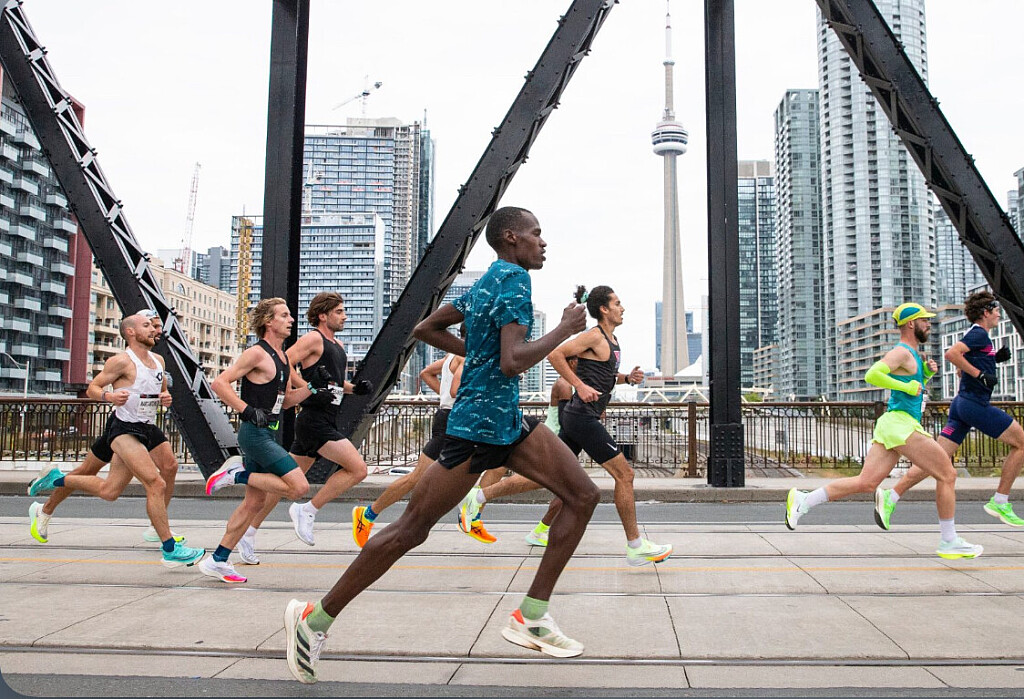
Ethiopian Marathon Star Commits to TCS Toronto Waterfront Marathon
Abdi Fufa will compete in the TCS Toronto Waterfront Marathon October 20th joining a large contingent of fellow Ethiopians on the trans Atlantic flight. Once again this is a World Athletics Elite Label race.
The 28 year-old has a personal best of 2:05:57 from the 2021 Sienna Marathon a time that will catch the attention of his competitors and perhaps cast him as a race favourite amongst the field.
More recently he finished 4th in the 2024 Dubai Marathon with a solid clocking of 2:06:23. It is no surprise, then, that Abdi aims to be on the Toronto Waterfront Marathon podium.
"My expectation in the Toronto Waterfront Marathon is to see myself on the podium,” he declares. “My (long term) goal is running well to support my family.”
Although he is married Abdi and his wife do not yet have children. In a country where the per capita annual income is a little over $1,000 the lure of Toronto Waterfront Marathon prize money - $20,000 to the winner - is immense.
The latest result in Dubai was a welcome sign that his injuries are behind him. Indeed, he didn’t compete at all in 2023.
“I had a calf injury which took me a long time to recover from,” he reveals. “But then I had continuous massage therapy and now I feel better.”
Abdi like many others grew up on a farm with his five brothers and four sisters. An elder brother enjoyed some success as a distance runner and the young Abdi took notice.
“My elder brother Imane Fufa was a good 10,000m runner and he is the one who inspired me,” he explains. “I saw him running during my childhood and so I started to run.”
After coming to the attention of the Ethiopian Athletics Federation he was selected to represent his country at the 2019 World Cross Country Championships in Aarhus, Denmark where he finished 15th. As the third Ethiopian finisher he helped Ethiopia to the team bronze medal.
These days he lives in Addis Ababa, Ethiopia’s capital, and for the past three years has been one of about thirty elite marathon runners training under legendary coach Gemedu Dedefo whose most notable charges are Tigest Assefa and Tamirat Tola.
Tigest smashed the women’s world record with a stunning 2:11:53 a year ago - before taking the Olympic silver medal in Paris - while Tamirat Tola, a last minute addition to the Ethiopian Olympic team, won the gold medal in the Paris Olympics.
It is Tamirat whose influence has proven most impactful upon Abdi. Striking Olympic gold in Paris and before that the 2022 world championship gold as he did in Eugene, Oregon led to grand celebrations amongst the group. The athletes speak of the respect and camaraderie amongst themselves.
Abdi Fufa says Tamirat’s success and the closeness “that we have in the team makes us have a team sprit. We saw Tamirat Tola’s achievement is because of his hard work and patience.”
The group will meet three times a week but each athlete follows a seven days a week program. The commitment is a constant element in Ethiopia’s success
Abdi hopes to follow in the success of Tamirat Tola and continue to improve. Perhaps one day he can achieve success at the Olympics and World Championships and add to coach Gemedu’s list of exceptional athletes. The TCS Toronto Waterfront Marathon is the next step in that journey.
by Paul Gains
Login to leave a comment
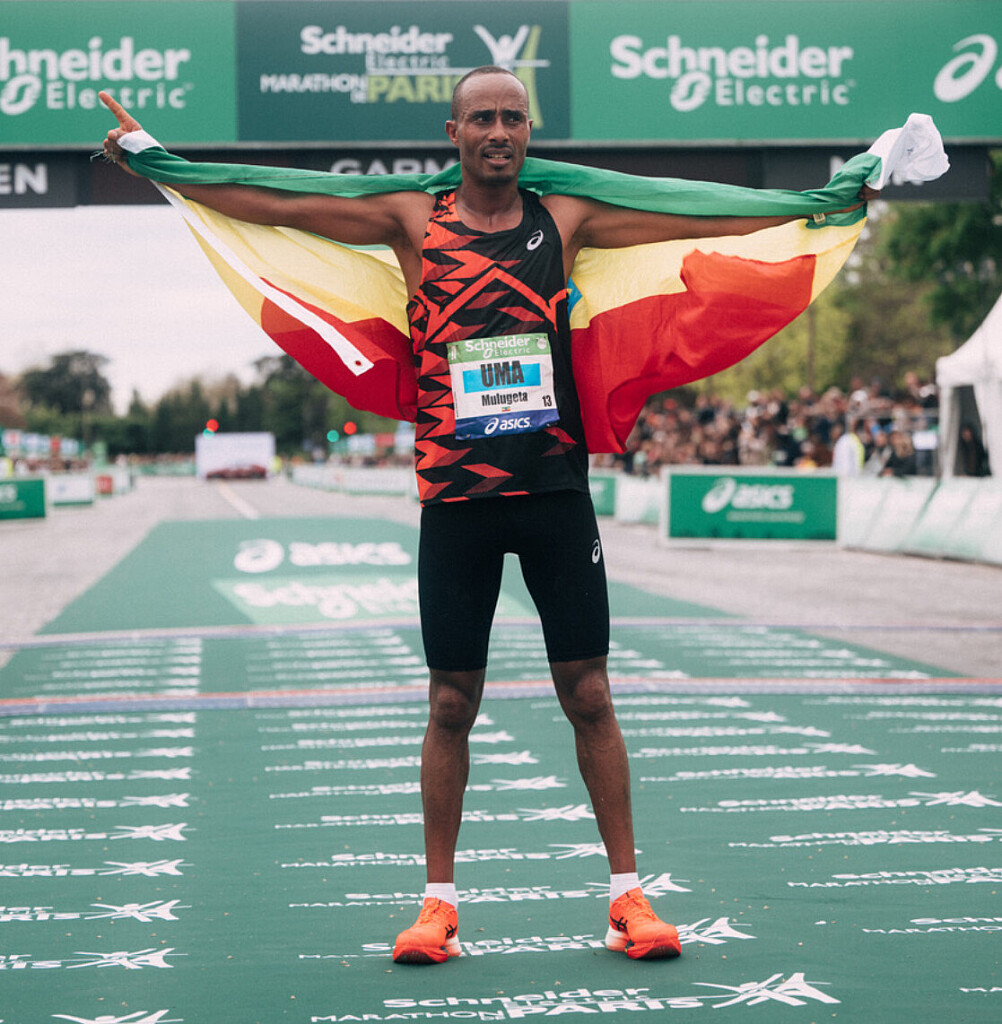
Is Mulugeta Uma the Next Great Ethiopian Marathoner
Ethiopia has been blessed with exceptional marathon talent beginning with 1960 Olympic champion Abebe Bikila and continuing on to the present. There are always prospects waiting to emerge. Among the most exciting newcomers is Mulugeta Uma.
Canadian marathon fans will have the chance to witness his prowess when he lines up for the 2024 TCS Toronto Waterfront Marathon, October 20th, as one of the favourites in this World Athletics Elite Label Race.
Earlier this year the 26-year-old won the Paris Marathon with a new personal best of 2:05:33 but nearly didn’t make it to start line. Like most runners he suffered nerves in the days leading up to his excellent performance likely due to travel but also due to his new professional circumstances.
“I was stressed,” he admits. “It was my first race under Moyo Sports Management and my new sponsor Asics. Thus I had had to run carefully.
“I was drinking plenty of water, I was determined to finish. When I reached 25 km I felt better and I was thinking of making the podium. After 35 km I was confident I would win the race. I won the race with a new personal best. Jesus, my Lord, helped me for glory.”
Few people knew that on the evening before the race he and his management huddled together to decide whether he should even start the race due to his upset stomach. They were glad he persevered. The victory earned him $55,000 USD.
Although he is now a world-class marathoner, Mulugeta began his athletics career as a 1,500m runner earning silver medals for his country in both the 2014 Youth Olympics in Nanjing, China and in the 2015 World Youth Championships in Cali, Colombia. But injuries from training in spiked shoes halted his progress.
Over the following five years the problems with his achillestendon persisted, hence the decision to take up road racing.
Last year he finished 7th in the Seville Marathon finishing in a time of 2:06:07. He followed that up with a second-place finish in Frankfurt last October 29th. His time on that occasion was 2:06:47. Together with his Paris victory that makes an impressive triple over a fourteen-month period. It is safe to say most marathoners would be happy with even one of those results.
Mulugeta grew up on a farm in Wolisa about 100 kilometres southwest of Ethiopia’s capital, Addis Ababa before joining a club in the city. Asked what he would be doing if not for his running career he is quite emphatic.
“I’d be a farmer, because I am the only son in the family,” he explains. “My parents do farming for a living.”
Mulugeta and his wife have no children. Between training sessions he says he enjoys time with his wife and friends and also listening to spiritual songs. He believes he has a good future in marathon running.
“As with any world-class athlete I want to run a fast time and win big competitions like the World Championships and Olympics,” he declares.
For now, his training and his mental focus is set on performing well at the TCS Toronto Waterfront Marathon. This will mark his first time in North America. Ten weeks before the journey he admits he has not studied the Toronto race in detail though he is confident of another great performance.
“I don’t know anything (about it). I only know that the course record is 2:05,” he offers. “With God’s help I want to break the course record and win the race.
by Paul Gains
Login to leave a comment

Ethiopia’s Roza Dereje To Race 2024 TCS Toronto Waterfront Marathon
Roza Dereje has raced just once in the last three years yet her commitment to the 2024 TCS Toronto Waterfront Marathon is a massive coup for this World Athletics Elite Label Race.
Twice she has dipped under the 2:20 barrier and can point to a personal best marathon time of 2:18:30 set when she won the 2019 Valencia Marathon.

Moreover, she represented Ethiopia in the 2020 Tokyo Olympic marathon - held in Sapporo, Japan in 2021. Under hot humid conditions she narrowly missed the podium finishing 4th that day. Then there is her incredible record at World Marathon Majors: a second place finish at the 2018 Chicago Marathon (2:21:18) and, six months later, a third place in the 2019 London Marathon (2:20:51).
Her one outing was a credible 6th place finish at the Antrim Coast Half Marathon in Northern Ireland (August 25th, 2024) - a tuneup for her first visit to Canada.
Never before has the Toronto Waterfront Marathon enjoyed the addition of an athlete sporting such credentials.
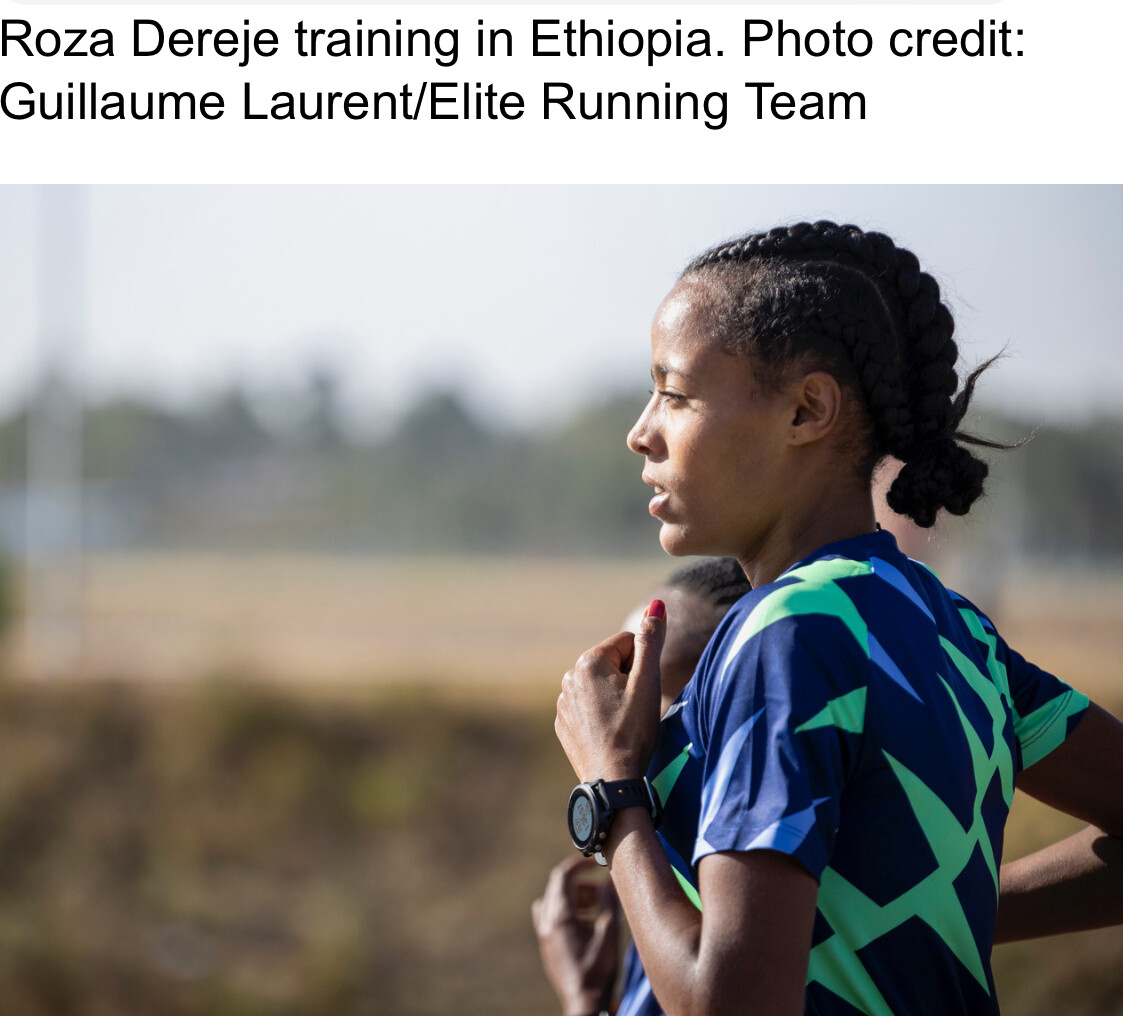
There is a good explanation for her hiatus from the sport ever since those Tokyo Olympics. A little over a year ago she gave birth to her first child, a son named Yobsan.
“Life has changed a lot,” the 27 year old admits. “Being a mom is a great thing to be in this world and life is so good after it.”
Roza’s husband is Dereje Ali, a former world class marathon runner, who finished second in the 2011 Ottawa Marathon. The couple and their infant live in Ethiopia’s capital, Addis Ababa and have reversed traditional roles in their household. Indeed, Roza credits her husband’s sacrifice for her ability to compete at the highest level and to make her comeback at this year’s TCS Toronto Waterfront Marathon.
“He stopped running just to support me,” she explains. “We talked about it and he stopped to take care of the children and household and allow me the time to rest and recover in between training sessions and to prepare food etc. to help me to be a champion.”
Those training sessions involve meeting up with her elite training group under renowned coach Haji Adilo three times a week. She trains alone on other days. The meetups can be in a variety of different locations depending upon Haji’s objective for the session.
“Akaki, Sendafa, Entoto, they are great training places too,” Roza continues. “I drive with my husband Dereje to all of the sessions. We are very fortunate to have a good car and can travel freely to the sessions and not have to wait on public transportation.”
Normally, training sessions begin at sunrise before there is heavy traffic on the roads at these locations. During the rainy season (June to September) it is sometimes necessary to change locations since the majority of roads are unpaved and can become slippery underfoot.
Besides the sacrifices made by Dereje her greatest influence has been Haji her longtime coach whose career as a marathon runner was cut short due to health complications. He went into coaching with a personal best of 2:12:25 from 1999.
“Haji's great support has taken me this far, his hard work and commitment to the sport is what brings me to where I am now,” she declares. “I started my career with him and I am who I am today because of him and my other coaches in the team.”
Choosing Toronto for her come back made sense as many of Haji’s athletes have competed here.
"I used to watch other athletes running there (on YouTube livestream) so I am excited to come and run,” she adds. “Last year one of my training partners (Amid Fozya Jemal) was part of an exciting race right to the finish so I am hoping to come and make an exciting race too.”
The Toronto Waterfront course record of 2:22:16 was set in 2019 by Kenya’s Magdalyne Masai. It’s a time that Roza had beaten four times prior to her Olympic marathon race in 2021. However, talk of record breaking in Toronto, at least this far out, is not discussed though she might be very capable of achieving this standard.
“Even though it is my first time to race since I gave birth, running is not new to me,” she declares. “So I am not nervous about it. I am preparing well for the race to make my come back fruitful.
“I am training well targeting this race and I have more time to prepare myself too.”
Asked for a specific goal her answer is concise: “Winning, with the will of God!”
by Paul Gains
Login to leave a comment
TCS Toronto Waterfront Marathon
The Scotiabank Toronto Waterfront Marathon, Half-Marathon & 5k Run / Walk is organized by Canada Running Series Inc., organizers of the Canada Running Series, "A selection of Canada's best runs!" Canada Running Series annually organizes eight events in Montreal, Toronto and Vancouver that vary in distance from the 5k to the marathon. The Scotiabank Toronto Waterfront Marathon and Half-Marathon are...
more...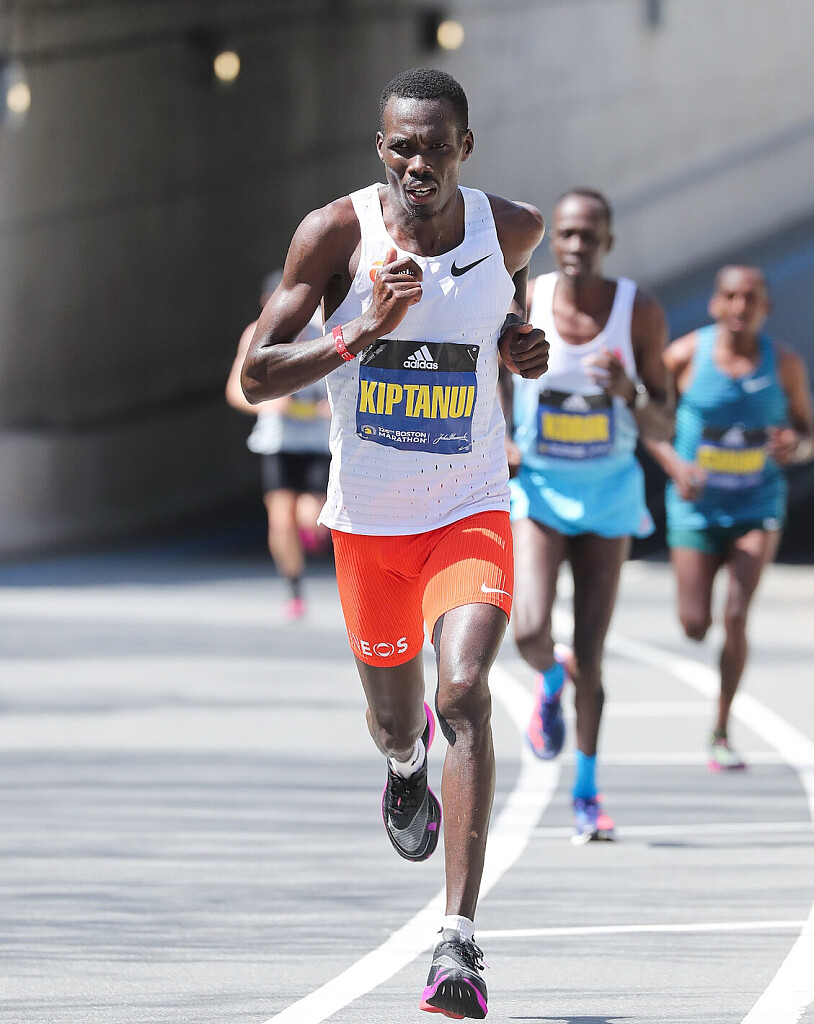
Mainova Frankfurt Marathon on 27th October: Negasa, Kiptanui, Masai and Abayechew look for new momentum in Frankfurt
A group of athletes who have achieved world-class results in different events in the past want to use the fast course of the Mainova Frankfurt Marathon to give their careers new momentum. Among the runners targeting fast times is Ethoipia’s Herpasa Negasa, who became the eighth fastest ever at the Dubai Marathon 2019, and Kenya’s 2009 World 10,000m Champion Linet Masai.
The 41st edition of the Mainova Frankfurt Marathon on 27th October is a World Athletics Elite Label Road Race. Organisers expect a total of over 25,000 athletes for their event, among them around 12,000 marathon runners.
“We look forward to another high-class race which could well produce surprises. After achieving the fastest combined winning time in the history of our race last year we are eager to see what will be possible on 27th October,“ said Race Director Jo Schindler.
Herpasa Negasa achieved a breakthrough at the Dubai Marathon 2019, when the Ethiopian was runner-up in a world-class time of 2:03:40. Two years ago he clocked another very good time in Seoul where he ran 2:04:49 and placed second once more. Now the 30 year-old intends to reach those levels again. Herpasa Negasa belongs to what currently is probably the world’s strongest marathon training group. Coached by Gemedu Dedefo in Addis Ababa Olympic Champion Tamirat Tola and current Boston winner Sisay Lemma are among his training partners.
Eric Kiptanui will be among Herpasa Negasa’s strongest challengers. As a newcomer he immediately established himself as one of the fastest half marathon runners of 2018. First the Kenyan took the Lisbon Half Marathon, then he ran a 58:42 course record in Berlin that still stands today. During a Corona lockdown he won one of very few high-class marathon races in Siena, Italy, in 2021 with 2:05:47. Despite fine results in Chicago 2021 (3rd) and Boston 2022 (5th) he could not yet improve his time from Siena. After a weaker year in 2023 the 34 year-old now wants to bounce back in Frankfurt.
For Linet Masai the Mainova Frankfurt-Marathon could be one of her last chances and may be the best one to achieve a late breakthrough in the marathon. The 34 year-old is the 10,000m World Champion from 2009 and won an Olympic bronze medal over this distance in 2008.
From 2009 to 2011 she took three silver medals in a row in the highly competitive World Cross Country Championships. However after a fine 2:23:46 debut in Amsterdam in 2018 (without the benefit of the new shoe technology) she was not able to build on this performance. In Frankfurt Linet Masai wants to finally break her PB.
Tigist Abayechew will be among the favourites on 27th October. Two years ago the 30 year-old Ethiopian smashed her personal best and improved to 2:18:03 for third place. After a break due to an injury she came back with a ninth place in Tokyo this March. Tigist Abayechew will now want to cross the line first in Frankfurt’s indoor finish at the Festhalle.
by Race news Service
Login to leave a comment

Mainova Frankfurt Marathon
Frankfurt is an unexpectedly traditional and charming city, with half-timbered buildings huddled in its quaint medieval Altstadt (old city), cosy apple wine taverns serving hearty regional food, village-like neighbourhoods filled with outdoor cafes, boutiques and street art, and beautiful parks, gardens and riverside paths. The city's cache of museums is second in Germany only to Berlin’s, and its nightlife...
more...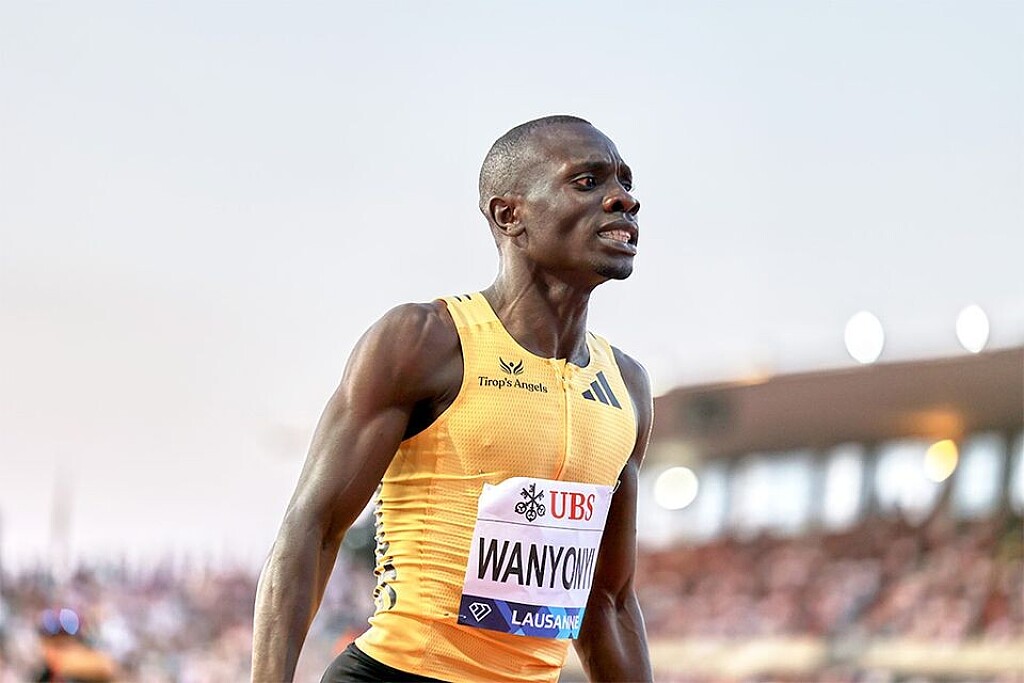
Why David Rudisha believes Emmanuel Wanyonyi is destined to break his 800m world record
Wanyonyi got to within an eighth-hundredth of a second away from equalling David Rudisha's 12-year 800m world record at the Lausanne Diamond League classic on Thursday.
When David Rudisha tipped Emmanuel Wanyonyi as the athlete most likely to break his 12-year-old 800m world record during the Kenyan trials for the Olympic Games at Nyayo National Stadium last June, it wasn’t just a casual remark.
Rudisha’s prediction is now gathering weight, especially after Wanyonyi clocked a blistering 1:41.11 at the Lausanne Diamond League meet in Switzerland on Thursday.
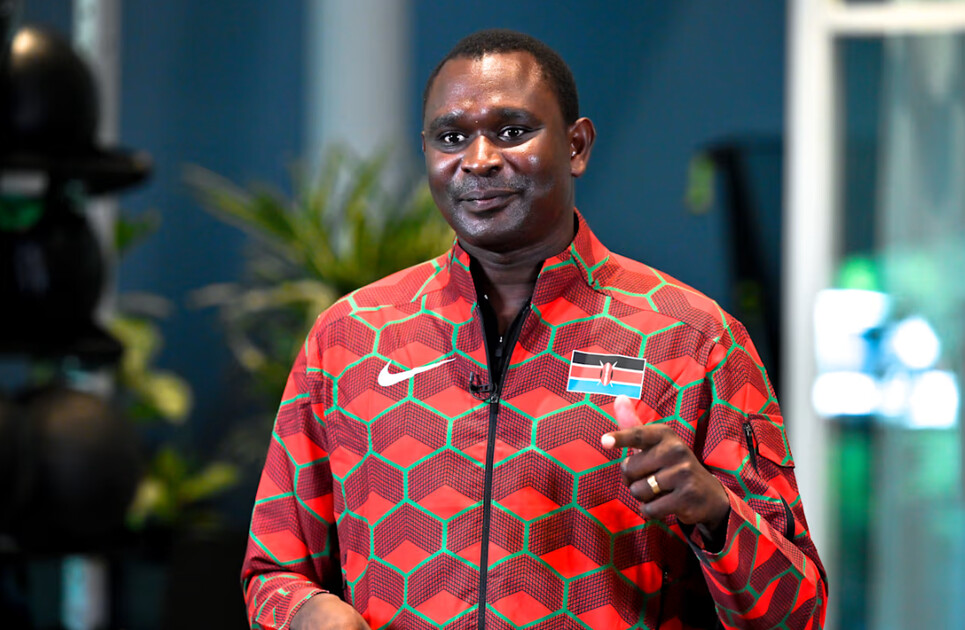
This time not only equaled Wilson Kipketer’s record but also placed Wanyonyi second on the all-time list, just eight hundredths of a second away from Rudisha’s world record of 1:40.91 set at the 2012 London Olympics.
“Wanyonyi is a young talented athlete. He has so much potential, and all he needs to do is fine-tune his craft, and this will see him push his time even lower,” Rudisha had told the media last June.
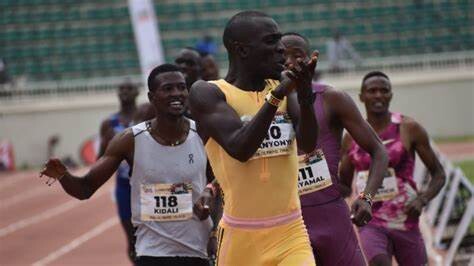
Rudisha, who knows a thing or two about world records, added, “He always shows his bravery and confidence whenever he steps on the track, and that has been the secret behind his success.
“World records are special. We are looking forward to seeing how the young generation is going to take up the challenge. Of course, there is a lot of innovation, and it improves performances. We believe that world records are there to be broken.”
Wanyonyi’s stunning performance in Lausanne has made him a force to be reckoned with in the world of athletics.
His time of 1:41.11 ties him with Kipketer and positions him as the most serious threat to Rudisha’s reign in the 800m. At just 20 years old, Wanyonyi’s rise to the top has been meteoric, and his determination to succeed mirrors that of Rudisha.
Rudisha himself had an illustrious career, beginning as a decathlete before switching to sprints and later focusing on the 800m in 2005. Just a year later, he won the 800m title at the World U20 Championships in Beijing, clocking 1:47.40.
In 2008, he claimed the African senior title in Addis Ababa with a time of 1:44.20. Then, on August 22, 2010, Rudisha set his first world record in Berlin, running 1:41.09 and breaking Kipketer’s 1997 mark.
Seven days later, he improved his record to 1:41.01 in Rieti. Rudisha continued his dominance by winning the world 800m title in Daegu in 2011, reclaiming it in Beijing in 2015, and becoming the first man since Peter Snell to retain the Olympic 800m title in Rio in 2016.
Now, Wanyonyi is carving out his own legacy. At 20, he became the youngest-ever Olympic 800m champion, leading a race of unprecedented depth in Paris.
He held off Canada’s Marco Arop, the reigning world champion, who briefly took the lead off the final turn before Wanyonyi surged back in the final steps. Arop finished with a North American record of 1:41.20 for silver, while Algeria’s Djamel Sedjati claimed bronze in 1:41.50.
Reflecting on his victory, Wanyonyi said, “It was going to be hard to defend as the only Kenyan in the final. I had a lot of pressure. I spoke to Rudisha yesterday, who told me I would win if I employed my tactics. I decided to run the way he did in London. If I had run a slow race, they would have beaten me.”
Although Wanyonyi didn’t quite match Rudisha’s record, he is keen on having another go at it when the Diamond League moves to Silesia, Poland, this Sunday.
While he has remained modest about his world-record ambitions, saying, “Maybe, but not now,” the Diamond League offers the perfect stage for him to make history. The Wavelight technology, which has been instrumental in helping athletes maintain pace, will also be in use, providing Wanyonyi with every opportunity to push the boundaries.
Wanyonyi is no stranger to breaking records. At 19, he shattered the previous one-mile (1,600m) record of 3:56.13 set by American Hobbs Kessler at the World Road Running Championships in Riga, Latvia, last year.
With Rudisha as his role model and mentor, Wanyonyi is poised to continue his upward trajectory and possibly eclipse the mark set by the man he so deeply admires.
As the athletics world watches, the question on everyone’s mind is not if, but when, Emmanuel Wanyonyi will break the 800m world record. And when that day comes, it will be the culmination of a journey inspired by greatness and driven by the relentless pursuit of excellence.
by Mark Kinyanjui
Login to leave a comment
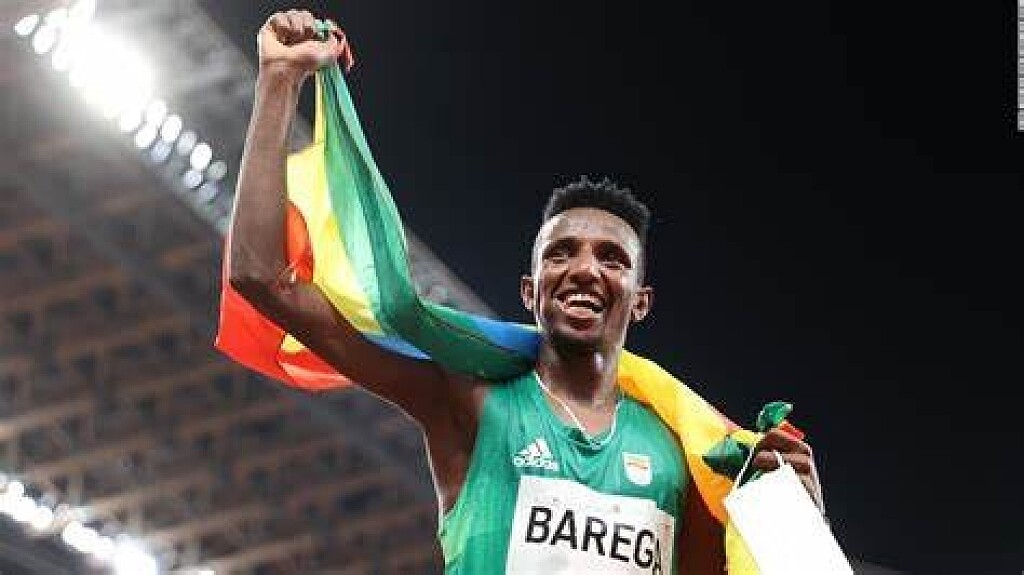
Ethiopia set the bar high at the Paris Olympic Games
Ethiopia is well-prepared to win more than four medals at the Paris 2024 Olympics and write a new chapter in the country's athletics history, a senior official of the Ethiopian Olympic Committee said.
Briefing the media in Addis Ababa, the capital of Ethiopia, Ashebir Woldegiorgis, president of the Ethiopian Olympic Committee, said top-performing athletes are leaving for Paris to pick up scores of gold medals from the event.
"We are leaving for Paris to grab as many gold medals in the marathon, 10,000m, 5,000m, and 3,000m steeplechase among other events. We are not going there to lose," said Woldegiorgis in an interview with Xinhua after the briefing.
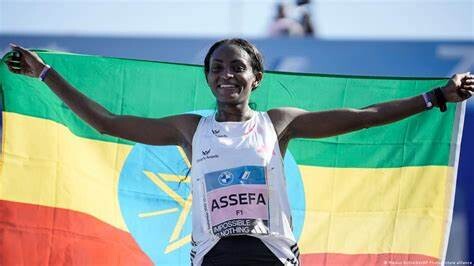
Besides athletics, Ethiopia will also take part in swimming and boxing, among others. Kenenisa Bekele, former world record holder in both 5,000m and 10,000m and Olympic gold medalist at Beijing 2008, will represent the East African country in marathon at the upcoming Olympics. According to the president, the women's marathon event will feature world record-holder Tigist Assefa and three other famous athletes.
Selemon Barega will defend his 10,000m title and also compete in the 5,000m event, while current women's world record holder for 5,000m Gudaf Tsegay will enter both the women's 5,000m and 10,000m races in Paris.
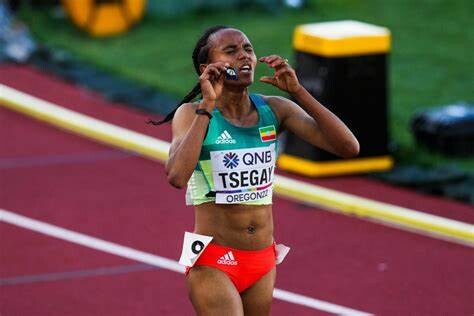
World record holder Lamecha Girma, along with three others, will compete in the 3,000m steeplechase after securing silver in the Tokyo 2020 Olympics.
"We are ready to win. We have made good preparations," Woldegiorgis told Xinhua, noting that it won't be easy to compete with athletes coming from all over the world.
Ethiopia won four medals, including one gold, at the Tokyo 2020 Olympics. The president said this time confidence is high and Ethiopia will by far, surpass its four medals earned at the Tokyo 2020 Olympics.
by Xinhua News
Login to leave a comment

Paris 2024 Olympic Games
For this historic event, the City of Light is thinking big! Visitors will be able to watch events at top sporting venues in Paris and the Paris region, as well as at emblematic monuments in the capital visited by several millions of tourists each year. The promise of exceptional moments to experience in an exceptional setting! A great way to...
more...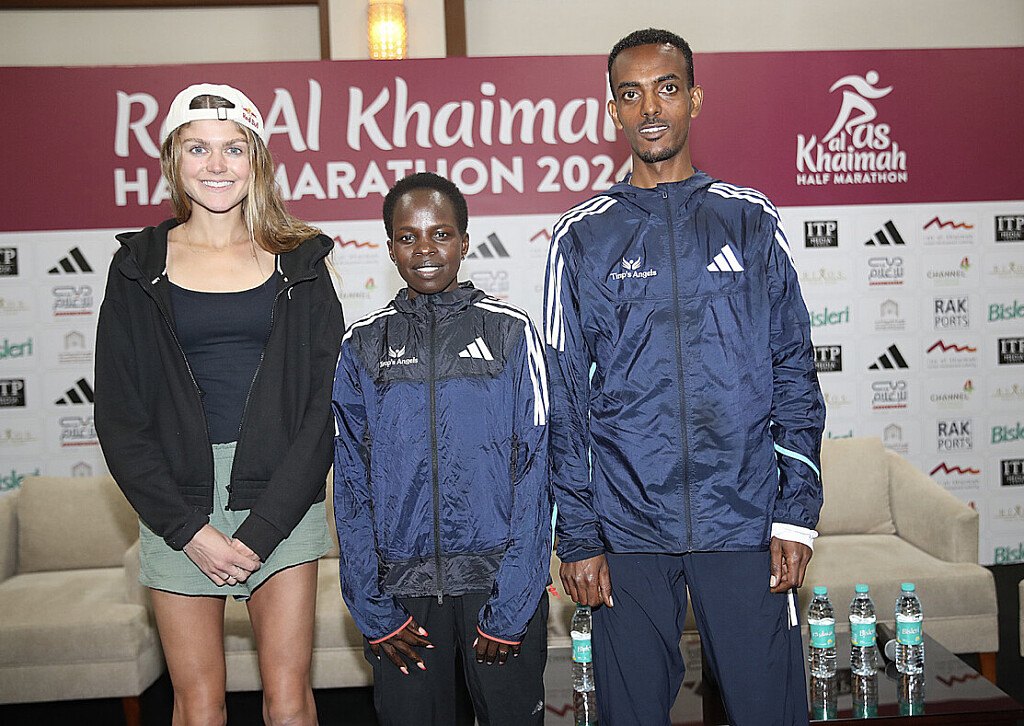
RAS AL KHAIMAH HALF MARATHON IS ON SATURDAY AND IT SHOUlD BE A FAST ONE
New regime, new course, but with Olympic and world champions and the usual array of speedsters, Saturday’s Ras Al Khaimah Half Marathon is virtually assured of the sort of fast times that have been a feature of the event throughout its 17 year history, including three women’s world records.
Pride of place both on the start list and at this morning’s press conference in one of the smaller emirates in the UAE were Olympic marathon and three time world half-marathon champion, Peres Jepchirchir of Kenya, and keeping the balance in the long-term East African distance running rivalry, world marathon champion Tamirat Tola of Ethiopia heads the men’s entry. The wild card, hoping to gatecrash the party is Konstanze Klosterhalfen of Germany, who surprised the East Africans when she beat a dozen of them to win her debut half-marathon in Valencia in 2022.
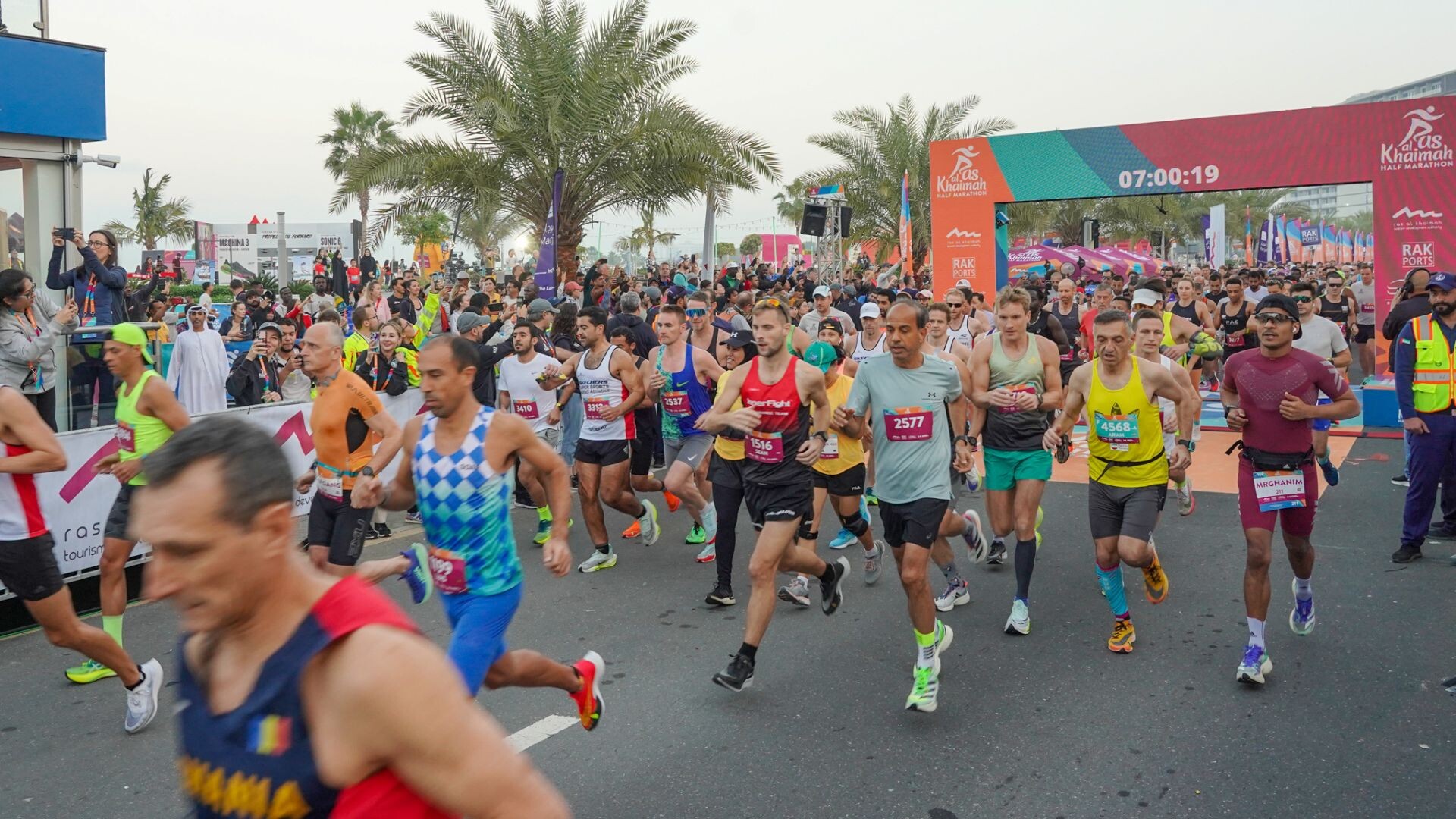
Jepchirchir may neither be the fastest marathoner or half-marathoner among current women long distance runners, but she knows how to win races, an asset far more valuable than fast times. In the seven months between late August 2021 and mid-April 2022, she won the Olympic, New York and Boston Marathons, a rare collective achievement. In her comeback marathon following an injury, she finished third in last year’s London Marathon. And she has won 12 of her 16 half-marathons. She is loath to admit her plans yet, but this RAK ‘half’ is perfectly scheduled as a springboard, to going back to London in April, to upgrade that third place.
Tola was similarly annoyed that an injury preventing him successfully defending his 2022 world marathon title in Budapest last summer, but a speedy recovery saw him break the long-standing New York Marathon record with 2.04.58 three months later. He is one of the few elites to be making his debut in the RAK ‘half’ and the scale of his task may be judged by the fact that on paper there are 15 men faster than his best of 59.37 set seven years ago in Prague. But he suggested that is due for drastic revision. ‘I’d like to think I can do under 59 minutes if the race turns out to be fast,’ he said at the press conference. Fastest man in the field is Daniel Mateiko of Kenya with 58.26, but his colleague Benard(sic) Kibet has the advantage of having won last year in 58.45.
Klosterhalfen, ‘Koko’ to her pals may prove to be not only the wild card, but the joker in the pack in the women’s race. A world bronze medallist on the track and European 5000 metres champion, the German called a halt to her summer season last year when a foot injury caused her to reassess her career. She had changed her shoe sponsor, left her coach and long-term training venue in the USA already. She then switched again and has teamed up with Gary Lough, latter-day coach to Mo Farah and spouse of former world record holder Paula Radcliffe (here in RAK as a TV commentator). Klosterhalfen has also switched her altitude training venue to Addis Ababa, where she has just spent six weeks, coming directly to here. ‘Road running is still a bit of an adventure for me’, she said this morning. ‘I still want to run on the track, but I want to more road races’.
The roll-call of winners since the race began in 2007 is a ‘Who’s Who’ of distance running over the last two decades; beginning with Sammy Wanjiru and Berhane Adere in the inaugural race, via luminaries such as Patrick Makau, Geoffrey Mutai, Elvan Abeylegesse, Mary Keitany, Geoffrey Kamworor, Lelisa Desisa, Samson Kandie and Hellen Obiri. Add to that Jepchirchir herself who won in 2017 in a then world record of 65min 06sec.
The promoters of the successful marathon down the road in Dubai have been invited this year to give the RAK ‘half’ a makeover, and they began by introducing a 10k race for locals and altering the half-marathon course. ‘It’s faster and better than any route before here in Ras Al Khaimah; we’ve cut out some of the sharp turns,’ said race director Peter Connerton, ‘so we’re hoping for at least similar times and hopefully better. But with a couple of good races into the bargain’.
ELITE CONTENDERS
MEN
Daniel MateikoKEN58:26
Kennedy KimutaiKEN58:28
Seifu TuraETH58:36
Amdework Walelegn ETH 58:40
Benard Kibet KoechKEN58:45
Alex Korio KEN 58:51
Birhanu Legese ETH 58:59
Haftu Teklu ETH 59:06
Tamirat TolaETH59:37
WOMEN
Ababel YeshanehETH64:31
Margaret KipkemboiKEN64:46
Peres JepchirchirKEN65:06
Catherine Amanang’ole KEN 65:39
Konstanze KlosterhalfenGER65:41
Tsigie Gebreselama ETH65:46
Evaline ChirchirKEN66:01
Vivian Kiplagat KEN 66:07
Yalemget YaregalETH66:27
Login to leave a comment

Rak Half Marathon
The Rak Al Khaimah Half Marathon is the 'world's fastest half marathon' because if you take the top 10 fastest times recorded in RAK for men (and the same for women) and find the average (for each) and then do the same with the top ten fastest recorded times across all races (you can reference the IAAF for this), the...
more...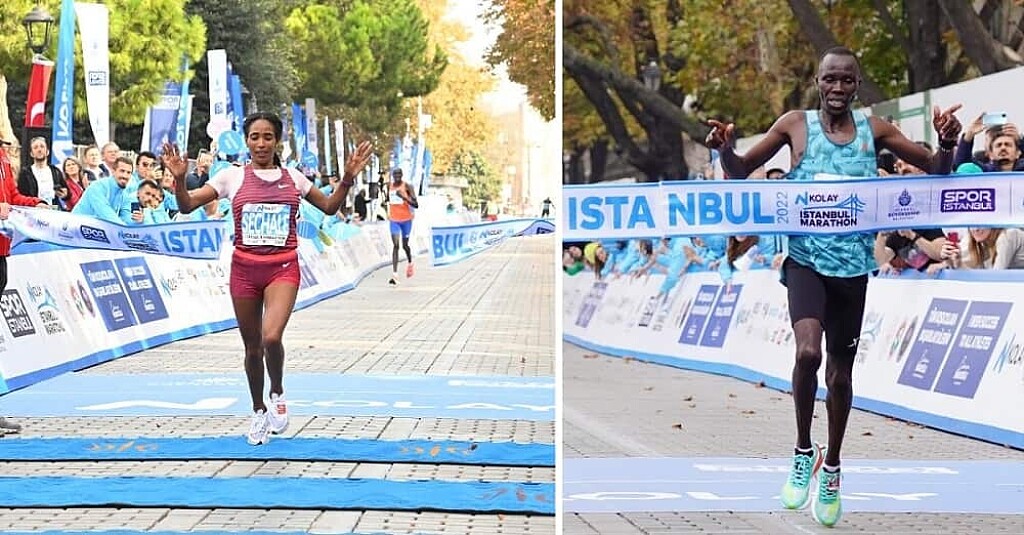
Two Istanbul champions target the Turkish allcomers’ marathon record
The current champion and a former winner will clash in Sunday’s Türkiye Is Bankasi Istanbul Marathon when the men’s elite runners target the Turkish allcomers’ record of 2:09:27.
Defending champion Robert Kipkemboi will be up against fellow Kenyan Benard Sang who took Turkey’s most prestigious marathon in 2020. However Abraraw Misganaw of Ethiopia is the fastest runner on the final start with a personal best of 2:06:39. Kenya’s Beatrice Cheptoo heads the women’s elite list with a PB of 2:22:28.
Around 4,500 athletes will run the classic distance on the unique course which starts on the Asian side of Istanbul and then finishes in Europe on Sultanahmet Square in the city’s historic center. Including races at shorter distances organisers expect a total of 45,000 runners to compete in the event, which is a World Athletics Gold Label Road Race. The Türkiye Is Bankasi Istanbul Marathon starts at 9 am on Sunday and will be shown in a live stream with an English commentary available worldwide at: https://maraton.istanbul
“We are proud to have assembled a strong international field for Turkey’s premier marathon event once again. Hopefully weather conditions will be fine so that there is a chance of establishing the fastest time ever run on Turkish soil. It is great to see another very big mass race with 45,000 runners. This confirms our significant position for the development of our sport in Turkey. We are of course the only marathon in the world that offers the experience of crossing from one continent to another during the race,“ said Race Director Renay Onur, who also pointed out that the race was held annually without any interruptions. „Even during the pandemic we managed to stage the race, which was one of only very few in the world that went ahead.“
“I am ready for a good race. If the weather is suitable and the pacemakers are doing their job then I think the course record could be possible for me,“ said Abraraw Misganaw. Daniel Kibet of Kenya holds the record with his winning time of 2:09:44 from 2019. This mark is just 17 seconds away from the Turkish allcomers’ record. Abraraw Misganaw improved his former PB of 2:09:47 by over three minutes in Dubai this February. He clocked 2:06:39 and was fifth in this competitive race. “I am in the same shape as before the Dubai Marathon,“ said the 35 year-old from Addis Ababa.
Robert Kipkemboi will be looking to become the first man to achieve back to back wins in Istanbul since fellow-Kenyan Vincent Kiplagat defended his title in 2011. 35 year old Kipkemboi clocked 2:10:18 a year ago. His personal best stands a 2:07:09. Earlier this year he showed very promising form when he won the Nairobi Marathon in 2:07:38. This is quite a remarkable performance in high altitude. While a total of seven runners feature personal bests of sub 2:10 on Istanbul’s start list organisers had to cope with some late withdrawals. Among them are Kenyans Reuben Kipyego and Moses Koech as well as Gadise Shumie of Ethiopia.
Early this year Beatrice Cheptoo ran a fine personal best of 2:22:28 when she was third in Doha. The 30 year-old Kenyan improved by almost two minutes. “I have prepared for the race in Istanbul since June and my training went really well. So I am hoping for a good time and will try to win the race,“ said Beatrice Cheptoo, who lives in the village of Nandhliis near Eldoret and trains in an altitude of around 2,000 metres. “I have got my own pacemaker and only train with him,“ said Beatrice Cheptoo, whose husband is a maize farmer and looks after their two children if his wife is away for races.
With a personal best of 2:23:49 Sifan Melaku of Ethiopia is the second fastest on the start list. The 23 year-old ran this time three years ago in Sevilla. In her most recent race she took the Stockholm Marathon with 2:30:44 in May. In the same month this year Valentina Mateiko ran a fine marathon debut in Copenhagen. The Kenyan was second with 2:25:05. It will be interesting to see what she can do in much more competitive field in Istanbul. While four women feature personal bests of sub 2:24 another four on the start list have run below 2:27. Another Kenyan who might do well on Sunday is Linah Cheruto. She was very unfortunate when she suffered of a broken foot during her debut marathon in Copenhagen in 2023 around the 30k mark. After fully recovering Linah Cheruto now starts a second attempt in Istanbul. Turkey’s national record holder Sultan Haydar withdrew from the race at short notice.
by Running USA
Login to leave a comment
N Kolay Istanbul Marathon
At the beginning, the main intention was simply to organise a marathon event. Being a unique city in terms of history and geography, Istanbul deserved a unique marathon. Despite the financial and logistical problems, an initial project was set up for the Eurasia Marathon. In 1978, the officials were informed that a group of German tourists would visit Istanbul the...
more...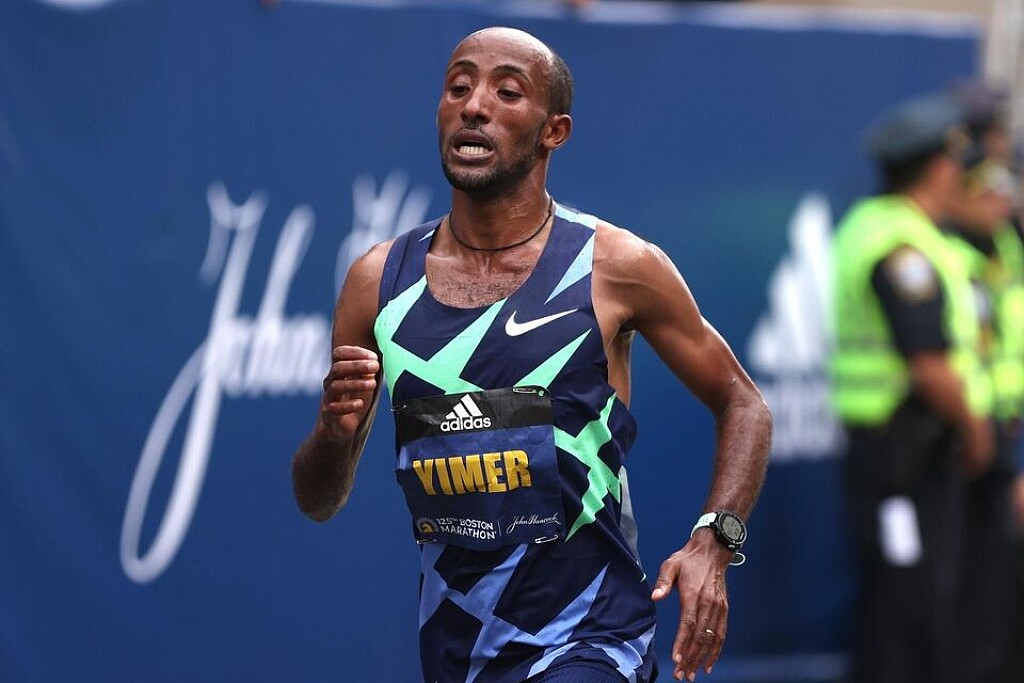
Always learning, Jemal Yimer refocuses after Riga with marathon success in his sights
For as long as he can remember, Jemal Yimer has been a student of the sport.
The 27-year-old grew up in the Amhara region of Ethiopia, without any running background in his family, but that didn’t stop him idolising the greats. “Haile Gebrselassie,” he says quickly, when asked about his childhood heroes.
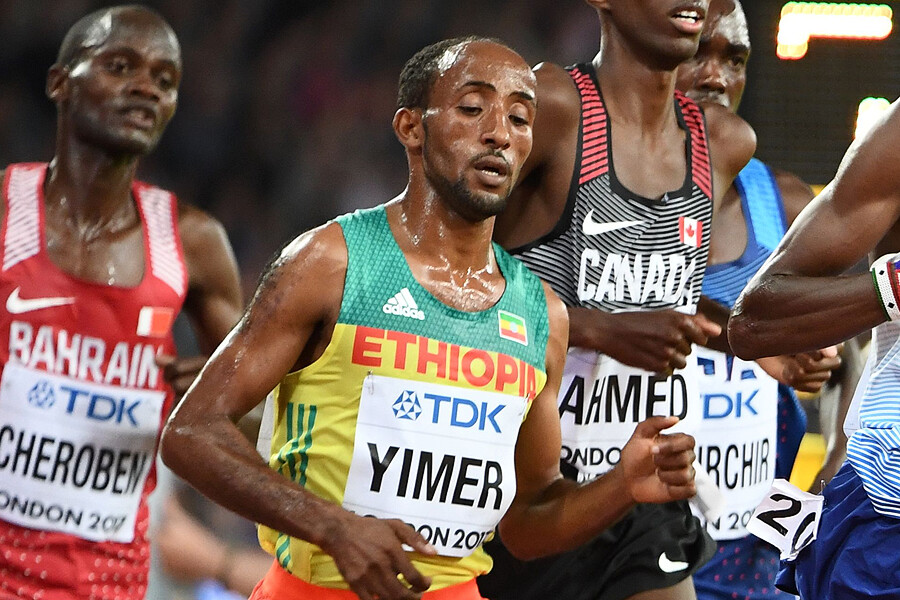
Yimer began running at school, juggling football and athletics in his teenage years before deciding to give the latter his full focus. Since 2016, it has consumed him and when he’s not running twice a day – which he does every day except Sunday – one of his hobbies is to watch documentaries about the greats of the sport.
“Sometimes it’s (Eliud) Kipchoge, Gebrselassie, or Kenenisa (Bekele) – we see the life history of strong athletes, their races,” he says. “That is the backbone of me; it’s motivation for me.”
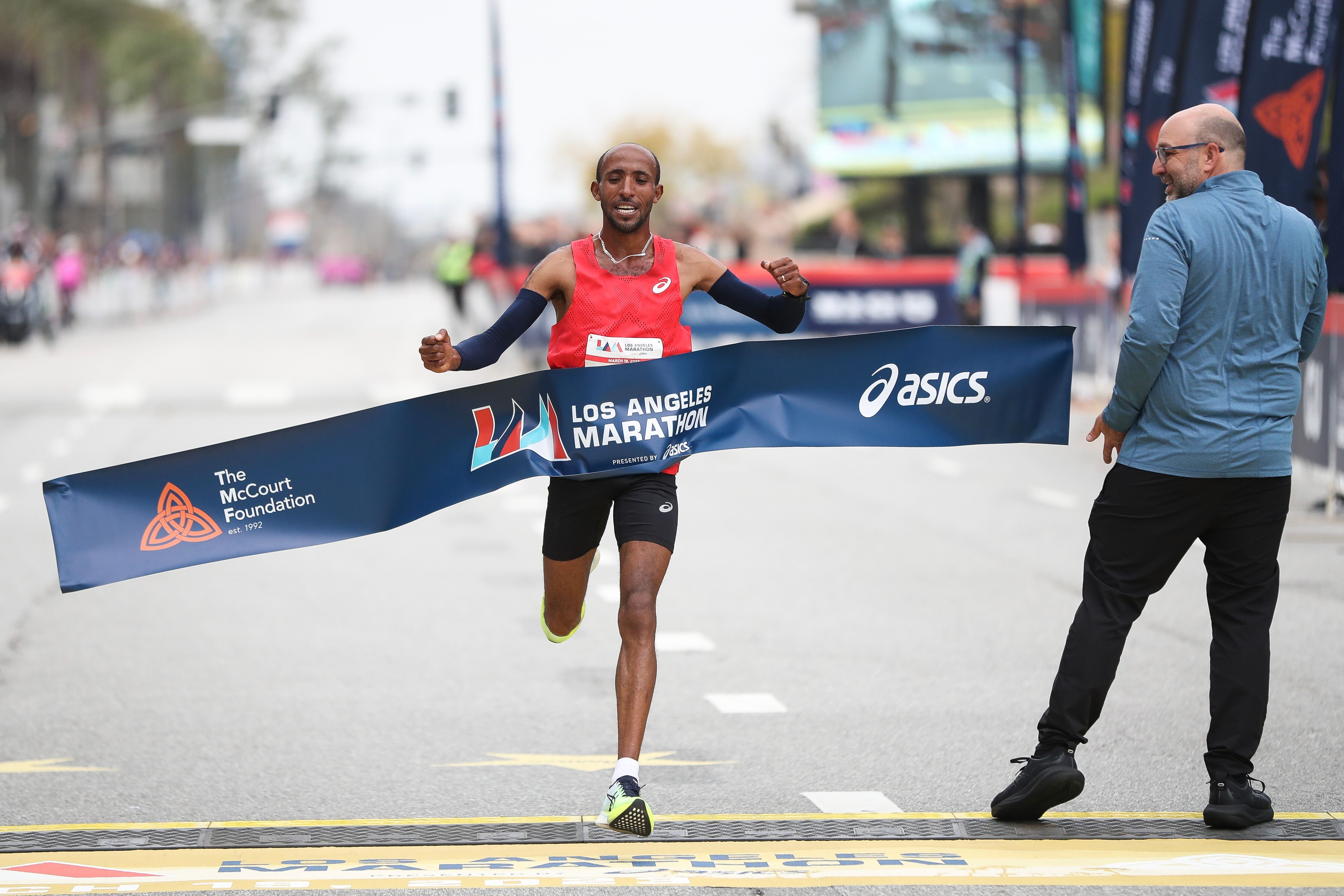
Yimer earned his first international vest in 2016, finishing fourth at the African Championships over 10,000m. The following year he hit a new level, finishing fourth at the World Cross Country Championships in Uganda, helping Ethiopia to team gold, and he went on to finish fifth in the 10,000m at the 2017 World Championships in London, clocking 26:56.11.
In 2018, there was another near-miss at a major podium, Yimer finishing fourth at the World Half Marathon Championships in Valencia, just one second behind the bronze medallist. Later that year, he returned to Valencia and performed like a man possessed, winning in a then Ethiopian half marathon record of 58:33.
As his focus turned from the track to the roads, he also changed coaches, coming under the guidance of Getamesay Molla, who works with a number of Ethiopia’s best marathoners. Molla had been a good athlete himself, if not quite a champion, and he’d trained alongside many of the country’s best, such as Kenenisa Bekele, before turning his hand to coaching in 2010.
He began working with Yimer in 2019 and has long been impressed by his protege. “Jemal is a very strong athlete, and he’s versatile,” says Molla. “He’s tough, especially for races. He’s confident in himself.”
They train at various venues on the outskirts of Addis Ababa, doing long runs at high altitude and dropping to medium altitude for faster interval sessions. Yimer typically runs about 200km per week. What impresses the coach most about Yimer?
“His consistency,” says Molla. “Every session, he does not miss.”
In 2020, Yimer made his long-awaited marathon debut. It was due to come at the Boston Marathon in April but after that race was cancelled due to the pandemic, it ended up being at the Valencia Marathon in December, but Yimer was unable to finish, having suffered an early fall.
In 2021, Boston was back on the calendar and Yimer turned in a superb debut performance there, finishing third in 2:10:38, just one second behind Lemi Berhanu in second. “My expectation for him was winning,” says Molla with a smile. “But the podium was not bad; it was good.”
The transition to the marathon was “not difficult”, says Yimer, but given his stride was better suited to shorter distances, he “had challenges after 15km, 20km” on hard long runs. In 2022, Yimer returned to Boston and finished eighth in 2:08:58, and earlier this year he claimed victory at the Los Angeles Marathon in 2:13:13. In August he finished second at the Antrim Coast Half Marathon in Northern Ireland in 58:38, teeing him up beautifully for a podium tilt at the World Athletics Road Running Championships Riga 23.
The journey to Latvia proved an eventful one, with the Ethiopian team stranded in Germany for close to a full day just two days before the race. Still, Yimer wasn’t going to use that as an excuse.
“This was not the first time for such a long journey; travelling is always up and down and that is not a reason for how I will perform in the race,” he said on the eve of the championships. “I will focus totally.”
That’s exactly what he did, with Yimer launching himself into contention at the key moment of the half marathon, when Kenya’s Daniel Simiu Ebenyo surged to the front after 16km. Yimer was the only man to go with him, but he soon found the pace too hot to handle.
Ebenyo also began to falter in the final kilometre, giving way to his teammate Sabastian Kimaru Sawe, but Yimer paid an even heavier price, dropping back to fourth. Try as he might, he was unable to summon the finish needed to overhaul Samwel Nyamai Mailu for the bronze medal, coming home fourth in 59:22.
It was a sign of how hard he’d run that Yimer had to be assisted through the mixed zone by a medic afterwards, his very best coming up just shy of a medal on the day. Still, he has a chance to make amends soon. On November 5, Yimer will line up at the New York City Marathon against a top-class field. His PB of 2:08:58 ranks him 13th, though his rivals know that’s not a true reflection of his ability.
“We can expect a good result in New York,” says Molla. “I expect he’ll be on the podium.”
A father to a two-year-old boy, Yimer will sometimes bring his son along to training and the toddler is starting to get a grasp on what his dad does for a living. Yimer knows a race like New York offers a golden opportunity to provide a better future for his family, which is part of his motivation.
“First I focus on training, then I have many plans on the business end for the future,” he says. Yimer isn’t shy about making them public: “My goal is to run fast times, to run all the major marathons, and to win world and Olympic medals.”
by Cathal Dennehy for World Athletics
Login to leave a comment

TCS New York City Marathon
The first New York City Marathon, organized in 1970 by Fred Lebow and Vince Chiappetta, was held entirely in Central Park. Of 127 entrants, only 55 men finished; the sole female entrant dropped out due to illness. Winners were given inexpensive wristwatches and recycled baseball and bowling trophies. The entry fee was $1 and the total event budget...
more...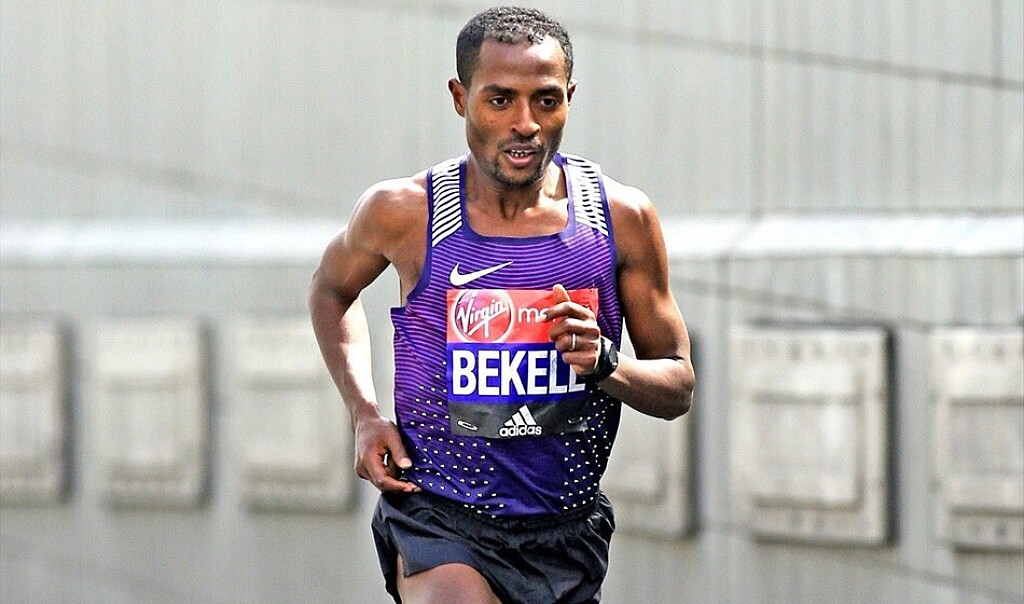
Kenenisa Bekele Says His Training Ahead Of London Has Been Good, But Not Perfect
On Sunday, 2019 Berlin Marathon champion Kenenisa Bekele of Ethiopia will take on defending champion Amos Kipruto of Kenya in a potentially explosive 2023 London Marathon race.
Last year, he finished fifth in 2:05:19 behind Kipruto (2:04:39). In an exclusive interview with Nation Sport, the two-time Olympics 5,000 metres and 10,000m champion admits that this year’s race features one of the strongest fields. He talked to our writer Bernard Rotich.
Question: Having completed your training for the London Marathon, how have your preparations been so far?
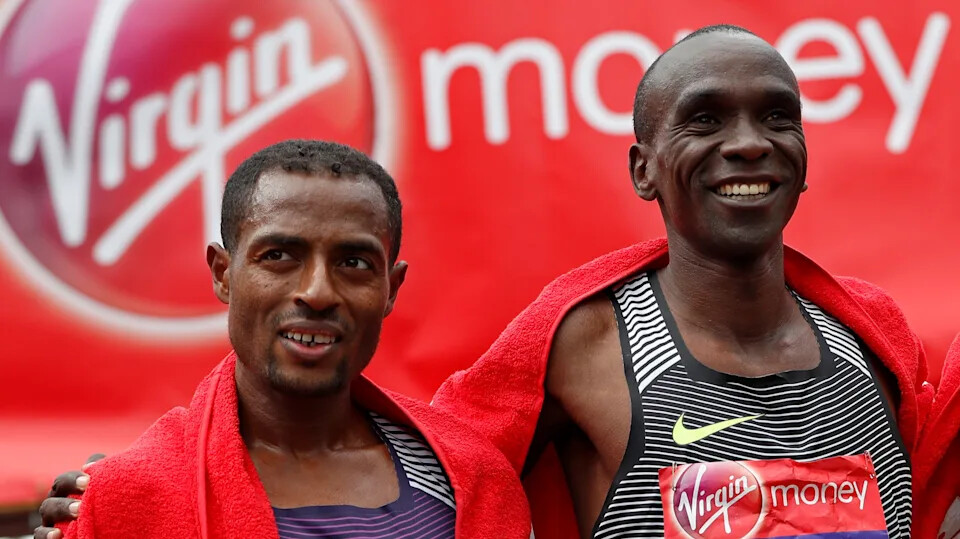
My training has been good, but not perfect. I had minor injuries earlier on in my training programme, but I feel healthy and fit for Sunday’s race.
Where do you train specifically, and what does your day to day programme look like?
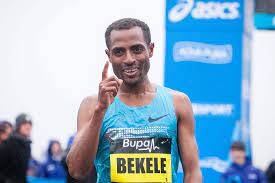
I train around Addis Ababa in Ethiopia. I do runs at altitude, and Entoto Forest Park in Addis Ababa is one good place for that. But I also do low altitude training around Sendafa, a small town located some 38 kilometres to the East of Addis Ababa. Of course, exercise training becomes an important part of my training programme ahead of races.
How does your diet look like when training for races? Do you have special food during that period?
Not any specific food. Most importantly, I like a variety of food. I eat a lot of vegetables, nuts, fruit, some meat, pasta, rice, milk and of course our national food injera which is high in nutrients. For me, just plain food is enough, not too much spices and oil.
Which was your last race and what can you say about your performance in it?
My last race was the 2022 London Marathon. I had hoped for more in the race, but I couldn’t achieve what I set out to do. I was struggling healthwise, having suffered a double Covid-19 infection.
At the 2019 Berlin Marathon, you came close to breaking Eliud Kipchoge’s then world record in the marathon of 2:01:39 by two seconds, but Kipchoge further lowered that time. Is Kipchoge’s new world record of 2:01:09 within reach for you?
Actually, it is what motivates me. Of course I still hope it will happen one day.
When competing against Kenyans, do you come under pressure, or do they help you to push yourself to the limit?
Good competition always helps to motivate me to push myself the extra bit. We need each other to excel in athletics.
You have had a long and successful athletics career. What is your secret to longevity?
My talent is God-given. This is what God chose for me to do. I had dreams, and I still have many goals to achieve. That keeps me going.
How have you invested your earnings from athletics, and what advice can you give upcoming athletes who look up to you?
I built my own synthetic athletics track in Sululta, about 20km north of Addis Ababa. Initially, I built it for my track training. I needed a good soft track surface to avoid injury. Nowadays, almost all Ethiopian athletes train there, which supports athletics in Ethiopia. Next to it, I built a training center and guesthouse where athletes can stay. We need to help each other and build for the community.
What is your message to your fans ahead of Sunday’s race?
I’m very happy with all the support I get from all over the world. The crowds are usually really amazing in London. I really appreciate the support I get from my fans during my preparations. I see it, and it motivates me.
You belong to NN Running Team. How has your experience been so far?
For me, the medical and nutritional support of the team has made the difference. I have access to the best sports doctors, physios, nutritionists and products. I owe them a lot. It has been career extending, and they are the reason I am still chasing my dreams and goals.
What do you think of the 2023 London Marathon line-up? Do you feel pressure to deliver?
Of course in a World Marathon Major, you can only expect a top field of athletes. The competition is really strong this year, but I’m looking forward to getting the most out of myself.
Who are your training partners? What do you think of them?
I train with Leul Gebresilase who will also compete in London Marathon. Training together with other strong athletes motivates me to push the boundaries. I think Leul is strong. He finished second last year, but let’s see what will happen in this race.
Login to leave a comment

TCS London Marathon
Since its inaugural edition on March 29, 1981, the TCS London Marathon has grown into one of the world's most prestigious road races, blending elite competition with an extraordinary charitable legacy. Founded by former Olympic champion and journalist Chris Brasher alongside Welsh athlete John Disley, the event has been staged every year and has been held in the spring annually...
more...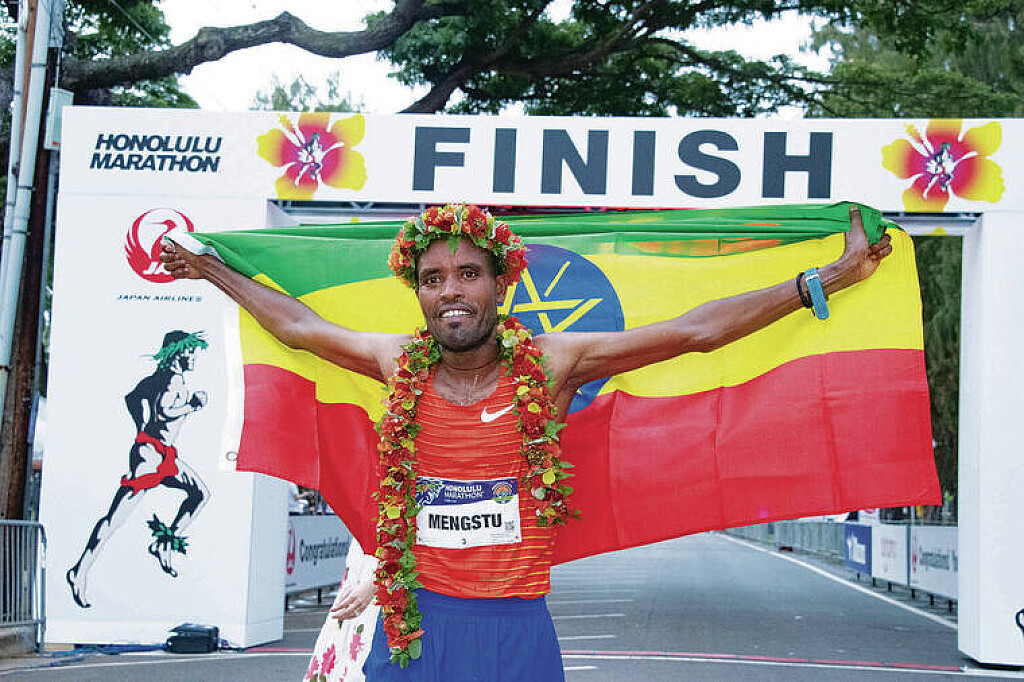
Ethiopia’s Asefa Mengstu breaks Kenya’s Honolulu Marathon dominance
After sparring toe-to-toe for over half the race, Ethiopia’s Asefa Mengstu outpaced his cross-border Kenyan rival Barnabas Kiptum to cruise into Kapiolani Park and win the 50th anniversary Honolulu Marathon, breaking a long-standing Kenyan stranglehold of Hawaii’s flagship race.
Mengstu won in two hours, 14 minutes and 40 seconds with Kiptum second in 2:17:45, some 10 minutes ahead of third-placed Japanese Yuhi Yamashita (2:27:45) in the race run under brutally windy conditions.
Ethiopia’s Asayech Bere made it an Addis Ababa sweep taking the women’s title in 2:30:58 with her compatriot Abebech Afework Bekele (2:34:39) second and Japan’s Yuhi Yamashita third in 2:27:45.
Kenyan men had been unbeaten here since 2007, Ethiopia’s Ambesse Tolossa having interrupted the clean run by winning the 2006 edition.
Prior to that, Kenyans were unbeaten since Eric Kimaiyo took over as champion from South Africa’s Josiah Thugwane in 1996.
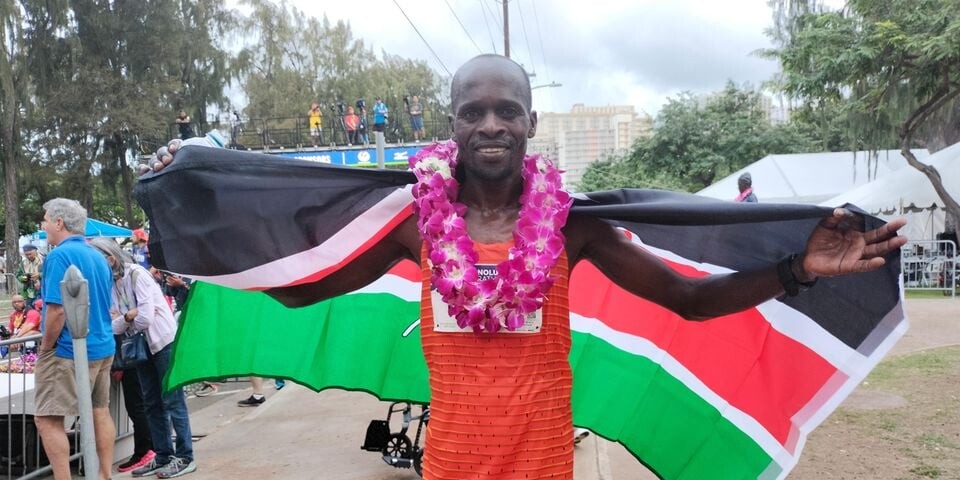
But it was Ibrahim Hussein, the legend, who made the breakthrough as the first African winner on this island city of O’ahu - birthplace of former US President Barack Obama - clinching a back-to-back hat-trick of victories from 1985 to 1987.
Sunday’s golden jubilee race started in it’s traditional night settings at 5am, local time, with spectacular fireworks and, as expected, it was the two Ethiopians, Mengstu and Shifera Tamru, who broke away together with Kiptum, crossing the 10-kilometre mark in 30 minutes and 30 seconds, paced by Kenya’s Reuben Kerio who is also preparing for next month’s Mumbai Marathon.
They then crossed the halfway mark in 1:06:38 under a slight drizzle at the Aina Haina sector after which pacemaker Kerio dropped off at the 30km mark (1:21:00).
There was drama shortly after when Kiptum and Mengstu dropped Tamru, racing on shoulder-to-shoulder as the sunrise launched in spectacular fashion at East O’ahu.
But at 33km, Mengstu broke away and ran a solo race all the way to the finish.
“It was a tough race… I’ve never competed under such tough conditions,” Mengstu said, referring to the furious headwind.
“My strategy was to attack at 35km and I was determined to win,” added Mengstu who trains under the Rosa Associati stable in Addis.
Kiptum was happy with his race, saying the atrocious winds slowed him down, but he remained confident of fighting for a place in Team Kenya to next year’s World Championships in Budapest.
“I ran in conditions similar to these in Hong Kong in 2018, but today’s wind was just too crazy,” he said.
“My body feels fine and I will now fight for a place in the team to the World Championships so that I can represent my country…
“I have what it takes, and I just have to throw in a race in spring and confirm my place in Kenya’s team to Budapest.”
Sunday’s golden Jubilee Honolulu Marathon celebrated the return of full racing and public events after two years of uncertainty occasioned by the coronavirus pandemic, much to the satisfaction of its long-standing President and CEO Jim Barahal.
After Kenya’s Titus Ekiru won back-to-back races here in 2018 and 2019, including setting a course record 2:07:59 in 2019, the race was held as a non-competitive event in 2020 due to the pandemic with Kenya’s Emmanuel Saina winning the title last year in 2:14:32.
by Elias Makori
Login to leave a comment

Honolulu Marathon
The Honolulu Marathon’s scenic course includes spectacular ocean views alongside world-famous Waikiki Beach, and Diamond Head and Koko Head volcanic craters.The terrain is level except for short uphill grades around Diamond Head. ...
more...
Expect an Ethiopian Flavor For Sunday's 50th Honolulu Marathon
After a marathon journey to get to Hawaii, a quartet of Ethiopian runners are looking forward to making the most of their first visit to the Aloha State. The group of athletes, coached by Yirefew Birhanu Derb, will line up Sunday before dawn for the 50th running of the Honolulu Marathon, America's fourth-largest marathon. The race features a more robust elite athlete roster following last year's slimmed down line-up coming off the pandemic.
Shifera Tamru and Asefa Mengstu lead the men's elite field, while Abebech Afework and Bere Ayalew are the top entrants in the women's division. After a trip that required more than 21 hours of air travel across multiple flights --from their home base in Addis Ababa to Frankfurt, then Los Angeles before reaching Honolulu-- they arrived late Wednesday. They immediately popped into a McDonald's for dinner, and have been getting acclimated to the local time zone, 13 hours behind Ethiopia.
They were all very happy to be invited to this race because they know it's a very good marathon," Coach Derb told Race Results Weekly during a photo shoot for the athletes on Waikiki Beach. "They are looking forward to racing and happy to have the chance to visit Hawaii."
Tamru, 24, is coming off October Chicago Marathon, where he clocked 2:07:53 to finish fifth for the second consecutive year. He says that he has recovered well and is ready to go for Sunday. He has won three marathons in his career, all in South Korea: Chunchon in 2018, Seoul in 2019 and Daegu this past April. His personal best of 2:05:18 came at the Dubai Marathon in 2019.
The more experienced Mengstu --who represented Ethiopia as far back as the 2010 IAAF Half Marathon Championships-- has a resume with 13 marathon finishes, including the 2018 Dubai Marathon, where ran his lifetime best of 2:04:06. His most recent race was eight months ago, so he should be well rested. "I'm happy to be here and I'm expecting to win the race on Sunday," he said with a quiet smile as the athletes posed for photographs and chatted with the media.
The two men work well together in training, Derb says. But on Sunday, he points out, "it must be a competition." In addition to each other, they will have to watch out for a strong Kenyan, 36-year-old Barnabas Kiptum, who has a personal best of 2:04:17 (Milan, 2021). He dropped out of the Chicago Marathon this fall, but in July he proved he is still a contender by placing 15th at the World Athletics Championships in Oregon. Stanley Biwott, the 2015 New York City Marathon champion with a 2:03:51 personal best, had planned to run here but scratched.
The women race is likely to come down to a duel between Afework and Ayalew. Like their male teammates, they also have a strong friendship and symbiotic relationship. "They are happy when they are training together, and they can help each other when they compete," Derb said.
Afework, 31, is by far the more seasoned of the two. Her international racing career dates back to the 2010 IAAF World Cross Country Championships, where she placed 18th. She has 20 marathon finishes to her name, and a personal best of 2:23:33 from Dubai in 2015. "I have a lot of experiences from other races and I'm expecting to use that previous experience to run well on Sunday," said Afework, who is coming off a DNF in October's Lisbon Marathon.
The 23-year-old Ayalew is a comparative novice, with four marathons in the books, but each one has been progressively faster. The most recent, in Eindhoven, Netherlands, in October, resulted in her quickest time yet (2:22:52). "My training has been good and I expect to show that on Sunday," she said.
The women's field also includes Canadian Olympian Lanni Marchant, who won this race a year ago on a short recovery from the New York City Marathon, and Japanese veteran Mai Ito (2:24:42 PB).
Should weather conditions cooperate --it's been very windy the last several days-- both the men's and women's course records could be in play. Titus Ekiru of Kenya holds the men's standard of 2:08:00 from 2019, while his compatriot Brigid Kosgei clocked 2:22:15 in 2017. (Kosgei set the current world record of 2:14:04 two years later.) Prize money will be paid three deep: $25,000-10,000-5,000.
The forecast for Sunday morning calls for a temperature of 74F/23C when the gun goes off at 5 a.m. Most of the race will be run in the dark, as the sun will rise just before 7 a.m. on race day.
by Runners Web
Login to leave a comment
Honolulu Marathon
The Honolulu Marathon’s scenic course includes spectacular ocean views alongside world-famous Waikiki Beach, and Diamond Head and Koko Head volcanic craters.The terrain is level except for short uphill grades around Diamond Head. ...
more...
Peres Jepchirchir named chief guest for Great Ethiopian Run
Reigning Olympic marathon champion Peres Jepchirchir is the guest of honor for this years’ edition of the Sofi malt Great Ethiopian Run International 10km road race set for Sunday in Addis Ababa, Ethiopia.
The race will see up to 500 elite athletes compete in both men and women categories with more than 40,000 participants expected to run in three waves of red, green and yellow which symbolises the Ethiopian flag.

Ethiopian athletics legend Haile Gebrselassie, who is a two-time Olympic 10,000m champion started the race 20 years ago with the first edition taking place in 2001. Local athletes have dominated all editions since then.
Jepchirchir, who is also the Boston Marathon champion, is excited to be gracing the race in what will be her first visit to Ethiopia.
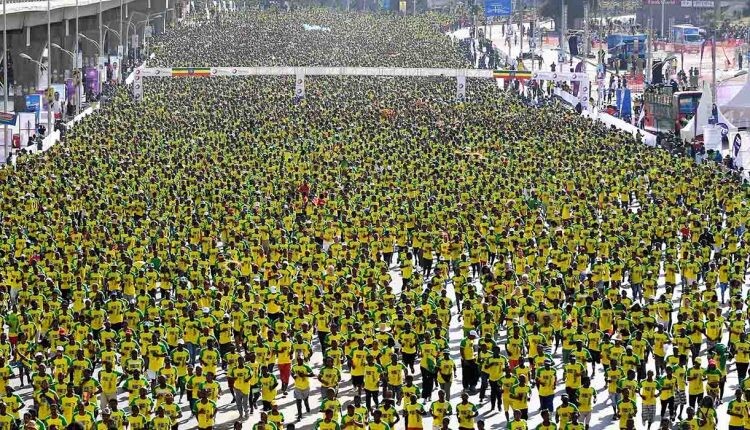
“I’m glad to be invited for the Great Ethiopian Run International 10km road race as a guest of honour and I would love to meet with Haile and get some tips from him. I have not been to Ethiopia and I’m looking forward to also interact with my competitors and share one or two things concerning the sport,” said Jepchirchir.
Race General Manager Dagmawit Amare told Nation Sport the race is a symbol of unity and they are happy to host another event.
“Every year in November, is the month that we are proud to be Ethiopians and in the past 21 years, the race has brought joy and unity in athletics. This year we expect more than 40,000 participants including 500 elite athletes from Uganda, Kenya, and Eritrea,” said Dagmawit.
According to the Runners World, the race held in Addis Ababa annually is possibly one of the best in the world where there is a mix of elite and fun runners.
The Great Ethiopian Run also organizes Hawassa Half Marathon, Women 5km race in March, Europe Day children races in May and Entoto Park Predator Run, which is held every month in Addis Ababa, IFH Relay Races and Great Bokoji Run.
Also invited for the event is two-time Boston Marathon champion Moses Tanui. He is expected to hold discussions for a partnership between Great Ethiopian Run and the Eldoret City Marathon, which is his brainchild.
by Bernard Rotich
Login to leave a comment
the Great ethiopian 10k run
The Great Ethiopian Run is an annual 10-kilometerroad runningevent which takes place inAddis Ababa,Ethiopia. The competition was first envisioned by neighbors Ethiopian runnerHaile Gebrselassie, Peter Middlebrook and Abi Masefield in late October 2000, following Haile's return from the2000 Summer Olympics. The 10,000 entries for the first edition quickly sold out and other people unofficially joined in the race without...
more...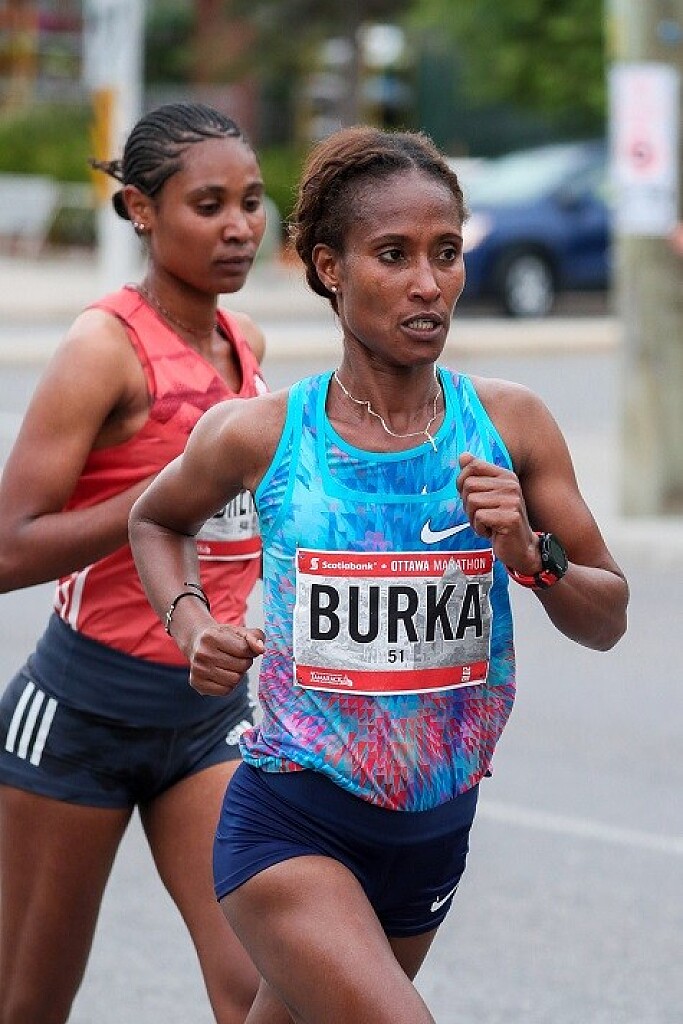
Gelete Burka will be running the 2022 TCS Toronto Waterfront Marathon on October 16th
A three-time Olympian for her country, Gelete was also the 2008 World Indoor 1,500m champion and 2006 World Cross Country champion. But when she won the 2017 Ethiopian World Championships 10,000m trials and was not selected for London, she turned to the marathon. Her results in the classic distance have been sublime.
Her curriculum vitae includes a personal best time of 2:20:45 (2018 Dubai Marathon) and a splendid 3rd place finish in the 2019 Chicago marathon (2:20:55). Dipping under 2 hours 20 minutes remains a tangible objective.
This will be only the second time the 36-year-old star has raced in Canada. On her previous occasion in 2018 she set a Canadian All Comers’ marathon record of 2:22:17 in Ottawa, despite running with stomach cramps and completely alone for much of the race.
That record was beaten by one second at the Toronto Waterfront Marathon by Kenya’s Magdalyne Masai in 2019. The pair will battle in Toronto.
“My training is going well and I am so happy with my training,” Burka says from her home in Addis Ababa, the Ethiopian capital. The WhatsApp call had been delayed by a couple of hours when the lights went off during a power outage.
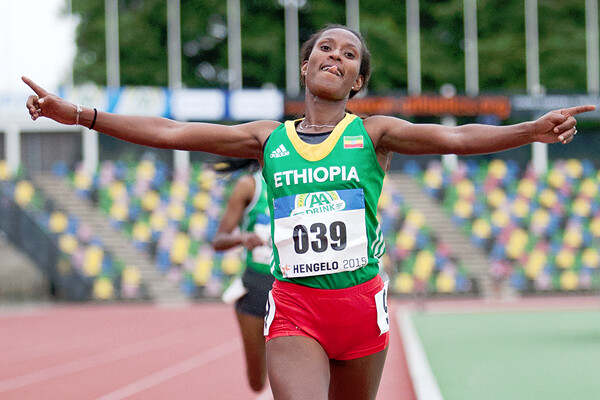
“We have two months until the race and I’m just working hard,” she adds. “It is sometimes raining here. We look at the weather and choose training places. We are working hard in Sendafa, Entoto, Sululta, Arafat. We train in five or six different places.”
Coached by Getamesay Molla, the group of elite runners she belongs to meet in those various locations all within half an hour of Addis by car. In a radical departure, Gelete even spent most of the month of July in Colorado Springs, Colorado where she joined Kenyan born US coach Haron Lagat. It is the rainy season in Ethiopia and heavy rains adversely affected the dirt roads back home.
“It’s nice for training there,” she says of the Colorado Rocky Mountains. “I was with some friends in the US Army Athletics (group). Do you know Haron Lagat? I was with him working there in Colorado Springs before the marathon training.”
Gelete had expected to race Ottawa earlier in May but although her Canadian visa was approved, she did not receive her passport in time to travel to Canada. After training for six months specifically for the race, the disappointment was enormous. It is not easy to train to peak for a specific marathon and then have to find an alternative. In any case, Ottawa is among the final spring marathons.
“One week I was sick. I was so heartbroken,” she reveals with a smile. “I haven’t any business, my only business is working in athletics. I just focus on my running. A little bit I was angry because I worked so hard. It is not like track racing.
“It was a big disappointment but sometimes you forget something that happened in life. I have forgotten it and now am only focused on Toronto.”
Gelete comes from Kofele in Arsi district of south-central Ethiopia. It’s the same region from where national hero, Haile Gebrselassie, originates.
Family is everything to her and currently her youngest sister together with her niece, Deborah, and nephew, Muse, share her home in Addis. After returning from Colorado, one of the first things she did was travel back to visit her mother and her other siblings in Shashamane, one of the main towns in Arsi. It is also known for its large Rastafarian community.
A devoted Christian, Gelete is also a member of the 40-member choir at the Glorious Life Church in Addis. They sing in Amharic, Oromo and English at two weekly services. In addition, she is an usher at the church and so must attend meetings and choir practices when called. Her faith is important enough that following her 2018 Ottawa victory she sought out an Ethiopian church to attend.
Given the news that Magdalyne Masai shaved a second off her Canadian All Comers record in 2019 - and will face her on the Toronto starting line - Gelete smiles. Asked whether Masai’s 2:22:16 standard will now be a target, she thinks for a moment.
“You have to see in the race how you are feeling and also what she is feeling,” Gelete explains. “In a race you think of records when your body feels ok. For now I am not sure. I will look inside the race for what I can do.”
Ethiopians were overjoyed with the performance of their 2022 World Championships team in Eugene, Oregon. With 10 medals, Ethiopia finished second in the medal table behind the host USA. Seeing her compatriot Gotytom Gebreslase take the women’s marathon gold was extra special.
“It is still in my head that I want to run under 2:20,” she says, “because you see the world championships I am so happy (Gotyom) ran 2:18. After you see in championships they are running 2:18 then I think under 2:20 (is possible) if the body is ok and the weather is ok. And, if the others want to run a very good time.”
Clearly this Ethiopian superstar has bold intentions for her future. Her race against Masai in this World Athletics Elite Label race is a tantalizing prospect.
About the TCS Toronto Waterfront Marathon
One of only two World Athletics Elite Label races in Canada, the TCS Toronto Waterfront Marathon is Canada’s premier running event and the grand finale of the Canada Running Series (CRS). Since 2017, the race has served as the Athletics Canada Canadian Marathon Championship and has doubled as the Olympic trials. During the 2021 event, participants raised over $3.08 million for 151 community charities. Using innovation and organization as guiding principles, Canada Running Series stages great experiences for runners of all levels, from Canadian Olympians to recreational and charity runners. With a mission of “building community through the sport of running,” CRS is committed to making sport part of sustainable communities and the city-building process.
by Paul Gains
Login to leave a comment
TCS Toronto Waterfront Marathon
The Scotiabank Toronto Waterfront Marathon, Half-Marathon & 5k Run / Walk is organized by Canada Running Series Inc., organizers of the Canada Running Series, "A selection of Canada's best runs!" Canada Running Series annually organizes eight events in Montreal, Toronto and Vancouver that vary in distance from the 5k to the marathon. The Scotiabank Toronto Waterfront Marathon and Half-Marathon are...
more...
The Dibaba family of Ethiopia dominated the women’s long-distance running for decades
The Dibaba Sisters, from Ethopia, is the fastest family on earth.
Ethiopian distance runner Tirunesh Dibaba made history at the 2008 Beijing Olympics when she became the first woman to win gold in both the 5,000-metre and 10,000-metre races. She defended her gold medal title in the 10,000 metres at the 2012 London Olympics, becoming the first woman to win the event at two consecutive Olympics.
She was inspired by a family of runners. In fact, she and her sisters have been amazing in the field of distance running. The Dibaba sisters — Tirunesh, Genzebe, Anna, and Melat — are the only siblings in recorded history to hold concurrent world records, and they are a fiercely competitive family from a humble background.
Their parents, Gutu Tola and Dibaba Kaneni, were not athletes themselves but their children have always acknowledged the support that their parents have given them to thrive in athletics.
Her baby-like face combined with her track performance gave her the perfectly fitting nickname ‘The Baby Faced Destroyer’.
Fourth born in a family of six, Tirunesh started running with a clear focus on becoming a professional athlete at the tender age of 14.
Her sister, Ejegayehu Dibaba was already a professional athlete, and her cousin, Derartu Tulu, also helped inspire to take up athletics.
Moving to the Ethiopian capital of Addis Ababa in 2000, the year her cousin Ejegayu had won her second Olympic gold during the Sydney Olympics in the 10,000-meter race, Tirunesh moved in to live with Ejegayu launching her athletic career.
Just over two years later, in 2003, Tirunesh would win her first international medal by scooping gold in the 5000 metres during the IAAF World Track & Field Championships.
A year later, Tirunesh competed in the Olympics winning the bronze medal finishing behind teammate Meseret Defar and Kenya’s Isabela Ochichi.
From there Tirunesh went on to establish herself as one of the greatest ever long-distance woman runners of all time becoming the youngest female World Champion in the history of athletics. She has gone on to win three Olympic gold medals.
In her highly decorated career, Tirunesh boasts of three Olympic gold medals and three bronze along with five World Championship gold and one silver. Additionally, she has four World Cross Country Championships 4 gold medals, and 2 silver, and has won two African Championships gold and one silver medal.
In total, ‘The Baby Faced Destroyer’ has 14 gold medals, four silver, and three bronze medals from all major global athletics events.
The biggest reason behind her success has been the blistering speed that she used in the final laps leaving the competition in her wake.
Now 37 years old, Tirunesh has informally retired as one of the greatest track and field athletes of all time. She has won everything and set records that will take a while before they are broken.
Ejegayehu Dibaba
Ejegayehu is the eldest of the Tirunesh’s and just like her younger sister she has also carried the Dibaba’s flag high and to the top.
Winner of the 10,000m silver medal in the 2004 Athens Olympics, Ejegayehu finished ahead of her cousin Derartu Tulu who took the bronze.
Other medals from major internationals include two World Championships bronze in Helsinki 2005 in the 5000m and 10,000m.
She also went on to surprise the world by winning her debut marathon in Chicago in 2011.
Genzebe Dibaba
Genzebe is the youngest of the family and has also tasted the sweetness of winning an Olympic medal. Her moment of glory in the Olympics came in the 2016 Rio Olympics winning silver in the 1500m race.
In total Genzebe won a total of 11 gold medals, five silver medals, and two bronze medals in her athletic career.
Derartu Tulu
Cousin of the three sisters, Derartu Tulu's exploits were an inspiration to the Dibabas setting the pace for her cousins by concurring the world.
Tulu became the first Black African woman to win an Olympic gold medal winning the 10,000m race at the 1992 Barcelona Olympics.
Eight years later she would win her second Olympic gold at the 2000 Sydney Olympics.
She would have an incredible achievement winning a medal in three different Olympics winning a bronze at the 2004 Athens Olympics in the 10,000m.
Other major titles in her illustrious career include 10,000m gold and silver medal at World Athletics Championships in Gothenburg 1995 and Edmonton 2001.
Sileshi Sihine
Sileshi Sihime is a two-time Olympic silver medalist with over a dozen major athletics medals under his belt. Married to Tirunesh Dibaba, he is a three-time Olympic gold medalist.
Conclusion
In terms of ‘Sports Dynasties’, the Dibabas are the 'African Sports Dynasty’. Talent, hard work, and dedication are clearly what enabled the Dibabas to conquer the world of women's long-distance races for decades.
Login to leave a comment
Ethiopian Gelete Burka announces a return to Ottawa, she broke the Canadian All Comers record in 2018, and she will be aiming for a sub-2:20 marathon on May 29
Gelete Burka is smiling warmly as she moves about her house in Addis Ababa, the Ethiopian capital city. She’s looking into her mobile phone during a WhatsApp video call in which she confirmed her return to the newly renamed Tamarack Ottawa International Marathon, Sunday, May 29th.
The World Athletic Gold-label event will be held in person again after a two-year hiatus due to the pandemic.
On her previous visit in 2018, Gelete – Ethiopians prefer to use their first names – broke the Canadian All Comers’ record (the fastest time recorded on Canadian soil) with a stunning 2 hours 22 minutes 17 seconds despite conditions that weren’t exactly agreeable.
“Of course that time everything was hard,” she remembers still smiling. “The weather! I had been training here in Ethiopia and it was so very hot and also the (strong) wind and I also had stomach cramps. Anyway, God is good and, for me that day, helped me for that victory. I was so very happy.”
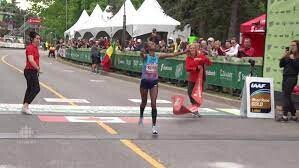
The margin of victory despite stomach cramps, the wind and the cooler temperatures (it was a cool 13 degrees Celsius at 7am that day) was roughly four minutes such was the effort she expended.
“Ottawa is a good memory for me,” she continues. “When I was training I had a bit of a leg problem with an injury to my calf and I came to Ottawa with that injury. It was not easy. That was why I smiled when I came to the finish.”
Although she rarely leaves the hotel at a marathon – preferring to totally focus on the race at hand – after her Ottawa victory she attended an Ethiopian church with Ottawa friends to give thanks.
In Addis she is both an usher and a member of the forty-member choir at The Glorious Life Church. With two Sunday services, plus another on Tuesday nights, her devotion to the church is exemplary. No wonder she has little time, outside of training and travelling, for herself. When she does have free time she might have tea or coffee with friends.
As she speaks, Gelete shifts position for better light and the contents of her cabinet come into focus.
There is her 1500m gold medal from the 2008 World Indoor Championships, the 2006 World Cross Country gold and the 10,000m silver medal she earned at the 2015 World Championships in Beijing. Without a second thought she suddenly beckons two children to join her in the picture. They are her young niece and nephew, Deborah and Muse, and she asks them to say hello into her phone.
Family is ever so important. These are her youngest sister’s kids. The financial rewards of being a world class runner – she took CAD 30,000 (USD 24,120) prize money from Ottawa for instance – over two decades has allowed her to take care of both immediate family who live with her, while also contributing to the welfare of children in her home village of Kofele in south central Ethiopia.
Gelete has represented Ethiopia in six successive world outdoor championships and three Olympics. In Rio six years ago, she finished 5th in the 10,000m earning her personal best of 30:26.66. Had it not been for a slight on the part of the Ethiopian federation a year later, she might never have turned to the marathon.
“In 2017 I was in Hengelo (Netherlands) at the Ethiopian trials for the world championships. I won the Ethiopian 10,000m trials (30:40.87), but they never took me to the world championships in London,” she explains, her smile having vanished now.
“After that I stopped track and that is the point when I went to the marathon. So, I trained for the Dubai Marathon where I ran 2:20:45.”
A year later she won the 2019 Paris Marathon in 2:22:47, then finished 3rd in Chicago, one of the ‘World Majors,’ in 2:20:55. The latter result illustrates the importance of pacemakers to marathoners.
“In Paris we had a very nice pacer and also in Chicago, you remember the world record was broken,” she remembers. “The pacemakers went with the Kenyan lady (Brigid Kosgei set the world record of 2:14:04) and after 2km I was all by myself for 40km. Maybe when someone is pushing me I will run under 2:19. I need a good pacemaker. Yes I hope it is arranged (in Ottawa). I want to go under 1:10 the first half.”
Gelete is coached by Getamesay Molla and belongs to a group of strong Ethiopian runners who train together on the dusty roads of Sendafa, Sululta and Entoto outside Addis. Traffic inside the capital makes training there near impossible. Preparations, she says, are going well for Ottawa.
“My training now is very nice,” she allows. “I am happy with my training and I have another two months to get in good shape.”
Racing regularly again following the coronavirus pandemic is a welcome relief for her. Now that she is 36 years old, an age that used to indicate the twilight years of an athletics career, she doesn’t know how much longer she will continue training and racing. The Paris Olympics are two years hence.
“I don’t know about that (Paris) I don’t have an idea about this,” she says carefully.“Even if I run a good time it is not easy with my federation (to win selection). You saw like Kenenisa (Bekele who was controversially left off the Ethiopian Olympic team) last time in Tokyo. I will see what my time is. Sometimes you have the time, but I don’t know why they do this.”
Politics notwithstanding Gelete has several more world-class performances in those legs. Reducing her personal best and getting under the 2 hours 20 minutes barrier remains a target. She would like for that to happen on the streets of Ottawa.
Login to leave a comment

Ottawa Marathon
As one of two IAAF Gold Label marathon events in Canada, the race attracts Canada’s largest marathon field (7,000 participants) as well as a world-class contingent of elite athletes every year. Featuring the beautiful scenery of Canada’s capital, the top-notch organization of an IAAF event, the atmosphere of hundreds of thousands of spectators, and a fast course perfect both...
more...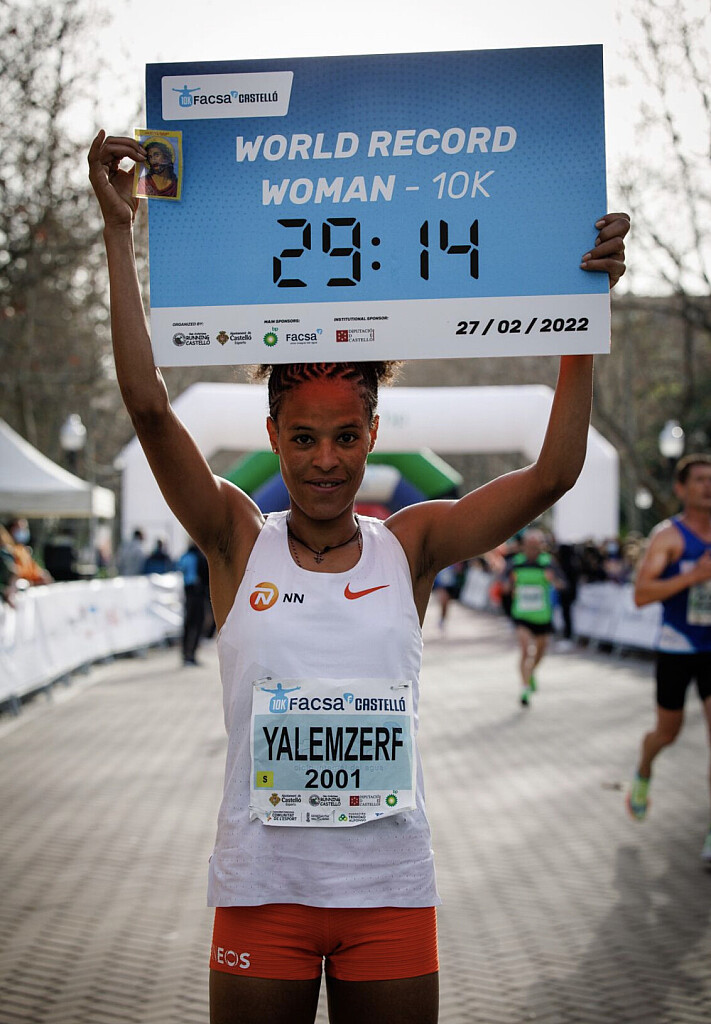
Ethiopian runner Yalemzerf Yehualaw has clocked 29:14 for a women’s world 10km record in a mixed race
Yalemzerf Yehualaw has broken the women’s 10km road record in Castellon, Spain, with a time of 29:14.
The 22-year-old sliced 24 seconds from Kalkidan Gezahegne’s world record of 29:38 on Sunday (Feb 27) in Spain.
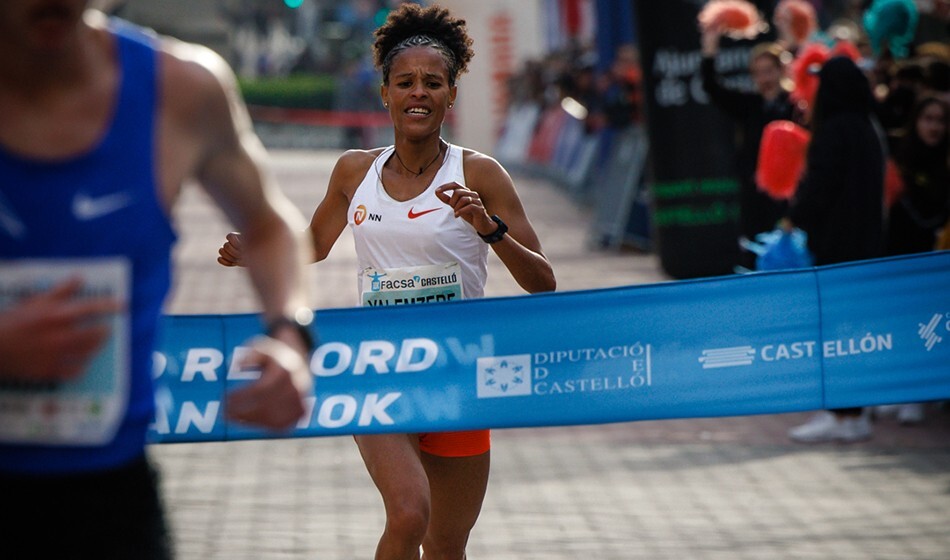
It comes after a couple of record-breaking near misses. In the Antrim Coast Half-Marathon last September she set what appeared to be a world record of 63:43 before it transpired the course was 54 metres short. Then, in the Great Ethiopian Run last month, she seemingly clocked an African all-comers’ record of 30:14 at high altitude in Addis Ababa, only to see the time adjusted to 31:17 due to a timing error.
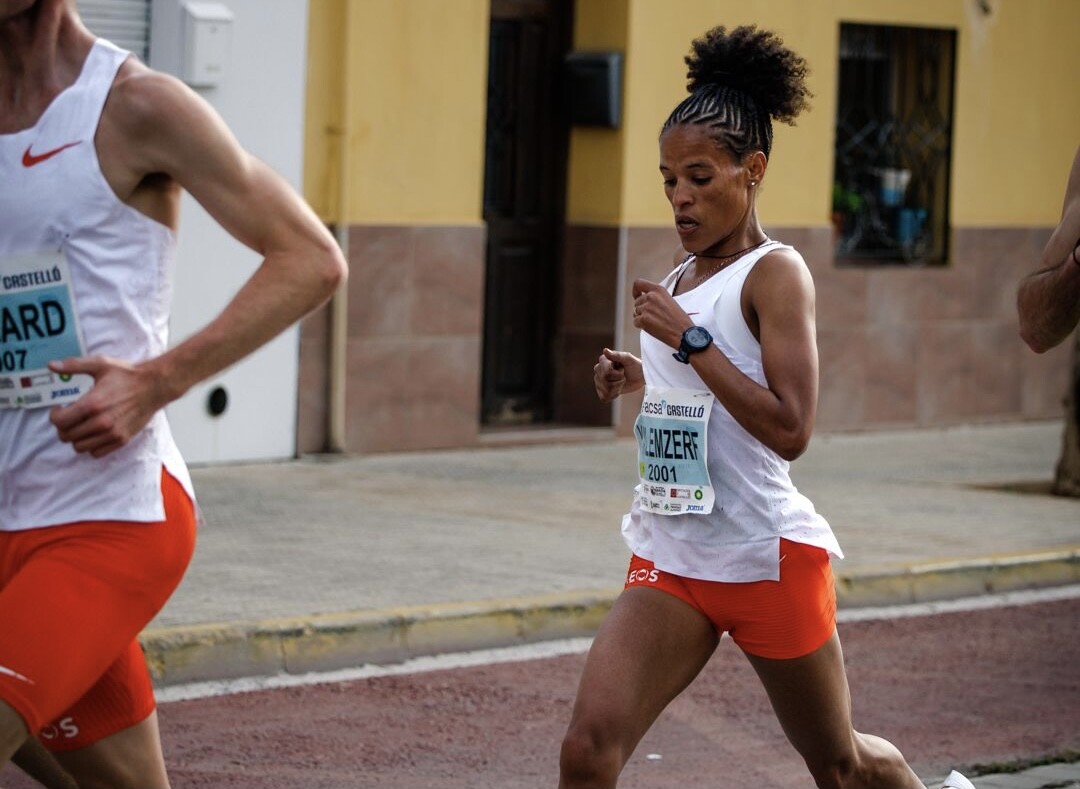
Yalemzerf said: “Today a dream came true. I felt really great in the race. The first 5km was very fast. I was struggling a little bit in the second 5km but I was still able to maintain a high pace.
“I’m so happy with this record! I want to thank the race organisers for this fantastic opportunity,” added Yehualaw, who ran splits of 14:28 and 14:46.
Yehualaw won a bronze medal at the World Half Marathon Championships whereas last year she became the second fastest women’s half-marathon runner in history, clocking 63:51 in Valencia to finish behind the world record run of her NN Running Team team-mate Letesenbet Gidey.
by Athletics Weekly
Login to leave a comment

10k Facsa Castello
The 10K FACSA Castelló is one of Spain’s fastest and most prestigious road races, drawing elite and amateur runners from around the world. Held in Castellón de la Plana, this race has grown exponentially, earning a reputation for its flat, high-speed course and exceptional organization. It holds a World Athletics Road Race Label, placing it among the top road races...
more...
Ethiopian runner Yalemzerf Yehualaw plans to defend her title at Northern Ireland event in August
Ethiopian runner plans to defend her title at Northern Ireland event in August on a course which organizers promise will be accurate this time after the 2021 short-course issue.
Yalemzerf Yehualaw has not enjoyed much luck in road races lately. In the Antrim Coast Half-Marathon last September she set what appeared to be a world record of 63:43 before it transpired the course was 54 meters short. Then, in the Great Ethiopian Run this month, she seemingly clocked an African all-comers’ record of 30:14 at high altitude in Addis Ababa, only to see the time adjusted to 31:17 due to a timing error.
The 22-year-old hopes things will start going in her favor this year and on August 28 she competes again in the ‘Mid & East Antrim’ Antrim Coast Half-Marathon, a World Athletics Elite Label race which organizers this time are sure will see performances properly ratified.
Elite race director James McIlroy said: ‘The one name we wanted back after last year’s unratified world record was Yalemzerf – and to get this news at the beginning of the season means so much. She loves the course, the people and the support she got last year along the route really spurred her on, so to have her confirm that she’s returning to the province is very special.
“As it stands, she has run four of the seven fastest all-time half marathons and just last week she ran the fastest ever 10km at altitude in winning the Great Ethiopian Run against some of the best distance runners in the world. At 22 years old she’s got so much more to come.”
Yehualaw’s ratified half-marathon best is 63:51 set in Valencia last year and she has also won bronze at the World Half-Marathon Championships. Only one athlete has run quicker over the 13.1-mile distance – world record-holder Letesenbet Gidey with 62:52, which was also set in Valencia last year.
When asked about the course being found to be 54 meters short, he said: “It was very disappointing for everyone concerned; the event, the course measurers, who are two of the most experienced in the UK, but most of all the athlete. But we did follow the protocol to the letter, and the main issue was around not having both measurements done at the same time.
“This unfortunately wasn’t possible due to the travel restrictions in place at that time because of Covid. Moving forward in 2022, we will have the course measured, verified and a racing line put down ahead of the race in August.”
McIlroy, a former AW cover star himself during his 800m racing days, added he has a big announcement coming soon in the men’s race, even going as far as to say that it’s as exciting news as you can get when it comes to global distance running.
Also already set to race on August 28 are Great North Run winner Marc Scott and last year’s Antrim Coast runner-up Tesfahun Akalnew.
by Jason Henderson
Login to leave a comment

MEA ANTRIM COAST HALF MARATHON
The MEA Antrim Coast Half Marathon 2022 has been approved by World Athletics as an Elite Event. The World Athletics certified course takes in some of the most stunning scenery in Europe, combined with some famous landmarks along the route. With it's flat and fast course, the race is one of the fastest half marathons in the world. Starting...
more...
Ethiopian Senbere Teferi set for Agnes Tirop Memorial race
Ethiopia's Senbere Teferi has become the latest international athlete to confirm her participation to next month's Agnes Tirop Memorial World Cross Country Tour.
She joins compatriot world 5,000m and 10,000m record holder Letesenbet Gidey, who is currently training Eldoret and Djibouti’s Ayanleh Souleiman.
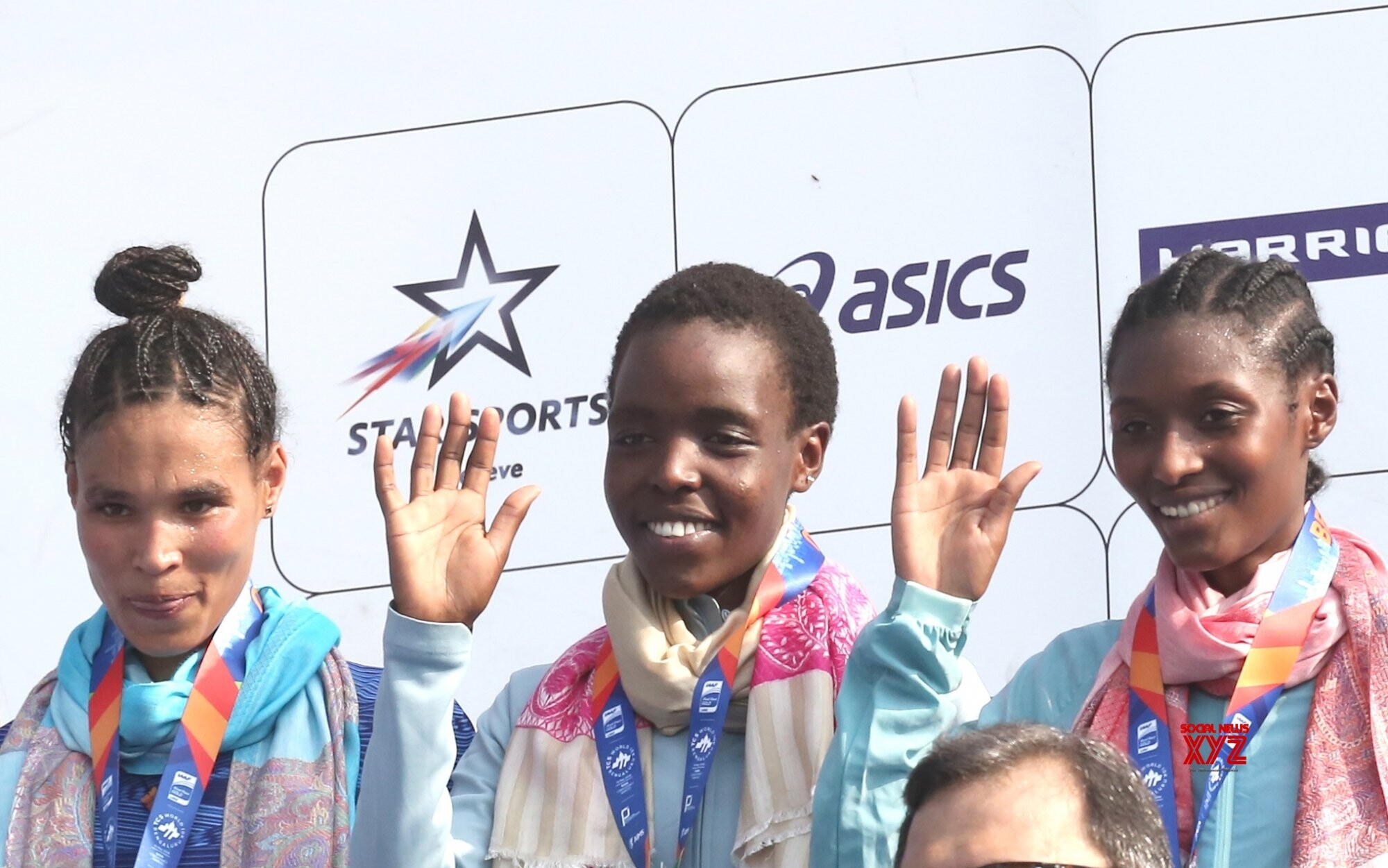
Kenyan Geoffrey Kamworor will also take part in the race set for February 12 at Lobo Village in Eldoret, Uasin Gishu County.
Teferi is keen to compete in honor of her departed best friend Agnes Tirop, who was found murdered in her home in Iten, Elgeyo Marakwet County on October 13 last year.
The estranged lover of the 2015 World Cross Country Championships winner, Ibrahim Rotich, is in police custody after denying murder charges.
In an interview with Nation Sport during the Great Ethiopian Run in Addis Ababa over the weekend, Tefere said she was saddened by Tirop’s cruel murder.
She recalled how they became good friends in 2015 when Tirop beat her during the World Cross Country Championships in China where she bagged silver behind the Kenyan.
Since then and they would always talk over the phone for long periods and were both managed by Gianni Demaonna.
“I was touched by the death of Tirop who was my best friend and shared a lot with in terms of competition. Losing such a nice friend in such a manner was really sad and I hope her family will get justice.
I will be starting my season during the Memorial Agnes Tirop Cross Country Tour in Eldoret, Kenya and running there is special for me because I want to honor my departed sister.
We always had a good relationship when we competed because we came from one continent and when a Kenyans win we celebrate, the same way we would when an Ethiopian wins," said Tefere.
She is looking forward to meet some of her competitors when she lands in Kenya in the next few days.
“I have never been to Kenya but I’m looking forward to meet some of the athletes who train there and get to share their experiences. I hear it is a nice place to train,” she added.
She is hoping to use the race to prepare for the World Championships to be held in USA later this year.
“The race in Kenya will gauge my preparations this season but my target is to compete in the 10,000m race where I’m targeting to be in the podium after emerging in sixth position in 2019 during the World Championships in Doha, Qatar,” said Tefere.
During the 2020 Tokyo Olympic Games, Tefere finished 10th in the 5,000m won by Dutch’s Sifan Hassan with Hellen Obiri settling for silver and Ethiopia’s Gudaf Tsegay winning bronze.
by Bernard Rotich
Login to leave a comment
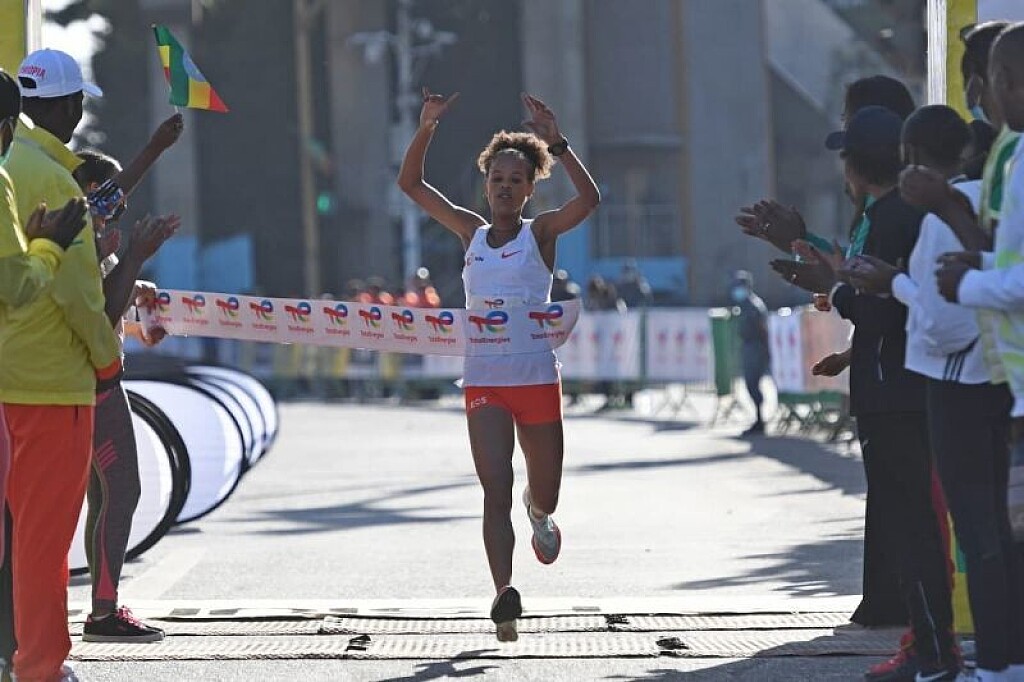
World half marathon bronze medalist Yalemzerf Yehualaw breaks race record at Great Ethiopian Run
Yalemzerf Yehualaw opened her 2022 season in spectacular style by claiming victory at the Total Energies Great Ethiopian Run 10km, taking 38 seconds off her own race record with 31:17.
Her winning time is the fastest 10km ever recorded at altitude, with Addis Ababa standing 2350m above sea level. Gemechu Dida won a close men's race in 28:24, just five seconds shy of the long-standing race record.
Yehualaw, who set the previous event record of 31:55 in 2019, came into the race eager to impress after having to withdraw from the Valencia 10km just two weeks ago. Today she ran a smart race, making her break from long-time leader Girmawit Gebregziabiher, the 2018 world U20 5000m bronze medalist, just past the 7.5km mark after cresting the hill near the National Palace.
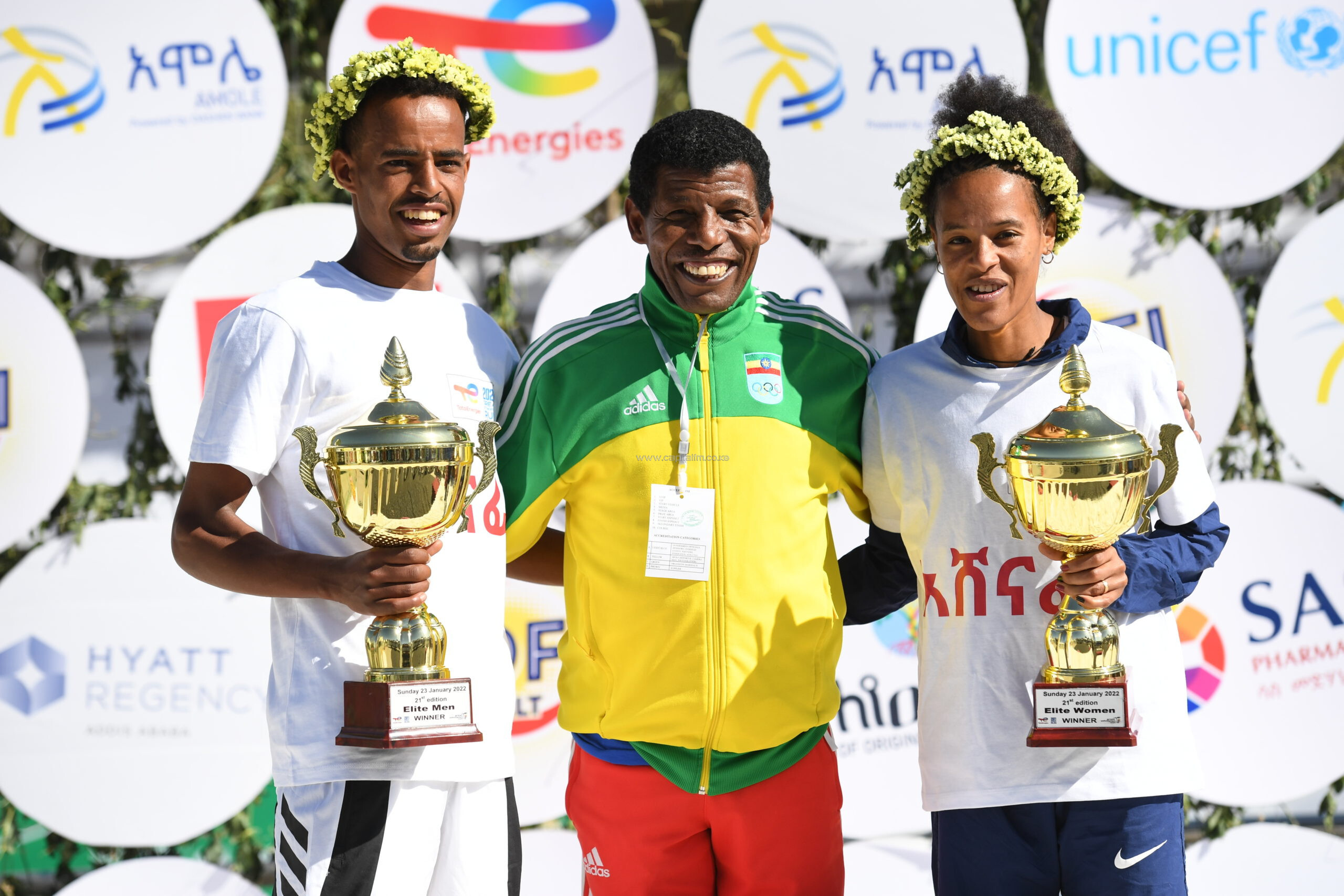
At the 9km turn at Urael Church, Yehuawlaw accelerated dramatically and pulled clear of her rival, cruising to the finish line to win by 12 seconds from Gebregziabiher, who clocked 31:29. Double world U20 medalist Melknat Wedu, still just 17 years of age, finished third in 31:45.
The men’s race was much closer, with six athletes still in contention in the final 500 meters. In the end it was Dida who took a surprise victory over former Dubai Marathon champion Getaneh Molla with Boki Diriba finishing third as two seconds separated the podium finishers.
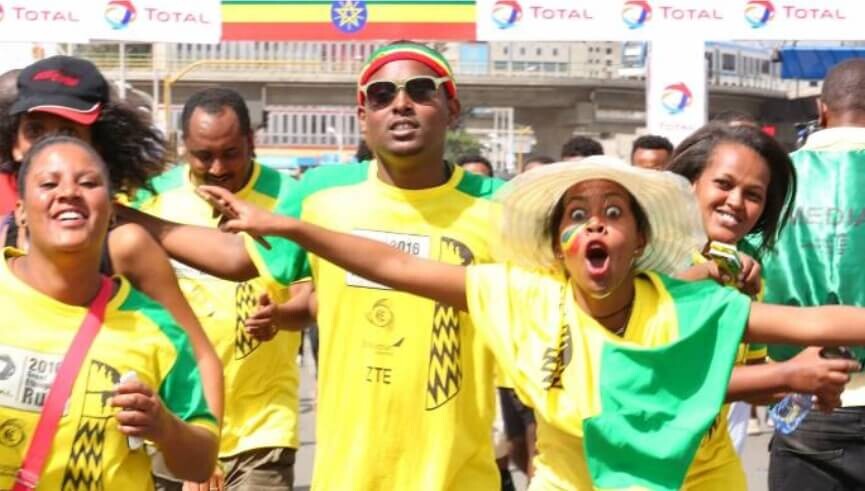
The highest-placed non-Ethiopian athlete was Kenya’s Cornelius Kibet Kemboi, who finished sixth in 28:39. A total of 17,600 runners finished the mass race.
Leading results
Women
1 Yalemzerf Yehualaw (ETH) 31:17
2 Girmawit Gebrzihair (ETH) 31:29
3 Melknat Wedu (ETH) 31:45
4 Gete Alemayehu (ETH) 32:06
5 Bosena Mulate (ETH) 32:17
6 Hawi Feyisa (ETH) 32:18
7 Birtukan Wolde (ETH) 32:22
8 Anchinalu Desse (ETH) 32:38
9 Mebrat Gidey (ETH) 32:42
10 Ayenaddis Teshome (ETH) 32:49
Men
1 Gemechu Dida (ETH) 28:24
2 Getaneh Molla (ETH) 28:25
3 Boki Diriba (ETH) 28:26
4 Moges Tuemay (ETH) 28:31
5 Getachew Masresha (ETH) 28:33
6 Cornelius Kibet Kemboi (KEN) 28:39
7 Teresa Ggnakola (ETH) 28:43
8 Solomon Berihun (ETH) 28:55
9 Ashenafi Kiros (ETH) 28:59
10 Antenayehu Dagnachew (ETH) 29:05.
by World Athletics
Login to leave a comment
the Great ethiopian 10k run
The Great Ethiopian Run is an annual 10-kilometerroad runningevent which takes place inAddis Ababa,Ethiopia. The competition was first envisioned by neighbors Ethiopian runnerHaile Gebrselassie, Peter Middlebrook and Abi Masefield in late October 2000, following Haile's return from the2000 Summer Olympics. The 10,000 entries for the first edition quickly sold out and other people unofficially joined in the race without...
more...
Omicron variant complicates travel home for Canadian ultrarunners Remi Poitras and Jean-Francois Cauchon in South Africa
Running 100 kilometers was something Remi Poitras always wanted to accomplish, so when he had the chance to compete at the Ultra-Trail Cape Town 100K last weekend in South Africa, he could not pass up the opportunity.
Poitras finished 26th out of the 237 runners who started the race, in 13:26:56. Although he had a great result in his 100K debut, the toughest part for Poitras has been trying to get home.
Poitras, a Moncton, N.B., native, always wanted to visit Cape Town to race internationally, but when he found out that international borders were closed to tourists, he was stuck in South Africa with fellow Canadian ultrarunner Jean-François Cauchon, who finished sixth overall at UTCT, seeking answers.
“In Cape Town, I didn’t notice anything out of the usual regulations we had in Canada,” Poitras says. “Locals were more concerned about the closures of the tourism industry.”

Since there are no direct flights to Canada from South Africa, there are only a few ways to travel. One option is to travel through Europe, but many major airlines such as Air France and KLM have stated that they will carry EU passengers only. The only city in North America that connects with Johannesburg is Atlanta, Ga., but again, U.S. citizens only. Another option to get back to Canada is to fly through Addis Ababa, Ethiopia, a country currently dealing with a civil war between the government and rebel groups.
Flights out of South Africa have reached high prices for tourists, and the airports are packed with tourists from Europe and North America looking to get home. “I tried connecting with the Canadians Abroad emergency hotline to see what they know and what they could do,” says Poitras. “After six days of no news or communication from the Canadian government, I decided to take matters into my own hands and book a flight to London.”
Unfortunately, there aren’t many PCR testing centres in South Africa, yet both Canada and Great Britain require negative results upon entry. “Keeping us all here is only prolonging our exposure,” says Poitras. “Everyone is scrambling trying to find a way home, the government isn’t helping us.”
Update: On Dec. 2, Cauchon and Poitras left South Africa on a flight to London, England, where they both await the results of their PCR tests to return to Canada. Poitras looks back on his first Ultra-Trail race as an unbelievable experience and hopes to conquer more ultras in 2022.
by Marley Dickinson
Login to leave a comment
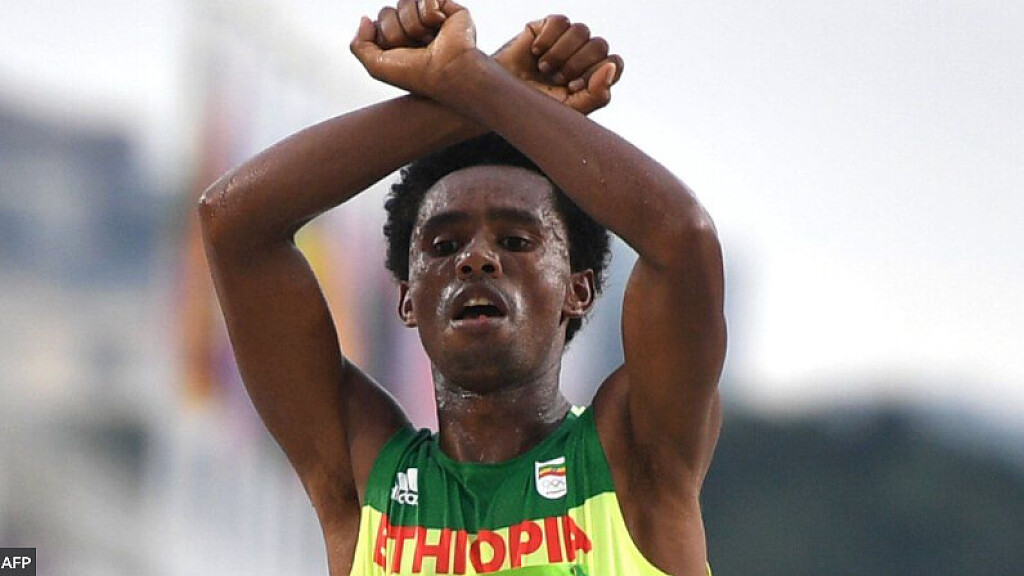
Ethiopia's Haile Gebrselassie and Feyisa Lilesa ready to join Tigray war
Ethiopian Olympic heroes Haile Gebrselassie and Feyisa Lilesa say they are ready to go to the front line in the war against rebel forces.
Their announcement comes after Prime Minister Abiy Ahmed said he would go to the front to lead the war.
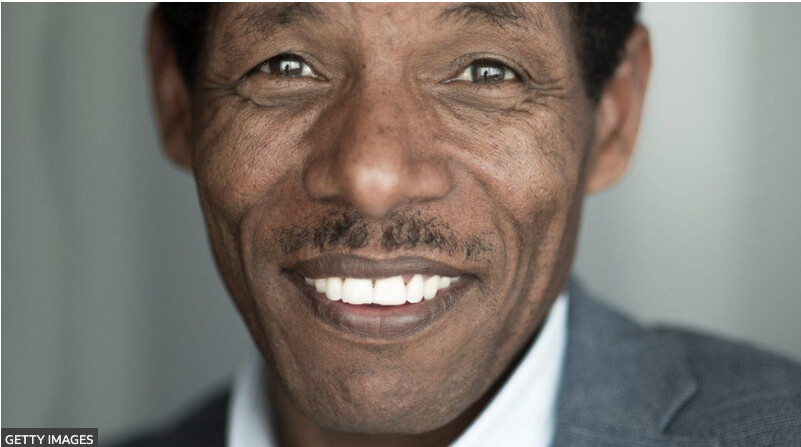
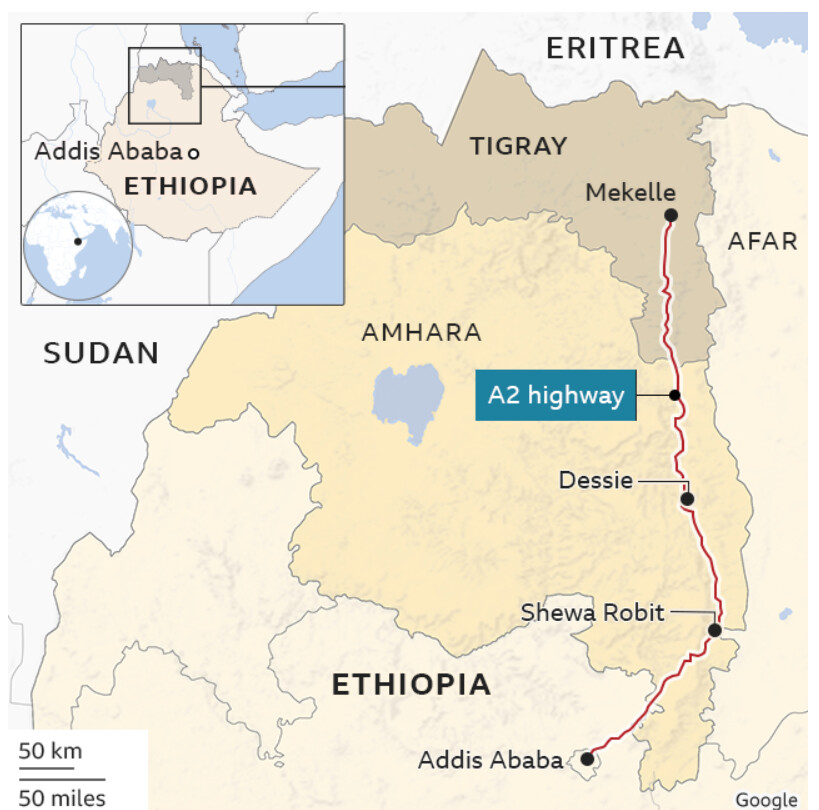
Tigrayan rebels say they are advancing towards the capital Addis Ababa.
The UK has urged its nationals to leave Ethiopia immediately, saying the fighting may move closer to Addis Ababa in the coming days.
The rebels earlier this week said that they had taken control of Shewa Robit, a town about 225km (140 miles) north-east of Addis Ababa. There is no independent confirmation of the claim.
Communication Minister Legese Tulu said the military has had "many successes" since Mr Abiy's decision to lead the battle, and victory was "so close".
Earlier, Gebrselassie, 48, was quoted by state television as saying: "I am ready to do whatever is required of me, including going to the front line."
Gebrselassie is regarded as a legend in Ethiopia, and his comments were seen as an attempt to rally public support behind the war effort.
During his 25-year career as an athlete, he claimed two Olympic gold medals, eight World Championship victories and set 27 world records. He announced his retirement from competitive running in 2015.
Expressing his support for the war, Feyisa, 31, was quoted by the state-affiliated Fana Broadcasting Corporation website as saying that he was ready to draw inspiration from the "gallantry of my forefathers" and go to the front line to "save my country".
The athlete won the marathon silver at the 2016 Rio Olympics.
He became famous for holding up his crossed wrists as if they were shackled to draw global attention to the crackdown on demonstrators demanding political reforms in Ethiopia.
The Tigray People's Liberation Front (TPLF) was the dominant party in government at the time. Following the protests, Mr Abiy became prime minister and the TPLF lost the grip on the country it had held for 27 years.
It later retreated to its stronghold of Tigray, from where it launched a rebellion last November after a huge fall-out with Mr Abiy over his reforms.
The war has created a massive humanitarian crisis, leaving thousands dead, forcing millions from their homes, and several hundred thousand in famine-like conditions as aid agencies battle to get food in war-affected areas.
The African Union is leading efforts to find a negotiated end to the fighting, but neither side has committed to talks.
The TPLF are advancing towards Addis Ababa on the A2 highway.
On Tuesday, Germany and France advised their citizens to leave Ethiopia.
The prospect of some of Ethiopia's most venerated sporting figures heading to the front lines to fight captures something profound and powerful about the mood in Addis Ababa and beyond.
At a time of intense crisis, many Ethiopians are clearly rallying behind their flag and prime minister, and are keen to play their part in galvanising public support for a military campaign that has suffered undeniable setbacks in recent months, though much remains in dispute in terms of casualty figures and battlefield momentum.
It is clear many people see the military threat posed by the TPLF and their assorted allies as an existential one for Ethiopia.
Added to that is a profound dislike of the TPLF itself, which stems from its decades heading an authoritarian national government. But there is more to it than that.
The prime minister has sought to portray his country as a victim, not just of Tigrayan aggression, but of a vast international conspiracy designed to weaken Ethiopia and punish it for, allegedly, challenging Western colonial interests on the continent.
Western media are portrayed as enthusiastic backers of that conspiracy theory - one which appears to have gained widespread credibility in a country struggling to explain how the rebel group could have made such startling headway.
by BBC
Login to leave a comment
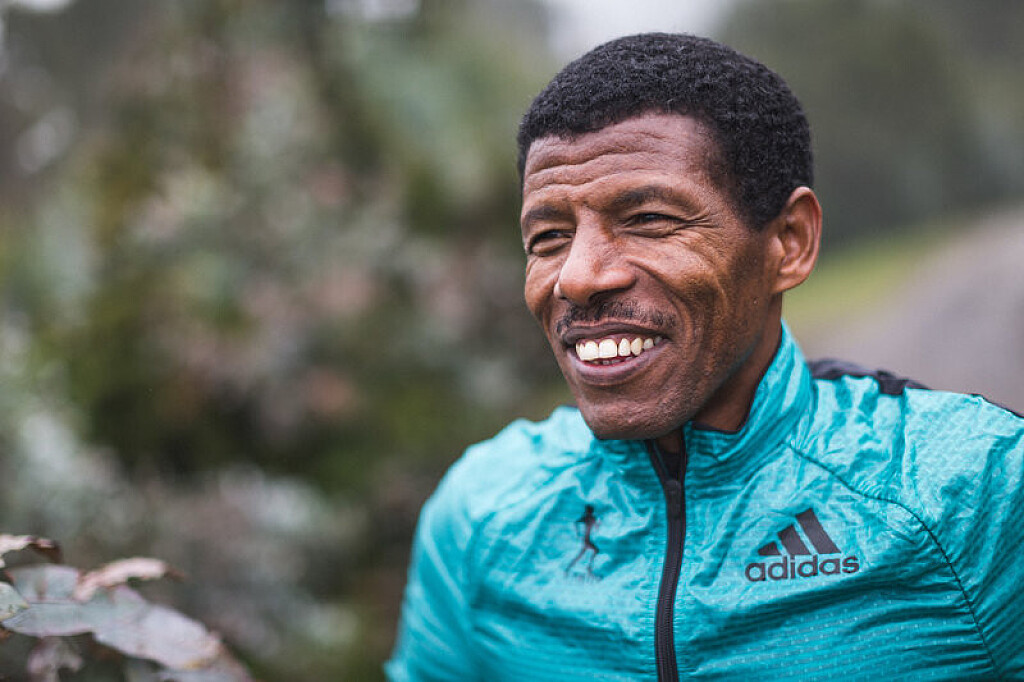
Ethiopia's Haile Gebrselassie and Feyisa Lilesa ready to join Tigray war
Ethiopian Olympic heroes Haile Gebrselassie and Feyisa Lilesa say they are ready to go to the front line in the war against rebel forces.
Their announcement comes after Prime Minister Abiy Ahmed said he would go to the front to lead the war.
Tigrayan rebels say they are advancing towards the capital Addis Ababa.
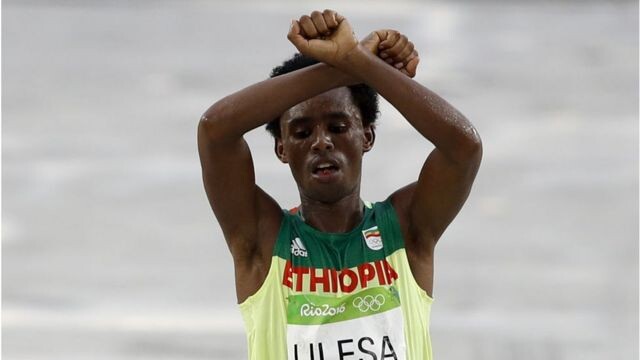
Germany and France have become the latest countries to advise their citizens to leave Ethiopia, amid an escalation in the civil war.
On Tuesday, US envoy to the region Jeffrey Feltman warned that tentative diplomatic progress towards ending the conflict was being jeopardised by alarming developments on the ground.
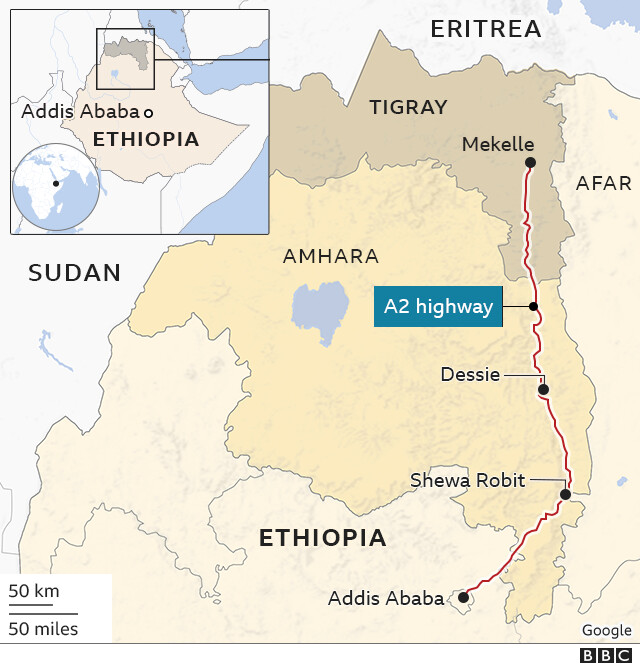
The rebels earlier this week said that they had taken control of Shewa Robit, a town about 225km (140 miles) north-east of Addis Ababa. There is no independent confirmation of the claim.
Communication Minister Legese Tulu said the military has had "many successes" since Mr Abiy's decision to lead the battle, and victory was "so close".
With Mr Abiy gone to direct the war effort, his deputy, Demeke Mekonnen Hasse, had taken charge of routine government business, a spokesman was quoted by state-linked media as saying.
Mr Abiy's announcement has bolstered recruitment for the army, with hundreds of new recruits attending a ceremony, marked by patriotic songs, in Addis Ababa on Wednesday.
Communication Minister Legese Tulu said the military has had "many successes" since Mr Abiy's decision to lead the battle, and victory was "so close".
Earlier, Gebrselassie, 48, was quoted by state television as saying: "I am ready to do whatever is required of me, including going to the front line," he said.
Gebrselassie is regarded as a legend in Ethiopia, and his comments were seen as an attempt to rally public support behind the war effort.
During his 25-year career as an athlete, he claimed two Olympic gold medals, eight World Championship victories and set 27 world records. He announced his retirement from competitive running in 2015.
Expressing his support for the war, Feyisa, 31, was quoted by the state-affiliated Fana Broadcasting Corporation website as saying that he was ready to draw inspiration from the "gallantry of my forefathers" and go to the front line to "save my country".
The athlete won the marathon silver at the 2016 Rio Olympics.
He became famous for holding up his crossed wrists as if they were shackled to draw global attention to the crackdown on demonstrators demanding political reforms in Ethiopia.
The Tigray People's Liberation Front (TPLF) was the dominant party in government at the time. Following the protests, Mr Abiy became prime minister and the TPLF lost the grip on the country it had held for 27 years.
It later retreated to its stronghold of Tigray, from where it launched a rebellion last November after a huge fall-out with Mr Abiy over his reforms.
The war has created a massive humanitarian crisis, leaving thousands dead, forcing millions from their homes, and several hundred thousand in famine-like conditions as aid agencies battle to get food in war-affected areas.
The African Union is leading efforts to find a negotiated end to the fighting, but neither side has committed to talks.
The TPLF are advancing towards Addis Ababa on the A2 highway, having previously said they had taken Kemise.
The prospect of some of Ethiopia's most venerated sporting figures heading to the front lines to fight captures something profound and powerful about the mood in Addis Ababa and beyond.
At a time of intense crisis, many Ethiopians are clearly rallying behind their flag and prime minister, and are keen to play their part in galvanising public support for a military campaign that has suffered undeniable setbacks in recent months, though much remains in dispute in terms of casualty figures and battlefield momentum.
It is clear many people see the military threat posed by the TPLF and their assorted allies as an existential one for Ethiopia.
Added to that is a profound dislike of the TPLF itself, which stems from its decades heading an authoritarian national government. But there is more to it than that.
The prime minister has sought to portray his country as a victim, not just of Tigrayan aggression, but of a vast international conspiracy designed to weaken Ethiopia and punish it for, allegedly, challenging Western colonial interests on the continent.
Western media are portrayed as enthusiastic backers of that conspiracy theory - one which appears to have gained widespread credibility in a country struggling to explain how the rebel group could have made such startling headway.
by BBC News
Login to leave a comment
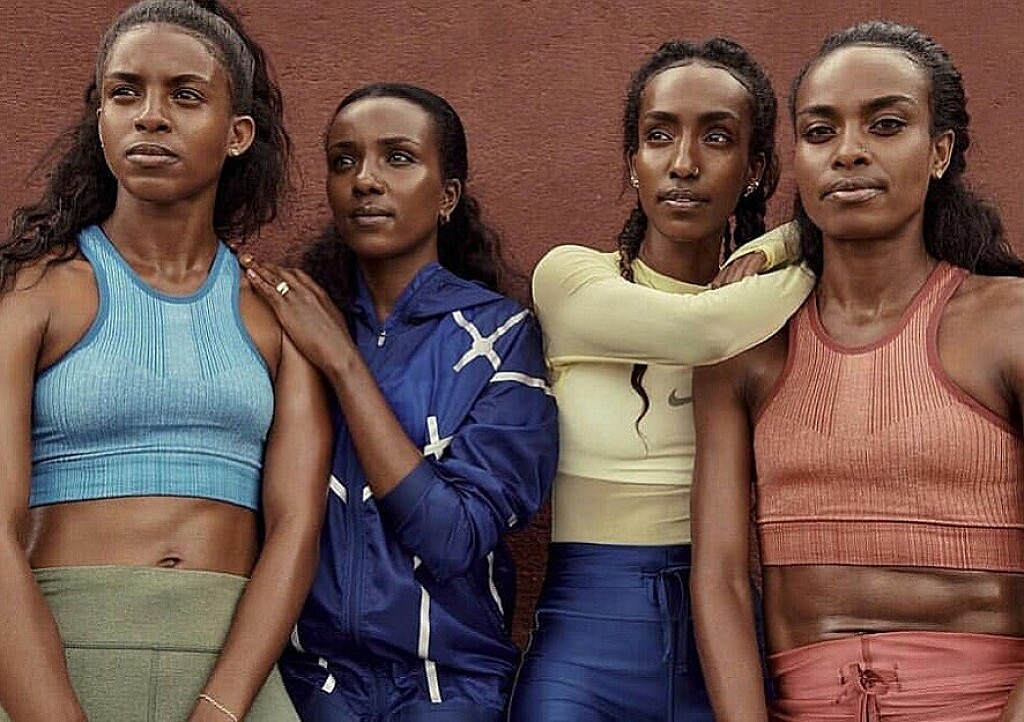
How the Dibaba sisters from Ethiopia became the fastest family on earth
Ethiopian distance runner Tirunesh Dibaba made history at the 2008 Beijing Olympics when she became the first woman to win gold in both the 5,000-metre and 10,000-metre races. She defended her gold medal title in the 10,000 metres at the 2012 London Olympics, becoming the first woman to win the event at two consecutive Olympics.
She was inspired by a family of runners. In fact, she and her sisters have been amazing in the field of distance running. The Dibaba sisters — Tirunesh, Genzebe, Anna, and Melat — are the only siblings in recorded history to hold concurrent world records, and they are a fiercely competitive family from a humble background.
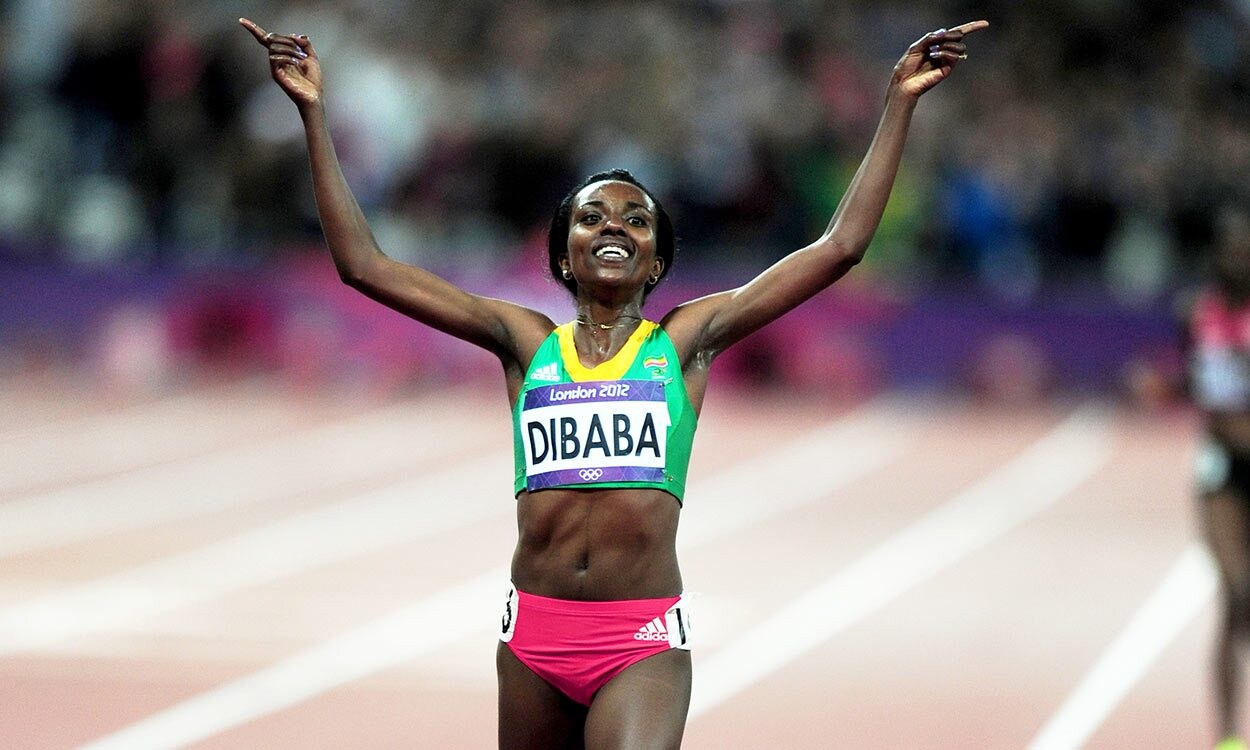
They were raised in a round mud hut in the Ethiopian capital, Addis Ababa, without electricity. Their parents were subsistence farmers who grew wheat, barley and teff. As a matter of fact, the Dibaba siblings are seven in all, and all of them run. Tirunesh, however, is the most decorated, having three Olympic gold medals. She had wanted to enroll in school but opted for the Corrections (Prisons Police) sports club.
At age 15, she debuted internationally on Ethiopia’s junior squad at the 2001 world cross-country championships, where she placed fifth. She continued with junior-level silver medals in cross-country and on the track in 2002. She won the world junior cross-country title in 2003, set a 5,000-metre junior world record and won gold in the 5,000 metres at the International Association of Athletics Federations (IAAF) world track and field championships, making her the youngest-ever world champion in her sport.
Her sister, Genzebe, is not doing badly in sports. Ejegayehu, who is their older sister, is also an Olympian who won silver from Athens. Their cousin, Derartu Tulu, was the first Black African woman to win Olympic gold in the 1992 games. She won another Olympic gold medal in Sydney in 2000.
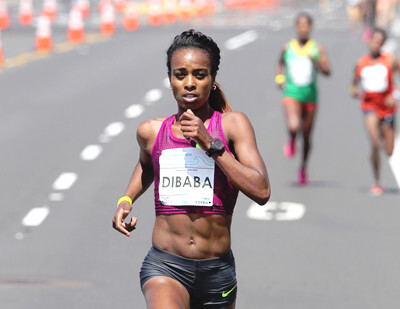
“It’s not a stretch to say they are the world’s fastest family”, Ato Boldon, NBC’s track analyst, told Vogue in 2016. The sisters have remained a household name in Ethiopia, a country that has produced some of the world’s greatest runners, alongside Kenya.
The mother of the Dibaba sisters told Vogue that the siblings are successful thanks to the environment they were raised in, especially the ready supply of milk they get from the family cows. According to Vogue, author David Epstein has said that much of Ethiopia and Kenya lies in an altitude “sweet spot” high enough to cause physiological changes but not so high that the air is too thin for hard training.
The runners’ feat is also attributed to their diet — especially teff rich in iron and calcium — and their “small lightweight frame”. The Dibaba sisters have the body type good for sports, analysts say. Boldon said in 2016 that if one compares the sisters to a car, they would be a Ford Focus with a Ferrari engine.
The Dibabas are good at sports but they don’t really like watching sports. They prefer movies, especially Amharic films, said Tirunesh, who in 2008 married fellow track-and-field Olympic medalist Sileshi Sihine in a nationally televised wedding ceremony.
And just like other successful athletes, the Dibabas have invested their monies back into their communities. The sisters, alongside their in-laws, are real estate moguls owning several buildings in Addis Ababa. Still, the sisters continue to shine brightly in the sports world.
by Mildred Europa Taylor
Login to leave a comment
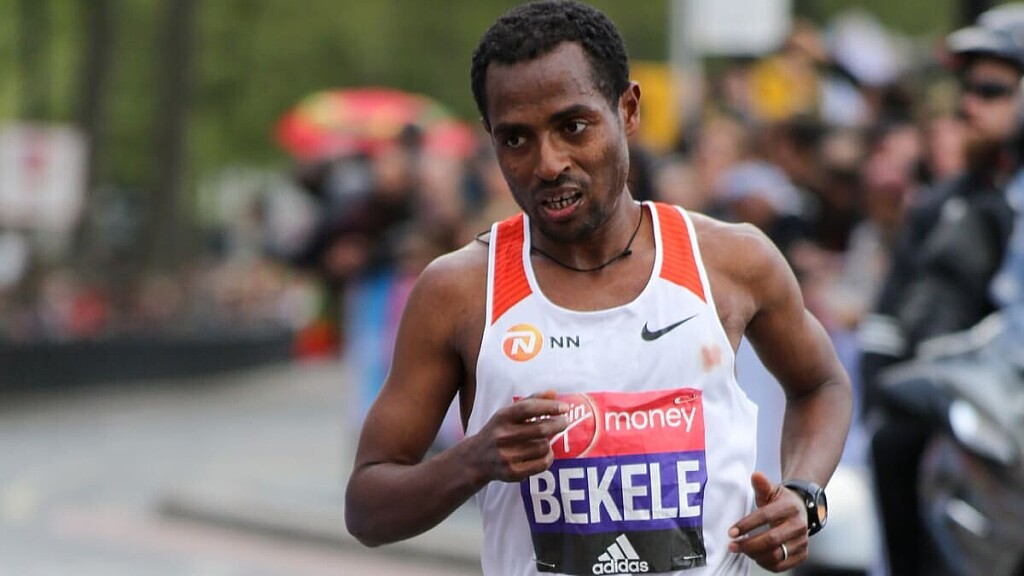
Ethiopian Kenenisa Bekele will be making his TCS New York City Marathon debut this sunday
As a four-time Olympic medalist, 16-time world champion and the second-fastest marathoner in history, Kenenisa Bekele is one of the world’s greatest long-distance runners of all-time. In 2021, he will making his TCS New York City Marathon debut.
Bekele is the second of six children and began running in primary school when he was inspired by Haile Gebrselassie. With the natural ability to accelerate very quickly at the end of long-distance races, Bekele worked his way up the junior and senior international competition circuit, ultimately winning the 10,000-meter world title at the 2003, 2005, 2007, and 2009 World Athletics Championships, in addition to the 5,000-meter title in 2009. He held both the 5,000 and 10,000 meter world records for nearly 15 years until they were broken in 2020.
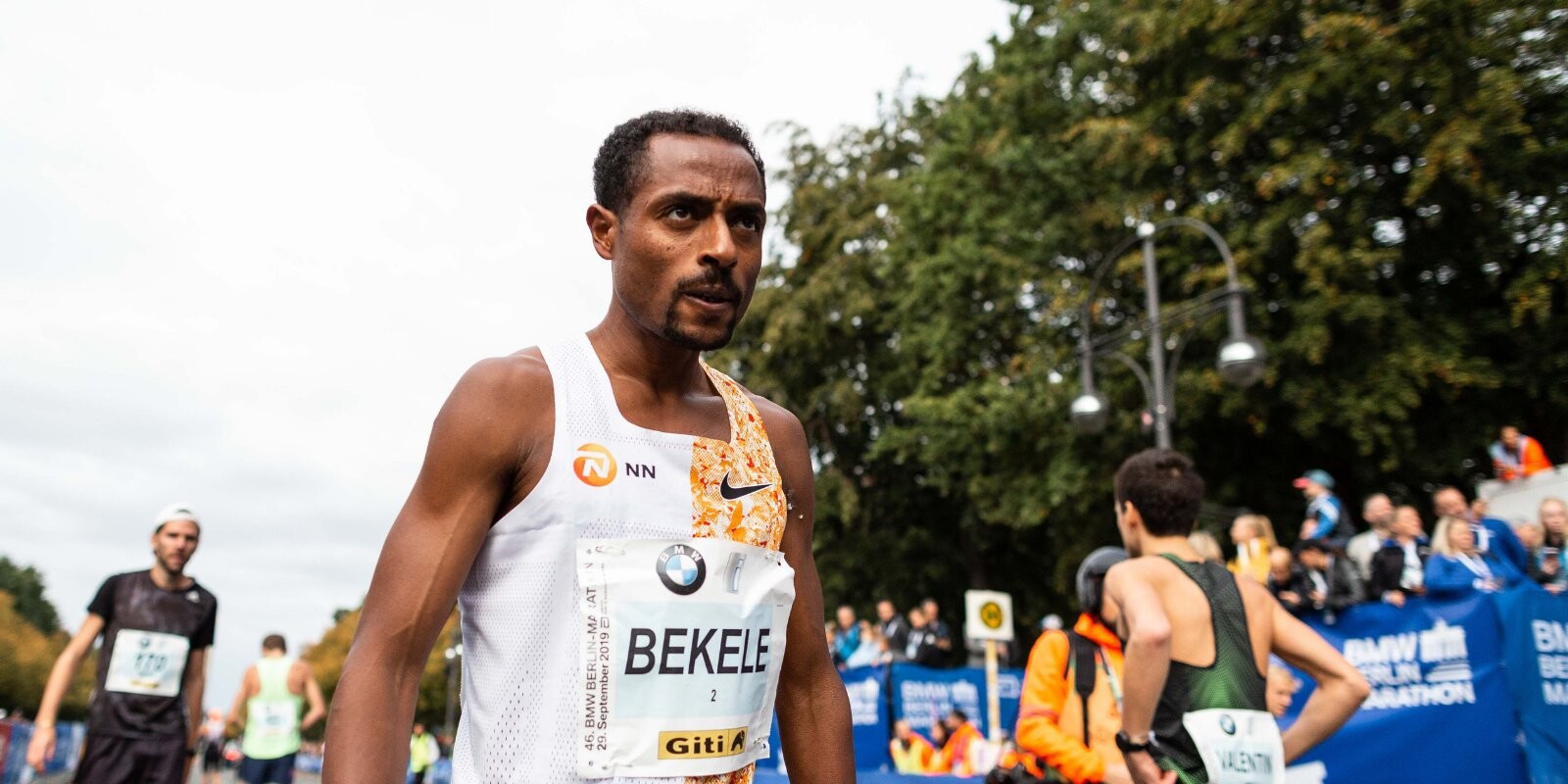
In his Olympic debut at the Athens 2004 Games, he won gold in the 10,000 and silver in the 5,000, and four years later in Beijing took gold in both distances. During that time, he also won 11 gold medals at the World Cross Country Championships.
In 2014, he produced the sixth fastest marathon debut ever, winning the Paris Marathon in a course-record time of 2:05:04. In 2016, he won the Berlin Marathon in what was then the third-fastest time in history. He has also finished on the podium twice at the London Marathon.
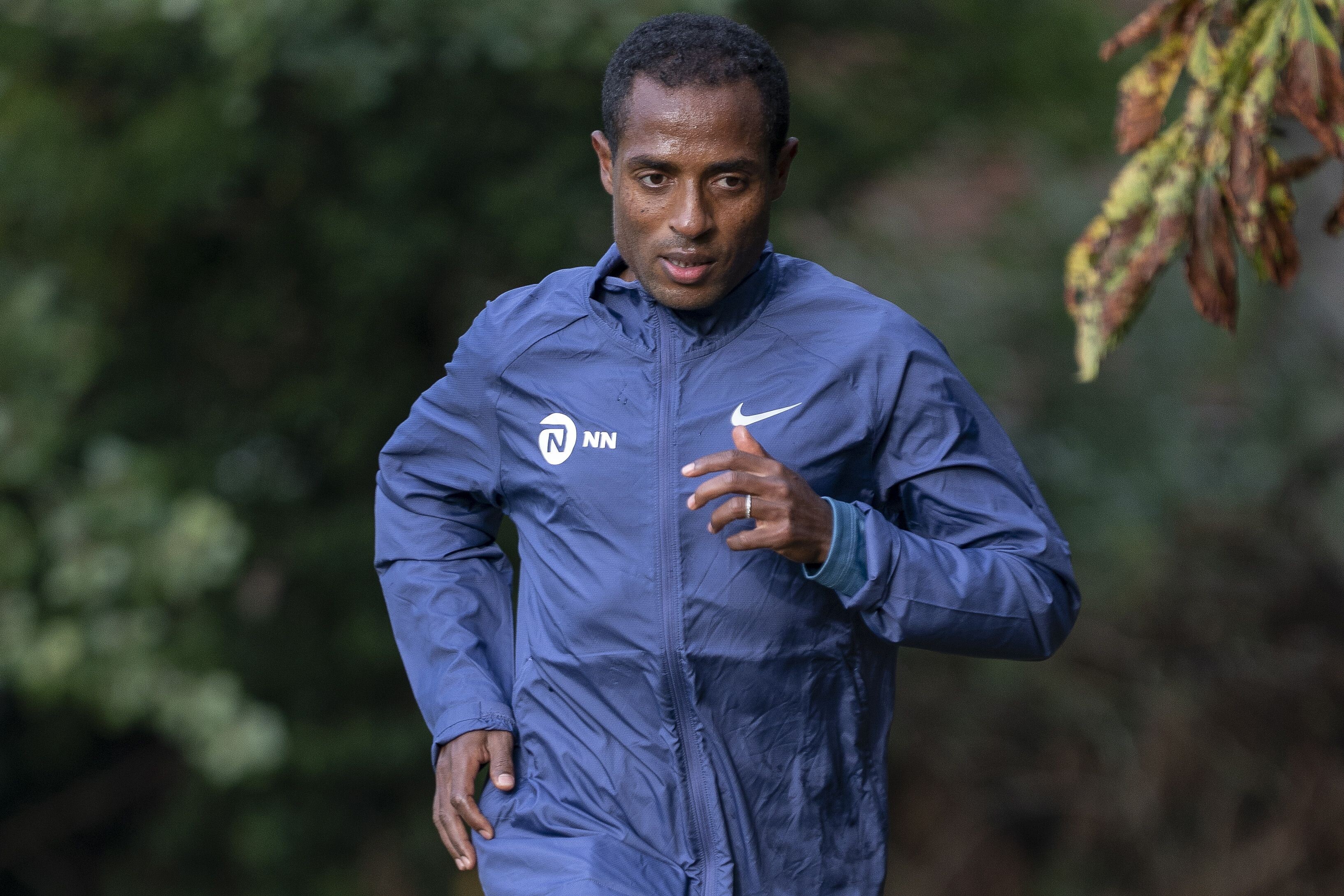
Bekele’s most recent marathon appearance was one for the history books, winning the 2019 Berlin Marathon in the second-fastest time ever, only two seconds off the world-record time set by Eliud Kipchoge in Berlin the year prior.
He is married to Ethiopian actress Danawit Gebregziabher and off the track owns a construction business, having built commercial buildings in the Addis Ababa and Arsi regions of Ethiopia.
Login to leave a comment
TCS New York City Marathon
The first New York City Marathon, organized in 1970 by Fred Lebow and Vince Chiappetta, was held entirely in Central Park. Of 127 entrants, only 55 men finished; the sole female entrant dropped out due to illness. Winners were given inexpensive wristwatches and recycled baseball and bowling trophies. The entry fee was $1 and the total event budget...
more...
The basics, benefits and limits of altitude training
For years, altitude training has formed an important part of the training of many endurance athletes who cite it as a core part of their season. Here we break down the basic theory behind it, the difficulties athletes must overcome and the main spots to do it.
Though different definitions exist of what constitutes altitude training, we will, for the sake of clarity, consider altitudes in the region of 1500m to 3000m above sea level.
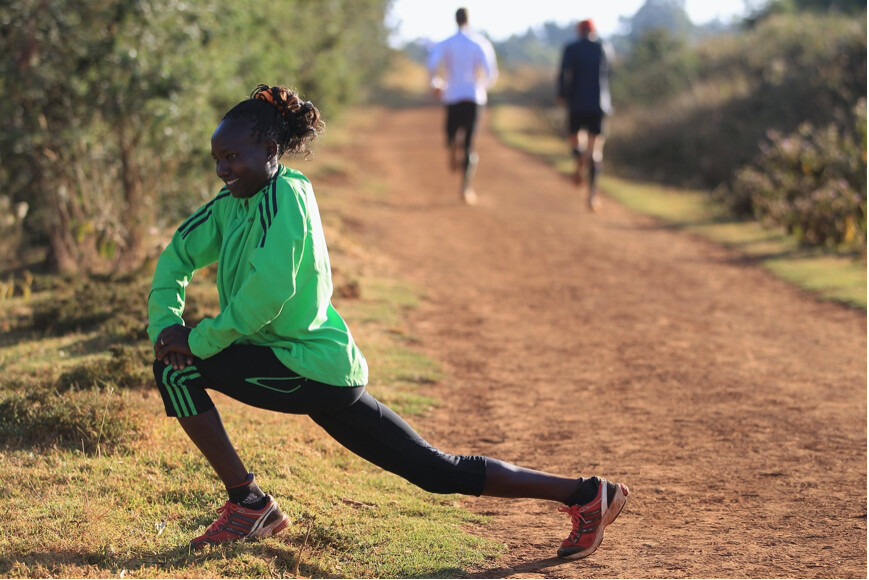
The theory behind altitude training
In simple terms, the oxygen inhaled from the air people breathe affects the energy their muscles receive to perform physical activities. Oxygen is carried around the body within red blood cells and helps the molecules in muscles perform their functions.
The higher the altitude, the lower the atmospheric pressure, which makes it harder for the body to transfer the oxygen into the blood. This is why people can often feel lethargic at altitude.
In response to this situation, the brain triggers the increased production of the hormone erythropoietin (EPO), encouraging the body to make more red blood cells to better transport the oxygen available. This means, over time, the body begins to transport the limited oxygen better than when it first arrived at altitude.
When an athlete then returns to sea level this increased level of red blood cells, coupled with the higher atmospheric pressure, means the body is better able to transport oxygen than it was before and an athlete’s aerobic capacity is increased.
The body will, over time, return to normal levels of red blood cell production if the process is not repeated and the time taken for this to happen will vary from one athlete to the next.
How long do people train at altitude for?
It takes time for the body to adapt to higher altitude and many of the effects do not occur until after a prolonged period of time. Various studies suggest there is no increase in red blood cell count within the first seven to 10 days, meaning usually athletes choose to spend a minimum of three to four weeks at altitude.
Some athletes choose to be based at high altitude throughout the year (e.g. Boulder in Colorado, Iten in Kenya and Addis Ababa in Ethiopia), coming down to sea level for shorter periods around a racing season.
The difficulties of living at altitude
Early on in any stay at altitude individuals will likely find themselves to be lethargic as their body responds to the lower atmospheric pressure. Other side effects can include headaches and difficulty sleeping but these will often wear off as the body slowly adjusts to its new environment.
In extreme cases and at the highest altitudes (usually in excess of 3000m), severe failures to adjust can result in acute mountain sickness (AMS) with a range of possible harmful effects.
Athletes will also find it difficult to replicate the pace they are able to run at sea level because of their body’s reduced ability to transport the available oxygen.
Many will therefore choose to head to lower altitude to perform much of their more intense training. This approach is generally referred to as “live high, train low” but it is an approach only possible where different altitudes exist in close proximity.
Where do people train at altitude?
There are a number of locations where athletes choose to train across the world but some locations are particularly popular. These include Iten (c. 2400m) in the Rift Valley, home to many famous athletes including Mary Keitany and Lornah Kiplagat.
Over the border in Ethiopia, established camps exist in Sululta (c. 2700m) and in the capital Addis Ababa (c. 2355m), with products including Kenenisa Bekele and Haile Gebrselassie.
Europe plays host to a number of Alpine and Pyrenees resorts, including Font Romeu (c. 1850m) in France, and St Moritz (c. 1856m) in Switzerland.
The USA has a number of high altitude hubs, with Boulder (c. 1624m) in Colorado a huge centre of North American running as well as Flagstaff (c. 2106m) in Arizona and Albuquerque (c. 1619m) in New Mexico.
Other locations include Mexico City (c. 2240m), Potchefstroom (c. 1378m) in South Africa, Falls Creek (c. 1600m) in Australia and Ifrane (c. 1660m) in Morocco. All locations come with their various pros and cons so it is important to research properly prior to any trip to altitude.
Are there alternatives to training at altitude?
Some athletes choose to replicate the experience of living in these locations through an altitude tent. These tents reduce the amount of oxygen within them and can be lived and slept in without the need to move location. Some see this as a less expensive and more pragmatic alternative to long trips away from home.
by World Athletics
Login to leave a comment
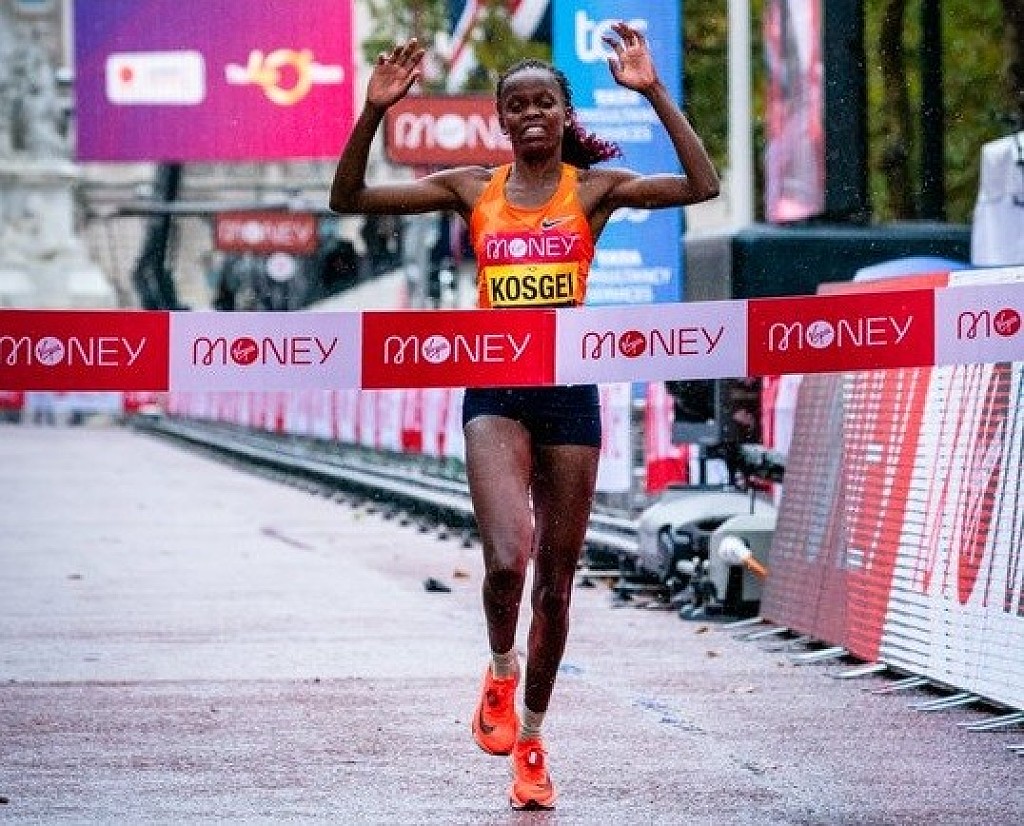
Kenya’s six-pronged attack will headline on the streets of London
This years’ edition of the London Marathon has attracted a smaller field, but the race is nevertheless expected to be competitive when the athletes line up in the English capital on October 3.
This year’s race is taking place at a time the world is still battling the coronavirus pandemic which has forced organizers to shift the race from the traditional month of April to October.
Compared to last year, only six athletes from Kenya will compete in the race.
Vincent Kipchumba, Titus Ekiru and Valencia Marathon champion Evans Chebet will line up in the men’s category.
In the women’s category, defending champion Brigid Kosgei who is also the Olympics silver medalist will team up with reigning New York Marathon champion Joyciline Jepkosgei and Frankfurt Marathon champion Valary Jemeli.
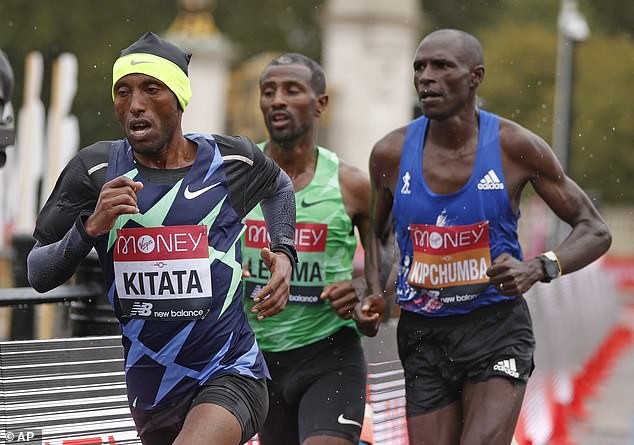
Last year, the race was held in a bio-secure bubble at the St James Park in London. As a precautionary measure against the possible spread of Covid-19, no fans were allowed to cheer the athletes along the route during the race.
Ethiopia’s log distance running legend Kenenisa Bekele pulled out of the men’s race at the last minute due to a calf injury he had picked in training.
More disappointments were to follow as pre-race favorite Eliud Kipchoge of Kenya who is also the world marathon record holder finished in eighth position, clocking 2 hours, 06 minutes and 49 seconds.
Ethiopia’s Shura Kitata (2:05:41) claimed victory in a sprint finish with Kenya’s Vincent Kipchumba (2:05:42) who, nevertheless, had to contend with second place. Ethiopian runner Sisay Lemma clocked 2:05:45 to finish third.
In the women’s category, Kosgei retained her title after winning in 2:18:58 ahead of United States of America’s Sara Hall who timed 2:22:01.
Reigning world marathon champion Ruth Chepng’etich was third in 2:22:05.
To minimize the chance of contracting Covid-19, Kenyan athletes who were to participate in the race jetted out of the country in the same flight.
Athletes and members of their technical teams also boarded the same flight. The aeroplane carrying athletes was scheduled to pick more athletes in Addis Ababa, before heading to Athens for a scheduled stop over. The team would then head straight to London’s Stanstead Airport.
Pacemakers and elite athletes with their technical support teams were ferried in a 56-seater plane which landed at the Eldoret International Airport a day before the scheduled date of travel.
The crew who were six in number, spent the night at The Boma Inn Hotel in Eldoret.
Speaking exclusively to Nation Sport in Eldoret at the time, captain Julian Mogg who isin charge of the flight, said that he was delighted to fly athletics champions to London whom he has been seeing on television.
“We are delighted to fly the athletes who will compete in the London Marathon. I’m happy because I will be able to see them during the flight,” Mogg said at the time.
The London Marathon route is iconic and runs from Black heath in the south east of London to the finish line at The Mall.
Athletes will be able to go through Greenwich before passing over the Thames as they cross the Tower Bridge before going through central London. They will pass the Canary Wharf and famous landmarks such as the London Eye and Big Ben.
The athletes will then turn to Buckingham Palace, and follow a stretch of The Mall to reach the finish line.
by Bernard Rotich
Login to leave a comment
TCS London Marathon
Since its inaugural edition on March 29, 1981, the TCS London Marathon has grown into one of the world's most prestigious road races, blending elite competition with an extraordinary charitable legacy. Founded by former Olympic champion and journalist Chris Brasher alongside Welsh athlete John Disley, the event has been staged every year and has been held in the spring annually...
more...
Double Olympic gold medalist Derartu Tulu claims Ethiopian drug problems caused by athletes chasing quick money
Tulu has accused Ethiopian runners of chasing “quick money” and turning to performance-enhancing drugs to help them.
Ethiopia are one of seven countries currently listed as a category A nation by the Athletics Integrity Unit, meaning they considered more at risk at doping that others.
Restoring their reputation is seen as one of Tulu’s main tasks following her election as permanent President of the Ethiopian Athletics Federation (EAF) last December.
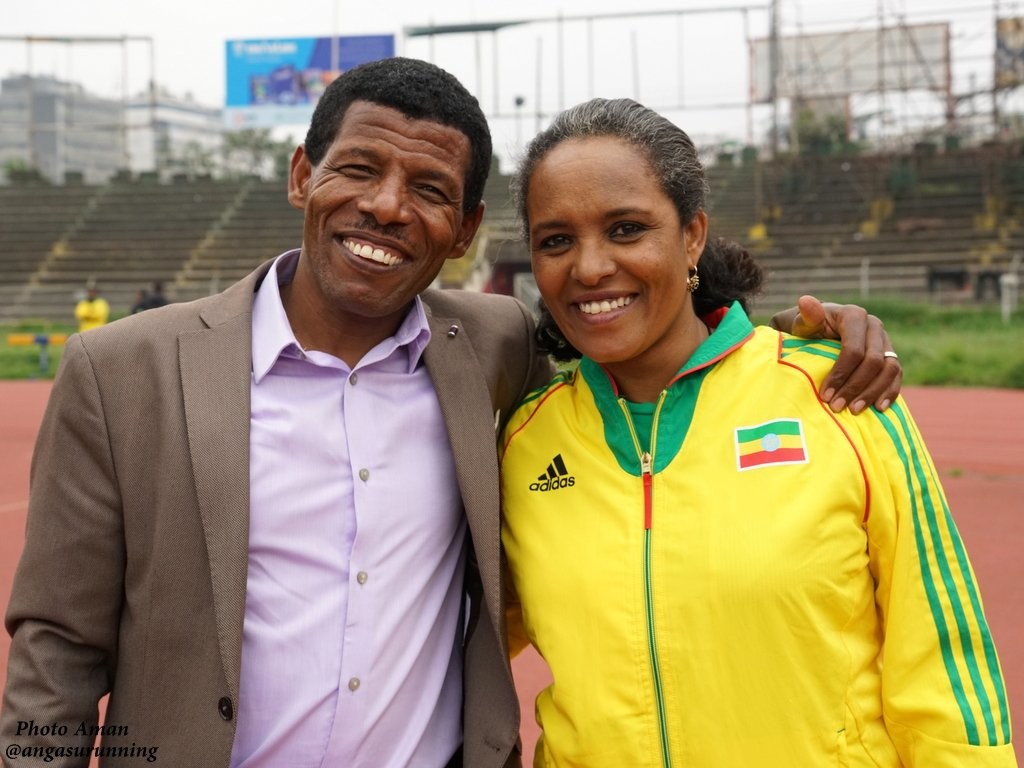
Tulu, the first black African woman to win an Olympic gold medal when she triumphed at Barcelona 1992, had been serving in the role since November 2018 following the resignation of fellow distance runner Haile Gebrselassie.
Doping products are reportedly easily available in Addis Ababa, World Athletics has warned.
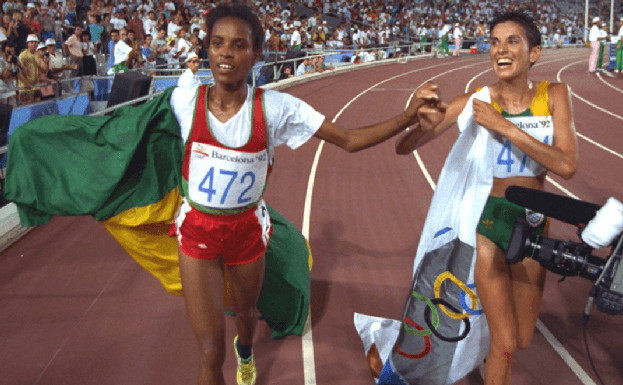
Following their inclusion on the category A list, the EAF launched a major education programme among young athletes to warn them of the dangers of doping.
"In our time, we used to compete clean," Tulu told The Daily Nation in Kenya during the recent World Athletics U20 Championships in Nairobi.
"Sheer talent drove us to victory, and it was healthy competition but today the desire for quick money is pushing athletes to use drugs.
"That is why you see some athlete doing well for a short time before disappearing after few years."
Tulu’s first Olympic victory in Barcelona entered Games legend when she beat Elena Meyer in an iconic race at South Africa's first Games appearance since the end of apartheid.
Then, eight years later in Sydney, Tulu won her second 10,000m title before returning at Athens 2004 to win a bronze medal.
Tulu's victory at Barcelona 1992 saw Ethiopia win their first Olympic gold medal for 12 years.
Since then, they have won at least one gold medal in every Olympic Games.
Their best performance came at Beijing 2008 when they won a total of seven medals - four gold, two silver and a bronze.
Ethiopia only won one gold medal at Tokyo 2020 - Selemon Barega in the men’s 10,000m – along with a silver and two bronze, their worst performance since Barcelona 1992.
"Athletics is changing, and we need to change with time," Tulu told The Daily Nation.
"Many countries are coming up fast.
"We witnessed this during the 2020 Olympic Games.
"Competition has become tougher, but we are constantly trying to nurture new talents."
by Duncan Mackay
Login to leave a comment

A new generation of champions set to emerge in Tokyo
While some reigning Olympic and world champions might be missing from the Games in Tokyo, the extra year as a result of the postponement in 2020 has allowed a number of new talents to emerge.
For some it means a debut Olympic experience which may not originally have been expected until at least 2024, while for others it is a realistic opportunity to win medals and titles.
Of the 43 individual events contested at the Rio 2016 Olympics, the winners from just 18 of those will defend their titles in Tokyo.
The likes of world 800m champion Donavan Brazier and Olympic 110m hurdles champion Omar McLeod missed out on being selected for their national team, while other stars, such as world and Olympic triple jump champion Christian Taylor, are currently sidelined with injury.
But while those global champions won't be able to contend for top honours in Tokyo, here are some of the new generation of stars who are set to emerge.
Selemon Barega, 10,000m
After winning world U18 and U20 titles in 2017 and 2016 respectively, Ethiopia’s Barega stepped up to secure senior 5000m silver at the World Athletics Championships in 2019. Still aged just 21, he is now preparing for his debut Olympics, where he will race the 10,000m.
Barega started the season with intent, running an Ethiopian all-comers’ record of 27:58.5 at altitude in Addis Ababa in January. He then went even faster at the Ethiopian Trials in Hengelo in June, clocking 26:49.51 on the same track on which he ran his 26:49.46 PB in 2019. That, together with the speed he demonstrated by running PBs of 3:32.97 for 1500m and 7:26.10 for 3000m during the indoor season, means he is set to be a strong force in Tokyo
Jasmine Camacho-Quinn, 100m hurdles
Medal success in Tokyo would see Camacho-Quinn become the first Puerto Rican woman to secure an Olympic podium place in athletics and this season she has certainly demonstrated her ability to achieve that feat.
The 24-year-old improved her own national 100m hurdles record to 12.32 to move to equal seventh on the world 100m hurdles all-time list in Eugene in April and hasn’t been beaten since. She clocked 12.38 to win at the Wanda Diamond League meeting in Florence and 12.34 for success in Szekesfehervar, meaning she has the three fastest times in the world so far this year. “I'm looking forward to the Olympics this year - it will be like redemption from my fall in 2016,” she said after her Florence run as she reflected on missing out on the final in Rio. “I'm really excited. Training really hard, working really hard, but really looking forward to it.”
Tara Davis, long jump
Davis leapt into the seven-metre club in March, breaking the US collegiate long jump record with 7.14m at the Texas Relays. The longest jump in the world since the 2019 World Athletics Championships final, that mark moved the 22-year-old to fifth on the US all-time list.
The world U20 bronze medallist had also broken the collegiate indoor record with 6.93m at the NCAA Indoor Championships earlier in the year and finished second at the US Olympic Trials, going beyond seven metres again with a best of 7.04m. “I’m shocked still because seven metres as a jumper is the biggest thing ever. Hitting it in the Olympic Trials is unreal,” she said after her performance in Eugene, where she finished second to four-time world gold medallist and 2012 Olympic champion Brittney Reese. “I’m freaking jumping with my idol, Brittney Reese. Being with her and competing with her in 2016 I was so starstruck. I was like, ‘I see her on TV and now I’m jumping with her’.”
Alison Dos Santos, 400m hurdles
After running in the lane next to Karsten Warholm during his world record in Oslo, improving his South American record to 47.38 to finish second, Brazil’s Dos Santos went even quicker to win three days later in Stockholm, taking another 0.04 off that mark.
This season has seen the 21-year-old build on his 2019 breakthrough, having that year improved his PB and the South American U20 record seven times, eventually clocking 48.28 to finish seventh at the World Athletics Championships in Doha. Also a key member of Brazil’s relay team, he ran the fastest split of the mixed 4x400m final at the World Athletics Relays in Silesia, recording a 44.62 anchor leg. “I'm looking forward to the Olympics, and yes, I think I can get a medal,” he said with a smile after his run in Stockholm.
Mondo Duplantis, pole vault
While some may argue that a world record (or two) rules an athlete out from being considered part of a ‘new generation’, pole vault star Duplantis is still aged only 21 and has much more he hopes to accomplish during his career, including winning Olympic gold.
This season he has cleared six metres or higher in four competitions, capped by his 6.10m in Hengelo - a height only he, Renaud Lavillenie and Sergey Bubka have ever achieved. After winning 2019 world silver behind Sam Kendricks - who ended Duplantis’ 23-competition win streak in challenging conditions in Gateshead in May - Duplantis will be looking to go one better in Tokyo. He also believes he can go higher than his 6.18m world record this season and after attempting 6.19m in Oslo, he said: “I really think I can get that record soon. But for now I feel good, a month away from the most important meet of my life. I am in good shape, I am running well on the runway and keeping up the rhythm well.”
JuVaughn Harrison, long jump and high jump
Harrison secured his two Olympic spots in style at the US Trials, soaring over 2.33m and then leaping a PB of 8.47m to improve his own best-ever single-day high jump and long jump double. As a result, he will become the first male athlete to represent the USA in both events at the Olympics since Jim Thorpe in 1912. No other athlete has ever achieved both a 2.30m high jump and 8.40m-plus long jump.
The 22-year-old is no stranger to juggling both events on the same day and in March he cleared 2.30m and jumped 8.45m at the NCAA Indoor Championships. In Tokyo, the high jump final is on the evening of day three and the long jump final is on the morning of day four. He is expecting to rise to the challenge. “It will be harder competition which will make me push harder and jump farther,” he said.
Erriyon Knighton, 200m
Running 19.88 at the age of just 17, Knighton broke not one but two world 200m age-group bests which had previously been held by a certain Usain Bolt. At the US Olympic Trials, the former American football player ran 20.04 in the heats to improve Bolt’s world U18 best before taking 0.16 off that mark in the semifinals to break the world U20 record of 19.93 set by Bolt in 2004. In the final he went quicker still, clocking 19.84 to finish third and become the youngest man to represent the USA in athletics at the Olympics since Jim Ryun in 1964, also in Tokyo.
Racing outside of the USA for the first time, Knighton then placed third at the World Athletics Continental Tour Gold meeting in Szekesfehervar, running 20.03. “It hasn't sunk in, it’ll probably sink in when I get home,” he said after claiming his Olympic place. “I'm happy. I feel it's a really big achievement.”
Nicola McDermott, high jump
As an eight-year-old, McDermott dreamt of becoming a consistent two-metre-plus international high jumper and having already achieved the latter, this year her two-metre aim was accomplished, too. Clearing 2.00m at the Australian Championships in April, the 24-year-old broke Eleanor Patterson’s Oceanian record and then added another centimetre to the mark in Stockholm earlier this month, despite not feeling 100 percent.
McDermott didn’t manage to register a height when she made her World Athletics Championships debut in London and two years later the Commonwealth bronze medallist finished 15th in qualifying. This time, as she makes her Olympic debut, her mind is on medals. “I’m not going to say it’s impossible to get a medal,” she said. “I’ll be aiming and I think 2.01m will maybe get me in the medals so I am aiming and training for that and believing that I can do it.”
Sydney McLaughlin, 400m hurdles
Like Duplantis, McLaughlin is already a world record-breaker having taken the 400m hurdles to another level with her time of 51.90 at the US Olympic Trials. She also was no stranger to making history before that, with world U18 best and world U20 record times among her age-group accomplishments.
Now aged 21, she made her first Olympic team at just 16, finishing fifth in her semifinal nine days after her 17th birthday, and then secured silver at the 2019 World Athletics Championships in Doha, a race won by her compatriot Dalilah Muhammad in a world record of 52.16. It was that mark McLaughlin improved in Eugene. “So many amazing women have come before me and will come after me,” she said after her world record. “I'm excited for what the future holds. I just want to leave my mark and be part of such an amazing sport, because the glory isn't forever.”
Athing Mu, 800m
Mu is another athlete to have risen impressively through the ranks, having stormed into the spotlight in 2019 when as a 16-year-old she ran the second-fastest ever indoor 600m time of 1:23.57. This year she has broken the world U20 indoor 800m record with 1:58.40 and then dominated the two-lap final at the US Olympic Trials, running a world-leading 1:56.07 to improve her own North American U20 record.
The 19-year-old also ran an area U20 record in the 400m with 49.57 to win the NCAA title earlier in the month. “This is my first year coming out here running to my potential,” she said after her trials win. “I wouldn't want to say I'm dominant at it yet. My confidence takes a lot from it. In 2019, I wasn't confident, but I was good enough. Gaining confidence has contributed to my dominance thus far in the 800m. Being good at it, knowing it's my event.”
Great experience
While some reigning global champions may be missing out on Tokyo, there are a number of vastly experienced stars who will be adding another Olympics to their impressive tally of major events. The USA’s Allyson Felix has already won six Olympic gold medals and 13 world titles, while shot put star Valerie Adams has claimed two Olympic and four world titles for New Zealand, with Tokyo being a fifth Olympic Games for both athletes.
Spain’s 51-year-old Jesus Angel Garcia, meanwhile, will compete at his eighth Olympics – the most ever for a track and field athlete. Who knows whether some of this new generation of stars will still be in action come the Olympic Games in 2048!
by World Athletics
Login to leave a comment
