

Running News Daily
Running News Daily is edited by Bob Anderson and team. Send your news items to bob@mybestruns.com Advertising opportunities available.
Index to Daily Posts · Sign Up For Updates · Run The World Feed
Articles tagged #The Authentic
Today's Running News
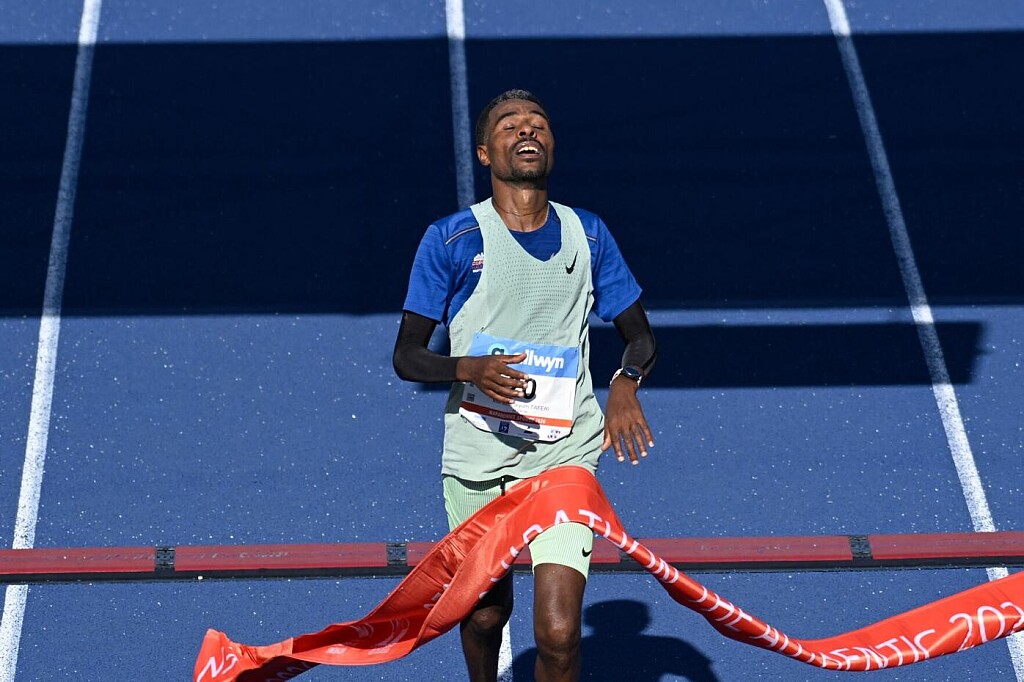


Ethiopia Dominates Athens Marathon With Double Record-Breaking Victories As Taferi And Dusha Make History!
Ethiopia produced a remarkable double triumph at the 43rd edition of the Athens Marathon – The Authentic, with Manazot Siyum Taferi and Yatane Kormoshe Dusha delivering outstanding performances to win the men's and women's races respectively, both setting new event records on Sunday, November 8, 2026.
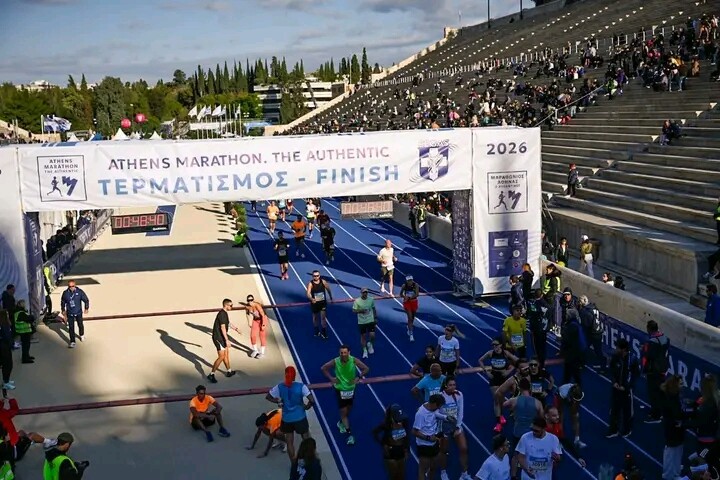
The historic marathon, run over the traditional 42.195-kilometre route from the town of Marathon to the iconic Panathenaic Stadium in Athens, witnessed exceptional performances from the Ethiopian athletes, who dominated both elite competitions.
In the men's race, Manazot Siyum Taferi delivered a sensational performance, crossing the finish line in 2:10:03 to establish a new course record. The Ethiopian took 31 seconds off the previous mark of 2:10:34, set by Kenya's Edwin Kiptoo in 2023.
Taferi's victory was particularly impressive given the demanding nature of the historic route, which features challenging uphill sections before the spectacular finish inside the legendary Olympic stadium. His performance secured a memorable victory and placed him among the standout names in the event's history.
Fellow Ethiopian Asefa Tefera Mengisa completed an impressive one-two finish for his country, taking second place in 2:10:18, just 15 seconds behind the winner. Kenya's Patrick Ketter Kiplagat secured third position in 2:11:22 after another strong performance on the international stage.
Kenya's Vincent Kipsang Rono finished fourth in 2:12:06, while Eritrea's Nguse Amlosom Tesfaldet completed the top five in 2:12:20. Kenya also had Victor Kipkoech Biwott finishing sixth in 2:14:10, demonstrating the country's strong representation in the men's competition.
MEN'S TOP 10 – ATHENS MARATHON 2026
1. Manazot Siyum Taferi (Ethiopia) – 2:10:03
2. Asefa Tefera Mengisa (Ethiopia) – 2:10:18
3. Patrick Ketter Kiplagat (Kenya) – 2:11:22
4. Vincent Kipsang Rono (Kenya) – 2:12:06
5. Nguse Amlosom Tesfaldet (Eritrea) – 2:12:20
6. Victor Kipkoech Biwott (Kenya) – 2:14:10
7. Adane Nega (Ethiopia) – 2:17:30
8. Konstantinos Stamoulis (Greece) – 2:17:37
9. Charalampos Pitsolis (Greece) – 2:18:58
10. Nikolaos Stamoulis (Greece) – 2:19:05
The women's race delivered another spectacular Ethiopian success, with Yatane Kormoshe Dusha producing a historic performance to capture the title in 2:30:04.
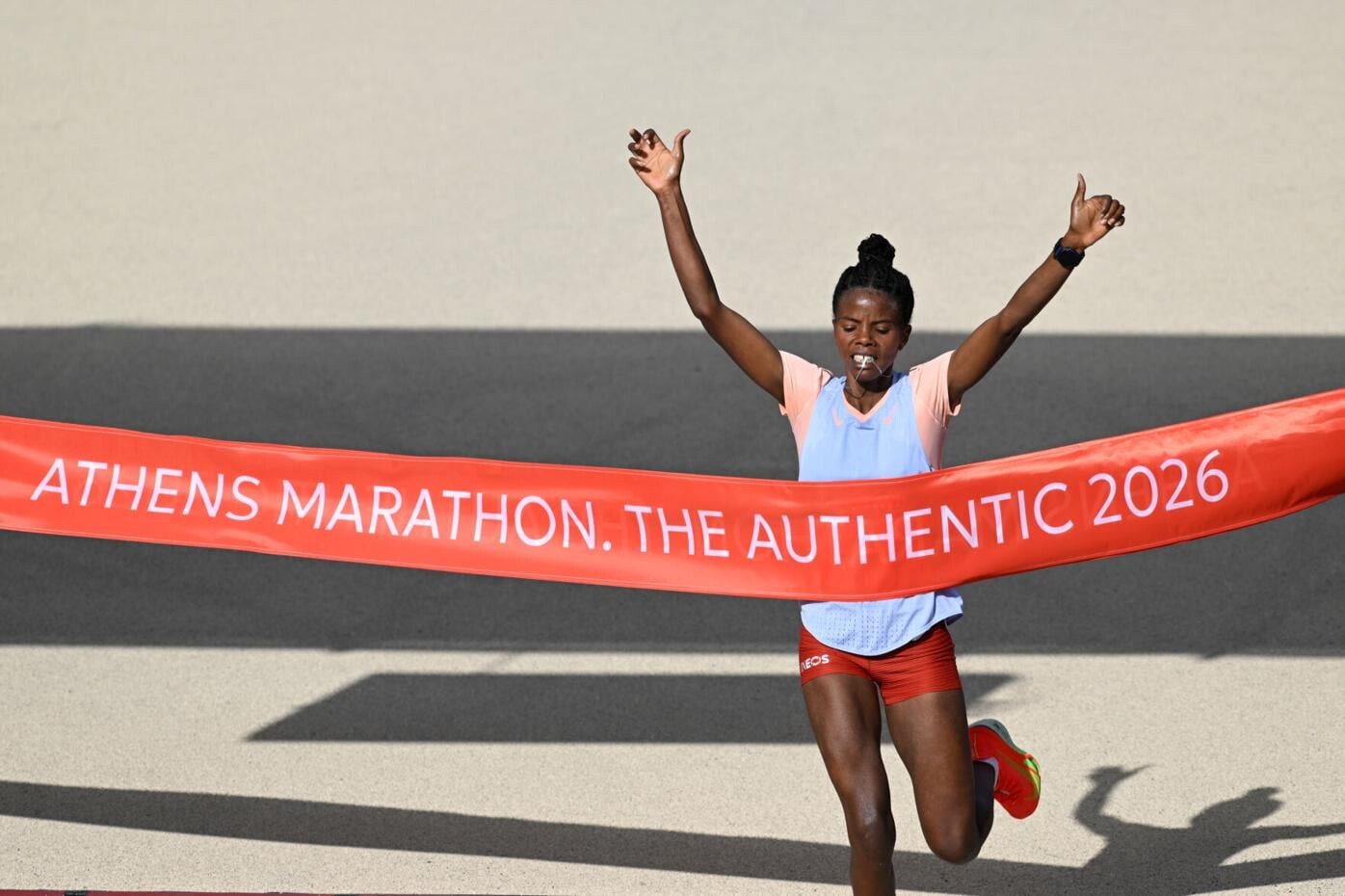
Dusha not only claimed victory but also established a new event record, improving the previous mark of 2:31:06 set by Lithuania's Rasa Drazdauskaitė in 2010. The old record had stood for 16 years, making the Ethiopian's achievement particularly significant.
Her compatriot Tsiyon Abebe Temesgen ensured another Ethiopian one-two finish, crossing the line in 2:30:29, just 25 seconds behind Dusha. The two Ethiopians demonstrated their class over the demanding course, securing the top two positions in a highly competitive women's field.
One of the outstanding performances came from American athlete Jane Jepkemboi Bareikis, who claimed third place in an impressive 2:32:59. Her podium finish prevented a complete Ethiopian sweep of the women's top three and added an international dimension to the competition.
Ethiopia's Atsede Baysa Tesema finished fourth in 2:33:10, while Kenya's Millicent Jemutai Kibet delivered a strong performance to secure fifth place in 2:35:10.
Host nation Greece also had reason to celebrate through Stamatia Noula, who finished sixth in 2:35:13. Her performance was particularly significant as she recorded the fastest time by a Greek woman on the historic Athens Marathon course, surpassing the previous national mark.
Athanasia Kokkorou finished seventh in 2:36:28, followed by Dafni-Eftychia Lavasa in 2:45:06, Georgia Kanouta in 2:45:40 and Xeni Katsimantou Filipopo in 2:46:02, completing the women's top 10.
WOMEN'S TOP 10 – ATHENS MARATHON 2026
1. Yatane Kormoshe Dusha (Ethiopia) – 2:30:04
2. Tsiyon Abebe Temesgen (Ethiopia) – 2:30:29
3. Jane Jepkemboi Bareikis (United States) – 2:32:59
4. Atsede Baysa Tesema (Ethiopia) – 2:33:10
5. Millicent Jemutai Kibet (Kenya) – 2:35:10
6. Stamatia Noula (Greece) – 2:35:13
7. Athanasia Kokkorou (Greece) – 2:36:28
8. Dafni-Eftychia Lavasa (Greece) – 2:45:06
9. Georgia Kanouta (Greece) – 2:45:40
10. Xeni Katsimantou Filipopo (Greece) – 2:46:02
The 43rd edition once again demonstrated why the Athens Marathon remains one of the most historically significant events in international distance running. Its route retraces the legendary journey associated with the origins of the modern marathon, culminating at the magnificent Panathenaic Stadium, where athletes experience a finish unlike any other in the sport.
For Ethiopia, the 2026 edition will be remembered as a remarkable day of distance-running excellence. Taferi and Dusha not only captured the men's and women's crowns but also rewrote the event's record books, leading an impressive national double victory in Athens.
Kenya, meanwhile, secured strong podium representation in the men's competition and a top-five finish in the women's race, ensuring its presence among the leading international contenders.
by Erick Cheruiyot for My Best Runs.
Login to leave a comment
Athens Marathon
The Athens Classic (authentic) Marathon is an annual marathon road race held in Athens, Greece, normally in early November. The race attracted 43.000 competitors in 2015 of which 16.000 were for the 42.195 km course, both numbers being an all-time record for the event. The rest of the runners competed in the concurrent 5 and 10 kilometers road races and...
more...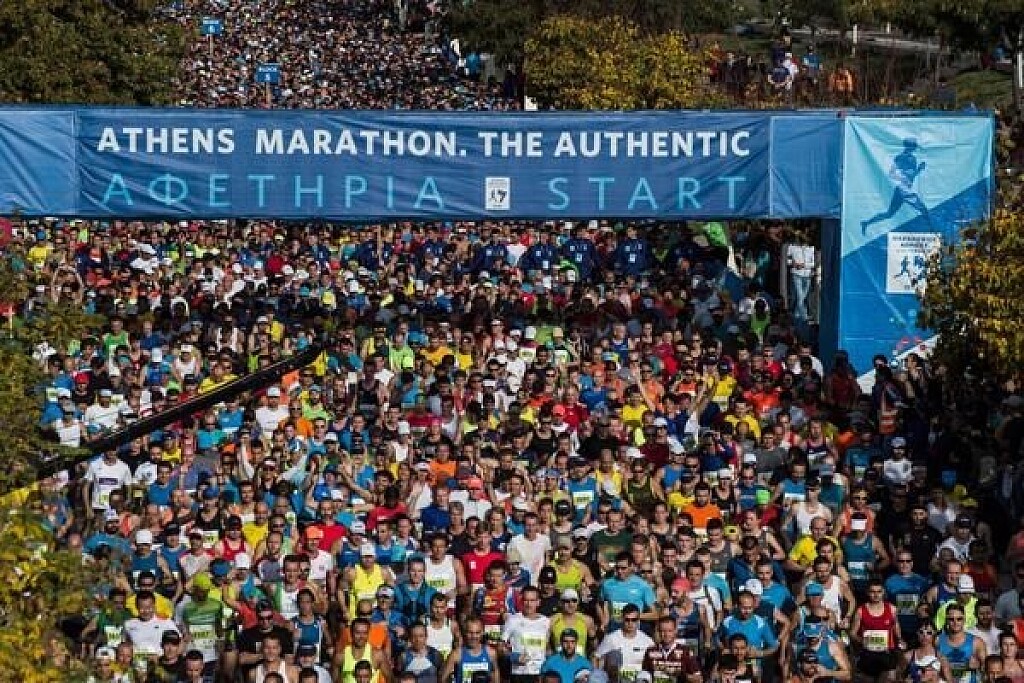
A New Era Begins: World Athletics Unveils Standalone Marathon Championships from 2030
In a bold and transformative move, World Athletics has laid out a visionary roadmap that will reshape the future of distance running. At the heart of this strategy is the introduction of a standalone World Marathon Championships, set to debut in 2030—marking a historic shift for one of the sport’s most iconic disciplines.
For decades, the marathon has been a cornerstone of the World Athletics Championships, embodying endurance, tradition, and global prestige. However, under the new structure, the event will make its final appearances within the Championships in 2027 and 2029 before stepping into its own spotlight. From 2031 onward, road races—including the marathon—will no longer feature in the World Championships program.

Instead, the newly established World Marathon Championships will stand as an annual spectacle, designed to elevate the discipline to unprecedented heights. In a unique format, elite men’s and women’s races will alternate each year, maintaining the rhythm of top-level competition while creating a more focused and commercially vibrant platform for the sport’s biggest stars.
This evolution is not happening in isolation. World Athletics has emphasized that the championship is being built in close collaboration with key stakeholders who have helped turn the marathon into a global phenomenon—from race organizers to commercial partners. While further details of these partnerships are yet to be revealed, the intention is clear: to create an event that reflects both the heritage and the modern dynamism of road running.
Meanwhile, the World Athletics Road Running Championships will continue as a separate annual competition, ensuring that shorter road distances retain their own global stage.
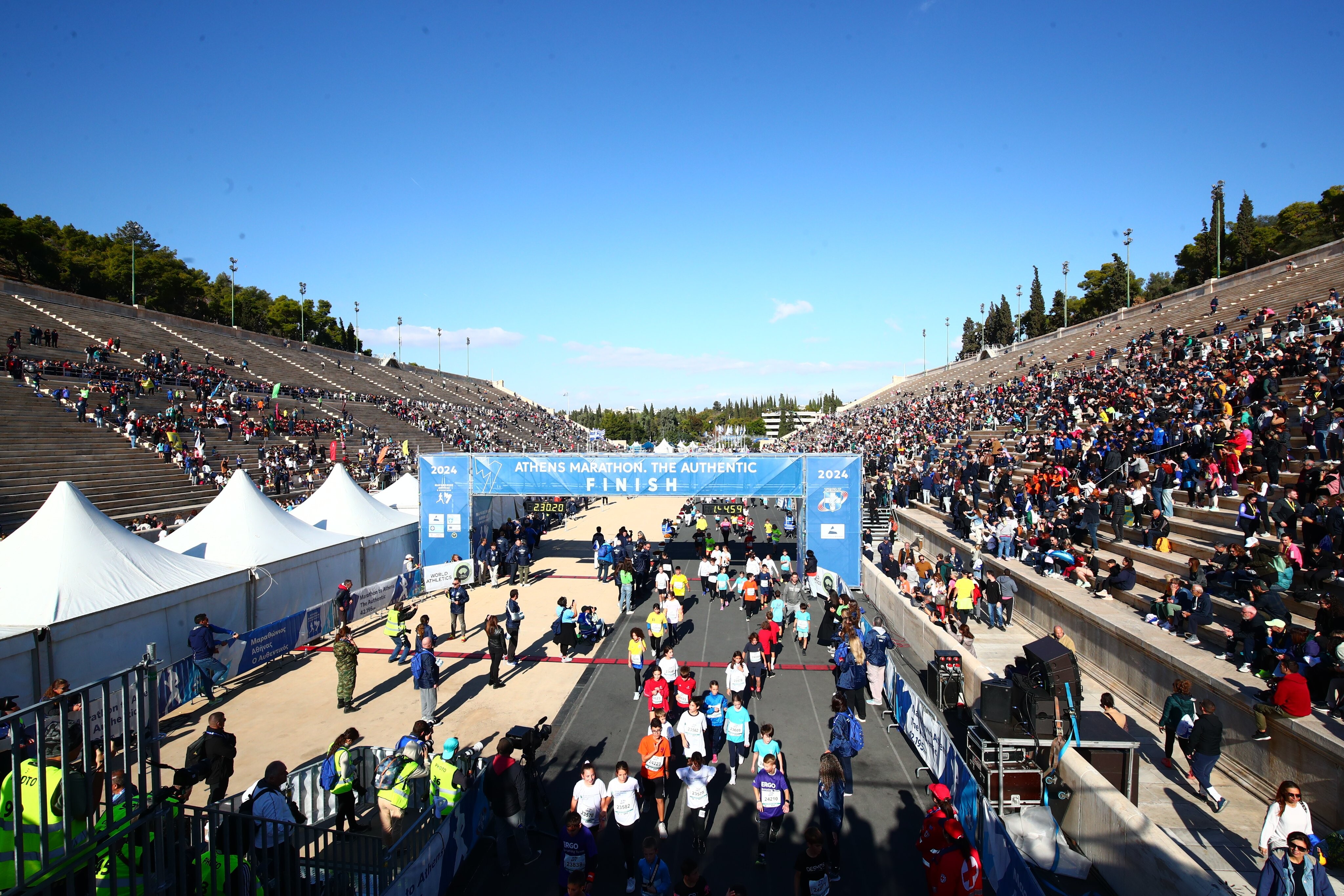
Adding a layer of historical significance to this new chapter, the ancient city of Athens has emerged as the preferred host for the inaugural edition in 2030. Widely regarded as the spiritual home of the marathon, Athens offers a symbolic and cultural resonance that aligns perfectly with the ambitions of the new championship. The Athens Marathon The Authentic—already steeped in legend—has further strengthened its case by attaining Elite Label status, reinforcing its credentials on the global stage.
If confirmed, Athens would not only host a new competition but also bridge the ancient origins of the marathon with its modern evolution, creating a powerful narrative that celebrates both legacy and progress.
This strategic shift signals more than just a structural change—it represents a reimagining of how the marathon is experienced, celebrated, and elevated worldwide. By giving the event its own dedicated platform, World Athletics is betting on a future where the marathon stands taller than ever, commanding global attention in a way never seen before.
by Erick Cheruiyot for My Best Runs.
Login to leave a comment
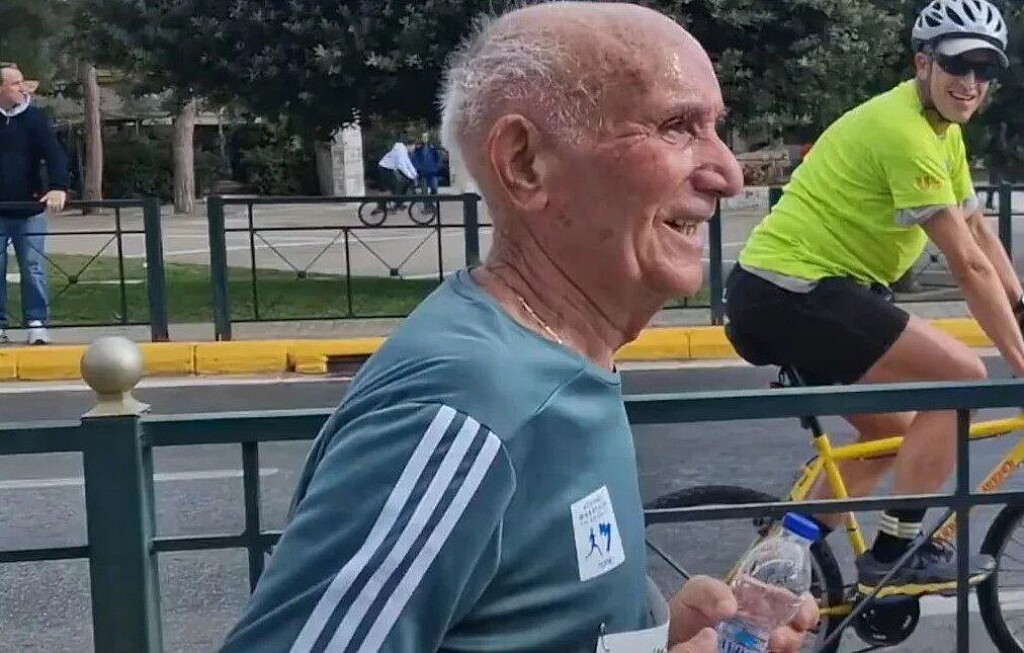
88-year-old runner completes his 12th consecutive Athens Marathon
On Sunday at the historic Athens Marathon, 88-year-old Ploutarchos Pourliakas became the oldest finisher at this year’s race, crossing the line in six hours and 31 minutes—a full 20 minutes faster than his 2023 finish.
Defying both age and limits, Pourliakas completed his 12th Athens Marathon as part of the event’s 41st edition. Known as “The Authentic Marathon,” this race traces what is believed to be the original path taken by Athenian messenger Pheidippides, who ran to announce the Greek victory over the Persians in the Battle of Marathon, nearly 2,500 years ago.
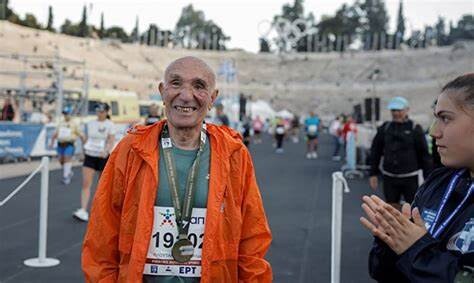
Pourliakas reached the finish line at the Panathenaic Stadium, the venue of the first modern Olympics in 1896, surrounded by his family and grandchildren. “I achieved to finish and even improved on last year,” he told Reuters in an interview. “I feel younger than my 88 years.”
His philosophy for longevity in running is simple: moderation and consistency. “I’ve never smoked. I don’t drink, and I eat in a balanced way,” said Pourliakas. He revealed that he does enjoy a daily sip of tsipouro, a traditional Greek brandy, saying he considers it more as a health tonic than as a drink.
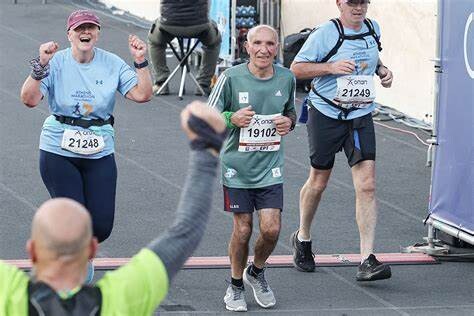
According to Reuters, Pourliakas began running at age 73, inspired by his son, who is an ultramarathoner. Now, Pourliakas follows a dedicated training regimen in his hometown of Kastoria, logging five kilometres on weekdays and 15 to 20 kilometres on weekends.
Pourliakas’s story echoes that of Canadian masters running legend Ed Whitlock, who also started running later in life. In 2000, Whitlock became the oldest person to complete a sub-three-hour marathon at age 69 and later set the men’s 85+ world record, with a time of 3:56:38, at the 2016 Toronto Waterfront Marathon. Like Whitlock, Pourliakas’s commitment and discipline inspire runners of all ages to keep pushing their limits.
“Why wouldn’t you believe it? We all can do it. As long as we want to,” Pourliakas said.
by Marley Dickinson
Login to leave a comment
Athens Marathon
The Athens Classic (authentic) Marathon is an annual marathon road race held in Athens, Greece, normally in early November. The race attracted 43.000 competitors in 2015 of which 16.000 were for the 42.195 km course, both numbers being an all-time record for the event. The rest of the runners competed in the concurrent 5 and 10 kilometers road races and...
more...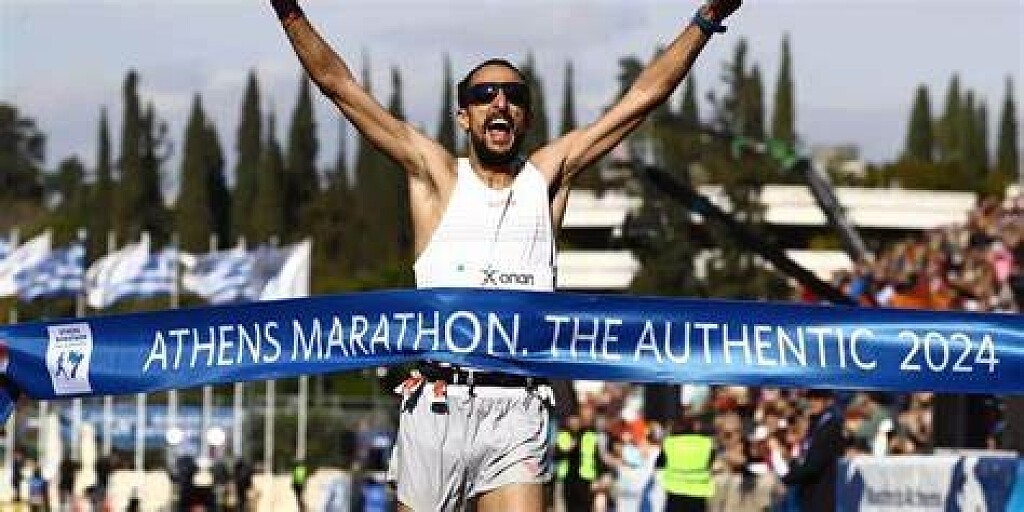
Greeks Pitsolis and Noula win 41. Authentic Athens Marathon 2024
Charalambos Pitsolis finished first in the 41st Authentic Marathon, as he covered the 42,195 meters of the historic course in 2 hours, 18 minutes and 56 seconds.Panagiotis Karaiskos finished in second place (2:19:50) and Giorgos Benis third (2:21.40).
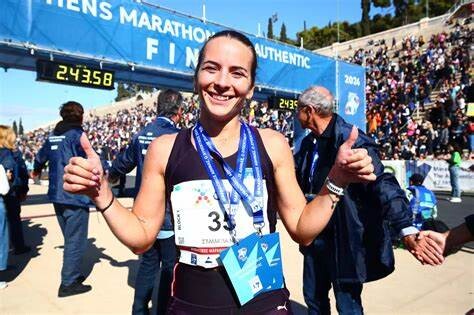
The first woman to finish was Stamatia Noula, who covered the distance in 2 hours, 40 minutes and 19 seconds, followed by Gloria Privilezio (2:41:58) and Panagiota Vlahaki (2:47:24).
The 41st Authentic Athens Marathon (AMA2024) kicked off on Sunday, at 09:00, with 21,000 runners expected to cover the historic route from the Marathon to the Panathenaic Stadium.
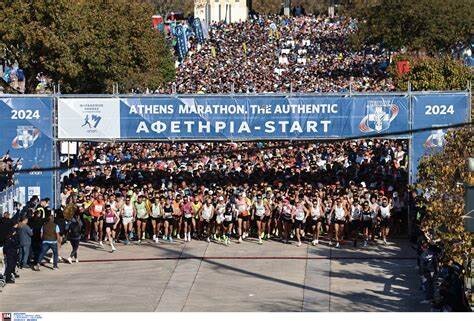
This year marks 128 years since the first marathon held during the revival of the Olympic Games.
The 41st “Athens Marathon, the Authentic” is a race inspired by the journey of the hoplite soldier who carried the message of victory to Athens after the Battle of Marathon. In the spring of 1896, in the first modern Games, athletes from five countries lined up at the Marathon bridge, at the starting point, to cross the track to the Panathenaic Stadium. The thread was first cut by the Greek athlete Spyros Louis, in a victory that went down in history symbolizing effort, overcoming physical and mental limits, as well as endurance. The presence of the experienced, also Greek runner, Harilaos Vasilakos, who finished second and together with Louis became the first two winners in the History of the Road Marathon was also important.
In its current form, it has been held since 1983, dedicated to the great Greek doctor, Balkan athlete and pacifist Grigoris Lambrakis.
Login to leave a comment
Athens Marathon
The Athens Classic (authentic) Marathon is an annual marathon road race held in Athens, Greece, normally in early November. The race attracted 43.000 competitors in 2015 of which 16.000 were for the 42.195 km course, both numbers being an all-time record for the event. The rest of the runners competed in the concurrent 5 and 10 kilometers road races and...
more...
Skeezy New Trend: Strava ‘Surrogates’ Are Making Money by Logging Runs for Other People
Want to make some money on your next run? An Indonesian teenager has found a lucrative way to do just that by, well, running for other people.
Wahyu Wicaksono, 17, has become what’s known in the country as a “Strava jockey,” logging running achievements for others on the app for a fee.
“I am active on X and it is booming there,” Wahya told Channel News Asia. He charges 10,000 rupiah (about 62 cents) per kilometer for running at a “Pace 4” (one kilometer in four minutes). For a more leisurely “Pace 8” (one kilometer in eight minutes), the fee is 5,000 rupiah per kilometer. Clients pay upfront, and Wahyu tracks his runs by logging in to the buyer’s account. elling data from runs or bike rides has gone viral in Indonesia. Another Strava jockey who spoke to CNA is 17-year-old Satria, who charges 5,000 rupiah per kilometer. “I have taken part in marathons before, so running is my hobby. I’ve got nothing to lose,” he told the outlet.
Except maybe his Strava account.
“Strava’s mission is to motivate people to live their best lives. Part of the platform’s magic comes from the authenticity of our global community in uploading an activity, giving kudos, or engaging in a club,” Linh Le, Strava’s director of corporate communications, told Runner’s World, adding that sharing accounts or credentials is a violation of the app’s terms of service. “This is important to safeguarding and respecting the progress and work of our athletes as they lace up every day.”
Strava has more than 100 million subscribers across 190 countries, but the publicized trend seems largely isolated to Indonesia for now. Still, with the ever-increasing desire for validation in the form of likes and other engagement, it doesn’t seem outside the realm of possibility that overworked runners desperate to “earn” that final segment might pay a fast neighborhood kid to crank out some miles on their behalf.
After all, as Strava’s motto goes, “If it’s not on Strava, it didn’t happen.” elling data from runs or bike rides has gone viral in Indonesia. Another Strava jockey who spoke to CNA is 17-year-old Satria, who charges 5,000 rupiah per kilometer. “I have taken part in marathons before, so running is my hobby. I’ve got nothing to lose,” he told the outlet.
Login to leave a comment

Designing a Shoe for “The Running Class”
Why Tracksmith, an apparel brand immersed in the culture and heritage of running, started making shoes
Several times every month, Matt Taylor can be spotted wearing a well-worn gray cotton T-shirt on his daily morning runs in suburban Boston.


The “Tracksmith” lettering across the front has faded after an estimated 1,000 miles of running and more than a 100 cycles through the wash, but the original Grayboy brand produced at Tracksmith’s inception, in 2014, has otherwise held up pretty well.
To Taylor, the 45-year-old co-founder, CEO, and primary visionary for the venture capital-backed upstart, it’s a personal reminder and validation of the quality Tracksmith strives for in everything it makes, but also tied to the durable functionality necessary for the authentic daily training of a committed runner. It hearkens back to the previous generations of runners who toiled in the daily grind, another key element of Tracksmith’s vibe.
“We want to make high-quality products with the best raw materials, but we think about value, not price,” Taylor says. “If we can create a product that has a lot of value because of those things—durability, some performance characteristics, even something that aesthetically that looks and feels a lot better than anything else in the market—that’s where we put our focus.”
After eight years of making a name for itself in the apparel business, Tracksmith is making new waves at the start of 2023 with the launch of its first shoe, the Eliot Runner. It’s a retro-inspired, everyday training model with a modern Pebax midsole and insole that embodies the look and quality craftsmanship the brand has become known for, while also celebrating the culture of the sport.
The Eliot Runner is designed to be a performance-oriented training workhorse that’s capable of long runs, up-tempo workouts, recovery runs, and, well, just about any kind of running except for racing. And true to the brand’s running lifestyle aesthetic, it also looks nice with jeans.
The new shoe, like a lot of Tracksmith’s running apparel, ranks at the higher end of the price range for training models, but that’s directly related to the high-quality products it strives to produce, Taylor says. Tracksmith is focused on style, quality, and running culture. Those three tenets are baked into everything it produces—its apparel line, its thoughtful storytelling content, and now, its training shoe—by way of premium materials and a distinctive design aesthetic rooted in the heritage of the sport.
“It’s about being uncompromising on performance, but bringing more of a refined look to it, too,” says Tracksmith brand president Ryan Eckel, who previously worked alongside Taylor when both held marketing roles at Puma more than a decade ago. “When the company launched with apparel, it was able to rethink the aesthetic of what traditionally would look like for running, and we’ve tried to take that approach to footwear as well.”
When Tracksmith burst onto the scene as a premium running apparel brand in 2014, it didn’t intend to be a disruptor, but it quickly caught the attention of the marketplace with its retro vibe. It comes across as proud of its small but growing indie status, while relentlessly waving the flag of the “running class,” non-professional yet competitive runners dedicated to the pursuit of personal excellence.
At the time, the running apparel market was dominated by running shoe companies and outdoor brands focused primarily on making brightly colored nylon and spandex clothes in the midrange price point.
Tracksmith’s rise, along with Oiselle, Ciele, and Rabbit at about the same time, opened the floodgates for a wave of upstart apparel brands blending style and performance, including Roark, Saysky, Bandit Running, Satisfy, and Territory Run Co.
“Running apparel was not very inspired back then,” says Taylor, himself a former collegiate steeplechase runner. “All the resources were going into footwear, creating an opportunity to come out with product that was higher quality, with a different style and aesthetic to it, that was built from the subculture of running. That was a really powerful way to launch the brand, and it also created some reactions from people who were not sure what to make of it.”
In its early years, Tracksmith’s disruption was met with some resistance by an aging adult running population dominated by Baby Boomers and Gen Xers, but it found a connection with Millennials and Gen Z’ers who were interested in a different look and deeper meaning in their identity to running. Tracksmith has served that up continually with authentic, multi-platform storytelling.
Although runners have known Tracksmith as an apparel company, they’ve also been able to immerse in the brand’s social media posts, TV commercials, printed catalogs, and Meter magazine, all providing an immersive look into the sport. Prior to working at Puma, Taylor was an independent filmmaker who produced a series called “Chasing Tradition” about college cross country programs and athletes in pursuit of U.S. Olympic Trials qualifying times.
With Taylor’s leadership, Tracksmith has made it a point to create marketing campaigns based on real athletes doing real workouts, as opposed to having super fit models pose or do camera run-bys as most other brands do. During the 2021 U.S. Olympic Trials track championships, Tracksmith aired several TV spots during the NBC broadcast that included raw footage of amateur runners doing a workout of 400 repeats on the track. These more avant garde commercials, narrated by author and amateur runner Malcolm Gladwell, earned rave reviews from running fans for their authenticity and also because they weren’t blatantly hawking Tracksmith products.
Tracksmith also recently produced a mesmerizing long-form video called “Church of the Long Run,” in which director Emily Maye orchestrated a crew and a sophisticated camera rig mounted on a truck to film runner Sam Roecker as she did a solitary 14-mile, 80-minute run on a snow-covered road in the foothills near Rollinsville, Colorado.
“Matt has really been ahead of his time with that type of storytelling,” says running coach Mario Fraioli, creator of “The Morning Shakeout” podcast and newsletter. “He was doing that before his experience at Puma, and his experience at Puma clearly helped put him in the position to launch Tracksmith. But if you look at the storytelling that the brand does, that’s been there since day one, and that’s all Matt Taylor. It’s been very intentional on his part. He saw an opportunity that, from a brand perspective, those types of stories weren’t being told.”
Inherent to the Tracksmith’s DNA is the celebration of the daily grind, the long-term training journey toward big goals, and the community and culture built around the shared suffering it fosters. It doesn’t sponsor top-tier elites like Nike, New Balance, and Hoka, but instead embraces the amateur spirit of passionate athletes who are otherwise unsponsored but are fervently committed to training. For example, Tracksmith’s community manager, Lou Serafini, broke four minutes in the mile as an unsupported runner and lowered his marathon PR to 2:14, after starting with the company in 2017. (He eventually signed a pro contract with Puma.)
A few years ago, Tracksmith began informally supporting amateur athletes who were close to the U.S. Olympic Trials qualifying standards in the marathon and long-distance events on the track. That led to a more formal Amateur Support Program (ASP) that provided racing kits and training gear to 130 athletes who competed in the 2020 U.S. Olympic Trials Marathon in Atlanta. The program expanded to support dozens of athletes in every discipline at the Track and Field Trials in Eugene, Oregon, in 2021, and has continued to evolve into 2023.
This year, athletes from both the U.S. and U.K. can apply to be part of the program that will provide them four quarterly stipends of $250 along with a racing kit, warmups, and Tracksmith Eliot Runner shoes, as well as virtual coaching and support through Zoom-based seminars.
That goes a long way in supporting hard-working athletes on the cusp, says Carmen Graves, a Denver-based runner in her second year with the ASP. “It’s pretty wild to see the sea of Tracksmith jerseys at the U.S. championships and Olympic Trials,” says Graves, who was seventh in the 3,000-meter steeplechase at last year’s U.S. outdoor track championships. “Tracksmith definitely stepped up to fill that gap between unsponsored and under-sponsored athletes. Just giving us something to help is sometimes enough to get to the next level, and I think that’s really important.”
Mostly, the program helps athletes sustain their careers with the chance to chase their dreams, but for several runners it has led to compete at the highest levels of the sport. For example, Keira D’Amato was 12th at the U.S. Olympic Trials Marathon while racing in Tracksmith gear, which she leveraged into an eventual Nike sponsorship that led to her breaking the American record last year at the Houston Marathon. Similarly, 3,000-meter steeplechase athlete Mason Ferlic competed unsponsored in Tracksmith gear on the track and earned a spot on the U.S. team that competed in the Tokyo Olympics.
“We know as runners, there are no shortcuts to anywhere worth going, but I think a lot of brands—and they would never say this explicitly—take a lot of shortcuts in how they do things, whether it’s with the products they’re making or marketing campaigns,” Fraioli says. “With Tracksmith, from the beginning, they have really prioritized authenticity and quality over quantity. They’ve never sacrificed the quality of their offerings, whether its products, events, experiences, in order to go big and appeal to a mass market. I think that was a major differentiating point, and I think that resonated with their customers and the people who feel most connected to their brand.”
Although Taylor is nearly 10 years into his role at Tracksmith, he says footwear has been on the brand’s roadmap since it set out to be a full-fledged running brand. It was always just a matter of timing and when the company would have the resources, internal team, and the bandwidth to properly develop a shoe coherent with its image and likeness, he says.
“We’re pretty particular in how we bring things to market,” Taylor says. “We wanted to make sure it was the best version of what we could achieve. To be honest, it took a little bit longer than expected. I think entrepreneurs are eternal optimists, and in my original pitch deck, I thought we’d get to footwear in year three, and we’re doing it in year eight. As we continue to execute our vision of being a global lifestyle running brand, footwear will play prominently into that strategy.”
When Tracksmith started its initial foray into the shoe business, internally, more than five years ago, the first modern marathon super shoes hadn’t even been released yet. But as soon as Nike unveiled its original models with carbon-fiber propulsion plates embedded in their midsoles in 2017, it signaled a massive shift in the industry that had every big running shoe brand consumed by the racing shoe category.
And while every brand eventually did launch their own versions of modern racing shoes, it created a hole in the training shoe category of the market. As Tracksmith worked behind the scenes on developing its new shoe, several other small brands entered the market, too, including Atreyu, Speedland, Norda, Nobull and Vimazi, while also giving rise to “athleisure” brands like AllBirds.
What sets Tracksmith’s approach to shoes apart, says product line manager product line manager Brent James, is that its focus has been more about serving the needs of dedicated runners and less about the actual products. In other words, it got into footwear on its own terms and timeline without concern for wholesale sales pressures about timing, pricing, and quantities.
“Being authentic to running and runners, it’s not always about those glamor race moments when you’re achieving PRs or winning races,” James says. “We know running is really about the work, and that’s really communicated through the imagery we share and the blood, sweat, and tears we represent through each launch. Delivering a shoe that is along for that ride and helping you through that, and equipping you for that work, is what we set out to do first.”
Launching a footwear line, even if it’s just one shoe, is no small task. In addition to gaining a company-wide competency of the footwear business and ramping up with new team members, Tracksmith also required developing new manufacturing partners and creating a distribution plan that doesn’t, at least at the outset, include running specialty stores. Most of Tracksmith’s apparel has been sold directly through its website, its original Boston retail store, and pop-up stores managed in New York and London.
Initially, the Eliot Runner will only be available through a similar network, although the brand’s presence in New York and London has evolved into exquisitely crafted retail shops with the same boutique atmosphere as its Boston location. Additional pop-up stores might become part of the brand’s marketing strategy, as well as wholesale distribution avenues.
Taylor and Eckel expect footwear to become a large part of Tracksmith’s business going forward, but not overnight. While the brand has a lot of ideas about potential future models, for the moment, there’s nothing else in the development channel. The brand will focus on pushing the Eliot Runner into the marketplace this spring and summer, while evaluating the feedback it gets from its unique distribution model.
“We want to be competitive with those brands within the mindshare of the consumers, for sure,” Eckel says. “Whether that’s at a literal shoe wall at a specialty store or somewhere else. We’re confident in our abilities to make product that is as good or better than other brands out there. So yeah, we certainly think we can compete with those brands over the long-term.”
by Outside
Login to leave a comment
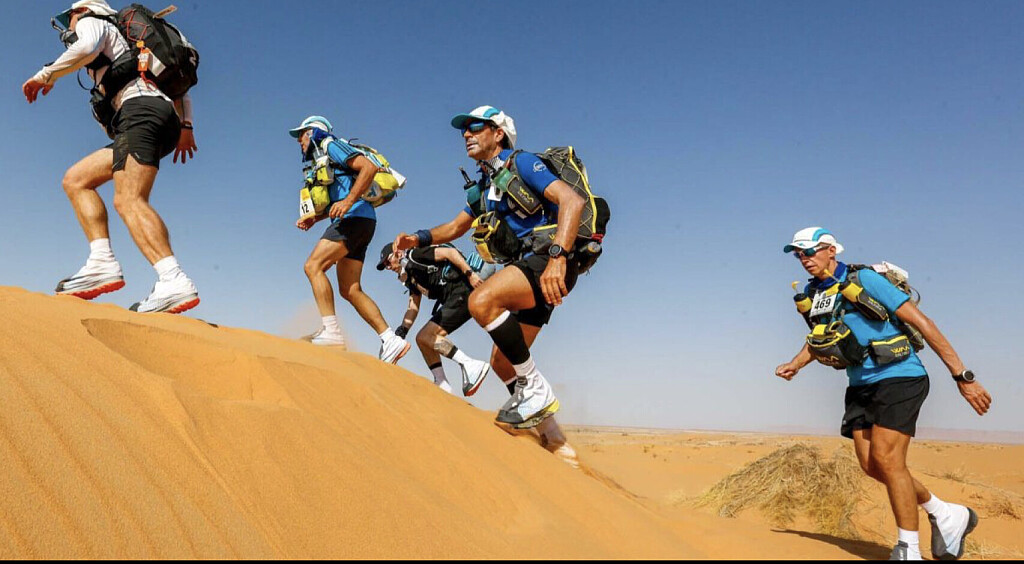
Running 250 km through the desert: it’s time for the Marathon des Sables
It all started in 1984 when Patrick Bauer (who was 28 at the time) took on a completely self-sufficient 12-day journey across the Sahara Desert, covering 350 km on foot. Two years later the first Marathon des Sables (MDS) was born, with 23 “pioneers” taking on a similar challenge.
Since then, Bauer’s event (he remains the race director) has continued to grow, with a record 1,300 competitors taking part in the 30th-anniversary race in 2015.This year’s race, the 36th edition, will feature 1,100 competitors from 50 countries who will, like the 25,000 athletes who have participated in the event since 1986, take on the 250 km course carrying their food and equipment. Each day race organizers provide the athletes with water and put up a tent for them to sleep under – otherwise they are on their own.
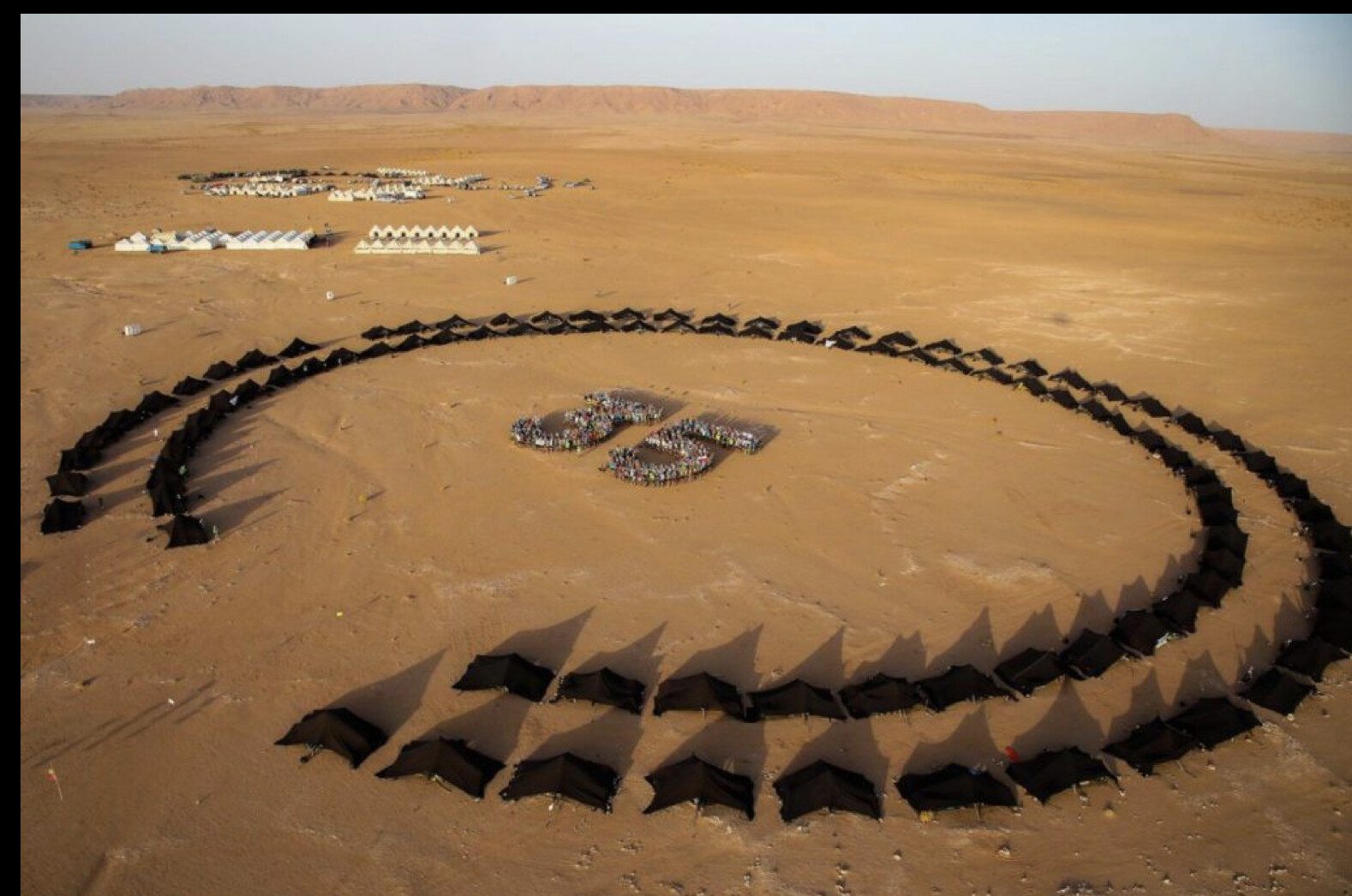
There are five stages in the race, along with a “solidarity” or charity stage that does not count for the overall ranking of the race. The stages range from 30 to 90 km. The athletes don’t know the official course until the day before the race when it is officially announced, but they are guaranteed (according to the event media guide):flat terrain, often hard and stony and suitable for “real runners” as opposed to “trail runners”
sand (sometimes hard or crusted, but most often soft) that they will have to master (for example by opting for shaded areas so they sink less because when the sun heats the sand, it becomes softer)
small, normal and giant sand dunes that will make all competitors draw on their reserves

ascents and descents, not very long but often steep, sometimes sandy, sometimes stony
technical sections over rocky escarpments and along crests (the authentic “trail running moments” of the MDS)
gorges that will provide a beneficial and life-saving shade, when competitors pass through them, and dried wadis (supposedly dried river beds… but some years, a trickle of water is flowing!) where competitors can find some vegetation. The daily temperatures are typically in the 30s, but can rise to as much as 45 degrees Celsius.
At night the temperature can drop to 5 C or less. Athletes must carry a week’s worth of food, a sleeping bag, a compass, knife, lighter, whistle, headlamp, venom extractor, signalling mirror and sunscreen. They are also provided with a GPS beacon so organizers can keep track of the athletes at all times. The race takes place in the middle of the desert so that it can be held in total isolation and guarantees that athletes cannot receive any assistance.COVID-19 and the MDS
Last year’s 35th edition took place last fall after being postponed three times. It was a tough year for the event, with an athlete suffering a cardiac arrest during the first stage, then a gastrointestinal bug ripping through the field, leading almost 50 per cent of the participants to pull out, far higher than the normal 5 to 10 per cent attrition rate the event typically sees.
2022 Coverage
Triathlon Magazine Canada editor Kevin Mackinnon will be on hand to cover this year’s race, one of the 65 accredited journalists covering this year’s MDS. He’ll be providing updates and photo galleries through the first few days of racing in Morocco. There will be 15 Canadians competing at the 2022 MDS. Stay tuned for more from Morocco in the coming days.
by Running Magazine
Login to leave a comment

Marathon Des Sables
The Marathon des Sables is ranked by the Discovery Channel as the toughest footrace on earth. Seven days 250k Known simply as the MdS, the race is a gruelling multi-stage adventure through a formidable landscape in one of the world’s most inhospitable climates - the Sahara desert. The rules require you to be self-sufficient, to carry with you on your...
more...
2020 Athens Authentic Marathon has been cancelled due to covid-19
The 2020 ‘Athens Marathon. The Authentic’ that was scheduled to take place on November 7-9, has been cancelled due to the coronavirus pandemic.
“Making the most of any minute of the last three months, the Top Management and Executives of our Federation made any possible effort during their discussions and cooperation with the relevant Greek Health Authorities, in order to make sure that every possibility for this annual Historic Race to go along, was studied. Even by following a very strict manual of rules and regulations, staging only the Marathon Race and not the shorter races, reducing the number of participants and having all participants to go through a COVID-19 test before the Race, at the expenses of our Federation, was not enough. It seems that even such measures would not secure the absolute safety of runners’ health, which is and will be the top priority in our minds. Taking under consideration all the above, we are extremely sorry to announce today that the 2020 Athens Marathon will not be held,” the announcement said.
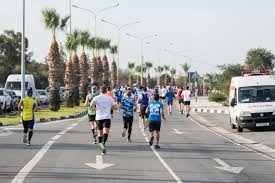
Within the next days, the Athens Marathon Organizing Committee will contact each one of the registered runners via personalized email, informing him/her about the options they have, either deferring their registration into next year’s event (2021 Athens Marathon) or receiving full refund of the entry fee already paid.
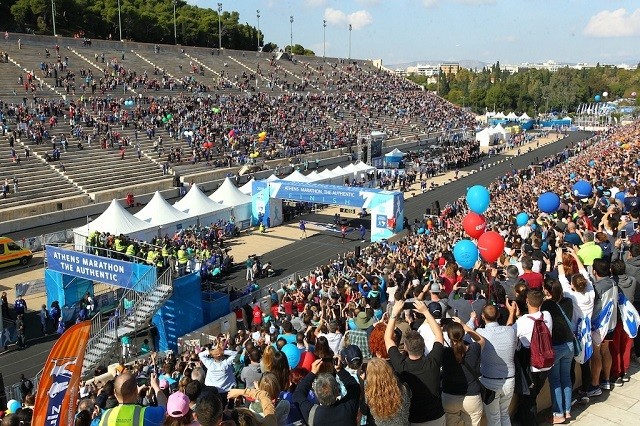
“We are very optimistic that after this pandemic is over we will all run together in our races in 2021, a very important year for Greece since it coincides with the anniversary of the 200 years after the Greek revolution.”
They also announced the launch of a new, Special Edition Virtual Race. More details will be released within the next few days.
The Special Edition Virtual Race is going to be a race for all, full of surprises, that will allow participants to test themselves either running alone on the route of their choice, or being joined by a small number of friends and/or family members.
“We sincerely thank all parties that contributed so far to an excellent preparation for the event, and especially OPAP S.A., the Athens Marathon Grand Sponsor, as well as the Attica Region, the Cities of Athens and Marathon, the Hellenic Olympic Committee, the rest of our Sponsors and Supporters. But most of all, we thank and applaud the protagonists of the Athens Marathon; the staff members, the thousands of volunteers and participants that all these years have shown such love and confidence to the Athens Marathon, turning it into a unique race of international status,” the statement concluded.
Login to leave a comment
Athens Marathon
The Athens Classic (authentic) Marathon is an annual marathon road race held in Athens, Greece, normally in early November. The race attracted 43.000 competitors in 2015 of which 16.000 were for the 42.195 km course, both numbers being an all-time record for the event. The rest of the runners competed in the concurrent 5 and 10 kilometers road races and...
more...
Athens Marathon cleared to proceed as mass participation event in November
The Athens Marathon - and the postponed Athens Half Marathon - have been cleared to take place later this year, with social distancing restrictions.
The Marathon is set to be run on November 8, with the Half Marathon - postponed last March - currently scheduled for some 50 days earlier, on September 20.
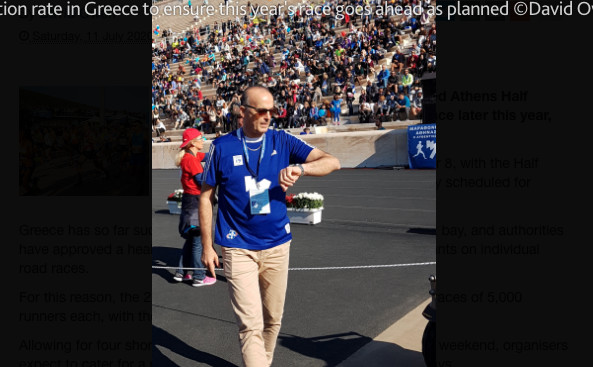
Greece has so far succeeded in holding COVID-19 relatively well at bay, and authorities have approved a health protocol putting a ceiling of 5,000 participants on individual road races.
For this reason, the 2020 Marathon will be split into two individual races of 5,000 runners each, with the second race starting an hour after the first.
Allowing for four shorter races taking place over the November 7/8 weekend, organisers expect to cater for a maximum 30,000 competitors over the two days.
There will be no invited foreign elite athletes; however, while the race will be smaller than usual - the 2019 race produced 17,000 finishers - non-Greek-based recreational runners can register, though they will be expected to abide by relevant travel restrictions that may be in force at the time of the event.
There will be no Marathon awards gala attached to this year’s race, but a symposium for race directors from around the world is still planned.
The pandemic has had a devastating impact on the 2020 road-running season, with half the races in the World Marathon Majors series – Boston, New York City and Berlin - cancelled and the Tokyo event in March significantly scaled back.
The London Marathon is still currently scheduled for October 4, although serious doubts remain over whether it will take place.
According to Makis Asimakopoulos, general manager of the Athens Marathon: "As far as the 2020 Athens Marathon - the authentic event is concerned, let me inform you that we are planning to hold it on 7-8 November, as originally scheduled.
"We have decided to do so, taking advantage of the very good job the Greek Government and people have done so far in dealing with the COVID-19 pandemic crisis."
Asimakopoulos told insidethegames that race organisers intended to "play our role, as the birthplace of the marathon, in restarting the cycle of mass participation marathon events internationally".
The Athens Marathon, first run as a sports event at the inaugural modern Olympic Games in 1896, retraces, as closely as feasible, the steps of Pheidippides, who is believed to have brought Athenians news of their against-the-odds victory over the Persians at the Battle of Marathon in 490 BC.
Login to leave a comment
Athens Marathon
The Athens Classic (authentic) Marathon is an annual marathon road race held in Athens, Greece, normally in early November. The race attracted 43.000 competitors in 2015 of which 16.000 were for the 42.195 km course, both numbers being an all-time record for the event. The rest of the runners competed in the concurrent 5 and 10 kilometers road races and...
more...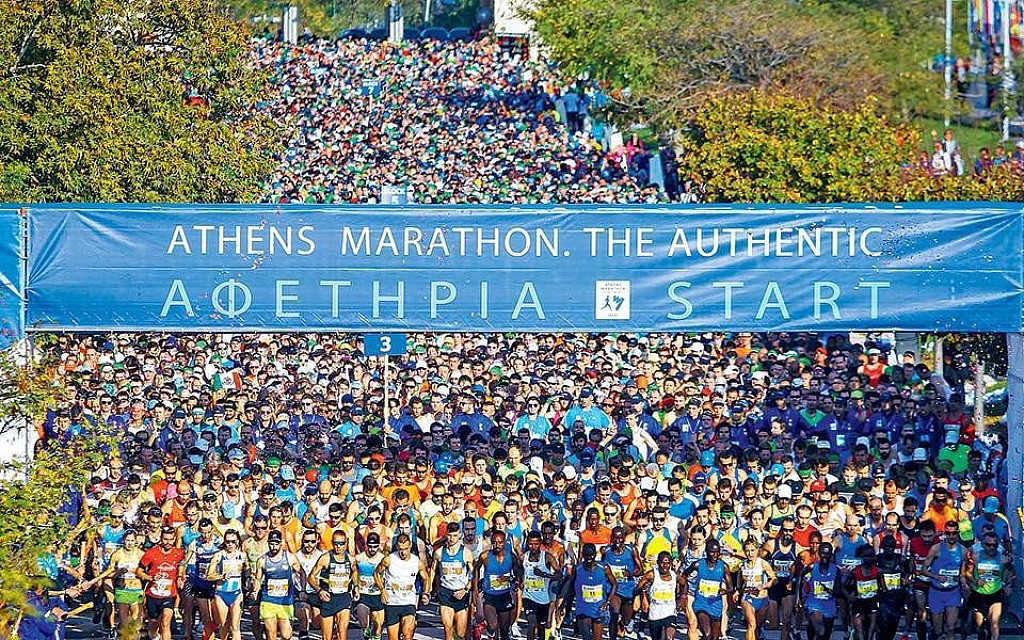
The 2020 Athens Marathon will be held as normal on November 8
The Greek Athletics Federation SEGAS announced on July 1 that, based on current data, “Athens Marathon. The Authentic” 2020 will be held as normal on November 7-8 2020 with its co-organisers the Attica Region, the Municipality of Athens, the Municipality of Marathon and the EOE and a major sponsor, OPAP SA.
Athens Marathon 2020 will include the following competitions:
Marathon: Participants in the Marathon will be divided into two different (A & B) races with 5000 participants each and an hour difference between their start times. The distribution of the runners in the two races and in the corresponding starting block will be decided by the Organising Committee. It is noted that the Marathon Road will be held on Sunday, November 8, while the exact start times will be announced in the near future.
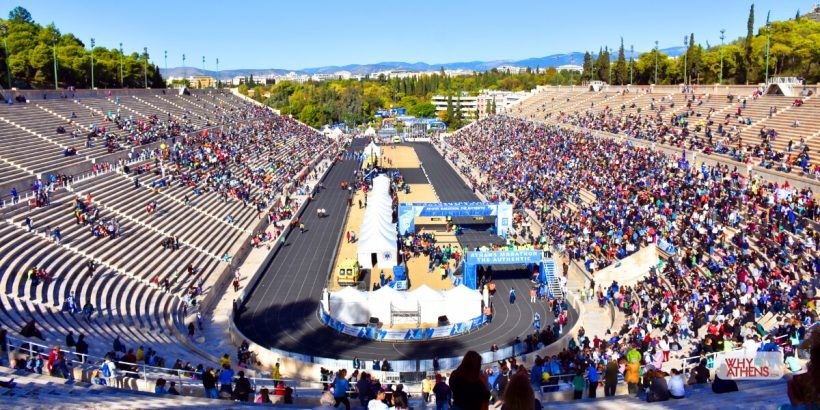
10km road race: On Saturday November 7, 10km participants will also be divided into two different (A & B) races with 5000 participants each and an hour difference between their starts.
5km road race, ZERO WASTE FUTURE: The same logic applies as for the 5km on Sunday November 8: two 5km (A & B) Races with 5000 participants each and a difference of at least one hour between their starts.
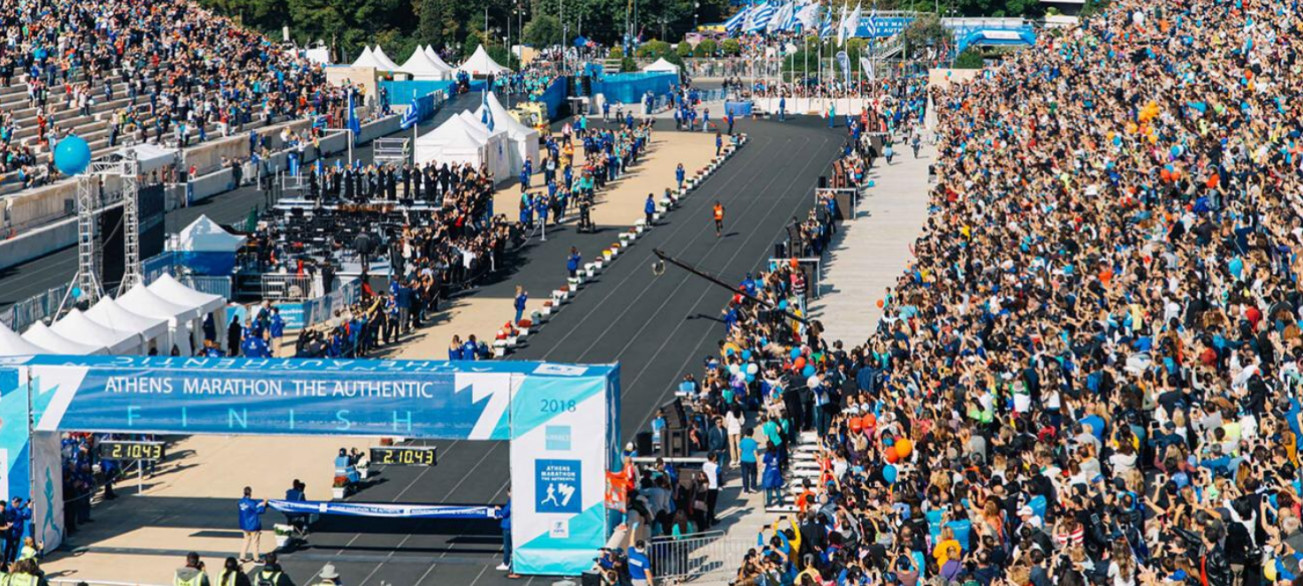
Note that Athens 2020 Marathon will not include the Children’s races (neither on the route nor at the Panathinaiko Stadium) or the Special Olympics Hellas Race. This is for better implementation of the protocol.
Registration limits for all the races have been revised and because they are now split into two separate groups the official t-shirt of the race will be an integral part of the registration for each participant.
Registrations for the Athens 2020 Marathon will start on Friday, July 3, 2020 at 12.00, exclusively through the event website. SEGAS has drawn up a special Cancellation Policy for this year’s event which encourages runners to consult before proceeding with their registration.
President of SEGAS, Kostas Panagopoulos commented: “The successful response to the COVID-19 pandemic in Greece, as a result of the timely adoption of correct measures and their consistent observance by the majority of Greeks, but also the approval by the State Health Protocol for Out-of-Stage Games of SEGAS, allows us to open registration for the Athens Marathon 2020.
“The Race will be very different this year since the observance of the Health Protocol, imposes fewer runners, more starts, distance keeping, meticulous protection measures in each process and for each step. The special planning of the Games has been completed and with the help of all – and especially the runners – the observance of the measures will ensure the desired result.
“In Greece, where it was born, the Marathon will be re-launched in 2020 after the pandemic.”
Login to leave a comment
Athens Marathon
The Athens Classic (authentic) Marathon is an annual marathon road race held in Athens, Greece, normally in early November. The race attracted 43.000 competitors in 2015 of which 16.000 were for the 42.195 km course, both numbers being an all-time record for the event. The rest of the runners competed in the concurrent 5 and 10 kilometers road races and...
more...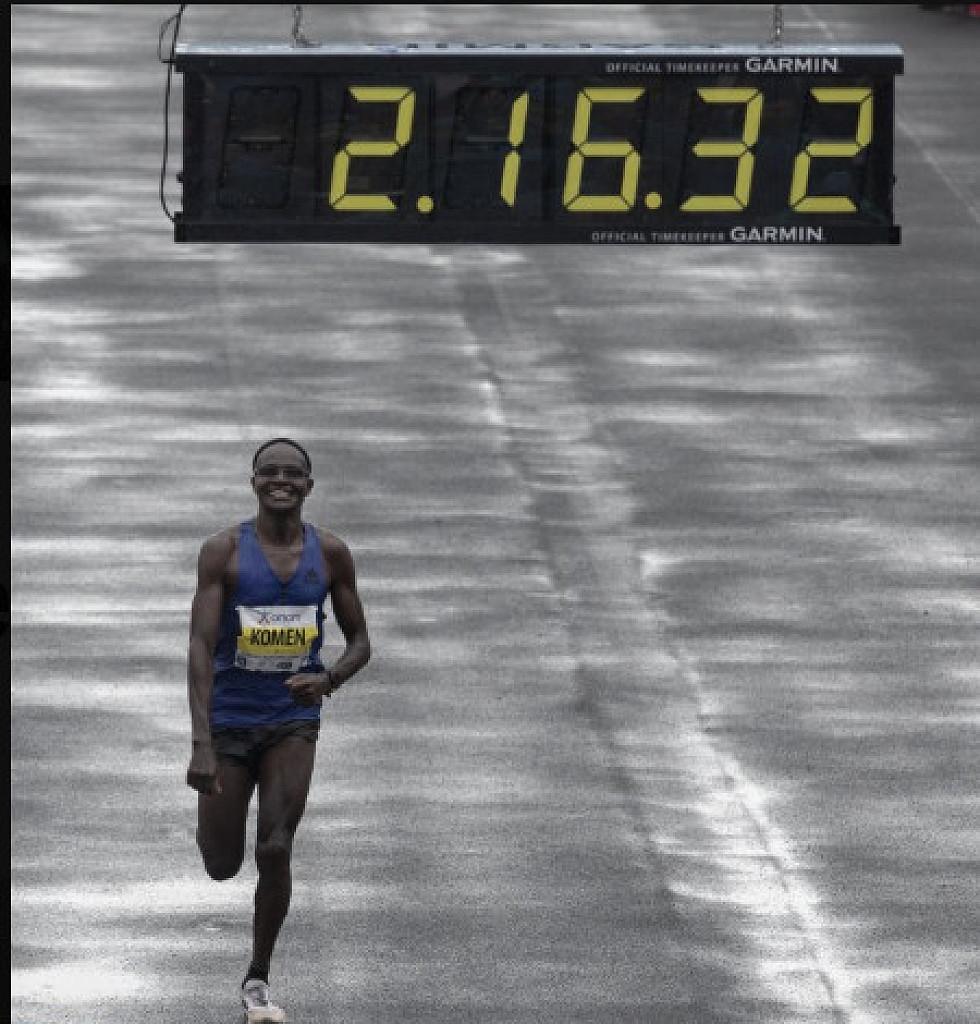
Veteran Kenyan Komen wins Athens Marathon
Kenyan John Kipkorir Komen was the big winner of the 37th Athens Authentic Marathon on Sunday.
Komen, 42, crossed the finish line at the Panathenaic Stadium in the center of Athens in 2:16:34.
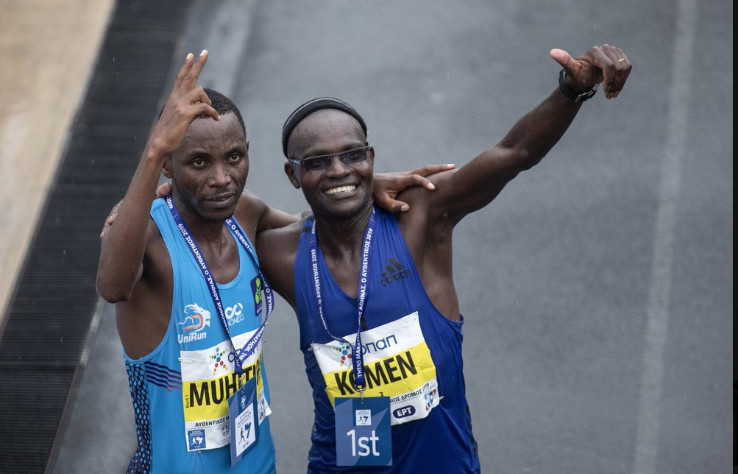
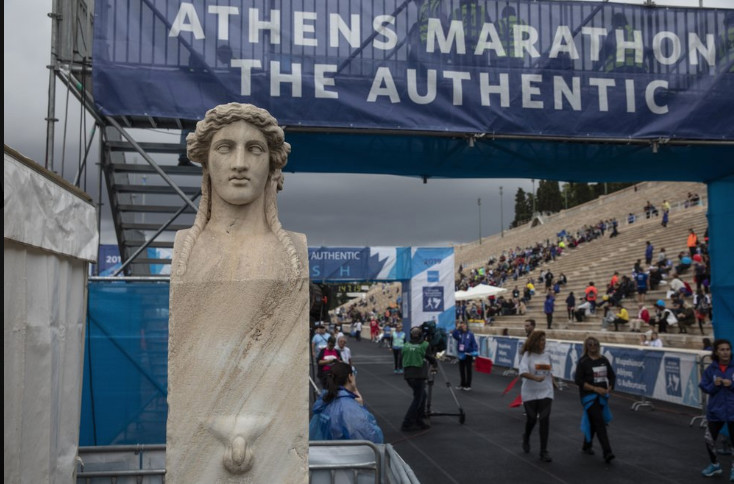
He did not manage to break the race's record at the 42km original course from Marathon city to Athens on a rainy day, but was cheered by thousands of spectators at the stadium which hosted the first modern Olympics in 1896, as well as along the route.
Kenya's Felix Kipchirchir Kandie holds the best time in the Authentic course since 2014, when he clocked 2:10:37.
Rwandan Felicien Muhitira, 25, ranked second, clocking 2:16:43, and Greek Konstantinos Gkelaouzos was third in 2:19:02.
A record 60,000 people from more than 120 countries and regions took part in the 42km course as well as the shorter 10km, 5km races and other parallel events, the organizing committee of the Hellenic Athletics Federation (SEGAS) said.
Among them were infants in strollers, entire families and white-haired amateur runners. The message of the Athens Marathon is that all participants are winners.
The race originates from the feat of Pheidippides who ran from the Marathon battlefield to Athens in 490 BC to announce Greeks' victory over the Persian forces and died from exhaustion.
This year all runners in the Marathon and shorter distances were presented with a new medal depicting the Marathon battle. The medal was designed by one of the greatest contemporary Greek artists, Alekos Fasianos. Enditem
Login to leave a comment
Athens Marathon
The Athens Classic (authentic) Marathon is an annual marathon road race held in Athens, Greece, normally in early November. The race attracted 43.000 competitors in 2015 of which 16.000 were for the 42.195 km course, both numbers being an all-time record for the event. The rest of the runners competed in the concurrent 5 and 10 kilometers road races and...
more...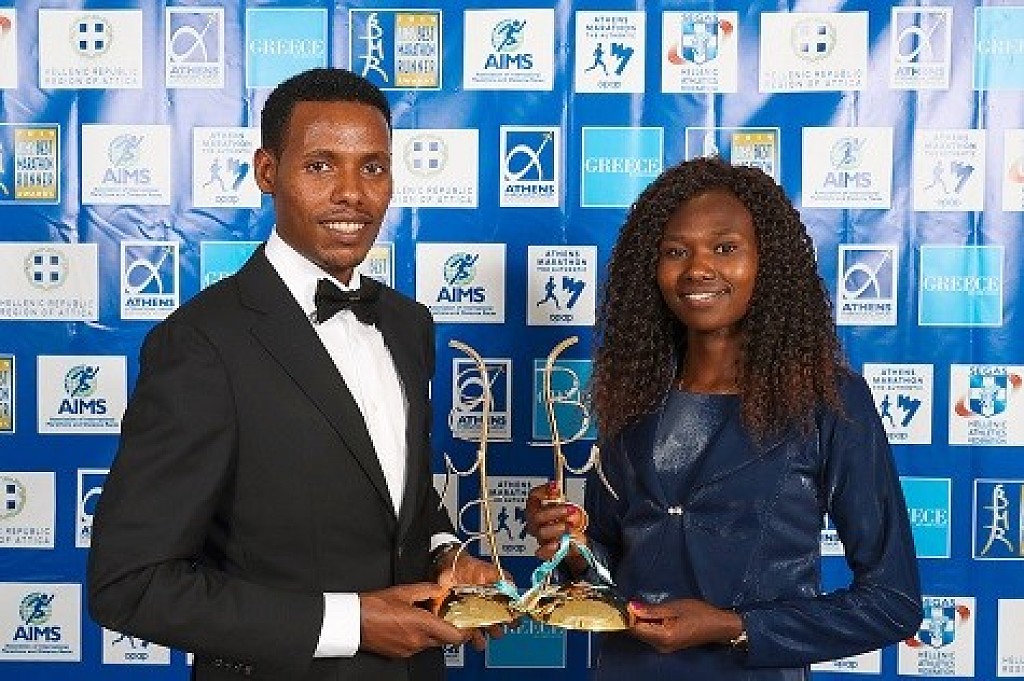
World Champions Lelisa Desisa and Ruth Chepngetich named Marathon Runners of the Year by the AIMS
This year’s World Marathon Champions Lelisa Desisa and Ruth Chepngetich are the Marathon Runners of the Year. The runners from Ethiopia and Kenya respectively were honored at the AIMS Best Marathon Runner (BMR) Gala in Athens tonight. The Gala, which was shown live on Greek TV, was staged by the Association of International Marathons and Distance Races (AIMS) and the Hellenic Athletics Federation, SEGAS. On Sunday the 37th edition of the "The Athens Marathon. The Authentic" will take place on the original course with a record field of 20,000 runners.
Three further distinctions were awarded by AIMS on Friday evening in Athens: the French journalist Alain Lunzenfichter, for a long time a reporter with the sports newspaper L’Équipe, received the AIMS Lifetime Achievement Award. The AIMS Green Award went to the Xiamen Marathon in China and the Harmony Geneva Marathon for UNICEF received the AIMS Social Award.
Two outstanding personalities in the sport of marathon running were also honored at the Gala on Friday evening: Britain’s Ron Hill and Stefano Baldini of Italy. Hill won the 1969 European title on the Athens course and Baldini took the Olympic title here in 2004. 15 years after his Olympic triumph, the Italian will be running the Athens Marathon once again. “I hope I can enjoy the race since Athens is a very special place for me,” said Stefano Baldini.
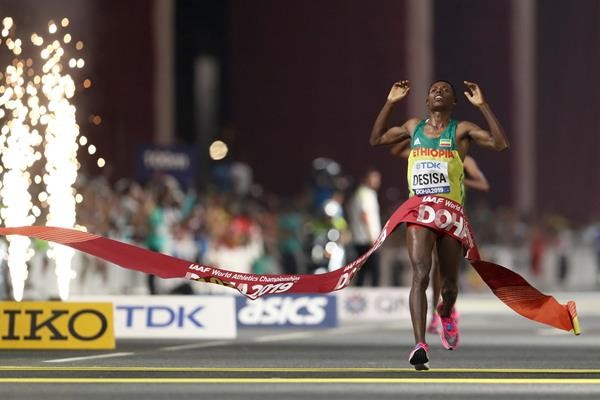
“We are honored to have the best marathon runners in the world here in Athens, where the marathon as well as the Olympic Games of the modern era began, and honor them at the Gala,” explained the president of the Hellenic Athletics Federation (SEGAS) Kostas Panagopoulos. The AIMS president, Paco Borao from Spain, spoke in referring to both winners: “No-one will be in any doubt that these two World champions, who won in extreme weather conditions in Doha, deserve to be the Best Marathon Runners.”
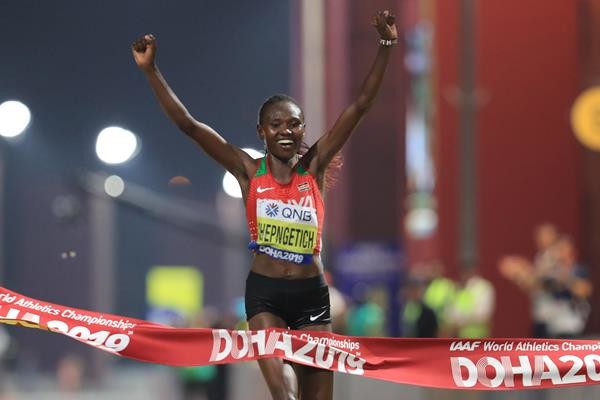
Lelisa Desisa is the first Ethiopian to have received this award which was first made in 2013. The most recent recipient was Kenya’s Olympic champion and world record holder Eliud Kipchoge who was awarded the prize for the last four years in succession. During the relevant period for the AIMS Best Marathon Runner, Lelisa Desisa won the New York Marathon in November 2018, running an impressive 2:05:59 on the difficult course. After a second place in Boston in April the 29-year-old Ethiopian won the World Championships marathon gold in Doha, Qatar a month ago. “The Olympic marathon in 2020 is my dream,” said Lelisa Desisa. “I want to follow in the footsteps of Abebe Bikila and win the gold. I hope I can inspire a new generation of young athletes by my success.”
Ruth Chepngetich established herself among the world’s best marathon runners with two outstanding victories: First she took the Istanbul Marathon in November 2018 with 2:18:35 then became the third fastest woman ever at that time when she won in Dubai in January with 2:17:08. At the end of September the 25 year-old took the World Championship title in Doha in extreme weather conditions. “It is a great honor to receive this award in Athens, where the marathon was born. This is a lifetime event in my career,” said Ruth Chepngetich. Asked about the world record, which was recently lowered to 2:14:04 by fellow-Kenyan Brigid Kosgei the BMR winner said: "I believe it is possible for me too to break the world record if I train accordingly.”
Among the distinguished international guests from Sport, Politics and Culture at the Gala on Friday evening in Athens was Greece’s Minister for Development and Investment, Adonis Georgiadis. “I ran the marathon myself last year and have to say, it was a once in a lifetime experience. I recommend everyone to run this race. The Athens Marathon stands for fun, happiness and energy,” added the Minister.
Login to leave a comment
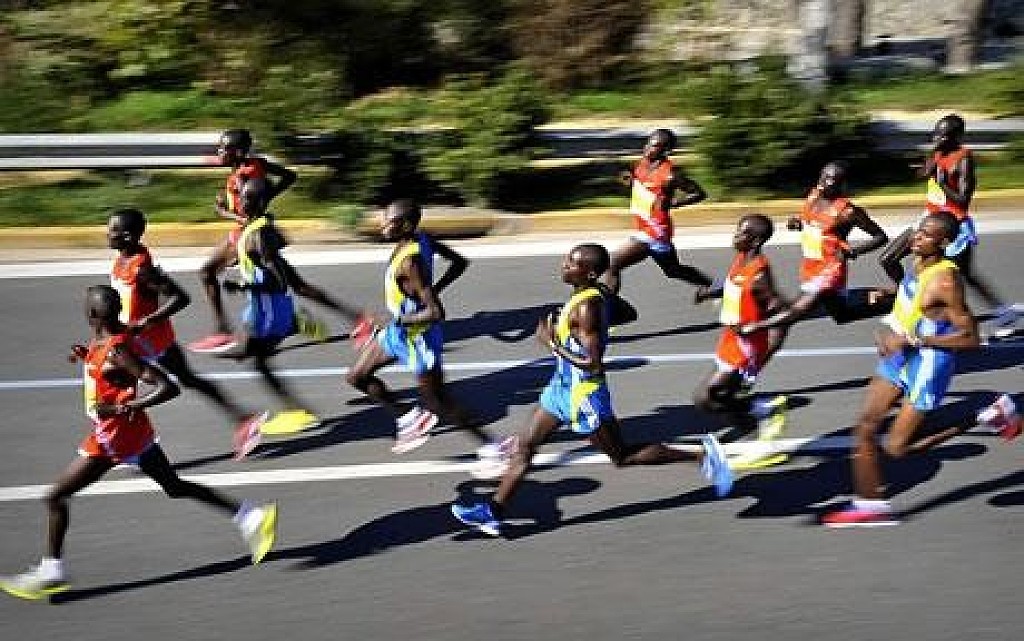
Kenyan Elite athletes field determined to set new record in Athens Marathon this Sunday
In the final stretch to the 37th Athens Marathon this Sunday, elite athletes appeared determined to do their best to break the race's record.
Approximately 60,000 runners from 120 countries and regions will participate in the 42km classic route from Marathon to Athens on Sunday and parallel shorter distances which are held also on Saturday.
Several Kenyan athletes, like Daniel Muindi Muteti, 25 years old, are considered frontrunners. Earlier this year in Cape Town he clocked 2:09:25.
"We are generally happy for being hosted here. I am ready to cause a record. Thank you," he said on Wednesday.
His compatriot, Rhonzas Lokitam Kilimo, 23, chose Athens for his debut in the marathon race. His personal record in the half-marathon is 60:49.
"I know of course the race should be very competitive and I am very prepared to run for coming Sunday and look forward to the record," he told media.
Kenyan runner Kandie Felix holds the best time in the authentic course since 2014, when he clocked 2:10:37.
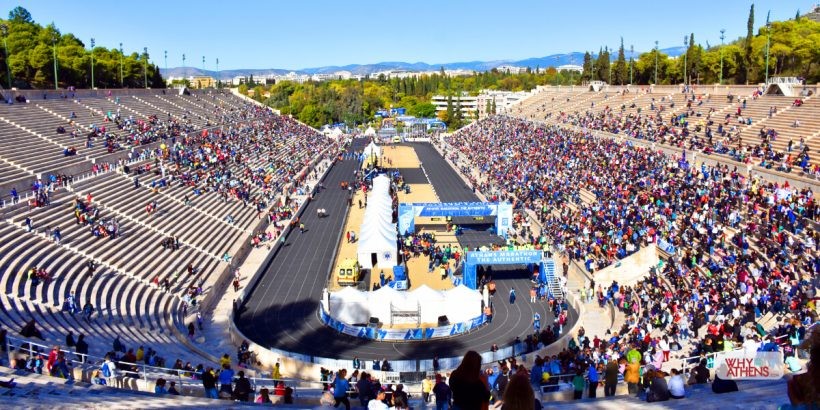
Regardless of records and distances, the crowd inside Panathenaic Stadium, the marble venue of the 1896 first modern Olympic Games, will cheer for all runners who will cross the finish line, the Hellenic Athletics Federation (SEGAS), which organizes the event, stressed.
The Marathon race, in particular at the birthplace of the event, is not about competing with others, but trying to stretch your own limits and move forward, it is about sportsmanship and friendship, Greek athletes stressed.
"My goal is a good performance, a good time. I will go after the first place, but I'm very glad that the running movement is progressing and increasing," said Gloria Privileggio, a long-distance runner who competed in marathon at the 2019 World Athletics Championships in Doha this September, finishing 29th. She will participate in the 10km race this Saturday.
Panagiotis Karaiskos finished 3rd among Greek athletes last year in Athens. He will participate in the Athens Marathon for the 7th consecutive year.
"This is a race which I remember even before starting running I would go to the Panathenaic stadium and I would shed tears seeing other runners crossing the finish line," he said.
The Marathon race was inspired by the legend of the ancient soldier Pheidippides who first ran the 42km classic route from the Marathon battlefield to Athens in 490 BC to announce to his fellow citizens the Athenians' victory against the Persians.
According to the legend, the messenger managed to say "we won" before dying of exhaustion.
Login to leave a comment
Athens Marathon
The Athens Classic (authentic) Marathon is an annual marathon road race held in Athens, Greece, normally in early November. The race attracted 43.000 competitors in 2015 of which 16.000 were for the 42.195 km course, both numbers being an all-time record for the event. The rest of the runners competed in the concurrent 5 and 10 kilometers road races and...
more...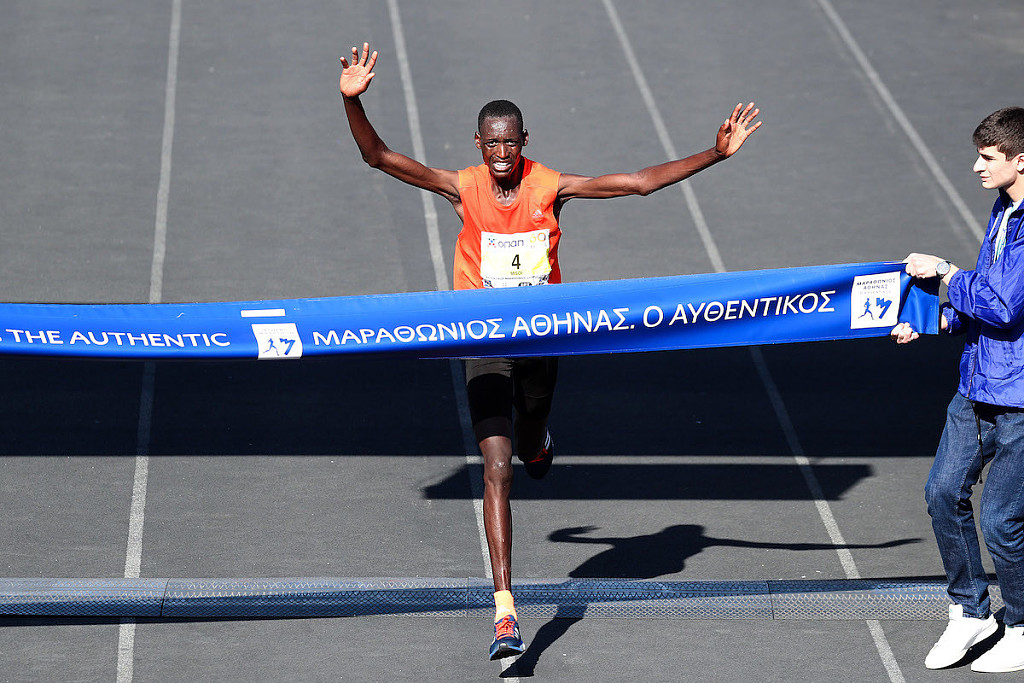
Defending champion Brimin Misoi from Kenya leads elite field in Athens
Brimin Misoi, the Kenyan who made headlines with an emphatic victory last year, will take pride of place on the start line for the 37th edition of the “Athens Marathon. The Authentic” on Sunday, November 10.
In 2018 Misoi ran the third fastest time ever of 2:10:56 on the renowned, tough course from the coastal town of Marathon to the heart of Athens. He crossed the finish line in the Panathenaic Stadium, venue for the 1896 Olympic Games, almost two minutes clear of his nearest rival.
Retaining the title will prove no easy task despite the Kenyan improving his personal best to 2:09:31 in the Vienna City Marathon in April where he was sixth. His rivals will include compatriot Daniel Muteti, whose best of 2:09:25 in finishing second in the Cape Town Marathon was achieved in mid-September.
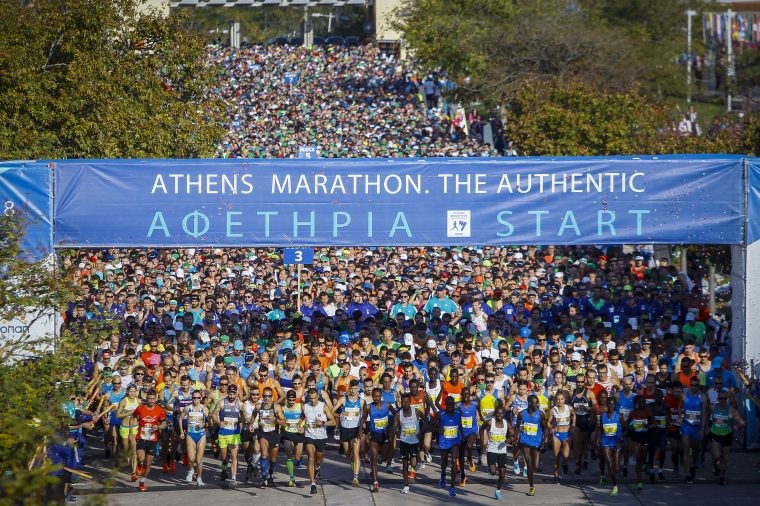
Adding historic lustre will be the 2004 Olympic champion Stefano Baldini. On his return to the original marathon course the Italian will be running as a “tourist” rather than elite competitor but his Olympic winning time of 2:10:55 was just one second faster than Brimin Misoi’s last year, further proof of the Kenyan’s quality.
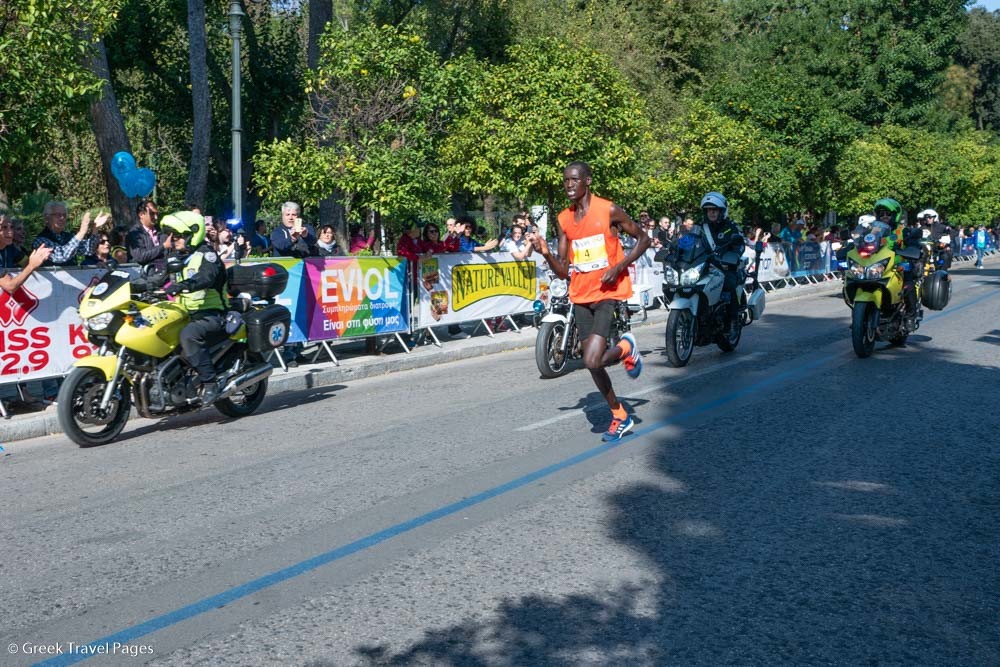
The “Athens Marathon. The Authentic” has already broken records in the race build-up with participation limits in the marathon and parallel events now fully booked. A record total of more than 20,000 will run the marathon, a further 12,000 take part in the 10km road race and another 20,000 run the 5km Road Race ZERO WASTE FUTURE (by Coca-Cola), while total numbers of runners in all events has exceeded 60,000, another record. This festival of running is organized as in previous years by the Hellenic Athletics Federation (SEGAS). For the first time the 10km road race will be held on Saturday evening in central Athens, rather than all the running events taking place on Sunday, another indication of the tremendous growth of interest in the past few years, including a steep rise in the international entry among mass runners. This year 12,000 runners from more than 120 countries will be represented among the 60,000 involved in total, making the Athens Marathon one of the most international races in the world.
One more record of the event is the attendance of the races at the 13th AIMS Marathon Symposium and the 7th Best Marathon Runners Awards Gala: Race directors and representatives of 80 international marathons from 45 countries will be present.
As for the race for top honors, Brimin Misoi has not raced since the Vienna City Marathon in April where he brought his personal best down to 2:09:31. A rival and fellow Kenyan who knows what it means to run at that level is Daniel Muteti, making his debut on the Athens course. As recently as September 15 he ran his best of 2:09:25 to finish second in Cape Town. He has had a busy year in marathon terms in general, having begun with 2:10:55 for fourth in Mumbai on January 20. Athens and its challenging, rolling hills then descent for the last 10km may test his powers of recovery. Rhonzas Kilimo of Kenya dropped out of his debut marathon in Hamburg in late April but the former steeplechaser finished second in the Berlin Half Marathon with 61:01, an indication of marathon promise, at least. Also known as Rhonzaz Lokitam he clocked a half marathon PB of 60:49 a year ago in Valencia. These runners and others have the potential to put Felix Kandie’s 2014 course record of 2:10:37under pressure.
One outcome already certain is that every marathon finisher in the Panathenaic Stadium will receive their own piece of history in the form of the inaugural medal depicting the history of the race. To be awarded over the next eight years, this debut finisher’s medal, aptly enough, portrays the Battle of Marathon where the legend of the lone Athenian soldier-messenger began.
Login to leave a comment
Athens Marathon
The Athens Classic (authentic) Marathon is an annual marathon road race held in Athens, Greece, normally in early November. The race attracted 43.000 competitors in 2015 of which 16.000 were for the 42.195 km course, both numbers being an all-time record for the event. The rest of the runners competed in the concurrent 5 and 10 kilometers road races and...
more...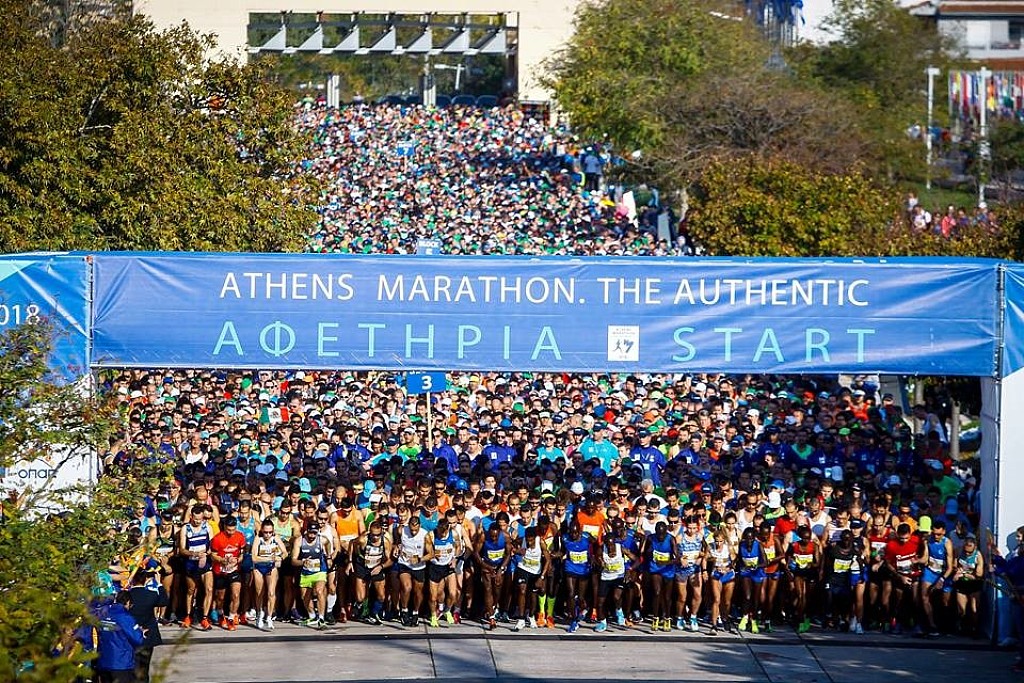
2019 Athens Marathon looks forward to record numbers of runners from around the world
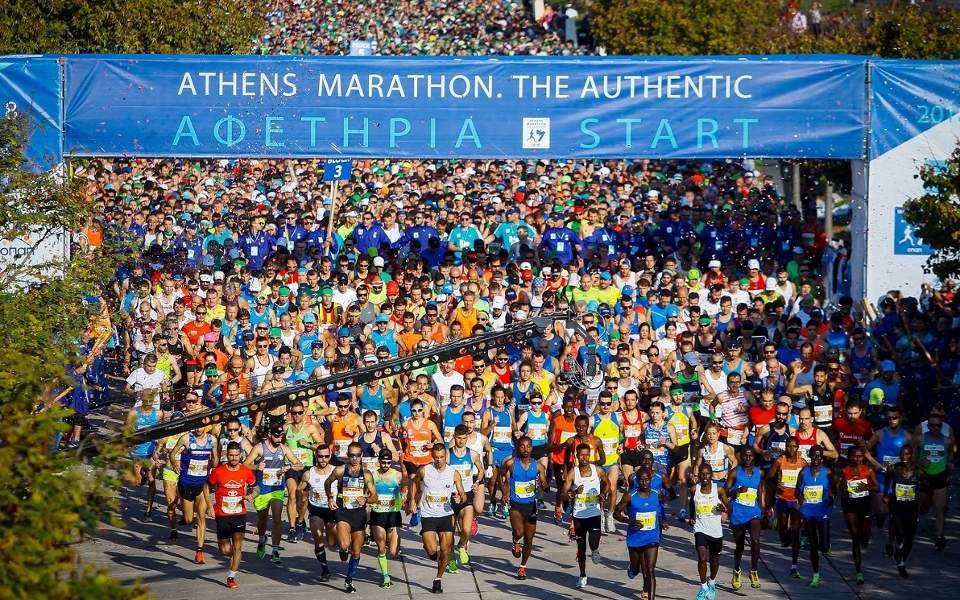
Organizers of the 37th edition of “Athens Marathon. The Authentic” expect this year for the first time to welcome 20,000 marathon runners from around the world to run on the original course from Marathon to Athens.
Almost 125 years since the first Olympic Marathon at the start of the modern Olympic era in Athens in 1896, race organizers SEGAS, the Hellenic Athletics Federation, are anticipating a new record participation.
Adding running events at shorter distances a total of more than 60,000 athletes will run through the Attica region and Athens. This record total puts the Authentic Marathon among the biggest running events anywhere in the world.
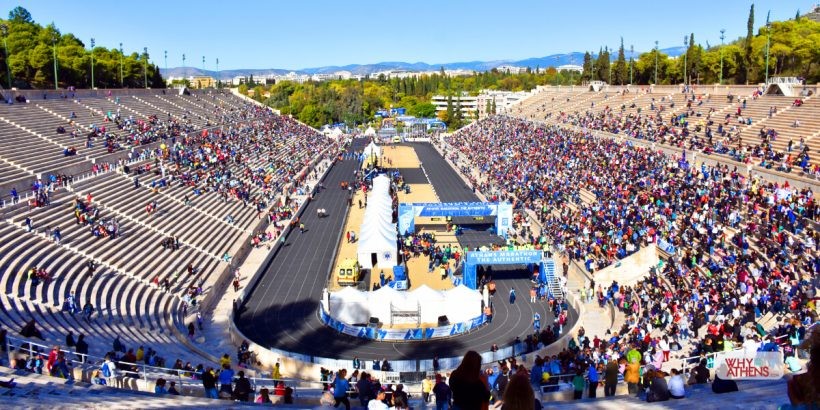
The marathon race begins in its historic setting of the town of Marathon. The marathon course of 42.195k, officially measured by the IAAF and AIMS, is practically identical with that of the 1896 Olympic Marathon and corresponds exactly to the course for the 2004 Olympic Games in Athens.
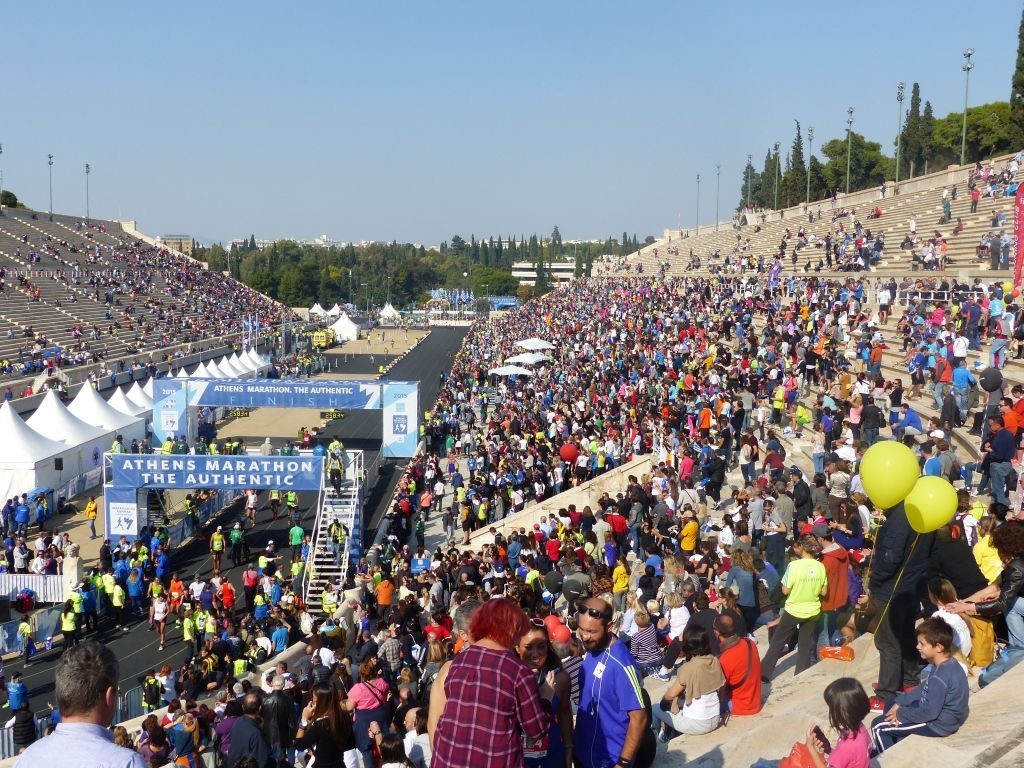
Ten years ago there were 10,000 athletes running through Athens in races of various distances, but in November this year there will be more than five times as many.
An innovation this year is that the 10k road race, which hitherto has been staged in parallel with the marathon, will now be run in the early evening on the previous day in central Athens.
The Marathon Expo where start numbers will be distributed will open on Wednesday, extending the duration of the “Athens Marathon. The Authentic“ to a five instead of four-day programme.
Together with the Association of International Marathons and Distance Races (AIMS), the Hellenic Athletics Federation (SEGAS), will once again stage a gala on Friday evening before the Marathon and an international Marathon Symposium on Saturday morning. During the course of the Gala the male and female winners of the annual AIMS Best Marathon Runner Award will be announced.
Every marathon runner who crosses the finish line in the Panathenaic Stadium on November 10 will receive the first medal of a new series. The concept for the medals covers a period of eight years and will reflect the history of the marathon race. This year’s medal will show the Battle of Marathon.
Login to leave a comment
Athens Marathon
The Athens Classic (authentic) Marathon is an annual marathon road race held in Athens, Greece, normally in early November. The race attracted 43.000 competitors in 2015 of which 16.000 were for the 42.195 km course, both numbers being an all-time record for the event. The rest of the runners competed in the concurrent 5 and 10 kilometers road races and...
more...