

Running News Daily
Running News Daily is edited by Bob Anderson and team. Send your news items to bob@mybestruns.com Advertising opportunities available.
Index to Daily Posts · Sign Up For Updates · Run The World Feed
Articles tagged #Seventeen years
Today's Running News
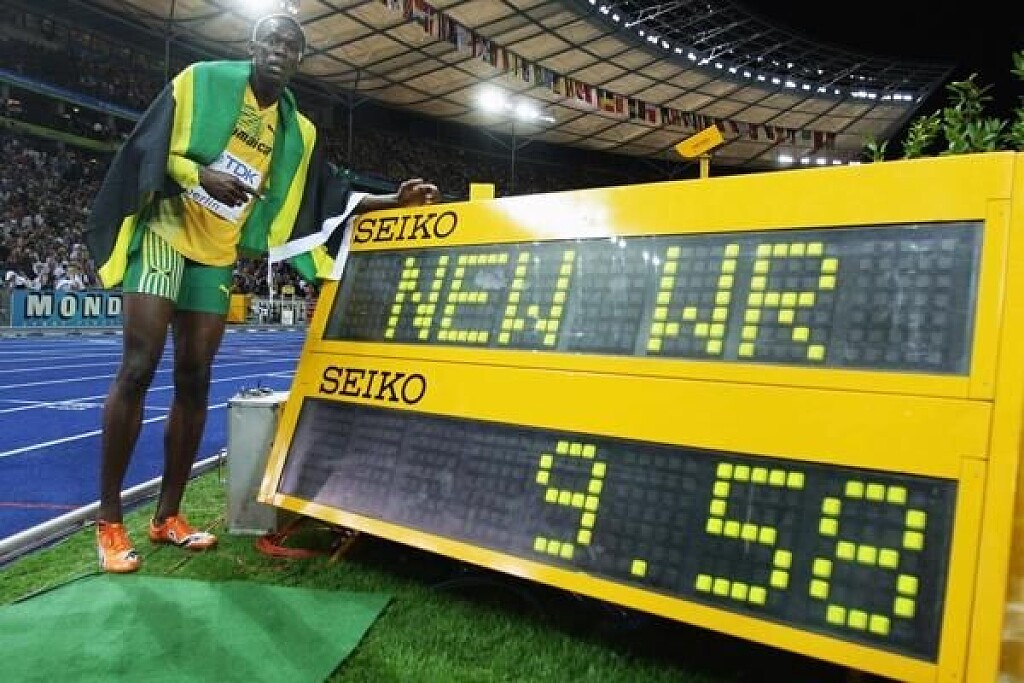


Seventeen Years On, Usain Bolt’s 9.58 Still Stands Alone
Seventeen years ago today, Jamaica’s Usain Bolt produced one of the most extraordinary performances in the history of athletics, sprinting into sporting immortality with a breathtaking 9.58 seconds in the men’s 100m final at the 2009 World Championships in Berlin.
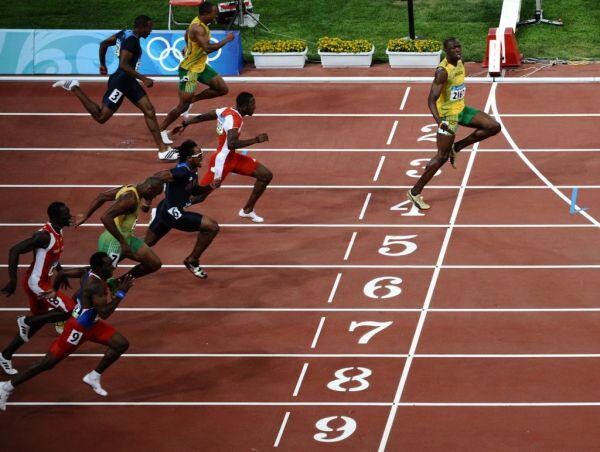
Under the lights of Berlin’s Olympic Stadium, the Jamaican superstar dismantled his own world record, slicing an astonishing 0.11 seconds from the 9.69 he had set at the Beijing Olympics exactly one year earlier. With a legal tailwind of +0.9 m/s, Bolt crossed the finish line in 9.58 — a mark that remains the fastest 100m ever recorded by a man.
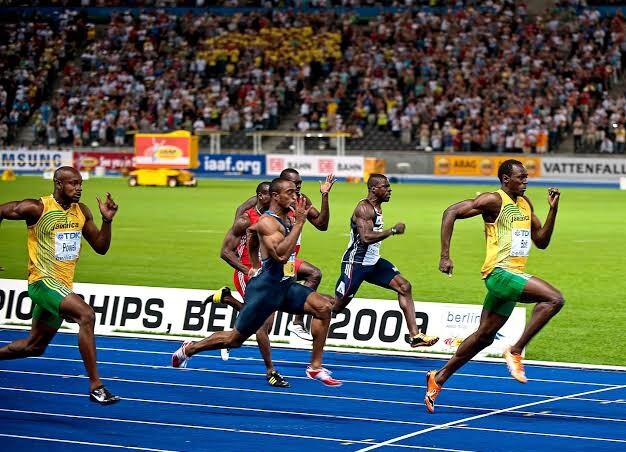
The race was billed as a heavyweight showdown between Bolt and American Tyson Gay, but once the Jamaican found his rhythm, the contest was effectively decided. Bolt surged away from the field with his trademark long, powerful strides, stopping the clock in a time that seemed almost beyond the limits of human speed.
Behind him, Gay produced a remarkable 9.71 for silver, setting a United States record, while Jamaica’s Asafa Powell claimed bronze in 9.84. Yet the night belonged entirely to Bolt, whose performance became the defining image of the Berlin championships.
What made the achievement even more remarkable was the scale of the improvement. Bolt had already rewritten the world record in Beijing with 9.69, but in Berlin he went to another level, becoming the first man to break the 9.6-second barrier. His 9.58 also represented the largest improvement to the men’s 100m world record since electronic timing was introduced.
Seventeen years later, the number still carries an almost mythical quality: 9.58 seconds. Generations of sprinters have chased faster times, but Bolt’s Berlin masterpiece remains untouched. The record has survived Olympic cycles, world championships and a new generation of elite sprinters, continuing to stand as one of the most enduring monuments to human speed.
On August 16, 2009, Usain Bolt did more than win a world title. He created a moment that transcended the race itself — a performance that continues to remind the world just how extraordinary the limits of speed can be.
Seventeen years on, 9.58 still belongs to Bolt. And the world is still waiting for someone to catch him.
by Erick Cheruiyot for My Best Runs.
Login to leave a comment
An Evening With Bolt - The Fastest Man Ever is coming to London July 22
Eight Olympic gold medals. Eleven World Championship titles. Three consecutive Olympic Games sweeping both the 100m and 200m titles.
No sprinter in history has ever done what Usain Bolt accomplished between Beijing, London, and Rio.

And now, nearly a decade after his final Olympic appearance, the fastest man in history is proving that his appeal reaches far beyond the track.
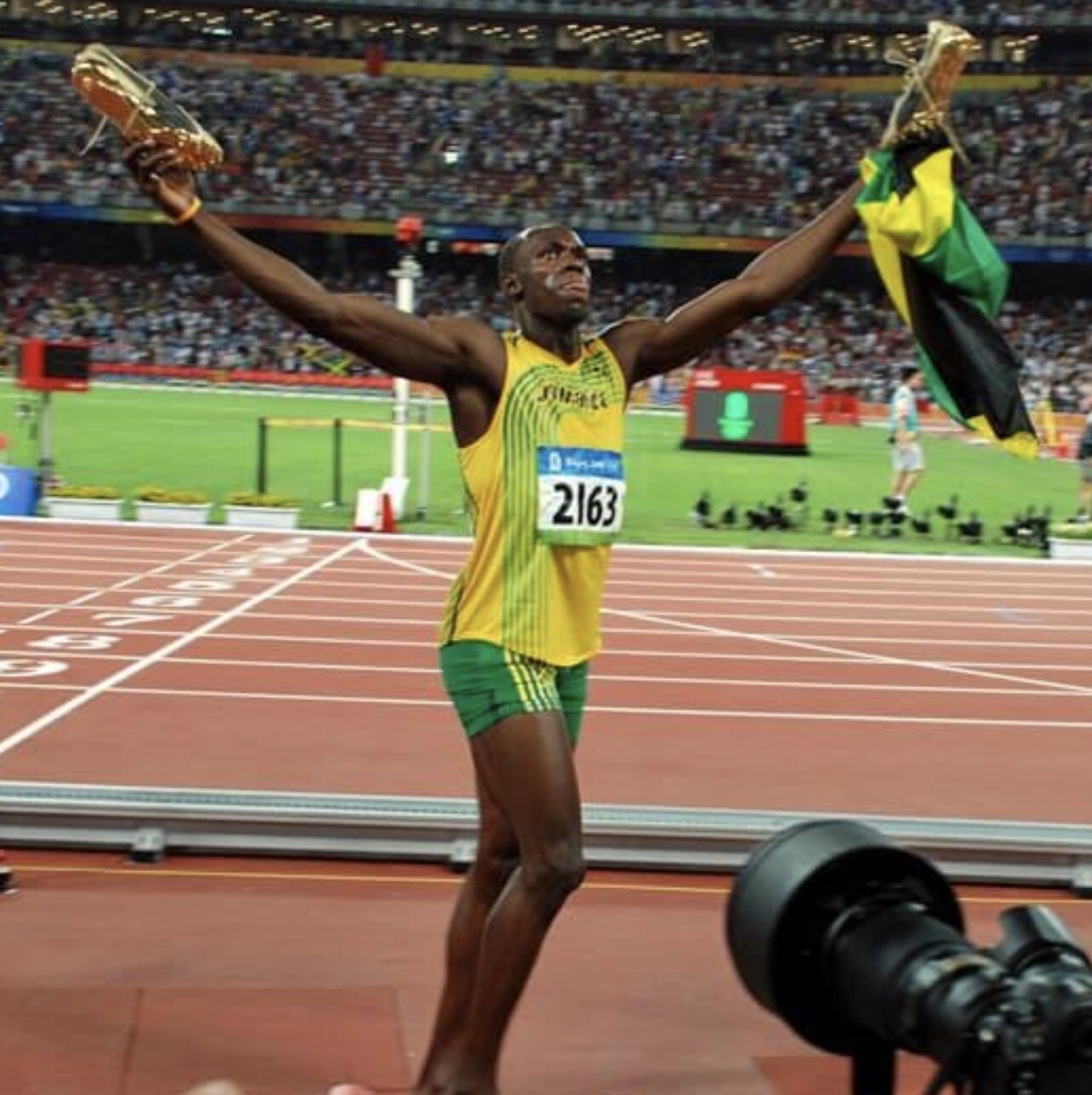
On Wednesday, July 22, 2026, Bolt will appear live at The O2 for “An Evening With Bolt,” a stage event expected to draw thousands of fans eager to hear firsthand stories from one of the most dominant athletes ever produced by any sport.
The event is not a race. There will be no starting blocks, no finish tape, no world-record clock flashing 9.58. Yet demand for tickets has been extraordinary. Premium seats are reportedly selling for more than $200 USD, with VIP and meet-and-greet packages commanding even higher prices.
That kind of post-career drawing power is rare in athletics.
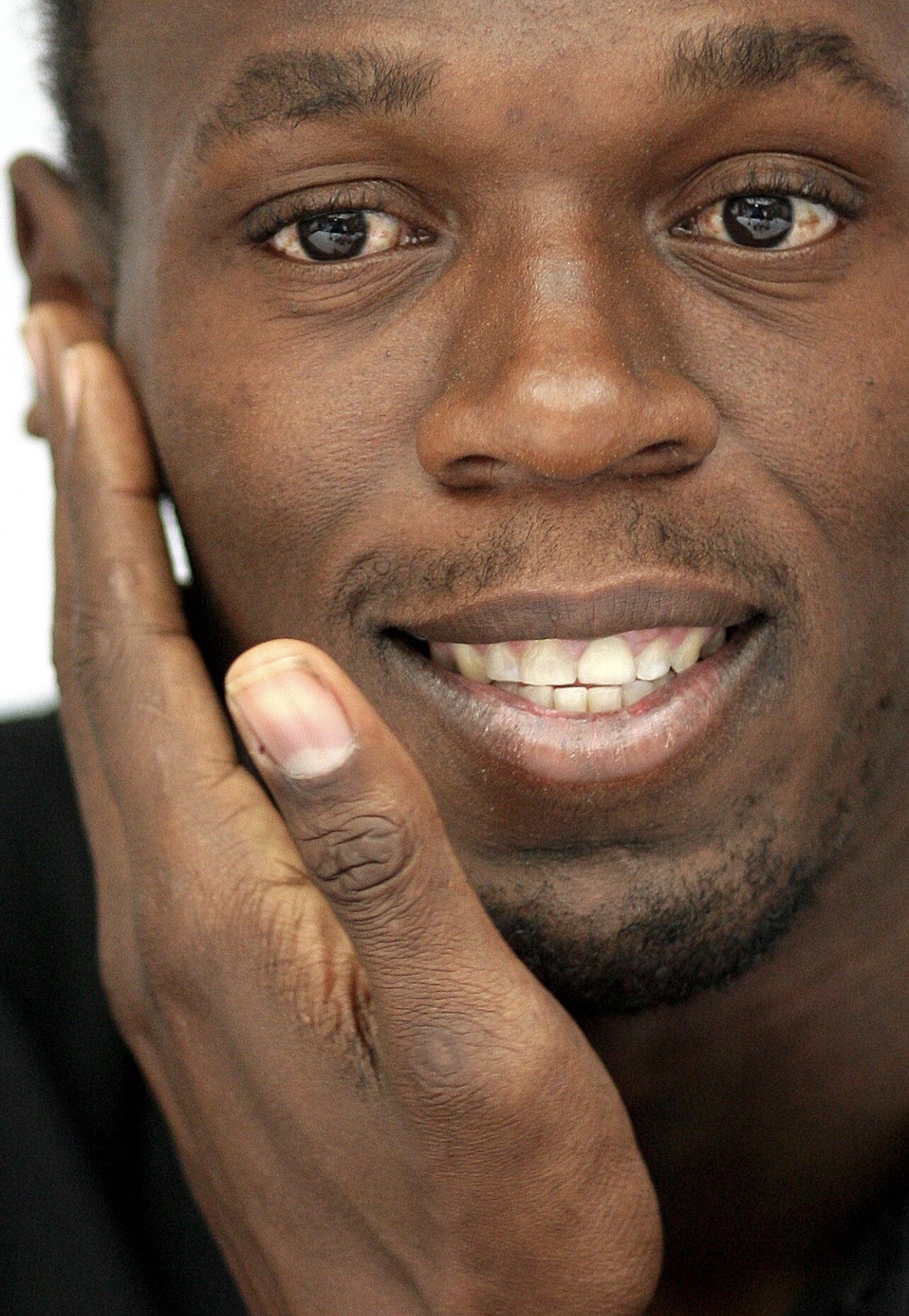
Michael Jordan could fill arenas. Muhammad Ali could command a room anywhere in the world. Pelé and Diego Maradona transcended soccer. But in track and field, very few athletes have remained such a global attraction years after retirement.
Bolt is different.
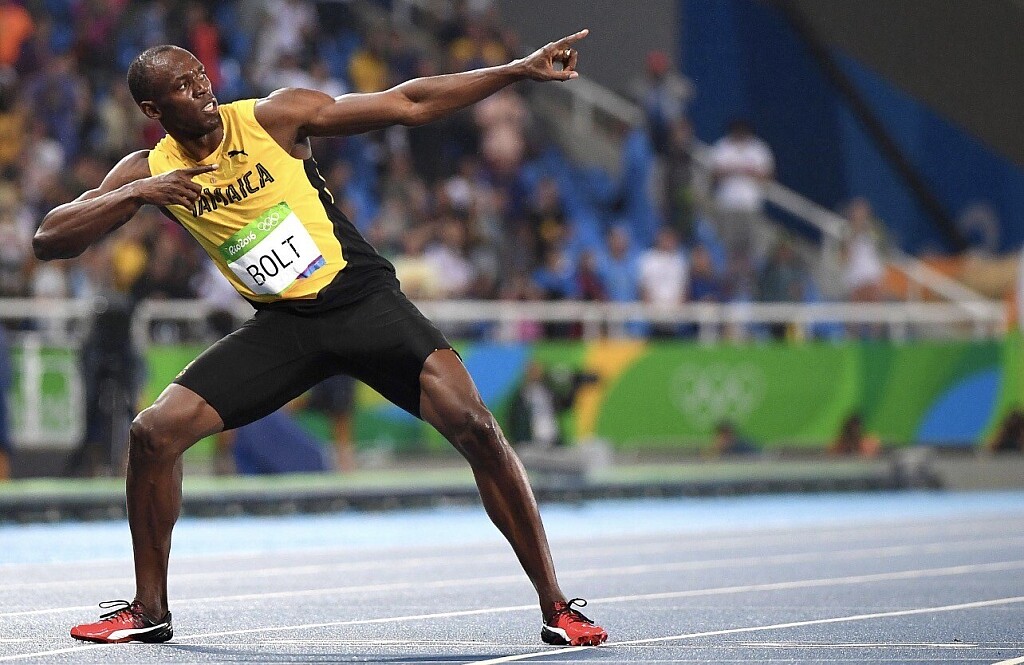
For nearly a decade, he turned the Olympic 100-meter final into one of the biggest television events on the planet. Even casual sports fans knew exactly when Bolt was racing. His signature lightning pose became one of the most recognizable celebrations in modern sports history.
What makes his story even more remarkable is that the records still stand.
His 9.58 world record in the 100 meters and 19.19 in the 200 meters have survived wave after wave of challengers, technological advances, super spikes, and an entirely new generation of sprinters. Nearly seventeen years later, no one has seriously threatened both marks at the same time.
And unlike many champions, Bolt combined dominance with personality. He danced before races, smiled under pressure, joked with reporters, and somehow still delivered when the spotlight was brightest.
That combination — greatness plus charisma — is what continues to sell out theaters and arenas around the world.
According to event organizers, Bolt will speak candidly about his upbringing in Trelawny, Jamaica, the pressure of competing for an entire nation, the discipline required to remain on top, and the mental side of being expected to win every time he stepped on the track.
For younger athletes, the evening offers something rare: a chance to hear directly from a man who changed the sport forever.
For older fans, it is a reminder of a period when sprinting became must-watch television.
Track and field has produced many great champions. But very few became global cultural icons.
Usain Bolt did both.
by Boris Baron for My Best Runs
Login to leave a comment
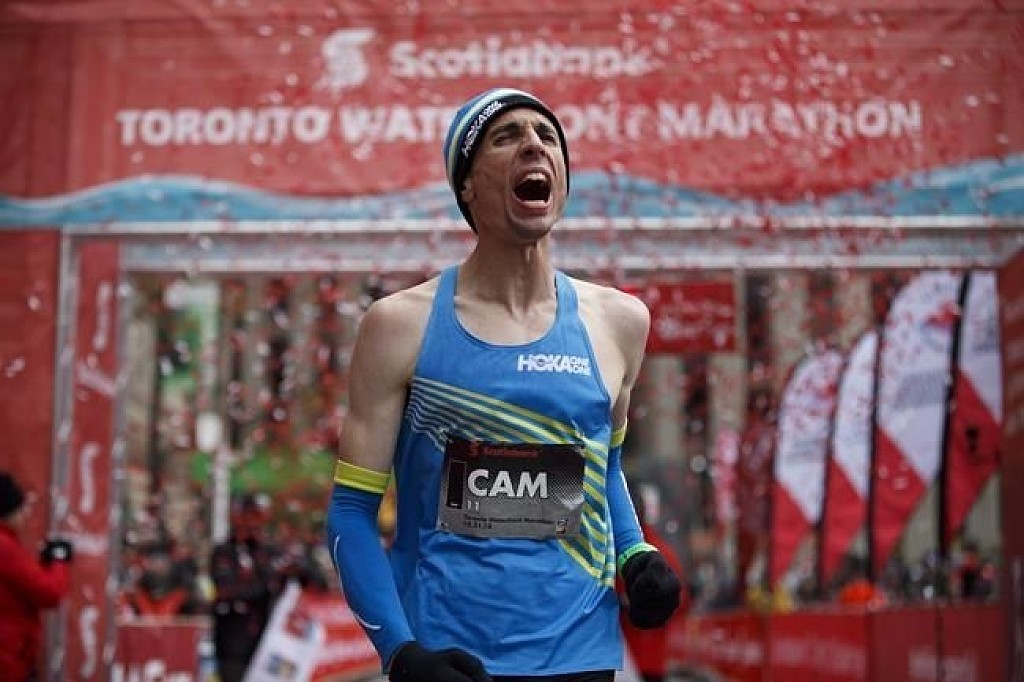
Canadian record-holders Levins, Elmore headline Canada's marathon team for Tokyo
Seventeen years after she last raced at the Olympics, distance runner Malindi Elmore has earned a spot on Canada's team for Tokyo, while Cam Levins will race at the Games after dipping under the qualifying mark with just a week to spare.
The two Canadian record-holders in the marathon highlighted Athletics Canada's team of long-distance runners and race walkers nominated on Friday.
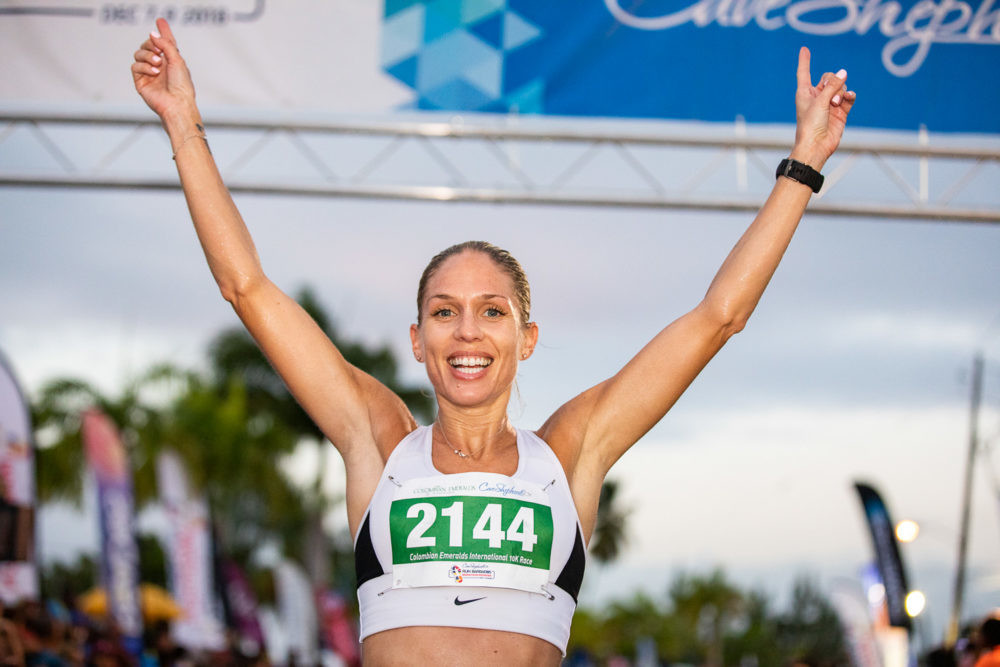
Nine Canadian marathoners had achieved the qualifying criteria in the marathon, but each country is allowed only three men and three women, leading to speculation about the squad in recent weeks, and posing a good problem for Athletics Canada with the depth of talent.
"Over the past few years, Canadian middle- and long-distance runners have accomplished great things on the track and on the road," Athletics Canada's head coach Glenroy Gilbert said in a statement. "In Tokyo, we'll see a new generation of marathoners who have broken Canadian records, established impressive personal bests on-demand in less-than-ideal conditions and made a name for themselves in the gruelling 42.195-kilometre event.
"We are excited to see what this group can do in Sapporo against the greatest athletes in the world, as they deserve to be there."
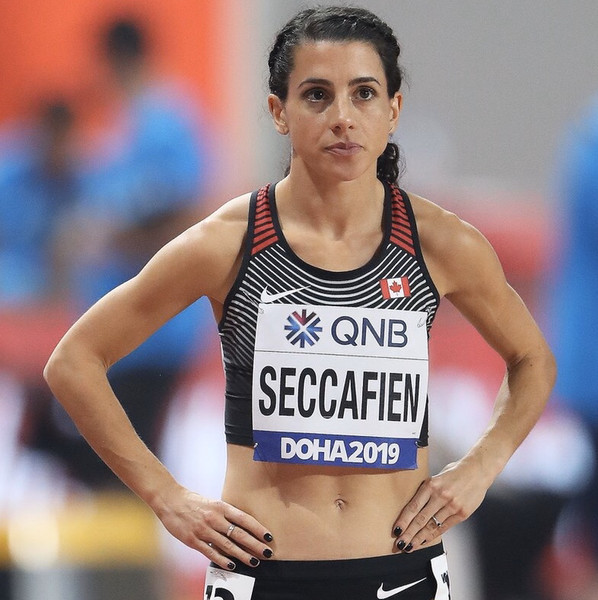
World bronze medallist Evan Dunfee tops the race-walk team, while Mohammed Ahmed and Andrea Secdafien earned spots in the 10,000 metres.
The rest of Canada's track and field team will be announced at a later date.
Dunfee had already clinched his spot on the team based on his bronze at the 2019 world championships, while Dayna Pidhoresky and Trevor Hofbauer had previously earned automatic berths after winning the women's and men's Canadian marathon titles.
Elmore is a terrific comeback story. The Kelowna, B.C., native ran the 1,500 at the 2004 Athens Olympics missing the semifinals by one spot, then retired from track in 2012 and became a world-class Ironman triathlete. Moving down to the marathon in 2019 — as a mom of two, she said it requires less training time than the Ironman — she broke the Canadian marathon record in January 2020.
Natasha Wodak, who's raced at three world championships in the 10,000 metres, is the third Canadian woman on the marathon team.
Levins, a finalist in the 5,000 and 10,000 at the 2012 London Olympics, shattered the Canadian record in his marathon debut in 2018. He fell short on two attempts over the past year to qualify for Tokyo, but the 32-year-old from Black Creek, B.C., finally dipped under the mark on May 23 — a week before the qualifying window closed — in Styria, Austria, despite running in rain and alone for the last 25 kilometres of the race.
Ben Preisner is the third men's marathoner nominated to the team.
"I am so pumped about this group of athletes," said Canada's chef de mission Marnie McBean. "They chose the 'suffer' events and make them look easy. Many of their recent results have been a beacon of light for the whole of Team Canada."
Mathieu Bilodeau joins Dunfee in the 50-kilometre race walk based on his world ranking.
The marathons and race walk events will be held in Sapporo due to Tokyo's heat, and because of COVID-19, athletes will be restricted to staying in Sapporo.
"Woohoo! Stellar Sapporo crew locked in," tweeted Dunfee, who was fourth at the 2016 Rio Olympics. "We'll be the only Team Canada teammates we see at the Olympics, sequestered 800km away, so I'm stoked that these people are all so lovely."
Mohammed Ahmed and Andrea Seccafien were nominated in the men's and women's 10,000. Ahmed owns the Canadian records in the 5,000 and 10,000 and won bronze in the 5,000 at the 2019 world championships. Seccafien broke the Canadian record in the 10,000 just three weeks ago.
The window to qualify in the 10,000 remains open for another month, so Canada could add runners in that distance based on either their world ranking or by achieving an automatic entry standard.
by Canadian Press
Login to leave a comment

Tokyo 2020 Olympic Games
Fifty-six years after having organized the Olympic Games, the Japanese capital will be hosting a Summer edition for the second time, originally scheduled from July 24 to August 9, 2020, the games were postponed due to coronavirus outbreak, the postponed Tokyo Olympics will be held from July 23 to August 8 in 2021, according to the International Olympic Committee decision. ...
more...