

Running News Daily
Running News Daily is edited by Bob Anderson and team. Send your news items to bob@mybestruns.com Advertising opportunities available.
Index to Daily Posts · Sign Up For Updates · Run The World Feed
Articles tagged #Gelindo Bordin
Today's Running News
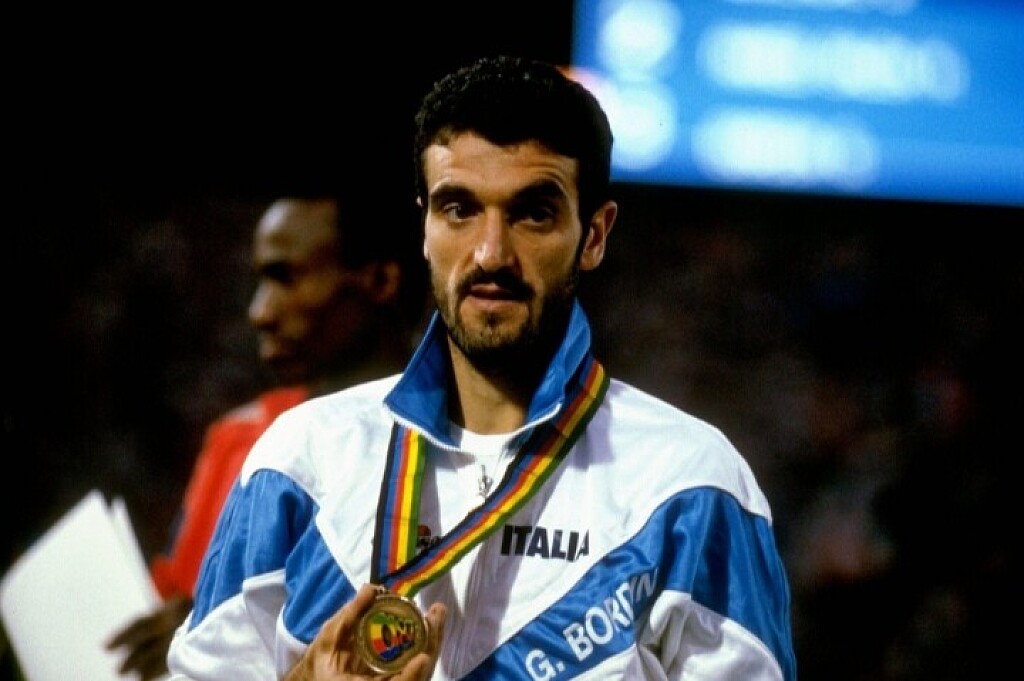


Gelindo Bordin: The Quiet Runner Who Chased Down Immortality
Not every sporting legend arrives wrapped in noise and spectacle. Some emerge gradually, almost unnoticed at first, built not on flamboyance but on resilience, discipline, and an unshakable belief in endurance. That was the essence of Gelindo Bordin — a man whose greatness unfolded not in dramatic declarations, but stride by stride across the unforgiving roads of marathon racing.
Long before Olympic glory found him, Bordin was simply a determined young runner from Vicenza, training with little indication that history was quietly preparing a place for his name. There was nothing theatrical about his rise. His running carried a calm rhythm, patient and controlled, yet beneath that composure lived a relentless competitive spirit waiting for the right stage to reveal itself.
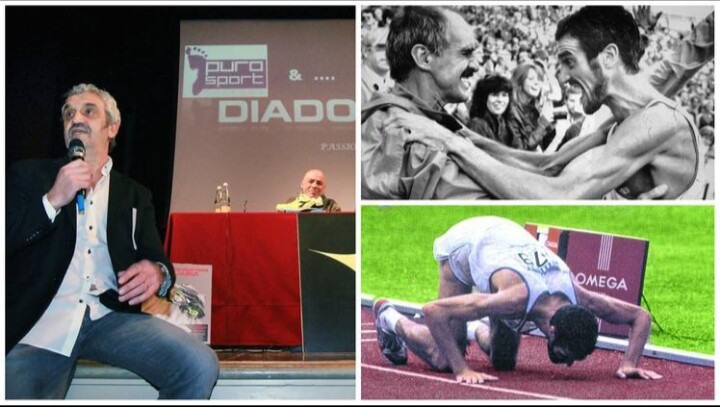
That revelation began in earnest at the 1986 European Championships in Stuttgart. The marathon unfolded like a battle of endurance against fatigue, and Bordin mastered it with remarkable maturity. He did not dominate through reckless aggression; instead, he absorbed the suffering better than everyone else. As rivals faded in the closing stages, the Italian surged toward gold, announcing himself as one of the finest marathon runners of his generation.
A year later came another defining examination at the 1987 World Championships in Rome. The brutal heat transformed the race into a test of survival, punishing every tactical mistake. While others attacked too early, Bordin ran with restraint and intelligence, conserving both energy and composure for the decisive final kilometres. When exhaustion consumed the field after 35 kilometres, he moved forward with clinical precision, earning a hard-fought bronze medal that showcased not only physical strength, but extraordinary patience and tactical discipline.
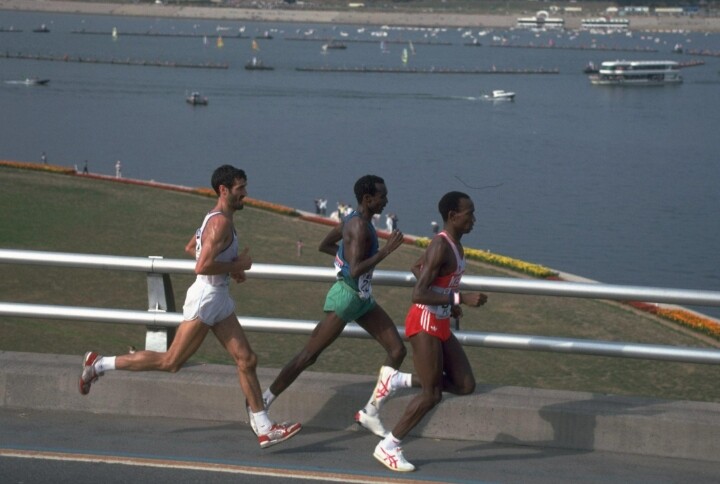
Yet it was at the 1988 Olympic Games in Seoul where Gelindo Bordin elevated himself from elite athlete to eternal icon.
The Olympic marathon began cautiously, with Bordin sitting quietly among the leading pack, unreadable and composed. As the race intensified beyond the halfway mark, the contenders gradually separated themselves from the rest. By the closing stages, only three men appeared capable of winning Olympic gold: Bordin, Kenya’s Douglas Wakiihuri, and Djibouti’s Ahmed Salah.
Then came the moment that seemed to decide the race.
Ahmed Salah launched a ferocious acceleration, dragging Wakiihuri with him and opening a painful gap on the Italian. The marathon appeared settled. Spectators believed Bordin was fading toward bronze, honourable but beaten. The leaders looked gone.
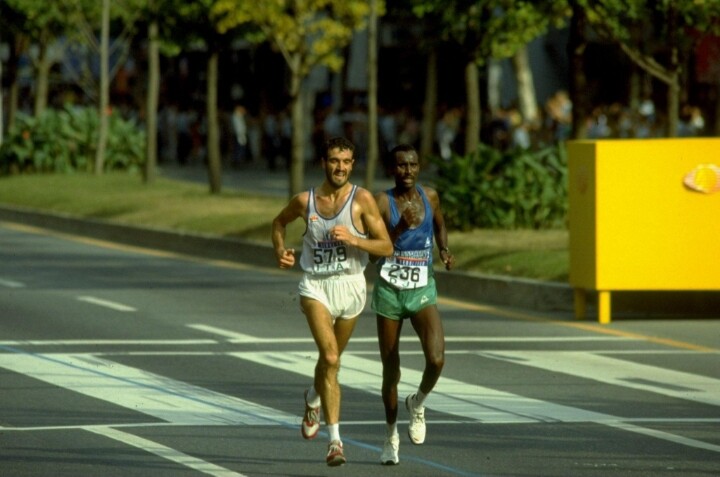
But greatness often reveals itself in the darkest kilometres of a marathon.
Somewhere inside the agony of those final moments, Bordin discovered reserves that defied logic. He began clawing his way back with astonishing determination, reducing the gap metre by metre. First he reeled in Wakiihuri. Then he hunted down Salah himself. And once he surged into the lead, there was no hesitation left in him.
With less than a kilometre remaining, Gelindo Bordin was no longer merely competing for victory — he was running into history.
He crossed the finish line as Olympic champion, becoming the first Italian ever to win Olympic gold in the marathon. It remains one of the most courageous comeback victories the event has ever witnessed, a masterpiece forged through patience, timing, and refusal to surrender.
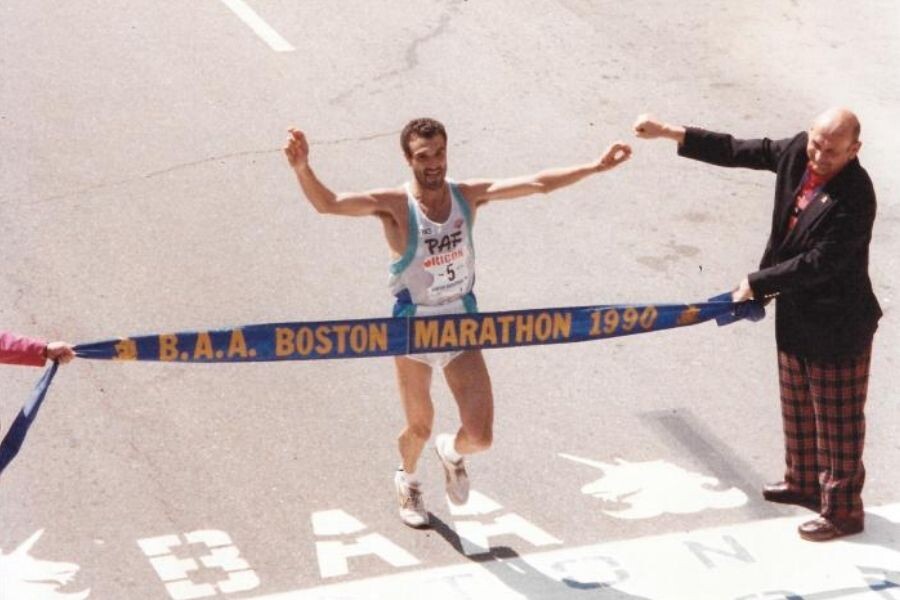
Bordin’s excellence did not end in Seoul. In 1990, he defended his European marathon title, becoming the first athlete in history to achieve that feat. That same year, he conquered the legendary Boston Marathon, a triumph he later described as the second-greatest performance of his career. Battling cold winds and the relentless demands of the Boston course, he delivered another unforgettable display of strength and tactical brilliance.
To this day, Gelindo Bordin remains the only athlete ever to win both the Olympic marathon and the Boston Marathon — a distinction that elevates his legacy into truly rare territory.
Like every great endurance athlete, however, his journey eventually encountered heartbreak. Tokyo brought disappointment. Barcelona in 1992 brought something even more painful: a groin injury that shattered his hopes of defending his Olympic crown midway through the race. Soon after, Bordin stepped away from professional competition.
His retirement carried the same quiet dignity that had defined his running career. He did not leave the sport defeated. He left it complete.
What endures most about Gelindo Bordin is not merely the medals or records, but the spirit behind them. His story is a timeless reminder that patience can become a weapon, that resilience often matters more than spectacle, and that the calmest competitors sometimes produce the loudest echoes in sporting history.
In an era that often celebrates noise, Gelindo Bordin proved that true greatness can still arrive in silence — and run straight into immortality.
by Erick Cheruiyot for My Best Runs.
Login to leave a comment
Stramilano Half Marathon Honored with World Athletics Heritage Plaque Ahead of 2025 Race
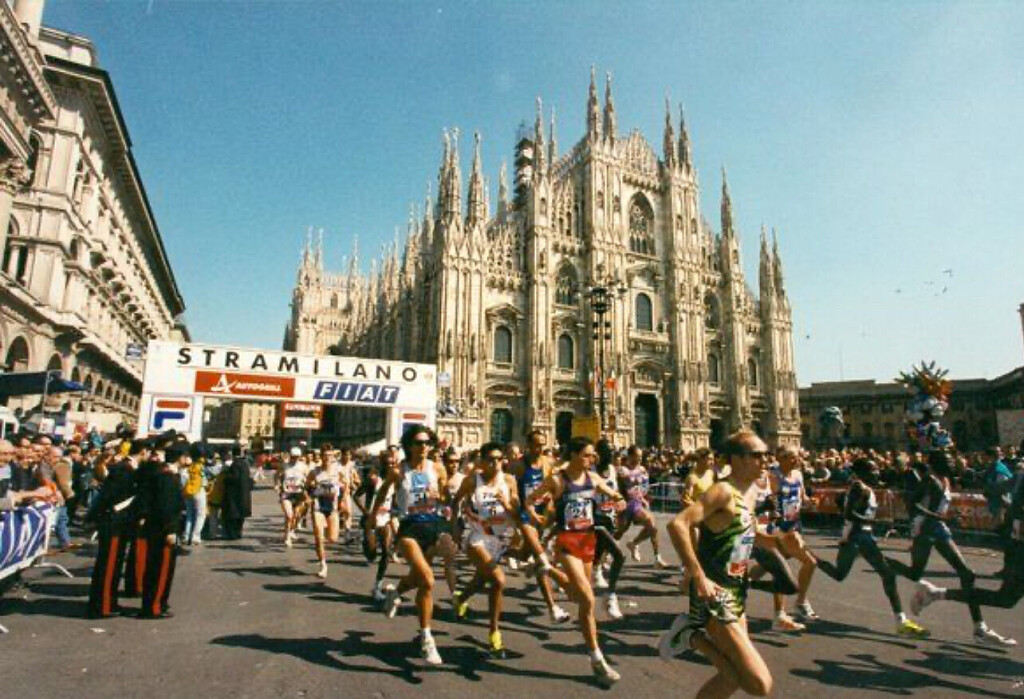
The Stramilano Half Marathon, one of Italy’s most prestigious road races, is set to celebrate its 52nd edition on Sunday, March 23, 2025. This year, the event will be marked by a historic recognition, as it has been awarded the World Athletics Heritage Plaque in the category of ‘Competition.’ This prestigious honor highlights Stramilano’s exceptional contribution to the global history of road running and its impact on the sport over the past five decades.
Stramilano’s Storied Legacy
First held in 1976, the Stramilano Half Marathon has been a stage for legendary performances, earning a reputation as the fastest course in Italy. In 1993, Moses Tanui became the first runner in history to break the one-hour barrier for the half marathon, clocking 59:47 on this very course. The event has consistently attracted the world’s best runners, many of whom have gone on to achieve global dominance in long-distance running.
Notable past champions include:
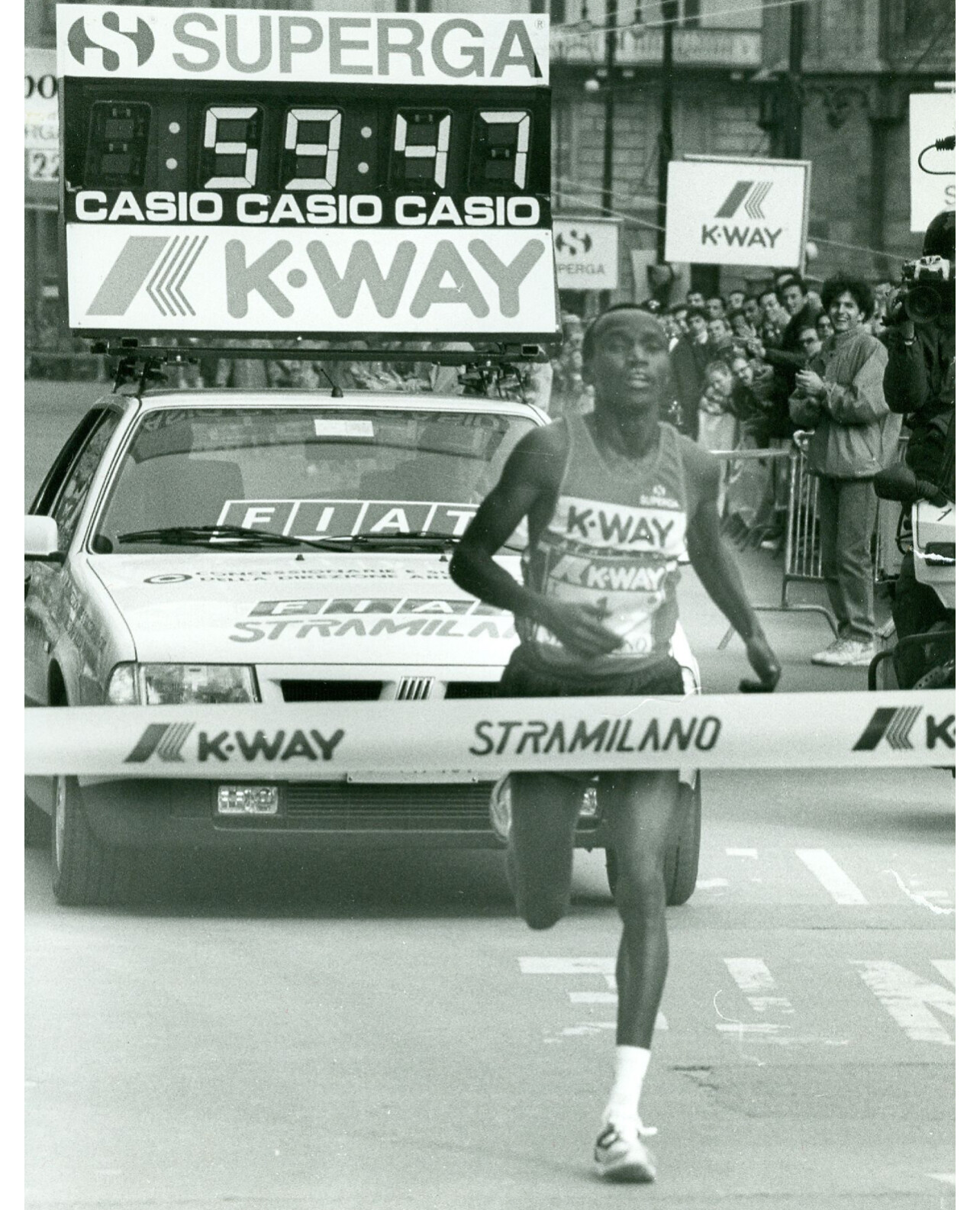
• Moses Tanui (Kenya) – First runner to break 60 minutes for the half marathon (1993)
• Paul Tergat (Kenya) – Six-time Stramilano winner (1994-1999), former half marathon world record holder (59:17, 1998)
• Grete Waitz (Norway) – Nine-time New York Marathon winner
• Rosa Mota (Portugal) – Olympic and World Marathon Champion
• Priscah Jeptoo (Kenya) – London Marathon winner and Olympic silver medalist
• Ruth Chepngetich (Kenya) – Former Half Marathon World Record Holder
• Rob de Castella (Australia) – Former Marathon World Champion
• Gelindo Bordin (Italy) – Olympic Marathon Gold Medalist
2025 Stramilano Half Marathon Details
This year’s edition will once again take runners through the iconic streets of Milan, starting at Piazza Castello and finishing inside the historic Arena Civica, an 18th-century Napoleonic stadium. The event offers different race categories to cater to runners of all levels:
• Half Marathon (21.097 km) – Competitive race featuring elite and amateur athletes
• 10 km Run – Non-competitive fun run starting from Piazza Duomo
• 5 km Run – Family-friendly race also starting from Piazza Duomo
The World Athletics Heritage Plaque will be permanently displayed at the Arena Civica, Viale Giorgio Byron, the race’s headquarters, following the conclusion of this year’s event.
by Boris Baron
Login to leave a comment
Stramilano Run Generation
All ages, all genres and all preparations’ levels: Stramilano is everyone’s race, the race for whom love sport and want to live unforgettable moments. Both if you’ve been preparing with months of traning or you just want to walk through Milano’s streets, you’re all a part of the big sports people “family” that put on a unique sunday. Like any...
more...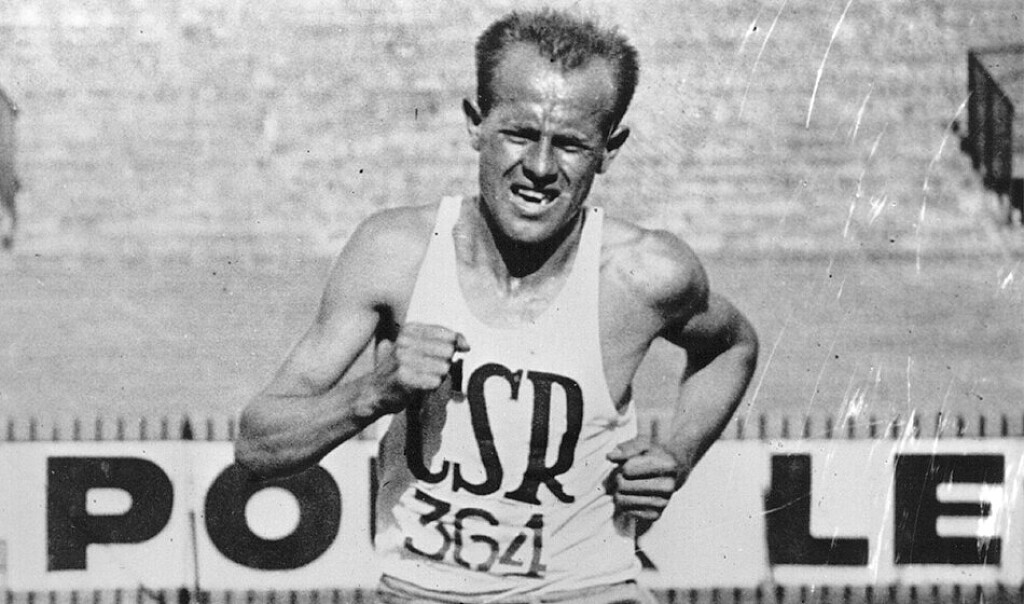
How Emil Zátopek helped create the Prague International Marathon
Founder of Prague International Marathon Carlo Capalbo opens up about meeting in 1995 that changed everything
This weekend’s Prague International Marathon will be the 29th edition of the event and, courtesy of organizers RunCzech, has become one of Europe’s fastest-growing road races.
It was founded back in 1995 by Carlo Capalbo, alongside 1988 Olympic men’s marathon champion Gelindo Bordin and quadruple Olympic gold medalist Emil Zátopek.
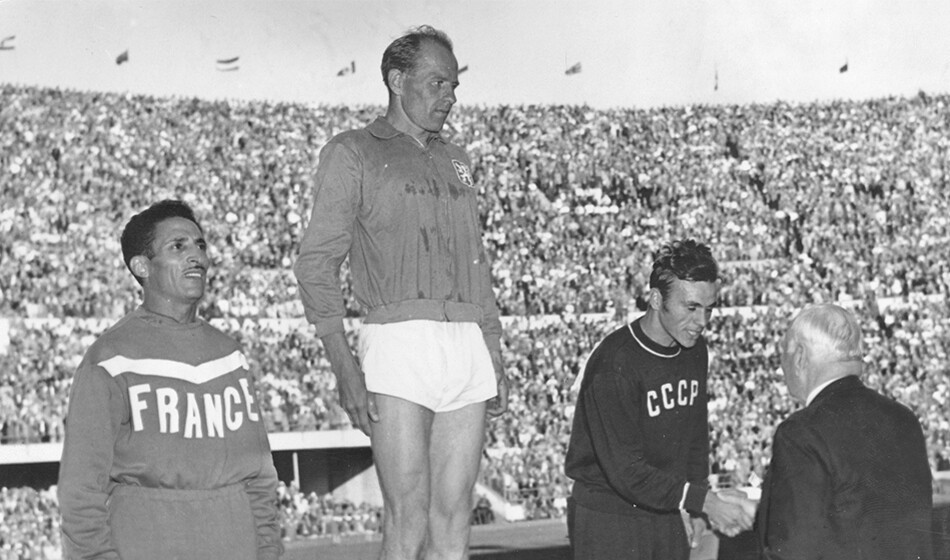
Zátopek, nicknamed the “Czech Locomotive”, is one of the country’s greatest ever athletes. He is best known for being the only person in history to claim three Olympic gold medals over the 5000m, 10,000m and the marathon in the same Games, at Helsinki 1952.
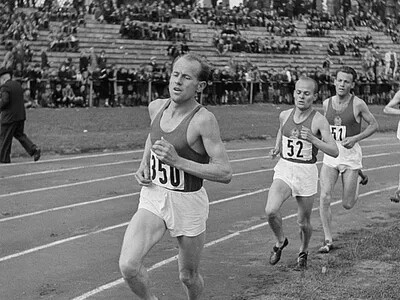
Incredibly, Zátopek’s gold in the marathon came in his first ever race over 26.2 miles.
The Czech athlete was also the first runner in history to go sub-29 minutes in the 10,000m and went undefeated in his first 38 races over the distance from 1948 through to 1954.
Zátopek’s legacy isn’t just defined by his athletics achievements though. The 8000-plus runners that will take to the streets on Sunday (May 5) for the Prague International Marathon – starting and ending around the Old Town Square – can thank Zátopek, Capalbo and Bordin for their vision back in 1995.
“You know, nearly 30 years ago I had this simple and beautiful dream,” Capalbo tells AW. “A friend of mine [Bordin] said to me that we should organize a marathon. So we went to see Mr Zátopek. That was the start of everything.
“When we went and met Mr Zátopek, we started off with a coffee and bábovka. At the end we tasted some lovely brandy that Mr Zátopek had. After that, we’d devised the marathon but we needed to work out where the people would run.
“So Mr Zátopek decided to draw the course for the Prague International Marathon on a napkin. The rest is history.”
The elite winners in the inaugural year of the event were Ethiopian Turbo Tummo (2:12:44) and Ukrainian Svetlana Tkach (2:38:33).
Since then, the course records have plummeted and are currently held by Alexander Mutiso (2:05:09 – 2023) and Lonah Salpeter (2:19:46 – 2019), although sadly Zátopek did not live to see the recent races as he died in 2000 aged 78.
Prague is a historically quick meet and the fact that the IOC have extended the qualification period for the Olympic marathon past the April 30 date, to include the Prague International Marathon, says a lot.
It means runners from a multitude of continents have flocked to the Czech Republic to meet the standard.
“The Prague International Marathon is a very prestigious event for both the IOC and World Athletics,” Capalbo says.
“There are so many people running to get the standard. The Olympics is the pinnacle of sport and it’s a celebration.”
Capalbo is also keen to stress of the importance of the masses. He states that running is much more than just one individual and his mission is to create sports events to make “people happy and healthy”, plus making the sport “more watchable for the general public”.
“This is not a normal job and running is not a normal sport,” he adds. “It’s a little bit specific. We wanted to give the perception that the winners of running are those who finish the race, not just those first across the line. The marathon is a fantastic advertisement for the city and it’s great for people’s mental health.
“We are a small country in the Czech Republic and many people come from abroad to the marathon. It’s a great income for Prague. This generates happiness and love for an event which is a tradition for us.”
There will also be the added element of “Battle of the Teams”. Successfully introduced last year, the idea is that both masses and elites are split into teams. It means that the placing of every runner matters.
This year, there will be four teams: Team Mattoni, Team Prague Airport, Team Turkish Airlines and Team Volkswagen.
“There is still the elephant in the room,” Capalbo says. “The masses don’t know the name of the winners. It’s why we’ve done Battle of the Teams so the people taking part in the marathon can look at the names of the elite athletes.
“We want to get the people close to the elite athletes. They also need European legends like Paula Radcliffe, Sebastian Coe and Rosa Mota to look up to. When you go to watch a football match you go crazy for your team and that’s what I need to see in running.”
by Tim Adams
Login to leave a comment
Prague Marathon
The Volkswagen Prague Marathon, established in 1995, has evolved into a premier event on the international running calendar, renowned for its scenic course through one of Europe's most picturesque cities. The marathon's route meanders through Prague's historic streets, offering runners views of iconic landmarks such as the Charles Bridge and Old Town Square. The predominantly flat terrain provides an excellent...
more...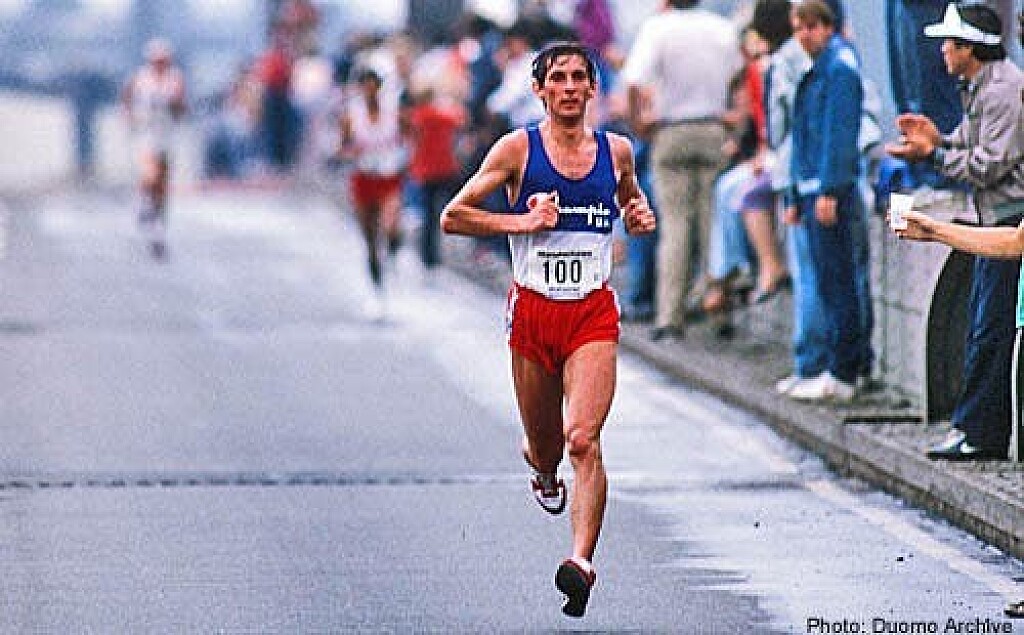
Pizzolato donates 1984 New York City Marathon winning shoes to MOWA
At the end of ABC television’s coverage of the 1984 New York City Marathon, there’s a shot of Orlando Pizzolato sitting on a bench in Central Park, retying his well-worn footwear. “Those shoes may have had it,” remarked anchorman Jim McKay.
Not quite. Some 39 years on, the shoes that took the unheralded Italian to the biggest upset victory in the history of the Big Apple’s big race have been generously donated to the ever-expanding Heritage Collection in the Museum of World Athletics (MOWA).
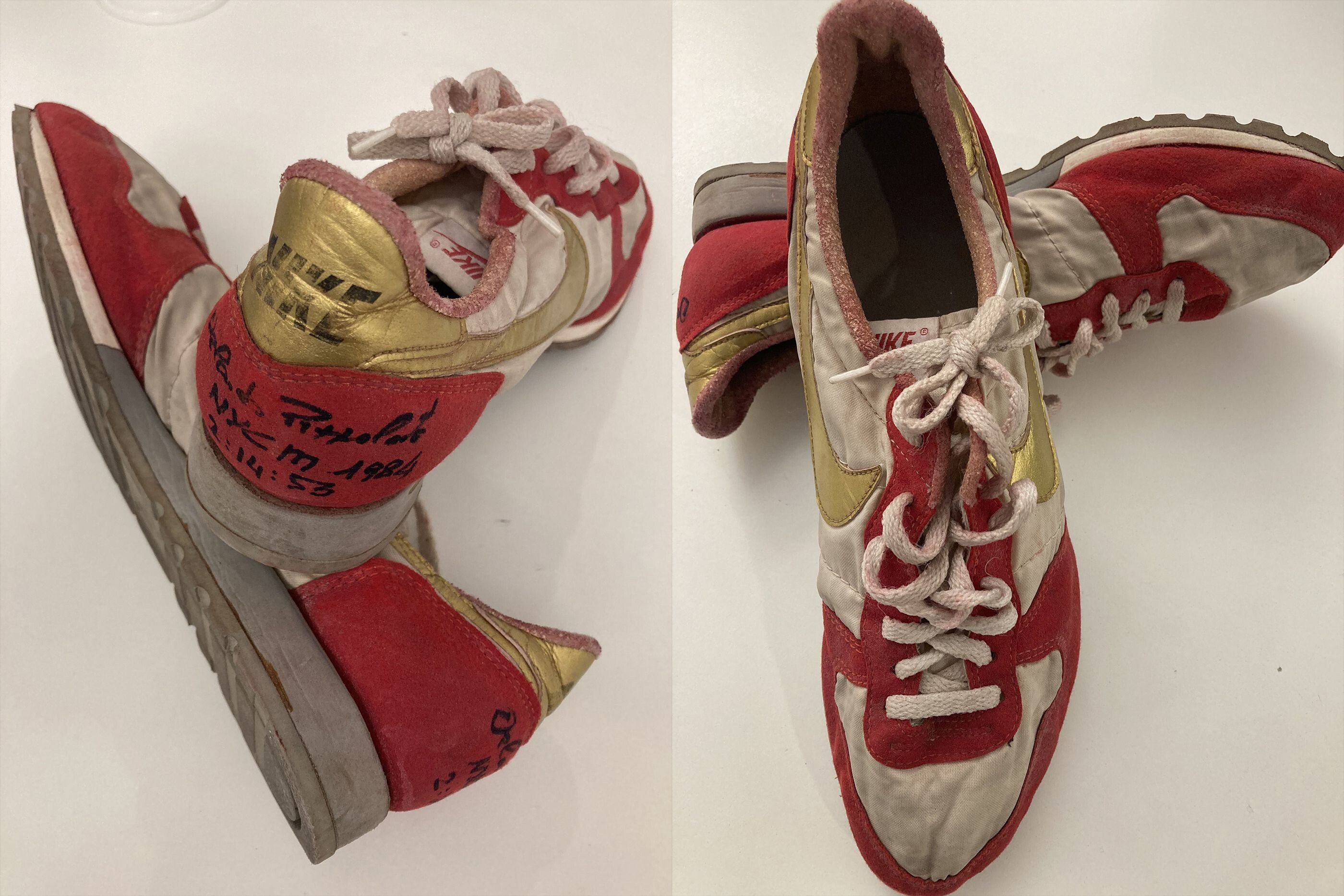
Whatever unfolds in the 2023 edition of the New York City Marathon this weekend, there’s unlikely to be anything as dramatic as the battle of attrition from which the plucky Pizzolato emerged as the unlikely hero in 1984.
As the Italian and the rest of the 18,000 field assembled for the start, it was difficult to pick out the contours of the Verrazano-Narrows Bridge. Such was the heat haze that had descended upon the Big Apple on the last Sunday in October that year.
“The weather is going to be a huge factor,” proclaimed Marty Liquori, the great US miler, working as the expert summarizer on the men’s race for ABC Sports. “We’re looking at the hottest and most humid New York Marathon ever.”
The mercury was already pushing 70°F and the humidity was close to maximum.
“That causes two things to happen at the front of the pack,” continued Liquori, runner up to Miruts Yifter in the 5000m at the inaugural World Cup in Dusseldorf in 1977. “The natural front runners get conservative, so the pack stays tighter. The second thing is the hotter it gets, the greater chance there is for an upset.”
“Yes, look out for the man you do not know in this marathon,” predicted McKay, the distinguished Voice of ABC’s Wide World of Sports.
“This man could be for real”
Not a lot of people were looking out for the runner bearing race number 100, clad in the colors of his homeland – blue and white singlet, red shorts.
Pizzolato, a 26-year-old representing the University of Ferrara sports club from the north of Italy, was no Ferrari of a marathoner.
In seven attempts at the classic 26.2-mile distance, he boasted a best of 2:15:28 - more than seven minutes slower than the world record figures of 2:08:05 set by Welshman Steve Jones in Chicago a week before the 1984 New York race.
Pizzolato’s PB came in New York in 1983, the year Rod Dixon made up a half-mile deficit to overhaul Briton Geoff Smith virtually on the finish line in Central Park. The New Zealander’s winning time was 2:08:59. He finished 6min 29sec and 26 places ahead of Pizzolato.
Twelve months later, Dixon, the Olympic 1500m bronze medalist behind Finn Pekka Vasala and the trailblazing Kenyan Kip Keino in Munich in 1972, returned to New York as favorite for the men’s title – and the $25,000 prize and Mercedes Benz that went with it in that first year of open professional running.
“I’m a lot more confident in my own mind, having run successfully in ’83,” he told Liquori in a pre-race interview. “I think I’m rightly the favorite. I’ve trained well and I’ve got confidence in my own ability. I’ll go out and if I strike it right, they won’t catch me.”
Five miles in, given the exceptional conditions, Liquori and four-time winner Bill Rodgers, following the men’s race from ABC’s on-course buggy, felt Dixon was striking it right – 18 seconds down on home runners Pat Petersen and Terry Baker in a pack that included two-time Commonwealth gold medallist Gidamis Shahanga of Tanzania.
Pizzolato was also among the chasing group, seemingly unknown to any of the experts. His first name check came as he overtook Jose Gomez of Mexico to claim pole position, shortly before reaching halfway in 65:03.
“Could this, Marty, be the man they did not know?” McKay enquired.
“This man could be for real,” Liquori replied. “In the hotel I saw Franco Fava, a great steeplechaser from Italy, and he mentioned that it has been so hot in Italy this summer and fall. So, this is one person who is accustomed to the heat.”
Rodgers was not quite so sure. “I think it’s still anybody’s race,” he said. “The guy from Italy looks good. But we’ll have to see later in the race.”
“The Pope, Reagan and then it was me”
The guy from northern Italy was certainly looking good.
While Dixon seemed ill at ease, struggling to cope with the pace and the conditions some 1:15 behind, Pizzolato appeared to be feeling groovy as he crossed the Queensboro Bridge, the subject of Simon and Garfunkel’s 59th Street Bridge Song.
“Orlando looks very good,” Liquori observed. “He looks to have a style that’s fitting for a marathoner. When you’re looking around, taking in the scenery, you know that the running is coming easy.
“One thing should be pointed out. Steve Jones, who set the world record last week, was a very well-established track runner. He was eighth in the 10,000m at the Olympic Games.
“But Orlando has run a minute slower for 10,000m: 28:22. Were he to win this, it would be just about the biggest upset in a major marathon that I’ve seen.”
By the 20th mile mark, it was clear that Pizzolato himself was somewhat upset. The temperature had risen to 74 degrees and the humidity to 96%. His pace slowed to a 5:26 mile.
Briton Dave Murphy was gathering momentum, moving up into second, and Dixon into third.
“Well, I think we’re entering the last chapter of Orlando,” ventured Liquori. “I think I might have got too excited at 18 miles. Maybe it was the Italian in me.”
Soon after, Pizzolato grabbed his chest and slowed to a temporary halt. Three times he stopped, then started up again. “This man is in trouble,” said McKay.
Entering Central Park, with less than three miles to go, Pizzolato stopped for a fourth time. He clutched his chest, glugged half a cup of water and poured the other half over his head.
Dixon was out of the equation at this point, having stepped off the course suffering from cramps. But Murphy had closed to within 15 seconds.
“It’s like the tortoise and the hare,” said Liquori. “Pizzolato’s running-stopping, running-stopping. Murphy is just taking a steady course. It looks like it’s his race.
“For Pizzolato now, the drama now is how much of his soul he’s going to lay down.”
Thrice more, Pizzolato stopped and started, each time taking on fluid and calmly checking out the gap behind him. Somehow, he managed to lay down enough of his soul to bridge over his troubled water.
The finished line approached with Murphy not yet in sight.
“He has pulled it off,” Liquori pronounced. “He has mentally been able to fight through his form having gone to pieces, through having had so many problems.”
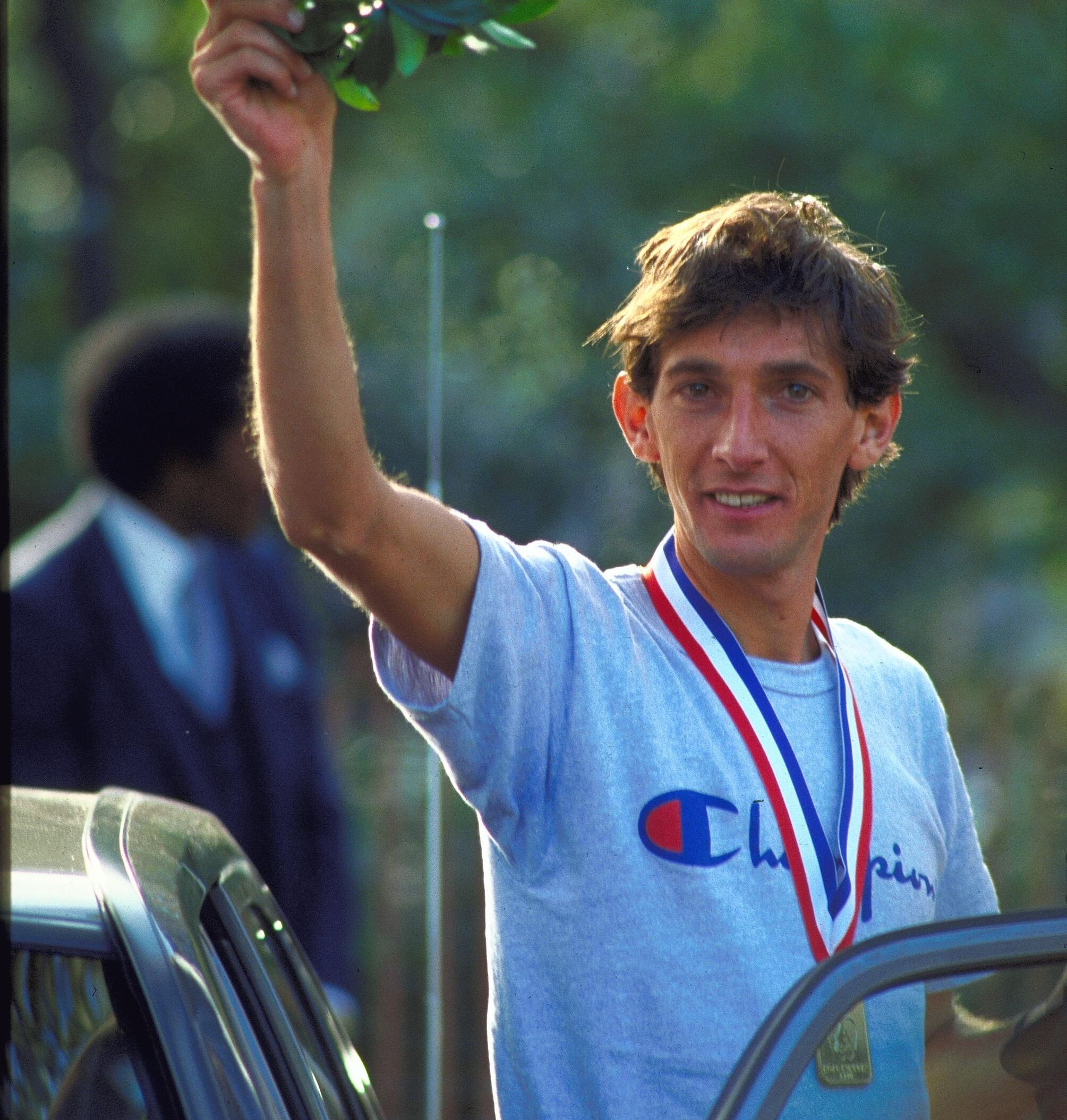
“It was very hot,” said Pizzolato, who crossed the line in 2:14:53, 43 sec ahead of Murphy. “I had cramp in my stomach. It was very terrible, but I am very happy.”
The New York Times the next day concentrated on Grete Waitz’s sixth success in the women’s section, praising Pizzolato in passing for having overcome the heat and the late challenge of Murphy in “a men’s competition that the stifling heat and humidity reduced to a battle of attrition.”
Back home in Italy, the reaction was different. “The first story in the news was the Pope,” Pizzolato reported, “then Ronald Reagan’s election. Then it was me.”
Retained title
Twelve months later, the guy from Italy returned to New York and proved he was no flash in the marathon pan.
This time he was the tortoise, running his steady race while Geoff Smith burned himself out at world record pace, then overtaking Djibouti’s World Cup Marathon winner Ahmad Saleh two miles from home to become the Big Apple’s first overseas two-time winner, clocking 2:11:34.
“Last year I won by mistake, probably,” Pizzolato told The New York Times. “This year was more exciting. I was not in confusion in the last 365 yards.
“All the people seemed to know my name and my number. It was like everyone was a friend of mine. It was a great source of power.”
In an era when the fast men of the track came to dominate the men’s marathon – with the likes of Jones, Dixon and Carlos Lopes, the Portuguese runner who won the Olympic title in Los Angeles in 1984 and succeeded Jones as world record-holder in 1985 – Pizzolato was a great source of power and inspiration to the traditional specialists of the event.
He never broke 2:10. His fastest time was 2:10:23, which he recorded while placing sixth in the World Cup Marathon in Hiroshima in 1985. The following year Pizzolato was third in Boston (2:11:43), then overtook a shattered Jones to claim the European Championships silver in Stuttgart (2:10:57) behind his compatriot Gelindo Bordin, and returned to New York taking third place (2:12:13) behind another Italian, Gianni Poli.
These days the two-time Italian king of New York operates a company bearing his name which offers running camps and a consultation service, and which provides scholarships to athletes aged from 16 to 22.
by Simon Turnbull for World Athletics Heritage
Login to leave a comment
Boston Marathon's unique running history honored with World Athletics Heritage Plaque
The Boston Athletic Association (B.A.A.), which organizes the B.A.A. Boston Marathon (1897), the world’s oldest annual marathon, officially unveiled the World Athletics Heritage Plaque awarded to the race in 2019.
The World Athletics Heritage Plaque is a location-based recognition, awarded for 'an outstanding contribution to the worldwide history and development of the sport of track and field athletics and of out-of-stadia athletics disciplines such as cross country, mountain, road, trail and ultra-running, and race walking'.
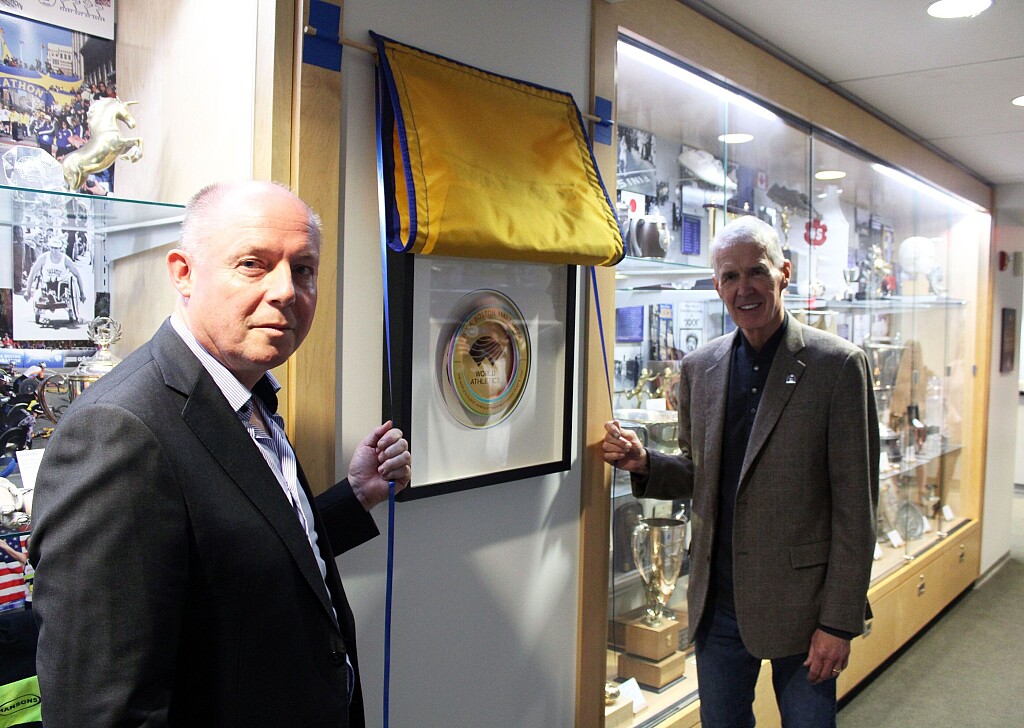
The official presentation of the plaque by World Athletics Heritage, which had been on hold due to the pandemic, took place in the race museum at B.A.A.’s HQ on Dartmouth Street, Boston, Massachusetts, where the plaque will be permanently displayed, and is adjacent to the finish line of the race.
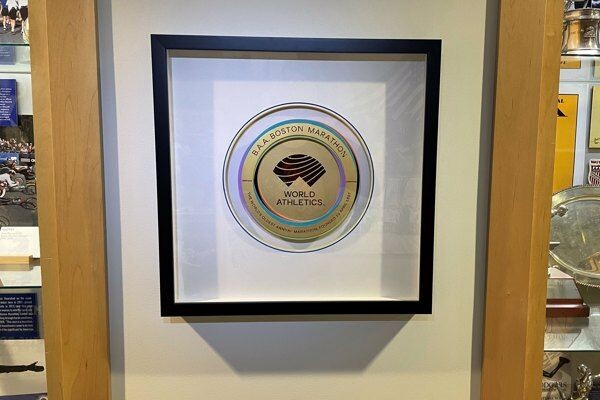
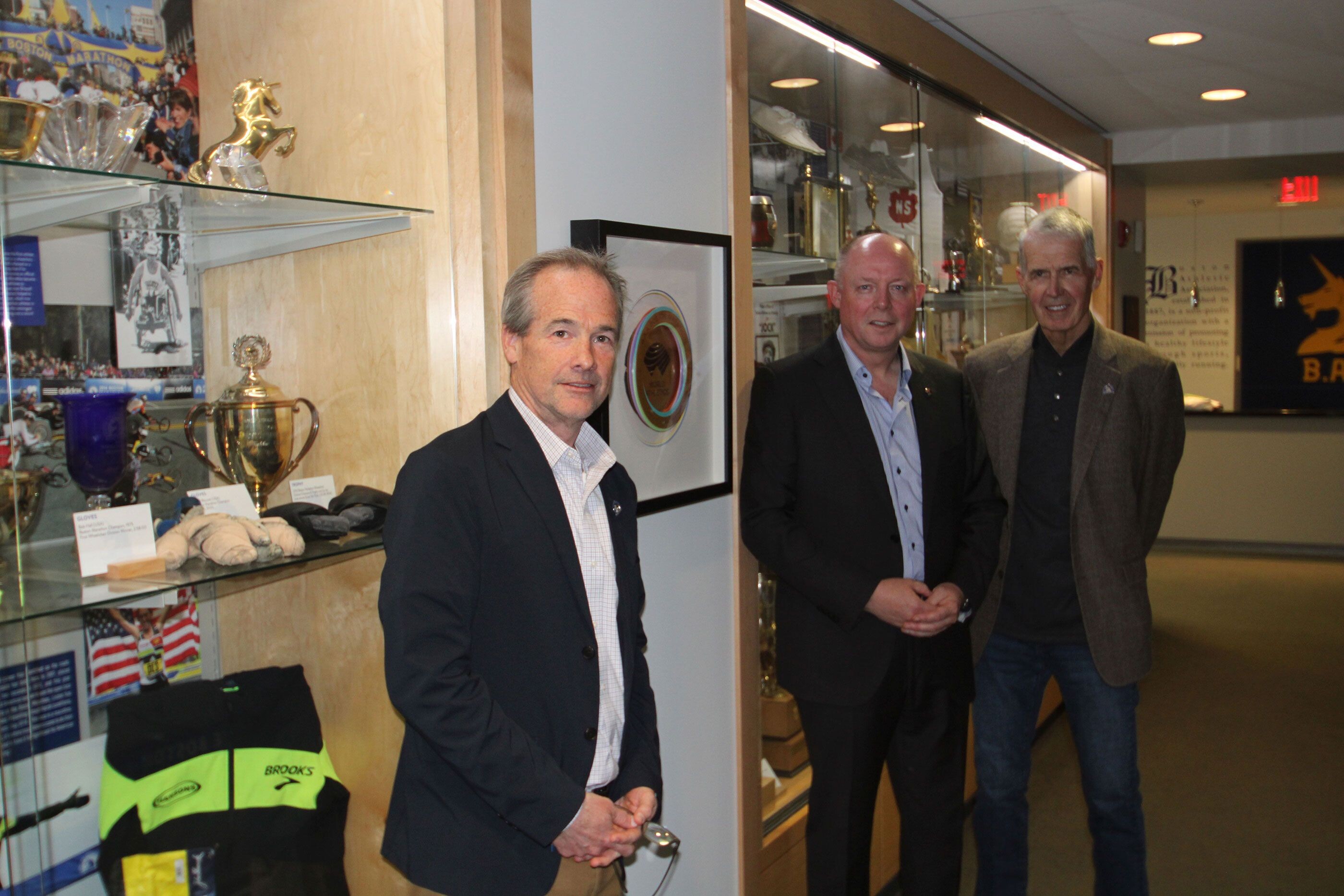
The plaque was unveiled by Thomas S. Grilk, B.A.A. President & Chief Executive Officer, and World Athletics Heritage Director Chris Turner, in the company of Jack Fleming, B.A.A. Chief Operating Officer, and fellow colleagues from the B.A.A. organization.
The tough one
Boston’s notoriously demanding course, with its final incline ‘Heartbreak Hill’ 20 miles into the race that has gone down in marathon folklore, has floored many a world beater.
Amby Burfoot, the 1968 Boston Marathon champion, confirmed on Boston.com that the challenge is also “the downhill from the top of Heartbreak Hill to Cleveland Circle. This is called ‘Cemetery Mile’ for two good reasons: Evergreen Cemetery to the runners’ right, and the way the steep downhill deadens the legs, specifically the quadriceps muscles.”
Notably, despite the stature of the race, only five Olympic champions have ever managed to win in Boston.
Four women, firstly two-time Boston victor Joan Benoit (1979, 1983), who won the 1984 Olympic title in Los Angeles, and two three-time winners in Ethiopia's Fatuma Roba (1997, 1998, 1999), the Atlanta 1996 champion; Portugal's Rosa Mota (1987, 1988, 1990), who took the Olympic title in Seoul in 1988; and Kenya's 2022 Boston winner Peres Jepchirchir, who was the Olympic victor in Tokyo.
The sole male runner so far to accomplish the rare double is Italian Gelindo Bordin (1990), the Seoul 1988 Olympic champion, who took first place in Boston two years later.
The ‘American Marathon’
The racing singlets, running shoes, medals and trophies and hundreds of pieces of historic memorabilia in the B.A.A.'s museum pay tribute to the city’s famous marathon, which was inspired by and founded a year after the running of the inaugural Olympic marathon at the 1896 Games in Athens.
The B.A.A. itself had been established 10 years before. It was one of the association’s members, John Graham, who, as USA team manager at those 1896 Games witnessed the marathon race, proposed creating a similar long distance race in Boston.
The race, originally called the American Marathon, has an annual Monday date which makes it unique among elite international marathons. The Boston Marathon has always been held on the holiday commemorating “Patriots’ Day”, which since 1969 has become officially recognized as the third Monday in April.
The B.A.A., which has a mission to promote a healthy lifestyle, especially through running, has its HQ and museum virtually located at the finish line of the marathon.
Running treasure trove
The plaque, which is mounted on a wall in its own showcase in the museum, has joined a verifiable treasure trove of distance running artefacts associated with the race’s storied history.
The B.A.A.’s collection of memorabilia and its archive is always growing. In fact, they recently received a gift of a rare finisher medallion from the 1903 Boston Marathon. The competition bib number of last week’s Boston winner Jepchirchir is the very latest acquisition.
The perpetual Champions’ Trophy, which the winners receive immediately following the Boston Marathon, and the second place award (mounted plaque) from the first B.A.A. Boston Marathon in 1897 are standout exhibits.
Poignantly, the 2013 champion's medallion won by men’s victor Lelisa Desisa of Ethiopia was gifted back to the City of Boston in the summer of 2013, shortly after the notorious bombings which occurred on marathon day that year.
The collection, which contains hundreds of artefacts and thousands of images, has recently been renamed as the Gloria G. Ratti Collection in posthumous recognition of their long-time archivist and historian. Ratti was a B.A.A. Vice President on the Board of Governors.
by World Athletics
Login to leave a comment
Boston Marathon
Among the nation’s oldest athletic clubs, the B.A.A. was established in 1887, and, in 1896, more than half of the U.S. Olympic Team at the first modern games was composed of B.A.A. club members. The Olympic Games provided the inspiration for the first Boston Marathon, which culminated the B.A.A. Games on April 19, 1897. John J. McDermott emerged from a...
more...