

Running News Daily
Running News Daily is edited by Bob Anderson and team. Send your news items to bob@mybestruns.com Advertising opportunities available.
Index to Daily Posts · Sign Up For Updates · Run The World Feed
Articles tagged #Zola Budd
Today's Running News


Forty Years On: Ingrid Kristiansen's Extraordinary 10,000m Masterpiece Still Stands Among Athletics' Greatest Performances
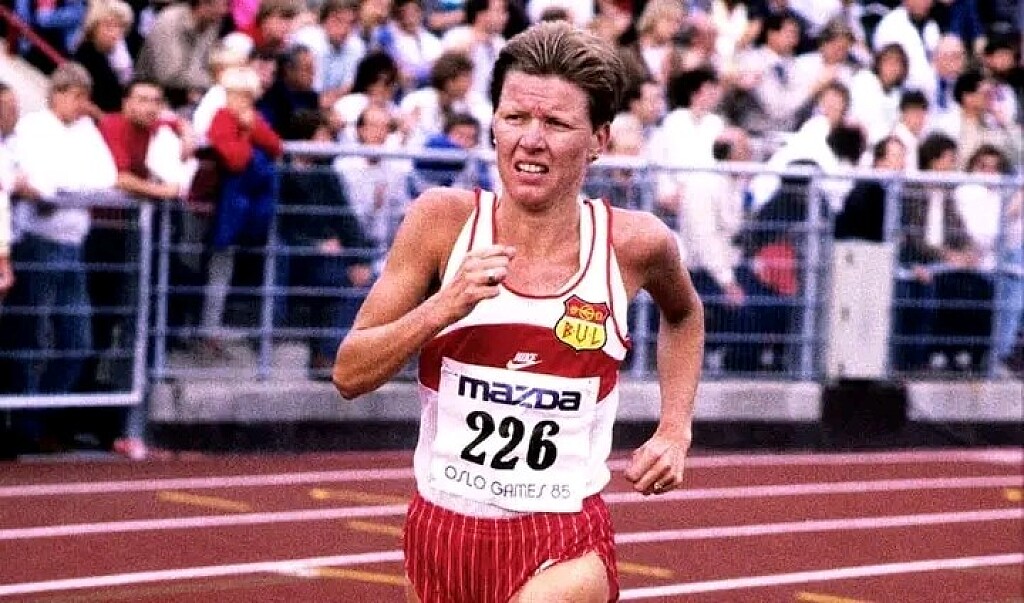
Forty years ago today, distance running witnessed one of its most astonishing moments when Ingrid Kristiansen delivered a breathtaking performance at the Bislett Games in Oslo. The Norwegian star shattered her own women's 10,000-meter world record, clocking an incredible 30:13.74—an astonishing 45-second improvement on the previous global mark. It remains one of the most remarkable world record breakthroughs in the history of track and field.
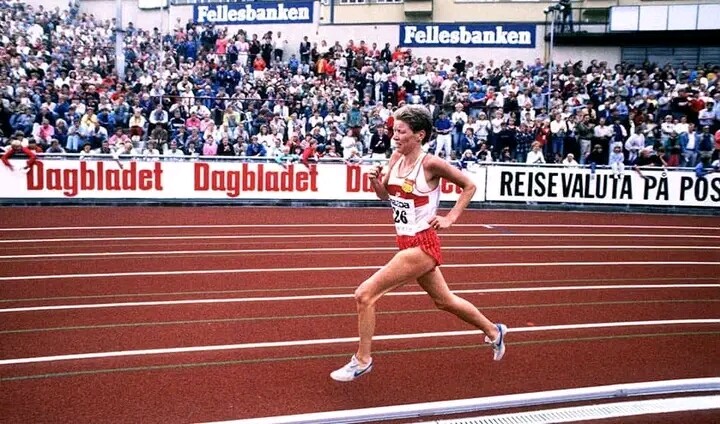
What made the performance even more extraordinary was Kristiansen's race execution. She later revealed that she reached the halfway point in 15:15, meaning she produced a devastating negative split by covering the final 5,000 meters in approximately 14:58. Finishing faster than she started over such a demanding distance showcased not only exceptional endurance but also remarkable tactical discipline and finishing strength.
The magnitude of that closing split becomes even more impressive when viewed in the context of the era. At the time, the women's 5,000-meter world record stood at 14:48.07, held by Zola Budd. Kristiansen's ability to finish the second half of a world-record 10,000-meter race in just ten seconds slower than the standalone 5,000-meter world record highlighted a level of fitness and resilience rarely seen in elite competition.
As if rewriting the 10,000-meter record was not enough, Kristiansen returned later that same summer to make history once again. She lowered the women's 5,000-meter world record to 14:37.33, further cementing her reputation as the undisputed queen of long-distance running during the mid-1980s.
Four decades later, Kristiansen's unforgettable run at Bislett continues to be celebrated as a defining moment in athletics. Her fearless pace, relentless finishing kick, and record-breaking brilliance remain an enduring reminder that some performances transcend generations and continue to inspire long after the finish line has been crossed.
by Erick Cheruiyot for My Best Runs.
Login to leave a comment
Zola Budd Still Running Strong—Decades After Changing the Sport
Zola Budd, one of the most talked-about distance runners of the 1980s, is still doing what she has always done—running.
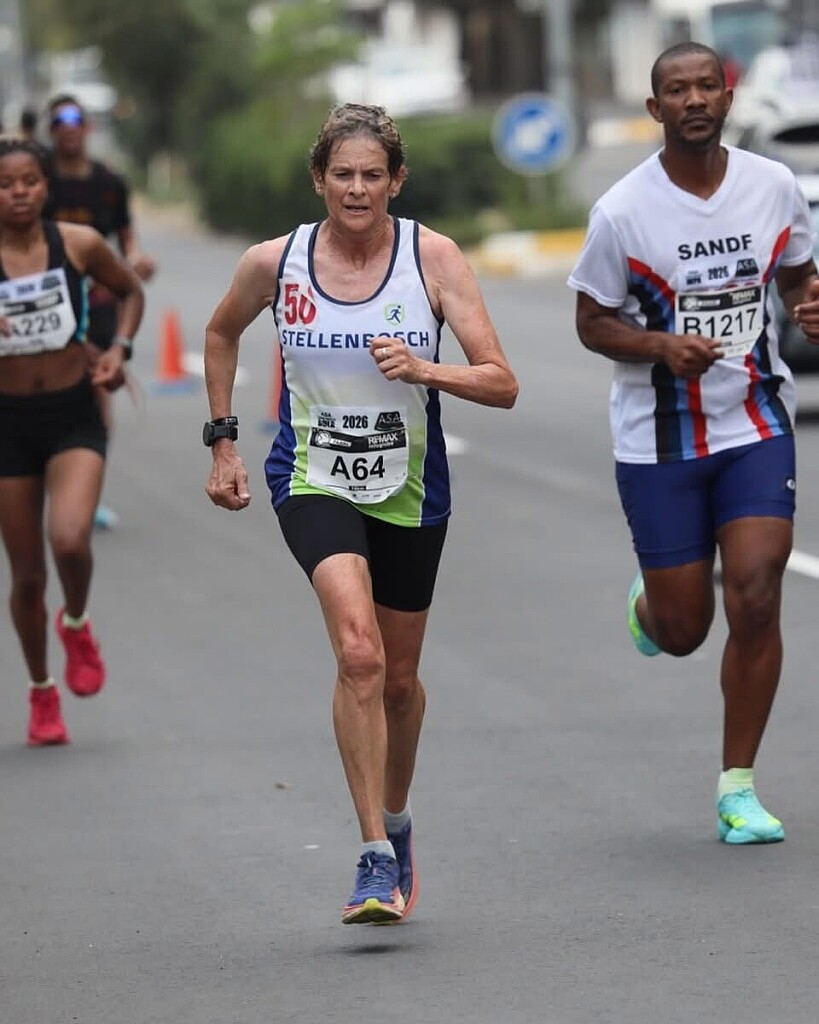
Recently, Budd now 59 years old soon to be 60, competed in a 10K in Paarl, South Africa, describing it simply as a “tough course but a good race to run.” That understated comment reflects the same approach she has carried throughout her career: no drama, just running.
A Career That Captured the World
Budd burst onto the global stage as a teenager, known for her distinctive barefoot running style and extraordinary talent. Born in South Africa, she became a controversial figure when she gained British citizenship in the 1980s, allowing her to compete internationally during a time when South Africa faced sporting bans due to apartheid.
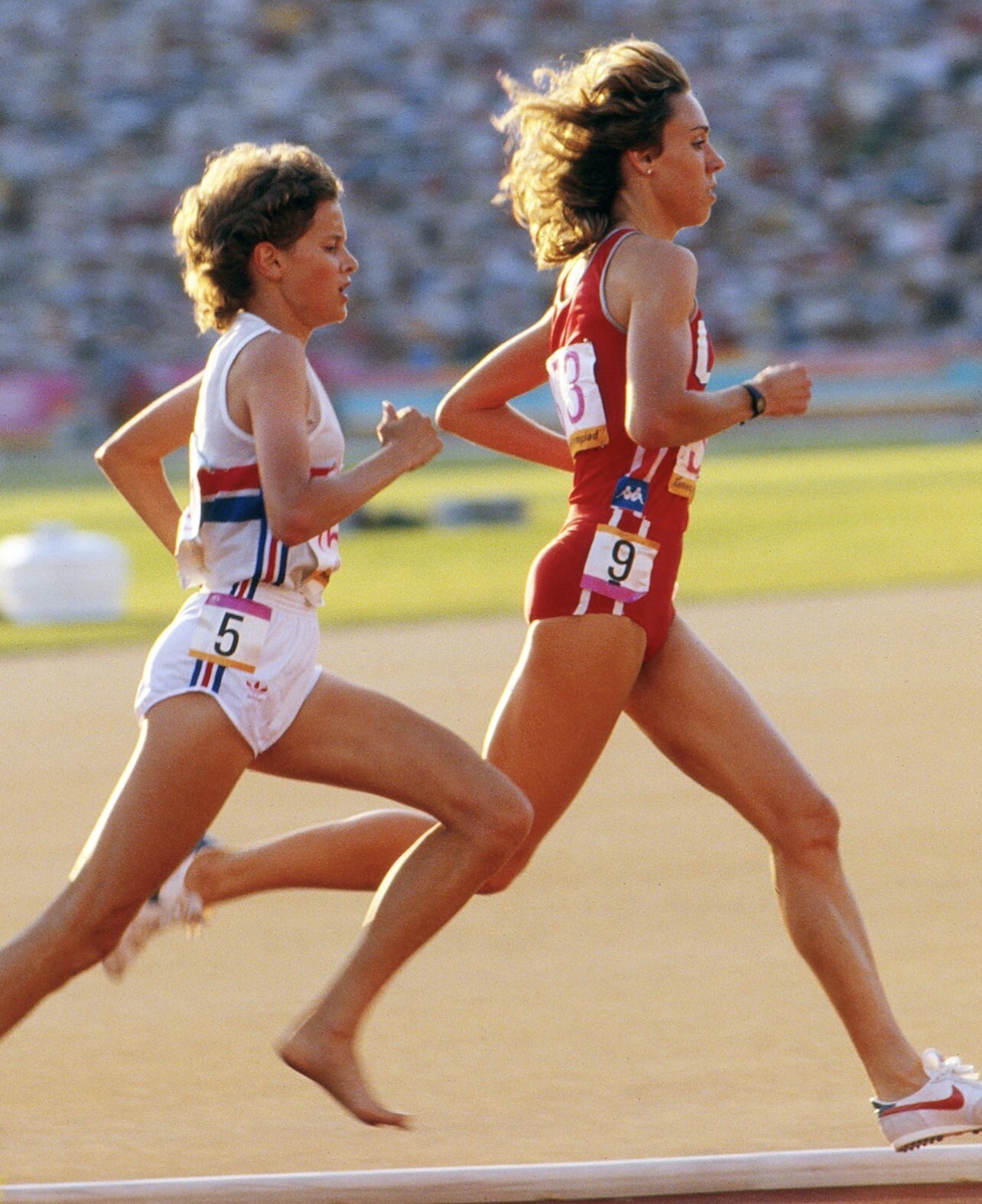
At just 17, she broke the world record for 5,000 meters (though it was not officially ratified at the time). Her rivalry with Mary Decker reached a dramatic peak at the 1984 Los Angeles Olympics, where the two collided in the 3,000-meter final—one of the most replayed and debated moments in Olympic history.
That moment defined her in the public eye, but it never defined her as a runner.
Quiet Longevity
What stands out now is not the controversy, but the longevity.
Budd has continued to run competitively for decades, transitioning into masters racing while maintaining a strong presence in the sport. She eventually returned to South Africa, where she has remained active in local races and the running community.
There is something refreshing about that. No spotlight. No headlines needed. Just showing up, putting on a bib, and racing.
Still Racing, Still Competing
The recent 10K in Paarl is just another example. While many former elite athletes step away from competition, Budd continues to test herself on the roads.
And not just participating—competing.
That speaks to something deeper than talent. It’s about identity. Running was never just something she did—it’s who she is.
The Bigger Picture
Zola Budd’s story is often told through one race, one moment, one controversy. But that misses the larger truth.
She is one of the rare athletes who has lived the full arc of the sport—from teenage prodigy to global figure to lifelong runner.
Today, she represents something many runners can relate to more than ever: the idea that running doesn’t end. It evolves.
From barefoot records to masters races in South Africa, Zola Budd is still out there—still running her own race.
by Boris Baron for My Best Runs
Login to leave a comment

I Was There in 1984. Here’s How to Be There in 2028. Your Guide to Getting Athletics Tickets for the Los Angeles Olympics
By Bob Anderson publisher My Best Runs: I was sitting in the stands at the Los Angeles Memorial Coliseum during the 1984 Olympic Games when one of the most dramatic moments in track & field history unfolded right in front of me.
Mary Decker and Zola Budd — two of the most talked-about athletes in the world — collided in the 3000 meters. Budd running barefoot. Decker surging shoulder-to-shoulder beside her. The tension was electric long before the contact. And when the incident happened, the stadium gasped in unison.
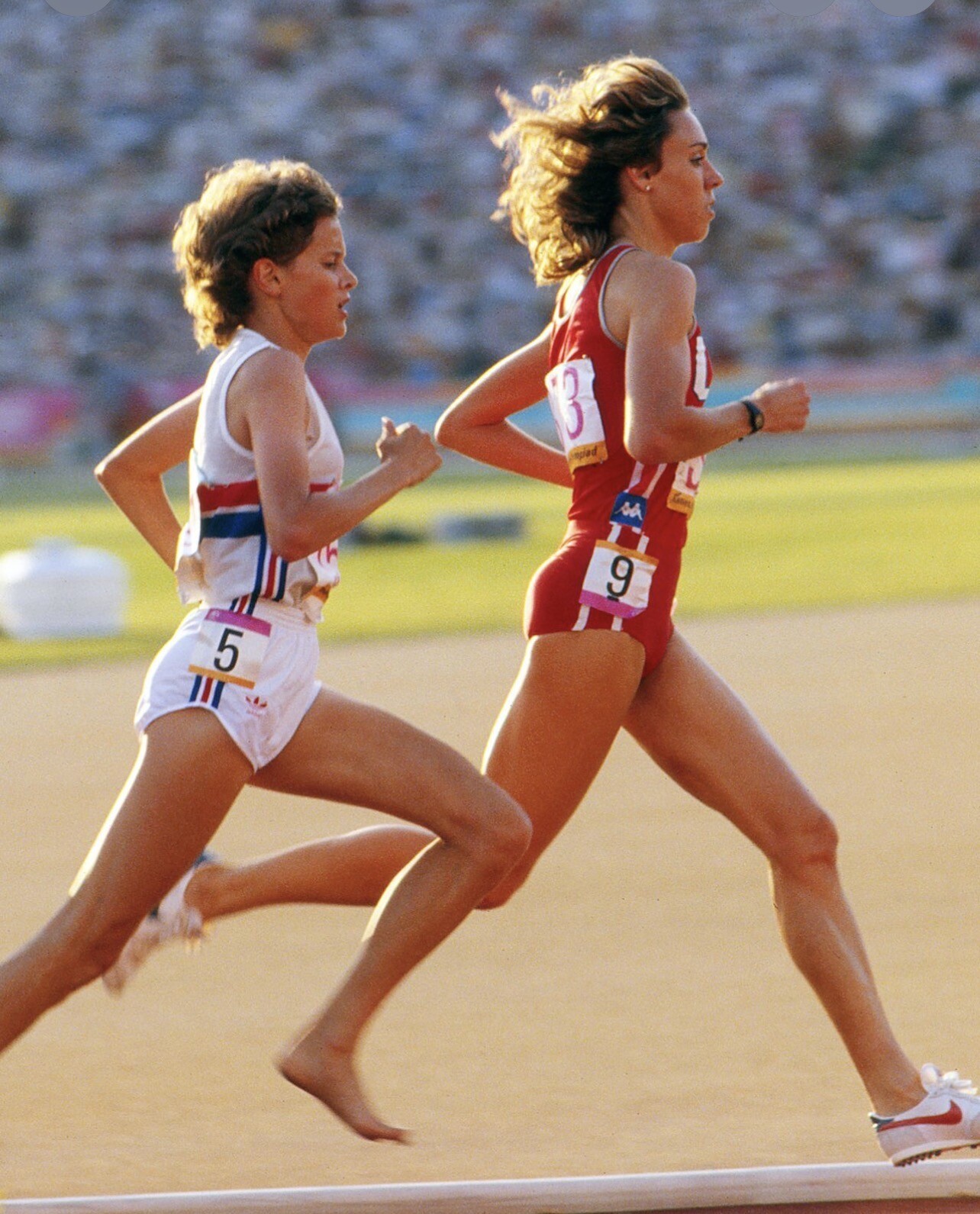
Watching it live was beyond words.
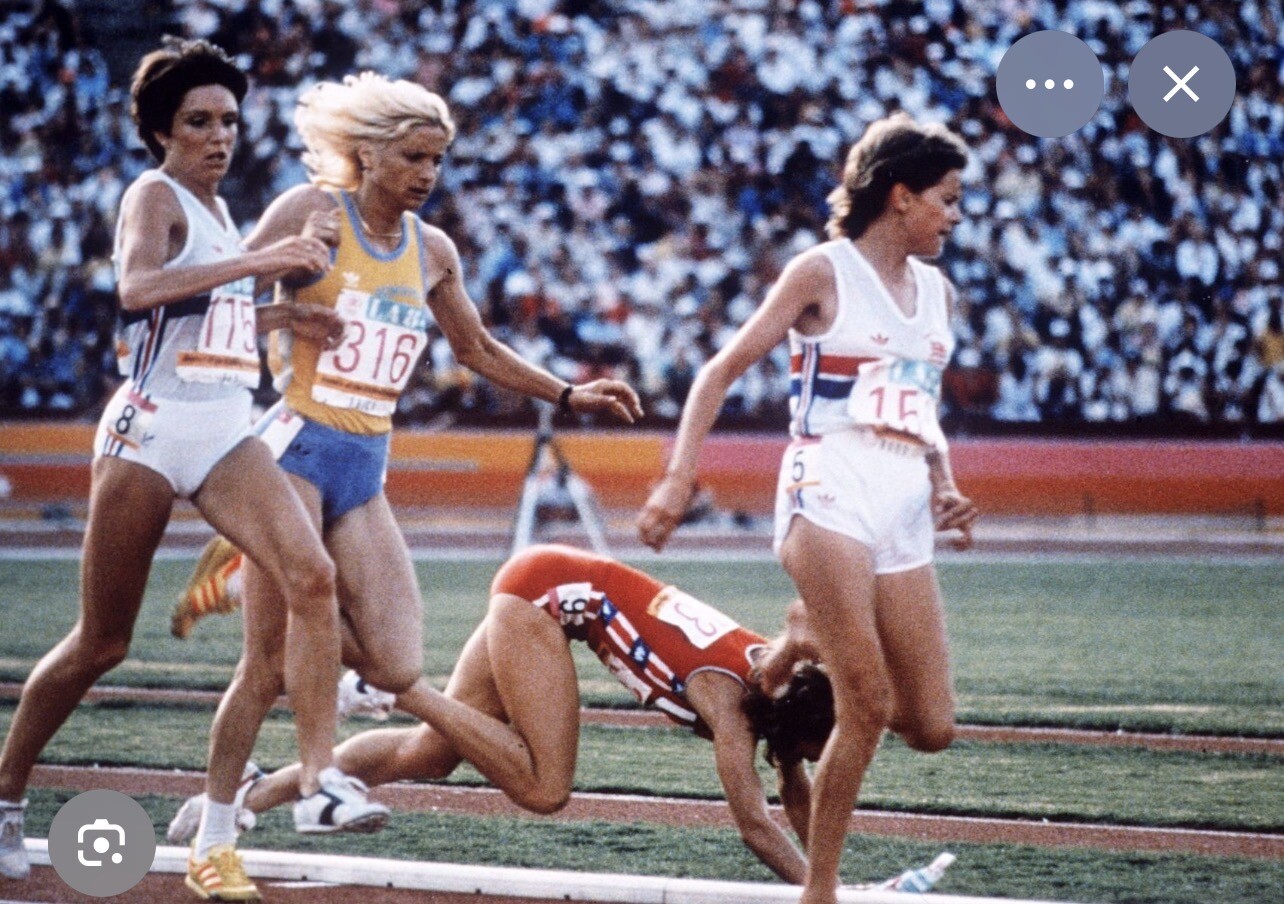
Television could never fully capture the atmosphere — the anticipation, the silence before the gun, the surge of 90,000 people reacting at once. It was raw, emotional, unforgettable.
That is what Olympic athletics feels like in person.
And in 2028, it returns to Los Angeles.
The Olympic Games will take place July 14–30, 2028, with the Paralympic Games following August 15–27. If you are a runner, a fan of track & field, or someone who understands what it means when the world’s best line up together, here is how you position yourself to be there.
Step One: Register for the LA28 Ticket Draw

The only way to access the first wave of tickets is to register for the official LA28 Ticket Draw at tickets.la28.org.
Registration is free. You create a profile, provide your billing ZIP/postal code and contact information, and enter the system. Registration closes March 18, 2026.
After registration closes, selected participants will receive a designated time slot to purchase tickets during the first “ticket drop,” beginning in April 2026.
This is not first-come, first-served. It’s a randomized process. If selected, you receive a specific purchase window. If not, you remain eligible for future ticket drops.
Athletics sessions are historically among the most in-demand Olympic events — especially finals in the sprints, relays, and distance races.
The Venue: A Historic Return
Track & field will once again take place inside the iconic Los Angeles Memorial Coliseum — the same stadium where I watched Decker and Budd in 1984.
The Coliseum hosted the Games in 1932 and 1984. In 2028, it will crown Olympic champions again in the sprints, middle distance, long distance, hurdles, jumps, throws, and relays.
There is something powerful about seeing Olympic track return to that same stage.
What Will It Cost?
Now the practical question: how much should you budget?
While final prices vary by session and seating tier, LA28 ticketing follows the traditional Olympic structure with multiple price bands.
Here is a realistic expectation for athletics sessions:
• Early-round heats and qualifying sessions: often starting below $100
• Daytime semifinal sessions: typically in the $100–$200 range
• Evening finals sessions (100m, relays, 1500m, 5000m, etc.): commonly $150–$350
• Premium seating near the finish line or high-demand nights: $400–$500 or more
Each session includes multiple events. A single evening ticket might include a sprint final, a field final, and a distance medal race — making it one of the most compelling Olympic experiences available.
Each person may purchase up to 12 Olympic tickets total across all events.
Strategy for Track & Field Fans
If athletics is your priority, treat this like preparing for a goal race.
Register early.
Do not wait until the final days.
Decide your must-see events.
Is it the 100 meters? The 1500? The relays? The marathon? Know what matters most.
Budget wisely.
Plan $300–$500 for premium finals sessions.
If you’re flexible, heats and early rounds at $75–$150 can still deliver world-class competition and atmosphere.
Many experienced Olympic attendees blend sessions:
• One premium finals night
• One championship distance session
• One or two value-priced heats
That approach delivers the full Olympic running experience without overspending.
Why Early Ticket Drops Matter
The first ticket drop in April 2026 will offer the broadest inventory, including more seats in lower price tiers.
Later drops often have fewer value options remaining.
Think of it like positioning yourself at the start line. You want to be ready when the gun goes off.
Watching Mary Decker and Zola Budd battle in 1984 — feeling the stadium react in real time — remains one of the most powerful sporting moments I have ever experienced.
You feel the silence before the start.
You hear the spikes biting the track.
You sense the collective breath of thousands before a final kick.
Television shows you the race.
Being there lets you feel it.
In 2028, the world’s best runners will once again line up in Los Angeles.
The only question is — will you be in the stands when history happens?
by Bob Anderson for My Best Runs
Login to leave a comment
Zola Budd’s Barefoot Legacy Still Inspires Runners Today
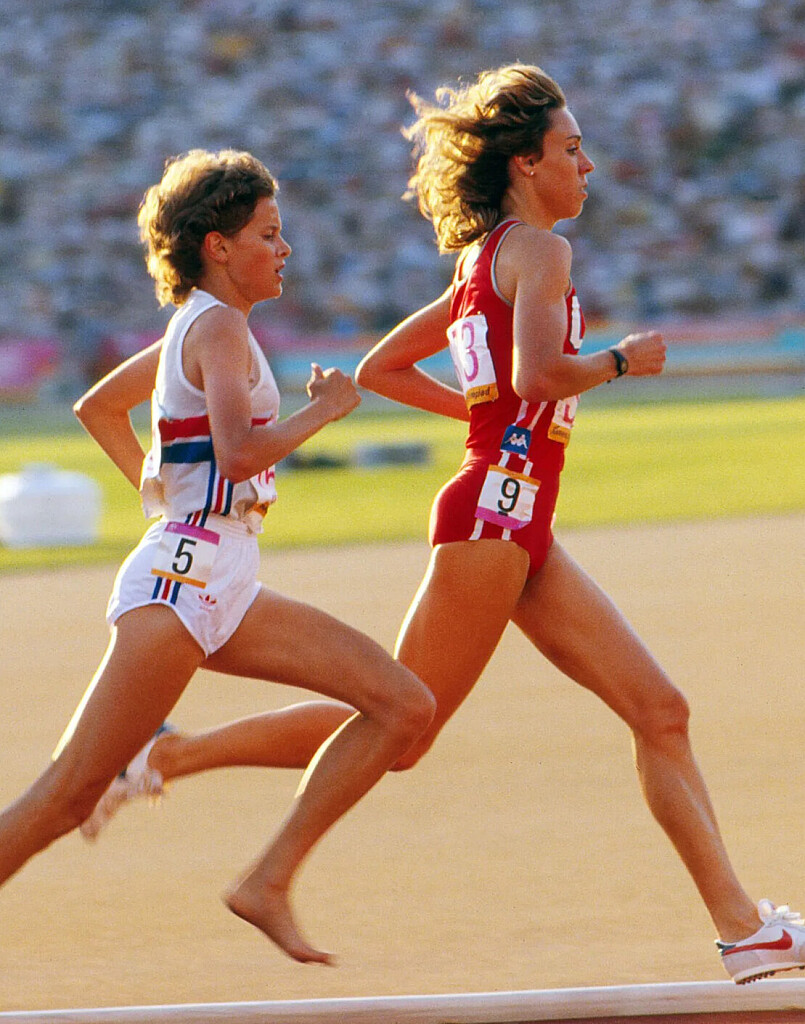
It was a moment etched in running history: a young South African athlete, racing barefoot with fierce determination, leaving competitors in her wake on the world stage. Zola Budd wasn’t just fast—she was fearless. Known for her unique barefoot racing style and her controversial Olympic journey, Budd left an indelible mark on the sport of distance running.
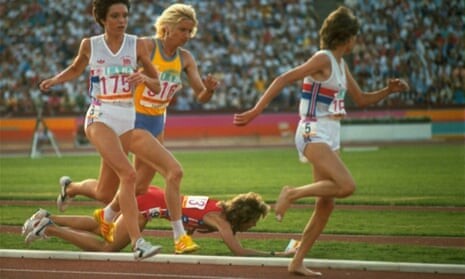
Zola Budd rose to international fame in the 1980s, breaking records as a teenager and becoming one of the most talked-about athletes of her time. Born in Bloemfontein, South Africa, she famously ran the 5,000 meters in 15:01.83 in 1984 at just 17 years old—unofficially breaking the world record while still under apartheid sanctions that prevented South African athletes from competing internationally.
To get around the ban, Budd obtained British citizenship through her grandfather and represented Great Britain at the 1984 Los Angeles Olympics. There, she became embroiled in one of the most controversial moments in Olympic history when she collided with American favorite Mary Decker in the 3000-meter final, resulting in Decker’s fall. Though Budd was cleared of wrongdoing, the incident defined much of her public image at the time.
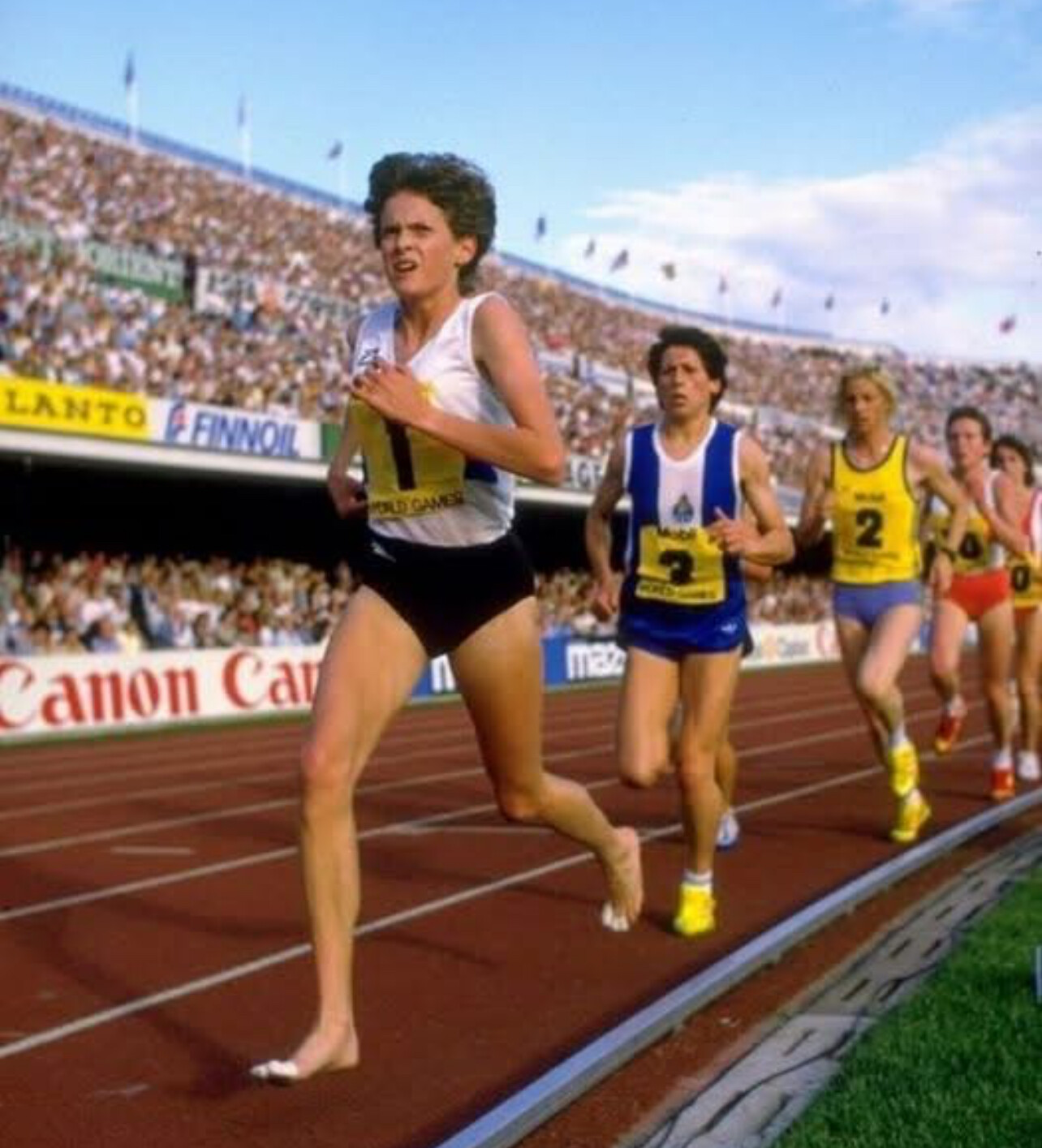
But beyond controversy, Budd’s running style was iconic. She often ran without shoes—even at elite competitions—feeling that it helped her form and connection with the track. Her barefoot strides became a symbol of raw, natural talent in a highly commercialized sport.
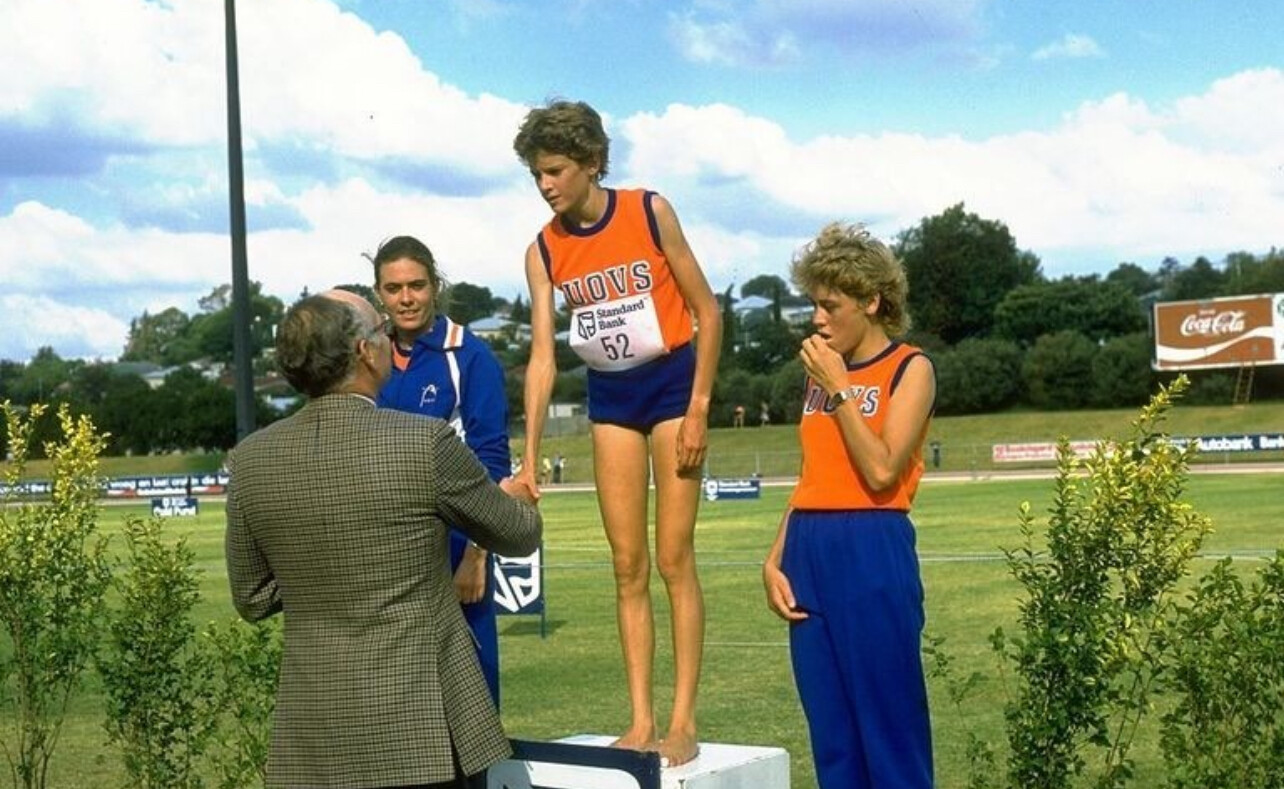
After stepping away from international competition, Budd eventually returned to South Africa and later moved to the United States. Today, Zola Budd Pieterse (her married name) lives in South Carolina, where she coaches collegiate runners and remains involved in the running community. She also competes in masters events and continues to advocate for clean sport and athlete welfare.
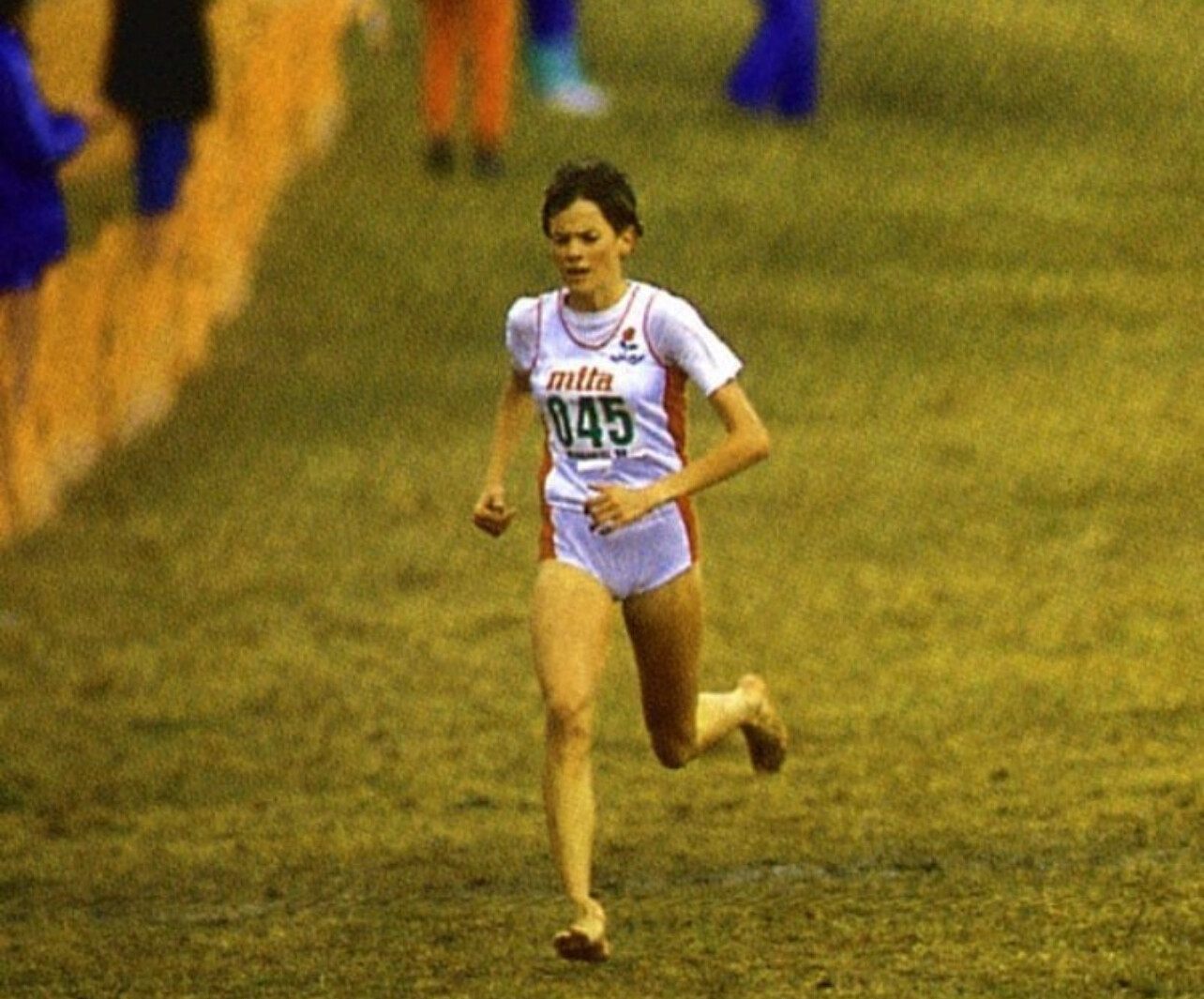
Now in her late 50s, Budd still runs most days, often on trails and without shoes when conditions allow. Her story continues to resonate with athletes drawn to the purity of the sport and the courage it takes to race on your own terms.
Zola Budd’s legacy isn’t just about barefoot racing or Olympic controversy—it’s about staying true to yourself.
by Boris Baron
Login to leave a comment
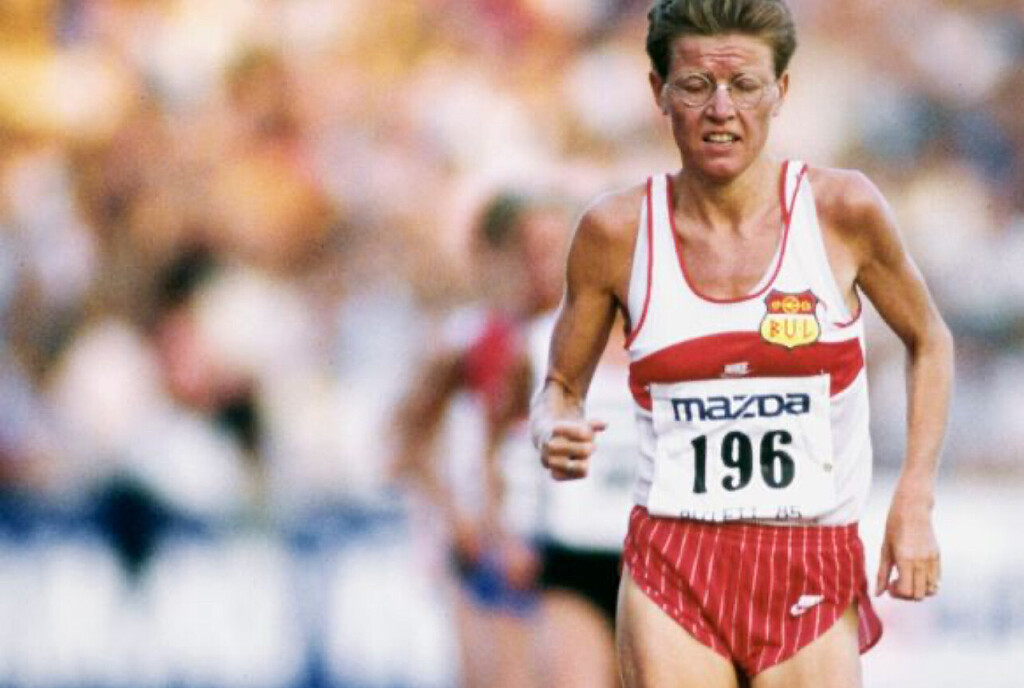
Remembering Kristiansen’s barrier-breaking sub-15-minute 5000m
When Ingrid Kristiansen lined up for the 5000m at the 1984 Bislett Games, she was known as the former international cross country skier who had just become Europe’s fastest ever woman in the marathon.
It was only six weeks previously that the 28-year-old mother from the Viking stronghold of Trondheim had made her major breakthrough in athletics, storming through halfway in the London Marathon in a blistering 1:10:52 en route to a winning time of 2:24:26.
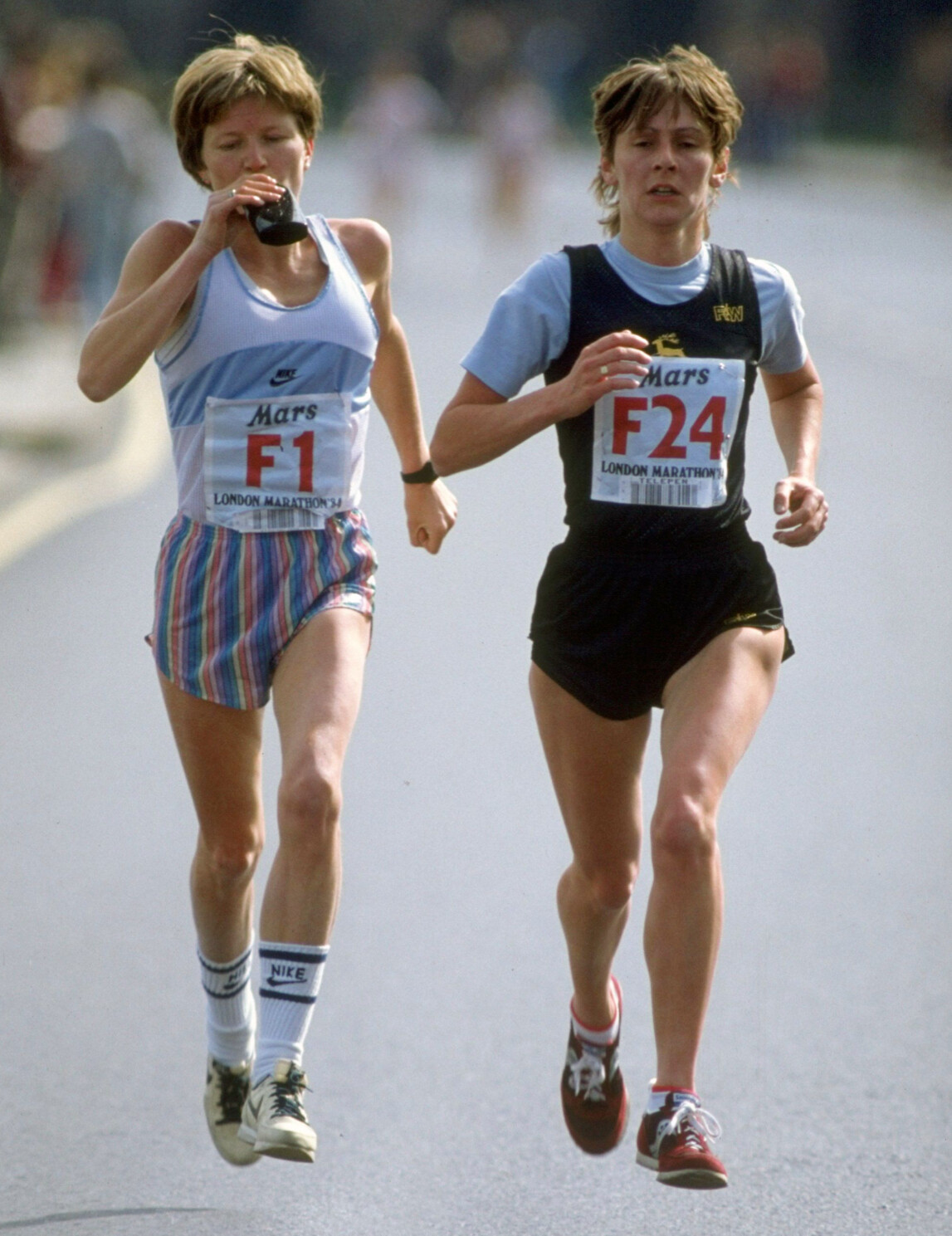
In the process, Kristiansen first peeped out of the considerable shadow of the great Grete Waitz as another formidable Norse to be reckoned with on the global running stage.
The London run elevated her to second spot on the world all-time list, behind the 2:22:43 recorded by Joan Benoit of the US in Boston the previous year, but ahead of Waitz’s Norwegian and European record of 2:25:28.7.
It was only fitting that the burgeoning Kristiansen should claim her first world mark on home ground, in the heart of Norway’s capital city on the hallowed Bislett Stadium track.
That was 40 years ago, on the evening of 28 June 1984.
‘Dead tired… pushed on by the cheers of the crowd’
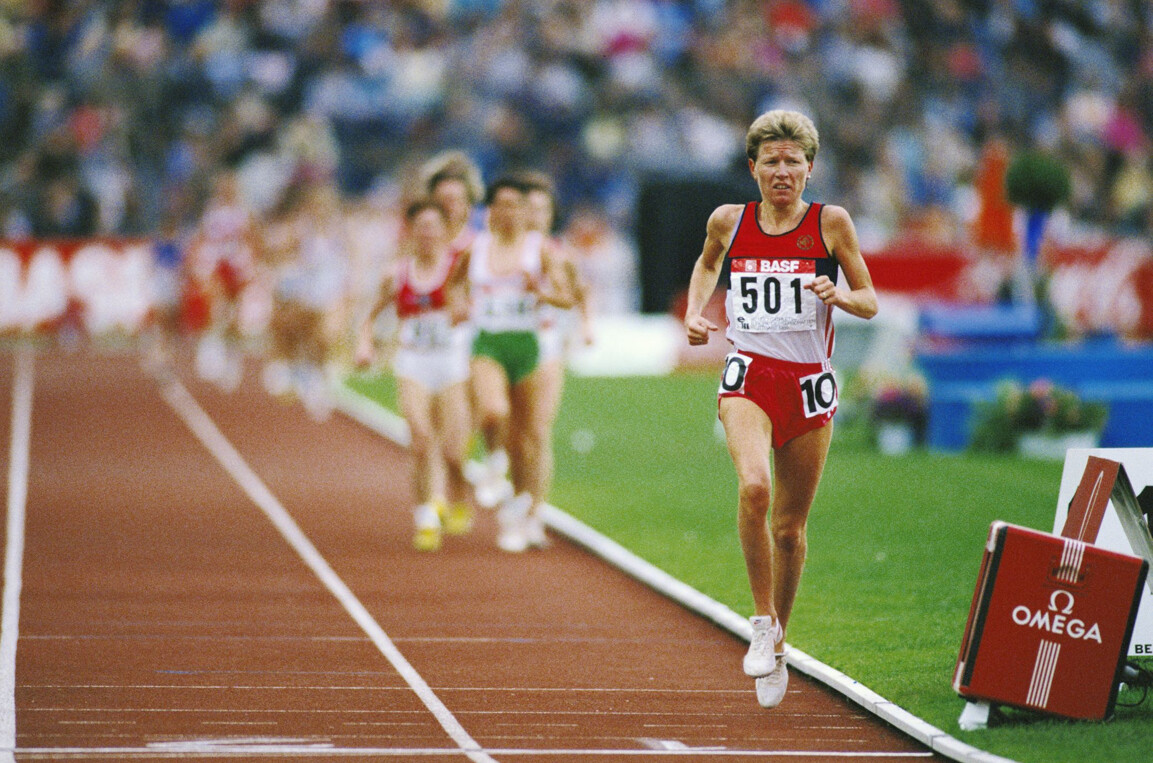
The official world record for the women’s 5000m stood at 15:08.26 – to Mary Decker, or Mary Tabb as she had been when she set the figures on home ground at the 1982 edition of the Pre Classic.
In Apartheid South Africa on 5 January 1984 – and therefore ineligible for recognition – the barefoot Springbok wunderkind Zola Budd had run 15:01.83 in Stellenbosch. By June of the same year, Budd had already become a British citizen and was on her way to being rubber-stamped in the British team for the Los Angeles Olympics.
That night in Oslo, though, Kristiansen’s only rival was the Bislett Stadium clock.
After following Maggie Keyes of the USA through 1000m in 3:02.0, Kristiansen surged clear of the field, reeling off laps of 70-72 seconds.
Passing 3000m in 8:59.8, Kristiansen finished with the flourish of a 68.4 final lap before crossing the line in 14:58.89.
Off marathon training of 170-180km a week, she had become the first woman in history to beat 15 minutes for 5000m.
“I was dead tired during the last two laps but I was pushed on by the cheers of the crowd,” she confessed.
Aurora Cunha, the future three-time world road race champion from Portugal, finished a distant runner up in 15:09.07, followed by Briton Angela Tooby (15:22.50).
Back in sixth was Portugal’s European marathon champion Rosa Mota (15:30.63) – followed by Tooby’s twin sister, Susan (15:44.58), future mother of 2022 world 1500m champion Jake Wightman.
Holding a distance world record triple
Kristiansen was to go quicker over 12.5 laps. At London’s Crystal Palace in 1985, she clocked 14:57.43 but lost the world record to Budd, a clear winner in 14:48.07.
In Stockholm in 1986, however, Kristiansen reclaimed the record with a stunning 14:37.33.
That year she was at her zenith on the track, improving her own 10,000m world record by almost 46 seconds with a 30:13:74 run at Bislett.
Kristiansen was the first runner in history to simultaneously hold world records for 5000m, 10,000m and the marathon.
Returning to the London Marathon in 1985, she brought the women’s 2:20 barrier into sight with a 2:21:06 triumph that stood as a world record for 13 years.
Kristiansen also became the first athlete to claim world titles on the track, on the road and over cross country. Twice a winner of the 15km world road race championship, she won the world 10,000m title on the track in Rome in 1987 and the world cross country crown in Auckland in 1988.
Big heart and big lungs
Many attributed Kristiansen’s phenomenal success to the physiological benefits she had gained from giving birth to her first son, Gaute, in 1983. She felt it was more the edge she had gained from years of competitive cross-country skiing.
“I think it came from my cross-country skiing career,” she asserted. “It gave me a big heart and big lungs, and when I got my legs trained for running I was maybe a little bit ahead of the other runners at the time.”
As a cross-country skiing prodigy, Kristiansen won the European junior title in 1974, was selected as a reserve for the Winter Olympics in Innsbruck in 1976, and finished 15th in the World Championships 20km race in 1978.
She decided to concentrate on competitive skiing for several years after making the Norwegian team for the 1971 European Athletics Championships as a 15-year-old 1500m runner, Ingrid Christensen. But she got bumped off the track in her heat in Helsinki and failed to finish the race.
Her roommate in the Finnish capital was a 17-year-old called Grete Andersen, who finished eighth in the other 1500m heat, missing the cut for the final.
She also made a name for herself in future years: as Grete Waitz, the first of Norway’s barrier-breaking distance-running duo.
by World Athletics
Login to leave a comment
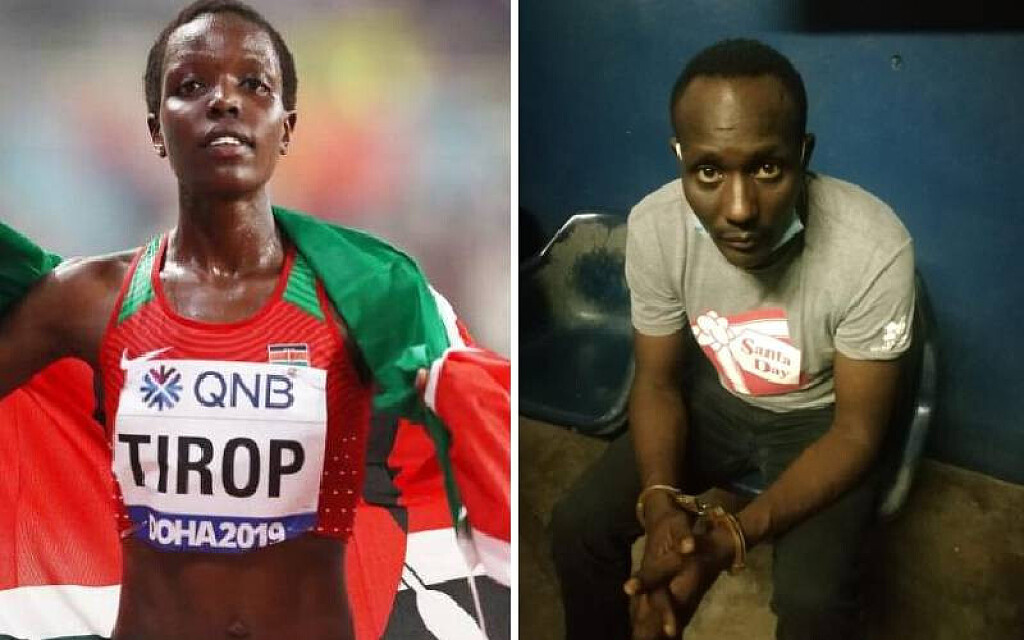
Kenyan police arrest suspect in Agnes Tirop’s murder Ibrahim Rotich had fled Iten by car and was apprehended hundreds of kilometers away
The Directorate of Criminal Investigations-Kenya tweeted Thursday that it had arrested Ibrahim Rotich, who had fled after allegedly killing Agnes Tirop, one of the nation’s top runners, at her home in Iten. Tirop was discovered dead on Wednesday, with multiple stab wounds to her abdomen. The 25-year-old was a two-time world 10,000m bronze medalist and the 2015 World Cross-Country champion.
We reported earlier that police were looking for Tirop’s husband, who was identified as Emmanuel Ibrahim Kipleting. The suspect in custody is believed to be the same individual, although he is described as being “in a relationship” with Tirop. He was arrested in Changamwe, Mombasa county, which is at least 750 km from Iten.
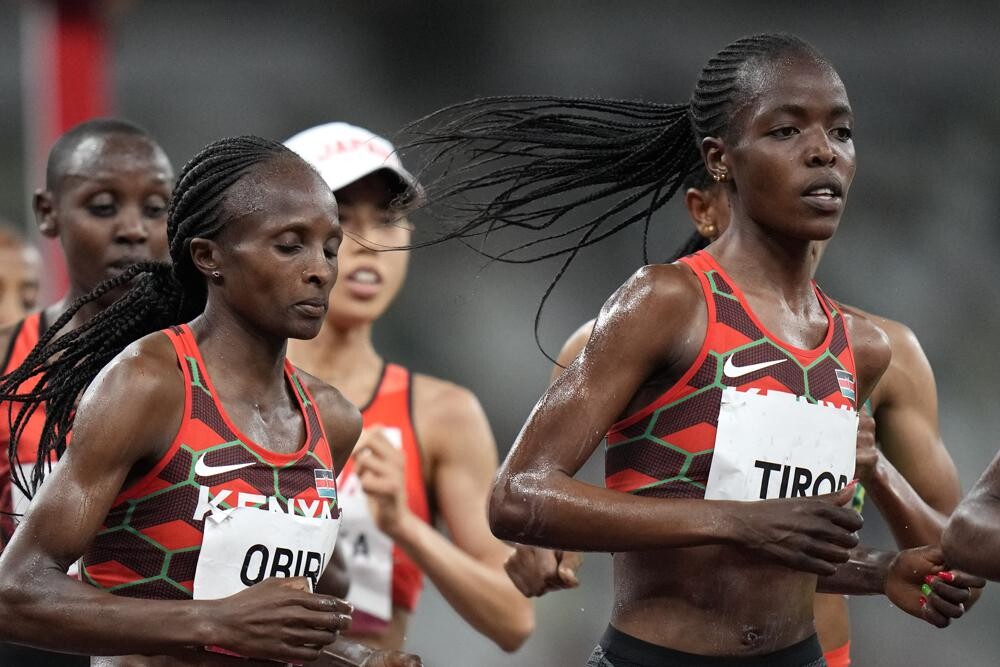
According to the tweet by DCI Kenya, earlier on the day he was apprehended Rotich had crashed his car into a truck in Athi River, southeast of Nairobi, while trying to flee. It’s expected he will be charged with Tirop’s murder.
Tirop was the second-youngest person ever to win the World Cross Country Championships, after South Africa’s Zola Budd. She won the bronze medal in the 10,000m at the World Championships in 2017 and 2019, and she represented Kenya at the Tokyo Olympics this summer, where she placed fourth in the 5,000m. Only a month ago, Tirop also smashed the women’s-only 10 km record in Germany, running 30:01 to break the previous record 28 seconds.
by Anne Francis
Login to leave a comment
Police are hunting for husband of slain Kenyan runner Agnes Tirop
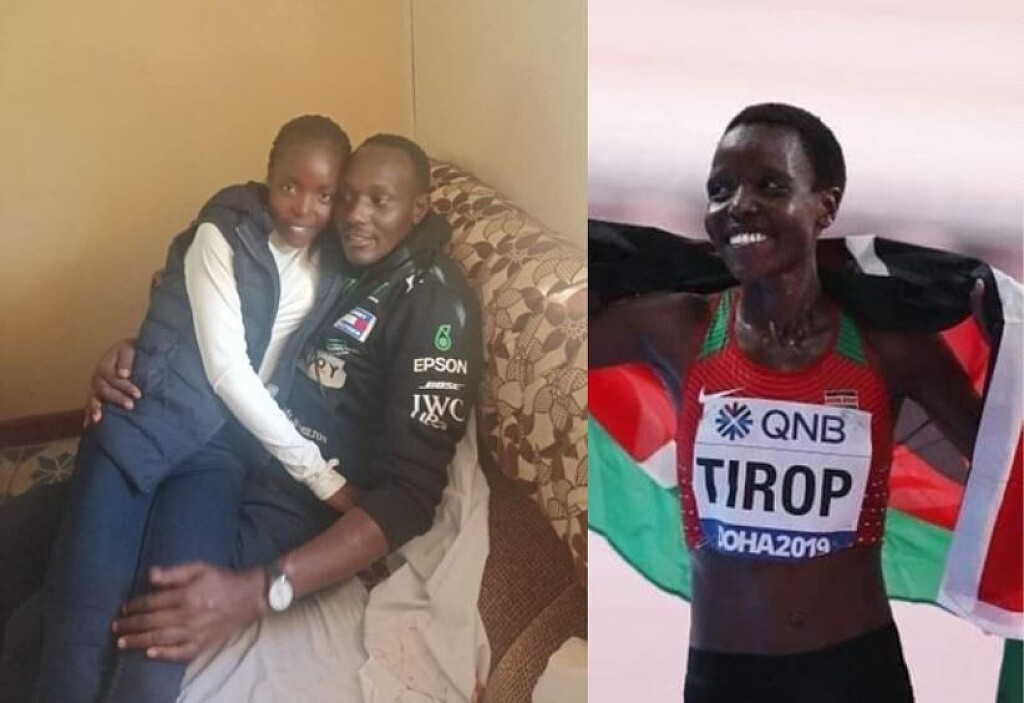
Kenyan police were on Thursday hunting for the husband of record-breaking runner Agnes Tirop who was stabbed to death in an incident that has shocked her home country and the world of athletics.
Tirop's husband Emmanuel Rotich was named by police as a suspect in the death of the 25-year-old double world championships medalist and Olympian, who has been hailed as a rising star cut short in her prime.
"We are closing in on the manhunt for the killer," Keiyo North police commander Tom Makori told AFP on Thursday, saying police were tracking down Rotich's phone signal.
"The sooner we get him to reveal the circumstance that led to the murder of the young girl, the better for all of us. We are under pressure to catch him."
Tirop's body was found with stab wounds in the bedroom of her home in Iten in western Kenya, a high-altitude training hub for many top-class athletes.
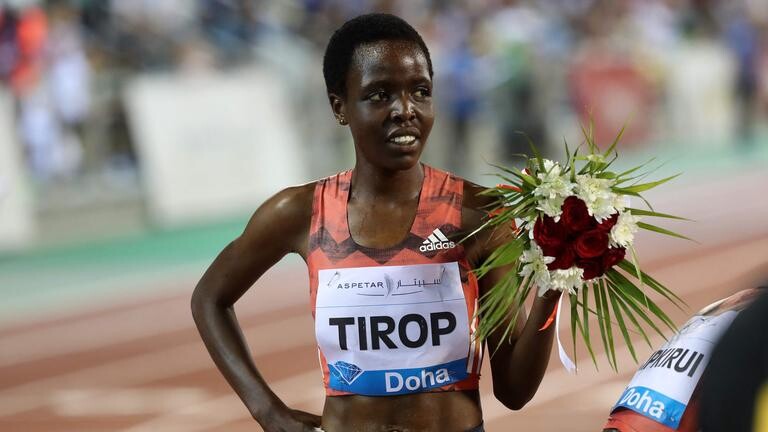
"Murder of a champ," was the front-page headline in Kenya's Daily Nation newspaper.
She was killed just a month after she smashed the women-only 10km world record at an event in Germany, with a time of 30:01, slicing 28 seconds off the previous record.
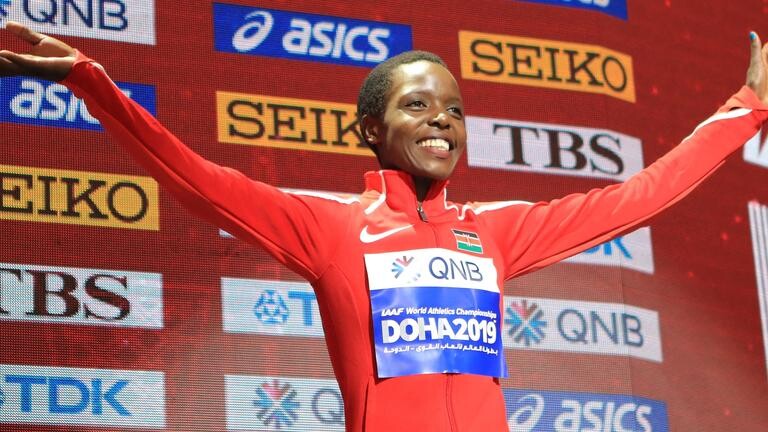
Tirop was a double world 10,000m bronze medalist and 2015 world cross county champion. She finished fourth in the 5,000m at the Tokyo Olympics this year.
She also made history in 2015 when she became the second-youngest ever gold medallist in the women's cross country championships after Zola Budd.
"Kenya has lost a jewel who was one of the fastest rising athletics giants on the international stage, thanks to her eye-catching performances on the track," Athletics Kenya said in a statement Wednesday.
'So much glory'
Kenyan President Uhuru Kenyatta also paid tribute to the young athlete, who would have turned 26 later this month, and urged the police to track down those behind her death.
"It is unsettling, utterly unfortunate and very sad that we've lost a young and promising athlete who, at a young age of 25 years, she had brought our country so much glory through her exploits on the global athletics stage," he said in a statement.
"It is even more painful that Agnes, a Kenyan hero by all measures, painfully lost her young life through a criminal act perpetuated by selfish and cowardly people," he said.
The US embassy in Nairobi also expressed its condolences, describing Tirop as "a figure of hope for women in sports".
On Saturday, another Kenyan long-distance athlete Hosea Mwok Macharinyang, a member of the country's record-breaking world cross country team, died of what Kenyan athletics officials said was suicide.
Macharinyang, 35, had competed for Kenya in both cross country and 5,000m and 10,000m races.
He won three consecutive titles for Kenya in the World Cross Country Championships from 2006 to 2008.
Kenya is the most successful nation in the cross country championships, having won 49 team and 27 individual titles.
Login to leave a comment
