

Running News Daily
Running News Daily is edited by Bob Anderson and team. Send your news items to bob@mybestruns.com Advertising opportunities available.
Index to Daily Posts · Sign Up For Updates · Run The World Feed
Articles tagged #Rift Valley
Today's Running News



From Kenyan Culture To The Streets Of New York: Crippa’s Remarkable Marathon Rise
From enjoying roasted maize in Kenya to standing on the podium of one of the world’s most iconic marathons, Yemaneberhan Crippa’s 2026 season has become a remarkable story of preparation, perseverance and belief.

The Italian distance-running star spent part of his marathon preparation in Iten, Kenya, the legendary high-altitude town in the Rift Valley that has produced and attracted some of the world’s greatest distance runners.
But Crippa’s time in Kenya was about more than simply putting in the kilometres.

He immersed himself in the local running culture and embraced moments away from training, including a memorable encounter with roasted maize, one of Kenya’s popular street foods. It was a simple glimpse of the lighter side of life in a country where running is deeply woven into everyday culture.
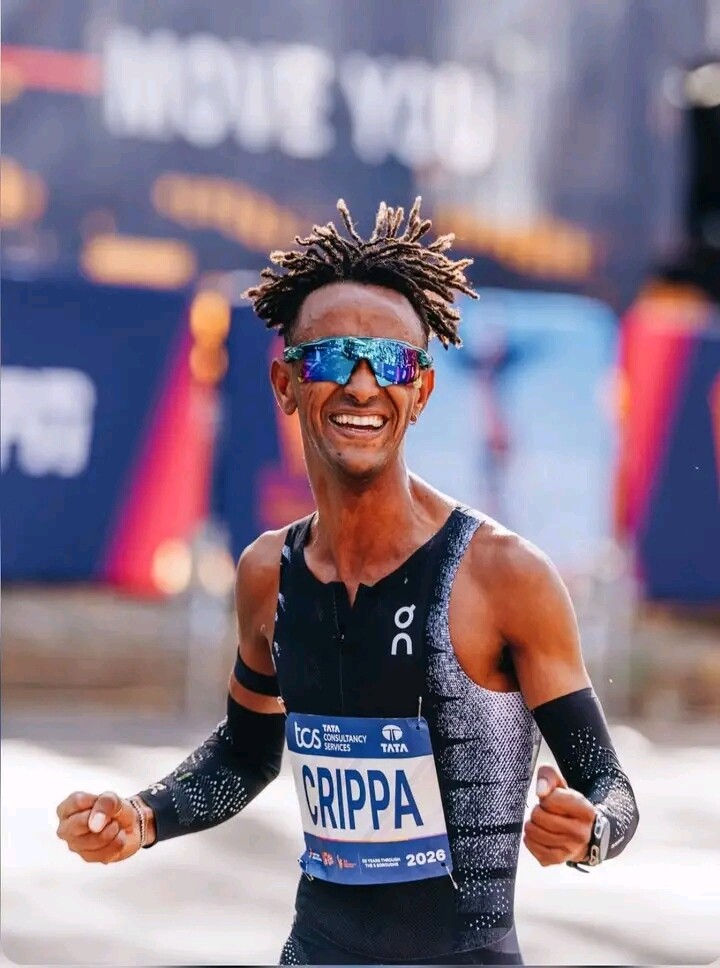
Behind those relaxed moments, however, Crippa was engaged in demanding altitude training designed to develop the endurance and strength required to compete over 42.195 kilometres.
Training in Kenya gave him an opportunity to experience an environment where distance running is a way of life. Surrounded by athletes, coaches and runners pursuing similar ambitions, Crippa continued building the foundation for what would become a breakthrough marathon season.
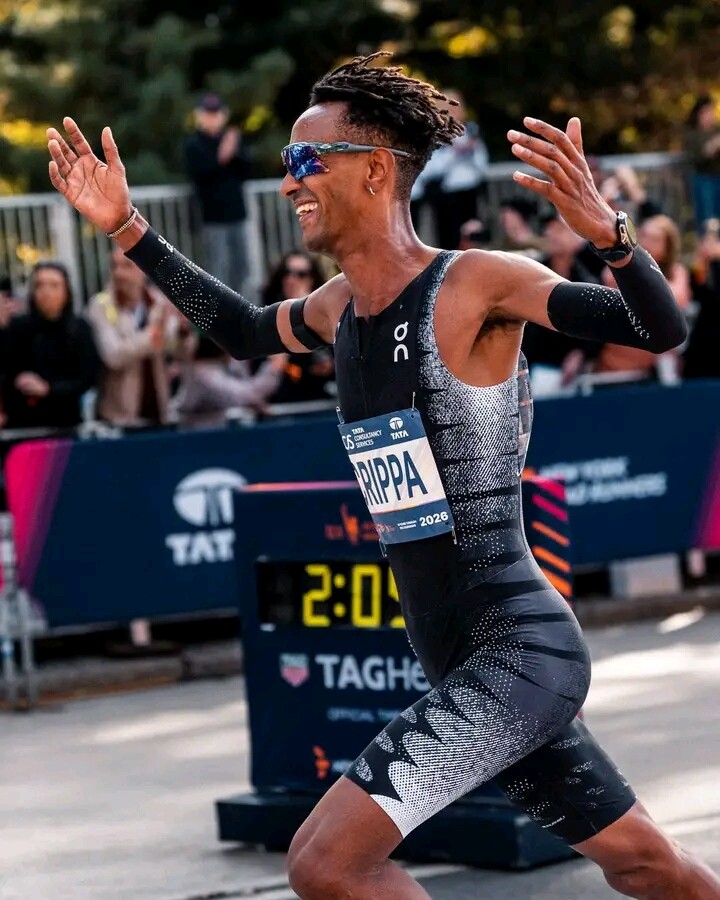
The results soon began to speak for themselves.
In April, Crippa produced one of the biggest performances of his career by winning the Paris Marathon in a personal best of 2:05:18. The victory established him as a serious contender over the marathon distance and provided a major confidence boost for the challenges ahead.
But New York would offer an even greater test.
On November 1, Crippa lined up for the 2026 TCS New York City Marathon alongside a world-class field, ready to measure his progress on one of the most demanding and prestigious marathon courses in the world.
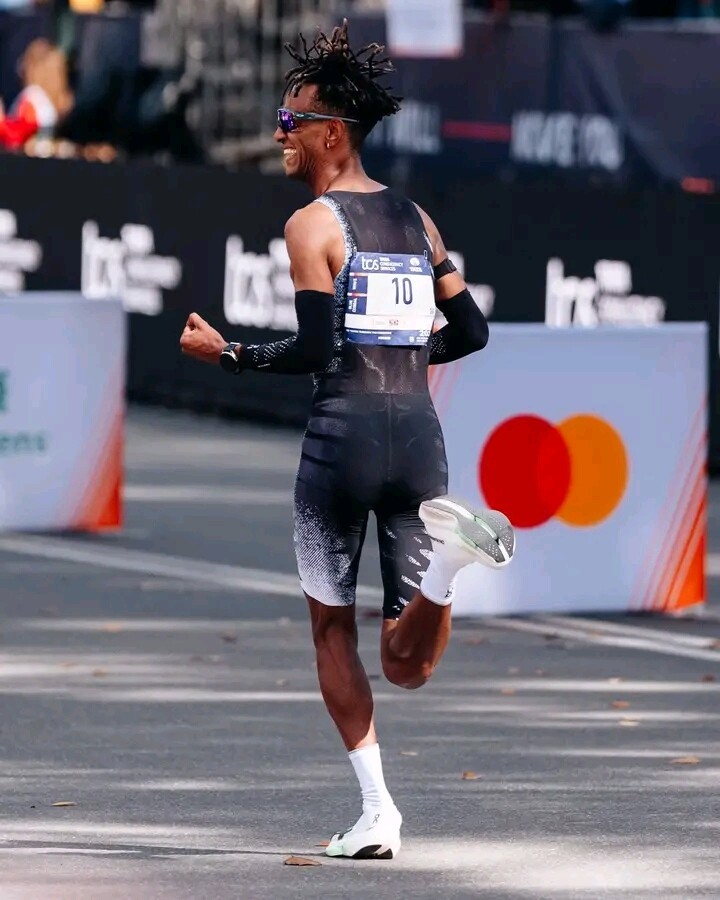
He did not disappoint.
Crippa fought his way into a thrilling battle for victory and remained firmly in contention deep into the race. When the decisive moments arrived, Sweden’s Andreas Almgren produced a powerful late surge, pulling away from Crippa inside the final 400 metres.
Almgren crossed the finish line first in 2:06:01, while Crippa secured an impressive second place in 2:06:14.
For Crippa, the silver medal represented far more than another strong marathon result. It was the best performance by an Italian man at the New York City Marathon in 30 years and another significant step in his transformation into a world-class marathoner.
His New York performance also gave fresh meaning to the months he had spent preparing in Kenya.
From the high-altitude roads of Iten, where he trained alongside runners immersed in Kenya’s legendary distance-running culture, to the packed streets of Manhattan, Crippa carried the lessons of his preparation onto one of the biggest stages in the sport.
There was a time in Kenya for hard workouts, altitude adaptation and building endurance. There were also moments to experience the culture, enjoy the simple things and appreciate the environment around him.
Now, those memories are part of a season in which Crippa has firmly announced himself on the marathon scene.
And after achieving his New York breakthrough, Crippa struggled to put the magnitude of the moment into words.
Reflecting on his performance, the Italian shared an emotional message that captured the significance of the silver medal.
“Yesterday I spoke about a dream, today it is reality… New York,” Crippa wrote, celebrating his second-place finish in the city that had become the setting for one of the biggest moments of his career.
He added: “I gave it everything, until the end.”
The emotion of the experience was still fresh for the Italian, who admitted that he was not yet sure how to fully describe what he had lived through.
“I still don’t know how to describe what I experienced yesterday. I only know that it is an emotion I will carry with me for a long time.”
Those words perfectly capture what New York meant to Crippa. The result was not simply a number on the clock or another podium finish—it was the reward for months of preparation, sacrifice and belief.
From the training grounds of Kenya to the world stage in New York, Crippa has shown what can happen when ambition is matched with relentless work.
His message was simple but powerful: “There is nothing you cannot achieve.”
From enjoying Kenyan culture to conquering the streets of New York, Yemaneberhan Crippa’s journey has been extraordinary.
A dream became reality. A demanding season produced a major breakthrough. And a young man who embraced Kenya’s running culture returned to the world stage with a New York City Marathon silver medal around his neck.
Kenya builds champions, and the world comes to train.
by Erick Cheruiyot for My Best Runs.
Login to leave a comment
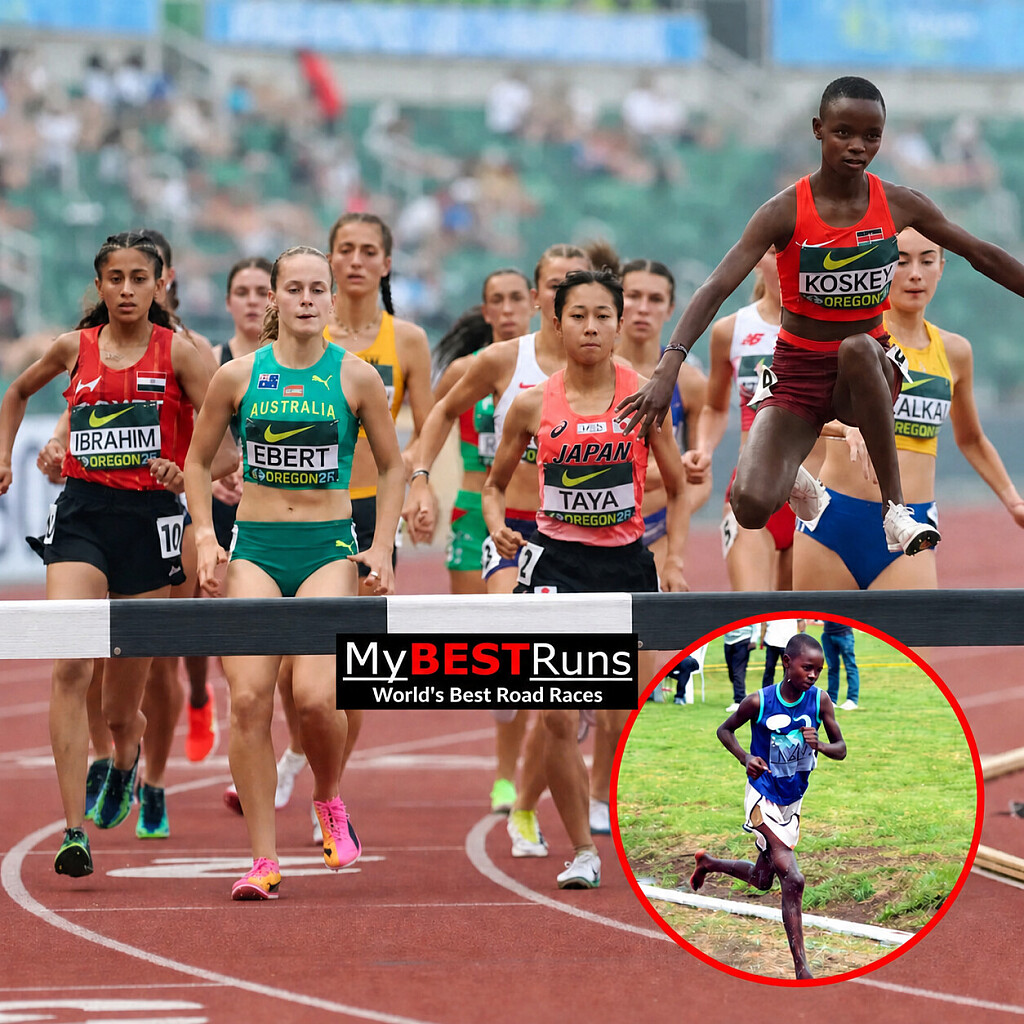
From Barefoot Dreams To The World Stage: Mercy Kosgei’s Remarkable Rise
From running barefoot on a school track in Kenya to competing on the international stage and signing a landmark deal with a global sportswear brand, Mercy Chepngeno Kosgei’s journey is a powerful story of determination, talent and unwavering belief.
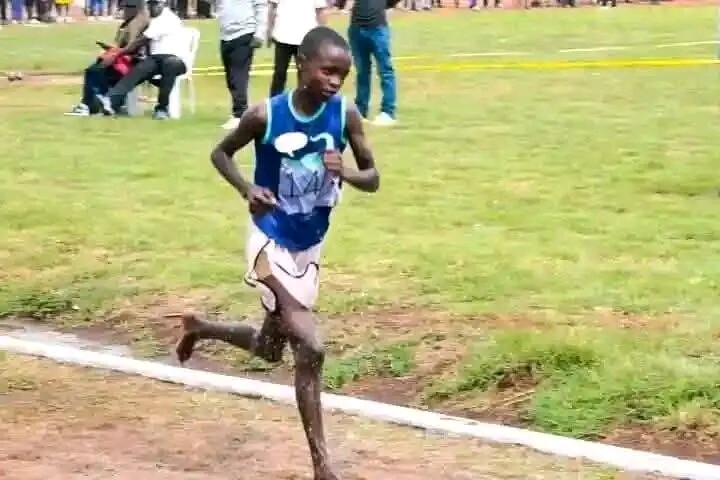
In March 2024, then just 17 years old, Kosgei captured widespread attention when she won the 3,000m steeplechase at the Rift Valley Regional Secondary Schools Championships in Nandi — without a pair of racing shoes on her feet.
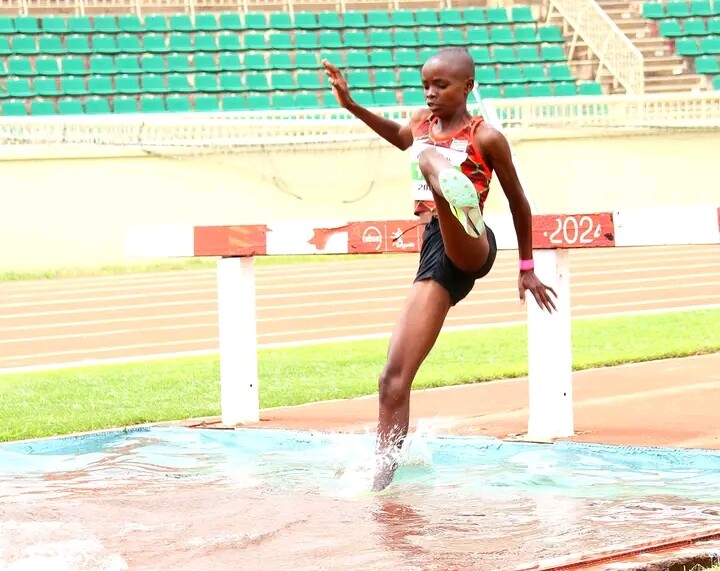
What could have been seen as a simple race became the beginning of something much bigger. Her barefoot victory quickly drew attention, shining a spotlight on a young athlete whose talent was already far greater than the resources available to her.
But the viral moment was only the opening chapter.
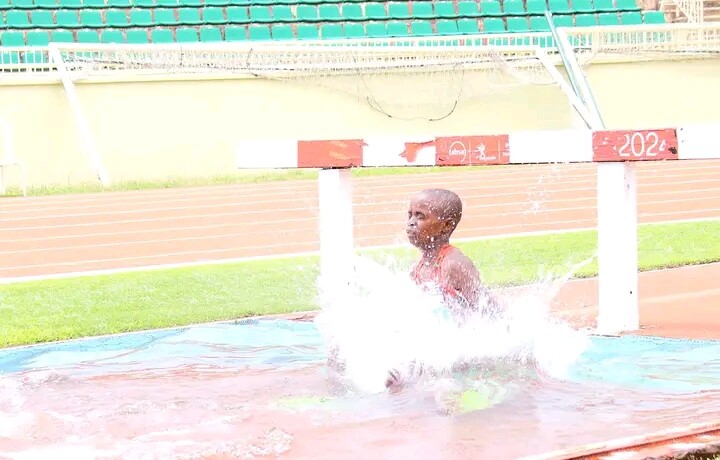
Kosgei continued to develop rapidly, proving that her success was not built on one extraordinary performance. In 2025, she claimed silver at the African U20 Championships in Nigeria, establishing herself among the continent’s promising young middle- and long-distance athletes.
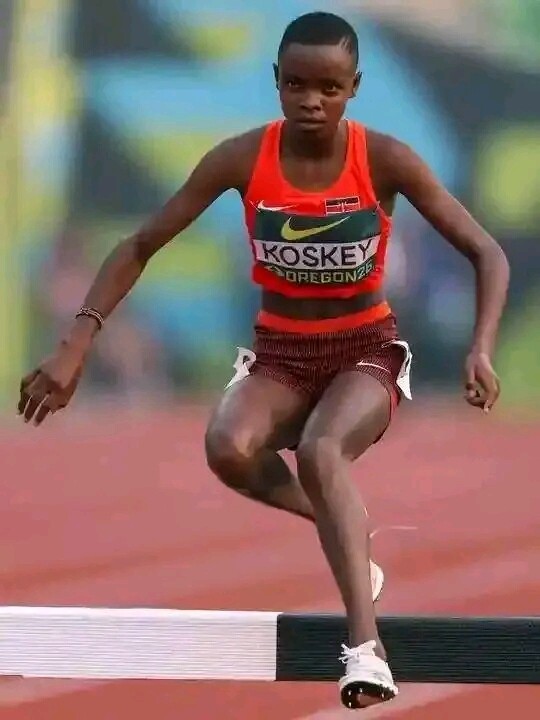
She took another major step forward in 2026. At the Thika Weekend Meet, Kosgei produced a memorable double, winning both the 1,500m and 3,000m steeplechase.
Her progress continued at the African Championships in Accra, where she secured silver in the steeplechase and lowered her personal best to an impressive 9:30.47.
Later in the year, she reached an even bigger stage, representing Kenya at the World Athletics U20 Championships in Eugene, Oregon — another significant milestone in a career that has developed at remarkable speed.
Away from the track, February 2026 brought another defining moment. Kosgei signed a Name, Image and Likeness (NIL) agreement with Swiss sportswear company On, marking a major breakthrough for the young Kenyan and placing her among a new generation of athletes attracting international attention at an early stage of their careers.
Yet behind the medals, contracts and international appearances is a young woman who remains grounded in her ambitions beyond athletics.
Hailing from Lesirwo village in Kericho County, Kosgei continues to balance education with the demanding routine of training and competition. Her dream extends beyond becoming a champion athlete — she also hopes to become a medical doctor.
That combination of ambition makes her journey even more compelling.
Her story began without expensive equipment or the privileges often associated with elite sport. It began with bare feet, determination and a dream.
Today, those same dreams have carried Mercy Chepngeno Kosgei from the school fields of Kenya to the international stage.
And if her journey so far is anything to go by, the barefoot girl who once captured the imagination of Kenyan athletics fans may only be getting started.
by Erick Cheruiyot for My Best Runs.
Login to leave a comment

Nairobi 2029: Kenya Wins Historic Bid to Bring World Athletics Championships to Africa
Africa finally has its moment. Kenya has won the race to host the 2029 World Athletics Championships, turning years of ambition into a landmark reality for the continent.
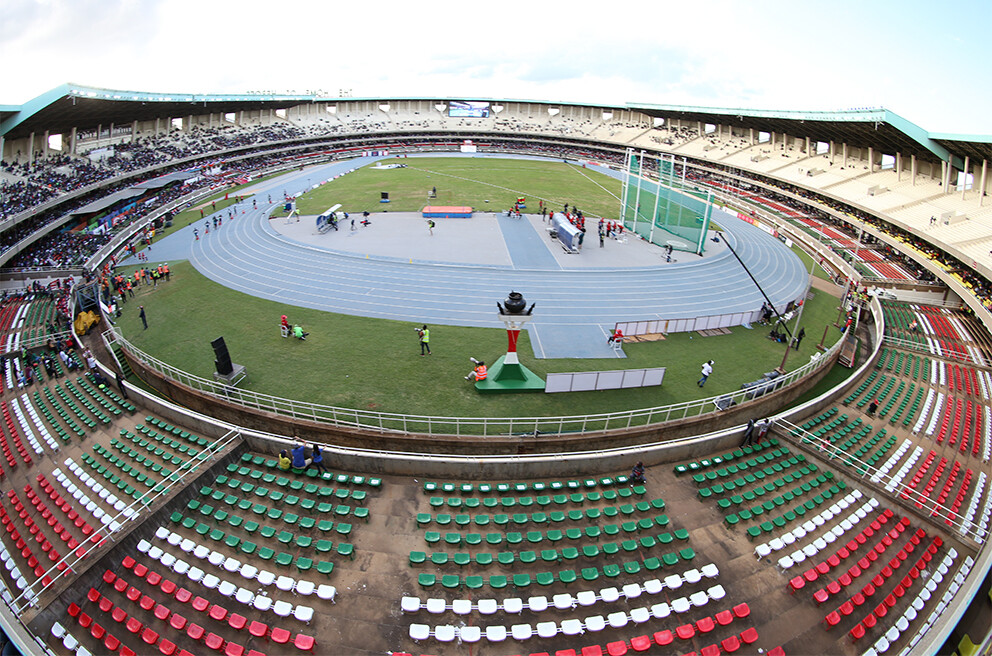
In a historic decision announced in Budapest, Nairobi has been selected to host the 2029 World Athletics Championships, making Kenya the first African nation to stage the senior global track and field championships.
World Athletics confirmed that Nairobi and Munich have been selected to host the 2029 and 2031 World Athletics Championships respectively, following what the governing body described as one of the strongest bidding processes in the history of its flagship event.
For Kenya, the announcement represents far more than a successful hosting bid. It is the latest chapter in a remarkable athletics story built over generations.
The Kenyan capital overcame strong competition from London, Rome and Munich to secure the 2029 edition, bringing the world's biggest senior athletics championship to African soil for the first time.

The championship will be staged at the Moi International Sports Centre, Kasarani, in Nairobi, giving Kenya the opportunity to welcome the world's greatest athletes to a country that has produced countless champions of its own.
For generations, Kenya has established itself as one of the most influential nations in global athletics.
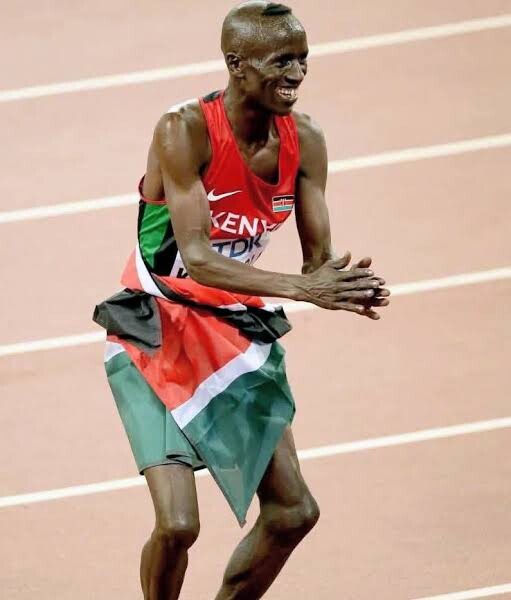
From pioneering Olympic champion Kipchoge Keino and distance-running legend Tegla Loroupe among others to modern icons such as Eliud Kipchoge, Faith Kipyegon, David Rudisha, Faith Cherotich, Vivian Cheruiyot and Ezekiel Kemboi among others. Kenyan athletes have repeatedly conquered the world's biggest stages.
Their Olympic victories, world titles, records and unforgettable performances have made Kenya one of the most recognizable names in track and field.
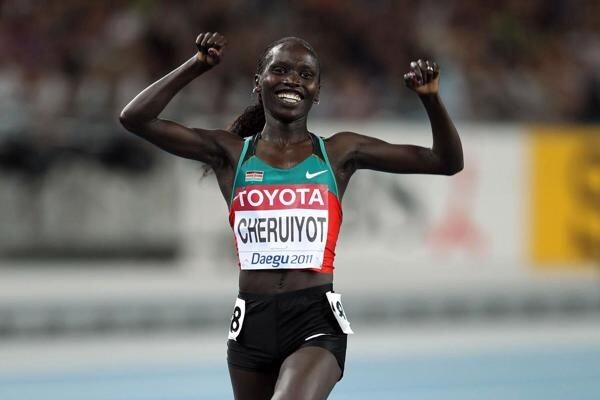
But Kenya's athletics identity extends far beyond medals.
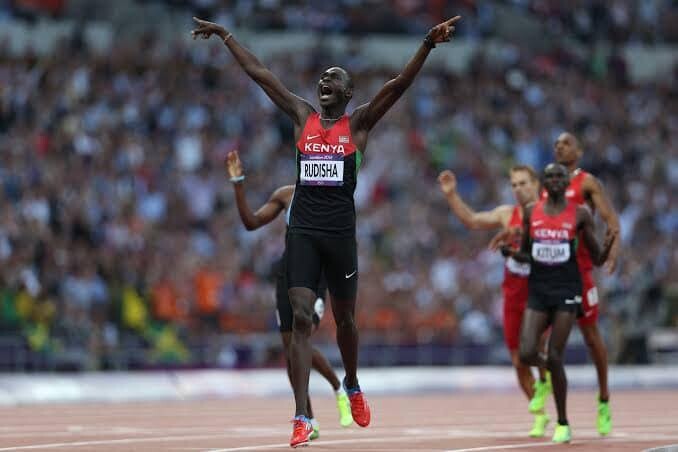
Running is deeply rooted in communities across the country, while the high-altitude training regions of the Rift Valley have become synonymous with the development of world-class distance runners. Behind the champions are coaches, families, training partners and communities that have helped create an athletics culture admired around the world.
Now, for the first time, that culture will become the backdrop for the sport's biggest senior global championship.
Nairobi 2029 will be historic before the first race even begins.
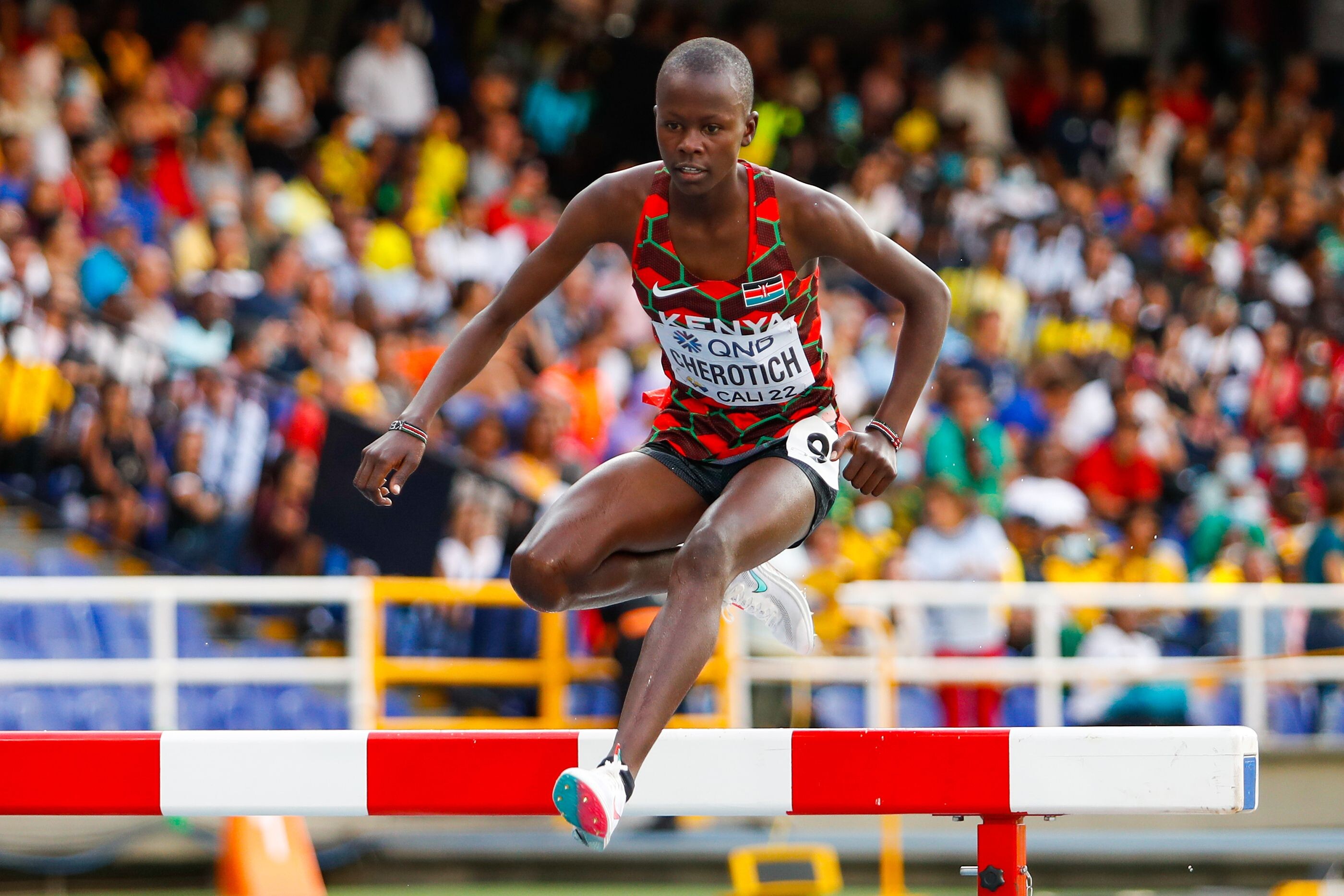
Kasarani, already an important venue in Kenya's sporting history, will take center stage as athletes from across the globe descend on Nairobi in pursuit of world titles.
For Kenyan fans, the opportunity to watch the world's greatest sprinters, middle-distance runners, distance stars, hurdlers, field-event athletes and relay teams compete on home soil will be extraordinary.
For the country's next generation of athletes, the impact could be even greater.
Young runners who have grown up watching Kenyan champions compete around the world will now have the chance to experience a World Championships in their own country. The sight of the world's best athletes competing at Kasarani could inspire a new generation to believe that they, too, can reach the highest levels of the sport.
The significance, however, stretches well beyond Kenya's borders.
Africa has produced generation after generation of Olympic champions, world champions and global athletics icons. From Kenya and Ethiopia to Uganda, Morocco, South Africa and numerous other nations, African athletes have played a central role in shaping the history of track and field.
Yet the continent had never hosted the senior World Athletics Championships.
Nairobi 2029 changes that forever.
The successful Kenyan bid therefore represents a major breakthrough for African athletics and a powerful recognition of the continent's contribution to the sport.
World Athletics' decision also secures the future of the championships beyond Nairobi. Munich will host the 2031 World Athletics Championships, creating a two-edition sequence that will see the global showpiece move from Africa to Germany.
But the spotlight now belongs to Nairobi.
The announcement in Budapest has transformed what was once an ambitious bid into a confirmed date with history.
In 2029, Kenya will not simply send athletes to compete for world titles.
Kenya will welcome the world.
It will be a celebration of the pioneers who laid the foundation, the champions who carried the country's name across the globe and the young athletes who represent the future of African athletics.
After decades of producing champions for the world, Kenya will finally have the opportunity to bring the world's greatest athletics stars into its own backyard.
For Africa, this is more than a hosting victory.
It is a breakthrough. It is recognition. It is a new chapter.
And when the athletes walk into Kasarani for the 2029 World Athletics Championships, they will be stepping into a moment that will belong not only to Kenya, but to an entire continent.
NAIROBI 2029 — THE WORLD IS COMING TO AFRICA.
by Erick Cheruiyot for My Best Runs.
Login to leave a comment

Nairobi 2029: Could Kenya Finally Bring the World Athletics Championships to Africa?
Tomorrow could be a defining day for Kenyan athletics — and potentially for the entire African continent.

The World Athletics Council is expected to announce the host of the 2029 World Athletics Championships, with Nairobi's bid carrying the hopes of a continent that has produced generations of extraordinary athletes but has never staged the senior global championships.
For Kenya, the moment could represent the culmination of decades of dominance, sacrifice and achievement on the international athletics stage.
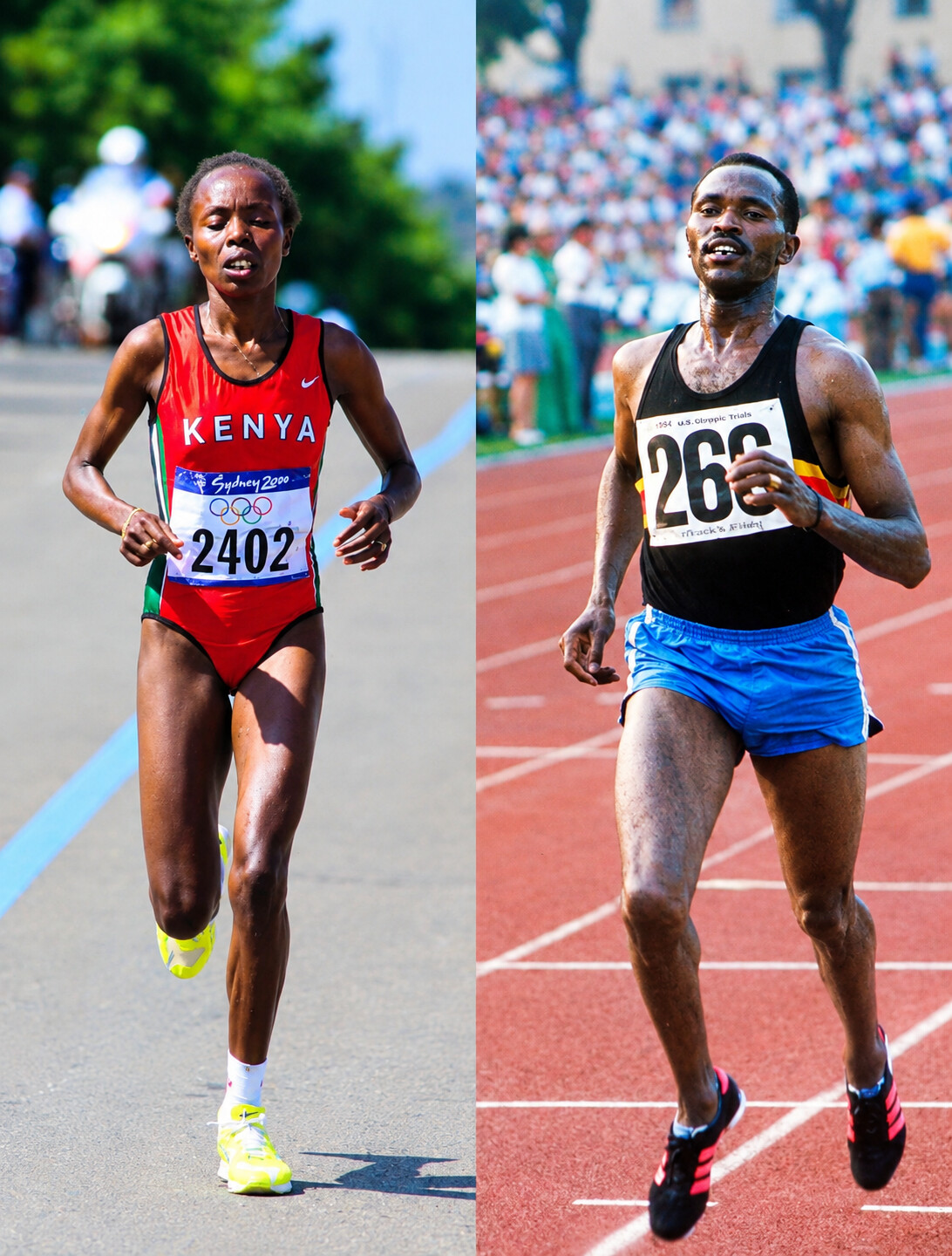
For generations, Kenya has built one of the most remarkable traditions in track and field. From pioneering legends such as Kipchoge Keino and Tegla Loroupe to modern icons including Eliud Kipchoge, Faith Kipyegon, David Rudisha, Sebastian Sawe, Beatrice Chebet and Ezekiel Kemboi among others. Kenyan athletes have repeatedly stood on the biggest stages in world sport.
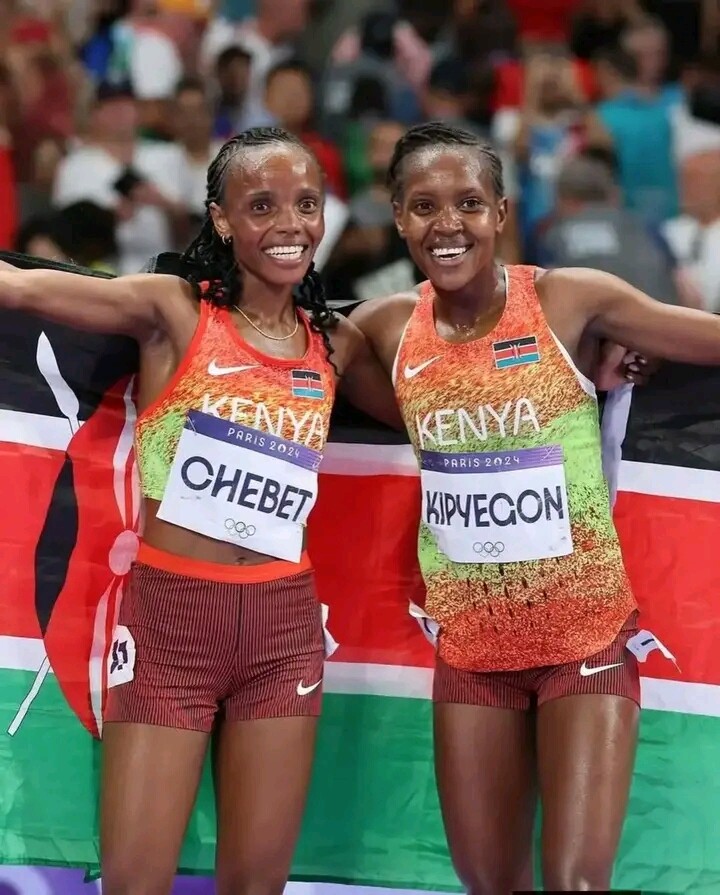
Their achievements have helped make Kenya one of the most respected names in global athletics. Olympic triumphs, world titles, records and unforgettable performances have carried the country's name across every corner of the sporting world.
But Kenya's relationship with athletics extends far beyond its medal collection.
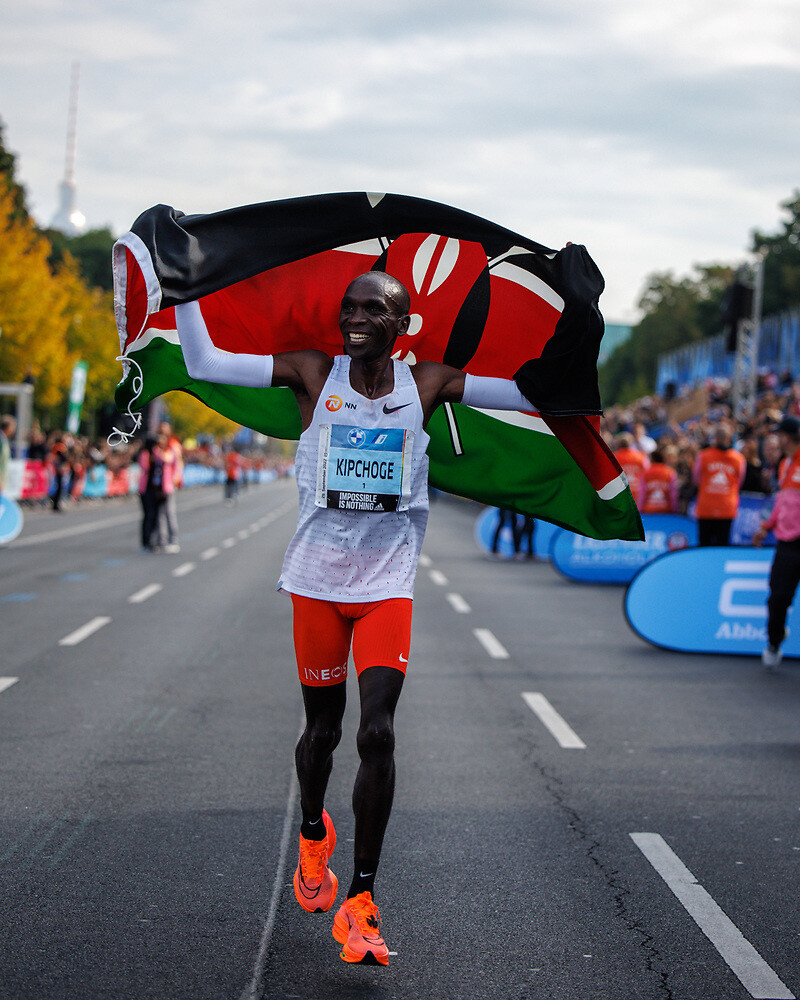
Running is deeply rooted in communities throughout the country, while the high-altitude training environments of the Rift Valley have become famous worldwide for producing elite distance runners. Behind every champion is a network of coaches, families, training partners and communities that have helped sustain Kenya's extraordinary athletics culture.
Now Nairobi is seeking to bring the world's biggest track and field championship to the country where so many champions have been produced.
The proposed centerpiece of Kenya's bid is Moi International Sports Centre, Kasarani, a venue already deeply connected to Kenyan athletics. If the bid succeeds, Kasarani could become the stage where the world's finest athletes gather in 2029 to compete for global titles.
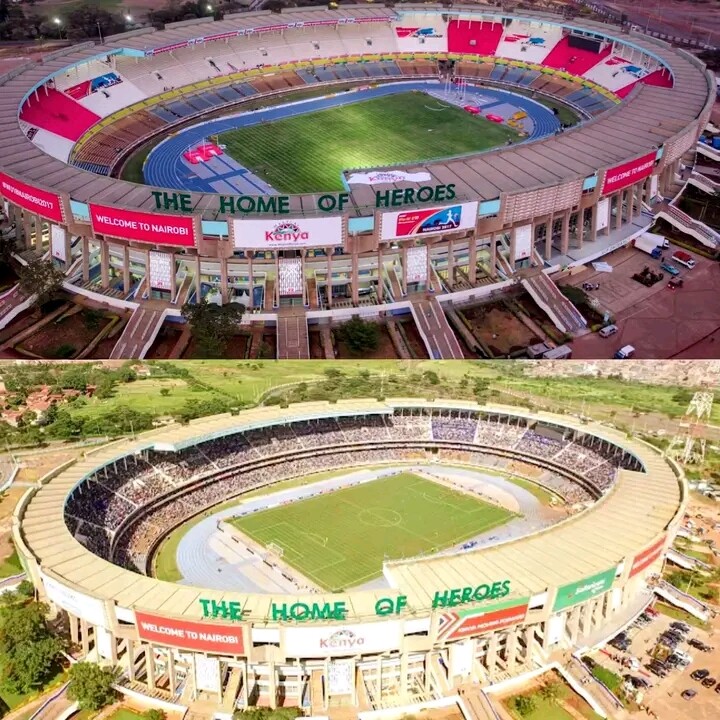
And the significance would extend far beyond Kenya.
Africa has produced some of the greatest athletes in athletics history, yet the continent has never hosted the World Athletics Championships. Nairobi's bid could change that.
Kenya's proposal is therefore not simply about staging another major sporting competition. It represents an opportunity to bring the championships to African soil for the first time and introduce millions of international fans to the continent's remarkable athletics culture.
However, Nairobi is facing formidable competition.
Kenya's bid is competing against proposals from London, Rome and Munich, three European cities with established sporting traditions and significant experience hosting major international competitions.
That sets up a fascinating choice for World Athletics.
Will the organization take the championships to a continent that has never hosted the event, creating a historic first for Africa? Or will the competition return to one of Europe's traditional athletics powerhouses?
For Nairobi, the stakes could hardly be higher.
A successful bid would give Kenyan athletes the opportunity to compete at a World Championships in front of their home supporters. It would give young runners across the country the chance to watch the world's best athletes compete in their own backyard. And it would place Kenya's extraordinary athletics heritage at the center of global attention.
It could also provide an opportunity to celebrate the champions who came before — athletes whose achievements helped establish Kenya as an athletics superpower — while inspiring the generation that will carry that legacy forward.
Imagine Kasarani filled with thousands of passionate supporters, the world's best athletes arriving in Nairobi, and Kenyan stars stepping onto the track knowing that the biggest championship in their sport is being staged on home soil.
For a country whose identity is so closely intertwined with running, it would be a remarkable sight.
And for Africa, it could be a moment of enormous symbolic importance.
Tomorrow, Kenya — and Africa — could hear its name called.
One decision. One host. One opportunity to make history.
If Nairobi is chosen, the story would not simply be about Kenya winning a bid. It would be about Africa finally welcoming the World Athletics Championships to its own soil.
It would be a celebration of the pioneers, the champions, the coaches, the communities and the generations of athletes who have helped make African athletics a global force.
And perhaps the headline of 2029 would already be waiting:
Kenya, the home of champions, has finally brought the world to its own backyard.
Nairobi 2029 — could this finally be Africa's moment?
by Erick Cheruiyot for My Best Runs.
Login to leave a comment
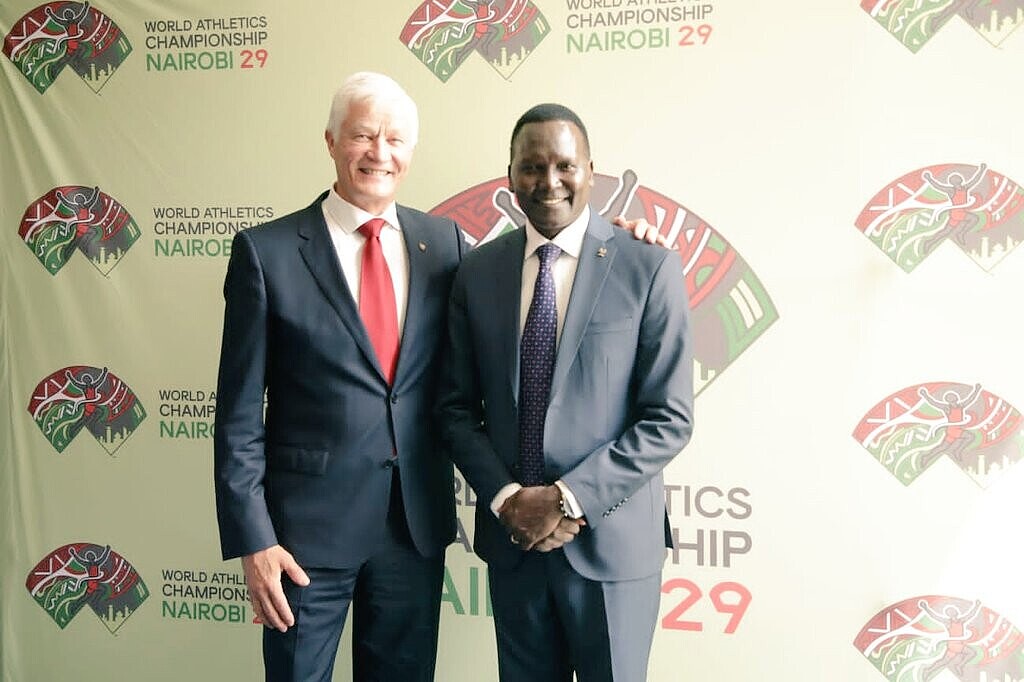
Paul Tergat Backs Kenya’s Ambitious Bid to Host World Athletics Championships
Kenyan athletics icon Paul Tergat has thrown his weight behind Kenya’s ambitious campaign to host the World Athletics Championships in 2029 describing the nation as the true heartbeat of global distance running.

In a passionate message shared on X Space, the former marathon world record holder called on the international athletics community to experience the culture, heritage, and unmatched talent that have made Kenya one of the most dominant forces in the history of the sport.
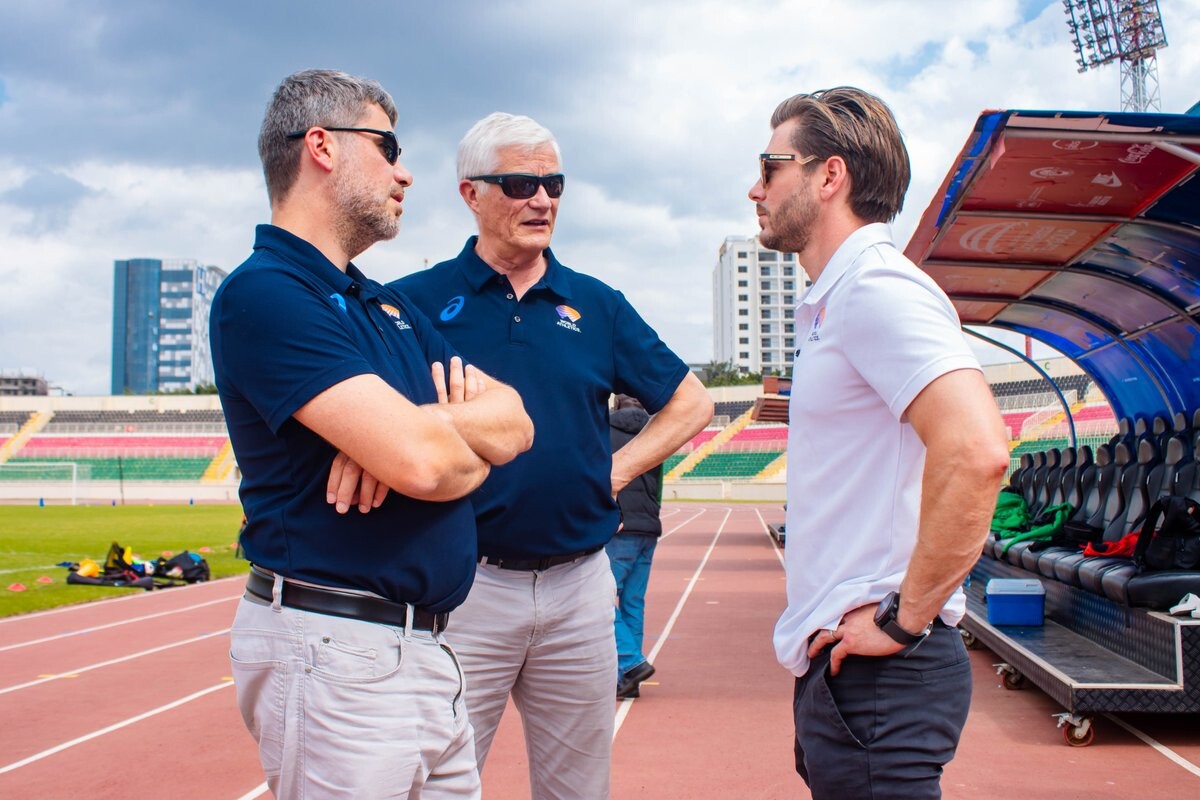
“Kenya is inviting the world to experience running at its source,” Tergat said. “From the soil that produces legends, from communities where athletics is lived, breathed, and passed through generations.”
His remarks arrive at a time when Kenya is intensifying efforts to secure hosting rights for one of athletics’ most prestigious global events — a move that would mark a historic milestone for both the country and the African continent.
Few figures embody Kenya’s running excellence more than Tergat himself. The legendary distance runner became the first Kenyan man to set a marathon world record after producing a groundbreaking performance of 2:04:55 at the Berlin Marathon 2003. His record stood until 2007 and cemented his place among the greatest marathoners in history.
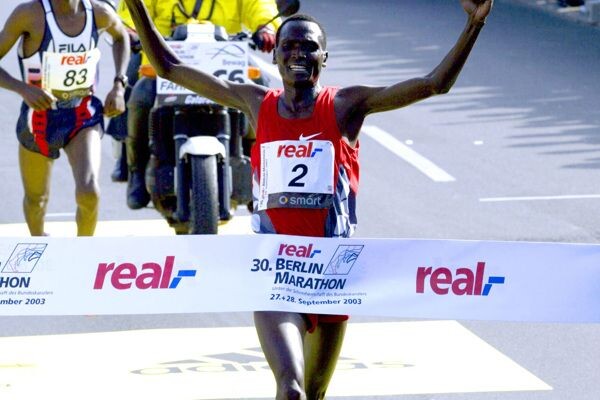
Before conquering the roads, Tergat had already established an extraordinary legacy in cross country running. Between 1995 and 1999, he achieved one of the sport’s rarest feats by winning five consecutive World Cross Country long-race titles, dominating an era filled with elite competition.
On the track, Tergat was renowned for his unforgettable rivalry with Ethiopian great Haile Gebrselassie. The Kenyan star captured Olympic silver medals in the 10,000m at both the 1996 Atlanta Games and the 2000 Sydney Olympics, while also earning silver medals at the 1997 and 1999 World Championships. Many of those races were decided in dramatic final laps, with Tergat and Gebrselassie pushing each other to historic performances.
His success extended beyond the track and marathon scene. Tergat claimed back-to-back IAAF World Half Marathon titles in 1999 and 2000 before later winning the prestigious 2005 New York City Marathon, further solidifying his reputation as one of the most versatile distance runners of his generation.
Away from competition, Tergat has remained deeply influential in Kenyan sport and athletics administration. He previously served as President of the National Olympic Committee of Kenya (NOC-K) and founded the Sports Personality of the Year Awards (SOYA), an initiative that continues to celebrate and recognize sporting excellence across the country.

For decades, Kenya has remained synonymous with excellence in middle- and long-distance running, producing generations of champions who have rewritten world records, conquered Olympic podiums, and elevated the nation’s reputation on the global sporting stage. From the high-altitude training camps of the Rift Valley to packed road races across the world, Kenyan athletics has evolved into more than just sport — it is part of the country’s identity.
Tergat believes hosting the championships would offer the world an opportunity to witness firsthand the environment that shapes elite athletes. Beyond the competition itself, he emphasized the cultural significance of Kenyan running communities, where young athletes grow up inspired by local heroes and where endurance running is deeply woven into everyday life.
The bid also represents Africa’s growing desire to host more major international sporting events. While African athletes have consistently dominated global athletics for generations, the continent has rarely been given the opportunity to stage the sport’s biggest championships. Kenya’s proposal is therefore seen as both symbolic and transformative for athletics worldwide.
Tergat’s endorsement adds significant weight to the campaign. Widely regarded as one of the greatest distance runners in history, the Kenyan legend remains a respected voice within international athletics circles. His support reflects the confidence many within the sport have in Kenya’s ability to deliver a memorable and globally impactful championship.
If successful, the championships would not only showcase elite competition but also spotlight Kenya’s rich sporting heritage, passionate fans, and deep-rooted connection to athletics — offering the world a chance to experience the birthplace of countless running legends.
by Erick Cheruiyot for My Best Runs.
Login to leave a comment
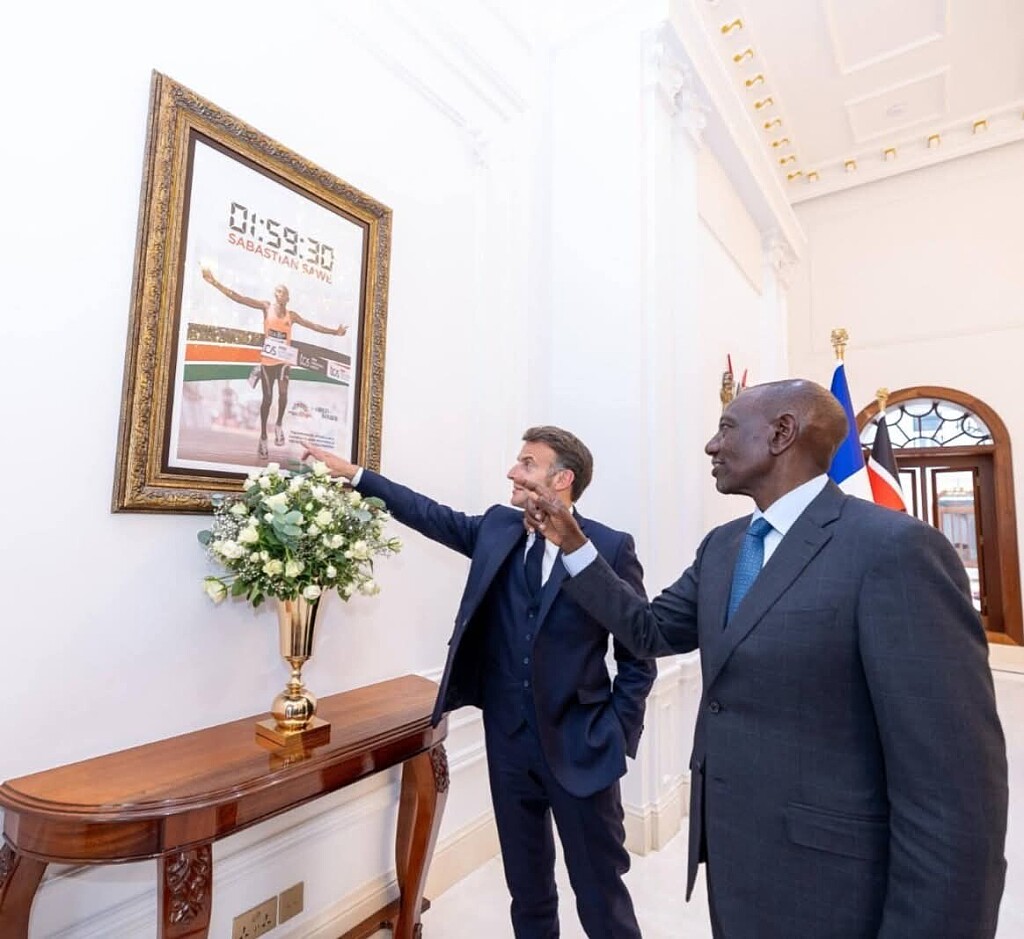
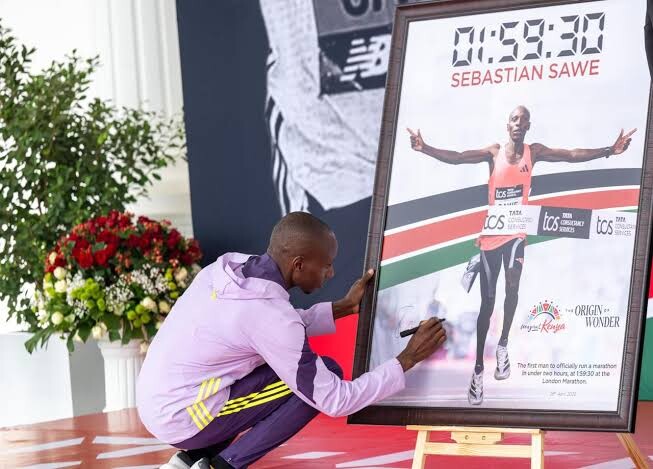
From Kenyan Roads to the Halls of Power: Macron Left in Awe of Sabastian Sawe as Kipchoge Shares Morning Run with French President
Kenya’s growing influence in global athletics was once again placed firmly in the international spotlight after French President Emmanuel Macron openly admired the iconic portrait of Kenyan marathon sensation Sabastian Sawe during an official engagement that blended sport, culture and diplomacy in remarkable fashion.
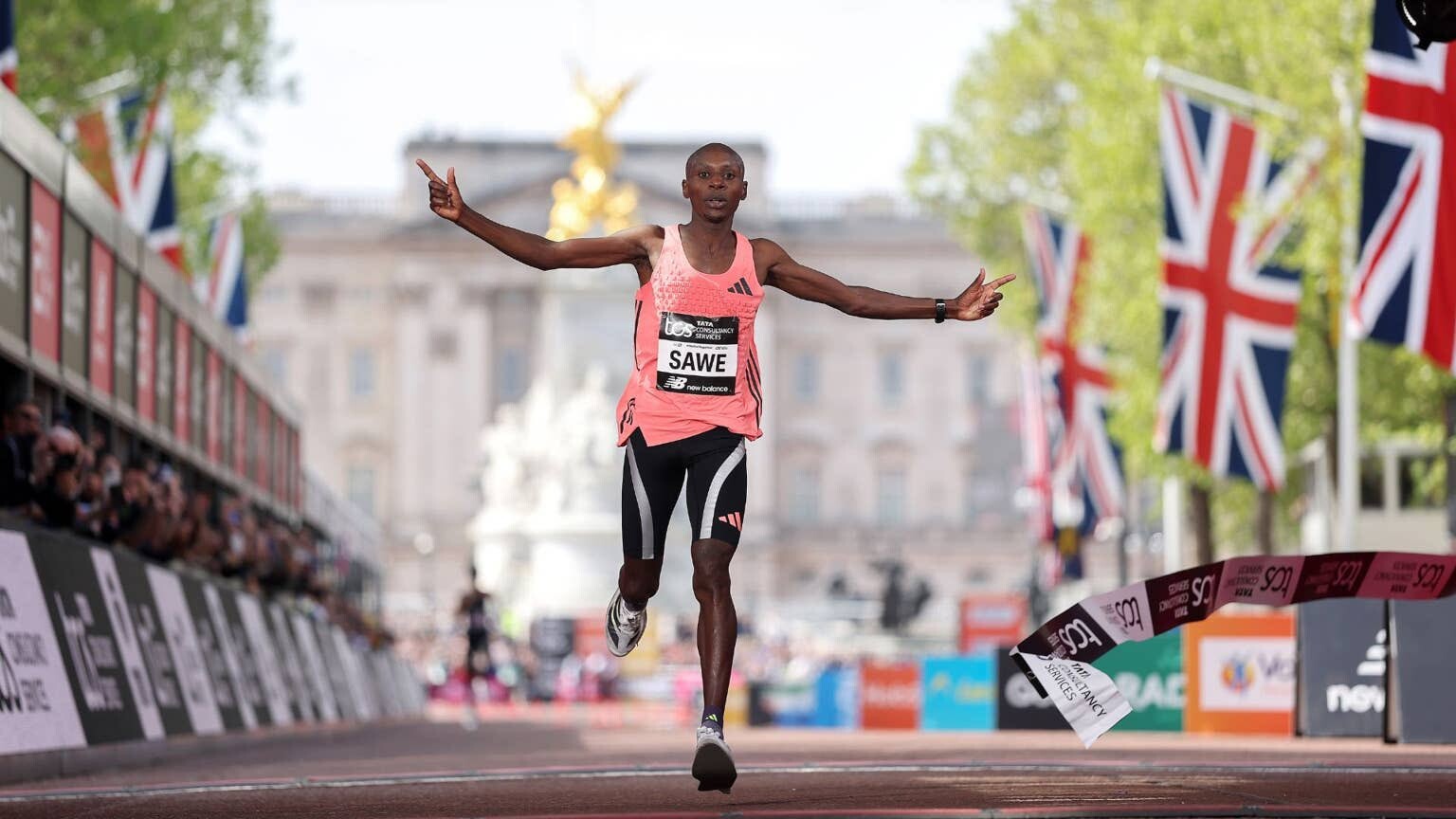
The powerful image of Sawe — a symbol of Kenya’s relentless distance-running excellence — stood proudly among the distinguished displays visited by Macron, offering yet another reminder of how deeply Kenyan athletics continues to resonate far beyond the finish line. From dusty training routes in the Rift Valley to recognition within the walls of high-level international leadership, Sawe’s rise represents more than personal success; it reflects the enduring prestige of Kenyan endurance running on the world stage.
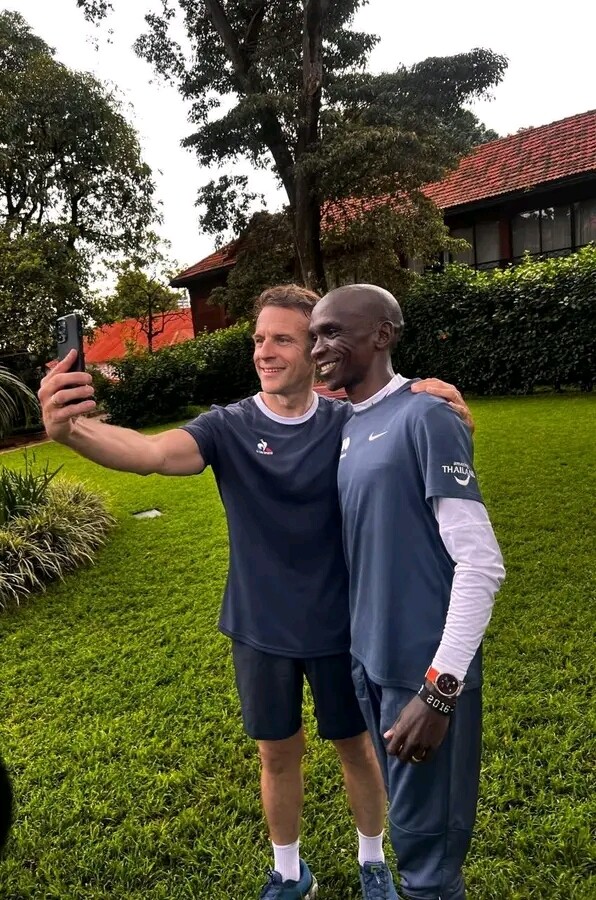
The moment became even more memorable as marathon legend Eliud Kipchoge joined President Macron for an early morning runon the streets of Nairobi, creating a symbolic meeting between political leadership and sporting greatness. Kipchoge, widely celebrated for redefining the limits of human endurance, once again carried the Kenyan flag with grace and humility as he shared the roads with the French Head of State.
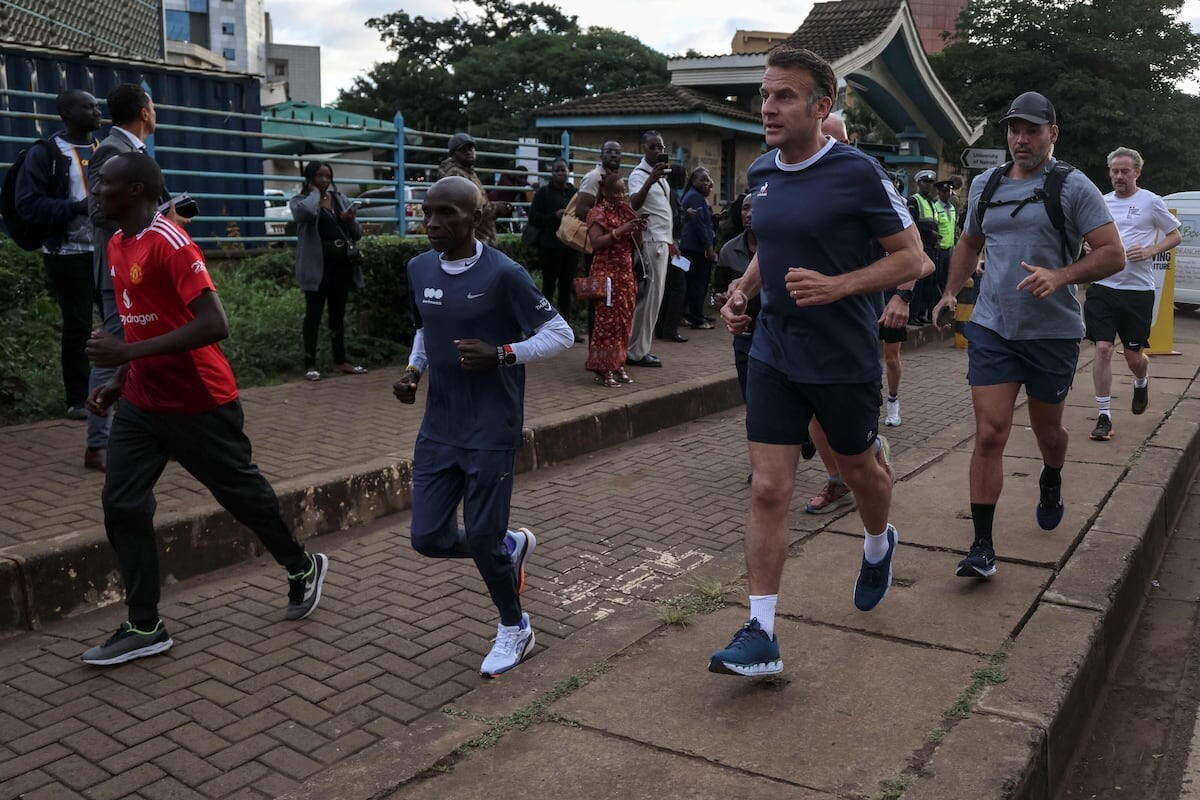
For many athletics fans, the scenes represented far more than a ceremonial appearance. They highlighted the soft power of sport and the respect Kenyan athletes command internationally. Kenya’s runners have long dominated global road racing, but moments such as these demonstrate how their impact now stretches into culture, inspiration and diplomacy.
Sawe’s growing reputation has continued to capture attention across the athletics world following his impressive performances on the roads, where his fearless racing style and consistency have marked him as one of the sport’s rising forces. Seeing his portrait admired by one of Europe’s most influential leaders added another significant chapter to that journey.
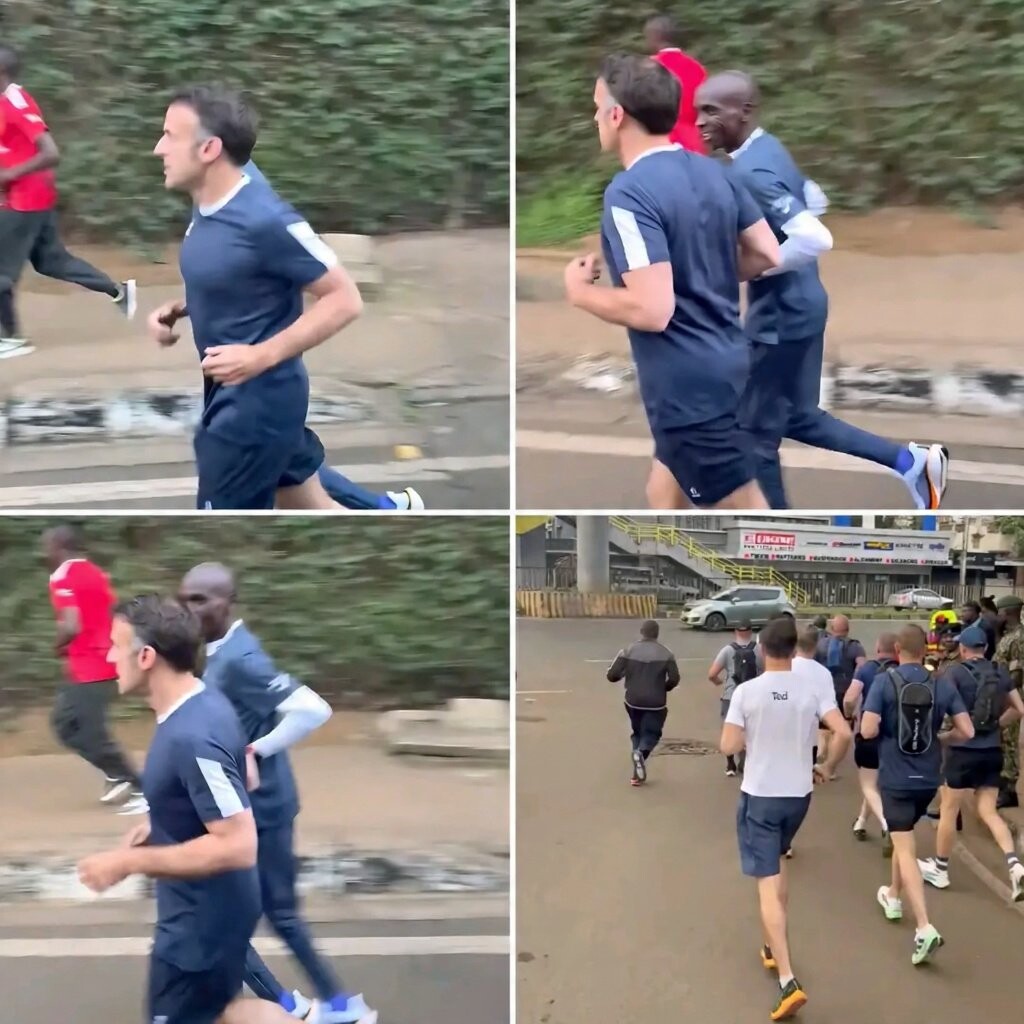
Meanwhile, Kipchoge’s presence brought his trademark aura of discipline and inspiration. The two-time Olympic marathon champion has become more than an athlete; he is now viewed globally as an ambassador of excellence, resilience and human potential. His morning run alongside Macron offered a striking image of unity through sport — a language that transcends borders, politics and culture.
As Kenyan athletics continues to produce stars capable of commanding admiration around the world, moments like these reinforce the nation’s unmatched legacy in distance running. From the rugged training grounds of Kenya to the corridors of international power, the country’s athletes are no longer only winning races — they are shaping global conversations and inspiring generations far beyond the track and the marathon course.
by Erick Cheruiyot for My Best Runs.
Login to leave a comment
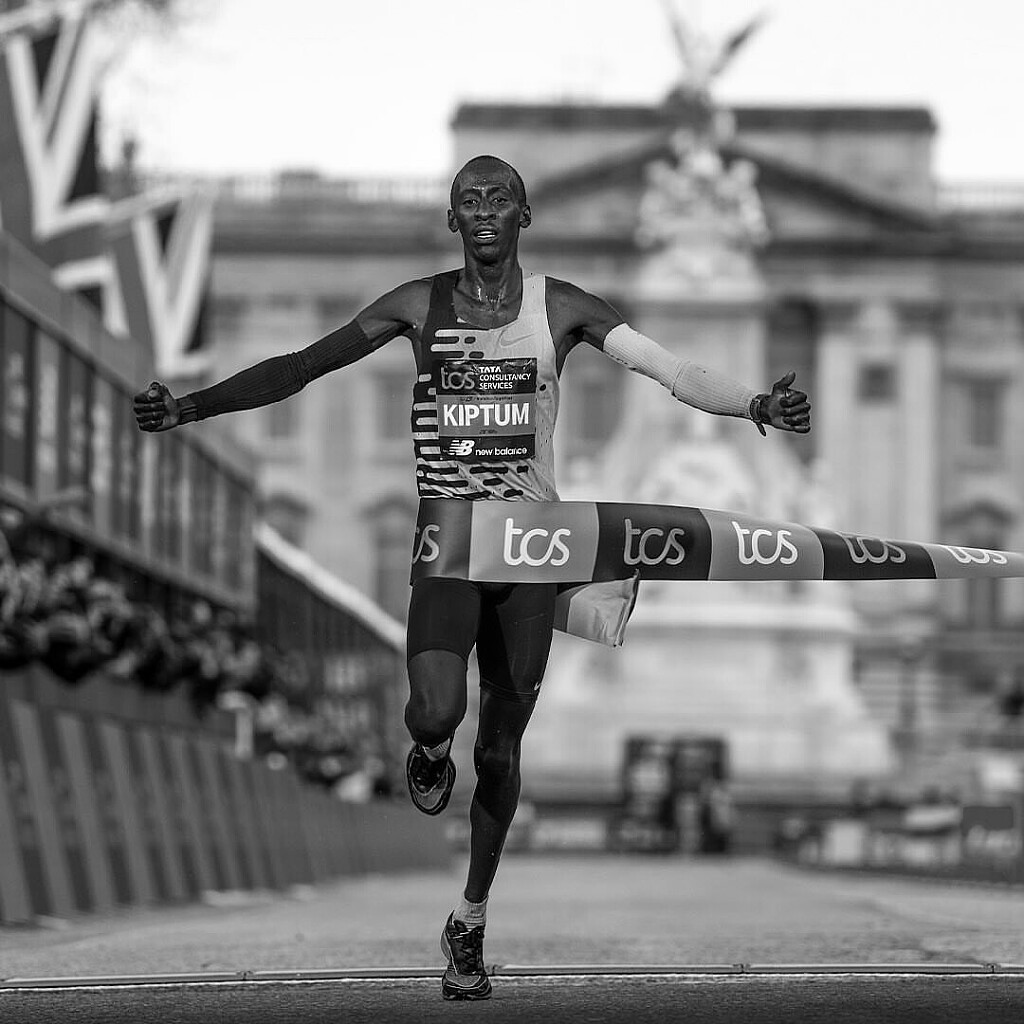
Forever in Stride: Remembering Marathon World Record Holder Kelvin Kiptum
February 11 marks a solemn anniversary in the world of athletics — a day that forever changed distance running. On this day in 2024, Kenya and the global sporting community lost one of the brightest stars the marathon had ever seen: Kelvin Kiptum Cheruiyot.
Born on December 2, 1999, in Kenya’s Rift Valley, Kiptum rose from humble beginnings to redefine the limits of human endurance. In a career that lasted less than two years at the elite marathon level, he accomplished what many athletes spend a lifetime chasing — and still fall short of achieving. By the time of his passing, he was the reigning marathon world record holder and the world’s top-ranked men’s marathon runner.
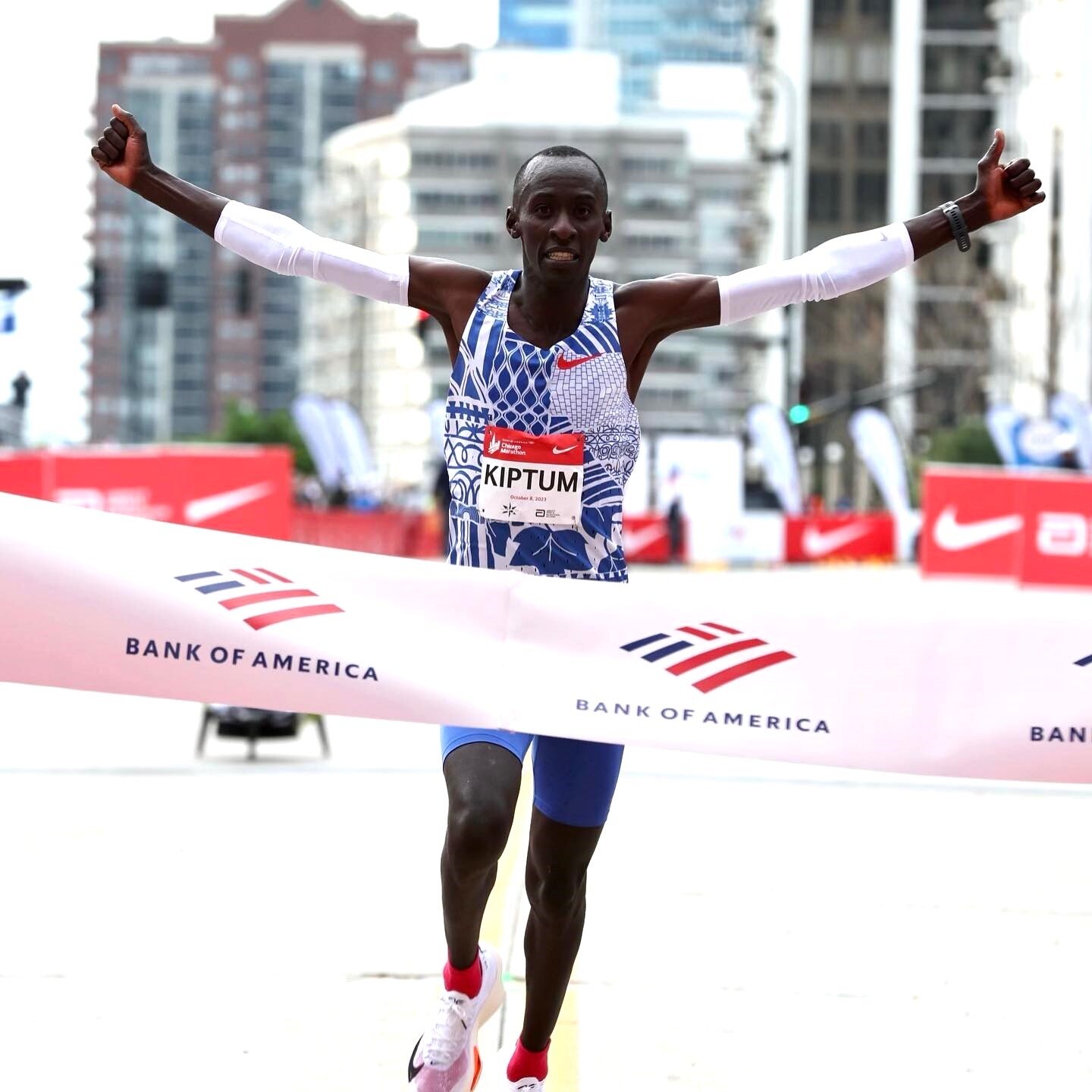
What made Kiptum extraordinary was not just his victories, but the historic fashion in which he achieved them.
He made his marathon debut in December 2022 at the Valencia Marathon — and immediately stunned the athletics world. Clocking 2:01:53, Kiptum recorded the fastest marathon debut in history at the time. He became only the third man ever to run under 2 hours and 2 minutes, delivering one of the fastest times ever seen over 42.195 kilometers. It was a statement performance — bold, fearless, and controlled.
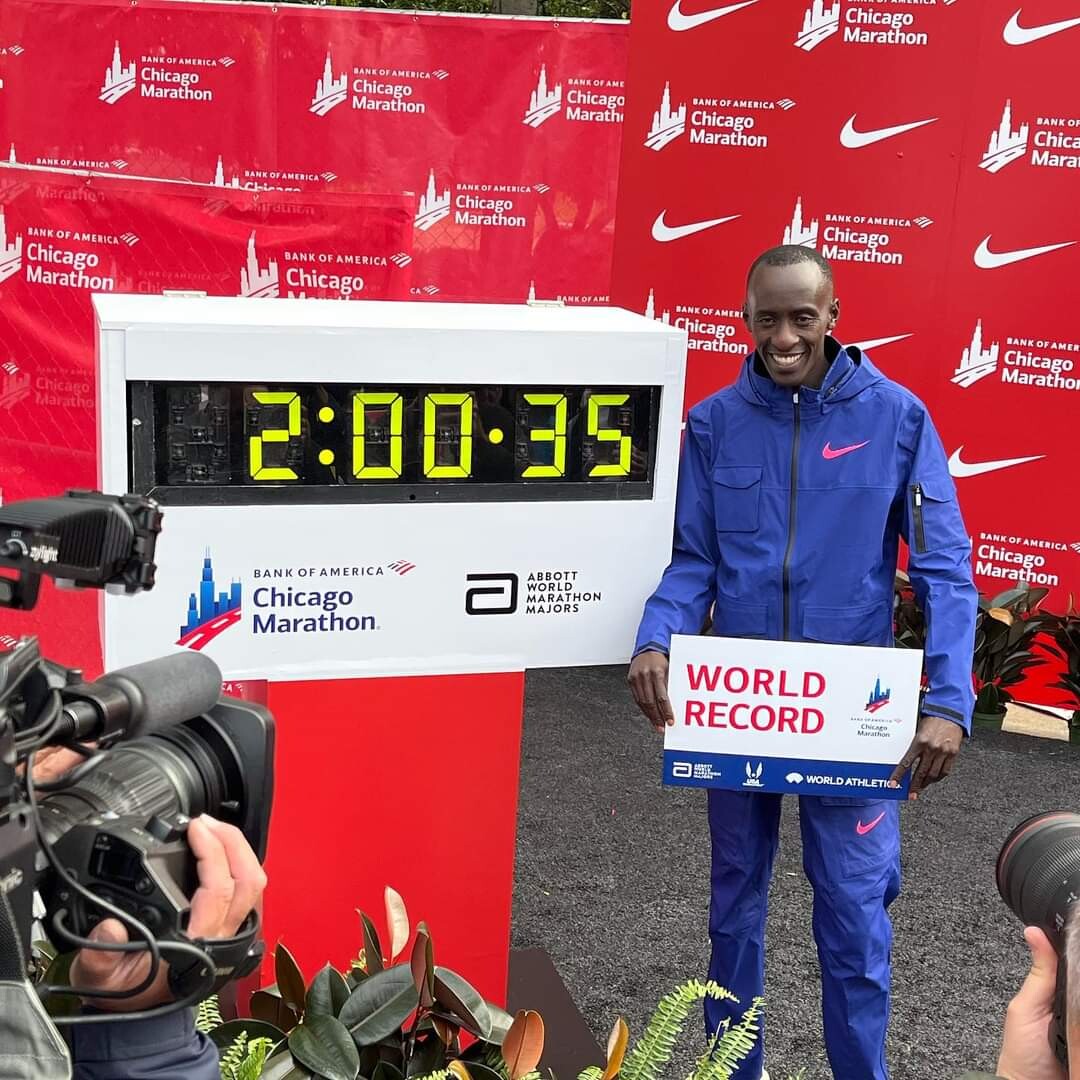
Four months later, he returned on an even bigger stage at the 2023 London Marathon, one of the prestigious World Marathon Majors. There, Kiptum elevated his performance to another level. He crossed the finish line in 2:01:25, the second-fastest marathon time in history at that moment, missing the world record by just 16 seconds. His negative split — a faster second half — showcased rare strength and tactical brilliance.
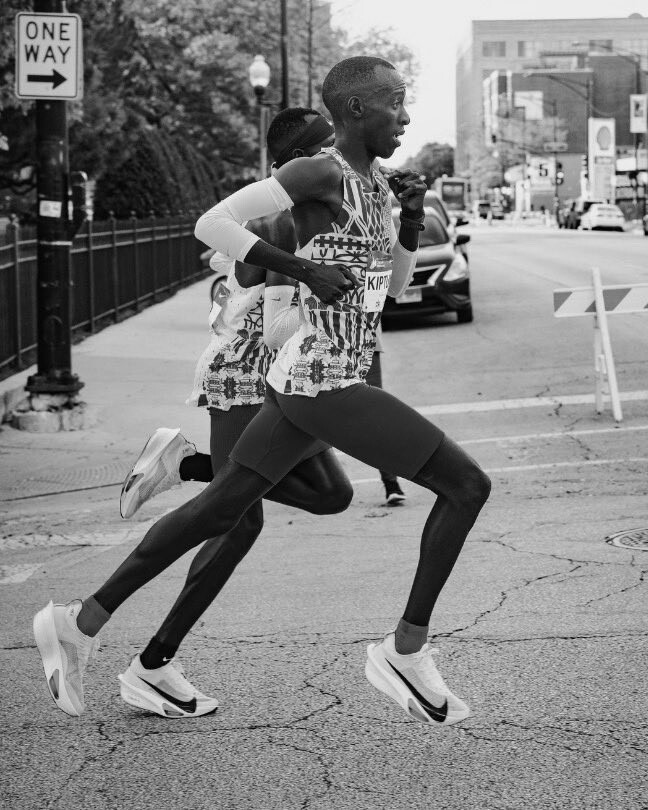
But it was in Chicago, in October 2023, where Kiptum etched his name permanently into history.
At the 2023 Chicago Marathon, he delivered a run for the ages. Displaying unmatched endurance and rhythm, Kiptum surged away in the latter stages and stopped the clock at 2:00:35. With that performance, he shattered the marathon world record by 34 seconds. The mark was officially ratified by World Athletics on February 6, 2024 — just five days before his tragic death.
Incredibly, all three of his marathon appearances resulted in victories. Two of them came at World Marathon Majors — London and Chicago — and each of his races produced times under 2:02. As of 2026, Kiptum still holds three of the seven fastest marathon times in history, a testament to the magnitude of his brief yet monumental career.
His dominance was not only statistical — it was symbolic. Kiptum represented a new era of marathon running, pushing the sport closer to what once seemed impossible: a sub-two-hour official marathon. Many believed he was destined to become the first man to break that barrier under record-eligible conditions.
Tragically, that dream was cut short.
On February 11, 2024, Kiptum and his coach lost their lives in a car accident near Kaptagat, Kenya — a high-altitude training haven known for producing world-class distance runners. According to local authorities, he lost control of his vehicle, veered off the road, and struck a tree. He was just 24 years old.
The shock reverberated far beyond Kenya. Tributes poured in from athletes, federations, and fans worldwide. In him, the world had seen not just a champion, but a generational talent whose ceiling had not yet been reached.
Kelvin Kiptum’s story is one of brilliance compressed into a short span of time — three marathons, three victories, a world record, and a legacy that continues to inspire. Though his journey ended too soon, his strides in Valencia, London, and Chicago remain immortal in the record books.
On this day, we remember not only the times he ran, but the hope he carried — the belief that limits are meant to be challenged.
Kelvin Kiptum ran into history. And history will never forget him.
by Erick Cheruiyot for My Best Runs.
Login to leave a comment
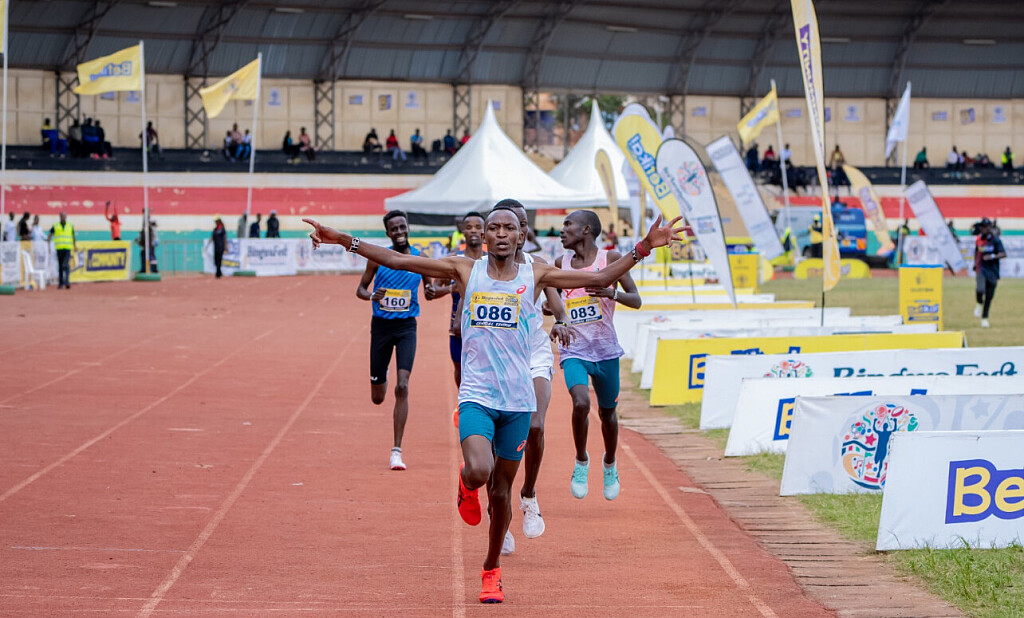
Two Weeks, Two Terrains: Kipkoech Masters Cross Country and Bingwafest Track
Barely days after asserting his authority on the rugged highland trails of Chepsaita in Turbo, 20-year-old Mathew Kipkoech arrived at Kinoru Stadium in Meru with momentum firmly on his side and clarity in his purpose. Chepsaita, deep in Kenya’s Rift Valley, is a high-altitude proving ground where thin air, rolling terrain, and unforgiving dirt paths reward strength and resilience. There, Kipkoech powered to victory at the Great Chepsaita Cross Country Run 10km in 31:49, a World Athletics Gold Label race that underscored the quality of competition he overcame.
On Saturday at the Bingwafest 2025 Central Edition, he translated that cross-country form into a composed and intelligent victory in the men’s 10,000m, confirming his ability to dominate across terrains.
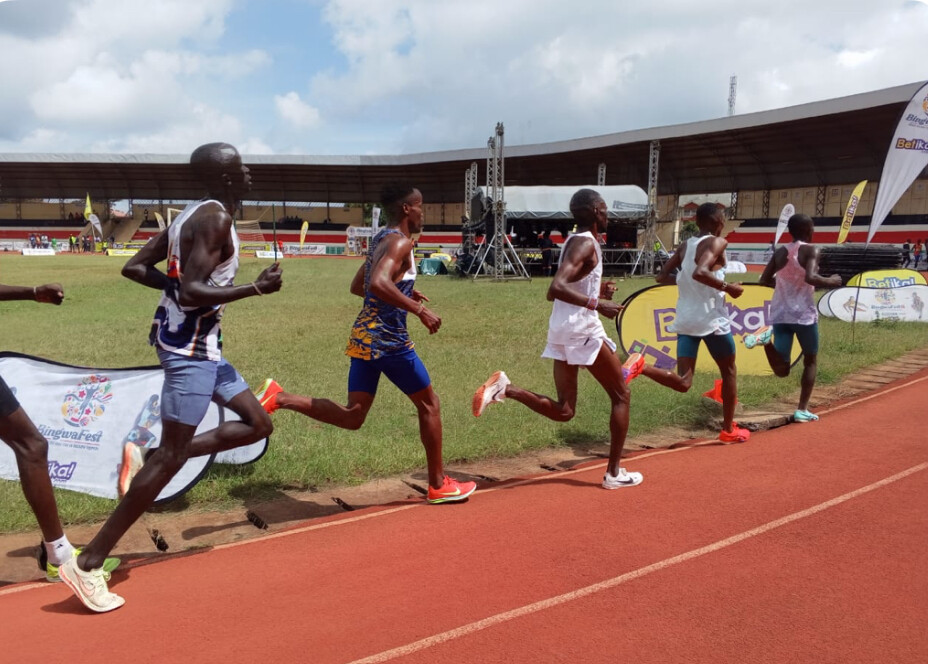
Powered by Betika, Bingwafest again showed its growing importance as a competitive platform for Kenyan athletics, bringing together established performers and emerging talent in a disciplined, high-quality racing environment.
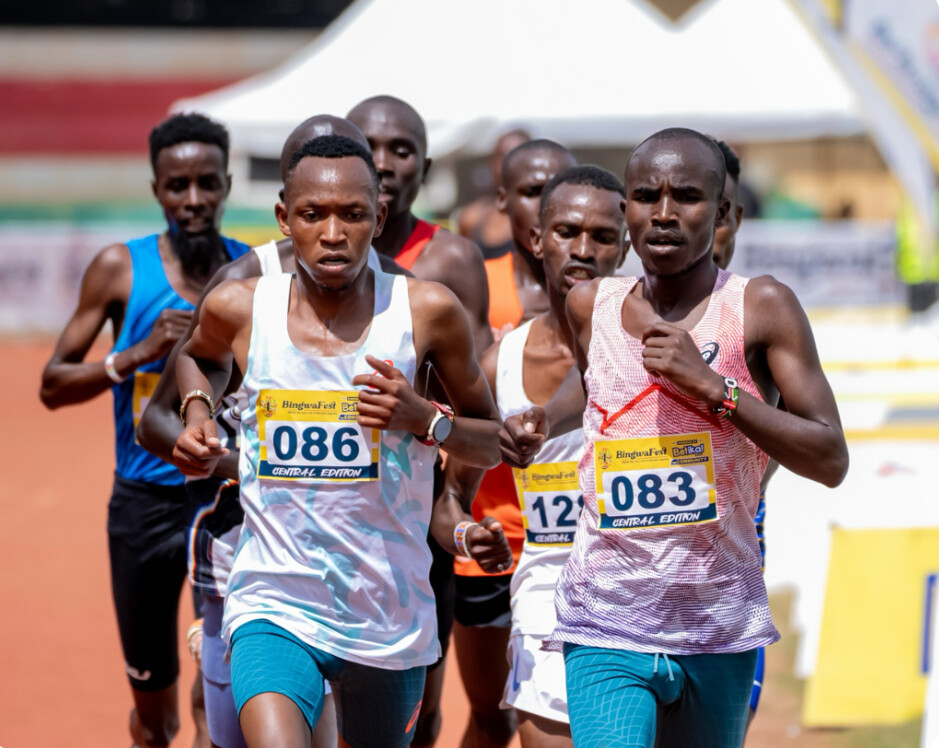
Forged at Altitude, Focused on the Track
Before the gun fired at Kinoru Stadium, the tension was unmistakable. A deep, evenly matched field crowded the start line, spikes aligned, bodies angled forward in quiet concentration. Kipkoech stood among them calm and deliberate. While Chepsaita had tested his endurance over uneven ground, the track demanded patience and precision.
When the race began, he resisted the urge to dictate early, settling smoothly into the lead group as the pace found a controlled rhythm.
A Tactical Test of Patience
From the opening laps, it was clear this would be a race of restraint rather than bravado. The tempo remained competitive but measured, forming a compact lead pack that refused to break. Kipkoech stayed ever-present and unhurried, tracked closely by Justus Lelinton, Amos Langat, Rasini Lemeteri, and Victor Kimosop.
Through halfway, the leaders were separated by seconds rather than meters, with splits hovering in the low 2:50 range. The race had evolved into a tactical contest—a chess match run at speed.
Control Without Drama
What set Kipkoech apart was not flamboyance, but authority. As fatigue crept in, he subtly tightened the pace—no sudden surge, just a steady escalation. Lelinton stayed attached, while Langat and Lemeteri began to feel the strain.
Behind them, Julius Kipkwam and Benson Mashon fought to maintain contact as the quality of the field ensured every position had to be earned.
The Decisive Finish
When the bell rang, the outcome finally revealed itself. Kipkoech applied one final, sustained increase in pressure. Lelinton fought bravely but could not respond. Down the home straight, Kipkoech ran tall and composed, crossing the line in 28:44.22.
Lelinton followed in 28:44.73, with Langat third in 28:45.24. Lemeteri (28:45.85), Kimosop (28:46.56), and Kipkwam (28:47.07) completed a tightly packed top six—an emphatic illustration of the race’s depth.
“You Must Think on the Track”
“It was not an easy race, especially coming so soon after Chepsaita,” Kipkoech said afterward. “The field was very strong, so I had to use tactics and stay patient.”
He emphasized the contrast between disciplines. “At Chepsaita, you rely on strength because the terrain is tough. On the track, you must think. You cannot rush—you wait for the right moment.”
Built for the Global Stage
That composure has been shaped beyond Kenya’s domestic circuit. In January 2023, Kipkoech ran a personal best 13:18 at the Valencia 10km. Later that year, he competed at the Valencia Half Marathon, where four athletes dipped under 58 minutes, led by former world record-holder Kibiwott Kandie. Those experiences sharpened his pace judgment—qualities clearly evident in Meru.
This was Kipkoech’s first appearance at Bingwafest, and it delivered more than a win—it set a benchmark. Enjoying a season free from injury, he now looks ahead with confidence, with interval training anchoring his preparation.
Managed under ASICs alongside women’s standout Lucy Chemnung, Kipkoech’s performance highlighted the strength of structured athlete development on display at Kinoru Stadium.
From the high-altitude trails of Chepsaita to the precision lanes of Meru, Mathew Kipkoech did not simply win.
He controlled the race—and reaffirmed his readiness for the global stage.
by Robert Kibet for My Best Runs
Login to leave a comment
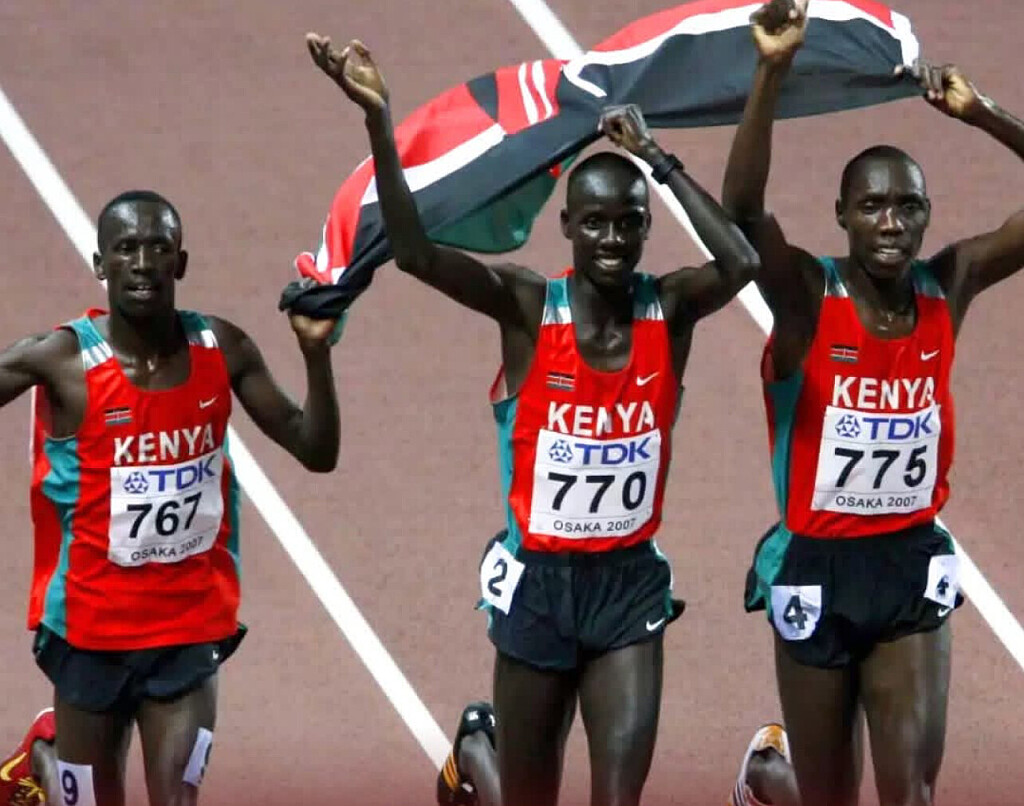
How One Tribe in Kenya Came to Dominate Global Distance Running
There may be no statistic in all of sports more astonishing than this one.
The Kalenjin, an ethnic group—often referred to as a tribe—in Kenya, make up about 13.4% of the country’s population, roughly 6.3 million people. On a global scale, they represent about one out of every 1,000 people worldwide.
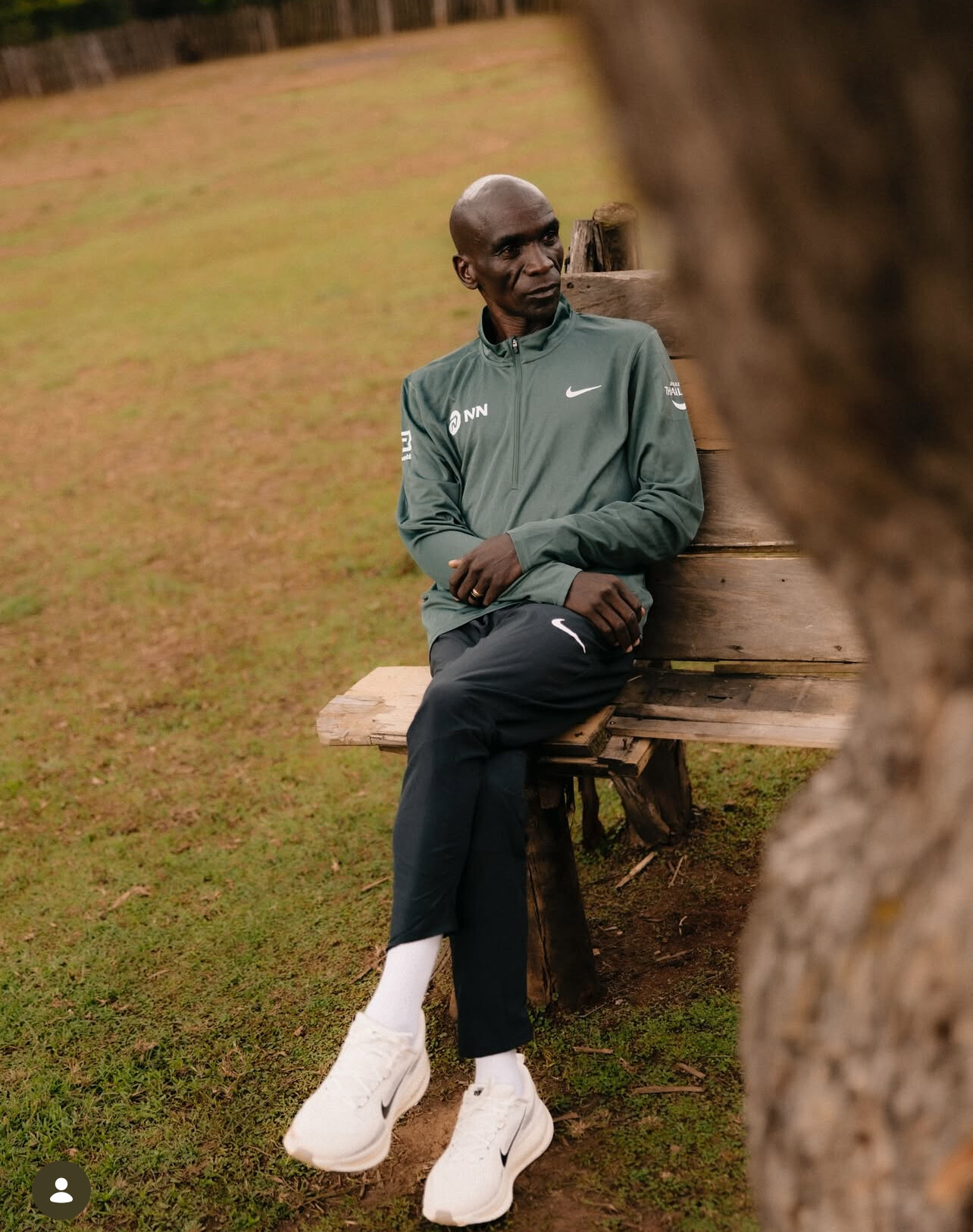
Yet this small community has produced an overwhelming share of the world’s greatest distance runners.

Their dominance has been so complete, and so sustained, that it has been described as “the greatest geographical concentration of achievement in the annals of sport.” And it is hard to argue otherwise.
From the Rift Valley to the World Stage
Most elite Kalenjin runners come from Kenya’s Rift Valley region, particularly areas such as Nandi, Elgeyo-Marakwet, Uasin Gishu, and Baringo, where elevations range from 2,000 to 2,400 meters (6,500–8,000 feet) above sea level.
Here, running is not a hobby—it is part of daily life.
Children grow up walking and running long distances, often on dirt roads. Training at altitude is the norm, not a strategy. And success stories are local and visible, creating a powerful cycle of belief and opportunity.
Champions Across Eras
The Kalenjin impact on global athletics stretches back more than half a century.
Kipchoge Keino, one of the pioneers of Kenyan distance running, won Olympic gold in the 1500 meters at the 1968 Mexico City Games and the 3000-meter steeplechase in 1972, helping place Kenyan runners on the world map.
Since then, Kenyan athletes—many of them Kalenjin—have dominated:
• The 3000-meter steeplechase, winning Olympic gold in nearly every Games since 1968
• The 5,000 meters and 10,000 meters at World Championships
• The marathon, particularly at the World Marathon Majors
Masters of the Marathon
Perhaps nowhere is this dominance more visible than in the marathon.
Kalenjin runners have repeatedly won and controlled races such as:
• Berlin Marathon
• London Marathon
• Chicago Marathon
• Boston Marathon
• New York City Marathon
These victories are not isolated moments—they are part of a long, uninterrupted pattern.
At the center of it all stands Eliud Kipchoge, widely regarded as the greatest marathon runner in history. A member of the Kalenjin community, Kipchoge has:
• Won two Olympic marathon gold medals (2016, 2021)
• Set a world record of 2:01:09 at the Berlin Marathon
• Become the first human to run 26.2 miles in under two hours
He is not an exception. He is the most refined expression of a system that has been producing champions for generations.
Why This One Tribe?
No single explanation tells the whole story, but several factors come together in the Rift Valley:
• Geography: High altitude, rolling terrain, and ideal training conditions
• Physiology: Exceptional running economy and efficient biomechanics
• Culture: Running as a respected path to success and opportunity
• Environment: Group training, competition, and long-term development from a young age
Together, these elements have created something unmatched in sport.
A Phenomenon Without Parallel
Great athletes come from everywhere. But nowhere else has such a small, specific populationproduced such sustained global dominance across events, generations, and decades.
Not sprinting.
Not swimming.
Not cycling.
Not soccer.
Only distance running.
From the highland paths of the Rift Valley to Olympic podiums and marathon finish lines around the world, the story of the Kalenjin remains one of the most extraordinary achievements in human performance.
And it is still being written.
by Boris Baron
Login to leave a comment
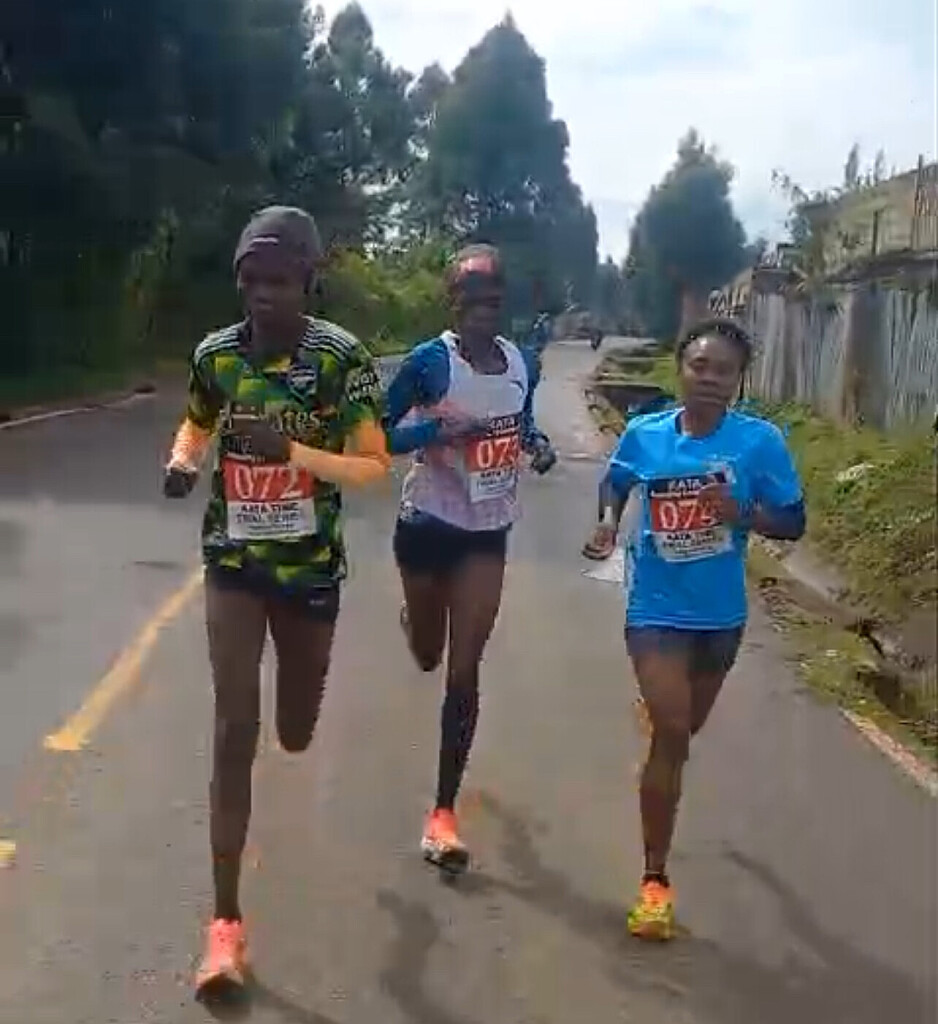
KATA Kerenget Runners Excel in 10K Time Trial Despite Challenging Weather
Athletes at the KATA Kerenget Running Camp (ID K03), operated by Sammy Dismas, showcased their determination and talent during a 10K time trial held today under tough weather conditions. Despite the challenge, the event was a success, demonstrating the resilience and dedication that define the KATA spirit.
In the men’s 10K, Amos Kirui (Bib 076) claimed victory with an impressive time of 29:56, edging out Jackson Koech (Bib 069), who finished close behind in 30:01. Cosmas Mutai (Bib 070) secured third place in 30:20, while Benard Kibilo (Bib 071) and camp operator Sammy Dismas (Bib 077) followed in 30:32 and 30:51, respectively. Simon Toli (Bib 070) rounded out the top six with a strong 31:00 finish.
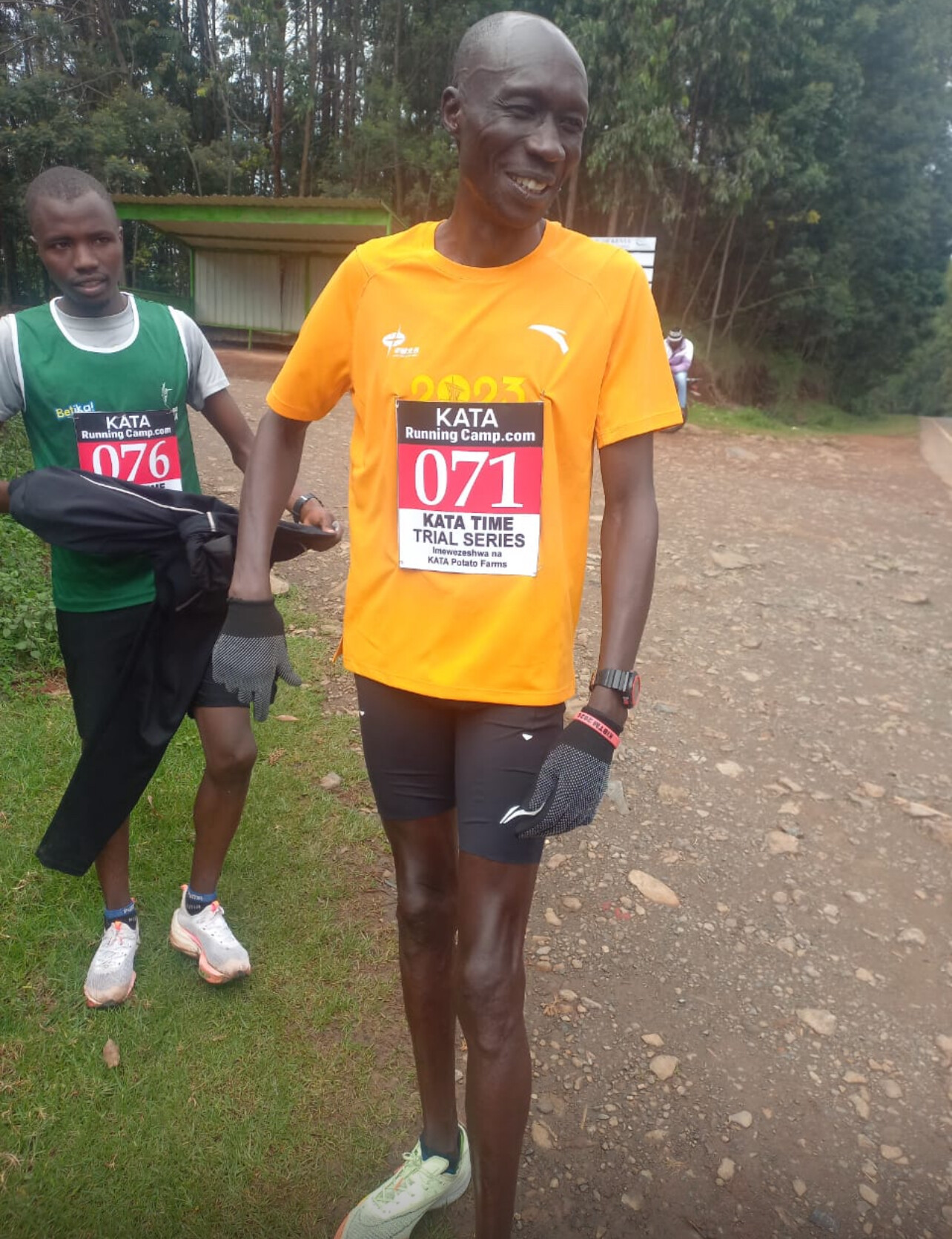
In the women’s 10K, Daphine Kiptoo (Bib 072) led from the front to take the win in 35:00, followed by Sharon Ndanu (Bib 074) in 35:40 and Mercy Chepngeno (Bib 073) in 36:15.
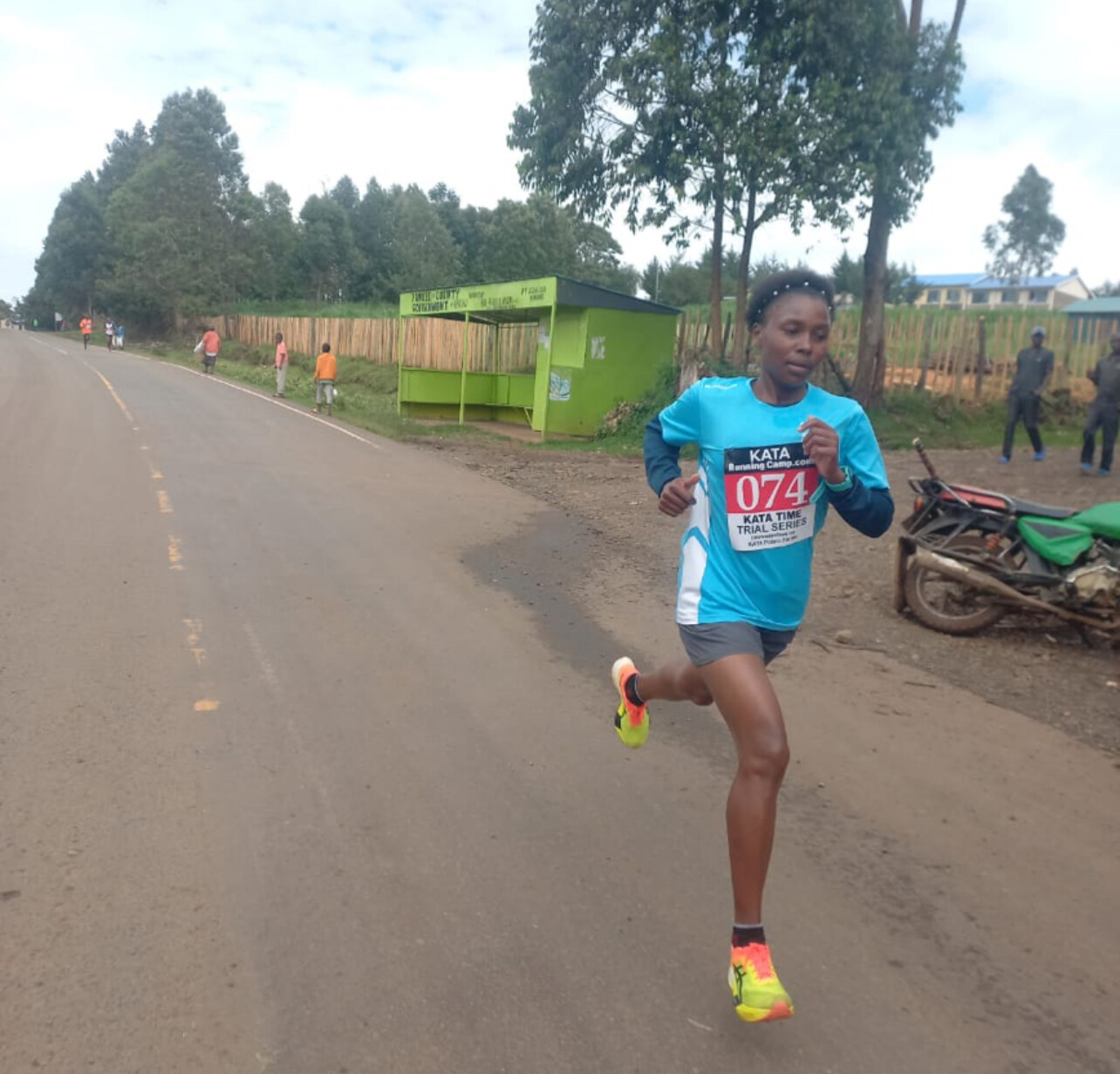
“Even though the weather was not favorable, we did our best to ensure everything went on well,” reported the Kerenget Camp team. Their commitment ensured another smooth and competitive trial for the KATA athletes.
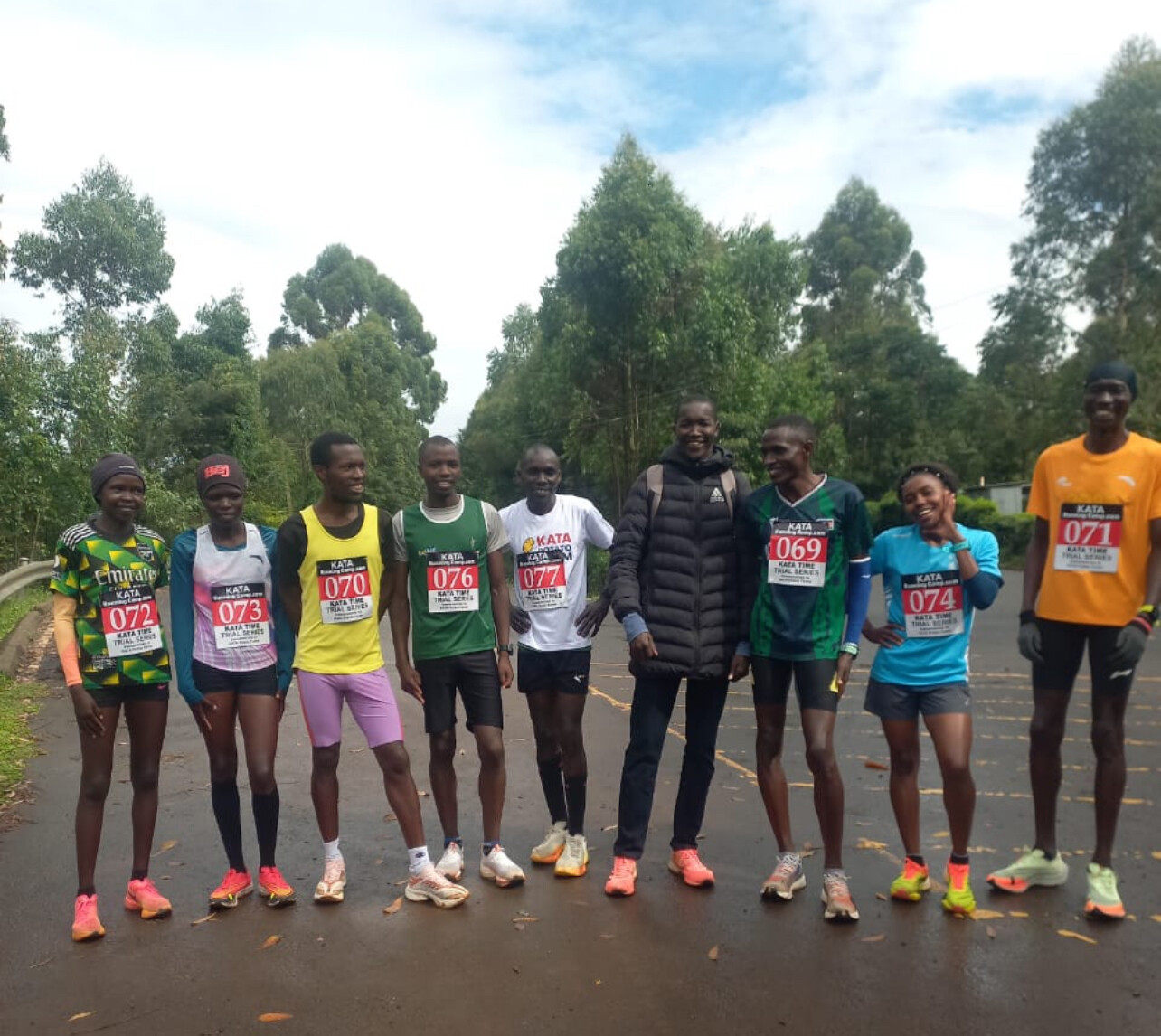
The KATA Kerenget Running Camp is one of 31 KATA Running Camps, mostly located in Kenya’s Rift Valley, that help athletes reach their potential under the Kenyan Athletics Training Academy (KATA)program. With regular time trials like this, runners continue to refine their form and fitness as they prepare for upcoming races both locally and internationally.
by Boris Baron
Login to leave a comment
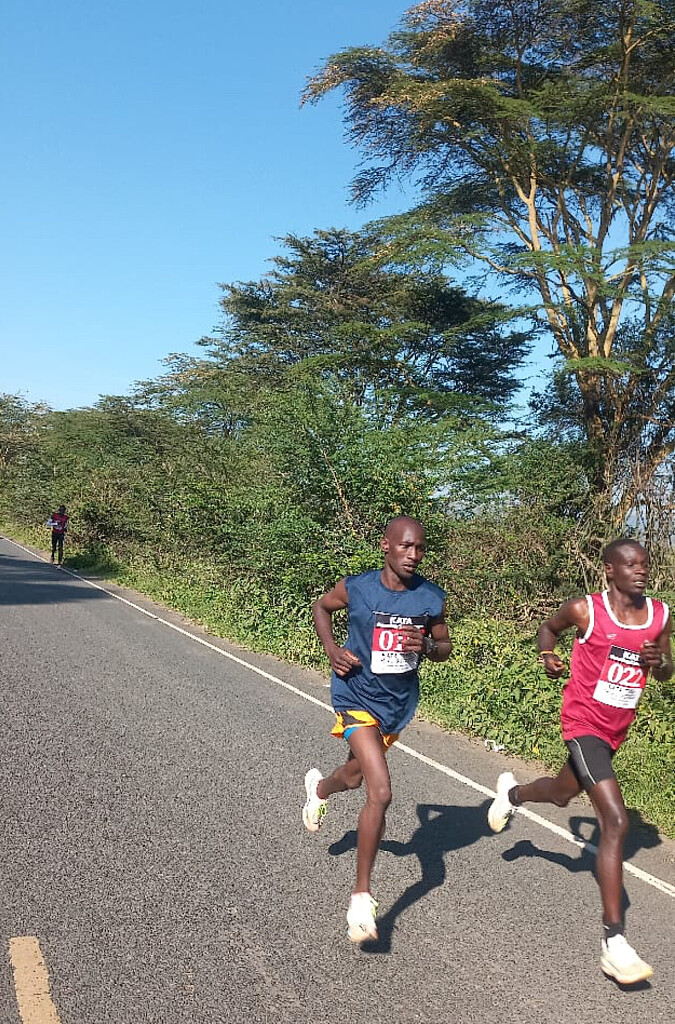
From Potatoes to Personal Bests: How Amos Chirchir Is Growing Athletes and a Future in Sachang’wan
In the highland village of Sachang’wan in Molo, Nakuru County, the land rises boldly toward the sky. The area sits on the edge of the dramatic Rift Valley escarpment, overlooking the vast Menengai Crater — Africa’s second-largest volcanic caldera — its silent ridges brooding in the morning mist.
Behind it, the rolling hills of Molo stretch endlessly, stitched with neat rows of potato farms that define the region’s identity. To the south lies Salgaa, a town better known for its flower farms, where long greenhouse tunnels shimmer like silver ribbons across the plains. Beyond this agricultural heartland, winding dirt roads climb toward Sachang’wan — where another kind of farming is taking root: the farming of athletic talent.
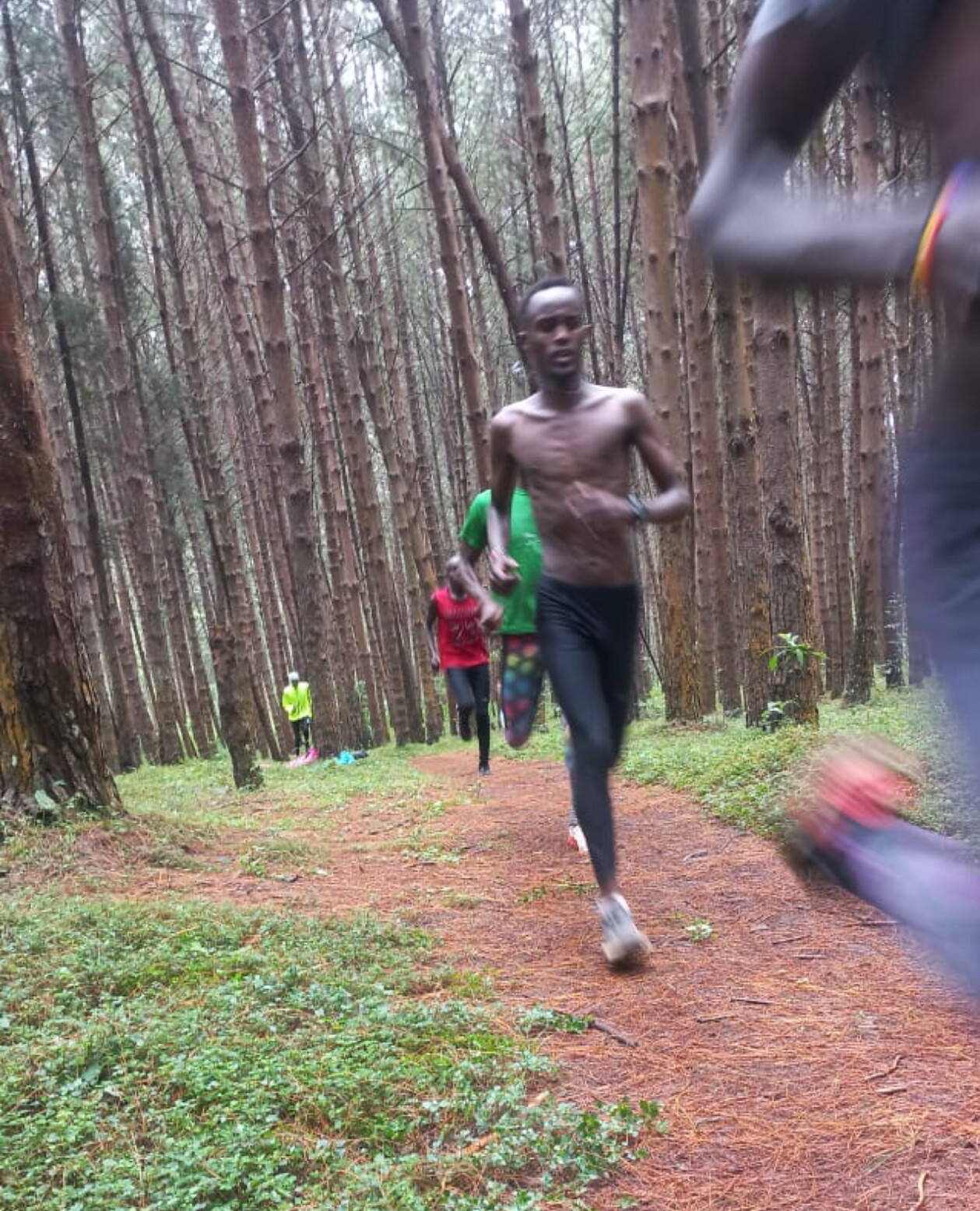
Here, where the air is thin and crisp, mornings begin before sunrise. Frost melts from the grass as a small group of determined athletes powers up a steep incline, their breath visible in the cold air. Leading them is 27-year-old Amos Kibet Chirchir, stopwatch in hand, eyes sharp with focus.
To an outsider, he might look like any other coach on a country road. But to his athletes — and to the growing Kenyan Athletics Training Academy (KATA) movement — Amos represents something much bigger: a new generation of homegrown leaders cultivating both champions and sustainability.
The Making of a Leader
Amos, the fifth-born in a family of eight, grew up in the cold, fertile highlands of Molo, raised by farming parents who taught him the value of hard work. Athletics runs deep in his family — his father was a 400m hurdler in the 1970s, competing when Kenyan track was just finding its rhythm.
“I didn’t just choose running,” Amos says with a smile. “Running found me.”
After excelling in local school competitions, Amos nearly saw his running dream fade — until June 2022, when he earned a place at KATA Thika, founded by American running innovator Bob Anderson, the visionary behind Runner’s World magazine.
“That changed everything,” he recalls. “For the first time, I could train without worrying about daily survival. KATA didn’t just build me as an athlete — it prepared me to lead.”
Building a High-Altitude Training Hub

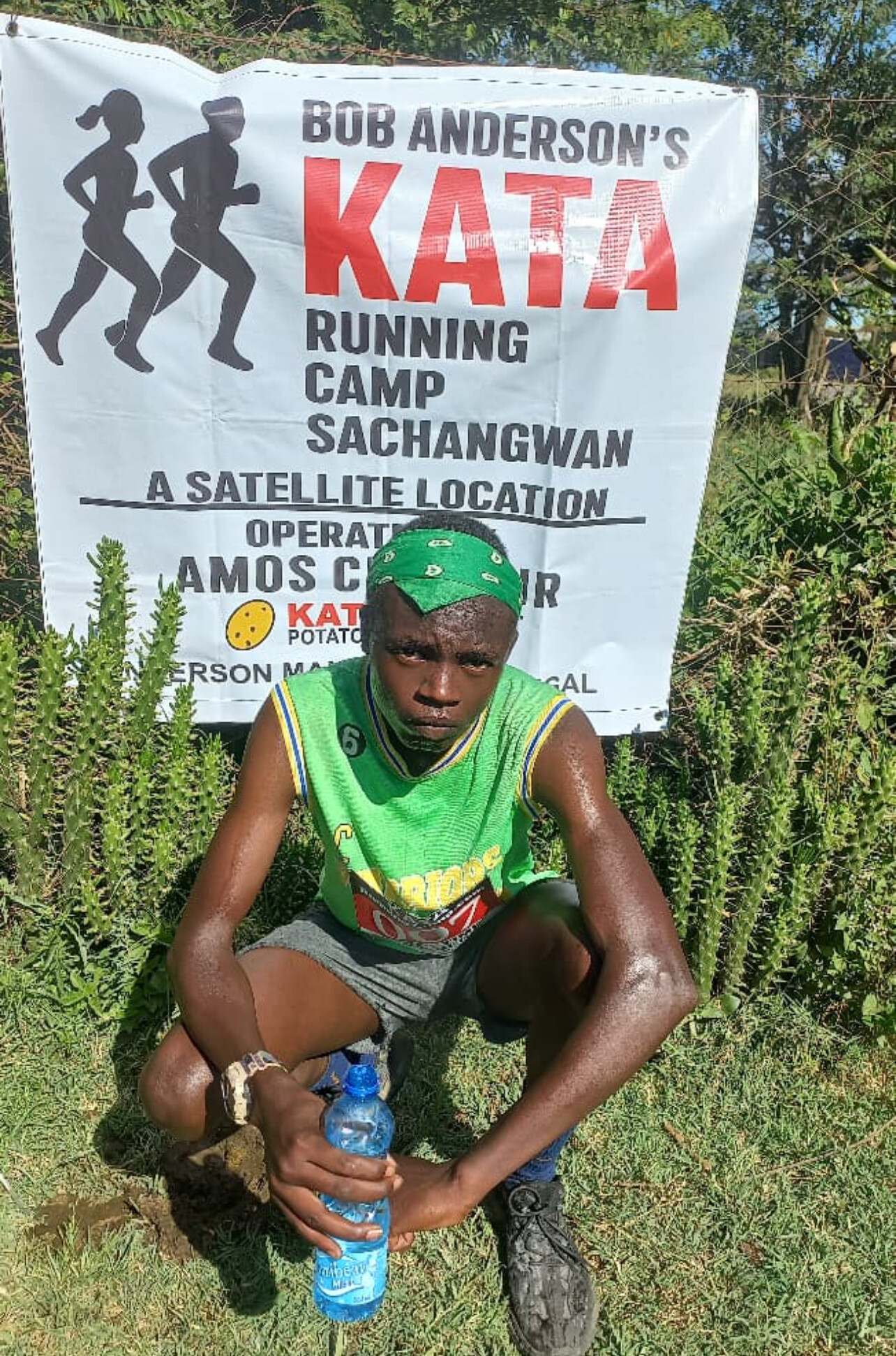
When Anderson announced plans to expand KATA through athlete-led satellite camps, Amos seized the opportunity. He returned home and launched KATA Sachang’wan Camp with just five athletes — three men and two women. Today, the camp has grown to eight committed runners, with more young talents eager to join.
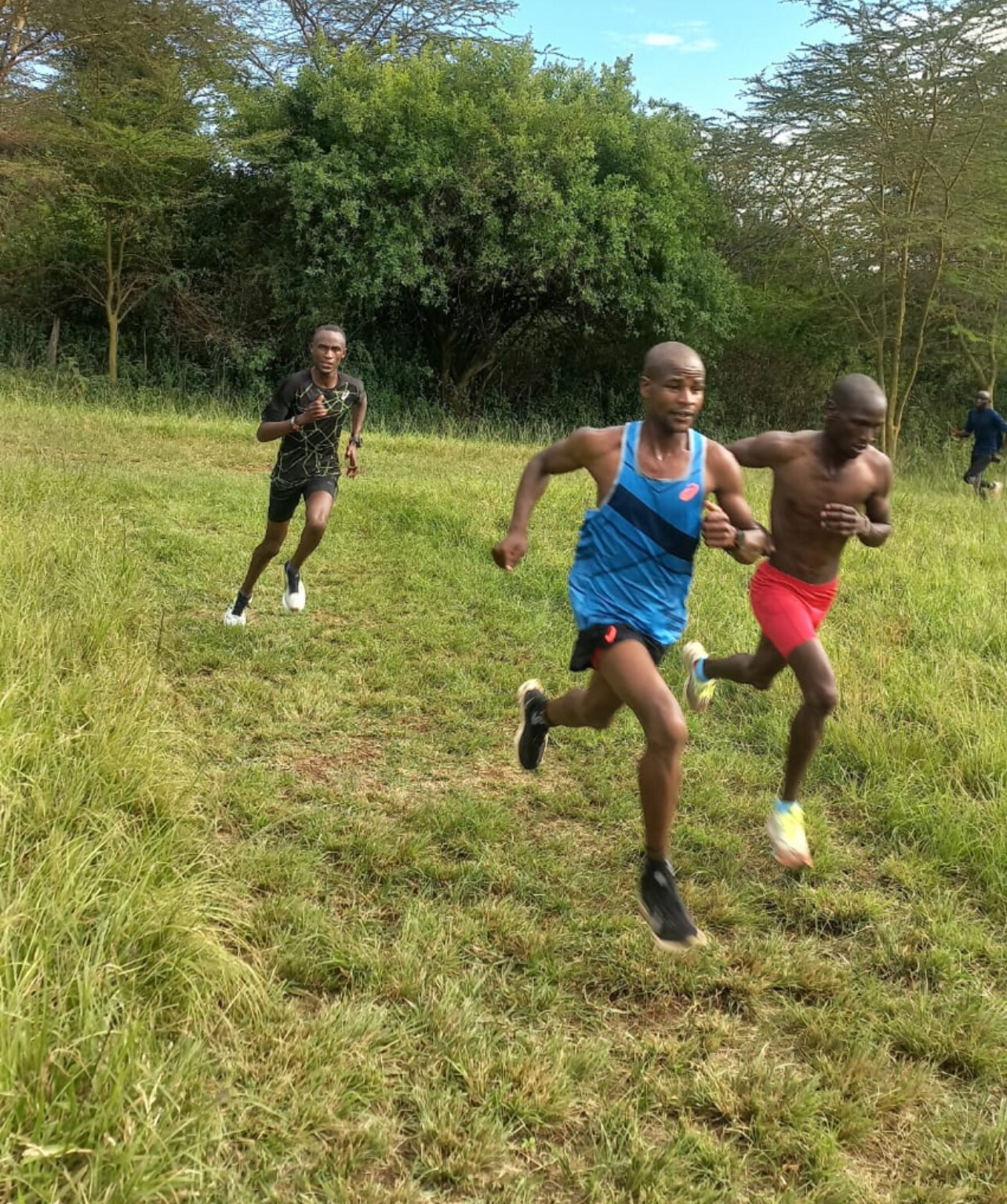
The camp sits at an altitude of 2,400 meters, ideal for endurance training. For faster sessions, they descend to 1,800 meters, creating a natural high-low altitude system similar to what world-class runners use in Iten, Kaptagat, and Eldoret.
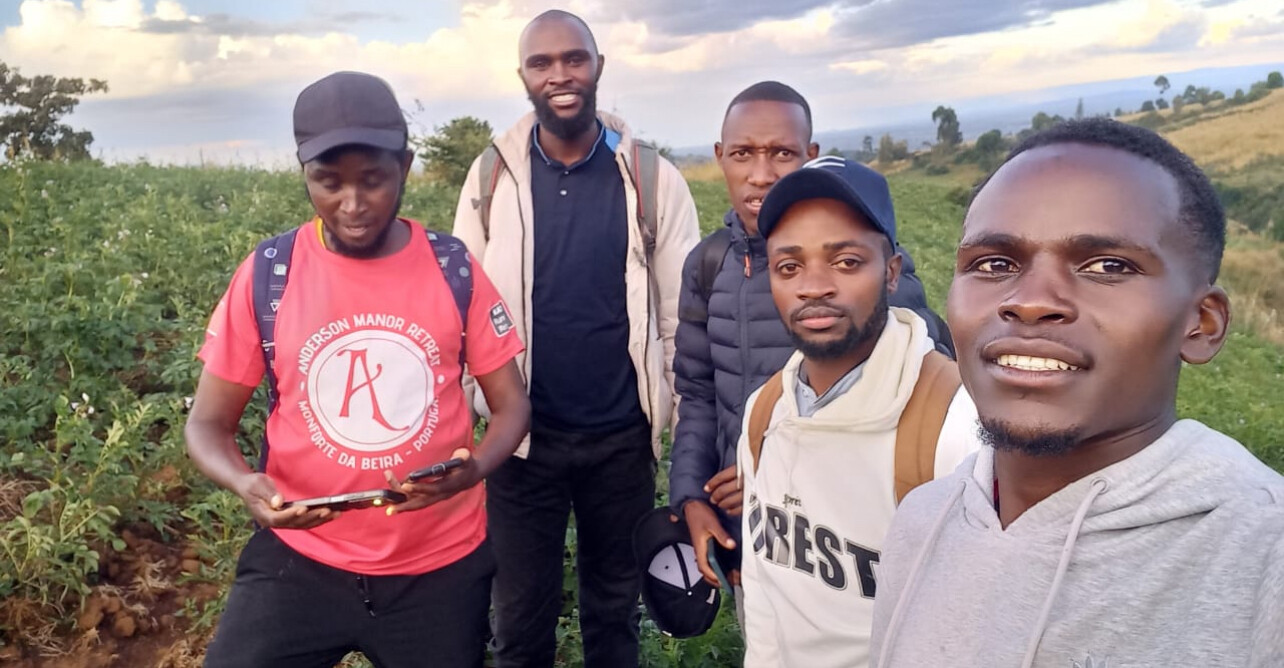
Already, results are emerging:
• Weldon Kibet Lang’at clocked 30:36 (10K) and 14:55 (5K) at the Double Road Race before improving to 30:16 in the October 15 time trials.
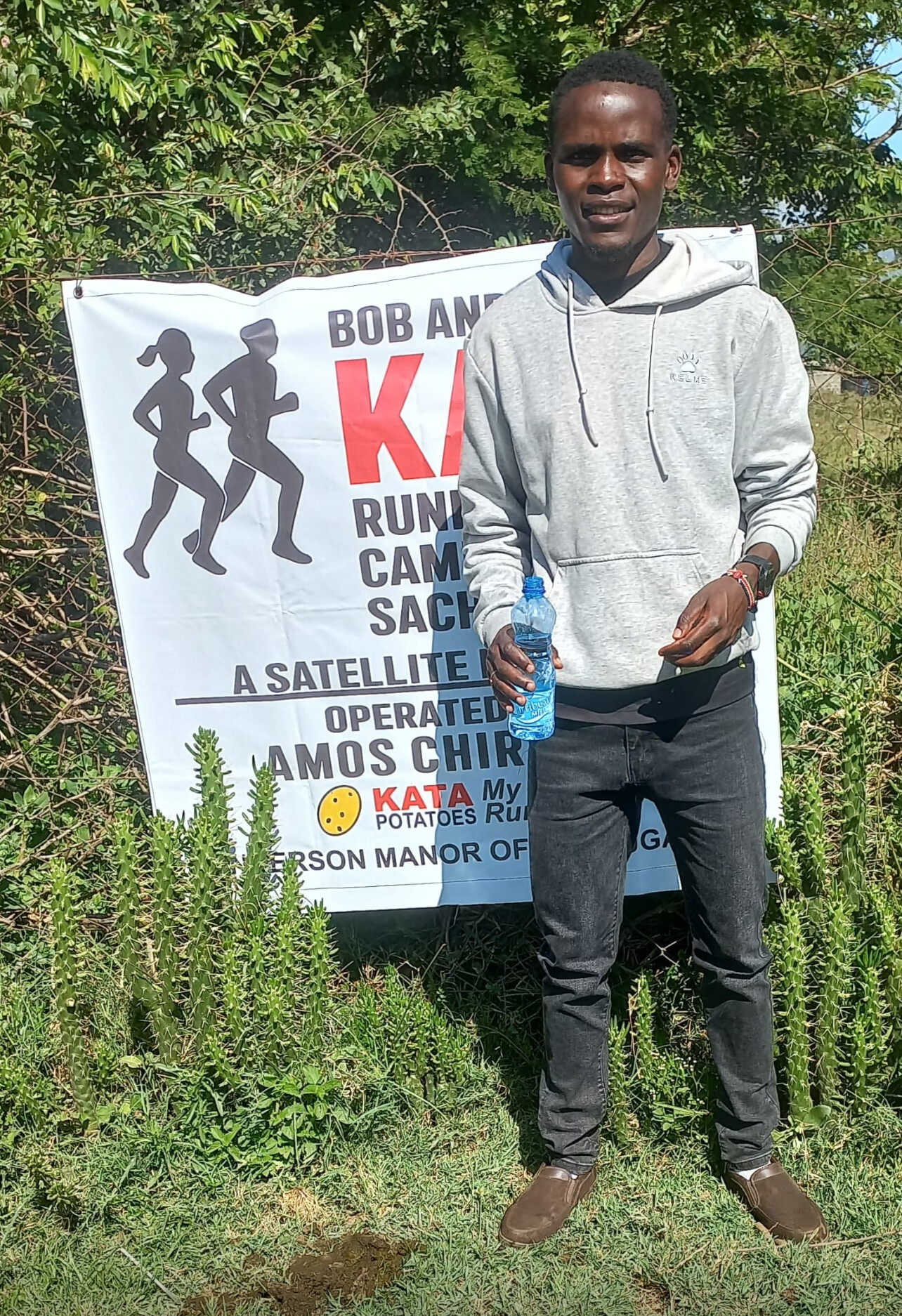
• Elizabeth Wambui, who joined just two months ago, cut her 5K time from 19:00 to 17:35 at the same event.
Amos himself remains in strong competitive shape, with personal bests of 30:51 (10K) and 14:32 (5K).
“I want to build champions — not just athletes who run fast, but athletes who think beyond medals,” he says.
Farming Hope: The KATA Potato Project
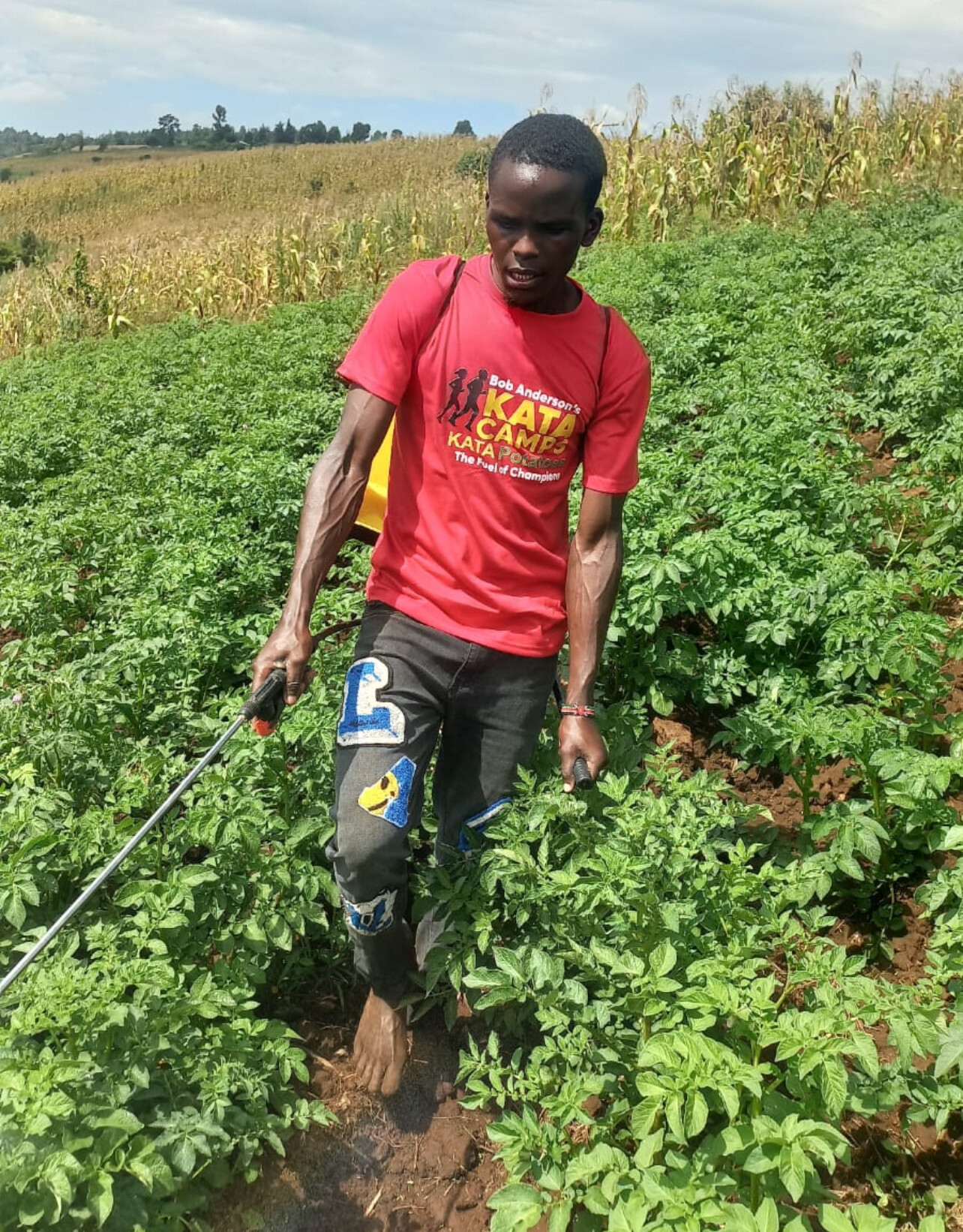
Alongside athletics, the Sachang’wan camp thrives on another discipline — agricultural sustainability. Inspired by Bob Anderson’s belief in empowering athletes for life beyond competition, Amos integrated potato farming into his training model.
He began with two acres of KATA potatoes, a move that initially drew laughter from locals.
“At first, people thought I was crazy,” he recalls. “They said farming was a step backward for an athlete. Now they’re copying me.”
Today, the farm helps feed the athletes, generates income for camp operations, and inspires local farmers — many now shifting from maize to potatoes after seeing his success.
“Athletes must think about life after running,” Amos says. “This program lets us build something real, not just chase medals.”
Training Champions, Growing Futures
With schools now closed, Amos plans to recruit junior athletes from nearby villages — guiding them early and keeping them away from idleness and drugs.
“Talent is going to waste in villages like ours because nobody guides young runners. I want to change that,” he says.
His long-term dream is to build dormitories, expand training facilities, and turn KATA Sachang’wan into a full-fledged center of excellence — powered by athletics and farming.
“Bob Anderson’s Vision Is Working”
Amos believes that KATA is redefining the future of Kenyan athletics.
“This is more than running,” he says. “Bob Anderson’s program teaches us responsibility, teamwork, leadership, and self-reliance. We’re not waiting for sponsors — we’re building ourselves.”
From the cold ridges of Sachang’wan overlooking Menengai Crater, a quiet revolution is growing — one built on sweat, soil, and belief. Here, potatoes fuel champions, and running fuels dreams.
And at the heart of it all stands a young leader — stopwatch in one hand, hoe in the other — cultivating both athletes and a future for Kenya.
by Robert Kibet
Login to leave a comment
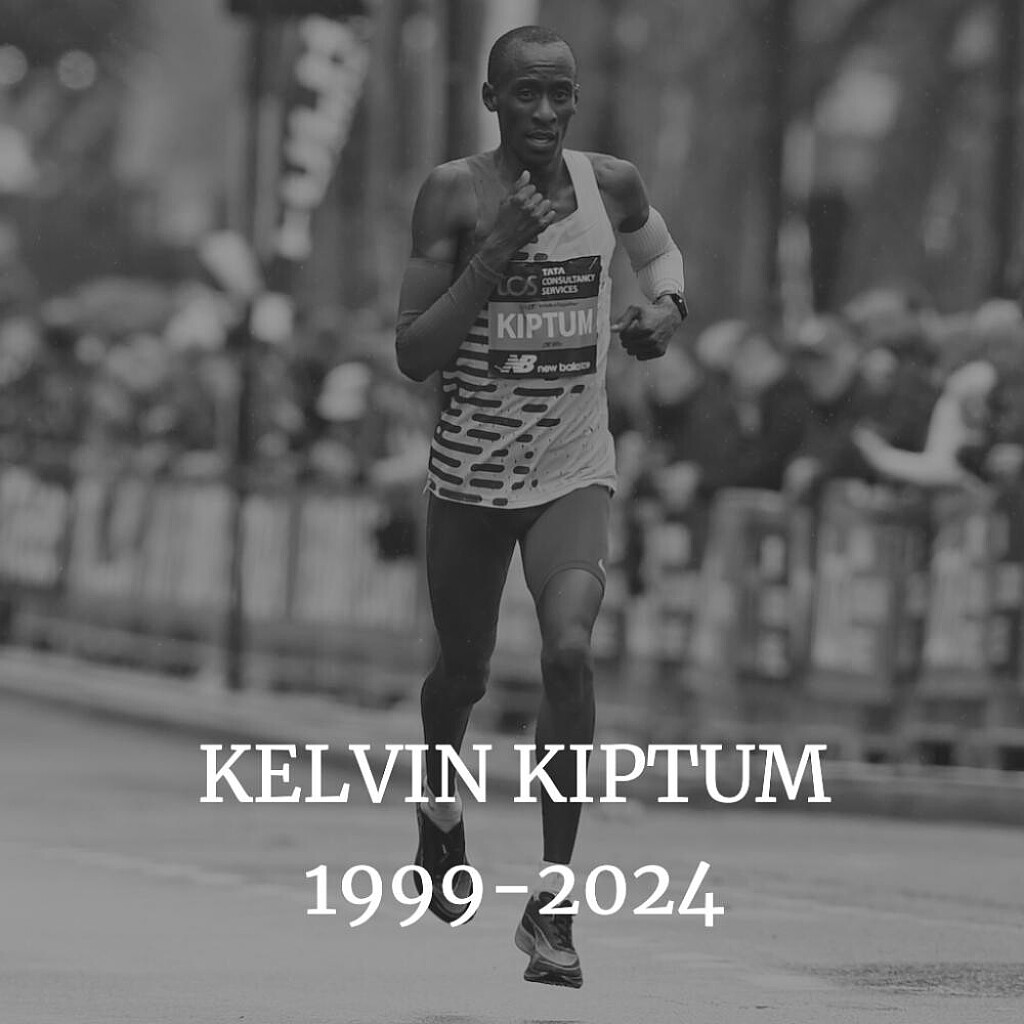
Kelvin Kiptum: The Man Who Ran Into History and Never Returned
It’s been exactly one year since Kelvin Kiptum did what many believed was impossible — he shattered the marathon world record in Chicago, stopping the clock at 2:00:35.
On October 8, 2023, the 23-year-old Kenyan didn’t just win a race — he redefined the limits of human endurance.
As the world prepares for this year’s Chicago Marathon, it’s impossible not to feel the silence he left behind.
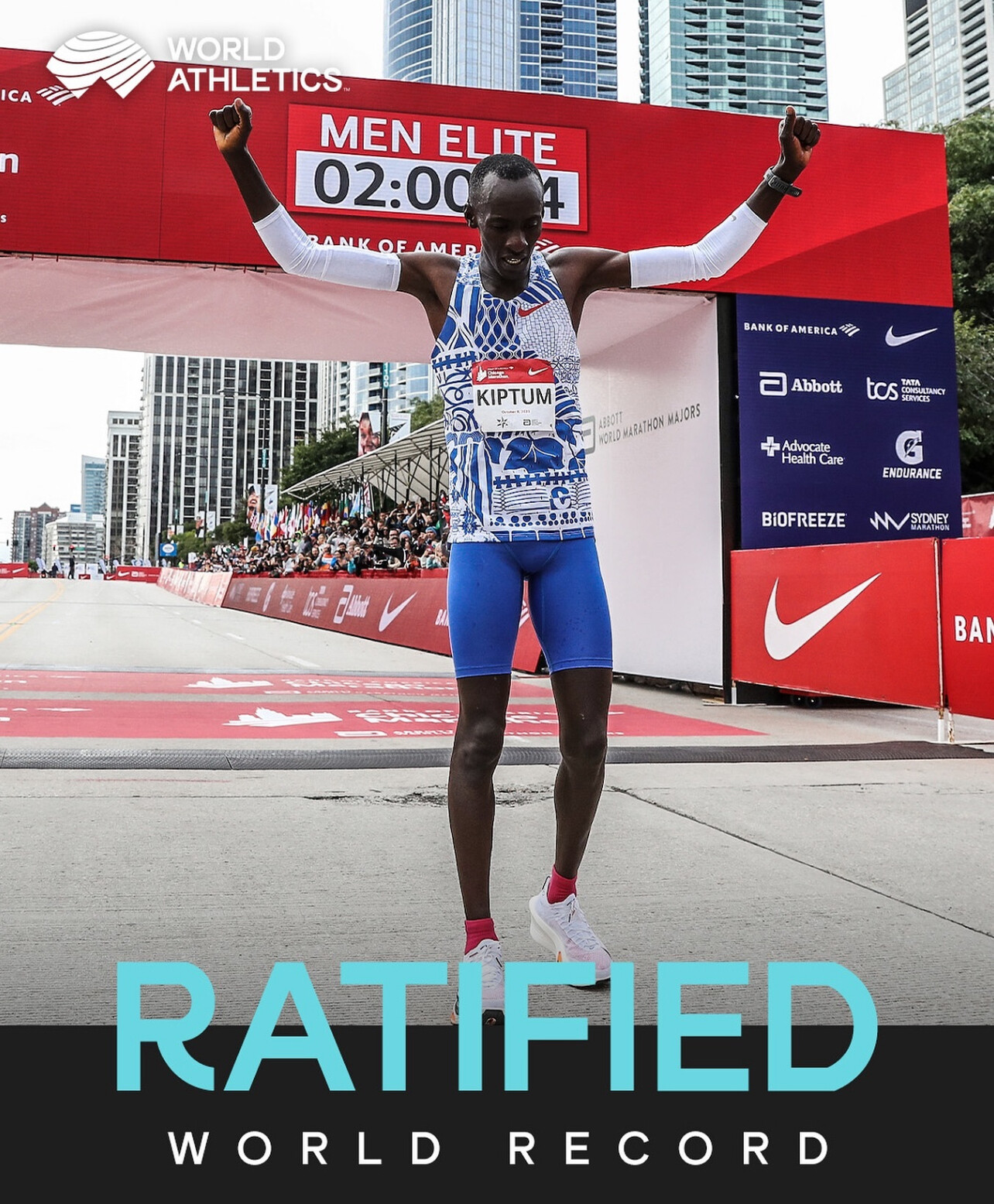
That crisp Sunday morning, Kiptum delivered a performance that stunned the running world. Gliding through Chicago’s streets with unrelenting rhythm, he dropped the field, surged mile after mile, and erased Eliud Kipchoge’s seemingly untouchable world record of 2:01:09 by 34 seconds.
It was only his third marathon. He had never lost one.
Chicago had seen greatness before — but never like this.

And then, just months later, he was gone.
In February 2024, Kiptum and his coach, Gervais Hakizimana, were killed in a car crash on a quiet road in Kenya. The sport lost more than a record-breaker; it lost a phenomenon — a man who seemed destined to become the first human to run under two hours in an official race.
That dream — carried in Kiptum’s quiet confidence and thunderous stride — vanished that night. His record, ratified only days before his death, stands as both a triumph and a tombstone.
But legends don’t end with tragedy — they echo.
As the 2025 Chicago Marathon approaches, the course remembers. Every stretch of asphalt, every cheer from the crowd, every runner chasing a personal best this weekend — they all run in the shadow of Kiptum’s greatness.
Because Kelvin Kiptum didn’t just run a race.
He ran into history — and never returned.

His Legacy Lives On
Across Kenya and beyond, his story continues to inspire a new generation of runners — from the dirt roads of the Rift Valley to the streets of Chicago, Boston, and Berlin. Athletes like Benson Kipruto, Evans Chebet, and countless others now carry his fire forward, chasing their own dreams with the same fearless rhythm that once shook the marathon world.
Kelvin Kiptum’s stride may have stopped, but his impact will keep moving — every time someone dares to believe that impossible is only a pace away.
by Boris Baron
Login to leave a comment
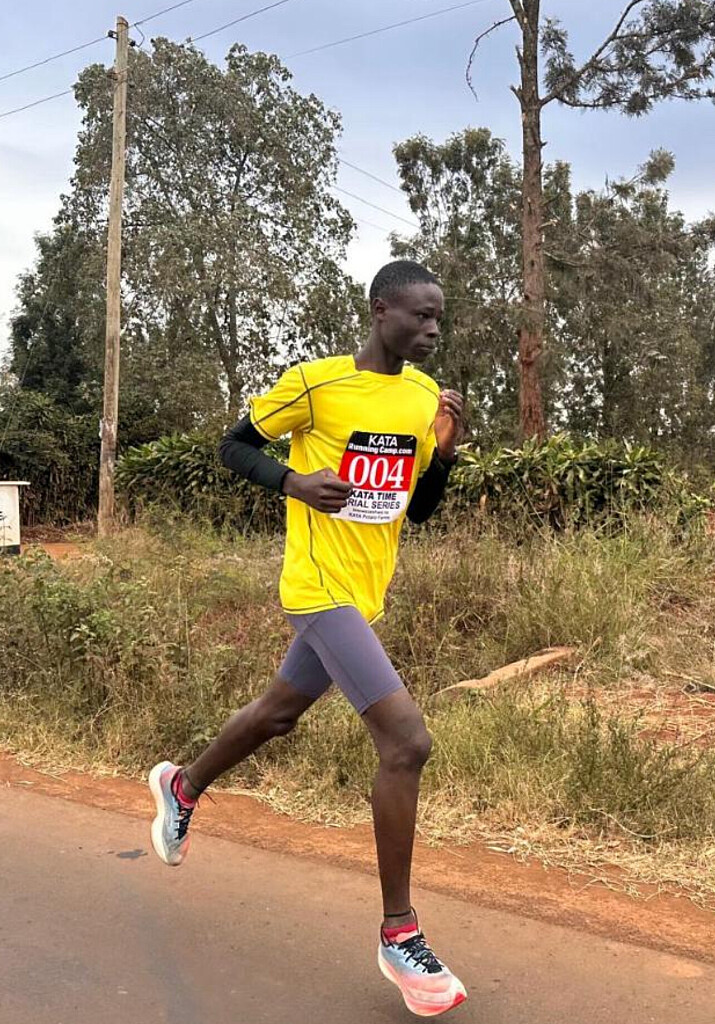
KATA Time Trials Expand Nationwide as 30 Running Camps Prepare for October 15 Event
For years, the Kenya Athletics Training Academy (KATA) in Thika has been the nerve center of monthly time trials — small but highly competitive races that have helped shape Kenya’s next generation of distance-running talent.
This October 15 marks another milestone. For the second consecutive nationwide edition, KATA’s time trials will take place not only at the Thika headquarters but also simultaneously across more than 30 KATA Running Camps throughout Kenya, featuring both 10 km and 5 km races.
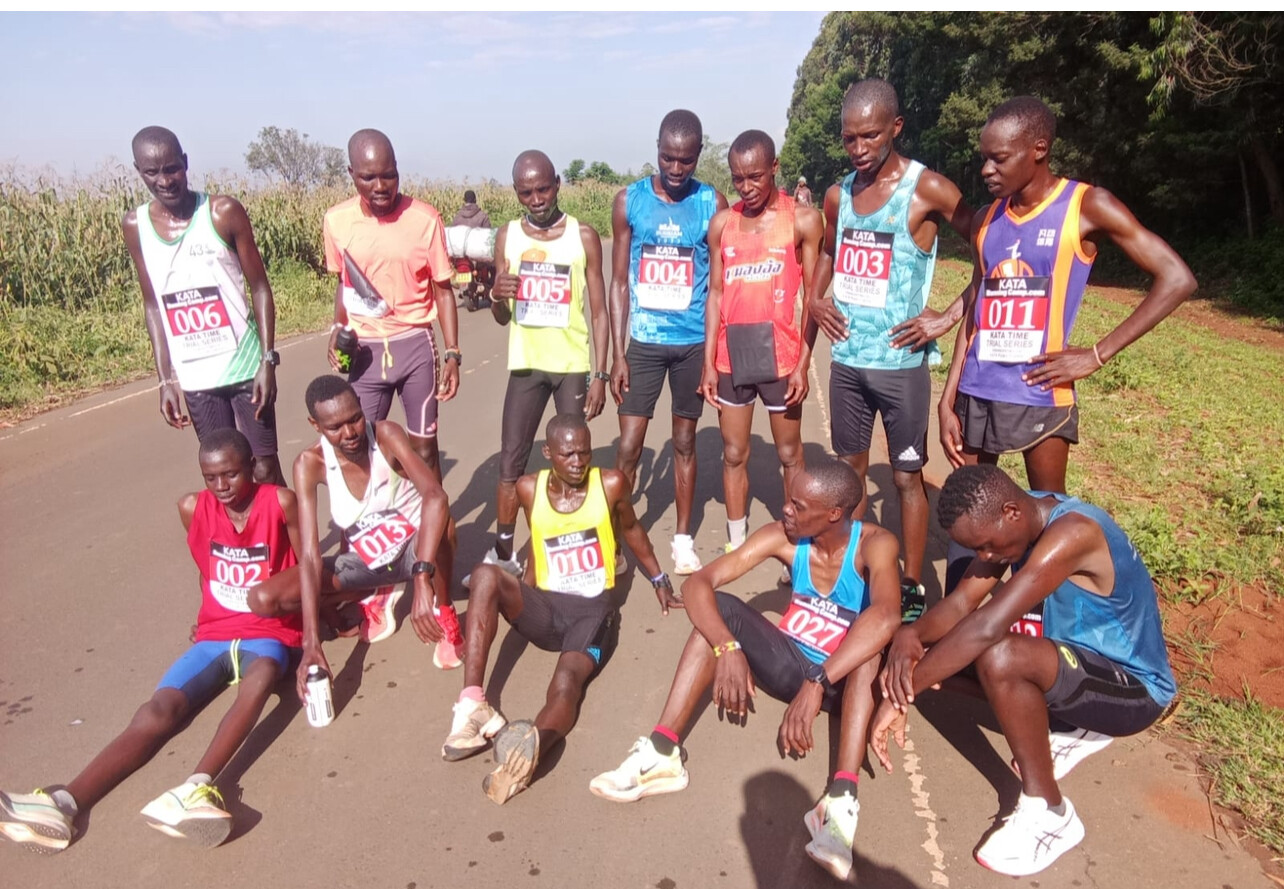
The expansion follows the success of August’s first coordinated nationwide time trial, which confirmed that KATA’s decentralized model can operate effectively across multiple regions. Each camp’s participation is not optional — under the KATA system, all official camps are required to host a time trial every other month as part of athlete development and performance monitoring.
Meanwhile, the Thika headquarters continues to set the standard. It has organized a monthly KATA Time Trial without interruption since September 2021, providing a consistent testing ground for hundreds of emerging athletes.
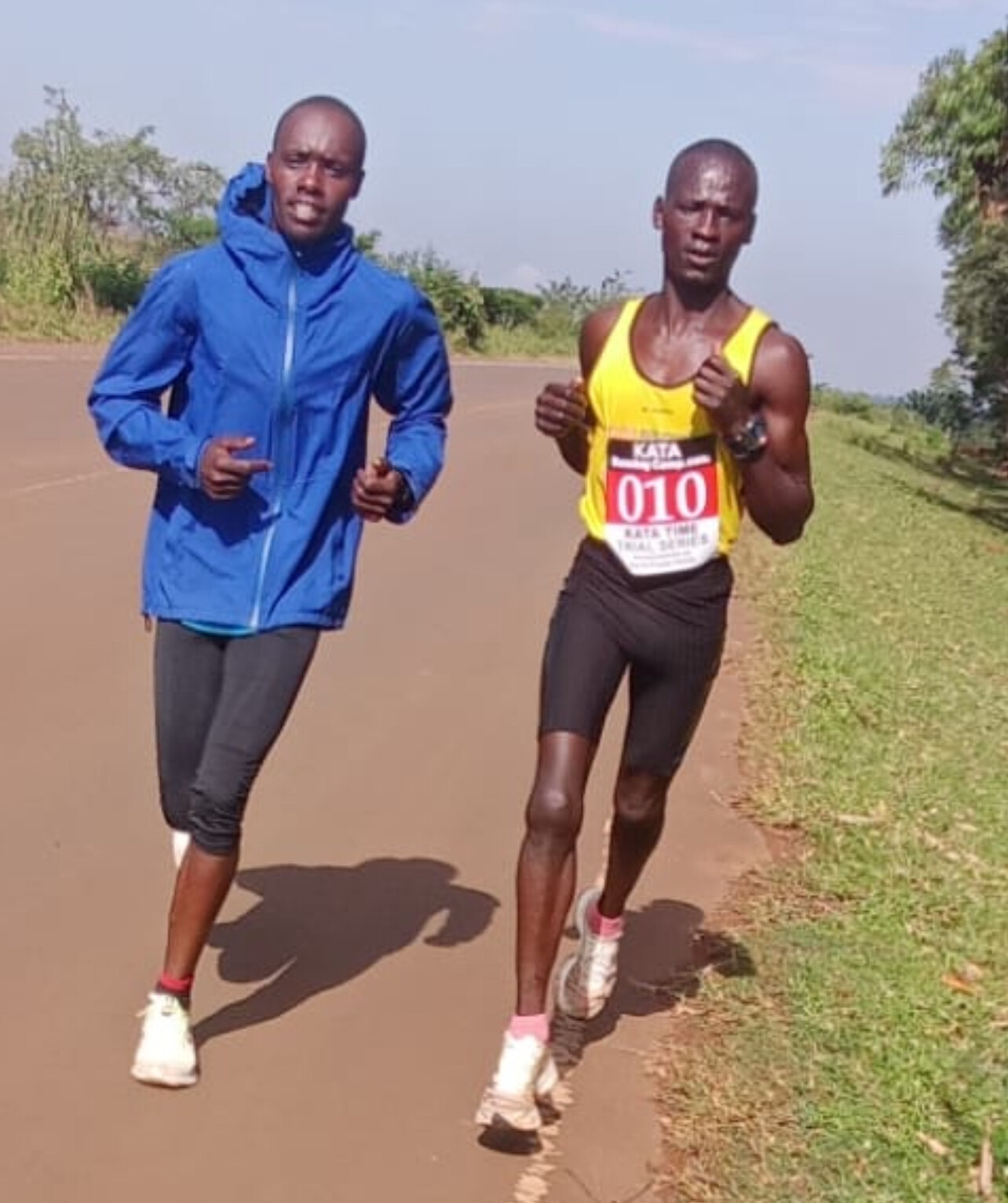
KATA founder Bob Anderson, who also created My Best Runs, said the approach is about expanding access while maintaining structure.
“The idea was to decentralize opportunity,” Anderson explained. “We want every promising runner, whether training in Thika or a rural camp, to have the same chance to be timed, compared, and supported within the KATA framework.”
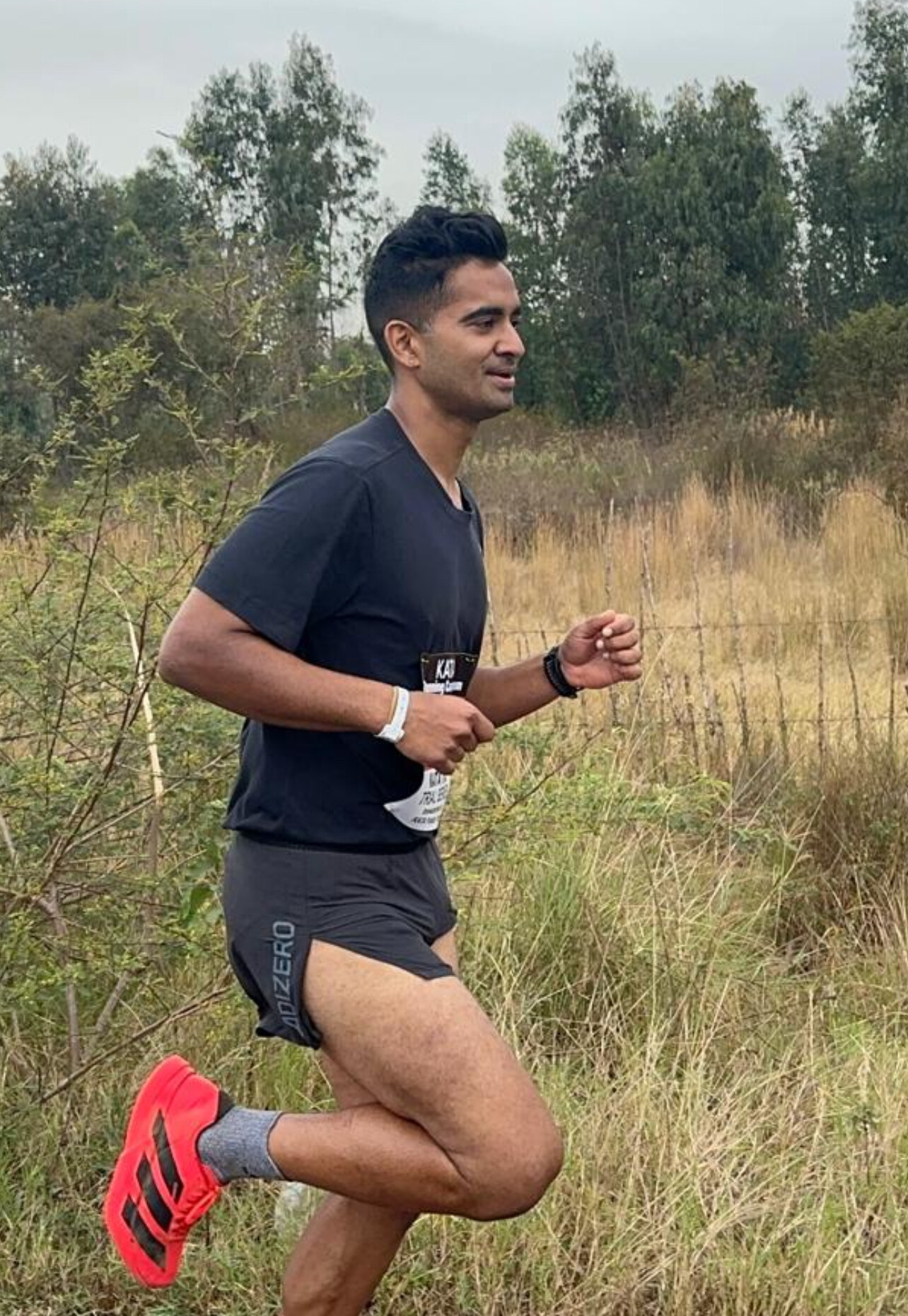
Through its network of 30+ KATA Running Camps, the academy has built a national performance pipeline. Each camp conducts its own race under strict KATA guidelines — ensuring accurate distances, verified timing, and documented results — which are then compiled centrally to produce nationwide rankings.
The program is already showing impact. The August trials unearthed new talents now being tracked for mentorship, nutrition guidance, and future competition opportunities.
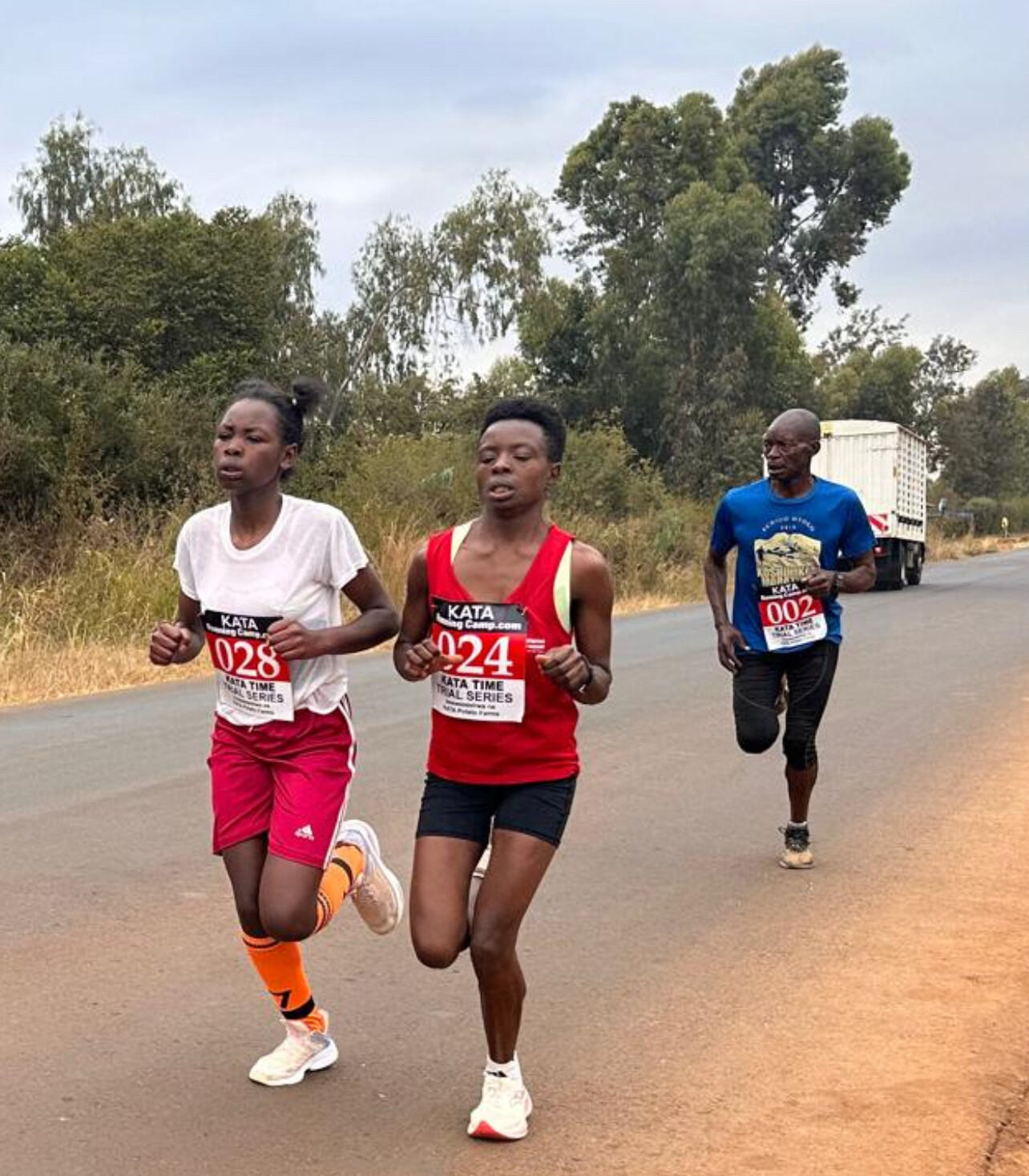
Head coach John Matheri said the system promotes fairness and progress.
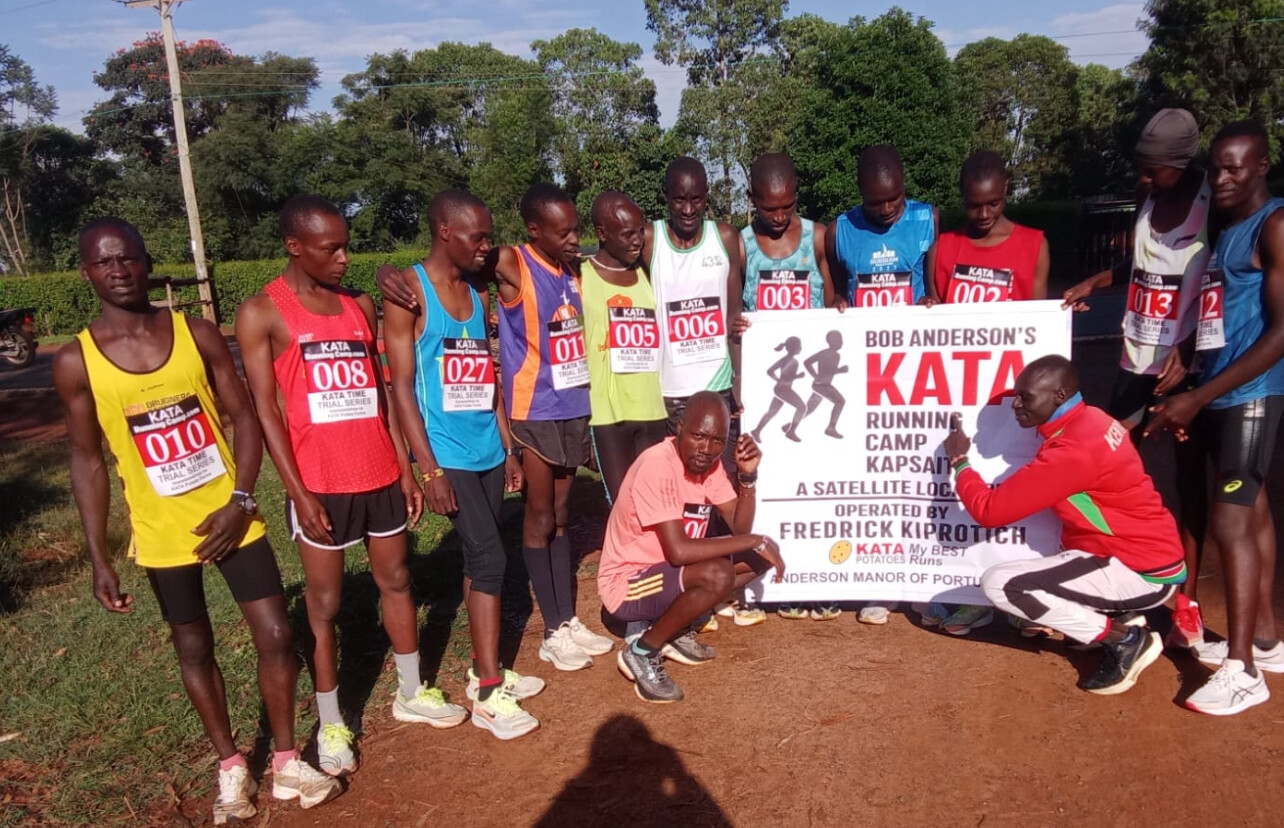
“Before, athletes had to travel to Thika for official trials. Now, the competition comes to them,” he said. “That equal footing is helping identify talent in places we might never have reached before.”
Matheri added that community involvement is strengthening outcomes.
“We expect even faster times this month,” he noted. “Athletes are training with purpose, supported by improved nutrition from our KATA potato projects and the consistent structure that these trials provide.”
Coach Silas Tiren, who leads one of the Rift Valley KATA Camps, said the program has given athletes motivation and accountability.
“These trials are more than races — they’re checkpoints,” said Tiren. “They remind every runner that consistency builds champions.”
From Kapcherop in Elgeiyo Marakwet, coach Philemon Kiptoo emphasized the difference the decentralized system is making.
“Many young runners used to give up because they couldn’t afford to travel for competitions,” he said. “Now KATA has brought the race to their doorstep. That keeps their dreams alive.”
Olympic and World medalist Edwin Soi, a longtime KATA supporter, called the program a bridge between emerging and elite athletes.
“When I look at these young runners, I see myself years ago,” Soi said. “KATA is giving them structure and belief — proof that with discipline and consistency, they can rise to the world stage.”
The October 15 event will again feature 10 km and 5 km distances for men, women, and under-20 juniors. All results from the KATA Running Camps will be uploaded to the My Best Runs database for national comparison and recognition.
As the event approaches, excitement is building across Kenya’s running communities. With standardized guidelines, consistent timing, and grassroots engagement, the KATA Time Trials are evolving into a national benchmark of progress — connecting runners from every region under one synchronized system of excellence.
From Thika’s academy grounds to the mountain trails of the Rift Valley, the whistle will blow on October 15, uniting Kenya’s KATA athletes in a single shared mission: to test, improve, and prove that talent thrives when opportunity is structured.
by Robert Kibet
Login to leave a comment

KATA Time Trial Series
Welcome to the KATA Monthly Time Trial Held at the Kenyan Athletics Training Academy in Thika, Kenya, the KATA Monthly Time Trial is a unique and inclusive event designed to support runners of all levels in achieving their goals and showcasing their fitness. This event offers both 10K and 5K distances on an accurate, certified course, providing participants with...
more...
Building Champions, One Race and One Harvest at a Time: The KATA Story
With 31 training camps across Kenya’s altitude zones and 65 thriving potato farms, the Kenya Athletics Training Academy (KATA) is shaping not only resilient athletes but also sustainable livelihoods. Each KATA camp is not just a training base but also cultivates several acres of KATA potatoes, linking athletics directly with farming and ensuring that athletes’ futures are rooted in more than competition alone.
A Morning of Anticipation in Thika
The sun had barely risen over Thika when athletes began streaming into the venue for the 5th Annual KATA Double Road Race. The crisp morning air carried both anticipation and nerves as runners stretched, laced up, and tested the course that would soon bear witness to their grit.
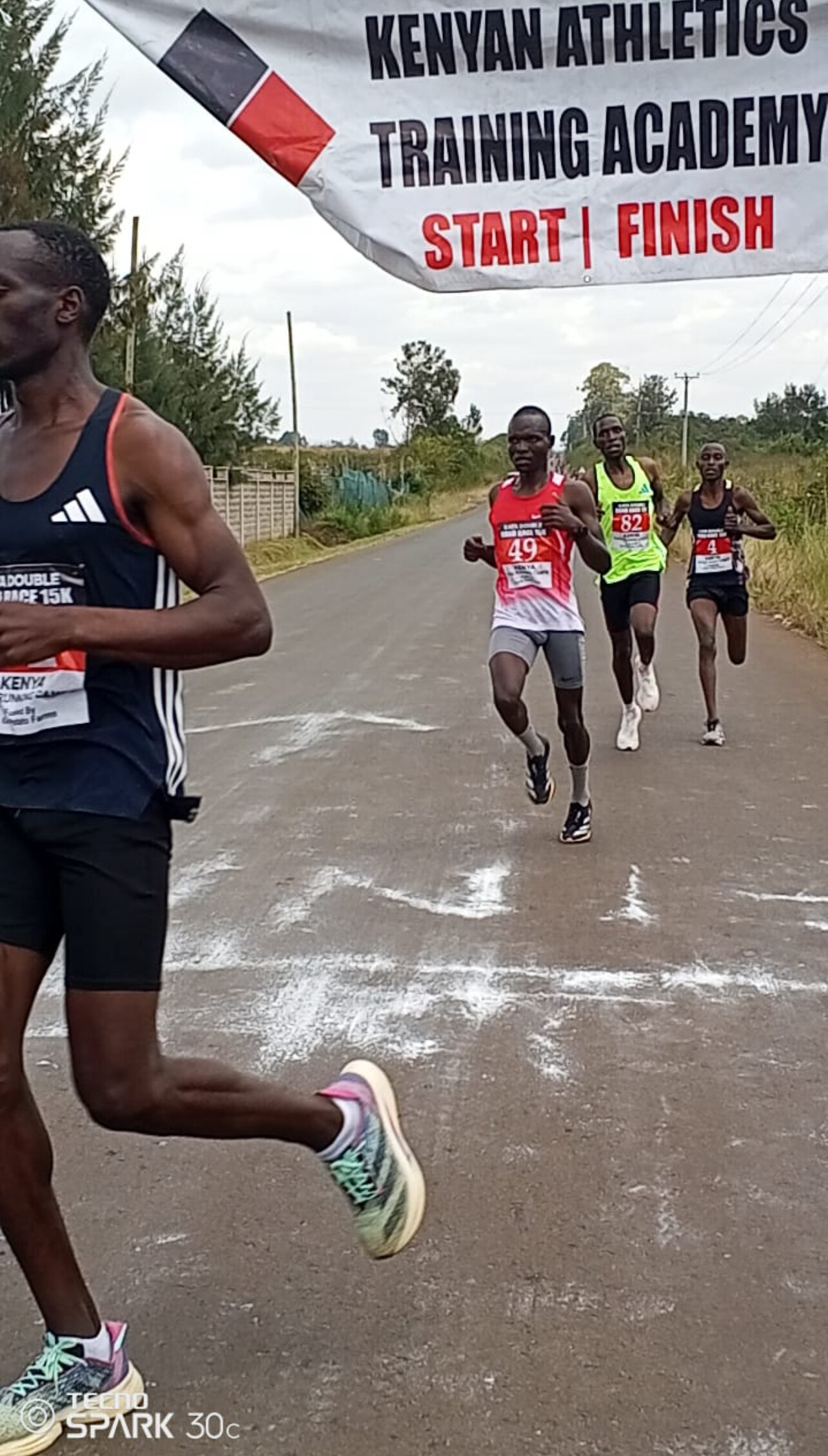
By the time the gun sounded, 97 elite athletes—74 men and 23 women—lined up. For John Matheri, head coach at KATA Thika, the event was more than a competition. It was a lesson in discipline, a test of mental endurance, and a reflection of how far the central region has come in embracing competitive running.
Olympic 5000m medalist and KATA camp operator Edwin Soi emerged as the overall winner, clocking 29:38 for the opening 10K and 14:22 for the final 5K. His combined time of 43:50 was the fifth-fastest ever run for the Double, an event first contested in 2010. On the women’s side, Betty Chesang from the KATA Iten camp was the first across the line in 51:32, marking the sixth-fastest women’s time in Double history.
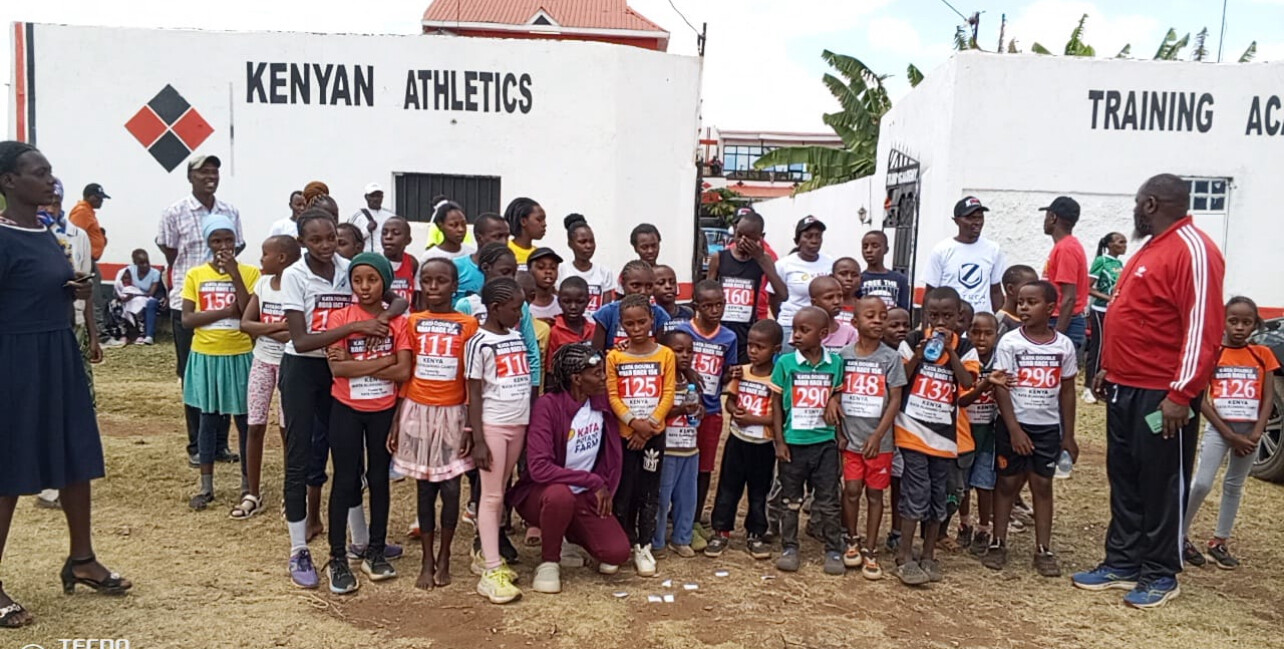
“We concluded the race well, and it was a good one,” Matheri said proudly, watching the exhausted but smiling athletes cross the line. “The turnout was impressive. I want to extend a special thanks to our sponsor, Bob Anderson, for putting together a team of this magnitude. There is no doubt that within the region, KATA has become an icon.”
A Nationwide Network of Camps and Farms
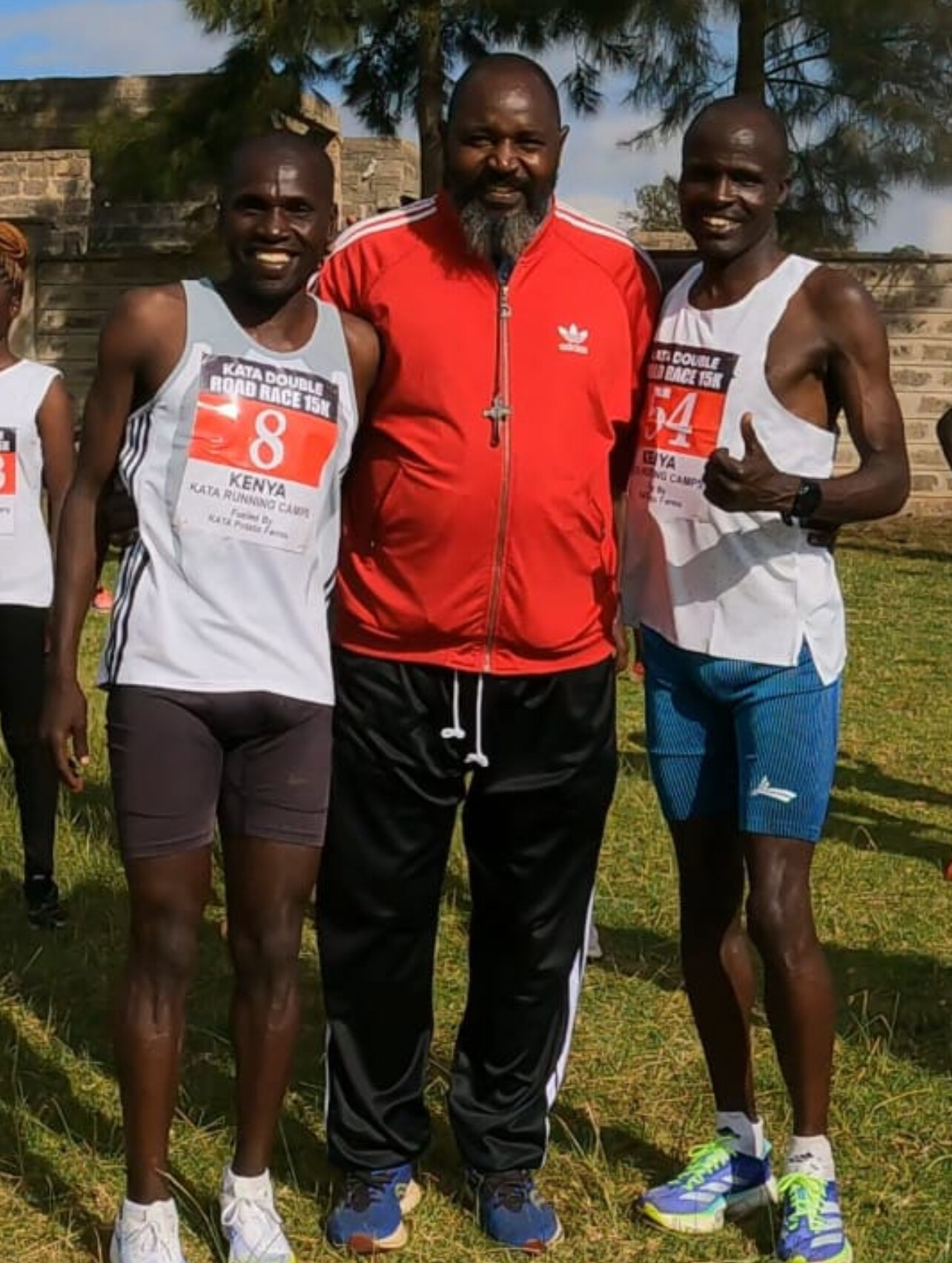
What sets KATA apart is not just its races but the ecosystem it is steadily building for Kenyan athletes. Across the country, 31 KATA-affiliated training camps operate at varying altitudes—from the highlands of the Rift Valley to the mid-altitude base in Thika and lower regions closer to Nairobi. Each camp provides unique conditions that strengthen endurance, adaptability, and competitive edge.
These dual-purpose camps are more than facilities; they are lifelines for athletes dreaming of breaking into the elite ranks. Training at altitude builds strength, while mid-altitude camps prepare runners for race conditions. Together with potato farming, they create a sustainable structure for the future.
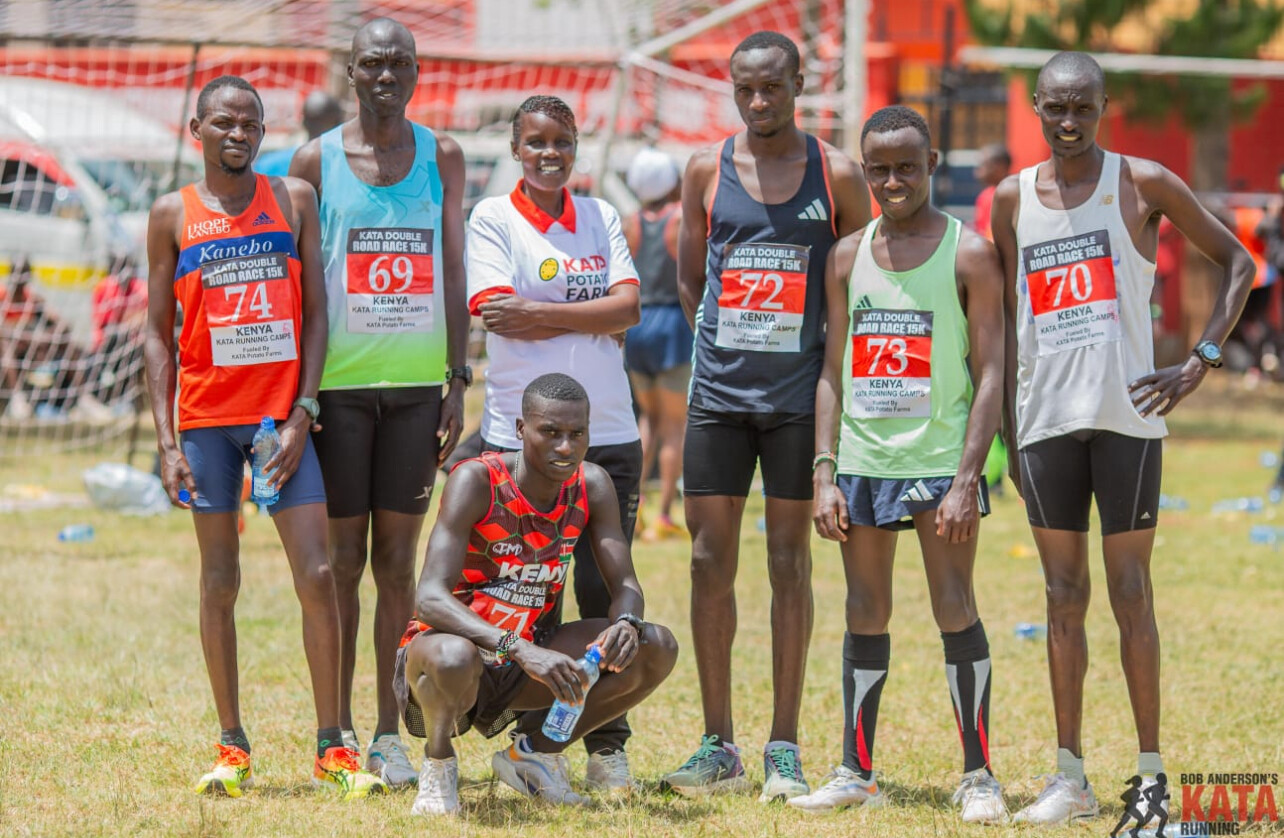
This vision is also embodied in Jimmy Mwangangi Muindi, a five-time Honolulu Marathon champion who famously coached Patrick Makau to the world marathon record in 2011. Having worked at Anderson’s Manor in Portugal, Muindi now leads a KATA satellite camp in Machakos County. For him, KATA is about much more than training.
“KATA is building more than runners,” Muindi reflected. “It is building a family—giving young talents not just training, but exposure, support, and hope. That is how future champions are born.”

Beyond Running: The Potato Farming Project
KATA’s sustainability model is as innovative as its racing format. Each camp is supported by several acres of potato farming, tying athletes’ success to both training and cultivation. The revenue from potato sales funds the future of the running camps.
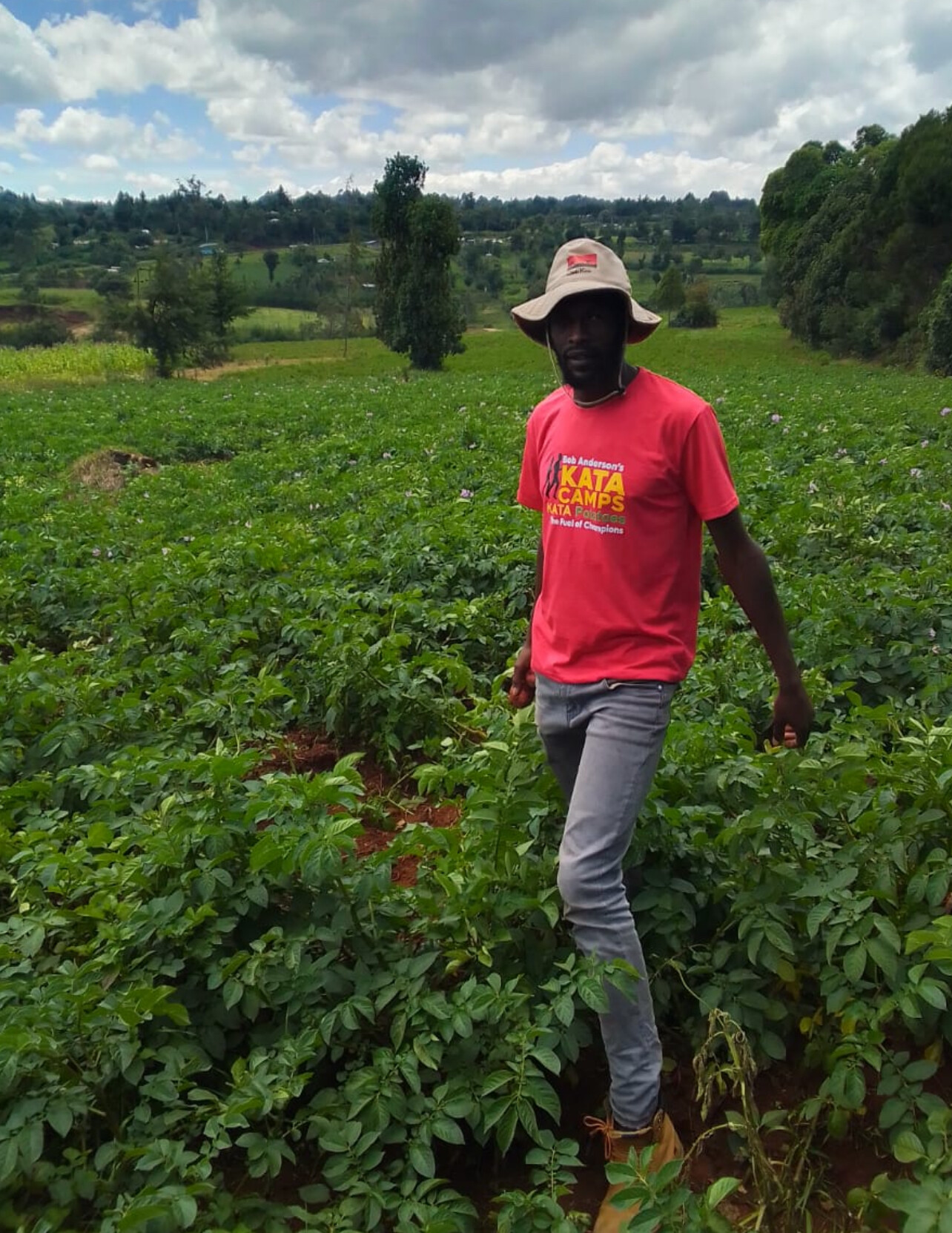
The model is simple but effective. Bob and Catherine Anderson provide an interest-free loan to establish both the camp and its potato farm. From there, the operator and athletes are responsible for managing their acres and securing their own future. KATA continues to provide exposure and guidance, but the responsibility of growth rests with those on the ground.
“The potato project has given us a chance to think beyond running,” Matheri said. “Athletes train hard, but they also need food security and stability. Farming allows them to eat well, earn a little, and stay grounded.”

KATA Chief Technical Officer Denis Musau, who recently returned from Anderson’s Manor House in Portugal, underscored this vision. “KATA is about creating a legacy. By building projects like potato farming, we empower athletes and their camps to sustain themselves financially. That secures their future both on and off the track. I see a very bright future for the KATA family.”
The Spirit of Participation
What stood out most on race day in Thika was the diversity of the field. Athletes from every discipline showed up, while children and enthusiastic spectators cheered from the sidelines. The energy of the crowd became part of the race’s rhythm, fueling the runners through every stride.
Yet the event also highlighted areas for growth. “Our athletes are very strong athletically, but many are missing mental strength,” Matheri observed. Muindi agreed: “Mental resilience is just as vital as physical training. When athletes panic at the sight of big names, they lose focus. Learning to respect the distance is what unleashes true potential.”
For both coaches, raw talent is not enough. Young athletes are like fabric, Muindi often says—materials that must be carefully tailored to become masterpieces.
Inspiration from the Veterans
One of the most inspiring aspects of the Thika Double was the turnout of established athletes—Olympians and medalists—who lined up alongside the next generation. Their presence was not only symbolic but also a powerful motivator for younger runners.
“It is so encouraging, especially here in the central region, to see our elite and professional athletes turning up in big numbers,” Matheri said. “For the young ones, lining up beside Olympians and medalists gives them a sense of what is possible. It gives them hope.”
Building the Future
For the KATA family, the vision remains crystal clear: to prepare a new generation of Kenyan champions while ensuring they have livelihoods beyond running.
“As a family, we are in good hands. We are looking forward to doing great things,” Matheri said with conviction. His final message was one of determination and gratitude: “We promise to use every ounce of our strength to bring change and positivity to the world of sport. We thank our sponsor, Bob Anderson, for the continued support, and we promise to do everything we can to grow this industry. The journey has just begun, but the future is bright.”
Anderson’s Manor in Portugal serves as KATA’s international headquarters, with Bob and Catherine Anderson based there about 50% of the time. It is from this hub that global strategy and support are coordinated, while Kenya remains the main operational location where athletes train, camps thrive, and races like the Double continue to inspire.
As the last athletes packed up and the crowd dispersed, one thing was clear: KATA is more than an academy. It is a movement—blending sport, sustainability, and community to nurture not just athletes, but Kenya’s enduring legacy of running excellence.
by Robert Kibet
Login to leave a comment
Kenya’s Steeplechase Dynasty Under Siege: Edmund Serem Keeps Hope Alive with Tokyo Bronze
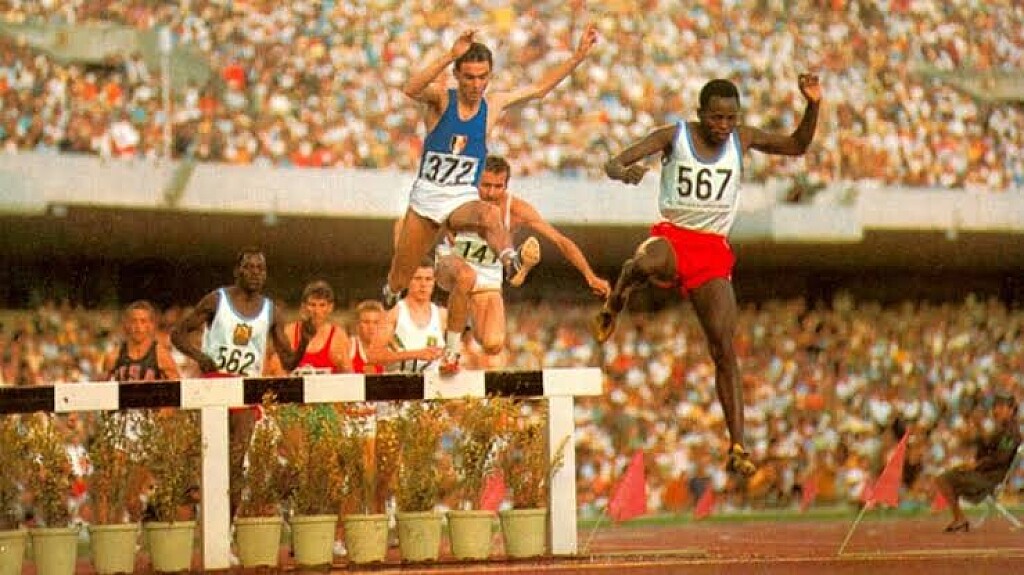
For decades, the men’s 3000m steeplechase was as Kenyan as tea fields in Kericho or herds grazing the Rift Valley floor. Since Amos Biwott (first photo) struck Olympic gold in 1968, generations of Kenyan athletes turned the event into a national pig treasure, piling up Olympic and World titles with almost mechanical consistency. But the 2025 World Championships in Tokyo told a different story—one of fading dominance, foreign breakthroughs, and a teenager fighting to keep the flame alive.
A Race That Shook Tradition

On a humid evening inside Tokyo’s National Stadium, 17-year-old Edmund Serem—younger brother of 2021 World U20 champion Amos Serem—lined up against the world’s best: Olympic champion Soufiane El Bakkali, Ethiopia’s Lamecha Girma, New Zealand’s rising star Geordie Beamish, and a host of challengers from Europe, North America, and Asia.
For Serem, the mission was clear: keep Kenya’s flag on a podium that has become increasingly elusive.
From the gun, he ran bravely, shadowing Germany’s Karl Ruppert in the early laps, exchanging leads and refusing to yield. Ethiopia’s Samuel Firewu, Canada’s Jean-Simon Desgagnés, Poland’s Krzysztof Michalski, and Japan’s Ryuji Miura all joined the fight, turning the race into a tactical chess match.
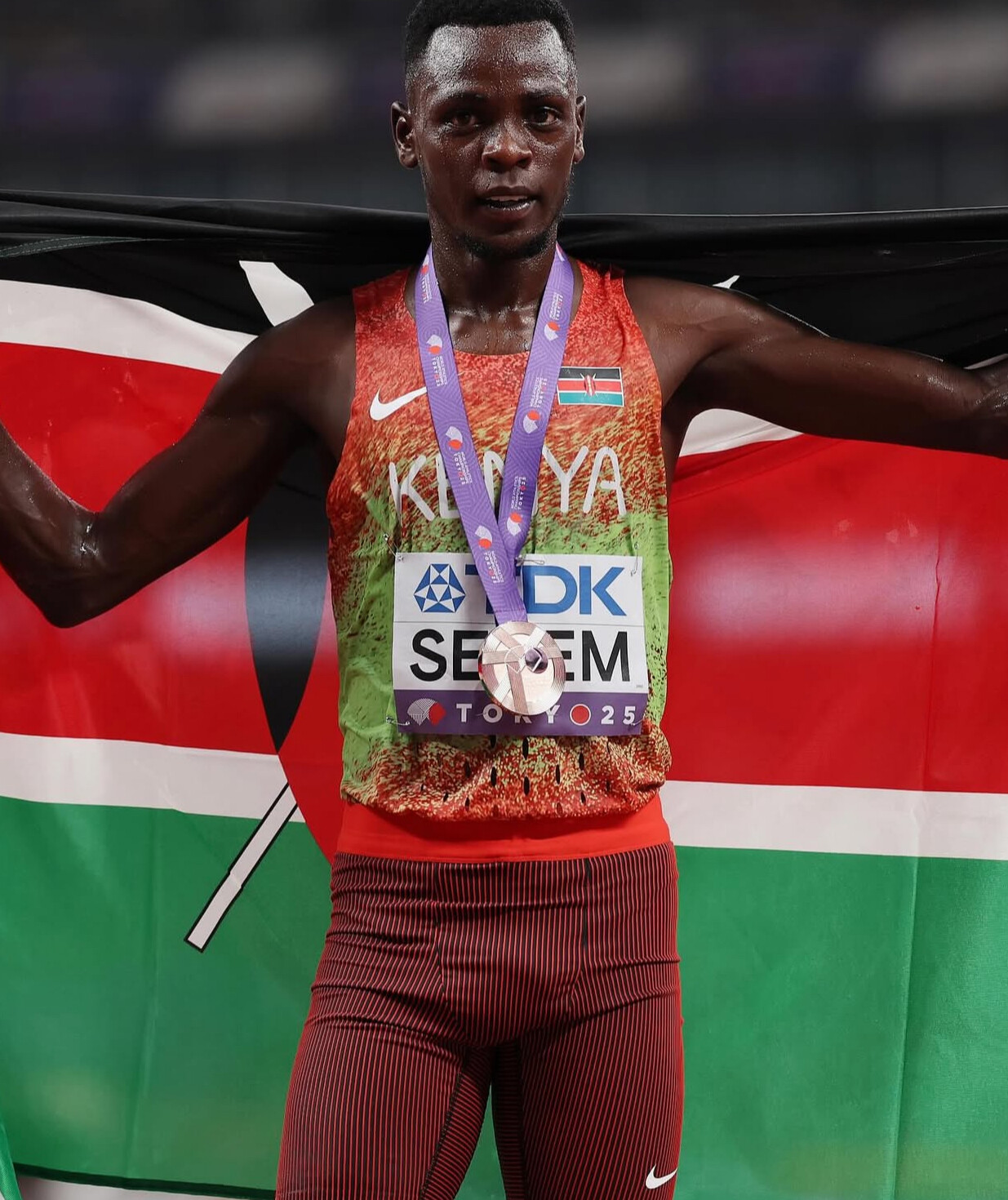
With five laps to go, Serem was still in contention. But as the tempo shifted, the global pack pressed harder. Girma and El Bakkali moved menacingly forward, Desgagnés surged, and Michalski stunned the field by briefly taking the lead.
Then came the bell lap. In a race once synonymous with Kenyan processions, the battle had become a global dogfight. Beamish timed his kick to perfection, flying past Girma and fending off El Bakkali to seize a historic gold in 8:33.88. El Bakkali took silver in 8:33.95, while Serem, showing maturity beyond his years, held his ground to claim bronze in 8:34.56.
A Bittersweet Podium
For Kenya, the bronze carried mixed emotions. Serem’s medal, won by a teenager not yet old enough to vote, proved the country’s future is bright. Yet it also underscored a sobering reality: the days of near-total dominance are gone.
Speaking after the race, Serem was humble but defiant:
“It was tough out there, but I told myself Kenya must be on that podium. I am only 17, and I know this is just the beginning. One day, I will bring the gold back home.”
The Crumbling Fortress
The numbers tell the story. Since Conseslus Kipruto’s World title in 2019, Kenya has not won a global steeplechase gold. Instead, El Bakkali, Girma, and now Beamish have rewritten the script, dismantling the aura of invincibility once carried by legends like Ezekiel Kemboi, Brimin Kipruto, and Stephen Cherono.
Even with Abraham Kibiwot also in Tokyo, Kenya could not tilt the balance back. What was once fortress Kenya is now open territory.
Lessons and a Call to Action
Beamish’s victory offered a warning. New Zealand has no steeplechase tradition, yet through structured NCAA development and consistent Diamond League racing, Beamish matured into a world champion. Kenya, by contrast, must adapt: better coaching, tactical planning, and holistic athlete support are now non-negotiable.
Serem’s bronze provides a flicker of hope. His resilience against seasoned opponents shows promise, but it also highlights the urgent need for reinvestment. Athletics Kenya’s famed pipeline of school and military talent remains deep, but without evolution, history and reputation alone will not win medals.
The Future
As Edmund Serem stood on the Tokyo podium, the Kenyan flag draped over his shoulders, pride and resolve mixed in his eyes. Behind the applause lay a challenge: reclaim what has been lost.
If the steeplechase is to remain the beating heart of Kenya’s athletics heritage, Tokyo 2025 must not mark the continuation of decline, but the beginning of a fightback. And perhaps—just perhaps—it will be Serem, the teenager who dared to dream, who leads the revival.
by Robert Kibet
Login to leave a comment
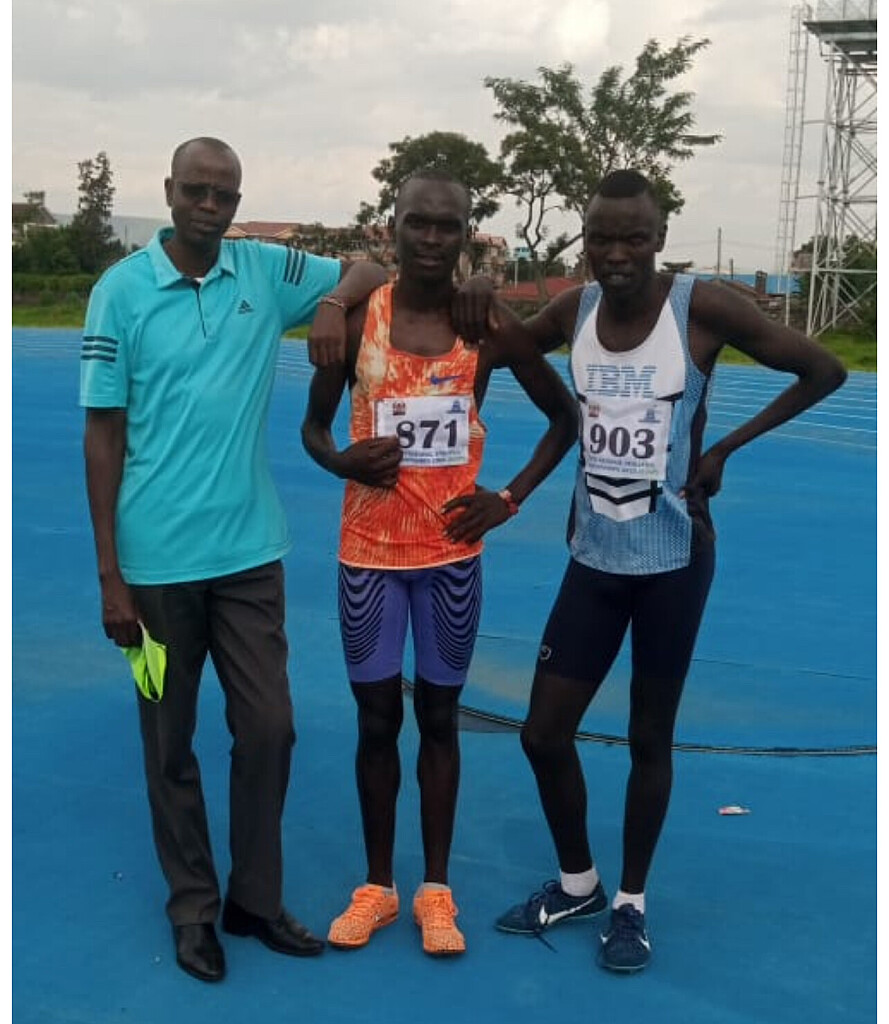
Running Beyond Limits: How KATA Kapkatet Camp Is Shaping the Future of Kenyan Athletics
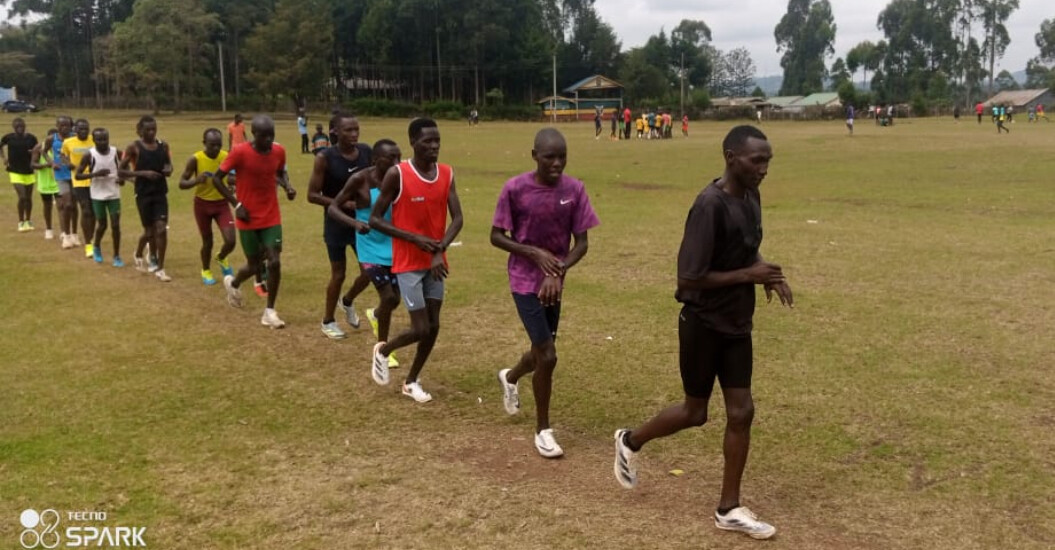
In the heart of Kericho County, where rolling tea estates stretch endlessly toward the horizon, the rhythmic sound of pounding feet cuts through the crisp morning air. At 5:30 a.m., long before the first rays of sunlight pierce the mist, a group of young athletes from the KATA Kapkatet Camp gathers for prayer before setting off on their daily run.
The roads they follow—sometimes smooth tarmac, other times rugged murram winding through the tea fields—have become their open-air classroom. Step by step, they are learning resilience, nurturing hope, and chasing dreams that stretch beyond the Rift Valley.
Stories of Rising Talent
Among them is Andrew Oronyi, a 20-year-old sprinter who once dreamed of being a football star. Discovered by a teacher who recognized his speed, Oronyi shifted to athletics, experimenting with the 100m and 200m before finding his stride in the 400m. He now proudly holds a personal best of 47.57 seconds and has set his sights on breaking the 44-second barrier to secure a place on Kenya’s global championship team.
“Training under KATA has given me hope for a brighter future,” Oronyi says. “Here, I can focus on running while also contributing through manual work in the camp. This programme is helping athletes shine beyond the usual struggles.”
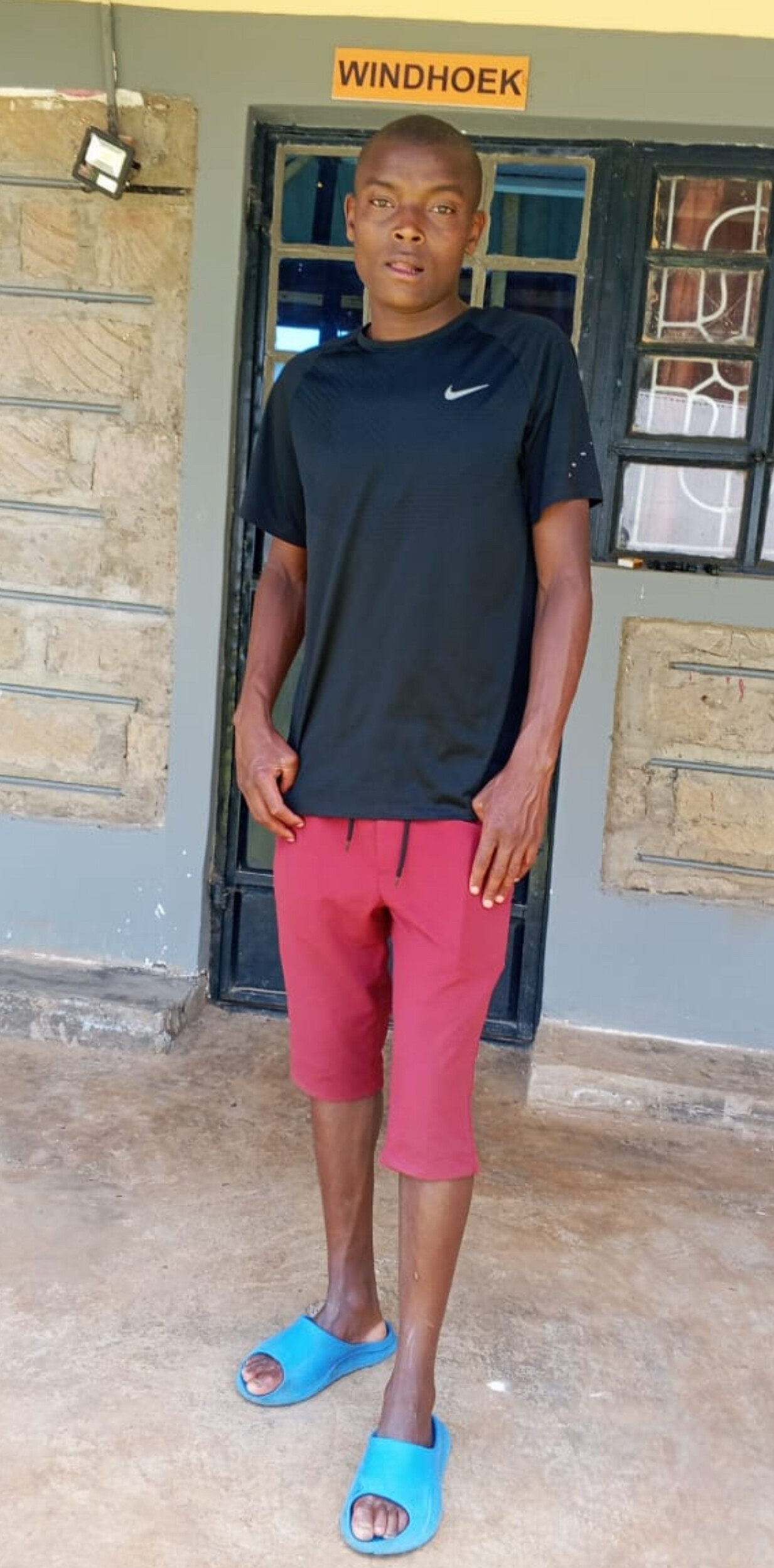
For Victor Kiprotich, just 16 and fresh out of high school in Kuresoi North, the KATA initiative has been transformative. Encouraged by his coach, Christopher Rono, he joined the camp in 2024 after completing Form Four. Specializing in the 1500m, Victor made headlines at the Bomet County Cross Country Championships, finishing second in the junior men’s 8km in 11:26.

“When I ran that race, I realized that with the right support, I can make it in this career,” he reflects. His gratitude is clear: “I thank Bob Anderson for this initiative. It will help camps become stable and sustainable. We usually begin our morning runs at 5:30 a.m. with prayers—it gives us strength and unity.”
Then there is Festus Kemboi, 18, from Chepalal village in Konoin. Introduced to athletics in Class 7, he began with the 5000m and steeplechase before focusing on the 3000m steeplechase and cross country in high school. Recently, he ran his first senior men’s 10km at Bomet, finishing eighth in 31 minutes. “I know I can bring that down to 30 minutes if I stay consistent,” he says. For him, KATA has been more than training: “This programme is a game changer. Many athletes struggle with rent, food, and daily survival. KATA gives us the structure and support to focus purely on running.”
Leadership and Vision
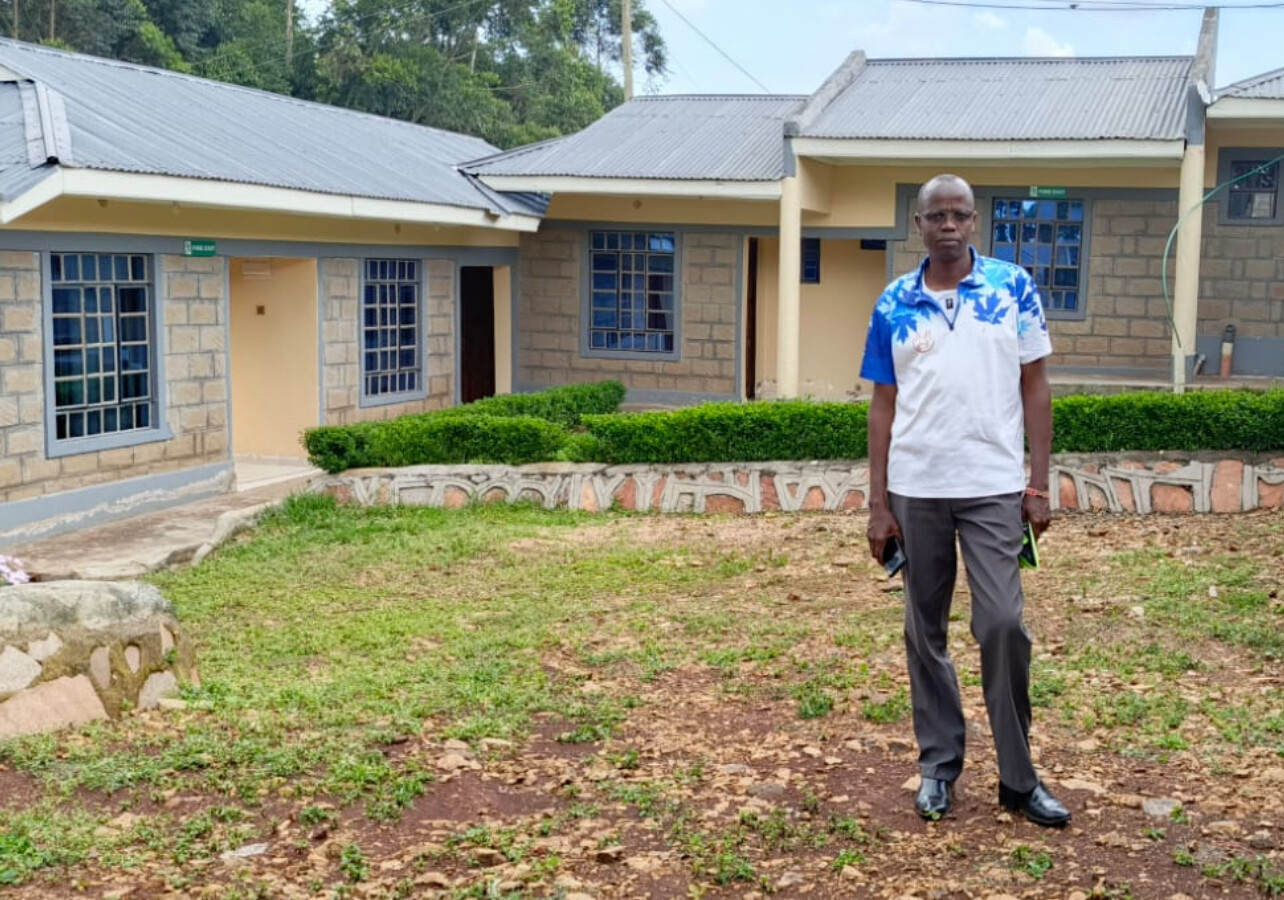
At the center of it all is Coach Christopher Rono, who operates the KATA Kapkatet Camp and sees immense promise in his athletes.
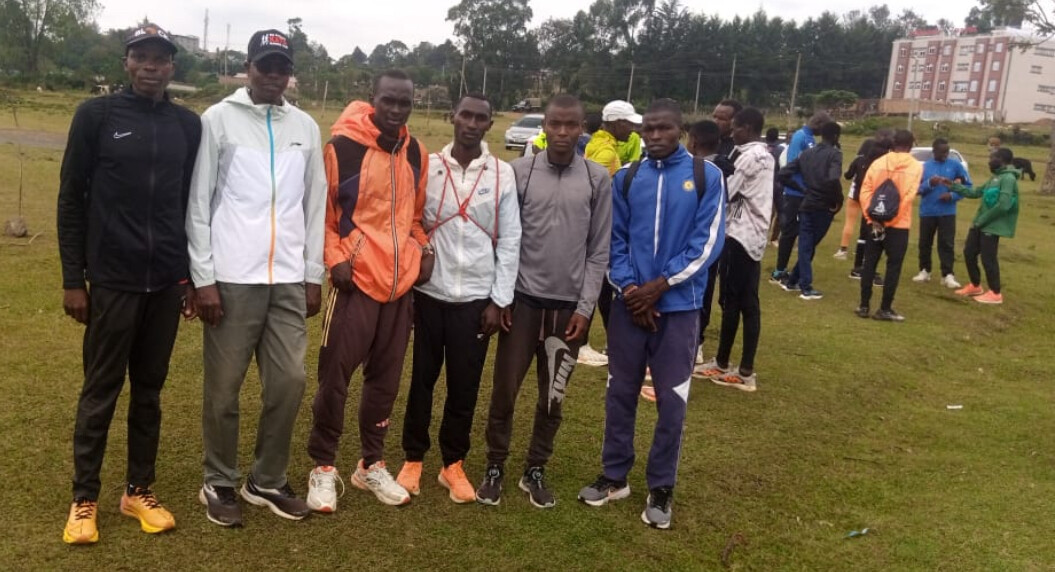
“Kemboi has shown real potential in cross country, while Kiprotich is a young talent with the ability to excel in the 1500m. Oronyi, though a sprinter, could even transition to the 800m in the future. Their determination excites me,” Rono says.
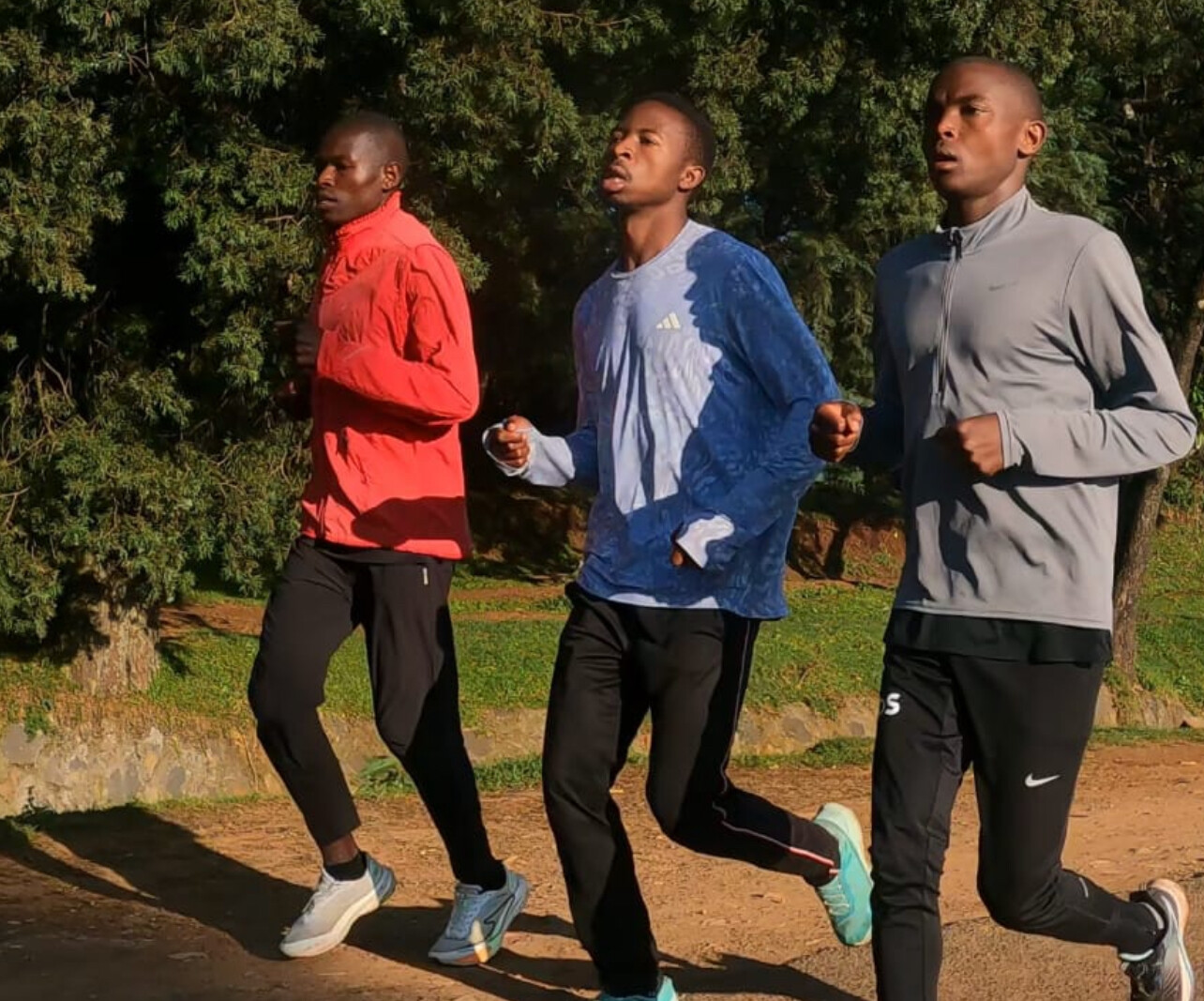
He also highlights Bob Anderson’s vision: “The potato farming project and the Double Road Race are not just creative but sustainable ideas. Athletics Kenya itself has recognized the KATA programme, encouraging camp leaders and support staff to align with it.”
Building More Than Champions
KATA’s message is spreading widely across the Rift Valley. Interest is surging, and several athletes have even begun renting houses near Kapkatet to be part of the training environment. With more than 30 KATA camps now running across Kenya, Bob Anderson’s vision is reshaping athletics management by ensuring athletes are supported both on and off the track.
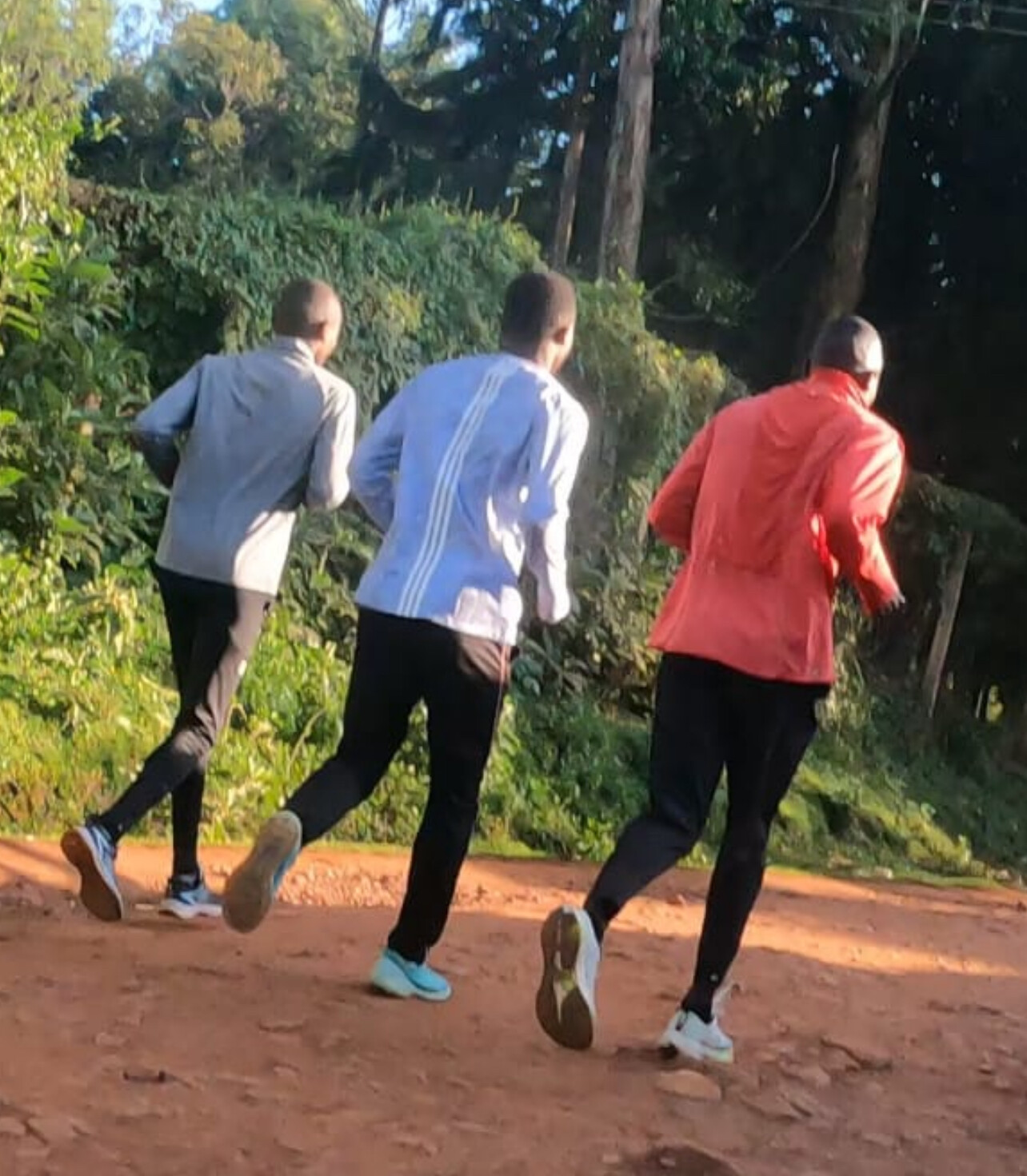
As Coach Rono looks ahead to this year’s Double Road Race, he is confident: “We are ready to deliver, and this edition will be bigger and better.”
But beyond medals and times, the true story is told in Kapkatet’s misty mornings—young athletes running shoulder to shoulder through tea plantations, beginning each day with whispered prayers. This is where Kenya’s next champions are being molded. Here, sport and sustainability walk hand in hand, and hope runs free.
by Robert Kibet
Login to leave a comment
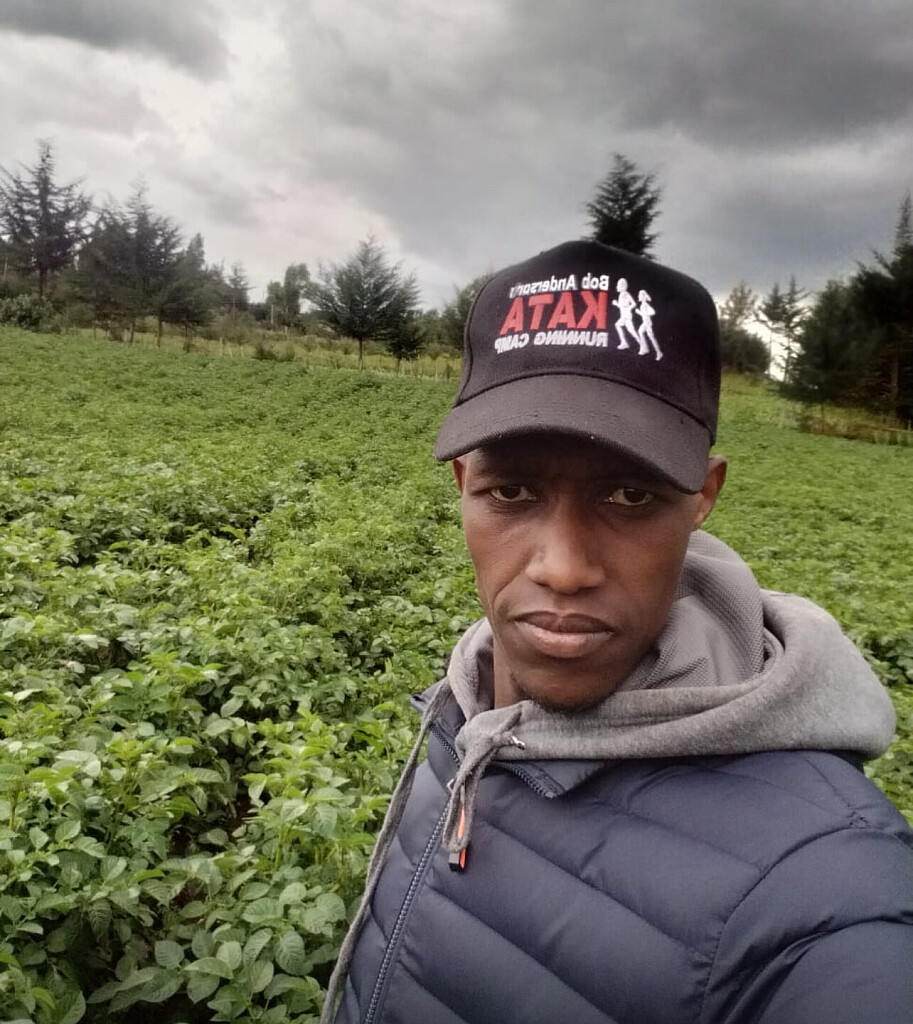
Dreams in Motion, Roots in the Soil: Emmanuel Kiptoo Langat, the Runner Behind Potato Farming Projects
KERICHO, Kenya - At dawn in Kericho’s highlands, the red dirt roads echo with the rhythmic sound of running feet. Among the lean silhouettes slicing through the mist is Emmanuel Kiptoo Langat (Manuu), a 33-year-old road runner whose journey began in the rugged terrain of Chorwa, a small village in Nakuru County bordering Kenya’s vast Mau Forest. His story is not just about chasing personal bests but also about cultivating resilience—both on the track and in his community.
Roots in Chorwa
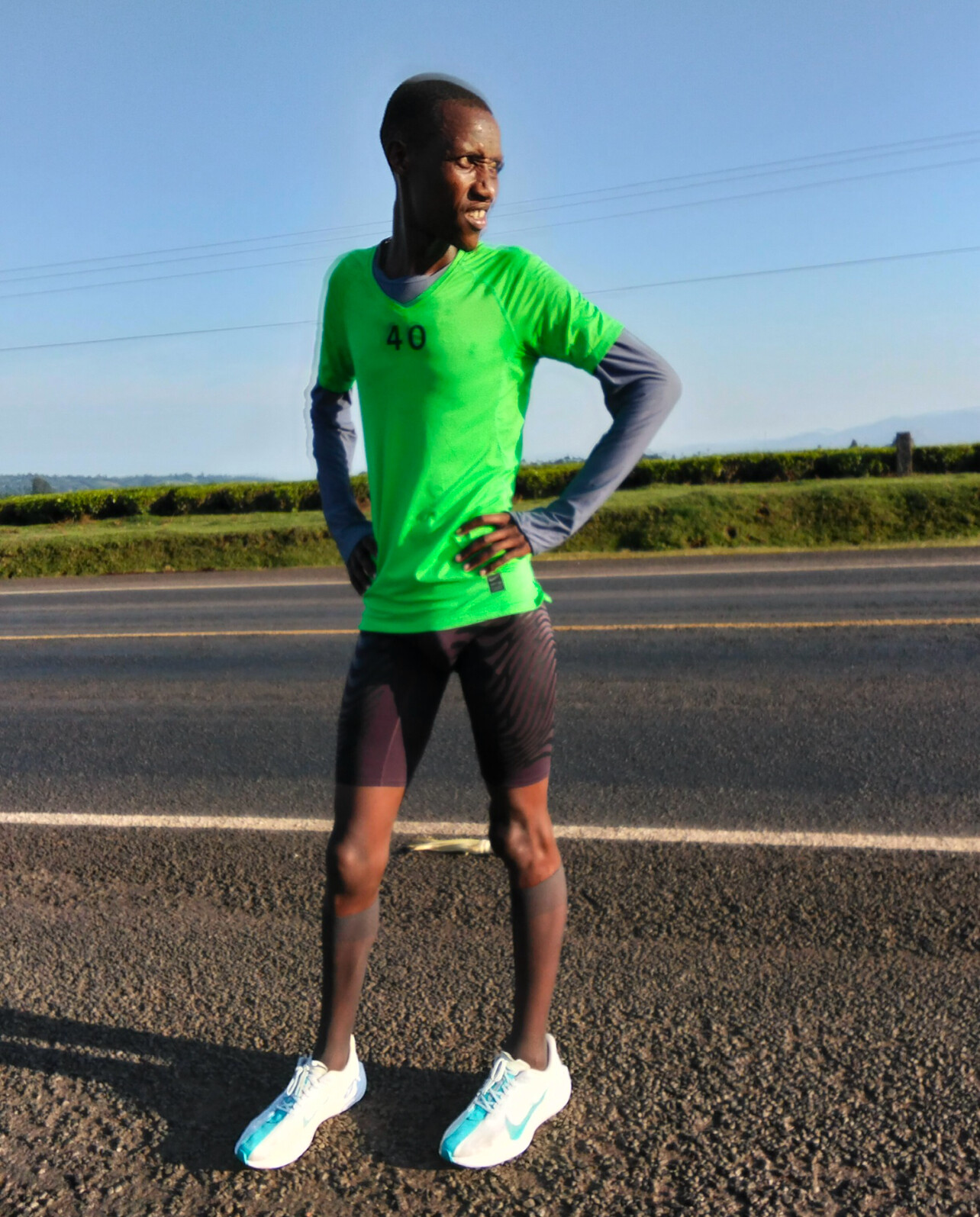
Chorwa is a remote village in Kuresoi, where life is as harsh as it is beautiful. The nearby Mau Forest shelters wildlife and rivers that feed the Rift Valley, but daily survival was a struggle.
“Life there was very hard—even getting food was a problem,” Emmanuel recalls. School added its own challenges: he often ran 10 kilometers each way just to attend class. What began as necessity became passion. “On sports day, I ran all the way to the national level. That’s when I knew I could run.”

His spark was fueled by Olympian Edwin Cheruiyot Soi, who runs a training camp in Kuresoi with support from the Kenya Athletics Training Academy (KATA). “He motivated me to believe running could change my life,” Emmanuel says.
First Strides in Athletics
In 2016, encouraged by a friend, Emmanuel joined a training camp in Kericho. His breakthrough came at a 10,000m race in Kisumu County. “That race gave me hope,” he says. A highlight followed at Nairobi’s Kasarani Stadium in a 5km race: “I enjoyed it so much. I will never forget that day.”
Challenges were constant. Running shoes were scarce, and he often relied on friends for gear. Yet his times speak volumes: 13:20 for 5000m, 28:04 for 10km, and 63:00 for the half marathon—marks that confirm his talent in Kenya’s deep distance-running field.
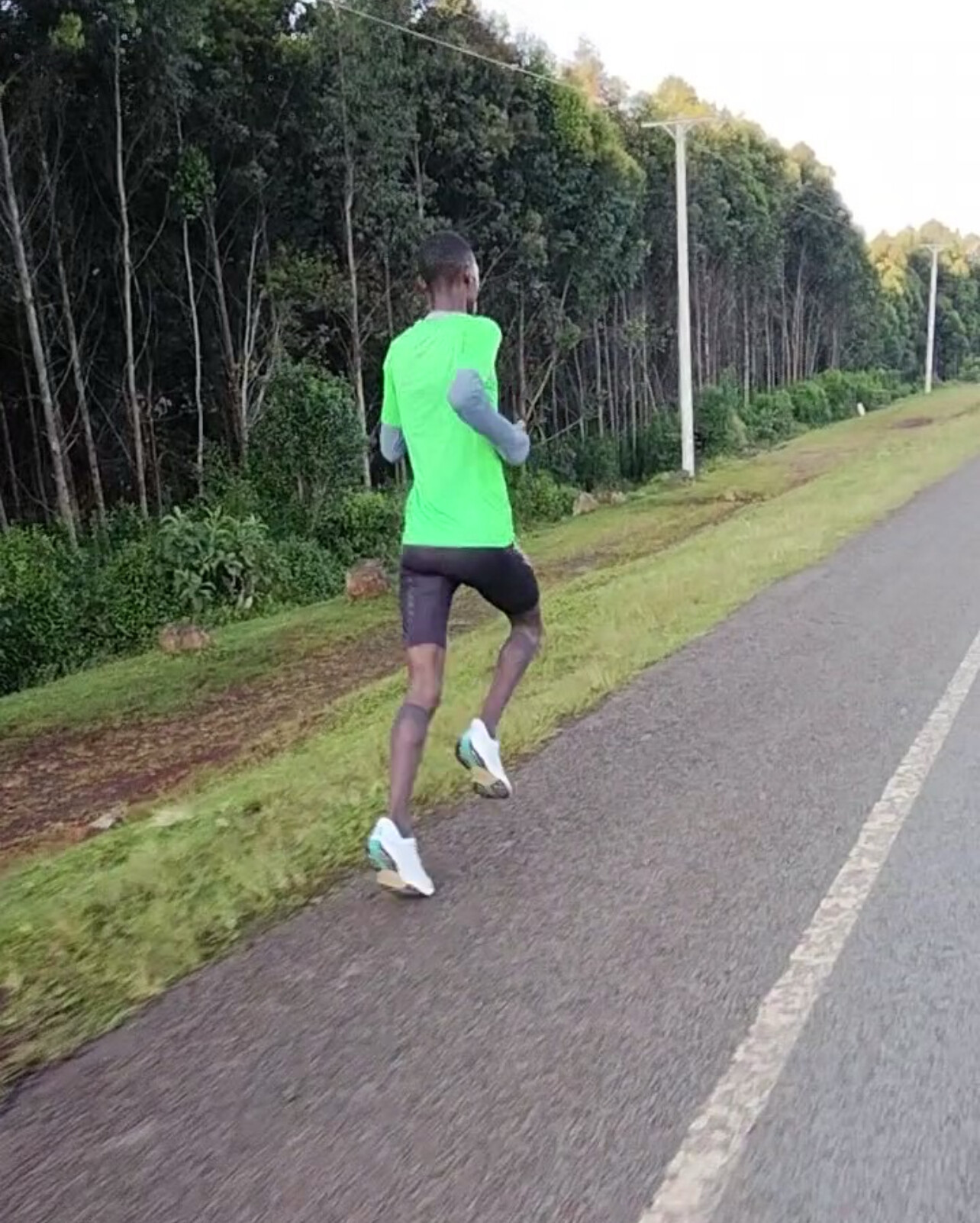
Balancing Running and Farming
While pursuing his running dreams, Emmanuel also supervises the KATA potato farming initiative, a project led by Bob Anderson, founder of Runner’s World magazine and the Kenya Athletics Training Academy.
“When I saw this project, I was happy because it could support many athletes,” he says. Emmanuel oversees planting, harvesting, and distribution—work that helps athletes cover food and camp needs. “It’s unique because it gives us stability, letting us focus more on training and performance.”
For him, farming mirrors running: “From athletics I’ve learned discipline and patience. From farming I’ve learned resilience and the value of hard work.”
A Bridge Between Sport and Sustainability
The synergy between running and agriculture provides athletes with more than meals—it provides a safety net. “Farming gives us a stable source of income beyond running. It offers security for the future,” Emmanuel says.
Transformation Through Running
Running has given Emmanuel confidence, friendships, and economic stability. His family, once burdened by poverty, now supports him wholeheartedly. “They see athletics and farming giving me direction and stability,” he explains.
Giving Back and Inspiring Others
In Chorwa, young runners now look up to Emmanuel as he once looked up to Edwin Soi. His message is simple: “Be disciplined, patient, and never give up, because success in running takes time.”
He hopes to mentor future athletes and be remembered not only as a runner but also as “a supervisor who supported others and a role model who uplifted the community.”
Life Beyond the Track
When not training or supervising farms, Emmanuel relaxes by watching football—he is a devoted Manchester United fan. Yet his heart remains tied to running, each stride reminding him of the Mau Forest, his beginnings, and the community he represents.
The Road Ahea
Emmanuel’s eyes are fixed on improving his half marathon and marathon times. His journey reflects more than athletics—it embodies resilience, sustainability, and shared success.
“Running is not just about speed or endurance,” he says. “It’s about rising from hardship, cultivating dreams like potatoes in the soil, and sharing the harvest with others.”
As the sun sets over Kericho’s hills, Emmanuel prepares for another early morning run—carrying not only his ambitions but also the hopes of a community where sport and sustainability run side by side.
by Robert Kibet
Login to leave a comment
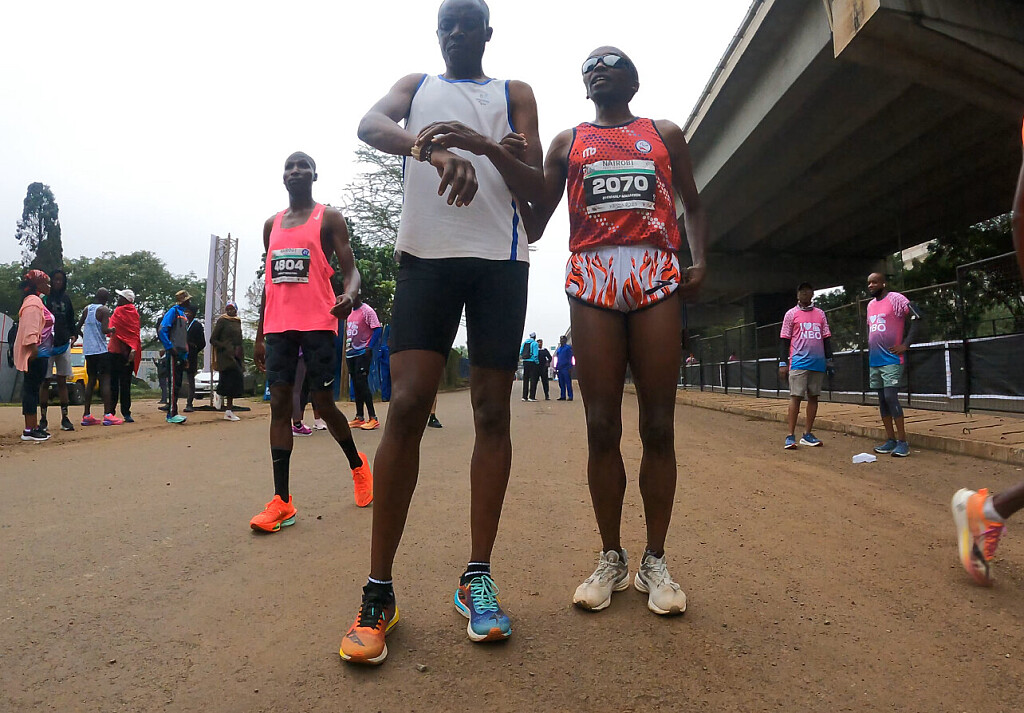
Blind Runner, Clear Vision: Wilson Bii’s Nairobi Debut Fueled by Kenya Athletics Training Academy (KATA)
In a moving display of courage and transformation, Wilson Bii, a visually impaired Paralympian and Rio 2016 bronze medalist, made his road racing debut at the 2025 Nairobi City Marathon, taking on the half marathon along the scenic Nairobi Expressway.
For the 38-year-old Kenyan, long known for his prowess on the track, this was more than just a change in terrain — it marked a bold new chapter in a journey defined by resilience and reinvention.
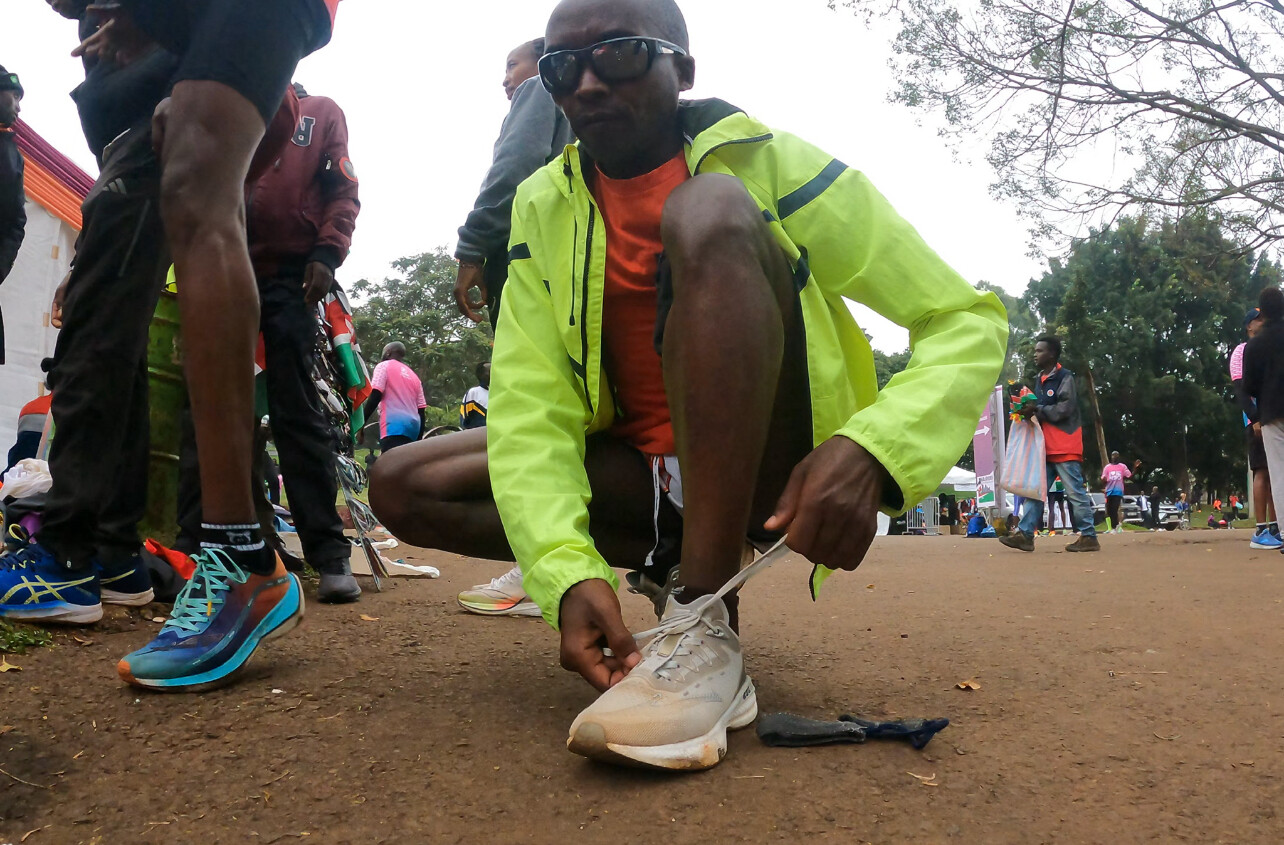
“This was my first time competing in a road race,” Bii said. “I’ve spent years on the track, but this year I decided to train for longer distances. I wanted to challenge myself in a new way, and I found purpose on the road.”
But the road that brought him here was far from easy. Bii had good eyesight until 2002, when a tragic road accident changed his life forever. Shattered glass from the crash severely damaged his eyes, ultimately leading to complete vision loss. Though devastated, Bii refused to give in. Instead, he redirected his focus — and chose to run under the Paralympic banner.
“I never gave up,” he said. “Running became my way forward.”
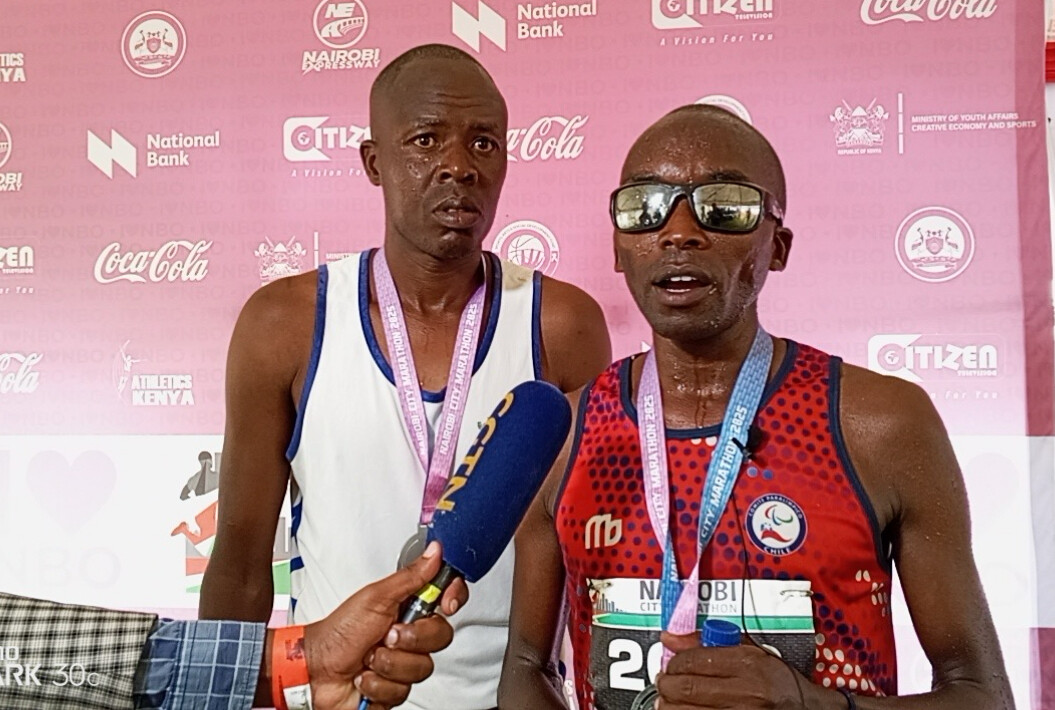
Today, Bii trains with the Kenya Athletics Training Academy (KATA), a grassroots initiative founded by Bob Anderson, the American running pioneer best known for launching Runner’s World magazine in 1966. Anderson, who helped ignite the global running boom through journalism and advocacy, now devotes his time to supporting emerging Kenyan talent.
At age 49, Anderson himself set a personal best in the half marathon (clocking 1:19:17) — an individual pursuit that reflects the very mindset he seeks to instill in others. Through KATA, he now oversees a network of 21 high-altitude training camps across Kenya, providing coaching, structure, and opportunity to athletes from underserved communities.
Bii trains at one of these camps in Sirikwa, Kuresoi North in Nakuru County — in the heart of the Rift Valley, where elevation, tradition, and grit continue to shape some of the world’s greatest endurance athletes.
Alongside his guide, Job Kiprono, Bii navigates training and racing with trust and precision.
“Kiprono has been my eyes for years. We move together, think together. We’re not just running for me — we’re running for both our families,” Bii shared.
He draws inspiration from the legacy of others. “When I saw how running changed Henry Wanyoike’s life, I knew I had to try. That’s why I came here today — to push myself and to inspire others who may feel forgotten.”
Bii now has his sights set on representing Kenya at the 2025 World Para Athletics Championships in India, after previously missing global events in Dubai and Morocco.
His guide, Kiprono, is appealing to Athletics Kenya and the National Paralympic Committee of Kenya to recognize the upcoming Belgut Road Race on July 24 as an official qualifier for para-athletes.
“If Belgut can be acknowledged, it will give athletes like Bii the opportunity we’ve waited for,” Kiprono said. “We want to earn our spot through performance, not politics.”
As Bob Anderson’s vision continues to take root across Kenya, athletes like Wilson Bii embody the mission: to empower through sport, to nurture overlooked potential, and to prove that running can restore far more than fitness — it can restore lives.
At the Nairobi City Marathon, Wilson Bii didn’t just finish a race — he reclaimed his momentum clocking 1:07:50 for the half marathon. From the wreckage of a 2002 accident to the fast-moving lanes of a 2025 half marathon, Bii now runs with a clarity of purpose. And behind him, a global legacy of running finds fertile ground in Kenya’s red soil — and in the courage of those who refuse to stop moving forward.
by Robert Kibet
Login to leave a comment
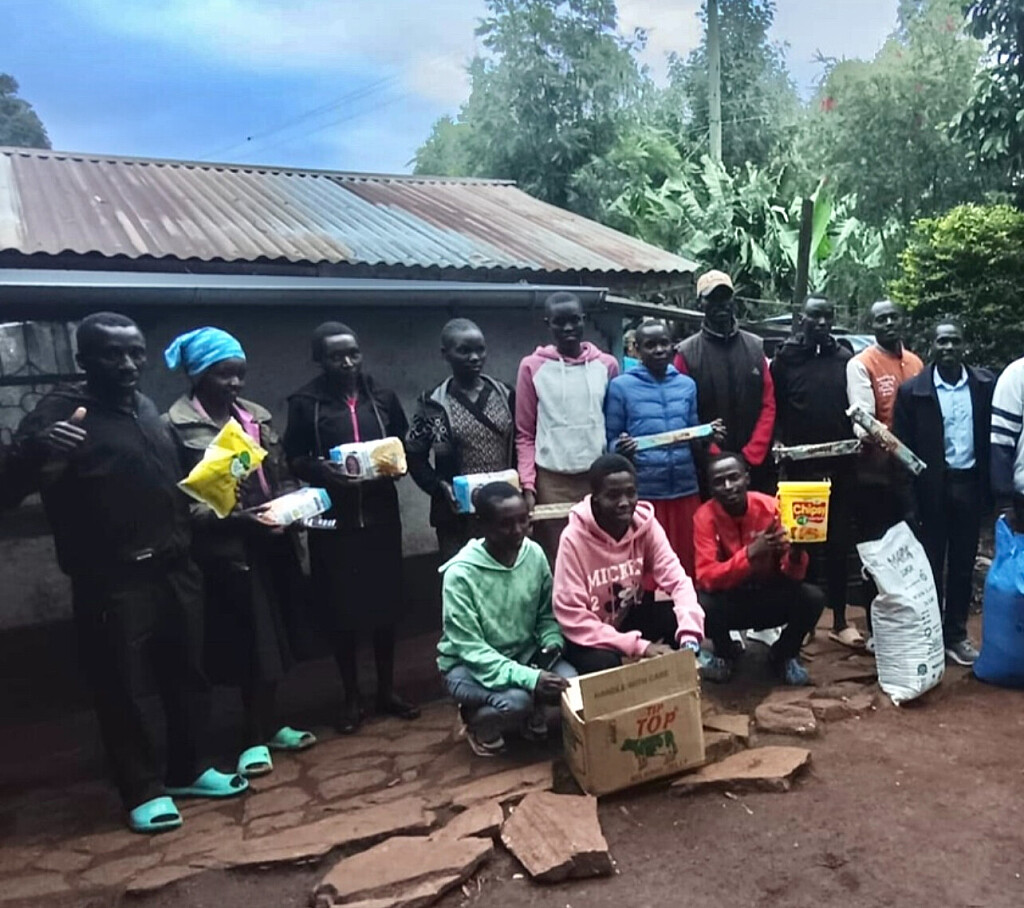
From Dirt Roads to Global Dreams: Inside Kenya’s Fastest-Growing Running Movement
In the heart of Kenya’s Rift Valley and beyond, a quiet revolution in athletics is underway. What began as a modest idea has grown into a dynamic movement that now spans 19 KATA Running Camps and Potato Farms across Kenya—plus two international retreats, including one at the historic Anderson Manor in Monforte da Beira, Portugal.
And it’s happening fast.
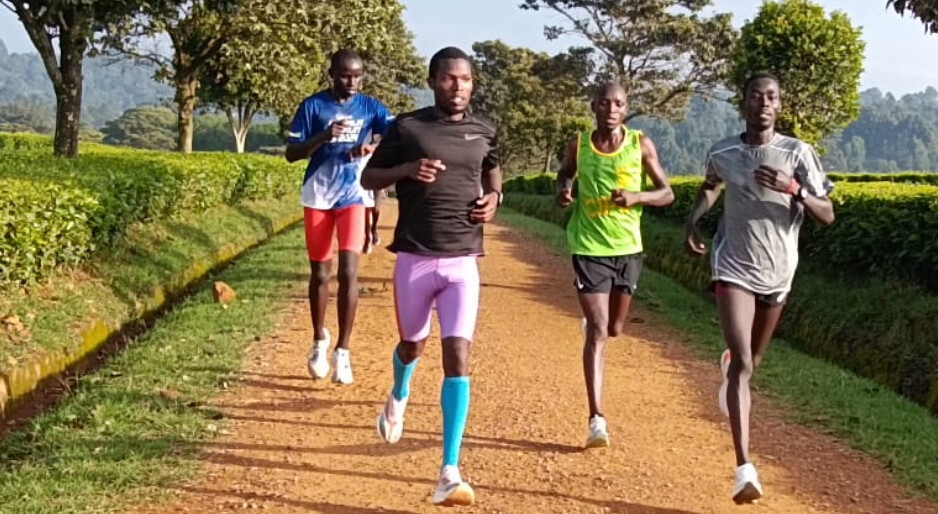
“We never planned to expand this quickly,” says Bob Anderson, founder of KATA and a lifelong advocate for long-distance running. “But the momentum of this movement just couldn’t be slowed down. We’ll be confirming one more camp shortly, and additional locations will follow in early 2026.”

KATA—short for Kenyan Athletics Training Academy—is unlike anything else in the world of distance running. It blends elite training with economic empowerment, giving young athletes not only the tools to run fast, but also a system that sustains them—and their communities—beyond the track.
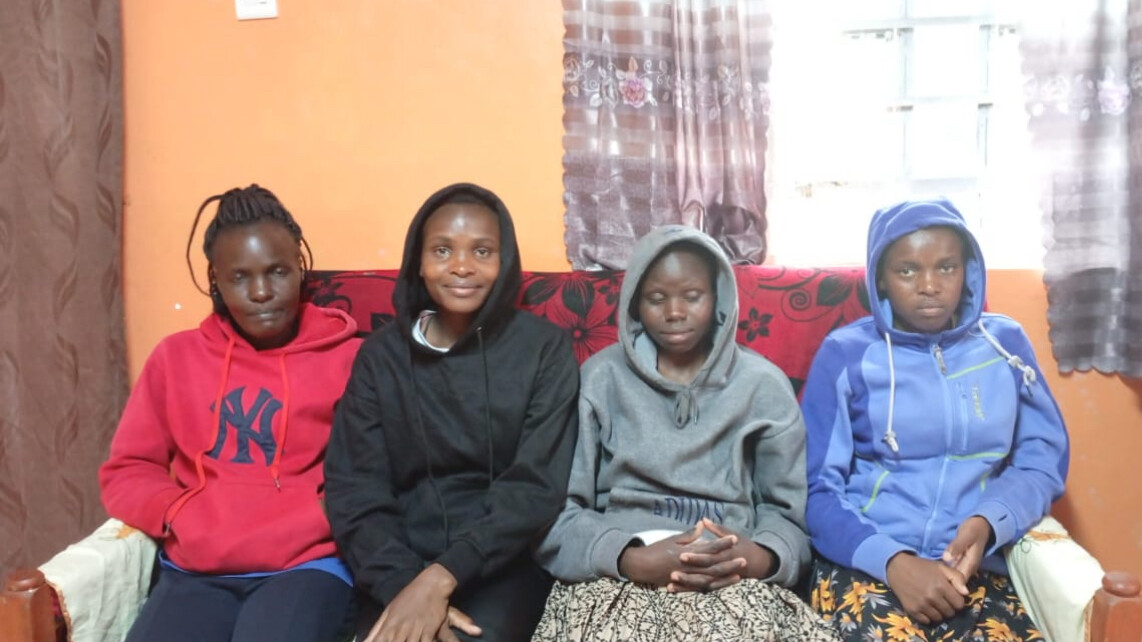
“This is not just sports development,” says Brigid Chebet, a Kenyan journalist who has closely followed the program. “It’s a model of rural transformation through athletics. And Kenya may finally have found a winning formula for generations to come.”
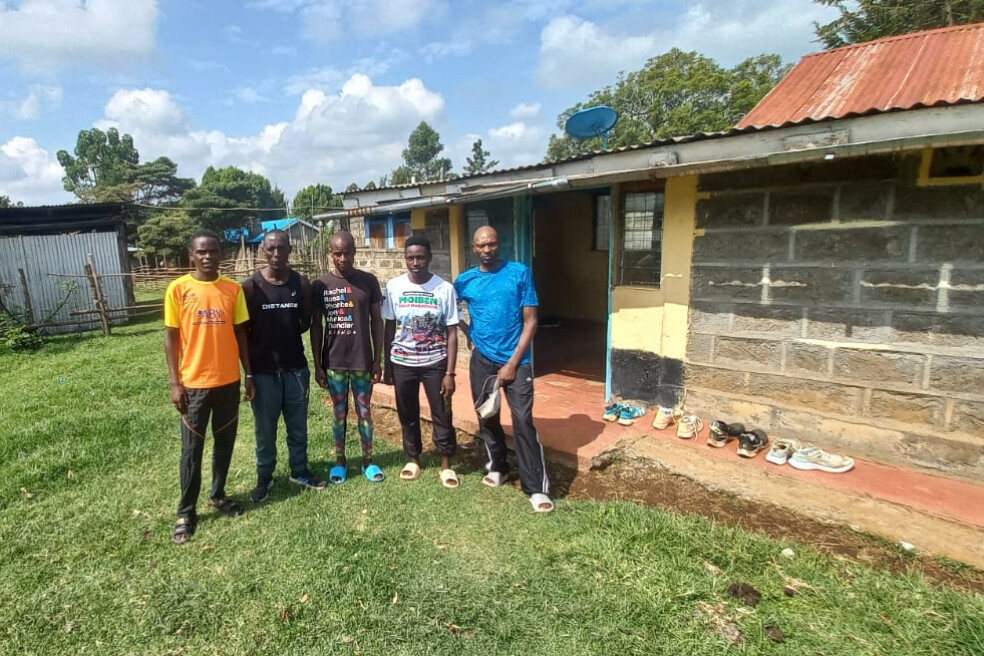
From a Vision to a Movement
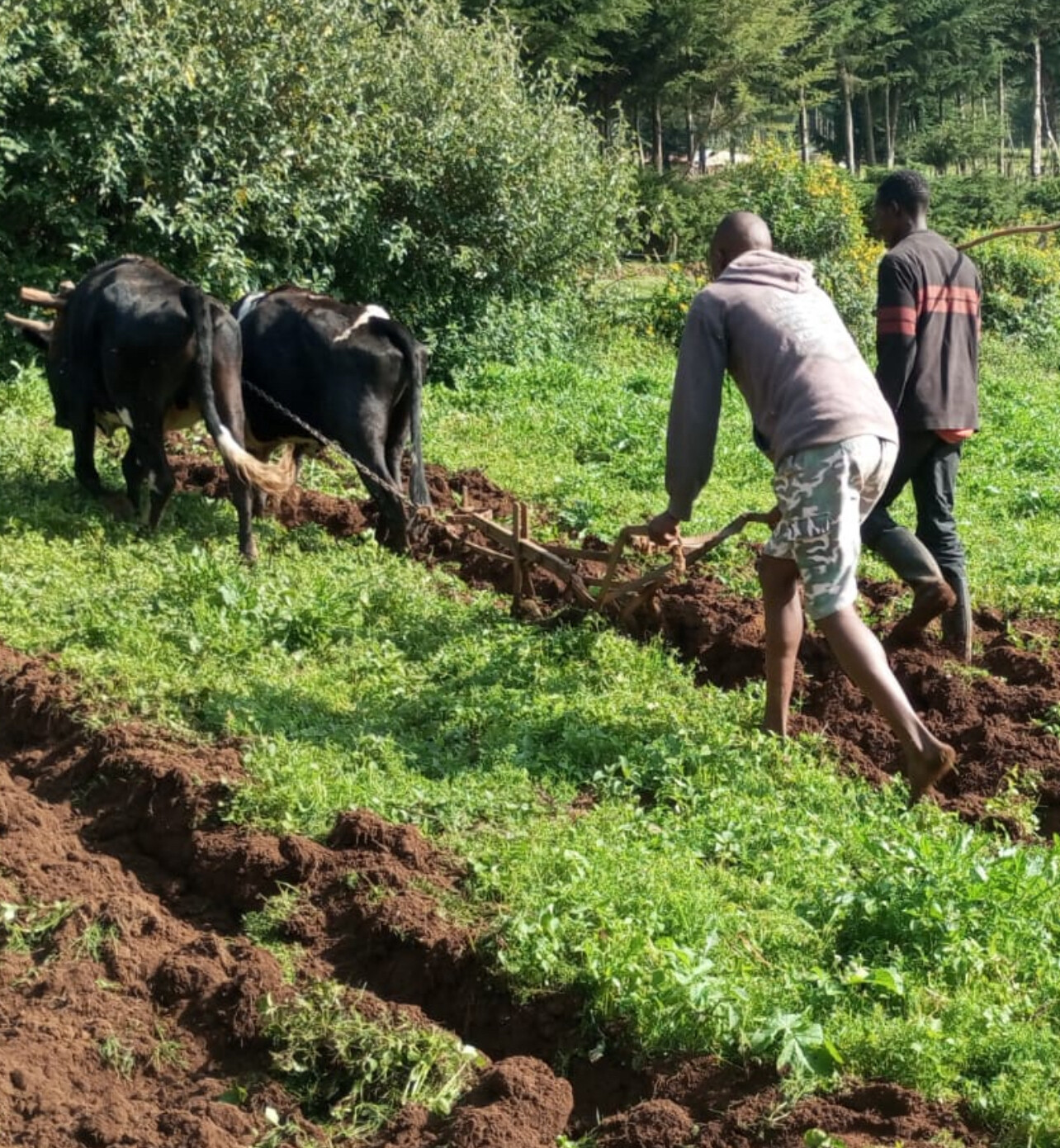
KATA was founded by Bob Anderson, an accomplished American runner who created Runner’s World magazine and later My Best Runs. After visiting Kenya in 2014, he was deeply inspired by the raw talent scattered throughout rural communities—athletes with potential but no pathway.
“He saw a path that few others in athletic management had envisioned—a system that not only trains champions but empowers them economically,” writes Chebet.
That system became KATA: a network of running camps, each paired with a three-acre potato farm. Each camp receives an interest-free loan from KATA to establish operations. In exchange, athletes train full-time and contribute 25 hours a week to the farm. Revenue from the potato harvest supports camp expenses, housing, and meals—creating a self-sustaining ecosystem.
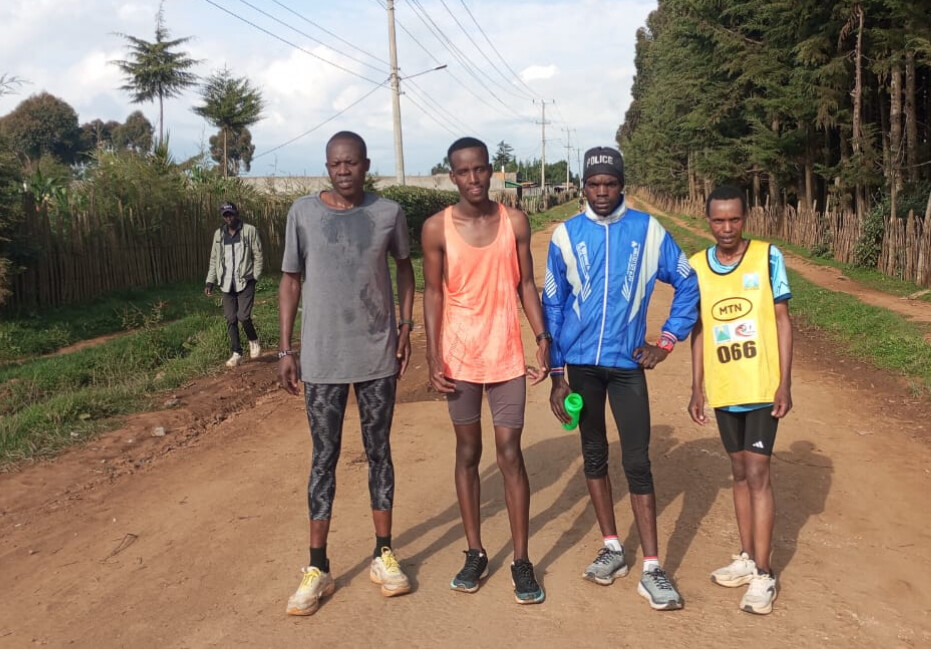
A Growing National Network
The first KATA retreat opened in Thika in 2019. Today, the initiative includes 19 camps spread across Kenya, each run by an experienced operator—many of them former elite athletes.
|
Location |
Operator |
|
Kapcherop |
Philemon Kipruto |
|
Molo |
Eric Chepkwony |
|
Kurengat |
Sammy Dismas |
|
Nyandarua |
Peter Njoroge |
|
Kericho |
|
|
Sotik |
|
|
Sachangwan |
Amos Chirchir |
|
Iten |
David Kellum |
|
Tenden |
Philemon Kipruto |
|
Eldoret |
Ruth Chumo |
|
Njerian Bomet |
Paul Kipsiele Koech |
|
Olenguruone |
Charles Ngeno |
|
Kapkembu |
Kipyegon Nehemiah |
|
Gasharrarge |
Job Langat |
|
Kaptagat |
Joseph Ngure |
|
Kiambu |
Julius Gacheru Migwi |
|
Kangundo |
Jimmy Muindi |
|
Moiben |
Hillary Kiplagat |
|
Kiptoror |
Caleb Rut |
In addition to these camps, two retreats serve as international training hubs: the KATA Running Retreat Thika, operated by Chris Muiruri, and the KATA Running Retreat Portugal, operated by Alberto Santos. Guests from around the world come to the two KATA retreats to train the Kenyan Way.
Elite Experience, Grassroots Impact
At the heart of KATA’s success is its leadership team. Olympic medalist Edwin Soi, now managing the Kuresoi Camp, brings both credibility and experience. Legendary steeplechaser Paul Kipsiele Koech, who has run under 8:10 in the 3000m steeplechase over 110 times, oversees two KATA camps/farms.
Veteran coach Charles Ngeno, known for his early work with Olympic champion Faith Kipyegon, now heads the Olenguruone camp, ensuring that young athletes from even the most remote villages receive structured training and economic opportunity.
“The new vision embraces sustainability, resilience, and empowerment,” writes Chebet. “It ensures that our athletes thrive both on and off the field.”
Looking Ahead
Anderson and the KATA team have ambitious plans: confirming one more camp this month and preparing for even more in 2026. The goal is clear—build up to 50 self-sustaining running camps across Kenya and replicate the model in other parts of the world.
“We’re not just chasing medals,” says Anderson. “We’re building lives.”

For partnership opportunities or more information, contact Bob Anderson on WhatsApp: +1-650-400-6643
by Brigid Chebet with Boris Baron
Login to leave a comment
Olympic Medalist Paul Kipsiele Koech to Lead KATA Running Camp in Sotik
Paul Kipsiele Koech, one of Kenya’s most decorated distance runners, has officially joined the growing KATA Running Camp network as the operator of the new satellite camp in Sotik, Kenya.
Koech won the bronze medal in the 3000m steeplechase at the 2004 Olympic Games in Athens and remains one of the most accomplished athletes in the history of the event. His personal best of 7:54.31 still ranks as the 4th fastest time ever run in the 3000m steeplechase.
Even more impressively, Paul has run more sub-8:10 steeplechase races than any other athlete in history, with 110 such performances—a level of consistency that showcases his incredible fitness and longevity in one of the sport’s most grueling disciplines.
Now a world-class masters runner, Koech continues to train and inspire. But his talents extend beyond the track: he’s a successful dairy farmer with his own milk company and has extensive experience growing potatoes across the Rift Valley.
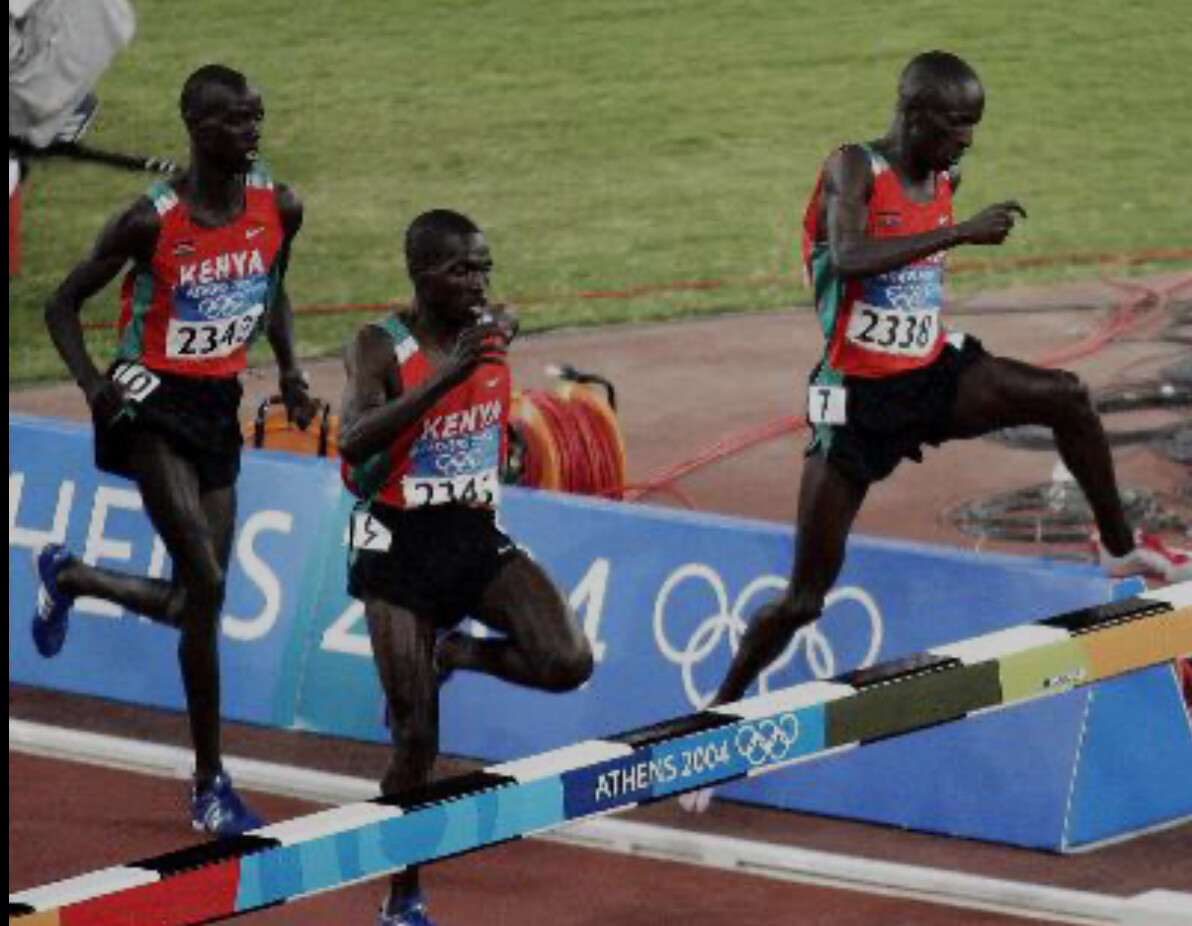
His deep agricultural background makes him the perfect fit for KATA’s innovative model, which combines elite running with sustainable farming. The KATA Running Camp Sotik will provide athletes with top-tier coaching and facilities, as well as hands-on experience in potato farming—a dual focus designed to build both athletic and life skills.
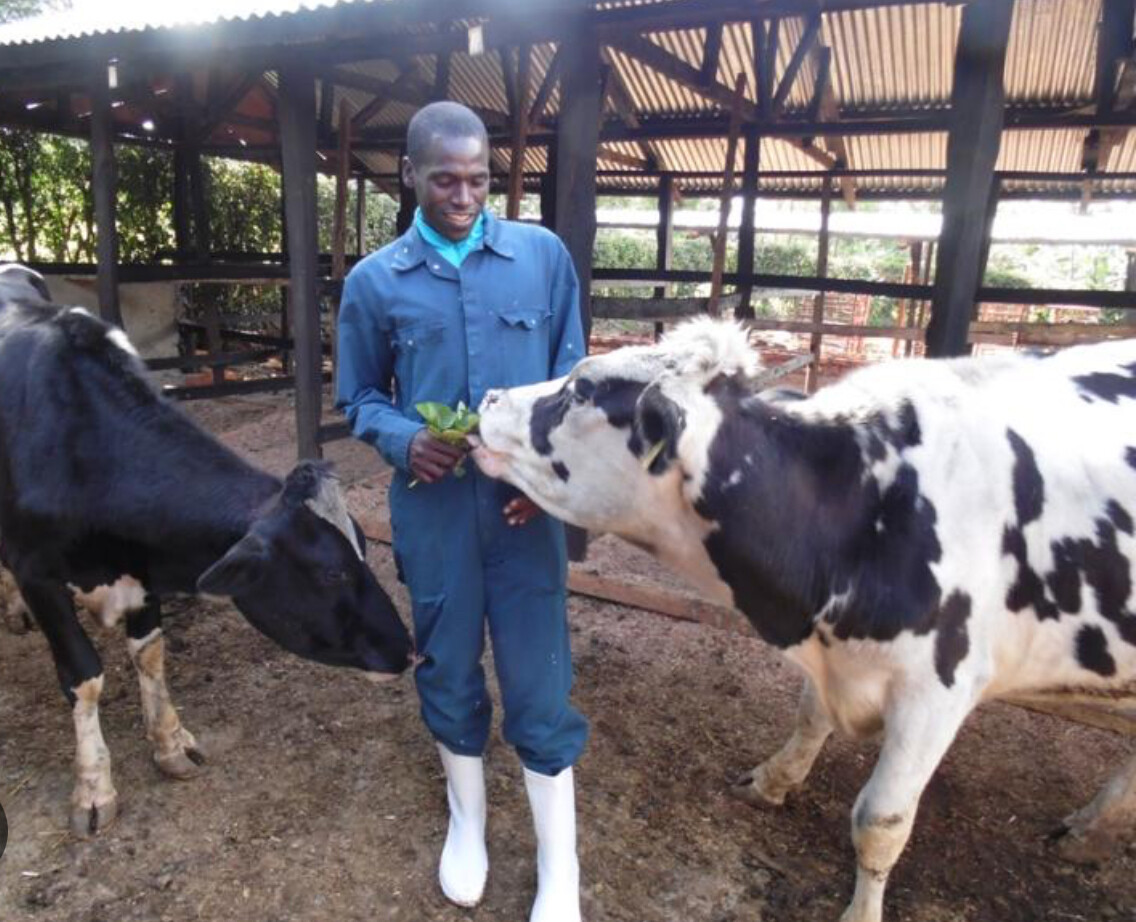
“I am so excited to be part of the KATA Running Camp program Bob has put together,” says Paul. “We are going to make a difference.”
Top five all-time best times for 3000m Steeplechase:
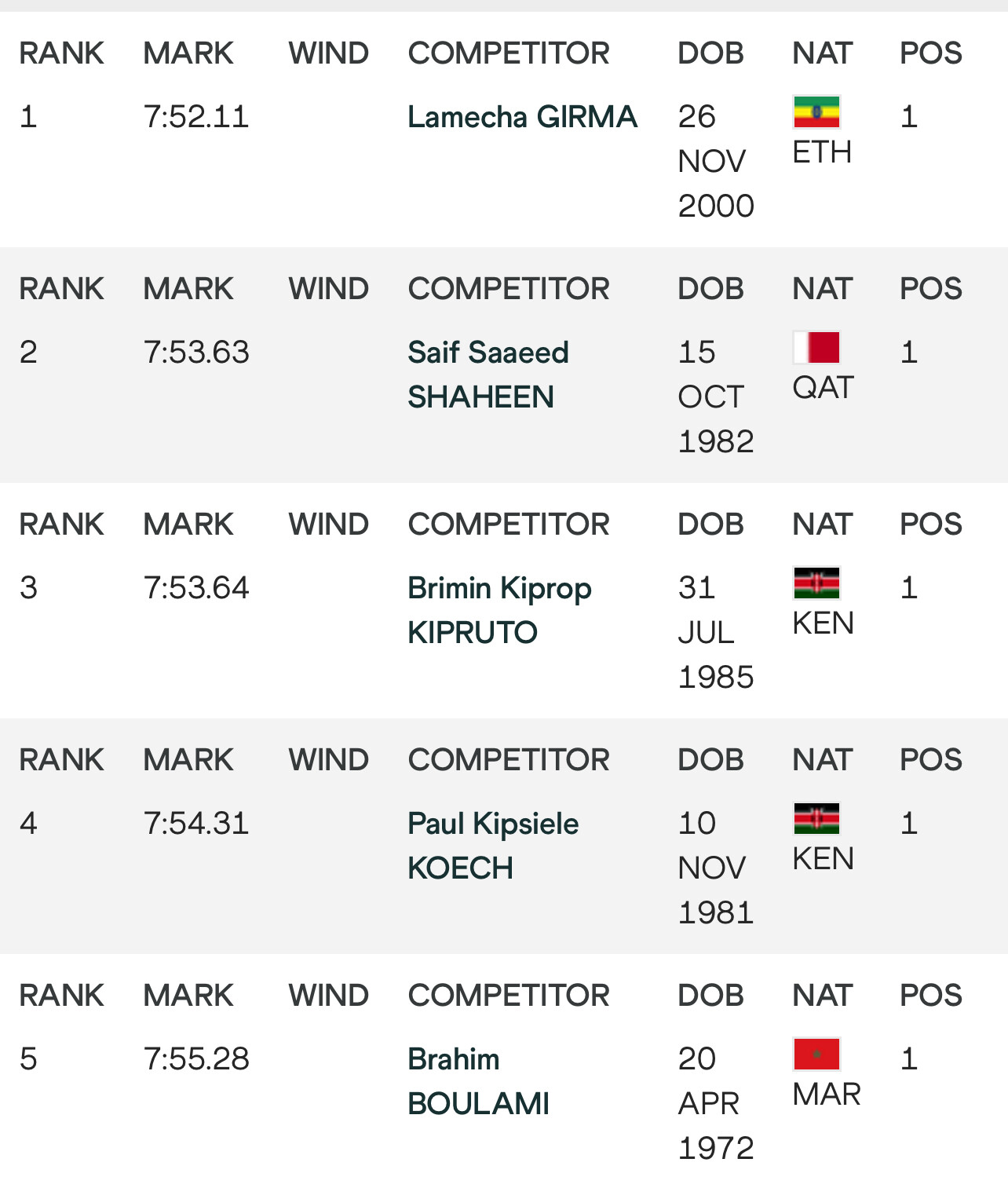
With Paul Kipsiele Koech at the helm, the Sotik camp becomes a powerful addition to the KATA mission: helping uncover new talent, supporting athlete development, and strengthening local communities—one stride at a time.
by Boris Baron
Login to leave a comment
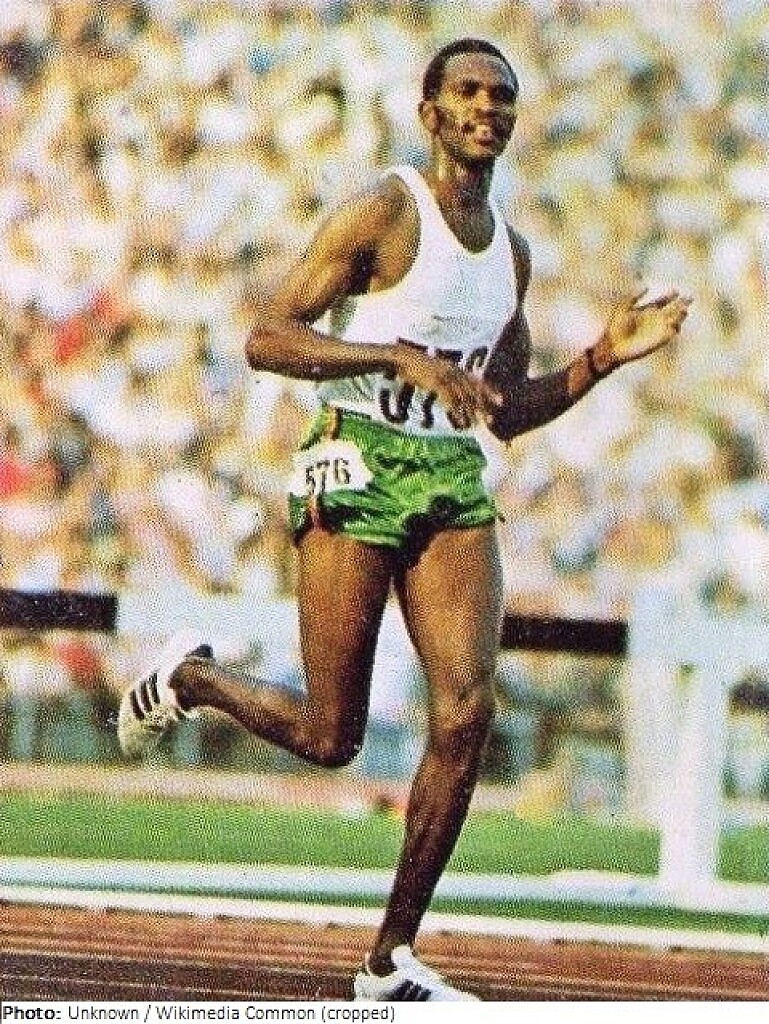
Kip Keino Sparked a Running Revolution in Kenya
When Kipchoge “Kip” Keino lined up for the 1500 meters at the 1968 Olympic Games in Mexico City, few could have predicted the historic ripple effect his victory would unleash. But when he crossed the line in 3:34.91—a new Olympic record—Keino did more than win gold. He ignited a revolution that would forever change the face of distance running.
Born on January 17, 1940, in Kipsamo, Kenya, Kip Keino didn’t grow up with elite training facilities or professional coaches. He ran barefoot to school, often covering several miles a day across the highlands of the Rift Valley. His athletic gifts and work ethic set him apart early, but it wasn’t until the mid-1960s that he began competing internationally.
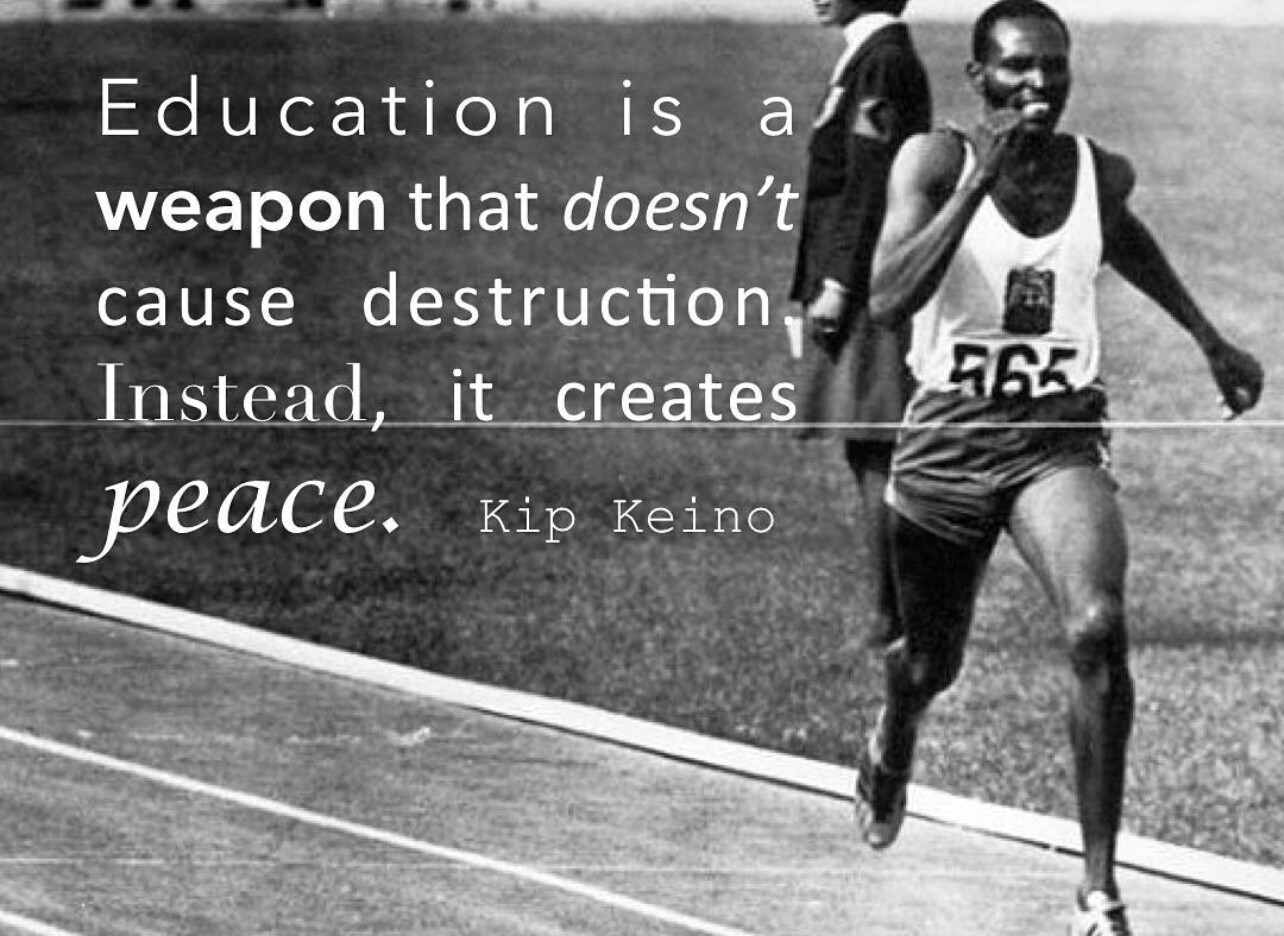
At the 1964 Tokyo Olympics, Keino finished a respectable fifth in the 5000m. But it was four years later in Mexico City—at altitude—that his legend was born. In one of the most iconic Olympic moments, he defied a painful gallbladder infection and a last-minute rush to the stadium to win gold in the 1500m and silver in the 5000m. His triumph was not just personal—it was symbolic. Kenya, and indeed all of Africa, had arrived on the global distance running stage.
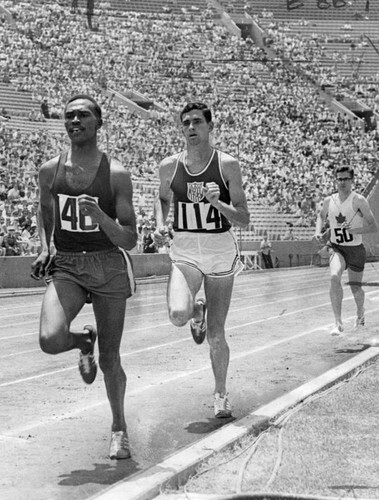
Kip Keino’s career personal bests include:
• 1500 meters: 3:34.91 (1968 Olympic gold medal)
• Mile: 3:54.2 (1965, a world record at the time)
• 5000 meters: 13:24.2
• 3000 meters steeplechase: 8:23.6
“Kip Keino showed the world that Kenyans could not only compete, but win—and do so with grace, humility, and heart,” says Bob Anderson, lifetime runner, founder of My Best Runs, and Director/Owner of the Kenyan Athletics Training Academy (KATA), which operates in both Thika, Kenya, and Monforte da Beira, Portugal. “He laid the foundation for what has become the most dominant force in distance running today. We train the Kenyan way at both of our locations, following in Kip Keino’s footsteps.”
Following his victories, Keino became a national hero. But instead of fading into the spotlight, he turned to mentorship, helping to guide the next generation of Kenyan athletes. He was instrumental in shaping the careers of countless stars, including Henry Rono, Paul Tergat, and Ezekiel Kemboi. He also founded schools, an orphanage, and the Kip Keino High Performance Training Centre in Eldoret, promoting education and sport side by side.
Now 85 years old, Kip Keino continues to be active in athletics and public service. A former chairman of Kenya’s Olympic Committee, he has remained a respected elder statesman of sport and a vocal advocate for youth empowerment through athletics. He resides on a farm in Eldoret, Kenya, where he oversees charitable organizations for orphans and continues to inspire the next generation of Kenyan runners—not just through words, but through action.
Today, when Kenya is mentioned in the same breath as elite distance running, it all traces back to Kip Keino. His influence is felt in every marathon start line, every training camp in the Rift Valley, and every young athlete who dares to dream of greatness.
More than 50 years after that golden night in Mexico City, Keino’s legacy is alive and well—not just in the record books, but in the hearts of every Kenyan runner who followed in his footsteps.
by Boris Baron
Login to leave a comment
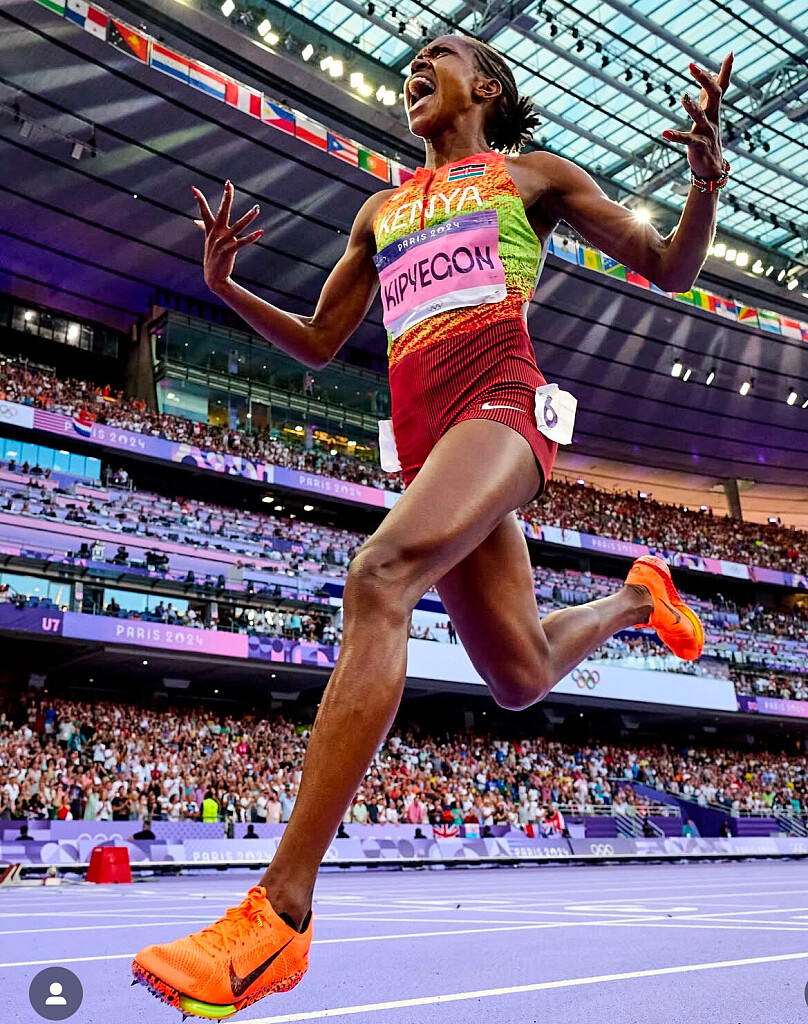
Faith Kipyegon Eyes Historic Sub-Four-Minute Mile
Faith Chepngetich Kipyegon has cemented herself as one of the greatest middle-distance runners of all time, rewriting records and redefining what is possible in women’s athletics. With multiple Olympic and World Championship titles to her name, she continues to push the boundaries of human performance. Now, she stands on the brink of making history again—becoming the first woman to break the elusive four-minute mile barrier.
Born on January 10, 1994, in Bomet, Kenya, Kipyegon’s journey to greatness began in the Rift Valley, a region known for producing world-class distance runners. Initially a soccer enthusiast, her raw talent for running became evident when she effortlessly won a school race at age 14. That moment set her on a path that would lead to global dominance.

Kipyegon burst onto the international stage at the 2010 World Cross Country Championships in Poland, where she competed barefoot and finished fourth in the junior race. She quickly ascended the ranks, winning gold at the 2011 and 2013 World Cross Country Championships, as well as titles in the 1500m at the 2011 World Youth Championships and the 2012 World Junior Championships.

Her Olympic career is nothing short of legendary. She won her first 1500m gold at the 2016 Rio Games and defended her title in Tokyo in 2021. At the 2024 Paris Olympics, she made history by securing a third consecutive gold medal in the event, setting an Olympic record of 3:51.29. In World Championship competition, she has claimed multiple titles, including a remarkable double victory in the 1500m and 5000m at the 2023 Budapest World Championships.
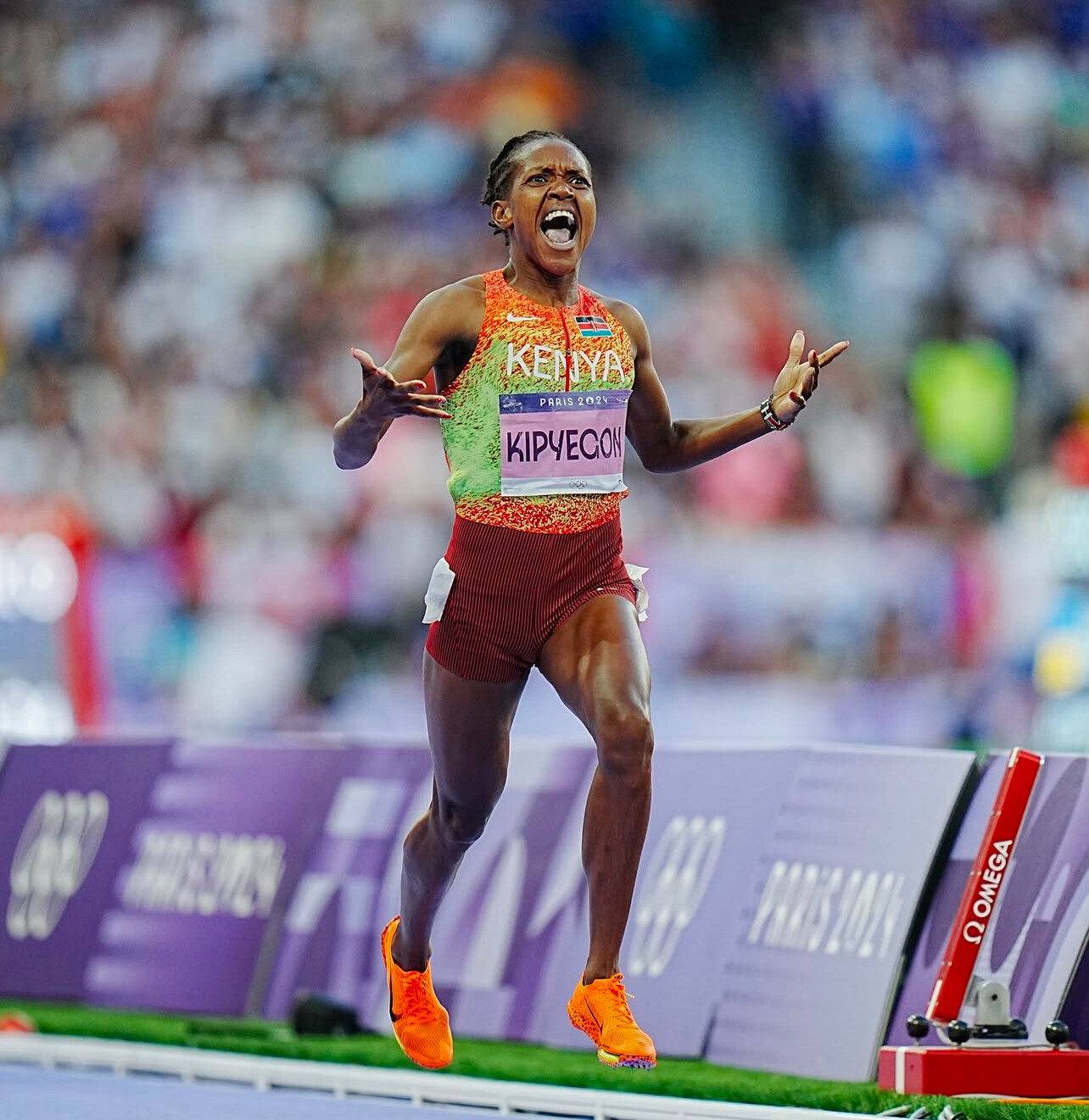
Kipyegon’s dominance extends beyond championship racing—her record-breaking performances on the track are rewriting history. The year 2023 was a defining one for her career. On June 2, she shattered the 1500m world record with a time of 3:49.11 at the Florence Diamond League. Just a week later, she broke the 5000m world record in Paris, running 14:05.20. On July 21, she delivered yet another groundbreaking performance by setting a new world record in the mile, clocking 4:07.64 at the Monaco Diamond League.

Her mile world record surpassed the previous mark of 4:12.33, set by Sifan Hassan in 2019. This extraordinary feat has sparked conversations in the running world about whether Kipyegon could be the first woman to break the four-minute mile barrier. Experts suggest that with optimal pacing, drafting, and race conditions, she has the potential to achieve what was once thought impossible.
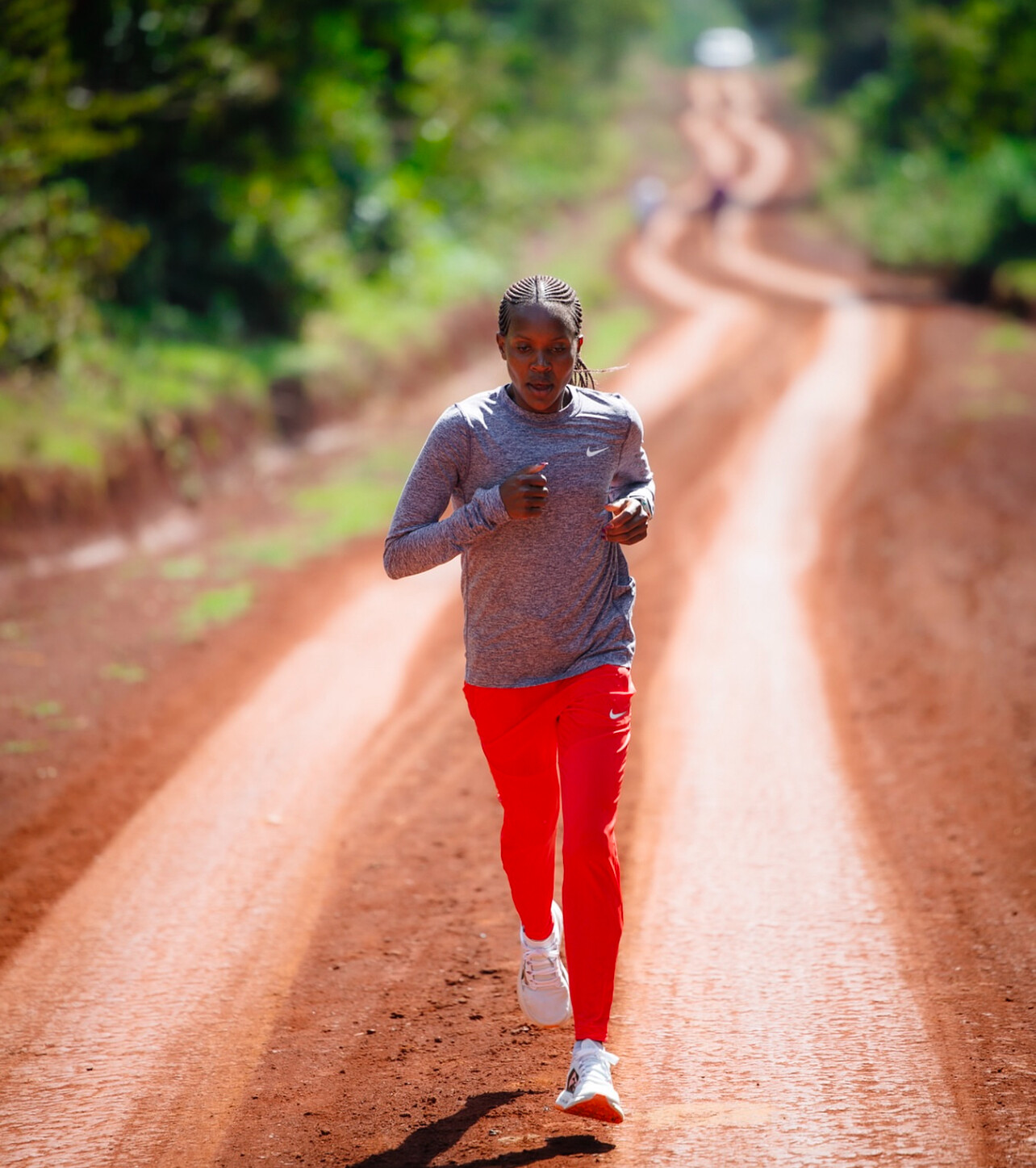
In February 2025, Kipyegon had an uncharacteristic setback at the Sirikwa Cross Country Classic in Eldoret, where she failed to finish the 10km race. Despite this rare off day, she remains focused and determined, with her eyes set on another historic season. With her current trajectory, breaking four minutes in the mile is no longer a question of if, but when.
Beyond her achievements on the track, Kipyegon is also a devoted mother and wife. She is married to Timothy Kitum, the 2012 Olympic 800m bronze medalist, and together they have a daughter, Alyn, born in 2018. Balancing motherhood and elite competition, she continues to inspire millions with her work ethic and determination.

Faith Kipyegon is not just a champion—she is a trailblazer. As she continues to push the limits of middle-distance running, the world watches in anticipation. If there is one athlete capable of redefining history and shattering the four-minute mile, it is Faith Kipyegon.
by Boris Baron
Login to leave a comment
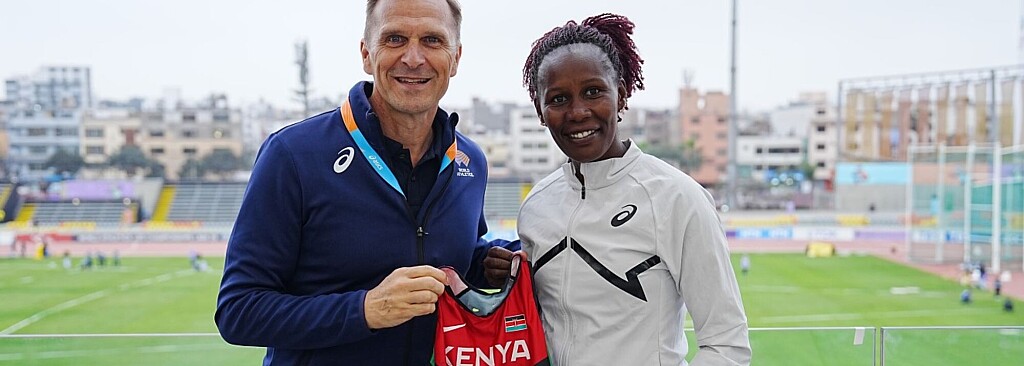
Jepkosgei donates world title singlet to Museum of World Athletics
Kenyan running legend Janeth Jepkosgei made a historic contribution to the Museum of World Athletics (MOWA), donating the singlet she wore on 28 August 2007 when winning the 800m title at the World Championships in Osaka.
It was the first ever world title won by a Kenyan woman in a middle-distance event, paving the way for eight more titles claimed by her successors in subsequent editions up to 2023.
Jepkosgei, who is now head coach of the U20 Athlete Refugee Team, made the donation to the MOWA during the World Athletics U20 Championships Lima 24, presenting her singlet to World Athletics CEO Jon Ridgeon.
‘Inspiring the sport of running’
“I’m very happy to present my 2007 World Championships singlet to the Museum of World Athletics (MOWA),” said Jepkosgei. “When it is displayed in the online museum and exhibited around the world, I hope it helps to inspire and promote the wonderful sport of running, which, in my role as head coach for the U20 Refugee Team, I know is a powerful force for good.”
Ridgeon added: “Thank you to Janeth for her work with the Athlete Refugee Team and for the enormous generosity she has shown by donating her 800m world title-winning uniform to our museum’s collection. The support and encouragement of champions like Janeth is crucial to the success of our heritage programme, which helps preserve and promote our sport’s inspiring history to athletes and fans alike.”
From world champion to global role model
Janeth Jepkosgei Busienei, born in 1983 in Kabirirsang village (Rift Valley Province), was one of the most consistent 800m runners of her decade. Her journey began as a hurdler, but after transitioning to middle-distance running, she won the world U20 800m title in 2002.
Known for orchestrating races with fast starts, Jepkosgei stood on a major championship podium every year from 2003 to 2011, earning the 2007 world 800m title, 2008 Olympic silver, and two more world silvers in 2009 and 2011.
Off the track, Jepkosgei was deeply involved in her community, serving as the Kenyan team captain at numerous championships, sponsoring students, and supporting local projects. After the birth of her daughter Becky Olympia Jepchirchir and her retirement in 2016, Jepkosgei became even more involved in the sport’s development by hosting training camps and becoming one of the few female coaches in the athletics world.
She notably discovered young Emmanuel Wanyonyi, whom she coached to his world U20 800m title in 2021, and then mentored alongside her former Italian coach, Claudio Berardelli, to his Olympic title in 2024.
Since 2022, Jepkosgei has also been the head coach of the U20 Athlete Refugee Team (ART), a women-driven programme based near the South Sudan border in East Africa. She has embraced a mentorship role, passing on her vast experience to the next generation, a journey marked by her iconic victory in Osaka in 2007.
A soaring victory in Osaka
In Osaka, Jepkosgei astonished everyone as early as the semifinals, with a world-leading time and Kenyan record of 1:56.17, also the fastest prelim in 800m history.
In the final, she set a blistering pace right from the start, exiting the first turn with a three-metre lead and hitting the 100m mark in 13.0, an unprecedented achievement in a championship.
Neither the efforts of Belarusian Svetlana Usovich, Russian Olga Kotlyarova, Mozambican Maria Mutola, nor Moroccan Hasna Benhassi could keep up with the Kenyan’s solo race, as she easily won in 1:56.04, further improving the best time of the year.
Jepkosgei’s winning singlet will sit alongside the shoes and clothing of other world 800m champions in the Heritage Collection of MOWA, including Ana-Fidelia Quirot, Maria Mutola, Willi Wülbeck, Wilson Kipketer and David Rudisha.
by Pierre-Jean Vazel for World Athletics
Login to leave a comment
Mateiko and Gebreselama with bright future after dominant RAK wins
There were breakout victories for hitherto little known Daniel Mateiko of Kenya and Tsigie Gebreselama of Ethiopia in the Ras Al Khaimah Half Marathon in the United Arab Emirates early Saturday morning. And the imperious manner of their wins on a breezy, humid morning with a sea mist invading the latter stages suggests they both have a very bright future.
Yet the contrast in their race-winning tactics could hardly have been greater. Mateiko led from the gun, and only conceded the lead for brief periods, before outgunning his colleagues John Korir and Isaia Lasoi in the final kilometre, to win in a world leading 58min 45sec. Korir and Lasoi finished five and ten seconds behind respectively.
In contrast, Gebreselama contented herself to stay in the pack until she was ready to strike for home in the last five kilometres. Only former world record holder (64.31) and 2020 winner, colleague Ababel Yeshaneh could go with her, but that challenge didn’t last long. And such was Gebreselama’s attritional pace that by the time she crossed the line in 65.14, Yeshaneh was exactly half a minute in arrears. Jackline Sakilu of Tanzania was the surprise of the day, setting a national record of 66.05 in third place. What was no surprise was that the podium places were taken by athletes from three East African countries who share the same topography, the high altitude plateau of the Great Rift Valley.
Konstanze Klosterhalfen of Germany threatened to gatecrash that exclusive club up to the hallway point in a race, having come directly from her own training camp in Ethiopia. But, having headed the field up to 10k, which she passed in 31.09, which would have been a PB had she finished the race, she tailed off drastically and dropped out shortly afterwards, saying she did not feel well.
Olympic marathon champion, Peres Jepchirchir had been one of the favourites to win, but in the bustle of the start, someone trod on her heel and she lost around 20sec putting her shoe back on. Surprisingly for someone with her long experience, instead of working her way gradually back to the group, she shot off and rejoined them before they had completed the first kilometre. She paid for that unnecessary effort in the closing stages, and could only finish seventh in 67.19.
Gebreselama was not entirely unknown prior to today; she finished second in the world cross country championships in Australia last year. ‘That was my best performance, but today is better than that, because I won,’ she said after the race. ‘I knew I was in good shape. I think I like cross country and road running equally, but now I must prepare for the track’. In a reversal of tradition, she is leaving here for a four-month stint in an altitude training camp in the USA, before she runs the Ethiopian trials with the intent on making the Olympic team at 10,000 metres.
Having been told that there was no pacemaker in the men’s race, we wondered why Mateiko, who led from the gun kept consulting his watch and checking over his shoulder at his pursuers. Maybe he was surprised they were still there for so long, right up to the final kilometre. But having done all work, he was rewarded with a more than worthy victory, then engagingly stated that that was his intent throughout the race. ‘After finishing second last year, I promised myself to win. But the conditions were difficult; it was windy and very humid.’
Mateiko hails from Mount Elgon on the Kenya-Uganda border, but now trains in Eldoret with twice Olympic marathon champion Eliud Kipchoge under the tutelage of former steeplechaser Patrick Sang. ‘Patrick told me I was in good shape, but to be strong-minded. And Eliud is giving me advice too. I would like to have his consistency. Now my dream is to run well in the London Marathon’. If his marathon debut is as impressive as his win here today, the London crowds in April will be in for a treat.
Results, Men:
1 Daniel Mateiko KEN 58:45
2 John Korir KEN 58:50
3 Isaia Lasoi KEN 58:55
4 Gerba Dibaba ETH 59:38
5 Benard Koech KEN 59:42
6 Birhanu Legese ETH 59:43
7 Tamirat Tola ETH 59:46
8 Amos Kibiwot KEN 59:51
9 Boki Diriba ETH 60:10
10 Alphonce Simbu TAN 60:28
Women:
1 Tsigie Gebreselama ETH 65:14
2 Ababel Yeshaneh ETH 65:44
3 Jackline Sakilu TAN 66:05
4 Margaret Chelimo KEN 66:31
5 Evaline Chirchir KEN 66:36
6 Catherine Amanang’ole KEN 66:49
7 Peres Jepchirchir KEN 67:19
8 Gete Alemayehu ETH 67:25
9 Megertu Alemu ETH 69:23
10 Ashete Bekere ETH 70:03
Login to leave a comment
Rak Half Marathon
The Rak Al Khaimah Half Marathon is the 'world's fastest half marathon' because if you take the top 10 fastest times recorded in RAK for men (and the same for women) and find the average (for each) and then do the same with the top ten fastest recorded times across all races (you can reference the IAAF for this), the...
more...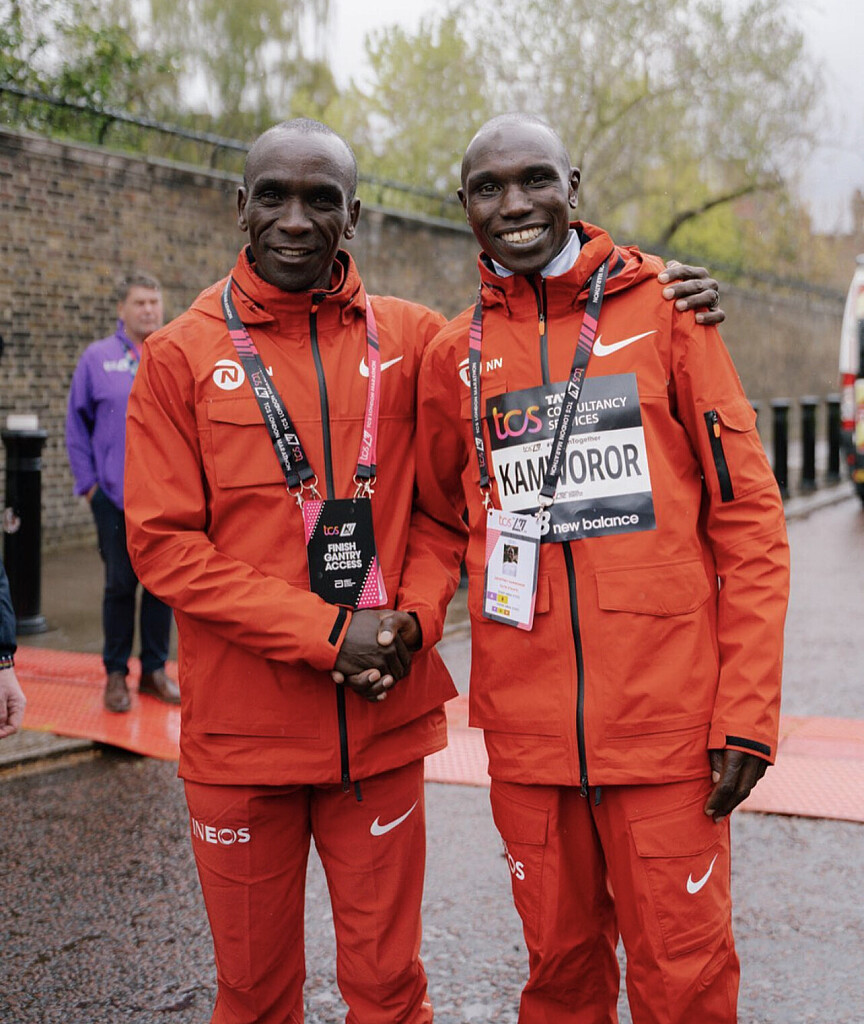
Eliud Kipchoge says he is determined to keep on writing history — and secure a third Olympic marathon crown next year
Eliud Kipchoge is widely regarded as the greatest marathon runner of all time has set himself many challenges in his dazzling career, and remains insatiable despite his two Olympic titles, his world record of 2:01:09 in Berlin in 2022 and an incredible 15 wins in 18 marathons he has entered.
He broke the mythical two-hour barrier over the 26.2 mile (42.195 kilometre) distance in Vienna in 2019, with a time of 1:59:40, but the feat was not recognised as an official world record as it was not in open competition.
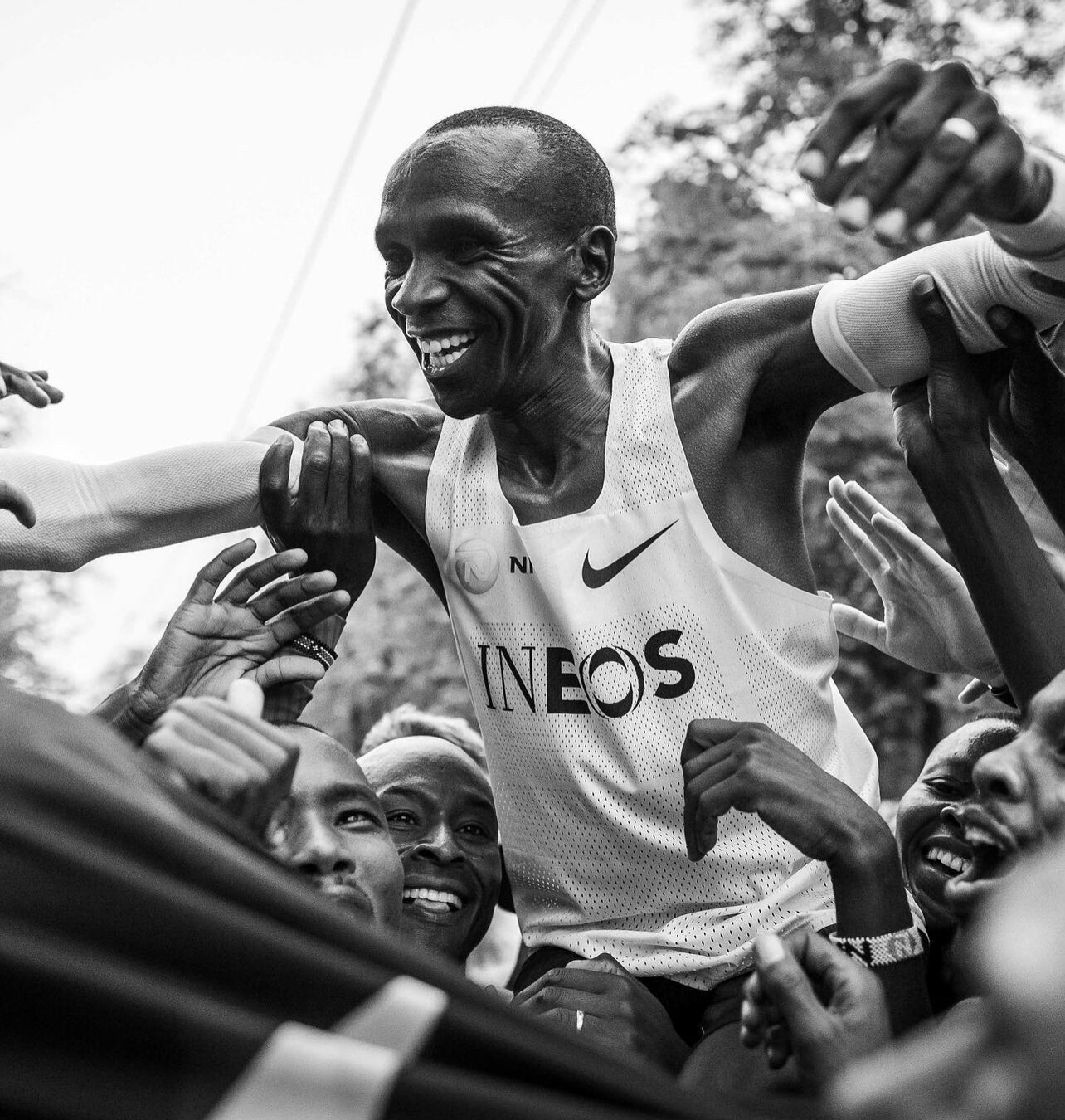
Victory has eluded the 38-year-old in the Boston and New York marathons, which if he won would make him the first man to have all six major titles under his belt.
"The priority now is to focus on the Olympics and win a third time. The other (challenges) will come later," Kipchoge says in an interview with AFP at the renowned Kaptagat training camp in Kenya's Rift Valley.
His two Olympic marathon gold medals in 2016 and 2021 put him at level pegging with Ethiopia's Abebe Bikila (1960, 1964) and Waldemar Cierpinski of East Germany (1976, 1980).
A third gold at the Paris Olympics in 2024 would make Kipchoge the undisputed marathon giant at the Games, and bring him a victory steeped in symbolism.
The French capital was the city where he won his first international crown in 2003 at the age of 18, clinching the 5,000 metres world championship title ahead of sporting legends Hicham El Guerrouj of Morocco and Ethiopia's Kenenisa Bekele.
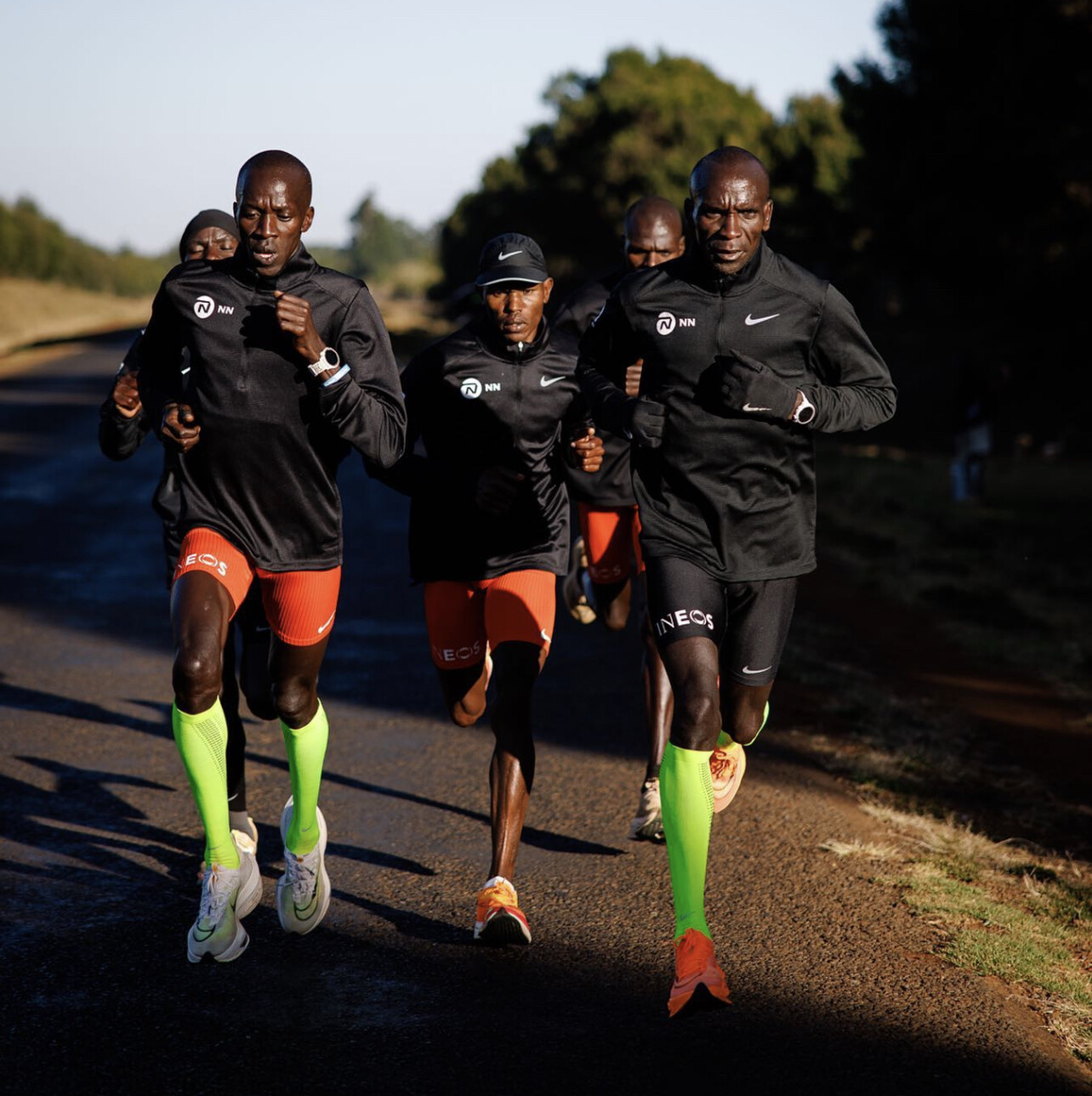
However, Kipchoge does not rule out giving up on his other goals.
"If time comes in to hang the racing shoes, I will say bye to other big things in sport."
'I know myself'
Sitting on a shaded bench in the Kaptagat camp where he has lived and trained for several months a year for 20 years, Kipchoge looks back on his poor showing in Boston on April 17, where he dropped from the lead group in the 30th kilometre and ended up finishing sixth.
This rare failure dampened his spirits.
"I'm trying to forget what has happened in Boston. It's caught in my mind... but I believe that what has passed has passed."
With his lifelong coach Patrick Sang, he has analysed the reasons for his disappointing performance, saying "it's mostly the hamstring".
He brushes aside concerns about his difficulties on hilly courses such as Boston and New York and which will also confront him in Paris.
"It is not really a concern, but I respect everybody's thoughts," he says. "I think it was a bad day and every day is a different day. I'm looking forward for next year.
"Everybody can write anything, you have no control. But I know myself."
'Want to be an inspiration'
Kipchoge is now preparing for his final marathon of the year.
"I'm doing well. My training is going on in a good way," he says.
But he has not yet disclosed which event it will be — Berlin on September 24, Chicago on October 8 or New York on November 5.
"At the end of July, I will know where to go."
He is following his usual training programme, eating up more than 200 kilometres a week on the red dirt tracks of Kaptagat forest, 2,400 metres above sea level.
Among his 20-odd training partners at the camp at the time of the AFP interview were Kenya's new 1,500m and 5,000m world record holder Faith Kipyegon and two-time New York marathon winner Geoffrey Kamworor.
As the respected dean of Kenyan athletics, Kipchoge is happy to see the emergence of 23-year-old compatriot Kelvin Kiptum, who won the London Marathon in April in 2:01:25, the second fastest time in history and just 16 seconds away from his own world record.
"I want to be an inspiration and I trust my breaking the world record twice is an inspiration to many young people. I trust they will want more and even beat my records."
'Prioritise drugs tests'
But in a country where athletics has become tainted by large-scale drug use, Kipchoge laments that "many people are going into shortcuts to advance".
"I think doping is there... It's all more about getting rich."
Kipchoge says the authorities should prioritise testing for performance-enhancing substances, saying it was much more important than education "because everybody who is doing doping knows what is going on".
"Just pump everything in testing, put testing as a first priority and all will be well," he says.
"The moment we prioritise testing and we register those who are handling the athletes across the country, we have the right data to know who is who in the whole country.
"But if we really ignore the people who are working with athletes and athletes themselves, then we are in danger."
Login to leave a comment
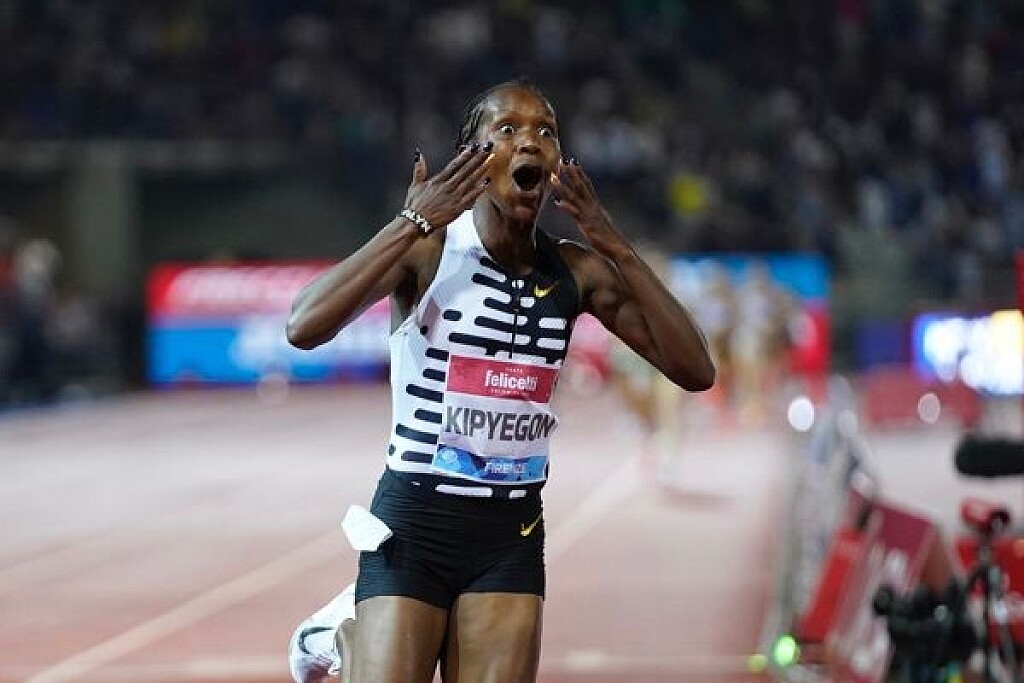
Faith Kipyegon smashes women’s 1500m world record in Florence
Kenyan Faith Kipyegon smashed the women’s 1500m world record, clocking 3 minutes, 49.11 seconds at a Diamond League meet in Florence, Italy, on Friday.
Kipyegon, a two-time Olympic champion and two-time world champion, took 96 hundredths of a second off Ethiopian Genzebe Dibaba‘s world record from 2015. Kipyegon began the day as the second-fastest woman in history at 3:50.37.

The 29-year-old was already the most decorated female miler in history, the only one with four global 1500m titles. Her Olympic gold medals in 2016 and 2021 were separated by a 22-month maternity leave from competition (that included 12 months without running).
Kipyegon was the eighth of nine children growing on a farm in the Kenyan Rift Valley. She was a soccer player at age 14 when she lined up for a one-kilometer run in PE class, according to World Athletics.

“I won that race by 20 meters,” Kipyegon said, according to World Athletics in 2016. “It is only then I knew I could run fast and be a good athlete.”
In 2010, a barefooted Kipyegon placed fourth in the world cross country championships junior race as, at age 16, the youngest finisher in the top 21. The next year, she won it. The year after that, she made her Olympic debut at age 18. By 2015, Jenny Simpson, arguably the best American miler in history, had a nickname for her: “The Sniper,” for her ability to run people down in the final lap.
She ran her last lap on Friday in under 59 seconds.
Next year, Kipyegon can become the second person to win the same individual Olympic track race three times, joining Usain Bolt. She said last year that she may shift to the 5000m after the 2024 Paris Games, according to Olympics.com.
Also in Florence, world champion Fred Kerley extended a year-plus win streak in the men’s 100m, prevailing in 9.94 seconds over Kenyan Ferdinand Omanyala (10.04) and American Trayvon Bromell (10.09).
by Olympic Talk
Login to leave a comment
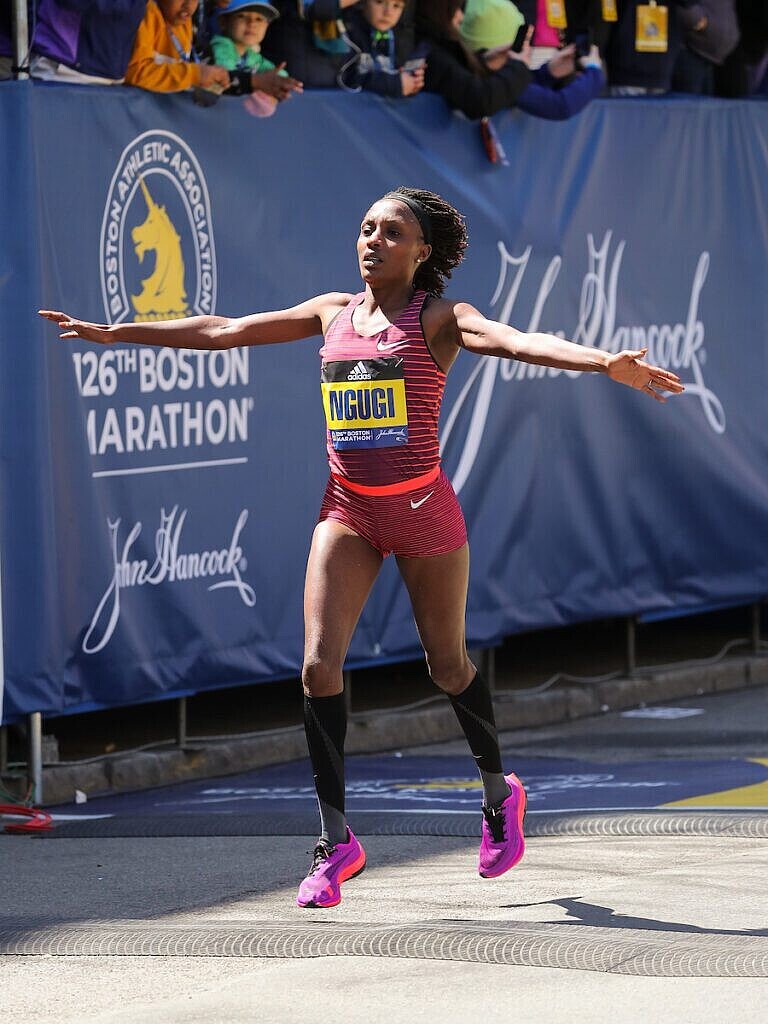
Kenyan marathoner starts all-girls training camp
Kenyan distance runner Mary Ngugi, 33, shared that she often felt on high alert as she trained as a young athlete in Nyahururu, a town in the Southern Rift Valley in Kenya. Ngugi, who was third at Boston Marathon in 2022 and 2021, has created the Nala Track Club, the first all-girls training camp in Kenya. Young athletes at Nala Track Club will be guided and mentored by female coaches.
“We needed to give them a safe place where they can be themselves, where they can train without feeling they are in the shadow of men all the time,” she said in an interview with Olympics.com. Ngugi explains that while she has some fond memories of camp, she knew other girls and women didn’t share her experience.
“I was lucky. I joined a camp that was really strict. I know about girls who got pregnant while we were in camp, but it’s the girls who were sent home,” she said. “The boys continued chasing their dreams.”
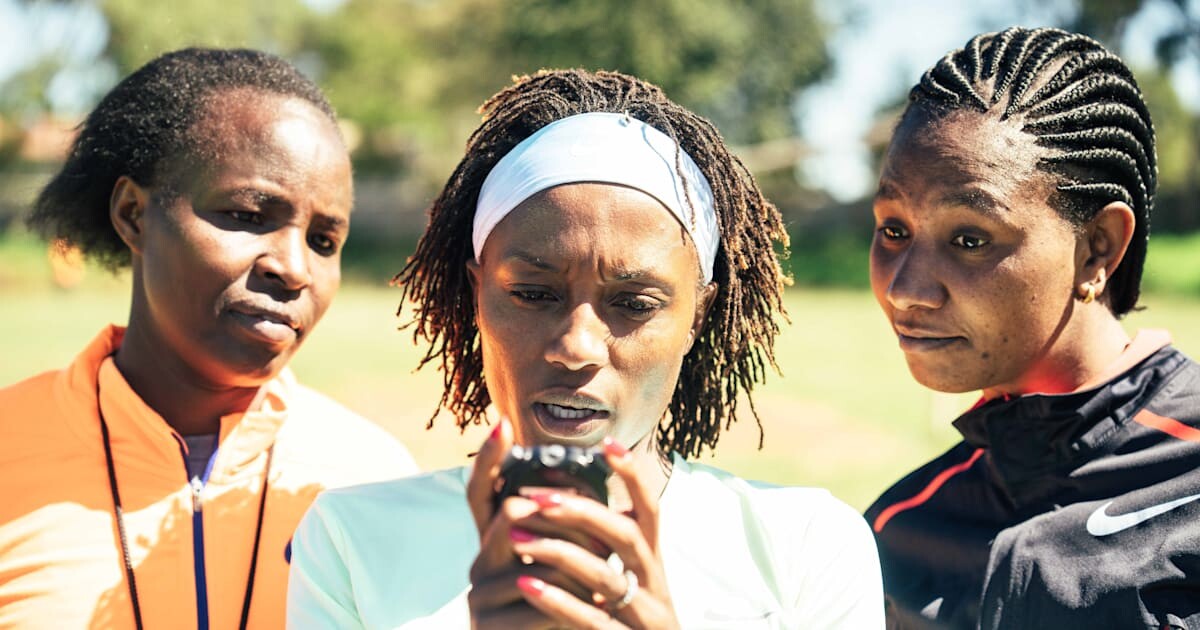
Young women athletes are also manipulated by agents and administrators, Ngugi shared, and explained that the athletes feel pressure to comply or be sent away. “Most of the athletes in Kenya, like me, we come from humble backgrounds, and you don’t want to go back there.”
In October 2021, Agnes Tirop, a talented 25-year-old distance runner who represented Kenya at the Tokyo Olympics, was murdered in her home. The ensuing shock and horror prompted athletes like Ngugi to use their voices to stand up for any athletes who are victims of gender-based violence.

Ngugi initially formed the Women’s Athletics Alliance, “to help the next generation avoid the suffering that so many female athletes have gone through.” She realized that more was needed to support young women athletes: “Women’s Athletics Alliance was more about empowering women, mentorship. And then we thought, it’s not just about mentorship, it’s not just about talking to these girls,” she added. We need to do something, give them a safe place.”
The Nala Track Club was born, and currently has five athletes ages 16 to 22 with the plan to expand to 12 runners. As well as supporting them in training, Ngugi’s camp pays for the athletes’ education and encourages them to attend school, noting that many young women who train at camps have to stop school, either because their camp doesn’t support their education or their parents cannot afford school fees.
“We also want to empower them to have a voice in society, not just in matters of athletics. When they are out there, they can communicate and speak out.” Ngugi is also working to encourage women coaches and mentors; collaborating with her former coach Francis Kamau, Athletics Kenya, and the UK-based Female Coaching Network to train female coaches in her home region.
While Ngugi’s short-term goal is to have female coaches work with the girls at the Nala Track club, she also wants to inspire her fellow athletes to consider coaching once retired from the sport.
“I want to be in an Olympic team with a few female coaches, not just male coaches. I don’t want the women to be in the teams as chaperones,” says Ngugi.
by Running Magazine
Login to leave a comment
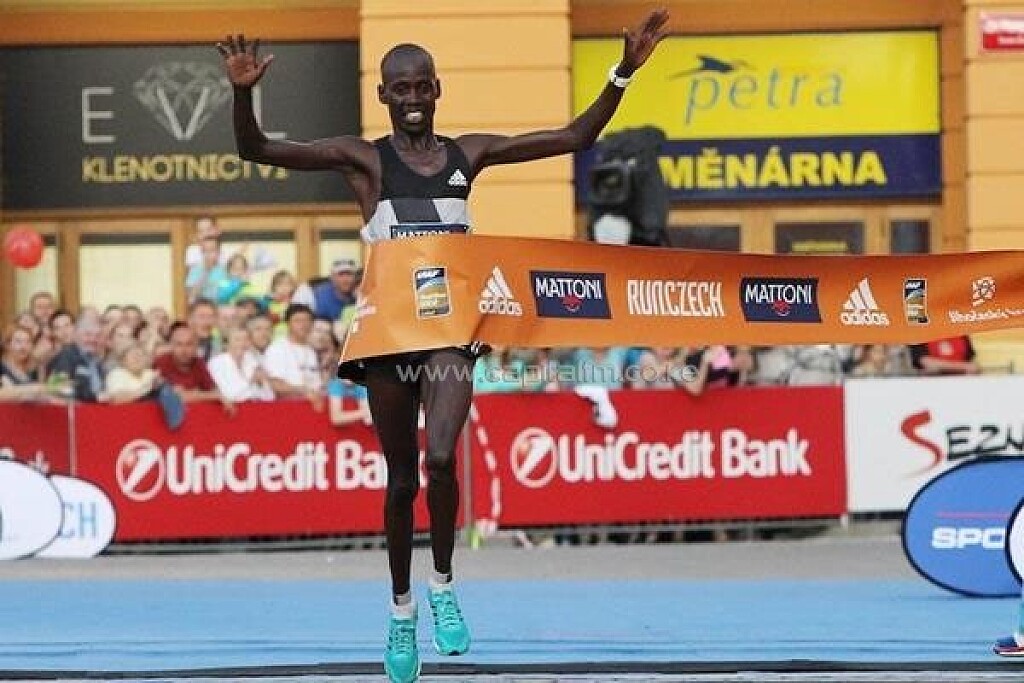
Kenya’s Barselius Kipyego Seeks TCS Toronto Waterfront Marathon Title
Kenya’s Barselius Kipyego will line up at the start of the TCS Toronto Waterfront Marathon on October 16 with the fastest personal best time of the elite field. But the 29-year-old wants more. Last year, he ran 2:04:48 to finish fourth at the Paris Marathon, which, like the TCS Toronto Waterfront Marathon, has earned a World Elite Marathon label. That’s twelve seconds under the Canadian All Comer’s record (2:05:00) held by his countryman, Philemon Rono, who will return to Toronto in search of a fourth victory in Canada’s biggest city.
Rono set that mark in winning the 2019 Toronto Waterfront Marathon—the last time this race was held in person. While it is foolish to compare times run on different courses and under different conditions, it is clear that Kipyego is bent on a sublime performance.
“I am coming to win the race. Then, I want to break the course record,” the affable Kipyego reveals during a WhatsApp video call. “That is why I sacrifice by staying in the camp so I can give my best to this race, so I can come fully [fit].”
Barselius is part of a 24-member group known as ‘2 Running Club,’ trained by noted Italian coach, Claudio Berardelli, in Kapsabet. He founded the club in 2016 with the aim of having a group of elite athletes bond as a supportive group despite marathon running being an individual sport.
“The idea to call the club with the number two was a sort of provocation,” Berardelli explains, “because, despite the fact that we train to be winners [number ones], the number two reminds us that a champion’s attitude goes beyond winning and being a number one.
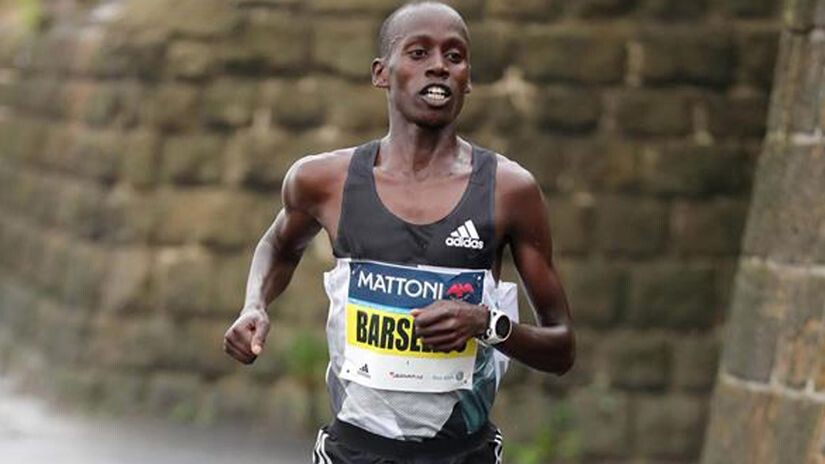
“Full commitment, perseverance, and self-esteem are some of the traits that might characterize an athlete who has really worked hard despite, in the end, not being a number one. In his own way he is a champion anyway.”
The camp is about 2,000m above sea level in the Great Rift Valley. Sharing household chores, they normally run twice a day, rising early in the morning to have coffee before setting out for their first run. Their post-run breakfast menu often includes tea, bread, fruit, and eggs. Normally runners will stay Monday to Friday at the camp for convenience and to minimize distractions. There is a television in the camp and Kipyego says he enjoys watching Nigerian movies in his spare time. They would spend weekends with their families but Barselius is taking a different approach with a Toronto victory in his sights.
“My home is about three kilometres from the camp,” he explains. “I have two children, boys, The first boy is called Dayton Kigen and the second, Dalton Kipkemboi. I used to go home sometimes but nowadays, because I am focusing on Toronto, I am staying in the camp. “I miss them but I call them and speak through video calls. My wife knows I am focused on the race [the TCS Toronto Waterfront Marathon] for some time and then I will go home after the race.”
In his absence, his wife Nahum Jelagat not only looks after the children but also takes care of the small farm Kipyego is investing his money in. “Yes, I have a farm. I am a farmer,” he says with a smile. “My wife now is looking after the farm because I am focusing on this race. She is the full manager. I have a tea plantation I grow maize and vegetables. And cows. We have cows.”
Amongst the elite training group are several athletes training for a fall marathon including Benson Kipruto who won the 2018 Toronto Waterfront Marathon and then finished fourth the following year in a personal best of 2:05:13. While Kipruto will run in Chicago, he has been encouraging to his training partner about what to expect in Toronto. The intel he has provided to Kipyego is evidently very positive.
“I just heard that it is a flat course and is a good race,” Kipyego responds when asked what he knows about the Toronto event. “I asked Benson when he won the race. I am training with him now.
“Yes, it is possible [to beat the record]. If the pacemakers set a good pace, we will run well and beat the course record.”
It is presently part of the rainy season in East Africa and heavy rain can sometimes complicate training. The dirt roads can become muddy quagmires causing the group to switch training venues. In this case, they will run later in the morning to avoid the worst of it. Still, it’s business as usual for the group.
“Training is good,” Kipyego reports confidently. “Every week we run 180km with some speed work and some long runs. Last week, I ran 40km for my long run. But every day I run 24 or 25km. I am feeling confident. My body is responding well now. I am ready to run that race in Toronto very well.”
Kipyego has never raced in Canada before nor has he faced his countryman, Philemon Rono.This matchup promises an intriguing chapter of the 2022 TCS Toronto Waterfront Marathon.
About the TCS Toronto Waterfront Marathon
One of only two World Athletics Elite Label races in Canada, the TCS Toronto Waterfront Marathon is Canada’s premier running event and the grand finale of the Canada Running Series (CRS). Since 2017, the race has served as the Athletics Canada Canadian Marathon Championship and has doubled as the Olympic trials. During the 2021 event, participants raised over $3.08 million for 151 community charities. Using innovation and organization as guiding principles, Canada Running Series stages great experiences for runners of all levels, from Canadian Olympians to recreational and charity runners. With a mission of “building community through the sport of running,” CRS is committed to making sport part of sustainable communities and the city-building process.
by Paul Gains
Login to leave a comment
TCS Toronto Waterfront Marathon
The Scotiabank Toronto Waterfront Marathon, Half-Marathon & 5k Run / Walk is organized by Canada Running Series Inc., organizers of the Canada Running Series, "A selection of Canada's best runs!" Canada Running Series annually organizes eight events in Montreal, Toronto and Vancouver that vary in distance from the 5k to the marathon. The Scotiabank Toronto Waterfront Marathon and Half-Marathon are...
more...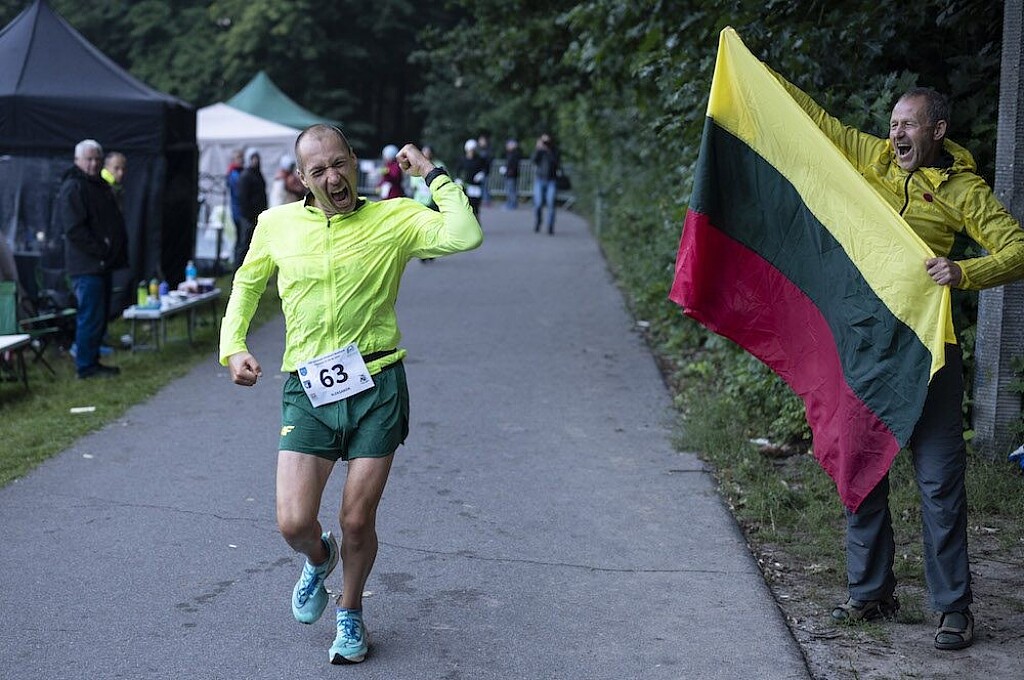
Aleksandr Sorokin breaks 100K world record, Sorokin ran 6:05:41, averaging an insane pace of 3:39 per kilometer
The 100-mile and 24-hour world record holder, Aleksandr Sorokin of Lithuania, has added another world record to his resume by running 6:05:41 over 100K at the Centurion Running Track 100 in Bedford, U.K. on Saturday. Sorokin broke Japan’s Nao Kazami’s previous 100k world record of 6:09:14 from 2018 by almost five minutes.
The pace of Sorokin’s new 100K world record is three minutes and 39 seconds per kilometer, which is equivalent to running back-to-back marathons in 2:32:33. According to his Strava activity, his goal was to go out at 3:40/km pace, but he found that he felt good 70 kilometers in, picking up the pace to 3:30/km.
Sorokin also hit the 50K mark in 3:01:50 to set a new Lithuanian national record, breaking his previous 50K record of 3:02:39 from July 2021. The world’s fastest ultrarunner already owned three world records before this: 100 miles in 11:14:56, 12 hours (170.3 kilometers) and 24 hours (309.4 kilometres).
Leading up to his 100K world record attempt, Sorokin spent several months training at altitude in Kenya’s Rift Valley, running upwards of 250 to 300 kilometers a week (43 kilometers per day).
According to Ally Beaven on Twitter, Sorokin’s 50-mile split of 4:53:41 was the fourth-fastest ever, only three minutes behind Jim Walmsley‘s world record of 4:50:08.
It may not be too long until we see the Lithuanian ultrarunner go for his fifth world record over the 50-mile distance.
by Marley Dickinson
Login to leave a comment
How does Aleksandr Sorokin train for 100-mile world records?
Aleksandr Sorokin of Lithuania became the first man to break the 11-hour barrier for 100 miles. After breaking the 100-mile record, he broke his 12-hour world record, covering 177.4 kilometres (approximately 4:04/km) at the 2022 Spartanion race in Tel Aviv, Israel.
To put Sorokin’s performance in perspective, his time is equivalent to running 35 straight 5Ks in 20 minutes and 15 seconds each, which is a very good 5K time for any runner.
He broke his previous 100-mile world record by 23 minutes and his 12-hour record by seven kilometres. We spoke with Sorokin after he set his world records to get a grasp of his training and what’s next for the Michael Jordan of ultrarunning. So how does he train for speed above 50 miles?
“I am just following my running plan,” Sorokin says. “My coach, Sebastian Białobrzeski, has shown me the importance of the long run. We will often do 40-50km runs during training to build up my pain tolerance.” Sorokin’s base mileage sits around 200 kilometres per week, with his peak training weeks hitting 300 kilometres.
“After that, you just need to trust your training and pray everything else will be OK,” says Sorokin.
In the lead-up to his Spartanion race, Sorokin spent several weeks at altitude in Kenya’s renowned Rift Valley, which stands at 2,500m above sea level.
Sorokin fuels his body with junk food during his races. (i.e., chips, chocolate, candy and pop). He does this to keep his sodium and energy levels high during ultra races.
When we previously interviewed Sorokin, he mentioned that his decision to go after the 24-hour world record came after the 24-hour European Championships were cancelled in 2021. In 2022, the championships are back on and scheduled to take place in Verona, Italy in September. Sorokin has his eyes on the prize: “My main goal for the past two years has been winning the European 24-hour Championships,” Sorokin says. “I do want to do races in North America, but in the pandemic, it’s hard to make concrete plans.”
Sorokin also mentioned that he wanted to try some shorter distances in cooler climates over the next couple of months, but when we asked if he would be tackling any five or 10K races, he laughed, “I don’t run anything less than 10K.”
We may not be seeing Sorokin in a 5,000m race on the track anytime soon, but the 40-year-old ultrarunner carries an impressive 5K personal best of 15:45, which he ran last year in his hometown of Vilnius, Lithuania.
by Running Magazine
Login to leave a comment
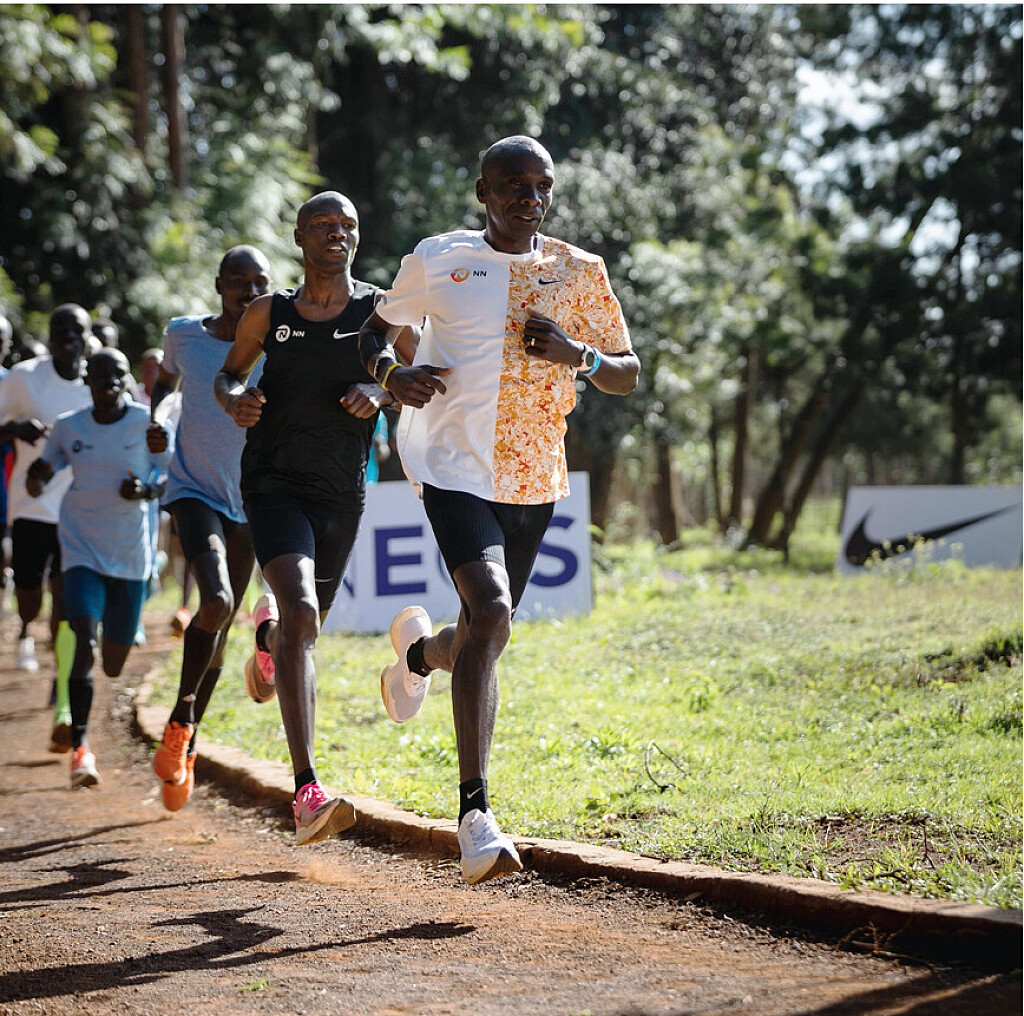
What it takes to become a Kenyan distance champion
For several generations now, Kenya has produced many of the world’s greatest distance runners.
Many athletes from elsewhere in the world, meanwhile, have tried to tap into the secrets of Kenya’s success as they try to play catch-up – quite literally – with the east African nation that continues to churn out global medallists and world record-breakers.
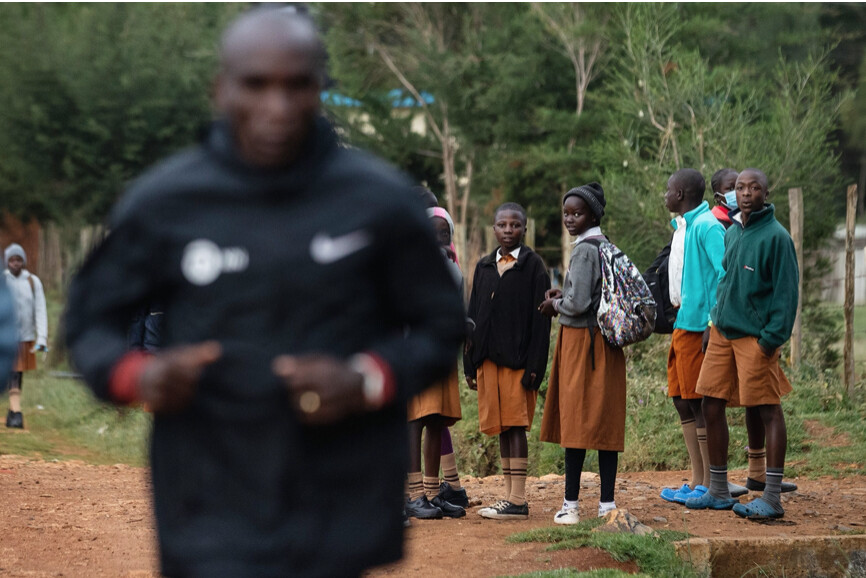
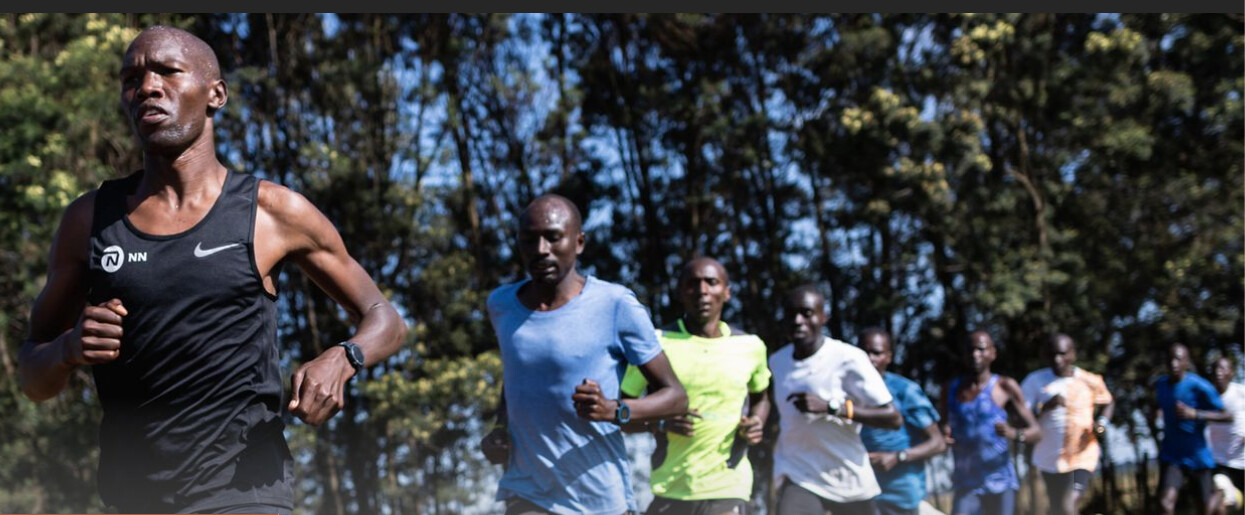
The truth is, there is no one single reason why Kenya is so dominant in distance events. It’s more down to a combination of factors, many of which were explained during a recent trip to the NN Running training camp in Kaptagat, about 24km east of Eldoret, where the likes of Eliud Kipchoge trains for 11 months of the year.
A way of life
There are few countries where people live and breathe athletics, and where the No.1 Olympic sport can claim to be more popular than football, filling entire stadiums even for age-group championships.
And while Kenya isn’t the only country in the world where kids run long distances to get to school, running has a whole different meaning to many people in the country.
Running is something that comes naturally to us as it’s something that has been part of our lifestyle since we were born,” says three-time world half marathon champion and two-time New York City Marathon champion Geoffrey Kamworor. “As a kid, I used to run from home to my school three kilometres away back and forth each day, so you end up running sometimes 12 kilometres a day as a teen without even realising it.”
Beyond being a means to an end, there is also a genuine love for running among the Kenyan population.
“As a kid, I would always go and watch athletics competitions when not at school and I enjoyed watching people competing,” added Kamworor. “It awoke my passion for running, especially seeing people cross the finish line and winning a trophy. In high school, it was always a fun and proud moment to represent your class and win a cup. I found it very encouraging.”
Having running embedded into day-to-day life sets Kenya apart from many other nations. But it’s just one of the many reasons why it is known as being the ‘home of the champions’.
Genetics
Simply running to school each day doesn’t automatically turn everyone into a world-class athlete. Genetics, as it does for every elite athlete, likely play a significant part.
Many people in the Rift Valley, where most of Kenya’s top distance runners originate, belong to the Kalenjin tribe. When compared to other Kenyan tribes, Kalenjin people are often described as having good natural running attributes: namely lean bodies and long legs.
Kipchoge, for example, isn’t particularly tall (1.67m / 5ft 6in), but the muscles on his legs are incredibly lean, his body fat percentage is low, and the strength in his feet make it appear as though he bounces along the grass.
But attributing all of Kenya’s success to just their genetics would be a gross over-simplification.
Conditions
Another element that helps Kenyan athletes in their training and preparation is the unique climate and surroundings in this part of the country. It also probably explains why there are so many training camps between Kaptagat and Iten, and why some people refer to it as the ‘Hollywood of elite runners’.
This region is located at 2500 metres above sea level, which, given the lack of oxygen, helps athletes produce a higher concentration of red blood cells and haemoglobin when training. This, in turn, gives runners an advantage when they return to lower altitudes to race.
The Eldoret region is also full of endless forests and dirt roads for athletes to use when running, while the area also enjoys a temperate climate with daytime temperatures ranging between 22-26C (68-78F) throughout the year, dropping to 10-12C (50-53F) at night time. That, combined with the good air quality, makes the area something of a distance-running paradise.
But as Kenya’s economy continues to develop, so do the local villages and the wider region, meaning many of the local dirt paths are now being made into proper roads – which is great for facilitating transport and access from other points of the country, but less so for athletes seeking a run-friendly surface.
Athletes are adapting well to this evolving environment, though, while remaining in close contact with nature. The Kalenjin community, Kipchogeand Kamworor included, are running many tree-planting initiatives. “We evolve in a very natural environment which is a great advantage when it comes to training,” says Kamworor.
Patrick Sang, the 1992 Olympic silver steeplechase medallist and head coach at the Kaptagat training camp, explains how the new generation of running shoes can help counter the effects of running on harder roads.
“New running shoes help a lot because athletes can now do a lot more training on a hard surface and still recover on time to do their next hard session,” says Sang. “Overall, you can get more work done to help improve performance.”
Sleep, eat, train, repeat
Most world-class athletes are fully committed to their sport, but the elite runners at the Kaptagat training camp in particular take dedication to a whole new level.
Many of these athletes – including young mothers such as two-time Olympic 1500m champion Faith Kipyegon – have children who are at home during the week so that they can entirely focus on their training at the camp.
“Of course, it’s very hard but that’s the only way to be fully dedicated to being the best athlete you can and avoid any distraction,” said Kipyegon.
When not running, athletes at the Kaptagat training camp are focused entirely on other elements of their training, namely recovery and nutrition.
“When you are at the camp, your sole focus is on running and you are not distracted by anything else,” says Kamworor, father to five children, including young triplets. “You are away from your family, your wife and your kids during the whole week, and that makes you take your training very seriously as you are making sacrifices to achieve your goals. That’s the only way to be focused 100% on running and to give your very best.”
As in any walk of life, hard work and having the right mind-set are key to success. Kipchoge might be the most successful athlete at the camp, but Sang says that’s not just down to his talent. “Eliud isn’t the most gifted athlete within his training group but certainly the most dedicated,” Sang says of Kipchoge, who is always the first one ready for training and the last one to leave.
In an average week, athletes at the Kaptagat camp do one long run of 30km (once a month it will be 40km), which usually takes place early on a Thursday morning. Typical track sessions, meanwhile, would be something like 8x1600m (each rep completed in 4:40) and 8x400m (at an average of 65 seconds) on their local 380m cinder track.
“Have you seen him?” Sang says when watching Kipchoge train. “This guy is a machine.”
Athletes are religious in their approach to punctuality and producing their best effort in training. And other local athletes from outside the NN Running team are welcome to join in the sessions, provided they arrive on time. After all, no one wants to be playing catch-up with the likes of Kipchoge and Kamworor.
Community
The Kaptagat training camp is run entirely by the 25 athletes who live there for 11 months a year from Monday to Saturday morning before going back to spend quality time with their family, often in the big city of Eldoret. In and around the 12 training runs they do in a typical week, the resident athletes to everything at the camp.
“If you look at life at the camp, the one making bread is an athlete, the cleaning is done by the athletes, the one doing shopping for the camp is an athlete,” says Sang. “You don’t want athletes to live on another island.
“The whole idea is to make sure these athletes become well-rounded people. You wouldn’t want to help someone become a great athlete who lacks social skills or is out of touch with society.”
Kipchoge, whose wife and three children live just 45 minutes away from the training camp, could easily go and spend time with his family during his time off, but instead he chooses to stay at the camp with the rest of the group, monastically isolated from the rest of the world.
Kipchoge is rarely bored, too. When he’s not training or resting, he will be reading or working at the camp or reading.
The sense of community extends to caring about the environment. Every athlete at the camp gets a tree planted at the entrance as a welcome gesture and to symbolise their connection to nature. Some special guests to the camp – including Ethiopian legend Haile Gebrselassie – have also had a tree planted for them in Kaptagat.
Occasionally, athletes at the camp will give each other lessons, or they will engage in real debates around serious issues, helping them develop holistically as people.
Simplicity
Far away from the latest technological innovations you often hear about in other parts of the world, daily life at the camp is basic.
Upon entering the gates at the Kaptagat training camp, the 380m cinder track is located on the left. It has a slight incline on the first bend and a couple of cows as spectators, but it meets all their needs.
“A synthetic track isn’t needed for what we do and the way we train,” says Marc Roig, a former international runner from Spain, who now works as a jack of all trades for NN Running, acting as a fitness coach, physio, runner, mentor and pacemaker. “If our athletes need a synthetic track, they can go to the one in Eldoret an hour away.” In fact, there are just four synthetic tracks in the whole of Kenya, but it’s clearly not a barrier to producing top athletes.
The runners at the camp rarely lift weights or spend time stretching, but twice a week they will do core strength sessions. Instead of water, they drink mursik – a nutritious fermented milk – in the morning and Kenyan tea in the afternoon. And not a single drop of water during their 30km long run. “That’s okay,” says Sang. “They don’t need it.”
Within the camp itself, there is a TV room with a small library corner with a few books there for the athletes, a living room for their meals, the dormitory (one for women and another for men), a basic gym comprising a bike, a treadmill, some elastic bands and a light weightlifting bar (with maximum 40kg available) and a big blue plastic drum outside used for ice baths.
It’s all quite rudimentary, but they don’t need more, and it seems to work.
The only visible ‘luxury’ – aside from the eco-friendly solar panels to get hot water – is that Kipchoge has his own bedroom. But even the king of the marathon does his fair share of the chores. He prepares tea for other athletes, and there’s a strict cleaning schedule that all athletes must stick to.
“I think that when you stop leading a simple life, your mind-set loses contact with the outside world and you lose your focus on your actual goals,” says Kipchoge. “At this point, you run the risk of forgetting about the really important things in life.”
Life at the camp is minimalistic, but nobody complains. Indeed, this simplicity is what defines them and enables the athletes to keep their focus and remain humble about who they are, where they come from and what they are here for.
Hollywood of running
To be the best, you need to surround yourself with the best – which is another reason why the Rift Valley continues to produce champion athletes.
The likes of Kipchoge, Kamworor and Kipyegon are true A-listers, but Kaptagat is filled with talented athletes who have achieved podium finishes at major championships and big city marathons.
Roig, who has a 2:18:05 marathon PB, moved to Kenya several years ago. “When I take my kids to school, I feel ashamed saying I am a runner as many of the dads there have 2:05 marathon PBs,” jokes Roig, who is now the race director for the Valencia Marathon. “There is even a mother at the school who has a PB similar to mine!”
But the Kaptagat camp isn’t the only leading training venue in the area. Iten, a small town at 2400 metres above sea level about an hour north of Kaptagat, is often referred to as the ‘home of champions’ or the ‘Hollywood of distance running’.
One of the drivers used for NN Running Team’s trip to Kenya, for example, was a former 1:06 half marathon runner. His wife, meanwhile, was a 2:21 marathon runner who finished second at the Rotterdam Marathon a couple of years ago. His neighbour is Emmanuel Korir, the Olympic 800m champion, and he is good friends with Joyciline Jepkosgei, the multiple world record-breaker and 2021 London Marathon champion.
Abdi Nageeye, the Olympic marathon silver medallist, also happened to be in Iten at the time of the trip. While ferrying around members of the media, the driver passed by a gas station named ‘Oslo’, which is one of many local businesses owned by Vivian Cheruiyot. The 2016 Olympic 5000m champion opened the station after winning at the Oslo Diamond League meeting.
One of the biggest training venues in Iten is the High Altitude Training Centre founded by multiple world half marathon champion Lornah Kiplagat, who herself is part of a highly successful family of runners, including Sylvia Kibet, Hilda Kibet and Susan Sirma. Many international athletes, including the likes of Mo Farah and Paula Radcliffe, have previously stayed there, while former steeplechaser Bob Tahri of France opened his own training centre in Iten a few years ago.
The Rift Valley – Iten and Kaptagat in particular – is like nowhere else on earth. Everybody knows a champion who is friends with another champion, who is the neighbour of another champion.
It’s yet another way – and one of the many – of becoming a great runner.
by World Athletics
Login to leave a comment
The basics, benefits and limits of altitude training
For years, altitude training has formed an important part of the training of many endurance athletes who cite it as a core part of their season. Here we break down the basic theory behind it, the difficulties athletes must overcome and the main spots to do it.
Though different definitions exist of what constitutes altitude training, we will, for the sake of clarity, consider altitudes in the region of 1500m to 3000m above sea level.
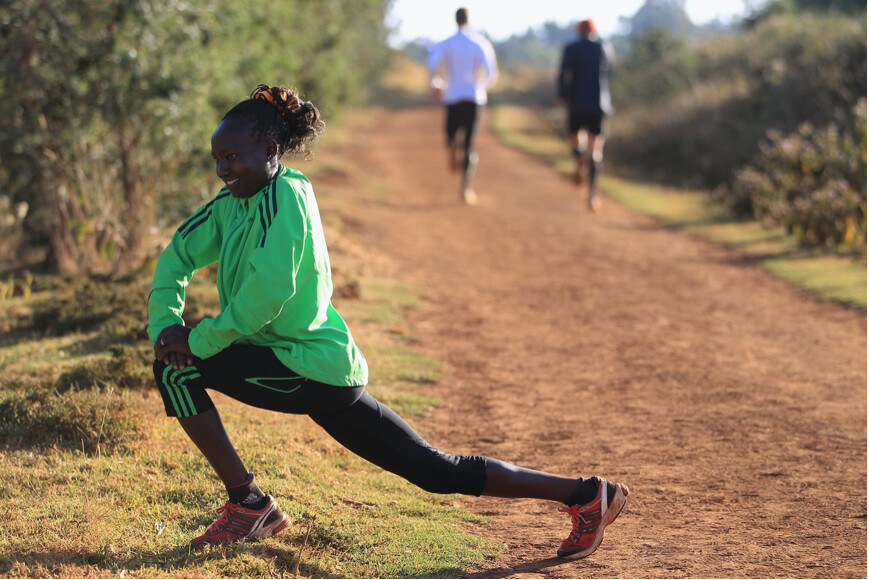
The theory behind altitude training
In simple terms, the oxygen inhaled from the air people breathe affects the energy their muscles receive to perform physical activities. Oxygen is carried around the body within red blood cells and helps the molecules in muscles perform their functions.
The higher the altitude, the lower the atmospheric pressure, which makes it harder for the body to transfer the oxygen into the blood. This is why people can often feel lethargic at altitude.
In response to this situation, the brain triggers the increased production of the hormone erythropoietin (EPO), encouraging the body to make more red blood cells to better transport the oxygen available. This means, over time, the body begins to transport the limited oxygen better than when it first arrived at altitude.
When an athlete then returns to sea level this increased level of red blood cells, coupled with the higher atmospheric pressure, means the body is better able to transport oxygen than it was before and an athlete’s aerobic capacity is increased.
The body will, over time, return to normal levels of red blood cell production if the process is not repeated and the time taken for this to happen will vary from one athlete to the next.
How long do people train at altitude for?
It takes time for the body to adapt to higher altitude and many of the effects do not occur until after a prolonged period of time. Various studies suggest there is no increase in red blood cell count within the first seven to 10 days, meaning usually athletes choose to spend a minimum of three to four weeks at altitude.
Some athletes choose to be based at high altitude throughout the year (e.g. Boulder in Colorado, Iten in Kenya and Addis Ababa in Ethiopia), coming down to sea level for shorter periods around a racing season.
The difficulties of living at altitude
Early on in any stay at altitude individuals will likely find themselves to be lethargic as their body responds to the lower atmospheric pressure. Other side effects can include headaches and difficulty sleeping but these will often wear off as the body slowly adjusts to its new environment.
In extreme cases and at the highest altitudes (usually in excess of 3000m), severe failures to adjust can result in acute mountain sickness (AMS) with a range of possible harmful effects.
Athletes will also find it difficult to replicate the pace they are able to run at sea level because of their body’s reduced ability to transport the available oxygen.
Many will therefore choose to head to lower altitude to perform much of their more intense training. This approach is generally referred to as “live high, train low” but it is an approach only possible where different altitudes exist in close proximity.
Where do people train at altitude?
There are a number of locations where athletes choose to train across the world but some locations are particularly popular. These include Iten (c. 2400m) in the Rift Valley, home to many famous athletes including Mary Keitany and Lornah Kiplagat.
Over the border in Ethiopia, established camps exist in Sululta (c. 2700m) and in the capital Addis Ababa (c. 2355m), with products including Kenenisa Bekele and Haile Gebrselassie.
Europe plays host to a number of Alpine and Pyrenees resorts, including Font Romeu (c. 1850m) in France, and St Moritz (c. 1856m) in Switzerland.
The USA has a number of high altitude hubs, with Boulder (c. 1624m) in Colorado a huge centre of North American running as well as Flagstaff (c. 2106m) in Arizona and Albuquerque (c. 1619m) in New Mexico.
Other locations include Mexico City (c. 2240m), Potchefstroom (c. 1378m) in South Africa, Falls Creek (c. 1600m) in Australia and Ifrane (c. 1660m) in Morocco. All locations come with their various pros and cons so it is important to research properly prior to any trip to altitude.
Are there alternatives to training at altitude?
Some athletes choose to replicate the experience of living in these locations through an altitude tent. These tents reduce the amount of oxygen within them and can be lived and slept in without the need to move location. Some see this as a less expensive and more pragmatic alternative to long trips away from home.
by World Athletics
Login to leave a comment
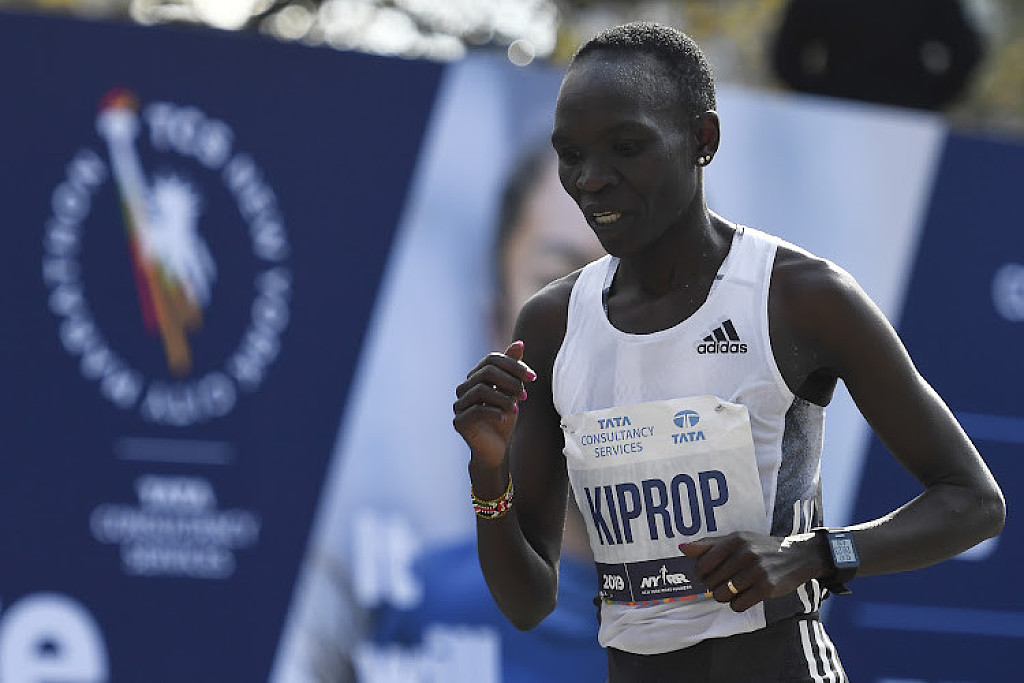
Kenya´s Nancy Kiprop takes inspiration from Covid-19 stigma ahead of New York Marathon
Three-time Vienna Marathon champion Nancy Kiprop has recounted the tough times she and her family underwent after fake news spread that her husband, Joseph Chelimo, had died of Covid-19.
Her ordeal was worsened by the fact that Chelimo has been all the while battling for his life in the intensive care unit at Mediheal Hospital, for close to a month.
She said her mental health took a big hit from the rumours and she had to stop training for a while.

"When the bad news started spreading that my husband was dead due to Covid-19, it really affected my training. I went into depression for about a week but I had to stand firm for my family and career. I had to start my training and be there for my husband,” Kiprop says.
Such rumours, she says, was so disheartening and a big burden to bear especially for their daughter, who was looking forward to her father's recovery.
Kiprop regretted how 'mourners' kept streaming into their home asking about the burial arrangements which threw her family, including their five adopted children into agony.
"People even used to flock to my shop in Iten, requesting to know the burial date. I was forced to close down the shop," she recounts.
“As a family, we expected people, friends, family members and wellwishers to spread the good news of healing but it was the opposite. It has been so disheartening to realise we are living with people, whom we thought are friends and family, only to for them to celebrate when we are in trouble,” explained Kiprop.
“In fact, our young children have been thinking that I have been hiding information from them. They have been really affected, especially their studies. One of them has forfeited going to school because of what she has been hearing from her friends and neighbours,” she explained.
“My daughter is only 22 years and she’s still young to absorb such bad news when she knows the truth.
Besides the shop, Kiprop was forced to keep away from a school she runs, also in Iten, due to the stigmatisation she would suffer from the students and teachers every time she was around.
“I own a school but I had to quit going there. Everyone, including the children, believed that my husband had died of Covid-19 and all they did was run away from me. They believed their director (myself) was a sick person but I thank God all is well now,” Kiprop says.
As the sole breadwinner, Kiprop says she had to remain strong for the sake of her family, amid a flurry of condolence messages.
She also had to take on additional responsibilities and decide on major phases in their children's lives, such as admitting their son to Rift Valley Technical Training Institute as well as their daughter to high school.
“With all these laid upon me, I had to make sure I was sober enough to handle it. Imagine receiving a condolence message yet the man is still struggling in hospital. It is better to get first-hand information before spreading such messages,” she says.
She explains that she was also financially drained.
“I am so burdened and the little savings I had has been spent in hospital. However, my manager has been of great help. When I am down, he comes in handy. He understands that I have adopted five children, he mentors me, supports me. He is a God-sent to me. He is a pillar not just in my career but my life,” she said.
by Emmanuel Sabuni
Login to leave a comment

TCS New York City Marathon
The first New York City Marathon, organized in 1970 by Fred Lebow and Vince Chiappetta, was held entirely in Central Park. Of 127 entrants, only 55 men finished; the sole female entrant dropped out due to illness. Winners were given inexpensive wristwatches and recycled baseball and bowling trophies. The entry fee was $1 and the total event budget...
more...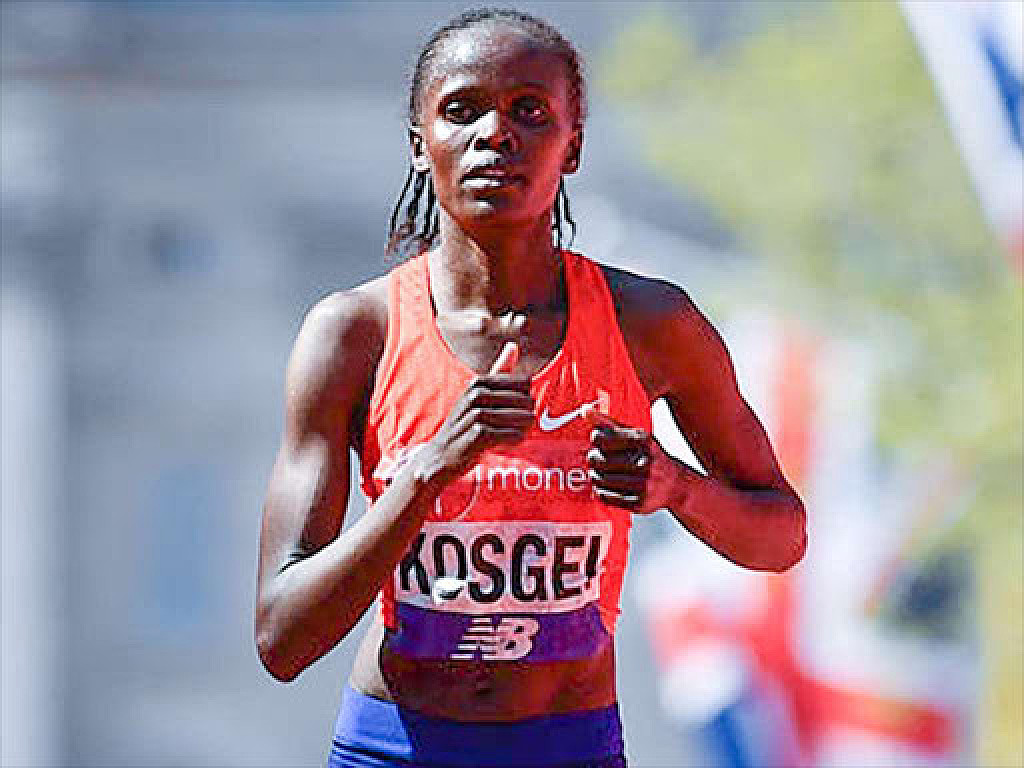
Brigid Kosgei seeks Kenyan Olympic marathon redemption
World record holder Brigid Kosgei has the unenviable task at the Tokyo Olympics of restoring Kenya's image in the marathon, which suffered a huge dent after the 2016 Rio Games.
Compatriot Jemima Sumgong became the first Kenyan woman to win an Olympic marathon gold in Brazil, but she subsequently tested positive for the endurance booster EPO and was banned for eight years.
Kosgei, who ran the fastest women's marathon of all time, clocking 2hr 14min 04sec in Chicago in October 2019, is eyeing a medal on Saturday in Sapporo to spare Kenyan blushes.
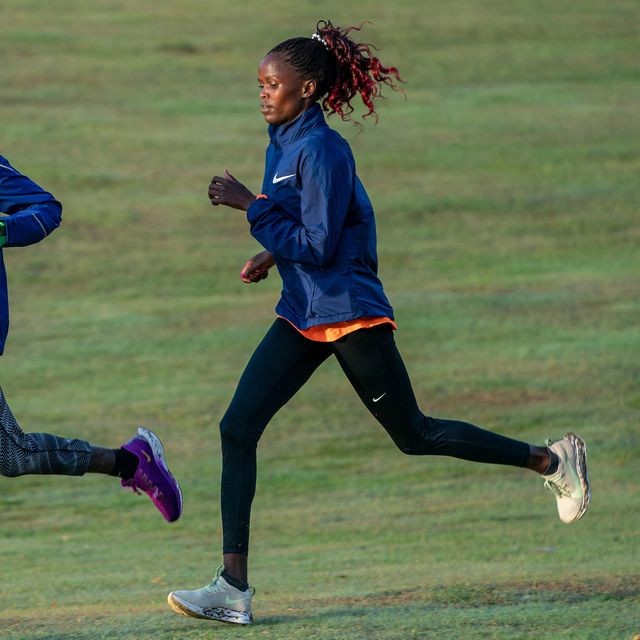
Organizers moved the marathons from the capital to avoid Tokyo's punishing summer heat but temperatures in Sapporo are currently in the 30s, which will make the race a tough challenge for the entire field.
"I know it wouldn't be easy winning the gold medal... but I will go out there and take my chances since this is my first Olympics," Kosgei told AFP.
Like so many athletes, Kosgei traveled to the Olympics after 18 disrupted months due to the coronavirus crisis.
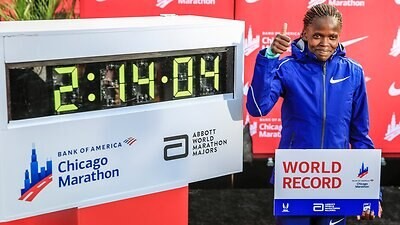
"It is unfortunate that we didn't have many competitions to help us prepare us for the Games since the Covid pandemic led to many race cancellations," she said.
A late starter in the sport, Kosgei -- a mother of eight-year-old twins -- had a difficult time growing up in a large family of seven children to a single peasant mother in Elgeyo Marakwet in Kenya's Rift Valley.
Like many of the girls in her village, Kosgei saw athletics as a vehicle to help her escape a life of destitution.
Her first marathon was in Porto, Portugal, in 2015 when the 27-year-old made a dream debut, winning the event in 2:47.59.
- 'Sharing the limelight' -
Kosgei credits her coach Erick Kimaiyo, a former winner of the Honolulu marathon and a runner-up in the 1997 Berlin marathon, for believing in her and helping to nurture her raw talent at his Kapsait training camp situated outside Nairobi at over 9,600 feet (2,900 meters) above sea level.
"I had grown up listening about the great marathon achievements of Catherine Ndereba and Tegla Loroupe, but I didn't expect that I could one day be sharing the same limelight with them," Kosgei said.
"But it was Kimaiyo’s belief in me that helped to propel me and see myself succeeding as a champion marathon runner."
The mentorship resulted in two contrasting victories at the 2016 and 2017 Honolulu marathons, with the difference in winning times between the two events -- 2:31:10 and then 2:22:15 -- further illustrating the power of the forged partnership.
She has won the London marathon twice and set a half-marathon course record of 64min 28sec at the Great North Run in northeast England in September 2019.
However, having missed the 2019 Doha world championships, Kosgei is hoping the Covid-affected Olympics will provide the big stage for her -- and redemption for Kenya.
Login to leave a comment
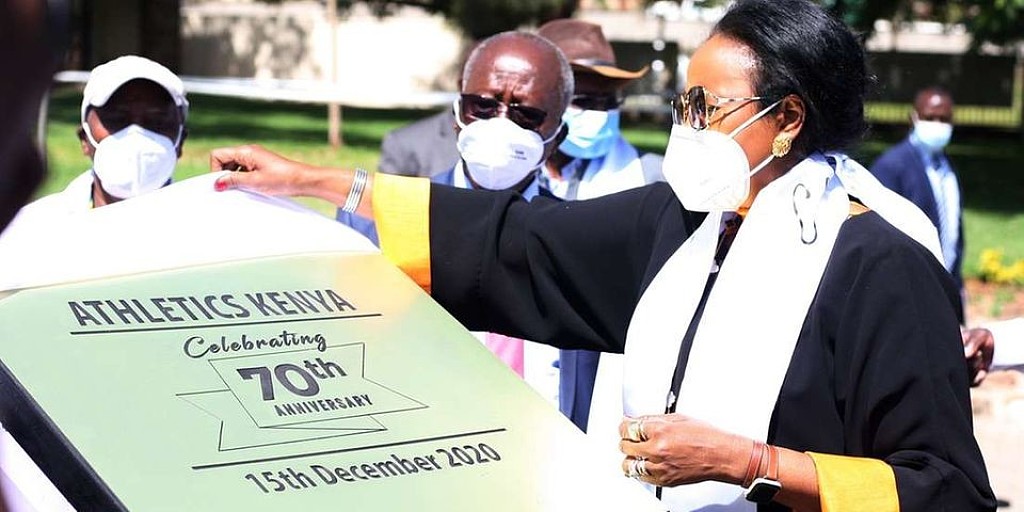
Athletics Kenya celebrating 70th anniversary
Athletics legend celebrated the 70th anniversary since the advent of sport in the country Tuesday with advice to the government and Athletics Kenya (AK) to develop the game across the board and deal with doping menace firmly.
Some of the legends, who numbered 70, expressed concerns that Kenyan athletes, especially women, were not lasting either on track and road running for long, and called on AK to get to the bottom of it.
The first Kenyan women at the Olympics (1968 Mexico) Lydia Stephens (100m/200m) and Tecla Sang (400m), who spoke passionately on how they competed for fun and enjoyment rather than money, want deliberate efforts made to develop sprints in the country.

The 1988 Olympics gold medallists Julius Kariuki (3,000m steeplechase), John Ngugi (5,000m) and legendary sprinter Rose Tat-Muya said the government and AK must fight doping for the sport to continue existing well.
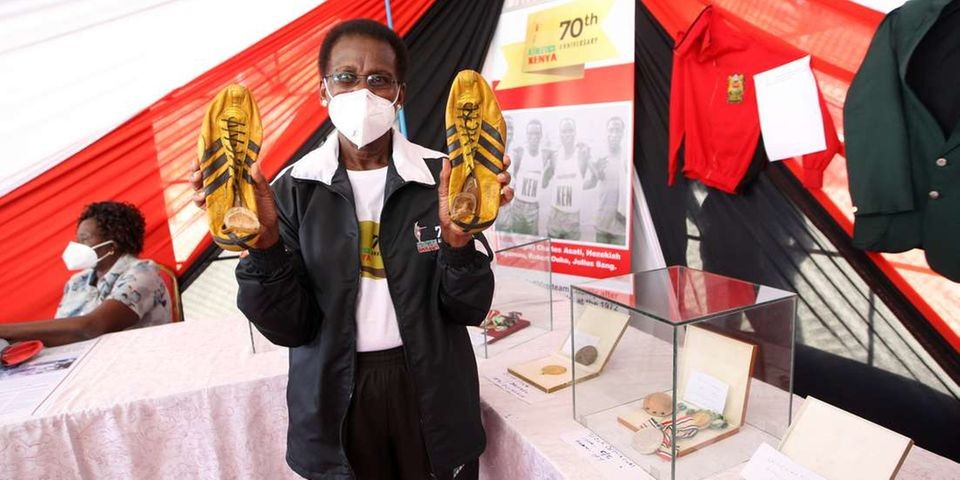
The first Kenyan to win steeplechase title at the Olympics, Amos Biwott, who achieved the feat at the 1968 Summer Games and the Fatwel Kimaiyo, who still holds the 110m hurdles national record set at 1974 Commonwealth Games, also voiced the same concerns.
They advised athletes to use traditional and natural food rather than supplements as Wilson Kiprugut Chumo, the first Kenyan to ever win an Olympic medal during the 1964 Tokyo Summer Games, urged athletes to train hard and put God first.
“We need to start the children off at an early age. I started athletics at the age of five when I was at kindergarten in Mombasa,” said the 75-year-old Stephens, adding that she would not have gotten the chance to compete for Kenya if she had not left Mombasa to school elsewhere.
“That is why I want to urge AK and coaches to cast their nets wider. We can produce great sprinters if we are to develop the talent that is rich across the country,” said Stephens.
“We concentrate only in rift valley where there are distance running athletes. The place too has great runners for instance Julius Sang.”
Tata-Muya, the youngest ever Kenyan to compete at the Commonwealth Games (1974), said they never used supplements or went to the gym, but performed well setting national records that are yet to be broken.
“We consumed natural foods, trained well and respected our coaches,” said Tata-Muya, who still holds the 400m hurdles national record.
by Ayumba Ayodi
Login to leave a comment
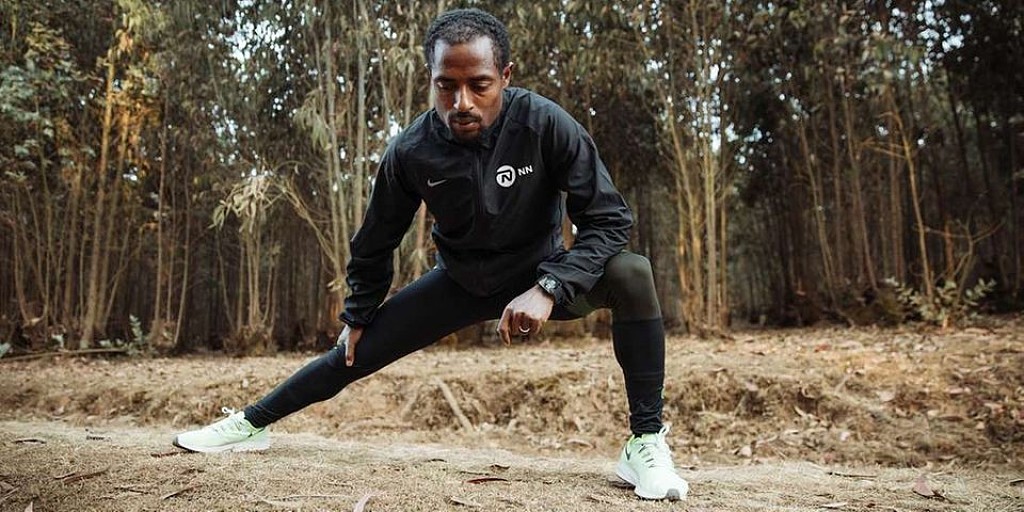
Kenenisa Bekele and his thoughts about Eliud Kipchoge
The coronavirus lockdown has been a bitter-sweet experience to Kenenisa Bekele, the world’s most decorated distance runner of all time.
The 38-year-old superstar from Bekoji in the Ethiopian Rift Valley has experienced the ebb and flow of an elite career, a regular customer on and off the injury list, worst of which was a calf rupture in 2010.
That’s why he brushes aside the fact that the pandemic subjected athletes to training in isolation.
This is a situation that he’s accustomed to, having endured various injuries in his stellar career that forced him to retreat, knock himself into shape before rejoining the fray.
NN Running Team:
“This (training alone during the coronavirus lockdown) was not new to me. I had some bad injuries in my career and during those times I had to train alone to come back to good performance,” he told Nation Sport in an exclusive interview.
Bekele, who owns a resort and private, synthetic track in Sululta on the outskirts of Addis Ababa, along with various other real estate investments, is in the same management as his Kenyan rival Eliud Kipchoge.
Both run in the NN Running Team colours under the Global Sports Management camp, the branchild of former Dutch distance running record holder, Jos Hermens.
Managed out of Nijmegen in The Netherlands, the NN Running Team is also home of Kenya’s half marathon world record holder Geoffrey Kamworor and a galaxy of other wold beaters.
On October 4, Hermens will be in an awkward position when Bekele and Kipchoge clash at the London Marathon, at a time both are enjoying a stellar career on the roads, and are separated by just two seconds, in terms of personal best times over the 42-kilometer distance.
World record:
In 2018, Eliud Kipchoge shattered the world marathon record in winning the Berlin Marathon in Two hours, one minute and 39 seconds.
Just 12 months later, Bekele responded by completing the distance in 2:01:41, on the same Berlin streets, despite struggling with discomfort in the first half of the race.
Bekele’s brilliant second half (negative splits) convinced many that he could, perhaps, upstage Kipchoge.
Their eagerly-awaited duel was plotted for April 26, but the London Marathon was shelved as Covid-19 struck, prompting organizers to postpone the duel to October 4.
A great ambassador:
Now with the new big day just 14 days away, Bekele has nothing but respect for Kipchoge, appreciating the Kenyan’s contribution to athletics.
“I have great respect for Eliud,” he said during the interview from Addis Ababa.
“We have been competitors for a long time. He is a great ambassador for our sport and I respect him a lot.”
The October 4 London Marathon will be an elites-only race with no mass runners or spectators due to precautions over the coronavirus.
The 40th anniversary race will also see the elite races take part on a closed-loop circuit around St James’s Park, with the athletes staying in a hotel outside of London which has been chosen for its 40 acres of grounds where athletes will be able to train during race week.
Bekele says racing against Kipchoge and other top elites on October 4 gives him added motivation.
“It gives me great motivation, to run in one of the greatest marathons in the world against the greatest athletes. I give myself pressure, I want to run my best race.”
“Running world records is not easy and difficult to predict what is possible. But seeing Kipchoge’s sub-two performances, we know anything is possible,” he said.
“I had to adapt my training programme with some more alternative training, like on the bike and gym training to remain fit with my team supporting me as usual,” said Bekele who loves spending time with his family when free.
The shifting of the big race from April to October is the least of his worries.
“I was well prepared for the London Marathon in April but as an athlete you need to be ready and flexible, so I focused on October and went on with my training.
by Bernard Rotich
Login to leave a comment

TCS London Marathon
Since its inaugural edition on March 29, 1981, the TCS London Marathon has grown into one of the world's most prestigious road races, blending elite competition with an extraordinary charitable legacy. Founded by former Olympic champion and journalist Chris Brasher alongside Welsh athlete John Disley, the event has been staged every year and has been held in the spring annually...
more...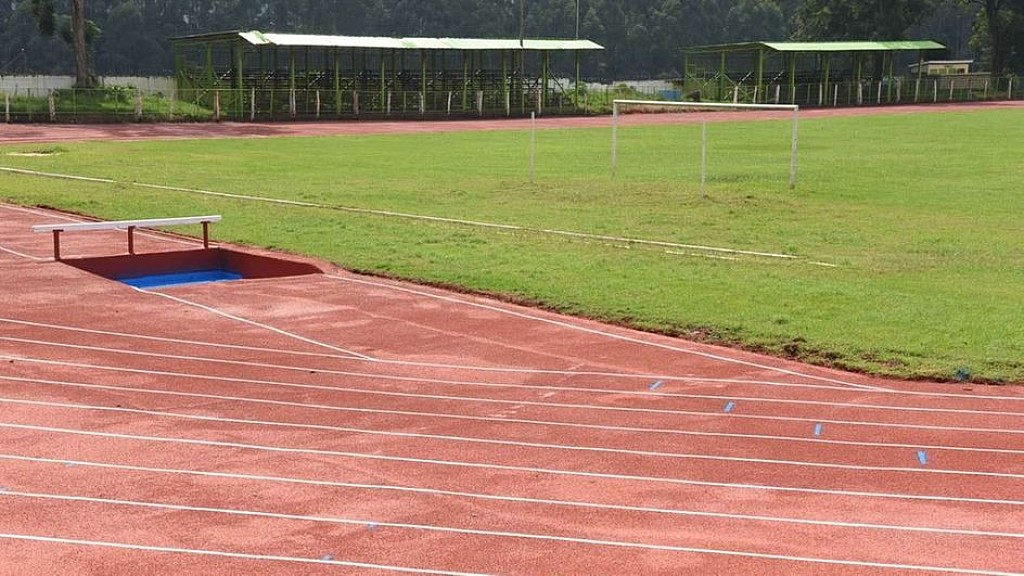
Sigowet Athletics Training Camp at Kiptere falls silent as virus bites
At this time of the year, Sigowet Athletics Training Camp at Kiptere Boys Secondary School, some 32 kilometers away from Kericho town, would be busy with budding athletes training hard.
But thanks to coronavirus, the training camp now looks like a ghost town.
The running track in the camp sandwiched between lush green tea farms is now overgrown with grass thanks to heavy rains pounding the region.
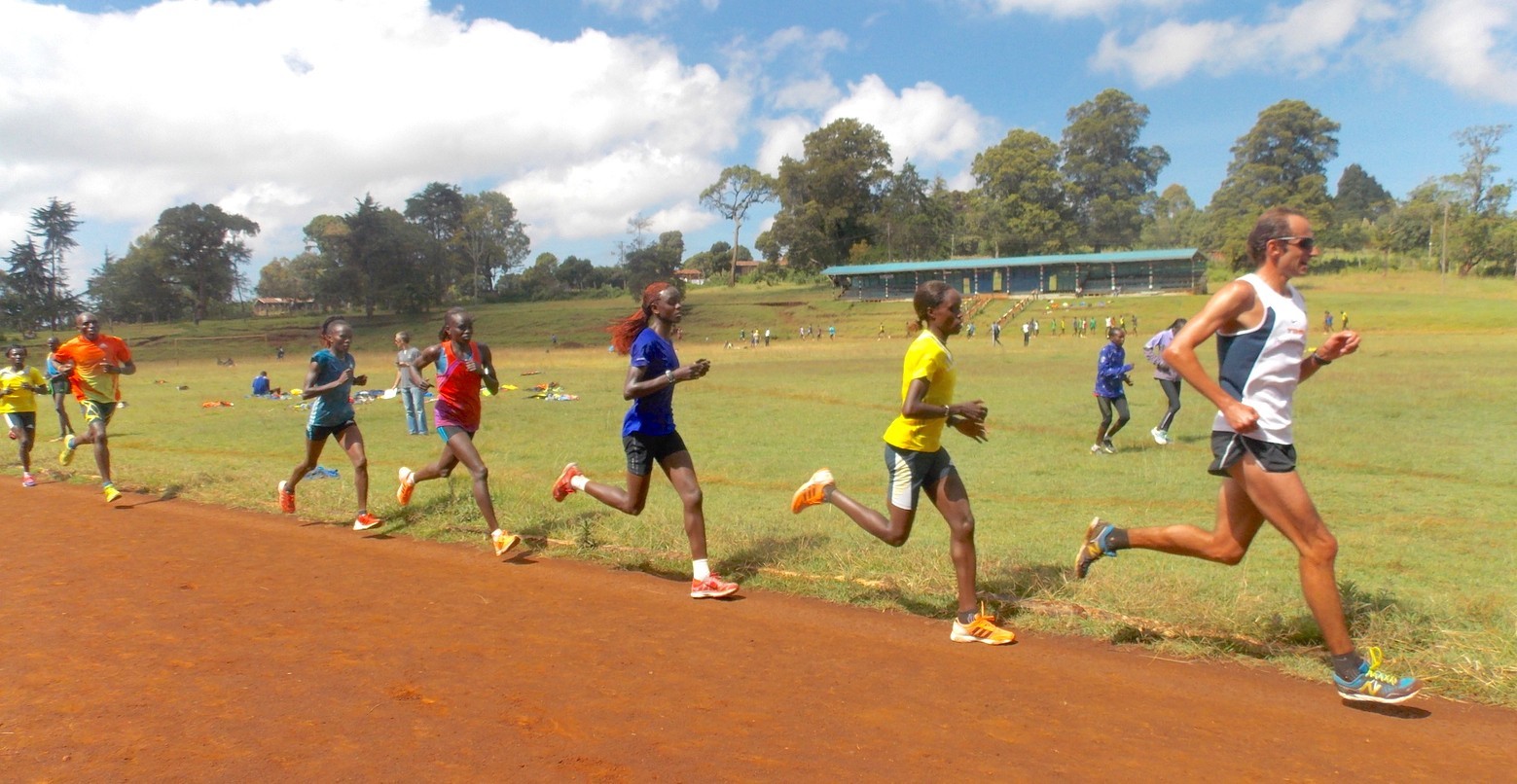
In Kalenjin dialect, Sigowet is a herbal tree which is medicinal, but its efficacy has failed to tame the deadly virus as athletes stay away.
The camp has for years been a big attraction to scouts from Kenya Police Service, Kenya Defence Forces (KDF), Kenya Prisons among others lining up the running track to monitor future stars aged between 15 to 20 years as they push their nimble, little bodies to improve their fitness ahead of major races.
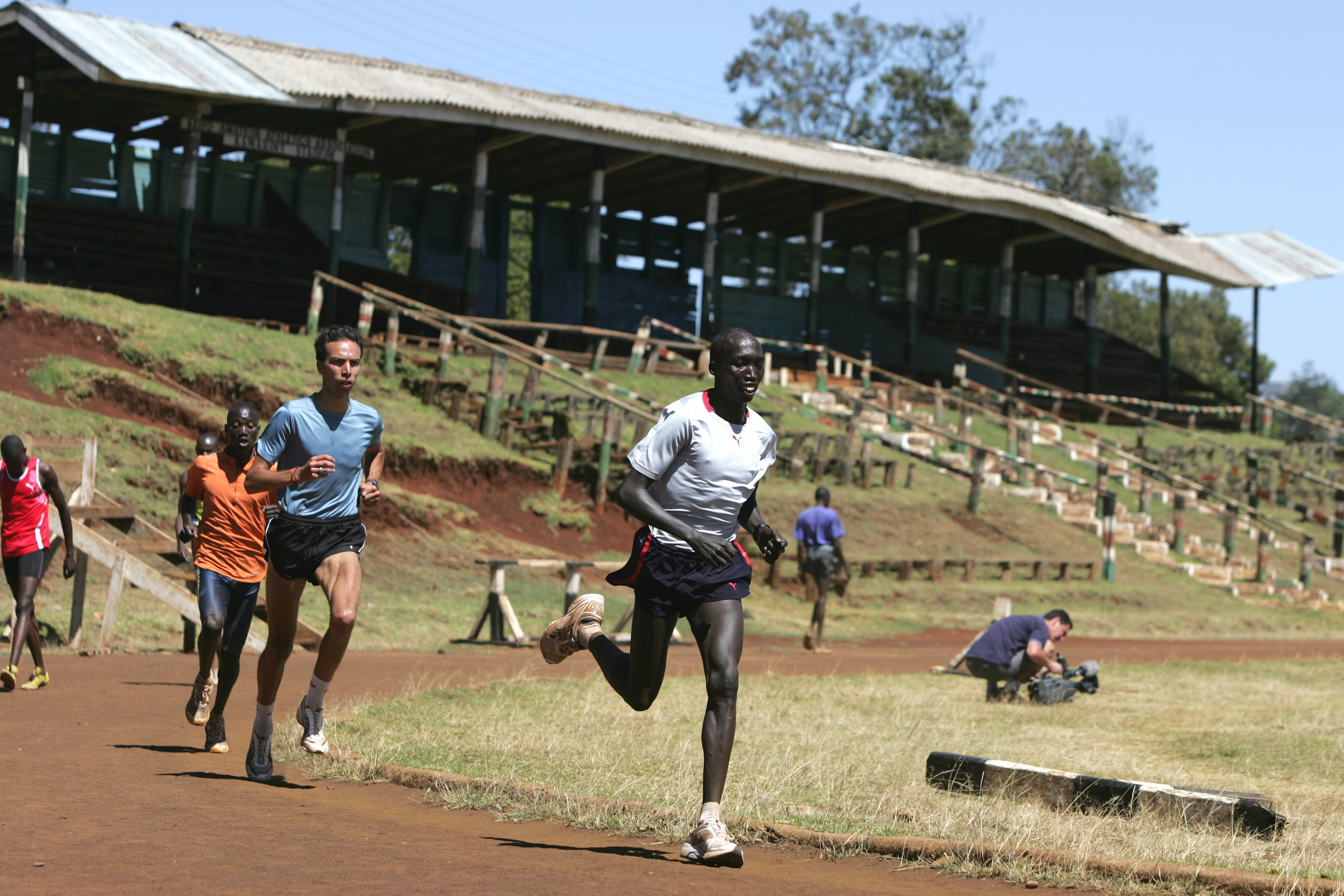
Sigowet Training Camp was founded in 2001 by veteran athletics coach, Japheth Kemei and hosts between 60-100 athletes when it is in top gear.
“At this time of the year the camp hosts between 60 -100 youth and senior athletes training for various competitions, but since covid-19, it now resembles a ghost camp,” said Kemei, who is also chairperson of Athletics Kenya in Kericho County.
Before Sigowet Camp was launched, the only athletic training camp in South Rift Valley was based at Keringet in Nakuru County and was launched by the former Kenya Secondary Schools Sports Association chairman, the late Livingstone Kimutai Ng’etich.
In a span of 10 years, it has become a permanent breeding ground of youthful athletes who have represented Kenya in World Junior and Youth championships.
The first athlete to hit headlines from the camp was Emily Cherotich, who won the World Youth 800m championship title in Debrecen, Hungary in 2001 while running barefoot.
Cherotich now turns out for Kenya Police team.
Since Cherotich burst into the international scene, Sigowet camp has been producing runners in Under-18 and Under-20 competitions.
The camp has provided national youth teams with at least three or five athletes in every major international competition.And when they return back home with their glittering medals, they receive a rousing reception bringing the tea land to a standstill.
At last year’s Africa Under-20 and Under-18 Championships in Abidjan, Cote d’Ivoire, some of the athletes from the camp clinched gold medals including Fancy Cherono (2,000m Steeplechase), Collins Kipkorir (Triple Jump) and Peter Itanao Leshan (Javelin). Ronald Kipngetich (2,000m Steeplechase) and Kenneth Kirui (800m) won bronze medals.
by Francis Mureithi
Login to leave a comment
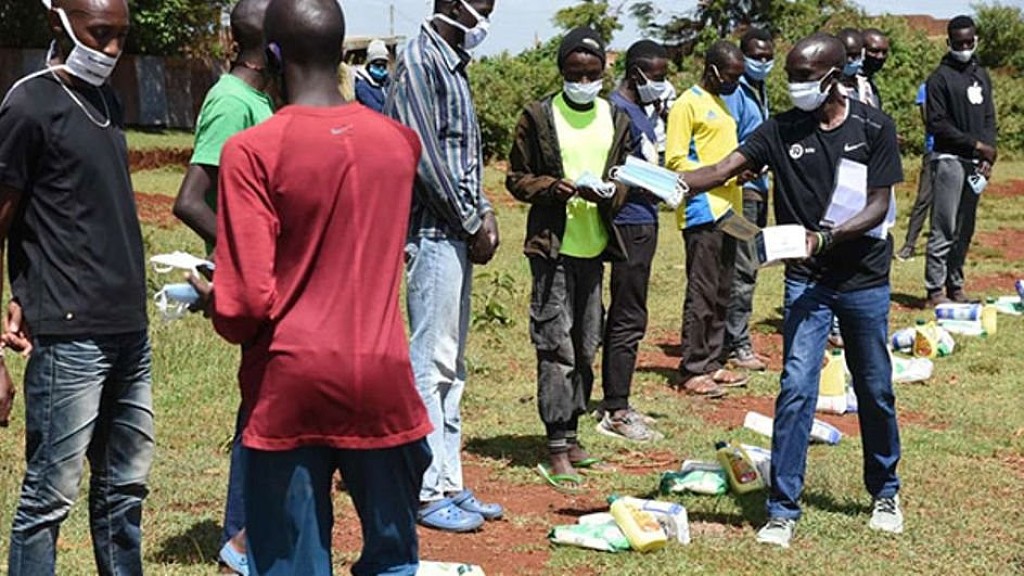
World marathon record holder Eliud Kipchoge distributes food and face masks to athletes at Kaptagat in Elgeyo-Marakwet County
Eliud Kipchoge has appealed to more well-wishers to contribute towards the Covid-19 food stimulus programme for athletes, saying he’s eager to see the programme roll out to the rest of Kenya.
So far, the focus of the relief food has been in the Rift Valley region where the Olympic champion has himself distributed food to athletes in Kericho, Nandi, Uasin Gishu and Elgeyo-Marakwet counties through the Ministry of Sport, his Eliud Kipchoge Foundation and other well-wishers.
On Wednesday, Kipchoge was in Elgeyo-Marakwet County again to assist athletes in his training base of Kaptagat after well-wishers Zaharia Hassanali and family in collaboration with Eliud Kipchoge Foundation gifted 24 athletes with food aid.
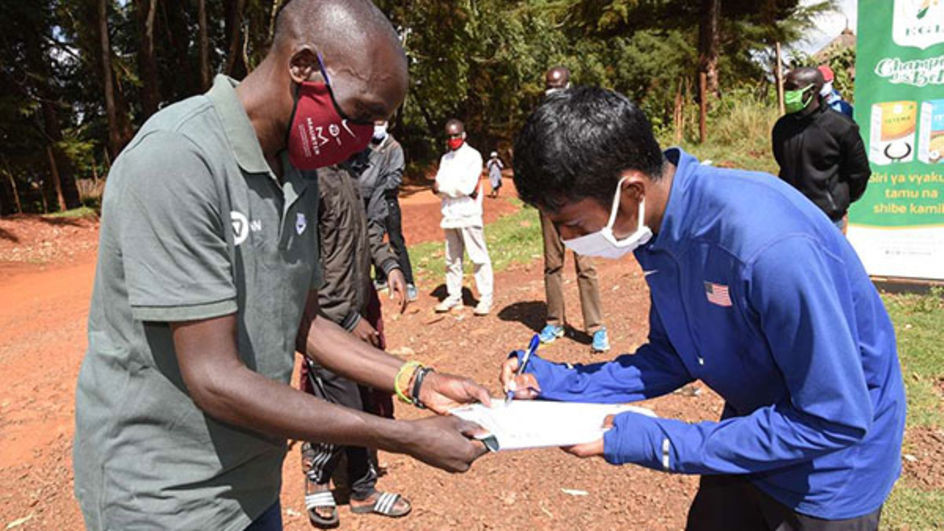
Kipchoge said many athletes have been suffering and need support because they can’t train on empty stomachs, forcing him to reach out to various corporates to help reach the vulnerable.
With more support from well-wishers, Kipchoge said he will go across the country to help athletes, footballers, volleyball players and any other sportspersons in dire need of support.
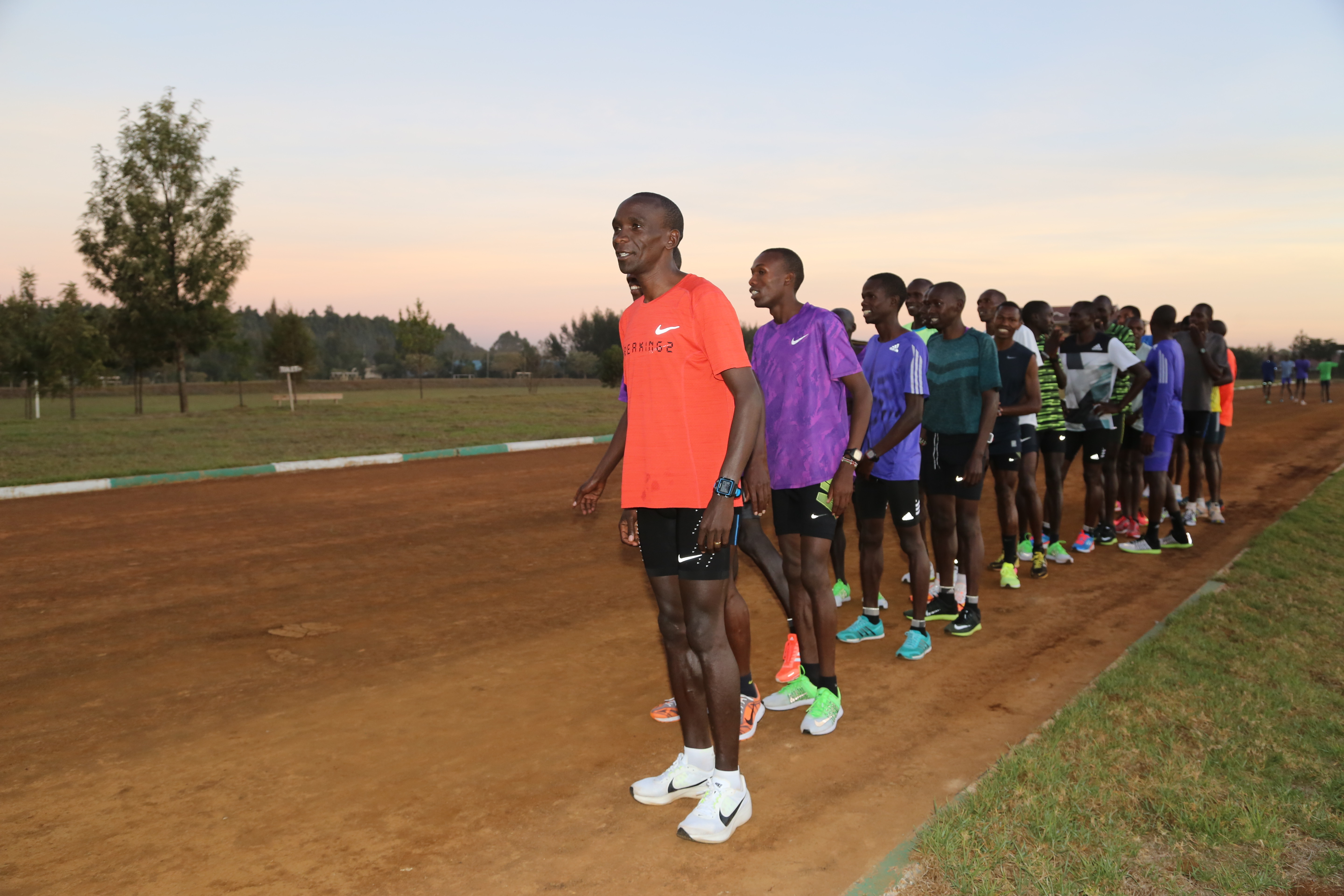
“I have been doing this for four weeks now, and I’m trying to reach those athletes who are vulnerable,” the world marathon record holder said.
“Today, I managed to meet 24 athletes who benefited from the exercise. I know how tough it is to train in an empty stomach and I will always support the upcoming in this exercise including those who are in other events.
“In these hard times, I know what the athletes are going through, and I would urge for more support so that together we can beat this pandemic which has affected the athletes’ lives.”
With elite runners depending on races across the globe, cessation of sports events due to fears over the spread of the coronavirus has forced the athletes into a tight financial corner.
Kipchoge also thanked Sara Janmohamed, who made 100 masks for the Olympic champion’s foundation, urging more youths to be innovative.
“I was touched by Janmohamed, who is still in secondary school, who was able to make 100 masks which I have also distributed to athletes. I would like to urge the youths to be more proactive in the fight against the Covid-19,” he said.
He urged athletes to continue training hard hoping that the next season would be better if the virus is contained.
“For now, apart from the food distribution, safety is more paramount but when competition resumes we shall come out stronger as athletes as we look forward to a better season,” said Kipchoge.
Kipchoge is preparing for the much awaited duel with Ethiopian legend Kenenisa Bekele at the rescheduled London Marathon on October 4.
“Right now, safety is my priority and I will soon be starting my training and when that time comes, I will be able to tell you my training programme,” added Kipchoge.
Ismail Cheboror, one of the athletes who benefited yesterday, said he was touched by the support from the athletics legend and he is looking forward to be like him in future.
“I’m happy for the support I have received which will keep me going in my training. “Kipchoge is God-sent and I want to be like him in future because he always inspires me,” said Cheboror.
Sarah Jelagat, who is a road racer, couldn’t hide her joy after receiving her food ration, saying she has been struggling to put food on the table.
“I was preparing for a road race in the United States of America in March, but it was cancelled due to the virus and since then I have just been training to keep fit,” said Jelagat.
by Bernard Rotich
Login to leave a comment
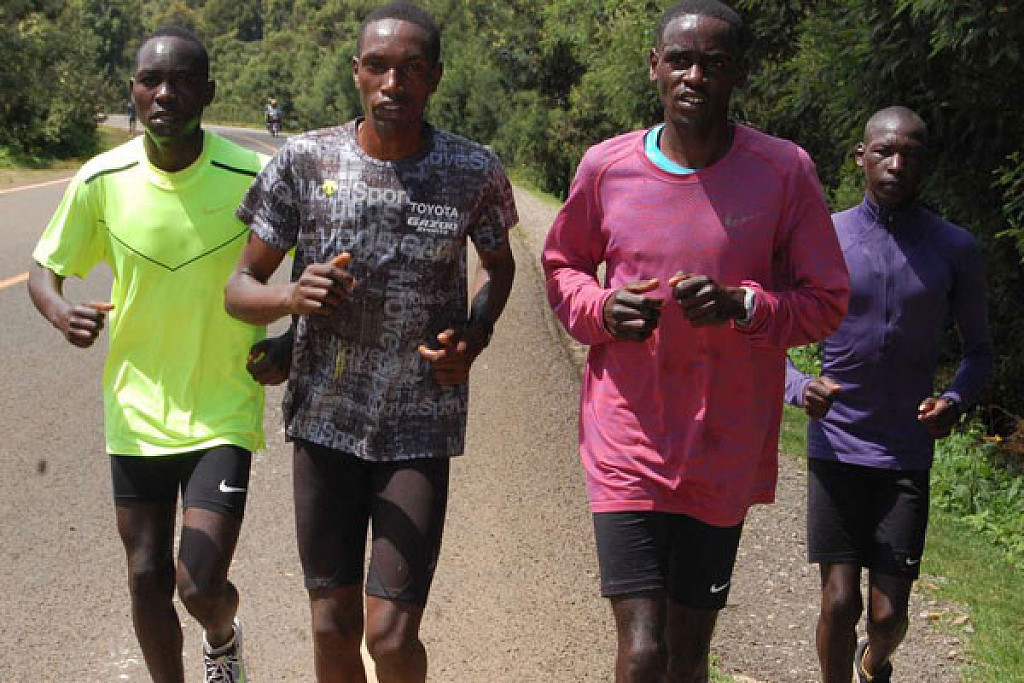
Coronavirus Pandemic puts dreams of runners at Keringet Athletics Camp on hold
If there is an athletics camp in Kenya that has been badly affected by ban on sports activities due to coronavirus pandemic, is no doubt Keringet Athletics Training Camp in Nakuru County.
The camp was planning to start its second schedule of serious training from April 12 to 26 ahead of the World Under-20 Championships at Moi International Sports Centre, Kasarani, from July 7 to 12.
The camp held its first training schedule at Keringet Boarding Primary School from November 18 to December last year. The youthful athletes from the camp have now been forced to stop training in line with the government’s directive for people to observe social distance to help stop the spread of the deadly virus.
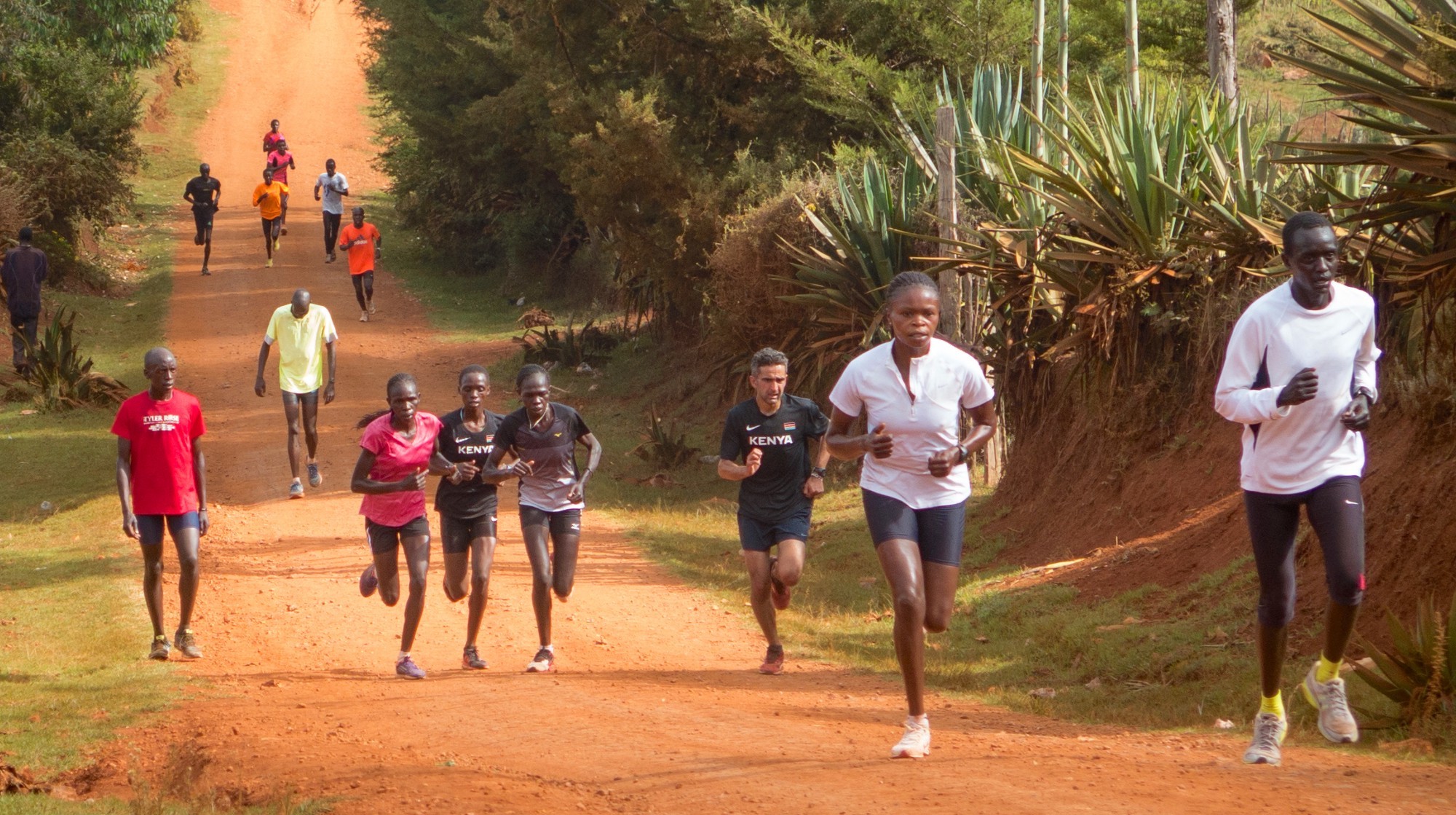
World Under-20 1,500 meters silver medalist Edna Jebitok, Africa Under-18 3,000m champion Zenah Chemutai and silver medalist Deborah Jemutai are some of the big names from the camp who were hoping to make the Kenyan team before the virus struck.
Other notable names from Keringet Athletics Training Camp who due to step up training include Viola Chepkirui (3,000m) and Maureen Cherotich (1,500m).
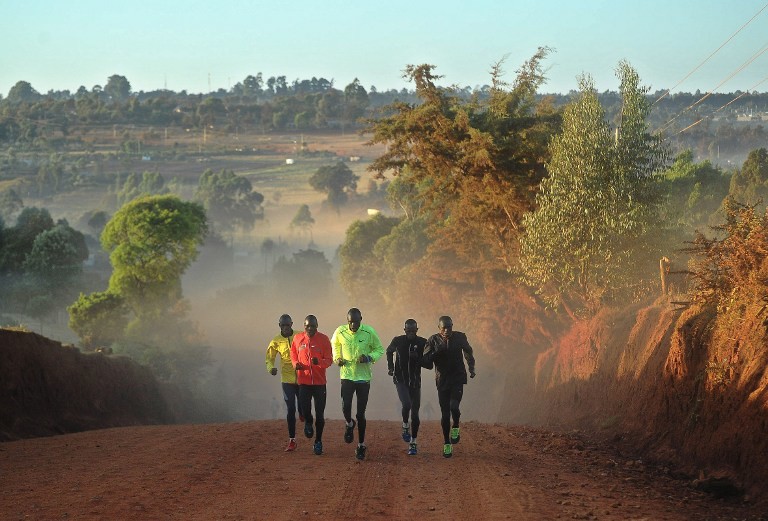
Those in men’s category include Benson Sigei (5,000m), Michael Kibon (400m), Nehemiah Kimutai (5,000m), Dennis Kirui (3,000m) and Steven Masindet (800m).
Some of the junior runners from the camp to have donned the national team colors include Kipkemoi Misoi (3,000m steeplechase) and Benjamin Kipkurui who represented Kenya in 1998 World Junior Championships in France.
“These are some of the athletes who were looking forward to make the team but their hopes of featuring in the national team have been put on hold,” said camp coordinator David Bii.
The popular athletics camp in Kuresoi South was started by the late Livingstone Kimutai Ng’etich who is a former Athletics Kenya (AK) South Rift Valley branch chairman. The camp has produced talented runners in junior and youth competitions.
Since the camp was established in 1998, it has given North Rift region a good run for its money, producing more athletes in Kenya’s junior and youth teams.
The camp, under head coach Charles Ng’eno assisted by Charles Ngau and Mike Koskei, is best known for producing reigning Olympics 1,500m champion Faith Chepng’etich, former World and London Marathon champion Geoffrey Kirui, and World 800m bronze medalist Ferguson Rotich among others.
The latest sensation from Keringet Athletics Training Camp who gave North Rift runners a scare is Amos Kirui who beat a star-studded field that included the World Cross Country Championships champion Geoffrey Kamworor to win the senior men's 10km race in the National Cross Country Championships at Eldoret Sports Club last year.
But visiting the camp’s training ground, you would be baffled by the poor state of the camp that has now been reduced to a grazing ground.
Prior to the outbreak of coronavirus, athletes used to train at Keringet Boys Primary School and along Molo – Olenguruone road and running the risk of being knocked down by motorists.
“The county government should speed up the construction of the athletics complex and this will help churn out more talents in the region,” said Bii. The devolved unit has set aside Sh50 million for upgrading the training camp. Apart from acquiring documents of the 20 acres of land on which the camp sits, nothing much has been done.
by Francis Mureithi
Login to leave a comment
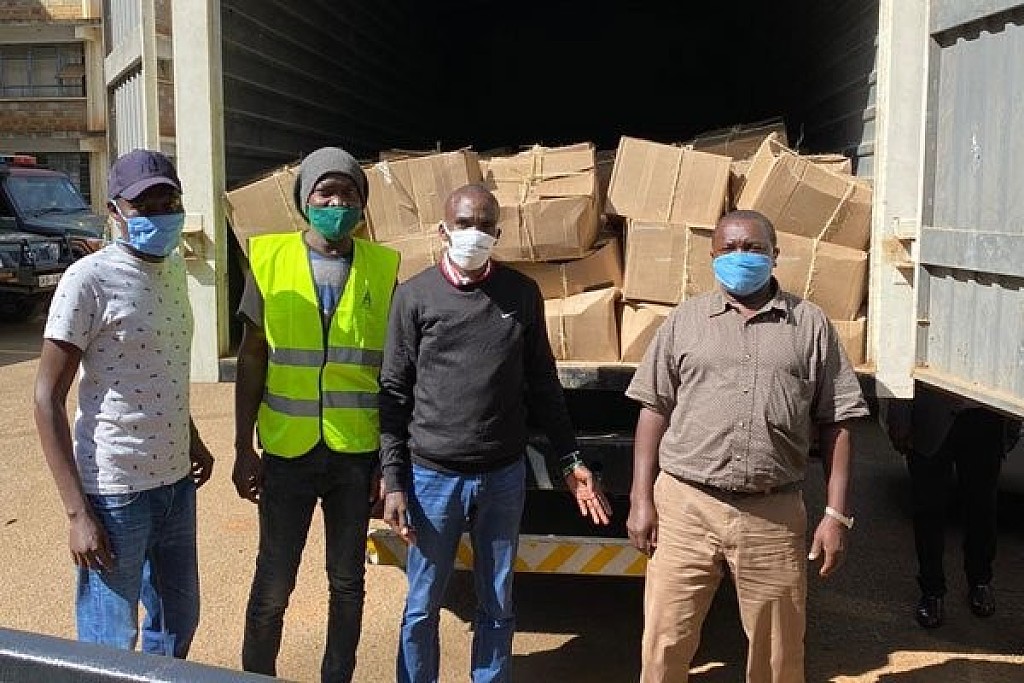
Eliud Kipchoge, the legend, is leading from the front in distributing relief food to vulnerable athletes in the Rift Valley
On Friday, the Olympic champion and world marathon record holder Eliud Kipchoge spent his day in Kericho County distributing the food which was flagged off by Sports Cabinet Secretary Amina Mohamed on Thursday.
Kipchoge, along with his Eliud Kipchoge Foundation, was picked as the ambassador of the relief project by the Ministry of Sport to motivate and come to the aid of athletes who have lost huge potential income owing to cancellation of races as the Covid-19 pandemic continues to bite.
The food was donated by the ministry and well wishers, including the Hindu Council of Kenya, with Sports Principal Secretary Joe Okudo joining Amina in flagging off the consignments on Thursday.
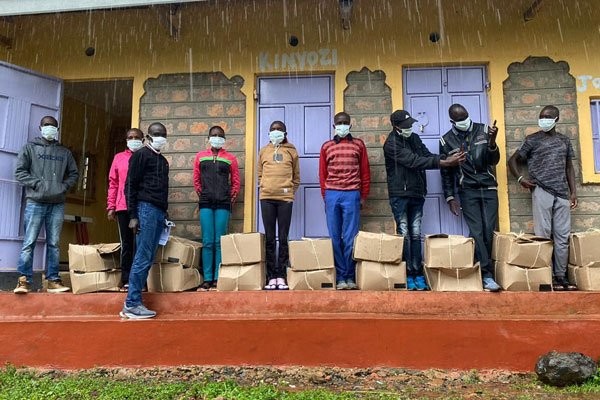
The packages being given to each athlete, have, inter alia, maize and wheat flour, rice, cooking oil and pasta.
Athletes in Kericho were excited to not only receive the portions, but also have a close encounter with their legend Kipchoge who became the first man to run the marathon in under two hours in Vienna last October.
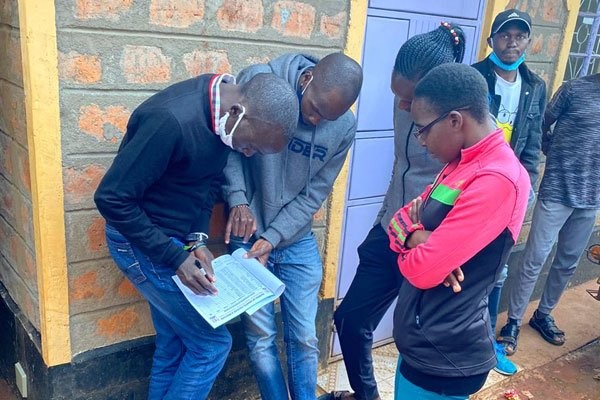
Kipchoge was, perhaps, difficult to identify, given that he wore a face mask in tandem with public health directives, but his Nike jumper and unique, grey Nike Zoom shoes along with the spring the famous spring in his step as he moved up and down, unloading the consignments from trucks, gave him in.
Seeing the legend “live” was huge consolation for the disruption in the Kericho athletes’ training programmes by Covid-19 precautions that outlaw group training sessions and races from being held.
Kipchoge’s programme too has been seriously disrupted by the pandemic.
Last month, he had been lined up with his Ethiopian Global Sports Communication stable mate but rival, Kenenisa Bekele, at the London Marathon.
Then in July, he was primed to defend his Olympic marathon title in Sapporo.
But while the April 26 London Marathon was postponed to October 4, the Olympic Games have been pushed to July and August next year, holding all factors constant.
Kipchoge has now to juggle between staying in shape and helping out the disadvantaged athletes, indeed the hallmark of a selfless legend.
n Friday, Kipchoge will be on the food relief mission in Kapsabet, Eldoret, Iten and Kaptagat.
"Through Eliud Kipchoge, we have identified 58 athletes who are very needy and deserve to get these food packages,” CS Amina said on Thursday while flagging off the food convoy at Nyayo National Stadium.
“The effects of the pandemic mean they cannot compete and they do not have any source of income.”
The CS, who announced earlier in the week that cover 1,000 sportsmen and women will benefit from the relief food, also appealed to the private sector and individuals to supplement the government's efforts in helping the vulnerable sportsmen and women.
by Bernard Rotich
Login to leave a comment
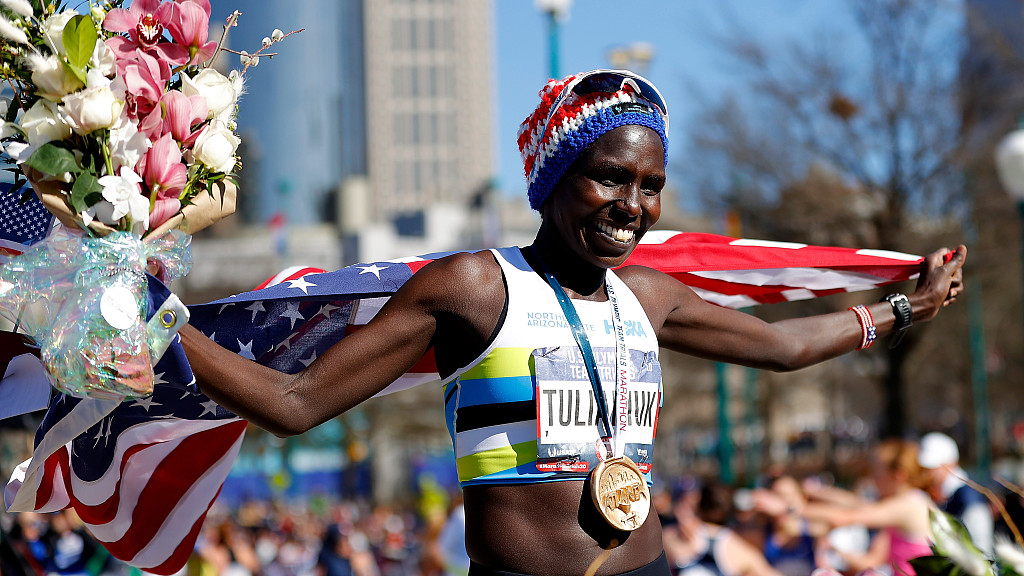
Aliphine Tuliamuk still remembers the day she received her first pair of running shoes
Nearly twenty years ago, the future 2020 U.S. Olympic Marathon Trials champion was just another promising young runner in the Rift Valley province of her native Kenya. Only 11 years old, she was selected to compete in the state meet in the 10,000m after outracing older girls in the arduous event.
On their way to the competition, her coach—Geoffrey Ptormos, a distant relative of Tuliamuk’s—arranged for Tegla Loroupe to come meet the team. The local Kapenguria legend was training for the 2000 Olympic Games as the favourite for the marathon and the 5000m, and by then had captured two New York City Marathon titles, three World Championship half marathon titles, and was the world record holder in the marathon twice over, with her best effort of 2:20:43 standing until September 2001.
But Tuliamuk didn’t know any of that quite yet. Instead, it was Loroupe who was quite taken with the young runner’s abilities.

“The athletes I had beaten in the 10,000 were way older than me, so Tegla was very impressed by my performances,” Tuliamuk remembers. “She ended up giving me a pair of shoes and she became my hero instantly.”
Tuliamuk didn’t race in the brand-new flats right away— “no way, I wasn’t used to wearing shoes and racing, I thought they would hold me back” —but she treasured the gift, saving the new shoes for special occasions.
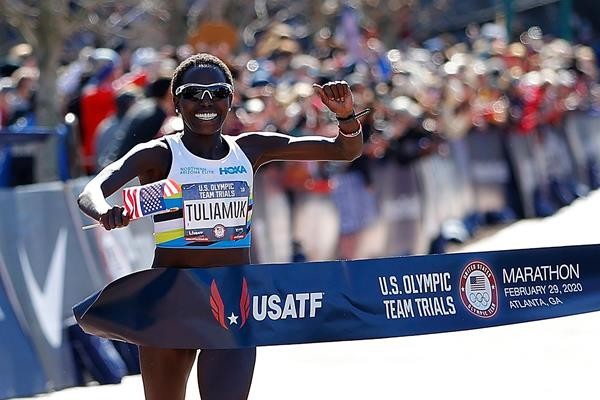
“It meant the world to me,” she says. “I was barefoot at the time, so to get this really beautiful, clean pair of shoes from her was awesome.”
Modest roots.- Tuliamuk shrugs off her humble upbringing as normal.
She and her 31 siblings, all born to the same father from four different mothers under the culturally accepted practice of polygamy, ran two miles, barefoot, to and from school everyday, as did her friends. Running is so ingrained in everyday life that those with natural abilities in the sport are easily spotted. But of Tuliamuk’s immediate community, she was the only one to pursue competitive running.
Ptormos noticed Tuliamuk’s burgeoning talent and invited her to come live with his family in a neighboring village after the state competition in 2000 so he could coach her. She lived with them on and off for eight years, until she finished high school.
Her best performance during that time came in 2005, when she placed ninth in the World Junior Cross Country Championships as a 15-year-old. The 6km race was held in Saint-Galmier, France, where the beds were the size of three beds back home and the travel van was outfitted with mini TVs. At the race after party, runners danced to music and chowed down on fancy French pastries.
The event opened Tuliamuk’s mind to the vast opportunities that running could afford her.
But as the idea of running professionally and competing in the Olympic Games lodged itself in her brain, Tuliamuk also wanted to succeed in the classroom. Athletics were not a big priority at her high school and by her last year, she had stopped running entirely.
by worl Athletics
Login to leave a comment

2028 US Olympic Trials Marathon
Most countries around the world use a selection committee to choose their Olympic Team Members, but not the USA. Prior to 1968, a series of races were used to select the USA Olympic Marathon team, but beginning in 1968 the format was changed to a single race on a single day with the top three finishers selected to be part...
more...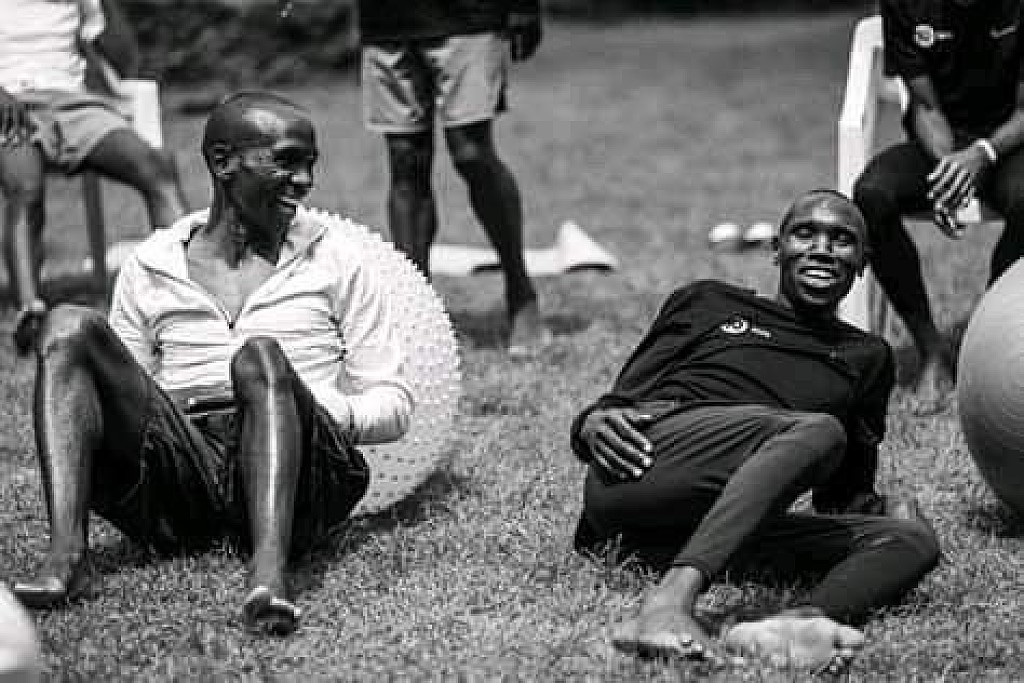
The King of the Half Marathon a three part article profiling Geoffrey Kamworor
Part I The King of the Half Marathon: The new half Marathon world record holder Geoffrey Kamworor with a 58:01 was born November 22 1992, and is 5'8" (1.72m) tall and weighs 128lbs (58kg), in a remote village called Chepkorio Keiyo south constituency in Kenya. The village is in the highland of the Rift valley with high altitude of approximately 8,300 feet (2500m). The place is very cool because of the near conserved kaptagat forest where they train daily.
Geoffrey trains with Global Sports Communications Management in Kaptagat just a few miles from his home. They train together with Marathon world record holder Eliud Kipchoge under Coach Patrick Sang. They share the same program with Eliud and has been part of the team helping Eliud in preparation for INEOS sub two hour marathon attempt in a few weeks.
The two world record holders in half and marathon are close friends and training mates. "Eliud really is like a brother to me. I always make sure I'm around him to be like him and always do what he is doing. He is my role model," Geoffrey says.
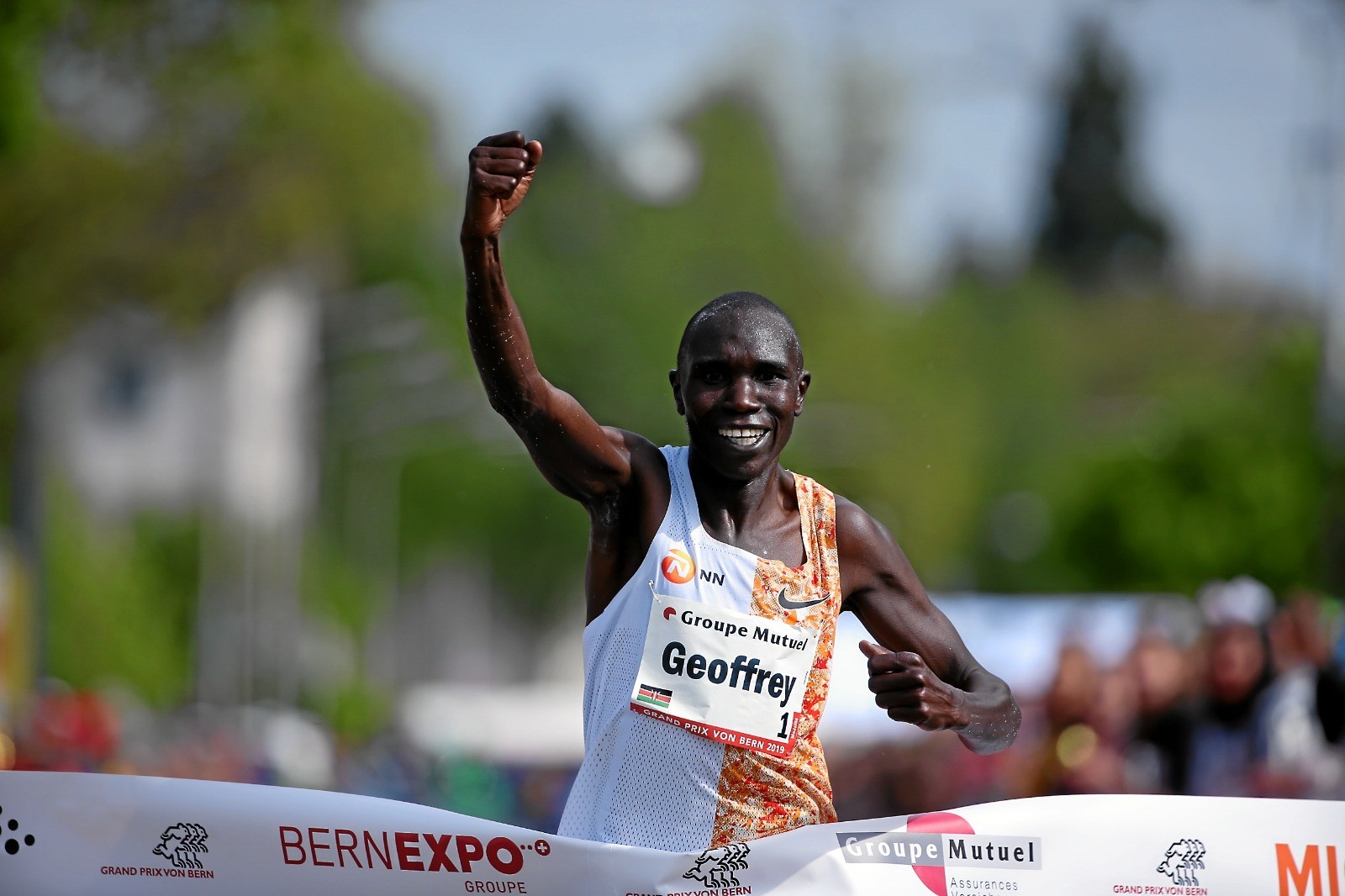
Eliud Kipchoge believes Kamworor is the one to break his marathon record due to the discipline and commitment he puts in training. "Owing to his hardwork and discipline in training. Geoffrey is absolutely the man and everything is possible if he continue to embrace great planning, preparations, management and coaches," says Eliud Kipchoge.
Geoffrey is a special type of athlete who is an all-around long distance runner that competes in cross-country, track and field(10000m and 5000m), half marathon and marathon races.
In Copenhagen the 26 year-old smashed fellow Kenyan compatriot Abraham kiptum world record by 17 seconds and improved his PB by 57 seconds clocking 58:01 in the Copenhagen half marathon Sunday September 15.
Geoffrey said he was inspired by fans and Eliud Kipchoge after breaking the world record. "I have won three world Half Marathon Championships titles and fans kept on asking me when I would break the world record. They said I am the one to do it and I told them my time will surely come.
"This was the time and God's time is always the best. This is really special for me even though the weather wasn't conducive, I improved by 57 seconds," said Geoffrey after the record win. The new king of the half marathon ran alone from 10km.
Geoffrey studied in Lelboinnet boys secondary school (named after white reindeer found along river bank). He loved athletics since childhood but never paid much interest as a full time profession.
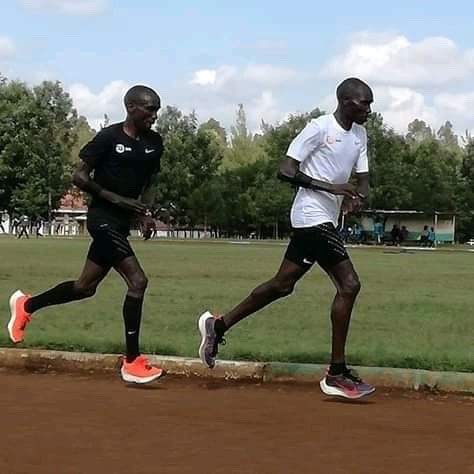
The inspiration came from within his village which is rich of athletics pedigree in 5000m, 10000m and the marathon. From the region, the world great long-distances like 2018 London Marathon champion Vivian Cheruiyot, 5000m millitary games winner Sammy Kipketer and Kenyan born who switched alleges to Qatar Albert Chepkurui.
During his Childhood Geoffrey used to sneak from his home to peep through the live fence to watch junior world stars training in Kapkenda Girls High school while still in high school.
The love for sports kept on growing causing him to rise after winning his first international medal in 2011 at World Junior Cross-country championship in Punta Umbria. He has won many races including: 2011 World Junior Cross-country championship, IAAF World half marathon Championship three times in a row, IAAF Cross-country championship 2015 and 2017, first World Marathon major 2017 New York City marathon etc.
Kamworor dream was to practice athletics and get scholarships to study law in USA like any other scholar runners. But he ended up being a policeman to enforce the law.
"I just wanted to practice athletics. I knew that might land me a scholar to USA , where I could pursue a degree in law. I enjoy English which is why I did well in my class," said Geoffrey.
Part Two of a three part series is going to explore what he does other than training to get ready to break world records. The story will take a detail look at his diet and look at other things he does including massage and what he does to relax and spend time with his family. He feels this is all important to be a world class runner.
by Reporting from Kenya Willie Korir
Login to leave a comment
Copenhagen Half Marathon
The Copenhagen Half Marathon was the first road race in Scandinavia and is one of the fastest half marathons in the world. The Copenhagen Half Marathon has been awarded with the International Association of Athletics Federation's (IAAF) most distinguished recognition - the IAAF Road Race Gold Label. Copenhagen Half Marathon was awarded the IAAF Road Race Bronze Label in January...
more...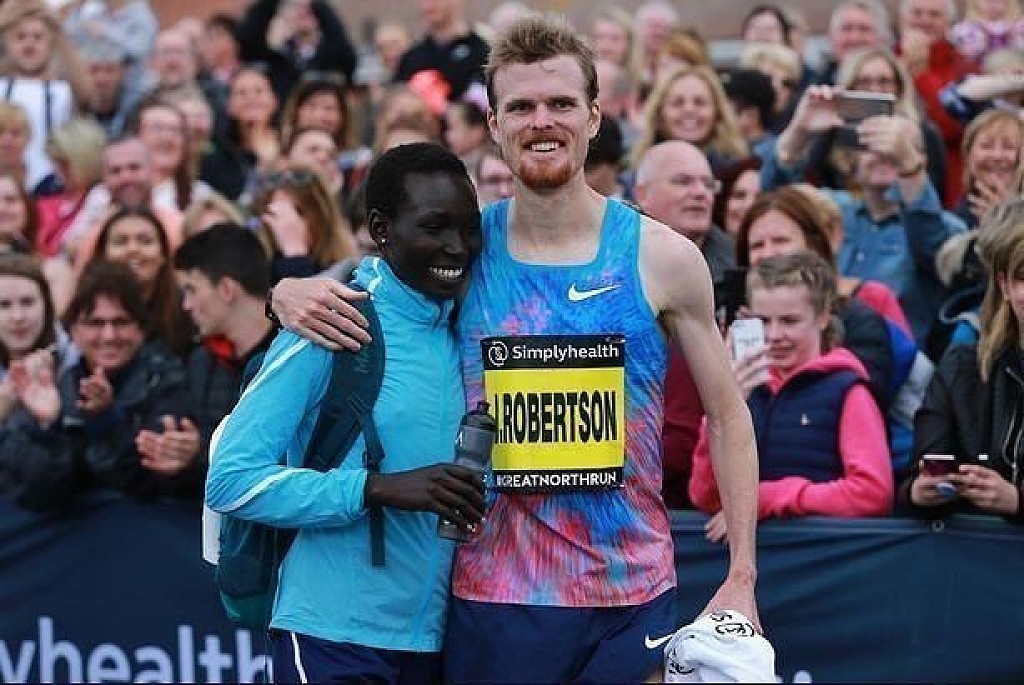
Jake Robertson’s wife Magdalyne Masai wants to be in the top three at Toronto Waterfront Marathon
Magdalyne Masai’s performance at the Hamburg Marathon on 28 April earned her praise from around the world given that she had run a personal best of 2:26:04 and finished second in the highly competitive race.
Moreover, it earned her an invitation to this year’s Scotiabank Toronto Waterfront Marathon, an IAAF Gold Label road race, on 20 October.
She will arrive in Canada’s largest city privy to useful knowledge of the city and the race as her husband, Jake Robertson of New Zealand, finished fifth here a year ago.
“I want to get a personal best and finish in the top three,” she said, speaking during a video call from her home in Iten, Kenya. “That is my aim. I want to be in top three. I think 2:23 or 2:22 is within reach.”
That would challenge the ‘family record’ held by her elder sister, Linet Masai, who ran 2:23:46 In her debut last year in Amsterdam.
‘Magz’, as she is affectionately known, comes from a family of runners. Linet was the 2009 world 10,000m champion while the eldest of the 10 Masai kids, Moses Masai, was the 10,000m bronze medalist at those same championships in Berlin. Another brother, Dennis Masai, won the 2010 World Junior Championships in Moncton, New Brunswick. A younger brother, Alex Masai, is currently running for Hofstra University in New York State.
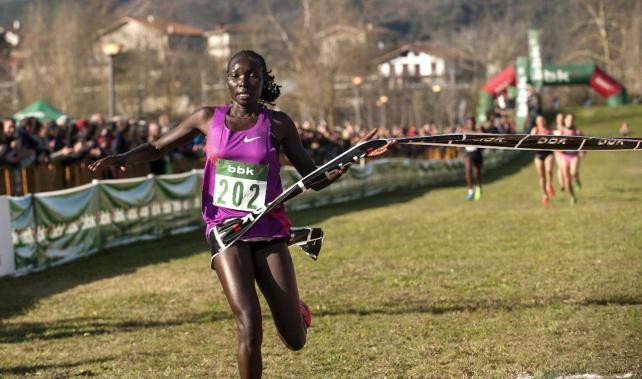
It’s not difficult to see where her influences came from as she grew up in the Rift Valley of western Kenya where the altitude is roughly 2,500m above sea level.
“We moved a lot,” she says of her upbringing. “I was born in Mt. Elgon forest. After some point we moved to Kapsogom. Currently my parents are in Trans Nzoia district.
“I met Jake in Iten because my sister Linet was staying in Iten. I had come to start training in Iten as well and was staying with her.”
Robertson and his twin brother, Zane, had arrived in Kenya as teenagers fresh out of high school. Their intention was to live and train like the Kenyan runners they admired. He and Magdalyne fell in love and, after a six-year relationship, he famously proposed at the finish line of the 2017 Great North Run. Moments before, he had finished second to Olympic champion Mo Farah and Magdalyne finished fourth in the elite women’s race.
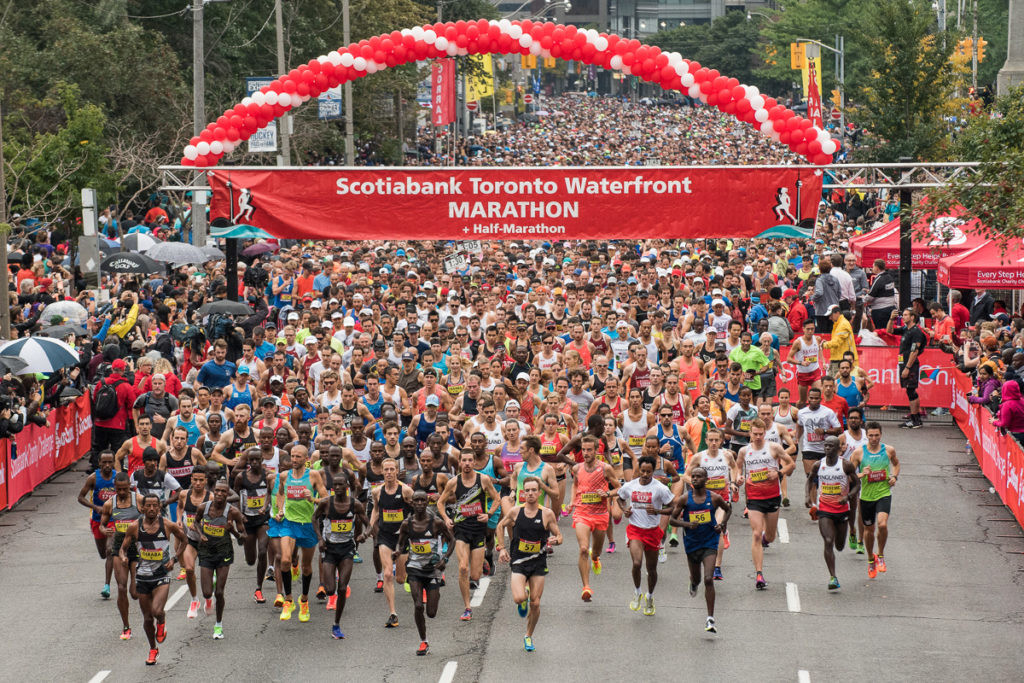
“So far in my training not only am I looking at time but also how I am feeling,” she explains. “Mostly I judge myself when we do long intervals on the roads. We run 4km at about 3:30 (per kilometre) pace. Then for one kilometre easier at 4:00 pace. We do that five times. If I finish that feeling like I can continue that’s when I know I am feeling good and ready to go."
Magdalyne Masai may not have the fastest time among the elite women who will toe the line on 20 October, but she certainly will be prepared to run with the leaders. And nobody could be prouder than Jake Robertson if she achieves her goal of a top three finish.
by iaaf
Login to leave a comment
TCS Toronto Waterfront Marathon
The Scotiabank Toronto Waterfront Marathon, Half-Marathon & 5k Run / Walk is organized by Canada Running Series Inc., organizers of the Canada Running Series, "A selection of Canada's best runs!" Canada Running Series annually organizes eight events in Montreal, Toronto and Vancouver that vary in distance from the 5k to the marathon. The Scotiabank Toronto Waterfront Marathon and Half-Marathon are...
more...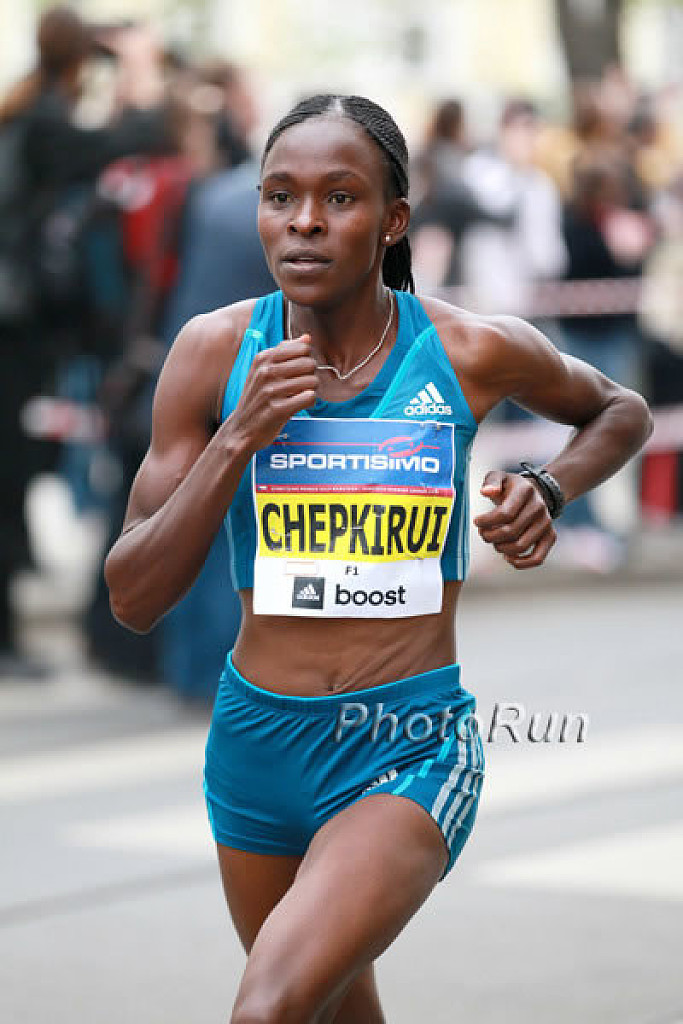
Two more Kenyan runners have been suspended for doping
The 2014 Glasgow Commonwealth and Africa 10,000m champion Joyce Chepkurui and long distance runner John Jacob Kibet Kendagor are the latest Kenyans to be suspended for doping offences.
Chepkirui, who also won the Amsterdam and Honolulu marathons in 2015 besides finishing 10th in Boston Marathon the same year, has been suspend by Athletes Integrity Unit (AIU) after some discrepancy in her Athletes Biological Passport (ABP).
Chepkirui, the 2011 African Games 1,500m silver medallist and 2012 Africa Cross Country senior women champion, has not competed this year.
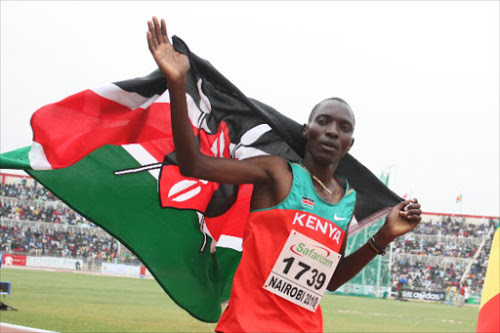
Chepkirui, who grew up in the then Buret District of the Rift Valley Province, made her first international appearance at the 2007 African Junior Athletics Championships, where she came fifth in the 1,500 metres.
The 30-year-old made her debut in the half marathon in Benidorm that November and finished second. She tried the 3,000 metres steeplechase in 2008, but managed only a fifth place finish at the national junior championships.
She changed her focus to road races the following year. She travelled to Spain and had top five finishes in a number of races, highlighted by a win in Almodóvar del Río with a time of 1:11:47 hours. At the end of the year, she placed fourth in the 15K at Kenya's Baringo Half Marathon.
Login to leave a comment
Current champion Eric Koech returns to defend his title at Belfast City Marathon this weekend
This Sunday's 38th Deep RiverRock Belfast City Marathon has broken all entry records and is fast approaching some 5,000 applications.
This is a clear result of both the historic switch to a Sunday event plus the attraction of an entirely new faster course which eliminates the old tortuous lengthy climb on the Antrim Road.
Current champion Eric Koech returns to defend his title from a year ago when he enjoyed a two minutes victory margin over fellow Kenyan Dan Tanui in a time of 2 hrs 18 mins 19 secs.
This win made up for the 37 year old's runner up spot in 2016 when he lost out to Joel Kositany. Eric has not raced since his victory in Belfast as he is determined to repeat last year's result.
However, this is far from a foregone conclusion such is the caliber of the opposition which is probably the best ever. It includes three times previous winner Kositany who took the titles with some ease in 2013, 2015 and 2016. However, Joel has bitter memories of last year when he was joint leader with Koech and looking comfortable with less than 3 miles to go.
He then suffered the athlete's ultimate nightmare of a pulled hamstring after which he painfully struggled to the finish for 3rd over 5 minutes behind the winner.
This experience has made him more determined to achieve a record 4 victories and finally surpass the 3 wins of John Mutai over ten years ago.
The 31 year old certainly has the pedigree to do this given the fact that he has the fastest marathon best in the field of under 2 hrs 10 mins.
Koech and Kositany will however have to keep a wary eye on yet another Kenyan Bernard Rotich. He is also a former winner from 2017 when he secured victory in 2 hrs 16 mins which is the 3rd fastest time on the old course.
Thirty-two-year-old Rotich who was also second in 2013 is possibly the biggest danger of all next Sunday as he has the best recent form. He followed up his Dublin Marathon victory of 2017 with a very useful time in the same race last October of 2.14.18.
Gideon Kimosop is also a Kenyan from the Rift Valley who has easily the most experience of racing in the Province. He is a treble winner of the Deep RiverRock Belfast City Half Marathon and was 2nd over the full marathon distance in 2015.
Login to leave a comment

Belfast City Marathon
The event has grown with the inclusion of new sponsors which now include Deep River Rock, Belfast City Council, U105, ASICS, Daily Mirror, Translink, Athletics Northern Ireland, Linwoods, Belfast Live, Centra, White's Oats, Podium 4 Sport, U105 and Tayto. The route will remain the same - starting at the City Hall and finishing at Ormeau Park. The race starts at...
more...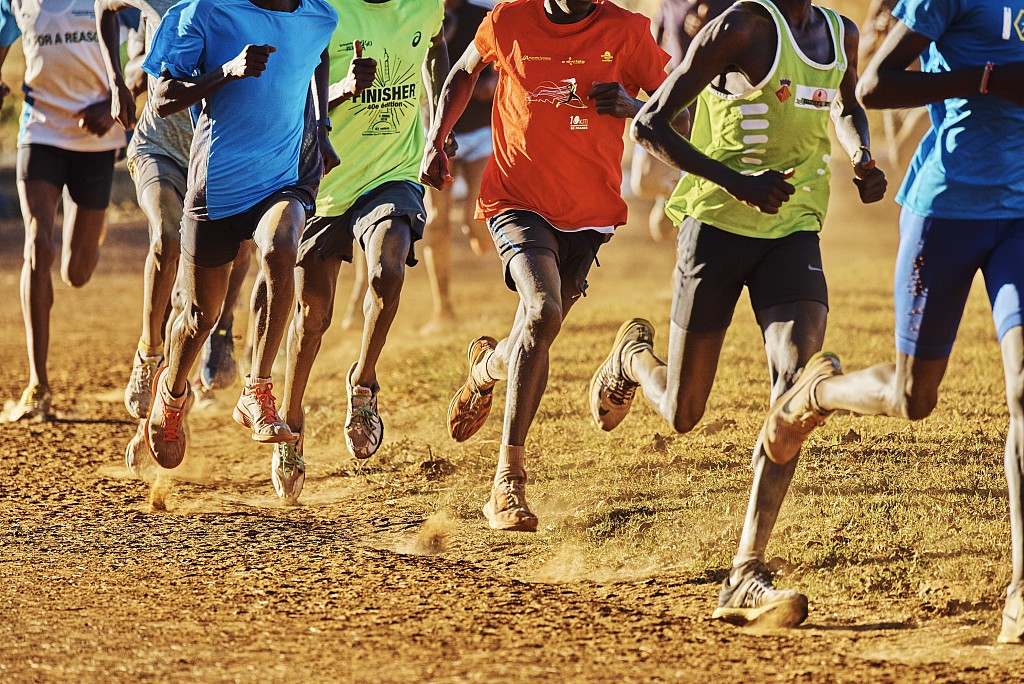
Thousands of Kenyan runners have the same dream Part 1: The Real Running Scene in the country of Kenya
by Willie Korir reporting from Kenya
Login to leave a comment
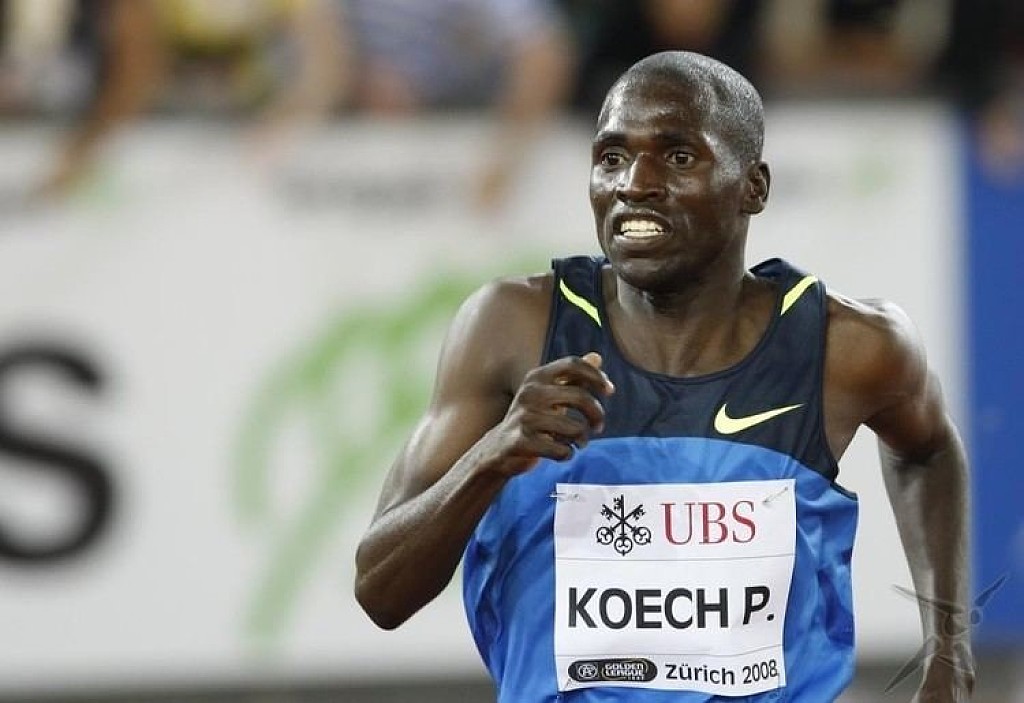
Kenya’s 1998 world half marathon champion Paul Koech died on Tuesday, after a short illness at the age of 49.
Login to leave a comment
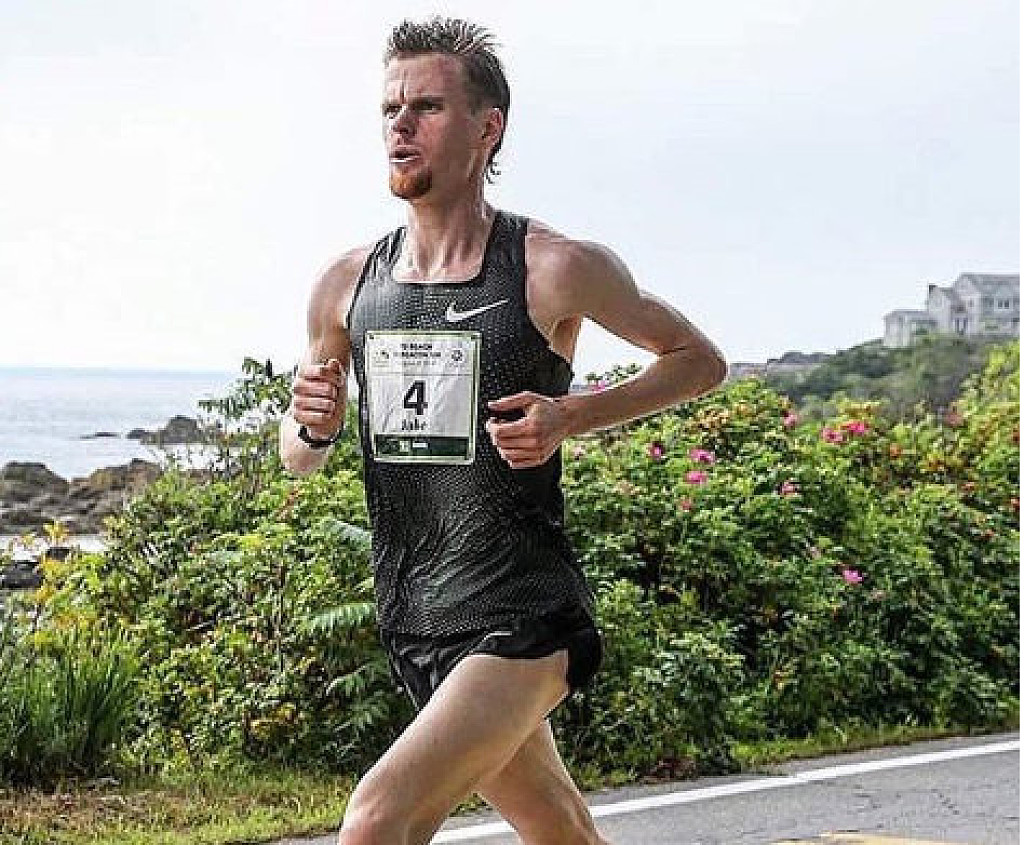
Jake Robertson primed to compete at Scotiabank Toronto Waterfront Marathon
Login to leave a comment
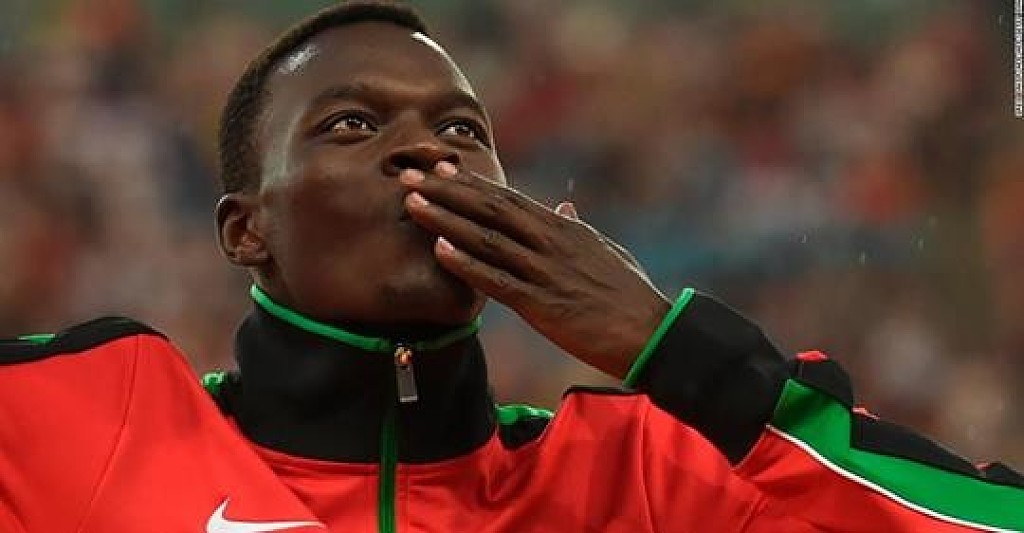
Kenya’s world 400m hurdles champion Nicholas Bett, 28, dies after a car crash
Login to leave a comment
