

Running News Daily
Running News Daily is edited by Bob Anderson and team. Send your news items to bob@mybestruns.com Advertising opportunities available.
Index to Daily Posts · Sign Up For Updates · Run The World Feed
Articles tagged #BRUSSELS
Today's Running News
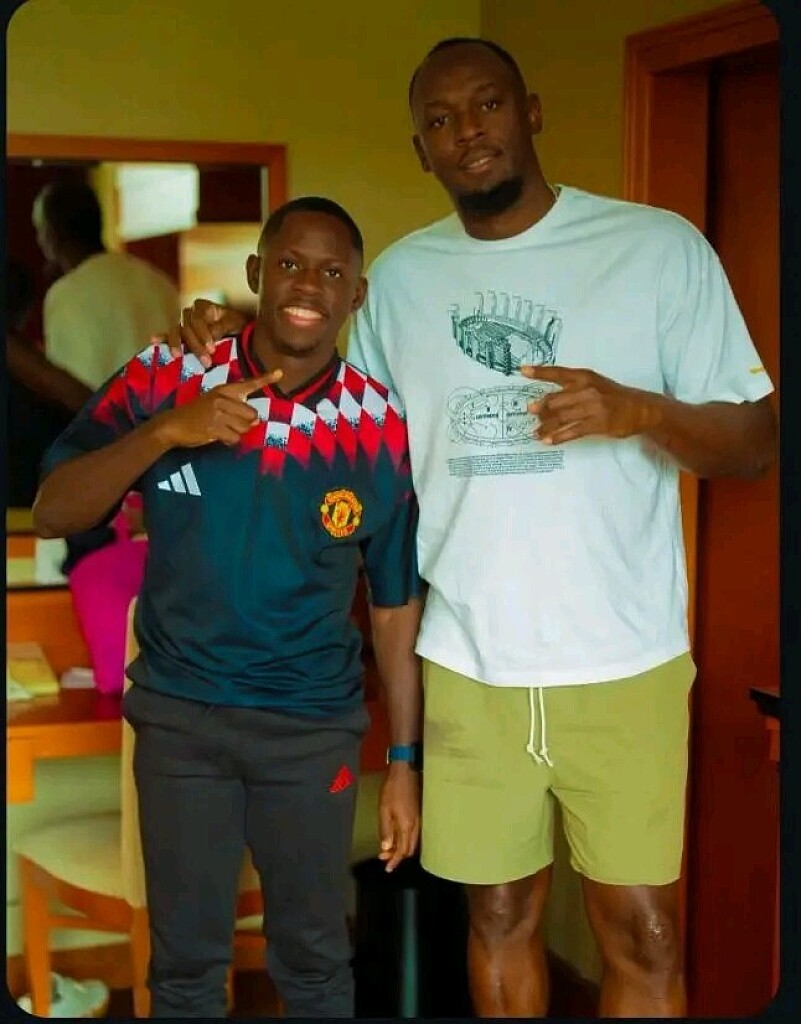


From Bolt To Seville: Jamaica’s Sprinting Torch Enters A New Era
For more than a decade, Usain Bolt defined Jamaican sprinting on the world stage. Now, a new generation is beginning to write its own chapter — and at the centre of that transition stands Oblique Seville, a sprinter whose journey is closely connected to the very people who shaped Bolt’s legendary career.
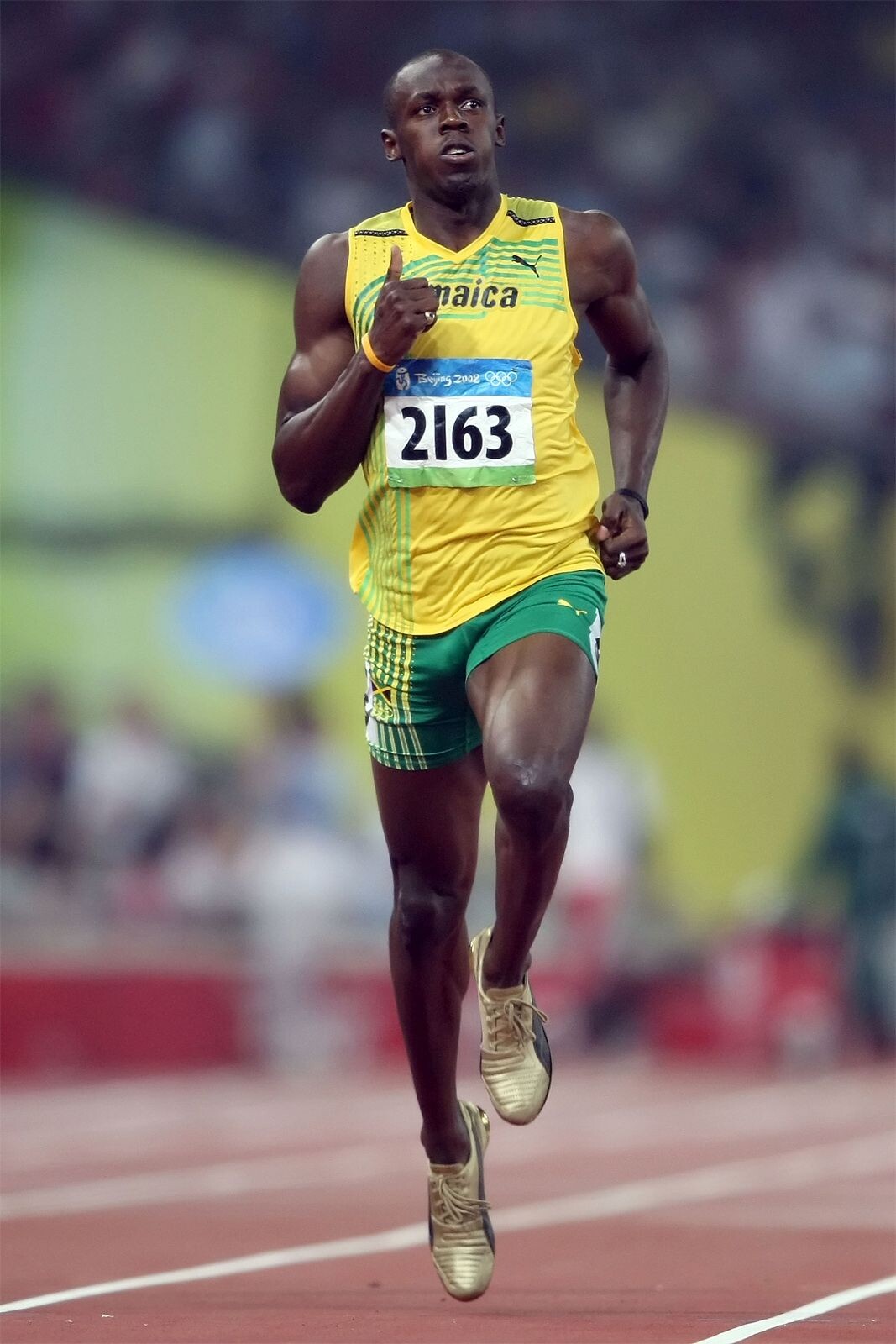
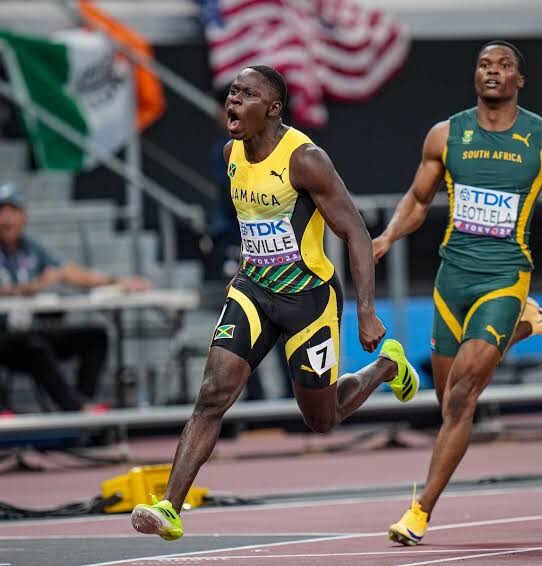
Seville announced himself as Jamaica’s new 100m champion in spectacular fashion at the 2025 World Athletics Championships in Tokyo. Running a lifetime best of 9.77 seconds, he captured the world title ahead of compatriot Kishane Thompson, who clocked 9.82, giving Jamaica a memorable one-two finish.
The significance of the victory was enormous. Seville became the first Jamaican man since Bolt to win the World Athletics Championships 100m title. And watching from the stands was Bolt himself, who celebrated enthusiastically as his compatriot delivered one of the biggest victories of his career.
But the connection between the two generations goes far beyond that unforgettable night in Tokyo.
A Dream That Began At 10
Long before Seville became a world champion, he already knew exactly who he wanted to coach him.
When he was around 10 years old, Seville reportedly told his mother that he wanted to train under Glen Mills — the renowned Jamaican coach who guided Bolt during the most dominant period of his career.
That childhood ambition eventually became reality. Seville joined the Racers Track Club and came under the guidance of Mills, establishing a relationship that has played a major role in his development as an elite sprinter.
Mills had already helped shape one of the greatest sprinters in history. Now, years later, he was helping another Jamaican talent reach the summit of the 100 metres.
Bolt Became More Than An Inspiration
Seville has also spoken about the influence Bolt has had on his life away from the track.
Following the death of his father, Gerald Seville, Bolt became an important source of encouragement and motivation for the young sprinter. Seville has described Bolt as a major motivator, adding another deeply personal dimension to a relationship that began with admiration from afar.
That makes the scene in Tokyo even more powerful: the athlete Seville grew up watching was there as he achieved the breakthrough that could define his own generation.
Bolt's presence was not simply symbolic. Before the final, he had spoken about Seville and Thompson as athletes capable of challenging for the gold medal. Seville ultimately delivered when the pressure was greatest.
From 9.77 To A New Challenge
Seville's Tokyo triumph was not the end of the story.
In 2026, he continued to establish himself among the world's leading sprinters, eventually claiming the men's 100m Diamond League title at the series final in Brussels. He also produced a season-best 9.82 in Kingston and recorded several victories during the Diamond League campaign.
The progression is significant. From an ambitious youngster dreaming of being coached by Glen Mills, to a World Championships gold medallist, and now a Diamond League champion, Seville is steadily building a career that belongs to him.
Yet he remains deeply respectful of the athlete whose footsteps he is following.
Seville has repeatedly acknowledged Bolt's greatness, while also believing that the next generation of Jamaican sprinters can push the event to another level. The ambition is clear: the future may eventually demand performances in the 9.6-second range.
For now, however, Seville's focus is not on becoming another Usain Bolt.
It is on becoming the best version of Oblique Seville.
The Torch Has Been Passed — But The Story Is Still Being Written
Jamaica's sprinting tradition has produced some of the most extraordinary athletes the sport has ever seen. Bolt took that tradition to an unprecedented level. Seville now represents a new generation determined to keep it alive.
The symbolism is difficult to miss.
The coach who helped guide Bolt is now guiding Seville. The champion who once inspired Seville as a young boy was there to watch him become a world champion. And the young Jamaican who once dreamed of joining Glen Mills is now collecting major titles of his own.
Seville has already secured a World Championships 100m title, a 9.77 personal best and a Diamond League crown.
The next chapter of Jamaican sprinting is no longer waiting to begin.
It is already underway.
And with Glen Mills in his corner and Usain Bolt among those who have helped inspire him, Oblique Seville is carrying the Jamaican sprinting tradition forward — while creating a legacy of his own.
by Erick Cheruiyot for My Best Runs.
Login to leave a comment
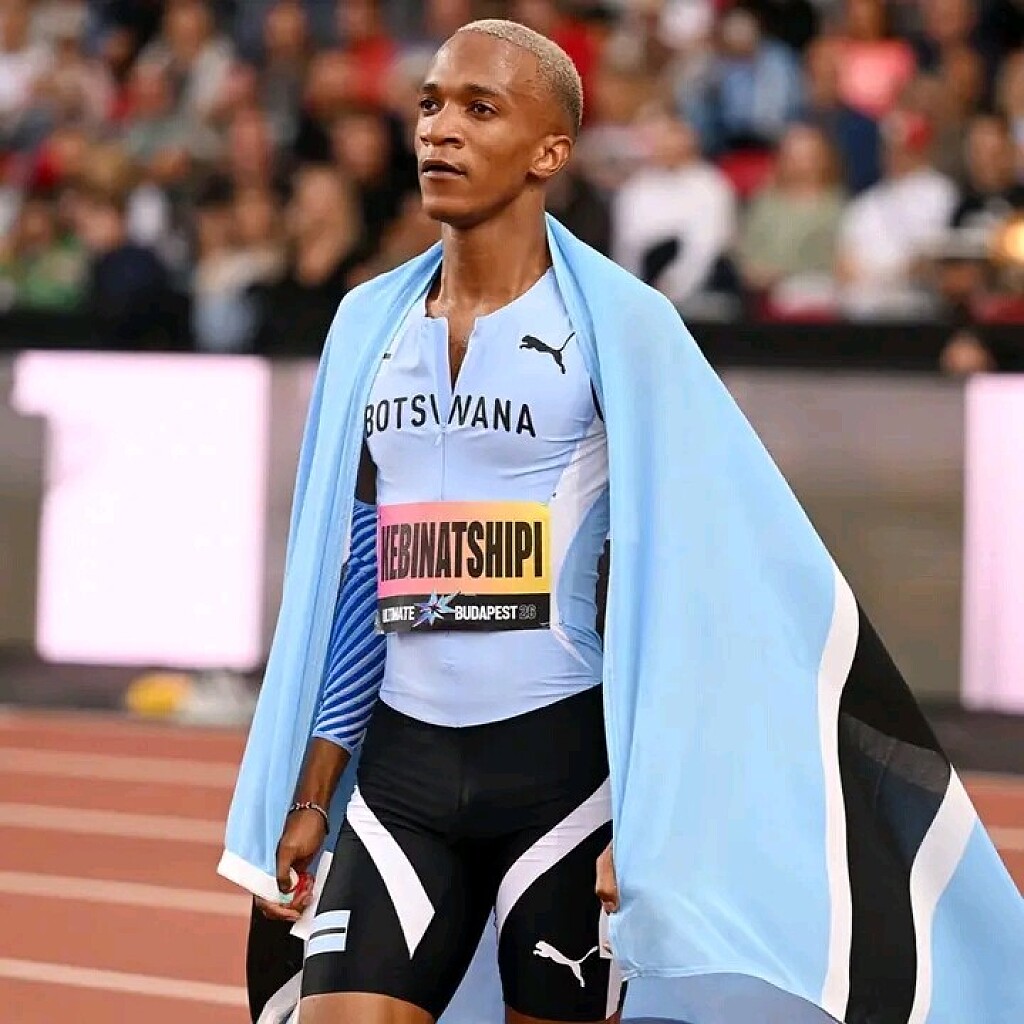
Collen Kebinatshipi Has Wayde Van Niekerk’s 43.03 World Record In His Sights
Botswana’s Collen Kebinatshipi has made it clear that Wayde van Niekerk’s legendary 400m world record is already part of his long-term ambitions.
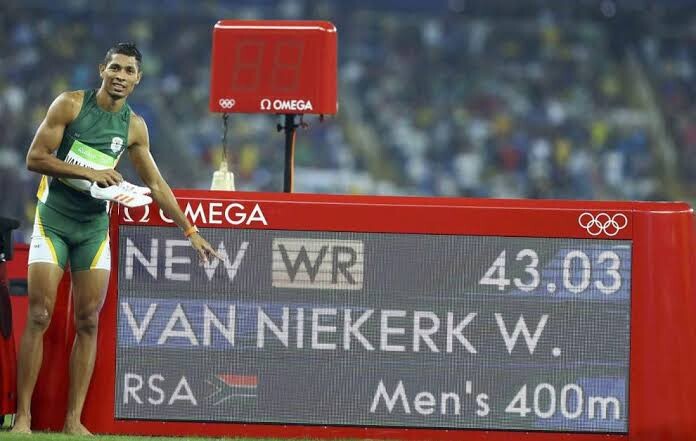
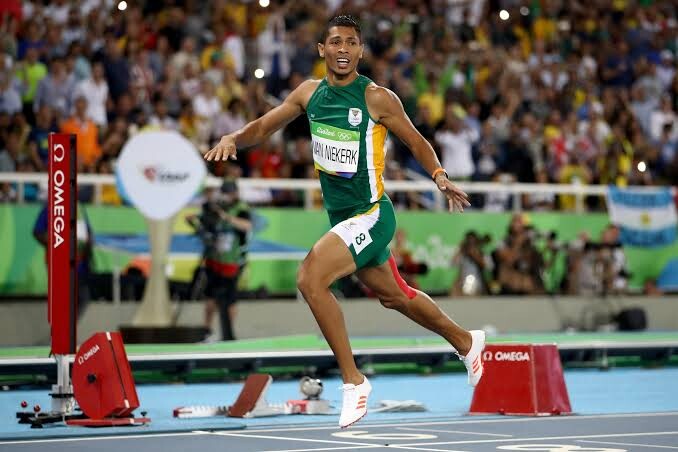
The 22-year-old capped a remarkable 2026 campaign in spectacular fashion at the World Athletics Ultimate Championships in Budapest, storming to a stunning national record of 43.39 seconds to win the men’s 400m title. The performance moved him to fifth on the world all-time list and left him just 0.36 seconds behind Van Niekerk’s 43.03 world record, set at the Rio 2016 Olympic Games.
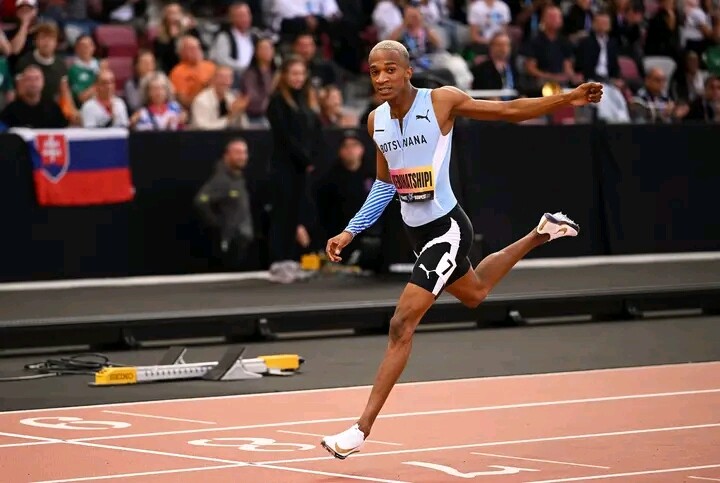
But for Kebinatshipi, the chase is not simply a distant dream. The Botswana star admitted after his Budapest triumph that the world record is something he regularly thinks about.
“I would be lying if I said no. Obviously it’s always running through my mind,” Kebinatshipi said.
His ambition is already shaping the way he views the next stage of his career. When asked when serious world-record discussions could become realistic, the 22-year-old pointed towards the Los Angeles 2028 Olympic Games, suggesting that the biggest target could come into focus by then.
What makes the prospect particularly intriguing is that Kebinatshipi does not believe he has reached his physical or technical peak.
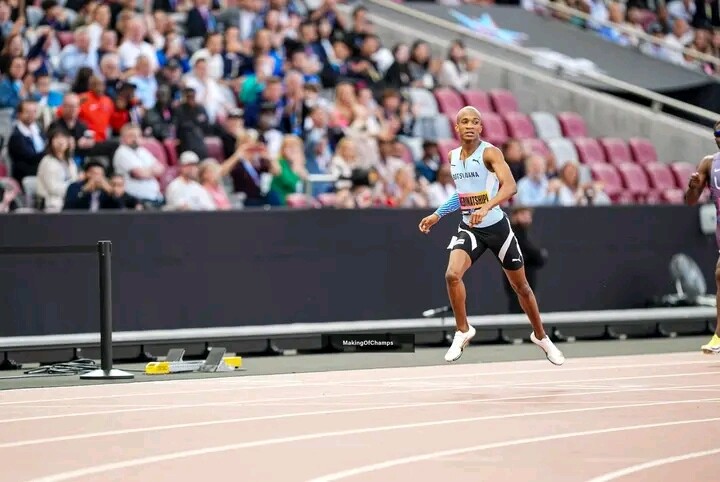
The Botswana star has identified his back straight as an area where he still wants to improve. Even after producing a sensational 43.39 in Budapest, he believes there is more work to be done, while he has also acknowledged that he is still developing physically.
That leaves an exciting question hanging over the next few seasons: how fast can Kebinatshipi become when those improvements begin to come together?
His Budapest performance was already extraordinary. He attacked the race with confidence from the opening stages, built a commanding advantage and held his form all the way to the finish to stop the clock at 43.39.
The victory capped a season in which Kebinatshipi has repeatedly demonstrated that he belongs among the world’s elite 400m runners. Before Budapest, he had already established himself as one of the most consistent performers in the event, including a 43.40 clocking in Brussels.
Then came Budapest — and an even faster performance.
His 43.39 placed him level with the legendary 43.39 recorded by Michael Johnson in 1995 and firmly established him among the fastest 400m runners in history.
And perhaps that is what makes his world-record ambition so fascinating. Kebinatshipi is not talking about chasing 43.03 from a position of uncertainty. He has already run 43.39 at just 22 years old, while openly acknowledging that there are still technical and physical areas he wants to develop.
Van Niekerk’s record has stood since August 14, 2016. For a decade, 43.03 has remained the ultimate benchmark in the one-lap event. Now, a new generation is beginning to look directly at that barrier.
Kebinatshipi is only 0.36 seconds away.
Whether the record eventually falls remains a question for the future, but one thing is already clear: 43.03 is no longer just a number in the record books for Collen Kebinatshipi — it is a target.
by Erick Cheruiyot for My Best Runs.
Login to leave a comment
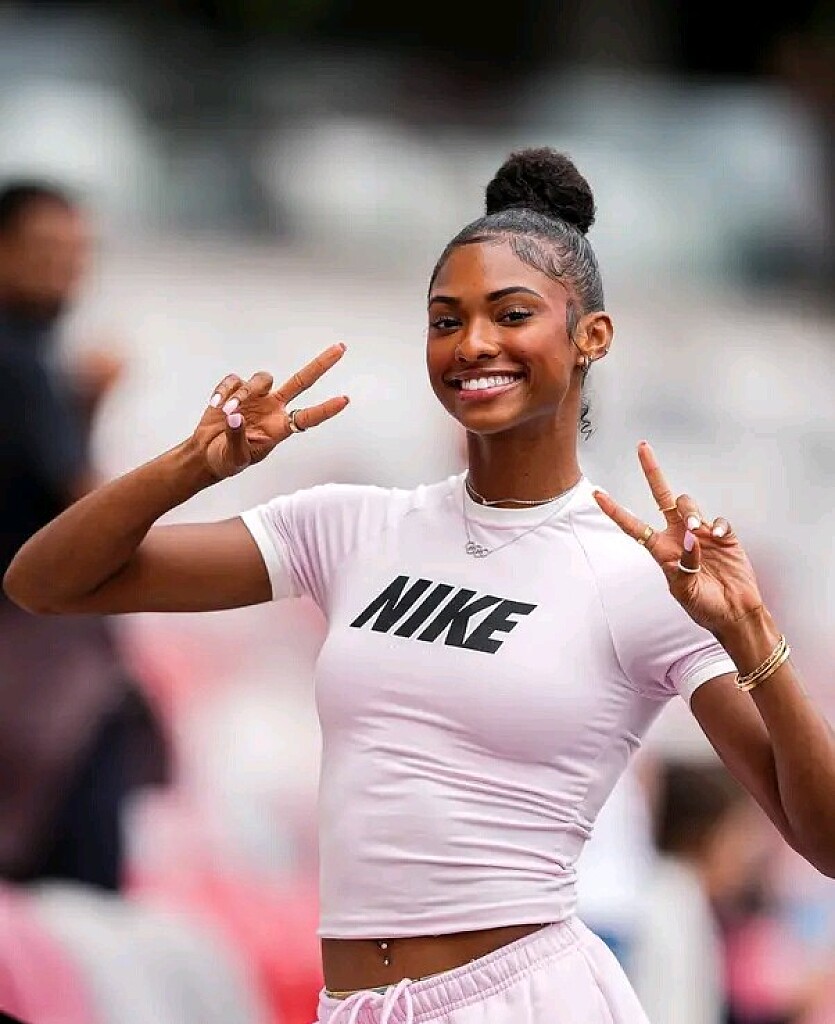
Masai Russell Ends Perfect 2026 Season After 14 Straight Wins
Masai Russell has called time on a remarkable 2026 campaign, withdrawing from ATHLOS London and ending a season in which the Olympic champion won every race she contested.
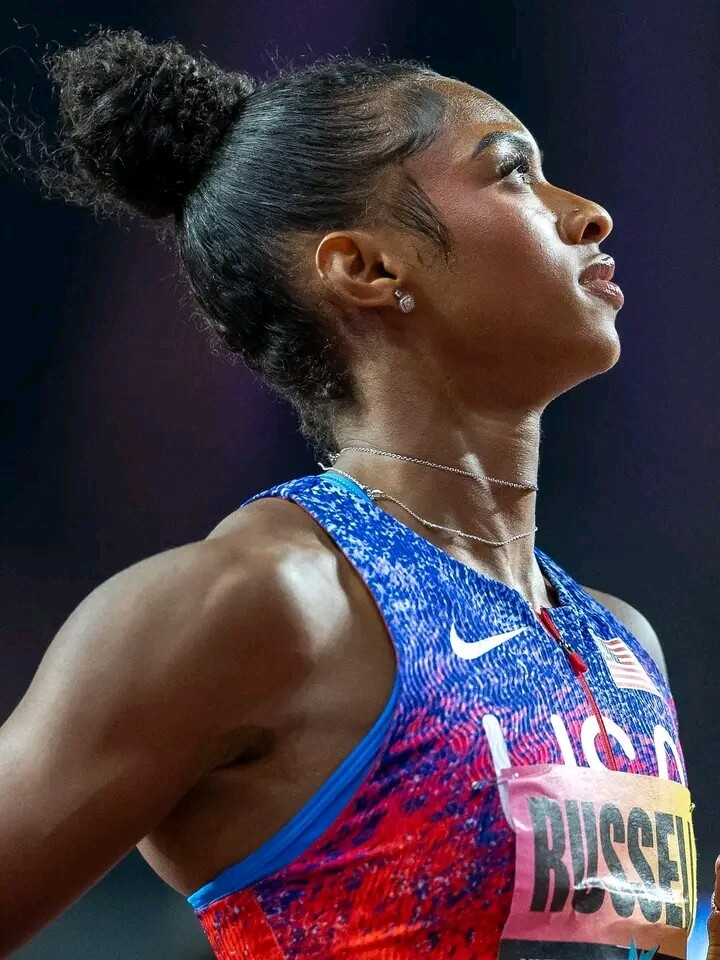
The American hurdler confirmed the decision on September 15, just days before ATHLOS London’s September 18 meeting at StoneX Stadium. Russell said she and her team believe stepping away is the right decision for her body as they turn their attention to what comes next.
“I'm grateful for everyone who has supported me throughout this year,” Russell said in her message to fans, before signing off with a promise to return to the track in 2027.
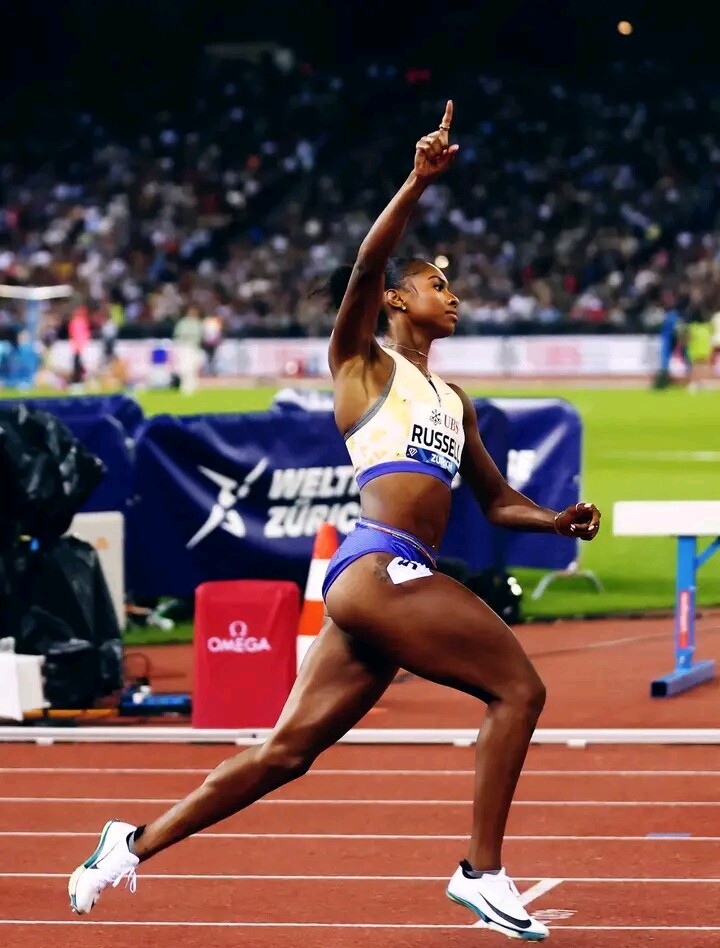
It brings an extraordinary season to a close: 14 races, 14 victories and an unbeaten record in 2026.
Russell’s season reached another level in August when she produced one of the defining performances of the year at the Weltklasse meeting in Zurich. The Olympic champion stormed to 12.09 seconds in the 100m hurdles, breaking Tobi Amusan’s world record of 12.12 and becoming the fastest woman ever over the barriers.
The performance was not a one-off. Russell followed her world-record run by winning the Diamond League Final in Brussels in 12.20 seconds before heading to Budapest for the inaugural World Athletics Ultimate Championship.
In Budapest, she completed her perfect season in style, winning the 100m hurdles in 12.22 seconds ahead of Nigeria’s Tobi Amusan and the Netherlands’ Nadine Visser. The victory was Russell’s 14th of the year and secured her unbeaten record for 2026.
Her withdrawal means fans will not get to see the world-record holder compete at ATHLOS London, where she had originally been announced among the star-studded field. The event takes place at StoneX Stadium on Friday, September 18, as ATHLOS makes its first international appearance.
For Russell, however, the decision closes the chapter on a season that has already placed her among the defining figures of the 2026 athletics campaign.
She has collected Olympic, Diamond League and World Athletics Ultimate Championship success, while adding a world record that erased one of the most significant marks in women's sprint hurdles.
And perhaps most remarkably, she did it without losing a single race.
Now Russell turns her attention to recovery, preparation and whatever comes next.
After a year of 14 wins from 14 races, a world record and an unbeaten streak, the next time Masai Russell steps onto the track will be in 2027 — with the 12.09 world-record holder entering a new season carrying an entirely different level of expectation.
by Erick Cheruiyot for My Best Runs.
Login to leave a comment
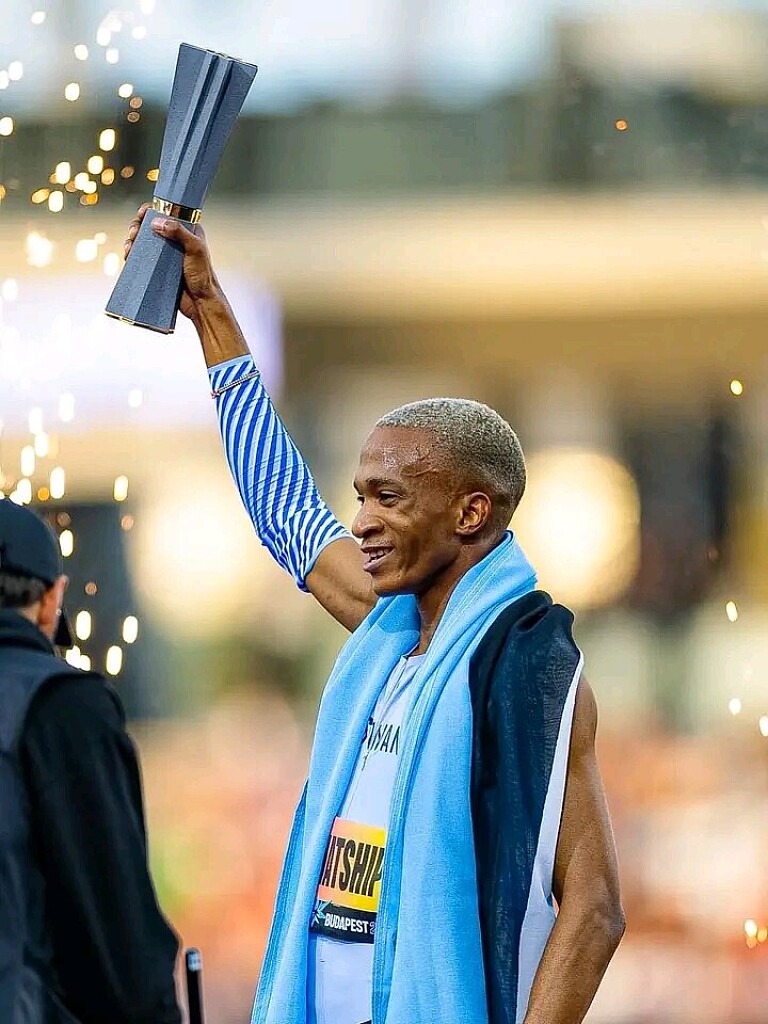
Collen Kebinatshipi Does It Again! 43.39 Makes Botswana Star Fifth All-Time.
Busang Collen Kebinatshipi has delivered another sensational performance, storming to victory in the men’s 400m at the inaugural World Athletics Ultimate Championship in Budapest.
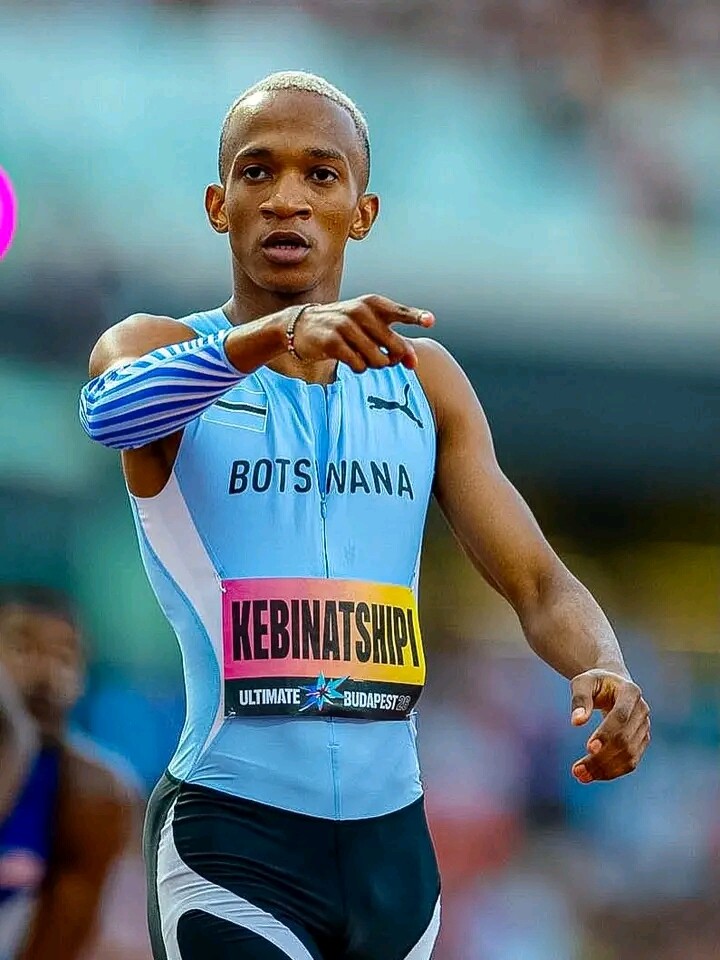
The reigning world champion stopped the clock at an astonishing 43.39 seconds, smashing his own Botswana national record and moving to fifth on the world all-time list.
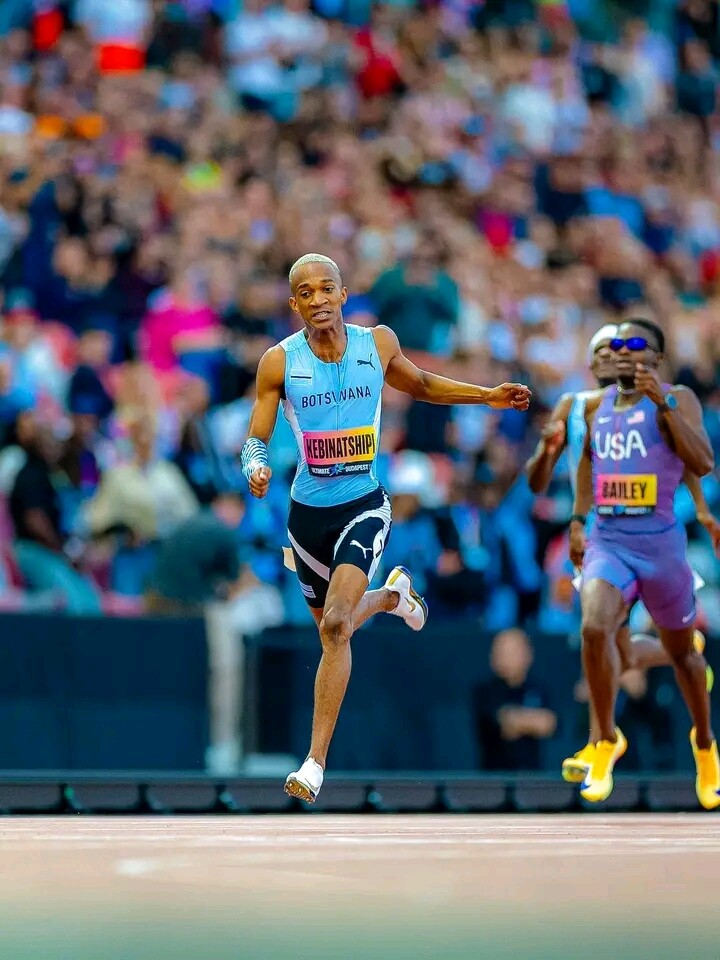
Kebinatshipi produced a commanding finish to pull away from his rivals and secure the Ultimate Championship title. American star Rai Benjamin finished second in 44.15, while Jereem Richards of Trinidad and Tobago completed the podium in 44.23.
Men’s 400m
1. Busang Collen Kebinatshipi — 43.39 NR
2. Rai Benjamin — 44.15
3. Jereem Richards — 44.23
The performance is even more remarkable considering that Kebinatshipi had already rewritten the Botswana record just one week ago in Brussels, where he ran 43.40. In Budapest, he lowered that mark by another 0.01 seconds to establish a new national record of 43.39.
That improvement has also propelled the 22-year-old into rare territory. His latest time now ranks him fifth fastest in history over 400m, placing him among an extraordinary group of athletes who have broken the 43.40 barrier.
Kebinatshipi's victory also caps an extraordinary season for the Botswana star. After establishing himself as a global champion, he has continued to demonstrate that he belongs among the very best one-lap runners in the world.
And there is a major reward for his historic night in Budapest: Kebinatshipi walks away as the Ultimate Champion and $150,000 richer.
From another national record to a place among the five fastest 400m runners ever, Kebinatshipi has turned an already remarkable season into something truly special.
Botswana has its latest sprinting superstar — and Kebinatshipi is showing that his ceiling may be even higher than anyone imagined.
by Erick Cheruiyot for My Best Runs.
Login to leave a comment
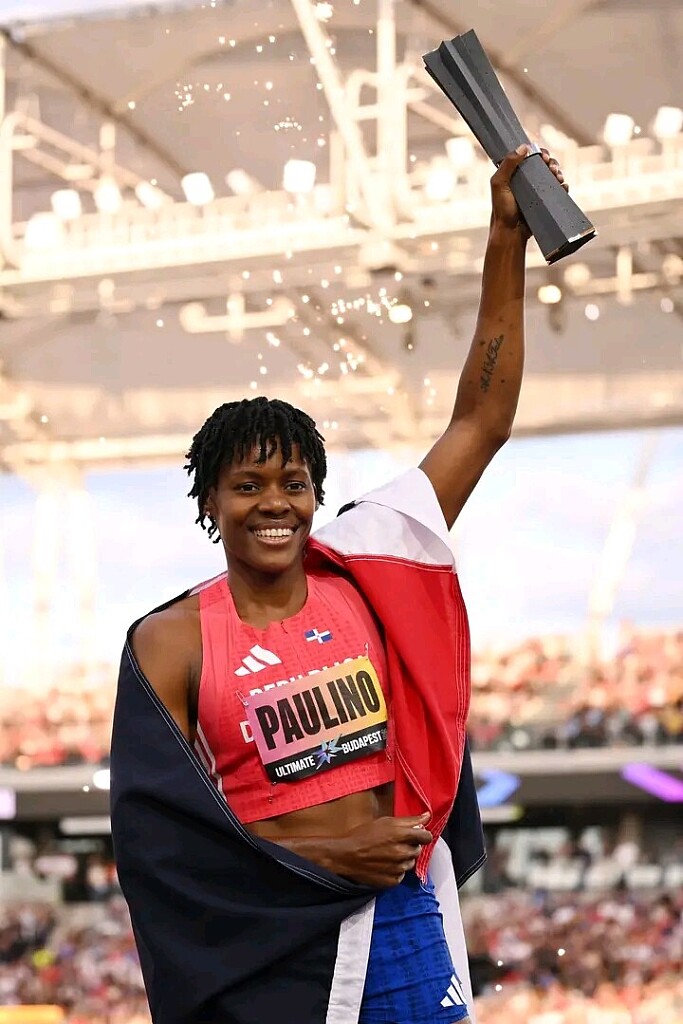
Marileidy Paulino Strikes Again To Rule The One-Lap Showdown In Budapest
Marileidy Paulino once again proved why she is the undisputed queen of the one-lap event, powering to victory in the women’s 400m at the inaugural World Athletics Ultimate Championship in Budapest.
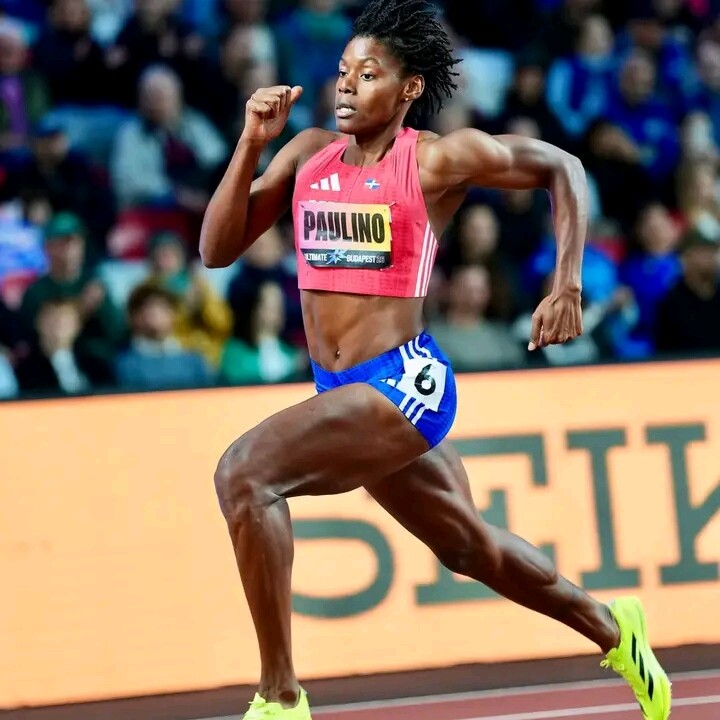
The Dominican Republic superstar produced a sensational 49.07 seconds to claim gold, pulling decisively away in the final straight and holding off a fiercely competitive field to extend her remarkable unbeaten run.
Paulino delivered her trademark combination of controlled speed and devastating finishing strength. She remained firmly in contention through the opening stages before unleashing her decisive move down the home straight, where she quickly opened a gap on her closest challengers.
Norway’s Henriette Jæger mounted a strong challenge but could not match Paulino’s finishing speed, crossing the line second in an impressive 49.28. Jamaica’s Nickisha Pryce completed the podium after clocking 49.56, ensuring that three of the world’s leading 400m talents occupied the medals.
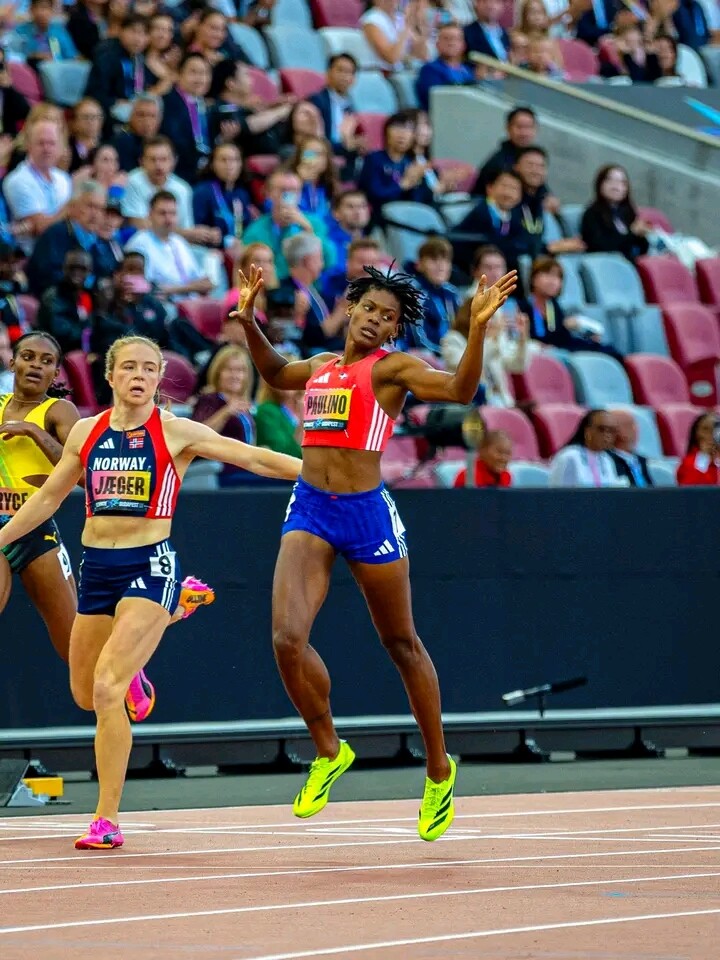
The result once again underlined Paulino’s extraordinary consistency at the highest level. She entered Budapest as the world leader after running 48.48 in Paris in June, a performance that also set a Diamond League record. She subsequently remained unbeaten throughout her Diamond League campaign, closing the circuit with a meeting-record 48.64 in Brussels.
Budapest has also become a special venue in Paulino’s career. Three years ago, at the same National Athletics Centre, she captured her first individual world title, marking the beginning of another dominant chapter in her career. She later added Olympic gold in Paris in 2024, further establishing herself among the defining 400m athletes of her generation.
The inaugural World Athletics Ultimate Championship has brought together the sport’s biggest stars in a new winner-takes-the-spotlight format, with Olympic and world champions, Diamond League winners and leading performers competing for ultimate honours.
For Paulino, the occasion once again ended with Ultimate Crown on her arms.
With 49.07 seconds, she did more than win another major 400m title. She delivered another statement of authority, powering through the final straight with the confidence and speed that have made her one of the most dominant figures in modern women’s athletics.
Marileidy Paulino remains unbeaten, remains relentless and, once again, remains the queen of the one lap.
by Erick Cheruiyot for My Best Runs.
Login to leave a comment
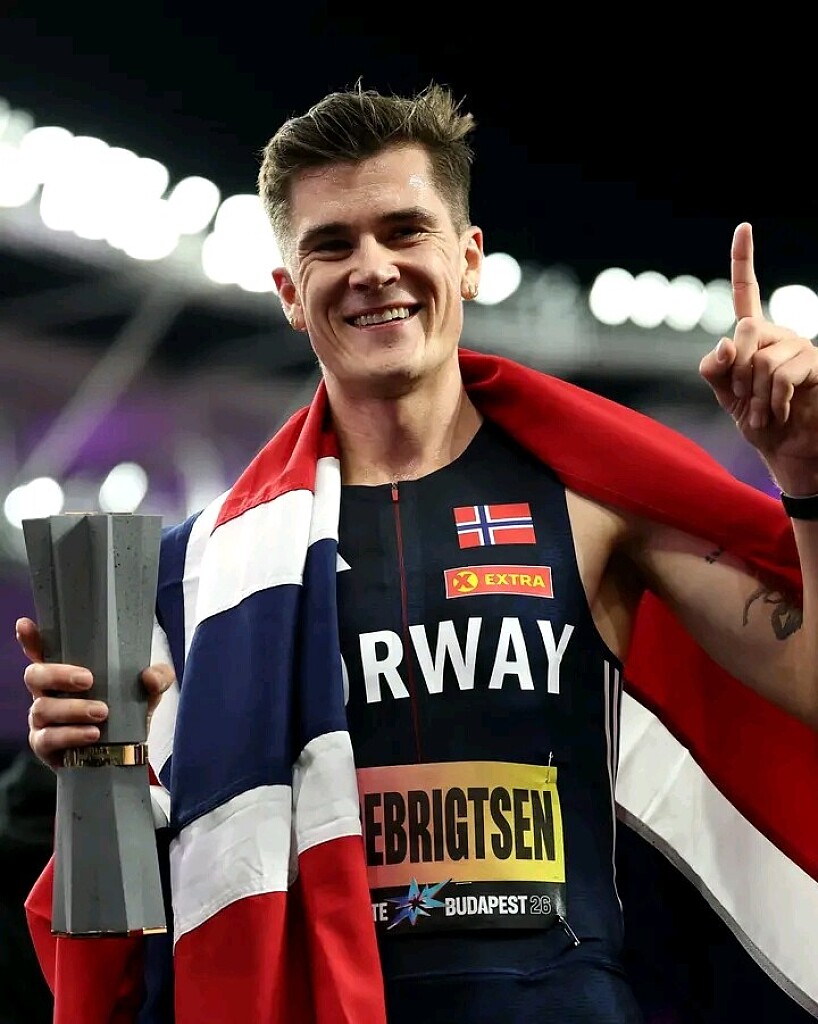
Jakob Ingebrigtsen Withdraws From Budapest 1500m After Stunning 5000m Victory: “Fitness Cannot Be Faked”
Jakob Ingebrigtsen has made a major decision regarding the remainder of his World Athletics Ultimate Championship campaign, confirming that he will withdraw from the men’s 1500m in Budapest despite producing a sensational performance to win the 5,000m title.
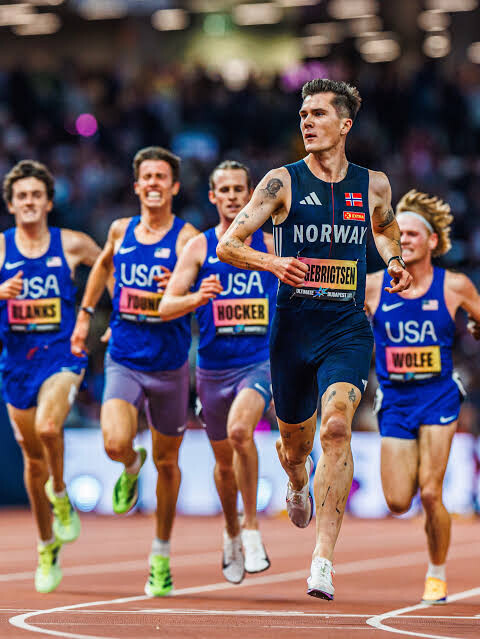
The Norwegian superstar stormed to victory in the inaugural Ultimate Championship 5,000m on Friday night, clocking a season-best 12:59.24 and delivering a devastating finishing kick to defeat Olympic 5,000m champion Cole Hocker and American Parker Wolfe.
Ingebrigtsen’s final 100 metres was arguably the defining moment of the race. The Olympic champion produced a remarkable 12.60-second closing 100m, powering away from the field to secure the $150,000 winner’s prize and underline just how far his fitness has progressed since returning from Achilles surgery.
The victory was particularly significant after what has been an extremely difficult period for the 25-year-old. Earlier in the season, Ingebrigtsen faced serious uncertainty over whether he would even be able to compete at the highest level again. His return has gradually gathered momentum, and his performance in Budapest offered perhaps the clearest indication yet that the Norwegian is rediscovering his formidable racing ability.
But rather than risk pushing his recovering body further, Ingebrigtsen has now opted to step away from the 1500m.
The decision means the highly anticipated showdown with British rival Josh Kerr will not take place in Budapest after all. The two stars had been expected to renew one of the biggest rivalries in modern middle-distance running in the 1500m final.
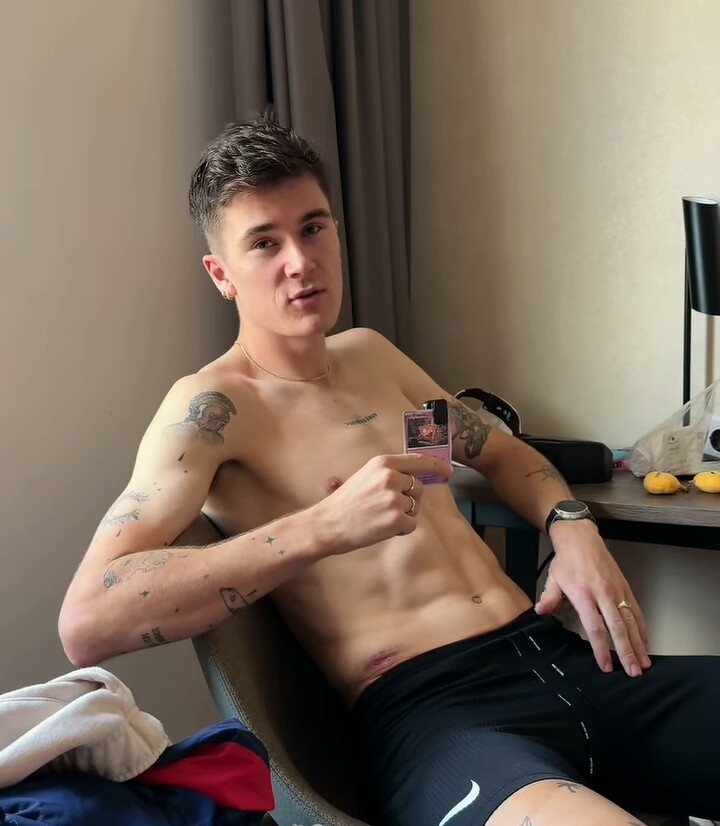
Instead, Ingebrigtsen is looking beyond the immediate opportunity and towards the bigger picture.
“I’m thinking about 2027… Fitness cannot be faked,” the Norwegian said, signalling that protecting his long-term condition has become more important than chasing another major victory only days after his return to peak-level competition.
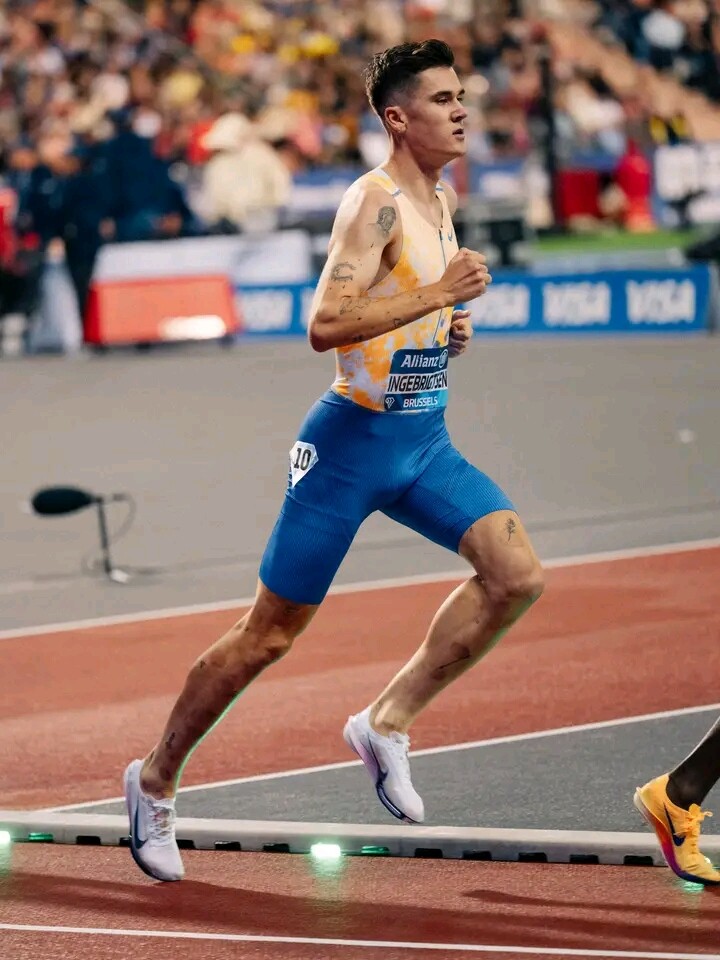
The decision comes just one week after an emotionally charged Diamond League Final in Brussels, where Ingebrigtsen finished fourth in the 1500m behind Australia’s Cameron Myers, Kenya’s Phanuel Kipkosgei Koech and American Ethan Strand.
After that race, Ingebrigtsen delivered a fiery assessment of his rivals and questioned the tactics surrounding the pacemaking, particularly involving Hocker. He later acknowledged that there had been “a little too much adrenaline and emotion” when microphones were placed in front of him immediately after the race.
Yet his latest decision shows that beneath the emotion and competitive intensity lies a longer-term strategy.
Ingebrigtsen has already demonstrated that he can compete at an elite level again. His 12:59.24 in Budapest was not simply a victory — it was a statement that the Norwegian remains capable of producing a world-class finish even after months of injury rehabilitation.
Now, however, he is choosing not to gamble with that progress.
For a runner who has spent much of the year fighting his way back from injury, another 1500m race could have offered enormous rewards but also carried unnecessary risk. By withdrawing, Ingebrigtsen is effectively prioritising longevity over one more opportunity for immediate glory.
His message is clear: the comeback is underway, but it will not be rushed.
The 5,000m victory has given Ingebrigtsen confidence, momentum and perhaps, most importantly, proof that his body can once again handle elite competition.
Now comes the harder part — knowing when to stop.
With 2027 already firmly in his sights, the Norwegian has chosen recovery over risk. And after everything he has endured, that could ultimately prove to be one of the most important decisions of his comeback.
Jakob Ingebrigtsen is not walking away from the sport. He is protecting his future in it.
by Erick Cheruiyot for My Best Runs.
Login to leave a comment
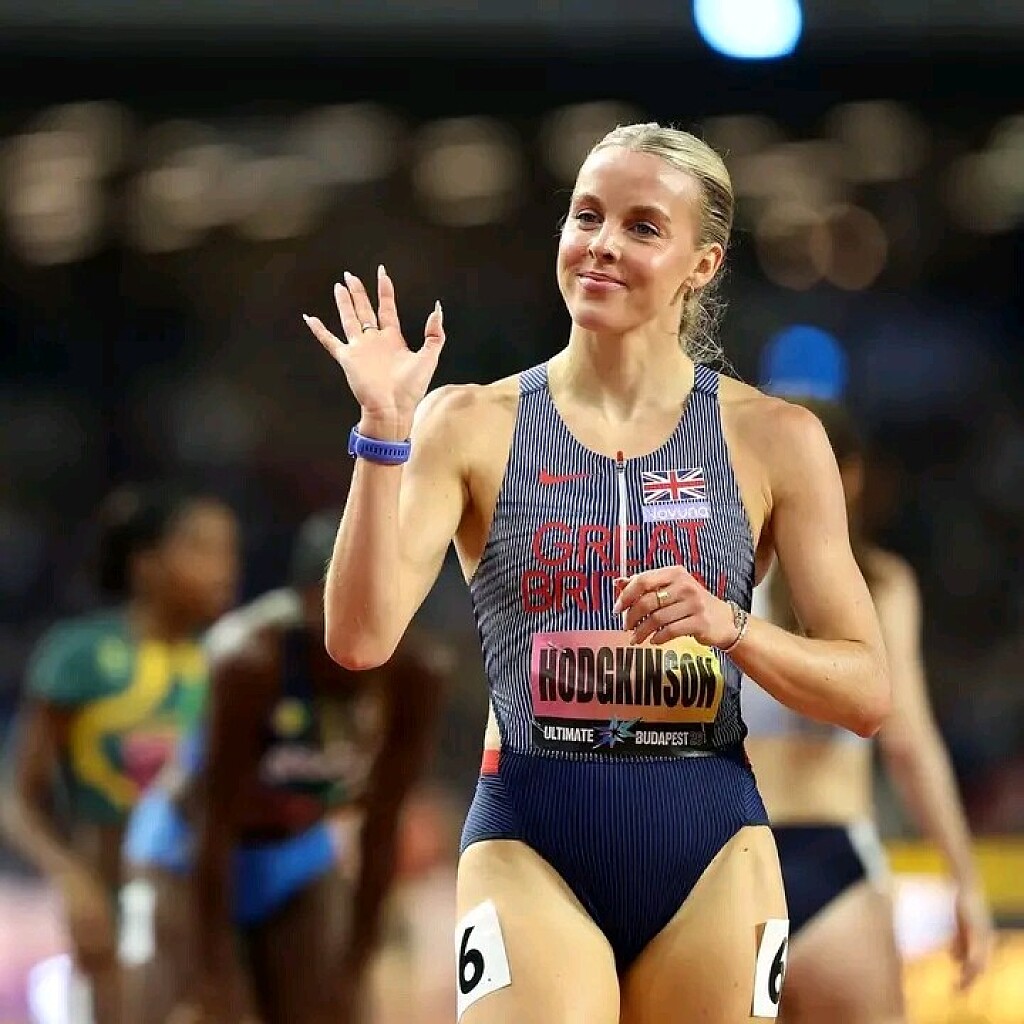
Keely Hodgkinson Strikes First In Budapest As Olympic Champion Leads 800m Finalists
Keely Hodgkinson made a powerful return to the track at the World Athletics Ultimate Championship in Budapest on September 11, storming to victory in the opening women’s 800m semifinal in 1:57.57 to record the fastest time across both semifinals and immediately establish herself as the athlete to beat in the final.
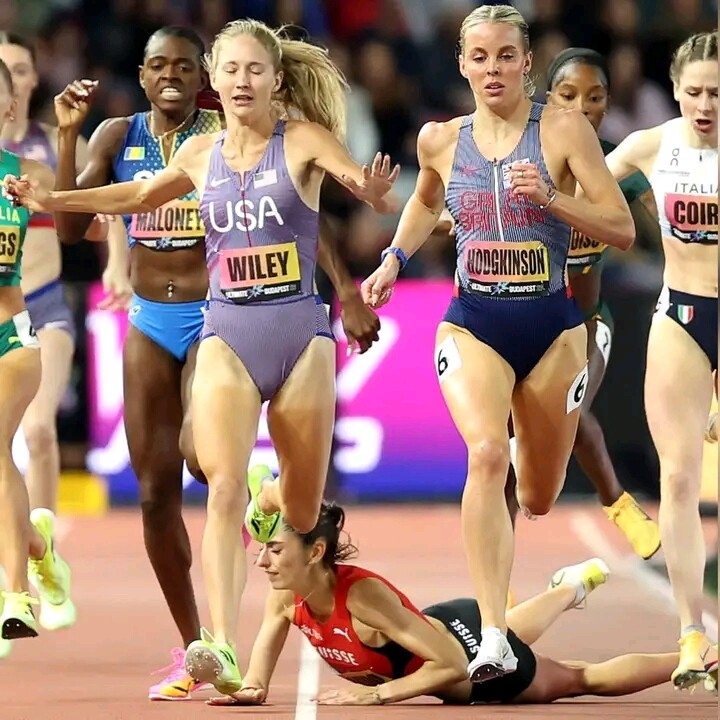
The British Olympic champion looked composed from the opening metres, taking control of the race before gradually increasing the pressure as the finish approached. Hodgkinson produced a decisive surge over the final 200 metres, pulling clear of her rivals and crossing the line comfortably in 1:57.57.
Addison Wiley of the United States followed in 1:58.14, while Australia’s Sarah Billings secured third in 1:58.37. Italy’s Eloisa Coiro also produced a strong performance to finish fourth in 1:58.48, ensuring that the opening semifinal was packed with sub-two-minute performances.
For Hodgkinson, the performance was particularly significant given the circumstances surrounding her return. She had not raced since winning silver at last month’s European Championships and subsequently missed the closing Diamond League meetings, including the Brussels Final, because of hamstring discomfort.
There was little evidence of any lingering problem in Budapest. Hodgkinson appeared relaxed and confident throughout the race, before shifting gears when it mattered most and delivering a performance that immediately put the rest of the field on notice.
The race also contained a dramatic twist in the closing stages when Switzerland’s Veronica Vancardo suffered a heavy fall following contact with Coiro. Despite the setback, Vancardo recovered and eventually crossed the finish line in 2:16.75.
Officials subsequently reviewed the incident and advanced Vancardo to the final, giving her a place in the championship race despite finishing well outside the automatic qualifying positions. Her advancement added another layer of drama to an already eventful night in Budapest.
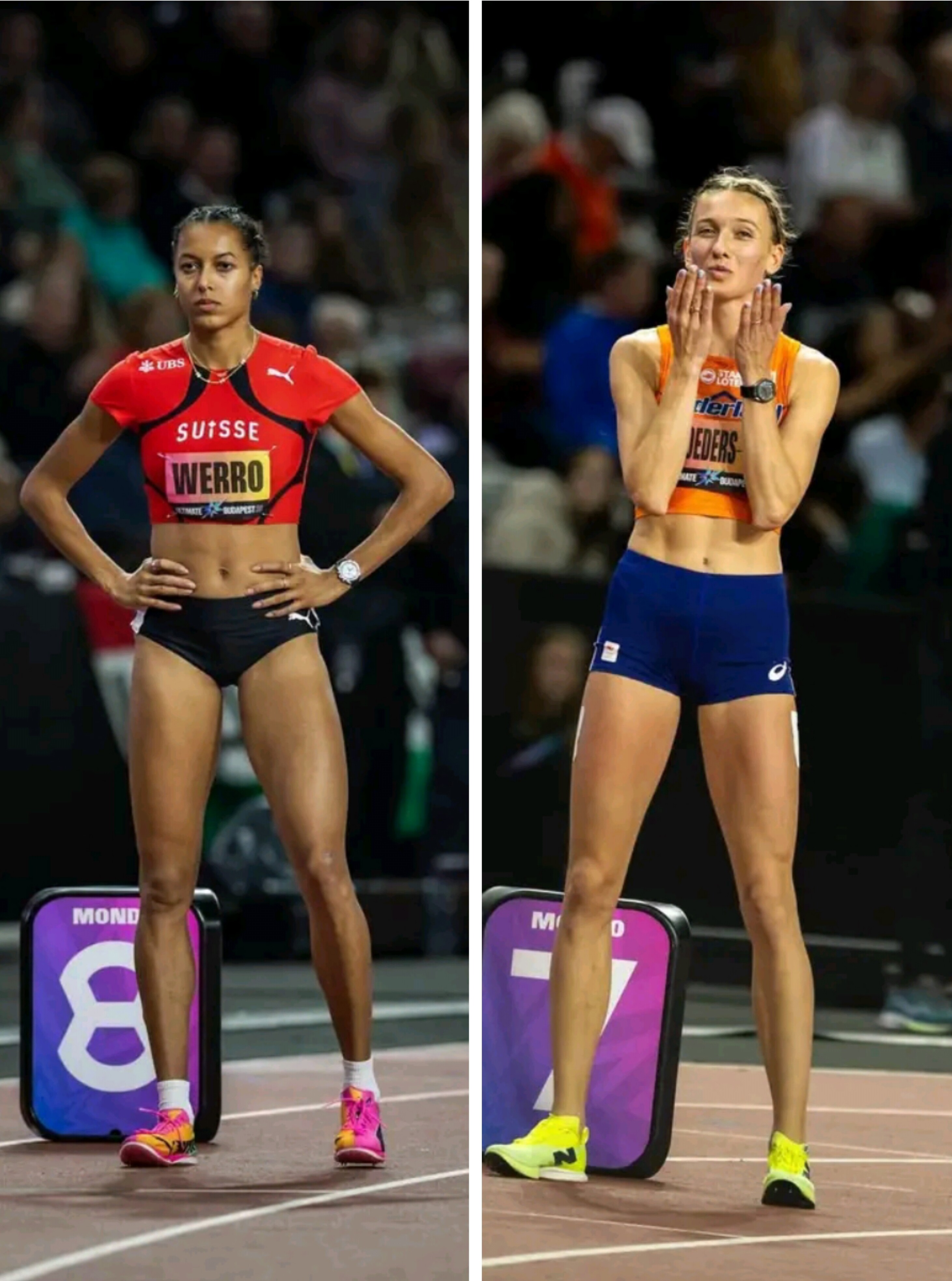
The second semifinal produced another impressive performance as Switzerland’s Audrey Werro controlled the race and delivered a strong finish to win in 1:59.05. Femke Broeders-Bol of the Netherlands followed closely in 1:59.19 after leading much of the contest.
The qualification picture then became clear, with nine athletes securing places in the women’s 800m final. Hodgkinson leads the field with 1:57.57, followed by Wiley at 1:58.14 and Billings at 1:58.37.
Coiro qualified in 1:58.48, while Werro and Broeders-Bol advanced with 1:59.05 and 1:59.19 respectively. Ethiopia’s Nigist Getachew clocked 1:59.69, Switzerland’s Valentina Rosamilia ran 1:59.78, and Vancardo completed the finalists after her advancement in 2:16.75.
Wiley’s qualification is also notable because she is the only American to advance to the Budapest final, adding further significance to her impressive 1:58.14 performance.
With Hodgkinson producing the fastest semifinal time, Werro looking increasingly dangerous and Broeders-Bol once again proving her ability to remain in contention, the final is shaping up to be one of the most anticipated 800m races of the championship.
Hodgkinson has already struck the first blow in Budapest. But with the medals now at stake, Werro, Broeders-Bol and the rest of the finalists will have the opportunity to turn the tables when it matters most.
The Olympic champion has made her intentions clear: she is back, she is healthy enough to race at championship pace, and she wants the Budapest crown.
The stage is now set for a thrilling women’s 800m final, where Hodgkinson will attempt to turn her semifinal dominance into gold. Who will be crown the Ultimate Champion in Budapest — Hodgkinson, Werro or Broeders-Bol? Or the table will turn?
by Erick Cheruiyot for My Best Runs.
Login to leave a comment
Doris Lemngole Turns Professional With On After Remarkable NCAA Career
Kenyan steeplechase star Doris Lemngole has officially turned professional after signing a contract with Swiss sportswear brand On, marking the beginning of a new chapter for one of the most accomplished young distance runners in the sport.
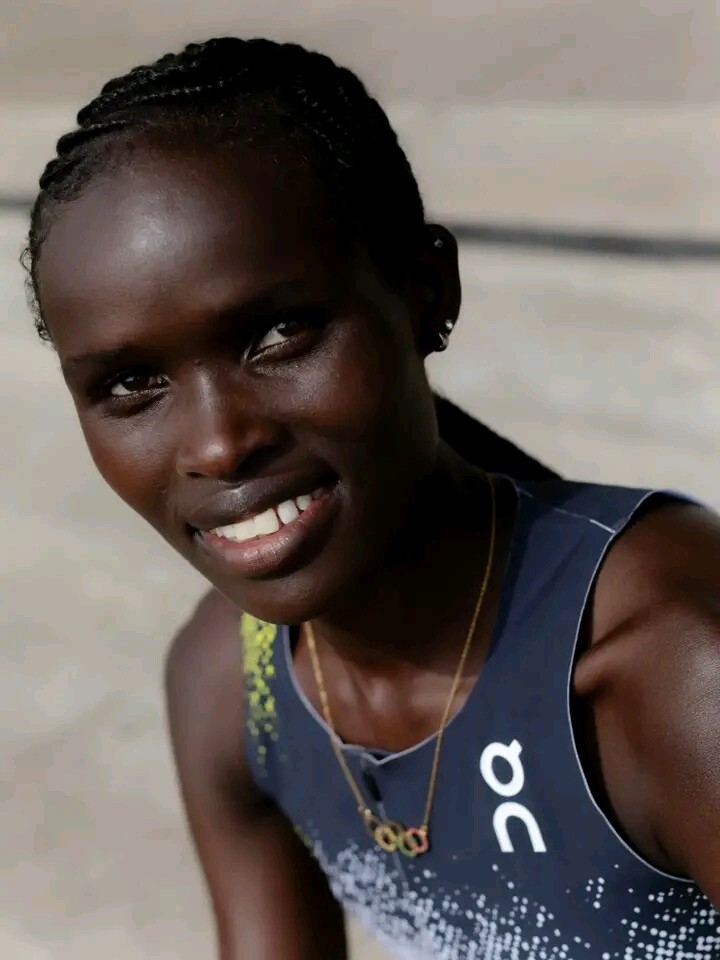
On announced the move on Thursday, September 10, confirming that the 24-year-old has been elevated from the NIL partnership she signed with the brand in August 2025 to its professional athlete roster.
The decision comes after Lemngole completed a spectacular collegiate career at the University of Alabama, where she established herself as one of the most dominant distance runners in NCAA history. She leaves Tuscaloosa as a five-time NCAA champion, a collegiate record-holder and the winner of The Bowerman, the highest individual honor in American collegiate track and field.
Her breakthrough came in the 3,000m steeplechase, an event in which she repeatedly pushed the boundaries of collegiate running. In 2025, she clocked 8:58.15 to become the first woman in NCAA history to break the nine-minute barrier in the event. She also captured consecutive NCAA outdoor steeplechase titles in 2024 and 2025.
Lemngole was equally impressive over cross country. At the 2025 NCAA Championships in Missouri, she defended her national title in 18:25.4, producing the fastest winning performance in NCAA championship history by a considerable margin. Her consistency and dominance across disciplines ultimately helped her secure The Bowerman in December 2025, making her the first Alabama athlete and first Kenyan to receive the prestigious award.
Her transition from collegiate standout to international contender has been remarkably rapid. Still competing as an Alabama athlete, Lemngole won her Diamond League debut in the 3,000m steeplechase at Athletissima in Lausanne in August 2025 before going on to represent Kenya at the World Championships in Tokyo, where she finished fifth.
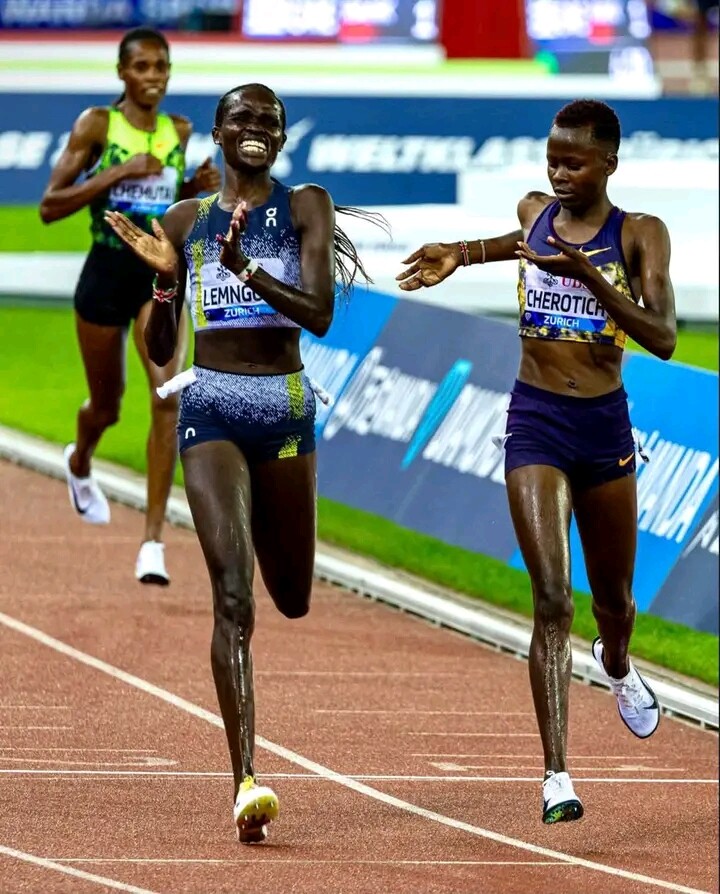
Now, just days before her professional announcement, Lemngole produced perhaps the strongest performance of her career. At the Diamond League Final in Brussels on September 4, she stormed to a massive personal best of 8:52.86 for second place in the 3,000m steeplechase. Only five women in history had previously run faster, underlining just how extraordinary the performance was. Faith Cherotich won in a meeting-record 8:51.61, while Olympic champion Winfred Yavi finished third in 8:53.54.
That performance provided a fitting bridge between Lemngole's collegiate dominance and her professional future. She is no longer simply one of the NCAA's brightest talents; she has now established herself firmly among the world's leading steeplechasers.
For On, the decision represents a natural continuation of a relationship that began when Lemngole joined its NIL roster in 2025. The Swiss brand said her ability to dominate at the collegiate level while immediately challenging the world's best made the move to its professional roster a natural progression.
For Lemngole, the signing is about much more than a new contract. It represents the next stage of a journey that has taken her from NCAA champion and record-breaker to Bowerman winner and international title contender.
With her collegiate chapter now complete and a sub-8:53 performance already on the record, the Kenyan has made her intentions clear: **the next challenge is to see just how far she can take her extraordinary talent on the global stage.**
by Erick Cheruiyot for My Best Runs.
Login to leave a comment
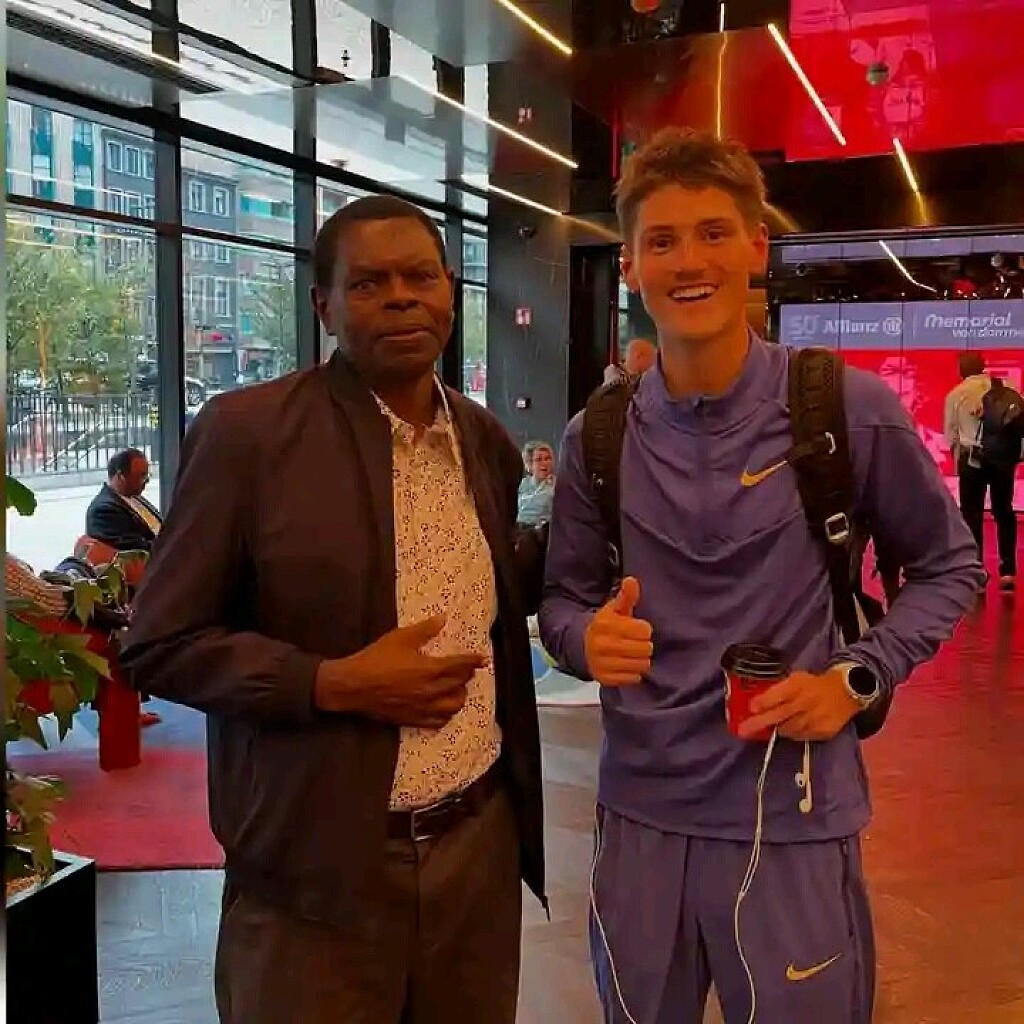
Daniel Komen and Cameron Myers: Two Generations, One Extraordinary Gift for Speed
Athletics has a remarkable way of connecting generations.
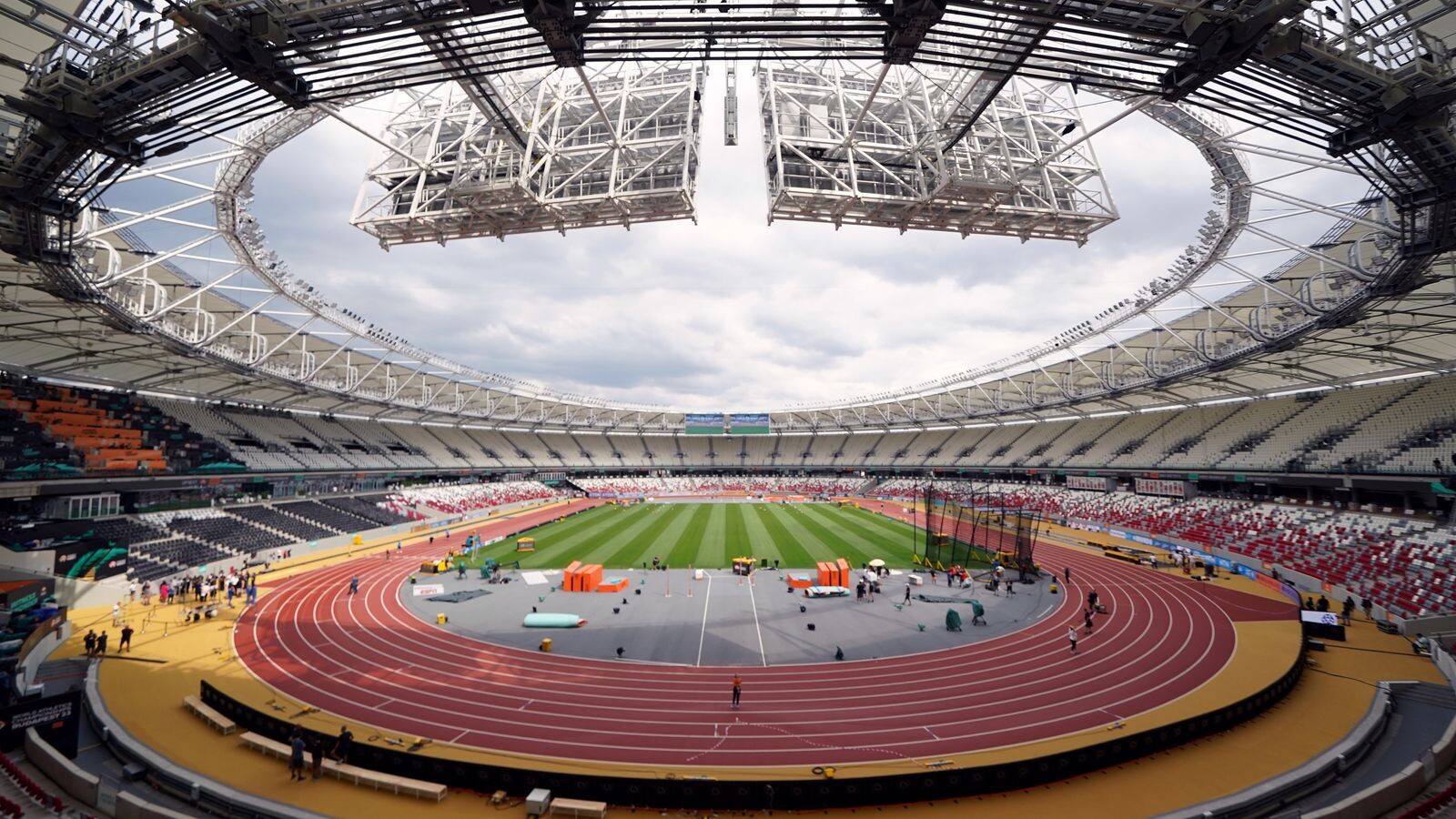
Sometimes, decades apart, two athletes emerge with a rare combination of speed, endurance and fearlessness that makes the extraordinary appear almost effortless. Kenya’s Daniel Komen and Australia’s Cameron Myers are separated by an era and a continent, but their careers share one fascinating thread — an exceptional ability to run incredibly fast over middle and long distances.
Daniel Komen — the Kenyan phenomenon
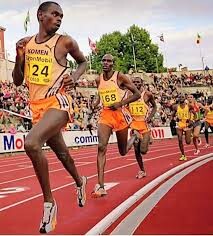
During the 1990s, Daniel Komen was one of the most feared distance runners on the planet.
At just 20 years old, Komen produced a performance that would become one of the defining moments of his career, running 7:20.67 for 3000m in Rieti, Italy, in 1996. The world record remained untouched for nearly 28 years before Jakob Ingebrigtsen finally broke it in 2024.
Komen followed that achievement with another performance that remains etched in distance-running history. In 1997, he ran 7:58.61 for two miles in Hengelo, becoming the first man to break the eight-minute barrier over the distance.
His brilliance was not limited to one event.
Komen possessed an extraordinary range, becoming only the second man after Algeria’s Saïd Aouita to break 3:30 for 1500m, 7:30 for 3000m and 13 minutes for 5000m.
Those performances established Komen as one of the most versatile and naturally gifted distance runners of his generation.
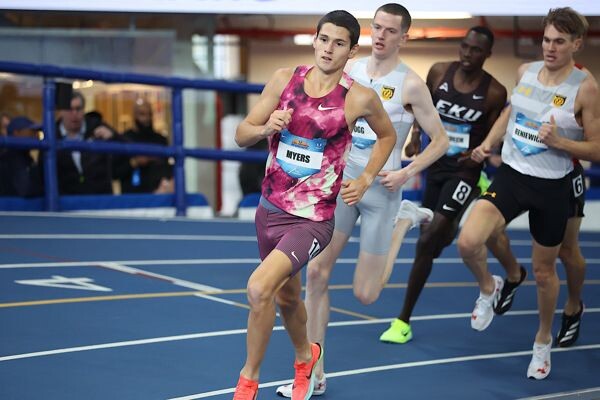
Cameron Myers — Australia's rising star
Almost three decades later, another young runner is beginning to capture the imagination of the athletics world.
Cameron Myers first made headlines as a teenager when, at 16, he ran 3:55.44 for the mile. The performance made him the second-youngest athlete ever to break four minutes for the distance and confirmed that Australia had a remarkable middle-distance talent on its hands.
But Myers has not allowed the hype surrounding his teenage achievements to define him.
Now 20, he is increasingly proving himself against the world's best senior athletes.
His breakthrough continued in 2026 when he produced a spectacular 3:28.00 personal best for 1500m in Paris, firmly establishing himself among the world's elite over the distance.
Then came Brussels.
At the Diamond League Final on September 4, Myers delivered perhaps the biggest statement of his young career, winning the 1500m in 3:30.14 against a world-class field. The victory came in a race featuring some of the biggest names in the event, including Jakob Ingebrigtsen and Olympic champion Cole Hocker.
For Myers, it was another important step from promising prodigy to established senior star.
He is no longer simply the talented teenager everyone was waiting to see develop.
Cameron Myers has arrived.
Different eras, remarkable similarities
Comparing athletes from different generations is always difficult. The competition, training methods, technology and circumstances change, and every great athlete deserves to be judged within the context of their own era.
But the similarities between Komen and Myers are still fascinating.
Komen showed the world in the 1990s that extraordinary speed could be combined with exceptional endurance. Myers is now demonstrating that same fearless approach as he takes on the strongest 1500m fields in the world.
Komen has already secured his place in athletics history.
Myers is only beginning to write his.
The Australian still has many years ahead of him, and whether he can eventually build a legacy comparable to Komen's remains impossible to predict. What is certain, however, is that his progression has already been remarkable.
From a teenager breaking four minutes for the mile to a 20-year-old running 3:28.00 and winning a Diamond League Final, Myers has moved through the ranks at extraordinary speed.
Daniel Komen was one of the athletes who made the impossible look normal. Cameron Myers now has an opportunity to create his own version of that magic.
Different generations. Different countries. Different journeys.
But one extraordinary gift — the ability to run very, very fast.
by Erick Cheruiyot for My Best Runs.
Login to leave a comment
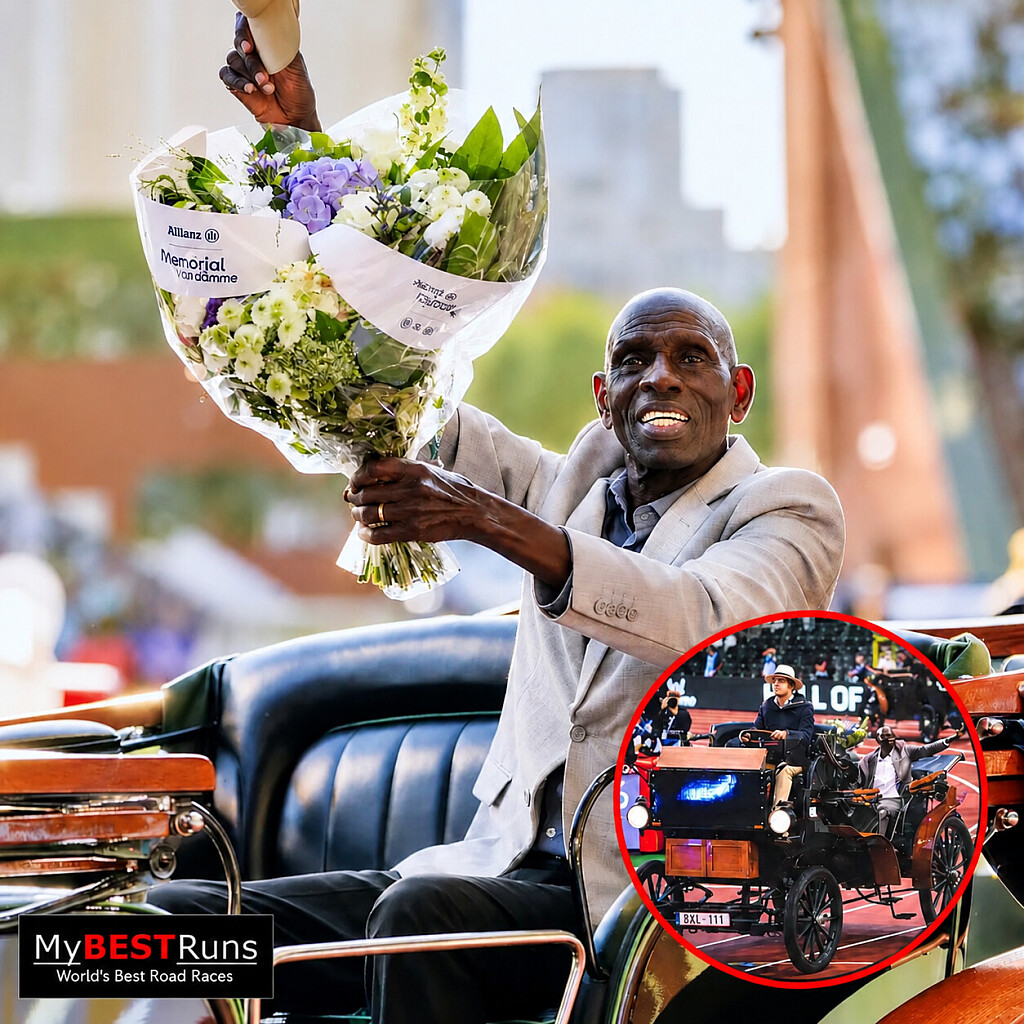
Mike Boit Honoured In Brussels As Kenyan Athletics Pioneer Enters Memorial Van Damme Hall Of Fame
Kenyan athletics legend Professor Mike Boit has received another prestigious recognition, nearly five decades after he etched his name into the history of the Memorial Van Damme in Brussels.
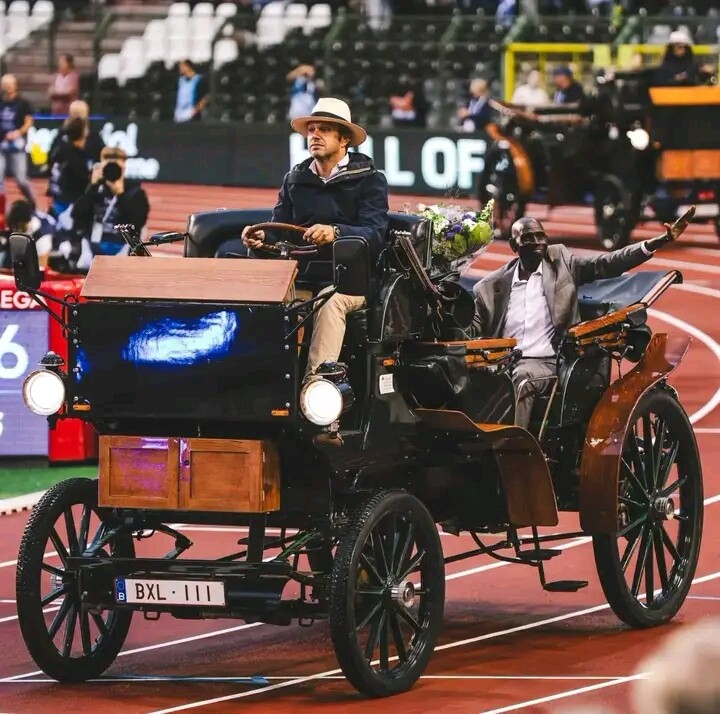
Boit was inducted into the Memorial Van Damme Hall of Fame during the 2026 Diamond League Final in Brussels, joining two global athletics icons, American sprint and long-jump legend Carl Lewis and former high-jump world-record holder Dwight Stones, in the 2026 class of honourees.
The occasion brought Boit back to the scene of one of the defining victories of his illustrious career. In 1977, he won the inaugural Memorial Van Damme 800 metres, becoming part of the meeting's history from its very first edition.
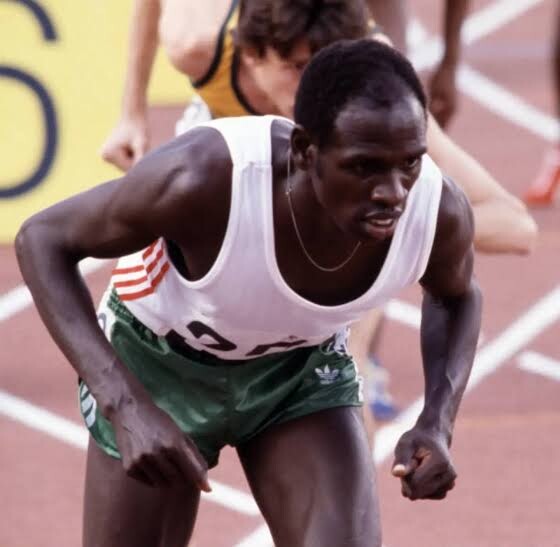
His victory in Brussels was another chapter in a career that had already established him as one of Kenya's pioneering international track stars.
Boit had announced himself on the biggest stage five years earlier at the 1972 Munich Olympic Games, where he won bronze in the 800m. At a time when Kenya was still establishing itself as a major force in international athletics, Boit was among the athletes who helped open the door for the generations that followed.
His influence, however, stretches far beyond his achievements on the track.
After his competitive career, Boit built an impressive academic and professional career in sports science. He earned two master's degrees and a PhD, using his expertise to contribute to the development of sport and the education of future generations of athletes.
That combination of athletic achievement and academic excellence has made him an exceptional figure in Kenyan sport. His journey is one that moves seamlessly from the Olympic podium to the university lecture hall, while his pioneering achievements continue to form part of Kenya's rich athletics heritage.
His induction was marked by a special lap of honour at the King Baudouin Stadium, giving spectators an opportunity to celebrate a man whose name has been intertwined with the history of the prestigious Brussels meeting for almost half a century.
For Boit, the honour represents more than recognition for a single race or medal. It is a celebration of a lifetime of contribution to athletics and sports science, as well as the impact of a pioneer whose achievements helped shape Kenya's growing presence on the international stage.
Nearly 50 years after winning the first Memorial Van Damme 800m, Boit returned to Brussels in a very different role. This time, there was no starting line, no finishing tape and no medal to chase.
Instead, there was a standing ovation and a place among the legends.
From Olympic bronze medallist to pioneering international athlete, from Memorial Van Damme champion to distinguished professor, Mike Boit's remarkable journey continues to inspire.
His name is now permanently associated with the history of one of Europe's most prestigious athletics meetings — a fitting tribute to a Kenyan icon whose influence has extended far beyond the track.
by Erick Cheruiyot for My Best Runs.
Login to leave a comment
Femke Bol Returns To Budapest: From One Of Her Darkest Moments To A New 800m Challenge
For Femke Bol, Budapest is more than just another stop on the athletics calendar. It is a place where heartbreak once threatened to define her championship campaign — only for the Dutch star to respond with one of the most memorable comebacks of her career.
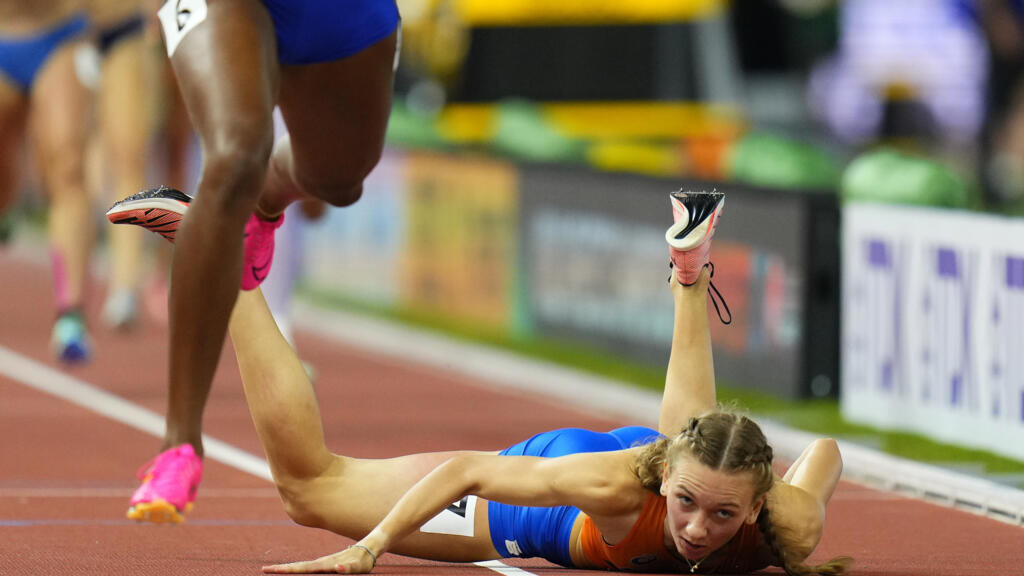
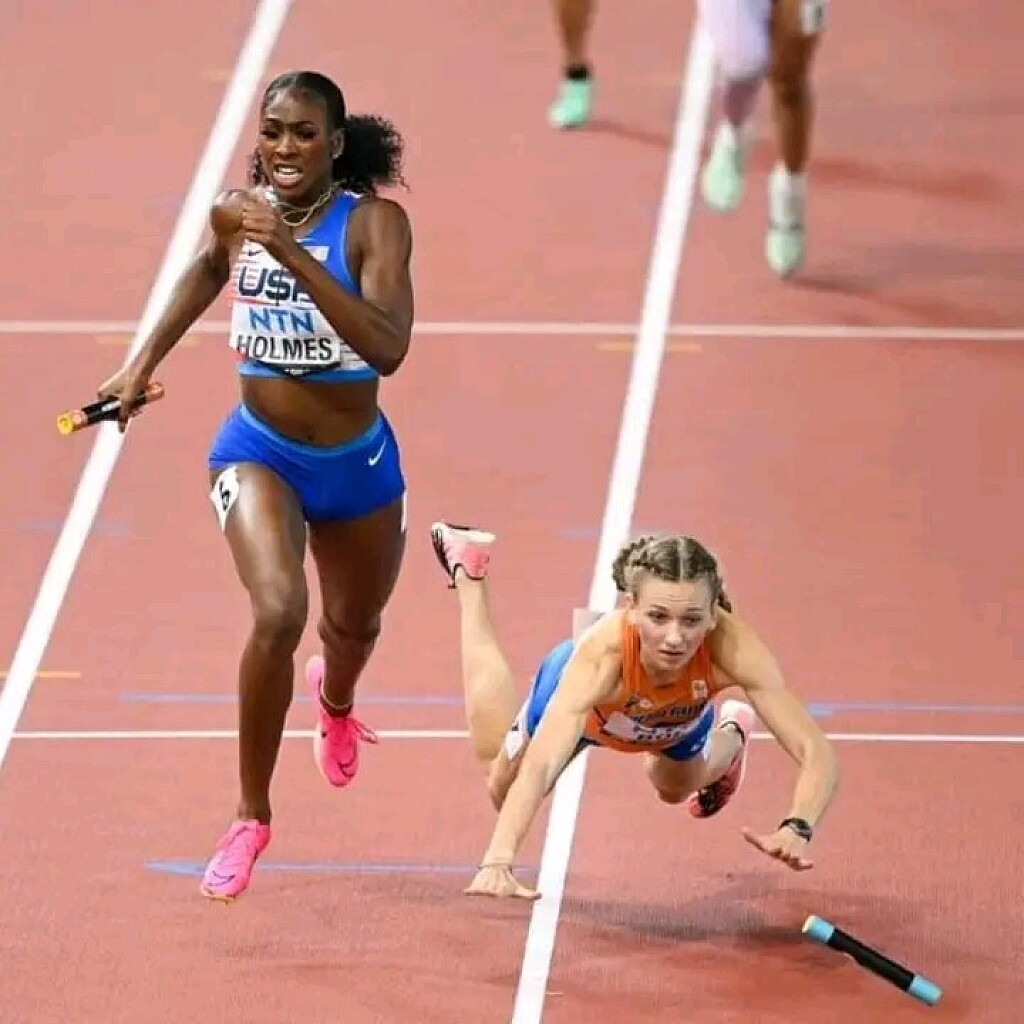
Three years ago, at the 2023 World Athletics Championships, Bol arrived in Budapest as one of the biggest names in the 400m hurdles. Yet her championships began with a painful collapse.
Anchoring the Netherlands in the mixed 4x400m relay on the opening night, Bol was within sight of victory when she fell just metres before the finish line. The Netherlands were disqualified, and what had looked like a near-certain gold medal disappeared in one devastating moment.
But Bol did not allow the disappointment to consume her.
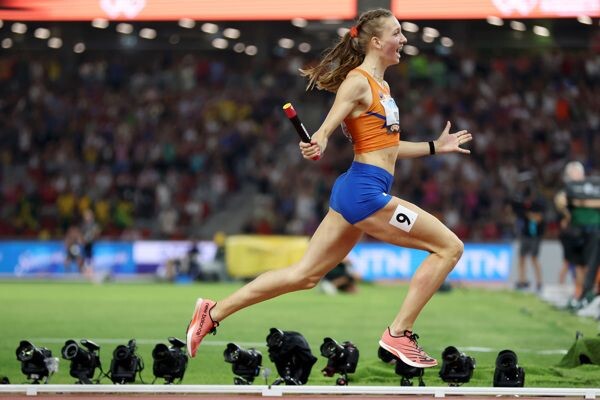
Six days later, she returned to the track for the 400m hurdles final and delivered an emphatic response. Running with remarkable composure, she stormed to victory in 51.70 seconds, finishing more than a second clear of American Shamier Little to claim her first individual global title.
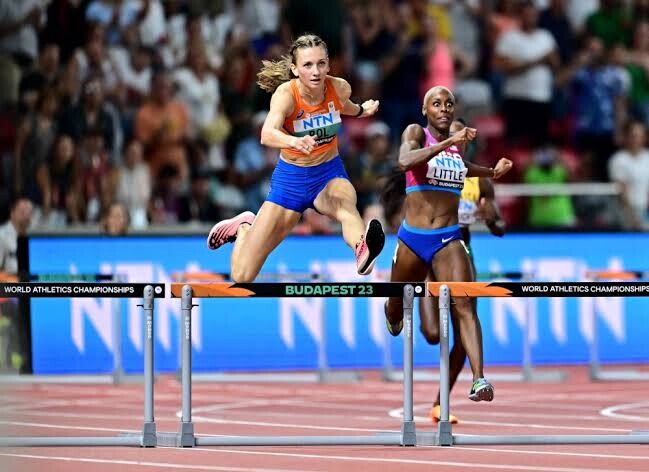
Then came the final track race of those championships — and another extraordinary chapter.
In the women’s 4x400m relay, Bol received the baton for the Netherlands with the Jamaican and British teams ahead. The deficit grew to roughly 10 metres down the back straight, but instead of surrendering, she began to hunt.
By the home straight, Bol had transformed the race.
She swept past Great Britain and then Jamaica to bring the Netherlands home in 3:20.72, securing a second world title in Budapest and completing one of the most remarkable redemption stories of the championships.
Now, Bol is heading back to the same city — but this time, her challenge is completely different.
There will be no hurdles standing in her way.
Instead, she will line up for the women’s 800m at the inaugural World Athletics Ultimate Championship in Budapest, where she will face two of the strongest middle-distance runners in the world: Olympic champion Keely Hodgkinson of Great Britain and Swiss sensation Audrey Werro. The three are among the headline names in a formidable 800m field for the September 11–13 championship.
And this is no longer the same Bol who first experimented with the event.
The Dutch star has made a significant transition to the 800m this season, steadily improving as she has gained experience over the two-lap distance. Her 2026 best stands at 1:55.41, placing her among the leading contenders heading into Budapest.
Yet the challenge could hardly be tougher.
Werro has been the revelation of the 2026 season. The Swiss star leads the world with 1:53.80, a mark that ranks among the fastest performances ever recorded. She also defeated Hodgkinson and Bol at the European Championships in Birmingham, winning in 1:54.81 as Hodgkinson took silver in 1:55.01 and Bol finished third in 1:55.54.
Hodgkinson, meanwhile, remains one of the defining figures of the event. The Paris Olympic champion has already run 1:54.33 this season and will arrive in Budapest determined to reclaim the winning momentum against a rival who has repeatedly pushed her to the limit.
The latest meeting between Werro and Bol only adds more intrigue. At the Diamond League Final in Brussels, Werro prevailed in 1:54.75, but Bol pushed her all the way to the line, finishing just 0.06 seconds behind in 1:54.81.
That makes Budapest particularly fascinating.
Bol is no longer returning simply as the hurdler who once conquered the Hungarian capital. She is coming back as an ambitious 800m runner, testing herself against an Olympic champion and the world leader in an event that demands speed, tactical intelligence and endurance in equal measure.
For Bol, Budapest carries memories of a fall, a first global individual title and an unforgettable relay victory.
Now she has the opportunity to create another memory.
This time, there are no barriers to clear and no baton to chase.
There is only 800 metres — two laps in which Bol will have to match the pace, strength and finishing speed of Werro and Hodgkinson.
She has already shown what she can do when Budapest gives her a second chance.
The question now is whether she can turn that history into another triumph.
by Erick Cheruiyot for My Best Runs.
Login to leave a comment

Jimmy Gressier’s Bold Copenhagen Double: From Sub-13 Speed To Half-Marathon Glory?
Jimmy Gressier is preparing to take on one of the most intriguing challenges of the 2026 World Athletics Road Running Championships in Copenhagen — competing in both the men’s 5km and half-marathon, with less than a day separating the two races.
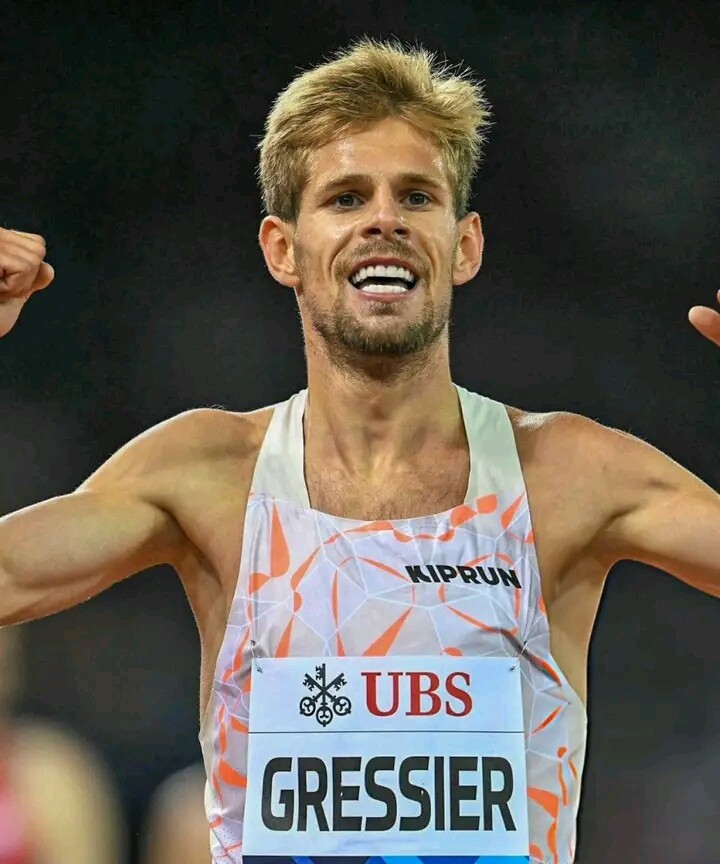
The French star is listed for the 5km on September 19 at 2:40 p.m., before returning to action for the half-marathon at 9:45 a.m. the following morning. That gives him just 19 hours and five minutes between races.
It is a remarkable contrast. One race is expected to last less than 13 minutes for Gressier; the other could keep him racing for around an hour. His personal bests tell the same story: 12:51 for 5km, equivalent to roughly 4:08 per mile, and 59:45 for the half-marathon, or about 4:33 per mile.
And the difference in his standing on the two start lists is striking.
In the 5km, Gressier enters as the fastest man in the field of 63 athletes. His sensational 12:51 in Lille in April made him the European record-holder and moved him to within just two seconds of the world record. Ethiopia’s Addisu Yihune is the only other athlete entered with a faster mark than 13 minutes, having run 12:54, while no other competitor has broken 13:06 this year.
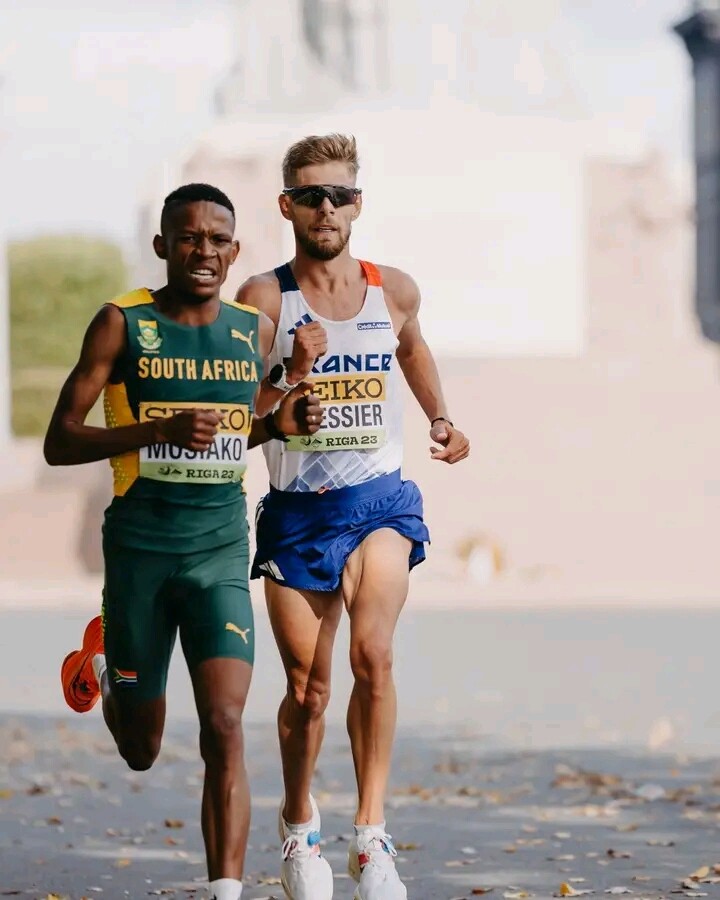
The half-marathon presents a completely different challenge.
Gressier’s 59:45 personal best places him 13th on the entry list, with 12 athletes boasting faster lifetime performances. Kenya’s Nicholas Kipkorir leads that group with 58:08, while Sweden’s Andreas Almgren arrives with the European record of 58:41. Gideon Kipkertich Rono has run 58:38, Tadese Worku 58:47, while the field also includes major names such as Joshua Cheptegei, Daniel Simiu Ebenyo, Yemaneberhan Crippa and Conner Mantz.
Adding another layer of intrigue, Gressier has not raced a half-marathon in 2026.
Yet this is far from unfamiliar territory for the Frenchman.
Gressier has already demonstrated that he can excel over 21.1 kilometres. His 59:45 came when he won the European half-marathon title in Brussels-Leuven in April 2025, defeating Norway’s Awet Nftalem Kibrab by 1:23. He also finished fifth at the 2023 World Half Marathon Championships in Riga, clocking 59:46.
That makes Copenhagen’s unusual schedule particularly important.
When the inaugural World Road Running Championships were held in Riga three years ago, the elite races were compressed into a single afternoon, making a 5km-and-half-marathon double far more difficult to contemplate. Copenhagen has instead spread the competitions across the weekend, creating a window that allows athletes such as Gressier to attempt something far more ambitious.
He will not be alone. Ten athletes on the final entry lists have entered two races, but Gressier’s combination is arguably among the most demanding because of the intensity with which he attacks both distances.
There is also a powerful reminder of what Gressier can produce when the stakes are highest.
At last year’s World Championships in Tokyo, he produced a breathtaking finish to claim the 10,000m world title, edging Yomif Kejelcha by just 0.06 seconds. His own description of that dramatic finish captured his competitive instinct perfectly: he had targeted a medal, moved into third on the home straight, then surged through second before taking gold.
Now, Gressier is preparing for another test of versatility.
First comes the explosive 5km, where he arrives as the fastest man on paper and one of the biggest threats to the world’s best. Then, barely 19 hours later, comes the half-marathon — a race filled with established road-running specialists and several athletes with considerably faster credentials.
Two races. Two very different challenges. One extraordinary weekend.
In Copenhagen, Jimmy Gressier will find out just how far his remarkable range can take him.
by Erick Cheruiyot for My Best Runs.
Login to leave a comment
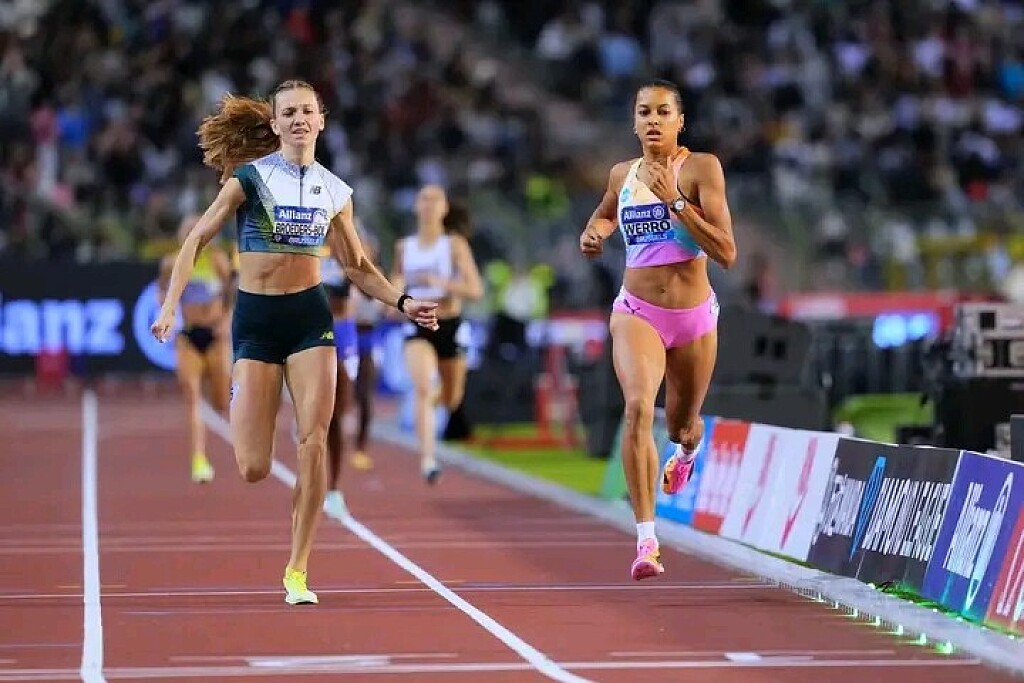
Werro Edges Broeders-Bol By 0.06 Seconds In A Thrilling Brussels 800m Classic
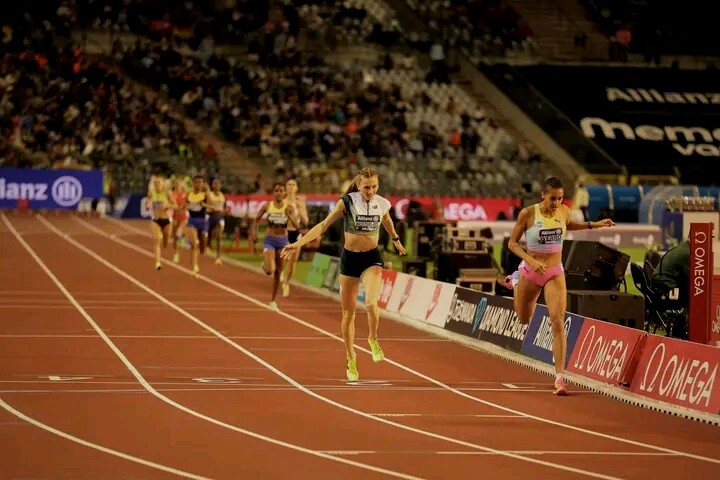
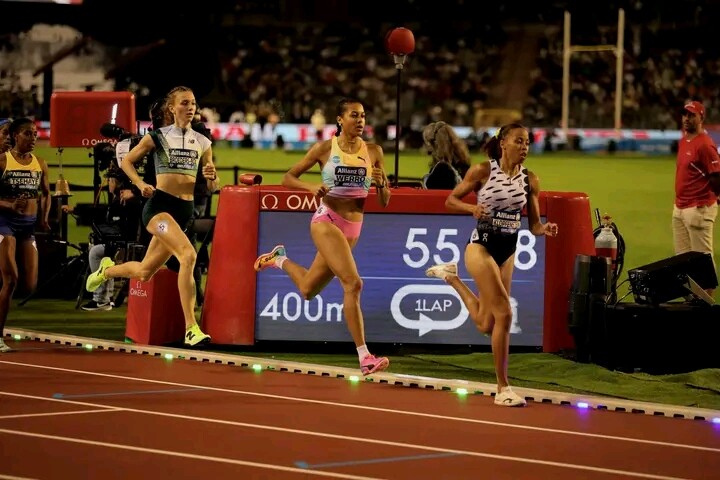
Audrey Werro of Switzerland held her nerve in a breathtaking finish to the women’s 800m at the Diamond League Final in Brussels, edging Femke Broeders-Bol of the Netherlands by just six hundredths of a second to claim the Diamond Trophy.
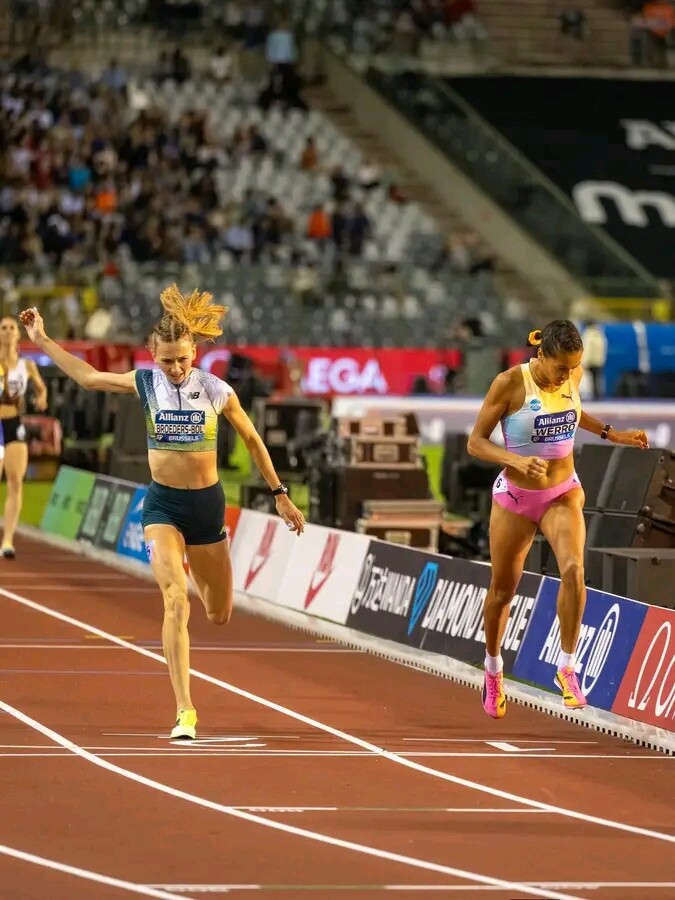
Werro stopped the clock at a sensational 1:54.75, with Broeders-Bol charging across the line in 1:54.81. The margin was almost impossibly small — just 0.06 seconds — after two laps of relentless racing.
For Broeders-Bol, it was a finish that carried both pride and frustration.
“I’m very happy, but a little bit frustrated running in that close.”
The Dutchwoman produced a spectacular surge over the final 100 metres, rapidly closing the gap on Werro and throwing everything into the final straight. For a moment, it appeared she might steal victory at the line, but Werro resisted the late assault to secure another major Diamond League triumph.
The result underlined just how remarkable Broeders-Bol’s breakthrough season has been. Competing over 800m for the first time, she has already established herself among the event’s most formidable contenders — and delivering two consecutive sub-1:55 performances in her debut campaign is a remarkable statement of intent.
Yet Werro had the final answer.
The Swiss star once again demonstrated the front-running strength and composure that have become hallmarks of her racing. Her 1:54.75 not only secured victory but also set a meeting record, adding another impressive chapter to her Diamond League season.
For Broeders-Bol, however, the narrow defeat may prove less a setback than a warning to the rest of the 800m field.
She has arrived.
And if Brussels was any indication, the battle between Werro and Broeders-Bol could become one of the most compelling rivalries in women’s middle-distance running.
The story may not have to wait long for its next chapter.
Budapest could be next.
And should the field expand to include Olympic champion Keely Hodgkinson of Great Britain and world champion Lilian Odira of Kenya at the Ultimate Championships, the women’s 800m could become one of the most fiercely contested events on the track.
One thing is already clear: the 800m is heating up — and this rivalry is only beginning.
by Erick Cheruiyot for My Best Runs.
Login to leave a comment
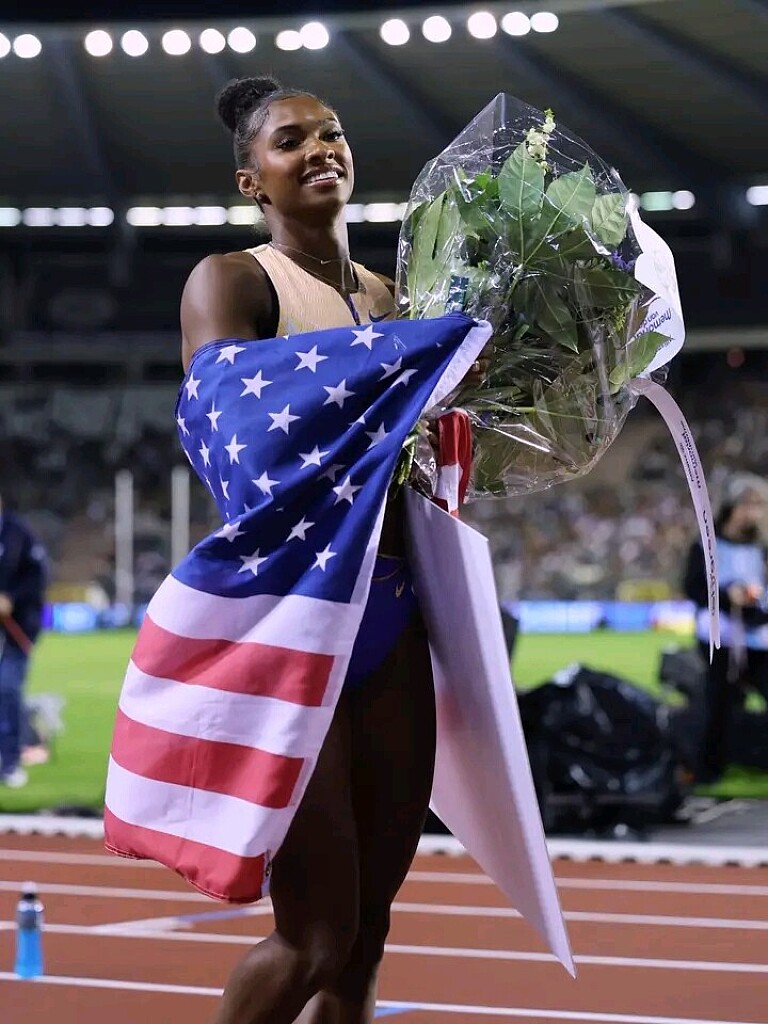
Masai Russell Battles Back to Claim Her First Diamond League Trophy
Masai Russell has crowned a remarkable season with her first Diamond League Trophy, producing a dramatic comeback to win the women’s 100m hurdles final in Brussels in 12.20 seconds.
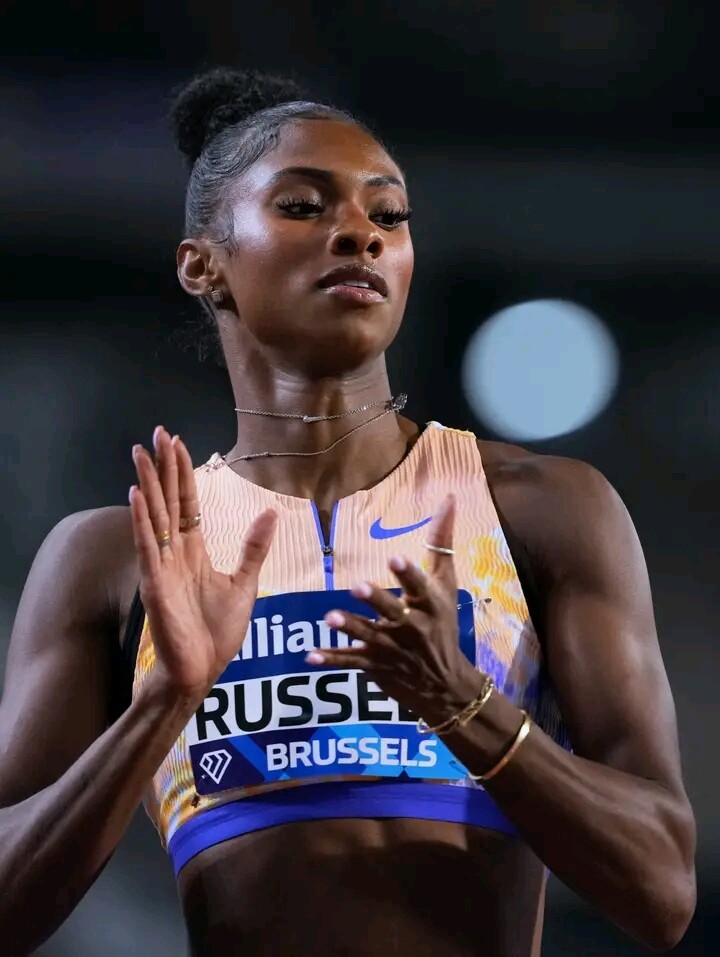
The world record holder did not have everything go her way from the start. Russell found herself trailing early in a tightly packed race, but the American remained composed and gradually began to close the gap as the field approached the decisive stages.
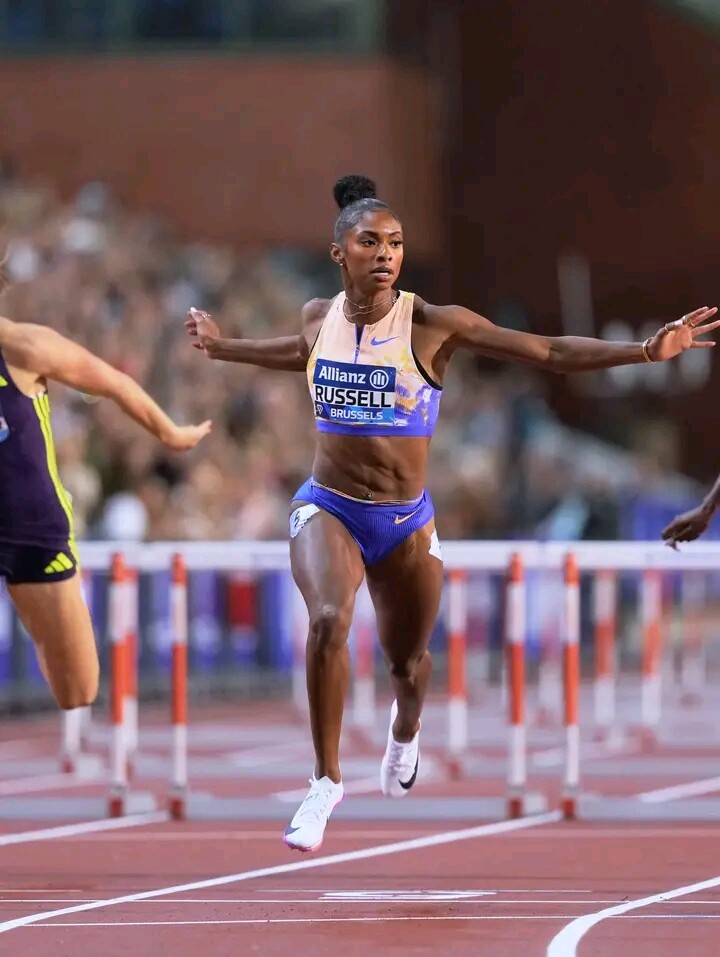
Then came the breakthrough.
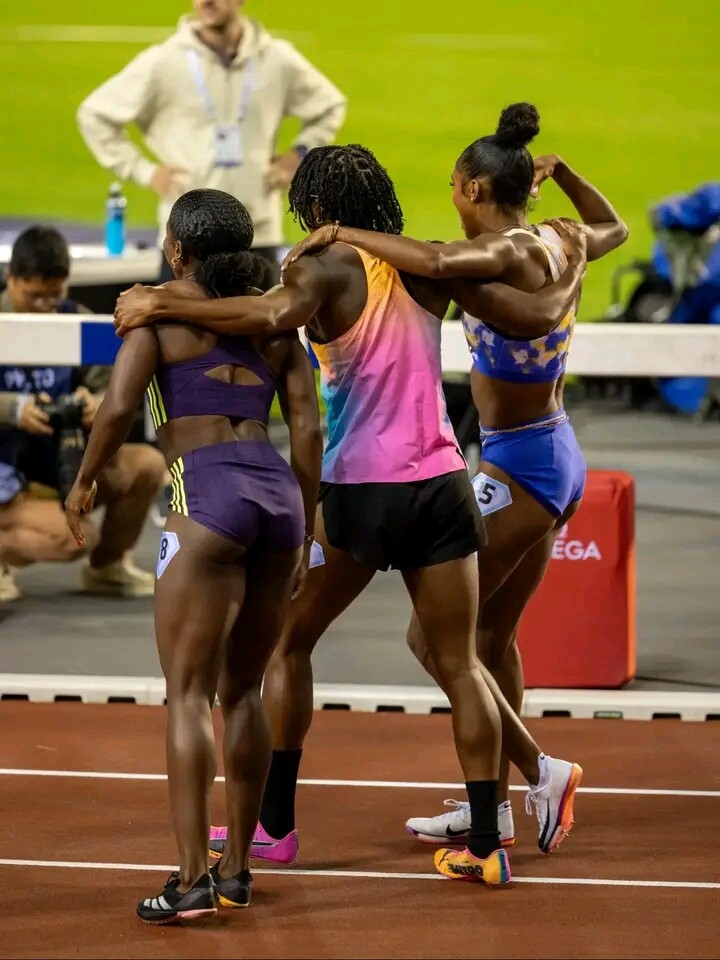
Russell surged through the final few hurdles, battling past her training-mate Devynne Charlton and powering away to secure a hard-fought victory. Her 12.20-second effort was enough to put her on top when it mattered most and deliver the coveted Diamond League title.
For Russell, the triumph represents another significant milestone in an already decorated career. It is her first-ever Diamond Trophy, adding a prestigious new achievement to her résumé.
Charlton produced a performance of her own to remember. The Bahamian hurdler held on strongly for second place in 12.33 seconds, setting a new Bahamas national record in the process.
Jamaica’s Megan Simmonds completed the podium in 12.43 seconds, making it a remarkable 1-2-3 finish for athletes coached by Coach Greene.
The Brussels final therefore delivered more than just a Diamond League champion. It showcased Russell’s ability to respond under pressure, Charlton’s record-breaking form and a remarkable sweep of the podium by athletes from the same coaching group.
But the night ultimately belonged to Russell.
From an early deficit to a decisive finish, the world record holder battled her way to victory and finally got her hands on the Diamond.
by Erick Cheruiyot for My Best Runs.
Login to leave a comment
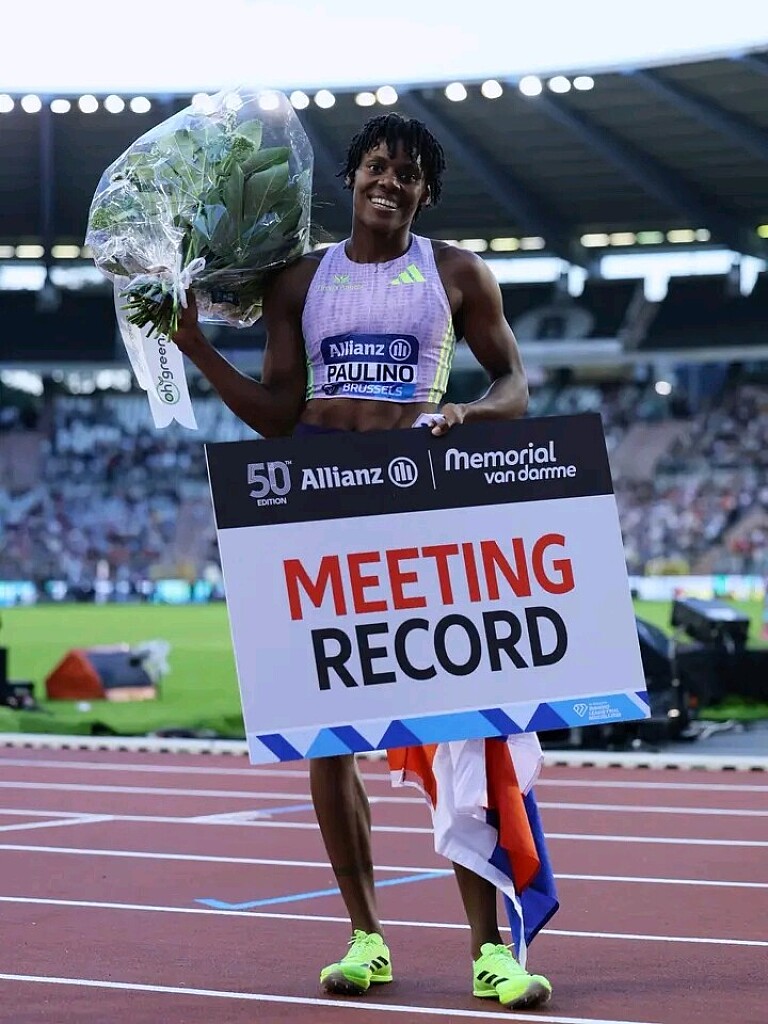
Marileidy Paulino Caps Unbeaten Diamond League Season With Record-Breaking Brussels Triumph
One lap. One champion. One extraordinary season.
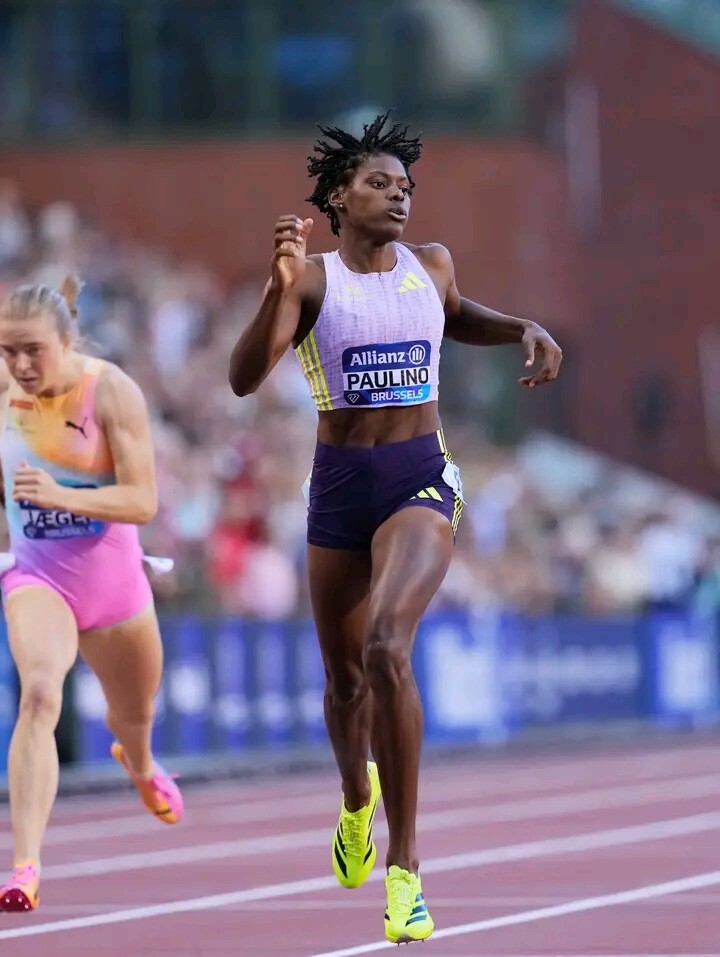
Marileidy Paulino has once again demonstrated why she remains the dominant force in the women’s 400 metres, producing a spectacular performance in Brussels to close out an unbeaten Diamond League season in emphatic fashion.
The Dominican Republic superstar stormed to 48.64 seconds in the 400m, comfortably securing victory and claiming her fourth consecutive Diamond League Trophy.
It was a performance that carried both dominance and history. Paulino’s 48.64 shattered the 17-year-old Brussels meeting record of 48.83 seconds, previously held by American Olympic champion Sanya Richards-Ross.
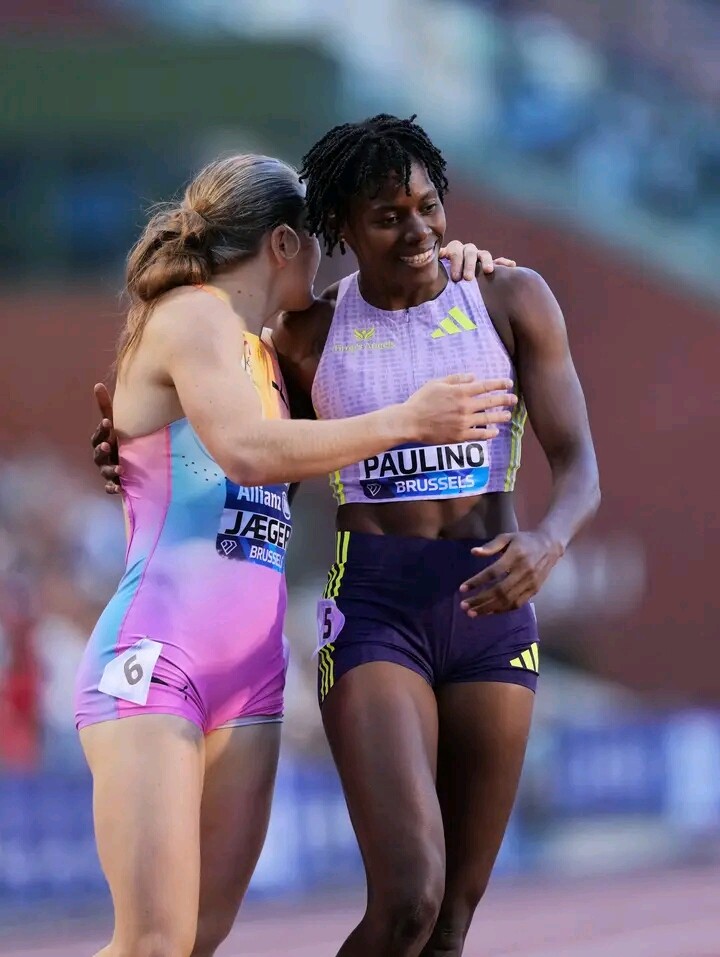
Paulino’s latest display was another confirmation of her exceptional form over one lap. She has now recorded 14 consecutive victories this season, while her Brussels performance marked her seventh successive sub-49-second clocking—an extraordinary level of consistency at the highest level.
Behind the Dominican star, Norway’s Henriette Jæger ran an impressive 49.20 seconds for second place, while Jamaica’s Nickisha Pryce completed the podium in 49.36 seconds.
An unbeaten Diamond League campaign
Paulino’s Brussels victory brought her Diamond League campaign to a perfect conclusion. Across the season, she remained unbeaten in the prestigious series, repeatedly producing performances capable of separating her from the rest of the field.
Her 48.64-second run was the perfect way to seal another Diamond League title: fast enough to break a meeting record and strong enough to underline her remarkable consistency throughout the season.
With four consecutive Diamond League trophies now secured, Paulino continues to build one of the most formidable records in modern women’s 400m running.
48.64 seconds. A meeting record. A fourth consecutive Diamond Trophy. An unbeaten Diamond League season.
The one-lap wonder has done it again—and once more, Marileidy Paulino has left the rest of the field chasing her.
by Erick Cheruiyot for My Best Runs.
Login to leave a comment
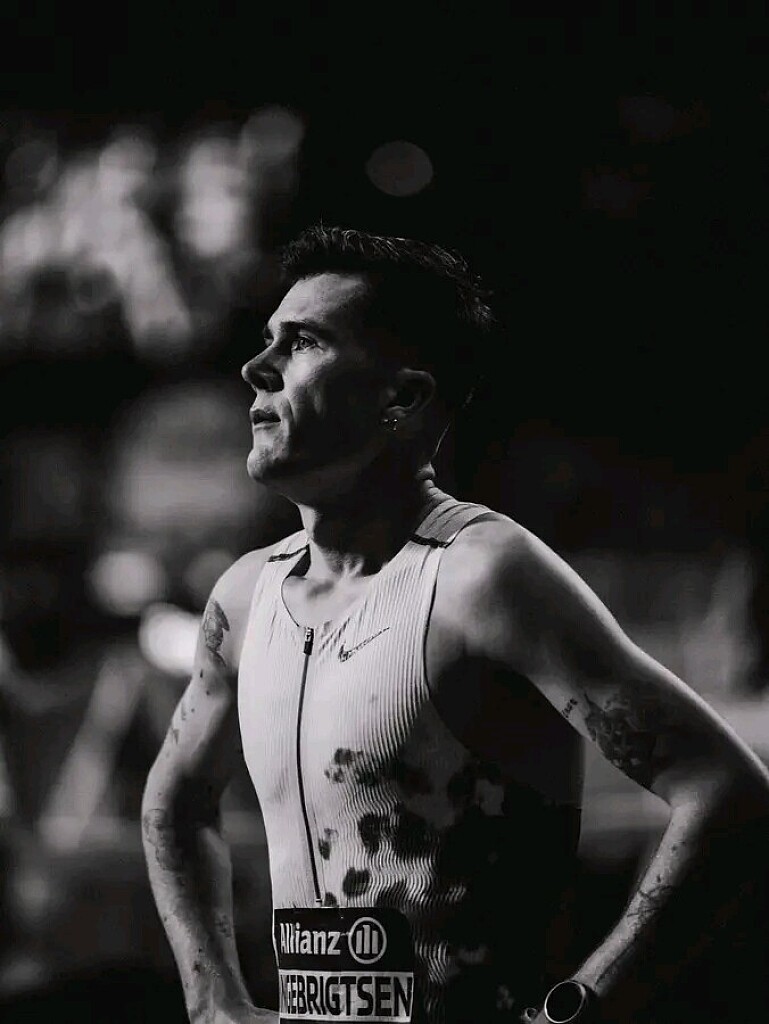
Ingebrigtsen Clarifies Fiery Brussels Outburst After 1500m Defeat: “I Will Always Call Things as I See It
Jakob Ingebrigtsen has offered a measured reflection on his explosive post-race comments following a dramatic men’s 1500m Diamond League Final in Brussels, acknowledging that adrenaline and emotion may have played a role while making it clear that his competitive fire remains as strong as ever.
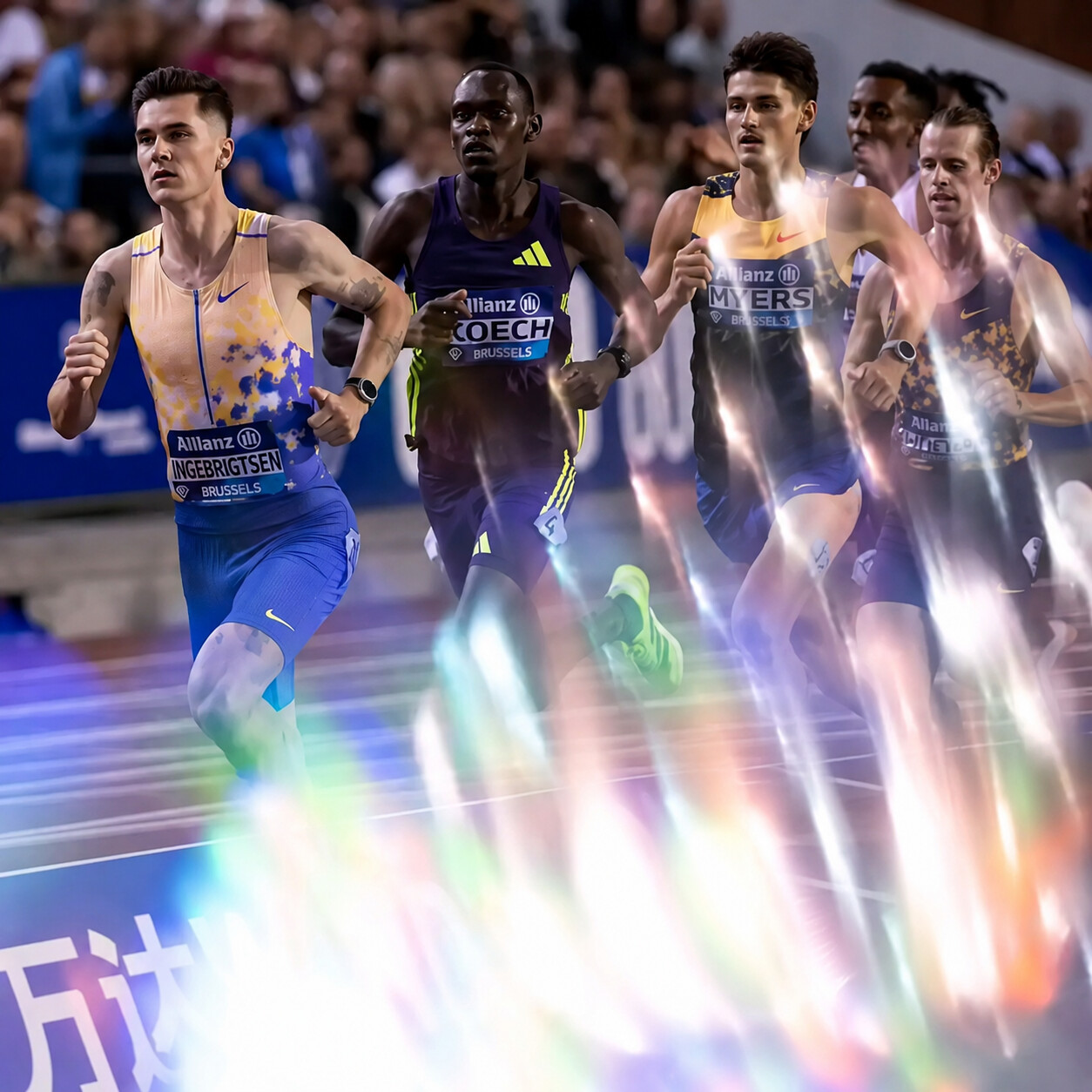
The Norwegian Olympic champion endured a frustrating night at the King Baudouin Stadium, finishing fourth in a season’s best 3:30.52 after taking responsibility for much of the race from the front. Australia’s Cameron Myers produced a perfectly timed late surge to claim the Diamond League title in 3:30.14, edging Kenya’s Phanuel Kipkosgei Koech by just 0.04 seconds, with American Ethan Strand completing the podium in 3:30.50.
Ingebrigtsen had looked capable of converting his aggressive front-running strategy into victory, but the race changed dramatically in the final stages. Myers found a narrow opening and accelerated past the Norwegian, while Koech and Strand also came through strongly as Ingebrigtsen faded over the closing metres.
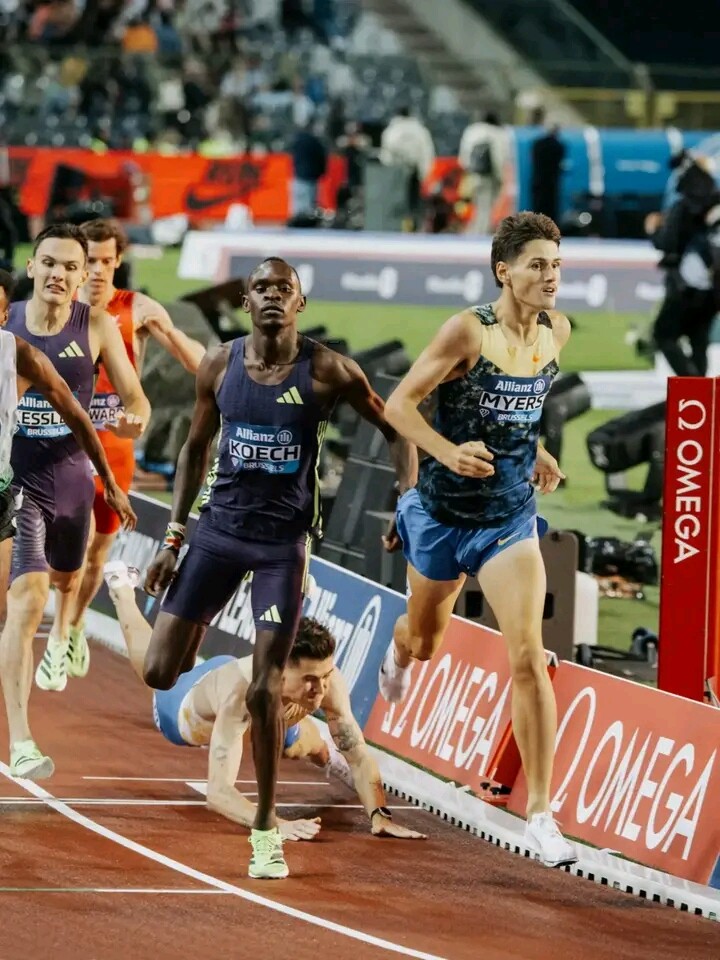
The defeat triggered an unusually fiery reaction from the 25-year-old, who criticised the tactical approach of his rivals and described himself as having raced against “a bunch of cowards”. He was particularly frustrated by what he perceived as competitors sitting back before unleashing their finishing speed when the race reached its decisive phase.
Ingebrigtsen also directed criticism towards Olympic champion Cole Hocker, questioning the way the pacing situation had unfolded and arguing that the American had influenced the pacemaking strategy to his own advantage.
However, after the emotions of the night had settled, Ingebrigtsen returned to social media with a noticeably more reflective message.
“My love for this sport can never be questioned,” he wrote, making it clear that his passionate reaction should not be interpreted as a lack of respect for athletics.
“There was maybe a little too much adrenaline and emotion when the microphones were thrown in front of me last night but I will always call things as I see it.”
The message offered an important qualification to his earlier remarks. Rather than retracting his competitive assessment, Ingebrigtsen appeared to acknowledge that the intensity of the moment had amplified his words.
He also chose to focus on the positives from his performance.
“Pushing from the front, a seasons best and feeling a little more like myself every race,” he added.
That statement is particularly significant given his difficult return to the 1500m after Achilles problems. His 3:30.52 in Brussels was his fastest performance since returning from the injury, providing evidence that his race sharpness is gradually returning despite the disappointment of missing out on the Diamond League crown.
And despite the frustration, Ingebrigtsen made it clear that the defeat has not diminished his hunger.
“Positives to take and lots of fuel for the fire.”
That final line perhaps captures the Norwegian better than anything he said immediately after the race. The fourth-place finish may have frustrated him, but it has also provided another source of motivation as he continues rebuilding his form.
He concluded his message by thanking supporters for standing behind him throughout his comeback.
“Thanks for all the support as always, it feels so good to be back!”
For Ingebrigtsen, Brussels was therefore a night of contrasting emotions: disappointment at surrendering a race he had helped control, frustration with the tactics around him, but also encouragement from a season’s best performance and the feeling that he is gradually returning to his best.
For Myers, it was a breakthrough evening and one of the biggest victories of his young career. For Ingebrigtsen, however, the story may not end with fourth place.
If his latest message is anything to go by, the defeat has simply added more fuel to an already fiercely burning competitive fire.
by Erick Cheruiyot for My Best Runs.
Login to leave a comment
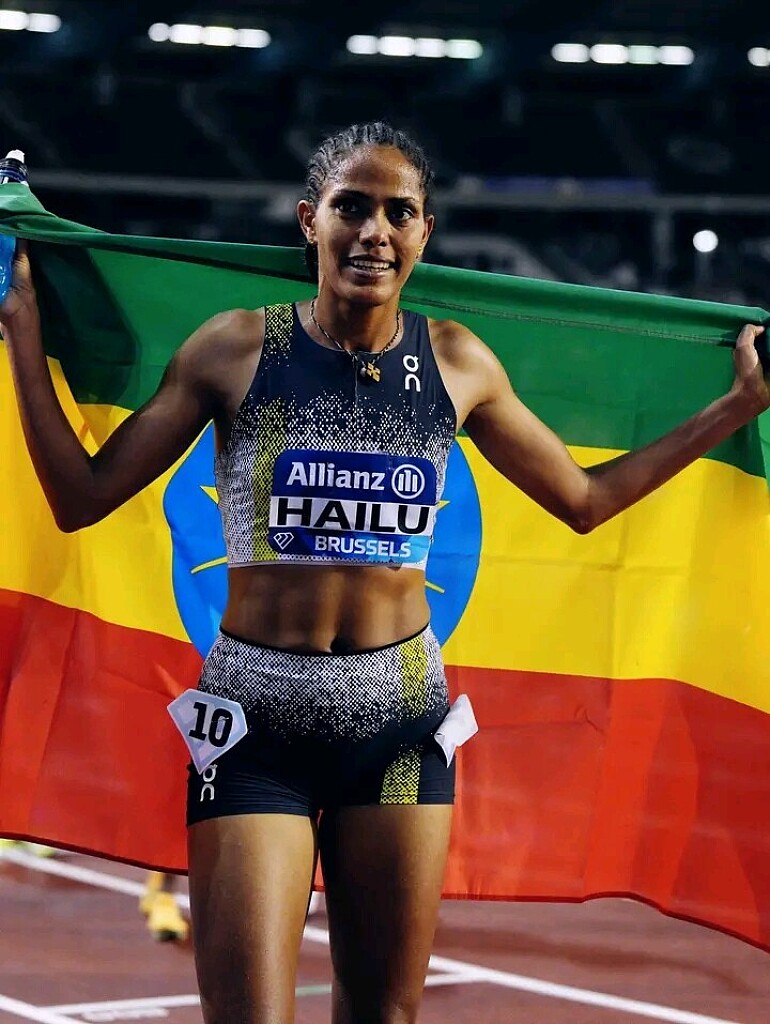
Freweyni Hailu Unleashes A Devastating Final Kick To Rule The Diamond League 5000m In Brussels
Freweyni Hailu produced a magnificent display of tactical intelligence and raw finishing speed in Brussels, unleashing a devastating late kick to win the women’s 5000m Diamond League title in 14:35.20.
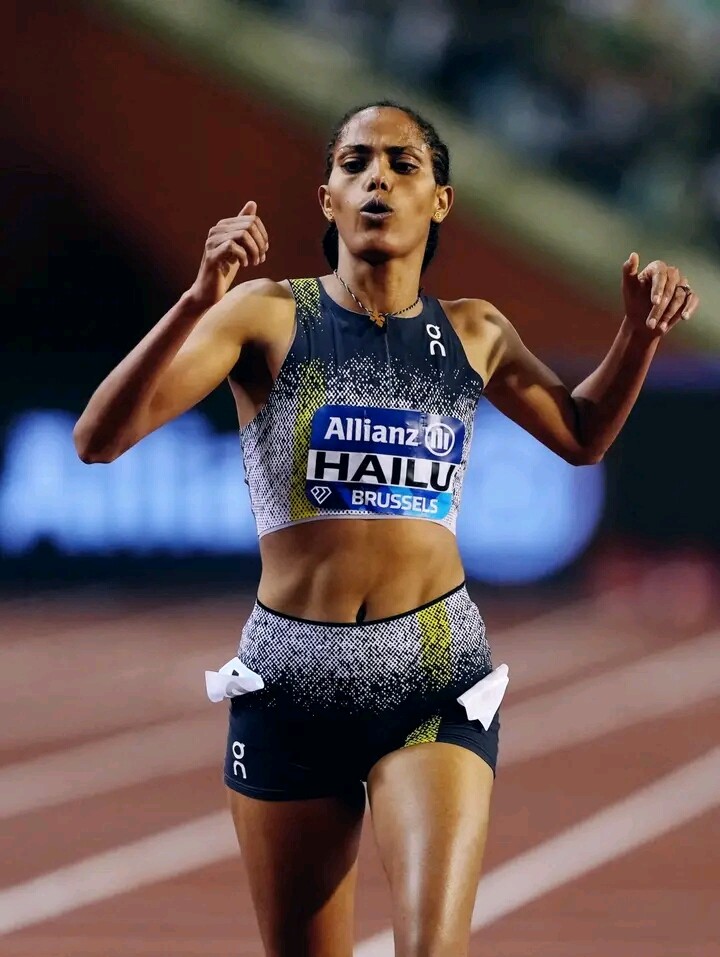
The Ethiopian star executed the perfect sit-and-kick strategy. Rather than committing herself to the pace early, Hailu remained patiently positioned among the leading group, conserving her energy while waiting for the race to reach its decisive stages.
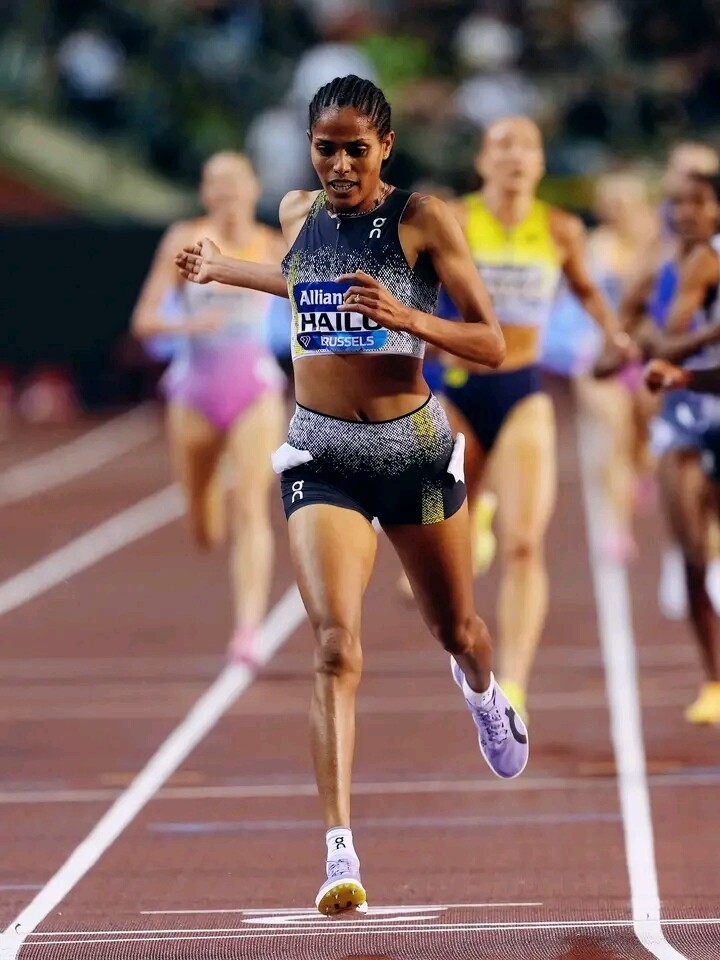
When the moment finally arrived, she was ready.
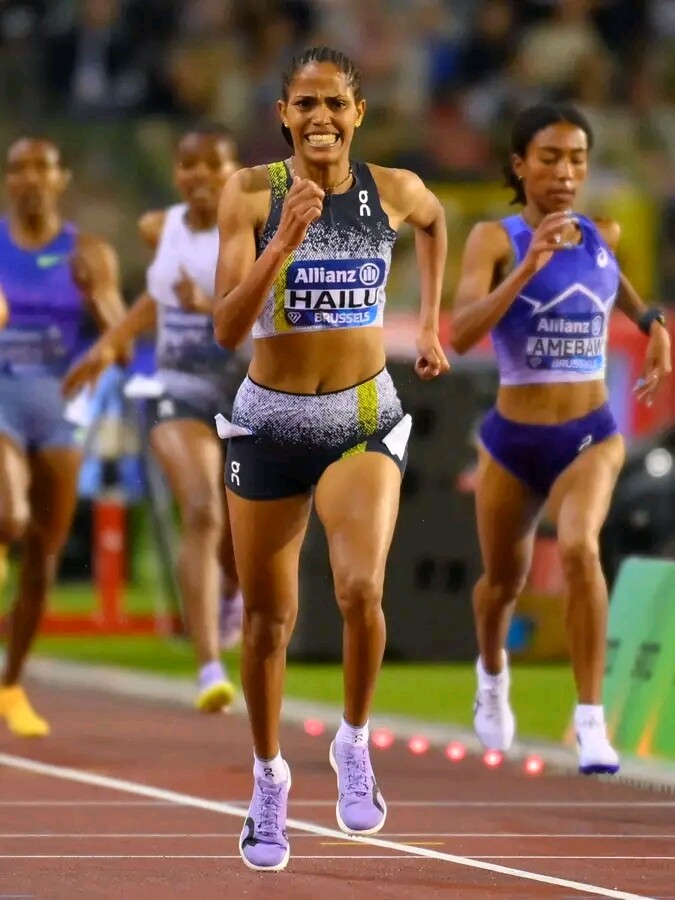
Hailu accelerated ferociously over the closing 200 metres, suddenly opening a gap on the field and turning a tightly contested race into a commanding victory. Her rivals simply could not match the change of pace as she powered relentlessly toward the finish line.
Her 14:35.20 was enough to secure the Diamond Trophy and headline an extraordinary Ethiopian clean sweep of the podium. Hailu was followed home by compatriots Amedework Amebaw, who ran 14:36.31, and Freweyni Getachew, who clocked 14:37.09.
The strength of the Ethiopian contingent was further demonstrated by Hirut Meshesha, who finished fifth in 14:37.84. Meshesha narrowly finished ahead of Australia’s Georgia Griffith, who stopped the clock at 14:38.69, with both athletes producing strong performances in a fiercely competitive field.
Meshesha’s fifth-place finish carried an additional reward. She secured the final qualifying spot for the World Ultimate Championships, having been the highest individual in the field who had not already qualified through the World Ranking Quota.
Australia’s Sarah Davies finished fourth in 14:37.47, a season’s best, while the Netherlands’ Maureen Koster was seventh in 14:39.38. Ethiopia’s Tsige Eisa followed in eighth with 14:39.40, while compatriot Frehiwot Alemayo placed ninth in 14:40.27. Australia’s Rose Davies Hall completed the top 10 in 14:40.62, a personal best.
For Hailu, the victory added another impressive chapter to an already distinguished career. The two-time World Indoor Champion has established herself as one of Ethiopia’s leading middle- and long-distance runners, possessing the rare combination of endurance, tactical awareness and explosive finishing speed.
She arrived in Brussels with a formidable 14:18.94 personal best, the second-fastest mark among the competitors. But she did not need to rely on chasing that standard. Instead, she trusted her race instincts, stayed composed and waited until the final moments to unleash the weapon that ultimately decided the contest.
The final 200 metres belonged entirely to Hailu. What had been a battle of patience and positioning suddenly became a demonstration of pure speed, with the Ethiopian pulling away decisively as the finish approached.
Brussels therefore witnessed more than another Diamond League victory. It was a statement from Hailu and a powerful showcase of Ethiopia’s extraordinary depth in women’s distance running.
She sat, she waited, and then she struck. Nobody could live with that kick.
by Erick Cheruiyot for My Best Runs.
Login to leave a comment
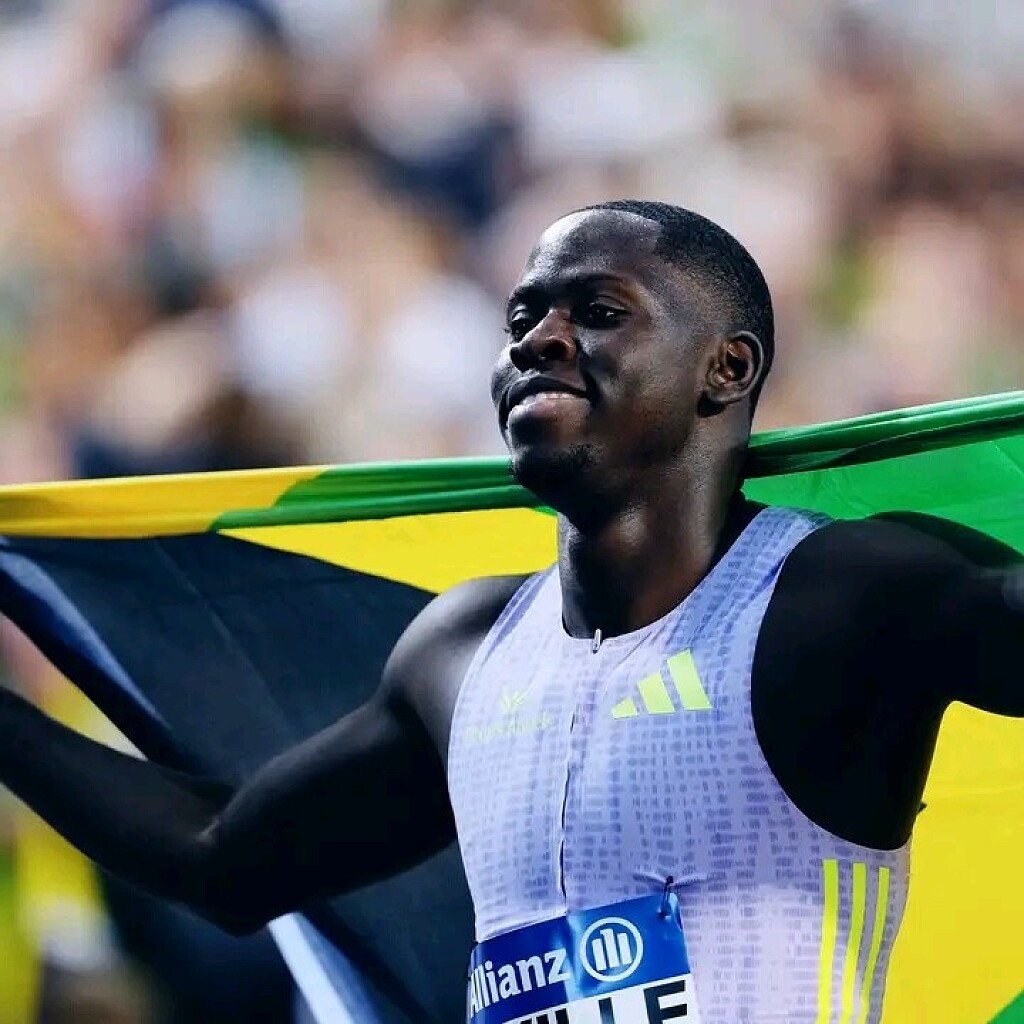
Oblique Seville Rules Brussels With A Blistering 9.90 To Claim The Diamond Trophy
Oblique Seville produced a statement performance in Brussels, powering to a superb 9.90 seconds to capture the men’s 100m Diamond League title and secure the coveted Diamond Trophy for Jamaica.
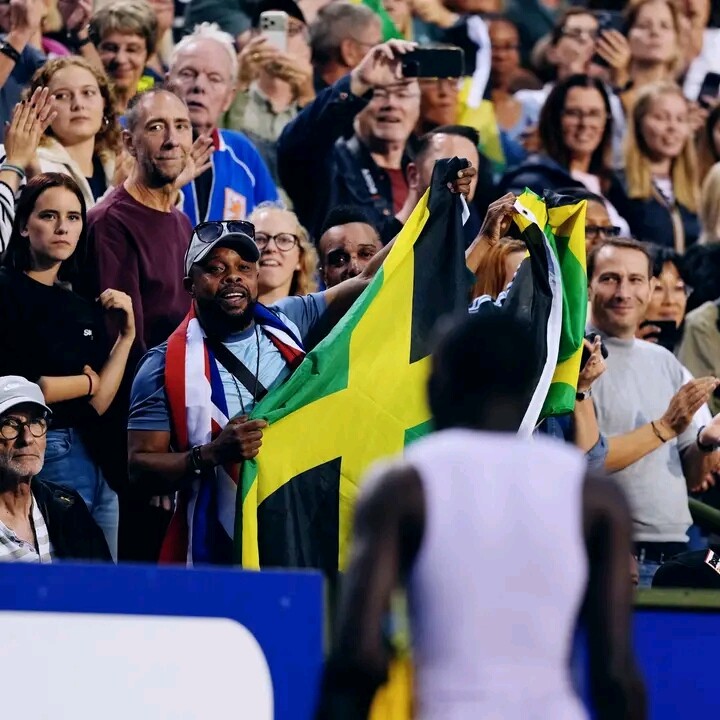
The Jamaican sprinter rose to the occasion in a fiercely contested final, exploding from the blocks and maintaining his composure as the field charged towards the finish. Seville held off a remarkable challenge from Cameroon’s Emmanuel Eseme, who pushed him all the way before crossing the line in an outstanding 9.93 seconds.
Nigeria’s Kayinsola Ajayi also delivered a superb performance, breaking the 10-second barrier to take third in 9.97 seconds and complete a remarkably fast podium.
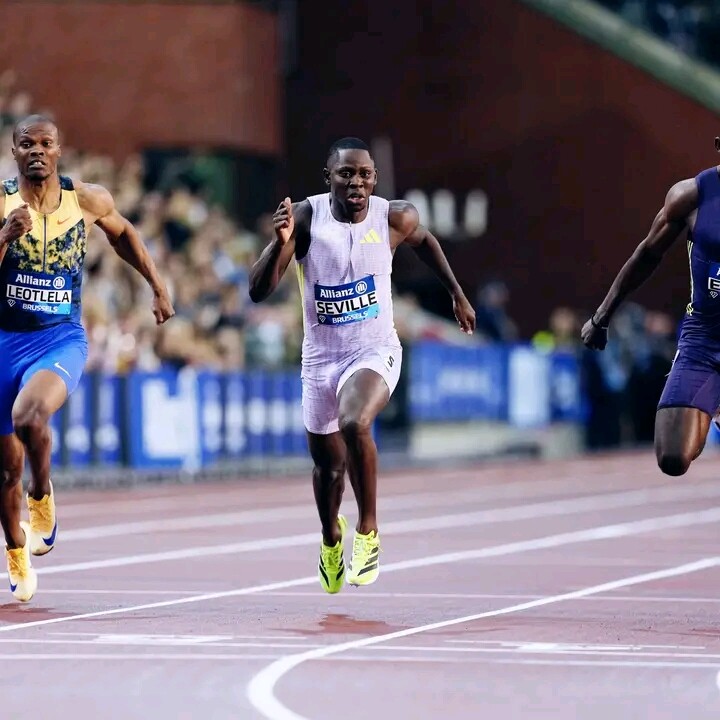
Behind the leading trio, Australia’s Lachlan Kennedy narrowly missed the podium in 9.99, while South Africa’s Gift Leotlela and American Christian Coleman both stopped the clock at 10.01. South Africa’s Akani Simbine followed in 10.03, with American Trayvon Bromell recording 10.07.
For Seville, the victory represents another significant milestone in a rapidly developing career. The Jamaican has established himself as one of the leading sprinters of his generation, and his ability to deliver under the pressure of a Diamond League final once again demonstrated his competitive strength.
The Brussels final was particularly impressive for its depth, with seven athletes breaking or matching the 10-second barrier. Yet when the decisive moment arrived, Seville had the extra gear required to separate himself from the pack.
His 9.90 was not merely enough to win the race—it was enough to put his name on the Diamond League trophy and cap his campaign with another major victory.
1. Oblique Seville — 9.90
2. Emmanuel Eseme — 9.93
3. Kayinsola Ajayi — 9.97
Jamaica celebrates another Diamond League champion, while Seville leaves Brussels with the biggest prize of the night and yet another reminder that he belongs among the very best in the world.
A brilliant finish to the Diamond League season—and another golden moment for Oblique Seville.
by Erick Cheruiyot for My Best Runs.
Login to leave a comment
Cameron Myers Produces A Champion’s Kick To Win Thrilling Brussels 1500m Final
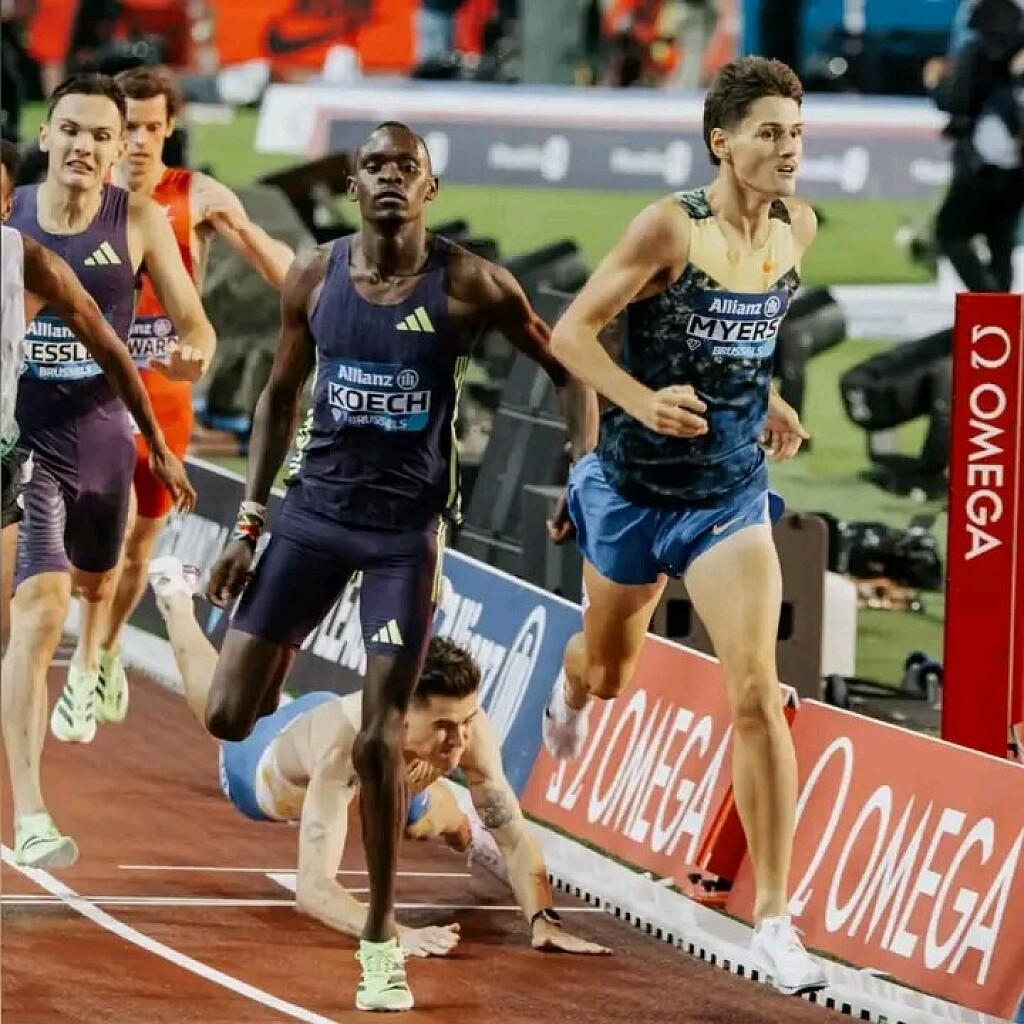
Cameron Myers delivered a breathtaking finish in Brussels to capture the men’s 1500m Diamond League Final title, producing a decisive late surge before dipping for the line in 3:30.14 to claim the coveted Diamond Trophy.
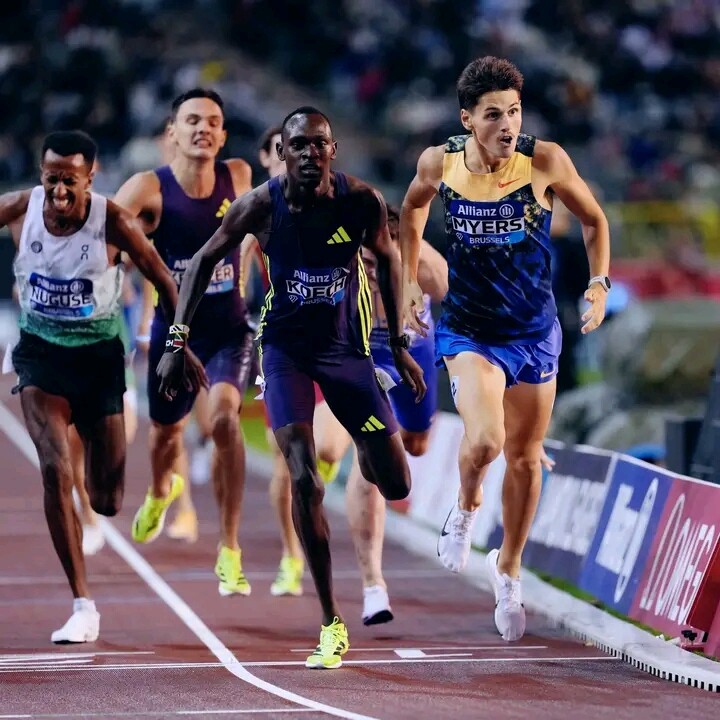
The Australian was moving with remarkable speed when it mattered most, unleashing the finishing kick of a champion in the closing metres. With the race finely poised, Myers held his composure and found the extra strength needed to edge ahead at the line in a dramatic conclusion to the final.
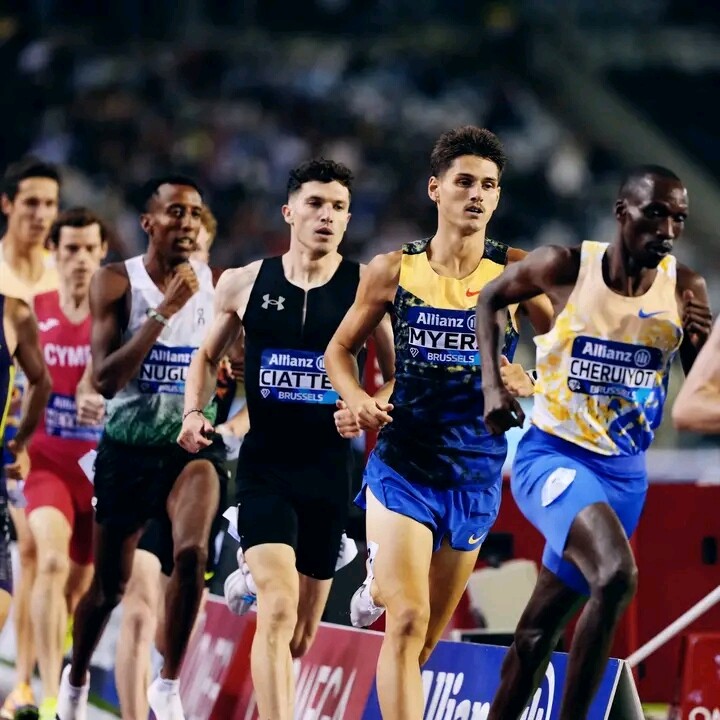
Kenya’s Phanuel Kipkosgei Koech came agonisingly close to taking the title, crossing the finish in 3:30.18—just 0.04 seconds behind Myers. Koech produced a brilliant closing effort and pushed the Australian all the way, narrowly missing out on what would have been a stunning Diamond League triumph.
American Ethan Strand completed the podium in 3:30.50, adding another layer to an extraordinary finish. The first three athletes were separated by just 0.36 seconds, underlining just how fiercely contested the race was from start to finish.
For Myers, the victory was a powerful statement on one of the biggest stages of the Diamond League season. When the pressure reached its peak, the Australian responded with speed, determination and the composure required to deliver when victory was decided by the smallest of margins.
Koech, meanwhile, leaves Brussels with plenty of credit after pushing Myers to the absolute limit. His silver-medal performance demonstrated both his strength and his ability to compete fearlessly against elite opposition, even though the Diamond Trophy slipped away by the narrowest of margins.
It was a finish worthy of a Diamond League Final—three athletes charging for the line, separated by fractions of a second, with Myers ultimately producing the decisive move. Four hundredths of a second made the difference between gold and silver in one of Brussels’ most thrilling showdowns
by Erick Cheruiyot for My Best Runs.
Login to leave a comment
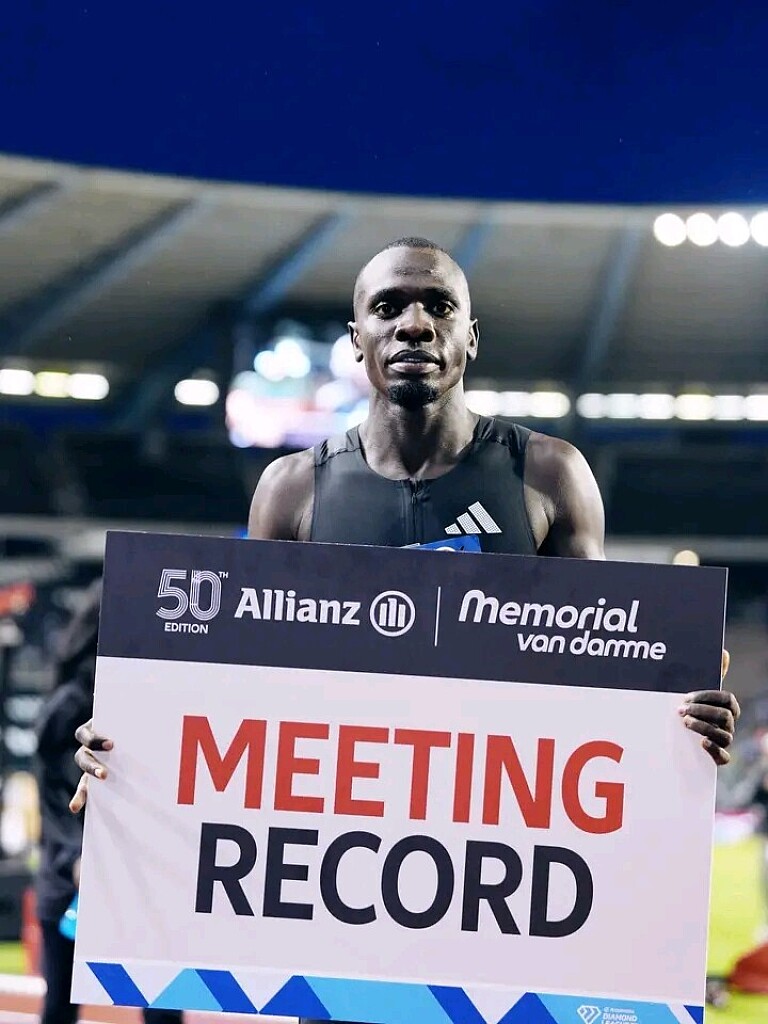
Emmanuel Wanyonyi Makes History With Four Straight Diamond League Final Triumphs In Brussels
Kenya’s Emmanuel Wanyonyi has once again stamped his authority on the men’s 800m, producing a commanding performance in Brussels to claim his fourth consecutive Diamond League Final title in spectacular fashion.
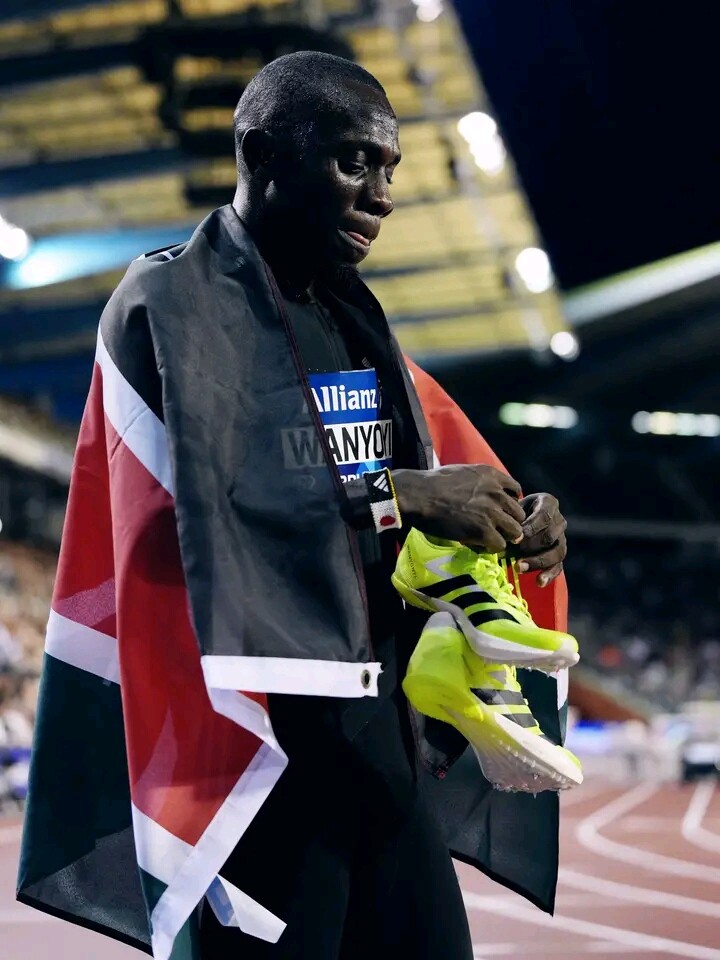
The Olympic champion delivered when it mattered most, surging clear of a fiercely competitive field and crossing the finish line in a brilliant 1:41.80. The performance not only secured another Diamond Trophy for the Kenyan star but also established a new meeting record, further underlining his remarkable consistency at the highest level of the sport.
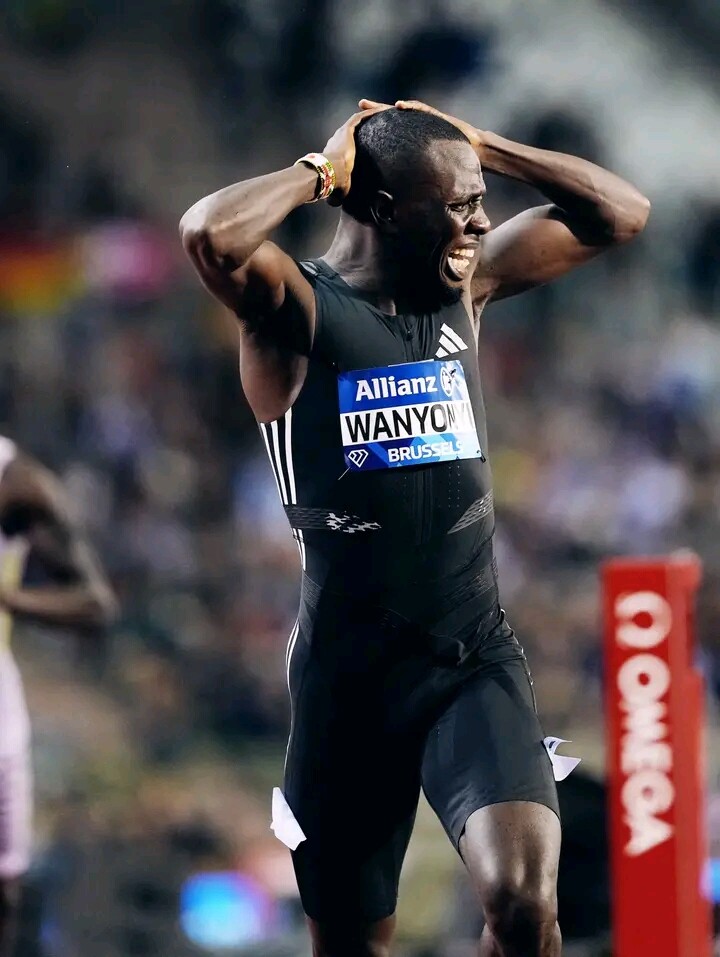
Wanyonyi controlled the race with characteristic confidence before unleashing his decisive move in the closing stages. Once he found another gear, his rivals could only watch as the Kenyan pulled away, transforming a tightly contested final into another memorable victory for one of the world's most formidable 800m runners.
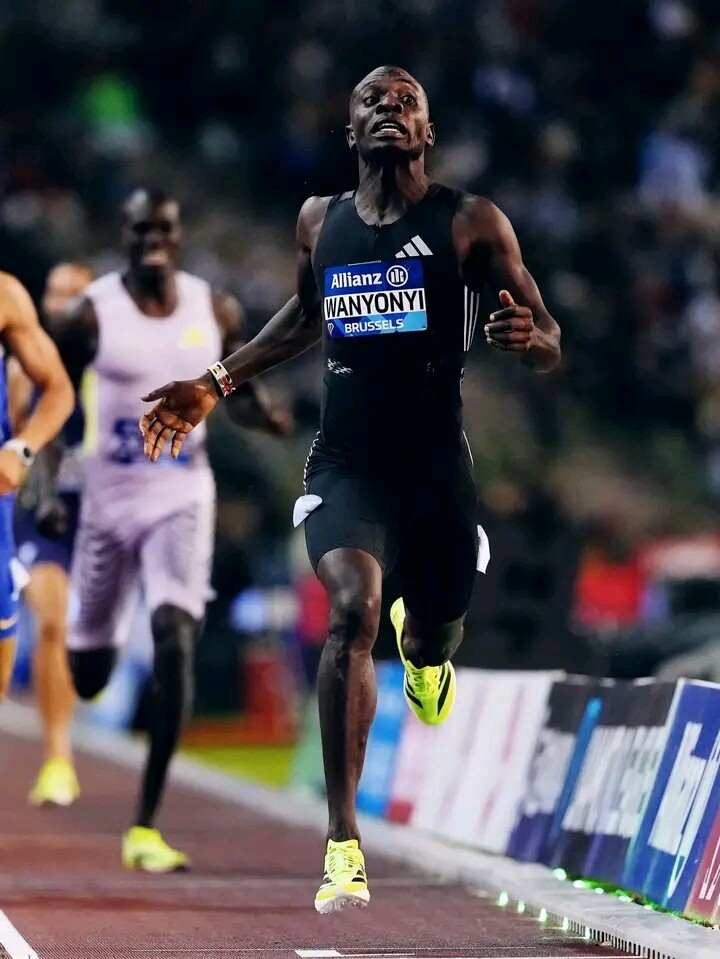
Algeria’s Djamel Sedjati produced an impressive run to finish second in 1:42.71, while France’s Yanis Meziane completed the podium in 1:42.87, smashing his personal best in a breakthrough performance on one of athletics’ biggest stages.
Meziane’s outstanding run carried an additional reward. As the highest finisher in the field who had not already secured qualification, his personal-best performance earned him a place at the World Ultimate Championships, adding another significant milestone to an already memorable night.
For Wanyonyi, however, the spotlight belonged entirely to his extraordinary achievement. Four Diamond League Finals, four victories and four Diamond Trophies — a level of dominance that places him in truly elite company.
His latest triumph is more than another title. It is another statement from a 22-year-old Kenyan who continues to combine speed, tactical intelligence, courage and an extraordinary competitive mentality. Year after year, Wanyonyi has shown that he thrives when the pressure is greatest, and Brussels provided yet another example of his championship pedigree.
Four finals. Four trophies. Four consecutive victories.
Emmanuel Wanyonyi has once again reminded the world why he is one of Kenya’s brightest athletics stars and one of the most feared 800m runners on the planet.
by Erick Cheruiyot for My Best Runs.
Login to leave a comment
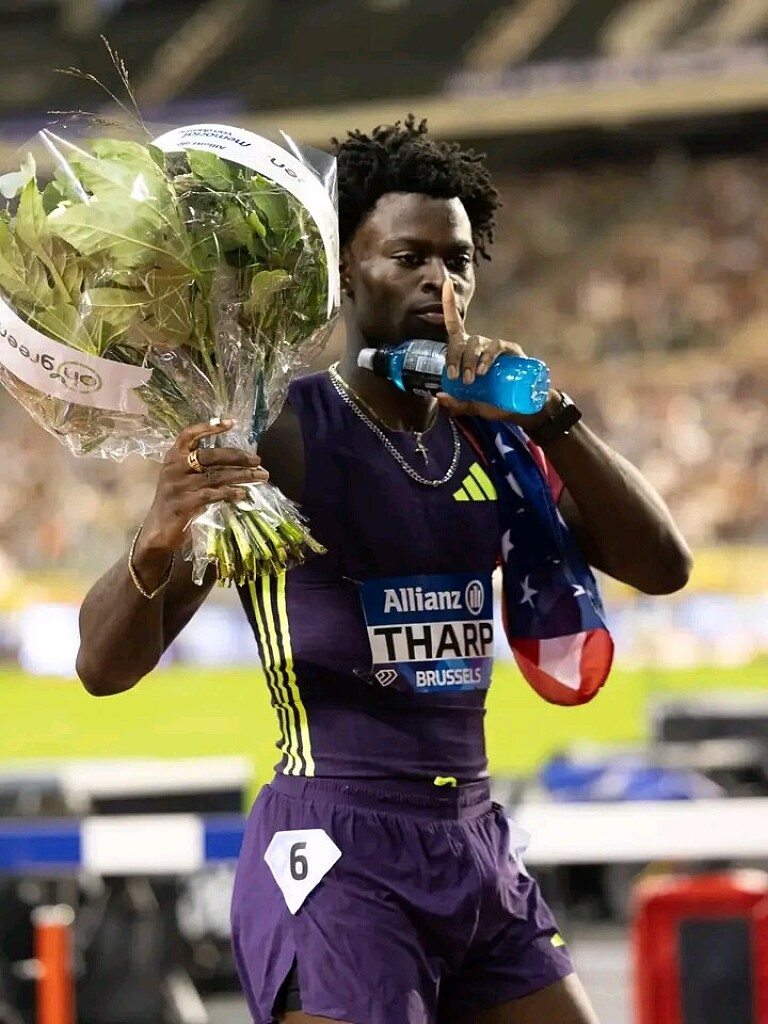
Ja’Kobe Tharp Delivers A Gritty Masterclass To Claim Diamond League Final Glory
Ja’Kobe Tharp has added another major milestone to his rapidly rising athletics career, emerging as the Diamond League Final champion in the men’s 110m hurdles after producing a composed and fiercely contested performance in Brussels.
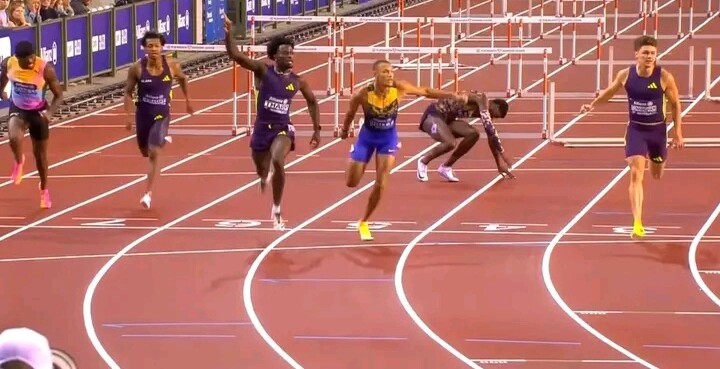
The American hurdler battled through a tight race in which the field remained closely packed for much of the contest. With little separating the leading contenders, Tharp kept his composure when it mattered most, finding another gear over the closing stages to pull away from his rivals.
The decisive moment came over the final two hurdles. While the competition remained intense, Tharp attacked the final barriers with greater conviction and surged clear of the field before powering through the finish line in 13.03 seconds, with a slight legal headwind of -0.2 m/s.
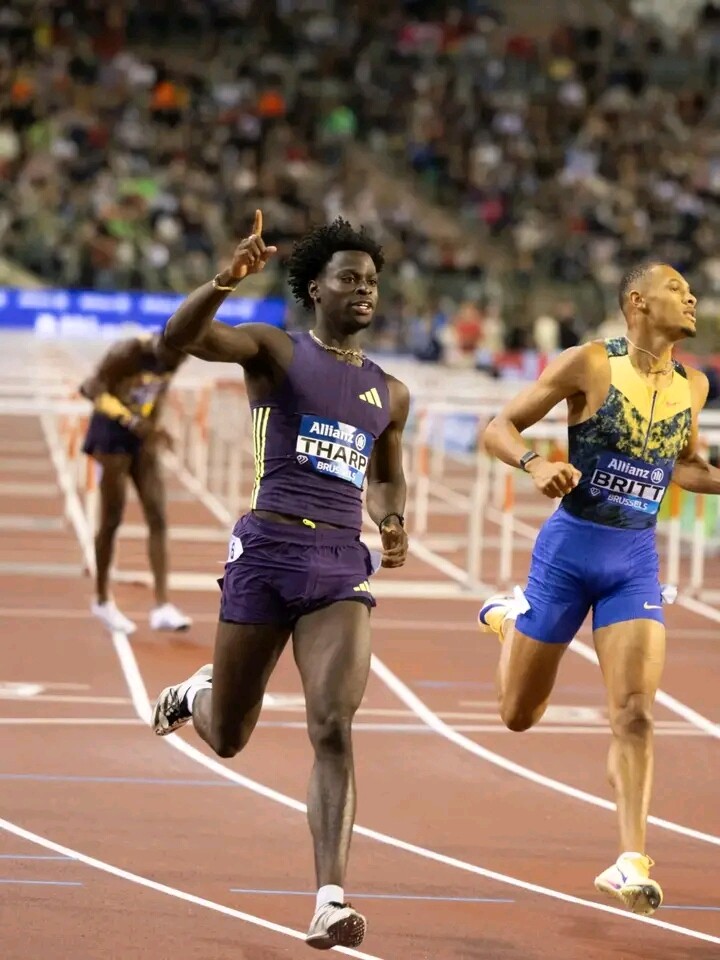
It was not a race won by overwhelming dominance from the opening gun. Instead, Tharp displayed the qualities required to triumph on the biggest stages — patience, precision, resilience and the ability to deliver under pressure when victory was still within reach.
Jamal Britt produced an impressive performance of his own to secure the silver medal in 13.09 seconds, finishing just six hundredths of a second behind the champion. Trey Cunningham completed the podium, crossing the line in 13.22 seconds to claim bronze.
For Tharp, the Diamond Trophy represents a significant achievement and another statement of his credentials among the world's elite hurdlers. His victory also underlines the depth of American talent in the 110m hurdles, with three athletes featuring prominently on a major championship-style stage.
The 110m hurdles final ultimately belonged to Tharp, however. When the pressure intensified and the race entered its decisive phase, he remained technically sharp and unleashed the finishing speed that separated him from the rest.
A 13.03-second victory may look modest on the results sheet, but the manner in which Tharp secured it made the performance particularly impressive. He waited, fought and then struck at precisely the right moment — a champion's finish when the Diamond Trophy was on the line.
With another prestigious title now added to his résumé, Tharp continues to establish himself as one of the most exciting names in the next generation of American sprint hurdlers.
by Erick Cheruiyot for My Best Runs.
Login to leave a comment
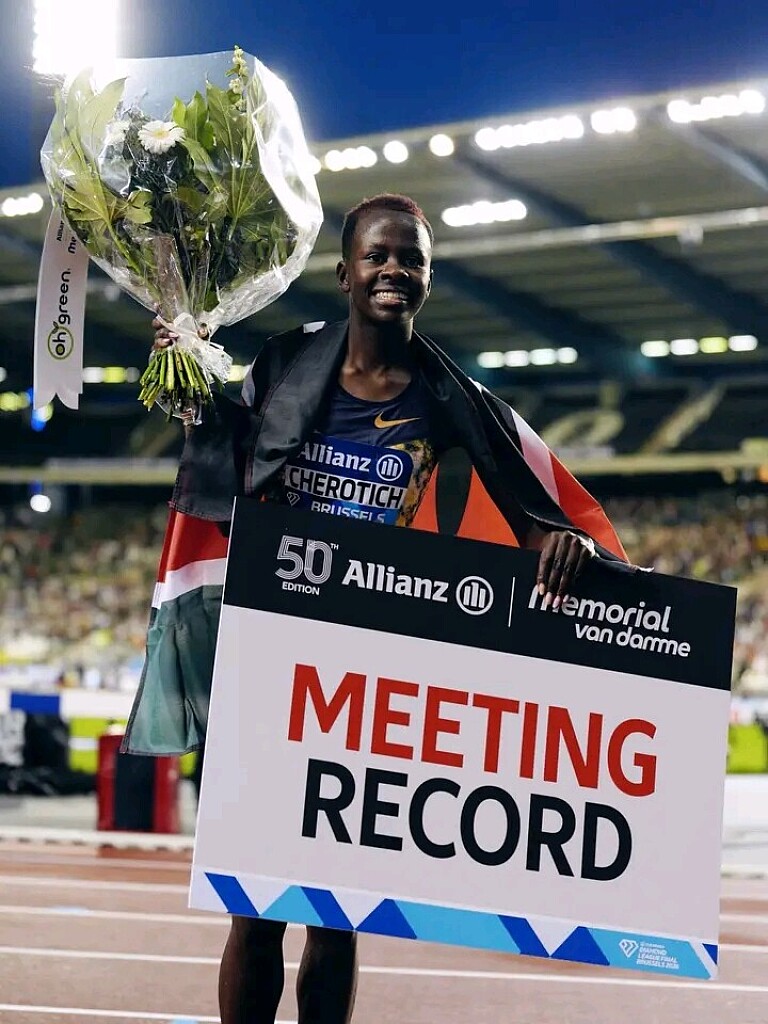
Faith Cherotich Unleashes A Devastating Final Kick To Seal Third Diamond Trophy In Brussels
Faith Cherotich produced a spectacular display of speed and determination in Brussels, storming to victory in the women’s 3000m steeplechase and securing her place among the event’s elite with another Diamond League triumph.
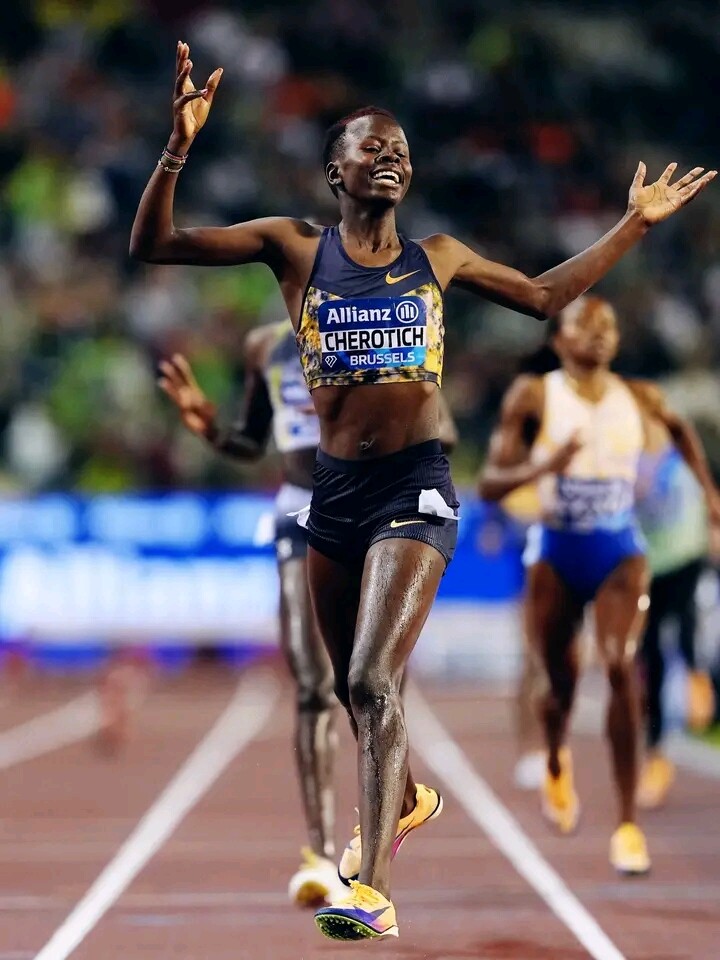
The Kenyan star saved her most devastating weapon for the closing stages, unleashing a breathtaking final kick over the last 100 metres to pull decisively away from Winfred Yavi. Cherotich surged clear when it mattered most, crossing the finish line in a superb 8:51.61 to set a new meeting record.
It was a performance built on patience, tactical intelligence and extraordinary finishing speed. Cherotich remained composed through the barriers and water jump before producing a remarkable acceleration in the final straight that left her rivals struggling to respond.
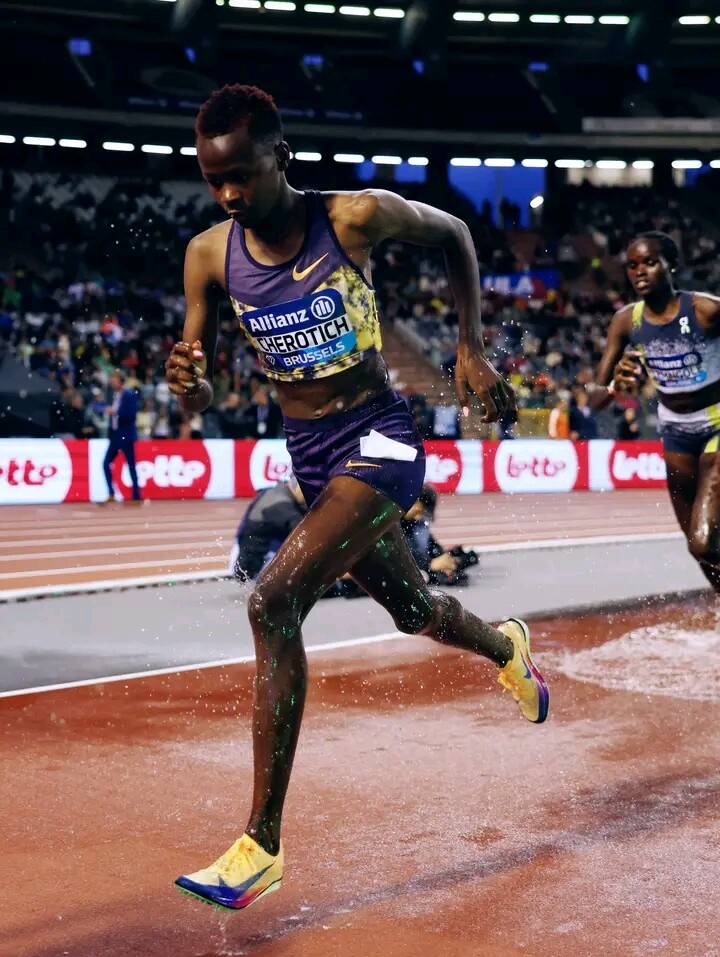
The victory was particularly significant as it made Cherotich a three-time Diamond Trophy champion, adding another prestigious achievement to an already impressive career. Her ability to repeatedly deliver on the biggest Diamond League stage demonstrates the consistency and competitive strength that have made her one of Kenya’s outstanding steeplechase stars.
Behind her, Kenya completed a magnificent 1-2 finish as Doris Lemngole produced a brilliant closing surge of her own. Lemngole powered past Yavi in the final stages to secure second place in a superb personal best of 8:52.86, ensuring that the Kenyan flag flew proudly at the top two positions on the podium.
The result turned the Brussels steeplechase into a celebration of Kenyan strength, with Cherotich and Lemngole occupying first and second, while Yavi was forced to settle for third after being overtaken by the fast-finishing Lemngole.
For Cherotich, however, the spotlight belonged entirely to her. Her meeting-record 8:51.61 was the culmination of a perfectly executed race, capped by a finishing burst that showcased the raw speed and confidence required to dominate one of athletics’ most demanding events.
The Brussels triumph also sends a powerful message ahead of the next major challenges. Cherotich has once again demonstrated that she possesses not only the endurance to survive the gruelling barriers and water jump but also the finishing speed to destroy the opposition in the final metres.
With another Diamond Trophy secured and a meeting record added to her résumé, Faith Cherotich continues to strengthen her reputation as one of the most formidable names in women’s steeplechase.
by Erick Cheruiyot for My Best Runs.
Login to leave a comment
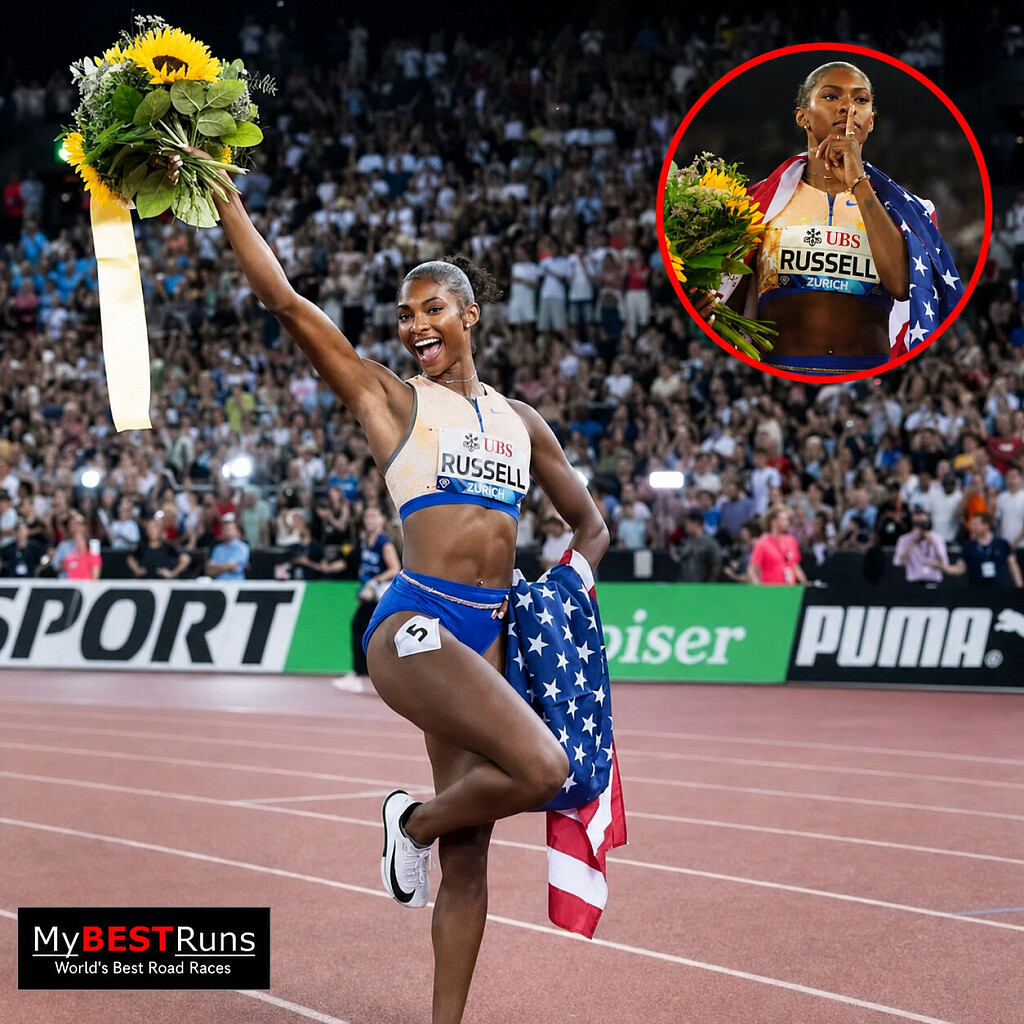
Can Anyone Stop Masai Russell? Brussels Hurdles Final Set for Epic Showdown
The women’s 100m hurdles is set for a spectacular showdown at the Brussels Diamond League Final on September 5, where Olympic champion Masai Russell will lead one of the strongest fields of the season in the battle for the coveted Diamond Trophy.
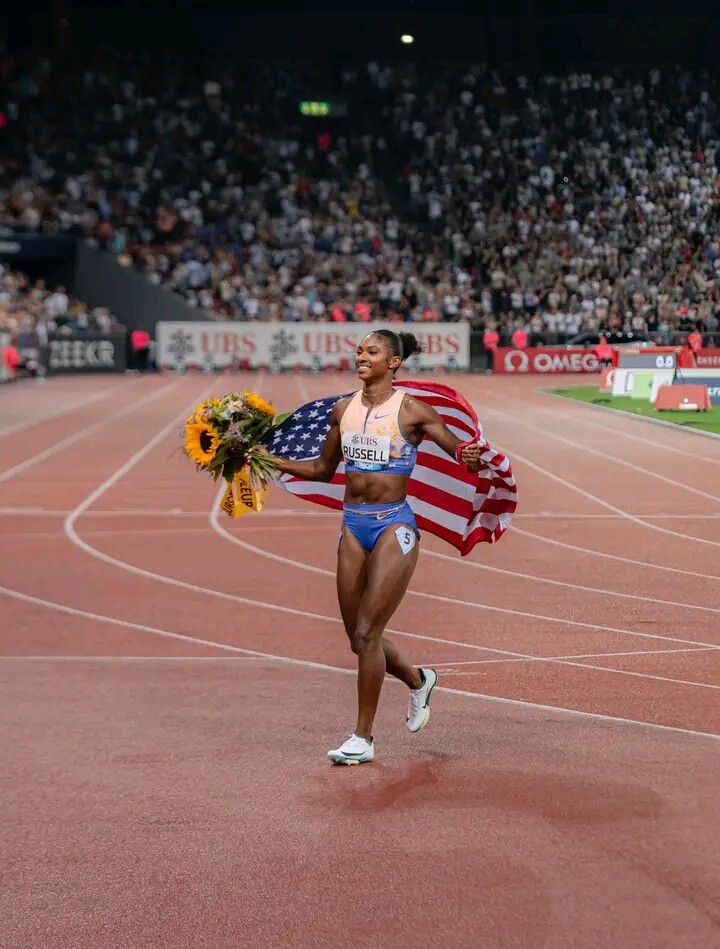
Russell arrives in Brussels in extraordinary form and as the athlete everyone will be chasing. The American star has enjoyed a remarkable season, combining consistency with breathtaking speed, and recently delivered another unforgettable performance when she ran a sensational 12.09 seconds in Zurich to break the world record.
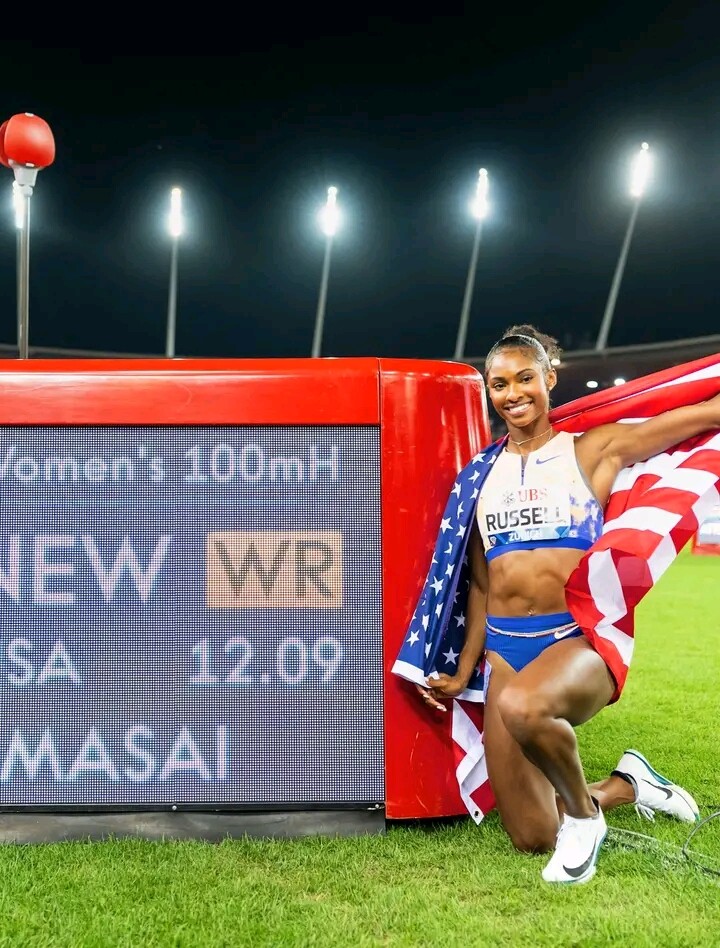
That performance further strengthened Russell’s position as the dominant force in the event. Her remarkable consistency has been equally impressive, with the Olympic champion winning all 10 of her finals so far this season. With 48 points, she also finished at the top of the Diamond League standings during the regular season.
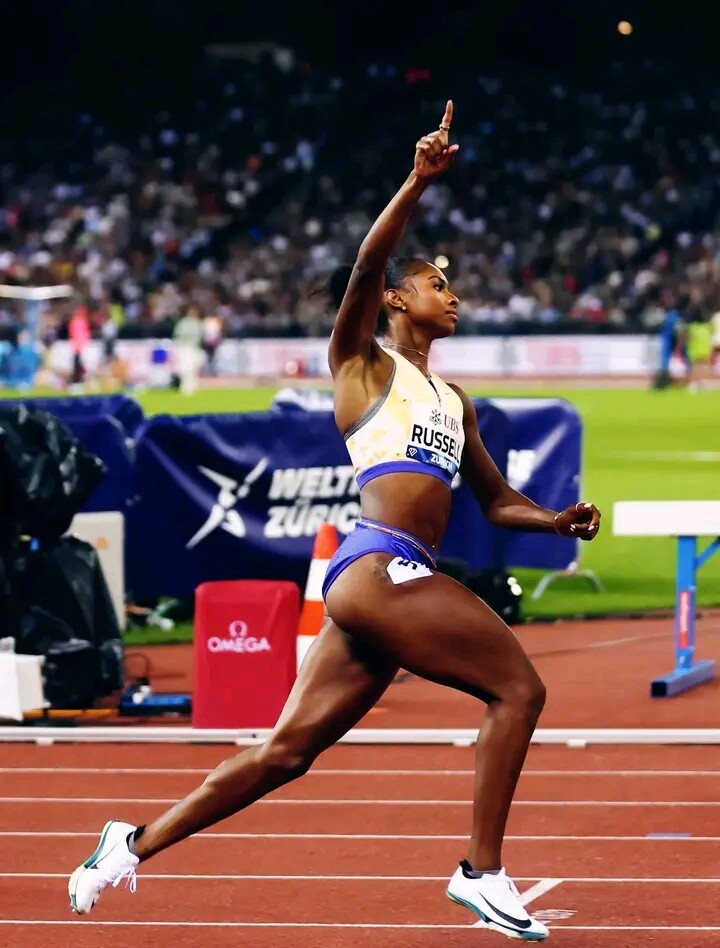
However, the points race is now behind her. In Brussels, everything comes down to one final. The Diamond League Final offers no room for complacency, and Russell will have to defeat an exceptional collection of world-class hurdlers to leave Belgium with the Diamond Trophy.
Among her biggest challengers is Nigeria’s Tobi Amusan, one of the finest hurdlers of her generation and a former world record holder. The field also includes Dutch star Nadine Visser, Bahamas standout Devynne Charlton and Poland’s Pia Skrzyszowska, ensuring that Russell will face serious opposition over every hurdle.
American Alaysha Johnson, Jamaica’s Megan Simmonds and Belgium’s Yanla Ndjip-Nyemeck complete a fascinating eight-athlete lineup for what promises to be one of the highlights of the Diamond League Final.
With Russell’s unbeaten record, her recent world-record performance and the Diamond Trophy on the line, the pressure will be immense when the athletes take their marks. Yet in an event as unpredictable and technically demanding as the 100m hurdles, one mistake can completely change the outcome.
Russell may arrive as the overwhelming favourite, but Brussels offers her rivals one final opportunity to produce something special. The stage is set for a thrilling race between the fastest and most accomplished hurdlers in the world—and after a season of dominance, Russell now has one more hurdle to clear in her pursuit of Diamond League glory.
Women’s 100m Hurdles Final Start List
1. Masai Russell — United States
2. Tobi Amusan — Nigeria
3. Nadine Visser — Netherlands
4. Devynne Charlton — Bahamas
5. Pia Skrzyszowska — Poland
6. Alaysha Johnson — United States
7. Megan Simmonds — Jamaica
8. Yanla Ndjip-Nyemeck — Belgium
One race. Eight elite hurdlers. One Diamond Trophy. Will Masai Russell complete another unforgettable chapter of her remarkable season, or will Brussels produce a surprise?
by Erick Cheruiyot for My Best Runs.
Login to leave a comment
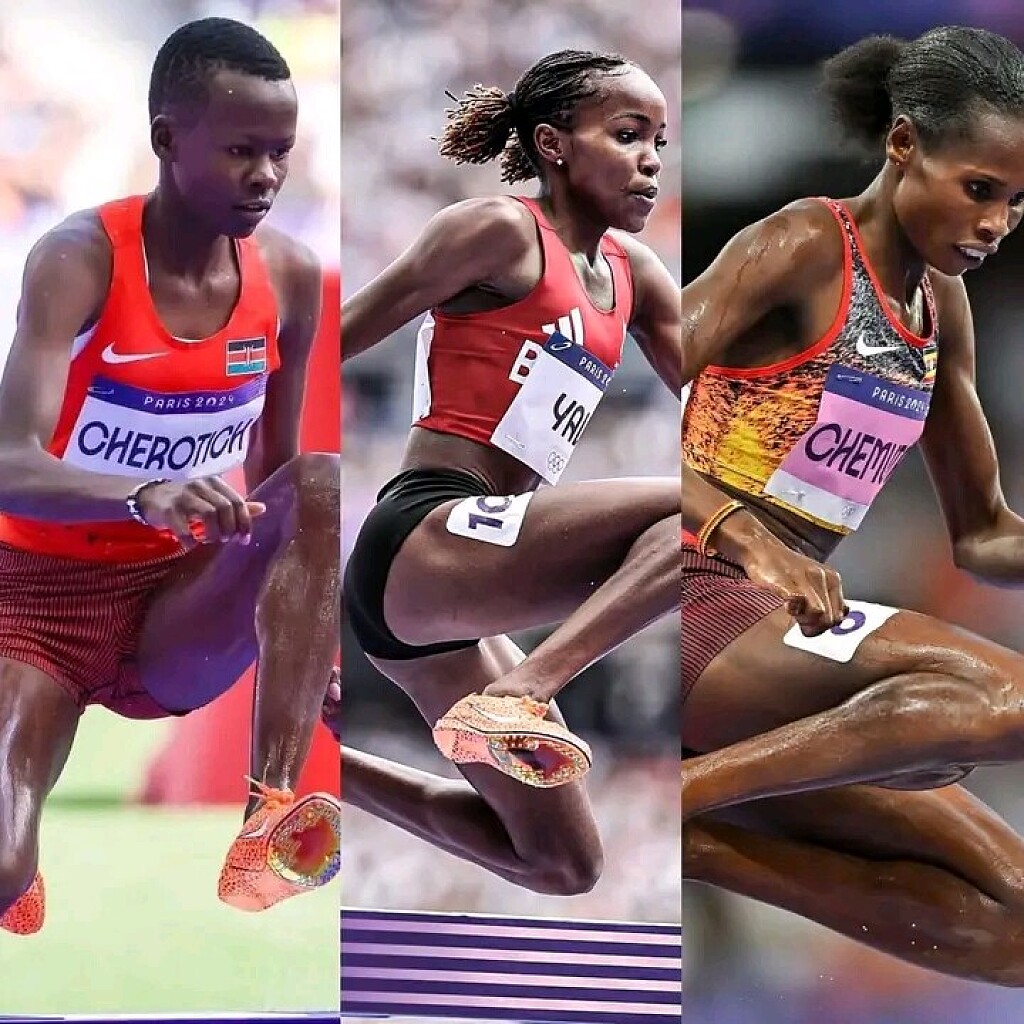
Diamond Trophy on the Line: Cherotich, Chemutai and Yavi Set for Epic Brussels Steeplechase Showdown
BRUSSELS, Belgium — The Diamond Trophy will be the ultimate prize when three of the world’s leading 3,000m steeplechase stars collide in a highly anticipated showdown at the Wanda Diamond League Final in Brussels.
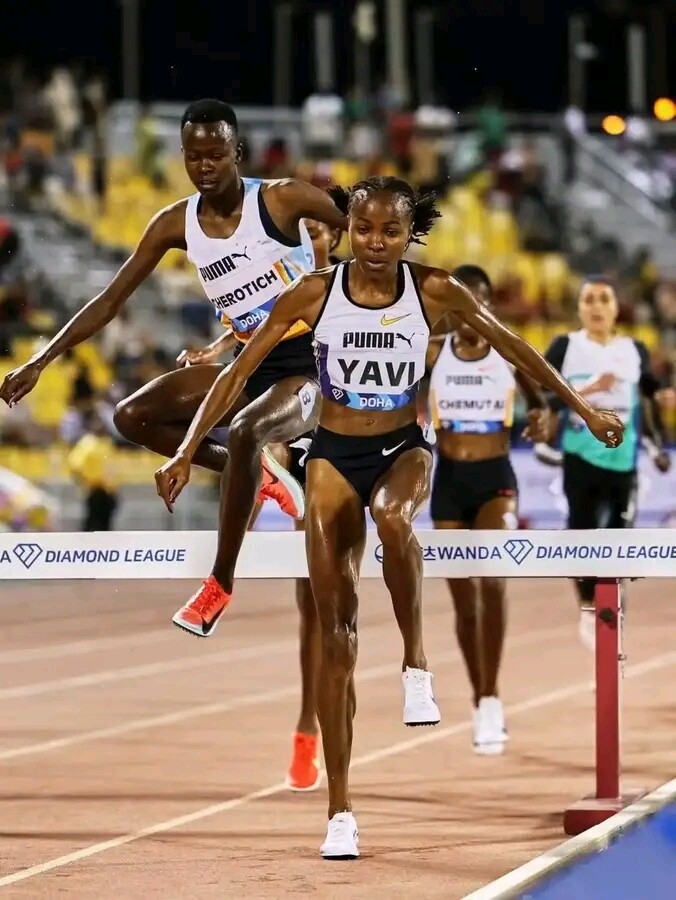
Kenya’s Faith Cherotich, Uganda’s Peruth Chemutai and Bahrain’s Winfred Yavi headline a competitive field on the opening day of the two-day season finale, with all three targeting a strong finish to their Diamond League campaigns.
With the prestigious Diamond Trophy at stake, the race is expected to provide another compelling chapter in the rivalry between three athletes who have established themselves among the leading figures in women’s steeplechase.
Cherotich will be among the athletes carrying significant expectations into the final. The Kenyan has continued to establish herself at the highest level of the event and will be looking to convert her season-long consistency into a victory on one of the biggest stages of the Diamond League.
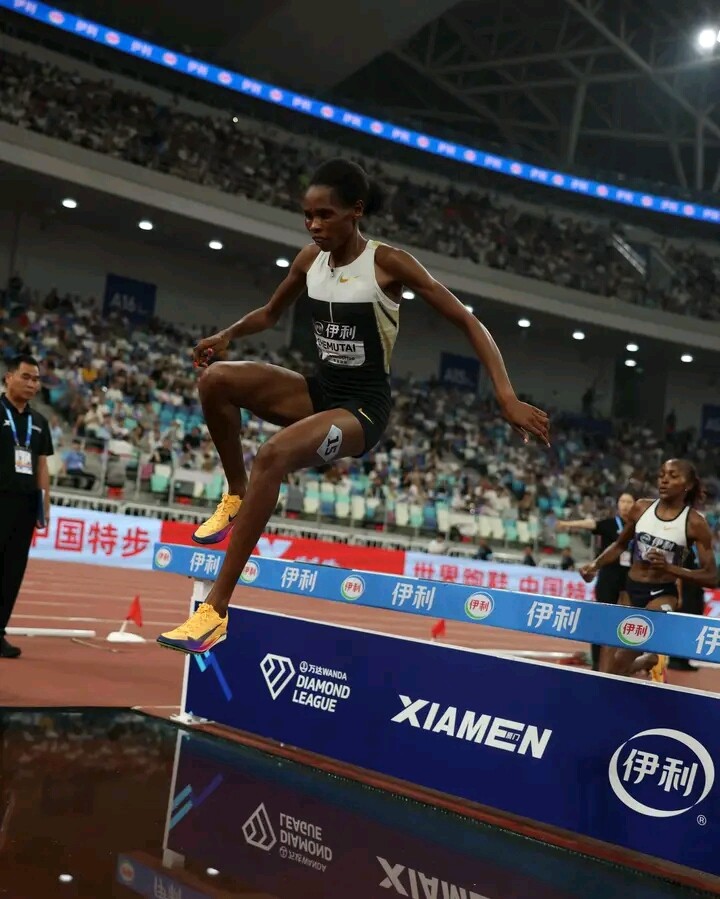
She will face a major challenge from Peruth Chemutai, the Olympic champion from Uganda. Known for her championship experience and ability to perform under pressure, Chemutai has the pedigree to remain in contention when the race reaches its decisive stages.
Winfred Yavi will also be central to the contest. The Bahrain representative possesses the speed and strength required to change the complexion of a steeplechase in the closing stages and will be among the leading contenders for the Diamond Trophy.
However, the race is not limited to the three headline names.
Kenya’s Doris Lemngole will look to challenge the established order and push herself into the podium conversation. Her presence adds another dimension to a field in which several athletes could influence the outcome.
Germany’s Olivia Gürth and Lea Meyer, Tunisia’s Marwa Bouzayani, the United States’ Lexy Halladay and Gabrielle Jennings, Great Britain’s Elise Thorner, and Ethiopia’s Kena Tufa complete the 11-athlete field.
The race could ultimately be decided by positioning, rhythm and the ability to negotiate the barriers efficiently before the final lap. With the Diamond Trophy on the line, every tactical decision is likely to carry added significance.
Full Start List
1. Marwa Bouzayani — Tunisia
2. Peruth Chemutai — Uganda
3. Faith Cherotich — Kenya
4. Olivia Gürth — Germany
5. Lexy Halladay — United States
6. Gabrielle Jennings — United States
7. Doris Lemngole — Kenya
8. Lea Meyer — Germany
9. Elise Thorner — Great Britain
10. Kena Tufa — Ethiopia
11. Winfred Yavi — Bahrain
Ultimately, the Brussels final promises to be a closely contested race in which tactics, positioning and the ability to handle the pressure of a high-stakes finish could prove decisive. With several athletes capable of challenging for the podium, the outcome is difficult to predict, setting the stage for an intriguing conclusion to the Diamond League steeplechase season.
by Erick Cheruiyot for My Best Runs.
Login to leave a comment

Brussels 100m Crown Blown Wide Open As Alfred And Jefferson-Wooden Step Aside
The women’s 100m at the 2026 Wanda Diamond League Final in Brussels has been thrown wide open after two of the season’s biggest sprinting stars opted out of the event, dramatically reshaping what had promised to be a blockbuster showdown at King Baudouin Stadium.

American star Melissa Jefferson-Wooden will not contest the 100m in Brussels, while Olympic champion Julien Alfred of Saint Lucia has chosen to line up in the 200m instead of defending the Diamond League 100m title she won last season.
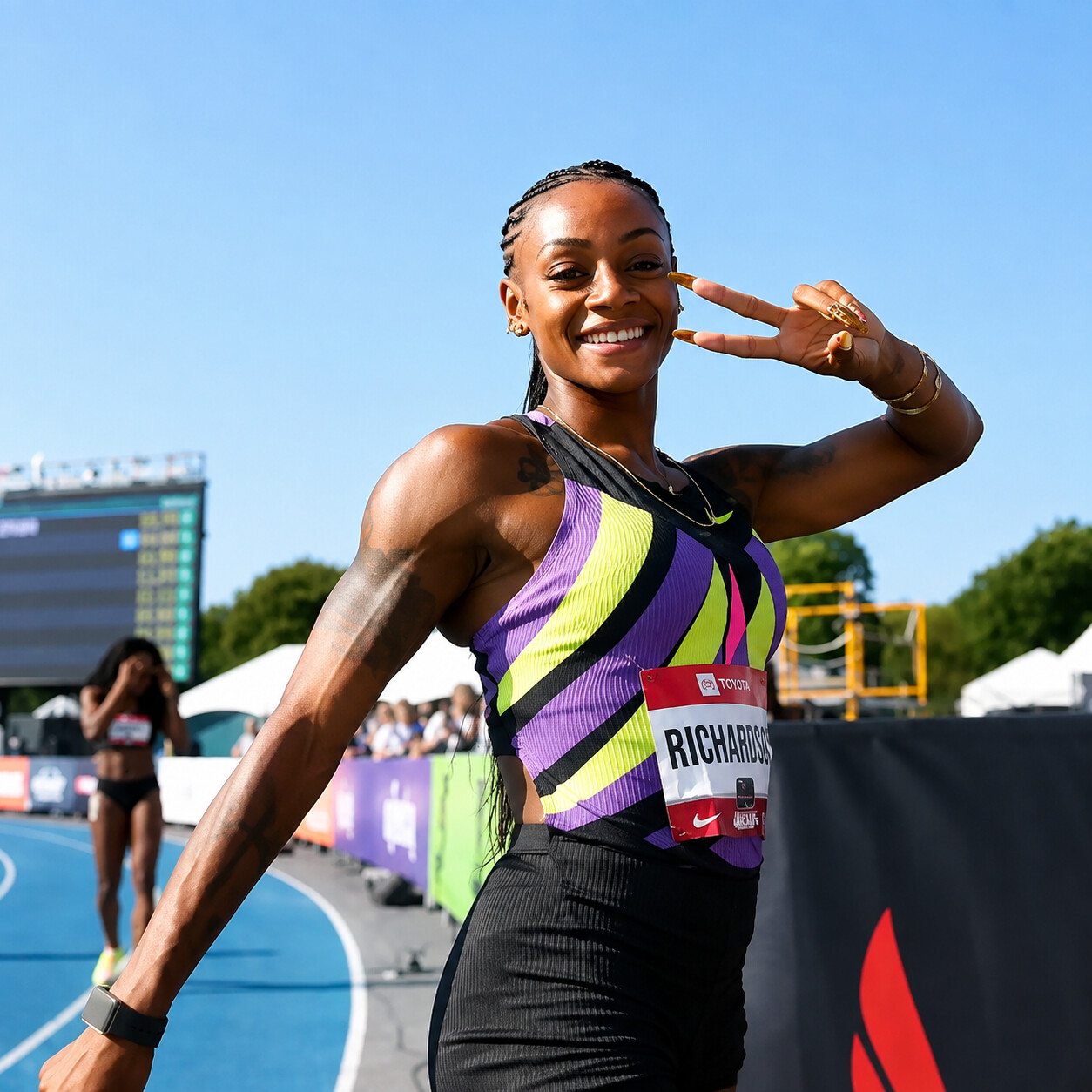
Their absence leaves Sha’Carri Richardson as one of the headline names in a field that suddenly carries an entirely different complexion. The American will arrive in Brussels with a major opportunity to claim the Diamond League trophy, but the battle for victory is far from straightforward.
The timing of Alfred and Jefferson-Wooden’s decisions makes the situation even more intriguing. Only days ago in Zürich, the two produced one of the closest 100m finishes of the season, with Alfred narrowly edging Jefferson-Wooden in a dramatic photo finish. Both were officially credited with 10.70 seconds, while the photo-finish technology separated them by just five thousandths of a second.
Richardson crossed the line third in that fiercely contested race, setting the stage for another potentially fascinating encounter in Brussels. Instead, the withdrawals have removed two of her biggest rivals from the equation and opened the door for a new challenger to emerge.
Richardson now carries considerable attention into the Belgian capital. The former world champion possesses the pedigree and championship experience to seize the moment, but she will need to be at her sharpest against a field containing several athletes capable of producing a major upset.
Jamaica’s Tina Clayton brings considerable international experience and raw speed, while Jonielle Smith gives the Jamaican contingent another dangerous option. Britain’s Amy Hunt will also be looking to make her mark on one of the biggest stages of the Diamond League season.
Italy’s Zaynab Dosso, New Zealand’s Zoe Hobbs and Luxembourg’s Patrizia van der Weken add further depth to the field, while Belgium’s Delphine Nkansa will have the advantage of competing on home soil. Hungary’s Boglárka Takács completes a lineup in which virtually every athlete will see an opportunity to rise to the occasion.
With Alfred moving to the 200m and Jefferson-Wooden absent from the 100m, the Brussels race has lost two of its most anticipated names—but gained something equally compelling: uncertainty.
Richardson may now be the biggest name in the field, yet the Diamond League final has a habit of producing unexpected heroes. One explosive start, one perfectly executed drive phase and one decisive finish could completely change the picture.
The question is no longer simply whether Richardson can win the Diamond League crown. It is whether one of the challengers can seize this unexpected opening and produce the performance of her season.
In Brussels, the 100m crown is there for the taking—and the sprinting world will be watching to see who grabs it.
by Erick Cheruiyot for My Best Runs.
Login to leave a comment
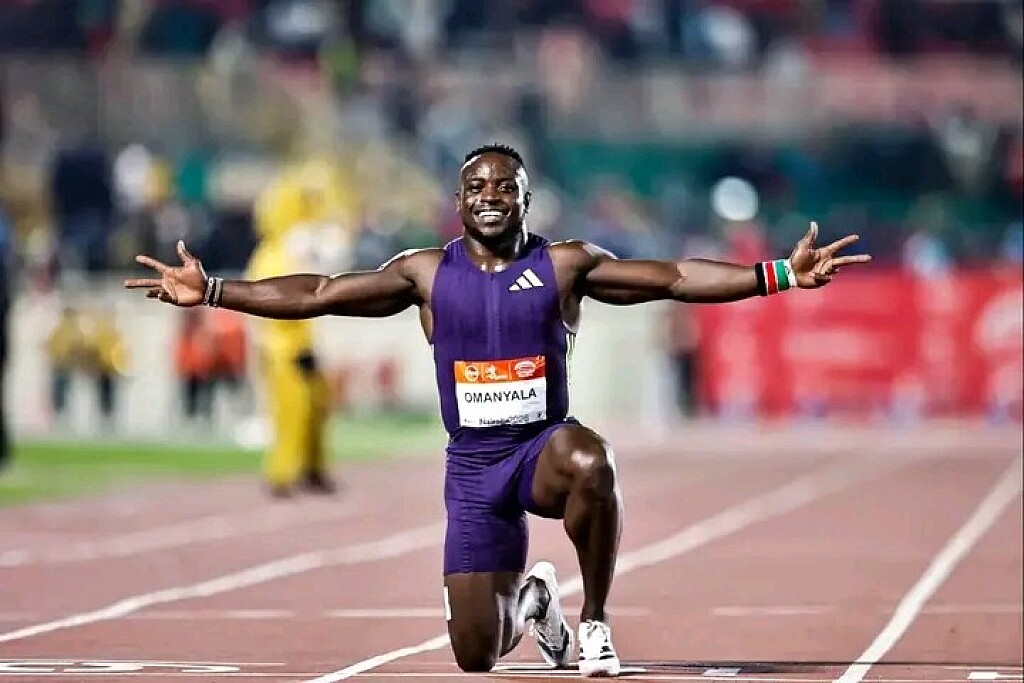
Ferdinand Omanyala’s 2026 Season Ends At The Worst Possible Moment
Ferdinand Omanyala’s 2026 season has come to an abrupt and heartbreaking end, just as the Kenyan sprint star appeared to be building momentum for a memorable finish to his campaign.
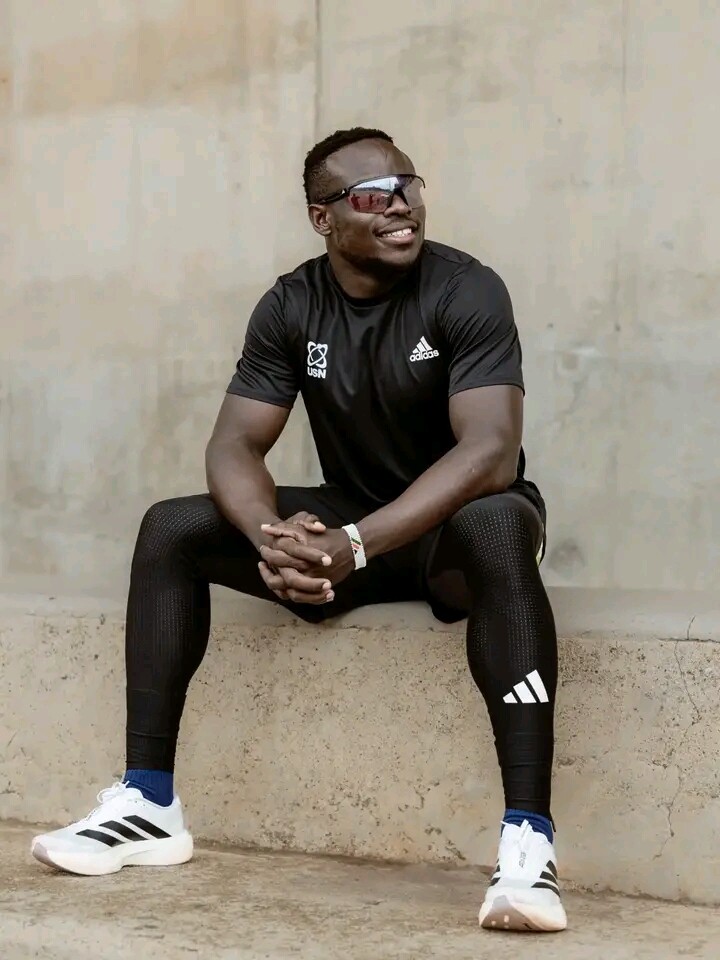
The African 100m record-holder has been forced to withdraw from the remainder of the season after suffering a stress fracture to the calcaneus, the heel bone of his left foot. The injury means Omanyala will miss the final two major competitions that were expected to bring his 2026 campaign to a spectacular conclusion — the Wanda Diamond League Final in Brussels and the inaugural World Athletics Ultimate Championship in Budapest.
For an athlete who had worked hard to rebuild his season, the timing could hardly have been more frustrating.
Omanyala revealed that he sustained the injury around two weeks before the Commonwealth Games. Despite the problem, he attempted to manage the discomfort and continue competing. But with the season reaching its most important stage, the Kenyan has now made the difficult decision to step away from competition and give his body the recovery time it needs.
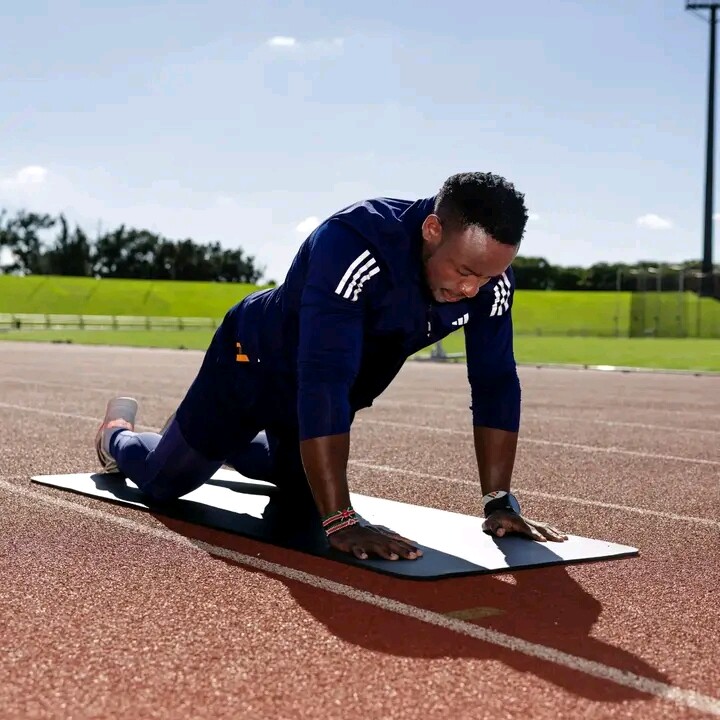
It is a painful ending, but it should not overshadow what had otherwise been a highly encouraging campaign.
Throughout 2026, Omanyala repeatedly demonstrated that his speed remains among the best in the world. One of the standout moments came in Xiamen, where he stormed to victory in the 100m in 9.94 seconds. It was his fastest performance of the season and another powerful reminder of the explosive speed that has made him one of Africa’s most prominent sprinting figures.
His consistency was just as impressive. Omanyala produced five consecutive sub-10-second performances, maintaining a level of speed that very few sprinters can sustain across an extended period. His performances also pushed him into third place in the Diamond League 100m standings, putting him firmly among the leading contenders heading towards the series finale.
That makes his absence from Brussels particularly frustrating.
Omanyala had earned his place among the world’s best, but instead of lining up under the lights for another major showdown, he will now begin the long process of recovery.
The injury had already complicated his Commonwealth Games campaign. Having been carrying the problem into the championships, Omanyala was unable to produce the performance he wanted and failed to progress to the 100m final. Now, with the remaining major competitions of the season also ruled out, his year has officially come to an early conclusion.
There will be no final Diamond League appearance in Brussels. There will be no opportunity to compete at the World Athletics Ultimate Championship in Budapest. And there will be no chance to give his 2026 season the dramatic ending that his earlier performances had promised.
But sometimes an athlete’s most important decision is knowing when to stop.
A stress fracture is not an injury worth gambling with for the sake of another race. At this stage of his career, protecting his long-term health and allowing the injury to heal properly is far more important than forcing his way onto the track for one final appearance.
And when the disappointment fades, Omanyala will have plenty to be proud of.
A 9.94-second season best. Five consecutive sub-10-second performances. A Diamond League victory. Third place in the Diamond League 100m standings. Most importantly, another season in which he showed that he remains capable of competing with the very best sprinters on the planet.
Those achievements cannot be erased by the injury.
For Kenyan athletics, his absence from the final stages of the season is undoubtedly a major disappointment. Omanyala has become one of the most recognizable faces of Kenyan sprinting, carrying the country’s ambitions into a discipline where Kenya has traditionally had less international influence.
But this is not the end of his story.
It is simply an unexpected pause.
For now, the starting blocks can wait. The crowds can wait. The stopwatch can wait.
Omanyala’s next race is the race back to full fitness.
If he gives his body the time and patience it needs, the Kenyan star can return with something still to prove and, perhaps, another chapter of his remarkable sprinting journey waiting to be written.
The 2026 season may have ended sooner than Ferdinand Omanyala wanted, but his story on the track is far from over.
by Erick Cheruiyot for My Best Runs.
Login to leave a comment
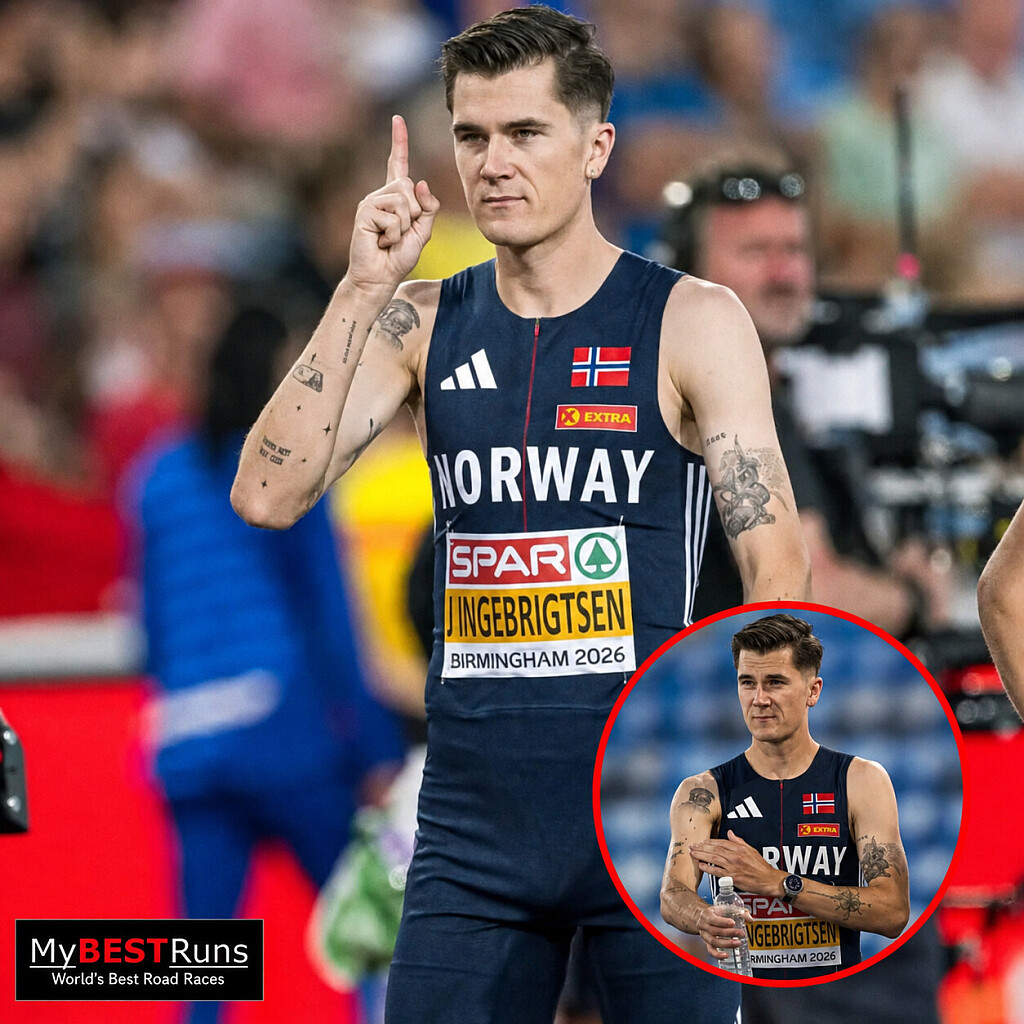
Jakob Ingebrigtsen Heads To Brussels: A Champion Searching For His 1500m Magic
Jakob Ingebrigtsen is heading to Brussels — and the Norwegian superstar arrives with something to prove.
The two-time Olympic champion has been confirmed for the men’s 1500m at the Allianz Memorial Van Damme on September 4, the opening night of the 2026 Wanda Diamond League Final. With Brussels bringing together the world’s elite for the final battle of the Diamond League season, Ingebrigtsen’s presence immediately adds another layer of intrigue to an already spectacular meeting.
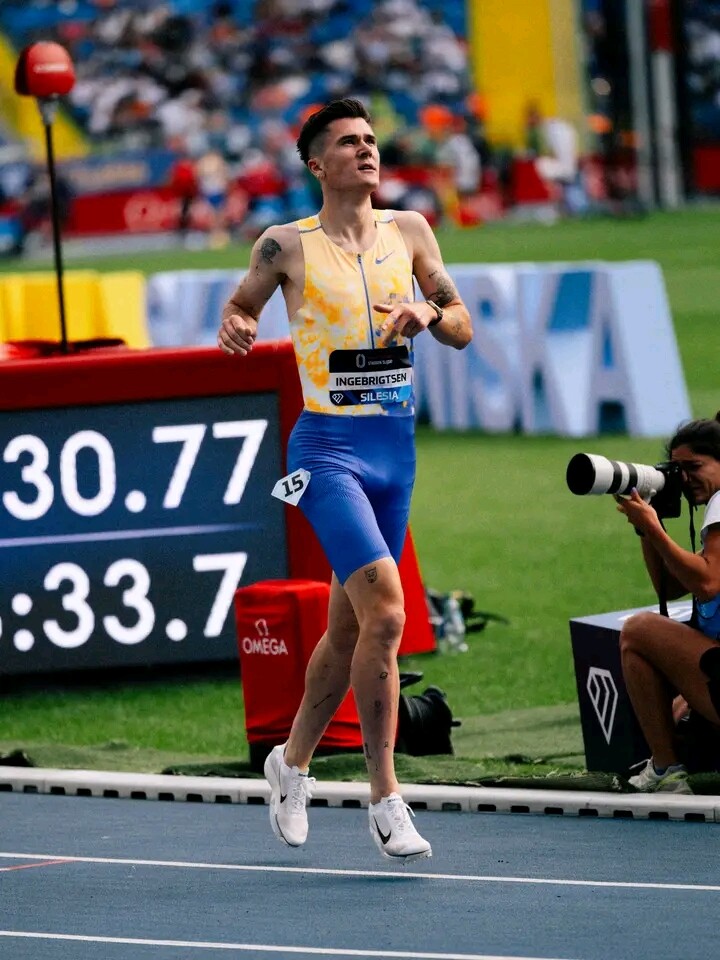
For Ingebrigtsen, however, this is about much more than another Diamond League appearance. It is another important step in a comeback that began under some of the most difficult circumstances of his career.
The Norwegian spent almost 11 months away from competition after an Achilles injury required surgery earlier this year. When he finally returned at the European Championships in Birmingham, there were legitimate questions about how quickly he could rediscover the form that had made him one of the most feared middle-distance runners in the world.
He answered them emphatically.
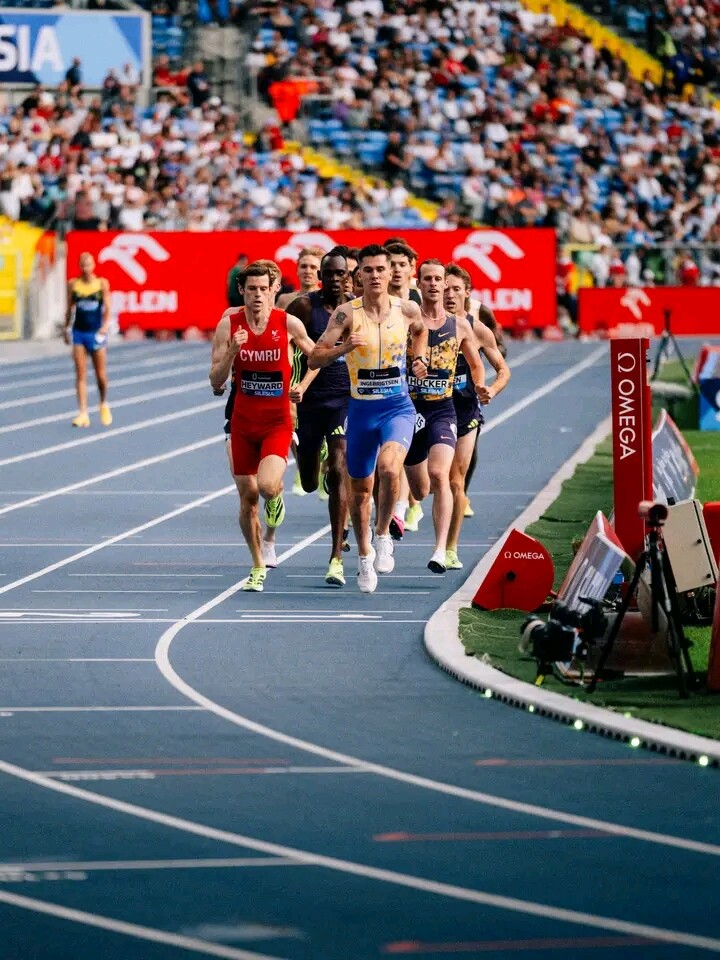
In his first race of 2026, Ingebrigtsen produced a trademark finishing burst to win the European 5000m title in 13:15.29, securing an extraordinary fourth consecutive European crown in the event. The victory also extended his record as the most successful male athlete in European Athletics Championships history.
But the 1500m has presented a very different challenge.
Ingebrigtsen returned to Diamond League competition over 1500m in Silesia on August 23, finishing fourth in 3:31.19. Four days later in Zürich, he was fifth in 3:32.16. Those performances were far from disastrous for an athlete still rebuilding his racing sharpness, but they also revealed that the explosive rhythm that once made him almost untouchable over 1500m is still being recovered.
Now comes Brussels.
The Belgian capital provides Ingebrigtsen with his third Diamond League 1500m race of the season and perhaps his most intriguing opportunity yet to show how far his comeback has progressed.
There is history here, too. In 2024, Ingebrigtsen won the Brussels Diamond League 1500m in 3:30.37, beating Timothy Cheruiyot and Cole Hocker in a world-class field.
Two years later, he returns to the same stage under completely different circumstances.
This time, he is not arriving as the untouchable favourite who has dominated every major 1500m challenge. He is arriving as a champion rebuilding himself — race by race, lap by lap, and with his body still demanding patience after a serious Achilles setback.
That is precisely what makes Friday night so compelling.
Brussels is the opening night of a two-day Diamond League Final, with the Allianz Memorial Van Damme serving as the season-ending championship meeting for the series. For Ingebrigtsen, it represents another opportunity to turn encouraging signs into a definitive statement.
Can he rediscover the speed?
Can he unleash the devastating final 300 metres that has become his trademark?
And, most importantly, can he once again look like the Jakob Ingebrigtsen who has ruled the 1500m and 5000m on the biggest stages?
There is another chapter waiting beyond Brussels.
The World Athletics Ultimate Championship in Budapest, scheduled for September 11–13, promises another major showdown, with Ingebrigtsen expected to face fierce opposition including Britain’s Josh Kerr. The rivalry between the two has already produced some of the most compelling middle-distance battles of recent years.
But before Budapest, there is Brussels.
One race. One final Diamond League stage. One more opportunity for Ingebrigtsen to remind the athletics world that his comeback is not simply about returning to competition — it is about returning to the very top.
The Norwegian has already shown that the championship instinct remains intact.
Now, he needs the 1500m speed to come back.
And if Jakob Ingebrigtsen finds that missing gear in Brussels, the rest of the middle-distance world may have a serious problem.
by Erick Cheruiyot for My Best Runs.
Login to leave a comment
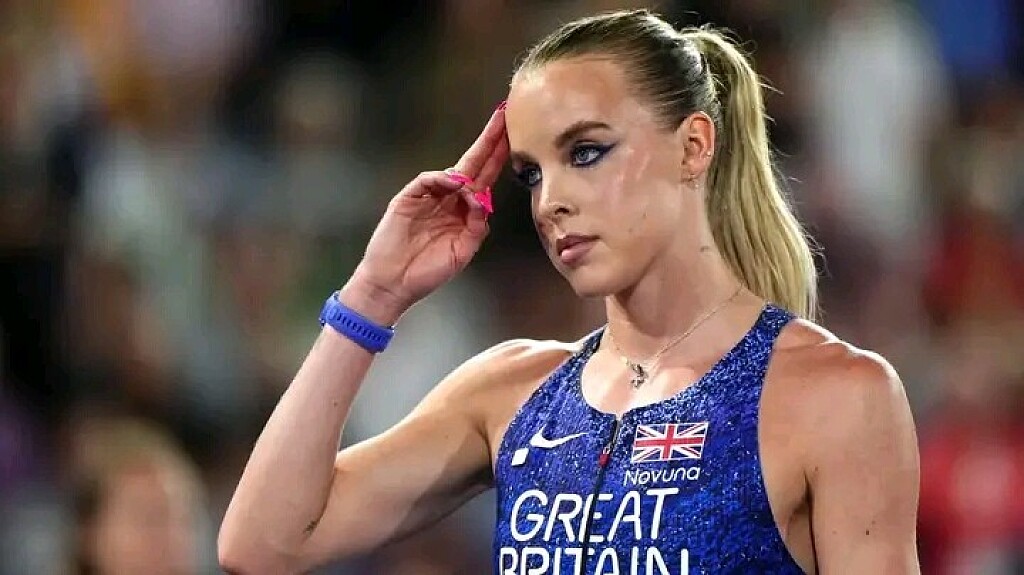
Keely Hodgkinson Set For Brussels Return As 800m Showdown Reaches Fever Pitch
Keely Hodgkinson is ready to step back onto the track in Brussels, and her return could add another explosive chapter to one of the most compelling women’s 800m rivalries of the 2026 season.
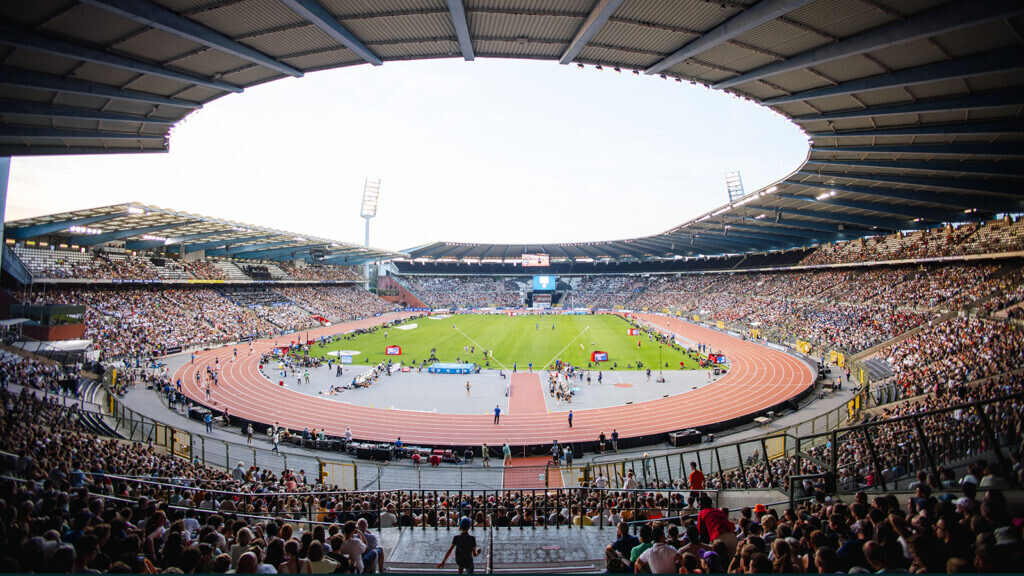
The British Olympic champion is scheduled to line up in the women’s 800m at the Wanda Diamond League Final at the Allianz Memorial Van Damme on Saturday, September 5, after deliberately sitting out the Zurich Diamond League meeting to give her body more time to recover. Hodgkinson had been due to face Audrey Werro in Zurich but withdrew, explaining that she was not yet ready to race.
That decision underlined just how carefully the 24-year-old has been managing her season. After a demanding European Championships campaign in Birmingham, where she was beaten to the 800m title by Werro, Hodgkinson chose recovery rather than forcing another race before she was fully prepared.
Now, Brussels presents an entirely different proposition.
The stage is set for a spectacular clash featuring some of the biggest names in the event. Hodgkinson will have to contend with Werro, the Swiss sensation who has transformed herself into one of the most formidable 800m runners in the world, while Femke Bol brings another dimension to the field following her remarkable transition from the 400m hurdles to the two-lap event. Reigning world champion Lilian Odira of Kenya is also confirmed for the Brussels showdown.
And there is plenty of unfinished business.
Werro has been operating at an extraordinary level this season. In Zurich, while Hodgkinson watched from the sidelines, the Swiss star produced a stunning 1:53.70 personal best and national record — one of the fastest performances ever recorded over 800m. Bol followed her home in a personal best, making the gap between the leading contenders even narrower.
Hodgkinson, however, has already demonstrated that she belongs in that conversation. Earlier this season in Stockholm, she ran 1:54.33, placing herself sixth on the all-time 800m list. Her championship pedigree is equally formidable: she is the reigning Olympic champion and a former Diamond League champion, with years of experience performing when the pressure is highest.
That makes Brussels far more than another race.
For Hodgkinson, it is an opportunity to answer questions raised by her European Championships defeat and prove that a carefully managed return can put her back at the centre of the 800m battle. For Werro, it is another chance to confirm that she has moved from rising star to genuine global force. For Bol and Odira, it is an opportunity to disrupt the established order.
With four elite names bringing different strengths to the same two-lap battlefield, the slightest tactical mistake could decide everything.
The King Baudouin Stadium is therefore set for an 800m final loaded with speed, rivalry and unfinished business. Hodgkinson has taken the patient route back. Now comes the moment when she must show what that patience has prepared her for.
Brussels is waiting — and the women’s 800m could deliver one of the defining races of the 2026 Diamond League season
by Erick Cheruiyot for My Best Runs.
Login to leave a comment
Agnes Ngetich Faces An Ethiopian Wall In Brussels: One Kenyan Against Eight
One Kenyan. Eight Ethiopians. One enormous challenge.
Agnes Jebet Ngetich is set for one of the most intriguing tests of her 2026 season when she lines up in the women’s 5000m at the Brussels Diamond League Final, facing an Ethiopian contingent that has dominated the qualification standings.
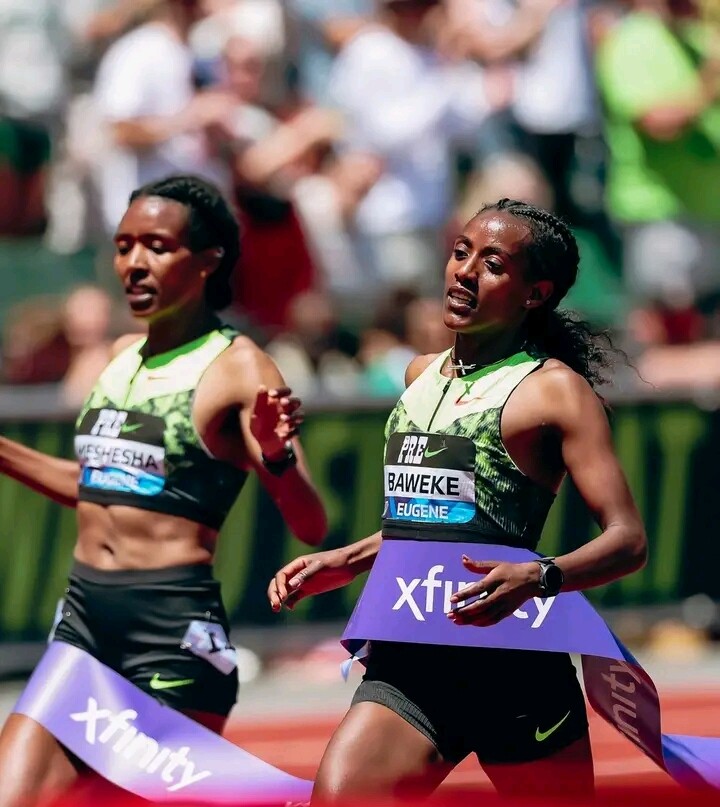
Ngetich has earned her place in the prestigious final with 8 points, placing 10th among the automatic qualifiers. But when the gun fires at Brussels’ King Baudouin Stadium, she will find herself surrounded by an extraordinary Ethiopian presence — eight Ethiopians among the 10 automatic qualifiers.
One against eight.
That is the kind of matchup that makes distance running impossible to ignore.
Ethiopia has controlled the qualification battle from the top of the standings, led by Aleshign Baweke, who enters the final with 26 points. Freweyni Hailu follows closely on 25, while Likina Amebaw has 23. Senayet Getachew has 20, with Marta Alemayo completing the top five on 16 points.
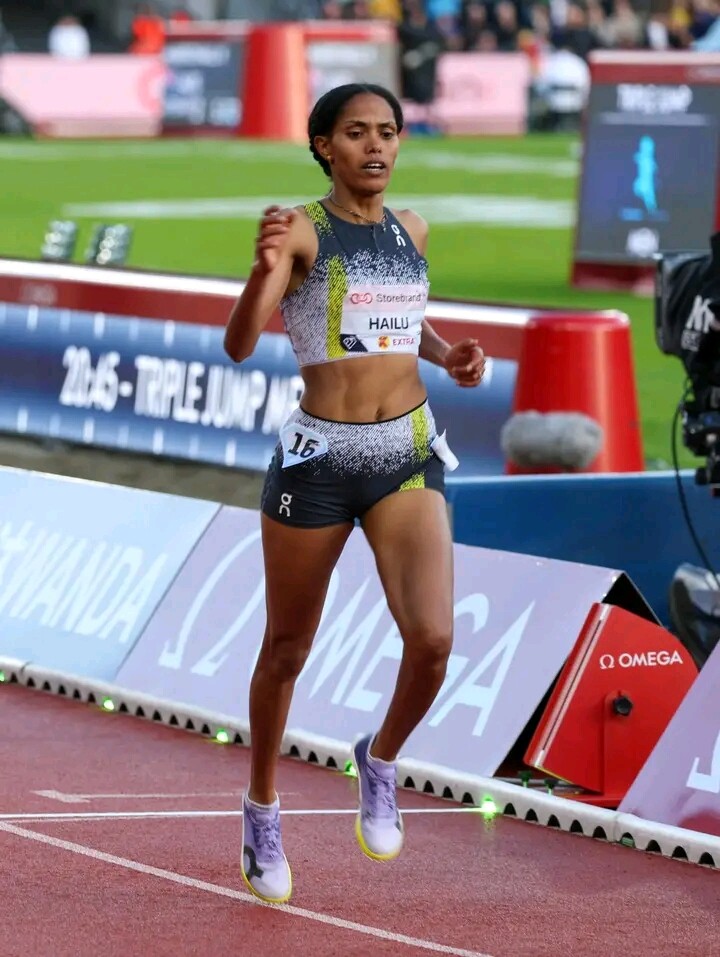
Australia’s Rose Davies, on 14 points, is the only non-Ethiopian athlete inside the top six before the Ethiopian charge resumes with Medina Eisa on 13, Hirut Meshesha on 10 and Hawi Abera on nine.
Then comes Ngetich.
The Kenyan arrives with eight points, but her position on the qualification table does not tell the whole story. She has established herself as a formidable force over the longer track distances, and she will have no intention of allowing the Ethiopian numbers to dictate the outcome before the race even begins.
For Ngetich, Brussels is not simply another Diamond League appearance. It is an opportunity to stand alone against overwhelming opposition and attempt to disrupt an Ethiopian celebration.
The field will also feature Belgian wildcard Jana Van Lent, giving the home crowd an additional reason to get behind the race. But the central storyline is unmistakable: Kenya versus Ethiopia, with Ngetich carrying the Kenyan challenge almost single-handedly.
The 2026 Brussels Diamond League Final will take place on September 4–5 at King Baudouin Stadium in Brussels, Belgium, bringing together some of the finest athletes from across the season.
Women’s 5000m Qualified Runners
1. Aleshign Baweke — Ethiopia — 26 points
2. Freweyni Hailu — Ethiopia — 25 points
3. Likina Amebaw — Ethiopia — 23 points
4. Senayet Getachew — Ethiopia — 20 points
5. Marta Alemayo — Ethiopia — 16 points
6. Rose Davies — Australia — 14 points
7. Medina Eisa — Ethiopia — 13 points
8. Hirut Meshesha — Ethiopia — 10 points
9. Hawi Abera — Ethiopia — 9 points
10. Agnes Jebet Ngetich — Kenya — 8 points
11. Jana Van Lent — Belgium — Wild Card
The numbers make the challenge look almost impossible: eight Ethiopians against one Kenyan. But championship races are not won on qualification tables. They are decided when the athletes step onto the track, the pace rises and every tactical decision begins to matter.
Ngetich will therefore enter Brussels with a simple mission — break through the Ethiopian wall and spoil the party on Kenyan terms.
Can she turn the loneliest lane into the most unforgettable one?
One against eight. Kenya against Ethiopia. Brussels awaits.
by Erick Cheruiyot for My Best Runs.
Login to leave a comment
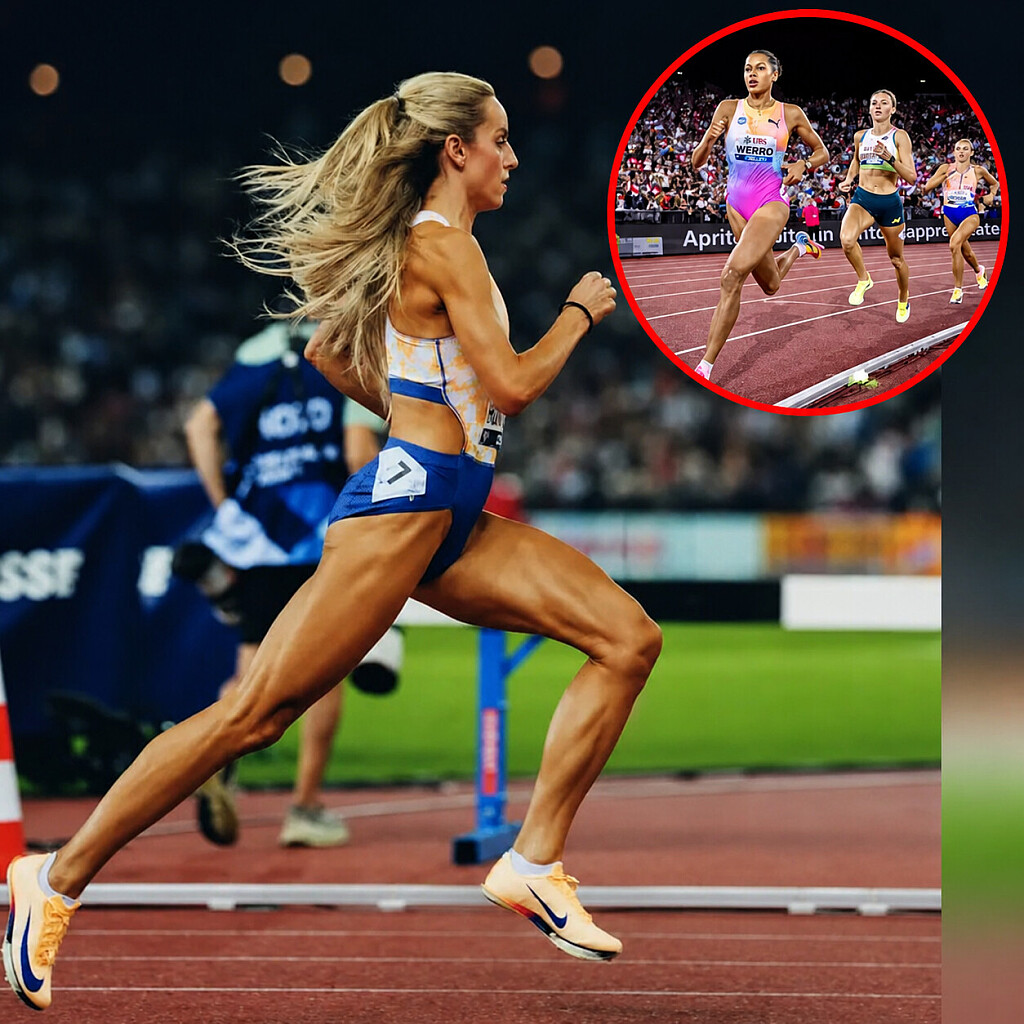
Georgia Hunter Bell Shines In Zürich With 1:55.03 Season’s Best As 800m Era Reaches New Heights
Georgia Hunter Bell produced another statement performance in Zürich, storming to a superb third-place finish in the women’s 800m at the Diamond League meeting while underlining once again her remarkable versatility across the middle-distance events.
The British star stopped the clock at 1:55.03, a season’s best and the second-fastest 800m of her career, finishing behind Audrey Werro and Femke Broeders-Bol in a race that ranks among the fastest women’s 800m contests seen in more than four decades.
For Hunter Bell, however, the result represented more than simply another podium finish. It was a performance that demonstrated just how dangerous she has become over two laps, despite her continued status as one of the world’s leading 1500m specialists.
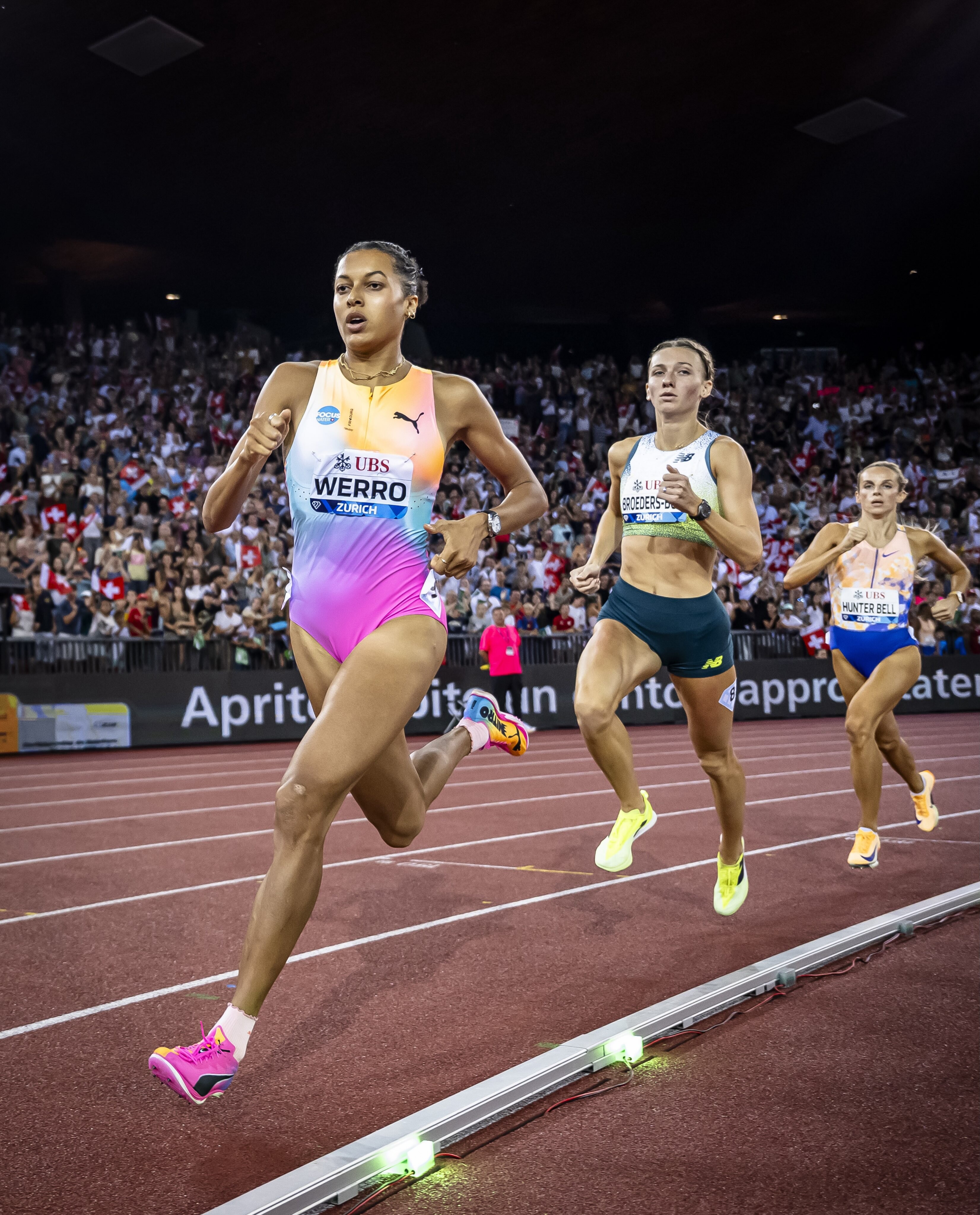
Reflecting on the race, Hunter Bell admitted that her competitive instincts over 800m still demand more, but she was equally proud of the performance and excited by the quality of the race.
Her season’s best of 1:55.03 moved her closer to her personal best of 1:54.90 and confirmed that her 800m speed remains a formidable weapon. She also welcomed the opportunity to compete alongside Werro and Broeders-Bol in a race that showcased the extraordinary depth and quality currently emerging in the women’s 800m.
Yet what makes Hunter Bell particularly fascinating is her ability to excel at both 800m and 1500m — two events requiring very different combinations of speed, endurance and tactical intelligence.
Over 800m, she is a Commonwealth champion and a World Championship silver medallist, with a personal best of 1:54.90. In the 1500m, her credentials are equally impressive. She owns a personal best of 3:52.61, has produced a season’s best of 3:55.63 and has captured both European and World Indoor titles.
That combination places Hunter Bell among the most versatile middle-distance athletes of her generation.
Her Zürich performance was therefore another reminder that she cannot be defined by a single event. She possesses the raw speed required to challenge the best over 800m, while her strength, endurance and championship experience make her equally formidable over 1500m.
With Brussels next on her schedule, Hunter Bell will be looking to carry the confidence from Zürich into the next stage of her season.
Her 800m alter ego may still believe there is more to unlock, but her 1500m instincts can certainly take satisfaction from what she produced in Zürich.
Speed over two laps. Strength over four. And a championship résumé that continues to grow.
Georgia Hunter Bell is proving that versatility is not merely an advantage — it can be a defining weapon at the highest level of middle-distance running.
by Erick Cheruiyot for My Best Runs.
Login to leave a comment
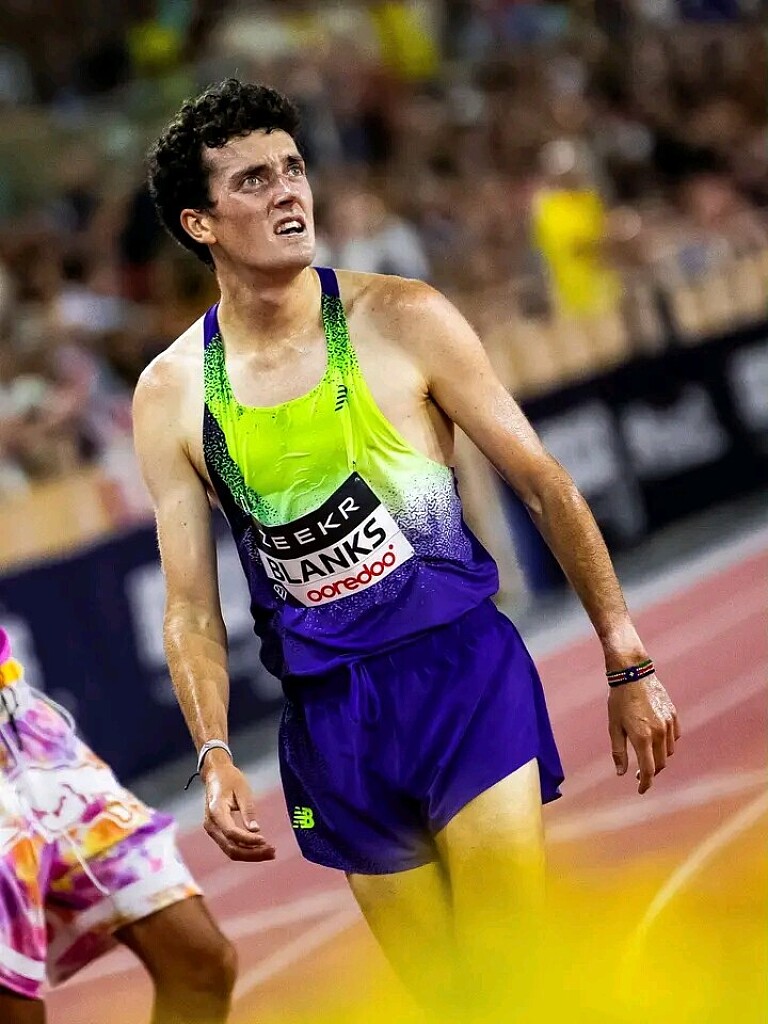
Americans Bring The Heat As Lausanne Diamond League Sets Up A Fierce 5000m Showdown
The Wanda Diamond League returns to action on Friday, August 21, and the men’s 5000m in Lausanne promises to be one of the evening’s most compelling distance races, with a strong American quartet ready to take on a deep international field.
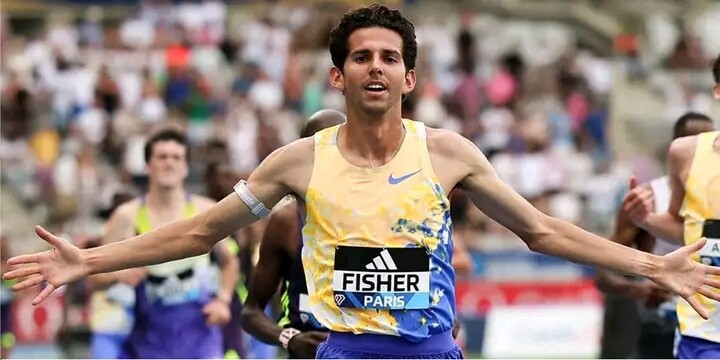
Graham Blanks, Grant Fisher, Parker Wolfe and Nico Young will carry the American challenge at Athletissima, where they will line up against a formidable group featuring athletes from Kenya, Ethiopia, Bahrain, Eritrea, Burundi, Switzerland, Uruguay, Slovenia and Mexico.
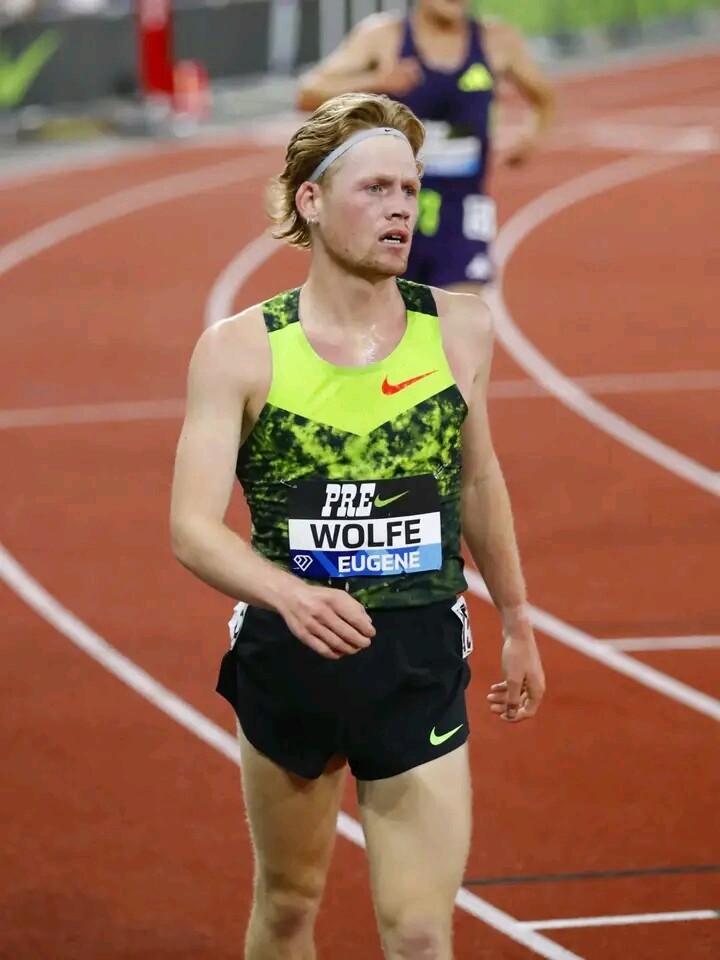
The Lausanne meeting marks an important point in the 2026 Diamond League campaign, with the Road to the Final entering its decisive stages ahead of the series finale in Brussels on September 4-5. Lausanne is followed just two days later by the Silesia meeting, before the series heads to Zurich for the final regular-season stop.
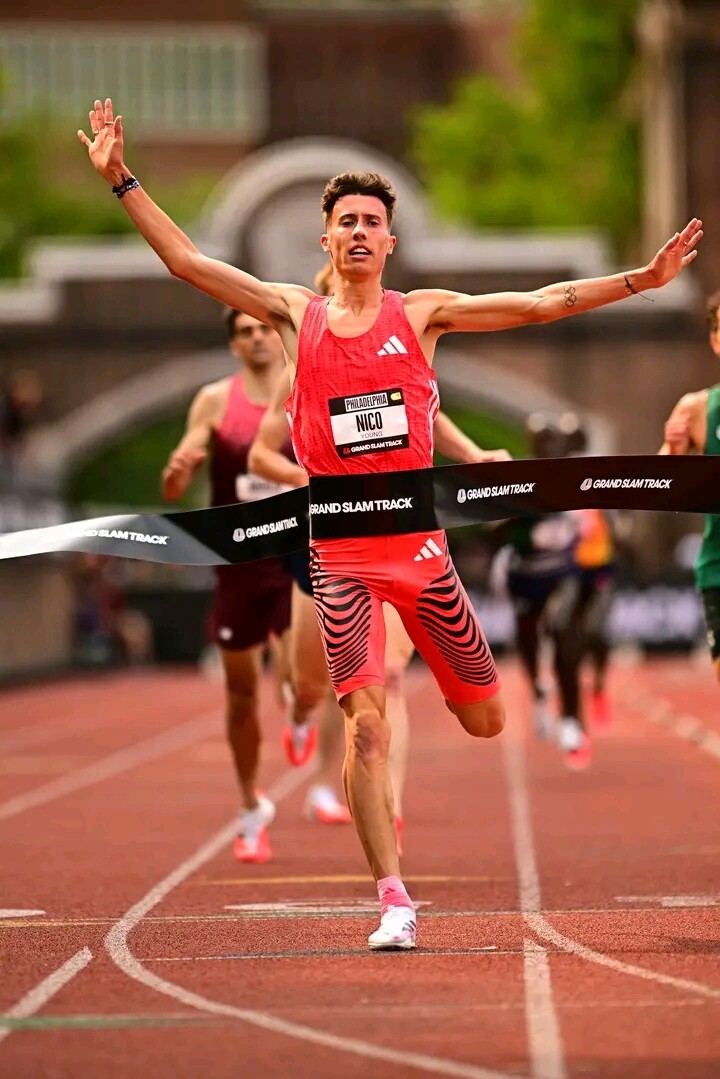
Fisher arrives as one of the most established names in the field. The American Olympic bronze medallist has already produced a 12:49.61 season best over 5000m in Oslo and also won the 3000m in Paris earlier this season. His experience at the highest level makes him a major contender when the pace accelerates over the closing laps.
Blanks is another American to watch closely. Ranked among the leading 5000m athletes in the world, he has continued to establish himself as one of the United States’ most exciting young distance runners. World Athletics’ rankings placed him eighth globally in the event as of July 26, with Fisher sixth.
Wolfe and Young add further depth to an American lineup that could make the race particularly tactical. With four athletes capable of competing at a high level, the United States will have several cards to play as the race develops.
But the Americans will have no easy path to victory.
Bahrain’s Birhanu Balew headlines the international opposition and entered the season among the world’s highest-ranked 5000m runners. Kenya will be represented by Jacob Krop, Edwin Kurgat, Cornelius Kemboi, Charles Kiboina, Mathew Kipchumba Kipsang and Laban Kiptoo Kosgei, giving the race a powerful Kenyan presence.
Ethiopia also brings considerable strength, with Khairi Bejiga, Kuma Girma, Shimelis Niguse, Mezgebu Sime and Getnet Wale all listed in the field. Eritrea’s Abderezak Suleman, Burundi’s Egide Ntakirutimana, Switzerland’s Dominic Lokinyomo Lobalu, Uruguay’s Santiago Catrofe, Slovenia’s Žan Rudolf and Mexico’s Eduardo Herrera complete a truly international lineup.
The Lausanne 5000m is therefore shaping up as much more than an American showcase. It is a meeting of contrasting strengths: American depth, Kenyan distance tradition, Ethiopian endurance and a collection of international contenders eager to make their mark on one of the sport’s biggest stages.
With the Diamond League season moving rapidly toward its final stretch, every position and every point carries added importance. The question now is whether the American quartet can convert its collective strength into a victory—or whether the international field will once again prove too deep to control.
One thing is certain: when the Lausanne 5000m gets underway, the pace is expected to be hot, the competition fierce and the final laps unforgettable.
by Erick Cheruiyot for My Best Runs.
Login to leave a comment
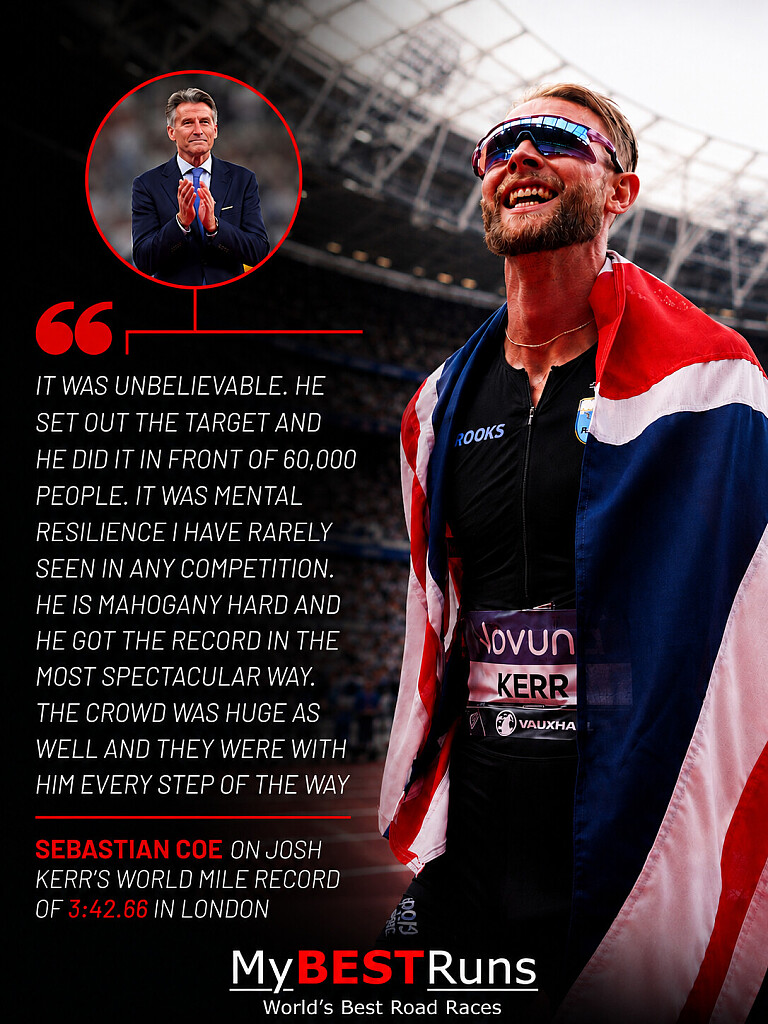
Sebastian Coe Hails Josh Kerr's World Mile Masterpiece: "A Performance Of Rare Mental Resilience
When one of the greatest milers in history stands to applaud a new world record holder, the moment carries extraordinary significance. Sebastian Coe, a three-time world mile record holder and one of Britain's most iconic middle-distance runners, reserved the highest praise for Josh Kerr after his breathtaking 3:42.66 mile world record at the London Diamond League.
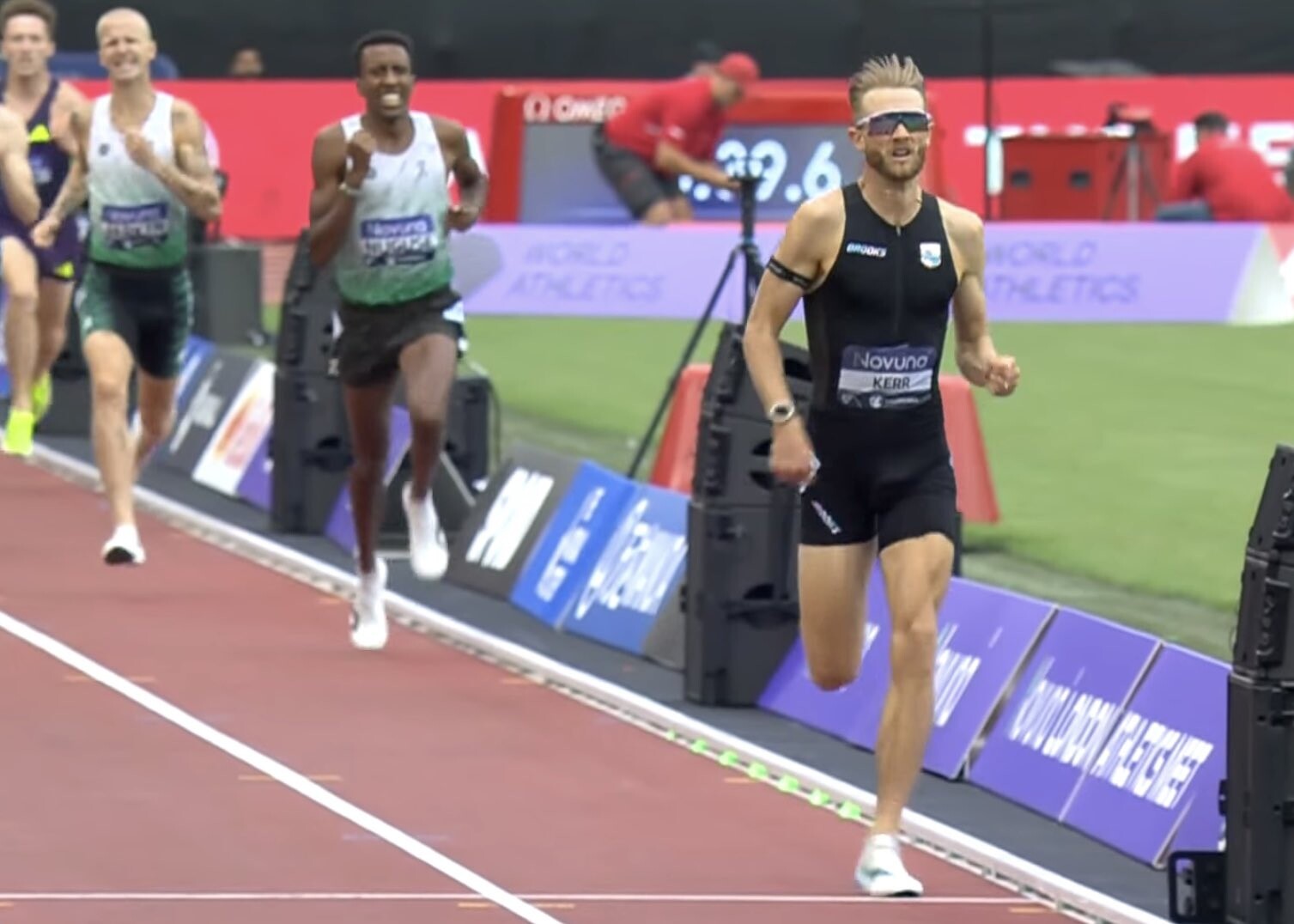
For Coe, this was far more than another record falling. It was a performance that showcased courage, composure, and an unwavering belief under immense pressure.
"It was unbelievable," Coe said. "He set out the target and he did it in front of 60,000 people. It was mental resilience I have rarely seen in any competition. He is mahogany hard and he got the record in the most spectacular way. The crowd was huge as well and they were with him every step of the way."
Those words carry exceptional weight coming from a man who understands the demands of rewriting history. Coe himself redefined the mile three times during his legendary career, first clocking 3:48.95 in Oslo in 1979 before improving the mark to 3:48.53 in Zurich and then 3:47.33 in Brussels in 1981. His brilliance inspired generations of British middle-distance runners, and now he has witnessed another chapter being written.
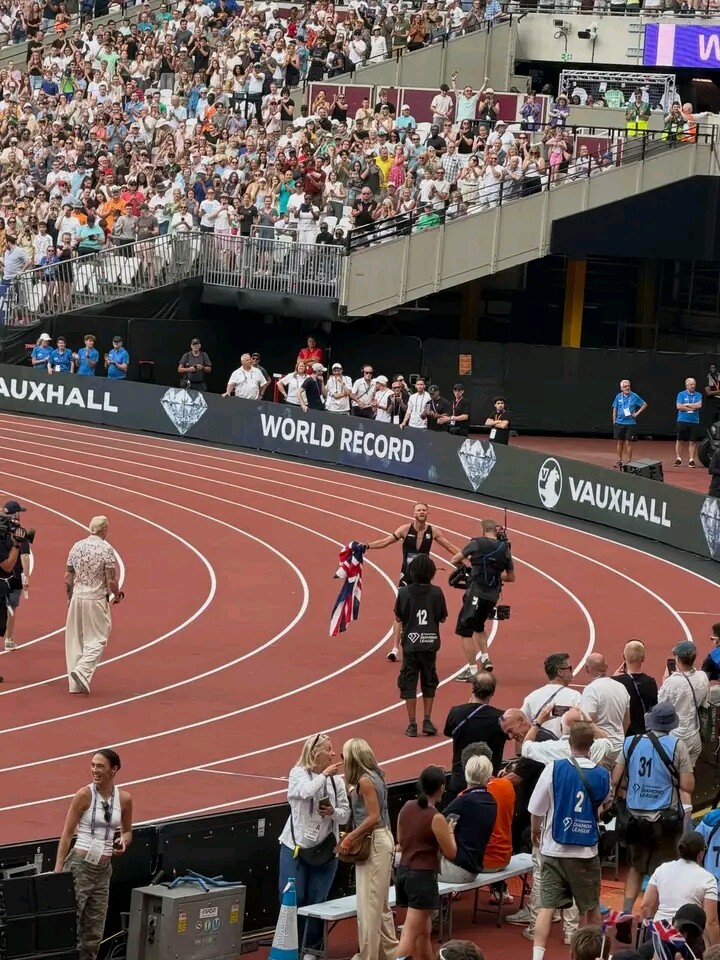
Kerr's achievement was not built on surprise. It was the culmination of meticulous planning, relentless training, and the confidence to publicly declare his ambition before delivering it on the biggest stage. With more than 60,000 fans filling the London Stadium, the Olympic champion embraced the pressure rather than shrinking from it.
Every lap reflected precision. Every stride demonstrated conviction. And when Kerr crossed the finish line in 3:42.66, he not only erased Hicham El Guerrouj's 27-year-old world record but also returned the outdoor mile world record to Great Britain for the first time in nearly three decades.
In doing so, Kerr became the seventh British man in history to hold the outdoor world mile record, adding his name to one of the sport's most prestigious lineages.
What made the performance even more remarkable was its emotional backdrop. Competing in front of a home crowd that roared him through every metre, Kerr transformed the stadium into a theatre of history. The deafening support fueled an unforgettable evening that will be remembered as one of the greatest moments in British athletics.
Coe's tribute perfectly captured what statistics alone cannot explain. World records demand exceptional physical ability, but truly historic performances are forged through resilience, belief, and the willingness to embrace pressure when the world is watching.
Josh Kerr did exactly that. He didn't simply break a record—he produced a performance that united a nation, inspired the next generation, and earned the admiration of one of the greatest milers the sport has ever known.
by Erick Cheruiyot for My Best Runs.
Login to leave a comment
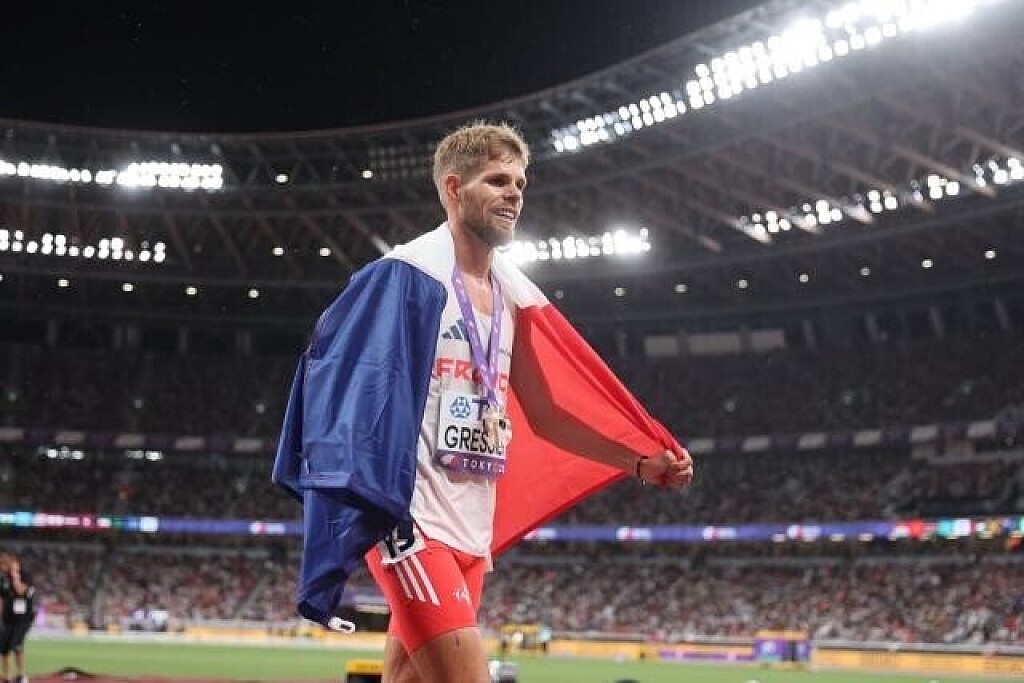
Jimmy Gressier Targets History as the One-Hour World Record Returns to Centre Stage
The clock is ticking once again on one of athletics’ most unforgiving challenges.
Nearly six years after Sir Mo Farah rewrote the record books in Brussels, France’s Jimmy Gressier is preparing to attack the legendary one-hour world record at the 2026 Brussels Diamond League Final on Friday, 4 September.
The setting could hardly be more symbolic. Same stadium. Same track. Same target.
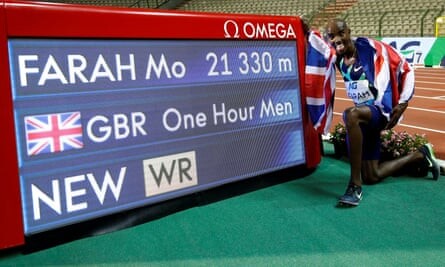
Farah’s mark of 21.330 kilometres, established in Brussels in 2020, has stood untouched ever since — a brutal benchmark of sustained speed, precision pacing and mental endurance. Now, Gressier believes he is ready to challenge it.
Unlike a traditional race, the one-hour record strips distance running down to its rawest form. There is no finish line to chase and no tactical surges to hide behind. The objective is mercilessly simple: cover as much distance as possible in exactly sixty minutes on a 400-metre track. When the clock expires, every metre matters.
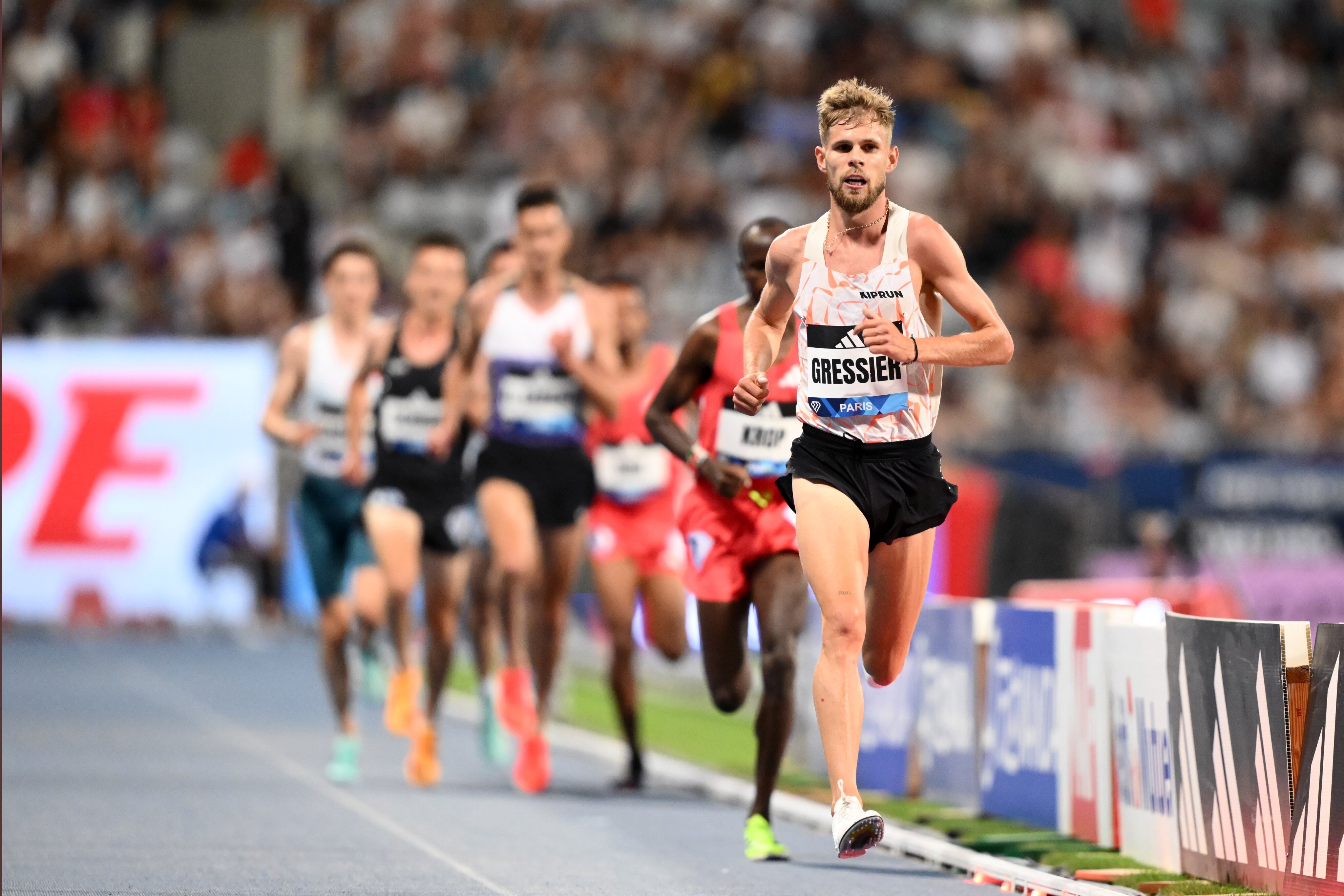
And few athletes arrive with stronger momentum than Gressier.
The Frenchman has elevated himself into the global elite over the past year, producing the finest form of his career. After claiming world 10,000m gold in Tokyo in 28:55.77, he carried that momentum onto the roads with a sensational European half marathon performance run at an astonishing 2:50-per-kilometre rhythm — the same pace that propelled Sabastian Sawe to a sub-two-hour performance in London conditions.
Yet the mathematics of the one-hour record remain cruel.
To surpass Farah’s 21.330 km, Gressier must squeeze out roughly two additional seconds per kilometre from that already ferocious tempo and sustain it relentlessly for a full hour. No recovery laps. No tactical pauses. Just controlled suffering across more than fifty-three laps of the track.
What makes the challenge even more compelling is the uncertainty surrounding the field. As of now, no pacemakers or accompanying athletes have been officially confirmed for the attempt. That raises the possibility of Gressier spending long stretches isolated against the clock — a vastly different scenario from Farah’s successful run, where Belgian marathon star Bashir Abdi provided crucial support deep into the effort.
Running alone in a one-hour record attempt can quickly become psychological warfare. Without company, every lap feels longer, every split heavier and every second more expensive.
But perhaps that is exactly what gives the event its mystique.
No championship medals. No tactical championship racing. Just one athlete confronting the limits of endurance under the glare of a stadium clock.
Sixty minutes. Fifty-three relentless laps. One man chasing a record that has waited almost six years for someone brave enough — and fast enough — to threaten it.
by Erick Cheruiyot for My Best Runs.
Login to leave a comment
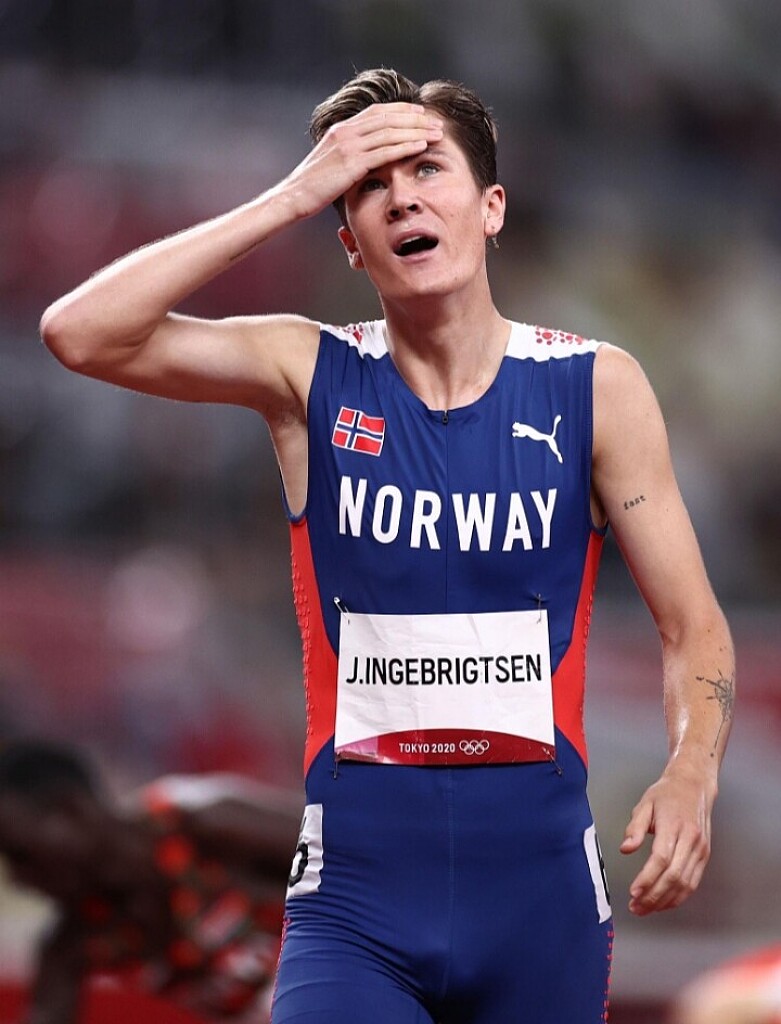
Patience of a Champion: Jakob Ingebrigtsen Eyes July Comeback
The wait to see Jakob Ingebrigtsen back on the track will continue a little longer. The Olympic champion is not expected to race before July as he continues recovering from Achilles tendon surgery, with his management team choosing caution over haste ahead of a demanding second half of the season.

According to his manager, Daniel Wessfeldt, the Norwegian star will miss all competitions in May and June, ruling him out of the early-season circuit, including the prestigious Bislett Games. The decision reflects a clear priority: returning only when he is fully prepared to compete at the elite level that has defined his career.
At just 25, Ingebrigtsen has already built one of the most decorated résumés in modern distance running. He captured Olympic gold in the 1500m at Tokyo 2020 before adding the 5000m crown at Paris 2024. Beyond the Olympic stage, he has collected world titles, dominated European championships, and rewritten record books with global marks in the 2000m and 3000m, alongside the European record in the 1500m.
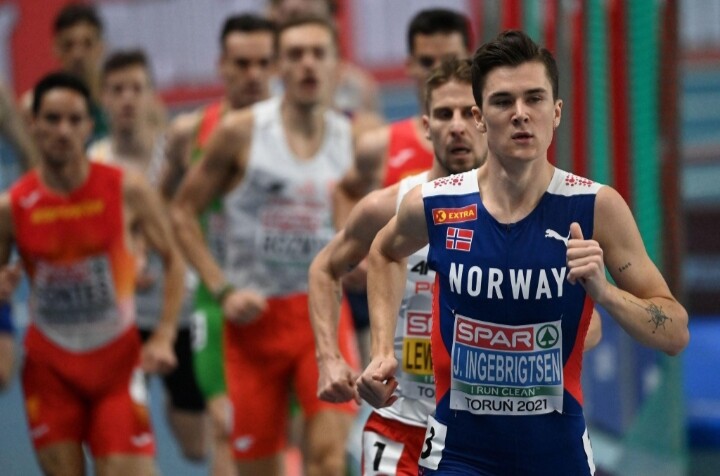
The Achilles issue had lingered in recent seasons, making surgery the necessary long-term solution. Rather than rushing back for early headlines, his camp is investing in a complete rehabilitation process designed to preserve both performance and longevity.
If recovery continues as planned, several high-profile opportunities await later in the year. Possible return stages include the Diamond League Eugene in early July, followed by major targets such as the European Championships, Diamond League stops in Silesia and Brussels, and the Ultimate Championship.
For now, the stopwatch can wait. Ingebrigtsen’s greatest race at this moment is not against rivals, but against time, patience, and recovery. If history is any guide, when he does return, he will come back ready to remind the world why he remains one of the defining athletes of his era.
by Erick Cheruiyot for My Best Runs.
Login to leave a comment
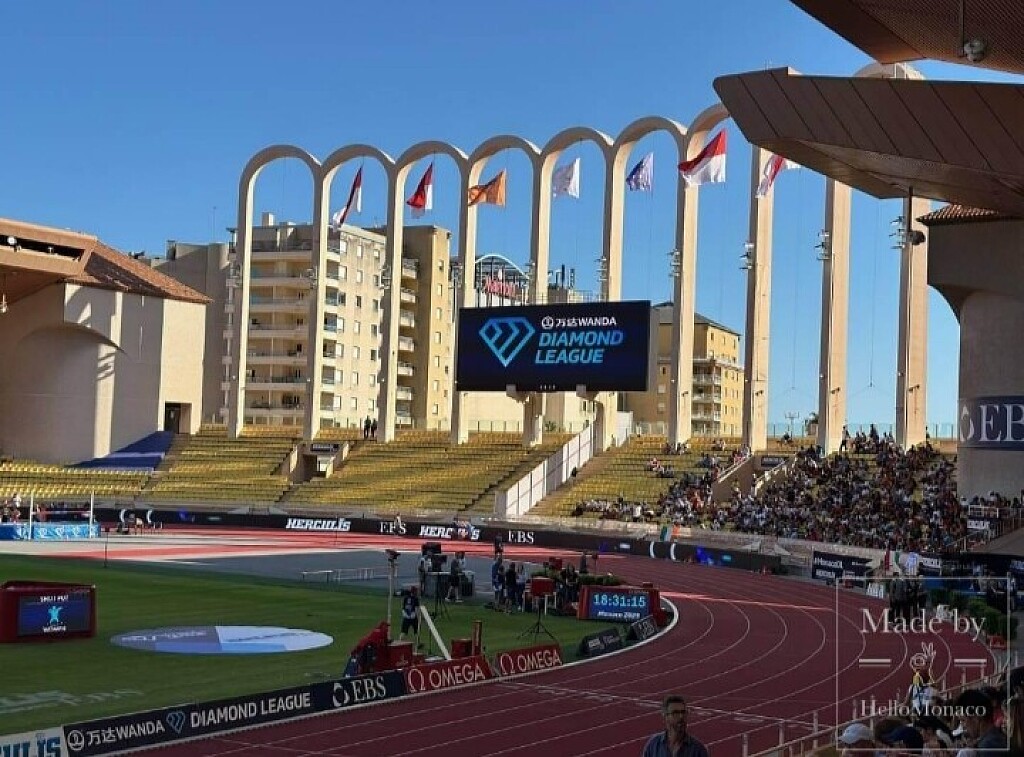
Global Showdown: The 2026 Diamond League Unfolds Across Continents
The 2026 Diamond League calendar promises a breathtaking journey across the globe, stitching together cultures, climates, and elite athletic performances into one electrifying season. From the desert lights of Doha to the historic streets of Brussels, the world’s finest track and field stars will once again chase glory, records, and supremacy in a series that defines the pinnacle of one-day athletics competition.
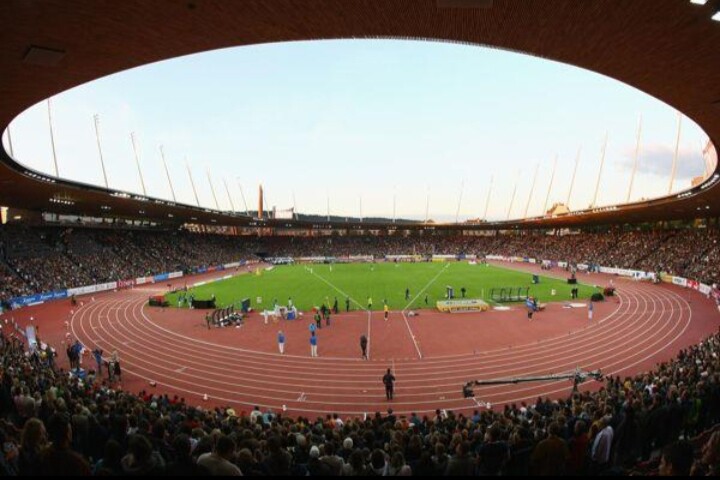
The campaign ignites on May 8 in Doha, where speed meets spectacle under the floodlights. Just a week later, the circuit shifts east to Shanghai/Keqiao on May 16, before returning to familiar territory in Xiamen on May 23. These early stops in Asia and the Middle East often set the tone—fast times, bold statements, and emerging rivalries begin to take shape as athletes test their early-season form.
By the end of May, the tour arrives in Rabat (May 31), marking Africa’s sole stop on the circuit—a meeting that consistently delivers both passionate crowds and world-class performances. From there, Europe takes center stage, beginning with the timeless backdrop of Rome on June 4. The momentum builds quickly with a Scandinavian double in Stockholm (June 7) and Oslo (June 10), two meets renowned for their rich history and electric atmosphere.
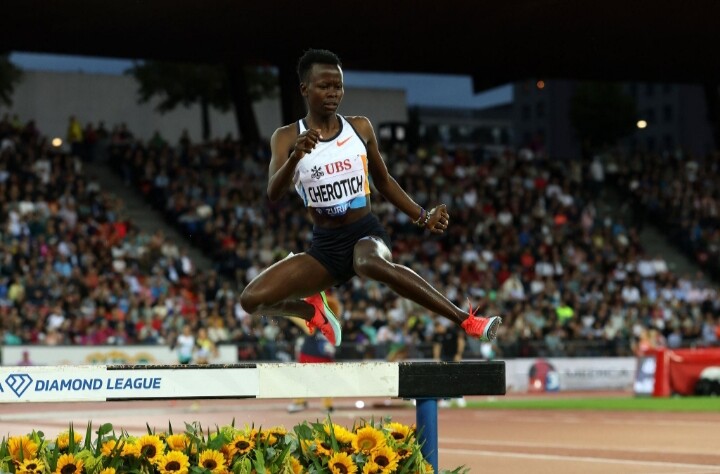
Late June brings the glamour of Paris (June 28), where speed and style converge in one of the season’s most anticipated showdowns. Then, the spotlight crosses the Atlantic to Eugene on July 4, a venue often regarded as the heartbeat of track and field in the United States. The European leg resumes swiftly with the iconic Monaco meet on July 10—a race often synonymous with record-breaking performances—before heading to London on July 18, where roaring crowds elevate every stride and jump.
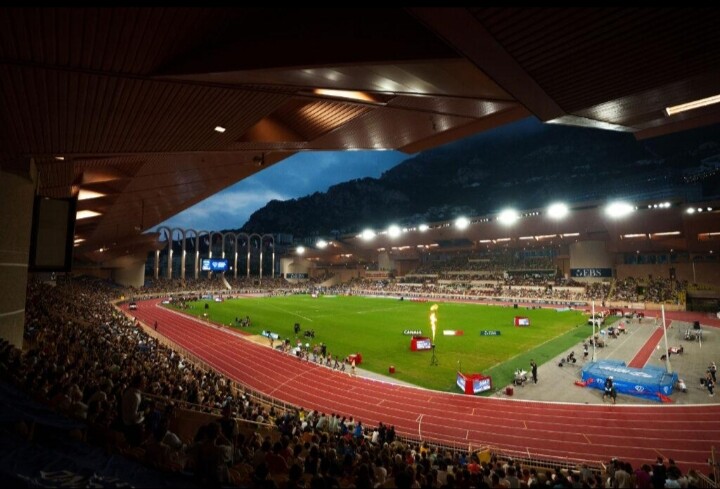
After a brief pause, the Diamond League returns in August with a decisive run toward the final. Lausanne (August 21) sets the stage, followed closely by Silesia (August 23) and Zurich (August 27), meetings that frequently determine qualification battles and title contenders. Each performance becomes increasingly critical, with athletes fighting not just for victory, but for a place in the grand finale.
The season culminates on September 4–5 in Brussels, where champions will be crowned and the year’s defining moments etched into history. It is here that consistency meets brilliance—only the best across the series earn the right to compete for the coveted Diamond Trophy.
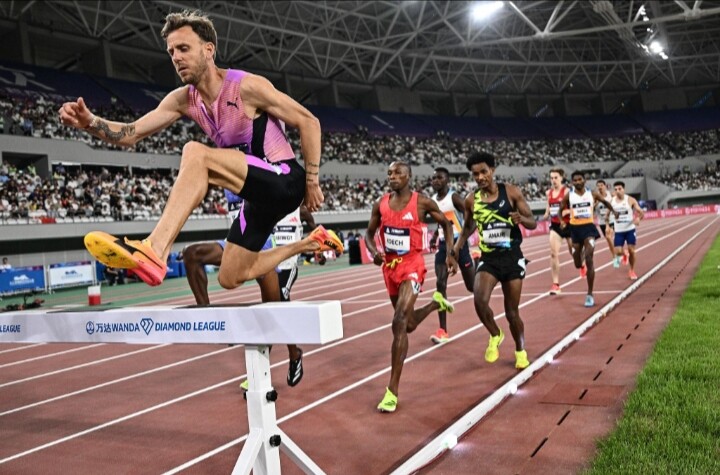
Beyond the dates and destinations, the 2026 calendar tells a deeper story: one of global unity through sport, of athletes pushing human limits, and of fans witnessing greatness unfold in real time. Every stop carries its own rhythm, yet together they form a symphony of speed, endurance, and excellence.
As the world watches, one question remains—who will rise, who will endure, and who will etch their name into the legacy of the Diamond League?
by Erick Cheruiyot for My Best Runs.
Login to leave a comment
The Relentless Flame: Kenenisa Bekele and the Art of Running Beyond Limits
There are athletes who win races, and then there are rare souls whose movement feels almost like poetry — effortless yet powerful, gentle yet unstoppable. On a warm August evening in Brussels in 2001, under the honey-gold glow of stadium lights, a slender Ethiopian teenager floated across the track with a quiet certainty that something extraordinary was unfolding.
The crowd watched, curious at first, then captivated. When the clock stopped at 7:30.67 for 3000 metres at the Memorial Van Damme, applause filled the air. It was announced as a world junior record, but what lingered was not just the number — it was the feeling. The feeling of witnessing hunger wrapped in grace, ambition wrapped in innocence.
The teenager was Kenenisa Bekele, and even then, you could sense he was not chasing applause. He was chasing possibility.
For three and a half years, that junior record stood as a quiet monument to ambition before Augustine Choge eventually lowered it. Records, after all, are built to fall. Yet the resonance of Bekele’s performance lingered — the unmistakable arrival of a force that would soon redefine distance running.
Even before Brussels, his ascent had begun to take shape in unexpected corners of Europe. In the small Dutch town that hosts the Montferland Run, he collected victories in 2000 and 2001 with an almost casual authority. Fifteen kilometres through winter air and narrow streets looked less like competition and more like controlled expression. But nothing about Bekele was ever routine. Beneath the calm exterior was a furnace of ambition.
Then came the terrain where legends are forged — mud, grass, cold wind, and pain — the IAAF World Cross Country Championships. Between 2002 and 2006, Bekele achieved something so extraordinary it borders on myth: he won both the short course and long course titles every single year for five consecutive seasons. No athlete before or since has replicated such dominance. The physiological toll alone should have made it impossible — the explosive intensity of the short race followed by the grinding endurance of the long. Yet he returned each year stronger, hungrier, untouchable.
When the short course was discontinued after 2006, he stepped away briefly, then returned in 2008 to claim the long-course crown once more, almost ceremonially, as though closing a chapter he himself had authored. By then his cross-country medal collection had reached staggering proportions — nineteen in total, including eleven senior individual golds. Statistics struggled to contain the scale of his supremacy.
But numbers alone never explained the aura.
On the track, Bekele possessed an almost predatory intelligence. He would sit quietly in the pack, conserving energy with deceptive ease. Then, with laps remaining, something would ignite. At the 2003 Bislett Games in Oslo, he tracked down the Kenyan leader with chilling precision before unleashing a decisive kick to win in 12:52.26. It was not merely speed — it was timing, instinct, and psychological dominance. Rivals knew the surge was coming. They simply could not stop it.
And hovering over his rise was a rivalry that felt almost epic in scale: Bekele against Haile Gebrselassie. The reigning emperor of distance running and the fearless successor. Early encounters favored the veteran, who reminded the young challenger of the existing hierarchy. But by 2003, the balance began to shift. Bekele edged Gebrselassie over 10,000 metres in Hengelo, then continued to outperform him across major championships.
At the 2004 Athens Olympics, Bekele captured 10,000-metre gold while Gebrselassie faded to fifth. Four years later, at the 2008 Beijing Olympics, history repeated itself. The apprentice had become the standard. Even on the roads, including the Great North Run, Bekele would later finish ahead. Their rivalry was not merely competitive — it symbolised the passing of an era.
The year 2004 crystallised his dominance. Within nine astonishing days, Bekele broke the indoor 5000-metre world record, then the outdoor 5000, and finally the 10,000-metre world record — as if impatience with history itself drove him. He swept cross-country titles again, led Ethiopia to team victories, and left Athens with Olympic gold and silver. Distance running had a new gravitational centre, and it was him.
Yet life does not always move in harmony with triumph.
On January 4, 2005, a deeply personal loss entered his world during what should have been an ordinary training morning. Alem Techale — the 1500-metre World Youth Champion of 2003 — was running alongside Bekele in Ararat, a forested, hilly area on the outskirts of Addis Ababa. The two were sharing the familiar rhythm of training when she suddenly collapsed. Bekele immediately carried her to his car and rushed toward the hospital, hoping urgency might change the outcome. But on the way, she passed away. What remained was a silence that no explanation could fully fill — only memories of shared miles, shared dreams, and a companionship that had once felt limitless.
For a time, the noise of competition softened around him. But step by step, he continued — not because pain disappears, but because the human heart has a quiet way of learning to carry both love and loss together.
Because in the end, Kenenisa Bekele’s story is not simply about speed, medals, or records etched into history books. It is about the tenderness hidden inside strength. It is about a young boy who ran with wonder in his spirit, a champion who experienced both luminous joy and quiet sorrow, and a man who kept moving forward with grace. His journey reminds us that greatness is not only measured by how fast someone runs, but by how gently someone keeps going — through seasons of celebration, through moments of silence, through life itself — one faithful stride at a time.
by Erick Cheruiyot for My Best Runs.
Login to leave a comment
Fitzgerald Completes Historic U20 Hat-Trick as Lagoa’s Brutal Course Breaks the Field
Innes Fitzgerald dominates European Cross Country Championships, while Ireland claims a breakthrough medal
A Course Built to Punish, A Champion Built to Endure
The European Cross Country Championships delivered both spectacle and separation in Lagoa, Portugal, where Great Britain’s Innes Fitzgerald stormed to a historic third consecutive victory in the women’s Under-20 race on one of the most demanding courses the event has seen in recent years.
Set on a punishing 4.45km loop carved into the Algarve terrain, the course offered little rhythm. Sharp divots, twisting turns, and short but unforgiving climbs forced constant adjustment, rewarding strength, patience, and race intelligence. Commentators noted it was a circuit suited to steeplechasers and mountain runners—and from the opening strides, it shaped the race.
Early Aggression Tests the Field
Germany’s Julia Ehrle, a world mountain running champion, set the tone with an aggressive surge in the opening kilometre, immediately stretching the field. Several athletes attempted to respond, but the cost was clear early on as runners throughout the top 20 were already operating on the edge.
Fitzgerald, however, remained calm.
By the end of the first lap, the British teenager had moved decisively to the front, opening daylight behind her. Gaps widened quickly as she increased the tempo, forcing an early reckoning. Spain briefly led the team standings after one lap, but the individual contest was already tilting firmly in Fitzgerald’s favor.
Control Through Chao
There was no relief from the terrain. Turf laid specifically for the championships softened the ground but added unpredictability, with awkward divots repeatedly disrupting stride patterns. Ehrle, so fluent early, began to lose momentum as a coordinated chase pack formed behind her.
Midway through the race, Fitzgerald’s lead had grown beyond 13 seconds. Her expression told a story of controlled suffering—this was no cruise. Commentators reflected on her evolution as a championship racer, recalling earlier setbacks before she refined her front-running approach through successive wins in Brussels and Antalya.
This time, experience guided aggression.
The Race Ignites Behind the Leader
As the bell signaled the final lap, Fitzgerald’s advantage had stretched to 24 seconds, placing her on course for the largest winning margin ever recorded in the women’s U20 race.
Behind her, the medal fight erupted.
Ireland’s Anna Gardiner and Emma Hickey surged together with impeccable timing, their patient approach paying dividends as others faltered. France’s Lucie Paturel—whose modest track credentials masked exceptional endurance—moved smoothly through the field, judging her effort to perfection.
Those who attacked early paid the price. Those who waited were rewarded.
A Champion Alone at the Front
At the front, Fitzgerald ran alone—visibly exhausted, yet relentless. With a kilometre remaining, her lead had surpassed 30 seconds, a staggering margin in a race lasting just over 14 minutes.
As she entered the finishing straight, she raised three fingers in celebration, joining Steph Twell as the only athlete to win three European U20 cross country titles. Fitzgerald crossed the line in 14:35, collapsing moments later after an all-out effort.
Breakthroughs and Team Drama
Thirty seconds later, Paturel claimed a superb silver medal, while Hickey secured bronze—Ireland’s first-ever individual medal in this category—following a courageous, perfectly paced run.
The drama continued in the team standings, where every position mattered. Athletes sprinted through exhaustion on the finishing straight, and when the unofficial scores were confirmed, Great Britain emerged team champions with 33 points, ahead of Spain (38) and Sweden (43), underlining the depth behind Fitzgerald’s brilliance.
Germany’s Ehrle, whose bold opening gambit shaped the race, finished tenth—her ambition acknowledged even as it proved unsustainable.
The End of an Era, The Start of Anothe
For Fitzgerald, this was more than a victory. It marked the end of her Under-20 career. Already a senior international, a European record-holder on the track, and a proven championship racer across disciplines, she leaves the junior ranks having redefined them
For three years, the question in this race has remained the same: who dares to go with Innes Fitzgerald—and who can survive it?
In Lagoa, once again, there was only one answer.
Women’s U20 – Top 10 Results
European Cross Country Championships, Lagoa, Portugal
1. Innes Fitzgerald (Great Britain) – 14:35
2. Lucie Paturel (France) – 15:07
3. Emma Hickey (Ireland) – 15:10
4. Carmen Cernjul (Sweden) – 15:14
5. Edibe Yağız (Türkiye) – 15:15
6. Anna Gardiner (Ireland) – 15:17
7. Fanny Szalkai (Sweden) – 15:21
8. Evi Falkena (Netherlands) – 15:23
9. Shirin Kerber (Switzerland) – 15:25
10. Julia Ehrle (Germany) – 15:29
by Robert Kibet for My Best Runs
Login to leave a comment
Emil Zátopek Breaks the 29-Minute Barrier for 10,000m — 70 Years Ago
By My Best Runs — with a special thanks to Eric Giacoletto for the inspiration
On June 1, 1954, Emil Zátopek etched his name into history by becoming the first person to run 10,000 meters in under 29 minutes. Clocking 28:54.2 in Brussels, the Czech legend not only set a new world record but also reshaped the future of endurance training.
Zátopek’s previous world records included:
• 29:02.6 in Turku, Finland (August 4, 1950)
• 29:01.6 in Stará Boleslav, Czechoslovakia (November 1, 1953)
His breakthrough in 1954 wasn’t just a time on the clock—it was a philosophical shift. Zátopek popularized high-volume, interval-based training long before lactate thresholds and GPS watches entered the vocabulary. He trained in ways that were radical at the time: running repeated intervals at what we now call the aerobic/anaerobic threshold. Often without proper equipment or ideal conditions, Zátopek’s approach was empirical, relentless, and incredibly effective.
Despite the lack of modern media, Zátopek became one of the most celebrated athletes of his era. His fame grew not through social media or global broadcasts, but through the power of newspapers and word-of-mouth. His grit, work ethic, and unforgettable running style made him a symbol of human potential.
Zátopek’s Olympic Glory
Zátopek’s 1954 world record was just one chapter in a legendary career. At the 1952 Helsinki Olympics, he achieved an unmatched triple gold medal performance:
• Gold in the 5,000 meters
• Gold in the 10,000 meters
• Gold in the marathon — a race he had never run before
No one had ever accomplished that feat before, and no one has done it since.
He once said:
“If you want to run, run a mile. If you want to experience a different life, run a marathon.”
This quote continues to inspire runners around the globe. Zátopek didn’t just run races—he ran with purpose, embodying resilience, innovation, and heart.
70 Years Later—A Milestone for Women
Exactly 70 years after Zátopek’s barrier-breaking run, history repeated itself in a remarkable way. On May 25, 2024, Kenya’s Beatrice Chebet became the first woman to run under 29 minutes for 10,000m, recording 28:54.14. Her time? Nearly identical to Zátopek’s—28:54.2 (manual timing).
The symmetry is striking and symbolic. What Zátopek accomplished in 1954 has echoed into the 21st century, reminding us that barriers are made to be broken—again and again.
Login to leave a comment
Sabastian Sawe Shakes Up the Marathon World
Kenya’s Sabastian Kimaru Sawe has quickly become one of the most exciting figures in long-distance running. On April 27, 2025, he won the London Marathon in a commanding 2:02:27, outpacing a deep field that included Olympic champions and rising stars. This victory came just months after his sensational debut at the 2024 Valencia Marathon, where he clocked 2:02:05—the second-fastest marathon debut in history and the fastest time recorded in the world that year.
A Different Path to Greatness
Born March 16, 1996, in Kenya, Sawe did not follow the typical trajectory of a professional runner. While many of his peers were competing internationally as teenagers, Sawe was still focused on his studies. He only began running competitively in his 20s, after completing school in 2015. In 2020, he joined the training group of coach Claudio Berardelli, who had worked with several world-class Kenyan athletes, including Olympic champion Wilfred Bungei. That marked the turning point in his career.
Unlike many top Kenyan runners who come from Iten, Sawe is based in Kapsabet, another high-altitude town known for producing champions. His dedication to training, combined with a strategic racing approach, quickly paid dividends.
Building Momentum on the Roads

Sawe’s breakthrough came on the roads. In 2022, he set a new Kenyan national record in the one-hour run—covering 21,250 meters at the Memorial Van Damme meet in Brussels. The following year, he won the inaugural World Athletics Road Running Championships half marathon in Riga, Latvia. He further stamped his authority in 2024 with a 58:05 clocking at the Copenhagen Half Marathon, confirming his elite status among the world’s fastest over 21.1 kilometers.

London Victory and Tactical Brilliance
At the 2025 London Marathon, Sawe showed both power and poise. Running in a field stacked with stars—including debutant Jacob Kiplimo and defending champion Alexander Mutiso—he made his decisive move just past 30K, surging ahead with a 5K split of 13:56. No one could follow. He crossed the finish line nearly a minute ahead of Kiplimo, cementing his place among the world’s best.
Sabastian Sawe Key Performances
• Marathon Personal Best: 2:02:05 – Valencia Marathon, 2024
• London Marathon: 1st place – 2:02:27, 2025
• Half Marathon Personal Best: 58:05 – Copenhagen, 2024
• World Championships: Gold medalist – Half Marathon, Riga 2023
• One-Hour Run: 21,250 meters – Kenyan national record, Brussels 2022
• 10,000m Track: 27:09.46 – Top 10 all-time Kenyan performance
Looking Ahead
Still early in his marathon career, Sawe has already proven he has the tools to challenge for global titles and course records. With Paris 2024 behind him, the focus now shifts to the next Olympic cycle, where Sawe could be a favorite for gold in Los Angeles. He’s also expected to be a top contender in the World Marathon Majors circuit, possibly returning to London or making his debut in Berlin or New York.
Sawe’s rise from a late start to the pinnacle of world marathoning is both inspiring and a reminder that potential can emerge in different ways. With every stride, he is redefining what it means to be a modern marathon champion.
by Boris Baron
Login to leave a comment
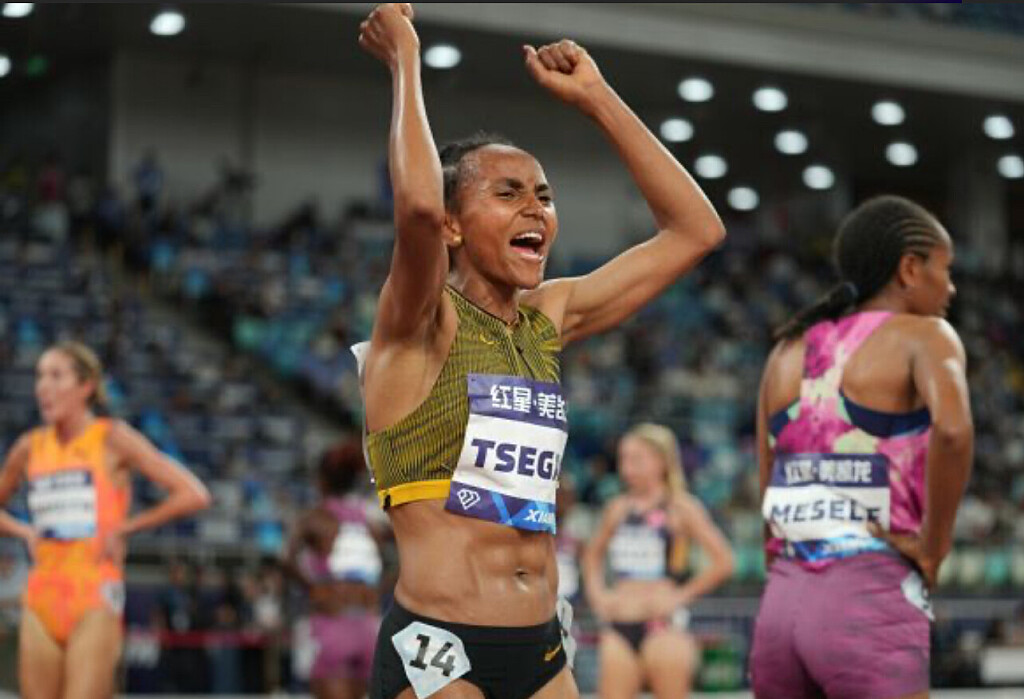
Diamond League 2025 Begins Saturday in Xiamen: Distance Stars Ready to Shine on Global Stage
The 2025 Wanda Diamond League kicks off this Saturday, April 26, in Xiamen, China, launching the most prestigious one-day series in global track and field. With 15 elite meets on the calendar, this year’s circuit serves as both a proving ground and a preview for the World Athletics Championships in Tokyo this September.
While Olympic champion Grant Holloway will headline the sprint hurdles, it’s the middle- and long-distance events in Xiamen that promise some of the most compelling matchups of the weekend.

Chebet vs. Tsegay in the Women’s 5000m
Saturday’s most anticipated race may be the women’s 5000m, featuring a classic Kenya vs. Ethiopia showdown.
Beatrice Chebet, the reigning Olympic champion and world record holder in the 10,000m, opens her Diamond League campaign against Gudaf Tsegay, the reigning 5000m world champion and world record holder. With personal bests of 14:05.92 (Chebet) and 14:00.21 (Tsegay), the two are expected to push each other deep into record territory.
They’ll be challenged by rising Ethiopian talents Freweyni Hailu and Birke Haylom, both capable of delivering world-class performances.
Kipyegon Returns in the 1000m
Also making her season debut is Kenyan superstar Faith Kipyegon, who will race the rarely-run 1000m. The two-time Olympic and world champion is the current world record holder in both the 1500m and the mile.
In Xiamen, she’ll face Jamaica’s Natoya Goule-Toppin and Uganda’s Halimah Nakaayi, both of whom are known for their championship pedigree over 800m. The 1000m offers an ideal distance for Kipyegon to sharpen her speed and stamina heading into the summer.
Men’s 3000m Steeplechase: A Deep Field Emerges
The men’s 3000m steeplechase will feature a stacked lineup, with top athletes from Kenya, Ethiopia, and Morocco vying for early-season dominance. With the event’s tradition of upsets and tactical drama, this race will be one to watch for fans of distance racing.
2025 Wanda Diamond League Schedule
Following Xiamen, the Diamond League tour travels to 14 more cities before the two-day final in Zurich. Here’s the full schedule:
• April 26 – Xiamen, China
• May 3 – Shanghai/Suzhou, China
• May 16 – Doha, Qatar
• May 25 – Rabat, Morocco
• June 6 – Rome, Italy
• June 12 – Oslo, Norway
• June 15 – Stockholm, Sweden
• June 20 – Paris, France
• July 5 – Eugene, USA
• July 11 – Monaco
• July 19 – London, UK
• August 16 – Silesia, Poland
• August 20 – Lausanne, Switzerland
• August 22 – Brussels, Belgium
• August 27–28 – Zurich, Switzerland (Diamond League Final)
The series leads directly into the 2025 World Athletics Championships, set for September 13–21 at Japan National Stadium in Tokyo.
by Boris Baron
Login to leave a comment
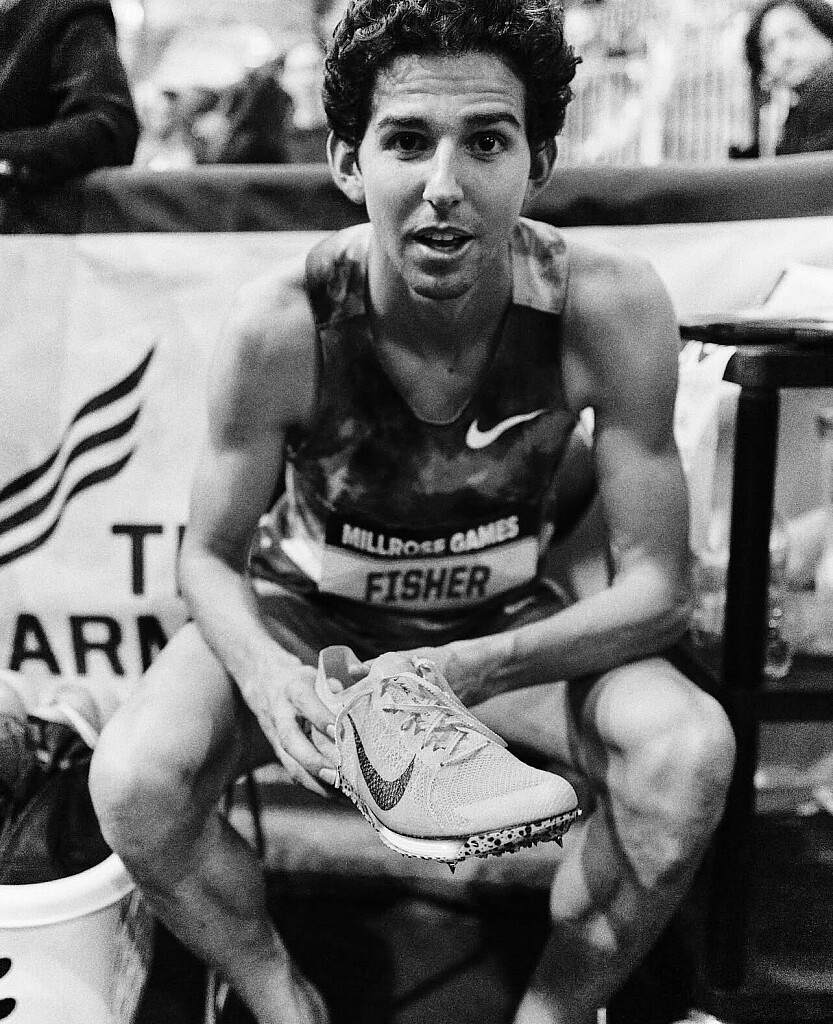
Grant Fisher: The Rise of America’s Distance Running Star and His Path to Success
Grant Fisher came within a fraction of a second of Olympic gold in the 10,000 meters at the 2024 Paris Games, narrowly missing the top spot in one of the closest finishes in the event’s history.
It had been 60 years since an American had last won the race, and sitting in the stands that day was Billy Mills, the man who pulled off that legendary upset in Tokyo in 1964. Fisher’s performance was a powerful moment that linked generations of American distance running, proving that while technology and training have evolved, the spirit of competition remains unchanged.
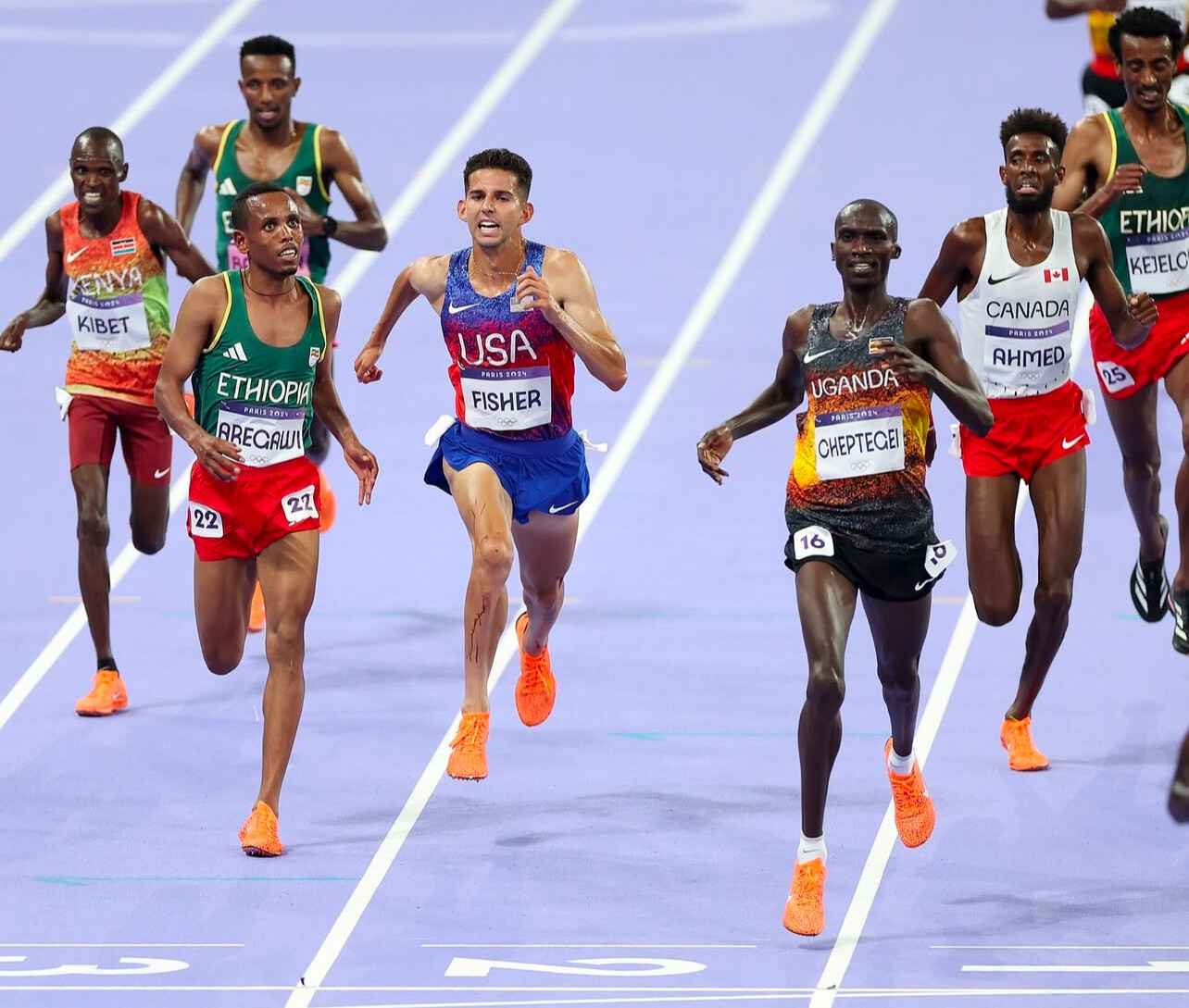
Fisher has emerged as one of the greatest distance runners in American history. He holds the world indoor record in the 3000 meters, as well as American records in the two-mile, 5000 meters, and 10,000 meters.
His performances at the 2024 Olympics—bronze medals in both the 5000 and 10,000 meters—cemented his status as a world-class athlete, making him the first American to medal in both events at the same Olympic Games.
Early Life and High School Achievements
Fisher grew up in Grand Blanc, Michigan, where he attended Grand Blanc High School. In addition to running, he was an avid soccer player and a member of the Michigan Wolves, an elite-level club team. His high school running career was marked by significant achievements, including being named Gatorade Player of the Year for cross country for the 2013–2014 and 2014–2015 seasons. On June 4, 2015, he became the seventh American high school student to run a mile under four minutes, clocking 3:59.38 at the Nike Festival of Miles.
Collegiate Success at Stanford University

Fisher attended Stanford University, where he continued to excel in both cross country and track. He was an eleven-time All-American and won the 2017 NCAA Outdoor Track and Field 5000m championship, becoming the first American underclassman to do so in 28 years.
Transition to Professional Running
After graduating from Stanford, Fisher turned professional and joined the Bowerman Track Club, training under coach Jerry Schumacher. He continued to make significant strides in his professional career, setting personal bests and national records in various events.
Training Philosophy and Coaching
In late 2023, Fisher made a pivotal change by relocating to Park City, Utah, to train under his former high school coach, Mike Scannell. This move was aimed at optimizing his training environment, taking advantage of Park City's high altitude to enhance his physiological response to training. Fisher's training regimen focuses on threshold-type sessions, hill repeats, and long runs, with an emphasis on consistency and gradual progression.
Olympic Achievements
At the 2024 Paris Olympic Games, Fisher delivered outstanding performances:
10,000 meters: Fisher secured a bronze medal with a time of 26:43.46, narrowly missing the silver in a photo finish. This achievement made him the first American to medal in the men's 10,000 meters since Galen Rupp in 2012.
5000 meters: Fisher earned his second bronze medal, finishing in 13:15.13. He executed a strong final lap, moving from ninth to third place, showcasing his tactical acumen and finishing speed.
This race was one of the most thrilling finishes in Olympic history, with Fisher just 0.32 seconds behind Uganda’s Joshua Cheptegei, who set a new Olympic record of 26:43.14. The difference between gold and bronze was razor-thin, and it took a photo finish to determine the final placements.
Recent Achievements
On February 8, 2025, at the Millrose Games, Fisher set a new world indoor record in the 3000 meters, finishing in 7:22.91. This performance underscored his position as one of the premier distance runners globally.
Personal Bests
Grant Fisher's progression in the sport is highlighted by his impressive personal records across various distances:
1500 meters: 3:34.90 (June 9, 2024, New York, New York)
3000 meters: 7:22.91 (February 8, 2025, New York, New York) – World Indoor Record
Two-mile: 8:03.62 (February 11, 2024, New York, New York) – American Record
5000 meters: 12:46.96 (September 2, 2022, Brussels, Belgium) – North American Record
10,000 meters: 26:33.84 (March 6, 2022, San Juan Capistrano, California) – North American Record
These personal bests not only demonstrate Fisher's versatility across distances but also his continuous improvement and commitment to excellence.
Grant Fisher's journey from a high school prodigy to a world-class athlete is a testament to his dedication, strategic training choices, and adaptability. His performance in the 2024 Olympic 10,000 meters was one of the greatest ever by an American, coming within a fraction of a second of gold.
While modern advancements in track surfaces, shoes, and training have contributed to faster times, Fisher’s near-victory proved that at its core, elite distance running is still about tactical intelligence, mental strength, and raw determination—the same qualities that helped Mills secure his iconic gold in 1964.
by Boris Baron
Login to leave a comment
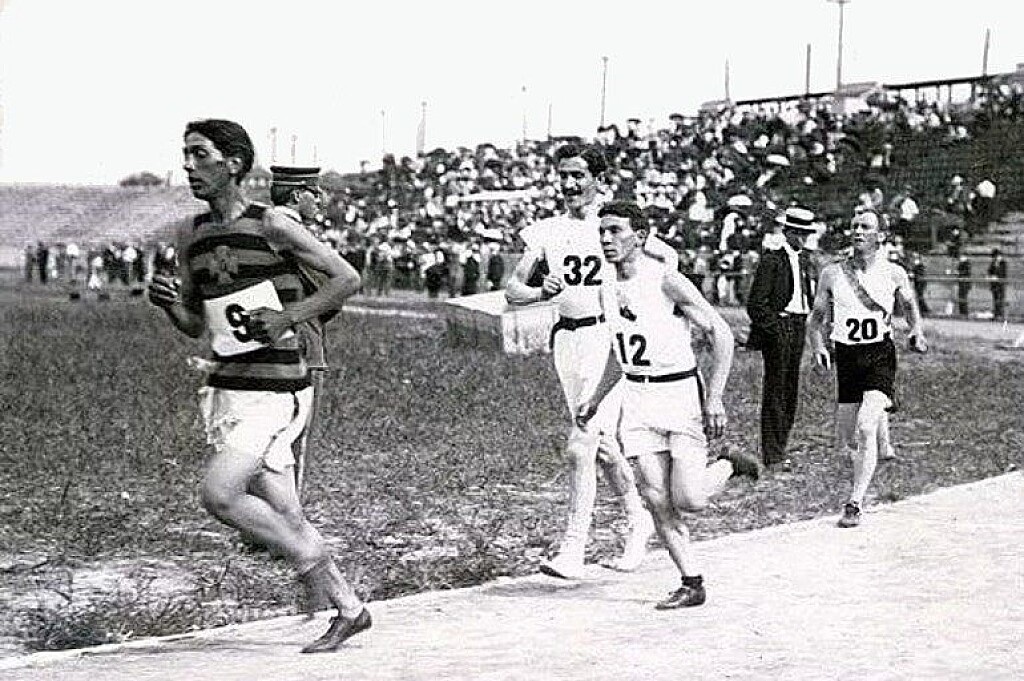
Vintage Olympic track and field gold medal being auctioned for $185,000
The rare gold medal is from the men's 110m hurdles at the 1904 Games in St. Louis.
If you would like to own an extremely rare piece of Olympic history, it will likely come at a cost. Boston’s RR Auction Co. is auctioning the gold medal from the 1904 Olympic Games in St. Louis in the men’s 110m hurdles. Originally priced at US$150,000, the bidding has already increased by almost US$35,000 since it was listed in mid-December.
The St. Louis Games of 1904 were significant in Olympic history as the first Games where prize medals were presented in gold, silver, and bronze to first, second, and third place winners—a tradition that continues to this day. Any winner’s medal from the 1904 Olympics is exceedingly rare, ranking among the most elusive of all Olympic prizes.
The Games were one of the main attractions at the 1904 World’s Fair, which drew 19.7 million attendees on a 124-acre site. The Olympic events were dominated by the U.S., who won 76 of the 97 medals across 16 sports, including a sweep in the men’s 110m hurdles. U.S. national champion Fred Schule won the gold in 16 seconds flat.
Now, 121 years later, the world record for the 110m hurdles stands at 12.80 seconds, set by American Aries Merritt at the Brussels Diamond League in 2012.
According to the RR Auction website, the medal is in amazing condition for its age and includes most of the original ribbon and the case it came in. The medal also bears the event’s name, which varies with each edition of the Games. Each host city has the creative freedom to design its medals, which can result in a variety of styles and/or distinct features.
The 1904 Games marked the first time the U.S. hosted the Olympics, which they have since hosted seven more times (four Summer and four Winter Games). They will host their ninth and tenth Olympics in Los Angeles in 2028 and Salt Lake City in 2034.
The bidding for the medal will end on Jan. 16.
by Marley Dickinson
Login to leave a comment
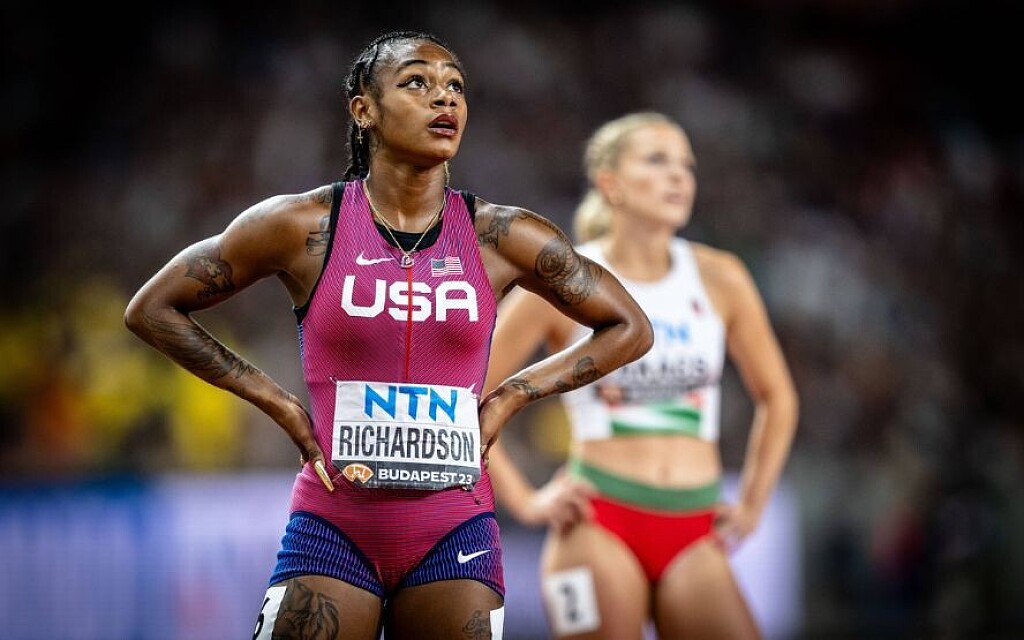
'I literally can’t wait'- Sha'Carri Richardson eyeing LA 2028 after humbling Olympic debut
Sha'Carri Richardson is bubbling with excitement ahead of the LA 2028 Olympics after her successful debut in Paris.
Sha’Carri Richardson is already thinking about the LA 2028 Olympic Games after making her debut at the Paris Olympic Games.
The reigning world 100m champion in an interview with Blavity TV, explained that her Olympic debut was quite a humbling experience and there was a lot she took from that. She explained that there was a lot of lessons to be learnt and she had a great time competing against great women.
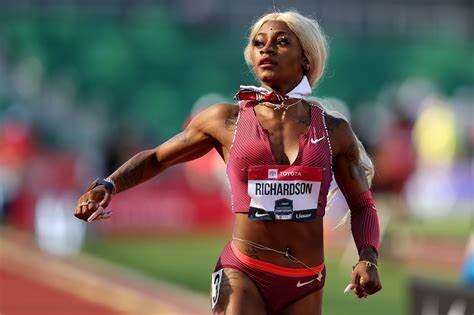
Sha’Carri Richardson went into the Olympic Games hoping to claim her first individual gold medal but failed to live up to the billing. She was certainly the pre-race favourite but Julien Alfred had better legs that day.
Alfred claimed top honours in a time of 10.72 seconds as Sha’Carri Richardson and Melissa Jefferson came in second and third in respective times of 10.87 seconds and 10.92 seconds.
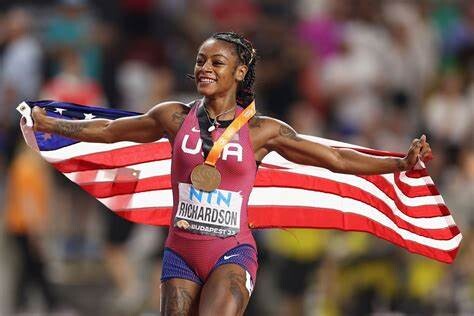
She used the 100m disappointment to go for the title in the women’s 4x100m relay. After tasting Olympic glory, she is already looking forward to the 2028 Olympic Games on home tuff.
“Honestly, competing in Paris, at the Olympics, has been an honour, it has been humbling, it has been fun and I literally can’t wait for LA. I’m almost like jumping like three years ahead because this experience was something like totally unbelievable,” Sha’Carri Richardson said.
Sha’Carri Richardson has had a quite turbulent season this year, starting off with two 200m losses at the Diamond League Meetings in Xiamen and Suzhou. She then claimed her first win of the season at the Prefontaine Classic, the Diamond League Meeting in Eugene.
The world 200m bronze medallist then proceeded to the US Olympic trials where she claimed top honours in the women’s 100m, setting a world leading time of 10.71 seconds and later finished fourth in the 200m, missing out on the Olympic Games.
At the Paris Olympic Games, Sha’Carri Richardson took silver in the women’s 100m then later claimed gold in the relay. She got her sweet revenge over Julien Alfred with a win at the Diamond League Meeting in Zurich. She ended her season with an eighth-place finish at the Diamond League Meeting final in Brussels.
by Abigael Wafula
Login to leave a comment

LA 2028 Summer Olympics Games
Discover how the Los Angeles Candidature Committee describes their vision for the Games and the legacy they plan to leave behind: For centuries, people have been following the sun to California – to a coastal paradise of beautiful weather, inspiring landscapes and an ocean of possibilities. Since it was first settled, LA – the City of Angels – has built...
more...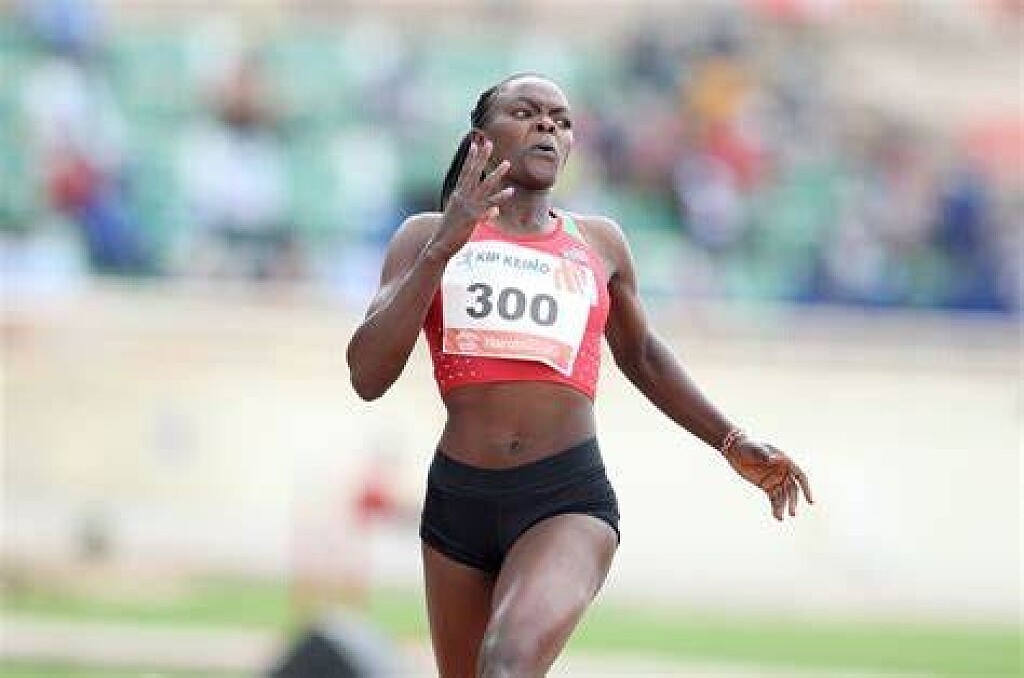
Mary Moraa 'back to the grind' ahead of tough 2025 season
Mary Moraa has resumed training as she plans to defend her world title amid the rise of strong 800m runners including Keely Hodgkinson and Athing Mu.
Mary Moraa has resumed training ahead of a tough 2025 season where she has a huge task of defending her world title at the World Championships in Tokyo, Japan.
The reigning world champion will battle for the title alongside very formidable 800m runners who have emerged this season. The Commonwealth Games champion lines up against Keely Hodgkinson, Tsige Duguma and Athing Mu alongside other 800m athletes.
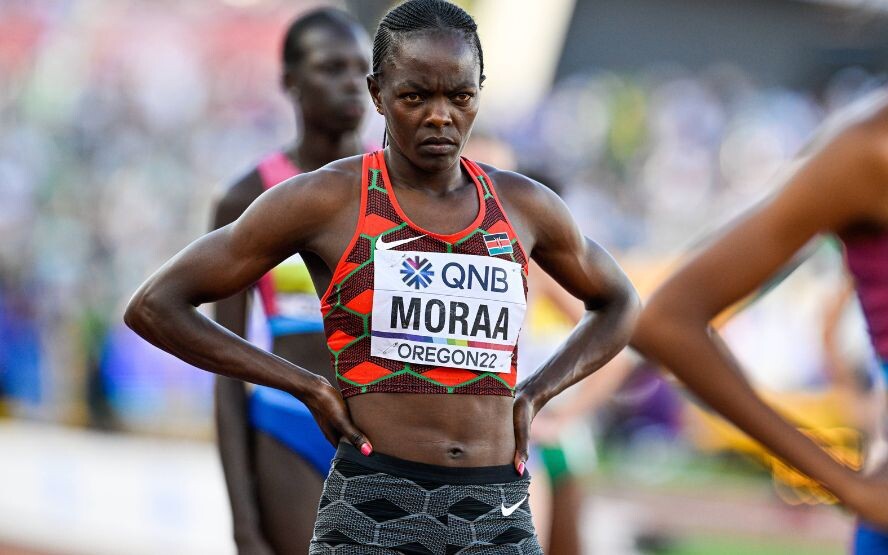
Mary Moraa had a mixed season this year and she will be looking to work on the finer things so as to be ready next season. She was off to a great start to her season, winning the 400m at the African Games then anchored the 4x400m mixed relay team to a bronze medal.
The Kenyan 800m star then proceeded to claim the win at the Kip Keino Classic before reigning supreme at the Diamond League Meeting in Doha and finished second at the USATF Los Angeles Grand Prix and Prefontaine Classic.
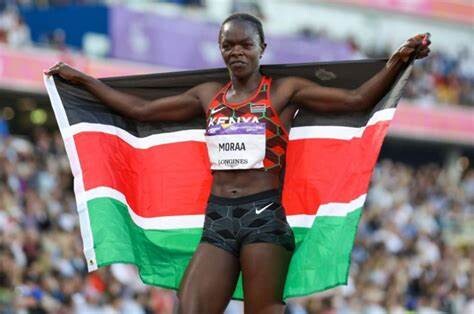
Moraa then finished second at the Kenyan Olympic trials and then won the bronze medal at the Paris Olympics. She bounced back to take the win at the Diamond League Meeting in Lausanne and finished third in Silesia. She won the 600m in a world best time at the ISTAF 2024 and then claimed wins in Zurich and the Diamond League Meeting final in Brussels.
Mary Moraa rounded up her season with a second-place finish at the Athlos NYC. Going back into training, she hopes to polish a lot of things and bounce back stronger to maintain a winning streak in 2025.
“It's about time...back to the grind ?,” Mary Moraa shared in a post on her Facebook page, adding, “Nice morning cruise with Brandon and the gang after a deserved break.”
Her competitors are also not resting on their laurels with Keely Hodgkinson, the reigning Olympic champion, making it clear that she will be going for the world title since it’s one of the titles she has yet to win.
Her coaches, Jenny Meadows and Trevor Painter have also revealed that she will be attacking both the indoor and outdoor world records in the near future.
“There’s no silvers and bronzes, now we have to do gold all the way forward, we don’t want to take any backward step and I just hopefully think that Keely can dominate and we’ve got the indoor world record to go at and in the next couple of years we’ll go after the tough world record. I think she can do it,” Jenny Meadows said.
“If she’s got the leg speed to get closer to her rivals, then they can’t out strength her so it was magic. The indoor one is easier to get than the outdoor but we’ll have a crack of both and see what happens,” Trevor Painter added.
On her part, after a heartbreaking 2024 season marred with injuries and missing out on the Paris Olympic Games, Athing Mu has already started preparation for the 2025 season.
The former world champion noted that the World Championships are her major target for the season and she is working towards making it through the trials and then heading to Tokyo.
“Well, trackwise we have the World Championships in September next year and it’s in Tokyo…first of all I pray we make it through trials and then we make it to that race,” Athing Mu said.
“I feel like it’s going to be a circle moment for me because that’s basically where I started and then I had some highs and lows.”
by Abigael Wafula
Login to leave a comment
Chebet and Aregawi poised to strike in Seville
The Cross Internacional de Itálica in Santiponce on the outskirts of the Spanish city of Seville – the fifth Gold standard meeting in the current World Athletics Cross Country Tour – always boasts a quality line-up, and this year’s race on Sunday (17) features the most prominent line-up so far this season.
Entries for the women’s race, contested over 7.5km, are headed by Kenya’s two-time world cross-country champion and double Olympic gold medalist Beatrice Chebet. The 24-year-old has enjoyed a superb season, topped by her 5000m and 10,000m titles at the Paris Olympics, three months after becoming the first woman to dip under the 29-minute barrier for the latter distance thanks to a 28:54.14 clocking in Eugene on 25 May.
Chebet, who is also the reigning world champion and world record holder for the road 5km, will be making her third appearance here following her runner-up spot in 2020 and her third place in 2021. It will be her first race since her 14:09.82 5000m victory at the Diamond League Final in Brussels.
She will start as the overwhelming favourite for the victory, though she’ll face quality opposition in the form of compatriot Mercy Chepkemoi and Kazakhstan’s Daisy Jepkemei. The latter finished seventh at this year’s World Cross Country Championships in Belgrade, and more recently she captured a commanding win in Atapuerca last month.
Chepkemoi is fresh from a fine win in Cardiff last Saturday. She placed fourth over 5000m at the World U20 Championships in Lima in August, finishing just behind bronze medalist Charity Cherop of Uganda, who will also be racing in Santiponce this weekend.
The line-up also comprises Diana and Sharon Chepkemoi, who finished third and seventh respectively in the steeplechase in Lima. Both also competed in Soria last Sunday where they finished third (Diana) and fourth (Sharon).
Meanwhile, France’s Alice Finot, who set a European record of 8:58.67 when finishing fourth in the steeplechase at the Paris Olympics, will be contesting just her second cross-country race in the past seven years.
Portugal’s Mariana Machado recently finished sixth in Atapuerca, sandwiched between Spanish cross-country champion Carolina Robles and Olympic 1500m finalist Agueda Marques who finished fourth and seventh respectively there, closely followed by Maria Forero, the 2022 European U20 cross-country champion. All of them will renew their rivalry this weekend.
European 5000m bronze medalist Marta García, meanwhile, will be making her only cross-country outing of the winter before focusing on the indoor season.
The men’s race has been reduced to 7.5km which plays into the hands of the middle-distance specialists. But that shouldn’t be a problem for Olympic 10,000m silver medalist Berihu Aregawi, as the Ethiopian is also the third-fastest man in history over 3000m.
The 23-year-old opened the year in style by retaining his silver medal at the World Cross Country Championships in Belgrade before setting a 10,000m PB of 26:31.13 in Nerja. Following his Olympic silver in Paris, he clocked an Ethiopian record of 7:21.28 for 3000m and won the 5000m at the Diamond League Final in Brussels.
Sunday’s race will be Aregawi’s first cross-country outing this season, but fellow Etiopians Ayele Tadesse and Wegene Addisu have already made a mark on the tour, finishing second and fourth respectively in Soria last weekend.
Yet Aregawi’s fiercest opposition should come from Burundi’s Rodrigue Kwizera and Spain’s Thierry Ndikumwenayo. Kwizera is still unbeaten this cross-country season, having won in Amorebieta, Atapuerca and Soria. He has successively finished first, second and third on his appearances in Seville over the past three years.
Meanwhile, his training partner Ndikumwenayo – winner in Seville in 2022 – is the European 10,000m bronze medallist and lowered his 10,000m PB to 26:49.49 for ninth place at the Paris Olympics. Ndikumwenayo will travel to Seville from his altitude stint in Sierra Nevada where he’s building up for the European Cross Country Championchips in Antalya on 8 December.
Watch out too for Uruguay’s Santiago Catrofe. He boasts PBs of 7:37:15 for 3000m and 13:05.95 for 5000m and was a surprise winner in San Sebastian two weeks ago when he kicked away from Uganda’s Martin Kiprotich, who’ll also be in contention on Sunday.
Kiprotich will be joined by his compatriots Kenneth Kiprop, Dan Kibet and Hosea Kiplangat. The former is the world U20 5000m bronze medallist and triumphed in Cardiff where Kibet had to settle for third.
The Spanish charge will be led by European indoor 3000m silver medallist Adel Mechaal, US-based Aarón Las Heras, national 10km record-holder Abdessadam Oukhelfen, and the always consistent Nassim Hassaous.
Past winners in Seville include Fernando Mamede (1984 and 1985), Paul Tergat (1998 and 1999), Paula Radcliffe (2001), Kenenisa Bekele (2003, 2004 and 2007), Faith Kipyegon (2016), Joshua Cheptegei (2018) and Jacob Kiplimo (2019).
Temperatures between 22-24C are predicted for the time of the elite races on Sunday.
by World Athletics
Login to leave a comment

Cross internacional de Italica
The Cross Internacional de Itálica is an annual cross country running competition it will be held on 21st of November in Santiponce, near Seville, Spain. Inaugurated in 1982, the race course is set in the ruins of the ancient Roman city of Italica. As one of only two Spanish competitions to hold IAAF permit meeting status, it is one of...
more...
How an Indian tech company built a $19 billion brand by sponsoring the New York City marathon
Typically, when a company decides to sponsor a major event, it is looking to build awareness throughout a broad cross section of consumers for its products. So when TCS, the tech services unit of Tata Group, a large Indian conglomerate that is hardly a household name in the U.S., first announced it would be the title sponsor of the New York City marathon in 2013, it was a bit of a head-scratcher.
After all, TCS sells its services to businesses, not individual consumers, nor is it in the running business. But on the eve of the 10th anniversary of the first race in that sponsorship, which has since been renewed through 2029, TCS chief marketing officer (second photo) Abhinav Kumar says it has been a massive success. “It’s a phenomenal, phenomenal event for engagement,” Kumar tells Fortune in an interview over Zoom, speaking from his office in Brussels. Kumar cites a statistic from an outfit called Brand Finance, saying that the TCS brand is now worth $19.2 billion, up almost ninefold from 2010, thanks in large part to growing awareness of the name.
When TCS announced the sponsorship with the New York City marathon organizer, New York Road Runners, it was already the sponsor of a race in Mumbai, where it is headquartered, and the Amsterdam marathon. But it was also sponsoring events in other sports like cricket, and TCS realized it would be better off concentrating its efforts in one sport. (It still sponsors a Formula E event, but otherwise it’s focused on running.)
Since landing New York’s marathon, TCS, which spends $40 million a year on sports sponsorships, has picked up the London and Toronto marathons, with the recent addition of Sydney, Australia. In all, TCS sponsors 15 road races around the world, all but two of them marathons. (It is the title sponsor for most of those races, but for the Chicago and Boston marathons it is the technology sponsor only, not the title sponsor.)
Consolidating its sports sponsorship dollars into one sport is allowing TCS to get more marketing bang for its buck by creating visibility more regularly throughout the year, rather than diffusely at unrelated events, Kumar adds. So while this sponsorship is unusual in that it is not by a brand like New Balance, Brooks, or Nike looking to sell to consumers, it raises TCS’s visibility very strategically, reaching as many people as possible through a relatively small number of major events. The New York City marathon is the biggest in the world with more than 50,000 finishers and hundreds of thousands of spectators lining the 26.2-mile run through the city’s five boroughs.
“Our industry, our product is invisible,” says Kumar. So the focus on running allows TCS, which is part of the massive Tata Group, crucially to get in front of a lot of executives given running’s deep reach into the professional class. “We are engaging with 4,000 business executives with our running platform. But we also see a rise in the sport, and the corporate sector is taking up fitness in a big way,” he says.
TCS’s sponsorship work with the big marathons goes beyond just slapping its name on the race. For the 2014 New York marathon, TCS built an app for both athletes and spectators. (TCS’ predecessor as the New York marathon sponsor was Dutch bank ING, which had planned on using the sponsorship to develop a larger retail banking presence in the U.S., a business from which it has since withdrawn.)

Over the years, the New York City marathon app has grown more sophisticated with a view to making the race what Kumar calls “the most technologically advanced marathon.” For years, the app offered athlete tracking. And then two years ago, TCS added live broadcast capabilities, enabling the race to be seen in 150 countries, bringing the event to new audiences.
Now TCS is tinkering with augmented reality and last year created what it calls the first digital heart of a professional runner, namely prominent female marathoner Des Linden, meaning it helped build a digital twin that allowed her to measure her health and performance and transform her training. Kumar says he hopes the tech can eventually help a runner finally break the two-hour marathon barrier. But perhaps more crucially, this aspect of the sponsorship allows TCS to showcase its tech in a way that could garner interest from clients like health care providers and medical device makers.
“It’s an opportunity for us to get our brand engaged with a larger set of people in an experiential manner,” says Kumar. Still, don’t expect TCS to go around snapping up all that many more races, given the costs of sponsorship. The marathons TCS wants to sponsor are typically large events in gateway cities and where it has a large business presence.
There’s a personal side to this story, too, Kumar says. TCS’s former CEO N. Chandrasekaran took up running for health reasons. To spread the word about the value of running for health and wellness, he created a health app for employees years ago. Now, of the 600,000 TCS employees, some 200,000 are runners at a variety of distances, says Kumar, who despite his nickname as TCS’s “chief marathon officer,” a play on the CMO title, does not himself run.
“It’s become part of the identity of our company, and it’s unleashed this revolution of wellness inside our company,” says Kumar.
by Phil Wahwa (Fortune)
Login to leave a comment

Four essential vitamins and minerals to keep runners strong this winter
The harsh months of winter are just around the corner–and for some runners, their immune system, along with their mood, could plummet along with the warm weather. Give yourself a head start by supplementing your body with these essential nutrients that will keep you strong–mentally and physically–when cold season arrives with the cold weather.
1.- Vitamin D
Vitamin D is a unique vitamin–your body can produce it when exposed to sunlight. As the days get shorter and the sun disappears earlier, the amount of the vitamin synthesized by your body declines. It will also decline with sunscreen use, increased melanin and older age.

Vitamin D’s role
Boosts immune system
Helps with calcium absorption
Builds and maintains strong bones and teeth
Regulates mood
Foods with vitamin D
Vitamin D doesn’t occur naturally in many foods–other than fortified foods, where vitamin D has been added. Foods that do provide some include:
Egg yolk
Fatty fish
Unsweetened low-fat milk
Unsweetened plant-based milk fortified with vitamin D
Supplementing with vitamin D
The easiest way to ensure you’re getting adequate vitamin D, especially in winter, is by taking a supplement; these can come as tablets, capsules, liquid or spray. Sources recommend at least 600 IU (15 mcg) per day for adults, without exceeding 4,000 IU (100 mcg). You can buy supplements at drugstores, health food stores and department stores.
2.- Vitamin C
People usually suggest loading up on vitamin C (ascorbic acid) when you get sick to improve your recovery time–but at that point, it may be too late for the vitamin’s immunity benefits to be effective. Studies have shown that taking vitamin C over a longer period of time may slightly reduce the duration of a cold and the severity of the symptoms.
Vitamin C’s role
Boosts immune system
Helps with iron absorption
Helps with repair and growth of all tissues (bones, cartilage, skin and blood vessels)
Acts as an antioxidant, protecting cells against daily damage
Foods with vitamin C
Citrus fruits
Bell peppers
Brussels sprouts
Broccoli
Snow peas
Fruits such as kiwi, strawberries, peaches, papaya and guava
Leafy vegetables such as kale and arugula
Tomatoes
Potatoes
Supplementing with vitamin C
While it’s easy to get vitamin C through your diet, supplements are also available. Daily necessary vitamin C dietary intake is at least 75 mg for women and 90 mg for men. Sources suggest supplementing 250-500 mg twice a day to provide maximum benefit. The upper limit for adults is 2,000 mg per day, but stomach pain or diarrhea may result from taking more than 1,000 mg. Vitamin C can be taken as capsules, tablets, chewables or a powder.
3.- Omega-3
Omega-3 fatty acids have their fair share of diverse benefits, but studies have shown that supplemental omega-3s, which are taken in fish oil or fish oil capsules (to mask the taste), may not provide the same benefits for heart health as food sources. ALA, DHA and EPA are the three main types of omega-3 fats found in food.
Omega-3’s role
Regulates serotonin levels and improves low mood
Reduces risk of developing heart disease (lowers blood pressure, triglyceride levels and prevents blood clots)
Reduces pain and inflammation
Improves cognitive function
Foods with omega-3
ALA (found in plant oils)
Flaxseed oil, canola oil, walnut oil, soy oil
Chia
EPA and DHA (fatty fish and seafood)
Salmon, herring, sardines, tuna
Omega-3-rich eggs and milk
Supplementing with omega-3
Prioritize getting your omega-3s through your diet, but if supplementing, make sure your supplement contains EPA and DHA, and be sure to check the content of each (it will likely be 30 per cent omega-3s and 70 per cent other fats). Recommended daily intake for combined EPA and DHA is 250-500 mg, while total omega-3s is 1,100 mg for women and 1,600 mg for men.
Note that fish oils are perishable (so try not to buy them in bulk), and omega-3s will be best absorbed when taken with fatty meals.
4.- Iron
Iron is a mineral that has the critical role of creating hemoglobin, a protein in red blood cells that carries oxygen to tissues around the body. First signs of iron deficiency include fatigue and headache, as your body isn’t getting the oxygen it needs–this can significantly impact your ability to perform athletically, especially for runners. Your cracked lips, paler-than-usual skin and cold hands and feet may not be just from the chilly, dry weather–these may be signs of low iron.
Iron’s role
Improves energy levels
Improves body temperature regulation
Boosts endurance exercise performance
Improves cognitive and immune functions
Foods with iron
Oysters
Red meat
Liver
Legumes
Spinach
Tofu
Dark chocolate
Fortified breakfast cereals
Supplementing with iron
Your body can sometimes have difficulty absorbing iron; vegetarians may also need to take iron supplements, which are available over-the-counter, to replace what red meat provides. Runners, in particular, need higher levels of ferritin than the general population; your doctor may not consider sub-optimal ferritin levels “low,” so be sure to let them know you’re a runner, and that you’re aware that athletes require more iron.
Women aged 19-50 are most at risk for iron deficiency from losing blood through monthly periods, and are recommended to consume 18 mg of dietary iron daily. Men over age 19 and post-menopausal women are only recommended a daily intake of 8 mg.
Too much iron from supplements can cause constipation or stomach pain. Take vitamin C with iron to increase absorption, and avoid taking with caffeine and calcium (milk, cheese, yogurt), which can impede absorption.
by Cameron Ormond
Login to leave a comment

Thanksgiving foods to avoid before your turkey trot
With Thanksgiving just days away, it’s hard not to get excited about your favourite holiday dishes—roast turkey, stuffing, mashed potatoes, and, of course, pumpkin pie for dessert. You might also be planning a run along your favourite scenic trail, now that the crisp autumn weather has arrived. To make sure you can enjoy your turkey trot without any post-feast regrets, here are a few foods you might want to go easy on the night before your run.
Stuffing


Indulging in some stuffing might seem like the perfect way to carb-load, but it won’t benefit your run as much as you’d think. The white bread typically used is high on the glycemic index, meaning it causes your blood sugars to spike, and then crash. Opting for complex carbs, such as squash or sweet potatoes, will raise your blood sugar slowly, supplying you with more energy over an extended period of time.
Mashed potatoes and gravy
Your favourite mashed potatoes and gravy might be loaded with sodium, which can leave you dehydrated during a run, and fat, which takes longer to digest and could still be sitting in your stomach. This is especially true if you’re using boxed or canned potatoes. Making these dishes from scratch lets you cut back on added salt and butter, helping avoid any belly troubles.
Turkey drumsticks
Turkey is a lean protein that can help with muscle repair without being really high in fat–if you eat white meat (over dark). The dark meat and turkey legs are lower in protein and higher in fat, making them less ideal, and the skin is the fattiest part entirely. If you’re prone to having a sensitive stomach on a run, sticking to primarily white meat can help you avoid that sluggish feeling.
Cruciferous vegetables
Veggies that are part of the cruciferous family are high in fibre; this includes broccoli, Brussels sprouts, cabbage, cauliflower and kale. Fibrous foods can increase bloating, cause digestive discomfort and even leave you dehydrated–all things you don’t want to deal with when exercising.
Overall, avoiding overeating and straying from your regular pre-run foods are the best ways to ensure you don’t feel like a turkey when you hit the trails.
by Running Magazine
Login to leave a comment
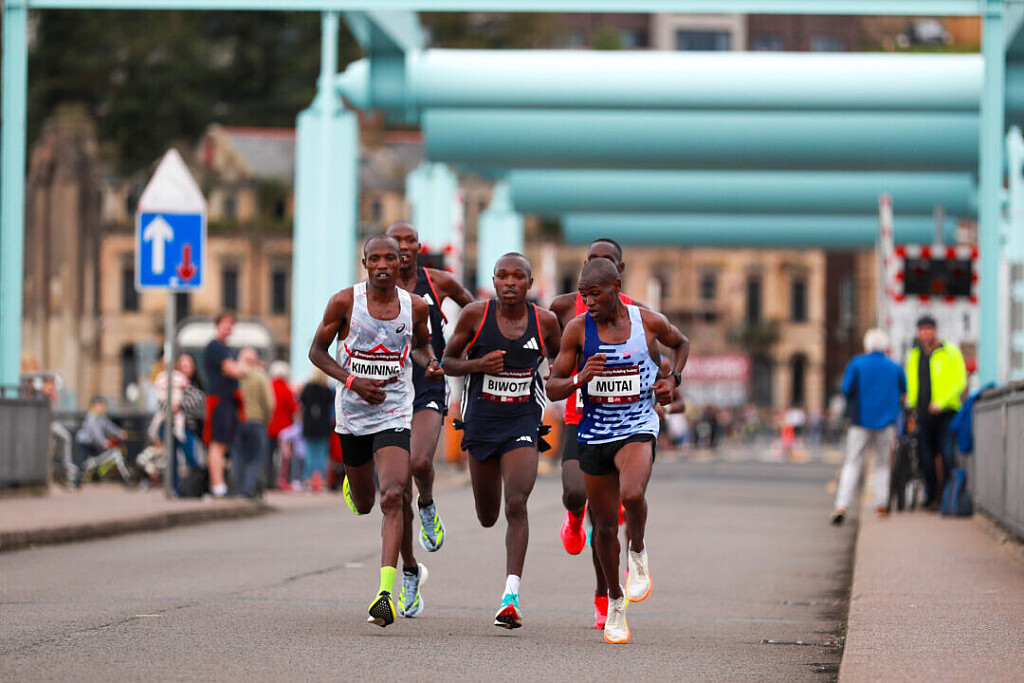
Competitive elite fields will contest the 21st edition of the Cardiff Half Marathon
A string of established Kenyan athletes will be chasing fast times somewhere underneath the course record of 59:30 in the men’s race. Meanwhile, a strong field that includes two-time European Cross Country Champion Fionnuala McCormack is set to contest the women’s race.
Cardiff is the penultimate venue in the 2024 Superhalfs Series. It holds a prestigious World Athletics Elite Road Race Label and hosts the Welsh Half Marathon Championships annually.
Elite Men
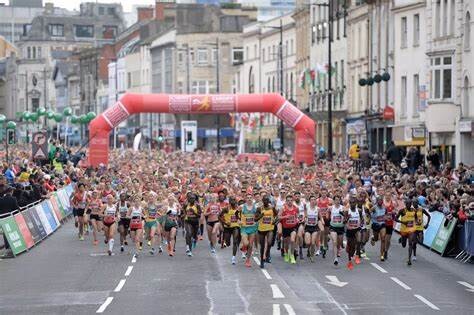
Benard Ngeno (59:07) is the fastest athlete on paper owing to an impressive lifetime best set at the Trinidad Alfonso Valencia Half Marathon in 2019, finishing second at the world’s top race over the distance. Cosmas Boi (59:29) comes to the City following a solid block of training that indicates a new P.B. could be possible. Perhaps his greatest accolade to date was a victory at the 2023 Stramilano Half Marathon.
Patrick Mosin (59:31) is the next fastest and was the winner of the 2023 Lille Half Marathon but more notably third at the Prague Half Marathon that was won by the current World Half Marathon Champion Sebastian Sawe in April.
Bravin Kiptoo (59:37) is the 2019 African U20 Champion over 10,000m showing winning pedigree and then finishing as the third placer at the Birrell Grand Prix later that year and is joined by Antony Kimtai (59:45), the winner at Stramilano for 2024 and the runner-up at Napoli Half Marathon setting his P.B. a month earlier.
Vincent Kigen (59:48) was second at the Seville Half Marathon in January and again at the Malaga Half Marathon in March and Vincent Mutai (60:20) will make a third trip to the City as last year’s surprise winner and with a second place at the Cardiff Cross Challenge from November to his name.
Kento Nishi (61:09) of Japan, Ethiopian Man Enyew Nigat (61:17) and Tanzania’s Josephat Gisemo (64:27) will add further International flavour to a mainly Kenyan front of the field. Nishi is a 2:08:11 Marathon man, Nigat was seventh at the Yangzhou Half Marathon earlier this year and Gisemo was the runner up at the 2024 Generali Geneva Marathon.
Ben Connor (60:55) is the fastest British man and tackles the Cardiff course for the first time. Connor is the sixth fastest Briton in history and has shown recent fitness with an impressive second place at the re-scheduled English National Cross Country Championships in September.
Jonathan Collier (64:37) and William Bryan (64:58) are the remaining British Athletes who have dipped under 65 minutes in the past. Ciaran Lewis (65:17) is the fastest Welshman in action but is likely to face stiff opposition to the National title from Dan Hamilton (65:57) and Dan Nash (66:16).
Elite Women
Twice European Cross Country Champion Fionnuala McCormack (69:32) will make her Cardiff debut on Sunday. McCormack claimed her titles at Valenje, Slovenia in 2011 and at Budapest in 2012. Since then the Wicklow woman has become the second fastest Irish athlete in history over half marathon and over the full marathon distance. She became the first female Irish athlete in history to compete at five Olympic Games’ in Paris this summer.
Nelly Jepchumba (67:00) is the fastest entrant and was the winner at the Rio De Janeiro Half Marathon in August and the winner at the prestigious 2021 Madrid Half Marathon. Miriam Chebet (67:14) was the runner up at the Istanbul Half Marathon and notably the winner at the Ibiza 10k in 30:40.
Ethiopian Anchinalu Dessie (67:30) is another winner of the Stramilano Half Marathon in action here and was fourth at the Valencia Ibercaja 10k in 2022 with 31:01, an event that has recently been acknowledged as the World’s top annual road race.
Caroline Nyaga (67:36) is an exciting late edition to the race and will be chasing a huge new lifetime best. Nyaga is the 2022 African Champion over 10,000m and has a best over 5,000m of 14:30 set finishing fifth at the Diamond League final in Brussels last month. Daisy Kimeli (68:34) was the winner at the 2019 Trabzon Half Marathon and Adane Anmaw (69:47) was third at the Yanzhou Half Marathon.
Perhaps the most exciting prospect in women’s race however is Grace Nawowuna (debut) who will make her debut here but was fourth at the World Cross Country Championships in Bathurst in 2023 and has a 29:47 best for 10,000m. Nawowuna is likely to chase the early pace with Nyaga.
Polish Athlete Sabina Jarzabek (72:42) will be making the trip to Cardiff. She is a former Polish champion over 5km and 10km.
Olivia Tsim (73:38) claimed Bronze medals at the Welsh Half Marathon Championships here in 2022 and 2023. The Pontypridd Roadent will be in racing action after giving birth this summer. Alaw Evans (75:00) was the winner of the Cardiff 10k last year and is likely to be contesting for the Welsh title this time.
Australia’s Isabelle Pickett (75:36), Charlotte Taylor (75:46) and Ellen Feringa (75:54) of Philadelphia Runners Track Club are next fastest.
by FR Newsdesk
Login to leave a comment

Wizz Cardiff Half Marathon
The Cardiff University/Cardiff Half Marathon has grown into one of the largest road races in the United Kingdom. The first event took place back in 2003. The event is not only the UK’s second largest half marathon, it is Wales’ largest road race and Wales’ largest multi-charity fund raising event. The race is sponsored by Cardiff University and supported by...
more...
Paris bans plastic bottles from races
On Monday, Paris City Hall announced a ban on single-use plastic in all its races, including the Paris 20 km in mid-October and the Paris Marathon.
Didn't get to crisscross the Paris asphalt during the Paris 2024 Olympics' Marathon pour Tous ("Marathon for Everyone")? You'll have a chance to make up for it on October 13, with one of the many races taking place in the capital, the 46th annual Paris 20-kilometer race.
But don't forget your water bottle. At the press conference presenting the event on Monday, September 23, Pierre Rabadan, deputy mayor of Paris responsible for sports, confirmed that the ban on single-use plastic bottles would come into force.
"In Paris, you won't be able to organize a race if you use plastic bottles, it's as simple as that," assured the 44-year-old former rugby player, in remarks reported by sports paper L'Equipe. "It was one of the objectives of the Olympic legacy. We have to reduce the use of single-use plastic in our daily lives, and sport has to get on board. It's an evolution, and even a revolution for the organizers."

No fewer than 13 races will be held in Paris between now and December 31, for a total of some 50 events a year – including the Paris Marathon and Half Marathon, which attract around 50,000 runners. In these races, particularly the longer ones, over a million bottles are used each year to rehydrate runners – "who generally only take two or three sips before throwing it away.
I know because it's happened to me too when I used to take part in races," insisted Rabadan. So that's the end of the individual bottles cans, or cartons, which are to be replaced instead by reusable water bottles and reusable cups. The City of Paris has invested in a stock of 100,000 of these cups, which it can lend to race organizers.
Target 'zero single-use plastic' for the Olympics
During the Olympic marathon, however, competitors were granted a dispensation to continue using bottles – to avoid the risk of contamination, or even doping, according to the organizing committee – and elite athletes could continue to benefit from such policies. "It's all about the masses and all the other participants who aren't gambling their season on a race," said Paris's deputy mayor for sports.
Drawing inspiration from initiatives in Munich, Amsterdam and San Francisco, but above all from the refill London campaign (2018) across the Channel and the Brussels 20 km, the city has been working since 2019 to achieve the goal of "zero single-use plastic," for the hosting of the Olympic and Paralympic Games, which have claimed to be the greenest in history. This is a legacy that must live on.
Nevertheless, through the International Olympic Committee's (IOC) game of "world" sponsors, the American giant Coca-Cola – the world's leading "plastic polluter" according to the NGO Break Free from Plastic's 2023 ranking – was entrusted with the exclusive distribution of drinks at the 2024 Olympics. Numerous associations, including France Nature Environnement, Zero Waste France and No Plastic in My Sea, awarded the IOC partner the greenwashing medal.
The soda producer promoted its fountains, returnable cups and glass bottles. But over 40% of the total drinks distributed were poured into an eco-cup from... a plastic bottle. The kind of bottle that should no longer be seen at Parisian races.
by Sports department
Login to leave a comment

Les 20K de Paris
The 20 Kilometers de Paris (Paris 20 km) is an annual road running competition over 20 kilometers which takes place on the streets of Paris, France in October. First held in 1979, the race attracts top level international competitors and holds IAAF Bronze Label Road Race status. The competition was the idea of Michel Jazy, a French runner who was...
more...