

Running News Daily
Running News Daily is edited by Bob Anderson and team. Send your news items to bob@mybestruns.com Advertising opportunities available.
Index to Daily Posts · Sign Up For Updates · Run The World Feed
Articles tagged #3:42.66
Today's Running News
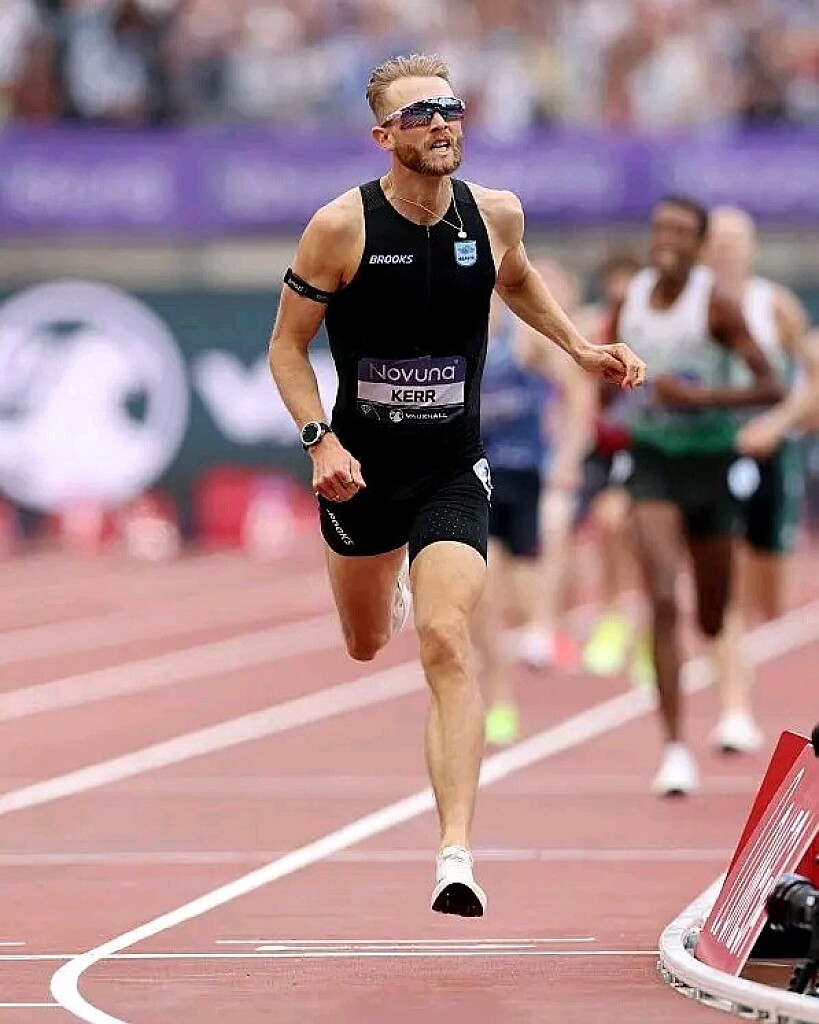


Josh Kerr Returns To Murrayfield As A World Champion To Deliver Scotland’s Match Ball Against New Zealand
Scottish athletics star Josh Kerr is preparing for a memorable return to his sporting roots when he delivers the match ball ahead of Scotland’s highly anticipated clash against New Zealand in the Nations Championship on November 7, 2026, at Murrayfield Stadium.

For the Edinburgh-born middle-distance runner, the occasion represents far more than a ceremonial appearance before an international rugby match. It brings him back to a stadium closely connected to his childhood dreams, his family’s sporting heritage and his lifelong admiration for Scottish rugby.
Kerr, 29, has established himself as one of the leading figures in world athletics, winning major championship titles and rewriting the record books. Yet, long before he became an internationally recognised runner, he grew up in a family where rugby occupied a special place.
His father, John Kerr, represented Scotland A, while his older brother, Jake Kerr, earned a senior Scotland cap in 2019. Growing up surrounded by the sport, Josh once dreamed of representing Scotland himself in front of a packed Murrayfield crowd.
Although his career ultimately took a different direction, his achievements on the track have now created an opportunity to return to the famous stadium in an extraordinary way.
Describing the occasion as a “huge honour,” Kerr will take centre stage before Scotland face the formidable challenge of the All Blacks, one of international rugby’s most celebrated teams.
The fixture carries considerable significance for the hosts, who will be seeking their first-ever victory over New Zealand. With Murrayfield expected to provide an electric atmosphere, Kerr’s involvement adds another personal story to an occasion steeped in sporting tradition.

His appearance also comes after a remarkable season in which he has continued to demonstrate his versatility and competitive strength at the highest level of athletics.
Kerr won the men’s 3,000 metres at the World Athletics Indoor Championships in Poland before producing a historic performance in London, where he set a mile world record of 3:42.66. He later claimed victory in the 1,500 metres at the Ultimate Championship in Budapest, further underlining his status among the world’s elite middle-distance runners.
His world mile record carries a particularly interesting connection to New Zealand, the homeland of legendary runner John Walker, who held the previous world record for several years during the golden era of middle-distance running.
Walker’s achievements helped establish the mile as one of athletics’ most prestigious events, and Kerr’s ascent to the top of the same record books has created a remarkable link between two generations of champions.
Reflecting on that achievement, Kerr said: “To now hold that same record is something I’m incredibly proud of.”
The connection adds another layer of sporting significance to his appearance before Scotland take on the All Blacks. Although the two sports demand different skills, both celebrate the same qualities of determination, courage and the pursuit of excellence.
Murrayfield itself has witnessed numerous unforgettable occasions throughout its history. Among them is the emotional match-ball delivery by the late Doddie Weir in 2017, a moment recently voted the greatest in the stadium’s 100-year history. Weir, the former Scotland international who became a prominent campaigner for motor neurone disease awareness, left a lasting legacy that extended well beyond rugby.
Kerr’s appearance will provide another opportunity to celebrate the connection between sporting achievement and personal history, although his own story is distinct from Weir’s extraordinary legacy.
For the Edinburgh-born runner, the significance lies in returning to a place he once associated with a dream of representing his country in rugby. Instead, he will arrive as a world champion in another discipline, carrying the accomplishments of an exceptional athletics career.
From winning global titles to breaking the mile world record, Kerr has already created a lasting place for himself in Scottish sporting history. His visit to Murrayfield offers a different kind of milestone, bringing together his family’s rugby heritage and his own success on the international stage.
When Scotland welcome New Zealand on November 7, Kerr will not be lining up for a race or chasing another record. He will instead deliver the match ball before thousands of supporters, celebrating the sport that helped shape his childhood while representing a country whose colours he has carried to the summit of world athletics.
Sometimes, a sporting journey does not lead to the destination first imagined. For Josh Kerr, however, it has brought him back to Murrayfield with a world record, championship gold and a lifetime of memories behind him.
by Erick Cheruiyot for My Best Runs.
Login to leave a comment
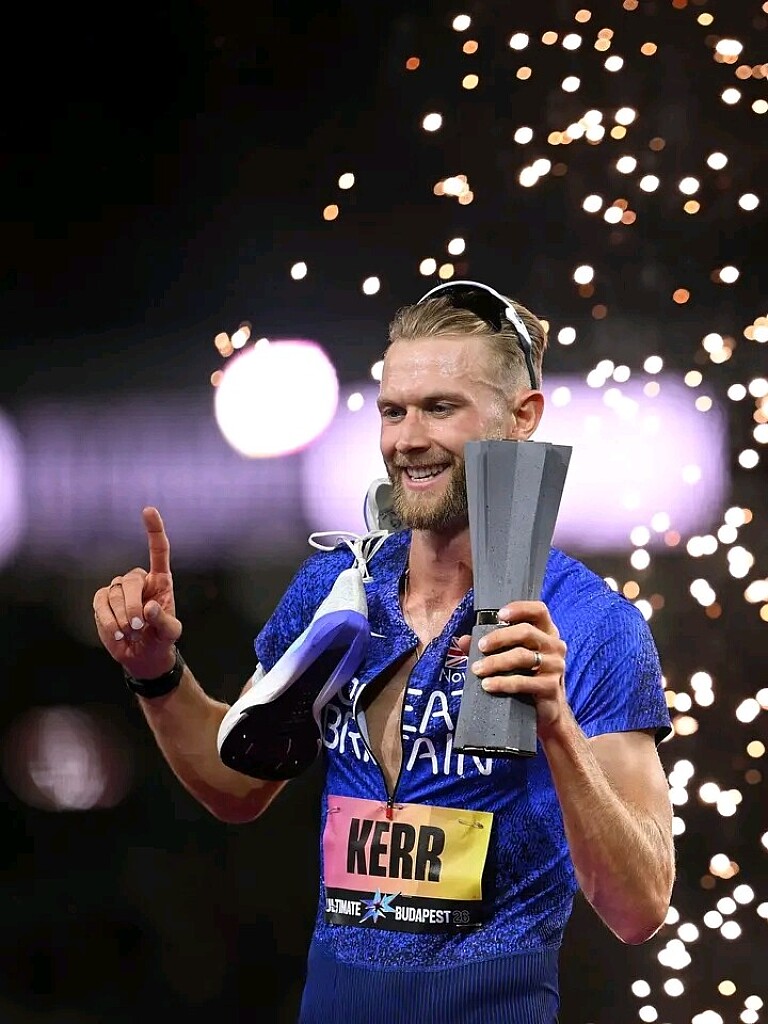
Josh Kerr Does It Again In Budapest As British Star Claims Ultimate 1500m Crown
“I’m not going to lose.” He said it. Then he delivered.
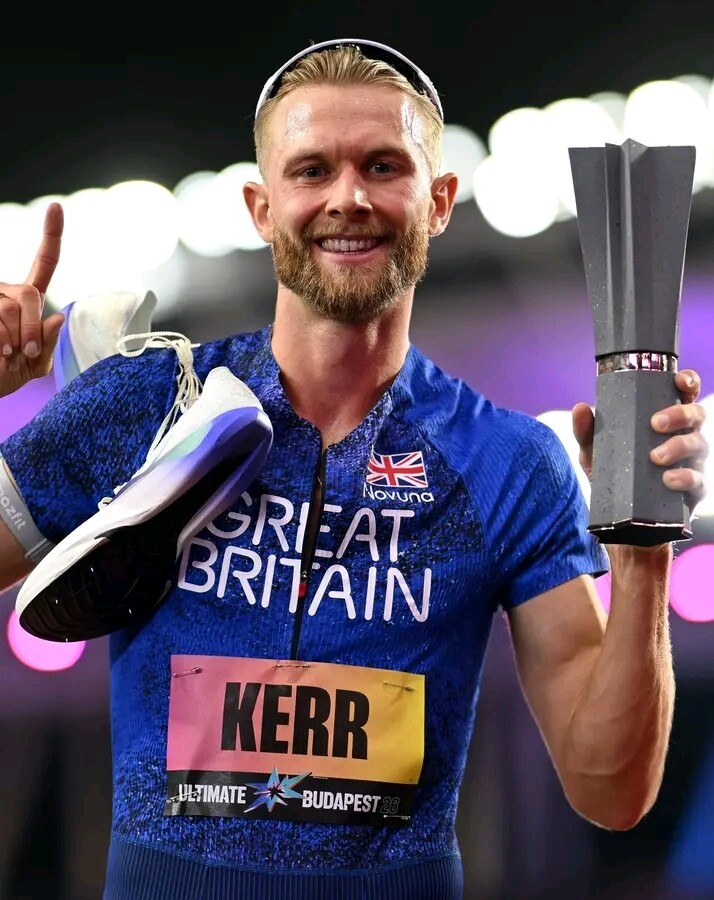
Josh Kerr has conquered Budapest once again, adding another huge title to an extraordinary 2026 season by winning the men’s 1500m at the inaugural World Athletics Ultimate Championship.
The British world mile record-holder produced a superb 3:29.35 to take the Ultimate Championship crown, using a devastating final kick to hold off Australia’s rising star Cameron Myers in the closing stages.
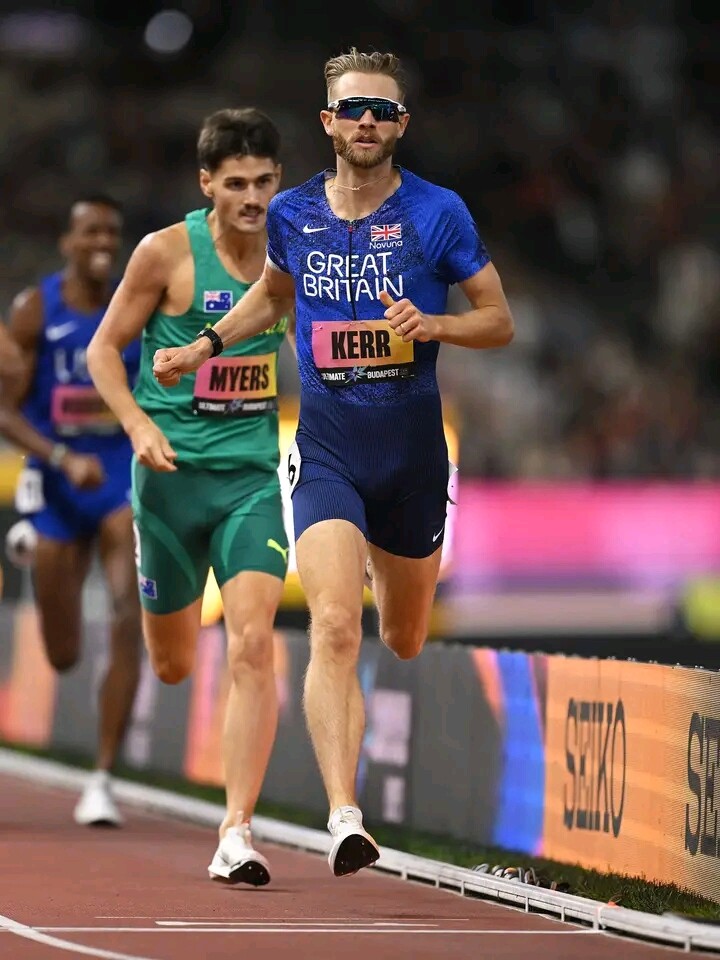
Myers pushed Kerr all the way to the finish, but the British star remained composed under pressure before finding another gear when it mattered most. The Australian crossed the line in 3:29.68 to secure second place, just 0.33 seconds behind the champion.
American Hobbs Kessler completed the podium in 3:30.73, while Olympic champion Cole Hocker finished fourth in 3:30.74, narrowly missing out on a medal by just one hundredth of a second.
For Kerr, the victory carries an added layer of significance because Budapest has already played a defining role in his career.
It was here in 2023 that Kerr produced one of the biggest shocks of that year’s World Championships, stunning Jakob Ingebrigtsen to become the world champion over 1500m. Three years later, he has returned to the same city and conquered it again.
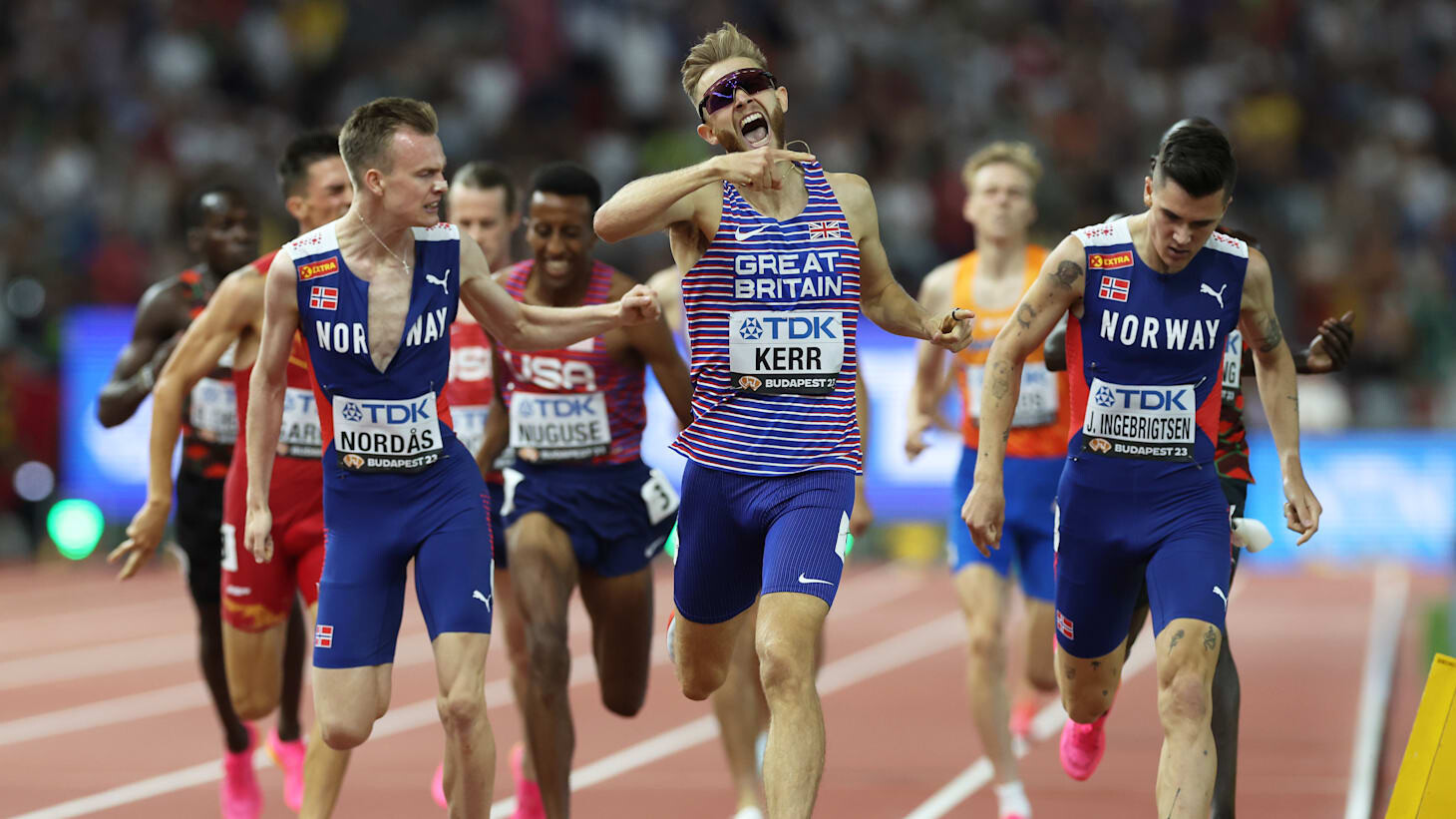
Budapest belongs to Kerr once more.
The British star arrived at the Ultimate Championship after putting together a remarkable 2026 campaign. Among the highlights was his sensational 3:42.66 mile world record in London, where he finally broke a mark that had stood for 27 years.
Kerr also added Commonwealth Games gold to his growing collection of major honours, further establishing himself as one of the dominant middle-distance athletes of his generation.
The Budapest final was expected to provide another chapter in the growing rivalry between Kerr and Ingebrigtsen. However, Ingebrigtsen’s late withdrawal meant the much-anticipated rematch never materialised.
Even without the Norwegian superstar, Kerr had no shortage of formidable opposition. The field featured Olympic champion Cole Hocker, world champion Isaac Nader and Yared Nuguse, while Myers arrived as one of the most exciting young talents in international middle-distance running.
The unique Ultimate Championship format also raised the stakes. With no heats and no second chances, every athlete had only one opportunity to deliver on the biggest stage.
Kerr appeared to embrace that pressure.
Rather than allowing the quality of the field to dictate the race, he stayed patient and waited for the decisive moment. As the final metres approached, the British star unleashed the finishing speed that has become one of his greatest weapons.
Myers fought desperately to stay with him, but Kerr had done enough.
The 3:29.35 winning time was not simply another fast performance. It was another demonstration of Kerr’s championship instincts and his ability to produce when everything is on the line.
For Myers, the silver medal represents another major breakthrough and a strong statement from the young Australian. His 3:29.68 shows that he is increasingly capable of challenging the established stars of the 1500m.
Kessler’s bronze added another impressive result to his career, while Hocker’s fourth-place finish underlined just how competitive the final was, with less than a second separating him from the champion.
Yet the night ultimately belonged to one man.
From the streets of Budapest in 2023 to the Ultimate Championship final three years later, Kerr has once again made the Hungarian capital his stage.
Another big race. Another Josh Kerr victory.
He arrived saying, “I’m not going to lose.”
Then he delivered.
Josh Kerr is the inaugural World Athletics Ultimate Championship 1500m champion — and Budapest belongs to him again.
by Erick Cheruiyot for My Best Runs.
Login to leave a comment
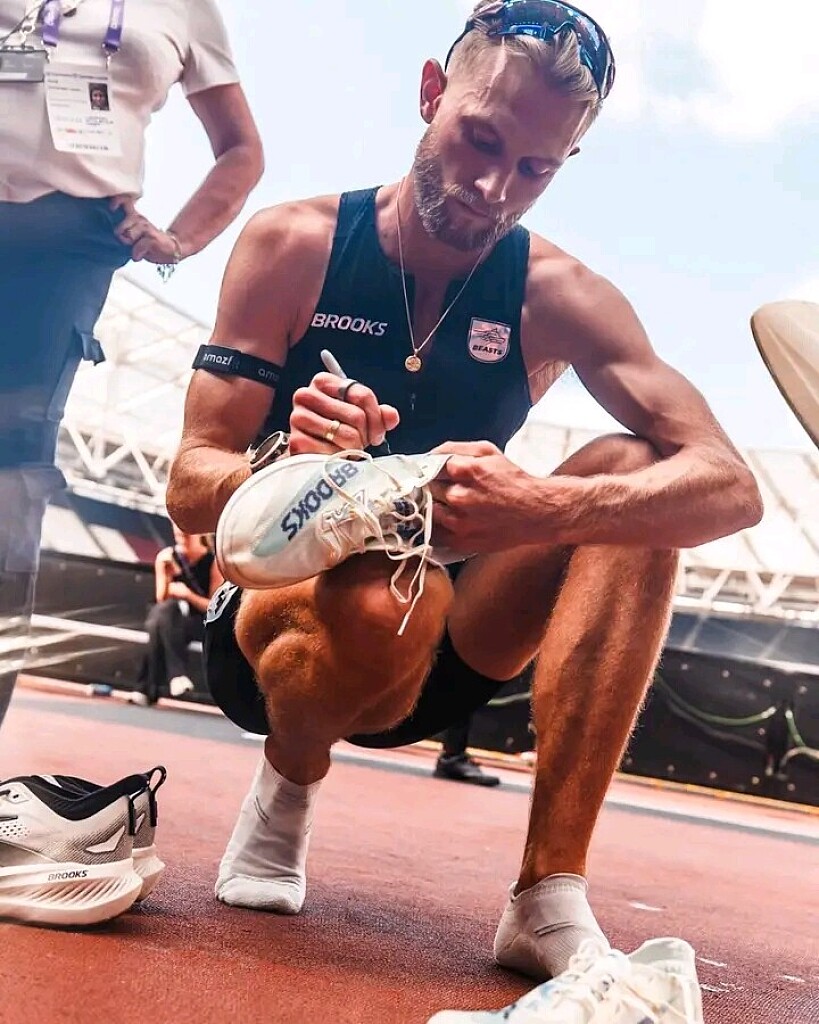
“I Wouldn’t Want to Race Me Right Now”: Josh Kerr Issues a Bold Warning Ahead of Ultimate Championship
Josh Kerr is heading into the World Athletics Ultimate Championship with confidence at an extraordinary level—and his latest comments suggest his rivals have every reason to take notice.
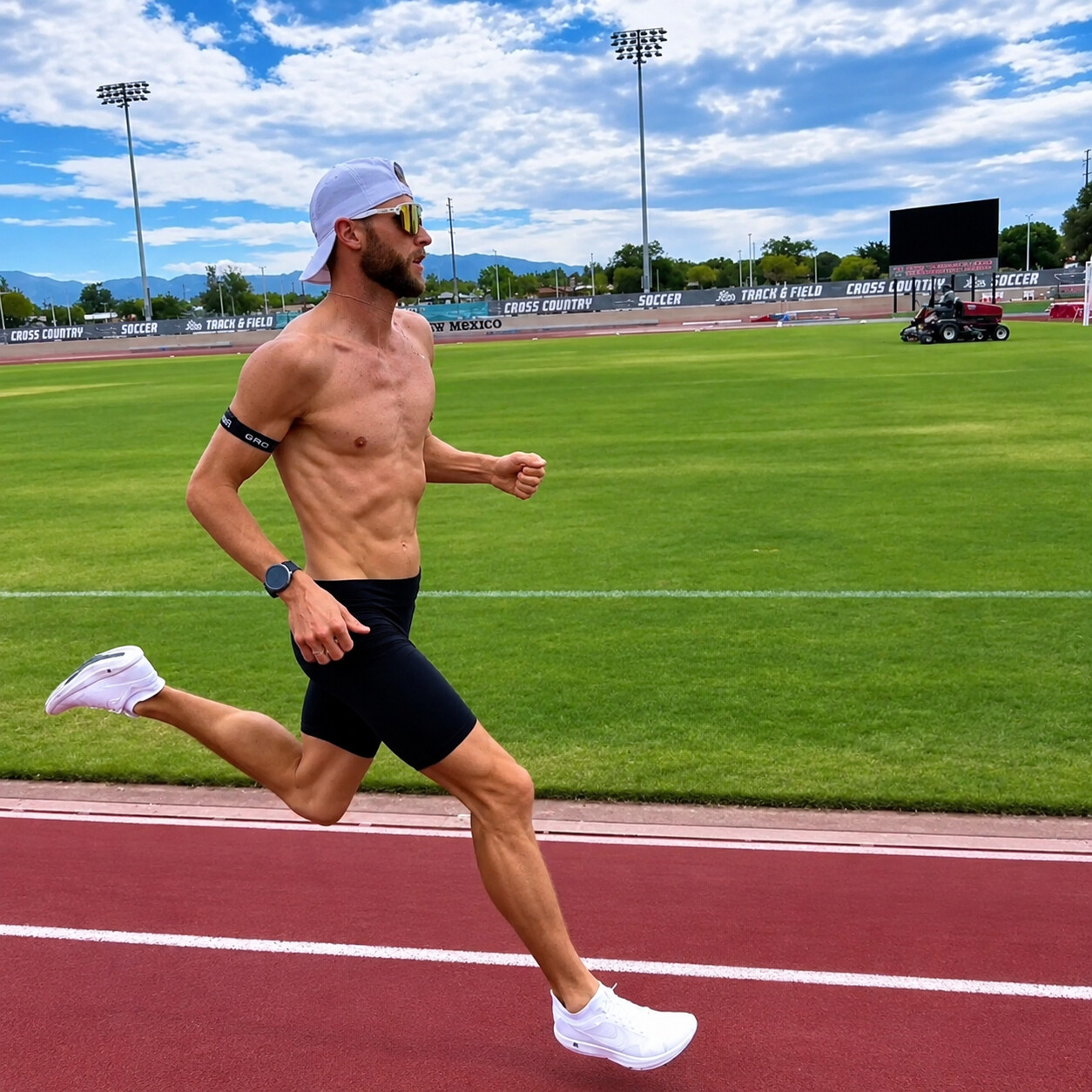
The Scottish middle-distance star, who recently made history by breaking the mile world record in London with a remarkable 3:42.66, believes he may now be in even better shape than he was on the day of that historic performance.
Speaking to BBC Sport, Kerr delivered a statement that perfectly captures his current mindset:
“I wouldn’t want to race me right now.”
It is a bold declaration, but Kerr has given himself plenty of reasons to believe it.
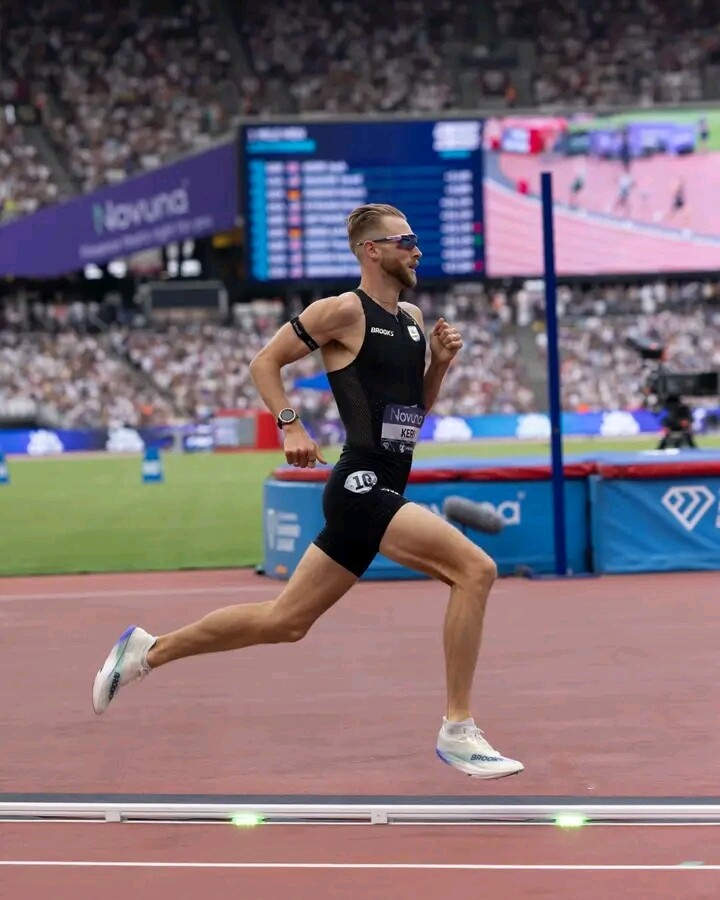
Following his ambitious Project 222 challenge and his Commonwealth gold medal success, the focus now shifts back to his specialist event—the 1500 metres. And this time, there will be no opportunity to ease into the competition.
The World Athletics Ultimate Championship presents a completely different challenge: one race, no heats and no second chances. Everything will be decided in a single, high-pressure showdown against what could be the strongest 1500m field Kerr has faced this year.
For an athlete who has already conquered major championships, broken one of the sport's most prestigious world records and continued to push the boundaries of middle-distance running, Kerr appears to be arriving at exactly the right moment.
Perhaps the most worrying sign for his rivals is not simply his recent success—but his belief that his form has continued to improve.
If Kerr truly is stronger now than when he ran 3:42.66 in London, the Ultimate Championship could produce something very special.
The confidence is unmistakable. The form appears to be there. And with only one race standing between Kerr and another major statement, the rest of the field has been put on notice.
Josh Kerr likes exactly where he is right now—and judging by his words, he is ready to make sure everyone else knows it.
by Erick Cheruiyot for My Best Runs.
Login to leave a comment
2026: The Year Distance Running’s Impossible Records Began to Fall
Distance running has witnessed extraordinary seasons before, but 2026 is producing something that feels almost unprecedented.

Records that had survived for decades, marks that appeared untouchable and performances that had defined entire generations of athletes are falling at a remarkable rate. In the space of just four months, four historic world records were rewritten, creating one of the most astonishing stretches the sport has ever seen.
And with four months still remaining in 2026, the question is no longer whether this has been an exceptional year.
It is just how much further the boundaries can be pushed.
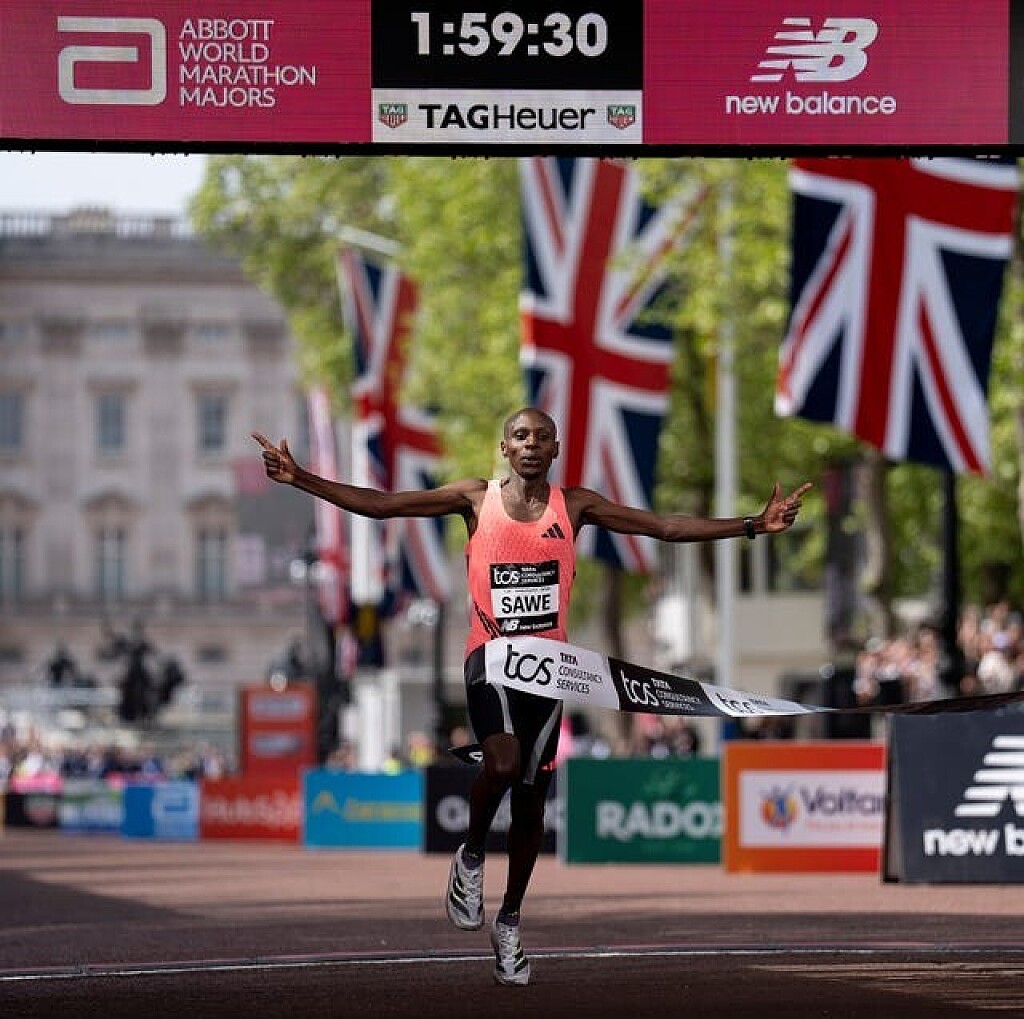
The extraordinary sequence began on April 26 at the London Marathon, where Sabastian Sawe delivered one of the defining performances in the history of the event. The Kenyan crossed the finish line in a breathtaking 1:59:30, becoming the first athlete to run a marathon under two hours in officially recognised, record-eligible conditions.
Eliud Kipchoge had famously broken the two-hour barrier in Vienna in 2019, proving that such a performance was humanly possible, but the specially organised conditions—including rotating pacemakers and a pace car—meant the time could not be recognised as an official world record.
Sawe's performance was different.
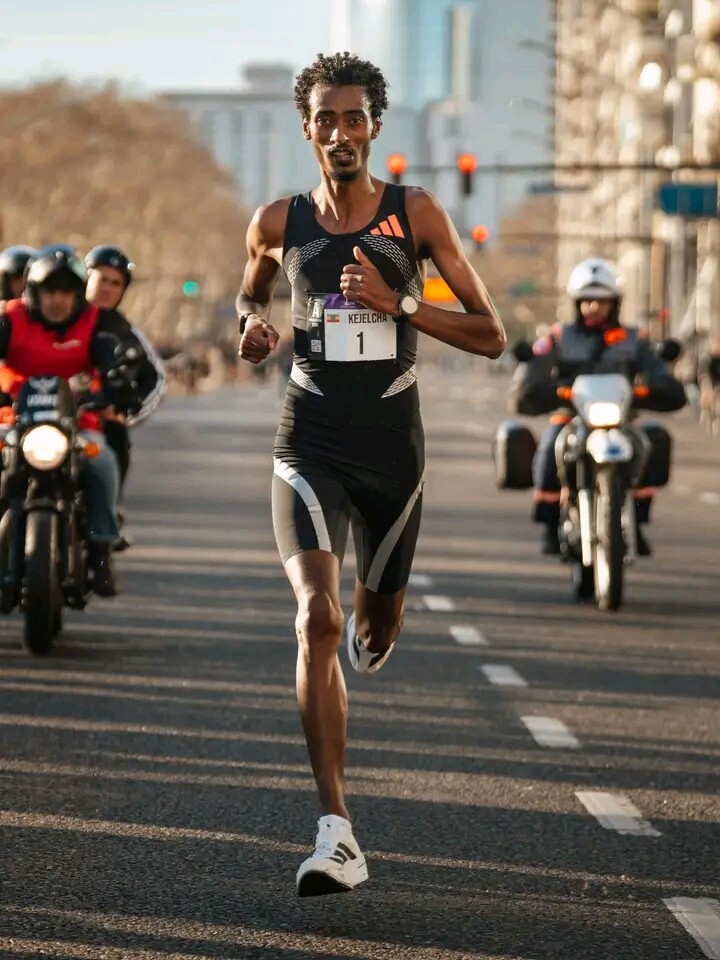
His 1:59:30 came in a conventional elite marathon race, and the historic morning became even more extraordinary as Ethiopia's Yomif Kejelcha finished in 1:59:41, while Uganda's Jacob Kiplimo clocked 2:00:28. In one astonishing race, three athletes went faster than the previous world-record standard.
Then came Monaco.
On July 10, Emmanuel Wanyonyi stepped into completely unfamiliar territory when he lined up for his first-ever 1000m race. What followed was nothing short of spectacular. The Kenyan middle-distance star stormed to 2:11.83, smashing a world record that had belonged to Noah Ngeny since 1999.
The previous mark had stood for 27 years, having been set four years before Wanyonyi was even born. Yet on his debut over the distance, Wanyonyi made history look effortless, while Britain's Jake Wightman also produced a superb performance to move into fifth place on the all-time list.
Just eight days later, London delivered another historic moment.
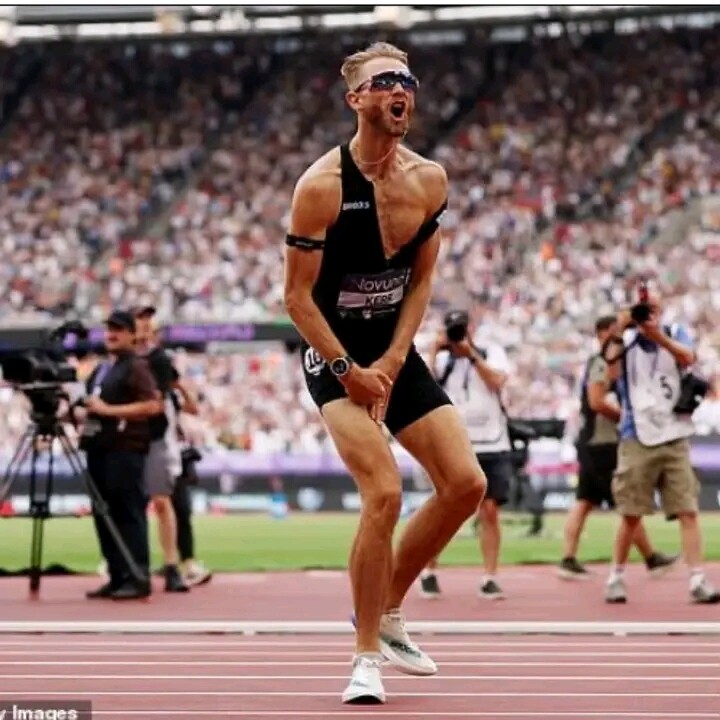
Josh Kerr had spoken openly about his ambitious mission, calling it “Project 222.” On the track, however, ambition turned into reality. The British star produced a stunning 3:42.66 for the mile, finally surpassing Hicham El Guerrouj's legendary 3:43.13 world record.
For decades, El Guerrouj's mark had stood as one of athletics' most iconic standards—a performance that appeared almost immune to the passing of time. Kerr changed that, producing a run that instantly secured its place among the greatest mile performances ever witnessed.
And then, in Buenos Aires on August 23, Yomif Kejelcha returned to the centre of the distance-running world.
Having already played a major role in London's historic marathon, the Ethiopian produced another extraordinary performance, this time over the half marathon. Kejelcha clocked 56:51, becoming the first man in history to break 57 minutes for the distance under valid record conditions.
What made the performance even more remarkable was the manner in which it unfolded. Kejelcha was running alone from around the 7km mark, with no rival beside him and no dramatic sprint finish required. He simply continued driving forward, producing one of the most dominant record-breaking performances ever seen on the roads.
Four historic records.
Four months.
A marathon barrier that had long been considered impossible in official competition. A 1000m record that had survived for 27 years. A mile record that had belonged to one of the greatest middle-distance runners in history. And a half-marathon performance that carried the event into completely new territory.
Distance running is living through a year unlike almost anything the sport has experienced before.
The most remarkable part?
2026 is not over yet.
With four months still remaining, the athletes of this extraordinary era may not be finished rewriting history.
by Erick Cheruiyot for My Best Runs.
Login to leave a comment

Josh Kerr’s Mile Mastery Could One Day Lead Him To The London Marathon
Josh Kerr has conquered one of athletics’ most historic distances. Yet, remarkably, the Scottish star is already dreaming about a challenge that sits more than 25 miles beyond the distance that has made him a global track sensation.
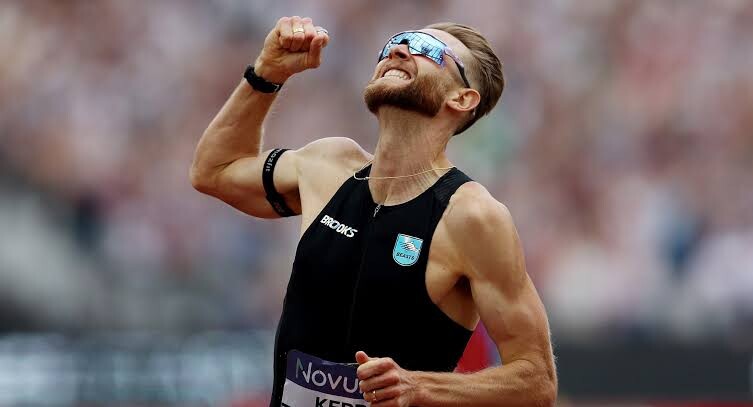
Kerr produced one of the defining performances of his career on July 18, 2026, at the London Stadium, storming to a sensational 3:42.66 in the Emsley Carr Mile to shatter Hicham El Guerrouj’s world record. The Moroccan’s 3:43.13 had stood untouched since 1999, but Kerr finally brought the 27-year-old mark down by 0.47 seconds.
The performance confirmed Kerr’s place among the greatest milers of his generation, but his ambitions extend well beyond the track.
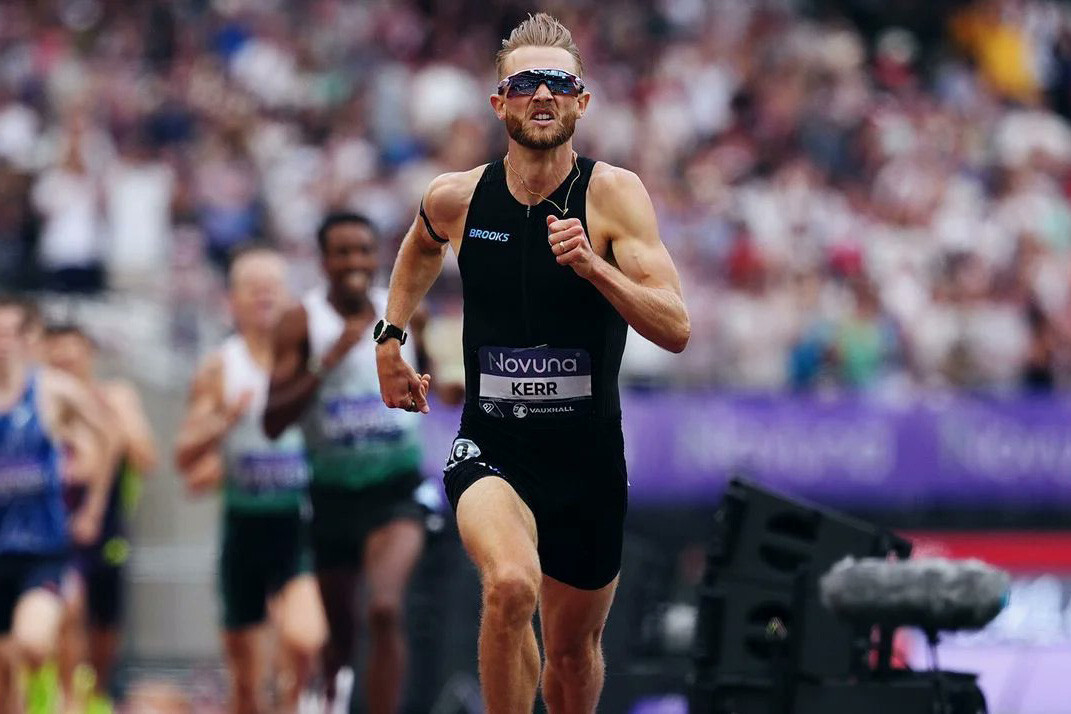
Speaking after his historic achievement, the 28-year-old revealed that the marathon is a distance he has become increasingly fascinated by, with the London Marathon occupying a particularly special place in his long-term imagination. For Kerr, the ultimate attraction would not necessarily be a world-class time, but the possibility of one day winning the race.
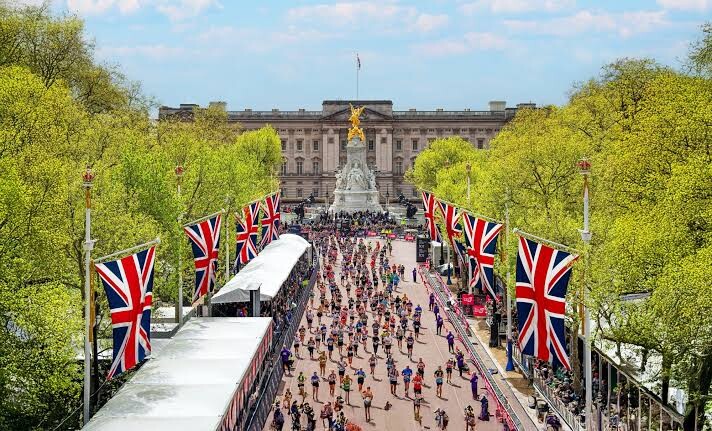
He remains realistic about how distant that ambition is. Kerr has made it clear that there is still important work to be completed on the track, with the Los Angeles 2028 Olympic Games among his major objectives. His marathon dream, therefore, belongs to the future rather than the immediate present.
That patience could prove crucial.
The transition from the mile to the marathon is one of the most demanding changes an elite distance runner can make. It requires far more than simply possessing exceptional aerobic fitness. The marathon places extraordinary demands on endurance, efficiency, energy management and the ability to maintain a high pace for more than two hours.
History, however, has shown that a world-class track runner can successfully make the leap when the timing is right.
Sifan Hassan provides perhaps the most spectacular modern example. After establishing herself as one of the most versatile distance runners in history, competing successfully from 1,500m through 10,000m, the Dutchwoman made her marathon debut at the 2023 London Marathon. She won in 2:18:33 after producing a remarkable finishing sprint, then went on to claim Olympic marathon gold the following year.
Her ability to change gears late in races became one of her greatest weapons. It is also an attribute Kerr knows particularly well.
Kerr has built his reputation around devastating finishing speed. Whether competing over 1,500m or the mile, his ability to accelerate when others are already approaching their physical limits has repeatedly separated him from the field. The question is whether that same weapon could eventually become a decisive advantage over the marathon distance.
Mo Farah's journey offers a more complicated lesson.
The British legend spent years dominating the 5,000m and 10,000m before turning his attention to the marathon. Despite possessing an extraordinary endurance base, Farah discovered that the marathon demanded an entirely different level of preparation. He finished eighth on his London Marathon debut in 2014 in 2:08:21 before eventually improving the British record to 2:06:22 in 2018.
Farah later explained that mastering the marathon took considerable time, underlining just how different the event is from even the longest Olympic track distances.
For Kerr, the physiological challenge would be even greater because his speciality is the mile.
The mile rewards an athlete who can combine enormous aerobic power with exceptional speed. The marathon, by contrast, demands the ability to operate efficiently for a prolonged period below maximum aerobic capacity. Running economy, lactate-threshold ability, endurance and the capacity to preserve energy deep into a race become increasingly important.
That transformation cannot be rushed.
And the marathon landscape Kerr would eventually enter is becoming more extraordinary by the year.
The 2026 London Marathon demonstrated just how far the event has evolved. Kenya’s Sabastian Sawe made history by becoming the first athlete to officially break the two-hour barrier in a competitive marathon, winning in 1:59:30. Ethiopia’s Yomif Kejelcha also finished inside two hours, while three men ultimately finished faster than the previous world record.
That is the standard waiting for Kerr if his distant ambition eventually becomes reality.
For now, however, there is no need to hurry. Kerr has already rewritten the mile record books, becoming the first man to break 3:43 and ending one of the longest-standing world records in modern athletics.
His next chapter is still firmly rooted on the track, where Olympic glory remains a major target. But somewhere beyond those ambitions lies a different challenge: 26.2 miles of London roads, a distance more than 25 miles longer than the event in which he currently reigns supreme.
It may sound improbable today, but Kerr is not dismissing the possibility.
“I promise I will try it.”
And if the day eventually comes when the world mile record-holder lines up on The Mall with the London Marathon title in his sights, it could become one of the most intriguing distance-running transitions the sport has ever witnessed.
by Erick Cheruiyot for My Best Runs.
Login to leave a comment

Ultimate Clash Reloaded: Paris Olympic 1500m Medalists Set for Another Epic Battle in Budapest
The rivalry that captivated the athletics world in Paris is about to be reignited on one of the sport's biggest new stages.
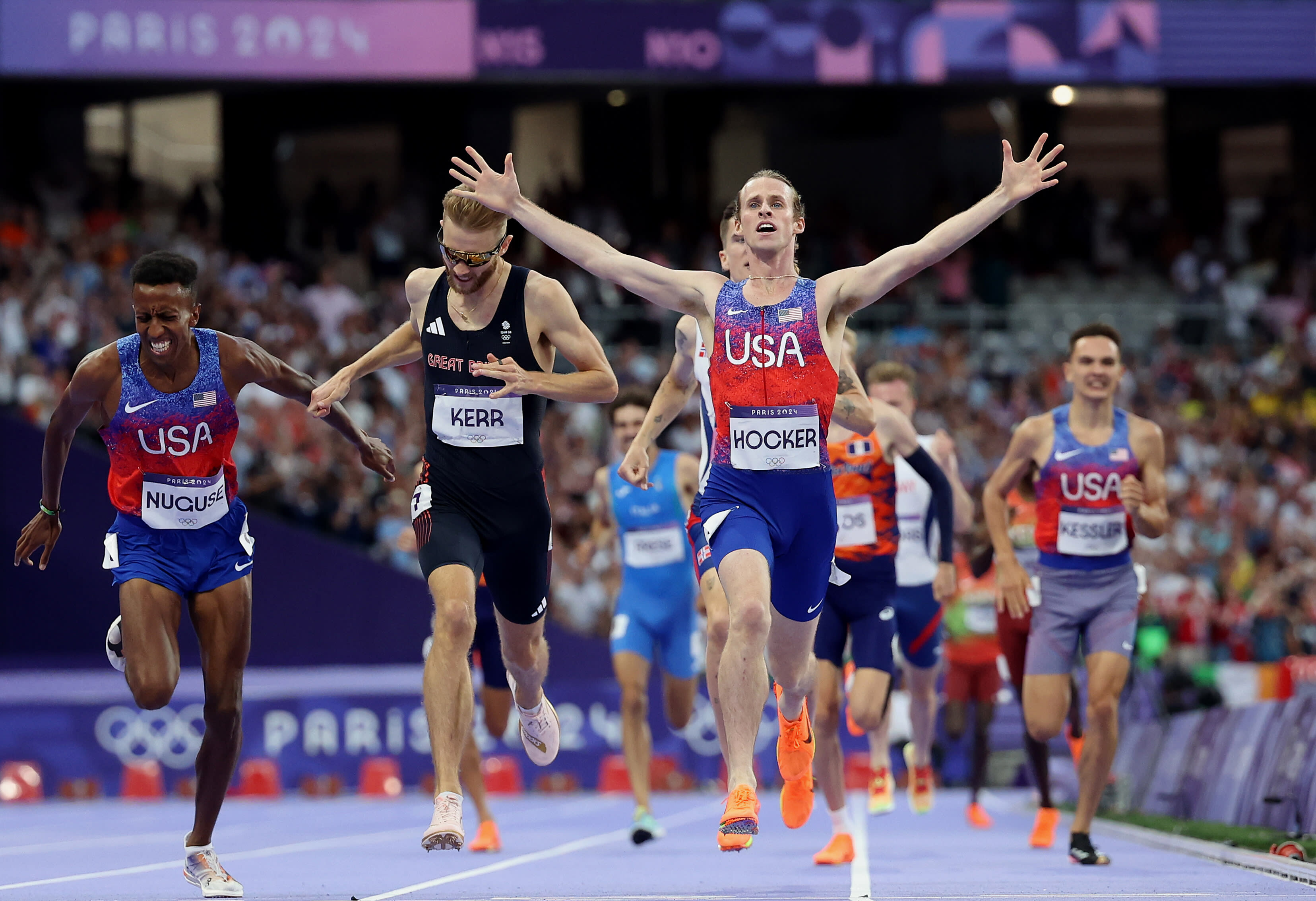
More than two years after producing one of the greatest Olympic 1500m finals in history, Olympic champion Cole Hocker, world mile record holder Josh Kerr, and Olympic bronze medalist Yared Nuguse are set to face each other once again at the inaugural World Athletics Ultimate Championships in Budapest, Hungary, from September 11–13, 2026.
Their unforgettable showdown at the Paris Olympics stunned fans across the globe. Hocker stormed to Olympic gold in a remarkable 3:27.65, smashing the Olympic record in a race that redefined what was thought possible over 1500 metres. Kerr claimed silver after another fearless performance, while Nuguse completed an extraordinary American one-two-three finish by securing the bronze medal.
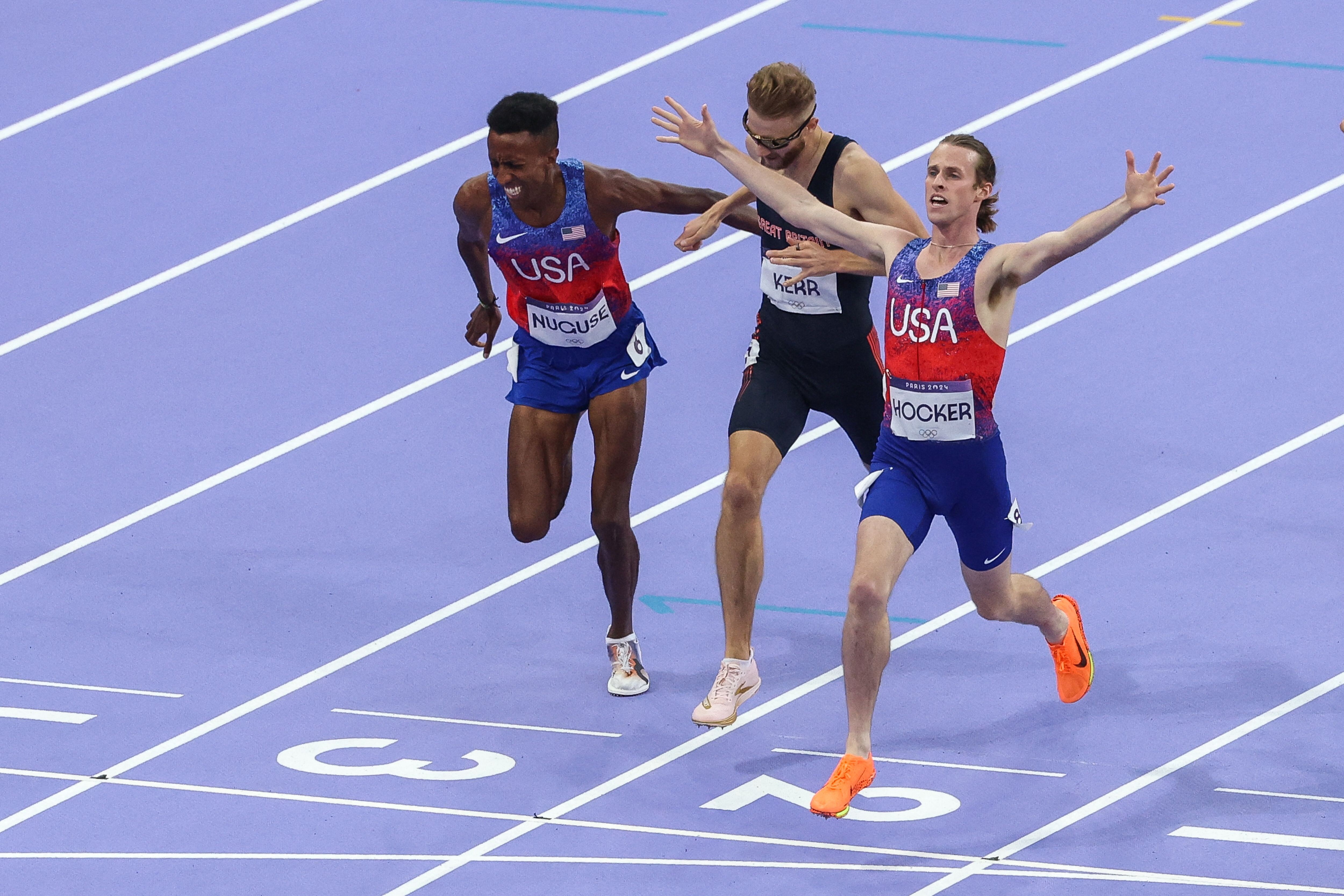
Now, the three medalists return to centre stage with even more at stake.
Hocker arrives in Budapest carrying the confidence of an Olympic champion determined to prove that his triumph in Paris was no one-off. Kerr, meanwhile, enters the championship in arguably the finest form of his career after recently rewriting history in London with a sensational 3:42.66 mile, breaking a world record that had stood for 27 years. For Nuguse, the Ultimate Championships present another opportunity to transform Olympic bronze into the biggest victory of his career.
Unlike traditional global championships, there will be no qualifying rounds, no tactical heats and no margin for error. The men's 1500m will be contested as a straight final featuring only 12 of the world's finest athletes, ensuring every lap is run at championship intensity from the opening gun.
The stakes extend well beyond prestige. The winner will collect a staggering US$150,000 from the event's US$10 million prize fund, adding even greater incentive to what is already shaping up to be one of the most eagerly anticipated races of the year.
The venue itself adds another fascinating chapter to the story. Budapest's National Athletics Centre was where Kerr claimed his world title in 2023, giving the British star fond memories of the track. Hocker will be aiming to reinforce his Olympic dominance, while Nuguse hopes this will finally be the race where he climbs to the top of the podium.
With three proven championship performers, contrasting racing styles and little separating them on talent, the men's 1500m promises to be one of the headline attractions of the inaugural World Athletics Ultimate Championships.
The Olympic champion, the reigning world mile record holder and the Olympic bronze medalist are ready to write the next chapter of one of middle-distance running's greatest modern rivalries.
Budapest awaits. The only question left is: who will emerge as the Ultimate Champion?
by Erick Cheruiyot for My Best Runs.
Login to leave a comment

Josh Kerr Sets His Sights on History: World Record Glory and Olympic Gold Drive Britain's Middle-Distance Star
Fresh from a thrilling victory in the mile at the Glasgow 2026 Commonwealth Games, Josh Kerr has made one thing abundantly clear—his greatest achievements may still lie ahead.
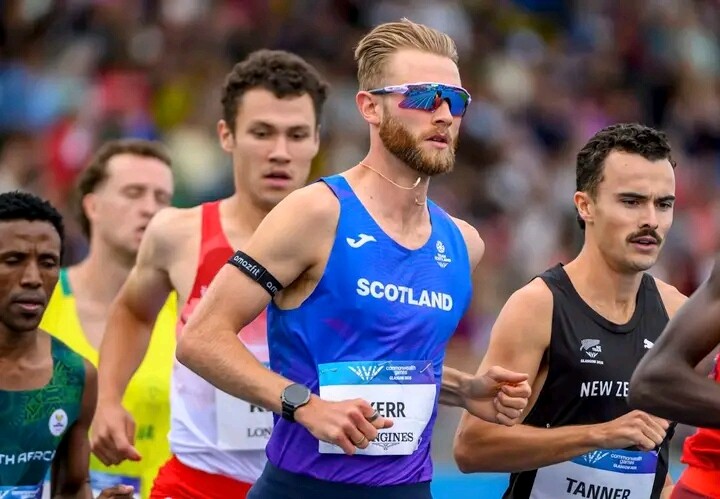
The British middle-distance star has unveiled an ambitious roadmap that could redefine his legacy, with two towering objectives at the heart of his journey: breaking Hicham El Guerrouj's legendary 1500m world record of 3:26.00, set on July 14, 1998, in Rome, and capturing the Olympic 1500m title at the Los Angeles 2028 Olympic Games.
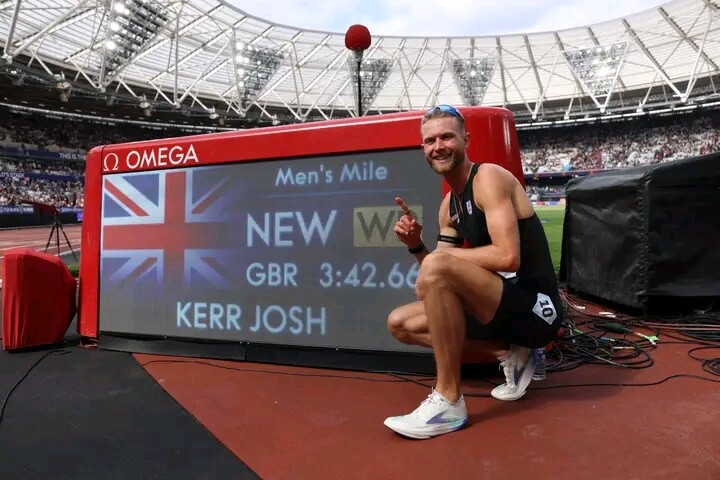
Kerr enters this new chapter with confidence soaring after producing one of the most remarkable performances in middle-distance history. His sensational 3:42.66 during the groundbreaking Project 222 campaign shattered the men's mile world record, ending a 27-year reign and proving he possesses the speed, endurance, and tactical brilliance required to challenge the sport's greatest barriers.
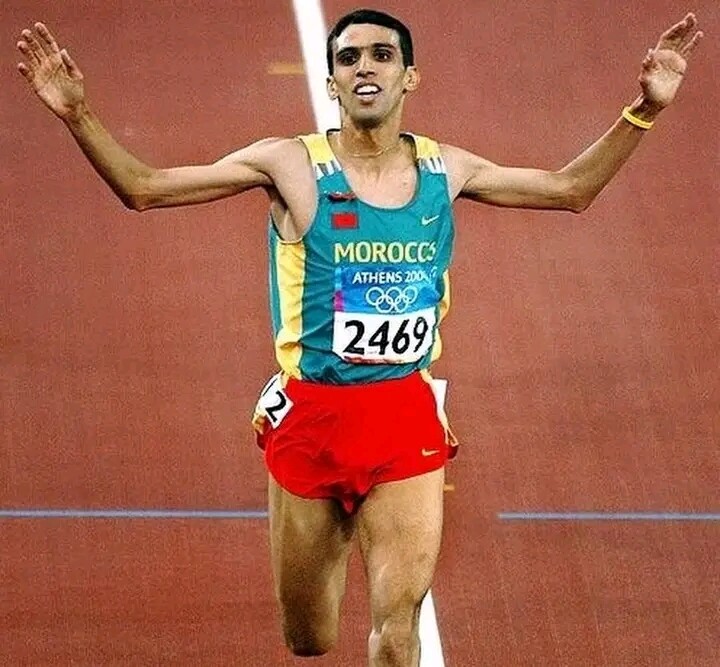
That achievement has strengthened Kerr's belief that the oldest and most revered record in men's middle-distance running is now within reach. For more than 28 years, Hicham El Guerrouj's 3:26.00, set in Rome on July 14, 1998, has stood as the benchmark of excellence in the 1500m, surviving generations of world-class challengers and earning a reputation as one of athletics' most untouchable performances.
Rather than rushing the attempt, Kerr has laid out a carefully calculated plan designed to maximize his chances of success. His immediate priority is the 2027 World Athletics Championships in Beijing, where he hopes to reclaim the world 1500m title and reaffirm his position among the sport's elite.
Only after that championship campaign will his focus shift toward an assault on El Guerrouj's historic mark. A dedicated world-record attempt is expected later in 2027, built around months of meticulous preparation, altitude training, world-class pacing, ideal racing conditions, and flawless execution—the same ingredients that powered his record-breaking mile performance.
For Kerr, world records are not won by chance. They are earned through relentless preparation, perfect timing, and the courage to attack history when every detail aligns.
Beyond the pursuit of history lies one final prize that continues to fuel his ambition: Olympic gold.
Having earned bronze at the Tokyo 2020 Olympics and silver at the Paris 2024 Games, Kerr now has just one medal missing from an already glittering collection. His ultimate objective is to stand atop the Olympic podium in Los Angeles in 2028, completing a remarkable progression from bronze to silver and finally to gold.
If successful, Kerr would not only cement his place among Britain's greatest middle-distance runners but also become the first athlete to erase Hicham El Guerrouj's iconic 3:26.00 world record since it was established in Rome on July 14, 1998, before completing his Olympic medal collection with the sport's ultimate prize.
The stage is set, the blueprint is in place, and the countdown has begun. The question now is whether Josh Kerr can accomplish what generations of elite milers have failed to do—rewrite one of athletics' most enduring records and crown his career with Olympic gold in Los Angeles.
by Erick Cheruiyot for My Best Runs.
Login to leave a comment

Gold, Diamonds, and a World Record: The Remarkable Story Behind Josh Kerr's Historic Mile
World records are remembered for the numbers on the clock, but sometimes the details surrounding them become part of the legend as well.
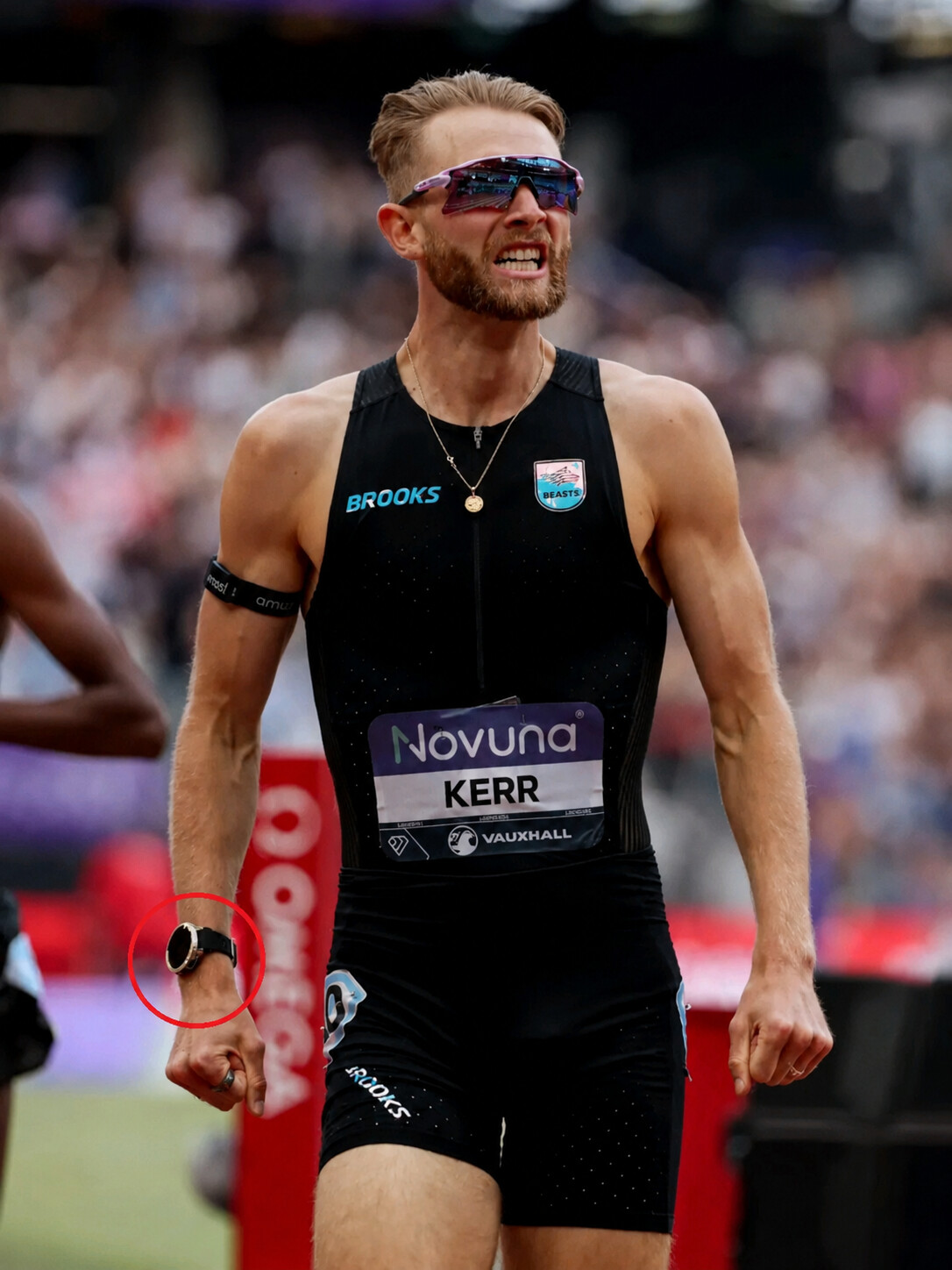
When Josh Kerr produced a breathtaking 3:42.66 to set a new men's mile world record at the London Diamond League on July 18, 2026, he didn't just rewrite one of athletics' most celebrated records. He did it while wearing one of the most exclusive performance watches ever created.
On Kerr's wrist was a one-of-a-kind Amazfit Cheetah 2 Pro, specially commissioned for his ambitious Project 222 campaign. The unique timepiece was designed by jeweller and former elite runner David Perry, combining luxury craftsmanship with cutting-edge sports technology in a way rarely seen in elite athletics.
The watch was impossible to miss. Its solid 10-karat gold-dipped bezel was set with 84 lab-grown diamonds, while the clasp carried a hand-engraved "222"—a tribute to Kerr's quest to become the first athlete in history to complete the mile in 222 seconds (3:42.00).

Although the record stopped just short of that ultimate target, Kerr's 3:42.66 performance was still one of the greatest middle-distance races ever run, lowering the world record and confirming his place among the sport's all-time legends.
The watch, however, was far more than a luxury accessory. Built around Amazfit's advanced sports technology, it captured every crucial detail of Kerr's historic run, providing an extraordinary glimpse into the physiology behind one of athletics' finest performances.
His race unfolded with remarkable consistency. Kerr covered the opening lap in 55.3 seconds, followed with 55.8, accelerated again with another 55.3, and completed the final 409 metres in 56.27 seconds to cross the finish line in world-record time.
The physiological data was equally impressive. Kerr maintained an average heart rate of 178 beats per minute, reached a peak of 188 bpm, and sustained an average cadence of 194 steps per minute throughout the race—evidence of the extraordinary efficiency required to perform at the absolute limits of human endurance.
Every stride, every heartbeat and every split was recorded as history unfolded on the London track.
Elite athletics has entered an era where wearable technology provides athletes and coaches with unprecedented insight into performance. From pacing strategies and recovery to biomechanics and physiological monitoring, modern devices have become powerful tools in the pursuit of excellence. Yet even the most sophisticated technology cannot replace the qualities that define champions.
No amount of gold, diamonds or cutting-edge engineering can substitute for years of disciplined training, exceptional talent, tactical intelligence and the courage to push beyond perceived limits when everything is on the line.
On that unforgettable evening in London, the dazzling watch certainly attracted attention. But when the finish-line clock displayed 3:42.66, it became clear that the greatest masterpiece wasn't the gold or the diamonds—it was the extraordinary athlete wearing them.
by Erick Cheruiyot for My Best Runs.
Login to leave a comment

A Century Of Greatness: Arch Jelley Witnesses Another Mile Revolution
Some moments in sport transcend generations. They remind us that while records may fall, the spirit of greatness never fades. One such moment unfolded when legendary New Zealand coach Arch Jelley watched Josh Kerr produce a breathtaking 3:42.66 mile world record—not from the stands, but from his bed, sharing the historic occasion with his former athlete, 1988 Olympian Christine Pfitzinger, herself once New Zealand's mile and 1500m record holder.

For most fans, Kerr's astonishing performance was simply another unforgettable chapter in the evolution of middle-distance running. For Jelley, however, it was something far more profound. It was a bridge between two eras separated by more than half a century, connecting the glorious past he helped shape with the remarkable future he lived long enough to witness.
As he approaches his 104th birthday on August 13, Jelley has seen the mile transformed in ways few people ever will. Long before modern technology, advanced sports science and super shoes reshaped the event, he guided one of athletics' greatest pioneers.

On August 12, 1975, in Gothenburg, Sweden, Jelley coached Sir John Walker to a revolutionary 3:49.4, making him the first man in history to break the seemingly impossible 3:50 barrier for the mile. It was a performance that changed the sport forever and cemented Walker's place among the all-time greats. Less than a year later, Walker crowned that success by winning the Olympic 1500m gold medal at the 1976 Montreal Games, fulfilling the promise of one of the finest coach-athlete partnerships athletics has ever known.
Yet Walker was only one chapter in Jelley's extraordinary coaching legacy.
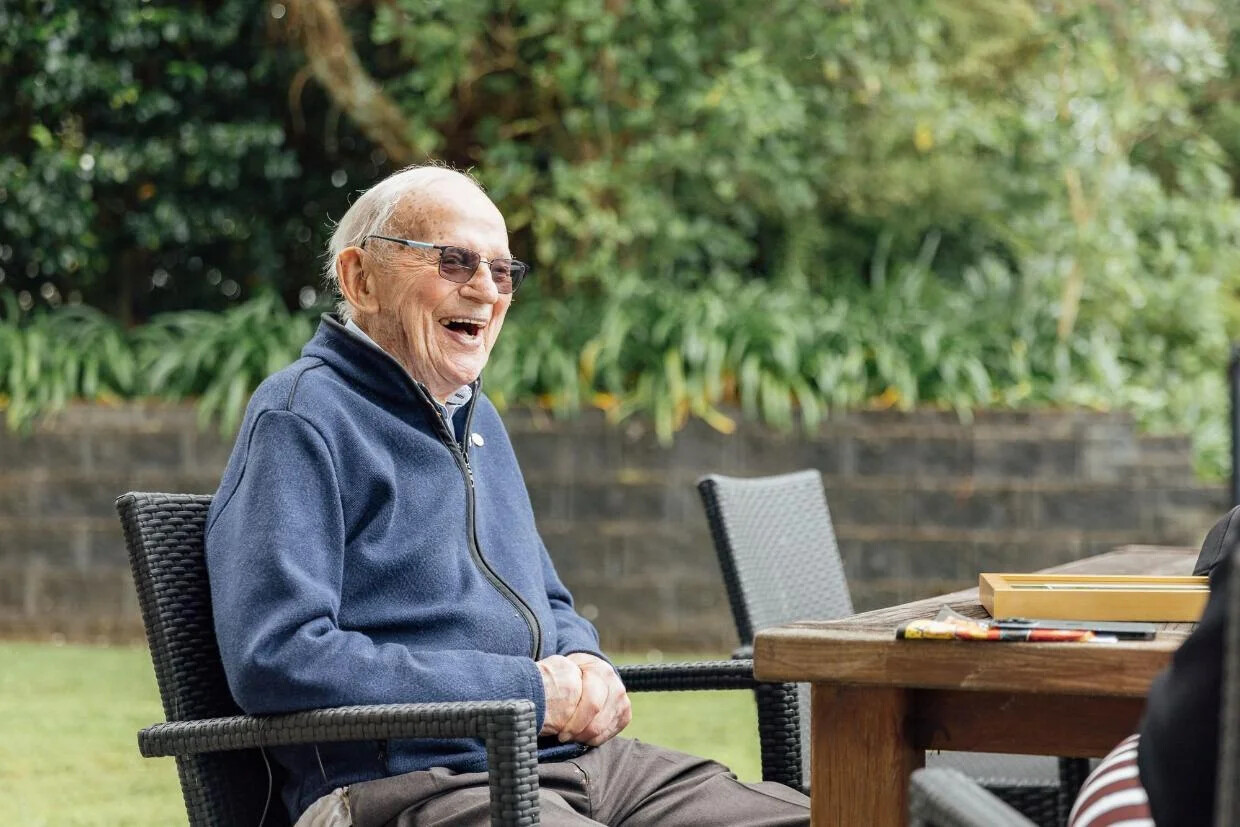
Across more than six decades, the master coach nurtured and inspired countless elite middle- and long-distance runners, earning a reputation for developing athletes through patience, wisdom and an unwavering belief in their potential. Even retirement could not keep him away from the sport he loved. At the remarkable age of 93, Jelley returned to coaching to help Hamish Carson qualify for the 2016 Rio Olympic Games, proving that passion for excellence has no expiration date.
Now, more than fifty years after witnessing Walker redefine what was possible, Jelley has watched another runner push the boundaries of human performance. Josh Kerr's magnificent 3:42.66 was not merely a new world record—it was another milestone in the endless pursuit of greatness, one observed by a man who has devoted almost an entire lifetime to that very journey.
There is something beautifully symbolic about the scene: a coach who once stood trackside guiding history now watching a new generation rewrite it through the lens of modern technology. The setting may have changed, but the emotion remains the same.
Few people in athletics can claim to have witnessed the evolution of the mile from the dawn of the sub-3:50 era to today's astonishing world-record performances. Arch Jelley can.
His life is more than a coaching story—it is a living timeline of the mile itself. From John Walker's historic breakthrough in 1975 to Josh Kerr's record-shattering masterpiece in 2026, Jelley has remained a constant witness to the relentless pursuit of human excellence, proving that while champions come and go, the love of the sport endures across every generation.
by Erick Cheruiyot for My Best Runs.
Login to leave a comment
Sir Roger Bannister's Greatest Legacy: From The First Sub-Four Mile To Josh Kerr's World Record
When Sir Roger Bannister crossed the finish line in Oxford on May 6, 1954, in 3:59.4, he did far more than become the first man to run a sub-four-minute mile. He demolished one of sport's greatest psychological barriers, proving that what had long been considered impossible was simply waiting for someone bold enough to achieve it.
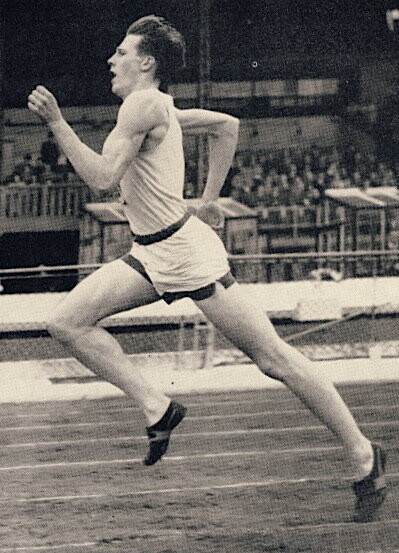
More than seven decades later, that historic run remains the most famous mile ever raced—not because it is still the fastest, but because it transformed athletics forever. Bannister's achievement inspired generations of runners to dream bigger, train harder and believe that seemingly unreachable barriers could be broken.
Today, however, the mile has entered an entirely different dimension.
Josh Kerr's sensational 3:42.66 world record has redefined the limits of middle-distance running. In one unforgettable race, the Scottish star erased Hicham El Guerrouj's legendary 3:43.13 mark that had stood untouched since 1999, proving once again that every era has its athlete capable of rewriting history.
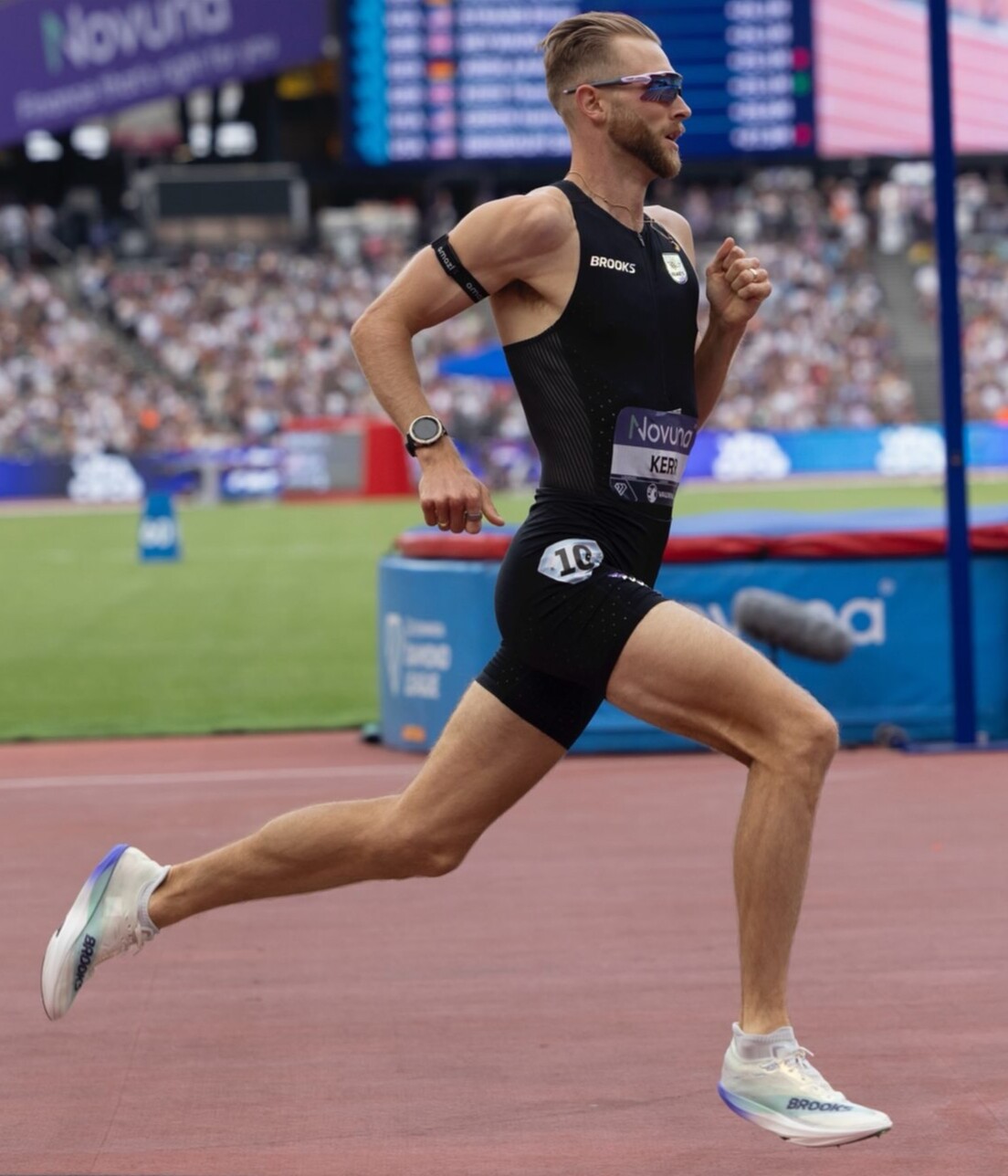
The numbers tell a remarkable story of progress. If Bannister's iconic 3:59.4 were placed in the same race as Kerr's 3:42.66, the man who first conquered the sub-four-minute barrier would finish almost 17 seconds behind. At the pace Kerr sustained, that deficit would amount to well over 100 metres—an extraordinary margin in an event where the world's best are often separated by hundredths of a second.
Yet those statistics should never be mistaken for a comparison of greatness. Bannister and Kerr competed in vastly different eras, under different conditions and with entirely different levels of sports science, training knowledge, footwear technology and track surfaces. Bannister raced on a cinder track wearing heavy leather spikes, balancing elite athletics with his demanding medical studies. Kerr benefits from decades of scientific advancement, world-class support systems and cutting-edge equipment that have helped athletes push the boundaries of human performance.
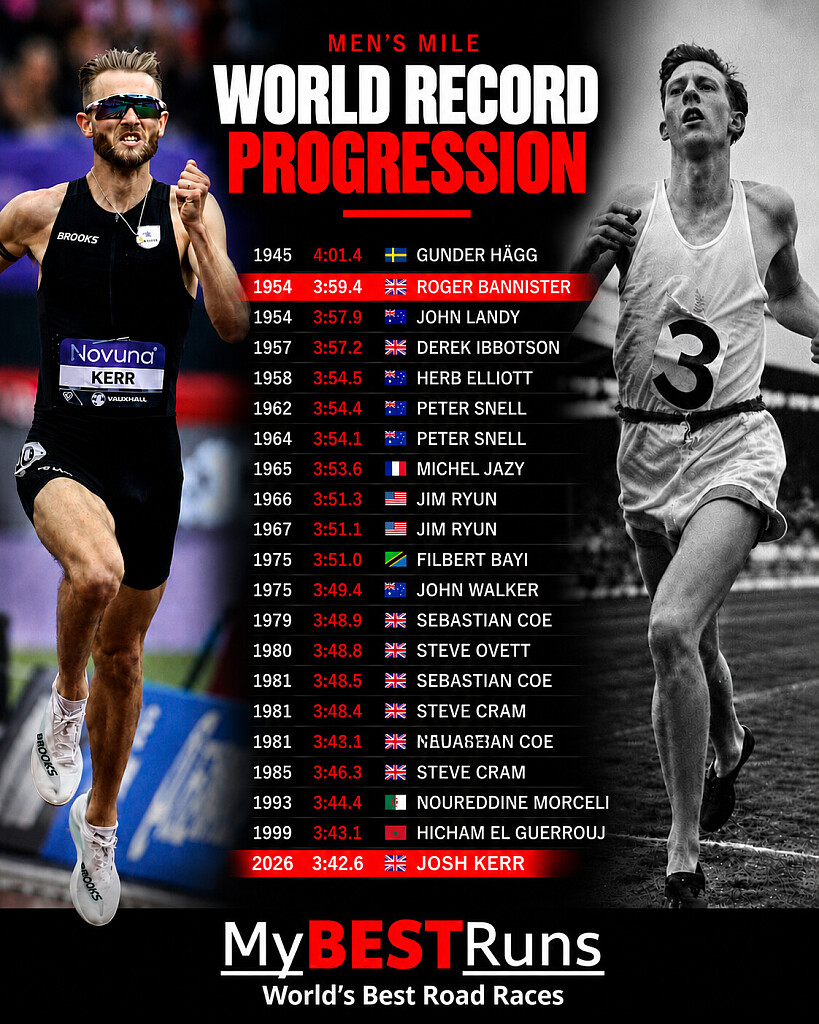
Every generation has added another chapter to the mile's extraordinary story. Just weeks after Bannister's breakthrough, Australia's John Landy lowered the record to 3:57.9. The baton then passed through legendary names including Derek Ibbotson, Herb Elliott, Peter Snell, Michel Jazy, Jim Ryun, Filbert Bayi, John Walker, Sebastian Coe, Steve Ovett, Steve Cram, Noureddine Morceli and Hicham El Guerrouj. Each champion dared to believe the record could fall again, leaving the event stronger than they found it.
Josh Kerr is now the latest custodian of that legacy. His world record is not simply another fast time—it is the culmination of more than 80 years of relentless progress. Every stride he took was built upon the courage, ambition and achievements of those who came before him.
Perhaps the most fascinating aspect of the mile is how dramatically its meaning has changed. In 1954, the world was captivated by one question: Could anyone ever run under four minutes? Today, the conversation has shifted to how much further the event can evolve. With Kerr already under 3:43, the now-unthinkable prospect of a sub 3:42 mile no longer feels like fantasy but a genuine possibility for the future.
That is the enduring beauty of athletics. Every world record eventually falls, but the performances that redefine belief never fade. Bannister's sub-four-minute mile remains the sport's most iconic breakthrough because it changed the way humanity viewed its own limits. Kerr's 3:42.66 is the newest benchmark of excellence, standing as proof that the impossible is never permanent—it is simply the starting point for the next generation.
by Erick Cheruiyot for My Best Runs.
Login to leave a comment

Is Josh Kerr Ready To Rewrite History Again? Why The 1,500m World Record May Be The Next Great Target
Josh Kerr has already etched his name into athletics history with a breathtaking world mile record of 3:42.66, but the numbers hidden within that extraordinary performance suggest an even greater achievement could be just around the corner.
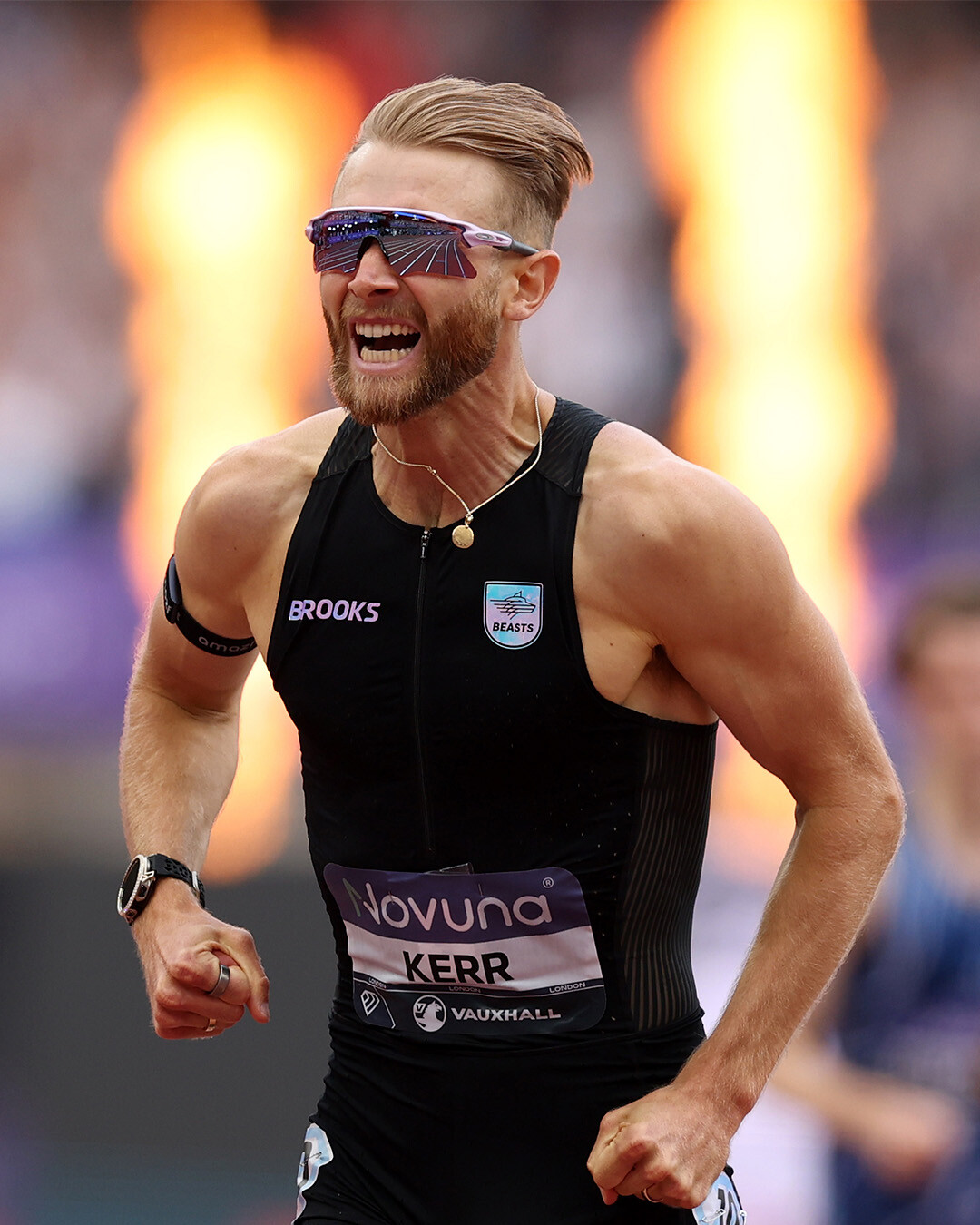
While the world celebrated the fastest mile ever run, another remarkable statistic quietly emerged. On his way to that historic finish, Kerr passed the 1,500m mark in an astonishing 3:27.62—the seventh-fastest performance ever recorded over the distance and just 1.62 seconds outside Hicham El Guerrouj's iconic world record of 3:26.00, which has stood as one of athletics' greatest benchmarks for more than a quarter of a century.
What makes Kerr's split so extraordinary is the context in which it was achieved.
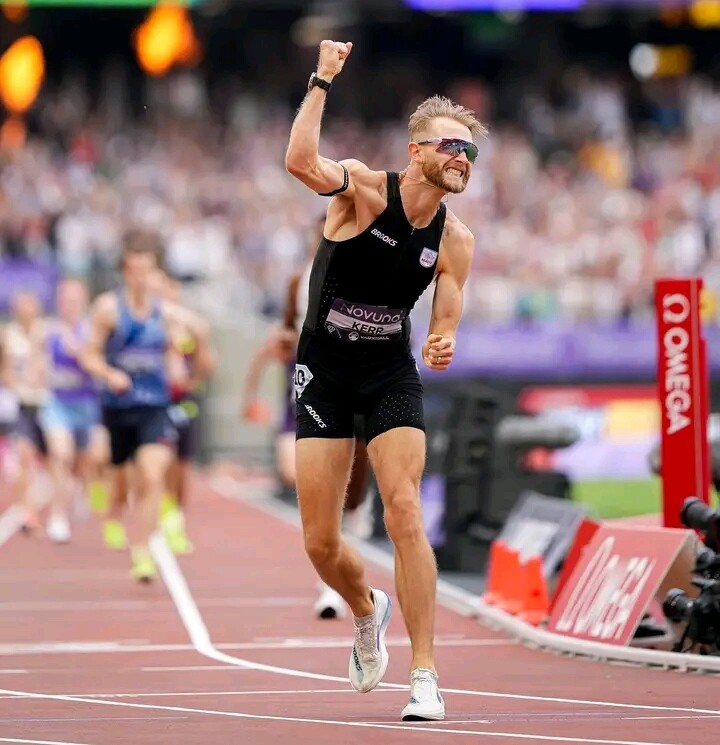
Unlike a dedicated 1,500m race, Kerr wasn't running to the finish line when he reached 1,500 metres. He still had another 109 metres remaining before completing the mile. Throughout the race, he had to carefully distribute his effort, knowing there was still significant work left after crossing the traditional 1,500m distance.
His world-record mile required approximately 724 strides, each averaging about 2.22 metres in length. By the time he reached the 1,500m split, he still had enough energy reserved to launch one final charge toward the mile finish, meaning he could not afford to completely exhaust himself at that point.
That reality has fuelled growing excitement across the athletics community.
Imagine Kerr lining up for a race built solely around the 1,500m. With elite pacemakers setting the perfect rhythm from the gun, competitors pushing the pace all the way to the finish, and no need to save anything for an additional 109 metres, the conditions would be dramatically different. Every stride, every surge and every ounce of energy could be devoted exclusively to chasing one target—the world record.
Many athletics experts believe that under those ideal circumstances, bridging the remaining 1.62 seconds is far from impossible. In fact, they see it as a realistic challenge for an athlete who has consistently demonstrated remarkable finishing speed, tactical intelligence and the ability to perform under immense pressure.
Hicham El Guerrouj's 3:26.00 has long been regarded as one of the most untouchable records in middle-distance running. Yet every era eventually produces an athlete capable of redefining what was once thought impossible.
After witnessing Kerr's astonishing mile masterpiece, the conversation has shifted dramatically. The question is no longer whether he belongs among the greatest milers in history—it is whether he can become the man who finally brings down one of the sport's most enduring world records.
If his latest performance is any indication, the countdown to another historic assault may already have begun.
by Erick Cheruiyot for My Best Runs.
Login to leave a comment
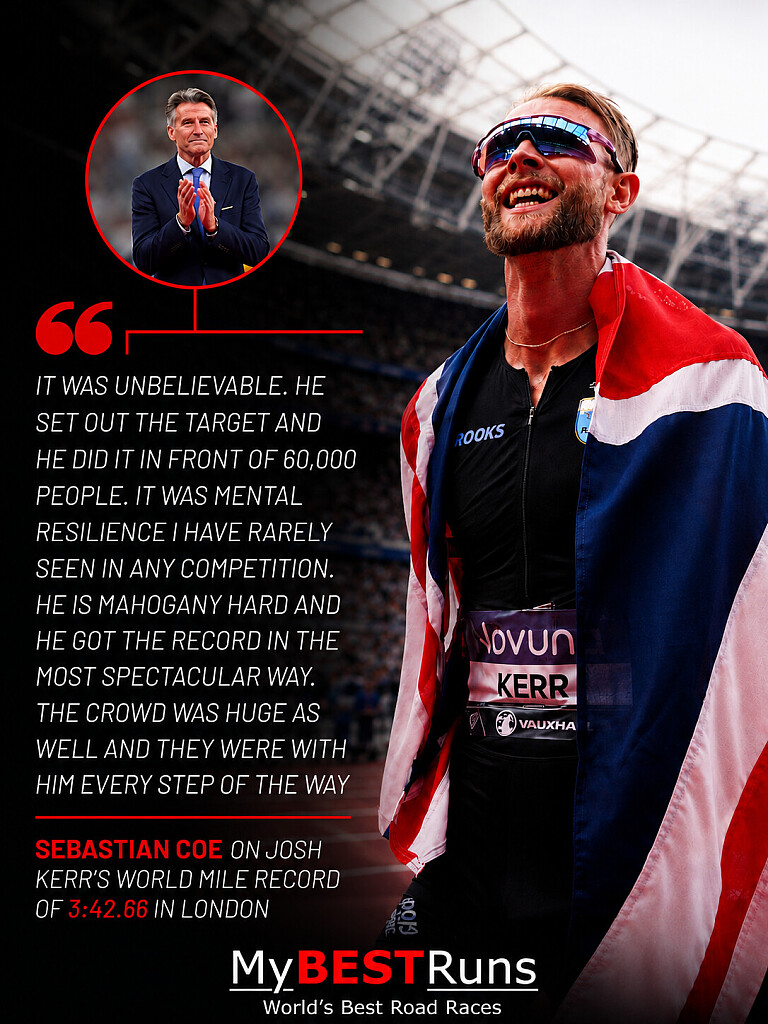
Sebastian Coe Hails Josh Kerr's World Mile Masterpiece: "A Performance Of Rare Mental Resilience
When one of the greatest milers in history stands to applaud a new world record holder, the moment carries extraordinary significance. Sebastian Coe, a three-time world mile record holder and one of Britain's most iconic middle-distance runners, reserved the highest praise for Josh Kerr after his breathtaking 3:42.66 mile world record at the London Diamond League.
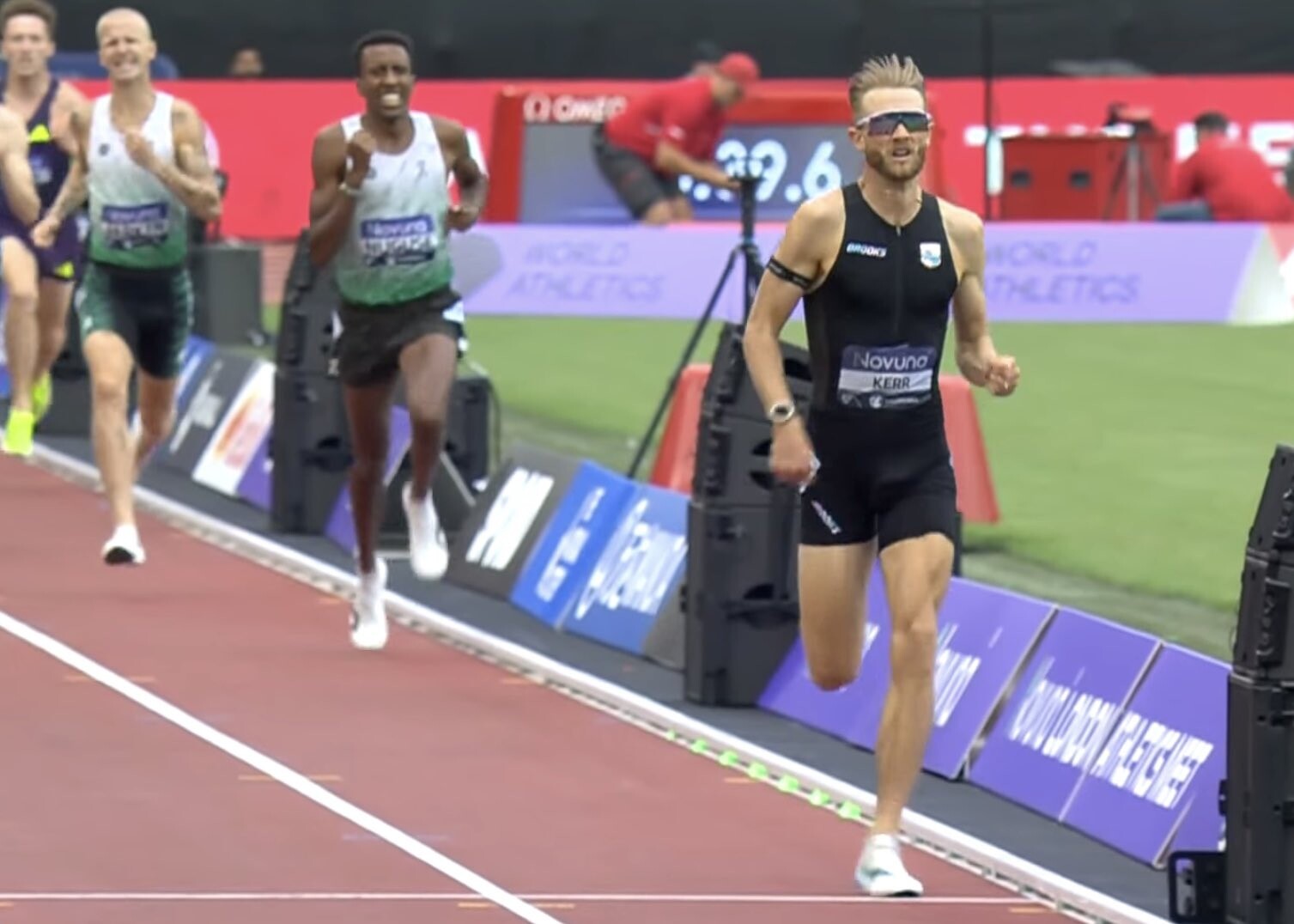
For Coe, this was far more than another record falling. It was a performance that showcased courage, composure, and an unwavering belief under immense pressure.
"It was unbelievable," Coe said. "He set out the target and he did it in front of 60,000 people. It was mental resilience I have rarely seen in any competition. He is mahogany hard and he got the record in the most spectacular way. The crowd was huge as well and they were with him every step of the way."
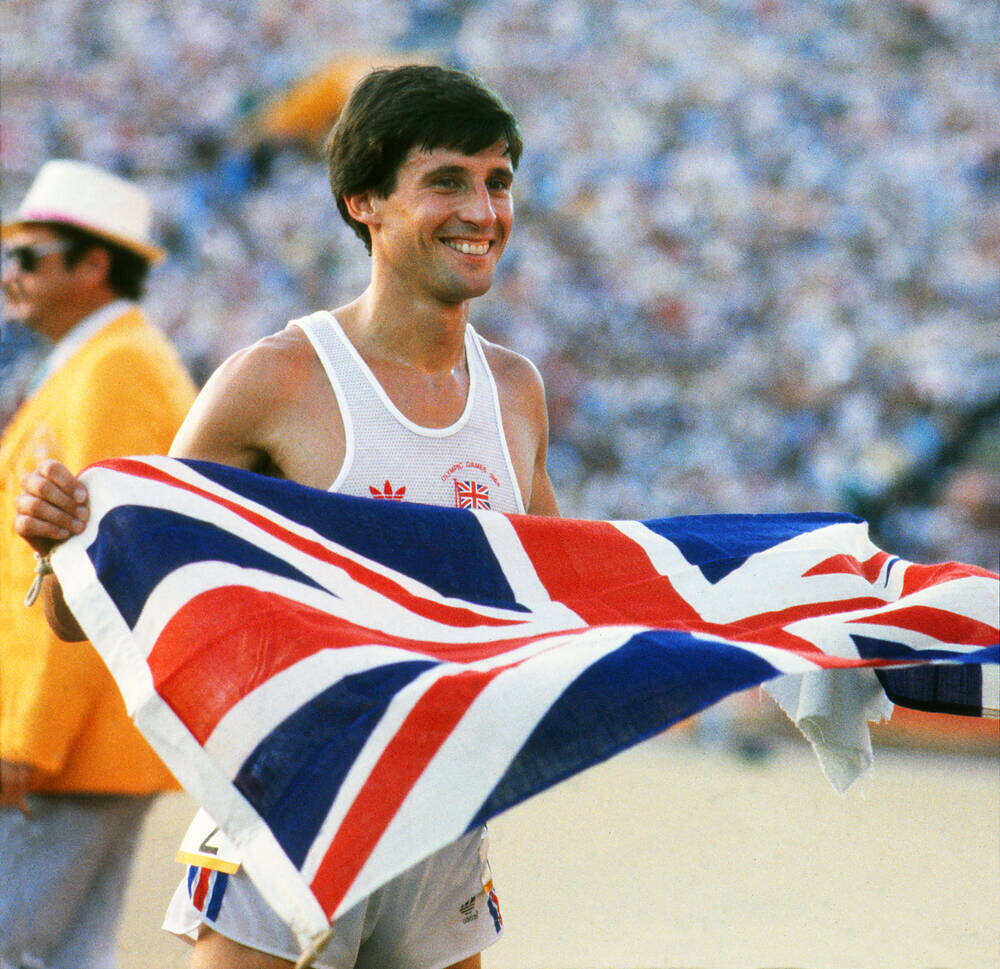
Those words carry exceptional weight coming from a man who understands the demands of rewriting history. Coe himself redefined the mile three times during his legendary career, first clocking 3:48.95 in Oslo in 1979 before improving the mark to 3:48.53 in Zurich and then 3:47.33 in Brussels in 1981. His brilliance inspired generations of British middle-distance runners, and now he has witnessed another chapter being written.
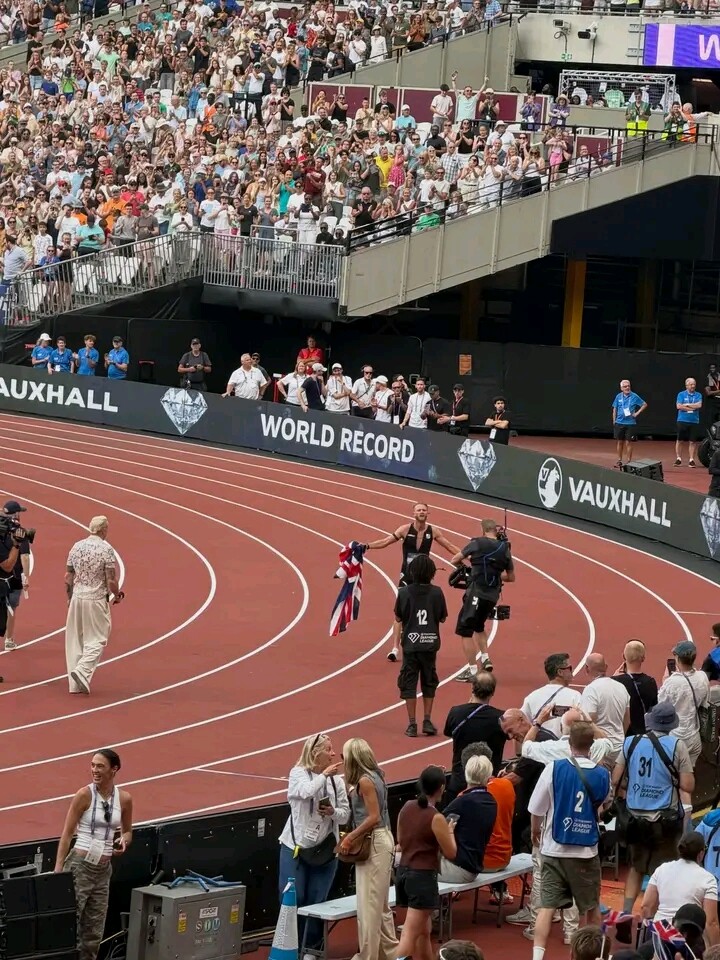
Kerr's achievement was not built on surprise. It was the culmination of meticulous planning, relentless training, and the confidence to publicly declare his ambition before delivering it on the biggest stage. With more than 60,000 fans filling the London Stadium, the Olympic champion embraced the pressure rather than shrinking from it.
Every lap reflected precision. Every stride demonstrated conviction. And when Kerr crossed the finish line in 3:42.66, he not only erased Hicham El Guerrouj's 27-year-old world record but also returned the outdoor mile world record to Great Britain for the first time in nearly three decades.
In doing so, Kerr became the seventh British man in history to hold the outdoor world mile record, adding his name to one of the sport's most prestigious lineages.
What made the performance even more remarkable was its emotional backdrop. Competing in front of a home crowd that roared him through every metre, Kerr transformed the stadium into a theatre of history. The deafening support fueled an unforgettable evening that will be remembered as one of the greatest moments in British athletics.
Coe's tribute perfectly captured what statistics alone cannot explain. World records demand exceptional physical ability, but truly historic performances are forged through resilience, belief, and the willingness to embrace pressure when the world is watching.
Josh Kerr did exactly that. He didn't simply break a record—he produced a performance that united a nation, inspired the next generation, and earned the admiration of one of the greatest milers the sport has ever known.
by Erick Cheruiyot for My Best Runs.
Login to leave a comment

Josh Kerr's Greatest Victory Wasn't the World Record—It Was Inspiring the Next Generation
Josh Kerr had every reason to celebrate.
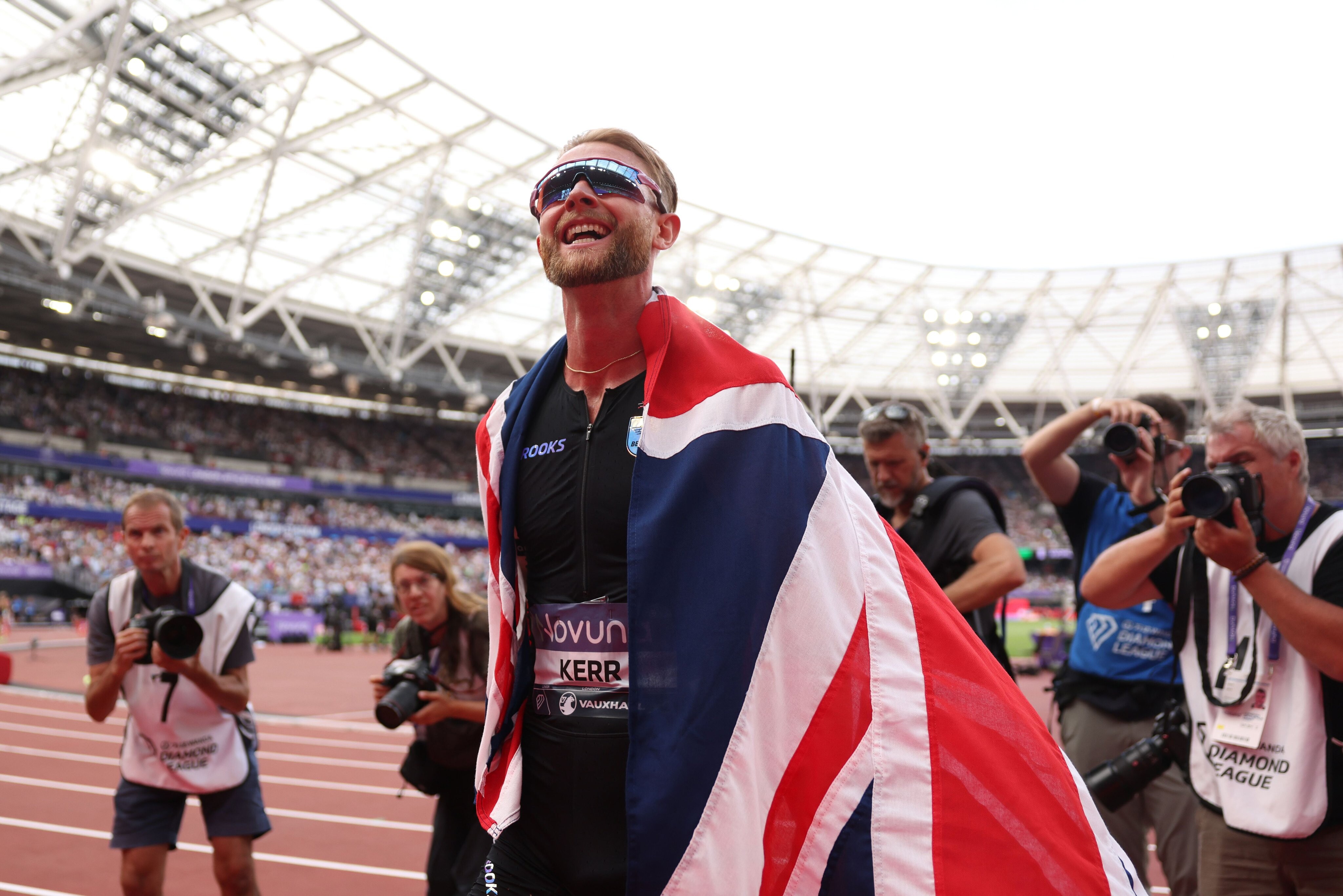
Moments earlier, the British star had delivered the race of his life, storming to a breathtaking 3:42.66 to erase Hicham El Guerrouj's 27-year-old mile world record before a jubilant home crowd at the London Diamond League. Years of sacrifice, relentless training and an unwavering belief in Project 222 had finally paid off, placing his name among the greatest athletes the sport has ever known.
For many champions, that would have been the end of a perfect evening.
For Josh Kerr, it was only the beginning.
Just a couple of hours after rewriting athletics history, Kerr was no longer in the spotlight celebrating his achievement. Instead, he was back on the warm-up track, patiently signing autographs, posing for photos and sharing smiles with young fans who had stayed behind to meet their new hero.
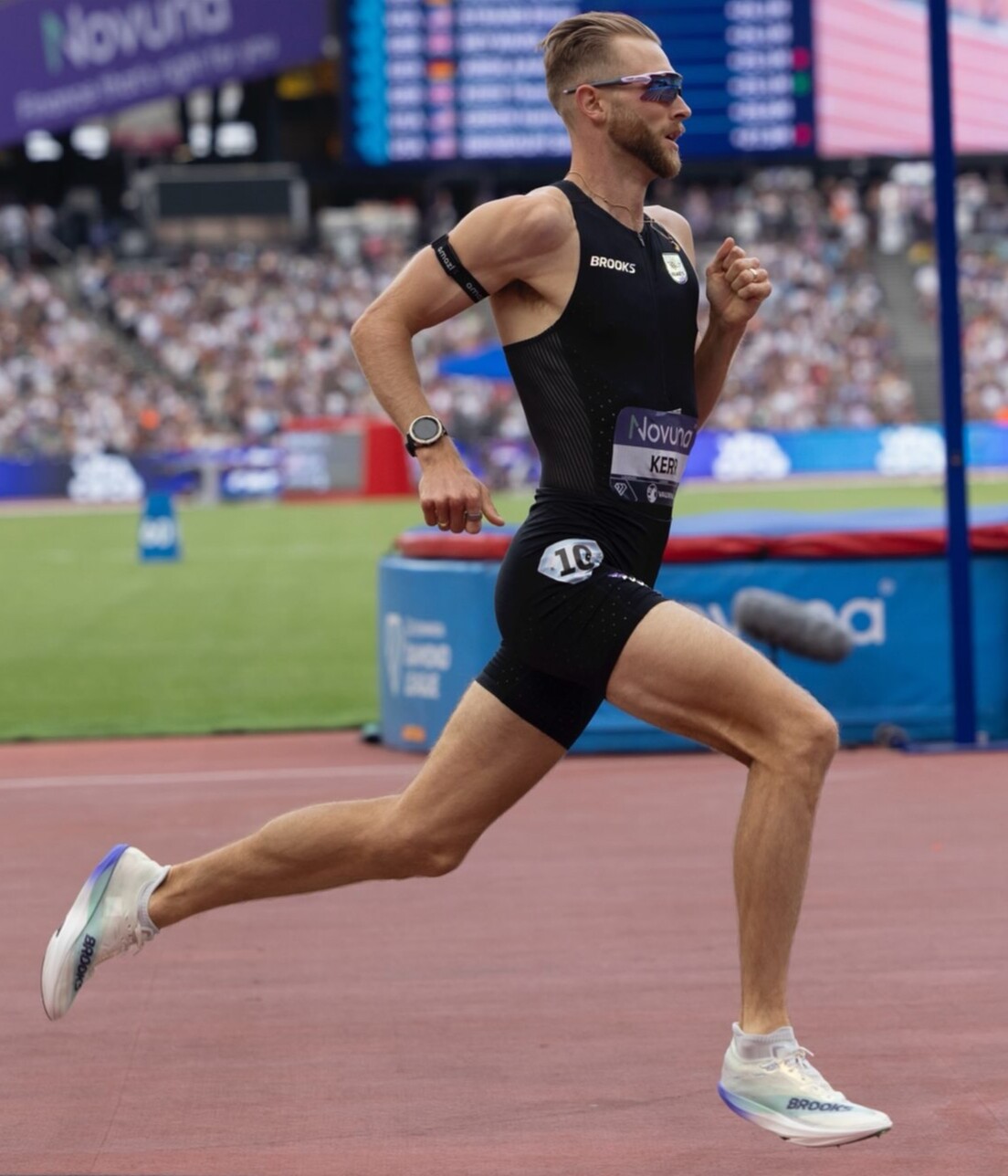
It was a simple gesture, yet one that spoke volumes about the man behind the world record.
The fastest miler on the planet understood that his greatest legacy would not be measured solely by 3:42.66 or by the world record beside his name. It would be measured by the dreams he ignited in the hearts of children who watched him accomplish what many believed was impossible.
Every signature was a reminder that greatness carries responsibility. Every conversation was an opportunity to inspire a youngster to lace up a pair of running shoes, believe in themselves and chase ambitions that seem beyond reach.
Kerr's journey to the top was never an overnight success. It was built through years of discipline, resilience and countless hours of preparation. There were setbacks, doubts and expectations to overcome, but he never stopped believing that one day he could stand atop the sport.
That belief became reality in London.
Yet instead of allowing the world record to define him, Kerr chose to give something back. In doing so, he showed that true champions are remembered not only for how fast they run, but also for how they treat people when the cheering fades.
His unforgettable performance shattered one of athletics' most iconic records. His humility afterwards may prove even more enduring.
Josh Kerr didn't just leave London as the fastest miler in history.
He left as an inspiration to the next generation, proving that the greatest victories are those that encourage others to believe that they, too, can achieve the extraordinary.
by Erick Cheruiyot for My Best Runs.
Login to leave a comment

Josh Kerr Restores Britain's Mile Crown With a Historic World Record on Home Soil
Forty-one years after Great Britain last celebrated a men's mile world record, Josh Kerr has written a magnificent new chapter in the sport's rich history.
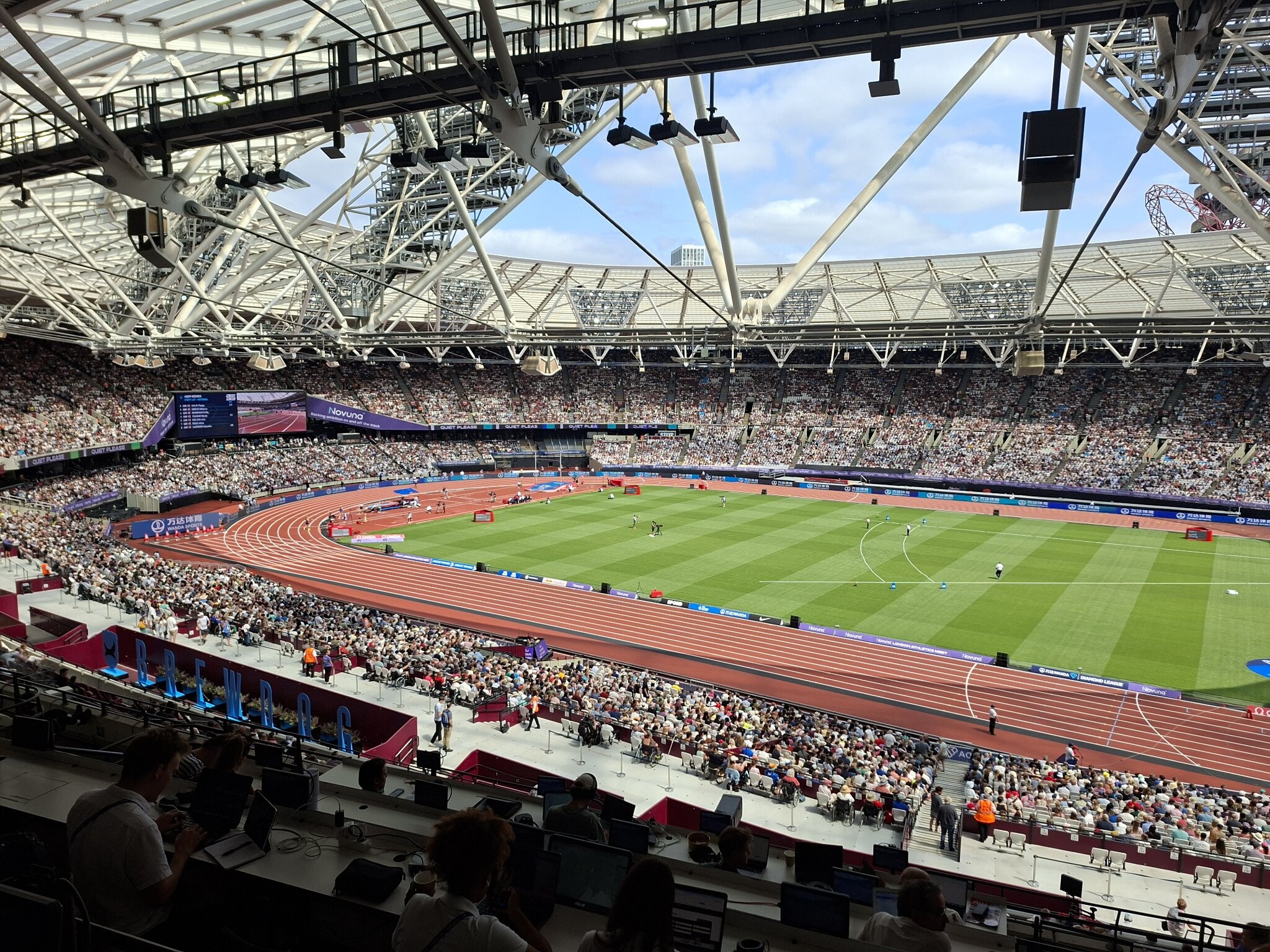
Competing before a passionate home crowd in London, Kerr delivered the performance of a lifetime, storming to a sensational 3:42.66 to erase one of athletics' longest-standing records. It was more than just a personal triumph—it marked the return of the mile world record to the nation that has shaped some of the greatest middle-distance runners the sport has ever known.
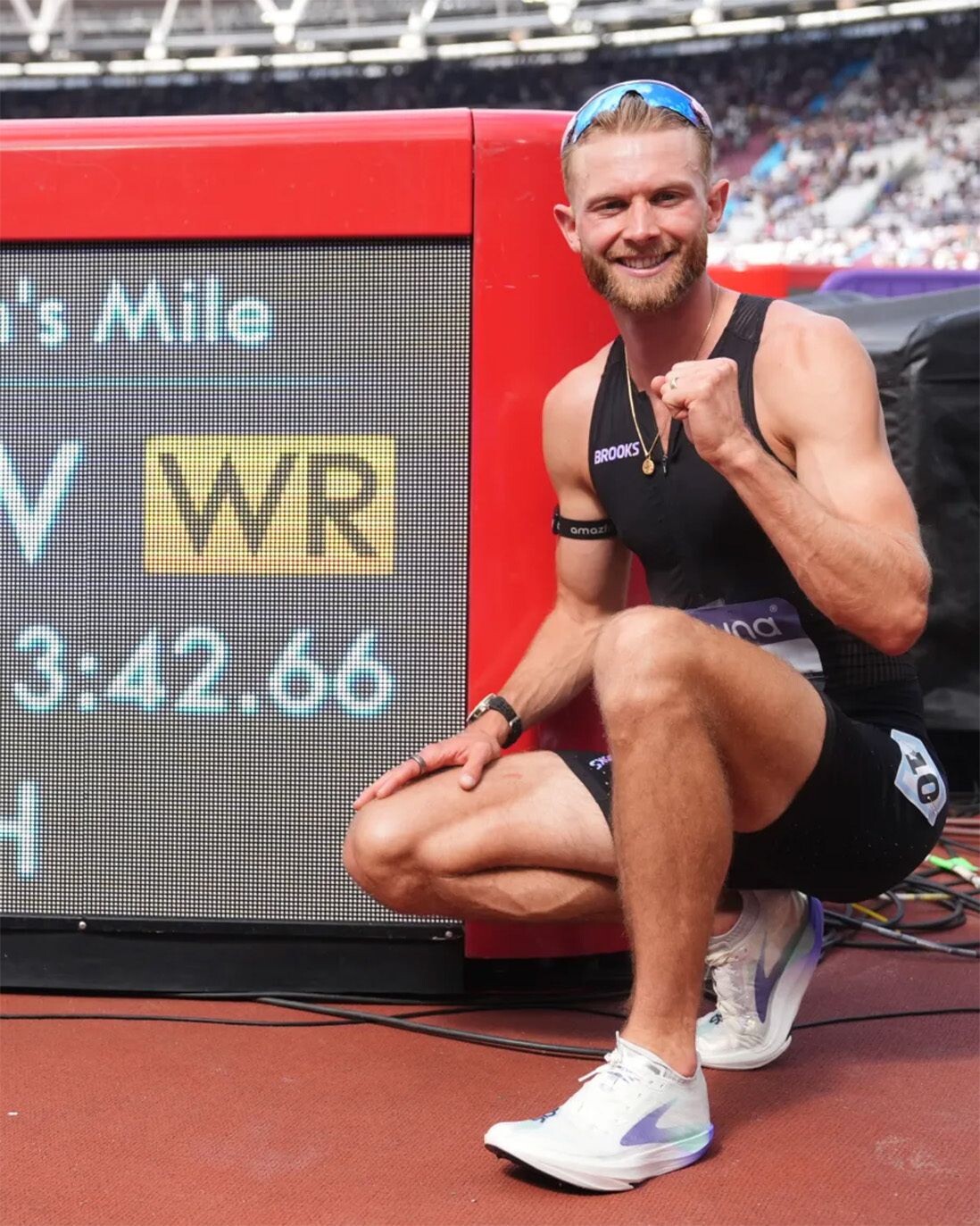
With that unforgettable run, Kerr became the seventh British man to hold the men's mile world record, joining a legendary lineage that stretches back nearly nine decades. His achievement places him alongside icons such as Sydney Wooderson, Roger Bannister, Derek Ibbotson, Sebastian Coe, Steve Ovett and Steve Cram—names forever woven into the history of British athletics.
For generations, Great Britain stood at the forefront of mile running. Wooderson first established the country's dominance in 1937 before Bannister forever changed athletics by becoming the first man to break the four-minute barrier in 1954. The baton was then carried by Ibbotson, Coe, Ovett and Cram, whose fierce rivalry elevated the event to extraordinary heights during the late 20th century.
Since Steve Cram's world record of 3:46.32 in 1985, Britain had waited more than four decades for another athlete capable of reclaiming the crown. Many exceptional runners emerged during that period, but none managed to rewrite the record books—until Josh Kerr.
The Scottish star embraced the enormous expectations surrounding his ambitious Project 222 with remarkable composure. Every split demonstrated the precision required to chase history. He opened with 27.5 seconds at 200m, reached 400m in 55.3, passed 600m in 1:23.2, and hit 800m in 1:51.1, perfectly positioning himself for a relentless second half.
Rather than fading, Kerr accelerated. He covered 1000m in 2:18.8, reached 1200m in 2:46.5, passed 1400m in 3:14.0, and crossed 1500m in a blistering 3:27.7 before producing one final surge over the closing 109 metres to stop the clock at an astonishing 3:42.66. It was a masterclass in pacing, endurance and finishing speed—proof that every stride had been meticulously planned.
Roared on by thousands of supporters inside London's packed stadium, Kerr transformed years of sacrifice, discipline and unwavering belief into one of the greatest performances ever witnessed in middle-distance running. He didn't simply attack the record—he dismantled it with authority.
Kerr's achievement is about far more than breaking a world record. It reconnects Great Britain with one of its proudest athletics traditions and signals the beginning of a new era for the iconic mile. His unforgettable run reminds the world that even the longest-standing records can fall when extraordinary talent meets fearless ambition.
On a magical evening in London, Josh Kerr didn't just rewrite the record books—he brought the mile world record back home and secured his place among the greatest middle-distance runners in history.
by Erick Cheruiyot for My Best Runs.
Login to leave a comment
Project 222 shattered: Josh Kerr rewrites history with sensational mile world record
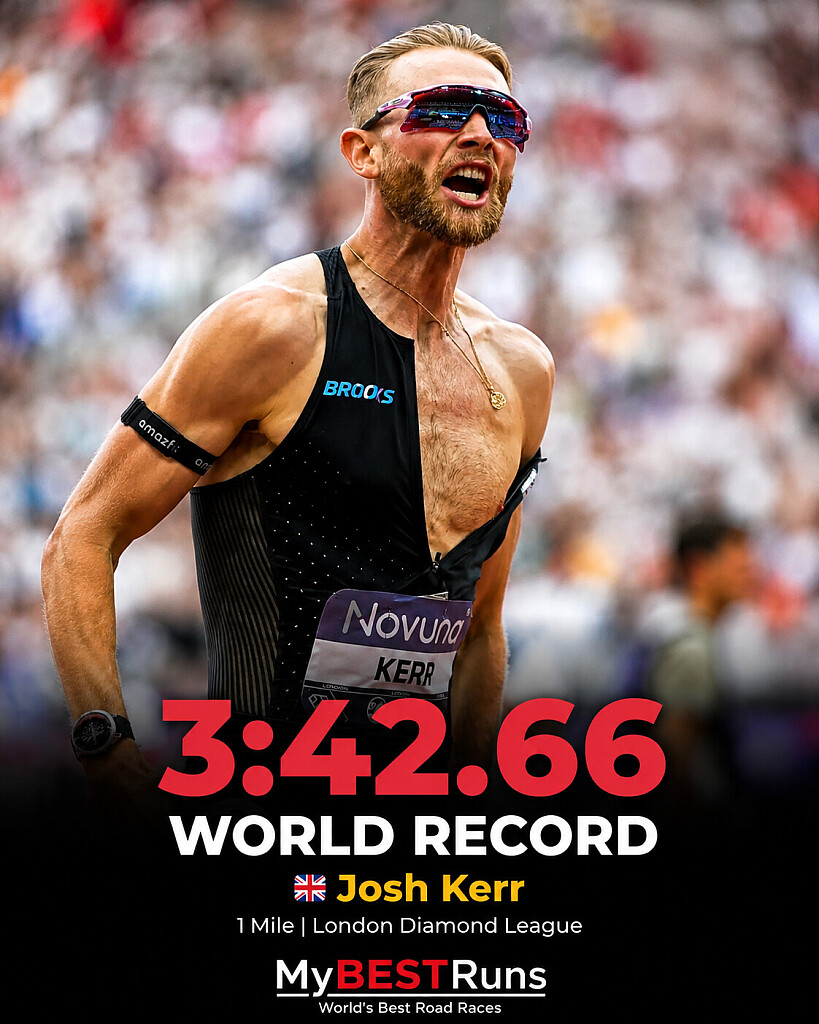
British middle-distance star Josh Kerr has etched his name into athletics folklore after producing one of the greatest performances the sport has ever witnessed, smashing the men's mile world record at the London Diamond League in front of a euphoric home crowd.
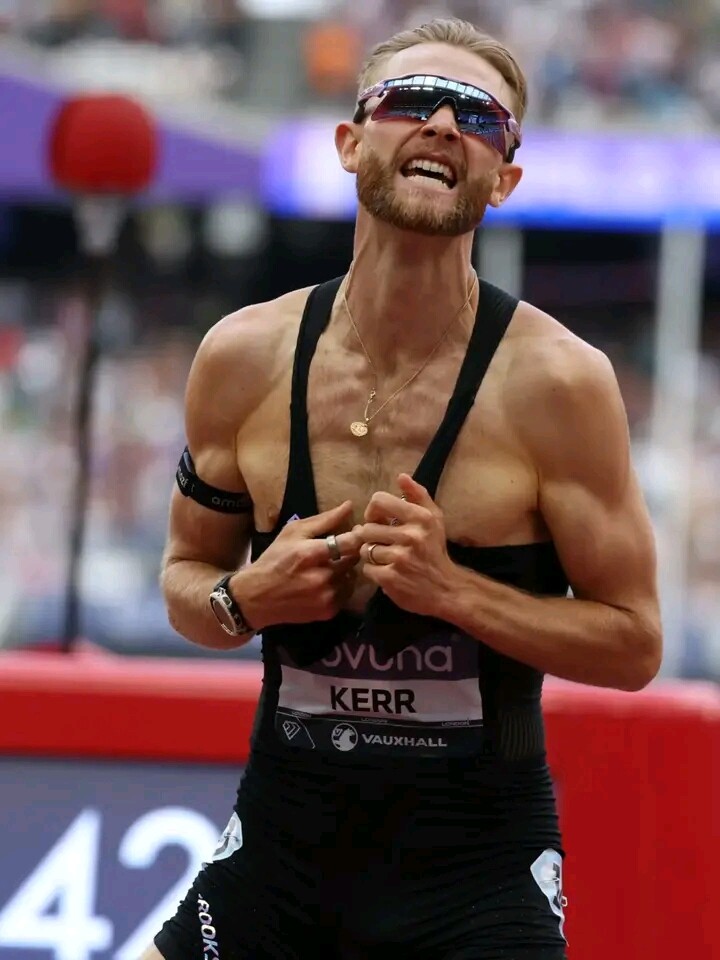
After months of anticipation surrounding Project 222, Kerr delivered on his bold promise in spectacular fashion. The British star stormed to an astonishing 3:42.66—exactly 222.66 seconds—to become the fastest miler in history and finally erase one of athletics' most iconic records.
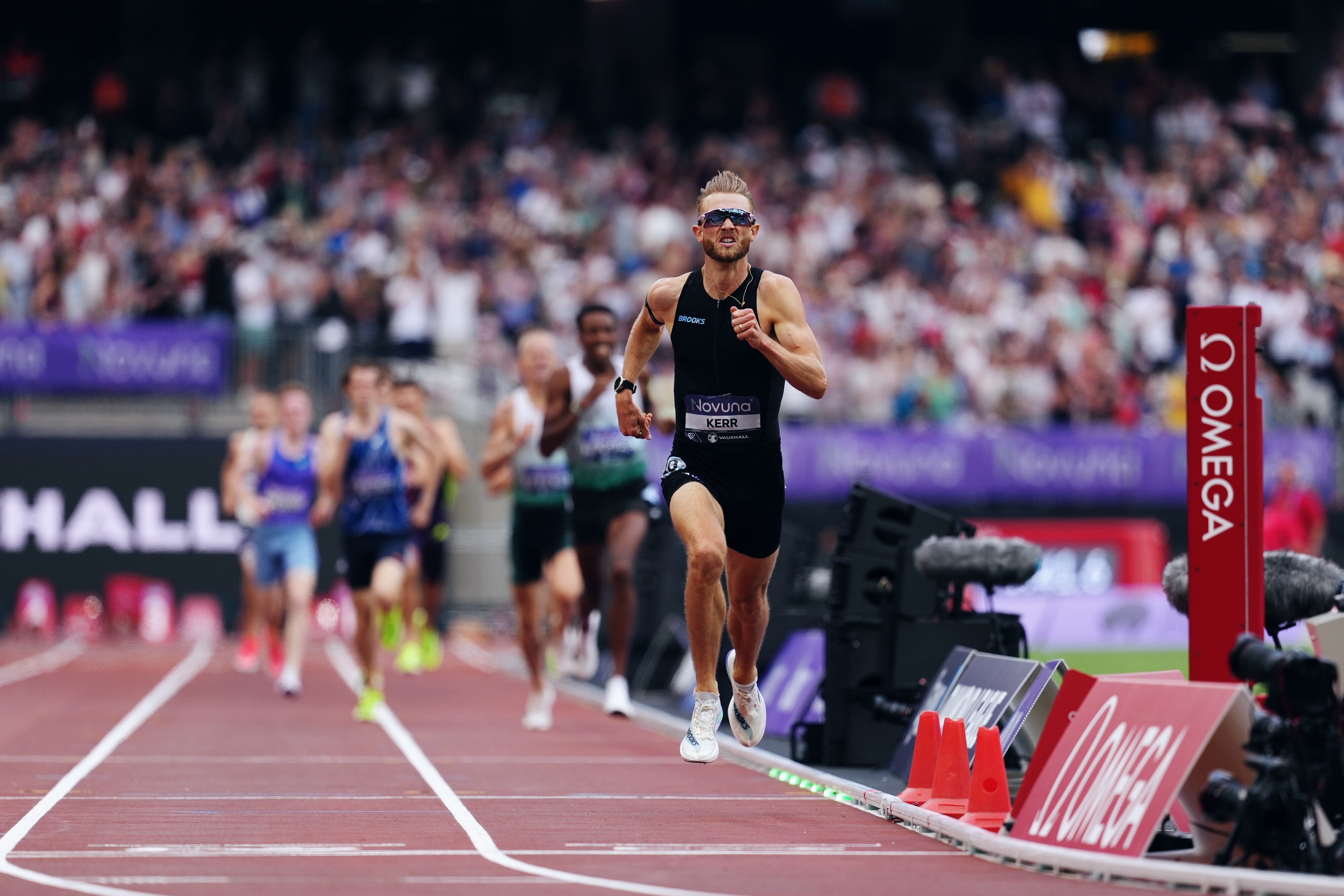
His breathtaking run eclipsed the legendary 3:43.13 set by Moroccan great Hicham El Guerrouj in 1999, a mark that had stood for 27 years and was widely regarded as one of the most untouchable world records in track and field.
From the moment the pacemakers led the field through the opening laps, it was evident that Kerr had arrived with one objective—to make history. Maintaining relentless rhythm and remarkable composure, he unleashed a devastating final surge that carried him across the finish line in record-breaking fashion, igniting wild celebrations inside the London Stadium.
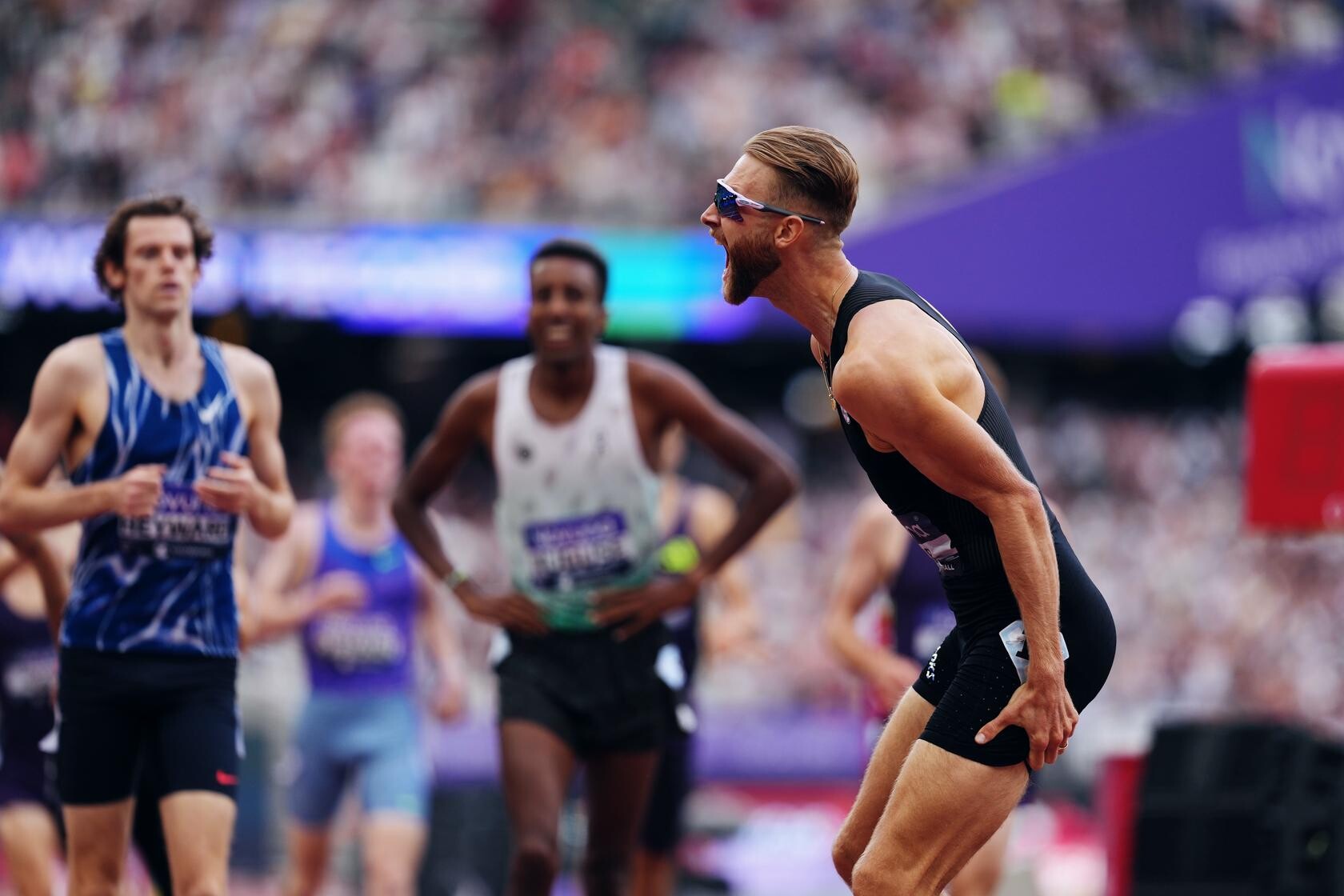
Project 222 was more than a slogan; it was Kerr's ambitious mission to complete the mile in under 223 seconds. On one unforgettable evening, he exceeded even those lofty expectations, stopping the clock at 222.66 seconds and proving that months of meticulous preparation, confidence, and fearless racing had culminated in the performance of a lifetime.
The achievement represents far more than a Diamond League victory. It marks the end of one of the longest-standing chapters in athletics history and signals the beginning of a new era in middle-distance running. Breaking such a revered record on home soil, surrounded by thousands of passionate British fans, made the moment even more memorable.
With his extraordinary 3:42.66, Josh Kerr has not only fulfilled the promise of Project 222 but has also secured his place among the greatest middle-distance runners of all time. On a historic evening in London, he proved that even the sport's most enduring barriers are meant to be broken.
by Erick Cheruiyot for My Best Runs.
Login to leave a comment
