

Running News Daily
Running News Daily is edited by Bob Anderson and team. Send your news items to bob@mybestruns.com Advertising opportunities available.
Index to Daily Posts · Sign Up For Updates · Run The World Feed
Articles tagged #Billy Mills
Today's Running News
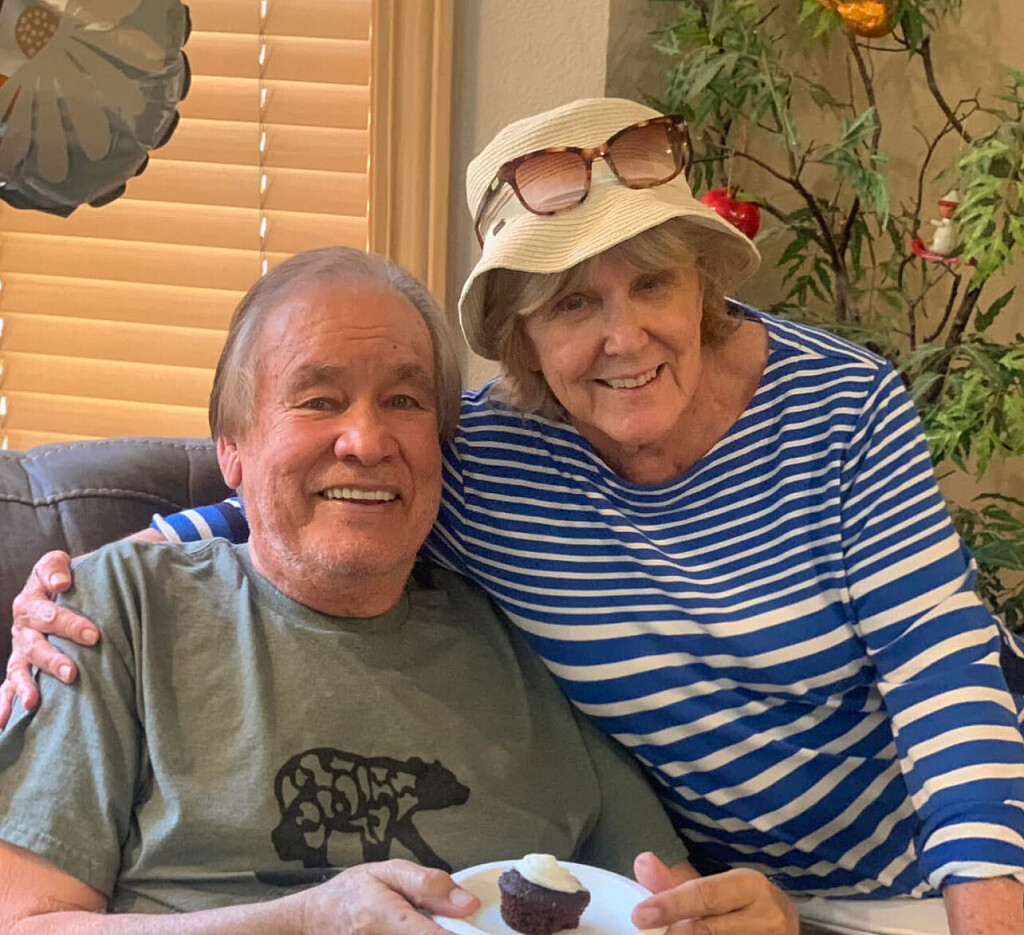


Billy Mills Turns 87 — A Running Legend Reflects on a Life of Purpose and Legacy
With wife Patricia by his side, the Olympic icon continues to inspire generations
On June 30, 2025, the legendary Billy Mills celebrated his 87th birthday, marking another chapter in a life defined by resilience, achievement, and unwavering purpose. His wife Patricia Mills, who has been his rock and closest partner for decades, shared a heartfelt message on social media:
“Happy Birthday to Billy! What a journey he has had! 87 years! Thank you all for his birthday wishes.”
For the running world, Billy Mills remains one of the most powerful figures in the sport’s history. His astonishing gold medal victory in the 10,000 meters at the 1964 Tokyo Olympics is still considered one of the greatest upsets in Olympic track history. Mills, a member of the Oglala Lakota Nation, was a virtually unknown underdog when he surged past world record holders in the final stretch to win in 28:24.4—setting an Olympic record and becoming the only American man ever to win Olympic gold in the 10,000 meters.
But Mills’ legacy extends far beyond the track.
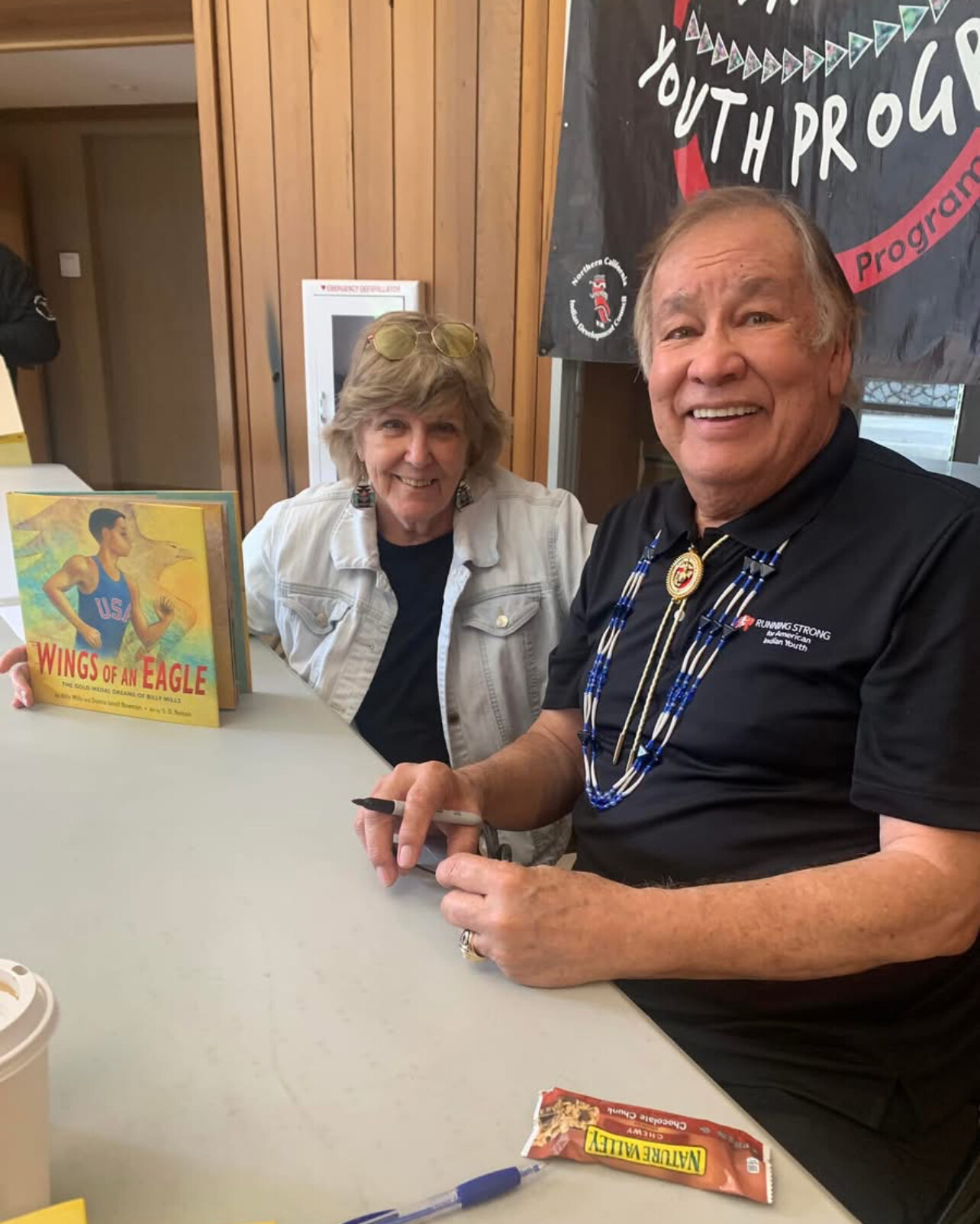
He has spent his post-competitive life as a motivational speaker, author, and advocate for Native American youth, co-founding Running Strong for American Indian Youth, an organization that supports wellness, education, and cultural preservation across the U.S.
Now at 87, Billy remains a symbol of what is possible when belief, determination, and heart align. His story has inspired generations of runners—elite and recreational alike—to push beyond what seems possible.
Still Leading in so many different ways
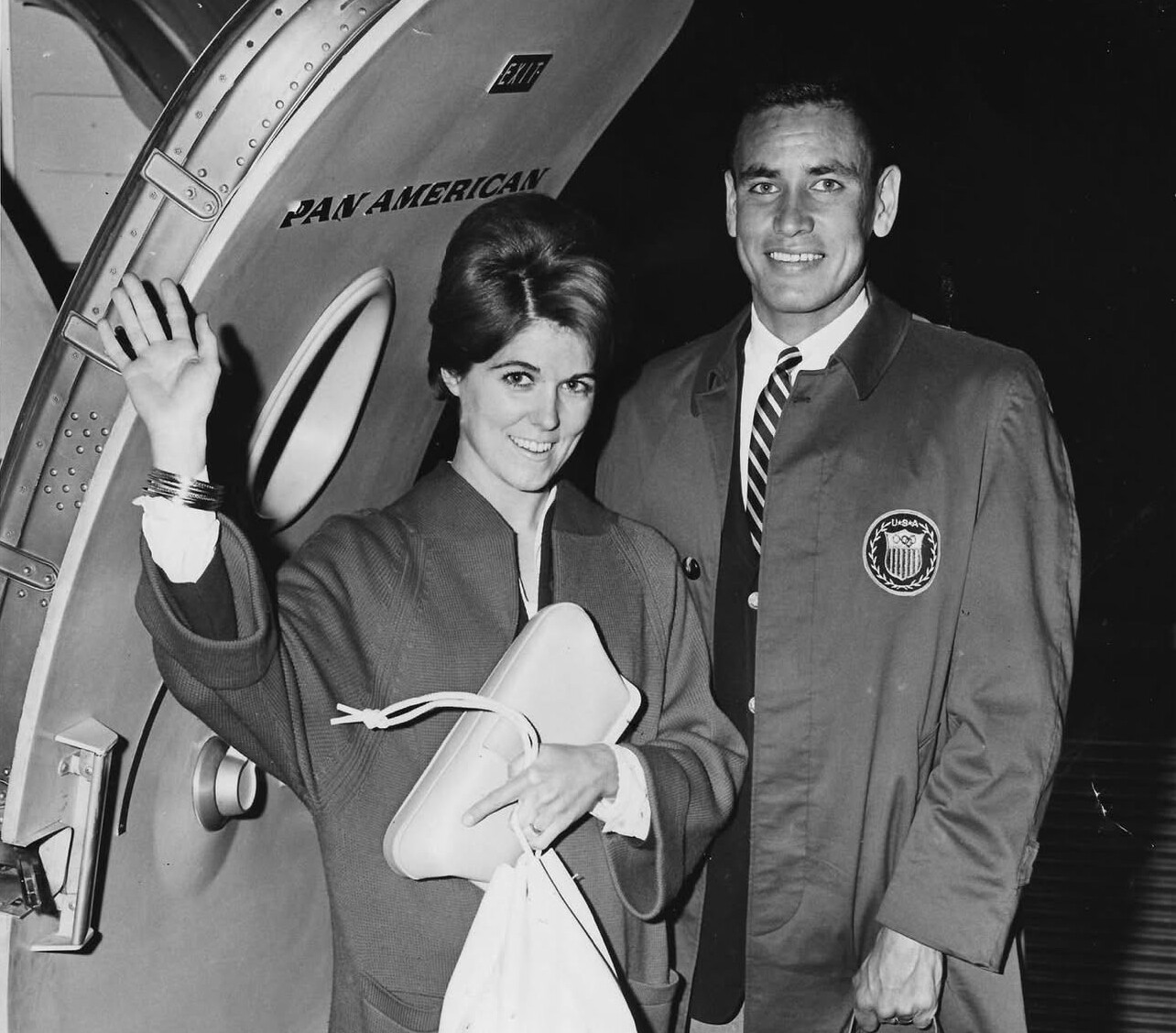
Whether through his speeches, interviews, or presence at events, Mills continues to uplift others. He and Patricia, married since 1962, have navigated decades of change together, and her love and support have always been central to Billy’s journey.
From the Olympic podium to today, Billy Mills exemplifies the spirit of the running community: perseverance, humility, and using one’s platform to make the world better.
Happy Birthday, Billy. Your stride still echoes.
by Boris Baron
Login to leave a comment
A Long Run – The Running Documentary That’s Inspiring Runners Everywhere
Some films tell a story. Others ignite a movement. A Long Run does both.
But don’t just take our word for it—here’s what real runners who watched the film had to say:
@no1fibersplicer525"I love this! I’m 49 and I started ‘Couch to 5K’ three weeks ago. I signed up for my first 5K last night. I’m super excited...I’m tired after each run, but even as I run further, it’s the same ‘tired’—I’m adapting! I’m becoming that guy I see on TV. I will run this 5K and I will start calling myself a runner! Thanks for the encouragement!"
@AdventuresomeOutlook"I love hearing stories of people picking up running. Running saved me from a deep depression after getting diagnosed with multiple medical conditions. I picked up running (something I never desired doing), and it’s helped me gain so much confidence and pride in myself..."
@deldridg"So many life lessons here. Thank you for such a wonderful documentary and for all the inspiration. Tomorrow after dropping the kids off at school, this Sydney dad will be heading out to a gorgeous trail to enjoy running through 10km of views over the Hawkesbury River, endless bird song, and the company of the occasional goanna. On Sunday, the whole family will do it again. I can’t wait!! Cheers and thank you!"
The Man Behind the Journey
The old guy still has it. A runner will always be a runner.
That “old guy” is Bob Anderson, the man who founded Runner’s World magazine at age 17 with just $100 and a typewriter. He built the magazine into a global running institution before selling it to Rodale Press in 1984. But his love for running never faded.
50 years after his first run, Bob took on a bold challenge: run 50 races in one year covering 350 miles at an average pace under 7 minutes per mile—all at the age of 64.
That’s equivalent to a 5:30 pace for a 30-year-old male or a 6:00 pace for a 30-year-old female—elite-level speed at any age.
Could he do it? How would he handle injuries, fatigue, and the mental grind?
A Film Narrated by an Icon
What makes A Long Run even more special is that it’s narrated by actor Sean Astin, best known for his roles in Rudy, The Goonies, and The Lord of the Rings trilogy.
Bob met Sean at one of the races he was staging, and the two immediately bonded over their shared passion for running. Sean, an avid marathoner himself, was the perfect voice to bring Bob’s incredible journey to life, adding emotional depth and energy that captures the heart of the film.
More Than a Personal Challenge—A Tribute to Running
The film isn’t just about Bob. It’s about the sport itself.
The history – A Long Run takes you back to the early days of the running boom, featuring icons like Bill Rodgers, Billy Mills, Paula Radcliffe, Dean Karnazes, and George Hirsch.
Some of the races – Experience the thrill of running through:
Avenue of the Giants – Towering redwoods in California create a breathtaking race backdrop.
San Francisco’s hills – A stunning yet brutal testing ground for runners.
Coastal Fort Bragg – Where the ocean’s rhythm meets the rhythm of the runner.
Run the Parkway Half Marathon (Kansas) – The race near Overland Park, Kansas, where Bob founded Distance Running News, the publication that later became Runner’s World.
Falmouth Road Race (Massachusetts) – One of the most scenic and historic road races on the East Coast.
Kauai Half Marathon (Hawaii) – A September race offering breathtaking ocean and mountain views in paradise.
@angellosmalefakis1321"This was a wonderful film, Bob! Wonderful in so many ways! Good to see that you presented so many icons of the sport of running. I was with Runner’s World when it was young. There in NYC when the marathon was at its infancy. We still miss Fred. Miss Greta. Wonderful film in so many ways! I love it! I am 65 and still running—now winning masters races!"
Why You Should Watch A Long Run
If you’ve ever laced up your shoes for a jog, if you’ve ever wondered how far you could go, or if you just need a spark to get moving again, this film is for you.
With over 342,000 views, A Long Run has inspired runners around the world. The best part? It’s completely free to watch!
@mpgrewal00"Bob loves running. Bob lives running. Good work, Bob."
@shamelesssheamis545"I’m 35 and started 5 months ago. One day I just got up and ran a mile. It was slooow. But that was it for me. I’m up to running 12 miles now and I cannot wait to see where this goes! Happy running, everyone!"
@barefootbeachrunner9498"Awesome. Inspiring film. Thanks for reminding me why I run!"
Where to Watch
Watch the full film for free on YouTube: A Long Run.
Or visit alongrun.com for more information.
We hope you’ll watch it and let us know what you think. Leave a comment, share your thoughts, and help us reach 500,000 views!
This is your chance to see what happens when passion meets determination. To feel the runner’s high without breaking a sweat. To be inspired by the sport we all love.
Because, as Bob Anderson has proven, a long run never really ends.
by Boris Baron
Login to leave a comment
Grant Fisher: The Rise of America’s Distance Running Star and His Path to Success
Grant Fisher came within a fraction of a second of Olympic gold in the 10,000 meters at the 2024 Paris Games, narrowly missing the top spot in one of the closest finishes in the event’s history.
It had been 60 years since an American had last won the race, and sitting in the stands that day was Billy Mills, the man who pulled off that legendary upset in Tokyo in 1964. Fisher’s performance was a powerful moment that linked generations of American distance running, proving that while technology and training have evolved, the spirit of competition remains unchanged.
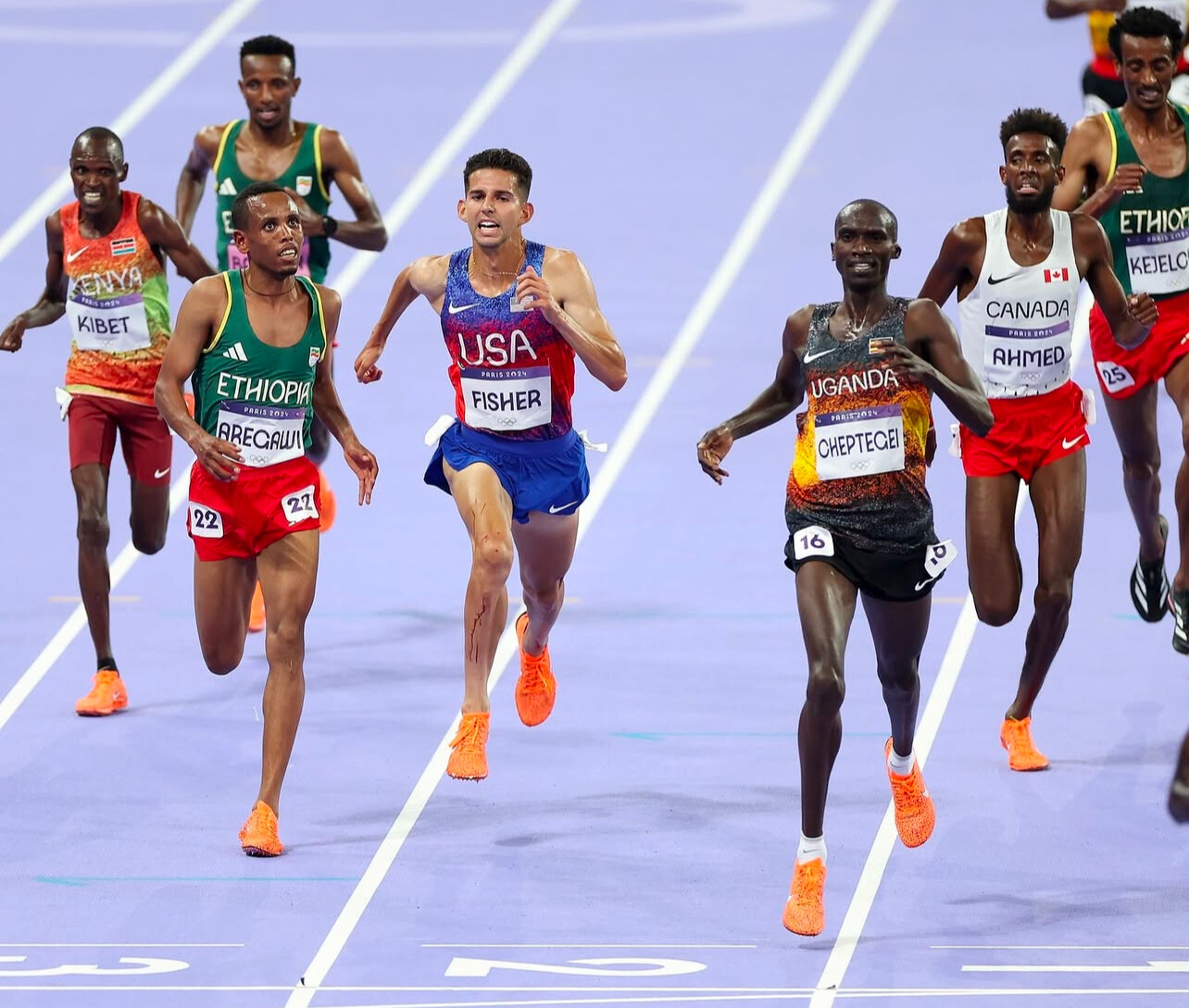
Fisher has emerged as one of the greatest distance runners in American history. He holds the world indoor record in the 3000 meters, as well as American records in the two-mile, 5000 meters, and 10,000 meters.
His performances at the 2024 Olympics—bronze medals in both the 5000 and 10,000 meters—cemented his status as a world-class athlete, making him the first American to medal in both events at the same Olympic Games.
Early Life and High School Achievements
Fisher grew up in Grand Blanc, Michigan, where he attended Grand Blanc High School. In addition to running, he was an avid soccer player and a member of the Michigan Wolves, an elite-level club team. His high school running career was marked by significant achievements, including being named Gatorade Player of the Year for cross country for the 2013–2014 and 2014–2015 seasons. On June 4, 2015, he became the seventh American high school student to run a mile under four minutes, clocking 3:59.38 at the Nike Festival of Miles.
Collegiate Success at Stanford University
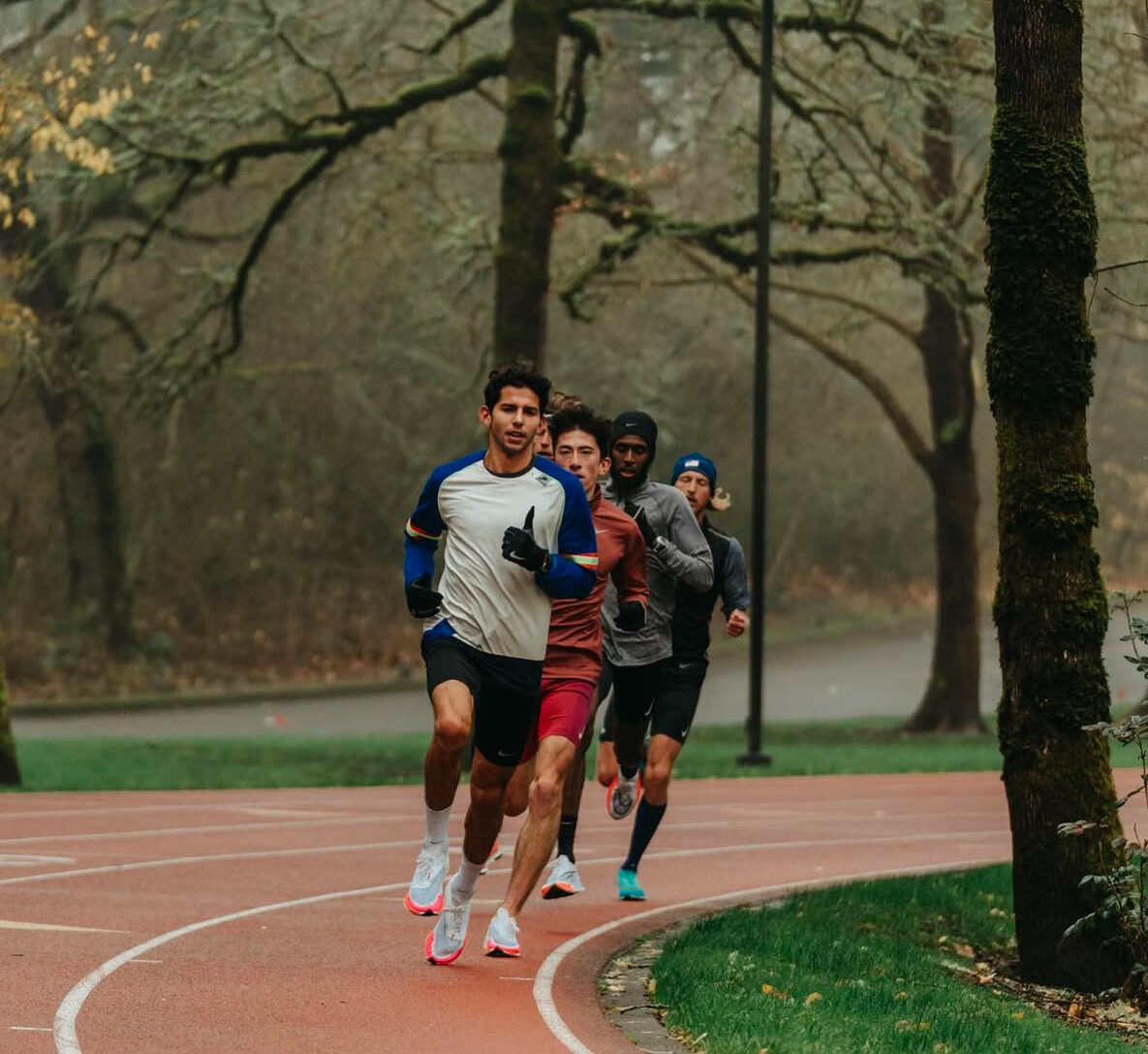
Fisher attended Stanford University, where he continued to excel in both cross country and track. He was an eleven-time All-American and won the 2017 NCAA Outdoor Track and Field 5000m championship, becoming the first American underclassman to do so in 28 years.
Transition to Professional Running
After graduating from Stanford, Fisher turned professional and joined the Bowerman Track Club, training under coach Jerry Schumacher. He continued to make significant strides in his professional career, setting personal bests and national records in various events.
Training Philosophy and Coaching
In late 2023, Fisher made a pivotal change by relocating to Park City, Utah, to train under his former high school coach, Mike Scannell. This move was aimed at optimizing his training environment, taking advantage of Park City's high altitude to enhance his physiological response to training. Fisher's training regimen focuses on threshold-type sessions, hill repeats, and long runs, with an emphasis on consistency and gradual progression.
Olympic Achievements
At the 2024 Paris Olympic Games, Fisher delivered outstanding performances:
10,000 meters: Fisher secured a bronze medal with a time of 26:43.46, narrowly missing the silver in a photo finish. This achievement made him the first American to medal in the men's 10,000 meters since Galen Rupp in 2012.
5000 meters: Fisher earned his second bronze medal, finishing in 13:15.13. He executed a strong final lap, moving from ninth to third place, showcasing his tactical acumen and finishing speed.
This race was one of the most thrilling finishes in Olympic history, with Fisher just 0.32 seconds behind Uganda’s Joshua Cheptegei, who set a new Olympic record of 26:43.14. The difference between gold and bronze was razor-thin, and it took a photo finish to determine the final placements.
Recent Achievements
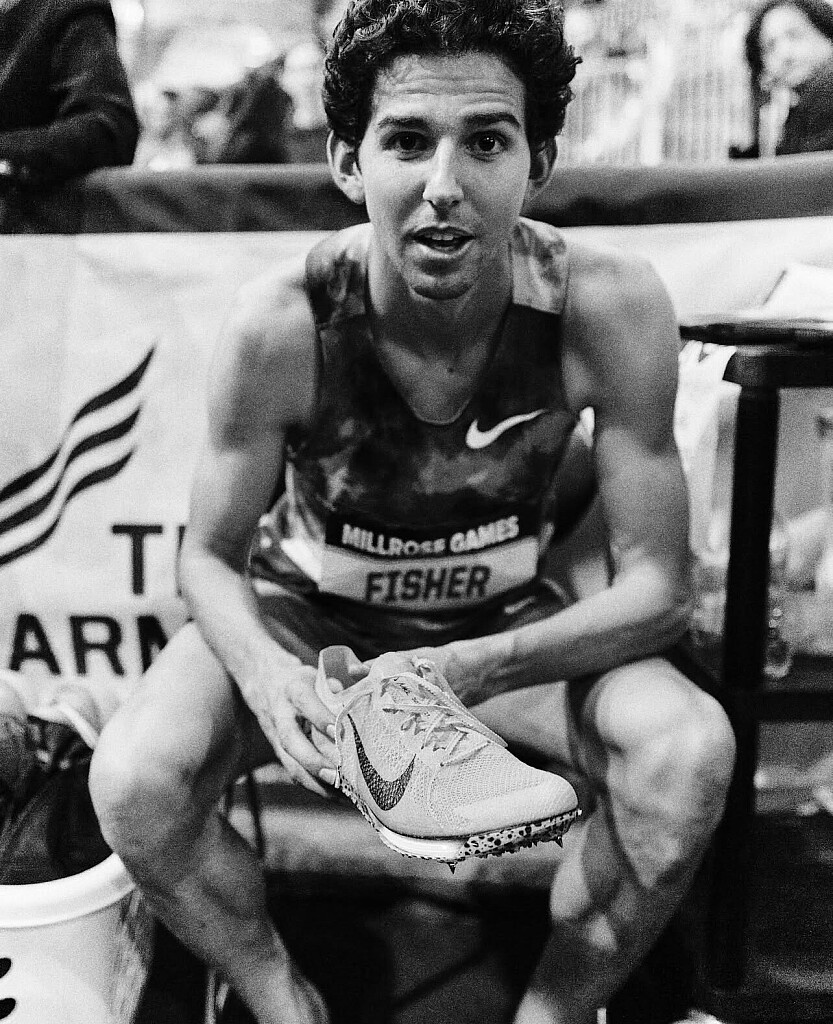
On February 8, 2025, at the Millrose Games, Fisher set a new world indoor record in the 3000 meters, finishing in 7:22.91. This performance underscored his position as one of the premier distance runners globally.
Personal Bests
Grant Fisher's progression in the sport is highlighted by his impressive personal records across various distances:
1500 meters: 3:34.90 (June 9, 2024, New York, New York)
3000 meters: 7:22.91 (February 8, 2025, New York, New York) – World Indoor Record
Two-mile: 8:03.62 (February 11, 2024, New York, New York) – American Record
5000 meters: 12:46.96 (September 2, 2022, Brussels, Belgium) – North American Record
10,000 meters: 26:33.84 (March 6, 2022, San Juan Capistrano, California) – North American Record
These personal bests not only demonstrate Fisher's versatility across distances but also his continuous improvement and commitment to excellence.
Grant Fisher's journey from a high school prodigy to a world-class athlete is a testament to his dedication, strategic training choices, and adaptability. His performance in the 2024 Olympic 10,000 meters was one of the greatest ever by an American, coming within a fraction of a second of gold.
While modern advancements in track surfaces, shoes, and training have contributed to faster times, Fisher’s near-victory proved that at its core, elite distance running is still about tactical intelligence, mental strength, and raw determination—the same qualities that helped Mills secure his iconic gold in 1964.
by Boris Baron
Login to leave a comment
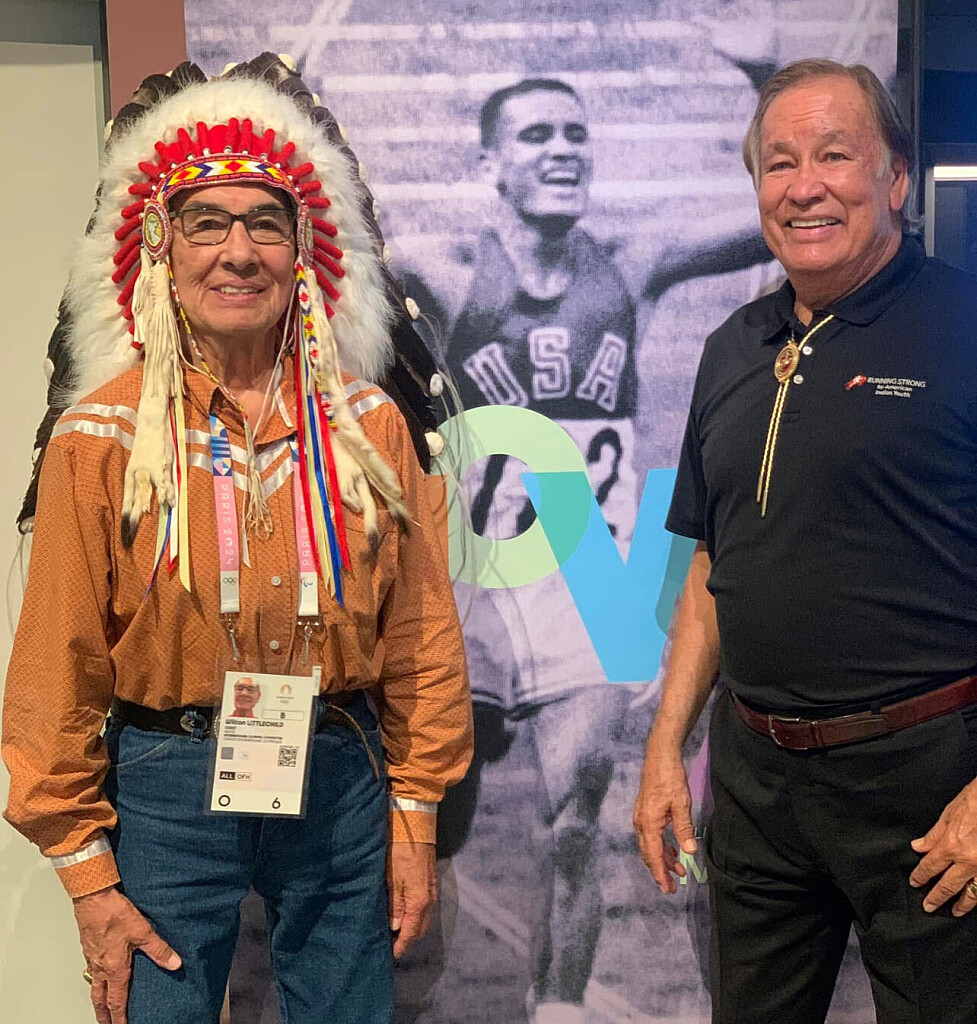
How Much Have Tracks and Shoes Improved 10,000m Times? A Look at Billy Mills’ 1964 Olympic Gold Compared to Today
When Billy Mills won the 10,000 meters at the 1964 Tokyo Olympics, he shocked the world. A relative unknown at the international level, Mills surged past world record holder Ron Clarke in the final stretch to win gold in 28:24.4, setting an Olympic record. It remains one of the most famous upsets in Olympic history.
At the 2024 Paris Olympics, Billy Mills sat in the stands, watching intently as the men's 10,000-meter final unfolded. Sixty years after his historic victory in Tokyo, he witnessed another American, Grant Fisher, battling for the podium.
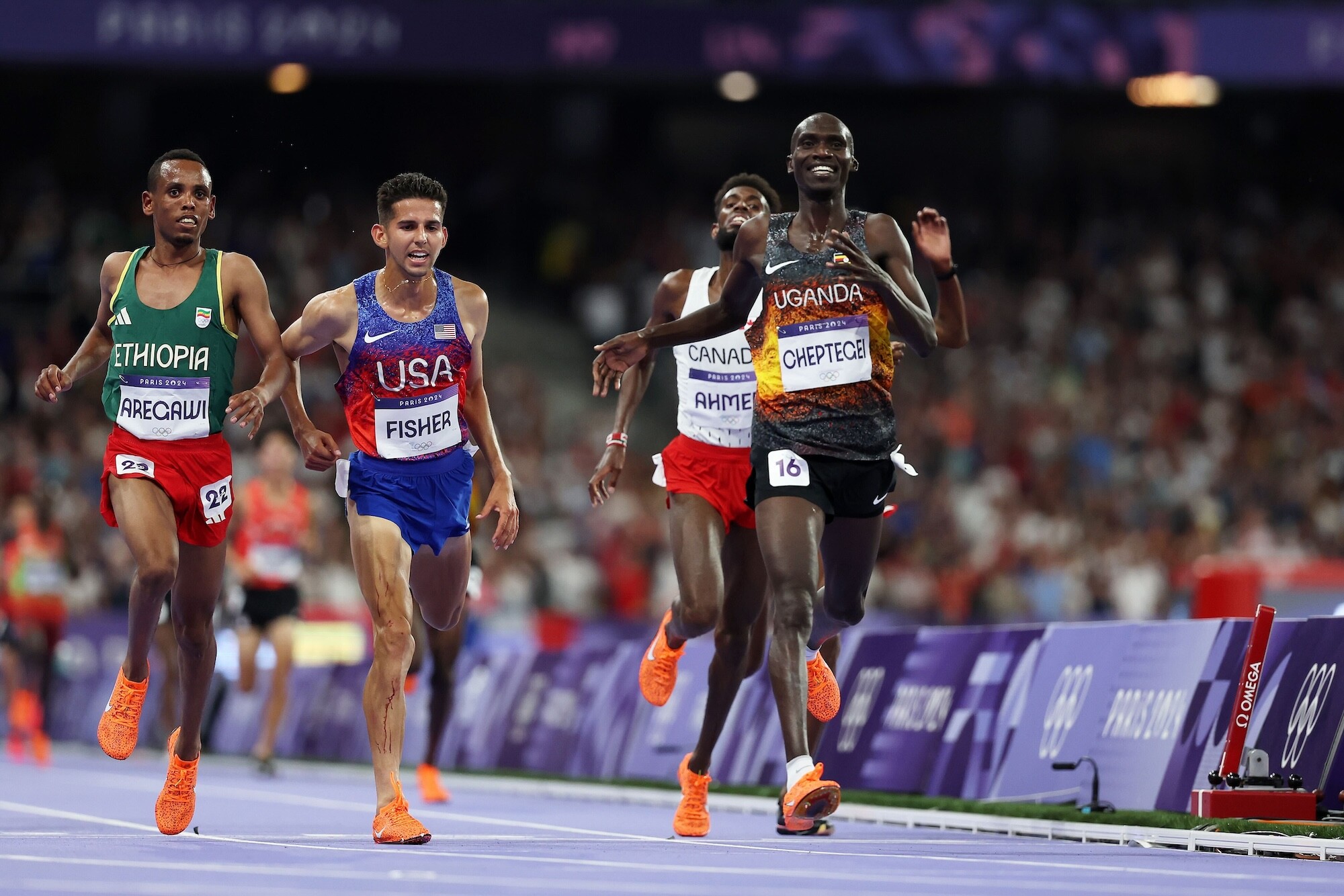
With two laps to go, Fisher was perfectly positioned, matching strides with the East African elites, his long, efficient stride reminiscent of Mills' own finishing kick in 1964.
As the bell rang for the final lap, Fisher surged, momentarily moving into second. Mills, now 86, leaned forward, sensing history. But in the last 100 meters, Fisher was edged out, securing bronze. Mills smiled, knowing how close greatness had come again. Fisher clocked 26:43.46, just one third of a second behind the gold medal winner.
Mills had ran his time on a cinder track, wearing "basic running shoes"—conditions that would be considered primitive compared to today’s high-tech track surfaces and carbon-plated racing shoes. Given all the advancements in running technology, how much faster could Billy Mills have run on a modern track with today’s footwear? And how much have these innovations contributed to the faster times we see today?
The Difference Between Cinder and Synthetic Tracks
One of the biggest changes in distance running over the last six decades has been the transition from cinder tracks to synthetic surfaces. Cinder tracks, composed of crushed brick, coal, or ash, provided uneven footing, absorbed energy from each step, and became soft and unpredictable when wet. Athletes often wore spikes with long, heavy pins to grip the loose surface.
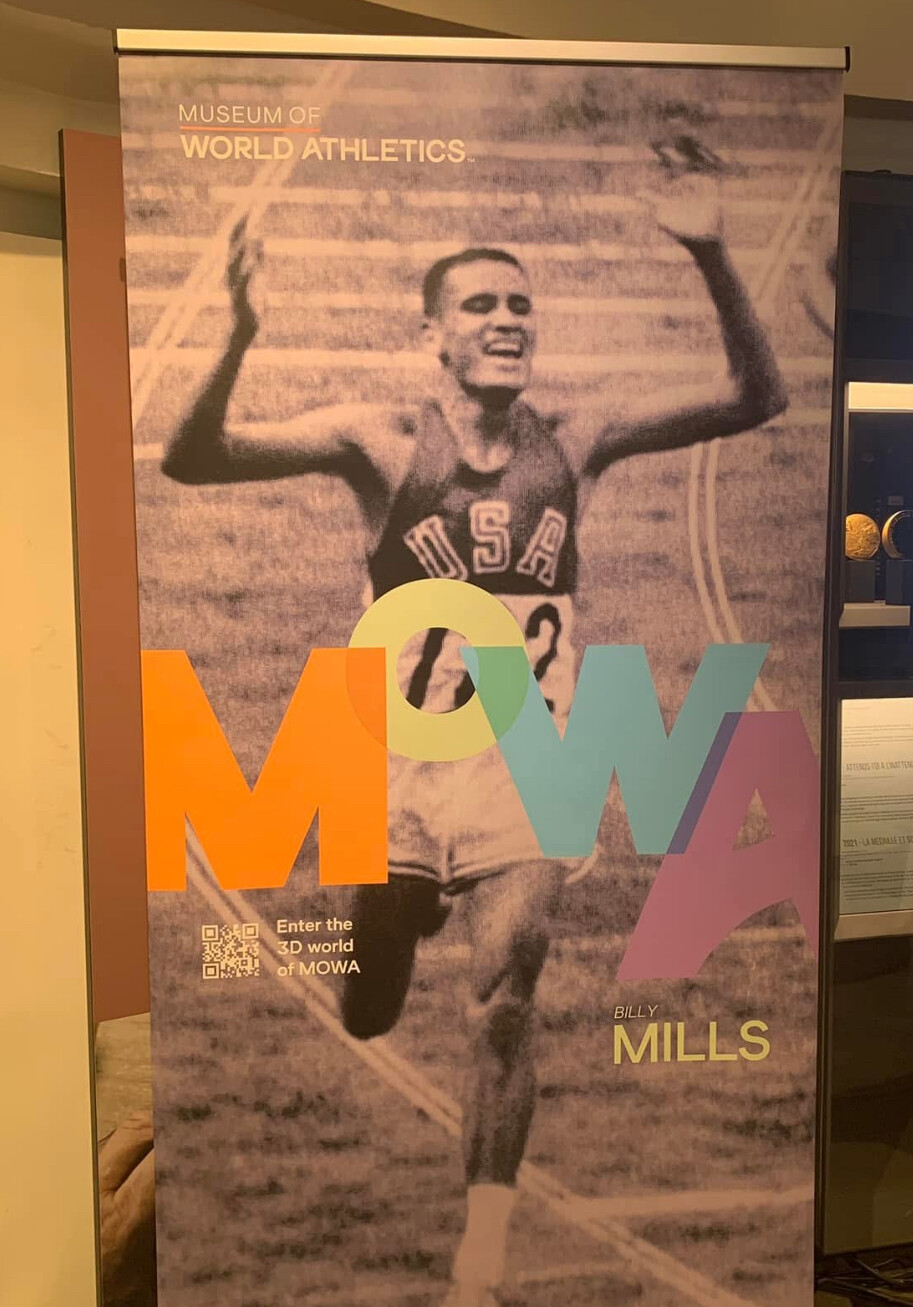
By contrast, modern synthetic tracks, introduced in the late 1960s, offer a firm, springy surface that returns more energy to the runner with each stride. Research suggests that switching from a cinder track to a synthetic track can improve distance-running performance by about 1-2 percent.
For a 10,000-meter race, a 1-2 percent time reduction equates to about 17 to 34 seconds. This means that if Billy Mills had run his race on a modern track, his time could have been anywhere between 27:50 and 28:07 just from the track surface alone.
The Impact of Modern Running Shoes
The second major advancement in distance running has been the development of carbon-plated racing shoes with high-energy-return foams. The latest models, introduced after 2016, are designed to reduce energy loss with each step, making it easier for runners to maintain their pace over long distances. Studies suggest these shoes provide 2-4 percent energy savings, which translates to a 30-60 second improvement over 10,000 meters.
Adding this to the estimated track advantage, Mills’ performance could have been further improved, bringing his potential time down to around 26:50 to 27:30.
Comparing Billy Mills’ Performance to Modern Champions
The current Olympic record for the 10,000 meters was set by Uganda’s Joshua Cheptegei at the 2024 Paris Olympics with a time of 26:43.14. That’s 1 minute and 41 seconds faster than Mills' winning time.
However, when we factor in advancements in track surfaces and footwear, the estimated modern equivalent of Mills’ race suggests he could have run within a minute of today’s best, making him far more competitive by modern standards than his official time suggests.
Other Factors That Have Led to Faster 10,000m Times
While tracks and shoes play a significant role in faster performances, several other factors have contributed to the improvement in 10,000-meter times over the decades:
More specialized training. Today’s distance runners have more scientifically tailored training programs, including altitude training, precise recovery strategies, and improved strength training techniques.
Better pacing and race strategy. Modern races are often assisted by pacemakers who set a steady, fast pace, helping runners conserve energy and stay consistent. In contrast, Mills’ race was a classic tactical battle with surges and slow-downs.
Nutritional and recovery advances. Today’s runners have access to optimized hydration, fueling, and recovery methods that allow them to train harder and more efficiently.
Billy Mills’ Performance in Context
Billy Mills’ gold medal run remains one of the most inspiring performances in Olympic history, not just because of the time he ran, but because of the way he won. His dramatic sprint finish against heavily favored competitors on a slower, less predictable surface showcased his incredible talent, toughness, and racing instincts.
Had he raced under today’s conditions with modern advantages, Mills likely would have been among the best in the world by today’s standards. His story is a reminder that while technology has helped athletes run faster, the heart and determination behind great performances remain unchanged.
The next time you watch an Olympic 10,000-meter race, consider just how much conditions have changed since 1964—and how incredible it was for Billy Mills to win on that cinder track with the tools available at the time. His legacy stands as a testament to the pure competitive spirit of running.
by Boris Baron
Login to leave a comment
Billy Mills really enjoyed every minute of the Olympics in Paris
The Games are over! What a memorable experience. The local people were so great! lots of smiles and lots of help! We ran into many friends from the USA and around the world. Thank you all for taking the trip with us! Enjoyed all your comments and reading about your experiences at Olympic Games! Love you all! Billy Mills
About Billy Mills: (born June 30, 1938), also known by his Oglala Lakota name Tamakhóčhe Theȟíla, is an American Oglala Lakota former track and field athlete who won a gold medal in the 10,000 metre run (6.2 mi) at the 1964 Tokyo Olympics.
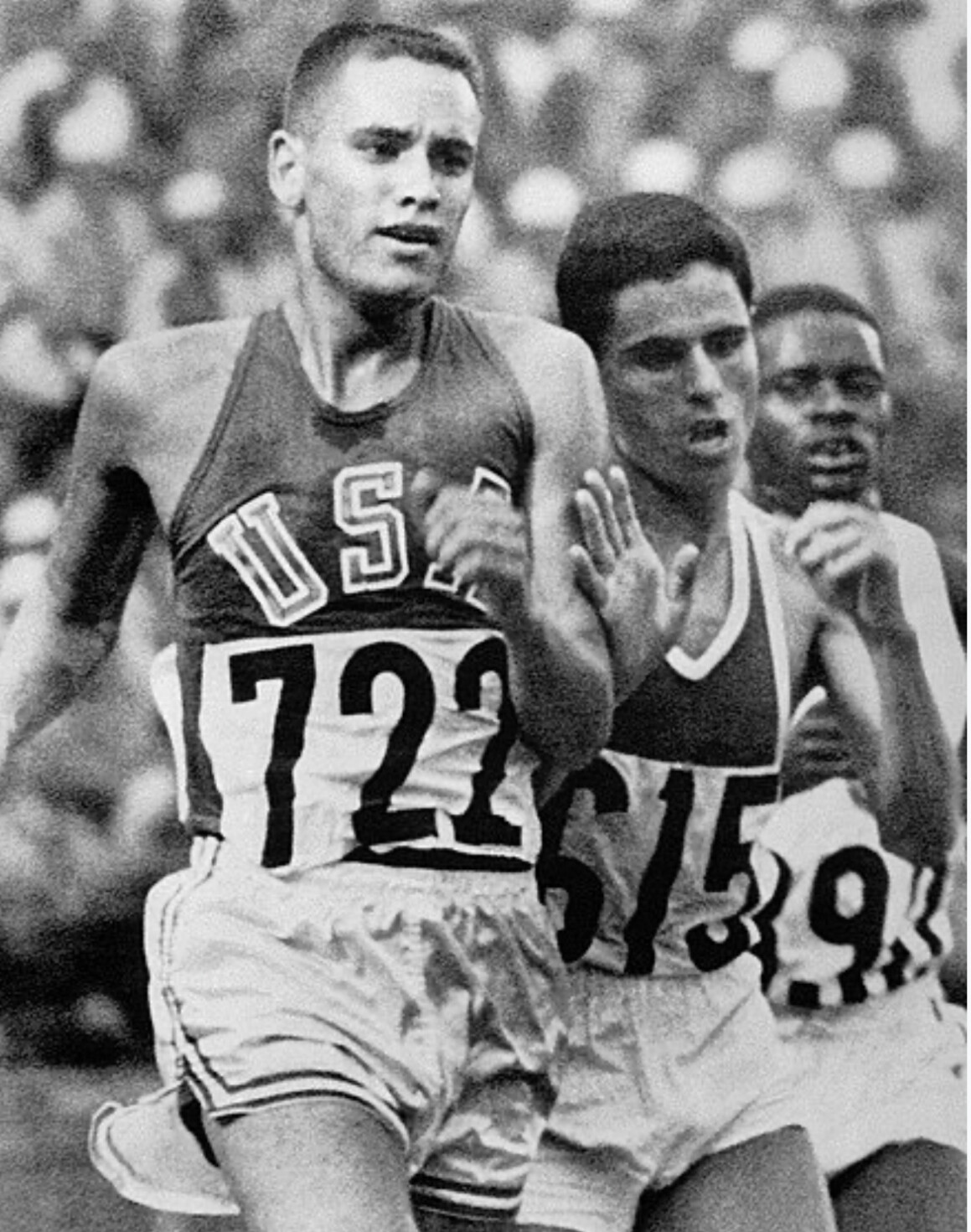
His 1964 victory is considered one of the greatest Olympic upsets because he was a virtual unknown going into the event.
He was the first non-European to win the Olympic event and remains the only winner from the Americas.[3] A United States Marine, Mills is a member of the Oglala Sioux Tribe.
Login to leave a comment
 I followed you everyday Billy. Looks like you, Pat and family and friends had an amazing time. - Bob Anderson 8/12 12:57 pm |
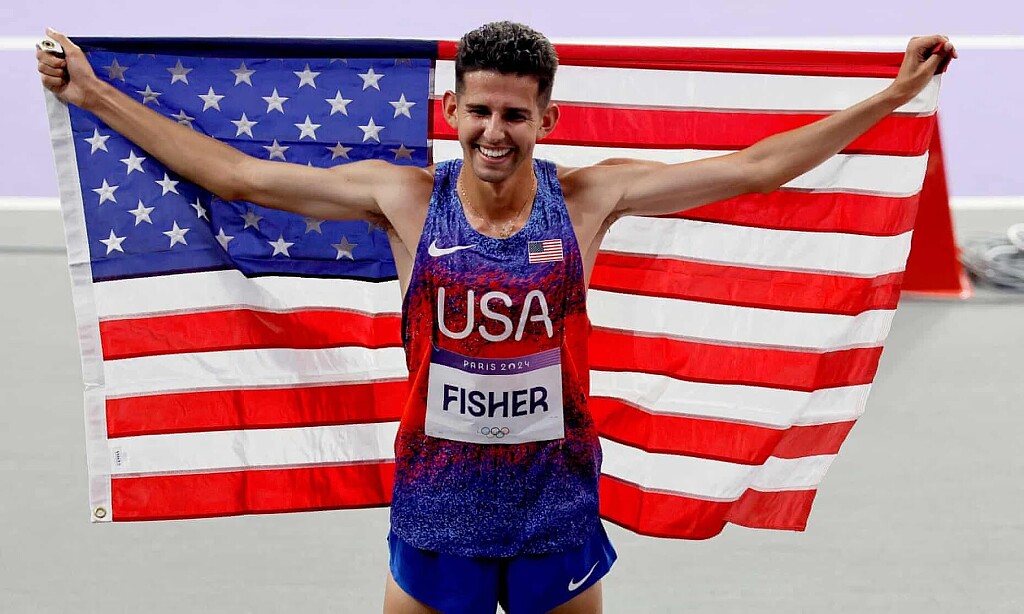
History maker: USA’s Grant Fisher takes bronze in men’s 10,000m at Paris Olympics
Grant Fisher joined Lewis Tewanima (1912), Billy Mills (1964) and Galen Rupp (2012) as the only American men to medal in the 10,000m at the Olympics, winning bronze in a close final on Friday night at the Stade de France.
Fisher was narrowly pipped to the line by Ethiopa’s Berihu Aregawi, who picked up the silver in a photo-finish.
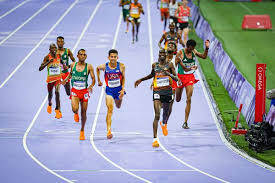
There were also strong efforts from Americans Nico Young (26:58.11) and William Kincaid (27:29.40), who finished 12th and 16th. But it was Fisher who made US history. In a cool night in Paris, he ran his best time of the season, clocking in at 26 minutes, 43.46 seconds. Aregawi ran a 26:43.44.
“I’ve been close to the medals before,” Fisher said. “But I haven’t gotten one until today.”
Fisher’s bronze marked the first US medal in track and field at the Paris Games.
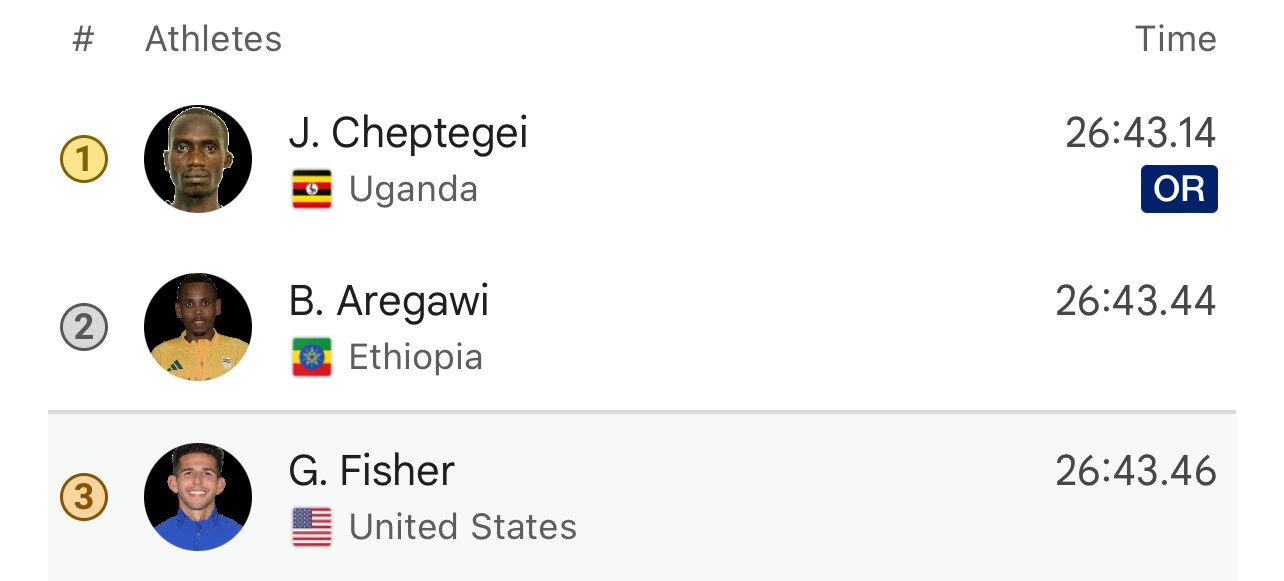
“So many things have to go right to get on the podium,” said Fisher, who finished fifth in the 10,000m in Tokyo. “I’m happy that they did.”
After stumbling with about nine laps to go, Fisher surged back to reach the lead group heading into the final laps. Whether or not the American could hold on for a medal was a question, but who would take home the gold was never in doubt.
Joshua Cheptegei of Uganda took the lead with a little more than a lap left in a masterpiece of a 10,000m final to win in an Olympic-record 26:43.14 seconds in front of a roaring crowd on an electric opening night for track at the Paris Games.The world record-holder raced in the middle of a strung-out pack for most of the 25 laps on the calm. Then he took off around the curve and held the lead over the final 500 meters against a crowd of Ethiopians who set a blistering pace all night.This was Cheptegei’s season opener on the track this season – his only race at this distance was a 26:53 run in a cross-country road race earlier this season.
He looked in peak form, turning a race being controlled by Aregawi and his Ethiopian teammates, who strung out the pack early and took turns in the lead, into a celebration for Uganda, which captured its first gold in the 112-year history of this race at the Olympics.The win earned Cheptegei $50,000 – a new prize for Olympic track this year – and a chance to ring the bell at the end of the stadium that is reserved only for newly crowned Olympic champions.
Cheptegei adds this to the silver medal he won in Tokyo and the world titles he took in 2019, 2022 and 2023.“Now, my collection is complete,” he said. “I was the world champion. Now, I win the Olympic title. I’m so excited.”
by Guardian sport
Login to leave a comment
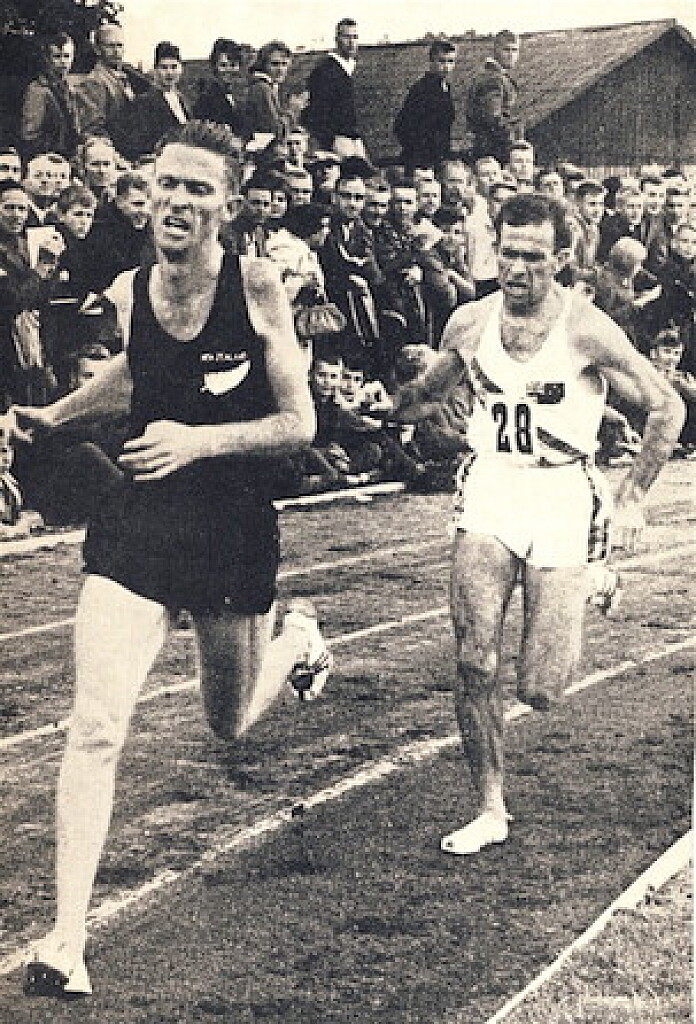
Olympic 5,000-Meter Champion Murray Halberg Dies at 89
Murray Halberg, gold medalist in one of the most dramatic distance races in Olympic history and a four-time world-record holder, died in Auckland, New Zealand, on November 30. He was 89 years old.
Halberg achieved victory in the 1960 Olympic 5,000 meters with a decisive surprise attack at three laps to go. The feat is remembered as one of the great tactical triumphs in the history of world-class distance racing. He also showed the sheer speed necessary to run world records at 2 miles (twice), 3 miles, and in the 4 x 1-mile relay for the New Zealand team. He was the first New Zealander to break 4:00 for the mile.
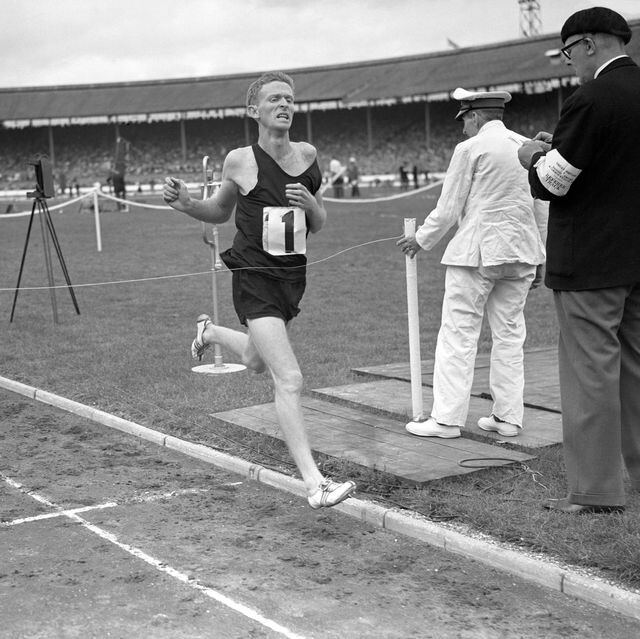
Sir Murray Halberg became a runner after a rugby injury at age 17 left him with a disabled left arm, and he linked with coach Arthur Lydiard after disappointment in the 1956 Olympic 1500 meters. He was the first runner to attain world stardom under Lydiard’s guidance.
His first major success was winning the 3-mile title in the 1958 Commonwealth Games. His Olympic win at Rome in 1960 came less than an hour after another Lydiard athlete, Peter Snell, won the 800 meters. The manner of both victories made Lydiard famous, and put New Zealand on the map of world distance running. Both showed the world the combination of pace and endurance attained through Lydiard’s structured high-mileage training. Halberg also finished fifth in the 10,000 meters at the Rome Olympics.
He made successful tours of the American indoors circuit, breaking the world indoor record for 2 miles (8:34.4) in 1961. He claimed wryly that his withered left arm was an advantage on the tight bends of indoors racing.
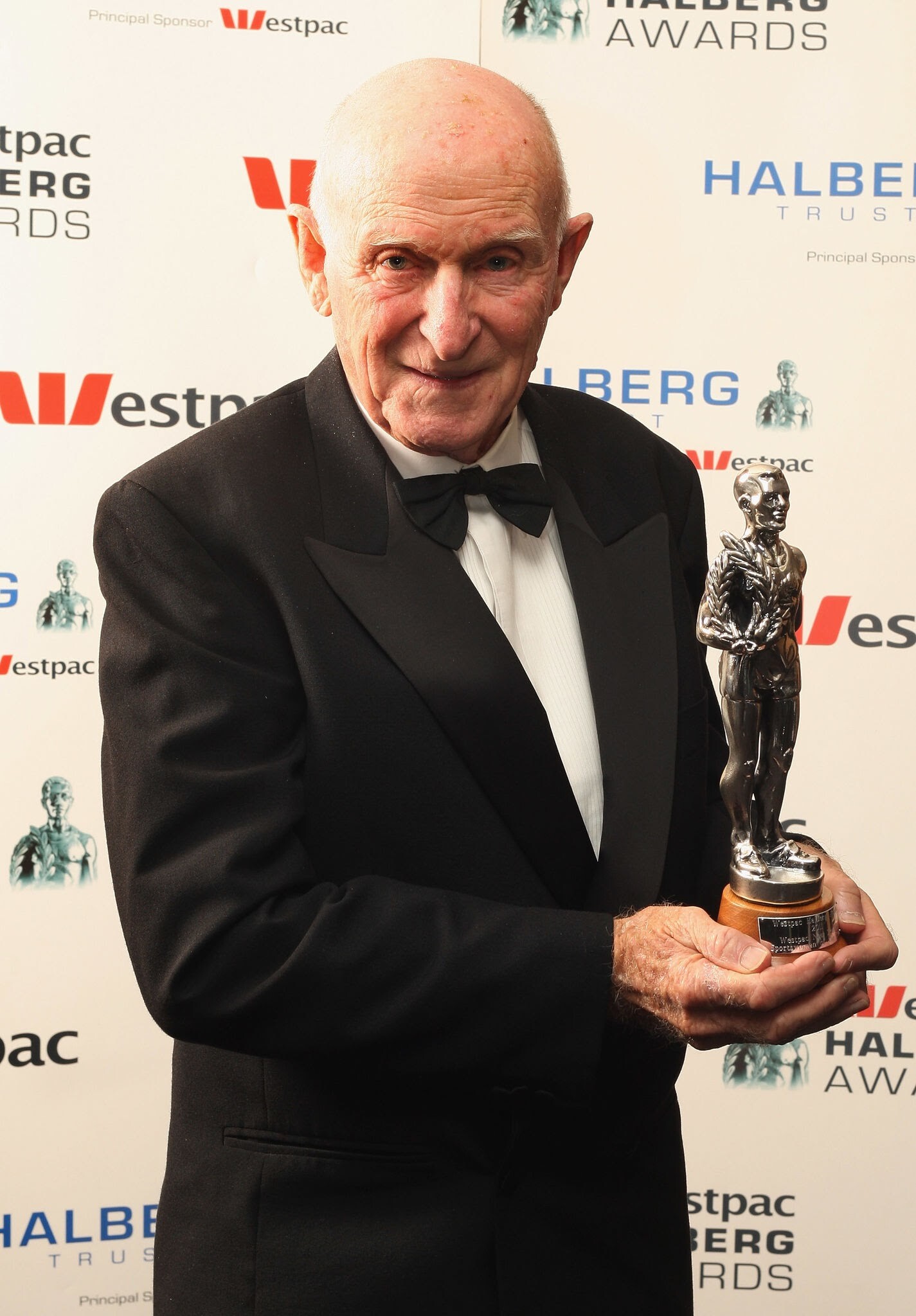
Halberg went on to repeat as Commonwealth 3-mile champion in 1962, defeating one of the strongest fields ever, with Ron Clarke, Bruce Kidd, Bruce Tulloh, Albie Thomas, Derek Ibbotson, and Kip Keino behind him. By that time he held the world record for 2 miles (8:30.0) and 3 miles (13:10.0). Athletes as great as 1960 Olympic 1500-meter champion Herb Elliott, Kidd, and Tulloh regarded Halberg as their most feared, competitive, and resilient opponent. He was world top-ranked at 3 miles/5,000 meters every year from 1960 to 1963, but at the 1964 Olympics he was affected by Tokyo’s polluted air, and finished seventh in the 10,000 won by Billy Mills.
Halberg gave his post-competition life to charitable work, creating the Murray Halberg Trust for Crippled Children in 1963, which became the Halberg Foundation, and hosted the annual New Zealand Sports Awards, known as the Halberg Awards. He received a knighthood for services to sport and child welfare, the first New Zealand athlete to receive the honor.
Halberg is the subject of A Clean Pair of Heels: The Murray Halberg Story by Murray Halberg and Garth Gilmour, and has in-depth profiles in The Lonely Breed, by Ron Clarke and Norman Harris and When Running Made History, by Roger Robinson.
by Runner’World
Login to leave a comment
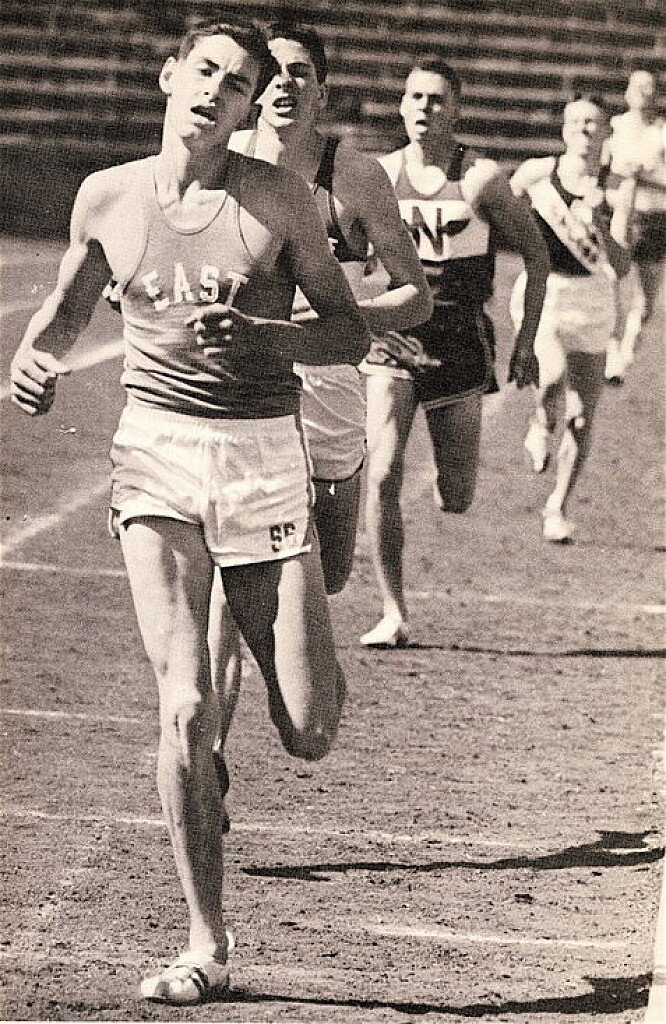
Five high school boys have combined to break the four-minute barrier seven times in 2022 and no one has enjoyed it more than Jim Ryun
Jim Ryun was the first high school boy to break the four-minute barrier in the mile as a Kansas 17-year-old in 1964 and went on to a legendary track and field career that included three Olympic appearances in the 1,500m, a silver medal in the 1968 Mexico City Olympics, and numerous American and world records.
Ryun’s name always surfaces when a high schooler dips under 4 minutes in the mile. And in 2022, his name has been coming up a lot.
Ryun’s career was also in the spotlight earlier this month when he was one of 30 former college track and field athletes inducted into the inaugural class of the USTFCCCA’s Athlete Hall of Fame in conjunction with the NCAA Championships in Eugene, Ore.
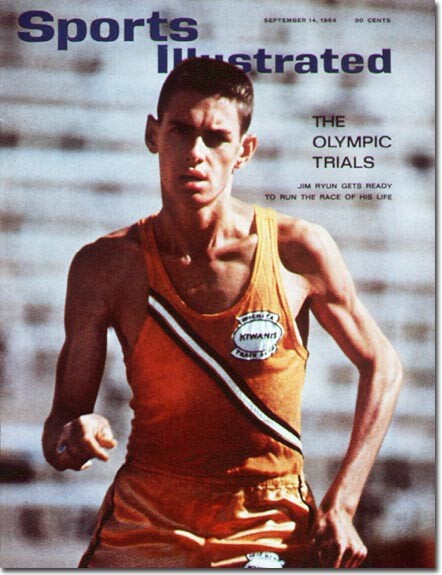
The original 4-minute high school barrier breaker celebrates the resurgence of American high school distance running and says for too long runners were held back in fear of what would happen if they ran under 4 minutes for the mile.
“I think they realize it’s not a barrier that can’t be broken, it’s more of a matter that if you break it,” Ryun said, “will you go on from there, which you can because we’re seeing more and more of them that are doing that.
“It’s not the barrier that it once was, should never have been there. For a long time, there were three of us. Myself, Marty Liquori and Tim Danielson. We were the only (sub) 4-minute milers from high school for years and I think it was the result of people being afraid of that, and coaches saying if you run too fast, too soon you’ll never make it very far.”
Growing up, Ryun often wondered if he would ever be successful in an athletic endeavor. He tried basketball and football and was cut from his church baseball team. At a high school assembly, Bob Timmons, the school’s track and field and cross country coach, encouraged students to run on his cross country team in the fall.
Ryun had never run more than one lap around a track before joining the cross country team, but in one season at Wichita East High School, he went from the last runner on the third-string team to a sixth-place finish at the Kansas state meet.
“Running was so new to me, I didn’t know who the heroes were,” Ryun recalled. “In fact, my first thought was I wanted to be a baseball, football, basketball player. Running, what’s that? So, it took a while. The first book Coach Timmons gave to me was about Emil Zatopek, the great Olympian, so I read that, and it began helping me understand about the sport.”
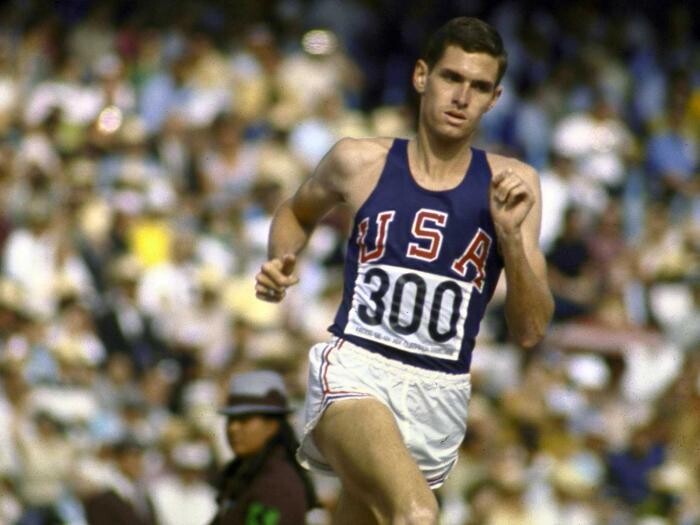
Ryun said Timmons was convinced he could be the first high school runner to break 4 minutes in the mile. That came true on June 5, 1964, when Ryun ran 3 minutes, 59.0 seconds to finish eighth at the Compton Invitational in Los Angeles.
“The goal originally was my coach’s because I was the kid that got cut from the church baseball team, didn’t have great talent and when I started running, I was looking for direction,” Ryun said. "And he began basically teaching me about goals, how to reach goals, and gave me workouts to get there. The night that I ran 4 minutes, 3:59.0, I didn’t sleep that night (before) because I realized that it was his goal.
“But my thought was, what happens if I take ownership, ownership being there’s certain things you as an athlete know you could do like maybe a little extra weightlifting, better eating. It was a transformational moment, because I mean when you finish eighth in a race and become the first kid to run under 4 minutes, that has to change your life – and it did.”
Ryun’s running career took off from there. He made the 1964 U.S. Olympic team in the 1,500m that went to Tokyo and was the last U.S. high school men’s track and field athlete to make the U.S. Olympic team until teenager Erriyon Knighton qualified for the 2020 Tokyo Olympics in the 200m and finished fourth there.
As a high school senior, Ryun broke 4 minutes four more times. His time of 3:58.3 at the 1965 Kansas state meet was the first time 4 minutes was broken in a high school-only meet. On June 4, 1965, Ryun returned to the Compton Relays, the site of his first sub-4-minute mile and ran 3:56.8. A little over three weeks later, he ran 3:55.3 at the U.S. AAU Championships in San Diego and beat New Zealand’s Peter Snell, the 1964 Olympic champion in the 800m and 1,500m.
Ryun, who would stay close to home and attend Kansas University after graduating from high school in 1965, roomed with a former Jayhawks great, Billy Mills, during U.S. training camps leading up to the 1964 Olympics. In Tokyo, Mills stunned the world by becoming the only U.S. athlete to ever win the Olympic 10,000m.
In 1966, Tim Danielson became the second American high schooler to break 4 minutes when he ran 3:59.4. A year later, Marty Liquori ran 3:59.8 to become the third high schooler under 4 minutes.
Ryun and Liquori had illustrious careers after high school, particularly Ryun. At age 19 in 1966, Ryun set two world records, first in the 800m (1:44.9), and then the mile (3:51.3). He was the NCAA indoor mile champion for Kansas in 1967, 1968 and 1969, and the 1967 outdoor NCAA mile champion. In 1967, he set a 1,500m world record of 3:33.1 that stood for seven years.
That same year, he lowered his mile world record to 3:51.1., a mark that stood for almost eight years. Ryun was the last American man to hold the mile world record. He still holds American junior records for the mile (3:51.3) and 2-mile (8:25.1), and his 800m American junior record of 1:44.9 stood for exactly 50 years.
In 2003, ESPN.com ranked Ryun as the greatest U.S. high school athlete of the 20th century, ahead of Tiger Woods, LeBron James, Lew Alcindor (now Kareem Abdul-Jabbar), Wilt Chamberlain, Marion Jones, and others.
After Ryun, Danielson, and Liquori, the 4-minute mile wasn’t broken by a prep athlete again for more than 32 years until Alan Webb ran 3:59.86 at the New Balance Games in New York on Jan. 20, 2001. Sensing something special in Webb, the promoters of the Prefontaine Classic in Eugene, Ore., invited him to run in the Bowerman Mile, the signature event of the meet that has since become a Diamond League event, on May 27, 2001.
Morocco’s Hicham El Guerrouj, still the world record-holder in the 1,500m and mile, won the event in 3:49.92, followed by Kevin Sullivan of Canada and Bernard Lagat, then of Kenya, who later ran for the U.S. They helped pull Webb to a fifth-place finish in 3:53.43, breaking Ryun’s 36-year-old high school record.
“I thought he would. I just didn’t know how much he would break it by," Ryun said. “It was one of those moments in time where he had run well, but he needed somebody to help him get over that finish line, just as I did running under 4 minutes for the first time. You need someone to help set the pace. You can relax a little bit, and he was able to take advantage of that.
“So, there was no real surprise to me. The biggest surprise was that there weren’t more high school boys running under 4 minutes.”
It would be another 10 years before a high schooler would break 4 minutes in the mile. In 2015, Matthew Maton and Grant Fisher, now the U.S. record-holder in the men’s 10,000m, both ran 3:59.38 about one month apart. In 2016, two runners broke 4 minutes, including Drew Hunter, who did it twice in a 15-day span in February indoors, both times in New York.
The 4-minute barrier was broken by high schoolers once in 2017 and again in 2020 during the height of the COVID-19 pandemic. In 2021, Hobbs Kessler ran the fastest high school mile since Webb when he ran 3:57.66 indoors. Kessler later that year broke Ryun’s 1,500m American junior record of 3:36.1 that stood for almost 55 years.
The lack of American high school runners breaking 4 minutes in the mile for decades might be a big reason why U.S. men haven’t enjoyed much Olympic or international success until recently. When Matthew Centrowitz won the men’s 1,500m at the 2016 Rio de Janeiro Olympics, he was the first American man to do so since 1908. At the same Olympics, Clayton Murphy won the bronze medal in the 800m, the first American man to medal in the event since 1992.
And when the World Athletics Championships are hosted on U.S. soil for the first time next month in Eugene, Ore., the defending 800m men’s champion is American Donavan Brazier.
“If you look back in history, you’d see there was a dominance maybe by a country for a time like Great Britain had all those great runners. America at one time was dominant in that area as well,” Ryun said. “So, I think it’s a matter of floating from place to place, and I think it comes down to motivation. How motivated are you?
“Over time you start realizing that motivation has to come down to you be willing to get up, run in all kinds of weather, race all over the world and let those talents be developed that God’s given you. So, it takes time. I think America can come back with dominance, but it also comes down to how motivated you are. I see the Kenyans as very motivated, and America can be just as motivated as you see with these new young runners that are developing quickly.”
That has proven to be the case this season. Seventeen high school runners have broken the 4-minute barrier, and 2022 has been the banner season for it so far with five runners breaking the mark seven times.
“I think a lot of coaches are seeing, too, that kids are just developing a lot faster doesn’t mean you’re going to burn out,” Ryun said. “It means you’ve got great opportunities. Will you decide to keep it going and, in my case, will you take ownership? The coach can only take you so far, but then you have to establish ownership.”
The owner of the fastest prep mile this year is Colin Sahlman, who ran 3:58.81 indoors in February, and, like Webb, was invited to the Bowerman Mile at the Prefontaine Classic. In a field that included 2020 Tokyo Olympic 1,500m gold medalist Jackob Ingebrigtsen, defending World Athletics Championships 1,500m gold medalist Timothy Cheruiyot, and defending 1,500m NCAA outdoor champion Cole Hocker, Sahlman finished 13th in 3:56.24. Of the 14 men who finished the race, seven set personal bests and seven set season bests, including Ingebrigtsen, whose time of 3:49.76 is the fastest in the world this year.
Sahlman’s time moved him to third on the all-time prep list behind Webb and Ryun. Sahlman, who is headed to Northern Arizona University for college, was part of a high school powerhouse at Newbury Park High in Southern California. In 2021, Newbury Park became the first high school team to have four runners break 4:10 for the mile in the same season.
“That mindset has really evolved and developed over these last three to four years,” Sahlman said in a March article in the Los Angeles Times. “It’s just like it’s transformed into something that we never thought was possible. Now we think anything’s possible.”
Gary Martin has also broken 4 minutes twice this year, running 3:57.98 on May 14 and 3:57.89 on June 2 in the Festival of Miles in St. Louis. At the Festival of Miles, Connor Burns ran 3:58.83 to become the first high school junior since Ryun to break 4 minutes. It was also the first time two prep runners broke 4 minutes in the same race.
Those two performances gave the Festival of Miles four prep runners who have broken 4 minutes. That’s where Fisher did in 2015, a feat repeated by Reed Brown a year later.
And one day after Martin and Burns broke 4 minutes, Rheinhardt Harrison ran 3:59.33 in Florida on June 3. On June 15, Simeon Birnbaum added to the list of sub-4 minute runners when he became the second high school junior this season to break the mark with a time of 3:59.51.
Will this high school running resurgence lead to greater U.S. success against international competition and major global championships? Only time will tell.
by Ashley Conklin (World Athletics)
Login to leave a comment
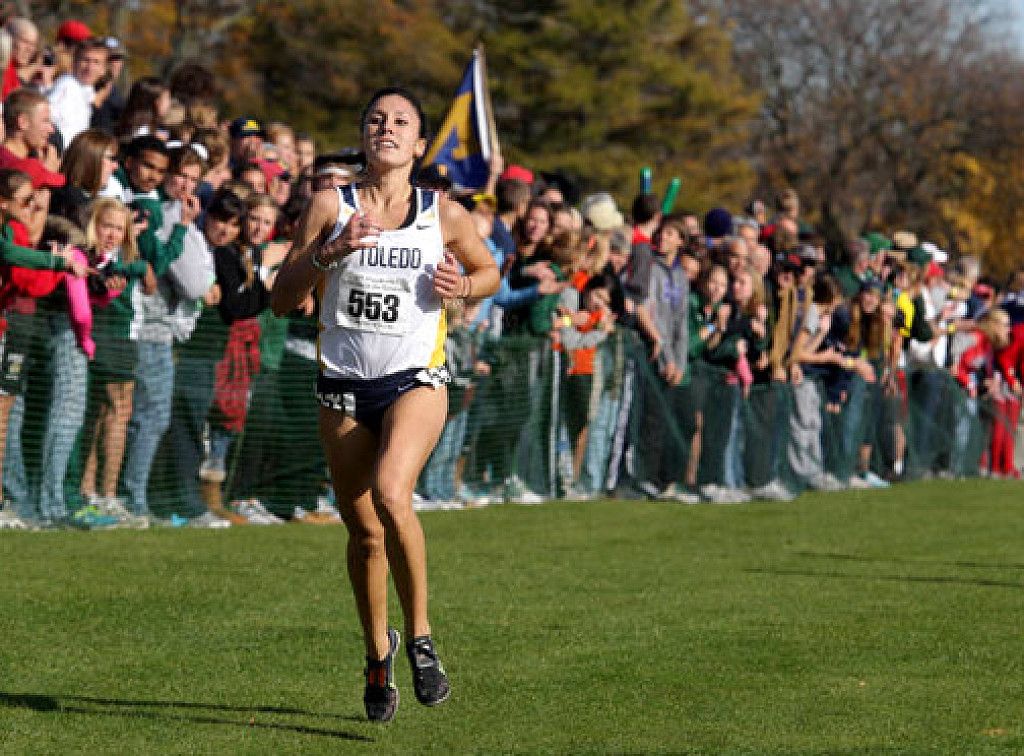
Emma Kertesz will be running the 2020 US Olympic Marathon Trials at the end of the month
Emma Kertesz returns to the 2020 United States Olympic Team Trials in the Marathon later this month in Atlanta.
Kertesz is a graduate of Central Catholic High School and a former University of Toledo runner. She competed four years ago in the same event in Los Angeles where she finished 39th.
Returning to the trials for the second straight cycle was painful.
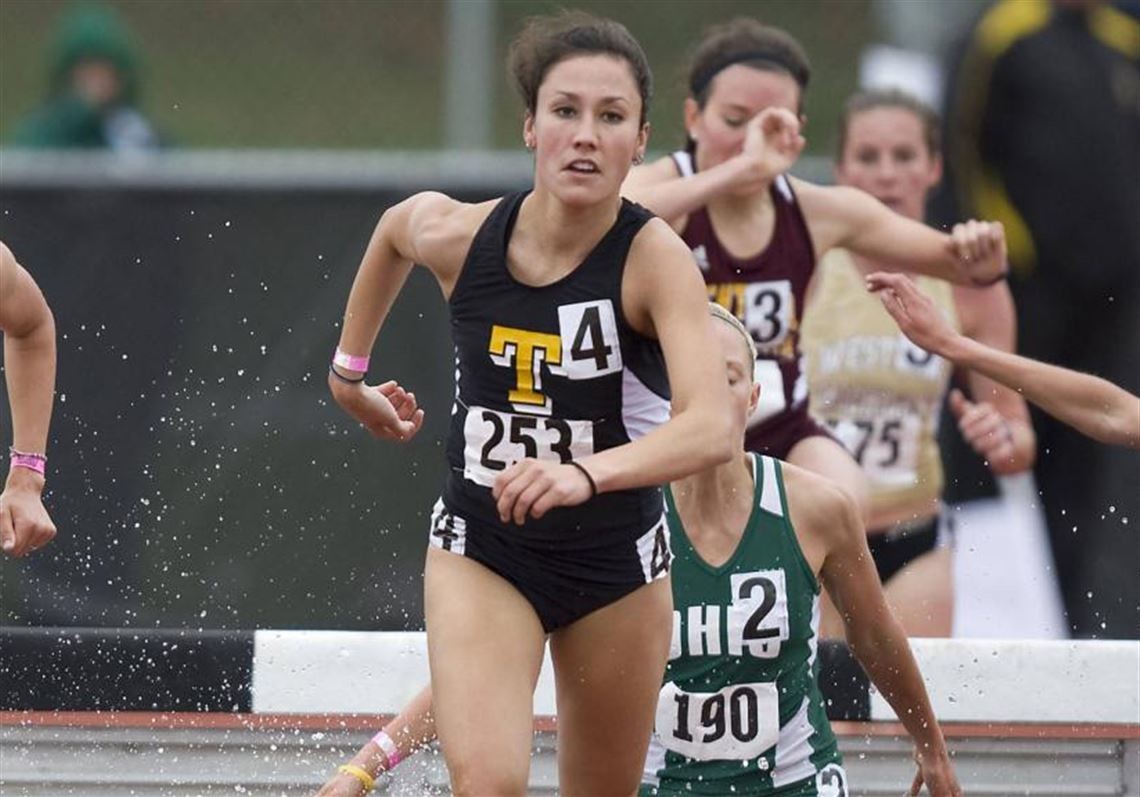
"I tore my hamstring," Kertesz said. "I ran the California International Marathon to qualify for the trials, and then I've been dealing with what I thought was some high hamstring tendinitis. I'm pretty sure on even 80 percent training I'll be able to hit the qualifying standard and then I'll deal with my hamstring after.
"And then I got an MRI and found out that I actually had a tear in my hamstring. So I ended up take off almost three months."
But Kertesz still had a spot in the U.S. Olympic Team Trials Marathon. She recently took a leave from her teaching job to focus on applying for doctoral programs; she would ultimately like to work at the local or state level with education curriculum or research.
The doctoral program starts in the coming months, all while running an average of 85 miles per week over the last several weeks while training for the trials.
"Now that the field is doubled in size than it was in 2016 where I was 39th," Kertesz said. "But I think that I have a good shot of placing in the top 40. I'd like to be competitive and maybe I eke out a personal best that would be great, especially on that kind of course."
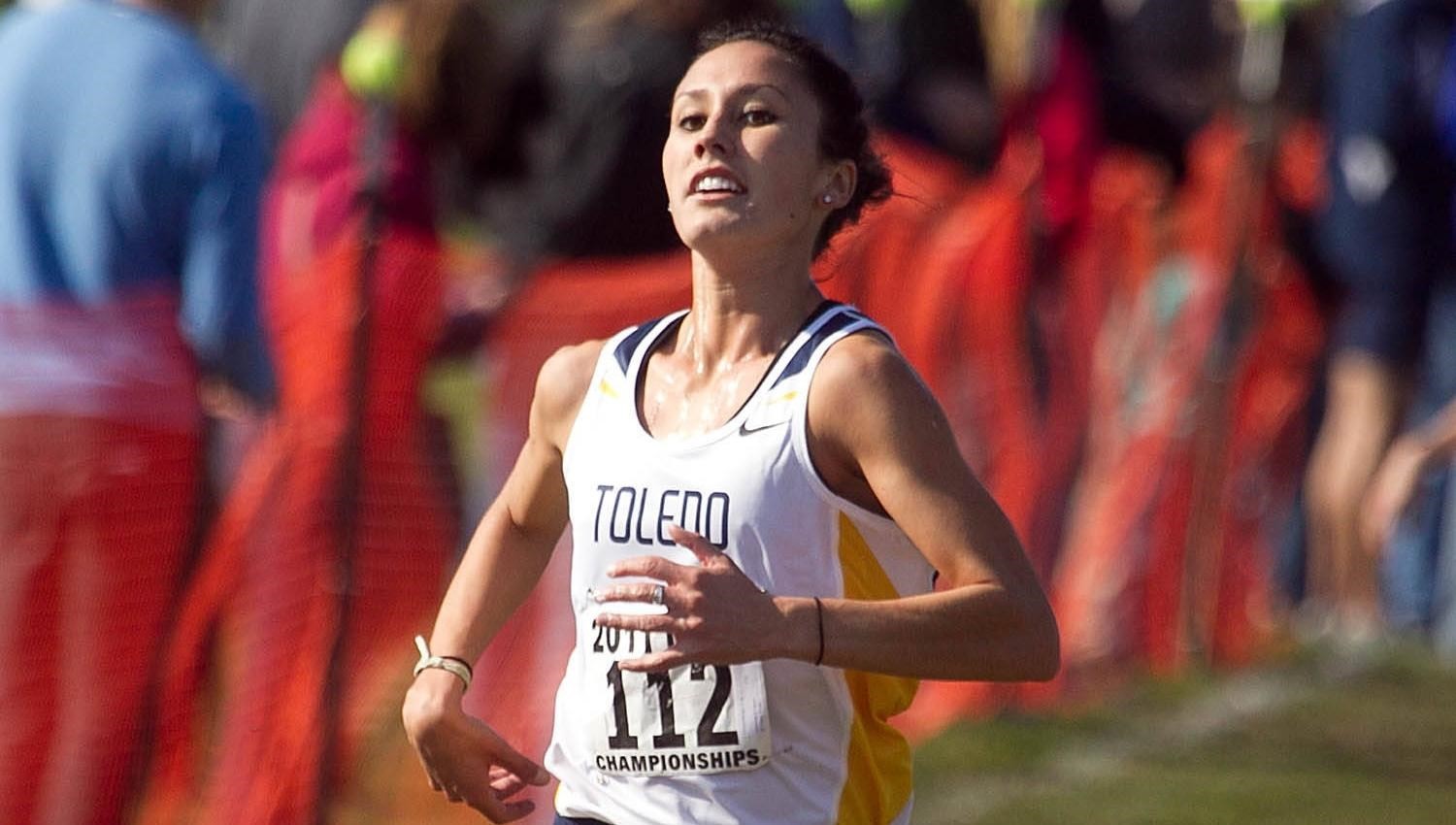
If Kertesz is not busy enough, she still has a side project she is working on related to her family's ancestry -- specifically her father David. At 18-years-old, he found out he was adopted and is a Navajo Native American.
"It's emotional but it's cathartic for both of us," Kertesz said. "Ultimately, it's brought us closer together and given me a chance to reflect on my dad more as a person more than just being my dad."
This project also has influence in her running life.
"I have a greater appreciation for diversity in this sport," Kertesz said. "(Watching videos of Billy Mills win the gold medal) that's really awesome that a Native American who came out of nowhere really if you watch that race to win a gold medal that was just so great."
Mills won the gold medal at the 1964 Olympics in the 10,000-meter race. At the time, Mills set a world record in the 10,000-meter event and is still the only American to ever win gold in the 10,000-meter race.
"You don't really see in terms of American distance runners a lot of Native Americans being represented," Kertesz said. "It feels really special to be a part of that and to represent my ethnicity on this stage."
One strategy she will carry with her to this stage in Atlanta is something she learned from Dave Carpenter, her coach at Central Catholic, is to make sure to stay competitive in the race and not worry about setting a personal record.
When Kertesz competed for the Rockets, she was an All-American in the 10,000-meters at the 2012 NCAA Outdoor Track and Field Championships.
Kertesz currently lives and trains in Boulder, Colo.
by Steve Slivka
Login to leave a comment

2028 US Olympic Trials Marathon
Most countries around the world use a selection committee to choose their Olympic Team Members, but not the USA. Prior to 1968, a series of races were used to select the USA Olympic Marathon team, but beginning in 1968 the format was changed to a single race on a single day with the top three finishers selected to be part...
more...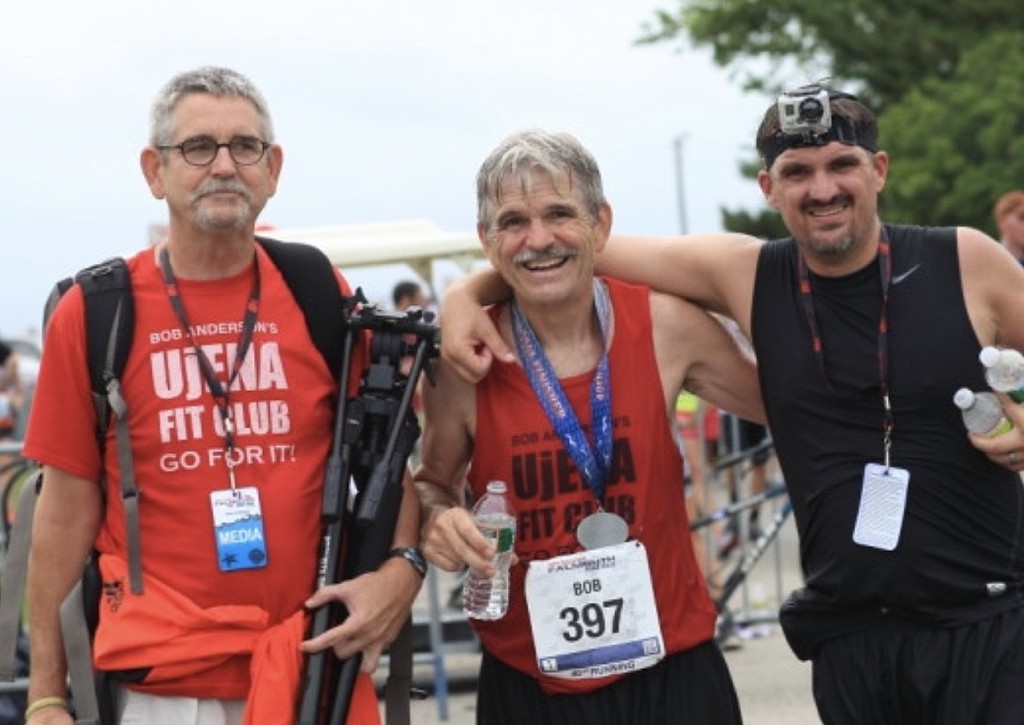
A Long Run the movie tells one man's story, but it's every runner's journey. Bob Anderson's life connects us to many icons...by the end, you're left with a runner's high without the sweat says Dan Brown
Over 100,000 people have already watched A Long Run the movie with good reviews. Now you can watch the full length movie...compliments of MyBestRuns.com with speical arrangments with it's production company Around Town Productions.
Actor Sean Astin who narrated the film wrote, "I loved A Long Run. Thank you so much for letting me be a part of your wonderful journey Bob." Boston Marathon director Dave McGillivray wrote," In watching A Long Run, you readily see the impact and influence Bob has had on our sport over the years. This story is inspiring, motivational, educational and simply makes you want to go out the door and do a run..and a real 'long run' at that."
Joe Henderson writer and former Runner's World editor wrote, "I’ve always known Bob Anderson as a man of Big Ideas, one with a knack for making these dreams come true. He conceived a little magazine called Distance Running News, which grew into the biggest one, Runner’s World.
"He created a book division that published some of the sport’s best-selling titles...This all happened before Bob turned 30, but his idea-generating didn’t stop then. At more than twice that age, he dreamed up Double Racing and then to celebrate his 50th anniversary as a runner, Bob plotted a tough year-long course: 50 races, averaging better than seven minutes per mile overall, concluding the week he would turn 65."
A Long Run tells one man's story, but it's every runner's journey. Bob Anderson's amazing life connects us to icons like Bill Rodgers, Billy Mills and Paula Radcliffe but also to the low-budget thrill of a community 5k. The gorgeous cinematography captures The Avenue of the Giants, the beauty of Central Park in New York City, the San Francisco landscapes, resort cities like Cancun and Cabo, the lush island of Kauai and the vistas of Fort Bragg.

And the smoothly intertwined stories - his 50-race challenge, the magazine, the running boom - are handled with Olympic-caliber pacing. By the end, you're left with a runner's high, without all the sweat.
This is an inspirational life long journey that takes you across the United States, into Mexico and introduces you to some amazing runners.
A Long Run features Bob Anderson who started Runner's World magazine when he was 17 with $100. He grew the magazine to nearly a half million circulation with monthly readership of nearly 2.5 million before selling it to Rodale Press in 1984. How did he do it and why did he sell the magazine he loved?
50 years after he started running, he started his 50 race challenge... one year - 50 races - 350 miles.
His goal - Average under a 7 min/mile average pace at 64-years-old. That's fast for any age!
In the running formula known as age-grading, Anderson’s mile pace is the equivalent of a 30-year-old running an average pace of 5:24 for 50 races covering 350 miles.
“I wanted to do something special, something that would be very positive for running,” Anderson said. “But I also wanted to do something that would not be easy.”
Did he reach his goal? How did he cope with injuries? Weather? Hills? How did he recover each week?
Bob Anderson first run took place Feb. 16, 1962. His first race was May 7 that year, when he covered 600 yards at Broadmoor Junior High in 1 minute, 39 seconds. By 1963 at age 15 he placed first at the Junior Olympics in Missouri clocking 2:08.5 for 880 yards.
By 17, Anderson wanted to tackle a marathon. He wanted to run the Boston Marathon. But neither he nor his high school coach (coach McGuire) knew how to prepare. So Anderson did the 1965 equivalent of a Google search: He sent letters around the country asking for advice.
Coaches and top athletes replied not just with training tips, but also with addresses of other people Anderson should try. Soon he had a network of running experts at his disposal.
Recognizing the value of this collected wisdom, he turned to teammate David Zimmerman while on a bus trip to a cross-country meet for their Shawnee Mission West team. “I’m going to start a magazine,” Anderson declared.
With $100 from baby-sitting and lawn-mowing jobs, the 17-year-old launched Distance Running News. The magazine debuted in January 1966 with a 28-page issue that Anderson collated, stapled and folded himself.
The publication created a stir among a previously unknown army of foot soldiers. Thirsty runners plunked down the $1 subscription price (for two issues) — and often enclosed an additional $5 just to make sure the magazine stayed afloat.
“Until then, I wasn’t even aware that there was a running community,” said SF Bay Area runner Rich Stiller, who had been running with Anderson since the early 1970s. “I always think that Runner’s World was part of the jet-propulsion that really made the running boom take off and made people realize, ‘Oh, gee, I’m not doing this alone.’ ”
The magazine grew so quickly that Anderson dropped out of Kansas State University. He recruited a SF Bay Area writer and runner named Joe Henderson to be his editor, and moved the magazine headquarters to Northern California.
Anderson’s 50-for-50 goal was in jeopardy after he stumbled out of the gate or, more specifically, down a trail in Mountain View.
While on a training run in December, Anderson awoke to find his head streaming with blood and two people standing above him looking alarmed.
“There were no marks at all on my hands, which means I must not have even realized I was going down,” he said.
The fall required over 60 stitches and plastic surgery. But determined not to cancel the first race in his 50-race quest, Anderson limped to the starting line in San Francisco on New Year’s Day with a ruddy forehead and an eggplant of a bruise on his left knee. He finished that first race and then 49 more that year.
When Bob was publishing Runner's World he got so consumed managing a staff of 350 and was not able to train enough to run the Boston Marathon. However he did run ten marathons between 1968 to 1984 but none with enough training. He would not run Boston until 2013 when at age 65 he clocked 3:32:17.
A Long Run the movie covers a lot of ground. The year long event finished over six years ago but the story is fresh and a movie all runners and even non-runners will enjoy. You will want to watch it over and over again.
Some of the runners besides Bob Anderson featured in the film include: Bill Rodgers, Paula Radcliffe, Joe Henderson, George Hirsch, Rich Benyo, Amol Sexena, JoAnn Dahlkoetter, Rich Stiller, Hans Schmid, JT Service, Pina Family, Wall Family, Billy Mills, Gerry Lindgren, Dave Zimmerman, Dean Karnazes, Monica Jo Nicholson, Coach Lloyd McGuire, Katie McGuire, Mary Etta Blanchard, John Young, Roger Wright and more...
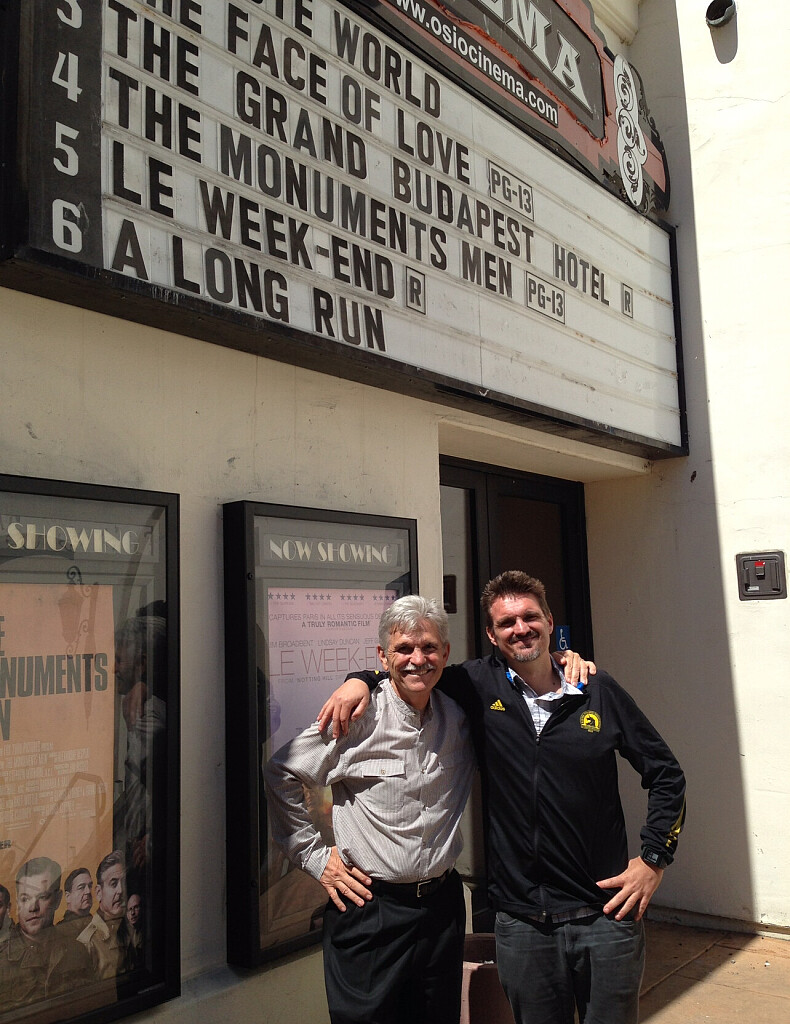
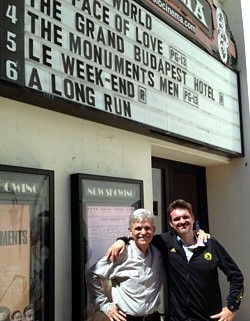
It was produced by Around Town Productions and directed by Michael Anderson (third photo at one of the showings in a theater in Monterey).
To watch the movie click on the link or go to: www.alongrun.com
by Dan Brown
Login to leave a comment
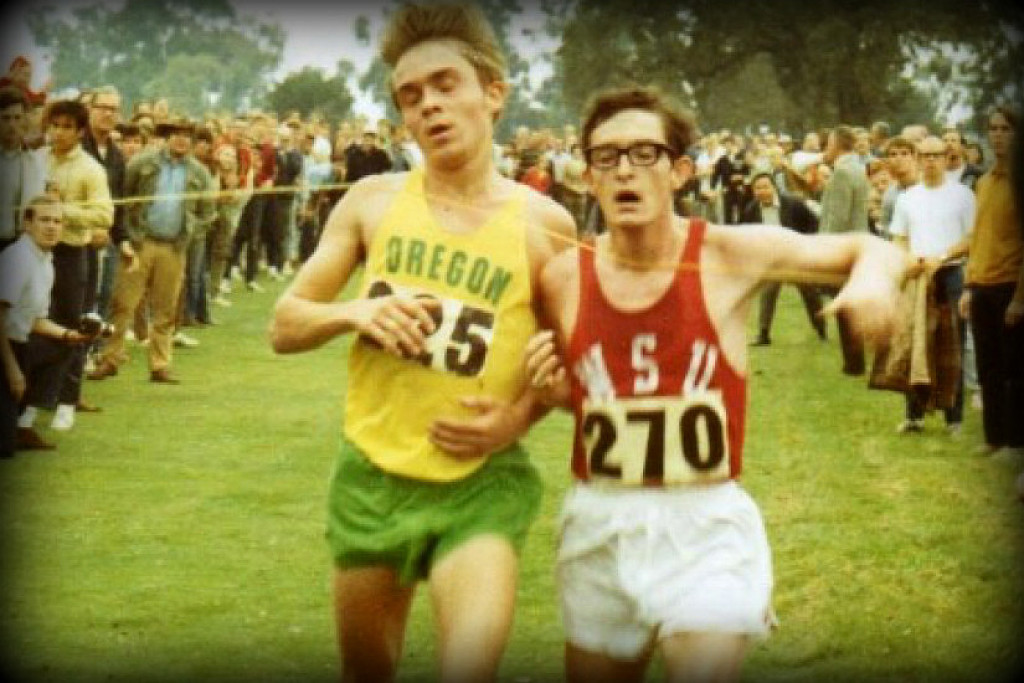
One of the Greatest American Distance Runners of all times has to be Gerry Lindgren
DID YOU KNOW: Here are some reasons why Gerry Lindgren is still one of American's greatest distance runners ever.
In 1964, as a high school senior, Lindgren ran 5000 meters in 13:44, on a clay track in Compton, CA setting a U.S. high school record that would remain unbroken for 40 years.
On July 25, 1964, Lindgren outran two seasoned Russian runners to win the 10,000m event in the US-USSR Track Meet in Los Angeles.
Lindgren ran 200 miles a week for 6 weeks in preparation for the US-USSR meet. After that victory, he also set a new teenage record of 13:17.0 for 3 miles while competing in Jamaica.
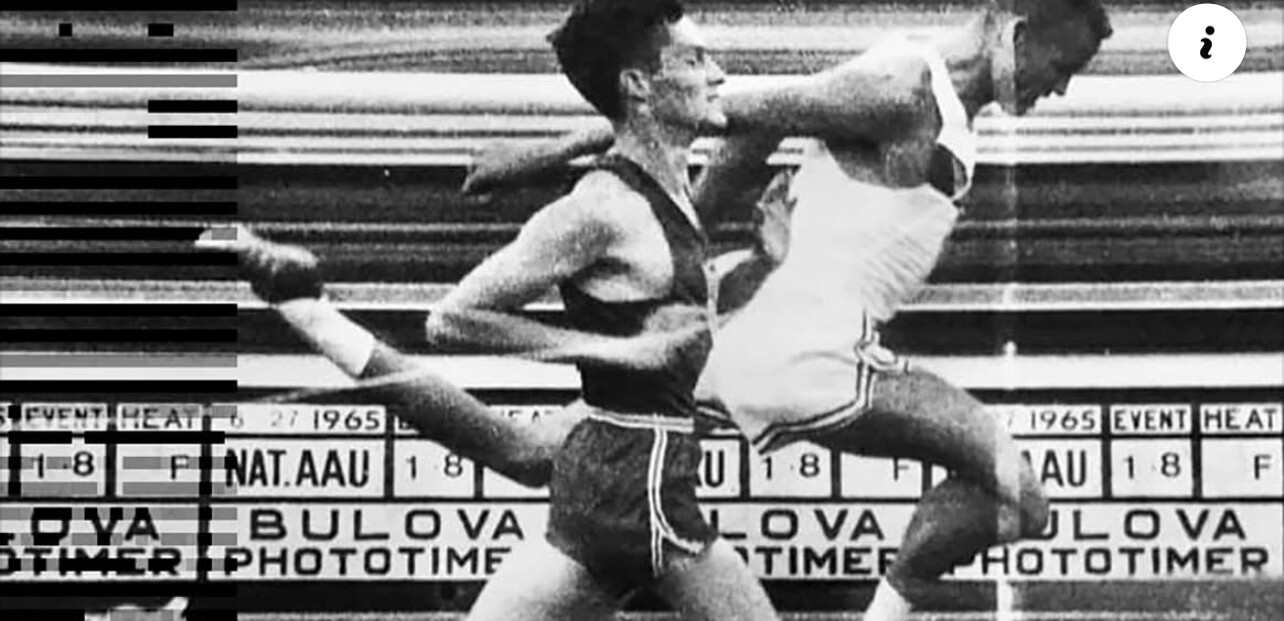
Lindgren and Billy Mills battled each other in the 6-mile at the 1965 AAU Nationals meet. Mills won with a diving lean, while both were timed in 27:11.6, a new world record.
Maybe Lindgren's greatest race came during a May 1966 NCAA Regional meet at age 20, in the 3-mile run on a dirt track during a cold, windy day in Seattle. He raced to 12:53.0, just missing the world record of 12:52.4 held by Ron Clarke.
"Gerry did some amazing things in his short career," says Bob Anderson. "It was very exciting meeting Gerry and featuring him in our movie A Long Run." Gerry has been living in Hawaii since 1980 and still runs regularly.
Login to leave a comment
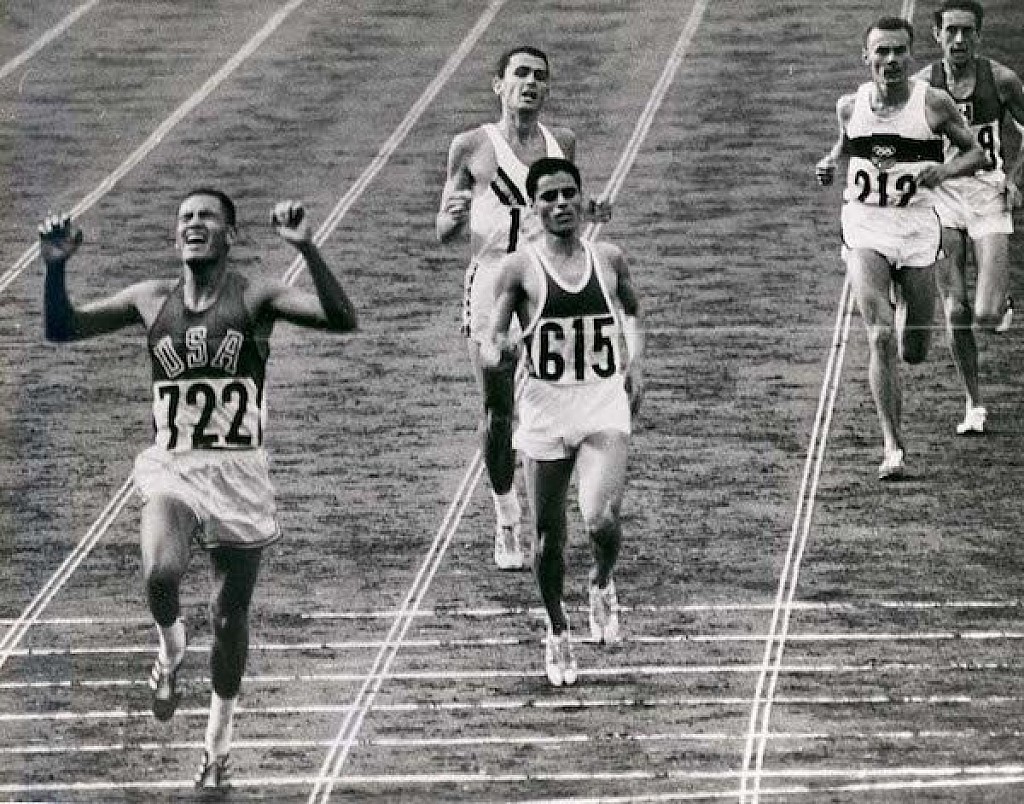
Billy Mills’ dad told him, someday, son you’ll have wings of an Eagle
Login to leave a comment
