

Running News Daily
Running News Daily is edited by Bob Anderson and team. Send your news items to bob@mybestruns.com Advertising opportunities available.
Index to Daily Posts · Sign Up For Updates · Run The World Feed
Articles tagged #10-year ban
Today's Running News
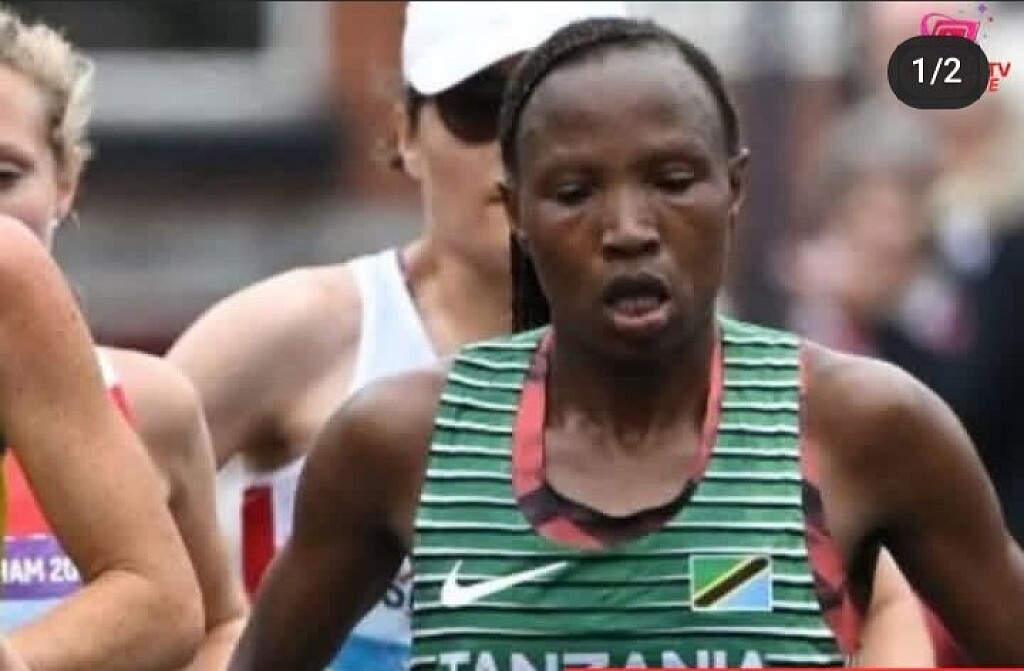


Ten-Year Ban Rocks Tanzanian Athletics as Jackline Sakilu Sanctioned for Doping Violations
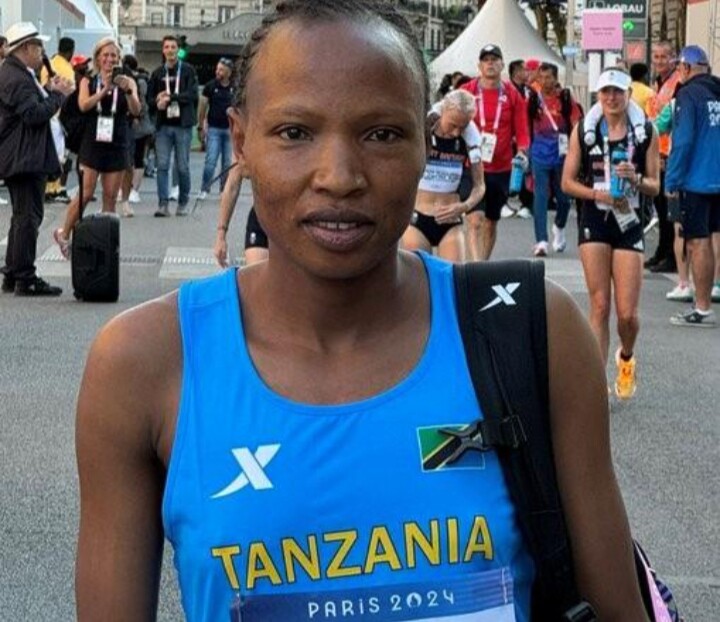
In a development that has sent shockwaves across the African distance running community, Tanzanian marathoner Jackline Sakilu has been handed one of the most severe doping sanctions in recent years—a 10-year ban from competition by the Athletics Integrity Unit (AIU).
The ruling, which took effect on September 17, 2025, follows a comprehensive investigation that confirmed the presence of multiple prohibited substances linked to testosterone in the athlete’s system. The substances identified—Androsterone, Etiocholanolone, 5α-Adiol, and 5β-Adiol—are recognized metabolites indicative of exogenous testosterone use, constituting a clear violation under anti-doping regulations aligned with the World Anti-Doping Agency (WADA) code.
Sakilu, 39, had built a reputation as one of Tanzania’s leading marathon figures, highlighted by her victory at the Chongqing Marathon in China, where she clocked an impressive 2:21:27 under demanding heat and humidity. That performance, along with all her competitive results dating back to June 29, 2024, has now been officially annulled as part of the sanction.
According to the AIU’s findings, multiple samples collected in both South Korea—during the Seoul Marathon—and in Arusha, Tanzania, tested positive for the banned substances. The consistency of the results reinforced the conclusion that the substances originated externally rather than naturally.
In her defense, Sakilu cited the use of common medications, including Ibuprofen and Prednisolone. However, these explanations were dismissed by investigators, who found no scientific link between the medications and the prohibited compounds detected. Furthermore, she did not possess a Therapeutic Use Exemption (TUE), weakening her case significantly.
The AIU classified the violation as aggravated, citing repeated use of banned substances over an extended period. This determination ultimately led to the imposition of the maximum-length sanction, sidelining Sakilu from the sport until 2035. In addition to the ban, she faces the forfeiture of titles, prize money, and rankings accumulated during the affected period.
The case stands as a stark reminder of the sport’s ongoing battle to uphold integrity and fairness. While Sakilu’s achievements once symbolized resilience and competitive excellence, this ruling redefines her legacy within a cautionary narrative that underscores the consequences of breaching anti-doping rules.
As global athletics continues to tighten its enforcement mechanisms, this decision reinforces a clear and uncompromising message: the future of the sport depends on clean competition, transparency, and unwavering accountability.
by Erick Cheruiyot for My Best Runs.
Login to leave a comment

Russia's Tatyana Tomashova stripped of silver in historic 2012 Olympic 1500m final doping scandal
Former Russian athlete Tatyana Tomashova stripped of 2012 Olympic silver for doping marking a significant scandal in athletics history.
Former Russian athlete Tatyana Tomashova has been stripped of her 2012 Olympic 1500m silver medal following the reanalysis of doping tests that revealed the use of prohibited substances.

The decision was announced on Tuesday by the Court of Arbitration for Sport (CAS). At 49, Tomashova has faced a severe setback with a 10-year ban in addition to losing her Olympic medal.
The CAS statement detailed the tests conducted out of competition on June 21 and July 17, 2012, which showed traces of anabolic steroids.

These findings led to the disqualification of all Tomashova's competitive results from June 21, 2012, to January 3, 2015, including the forfeiture of titles, awards, and earnings.
"The Sole Arbitrator in charge of the matter found to her comfortable satisfaction that Ms. Tomashova committed an Anti-Doping Rule Violation (ADRV) in relation to the 2012 Samples through violations of Rule 2.2 of the 2021 WA Anti-Doping Rules (WA ADR) (Use or Attempted Use of a Prohibited Substance or a Prohibited Method)," the CAS detailed in their release.
Further aggravating Tomashova's case was her doping history, including a previous two-year suspension in 2008. The arbitrator cited this history in deciding the severity of the sanctions.
"Turning to the sanction, taking into account a previous ADRV committed by Ms. Tomashova in 2008, the Sole Arbitrator determined the appropriate sanction applicable to multiple ADRVs to be the imposition of a ten-year period of ineligibility, commencing on this day, the date of the CAS decision, as well as the disqualification of all competitive results obtained by Ms. Tomashova from 21 June 2012 until 3 January 2015, with all resulting consequences, including the forfeiture of any titles, awards, medals, points, and prize and appearance money," the statement added.
This scandal has cast a shadow over what has been referred to as one of the most contentious races in Olympic history.
The 1500m final at the London Olympics was particularly notable for its multiple disqualifications.
Originally finishing fourth, Tomashova had been upgraded to silver after the first and second place finishers, Asli Cakir Alptekin and Gamze Bulut of Turkey, were also disqualified for doping violations. With further disqualifications of Natallia Kareiva and Yekaterina Kostetskaya, the race's initial lineup has been largely overturned.
Bahrain's Maryam Yusuf Jamal, who initially crossed the finish line third, ultimately received the gold medal.
The reshuffling continues down the line, with American runner Shannon Rowbury, who finished sixth, now in line to receive the bronze medal.
The CAS acted as the primary decision-making authority in this matter, stepping in for the Russian Athletics Federation, which remains suspended by World Athletics (formerly IAAF).
by Festus Chuma
Login to leave a comment
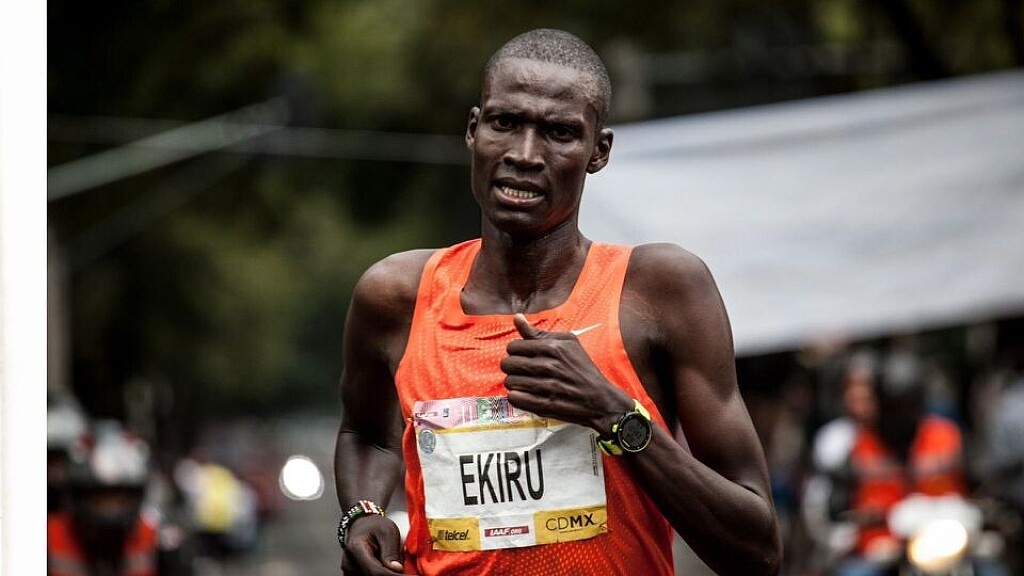
Kenyan long-distance runner handed 10-year doping ban after forging hospital documents
Kenyan marathoner Titus Ekiru will serve a hefty 10-year ban after being found guilty of forging hospital documents to cover up positive tests of banned substances
Kenyan marathoner Titus Ekiru has been handed a 10-year doping ban by the Athletics Integrity Unit (AIU) after being found to have forged hospital documents, following two positive tests in two separate urine samples.
Ekiru had been provisionally suspended by the AIU as it waited for his response on the charges leveled against him, and it is during this period that he made matters worse.
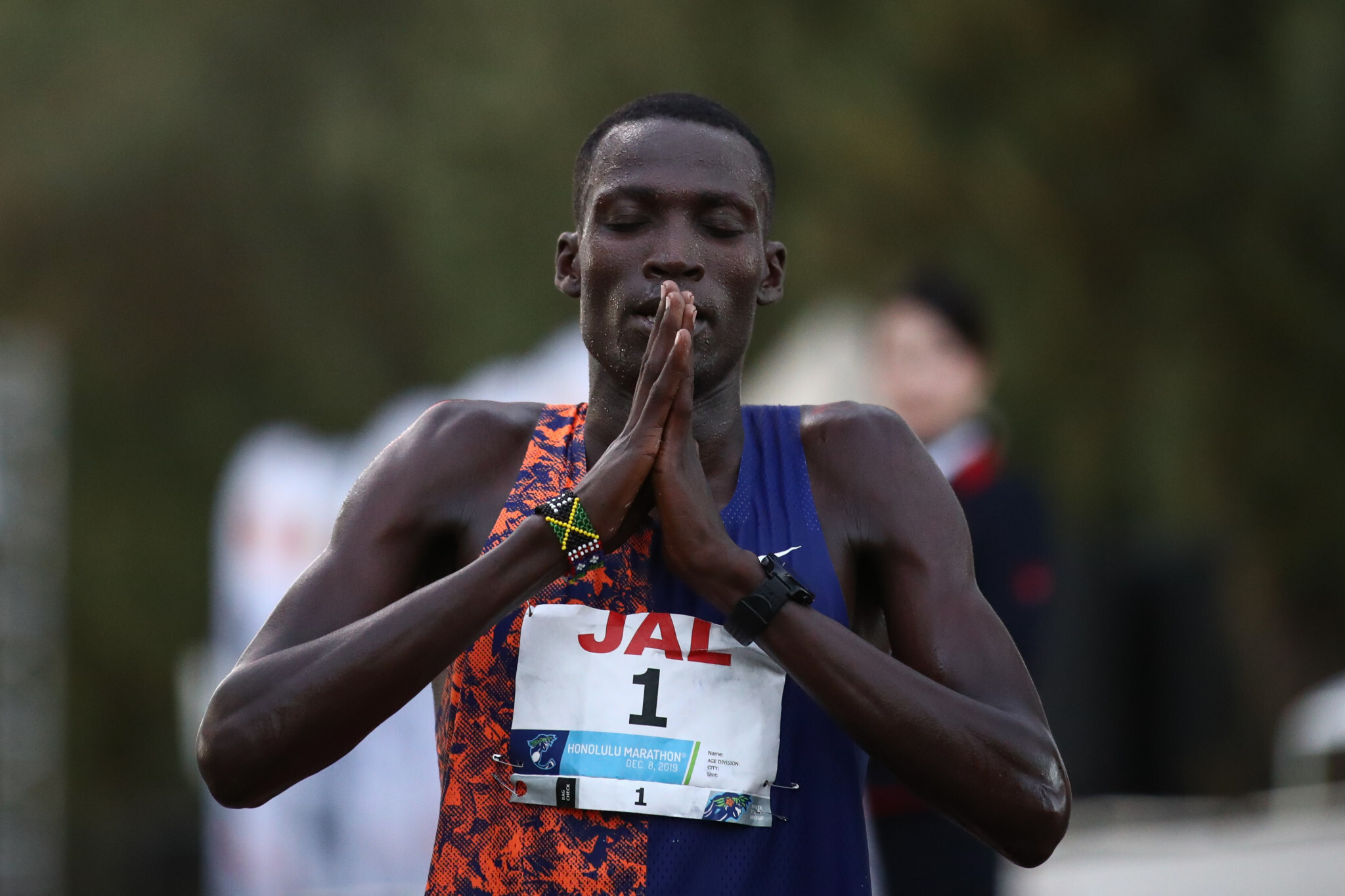
The runner colluded with a doctor at the Nandi County Hospital and forged documents and the patient registry as he tried to justify injections he received, according to the AIU.
After duel diligence, the forgery was unearthed, and Ekiru was further charged with tampering.
AIU says documents from the hospital showed discrepancies in Ekiru’s defence which claimed the injections he received stemmed from prescribed medications for injury treatment.

“Ekiru tested positive twice for the Presence of Prohibited Substances, or their metabolites or markers, in his in-competition urine samples at marathons which he won in 2021: the Generali Milano Marathon on May 16, 2021 (triamcinolone acetonide) and the Abu Dhabi Marathon on November 26, 2021 (pethidine and its marker norpethidine),” said AIU in part of its ruling.
“In addition to the ban, which runs from June 28, 2022 (the date of Ekiru’s provisional suspension) until June June 27, 2032, Ekiru’s results on and since May 16, 2021 have been disqualified, resulting in the forfeiture of all prizes and money. Ekiru’s victory in the Generali Milano Marathon would have made him the sixth-fastest marathoner of all-time.
“In July 2023, he was charged with two counts of the Presence of a Prohibited Substance, as per Rule 2.1 of the of the World Athletics Anti-Doping Rules (ADR), and two counts of Tampering or Attempted Tampering with any part of Doping Control (ADR Rule 2.5). Initally, Ekiru signalled his intention to contest the charges.
“However, faced with substantial evidence against him, the Kenyan athlete decided that he no longer wanted to pursue the case.”
The doctor claimed Ekiru’s visits were unrecorded by the hospital as “the athlete had attended early in the morning, before the registration offices had opened”.
However, hospital documents obtained by AIU revealed that the outpatient number was not issued to Ekiru until June 16, 2021; the one occasion on which the hospital confirmed his attendance as an outpatient.
by Joel Omotto
Login to leave a comment

Sixth-fastest marathoner in history faces a potential 10-year doping ban
Another Kenyan doping scandal has rocked the marathon world. On Monday, the Athletics Integrity Unit (AIU) provisionally suspended the sixth fastest marathoner in history, Titus Ekiru, related to multiple positive doping tests and tampering. Ekiru could be facing a lengthy 10-year ban.
According to the AIU, at the 2021 Milan Marathon, Ekiru tested positive for the corticosteroid triamcinolone acetonide, which is prohibited for use in competition unless an athlete is granted an exemption for medical use (TUE). Although Ekiru claimed medical treatment as the reason behind the first positive test, his defence took a blow when he tested positive for a synthetic opioid after winning the Abu Dhabi Marathon in November 2021.

Two charges of tampering have also been added to Ekiru’s case, for submitting falsified medical explanations and documentation to the AIU for both positive tests. These charges further compound the seriousness of the case and make a lengthy ban more likely.
“Athletics Integrity Unit suspects doping conspiracy in Kenya” — Canadian Running Magazine
View on the original site.
Ekiru ran a time of two hours, two minutes and 57 seconds to win the 2021 Milan Marathon, the sixth fastest time in history and only a minute and a half behind Eliud Kipchoge’s world record of 2:01:39 at the time.
The AIU highlighted a concerning trend of triamcinolone acetonide use among Kenyan athletes, casting a shadow of doubt over the credibility of their performances. The substance gained notoriety when British cyclist Bradley Wiggins used it with a medical exemption while competing at the 2012 Tour de France, a race he went on to win.
The 31-year-old will now defend himself before the World Athletics Disciplinary Tribunal, fully aware that a potential 10-year ban hangs over his hea
Ekiru trains in Kapsabet, Kenya, with 2 Runners Club under the prestigious Italian marathon coach Claudio Berardelli, who also coaches two-time Boston Marathon champion Evans Chebet, TCS Toronto champion Benson Kipruto and 2022 London Marathon champion Amos Kipruto.
According to the AIU, more than 70 Kenyan athletes are currently serving provisional suspensions or bans. In late 2022, World Athletics and the Kenyan government committed $25 million to the fight against doping in athletics over the next five years.
by Running Magazine
Login to leave a comment
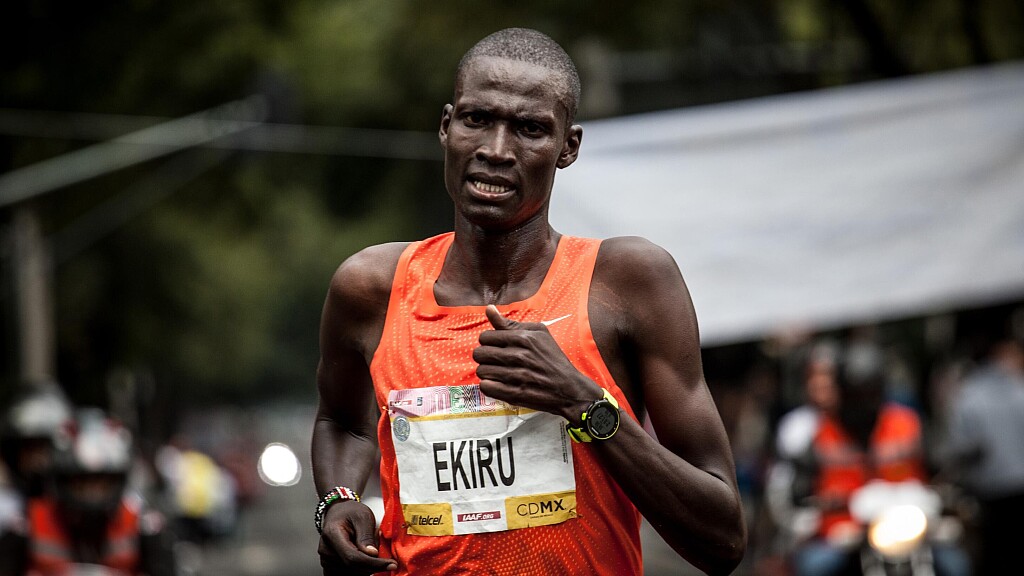
Sixth fastest marathoner Ekiru latest Kenyan athlete suspended over doping
Kenyan marathoner Titus Ekiru has been provisionally suspended by Athletics Integrity Unit (AIU) for the presence of a prohibited substances (Triamcinolone Acetonide and metabolite; Pethidine and metabolite).
The AIU said on Monday that the 31-year-old marathoner faces two charges for doping and two more for tampering.
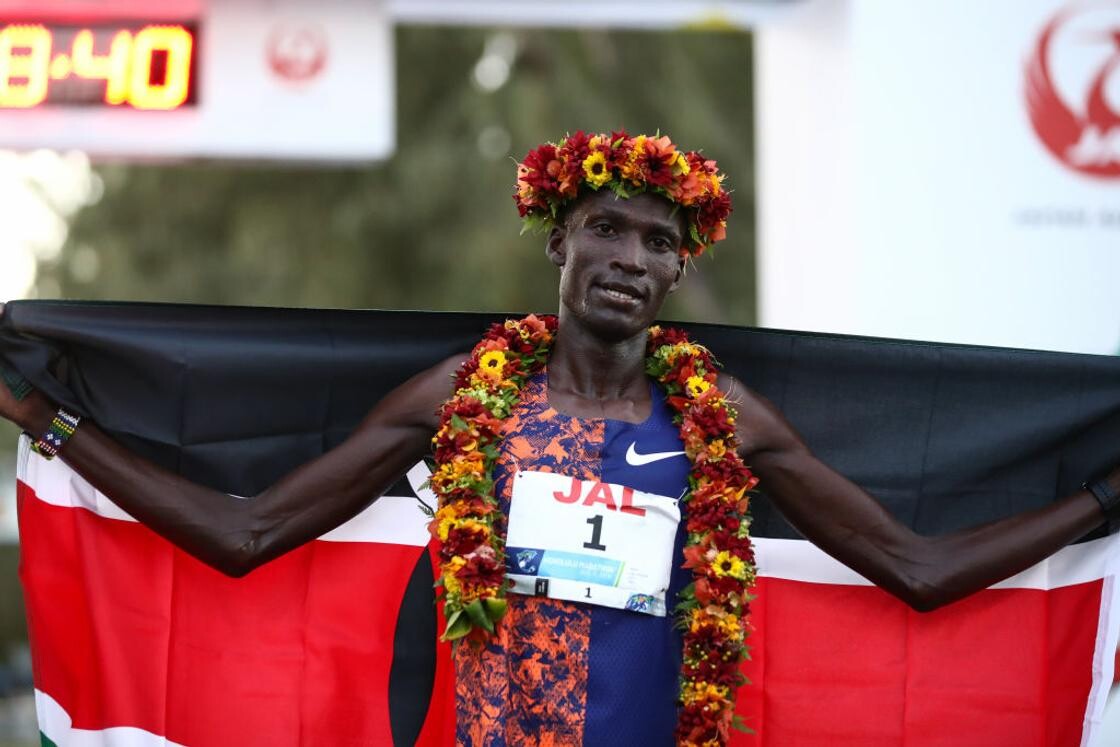
The sixth-fastest marathoner of all time, Ekiru now faces a 10-year ban but has the right to defend himself before the Disciplinary Tribunal.
Ekiru ran a time of 2 hours, 2 minutes, 57 seconds to win the Milan Marathon in May 2021 to place him in sixth in history. The current record is 2:01:09 by Eliud Kipchoge in Berlin last year.
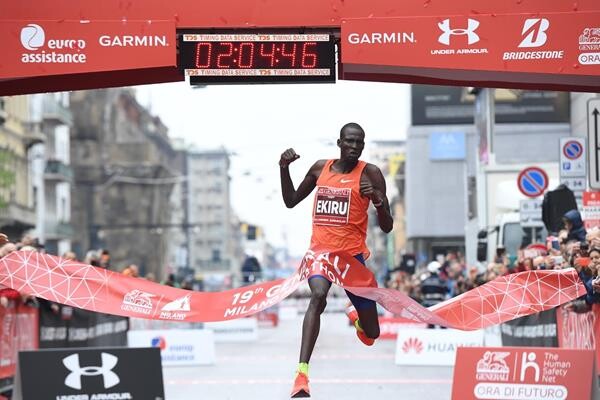
Ekiru tested positive at the Italian race for the corticosteroid triamcinolone acetonide, which is prohibited for use in-competition unless an athlete is granted an exemption for medical use.
The AIU said a first investigation into the Milan positive test was closed, then reopened when Ekiru also tested positive for a synthetic opioid while winning in Abu Dhabi in November 2021.
“The athlete tested positive for pethidine after winning in Abu Dhabi, and again claimed the outcome resulted from legitimate medical treatment,” the AIU said.
Ekiru was provisionally suspended one year ago and was later charged with suspected doping violations in March and April, the AIU said.
Two more charges of tampering have now been added for the runner “submitting falsified medical explanations and documentation to the AIU for both positive tests,” the AIU said.
by Samuel Nganga
Login to leave a comment
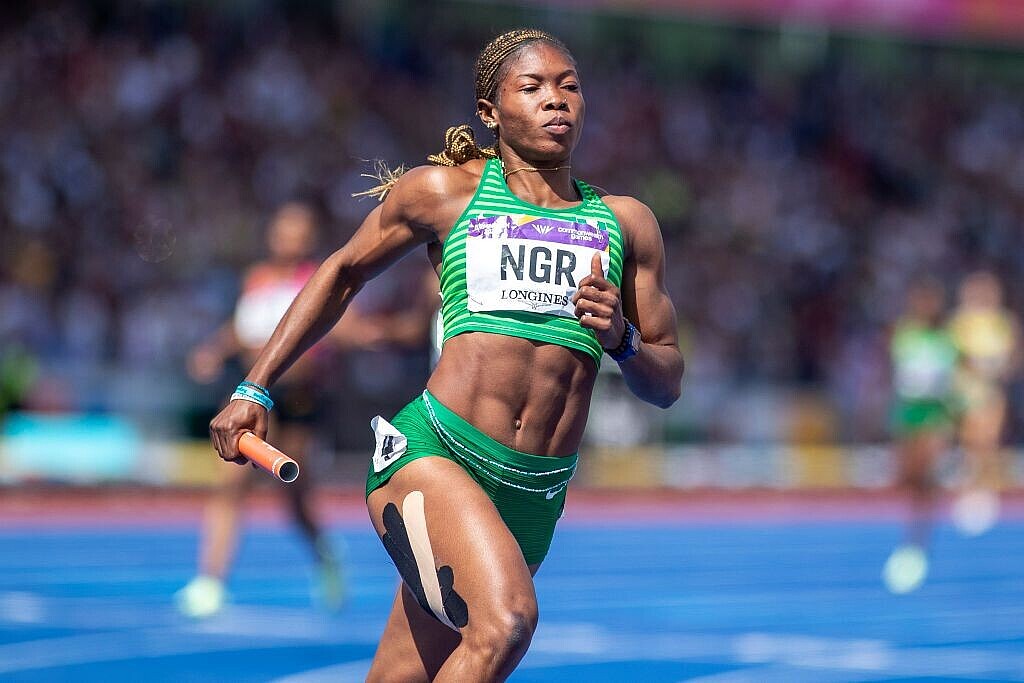
Commonwealth Games relay champion Nwokocha given provisional doping ban
Nzubechi Grace Nwokocha, who was part of Nigeria's women's 4x100 metres relay team that dramatically won gold on the line at the Birmingham 2022 Commonwealth Games, has been provisionally suspended by the Athletics Integrity Unit (AIU) for testing positive for a banned substance.
Nwokocha infamously dipped to the line to beat the hosts England on the anchor leg to put her team - also consisting of Tobi Amusan, Favour Ofili and Rosemary Chukwuma - top of the podium.
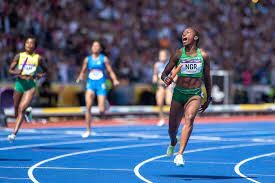
The 21-year-old tested positive for ostarine and ligandrol, according to the AIU.
It could lead to England being promoted to gold in the relay and Jamaica moved into silver.

Australia would be promoted to bronze if Nigeria are disqualified.
Ostarine is an anabolic steroid that is not approved for human use or consumption in the United States, the country where Nwokocha has trained while at university.
Ligandrol is used to increase energy, improve athletic performance and increase muscle growth.
Testing positive for prohibited substances carries a penalty of up to four years, meaning the Nigerian could miss the Paris 2024 Olympic Games and the Victoria 2026 Commonwealth Games if found guilty.
At the Tokyo 2020 Olympics, Nwokocha made the semi-finals of the women's 100m and 200m, reaching the same stage in both races at this year's 2022 World Athletics Championships in Eugene.
The Nigerian was fifth at Birmingham 2022 in the women's 100m final too.
Nwokocha also finished sixth this year in the National Collegiate Athletic Association (NCAA) 100m and 200m finals.
She is not the first prominent Nigerian to face a ban, with Olympic, world and Commonwealth champion Blessing Okagbare given a 10-year ban earlier this year for multiple cases of doping, as well as refusing to comply with the investigation.
Failures in Nigerian anti-doping left several athletes to miss the Tokyo 2020 Olympics, as they were deemed to have not been tested enough prior to the Games.
by Michael Houston
Login to leave a comment

Nigerian sprinter Blessing Okagbare receives 10-year doping ban
The Athletics Integrity Unit has handed Nigerian sprinter Blessing Okagbare a 10-year ban for doping violations, which will effectively end her career. The 33-year-old was sent home from the Tokyo Games before the semi-final of the women’s 100m, for which she had qualified automatically before a previous positive test for human growth hormone came to light.
On July 30, Okagbare won her 100m heat in Tokyo, despite having tested positive out-of-competition on July 19.

In October, according to a Reuters report, she was charged with three doping violations, including the use of human growth hormone, a previous positive test for EPO (from June 2021) and refusing to hand over documentation requested by investigators.
According to a report in the Independent, the athlete received five years for using multiple banned substances and five years for refusing to co-operate with an investigation. (The standard doping ban is for four years.)
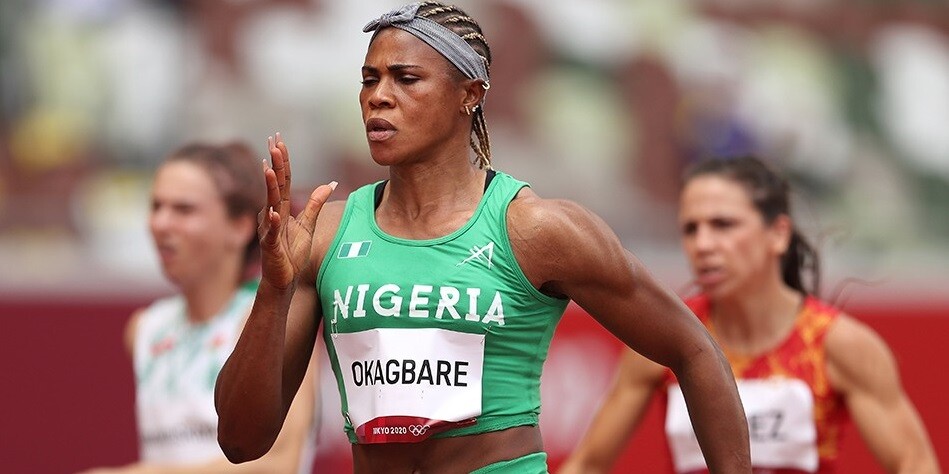
Okagbare won bronze in the 200m at the 2013 World Championships and is an Olympic and World Championship medalist in the long jump. She holds the Commonwealth Games record in the 100m at 10.85, set in Glasgow in 2014.
by Anne Francis
Login to leave a comment
