

Running News Daily
Running News Daily is edited by Bob Anderson and team. Send your news items to bob@mybestruns.com Advertising opportunities available.
Index to Daily Posts · Sign Up For Updates · Run The World Feed
Articles tagged #56:51
Today's Running News
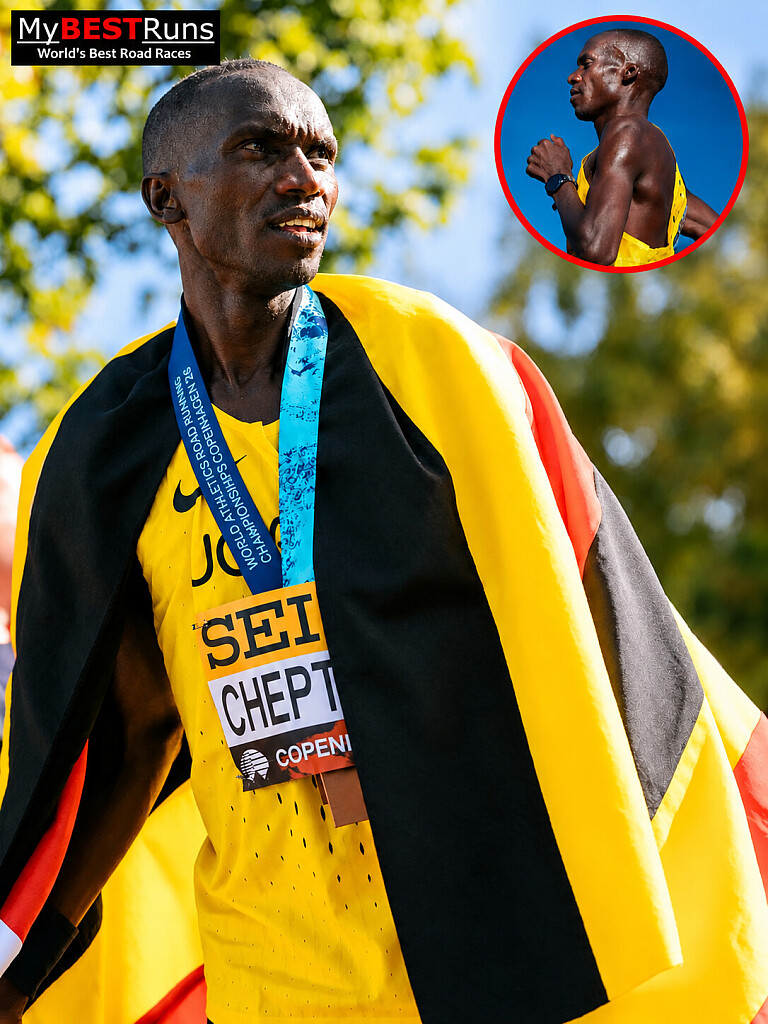


Joshua Cheptegei’s Road To The Marathon Takes Shape After World Half Marathon Bronze
Uganda’s Joshua Cheptegei has added another significant milestone to his remarkable distance-running career, securing bronze at the 2026 World Athletics Road Running Championships in Copenhagen with a personal best of 58:26 over the half marathon.
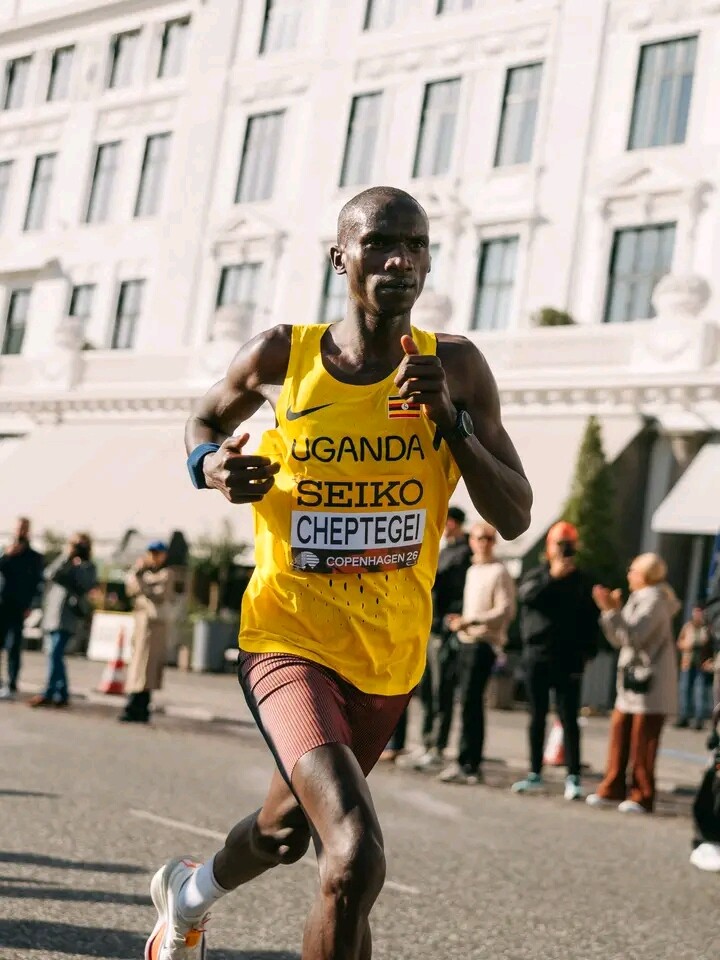
The performance marked a new chapter for the 30-year-old world record-holder, who had previously clocked 59:21 at the 2020 World Half Marathon Championships. In Copenhagen, Cheptegei improved that mark by 55 seconds while claiming his first individual medal on the road at a global championship.
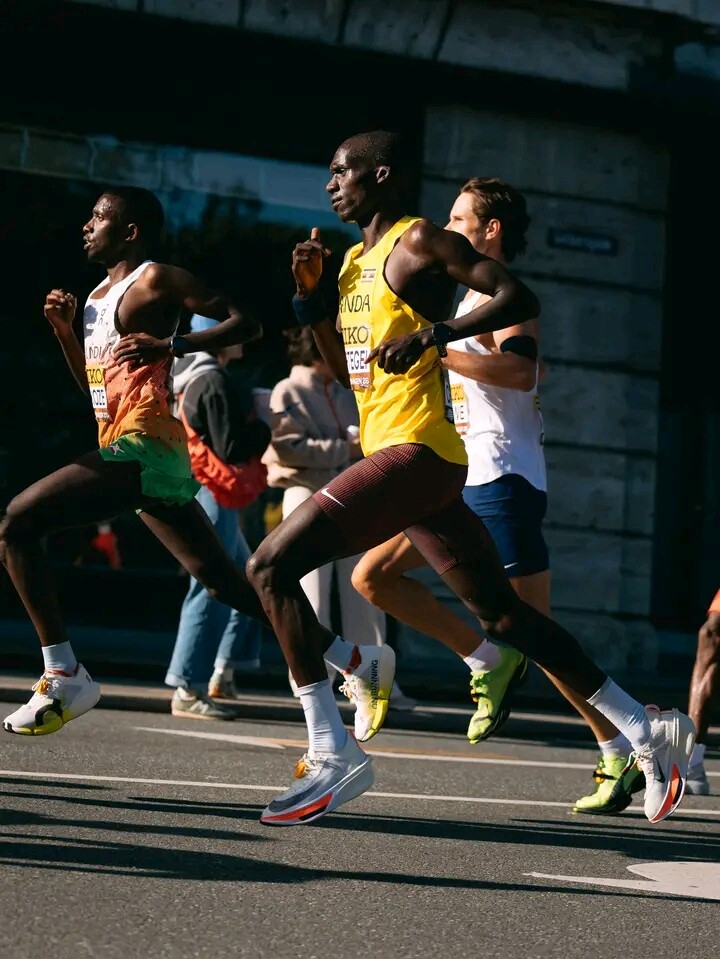
The race was won by Sweden’s Andreas Almgren in a European record of 58:06, with Kenya’s Nicholas Kipkorir taking silver in 58:11. Cheptegei finished 15 seconds behind Kipkorir and 20 seconds behind Almgren, completing a tightly contested podium in which all three athletes broke 58:30.
For Cheptegei, the result carries particular significance because of what he has already achieved on the track. In 2020, he established the men’s 5000m world record of 12:35.36 in Monaco before lowering the 10,000m world record to 26:11.00 in Valencia later that year. Both marks remain the current world records.
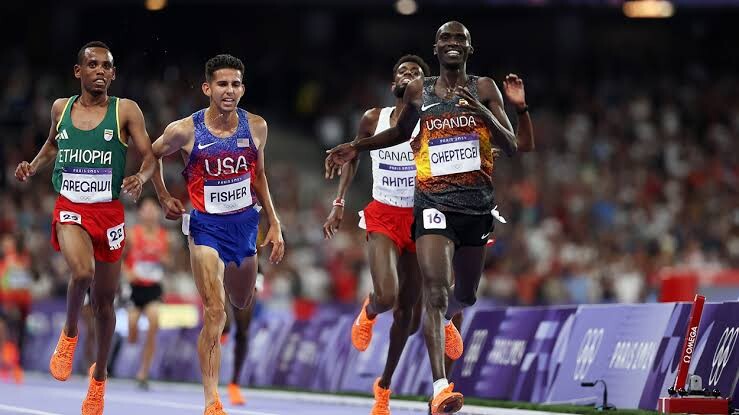
His Copenhagen performance also came during an extraordinary period for the men’s half marathon. Uganda’s Jacob Kiplimo ran 56:42 in Barcelona in 2025, although that performance was not ratified as a world record because the race conditions did not fully comply with World Athletics rules. Kiplimo later set the ratified world record at 57:20 in Lisbon in March 2026, before Ethiopia’s Yomif Kejelcha lowered it again to 56:51 in Buenos Aires in August.
Against that rapidly evolving road-running landscape, Cheptegei’s 58:26 places him among an increasingly competitive generation of athletes moving from the track to the roads. His Copenhagen run was not simply a podium finish; it was the fastest half marathon of his career and a clear demonstration of his continued development over longer distances.
The marathon is already familiar territory for Cheptegei. He made his debut in Valencia in December 2023, finishing 37th in 2:08:59 after going through halfway in 1:00:36. The experience was an important learning step as the Olympic and world champion began exploring the longest Olympic distance.
Now, after returning to the half marathon and producing a substantial personal best, Cheptegei is once again preparing to take on the marathon. The Copenhagen race formed part of his preparations for a marathon in the coming weeks.
The progression is striking. Cheptegei spent years defining an era on the track, setting world records, winning Olympic gold and collecting world titles. Now the challenge is different: adapting that extraordinary speed and championship experience to the demands of 42.195 kilometres.
His bronze medal in Copenhagen therefore feels like more than another entry on an already decorated résumé. It represents another step in the evolution of one of Uganda’s greatest distance runners — from a dominant track champion to an athlete increasingly testing himself against the very best on the roads.
The records that made Cheptegei a track legend remain untouched. But the next chapter of his career is being written on the roads — and Copenhagen may have provided another important glimpse of what could come next.
by Erick Cheruiyot for My Best Runs.
Login to leave a comment
2026: The Year Distance Running’s Impossible Records Began to Fall
Distance running has witnessed extraordinary seasons before, but 2026 is producing something that feels almost unprecedented.
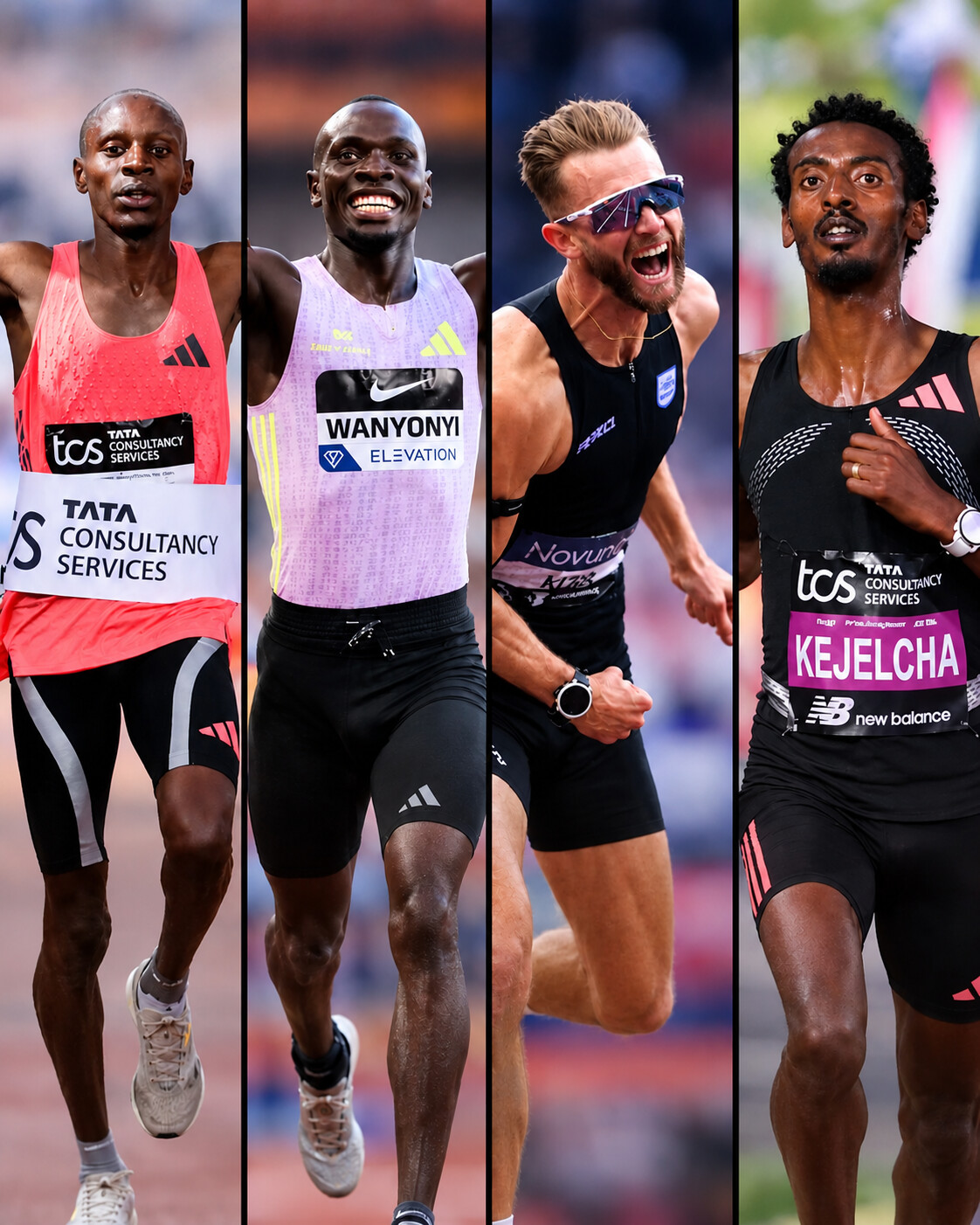
Records that had survived for decades, marks that appeared untouchable and performances that had defined entire generations of athletes are falling at a remarkable rate. In the space of just four months, four historic world records were rewritten, creating one of the most astonishing stretches the sport has ever seen.
And with four months still remaining in 2026, the question is no longer whether this has been an exceptional year.
It is just how much further the boundaries can be pushed.
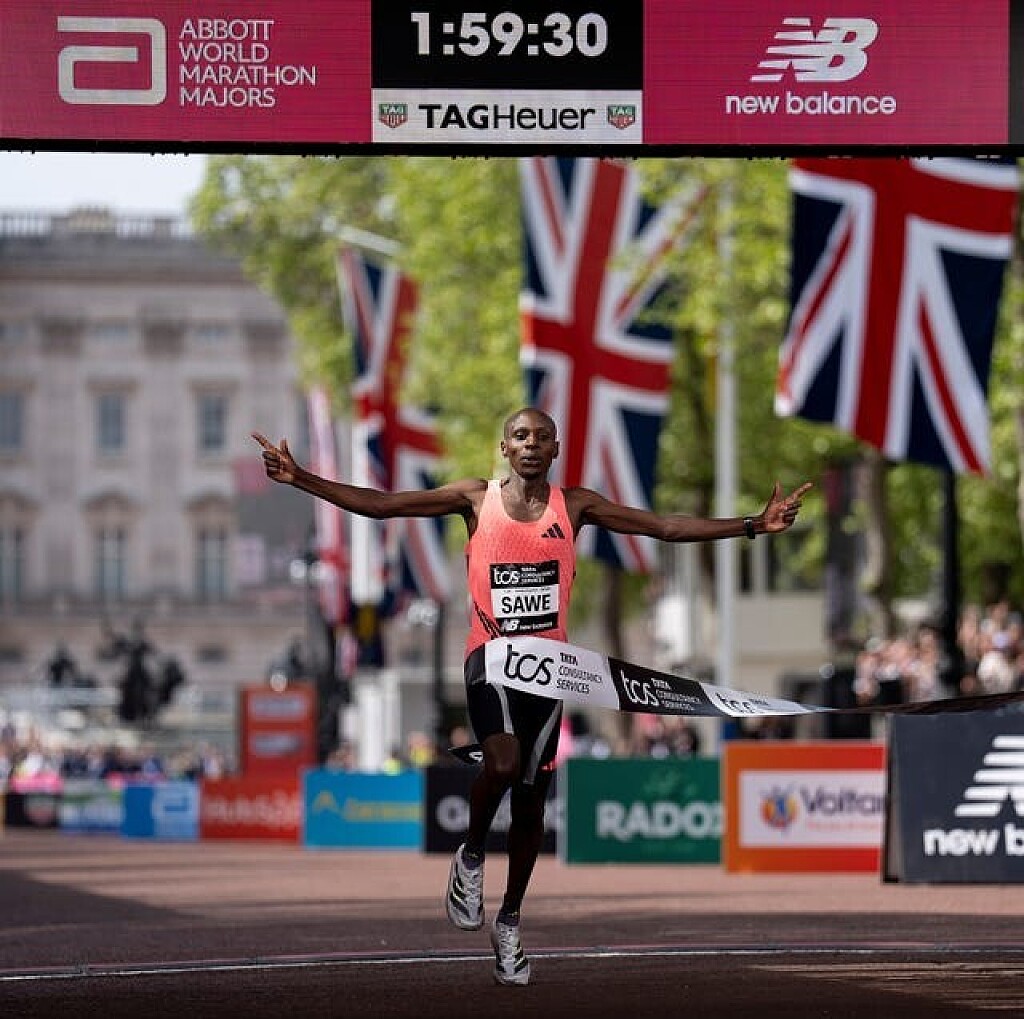
The extraordinary sequence began on April 26 at the London Marathon, where Sabastian Sawe delivered one of the defining performances in the history of the event. The Kenyan crossed the finish line in a breathtaking 1:59:30, becoming the first athlete to run a marathon under two hours in officially recognised, record-eligible conditions.
Eliud Kipchoge had famously broken the two-hour barrier in Vienna in 2019, proving that such a performance was humanly possible, but the specially organised conditions—including rotating pacemakers and a pace car—meant the time could not be recognised as an official world record.
Sawe's performance was different.
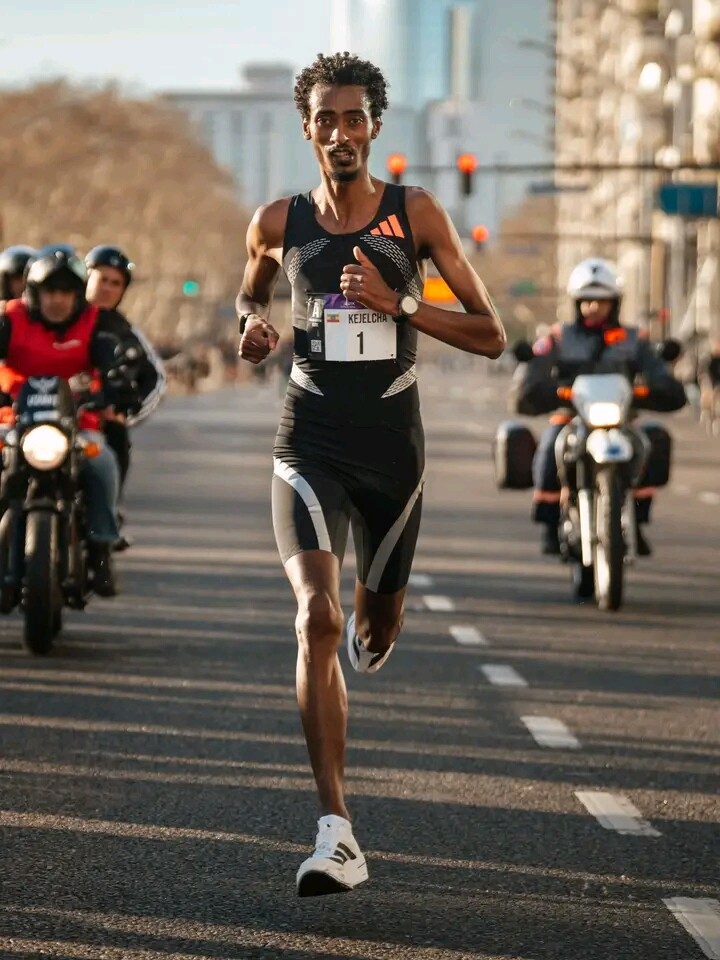
His 1:59:30 came in a conventional elite marathon race, and the historic morning became even more extraordinary as Ethiopia's Yomif Kejelcha finished in 1:59:41, while Uganda's Jacob Kiplimo clocked 2:00:28. In one astonishing race, three athletes went faster than the previous world-record standard.
Then came Monaco.
On July 10, Emmanuel Wanyonyi stepped into completely unfamiliar territory when he lined up for his first-ever 1000m race. What followed was nothing short of spectacular. The Kenyan middle-distance star stormed to 2:11.83, smashing a world record that had belonged to Noah Ngeny since 1999.
The previous mark had stood for 27 years, having been set four years before Wanyonyi was even born. Yet on his debut over the distance, Wanyonyi made history look effortless, while Britain's Jake Wightman also produced a superb performance to move into fifth place on the all-time list.
Just eight days later, London delivered another historic moment.
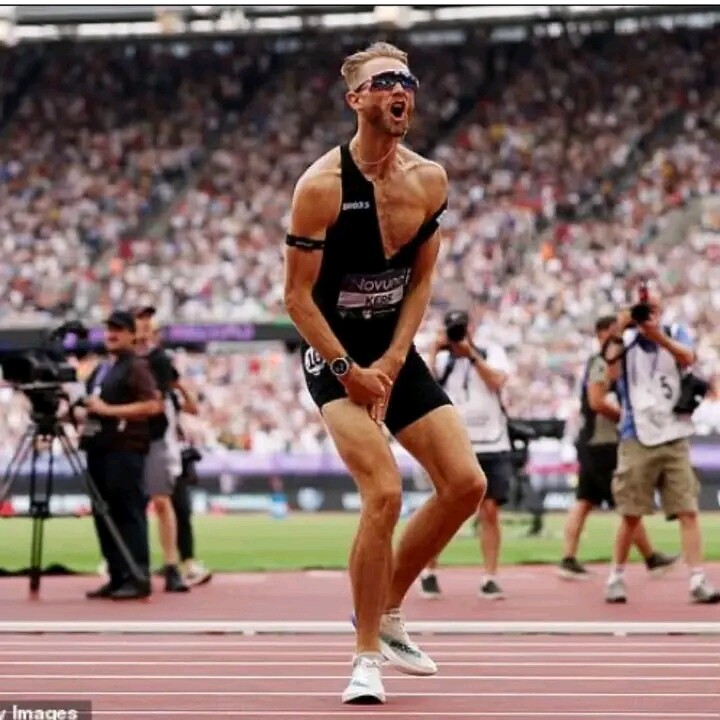
Josh Kerr had spoken openly about his ambitious mission, calling it “Project 222.” On the track, however, ambition turned into reality. The British star produced a stunning 3:42.66 for the mile, finally surpassing Hicham El Guerrouj's legendary 3:43.13 world record.
For decades, El Guerrouj's mark had stood as one of athletics' most iconic standards—a performance that appeared almost immune to the passing of time. Kerr changed that, producing a run that instantly secured its place among the greatest mile performances ever witnessed.
And then, in Buenos Aires on August 23, Yomif Kejelcha returned to the centre of the distance-running world.
Having already played a major role in London's historic marathon, the Ethiopian produced another extraordinary performance, this time over the half marathon. Kejelcha clocked 56:51, becoming the first man in history to break 57 minutes for the distance under valid record conditions.
What made the performance even more remarkable was the manner in which it unfolded. Kejelcha was running alone from around the 7km mark, with no rival beside him and no dramatic sprint finish required. He simply continued driving forward, producing one of the most dominant record-breaking performances ever seen on the roads.
Four historic records.
Four months.
A marathon barrier that had long been considered impossible in official competition. A 1000m record that had survived for 27 years. A mile record that had belonged to one of the greatest middle-distance runners in history. And a half-marathon performance that carried the event into completely new territory.
Distance running is living through a year unlike almost anything the sport has experienced before.
The most remarkable part?
2026 is not over yet.
With four months still remaining, the athletes of this extraordinary era may not be finished rewriting history.
by Erick Cheruiyot for My Best Runs.
Login to leave a comment
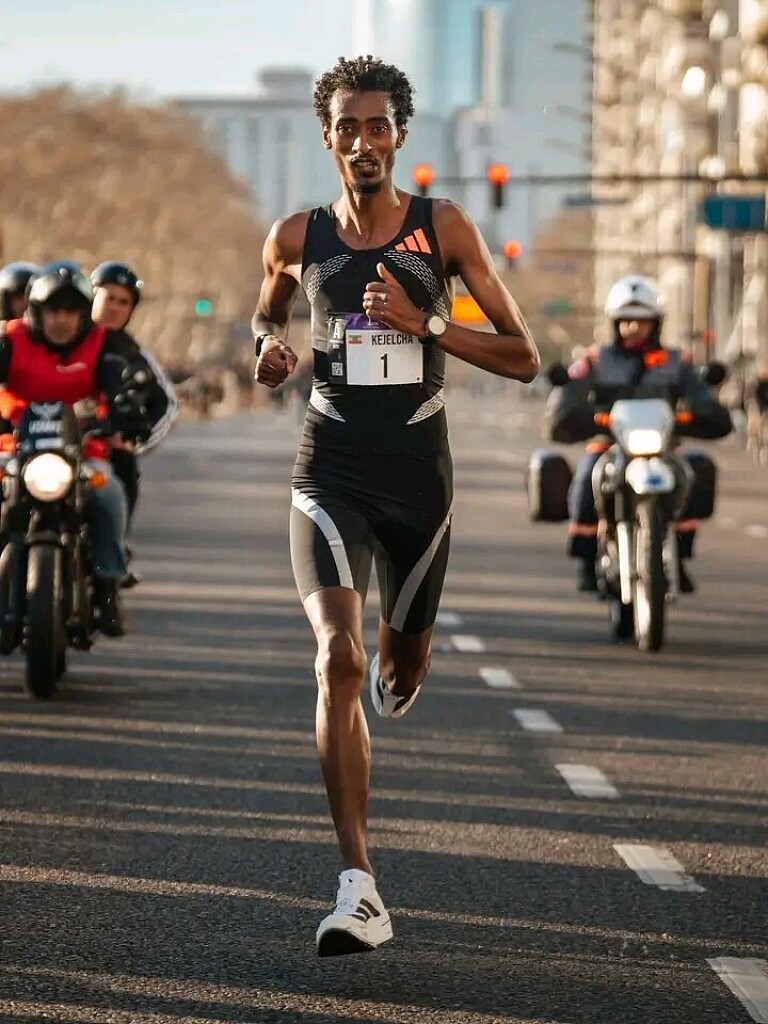
From 1:07:01 To 56:51: The Extraordinary Evolution Of The Half Marathon World Record
The history of the men’s half marathon world record is a remarkable journey through more than six decades of distance running, tracing the sport’s transformation from club-level competition to an era of extraordinary professional speed.
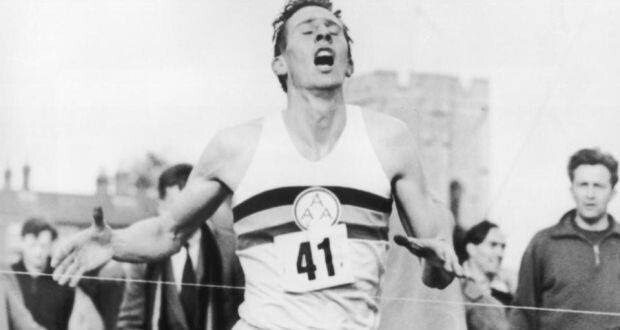
The story began in the spring of 1960 in Romford, Essex, where British club runner Brian Hill-Cottingham ran 21.0975 kilometres in 1:07:01, setting the fastest officially recorded time at the distance at the time.
For years, the record progressed slowly. British and American runners dominated much of the early history, with improvements often measured in seconds rather than dramatic leaps. Ron Hill lowered the mark to 1:05:44 in 1965, while Derek Clayton took it down to 1:03:22 in 1967. Through the 1970s and 1980s, the barrier continued to fall as athletes from different nations gradually pushed the limits of what was possible over 21.1 kilometres.
Then came the breakthrough that changed the character of the event.
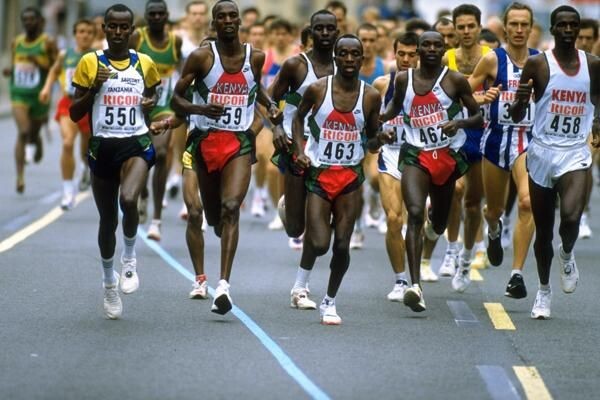
In 1993, Kenya’s Moses Tanui became the first man to break the one-hour barrier, running 59:47 in Milan. It was a landmark moment for road running. The half marathon was no longer simply another distance on the racing calendar; it had become an event worthy of specialised preparation and elite-level ambition.
Kenya subsequently established a remarkable presence in the record progression. Paul Tergat lowered the record to 59:17 in 1998 before eventually pushing it below 59 minutes with a 59:06 mark later that year. Eritrea’s Zersenay Tadese and Kenya’s Sammy Wanjiru continued the progression in the 2000s, with Wanjiru taking the record to 58:33 in 2007.
Tadese reclaimed the record in 2010 with 58:23, but the most dramatic developments were still to come.
In 2018, Kenya’s Abraham Kiptum ran 58:18, only for countryman Geoffrey Kamworor to lower the standard to 58:01 in 2019. A year later, another Kenyan, Kibiwott Kandie, produced one of the greatest breakthroughs in the event’s history, becoming the first man to break 58 minutes with 57:32 in Valencia.
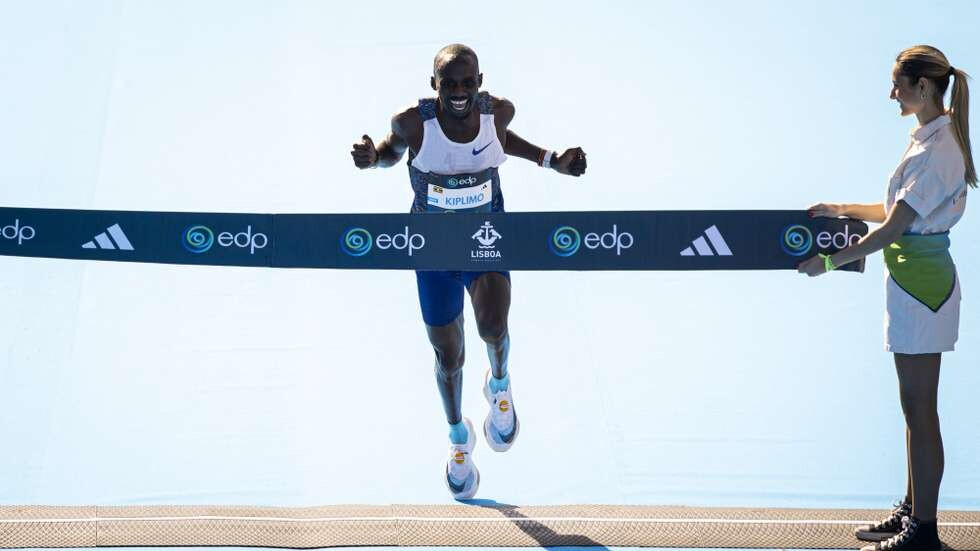
Uganda’s Jacob Kiplimo then entered the record books, running 57:31 in Lisbon in 2021. Ethiopia’s Yomif Kejelcha lowered it by another second to 57:30 in Valencia in 2024.
And then, in 2026, the record progression became a breathtaking battle between two of the finest distance runners of their generation.
Kiplimo reclaimed the world record in Lisbon with 57:20, taking 10 seconds from Kejelcha’s mark. But Kejelcha responded with an extraordinary performance in Buenos Aires on 23 August 2026, stopping the clock at 56:51.
The improvement was staggering—29 seconds faster than Kiplimo’s previous record.
Kejelcha’s 56:51 means he averaged approximately 2:42 per kilometre for the entire 21.0975-kilometre distance, a pace that would have seemed almost unimaginable when Hill-Cottingham first established the record at 1:07:01 in 1960.
From 1:07:01 to 56:51, the progression tells the story of an event that has undergone a remarkable transformation. Training has become more sophisticated, competition has intensified, courses have become faster, and generations of athletes have continued to challenge the boundaries of human endurance and speed.
What began as a record set by a British club runner on a spring day in Essex has evolved into one of the most fiercely contested records in modern distance running.
And with Kiplimo and Kejelcha pushing each other to unprecedented heights, the question is no longer whether the half marathon can go faster.
The question is: how low can the world record ultimately go?
by Erick Cheruiyot for My Best Runs.
Login to leave a comment

Three Historic World Records Ratified As Kiplimo, Tharp And Wanyonyi Enter The Record Books
Three extraordinary performances that captivated the athletics world have now been officially ratified by World Athletics, with Jacob Kiplimo, Ja’Kobe Tharp and Emmanuel Wanyonyi securing their places in the history books with remarkable world-record performances.
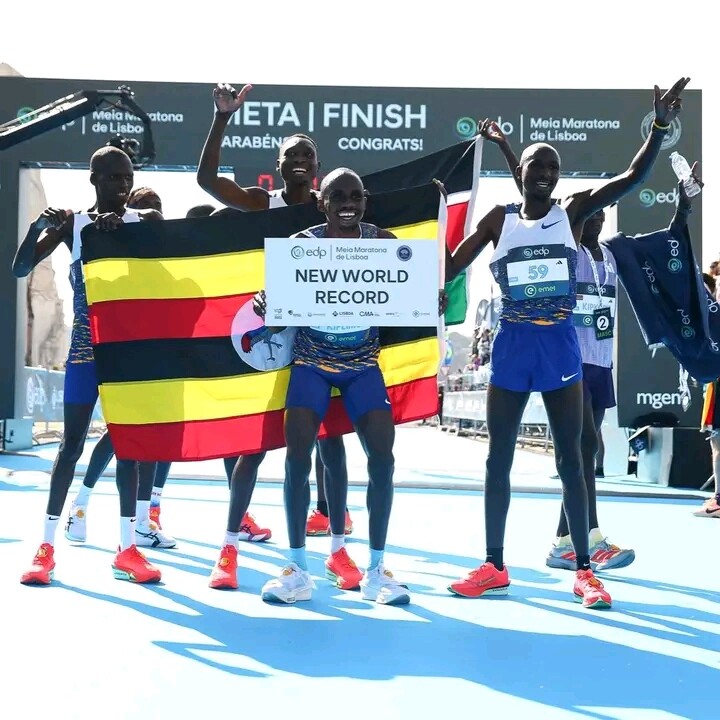
Uganda’s Jacob Kiplimo delivered a breathtaking 57:20 at the EDP Lisbon Half Marathon on 8 March 2026, producing what was then a spectacular world record. His performance underlined his exceptional ability over the half-marathon distance and further strengthened his status as one of the finest road runners of his generation.
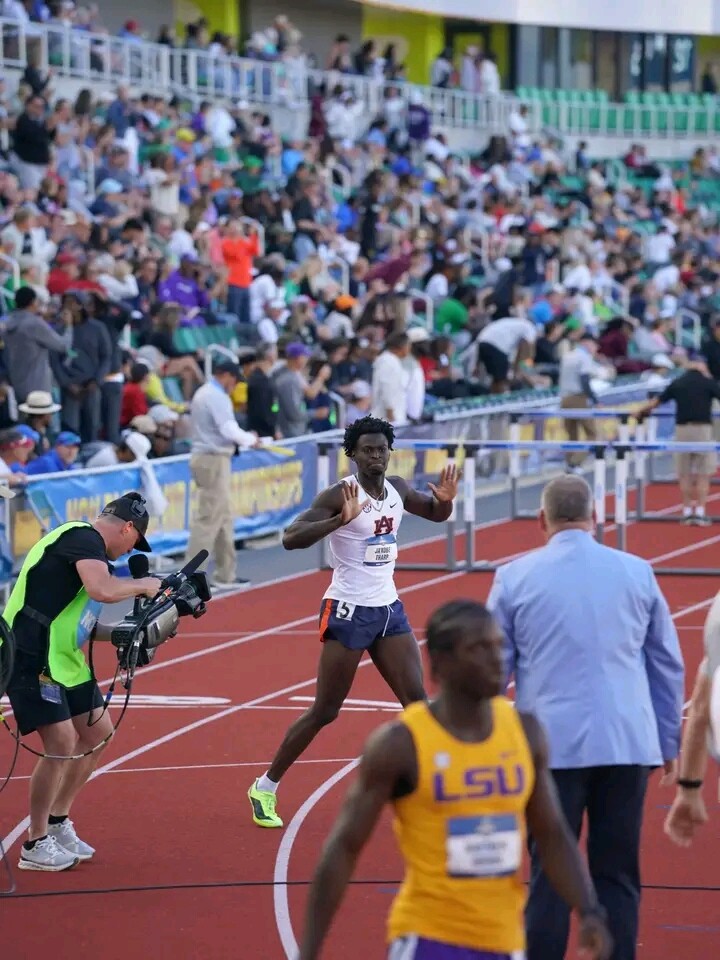
American hurdler Ja’Kobe Tharp created his own piece of history in Eugene on 10 June 2026, storming to 12.75 seconds in the 110m hurdles. The sensational performance came with a legal +1.0m/s following wind and established Tharp as the new world record-holder, marking a remarkable breakthrough on the global stage.
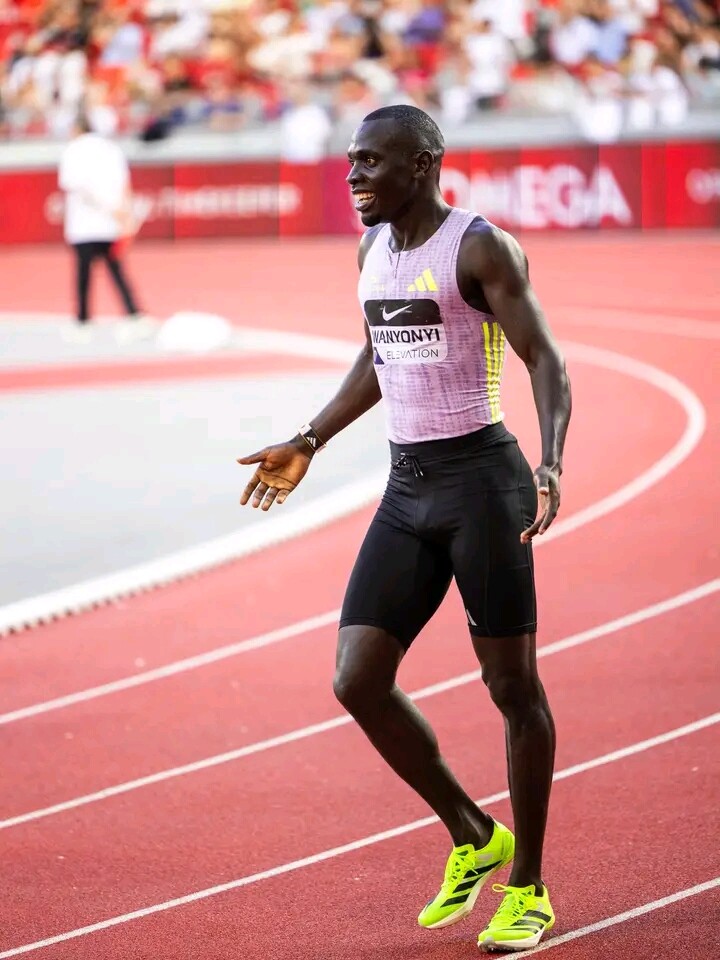
Kenya’s Emmanuel Wanyonyi completed the trio with a sensational 2:11.83 world record in the 1000m. The Olympic champion produced the performance in Monaco, lowering Noah Ngeny’s long-standing 2:11.96 world record from 1999. It was another extraordinary demonstration of Wanyonyi’s speed, strength and versatility beyond his specialist 800m distance.
What makes the three records particularly special is the variety of disciplines involved. Kiplimo conquered the demanding half marathon, Tharp mastered the technical challenge of sprint hurdling, while Wanyonyi extended his middle-distance brilliance over 1000m. Each performance showcased a different form of athletic excellence, yet all three athletes reached the same extraordinary destination: the world-record books.
Accuracy Note: Kiplimo’s 57:20 has since been surpassed by Ethiopia’s Yomif Kejelcha, who ran 56:51 at the Media Maratón Ciudad de Buenos Aires on 23 August 2026, taking 29 seconds off Kiplimo’s mark. The newer performance was still listed as pending ratification, meaning Kiplimo’s mark had been overtaken on the clock even as his record was among those formally ratified.
The ratification of the Kiplimo, Tharp and Wanyonyi performances nevertheless gives official recognition to three spectacular moments that will remain significant chapters in the 2026 athletics season.
Three athletes. Three extraordinary performances. Three officially ratified world records. From Lisbon to Eugene and Monaco, Kiplimo, Tharp and Wanyonyi have added another unforgettable chapter to the story of athletics
by Erick Cheruiyot for My Best Runs.
Login to leave a comment

From Buenos Aires History to Valencia Ambition: Kejelcha Begins the Next Chapter
Ethiopian distance-running sensation Yomif Kejelcha has been taking time to reflect on an unforgettable week in Buenos Aires, where he delivered one of the most extraordinary performances of his career and added another historic chapter to his remarkable journey.
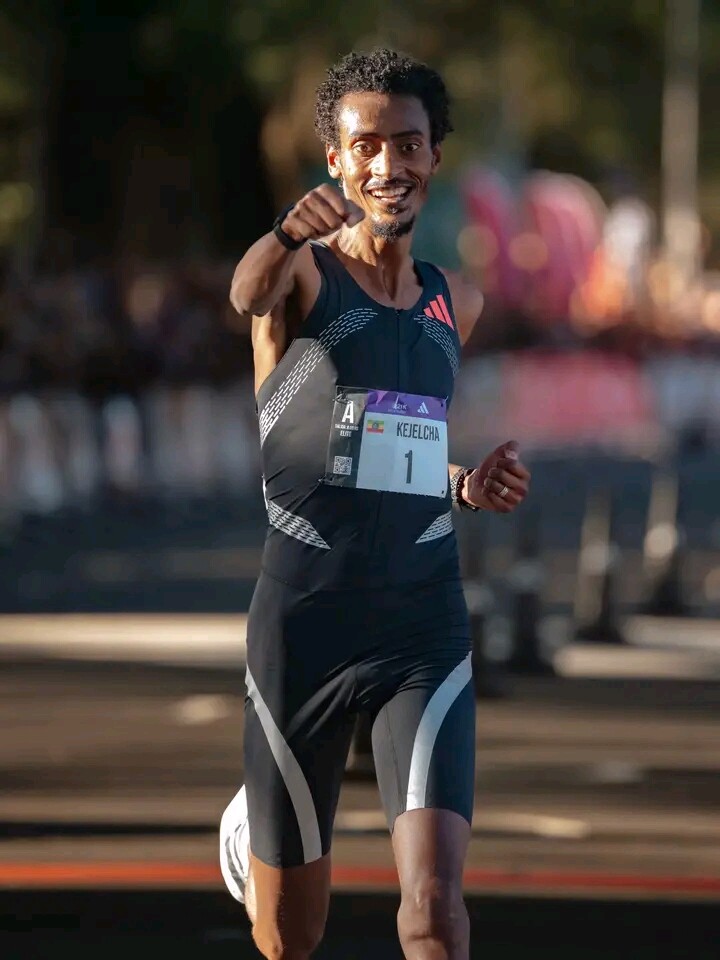
The memories from the Argentine capital remain fresh after Kejelcha produced a sensational 56:51 to break the half marathon world record in August 2026. His performance lowered the previous record by 29 seconds and marked another extraordinary milestone for one of the most versatile distance runners in the sport.
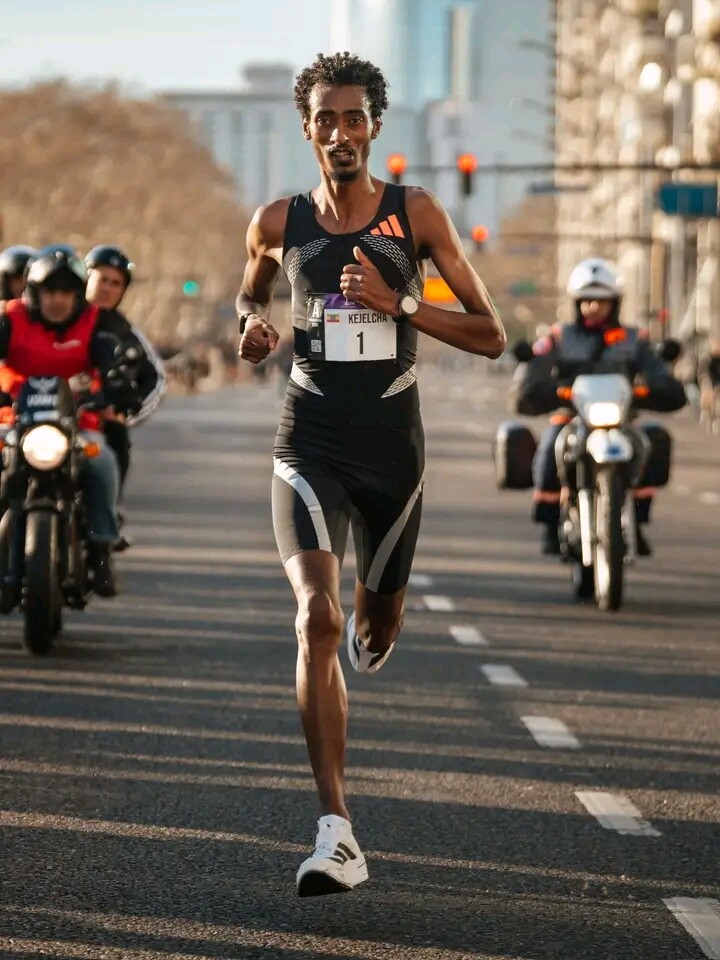
It was also a return to familiar territory for Kejelcha, who had previously held the half marathon world record after clocking 57:30 in Valencia in 2024. His latest performance in Buenos Aires therefore reinforced his remarkable ability over the 21.1km distance and added further significance to a city and race that he says left him deeply grateful for the warmth and support he received.
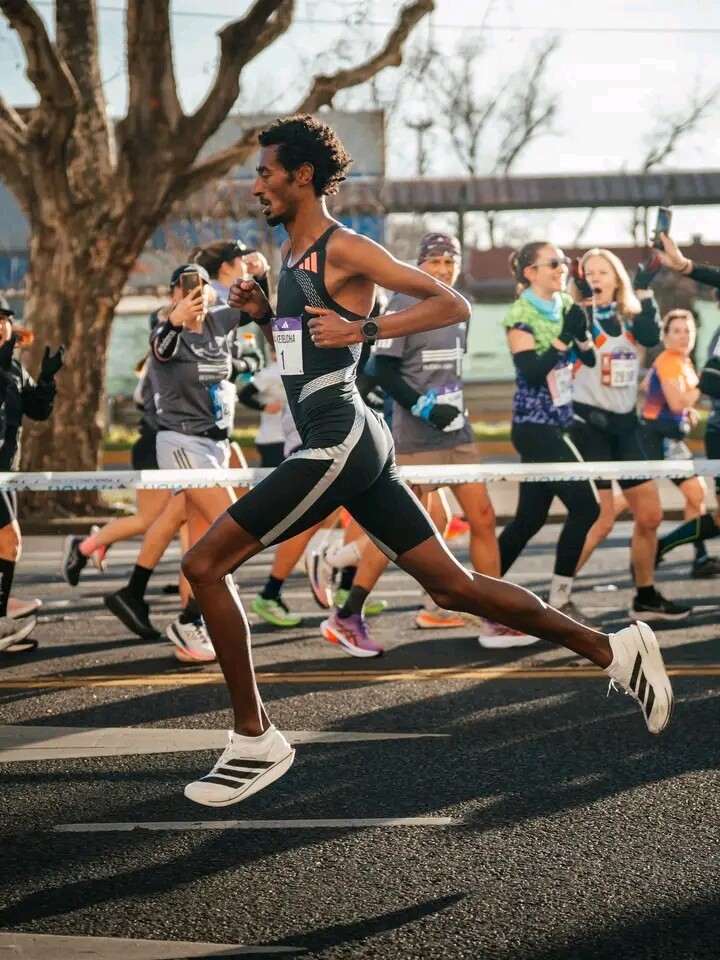
Reflecting on his time in Buenos Aires, Kejelcha shared his happiness over everything he experienced during the trip, expressing sincere appreciation for the love, encouragement and hospitality shown to him. The reception he received from fans and the local community made the historic occasion even more memorable.
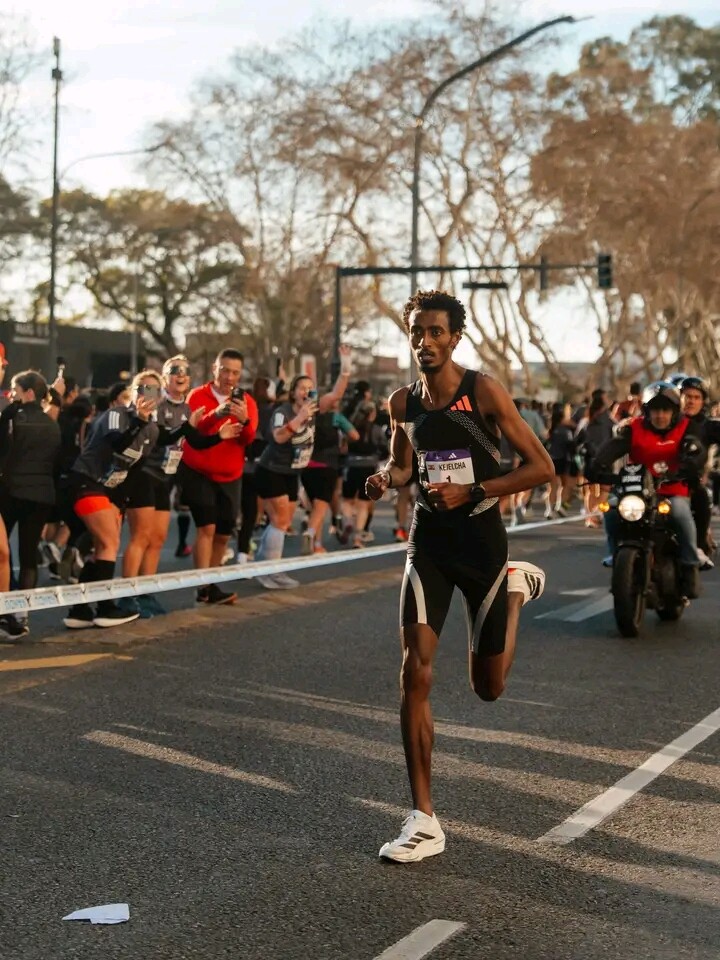
After the intensity and emotion of that performance, Kejelcha has returned home to Ethiopia, where the past week has been dedicated to rest, recovery and spending valuable time with his family. Following a demanding stretch of racing and training, the Ethiopian star is now giving both his body and mind the opportunity to recharge before gradually returning to his normal routine.
His incredible 2026 season has already featured another historic achievement. In April, Kejelcha made his marathon debut at the London Marathon and finished second in a breathtaking 1:59:41. The performance became the fastest marathon debut in history and made him only the second athlete to officially break the two-hour barrier in a record-eligible race.
Now, however, his attention is beginning to turn towards the next major challenge.
Kejelcha has identified the Valencia Marathon as his main objective for the closing stages of the season. Step by step, he is preparing to resume full training and build towards the prestigious Spanish race, where he will aim to bring an already historic campaign to a memorable conclusion.
Valencia also carries special significance in Kejelcha's recent career. It was there in 2024 that he set his previous half marathon world record, and he will now return to the Spanish city with even greater experience, confidence and a growing reputation as one of the most formidable distance runners of his generation.
The Ethiopian star also expressed his gratitude to supporters around the world for the overwhelming messages and affection he has received since his latest achievement. He made it clear that the encouragement from fans has meant a great deal to him and has added even more meaning to an unforgettable period in his career.
For now, the focus remains on recovery, family and patiently rebuilding towards the final major test of the season. But after rewriting history in Buenos Aires and producing a stunning marathon debut earlier in the year, Kejelcha's journey is far from over.
With Valencia now firmly in his sights, one of distance running's most exciting talents is preparing for the next chapter—and if 2026 has shown anything so far, it is that Yomif Kejelcha is capable of producing something truly extraordinary whenever history is on the line.
by Erick Cheruiyot for My Best Runs.
Login to leave a comment

VALENCIA TRINIDAD ALFONSO
The Trinidad Alfonso EDP Valencia Marathon is held annually in the historic city of Valencia which, with its entirely flat circuit and perfect November temperature, averaging between 12-17 degrees, represents the ideal setting for hosting such a long-distance sporting challenge. This, coupled with the most incomparable of settings, makes the Valencia Marathon, Valencia, one of the most important events in...
more...
Kejelcha and Sawe: Two Men Driving Road Running Into a New Era
Men's road running is moving into extraordinary territory, and two athletes are increasingly at the heart of its breathtaking evolution: Yomif Kejelcha of Ethiopia and Sabastian Sawe of Kenya.
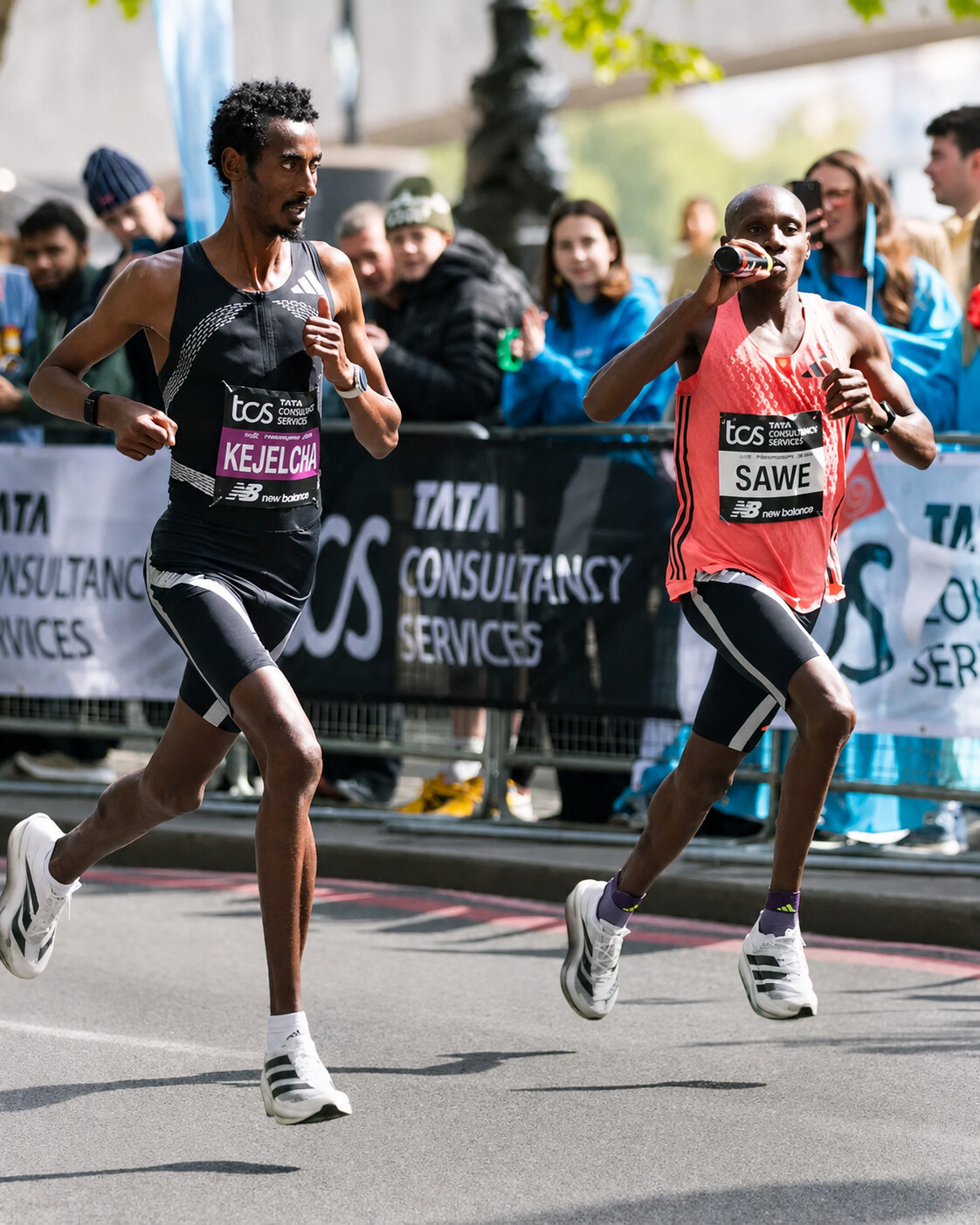
The pair represent the remarkable depth of modern East African distance running, but they are also doing something even more significant: pushing the boundaries of marathon and half-marathon performance to levels that once seemed almost unimaginable. Through their exceptional speed, endurance and ability to perform at the highest level, Kejelcha and Sawe are helping to redefine what is possible on the roads.
Sawe has established himself as one of the most formidable marathon runners in the world. His astonishing 1:59:30 marathon performance at TCS London Marathon on April 26, 2026, marked as a world record, African record and Kenyan record, demonstrated the extraordinary level the marathon has now reached. It also underlined his position at the very top of the men's marathon world rankings.
Kejelcha has been equally sensational, although his journey has highlighted a different kind of versatility. The Ethiopian, whose background includes world-class performances on the track and across shorter road distances, ran 1:59:41 for the marathon debut also at the TCS London Marathon on April 26, 2026, a performance marked as a national record. Just four months later, he delivered another stunning display by clocking 56:51 for the half marathon at the Argentina's capital, Buenos Aires on August 23, 2026, with the performance marked as a pending world record, African record and Ethiopian national record.
That combination of performances illustrates just how exceptional this new generation has become. Kejelcha's ability to threaten the absolute limits over the half marathon while also producing a sub-two-hour marathon performance speaks to his extraordinary range. Sawe, meanwhile, has continued to establish himself as a dominant force over the classic 42.195km distance, combining remarkable efficiency with the strength and speed required to compete at the very highest level.

The two stars are now preparing to take their talents to different stages of the road-running calendar. Kejelcha's next focus is the Valencia Marathon on December 6, where he will once again turn his attention to the marathon distance and look to build on his remarkable breakthrough over 42.195km. Sawe, meanwhile, is set to race the BMW Berlin Marathon on September 27, giving the Kenyan another major opportunity to showcase his extraordinary marathon strength on one of the world's fastest and most prestigious courses.
Those upcoming races add another fascinating dimension to their respective journeys. While Kejelcha heads to Valencia carrying exceptional speed and versatility into another marathon challenge, Sawe will arrive in Berlin with his sights firmly fixed on maintaining his dominance at the highest level of the sport.
What makes their rise particularly exciting is the wider message it sends to athletics. The marathon is no longer progressing only through small margins. The standards at the top are being pushed relentlessly forward, and performances that once appeared impossible are becoming increasingly realistic.
The official sub-two-hour marathon remains one of athletics' ultimate frontiers. Achieving it under standard race conditions would represent one of the greatest endurance breakthroughs in sporting history. Yet with athletes such as Sawe already breaking the two-hour barrier and Kejelcha running only seconds above it while also producing unprecedented half-marathon speed, that frontier appears closer than ever.
Their careers are different, and their strengths are not identical. Sawe has rapidly become a dominant marathon specialist, while Kejelcha brings exceptional versatility from the track to the roads and across multiple distances. But together, they symbolize the relentless progression of men's road running.
Yomif Kejelcha and Sabastian Sawe are not merely among the fastest men of their generation. They are helping to drive the sport toward a future that once seemed unthinkable. With Valencia and Berlin now on their horizons, the next chapter of this remarkable road-running revolution is already waiting to be written.
by Erick Cheruiyot for My Best Runs.
Login to leave a comment
Yomif Kejelcha Smashes Half Marathon World Record with Sensational 56:51 in Buenos Aires
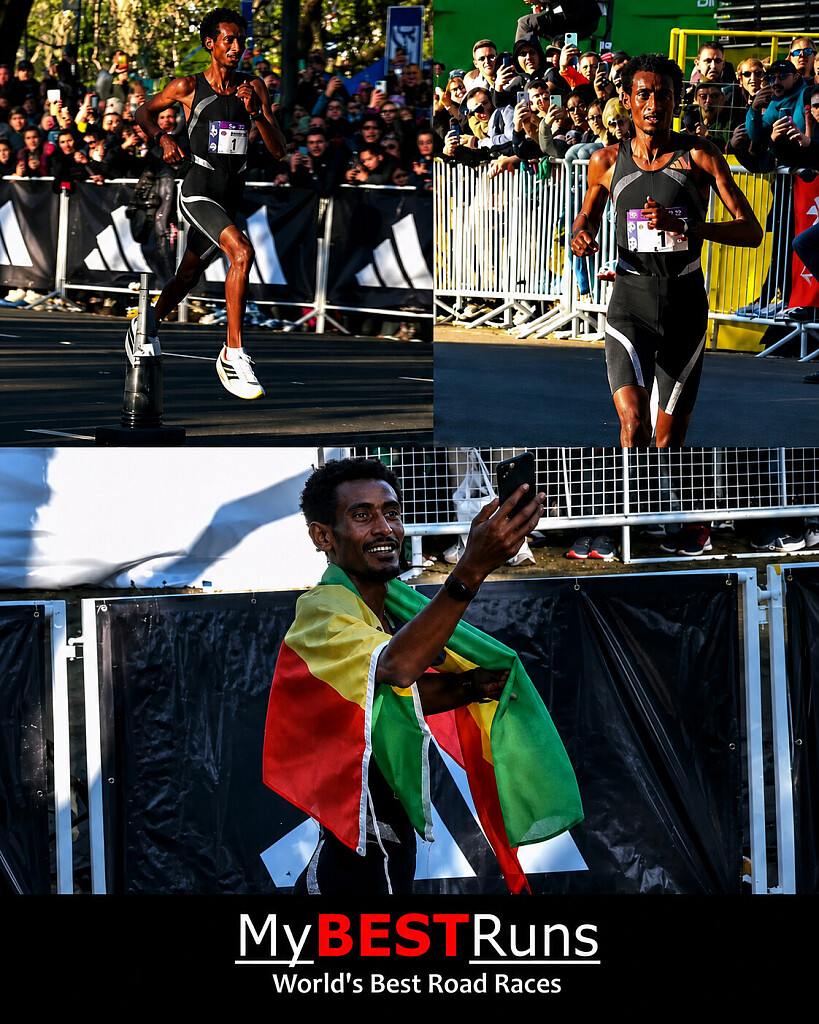
Ethiopia’s Yomif Kejelcha produced one of the most extraordinary performances in road racing history on the streets of Buenos Aires, Argentina, reclaiming the half marathon world record with a sensational 56:51 performance at the 2026 Buenos Aires Half Marathon.
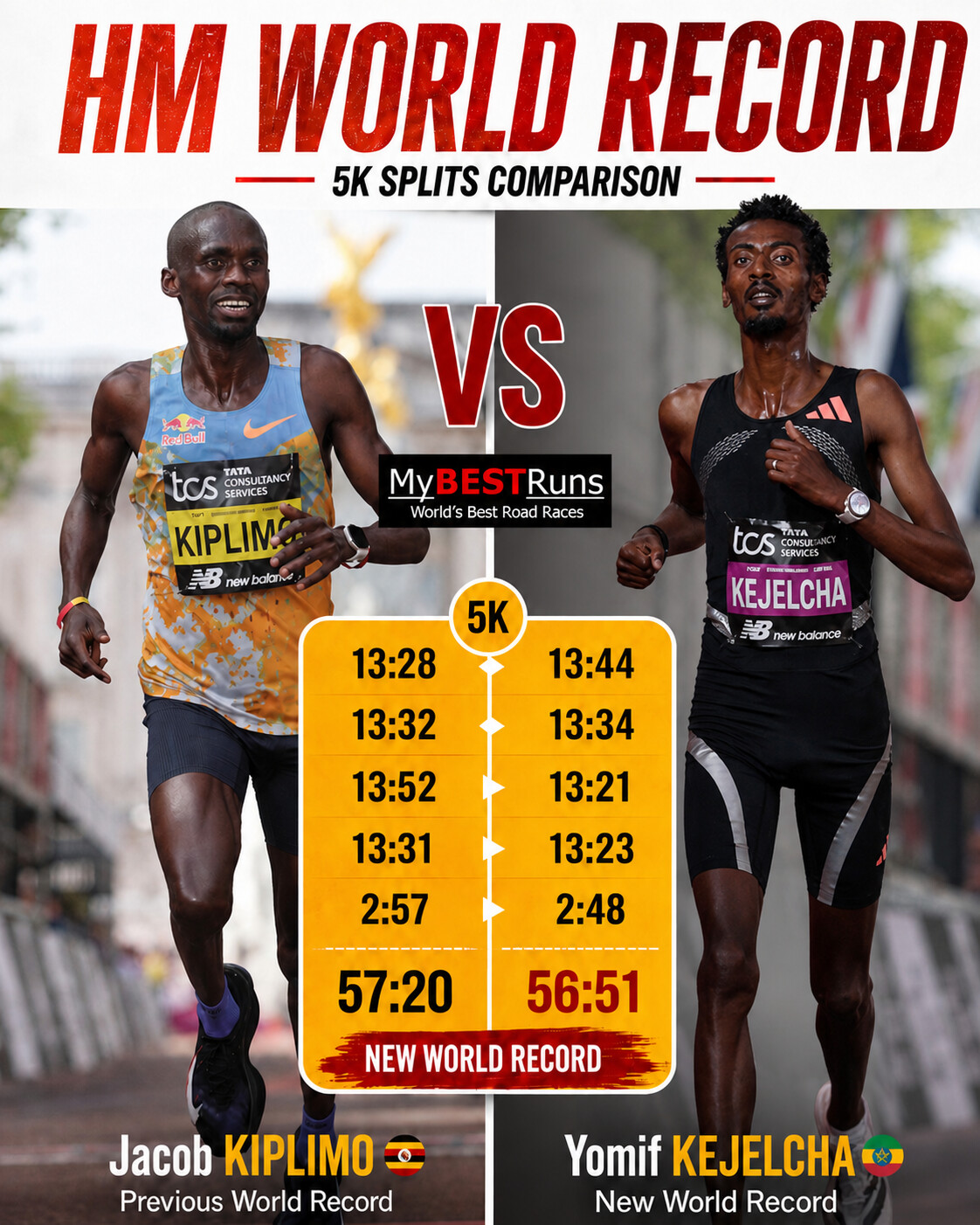
The former world record-holder delivered a breathtaking exhibition of speed and endurance to take 29 seconds off the previous pending mark of 57:20, set by Uganda’s Jacob Kiplimo and takes a huge chunk from his own former official world record. Kejelcha's new performance is pending the standard ratification procedures, but if officially ratified, it will return the world record to the Ethiopian star and mark another remarkable chapter in the evolution of the event.
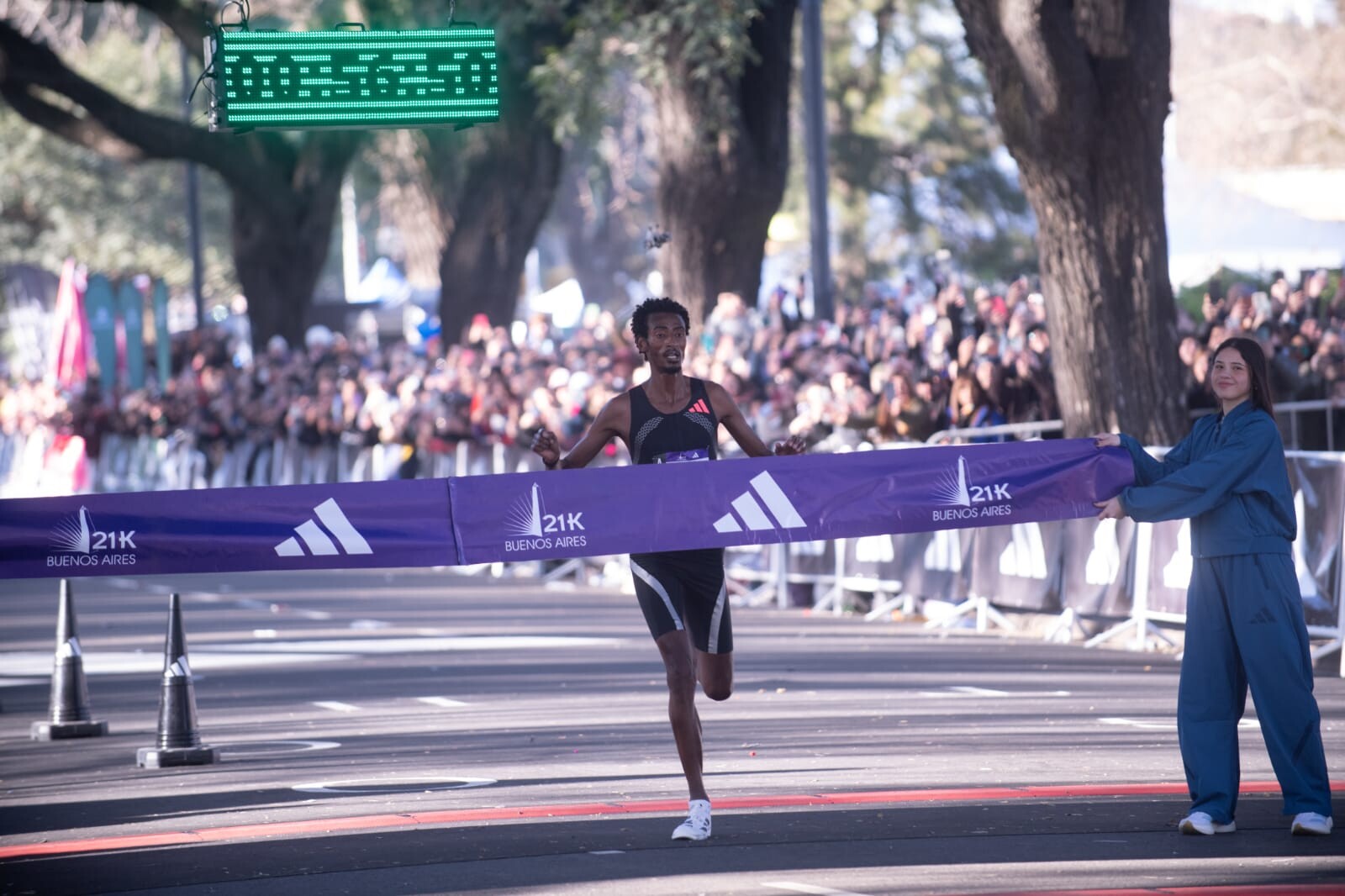
Kejelcha's achievement is particularly significant because the 57-minute barrier had already been broken before. Jacob Kiplimo had previously run under 57 minutes, clocking 56:42 that was not ratified demonstrating that the once-unthinkable barrier was possible. Kejelcha, however, has become the second man to run under 57-minute barrier who now returns to the top of the all-time rankings with another historic performance in Buenos Aires.

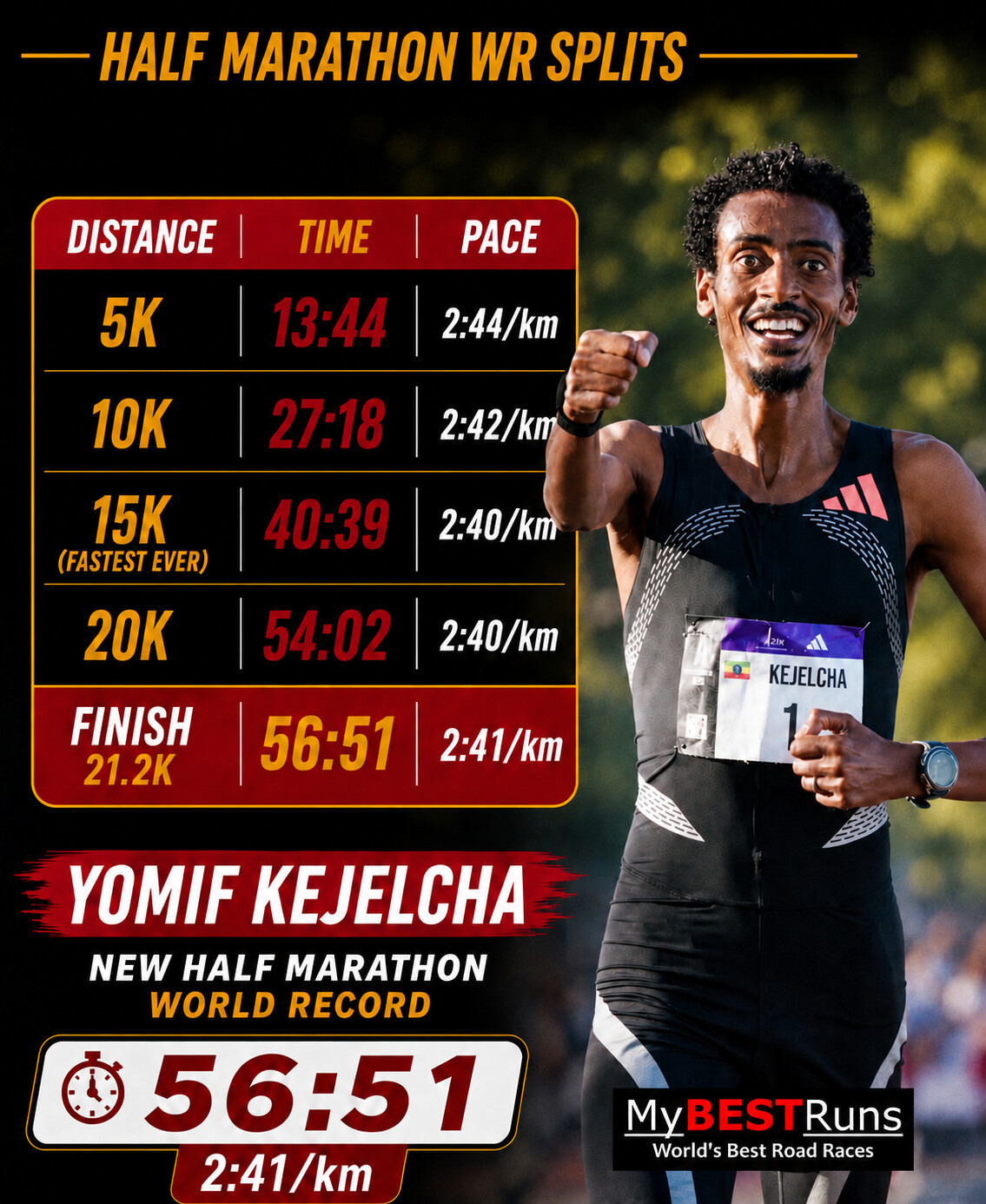
The Ethiopian's race was remarkable not only for the final time but also for the way he built his performance. He covered the opening five kilometres in 13:44 before reaching 10km in 27:18. Rather than slowing, Kejelcha accelerated through the middle stages, passing 15km in 40:39 and 20km in 54:02 as he continued to push the limits of elite road racing.
By the time he reached the finish line, Kejelcha had completed the race at an extraordinary average pace of approximately 2:42 per kilometre, producing one of the most astonishing sustained efforts ever witnessed in distance running. His stunning run sent a powerful message to the athletics world and further strengthened his status as one of the most formidable distance runners of his generation.
Behind the record-breaking champion, Ethiopia completed a dominant clean sweep of the men's podium. Tadese Worku Gebresilase claimed second place in 59:18, while Bereket Nega Batebo secured third in 1:00:17, giving Ethiopia a memorable one-two-three finish in the Argentine capital.
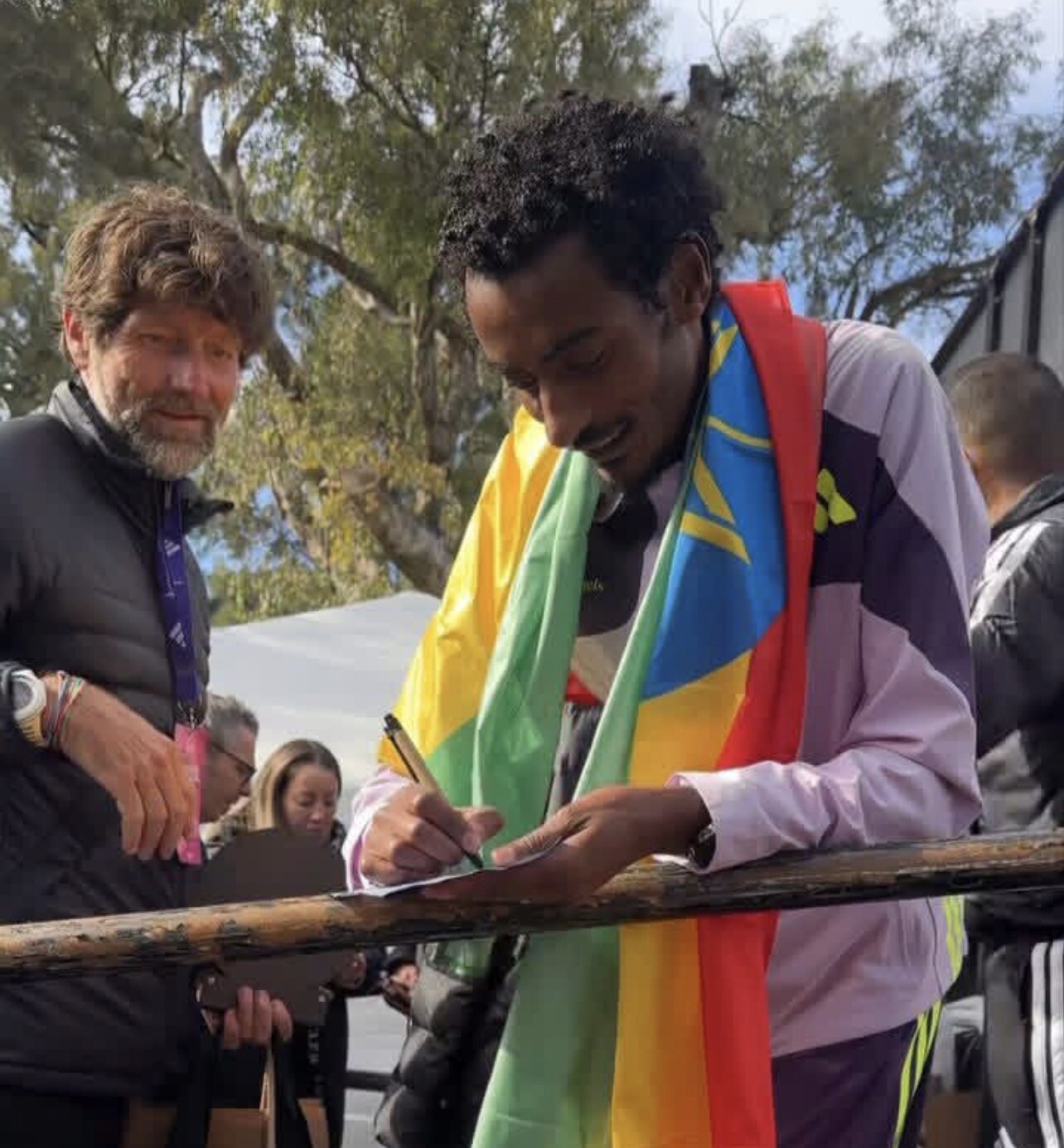
Kenya’s Jonathan Kipkoech Kamosong finished fourth in 1:00:20, followed by compatriot Simon Maywa in fifth with 1:00:55. Argentina’s Ignacio Erario gave the home supporters plenty to celebrate with an impressive sixth-place finish in 1:00:57, breaking the one-hour barrier in front of an enthusiastic local crowd.
Dillon Kipyeko of Kenya finished seventh in 1:01:07, with Robert Kiprop Koech eighth in 1:02:01. Mexico’s Julio Ortiz Ponce took ninth place in 1:03:17, while Colombia’s Jimmy Gómez completed the top 10 in 1:03:34.
The Buenos Aires Half Marathon will now take its place in the history books as the scene of a truly extraordinary breakthrough. For Kejelcha, this was more than just another victory. It was a spectacular return to the top, reclaiming a world record he had previously held and once again rewriting the limits of the half marathon.
The 56:51 performance remains pending ratification, but Yomif Kejelcha's run has already delivered one of the defining moments in the history of road racing.
by Erick Cheruiyot for My Best Runs.
Login to leave a comment


Buenos Aires Half Marathon
The Buenos Aires Half Marathon is one of the most important in Latin America and attracted more than 25,000 runners from all over the world. Dare to run the fastest half marathon in Latin America....
more...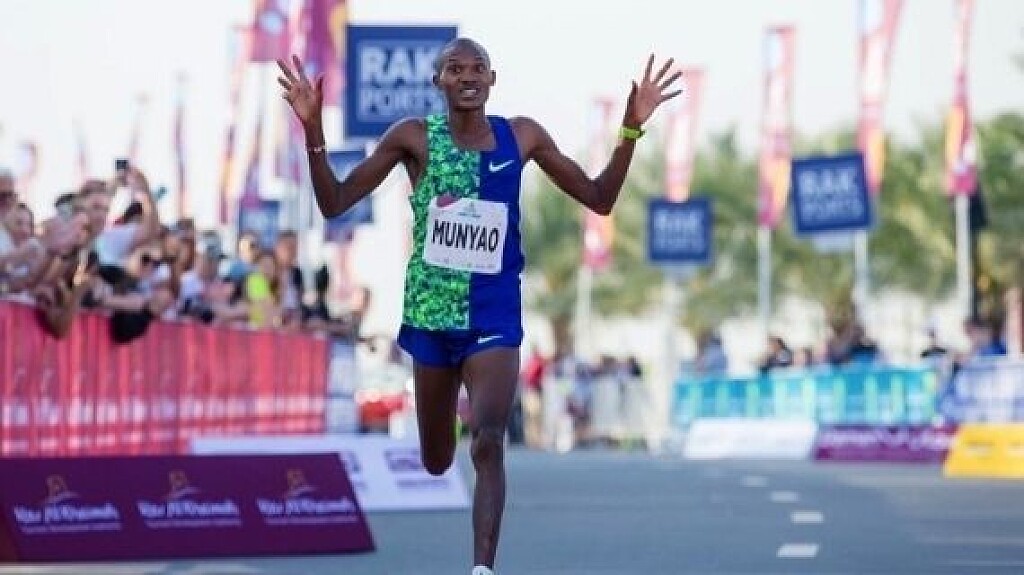
Munyao and Omare triumph at Gifu Half Marathon
Kenya’s Alexander Mutiso Munyao set a men’s course record and Dolphine Nyaboke Omare claimed a clear women’s race win at the Gifu Half Marathon, a World Athletics Elite Label road race, in Japan on Sunday (24).
In a close finish, Munyao clocked 59:56 to win by just seconds ahead of his compatriot Benard Kibet (59:57) and Emmanuel Moi Maru (59:58).
Omare, meanwhile, ran 1:08:13 to win by 47 seconds ahead of Australia’s Sinead Diver, whose 1:09:00 is a world W45 record. Japan’s Haruka Yamaguchi was third in 1:09:50.
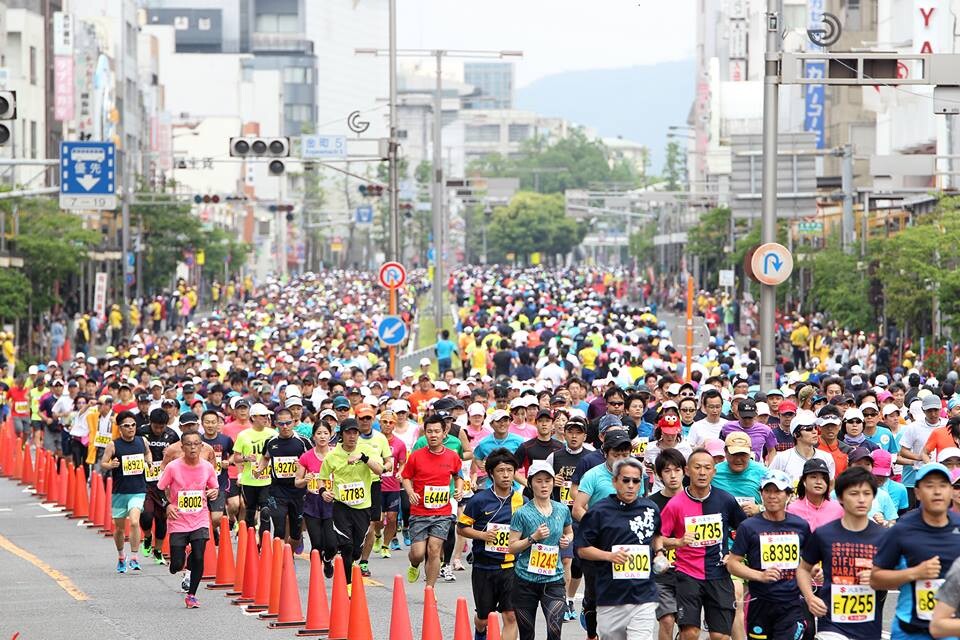
In the men’s race, five athletes – Munyao, Kibet, Maru, Joseph Karanja and Charles Karanja Kamau – remained together through 15km, which was passed in 42:52. By 20km, reached in 56:51, it was down to just Munyao, Kibet and Maru.
From there, Munyao kicked to victory to lead his compatriots under the course record of 1:00:02 set by Bedan Karoki in 2014 and the one-hour mark.

Karanja was fourth in 1:00:12 and Kamau fifth, 10 seconds behind him.
Omare had built a 31-second lead by 10km in the women’s race, passed in 32:20. Diver was just ahead of the chase group by that point, with her compatriot Eloise Wellings four seconds back from her.
Omare reached 15km in 48:46 and 20km in 1:04:40 before crossing the finish in 1:08:13. Behind Diver and Yamaguchi, Wellings was fourth in 1:10:42, one second ahead of Japan’s Reia Iwade.
by World Athletics
Login to leave a comment

Gifu Half Marathon
The Gifu Seiryu Half Marathon is an annual half marathon road running competition held in Gifu, Japan. First held in 2011, the race is also called the Naoko Takahashi Cup, named after Naoko Takashi, the retired local runner who won the marathon at the 2000 Sidney Olympics and broke the marathon world record in 2001, becoming the first woman to...
more...