

Running News Daily
Running News Daily is edited by Bob Anderson and team. Send your news items to bob@mybestruns.com Advertising opportunities available.
Index to Daily Posts · Sign Up For Updates · Run The World Feed
Articles tagged #2026 Asian Games
Today's Running News
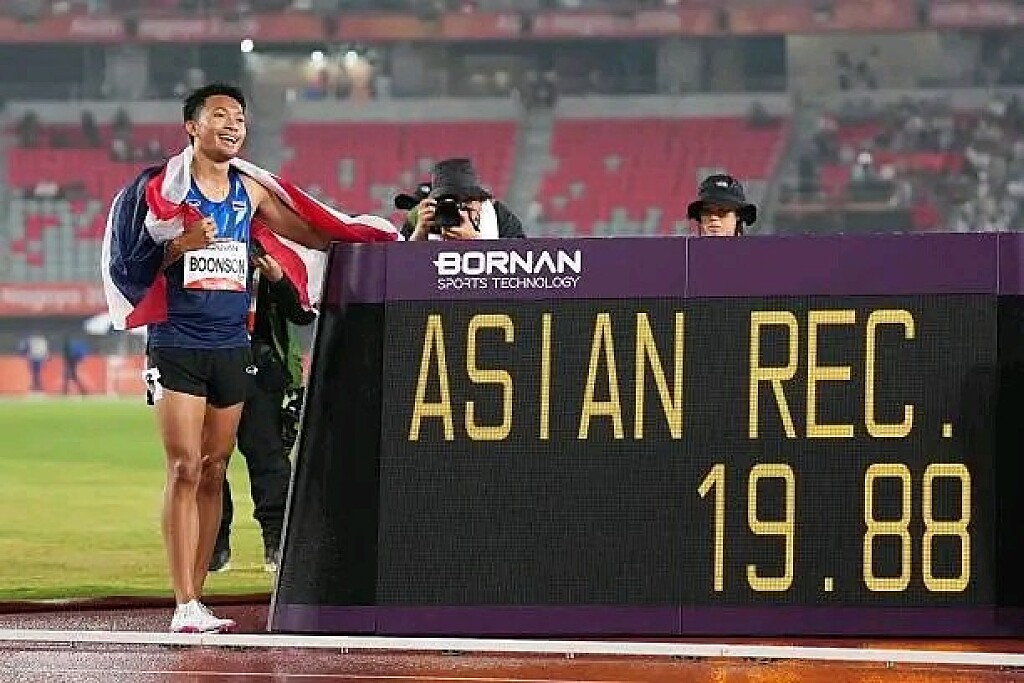


Puripol Boonson Crowned Men’s MVP After Sensational Sprint Double at Asian Games
Thailand’s Puripol Boonson has been named the Men’s Most Valuable Player of the Aichi-Nagoya 2026 Asian Games after producing a remarkable sprint double that further underlined his emergence as one of Asia’s brightest young track stars.
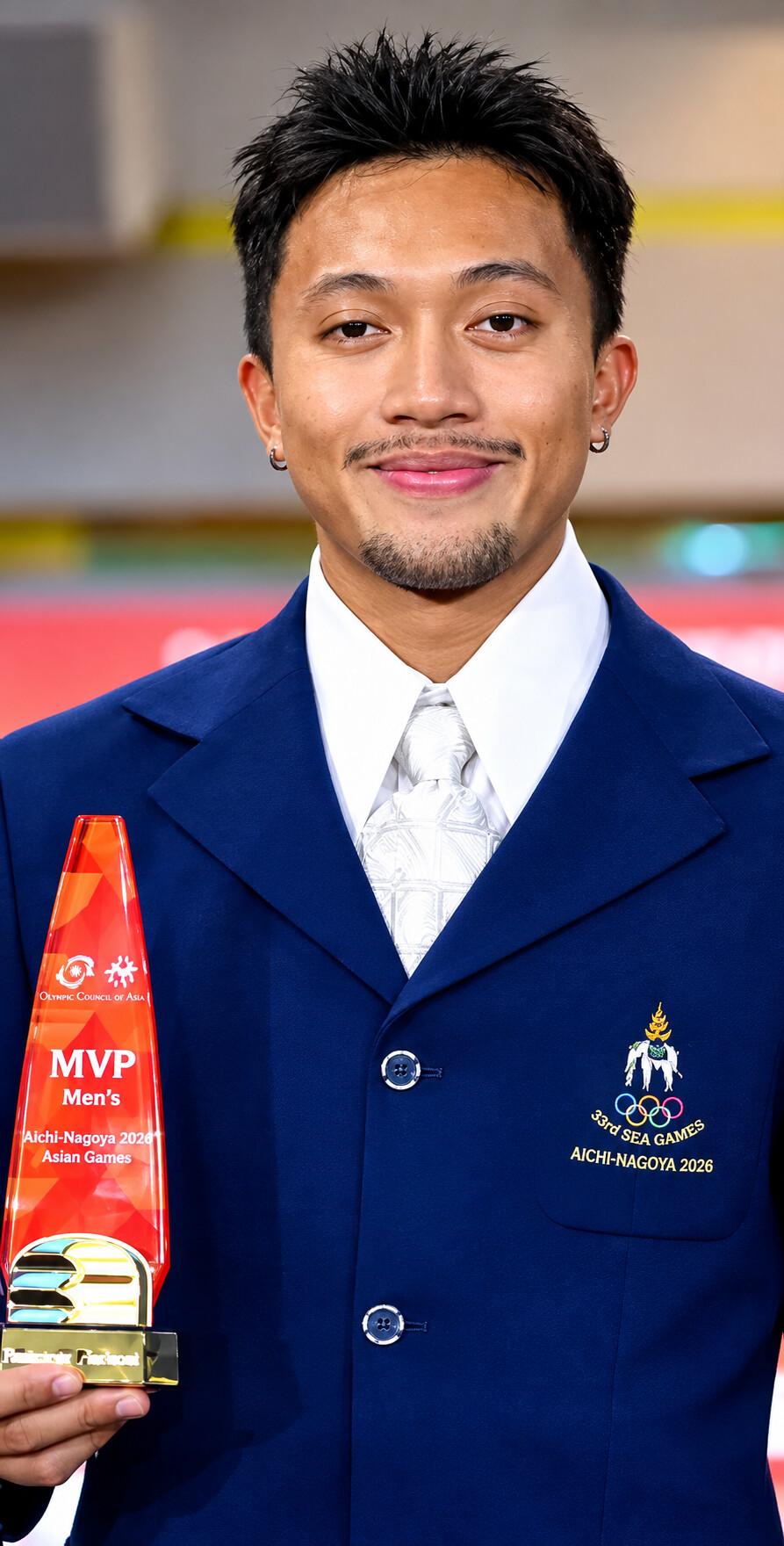
The 20-year-old sprinter delivered two outstanding performances to claim gold in both the men’s 100m and 200m, establishing himself as the dominant individual sprinter of the Games and earning the biggest individual accolade awarded by the Olympic Council of Asia.
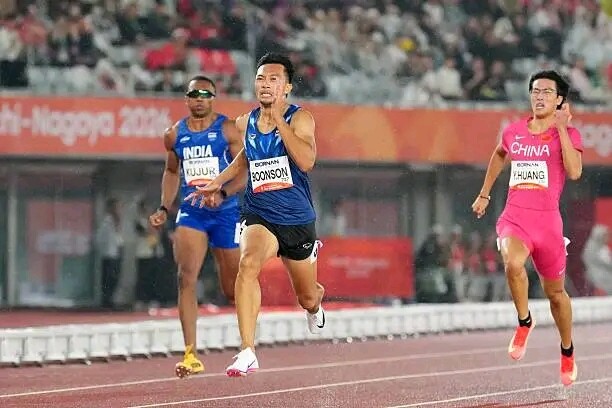
Boonson opened his campaign in spectacular fashion in the 100m, storming to victory in 9.90 seconds. The performance confirmed his exceptional speed and placed him firmly among the continent’s leading sprinters.
He then returned to the track for the 200m and produced another statement performance, crossing the finish line in 19.88 seconds to secure his second gold medal. His time matched the Asian record, adding another significant milestone to an already remarkable Games.
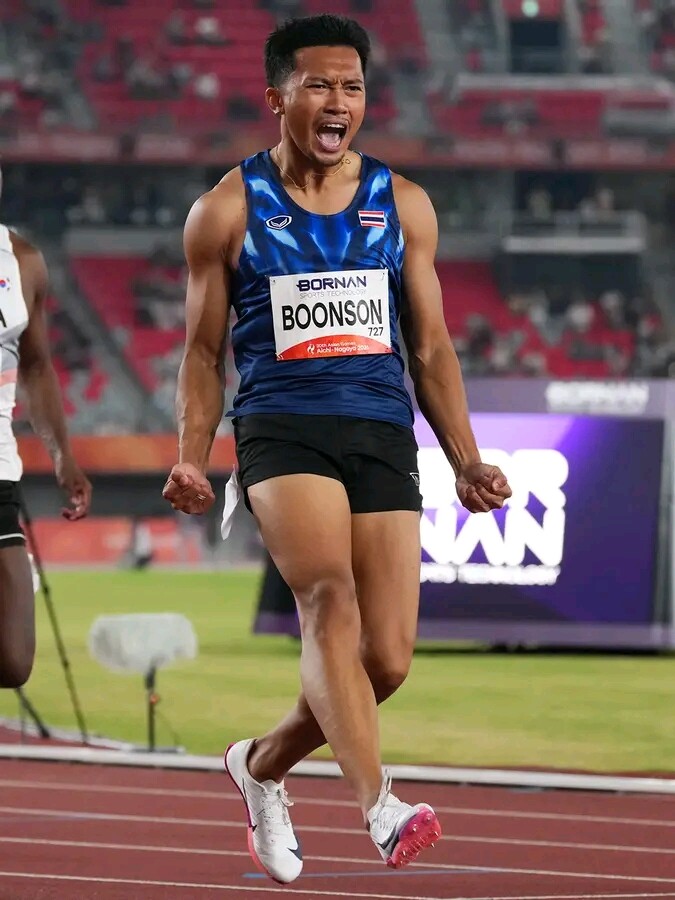
The sprint double is particularly impressive given the depth of talent competing at the continental level, with Boonson managing to combine explosive acceleration in the 100m with the speed endurance required to excel over 200m.
His performances have also strengthened his reputation as one of the most exciting young sprinters in Asia. At only 20, Boonson is already competing at a level that places him alongside some of the continent’s most accomplished sprinting names, while his progression suggests there could be even greater performances ahead.
For Thailand, his success represents a significant moment for the nation’s athletics programme. Boonson has become a leading figure in a new generation of Asian sprinters, and his performances on the biggest continental stage have brought renewed attention to Thailand’s sprinting ambitions.
Winning two individual sprint titles and being selected as the Men’s MVP makes Boonson one of the defining athletes of the Aichi-Nagoya Games. More importantly, his performances have provided a glimpse of what could become a long and highly successful career on the international stage.
With a 9.90-second 100m and a 19.88-second 200m already on his record, Puripol Boonson has made one thing clear: Asia’s sprinting landscape has a new force to watch.
by Erick Cheruiyot for My Best Runs.
Login to leave a comment
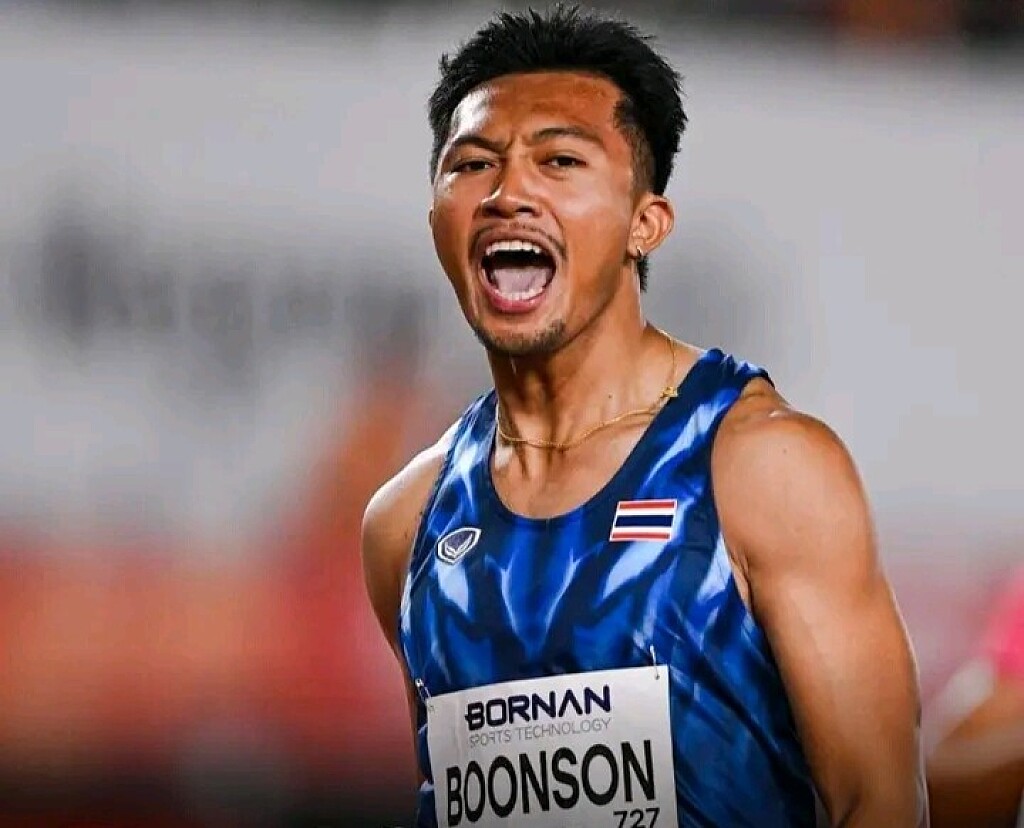
Puripol Boonson Completes Asian Games Sprint Double With Historic 19.88 Asian Record
Thailand’s Puripol Boonson has delivered a spectacular performance at the 2026 Asian Games in Nagoya, completing the men’s 100m and 200m sprint double while etching his name into Asian athletics history.
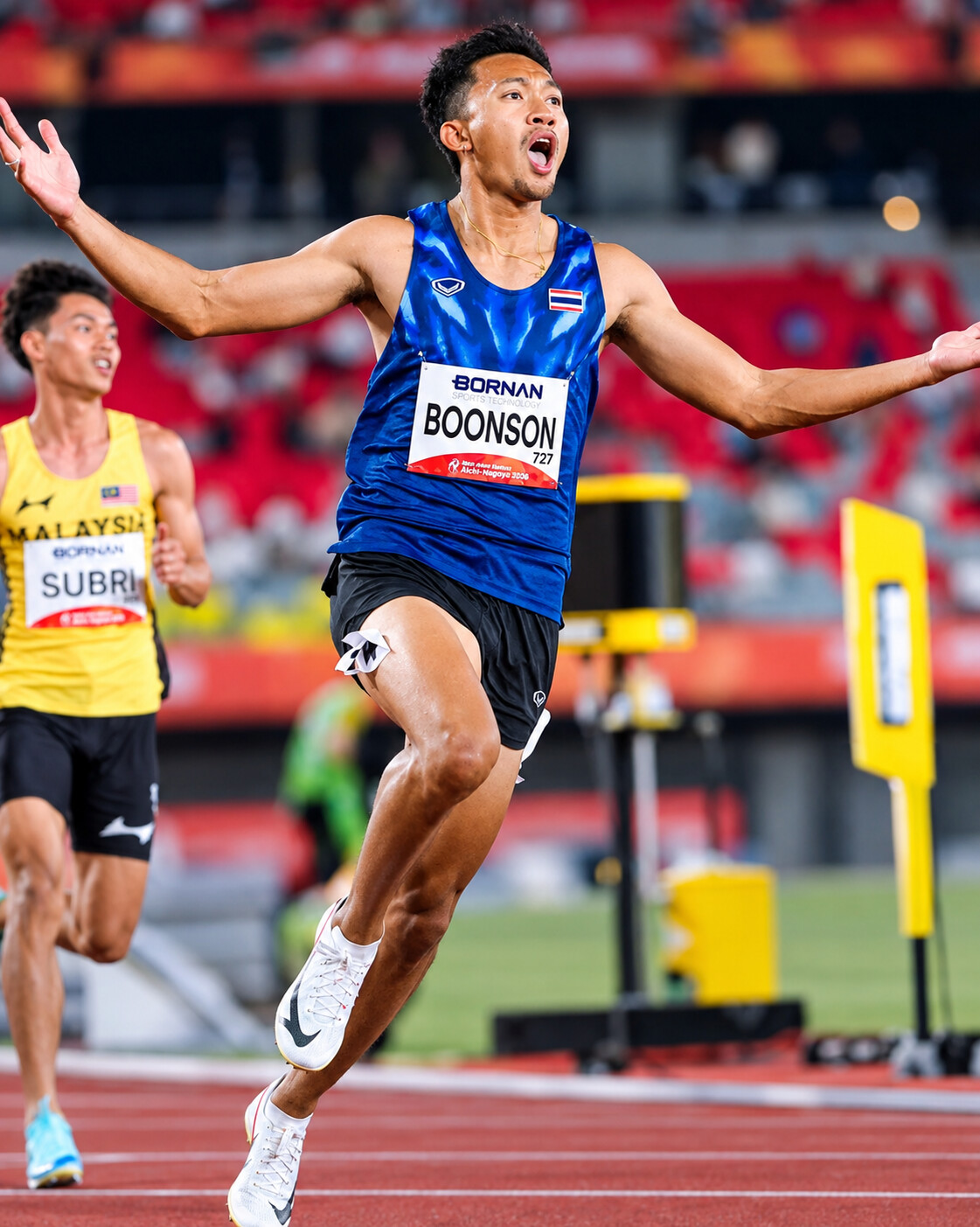
The 20-year-old produced the performance of his young career in the 200m final, powering to 19.88 seconds in drizzling rain to claim gold, set a new Thai national record and match the Asian record.
Boonson’s remarkable run came with a slight headwind of -0.3 m/s, making the performance even more impressive under the wet conditions.
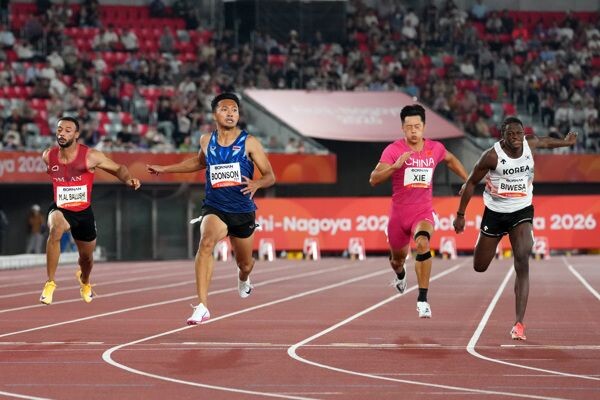
The Thai sprinter had already captured the 100m title earlier in the Games, and he returned to the track with the opportunity to complete the prestigious sprint double. He delivered in emphatic fashion, combining championship composure with world-class speed.
His winning time equalled the Asian record established by China’s Xie Zhenye in 2019, when Xie clocked 19.88 seconds at the London Diamond League. The mark had stood alone for seven years, with no other Asian athlete able to match it.
Until Boonson.
With his 19.88, Boonson also became only the third Asian man in history to break the 20-second barrier in the 200m, joining an exclusive group at the very top of the continent’s sprinting hierarchy.
China’s Youwen Huang produced a strong run for silver in 20.45 seconds, while Japan’s Soshi Mizukubo completed the podium with 20.56 seconds.
Boonson’s achievement carries enormous significance for Thailand as well. His victory makes him the country’s latest sprint sensation and adds another major milestone to a career that has developed rapidly over the past few seasons.
The 200m triumph also completed a remarkable double: 100m gold, 200m gold and a share of the Asian record.
What makes the performance particularly striking is that Boonson achieved the 19.88 in a championship final, where the primary objective is winning rather than chasing the clock. Yet he managed to combine both objectives, securing the gold medal while producing the fastest performance of his career.
At just 20 years old, Boonson now owns a 9.90-second personal best in the 100m and a 19.88-second personal best in the 200m. His latest performance suggests that Asia’s sprinting landscape is entering an exciting new chapter.
For seven years, Xie Zhenye’s 19.88 stood untouched at the top of the Asian rankings.
Now, Boonson stands beside him.
And with the Thai star still so young, the question is no longer whether he can match the Asian record — he already has.
The next challenge is to go one step further and make the record his alone.
Two finals. Two gold medals. A national record. An Asian record. Puripol Boonson has turned the Asian Games into a defining chapter of his young career.
by Erick Cheruiyot for My Best Runs.
Login to leave a comment
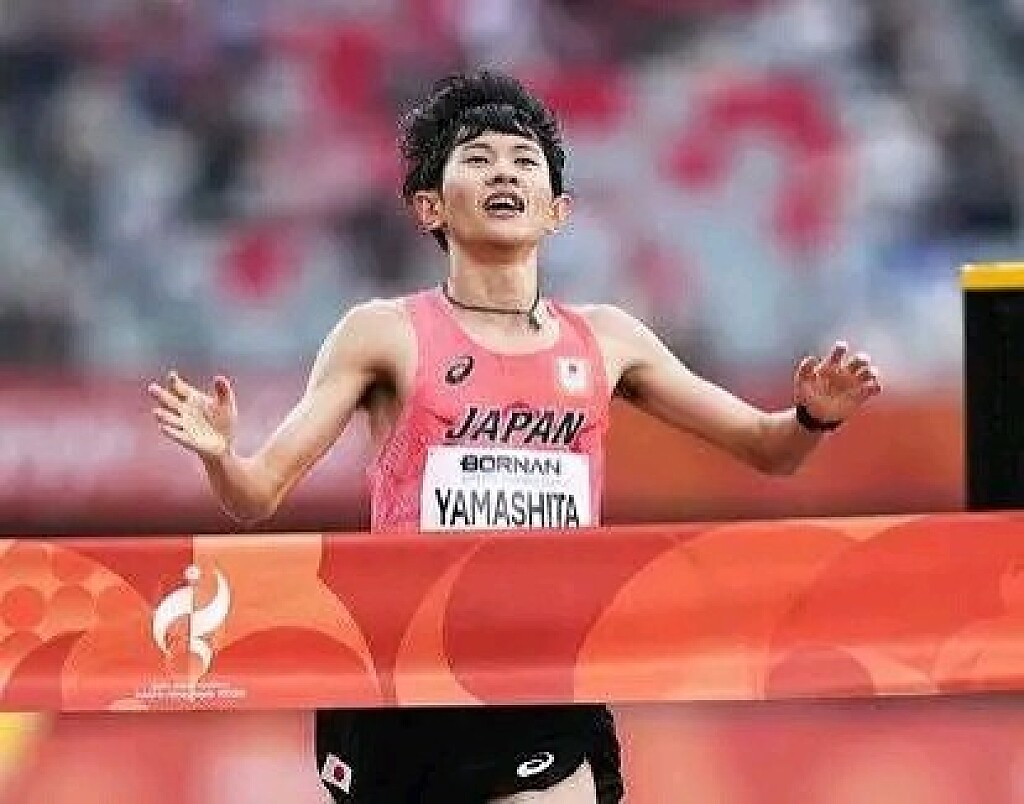
Ichitaka Yamashita Defies Brutal Heat to Strike Asian Games Marathon Gold on Home Soil
Japan’s Ichitaka Yamashita produced a composed and resilient performance to win the men’s marathon gold medal at the 2026 Asian Games, mastering a demanding race defined by intense heat and oppressive humidity.
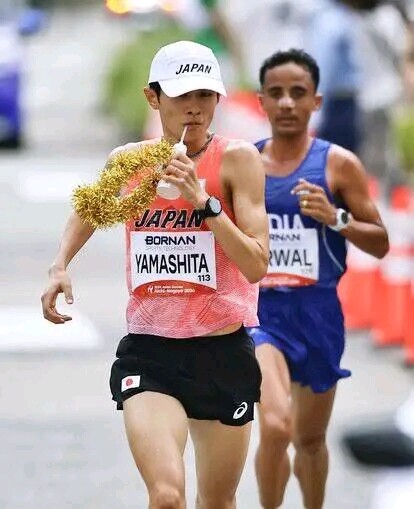
The local Olympian crossed the finish line in 2:10:49, holding his form through the punishing conditions to secure a memorable victory in front of the home crowd.
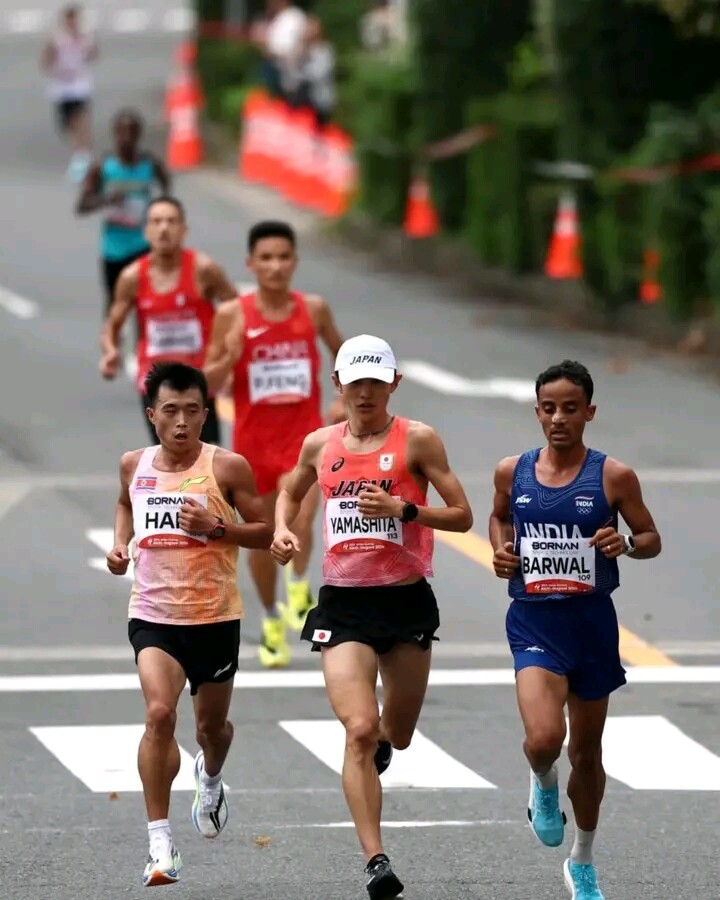
Yamashita’s triumph was built on patience and endurance as the challenging weather conditions tested the field from the opening stages. Rather than allowing the heat to dictate his race, the Japanese marathoner maintained his rhythm and produced the strength required when the decisive moments arrived.
India’s Sawan Barwal delivered an impressive performance to claim the silver medal in 2:11:37, finishing just 48 seconds behind the champion. Barwal showed considerable resilience throughout the demanding contest, securing India a place on the prestigious continental podium.
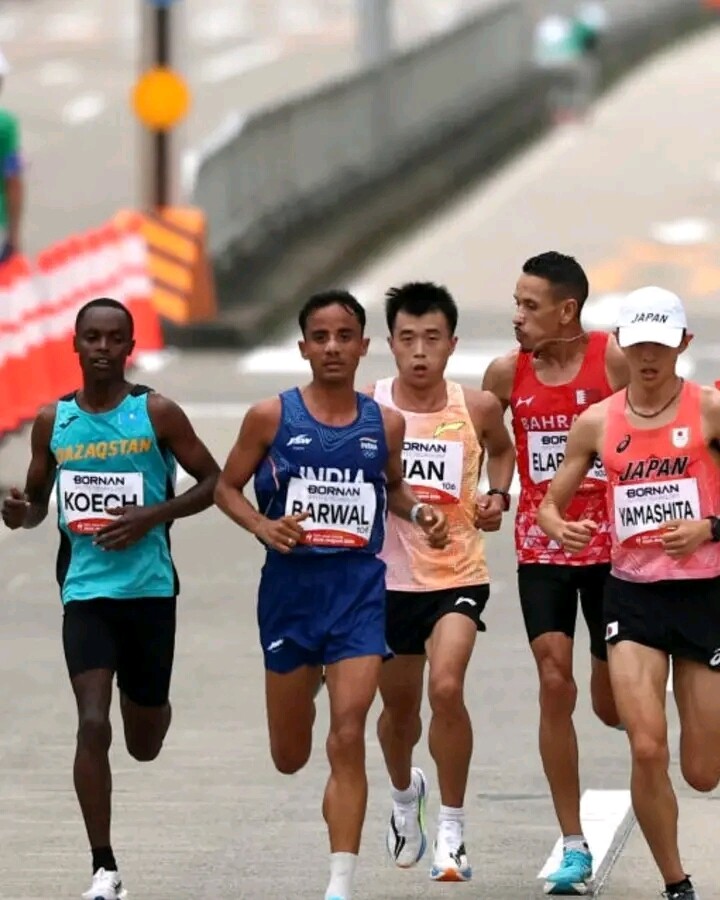
China’s Peiyou Feng completed the medal places with a strong bronze-medal performance, stopping the clock at 2:12:13. His run ensured that three different nations were represented on the men’s marathon podium.
The race highlighted just how unforgiving championship marathons can be, with the combination of distance, heat and humidity placing extraordinary demands on the athletes. In such conditions, finishing strongly becomes a test not only of physical preparation but also of tactical discipline and mental resilience.
Behind the leading trio, North Korea’s Han Il finished fourth in 2:12:21, narrowly missing out on the podium. Bahrain’s Elabbassi El Hassan followed in fifth with 2:12:45, while Indonesia’s Raden Syianturi secured sixth in 2:13:12.
Kazakhstan’s Sultan Koech placed seventh in 2:14:07, followed by South Korea’s Park Min in 2:15:35. Uzbekistan’s Sirojiddin Davlatov finished ninth in 2:17:44, while South Korea’s Kim Hyun completed the top 10 in 2:18:27.
Top 10 Men’s Marathon Results
1. Japan — Ichitaka Yamashita — 2:10:49
2. India — Sawan Barwal — 2:11:37 PB
3. China — Peiyou Feng — 2:12:13
4. North Korea — Han Il — 2:12:21
5. Bahrain — Elabbassi El Hassan — 2:12:45
6. Indonesia — Raden Syianturi — 2:13:12
7. Kazakhstan — Sultan Koech — 2:14:07
8. South Korea — Park Min — 2:15:35
9. Uzbekistan — Sirojiddin Davlatov — 2:17:44
10. South Korea — Kim Hyun — 2:18:27
For Yamashita, however, the difficult conditions ultimately became part of a memorable home victory. The Japanese Olympian has now added an Asian Games gold medal to his résumé, delivering when it mattered most and giving the home nation another major athletics moment to celebrate.
The final podium saw Japan’s Ichitaka Yamashita take gold, India’s Sawan Barwal silver and China’s Peiyou Feng bronze — a fitting reflection of the depth and competitiveness of men’s distance running across Asia.
by Erick Cheruiyot for My Best Runs.
Login to leave a comment
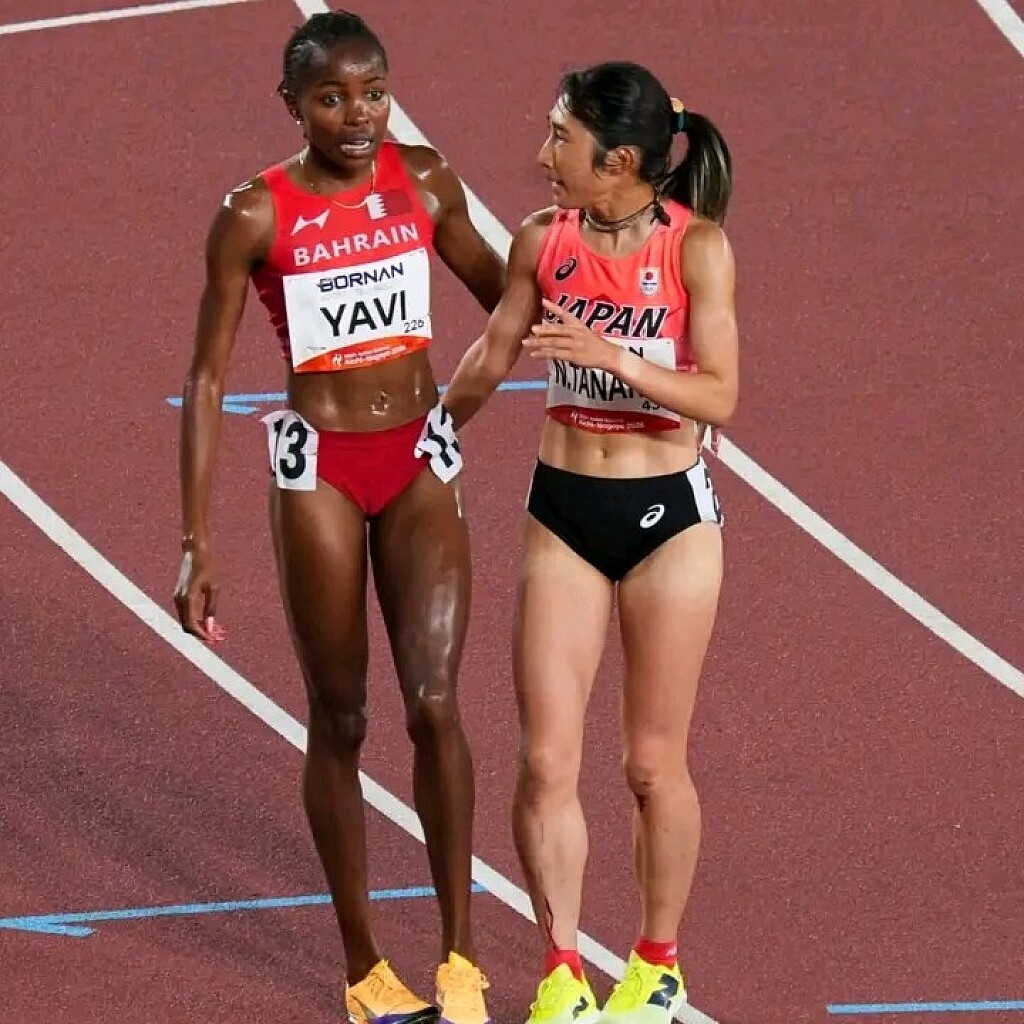
Winfred Yavi Holds Off Nozomi Tanaka To Win Asian Games 10,000m Gold
Winfred Yavi produced a powerful late surge to claim the women’s 10,000m title at the 2026 Asian Games in Aichi-Nagoya, edging Japan’s Nozomi Tanaka in a thrilling finish.
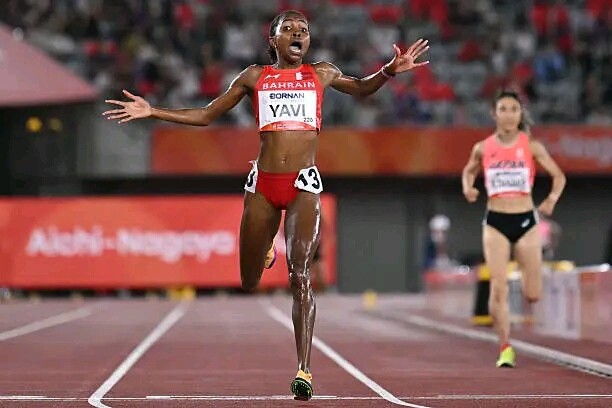
Yavi, representing Bahrain, stopped the clock at 32:39.18 to secure the gold medal, while Tanaka stayed within striking distance all the way to the final stages before crossing the line in 32:41.54 for silver. India’s Seema Kumari completed the podium in 32:50.05.
The race developed into a gripping battle as the leading group gradually separated from the field. Tanaka remained composed throughout the long-distance contest and positioned herself perfectly as the race entered its decisive stages.
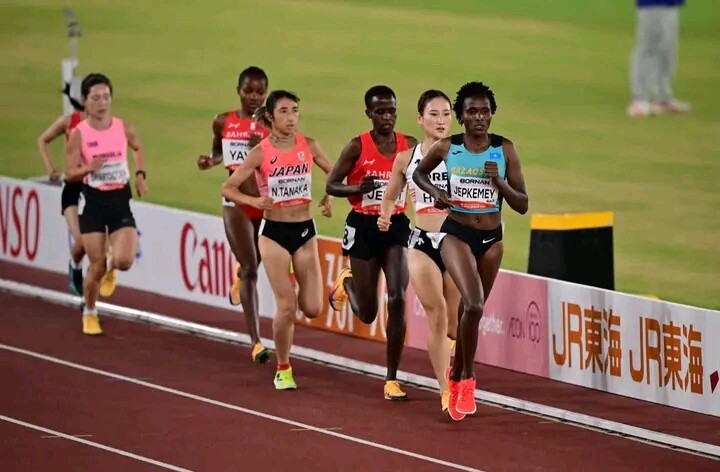
But when the medals were on the line, Yavi found another gear.
The Bahraini athlete produced the decisive acceleration over the closing stages, pulling away from Tanaka to secure gold. Tanaka fought all the way to the finish and settled for a hard-earned silver, while Kumari held on for bronze.
For Tanaka, however, the silver medal is only the beginning of an exceptionally demanding Asian Games campaign.
The Japanese distance star is attempting an ambitious 10,000m, 5,000m and 1,500m triple in Nagoya, meaning she still has two more events ahead of her. Having pushed Yavi to the limit over 10,000m, Tanaka will now have to recover quickly before turning her attention to the shorter distances.
Her performance in the 10,000m provides an encouraging start to that challenge and underlines the remarkable range she is bringing to these Games.
Kumari’s bronze, meanwhile, carried major significance for India. Her 32:50.05 ended a 16-year wait for an Asian Games women’s 10,000m medal, adding another important chapter to India’s history in the event.
The result produced a fascinating three-nation podium, with Bahrain taking gold, Japan silver and India bronze.
Yavi can now celebrate her Asian Games triumph, but Tanaka’s campaign is far from finished. With the 5,000m and 1,500m still to come, the Japanese star will have two more opportunities to add to her medal tally and complete one of the most demanding schedules of the Games.
by Erick Cheruiyot for My Best Runs.
Login to leave a comment
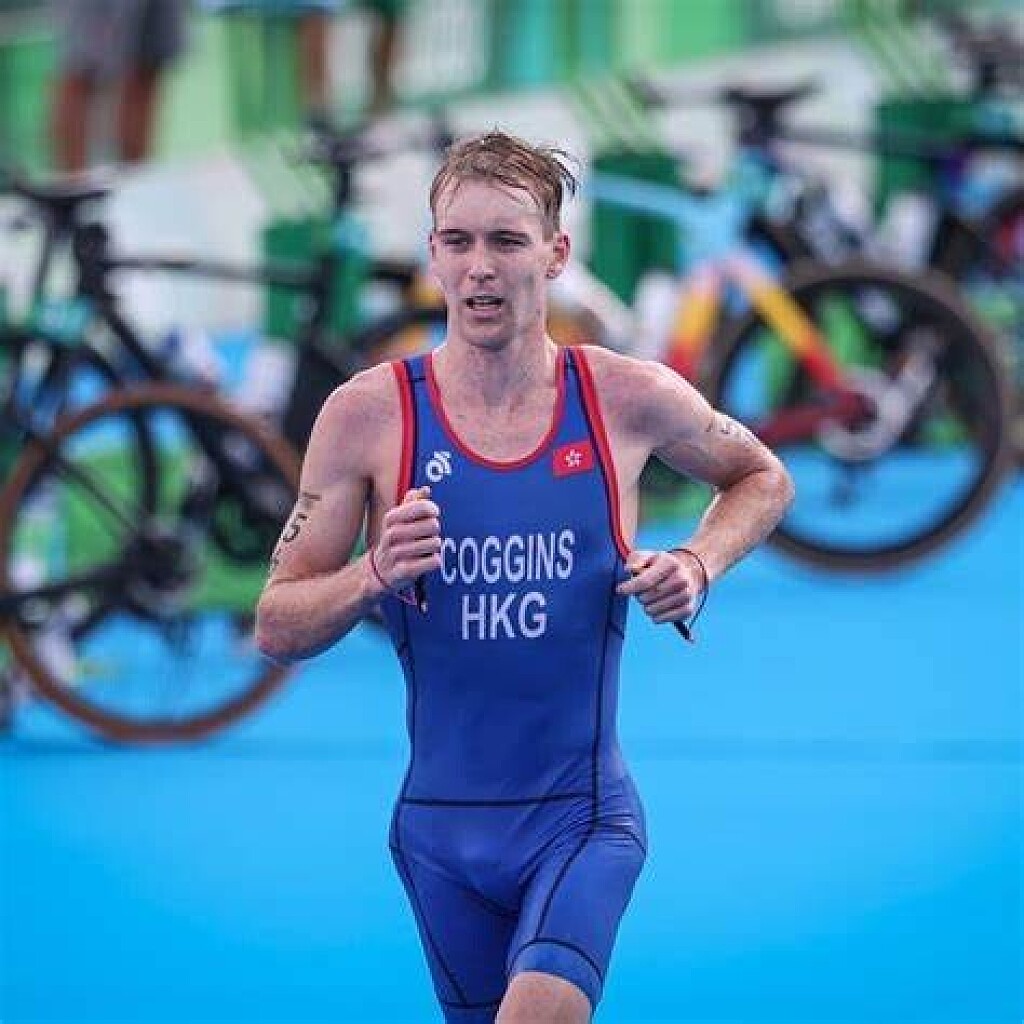
Oscar Coggins returns to competition with LA28 in mind
The Hong Kong triathlete, who participated in the Tokyo 2020 Olympic Games, has overcome a stage of physical and mental challenges that temporarily took him away from competition last year. Now, with renewed passion, he plans a future full of great goals in which Los Angeles shines with intensity.
In statements to the South China Morning Post, Oscar Coggins reflected on his evolution following a self-imposed pause in his career. "I didn't feel bitterness or sadness watching the Paris Games on television. I accepted that my performance level wasn't there," he explained this week. Although he returned to competition this summer after eight months of inactivity, the triathlete did not take part in the Paris event, as it coincided with the early stages of his comeback.

Coggins' return began in May, but it was in September, during his participation in the World Triathlon Championship Series (WTS) in Weihai, that he demonstrated he had completed his recovery process. This achievement marked the start of his comeback to the highest competitive level. "I would have done anything to compete in a WTS again, a year later, against all the best," he admitted, recalling his withdrawal during the 2023 Asian Games.
The athlete also shared how the pause helped him understand the impact of external factors on his performance. As he commented to the South China Morning Post in April, he acknowledged that stress had gone unnoticed for a long time. "If my training had been too intense, the cracks would have shown within weeks, but what I hadn't accounted for was the stress coming from external sources that I was enduring," he explained.
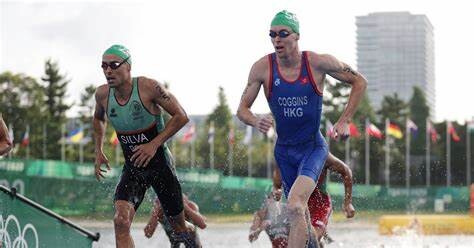
Coggins recounted that reaching this turning point was not easy. During the Asian Games, he abandoned the competition during the swimming stage, realising that his body "just wasn’t there." This episode led him to question his relationship with triathlon. "I thought: 'I hate this sport right now.' But I knew it wasn’t triathlon I hated; it was the negative emotions associated with my recent experiences," he remarked.
The change came alongside seeking professional help, as he turned to a clinical psychologist to manage the expectations he placed on himself and to rediscover his passion for the sport. "Making peace with my failures and mistakes is an ongoing process, but I’m getting better every day," he affirmed.
With a renewed perspective, Coggins is optimistic about both his immediate and long-term goals. Among his aims are participating in next year's National Games and pursuing medals at the 2026 Asian Games. However, his primary focus is on the Los Angeles 2028 Olympics, where he aspires to secure a top-10 finish.
"I'm still in this sport, enjoying it and excited about the competitions, which shows, to some extent, that the process is working," he stated. "I have many years ahead of me and am definitely aiming for Los Angeles 2028."
Coggins' story highlights not only the pressure faced by high-performance athletes but also the importance of addressing mental health. "I recognised there was a problem, and I couldn’t ignore it; I was adding an extra burden that I couldn't bear," he shared.
by Javier Carro
Login to leave a comment

LA 2028 Summer Olympics Games
Discover how the Los Angeles Candidature Committee describes their vision for the Games and the legacy they plan to leave behind: For centuries, people have been following the sun to California – to a coastal paradise of beautiful weather, inspiring landscapes and an ocean of possibilities. Since it was first settled, LA – the City of Angels – has built...
more...