

Running News Daily
Running News Daily is edited by Bob Anderson and team. Send your news items to bob@mybestruns.com Advertising opportunities available.
Index to Daily Posts · Sign Up For Updates · Run The World Feed
Articles tagged #Mariah
Today's Running News
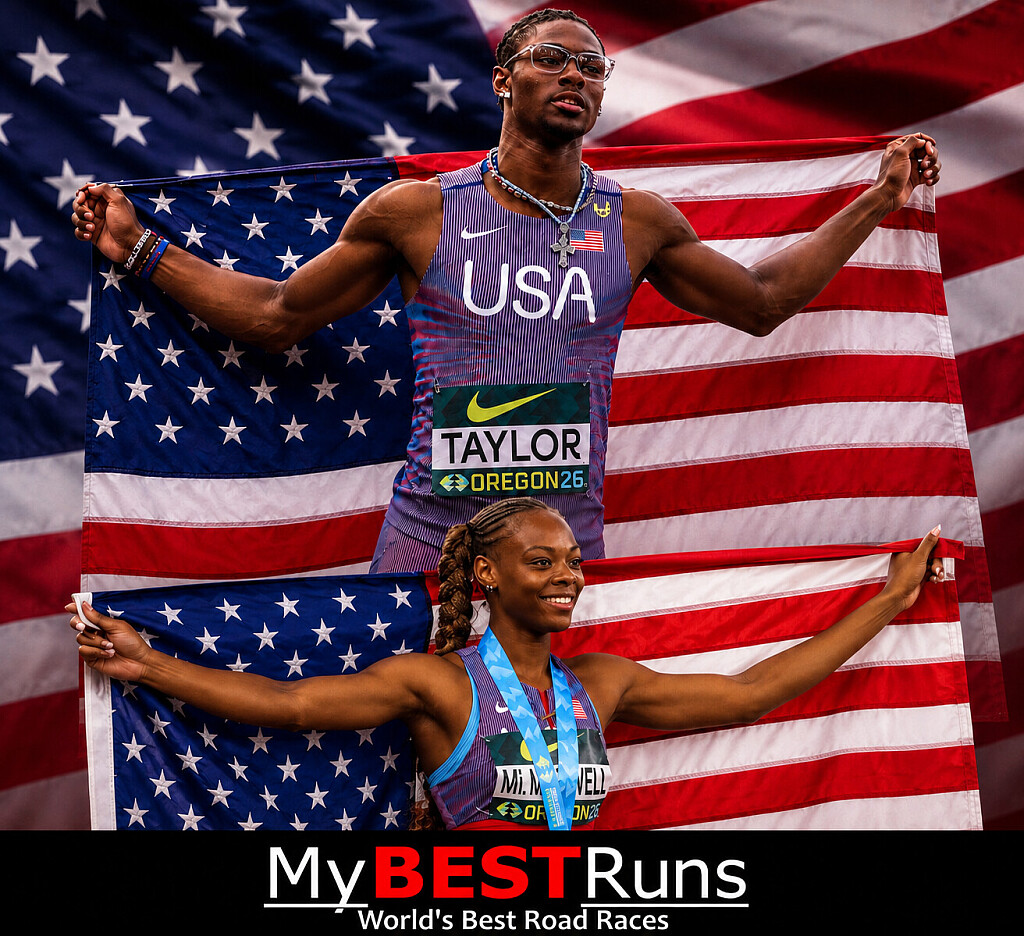


Taylor and Maxwell Deliver Golden U.S. Sprint Sweep at World U20 Championships
The United States produced a memorable night of sprinting at the World Athletics U20 Championships in Eugene, Oregon, as Tate Taylor and Mia Maxwell captured the men's and women's 100 metres titles to complete a remarkable American clean sweep in one of track and field's most prestigious junior competitions.
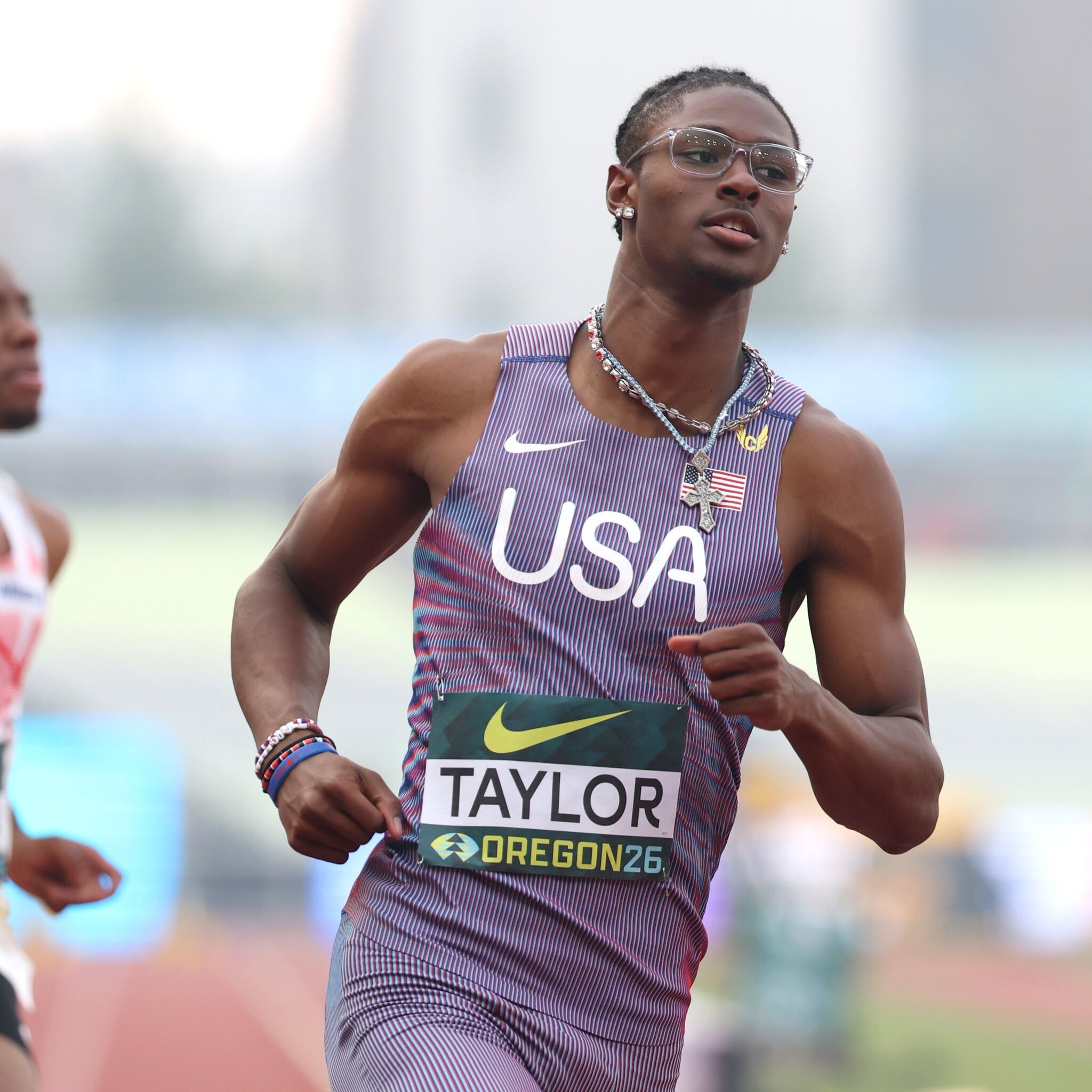
Taylor announced himself among the world's brightest young sprinters with a breathtaking performance in the men's final, powering away over the closing metres to clock a wind-legal personal best of 9.94 seconds. The outstanding run made him the only athlete in the field to break the 10-second barrier and confirmed his status as one of the fastest teenagers in history.
Jamaica's Gary Card claimed the silver medal in 10.05 seconds after a strong race, while South Africa's Marko Ferreira secured bronze in 10.16, completing a highly competitive podium. Despite a closely contested opening half of the race, Taylor's explosive finishing speed proved decisive as he surged clear to take the world junior crown in emphatic fashion.
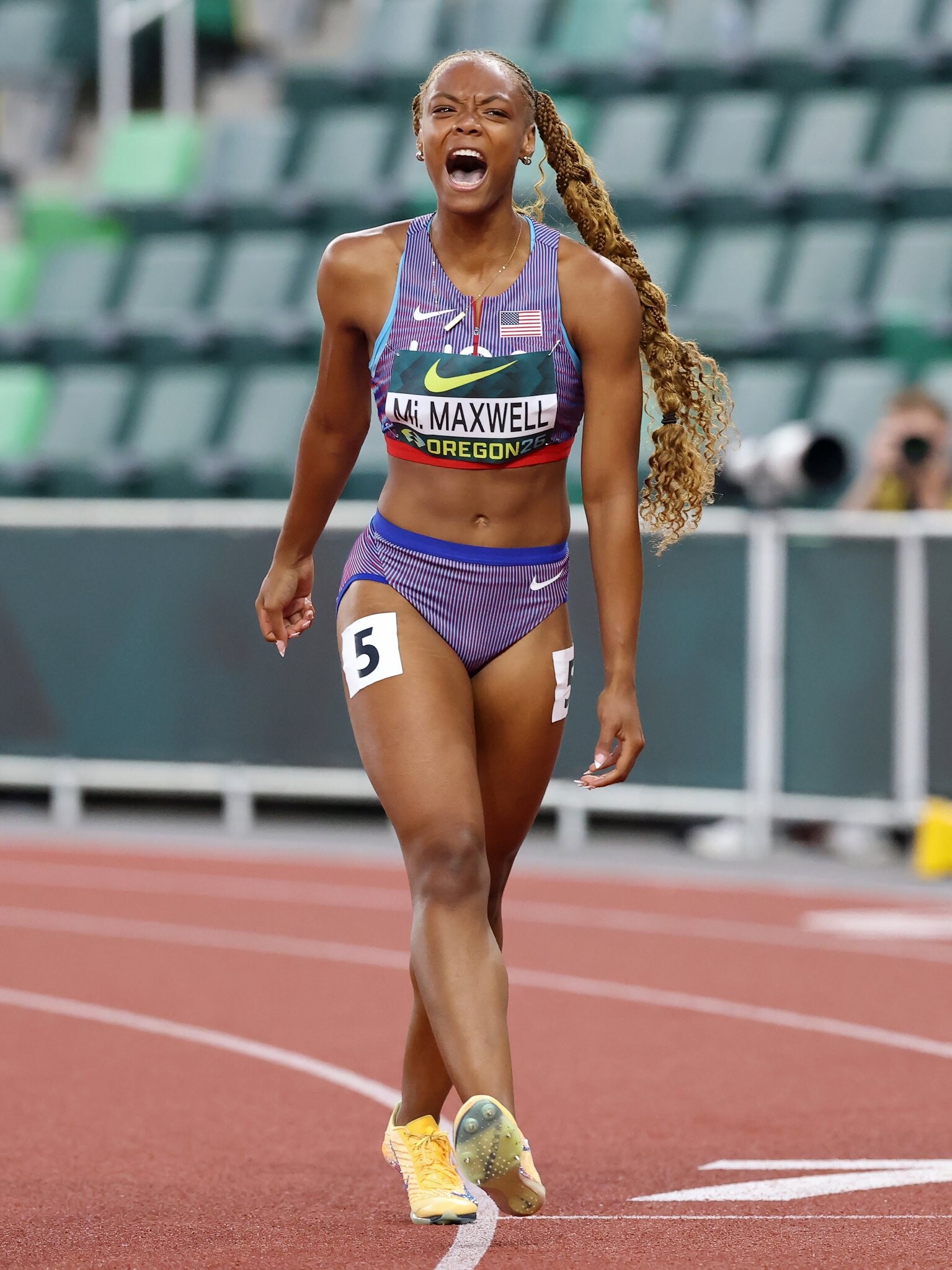
The women's final delivered another thrilling contest, with Mia Maxwell holding her composure under immense pressure to secure the title in 11.14 seconds. Jamaica's Shanoya Douglas mounted a determined late challenge but settled for silver in 11.17, while Italy's Kelly Ann Doualla Edimo earned bronze after crossing the line in 11.27.
The victory capped an unforgettable championship for the Maxwell family. After progressing impressively through the rounds, Mia delivered when it mattered most, while her twin sister, Mariah Maxwell, also reached the final and finished fifth, underlining the family's exceptional sprinting talent on the global stage.
The double triumph marked a dominant evening for Team USA, which swept both 100m gold medals before a home crowd in Eugene. With Taylor producing a historic sub-10-second breakthrough and Maxwell demonstrating remarkable composure in a world-class women's final, the pair provided another glimpse of the exciting future of American sprinting.
by Erick Cheruiyot for My Best Runs.
Login to leave a comment

Maxwell Twins Storm into World U20 100m Final with Dominant Sprint Performances
The Maxwell twins, Mariah and Mia, continued their outstanding run at the World Athletics U20 Championships in Oregon by powering into the women's 100 metres final after commanding displays in both the heats and semi-finals.
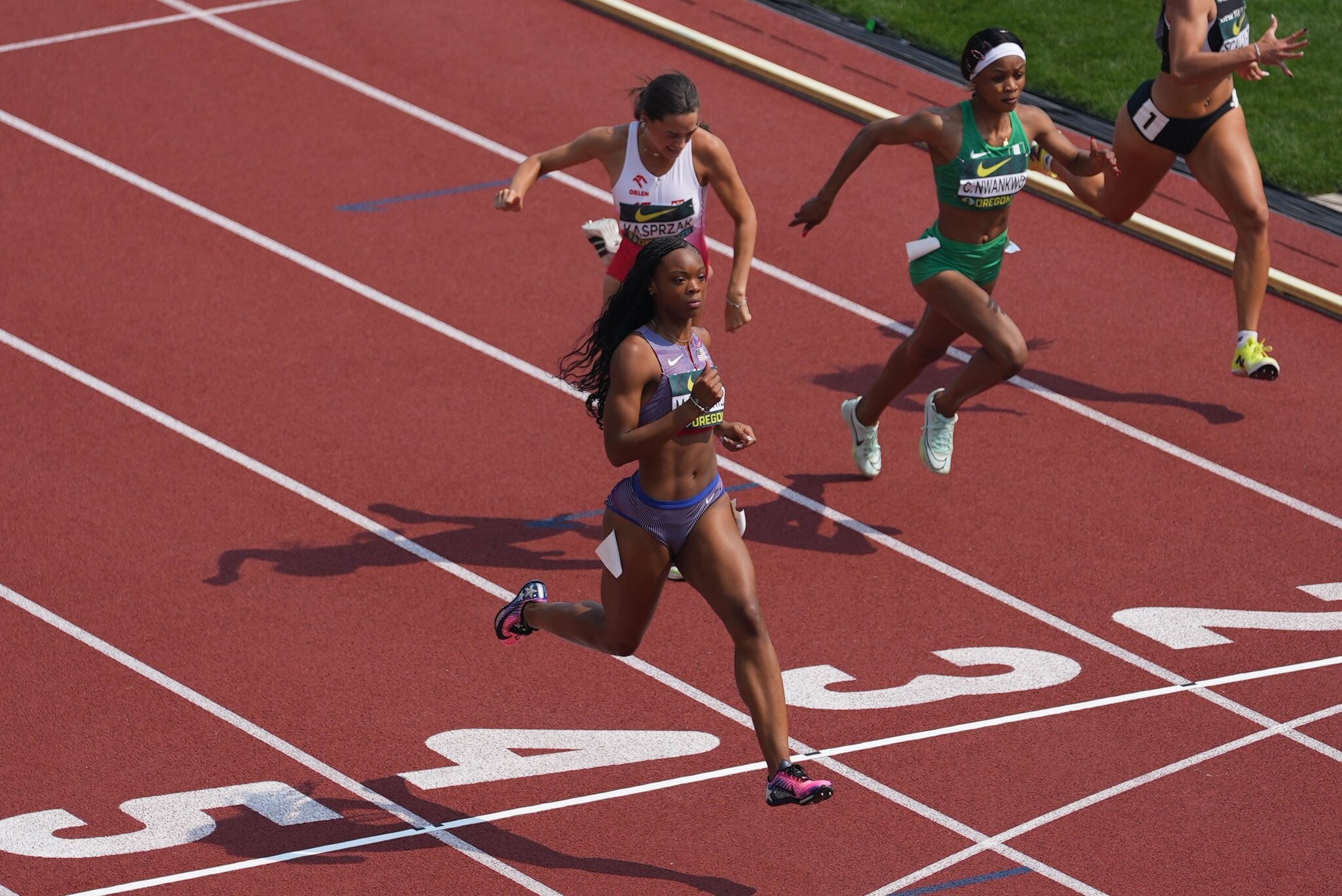
Mariah opened her campaign with an impressive victory in her opening heat, clocking 11.33 seconds to advance comfortably. Moments later, Mia matched her sister's performance by winning Heat 6 in 11.37 seconds, ensuring both Americans progressed safely to the semi-finals while looking well within themselves.
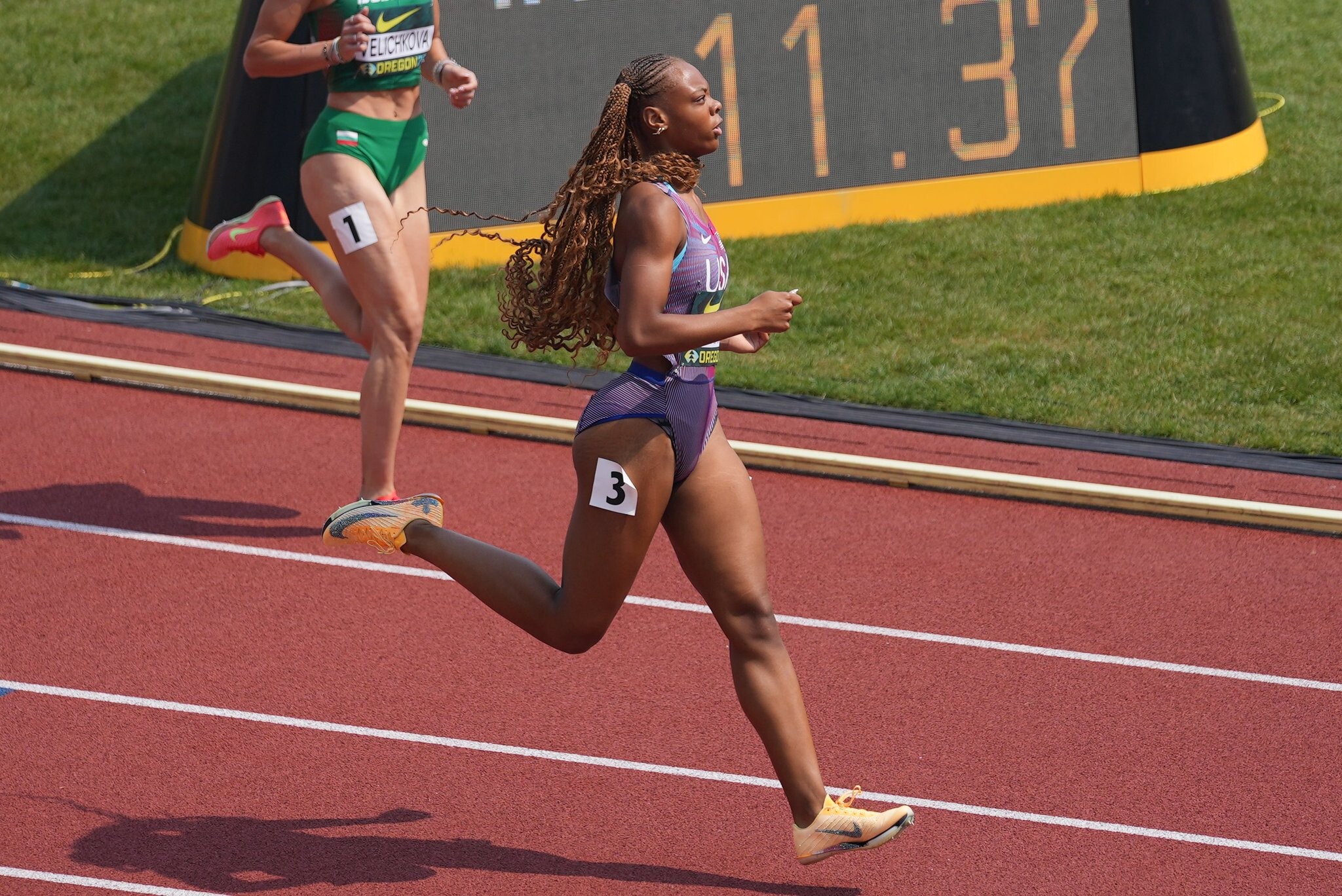
If their opening-round performances were convincing, the semi-finals were even more emphatic.
Mia Maxwell stamped her authority on the event by producing the fastest semi-final performance of the day, surging to victory in Heat 2 in a superb 11.13 seconds. Her sister, Mariah, also delivered when it mattered most, winning her place in the final with a composed run of 11.25 seconds in Heat 3.
The Maxwell sisters' remarkable performances ensured they both booked places in the championship final, strengthening their status as leading contenders for the world junior title. Their ability to deliver under pressure has made them one of the biggest stories of the championships, with the twins now just one race away from global glory.
Elsewhere in the semi-finals, Italy's Kelly Ann Maevane Doualla Edimo claimed victory in the opening semi-final, while Jamaica's Shanoya Mikalia Douglas emerged victorious in the third semi-final to complete an impressive lineup for the title showdown.
The women's 100m final will feature an exceptional field comprising Mia Maxwell (United States), Theianna-Lee Terrelonge (Jamaica), Shanoya Mikalia Douglas (Jamaica), Xenia Buri (Switzerland), Mariah Maxwell (United States), Kelly Ann Maevane Doualla Edimo (Italy), Emma Goretzka (Germany), Jady Emmanuel (Saint Lucia), and Lena Anochili (Germany).
With both Maxwell sisters in scintillating form and carrying the fastest performances into the final, anticipation is building for what promises to be one of the most exciting sprint races of the World Athletics U20 Championships.
by Erick Cheruiyot for My Best Runs.
Login to leave a comment
Maxwell Twins Deliver Historic 1-2 Finish in U20 Women's 100m Championship Showdown
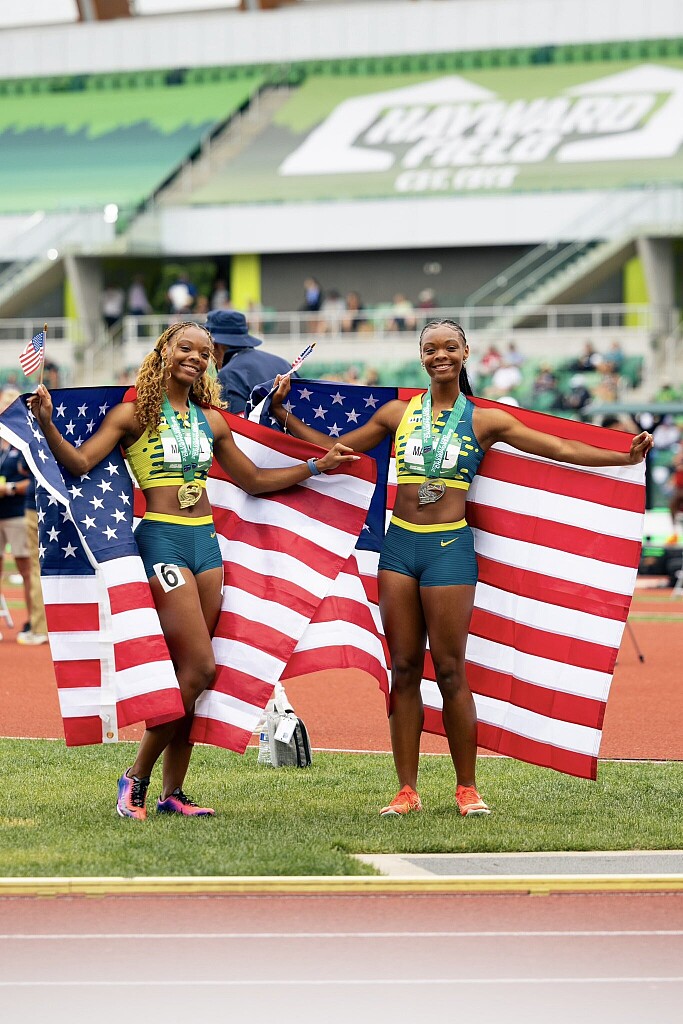
The spotlight belonged to one family at the US U20 Championships in Eugene as twin sisters Mia and Mariah Maxwell produced a remarkable sprinting masterclass to secure a memorable one-two finish in the women's 100 metres.
Leading the charge was Mia Maxwell, who powered to victory in an impressive 11.08 seconds with a legal tailwind of 0.8 m/s, confirming her status as one of the brightest young sprint talents in the United States. Displaying exceptional composure and acceleration, Mia separated herself from the field in the closing stages to claim the national U20 title in convincing fashion.
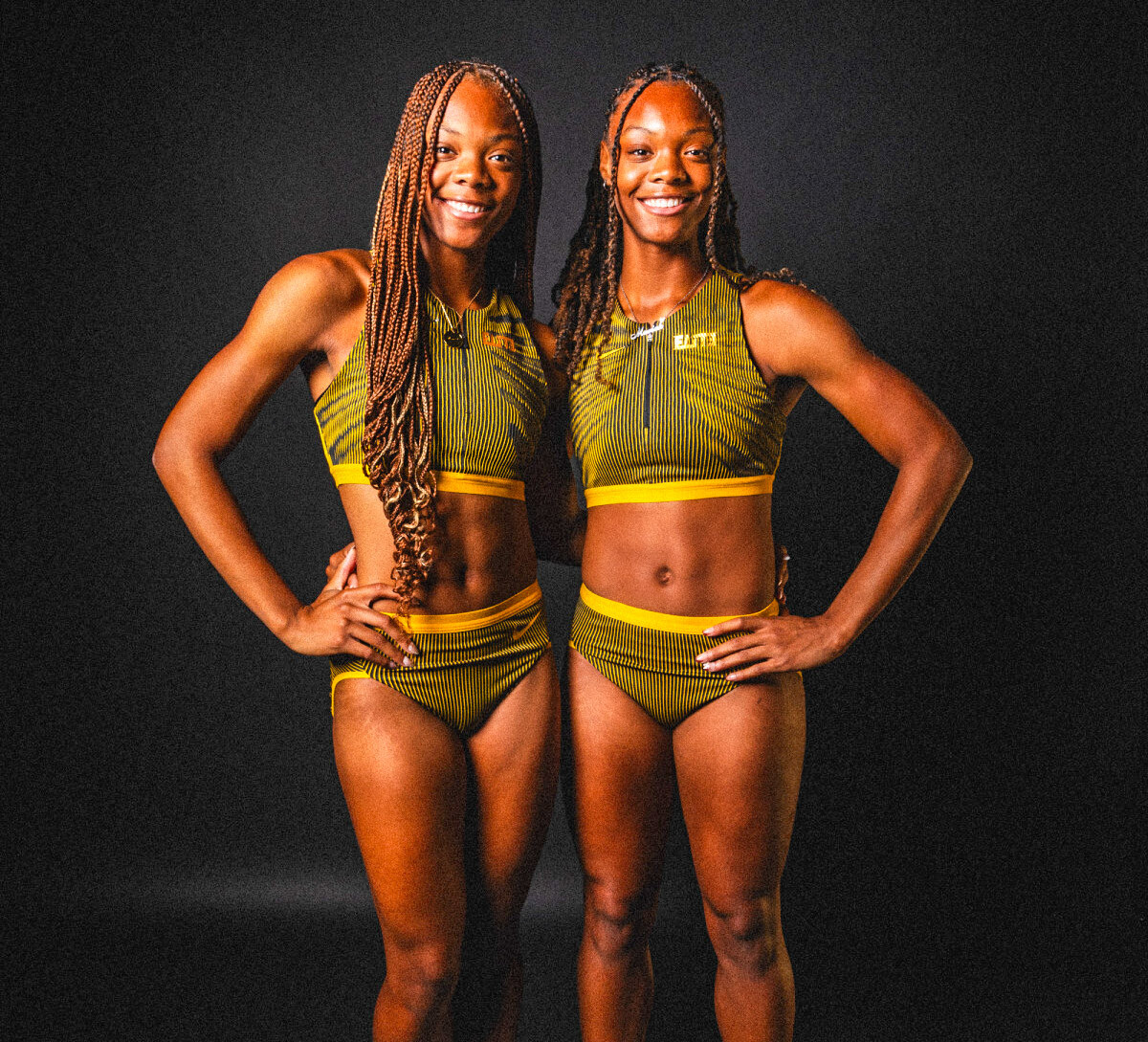
What made the moment even more special was the athlete who crossed the line behind her. Twin sister Mariah Maxwell completed a family sweep by racing to the silver medal in 11.33 seconds, turning the championship final into a celebration of sibling excellence. Their achievement marked one of the most memorable stories of the meet, as the sisters stood side by side atop the results sheet after dominating one of track and field's most prestigious junior competitions.
Rounding out the podium was Ava Kitchings, who delivered a strong performance to secure the bronze medal in 11.39 seconds, ensuring a highly competitive final in front of the Eugene crowd.
The Maxwell twins' extraordinary performance highlighted not only their individual talent but also the growing depth of American sprinting at the junior level. To witness sisters finish first and second in a national championship final is a rare occurrence, and their achievement added a unique chapter to the history of the US U20 Championships.
For Mia, the victory represents another significant milestone in a rapidly developing career, while Mariah's silver medal underscored the family's remarkable presence on the national stage. Together, they transformed the women's 100m final into one of the defining moments of the championships, proving that speed—and success—can truly run in the family.
by Erick Cheruiyot for My Best Runs.
Login to leave a comment
Can Running to Holiday Music Improve Your Splits?
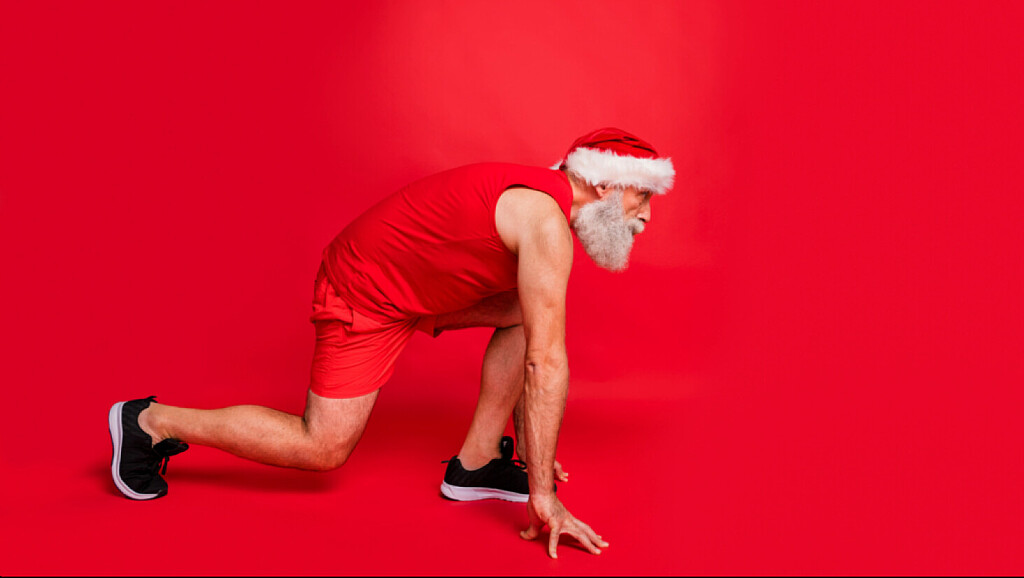
It’s the most wonderful time of the year for ‘music doping.’ Feliz Navi-dash your way to happier, faster runs with Christmas carols.
There are countless studies surrounding the impact of holiday music on our mental health, with both positive and negative effects proven. While you may enjoy bopping along to The Jackson 5’s “Santa Claus is Coming to Town” when it plays on the car radio, or always crank up the volume when Mariah Carey’s “All I Want For Christmas Is You” comes on at your holiday party, these classic carols may actually be most useful when you’re out dashing through the snow, if you know what I mean.

Indres Viskontas, a neuroscientist, professor at the University of San Francisco, and author of How Music Can Make You Better, has analyzed and compiled copious amounts of research pertaining to music and psychological impact. For example, one study had 20 male participants perform two six minute running tests, one with and one without music. Researchers measured mean running speed, blood lactate, total distance covered, heart rate, and rate of perceived exertion. The results concluded that runners who listened to their music of choice were significantly faster and had lower blood-lactate concentrations.
Viskontas says amateur athletes specifically will benefit from running to music they enjoy—emphasis on the word “enjoy”. It might be obvious to some, but benefits like improved mood, release of endorphins, and overall performance won’t be as strong if you’re listening to songs that you don’t enjoy.
All that to say, elite athletes won’t necessarily improve by listening to music.
“This is where the studies split and stop showing results,” Viskontas says. “When you’re at the far end of the spectrum of skill, it’s sort of moot. For example, a marathoner who sits at the front of the pack is probably not going to run faster if they are listening to music—they’re already going as fast as they can. For the average runner, however, there are significant benefits.”
How ‘Music Doping’ Works
Music affects the brain on a chemical level. Viskontas cites a few mechanisms surrounding music and how we perceive it. The first is that music raises the arousal levels in the brain. An example of this can be seen in dementia patients who, according to their CT scans, don’t show much brain activity due to the disease. But studies show that if you play music that
Another mechanism is called the analgesic effect, or the endorphin effect. This is when music raises levels of neurochemicals, like dopamine and hormones,that play important roles motivation, especially when it comes to movement.
“Music can wake us up, synchronize our brain activity and movements, and raise neurochemicals that allow us to run faster and stronger with less pain,” Viskontas says.
‘Run Rudolph Run’
Given all this research about the correlation between endurance performance and music, we wondered how Christmas carols, one of the most polarizing genres, fit into these studies. For some people, holiday tunes can have a lot of negative associations, while others experience heightened senses of happiness.
“One of the reasons Christmas music has such an emotional impact is because it comes at a time when we either celebrate with family, or are reminded of family we lost,” Viskontas says. “We only hear it during one part of the year, and that happens to be a time where we’re making a lot of memories, either happy or sad.”
She adds that, as humans, we are highly influenced by sounds in the world. It’s why, for example, we shy away from abrupt noises like a car backfiring or
Hannon is of the opinion that the research regarding music—jolly or not—can be divided into two schools of thought: It enhances your running performance or it alleviates pain, making you feel better overall during your workout but not necessarily producing better results.
“There isn’t actually as much research as you’d think on this,” she says. “It’s hard to get a whole bunch of people to show the same effects because there are so many factors that influence your performance on any given day.”
In any case, there’s a short window of opportunity for these benefits, if you reap them. Listening to Christmas music before the 25th can spur excitement of what’s to come, whereas hearing your favorite merry tunes in January can seem sort of…depressing.
As for Viskontas, she says she grew up singing in the choir in school, so there’s some Christmas music she can’t listen to without crying—a sort of melancholy nostalgia. But other carols, more modern tunes, bring about more positive associations.
“I listen to them while I’m trimming the tree or doing something else holiday-related,” she says. “But going for a run while listening? I’ve never tried. But, you know what
O Come, All Ye Faithful, Pentatonix
Carol of the Bells, Mykola Dmytrovych and John Williams
Login to leave a comment
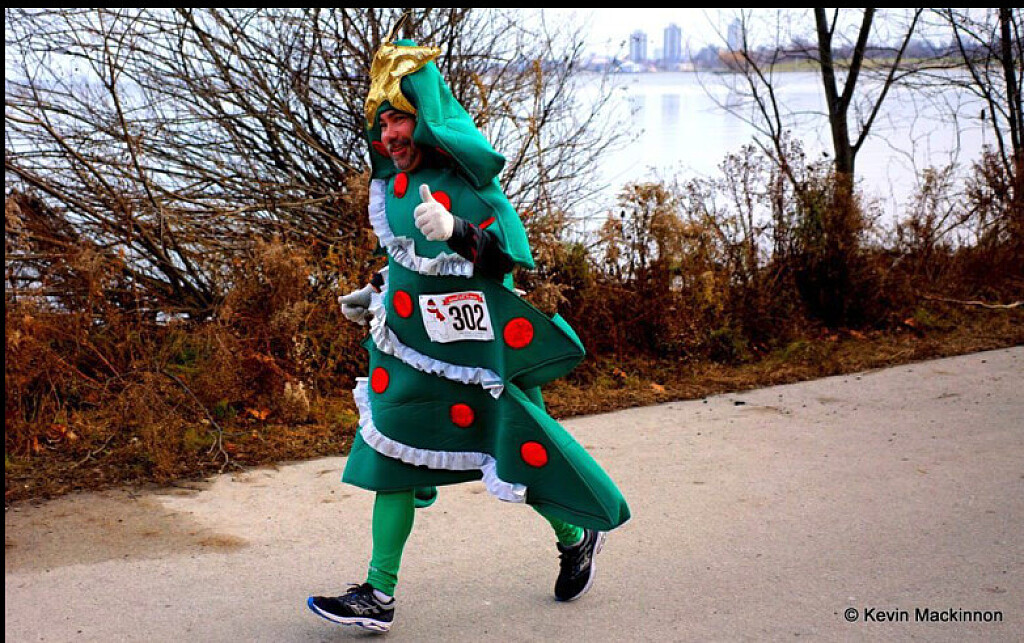
Nervous before your race? Try Christmas music
I know the headline may seem odd, but trust me, it’s like ketchup and pizza–don’t knock it until you try it. Ultrarunner and 24-hour American record holder Nick Coury said on a recent podcast that he always listens to Christmas music before races to help him stay relaxed.
“Not many of you know this but before all my races, I listen to Christmas music,” said Coury. “I find it soothing and that it helps me feel grounded and happy.”

The ultrarunner is something of an authority on some esoteric things, like how to negative-split an ultra, something he attributes his success to being able to do. So we trust him on this.
“It stops my adrenaline from spiking or going out too fast,” said Coury. “It’s put me where I want to be for the first few kilometres of a race.”
At first, like many of you reading this, I thought it was odd. After I gave it a chance on my morning run, I couldn’t agree more. There’s something about Michael Bublé or Bing Crosby’s voice that calms your nerves and helps you feel a little more relaxed.
Research has shown that listening to music can affect the rhythm of your stride and effort level, so it only makes sense that Christmas music would have a relaxing effect due to its slower BPM.
Coury may need to convince me a little more before I start listening to Mariah Carey at my mid-July track meet.
by Running Magazine
Login to leave a comment
