

Running News Daily
Running News Daily is edited by Bob Anderson and team. Send your news items to bob@mybestruns.com Advertising opportunities available.
Index to Daily Posts · Sign Up For Updates · Run The World Feed
Articles tagged #Sir Roger Bannister
Today's Running News
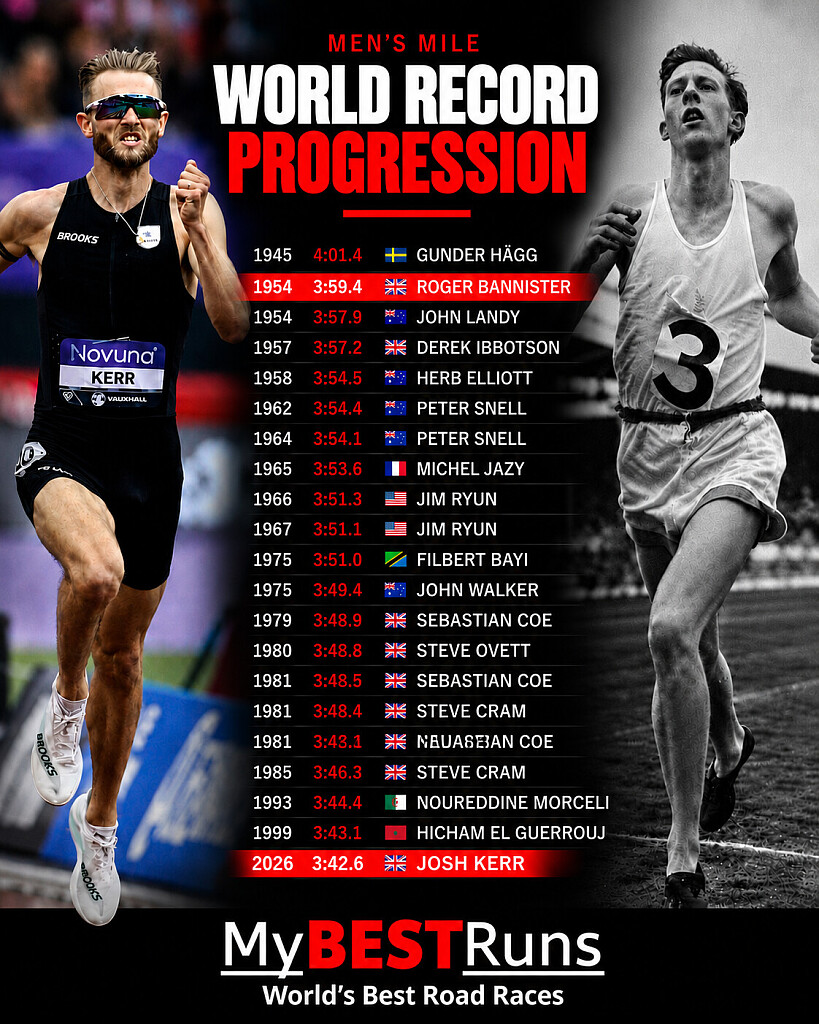


Sir Roger Bannister's Greatest Legacy: From The First Sub-Four Mile To Josh Kerr's World Record
When Sir Roger Bannister crossed the finish line in Oxford on May 6, 1954, in 3:59.4, he did far more than become the first man to run a sub-four-minute mile. He demolished one of sport's greatest psychological barriers, proving that what had long been considered impossible was simply waiting for someone bold enough to achieve it.
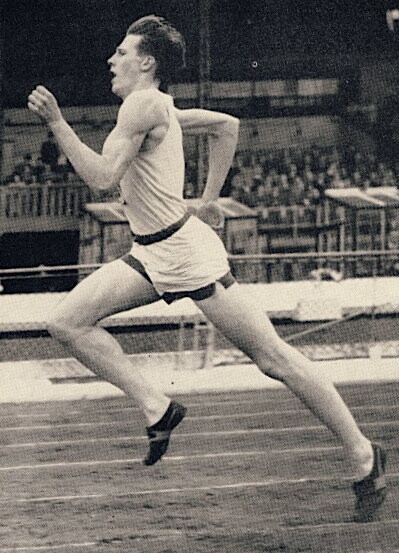
More than seven decades later, that historic run remains the most famous mile ever raced—not because it is still the fastest, but because it transformed athletics forever. Bannister's achievement inspired generations of runners to dream bigger, train harder and believe that seemingly unreachable barriers could be broken.
Today, however, the mile has entered an entirely different dimension.
Josh Kerr's sensational 3:42.66 world record has redefined the limits of middle-distance running. In one unforgettable race, the Scottish star erased Hicham El Guerrouj's legendary 3:43.13 mark that had stood untouched since 1999, proving once again that every era has its athlete capable of rewriting history.
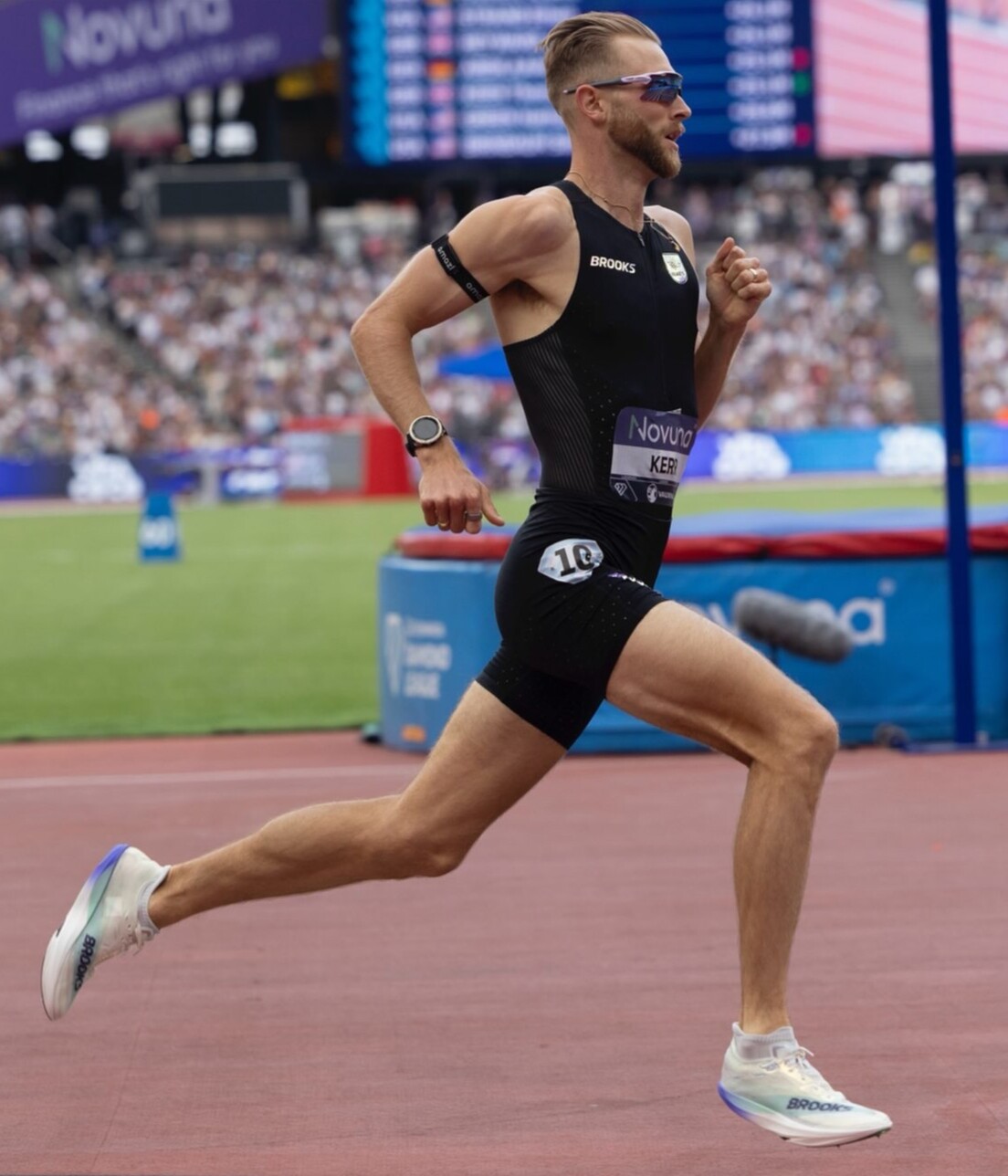
The numbers tell a remarkable story of progress. If Bannister's iconic 3:59.4 were placed in the same race as Kerr's 3:42.66, the man who first conquered the sub-four-minute barrier would finish almost 17 seconds behind. At the pace Kerr sustained, that deficit would amount to well over 100 metres—an extraordinary margin in an event where the world's best are often separated by hundredths of a second.
Yet those statistics should never be mistaken for a comparison of greatness. Bannister and Kerr competed in vastly different eras, under different conditions and with entirely different levels of sports science, training knowledge, footwear technology and track surfaces. Bannister raced on a cinder track wearing heavy leather spikes, balancing elite athletics with his demanding medical studies. Kerr benefits from decades of scientific advancement, world-class support systems and cutting-edge equipment that have helped athletes push the boundaries of human performance.
Every generation has added another chapter to the mile's extraordinary story. Just weeks after Bannister's breakthrough, Australia's John Landy lowered the record to 3:57.9. The baton then passed through legendary names including Derek Ibbotson, Herb Elliott, Peter Snell, Michel Jazy, Jim Ryun, Filbert Bayi, John Walker, Sebastian Coe, Steve Ovett, Steve Cram, Noureddine Morceli and Hicham El Guerrouj. Each champion dared to believe the record could fall again, leaving the event stronger than they found it.
Josh Kerr is now the latest custodian of that legacy. His world record is not simply another fast time—it is the culmination of more than 80 years of relentless progress. Every stride he took was built upon the courage, ambition and achievements of those who came before him.
Perhaps the most fascinating aspect of the mile is how dramatically its meaning has changed. In 1954, the world was captivated by one question: Could anyone ever run under four minutes? Today, the conversation has shifted to how much further the event can evolve. With Kerr already under 3:43, the now-unthinkable prospect of a sub 3:42 mile no longer feels like fantasy but a genuine possibility for the future.
That is the enduring beauty of athletics. Every world record eventually falls, but the performances that redefine belief never fade. Bannister's sub-four-minute mile remains the sport's most iconic breakthrough because it changed the way humanity viewed its own limits. Kerr's 3:42.66 is the newest benchmark of excellence, standing as proof that the impossible is never permanent—it is simply the starting point for the next generation.
by Erick Cheruiyot for My Best Runs.
Login to leave a comment
“Beyond Four Minutes: The Legacy of Roger Bannister”
Eight years ago, on March 3, 2018, the world received the sorrowful news that the incomparable Roger Bannister had passed away after battling Parkinson’s disease. There is a profound irony in his story. Bannister was not only a legendary athlete but also a distinguished neurologist who dedicated much of his professional life to treating patients with neurological disorders. Yet, like so many others, he was not exempt from the very illness he spent years studying.
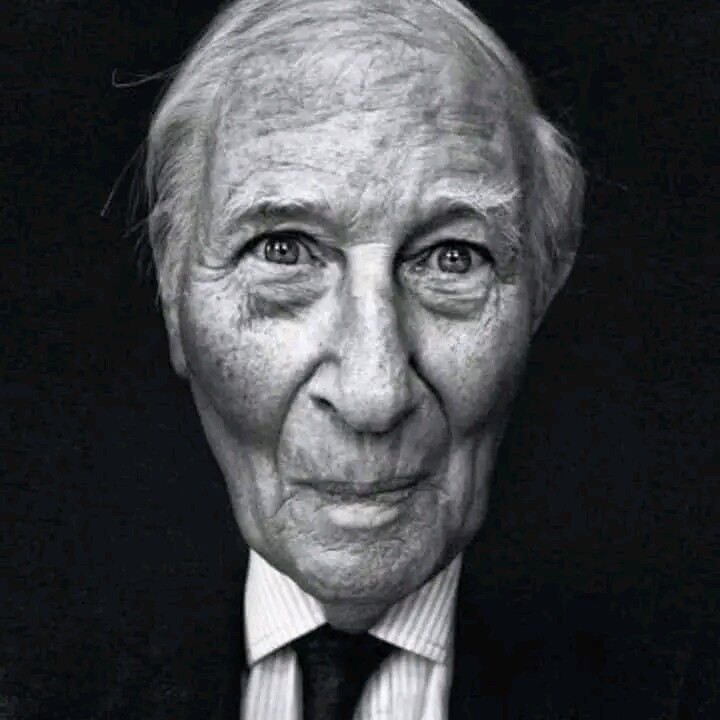
Born on March 23, 1929, in Harrow, England, Bannister would become one of the most iconic figures in athletic history. His signature event was the mile. At the 1952 Summer Olympics, he entered as the favorite to win. Instead, he finished fourth—a result that left him deeply disappointed. He returned home discouraged and told his coach he was finished with competitive running. But rather than allowing him to quit, his coach encouraged him to train harder, to push further, to discover what truly lay within him.
Bannister chose perseverance over surrender.
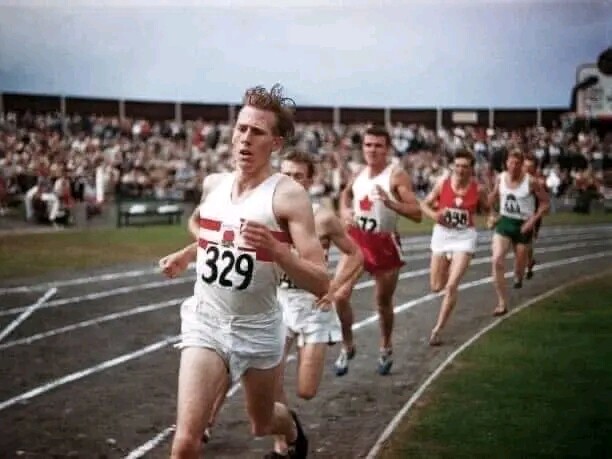
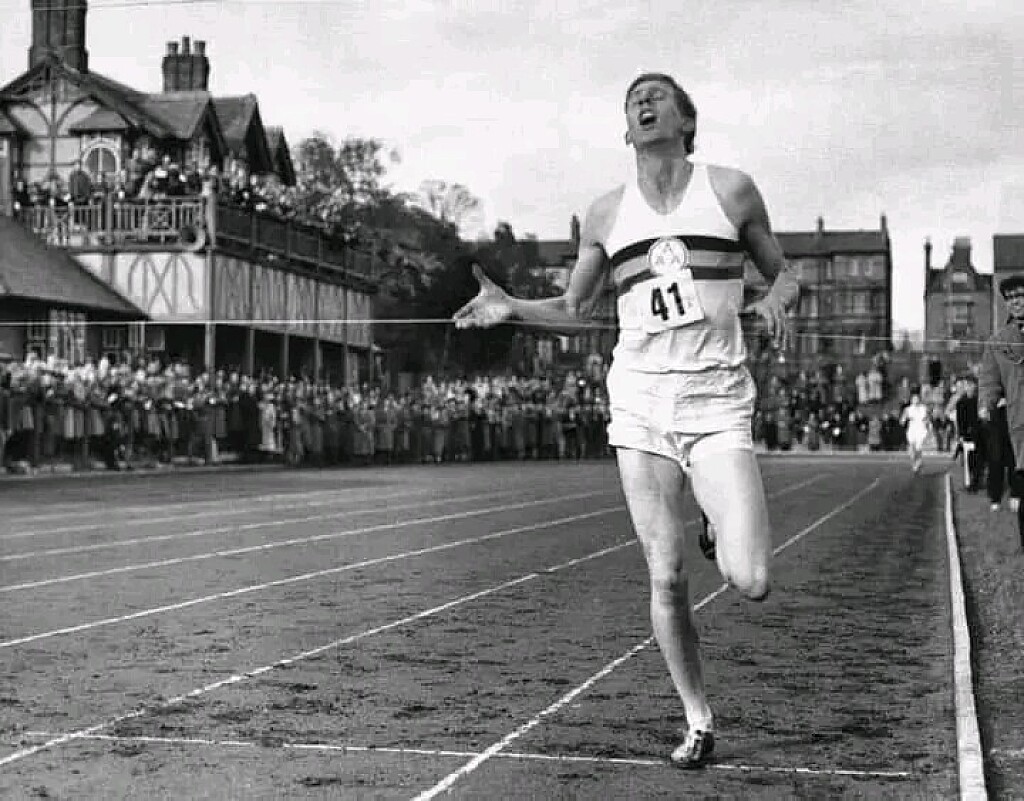
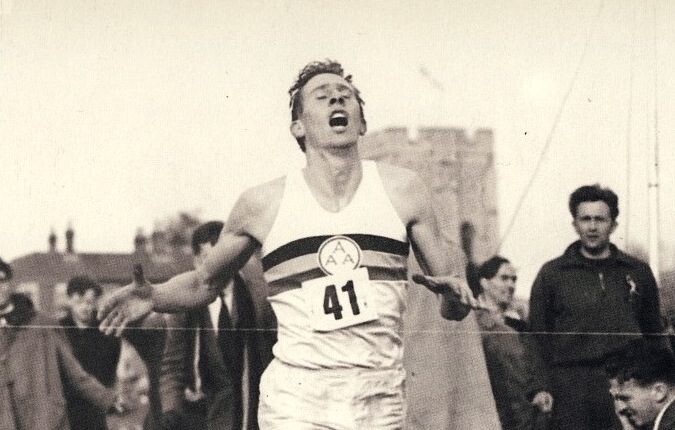
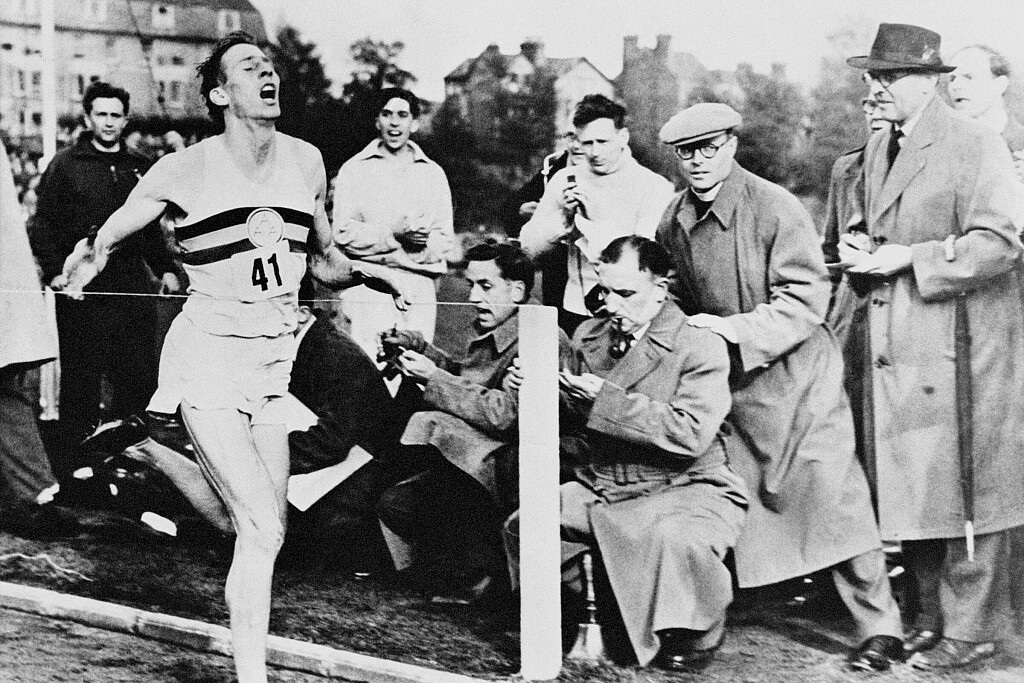
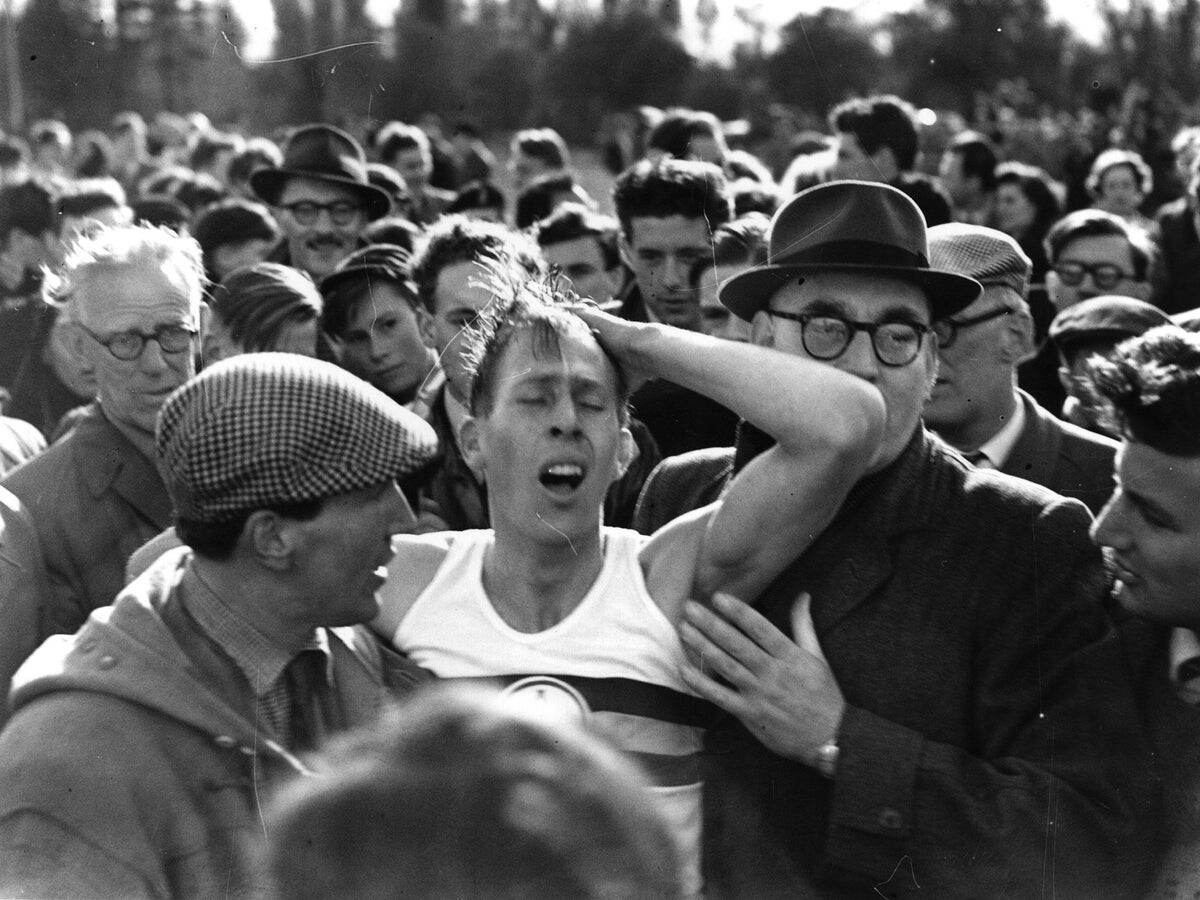
On May 6, 1954, at Iffley Road in Oxford, he achieved what many experts had declared physically impossible: he ran a mile in under four minutes. For years, respected voices in science had argued that the human heart and body were not designed to withstand such strain. Yet in 3 minutes and 59.4 seconds, Bannister dismantled a barrier that had stood not only in record books, but in the collective mind of the sporting world.

The aftermath was astonishing. Within a year, dozens of runners followed his lead and broke the four-minute barrier. Within three years, hundreds had done so. What had once seemed unreachable quickly became attainable. The greatest obstacle had not been muscle or oxygen—it had been belief. Once Bannister proved it possible, the impossible lost its authority.
Although the mile is no longer a feature of the Olympic Games or World Championships, its legacy endures. The current world record of 3:43.13 was set by Hicham El Guerrouj in 1999 at the Stadio Olimpico, a performance that stands as a testament to how far the event has evolved. Yet every stride toward that mark traces back to Bannister’s historic run in 1954.
The story of human progress—whether in science, industry, or sport—is filled with moments when limiting beliefs delayed breakthroughs. Then someone dares to challenge the narrative, and the floodgates open. Bannister did more than set a record; he liberated the imagination of athletes everywhere.
Sir Roger Bannister did not merely run beneath four minutes. He redefined what humanity believed it could endure. His legacy is carried forward in every runner who dares to chase what others insist cannot be done.
by Erick Cheruiyot for My Best Runs.
Login to leave a comment
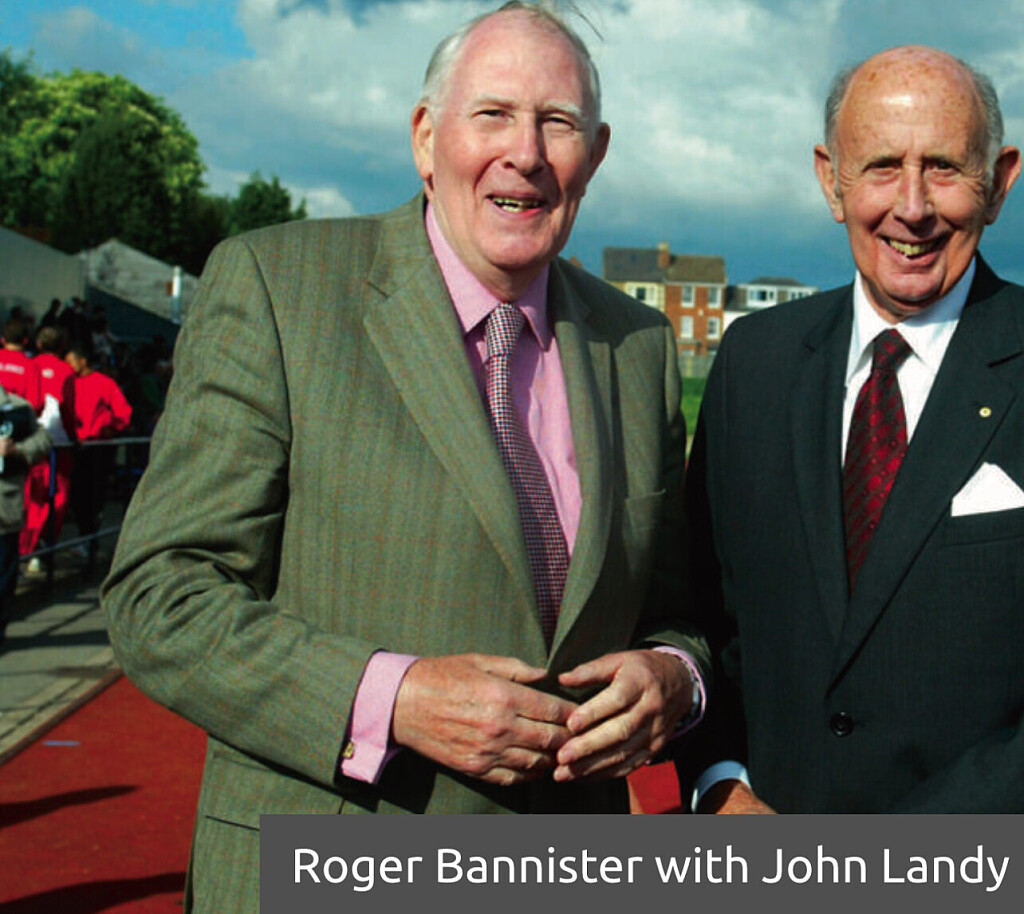
Commonwealth Games 2026: Mile Race Returns and Mixed 4x400m Relay Introduced
The Glasgow 2026 Commonwealth Games will mark a historic shift in athletics, with the reintroduction of the mile race, replacing the traditional 1500m event, and the addition of the mixed 4x400m relay. The Games will take place from July 23 to August 2, 2026, featuring a 10-sport programme across four venues, with Scotstoun Stadium hosting the athletics competitions.
The Return of the Commonwealth Mile

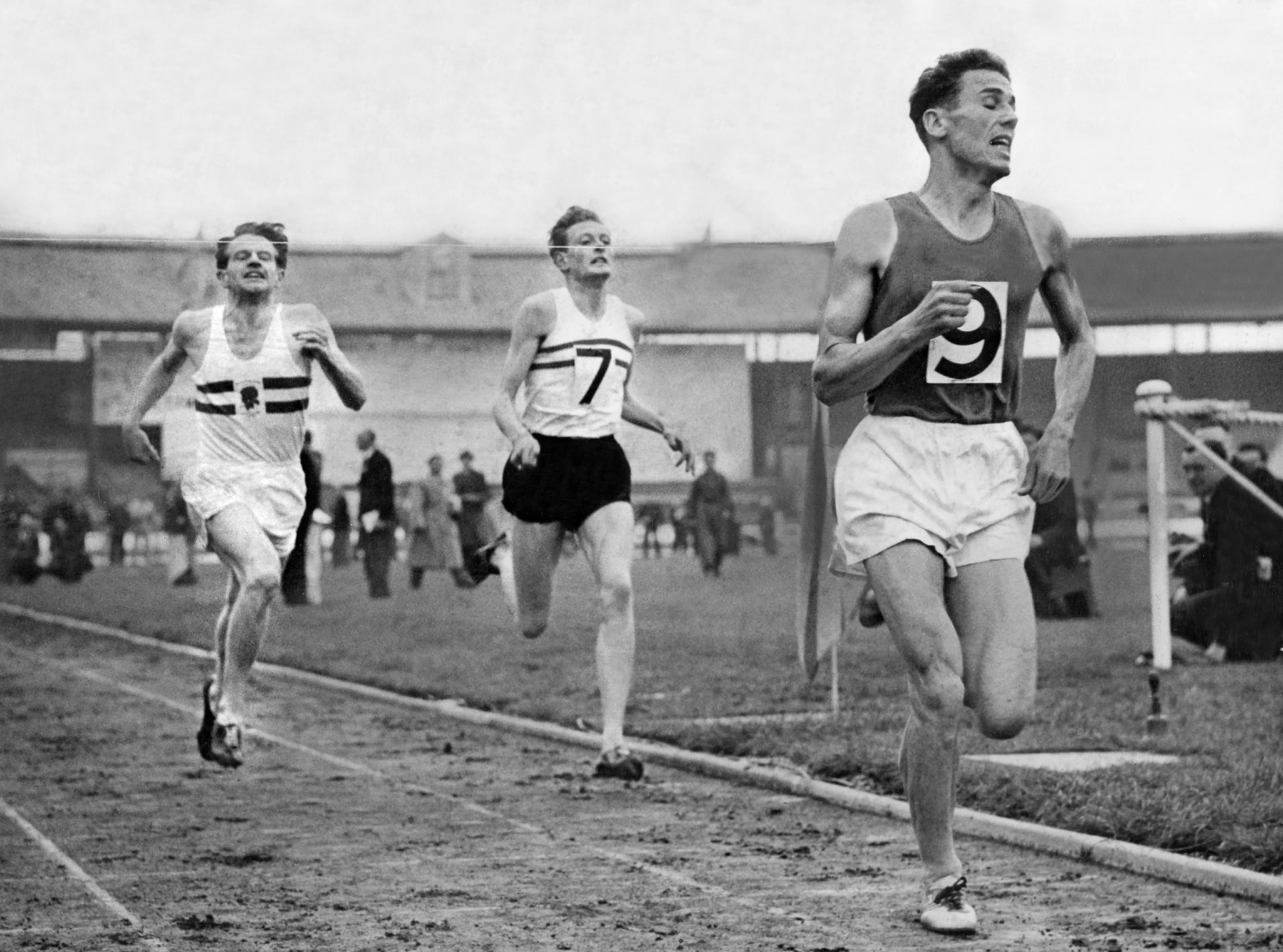
For the first time since 1966, the mile race will make its return, paying tribute to the legendary "Miracle Mile" at the 1954 Vancouver Commonwealth Games, where England’s Roger Bannister and Australia’s John Landy—the first two athletes to break the four-minute barrier—battled head-to-head in one of the most iconic races in history.
World Athletics President Sebastian Coe welcomed the decision, emphasizing the mile’s significance within the Commonwealth:
"The one mile is the quintessential Commonwealth athletics event whose return to the Games in Glasgow 2026 I very much welcome. The mile is easy to understand—four laps of the track—and remains a standard everyday measurement across the Commonwealth."
He further highlighted the race’s rich legacy:
"From 1930 through to 1966, the mile was the blue-riband event of each Games. Its place in international sports lore was secured when Sir Roger Bannister broke the four-minute barrier in May 1954. The magic of the mile continues to resonate with sports fans, and a ticket to watch its Commonwealth final will be one of the must-have seats in Glasgow next year."
New Additions: Mixed 4x400m Relay and Expanded Para Athletics Programme
Alongside the return of the mile, the mixed 4x400m relay will be introduced, further enhancing the athletics programme. Additionally, for the first time in Commonwealth Games history, para athletes will compete across all three major disciplines—jumping, throwing, and track events—cementing a new era of inclusivity in the sport.
The full event lineup is available on the Glasgow 2026 Commonwealth Games website, showcasing a programme designed to honor tradition while embracing innovation.
by Boris Baron
Login to leave a comment

The Commonwealth Games
The Commonwealth Games are coming to Victoria - bringing an action packed sports program to our regional cities and delivering a long-term legacy for our future. From 17 to 29 March 2026, Geelong, Bendigo, Ballarat, Gippsland and Shepparton will be on the world stage, attracting millions of viewers and creating thousands of jobs. The multi-city model will...
more...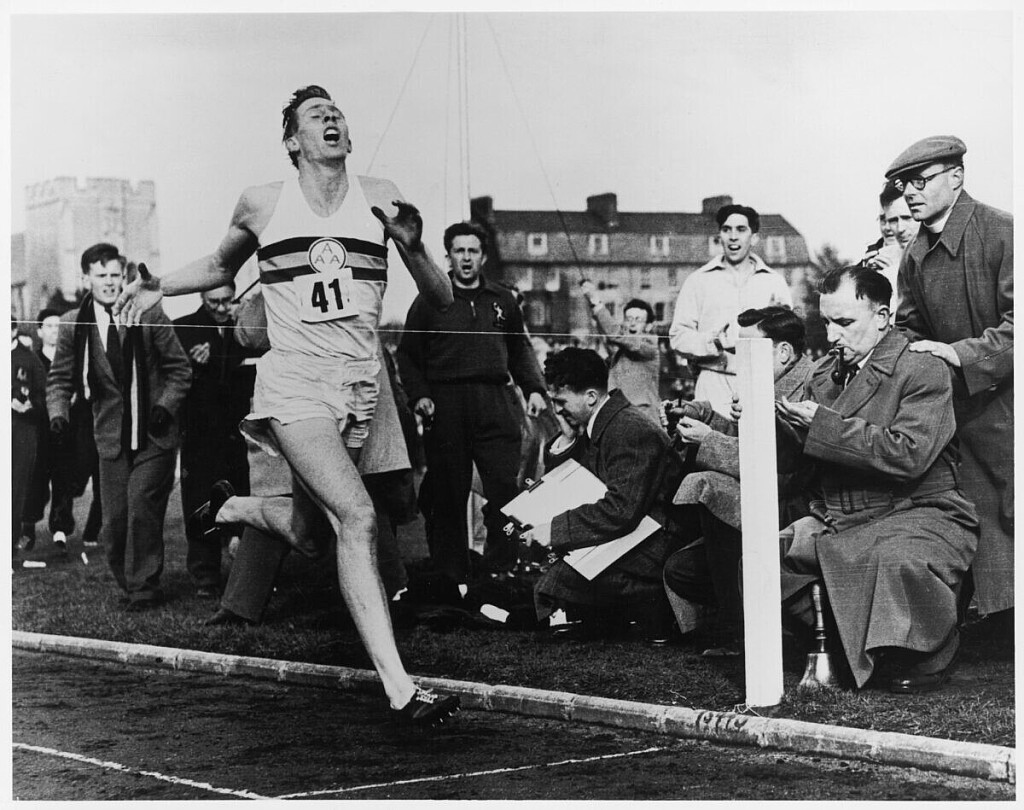
Sub-4-minute milers live longer, new research shows
Breaking the 4-minute mile barrier is a testament to natural speed and hard work, but could it also predict longevity? Researchers recently tracked the first 200 athletes to break the four-minute mile mark between 1954 and 1974, and discovered a striking trend in terms of the health and longevity of the athletes.
Elite athletes are known to have bigger hearts due to sustained aerobic output, and in the past, some research has indicated the belief that this could negatively impact their health and longevity. This study demonstrated the opposite. The study was released to mark the 70th anniversary of Sir Roger Bannister‘s sub-four-minute mile and revealed that the elite runners outlived the general population by an impressive margin.
On May 6, 1954, Bannister successfully broke the four-minute barrier at Oxford’s Iffley Road track, clocking 3:59.4. Until then, the four-minute mile was considered by many to be impossible. Some runners had come close, but the fastest among them could only muster 4:01. Bannister ushered in a new era of runners with his record-breaking time, and as of 2022, the four-minute barrier had been broken by more than 1,750 athletes.
A team led by scientists from Victor Chang Cardiac Research Institute in Australia who partnered with Canadian researchers gained access to the health records of the first 200 people on record who ran sub-four-minute miles. The list of speedsters included athletes from the U.K., Australia, France, New Zealand and the U.S. The runners (all male) were all born between 1928 and 1955, and most were still alive. These top-tier athletes outlived the general population by an impressive margin.
“Breaking the four-minute mile was an extraordinary achievement 70 years ago and revealed just what the human body can achieve,” said Professor Mark Haykowsky, Research Chair in Aging and Quality of Life in the University of Alberta’s faculty of nursing. “It set off a wave of runners following in Sir Roger’s mighty footsteps.
“Remarkably, we found that, like Sir Roger, who lived to the ripe old age of 88, most of the first runners also lived well into their 70s, 80s and a majority are alive and healthy today.”
On average, the runners enjoyed nearly five additional years of life over the general population. The researchers also found intriguing patterns across different decades. Athletes who achieved this milestone in the 1950s surpassed their peers by a staggering nine years, on average, while those from the 1970s still boasted an extra five and a half years of life.
With an average age of 77 among the surviving athletes, these findings challenge conventional notions of aging and highlight the remarkable impact rigorous physical training has on longevity.
by Keeley Milne
Login to leave a comment

Here’s how to run faster just by thinking about it
Mental imagery for running performance has been used by elite athletes for decades and is simple enough for the regular runner to start trying tonight. You’ll give your brain a workout along with preparing yourself for your event. Ultrarunner and author of Mental Training for Ultrarunners, Addy Bracy, explains: “thinking about a specific exercise produces the same brain activity that occurs when the actual task is performed.” Here’s how to get started.
Repetition
Sir Roger Bannister, the first man to run a 4-minute mile, used visualization techniques to get ready to tackle that famous distance. “Each night in the week before the race there came a moment when I saw myself at the starting line. My whole body would go nervous and tremble. I ran the race over in my mind. Then I would calm myself and sometimes go off to sleep” he wrote. If you’re familiar with the course or area that you’re going to run in, visualize yourself making your way through the course in your mind. If you’re training for a longer race, choose portions of it to run through. When you actually run the race it will feel familiar and comfortable. Try to incorporate as many of the five senses as possible: envision what you’re feeling in your body, what the air smells like, and notice the sights around you–you may feel silly doing this at first, but know that you’re training your brain to help you be a faster runner.
Visualize working through obstacles

Remember a time when you encountered something challenging in a race, whether it was discouraging thoughts, heavy legs or nausea. Imagine yourself working through that issue during your race with ease and finesse. Try this with a variety of obstacles. When you run into similar issues, your brain won’t react with shock and overwhelm; ideally, it will remember your mental practice and you’ll move fluidly through any problems. “Once you have identified possible stressors, see and feel yourself using your tools to calm your anxiety,” Bracy says. The more diverse the situations you work through in your brain, the more prepared you’ll actually be on race day.
Imagine a strong race finish
Research suggests that our brain becomes fatigued and starts signaling us to stop running in the final quarter of a race. Spend more time focusing on this last section, and envision yourself tuning out any mental chatter to stride strongly towards that finish line. Bracy suggests linking together images of several past successes, “making sure to include the emotions and feelings you derived from those experiences. Use this to enhance feelings of confidence, belief and excitement leading into a race.” The brain is a powerful tool, and adding some brain training techniques to your regime will help you on race day.
by Running Magazine
Login to leave a comment
The surprisingly simple training of the world’s first sub-4 minute miler, How Roger Bannister prepared for his historic run?
Before Sir Roger Bannister’s historic run in 1954, running fans and experts believed that the sub-four-minute mile was not possible. When he crossed the finish line at the University of Oxford’s Iffley Road track in 3:59.4 66 years ago, he changed the course of running history forever, opening the door for thousands more to follow.
You might be surprised, then, to find out that in order to set this historic record, Bannister only trained for about five hours per week.
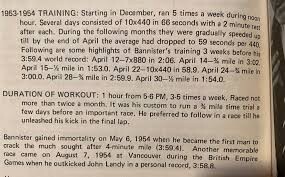
Twitter user @jmarpdx recently tweeted an exert from the book How They Train by Fred Wilt, which provides a brief description of Bannister’s training regime leading up to his breakthrough run. According to the book, he started training in December (five months before the race) and only ran for one hour, five days per week during his lunch hour.
His sessions almost always consisted of some form of interval training, including workouts like 10 x 440 yards (400m), 7 x 880 yards (800m) and 3/4 mile (1,200m) time trials.
Of course, today we have a lot more knowledge regarding training protocols, mileage and recovery, but this sample from Bannister’s training is an example of how sometimes, simplicity is the best path forward.
by Brittany Hambleton
Login to leave a comment
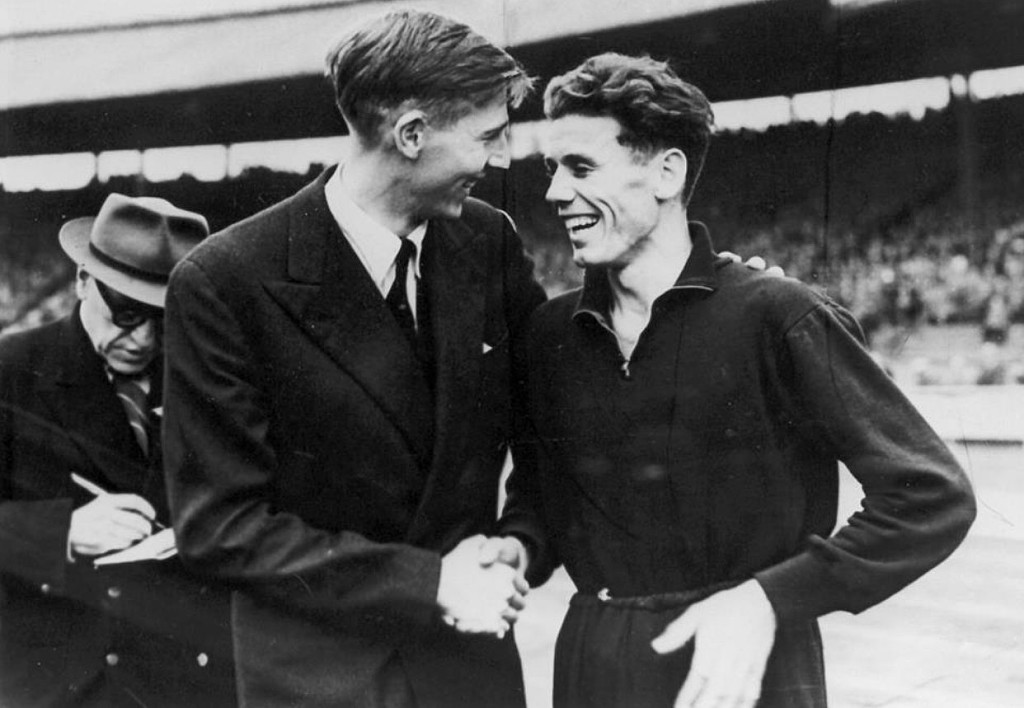
laszlo Tabori was the third man to break four minutes for the mile
DID YOU KNOW: Laszlo Tabori was the third man in history to break the sub-four minute mile barrier, setting a new European Record with a time of 3:59 on May 28, 1955. Roger Bannister was there. Laszlo posted this on Facebook March 5th after Roger Bannister passed away.
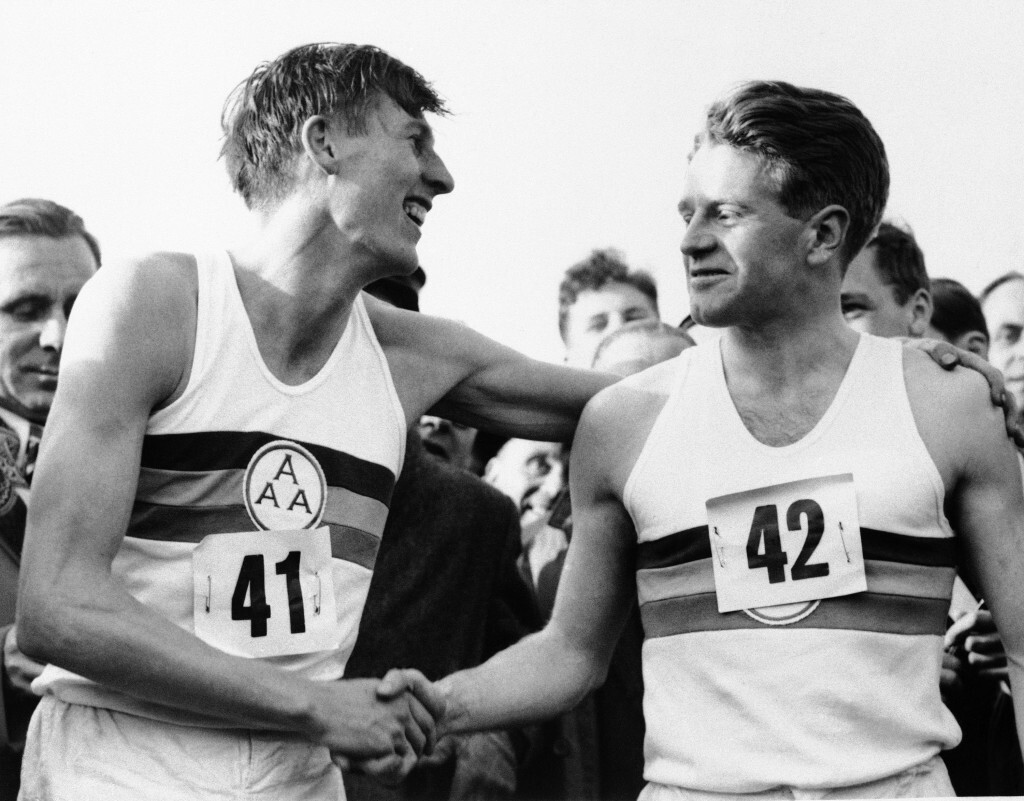
“One of my favorite pictures with Sir Roger Bannister... We were all chasing the sub 4 minute mile. In those days it was a feat comparable only with climbing Mt. Everest. Roger was someone I looked up to and admired.
At the height of his running career, he stopped in order to concentrate on his studies in medicine. I had the great fortune to be one of the early ones who followed in his footsteps just a year later at White City Stadium, London. Here Roger is shaking my hand and offering congratulations as I had quite unexpectedly just became the 3rd person to enter this very elite sub-4 min mile club,” wrote Laszlo Tabori.
Laszlo was born in Košice. Although he had already taken up running in his youth, his serious career only started in the early 1950s under Mihály Iglói, the legendary coach.
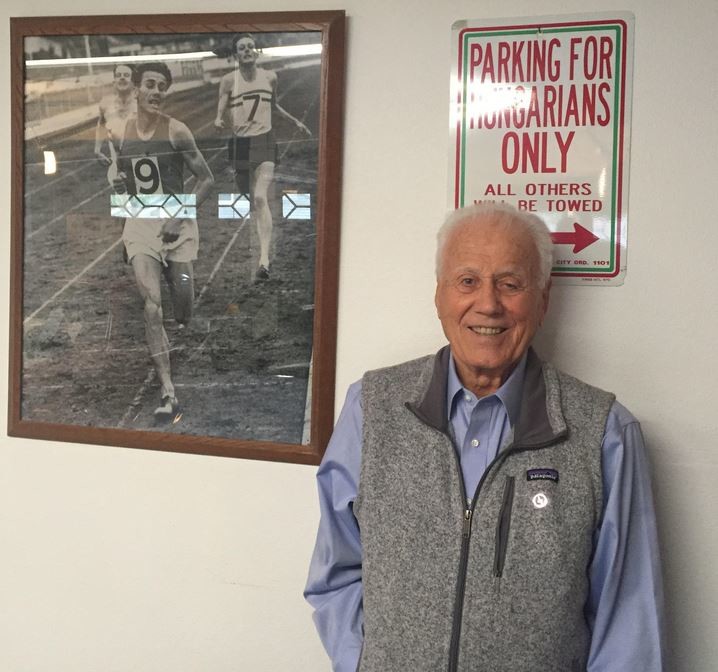
Among Laszlo’s many accomplishments include being an Olympian in the 1956 Olympic Games in the 1500 and 5000m races. Mihaly Igloi and his track team were in Budapest, and saw the chaos of the Soviet invasion, but were fortunate to leave the country and arrive in Melbourne.
Understandably, the Hungarians performed poorly at the Games. After the competition, Igloi, and one of his top runners, Laszlo Tabori, made the fateful decision to forgo their return to Hungary and defect to the United States.
Tábori retired from running in 1962, since he couldn’t compete for Hungry and was not a United States citizen. Tábori returned to distance running as a coach in 1967, his training methods based directly on Iglói's, and has been the coach of San Fernando Valley Track Club since 1973.
by Bob Anderson
Login to leave a comment
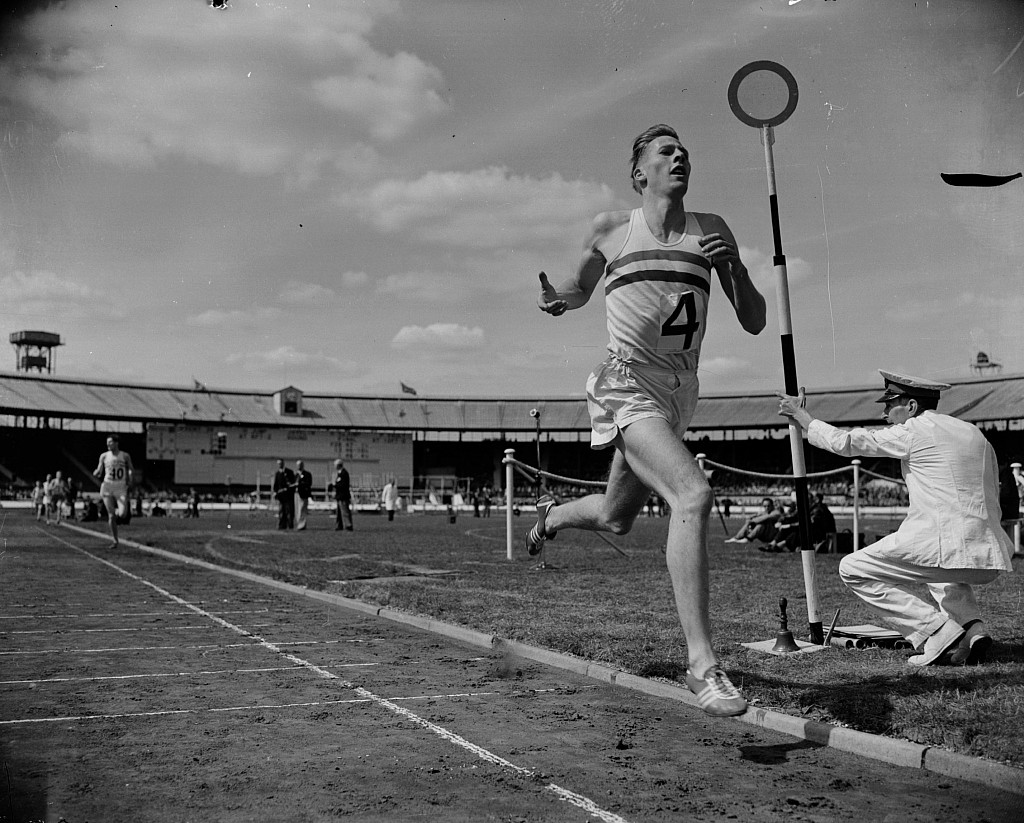
Should the mile be added back into the Commonwealth Games? How about the 1500m?
Login to leave a comment
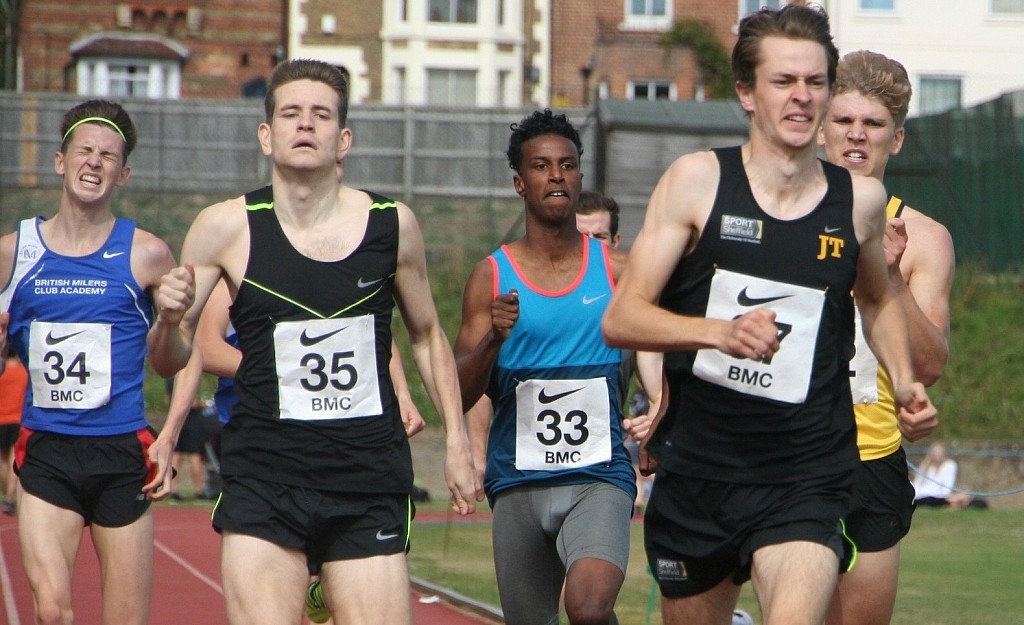
British Milers Club is launching the Bannister Mile Series
Login to leave a comment
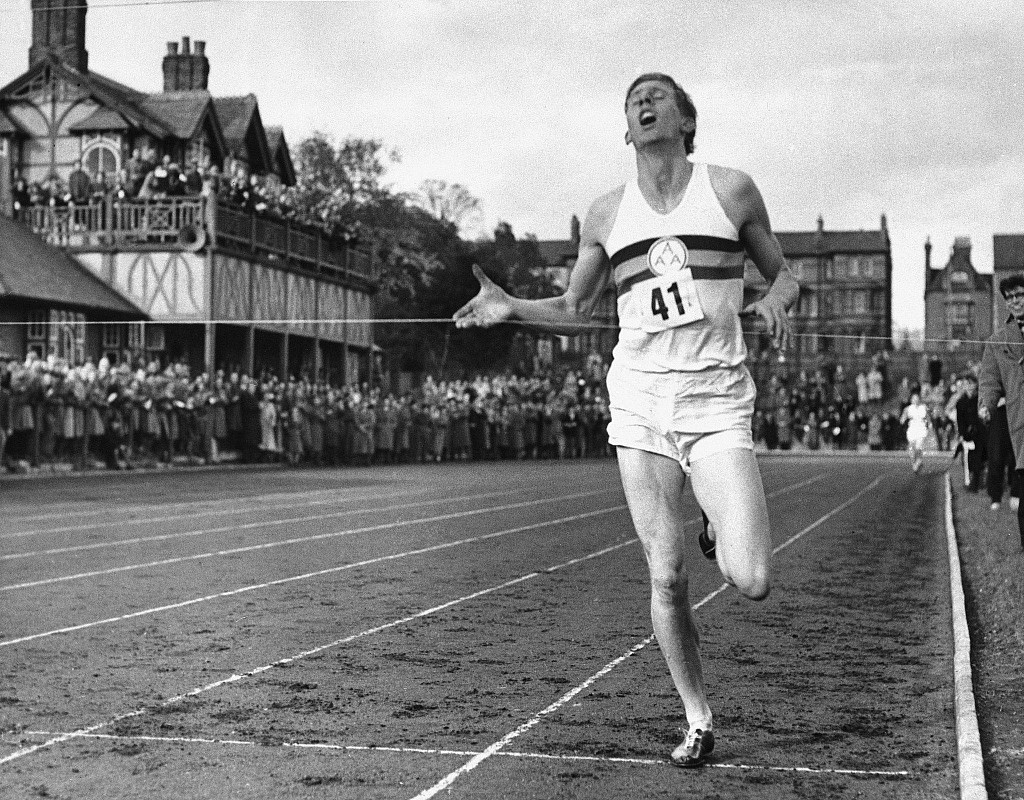
Roger Bannister’s achievement transcended sport, let alone athletics says Seb Coe
Login to leave a comment
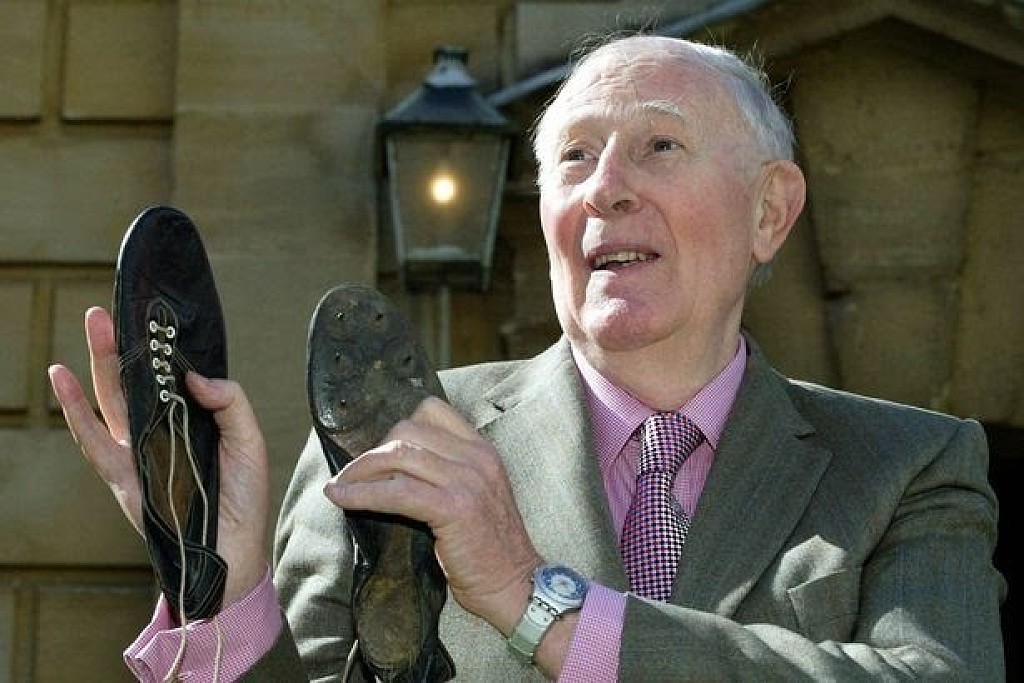
Roger Bannister who was the first person to break four minutes for the mile has died
Sir Roger Bannister, the first athlete to run a sub-four minute mile, has died aged 88 in Oxford, his family have said.
A statement released on behalf of Sir Roger's family said: "Sir Roger Bannister, died peacefully in Oxford on 3rd March 2018, aged 88, surrounded by his family who were as loved by him, as he was loved by them.
"He banked his treasure in the hearts of his friends." British Prime Minister Theresa May led the tributes to the former athlete, who later became one of Europe's leading neurologists and was made a knight.
Sir Roger "made the impossible possible" and completed his record-breaking feat in 3 minutes 59.4 seconds at Iffley Road sports ground in Oxford on May 6, 1954
Login to leave a comment
