

Running News Daily
Running News Daily is edited by Bob Anderson and team. Send your news items to bob@mybestruns.com Advertising opportunities available.
Index to Daily Posts · Sign Up For Updates · Run The World Feed
Articles tagged #Enrique Figuerola
Today's Running News
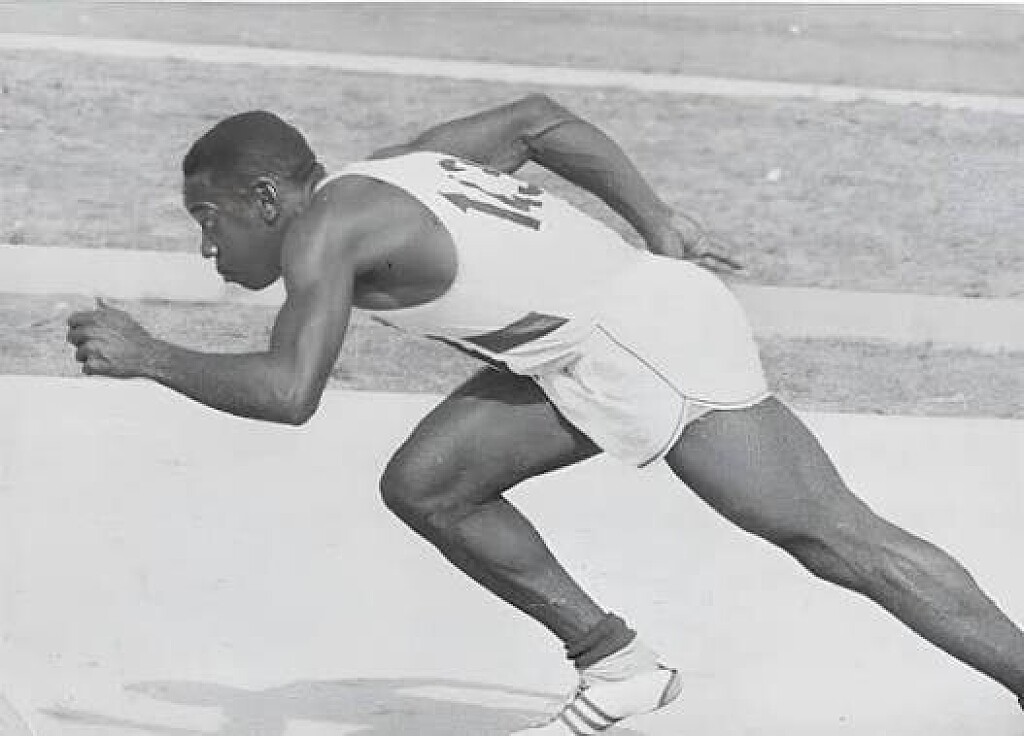


Enrique Figuerola: Cuba’s Sprint Pioneer Who Turned Speed Into Legacy
Some athletes drift quietly through history. Others arrive with force, leaving marks too deep to erase. Enrique Figuerola belonged to the latter.
Born on July 15, 1938, in Santiago de Cuba, Figuerola rose from humble beginnings under the Caribbean sun to become one of the greatest sprinters Cuba has ever produced. Long before modern sprinting became a global spectacle, he was already proving that talent, discipline, and fearless ambition could carry a man from local tracks to the Olympic stage.
His first major global statement came at the 1960 Olympic Games in Rome. Against a field packed with established stars, the relatively unknown Cuban reached the 100 metres final and finished fourth. To many, it was a near podium finish. To Figuerola, it was confirmation that he belonged among the fastest men in the world.
Two years later, he arrived in London for the prestigious AAA Championships at White City Stadium. There, the quiet sprinter from Cuba stunned spectators by capturing the 100-yard title with authority. It was more than a victory—it was a warning that Figuerola was becoming a serious force in world sprinting.
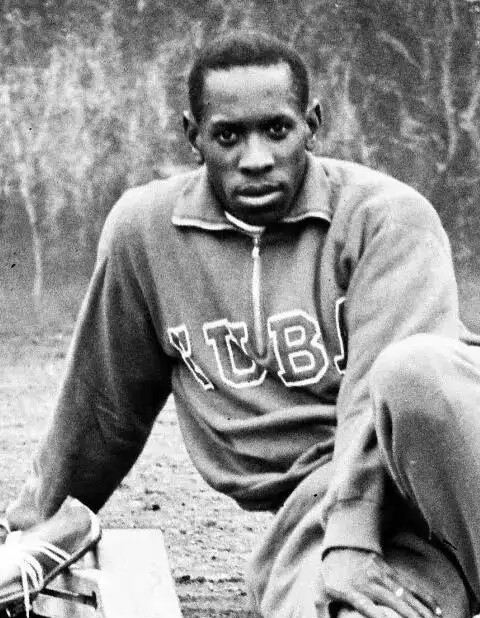
Then came the defining moment of his individual career: the 1964 Olympic Games in Tokyo.
As the tension built inside the stadium, Figuerola settled into the blocks for the men’s 100 metres final. When the gun fired, he burst forward with explosive precision, matching strides with the world’s best. Only the legendary American Robert Hayes finished ahead of him, while Canada’s Harry Jerome took bronze. Figuerola claimed the silver medal, becoming one of Cuba’s greatest Olympic sprint heroes.
He returned to London in 1965 and once again conquered the AAA Championships 100-yard race, proving his earlier triumph had been no accident. Same city, same straight, same blazing Cuban speed.
By the 1968 Olympic Games in Mexico City, Figuerola was no longer simply an individual contender—he was now a veteran leader. Teaming up with Hermes Ramírez, Juan Morales, and Pablo Montes in the 4x100 metres relay, Cuba delivered a brilliant performance to secure silver behind the dominant United States squad. It was Figuerola’s second Olympic silver medal and another proud milestone for Cuban athletics.
His career was decorated with medals, titles, and elite performances, including a remarkable 10.23 seconds in the 100 metres during the Mexico City era—an exceptional mark for his generation.
Yet numbers alone cannot explain his legacy.
What endures most is the image of Enrique Figuerola in the starting blocks: focused, composed, carrying the hopes of a nation on his shoulders. He represented an era when sprinting was raw, fierce, and deeply personal—when every race felt like a statement.
Enrique Figuerola was more than a medalist. He was a pioneer, a symbol of Cuban excellence, and a man whose speed forced history to notice.
Some athletes are remembered for victories. Others are remembered for changing what people believed was possible. Figuerola did both.
by Erick Cheruiyot for My Best Runs.
Login to leave a comment
