

Running News Daily
Running News Daily is edited by Bob Anderson and team. Send your news items to bob@mybestruns.com Advertising opportunities available.
Index to Daily Posts · Sign Up For Updates · Run The World Feed
Articles tagged #Ingrid Kristiansen
Today's Running News
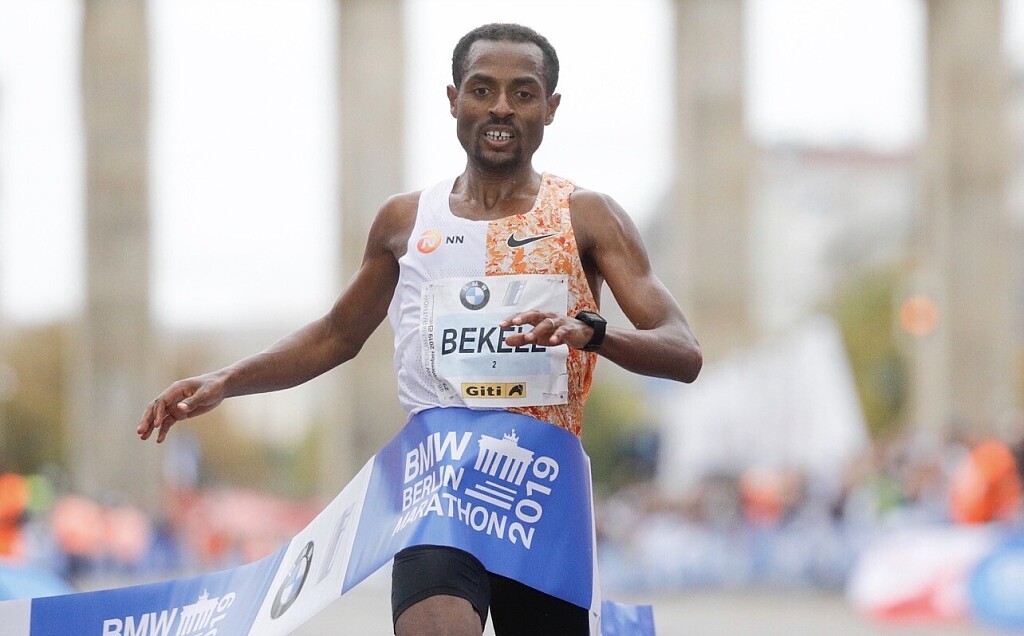


Kenenisa Bekele Returns to Berlin; Alisa Vainio Added to Elite Field
Kenenisa Bekele will run the BMW BERLIN-MARATHON on September 27, race organizers announced today. It will be the legendary Ethiopian’s first race of the year. At 44, Bekele may no longer be among the favorites for victory, but a strong performance remains possible.
Bekele has won the BMW BERLIN-MARATHON twice during his remarkable career, narrowly missing the world record on both occasions. In 2016, he crossed the line in 2:03:03, and in 2019, he clocked 2:01:41. Had he been just two seconds faster seven years ago, he would have become the first runner in history to hold the world records for 5,000 meters, 10,000 meters and the marathon simultaneously.

His return brings one of the greatest distance runners of all time back to Berlin. Bekele’s achievements on the track and in cross-country are extraordinary. He held the world records for 5,000 meters (12:37.35) and 10,000 meters (26:17.53) for approximately 15 years—longer than any other runner in history.
Bekele won 5,000-meter gold at the 2008 Olympic Games and the 2009 World Championships. Over 10,000 meters, he won Olympic gold in 2004 and 2008, along with world titles in 2003, 2005, 2007 and 2009. He also earned 11 individual gold medals at the World Cross Country Championships.
Two and a half years ago, at 41, Bekele nearly produced another extraordinary victory. He led during the closing stages of the London Marathon before finishing second in 2:04:15, setting a world masters record for the 40-plus age group that still stands. He was subsequently selected for the 2024 Olympic Games but finished 39th in Paris. Berlin offers him the opportunity to complete his first marathon since those Games.
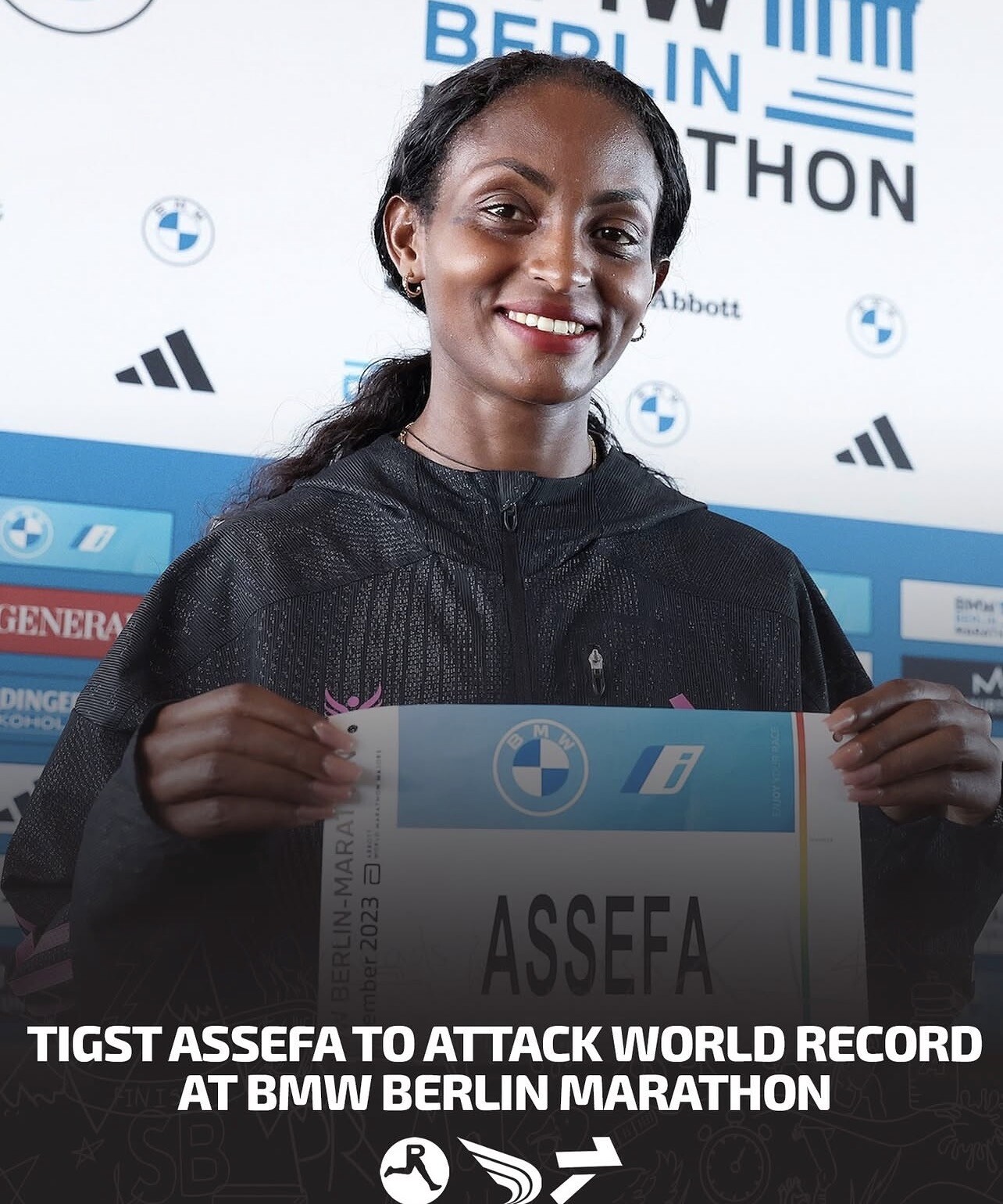
European Champion Alisa Vainio Joins the Field
The women’s elite field has also received a strong late addition: European marathon champion Alisa Vainio.
A month ago, the Finnish runner claimed gold at the European Championships in Birmingham with a commanding performance, setting a championship record of 2:22:26.
Last year, Vainio was the top European finisher at the World Championships in Tokyo, placing fifth. She then went on to set three consecutive Finnish national records, improving to 2:20:39 with her victory in Seville in February.
That performance made her the fastest Nordic women’s marathon runner in history, surpassing the 2:21:06 set by Norway’s former world record-holder Ingrid Kristiansen.
Fastest Runners on the Start List
Men
|
Athlete |
Country |
Personal Best |
|
Kenenisa Bekele |
ETH |
2:01:41 |
|
Gabriel Geay |
TAN |
2:03:00 |
|
Getaneh Molla |
ETH |
2:03:34 |
|
Guye Adola |
ETH |
2:03:46 |
|
Shura Kitata |
ETH |
2:03:59 |
|
Erick Sang |
KEN |
2:04:30 |
|
Selemon Barega |
ETH |
2:05:00 |
|
Taresa Tolosa |
ETH |
2:05:17 |
|
Tadu Abate |
ETH |
2:05:38 |
|
Asefa Boki |
ETH |
2:05:40 |
|
Kenya Sonota |
JPN |
2:05:59 |
|
Tsubasa Ichiyama |
JPN |
2:06:00 |
|
Kiyoto Hirabayashi |
JPN |
2:06:14 |
|
Yuhei Urano |
JPN |
2:06:23 |
|
Hidekazu Hijikata |
JPN |
2:06:26 |
Women
|
Athlete |
Country |
Personal Best |
|
Tigst Assefa |
ETH |
2:11:53 |
|
Rosemary Wanjiru |
KEN |
2:16:14 |
|
Bedatu Hirpa |
ETH |
2:18:27 |
|
Dera Dida |
ETH |
2:18:32 |
|
Zeineba Yimer |
ETH |
2:18:47 |
|
Bosena Mulatie |
ETH |
2:19:00 |
|
Misgane Alemayehu |
ETH |
2:19:08 |
|
Bekelech Gudeta |
ETH |
2:19:39 |
|
Evaline Chirchir |
KEN |
2:20:33 |
|
Alisa Vainio |
FIN |
2:20:39 |
|
Deshun Zhang |
CHN |
2:20:53 |
|
Gadise Mulu |
ETH |
2:20:59 |
|
Eebbisee Addunyaa |
ETH |
by Race News Service
Login to leave a comment

BMW Berlin Marathon
The story of the BERLIN-MARATHON is a story of the development of road running. When the first BERLIN-MARATHON was started on 13th October 1974 on a minor road next to the stadium of the organisers‘ club SC Charlottenburg Berlin 286 athletes had entered. The first winners were runners from Berlin: Günter Hallas (2:44:53), who still runs the BERLIN-MARATHON today, and...
more...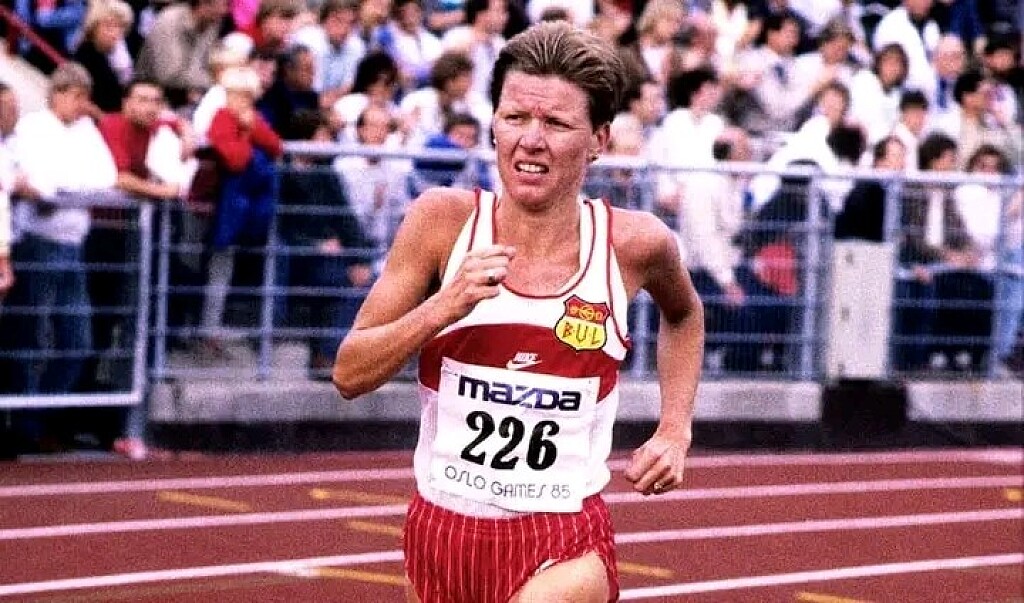
Forty Years On: Ingrid Kristiansen's Extraordinary 10,000m Masterpiece Still Stands Among Athletics' Greatest Performances
Forty years ago today, distance running witnessed one of its most astonishing moments when Ingrid Kristiansen delivered a breathtaking performance at the Bislett Games in Oslo. The Norwegian star shattered her own women's 10,000-meter world record, clocking an incredible 30:13.74—an astonishing 45-second improvement on the previous global mark. It remains one of the most remarkable world record breakthroughs in the history of track and field.
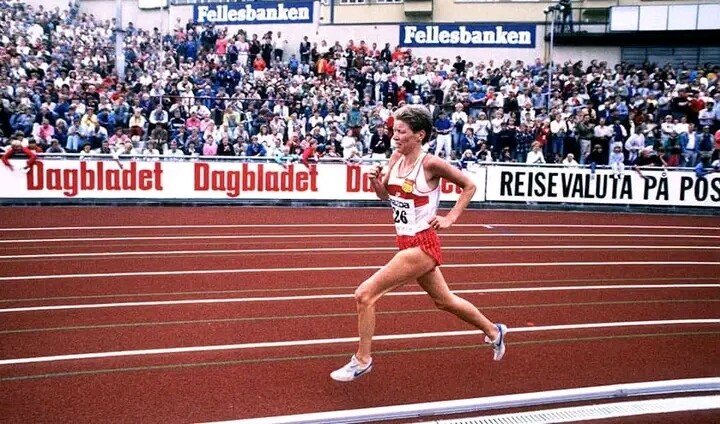
What made the performance even more extraordinary was Kristiansen's race execution. She later revealed that she reached the halfway point in 15:15, meaning she produced a devastating negative split by covering the final 5,000 meters in approximately 14:58. Finishing faster than she started over such a demanding distance showcased not only exceptional endurance but also remarkable tactical discipline and finishing strength.
The magnitude of that closing split becomes even more impressive when viewed in the context of the era. At the time, the women's 5,000-meter world record stood at 14:48.07, held by Zola Budd. Kristiansen's ability to finish the second half of a world-record 10,000-meter race in just ten seconds slower than the standalone 5,000-meter world record highlighted a level of fitness and resilience rarely seen in elite competition.
As if rewriting the 10,000-meter record was not enough, Kristiansen returned later that same summer to make history once again. She lowered the women's 5,000-meter world record to 14:37.33, further cementing her reputation as the undisputed queen of long-distance running during the mid-1980s.
Four decades later, Kristiansen's unforgettable run at Bislett continues to be celebrated as a defining moment in athletics. Her fearless pace, relentless finishing kick, and record-breaking brilliance remain an enduring reminder that some performances transcend generations and continue to inspire long after the finish line has been crossed.
by Erick Cheruiyot for My Best Runs.
Login to leave a comment
Rosa Mota: The Woman Who Refused to Accept Limits and Redefined Marathon Greatness
Long before women's distance running received the recognition it deserved, a young girl from the historic streets of Porto was quietly preparing to change the sport forever.
Born in the Foz Velha district of Portugal's second-largest city, Rosa Mota grew up battling asthma and sciatica—two conditions that might have convinced many that elite athletics was an impossible dream. In an era when opportunities for female athletes were scarce and expectations even lower, she was often reminded of her supposed limitations.
Rosa chose not to listen.
Instead, she ran.
She ran beyond the boundaries others placed around her. She ran beyond pain. She ran beyond doubt. And in doing so, she became one of the greatest marathon runners the world has ever known.
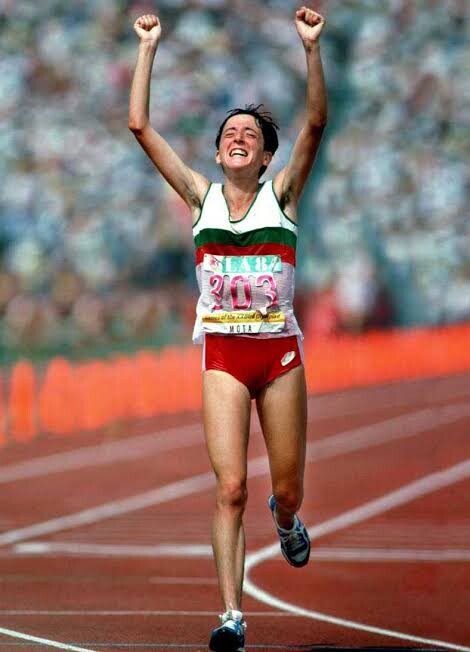
When the inaugural women's marathon was introduced at the 1982 European Championships in Athens, few outside Portugal expected Rosa Mota to be a contender. The race featured some of the finest distance runners of the era, including Norway's legendary Ingrid Kristiansen.
By the end of the race, expectations had been shattered.
Mota stormed to victory, announcing herself on the international stage and beginning a reign that would redefine women's marathon running. It was not merely a breakthrough win—it was the arrival of a champion whose influence would extend far beyond medals and records.
What made Rosa extraordinary was not overwhelming physical dominance. Her greatness stemmed from something deeper: an unbreakable resilience, remarkable tactical intelligence, and an ability to perform under the highest pressure. She carried herself with calm confidence, but beneath that calm was an iron determination that competitors found impossible to match.
Over the next decade, Mota assembled one of the most remarkable résumés in athletics history.
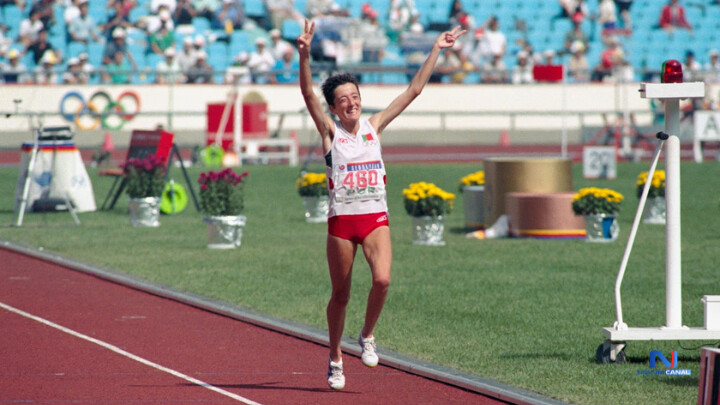
She became European champion, World champion, and Olympic champion—a combination no other woman has ever held simultaneously in the marathon. Her crowning achievement arrived at the 1988 Olympic Games in Seoul, where she produced a masterclass in championship racing.
With just two kilometres remaining, Mota launched a perfectly timed surge that left her rivals with no answer. She crossed the finish line 13 seconds clear of the field, securing Olympic gold and becoming the first Portuguese woman in history to win an Olympic title.
The victory elevated her from national hero to global icon.
Her success did not stop there.
In 1990, she captured her third Boston Marathon title, further cementing her status among the sport's elite. Later that same year, she defended her European Championship crown in Split in dramatic fashion. After building a commanding lead, she was gradually reeled in by Soviet athlete Valentina Yegorova. Yet when the race entered its decisive moments, Mota found another gear and held on to win by five seconds.
The triumph made history.
No athlete—male or female—had ever won three European marathon titles. Rosa Mota became the first.
Numbers alone illustrate the scale of her dominance. During a remarkable ten-year period, she contested 21 marathons and won 14 of them. Consistency at such a level is almost unheard of, particularly in an event as demanding as the marathon.
The sport itself eventually delivered its verdict.
The Association of International Marathons and Distance Races honoured Mota as the greatest female marathon runner of all time, a distinction reflecting not only her achievements but also the profound impact she had on the development of women's distance running worldwide.
Yet despite her accomplishments, her name is not always mentioned as frequently as some of her male contemporaries. It is one of the lingering injustices of sporting history: many pioneering women achieved greatness equal to any champion, yet their stories often received far less attention.
Rosa Mota deserves to be remembered among the sport's immortals.
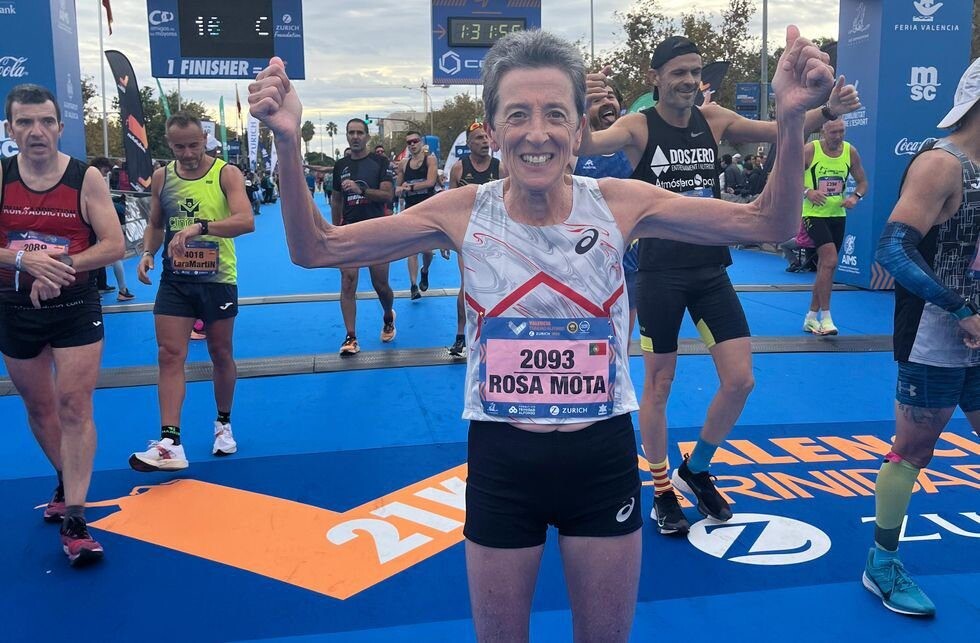
Even after retiring from elite competition, she never drifted far from running. She carried the Olympic flame through Athens in 2004, received the prestigious Abebe Bikila Award for her contributions to long-distance running, and continued competing well into her sixties.
Remarkably, age did little to slow her down.
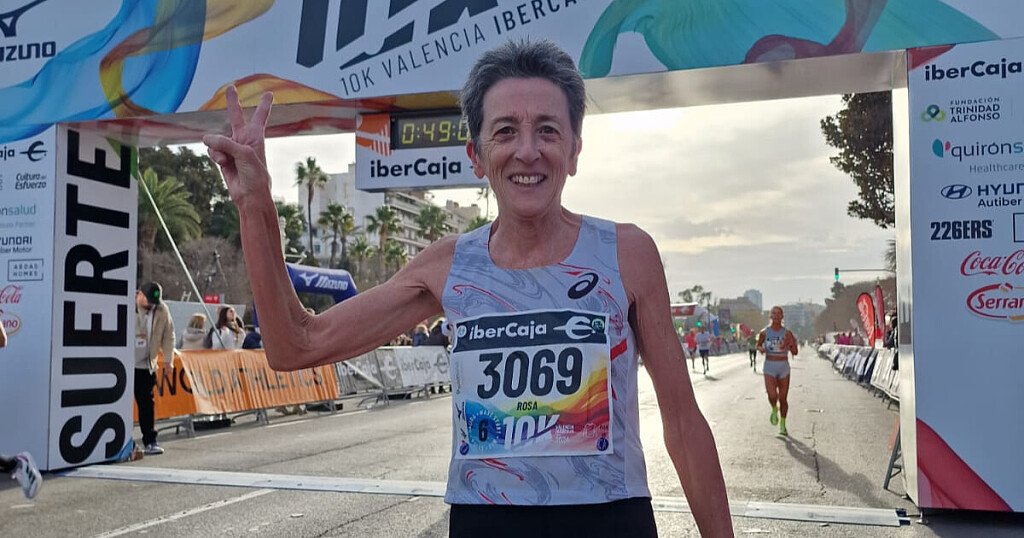
She won the Macau Mini Marathon multiple times and later set a world record for the women's 65–69 age category over 10,000 metres, proving that the spirit which drove her to Olympic glory never faded.
Today, a sports pavilion in Porto proudly bears her name—a fitting tribute to a woman whose achievements transcended generations.
Rosa Mota's story is not simply about medals, records, or championships. It is a story of perseverance. A story of breaking barriers when few believed they should be broken. A story of showing up, year after year, race after race, regardless of the obstacles.
Some champions are remembered because they were loud.
Others are remembered because they changed history.
Rosa Mota did both through the power of her performances alone.
She was a pioneer. She was a trailblazer. She was an Olympic champion.
And for many, she remains the greatest female marathon runner the sport has ever seen.
by Erick Cheruiyot for My Best Runs.
Login to leave a comment
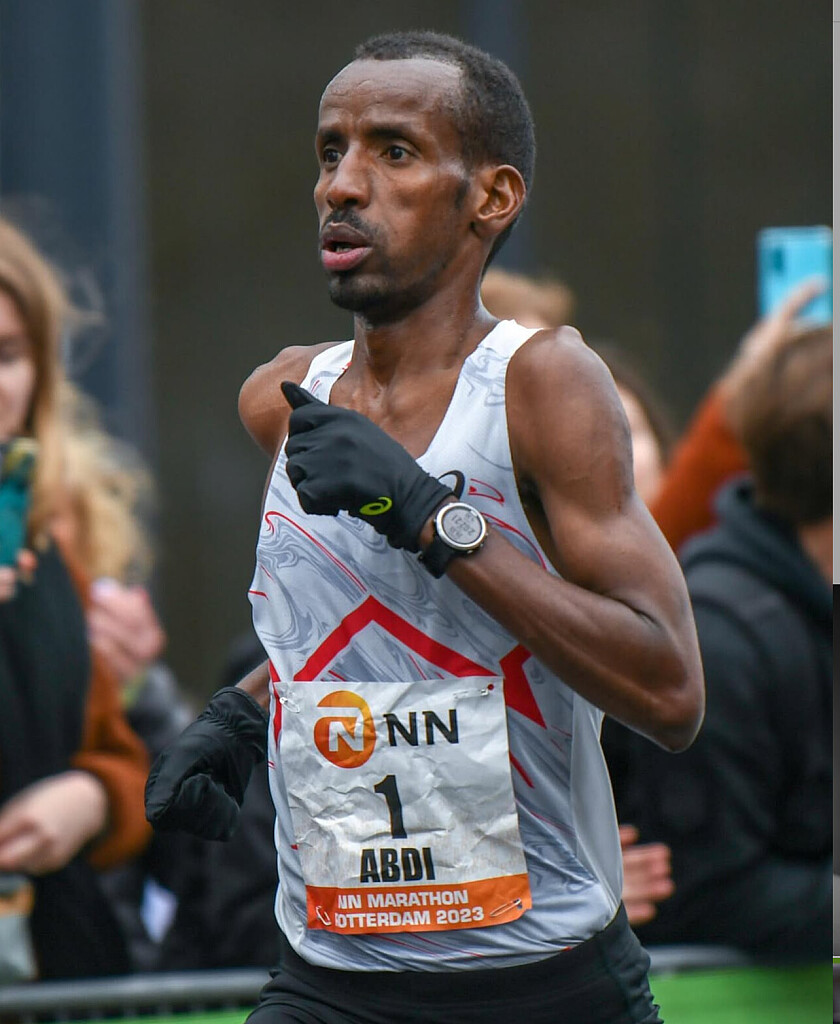
Bashir Abdi Targets European Record and Third Rotterdam Crown in 2026
After an injury-disrupted 2025 season, Bashir Abdi, who represents Belgium, is resetting his sights on a bold and ambitious 2026 campaign—one centered on Rotterdam, records, and redemption.
The two-time Olympic marathon medalist has confirmed his intention to return to the NN Rotterdam Marathon on April 12, where he will seek an unprecedented third victory and renew his pursuit of the European marathon record.
“It’s a special marathon,” Abdi told Sporza.be. “I’ve already run 14 marathons, four of which were here in Rotterdam. It won’t be easy to win here, as there will be a strong field. But I’m especially looking forward to running with a good feeling.”
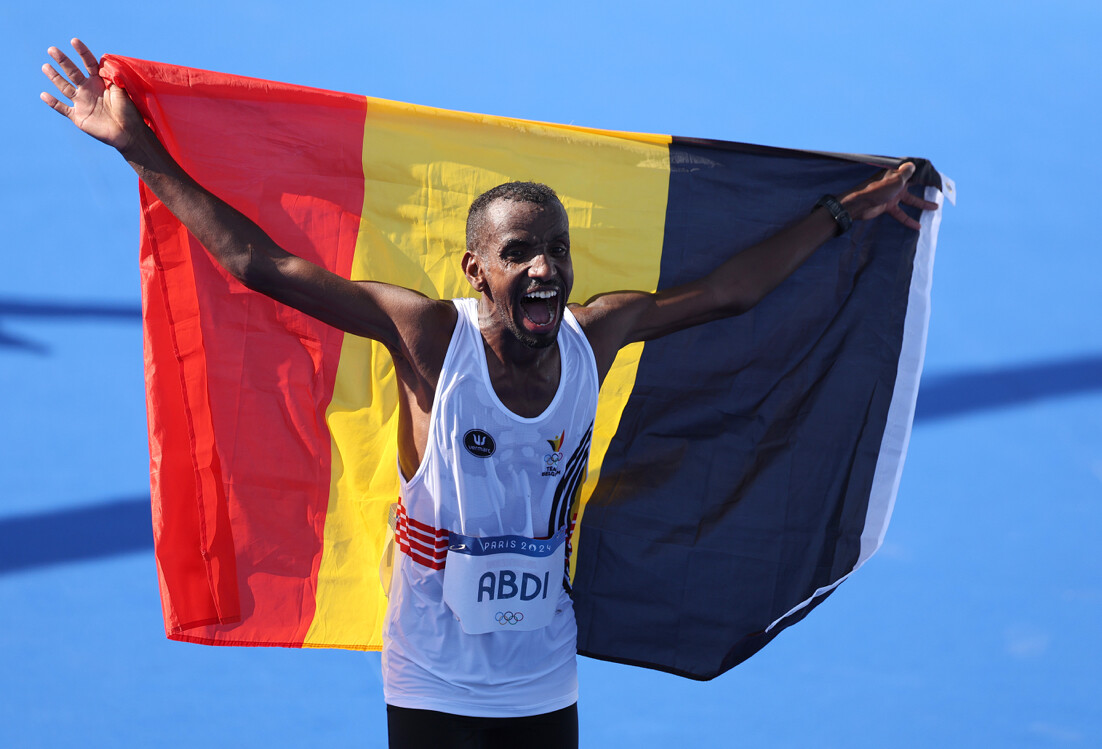
That “good feeling” has been central to Abdi’s career—one built on patience, consistency, and an unusually long peak for a modern elite marathoner.
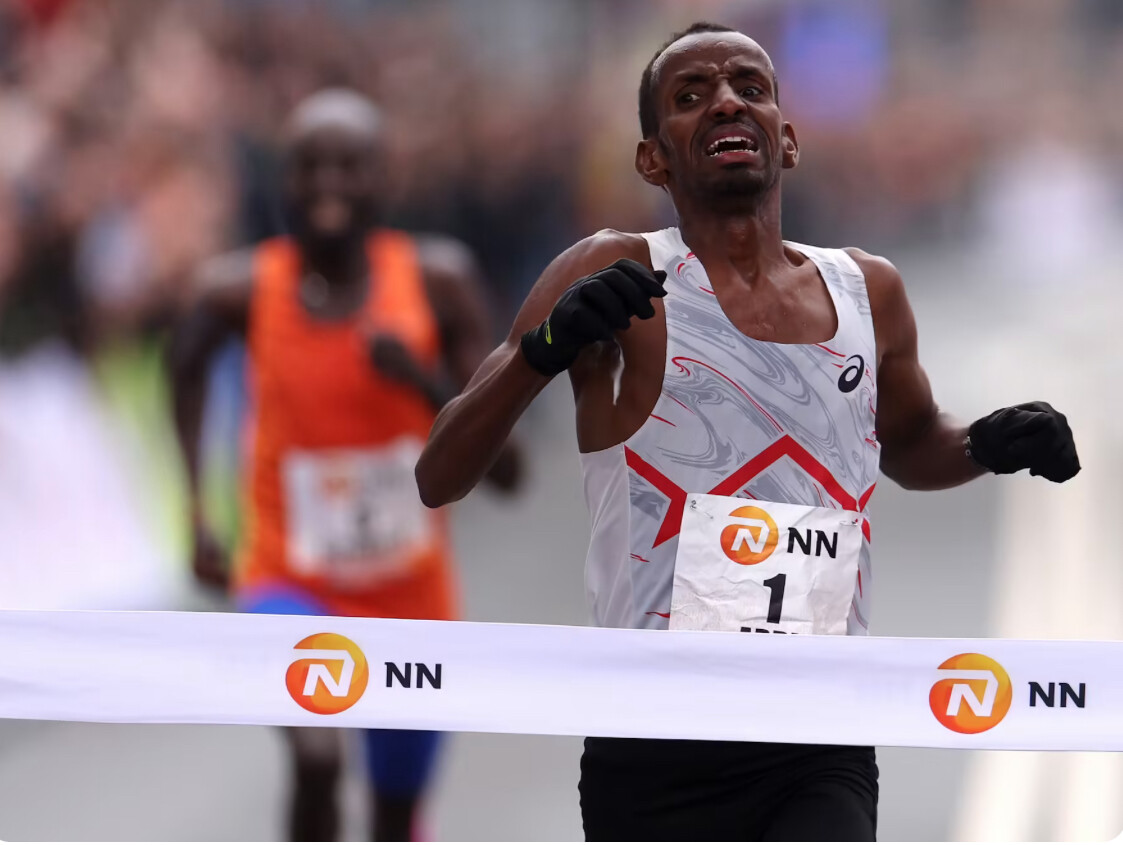
Born in Somalia, Abdi moved to Belgium as a child and later emerged as one of Europe’s most reliable championship performers. While many of his contemporaries built their reputations on a single breakthrough race, Abdi distinguished himself through durability across courses, conditions, and competitive formats. He has repeatedly delivered on the biggest stages, including Olympic Games, World Championships, and major city marathons.
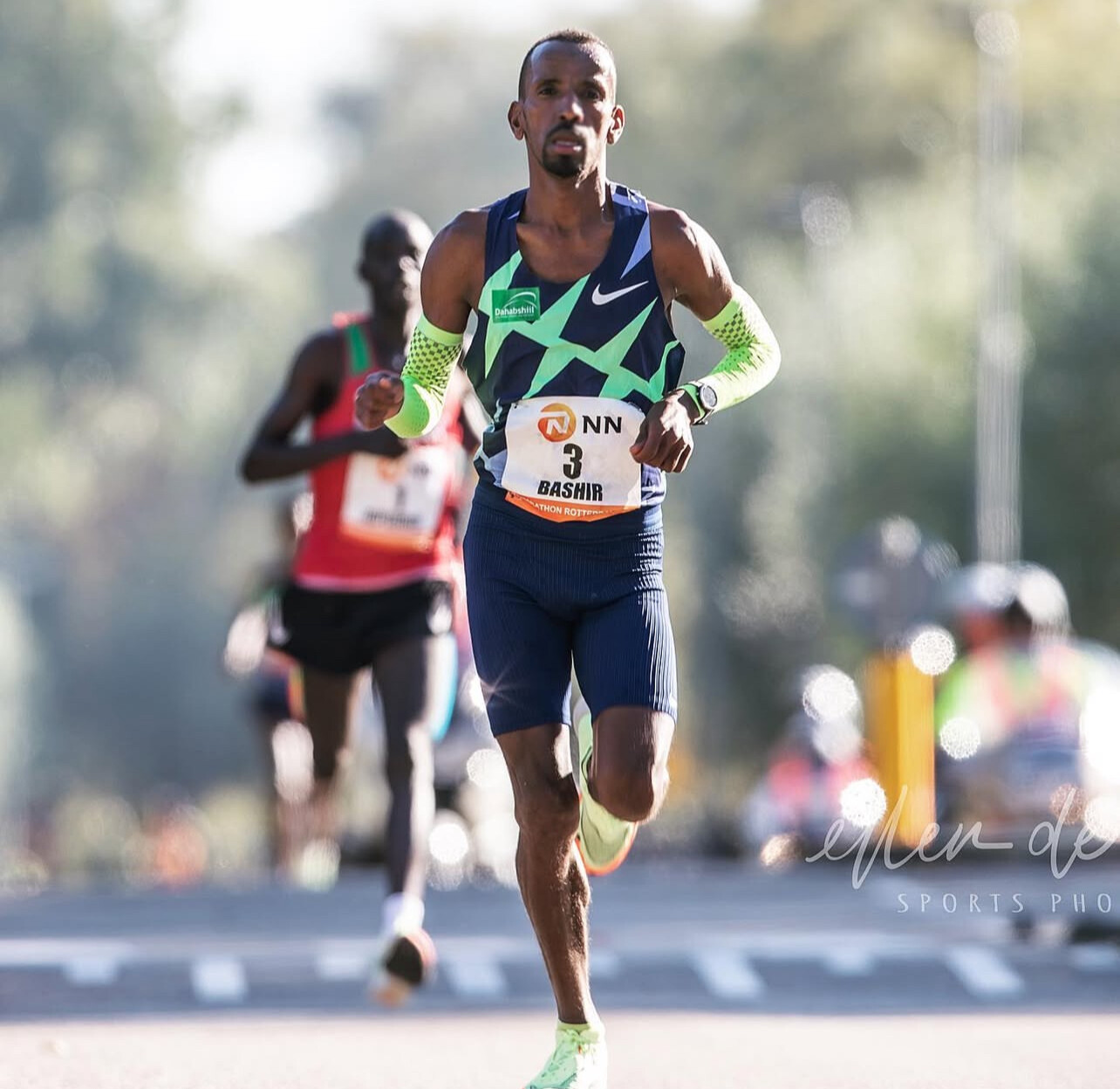
In 2021, just two months after winning Olympic bronze in Tokyo, Abdi produced the defining performance of his career in Rotterdam, winning in 2:03:36 to set a European marathon record. The run confirmed him not only as a medal contender, but as a time-trialist capable of matching the world’s fastest marathon specialists.
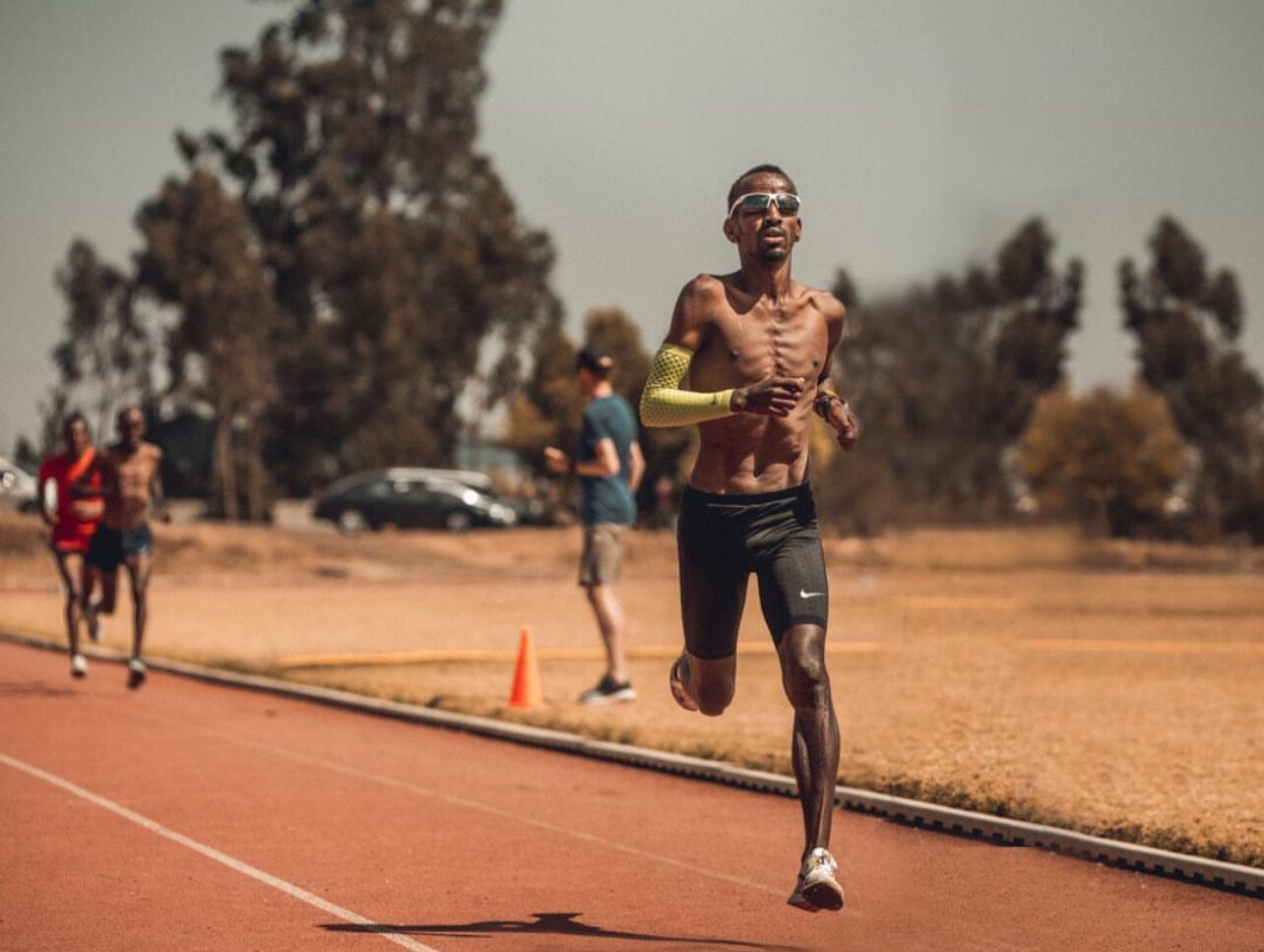
Two years later, he returned to Rotterdam and nearly surpassed his own mark, winning again in 2:03:47—just 11 seconds shy of the European record. That performance reinforced his unique connection to the course and his ability to execute under pressure.
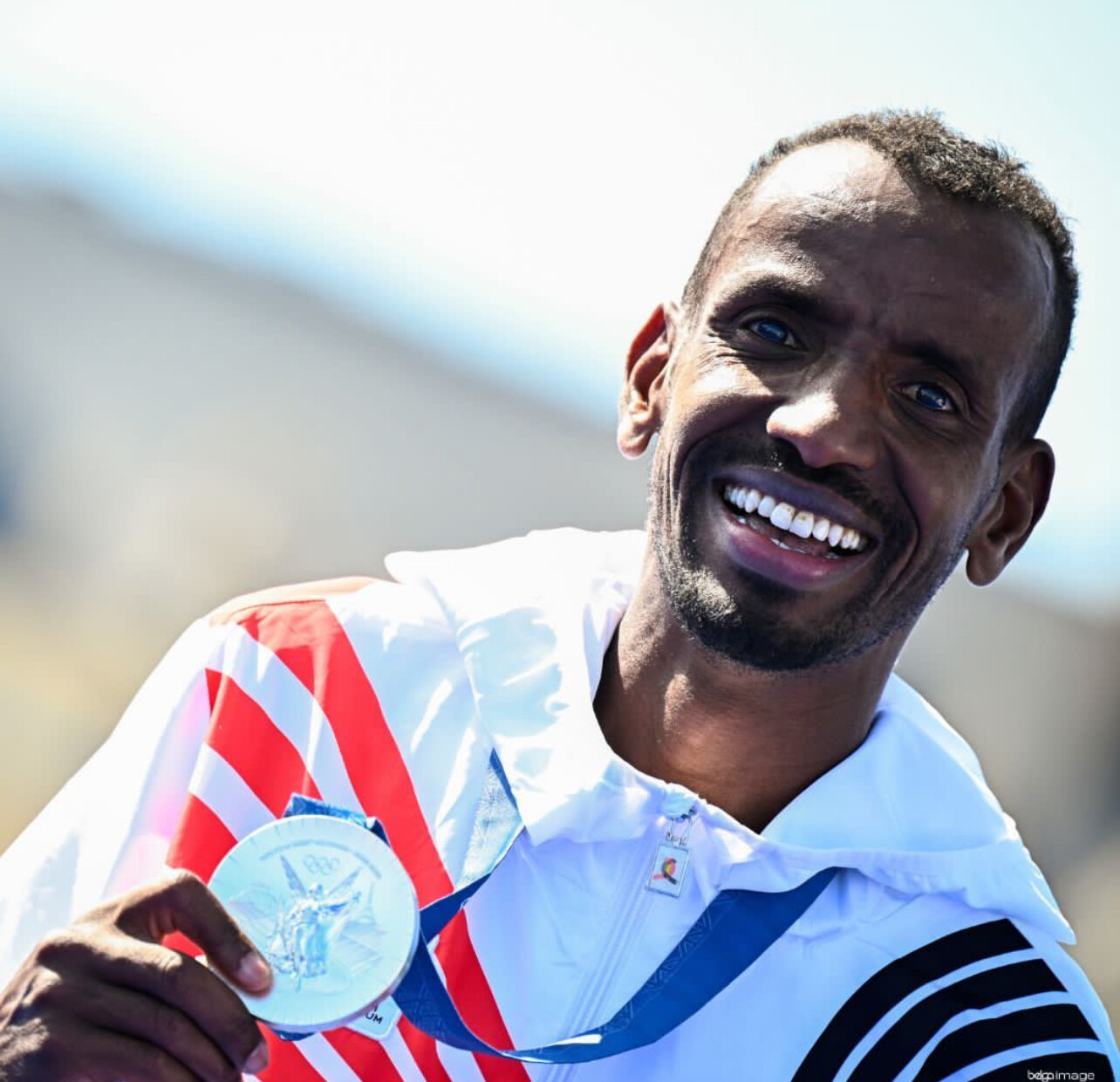
Now 36, Abdi is acutely aware that the margins are tightening.
“I feel many athletes are getting close to that record,” he said. “If I want to hold on to it for a few more years, I have to go faster. Whether it’s in this edition or another time, I don’t know. But my ambition is to break that European record.”
Ahead of Rotterdam, Abdi will test his form in familiar surroundings at the Gent Half Marathon on March 8, using the race as a barometer after a year that never fully came together physically. For a runner whose success has been built on rhythm and continuity, regaining health may be the most important victory of all.
A Course Built for History
Rotterdam’s reputation as one of the world’s fastest marathon courses is long established.
In 1985, Portugal’s Carlos Lopes set a world record of 2:07:12 there. Three years later, Ethiopia’s Belayneh Dinsamo lowered the mark to 2:06:50—a time that stood for a decade. In the women’s race, Tegla Loroupe rewrote history in 1988 with a world record of 2:20:47, ending Ingrid Kristiansen’s long reign.
It is into this lineage of record-breaking performances that Abdi has firmly placed himself—and where he hopes to return once more in 2026.
Bashir Abdi’s 10 Fastest Marathon Performances
• 2:03:36 – 1st, 2021 Rotterdam Marathon
• 2:03:47 – 1st, 2023 Rotterdam Marathon
• 2:04:32 – 3rd, 2023 Chicago Marathon
• 2:04:49 – 2nd, 2020 Tokyo Marathon
• 2:05:19 – 3rd, 2022 London Marathon
• 2:05:23 – 4th, 2022 Rotterdam Marathon
• 2:06:14 – 5th, 2019 Chicago Marathon
• 2:06:47 – 2nd, 2024 Olympic Games (Paris)
• 2:06:48 – 3rd, 2022 World Athletics Championships (Eugene, Oregon)
• 2:07:03 – 7th, 2019 London Marathon
by Boris Baron
Login to leave a comment

NN Rotterdam Marathon
The marathon has been the biggest one-day sporting event in the Netherlands for many years in a row with over 35000 athletes professionals inclusive. The world's top athletes will at the start on the bustling coolsingel, alongside thousands of other runners who will also triumph,each in their own way.The marathon weekend is a wonderful blend of top sport and festival. ...
more...
Brigid Kosgei and Amos Kipruto Lead the Deepest Fields Ever at Haspa Marathon Hamburg
European star Karoline Grovdal targets historic debut
The 39th edition of the Haspa Marathon Hamburg on Sunday promises to be the fastest and most competitive in the event’s history. Headlining the men’s race are Kenya’s Amos Kipruto and Ethiopia’s Kinde Atanaw, both with personal bests under 2:04. Meanwhile, former women’s world record holder Brigid Kosgei leads a stellar women’s lineup, becoming the fastest woman ever to start in Hamburg.
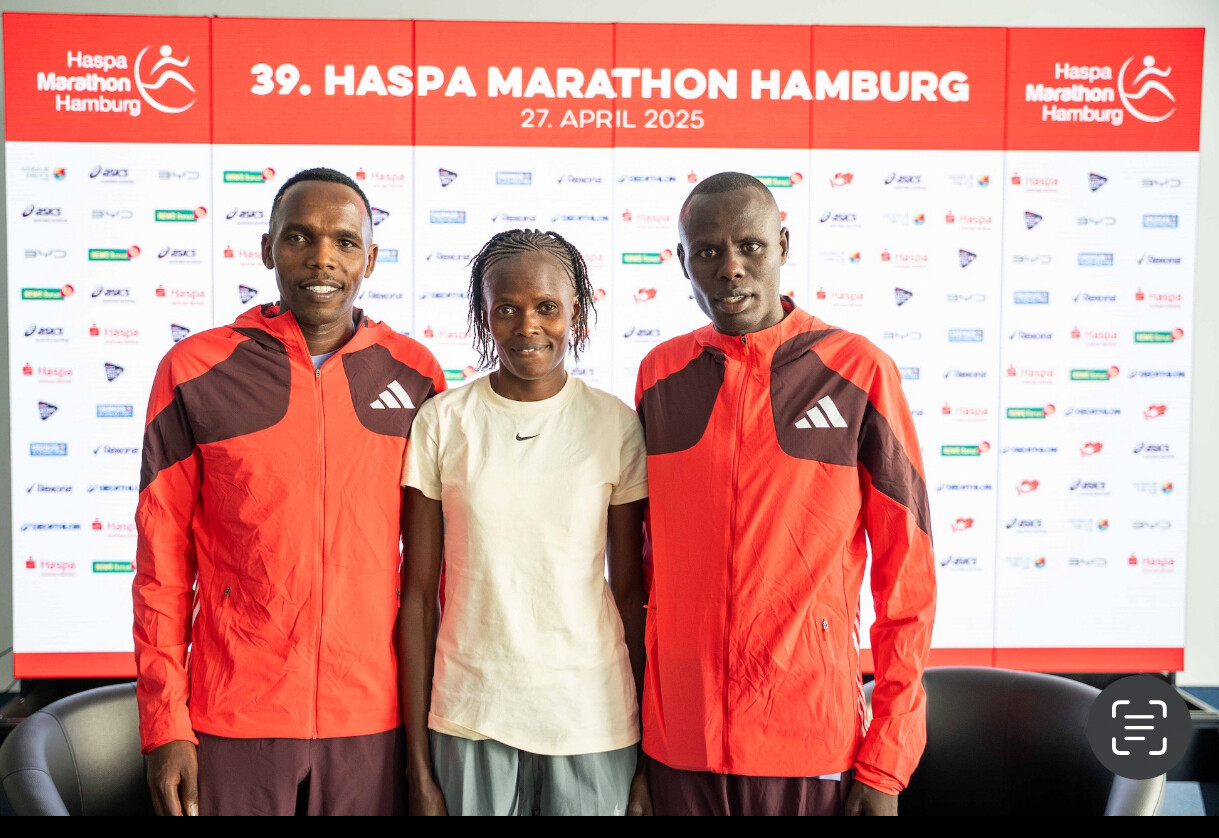
A total of 15,000 runners have entered Germany’s biggest spring marathon, with 38,000 participants across all weekend events—setting a new record. “We are experiencing another running boom, and our elite fields are stronger than ever,” said Chief Organiser Frank Thaleiser.
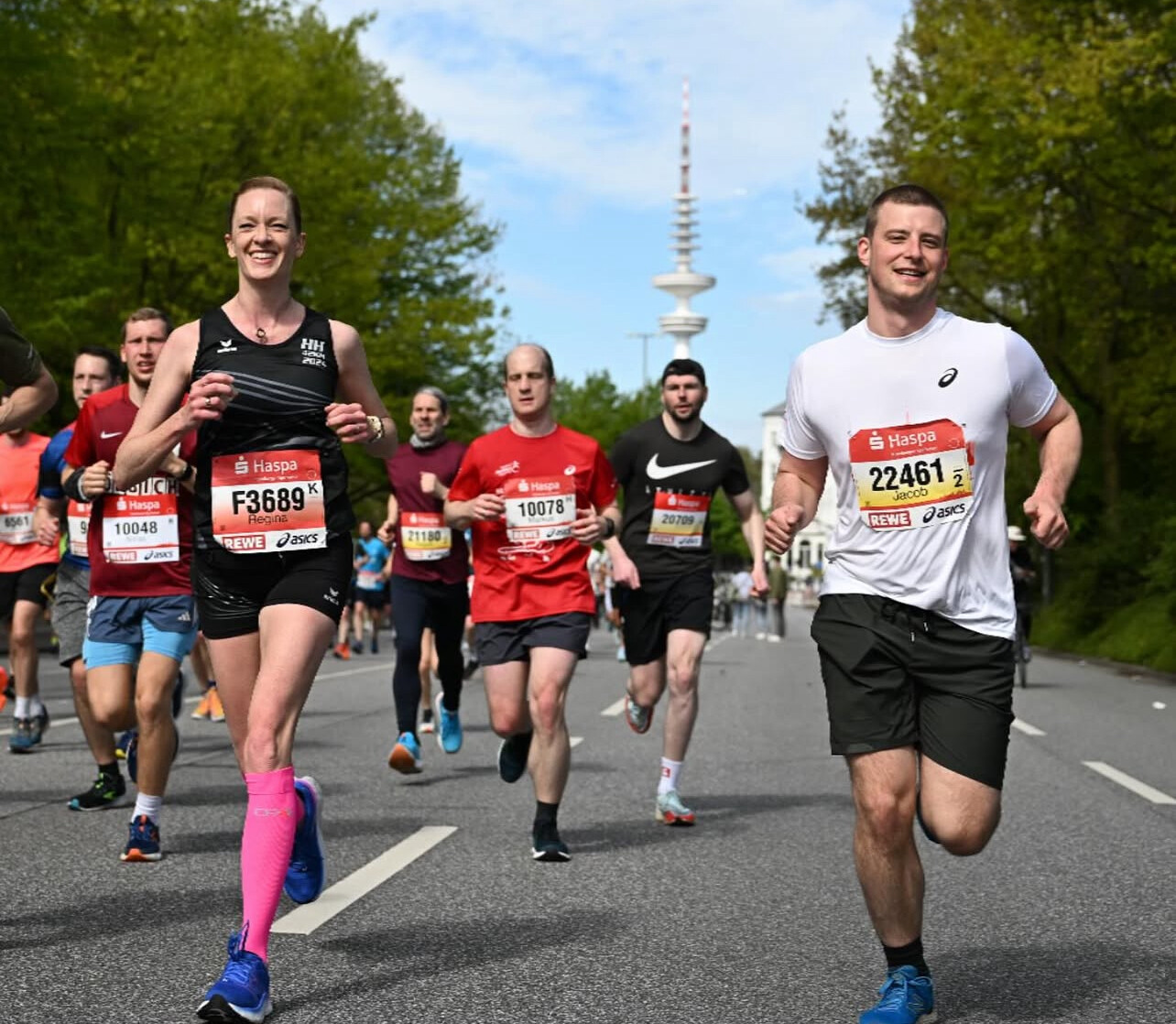
With near-perfect weather conditions forecasted, fast times are expected. The men’s course record of 2:04:09, set by Bernard Koech in 2023, could be under threat, with the potential for Hamburg’s first sub-2:04 performance.
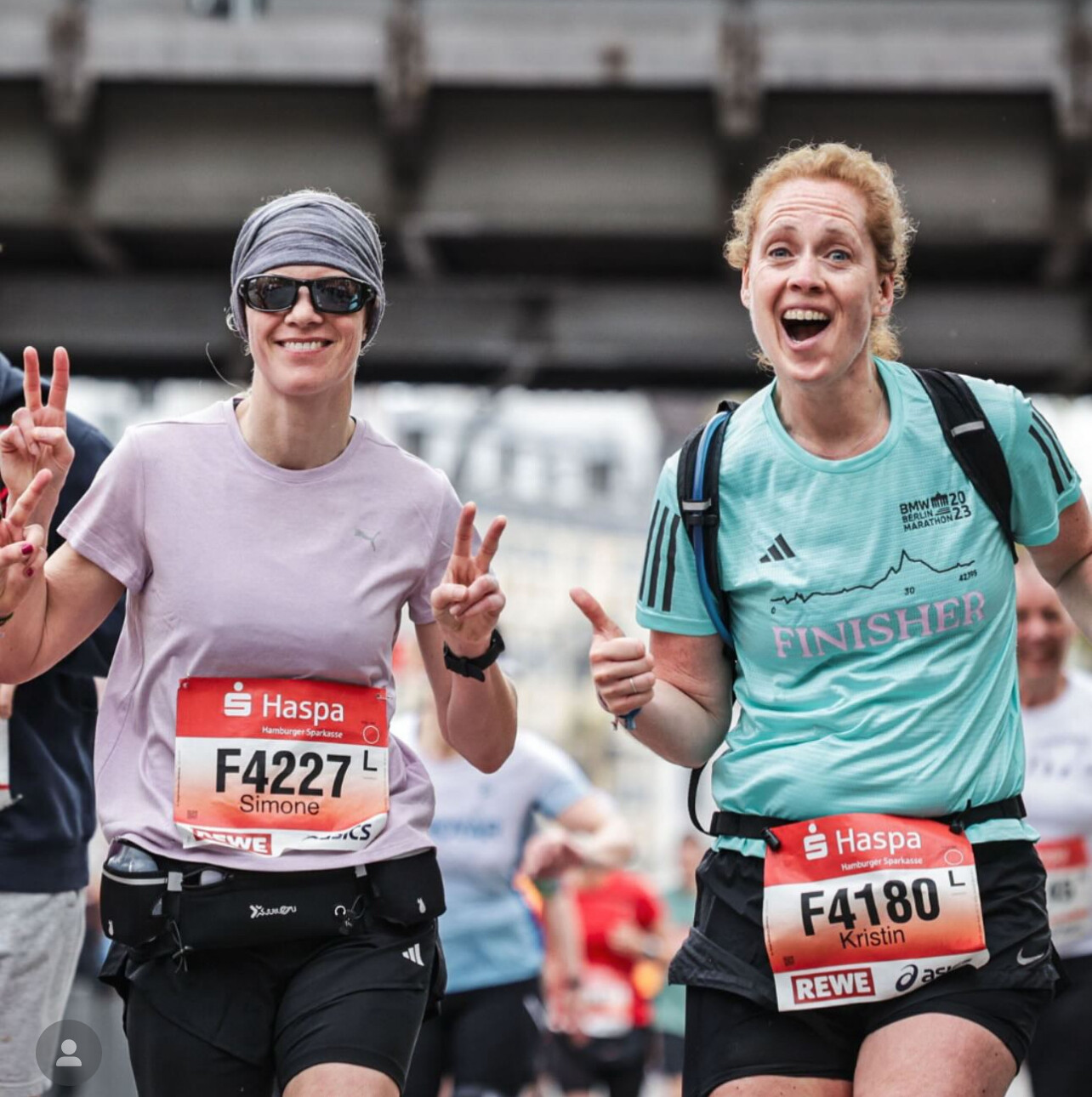
Amos Kipruto, who ran a personal best of 2:03:13 when finishing second behind Eliud Kipchoge in Tokyo 2022, is focused on running fast. “If I had the choice, a personal best would mean more to me than victory,” said Kipruto at the pre-race press conference. He’ll be joined by Kinde Atanaw (2:03:51), Tsegaye Getachew (2:04:49), and Philemon Kiplimo (2:04:56) in chasing the record. Kiplimo, who finished third in Hamburg last year, knows the course well and is aiming for an aggressive second half after a planned 62:00 opening.
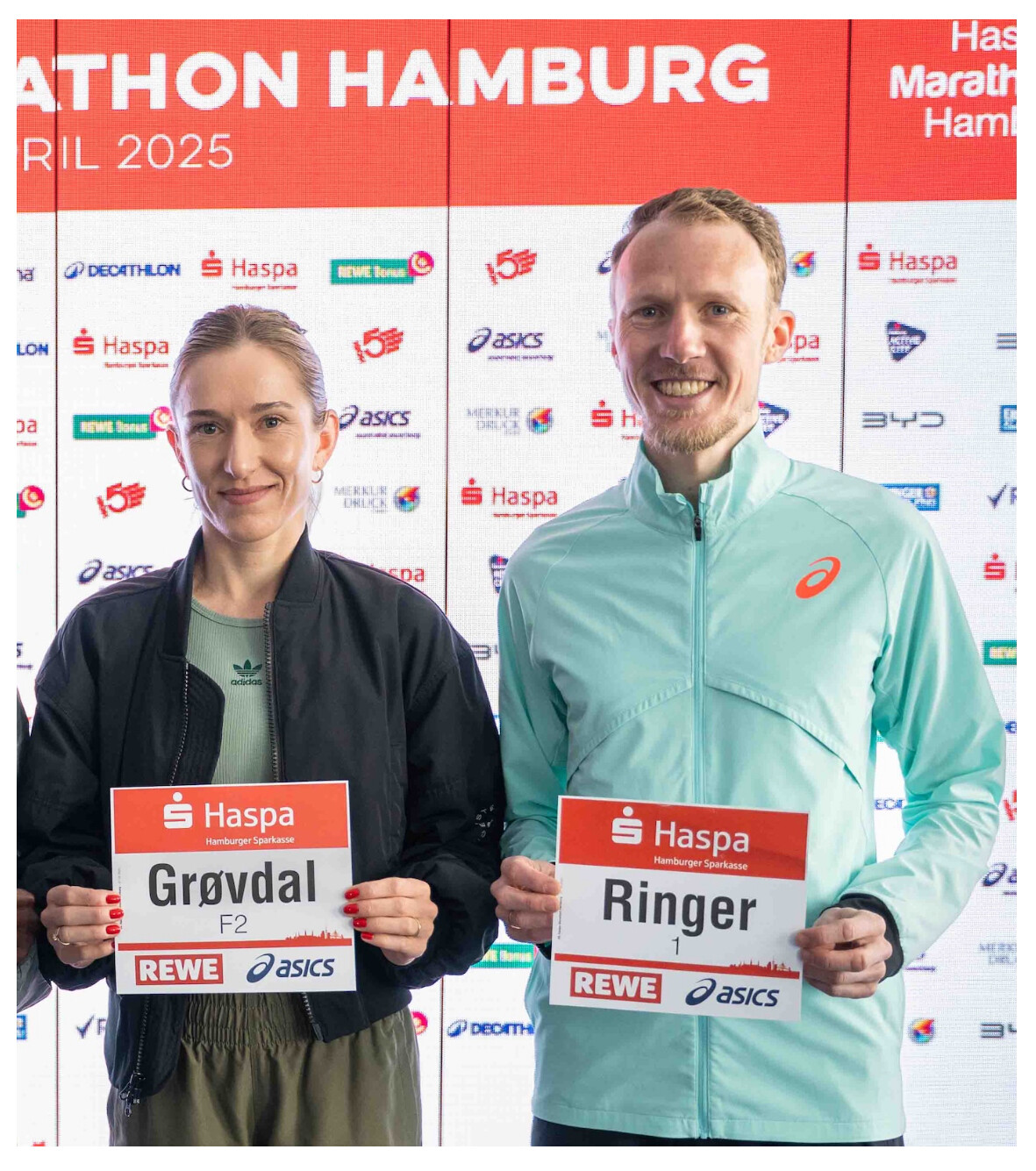
Germany’s top hope is Richard Ringer, the 2022 European marathon champion, who recently improved his personal best to 2:05:46. “I want to improve my Hamburg result from last year and aim to run under 2:07:00,” said Ringer, who also ran a new half marathon PB of 60:51 in Berlin this spring.
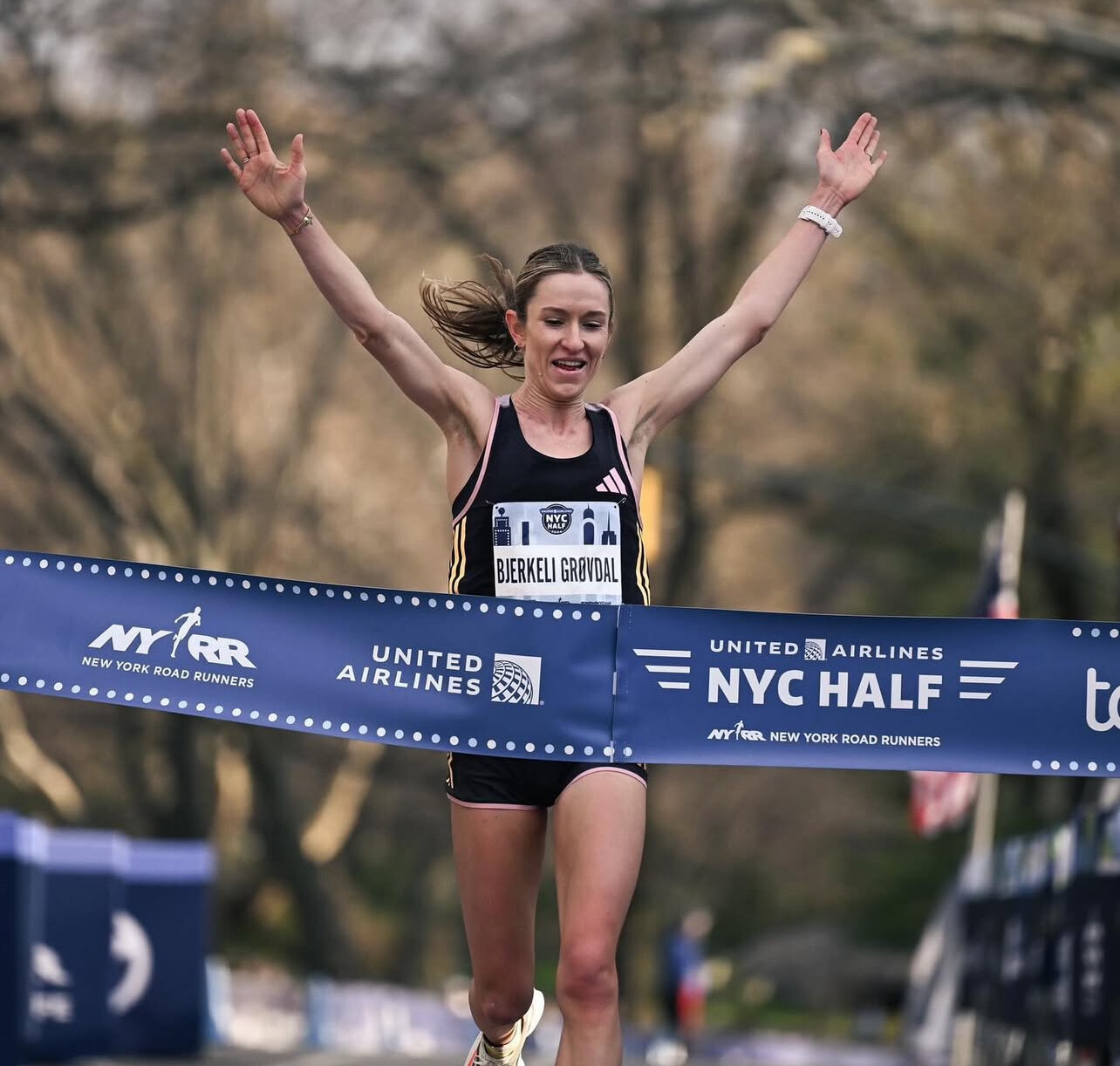
On the women’s side, Brigid Kosgei is back after battling injury, having last raced at the 2023 London Marathon where she clocked 2:19:02. Kosgei, who broke Paula Radcliffe’s long-standing world record with her 2:14:04 performance in Chicago 2019, is confident: “I am fit now and excited to run a good race in Hamburg.”
The women’s course record of 2:17:23, set by Ethiopia’s Yalemzerf Yehualaw in 2022, will be tough to beat, but with Kosgei, Ethiopia’s Workenesh Edesa (2:18:51), and rising star Sichala Kumeshi (2:20:42) in the field, a sub-2:20 finish is very possible. Edesa recently won in Osaka with 2:21:00 and is aiming to go faster, while Kumeshi is coming off a strong victory in Houston under tough conditions.
A major European storyline is Norway’s Karoline Grovdal, who will make her marathon debut. Grovdal, a multiple European Champion and last year’s half marathon gold medalist in Rome, is targeting Ingrid Kristiansen’s legendary Norwegian record of 2:21:06—set in London back in 1985 when it was a world record.
Elite Field Highlights
Men:
Amos Kipruto (KEN) – 2:03:13
Kinde Atanaw (ETH) – 2:03:51
Tsegaye Getachew (ETH) – 2:04:49
Philemon Kiplimo (KEN) – 2:04:56
Kebede Tulu (ETH) – 2:05:19
Goitom Kifle (ERI) – 2:05:28
Richard Ringer (GER) – 2:05:46
Others include Awet Habte (ERI, 2:06:25), Felix Kibitok (KEN, 2:06:28), and Julien Wanders (SUI, 2:11:52)
Women:
Brigid Kosgei (KEN) – 2:14:04
Workenesh Edesa (ETH) – 2:18:51
Etagegn Woldu (ETH) – 2:20:03
Sichala Kumeshi (ETH) – 2:20:42
Karoline Grovdal (NOR) – Marathon Debut
Others include Shitaye Eshete (BRN, 2:21:33) and Natasha Cockram (GBR, 2:26:14)
by Race News Service with Boris Baron
Login to leave a comment
Haspa Marathon Hamburg
The HASPA MARATHON HAMBURG is Germany’s biggest spring marathon and since 1986 the first one to paint the blue line on the roads. Hamburcourse record is fast (2:05:30), the metropolitan city (1.8 million residents) lets the euphoric atmosphere spill over and carry you to the finish. Make this experience first hand and follow the Blue Line....
more...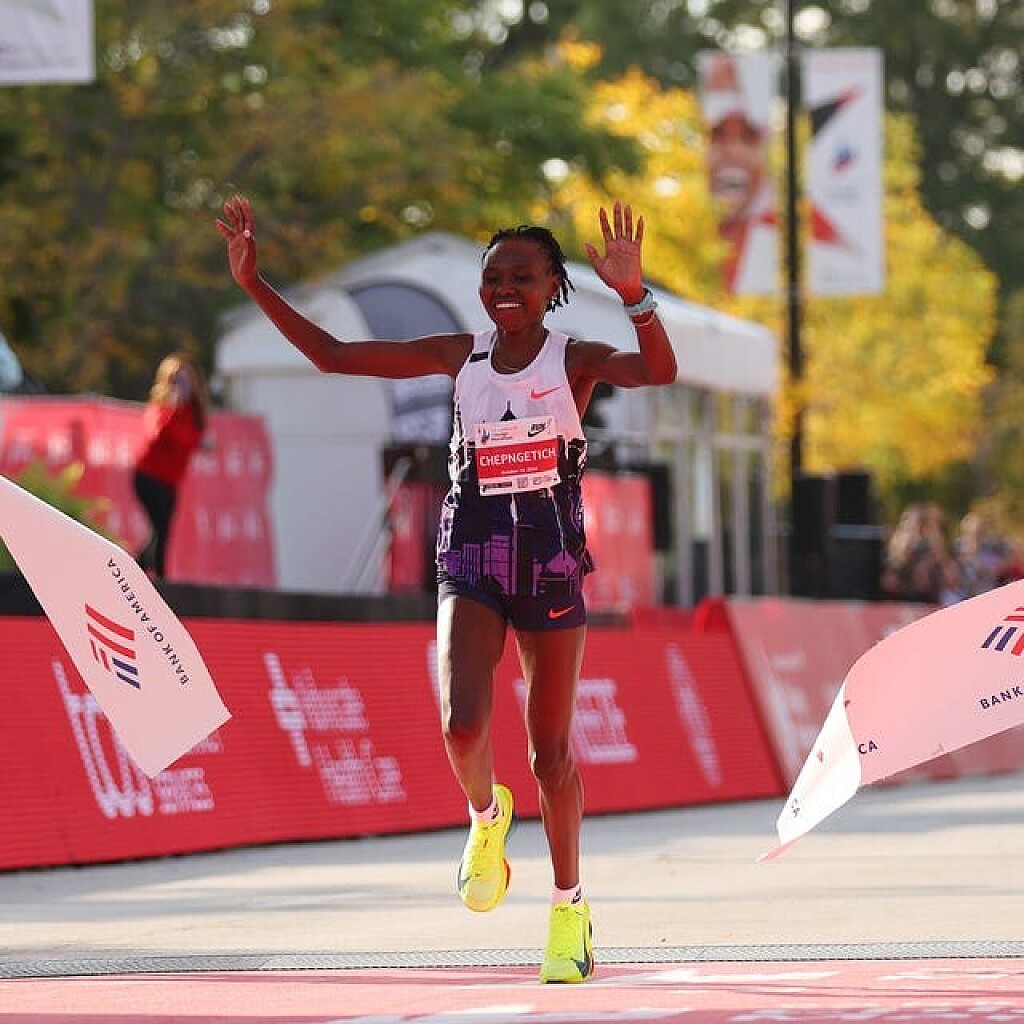
MARATHON GROUNDBREAKERS
Since Australia’s Derek Clayton ran history’s first sub—2:10 marathon in Fukuoka, Japan, on 3 December 1967, there have been a total of 4538 sub—2:10 marathons (as of 30 October 2024), 4537 by men, one by a woman.
As with any new ground-breaking performance, Ruth Chepngetich’s 2:09:56 in Chicago on 13 October has forced us to reassess all our past assumptions, or, like many, to doubt the validity of the performance itself. But no matter how we got here, to whatever you want to ascribe it, this is where we are now, 2:09:56 by a woman.
In this new reality, until proven otherwise, Ruth Chepngetich is the new Paula Radcliffe, just as Paula was the new Grete Waitz, one ground-breaker to the next, 1978 to 2003 to 2024.
There have been many talented women champions through the years besides those three, including all the pioneers who had to overcome centuries of gender bias that restricted women from even showing their stuff.
But in terms of pure ground-breaking, the 1978 New York City Marathon drew a bright line between what once was and what would be.
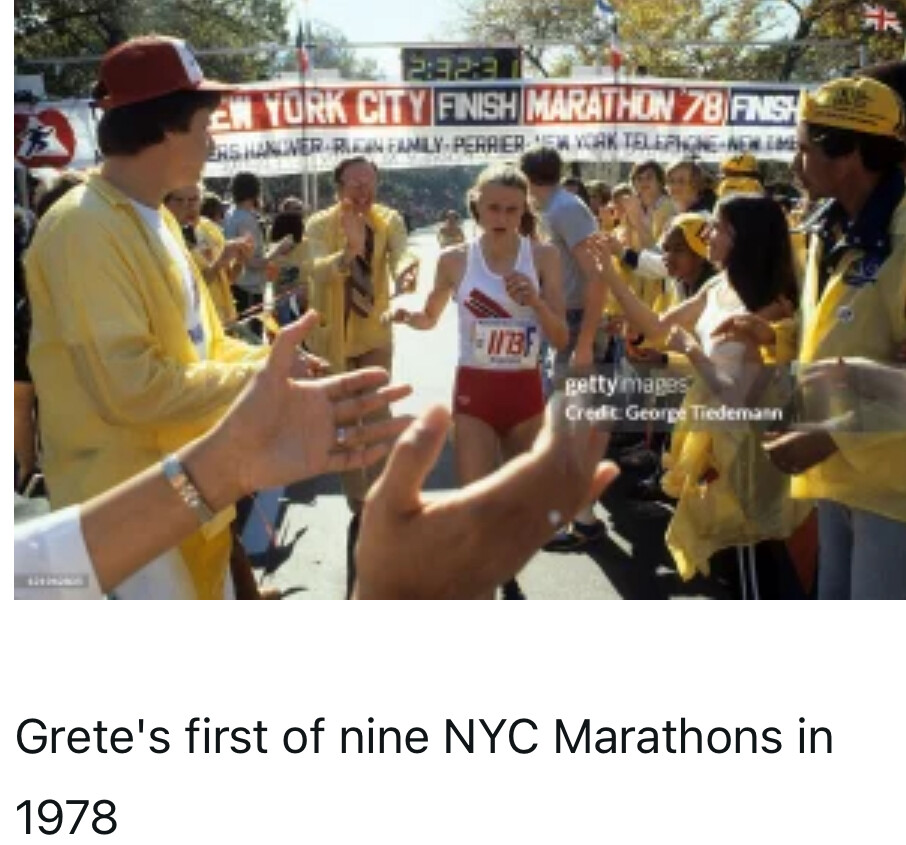
On 22 October 1978, Norway’s track and cross-country star Grete Waitz participated in the marathon for the first time, almost on a whim, as the trip was more of a honeymoon for her and husband Jack after the long track season.
The 2:32:30 world record Grete ran that day was totally unexpected by both the public and Grete herself. She wore bib #1173, wasn’t included on the list of elite women, and came with no specific marathon preparation (not a single run over 13 miles). In fact, she was so upset with husband, Jack, for suggesting she come run the marathon that she threw her shoes at him in the hotel room following her victory.
Still, like almost all debuting marathoners, after a short period of recovery and reflection, Grete concluded she could probably improve next time.
Thus, in New York 1979, following a more careful preparation, Grete ripped nearly five full minutes off her 1978 mark to record history’s first sub—2:30 by a woman at 2:27:33. Her margin of victory over England’s Gillian Adams was 11 minutes (2:38:33). The combination of the mild-mannered former geography teacher from Oslo and the raucous New York City crowds proved transformative, elevating women’s running to heights previously unimagined.
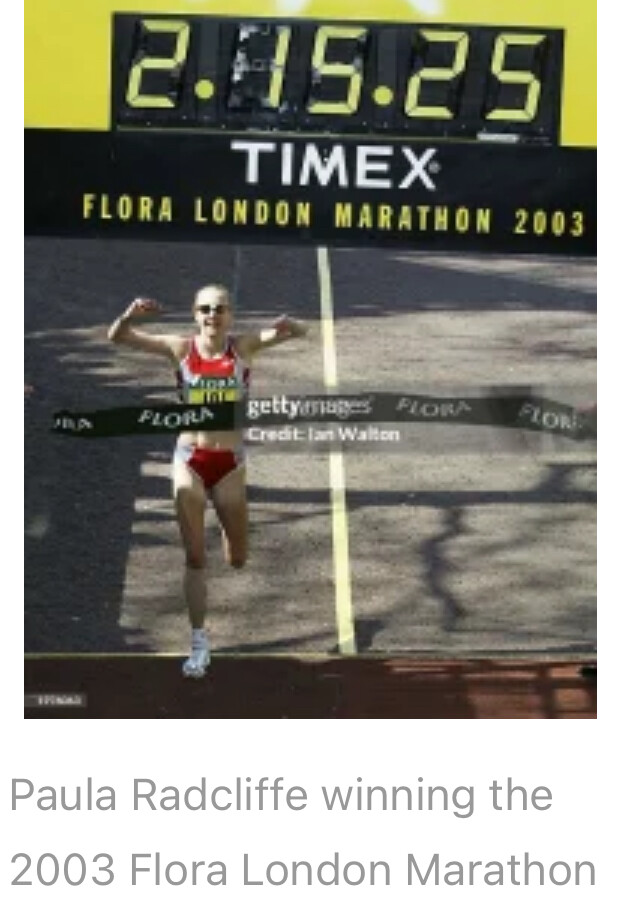
Though Japan’s Naoko Takahashi broke the 2:20 barrier for women in Berlin 2001, after Norway’s Ingrid Kristiansen (2:21:15, London ‘85), America’s Joan Benoit Samuelson (2:21:21, Chicago’85), and Kenyan Tegla Loroupe (2:20:43, Berlin ‘99) all challenged the barrier in the 1980s and ‘90s, it was England’s Paula Radcliffe who established new headlands in the marathon in London 2003 with her 2:15:25.
Nearly two minutes faster than her own 2:17:18 record from Chicago the year before, her 2:15 arced away from Catherine Ndereba’s 2:18:47 from Chicago 2001, completed just one week after Takahashi’s first sub-2:20 in Berlin.
The quality of Paula’s 2:15 can be seen in the 16 years and an entire shoe technology revolution that developed before Kenya’s Brigid Kosgei did Paula one better in Chicago 2019 at 2:14:04. That performance plowed new ground again. And now we have Ruth Chepngetich in Chicago 2024 with history’s first sub-2:10, just a year after Ethiopia’s Tigst Assefa’s first sub—2:12 in Berlin `23 (2:11:53).
Twice before, Chepngetich had come to Chicago with world record intentions. In 2022, she won the race in 2:14:18, just 14 seconds off Kosgei’s record. In 2023 she finished second in 2:15:37. On both occasions she flew through halfway under 66 minutes, only to falter in the second half. Perhaps she was a close reader of Malcolm X.
“There is no better teacher than adversity. Every defeat, every heartbreak, every loss, contains its own seed, its own lesson on how to improve your performance the next time.” – Malcolm x
In simple terms, making innovative strides in athletics requires time, experimentation, and reviewing, similar to how new scientific theories are examined before full acceptance. But women just haven’t been at the marathon game long enough to produce a large enough sample size to define their outer limits with any accuracy. They are barely two generations in since 1978.
Men have been competing for a much longer time with a much larger sample size.
Though Eliud Kipchoge surpassed the two-hour barrier in Vienna in 2019, that was accomplished as an exhibition, not a sanctioned race. In that sense, we are still awaiting the next barrier breaker on the men’s side in the Marathon.
Looking back, England’s Jim Peters stands as the first modern barrier breaker with his 2:18:40 win at the 1953 Polytechnic Marathon between Windsor and Chiswick in West London, England, history’s first sub—2:20.
Next was Ethiopia’s Abebe Bikila, the legendary double Olympic victor in Rome 1960 and Tokyo 1964. His 2:15:17 in Rome still stands as the barefoot marathon world record.
Next came Australia’s Derek Clayton, the first man under both 2:10 and 2:09. His 2:08:34 from Antwerp 1969 lasted for 12 years, holding off challenges throughout the entire Running Boom era headed by Americans Frank Shorter and Bill Rodgers.
Though never world record holders, the two Americans dominated the 1970s boom era, Shorter through the first half, Rodgers the second.
The Eighties were the last decade of international marathon champions: American (Al Salazar, Greg Meyer); European (Steve Jones, Carlos Lopes); Japanese (Toshihiko Seko and the Soh brothers); and Australian (Rob de Castella). Kenya’s Joe Nzau won Chicago in 1983 in a thrilling duel with England’s Hugh Jones when Chi-town was still developing its reputation as a world class event.
Ibrahim Hussein set new records in Honolulu and kick-started the Kenyan marathon revolution
The full East African deluge didn’t begin until 1987 and ‘88 when Kenya’s Ibrahim Hussein (already a two-time and soon to be three-time Honolulu Marathon champion) became Africa’s first New York City and Boston Marathon winner and Ethiopia’s Belayneh Dinsamo set the world record, 2:06:50, in Rotterdam 1988 that lasted over a decade.
The list of marathon stars from other nations scaled back markedly in the 1990s. Mexico had its turn at the top via greats like Dionicio Cerón (1994-`96 London champion), and back-to-back New York Ciy winner German Silva (1994 & 1995).
Moroccan-born American Khalid Khannouchi twice ran a world marathon record, first in Chicago 1999 (2:05:42), then three years later in London 2002 (2:05:38). And who could forget the personable Brazilian, Marílson Gomes dos Santos, who won New York City twice in 2006 & 2008, or Meb in NYC `09 and Boston 2014??
But the United Nations pickings get rather meager after that as East African athletes have had a stranglehold on the sport of marathoning, most dominatingly by Kenya’s Eliud Kipchoge. His run of sustained excellence over 42.2 kilometers was, and is, unprecedented in its longevity, including double gold in Rio 2016 and London 2020. And his last world record of 2:01:09 in Berlin 2022.
Sadly, the current record holder, Kelvin Kiptum, died in a car accident in February 2024 after establishing the 2:00:35 world record in Chicago 2023.
With the 2024 TCS New York City Marathon scheduled this weekend, we don’t expect to see any record performances. Yet, all the above is why we follow the game, isn’t it, to witness the arc of improvement over time, while hoping to discover a new name to remember? It’s as valid a focus as any other in this life.
And despite its many flaws and corruptions, the sport of marathoning retains an innate dignity that many endeavors do not. People may have bruised, battered, and tarnished it in the name of glory and money. But it survives, nonetheless, as a simple reflection of the human drive to achieve more in the quest to discover our best.
Doesn’t always turn out that way, but I don’t think we are done with it quite yet. Onward!
by Toni Reavis
Login to leave a comment
Grøvdal and Nordas win over 10km at the Hytteplanmila
Three-time European cross country champion Karoline Bjerkeli Grøvdal dominated the women’s 10km at the Hytteplanmila in Hole on Saturday (19).
Grøvdal won the women’s race - and the Norwegian 10km title with it - in 31:12, winning by over two minutes from 17-year-old super-talent Wilma Anna Bekkemoen Torbiörnss whose time of 33:29 was a Norwegian U18 best.
The Hytteplanmila is Grøvdal's traditional opening race to her winter campaign and she has won in Hole no less than 10 times since 2012. It was on this course that she famously smashed Ingrid Kristiansen’s 31-year-old Norwegian 10km record by 27 seconds with a run of 30:32 which is currently fifth the time on the European all-time list and remains the course record.
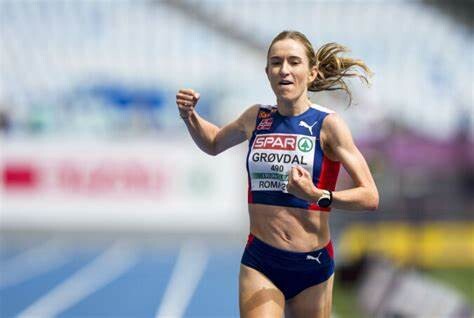
Grøvdal is likely to aim for a fourth successive senior title at the 2024 SPAR European Cross Country Championships in less than 50 days’ time in Antalya, Turkey but the Norwegians will also have a genuine medal hope in Bekkemoen Torbiörns in the U20 women’s race.
Bekkemoen Torbiörnss won bronze in the 1500m at the Banska Bystrica European Athletics U18 Championships and the teeanger concluded her season by clocking Norwegian U18 bests over 1500m (4:09.80) and 3000m (9:03.17).
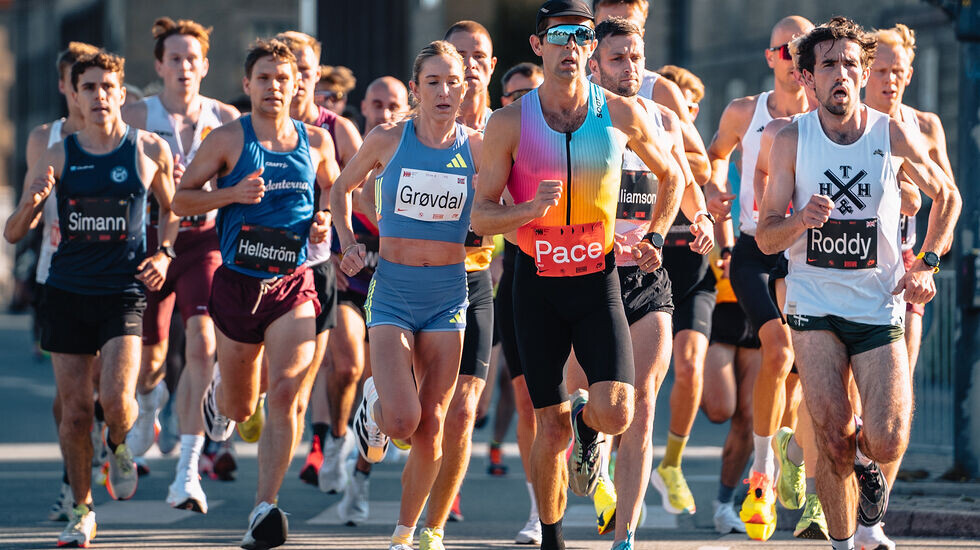
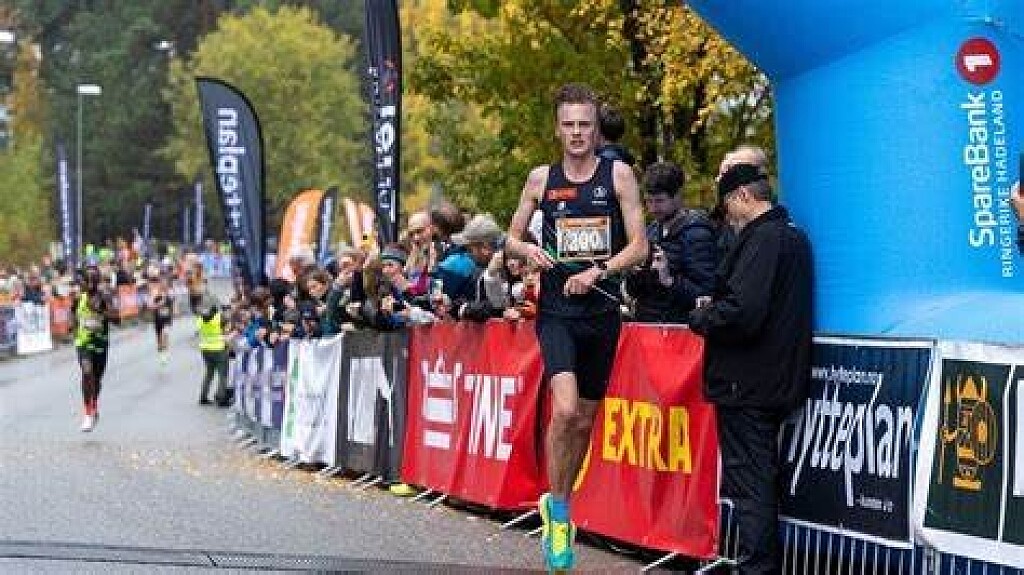
In the men’s race, world 1500m bronze medalist Narve Gilje Nordas won in 28:24 - his four consecutive win - by four seconds from Sweden’s Suldan Hassan (28:28) and Per Svela (28:32).
Former European marathon record-holder Sondre Nordstad Moen was fifth in 28:48.
Elsewhere on the roads…
Just over two months after finishing 26th in the Paris 2024 Olympic Games, Israel’s Maru Teferi finished a close third in the TCS Amsterdam Marathon in a lifetime best of 2:05:42, just behind Ethiopians Tsegay Getachew (2:05:38) and Boki Asefa (2:05:40).
Khalid Choukoud was the first Dutch finisher in 10th in 2:09:30 with Filmon Tesfu a creditable 13th on his marathon debut in 2:10:58.
In her last race of the season, 2022 European 10,000m silver medallist Eilish McColgan finished fourth in the New Delhi Half Marathon in high temperatures and humidity in 69:55.
In conjunction with the Ljubljana Marathon, home favorite and 2019 European U20 5000m champion Klara Lukan impressively won the adjoining women's 10km in 31:49 by over two minutes.
by European Athletics
Login to leave a comment

Hytteplanmila 10k
Three hundred officials are looking forward to welcoming four thousand participants to the 20th edition of Hytteplanmila. The anniversary edition of Hytteplanmila has been awarded the historic first NM 10 kilometer street race, and NM medals will be awarded in U20, Senior and Veteran (35-80 years+)....
more...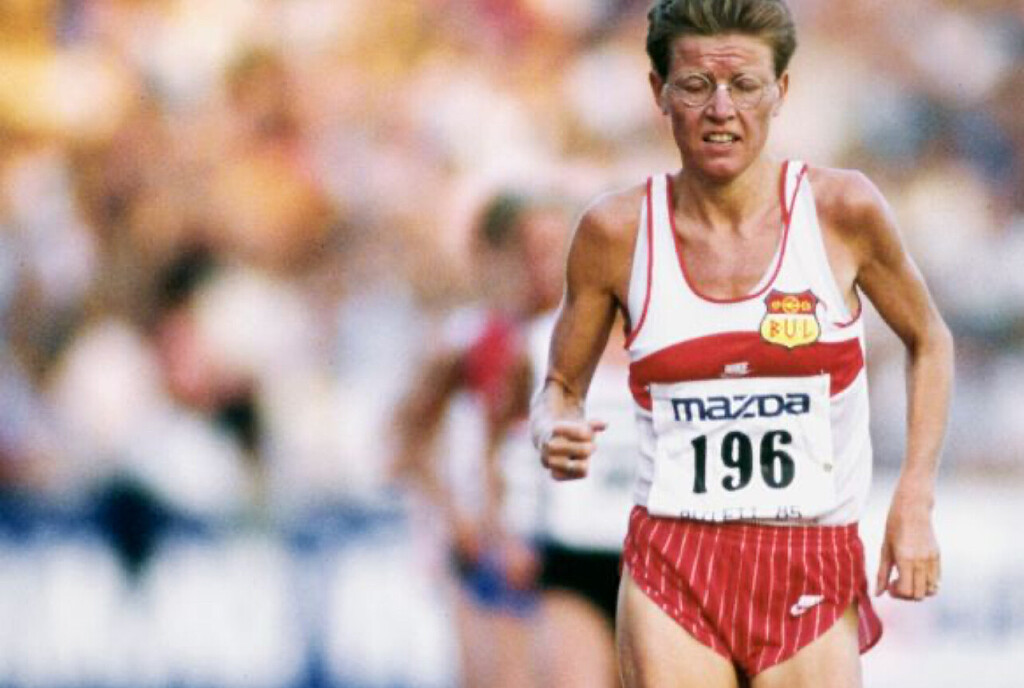
Remembering Kristiansen’s barrier-breaking sub-15-minute 5000m
When Ingrid Kristiansen lined up for the 5000m at the 1984 Bislett Games, she was known as the former international cross country skier who had just become Europe’s fastest ever woman in the marathon.
It was only six weeks previously that the 28-year-old mother from the Viking stronghold of Trondheim had made her major breakthrough in athletics, storming through halfway in the London Marathon in a blistering 1:10:52 en route to a winning time of 2:24:26.
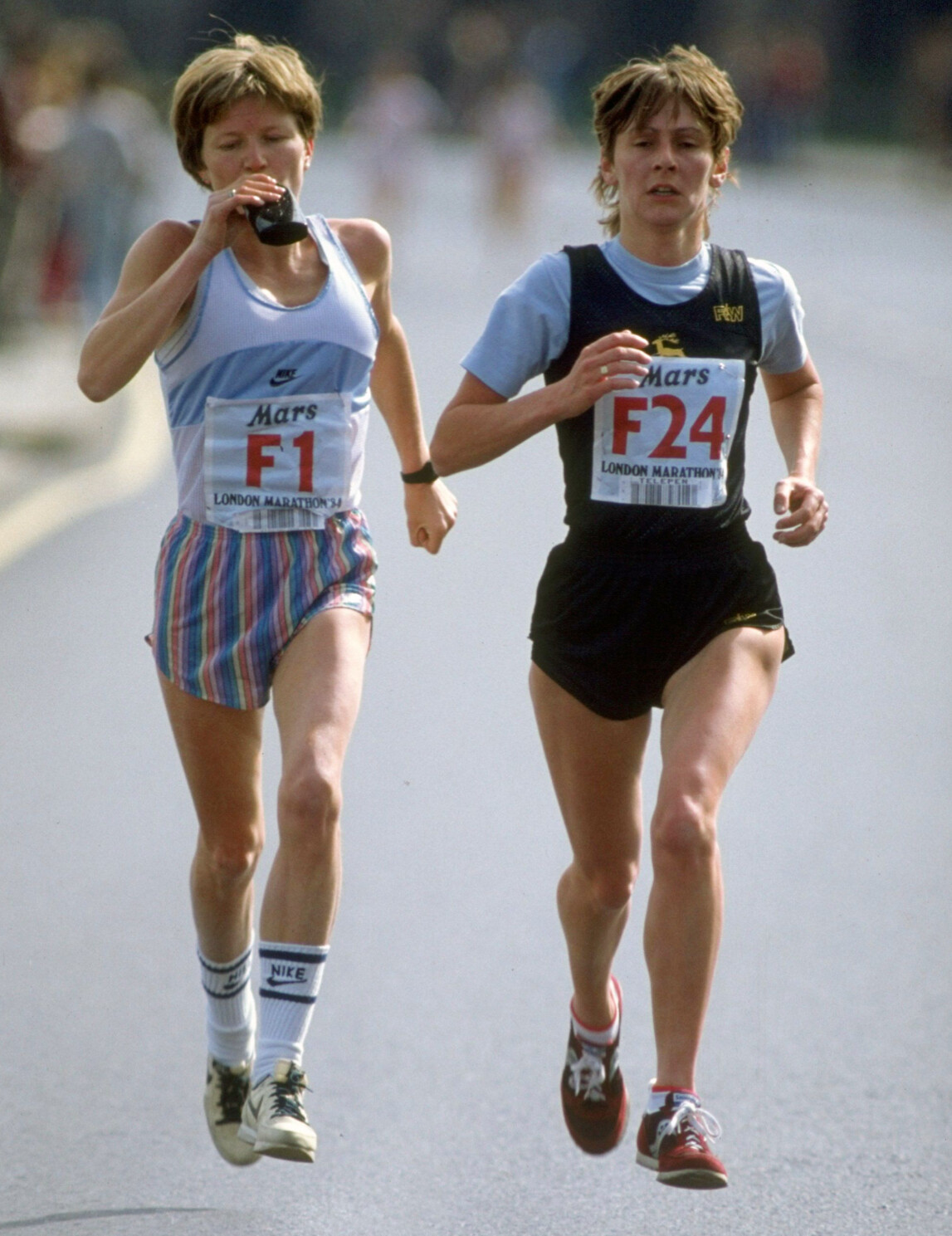
In the process, Kristiansen first peeped out of the considerable shadow of the great Grete Waitz as another formidable Norse to be reckoned with on the global running stage.
The London run elevated her to second spot on the world all-time list, behind the 2:22:43 recorded by Joan Benoit of the US in Boston the previous year, but ahead of Waitz’s Norwegian and European record of 2:25:28.7.
It was only fitting that the burgeoning Kristiansen should claim her first world mark on home ground, in the heart of Norway’s capital city on the hallowed Bislett Stadium track.
That was 40 years ago, on the evening of 28 June 1984.
‘Dead tired… pushed on by the cheers of the crowd’
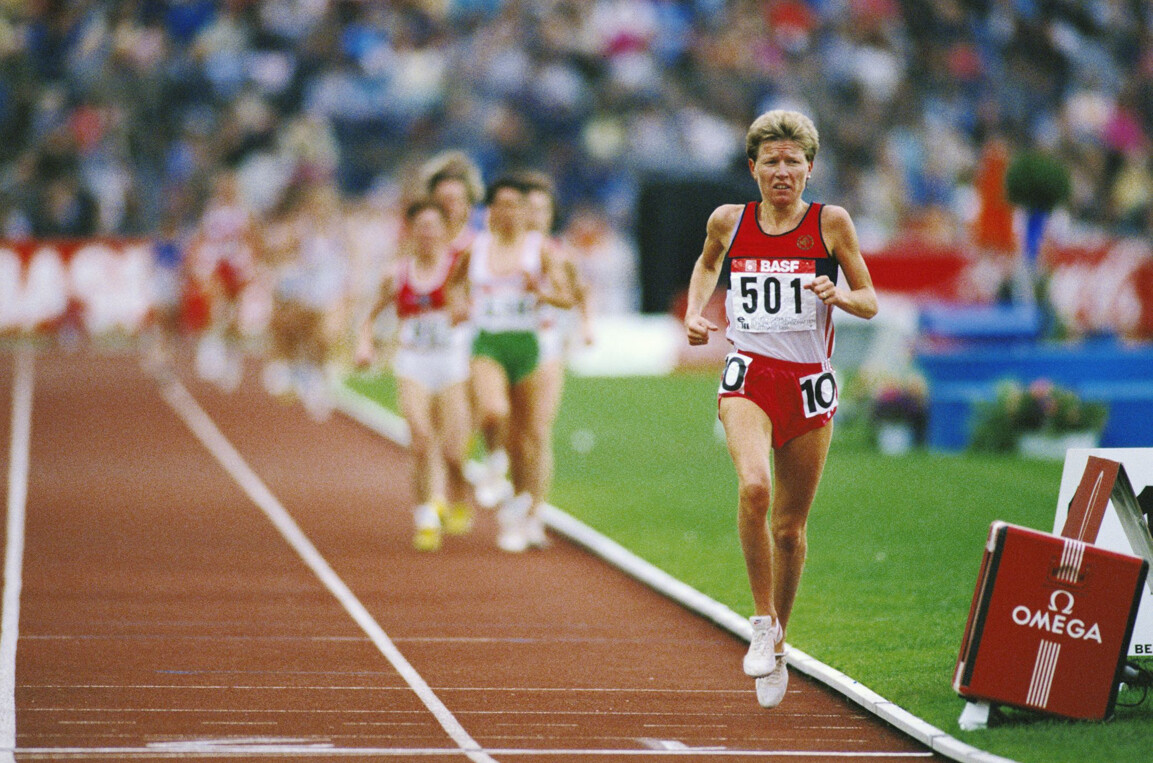
The official world record for the women’s 5000m stood at 15:08.26 – to Mary Decker, or Mary Tabb as she had been when she set the figures on home ground at the 1982 edition of the Pre Classic.
In Apartheid South Africa on 5 January 1984 – and therefore ineligible for recognition – the barefoot Springbok wunderkind Zola Budd had run 15:01.83 in Stellenbosch. By June of the same year, Budd had already become a British citizen and was on her way to being rubber-stamped in the British team for the Los Angeles Olympics.
That night in Oslo, though, Kristiansen’s only rival was the Bislett Stadium clock.
After following Maggie Keyes of the USA through 1000m in 3:02.0, Kristiansen surged clear of the field, reeling off laps of 70-72 seconds.
Passing 3000m in 8:59.8, Kristiansen finished with the flourish of a 68.4 final lap before crossing the line in 14:58.89.
Off marathon training of 170-180km a week, she had become the first woman in history to beat 15 minutes for 5000m.
“I was dead tired during the last two laps but I was pushed on by the cheers of the crowd,” she confessed.
Aurora Cunha, the future three-time world road race champion from Portugal, finished a distant runner up in 15:09.07, followed by Briton Angela Tooby (15:22.50).
Back in sixth was Portugal’s European marathon champion Rosa Mota (15:30.63) – followed by Tooby’s twin sister, Susan (15:44.58), future mother of 2022 world 1500m champion Jake Wightman.
Holding a distance world record triple
Kristiansen was to go quicker over 12.5 laps. At London’s Crystal Palace in 1985, she clocked 14:57.43 but lost the world record to Budd, a clear winner in 14:48.07.
In Stockholm in 1986, however, Kristiansen reclaimed the record with a stunning 14:37.33.
That year she was at her zenith on the track, improving her own 10,000m world record by almost 46 seconds with a 30:13:74 run at Bislett.
Kristiansen was the first runner in history to simultaneously hold world records for 5000m, 10,000m and the marathon.
Returning to the London Marathon in 1985, she brought the women’s 2:20 barrier into sight with a 2:21:06 triumph that stood as a world record for 13 years.
Kristiansen also became the first athlete to claim world titles on the track, on the road and over cross country. Twice a winner of the 15km world road race championship, she won the world 10,000m title on the track in Rome in 1987 and the world cross country crown in Auckland in 1988.
Big heart and big lungs
Many attributed Kristiansen’s phenomenal success to the physiological benefits she had gained from giving birth to her first son, Gaute, in 1983. She felt it was more the edge she had gained from years of competitive cross-country skiing.
“I think it came from my cross-country skiing career,” she asserted. “It gave me a big heart and big lungs, and when I got my legs trained for running I was maybe a little bit ahead of the other runners at the time.”
As a cross-country skiing prodigy, Kristiansen won the European junior title in 1974, was selected as a reserve for the Winter Olympics in Innsbruck in 1976, and finished 15th in the World Championships 20km race in 1978.
She decided to concentrate on competitive skiing for several years after making the Norwegian team for the 1971 European Athletics Championships as a 15-year-old 1500m runner, Ingrid Christensen. But she got bumped off the track in her heat in Helsinki and failed to finish the race.
Her roommate in the Finnish capital was a 17-year-old called Grete Andersen, who finished eighth in the other 1500m heat, missing the cut for the final.
She also made a name for herself in future years: as Grete Waitz, the first of Norway’s barrier-breaking distance-running duo.
by World Athletics
Login to leave a comment
Lots of exciting racing on the streets of New York City and a new course record
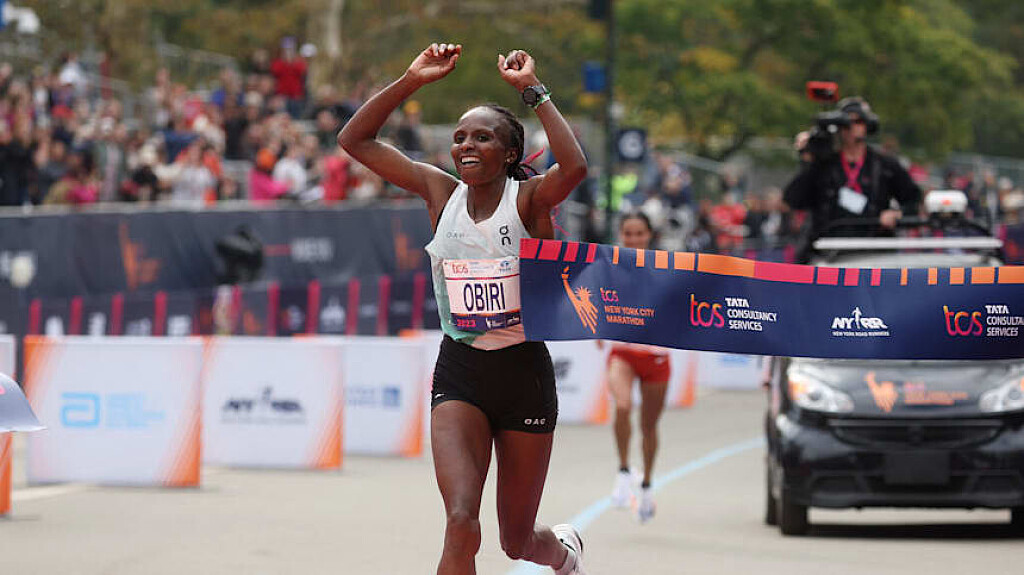
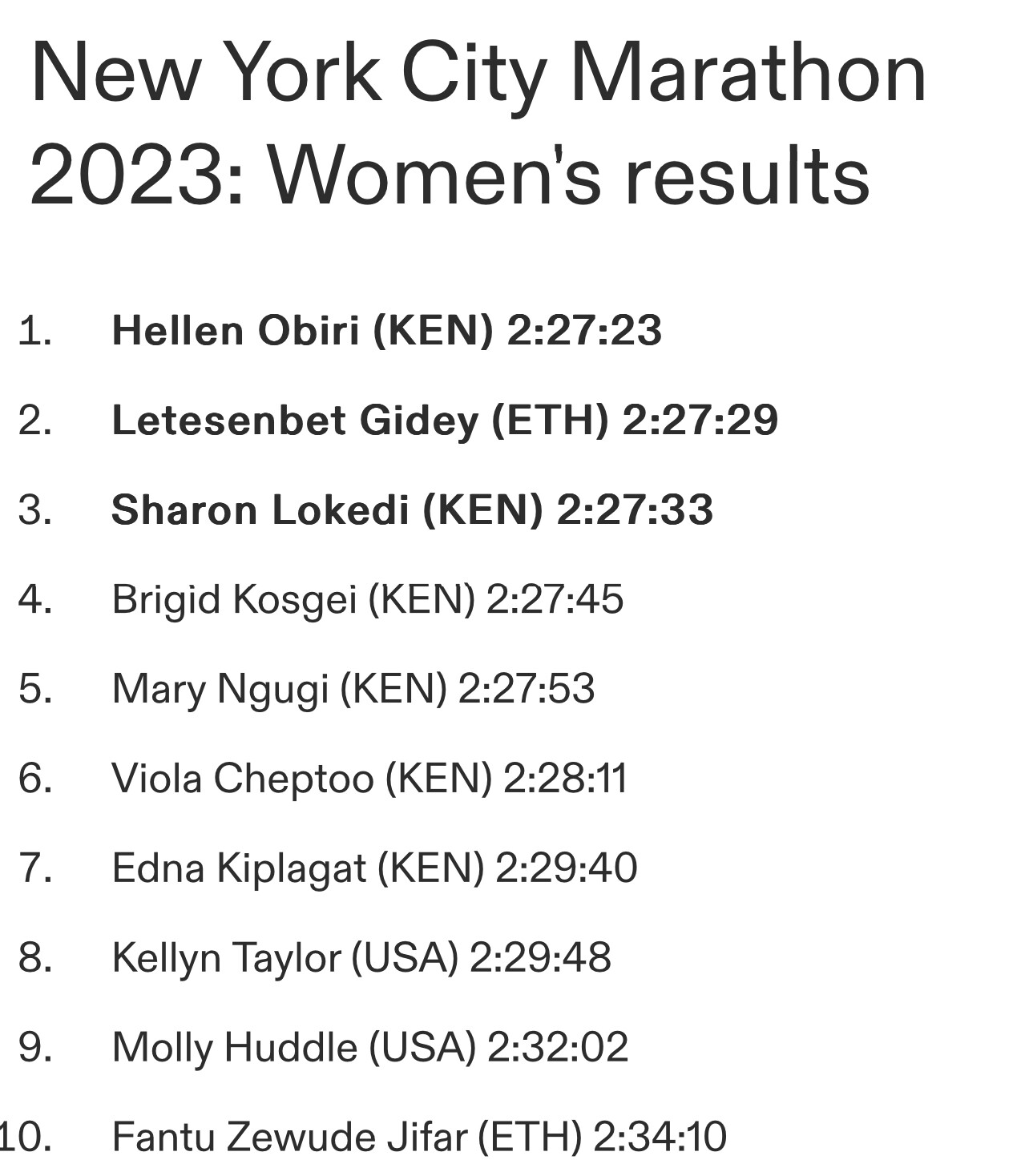
Hellen Obiri timed her kick to perfection to win a thrilling women’s race and Tamirat Tola broke the course record for a dominant men’s title triumph at the TCS New York City Marathon, a World Athletics Platinum Label event, on Sunday (5).
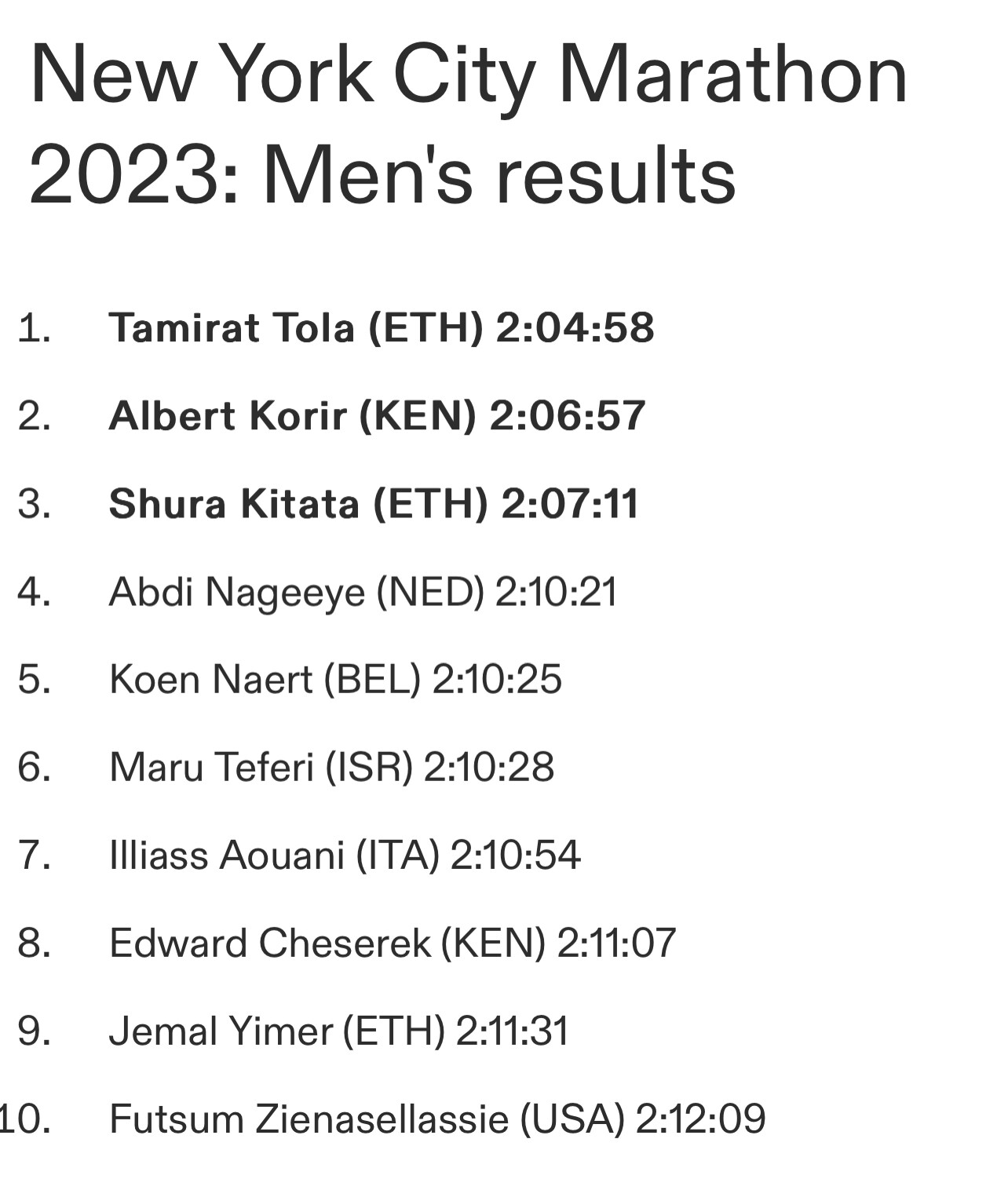
Claiming their crowns in contrasting styles, Obiri sprinted away from Letesenbet Gidey and Sharon Lokedi in Central Park and crossed the finish line in 2:27:23, winning by six seconds, while Tola left his rivals far behind with 10km remaining in a long run for home. Clocking 2:04:58, he took eight seconds off the course record set by Geoffrey Mutai in 2011 to claim his first win in the event after fourth-place finishes in 2018 and 2019.
While super fast times have dominated recent major marathon headlines, the focus in New York was always more likely to be the battles thanks to the undulating course and competitive fields, although the men's race ended up being the quickest in event history.
The women’s race was particularly loaded. Kenya’s Lokedi returned to defend her title against a strong field that featured Boston Marathon winner Obiri, 10,000m and half marathon world record-holder Gidey, and former marathon world record-holder Brigid Kosgei, while Olympic champion Peres Jepchirchir was a late withdrawal following the leg injury she sustained a week before the race.
There was no clear pre-race favourite and that remained the case right up to the closing stages, with many of the leading contenders locked in a fierce fight after a tactical 26 miles.
The pace was conservative in the first half, with a series of surges but no big moves. Eleven of the 14 members of the field remained together at half way, reached in 1:14:21. It set the scene for a final flurry, with the pace having gradually slowed after 5km was passed by the leaders in 17:23, 10km in 34:35 and 15km in 52:29.
Obiri, Lokedi and Kosgei were all firmly part of that group, along with their Kenyan compatriots Edna Kiplagat, Mary Ngugi-Cooper and Viola Cheptoo. Ethiopia’s Gidey was happy to sit at the back of the pack, with USA’s Kellyn Taylor and Molly Huddle taking it in turns to push the pace.
The tempo dropped again as the lead group hit the quiet of Queensboro Bridge, with the 25km mark reached in 1:28:39. But the group forged on, hitting 30km in 1:47:06 and 35km in 2:04:45.
Then Cheptoo made a move. The 2021 New York runner-up managed to create a gap but Obiri was the first to react and covered it gradually. Gidey followed and as Cheptoo surged again, Obiri and Gidey ran side-by-side behind her. It wasn’t decisive, though, and soon Lokedi and Kosgei were able to rejoin them.
As the group hit 24 miles in Central Park, Lokedi was running alongside Obiri and Cheptoo, with Gidey and Kosgei just behind. The pace picked up again but each time Kosgei was dropped, she managed to claw her way back – Lokedi leading from Gidey, Obiri and Kosgei with one mile to go.
Looking determined, two-time world 5000m champion Obiri saw her chance and began to stride for the finish. Being chased by Gidey and with Lokedi four seconds back, she kicked again at the 26-mile mark and couldn’t be caught, using her superb finishing speed to extend her winning margin to six seconds.
It was a brilliant return for Obiri, who finished sixth when making her marathon debut in New York last year and who went on to win the Boston Marathon in April. She becomes the first women since Ingrid Kristiansen in 1989 to complete the Boston and New York marathon title double in the same year.
Gidey followed Obiri over the finish line in 2:27:29, while Lokedi was third in 2:27:33, Kosgei fourth in 2:27:45 and Ngugi-Cooper fifth in 2:27:53.
"It's my honour to be here for the second time. My debut here was terrible for me. Sometimes you learn from your mistakes, so I did a lot of mistakes last year and I said I want to try to do my best (this year)," said Obiri.
"It was exciting for me to see Gidey was there. I said, this is like track again, like the World Championships in 2022 (when Gidey won the 10,000m ahead of Obiri)."
Tola finishes fast
The men’s race also started off at a conservative pace but by 20km a lead group of Tola, Yemal Yimer, Albert Korir, Zouhair Talbi and Abdi Nageeye had put the course record of 2:05:06 set 12 years ago back within reach.
Most of the field had been together at 5km, reached by the leaders in 15:28, and 10km was passed in 30:36. Then a serious surge in pace led to a six-strong breakaway pack, with Ethiopia’s Tola, Yimer and Shura Kitata joined by Kenya’s Korir, Dutch record-holder Nageeye and Morocco’s Talbi.
Kitata managed to hang on to the back of the pack for a spell but was dropped by 20km, reached by the leaders in 59:34.
The half way mark was passed by that five-strong lead group in 1:02:45, putting them on a projected pace just 24 seconds off of Mutai’s course record.
Tola – the 2022 world marathon champion – surged again along with Yimer, who was fourth in the half marathon at last month’s World Road Running Championships in Riga, and Korir, the 2021 champion in New York. They covered the 5km split from 20km to 25km in 14:41, a pace that Nageeye and Talbi couldn’t contend. It also turned out to be a pace that Korir couldn’t maintain and he was the next to drop, leaving Tola and Yimer to power away.
After an even quicker 5km split of 14:07, that leading pair had a 25-second advantage over Korir by 30km and Tola and Yimer were well on course record pace as they clocked 1:28:22 for that checkpoint. Tola was a couple of strides ahead as they passed the 19-mile mark, but Yimer was fixed on his heels.
The next mile made the difference. By the 20-mile marker Tola had a six-second advantage and looked comfortable, with Korir a further 45 seconds back at that point and Kitata having passed Nageeye and Talbi.
Then Yimer began to struggle. He was 33 seconds back at 35km, reached by Tola in 1:42:51, and he had slipped to fourth – passed by Korir and Kitata – by 40km.
Tola reached that point in 1:58:08, almost two minutes ahead of Korir, and more than four minutes ahead of Yimer, and he maintained that winning advantage all the way to the finish line.
With his time of 2:04:58, Tola becomes the first athlete to dip under 2:05 in the New York City Marathon. Korir was second in a PB of 2:06:57, while Kitata was third in 2:07:11. Olympic silver medallist Nageeye finished fourth in 2:10:21 and Belgium’s Koen Naert came through for fifth in 2:10:25.
"I am happy to win the New York City Marathon for the first time," said Tola. "It's the third time for me to participate, after two times finishing fourth. Now, I'm happy."
by World Athletics
Login to leave a comment

TCS New York City Marathon
The first New York City Marathon, organized in 1970 by Fred Lebow and Vince Chiappetta, was held entirely in Central Park. Of 127 entrants, only 55 men finished; the sole female entrant dropped out due to illness. Winners were given inexpensive wristwatches and recycled baseball and bowling trophies. The entry fee was $1 and the total event budget...
more...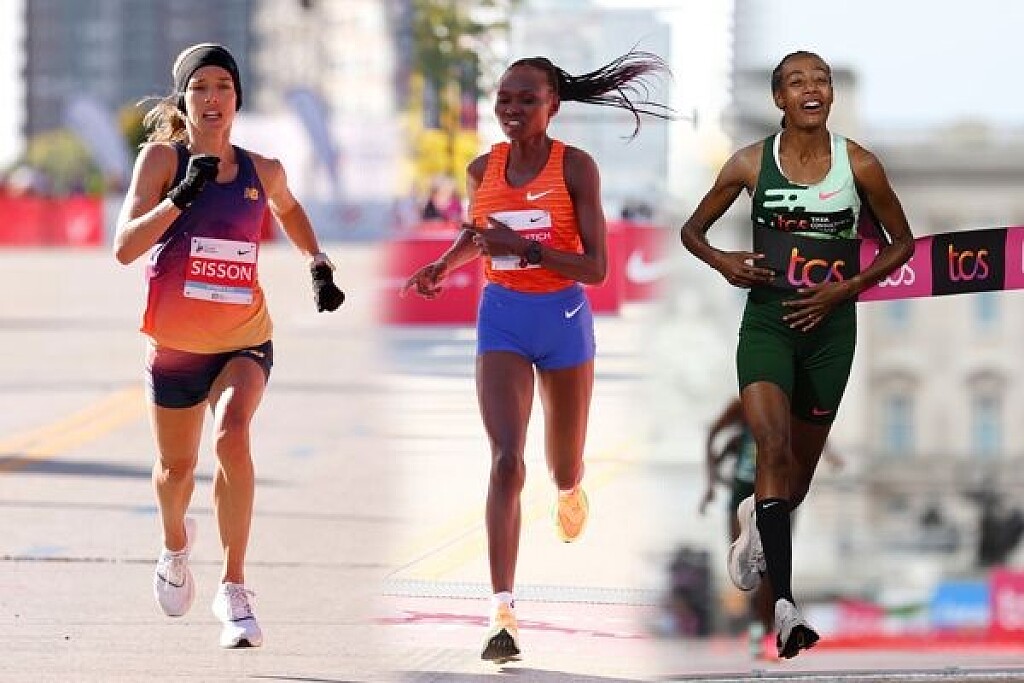
Chepngetich, Hassan and Sisson to clash at Chicago Marathon
Ruth Chepngetich returns to defend her title at the Bank of America Chicago Marathon, a World Athletics Platinum Label road race, and will face a field that features London Marathon winner Sifan Hassan and US record-holder Emily Sisson.
Chepngetich won last year’s race in 2:14:18 – just 14 seconds shy of the world record and the second-fastest women’s marathon performance of all time.
Kenya’s 2019 world champion will be back in Chicago on the hunt for her third consecutive victory on October 8, following her inaugural win in the US city in 2021, when she ran 2:22:31.
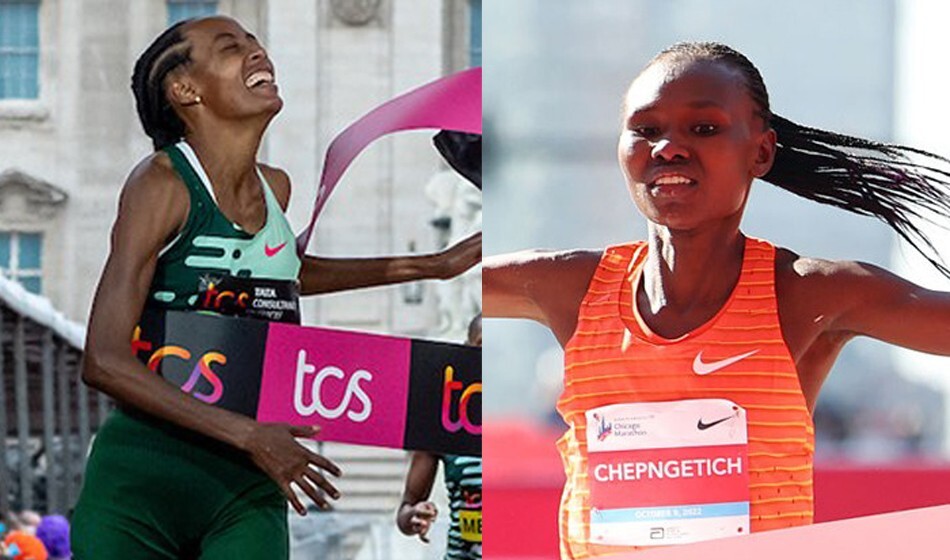
“I am planning to defend my title and improve my time,” said Chepngetich. “There's no better race in the world than the Bank of America Chicago Marathon.”
To do so, she will have to defeat double Olympic gold medallist Hassan of the Netherlands. Hassan made her marathon debut in London in April when, despite stopping to stretch twice, she closed a 25-second gap on the leaders to win and set a national record of 2:18:33.
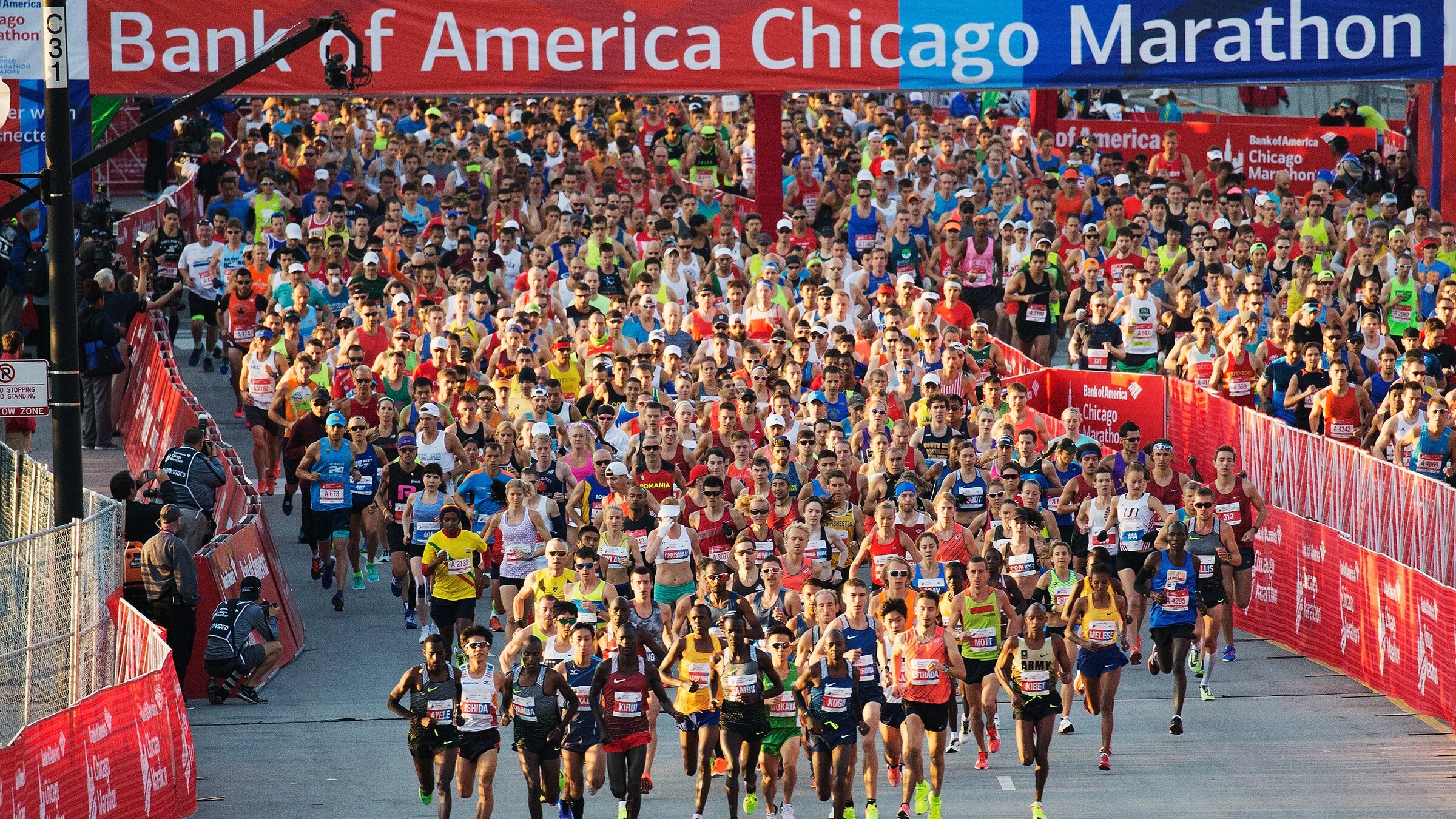
Hassan plans to compete on the track at the World Athletics Championships Budapest 23, less than six weeks before returning to the roads to race in Chicago.
“At the moment, my focus is on the World Championships in Budapest, so my marathon preparation will be very short, but as most people know, I like to be challenged,” said Hassan.
“I will see how my body responds and how my mind handles it. The good thing is that I have the experience from London so I'm looking forward to Chicago, to see what the marathon can teach me this time.”
Unlike Hassan, Sisson will skip the track season to focus on getting ready for Chicago. Last year’s runner-up, Sisson finished in 2:18:29, demolishing the US record by 43 seconds. Sisson, who also holds the US record in the half marathon, said the deep field improves her chances of running even faster this year.
“Chicago is where I set the American marathon record last year,” said Sisson. “I am really looking forward to coming back for another great race in October.”
Legendary matchups have long made for thrilling finishes in Chicago.
In 1985, a gruelling duel between Olympic champion Joan Benoit Samuelson and then world record-holder Ingrid Kristiansen saw Benoit Samuelson outlast her Norwegian competitor and set a US record.
In 2002, British world champion Paula Radcliffe defeated Kenya’s Catherine “The Great” Ndereba and shattered Ndereba' world record in the process. And in 2017, three-time Olympic gold medallist Tirunesh Dibaba took down rising star and future world record-holder Brigid Kosgei.
Chepngetich and Hassan have clashed once before, in the 2018 Copenhagen Half Marathon where Hassan broke the European record with 1:05:15 in what was her first serious attempt at the distance and Chepngetich finished fifth in 1:07:02.
The sole clash between Chepngetich and Sisson so far came at last year’s Chicago Marathon, while Hassan and Sisson have raced each other on four occasions, in the 5000m and 10,000m, with the record so far 4-0 in Hassan’s favor.
by William Njuguna
Login to leave a comment
Bank of America Chicago
Running the Bank of America Chicago Marathon is the pinnacle of achievement for elite athletes and everyday runners alike. On race day, runners from all 50 states and more than 100 countries will set out to accomplish a personal dream by reaching the finish line in Grant Park. The Bank of America Chicago Marathon is known for its flat and...
more...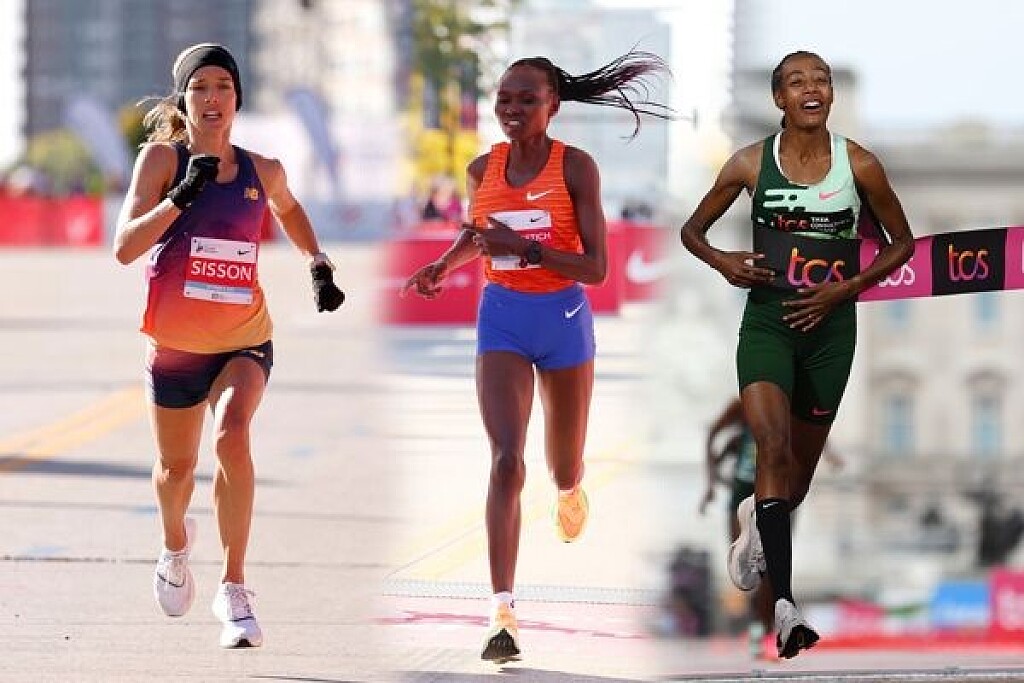
Chepngetich, Hassan and Sisson in Chicago Marathon clash
Ruth Chepngetich returns to defend her title at the Bank of America Chicago Marathon, a World Athletics Platinum Label road race, and will face a field that features London Marathon winner Sifan Hassan and US record-holder Emily Sisson.
Chepngetich won last year’s race in 2:14:18 – just 14 seconds shy of the world record and the second-fastest women’s marathon performance of all time.
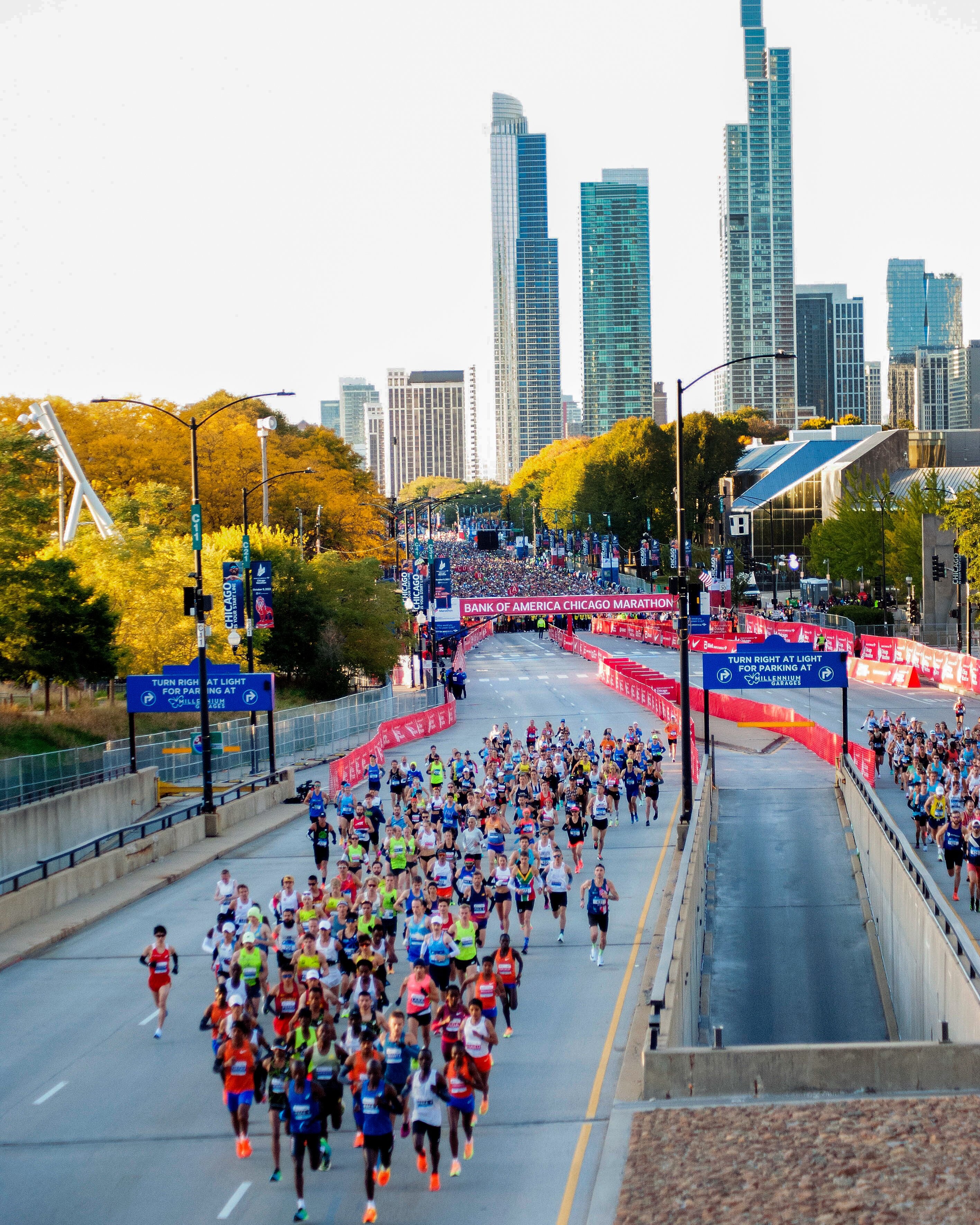
Kenya’s 2019 world champion will be back in Chicago on the hunt for her third consecutive victory on 8 October, following her inaugural win in the US city in 2021, when she ran 2:22:31. In 2023, she hopes to run her fastest time yet.
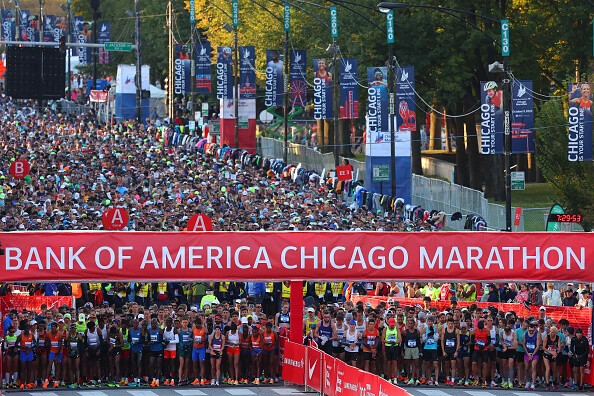
“I am planning to defend my title and improve my time,” said Chepngetich. “There's no better race in the world than the Bank of America Chicago Marathon.”
To do so, she will have to defeat double Olympic gold medallist Hassan of the Netherlands. Hassan made her marathon debut in London in April when, despite stopping to stretch twice, she closed a 25-second gap on the leaders to win and set a national record of 2:18:33. Hassan plans to compete on the track at the World Athletics Championships Budapest 23, less than six weeks before returning to the roads to race in Chicago.
“At the moment, my focus is on the World Championships in Budapest, so my marathon preparation will be very short, but as most people know, I like to be challenged,” said Hassan. “I will see how my body responds and how my mind handles it. The good thing is that I have the experience from London so I'm looking forward to Chicago, to see what the marathon can teach me this time.”
Unlike Hassan, Sisson will skip the track season to focus on getting ready for Chicago. Last year’s runner-up, Sisson finished in 2:18:29, demolishing the US record by 43 seconds. Sisson, who also holds the US record in the half marathon, said the deep field improves her chances of running even faster this year.
“Chicago is where I set the American marathon record last year,” said Sisson. “I am really looking forward to coming back for another great race in October.”
Legendary matchups have long made for thrilling finishes in Chicago. In 1985, a gruelling duel between Olympic champion Joan Benoit Samuelson and then world record-holder Ingrid Kristiansen saw Benoit Samuelson outlast her Norwegian competitor and set a US record. In 2002, British world champion Paula Radcliffe defeated Kenya’s Catherine “The Great” Ndbera and shattered Ndbera’s world record in the process. And in 2017, three-time Olympic gold medallist Tirunesh Dibaba took down rising star and future world record-holder Brigid Kosgei.
Chepngetich and Hassan have clashed once before, in the 2018 Copenhagen Half Marathon where Hassan broke the European record with 1:05:15 in what was her first serious attempt at the distance and Chepngetich finished fifth in 1:07:02. The sole clash between Chepngetich and Sisson so far came at last year’s Chicago Marathon, while Hassan and Sisson have raced each other on four occasions, in the 5000m and 10,000m, with the record so far 4-0 in Hassan’s favour.
Login to leave a comment
Bank of America Chicago
Running the Bank of America Chicago Marathon is the pinnacle of achievement for elite athletes and everyday runners alike. On race day, runners from all 50 states and more than 100 countries will set out to accomplish a personal dream by reaching the finish line in Grant Park. The Bank of America Chicago Marathon is known for its flat and...
more...
Radcliffe announced as event ambassador for the 2022 European 10,000m Cup
Former world marathon record-holder Paula Radcliffe from Great Britain has been announced as an event ambassador for the 2022 European 10,000m Cup which takes place in Pacé, France on 28 May.
After the 2018 and 2019 editions were held in conjunction with the Night of the 10,000m PBs before the 2021 edition had to be staged behind closed doors in Birmingham due to pandemic restrictions, the next three editions of the European 10,000m Cup will all take place in the Stade Chasseboeuf in Pacé, just outside Rennes.
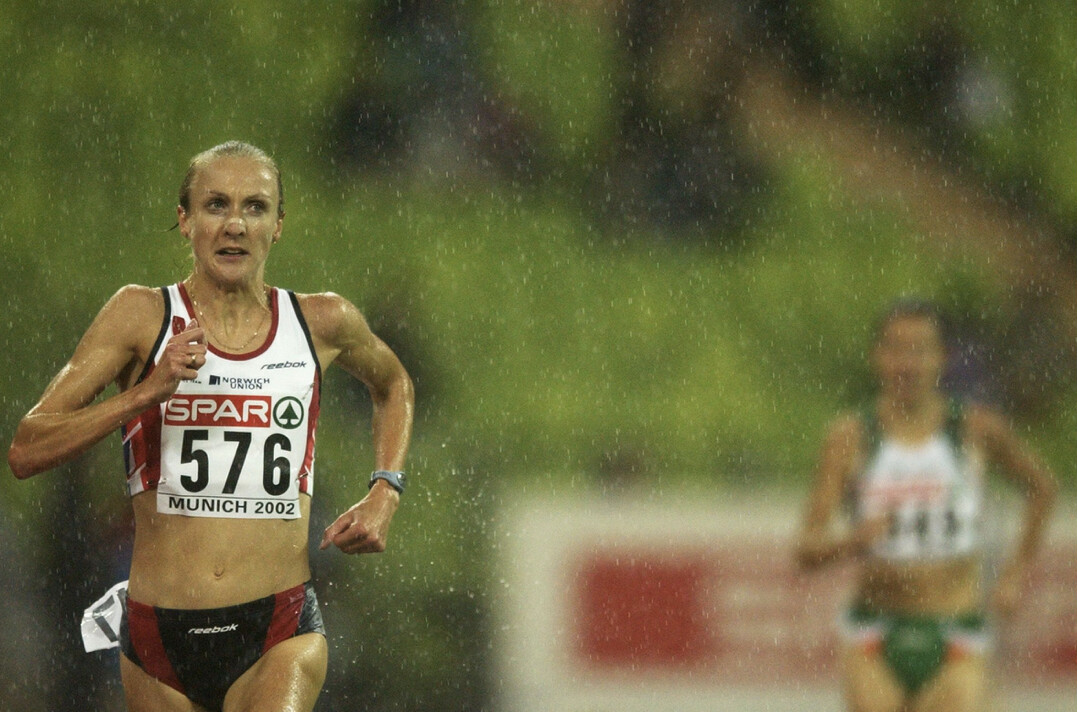
Radcliffe is still the second fastest marathon runner in history with her 2:15:25 clocking from the 2003 London Marathon and while Sifan Hassan has taken her European 10,000m record into new territory, Radcliffe is still the second fastest European in history with 30:01.09.
She ran that time without pacemakers - and in the pouring rain - at the 2002 European Athletics Championships in Munich and this time remains the championship record some twenty years later. It could very well remain on the books after this year’s European Athletics Championships which return to Munich.
Reflecting on her achievements, Radcliffe said: “That performance [in Munich] has a very high place in my career because for me, it was truly a target for a long time to win a championship on the track. I thought that perhaps I wouldn’t run quite so fast on the track after moving up to the marathon but in fact it was the opposite.
“The fact the marathon went so well gave me a lot of confidence in myself. It also brought me more strength physically and mentally. Therefore it helped me on the track and that was surely the case in Munich.
“I hadn’t run a 10,000m that season so it was the only occasion I had to try and break my record and perhaps the mythical European record of Ingrid Kristiansen who had held the record for almost as long as I did. I looked up to her in the 1980s, and the way she ran, when I started running.”
Like Kristiansen, Radcliffe was a fierce and committed front runner and just like the Norwegian did at the 1986 European Championships, Radcliffe led almost every step of the race. Her time of 30:01.09 was the second fastest in history up until that point but she rued how close she was to breaking the fabled 30 minute-barrier.
“That's why, when I crossed the line, there were two emotions. There was the emotion of happiness because I was pleased to take the record at last and set a lifetime best but also the emotion of having missed the 30 minute-barrier by 1.09. Perhaps with different conditions I would have done it, perhaps with other competitors in the race I would have done it - but I was pleased nonetheless!” she said.
Radcliffe made her debut at this distance four years prior when the event was known under its original alias of the European 10,000 Metres Challenge. Radcliffe finished second on that day to Portugal’s Fernanda Ribeiro but the Brit was to notch up individual victories at both the 1999 and 2001 editions of the event, each time with winning times inside 31 minutes - 30:40.70 and 30:55.80 respectively.
Having retired from competitive athletics in 2015, Radcliffe is looking forward to being a spectator in Pacé and the organisers are planning to employ many of the innovations which made the 2018 and 2019 editions of the European 10,000m Cup such a success, including a full programme of events - including kids’ and veterans’ races - and allowing spectators to watch and cheer from the track.
“It’s what I love and I am sure the French can do the same thing as well and produce a beautiful night of athletics. We will cross our fingers that the night will produce some good performances - not too hot, not too windy and especially with a good atmosphere around the track.
“Having all the spectators around the track will also protect the runners a bit more and it will also give them a bit more motivation,” said Radcliffe.
The hosts will be looking to retain the men’s team title after triumphing last year thanks in no small part to Morhad Amdouni who took the individual victory in a sprint finish ahead of Bashir Abdi from Belgium and Spain’s Carlos Mayo.
How does Radcliffe see this year’s race unfolding?
“[Last year] was a great race. The French team ran super well. At the moment the men’s team in France is really strong with plenty of talent. In the UK, it’s more in the 1500m and 5000m for the most part but we wait to see what the guys will show in the 10,000m. On the women’s side the level is higher with Eilish McColgan,” she said.
by European Athletics
Login to leave a comment
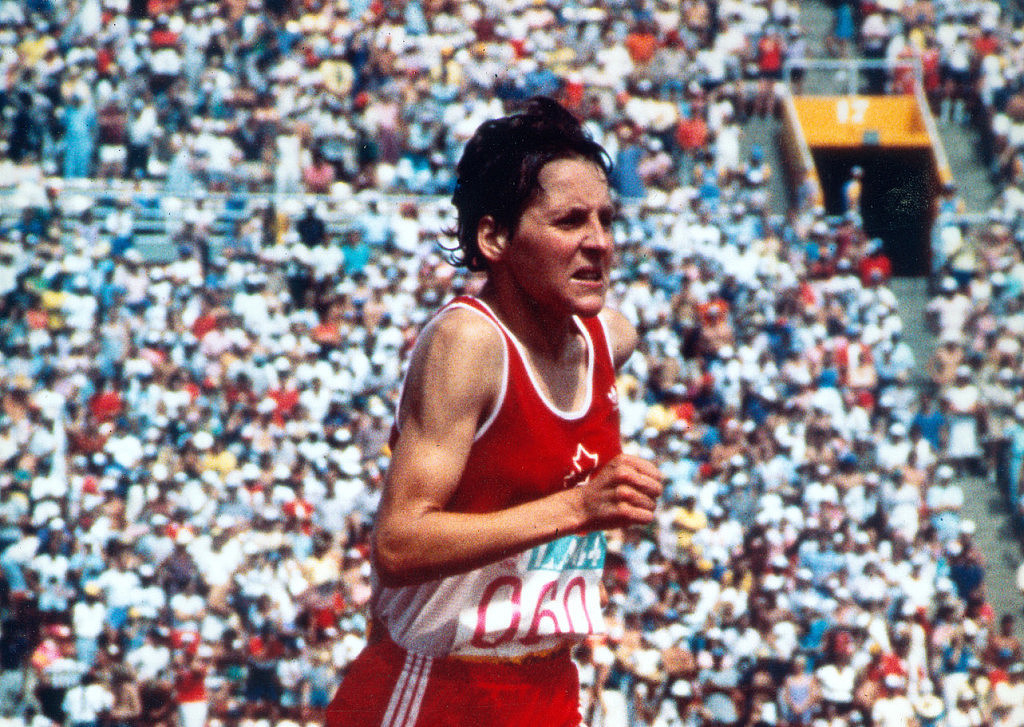
At the Los Angeles Games 36 years ago, Canadian Silvia Ruegger finished in eighth in the first-ever women's Olympic marathon
On August 5, 1984, the inaugural women’s Olympic marathon was held in Los Angeles. Fifty runners lined up for the 42.2K run and American Joan Benoit-Samuelson took the win in 2:24:52, grabbing the first Olympic gold in women’s marathon history. Three Canadians raced that day 36 years ago in L.A., including marathon legend and former national record-holder Silvia Ruegger. Ruegger finished in eighth place on the day, running to a 2:29:09 top-10 finish. That was the sole Olympic race of Ruegger’s career, and since then, no Canadian — male or female — has finished in a higher position in the Olympic marathon.
Women’s marathoning through the years
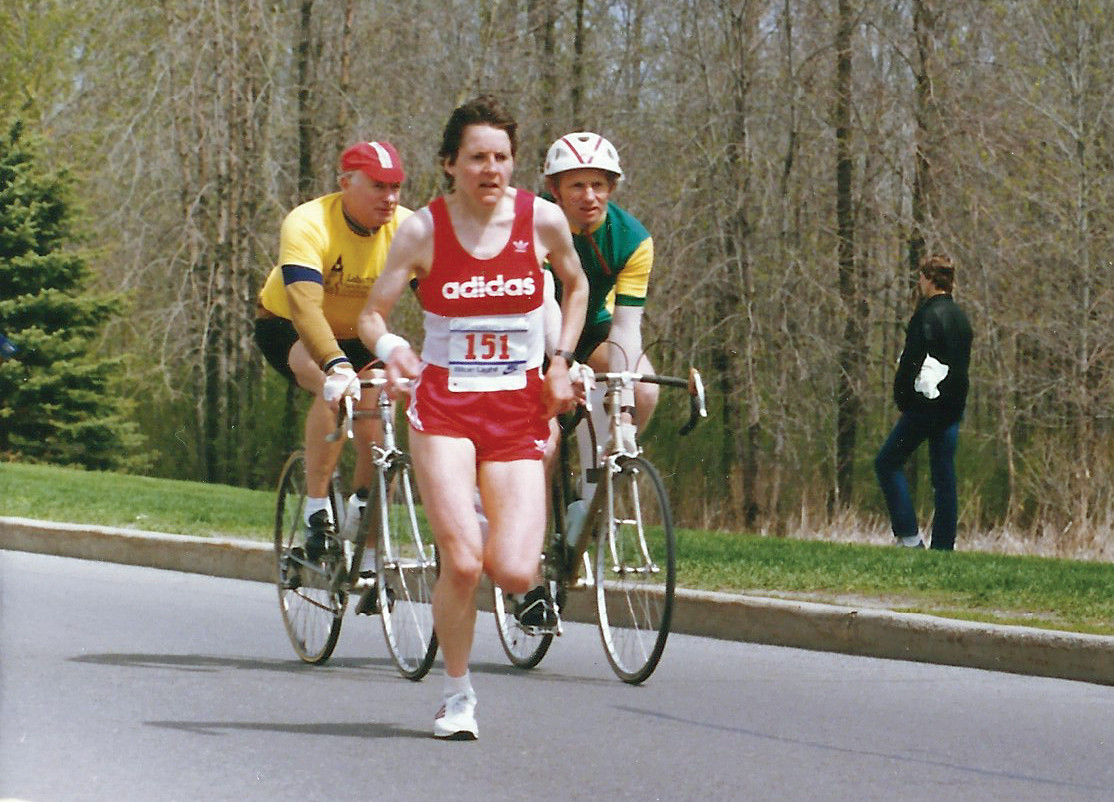
Benoit-Samuelson won the race in L.A. in impressive fashion, beating silver medallist Grete Waitz of Norway by more than a minute to take the gold on home soil. Going into the race, Benoit-Samuelson was a two-time Boston Marathon champion, and a year later, she won the Chicago Marathon and set an American record in the process. Her time of 2:21:21 stood as the national marathon record until 2006, when Deena Kastor beat it at the London Marathon. Benoit-Samuelson is still the fourth-fastest woman marathoner in U.S. history.
The women’s marathon has come a long way since its introduction to the Olympics in 1984. At the time, the world record was 2:24:26, set by Ingrid Kristiansen of Norway (who finished in fourth in L.A.). Today, 36 years later, that record has been lowered by 10 minutes, and it currently sits at 2:14:04 following Brigid Kosgei‘s dominant performance at the 2019 Chicago Marathon.
Canadians at the 1984 Games
Ruegger qualified for the Olympics at the 1984 Ottawa Marathon, which she won in a Canadian record of 2:30:37. She broke that record just a few months later in L.A., becoming the first Canadian woman to dip below 2:30 in the marathon. Ruegger raced alongside fellow Canadians Jacqueline Gareau (1980 Boston Marathon champion and the previous national record-holder before Ruegger won the Ottawa Marathon) and Anne Marie Malone. Gareau didn’t finish the race in L.A., but Malone recorded an impressive result to follow Ruegger’s, finishing in 17th place with a final time of 2:36:33.
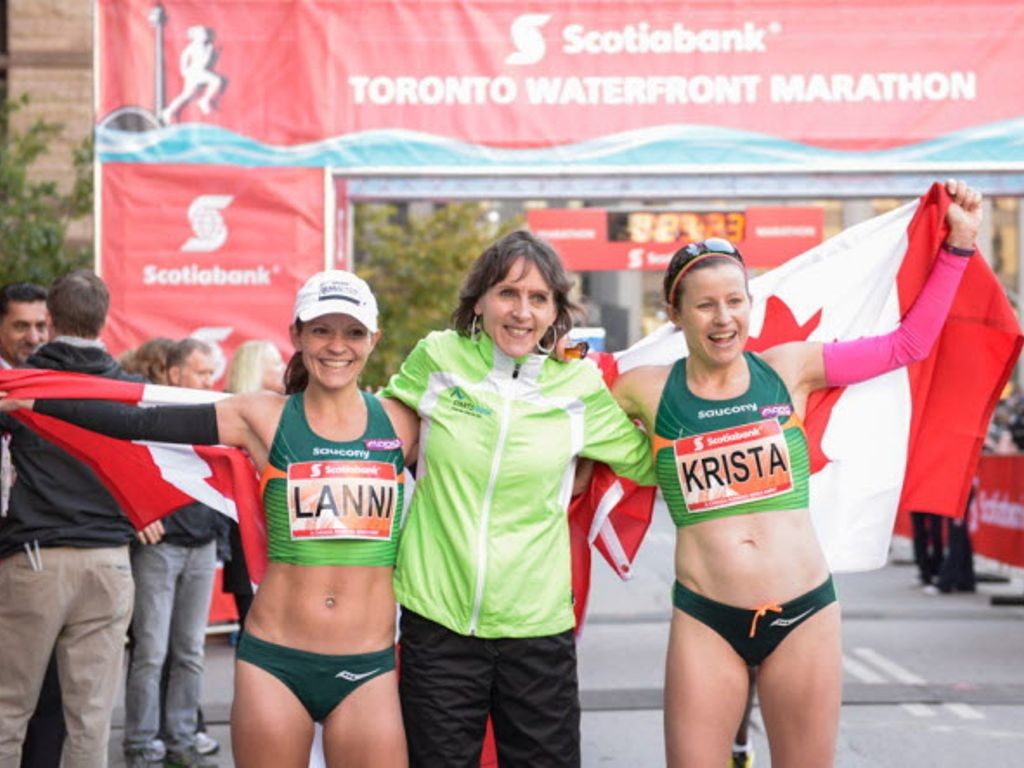
The following year at the 1985 Houston Marathon, Ruegger beat her record yet again, posting a 2:28:36. This remained the Canadian record for almost 30 years before it was broken in 2013 at the Scotiabank Toronto Waterfront Marathon by both Lanni Marchant and Krista DuChene. A car accident following her record in 1985 left Ruegger to deal with injuries for the rest of her career, and she never returned to her previous record-setting form. Ruegger passed away in August 2019 at the age of 58 after a battle with cancer, but she remains one of the greatest athletes in Canadian history.
by Ben Snider-McGrath
Login to leave a comment
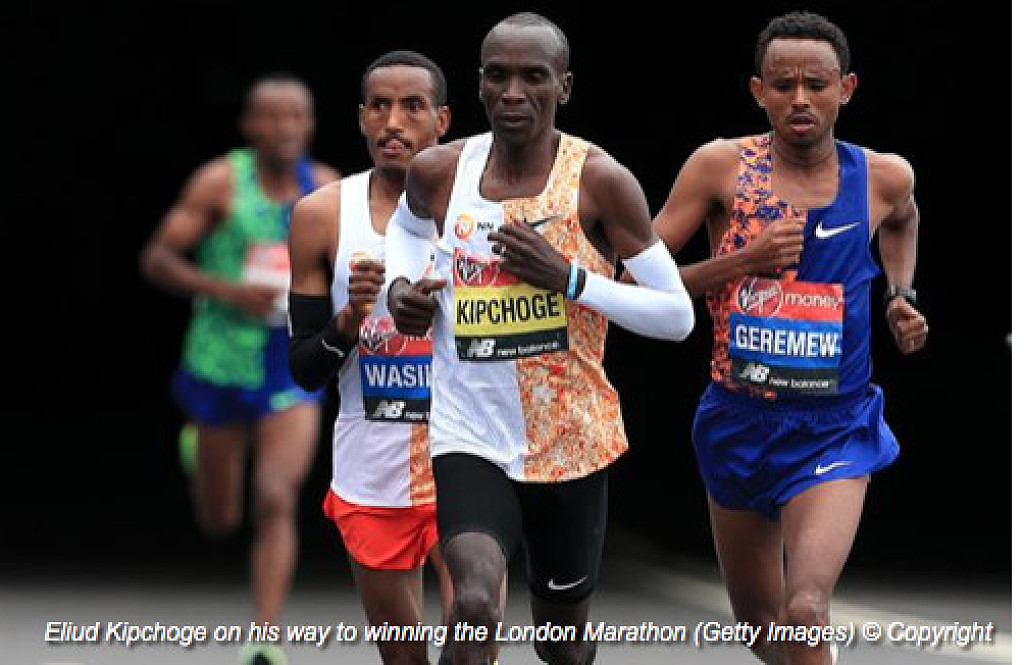
Eliud Kipchoge will defend his title at the 2020 London Marathon
World Athlete of the Year Eliud Kipchoge will defend his title at the 2020 Virgin Money London Marathon, a World Athletics Platinum event, set to take place in the British capital on 26 April.
Kipchoge, who earlier this year became the first person to cover 42.195km within two hours, has his sights set on continuing his incredible streak of record-breaking performances at what will be the 40th edition of the London Marathon.
In September last year he set an official world record of 2:01:39 in Berlin, then in April earlier this year he smashed his own course record to win in London in 2:02:37. The Olympic champion from Kenya will be aiming to become the first person to win five London Marathon titles.
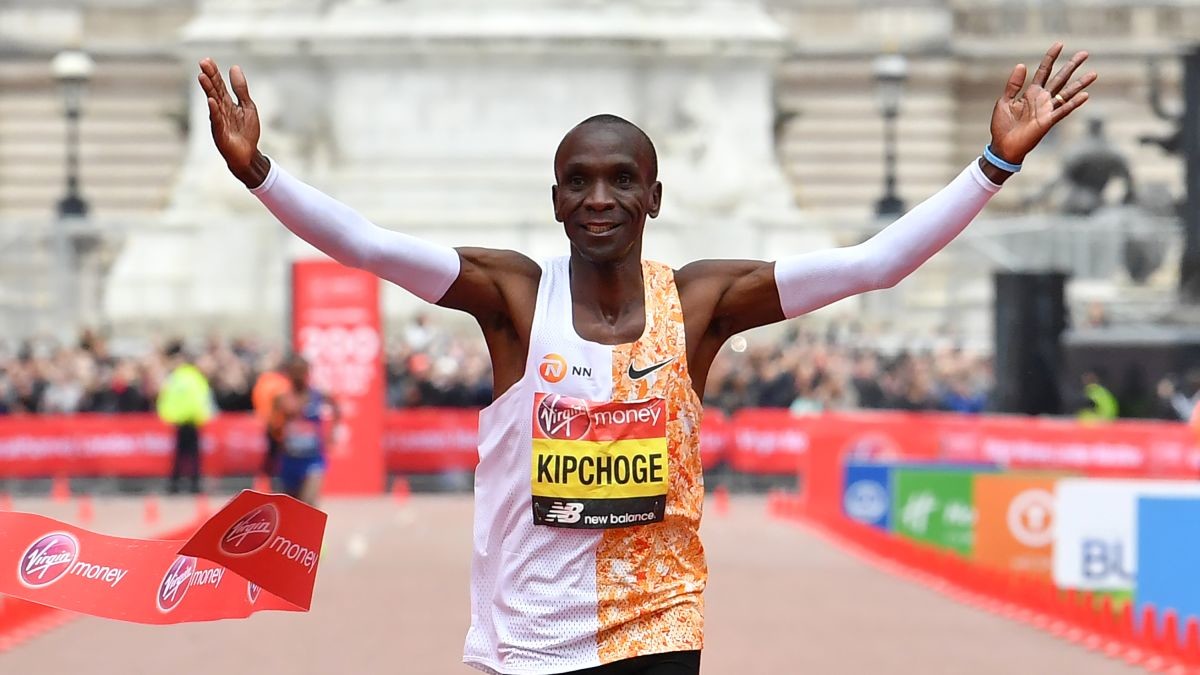
Kipchoge is currently tied with Ingrid Kristiansen in the London Marathon history books for the most wins by an able-bodied athlete. The Norwegian great won four London Marathon titles between 1984 and 1988.
If Kipchoge continues his unbeaten run at the London Marathon next April – where he won in 2015, 2016, 2018 and 2019 – he will surpass Kristiansen’s tally.
“I am delighted to be returning to the Virgin Money London Marathon in 2020,” said Kipchoge. “I love running in London where the crowd support is always wonderful. Breaking the two-hour barrier in Vienna was an incredible moment. It showed that no human is limited and that is a belief that continues to drive me on to set new objectives.
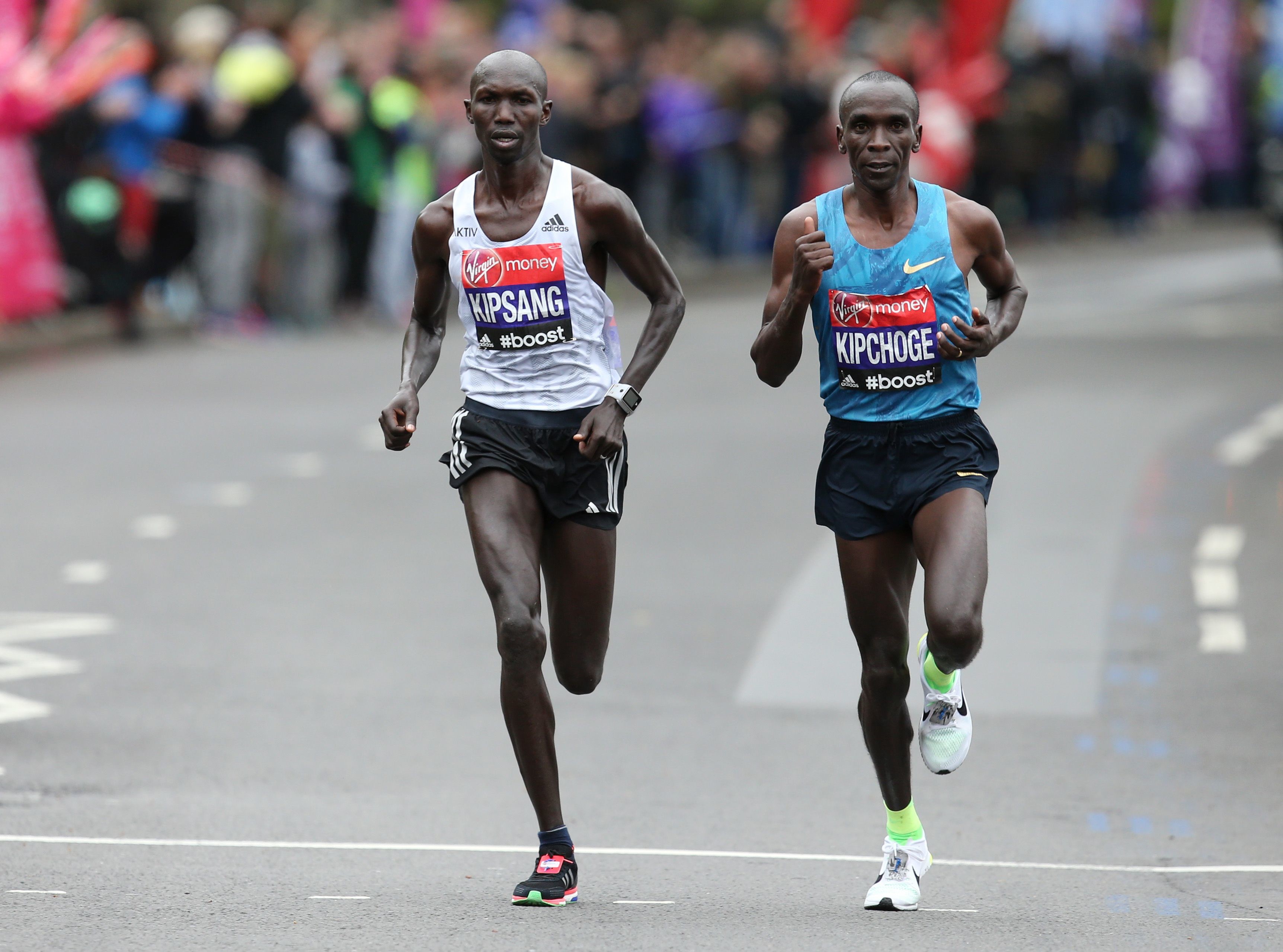
“Making history in London is my next target. I am proud that I am currently the only male able-bodied athlete to have won this great race four times and that no one, male or female, has won it more than that.
“Eliud Kipchoge is the greatest marathon runner of all time,” said event director Hugh Brasher. “Eliud’s belief that no human is limited resonated with millions in every walk of life and we are delighted that this extraordinary and truly inspirational man will be part of the 40th race.”
Kipchoge was given the highest honour of Kenya following his performance in Vienna, the Elder of the Order of the Golden Heart of Kenya (EGH).
As well as his four Virgin Money London Marathon titles and the Olympic gold medal he won in Rio in 2016, Kipchoge has also won the Berlin Marathon on three occasions and the Chicago Marathon once. In addition, he has won the overall Abbott World Major Marathon series titles four times.
He is the first of the elite runners to be announced for the 2020 Virgin Money London Marathon. Further names will be revealed in January.
Login to leave a comment

TCS London Marathon
Since its inaugural edition on March 29, 1981, the TCS London Marathon has grown into one of the world's most prestigious road races, blending elite competition with an extraordinary charitable legacy. Founded by former Olympic champion and journalist Chris Brasher alongside Welsh athlete John Disley, the event has been staged every year and has been held in the spring annually...
more...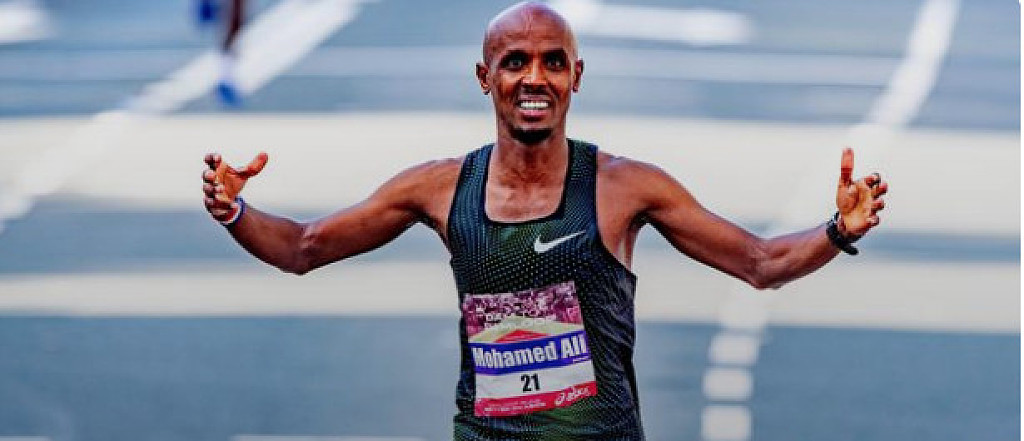
Berihu wins Dam tot Damloop, Dutchman Ali finishes fourth
Solomon Berihu won the Dam tot Damloop on Sunday. One week after setting a big PB at the Copenhagen Half Marathon, Kenya’s Evaline Chirchir was the first athlete to cross the line at the Dam tot Damloop on Sunday (22), finishing just one second shy of the long-standing course record at the IAAF Silver Label road race.
The 10-mile race starts in Amsterdam and finishes in Zaandam. As is tradition, the women’s field set off 6:04 – the difference between the men's and women's course records – ahead of the men’s field, then the first three finishers are awarded bonuses of €5000, €3500 and €2500 respectively.
In sunny and warm weather (16-18C) with relatively low humidity and a moderate tailwind, Chirchir ran with compatriot Irene Cheptai and Israel’s Dagnechew Selamawit to break away as a lead trio.
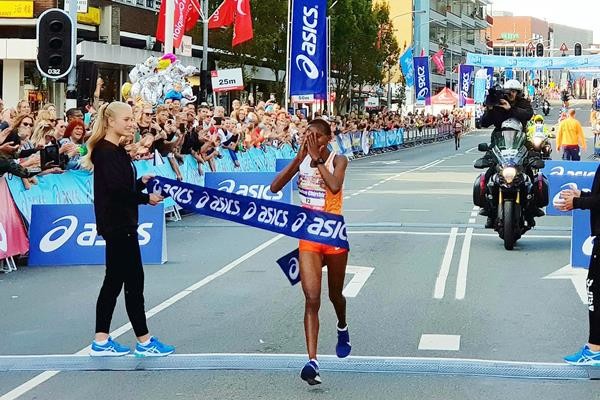
Chirchir reached the finish line in Zaandam in 50:32, three seconds ahead of Cheptai. Selamawit was third in 50:48. Chirchir narrowly missed out on breaking the 50:31 course record set back in 1987 by Norwegian distance legend Ingrid Kristiansen.
Chirchir’s winning performance is the third-fastest time ever recorded by a woman over 10 miles, but the point-to-point course means times aren’t record-eligible.
Half way through the men’s race, Ethiopia’s Solomon Berihu, Kenya’s John Langat and Uganda’s Joel Ayeko detached themselves from the rest of the lead pack. Berihu accelerated at 12km and broke away from Langat and Ayeko.
In the hunt to be the overall first finisher, Berihu wasn’t close to catching Chirchir, who finished 1:21 ahead of the Ethiopian, but he was a comfortable winner of the men’s title in 45:49. Langat was second in 46:20 and Ayeko third in 46:40.
The bonuses for the first three overall finishers went to the top three women.
Mohamed Ali was the first Dutch finisher, clocking 46:51. Michel Butter, who is currently preparing for the New York City Marathon on 3 November when he hopes to finish in a qualifying spot for the Tokyo 2020 Olympics, was 13th in 48:59.
Login to leave a comment

Dam tot Damloop
On Sunday, 50,000 runners can join the Dam tot Damloop. The unparalleled atmosphere, the tunnel, one of the world's largest business streets and the fact that starting and finishing in two different cities make this event so special. The distance is 10 English Mile, which also includes a number of world top runners each year. In addition, the Mini Dam...
more...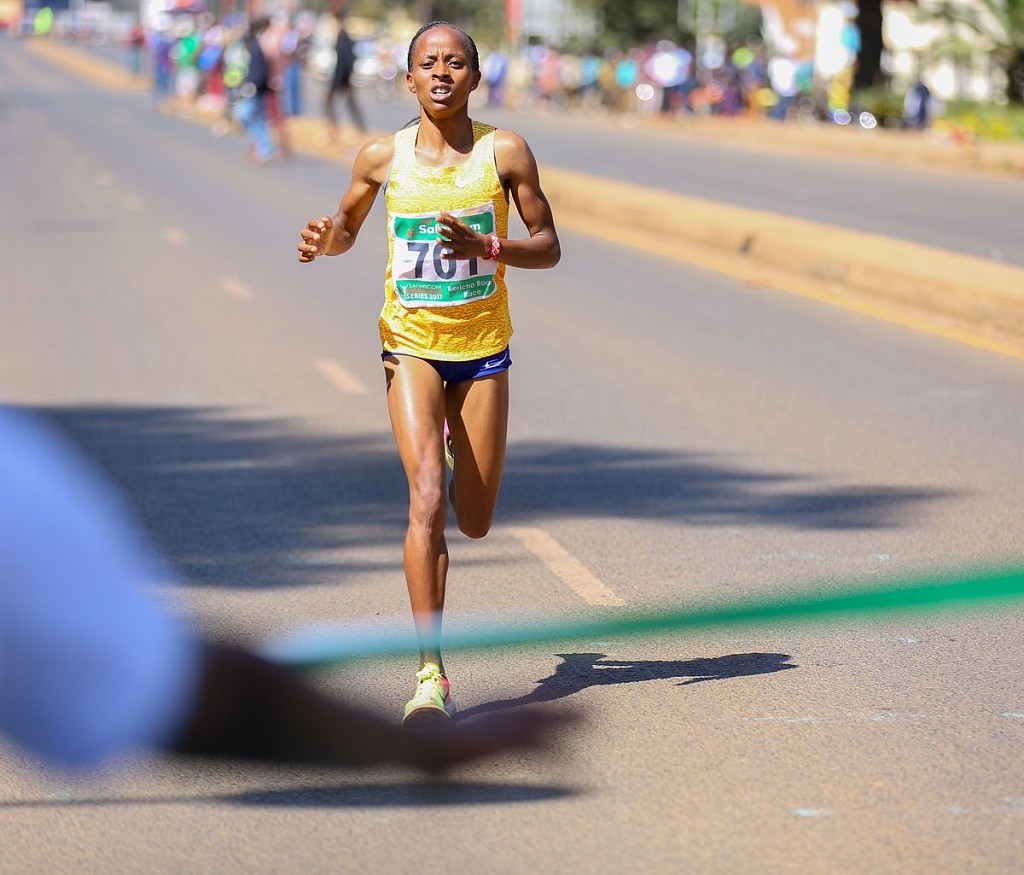
Evaline Chirchir hopes to cross the finish line first at the Dam Tot Damloop
This year’s Dam tot Damloop, could be one of the few races in the long history of the IAAF Silver Label road race in which a woman crosses the finish line first.
As has been tradition at this 10-mile race between Amsterdam and Zaandam, the women’s field sets off 6:04 – the difference between the men's and women's course records – ahead of the men’s field. The first athlete to finish, man or woman, will receive a €5000 bonus.
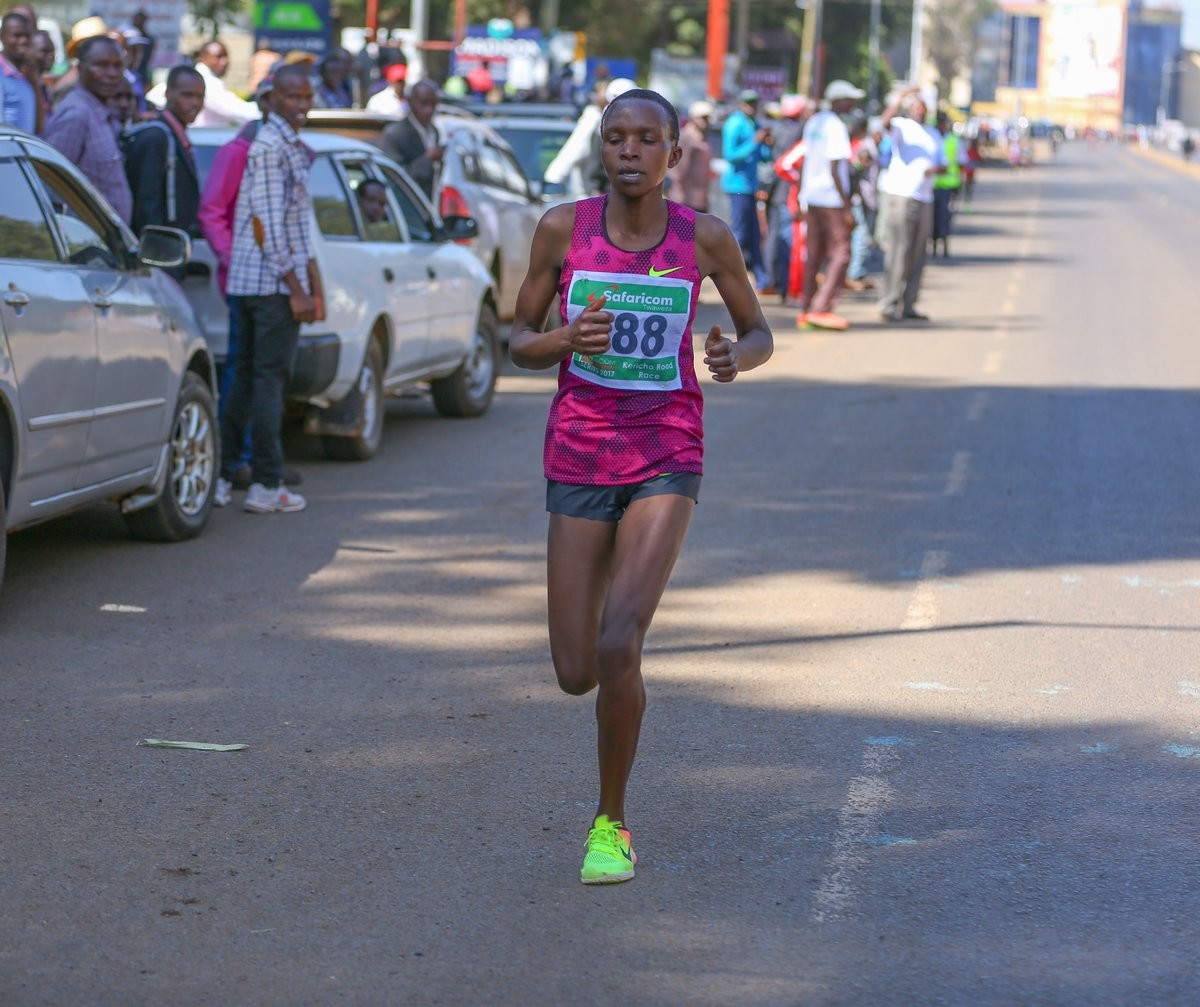
Following her 1:06:22 PB at the Copenhagen Half Marathon last week, Evaline Chirchir will start as the favorite. The Kenyan has also clocked some impressive times at 10km this year, including 30:43 in Valencia and 31:17 in Brunssum, and will be keen to improve on her fifth-place finish from last year.
Irene Cheptai, the 2017 world cross-country champion, recently clocked a season’s best of 31:27 over 10km, while Jip Vastenburg carries the Dutch hopes.
The women’s race record of 50:31 has been held by Ingrid Kristiansen since 1987, but last year’s winner Lonah Salpeter came close to it with 50:45.
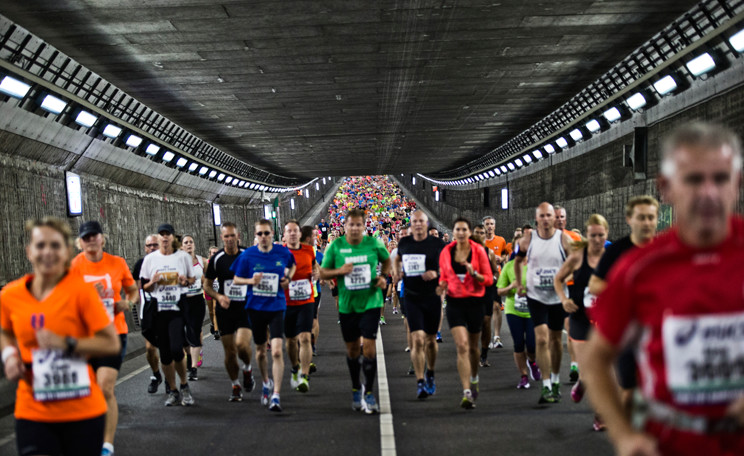
Former 1500m specialist Chala Regasa of Ethiopia set a 10km PB of 27:23 earlier this year and will be making his Dam tot Damloop debut. Compatriot Solomon Berihu, aged 19, is another strong contender and has set PBs of 13:02.08 for 5000m and 27:02.26 for 10,000m this year.
Ethiopian Olympian Ayele Abshero, a 2:04:23 marathon runner, finished third in this race back in 2010 in a PB of 45:33, but doesn’t seem to be in that same kind of form this year. Kenya’s John Langat also returns to Amsterdam in a bid to do better than his 12th-place finish last year.
The weather forecast for Sunday morning seems ideal with temperatures between 16-18C and the wind on the runners’ backs.
by IAAF
Login to leave a comment
Dam tot Damloop
On Sunday, 50,000 runners can join the Dam tot Damloop. The unparalleled atmosphere, the tunnel, one of the world's largest business streets and the fact that starting and finishing in two different cities make this event so special. The distance is 10 English Mile, which also includes a number of world top runners each year. In addition, the Mini Dam...
more...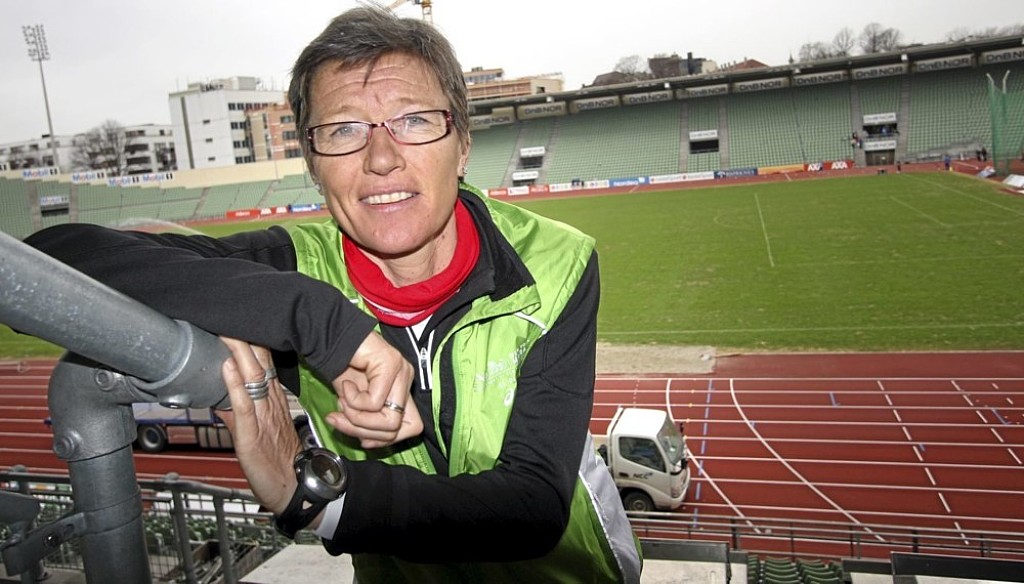
Norwegian Marathon superstar Ingrid Kristiansen will be heading the Kosice Peace Marathon in October
Kosice Marathon organizers are honored that Ingrid Kristiansen, one of the best distance runners in history, will visit Kosice in October as a special guest of the Kosice Peace Marathon.
She was the first woman to become world champion – on the track, road and cross-country. She broke many world records and took many victories at great marathons around the world.
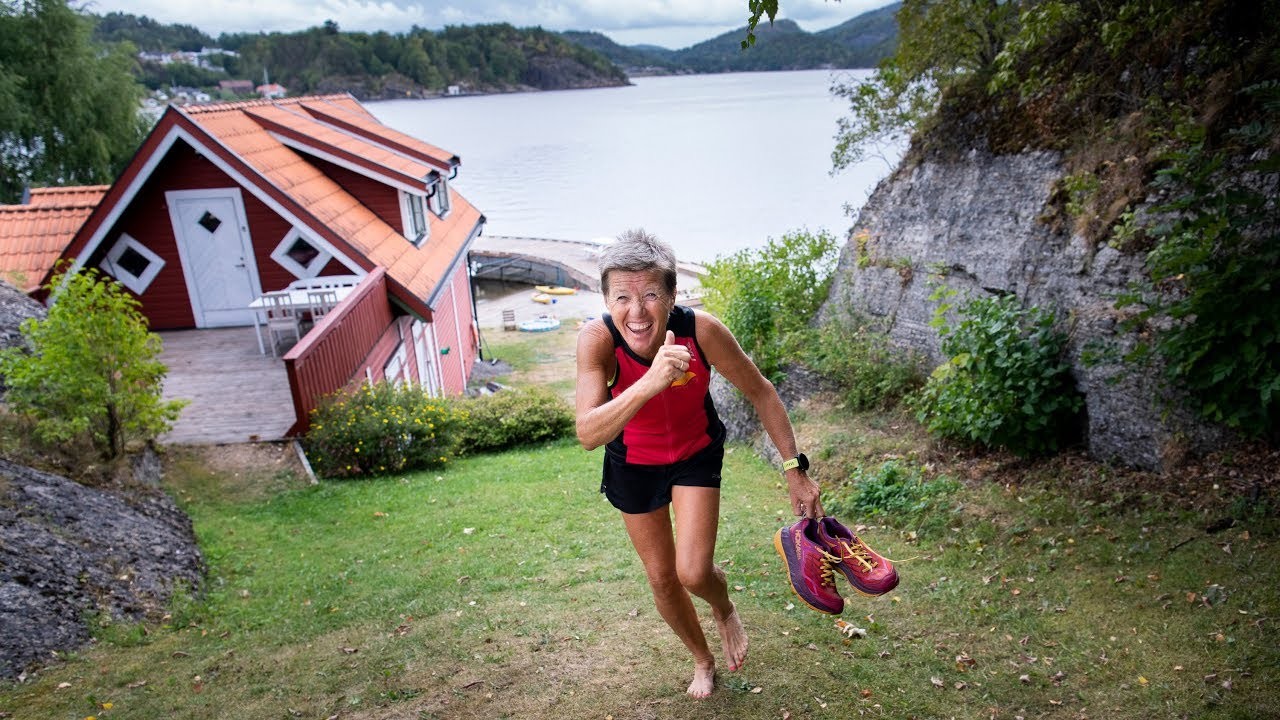
She set a world record for 5000m in London in 1985 to become the first woman to run under 15 minutes.
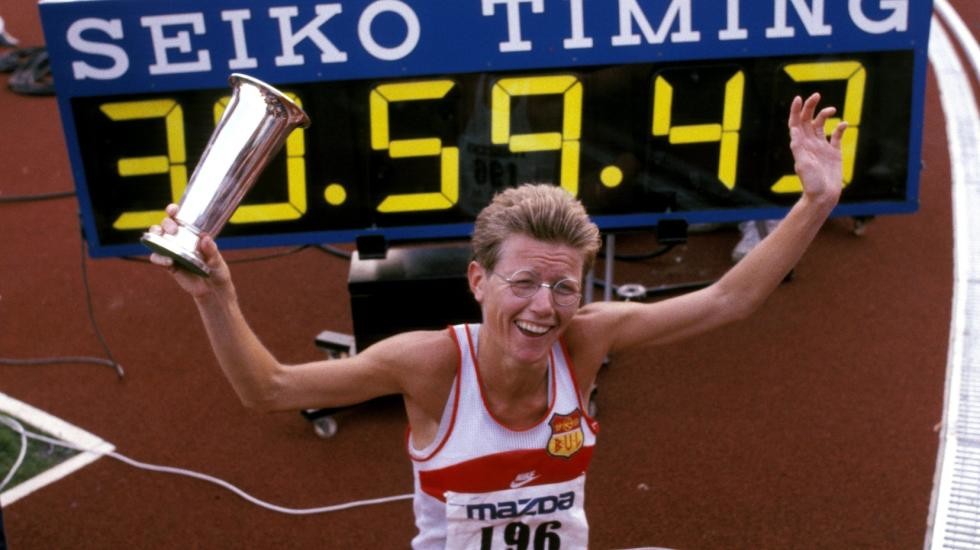
That same year her winning time in the London Marathon, 2:21:06, stood as a world record for 13 years. She won the London Marathon four times, the Boston Marathon twice as well as the New York and Chicago marathons. Her greatest success on the track was becoming world champion at 10,000m in Rome in 1987.
She attends the Kosice Marathon, founded in 1924 and second only to the Boston Marathon in longevity, as part of the “In the Footsteps of Marathon Legends” project.
Login to leave a comment


kosice Peace Marathon
The Kosice Peace Marathon is the oldest European marathon.This year for the organizers of Kosice Peace Marathon is also about memories and flashbacks. One of the fastest marathon courses has been created in Košice 20 years ago on that occasion it was the 1997 IAAF World Half Marathon Champioships. Tegla Loroupe and Shem Kororia were awarded from the hands of...
more...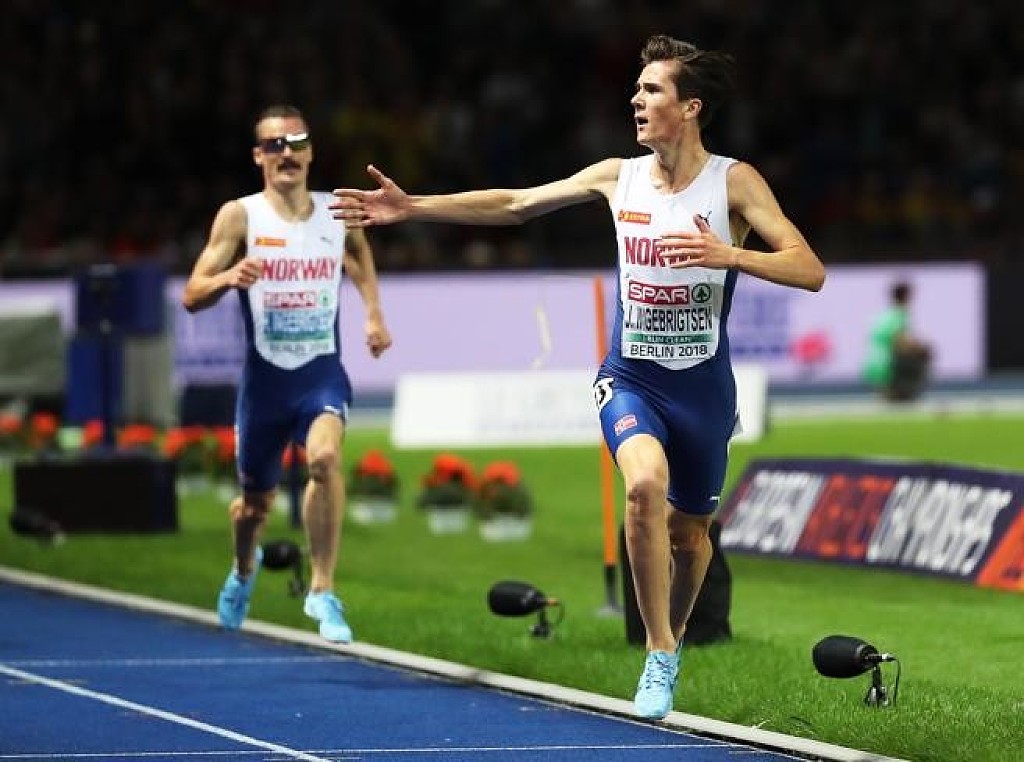
Jakob Ingebrigtsen broke the world U20 indoor 1500m record, clocking 3:36.21 at the Nordenkampen Indoor Match in Baerum, Norway
Jakob Ingebrigtsen closed his 2018 season by creating history with an unprecedented third successive U20 title at the SPAR European Cross Country Championships in Tilburg and he opened his 2019 account with yet another record-breaking performance.
Fresh from a month-long training stint at altitude in Dullstroom in South Africa, Ingebrigtsen won maximum points for Norway at the Nordenkampen on home soil in Baerum on Sunday (Feb 10), comfortably winning the 1500m in 3:36.21 against Sweden, Finland and a combined team from Denmark and Iceland.
Not only was his time a European lead with the Glasgow 2019 European Indoor Athletics Championships three weeks away, Ingebrigtsen also smashed his European indoor U20 record of 3:40.96 and older brother Henrik’s four year old national indoor record of 3:39.70.
Jakob’s time was also the second fastest ever by a junior indoors after world indoor champion Samuel Tefera from Ethiopia clocked 3:36.05 last year. This time could be a target for Jakob when he lines up at the PSD Bank Meeting in Dusseldorf on February 20.
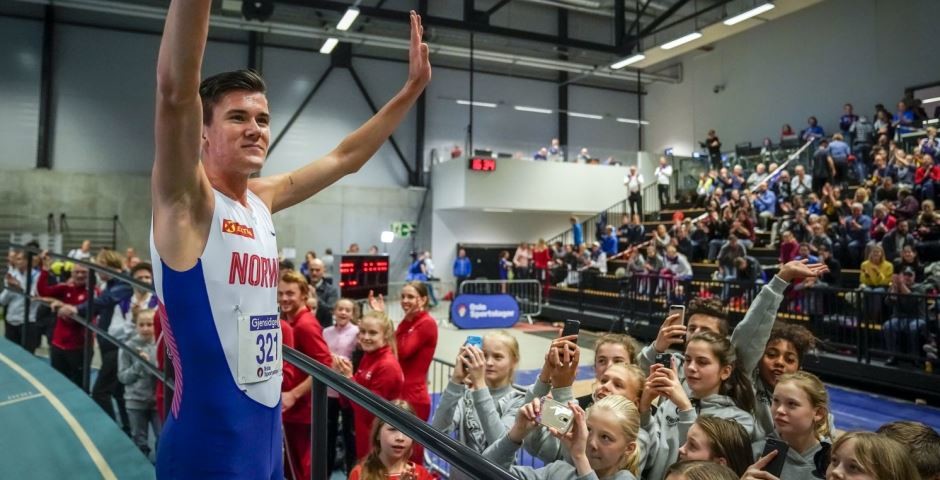
Filip Ingebrigtsen was also in action yesterday and the recently crowned European cross country champion won the men’s 3000m in 7:49.73. All three Ingebrigtsens are targeting the European Indoor Championships but their racing schedules still haven’t been finalised.
There was another national record in the women’s 3000m as Karoline Bjerkeli Grovdal broke one of the longest standing marks on the books. Grovdal clocked a solo 8:44.68 to better Ingrid Kristiansen’s previous mark of 8:50.26 which had stood since 1985 - the year in which Kristiansen also set a world marathon record of 2:21:06.
Login to leave a comment
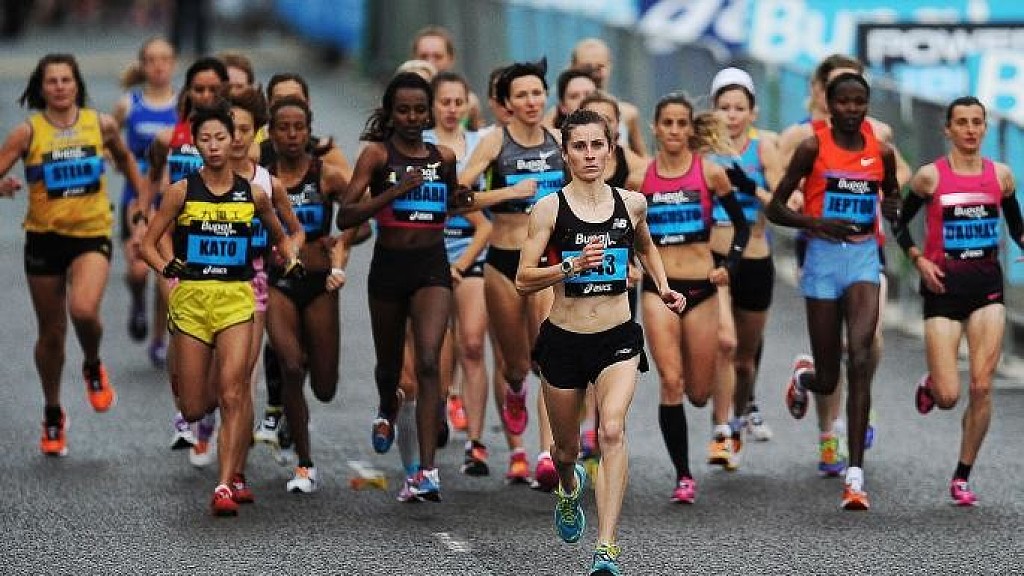
The Great North Run, will honor five women who played a part inspiring an unstoppable wave of female runners
Login to leave a comment
