

Running News Daily
Running News Daily is edited by Bob Anderson and team. Send your news items to bob@mybestruns.com Advertising opportunities available.
Index to Daily Posts · Sign Up For Updates · Run The World Feed
Articles tagged #Bislett Games
Today's Running News
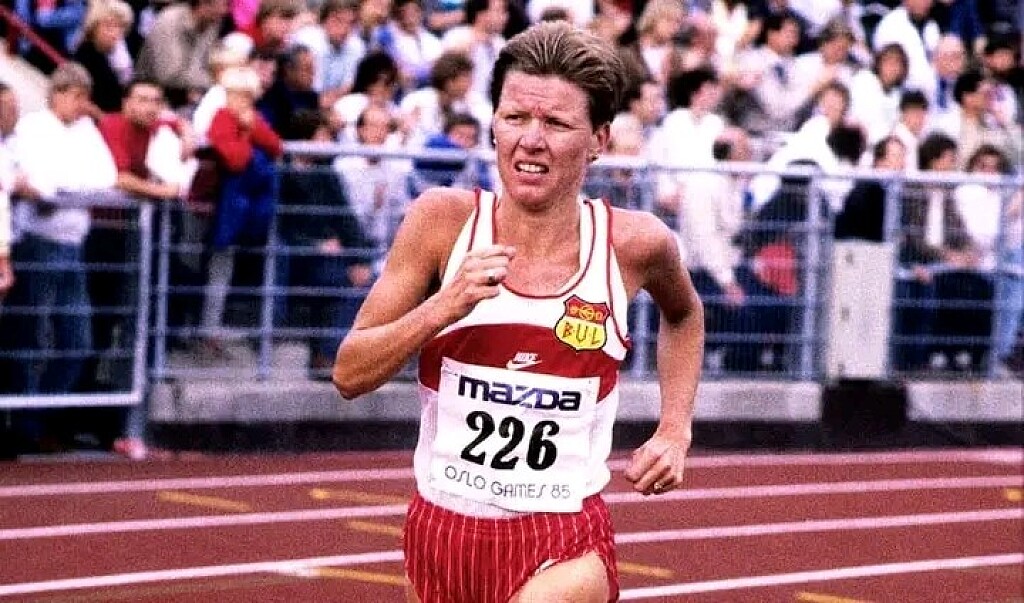


Forty Years On: Ingrid Kristiansen's Extraordinary 10,000m Masterpiece Still Stands Among Athletics' Greatest Performances
Forty years ago today, distance running witnessed one of its most astonishing moments when Ingrid Kristiansen delivered a breathtaking performance at the Bislett Games in Oslo. The Norwegian star shattered her own women's 10,000-meter world record, clocking an incredible 30:13.74—an astonishing 45-second improvement on the previous global mark. It remains one of the most remarkable world record breakthroughs in the history of track and field.
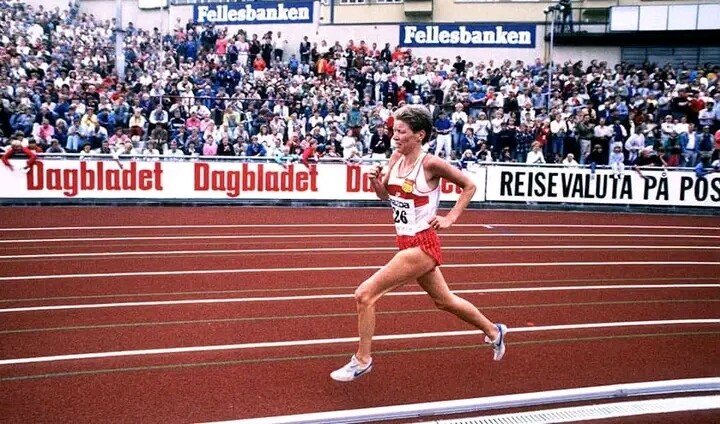
What made the performance even more extraordinary was Kristiansen's race execution. She later revealed that she reached the halfway point in 15:15, meaning she produced a devastating negative split by covering the final 5,000 meters in approximately 14:58. Finishing faster than she started over such a demanding distance showcased not only exceptional endurance but also remarkable tactical discipline and finishing strength.
The magnitude of that closing split becomes even more impressive when viewed in the context of the era. At the time, the women's 5,000-meter world record stood at 14:48.07, held by Zola Budd. Kristiansen's ability to finish the second half of a world-record 10,000-meter race in just ten seconds slower than the standalone 5,000-meter world record highlighted a level of fitness and resilience rarely seen in elite competition.
As if rewriting the 10,000-meter record was not enough, Kristiansen returned later that same summer to make history once again. She lowered the women's 5,000-meter world record to 14:37.33, further cementing her reputation as the undisputed queen of long-distance running during the mid-1980s.
Four decades later, Kristiansen's unforgettable run at Bislett continues to be celebrated as a defining moment in athletics. Her fearless pace, relentless finishing kick, and record-breaking brilliance remain an enduring reminder that some performances transcend generations and continue to inspire long after the finish line has been crossed.
by Erick Cheruiyot for My Best Runs.
Login to leave a comment
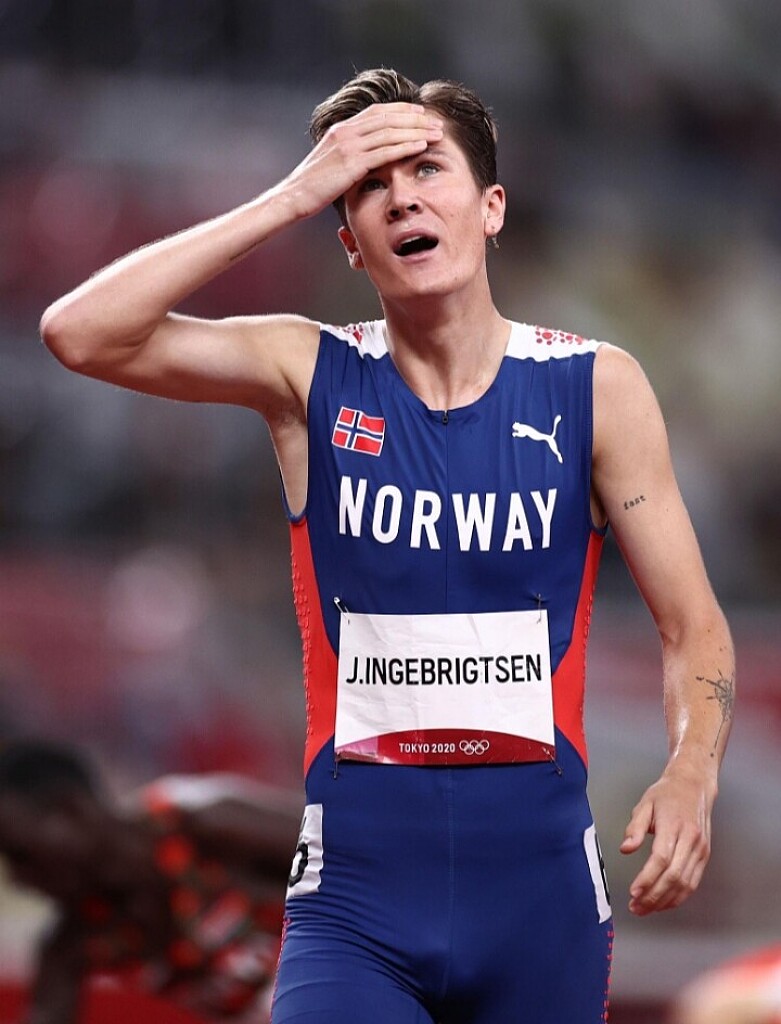
Patience of a Champion: Jakob Ingebrigtsen Eyes July Comeback
The wait to see Jakob Ingebrigtsen back on the track will continue a little longer. The Olympic champion is not expected to race before July as he continues recovering from Achilles tendon surgery, with his management team choosing caution over haste ahead of a demanding second half of the season.

According to his manager, Daniel Wessfeldt, the Norwegian star will miss all competitions in May and June, ruling him out of the early-season circuit, including the prestigious Bislett Games. The decision reflects a clear priority: returning only when he is fully prepared to compete at the elite level that has defined his career.
At just 25, Ingebrigtsen has already built one of the most decorated résumés in modern distance running. He captured Olympic gold in the 1500m at Tokyo 2020 before adding the 5000m crown at Paris 2024. Beyond the Olympic stage, he has collected world titles, dominated European championships, and rewritten record books with global marks in the 2000m and 3000m, alongside the European record in the 1500m.
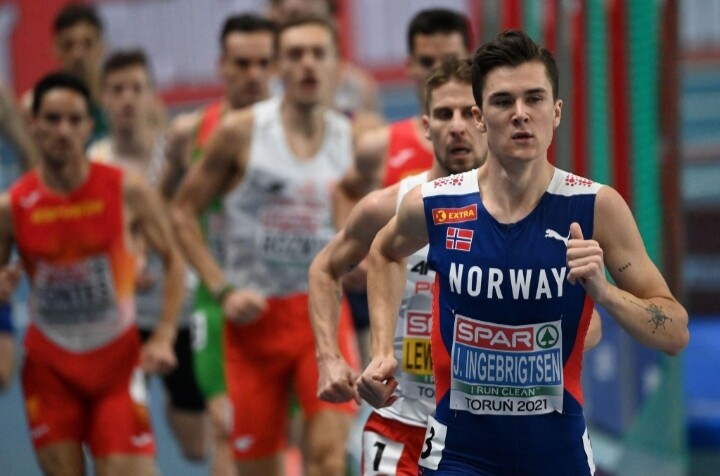
The Achilles issue had lingered in recent seasons, making surgery the necessary long-term solution. Rather than rushing back for early headlines, his camp is investing in a complete rehabilitation process designed to preserve both performance and longevity.
If recovery continues as planned, several high-profile opportunities await later in the year. Possible return stages include the Diamond League Eugene in early July, followed by major targets such as the European Championships, Diamond League stops in Silesia and Brussels, and the Ultimate Championship.
For now, the stopwatch can wait. Ingebrigtsen’s greatest race at this moment is not against rivals, but against time, patience, and recovery. If history is any guide, when he does return, he will come back ready to remind the world why he remains one of the defining athletes of his era.
by Erick Cheruiyot for My Best Runs.
Login to leave a comment
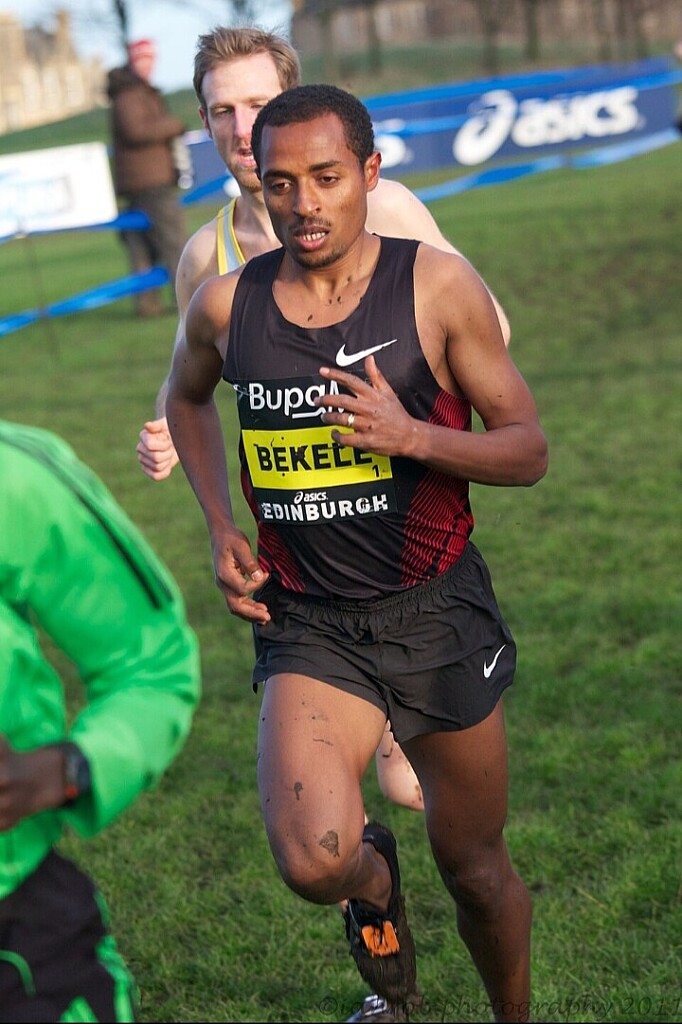
The Relentless Flame: Kenenisa Bekele and the Art of Running Beyond Limits
There are athletes who win races, and then there are rare souls whose movement feels almost like poetry — effortless yet powerful, gentle yet unstoppable. On a warm August evening in Brussels in 2001, under the honey-gold glow of stadium lights, a slender Ethiopian teenager floated across the track with a quiet certainty that something extraordinary was unfolding.
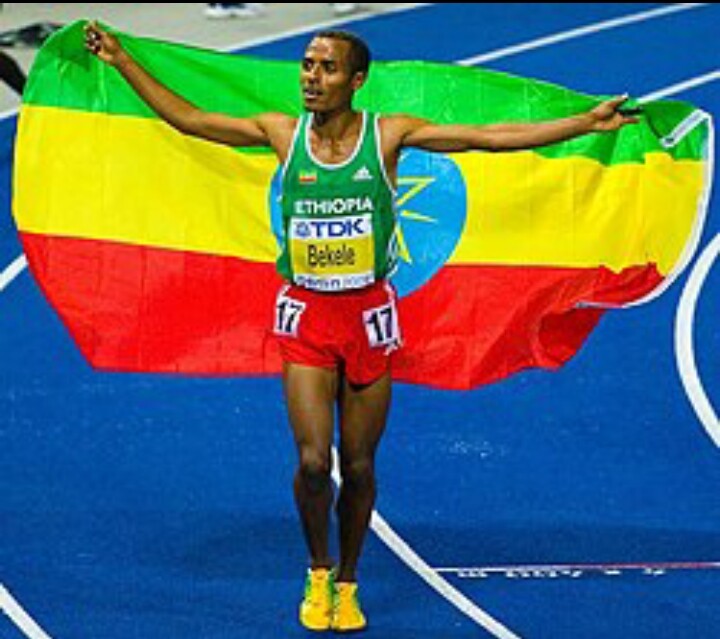
The crowd watched, curious at first, then captivated. When the clock stopped at 7:30.67 for 3000 metres at the Memorial Van Damme, applause filled the air. It was announced as a world junior record, but what lingered was not just the number — it was the feeling. The feeling of witnessing hunger wrapped in grace, ambition wrapped in innocence.
The teenager was Kenenisa Bekele, and even then, you could sense he was not chasing applause. He was chasing possibility.
For three and a half years, that junior record stood as a quiet monument to ambition before Augustine Choge eventually lowered it. Records, after all, are built to fall. Yet the resonance of Bekele’s performance lingered — the unmistakable arrival of a force that would soon redefine distance running.
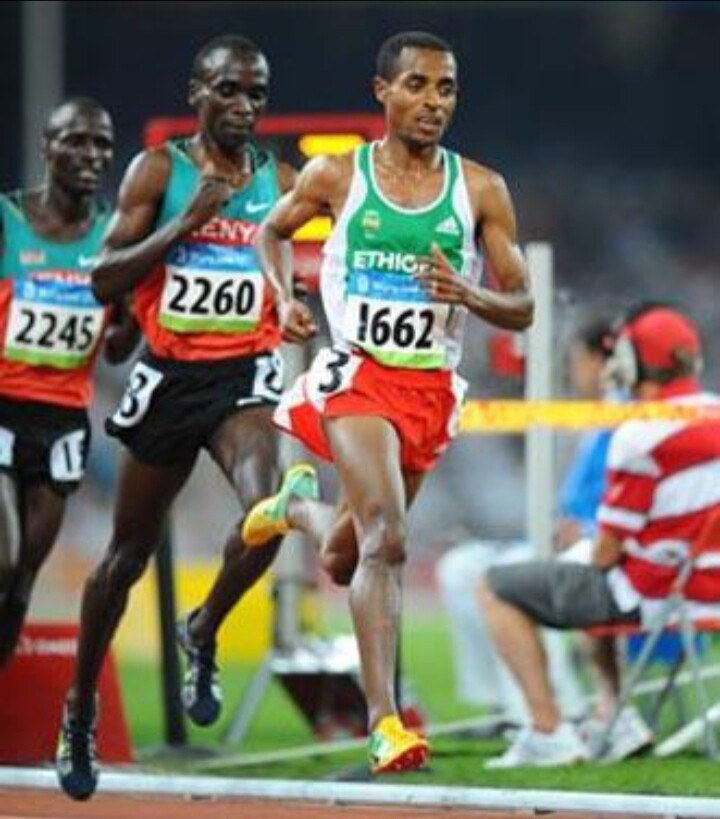
Even before Brussels, his ascent had begun to take shape in unexpected corners of Europe. In the small Dutch town that hosts the Montferland Run, he collected victories in 2000 and 2001 with an almost casual authority. Fifteen kilometres through winter air and narrow streets looked less like competition and more like controlled expression. But nothing about Bekele was ever routine. Beneath the calm exterior was a furnace of ambition.
Then came the terrain where legends are forged — mud, grass, cold wind, and pain — the IAAF World Cross Country Championships. Between 2002 and 2006, Bekele achieved something so extraordinary it borders on myth: he won both the short course and long course titles every single year for five consecutive seasons. No athlete before or since has replicated such dominance. The physiological toll alone should have made it impossible — the explosive intensity of the short race followed by the grinding endurance of the long. Yet he returned each year stronger, hungrier, untouchable.
When the short course was discontinued after 2006, he stepped away briefly, then returned in 2008 to claim the long-course crown once more, almost ceremonially, as though closing a chapter he himself had authored. By then his cross-country medal collection had reached staggering proportions — nineteen in total, including eleven senior individual golds. Statistics struggled to contain the scale of his supremacy.
But numbers alone never explained the aura.
On the track, Bekele possessed an almost predatory intelligence. He would sit quietly in the pack, conserving energy with deceptive ease. Then, with laps remaining, something would ignite. At the 2003 Bislett Games in Oslo, he tracked down the Kenyan leader with chilling precision before unleashing a decisive kick to win in 12:52.26. It was not merely speed — it was timing, instinct, and psychological dominance. Rivals knew the surge was coming. They simply could not stop it.
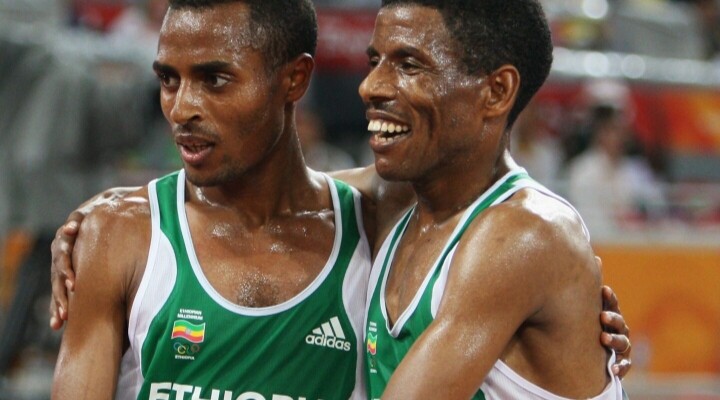
And hovering over his rise was a rivalry that felt almost epic in scale: Bekele against Haile Gebrselassie. The reigning emperor of distance running and the fearless successor. Early encounters favored the veteran, who reminded the young challenger of the existing hierarchy. But by 2003, the balance began to shift. Bekele edged Gebrselassie over 10,000 metres in Hengelo, then continued to outperform him across major championships.
At the 2004 Athens Olympics, Bekele captured 10,000-metre gold while Gebrselassie faded to fifth. Four years later, at the 2008 Beijing Olympics, history repeated itself. The apprentice had become the standard. Even on the roads, including the Great North Run, Bekele would later finish ahead. Their rivalry was not merely competitive — it symbolised the passing of an era.
The year 2004 crystallised his dominance. Within nine astonishing days, Bekele broke the indoor 5000-metre world record, then the outdoor 5000, and finally the 10,000-metre world record — as if impatience with history itself drove him. He swept cross-country titles again, led Ethiopia to team victories, and left Athens with Olympic gold and silver. Distance running had a new gravitational centre, and it was him.
Yet life does not always move in harmony with triumph.
On January 4, 2005, a deeply personal loss entered his world during what should have been an ordinary training morning. Alem Techale — the 1500-metre World Youth Champion of 2003 — was running alongside Bekele in Ararat, a forested, hilly area on the outskirts of Addis Ababa. The two were sharing the familiar rhythm of training when she suddenly collapsed. Bekele immediately carried her to his car and rushed toward the hospital, hoping urgency might change the outcome. But on the way, she passed away. What remained was a silence that no explanation could fully fill — only memories of shared miles, shared dreams, and a companionship that had once felt limitless.
For a time, the noise of competition softened around him. But step by step, he continued — not because pain disappears, but because the human heart has a quiet way of learning to carry both love and loss together.
Because in the end, Kenenisa Bekele’s story is not simply about speed, medals, or records etched into history books. It is about the tenderness hidden inside strength. It is about a young boy who ran with wonder in his spirit, a champion who experienced both luminous joy and quiet sorrow, and a man who kept moving forward with grace. His journey reminds us that greatness is not only measured by how fast someone runs, but by how gently someone keeps going — through seasons of celebration, through moments of silence, through life itself — one faithful stride at a time.
by Erick Cheruiyot for My Best Runs.
Login to leave a comment

World Athletics Announces Finalists for Photograph of the Year
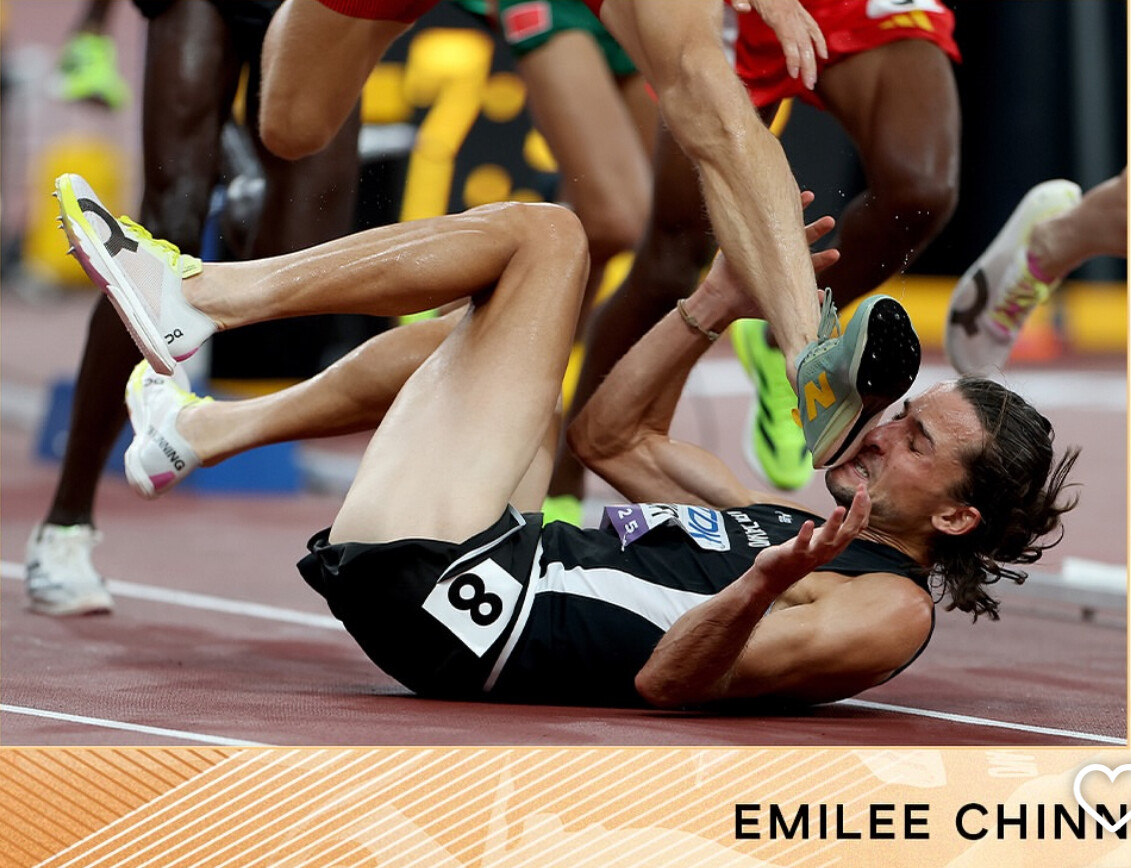
World Athletics has revealed the three finalists for its prestigious Photograph of the Year award—an annual honor recognizing the most powerful images captured across the global track and field season.
The finalists showcase emotion, danger, and artistry from three different continents:
• Fabrizio Bensch (Germany) captured a celebratory and intimate moment between Noah Lyles and Tara Davis-Woodhall at the World Championships in Tokyo, just after they medaled in the 100m and long jump.

• Emilee Chinn (USA) froze a dramatic near-disaster during the steeplechase prelims, when George Beamish went down and Jean-Simon Desgagnés’ spikes came frighteningly close to his face.
• Vegard Grott (Norway) created a striking, shadow-filled composition during the iconic Dream Mileat the Bislett Games in Oslo.
Do the winning photographers receive prize money?
World Athletics awards the honor and global recognition, but no prize money is given directly to the photographer. The award is part of the annual World Athletics Awards program.
Login to leave a comment
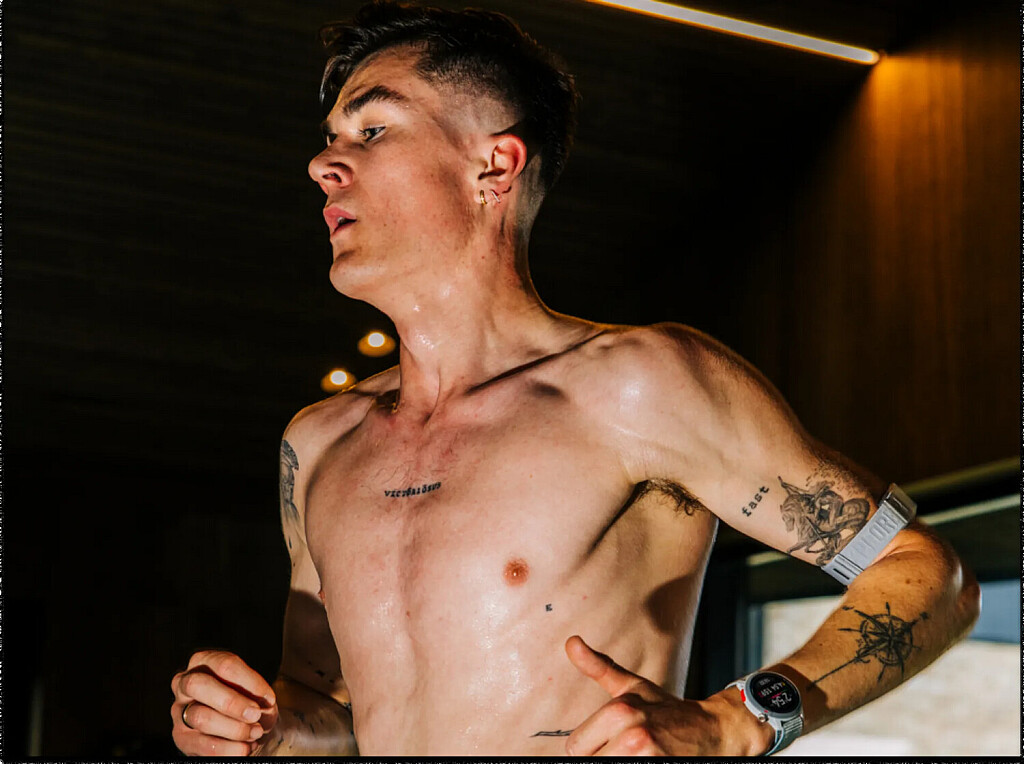
Is the King Really Back? Jakob Ingebrigtsen Sends a Silent Shockwave with One Reel
Just when the doubters were growing bold, Jakob Ingebrigtsen dropped a bombshell—without saying a word.
After months of uncertainty, Achilles rehab, and a string of absences from marquee meets like Oslo and the Prefontaine Classic, the Olympic champion and world record holder resurfaced not with a headline but with a treadmill video on Instagram. The caption? Just five words:
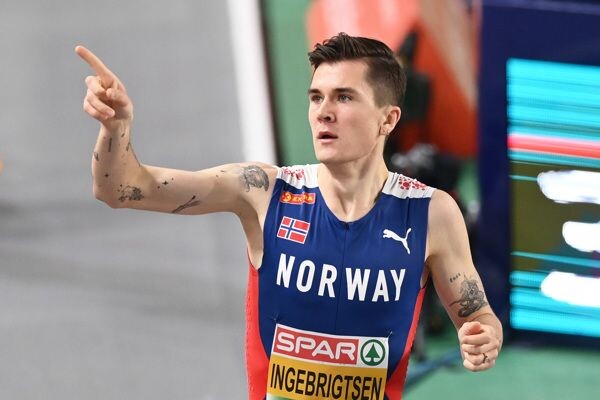
“Normal service has resumed ??.”
That was it. No interview. No press release. Just a smooth stride at full clip—and it was enough to send shockwaves through the sport.

Jakob, still only 23, hasn’t raced since winning the European Cross Country Championships last December. In May, he confirmed his withdrawal from the London Diamond League on July 20 due to lingering Achilles irritation. But now, with the 2025 World Championships in Tokyo looming, fans and rivals alike are decoding every frame of that 12-second clip. Was this just training? Or a warning shot?
The Comeback Equation

Jakob’s resume needs no embellishment:
Olympic 1500m champion (Tokyo 2021)
World 5000m champion (Paris 2023)
European record holder in the 1500m, mile, 3000m, and 5000m
World record holder in the 2000m and two miles
But since that shock defeat to Josh Kerr at the 2023 World Championships in Budapest—a tactical masterclass that broke Ingebrigtsen’s golden streak—Jakob has been unusually quiet. Injuries kept him from defending titles on the Diamond League circuit, while rivals like Kerr, Jake Wightman, and Yared Nuguse have stepped into the spotlight.
Now, that silence might be over.
Warning to Rivals?
The timing couldn’t be more dramatic. With Tokyo less than six weeks away, the treadmill reel could mark the start of Jakob’s final prep—if not for London, then for the Worlds. His message may have been short, but the implications are massive: he’s back in motion, the rhythm looks good, and if he toes the line in Tokyo, the narrative resets.
Rivals like Kerr, who’s coming off a strong win at the 2025 Bislett Games, won’t be underestimating him. Their rematch—if it happens—could be one of the defining moments of the championships.
Crown or Collision Course?
Is Jakob ready to reclaim his throne, or is he walking into the fiercest middle-distance rivalry we’ve seen in years? The answer is still unwritten—but one thing is clear:
Jakob Ingebrigtsen is not done. Not even close.
And now, the track world holds its breath.
by Boris Baron
Login to leave a comment
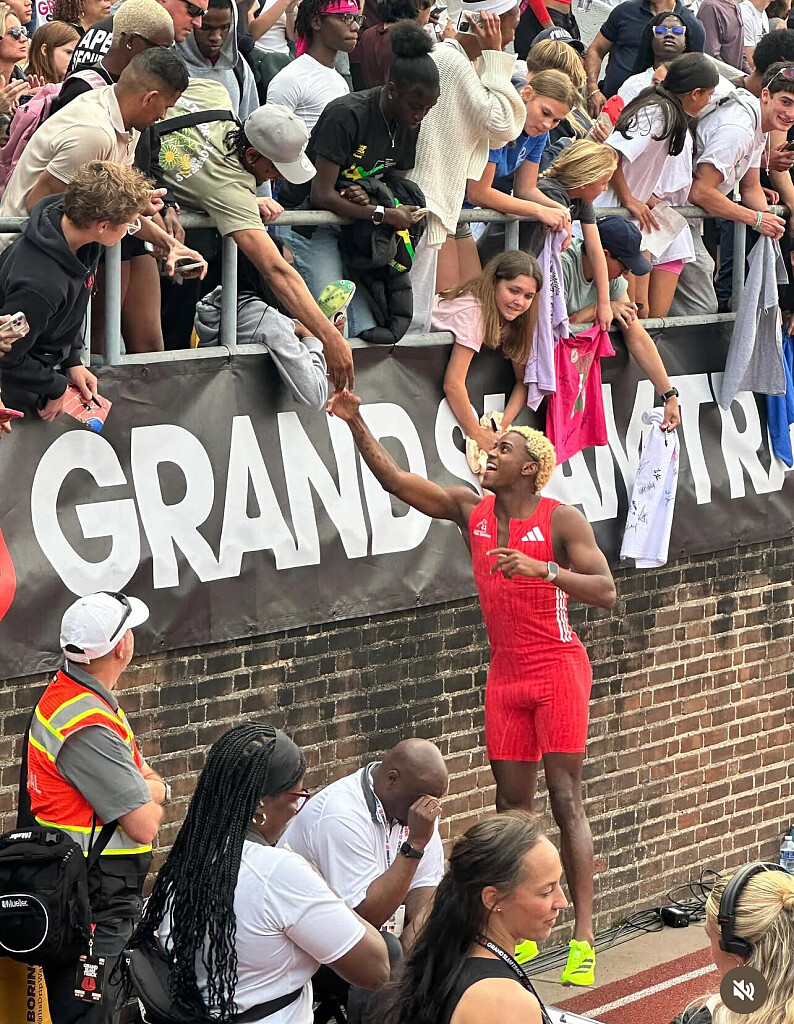
Grand Slam Track Stumbles After Strong Start, Leaving Top Athletes Asking: Where’s the Money?
When Olympic legend Michael Johnson launched Grand Slam Track (GST), the vision was bold: reinvent the sport with an athlete-first approach, big prize purses, and a reimagined global format. With a $30 million launch budget and promises to reward performance like never before, GST quickly gained traction. But after the abrupt cancellation of its final event in Los Angeles, questions are swirling—and athletes are asking where their promised money is.
The LA meet, originally scheduled for June 28–29, was expected to close out GST’s four-meet pilot season. Instead, the cancellation reportedly saved the organization upwards of $3 million, and left some top athletes publicly wondering when—or if—they’ll get paid.
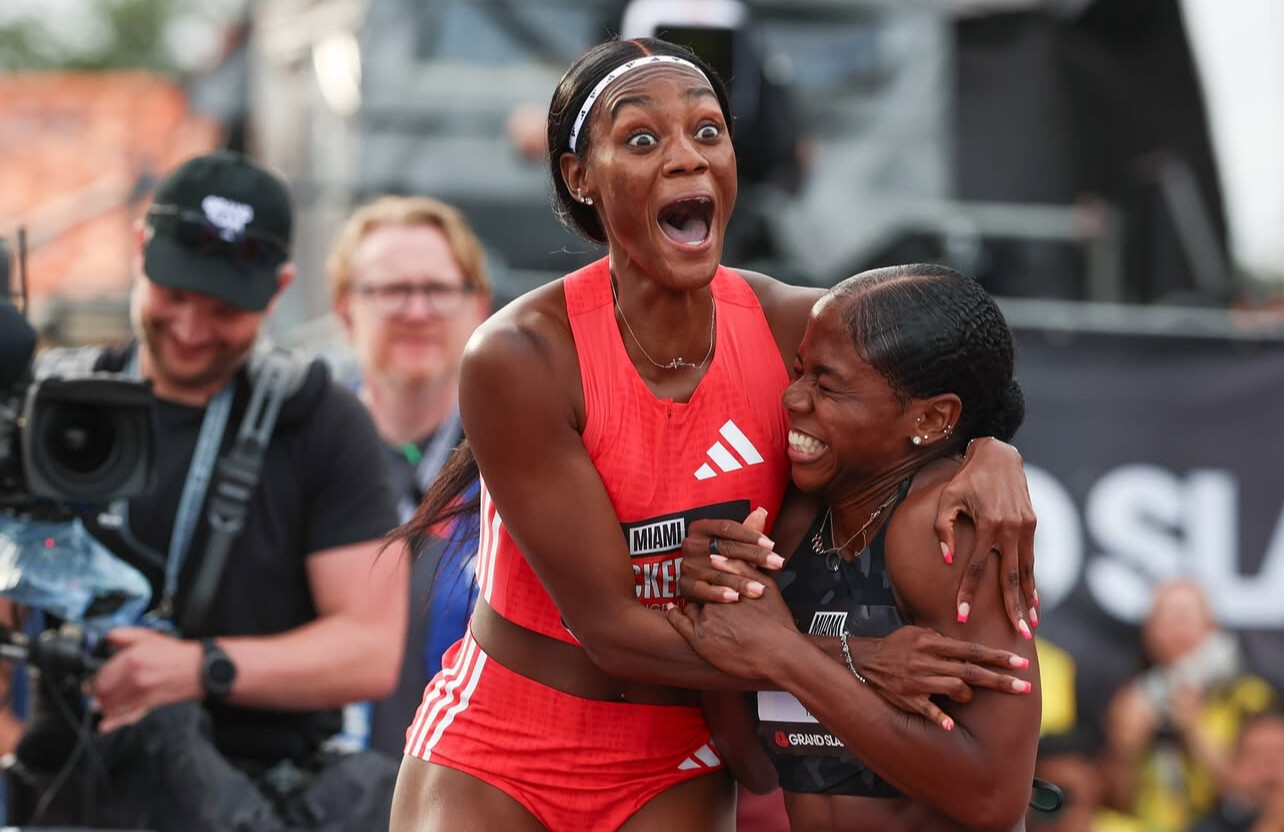
Brazil’s Alison dos Santos, the 2022 world champion in the 400m hurdles, told Norwegian outlet NRKthat he is still waiting on his $250,000 prize check. He said the cancellation came as a surprise but remains hopeful that the money will arrive later this year.
Others were more skeptical. Emmanuel Wanyonyi, Kenya’s Olympic 800m champion and winner of the short-distance event at GST Kingston, admitted after his victory at the Bislett Games that he hadn’t been paid either. “It might come. Why shouldn’t it come?” he said. “They have to pay us. I’ll be patient and wait.”
American distance phenom Nico Young, who won the 3,000m at the Philadelphia Slam and followed that performance with a U.S. record in the 5,000m (12:45.27) in Oslo, offered a more cautious response: “I don’t know if I’m supposed to say anything about it. We’re working on it.”
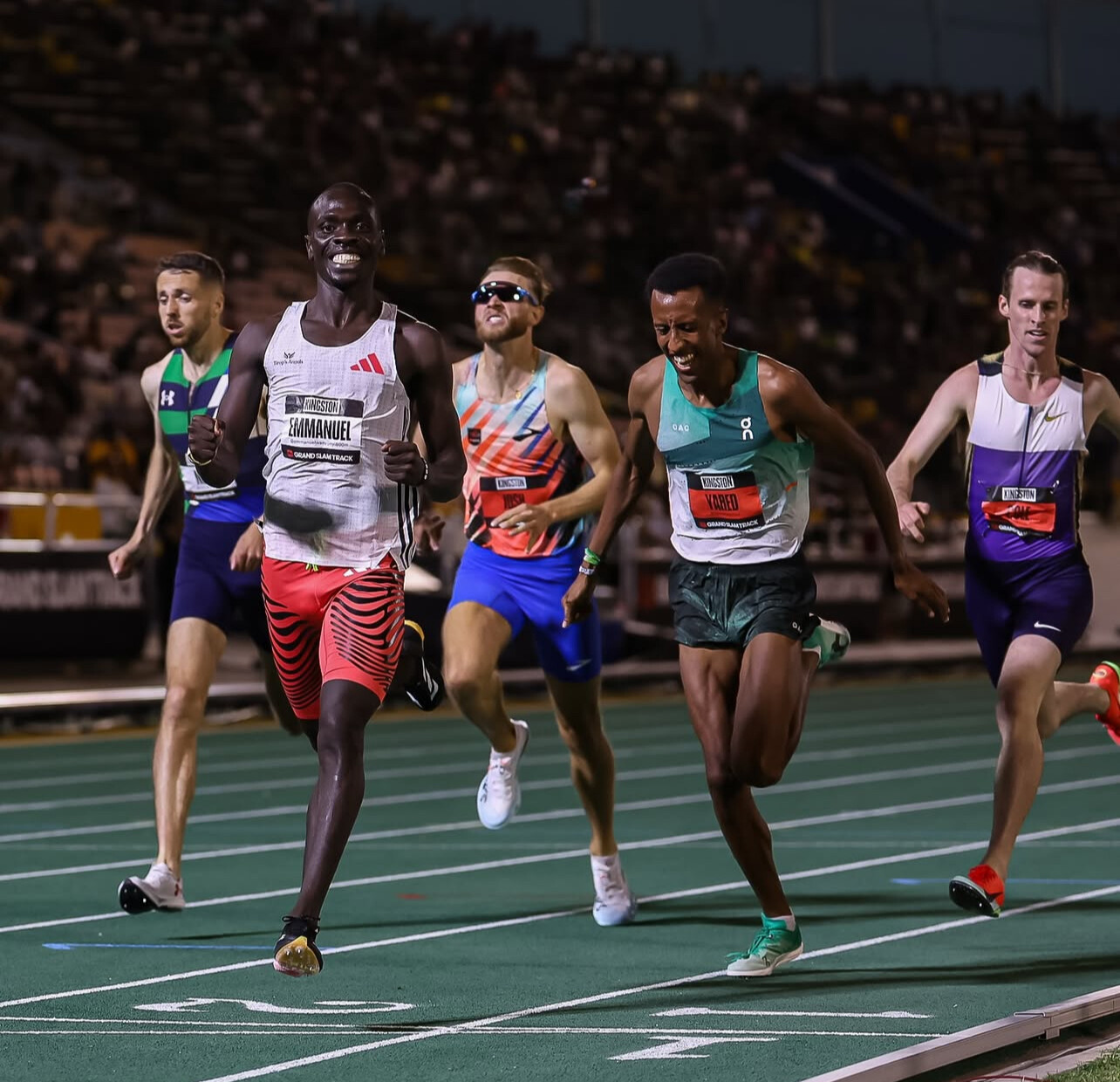
Even those with positive experiences are waiting. Charles Philibert-Thiboutot, a two-time Olympian for Canada, praised GST after competing in Kingston. “Grand Slam Track was one of the best experiences I’ve had as a pro,” he told Canadian Running. “I’m sad to see it struggle, because I do think that’s the way athletes should be treated at the highest level.” Still, he acknowledged he hasn’t been paid yet—but was told the money is on the way.
An agent representing multiple GST athletes confirmed that only half of the prize money from Kingston has been paid, and that winners from Miami and Philadelphia are still waiting. Delays in payout aren’t uncommon in professional track, with 6–12 week lags the norm—but with Kingston now 11 weeks in the rearview, patience is thinning.
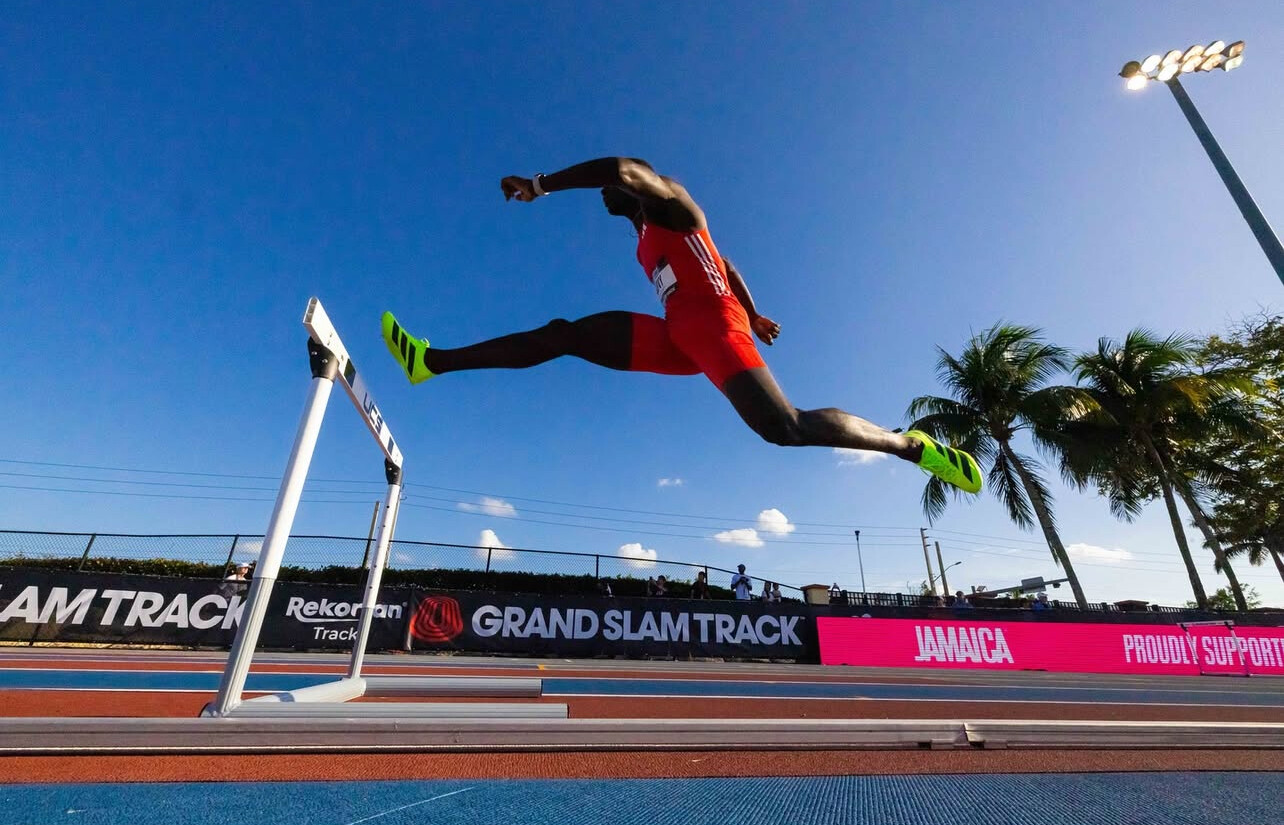
GST was originally backed by a $30 million budget, with $12.6 million earmarked for prize money—$3.15 million per event. The league also supported athlete contracts and high-end production values across its three completed events in Kingston, Miami, and Philadelphia.
In an email to NRK, GST spokesperson Callum Squires cited poor financial conditions at the LA venue as the reason for the cancellation. “The success of our three previous events has led us to make the difficult choice to end the pilot season and set our sights on 2026,” he wrote. “We will announce investors and new partnerships next week.”
Whether Grand Slam Track can recover and return stronger in 2026 may hinge on what happens next—and especially whether the league delivers on its most essential promise: paying the athletes who brought their best to the track.
by Boris Baron
Login to leave a comment

Jakob Ingebrigtsen Provides Injury Update, Postpones Outdoor Season Start
Jakob Ingebrigtsen, Norway’s Olympic champion and one of the most dominant middle-distance runners in the world, has confirmed that he will delay the start of his 2025 outdoor season due to a recurrence of an Achilles tendon issue.
The 24-year-old experienced discomfort in his Achilles while training at high altitude in Sierra Nevada, Spain—an injury reminiscent of a previous setback that sidelined him during part of the 2023–2024 season. Ingebrigtsen has since returned to Norway to undergo treatment and has transitioned to cross-training activities including aqua jogging and elliptical work to maintain fitness while reducing impact.
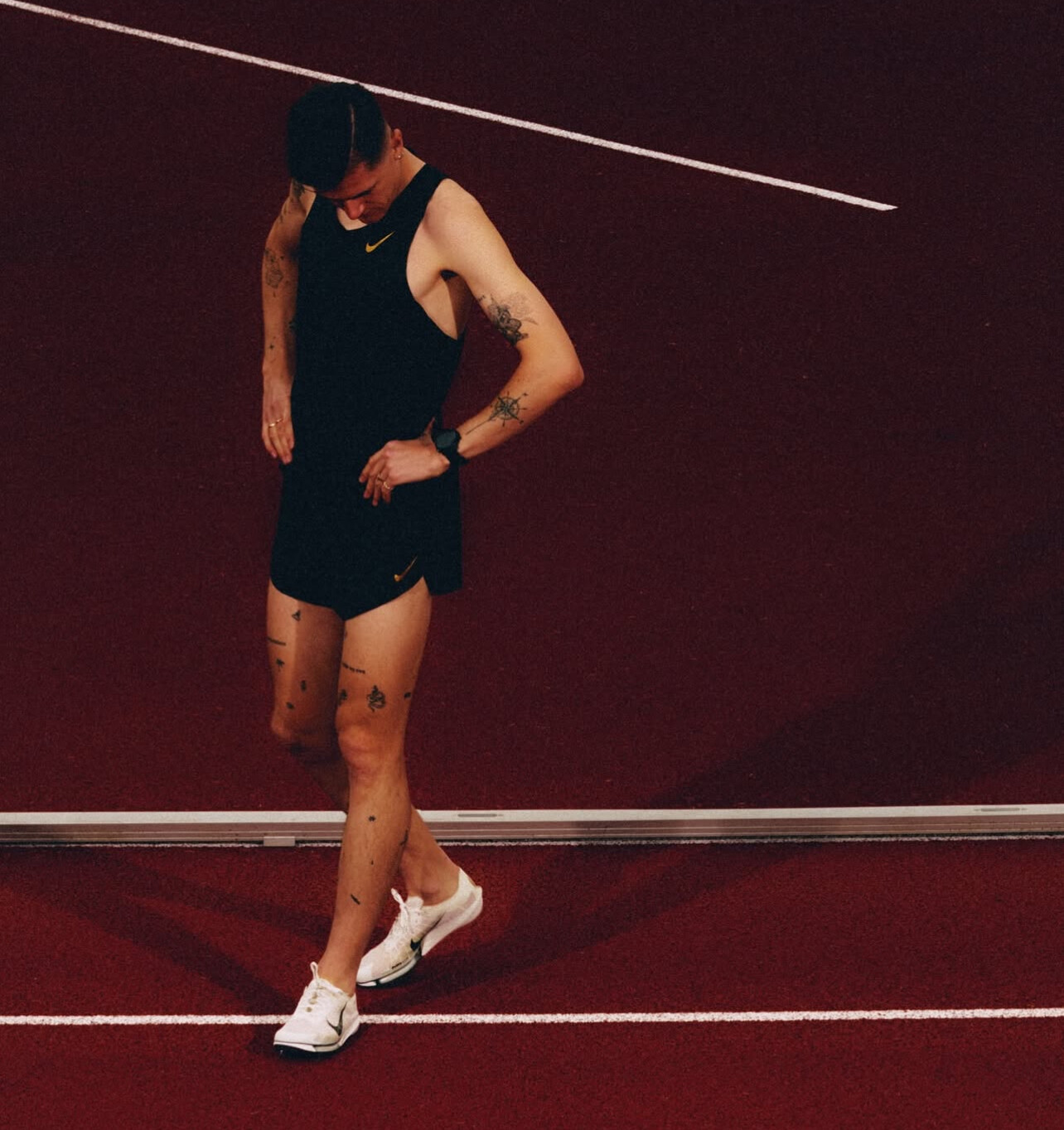
“I’ve been feeling irritation again in my Achilles,” Jakob shared in a video update on his official YouTube channel. “It’s frustrating, but I’ve learned from past mistakes. I want to give myself the best chance to recover fully and be ready for the biggest challenges later this season.”

As a result, Ingebrigtsen is expected to miss the Bislett Games in Oslo, scheduled for June 12, and his participation in the London Diamond League in July remains uncertain. However, he remains focused on regaining top form in time for the World Championships in Tokyo later this year.
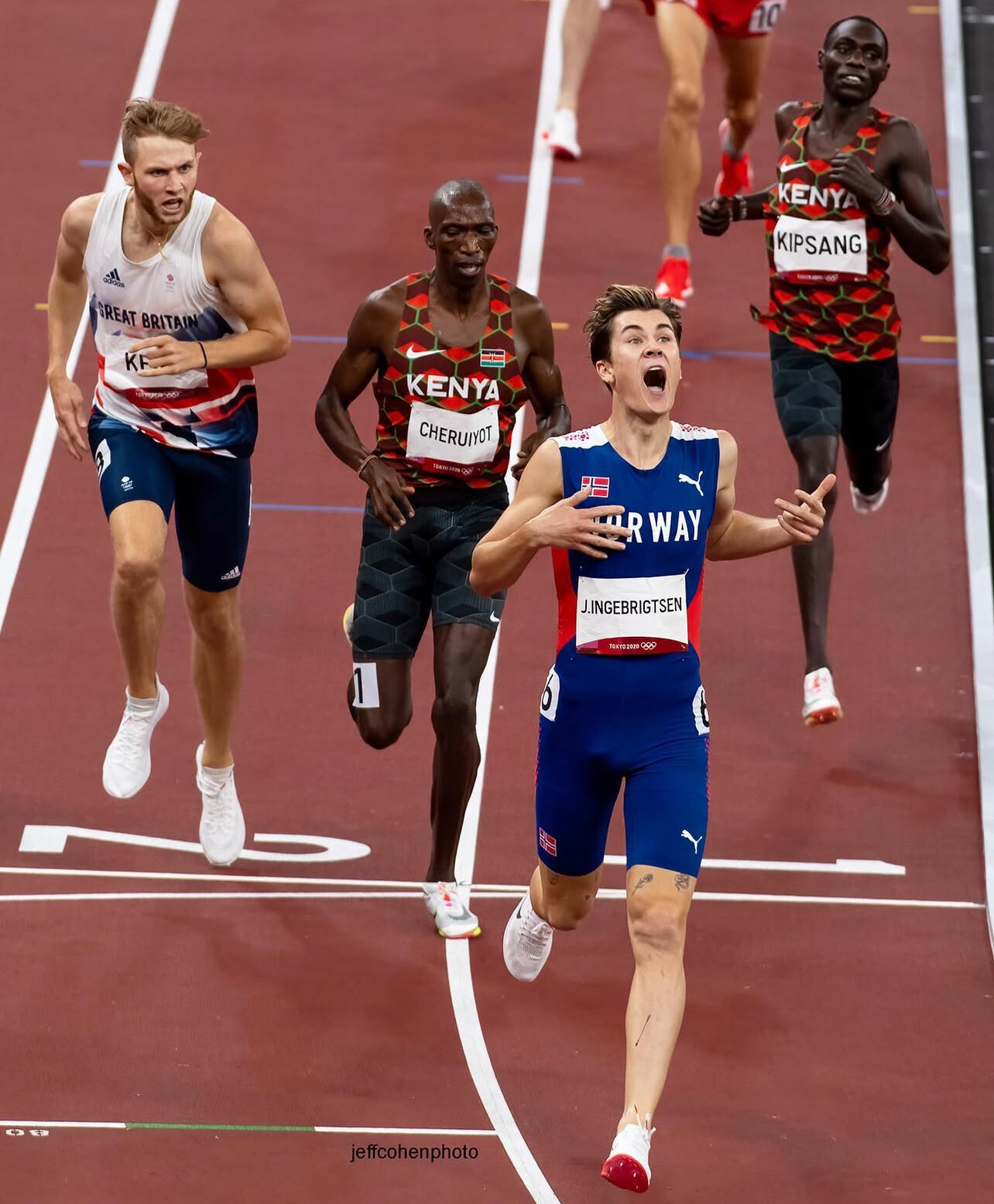
Despite this recent setback, Ingebrigtsen had an extraordinary indoor season earlier in 2025. He shattered two world records—running 3:45.14 in the indoor mile and 3:29.63 in the 1500m—both at the Meeting Hauts-de-France Pas-de-Calais in Liévin. He also claimed gold in both the 1500m and 3000m at the European Athletics Indoor Championships in Apeldoorn and the World Indoor Championships in Nanjing.
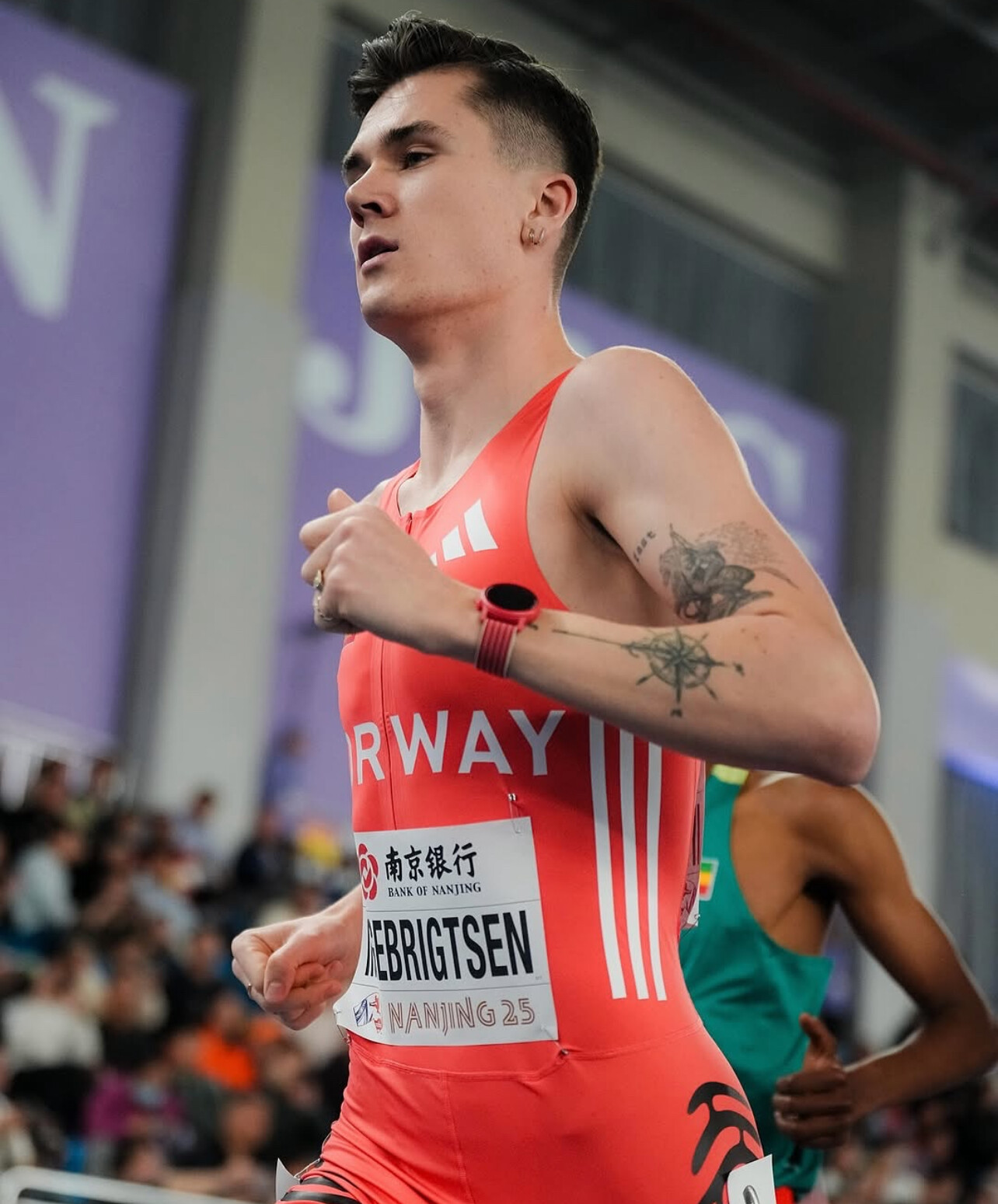
Jakob’s cautious approach underscores his long-term focus. “I’m not rushing this. I know what I’m capable of when I’m healthy,” he added. “The goal is to compete at my best when it matters most.”

by Boris Baron
Login to leave a comment

Achilles Injury Forces Ingebrigtsen to Delay Season Start
Fresh off one of the most dominant years of his career, Norwegian middle-distance star Jakob Ingebrigtsen has hit an unexpected roadblock. The reigning Olympic champion and recent world record holder has postponed the start of his 2025 outdoor season due to a minor Achilles tendon injury.
According to Norwegian media, Ingebrigtsen experienced a slight strain during training and has since delayed a scheduled altitude camp. The injury has forced him to withdraw from the upcoming Bislett Games, his highly anticipated home Diamond League meet in Oslo.
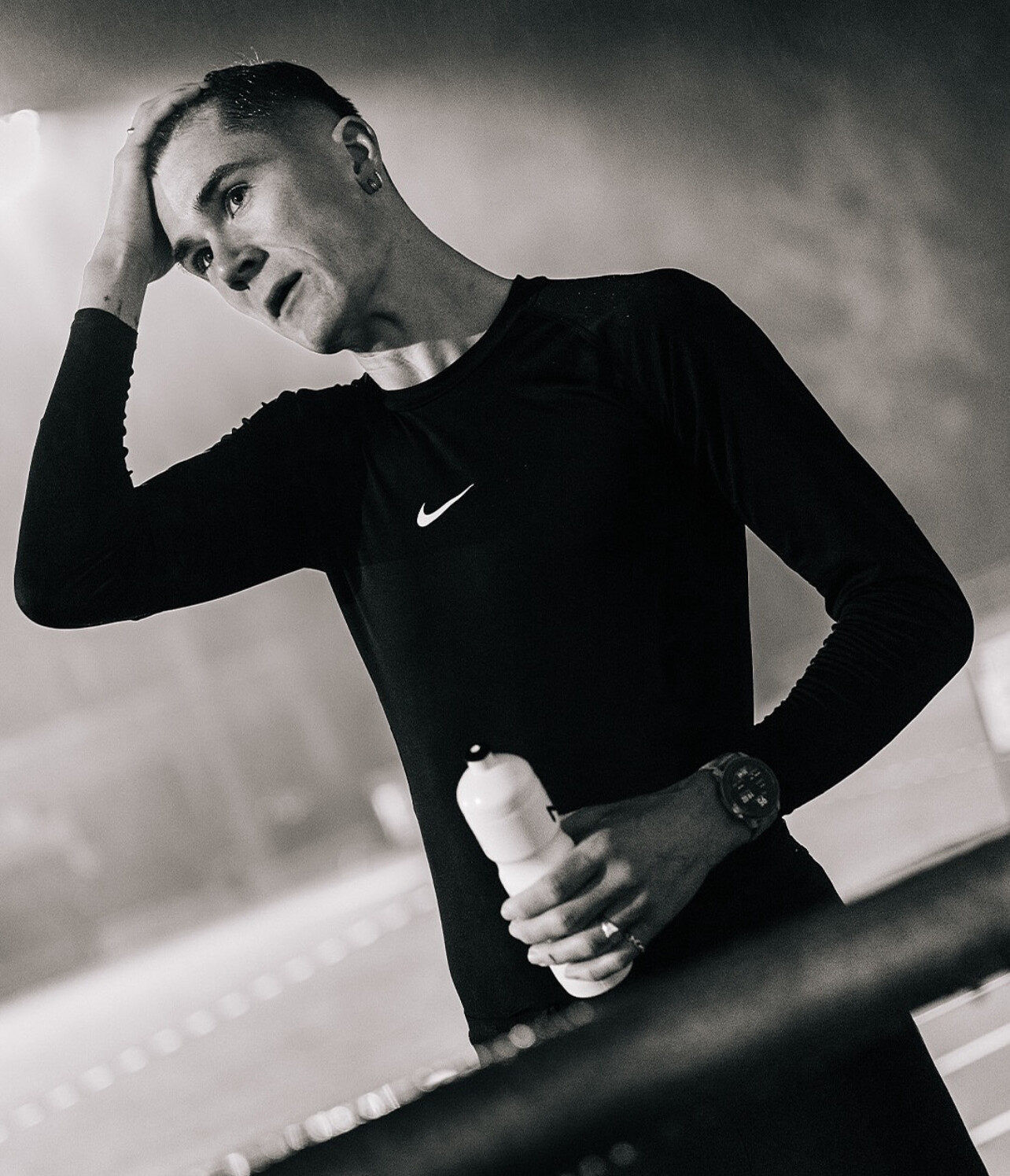
“Jakob felt some discomfort in his Achilles, and we’re taking every precaution,” his spokesperson Espen Skoland told Norwegian broadcaster NRK. “It’s not serious, but it’s enough to warrant rest and adjustment.”
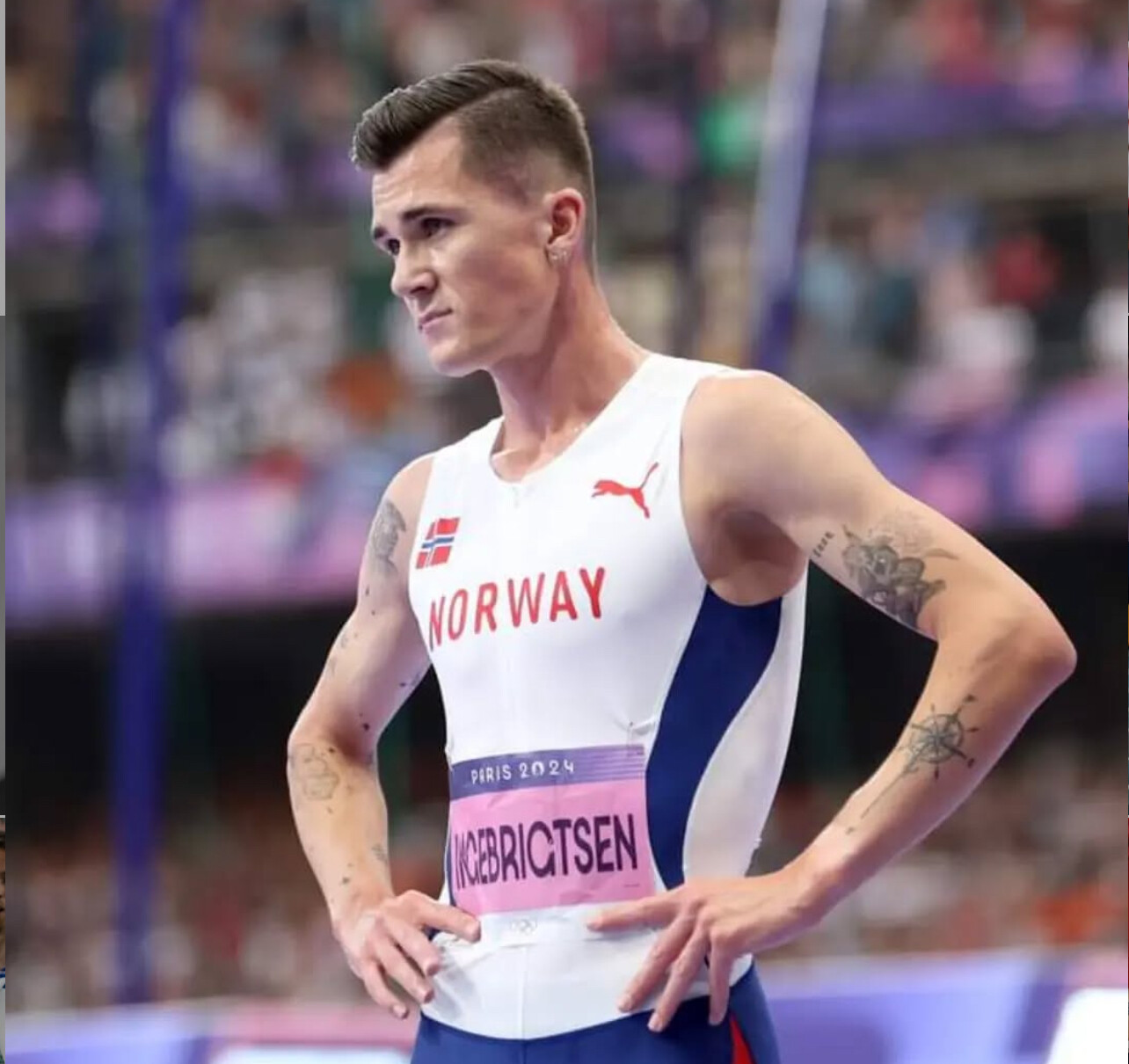
The news comes as a surprise to fans after Ingebrigtsen’s stellar 2024 season, which included Olympic gold in the 5000m, a European record in the 1500m, and a series of record-breaking performances that reaffirmed his place as one of the most dominant forces in middle-distance running.
Known for his fierce racing schedule and unmatched consistency, Ingebrigtsen has rarely been sidelined. While the injury is not expected to derail his entire season, it’s a rare pause for the Norwegian powerhouse who seemed poised to continue his momentum into 2025.
As he recovers, fans and competitors alike will be watching closely to see when and where he returns—and whether he can pick up right where he left off.
by Boris Baron
Login to leave a comment
 Big fan. I hope he recovers fully soon but as we know Achilles situations are not good! - Bob Anderson 5/13 6:22 pm |
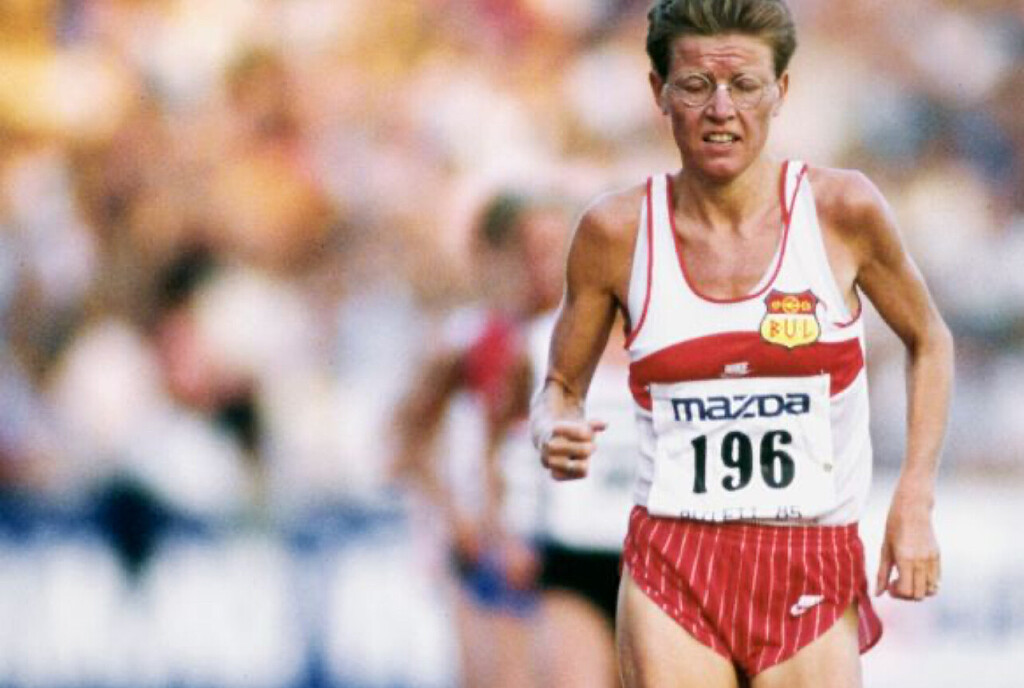
Remembering Kristiansen’s barrier-breaking sub-15-minute 5000m
When Ingrid Kristiansen lined up for the 5000m at the 1984 Bislett Games, she was known as the former international cross country skier who had just become Europe’s fastest ever woman in the marathon.
It was only six weeks previously that the 28-year-old mother from the Viking stronghold of Trondheim had made her major breakthrough in athletics, storming through halfway in the London Marathon in a blistering 1:10:52 en route to a winning time of 2:24:26.
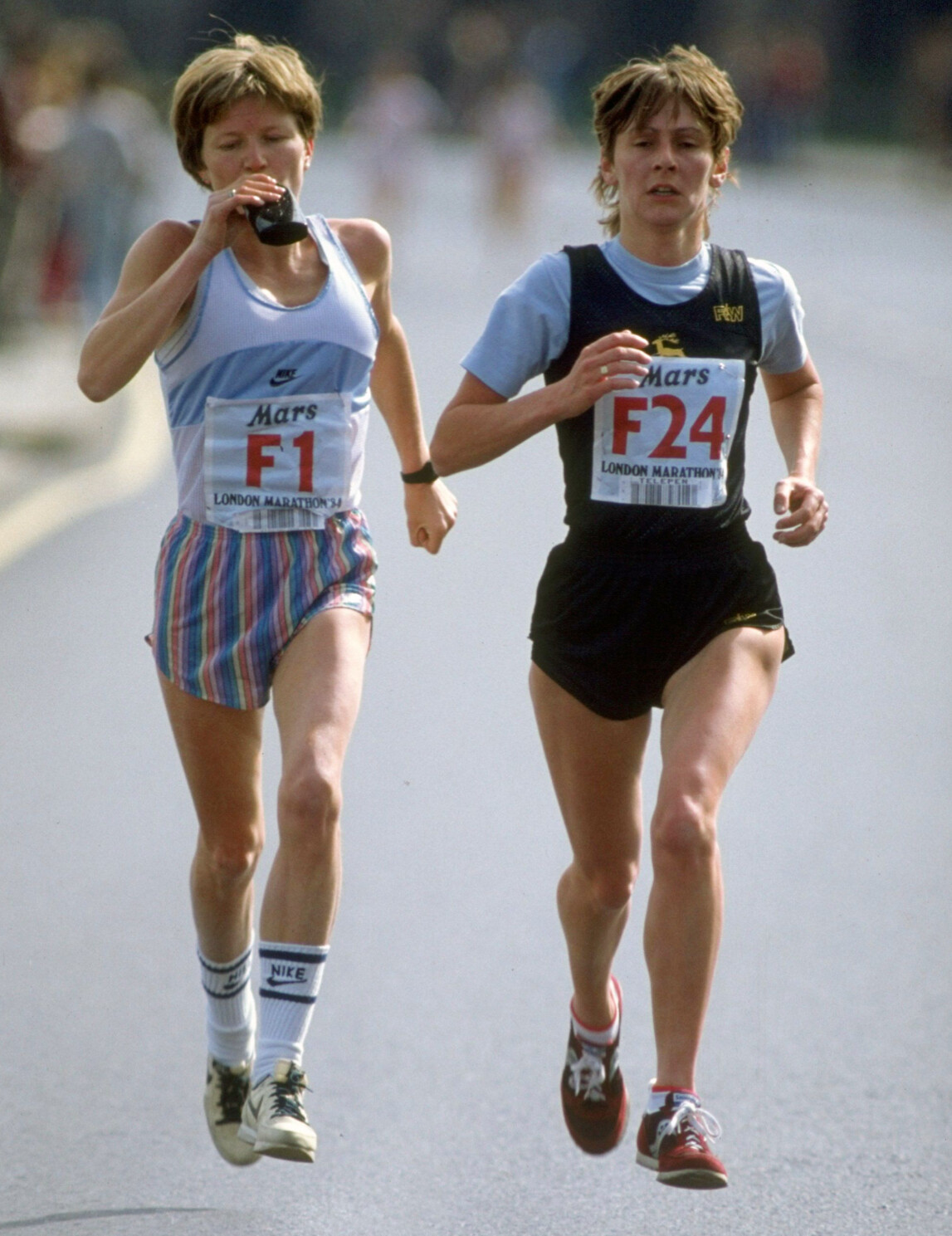
In the process, Kristiansen first peeped out of the considerable shadow of the great Grete Waitz as another formidable Norse to be reckoned with on the global running stage.
The London run elevated her to second spot on the world all-time list, behind the 2:22:43 recorded by Joan Benoit of the US in Boston the previous year, but ahead of Waitz’s Norwegian and European record of 2:25:28.7.
It was only fitting that the burgeoning Kristiansen should claim her first world mark on home ground, in the heart of Norway’s capital city on the hallowed Bislett Stadium track.
That was 40 years ago, on the evening of 28 June 1984.
‘Dead tired… pushed on by the cheers of the crowd’
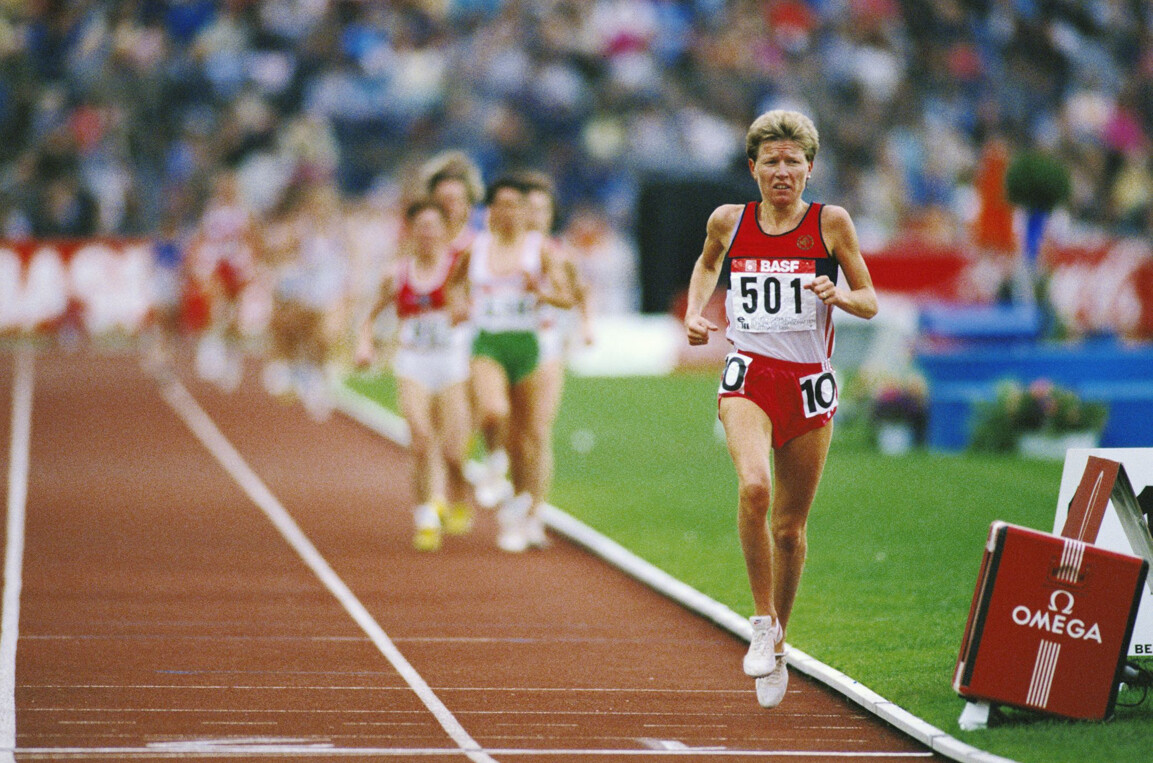
The official world record for the women’s 5000m stood at 15:08.26 – to Mary Decker, or Mary Tabb as she had been when she set the figures on home ground at the 1982 edition of the Pre Classic.
In Apartheid South Africa on 5 January 1984 – and therefore ineligible for recognition – the barefoot Springbok wunderkind Zola Budd had run 15:01.83 in Stellenbosch. By June of the same year, Budd had already become a British citizen and was on her way to being rubber-stamped in the British team for the Los Angeles Olympics.
That night in Oslo, though, Kristiansen’s only rival was the Bislett Stadium clock.
After following Maggie Keyes of the USA through 1000m in 3:02.0, Kristiansen surged clear of the field, reeling off laps of 70-72 seconds.
Passing 3000m in 8:59.8, Kristiansen finished with the flourish of a 68.4 final lap before crossing the line in 14:58.89.
Off marathon training of 170-180km a week, she had become the first woman in history to beat 15 minutes for 5000m.
“I was dead tired during the last two laps but I was pushed on by the cheers of the crowd,” she confessed.
Aurora Cunha, the future three-time world road race champion from Portugal, finished a distant runner up in 15:09.07, followed by Briton Angela Tooby (15:22.50).
Back in sixth was Portugal’s European marathon champion Rosa Mota (15:30.63) – followed by Tooby’s twin sister, Susan (15:44.58), future mother of 2022 world 1500m champion Jake Wightman.
Holding a distance world record triple
Kristiansen was to go quicker over 12.5 laps. At London’s Crystal Palace in 1985, she clocked 14:57.43 but lost the world record to Budd, a clear winner in 14:48.07.
In Stockholm in 1986, however, Kristiansen reclaimed the record with a stunning 14:37.33.
That year she was at her zenith on the track, improving her own 10,000m world record by almost 46 seconds with a 30:13:74 run at Bislett.
Kristiansen was the first runner in history to simultaneously hold world records for 5000m, 10,000m and the marathon.
Returning to the London Marathon in 1985, she brought the women’s 2:20 barrier into sight with a 2:21:06 triumph that stood as a world record for 13 years.
Kristiansen also became the first athlete to claim world titles on the track, on the road and over cross country. Twice a winner of the 15km world road race championship, she won the world 10,000m title on the track in Rome in 1987 and the world cross country crown in Auckland in 1988.
Big heart and big lungs
Many attributed Kristiansen’s phenomenal success to the physiological benefits she had gained from giving birth to her first son, Gaute, in 1983. She felt it was more the edge she had gained from years of competitive cross-country skiing.
“I think it came from my cross-country skiing career,” she asserted. “It gave me a big heart and big lungs, and when I got my legs trained for running I was maybe a little bit ahead of the other runners at the time.”
As a cross-country skiing prodigy, Kristiansen won the European junior title in 1974, was selected as a reserve for the Winter Olympics in Innsbruck in 1976, and finished 15th in the World Championships 20km race in 1978.
She decided to concentrate on competitive skiing for several years after making the Norwegian team for the 1971 European Athletics Championships as a 15-year-old 1500m runner, Ingrid Christensen. But she got bumped off the track in her heat in Helsinki and failed to finish the race.
Her roommate in the Finnish capital was a 17-year-old called Grete Andersen, who finished eighth in the other 1500m heat, missing the cut for the final.
She also made a name for herself in future years: as Grete Waitz, the first of Norway’s barrier-breaking distance-running duo.
by World Athletics
Login to leave a comment
An amazing fast 5k in Oslo
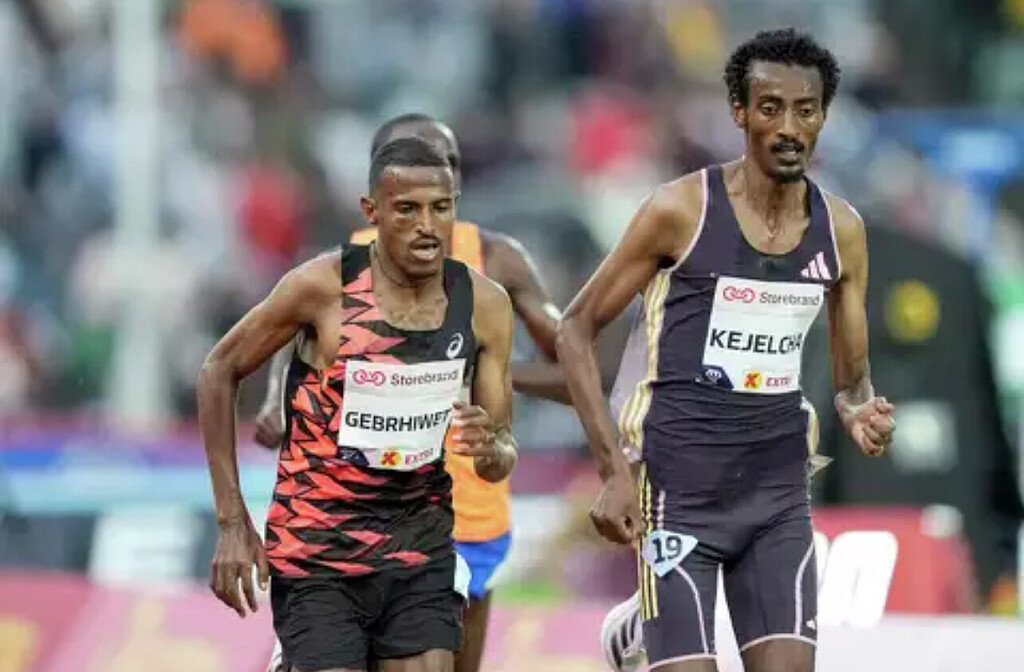
OSLO, Norway (AP) — Hagos Gebrhiwet of Ethiopia ran the second-fastest 5,000 meters of all time in winning at the Diamond League meeting in Oslo on Thursday.
Gebrhiwet ran a final lap of 54.99 to finish in 12 minutes, 36.73 seconds — 1.37 seconds off the world record set by Olympic champion Joshua Cheptegei.
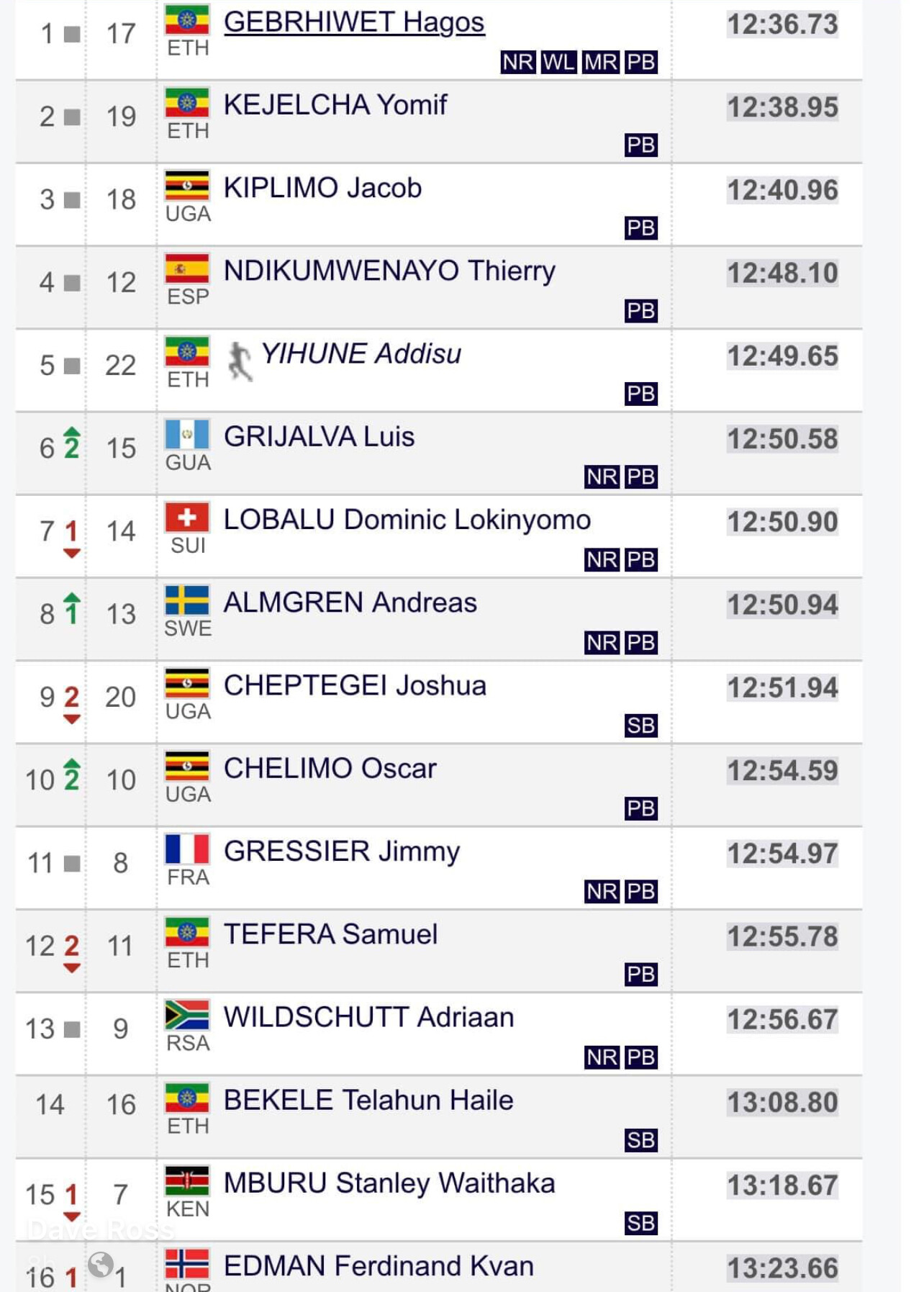
Gebrhiwet's time is not only the second fastest time ever it was also a new national record for Ethiopia. New personal bests for the top eight finishers and new National records for Guatemala, Switzerland, Sweden, France and South Africa!
Also at the Bislett Games, home favorite Jakob Ingebrigtsen dived for the line to win the men's 1,500 just ahead of Timothy Cheruiyot in a world-leading 3 minutes, 29.74 seconds.
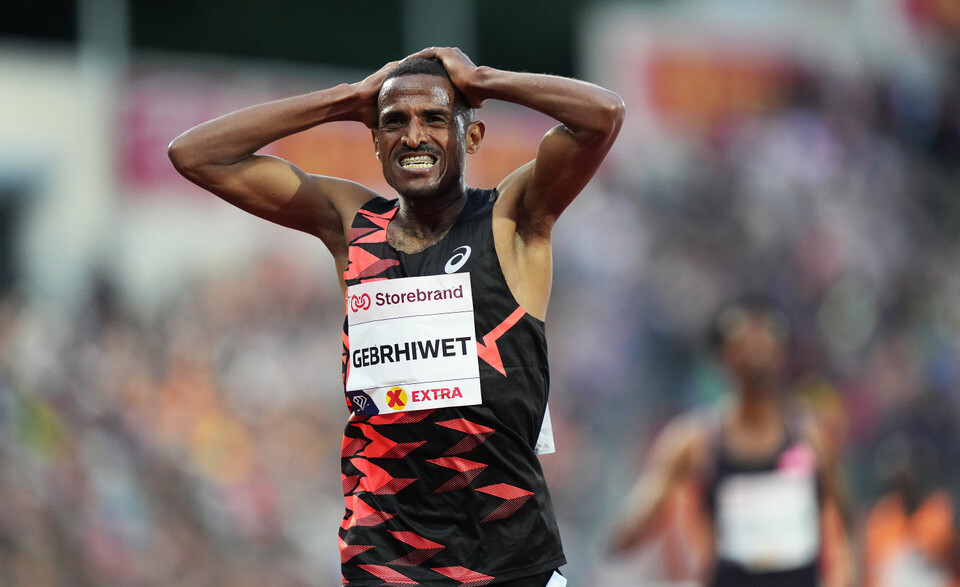
More details: Hagos Gebrhiwet produced the standout performance of the Bislett Games – and one of the biggest surprises of the year so far – when winning the men’s 5000m in 12:36.73 at the Wanda Diamond League meeting in Oslo on Thursday (30).
It was one of three meeting records and five world leads set on an enthralling night of athletics action in the Norwegian capital, just two months away from the Paris Olympic Games.
Going into the men’s 5000m, many eyes were on world record-holder and Olympic champion Joshua Cheptegei, two-time world cross-country champion Jacob Kiplimo and last year’s Bislett Games winner Yomif Kejelcha. But Gebrhiwet – who produced the first sub-13-minute run of his career on this track as a teenager back in 2012 – ensured his name won’t be forgotten in the lead-up to the Olympics.
The early pace was strong but not spectacular as the field was paced through the first 1000m in 2:33.13 and 2000m in 5:07.05. Addisu Yihune maintained that tempo through 3000m, reached in 7:41.05, with all the big contenders still in contention.
Kejelcha took control soon after and started to wind up the pace. Gebrhiwet stayed close to his fellow Ethiopian with Ugandan duo Kiplimo and Cheptegei close behind as 4000m was reached in 10:11.86, the previous kilometre being covered in 2:30.
Cheptegei was unable to hold on for much longer and started to drift back. Kejelcha continued to drive the pace but the challenge from Gebrhiwet and Kiplimo wasn’t fading, despite the increase in pace. Gebrhiwet struck as the bell sounded and moved into the lead, kicking past his compatriot and pulling away with each stride.
With a final lap of 54.99, Gebrhiwet charged through the line in 12:36.73 to win by more than two seconds from Kejelcha (12.38.95) – the first time in history that two men have broken 12:40 in the same race.
Gebrhiwet’s winning time is just 1.37 seconds shy of the world record Cheptegei set in 2020 and moves him to second on the world all-time list, one place ahead of Kenenisa Bekele, whose Ethiopian record Gebrhiwet broke.
Kiplimo held on for third, setting a PB of 12:40.96, while Spain’s Thierry Ndikumwenayo (12:48.10) and Yihune (12:49.65) also finished inside 12:50.
It was just the second time in history that 13 men have broken 13 minutes. Along with Gebrhiwet, there were national records for Guatemala’s Luis Grijalva (12:50.58), Switzerland’s Dominic Lokinyomo Lobalu (12:50.90), Sweden’s Andreas Almgren (12:50.94), France’s Jimmy Gressier (12:54.97) and South Africa’s Adriaan Wildschutt (12:56.67).
“I’m really happy with my time,” said Gebrhiwet, the world road 5km champion. “I set a PB when I first ran in Oslo, and now it’s even better. The conditions and the crowd were great. It was a very fast race and it wasn’t easy for me, but it went very well. I’ll now try to qualify for the Olympics in the 10,000m too.”
There were notable performances in two other endurance events in Oslo.
Australia’s Georgia Griffith continued her breakthrough to win the 3000m in an Oceanian record of 8:24.20. The field had been paced through 1000m in 2:50.34, then that pace was maintained through 2000m in 5:40.73.
The field became more strung out over the final kilometre as the pace increased. Griffith made a break in the closing stages and Ethiopia’s Likina Amebaw tried to come back, but her challenge was in vain as the Australian won in a meeting record of 8:24.20, 0.09 ahead of Amebaw in a race where the top six women finished inside 8:30.
In the closing event of the night, Olympic champion Jakob Ingebrigtsen was made to dive for the line to ensure a home victory for the Norwegian fans.
He controlled the pace in the second half, but still had 2019 world champion Timothy Cheruiyot for company on the final lap. The Kenyan challenged the Norwegian down the home straight and appeared to have timed his kick to perfection, but Ingebrigtsen collapsed over the line to get the verdict in a world-leading 3:29.74, 0.03 ahead of Cheruiyot. The first 11 finishers all set either season’s or personal bests.
Login to leave a comment
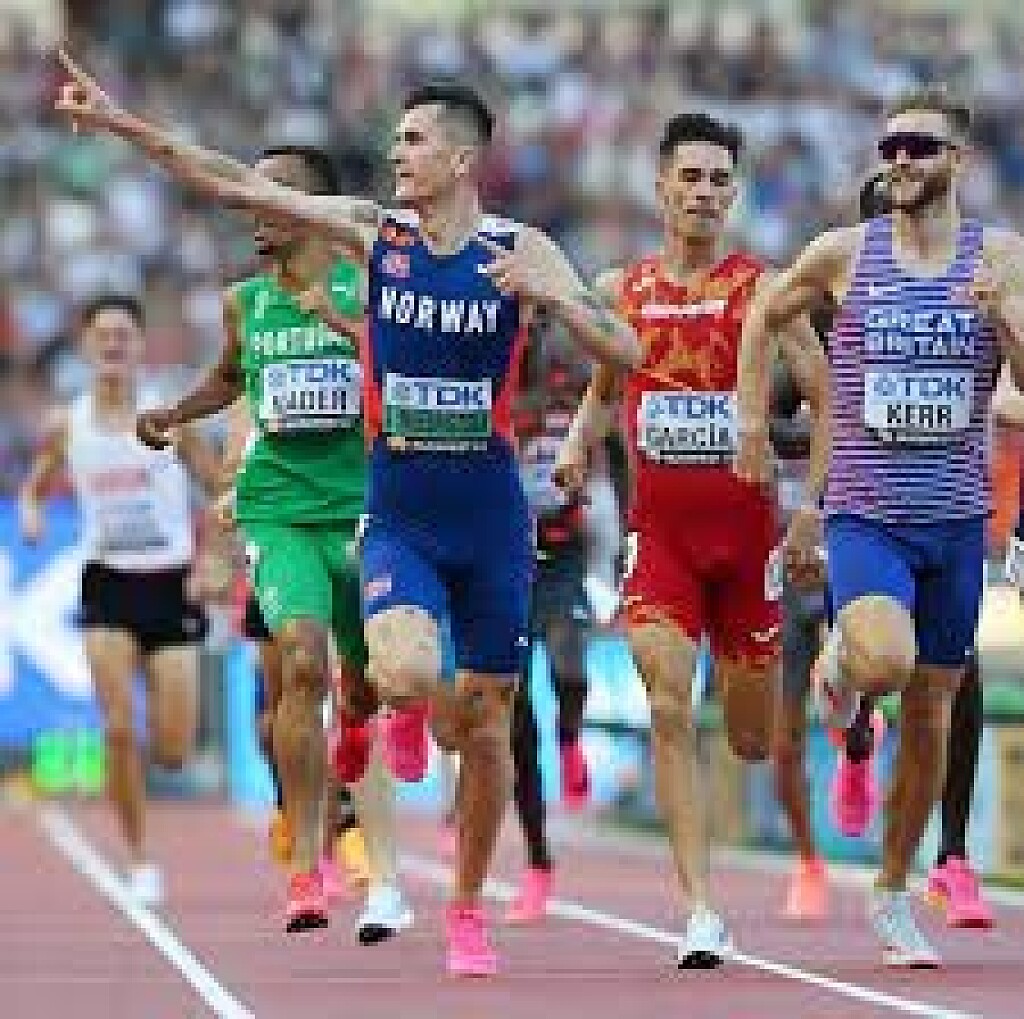
Jakob Ingebrigtsen hopes to open his season at Pre Classic
After a record-setting 2023 season, it has been a quiet year (so far) for Norwegian distance star Jakob Ingebrigtsen. The 24-year-old has been sidelined with an Achilles injury, which will keep him out of next month’s World Indoor Championships in Scotland and World XC in Serbia.
In an exclusive interview with Norwegian broadcaster NRK, Ingebrigtsen remained confident that he would be good to go for the summer track season. “Plan A is to start the season in Eugene [Diamond League, on May 25], run Bislett Games [Oslo Diamond League] on May 30, and the European Championships in Rome after that [June 7],” said Ingebrigtsen. “I think that will work well this year. And then full focus on the Olympics after that, so most likely a good season in the late summer.”
Last year was one of the most dominant seasons of Ingebrigtsen’s young career; he set world bests over two miles and 2,000m and clocked the second-fastest mile time in history (3:43.73) at the 2023 Diamond League Final in Eugene. He also went through a lot off the track, marrying his longtime partner Elisabeth Asserson and having a public falling out with his former coach and estranged father, Gjert Ingebrigtsen.
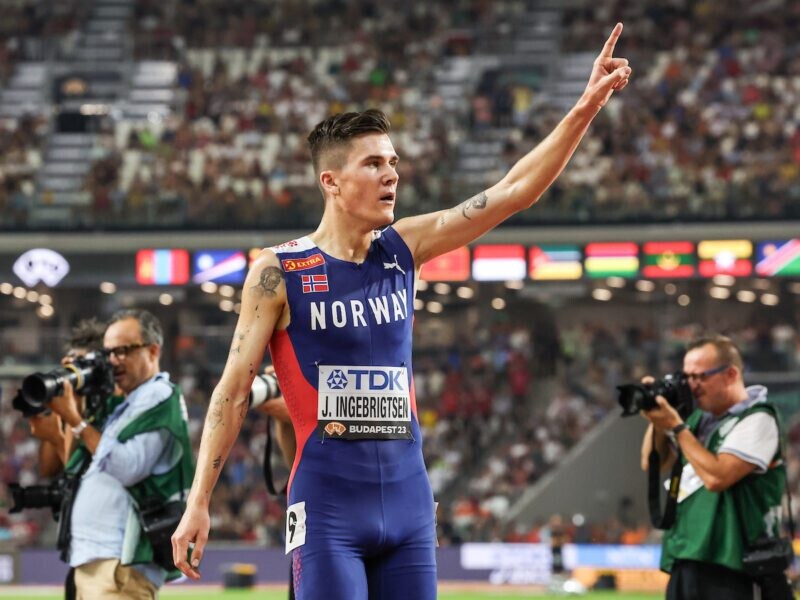
Ingebrigtsen told NRK that he took some time off from running during his wedding and honeymoon in the Maldives, and when he tried to start training again, the challenges began. “I got sick during the break,” said Ingebrigtsen. “When I started training again, it hurt like hell, then the Achilles tendon snapped.” He believes the problem occurred from inflammation around the Achilles tendon on his right foot.
He also admitted in the interview that he was struggling with pelvic pain before the 2023 World Athletics Championships in Budapest, where he defended his world title in the 5,000m and took silver to Great Britain’s Josh Kerr in the men’s 1,500m, losing to a British middle-distance runner for the second year in a row (Jake Wightman, 2022 worlds).
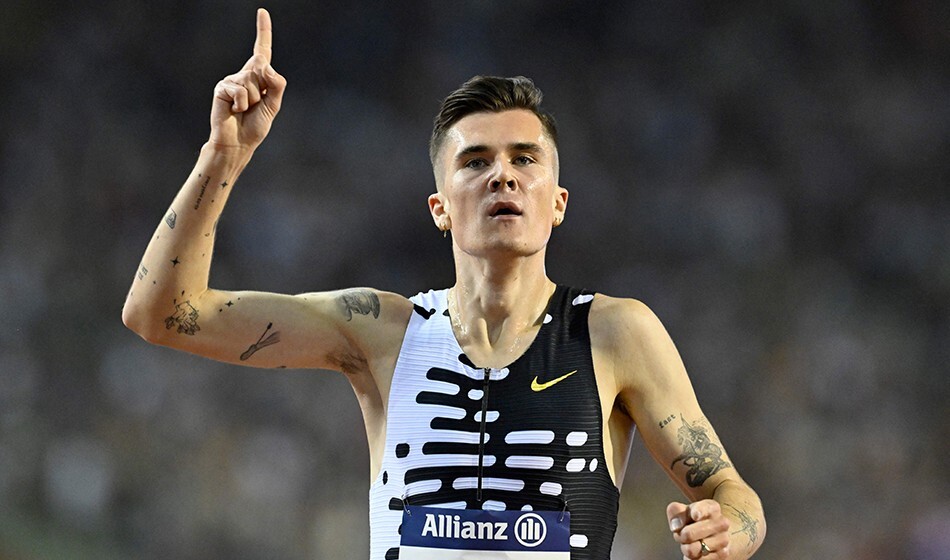
Ingebrigtsen said he is still motivated by his loss to Kerr and is trying to use it as a lesson: “It is again very important to try to analyze what you have done, or what you have been through, to see that it is not necessarily to blame, but what you can perhaps do differently. And I’m a big fan of that.”
Kerr and Ingebrigtsen have been public about their dislike of one another. After Kerr won the world title in Budapest, Ingebrigtsen called the Scottish runner “just the next guy.” In a podcast, Kerr responded by saying that Jakob has “major weaknesses” and “surrounds himself with yes men.” On the prospect of another duel in Paris, Kerr said: “I just hope he’s ready to go. I hope that when we cross that finish line in Paris, everyone can shake each other’s hand and be like, “Whoever wins is good, they’re the best.”
With Ingebrigtsen currently training on the elliptical and water running, fans will be denied a potential early clash between the world and Olympic 1,500m champion at the World Indoor Championships in Glasgow in March. Kerr hopes for glory on home soil, competing in a major championship in his home country for the first time.
by Marley Dickinson
Login to leave a comment

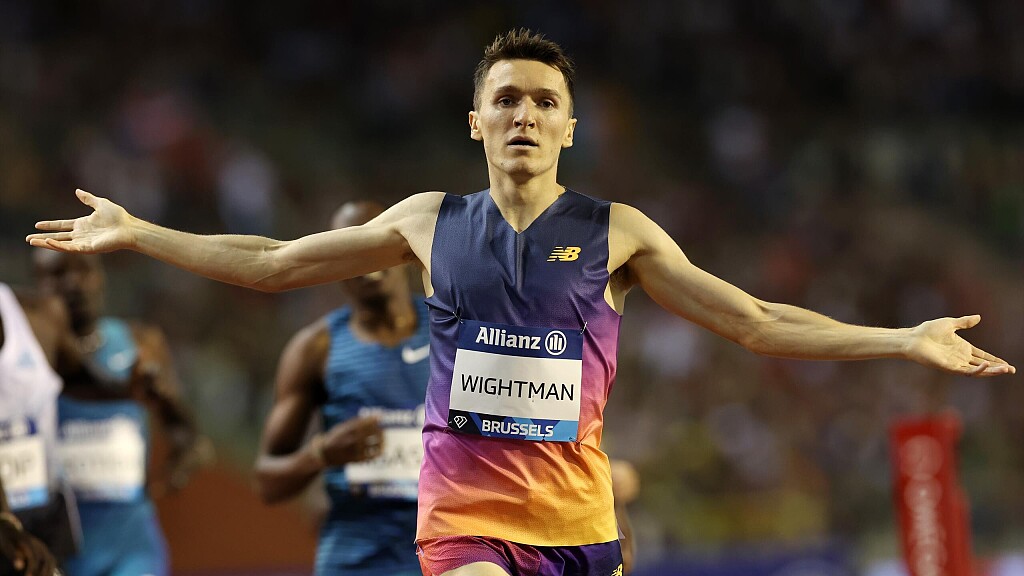
World champion Jake Wightman out of defending his title in Budapest next month
After sustaining a freak injury to his foot in January during a gym session in South Africa, Jake Wightman’s recovery has not been straightforward and the 28-year-old says he has “run out of time” and is out for the summer.
This means he will be unable to defend his world 1500m title in Budapest in August just 12 months after claiming gold ahead of Jakob Ingebrigtsen at the World Championships in Eugene.
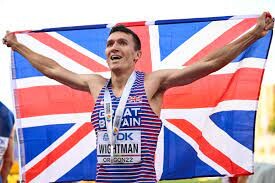
Wightman sustained the injury to the right foot when landing awkwardly doing plyometrics. He spent five weeks in a protective boot and missed the indoor season, but kept fit cross-training and then eased back into running in the spring.
But further injury-related complications have hindered his progress and he has been forced to withdraw from a number of races in recent weeks. He did not have to battle for World Championships qualification by running the UK Championships in Manchester this weekend because he already has a “wild card” entry to Budapest as a reigning champion.
But nevertheless he feels time has run out for him to get fit for the biggest event of the year and he is now looking at a return to running in late August with his sights set on 2024 instead.
“As a result of my injury, I’ve had to deal with several more set backs as I prepared to race this Summer,” he said on Instagram.
“I’ve always felt as though time has been on my side to overcome my problems fully, however it has finally run out. This means I’m sadly going to be unable to compete at Worlds which has been really gutting to come to terms with.”
Wightman, who was also one of the biggest attractions due to compete at the Diamond League in London on July 23, has had to watch in frustration this season as ten men from eight different countries have run inside 3:30 for 1500m so far this summer, led by Ingebrigtsen’s European record of 3:27.95 at the Bislett Games.
He added: “Although I’m very disappointed not be able to try and defend my title, my focus has to be on getting my body rested and ready for 2024, to ensure I’ll be back performing at my best. The are some risks I could’ve taken to be on that Budapest start line, however the potential to jeopardise my Olympic year makes this the obvious decision.
“I’m currently taking some down time before starting my rehab, ready to be back running safely and pain free by the end of August. Big thanks to all my team and British Athletics who have worked really hard to try and give me every chance of competing. I’ll see you back on the start line soon.”
by Jason Henderson
Login to leave a comment

World Athletics Championships Budapest 23
From August 19-27, 2023, Budapest will host the world's third largest sporting event, the World Athletics Championships. It is the largest sporting event in the history of Hungary, attended by athletes from more than 200 countries, whose news will reach more than one billion people. Athletics is the foundation of all sports. It represents strength, speed, dexterity and endurance, the...
more...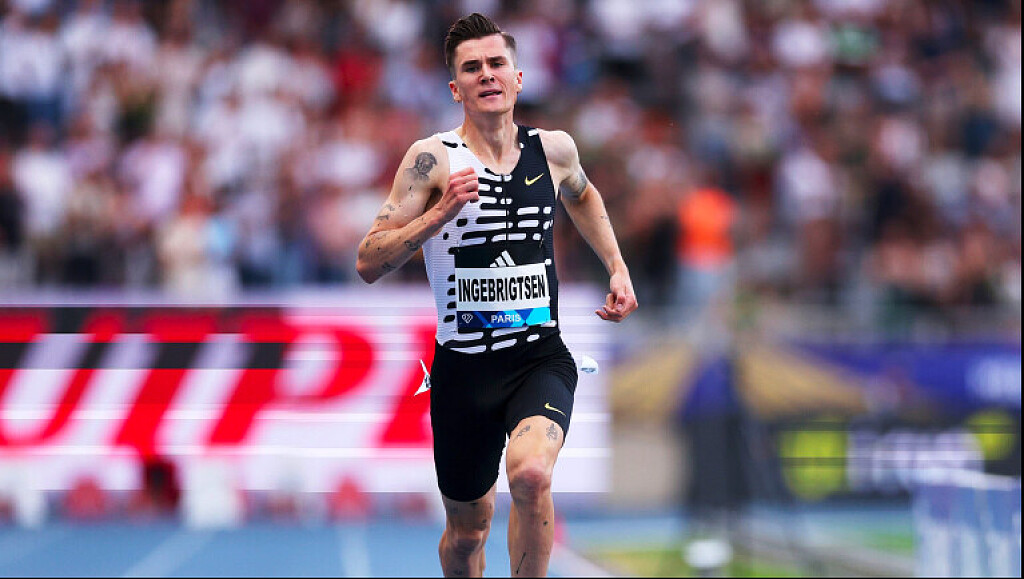
Why Are Runners Suddenly So Fast?
Records are falling and times are dropping. Is it the shoes, or something else?
Consider the Paris Diamond League meet in early June. Jakob Ingebrigtsen smashed the two-mile world best by more than four seconds, becoming just the second man to run back-to-back sub-four-minute miles. Then Faith Kipyegon notched her second world record in a row, outsprinting the reigning record-holder over 5,000 meters just a week after becoming the first woman under 3:50 in the 1,500 meters. Then, to cap the night, Lamecha Girma took down the steeplechase record.
It was a great night—but it was just one of many great nights that track fans have been treated to recently. A week later, at the historic Bislett Games in Oslo, eight men broke 3:30 for 1,500 meters in one race, setting a new record—including Yared Nuguse, who set a new U.S. best. Meet records fell in almost every event. At the collegiate level, an analysis by Oregon-based coach Peter Thompson shows that the number of middle- and long-distance runners hitting elite benchmark times has doubled, tripled, or in some events even quadrupled in the last two years. Earlier in June, four high-school boys broke four minutes for the mile in a single race, matching the total number of people who’d done it in history prior to 2011.
I could go on.
There are two main questions that arise from this buffet of speed. First, is it real? Are runners getting faster across the board, or are we just being fooled by the brilliance of a few individuals and random fluctuations in the depth of different events? Second, if it’s really happening, then why? The easy answer is, “It’s gotta be the shoes” (or, in this case, the super spikes), but does the data really back that up?
I don’t have any definitive answers at this point, but here are my thoughts on some of the possible explanations.
It’s easy to make an anecdotal case that runners are faster than ever. Backing that up with data isn’t quite as straightforward. If you look only at whether the top-ranked time in the world is getting faster or slower from year to year, any trends will depend on whether you happen to have a generational athlete in the event at a given point in time. The effect of an Usain Bolt is bigger than the effect of, say, a new shoe design. Even if you go deeper, the top ten times in any year often come from just one or two races that took place in exceptionally good conditions. So you’re better off looking farther down the list.
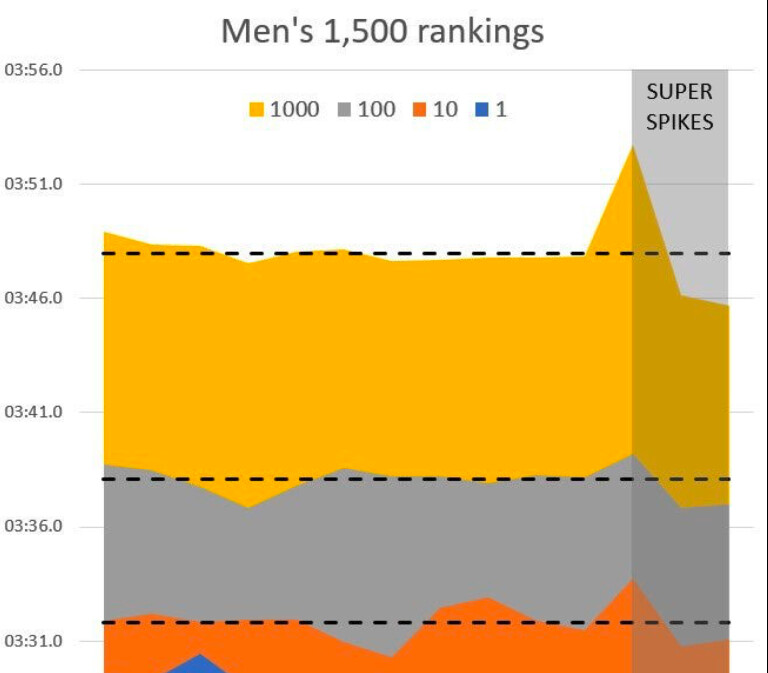
For example, here’s some data for the men’s 1,500 meters between 2009 and 2022, drawn from the World Athletics database. I’ve shown the first, tenth, 100th, and 1,000th ranked performers (not performances) for each year. The horizontal dashed lines show the average for 2009 to 2018. The first super spike prototypes had shown up on the circuit by 2019 at latest, and were widely available by 2021. The big spike of slower times in 2020 is because there were so few races due to the pandemic.
The number-one times don’t show any particular trend. The tenth-best times show a dip since 2021, but no bigger than the dip in 2014-2015 (which corresponded to two particularly fast races in Monaco). For the 100th and 1,000th best times, the pre-pandemic data finally starts to look more consistent, which makes the dip since 2021 more telling. The 1,000th-best performer is now 0.9 percent faster than the pre-pandemic average, and the 100th-best is 0.5 percent faster. This is smaller than the 1.3-percent estimate derived from lab testing of super spikes, but in the ballpark.
Here’s comparable data for the women’s 5,000 meters:
Again, the first- and tenth-ranked times fluctuate too much to draw any conclusions. The 100th and 1,000th places do show an apparent drop in the last few years, by 1.9 and 2.0 percent respectively—more than the lab estimate. There are lots of possible explanations for this discrepancy, including that the benefits of super spikes are reduced at faster speeds.
I’ll add one more graph just for context. Supershoes came to road running way back in 2016 (for prototypes) and became widely available by 2018. I think most observers agree that these shoes really have affected road-running times. So what does the comparable data show for, say, men’s marathon times? Here it is:
The data is confounded by the effects of the pandemic, particularly in 2020. Still, the post-supershoe improvement looks fairly similar to the track data. Compared to the 2009 to 2016 average, last year’s times were 0.7 percent faster at tenth, 1.6 percent faster at 100th, and 1.3 percent faster at 1,000th.
The conclusion I take from all this data? It does like there’s something going on, both on the track and on the roads. But it’s way less obvious in the data than I expected. My subjective feeling was that the last few years have seen records broken and times redefined at a totally unprecedented rate. I thought I’d see robust improvement of at least three or four percent. But that scale of change is not there, at least in the events I sampled.
So with that in mind, what explains the changes we do see?
My starting assumption is that any performance improvements we’ve seen in the last few years are because of the shoes. I’m not going to belabor that point here, because I’ve already written plenty on both road supershoes and super spikes.
But I do want to make one key point. The reason my prime suspect is the shoes is that we have direct laboratory evidence that both types of shoes improve running economy, by around 2 percent on the track and at least 4 percent on the roads (and, to complete the circle, lab evidence that improved running economy directly translates to faster race times). It would take some weird and hitherto undiscovered science in order for the shoes not to make us faster. In contrast, the other hypotheses that I’m going to discuss below may be compelling to various degrees, but all rely on some assumptions and guesses and hand-waving.
Here’s a sentence you wouldn’t have read prior to 2018, from Letsrun’s description of Kipyegon’s thrilling 1,500 world record in Florence: “Kipyegon sprinted away from the pacing lights with 200m to go, lengthening her gap from the green lights as she rounded the turn and entered the home straightaway.” I wrote about World Athletics’s introduction of Wavelight pacing lights when Joshua Cheptegei set the 5,000-meter world record in 2020, positing that more even splits could make a notable difference to times. Good pacing has been a hallmark of this year’s records too, all assisted by Wavelight.
Wavelight doesn’t factor in on the roads, but ever since Eliud Kipchoge’s sub-two marathon exhibitions, big-time marathons have devoted more attention to providing top-notch pacers for their elite runners. That has the double benefit of saving the mental effort of setting the pace, and of reducing air resistance. I think good pacing and drafting are both beneficial. But that can’t explain why the 100th and 1,000th performers seem to be getting faster, because Wavelight and paid rabbits are generally reserved for the front of the pack.
Freed from the tyranny of over-frequent racing during lockdowns, runners spent 2020 building up a massive base of endurance that has catapulted them to new levels. It’s even possible that, having learned their lesson, they’ll continue with this more patient approach to training. This theory has the disadvantage of being both unprovable and unfalsifiable. That doesn’t necessarily mean it’s untrue, but if performance levels don’t start regressing to their pre-pandemic means over the next few years, I’ll remain skeptical.
It’s the “big, sexy thing” in endurance training these days, as miler Hobbs Kessler put it in a recent interview: lactate-guided double-threshold training, as popularized by Norwegian Olympic champions Jakob Ingebrigtsen and Kristian Blummenfelt. As I explained in this article, the approach emphasizes high volumes of threshold training with very tight control on the intensity to avoid going too hard. Whether it’s objectively better than other training approaches remains to be seen—but it hasn’t yet been adopted widely enough to make a noticeable impact on the top-1,000 list.
In the past, when I’ve looked at broad trends in performance over time, one of the first factors I’ve considered is changes in drug availability or drug testing. It’s extremely noticeable (though of course not proof of anything) that long-distance track times took off like a rocket shortly after the introduction of EPO in the early 1990s. If you look carefully, you can find what seems to be the performance signature of various drug-related events like the introduction of EPO testing and, more recently, the implementation of athlete biological passports.
Is there something new on the scene over the last few years? Or are we still seeing the effects of pandemic-related disruptions in out-of-competition drug testing? I certainly hope it’s not the case, but you’d have to be amnesiac to discount the possibility entirely. Once again, the best counterargument is that the performance improvements are noticeable even at the 1,000th-best level—though perhaps I’m being naive.
As you can probably tell, I don’t think any of the alternative explanations I’ve offered so far hold water compared to my default assumption that it’s the shoes. But this last category is a little different. If you spend enough time arguing with people about why runners are getting faster, you’ll encounter a number of broad, hand-waving theories that are hard to substantiate but nonetheless sound reasonable.
For example, I can attest to the fact that the Internet has made training knowledge far more widely accessible than it was when I was a young athlete in the 1990s. Ideas and approaches (like the Norwegian model) are endlessly debated and dissected, and any student of the sport is exposed to multiple perspectives. (In contrast, when I arrived at university and found that the workouts were different from those I’d done in high school, I thought the world was ending.) This theory has been offered frequently over the last decade or more as an explanation for steadily improving U.S. high school times. Maybe it’s true more broadly: people everywhere simply know more about the principles of training, and are doing it better (or at least fewer people are doing really stupid training) compared to the past. Even if elite coaching was always pretty good, this creates a wider pyramid of prospective talent feeding into the elite coaches.
I also have the sense that the pendulum has swung away from sit-and-kick racing towards aggressive front-running. After the 2019 world championships, where super spikes first made headlines, I wrote an article about the unusually fast early paces of the races. Jakob Ingebrigtsen, the current king of the 1,500, is notable for running from the front and pushing the pace rather than relying on a finishing sprint—which likely helps explain why he led those seven other men under 3:30 in Oslo. If runners these days are more focused on running fast times rather than trying to win sprint finishes, it stands to reason that times would get faster overall.
And there are plenty of other theories out there—broader support for professional training groups, better nutrition and recovery, the inevitable march of progress, and some that I’ve undoubtedly missed completely. As I said at the top, I don’t know the answers, and I don’t think anyone else does either. Times do seem to be improving, but not as much as I would have guessed based on all the hype about recent record-breaking. The shoes almost certainly play some role—but if there’s some other secret sauce in there, it’ll be fun trying to figure out what it is.
by Outside Online
Login to leave a comment
Jakob Ingebrigtsen to chase his national record at Oslo Diamond League
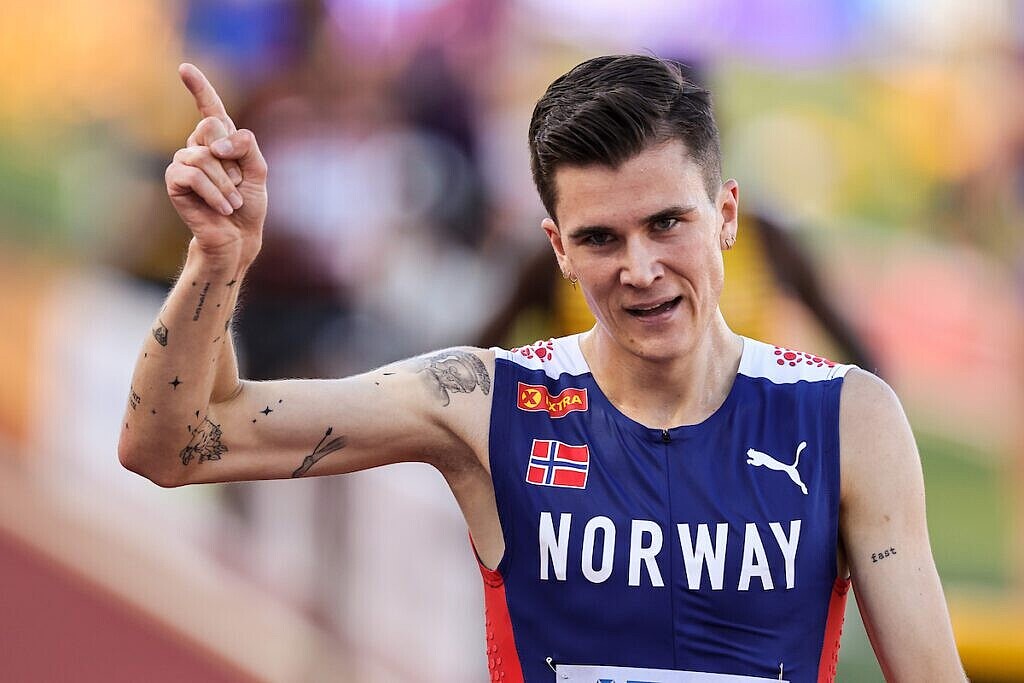
At the Paris Diamond League last week, the incredible Norwegian athlete and Olympic 1,500m champion Jakob Ingebrigtsen achieved a remarkable two-mile world best. On Thursday evening (afternoon for viewers in North America), the 22-year-old superstar will be competing in his home country, aiming to challenge his national record of 3:28.32 at the Oslo Diamond League.
Jakob’s WR bid

Ingebrigtsen headlines a deep men’s 1,500m field, featuring the silver and bronze medallists from Tokyo 2020, Kenya’s Timothy Cheruiyot and Josh Kerr of Great Britain. Other notable athletes are American Yared Nuguse and Mohamed Katir, who came off a Spanish national record performance over 5,000m in Florence two weeks ago, taking the win in 12:50.79.
During the pre-race press conference, Ingebrigtsen put his confidence on display and said he’s eager to chase a personal best and even take a shot at Hicham El Guerrouj’s 1,500m world record of 3:26.00 “If I break the world record Thursday, I deserve a statue,” said Ingebrigtsen. The Bislett Games meet director responded: “If you do it, I’ll personally set up a statue outside Bislett [Stadium].”
Although there has been a lot of world record talk from Ingebrigtsen and the media, the Wavelight pace in the 1,500m will be set to the meeting record of 3:29.12, going through 800m in 1:52 and the first kilometre in 2:19. Ingebrigtsen will have to close the final 500m in 66 seconds and a sub-53-second final lap if he hopes to take down the world record.
Canadians in Oslo
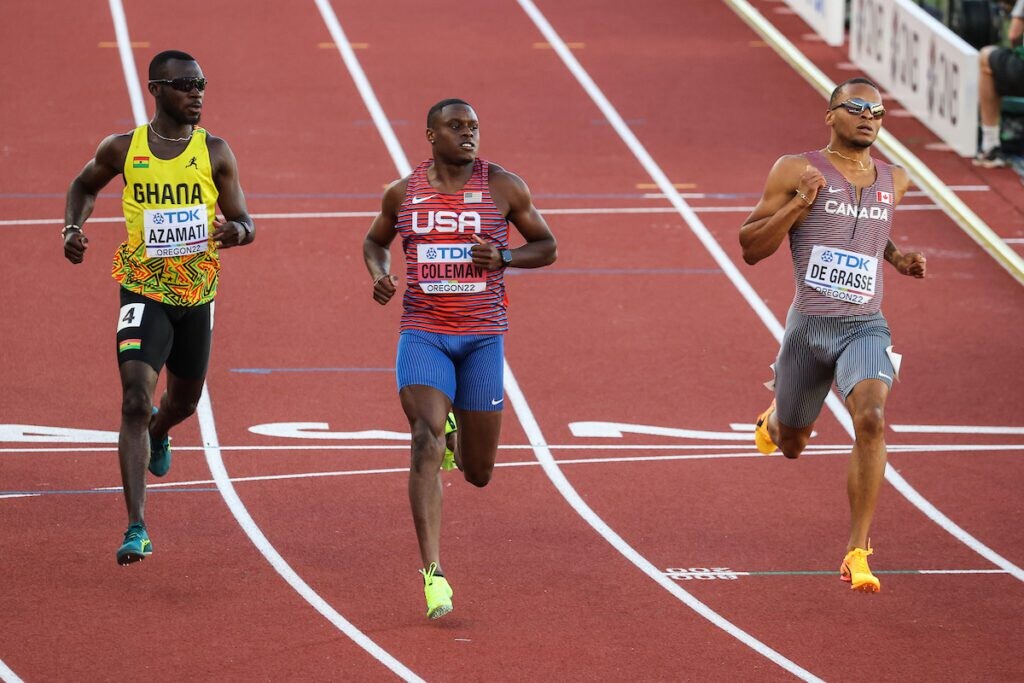
Two prominent Canadian athletes are competing at Oslo Diamond League Thursday. Olympic 200m champion Andre De Grasse looks to get his season back on track in the men’s 200m. The last year hasn’t been easy for De Grasse, changing coaches, battling injury and a slow start to the 2023 season. In his first three 200m race of the season, he has struggled to dip under the world championship standard mark of 20.24 seconds, a time he has frequently sailed under over the last two seasons. In his first Diamond League race in Doha on May 5, his turnover in the final 70 metres wasn’t there, and he faded to sixth in 20.35. It’s been three weeks since his last race, and he will come into Oslo as one of the favourites on paper, having the second-fastest personal best in the field after the young American, Erriyon Knighton.
Canadian mile and 1,500m record holder Gabriela DeBues-Stafford had a successful outing in her Diamond League return in Florence two weeks ago. After a full year off due to injury, the 27-year-old Olympic finalist ran to a season’s best 4:03.64 over 1,500m. She will come into the Oslo Diamond League as the top-ranked woman in the mile event. This race in Oslo should be more tactical and better suited for DeBues-Stafford’s racing style than the 1,500m in Florence, which resulted in a new world record for Faith Kipyegon.
Two other athletes who will be a tough test for DeBues-Stafford are Jessica Hull, who recently set an Australian record of 3:57.29 in Florence, and Ethiopian rising star Birke Haylom, who ran a giant personal best of 3:57.66 for third place at the Rabat Diamond League. DeBues-Stafford’s mile best is 4:17.87 from Monaco Diamond League in 2019, but any result under 4:23 for her would be a step in the right direction as she continues to prepare for the 2023 World Athletics Championships later this summer.
by Marley Dickinson
Login to leave a comment
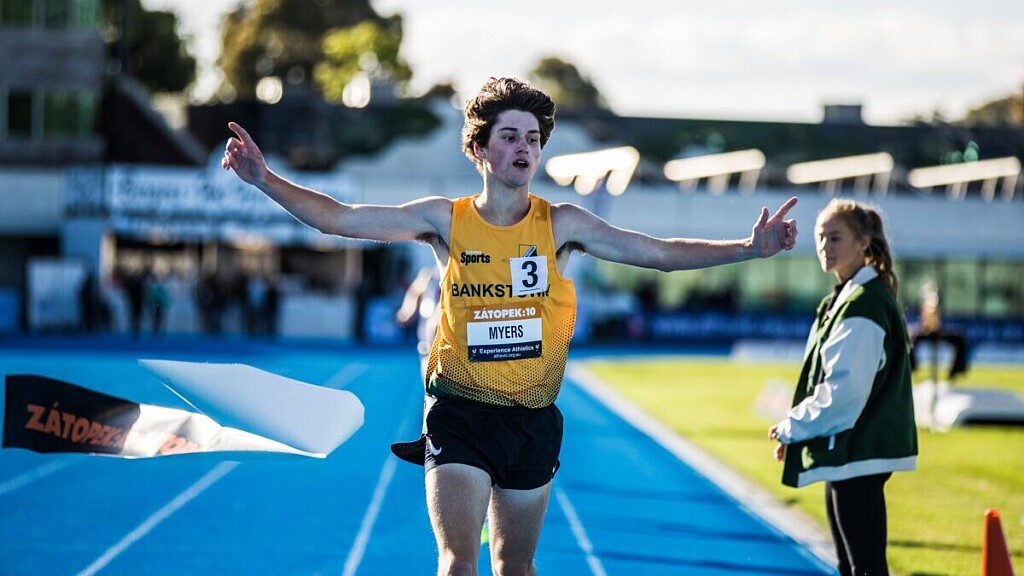
Australian high schooler runs 3:55 mile, beating pros
At the first World Athletics Continental Tour Gold meet of the 2023 season in Melbourne on Thursday, a Grade 11 student from Canberra, Cameron Myers, became the second-youngest person in history to break the four-minute mile barrier, at 16 years and 259 days, setting a new U16 world record of 3:55.44.
Myers placed third in the men’s mile at the Maurie Plant Classic, behind 2022 Commonwealth Games 1,500m champion Olli Hoare and New Zealand’s Sam Tanner, and beating a lengthy list of pros, including 2016 Olympic 1,500m champion Matt Centrowitz.
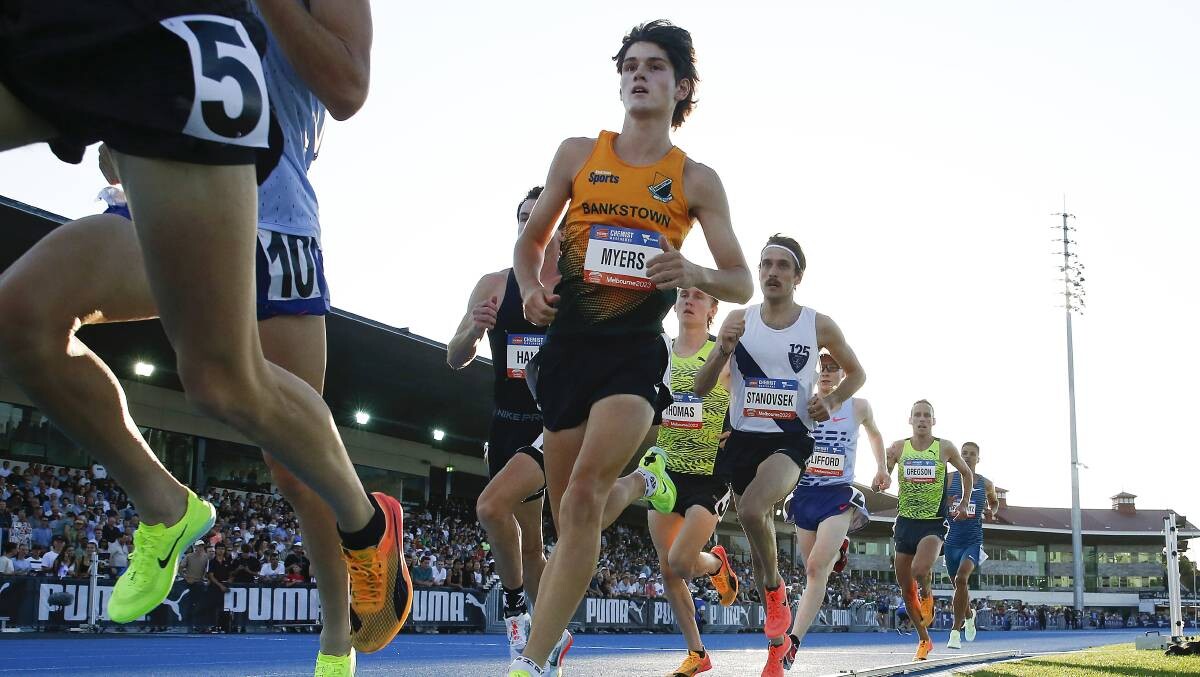
The 16-year-old is the second youngest runner in history to break four minutes in the mile; the youngest was Norway’s Jakob Ingebrigtsen. Ingebrigtsen first went sub-four at age 16 years and 250 days, when he ran 3:58.04 at the 2017 Prefontaine Classic in Oregon. Myers, who is only nine days older than Ingebrigtsen was then, produced a quicker time than Ingebrigtsen when he first went sub-4.
Myers’s run stripped an incredible 12 seconds off his previous mile personal best of 4:07.04. His time also broke Ingebrigtsen’s U16 world record of 3:56.29 from the 2017 Bislett Games in Oslo.

“At 16, it’s impressive to see Myers running better than most college athletes in the U.S.,” said Hoare to reporters post-race. “He’s an amazing talent for Australia moving forward, and I’m excited for him.”
Hoare won the mile in 3:52.24, coming off a bronze-medal performance in the mixed relay team event at the World Cross Country Championships in Bathurst last weekend. Hoare’s time was the third-fastest mile time in history by an Australian.
Two Canadian athletes also competed in Melbourne–John Gay placed 10th in the men’s 3,000m in 8:03.91, while Erin Teschuk was 13th in the women’s 1,500m. Both athletes represented Canada at the 2023 World XC Championships five days ago.
by Marley Dickinson
Login to leave a comment

Ingebrigtsen and others in record breaking form in Oslo despite the rain
A Wanda Diamond League record from Jakob Ingebrigtsen (first photo) in the mile, along with meeting records from Mondo Duplantis in the pole vault and Femke Bol in the 400m hurdles brightened a rainy evening at the Bislett Games in Oslo on Thursday (16).
Ingebrigtsen has won almost all there is to win in middle-distance events, but a senior Dream Mile victory in Oslo was one thing missing from the 21-year-old’s resume. In fact, before today no Norwegian man had ever won the prestigious discipline at the Bislett Games.
But, racing in the final individual track event of the night, Ingebrigtsen ensured the 15,000 fans at the Bislett Stadion went home happy as he won the mile in a Norwegian record of 3:46.46, breaking the Wanda Diamond League record in the process.
Paced through the first two laps in 56.01 and 1:53.30, Ingebrigtsen was tracked closely by Australia’s Oliver Hoare and Britain’s Jake Wightman for most of the race. The Olympic 1500m champion never appeared to be under too much strain, though – even when Hoare was attempting to close in on the leader with half a lap left.
Ingebrigtsen – roared on by the home crowd, many of whom were on their feet – kicked down the home straight and crossed the line in 3:46.46, taking almost a second off his own Norwegian record and moving up to sixth on the world all-time list, just 0.14 shy of Steve Cram’s European record.
Hoare finished second in 3:47.48 to break the Oceanian record and move to 13th on the world all-time list. Wightman was third in a PB of 3:50.30 from fellow Brit Neil Gourley (3:52.91). There was also a national record for Charles Grethen of Luxembourg in fifth (3:53.20).
“I was ready to run fast and was happy to do that and to win,” said the world indoor silver medallist. “Some work needs to be done before the World Championships, but I will work hard to be in better shape there.
“Last year I was sick and couldn't race here, so it was even more special here tonight, as being the first Norwegian to win the Dream Mile. Doing things nobody else has done before is really great.”
Seyaum and Bekele lead Ethiopian 5000m sweeps
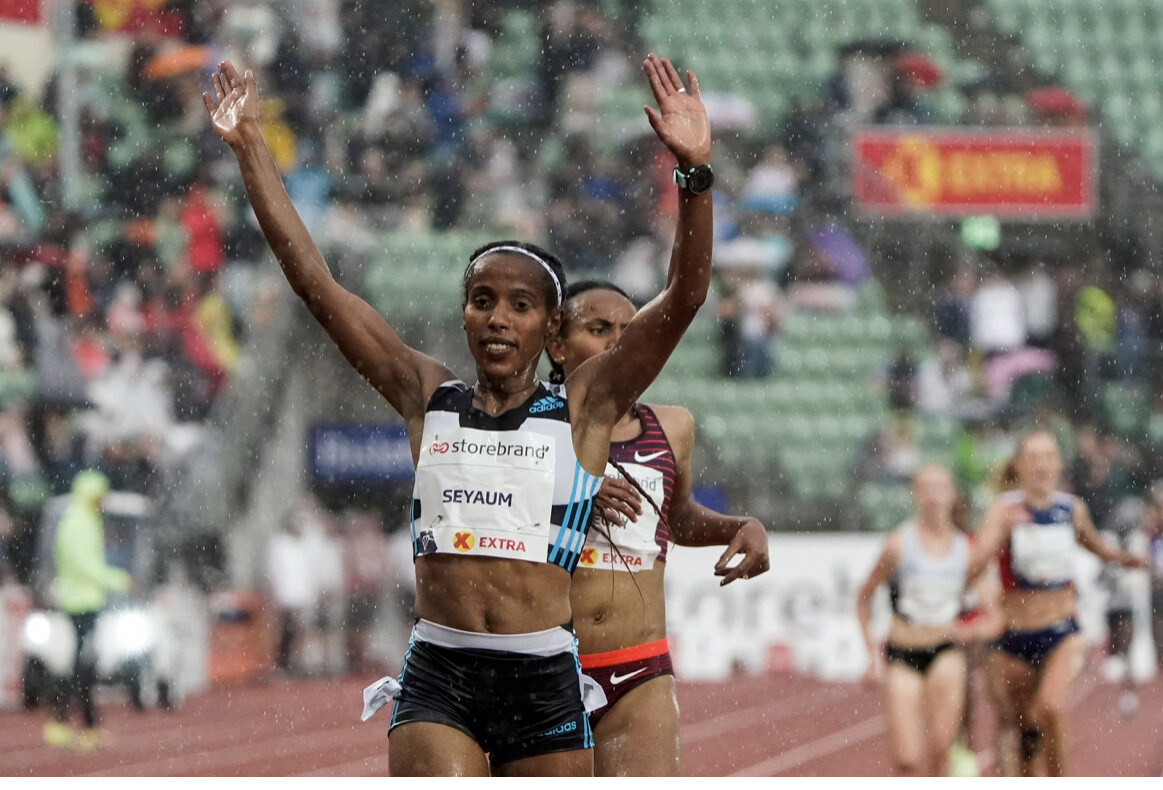
Dawit Seyaum may be new to the 5000m, but the former 1500m specialist looked anything but inexperienced as she outkicked her fellow Ethiopians to win a high-quality race.
The opening pace was steady, the first 1000m covered in 2:53.83 and 2000m reached in 5:52.33. Versatile Norwegian runner Karoline Bjerkeli Grovdal then took up the pace in the second half and passed through 3000m in 8:48.65, leading a large lead pack. Grovdal held on to that lead for another 1500 metres, but then Seyaum and compatriots Letesenbet Gidey, Gudaf Tsegay and Almaz Ayana started battling for the lead with one lap to go.
Ayana’s challenge soon faded, leaving Seyaum, Tsegay and Gidey out in front. Seyaum’s kick down the home straight was enough to break free from Tsegay and she won in 14:25.84. Tsegay, the Olympic bronze medallist at this distance, was second in 14:26.69 while world record-holder Gidey was third in 14:26.92. Grovdal held on to fourth place in a Norwegian record of 14:31.07 and USA’s Alicia Monson was fifth in a big PB of 14:31.11.
(Second photo)Dawit Seyaum celebrates her 5000m win at the Wanda Diamond League in Oslo
For just the second time in history, seven women finished inside 14:35 and eight women finished inside 14:40.
There was another Ethiopian 1-2-3 in the men’s 5000m, though this time the 1500m standout was beaten by the 5000m specialist.
The pace was steady though never blazing quick, meaning most of the field was still in contention at the business end of the race. Two-time world indoor champion Samuel Tefera led at 3000m, passing in 7:54.39, but then sat back in the pack to save his legs for a potential fast finish.
He made his way back to the front of the pack in the closing stages, but could not get on level terms with Bekele, who kicked ahead and won in 13:03.51. Tefera held on for second in 13:04.35, just ahead of compatriot Getnet Wale (13:04.48).
Keely Hodgkinson won the battle of the Brits over 800m, getting the better of fellow Olympic silver medallist Laura Muir.
The 20-year-old ran a controlled and assured race and kept her cool in the closing stages to win comfortably in 1:57.71. Muir was second in 1:58.09, ahead of France’s Renelle Lamote (1:58.50) and world champion Halimah Nakaayi of Uganda (1:58.68).
by World Athletics
Login to leave a comment
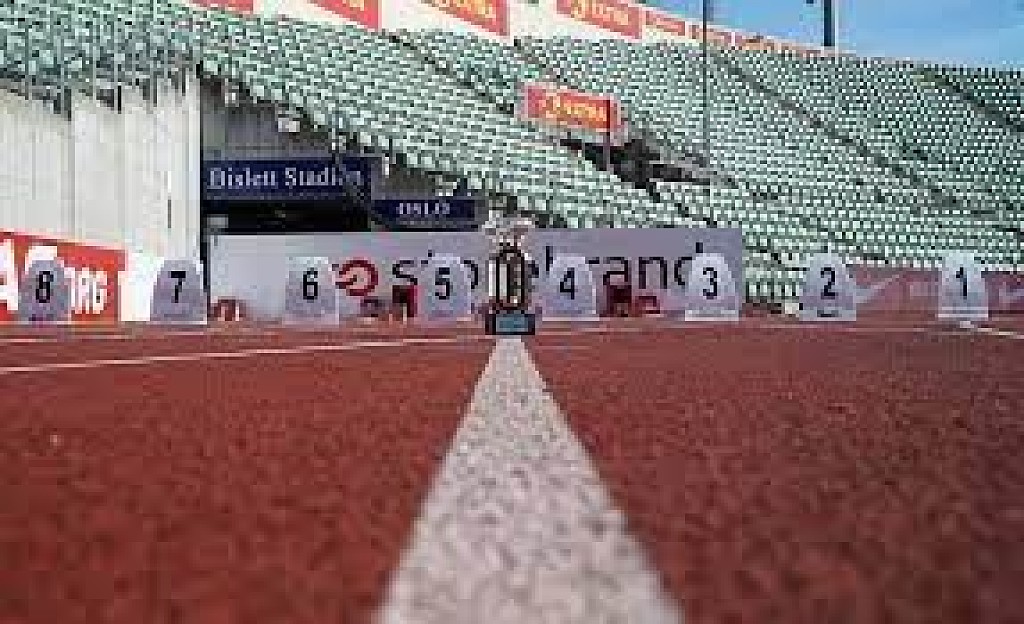
Oslo Diamond League meeting has been postponed due to pandemic
The Bislett Games in Oslo on June 10 - the fourth event in this year’s World Athletics Wanda Diamond League programme - has been postponed.
Organisers have said it is "impossible to arrange a normal meeting on the planned date" based on the coronavirus reopening plan for Norway.
Norway's Government issued its plan to restart activity amid the pandemic on Wednesday (April 7) and organisers said "an international meeting such as the Bislett Games will probably not be possible before the middle or towards the end of June at the earliest".
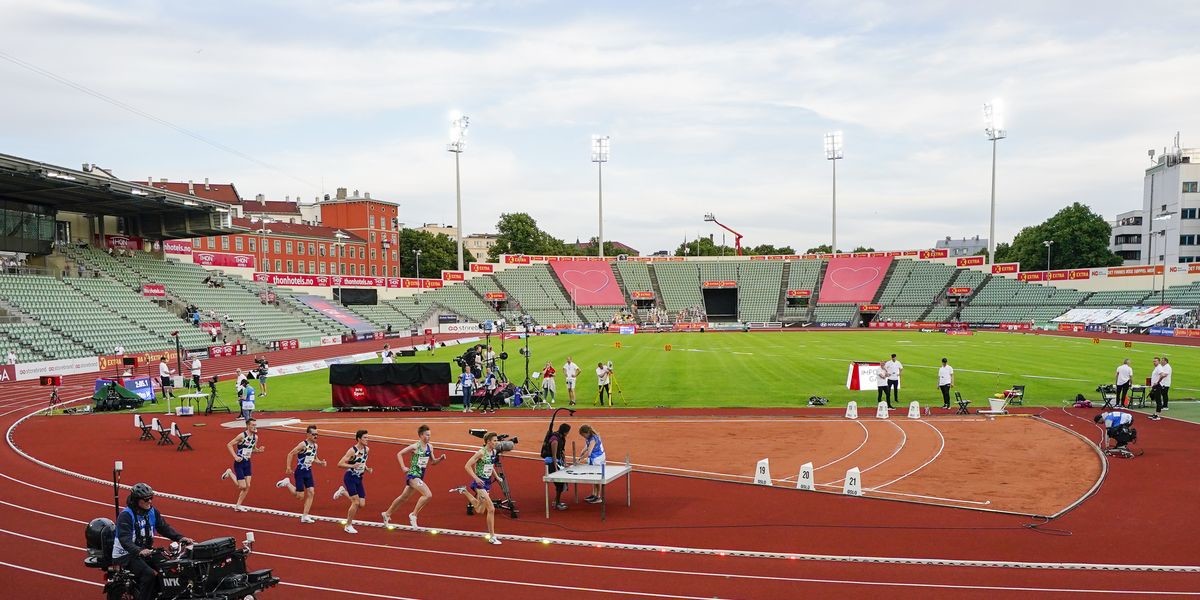
A repeat of last year's "Impossible Games" at an empty Bislett Stadium - which included socially distanced or rarely contested events, highlighted by a 300 metres hurdles world best of 33.78sec by Norway’s world 400m hurdles champion Karsten Warholm - has been ruled out.
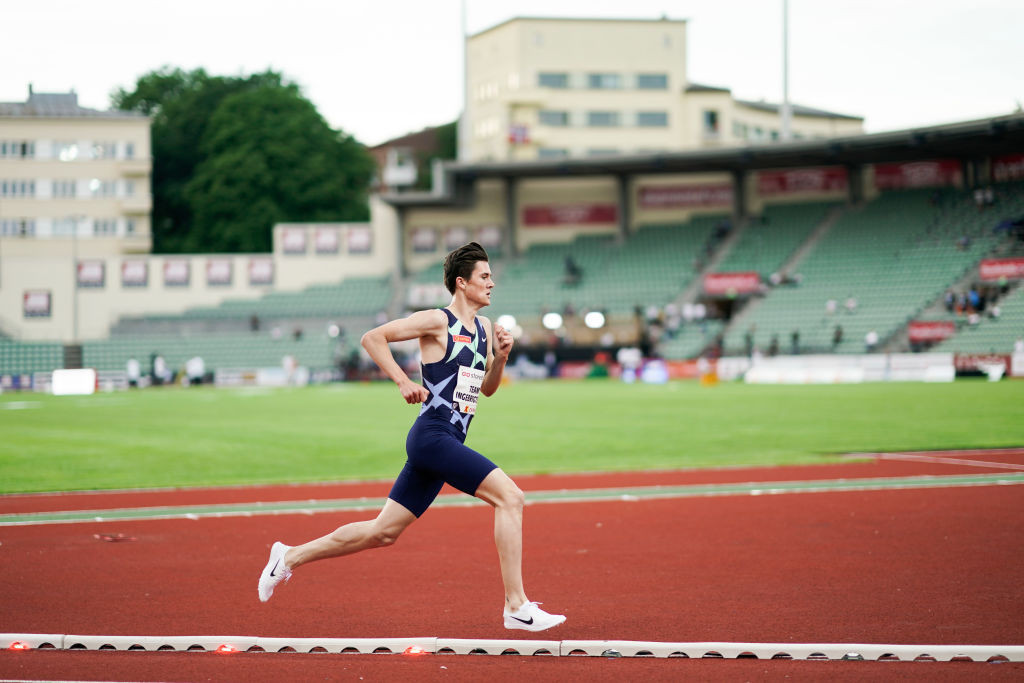
The new dates being considered are believed to be either early July prior to the rearranged Tokyo 2020 Olympic Games or in August.
The Diamond League board said it was clarifying the start to the season, which is due to open on May 23 in Rabat in Morocco, with Doha hosting the second meeting on May 28 and Rome the third on June 4.
World Athletics has produced a full, 14-meeting programme for this season’s Diamond League, which is due to conclude with a two-day final in Zurich from September 8 to 9.
by Mike Rowbottom
Login to leave a comment

Marius Van Heerden, triple South African champion has died from COVID-19
The COVID-19 pandemic claimed one of the best middle distance runners ever produced in South Africa, Marius van Heerden, in Cape Town last Thursday (January 21). Van Heerden, a former South African senior record holder and junior champion in the 800 meters, as well as national senior champion over 1500m, was just 46 years-old.
Van Heerden represented South Africa at the 1996 Olympic Games in Atlanta and the 1997 World Championships in Athens. He first received national colours for a tour to India in 1993.
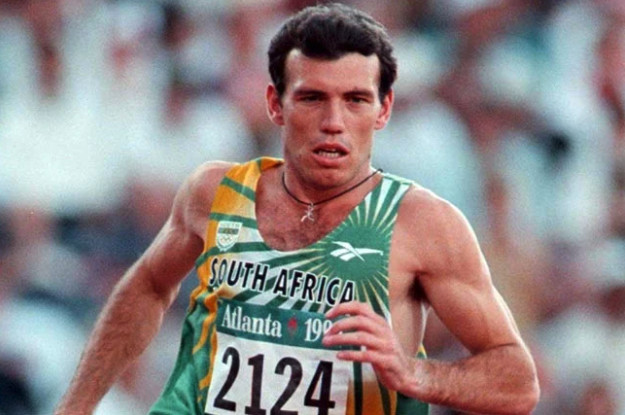
Van Heerden came onto the national scene in 1991 when he won the national U17 800m title in Germiston in 1:51.82. A year later in Cape Town’s Green Point Stadium he beat Hezekiel Sepeng (who is two months older) into second place to take the U19 gold medal in 1:49.17. A month earlier in Bellville he had run his best time of 1:48.63.
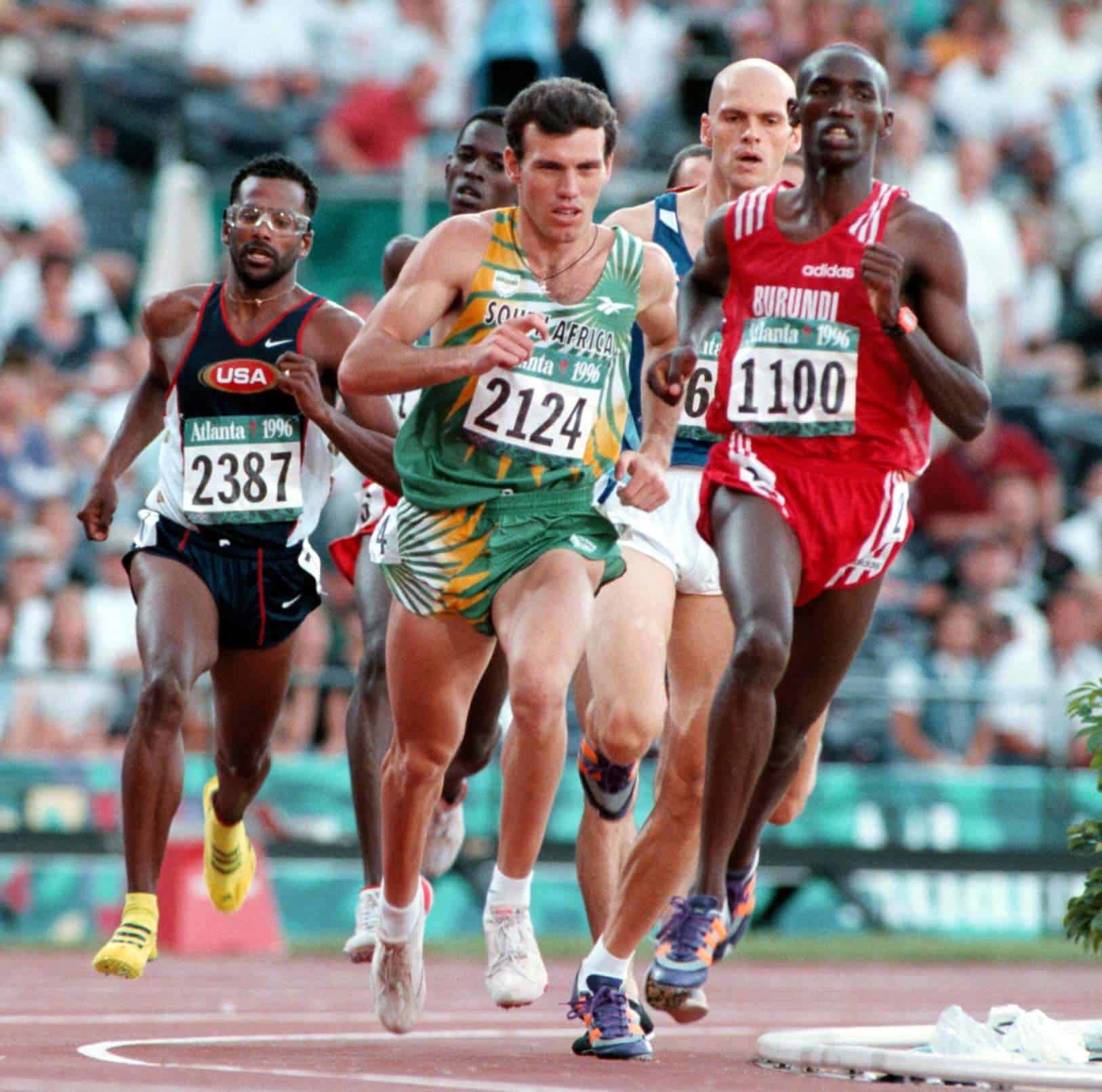
In September 1992 he finished sixth at the World Junior Championships in Seoul in 1:48.71.
The next year, 1993, he improved to 1:46.38 in Pretoria behind Johan Landsman, and also ran 1:46.55, 1:46.59, 1:46.87 and 1:46.89. The fastest time placed him fourth on the world junior list, with the 11th best time (Sepeng had the three quickest). He could not better this in 1994 and 1995, but in the Olympic year he reached the pinnacle of his career when he set a new South African record of 1:44.57 in Cape Town on April 12 — improving the national mark that had stood for 25 years behind the names of Dicky Broberg and March Fiasconaro. Although this performance was surpassed four times later in the year by Sepeng, who eventually won the silver medal in Atlanta, Van Heerden’s time placed him 23rd on the world list for the year. He also ran the fastest South African time for 1000m, a personal best of 2:17.64, as well as 1:45.52 and 1:45.99.
At the Olympic Games Van Heerden was eliminated in the first round when he finished third in his heat in 1:47.46. Three weeks before, he had been eighth in the Bislett Games in 1:46.31, then his fourth fastest time.
Earlier in the year he had run the best mile of his career when he finished third behind Johan Botha and Sepeng in 3:57.49 — also the third fastest SA time for 1996.
He never won the SA senior title over two laps, but the year 1997 started off well for him when he took the 1500m title in 3:42.11 — interestingly enough, at altitude in Potchefstroom. (He twice won the silver medal over 800m, in 1993 and 1998, and in 1995 the bronze; he was also third in the 1500m in 1996. As a junior, apart from his two 800m titles, he also won the silver medal over 800m in 1993 and over 1500m in 1991.)
A month later he ran his best 800 time of the year when he clocked 1:45.63 in Cape Town. At the World Championships he qualified for the quarterfinal with a third place in his heat in 1:47.56, but then finished only sixth in the next round and was eliminated.
He recorded the two fastest SA times for 1000m in 1997, with a best of 2:18.25.
In 1998 his best 800 was 1:46.83 (for 8th on the SA list) and in 2000 1:46.64 (also 8th). He finished his career with eleven performances under 1:47.00 and at the time of his death he was still seventh on the SA all-time list.
Van Heerden twice represented South Africa in international test matches and won the 800 on both occasions: against Italy in 1996 (1:49.4) and against Russia in 1998 (1:46.83).
by Riël Hauman
Login to leave a comment
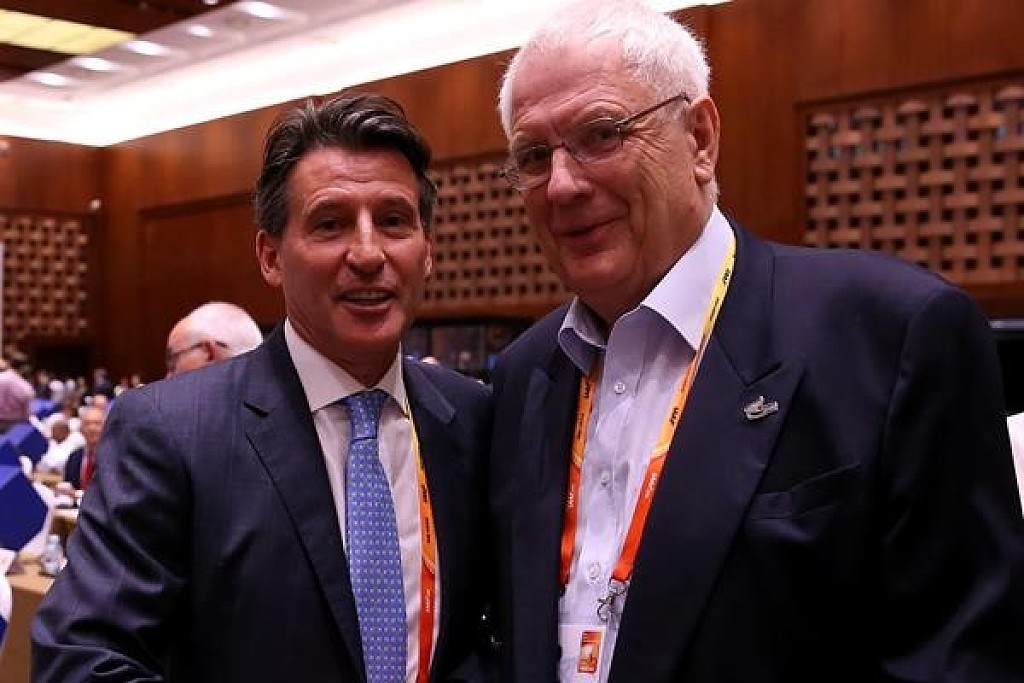
Sebastian Coe pays tribute at Hansen's funeral
Speaking at the funeral of Svein Arne Hansen, who died on 20 June, World Athletics President Sebastian Coe described the European Athletics President as “a unique spirit, a steadfast friend and a man with an unflinching and instinctive belief in right and wrong”.
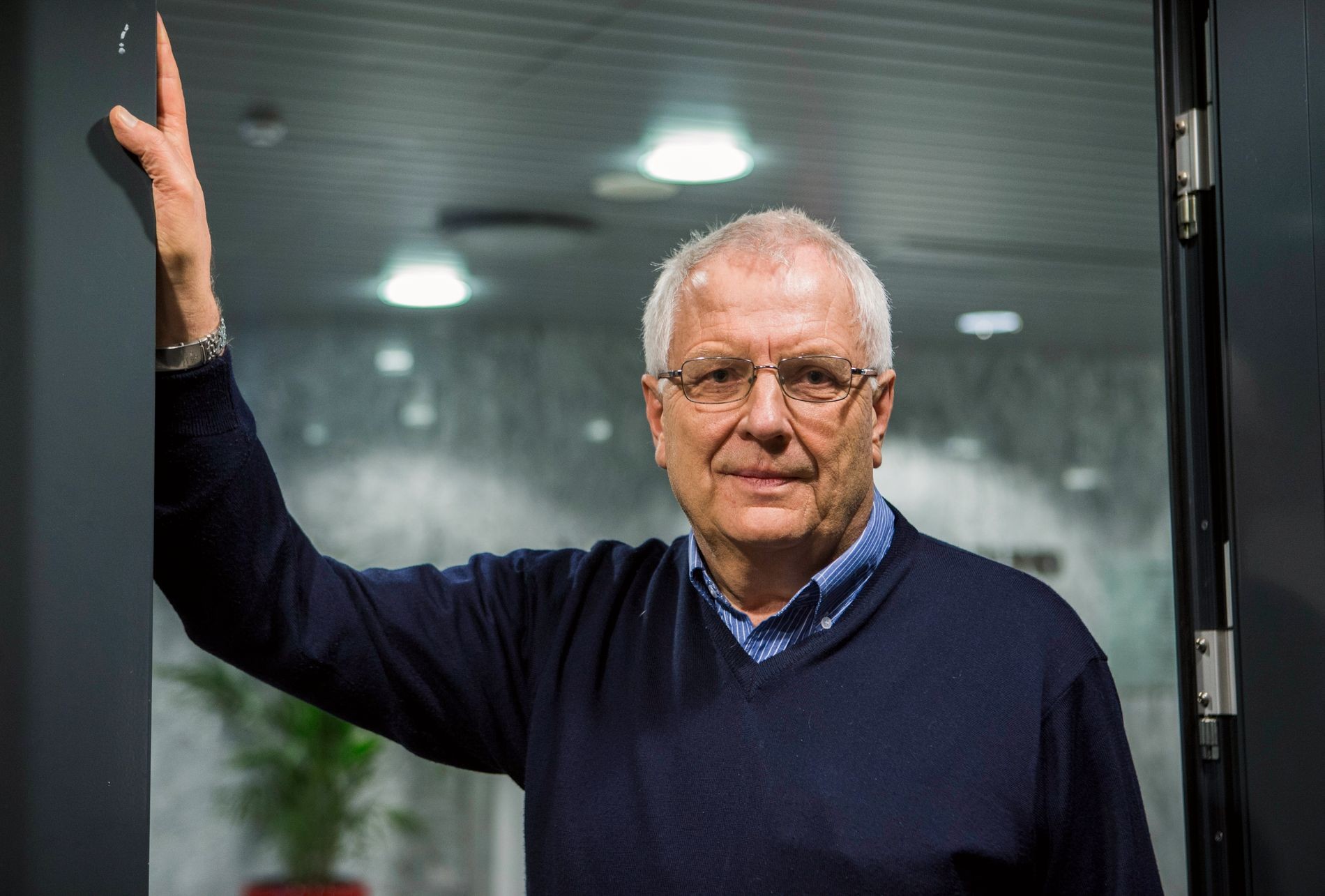
Hansen, who was hospitalized after suffering a stroke in March, was a hugely popular figure within the athletics world. A former meeting director of the Bislett Games, he presided over the Norwegian Athletics Federation from 2003 to 2015 and then became President of European Athletics in 2015.
Coe, speaking at the funeral in Oslo on Wednesday (1), recalled his first encounter with Hansen, at the 1979 Bislett Games where Coe went on to set the first world record of his career.
“We’re all coming to terms with a world without Svein Arne,” said Coe. “And while most of us are left mourning the loss of a wonderful friend and a unique spirit, the Hansen family are sharing the pain and navigating the loss of a husband, a proud father and a doting grandfather. For many of us, we also feel that we have lost an adored extended member of our own family.
“Svein Arne had given me the platform 41 years ago to forge an athletics career that afforded me the chance to shape my life around the wonderful sport of athletics and well beyond the field of play.

“I arrived in Oslo in 1979 a penniless student, a freshly minted graduate and a relative unknown in international athletics. And yet, he greeted me as though I were an Olympian and the star of his meet. When I checked in at the Summer Panorama, effectively a student hostel, he sat me down and explained how pleased he was that I’d accepted the invitation to compete at Bislett.
“I left the stadium with my first world record, an umbilical attachment to this great city, and a friendship that I will cherish forever. And a friendship that will warm well beyond his physical presence.
“Svein Arne was a man that was principled. A man with an unflinching and instinctive belief in right and wrong. A steadfast friend through thick and thin who was also capable of mountainous private acts of kindness. A man of iron will but of supple intellect and emotional intelligence. A man with the vision to change the face of athletics and to do so in the face of an ingrained establishment. And a man that was brave in his championing of not always the easy cause. And a dogged defender of the underdog.
“I’m honored to be here today to speak these words on behalf of World Athletics. I’m honored to have shared a friendship with Svein. I’m honored to have shared so much in our sport with him, from the track to the council chamber. And thankful that it was for so many years.
“Svein, I will miss you very much.”
Hansen’s son Philip and daughter Thine also gave a eulogy. “Like an artist must perform his chosen art form,” said Philip, “my Dad was driven, oddly enough, by his passion for stamps and athletics.”
Hansen’s funeral was followed by a memorial at Bislett Stadium, which was shown on the Norwegian Athletics Federation's Facebook page.
People within the athletics community are also invited to share their memories of Hansen and messages of condolence on the Svein Arne Hansen tribute website.
by World Athletics
Login to leave a comment

Ingebrigtsen v Cheruiyot: Impossible Games take shape
A world record attempt in the hurdles, a star-studded pole vault battle and a long distance showdown between Norway and Kenya in the middle distance will all be on the agenda when the Impossible Games take place in Oslo next month.
Kenyan middle-distance star and reigning 1500m Diamond League Champion Timothy Cheruiyot is to go head to head with Norway’s Ingebrigtsen brothers in a one-off, team event at the Bislett Impossible Games next month.
The Ingebrigtsens will run in Bislett while Cheruiyot-led rival team will compete in Nairobi, in what Oslo meeting director Steinar Hoen described as “the first virtual race at such a level in the history of athletics”.
The Maurie Plant Memorial Race, named in honour of the former Bislett organising committee stalwart, will see the two teams battle it out in an innovative new format over 2000 metres.
Both teams will start with five runners and end with three, and the winner will be the team with the best overall time from their top three runners.
A Wanda Diamond League exhibition event, the Impossible Games were conceived by Bislett Games organisers to allow this year's Oslo Diamond League meeting to go ahead under Norway's coronavirus regulations.
Instead of the usual, elite-level hunt for Diamond League points, the Impossible Games will instead showcase the innovative spirit of athletics with a series of set-piece exhibition events.
Beyond the 2000m battle, the programme is taking shape for the Games, which will take place at Bislett Stadium on June 11.
Confirmed events now include:
A long-distance pole vault showdown involving world-record holder Mondo Duplantis and record Diamond League Champion Renaud Lavillenie.
A 300m hurdles world record attempt from World Champion and Norwegian star Karsten Warholm
A Norway vs Finland duel in the women’s 200m hurdles
An all-Scandinavian discus competition involving Swedish World Champion Daniel Ståhl.
A Norwegian record attempt over 1000m by Filip Ingebrigtsen.
The meeting will be shown on Norwegian public broadcaster NRK, with commentary from British middle-distance legend and 2000m European record holder Steve Cram.
Login to leave a comment
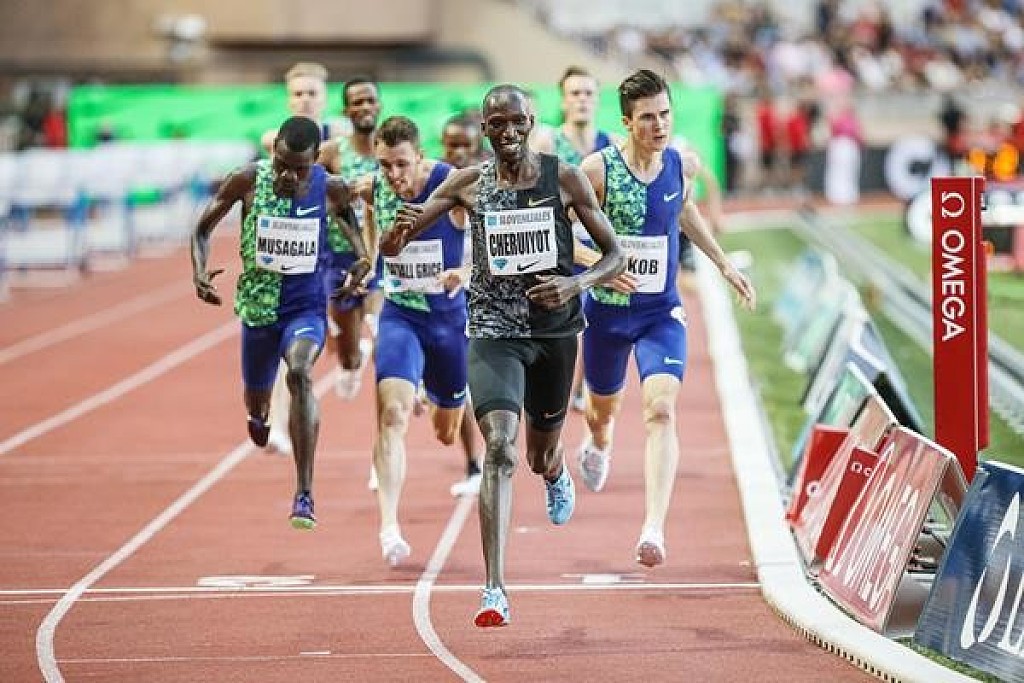
The Oslo Bislett Games has created a unique clash between Team Ingebrigtsen and Team Cheruiyot as part of the Impossible Games
While the Covid-19 outbreak has prevented Wanda Diamond League meetings from going ahead in their usual fashion, the Oslo Bislett Games has created a unique clash between Team Ingebrigtsen and Team Cheruiyot as part of the ‘Impossible Games’ on June 11th.
Racing over 2000m, the Ingebrigtsen brothers – Henrik, Filip and Jakob – will run at the Bislett Stadum, while world 1500m champion Timothy Cheruiyot and 2017 world champion Elijah Manangoi will form part of ‘Team Cheruyitot’ and will run in Nairobi.
The race will be shown on international TV as a split screen competition and is named ‘The Maurie Plant Memorial’ in honour of the Australian athletics agent who passed away in January.

“This will be the first virtual race at such a level in the history of athletics,” said meeting director Steinar Hoen.
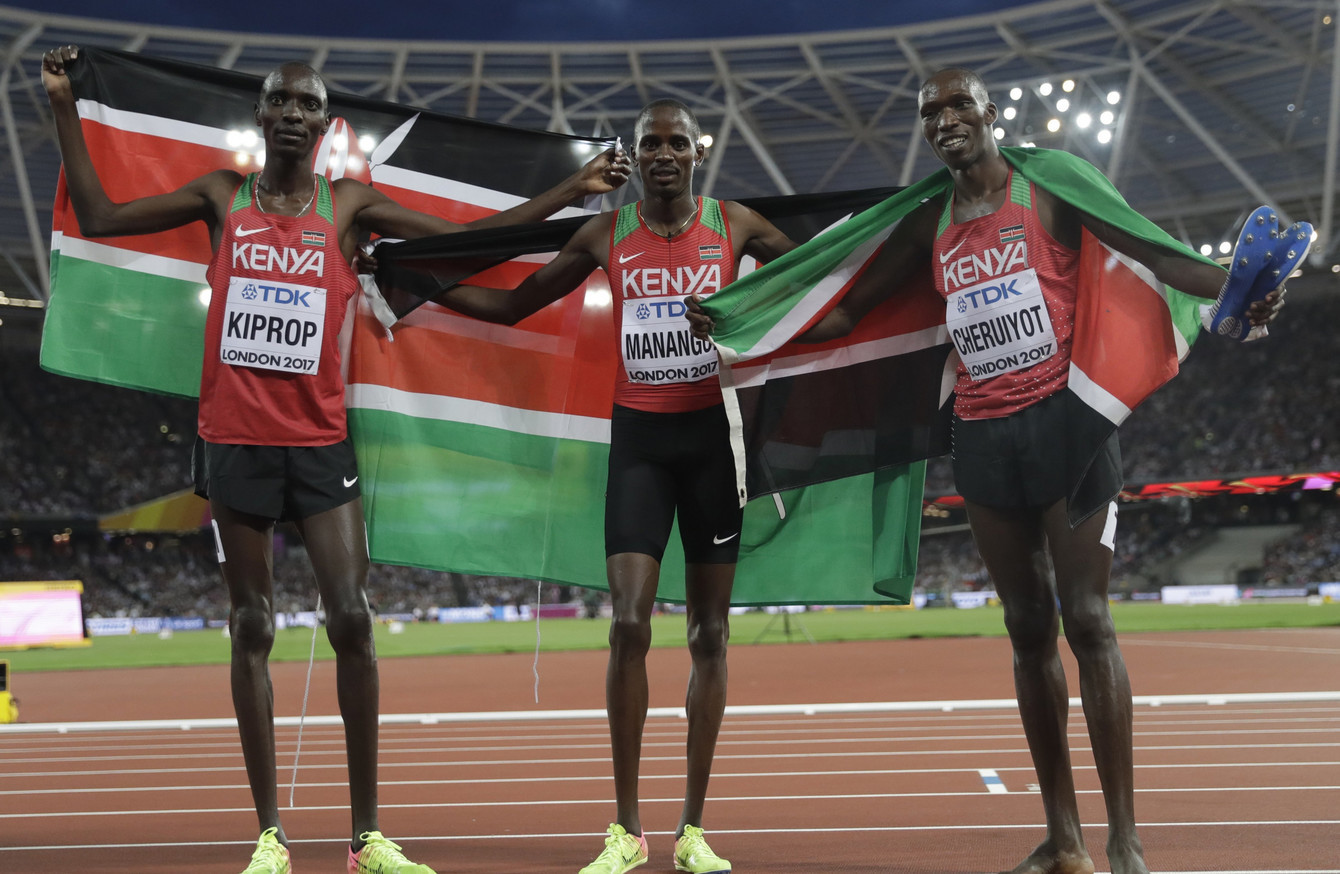
“Maurie loved middle-distance running and he loved Bislett,” added Hoen. “But he also loved non-traditional arrangements of events. In his earlier years, serving the athletics family, he was the mastermind behind countless matches between countries around the world. Our idea is to honor him with such an event which is completely in line with everything he loved.”
Both teams will start with five runners and will have to finish with three. The winner of the match will be the team with the best overall time for three runners.
Individual times will count as well, and the Ingebrigtsen brothers will have one eye on the European record of 4:51.39 held by Steve Cram, who will be commentating on the race.
“Athletics Kenya is fully supportive of this creative idea from the Oslo DL,” added Athletics Kenya President Jackson Tuwei. “Serious racing within a safe environment while also entertainment for avid athletics fans the world over is to be welcomed. Our planning has begun, and we thank Oslo for involving us.”
by World Athletics
Login to leave a comment
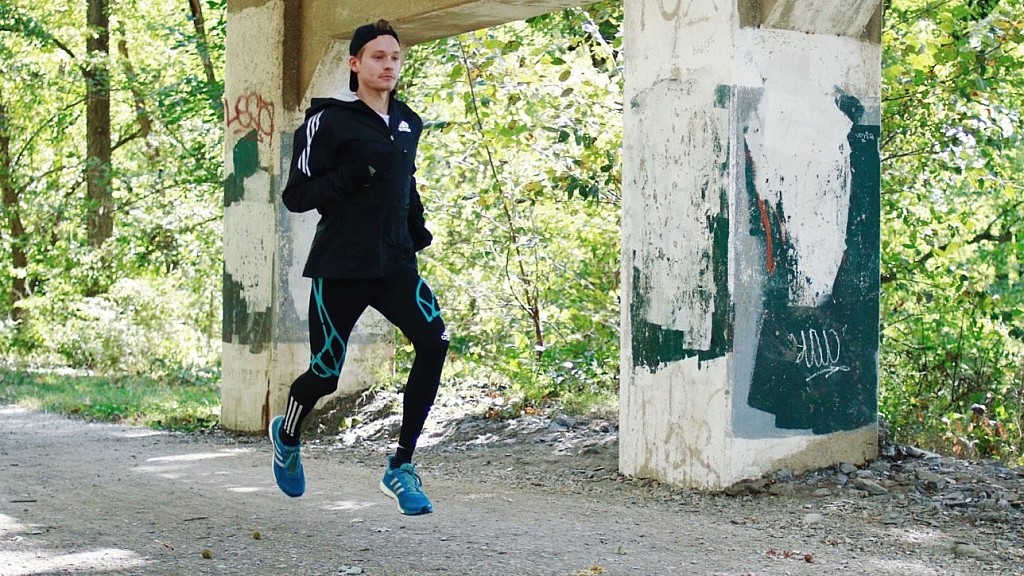
Drew Hunter is out for the IAAF World Championships due to a foot injury
Making Team USATF for the upcoming IAAF World Championships in Athletics was Drew Hunter's biggest career accomplishment. The 21 year-old adidas athlete, who trains in Boulder, Colo., with the Tinman Elite group, scrapped his way to a fifth place finish in the 5000m at the Toyota USATF Outdoor Championships in July, despite enduring searing foot pain in the weeks leading to those championships which made running almost impossible. As the third man across the finish line with the World Championships standard, Hunter was going to his first big global championships.
"I just did everything I could," Hunter told Race Results Weekly in a telephone interview last night from Boulder. "It's the hardest team to make and I made it. I earned that spot."
But over the last month, Hunter's foot woes have only gotten worse. Despite countless treatments, cross training, ice, anti-inflammatories and rest, the 2019 USA indoor two-mile champion had to accept that his track season was over. He made the decision with coach Tom Schwartz after a workout he attempted last Friday with Tinman teammate Sam Parsons who is preparing for the New Balance Fifth Avenue Mile.

"I warmed up with Sam for his last workout for Fifth Avenue," Hunter recounted. "I'm going to do a hard workout with Sam and see where my foot is at. I did one stride and my foot was on fire. I knew I was done."
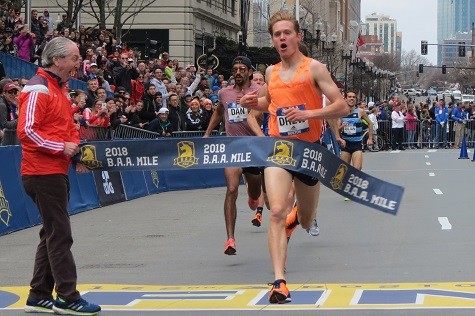
Hunter informed USATF of his decision to withdraw from the team. Although the national federation hasn't named a replacement yet, the next athlete in line is Ben True who finished seventh at the USATF Championships and had the World Championships standard at the time of the meet (American athletes were not permitted to chase the standard after the national championships).
Although severely disappointed, Hunter is trying to use this setback as a learning experience. Analyzing his workouts and training schedule with his coach, he has traced the injury --first an inflamed and torn plantar, then a fractured cuboid bone in his right foot-- to what seemed like the most successful period of running of his young career. On June 13, Hunter ran a personal best 7:39.85 for 3000m at the Bislett Games in Oslo. His foot was just a little sore, but his fitness was excellent and he wanted more.
"I felt my planter and it wasn't bad," Hunter explained. "I had the same symptoms before the Oslo Diamond League. Then I ran Olso, then hopped on a flight straight to Boston and did the Boost Games Mile (where he finished second in 3:58)." He continued: "My plantar was sore, but it was very minor. Right after Oslo and Boost Games I ran really well. I looked in my training log and I know where I screwed everything up."
Hunter, who was a miler in high school, had been successful as a 5000m man on a relatively low-mileage training plan. A big training week for him was 80 miles, but wanting to increase his fitness base he ran successive 90-mile weeks after Oslo. That, Hunter said, was the tipping point.
"I ran my two highest mileage weeks ever back to back," Hunter said. He added: "It just kind of slowly got worse and worse."
In his one tune-up race for the USA national meet, Hunter ran the 1500m at the Sunset Tour meeting in Azuza, Calif., on July 9. He clocked a solid 3:37.29, showing that he had enough fitness to run the 5000m at the national meet, but his foot felt awful.
"Then I ran Azuza, and after the race I could barely walk," Hunter said. "My plantar was, like, on fire. After Azuza my training went really inconsistent and really shaky into nationals. I couldn't do long runs, I couldn't do workouts."
Hunter knew the injury was bad, but decided not to get an MRI because part of him didn't want to know how bad it really was. He was committed to the national meet and didn't want to pull out. That's what professional athletes do, he said.
"I didn't get an MRI before and that was intentional because I knew something was wrong. I knew I had a plantar problem, but I didn't want to know how severe because I was all-in on running nationals." He continued: "So I just worked with my soft tissue therapist and just managed it."
Ironically, by taking so many steps to protect his plantar Hunter actually caused the cuboid fracture. The planter problem is mostly resolved, he said, but the the cuboid fracture needs more time to heal.
by David Monti
Login to leave a comment

IAAF World Athletics Championships Doha
The seventeenth edition of the IAAF World Championships is scheduled to be held between 27 September and 6 October 2019 in Doha, Qatar at the renovated multi-purpose Khalifa International Stadium. Doha overcame bids from Eugene, USA, and Barcelona, Spain to be granted the rights to host the 2019 IAAF World Championships in Athletics. Having hosted the IAAF Diamond League, formerly...
more...
The NYRR Millrose Games will always have its Irish air
Even if the list of competitors is not chock-a-block with Irish names there will always be an Irish air about the Millrose Games which are set for Saturday, February 9 at the Armory in Washington Heights, Manhattan.
For one thing the Meet Director this year, as he has been for a number of years now, is legendary Irish middle distance runner and Longford native, Ray Flynn.
“This is the 112th Millrose Games and the eighth Millrose meet at the Armory. It’s a big deal,” Flynn says.
A big deal indeed.
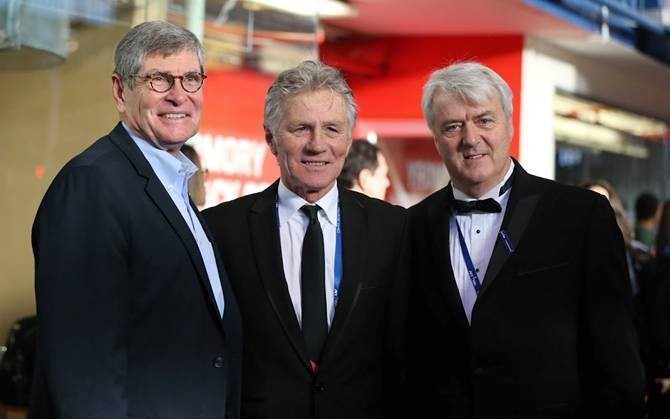
“And if there’s one thing I’ve learned it’s that the Armory is an incredible venue, especially for the kids,” Flynn said.
The New York Road Runners Millrose Games did indeed move, in 2012, from the much larger Madison Square Garden to the cozier confines of the uptown Armory.
The effect, however, was a positive in that the Armory is filled to the rafters with 5,000 cheering track and field fans. 400 extra seats have been squeezed in for Saturday’s meet.
One of those cheering will be, of course, Eamonn Coghlan, the “Chairman of the Boards.”
Coghlan and Flynn are but two Irish middle distance veterans who remind track fans of a golden era in Irish middle distance running, that being the 1980s.
Coghlan is the holder of seven Wanamaker Mile titles and holds, among many other titles and laurels, a World 5000 Meter championship gold medal.
Ray Flynn has 89 sub 4-minute miles under his belt and is both the Irish Mile Record holder (3:49.77) and Irish 1,500m Record holder (3:33.5). Both records were broken in the same race in 1982 in Oslo in the Bislett Games Dream Mile.
Flynn, was an All-American in track and field and cross country at East Tennessee State, where his team in 1975 captured the NCAA Track and Field Championship.
Now 62, Flynn currently works as an agent for track and field athletes and is based in Johnson City, Tennessee.
Millrose is unique in that Olympians, as well as other elite professional, college, high school and youth track and field competitors, line up for the various events.
This year, two lucky Sligo kids will get to rub shoulders with some of the best athletes in the world by racing in the “Fastest Kid on the Block” competition.
Alice Belo and Shane Haran will be representing their county and Ireland.
In Sligo, the Fastest Feet program is being used every year to introduce kids to sport, specifically athletics. The man backing the program is Galway’s Richard Donovan who is also behind the World Marathon Challenge, the North Pole Marathon, the Volcano Marathon and other epic global sporting events.
The Armory being indoors, Alice and Shane need not worry about a return of the Polar Vortex.
No fewer than 32 Olympians are included in this year’s Millrose roster. There are Irish names evident, but they belong to athletes from the U.S., Canada, Australia and indeed Antigua & Barbuda.
Login to leave a comment

NYRR Millrose Games
The Pinnacle of Indoor Track & Field The NYRR Millrose Games, first held in 1908, remains the premier indoor track and field competition in the United States. The 2025 edition will once again bring the world’s top professional, collegiate, and high school athletes to New York City for a day of thrilling competition. Hosted at the New Balance Track &...
more...