

Running News Daily
Running News Daily is edited by Bob Anderson and team. Send your news items to bob@mybestruns.com Advertising opportunities available.
Index to Daily Posts · Sign Up For Updates · Run The World Feed
Articles tagged #Grete Waitz
Today's Running News
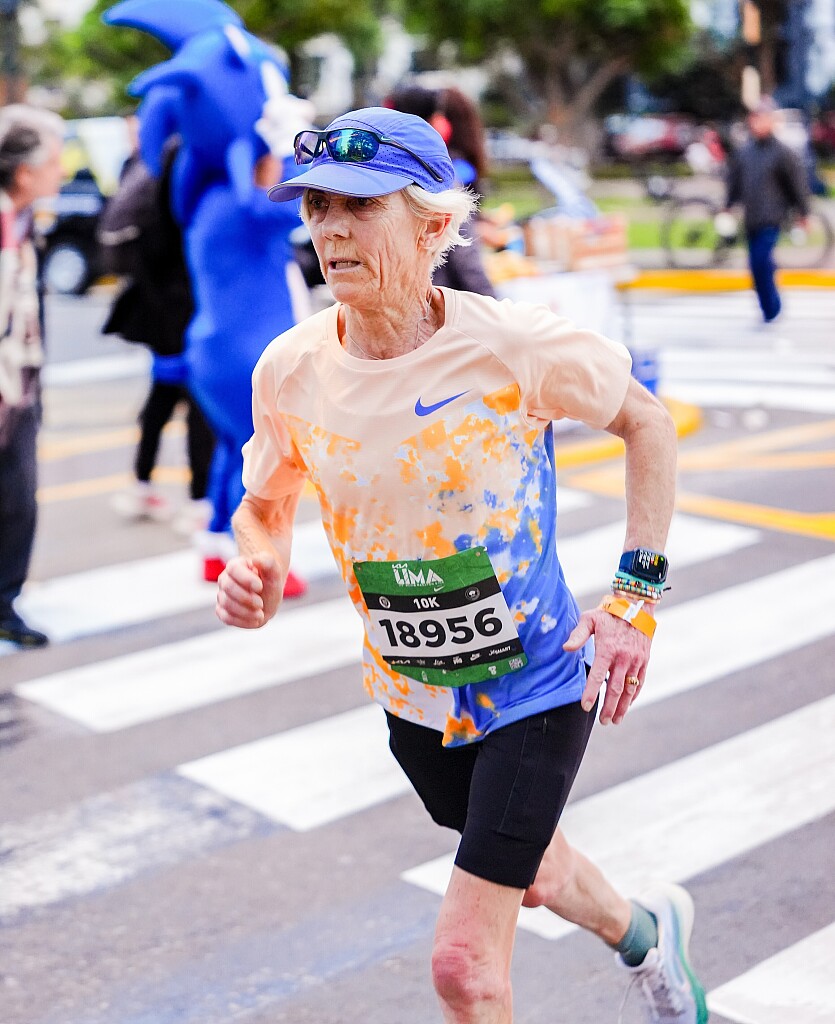


69 And Still Running: Joan Benoit Samuelson Inspires Lima With Another Remarkable 10K
At an age when many athletes have long since stepped away from competition, Joan Benoit Samuelson continues to remind the running world that the finish line is never defined by a number.
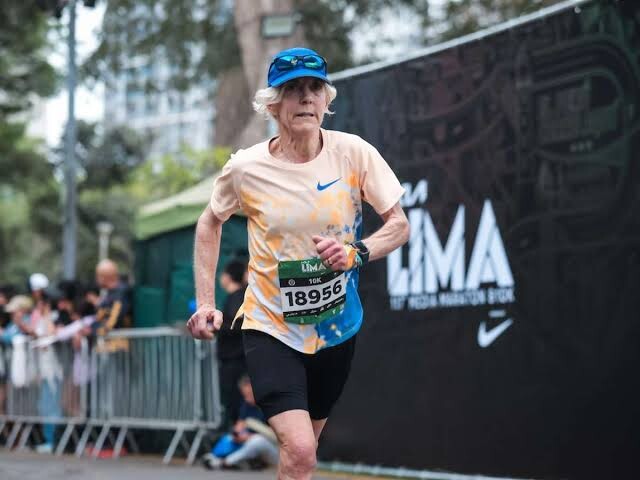
On Sunday in Lima, Peru, the pioneering American distance runner lined up for the 10K at the 117th KIA Media Maratón de Lima & 10K, and at 69 years old, she crossed the finish line in an impressive 47:49 — averaging approximately 7:43 per mile.
It was another chapter in a remarkable running life that has stretched across more than four decades, taking Samuelson from the roads of New England to Olympic history and, now, to the streets of Lima.
The first Olympic women's marathon champion, Samuelson was in Peru as part of a Nike-backed trip, experiencing a race course that links Lima's historic heart with its modern districts. The event attracted around 21,000 runners, creating a spectacular celebration of running in one of South America's most historic cities.
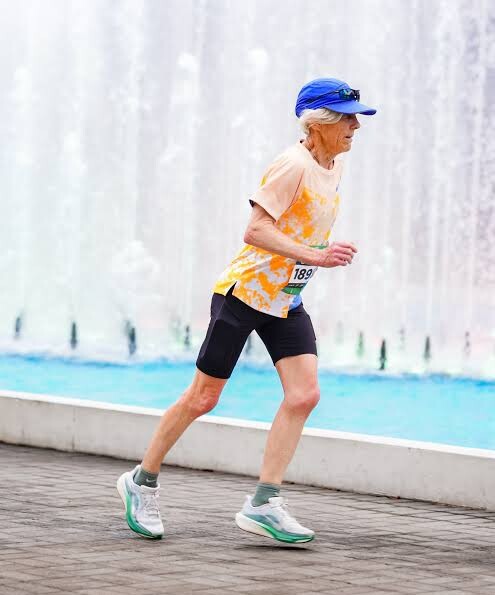
The half marathon accompanying the 10K carries an extraordinary legacy of its own. First staged in 1909, the race is billed as the world's oldest half marathon, adding another layer of history to Samuelson's appearance.
But Samuelson herself needs little introduction when it comes to the history of women's distance running.
Her career helped redefine what was possible for women on the marathon course. She won the Boston Marathon in 1979 and again in 1983, then produced a stunning American record of 2:22:43 in her marathon debut that same year.
A year later, she reached the summit of the sport.
At the 1984 Los Angeles Olympics, Samuelson captured gold in the inaugural women's Olympic marathon, running 2:24:52 and finishing 1 minute 26 seconds ahead of legendary Norwegian Grete Waitz. It was a victory that became one of the defining moments in the history of women's athletics.
And she was far from finished.
In 1985, Samuelson won the Chicago Marathon in 2:21:21, setting another American record that remained untouched for 18 years. Her achievements became part of the foundation upon which the modern era of women's distance running was built.
Yet perhaps the most remarkable part of her story is not what she accomplished four decades ago, but the fact that she is still curious, still competing and still eager to learn from the sport.
Before Sunday's race, Samuelson praised the growing strength of Peruvian distance running, telling local media: “Runners from Peru are starting to show up on the world stage, and they are doing it very well.”
Those words capture something that has defined her journey for generations: a belief that running is not simply about records, medals or victories. It is about discovery, connection and the endless possibility of seeing how far the human spirit can go.
Four decades after making history in Los Angeles, Samuelson is still answering the starting gun.
At 69, the Olympic champion is no longer chasing the clock she once conquered. She is chasing something far more enduring — the joy of running itself.
And in Lima, thousands of runners had the privilege of watching a living legend continue to do what she has always done best: inspire people to keep moving forward.
by Erick Cheruiyot for My Best Runs.
Login to leave a comment
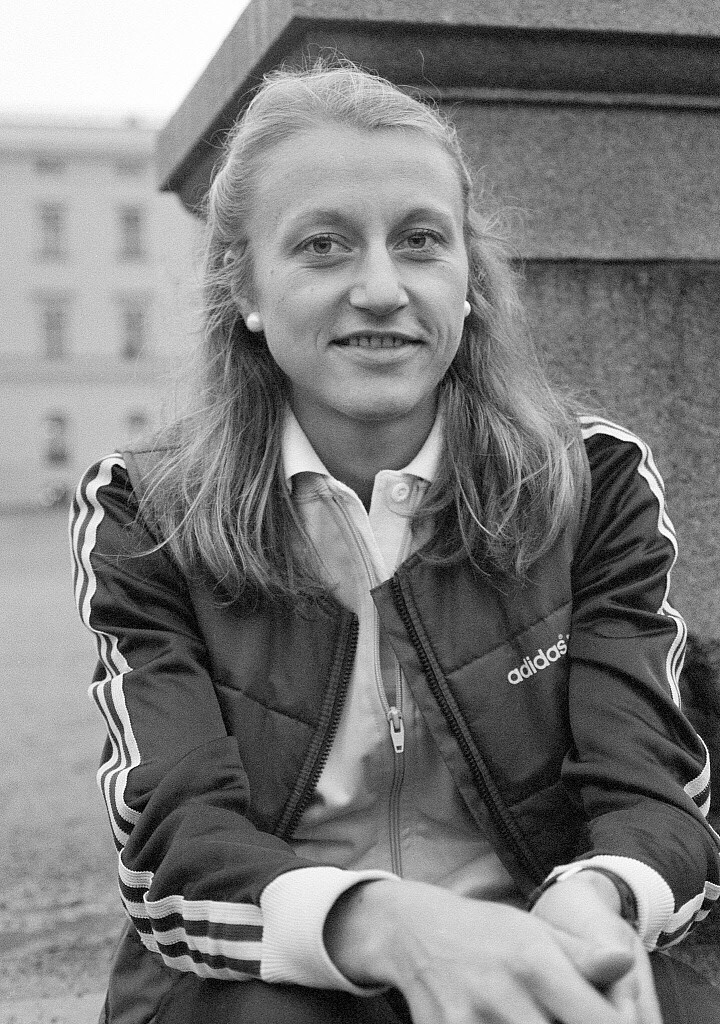
From an Unplanned Marathon to Immortality: The Incredible Story of Grete Waitz's Nine New York City Marathon Victories
When Grete Waitz boarded a flight to New York in October 1978 with her husband, Jack, becoming one of the greatest marathon runners in history was the last thing on her mind.
At just 25 years old, the Norwegian schoolteacher was an accomplished middle-distance athlete and a two-time Olympian over 1,500 metres. She had never raced a marathon, and the furthest she had ever run was only 10 miles in training. The journey to the United States was intended to be more of a holiday than a sporting mission.
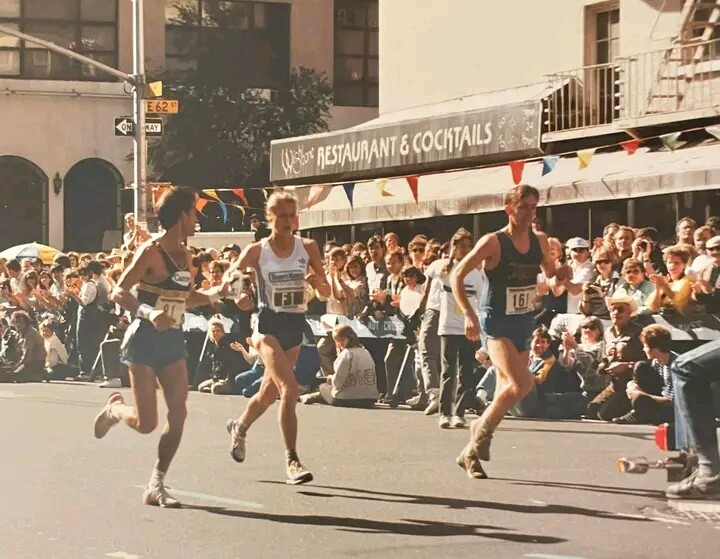
New York City Marathon co-founder Fred Lebow had personally invited Waitz to compete. Privately, he believed her lack of endurance experience would eventually catch up with her and that she would likely fade in the second half of the race. Instead, he unknowingly invited a future legend.
The evening before the marathon reflected just how little pressure Waitz placed on the race. She and Jack enjoyed an elegant dinner in Manhattan, complete with shrimp cocktail, filet mignon, ice cream, and red wine. It was hardly the meal most would associate with preparing for a world-class marathon, but for the couple, the trip was simply another adventure.
Even on race morning, Waitz admitted she barely knew where Central Park was.
Wearing bib 1173, she settled into the race with no expectations. As the miles unfolded, however, the Norwegian newcomer grew stronger while others began to struggle. In the second half, she surged into the lead and never looked back.
When she crossed the finish line in 2:32:30, the athletics world was left in disbelief.
Not only had Waitz won her marathon debut by an astonishing nine minutes, but her performance was also recognized as a new world record at the time, lowering the previous mark by more than two minutes. A woman virtually unknown to marathon running had rewritten the sport's history in a single afternoon.
Yet the finish line brought anything but celebration.
Completely exhausted, battling severe cramps and overwhelmed by the pain of her first marathon, Waitz reportedly threw her running shoes toward her husband and coach, Jack, insisting she would never run another marathon.
Fortunately for the sport, she changed her mind.
Her remarkable victory transformed her career. Inspired by what she had achieved, Waitz left her teaching profession in Norway and dedicated herself fully to long-distance running. What began as a one-time experience evolved into one of the greatest careers the marathon has ever witnessed.
Between 1978 and 1988, she captured an unprecedented nine New York City Marathon titles—a record that still stands as the most victories by any athlete, male or female, in a World Marathon Major. She also became the first woman in history to run under 2 hours and 30 minutes in 1979 and established four marathon world records, helping redefine what women could accomplish over 42.195 kilometres.
Beyond the records and victories, Grete Waitz became a global icon whose humility, determination, and fearless approach inspired generations of runners. She proved that greatness sometimes arrives when opportunity meets courage—even when no one, including the athlete herself, expects it.
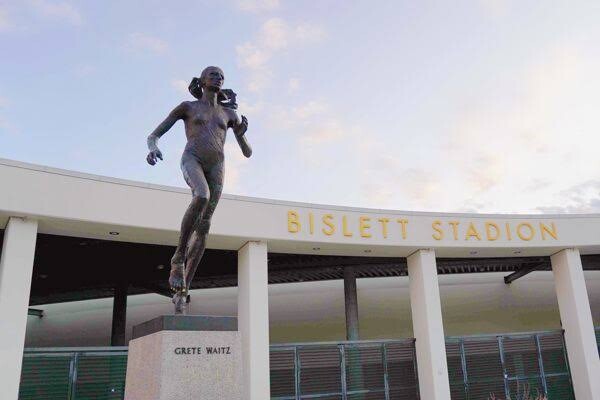
Grete Waitz passed away from cancer in 2011 at the age of 57, but her legacy continues to endure. A statue outside Bislett Stadium in Oslo stands as a permanent tribute to the woman who arrived in New York as a schoolteacher on holiday and left as the athlete who forever changed marathon history.
by Erick Cheruiyot for My Best Runs.
Login to leave a comment
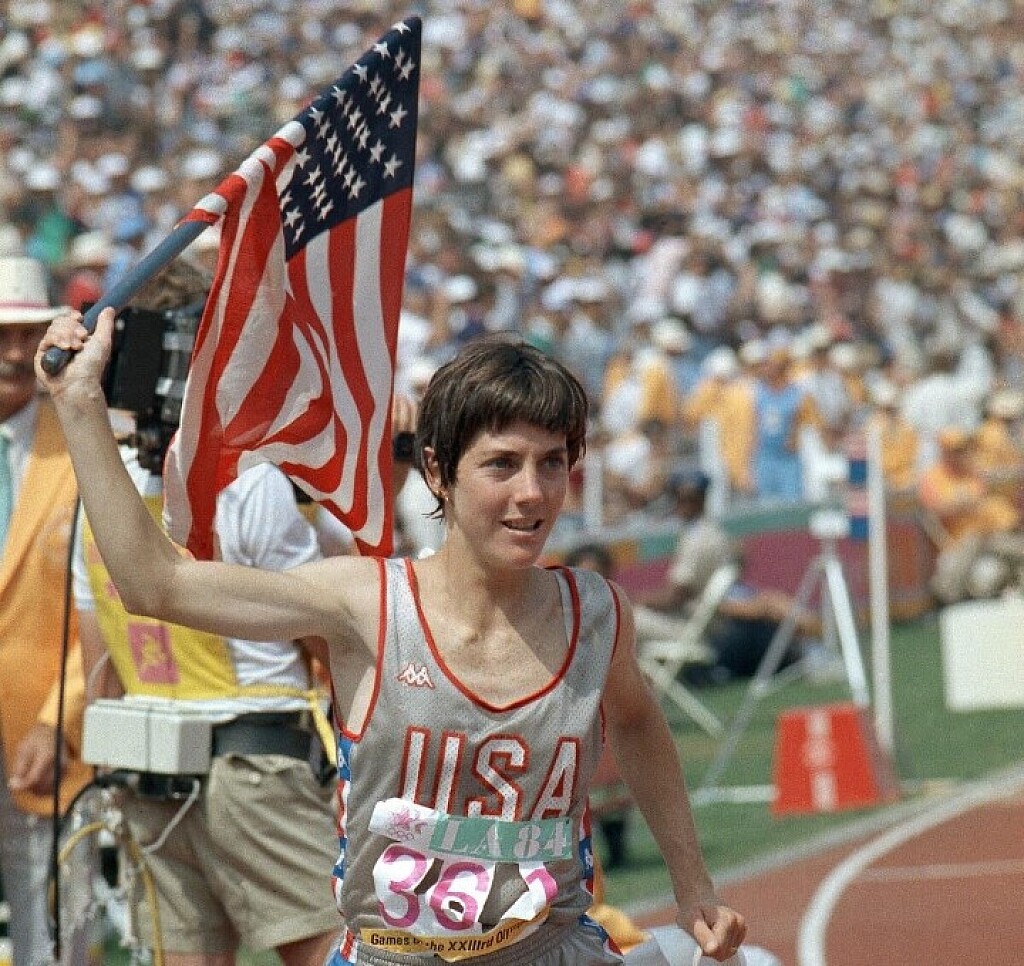
When History Finally Opened the Road: Joan Benoit’s Defining Run in Los Angeles, California — August 5, 1984
Los Angeles, California — August 5, 1984.
The California sun pressed heavily against the city streets, the temperature rising past 80 degrees as thousands of spectators lined the course. In the distance, a lone figure in a white painter’s cap ran with fearless intent, far ahead of the world’s best.
That woman was Joan Benoit — and she was not even supposed to be there.
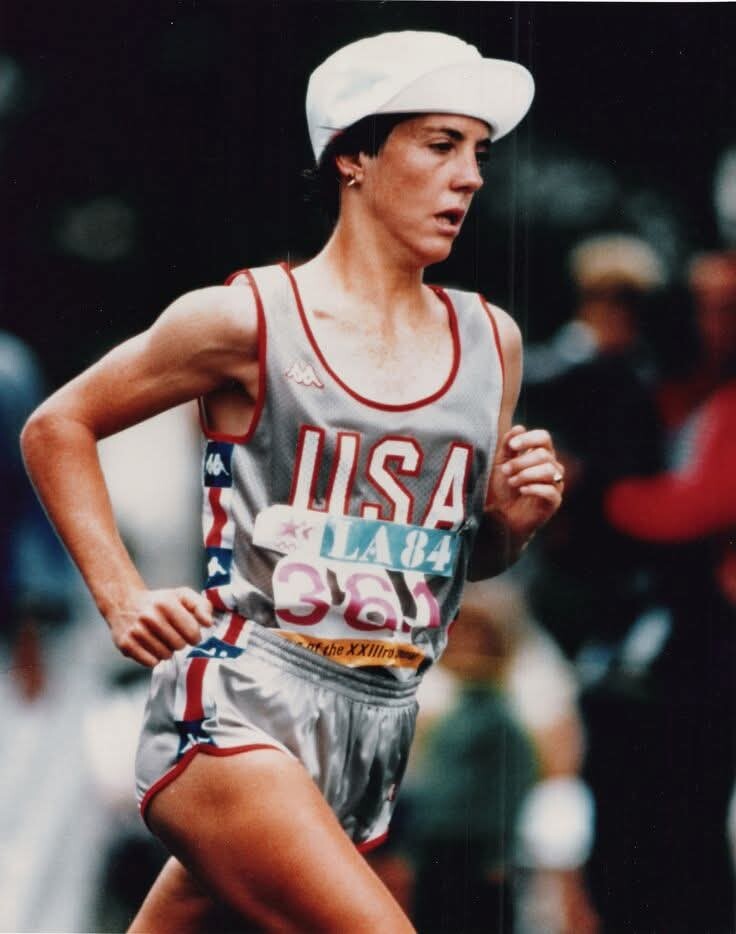
Just three months earlier, her knee had collapsed in training. Doctors delivered a harsh verdict: immediate surgery, followed by months of recovery. Yet the U.S. Olympic Trials were only 17 days away. For most athletes, that diagnosis would have ended the dream.
But 1984 was no ordinary Olympic year. It marked the first time women were officially allowed to compete in the marathon at the 1984 Summer Olympics. For decades, women had been barred from long-distance racing under claims that their bodies were too fragile, that endurance would harm their health, even that it would threaten their ability to bear children. The resistance had been so entrenched that the Boston Marathon only officially opened its doors to women in 1972.
This was not just a race; it was a long-overdue correction.
Benoit understood the gravity of the moment. There would only ever be one first women’s Olympic marathon. If she missed it, that page of history would turn without her name written on it.
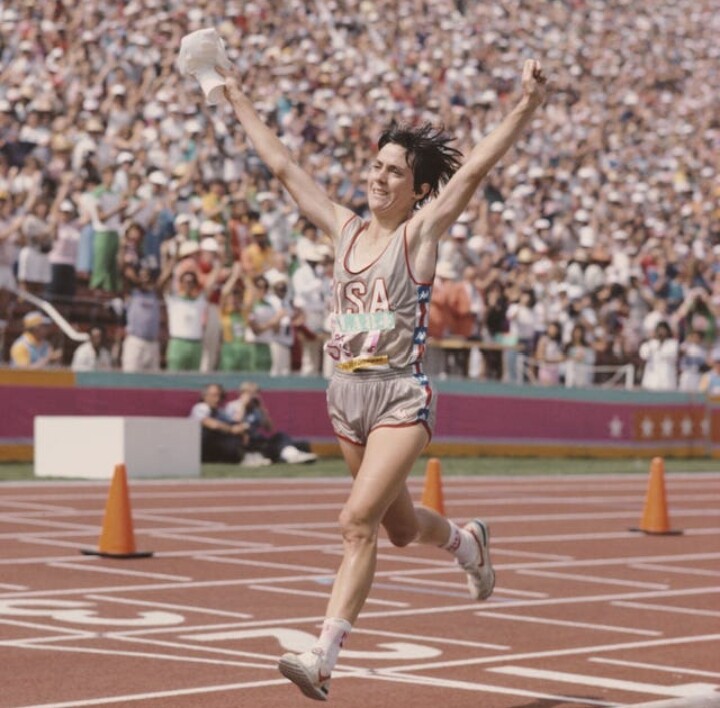
She chose surgery. Seventeen days later, still healing, she stood at the Trials start line — and won.
On August 5, 1984, the Olympic marathon began on the streets of Los Angeles, California, winding through the city beneath relentless summer heat. And before the race even reached mile three, Benoit did something astonishing.
She surged.
Breaking away from the pack with bold conviction, she committed herself to more than 23 miles alone. Commentators questioned the move. Behind her were giants of the sport — Grete Waitz and Rosa Mota — champions with unmatched credentials. Surely, they would reel her back in.
But mile after mile, the gap held.
She ran with a composure that defied both heat and doubt. The chase pack never closed the distance. Instead, Benoit extended her lead, stride by determined stride, as if carrying the weight of generations who had been denied this very opportunity.
At mile 23, she approached the iconic Los Angeles Memorial Coliseum. Still alone. Still leading. As she entered the stadium, more than 70,000 spectators rose to their feet, their roar echoing through the historic arena.
She crossed the finish line in 2:24:52, winning by over 400 meters.
The woman who had undergone knee surgery just weeks before the Trials had conquered the world’s finest on the sport’s biggest stage — in the very first women’s Olympic marathon ever held.
But her victory meant more than gold. It ended a debate that never deserved to exist. It proved that endurance does not belong to one gender, and that courage, when paired with conviction, can dismantle decades of disbelief.
Today, the women’s marathon stands as one of the most prestigious events in global athletics. Records have fallen, legends have risen, and young girls everywhere line up believing they belong.
It all traces back to Los Angeles, California — to August 5, 1984 — to a woman in a white cap who ran alone from mile three and refused to let history move forward without her
by Erick Cheruiyot for My Best Runs.
Login to leave a comment
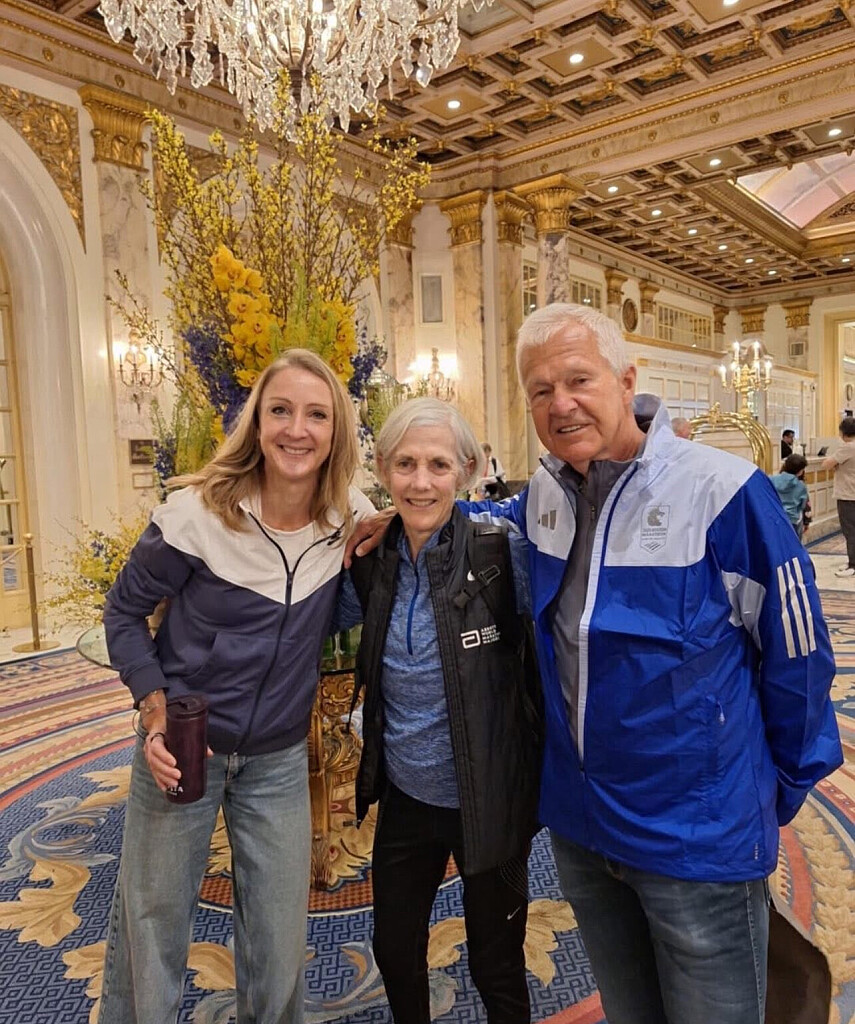
Boston Legends Reunite Ahead of 2025 Boston Marathon
Three legendary figures in the running world gathered in Boston this weekend ahead of the 129th Boston Marathon set for Monday: Paula Radcliffe, Joan Benoit Samuelson, and Jack Waitz, husband of the late Grete Waitz.
The photo, taken inside the grand Fairmont Copley Plaza Hotel, captures more than just a moment—it reflects the legacy of marathon greatness. Radcliffe, the former world record holder in the marathon; Samuelson, the 1984 Olympic gold medalist; and Jack Waitz, who has carried forward Grete’s remarkable story as a Boston champion and nine-time NYC Marathon winner.
“I am proud to say I know all three of these amazing people,” says My Best Runs editor Bob Anderson, who fulfilled a lifelong dream by running the Boston Marathon in 2013 at age 65. “As publisher of Runner’s World, I organized our first Boston open house at the Copley Plaza in the late 1970s. Thousands gathered—it was a few years before expos started being held before races. This photo brings back so many memories.”
As Boston prepares for Marathon Monday, this reunion of icons reminds us that the marathon is more than a race—it’s a celebration of tradition, community, and the pioneers who helped shape the sport.
by Boris Baron
Login to leave a comment
Grete Waitz The Runner Who Changed Marathoning Forever
On a crisp October morning in 1978, an unassuming schoolteacher from Norway stepped up to the starting line of the New York City Marathon. Grete Waitz, a world-class middle-distance runner, had never raced beyond 3,000 meters. That day, she would not only cover 26.2 miles for the first time but also redefine women’s marathoning in a way no one could have predicted.
An Accidental Marathoner
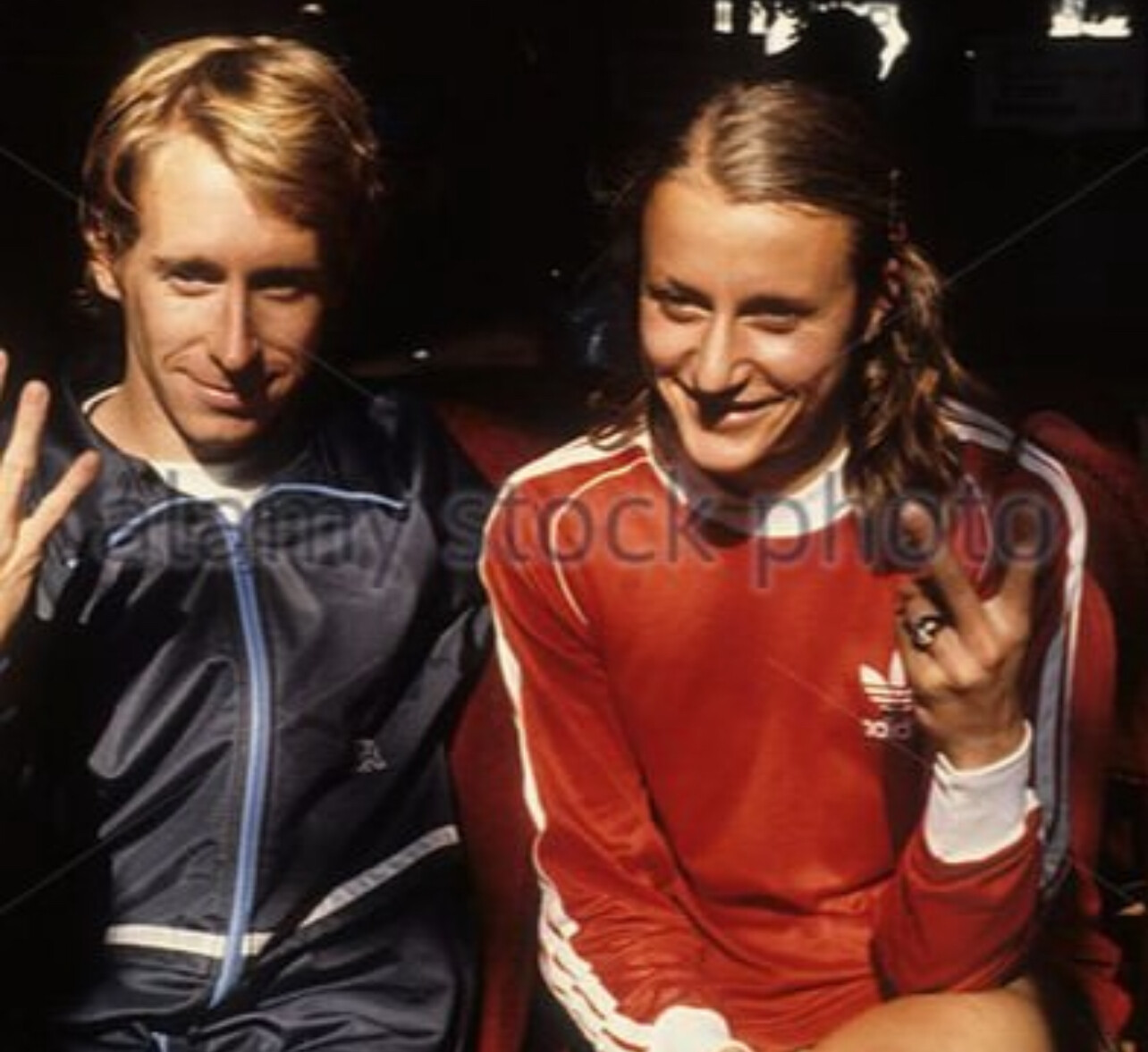
At the time, Waitz was a highly accomplished track athlete, having competed in the 1972 and 1976 Olympics in the 1,500 meters. Her husband and coach, Jack Waitz, believed she had the endurance for the marathon and convinced her to give it a try. The New York City Marathon, then in its third year of running through all five boroughs, was growing in popularity, with nearly 10,000 entrants that year—including 1,240 women, a significant number in an era when women’s distance running was still fighting for recognition.
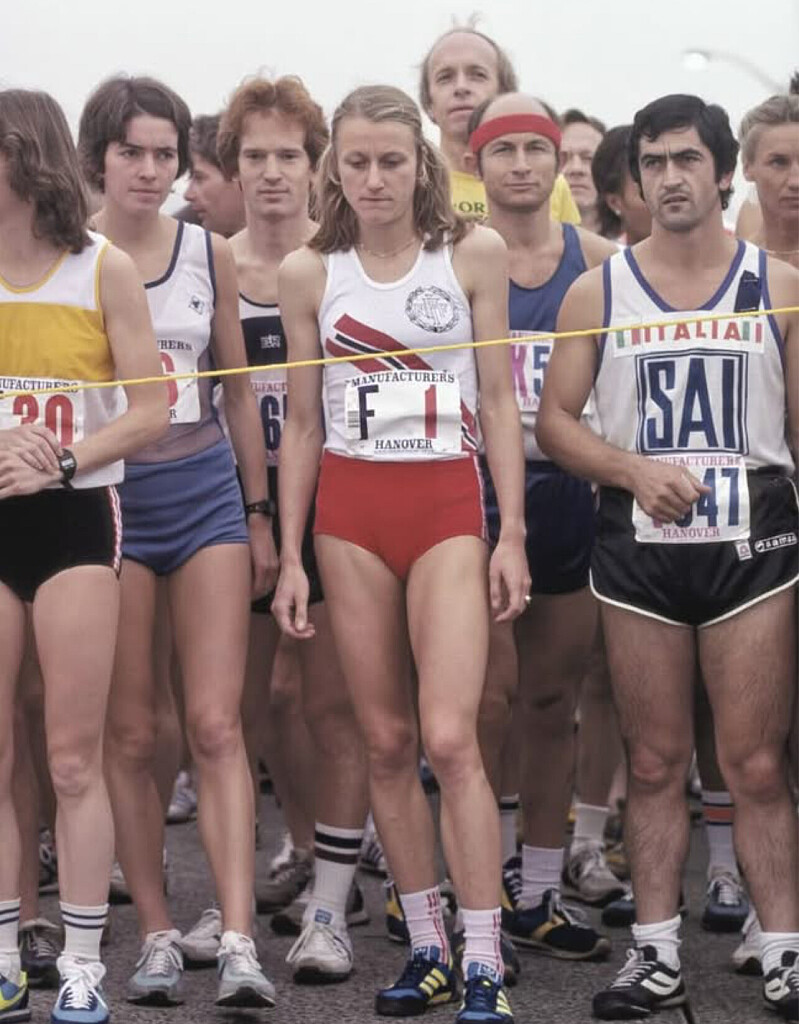
Waitz arrived in New York with no expectations, mostly treating the experience as an experiment. She was given bib “F1,” but that number did not signify any previous success in the marathon—it was merely assigned based on her status as a female elite athlete.
A Race for the Ages
Unlike today’s marathons, where elite runners typically start separately, in 1978, all competitors—professional, amateur, and first-timers alike—began together. The masses surged forward, and Waitz, running with a mix of excitement and nerves, settled into a steady pace.
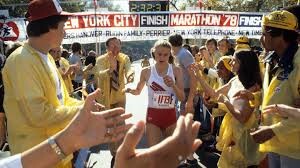
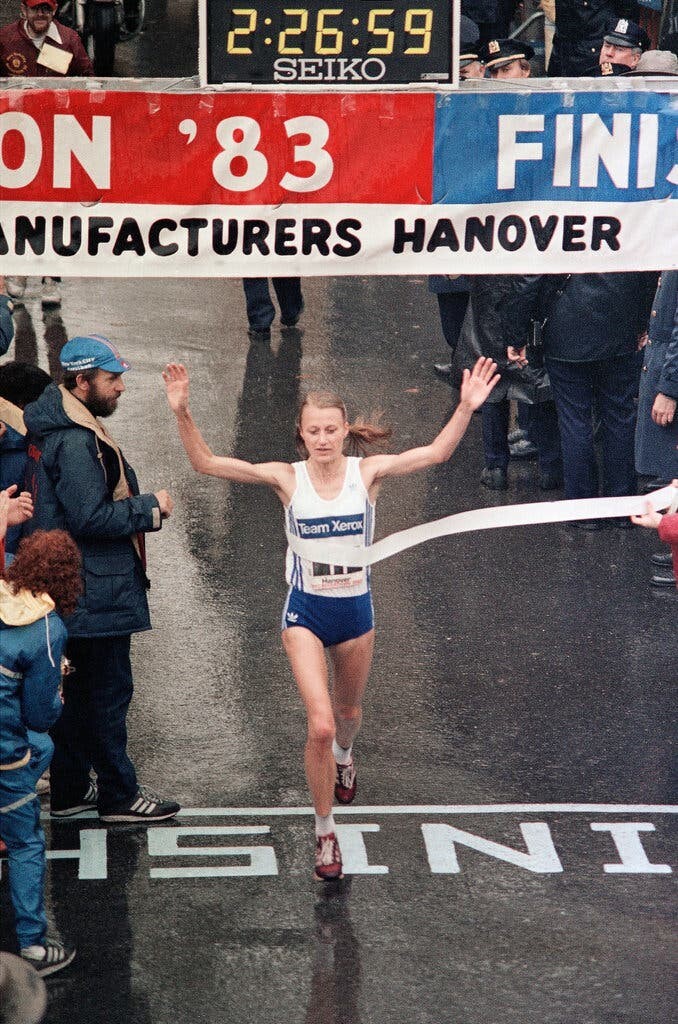
She was strong early on, but by mile 18, she was frustrated. She had no idea what she was doing, she later recalled, and even threw a cup of water at her husband in irritation when he shouted encouragement. Yet, despite her doubts, she was running at a record-setting pace.
As she entered Central Park, fatigue set in, but she powered through, breaking the tape in 2 hours, 32 minutes, and 30 seconds—a world record at the time. When race director Fred Lebow greeted her at the finish line, she collapsed into his arms, exhausted and overwhelmed.
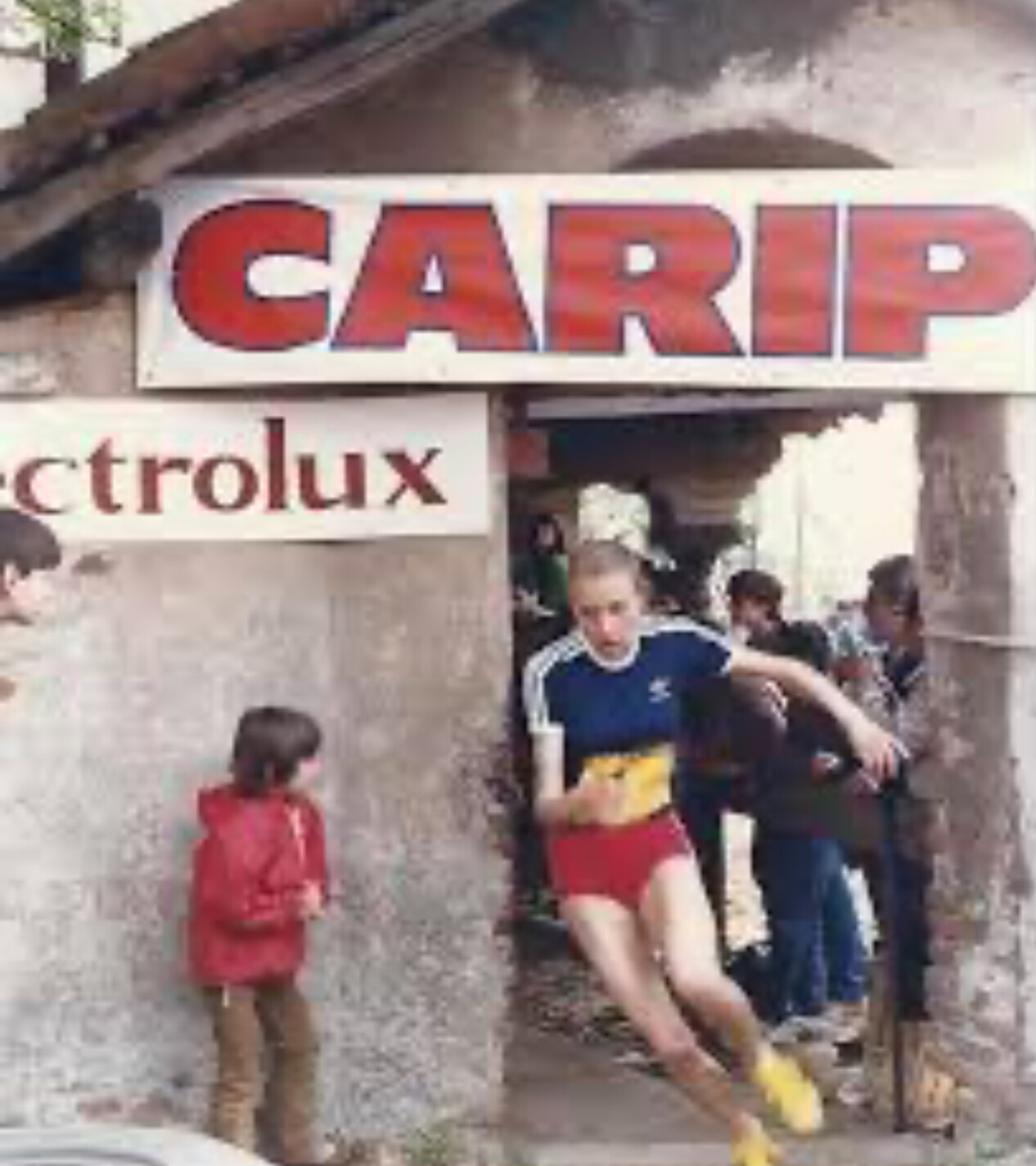
“I’ll never do another one of these,” she famously said. That promise, of course, didn’t last.
A Legacy of Dominance
That win in 1978 was just the beginning. Waitz would return to New York eight more times, winning a record nine titles between 1978 and 1988. She became the face of women’s marathoning, inspiring countless runners and proving that women not only belonged in the sport but could dominate it.
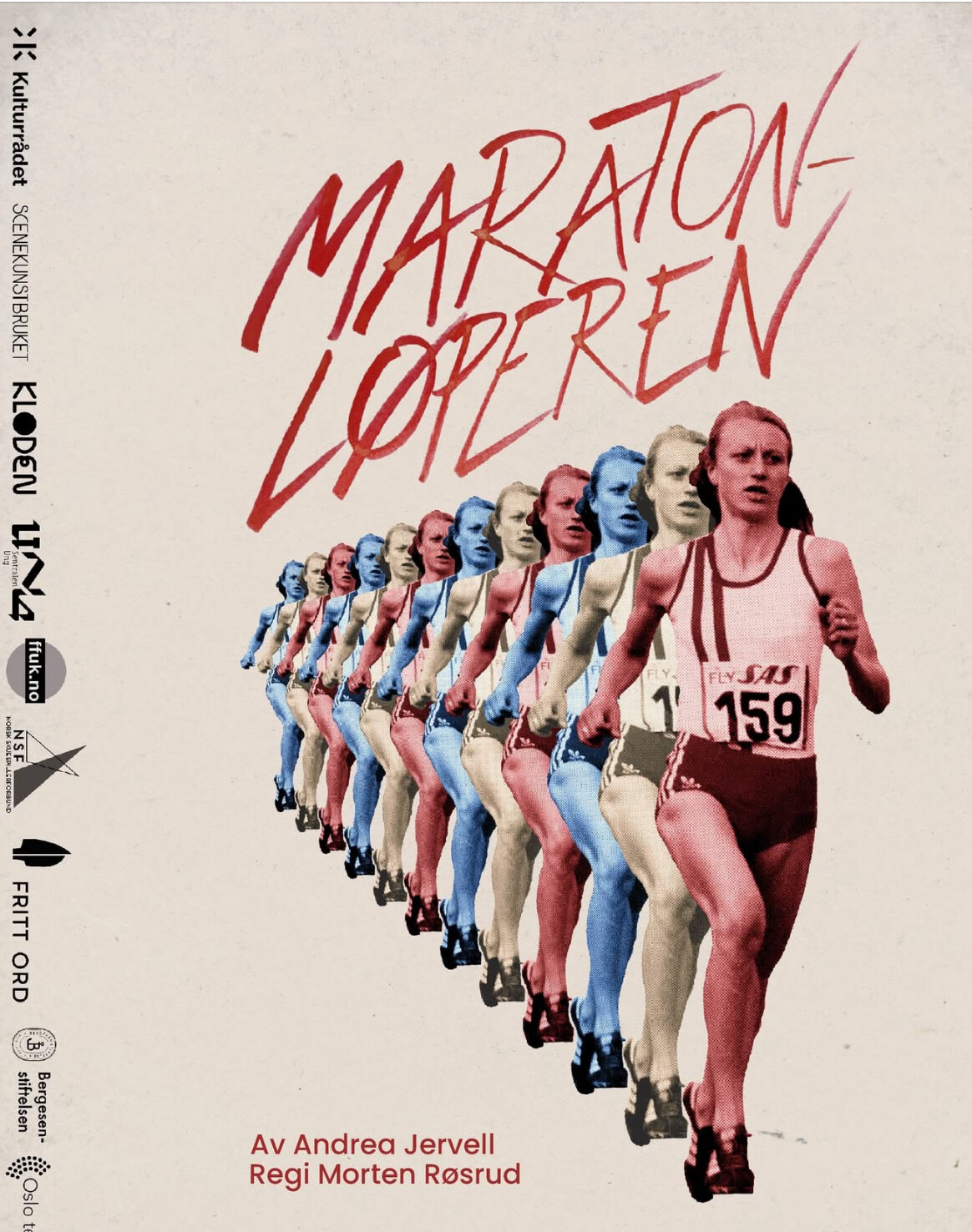
Her influence stretched beyond New York. In 1983, she won the first-ever Women’s World Championship Marathon, and a year later, she took silver in the first Women’s Olympic Marathon at the 1984 Los Angeles Games, finishing behind Joan Benoit Samuelson.
More Than a Champion
While her records and wins made her a legend, Waitz’s true impact came from the doors she opened for female distance runners. Before her era, women’s marathoning was an afterthought. The Boston Marathon had only officially allowed women to compete in 1972, and many still believed that running long distances was dangerous for women. Waitz shattered those myths.
She continued to race into her 40s and later devoted much of her time to coaching and philanthropy. In 2005, she was diagnosed with cancer, but she faced it with the same resilience she showed on the race course.
Jack Waitz: Continuing the Legacy
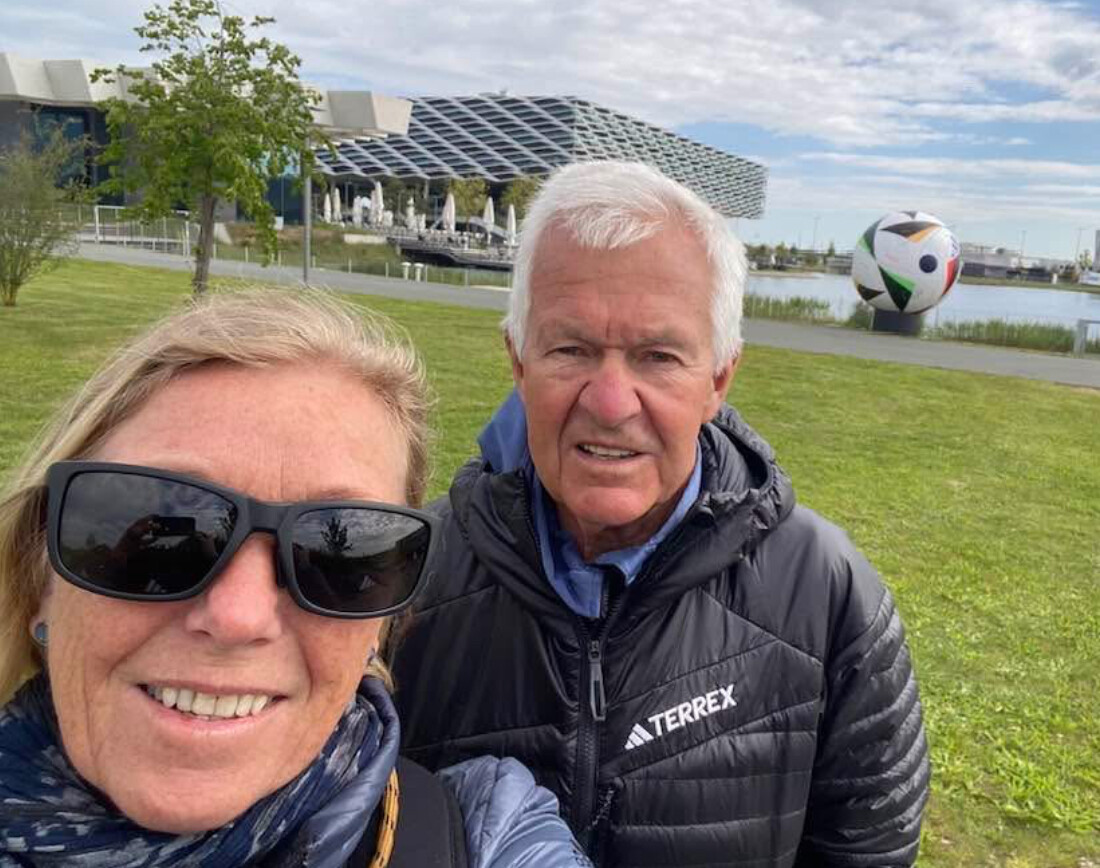
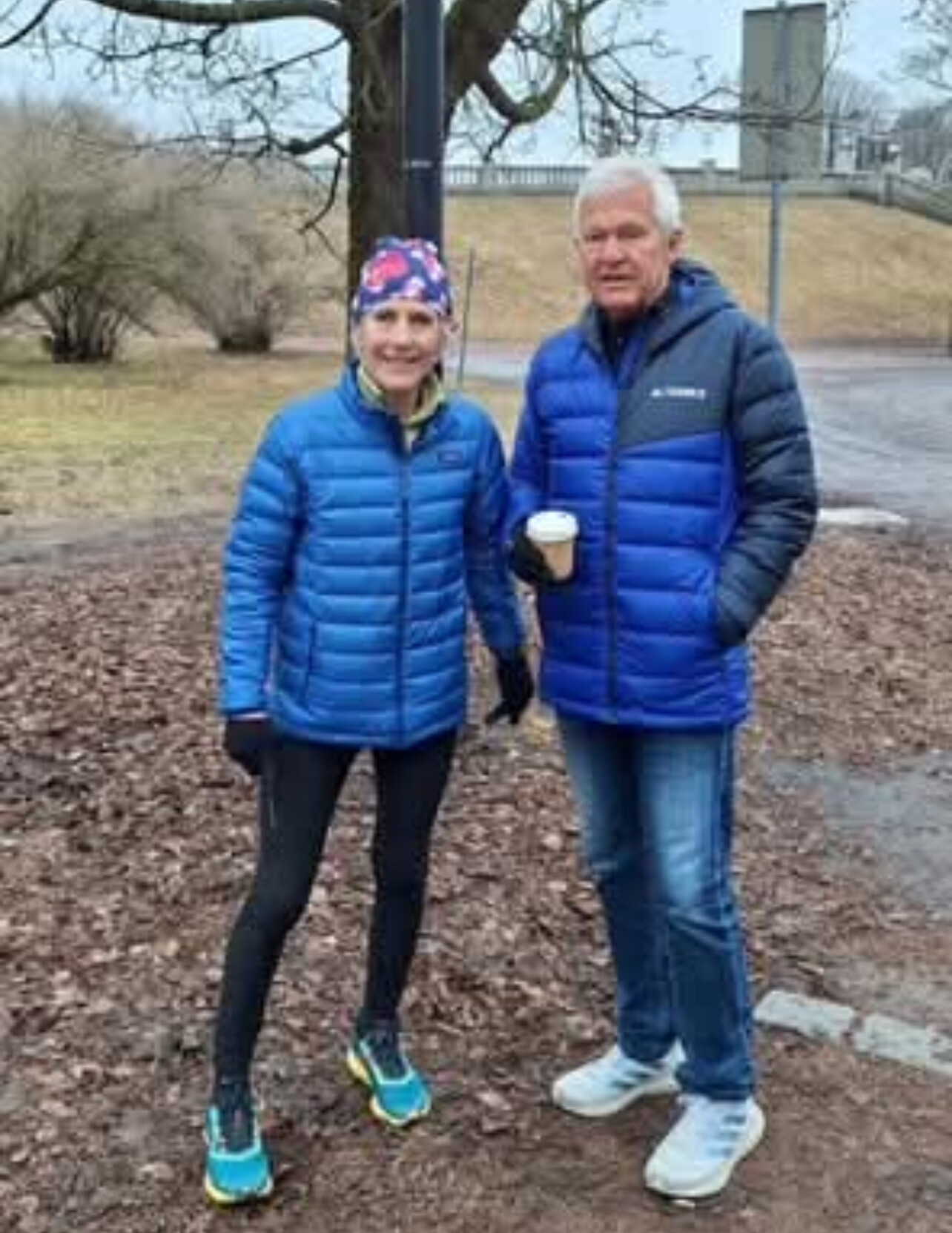
Grete’s husband and coach, Jack Waitz, played an instrumental role in her career, guiding her training and race strategies. Following Grete’s passing in 2011, Jack has remained deeply involved in the running community. He continues to share his expertise, offering training advice and motivational tips to runners of all levels.
Jack’s ongoing commitment ensures that Grete’s legacy endures, inspiring new generations of runners to pursue their passion for the sport.
A Lasting Inspiration
Grete Waitz passed away in 2011 at the age of 57, but her influence is still deeply felt. She was not just a marathoner; she was a trailblazer who proved that women could race—and win—on the biggest stages.
Today, the New York City Marathon regularly features over 50,000 runners, nearly half of them women, a testament to how far the sport has come since 1978. The shoes are faster, the crowds are bigger, and the elites now start separately, but the legacy of Grete Waitz remains woven into the fabric of the event she helped define.
Her first marathon may have been accidental, but her impact on the sport was anything but.
by Boris Baron
Login to leave a comment
Stramilano Half Marathon Honored with World Athletics Heritage Plaque Ahead of 2025 Race
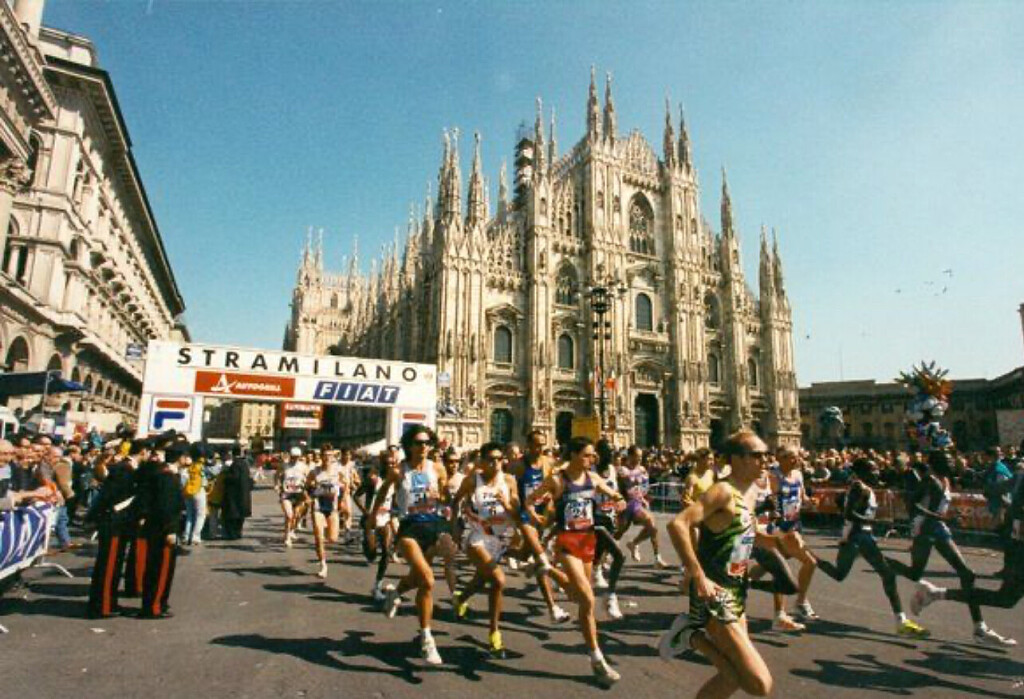
The Stramilano Half Marathon, one of Italy’s most prestigious road races, is set to celebrate its 52nd edition on Sunday, March 23, 2025. This year, the event will be marked by a historic recognition, as it has been awarded the World Athletics Heritage Plaque in the category of ‘Competition.’ This prestigious honor highlights Stramilano’s exceptional contribution to the global history of road running and its impact on the sport over the past five decades.
Stramilano’s Storied Legacy
First held in 1976, the Stramilano Half Marathon has been a stage for legendary performances, earning a reputation as the fastest course in Italy. In 1993, Moses Tanui became the first runner in history to break the one-hour barrier for the half marathon, clocking 59:47 on this very course. The event has consistently attracted the world’s best runners, many of whom have gone on to achieve global dominance in long-distance running.
Notable past champions include:
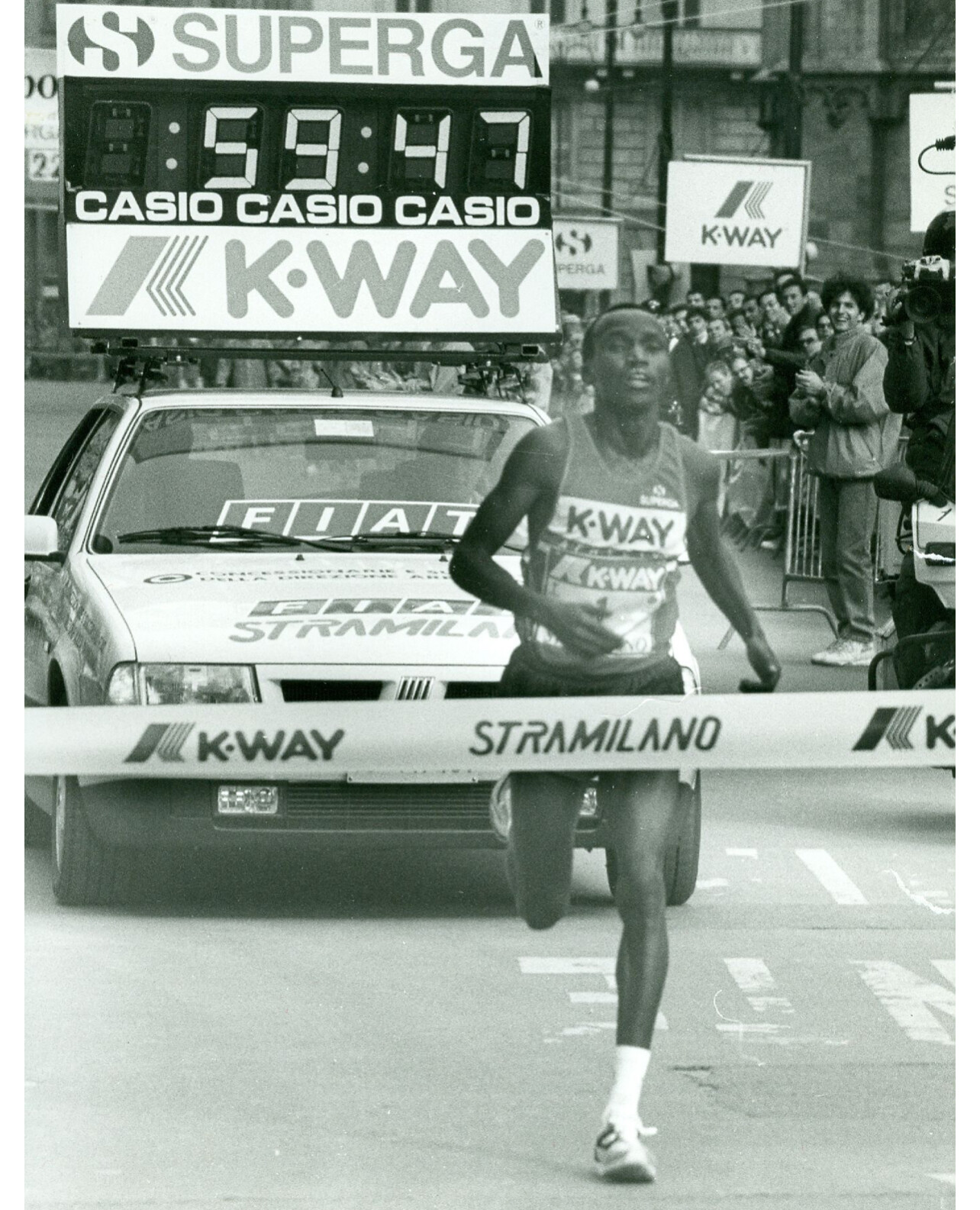
• Moses Tanui (Kenya) – First runner to break 60 minutes for the half marathon (1993)
• Paul Tergat (Kenya) – Six-time Stramilano winner (1994-1999), former half marathon world record holder (59:17, 1998)
• Grete Waitz (Norway) – Nine-time New York Marathon winner
• Rosa Mota (Portugal) – Olympic and World Marathon Champion
• Priscah Jeptoo (Kenya) – London Marathon winner and Olympic silver medalist
• Ruth Chepngetich (Kenya) – Former Half Marathon World Record Holder
• Rob de Castella (Australia) – Former Marathon World Champion
• Gelindo Bordin (Italy) – Olympic Marathon Gold Medalist
2025 Stramilano Half Marathon Details
This year’s edition will once again take runners through the iconic streets of Milan, starting at Piazza Castello and finishing inside the historic Arena Civica, an 18th-century Napoleonic stadium. The event offers different race categories to cater to runners of all levels:
• Half Marathon (21.097 km) – Competitive race featuring elite and amateur athletes
• 10 km Run – Non-competitive fun run starting from Piazza Duomo
• 5 km Run – Family-friendly race also starting from Piazza Duomo
The World Athletics Heritage Plaque will be permanently displayed at the Arena Civica, Viale Giorgio Byron, the race’s headquarters, following the conclusion of this year’s event.
by Boris Baron
Login to leave a comment

Stramilano Run Generation
All ages, all genres and all preparations’ levels: Stramilano is everyone’s race, the race for whom love sport and want to live unforgettable moments. Both if you’ve been preparing with months of traning or you just want to walk through Milano’s streets, you’re all a part of the big sports people “family” that put on a unique sunday. Like any...
more...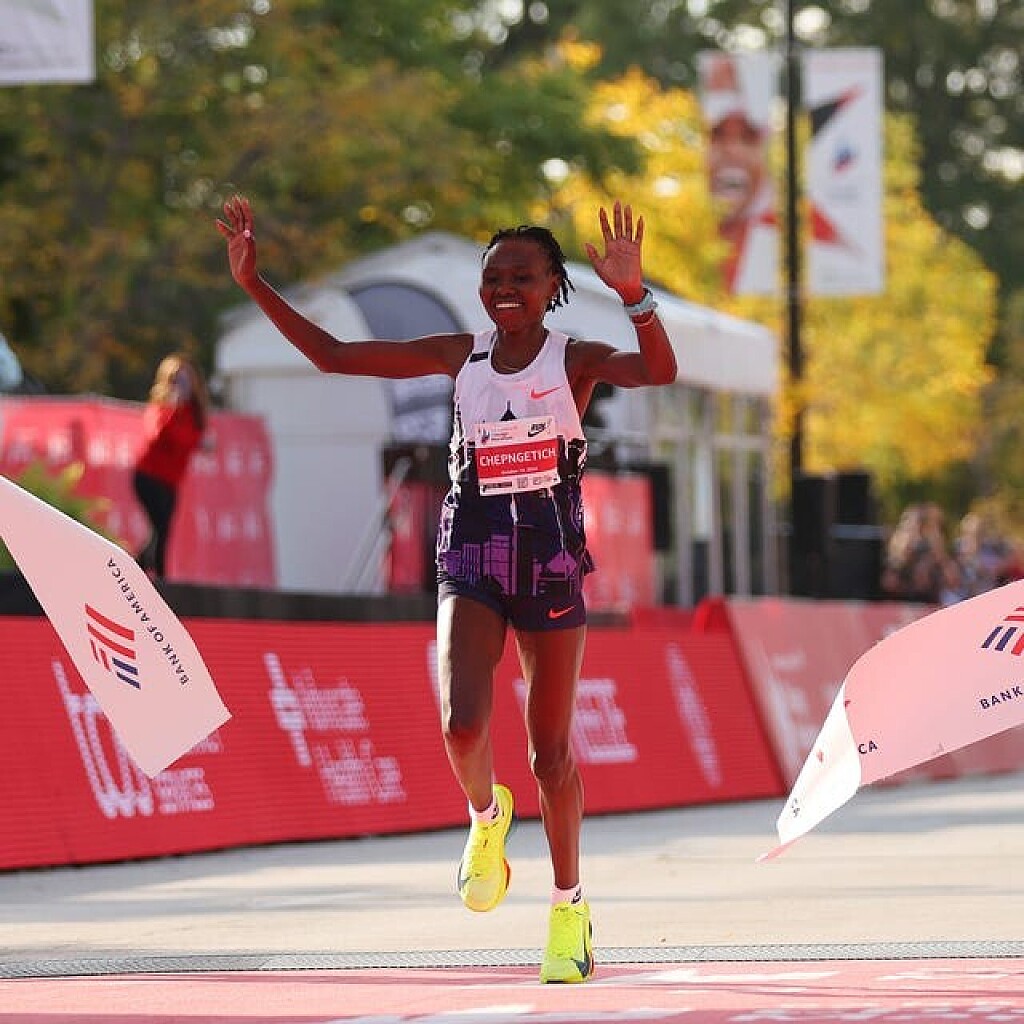
MARATHON GROUNDBREAKERS
Since Australia’s Derek Clayton ran history’s first sub—2:10 marathon in Fukuoka, Japan, on 3 December 1967, there have been a total of 4538 sub—2:10 marathons (as of 30 October 2024), 4537 by men, one by a woman.
As with any new ground-breaking performance, Ruth Chepngetich’s 2:09:56 in Chicago on 13 October has forced us to reassess all our past assumptions, or, like many, to doubt the validity of the performance itself. But no matter how we got here, to whatever you want to ascribe it, this is where we are now, 2:09:56 by a woman.
In this new reality, until proven otherwise, Ruth Chepngetich is the new Paula Radcliffe, just as Paula was the new Grete Waitz, one ground-breaker to the next, 1978 to 2003 to 2024.
There have been many talented women champions through the years besides those three, including all the pioneers who had to overcome centuries of gender bias that restricted women from even showing their stuff.
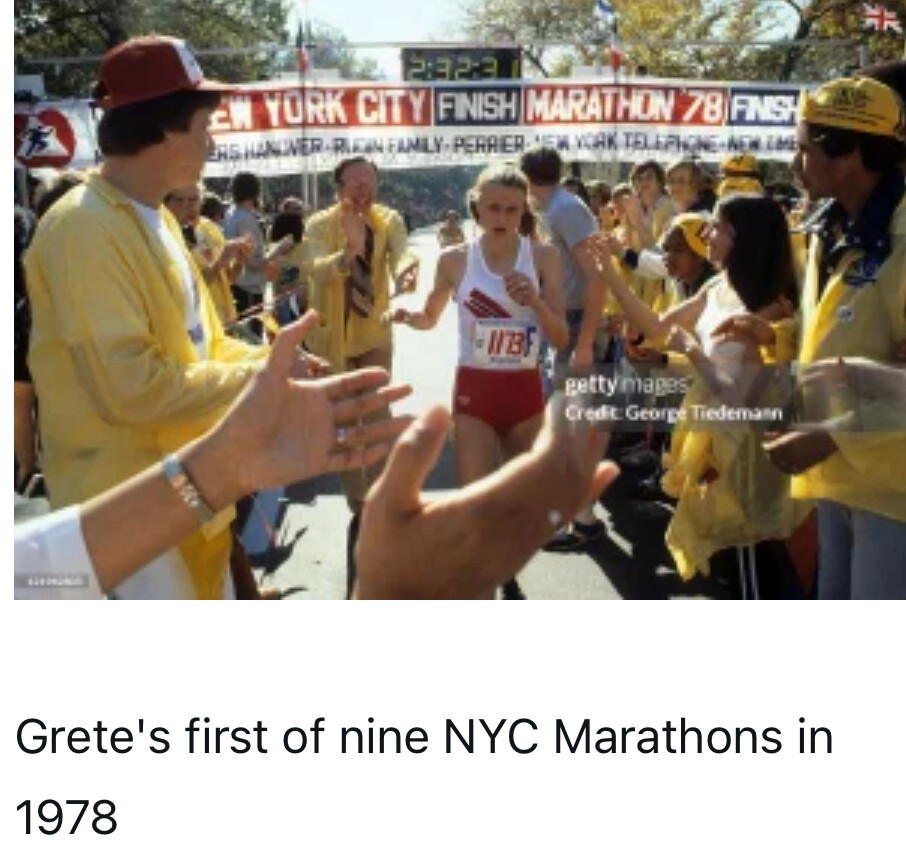
But in terms of pure ground-breaking, the 1978 New York City Marathon drew a bright line between what once was and what would be.
On 22 October 1978, Norway’s track and cross-country star Grete Waitz participated in the marathon for the first time, almost on a whim, as the trip was more of a honeymoon for her and husband Jack after the long track season.
The 2:32:30 world record Grete ran that day was totally unexpected by both the public and Grete herself. She wore bib #1173, wasn’t included on the list of elite women, and came with no specific marathon preparation (not a single run over 13 miles). In fact, she was so upset with husband, Jack, for suggesting she come run the marathon that she threw her shoes at him in the hotel room following her victory.
Still, like almost all debuting marathoners, after a short period of recovery and reflection, Grete concluded she could probably improve next time.
Thus, in New York 1979, following a more careful preparation, Grete ripped nearly five full minutes off her 1978 mark to record history’s first sub—2:30 by a woman at 2:27:33. Her margin of victory over England’s Gillian Adams was 11 minutes (2:38:33). The combination of the mild-mannered former geography teacher from Oslo and the raucous New York City crowds proved transformative, elevating women’s running to heights previously unimagined.
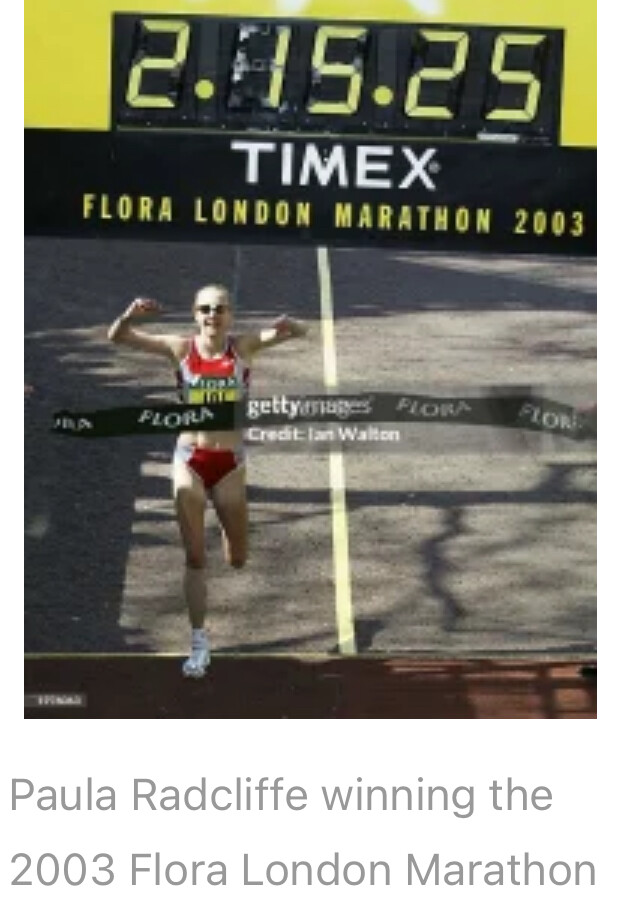
Though Japan’s Naoko Takahashi broke the 2:20 barrier for women in Berlin 2001, after Norway’s Ingrid Kristiansen (2:21:15, London ‘85), America’s Joan Benoit Samuelson (2:21:21, Chicago’85), and Kenyan Tegla Loroupe (2:20:43, Berlin ‘99) all challenged the barrier in the 1980s and ‘90s, it was England’s Paula Radcliffe who established new headlands in the marathon in London 2003 with her 2:15:25.
Nearly two minutes faster than her own 2:17:18 record from Chicago the year before, her 2:15 arced away from Catherine Ndereba’s 2:18:47 from Chicago 2001, completed just one week after Takahashi’s first sub-2:20 in Berlin.
The quality of Paula’s 2:15 can be seen in the 16 years and an entire shoe technology revolution that developed before Kenya’s Brigid Kosgei did Paula one better in Chicago 2019 at 2:14:04. That performance plowed new ground again. And now we have Ruth Chepngetich in Chicago 2024 with history’s first sub-2:10, just a year after Ethiopia’s Tigst Assefa’s first sub—2:12 in Berlin `23 (2:11:53).
Twice before, Chepngetich had come to Chicago with world record intentions. In 2022, she won the race in 2:14:18, just 14 seconds off Kosgei’s record. In 2023 she finished second in 2:15:37. On both occasions she flew through halfway under 66 minutes, only to falter in the second half. Perhaps she was a close reader of Malcolm X.
“There is no better teacher than adversity. Every defeat, every heartbreak, every loss, contains its own seed, its own lesson on how to improve your performance the next time.” – Malcolm x
In simple terms, making innovative strides in athletics requires time, experimentation, and reviewing, similar to how new scientific theories are examined before full acceptance. But women just haven’t been at the marathon game long enough to produce a large enough sample size to define their outer limits with any accuracy. They are barely two generations in since 1978.
Men have been competing for a much longer time with a much larger sample size.
Though Eliud Kipchoge surpassed the two-hour barrier in Vienna in 2019, that was accomplished as an exhibition, not a sanctioned race. In that sense, we are still awaiting the next barrier breaker on the men’s side in the Marathon.
Looking back, England’s Jim Peters stands as the first modern barrier breaker with his 2:18:40 win at the 1953 Polytechnic Marathon between Windsor and Chiswick in West London, England, history’s first sub—2:20.
Next was Ethiopia’s Abebe Bikila, the legendary double Olympic victor in Rome 1960 and Tokyo 1964. His 2:15:17 in Rome still stands as the barefoot marathon world record.
Next came Australia’s Derek Clayton, the first man under both 2:10 and 2:09. His 2:08:34 from Antwerp 1969 lasted for 12 years, holding off challenges throughout the entire Running Boom era headed by Americans Frank Shorter and Bill Rodgers.
Though never world record holders, the two Americans dominated the 1970s boom era, Shorter through the first half, Rodgers the second.
The Eighties were the last decade of international marathon champions: American (Al Salazar, Greg Meyer); European (Steve Jones, Carlos Lopes); Japanese (Toshihiko Seko and the Soh brothers); and Australian (Rob de Castella). Kenya’s Joe Nzau won Chicago in 1983 in a thrilling duel with England’s Hugh Jones when Chi-town was still developing its reputation as a world class event.
Ibrahim Hussein set new records in Honolulu and kick-started the Kenyan marathon revolution
The full East African deluge didn’t begin until 1987 and ‘88 when Kenya’s Ibrahim Hussein (already a two-time and soon to be three-time Honolulu Marathon champion) became Africa’s first New York City and Boston Marathon winner and Ethiopia’s Belayneh Dinsamo set the world record, 2:06:50, in Rotterdam 1988 that lasted over a decade.
The list of marathon stars from other nations scaled back markedly in the 1990s. Mexico had its turn at the top via greats like Dionicio Cerón (1994-`96 London champion), and back-to-back New York Ciy winner German Silva (1994 & 1995).
Moroccan-born American Khalid Khannouchi twice ran a world marathon record, first in Chicago 1999 (2:05:42), then three years later in London 2002 (2:05:38). And who could forget the personable Brazilian, Marílson Gomes dos Santos, who won New York City twice in 2006 & 2008, or Meb in NYC `09 and Boston 2014??
But the United Nations pickings get rather meager after that as East African athletes have had a stranglehold on the sport of marathoning, most dominatingly by Kenya’s Eliud Kipchoge. His run of sustained excellence over 42.2 kilometers was, and is, unprecedented in its longevity, including double gold in Rio 2016 and London 2020. And his last world record of 2:01:09 in Berlin 2022.
Sadly, the current record holder, Kelvin Kiptum, died in a car accident in February 2024 after establishing the 2:00:35 world record in Chicago 2023.
With the 2024 TCS New York City Marathon scheduled this weekend, we don’t expect to see any record performances. Yet, all the above is why we follow the game, isn’t it, to witness the arc of improvement over time, while hoping to discover a new name to remember? It’s as valid a focus as any other in this life.
And despite its many flaws and corruptions, the sport of marathoning retains an innate dignity that many endeavors do not. People may have bruised, battered, and tarnished it in the name of glory and money. But it survives, nonetheless, as a simple reflection of the human drive to achieve more in the quest to discover our best.
Doesn’t always turn out that way, but I don’t think we are done with it quite yet. Onward!
by Toni Reavis
Login to leave a comment
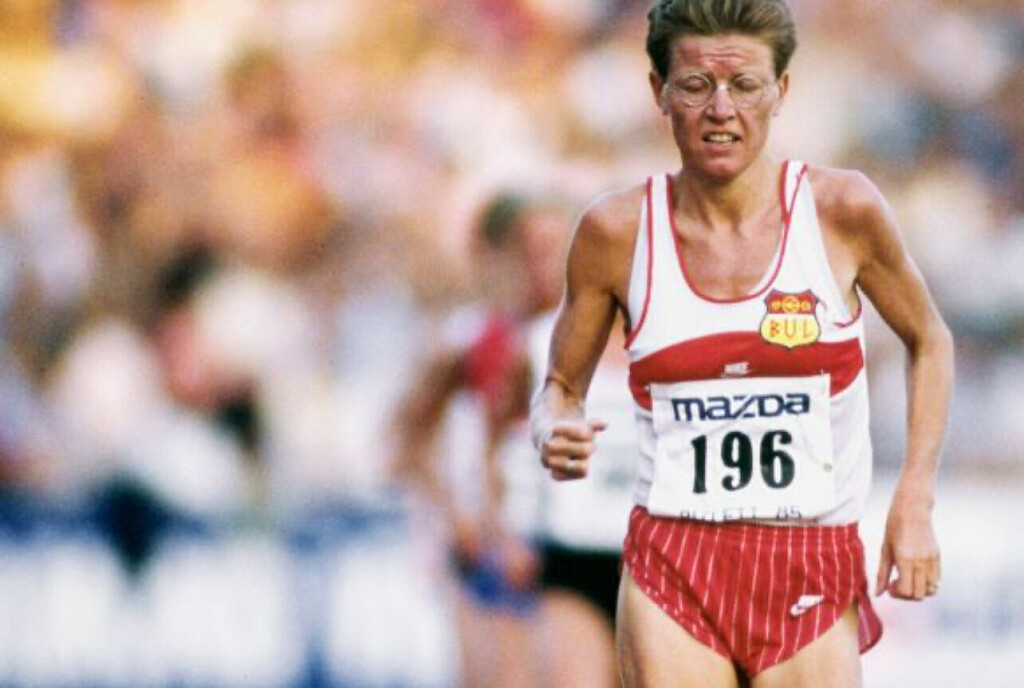
Remembering Kristiansen’s barrier-breaking sub-15-minute 5000m
When Ingrid Kristiansen lined up for the 5000m at the 1984 Bislett Games, she was known as the former international cross country skier who had just become Europe’s fastest ever woman in the marathon.
It was only six weeks previously that the 28-year-old mother from the Viking stronghold of Trondheim had made her major breakthrough in athletics, storming through halfway in the London Marathon in a blistering 1:10:52 en route to a winning time of 2:24:26.
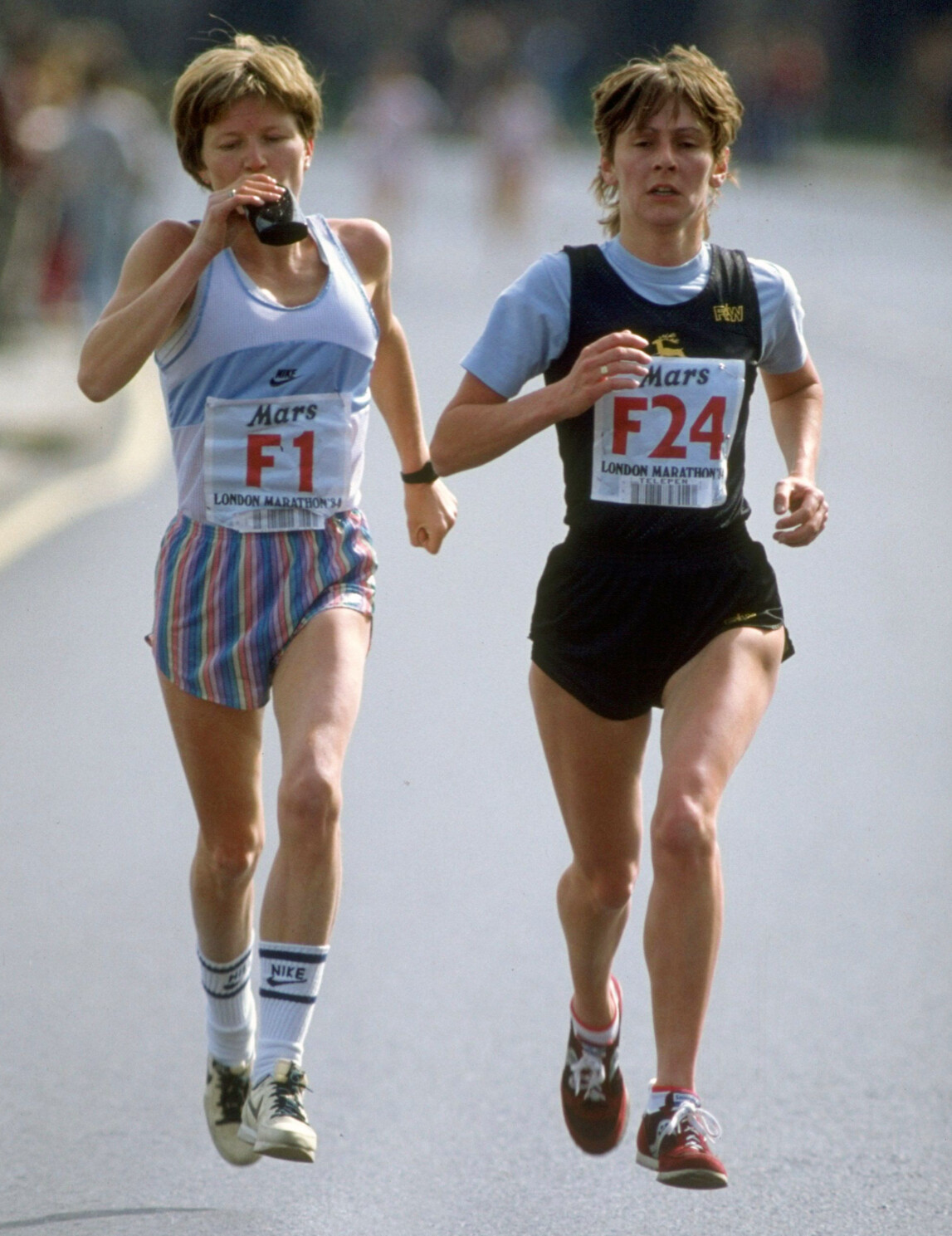
In the process, Kristiansen first peeped out of the considerable shadow of the great Grete Waitz as another formidable Norse to be reckoned with on the global running stage.
The London run elevated her to second spot on the world all-time list, behind the 2:22:43 recorded by Joan Benoit of the US in Boston the previous year, but ahead of Waitz’s Norwegian and European record of 2:25:28.7.
It was only fitting that the burgeoning Kristiansen should claim her first world mark on home ground, in the heart of Norway’s capital city on the hallowed Bislett Stadium track.
That was 40 years ago, on the evening of 28 June 1984.
‘Dead tired… pushed on by the cheers of the crowd’
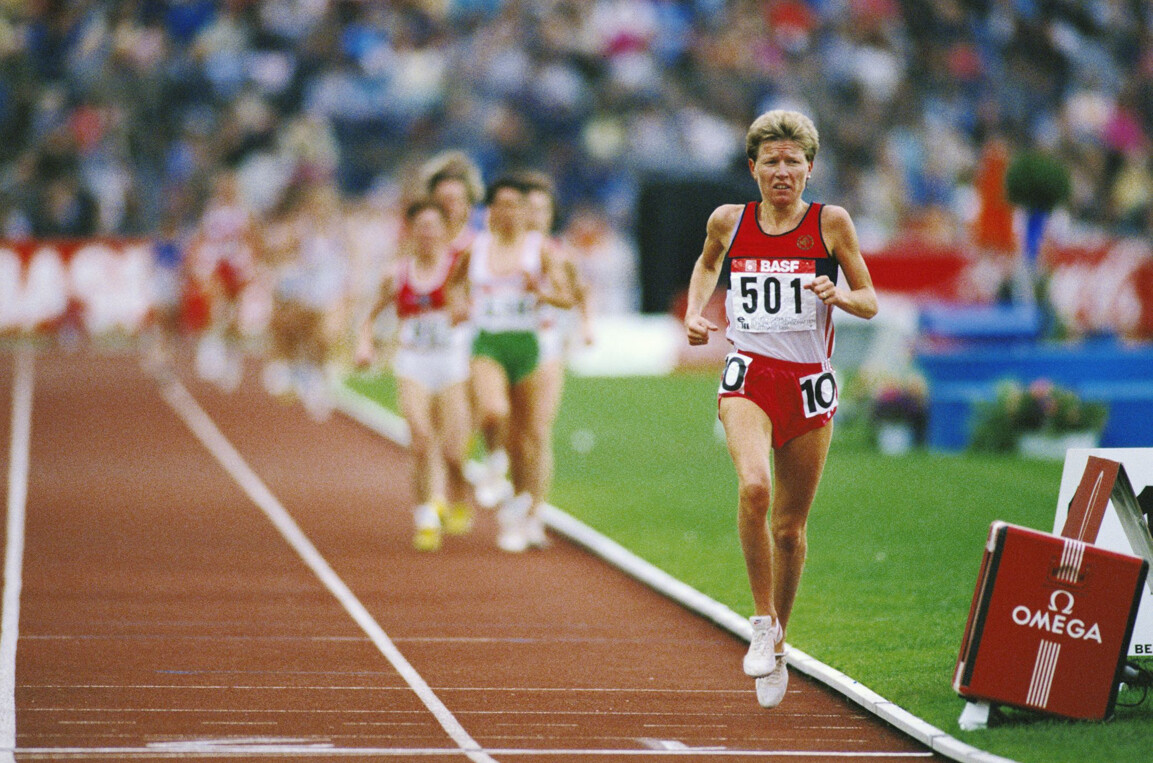
The official world record for the women’s 5000m stood at 15:08.26 – to Mary Decker, or Mary Tabb as she had been when she set the figures on home ground at the 1982 edition of the Pre Classic.
In Apartheid South Africa on 5 January 1984 – and therefore ineligible for recognition – the barefoot Springbok wunderkind Zola Budd had run 15:01.83 in Stellenbosch. By June of the same year, Budd had already become a British citizen and was on her way to being rubber-stamped in the British team for the Los Angeles Olympics.
That night in Oslo, though, Kristiansen’s only rival was the Bislett Stadium clock.
After following Maggie Keyes of the USA through 1000m in 3:02.0, Kristiansen surged clear of the field, reeling off laps of 70-72 seconds.
Passing 3000m in 8:59.8, Kristiansen finished with the flourish of a 68.4 final lap before crossing the line in 14:58.89.
Off marathon training of 170-180km a week, she had become the first woman in history to beat 15 minutes for 5000m.
“I was dead tired during the last two laps but I was pushed on by the cheers of the crowd,” she confessed.
Aurora Cunha, the future three-time world road race champion from Portugal, finished a distant runner up in 15:09.07, followed by Briton Angela Tooby (15:22.50).
Back in sixth was Portugal’s European marathon champion Rosa Mota (15:30.63) – followed by Tooby’s twin sister, Susan (15:44.58), future mother of 2022 world 1500m champion Jake Wightman.
Holding a distance world record triple
Kristiansen was to go quicker over 12.5 laps. At London’s Crystal Palace in 1985, she clocked 14:57.43 but lost the world record to Budd, a clear winner in 14:48.07.
In Stockholm in 1986, however, Kristiansen reclaimed the record with a stunning 14:37.33.
That year she was at her zenith on the track, improving her own 10,000m world record by almost 46 seconds with a 30:13:74 run at Bislett.
Kristiansen was the first runner in history to simultaneously hold world records for 5000m, 10,000m and the marathon.
Returning to the London Marathon in 1985, she brought the women’s 2:20 barrier into sight with a 2:21:06 triumph that stood as a world record for 13 years.
Kristiansen also became the first athlete to claim world titles on the track, on the road and over cross country. Twice a winner of the 15km world road race championship, she won the world 10,000m title on the track in Rome in 1987 and the world cross country crown in Auckland in 1988.
Big heart and big lungs
Many attributed Kristiansen’s phenomenal success to the physiological benefits she had gained from giving birth to her first son, Gaute, in 1983. She felt it was more the edge she had gained from years of competitive cross-country skiing.
“I think it came from my cross-country skiing career,” she asserted. “It gave me a big heart and big lungs, and when I got my legs trained for running I was maybe a little bit ahead of the other runners at the time.”
As a cross-country skiing prodigy, Kristiansen won the European junior title in 1974, was selected as a reserve for the Winter Olympics in Innsbruck in 1976, and finished 15th in the World Championships 20km race in 1978.
She decided to concentrate on competitive skiing for several years after making the Norwegian team for the 1971 European Athletics Championships as a 15-year-old 1500m runner, Ingrid Christensen. But she got bumped off the track in her heat in Helsinki and failed to finish the race.
Her roommate in the Finnish capital was a 17-year-old called Grete Andersen, who finished eighth in the other 1500m heat, missing the cut for the final.
She also made a name for herself in future years: as Grete Waitz, the first of Norway’s barrier-breaking distance-running duo.
by World Athletics
Login to leave a comment
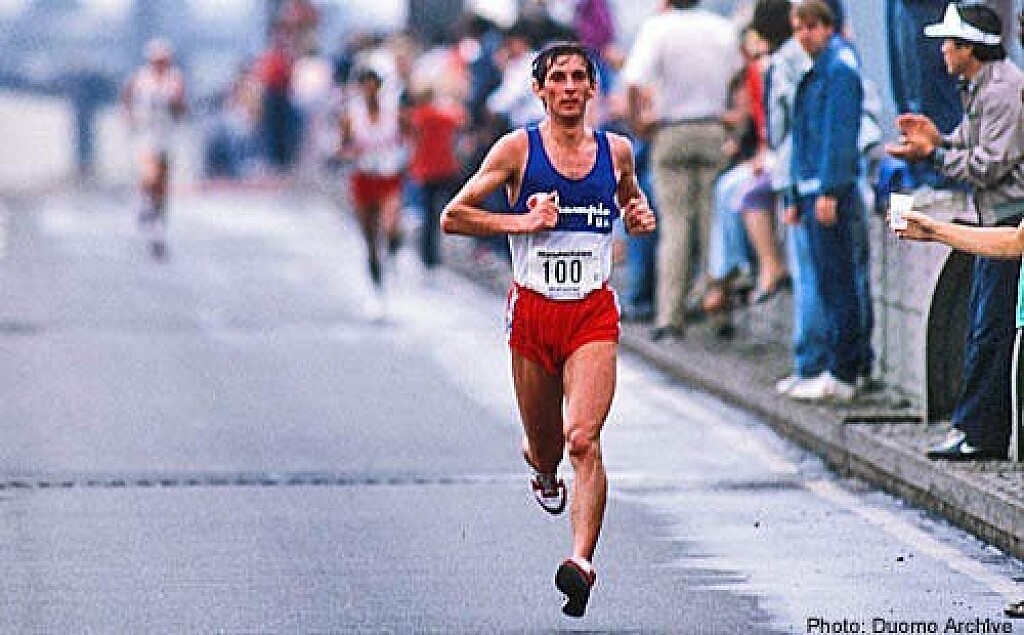
Pizzolato donates 1984 New York City Marathon winning shoes to MOWA
At the end of ABC television’s coverage of the 1984 New York City Marathon, there’s a shot of Orlando Pizzolato sitting on a bench in Central Park, retying his well-worn footwear. “Those shoes may have had it,” remarked anchorman Jim McKay.
Not quite. Some 39 years on, the shoes that took the unheralded Italian to the biggest upset victory in the history of the Big Apple’s big race have been generously donated to the ever-expanding Heritage Collection in the Museum of World Athletics (MOWA).
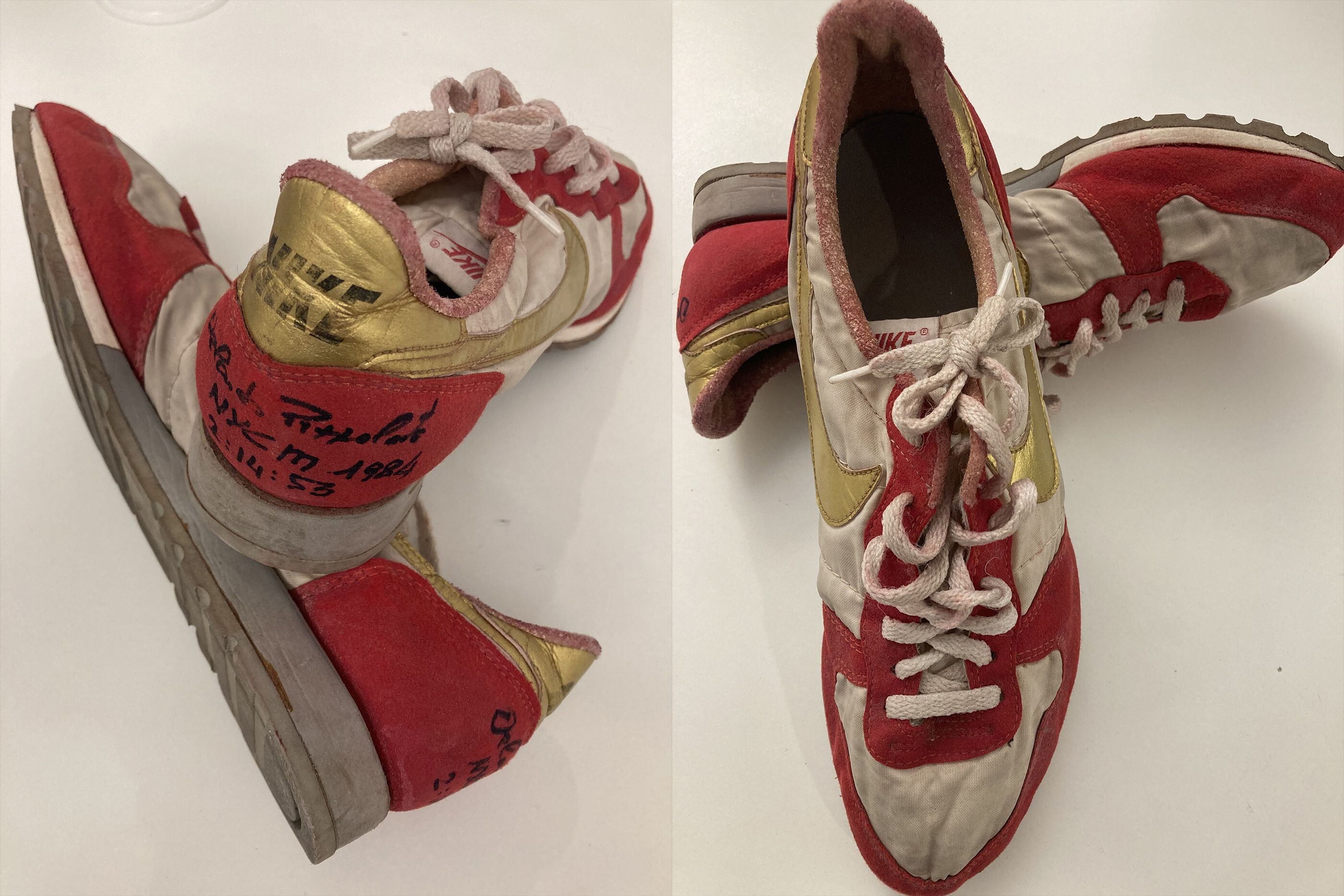
Whatever unfolds in the 2023 edition of the New York City Marathon this weekend, there’s unlikely to be anything as dramatic as the battle of attrition from which the plucky Pizzolato emerged as the unlikely hero in 1984.
As the Italian and the rest of the 18,000 field assembled for the start, it was difficult to pick out the contours of the Verrazano-Narrows Bridge. Such was the heat haze that had descended upon the Big Apple on the last Sunday in October that year.
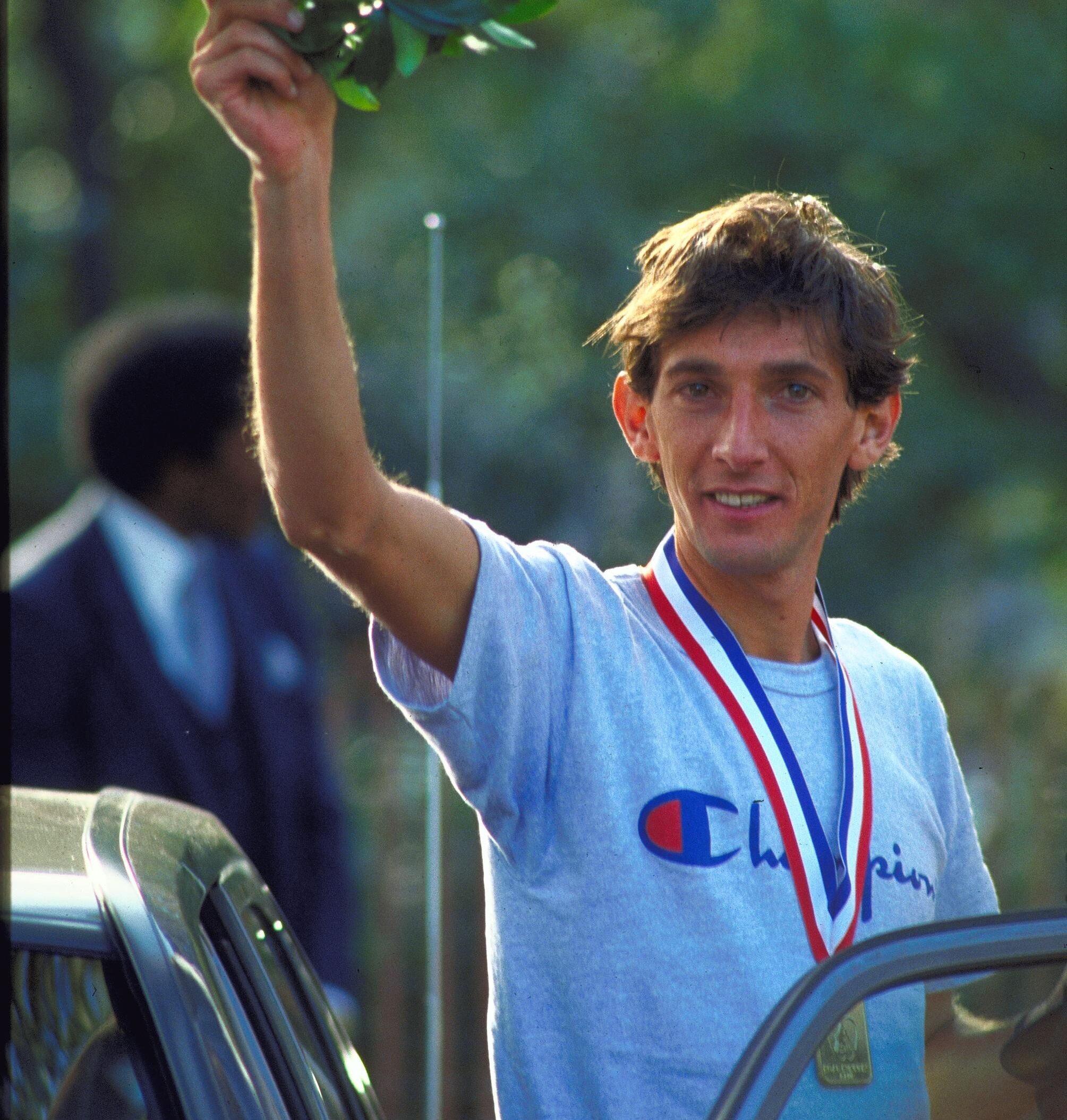
“The weather is going to be a huge factor,” proclaimed Marty Liquori, the great US miler, working as the expert summarizer on the men’s race for ABC Sports. “We’re looking at the hottest and most humid New York Marathon ever.”
The mercury was already pushing 70°F and the humidity was close to maximum.
“That causes two things to happen at the front of the pack,” continued Liquori, runner up to Miruts Yifter in the 5000m at the inaugural World Cup in Dusseldorf in 1977. “The natural front runners get conservative, so the pack stays tighter. The second thing is the hotter it gets, the greater chance there is for an upset.”
“Yes, look out for the man you do not know in this marathon,” predicted McKay, the distinguished Voice of ABC’s Wide World of Sports.
“This man could be for real”
Not a lot of people were looking out for the runner bearing race number 100, clad in the colors of his homeland – blue and white singlet, red shorts.
Pizzolato, a 26-year-old representing the University of Ferrara sports club from the north of Italy, was no Ferrari of a marathoner.
In seven attempts at the classic 26.2-mile distance, he boasted a best of 2:15:28 - more than seven minutes slower than the world record figures of 2:08:05 set by Welshman Steve Jones in Chicago a week before the 1984 New York race.
Pizzolato’s PB came in New York in 1983, the year Rod Dixon made up a half-mile deficit to overhaul Briton Geoff Smith virtually on the finish line in Central Park. The New Zealander’s winning time was 2:08:59. He finished 6min 29sec and 26 places ahead of Pizzolato.
Twelve months later, Dixon, the Olympic 1500m bronze medalist behind Finn Pekka Vasala and the trailblazing Kenyan Kip Keino in Munich in 1972, returned to New York as favorite for the men’s title – and the $25,000 prize and Mercedes Benz that went with it in that first year of open professional running.
“I’m a lot more confident in my own mind, having run successfully in ’83,” he told Liquori in a pre-race interview. “I think I’m rightly the favorite. I’ve trained well and I’ve got confidence in my own ability. I’ll go out and if I strike it right, they won’t catch me.”
Five miles in, given the exceptional conditions, Liquori and four-time winner Bill Rodgers, following the men’s race from ABC’s on-course buggy, felt Dixon was striking it right – 18 seconds down on home runners Pat Petersen and Terry Baker in a pack that included two-time Commonwealth gold medallist Gidamis Shahanga of Tanzania.
Pizzolato was also among the chasing group, seemingly unknown to any of the experts. His first name check came as he overtook Jose Gomez of Mexico to claim pole position, shortly before reaching halfway in 65:03.
“Could this, Marty, be the man they did not know?” McKay enquired.
“This man could be for real,” Liquori replied. “In the hotel I saw Franco Fava, a great steeplechaser from Italy, and he mentioned that it has been so hot in Italy this summer and fall. So, this is one person who is accustomed to the heat.”
Rodgers was not quite so sure. “I think it’s still anybody’s race,” he said. “The guy from Italy looks good. But we’ll have to see later in the race.”
“The Pope, Reagan and then it was me”
The guy from northern Italy was certainly looking good.
While Dixon seemed ill at ease, struggling to cope with the pace and the conditions some 1:15 behind, Pizzolato appeared to be feeling groovy as he crossed the Queensboro Bridge, the subject of Simon and Garfunkel’s 59th Street Bridge Song.
“Orlando looks very good,” Liquori observed. “He looks to have a style that’s fitting for a marathoner. When you’re looking around, taking in the scenery, you know that the running is coming easy.
“One thing should be pointed out. Steve Jones, who set the world record last week, was a very well-established track runner. He was eighth in the 10,000m at the Olympic Games.
“But Orlando has run a minute slower for 10,000m: 28:22. Were he to win this, it would be just about the biggest upset in a major marathon that I’ve seen.”
By the 20th mile mark, it was clear that Pizzolato himself was somewhat upset. The temperature had risen to 74 degrees and the humidity to 96%. His pace slowed to a 5:26 mile.
Briton Dave Murphy was gathering momentum, moving up into second, and Dixon into third.
“Well, I think we’re entering the last chapter of Orlando,” ventured Liquori. “I think I might have got too excited at 18 miles. Maybe it was the Italian in me.”
Soon after, Pizzolato grabbed his chest and slowed to a temporary halt. Three times he stopped, then started up again. “This man is in trouble,” said McKay.
Entering Central Park, with less than three miles to go, Pizzolato stopped for a fourth time. He clutched his chest, glugged half a cup of water and poured the other half over his head.
Dixon was out of the equation at this point, having stepped off the course suffering from cramps. But Murphy had closed to within 15 seconds.
“It’s like the tortoise and the hare,” said Liquori. “Pizzolato’s running-stopping, running-stopping. Murphy is just taking a steady course. It looks like it’s his race.
“For Pizzolato now, the drama now is how much of his soul he’s going to lay down.”
Thrice more, Pizzolato stopped and started, each time taking on fluid and calmly checking out the gap behind him. Somehow, he managed to lay down enough of his soul to bridge over his troubled water.
The finished line approached with Murphy not yet in sight.
“He has pulled it off,” Liquori pronounced. “He has mentally been able to fight through his form having gone to pieces, through having had so many problems.”
“It was very hot,” said Pizzolato, who crossed the line in 2:14:53, 43 sec ahead of Murphy. “I had cramp in my stomach. It was very terrible, but I am very happy.”
The New York Times the next day concentrated on Grete Waitz’s sixth success in the women’s section, praising Pizzolato in passing for having overcome the heat and the late challenge of Murphy in “a men’s competition that the stifling heat and humidity reduced to a battle of attrition.”
Back home in Italy, the reaction was different. “The first story in the news was the Pope,” Pizzolato reported, “then Ronald Reagan’s election. Then it was me.”
Retained title
Twelve months later, the guy from Italy returned to New York and proved he was no flash in the marathon pan.
This time he was the tortoise, running his steady race while Geoff Smith burned himself out at world record pace, then overtaking Djibouti’s World Cup Marathon winner Ahmad Saleh two miles from home to become the Big Apple’s first overseas two-time winner, clocking 2:11:34.
“Last year I won by mistake, probably,” Pizzolato told The New York Times. “This year was more exciting. I was not in confusion in the last 365 yards.
“All the people seemed to know my name and my number. It was like everyone was a friend of mine. It was a great source of power.”
In an era when the fast men of the track came to dominate the men’s marathon – with the likes of Jones, Dixon and Carlos Lopes, the Portuguese runner who won the Olympic title in Los Angeles in 1984 and succeeded Jones as world record-holder in 1985 – Pizzolato was a great source of power and inspiration to the traditional specialists of the event.
He never broke 2:10. His fastest time was 2:10:23, which he recorded while placing sixth in the World Cup Marathon in Hiroshima in 1985. The following year Pizzolato was third in Boston (2:11:43), then overtook a shattered Jones to claim the European Championships silver in Stuttgart (2:10:57) behind his compatriot Gelindo Bordin, and returned to New York taking third place (2:12:13) behind another Italian, Gianni Poli.
These days the two-time Italian king of New York operates a company bearing his name which offers running camps and a consultation service, and which provides scholarships to athletes aged from 16 to 22.
by Simon Turnbull for World Athletics Heritage
Login to leave a comment
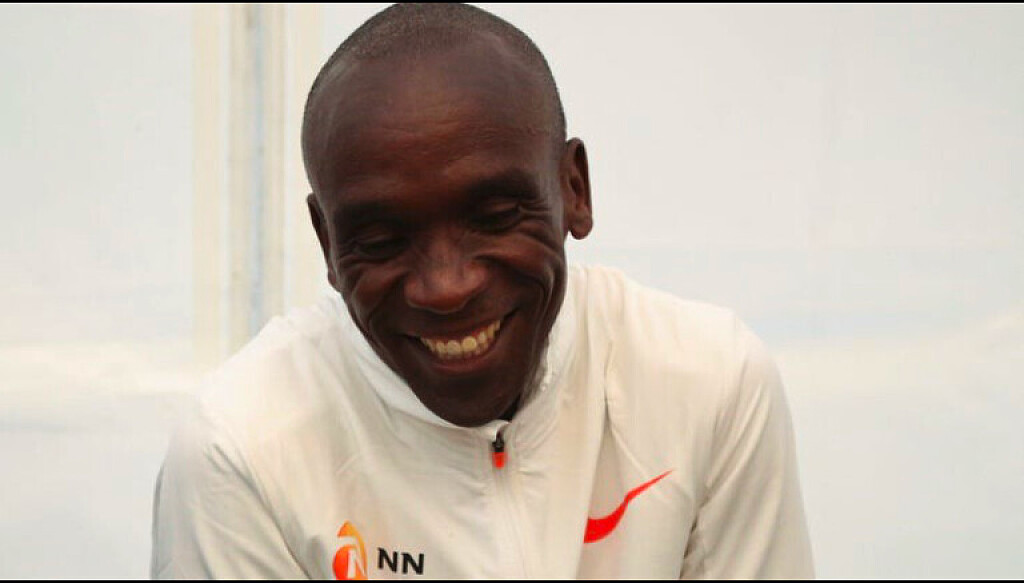
When Will Eliud Kipchoge Slow Down?
What we can learn from the world’s greatest distance runner of all-time while he’s still in his prime
Eliud Kipchoge has expanded the universe of what’s humanly possible in the marathon, and he will forever remain a legend in the sport of long-distance running.
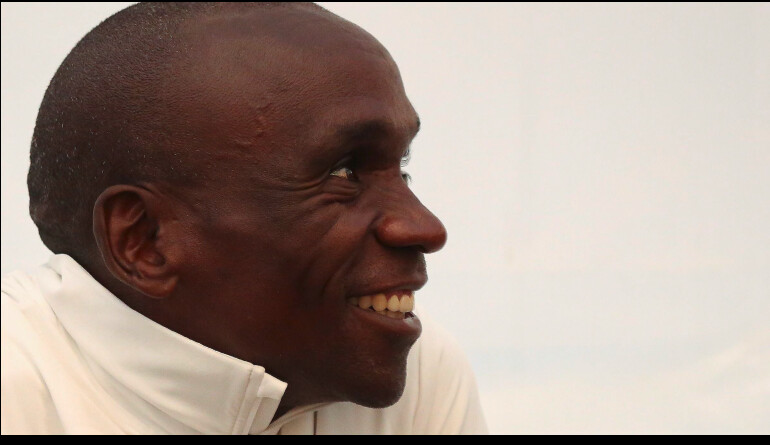
Not only for himself, but especially for those who have come after him. That includes everyone, both elite and recreational runners, who are preparing a marathon this fall or some distant point in the future. His current 2:01:09 world record and his barrier-breaking 1:59:40 time-trial effort in 2019 are legendary feats, both for the current generation of runners and for all time.
The 38-year-old Kenyan marathoner is a once-in-a-lifetime athlete, but time waits for no one, and especially not a long-distance runner. Like all elite athletes, his time at the top is limited, but fortunately, there is still time to immerse in the inspirational examples he’s providing.
Kipchoge recently announced he’ll return to the Berlin Marathon on September 24, where, last year, he won the race for the fourth time and lowered the world record for the second time. It is most likely what will be the beginning of a grand denouement as he goes for another gold medal at the 2024 Olympics next summer in Paris.
Given that he won his first global medal in the City of Light—when, at the age of 18, he outran Moroccan legend Hicham El Guerrouj and Ethiopian legend-in-the-making Kenenisa Bekele to win the 5,000-meter run at the 2003 world championships—it would certainly be one of the greatest stories ever told if he could win the Olympic marathon there next year when he’s nearly 40.
Certainly he’ll run a few more races after the Olympics—and maybe through the 2028 Olympics in Los Angeles—but, realistically, it is the start of a farewell tour for a runner who will never be forgotten.
Don’t get me wrong: I’m not at all writing Kipchoge off. In fact, I am excited to see him run in Berlin and can’t wait to watch next year’s Olympic marathon unfold. But just as we’ve watched Michael Jordan, Tiger Woods, Serena Williams, Shalane Flanagan, Usain Bolt, Allyson Felix, and other elite athletes succumb to the sunsetting of their peak performance level, so too will Kipchoge eventually suffer the same fate.
What I’m saying here is that we still have time to watch and appreciate Kipchoge eloquently working his magic and continue to be inspired in our own running and other pursuits in life. Remember how we marveled at Michael Jordan’s greatest in “The Last Dance” more than 20 years after his heyday? This is the start of the last dance for Kipchoge, who, like Jordan, is much, much more than a generational talent; he’s an all-time great whose legacy will transcend time.
Running has seen many extraordinary stars in the past 50 years who have become iconic figures— Frank Shorter, Joan Benoit Samuelson, Ted Corbitt, Carl Lewis, Steve Jones, Paul Tergat, Catherine Ndereba, Paula Radcliffe, Haile Gebrselassie, Kenenisa Bekele, Mary Keitany, Brigid Kosgei, and Kilian Jornet, to name a few—but none have come close to the body of work and global influence of Kipchoge.
Not only is Kipchoge one of the first African athletes to become a household name and truly command a global audience, but he’s done more than other running champions because of he’s been able to take advantage of this advanced age of digital media to deliberately push positive messages and inspiring content to anyone who is willing to receive it.
Kipchoge has won two Olympic gold medals, set two world records, and won 17 of the 19 marathons he entered, but he’s so much less about the stats and bling and more sharing—to runners and non-runners alike—that “no human is limited” and also that, despite our differences, we’re all human beings faced with a lot of the same challenges in life and, ultimately, hard work and kindness are what put us on the path to success.
How can an average runner who works a nine-to-five job and juggles dozens of other things in daily life be inspired by an elite aerobic machine like Kipchoge?
He is supremely talented, no doubt, but many elite runners have a similar aerobic capacity to allow them to compete on the world stage. What Kipchoge uniquely possesses—and why he’s become the greatest of all-time—is the awareness and ability to be relentless in his pursuit of excellence, and the presence and good will of how beneficial it is to share it.
If you haven’t been following Kipchoge or heard him speak at press conferences or sponsor events, he’s full of genuine wisdom and encouragement that can inspire you in your own running or challenging situation in life. His words come across much more powerfully than most other elite athletes or run-of-the-mill social media influencers, not only because he’s achieved at a higher level than anyone ever has, but because of his genuine interest in sharing the notion that it’s the simplest values—discipline, hard work, consistency, and selflessness—that make the difference in any endeavor.
This is not a suggestion to idolize Kipchoge, but instead to apply his wisdom and determination into the things that challenge you.
“If you want to break through, your mind should be able to control your body. Your mind should be a part of your fitness.”
“Only the disciplined ones in life are free. If you are undisciplined, you are a slave to your moods and your passions.”
“If you believe in something and put it in your mind and heart, it can be realized.”
“The best time to plant a tree was 25 years ago. The second-best time to plant a tree is today.”
Those are among the many simple messages that Kipchoge has lived by, but he also openly professess to giving himself grace to take time for mental and physical rest and recovery. It’s a simple recipe to follow, if you’re chasing your first or fastest marathon, or any tall task in life.
Kipchoge seems to defy age, but his sixth-place finish in the Boston Marathon in April proved he’s human. As much as it was painful to watch him falter, it was oddly refreshing and relatable to see him be something less than exceptional, and especially now that he’s tuning up for Berlin. He has nothing left to prove—to himself, to runners, to the world—but he’s bound to keep doing so just by following the same simple, undaunted regimen he always has.
There will be other young runners who will rise and run faster than Kipchoge and probably very soon. Fellow Kenyan Kelvin Kiptum—who has run 2:01:53 (Valencia) and 2:01:25 (London) in his first two marathons since December—seems to be next in line for Kipchoge’s throne of the world’s greatest runner. But even after that happens, Kipchoge’s name will go down in history alongside the likes of Paavo Nurmi, Abebe Bikila, Emil Zátopek, Grete Waitz, Shorter and Samuelson because of how he changed running and how he gave us a lens to view running without limits.
Berlin is definitely not the end of Kipchoge’s amazing career as the world’s greatest long-distance runner. I fully expect him to win again in an unfathomable time. But the sunset is imminent and, no matter if you are or have ever been an aspiring elite athlete at any level, a committed recreational runner, or just an occasional jogger trying to reap the fruits of consistent exercise, his example is still very tangible and something to behold.
by Outside Online
Login to leave a comment
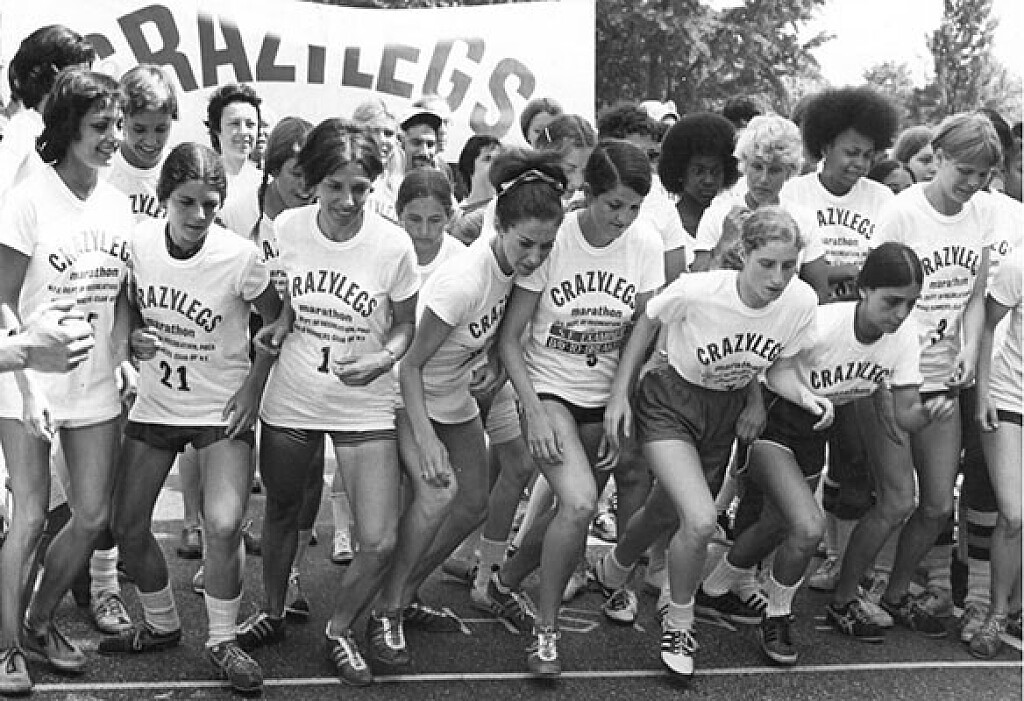
Celebrating 50 Years of the Mini
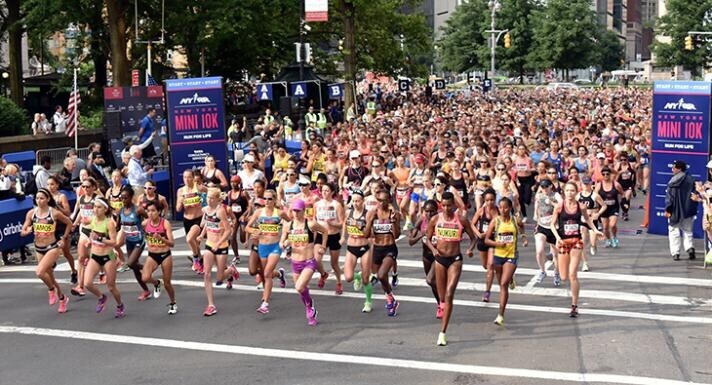
The Mastercard New York Mini 10K began in 1972 as the first women-only road race, known as the Crazylegs Mini Marathon. Since then, the Mini has had more than 200,000 finishers, and this year's event will be the 50th running.
You can register for the Mastercard New York Mini 10K, set for Saturday, June 11 in Central Park, and be part of the historic anniversary celebration. Youth ages 8-18 can register for the free Kids Run at the Mastercard New York Mini 10K Stage 2 or Stage 3.We share five "Mini Moments” that define the history of the Mini.
The First Mini and First 10K
On June 3, 1972, the first women-only road race, the six-mile Crazylegs Mini Marathon, made its debut. There were 72 finishers—a huge number at the time. Three weeks later, Title IX was signed into law, guaranteeing women the right to participate in school sports and creating new opportunities for generations of female athletes.
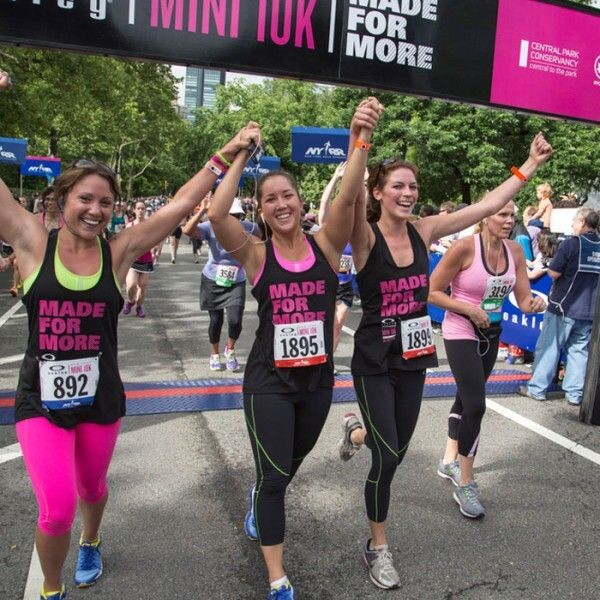
In 1975, the Mini distance shifted from 6 miles to 10K (6.2 miles) to align with a standard racing distance for roads and track.
Extraordinary 5-Time Champions
Two women, Grete Waitz of Norway and Tegla Loroupe of Kenya, each won the Mini an amazing five times. Waitz—also a nine-time winner of the New York City Marathon—scored her fifth victory in 1984 and Loroupe got her fifth Mini win in 2000.This year’s pro field will feature Olympians and other world-class athletes including defending champion Sara Hall and Boston and TCS New York City Marathon champion Peres Jepchirchir.
The Mini Grows and Grows
In 1998, the 100,000th Mini finisher crossed the line, and 20 years later, in 2018, the race saw its 200,000th finisher. This year’s Mastercard New York Mini 10K will have an estimated 10,000 finishers.
Youth at the Mini
In 2016, the first Girls Run at the NYRR New York Mini took place with hundreds of finishers on an age-appropriate course. A wheelchair division was added in 20xx. This year youth of all genders will take part in the Kids Run at the Mastercard New York Mini 10K.
Record-Setting Wheelchair Races
In 2018, Susannah Scaroni (above, center) won the first wheelchair division at the Mini, setting a world-best of 22:48 for the distance; she broke that record in 2019.
The history of the Mini, and its return at full capacity with youth events this year, point to a bright future for women and girls in running.
by Gordon Bakoulis
Login to leave a comment

New York Mini 10K
Join us for the NYRR New York Mini 10K, a race just for women. This race was made for you! It’s the world’s original women-only road race, founded in 1972 and named for the miniskirt, and it empowers women of all ages and fitness levels to be active and to look and feel great on the run. Every woman who...
more...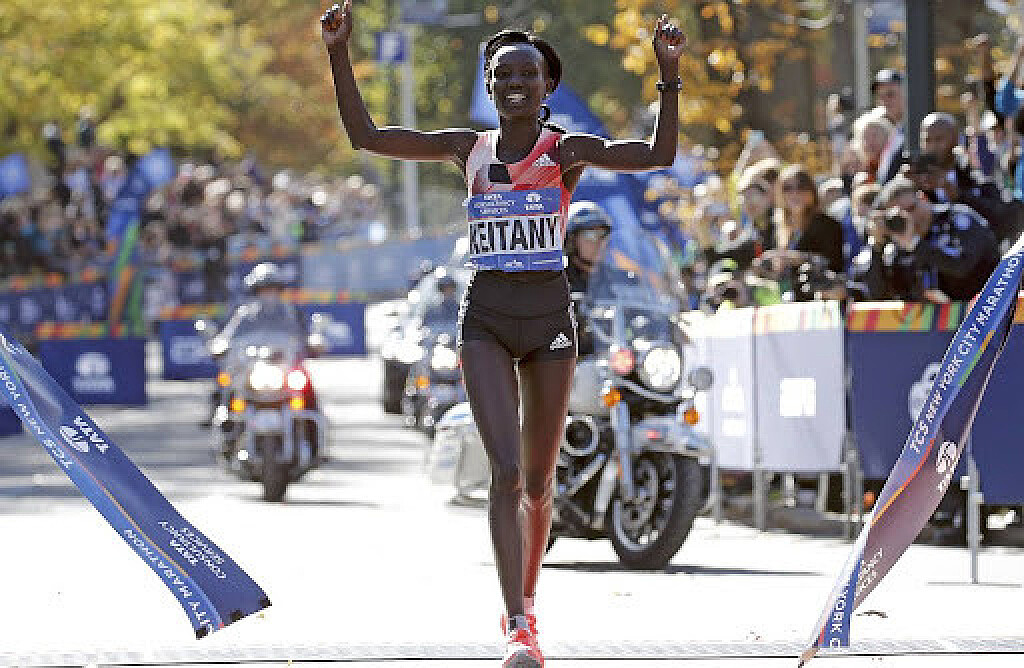
Mary Keitany: from shoeless prodigy to top of the world
Kenya’s Mary Keitany, the holder of the world marathon record in a women-only race, generously agreed to donate some of her racing kit to the World Athletics Heritage Collection following her retirement in September.
Since the beginning of December, Keitany’s singlet, shorts and shoes from her fourth and final New York City Marathon victory in 2018 have been on display in the 3D virtual Museum of World Athletics (MOWA).
We are delighted to celebrate her donation by recapping the career of one of the all-time greats of road running.
'If I don’t do this, then what?'
Hailing from Baringo County, a province immediately to the east of the focal point for Kenyan running in Eldoret, there are many well-known and successful athletes who come from the area, but Keitany’s impoverished childhood made it initially unlikely that she was going to join their number.
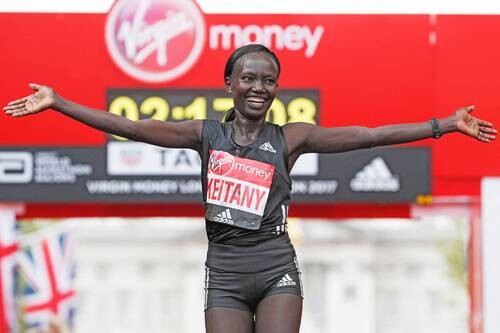
She elaborated on her tough childhood in a lengthy interview with The New York Times in 2019 – details of which are only precised here – and described living in a home without electricity or any other basic amenities, as well as having no shoes for much of her childhood.
Her household tasks as a very young child included walking several kilometers to a nearby river to haul pails of water home for cooking and cleaning.
Keitany’s parents, both struggling subsistence farmers, were unable to afford even the modest school fees for her to continue her education from her mid-teens so, at the age of 15, to help support her parents and five siblings, she left and went to work as a live-in maid almost 20 kilometers away, caring for three infants and sometimes not seeing her family for several months at a time.
“It was not an easy job,” reflected Keitany. “But I was getting money to give to my parents. I was thinking, ‘If I don’t do this, then what?’”
Hidden talent out in the open
She returned to school after two years when a relative was able to help financially and Keitany started to attend the National Hidden Talents Academy near Nairobi, a community-based secondary school that primarily assists orphaned and vulnerable children.
The school had a strong emphasis on physical education, which continues to this day, and it has produced several Kenyan internationals in a variety of sports. Keitany’s precocious talent as a runner, which had been evident in her early teens prior to the enforced two-year hiatus, came to the fore.
After eight months of hard training and sharing a cramped one-bedroom house with three other runners, Keitany made her first overseas trip and caused a minor sensation by winning the relatively low-key Sevilla-Los Palacios Half Marathon in southern Spain – not to be confused with the much better known EDP Sevilla Half Marathon – by over two minutes in 1:09:06, a course record that exists to this day ahead of the 2021 edition on December 19.
The words ‘unknown Kenyan’ are too often used to hide a lack of research or information but in this instance, it was a most appropriate phrase and, amid rumors at the time that the course was short because of Keitany’s super-quick time on the circuit, it bought her to the attention of both athletics aficionados and race promoters alike.
In the first nine months of 2007, Keitany proved that her debut international race had been no fluke as she rattled off another five half marathon victories in six outings at races in Portugal, Spain and France, also reducing her best to 1:08:36.
Keitany takes silver in Udine
This streak of success earned her a place on the Kenyan team at the 2007 World Athletics Half Marathon Championships in the Italian city of Udine – an accolade she subsequently admitted as being among her wildest dreams, despite her ambition to be a top-flight runner 12 months before – and she showed her considerable mettle to finish second behind the Netherlands’ Lornah Kiplagat and bank a cheque for a life-changing $15,000.
To now give a complete narrative of the next 12 years of Keitany’s superb competitive running career through to her last race, the 2019 New York City Marathon, would take a book and cannot be done justice in just a few hundred words.
However, it was apposite that her running career should finish in the Big Apple at arguably the world’s most famous race over the classic distance, as it is this event with which she is probably most closely associated.
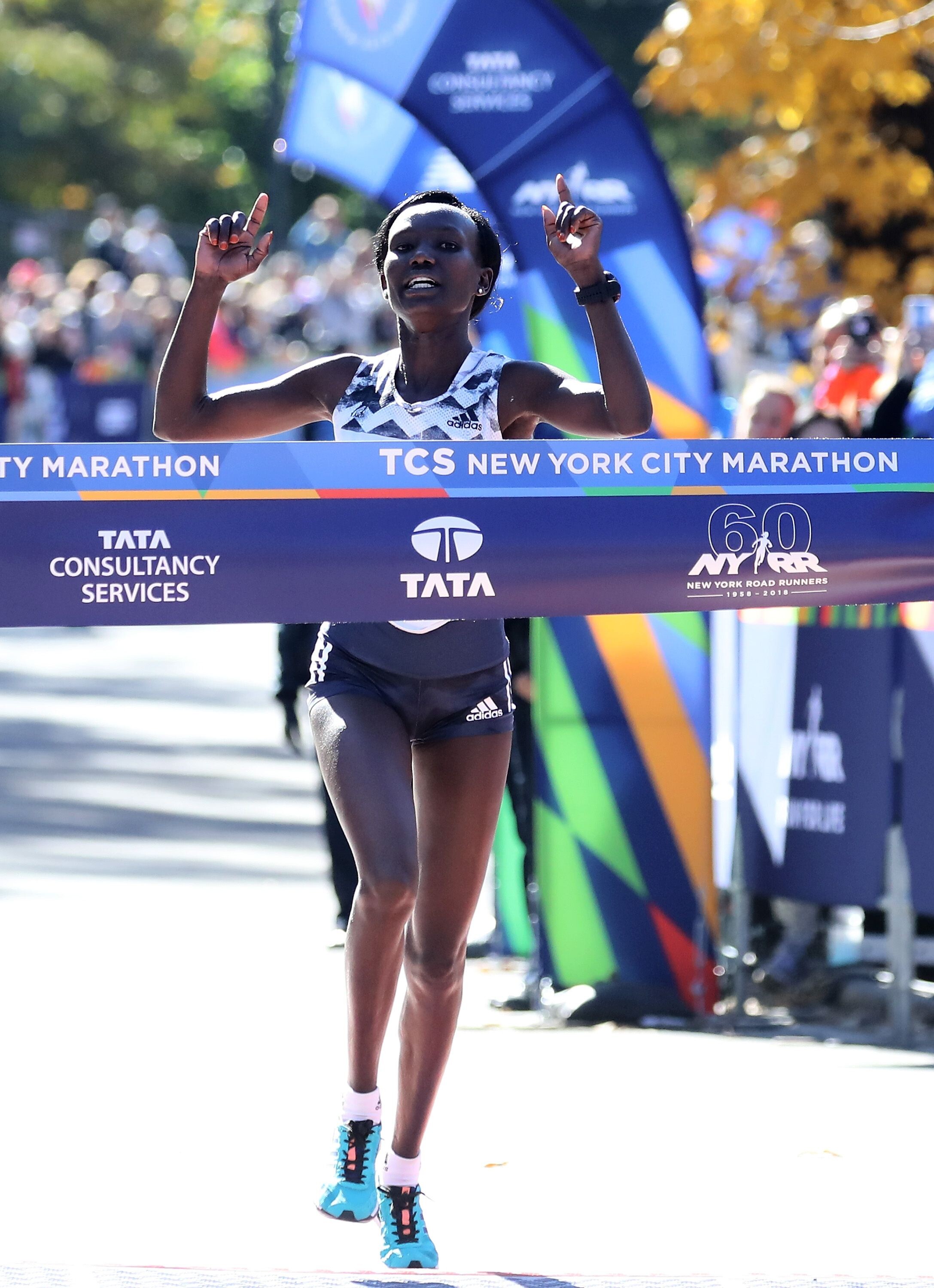
After finishing third in New York on her marathon debut in 2010 – in the wake of her win at the 2009 World Athletics Half Marathon Championships in 1:06:36 which, at the time, was the second fastest mark ever on a record-legal course and an African record – Keitany went on to win the New York City Marathon on three consecutive occasions between 2014 and 2016 and then again in 2018.
To this day, she remains the only woman other than the incomparable Grete Waitz to have triumphed in New York more than three times.
Keitany also made her mark in the London Marathon. Her first triumph there came in 2011 and further victories in the British capital came in 2012 and 2017.
Record runs in London and RAK
She continues to hold the women-only marathon world record with a time of 2:17:01 set when she completed her hat-trick of London wins four years ago.
Another particularly notable accolade during her illustrious career was setting a world half marathon record of 1:05:50 at the 2011 RAK Half Marathon.
Perhaps the only blemish on Keitany’s competitive record is that she never climbed the podium at an Olympic Games.
At the London 2012 Olympic Games, she started arguably as the favorite having returned to the city with a world-leading 2:18:37 from the London Marathon, albeit on a different course, four months earlier. She was part of a leading quartet of runners at 40km but was the luckless member of the group to miss out in the battle for the medals over the final two kilometers and crossed the line in fourth place.
In 2016, she was named as a non-traveling reserve for the Kenyan contingent going to Rio, but Keitany had her sights set on challenging for a place on the Tokyo team before the pandemic, and a cruelly timed back injury, intervened.
In September this year – with her 40th birthday looming on 18 January 2022 – Keitany decided to call time on her outstanding career and announced the end of her professional running in a valedictory press release.
“After my successful 2019, when I had some good results including second place in New York, I was hopeful that I could still be very competitive internationally for several more years even though I am in my late 30s,” she commented.
“However, I’m sad to say, a back injury that I suffered in late 2019 made a decision about my retirement for me. I couldn’t get the treatment I wanted in Europe because of the pandemic-related travel restrictions last year and every time I thought I had got over the injury and started training hard, it became a problem again.”Sadly, Keitany will no longer be seen on the start line of a major marathon but nevertheless she leaves behind a host of memorable performances that have assured her of a place in the pantheon of road running greats.
by World Athletics
Login to leave a comment
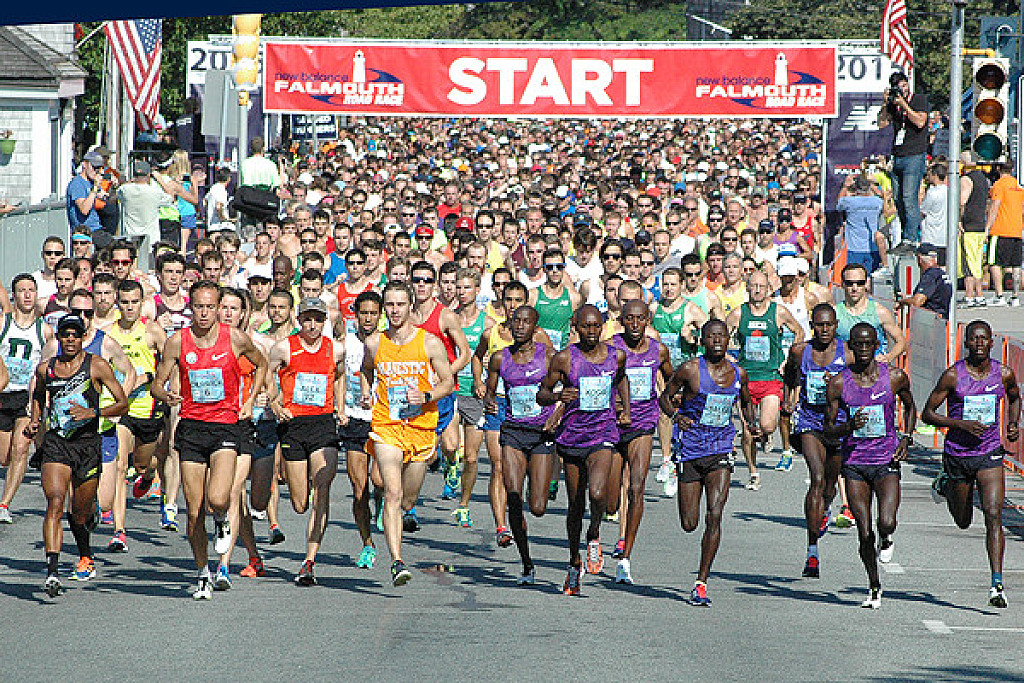
Asics The New Title Sponsor of Falmouth Road Race
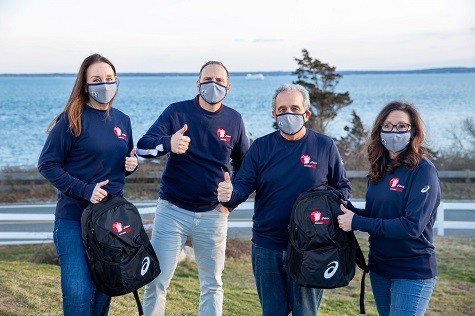
ASICS has committed to a multi-year title sponsorship of the Falmouth Road Race, one of America's most iconic summer running events. The 7-mile road race, held each August on a coastal route from Woods Hole to Falmouth Heights on Cape Cod, had New Balance as its title sponsor from 2011 through 2019. The event was not held as an in-person road race in 2020 due to the pandemic.
"This partnership represents so much more than a sponsorship," explained ASICS Fitness Apps' general manager Alex Vander Hoeven through a statement. "It is a true example of how a world class event such as the Falmouth Road Race can collaborate with ASICS's global suite of products and digital services. We look forward to being on the course come race day and are honored to be part of the greater Falmouth Road Race community."
The Falmouth Road Race was founded in 1973 by the late Tommy Leonard, a bartender at the old Eliot Lounge in Boston. About 100 runners started that year in front of the Captain Kidd restaurant in Woods Hole and finished at old the Brothers 4 club in Falmouth Heights adjacent to Falmouth Heights Beach. Organizers use the same course today.
Some of the greatest distance runners in history have won the Falmouth Road Race including Khalid Khannouchi, Catherine Ndereba, Lynn Jennings, Benson Masya, Joan Samuelson, Bill Rodgers, Frank Shorter, and Grete Waitz. The 2019 champions were Leonard Korir of Colorado Springs, Colo., and Sharon Lokedi of Kenya. The 2019 race had 11,534 finishers.
"Our partnership is new, but we have long played host to ASICS athletes who have added much to our events," added Scott Ghelfi, president of the Falmouth Road Race, Inc., board of directors. "We look forward to having ASICS as a title partner that shares our commitment to health, wellness, and giving back to our community."
The 2021 ASICS Falmouth Road Race is scheduled for Sunday, August 15, pending approval from the Town of Falmouth.
by David Monti
Login to leave a comment
Falmouth Road Race
The Falmouth Road Race was established in 1973 and has become one of the premier running events of the summer season. Each year the race draws an international field of Olympians, elite runners and recreational runners out to enjoy the scenic 7-mile seaside course. The non-profit Falmouth Road Race organization is dedicated to promoting health and fitness for all in...
more...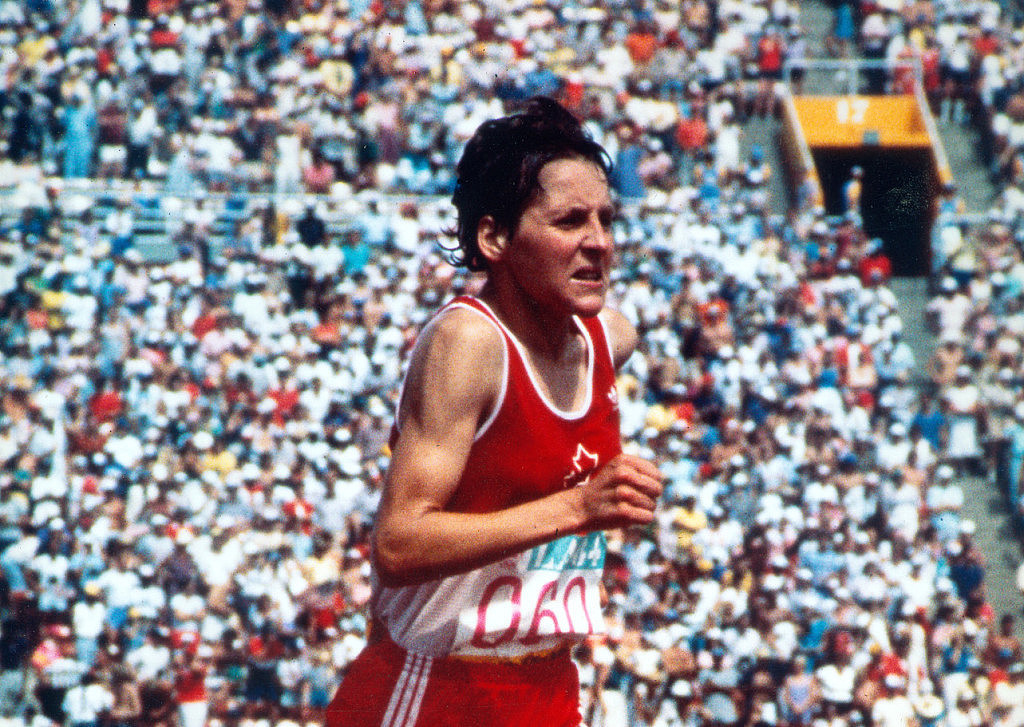
At the Los Angeles Games 36 years ago, Canadian Silvia Ruegger finished in eighth in the first-ever women's Olympic marathon
On August 5, 1984, the inaugural women’s Olympic marathon was held in Los Angeles. Fifty runners lined up for the 42.2K run and American Joan Benoit-Samuelson took the win in 2:24:52, grabbing the first Olympic gold in women’s marathon history. Three Canadians raced that day 36 years ago in L.A., including marathon legend and former national record-holder Silvia Ruegger. Ruegger finished in eighth place on the day, running to a 2:29:09 top-10 finish. That was the sole Olympic race of Ruegger’s career, and since then, no Canadian — male or female — has finished in a higher position in the Olympic marathon.
Women’s marathoning through the years
Benoit-Samuelson won the race in L.A. in impressive fashion, beating silver medallist Grete Waitz of Norway by more than a minute to take the gold on home soil. Going into the race, Benoit-Samuelson was a two-time Boston Marathon champion, and a year later, she won the Chicago Marathon and set an American record in the process. Her time of 2:21:21 stood as the national marathon record until 2006, when Deena Kastor beat it at the London Marathon. Benoit-Samuelson is still the fourth-fastest woman marathoner in U.S. history.
The women’s marathon has come a long way since its introduction to the Olympics in 1984. At the time, the world record was 2:24:26, set by Ingrid Kristiansen of Norway (who finished in fourth in L.A.). Today, 36 years later, that record has been lowered by 10 minutes, and it currently sits at 2:14:04 following Brigid Kosgei‘s dominant performance at the 2019 Chicago Marathon.
Canadians at the 1984 Games
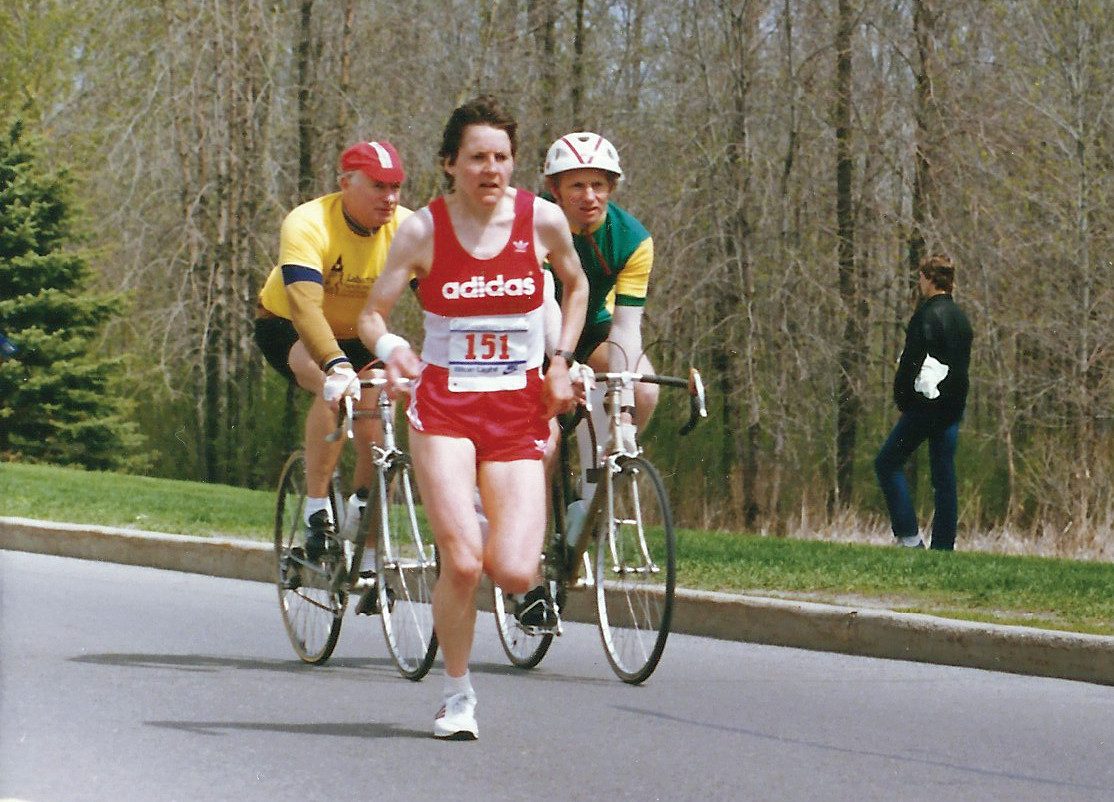
Ruegger qualified for the Olympics at the 1984 Ottawa Marathon, which she won in a Canadian record of 2:30:37. She broke that record just a few months later in L.A., becoming the first Canadian woman to dip below 2:30 in the marathon. Ruegger raced alongside fellow Canadians Jacqueline Gareau (1980 Boston Marathon champion and the previous national record-holder before Ruegger won the Ottawa Marathon) and Anne Marie Malone. Gareau didn’t finish the race in L.A., but Malone recorded an impressive result to follow Ruegger’s, finishing in 17th place with a final time of 2:36:33.
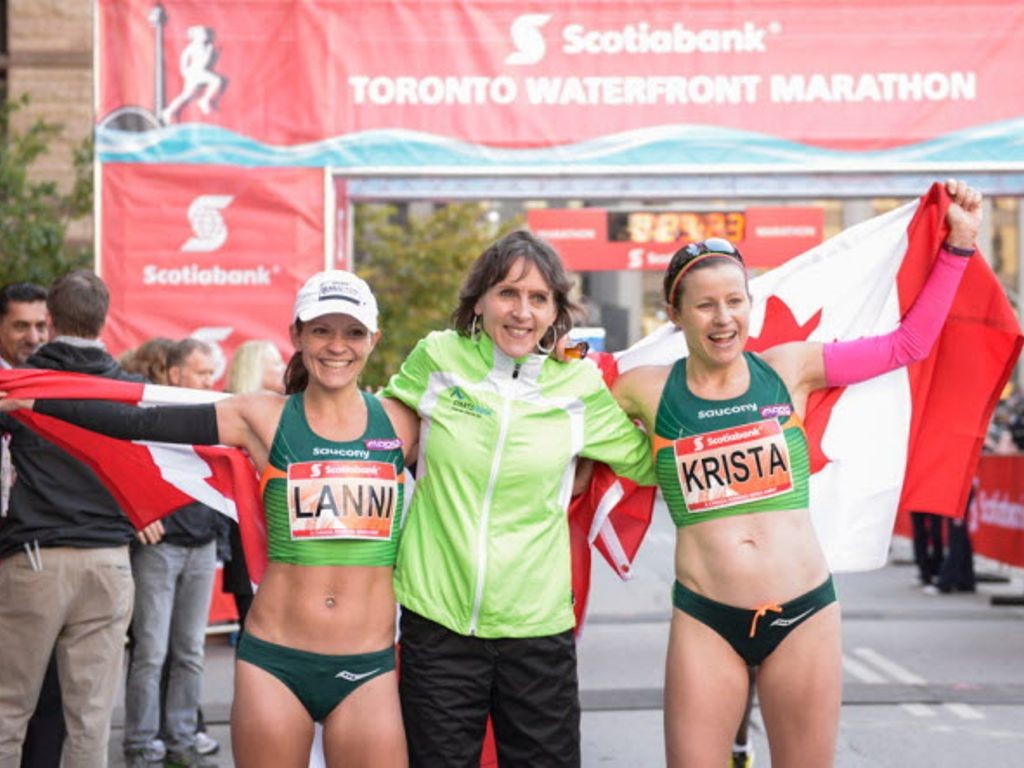
The following year at the 1985 Houston Marathon, Ruegger beat her record yet again, posting a 2:28:36. This remained the Canadian record for almost 30 years before it was broken in 2013 at the Scotiabank Toronto Waterfront Marathon by both Lanni Marchant and Krista DuChene. A car accident following her record in 1985 left Ruegger to deal with injuries for the rest of her career, and she never returned to her previous record-setting form. Ruegger passed away in August 2019 at the age of 58 after a battle with cancer, but she remains one of the greatest athletes in Canadian history.
by Ben Snider-McGrath
Login to leave a comment
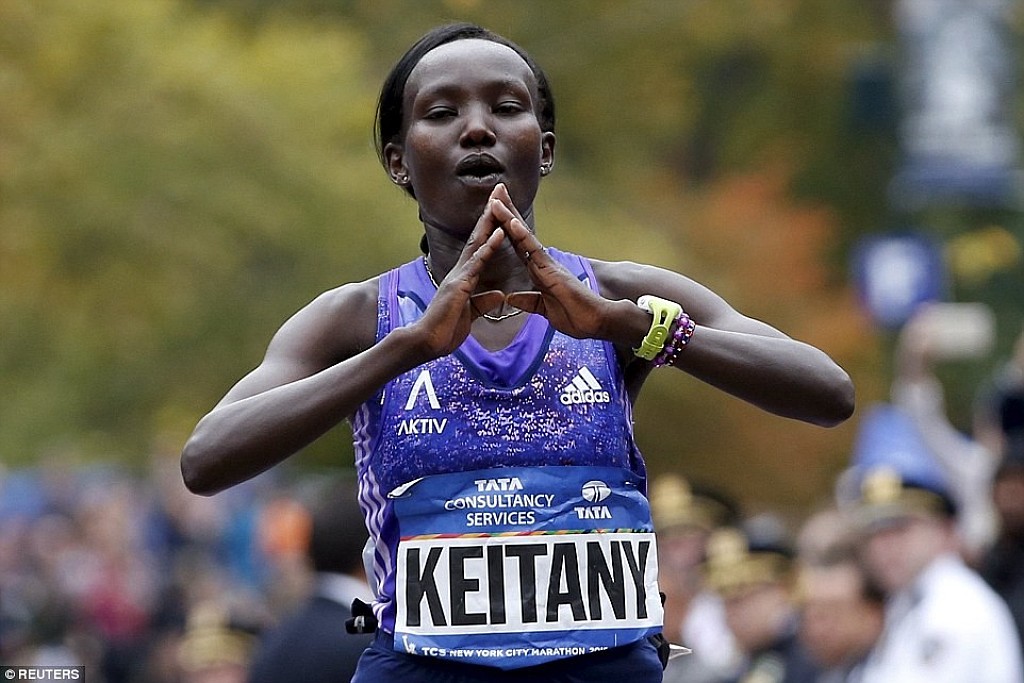
Four-time champion Mary Keitany is on a mission as she targets to win the New York Marathon for a fifth time on Sunday
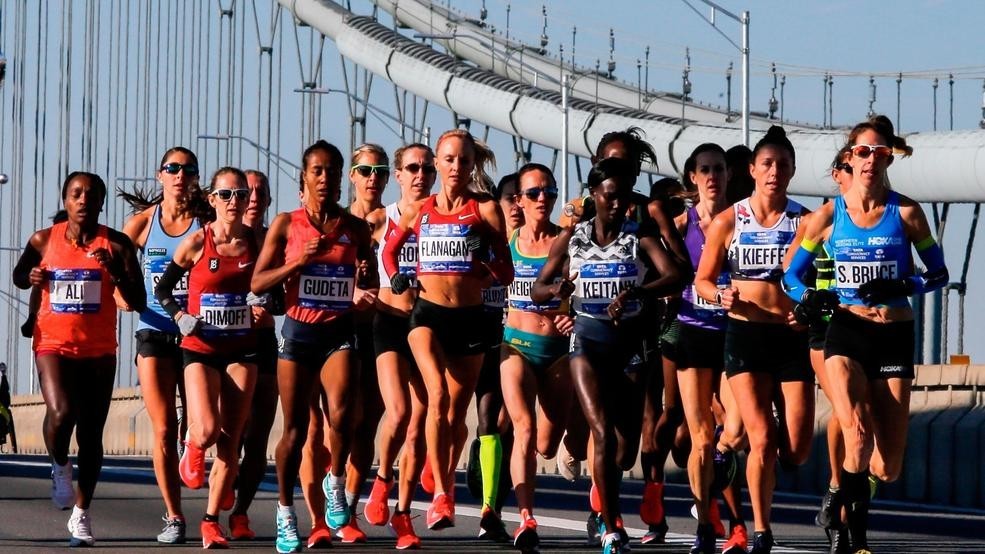
The all-women marathon World Record holder won the NYC Marathon for the fourth Time last year after beating compatriot Vivian Cheruiyot and USA’s Shalane Flanagan, who came in second and third, respectively, by more than three minutes. Keitany previously won the race in 2014, 2015 and 2016.
In an exclusive interview with Nation Sport, Keitany said she has prepared well and is ready to fight for the title.
“I’m ready to go to New York and fight to defend my title again for the fifth time having won it four times. I know it’s not easy, but I’m certain the three months training I have undergone will enable me to do my best,” said Keitany.
“I’m happy that I have won the race (New York Marathon) several times and again if I’m to win this time it will turn out historical. To me and my family, winning this marathon the fifth time will be a great achievement.”
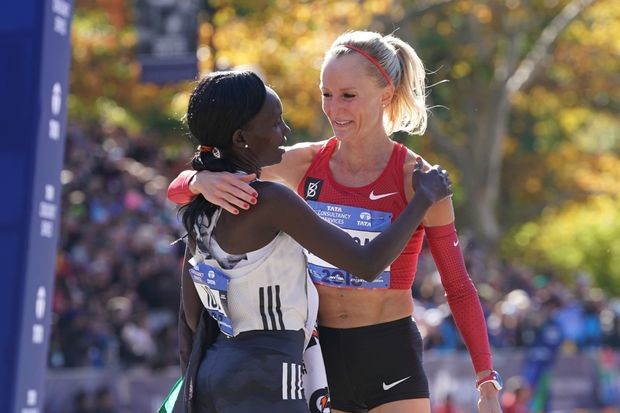
For the fourth time in five years, Keitany sped past more than 50,000 runners to win the women’s race with a time of 2 hours, 22 minutes, and 48 seconds last year. This made her time the second fastest in the history of the New York race. Kenya's Margaret Okayo holds the course record of 2:22:31 set in 2003.
Keitany joined Grete Waitz as the only woman to win the New York City Marathon four times or more. She will have to win a few more times to beat Waitz’s record, though. Between 1978 and 1988, the Norwegian runner won the marathon nine times.
Keitany said that the secret to prosperity requires athletes to train well and athletes must learn to persevere because nothing comes easy. She said one should have a dream and must be focused. They ought to have an attitude and should be mentally focused so as to fulfil their goals.
For Keitany, discipline and perseverance are key in her sports career. "You must put God first for you to prosper," she said.
The athlete said training may not be easy but athletes must be disciplined if they are to succeed in sports. Some promising athletes have destroyed their careers due to indiscipline.
Keitany set the women-only marathon record when she won the London Marathon in 2017. She has also held records for best half marathon time and best 10-mile time. She also has titles from London Marathon she won in 2012, 2016, and 2017.
by Bernard Rotich
Login to leave a comment
TCS New York City Marathon
The first New York City Marathon, organized in 1970 by Fred Lebow and Vince Chiappetta, was held entirely in Central Park. Of 127 entrants, only 55 men finished; the sole female entrant dropped out due to illness. Winners were given inexpensive wristwatches and recycled baseball and bowling trophies. The entry fee was $1 and the total event budget...
more...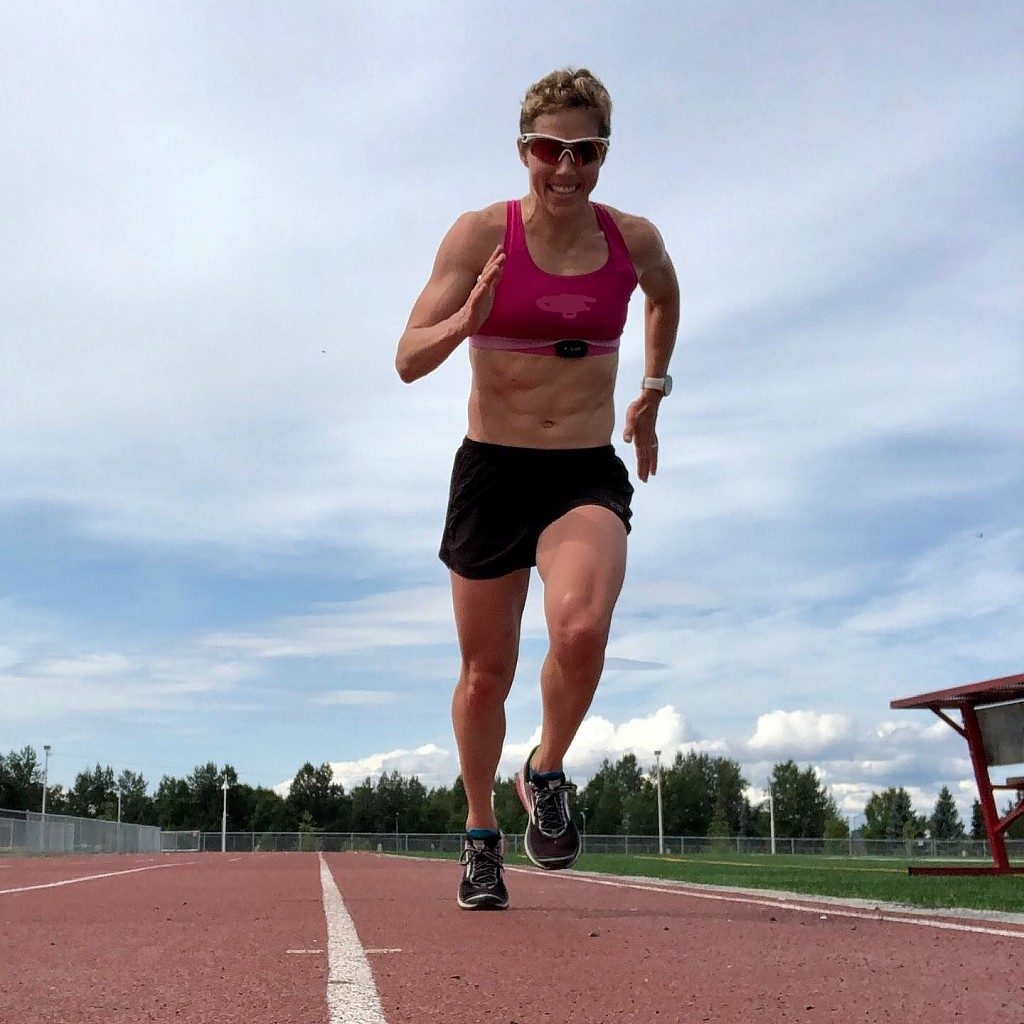
Olympic champion Kikkan Randall who was diagnosed with breast cancer is set for New York City Marathon
Kikkan Randall, who was diagnosed with breast cancer soon after a gold medal in the cross-country skiing team sprint at the 2018 Olympics, will run Nov. 3 in the New York City Marathon as part of a group of people with inspirational stories, race organizers announced Monday.
Randall has been named as one of 26 runners on Team #MovedMe. Other runners in the group include Dave Fraser, who was born with cerebral palsy and will be running his 12th NYC Marathon; Sean Hennessey, a former college athlete and recovering addict; and Mama Cax, a model with a prosthetic leg.
Randall racked up medals in World Cup and World Championship competition from 2009 to 2014 and went into the 2014 Olympics as a heavy favorite in the sprint, but she struggled and lost in the quarterfinals. Four years later, after taking time off to start a family, she and Jessie Diggins teamed up to win the team sprint in Pyeongchang, only the second cross-country skiing medal the U.S. has ever won and the first for U.S. women.
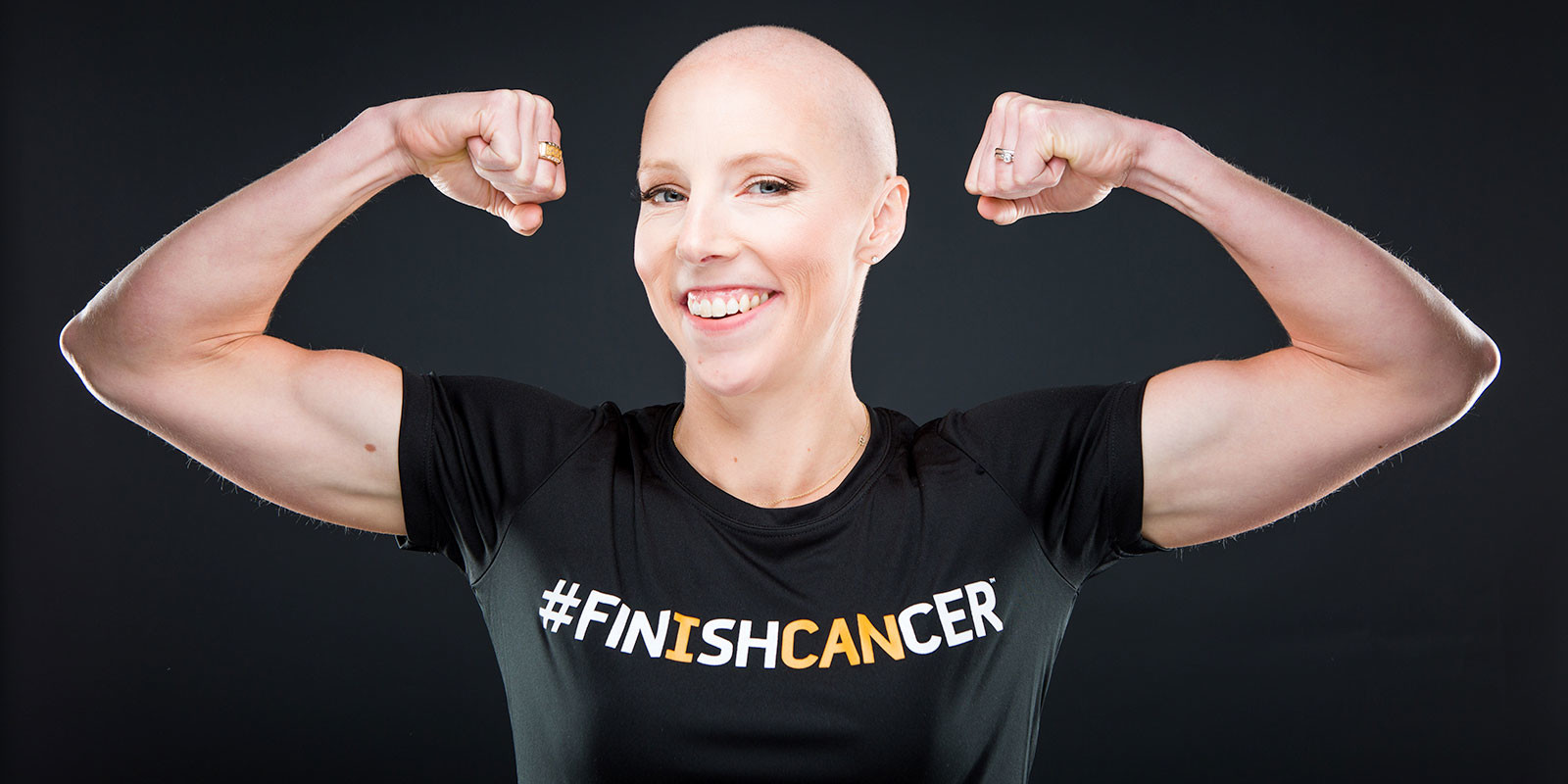
She revealed her breast cancer diagnosis in July 2018 and blogged about her treatment for the next several months. Known for having pink streaks in her hair, she quickly went bald during chemotherapy and showed off her new look in an August 2018 blog post.
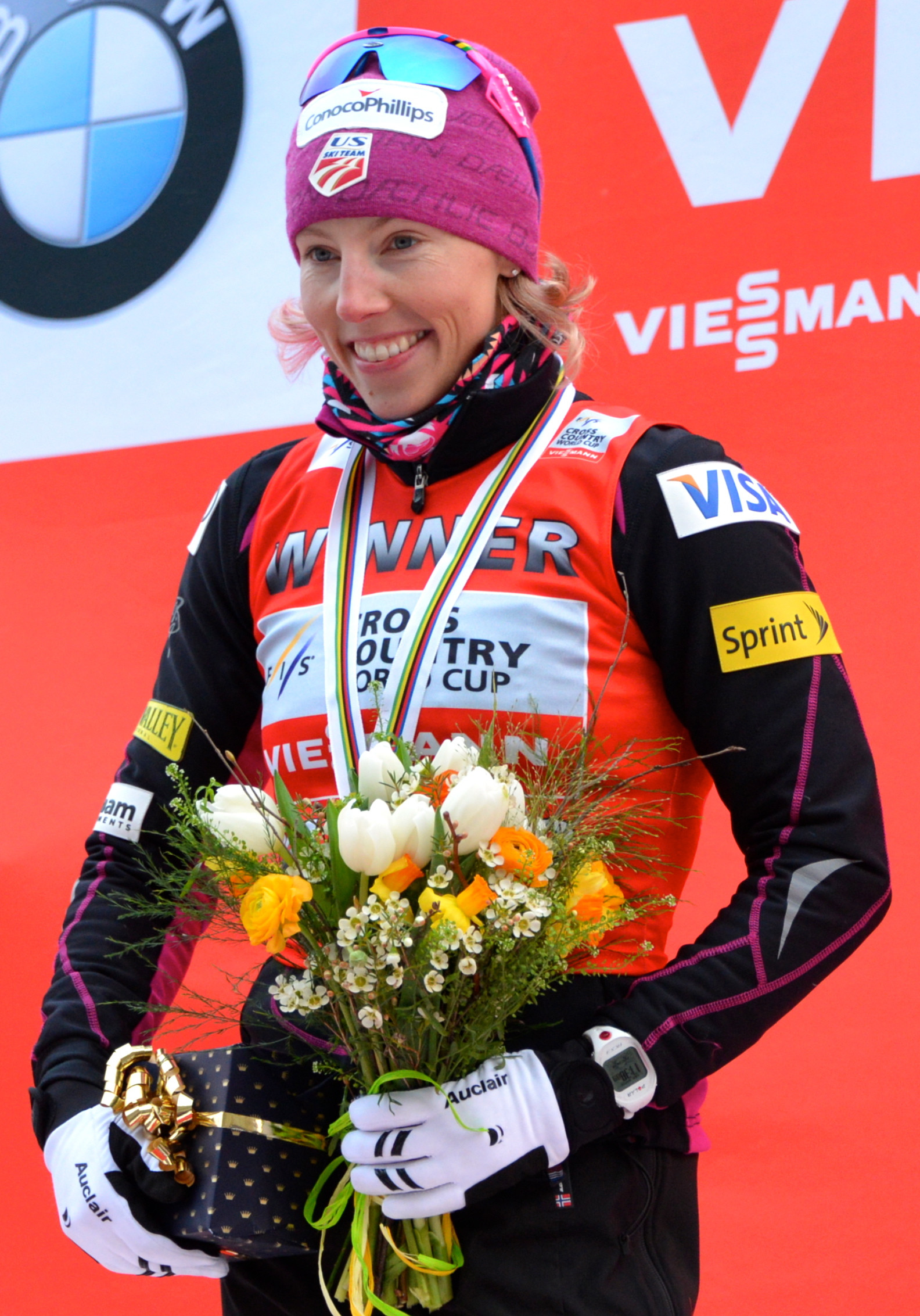
In the last few months, she has put more of her story on social media, and she showed that the pink is back.
On July 2, she announced that she had completed infusion treatment.
Randall will be running on behalf of AKTIV Against Cancer, which works to ensure physical activity for cancer patients. Coincidentally, the foundation was established by a nine-time NYC Marathon winner, Grete Waitz.
She is also a board member of the U.S. Olympic and Paralympic Committee.
by Beau Dure
Login to leave a comment
TCS New York City Marathon
The first New York City Marathon, organized in 1970 by Fred Lebow and Vince Chiappetta, was held entirely in Central Park. Of 127 entrants, only 55 men finished; the sole female entrant dropped out due to illness. Winners were given inexpensive wristwatches and recycled baseball and bowling trophies. The entry fee was $1 and the total event budget...
more...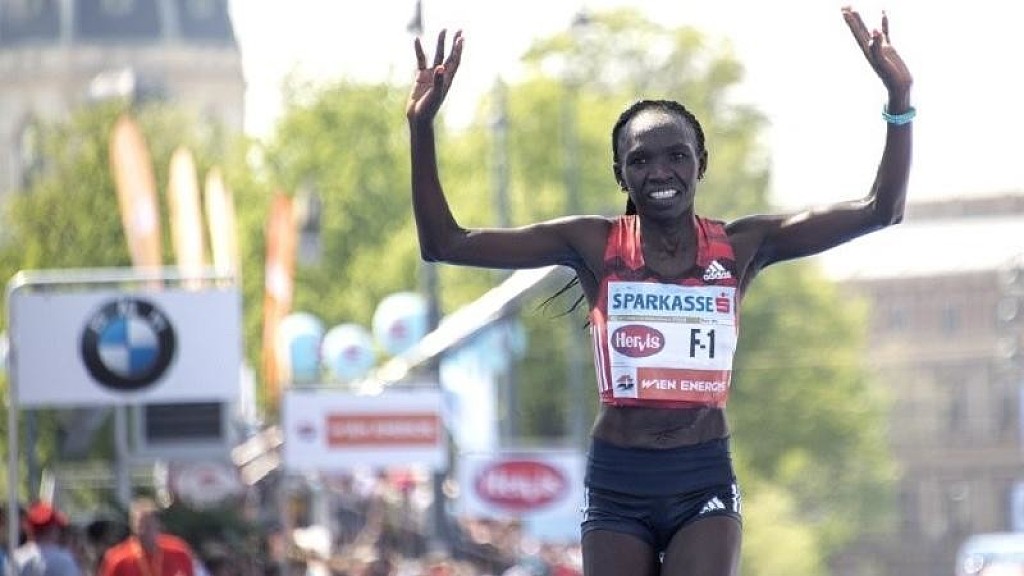
Kenya’s Nancy Kiprop, a three-time winner of Vienna City Marathon, said Wednesday she is ready to earn big city status in distance running by securing victory at the New York City Marathon on November 3
The 40-year-old is a late bloomer and wants to secure marathon’s top-priced title before her final bow and transition to the master’s category.
“I am looking forward to my first big city marathon debut in New York City. This will culminate to reward my years of hard work, learning and growth,” Kiprop said.
Inspired by her latest win in Vienna, Kiprop will take on countrywoman and defending champion Mary Keitany, world half marathon record holder Joyceline Jepkosgei and America’s Olympian Des Linden.
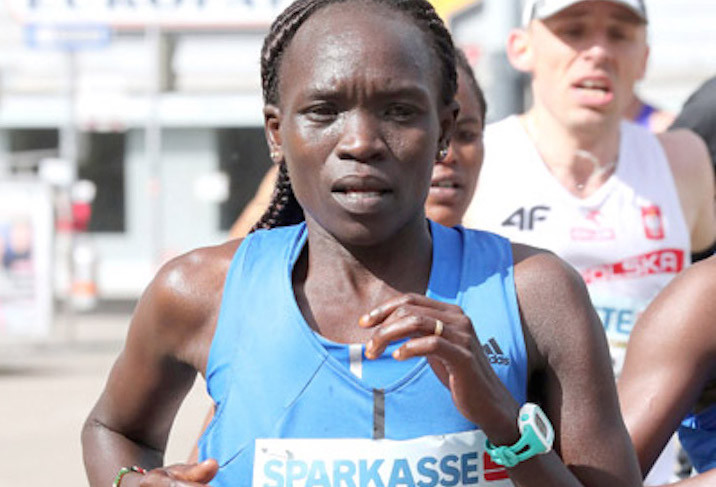
The former Valencia marathon silver medalist remains optimistic of pulling a surprise in New York despite her time being the fourth-fastest among the elite.
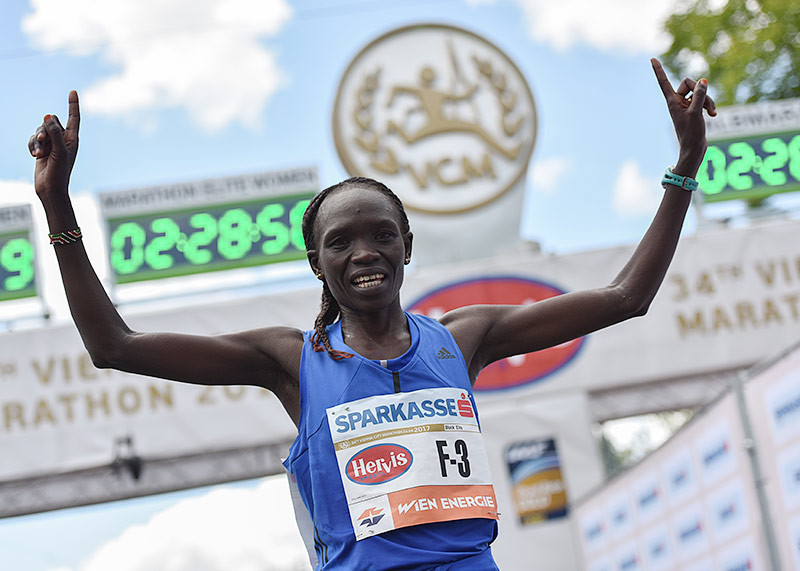
“Time and past records count for less on the race day. I always believe in myself. Only three athletes are above me and there is a big gap between 2:18 and 2:22 but that won’t worry me much. I have finally matured for the big races unlike in the past. ran 2:22.12.I am ready to battle for the title,” said Kiprop.
Last year, Keitany, who is the world record holder, became the second woman after Grete Waitz of Norway to win in New York four times, recording the second-fastest time in the event history in 2:22:48 for her fourth win in five years.
“I’m very excited to return on November 3 to race for my fifth New York City Marathon title on my favorite course in the world,” Keitany said.
Login to leave a comment
TCS New York City Marathon
The first New York City Marathon, organized in 1970 by Fred Lebow and Vince Chiappetta, was held entirely in Central Park. Of 127 entrants, only 55 men finished; the sole female entrant dropped out due to illness. Winners were given inexpensive wristwatches and recycled baseball and bowling trophies. The entry fee was $1 and the total event budget...
more...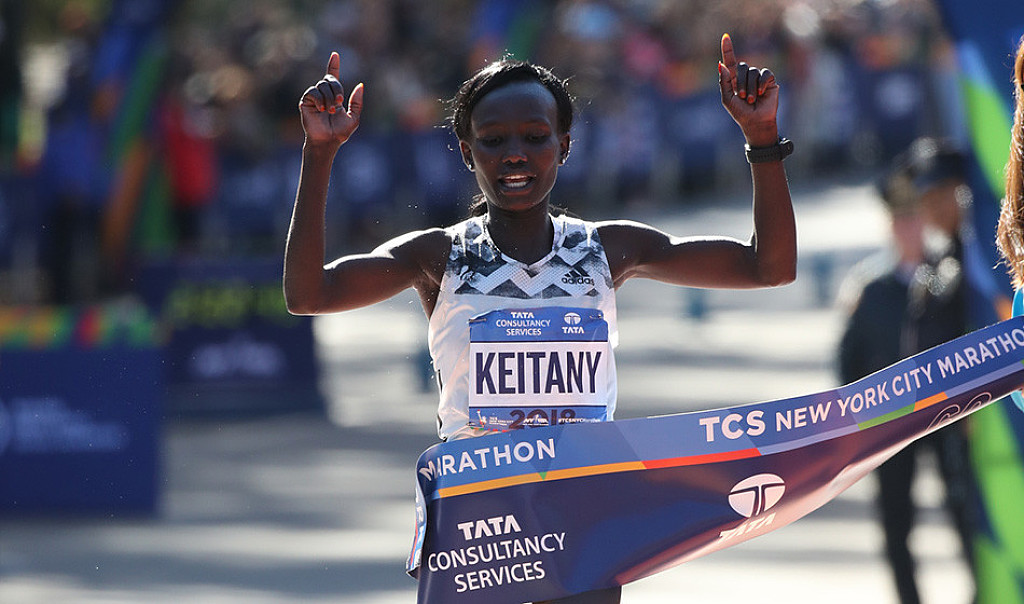
Defending champions Mary Keitany and Lelisa Desisa will return to the TCS New York City Marathon
Keitany will go for her fifth career title in New York and Desisa will be gunning for a second.
Last year Keitany became the second woman to win in New York in the open division four times, recording the second-fastest time in event history in 2:22:48.
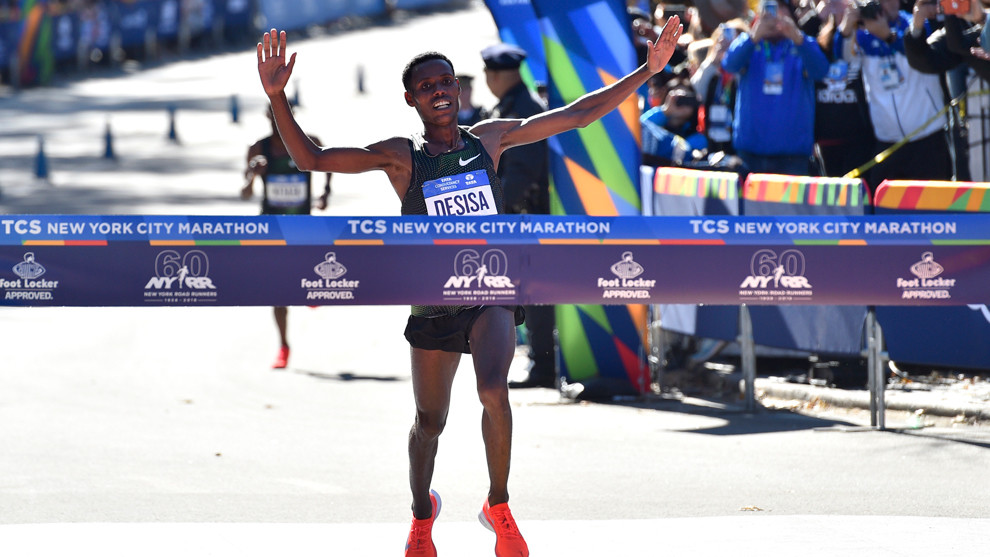
It was her fourth win in five years to become the only woman other than Grete Waitz to win the race four times. Keitany is the women-only marathon world record-holder (2:17:01) and a two-time winner of the Abbott World Marathon Majors, having taken the series titles in 2012 and 2016.
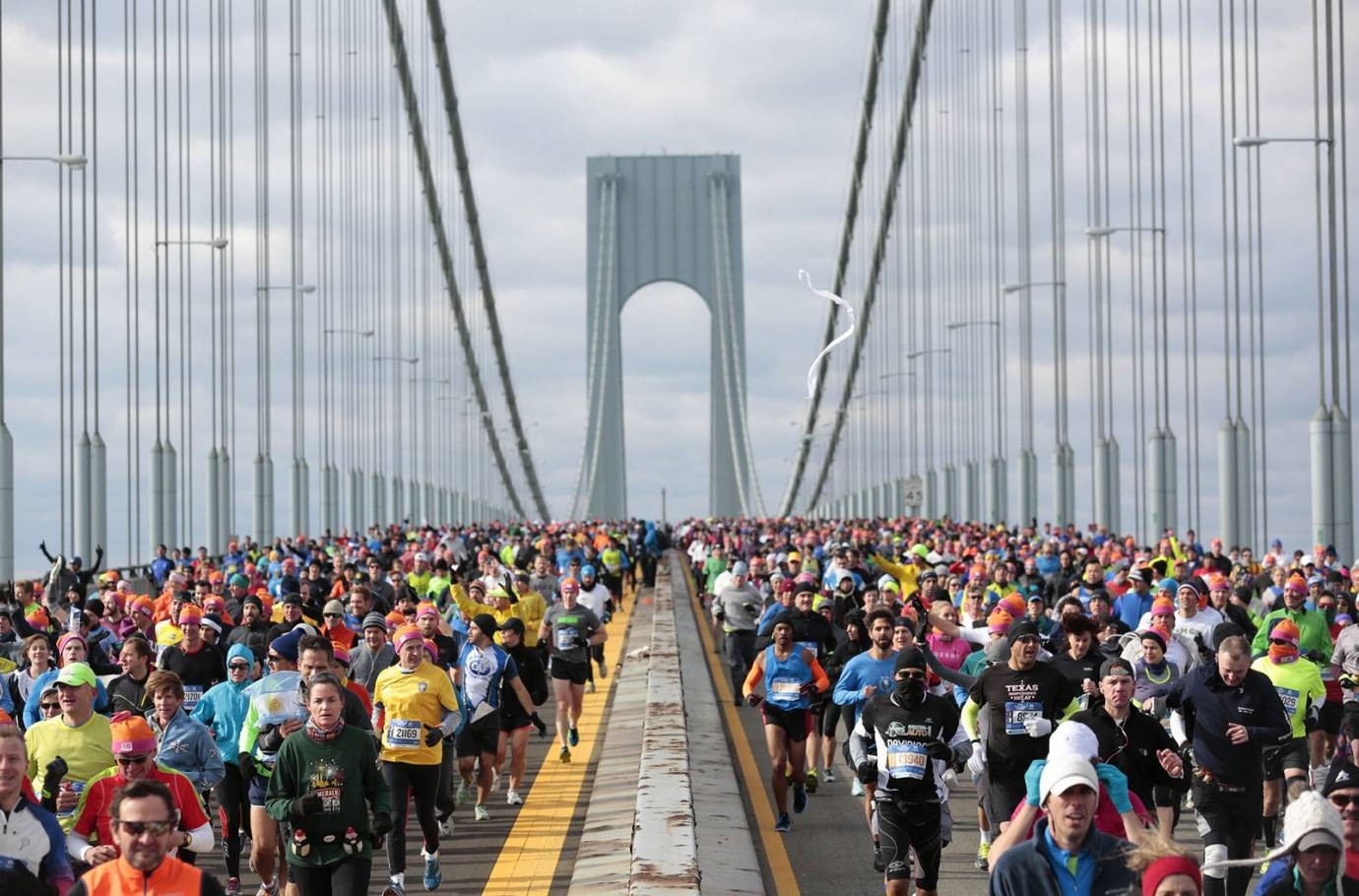
Keitany will be challenged this year by 2019 Boston Marathon champion Worknesh Degefa, 2019 Tokyo Marathon champion Ruti Aga, 2019 NYC Half champion Joyceline Jepkosgei, and 2018 Boston Marathon champion and two-time U.S. Olympian Des Linden.
Joining them at the starting line will also be a strong group of US 2020 Olympic team contenders including Allie Kieffer, Sara Hall, and Kellyn Taylor.
Desisa won his first New York title last year after finishing on the podium three times previously. He held off fellow Ethiopian Shura Kitata by two seconds to finish in 2:05:59, the second-fastest time in event history. Desisa also has two Boston Marathon titles to his name, having won in 2013 and 2015.
Runner-up Kitata will be back again this year to challenge Desisa, as will 2017 winner Geoffrey Kamworor, who finished third last year.
The US contingent will be led by U.S. Olympians Jared Ward and Abdi Abdirahman.
by IAAF
Login to leave a comment
TCS New York City Marathon
The first New York City Marathon, organized in 1970 by Fred Lebow and Vince Chiappetta, was held entirely in Central Park. Of 127 entrants, only 55 men finished; the sole female entrant dropped out due to illness. Winners were given inexpensive wristwatches and recycled baseball and bowling trophies. The entry fee was $1 and the total event budget...
more...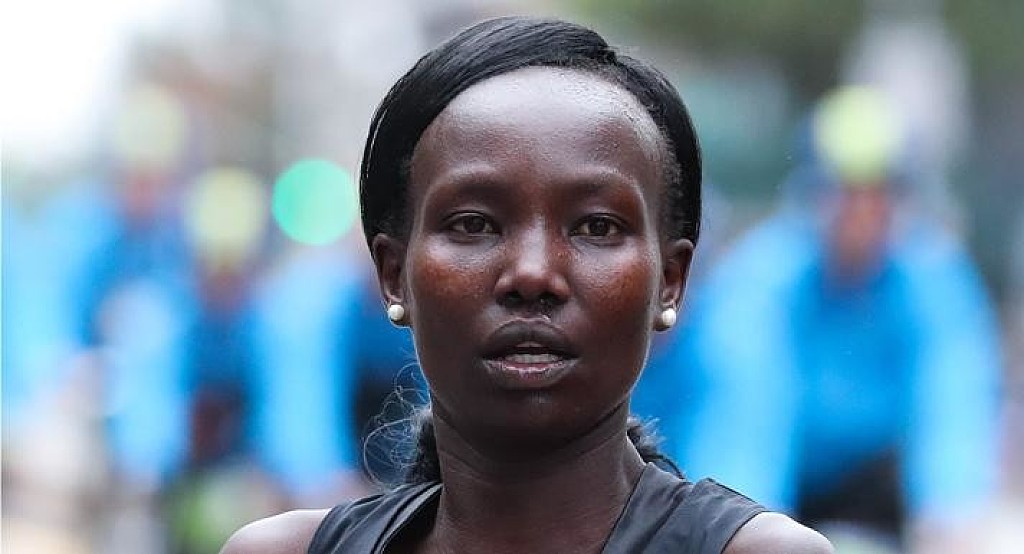
Kenya’s Mary Keitany was voted the 2018 New York Road Runners Pro Performer of the Year
Four-time TCS New York City Marathon champion garners public vote after recording second-fastest time in event history.
Mary Keitany was voted the 2018 New York Road Runners Pro Performer of the Year by the public after recording the second-fastest time in New York City Marathon history en route to her fourth title, and winning her third NYRR New York Mini 10K.
The NYRR Pro Performer of the Year award recognizes the top athlete for his or her outstanding achievements at NYRR races over the entire year.
“It’s a great honor to win the NYRR Pro Performer of the Year award,” Keitany said. “This one means a lot because it is the fans who choose. I was pleased to win the TCS New York City Marathon and the NYRR New York Mini 10K in 2018, and I look forward to continuing my success in NYC in the future.”
Keitany, 36, won her fourth TCS New York City Marathon title in November, easily out-pacing the field to finish in 2:22:49, just 17 seconds off the course record.
Her second-half split was faster than the U.S. half marathon record of 1:07:25, and she now has the second-most New York City Marathon victories in history in the women’s open division after Grete Waitz.
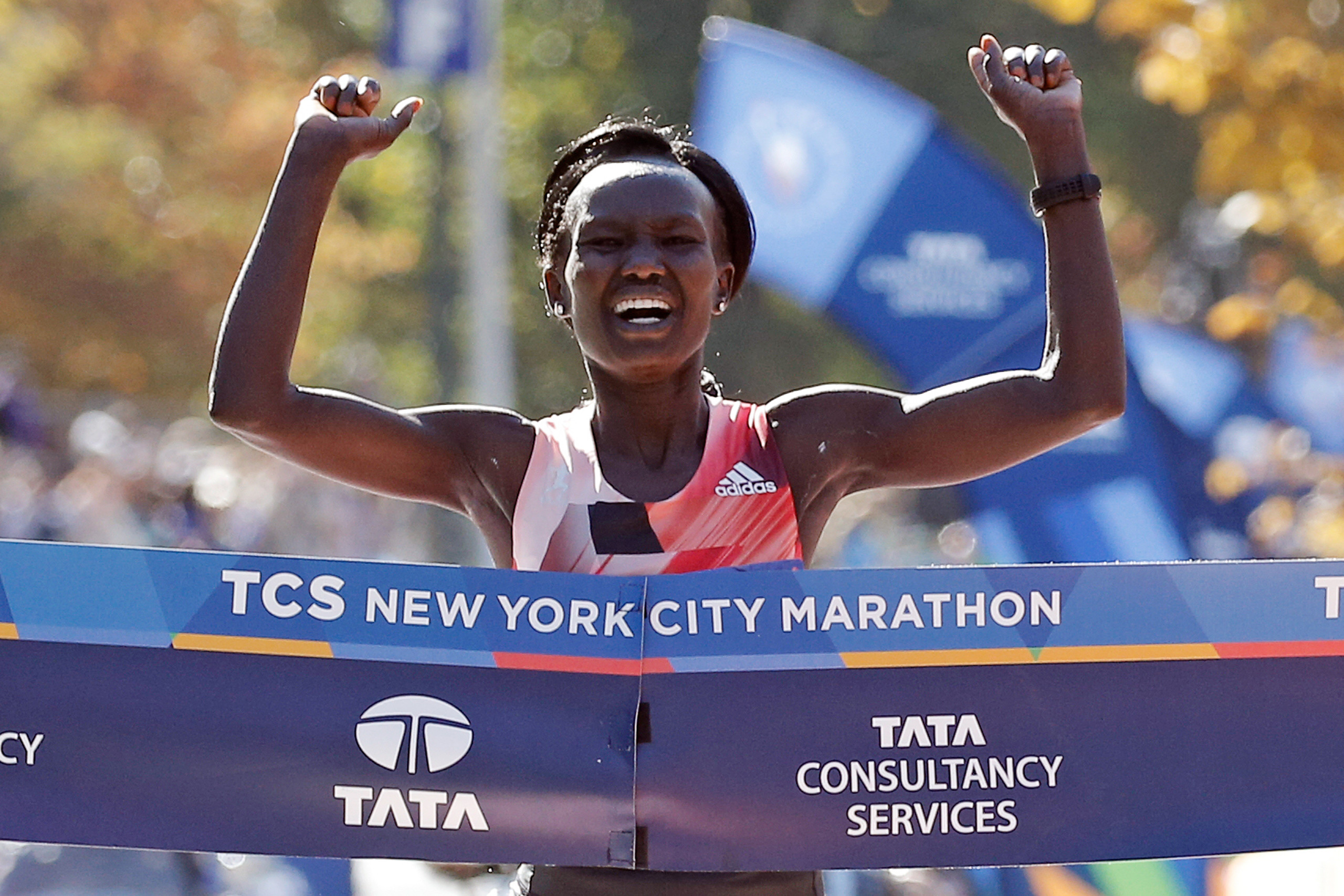
Earlier in the year, Keitany won her third NYRR New York Mini 10K in a time of 30:59, the fifth-fastest time in the event’s 47-year history.
"By winning her 4th TCS New York City Marathon and third NYRR New York Mini 10K this year, Mary Keitany put on a show for runners and viewers around the world with her amazing performances on the roads in 2018," said Michael Capiraso, president and CEO of New York Road Runners.
"Mary is like to New York Road Runners, and we are extremely grateful to have one of the greatest marathoners of all-time be such an inspiration to our running community here in New York."
Login to leave a comment
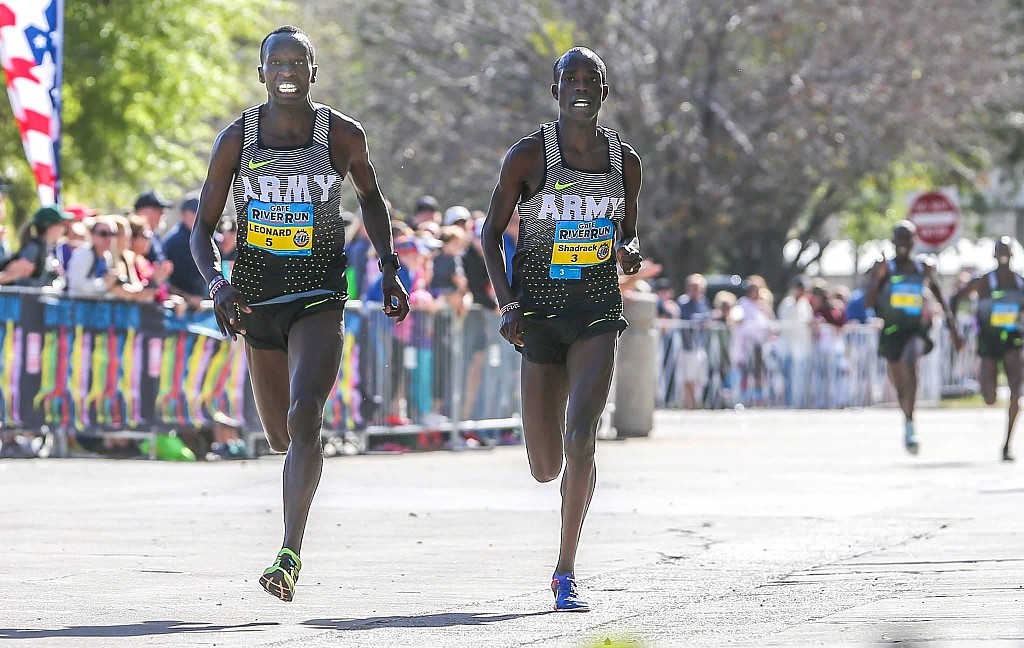
Last year's Gate River Run men's finish was the closet in race history
Login to leave a comment
