

Running News Daily
Running News Daily is edited by Bob Anderson and team. Send your news items to bob@mybestruns.com Advertising opportunities available.
Index to Daily Posts · Sign Up For Updates · Run The World Feed
Articles tagged #Florence
Today's Running News
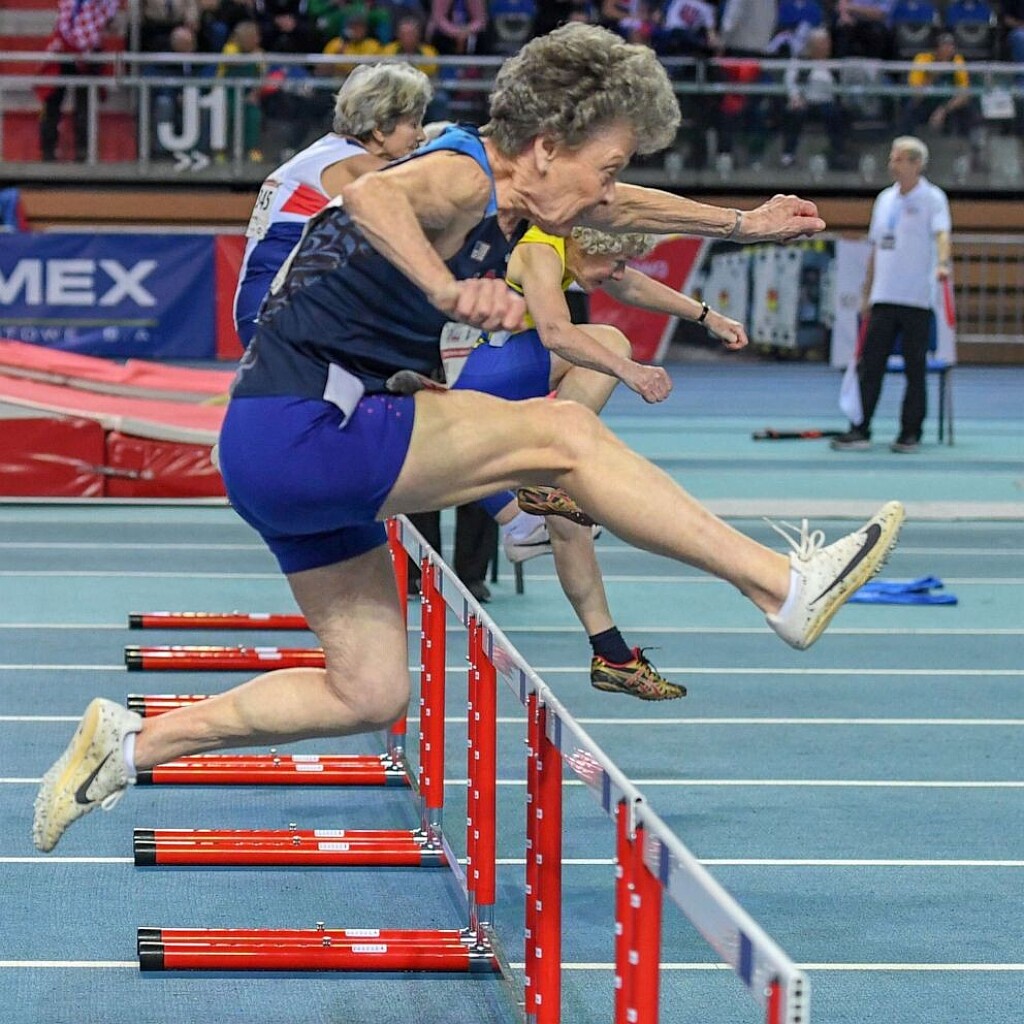


Age Is Just A Number! 91-Year-Old Flo Meiler Continues To Shatter World Records After Starting Athletics At 60!
At an age when many people have long stepped away from competitive sport, 91-year-old American athletics sensation Florence “Flo” Meiler is continuing to rewrite the limits of what is possible in masters athletics, proving that determination, discipline and a passion for competition do not have an expiry date.
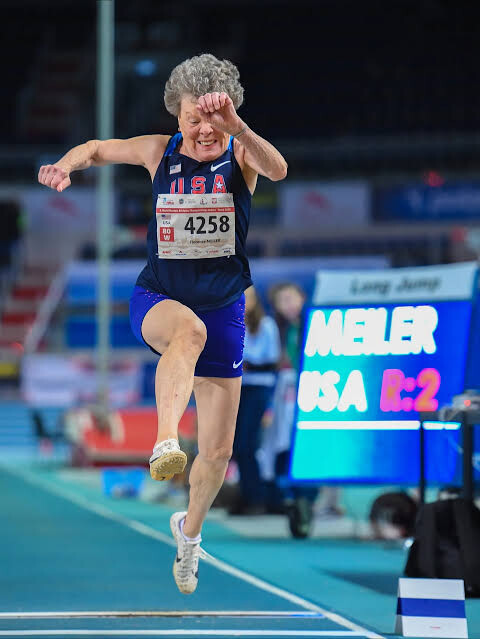
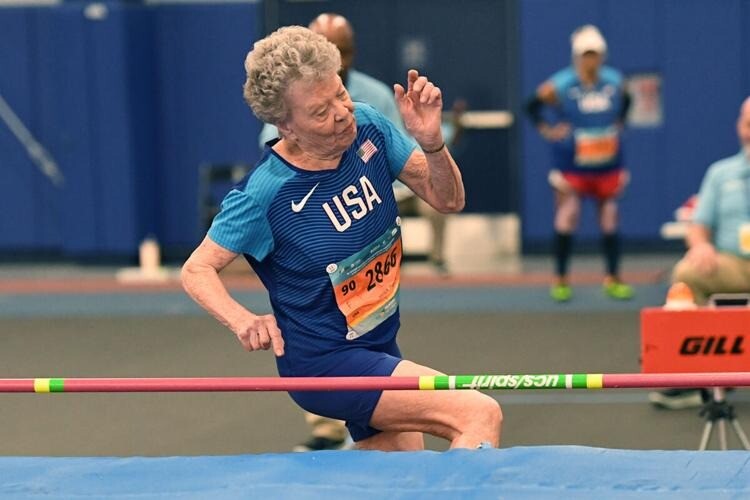
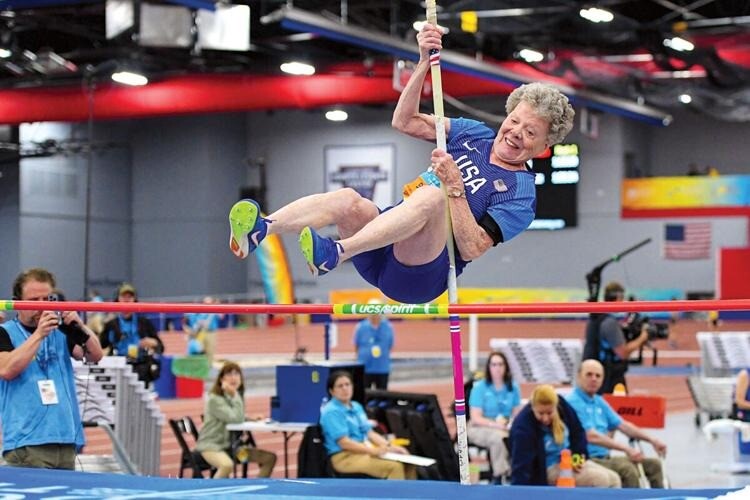
The remarkable athlete from Shelburne, Vermont, United States, has become an extraordinary figure in the masters athletics community, holding six World Masters Athletics records in the women's 90–94 age category. Her achievements span an impressive range of disciplines, including the 2,000m steeplechase, 80m hurdles, pole vault, high jump, triple jump and pentathlon.
What makes her story particularly remarkable is that Meiler did not begin competing in track and field until she was 60 years old. More than three decades later, she is still competing, setting records and inspiring athletes across generations.
Her introduction to athletics came through her close friend Barbara Jordan, who encouraged her to try the long jump at the Vermont Senior Games. What began as an opportunity to experience something new soon developed into a lifelong sporting passion.
The two friends went on to train and compete together for approximately 20 years, challenging one another and achieving remarkable success. Their partnership was more than a sporting relationship; it was built on friendship, encouragement and a shared determination to keep improving.
However, their journey together eventually came to an end after Jordan was diagnosed with cancer. She stopped participating in sport and passed away in 2020 at the age of 85. Meiler has openly spoken about missing her longtime friend, remembering the special bond they shared on and off the track.
Despite the emotional loss, Meiler has continued pursuing the passion they built together. Training without her longtime companion has not always been easy, but she has maintained her competitive determination and continues to honour those memories through her performances.
According to World Masters Athletics, her six world records in the 90–94 age category demonstrate extraordinary versatility, particularly in technically demanding events such as pole vault, hurdles and the multi-event pentathlon.
Her achievements are also a reminder that masters athletics offers opportunities for people to remain competitive, discover new sporting interests and pursue ambitious goals well beyond the conventional years of elite competition.
Beyond the records and medals, Meiler takes great satisfaction in knowing that her journey has encouraged other people to remain active and challenge themselves. She has spoken about the special feeling she gets when fellow athletes approach her to explain how much her achievements have inspired them.
Her philosophy is beautifully captured in three simple words she previously shared with the Olympic Channel: “Never too late.”
At 91, Flo Meiler is not simply collecting records; she is challenging perceptions about ageing and demonstrating that the desire to compete, improve and achieve something extraordinary can remain alive throughout life.
Her story is a powerful reminder that sporting dreams do not necessarily have to begin in childhood, and that some of the most remarkable journeys can start when others might assume the opportunity has already passed.
With every training session and competition, Meiler continues to make her mark on masters athletics, offering an inspiring example of resilience, friendship and lifelong dedication to sport.
by Erick Cheruiyot for My Best Runs.
Login to leave a comment
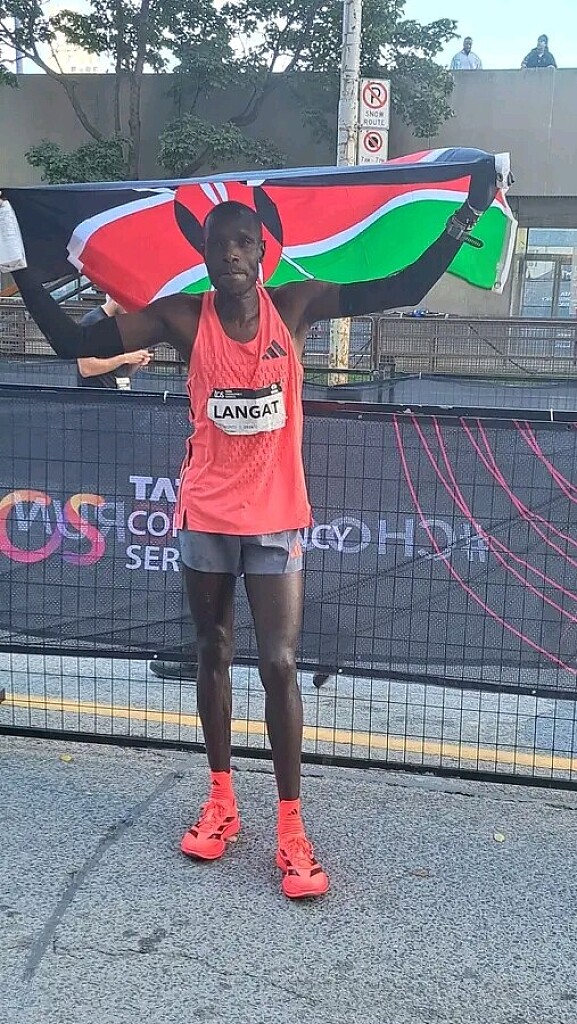
Leonard Langat Leads Kenyan Clean Sweep With Title Defence At Toronto Waterfront Marathon
Kenya delivered a commanding performance at the 2026 TCS Toronto Waterfront Marathon, as Leonard Langat successfully defended his title and led a remarkable Kenyan sweep of the men’s podium in Toronto, Canada.

Langat crossed the finish line in 2:06:51, confirming his dominance for a second consecutive year. The Kenyan distance runner once again demonstrated his strength and consistency over the 42.195-kilometre distance, retaining the crown he claimed in 2025.
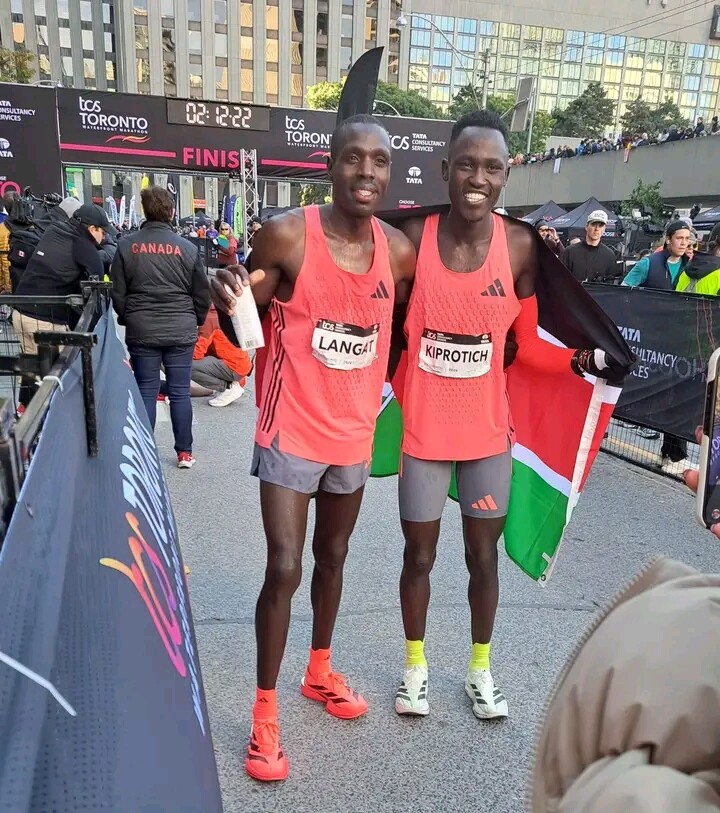
Fellow Kenyan Noah Kipkemboi secured second place in an impressive 2:07:21, while Fanny Kiprotich completed the all-Kenyan podium, finishing third in 2:07:25. The narrow four-second gap between Kipkemboi and Kiprotich added further intrigue to an outstanding Kenyan display.
Kenya’s dominance extended beyond the podium, with Absel Rutto finishing fourth in 2:07:32 and Elvis Cheboi taking fifth. The top five positions were occupied entirely by Kenyan athletes, underlining the country's remarkable depth and continued strength in international marathon running.
Langat's successful title defence was the highlight of a memorable day for Kenya, with three compatriots securing the podium places and five finishing among the top five. The performance reinforced Kenya's reputation as a powerhouse in long-distance running and demonstrated the country's ability to produce world-class marathoners.
The defending champion's victory was particularly significant given the competitive nature of the field, which featured accomplished marathon runners determined to challenge his supremacy. However, Langat rose to the occasion, producing another outstanding performance that demonstrated his ability to deliver under pressure on one of Canada's biggest road-running stages.
Meanwhile, Andrew Davies claimed the Canadian men's championship in 2:08:48. Davies delivered an impressive performance to become the leading Canadian finisher, earning national honours in a race that saw Kenyan athletes dominate the overall standings. His achievement provided a significant highlight for the home nation.
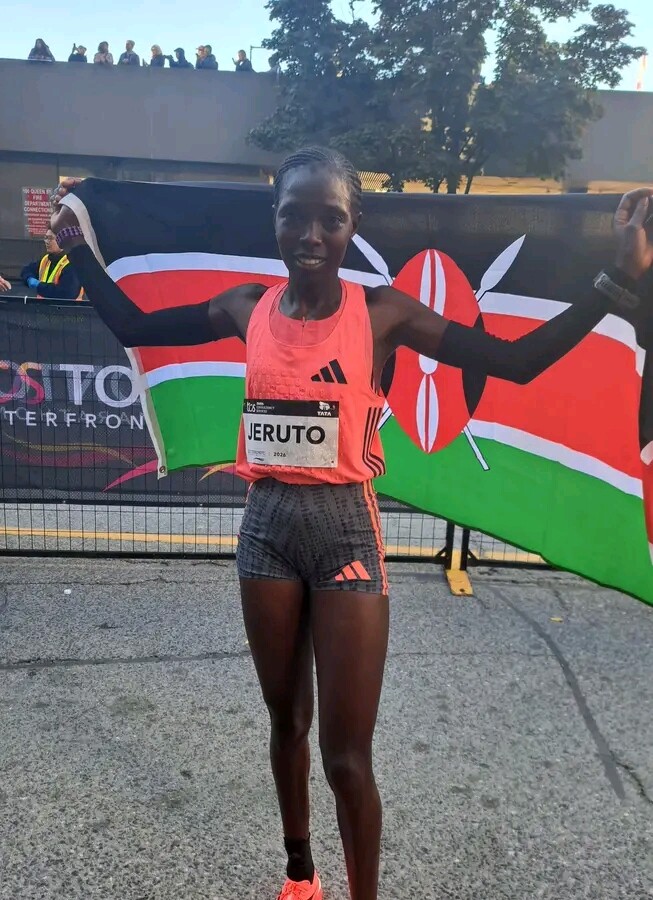
In the women's competition, Leah Jeruto emerged as the overall champion, crossing the finish line in 2:21:19 to secure victory at the 2026 TCS Toronto Waterfront Marathon. Her triumph added to Kenya's success at the event, making it another memorable outing for the country's distance-running contingent.
Jeruto faced strong competition from Ethiopia's Nigsti Haftu, who finished second in 2:21:34, just 15 seconds behind the winner. Fellow Ethiopian Ayinadis Teshome completed the women's podium in 2:22:51, while Biruktayit Degefa followed in fourth place with 2:24:07. Their performances highlighted the fierce rivalry between some of East Africa's leading marathon runners.
The women's race also demonstrated the remarkable depth of international marathon competition, with athletes from Kenya, Ethiopia and Canada producing impressive performances. Jeruto's victory, combined with Langat's successful title defence, ensured that Kenya celebrated a memorable double triumph in Toronto.
Canada also celebrated success in the women's national championship, with Dayna Pidhoresky taking the Canadian women's title in 2:26:02. Her performance highlighted the strength of the country's leading female distance runners and gave Canadian supporters another reason to celebrate at their home marathon.
Top 10 Men's Finishers – 2026 Toronto Waterfront Marathon
1. Leonard Langat (Kenya) – 2:06:51
2. Noah Kipkemboi (Kenya) – 2:07:21
3. Fanny Kiprotich (Kenya) – 2:07:25
4. Absel Rutto (Kenya) – 2:07:32
5. Elvis Cheboi (Kenya) – 2:07:37
6. Wesley Kiptoo (USA) – 2:08:08
7. Gizealew Ayana (Ethiopia) – 2:08:10
8. Yismaw Atinafu (Ethiopia) – 2:08:44
9. Andrew Davies (Canada) – 2:08:48
10. John Gay (Canada) – 2:13:01
Top 10 Women's Finishers – 2026 Toronto Waterfront Marathon
1. Leah Jeruto (Kenya) – 2:21:19
2. Nigsti Haftu (Ethiopia) – 2:21:34
3. Ayinadis Teshome (Ethiopia) – 2:22:51
4. Biruktayit Degefa (Ethiopia) – 2:24:07
5. Maritu Ketema (Kenya) – 2:24:45
6. Beatrice Cheserek (Kenya) – 2:24:54
7. Regina Cheptoo (Kenya) – 2:25:48
8. Dayna Pidhoresky (Canada) – 2:26:02
9. Betty Chepkorir (Canada) – 2:28:29
10. Florence Caron (Canada) – 2:29:37
Beyond the individual victories, the marathon once again demonstrated its importance as a major destination for elite distance runners seeking international recognition and competitive performances. The combination of established champions, emerging contenders and strong domestic representation contributed to another compelling edition of the prestigious Canadian road race.
With Langat defending his crown, Kenya sweeping the men's podium, Jeruto claiming the women's title, and Canadian champions Davies and Pidhoresky earning national honours, the 2026 TCS Toronto Waterfront Marathon delivered an impressive showcase of distance-running excellence. The event celebrated both international competition and domestic achievement, with Kenya's outstanding depth and Canada's leading runners sharing the spotlight.
by Erick Cheruiyot for My Best Runs.
Login to leave a comment
TCS Toronto Waterfront Marathon
The Scotiabank Toronto Waterfront Marathon, Half-Marathon & 5k Run / Walk is organized by Canada Running Series Inc., organizers of the Canada Running Series, "A selection of Canada's best runs!" Canada Running Series annually organizes eight events in Montreal, Toronto and Vancouver that vary in distance from the 5k to the marathon. The Scotiabank Toronto Waterfront Marathon and Half-Marathon are...
more...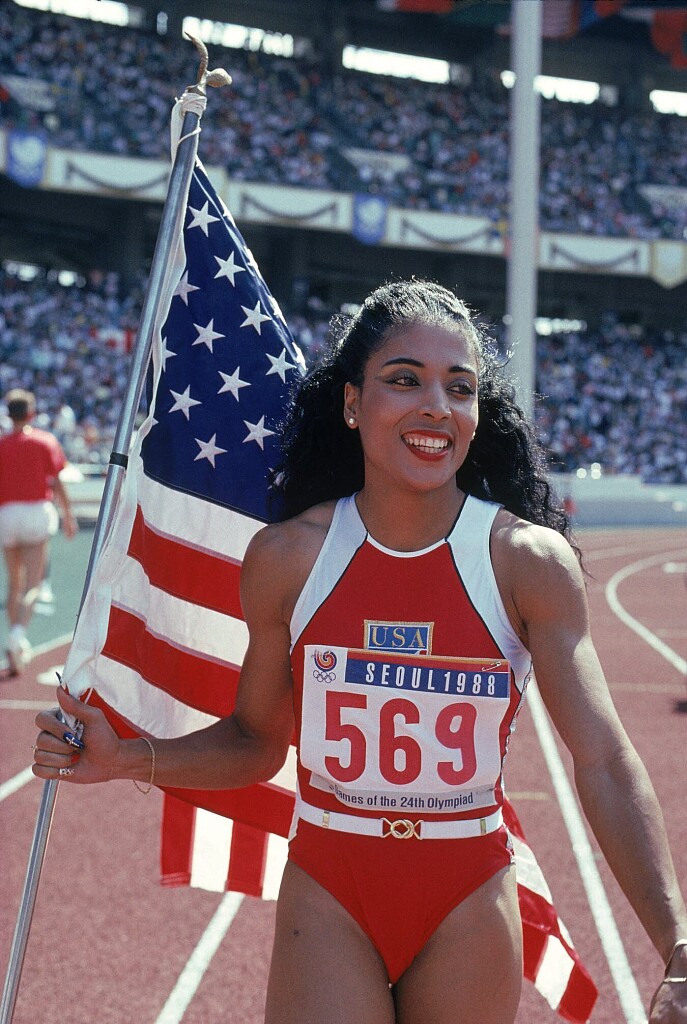
Florence Griffith-Joyner’s 21.34 Still Stands 38 Years Later
Thirty-eight years ago, Florence Griffith-Joyner produced a performance in Seoul that would go on to become one of the most enduring records in athletics history.
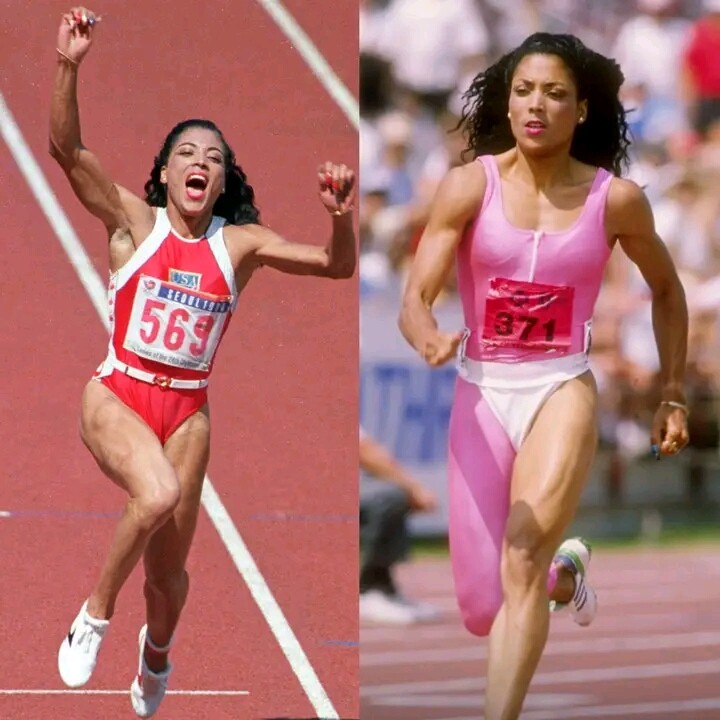
On September 29, 1988, the American sprint sensation lined up for the women’s 200m final at the Olympic Stadium in Seoul, South Korea, carrying the confidence of an athlete who had already announced herself as one of the stars of the Games.
What followed was extraordinary.
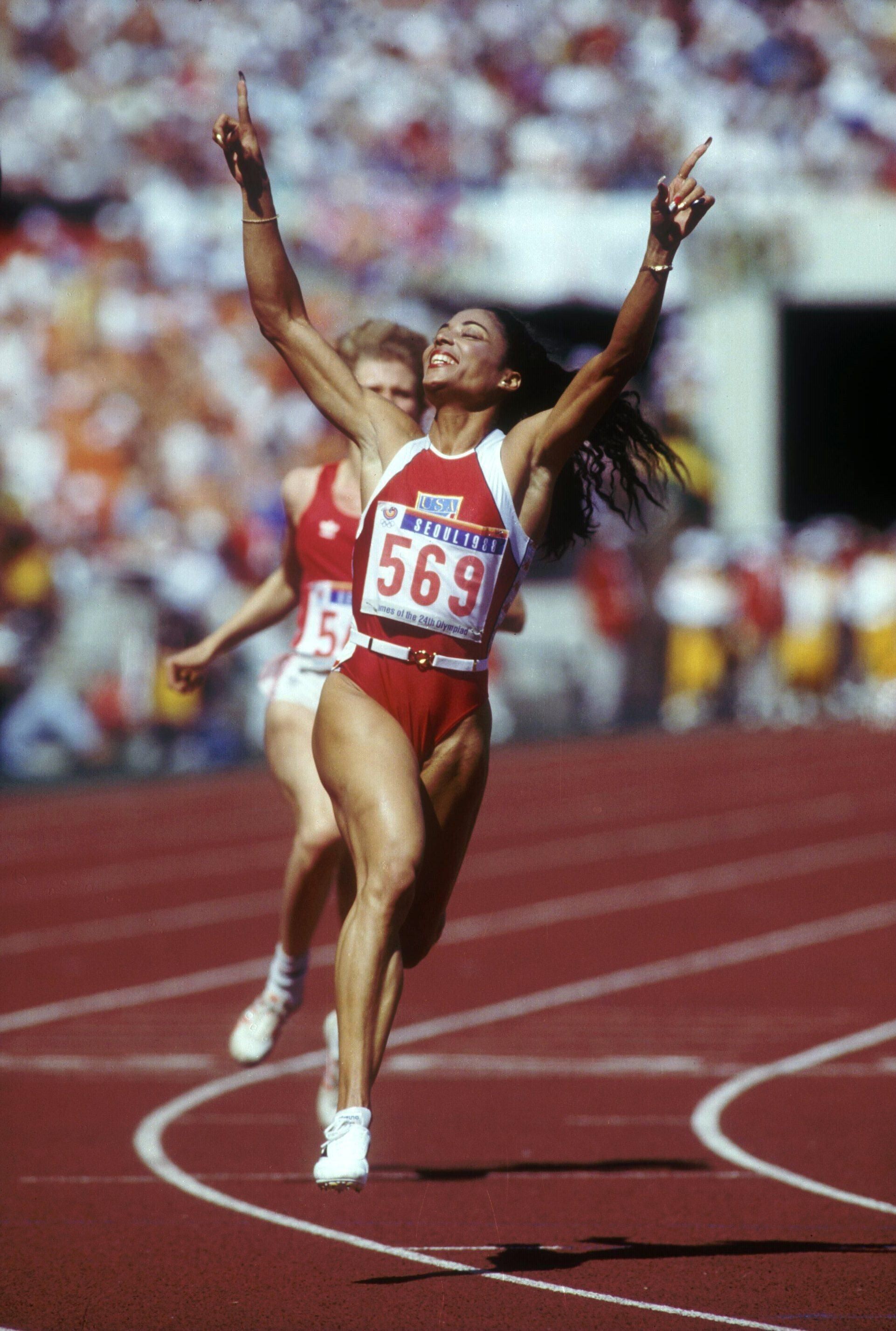
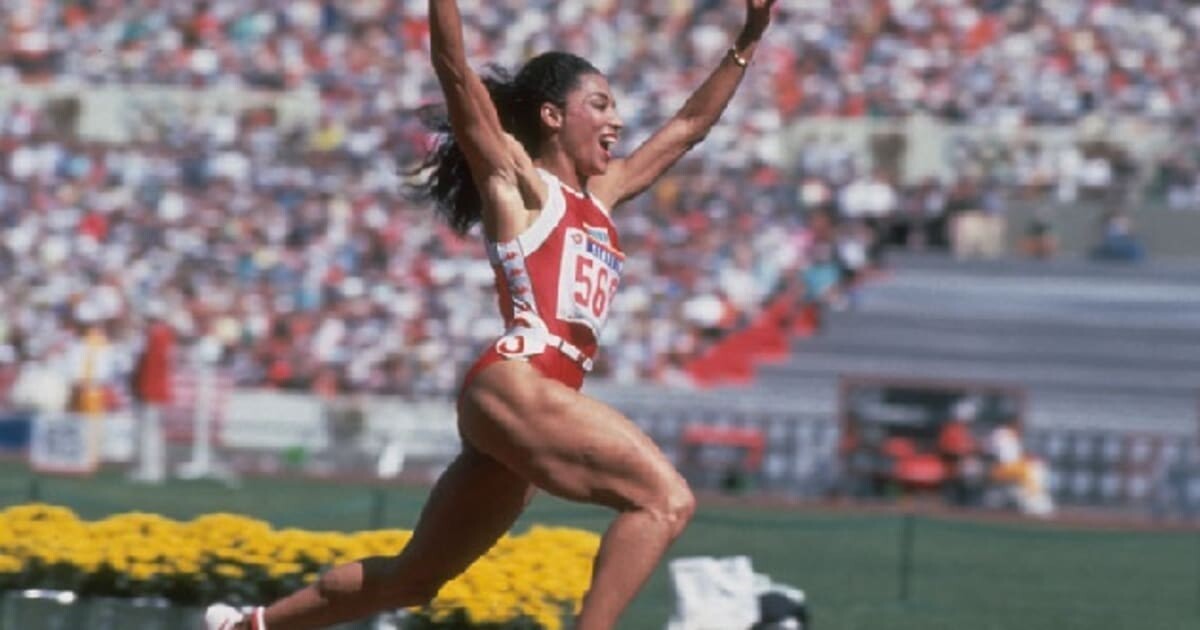
Griffith-Joyner stormed around the bend before unleashing an astonishing finish, stopping the clock in 21.34 seconds with a legal following wind of +1.3 m/s. The performance secured Olympic gold and shattered the world record she had set earlier that same day in the semifinal, when she ran 21.56.
It was not simply another Olympic victory. It was a performance that immediately entered sprinting folklore.
The 21.34 remains the women’s 200m world record, 38 years after it was established. World Athletics continues to list Griffith-Joyner at the top of the all-time rankings, with her mark standing ahead of every performance that has followed.
And there have been some remarkable attempts to take it down.
Jamaica’s Shericka Jackson came closer than anyone in recent years, running 21.41 to win the world title in Budapest in 2023 — just seven hundredths of a second away from Griffith-Joyner’s legendary mark. Elaine Thompson-Herah ran 21.53 in Tokyo in 2021, while Gabrielle Thomas has gone 21.61.
Yet 21.34 has continued to stand.
Griffith-Joyner’s Seoul campaign was remarkable beyond the 200m record. She won three Olympic sprint gold medals at the Games and established herself as one of the defining athletes of the 1988 Olympics. World Athletics records her as a three-time Olympic champion and the current world-record holder in both the 100m and 200m.
Her career also left behind an unmistakable visual legacy. The long, flowing nails, striking racing outfits and explosive sprinting made Flo-Jo one of the most recognisable figures the sport has ever produced.
But decades later, it is the number 21.34 that continues to command attention.
Generations of Olympic champions and world-class sprinters have come and gone. The event has evolved, training methods have advanced and the level of women’s sprinting has continued to rise. Still, Griffith-Joyner’s Seoul masterpiece remains untouched.
38 years. One legendary record. Still standing.
And with a new generation of elite 200m sprinters continuing to push the boundaries, the question remains fascinating: how much longer can Florence Griffith-Joyner’s 21.34 survive?
by Erick Cheruiyot for My Best Runs.
Login to leave a comment
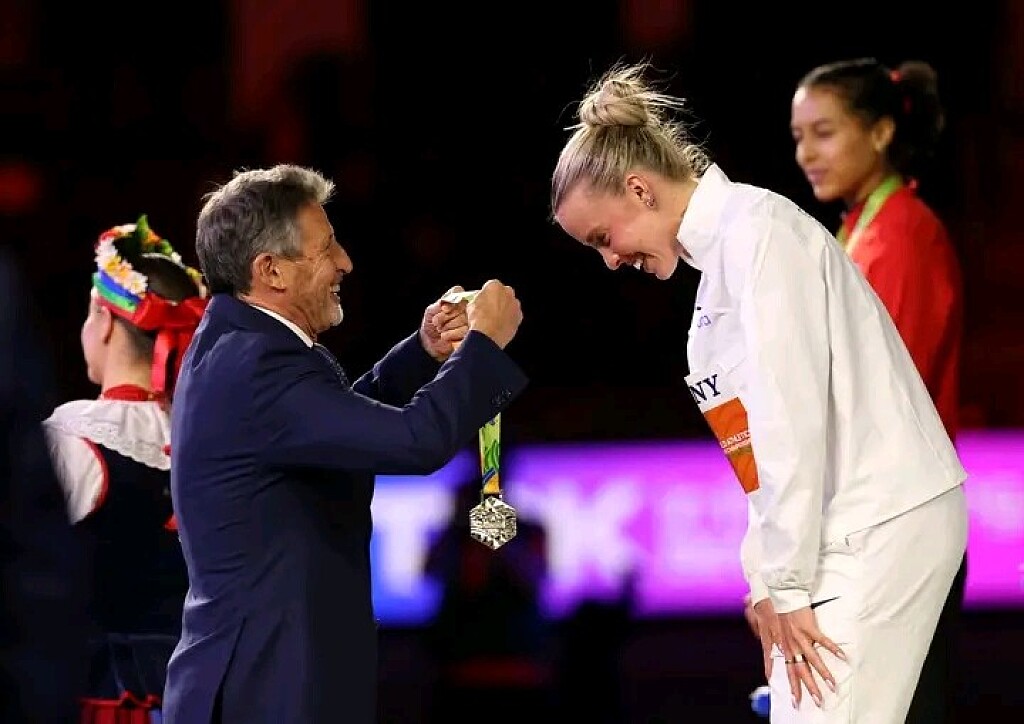
Sebastian Coe At 70: From Yorkshire Prodigy To Olympic Great And World Athletics President
Sebastian Coe turns 70 today, marking seven remarkable decades for a man whose name has become inseparable from some of the greatest moments in middle-distance running.
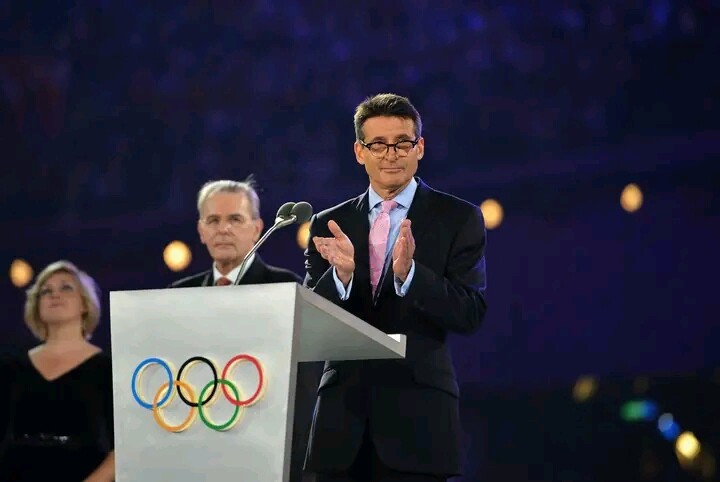
Born on September 29, 1956, Coe grew from a talented youngster in Yorkshire into one of the most influential figures athletics has ever produced — first as an extraordinary competitor on the track and later as a leader at the highest level of the sport.
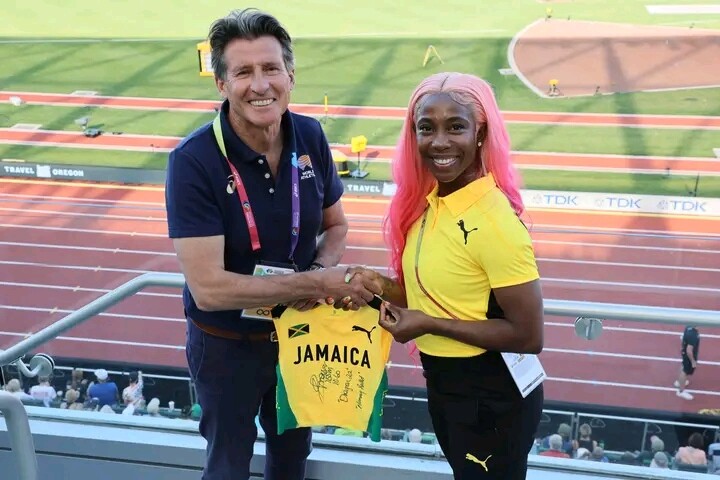
His journey began long before the Olympic medals and world records. As a teenager, Coe was already attracting attention, and his early appearances in Athletics Weekly offered a glimpse of the remarkable career that was beginning to unfold.
By the late 1970s, he had established himself as one of Britain's brightest middle-distance prospects. His rivalry with Steve Ovett became one of the defining storylines of the era, while Coe's extraordinary combination of speed, tactical intelligence and finishing power allowed him to compete successfully across the 800m, 1500m and mile.
In 1979, Coe announced himself to the world in spectacular fashion. In Oslo, he smashed the 800m world record with 1:42.33, becoming the first man to break 1:43. Just weeks later, he added a world record in the mile with 3:48.53 before ending the season as one of the sport's dominant figures.
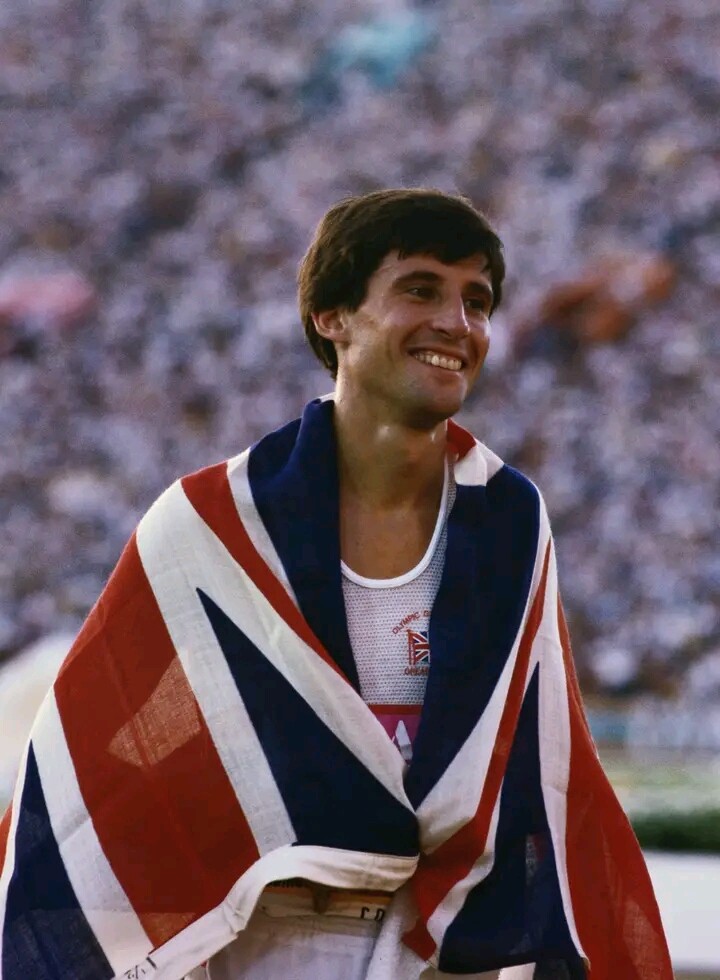
The following years produced even more extraordinary performances.
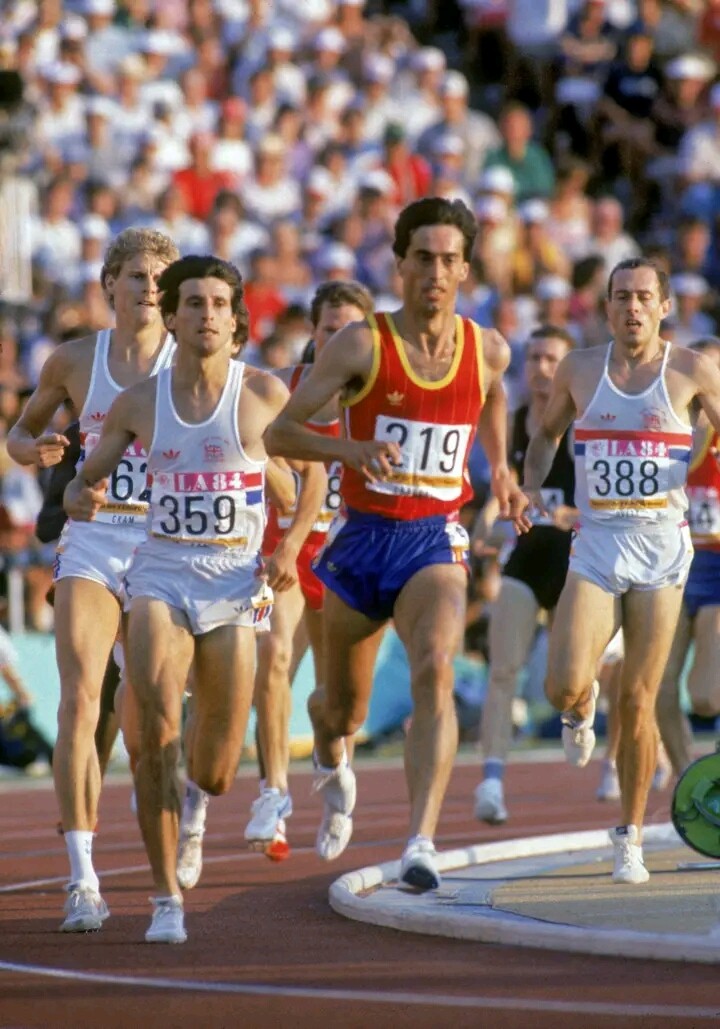
On June 10, 1981, in Florence, Coe lowered his own 800m world record to 1:41.73. The performance was historic. The mark remained untouched for 16 years before Wilson Kipketer equalled it in 1997. It remains one of the most iconic performances in 800m history.
Coe's Olympic career was equally remarkable.
At the 1980 Moscow Olympics, he won gold in the 1500m and silver in the 800m. Four years later in Los Angeles, he repeated that extraordinary combination, again taking 1500m gold and 800m silver.
His second Olympic 1500m victory in 1984 cemented his place among the greats of the event. His personal best of 3:29.77, set in 1986, remains one of the fastest marks of his era. World Athletics lists Coe as a two-time Olympic champion and two-time Olympic silver medallist, with 12 world records accumulated during his career.
His record-breaking career extended beyond the 800m and 1500m. Coe set world records over 800m, 1000m, 1500m and the mile, demonstrating an extraordinary range that was rare even among elite middle-distance specialists.
He also collected major European honours, including the European 800m title in 1986 and the European Indoor 800m crown earlier in his career.
Yet Coe's story did not end when he left competitive athletics.
After retiring from the track in 1990, he moved into public life and sports administration. His leadership role in London's successful bid for the 2012 Olympic and Paralympic Games became one of the most significant chapters of his post-athletics career. He later served as chairman of the London 2012 Organising Committee, helping oversee the preparation and delivery of the Games.
In August 2015, Coe took on perhaps his most influential role yet when he became president of World Athletics. He has since remained at the centre of global athletics, helping guide the sport through changes in competition, governance, commercialisation and athlete-focused initiatives. World Athletics currently lists him as president of the organisation.
Even at 70, Coe's connection with competition remains clear. His comments surrounding the inaugural World Athletics Ultimate Championship in Budapest in 2026 showed the same fascination with head-to-head racing that defined him as an athlete decades earlier.
From a young Yorkshire runner to an Olympic champion, world-record setter, London 2012 leader and now president of World Athletics, Coe's career has crossed almost every level of the sport.
His 1:41.73 may no longer be the world record, but the performance remains a permanent part of 800m history. His Olympic double-double remains extraordinary. And his transition from athlete to administrator has ensured that his influence extends far beyond the races he once dominated.
Seventy years on, Sebastian Coe's legacy is therefore not confined to medals, records or statistics. It is the story of a middle-distance pioneer whose impact has continued long after his final competitive race — and whose name remains firmly woven into the history of athletics.
by Erick Cheruiyot for My Best Runs.
Login to leave a comment
Oldest Running World Records: The Historic Marks That Refuse To Fall
Some world records are broken within months or even weeks. Others survive for years, becoming part of athletics history and turning every new generation of challengers into another chapter in their remarkable story.
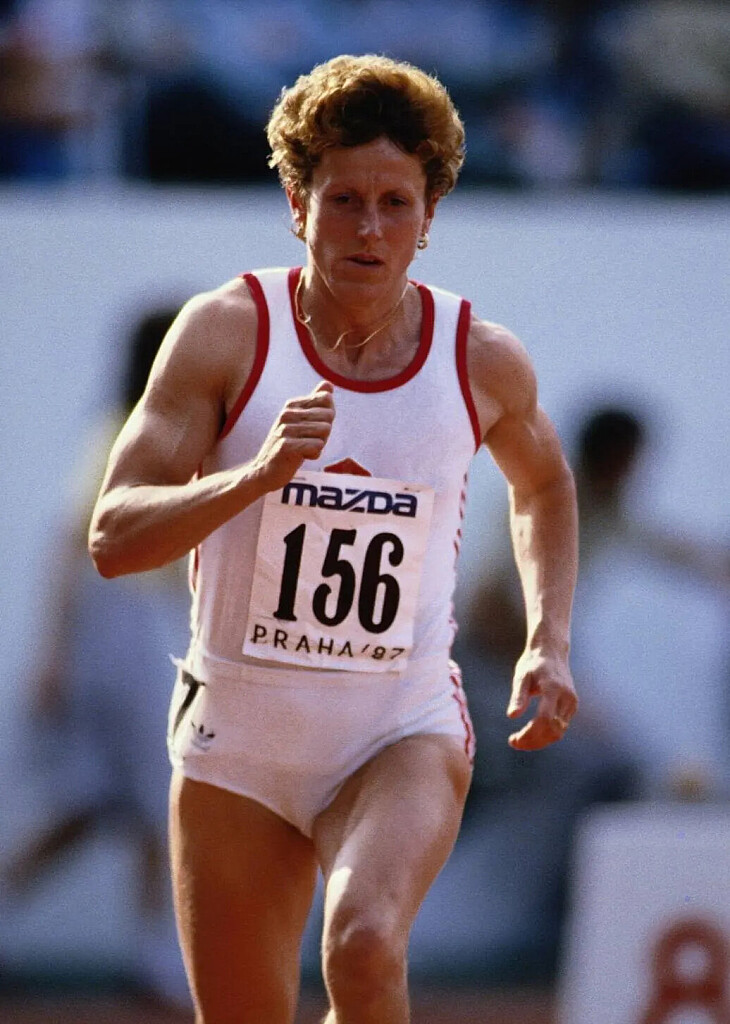
As of September 25, 2026, a remarkable collection of long-standing running world records continues to stand across the track. At the top of that list is one of the most enduring marks in modern athletics: Jarmila Kratochvílová’s women’s 800m world record of 1:53.28, set in Munich in 1983. The record has now stood for 43 years, making it the oldest current outdoor track world record in athletics.
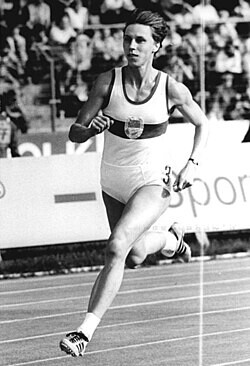
Kratochvílová’s performance remains extraordinary not only because of its longevity, but also because of how rarely athletes have come close to it. Decades after it was established, the 1:53 barrier remains one of the most formidable standards in women’s middle-distance running.
The next-oldest record on the board belongs to Marita Koch, whose 47.60 for the women’s 400m has remained untouched since 1985. Koch’s mark is now 40 years old, while Florence Griffith-Joyner’s extraordinary world records of 10.49 for 100m and 21.34 for 200m, both established in 1988, have survived for 38 and 37 years respectively.
Those records from the 1980s and early 1990s form one of the most intriguing chapters in athletics history. They belong to an era that produced performances still sitting at the very top of the all-time lists, with modern generations repeatedly attempting to reach standards that have resisted decades of competition.
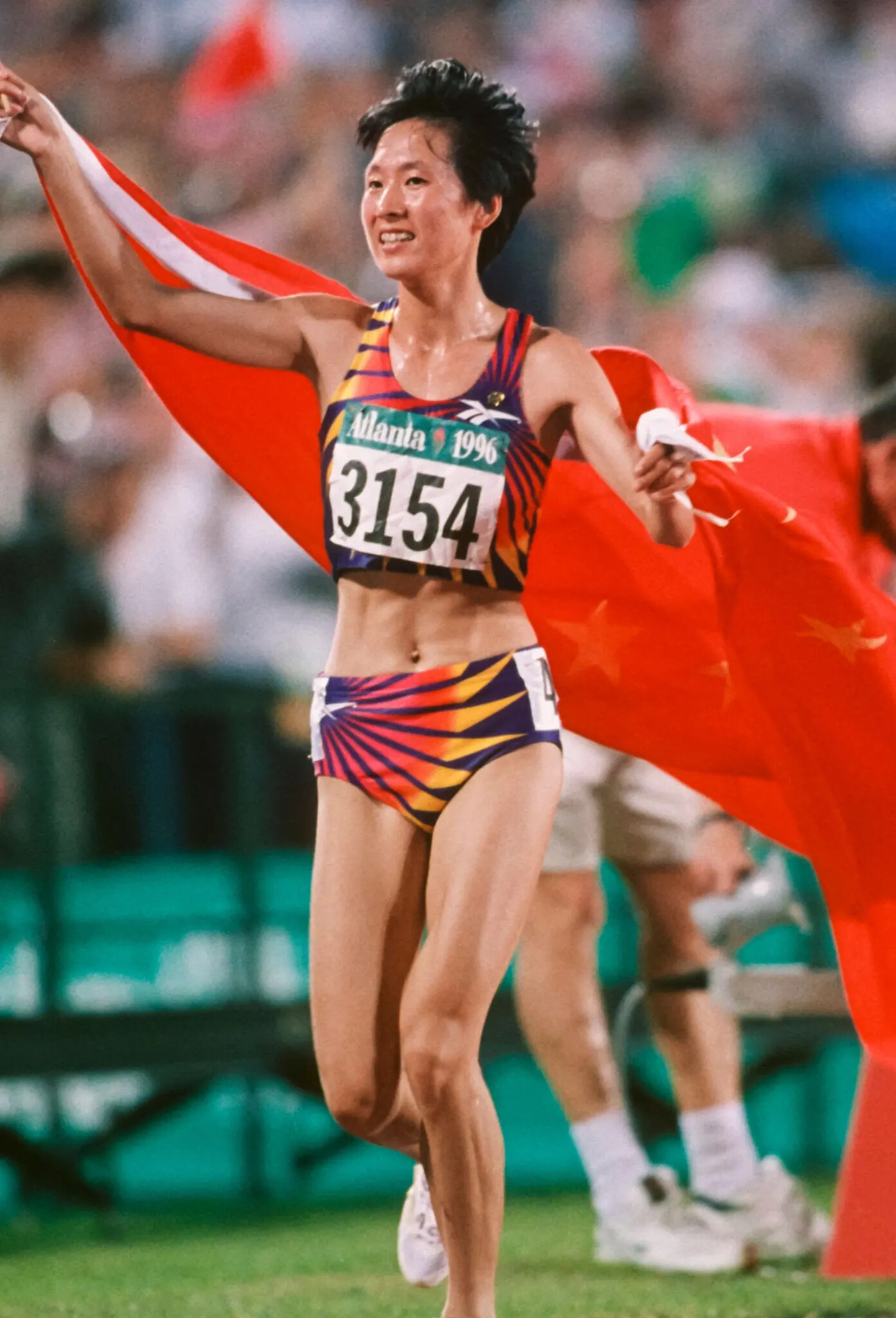
China’s Wang Junxia added another remarkable mark to that era when she ran 8:06.11 for 3000m in 1993. That record has now stood for 32 years, while Morocco’s Hicham El Guerrouj set the men’s 1500m world record of 3:26.00 in 1998, giving the list another mark that has survived for more than a quarter of a century.
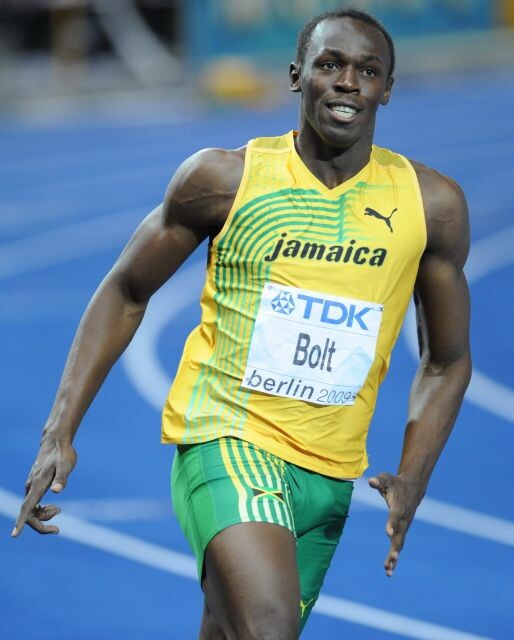
Then comes a different kind of longevity: the extraordinary sprint records of Usain Bolt.
Bolt’s 9.58-second 100m world record, set in Berlin in 2009, and his 19.19-second 200m record, established at the same championships, are now both 17 years old.
When Bolt produced those performances, many of today’s elite sprinters were still children. Yet despite enormous advances in training, sports science, track technology and competition, his two marks remain the standards that every new generation must chase.
The list also highlights the remarkable staying power of more recent records. Kenya’s David Rudisha set the men’s 800m world record of 1:40.91 at the London 2012 Olympics, while South Africa’s Wayde van Niekerk stunned the world with 43.03 in the 400m at the Rio 2016 Olympics.
Kenya’s Beatrice Chepkoech followed with her historic 8:44.32 world record in the women’s 3000m steeplechase in 2018. Uganda’s Joshua Cheptegei then established the men’s 5000m and 10,000m records in 2020, running 12:35.36 and 26:11.00 respectively.
More recently, Ethiopia’s Lamecha Girma set the men’s 3000m steeplechase world record at 7:52.11 in 2023, while Kenya’s Faith Kipyegon produced another landmark performance that year, running 4:07.64 for the women’s mile.
Together, these records create a fascinating timeline of athletics—from the pioneering performances of the 1980s to the spectacular achievements of the modern era. Some have survived for more than four decades, while others are still in the early stages of what could become an equally remarkable reign.
And that is what makes world records so captivating: every generation arrives believing that today’s impossible can become tomorrow’s target, yet some numbers continue to stand as enduring reminders of performances that changed the sport forever.
by Erick Cheruiyot for My Best Runs.
Login to leave a comment
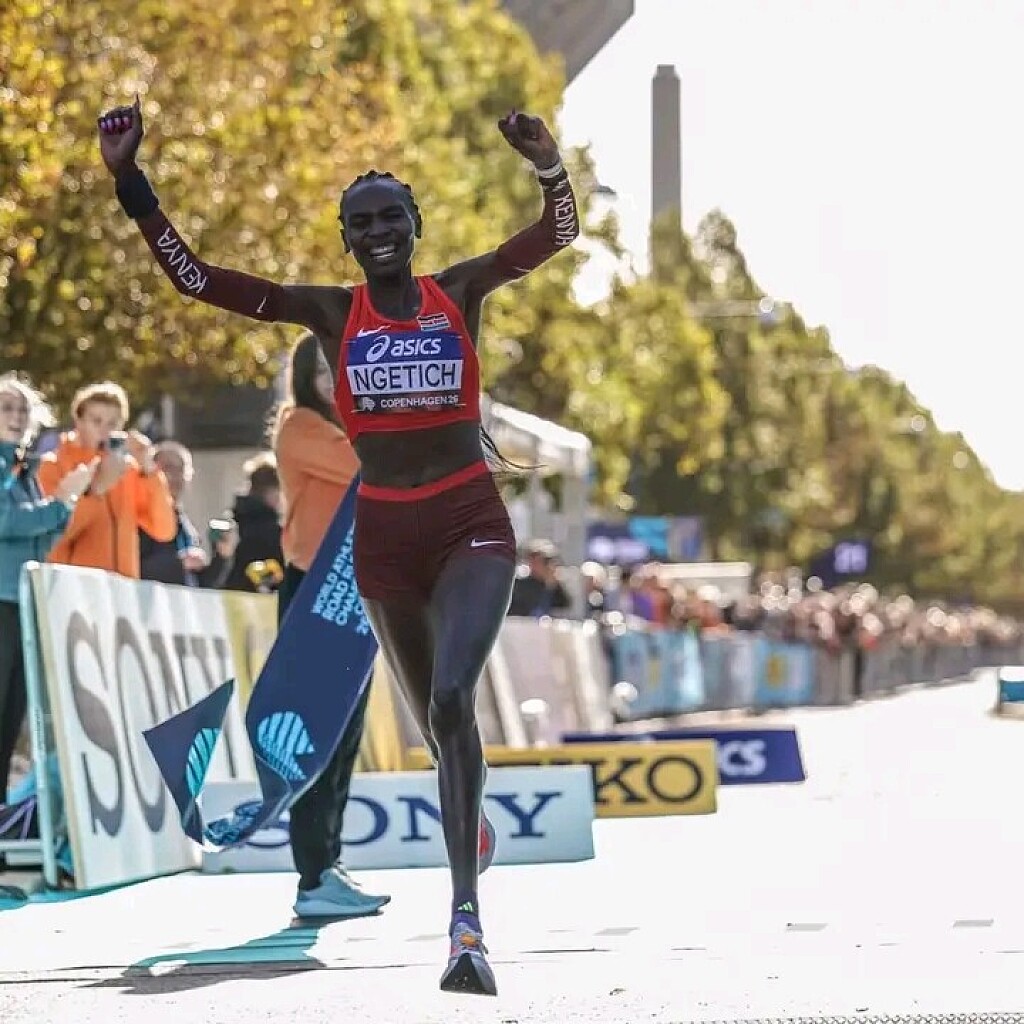
Agnes Ngetich Makes History In Copenhagen With World Half Women-Only Marathon Record
Kenya’s Agnes Jebet Ngetich produced a stunning performance in Copenhagen on Sunday, September 20, 2026, powering to women’s half marathon gold at the World Athletics Road Running Championships in a sensational 1:05:15.
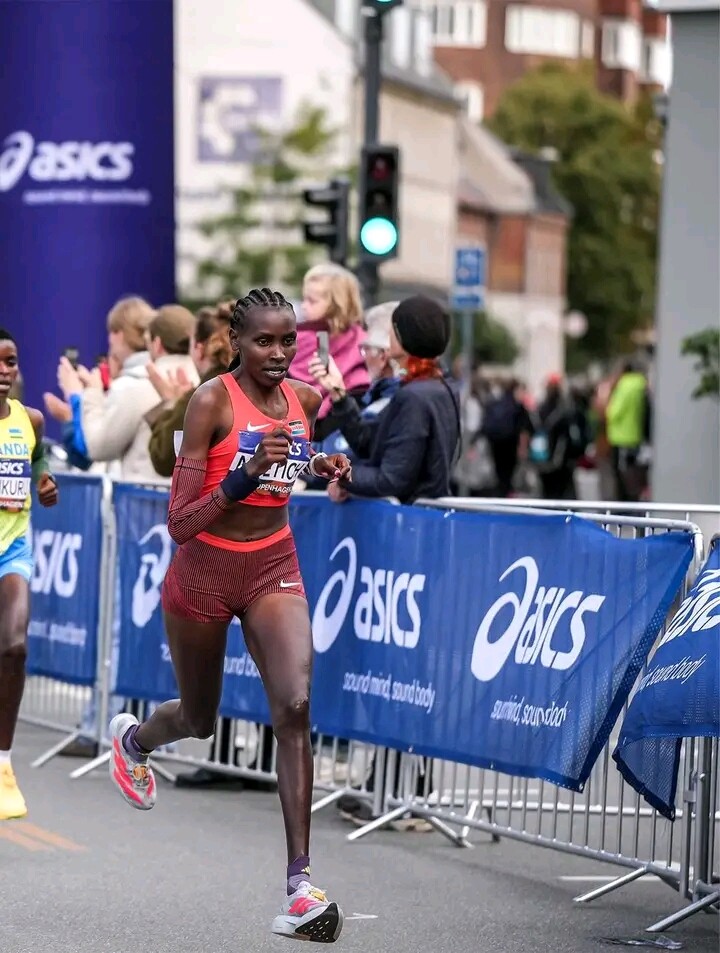
Ngetich’s victory delivered far more than a global title. Her 1:05:15 surpassed the previous women-only half marathon world record of 1:05:16, putting her at the top of the record books with a performance that further underlined her growing status as one of the most formidable road runners in the world. The record remains subject to the usual ratification procedures.
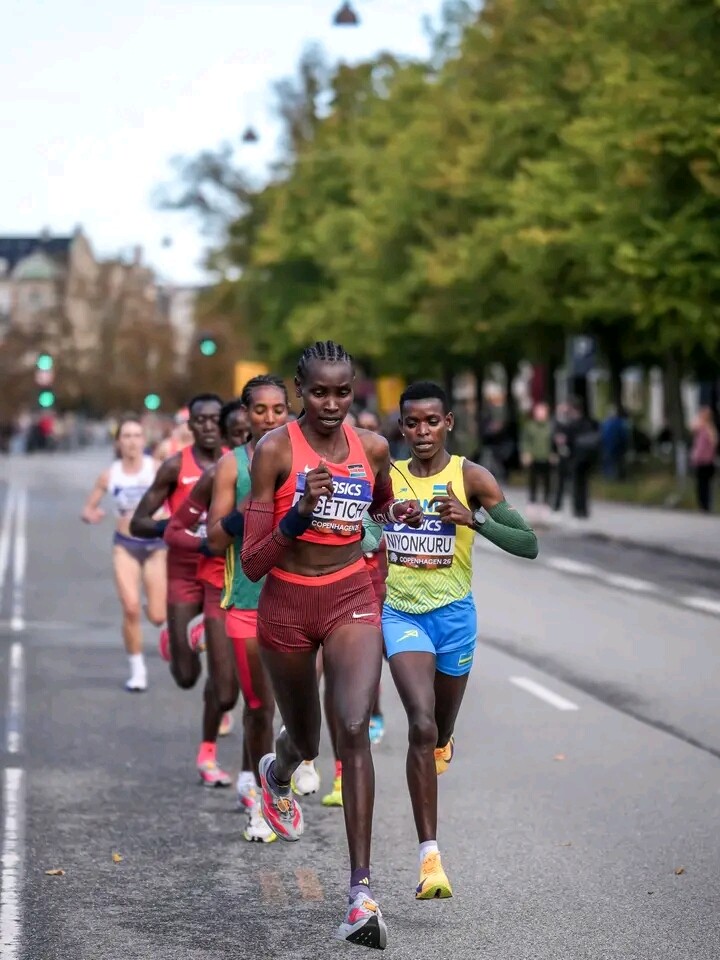
What made the performance even more remarkable was the manner in which Ngetich controlled the race. The Kenyan dictated the pace across all 21.1 kilometres, taking command from the outset and never surrendering her grip on the contest as she raced relentlessly towards the finish.
From the opening stages, Ngetich imposed a relentless rhythm, using the aggressive front-running style that has become one of the defining features of her racing. Rather than waiting for the decisive moments, the Kenyan took control early and forced her rivals to respond to her pace.
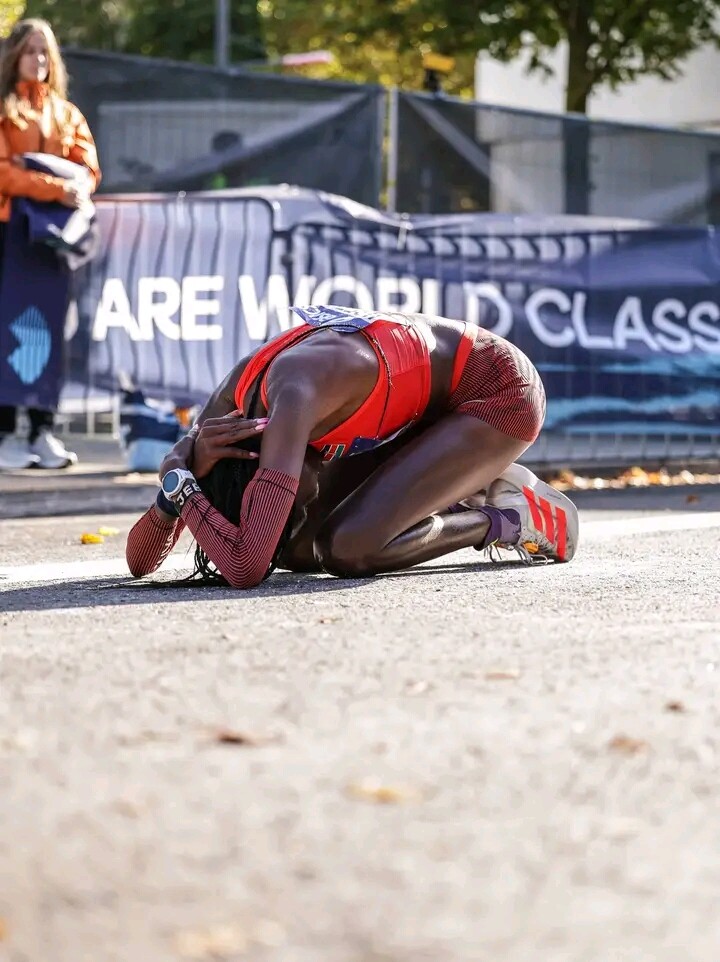
The performance marked another extraordinary chapter in a remarkable 2026 campaign. Ngetich had already established herself as a global champion earlier in the year, adding another major international title to a season that has continued to demonstrate her exceptional consistency and versatility.
Her strength extends well beyond the half marathon. Ngetich is already the world record-holder over 10km, having produced a breathtaking 28:46, a mark that established her as one of the fastest women ever recorded over the distance and further cemented her reputation as a dominant force on the roads.
Copenhagen therefore became another defining stage in Ngetich’s rapid rise. With her ability to sustain an extraordinary pace while racing aggressively from the front, she has developed a style that leaves little room for her competitors to settle into their own rhythm.
The Kenyan’s latest triumph also adds another prestigious global honour to her collection and strengthens her position among the leading figures of the current generation of distance running. Her performances throughout 2026 have shown remarkable range, from shorter road distances to the half marathon, while maintaining an unmistakable hunger for major titles.
By the time she crossed the finish line in Copenhagen, Ngetich had transformed another championship race into a piece of history. A world title, a women-only world record and complete control over 21.1km now stand alongside her name as she continues to build one of the most remarkable distance-running seasons of 2026.
The championship also produced a strong international top 10, with Kenya taking three of the first four places. Veronica Loleo followed Ngetich in second in 1:06:05, while Rwanda’s Florence Niyonkuru finished third in a national record of 1:06:08. Daisilah Jerono completed the Kenyan presence in the top four in 1:06:13, while the United States placed three athletes inside the top seven.
Top 10 Women’s Half Marathon Results — Copenhagen 2026
1. Agnes Jebet Ngetich (Kenya) — 1:05:15 — World Record
2. Veronica Loleo (Kenya) — 1:06:05
3. Florence Niyonkuru (Rwanda) — 1:06:08 — National Record
4. Daisilah Jerono (Kenya) — 1:06:13
5. Emma Grace Hurley (USA) — 1:06:23 — Personal Best
6. Weini Kelati Frezghi (USA) — 1:06:35
7. Jessica McClain (USA) — 1:06:53 — Personal Best
8. Ftaw Zeray (Ethiopia) — 1:07:07
9. Fatima Ezzahra Birdaha (Morocco) — 1:07:33 — National Record
10. Esther Chebet (Uganda) — 1:07:38
As Copenhagen witnessed another unforgettable chapter in women’s distance running, Ngetich emerged as the central figure of the championship. Her world-record run, backed by fearless front-running and remarkable endurance, has further elevated her place on the global stage. With the 2026 season continuing to produce historic performances, Ngetich’s latest achievement stands as another powerful reminder of Kenya’s enduring excellence in distance running.
by Erick Cheruiyot for My Best Runs.
Login to leave a comment
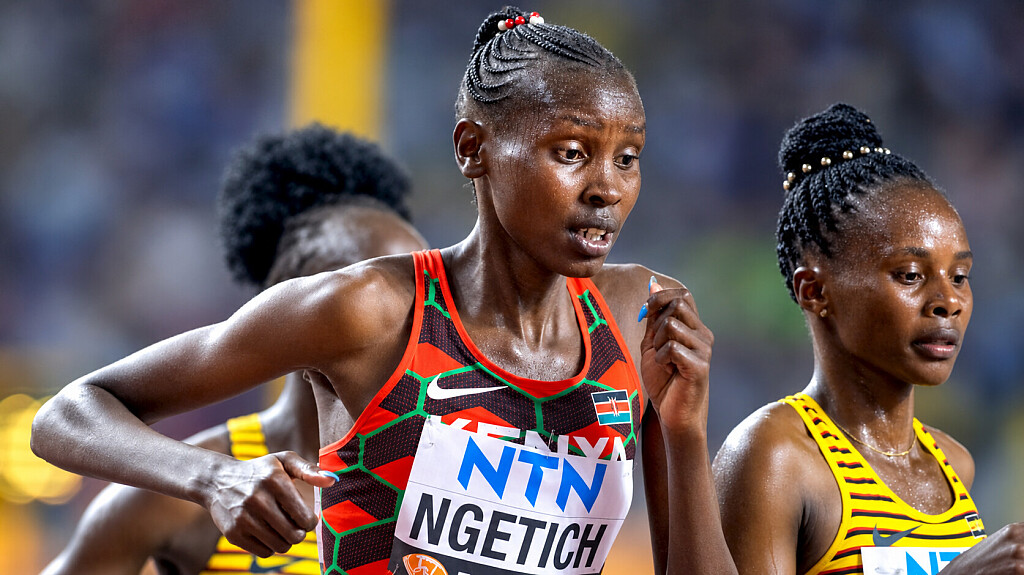
Agnes Ngetich Leads Star-Studded Women’s Half Marathon Field At World Road Running Championships
The stage is set for a spectacular women’s half marathon at the 2026 World Athletics Road Running Championships in Copenhagen, Denmark, with a deep international field ready to battle for the world title on Sunday, September 20.
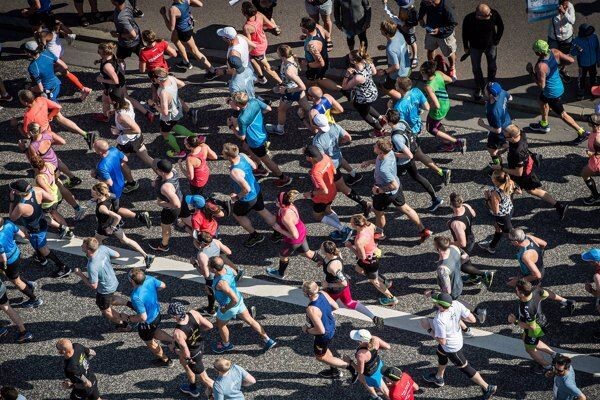
The elite women’s race will begin at 9:10 a.m. local time, with the 21.0975-kilometre championship race taking runners through the streets of Copenhagen before the finish on Øster Allé.
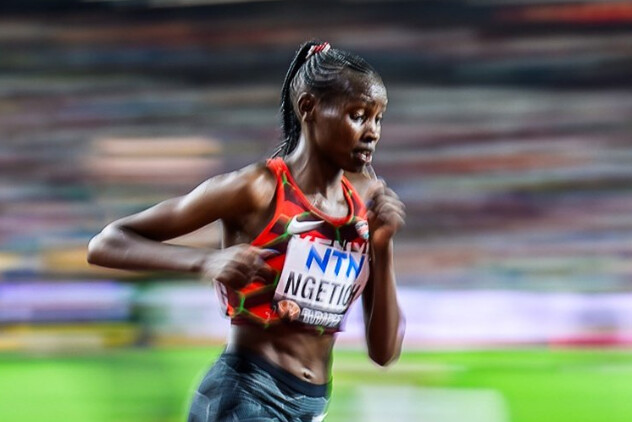
At the head of the entry list is Kenya’s Agnes Jebet Ngetich, who brings a sensational 1:03:04 personal best into the championship. She will lead a powerful Kenyan contingent that also includes Lilian Kasait Rengeruk, whose 1:03:32 is among the fastest times ever recorded over the distance.
Ngetich has established herself as one of the leading distance runners in the world, and her combination of speed and endurance makes her one of the major names to watch when the championship race gets underway.
Rengeruk provides another formidable Kenyan threat, while Daisilah Jerono, with a 1:05:21 personal best, and Veronica Loleo, with 1:05:35, add further depth to the Kenyan line-up.
Ethiopia will also arrive with serious firepower. Tsigie Gebreselama owns a remarkable 1:04:21 personal best, while Ftaw Zeray comes into Copenhagen with a 1:05:12 lifetime best.
The battle will not be restricted to the leading African nations, however. Weini Kelati Frezghi heads the American challenge with a 1:06:04 personal best, while Esther Chebet of Uganda has run 1:06:33.
Europe will be represented by several accomplished athletes, including Slovenia’s Klara Lukan, who owns a 1:06:43 personal best, and Norway’s experienced Karoline Bjerkeli Grøvdal, whose best stands at 1:06:55.
South Africa’s Glenrose Xaba is another prominent name on the list with a 1:07:03 personal best, while Great Britain’s Samantha Harrison enters with 1:07:10.
Uganda has further depth through Rebecca Chelangat at 1:07:18, Annet Chemengich Chelangat at 1:08:12 and Rispa Cherop at 1:08:53.
The international field also includes Ethiopia’s Melat Siyoum and Baraky Redae, Rwanda’s Florence Niyonkuru and Emeline Imanizabayo, Mexico’s Laura Galván, Belgium’s Chloé Herbiet and Lisa Rooms, the United States’ Emma Grace Hurley, Ednah Kurgat, Carrie Ellwood and Jessica McClain, France’s Mekdes Woldu, Alessia Zarbo and Mélody Julien, Italy’s Sofia Yaremchuk and Elvanie Nimbona, China’s He Wuga and Liang Tiantian, and New Zealand’s Georgie Grgec.
Women’s Half Marathon Entry List
1. Agnes Jebet Ngetich — Kenya — 1:03:04
2. Lilian Kasait Rengeruk — Kenya — 1:03:32
3. Tsigie Gebreselama — Ethiopia — 1:04:21
4. Ftaw Zeray — Ethiopia — 1:05:12
5. Daisilah Jerono — Kenya — 1:05:21
6. Veronica Loleo — Kenya — 1:05:35
7. Weini Kelati Frezghi — United States — 1:06:04
8. Esther Chebet — Uganda — 1:06:33
9. Klara Lukan — Slovenia — 1:06:43
10. Karoline Bjerkeli Grøvdal — Norway — 1:06:55
11. Glenrose Xaba — South Africa — 1:07:03
12. Samantha Harrison — Great Britain — 1:07:10
13. Rebecca Chelangat — Uganda — 1:07:18
14. Melat Siyoum — Ethiopia — 1:07:21
15. Florence Niyonkuru — Rwanda — 1:07:22
16. Baraky Redae — Ethiopia — 1:07:31
17. Laura Galván — Mexico — 1:07:31
18. Chloé Herbiet — Belgium — 1:07:32
19. Emeline Imanizabayo — Rwanda — 1:07:35
20. Emma Grace Hurley — United States — 1:07:35
21. Annet Chemengich Chelangat — Uganda — 1:08:12
22. Mekdes Woldu — France — 1:08:20
23. Alessia Zarbo — France — 1:08:20
24. Ednah Kurgat — United States — 1:08:25
25. Sofia Yaremchuk — Italy — 1:08:27
26. He Wuga — China — 1:08:31
27. Liang Tiantian — China — 1:08:33
28. Carrie Ellwood — United States — 1:08:34
29. Jessica McClain — United States — 1:08:37
30. Elvanie Nimbona — Italy — 1:08:38
31. Lisa Rooms — Belgium — 1:08:40
32. Rispa Cherop — Uganda — 1:08:53
33. Georgie Grgec — New Zealand — 1:09:13
34. Mélody Julien — France — 1:09:15
With so many athletes separated by relatively small margins on paper, the championship race could develop into a fascinating tactical contest. Personal bests provide an indication of speed, but championship racing often comes down to positioning, patience and the ability to respond when the decisive moves arrive.
For Ngetich, Rengeruk, Gebreselama, Zeray and the rest of the field, the opportunity is clear: 21.0975 kilometres through Copenhagen with a world championship title waiting at the finish.
The World Athletics Road Running Championships Copenhagen 26 take place on September 19–20, with the women’s elite half marathon taking centre stage on Sunday, September 20, at 9:10 a.m.
Copenhagen is ready for a major championship showdown — and the women’s half marathon promises to be one of the highlights of the weekend.
by Erick Cheruiyot for My Best Runs.
Login to leave a comment
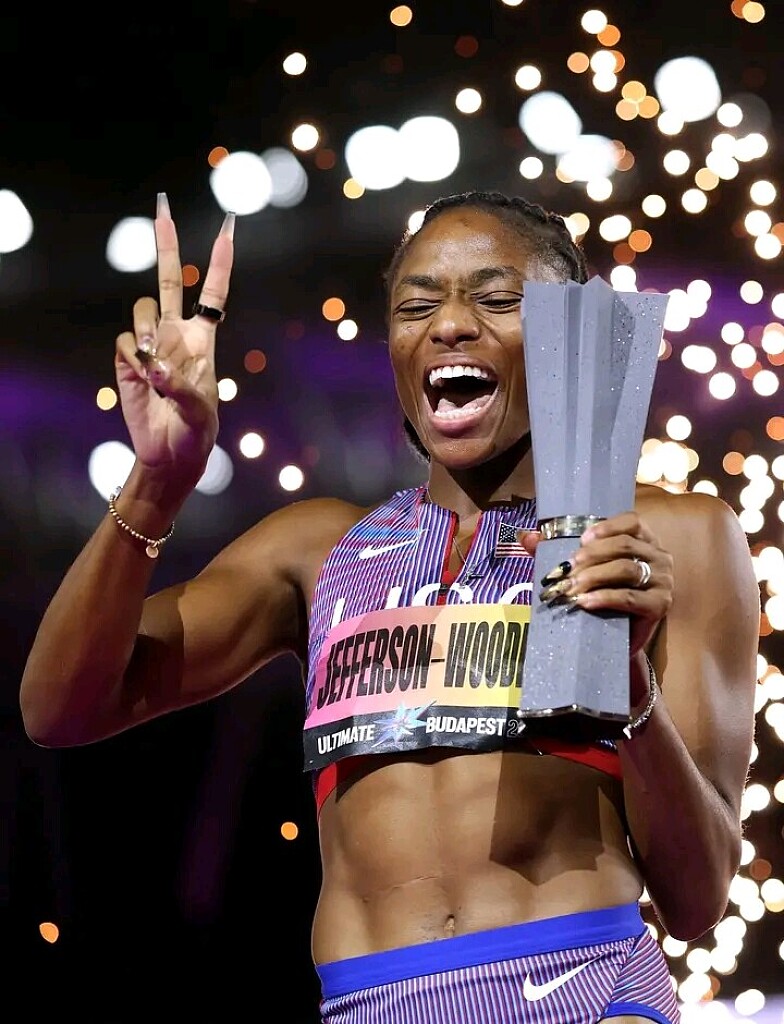
Melissa Jefferson-Wooden Storms Into History With Stunning 200m Victory In Budapest
Melissa Jefferson-Wooden has once again demonstrated why she is becoming one of the defining forces in women’s sprinting, delivering a breathtaking performance to win the 200m at the inaugural World Athletics Ultimate Championship in Budapest.
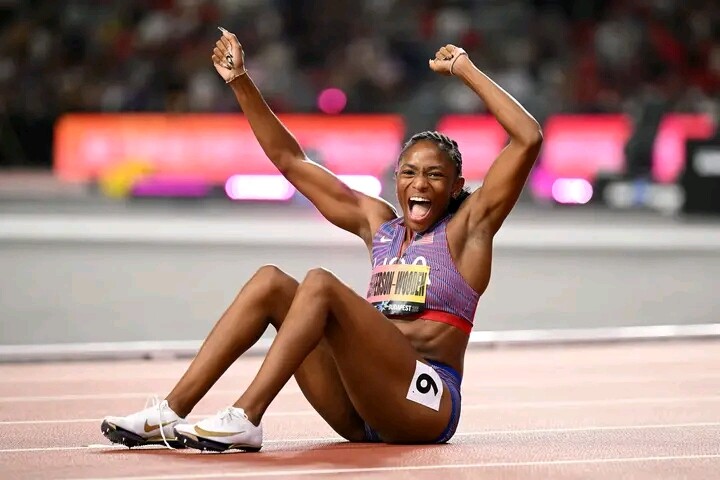
The American powered to victory in 21.47 seconds, producing one of the fastest performances in history despite facing a 0.6m/s headwind. She finished well clear of Olympic champion Gabby Thomas, who clocked 21.77, while Kayla White secured third place in 21.93.
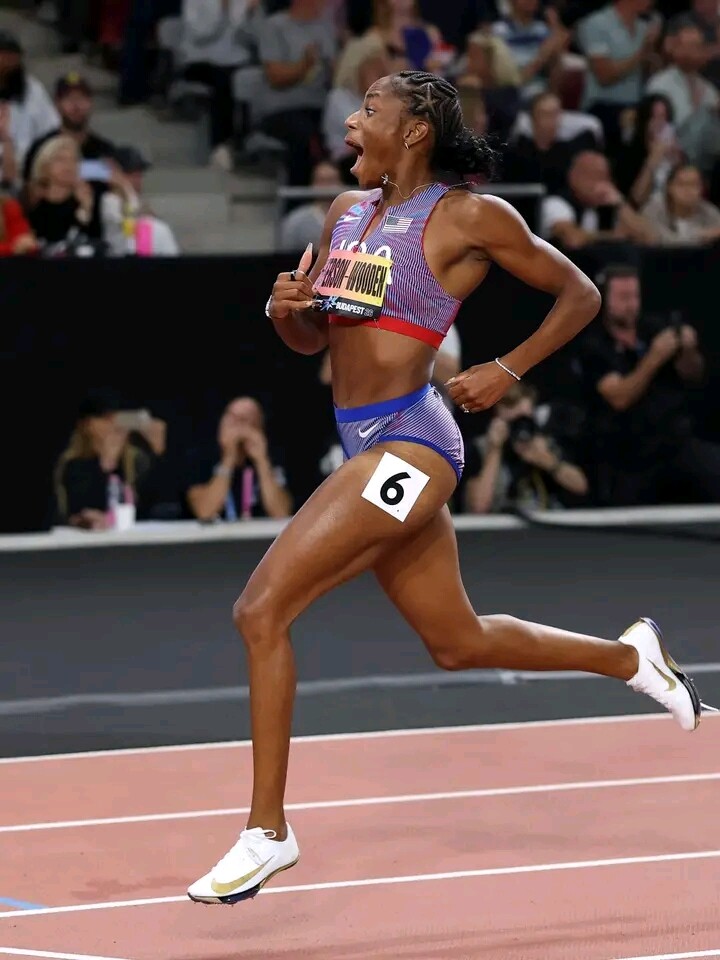
But Jefferson-Wooden’s latest triumph was about far more than another championship title. It was a performance that placed her among the fastest women ever to compete over the distance.
Her 21.47 seconds moved her to No. 3 on the all-time women’s 200m list, behind only legendary American sprinter Florence Griffith-Joyner, whose world record of 21.34 has stood since 1988, and Jamaica’s Shericka Jackson, who ran 21.41 in 2023.
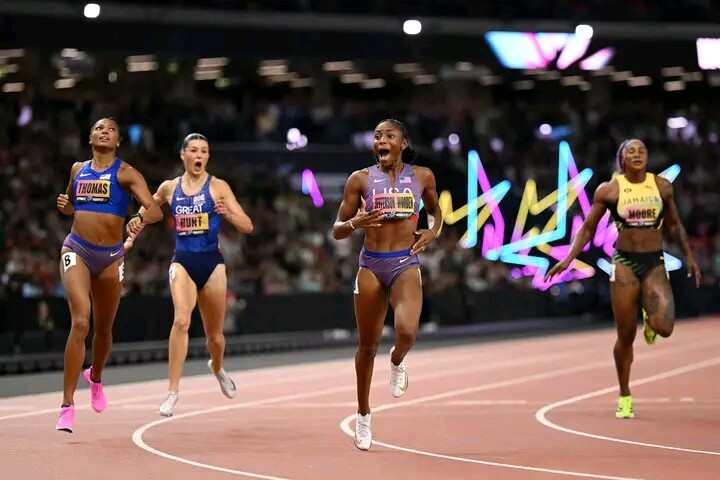
The result also pushed several celebrated names further down the rankings. Julien Alfred’s 21.51 from 2026 now sits fourth, while Elaine Thompson-Herah’s 21.53 from 2021 ranks fifth.
The significance of Jefferson-Wooden’s achievement becomes even greater when the conditions are considered. Running into a headwind makes a sprint performance more difficult, yet she still produced the third-fastest 200m ever recorded, underlining the extraordinary speed and execution behind her victory.
A Sensational Sprint Double
The Budapest triumph also completed a remarkable 100m and 200m double.
Just one night earlier, Jefferson-Wooden stormed to the 100m title in 10.62 seconds. She returned to the track with the same confidence and determination, once again delivering when the pressure was greatest.
The double adds another major achievement to a championship career that has rapidly gathered momentum. Jefferson-Wooden arrived in Budapest as the reigning world champion in both the 100m and 200m after completing the sprint double at the 2025 World Championships in Tokyo.
Now, she has added the inaugural Ultimate Championship double to her growing collection of major victories.
$300,000 Reward For Budapest Dominance
Jefferson-Wooden’s extraordinary weekend also comes with a substantial financial reward. With $150,000 awarded to each individual event winner, her victories in the 100m and 200m earn her a total of $300,000 from the championship.
Yet the money is almost secondary to what she has achieved on the track.
In an era filled with Olympic champions, world champions and record-setting talents, Jefferson-Wooden is separating herself through consistency, championship composure and an extraordinary ability to deliver on the biggest stages.
Her latest 21.47 seconds does more than add another title to her résumé. It places her directly among the fastest women the sport has ever seen over 200m.
Florence Griffith-Joyner remains at the summit. Shericka Jackson sits second. But Melissa Jefferson-Wooden is now firmly at No. 3—and judging by the extraordinary trajectory of her career, the American may not be finished climbing.
From Tokyo to Budapest, Jefferson-Wooden is no longer simply chasing sprinting history.
She is becoming part of it.
by Erick Cheruiyot for My Best Runs.
Login to leave a comment
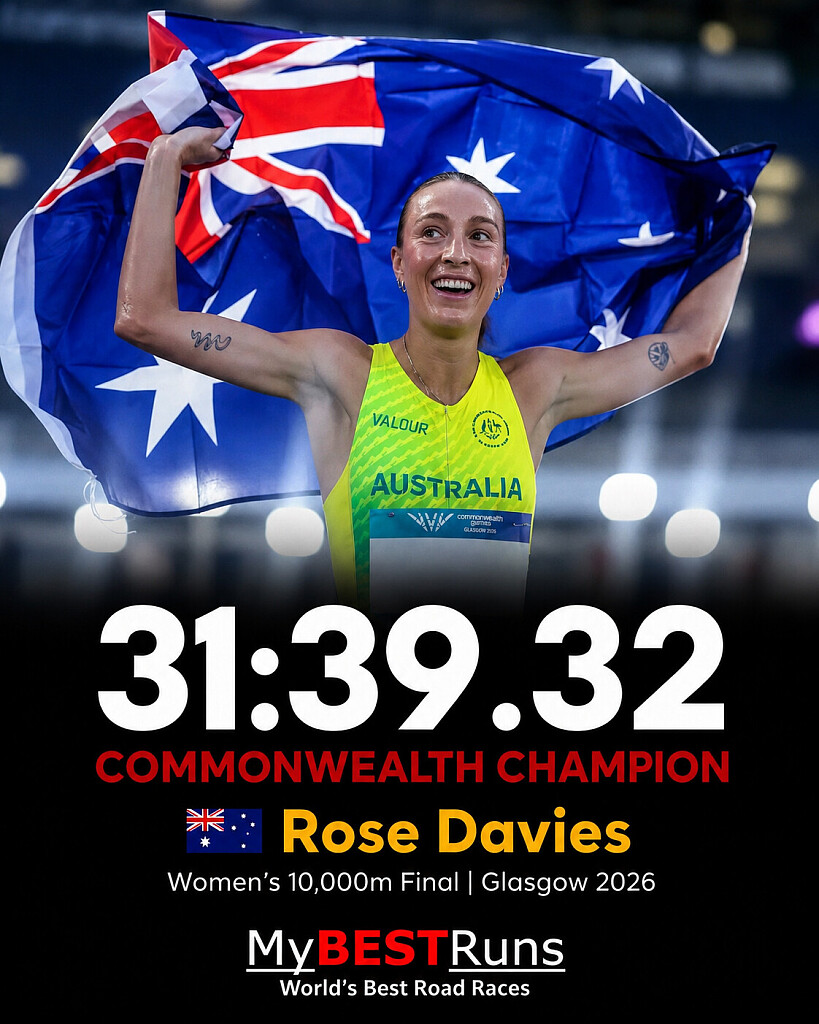
Rose Davies Makes History, Diana Wanza Claims Silver, and Florence Niyonkuru Shines with Bronze in Memorable Commonwealth Games 10,000m Final
Australia celebrated a landmark moment in distance running as Rose Davies produced a brilliant performance to win the women's 10,000m title at the 2026 Commonwealth Games in Glasgow, becoming the first Australian athlete ever to capture Commonwealth gold in the event. Clocking 31:39.32, Davies also recorded a season's best (SB) to crown a remarkable evening and write her name into Australian athletics history.
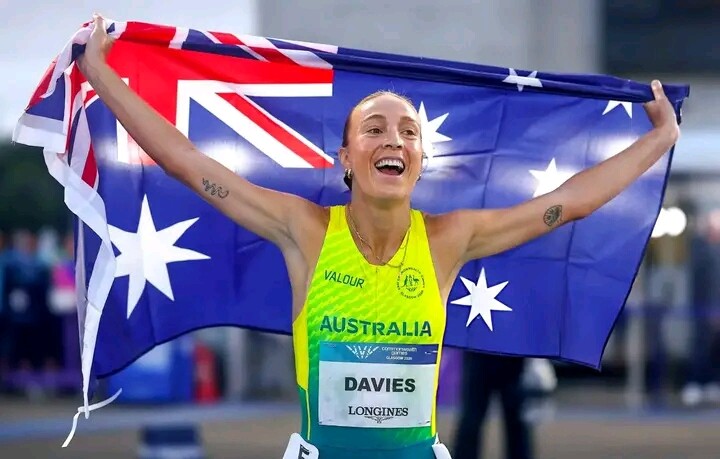
Davies delivered a composed and confident race from start to finish, demonstrating exceptional patience before unleashing a decisive surge in the closing stages to secure a historic victory. Her remarkable triumph not only earned Australia a long-awaited gold medal but also etched her name into the Commonwealth Games record books, adding one of the finest achievements in Australian distance-running history.
Kenya's Diana Wanza produced a courageous and determined performance to secure the silver medal in 31:50.13, further strengthening the nation's proud legacy in long-distance running. Remaining among the front-runners throughout the race, Wanza matched every challenge with grit and composure before crossing the finish line with a well-deserved runner-up finish against an outstanding field.
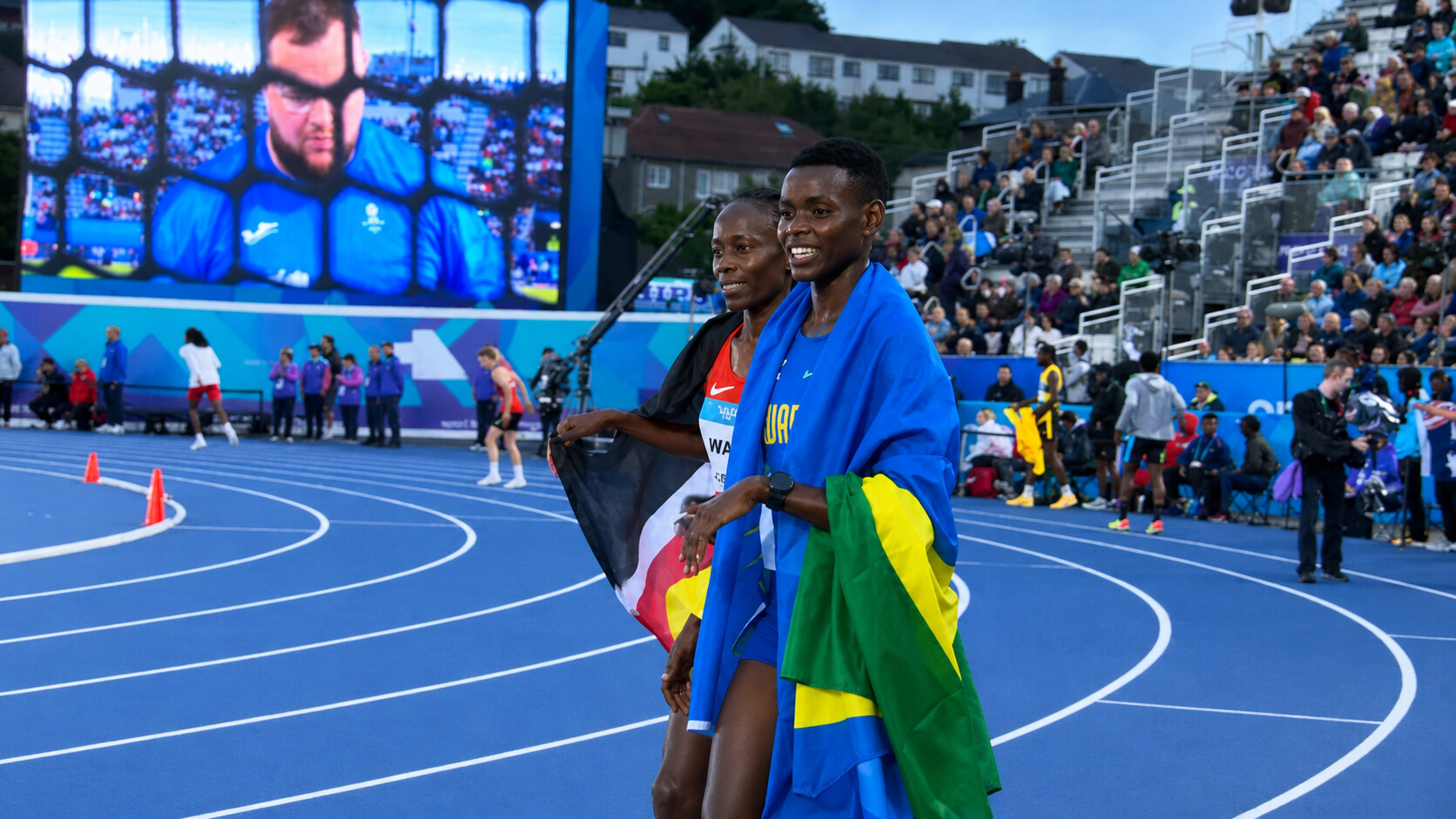
Rwanda's Florence Niyonkuru completed the podium with a superb run to capture the bronze medal in 31:55.47. Her impressive display underlined Rwanda's continued rise in international distance running and rewarded months of hard work with one of the biggest achievements of her career.
The race was fiercely contested from the opening laps, with the leading pack refusing to give an inch as the pace intensified. As the tension built inside the stadium, every lap brought fresh excitement and anticipation from the Glasgow crowd. Davies found another gear when it mattered most, Wanza responded with tremendous determination in pursuit of gold, while Niyonkuru held her composure to secure bronze in a thrilling finish. Behind the medalists, Uganda's Esther Chebet narrowly missed the podium by just 0.23 seconds, finishing fourth in a personal best of 31:55.70, highlighting just how competitive the championship final proved to be.
The depth of the field was reflected throughout the results, with several athletes producing season's bests and personal bests in one of the highest-quality women's 10,000m finals of the Games. Australia's Lauren Ryan finished fifth with a season's best, Uganda's Joy Cheptoyek placed sixth with another season's best, while Scotland's Megan Keith delighted the home crowd with a season's best ninth-place finish. The race showcased the exceptional standard of women's distance running across the Commonwealth.
Women's 10,000m Final – Commonwealth Games Glasgow 2026
1. Rose Davies (Australia) – 31:39.32 (SB)
2. Diana Wanza (Kenya) – 31:50.13
3. Florence Niyonkuru (Rwanda) – 31:55.47
4. Esther Chebet (Uganda) – 31:55.70 (PB)
5. Lauren Ryan (Australia) – 31:59.41 (SB)
6. Joy Cheptoyek (Uganda) – 32:01.92 (SB)
7. Miriam Chebet (Kenya) – 32:12.97
8. Rebecca Chelangat (Uganda) – 32:16.28 (SB)
9. Megan Keith (Scotland) – 32:22.11 (SB)
10. Rebecca Mwangi (Kenya) – 32:36.12
11. Izzy Fry (England) – 32:50.81
12. Poppy Tank (England) – 32:50.83
13. Florence Caron (Canada) – 32:59.51
14. Nthabiseng Letokoto (Lesotho) — 34:52.00 (SB)
The women's 10,000m final perfectly illustrated the depth of talent across the Commonwealth, with three exceptional athletes delivering performances worthy of the podium. While Rose Davies celebrated a groundbreaking victory for Australia, Diana Wanza once again demonstrated Kenya's enduring excellence in distance running, and Florence Niyonkuru's bronze medal highlighted Rwanda's growing presence among the world's elite. Together, they produced a championship race that will be remembered for its quality, intensity, and historic significance.
by Erick Cheruiyot for My Best Runs.
Login to leave a comment

The Commonwealth Games
The Commonwealth Games are coming to Victoria - bringing an action packed sports program to our regional cities and delivering a long-term legacy for our future. From 17 to 29 March 2026, Geelong, Bendigo, Ballarat, Gippsland and Shepparton will be on the world stage, attracting millions of viewers and creating thousands of jobs. The multi-city model will...
more...
A New Champion Will Rise: Women's Commonwealth Games 10,000m Crown Up for Grabs After Eilish McColgan's Withdrawal
The stage is set for one of the most fascinating distance races of the 2026 Commonwealth Games after reigning women's 10,000m champion Eilish McColgan officially withdrew from the competition, ending her hopes of defending the title she won in memorable fashion four years ago.

McColgan's absence leaves the event without its defending champion and guarantees that a new name will be etched into Commonwealth Games history when the athletes line up for tonight's final in Glasgow. While her withdrawal is a significant setback for Scottish supporters hoping to celebrate another home victory, it has also created one of the most open and unpredictable championship races in recent memory.
Kenya's Miriam Chebet enters the final as the fastest athlete in the field with a personal best of 30:27.30 and will undoubtedly be one of the leading contenders for the gold medal. However, she faces formidable opposition from Australia's Rose Davies and Lauren Ryan, both of whom have consistently delivered world-class performances and possess the endurance to challenge for the top step of the podium.
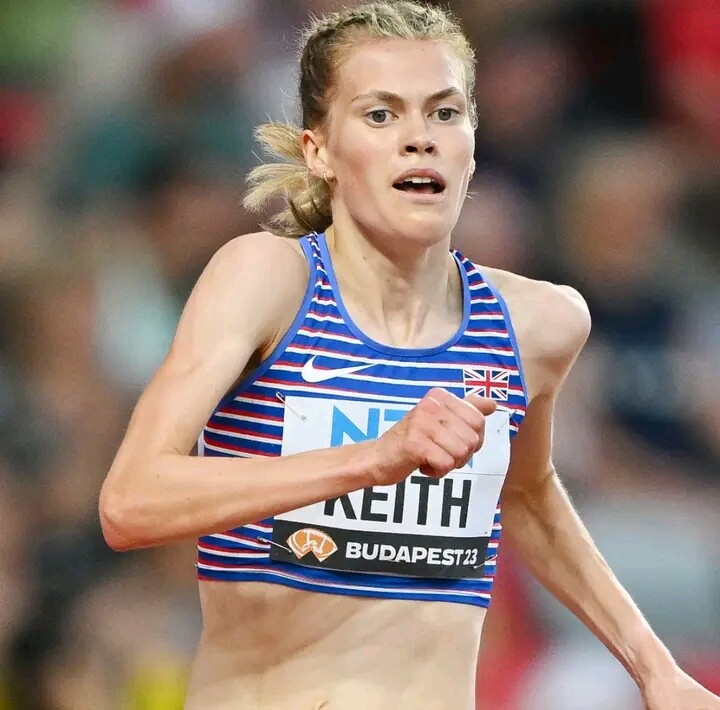
With McColgan no longer in the race, Scotland's hopes now rest on Megan Keith. Competing before a passionate home crowd in Glasgow, Keith has the opportunity to produce the performance of her career and give the host nation another unforgettable distance running moment.
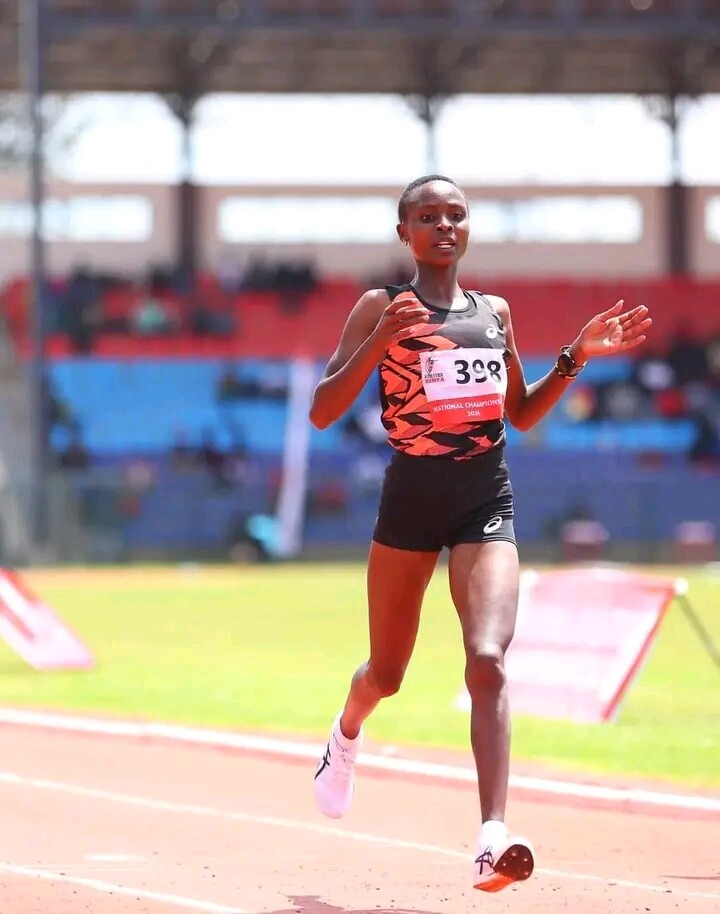
The race is also packed with outstanding talent from East Africa. Rwanda's Emeline Imanizabayo and Florence Niyonkuru arrive with valuable international experience, while Uganda's Joy Cheptoyek and Rebecca Chelangat have repeatedly shown they are capable of excelling in championship competition. Kenya's Diana Wanza and Rebecca Mwangi further strengthen an exceptionally deep field where every position is expected to be fiercely contested.
England's Izzy Fry and Poppy Tank will also be aiming to make their mark, with Tank continuing to inspire many through her remarkable journey to the Games despite competing without the financial backing enjoyed by many of her rivals. Canada's Florence Caron, Lesotho's Nthabiseng Letokoto, and the Isle of Man's Christa Cain complete a line-up that promises an exciting and highly competitive contest.
Unlike races with an overwhelming favourite, this championship appears wide open. The outcome could depend as much on race tactics as outright speed, with every athlete aware that a rare opportunity now lies before them. Whether the pace is aggressive from the opening laps or develops into a tactical battle decided over the closing stages, the fight for gold is expected to captivate athletics fans from start to finish.
Tonight, all eyes will be on Glasgow as the Commonwealth Games crown a new women's 10,000m champion. With an outstanding field assembled and the defending champion no longer on the start line, the race has all the ingredients to become one of the defining moments of the athletics programme, as a new queen of the Commonwealth emerges.
by Erick Cheruiyot for My Best Runs.
Login to leave a comment
The Commonwealth Games
The Commonwealth Games are coming to Victoria - bringing an action packed sports program to our regional cities and delivering a long-term legacy for our future. From 17 to 29 March 2026, Geelong, Bendigo, Ballarat, Gippsland and Shepparton will be on the world stage, attracting millions of viewers and creating thousands of jobs. The multi-city model will...
more...
Florence Caron Completes Championship Double with Dominant Canadian 10,000m Triumph
Florence Caron is proving to be the woman to beat in Canadian distance running. Just 12 days after a dominant victory at the Canadian Road 10K Championships, she returned to the winner’s circle once again, claiming the Canadian 10,000m title on the track in another impressive display of strength and consistency.
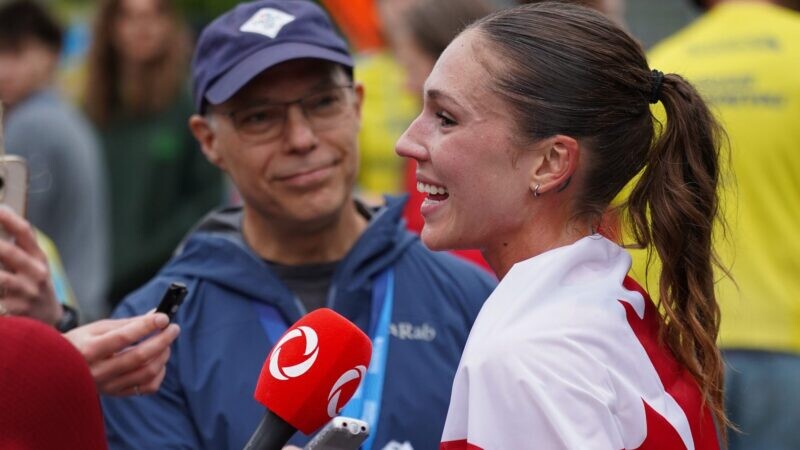
Fresh from a commanding performance at the Canadian Road 10K Championships just 12 days earlier—where she crossed the finish line an astonishing 44 seconds ahead of her nearest challenger—Caron once again proved untouchable, this time transferring her winning momentum from the roads to the track.
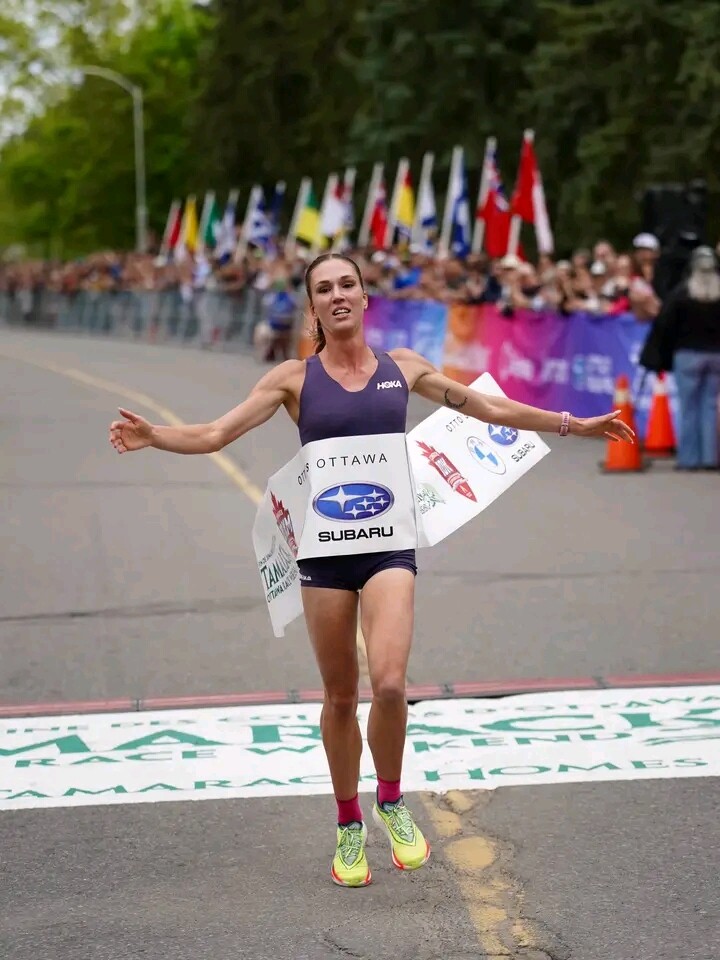
The victory cements an extraordinary stretch for the Canadian distance runner, who has emerged as one of the country's most dominant endurance athletes this season. Winning national titles in two different racing environments within such a short period is a testament to both her versatility and exceptional fitness.
Having already demonstrated her strength and endurance on the roads, Caron showed she possesses the tactical awareness and speed required to excel on the track as well. From the opening laps, she looked composed and in control, steadily asserting herself before sealing another impressive championship triumph.
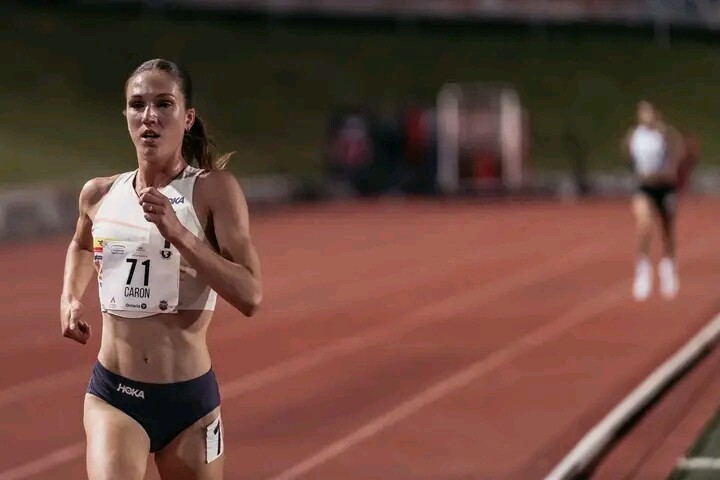
The back-to-back titles highlight a breakthrough period in Caron’s career and underline her growing status as one of Canada’s premier long-distance talents. Few athletes manage to sustain peak performances across multiple disciplines, yet Caron has done exactly that, delivering championship-winning displays wherever she lines up.
With two national crowns added to her résumé in less than a fortnight, Caron leaves little doubt about who currently sits at the top of Canadian women's distance running. Her latest victory is not just another title—it is a statement of consistency, strength, and championship pedigree.
As the season progresses, all eyes will be on Caron to see how far this impressive winning streak can carry her on both the national and international stage.
by Erick Cheruiyot for My Best Runs.
Login to leave a comment
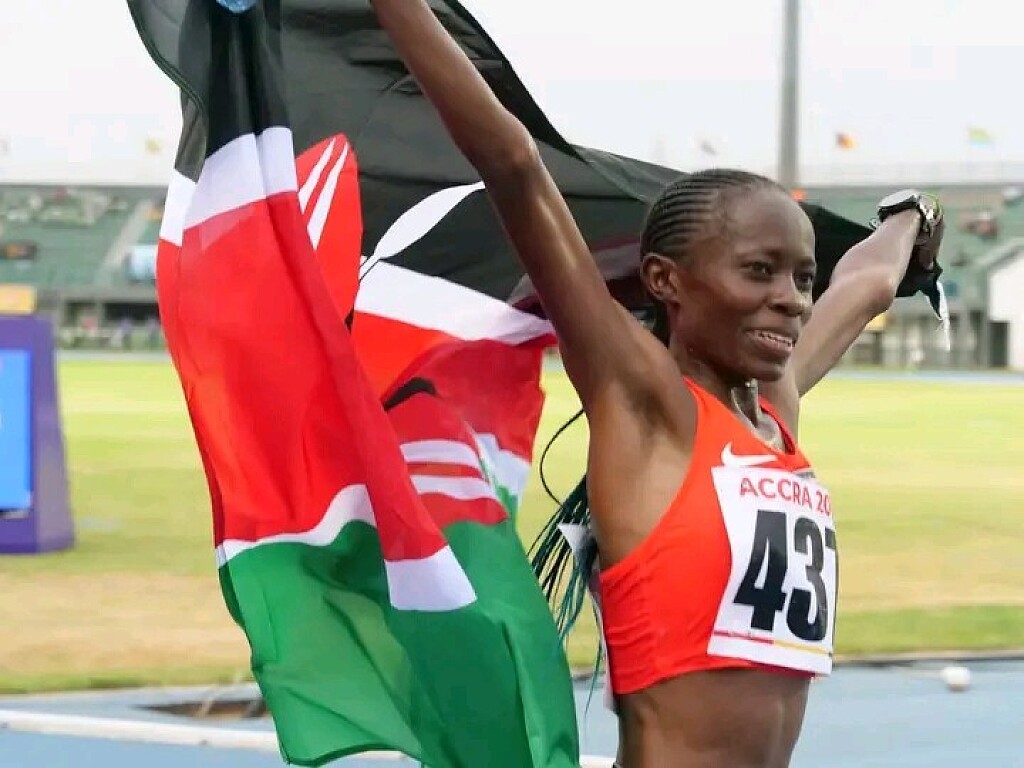
Diana Wanza Powers Kenya to 10,000m Gold at African Championships in Accra
Kenya’s Diana Wanza produced a commanding display of endurance and tactical brilliance to storm to victory in the women’s 10,000m final at the 24th African Senior Athletics Championships in Accra, Ghana.
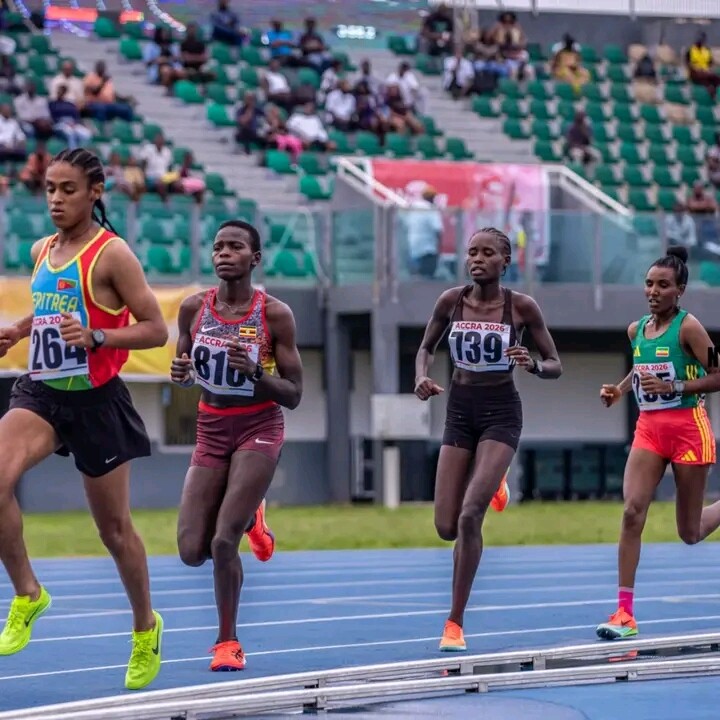
From the early stages of the grueling 25-lap contest, Wanza looked composed and in complete control as she gradually asserted herself against a stacked continental field. The Kenyan distance star timed her move to perfection before surging clear in the decisive moments to clinch the African title in an impressive 31:33.26.
The victory further underlined Kenya’s dominance in long-distance running on the African stage, with Wanza delivering one of the standout performances of the championships.
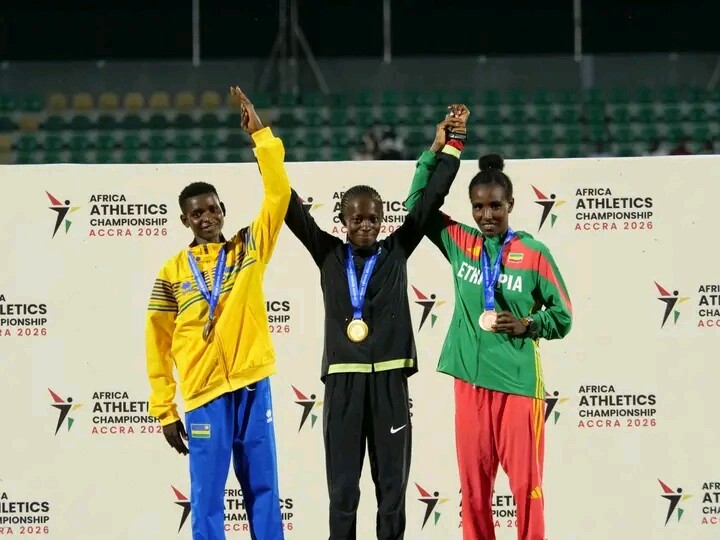
Rwanda’s Florence Niyonkuru also produced a career-defining run, battling bravely throughout the race to secure a historic silver medal in 31:43.73. Ethiopia’s Asefu Abrha Kiros completed the podium after a determined late effort earned her bronze in 31:45.91.
The final developed into a high-quality tactical contest, with several of Africa’s finest distance runners pushing the pace as the intensity increased lap after lap. Uganda’s Esther Chebet finished fourth in 32:23.44, narrowly ahead of Ethiopia’s Simret Berhe Asefa, who crossed the line fifth.
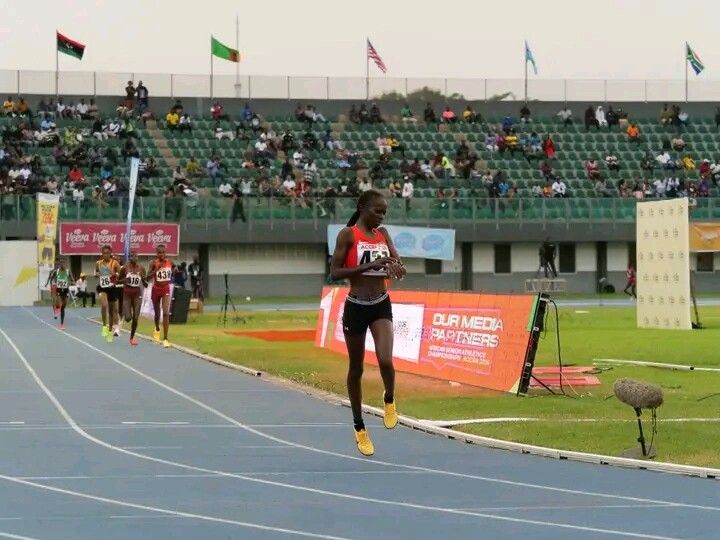
Kenya also placed two more athletes inside the top ten, with Chepgeno Merc Mageso taking ninth in 32:56.89 and Chepkemoi Mercy finishing tenth in 33:26.57.
The women’s 10,000m final once again showcased the extraordinary depth of African distance running, but on this occasion, it was Diana Wanza who rose above the rest with a performance full of authority, patience, and championship composure to bring gold back to Kenya.
Women’s 10,000m Final Results – African Senior Athletics Championships
1. Diana Wanza (Kenya) – 31:33.26
2. Florence Niyonkuru (Rwanda) – 31:43.73
3. Asefu Abrha Kiros (Ethiopia) – 31:45.91
4. Esther Chebet (Uganda) – 32:23.44
5. Simret Berhe Asefa (Ethiopia) – 32:38.97
6. Samia Hassan Nour (Djibouti) – 32:50.90
7. Rebecca Chelangat (Uganda) – 32:55.59
8. Rahel Daniel (Eritrea) – 32:56.39
9. Chepgeno Merc Mageso (Kenya) – 32:56.89
10. Chepkemoi Mercy (Kenya) – 33:26.57
11. Karabo Mailula (South Africa) – 33:47.38
12. Diana Shishay (Eritrea) – 34:16.97
13. Stella Mami Cele Lokhiri (South Sudan) – 34:39.00
by Erick Cheruiyot for My Best Runs.
Login to leave a comment
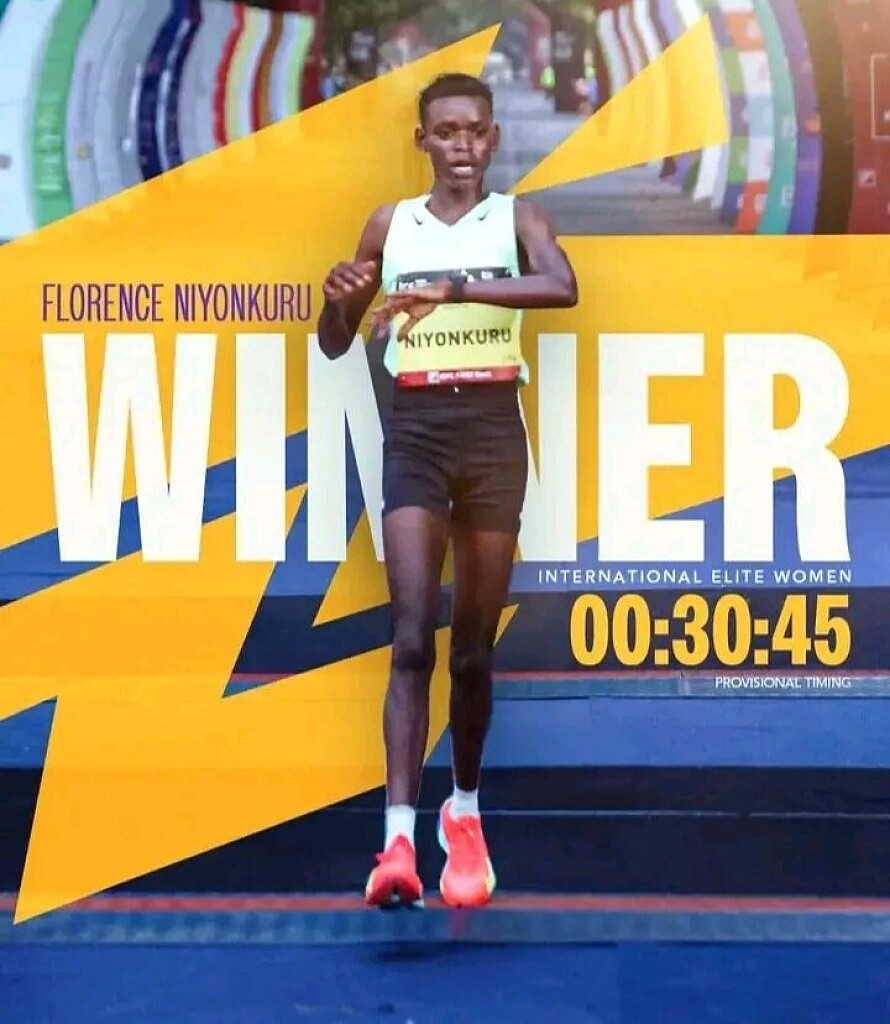
Niyonkuru Conquers Bengaluru: Rwanda’s Star Stuns Elite Field in Commanding 10K Triumph
Rwanda’s rising distance-running force, Florence Niyonkuru, delivered a performance of rare authority and composure to capture the Elite Women’s title at the TCS World 10K Bengaluru, overcoming punishing heat and humidity to seal a memorable victory in 30:45.
On a day when conditions tested even the most seasoned competitors, Niyonkuru ran with remarkable poise through the bustling streets of Bengaluru. Her decisive surge and sustained pace proved too strong for a high-calibre field dominated by East African talent, underlining her growing stature on the global road-running circuit.
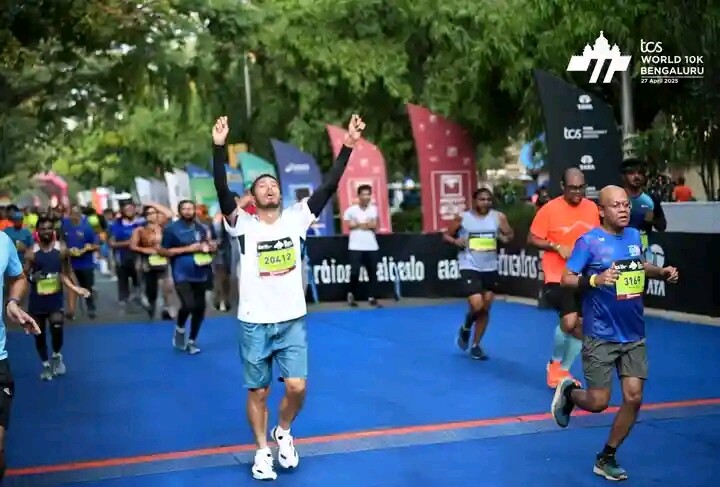
Behind her, Kenya’s Brenda Jepchirchir mounted a spirited challenge but ultimately settled for second place in 30:59, while Ethiopia’s Chaltu Dida Diriba completed the podium in 31:03. The trio led a tightly contested race that showcased both tactical awareness and endurance under pressure.
Further down the standings, Ethiopia’s Melal Siyoum Biratu (31:08) claimed fourth, with Kenya’s Judy Jelagat Chepaskwony (31:14) and Janeth Chepngetich (31:15) rounding out a fiercely competitive top six.
Niyonkuru’s sub-31-minute run, achieved in such demanding weather, stands as a defining moment in her career and a significant milestone for Rwandan athletics. More than just a victory, it was a statement—one that signals Rwanda’s growing presence in elite distance running and hints at even greater achievements to come.
As the global athletics calendar unfolds, this commanding display in Bengaluru ensures that Florence Niyonkuru’s name will resonate far beyond this single race, marking her as a formidable contender on the world stage.
by Erick Cheruiyot for My Best Runs.
Login to leave a comment

TCS WORLD 10K BENGALURU
The TCS World 10k Bengaluru has always excelled in ways beyond running. It has opened new doors for people to reach out to the less privileged of the society and encourages them to do their bit. The TCS World 10K event is the world’s richest 10 Km run and has seen participation from top elite athletes in the world. ...
more...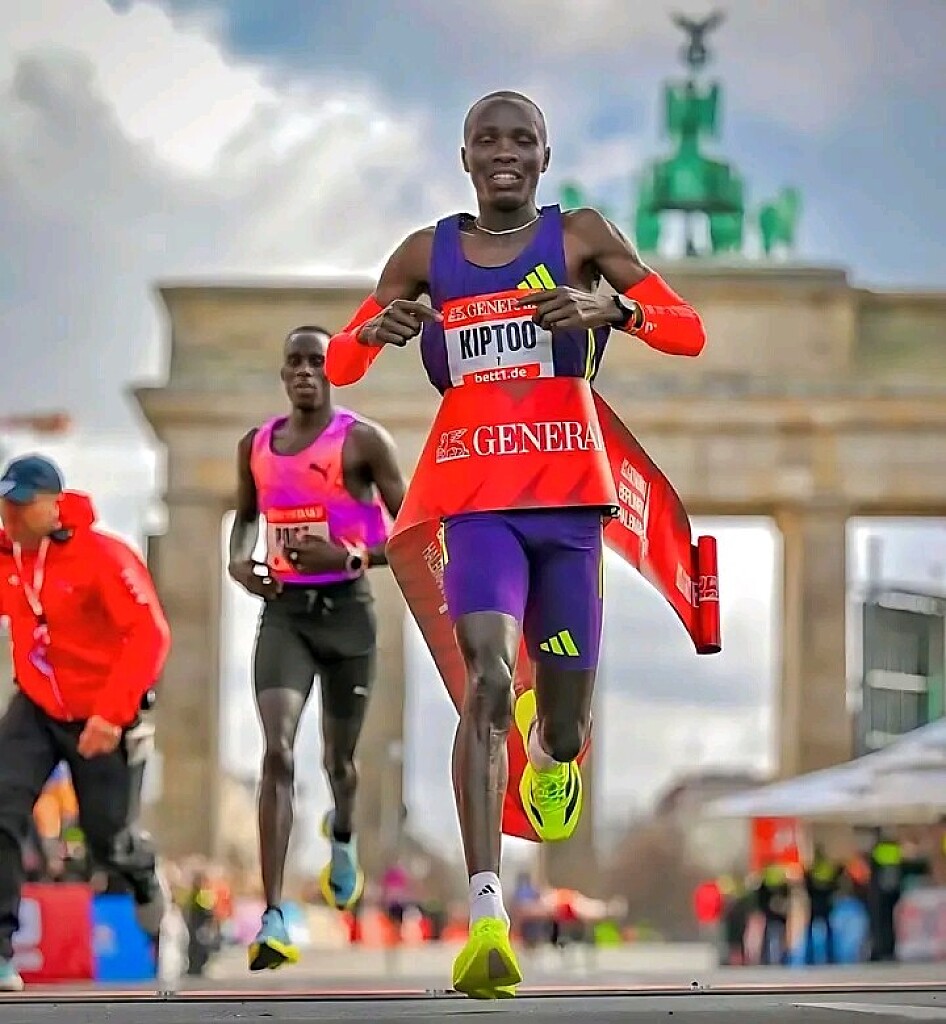
Sub-60 Fireworks Light Up Berlin as Kiptoo Edges Thriller and Amebaw Shines in Commanding Victory
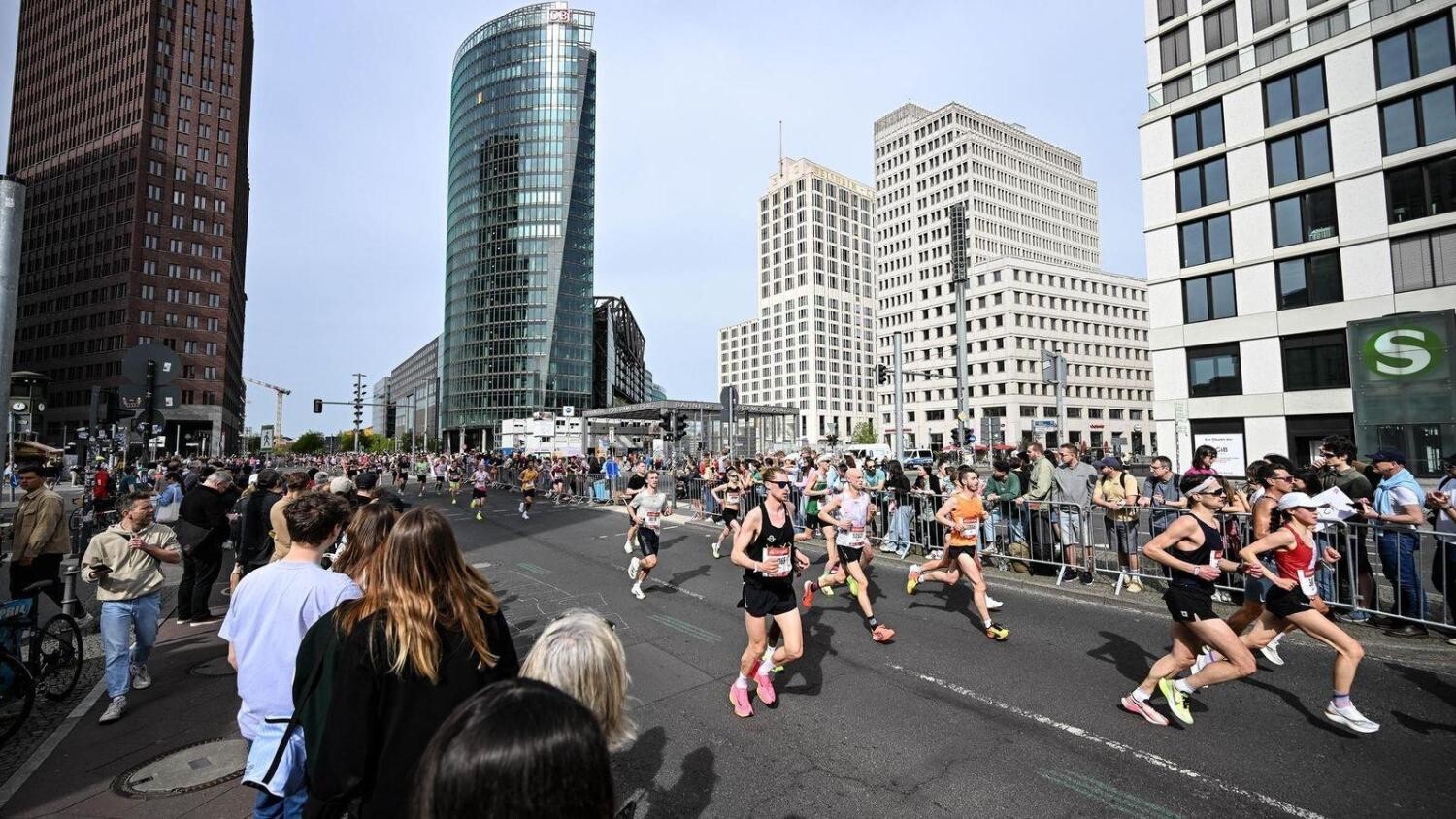
The streets of Berlin witnessed a breathtaking exhibition of endurance and precision as the 2026 Berlin Half Marathon delivered one of the fastest and most competitive editions in recent memory. Bringing together more than 43,000 athletes from 134 nations—including a stellar lineup of world-class competitors—the race stood as a true global celebration of distance running at its highest level. In a contest defined by relentless pace and razor-thin margins, the men’s race produced a historic sub-60 double, while the women’s field showcased a masterclass of control and strength.
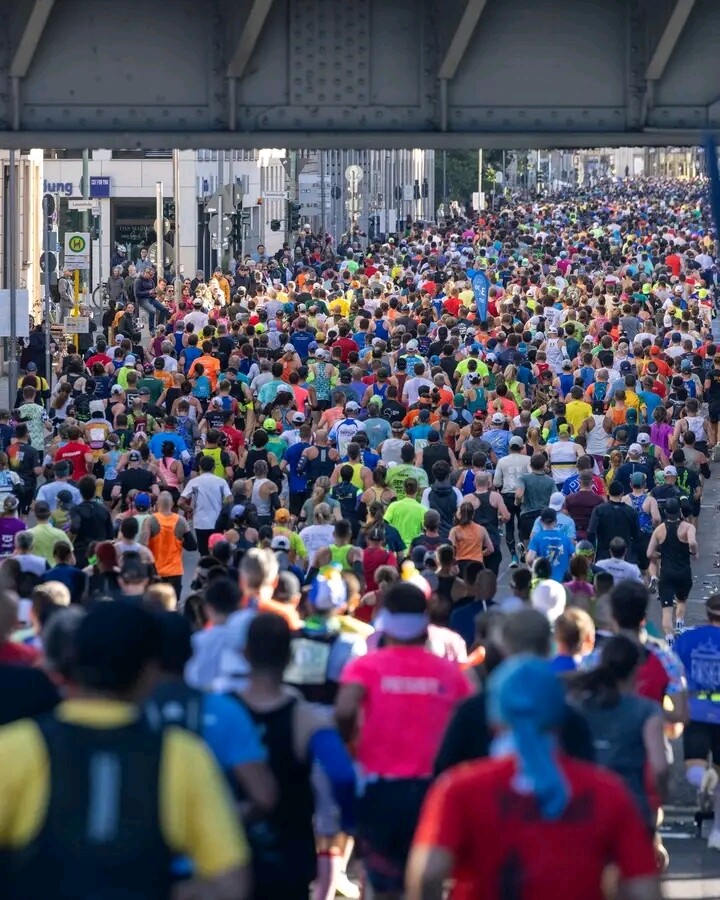
In the men’s race, Andrea Kiptoo of Kenya emerged victorious in a dramatic sprint finish, clocking a sensational 59:11 personal best. In a rare and electrifying moment, he was matched stride-for-stride by compatriot Dennis Kipkemoi, who crossed the line in the exact same time—also a personal best—settling for second place only by the narrowest of margins. The duo’s performance underlined Kenya’s continued dominance, as both men dipped under the prestigious 60-minute barrier.
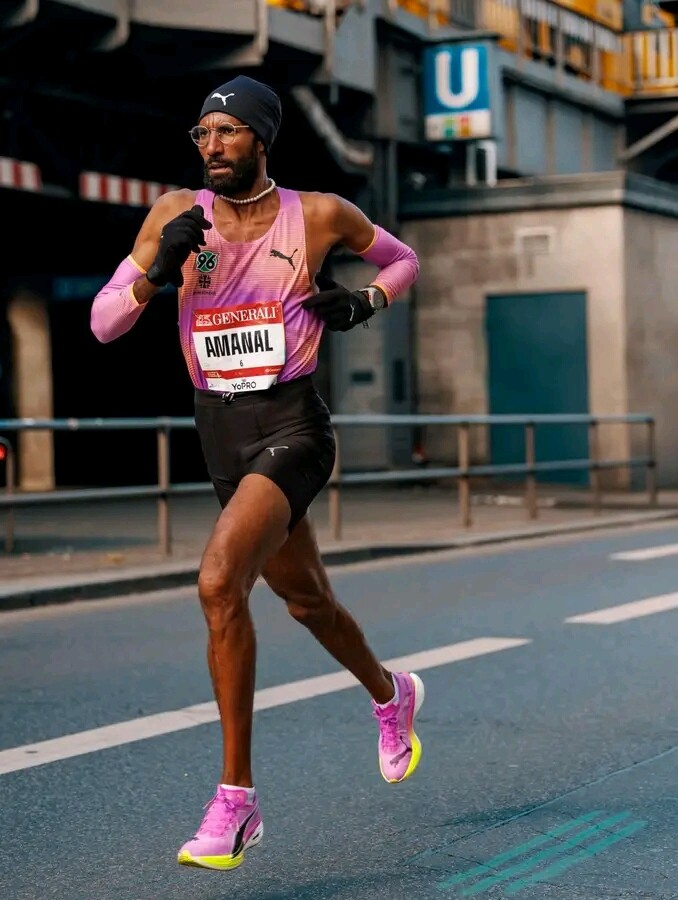
Germany’s Amanal Petros delivered a performance of immense national pride, claiming third place in 59:22, setting a new national record. Roared on by the home crowd, Petros not only secured a podium finish but etched his name deeper into German athletics history with a landmark run.
Just off the podium, South Sudan’s Dominic Lobalu impressed with a swift 59:23, while France’s Etienne Daguinos (59:27) and Ethiopia’s Bereket Nega (59:43) ensured the race remained fiercely competitive deep into the top ten.

On the women’s side, Ethiopia’s Likina Amebaw produced a composed and commanding run to take the win in 1:05:07, asserting her authority with a decisive move that left the field chasing. Behind her, Kenya’s Daisilah Jerono delivered a strong performance to secure second place in 1:05:21, a well-earned personal best that highlighted her rising trajectory.
Completing the podium was another Kenyan, Veronica Loleo, who clocked 1:05:35, also a personal best, sealing a double podium finish for Kenya in the women’s race. The trio set a high standard, combining tactical awareness with impressive finishing strength.
Further down the field, Rwanda’s Florence Niyonkuru (1:07:22) and Germany’s Esther Pfeiffer (1:07:25) led the chase pack, while Belgium’s Chloé Herbiet and Germany’s Eva Dieterich added depth to a high-quality top ten.
Top 10 Finishers
Men
1. Andrea Kiptoo (Kenya) – 59:11 (PB)
2. Dennis Kipkemoi (Kenya) – 59:11 (PB)
3. Amanal Petros (Germany) – 59:22 (NR)
4. Dominic Lobalu (South Sudan) – 59:23
5. Etienne Daguinos (France) – 59:27
6. Bereket Nega (Ethiopia) – 59:43
7. Robert Kiprop Koech (Kenya) – 59:51
8. Bastien Augusto (France) – 1:00:09
9. Célestin Ndikumana (Burundi) – 1:00:23
10. Said Mechaal (Spain) – 1:00:24
Women
1. Likina Amebaw (Ethiopia) – 1:05:07
2. Daisilah Jerono (Kenya) – 1:05:21 (PB)
3. Veronica Loleo (Kenya) – 1:05:35 (PB)
4. Florence Niyonkuru (Rwanda) – 1:07:22
5. Esther Pfeiffer (Germany) – 1:07:25
6. Chloé Herbiet (Belgium) – 1:07:32
7. Eva Dieterich (Germany) – 1:07:56
8. Carla Gallardo (Spain) – 1:08:30
9 Domenika Mayer (Germany) – 1:08:35
10. Elvanie Nimbona (Italy) – 1:08:38
As Berlin celebrates another remarkable chapter in its rich racing history, this edition will be remembered for its extraordinary scale, depth, and brilliance. From a global field of over 43,000 runners representing 134 nations to the elite athletes pushing the boundaries of human performance, the event embodied the unifying spirit of sport. In the end, it was not just about times and titles, but about the shared passion that binds the world through running—where every stride tells a story, and every finish line becomes a moment of triumph.
by Erick Cheruiyot for My Best Runs.
Login to leave a comment

Berlin Half Marathon
The story of the Berlin Half Marathon reflects a major part of the history of the German capital. It all began during cold war times and continued during reunification. The events leading up to today's event could really only have happened in this city. Its predecessors came from East- and West Berlin. On 29th November 1981 the Lichtenberg Marathon was...
more...
Lucy Muritu’s Young Athletes Set Sights on 3rd Edition of Great Chepsaita Cross Country Run
NYANDARUA, Kenya Lucy Muritu, a dedicated KATA beneficiary and mentor, is preparing her young athletes to shine on the global stage at the upcoming 3rd edition of the Great Chepsaita Cross Country Run (Gold Label), set for December 6.
Beyond her success as a KATA potato farmer, Lucy has devoted herself to nurturing young running talent, proving that grassroots mentorship can open doors for children to excel both on the track and in the classroom.
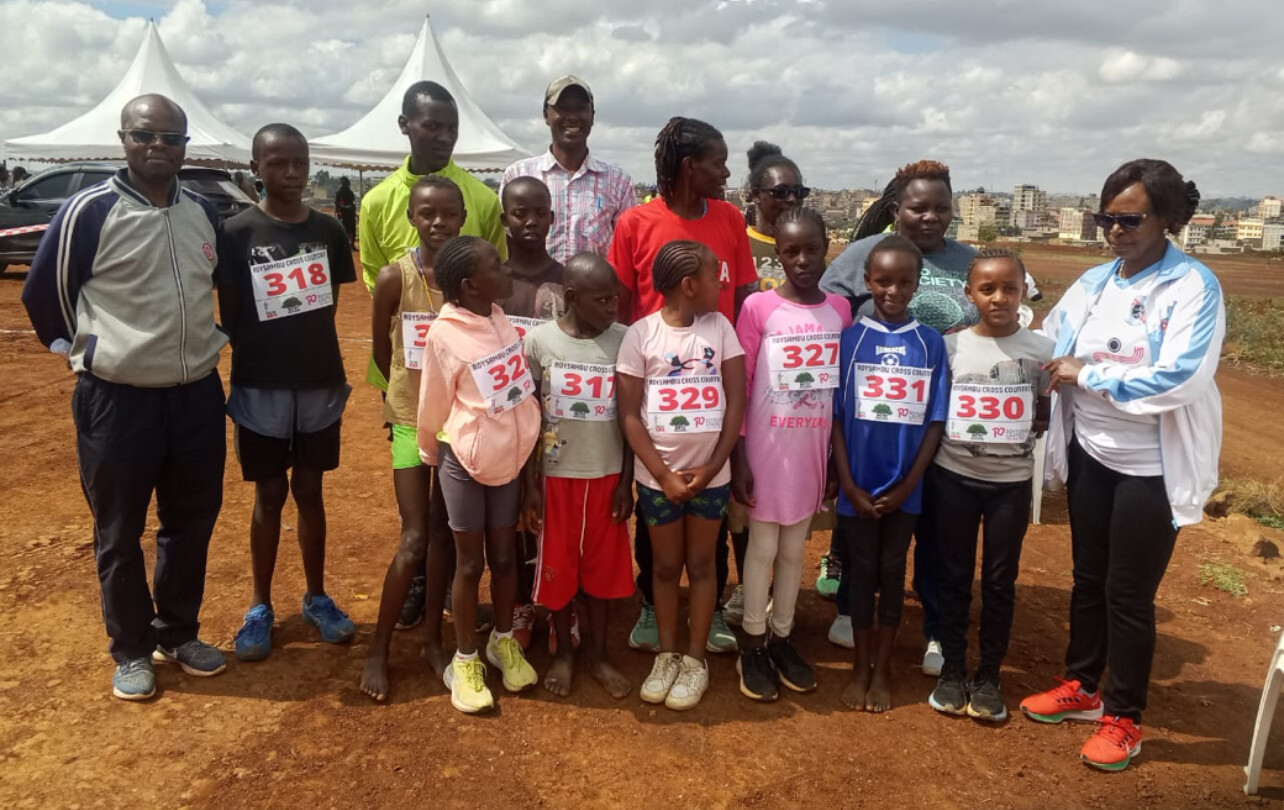
Among her protégés are sisters Florence Wangui (13) and Margaret Wanja (11), whose performances have already drawn national attention. The two recently triumphed in Bob’s One Mile Children’s Race, an initiative created by Bob Anderson to support emerging young runners. Alongside the annual Double Road Race, Bob’s One Mile has become a vital platform for discovering and nurturing athletic talent at the youth level.

Florence and Margaret continued their winning streak by capturing titles at the Roy Sambu United Environment Cross Country Run in Nairobi, confirming their rising status among Kenya’s promising young athletes.
Lucy has already registered her full team for Chepsaita: Florence Wangui, Margaret Wanja, Godfrey Kahora (19), Ann Wanjiku (16), Tabitha Wanjiru (15), Tashian Wangari (8), and Alisha Njoki (9). Many of these young athletes come from humble backgrounds, yet through Lucy’s mentorship—and the support of programs like KATA and Bob Anderson’s initiatives—they are gaining both guidance and opportunity to grow in sport and in education.
Reflecting on her journey, Lucy said:
“I would like to sincerely thank Bob for the wonderful opportunity he has given me through KATA. Being part of this program has truly empowered me as a farmer and a mentor, and I am grateful for the trust and support that has been shown to me. With KATA’s guidance, I look forward to achieving even greater results and continuing to contribute to the growth of our community. At the same time, I am preparing our young athletes for a great race—the upcoming Chepsaita Cross Country Gold Label event. I’m excited to nurture and guide the next generation, and I believe their participation in such a prestigious event will inspire them to reach new heights.”
The Great Chepsaita Cross Country Run, recognized internationally as a Gold Label event, gives young athletes the chance to compete alongside elite runners—learning lessons in discipline, training, and sportsmanship that will shape their futures.
For Lucy and her team, the event represents far more than a race. It’s a platform where talent meets education, helping mold a generation of athletes who can thrive in both athletics and life.
KATA’s framework offers this same opportunity to coaches across Kenya, empowering them to identify young runners in their communities, register them in programs like Bob’s One Mile, and access mentorship and resources that foster both athletic and academic growth.
Lucy encourages other coaches to join the effort:
“There is talent everywhere, and KATA gives us a way to find it, guide it, and give children the opportunities they deserve. With more coaches participating, we can build a network of mentorship that reaches every county and ensures no gifted child goes unnoticed.”
As December 6 approaches, Lucy’s young athletes stand as a testament to the power of community-based mentorship. From the rolling hills of Nyandarua to the Gold Label course at Chepsaita, these children embody the resilience, dedication, and promise that programs like KATA and Bob’s One Mile are designed to nurture. Their journey shows that with the right guidance and opportunity, Kenya’s next generation of runners can achieve greatness—on the course and beyond.
by Robert Kibet
Login to leave a comment
Faith Kipyegon Clocked 3:48.8 at 1500m During #Breaking4 Attempt—Eyes Another World Record at the Prefontaine Classic on July 5
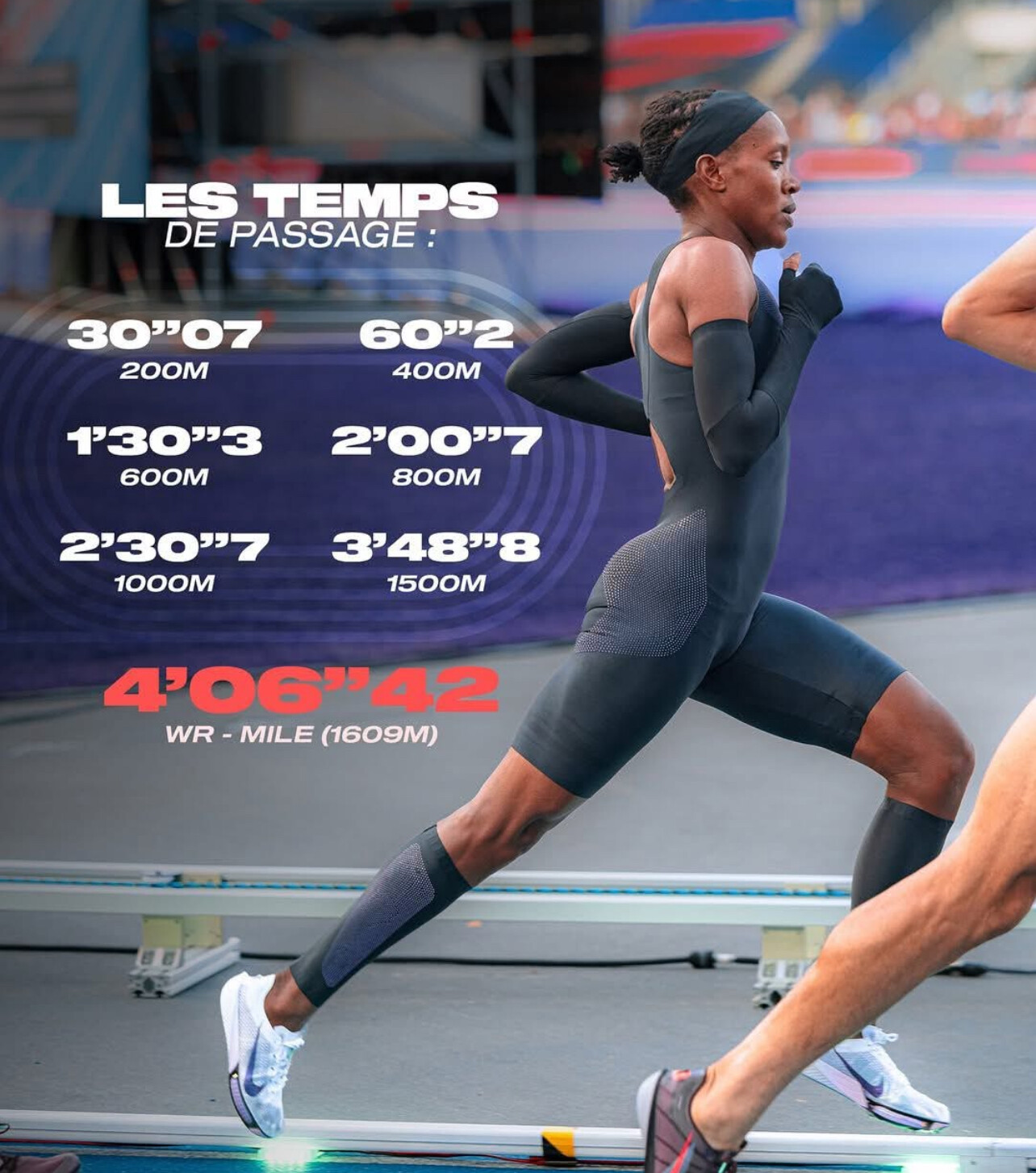
Faith Kipyegon, the reigning queen of middle-distance running, continues to stretch the boundaries of what’s possible on the track. During a high-profile #Breaking4 mile time trial, the Kenyan superstar clocked a blistering 3:48.8 at the 1500-meter mark—faster than her official world record of 3:49.04, set in Florence in 2023.
Although the time trial format means the result won’t be ratified as an official record, the performance sent a clear message: Kipyegon is still getting faster.
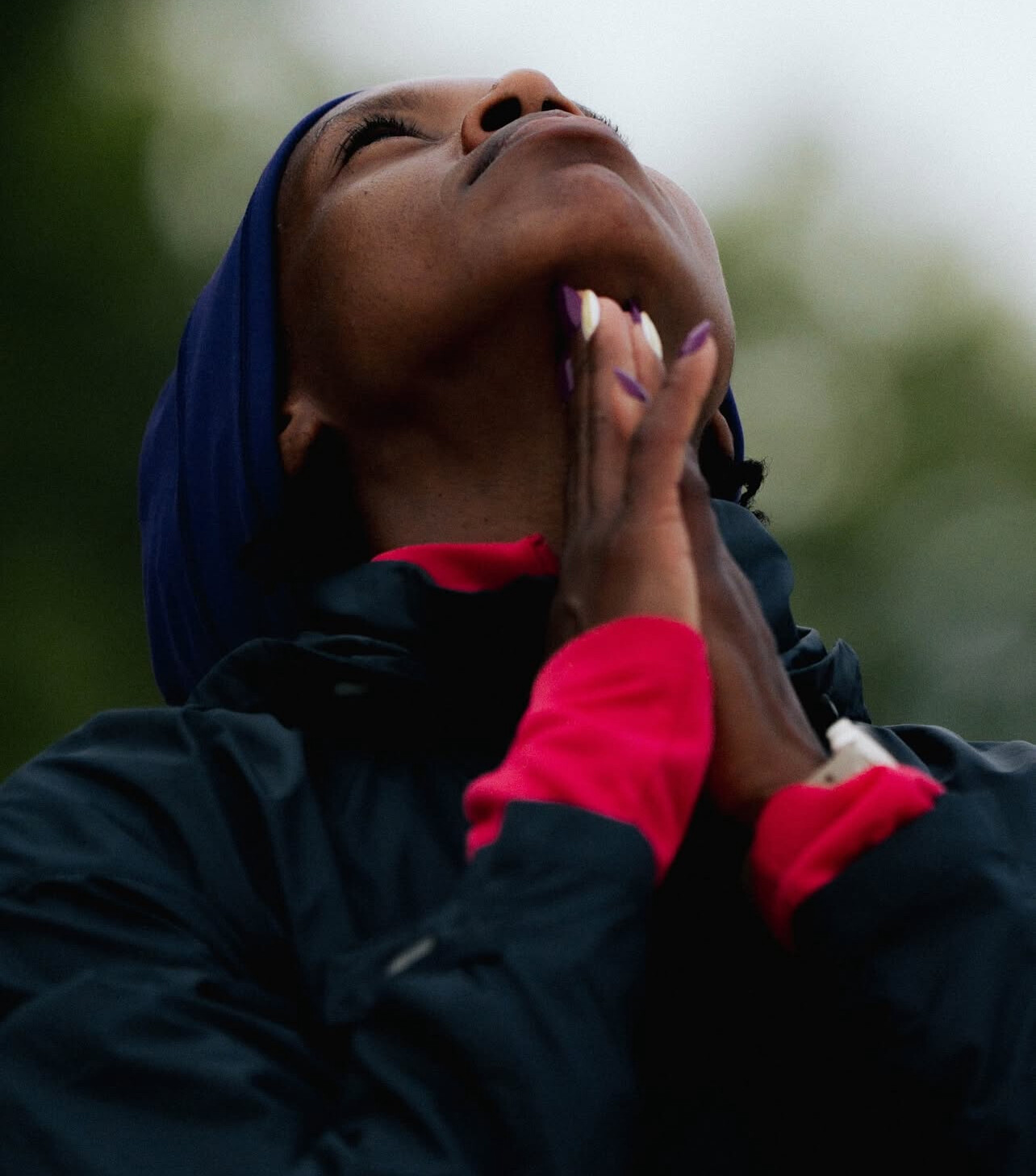
“This performance gives me great hope,” Faith said after the run. “To see 3:48.8 on the clock at 1500m confirms that sub-3:49 is within reach.”
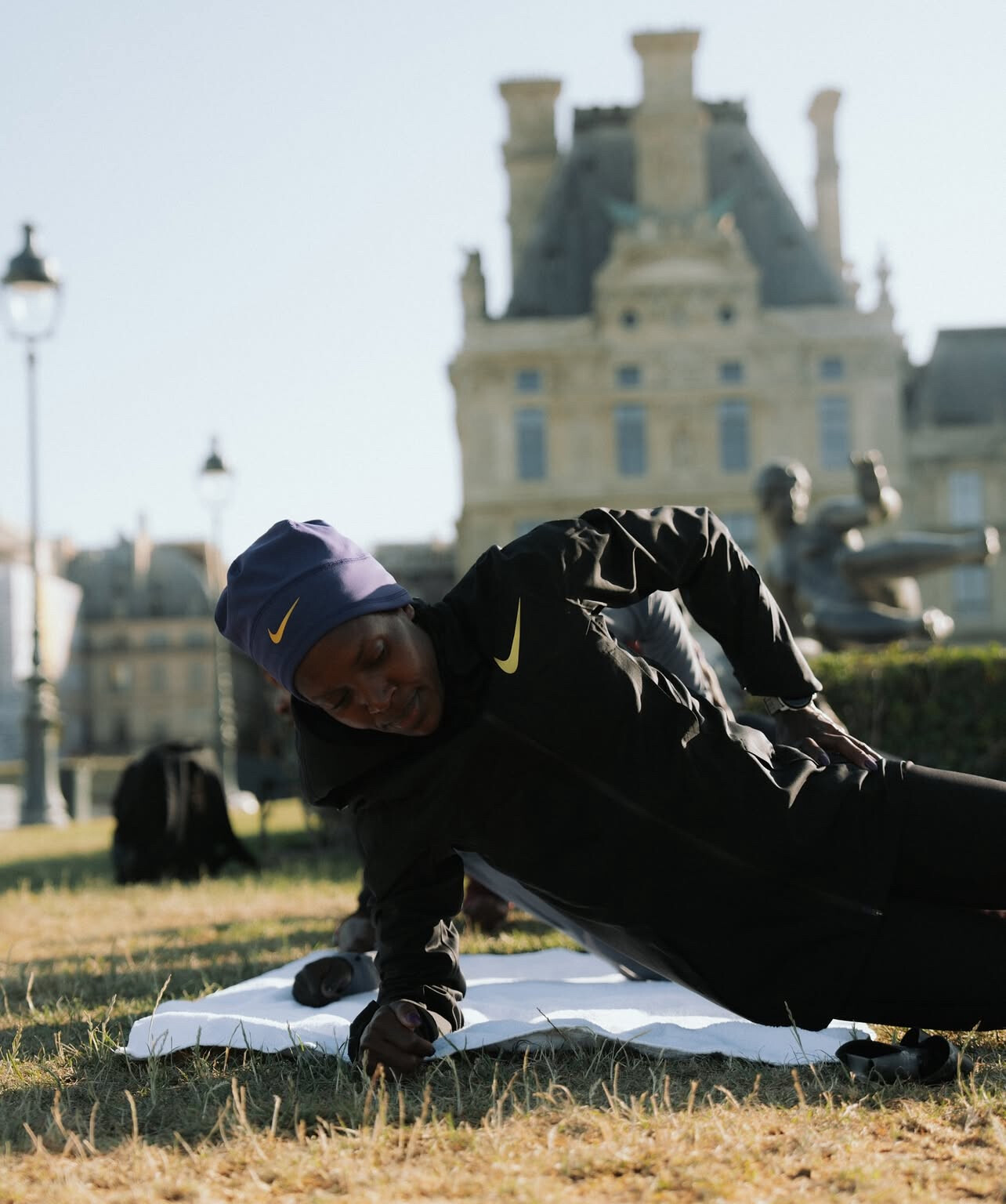
She’ll have her next big chance at the Prefontaine Classic in Eugene, Oregon, on July 5, 2025, where she’s planning a serious assault on the record books. Known for producing fast times at Hayward Field, the meet could see Faith rewrite history once again.
The Breaking4 attempt was designed to chase a barrier no woman has yet achieved under standard conditions: running a sub-four-minute mile. While Kipyegon ultimately finished the mile in 4:06.42, her 1500m split electrified fans and analysts alike.
Already the world record holder at 1500m, the mile, and 5000m, Kipyegon’s consistency and fearless racing continue to define this golden era in women’s distance running. Her run at the Pre Classic could mark the third time she’s broken the 1500m world record since 2023.
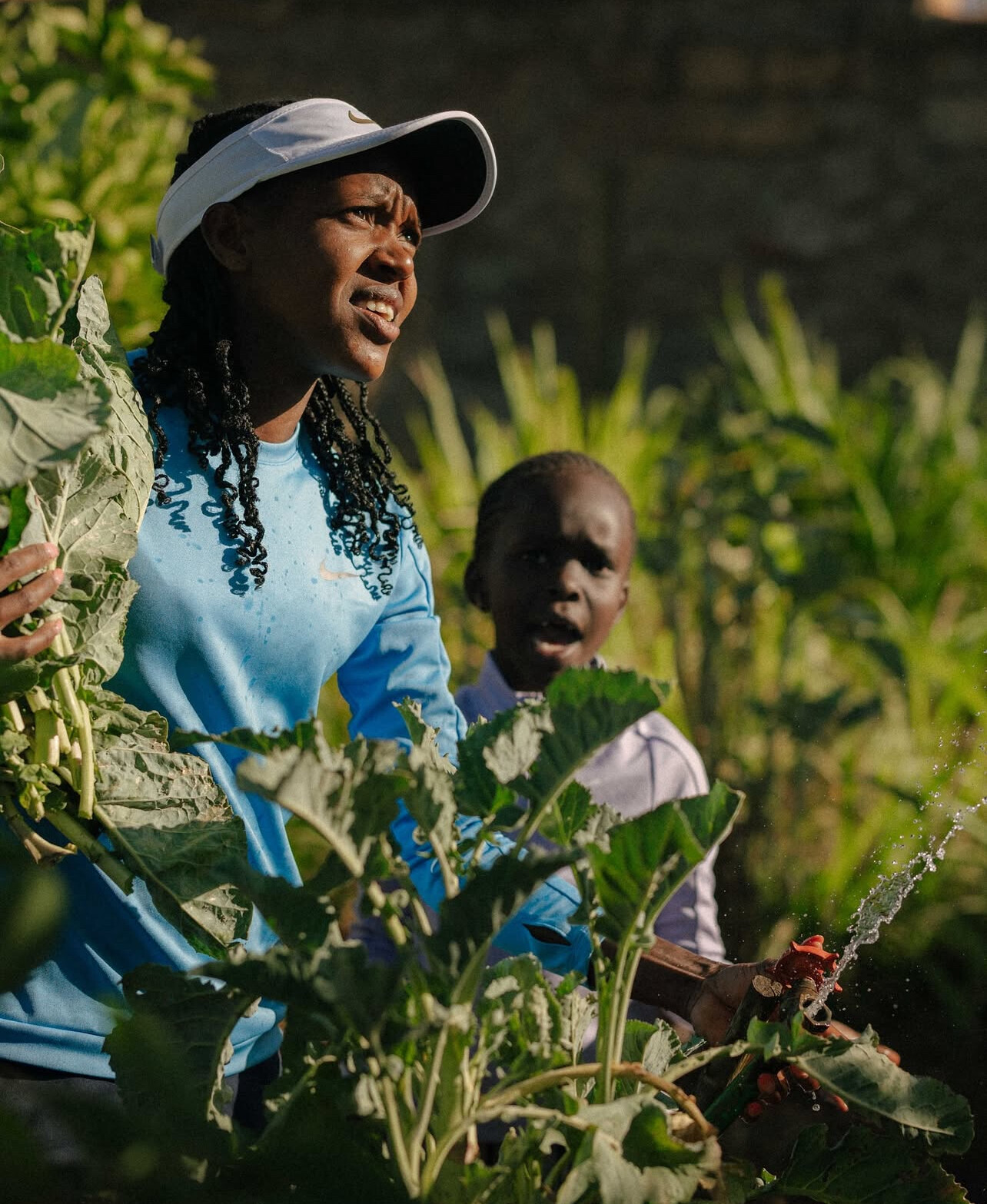
With the 2024 Paris Olympics now behind her, Kipyegon appears focused on cementing her legacy and pushing toward times no woman has ever reached.
The countdown to July 5 has officially begun.
My Best Runs
Follow us for full coverage of the Prefontaine Classic and the next chapter in Faith Kipyegon’s extraordinary journey.
by Boris Baron
Login to leave a comment

Who Had the Best Era in Track & Field? A Generational Showdown
Track and field has long been the stage for some of the most electrifying athletic performances in history. Each generation has produced legends who have redefined what is possible in sprinting, distance running, and field events. But which era stands above the rest?
From the Silent Generation pioneers to the Gen Z record-breakers, every period has contributed to the evolution of the sport. Let’s break down each era’s greatest stars and their lasting impact on track and field.
Gen Z (Born 1997 - 2012): The Future of Track & Field
The newest generation of elite athletes is already making waves on the world stage. With the benefit of cutting-edge training, nutrition, and recovery techniques, these young stars are smashing records at a rapid pace.
Notable Sprinters & Field Athletes:
• Sydney McLaughlin-Levrone (USA) – 400m hurdles world record holder and Olympic champion
• Mondo Duplantis (Sweden) – Pole vault world record holder
• Erriyon Knighton (USA) – One of the fastest teenagers ever in the 200m
Notable Distance Runners:
• Jakob Ingebrigtsen (Norway) – Olympic 1500m champion, European mile record holder
• Joshua Cheptegei (Uganda) – 5000m and 10,000m world record holder
• Jacob Kiplimo (Uganda) – Half marathon world record holder (57:31)
• Gudaf Tsegay (Ethiopia) – World champion in the 1500m, dominant in middle distances
Gen Z athletes are not only breaking records but also shaping the future of the sport through their influence on social media and global visibility. With their combination of speed, endurance, and access to modern sports science, they may soon surpass all who came before them.
Defining Traits: Explosive, record-breaking, tech-savvy
Millennials (Born 1981 - 1996): The Superstars of the Modern Era
No discussion of dominant track and field generations is complete without mentioning Usain Bolt. The Jamaican sprinting legend captured the world’s attention with his charisma and untouchable world records.
Notable Sprinters:
• Usain Bolt (Jamaica) – Fastest man in history (100m: 9.58, 200m: 19.19)
• Allyson Felix (USA) – Most decorated female Olympian in track history
• Shelly-Ann Fraser-Pryce (Jamaica) – One of the most dominant sprinters of all time
Notable Distance Runners:
• Eliud Kipchoge (Kenya) – The greatest marathoner of all time, first to break two hours in a marathon
• Mo Farah (UK) – Dominated the 5000m and 10,000m at two Olympic Games
• Genzebe Dibaba (Ethiopia) – 1500m world record holder
• Ruth Chepngetich (Kenya) – First woman to break the 2:10 barrier in the marathon, setting a world record of 2:09:56 at the 2024 Chicago Marathon
Millennials excelled across all track and field disciplines. They ushered in an era of professional distance running dominance, with African runners setting standards in middle and long distances. Meanwhile, Kipchoge’s sub-2-hour marathon attempt was a historic milestone in human endurance.
Defining Traits: Charismatic, dominant, endurance revolutionaries
Gen X (Born 1965 - 1980): The Tough and Versatile Competitors
Gen X athletes were the bridge between the amateur days of track and the fully professional era. They pushed the sport forward with fierce rivalries and new records, while also seeing the globalization of track and field.
Notable Sprinters:
• Maurice Greene (USA) – Former world record holder in the 100m (9.79)
• Marion Jones (USA) – One of the most dominant sprinters of the late ‘90s
Notable Distance Runners:
• Haile Gebrselassie (Ethiopia) – Olympic and world champion, former marathon world record holder
• Paul Tergat (Kenya) – Pioneered marathon running dominance for Kenya
• Tegla Loroupe (Kenya) – First African woman to hold the marathon world record
This era marked a golden age for distance running, with Gebrselassie and Tergat setting the stage for the marathon revolution that would come in the next generation. With increased sponsorships, the road racing circuit became more competitive, and Kenyan and Ethiopian dominance solidified.
Defining Traits: Tough, globalized, long-distance pioneers
Baby Boomers (Born 1946 - 1964): The Golden Age of Track & Field
The Baby Boomers took track and field into the modern Olympic era, producing some of the most iconic figures in the sport’s history.
Notable Sprinters:
• Carl Lewis (USA) – Nine-time Olympic gold medalist across sprints and long jump
• Florence Griffith-Joyner (USA) – 100m (10.49) and 200m (21.34) world record holder
Notable Distance Runners:
• Sebastian Coe (UK) – 800m and 1500m Olympic champion, middle-distance legend
• Steve Prefontaine (USA) – One of the most influential distance runners in history
• Miruts Yifter (Ethiopia) – 5000m and 10,000m Olympic champion
This era brought middle and long-distance running into the mainstream, with rivalries like Coe vs. Ovett and Prefontaine vs. the world captivating fans. The Baby Boomers were the first generation of professional-level training and saw athletes truly dedicated to their craft year-round.
Defining Traits: Bold, revolutionary, multi-talented
Silent Generation (Born 1928 - 1945): The Pioneers of Kenya’s Dominance
This generation laid the foundation for modern track and field, producing legends whose influence still resonates today.
Notable Distance Runners:
• Kip Keino (Kenya) – The pioneer of Kenya’s dominance in distance running, winning Olympic gold in the 1500m (1968) and 3000m steeplechase (1972)
• Emil Zátopek (Czechoslovakia) – Triple gold in 5000m, 10,000m, and marathon at the 1952 Helsinki Olympics
• Paavo Nurmi (Finland) – Nine-time Olympic gold medalist in long-distance events
Kip Keino’s triumph over Jim Ryun in the 1500m final at the 1968 Mexico City Olympics is considered one of the greatest upsets in Olympic history. Competing at high altitude, Keino used a fast early pace to break Ryun, ushering in an era of Kenyan middle-distance dominance that continues today.
Defining Traits: Groundbreaking, resilient, visionary
Which Generation Had the Greatest Impact?
Each generation of track and field athletes has contributed to the sport’s evolution in unique ways:
• Millennials brought global superstardom (Bolt, Felix, Fraser-Pryce, Kipchoge, Chepngetich)
• Gen X athletes were fierce competitors in a rapidly changing sport (Greene, Gebrselassie, Tergat)
• The Baby Boomers set records that still stand today (Carl Lewis, Flo Jo, Coe, Prefontaine)
• The Silent Generation laid the foundation for modern track and field (Owens, Zátopek, Kip Keino)
• Gen Z is already breaking records and shaping the future of the sport (McLaughlin-Levrone, Ingebrigtsen, Cheptegei)
While it’s hard to declare one era the best, one thing is certain: the sport of track and field continues to evolve, with each generation pushing the limits of human performance.
Which generation do you think is the greatest? Let us know in the comments!
by Boris Baron
Login to leave a comment
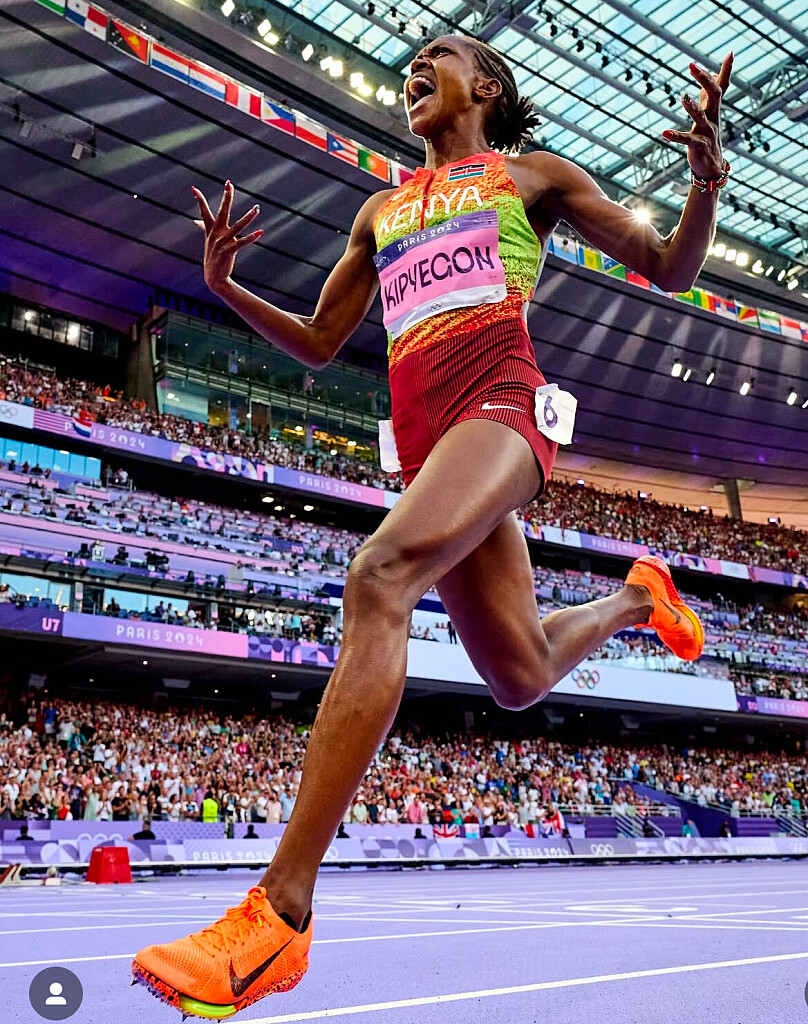
Faith Kipyegon Eyes Historic Sub-Four-Minute Mile
Faith Chepngetich Kipyegon has cemented herself as one of the greatest middle-distance runners of all time, rewriting records and redefining what is possible in women’s athletics. With multiple Olympic and World Championship titles to her name, she continues to push the boundaries of human performance. Now, she stands on the brink of making history again—becoming the first woman to break the elusive four-minute mile barrier.
Born on January 10, 1994, in Bomet, Kenya, Kipyegon’s journey to greatness began in the Rift Valley, a region known for producing world-class distance runners. Initially a soccer enthusiast, her raw talent for running became evident when she effortlessly won a school race at age 14. That moment set her on a path that would lead to global dominance.
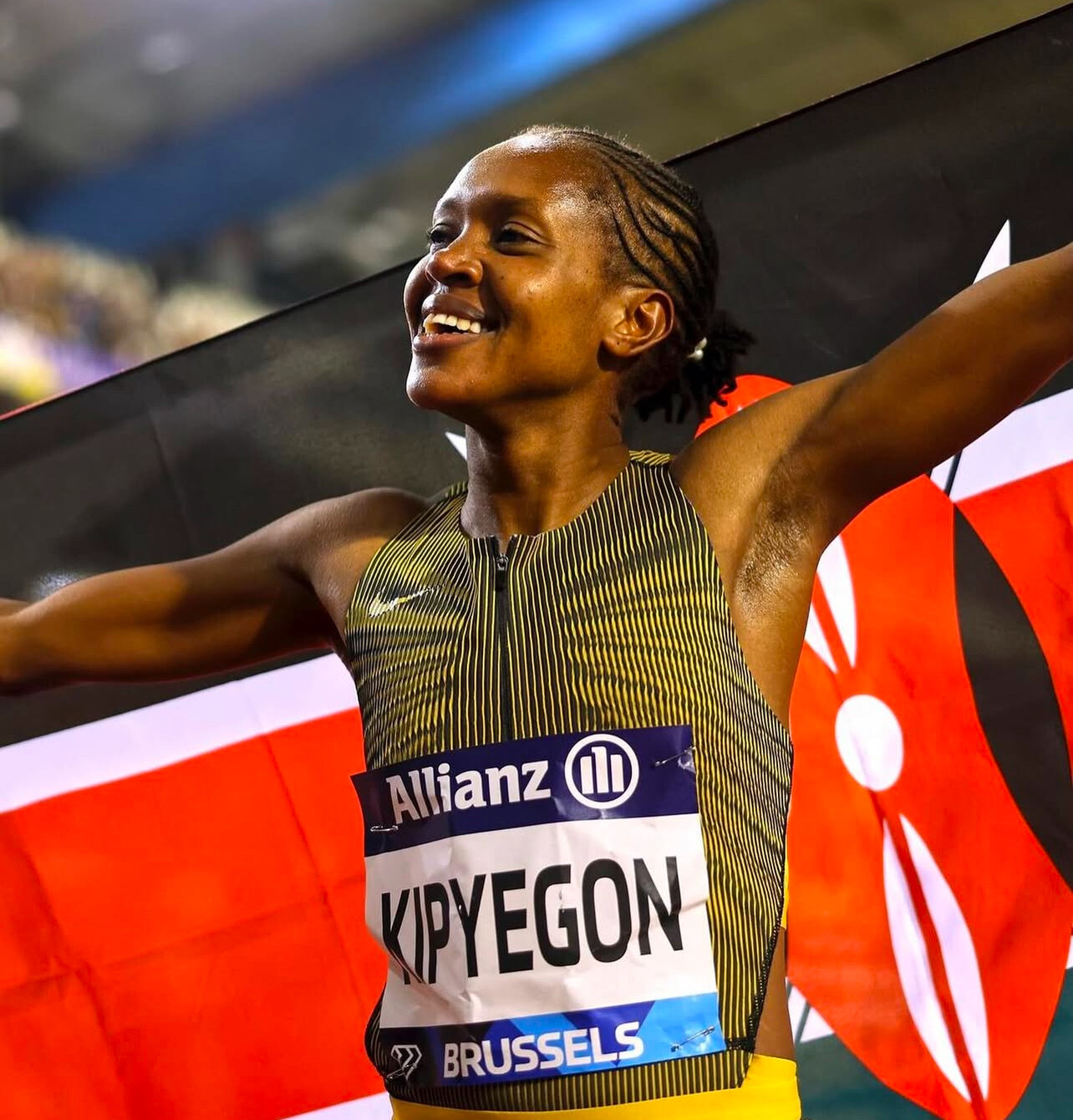
Kipyegon burst onto the international stage at the 2010 World Cross Country Championships in Poland, where she competed barefoot and finished fourth in the junior race. She quickly ascended the ranks, winning gold at the 2011 and 2013 World Cross Country Championships, as well as titles in the 1500m at the 2011 World Youth Championships and the 2012 World Junior Championships.
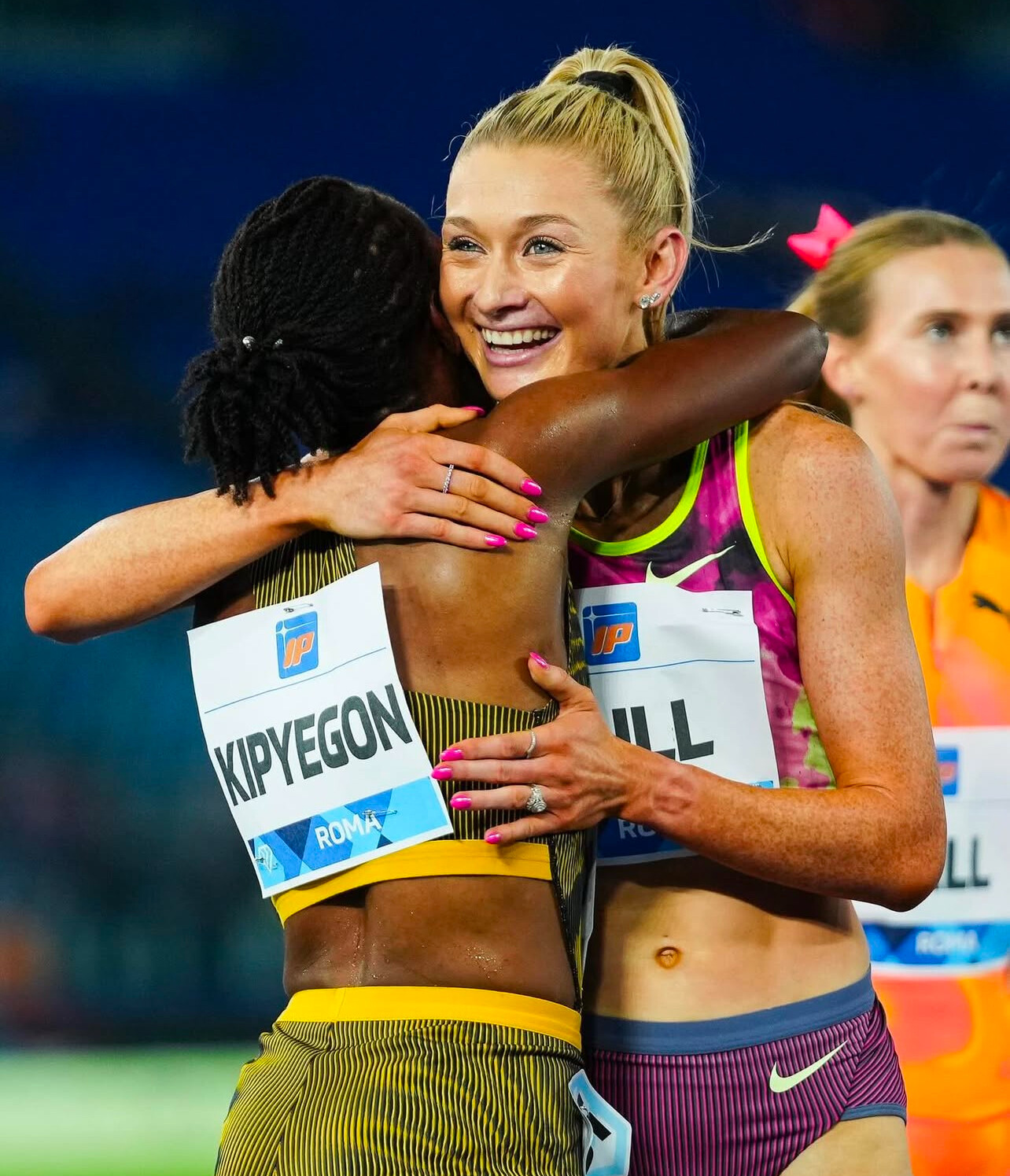
Her Olympic career is nothing short of legendary. She won her first 1500m gold at the 2016 Rio Games and defended her title in Tokyo in 2021. At the 2024 Paris Olympics, she made history by securing a third consecutive gold medal in the event, setting an Olympic record of 3:51.29. In World Championship competition, she has claimed multiple titles, including a remarkable double victory in the 1500m and 5000m at the 2023 Budapest World Championships.
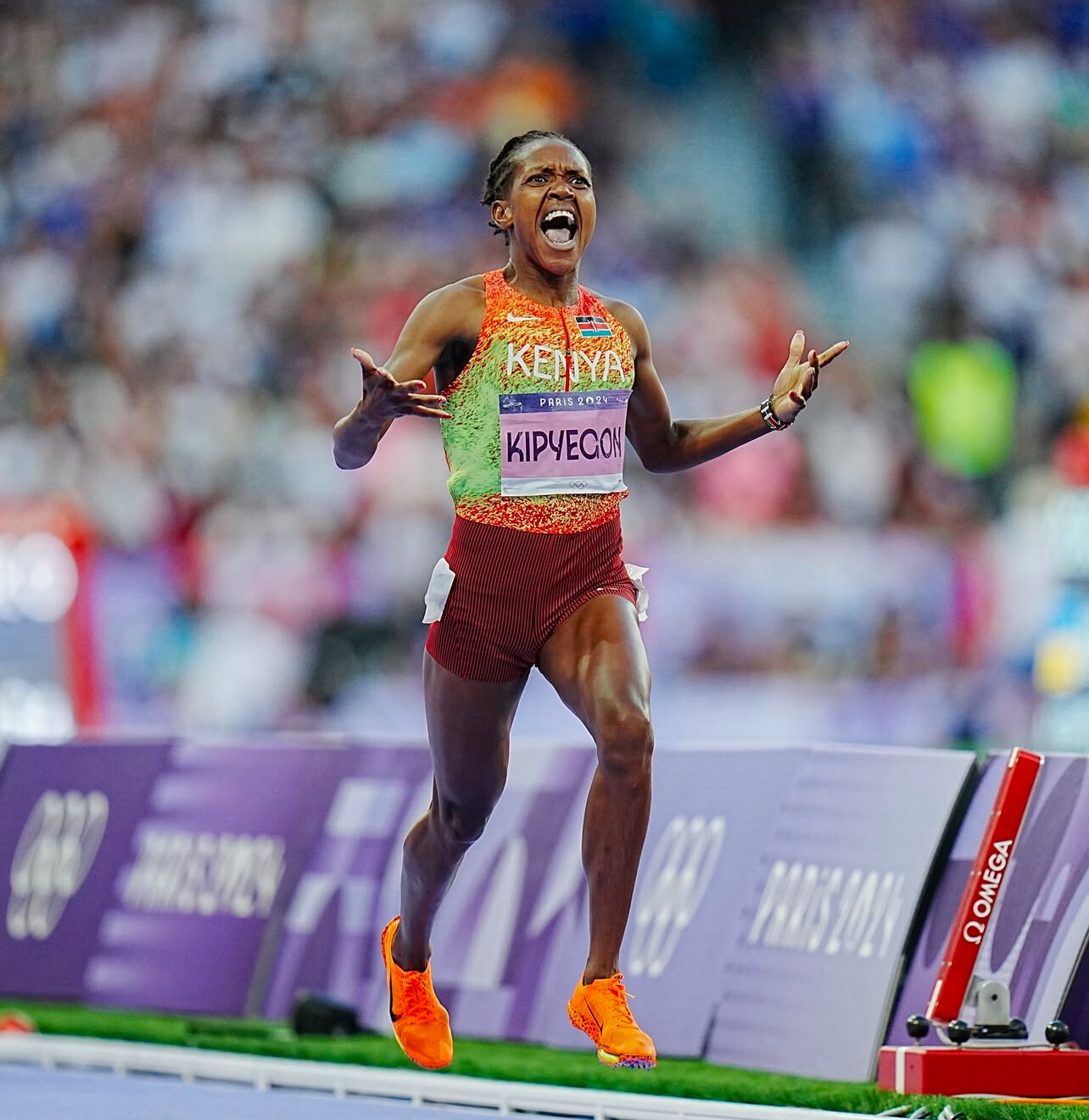
Kipyegon’s dominance extends beyond championship racing—her record-breaking performances on the track are rewriting history. The year 2023 was a defining one for her career. On June 2, she shattered the 1500m world record with a time of 3:49.11 at the Florence Diamond League. Just a week later, she broke the 5000m world record in Paris, running 14:05.20. On July 21, she delivered yet another groundbreaking performance by setting a new world record in the mile, clocking 4:07.64 at the Monaco Diamond League.
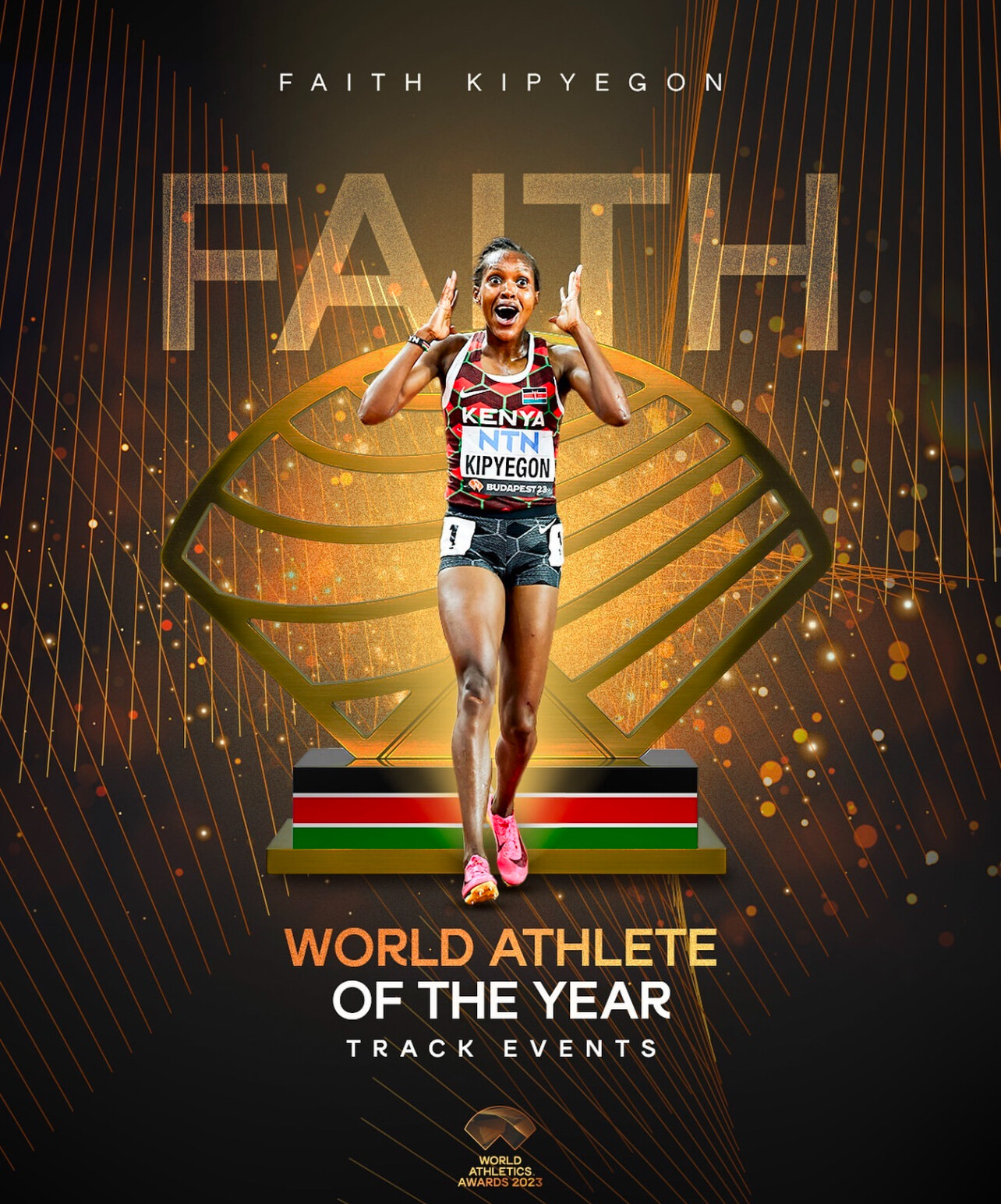
Her mile world record surpassed the previous mark of 4:12.33, set by Sifan Hassan in 2019. This extraordinary feat has sparked conversations in the running world about whether Kipyegon could be the first woman to break the four-minute mile barrier. Experts suggest that with optimal pacing, drafting, and race conditions, she has the potential to achieve what was once thought impossible.
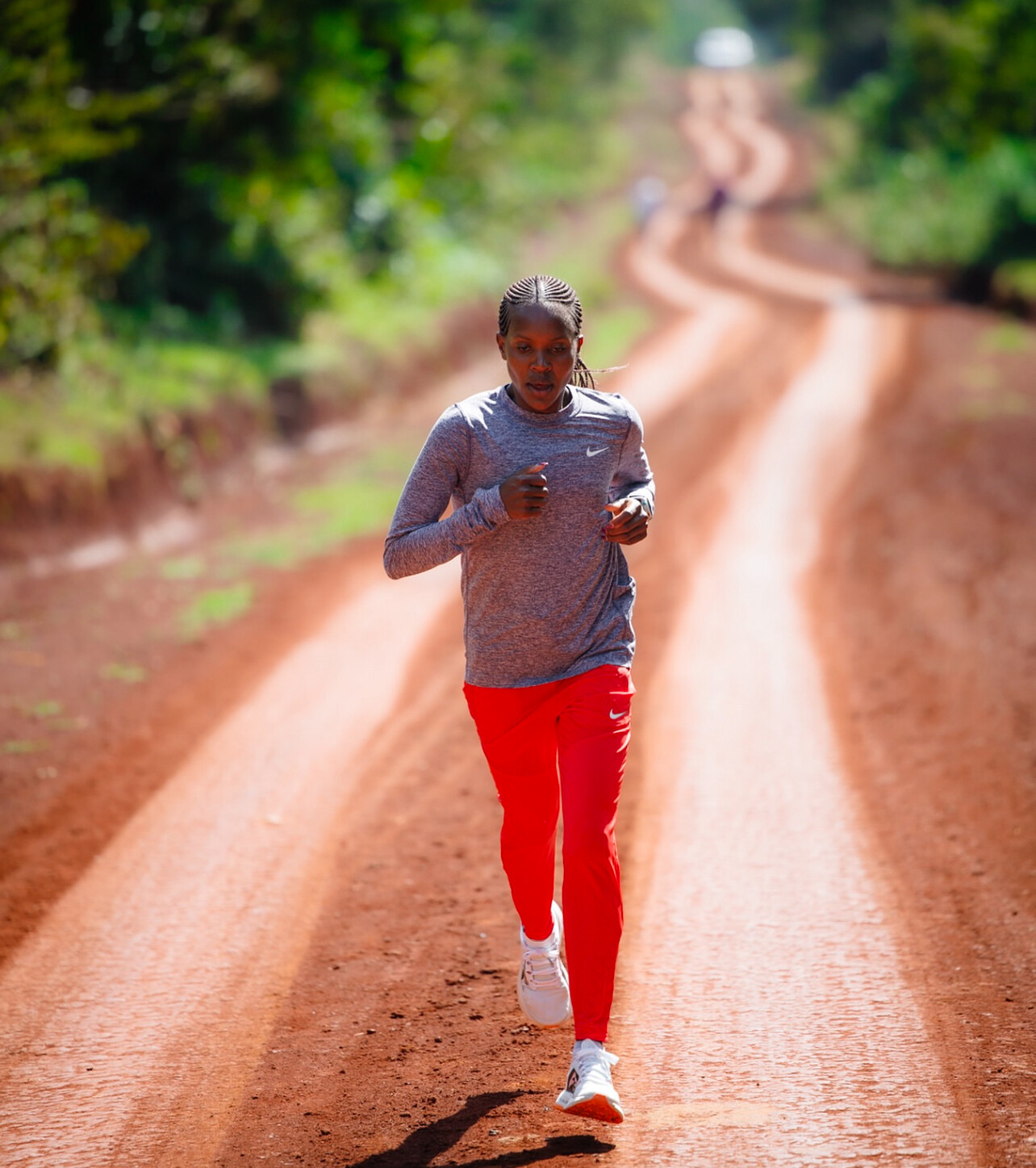
In February 2025, Kipyegon had an uncharacteristic setback at the Sirikwa Cross Country Classic in Eldoret, where she failed to finish the 10km race. Despite this rare off day, she remains focused and determined, with her eyes set on another historic season. With her current trajectory, breaking four minutes in the mile is no longer a question of if, but when.
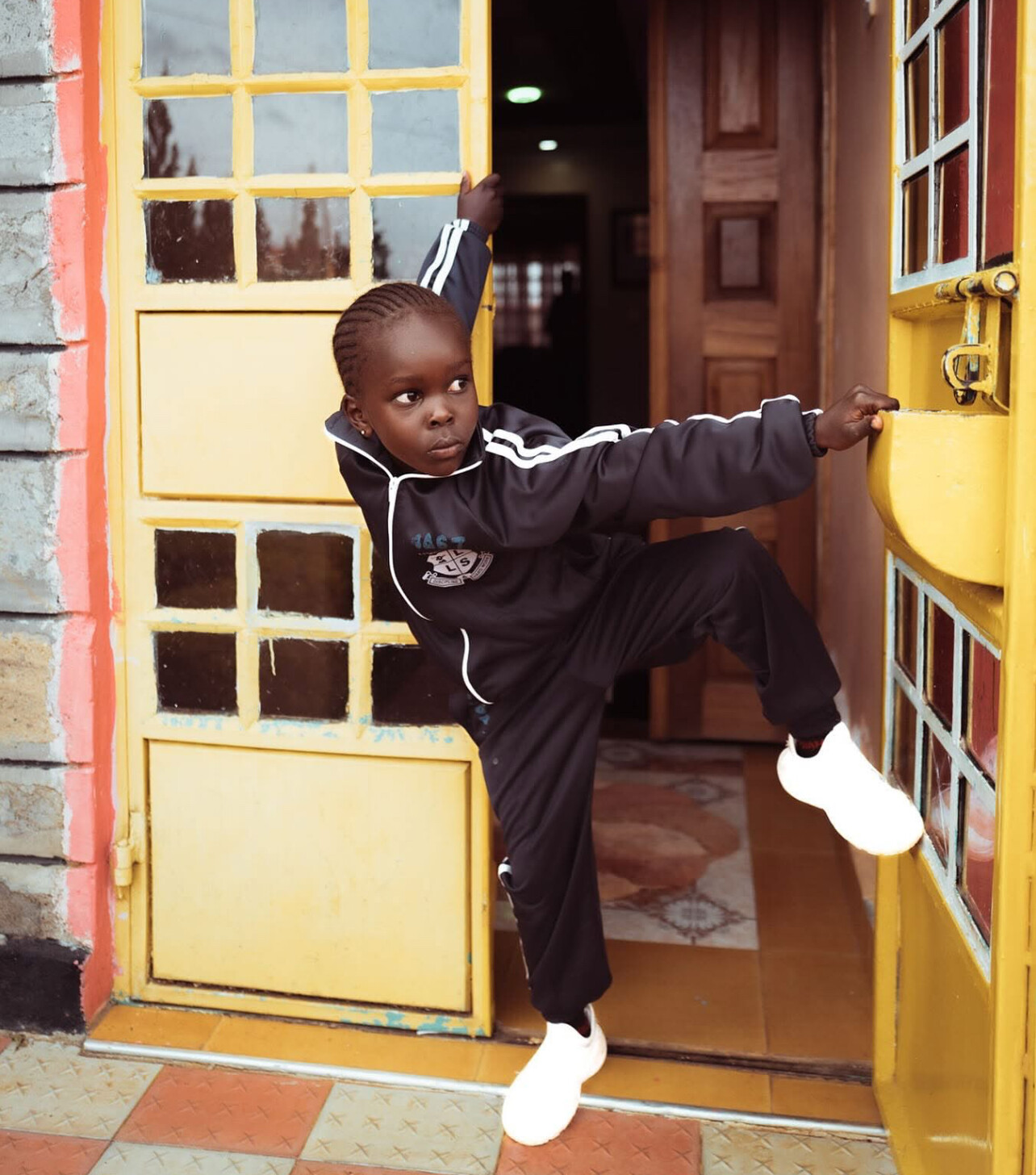
Beyond her achievements on the track, Kipyegon is also a devoted mother and wife. She is married to Timothy Kitum, the 2012 Olympic 800m bronze medalist, and together they have a daughter, Alyn, born in 2018. Balancing motherhood and elite competition, she continues to inspire millions with her work ethic and determination.

Faith Kipyegon is not just a champion—she is a trailblazer. As she continues to push the limits of middle-distance running, the world watches in anticipation. If there is one athlete capable of redefining history and shattering the four-minute mile, it is Faith Kipyegon.
by Boris Baron
Login to leave a comment
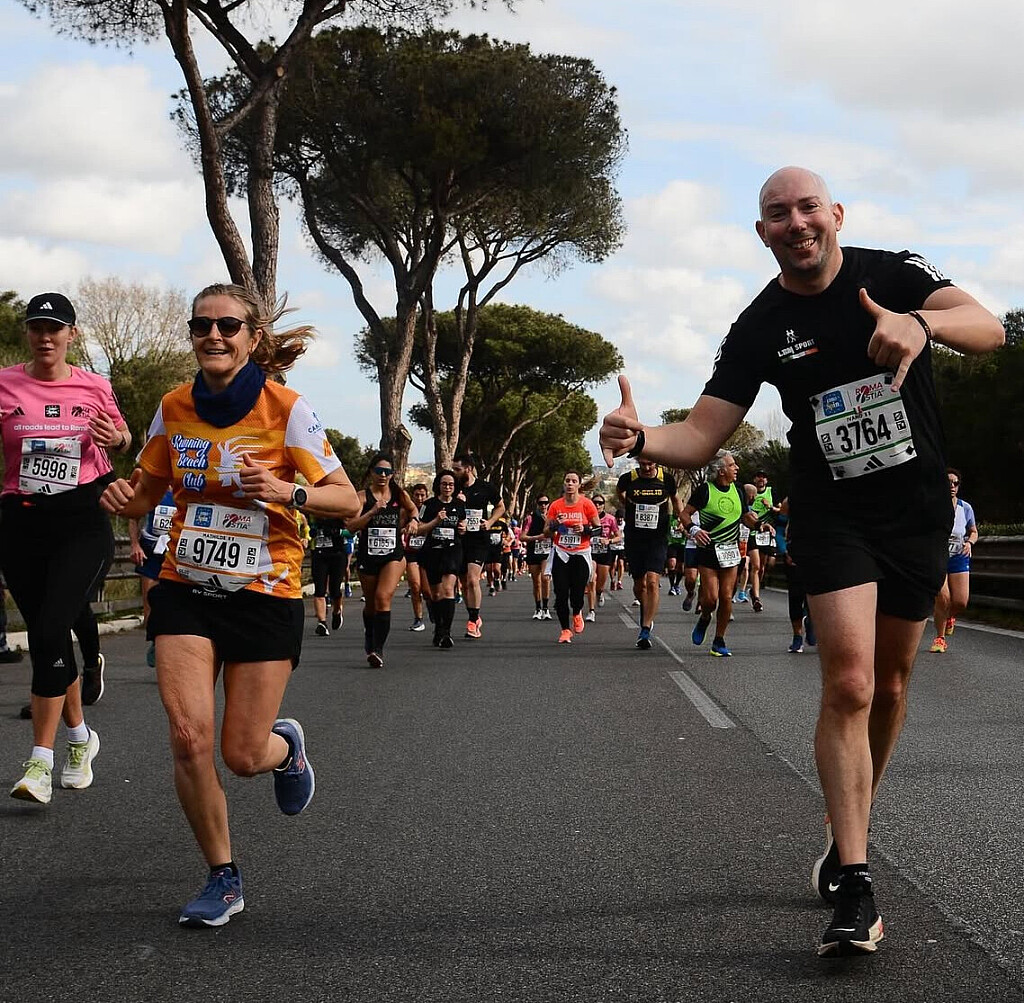
Italy’s Most Popular Half Marathon Returns for 2025 with a Strong International Field
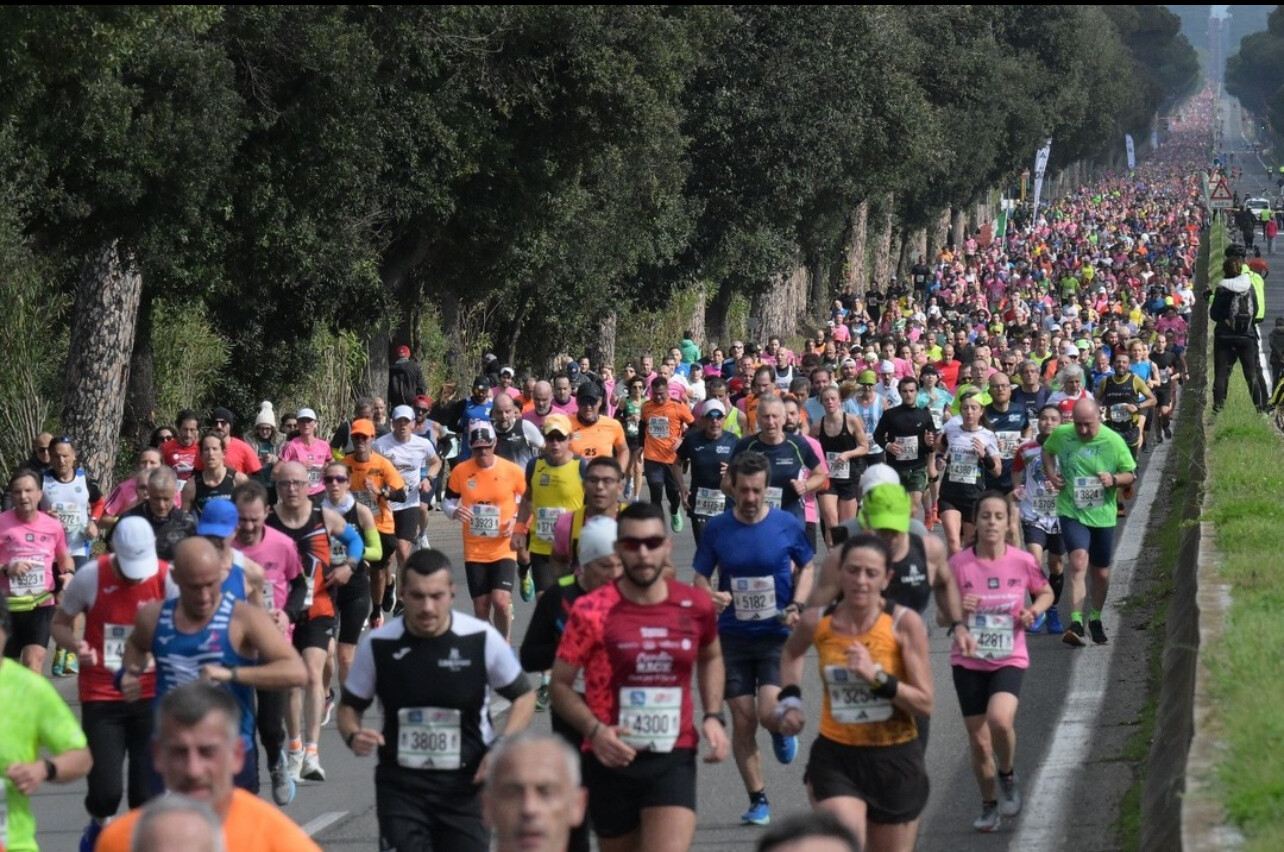
The Roma-Ostia Half Marathon, Italy's most popular half marathon, is set to celebrate its 50th edition on Sunday, March 2, 2025. This landmark event is expected to attract over 12,000 participants, including a significant international contingent, with foreign runners comprising approximately 42% of the registrants.
The race will follow its traditional route, starting in Rome's EUR district near the Palazzo dello Sport. Runners will traverse the wide boulevards of the neighborhood before proceeding onto the Cristoforo Colombo road, leading directly to the finish line at Ostia's main roundabout. This 21.0975-kilometer course is renowned for its speed, offering participants a prime opportunity to achieve personal bests.
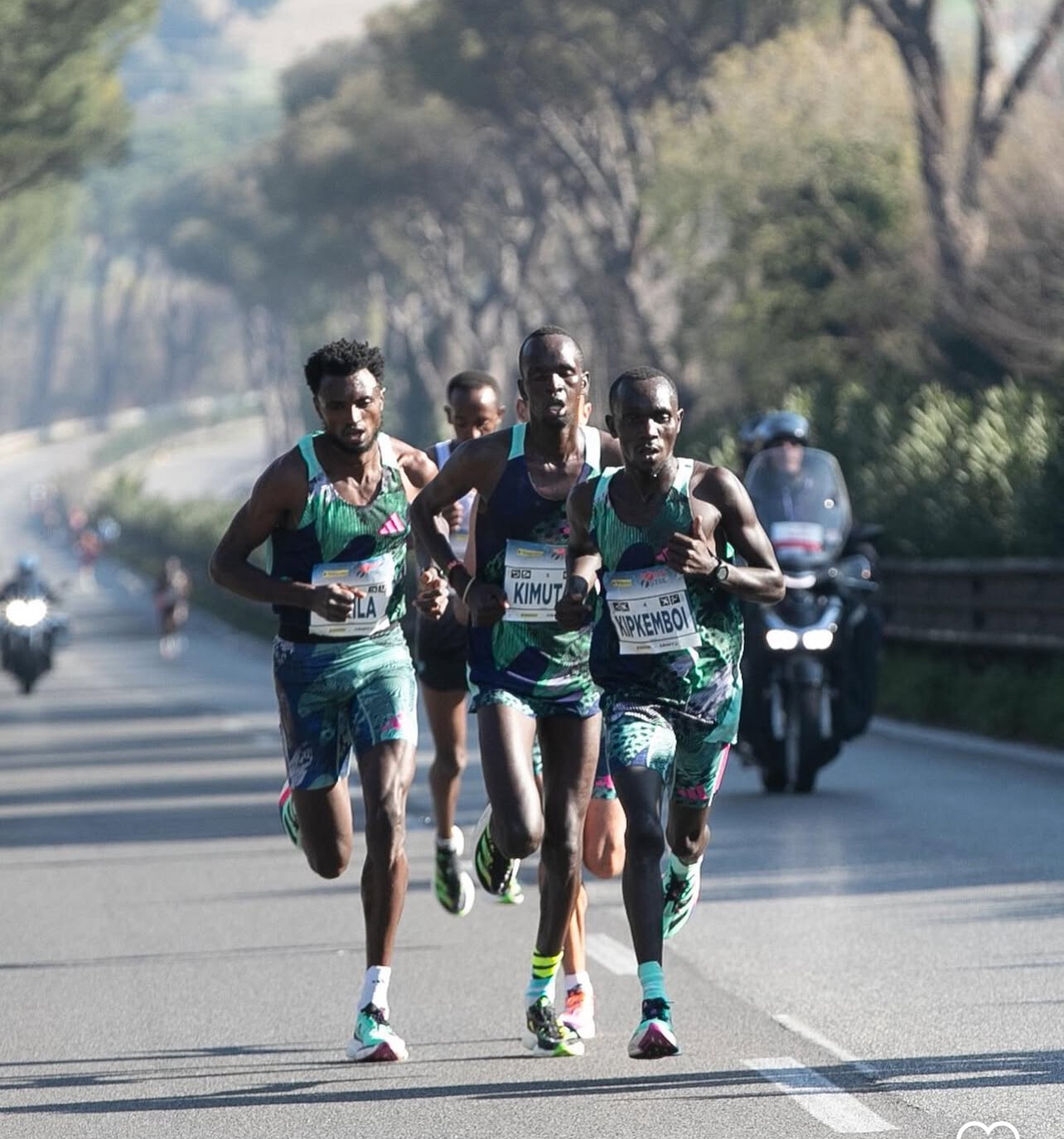
In the lead-up to the race, the Casa RomaOstia 2025 Village will be open from Thursday, February 27, to Saturday, March 1, at Piazzale Pier Luigi Nervi. The Village will feature a photographic exhibition celebrating the half-century history of the event, along with various stands showcasing the latest in sports and running. A highlight of the pre-race activities is the elite athletes' parade scheduled for Saturday, March 1.
As of now, the official list of elite runners for the 2025 race has not been released. However, the Roma-Ostia Half Marathon has a storied history of attracting top-tier international talent. In the 2024 edition, notable athletes such as Ethiopian Tsegu Berehanu Wendemu and Kenyan Mary Wacera Ngugi participated, with Ngugi clinching the women's title. Given this tradition, participants and spectators can anticipate a competitive field in the upcoming race.
The current course records stand as a testament to the event's competitive nature. In the men's category, Moroccan athlete Aziz Lahbabi set the record in 2014 with a time of 59:25. On the women's side, Kenyan runner Florence Kiplagat holds the record with a time of 1:06:38, achieved in 2012.
Login to leave a comment

Roma Ostia Half Marathon
Italy's most popular half marathon, this road race is a popular event for runners of all abilities. The Roma-Ostia Half Marathon is an annual half marathon road running event which takes place in the spring in Rome, Italy. The course begins in the EUR district of the city and follows a direct south-easterly route to the finish point near the...
more...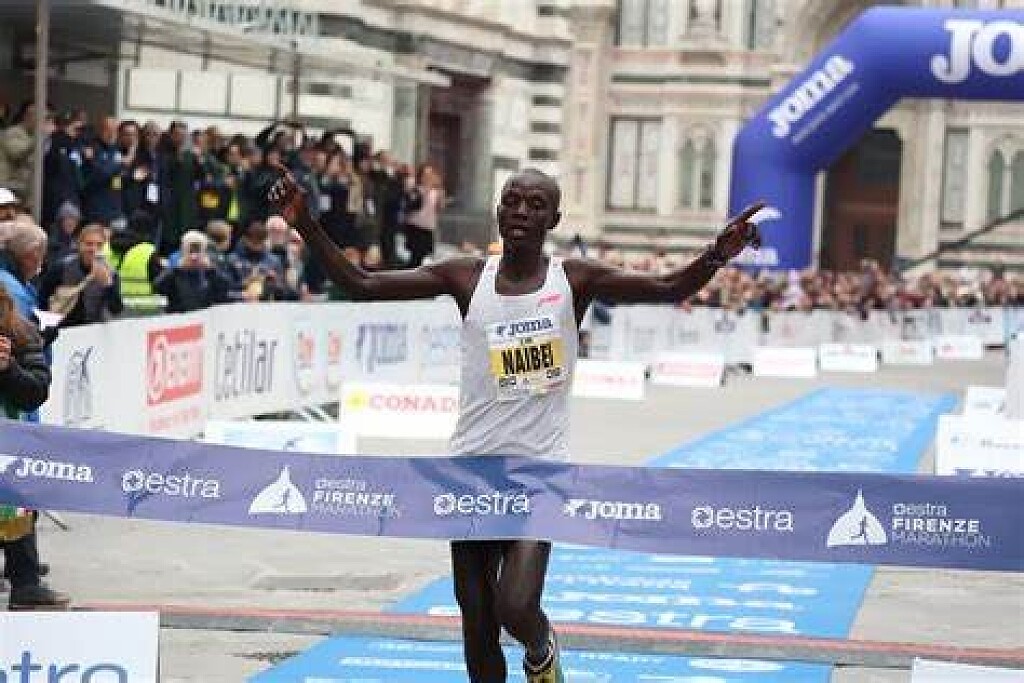
Kenyans Samuel and Dorine win the firenze marathon
There were 12 thousand marathon runners who ran the Florence Marathon. Won by the Kenyan Samuel Kiplimo Naibei with a time of 2h12'51". And the first woman was also Kenyan: Dorine Jerop Murmomen in 2h27'01". Second among the men was Burundian Jean Marie Bukuru, who climbed from sixth position, to the finish line in 2h16'22" shoulder to shoulder and with the same time as the Kenyan Hyllry Biwott Chemweno.
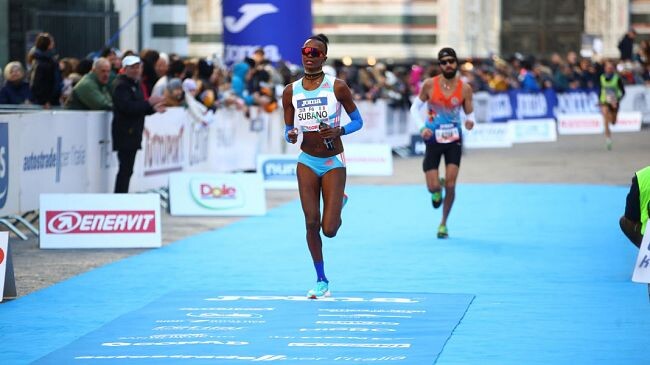
First Italian, and fifth overall, Hicham Boufars in 2h18'24". Second among the women Lucy Chepoghon Chelele in 2h27'18", followed by Hellen Chepkorir in 2h27'59". First Italian, and fifth overall, Maria Gorette Subano, who improves on last year's sixth place, when she was making her debut on the marathon distance, finishing in 2h39'59".
The start at 8.30 am: with the president of the Tuscany Region, Eugenio Giani, while it was the first time for Sara Funaro, as mayor, to officially start the marathon.
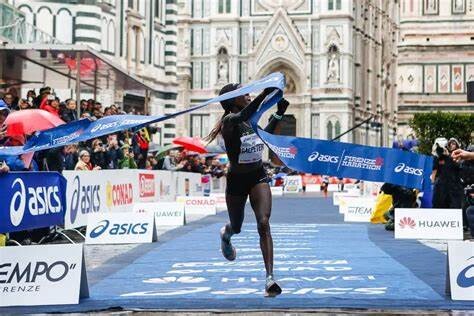
"Thanks to those who have made this event possible, it is a great honor for Tuscany to host the second largest Italian marathon in terms of number - said Giani -. It is with great commitment and satisfaction that we work so that this race takes place in the city center, testifying that the marriage between sport and culture is possible".
For Funaro it was "a great emotion the start of the 40th Firenze Marathon. It is truly an incredible edition, together with the 10km there are over 11 thousand registered and participants from over 90 nations, a river of wonderful people in our city. A big thank you goes to the organizers and the many volunteers who are the soul of the Florence Marathon".
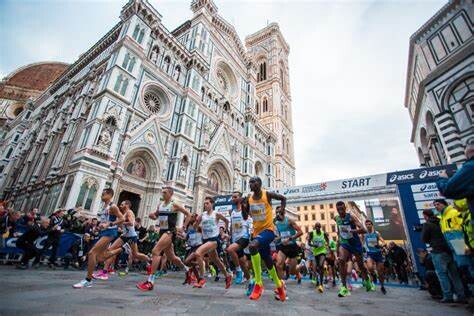
In the parterre of the start and finish area also the councilor for sport Letizia Perini and the president of the City Council Cosimo Guccione. Five minutes from the official start, departure for the MaratonAbili while at the same time the start of the first edition of the 10K FirenzeMarathon took place from via Tornabuoni. During the morning, the commander of the municipal police Paola Pieri was awarded with a plaque who, after having collaborated for the success of many editions of the FlorenceMarathon, retires for retirement.
Four athletes who participated in the first edition, in 1984, were also awarded with a plaque. Plaque also for Andrea Galbiati, marathon runner and president of MonzaMarathonTeam, friend of the Firenze Marathon, at his 15th continuous participation.
"Whether it is thanks to this special birthday or to the hearts of 11 thousand marathon runners who made this city vibrate, the emotions of this edition and the satisfaction of us organizers are on edge, we are very happy to have welcomed thousands of athletes to the finish line - the final thought of Giancarlo Romiti, on behalf of the organizing committee -. The first was also good for the 10K Firenze Marathon with over a thousand athletes who enjoyed our extraordinary historic center. For us organizers, the Florence Marathon began a year earlier, when, in the wake of the enthusiasm of the edition that has ended, we gathered the closeness of partners and institutions to embark on the new path. See you next year".
by Ernesto Giusti
Login to leave a comment

Firenze Marathon
This is Firenze (Florence) Marathon! Along the way you will be surrounded by centuries of art, history and culture, a unique emotion that can only be experienced by those who run in Florence. Thousands of sports people and enthusiasts from all over the world come to participate in this classic race on the last Sunday in November. The route takes...
more...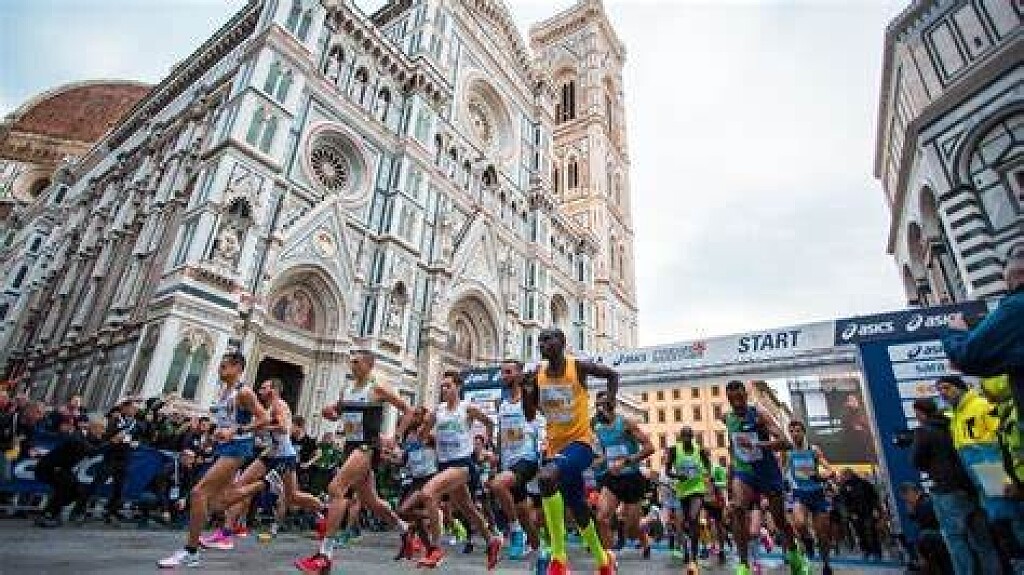
Firenze Marathon 2024: Top runners
Florence - Writing one's name in the roll of honour of a noble event and doing it on the occasion of the 40th birthday, the challenge of the 40^ Estra Firenze Marathon is therefore even more electrifying and the task of making it so is entrusted to twelve men and eight women.
Top runners – Men
Five from Kenya and Italy, one from France and Burundi to beat the record to be beaten currently in the legs of the Kenyan James Kipkogei Kutto who in 2006 crossed the finish line in 2h08'40". The Kenyan Dikson Simba Naykundi (Caivano Runners) could succeed in his debut on the queen distance. Dikson Nyakundi brings with him the excellent record of 60'39" on the half marathon distance that earned him victory in Treviso in 2022 and has racked up several podiums in Italy, as stated in his curriculum in which we find, among others, the victories in Cremona in 2021 and at the last edition of the Neapolis Half Marathon.
In the race, however, there are those who already have experience on the queen distance and will try to have their say having already run below the record of the event. This is the Kenyan Edwin Kimutai Kiplagat who with 2h08'21", detached in Geneva in 2021, could captain the leading group.
Just over a minute away, the winner of the last edition of the Neapolis Marathon, the Kenyan Samuel Naibei Kiplimo who has already stopped the clock of the 2022 Run Rome The Marathon at 2h09'41", when he conquered the seventh position overall. Behind him is the first on the home list, the Moroccan with an Italian passport Hicham Boufars (Asd International Security) who participated in Florence in 2019 (third overall with 2h13'29"), in 2018 with a personal best (second overall with 2h12'16"), 2015 (2h13'36") and 2014 (2h17'12"), followed by the Kenyan Hyllry Chemweno who this year snatched the personal best of 2h13'28" by winning the Skopje marathon (Macedonia).
A little further behind is Lhoussaine Oukhrid (ASD AT Running) with a personal best of 2h16'25" followed by the Algerian with a French passport Menad Lamrani, last year at the personal best of 2h16'45" at the Rennes marathon (France).
At the start, with the task of acting as a hare, the Kenyan Simon Dudi Ekidor who brings the time of 2h18'58" from the 2019 Nairobi marathon.
Closing the ranks are three Italian regulars of this event, the Moroccan Khalid Jbari (Athl. Club 96 Alperia), capable of 2h21'32", his personal best, in 2022 and Andrea Soffientini (Dinamo Running), for him already three medals in the Firenze Marathon, in 2022 (2h26'36"), in 2021 (2h22'29") and in 2021 (2h26'36") and Kabir Hicham (Pol Moving SSD ARL) who in Florence conquered his best time with 2h22'44" last year, when he showed up sixth at the finish line, improving on the 12^ position of 2021 (2h27'24").
Burundian Jean Marie Bukuru makes his debut with the record of 63'03" in his legs at the 2023 Arezzo half marathon.
Top runners – Women
Five from Kenya, two national standard-bearers and one from Morocco for the glory of the 40^ Estra Firenze Marathon, although, barring surprises, it does not seem that the women's record of the route that belongs to the Olympic Lonah Chemtai Salpeter can waver, in 2018 she had lowered it by four minutes compared to the previous one bringing it to 2h 24'17".
On paper, the victory goes to the Kenyan Vivian Cherotich to whom the Italian roads bring luck, as told by the record with victory conquered at the last edition of the Romeo & Giulietta Half Marathon with a time of 1h09'18" which is on a par with the victory of the last marathon in Eindhoven (Netherlands) when she set her personal best of 2h26'41". Watch out for the Moroccan Souad Kabouchia who here in Florence, in 2021, has already taken fourth place running in 2h27'49", a handful of seconds from the personal best that gave her the victory of the last marathon in Enschede, which ended in 2h27'16".
Three minutes behind her it is possible to see the stride of her compatriot Dorine Cherop Murkomen who this year in Seville set her best time with 2h29'39".
The breath on the neck is of the Kenyan Teresiah Kwaboka Omosa (Caivano Runners) who has racked up several victories, including the half marathons of Udine (2021), Wachau (2022) and Nancy (2024) as well as that of the Salzburg marathon in 2018. For her, the record on the queen distance is from 2021 when in Fürstenfeld (Austria) she stopped the clock at 2h30'12".
A little more detached is the Kenyan Hellen Chepkorir who brings 2h34'16" scored in Kosice (Slovakia) in 2017. In the group of pursuers the Kenyan Lucy Chepoghon Chelele who boasts the time of 2h38'12" a few weeks ago in Nairobi, the blue of Kenyan origin Maria Gorette Subano (Cus Pro Patria Milano), last year able to snatch the bronze medal of the 39^ Firenze Marathon and recently improved at the Berlin marathon (Germany) where she finished her efforts in 2h38'45". For Italy also her teammate Sarah Giomi with the time of 2h40'22" set in Amsterdam in 2018.
Hall of Fame
The ranking by nations still sees the colors of Italy in the lead with 22 victories (11 among men and 11 among women), followed by Kenya with 16 successes (12/4), then Ethiopia which with 15 victories (7/8) extends its lead over Great Britain with 9 victories (3/6); then at 2 there are Bahrain (2/0) and Hungary (0/2). Austria (0/1), Belgium (0/1), Brazil (1/0), Israel (0/1), Yugoslavia (1/0), Morocco (1/0), Norway (0/1), Czech Republic (0/1), Russia (0/1), Rwanda (0/1), Slovenia (0/1) and Ukraine (1/0) all have one win each. There are 18 nations that can boast at least one victory in the roll of honour.
Victories of 9 different nations among men and 13 different nations among women. Men: Kenya 12, Italy 11, Ethiopia 7, Great Britain 3, Bahrain 2. Brazil, Yugoslavia, Morocco and Ukraine: 1. Women: Italy 11, Ethiopia 8, Great Britain 6, Kenya 4, Hungary 2. Austria, Belgium, Israel, Norway, Czech Republic, Russia, Rwanda and Slovenia: 1.
The 2023 edition of the Florence Marathon brought the tricolor back to the men's podium with Said El Otmani (CS Army), in the women's victory of Clementine Mukandanga who signed the national record for Rwanda while the last Italian who had the national anthem sung is Giovanna Volpato who in 2008 cut the ribbon in 2h34'13".
Login to leave a comment
Firenze Marathon
This is Firenze (Florence) Marathon! Along the way you will be surrounded by centuries of art, history and culture, a unique emotion that can only be experienced by those who run in Florence. Thousands of sports people and enthusiasts from all over the world come to participate in this classic race on the last Sunday in November. The route takes...
more...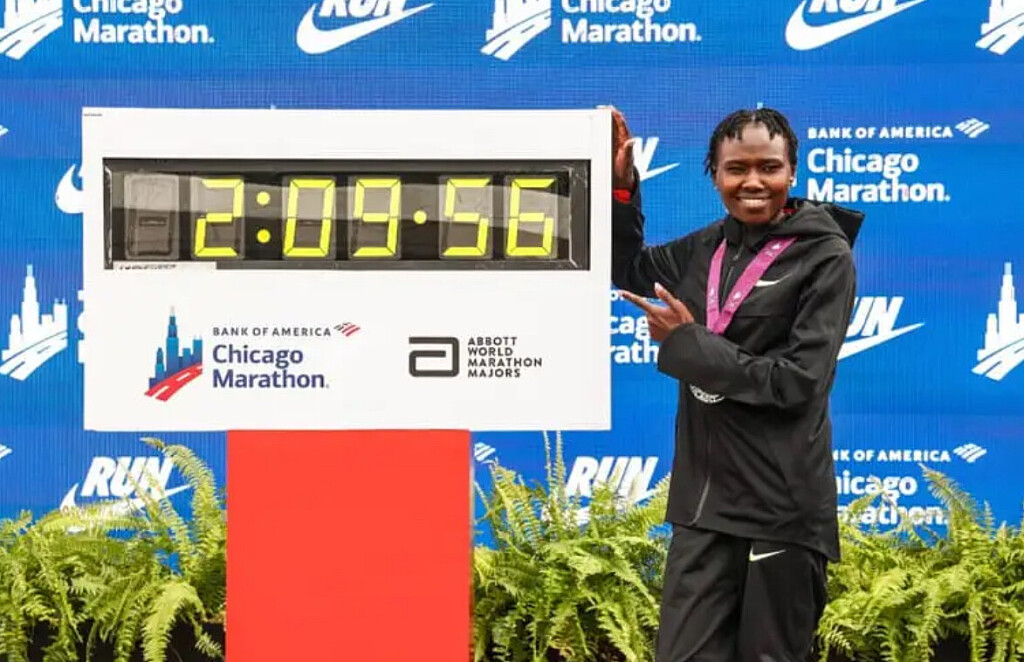
Another look at the new women’s marathon record set in Chicago today
30-year-old Kenyan Ruth Chepngetich destroyed the women’s marathon world record today (13 Oct. 2024) at the 46th Bank of America Chicago Marathon. Her time of 2:09:56 ripped 1:57 from the previous mark set in Berlin 2023 by Ethiopia’s Tigst Assefa (2:11:53).
At this point, the athletics record book feels like it ought to be written in No. 2 Ticonderoga pencil. That’s how fast records fall in this age of technological and nutritional advances. This is especially true at the longer distances where such advancements create greater margins.
Still, Ruth Chepngetich’s new world record stands out as history’s first women’s sub-2:10, and first sub-5:00 per mile pace average. But Tigst Assefa’s 2:11:53 mark set last year in Berlin had us all cradling our heads, as well. That performance cut 2:11 off Brigid Kosgei‘s 2:14:04 record from Chicago 2019, which shattered Paula Radcliffe‘s seemingly impregnable 2:15:25 set in London 2003.
In each case: Radcliffe’s, Kosgei’s, Assefa’s, and now Chepngetich’s record have caused mouths to gape in the immediacy of their efforts. But nothing should surprise us anymore.
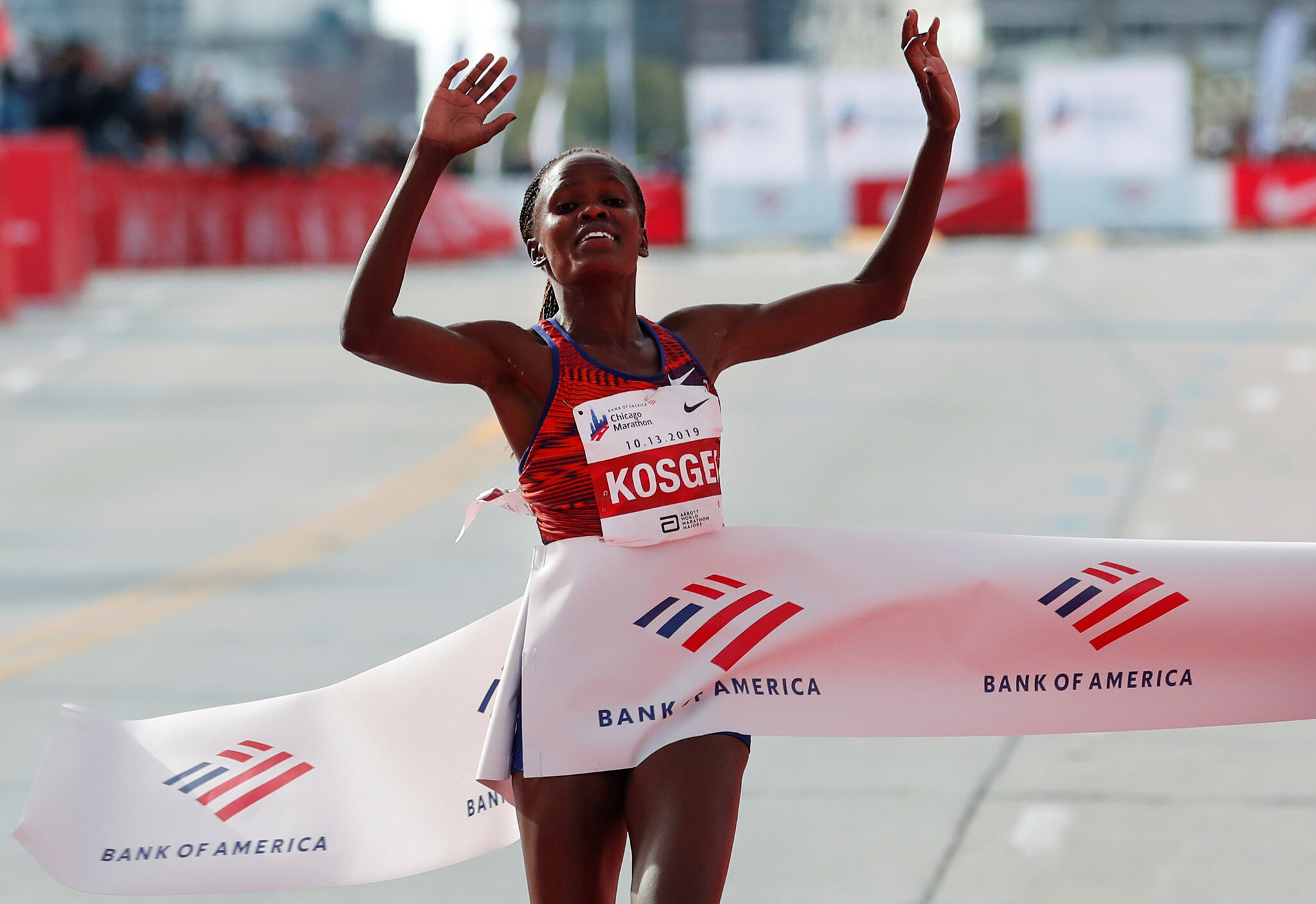
Racing is often a self-fulfilling prophecy determined by one’s build-up. Ruth Chepngetich said in her TV interview she came into Chicago off a perfect three-months of training after her disappointing ninth-place finish in London in April (2:24:36). Two previous wins in the Windy City (2021 and 2022) and a runner-up in 2023 meant Ms. Chepngetich arrived well seasoned on this course, with a keen understanding of what training was required to produce such a record run.
Of course, sadly, no record in athletics can be free of skepticism considering the industrial level of PED use that is uncovered, seemingly, every other Tuesday. Though understandable, cynicism should not be one’s default reaction.
To maintain any allegiance to the game, to follow it with any interest at all, we have to celebrate each record at face value. Just as rabid fans have to acknowledge some records to be ill-gotten, cynics accept that many special runs are exactly as they appear, above reproach.
Besides, when you break down Ruth’s 5k splits, each one from 5k to 35k was slower than the previous 5k. Not until the split from 35k to 40k (15:39) did she run faster than the split before (15:43 from 30 to 35k)
5k – 15:0010k – 30:14 (15:14)15k – 45:32 (15:18)20k – 60:51 (15:19)25k – 1:16:17 (15:26)30k – 1:31:40 (15:32)35k – 1:47:32 (15:43)40k – 2:03:11 (15:39)Fini – 2:09:56
1st half – 64:162nd half – 65:40
So congratulations to Ruth Chepngetich and her team for a marvelous run through a beautiful city. Now, let’s see how long this mark stays on the books before the No. 2 Ticonderoga pencil gets pulled out again.
BY THE NUMBERS
There have been 26 women’s world records set in the marathon since Beth Bonner‘s 2:55:22 in New York City in 1971. Over the ensuing 53 years, the average percentage change from one record to the next has been 1:26%. See WOMEN’S WORLD RECORD PROGRESSION.
Today’s record by Ruth Chepngetich, 2:09:56 (just one second slower than Bill Rodgers‘ American men’s record in Boston 1975!), lowered Tigst Assefa’s 2:11:53 mark by a healthy 1.5%. And Assefa’s time cut Brigid Kosgei’s 2:14:04 by 1.65%.
These latest records are still taking significant chunks off their predecessors and doing so in quick order. That suggests women are far from slicing everything they can from even this new record.
Yet, when comparing the women’s marathon world record to the men’s (2:00:35, set by Kelvin Kiptum in Chicago 2023), we see a differential of 7.2%. That is by far the best women’s record vis-à-vis the men’s throughout the running spectrum. Second place on that list is Florence Griffith-Joyner‘s 10.49 100m in relation to Usain Bolt‘s 9.58, a percentage difference of 8.675%.
The traditional rule of thumb has been a 10% gap between men’s and women’s records. But there are so many factors in play, it is difficult to make any definitive statement that explains one event, much less one athlete from another. I guess that’s why we keep watching.
by Toni Reavis
Login to leave a comment

Bank of America Chicago
Running the Bank of America Chicago Marathon is the pinnacle of achievement for elite athletes and everyday runners alike. On race day, runners from all 50 states and more than 100 countries will set out to accomplish a personal dream by reaching the finish line in Grant Park. The Bank of America Chicago Marathon is known for its flat and...
more...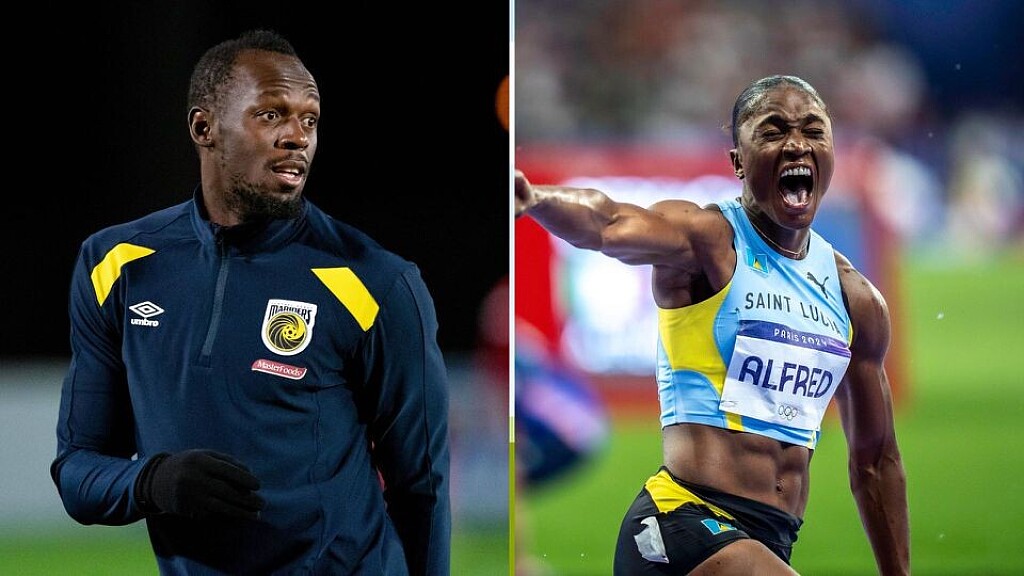
How Usain Bolt contributed to Julien Alfred's victory in the women's 100m at the Paris Olympics
Julien Alfred has narrated how Usain Bolt inspired her to victory in the women's 100m final at the Paris Olympic Games.
Julien Alfred is walking in the footsteps of the fastest man in the world, Usain Bolt, as she looks to obliterate the women’s 100m world record.
The world record was set by the late Florence Griffith Joyner who clocked an astonishing 10.49 seconds to win the 1988 Seoul Olympic Games.
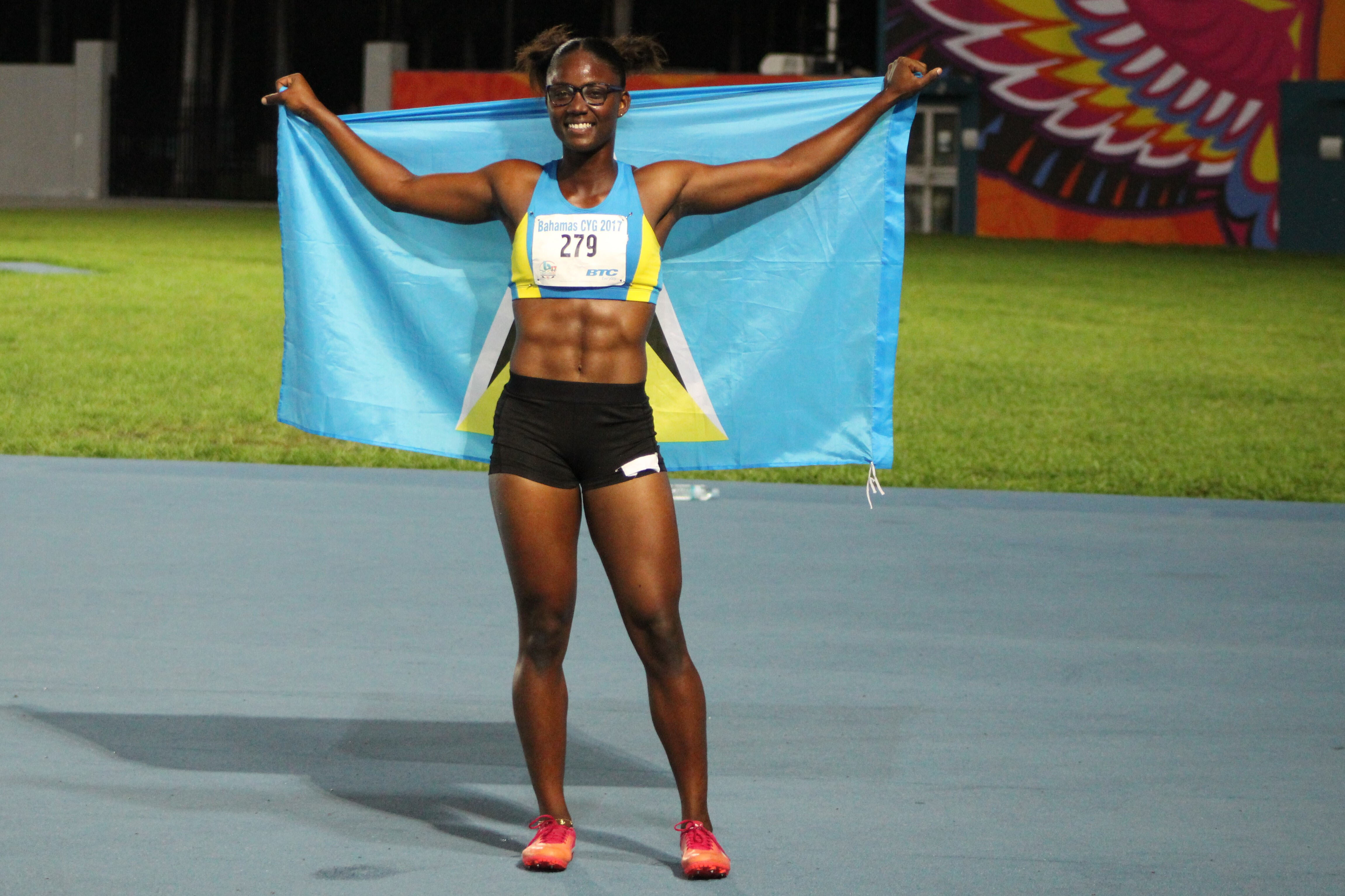
She explained that multiple Olympic champion Bolt contributed to her win at the Paris Olympic Games since she watched some of his videos before stepping on the track for the final. In an interview with the Times, Alfred noted that she wants to be one of the greatest ever.
She is slowly getting closer to achieving her dreams as she has been crowned Olympic champion. To achieve the feat, the St. Lucia sprinter had to beat a strong cast from the U.S. including the reigning world champion Sha’Carri Richardson and Melissa Jefferson who finished second and third.
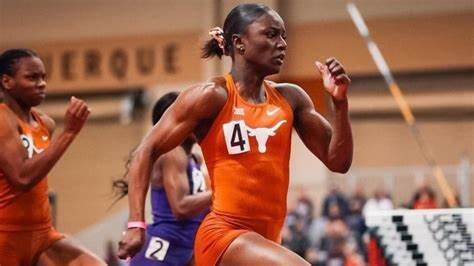
“For me it was never the Olympics. I wanted to be the fastest woman in the world. I wanted to be unbeatable. It was almost child-like. I never saw being from a small place as a negative. I never thought it would make things impossible. I watched Usain Bolt be the fastest man and just knew what I wanted,” Alfred said.
“I wanted to help my family and I saw running as a way out. So I watched a few of his races before mine. I had to go back to my roots to see how he handled everything, from the pressure to the celebrations. He was an inspiration to me growing up and I wanted to be just like him,” she added.
After winning the Olympic 100m and claiming the 200m silver medal, Alfred noted that she felt a sense of being free.
She was unfazed by the presence of Richardson and noted that in such instances, she never feels the need to worry about the things happening around her. When she steps on the track, Alfred noted that she only focuses on herself.
“When I run fast I feel happy, like I’m on top of the world and nothing can stop me. Sometimes when you focus on racing, it can make you tense, but when you just focus on yourself you have that freedom. No worries. Unstoppable. That’s how I felt in Paris,” she revealed.
However, her journey to becoming an Olympic champion has been marred with challenges. Alfred admitted that she used to train on grass since there was no available track where she used to live.
“Every country has its own challenges. But Saint Lucia is a country full of life, very beautiful and rich in its own ways. I really hope I have put it on the map,” she added.
by Abigael Wafula
Login to leave a comment

Paris 2024 Olympic Games
For this historic event, the City of Light is thinking big! Visitors will be able to watch events at top sporting venues in Paris and the Paris region, as well as at emblematic monuments in the capital visited by several millions of tourists each year. The promise of exceptional moments to experience in an exceptional setting! A great way to...
more...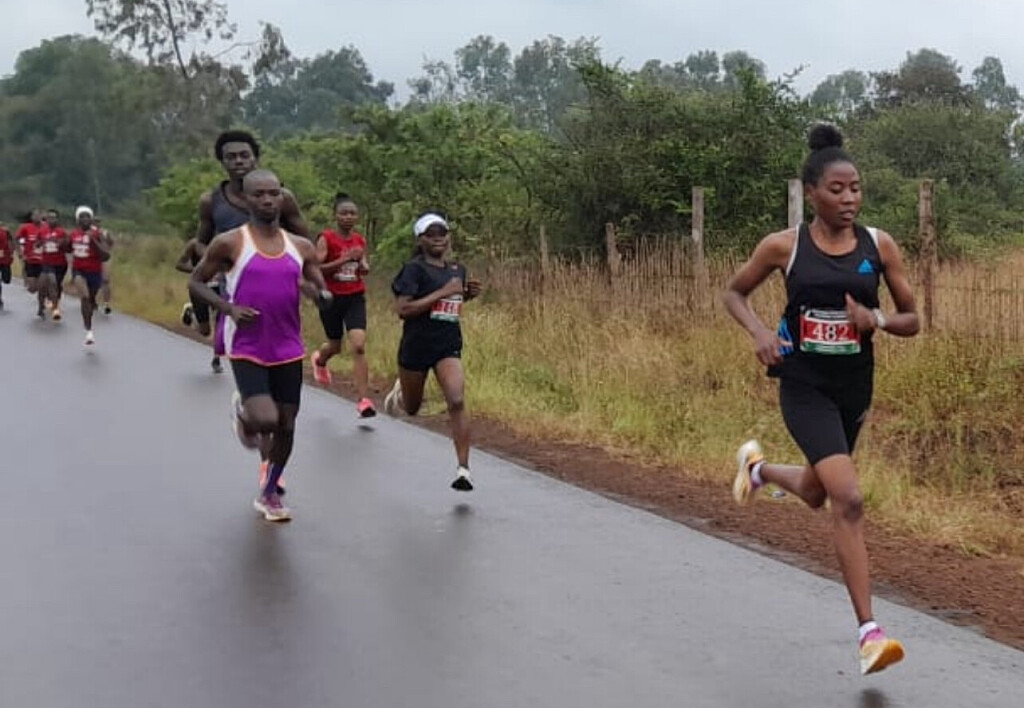
The KATA monthly time trial (number 35) was highlighted by outstanding performances by the women
The 35th Monthly Kenya Athletic Training Academy (KATA) July time trial was held today July 17th in Thika Kenya. The turn out was good considering the weather. It was chilly and started drizzling as athletes were heading to the starting line.
Men were really affected by wet weather. Despite the effort, Zachary kirika won the men 10km race in 29:39, well outside his personal best.
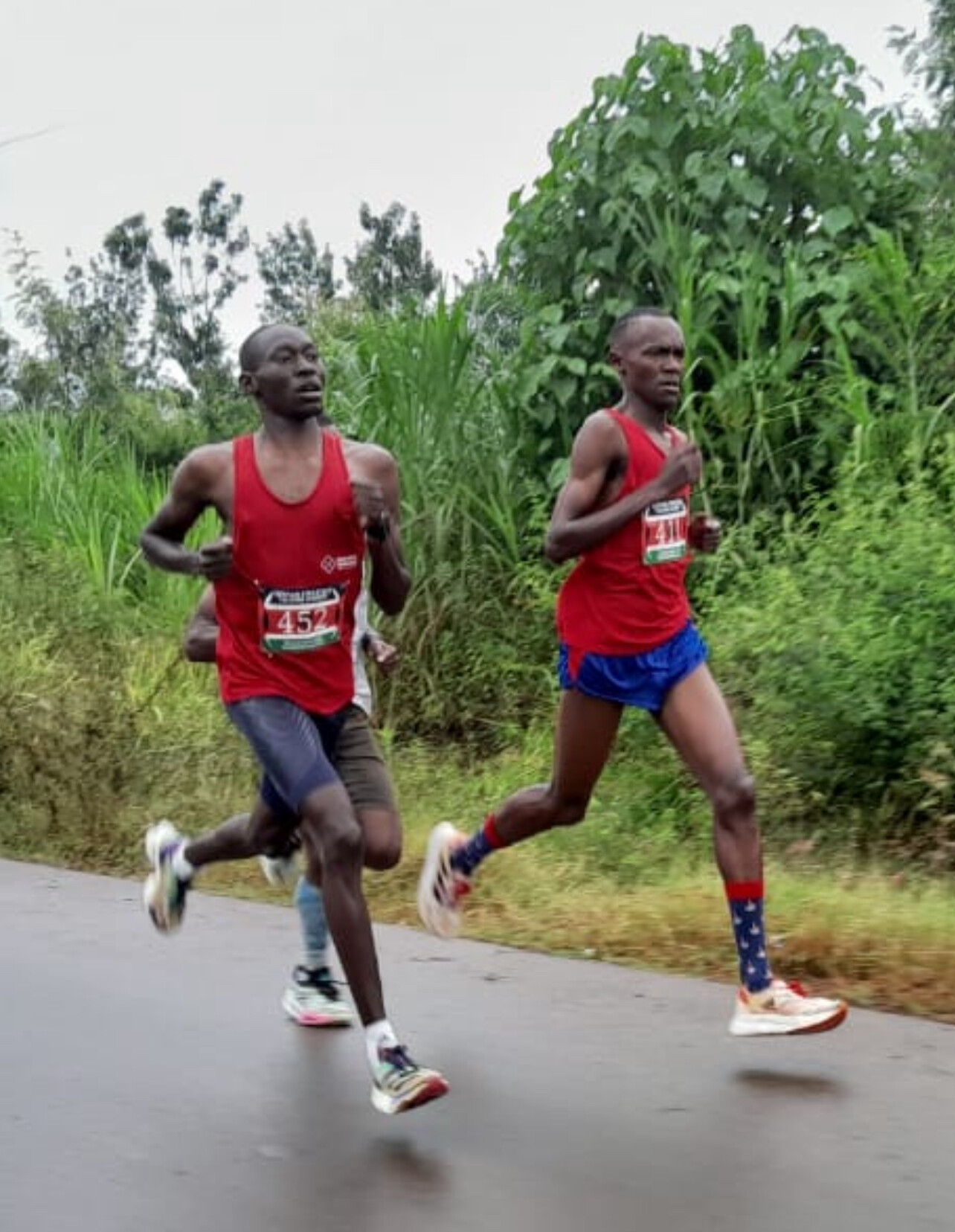
Lewis kuria won the men 5km race in 14:56 which was just ten seconds slower than his previous time.
The day belonged to the women. They defied the cold weather making personal bests and course records. Monica wanjiru won the 5km race in an impressive time of 16:19. This was her personal best time and also the course record.
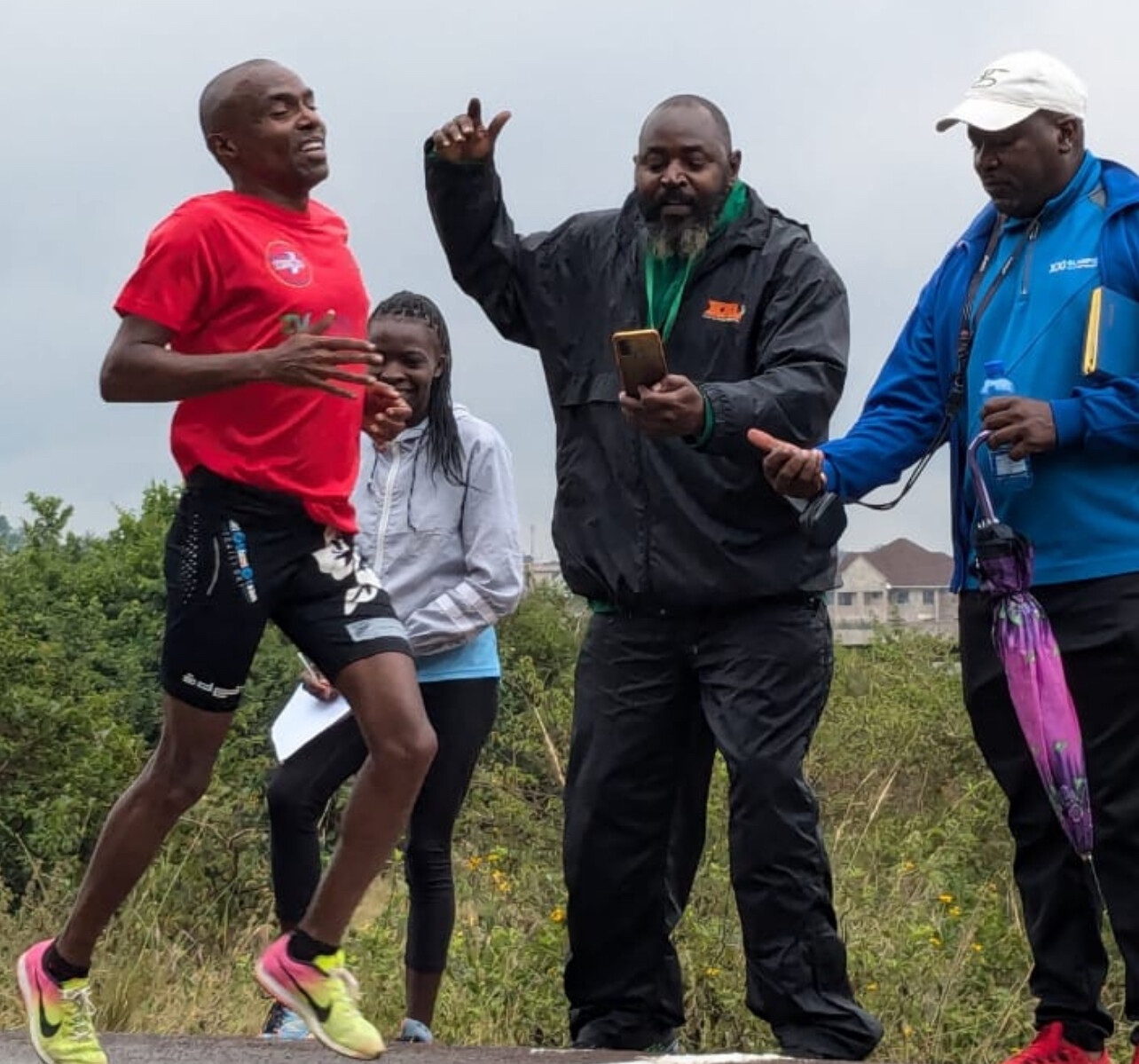
Nympha kiteta only 18 years old took victory in the women's 10km race in a personal best time of 33:53. She was followed by Lois wambui who lowered her personal best by over one minute clocking 35:04.
Virginia wanjiru finished in third place in a personal best time of 35:09.
The overall performances was indeed impressive considering the weather conditions.
Women 5km
1 Monica wanjiru 22 482 16:19
2 Susan njuu 36 179 17:24
3 Karen chepkemoi 22 244 17:51
4 Lilian musenya 22 240 18:23
5 melody ochana 21 149 18:59
6 Anastasia muthoni 21 75 19:08
7 Sheila makungu 21 198 21:32
8 Catherine njihia 22 153 21:43
9 shelmith rono 24 196 24:23
10 Doreen waka 26 251 25:51
11 Catherine waithira 24 242 29:06
12 mwolobi sarafin 19 241 29:07
MEN 5km
1 lewis kuria 22 779 14:56
2: Gabriel kahura 41 998 15:17
3 Shadrack kiprotich 23 120 15:27
4 Charles ndirangu 23 474 15:54
5 Amos chirchir 23 252 16:15
6 Jeremiah obura 20 255 16:40
7 Geoffrey ngama 50 466 17:26
8 Benjamin marauder 26 145 17:38
9 Felix koech 28 450 17:43
10 Ethan ochana 19 138 17:45
11 Anthony owino 28 193 18:39
12 Jared olero 24 458 18:49
13 Alex kamau 22 410 19:52
14 festus waita 29 154 20:37
15 Alvin mise 28 134 20:51
16 Sammy lagat 34 468 21:16
17 Philip kinyanjui 24 453 21:26
10km WOMEN
1 Nympha kiteta 18 335 33:53
2 Lois wambui 23 409 35:04
3 Virginia wanjiru 22 502 35:09
4 Florence kiarie 33 239 37:30
5 Jane wanjiru 41 197 37:44
6 Monica Njoroge 22 131 40:10
7 Ruth maina 21 251 43:23
8 Lucy muritu 39 238 47:38
10km MEN
1 Zachary kirika 22 179 29:39
2 John njuguna 26 245 30:15
3 Stephen ngigi 20 498 30:47
4 peter wanyoike 23 432 31:04
5 Fredrick kiprotich 23 319 31:17
6 Joseph kariuki 38 449 32:16
7 David muriuki 28 642 32:17
8 Joseph wanjiru 27 489 33:33
9 Hezira kiprotich 23 436 33:40
10 Fred kamande 24 457 33:54
11 Ismael mburu 23 205 33:57
12 Charles ndirangu 64 163 37:11
Login to leave a comment

KATA Time Trial Series
Welcome to the KATA Monthly Time Trial Held at the Kenyan Athletics Training Academy in Thika, Kenya, the KATA Monthly Time Trial is a unique and inclusive event designed to support runners of all levels in achieving their goals and showcasing their fitness. This event offers both 10K and 5K distances on an accurate, certified course, providing participants with...
more...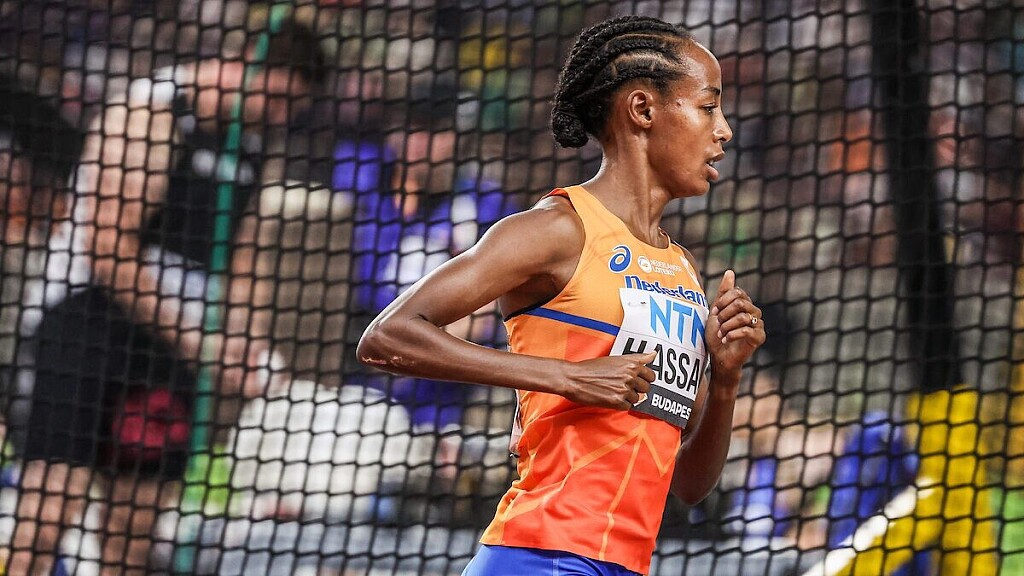
Sifan Hassan to race four events at Paris 2024 Olympics
At the Tokyo 2020 Olympics, Dutch distance runner Sifan Hassan made history by winning three individual medals across three different athletics disciplines, two golds and one bronze. She won golds in the women’s 5,000m and 10,000m events, and bronze in the women’s 1,500m behind Faith Kipyegon and Laura Muir. Well apparently three events didn’t keep Hassan busy enough, raising the stakes for Paris 2024 by competing in the 1,500m, 5,000m, 10,000m and the marathon—an unprecedented Olympic quadruple.
According to an announcement from the Dutch Olympic team, Hassan is entered in all four disciplines and will race a total of seven times over 10 days. Her most challenging stretch will be from Aug. 8-11, when she is scheduled to race the 1,500m semi-finals and finals, the women’s 10,000m final, and the women’s marathon on the final day of Paris 2024 (Aug. 11); all on consecutive days.
Hassan is the only athlete in Olympic history to have medaled in the 1,500m, 5,000m and 10,000m events at a single Games. She is also the first to qualify for and attempt this quadruple-distance feat.
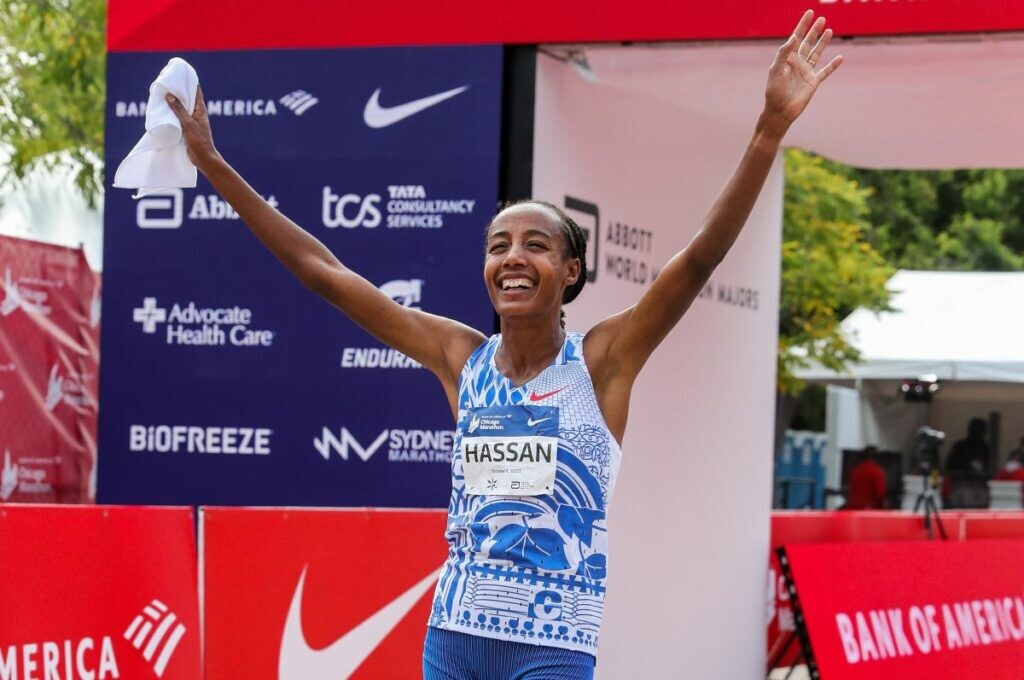
Last year, Hassan expanded her repertoire by adding the marathon to her list of racing disciplines. She won her marathon debut at the 2023 London Marathon and went on to clock the second-fastest women’s marathon time in history (2:13:44) to win the 2023 Chicago Marathon.
Hassan’s Paris 2024 schedule is ambitious. Although she is one of the greatest distance runners in history, replicating her Tokyo success will be incredibly challenging. The women’s 1,500m and 5,000m are two of the deepest events right now, featuring formidable competitors like defending world champion Faith Kipyegon, Laura Muir (Olympic silver medallist), Australia’s Jessica Hull (2,000m world record holder), Ethiopia’s Gudaf Tsegay (5,000m world record holder), and Kenya’s Beatrice Chebet (world XC champion). Hassan’s best chances for a medal lie in the women’s 10,000m final and the marathon, which come at the end of the Olympic schedule.
Here’s a look at Hassan’s Olympic schedule:
August 2: 5,000m, Round 1 – 6:10 p.m.
August 5: 5,000m, Final – 9:10 p.m.
August 6: 1,500m, Round 1 – 10:05 a.m.
August 8: 1,500m, Semifinal – 7:35 p.m.
August 9: 10,000m Final – 8:55 p.m.
August 10: 1,500m, Final – 8:25 p.m.
August 11: Marathon – 8:00 a.m.
Only two athletes have won four medals at a single Olympic Games: U.S. sprint icon Florence Griffith-Joyner, who won three golds and one silver (in the 4x400m relay) at Seoul in 1988, and Fanny Blankers-Koen of the Netherlands, who won four golds at the 1948 Olympics in London in the 100m, 200m, 4x100m relay, and 80m hurdles.
by Marley Dickison
Login to leave a comment
Paris 2024 Olympic Games
For this historic event, the City of Light is thinking big! Visitors will be able to watch events at top sporting venues in Paris and the Paris region, as well as at emblematic monuments in the capital visited by several millions of tourists each year. The promise of exceptional moments to experience in an exceptional setting! A great way to...
more...
Noah Lyles says his goal is to win four gold medals in Paris
The world 100m champion appeared on The Tonight Show with Jimmy Fallon and said he wants to become the first male sprinter to win four Olympic gold medals.
The world 100m champion, Noah Lyles, appeared on The Tonight Show with Jimmy Fallon on Monday night to discuss his role in the upcoming Netflix documentary series “Sprint” and his goals for the Paris Olympics. Lyles confidently stated his ambition to achieve something no male track and field athlete has done before: win four gold medals at a single Olympics.
“Everyone knows Usain Bolt; I want to be faster and more decorated than Bolt,” Lyles told Jimmy Fallon. “He’s done three. I want four, that’s the Mount Rushmore–now you’re the greatest of the great.”
At the 2023 World Championships in Budapest, Lyles became the first athlete to win the sprint double (100m and 200m) at a major championship since Bolt did so at Rio 2016. He added another gold medal in the men’s 4x100m, where Team USA redeemed themselves after finishing second to Canada in 2022 on home soil.
For Lyles to win four gold in Paris, he would need to win the 100m and 200m, 4x100m relay and 4x400m relay.
Only two athletes have won four medals at one Olympic Games: U.S. sprint icon Florence Griffith-Joyner won three golds and one silver medal (in the 4x400m) at Seoul in 1988. Fanny Blankers-Koen of The Netherlands is the only athlete to win four golds–at the 1948 Olympics in London, where she won the 100m, 200m, 4x100m relay, and 80m hurdles.
When Fallon asked Lyles why he wanted to put extra pressure on himself for Paris, Lyles said his goal is to win Olympic medals and break world records. “It’s been a long time since someone has done it, but growing up, I’ve always felt like that title belongs to me.” Bolt’s world records of 9.58 in the 100m, and 19.19 in the 200m have been untouched for the past 15 years.
Despite being the world champion in the 100m and 200m, Lyles’s first test will come at the USATF Olympic Trials from July 21-30 in Eugene, Ore., where he will aim to make his second Olympic team. The top three finishers in each event at trials will secure a spot on the U.S. Olympic team, provided they have met the Olympic standard or are in the World Athletics rankings quota.
by Marley Dickinson
Login to leave a comment
Paris 2024 Olympic Games
For this historic event, the City of Light is thinking big! Visitors will be able to watch events at top sporting venues in Paris and the Paris region, as well as at emblematic monuments in the capital visited by several millions of tourists each year. The promise of exceptional moments to experience in an exceptional setting! A great way to...
more...
Sha'Carri Richardson looking to make her Olympic debut
At the very end of Sha’Carri Richardson's road to redemption lies a gold medal.
The track and field star, whose 2021 disqualification cost her a chance to compete in the Tokyo Olympics, is quickly making her way down that road as she looks to secure her spot on Team USA for the 2024 Olympics in Paris.
"What would it mean to make it to Paris? Just literally all the training, all of the support, all of the naysayers, it pays off," Richardson told NBC. "It pays off in that moment when you realize when you made that Olympic team."
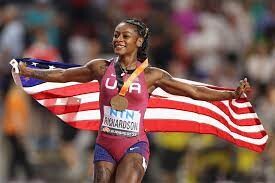
Richardson, a Dallas native, made the 2021 Olympic team after winning 100m event at the trials to qualify, but she later test positive for THC, the chemical in cannabis. She was disqualified for one month, which prevented her from competing in on sports' grandest stage during the Tokyo Games.
The Olympics went on without her.

She returned to the track at the 2021 Prefontaine Classic, finishing ninth. She returned to Olympic form nearly two years later, officially kicking off her revenge tour.
She won the 100m at the U.S. Track and Field Championships in a time of 10.82 seconds. She then claimed the title of fastest woman in the world with her 100m win at the 2023 World Athletic Championships in Budapest. She went on to kick off the Olympic year with a win at the Prefontaine Classic in a time of 10.83 seconds.
"I'm better, I'm stronger and I'm wiser," Richardson said. "I just knew that I was in a different position that I've never been in my entire life."
That soon could lead the 24-year-old to other places she has not yet been: the Olympics, and possibly the top of the podium.
Richardson is scheduled to run in her first Olympic trials preliminary on June 21 in Eugene, Oregon.
If she qualifies for the Games, she'll look to become the first American woman to win gold in the 100 meter since Florence Griffith-Joyner in 1988.
Richardson is back on track, literally and figuratively, and she credits her family for helping to lead her down the road to Paris.
"My family is so special to me, only for the fact that they know me, supported me and been there for me much longer than I even knew I was going to be who I was," Richardson said. "They knew who I was going to be before I even put it together."
by Mike Gavin
Login to leave a comment
Paris 2024 Olympic Games
For this historic event, the City of Light is thinking big! Visitors will be able to watch events at top sporting venues in Paris and the Paris region, as well as at emblematic monuments in the capital visited by several millions of tourists each year. The promise of exceptional moments to experience in an exceptional setting! A great way to...
more...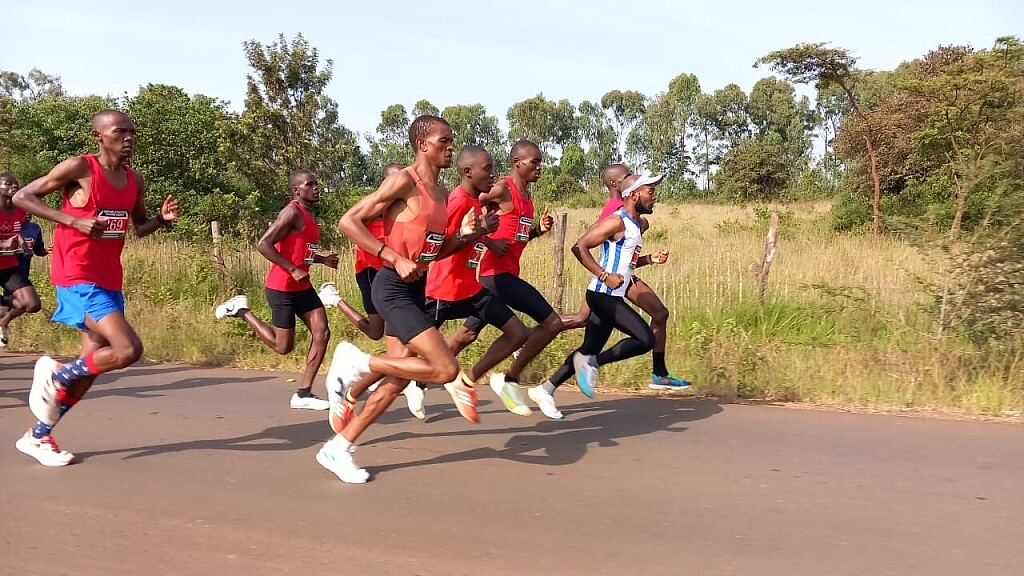
Good times at the monthly KATA Time Trial this morning in Thika Kenya
The KATA (Kenyan Athletics Training Academy) June time trial was the best ever held today in Thika Kenya. The turn out was good. A total of 52 athletes registered for the two events.
Athanas kiroko took the victory in the men 10km race in a time of 28:58. Zachary kirika was the man of the day. He finished in 2nd place in a personal best time of 29:12 lowering his previous time by 27 seconds. Fredrick kiprotich finished in third place in a time of 31:11.
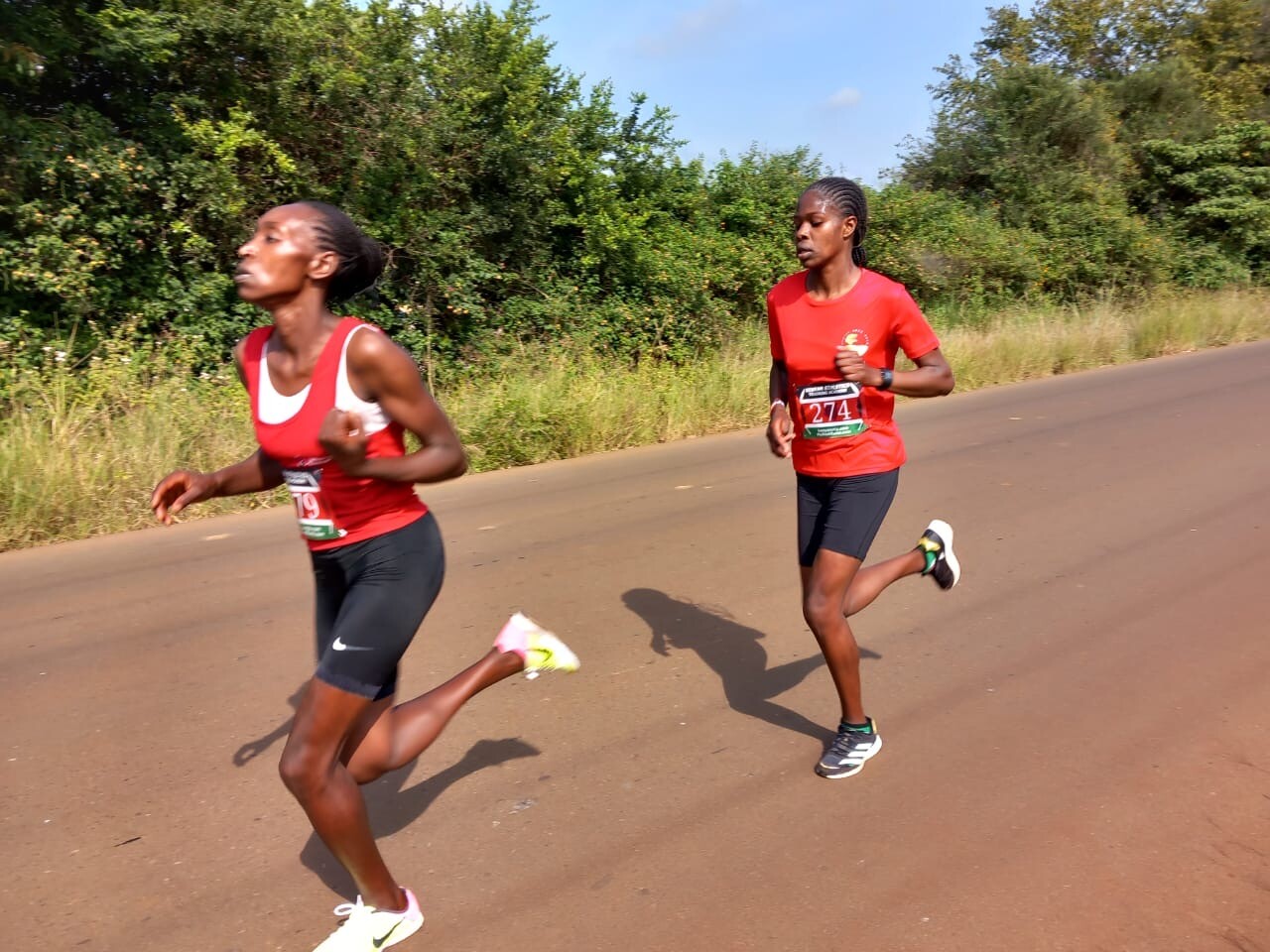
Kellen waithira took the crown in the women's 10km race in a time of 34:58. She was followed impressively by Jane wanja who finished in 2nd place in 35:45 lowering her personal best by over one minute. Karen chepkemoi placed third in 36:33 lowering her personal best by 14 seconds.
Job kamande finished first in men 5km race in 14:36. This was his first time in this distance. Charles ndirangu finished second in 15:24 lowering his personal best by 16 seconds. Amos chirchir finished third place in 15:49, lowering his previous time by 3 seconds. The improvement in women's 5km race was indeed astonishing. Lois wambui who finished in third place in 17:10 improved by 33 seconds. Jacinta kamau finished 4th in 17:14 improved by 35 seconds and Virginia wanjiru who finished in 5th position in 17:47 improved by 12 seconds.
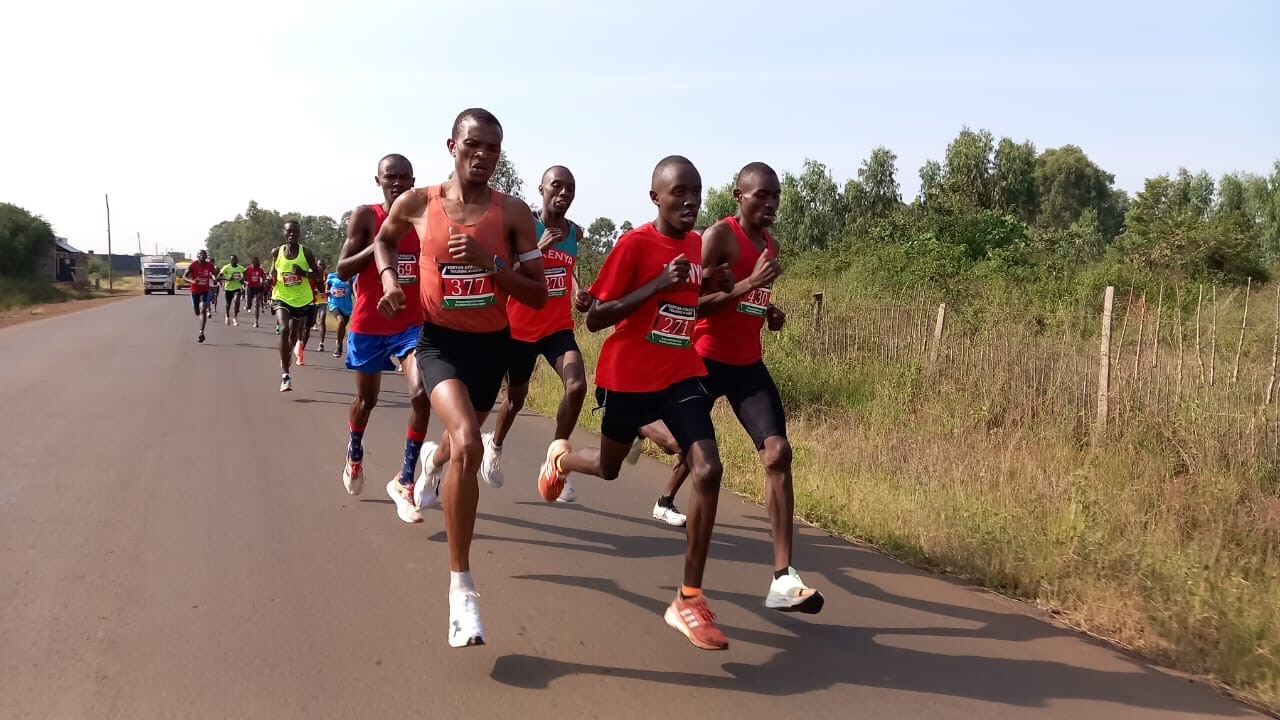
The next KATA time trial is July 17.
5k MEN
1 job kamande 24 430 14:36
2 Charles ndirangu 23 267 15:24
3 Amos chirchir 23 272 15:49
4 Raphael karita 24 392 15:52
5 Kelvin ragui 21 271 16:16
6 John makeri 27 227 16:26
7 Emmanuel rono 24 318 16:41
8 Collins maina 20 284 16:43
9 Brian njenga 20 390 16:44
10 Geoffrey ngama 50 384 17:26
11 Jeremiah obura 20 323 18:37
12 Anthony owino 28 382 19:10
13 Alex kamau 22 333 19:49
14 mavirine rotich 27 312 22:05
15 Kennedy mungai 25 375 22:10
5km WOMEN
1 Monica wanjiku 22 265 16:28
2 Nympha kiteta 18 266 16:58
3 Lois wambui 23 277 17:10
4 Jacinta kamau 22 276 17:14
5 Virginia wanjiru 22 275 17:47
6 Anastasia muthoni 21 283 19:12
7 Susan njuu 36 380 20:50
8 Sheila makungu 21 385 21:26
9 Ann kipchumba 33 331 22:14
10 Emily wanjiru 17 278 23:43
11 pory ngatha 35 374 29:44
10km MEN
1 Athanas kioko 29 377 28:58
2 Zachary kirika 22 269 29:12
3 Fredrick kiprotich 23 264 31:11
4 Stephen ngigi 20 280 31:27
5 Henry Komen 33 2:81 31:32
6 Shadrack kiprotich 33 332 31:52
7 Paul kibet 26 287 31:54
8 lewis kuria 22 459 32:13
9 Gabriel kahura 41 270 32:23
10 Fred kamande 24 286 32:55
11 Ismael mburu 23 391 33:00
12 Chris kamande 39 314 33:09
13 Ramadan ambani 24 279 34:20
14 Charles ndirangu 64 389 37:51
15 Paul Njoroge 28 383 38:05
16 Kelvin waiganjo 28 387 39:39
10km WOMEN
1 Kellen waithira 36 381 34:59
2 Jane wanja 34 273 35:45
3 Karen chepkemoi 22 274 36:33
4 Naomi wambui 39 388 36:51
5 Florence kiarie 33 379 37:07
6 Caroline kimoi 32 65 38:38
7 Lilian musenya 22 285 39:44
8 Lucy muritu 39 282 45:05
9 Ruth maina 21 386 46:14
Login to leave a comment
KATA Time Trial Series
Welcome to the KATA Monthly Time Trial Held at the Kenyan Athletics Training Academy in Thika, Kenya, the KATA Monthly Time Trial is a unique and inclusive event designed to support runners of all levels in achieving their goals and showcasing their fitness. This event offers both 10K and 5K distances on an accurate, certified course, providing participants with...
more...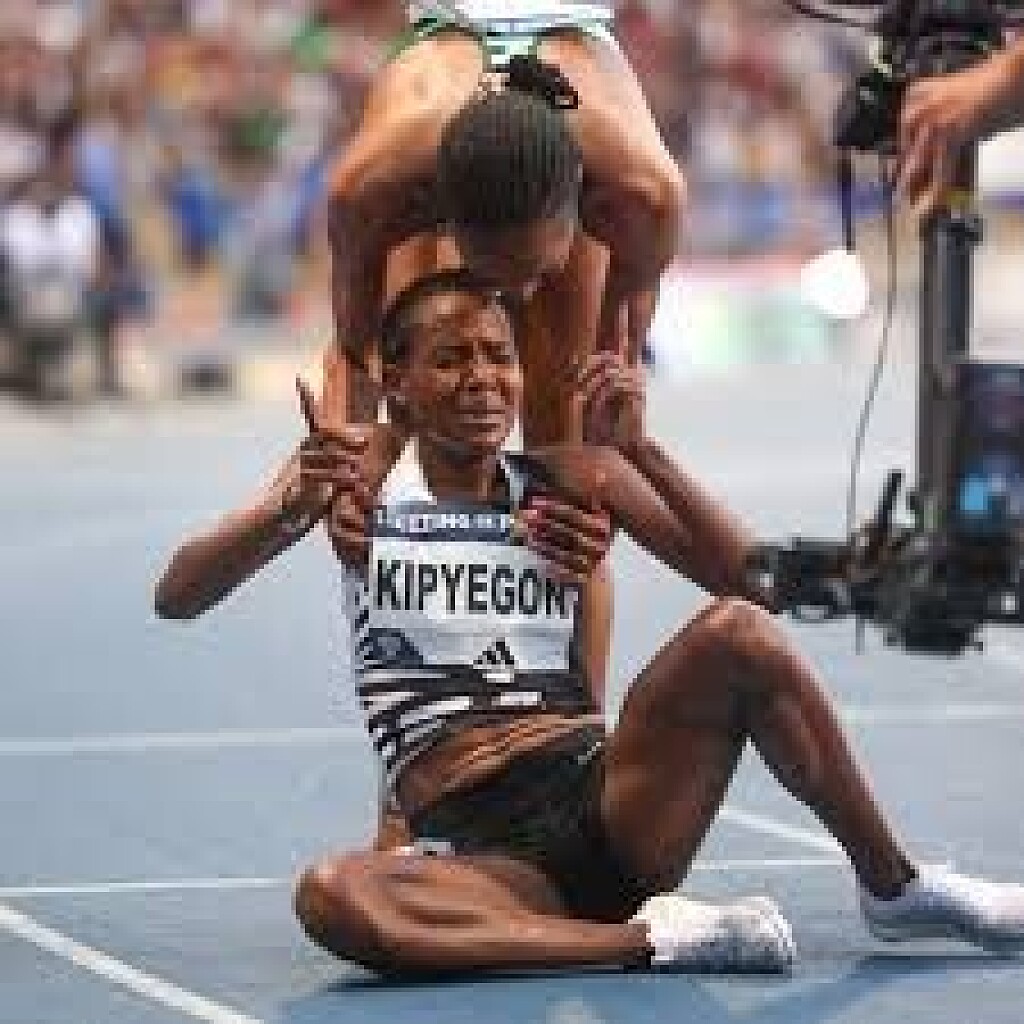
Faith Kipyegon withdraws from Prefontaine Classic amidst injury concerns
Two-time Olympic champion Faith Kipyegon unexpectedly withdraws from Prefontaine Classic.
Two-time Olympic champion Faith Kipyegon has made an unexpected withdrawal from the Eugene Diamond League commonly known as the Prefontaine Classic.
Scheduled to compete in the 5,000m on Friday May 24 Kipyegon’s departure comes as a sudden pivot in her preparation for the upcoming Paris Games.
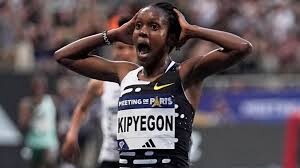
The Kenyan middle-distance star expressed her decision through a heartfelt announcement.
"I’ve been building in a great way during the past months for a beautiful season ahead. Some weeks back I got a small muscle problem that was handled well," Kipyegon revealed.
Despite the setback, she confirmed her continued dedication to her training regime.
"I’m now back in full training, focusing to start my season in four weeks' time at the Kenyan Trials for the Olympic Games," she added.
The anticipation for Kipyegon at the Prefontaine Classic was high, especially given her stellar track record and her history with the event.
"I saw my name announced for @preclassic, it’s one of the greatest competitions in the circuit and I plan to compete there again in 2025," Kipyegon stated.
Kipyegon’s decision is particularly poignant as it follows her world record-breaking performance in Paris last June where she clocked an astonishing 14:05.20 in the 5,000m.
Unfortunately, this record fell outside the Olympics qualification window, necessitating another qualifying run to secure her spot for Paris.
The qualifying standard for the 5,000m is set at 14:52.00, a mark Kipyegon has previously surpassed but must achieve again within the designated window from July 1, 2023, to June 30, 2024.
The 2023 season saw Kipyegon ascend to new heights in athletics, breaking three world records across various distances.
Starting with the 1,500m in Florence, she continued her record-setting spree in Paris before topping the one-mile world record at the Monaco Diamond League.
Her victories at the World Championships in Budapest, where she clinched gold in both the 1,500m and 5,000m, further cemented her dominance in middle-distance running.
However, her 5,000m world record was short-lived, as Ethiopia's Gudaf Tsegay surpassed it at the Prefontaine Classic in September with a time of 14:00.21.
Eugene, the host city for the Prefontaine Classic, holds a special place in Kipyegon’s career. It was here she won her second world title in the 1,500m in 2022 and secured last season’s Diamond League Trophy over the same distance.
Her withdrawal not only impacts her preparations for Paris but also leaves her fans and fellow competitors in a state of surprise and anticipation for her next move.
by Festus Chuma
Login to leave a comment

Prefontaine Classic
The Pre Classic, part of the Diamond League series of international meets featuring Olympic-level athletes, is scheduled to be held at the new Hayward Field in Eugene. The Prefontaine Classicis the longest-running outdoor invitational track & field meet in America and is part of the elite Wanda Diamond League of meets held worldwide annually. The Pre Classic’s results score has...
more...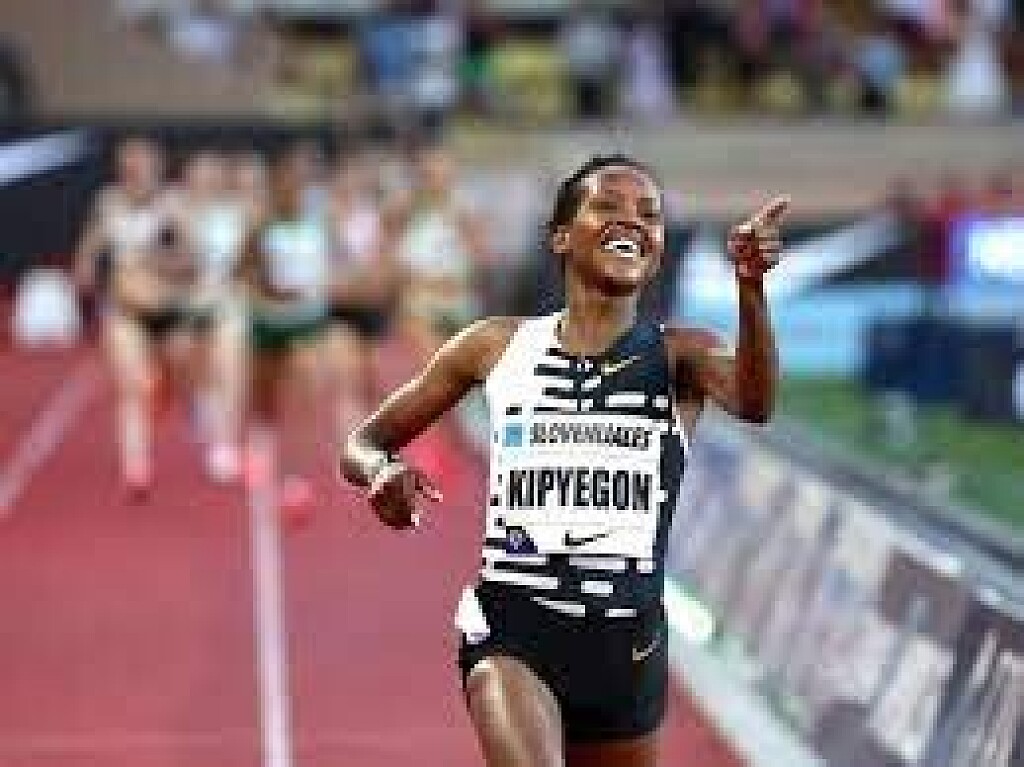
Why Faith Kipyegon is under pressure to deliver at Prefontaine Classic
Multiple world champion Faith Kipyegon will open her season at the Prefontaine Classic, where she will run the 5,000m, but there is little margin for error given what is at stake.
Two-time Olympic champion Faith Kipyegon will open her season at the Eugene Diamond League, popularly known as the Prefontaine Classic, but the event holds more significance for her as far as the Paris Olympics is concerned.
Kipyegon will be running the 5,000m in Eugene on May 24 where she is seeking to hit the Olympic qualifying standard even though she has not made up her mind on whether she will double at the Paris Games.
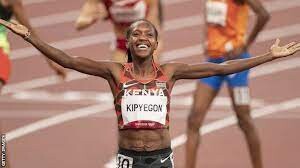
Kipyegon run a world record 14:05.20 in Paris, France in June last year but that was outside the Olympics qualification window which means she will have to do it all over again to be in contention for a place at the Paris Games over the 5,000m.
The Olympic qualifying window for individual events, other than the 10,000m and combined events, is from July 1, 2023 and June 30, 2024 and Kipyegon and Co will need to clock 14:52.00, which is the mark set for Paris Olympics qualification.
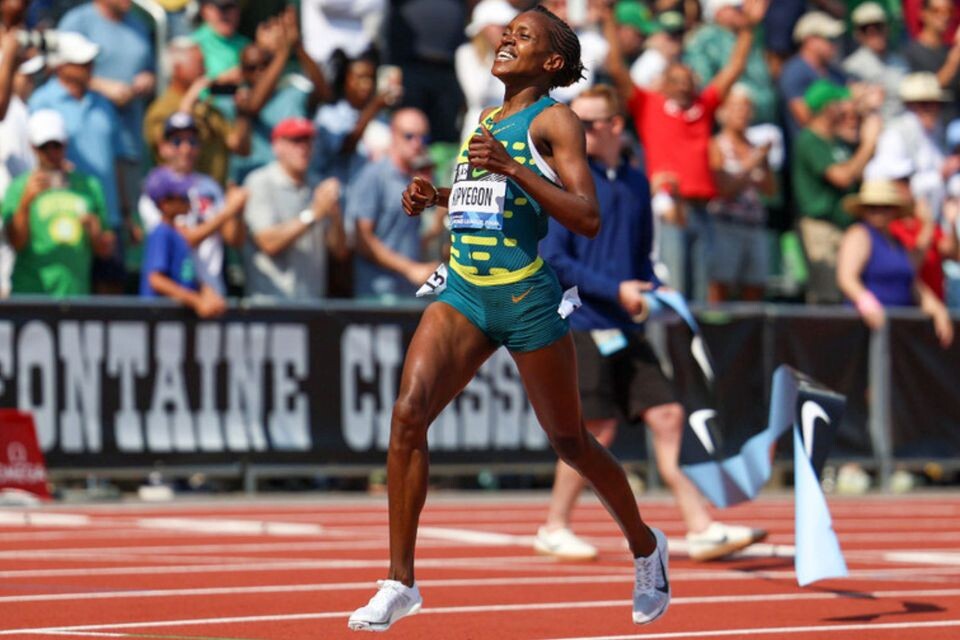
That will give the world 5,000m champion some extra pressure heading to Eugene but she will be counting on her experience to get her over the line.
Kipyegon had a wonderful 2023 season that saw her break three world records, starting with her specialty 1,500m in Florence, Italy last June before the 5,000m in Paris a week later.
She would lower the one-mile world record at the Monaco Diamond League in July before winning gold in 1,500m and 5,000m at the World Championships in Budapest, Hungary a month later.
Her 5,000m world record was, however, broken two months later by Ethiopia's Gudaf Tsegay who ran 14:00.21 at the Prefontaine Classic in September.
Eugene holds special memories for Kipyegon who won her second world title in 1,500m in the US city in 2022 as well as last season’s Diamond League Trophy over the distance.
by Joel Omotto
Login to leave a comment
Prefontaine Classic
The Pre Classic, part of the Diamond League series of international meets featuring Olympic-level athletes, is scheduled to be held at the new Hayward Field in Eugene. The Prefontaine Classicis the longest-running outdoor invitational track & field meet in America and is part of the elite Wanda Diamond League of meets held worldwide annually. The Pre Classic’s results score has...
more...
Here are the top songs runners love
Still listening to “Eye of the Tiger” to help you channel your inner Rocky (III) when running stairs? You’re not alone—but marathoners do like a range of music to power them through their workouts. The charity fundraising website Just Giving recently conducted a survey of 2,000 participants gearing up for the 2024 London Marathon in April, hoping to reveal the rhythm that fuels their 42.2K journey.
We already know that music can play a powerful role in helping us get out the door and stay motivated. Studies have shown that not only does what you listen to while you exercise potentially improve your performance, but tuning in to some pre-workout music can boost your performance in the gym and help you get more out of each session. One could predict that playlists and preferences would be largely unique and individual, just like running styles and abilities, but it seems that runners have a lot of similarity in what they find motivating.

From more than 6,000 song nominations, the top 10 tracks emerged as the ultimate running playlist, with Survivor’s timeless Rocky anthem “Eye of the Tiger” still leading the way (however, the classic theme from the original Rocky didn’t make the list). Eminem‘s “Lose Yourself” and Queen‘s invigorating “Don’t Stop Me Now” also raced to the forefront. And while you may be getting tired of hearing about Taylor Swift‘s latest football sideline fanatics, you’re apparently still happy to have her cheer you through the miles of a long, slow distance session, with her name appearing on both favourite artists and within the top 10 songs.
Top 10 songs marathoners love to listen to:
1. Eye of the Tiger – Survivor 2. Lose Yourself – Eminem 3. Don’t Stop Me Now – Queen 4. Dog Days Are Over – Florence & The Machine 5. Running Up That Hill – Kate Bush 6. Mr Brightside – The Killers 7. Born to Run – Bruce Springsteen 8. Adore U – Fred Again 9. Pump It – Black Eyed Peas 10. Cruel Summer – Taylor Swift
The survey also determined the top artists runners tune in to, with Queen, Swift and Fred Again making the cut for both lists.
by Running Magazine
Login to leave a comment
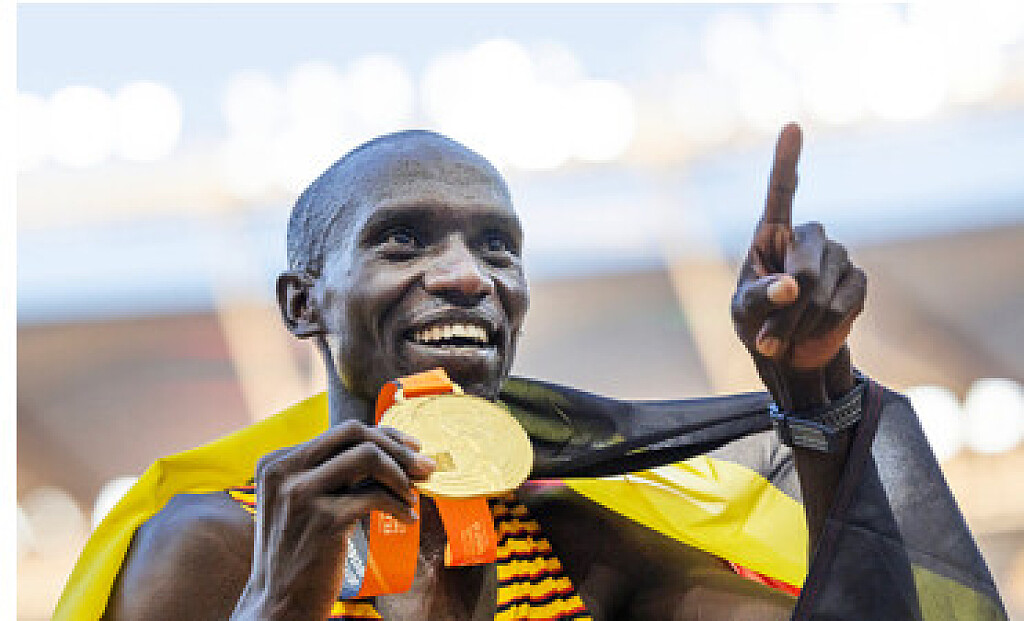
The Pill That Over Half the Distance Medallists Used at the 2023 Worlds
What's the deal with sodium bicarbonate?What if there was a pill, new to the market this year, that was used by more than half of the distance medalists at the 2023 World Athletics Championships? A supplement so in-demand that there was a reported black market for it in Budapest, runners buying from other runners who did not advance past the preliminary round — even though the main ingredient can be found in any kitchen?
How did this pill become so popular? Well, there are rumors that Jakob Ingebrigtsen has been taking it for years — rumors that Ingebrigtsen’s camp and the manufacturers of the pill will neither confirm nor deny.
So about this pill…does it work? Does it actually boost athletic performance? Ask a sports scientist, someone who’s studied it for more than a decade, and they’ll tell you yes.
“There’s probably four or five legal, natural supplements, if you will, that seem to have withstood the test of time in terms of the research literature and [this pill] is one of those,” says Jason Siegler, Director of Human Performance in the College of Health Solutions at Arizona State University.
But there’s a drawback to this pill. It could…well, let’s allow Luis Grijalva, who used it before finishing 4th in the World Championship 5,000m final in Budapest, to explain.
“I heard stories if you do it wrong, you chew it, you kind of shit your brains out,” Grijalva says. “And I was a little bit scared.”
The research supports that, too.
“[Gastrointestinal distress] has by far and away been the biggest hurdle for this supplement,” Siegler says.Okay, enough with the faux intrigue. If you’ve read the subtitle of this article, you know the pill we are talking about is sodium bicarbonate. Specifically, the Maurten Bicarb System, which has been available to the public since February and which has been used by some of the top teams in endurance sports: cycling juggernaut Team Jumbo-Visma and, in running, the On Athletics Club and NN Running Team. (Maurten has sponsorship or partnership agreements with all three).Some of the planet’s fastest runners have used the Maurten Bicarb System in 2023, including 10,000m world champion Joshua Cheptegei, 800m silver medalist Keely Hodgkinson, and 800m silver medalist Emmanuel Wanyonyi. Faith Kipyegon used it before winning the gold medal in the 1500m final in Budapest — but did not use it before her win in the 5,000m final or before any of her world records in the 1500m, mile, and 5,000m.
Herman Reuterswärd, Maurten’s head of communications, declined to share a full client list with LetsRun but claims two-thirds of all medalists from the 800 through 10,000 meters (excluding the steeplechase) used the product at the 2023 Worlds.
After years of trial and error, Maurten believes it has solved the GI issue, but those who have used their product have reported other side effects. Neil Gourley used sodium bicarbonate before almost every race in 2023, and while he had a great season — British champion, personal bests in the 1500 and mile — his head ached after races in a way it never had before. When Joe Klecker tried it at The TEN in March, he felt nauseous and light-headed — but still ran a personal best of 27:07.57. In an episode of the Coffee Club podcast, Klecker’s OAC teammate George Beamish, who finished 5th at Worlds in the steeplechase and used the product in a few races this year, said he felt delusional, dehydrated, and spent after using it before a workout this summer.
“It was the worst I’d felt in a workout [all] year, easily,” Beamish said.
Not every athlete who has used the Maurten Bicarb System has felt side effects. But the sport as a whole is still figuring out what to do about sodium bicarbonate.
Many athletes — even those who don’t have sponsorship arrangements with Maurten — have added it to their routines. But Jumbo-Visma’s top cyclist, Jonas Vingegaard — winner of the last two Tours de France — does not use it. Neither does OAC’s top runner, Yared Nuguse, who tried it a few times in practice but did not use it before any of his four American record races in 2023.“I’m very low-maintenance and I think my body’s the same,” Nuguse says. “So when I tried to do that, it was kind of like, Whoa, what is this? My whole body felt weird and I was just like, I either did this wrong or this is not for me.”
How sodium bicarbonate works
The idea that sodium bicarbonate — aka baking soda, the same stuff that goes in muffins and keeps your refrigerator fresh — can boost athletic performance has been around for decades.
“When you’re exercising, when you’re contracting muscle at a really high intensity or a high rate, you end up using your anaerobic energy sources and those non-oxygen pathways,” says Siegler, who has been part of more than 15 studies on sodium bicarbonate use in sport. “And those pathways, some of the byproducts that they produce, one of them is a proton – a little hydrogen ion. And that proton can cause all sorts of problems in the muscle. You can equate that to that sort of burn that you feel going at high rates. That burn, most of that — not directly, but indirectly — is coming from the accumulation of these little hydrogen ions.”
As this is happening, the kidneys produce bicarbonate as a defense mechanism. For a while, bicarbonate acts as a buffer, countering the negative effects of the hydrogen ions. But eventually, the hydrogen ions win.The typical concentration of bicarbonate in most people hovers around 25 millimoles per liter. By taking sodium bicarbonate in the proper dosage before exercise, Siegler says, you can raise that level to around 30-32 millimoles per liter.
“You basically have a more solid first line of defense,” Siegler says. “The theory is you can go a little bit longer and tolerate the hydrogen ions coming out of the cell a little bit longer before they cause any sort of disruption.”
Like creatine and caffeine, Siegler says the scientific literature is clear when it comes to sodium bicarbonate: it boosts performance, specifically during events that involve short bursts of anaerobic activity. But there’s a catch.
***
Bicarb without the cramping
Sodium bicarbonate has never been hard to find. Anyone can swallow a spoonful or two of baking soda with some water, though it’s not the most appetizing pre-workout snack. The problem comes when the stomach tries to absorb a large amount of sodium bicarbonate at once.
“You have a huge charged load in your stomach that the acidity in your stomach has to deal with and you have a big shift in the partial pressure of carbon dioxide across the gut,” Siegler says. “And that’s what gives you the cramping.”
A few years ago, Maurten was trying to solve a similar problem for marathoners trying to ingest large amounts of carbohydrates during races. The result was their carbohydrate drink, which relies on something called a hydrogel to form in the stomach. The hydrogel resists the acidity of the stomach and allows the carbohydrates to be absorbed in the intestine instead, where there is less cramping.
“We thought, okay, we are able to solve that one,” Reuterswärd says. “Could we apply the hydrogel technology to something else that is really risky to consume that could be beneficial?”
For almost four years, Maurten researched the effects of encapsulating sodium bicarbonate in hydrogels in its Swedish lab, conducting tests on middle-distance runners in Gothenburg. Hydrogels seemed to minimize the risk, but the best results came when hydrogels were paired with microtablets of sodium bicarbonate.
The result was the Maurten Bicarb System — “system,” because the process for ingesting it involves a few steps. Each box contains three components: a packet of hydrogel powder, a packet of tiny sodium bicarbonate tablets, and a mixing bowl. Mix the powder with water, let it stand for a few minutes, and sprinkle in the bicarb.The resulting mixture is a bit odd. It’s gooey. It’s gray. It doesn’t really taste like anything. It’s not quite liquid, not quite solid — a yogurt-like substance flooded with tiny tablets that you eat with a spoon but swallow like a drink.
The “swallow” part is important. Chew the tablets and the sodium bicarbonate will be absorbed before the hydrogels can do their job. Which means a trip to the toilet may not be far behind.
When Maurten launched its Bicarb System to the public in February 2023, it did not have high expectations for sales in year one.
“It’s a niche product,” Reuterswärd says. “From what we know right now, it maybe doesn’t make too much sense if you’re an amateur, if you’re just doing 5k parkruns.”
But in March, Maurten’s product began making headlines in cycling when it emerged that it was being used by Team Jumbo-Visma, including by stars Wout van Aert and Primož Roglič. Sales exploded. Because bicarb dosage varies with bodyweight, Maurten’s system come in four “sizes.” And one size was selling particularly well.
“If you’re an endurance athlete, you’re around 60-70 kg (132-154 lbs),” Reuterswärd says. “We had a shortage with the size that corresponded with that weight…The first couple weeks, it was basically only professional cyclists buying all the time, massive amounts. And now we’re seeing a similar development in track & field.”
If there was a “Jumbo-Visma” effect in cycling, then this summer there was a “Jakob Ingebrigtsen” effect in running.To be clear: there is no official confirmation that Ingebrigtsen uses sodium bicarbonate. His agent, Daniel Wessfeldt, did not respond to multiple emails for this story. When I ask Reuterswärd if Ingebrigtsen has used Maurten’s product, he grows uncomfortable.
“I would love to be very clear here but I will have to get back to you,” Reuterswärd says (ultimately, he was not able to provide further clarification).
But when Maurten pitches coaches and athletes on its product, they have used data from the past two years on a “really good” 1500 guy to tout its effectiveness, displaying the lactate levels the athlete was able to achieve in practice with and without the use of the Maurten Bicarb System. That athlete is widely believed to be Ingebrigtsen. Just as Ingebrigtsen’s success with double threshold has spawned imitators across the globe, so too has his rumored use of sodium bicarbonate.
Grijalva says he started experimenting with sodium bicarbonate “because everybody’s doing it.” And everybody’s doing it because of Ingebrigtsen.
“[Ingebrigtsen] was probably ahead of everybody at the time,” Grijalva said. “Same with his training and same with the bicarb.”
OAC coach Dathan Ritzenhein took sodium bicarbonate once before a workout early in his own professional career, and still has bad memories of swallowing enormous capsules that made him feel sick. Still, he was willing to give it a try with his athletes this year after Maurten explained the steps they had taken to reduce GI distress.
“Certainly listening to the potential for less side effects was the reason we considered trying it,” says Ritzenhein. “I don’t know who is a diehard user and thinks that it’s really helpful, but around the circuit I know a lot of people that have said they’ve [tried] it.”
Coach/agent Stephen Haas says a number of his athletes, including Gourley, 3:56 1500 woman Katie Snowden, and Worlds steeple qualifier Isaac Updike, tried bicarb this year. In the men’s 1500, Haas adds, “most of the top guys are already using it.”
Yet 1500-meter world champion Josh Kerr was not among them. Kerr’s nutritionist mentioned the idea of sodium bicarbonate to him this summer but Kerr chose to table any discussions until after the season. He says he did not like the idea of trying it as a “quick fix” in the middle of the year.
“I review everything at the end of the season and see where I could get better,” Kerr writes in a text to LetsRun. “As long as the supplement is above board, got all the stamps of approvals needed from WADA and the research is there, I have nothing against it but I don’t like changing things midseason.”
***
So does it actually work?
Siegler is convinced sodium bicarbonate can benefit athletic performance if the GI issues can be solved. Originally, those benefits seemed confined to shorter events in the 2-to 5-minute range where an athlete is pushing anaerobic capacity. Buffering protons does no good to short sprinters, who use a different energy system during races.
“A 100-meter runner is going to use a system that’s referred to the phosphagen or creatine phosphate system, this immediate energy source,” Siegler says. “…It’s not the same sort of biochemical reaction that eventuates into this big proton or big acidic load. It’s too quick.”
But, Siegler says, sodium bicarbonate could potentially help athletes in longer events — perhaps a hilly marathon.
“When there’s short bursts of high-intensity activity, like a breakaway or a hill climb, what we do know now is when you take sodium bicarbonate…it will sit in your system for a number of hours,” Siegler says. “So it’s there [if] you need it, that’s kind of the premise behind it basically. If you don’t use it, it’s fine, it’s not detrimental. Eventually your kidneys clear it out.”Even Reuterswärd admits that it’s still unclear how much sodium bicarbonate helps in a marathon — “honestly, no one knows” — but it is starting to be used there as well. Kenya’s Kelvin Kiptum used it when he set the world record of 2:00:35at last month’s Chicago Marathon; American Molly Seidel also used it in Chicago, where she ran a personal best of 2:23:07.
Siegler says it is encouraging that Maurten has tried to solve the GI problem and that any success they experience could spur other companies to research an even more effective delivery system (currently the main alternative is Amp Human’s PR Lotion, a sodium bicarbonate cream that is rubbed into the skin). But he is waiting for more data before rendering a final verdict on the Maurten Bicarb System.
“I haven’t seen any peer-reviewed papers yet come out so a bit I’m hesitant to be definitive about it,” Siegler said.
Trent Stellingwerff, an exercise physiologist and running coach at the Canadian Sport Institute – Pacific, worked with Siegler on a 2020 paper studying the effect of sodium bicarbonate on elite rowers. A number of athletes have asked him about the the Maurten Bicarb System, and some of his marathoners have used the product. Like Siegler, he wants to see more data before reaching a conclusion.
“I always follow the evidence and science, and to my knowledge, as of yet, I’m unaware of any publications using the Maurten bicarb in a double-blind, placebo-controlled clinical trial,” Stellingwerff writes in a text to LetsRun. “So without any published data on the bicarb version, I can’t really say it does much.”
The closest thing out there right now is a British study conducted by Lewis Goughof Birmingham City University and Andy Sparks of Edge Hill University. In a test of 10 well-trained cyclists, Gough and Sparks found the Maurten Bicarb System limited GI distress and had the potential to improve exercise performance. Reuterswärd says the study, which was funded by Maurten, is currently in the review process while Gough and Sparks suggested further research to investigate their findings.
What about the runners who used sodium bicarbonate in 2023?
Klecker decided to give bicarb a shot after Maurten made a presentation to the OAC team in Boulder earlier this year. He has run well using bicarb (his 10,000 pb at The TEN) and without it (his 5,000 pb in January) and as Klecker heads into an Olympic year, he is still deciding whether the supposed benefits are worth the drawbacks, which for him include nausea and thirst. He also says that when he has taken the bicarb, his muscles feel a bit more numb than usual, which has made it more challenging for him to gauge his effort in races.
“There’s been no, Oh man I felt just so amazing today because of this bicarb,” Klecker says. “If anything, it’s been like, Oh I didn’t take it and I felt a bit more like myself.”
Klecker also notes that his wife and OAC teammate, Sage Hurta-Klecker, ran her 800m season’s best of 1:58.09 at the Silesia Diamond League on July 16 — the first race of the season in which she did not use bicarb beforehand.
A number of athletes in Mike Smith‘s Flagstaff-based training group also used bicarb this year, including Grijalva and US 5,000 champion Abdihamid Nur. Grijalva did not use bicarb in his outdoor season opener in Florence on June 2, when he ran his personal best of 12:52.97 to finish 3rd. He did use it before the Zurich Diamond League on August 31, when he ran 12:55.88 to finish 4th.“I want to say it helps, but at the same time, I don’t want to rely on it,” Grijalva says.
Almost every OAC athlete tried sodium bicarbonate at some point in 2023. Ritzenhein says the results were mixed. Some of his runners have run well while using it, but the team’s top performer, Nuguse, never used it in a race. Ritzenhein wants to continue testing sodium bicarbonate with his athletes to determine how each of them responds individually and whether it’s worth using moving forward.
That group includes Alicia Monson, who experimented with bicarb in 2023 but did not use it before her American records at 5,000 and 10,000 meters or her 5th-place finish in the 10,000 at Worlds.
“It’s not the thing that’s going to make or break an athlete,” Ritzenhein says. “…It’s a legal supplement that has the potential, at least, to help but it doesn’t seem to be universal. So I think there’s a lot more research that needs to be done into it and who benefits from it.”
The kind of research scientists like Stellingwerff want to see — double-blind, controlled clinical trials — could take a while to trickle in. But now that anyone can order Maurten’s product (it’s not cheap — $65 for four servings), athletes will get to decide for themselves whether sodium bicarbonate is worth pursuing.
“The athlete community, obviously if they feel there’s any sort of risk, they’re weighing up the risk-to-benefit ratio,” Siegler said. “The return has got to be good.”
Grijalva expects sodium bicarbonate will become part of his pre-race routine next year, along with a shower and a cup of coffee. Coffee, and the caffeine contained wherein, may offer a glimpse at the future of bicarb. Caffeine has been widely used by athletes for longer than sodium bicarbonate, and the verdict is in on that one: it works. Yet plenty of the greats choose not to use it.
Nuguse is among them. He does not drink coffee — a fact he is constantly reminded of by Ritzenhein.
“I make jokes almost every day about it,” Ritzenhein says. “His family is Ethiopian – coffee tradition and ceremony is really important to them.”
Ritzenhein says he would love it if Nuguse drank a cup of coffee sometime, but he’s not going to force it on him. Some athletes, Ritzenhein says, have a tendency to become neurotic about these sorts of things. That’s how Ritzenhein was as an athlete. It’s certainly how Ritzenhein’s former coach at the Nike Oregon Project, Alberto Salazar, was — an approach that ultimately earned Salazar a four-year ban from USADA.
Ritzenhein says he has no worries when it comes to any of his athletes using sodium bicarbonate — Maurten’s product is batch-tested and unlike L-carnitine, there is no specific protocol that must be adhered to in order for athletes to use it legally under the WADA Code. Still, there is something to be said for keeping things simple.
“Yared knows how his body feels,” Ritzenhein says. “…He literally rolls out of practice and comes to practice like a high schooler with a Eggo waffle in hand. Probably more athletes could use that kind of [approach].”
Talk about this article on our world-famous fan forum / messageboard.
by Let’s Run
Login to leave a comment
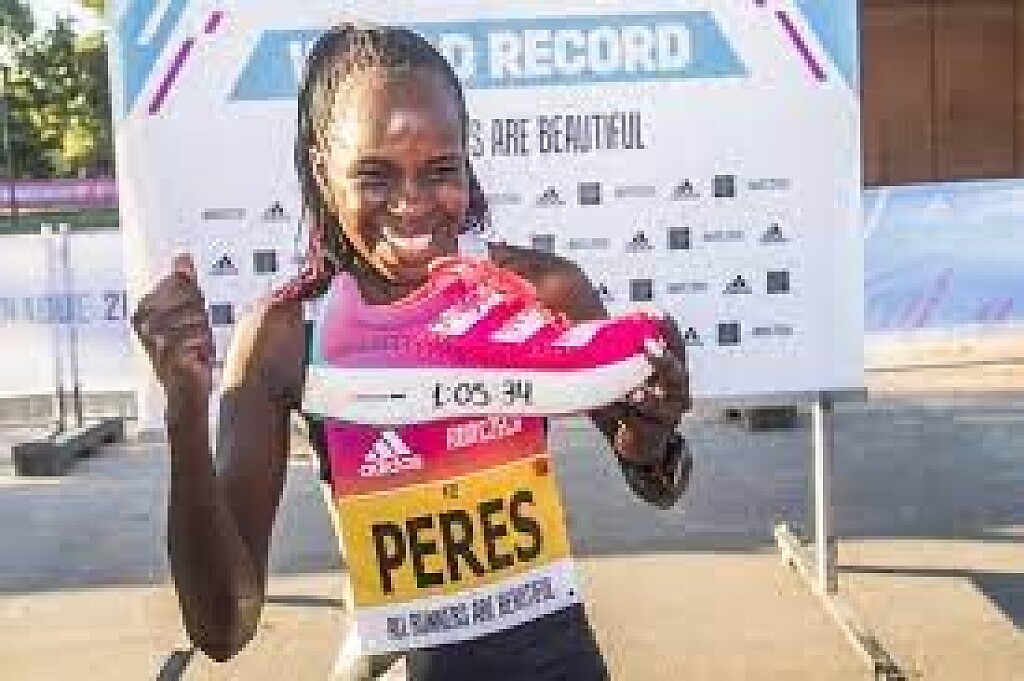
Peres Jepchirchir headlines women field at Ras Al Khaimah Half-Marathon
Olympic marathon champion Peres Jepchirchir will headline the 16th edition of the Ras Al Khaimah Half-Marathon scheduled for February 24, 2024 in Ras Al Khaimah, United Arab Emirates.
The three time World Half Marathon champion is also the only woman to simultaneously hold the Olympic, New York and Boston marathon titles, which she achieved in the seven months between August 2021 and April 2022.
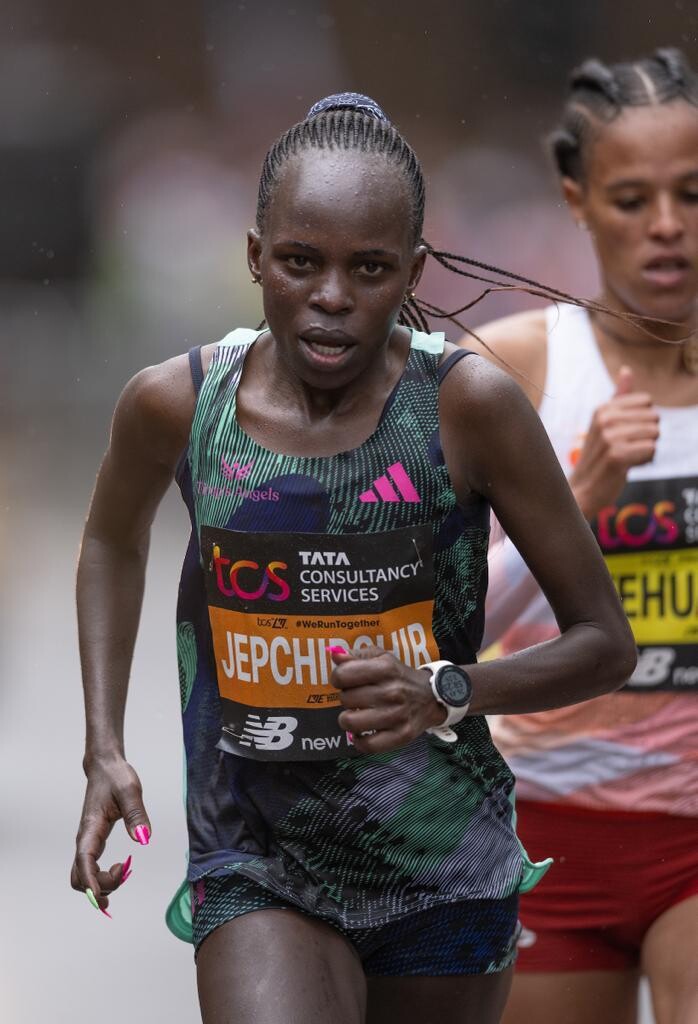
Jepchirchir who also holds two world marathon majors, knows this course so well as she set her first world half marathon record here in 2017 when she broke Florence Kiplagat’s record of 1:05.09 that she had set in Barcelona in 2015 with a new world record of 1:05.06.
The mother of one will be looking to challenge the race course record of 1:04.14 set last year by the 2018 World U20 5000m bronze medallist, Girmawit Gebrzihair of Ethiopia.
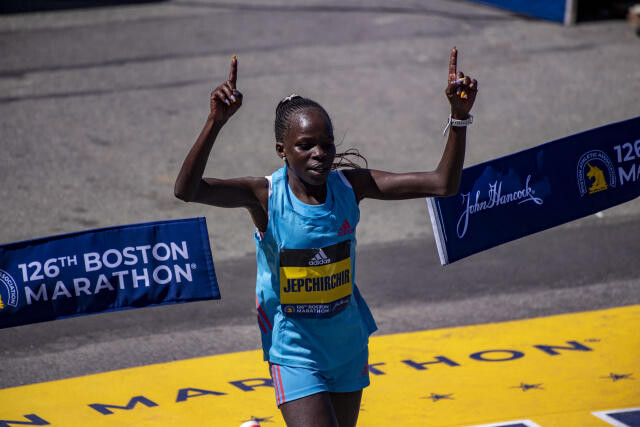
Race Director and Pace Events CEO Peter Connerton said today, ‘We were honoured and enormously gratified to be invited by the Ras Al Khaimah tourist authorities to organise an event like the RAK half-marathon. We feel it’s a reflection of the success we’ve had with the Dubai Marathon since 2000.
We’ve added a 10k to the RAK programme since we’ve seen how successful the shorter event has been in Dubai; either as a challenge in its own right, or as a stepping stone for runners on the way to a half or full marathon. Jepchirchir is the first of many leading names we shall be announcing for the RAK ‘half’ in the coming weeks”.
by John Vaselyne
Login to leave a comment
Rak Half Marathon
The Rak Al Khaimah Half Marathon is the 'world's fastest half marathon' because if you take the top 10 fastest times recorded in RAK for men (and the same for women) and find the average (for each) and then do the same with the top ten fastest recorded times across all races (you can reference the IAAF for this), the...
more...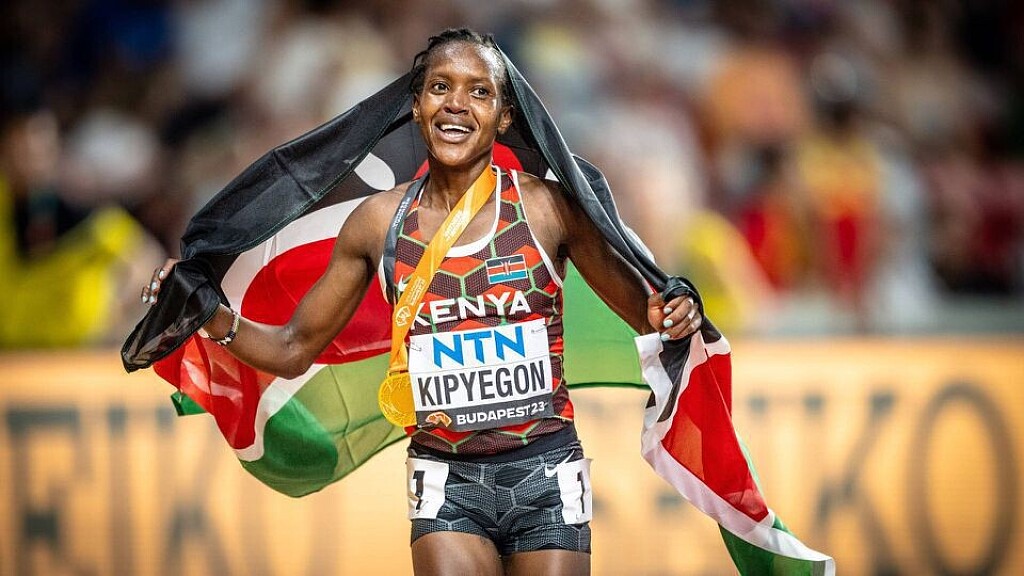
Faith Kipyegon has shared her main motivation as she gears up to defend her title at the Olympic Games
Star girl Faith Kipyegon has shared her main motivation as she gears up to defend her title at the Olympic Games in Paris, France.
Double world record holder Faith Kipyegon has disclosed her major targets ahead of the 2024 Olympic Games in Paris, France.
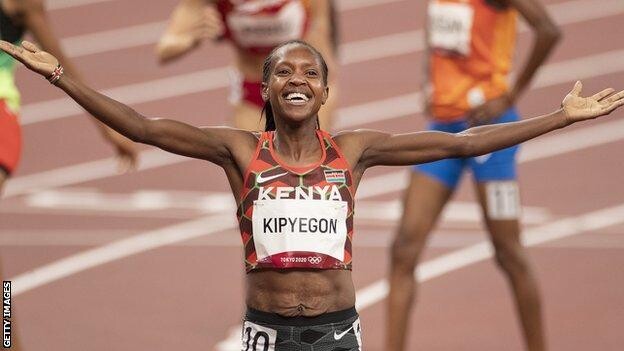
The 29-year-old has achieved great milestones during the 2023 season and will be seeking to extend her hot streak to next season.
She will be focusing on inspiring even more people with a journey that she hopes will lead to an Olympic gold medal hat-trick.
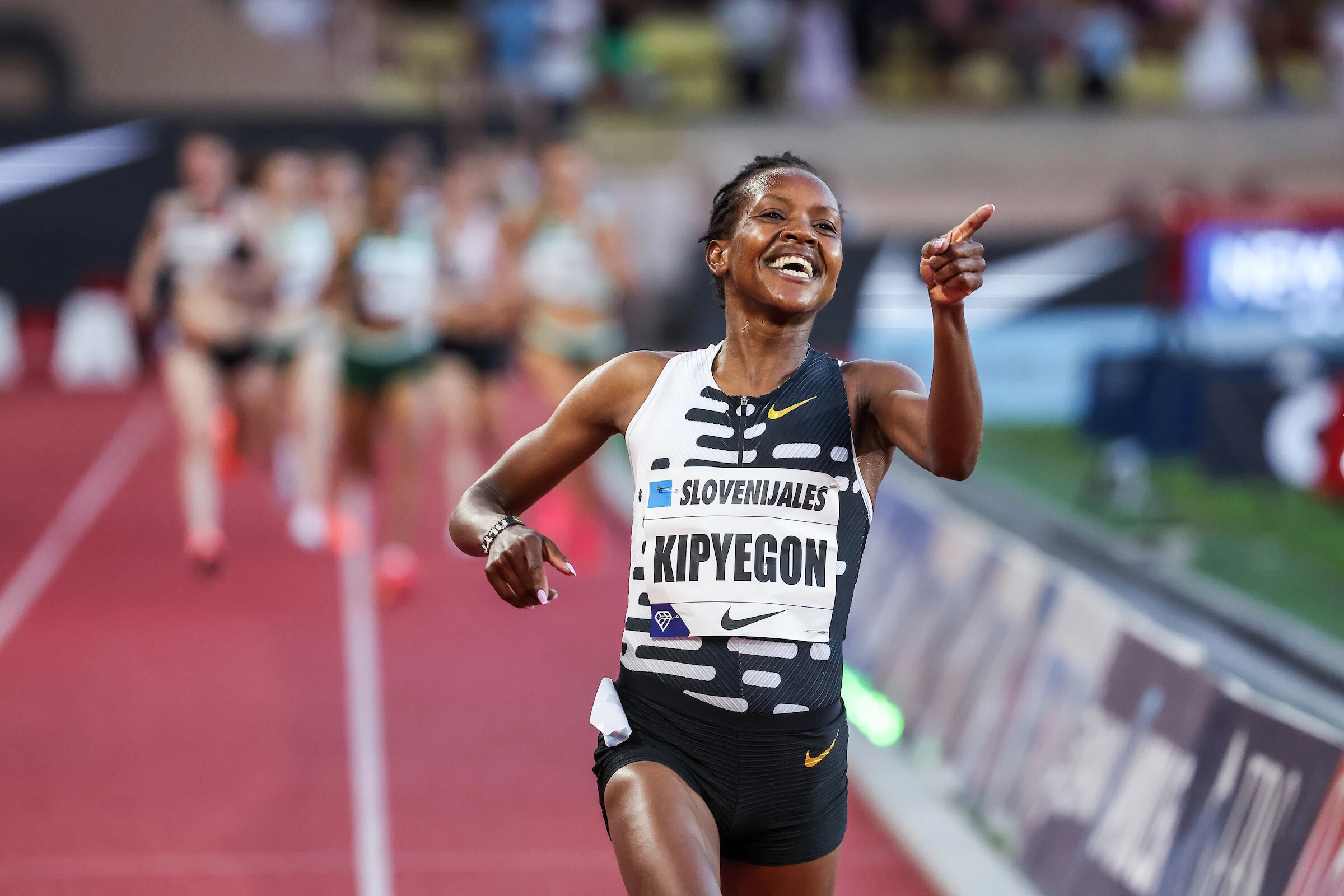
“The goal for 2024 is of course the Olympics in Paris. That is the big goal. I want to defend my title, make history, and motivate young girls and mothers out there to know that everything is possible,” Kipyegon told World Athletics.
The double World champion has achieved a lot of accolades this year, thanks to her hard work and never-ending motivation.
She started her record-breaking spree at the Diamond League Meeting in Florence, Italy, where she broke the 1500m world record before dominating in Paris, France, with the 5000m world record.
The mother of one later broke the one-mile world record at the Meeting in Monaco before bagging the 1500m and 5000m titles at the World Championships in Budapest, Hungary.
Meanwhile, her coach Patrick Sang believes Kipyegon has all it takes to conquer at next year’s Olympic Games.
“I am only happy that we have somebody continue thinking positively of our sport. Whatever the outcome of this journey, the new journey that has been revitalized, whether it goes all the way to the marathon – we will be happy.
We still want to see her more on the track and she will probably end up where that dream is: running a marathon,” Sang added.
by Abigael Wuafula
Login to leave a comment
Paris 2024 Olympic Games
For this historic event, the City of Light is thinking big! Visitors will be able to watch events at top sporting venues in Paris and the Paris region, as well as at emblematic monuments in the capital visited by several millions of tourists each year. The promise of exceptional moments to experience in an exceptional setting! A great way to...
more...
Fred Kerley compares himself to boxing legend Muhammad Ali
Former 100m champion Fred Kerley boldly draws parallels with a legendary boxer, fueling anticipation for his comeback in the track world.
Former world 100m champion Fred Kerley has thrust himself into the spotlight with a bold statement, drawing parallels between his journey and the legendary boxer Muhammad Ali.
Despite facing challenges during the 2023 season, Kerley remains steadfast in his pursuit of greatness, fueled by the spirit of the boxing icon.
The American sprinter kicked off his 2023 campaign on a high note, clinching victory at the Seiko Golden Grand Prix and continuing his dominance at the Diamond League Meeting in Rabat, Morocco.
However, his winning streak was soon disrupted when he faced his first 100m defeat of the season at the Diamond League Meeting in Chorzow, Poland.
Undeterred by setbacks, Kerley pressed on, competing at the Diamond League Meeting in Florence, Italy, where he secured another triumph.
Despite these victories, his hopes of defending his World Championship title were shattered as he suffered an unexpected exit in the semifinals.
Determined to turn the tide, he ventured to the Diamond League Meeting in Xiamen, China, seeking redemption but settled for a third-place finish.
In a tweet on his X handle (formerly Twitter), Kerley sent shockwaves through the sports world, boldly proclaiming, "Like Muhammad Ali, I am the greatest."
The comparison to the boxing legend, known for his charisma and unwavering self-confidence, sparked both curiosity and skepticism among fans and fellow athletes alike.
Acknowledging the need for change, the 28-year-old sprinter made a significant decision to switch coaches.
He is now under the guidance of Quincy Watts, the 1992 Olympic 400m gold medalist.
This coaching transition suggests Kerley's commitment to refining his skills and overcoming the challenges that plagued his 2023 season.
Unlike many athletes taking a leisurely break, Kerley seems determined to spend most of his time in the gym and on the track.
His social media updates on X reveal a relentless work ethic as he burns the midnight oil, leaving no stone unturned in his quest for redemption.
With the Olympic Games in Paris, France, looming on the horizon in 2024, Kerley appears poised to roar back to greatness.
by Festus Chuma
Login to leave a comment
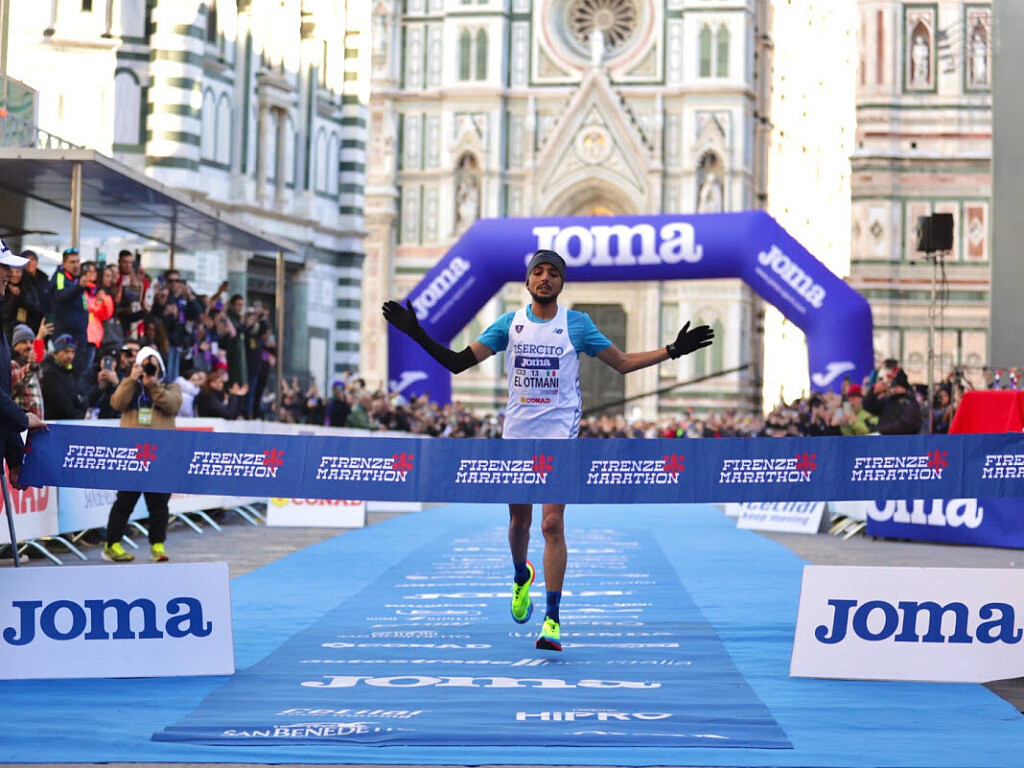
Said El Otmani brings Italy back to the throne of the Firenze Marathon
It is finally Mameli's anthem that resonates on the occasion of the 39th Firenze Marathon . On the top step of the podium the national tricolor flies thanks to the blue Said El Otmani , king of this edition who wins in 2h12'39" twenty years after Angelo Carosi's last success in 2003. The athlete of Moroccan origins has improved the previous personal best of 2h13'23" set in Siena Ampugnano in 2021.
The leading group made up of Edwin Kipleting, Mohamed Baybat, Said El Otmani, Hillary Biwott Chemweno and Hillary Abdo Hussain passed the 5km in 15'44”. The positions remained unchanged at 10 km in 31'18” and at 15 km in 46'56”. Baybat took the lead together with El Otmani at the 25km mark in 1h17'36”. Baybat and Otmani consolidated their position at the 30km passage 1h32'25” with a twelve second lead over Chemweno. El Otmani made the decisive break at 35 km, passing alone in 1h47'47” with a minute and 18 seconds advantage over Chemweno.
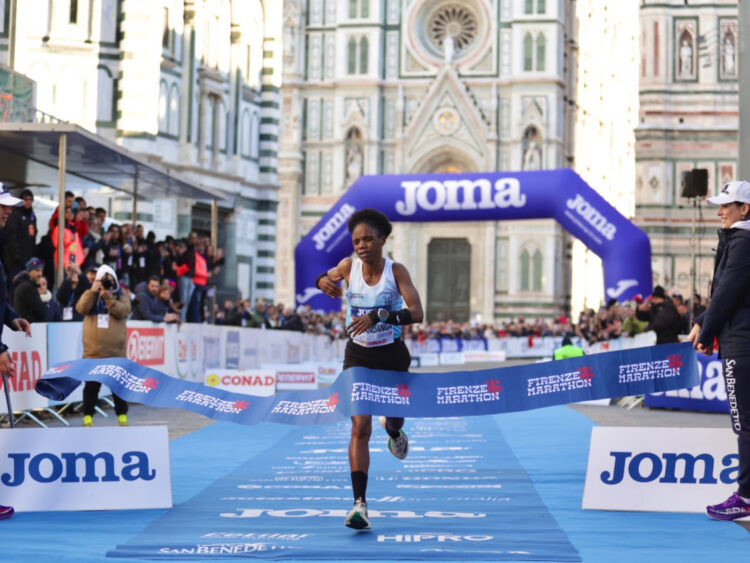
“ I had a good race until km 39, then I had some intestinal problems but I held on, I understood that I could win. I prepared well by training also at altitude but I didn't expect to be able to win, I'm very happy. I thank the Army for their constant support, after more than a year of recovery from various injuries. I also had surgery for a hernia in my groin. My dream is to be able to give continuity and grow, next year there are the European Championships in Rome, I would like the blue jersey for the half marathon."
The women's race
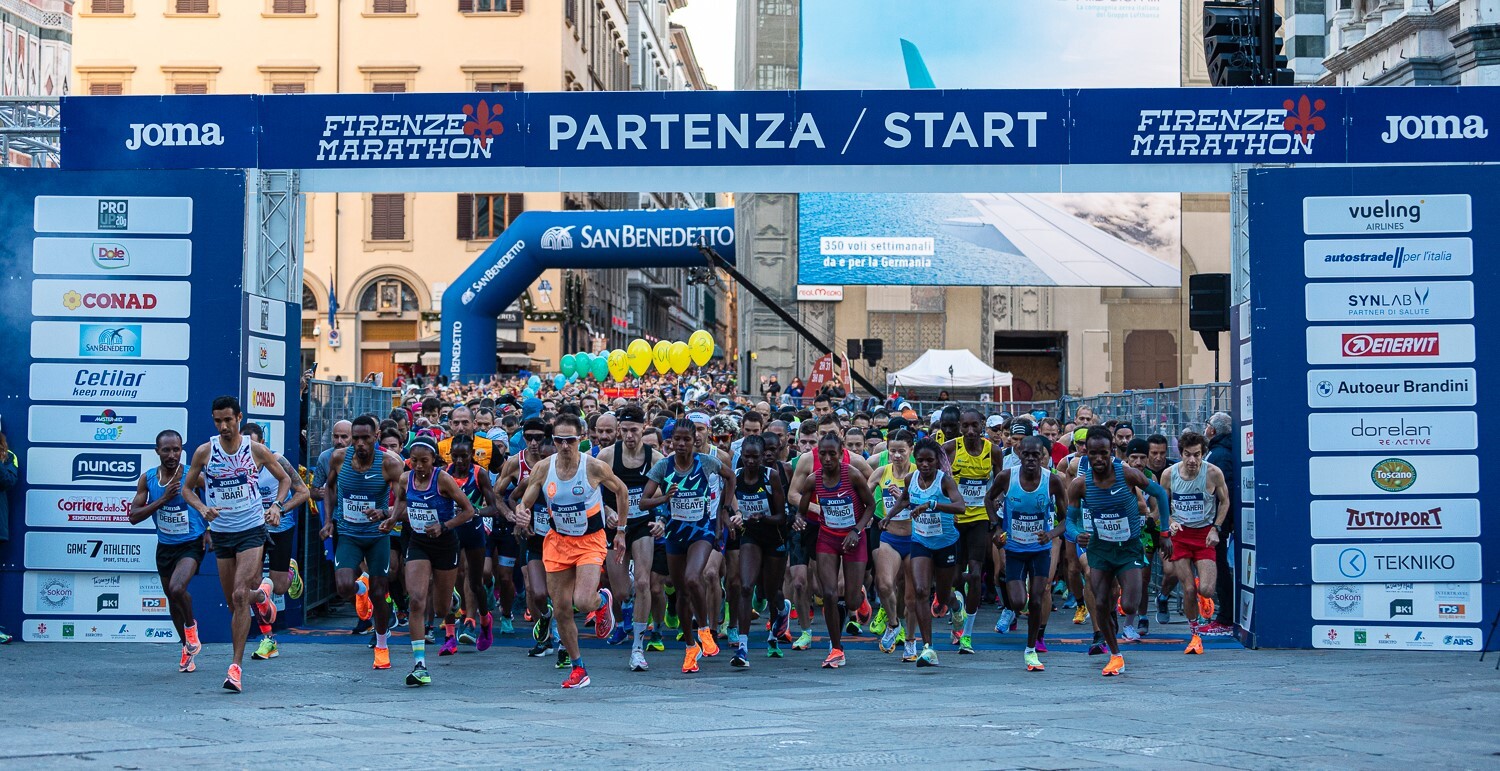
In the women's race, victory in 2:25'54" for the Rwandan Clementine Mukandanga (GS Orecchiella Garfagnana), already third in 2018 and 2022 and who improves her personal best by approximately 3', the previous record of 2h28'00".
“I live in Siena where I train by running up to 120 km a week, especially quality work. I am very happy to have achieved my personal best and to have won this race in which I had been on the podium other times", said the winner.
Silver medal for the Kenyan Rebecca Cheptegei , who reached the finish line in 2h27'08” followed by the Tanzanian Failuna Abdi Matanga , third in 2h28'58”. First for Italy, Maria Gorette Subano (CUS Pro Patria Milano) who, on her distance debut, concluded her efforts in 2h45'22”.
The leading trio of Rebecca Cheptegei, Failuna Abdi Matanga and Purity Jeptoo Cheromei took the lead at the fifth kilometer in 17'04” passing a few meters ahead of Merci Jeptoo Tuitoek and Clementine Mukandanga.
The leading group passed the 10km mark in 34'20”. The positions remained unchanged at 15 km with a passage in 51'44”. Cheptegei, Matanga and Cheromei broke away at the 21km mark in 1h12'36”. Matanga and Cheptegei increased the pace and passed in 25km 1h25'56”. The two leading athletes remained firmly in the lead until the passage to the 30 km mark in 1h43'11”. The twist occurred in the following kilometers when Mukandanga began the comeback from fifth position.
The Rwandan reached Matanga and Cheptegei and took the lead at 35 km. Mukandanga climbed to the top step of the podium of the Florence Marathon for the first time after two third places in the 2018 and 2022 editions. The African athlete resident in Siena improved her previous personal best of 2 by almost three minutes: 28:00 achieved in Florence in 2022. Rebecca Cheptegei, athlete credited with a personal best of 2h22'47" in Abu Dhabi in 2022, placed second in 2h28'08" ahead of Matanga (2h28'58") and Cheromei Jeptoo (2:31'30”).
by Diego Sampaolo
Login to leave a comment
Firenze Marathon
This is Firenze (Florence) Marathon! Along the way you will be surrounded by centuries of art, history and culture, a unique emotion that can only be experienced by those who run in Florence. Thousands of sports people and enthusiasts from all over the world come to participate in this classic race on the last Sunday in November. The route takes...
more...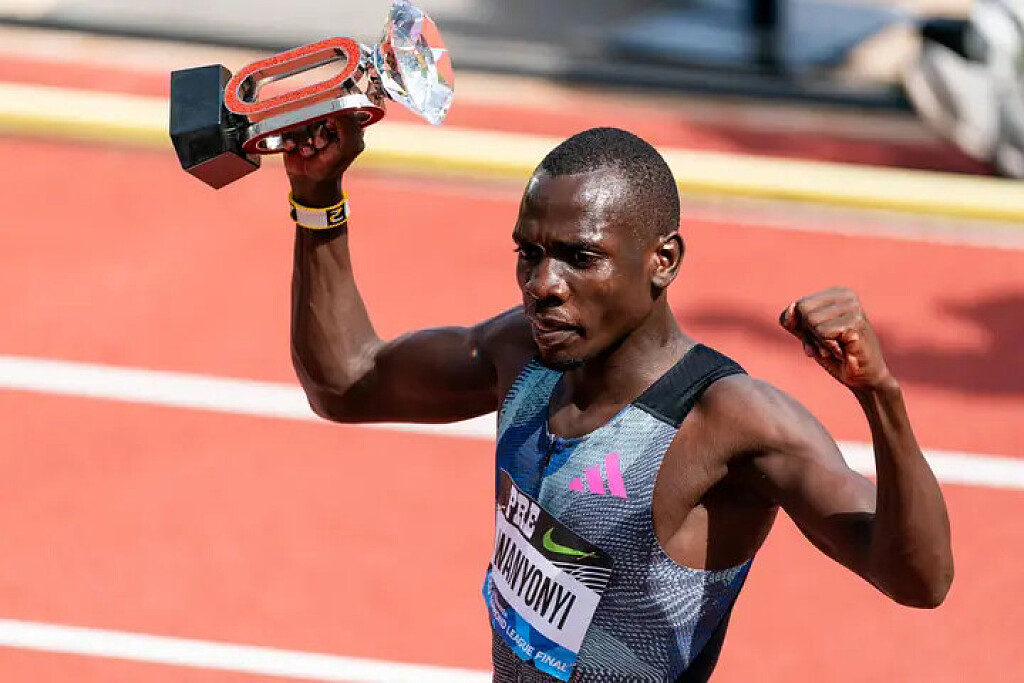
Wanyonyi nominated for World Athletics Rising Star award
World Under 20 gold medalist Emmanuel Wanyonyi has been nominated as a Rising Star by the World Athletics.
The three categories of achievements he has been slotted for include World Championships 800m silver medalist, Diamond League champion and winner in Rabat, Paris and Xiamen World cross country mixed relay champion.
In recognition of the achievements, World Athletics acknowledged;
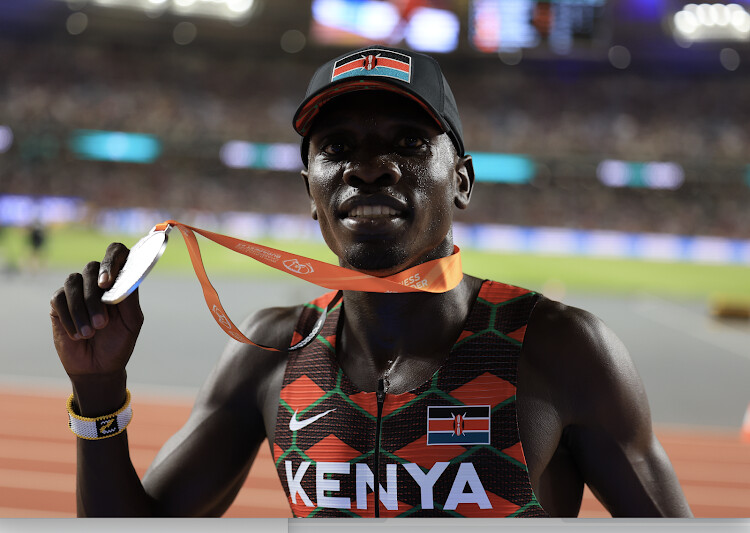
“The nominations reflect some of the standout performances that the sport has witnessed this year, at the World Athletics Championships Budapest 23, World Athletics Cross Country Championships Bathurst 23, one-day meeting circuits and other events around the world.”
Wanyonyi, boasts of a personal best of 1:43:27 he clocked 1:44:53 and finished behind Marco Arop of Canada silver in Budapest.
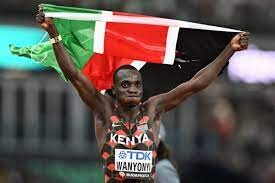
Subsequently, he kicked off his Diamond League campaign with a victory in Rabat, Morocco at the end of May, followed by another triumph in Paris, France in early June.
In February, the young athlete commenced the year with a gold medal victory in mixed relays at the 2023 World Cross-Country Championships held in Bathurst, Australia. In May, he successfully defended his Kip Keino Classic title in Nairobi.
The middle-distance runner also ran a new Championship Record of 1:43.76, cruising to victory in the men’s 800m at the World Athletics Under-20 Championships in 2021 at Moi Sports Center Kasarani.
Back home, the 19-year-old is among the over 3.5milion Form Four candidates sitting for the Kenya National Examination Council (KCSE) examinations. He has undertaken the finals at Kosirai Secondary School in Nandi County.
The two others nominated under the same category are Jamaica’s Roshawn Clarke for World Championships 400m hurdles fourth place, equaled and then broke the world U20 record with 47.85 in Kingston and 47.34 in Budapest and Jamaican champion and CARIFTA Games U20 champion.
Erriyon Knighton from the USA for World Championships 200m silver medalist, US champion and Winner of Diamond League races in Florence and Oslo.
An international panel of experts will select the 2023 Men's Rising Star Award winner, and the announcement will be made on World Athletics' platforms on December 11th.
by World Athletics
Login to leave a comment
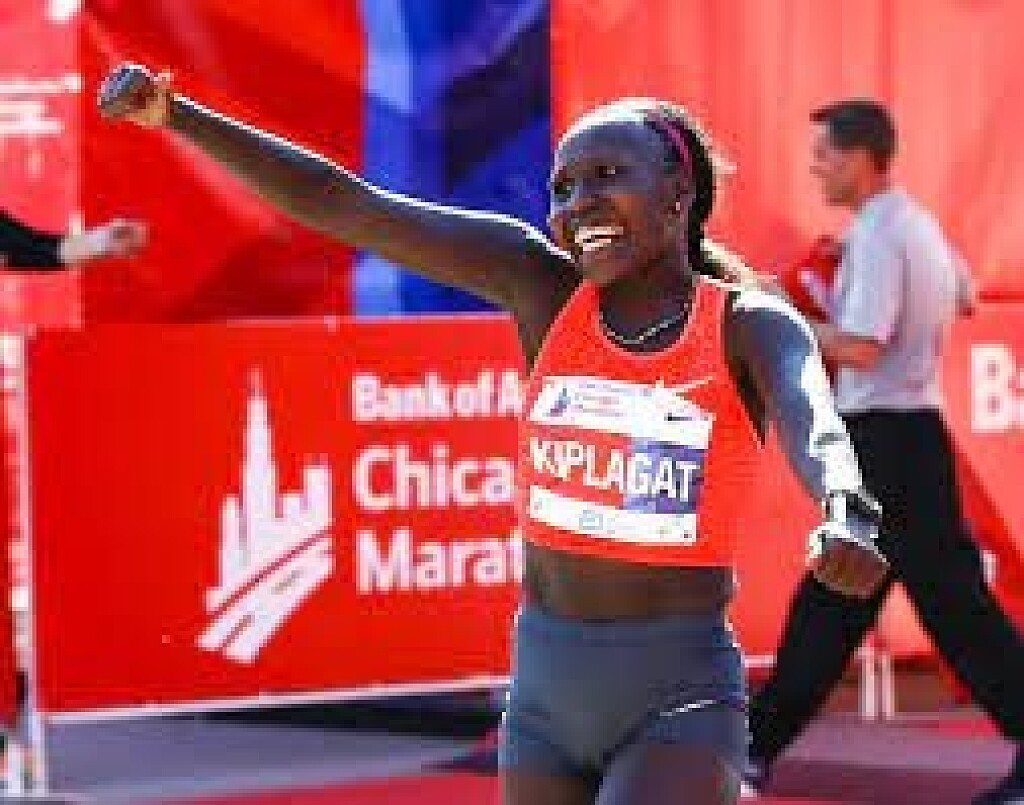
Florence Kiplagat seeking redemption at the Dublin Marathon after Gold Coast heartbreak
36-year-old Florence Kiplagat will be looking to end her season on a high at the Dublin Marathon after faltering at the Gold Coast Marathon earlier this year.
Former World Half Marathon record holder Florence Kiplagat will be looking to soothe her Gold Coast Marathon heartbreak with a win at the Dublin Marathon.
Competing at the Gold Coast Marathon earlier this year, Kiplagat was hopeful of finishing in the podium bracket but unfortunately faded to finish sixth. She however has another chance to compete and hopefully finish in the top three.
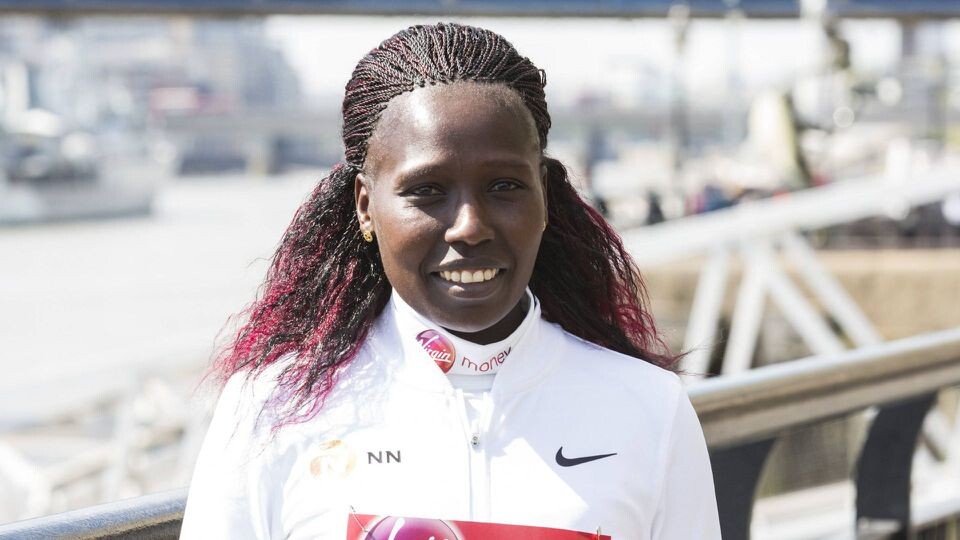
The 36-year-old has just come back into competition in 2023 since her last race back in 2019. She was out of competition for the past four years due to a series of illnesses and the worldwide COVID-19 disruption.
She will now be competing in her second race this season scheduled for Sunday, October 29 in one of Ireland’s biggest marathons.
The Kenyan will not have an easy time securing her dreams since the race has also attracted several strong women. Defending champion Nigist Muluneh of Ethiopia will be making a return, hoping to secure back-to-back titles.
The Ethiopian has been in impeccable form this season, clocking a Personal Best time of 2:27:41 this year when racing in the Riyadh marathon in Saudi Arabia.
She will enjoy the company of compatriots Amente Sorome Negash, Genet Habela Abdurkadir, and Hawi Megersa who are also among the top women in the elite field.
Negash is the second fastest in the field and she will also be vying for a seat on the high table owing to her impressive form this season. Abdurkadir and Megersa line up as the fourth and sixth-fastest in the field and the duo will be looking for triumph in the streets of Ireland.
Another potential threat is Hanane Qallouj, who lines up as the fifth-fastest in the field. She has a Personal Best time of 2:31:27 and she will be on a mission to dethrone the Ethiopians.
Login to leave a comment

KBC Dublin Marathon
The KBC Dublin Marathon, which is run through the historic Georgian streets of Dublin, Ireland's largest and capital city.The course is largely flat and is a single lap, starting and finishing close to the City Centre. Conditions formarathon running are ideal....
more...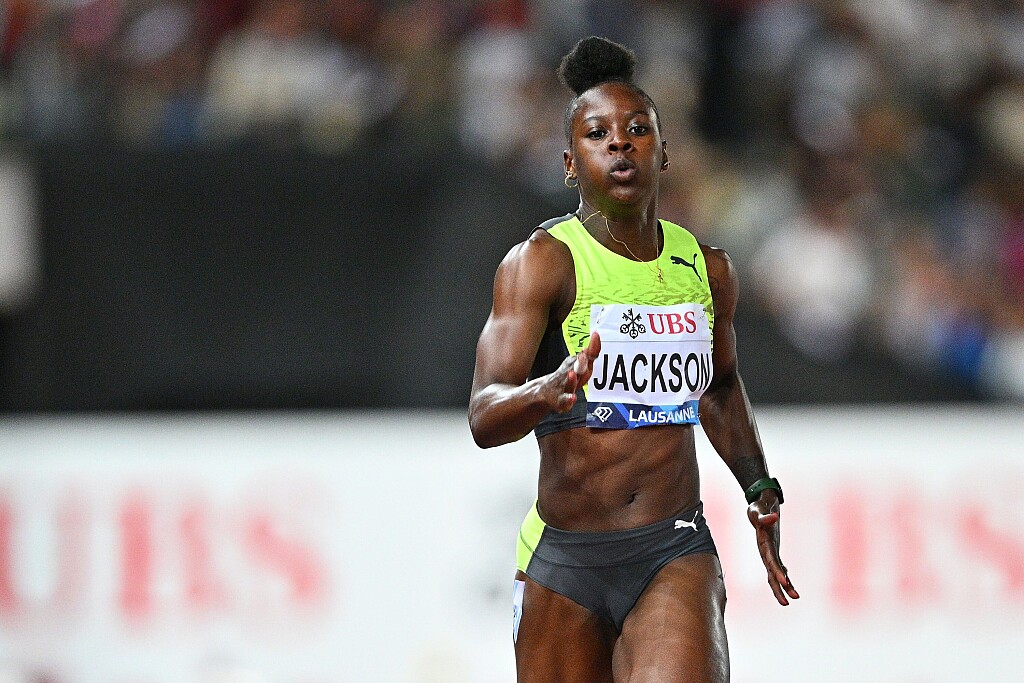
Shericka Jackson maintains attack on Flo Jo's world record as she heads to Prefontaine Classic
Two-time World 200m champion Shericka Jackson will be eyeing the world record when she heads to the final Diamond League Meeting, the Prefontaine Classic, on Sunday.
She hoped to smash the late Florence Joyner’s record at the meeting in Brussels but missed out after clocking 21.48 to cross the finish line. The late Joyner’s record stands at 21.34 and Jackson is the only woman who has gotten close to the record.
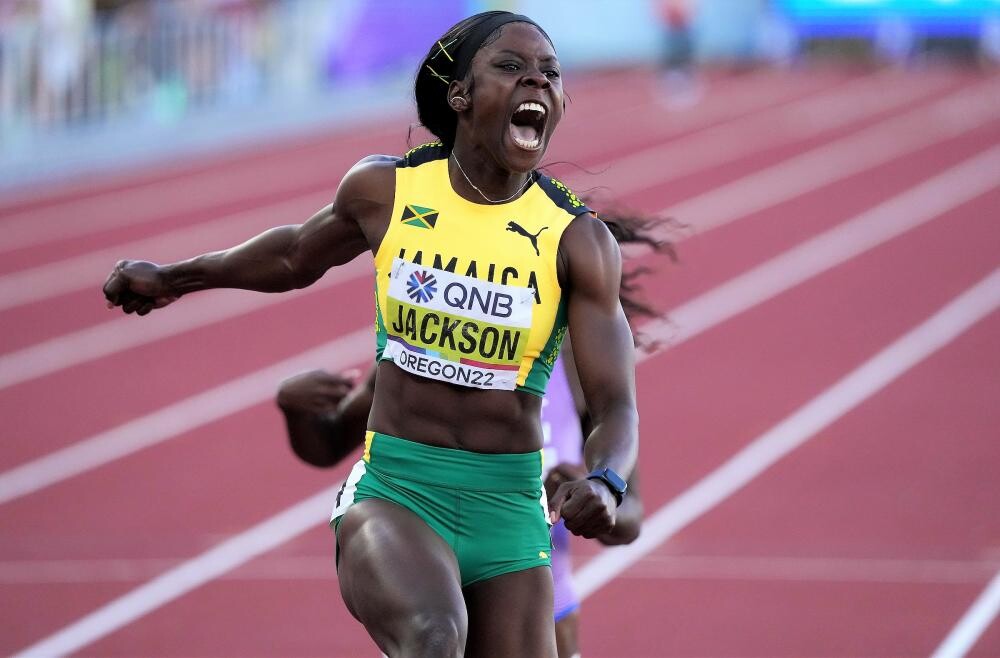
She, however, has not lost hope and she wants to give her best shot when she races on US soil one more time.
The 29-year-old has sweet memories of the Hayward Field in Eugene since she won the 200m at last year’s edition of the event.
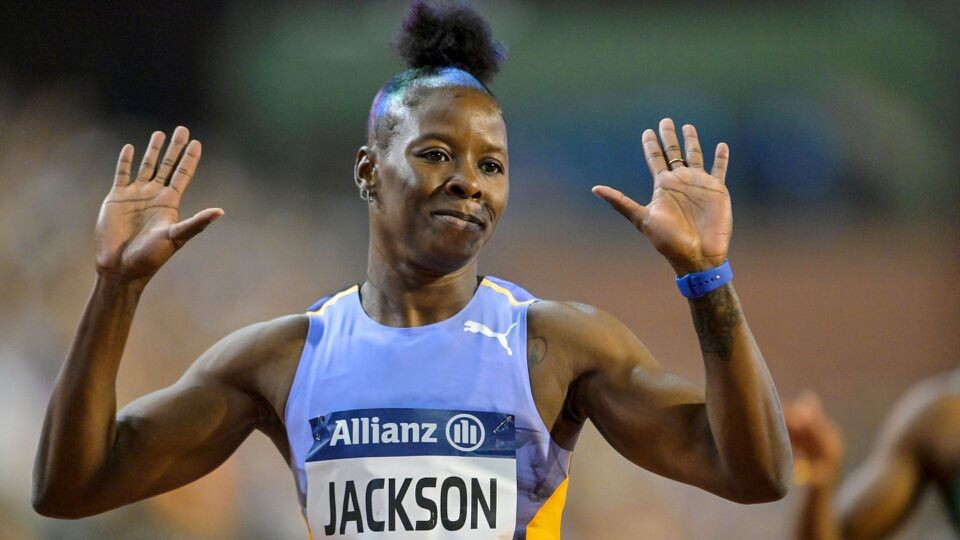
“I believe in myself, I believe in what I’m capable of doing. If it comes it comes if it doesn’t it’s okay. I’ll cool down, take a little break, and then prepare for next year.
But as I said the focus is on this year…if I get the record in Eugene, then it will be a plus but I won’t kill myself,” the Jamaican said.
She has been unbeaten so far this year in the 200m and that shows how formidable she is to take down the record.
The World 100m silver medalist opened her track season in the 200m at the Diamond League Meeting in Rabat, Morocco where she reigned supreme.
She also clinched top honors at the Jamaican Championships before also winning at the Gyulai István Memorial, a Hungarian Athletics Grand Prix.
She then proceeded to the Diamond League Meeting in Monaco before heading to the World Championships in Budapest, Hungary where she defended her title.
After the World Championships, she competed at the Meetings in Zurich and Brussels where she bagged wins. She is now eyeing glory at the final Diamond League Meeting.
by Abigael Wuafula
Login to leave a comment
Prefontaine Classic
The Pre Classic, part of the Diamond League series of international meets featuring Olympic-level athletes, is scheduled to be held at the new Hayward Field in Eugene. The Prefontaine Classicis the longest-running outdoor invitational track & field meet in America and is part of the elite Wanda Diamond League of meets held worldwide annually. The Pre Classic’s results score has...
more...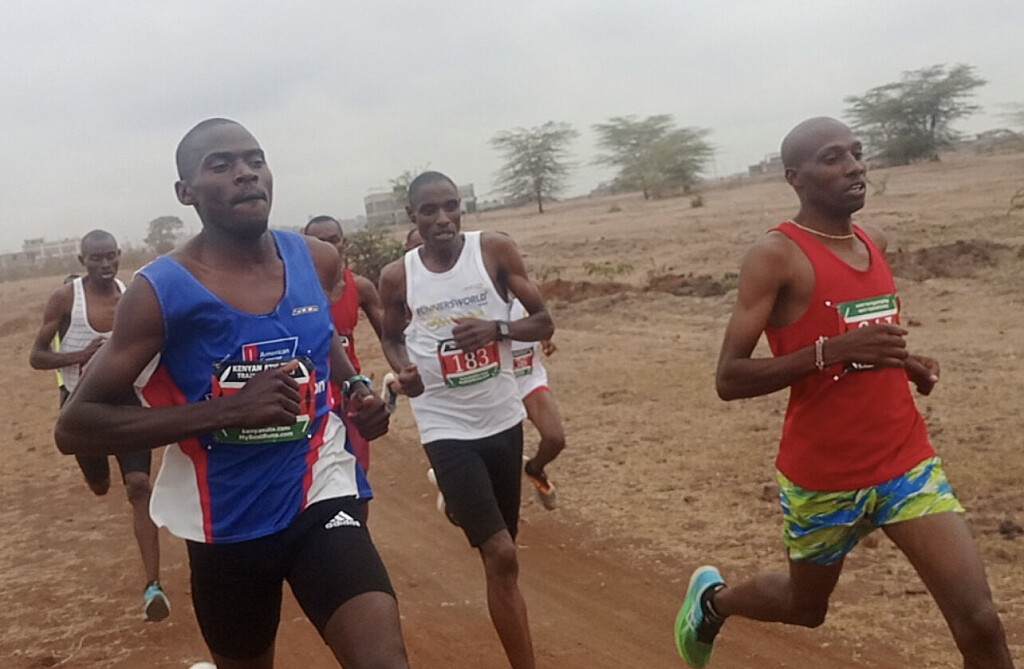
Fast times at the third annual KATA Double 15k in Thika Kenya
The third edition of the kenya double road race was held today 2nd September 2023 at kenya athletics training academy (KATA) in Thika kenya. This also replaced the monthly KATA Time Trial for September.
On the chilly morning, the weather was perfect for a great race, runners started arriving at the academy as early as 6am for this mind blowing and challenging event.
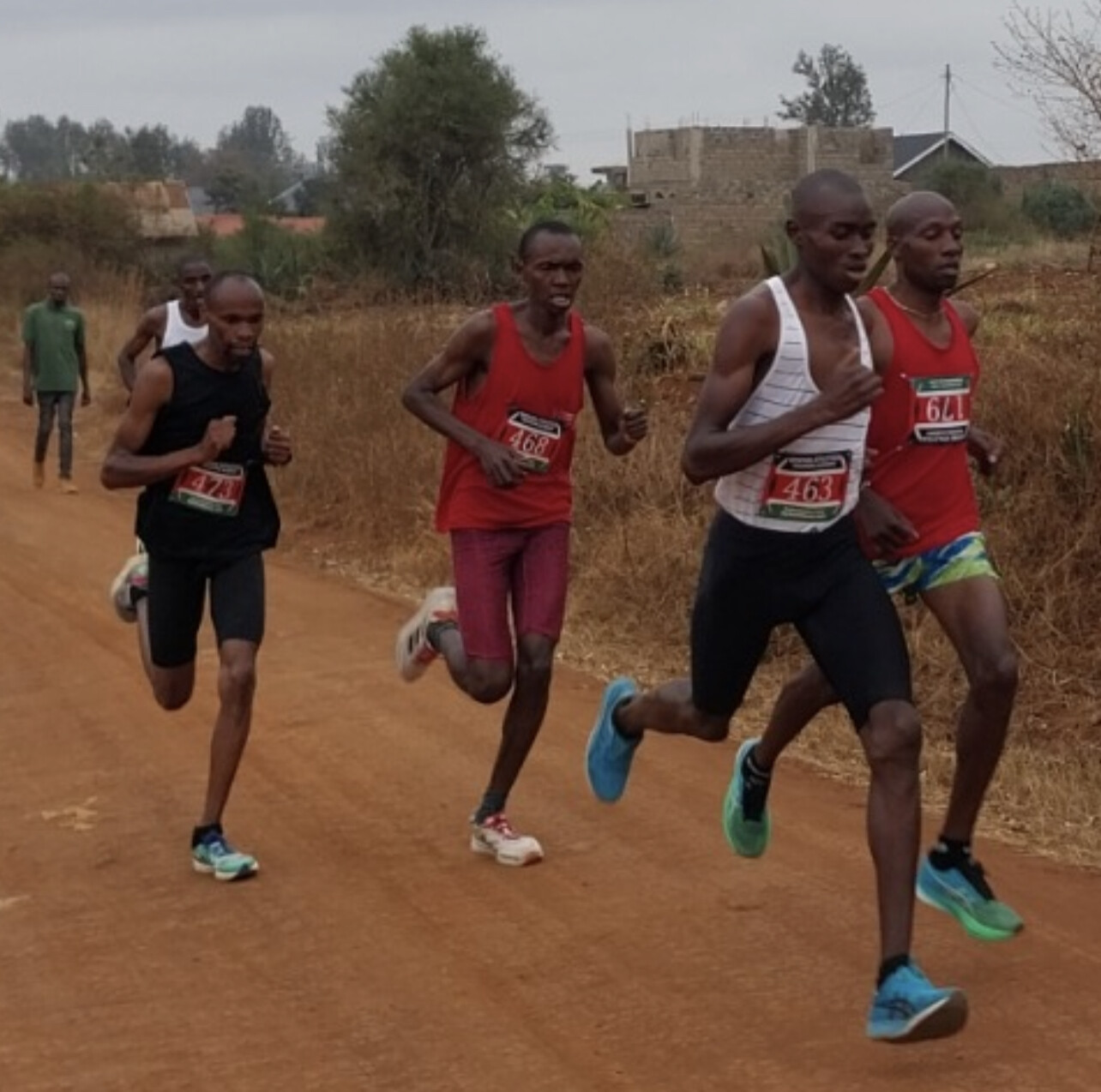
Our race organizers had worked tirelessly to make sure that the event was ready on time under the eye of the race director and academy manager Florence Kimiti. and the kata team working hand in hand.
At 9.am Kenyan time the race started, and all the favorite runners were on the leading group making sure that they have an eye of what’s going on, race Favorite Bernard Musau took charge after the 3rd kilometer and went ahead to win the first leg in 29:44, Nahshon Ndegwa come in second in 30:26 and job Kamonde run 30:27 to finish 3rd.
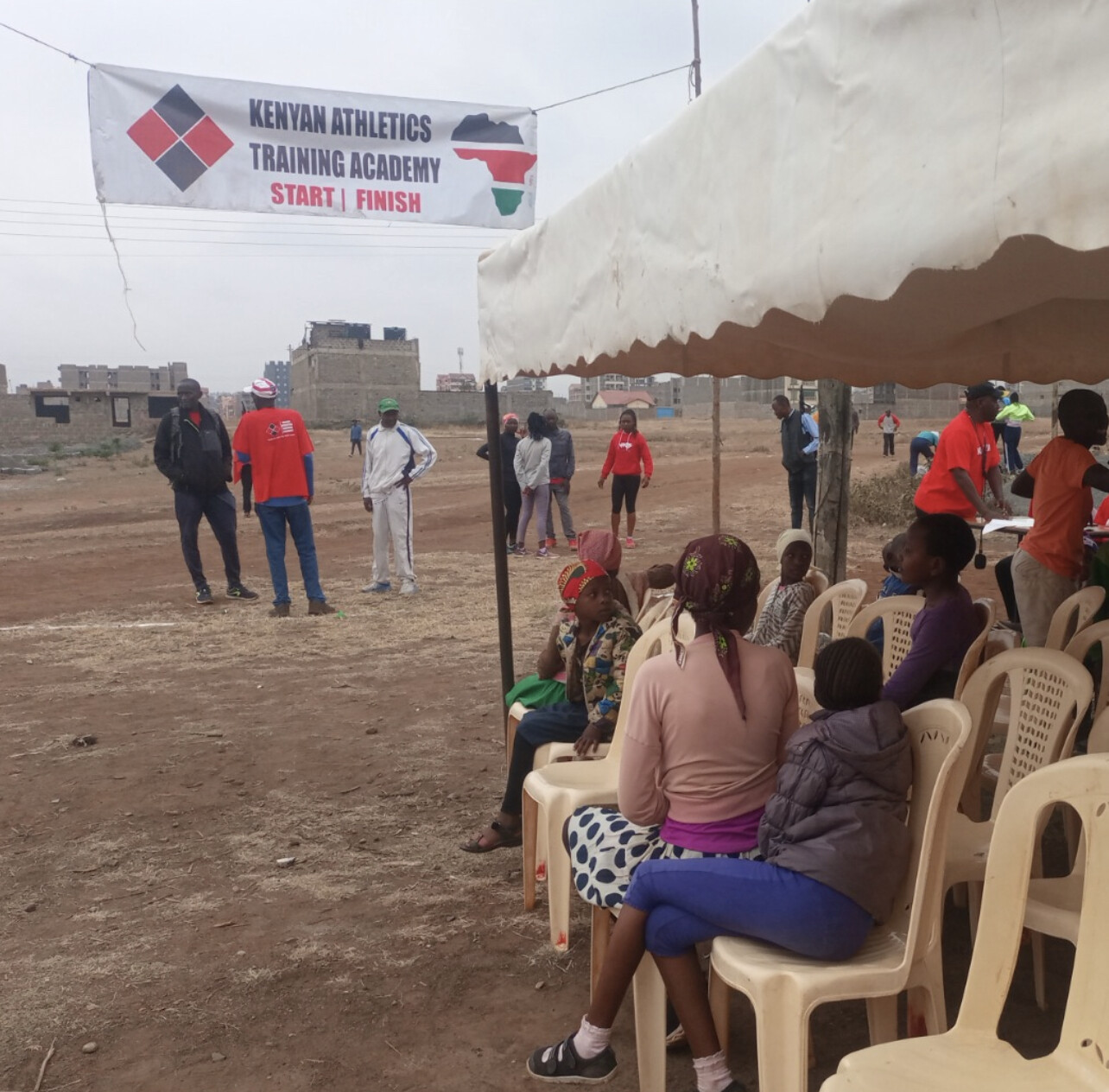
In the women race, it was similar to men race, the one horse race saw Miriam Chepkemoi 34:35 dominated the race from gun to tape, Kellen Waithira came in 2nd in 35:37 and Karen Chepkemoi hold on to the 3rd in 37:14.
During the halftime break, it was the time for bob Andersons kid cup mile which saw amazing talent from the upcoming kids, in the boys race Davis Wanjihia won the race in 6:46, Benjamin Ndaro was 2nd in 6:55 while Lewis Mburu sealed the podium in 7:03. The girls was won by 11yrs old purity Wambui took the honors I 6:33, Emma Elianah was 2nd in 7:30 and Abigail Imali came 3rd in 7:39 to seal the podium.
After the break , it was time for second leg and saw Bernard fired up as he destroyed the field from the gun and won easily in 14:48 (his total time of 44:32 ties the 3rd best time time ever) his opponent job Kamonde run 15:02 and Raphael Gacheru ran 15:08 to third place after fifth place in 10km.
Miriam Chepkemoi final time was 51:33 which is the 5th best female tine ever. 40-year-old Gabriel Kahura clocked 47:06 which is the best time ever for 40 years plus.
The race had a huge success and runners loved the new challenge in the double racing.
Login to leave a comment
KATA Double Road Race 15K
5th Annual KATA Double Road Race 15K Set for September 20, 2025, at KATA Thika The 5th Annual KATA Double Road Race 15K will be held on September 20, 2025, at the Kenyan Athletics Training Academy (KATA) in Thika, Kenya. The event includes a 10K leg, a break, followed by a 5K leg — a format designed to challenge runners...
more...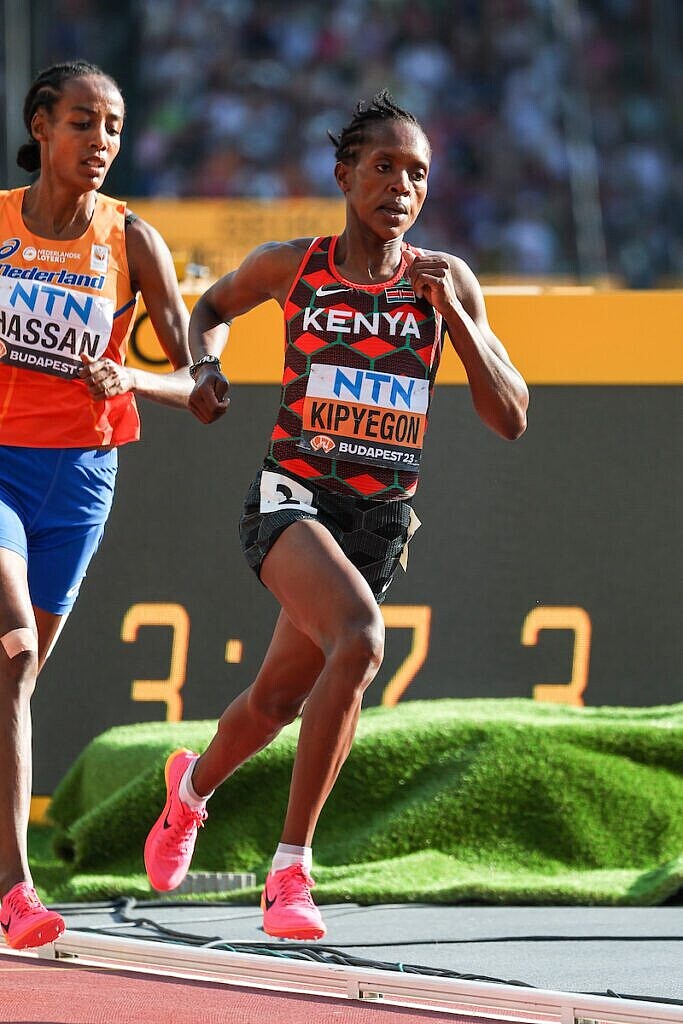
Faith Kipyegon storms to her second straight 1,500m world championship victory
It was her race to lose–Kenya’s Faith Kipyegon, who is indisputably the greatest 1,500m runner the world has ever seen, would have had to make a serious mistake (or suffer a freak injury) to avoid winning the women’s 1,500m in Budapest on Tuesday. Neither happened, and the double Olympic champion and now three-time world champion and world record holder takes home another gold medal, with a finishing time of 3:54.87.
Former world junior champion Diribe Welteji of Ethiopia ran a smart race, positioning herself just behind Kipyegon near the start, and took home silver, in 3:55.69. And Olympic bronze medalist Sifan Hassan of the Netherlands, after a disastrous 10,000m race on Sunday in which she fell in the final meters of the race she was leading, came from behind with her trademark finishing kick to take home bronze in 3:56.00.
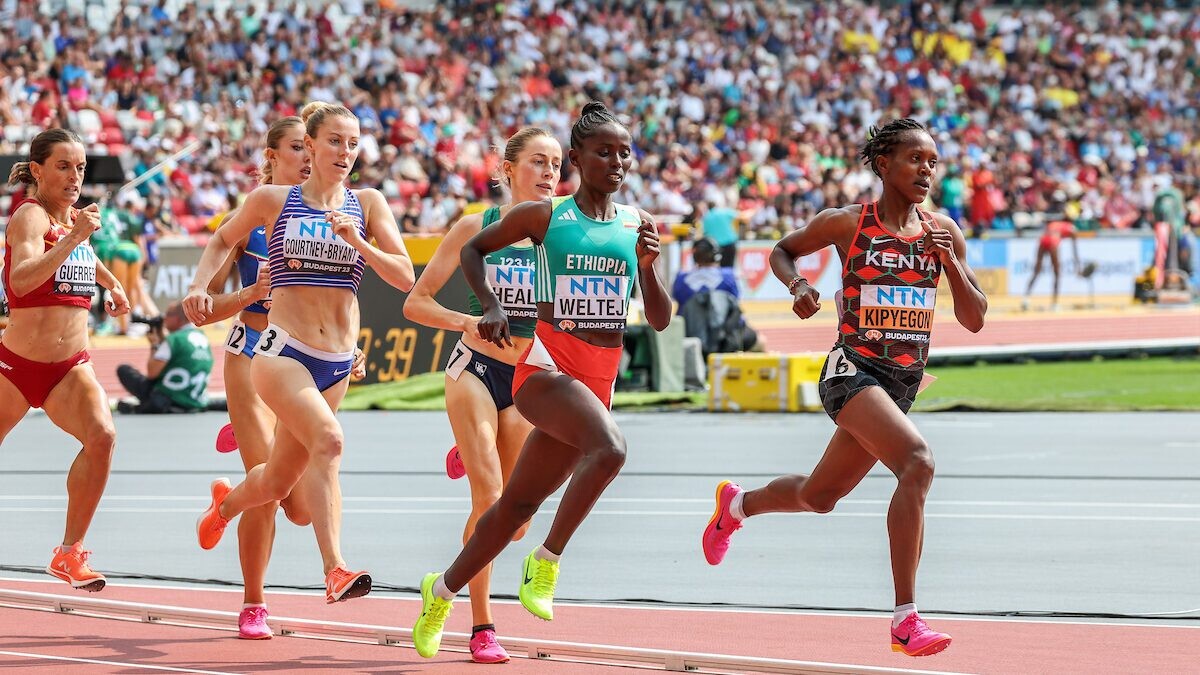
Ciara Mageean of Ireland, the 2022 European silver medalist, ran an excellent race also, finishing fourth with a national record in 3:56.61. Nelly Chepchirchir of Kenya, who finished fifth, ran a personal best (3:57.90).
2022 bronze medalist Laura Muir of Team Great Britain ran 3:56 in the semi-final and was in the race for the first couple of laps, but ultimately faded to sixth (3:58.58).
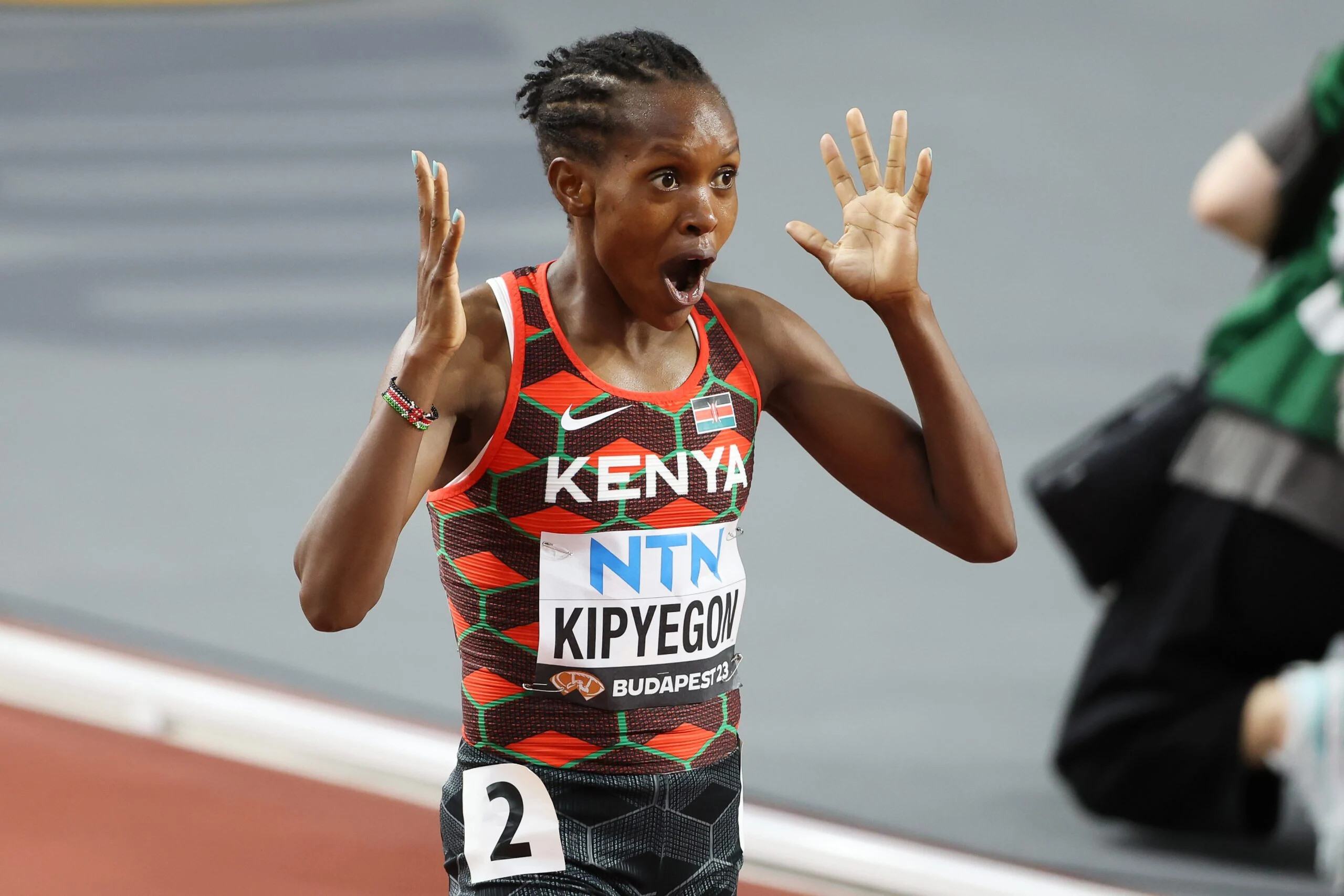
After a fast first 100m, the race became very slow and tactical, but surprisingly, no one attempted to challenge Kipyegon’s lead, and allowed her to control the pace; the leaders went through 800m in 2:11 and were at 2:58 at the bell. And of course she closed lightning fast, with a 56.5-second final lap, completely unchallenged.
It was also Kenya’s first gold medal of the games. When asked in a post-race interview how it felt to bring home her country’s first gold medal of the games, the humble Kipyegon responded, “I’m so grateful,” and she repeated this when asked whether she felt that this third world title cemented her legacy as the greatest-ever 1,500m runner, adding that nothing in particular had changed in her training with coach Patrick Sang (who is coach also to marathon world record holder Eliud Kipchoge) to get her the extraordinary results she has seen so far this year.
Kipyegon set the world record at the distance at the Florence Diamond League earlier this season, becoming the first woman in the world to go sub-3:50. She, along with Hassan, will also race the 5,000m, which has been rescheduled from Wednesday morning to Wednesday evening, due to the extreme heat and humidity in Budapest.
You can watch the World Athletics Championships live in Budapest at cbcsports.ca. For full results, click here.
The 2023 World Athletics Championships are taking place from August 19-27 at the National Stadium in Budapest, Hungary. All the action will be brought to you by Canadian Running and Asics Canada. Follow us on Twitter on Instagram for all things Team Canada and up-to-date exclusive news and content.
by Anne Francis
Login to leave a comment

World Athletics Championships Budapest 23
From August 19-27, 2023, Budapest will host the world's third largest sporting event, the World Athletics Championships. It is the largest sporting event in the history of Hungary, attended by athletes from more than 200 countries, whose news will reach more than one billion people. Athletics is the foundation of all sports. It represents strength, speed, dexterity and endurance, the...
more...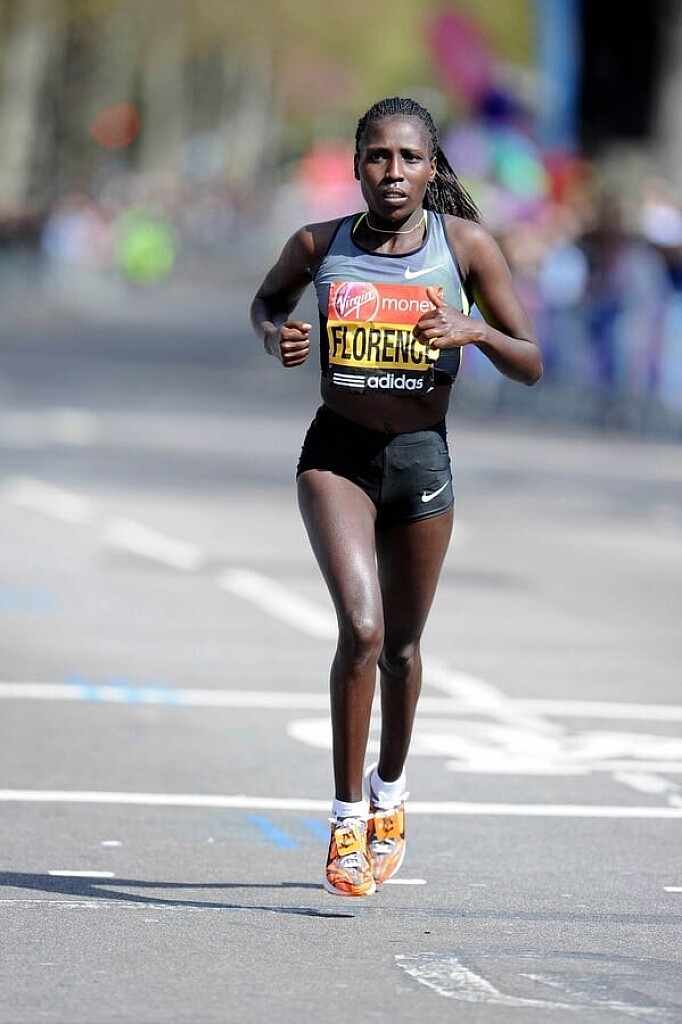
Florence Kiplagat will make her return into competitive athletics at the Stockholm Marathon
Her last competition was during the 2019 Outdoor Meeting in Israel where she competed over the 10,000m and finished third.
The 2009 World Cross-Country champion Florence Kiplagat will make her return into competitive athletics at the Stockholm Marathon 0n Saturday, 3rd June 2023.
She has been out of competition for four years since her last competition was during the 2019 Outdoor Meeting in Israel where she competed over the 10,000m and finished third. The Sirgoech Secondary School alumnus is one of the leading entrants to the event.
She will be lining up with a Personal Best time of 2:19:44, a time she clocked while winning the 2011 Berlin Marathon. She is the fastest in the field that has also attracted the Ethiopian duo of Tadelech Bekele and Sifan Melaku.
Kiplagat will be testing if she still has the mileage in her against the duo who unlike her, have been competing. Melaku opened her season with an impressive fifth-place finish at the Mumbai Marathon and she will be keen to improve on that as she takes on her opponents.
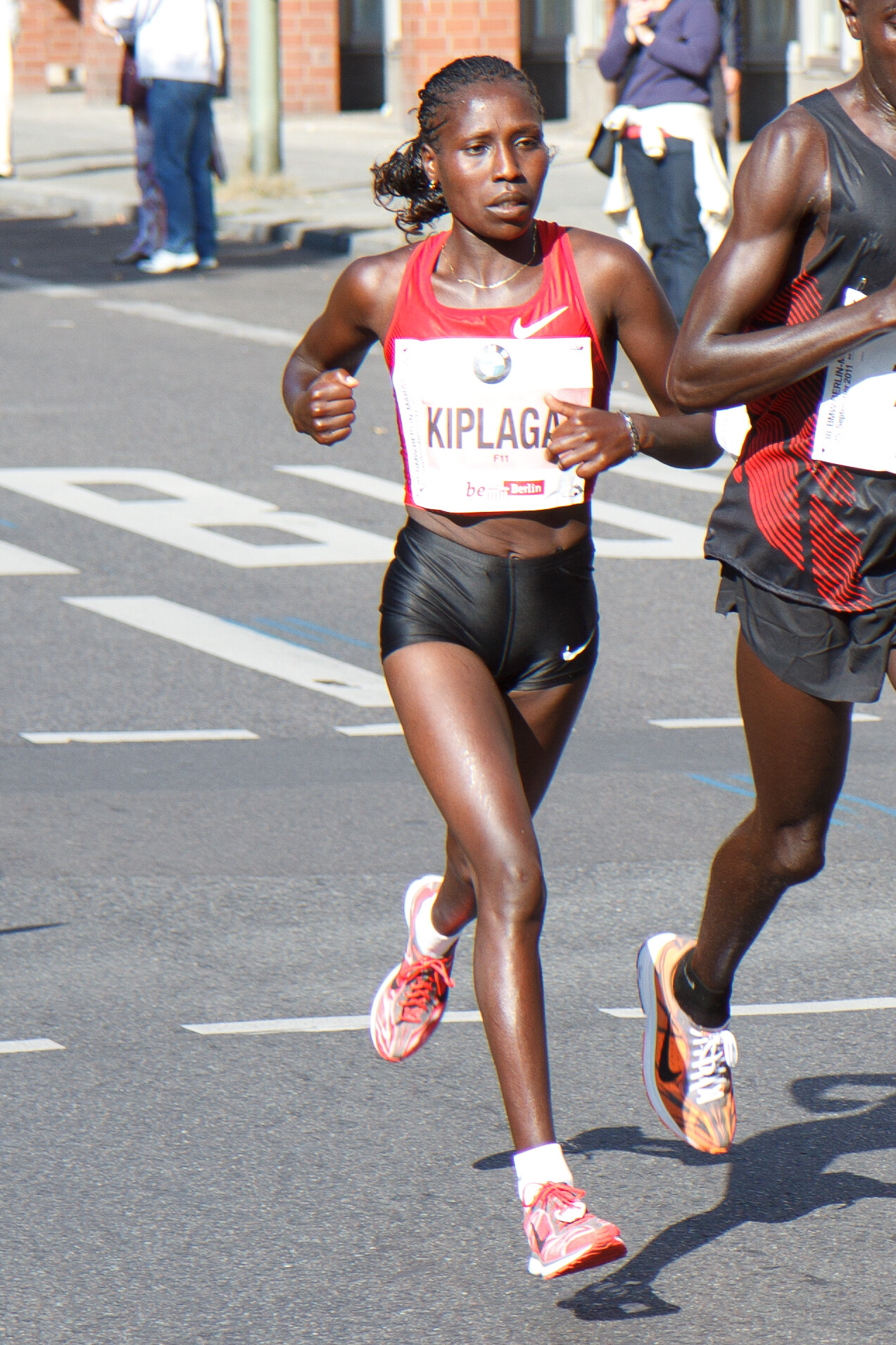
On her part, Tadelech will be opening her season in Stockholm. The last time she was in competition was during the Zurich Marathon in May 2022 where she also finished fifth.
Kiplagat has a decorated career owing to the fact that she ruled the track and road races before taking the break.
She is a former world half marathon record holder, status she achieved after winning the Barcelona Half Marathon in 2015. Winning the cross-country senior race title in 2009 also saw her become the second Kenyan to achieve the gong after Hellen Chepngeno who won in 1994.
Kiplagat also boasts of two Berlin Marathon titles, one in 2011 when she was debuting and the other one during the 2013 edition. She is also a two-time Chicago Marathon champion.
by Abigael Wuafula
Login to leave a comment

Stockholm Half Marathon
Stockholm Half marathon has a unique course. Starting and running in the area between the castle, the Riksdaghuset and the Opera is special. And running in the middle of town is really a special feeling. The half marathon in Stockholm has been called Stockholm Halvmarathon (Stockholm Half Marathon) since 2007 but the race is actually much older. In 1927, the...
more...
Ferdinand Omanyala Confident Ahead of World Athletics Championships: Nothing but Gold
In the last few years, Ferdinand Omanyala has become one of the best sprinters in the world and is looking to cement that in August at the 2023 World Athletics Championships in Hungary.
He comfortably qualified for the event and will face stern competition from the Americans as he seeks to win one of the most important titles in his career.
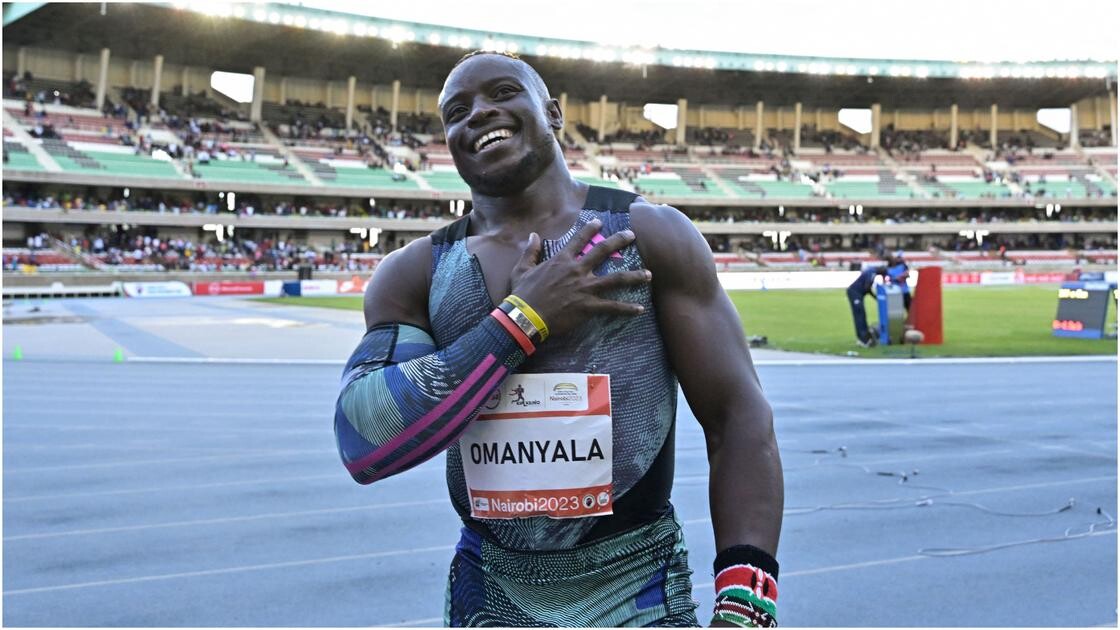
The 27-year-old is Africa's fastest man but has yet to win a Diamond League race so far this season. He will take part in the Monaco Meet later this month. He recently clocked 9.85 seconds to win the national trials. Unfortunately, he will be the only man to represent Kenya in the 100m race.
The Commonwealth Games champion has a personal best of 9.77 seconds and wants to run 9.60 seconds. Only three men in history have run under 9.70 seconds, Usain Bolt, Yohan Blake, and Tyson Gay, per World Athletics. Therefore, it will be an uphill task for the Kenyan star.
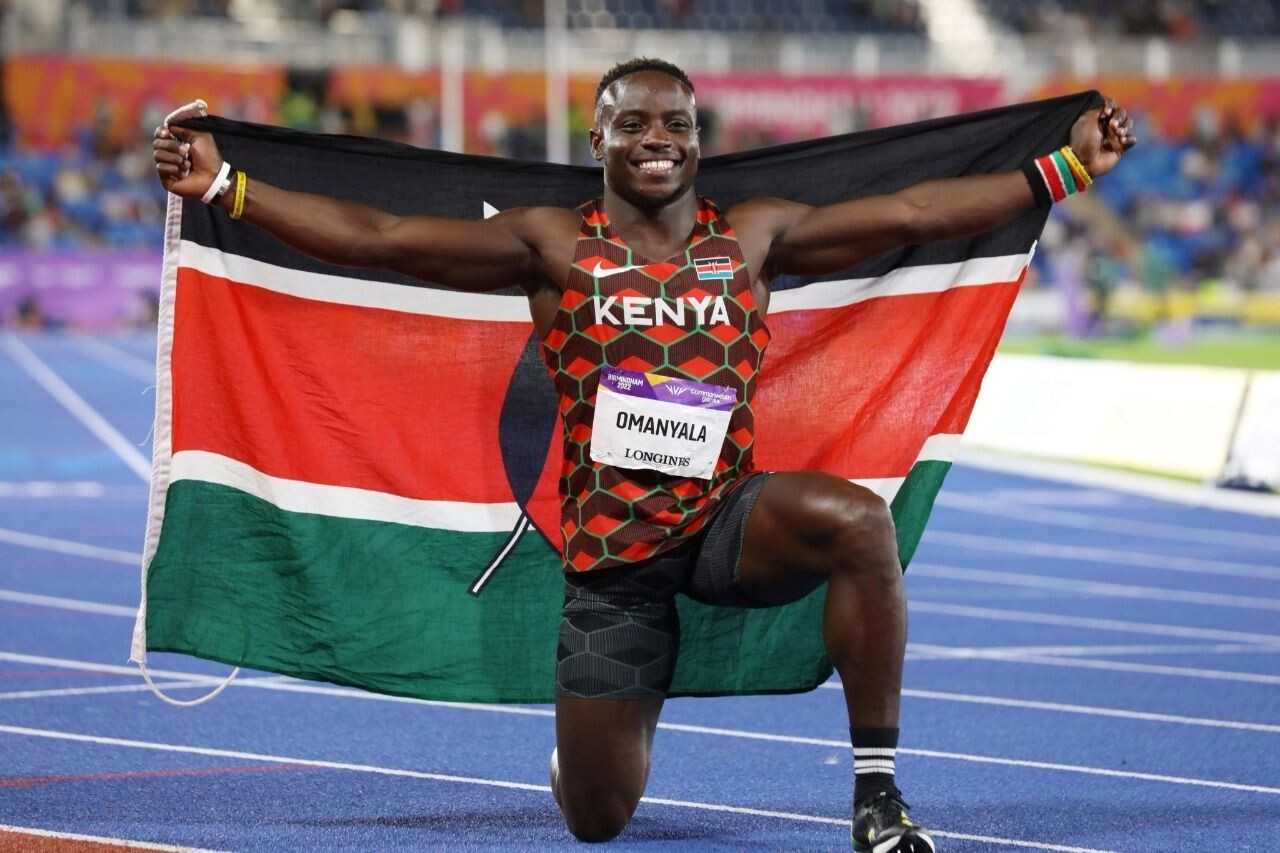
Omanyala's mindset heading to Budapest
Kenya is known for their middle and long-distance running, producing world-beaters for decades. Omanyala will make history if he beats defending world and Olympic champion Fred Kerley to win gold in Budapest.
He is confident going to the showpiece.
Kenya has never won a medal in the 100m race, and Omanyala will be the first if he wins it.
Omanyala leads Diamond League standings
Sports Brief previously reported on Omanyala being on course to qualify for the Diamond League finals, with the Commonwealth champion leading the standings after five legs.
He raced in his second-ever Diamond League race against an elite field in Rabat on May 28. He then followed it up with back-to-back races in Florence, Italy, and in Paris, France.
Omanyala - Africa's fastest man - took podium places in all three races. He came in third in Morocco before claiming two consecutive second-place finishes in Italy and France.
by Edwin Kiplagat
Login to leave a comment
World Athletics Championships Budapest 23
From August 19-27, 2023, Budapest will host the world's third largest sporting event, the World Athletics Championships. It is the largest sporting event in the history of Hungary, attended by athletes from more than 200 countries, whose news will reach more than one billion people. Athletics is the foundation of all sports. It represents strength, speed, dexterity and endurance, the...
more...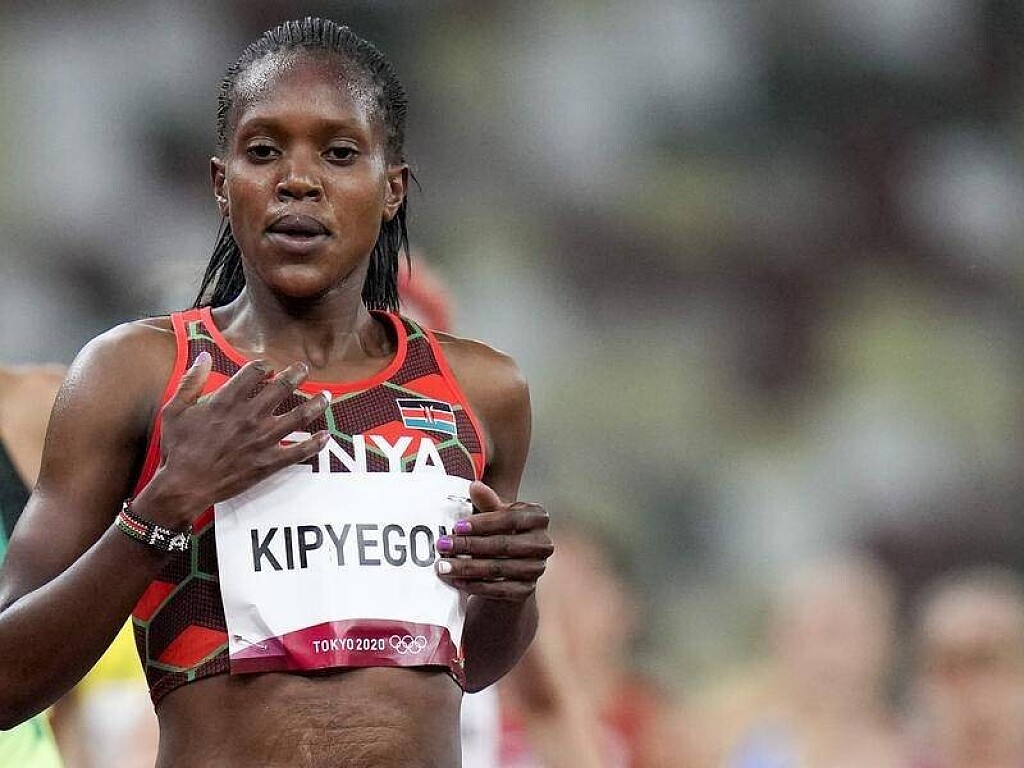
Faith Kipyegon contemplates doubling at World Championships
Double world record holder Faith Kipyegon is contemplating whether to compete in both the 1500m and 5000m at the World Championships in Budapest, Hungary, in August.
Kipyegon who holds the world records for the two distances said she is consulting widely before making a decision.
Speaking when she was named the LG/Sports Journalists Association of Kenya player of the month for June, Kipyegon said: "I will start my journey of defending my world title at the national trials this weekend."
"However, I am still consulting on whether I should double at the World Championships."
Kipyegon, a two-time Olympic champion over 1500m, said since she is qualified for Budapest after winning the world title in Oregon last year, she will compete in the 5000m race at the Athletics Kenya trials set for Friday and Saturday at the Nyayo Stadium.
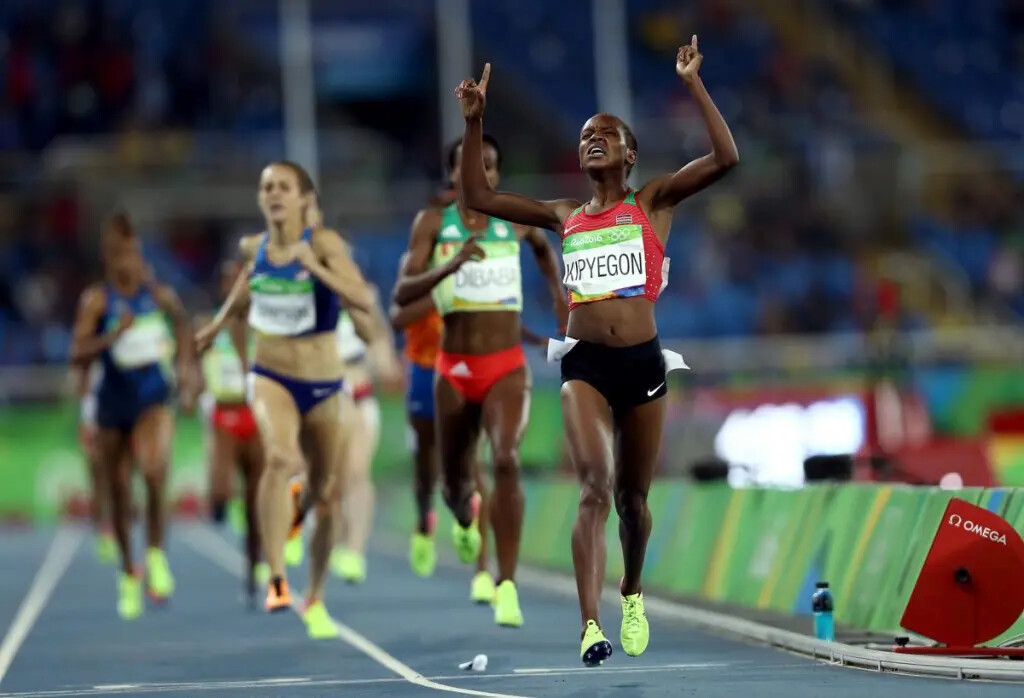
This, she said, will also form part of her preaparations for the July 21 Monaco Diamond League.
At her training base at Global Sports Communication in Kaptagat, Uasin Gishu county, Kipyegon was crowned by the scribes after running two consecutive world records over 1500m and 5000m last month.
In Florence, Italy, on June 2, Kipyegon tore Genzebe Dibaba's record over 1500m with a new world mark of 3:49.11 over 1500m.
She was at it again in Paris a week later as she timed a new world record of 14:05.20 over 5000m.
“I’m so happy to be among the few athletes to win this award more than twice,” Kipyegon said.
“It's always good to see corporate entities acknowledge the good work of athletes. I am thankful to LG for their efforts to whip up the enthusiasm of sportsmen and women in this country. The win in Florence boosted my confidence levels and I feel I have to continue pushing for better track limits.”
She becomes the second athlete, after Angela Okutoyi, to win the SJAK award thrice. Kipyegon beat five other nominees among them Commonwealth Games champion Beatrice Chebet who produced a scintillating run to clinch the 3,000m title at the Oslo Diamond League in eight minutes, 25.01 seconds, which also counted as the latter's new personal best and world leading time.
Others were Carl Tundo and McRae Kimathi for their WRC2 and WRC3 finishes on the Safari Rally, Moses Shumah for scoring Harambee Stars solitary goal at the Four Nations Tournament, Emma Wangila Nekesa for being the only African wrestler and Kenyan to have qualified for the World Beach Games in Indonesia.
Maureen Kemunto, LG East Africa Corporate Marketing and communication manager, said: “LG has been actively supporting the identification and recognition of sporting talent in Kenya through a partnership with SJAK."
"The purpose of this award is to recognise exceptional Kenyan sportsmen and women for their achievements across diverse disciplines each month and also to signify our commitment to contribute to the development of sport in the country."
SJAK President James Waindi congratulated Kipyegon and thanked LG for their continued support over the past eight years.
“With the monthly award, we are seeing a growing number of upcoming and talented sports personalities among them Angela Okutoyi who won the Wimbledon Open Junior category and won this award for a record three times, "said Waindi.
" Rewarding sportsmen and women is an important step towards whipping up the enthusiasm of sports personalities across all disciplines.”
by Emmanuel Sabuni
Login to leave a comment
World Athletics Championships Budapest 23
From August 19-27, 2023, Budapest will host the world's third largest sporting event, the World Athletics Championships. It is the largest sporting event in the history of Hungary, attended by athletes from more than 200 countries, whose news will reach more than one billion people. Athletics is the foundation of all sports. It represents strength, speed, dexterity and endurance, the...
more...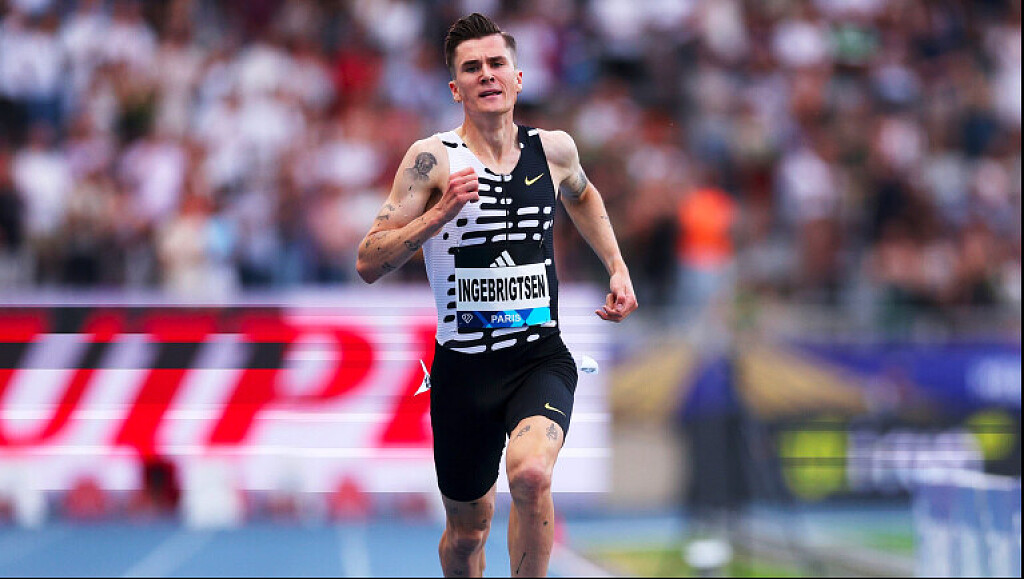
Why Are Runners Suddenly So Fast?
Records are falling and times are dropping. Is it the shoes, or something else?
Consider the Paris Diamond League meet in early June. Jakob Ingebrigtsen smashed the two-mile world best by more than four seconds, becoming just the second man to run back-to-back sub-four-minute miles. Then Faith Kipyegon notched her second world record in a row, outsprinting the reigning record-holder over 5,000 meters just a week after becoming the first woman under 3:50 in the 1,500 meters. Then, to cap the night, Lamecha Girma took down the steeplechase record.
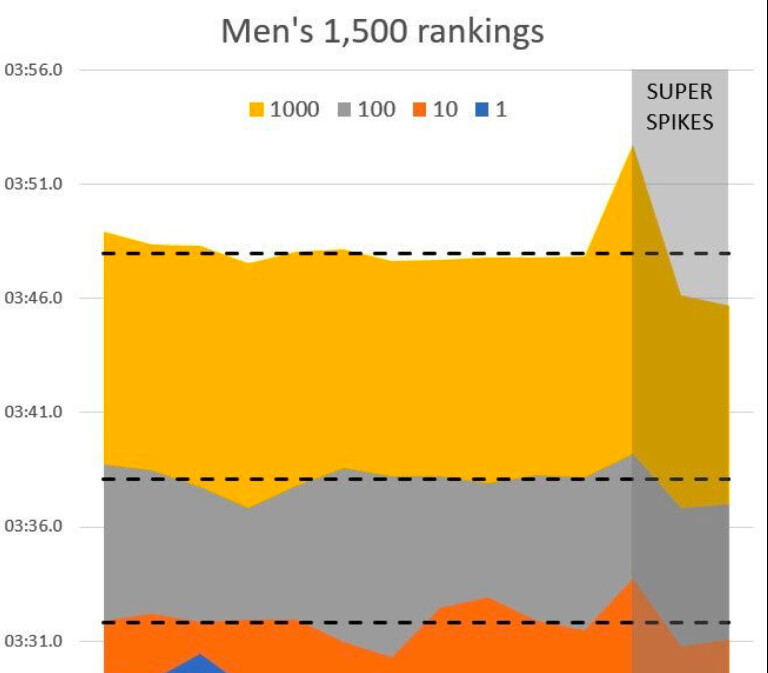
It was a great night—but it was just one of many great nights that track fans have been treated to recently. A week later, at the historic Bislett Games in Oslo, eight men broke 3:30 for 1,500 meters in one race, setting a new record—including Yared Nuguse, who set a new U.S. best. Meet records fell in almost every event. At the collegiate level, an analysis by Oregon-based coach Peter Thompson shows that the number of middle- and long-distance runners hitting elite benchmark times has doubled, tripled, or in some events even quadrupled in the last two years. Earlier in June, four high-school boys broke four minutes for the mile in a single race, matching the total number of people who’d done it in history prior to 2011.
I could go on.
There are two main questions that arise from this buffet of speed. First, is it real? Are runners getting faster across the board, or are we just being fooled by the brilliance of a few individuals and random fluctuations in the depth of different events? Second, if it’s really happening, then why? The easy answer is, “It’s gotta be the shoes” (or, in this case, the super spikes), but does the data really back that up?
I don’t have any definitive answers at this point, but here are my thoughts on some of the possible explanations.
It’s easy to make an anecdotal case that runners are faster than ever. Backing that up with data isn’t quite as straightforward. If you look only at whether the top-ranked time in the world is getting faster or slower from year to year, any trends will depend on whether you happen to have a generational athlete in the event at a given point in time. The effect of an Usain Bolt is bigger than the effect of, say, a new shoe design. Even if you go deeper, the top ten times in any year often come from just one or two races that took place in exceptionally good conditions. So you’re better off looking farther down the list.
For example, here’s some data for the men’s 1,500 meters between 2009 and 2022, drawn from the World Athletics database. I’ve shown the first, tenth, 100th, and 1,000th ranked performers (not performances) for each year. The horizontal dashed lines show the average for 2009 to 2018. The first super spike prototypes had shown up on the circuit by 2019 at latest, and were widely available by 2021. The big spike of slower times in 2020 is because there were so few races due to the pandemic.
The number-one times don’t show any particular trend. The tenth-best times show a dip since 2021, but no bigger than the dip in 2014-2015 (which corresponded to two particularly fast races in Monaco). For the 100th and 1,000th best times, the pre-pandemic data finally starts to look more consistent, which makes the dip since 2021 more telling. The 1,000th-best performer is now 0.9 percent faster than the pre-pandemic average, and the 100th-best is 0.5 percent faster. This is smaller than the 1.3-percent estimate derived from lab testing of super spikes, but in the ballpark.
Here’s comparable data for the women’s 5,000 meters:
Again, the first- and tenth-ranked times fluctuate too much to draw any conclusions. The 100th and 1,000th places do show an apparent drop in the last few years, by 1.9 and 2.0 percent respectively—more than the lab estimate. There are lots of possible explanations for this discrepancy, including that the benefits of super spikes are reduced at faster speeds.
I’ll add one more graph just for context. Supershoes came to road running way back in 2016 (for prototypes) and became widely available by 2018. I think most observers agree that these shoes really have affected road-running times. So what does the comparable data show for, say, men’s marathon times? Here it is:
The data is confounded by the effects of the pandemic, particularly in 2020. Still, the post-supershoe improvement looks fairly similar to the track data. Compared to the 2009 to 2016 average, last year’s times were 0.7 percent faster at tenth, 1.6 percent faster at 100th, and 1.3 percent faster at 1,000th.
The conclusion I take from all this data? It does like there’s something going on, both on the track and on the roads. But it’s way less obvious in the data than I expected. My subjective feeling was that the last few years have seen records broken and times redefined at a totally unprecedented rate. I thought I’d see robust improvement of at least three or four percent. But that scale of change is not there, at least in the events I sampled.
So with that in mind, what explains the changes we do see?
My starting assumption is that any performance improvements we’ve seen in the last few years are because of the shoes. I’m not going to belabor that point here, because I’ve already written plenty on both road supershoes and super spikes.
But I do want to make one key point. The reason my prime suspect is the shoes is that we have direct laboratory evidence that both types of shoes improve running economy, by around 2 percent on the track and at least 4 percent on the roads (and, to complete the circle, lab evidence that improved running economy directly translates to faster race times). It would take some weird and hitherto undiscovered science in order for the shoes not to make us faster. In contrast, the other hypotheses that I’m going to discuss below may be compelling to various degrees, but all rely on some assumptions and guesses and hand-waving.
Here’s a sentence you wouldn’t have read prior to 2018, from Letsrun’s description of Kipyegon’s thrilling 1,500 world record in Florence: “Kipyegon sprinted away from the pacing lights with 200m to go, lengthening her gap from the green lights as she rounded the turn and entered the home straightaway.” I wrote about World Athletics’s introduction of Wavelight pacing lights when Joshua Cheptegei set the 5,000-meter world record in 2020, positing that more even splits could make a notable difference to times. Good pacing has been a hallmark of this year’s records too, all assisted by Wavelight.
Wavelight doesn’t factor in on the roads, but ever since Eliud Kipchoge’s sub-two marathon exhibitions, big-time marathons have devoted more attention to providing top-notch pacers for their elite runners. That has the double benefit of saving the mental effort of setting the pace, and of reducing air resistance. I think good pacing and drafting are both beneficial. But that can’t explain why the 100th and 1,000th performers seem to be getting faster, because Wavelight and paid rabbits are generally reserved for the front of the pack.
Freed from the tyranny of over-frequent racing during lockdowns, runners spent 2020 building up a massive base of endurance that has catapulted them to new levels. It’s even possible that, having learned their lesson, they’ll continue with this more patient approach to training. This theory has the disadvantage of being both unprovable and unfalsifiable. That doesn’t necessarily mean it’s untrue, but if performance levels don’t start regressing to their pre-pandemic means over the next few years, I’ll remain skeptical.
It’s the “big, sexy thing” in endurance training these days, as miler Hobbs Kessler put it in a recent interview: lactate-guided double-threshold training, as popularized by Norwegian Olympic champions Jakob Ingebrigtsen and Kristian Blummenfelt. As I explained in this article, the approach emphasizes high volumes of threshold training with very tight control on the intensity to avoid going too hard. Whether it’s objectively better than other training approaches remains to be seen—but it hasn’t yet been adopted widely enough to make a noticeable impact on the top-1,000 list.
In the past, when I’ve looked at broad trends in performance over time, one of the first factors I’ve considered is changes in drug availability or drug testing. It’s extremely noticeable (though of course not proof of anything) that long-distance track times took off like a rocket shortly after the introduction of EPO in the early 1990s. If you look carefully, you can find what seems to be the performance signature of various drug-related events like the introduction of EPO testing and, more recently, the implementation of athlete biological passports.
Is there something new on the scene over the last few years? Or are we still seeing the effects of pandemic-related disruptions in out-of-competition drug testing? I certainly hope it’s not the case, but you’d have to be amnesiac to discount the possibility entirely. Once again, the best counterargument is that the performance improvements are noticeable even at the 1,000th-best level—though perhaps I’m being naive.
As you can probably tell, I don’t think any of the alternative explanations I’ve offered so far hold water compared to my default assumption that it’s the shoes. But this last category is a little different. If you spend enough time arguing with people about why runners are getting faster, you’ll encounter a number of broad, hand-waving theories that are hard to substantiate but nonetheless sound reasonable.
For example, I can attest to the fact that the Internet has made training knowledge far more widely accessible than it was when I was a young athlete in the 1990s. Ideas and approaches (like the Norwegian model) are endlessly debated and dissected, and any student of the sport is exposed to multiple perspectives. (In contrast, when I arrived at university and found that the workouts were different from those I’d done in high school, I thought the world was ending.) This theory has been offered frequently over the last decade or more as an explanation for steadily improving U.S. high school times. Maybe it’s true more broadly: people everywhere simply know more about the principles of training, and are doing it better (or at least fewer people are doing really stupid training) compared to the past. Even if elite coaching was always pretty good, this creates a wider pyramid of prospective talent feeding into the elite coaches.
I also have the sense that the pendulum has swung away from sit-and-kick racing towards aggressive front-running. After the 2019 world championships, where super spikes first made headlines, I wrote an article about the unusually fast early paces of the races. Jakob Ingebrigtsen, the current king of the 1,500, is notable for running from the front and pushing the pace rather than relying on a finishing sprint—which likely helps explain why he led those seven other men under 3:30 in Oslo. If runners these days are more focused on running fast times rather than trying to win sprint finishes, it stands to reason that times would get faster overall.
And there are plenty of other theories out there—broader support for professional training groups, better nutrition and recovery, the inevitable march of progress, and some that I’ve undoubtedly missed completely. As I said at the top, I don’t know the answers, and I don’t think anyone else does either. Times do seem to be improving, but not as much as I would have guessed based on all the hype about recent record-breaking. The shoes almost certainly play some role—but if there’s some other secret sauce in there, it’ll be fun trying to figure out what it is.
by Outside Online
Login to leave a comment
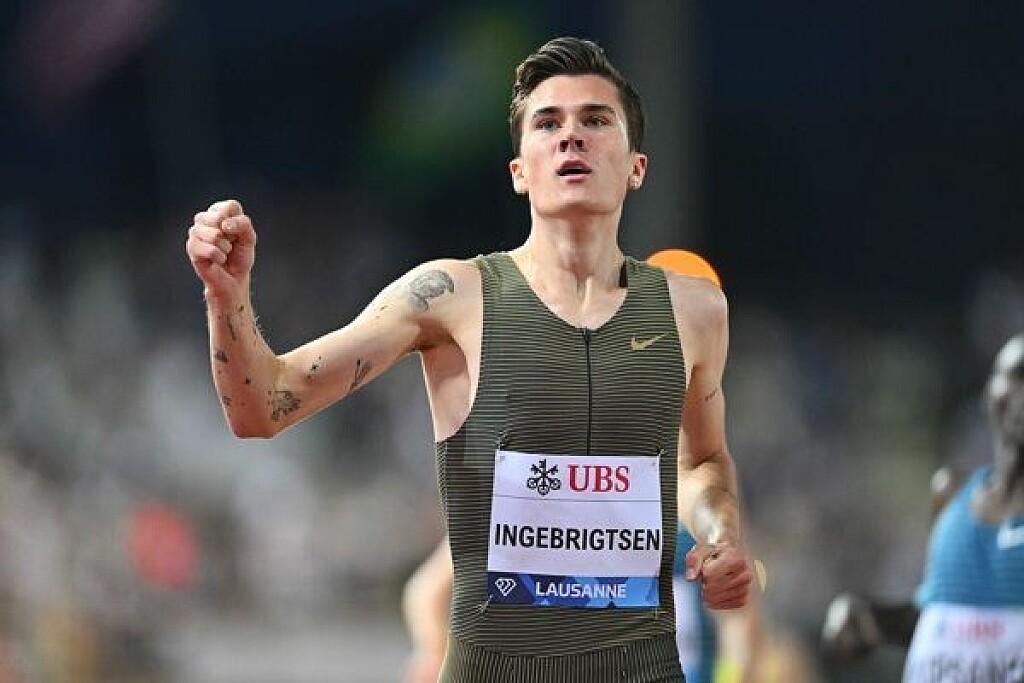
Ingebrigtsen and Girma go head-to-head in hunt for fast 1500m in Lausanne
Jakob Ingebrigtsen and Lamecha Girma both made history earlier this month in Paris, where they set a world two-mile best and a world 3000m steeplechase record, respectively. Now they have the chance to push each other to fast 1500m performances when they return to Wanda Diamond League action in Lausanne on Friday (30).
Norway’s Ingebrigtsen, who broke the world indoor 1500m record by running 3:30.60 in Lievin in February, clocked 7:54.10 in Paris to improve Daniel Komen’s world best for two miles. Despite still having that race in his legs, the 22-year-old improved his own European 1500m record to 3:27.95 in Oslo six days later – a time that places him sixth on the world all-time list.
Although the world record had not been his aim in Oslo, Lausanne’s Athletissima gives Ingebrigtsen another opportunity to take further strides toward Hicham El Guerrouj’s almost 25-year-old world record of 3:26.00.
“I 100% have more left in me,” Ingebrigtsen said after his performance in Oslo. “I just have to keep focused on each race ahead in the build-up to Budapest (World Championships), where it really matters.”
Girma will hope to be up there with him. The Ethiopian 22-year-old stormed to a time of 7:52.11 for his specialism in Paris, taking 1.52 seconds off the world 3000m steeplechase record set by Said Saeed Shaheen in 2004, and then turned his attention to attacking the Ethiopian 1500m record of 3:29.91 at the Continental Tour Gold meeting in Ostrava on Tuesday (27). He still looked like he had plenty left in the closing stages but having to run wide down the home straight, he focused on the win, running a PB of 3:33.15 that he will aim to improve again in Lausanne.
It will be the first time that Ingebrigtsen and Girma have clashed in any discipline.
In Oslo, Ingebrigtsen led the first eight men under 3:30 for the first time in history, and this time the line-up includes two other men who have dipped under that barrier so far in their careers: Britain’s Olympic bronze medallist Josh Kerr and Australia’s Stewart McSweyn. They are joined on the entry list by Ethiopia’s Teddese Lemi, New Zealand’s Sam Tanner and Britain’s Neil Gourley.
In the 5000m – the discipline in which Ingebrigtsen won world gold last year after his 1500m silver – Olympic champion Joshua Cheptegei will take on Olympic 10,000m gold medallist Selemon Barega, world 5km record-holder Berihu Aregawi, Telahun Haile Bekele, Birhanu Balew and their fellow sub-13:00 runner Muktar Edris.
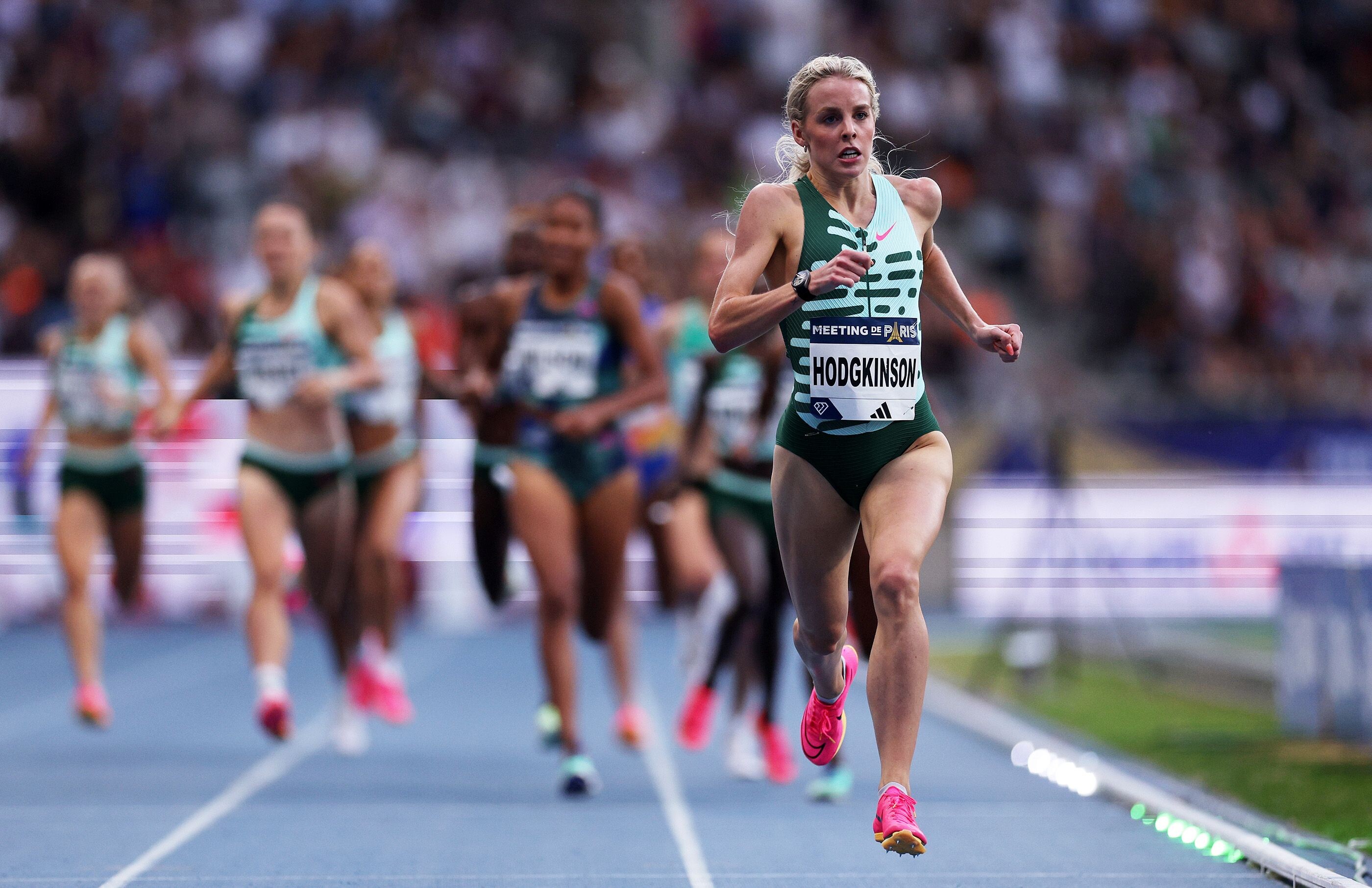
In the women’s 3000m steeplechase, world U20 silver medallist Sembo Almayew is back on the track after her world-leading PB performance of 9:00.71 to win in Florence. The 2021 world U20 gold medallist, Jackline Chepkoech, was second on that occasion and is also racing, along with world record-holder Beatrice Chepkoech and world bronze medallist Mekides Abebe.
The world leader also heads the entries in the women’s 800m, where world and Olympic silver medallist Keely Hodgkinson – who improved her British record to 1:55.77 to win in Paris – will look to make another statement as she renews her rivalry with Kenya’s Mary Moraa.
World bronze medallist Moraa, who won Commonwealth Games and Diamond League titles ahead of Hodgkinson last year, has run a best of 1:58.72 so far this season and the strong field also features Habitam Alemu, Noelie Yarigo, Jemma Reekie, Catriona Bisset, Natoya Goule and Switzerland's Audrey Werro, who recently ran a world U20 1000m record of 2:34.89 in Nice.
by World Athletics
Login to leave a comment

Two world records and a house for Kenya's Kipyegon
Kenya’s Faith Kipyegon, who recently set world records in the 1500m and 5000m, has received a house and 5 million KES ($35,000) following her historic feats in Florence and Paris this month.
Kipyegon met with Kenyan President William Ruto on her return to her home country, with Ruto pledging a similar monetary reward for Kenya’s future world record-breakers.
The awarding of a house to Kipyegon follows the announcement on 30 May of a new scheme in Kenya that is designed to help athletes to own property and invest their earnings. It is particularly important for female athletes, who will now be able to buy a house under their sole name.
Kipyegon – the first recipient of the scheme – ran 3:49.11 to break the world 1500m record in Florence on 2 June and a week later the 29-year-old clocked 14:05.20 in Paris to add the world 5000m record to her ever-expanding CV.
She met with Ruto at State House in Nairobi and was joined at the ceremony by her husband Timothy Kitum, the 2012 Olympic 800m bronze medallist, and their daughter Alyn.
The new scheme is the result of a partnership between Athletics Kenya and Kenyan banking institution Housing Finance Group that offers athletes affordable home ownership, financing at incentivised Kenya Mortgage Refinancing rates and links to strategic affordable housing developers.
“It is a no-brainer that having a decent shelter is one of the basic needs for human survival. Yet, for all its importance, decent housing is one of the biggest challenges that millions of Kenyans face in this country,” said Athletics Kenya President Jackson Tuwei during the launch of the partnership in Nairobi, where Hon. Ababu Namwamba, the Cabinet Secretary for Youth Affairs, Sports and the Arts, was chief guest.
“Among those affected are Kenyan sportsmen and women who struggle with balancing putting a decent roof over their heads and pursuing their ambitions on the track and field.”
Beatrice Chebet, Beatrice Chepkoech, Dan Kiviasi, Mary Moraa, Wiseman Were, Wilfred Bungei, Milcah Chemos, Catherine Ndereba, John Ngugi and William Tanui were among the current and former athletes who were present at the launch ceremony.
Login to leave a comment
You too can Train the Kenyan Way in Kenya
Kenyan runners and many non-Kenyan runners training in Kenya have had good success. But why? These four things stand out as the reasons behind their success.
1. Training is a big part of their secrets including sloop training, intervals, fartlek and many exercise drills. They train twice a day, six times per week with the evening run easy.
2. Equally important is their diet, the Kenyan's runner diet is starch based very high in carbohydrates. Kenyan runners get 76 percent of their daily calories from carbs.
3. Almost all Kenyans train in groups, many at training camps.
4. Kenyans runners are surrounded by inspiration and positive thinking. You must believe you can run a 2:01 marathon to be able to do it. Visualization is a big part of this.
Many runners outside of Kenya have thought about training in Kenya with Kenyan runners. Some have made the trip and have had great success. But for most runners making the trip to Kenya and training for a month or more there never become more than a dream.
The main reason why it only remains a dream is because it just has not been easy to set it up. Lifetime runner Bob Anderson who also was the founder of Runner's World Magazine in 1966 and most recently the publisher of My Best Runs has made it easy for runners to come to Kenya and Train The Kenyan Way.
Bob and his wife Catherine first travelled to Kenya in 2013 and staged a race in Thika. It was during this trip he met up with Elam Wangwero, a 29-minute 10k runner who just loved all aspects of athletics. Bob and Elam talked about setting up a training camp in Thika (just an hour outside of Nairobi) during that trip.
Work started on the Kenyan Athletics Training Academy (KATA) some years later. Bob brought on board Florence Kimiti to be the manager and then hired Coach Joseph Ngure to be the head coach.
Construction was finished in September 2021. For the last two years the KATA staff have been working with Kenyan staff athletes getting them ready to accept guest athletes from around the world. The KATA staff athletes are training to become professional runners (some already are) and to help guests achieve their goals.
“COVID did slow things down for a while, says Bob Anderson, "but on June 14, 2023 we welcomed our first guest."
KATA has six private rooms for guests, each with a double bed and private bath with a shower. KATA has a total of 26 rooms including staff athletes’ rooms, office, a runners Lounge with a large TV screen, Olympic Dining Hall, Laundry room, Kitchen, massage room and a courtyard and garden so athletes can relax in between workouts.
KATA is solely set up for athletes who are interested in improving, running new PR's, becoming campions or being a professional runner. "We offer world-class training, quality Kenyan runner's food in a relaxed inspirational atmosphere with the emphasis on distance running, " says Director/Owner Bob Anderson working from his office in Mountain Views, California USA.
KATA’s first guest arrived on June 14th and is staying for six weeks. 20-year-old Nahim Abdallah (first and second photo) is a college student at Virginia Commonwealth University. He has clocked a 4:22 mile and recently ran a 14:31 5000m. He wants to be in top form for the upcoming cross-country season. His goal is to get under 14 minutes for 5k during his stay.
The second confirmed guest checking in July 2 for 12 weeks is Max Barnett (third photo) from England. He ran a 3:45 marathon in Paris a few weeks ago and wants to break three hours by October in Lisbon. "This is an aggressive goal," says Coach Joseph, "but we are going to help him make it happen."
"I have spoken with Max several times," says Bob Anderson "and I think we can help make this happen because of the passion Max has for running. His focus for 90 days will be running where now in England he just has too many other things getting in the way."
Bob Anderson and the team are very dedicated to this program and feel their setup is different than most. "We just have a cozy personal feel here," says onsite manager Florence. "So much positive inspiraton."
"This is your chance to Train the Kenyan Way," says Bob. All you need is a passport/visa and an airline ticket to Nairobi, Kenya. KATA will take care of everything else including picking you up at the airport. "Of course, you have to have the desire to become a better runner," says Florence, who was also a 1:59 800m runner as a junior.
"KATA offers training programs for 800m to 1-mile, 5k, 10k, Half Marathon and the Marathon" says KATA's onsite senior AK coach Joseph Ngure. "We will work with you and help you achieve your goals. Just let us know your starting point and your goals and we will provide the coaching to help you achieve it."
At any one time 12-20 Kenyan KATA staff runners are training at KATA. Most live and eat at KATA while others live nearby. These Kenyan athletes set the style of KATA as they work hard to become better runners themselves and help and support our guests.
You might be thinking that something like this must be very expensive. It is not, the cost is just $375US weekly with a minimum stay requirement of four weeks. This covers all your costs including a private room, three meals a day and world-class training.
For more info go to: www.KenyanAthletics.com
by Lisa Wall
Login to leave a comment
Jakob Ingebrigtsen to chase his national record at Oslo Diamond League
At the Paris Diamond League last week, the incredible Norwegian athlete and Olympic 1,500m champion Jakob Ingebrigtsen achieved a remarkable two-mile world best. On Thursday evening (afternoon for viewers in North America), the 22-year-old superstar will be competing in his home country, aiming to challenge his national record of 3:28.32 at the Oslo Diamond League.
Jakob’s WR bid
Ingebrigtsen headlines a deep men’s 1,500m field, featuring the silver and bronze medallists from Tokyo 2020, Kenya’s Timothy Cheruiyot and Josh Kerr of Great Britain. Other notable athletes are American Yared Nuguse and Mohamed Katir, who came off a Spanish national record performance over 5,000m in Florence two weeks ago, taking the win in 12:50.79.
During the pre-race press conference, Ingebrigtsen put his confidence on display and said he’s eager to chase a personal best and even take a shot at Hicham El Guerrouj’s 1,500m world record of 3:26.00 “If I break the world record Thursday, I deserve a statue,” said Ingebrigtsen. The Bislett Games meet director responded: “If you do it, I’ll personally set up a statue outside Bislett [Stadium].”
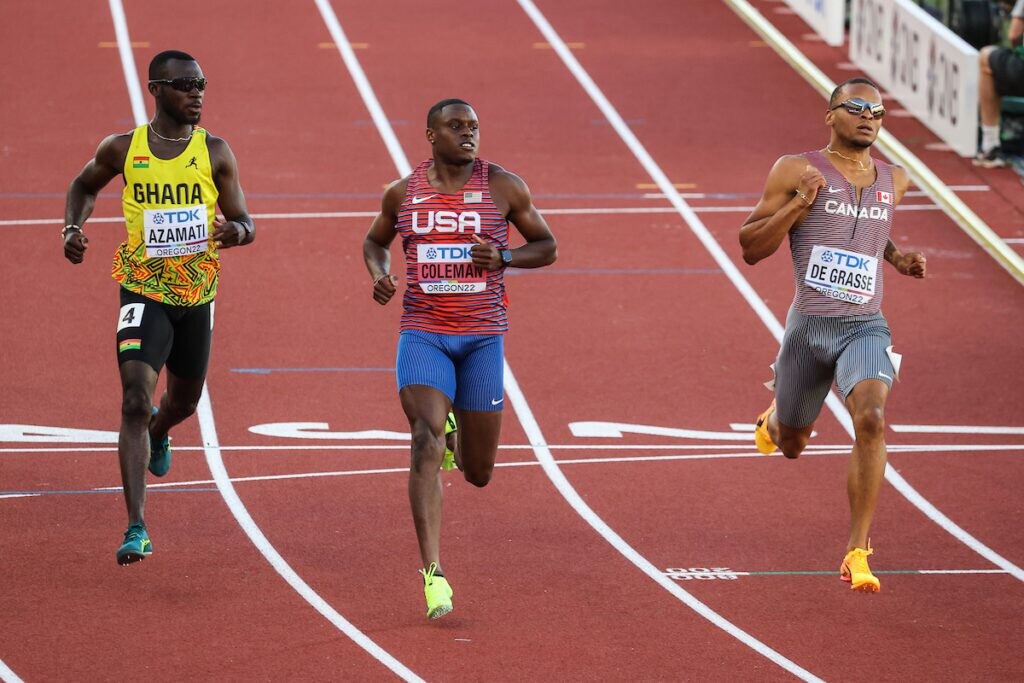
Although there has been a lot of world record talk from Ingebrigtsen and the media, the Wavelight pace in the 1,500m will be set to the meeting record of 3:29.12, going through 800m in 1:52 and the first kilometre in 2:19. Ingebrigtsen will have to close the final 500m in 66 seconds and a sub-53-second final lap if he hopes to take down the world record.
Canadians in Oslo
Two prominent Canadian athletes are competing at Oslo Diamond League Thursday. Olympic 200m champion Andre De Grasse looks to get his season back on track in the men’s 200m. The last year hasn’t been easy for De Grasse, changing coaches, battling injury and a slow start to the 2023 season. In his first three 200m race of the season, he has struggled to dip under the world championship standard mark of 20.24 seconds, a time he has frequently sailed under over the last two seasons. In his first Diamond League race in Doha on May 5, his turnover in the final 70 metres wasn’t there, and he faded to sixth in 20.35. It’s been three weeks since his last race, and he will come into Oslo as one of the favourites on paper, having the second-fastest personal best in the field after the young American, Erriyon Knighton.
Canadian mile and 1,500m record holder Gabriela DeBues-Stafford had a successful outing in her Diamond League return in Florence two weeks ago. After a full year off due to injury, the 27-year-old Olympic finalist ran to a season’s best 4:03.64 over 1,500m. She will come into the Oslo Diamond League as the top-ranked woman in the mile event. This race in Oslo should be more tactical and better suited for DeBues-Stafford’s racing style than the 1,500m in Florence, which resulted in a new world record for Faith Kipyegon.
Two other athletes who will be a tough test for DeBues-Stafford are Jessica Hull, who recently set an Australian record of 3:57.29 in Florence, and Ethiopian rising star Birke Haylom, who ran a giant personal best of 3:57.66 for third place at the Rabat Diamond League. DeBues-Stafford’s mile best is 4:17.87 from Monaco Diamond League in 2019, but any result under 4:23 for her would be a step in the right direction as she continues to prepare for the 2023 World Athletics Championships later this summer.
by Marley Dickinson
Login to leave a comment
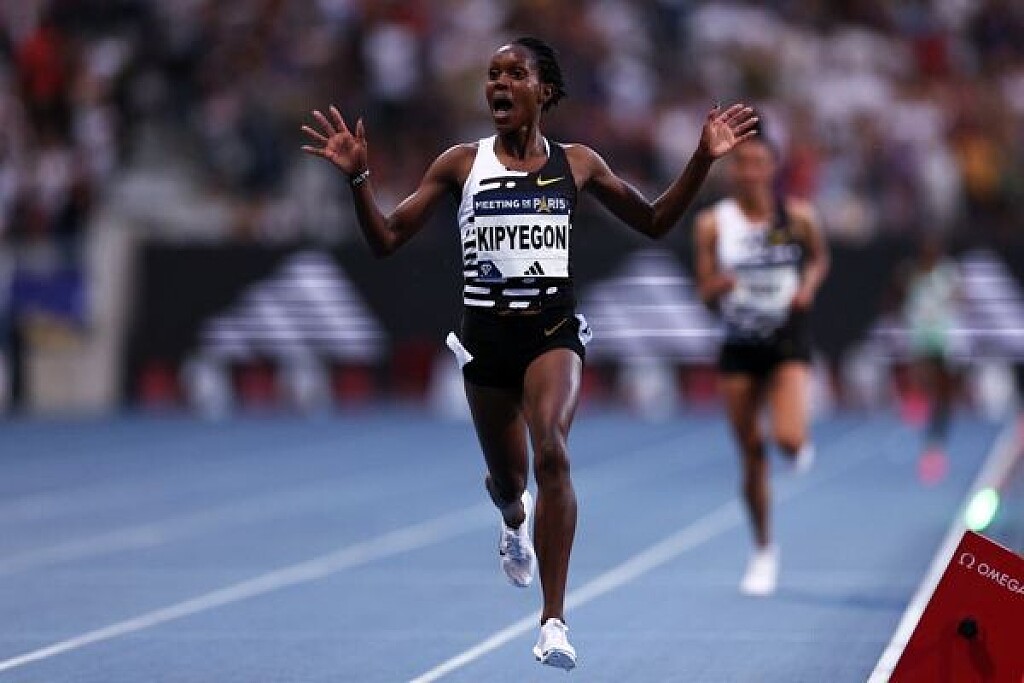
Kipyegon, Girma and Ingebrigtsen make history in Paris
It will go down in history as one of the greatest nights in athletics.
Between them, Faith Kipyegon, Lamecha Girma and Jakob Ingebrigtsen broke two world records* and one world best at the Meeting de Paris on Friday (9), providing the standout moments at a highly memorable Wanda Diamond League meeting in the French capital.
A week after breaking the 1500m world record in Florence, Kipyegon etched her name into the record books for 5000m, winning in 14:05.20.
Ahead of the race, the world and Olympic champion hadn’t made too much noise about a possible world record attempt in tonight’s 5000m. It was, after all, just her third ever race at the distance, and her first 5000m outing in eight years.
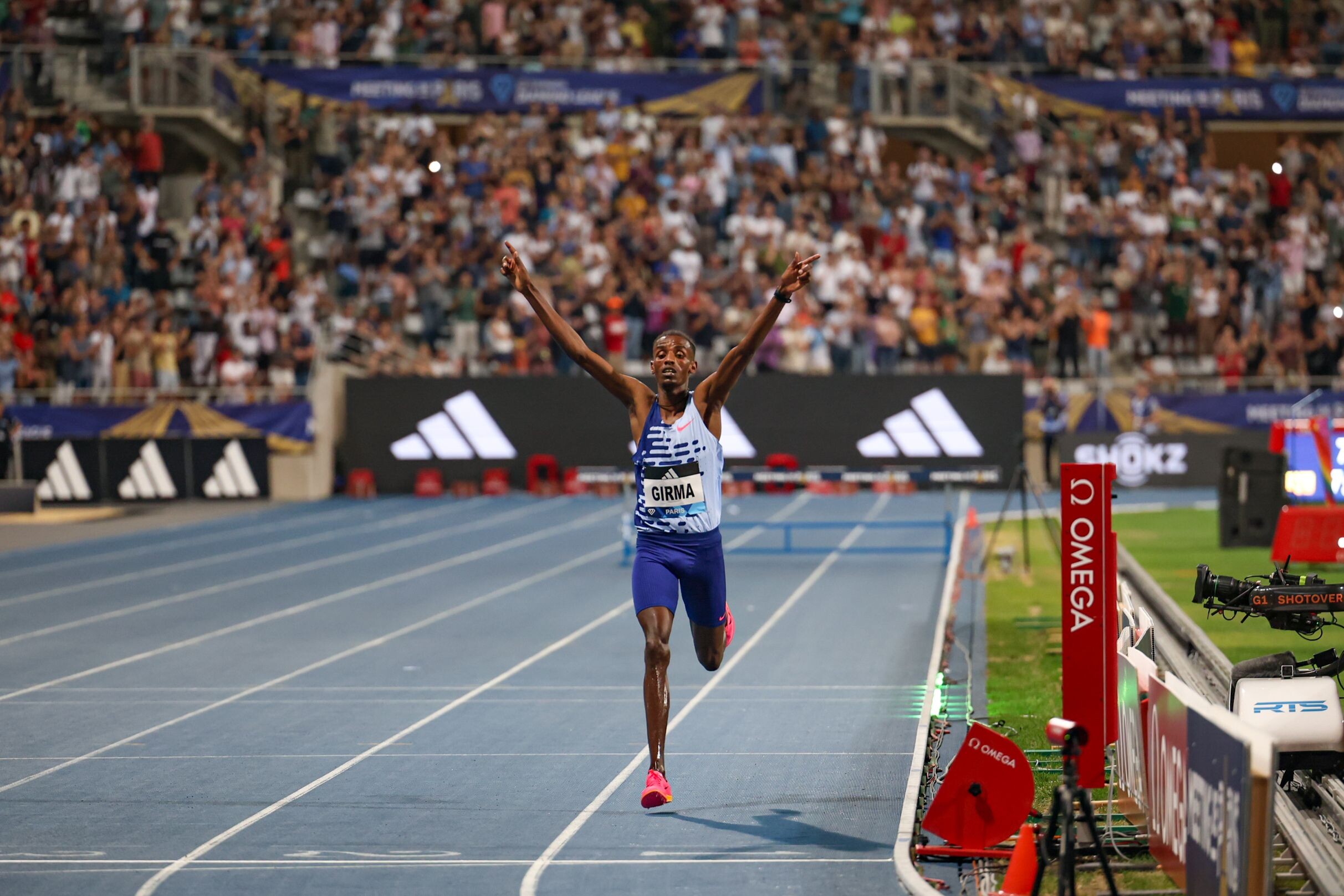
But, as is always the case with Kipyegon, the 29-year-old Kenyan showed no fear as she navigated her way through the race, the early pace – 2:52.31 at 1000m and 5:42.04 at 2000m – seemingly no bother for the two-time world U20 cross-country champion.
Steeplechase world record-holder Beatrice Chepkoech was the third and final pacemaker, leading the field through 3000m in 8:31.91. At this point, world record-holder Letesenbet Gidey led from Kipyegon with Ethiopia’s Ejgayehu Taye, the world 5km record-holder, a few strides behind.
Kipyegon took the lead with about 600 metres to go, but Gidey kept close contact. They were about six seconds outside of world record pace, but Gidey also knew what Kipyegon is capable of. The world 10,000m champion knew that Kipyegon had the finishing speed to break Gidey’s world record.
Kipyegon – now speeding up with each and every stride – hit the bell in 13:04.1, needing a final lap of about 62 seconds to break Gidey’s record. She did exactly that, covering the last 400m in 61.1 seconds to cross the line in 14:05.20 – a 1.42-second improvement on Gidey’s mark.
Gidey, competing for the first time since her unfortunate episode at the World Cross Country Championships in Bathurst, finished second in 14:07.94, the third-fastest time in history. Taye was third in 14:13.31, while the next three women – Lilian Kasait Rengerek, Freweyni Hailu and Margaret Chelimo Kipkemboi – all finished inside 14:24.
“I didn’t think about the world record, I don’t know how I made it,” said a delighted and surprised Kipyegon. “I just focused on the green light and tried to stay relaxed and enjoy the race. When I saw that it was a world record, I was so surprised – I just wanted to improve on my PB, the world record was not my plan. I just ran after Gidey – she is an amazing lady.
“I do not know what will be next – I’ll have to discuss it with my coach and my management,” she added. “If my body is healthy, anything is possible.”
Girma had requested an ambitious pace for the men’s 3000m steeplechase – one that would result in a finishing time of about 7:52. The world and Olympic silver medallist almost got a bit carried away mid-race, though, and ran well ahead of the wavelights through the middle section of the race.
With two laps to go, the lights almost caught up with the Ethiopian – who by now was well ahead of the rest of the field. But the sound of the bell and the reaction of the crowd seemingly gave him added impetus on the final lap as he moved clear of the lights once more.
He sped around the final lap in about 64 seconds, crossing the line in 7:52.11, taking 1.52 seconds off the world record set 19 years ago by Said Saeed Shaheen.
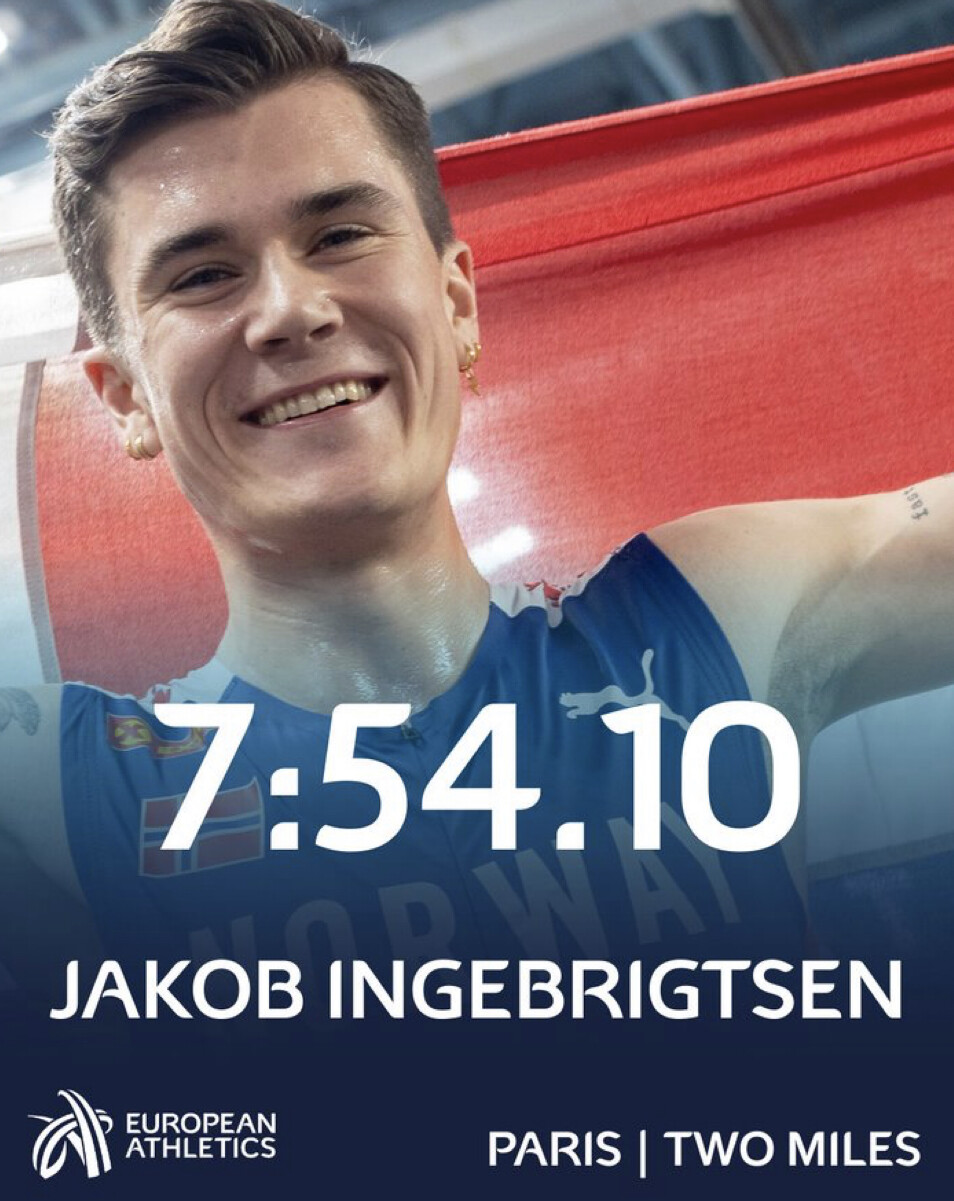
“I feel so happy,” said Girma, who started his year world a world indoor record over 3000m. “I’m happy and very proud. I felt so fast during the race, so confident. The world record is not a surprise; it was my plan to beat it tonight in Paris. It’s the result of my full determination.”
Two miles not be an official world record distance, but that mattered not to Jakob Ingebrigtsen – or indeed the sell-out crowd at the Stade Charlety – as the Norwegian won the event in a world best of 7:54.10.
The race wasn’t a scoring discipline on this occasion, and as such was held outside of the main broadcast window. But that didn’t deter the world and Olympic champion, who stuck to the pacemakers throughout, passing through 1000m in 2:29.07 and then moving closer to the second pacemaker – and, significantly, ahead of the green wavelights.
Once the pacemakers had done their job, Ingebrigtsen maintained his tempo and breezed through 3000m in an official split of 7:24.00 – a European record and the third-fastest performance of all time for that distance. At this point he had a 13.5-second lead over Ethiopia’s Kuma Girma. Victory was Ingebrigtsen’s; his next target was Daniel Komen’s world best.
He charged through the final 218 metres, roared on by the crowd, and crossed the finish line in 7:54.10, winning by 15 seconds.
“Being able to break this mark feels amazing,” he said. “It is my first world best outdoors. The pace felt very smooth for me, coming out of the 1500m. The public was amazing; without their help, it would have been more difficult. I was a bit surprised by the time in the end.”
World leads for Hodgkinson, Wanyonyi and Holloway
World and Olympic silver medallist Keely Hodgkinson opened her outdoor season in stunning fashion in the women’s 800m, winning by more than two seconds in a world-leading national record of 1:55.77.
The European champion stuck to the pacemaker and covered the first lap in 57.7 seconds, already a stride or two ahead of the rest of the field. With 200 metres to go, there was clear daylight between Hodgkinson and Jamaica’s Natoya Goule, who was being pursued by world indoor champion Ajee Wilson.
But none of them could get near Hodgkinson, who eased down the home straight to cross the line in 1:55.77, taking 0.11 off the British record she set two years ago in Tokyo. Wilson finished second in 1:58.16 and Goule was third in 1:58.23.
by World Athletics
Login to leave a comment
