

Running News Daily
Running News Daily is edited by Bob Anderson and team. Send your news items to bob@mybestruns.com Advertising opportunities available.
Index to Daily Posts · Sign Up For Updates · Run The World Feed
Articles tagged #Dennis
Today's Running News



Golden Gate 10K/5K Double 8K Delivers Thrilling Competition and Spectacular Scenery in San Francisco
The iconic Golden Gate Bridge once again provided a breathtaking backdrop as runners gathered in San Francisco on August 2 for the 2026 Golden Gate 10K/5K Double 8K. Blessed with cool conditions and panoramic views from start to finish, the event attracted nearly 500 participants, producing a memorable day of competition across the Double 8K, Open 10K and Open 5K races.

According to race founder and director Bob Anderson, the event continued to grow in popularity, with nearly 500 athletes signing up for this year's edition. Anderson reported, "We had nearly 500 sign ups. People did really like it."

The featured Golden Gate Double 8K, a distinctive challenge that combines a 5K, a recovery break and a concluding 3K, once again delivered exciting racing. Anthony Cortes, 32, produced the standout performance of the day, storming to victory in a combined time of 26:31. Andy Vo, 25, secured second place in 28:37, while Tyler Jeppson, 47, completed the overall podium in 31:25. Ali Abdin, 44, crossed the line fourth in 35:20.
Caitlin Huang, 25, captured the women's title in 32:31, ahead of Stacy Chen, 27, who finished in 34:07. Veteran runner Betty G, 59, continued to demonstrate remarkable consistency by claiming third in 37:04, while 17-year-old Piper Sovik rounded out the top four in 40:53.

The age-group competition showcased impressive performances across every generation. Tyler Jeppson led the men's 40-49 division with 31:25, Heath Rickling, 52, won the men's 50-59 category in 1:02:46, David Boss, 63, topped the men's 60-69 division in 36:54, while Cheryl Charleson, 70, claimed the men's 70+ title in 1:16:50.

Among the women, Huyen Kreutzer, 45, won the 40-49 division in 47:32, Betty G added the women's 50-59 crown to her overall podium finish with 37:04, Diane Gifford, 62, captured the 60-69 title in 43:43, while Cheryl Charleson also secured the women's 70+ division in 1:16:50.
The Open 10K produced one of the closest finishes of the morning. Michel Arlinghaus, 24, edged the field in 42:20, narrowly defeating Mateusz Dembski, 35, who crossed the line just nine seconds later in 42:29. Sixty-three-year-old Keith Hedlund impressed with an outstanding 42:31 to finish third overall, while Ben Kubany, 43, placed fourth in 42:59.

Ashleigh Fehrenbach, 37, led the women's race with a winning time of 41:12, followed by Lan Clayton, 58, in 46:10, Nivy Kani, 25, in 48:30, and Alicia Robert, 32, in 50:21.
The age-group titles added further depth to the competition. Ben Kubany claimed the men's 40-49 category in 42:59, Carlos Arredondo, 51, won the men's 50-59 division in 48:05, Keith Hedlund completed a memorable double by taking the men's 60-69 title with 42:31, while Dennis Boyle, 72, won the men's 70+ category in 1:18:41.
On the women's side, Angeles Morales, 42, topped the 40-49 division in 53:37, Lan Clayton added the women's 50-59 title with 46:10, Sheila Lyzwa, 63, won the women's 60-69 category in 1:05:03, while Suzanne Koonce, 74, claimed the women's 70+ title in 54:02.
The Open 5K also delivered exciting racing. Barrett Wade, 49, claimed the men's title in 18:31, holding off Kris Croome, 45, who finished second in 18:46. Mark Eger, 54, completed the podium in 23:04, while Blake Jackson, 40, finished fourth in 25:28.
One of the day's most impressive performances came from 15-year-old Taylor Synnott, who surged to the women's title in 18:34, finishing just three seconds behind the overall men's winner. Seventeen-year-old Sofia Kiyama placed second in 21:48, fellow teenager Kiki Boukas, 15, finished third in 21:57, while 16-year-old Amina Zegar took fourth in 22:44, highlighting the strength of the next generation of distance runners.
The 5K age-group champions included Barrett Wade in the men's 40-49 division (18:31), Mark Eger in the men's 50-59 category (23:04), Shreekanth Karwande, 73, in the men's 70+ division (30:45), Kellie Ward, 49, in the women's 40-49 category (29:58), Katherine Swanson, 56, in the women's 50-59 division (25:06), and Marilee Diaz, 61, in the women's 60-69 category (28:43). There were no finishers recorded in the women's 70+ division.
Following another highly successful edition, the Golden Gate 10K/5K Double 8K will return on Sunday, August 1, 2027, in San Francisco. The event will once again feature the signature Double 8K, alongside the traditional 10K and 5K races. Starting from historic Crissy Field near the Presidio, the scenic course offers runners uninterrupted views of the Golden Gate Bridge for more than 80 percent of the route as it winds through the spectacular Golden Gate National Recreation Area.
The unique Double 8K format—5K, a recovery break, followed by a 3K—will once again headline the event. Every finisher will receive a commemorative medal, while participants will also take home an official event shirt and logo tote bag. The men's and women's Double 8K champions will each receive $100 in prize money, with trophies also awarded to the race winners.
Blending elite competition, inspiring masters performances, rising young talent and one of the most spectacular race settings in the United States, the Golden Gate 10K/5K Double 8K continues to strengthen its reputation as one of California's premier road running events, with another memorable edition already awaiting runners in 2027.
by Erick Cheruiyot for My Best Runs.
Login to leave a comment

Golden Gate 10k/5k DOUBLE 8K
The Golden Gate courses offers unparalleled views of the Golden Gate Bridge for more than 80% of the way! The course will begin at historic Crissy Field near the Presidio of San Francisco. Runners will enjoy the gorgeous vistas of the Golden Gate National Recreation Area. We are offering three races: Golden Gate 10K and 5K (run/walk) and Golden Gate...
more...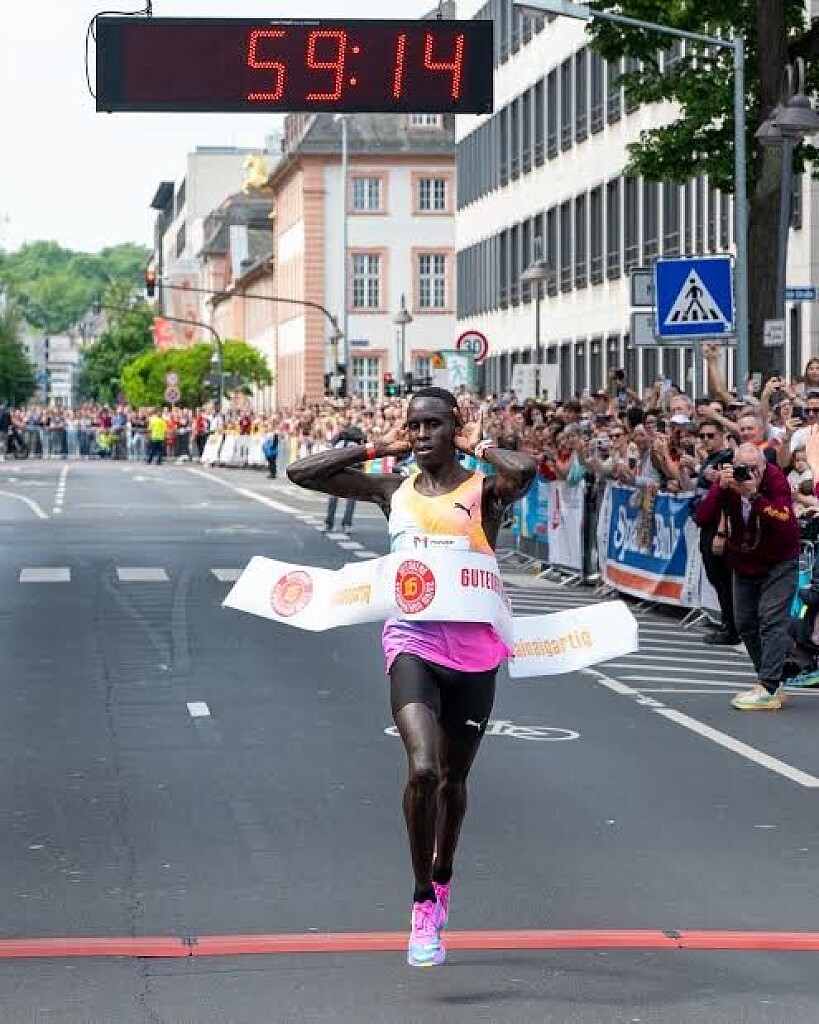
Dennis Kipkogei Announced Himself to the World with Record-Breaking Mainz Half Marathon Triumph
Kenya’s next great road-running sensation may have officially arrived.
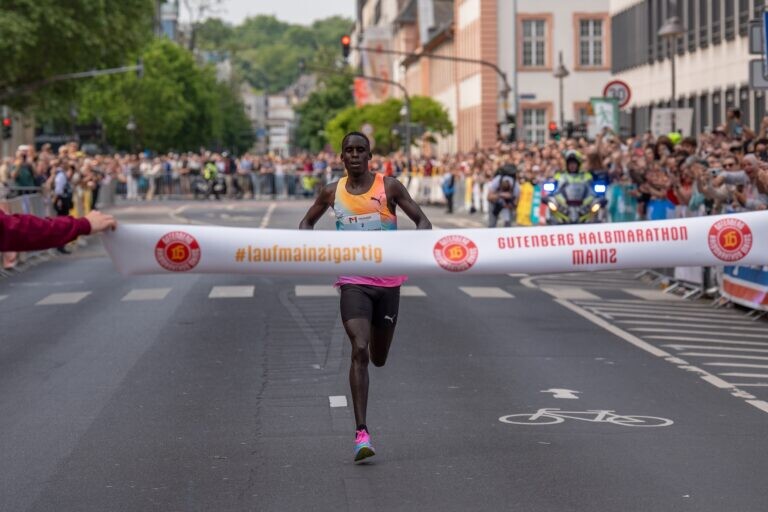
At just 24 years old, Dennis Kipkogei delivered a breathtaking performance at the Gutenberg Mainz Half Marathon on Sunday May 10th 2026, storming to victory in a sensational course-record time of 59:14. In doing so, the emerging Kenyan star not only shattered the previous mark but also elevated the status of the German event onto the global stage of elite half marathon racing.
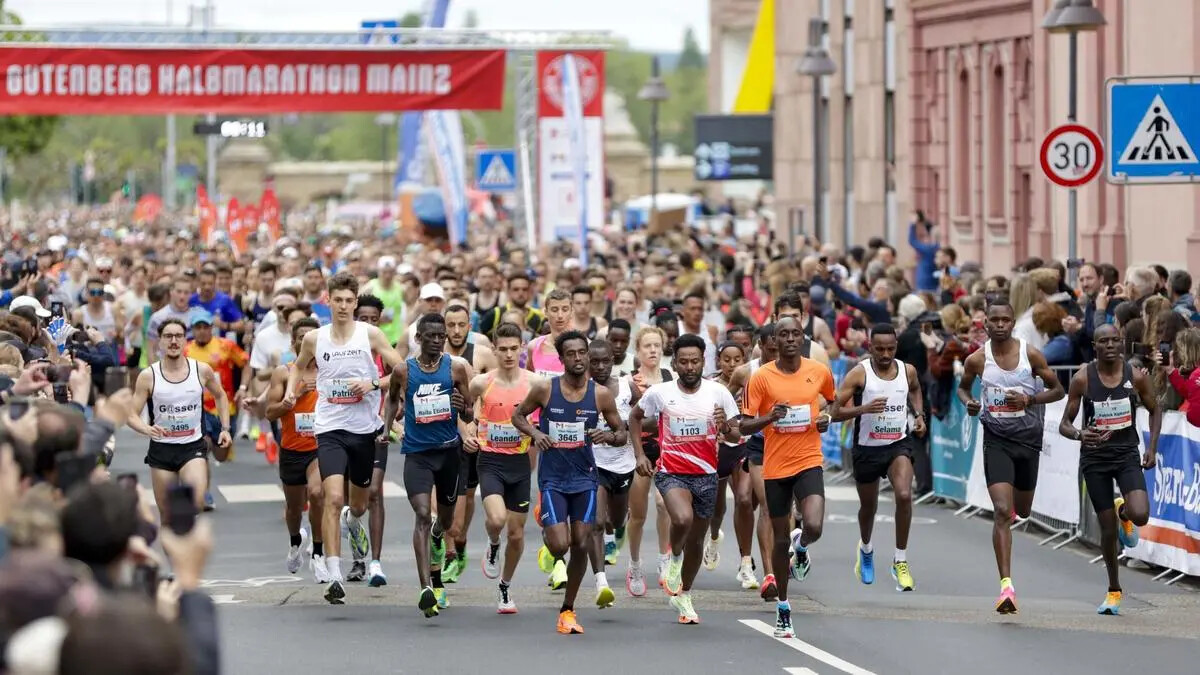
His remarkable run now ranks Mainz among the fastest half marathons in Germany, with only Berlin producing quicker winning times in recent years. But beyond the statistics, it was the authority, composure, and dominance of Kipkogei’s performance that captured attention.
The Kenyan crossed the finish line more than a minute ahead of the chasing pack, underlining the gulf in class between himself and the rest of the field. Fellow Kenyans Kelvin Kipruto and Jamal Kiprono completed a clean sweep of the podium, clocking 60:25 and 60:29 respectively, but the day unquestionably belonged to Kipkogei.
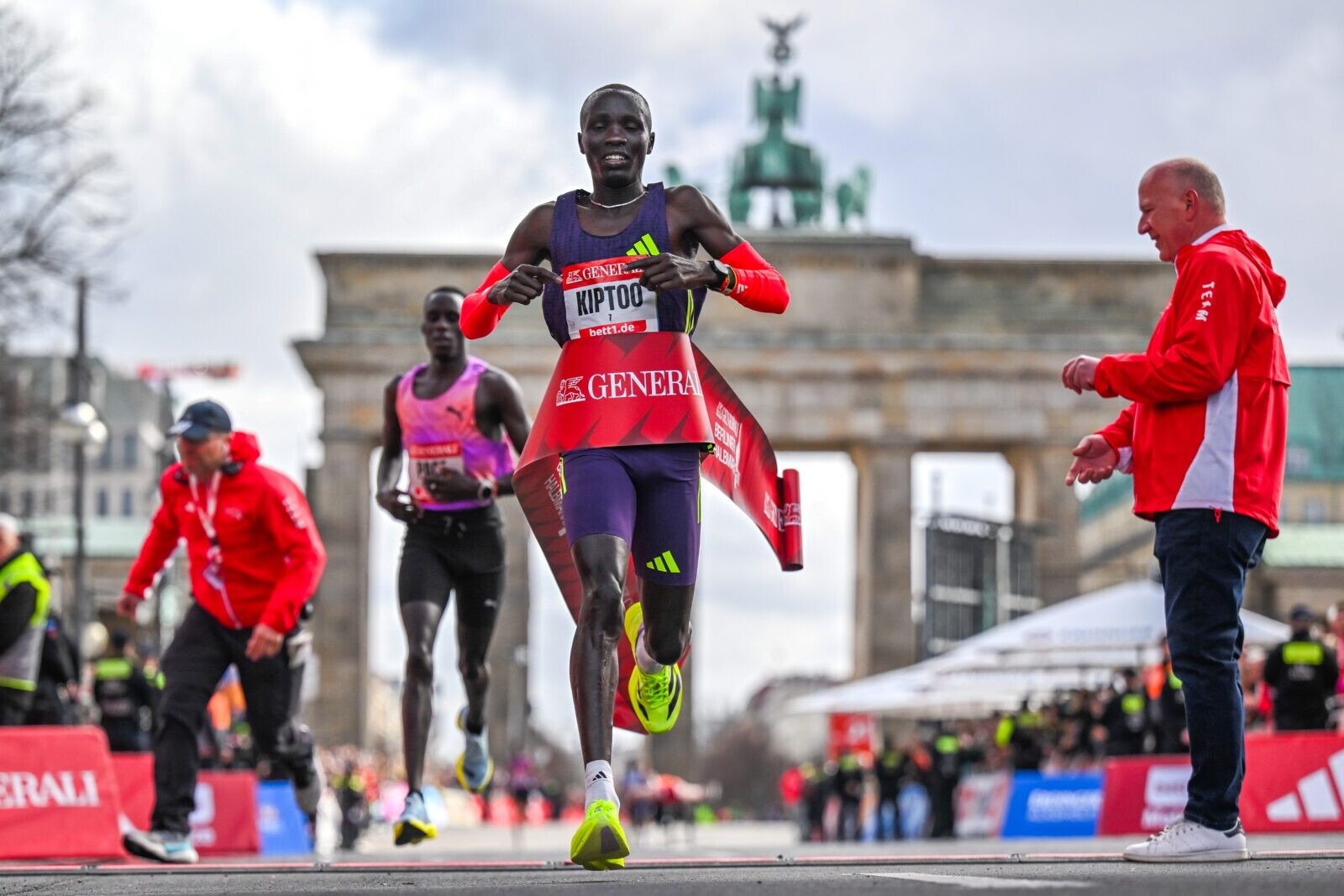
What makes the performance even more impressive is how rapidly the young runner is adapting to the international stage. Mainz marked only Kipkogei’s second race outside Kenya following his breakthrough appearance at the Berlin Half Marathon in March, where he finished runner-up after spending much of the race assisting with pacing duties. That performance hinted at enormous potential. His display in Mainz confirmed it.
This time there were no questions, no supporting role, and no shared spotlight. Kipkogei took command of the race with maturity far beyond his years, producing a fearless front-running display that signaled the arrival of a serious contender in global distance running.
His 59:14 performance now places him among the fastest half marathon runners in the world this season and strengthens Kenya’s already rich legacy in long-distance road racing. More importantly, it suggests that Dennis Kipkogei possesses the rare combination of speed, endurance, and tactical intelligence required to become one of the sport’s future headline names.
For German road racing, it was a historic morning. For Dennis Kipkogei, it may prove to be the moment the world truly took notice.
by Erick Cheruiyot for My Best Runs.
Login to leave a comment
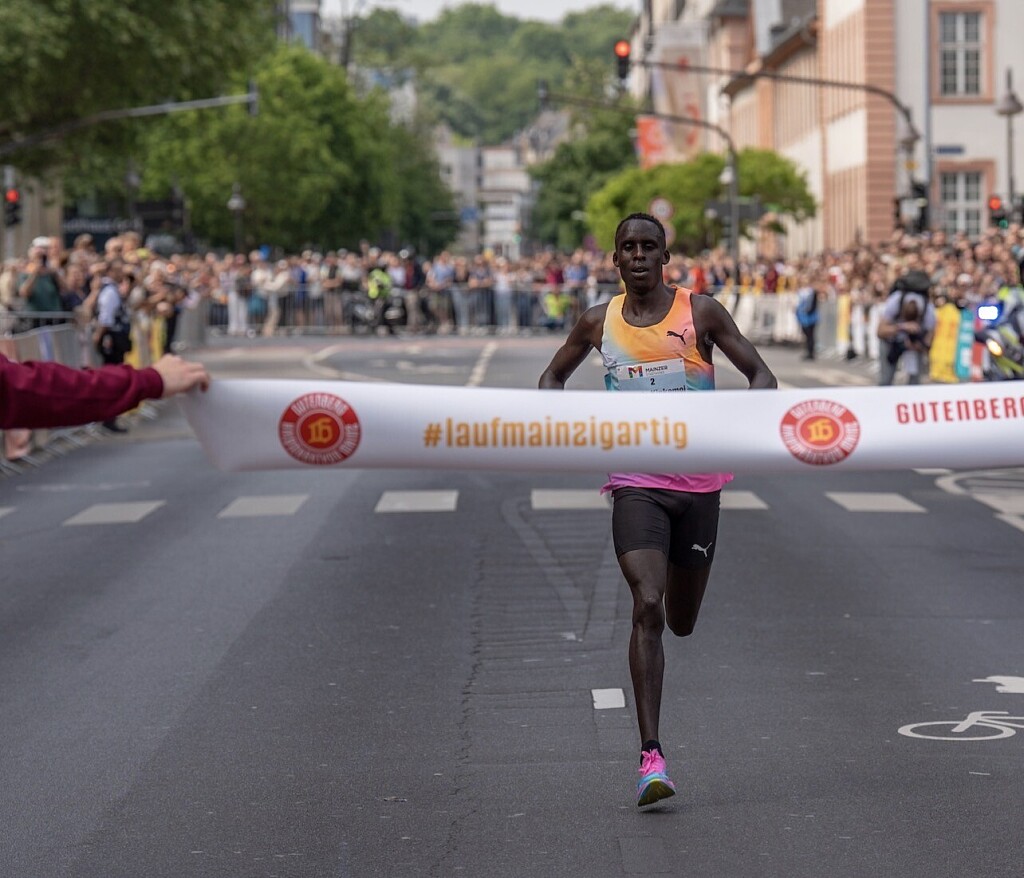
Dennis Kipkogei Smashes Course Record in Mainz
Dennis Kipkogei announced himself as one of Kenya’s brightest emerging distance stars with a stunning course record performance at the Gutenberg Mainz Half Marathon on Sunday.
The 24-year-old Kenyan stormed to victory in 59:14, becoming the first runner to break the one-hour barrier in the history of the race and firmly placing Mainz among Europe’s premier half marathons. Among German races, only Berlin has produced faster half marathon performances.
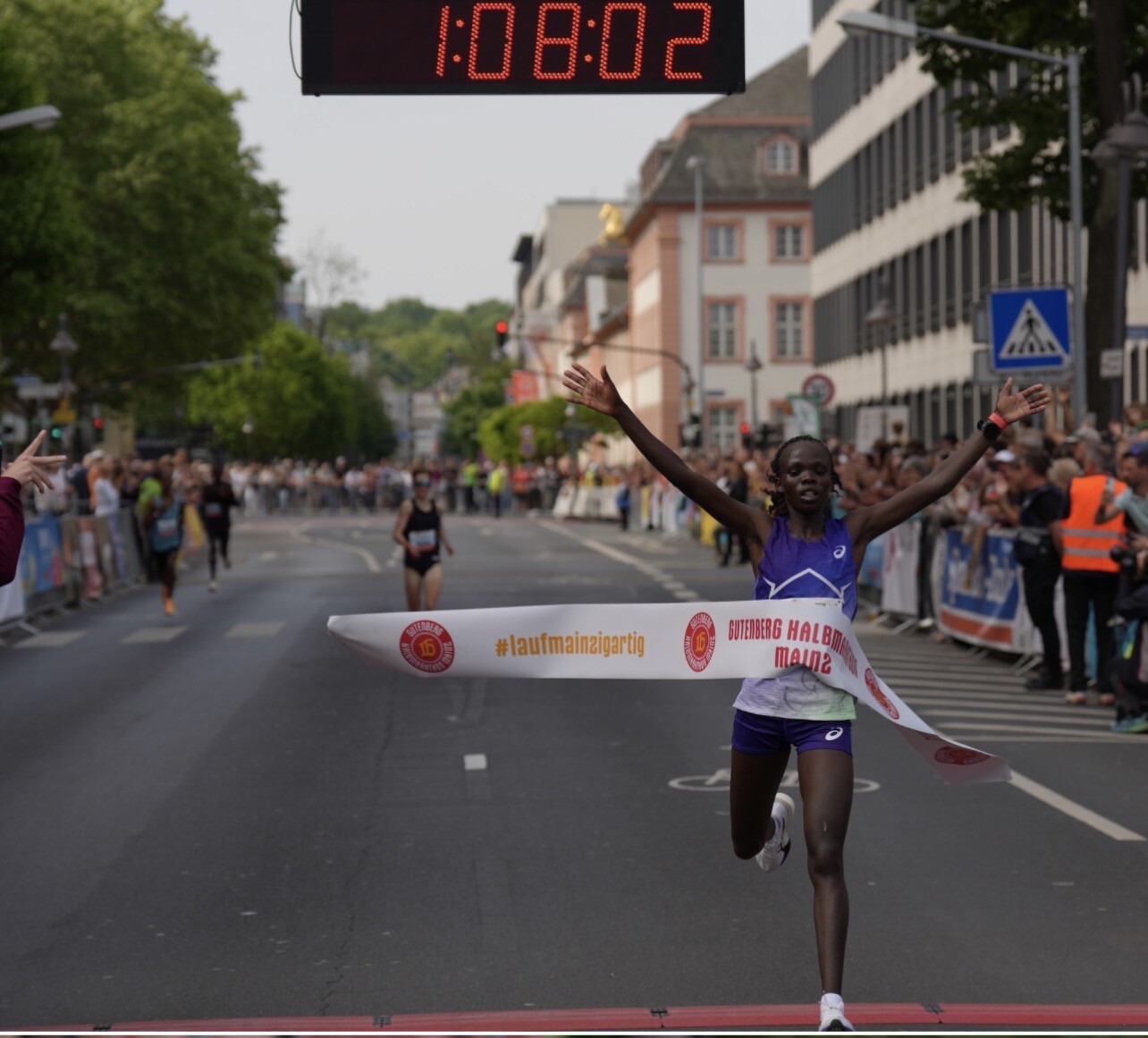
Remarkably, it was only Kipkogei’s second race outside Kenya. Earlier this year he shocked observers by finishing runner-up at the Berlin Half Marathon after originally being entered as a pacemaker. In Mainz he proved that performance was no fluke, dominating the field and winning by more than a minute.
Fellow Kenyans Kelvin Kipruto and Jamal Kiprono completed a Kenyan sweep of the podium, clocking 60:25 and 60:29 respectively.
For the third consecutive year both course records fell in Mainz. Kenya’s Beatrice Cheserek captured the women’s title in 68:02 after a strong late-race surge. Germany’s Blanka Dörfel delivered a breakthrough performance to finish second in 68:06, improving her personal best by nearly two minutes and becoming the sixth-fastest German woman ever at the distance. Ethiopia’s Emebet Kebede Dessie took third in 69:01.
“We are very pleased that we were able to break both course records for the third time. A winning time under one hour is something special,” said Race Director Jo Schindler. “With that result we are currently the eleventh-fastest half marathon in the world this year — that is quite an achievement.”
The event continued its rapid growth with 12,960 entries in the half marathon alone. Including shorter races, more than 17,500 athletes participated across the weekend.
The men’s race opened at a blistering pace, with early split times suggesting a finishing time well under 59 minutes. Kipkogei made his decisive move shortly after 10K and quickly separated from the lead pack. Although warm temperatures near 20 Celsius slowed him slightly in the closing kilometers, he still came within three seconds of his personal best of 59:11 set in Berlin.
“I came here to break the course record and I am happy that I managed it,” said Kipkogei. “I had a problem with my hamstring so my body did not feel that good. Otherwise I could have run even faster.”
His 59:14 performance shattered the previous course record of 60:50 by more than a minute and a half.
“If I am selected I will compete at the World Half Marathon Championships in Copenhagen in September,” he added.
Behind the Kenyan sweep, Germany’s national marathon champion Tom Thurley finished eleventh in 64:07, narrowly missing his personal best by 11 seconds.
“My next goal is an autumn marathon and I will try to improve to under 2:10,” said Thurley.
The women’s race unfolded dramatically after Joan Chepleting broke away early, opening a sizable gap during the opening kilometers. However, the aggressive pace proved unsustainable and she was reeled in shortly before 10K.
A duel then developed between Cheserek and the fast-rising Dörfel. Over the final kilometers Cheserek gradually pulled away to secure victory and another course record.
“I am delighted with this victory,” said Cheserek. “My next goal is to run the World Half Marathon Championships and after that I plan to run an autumn marathon.”
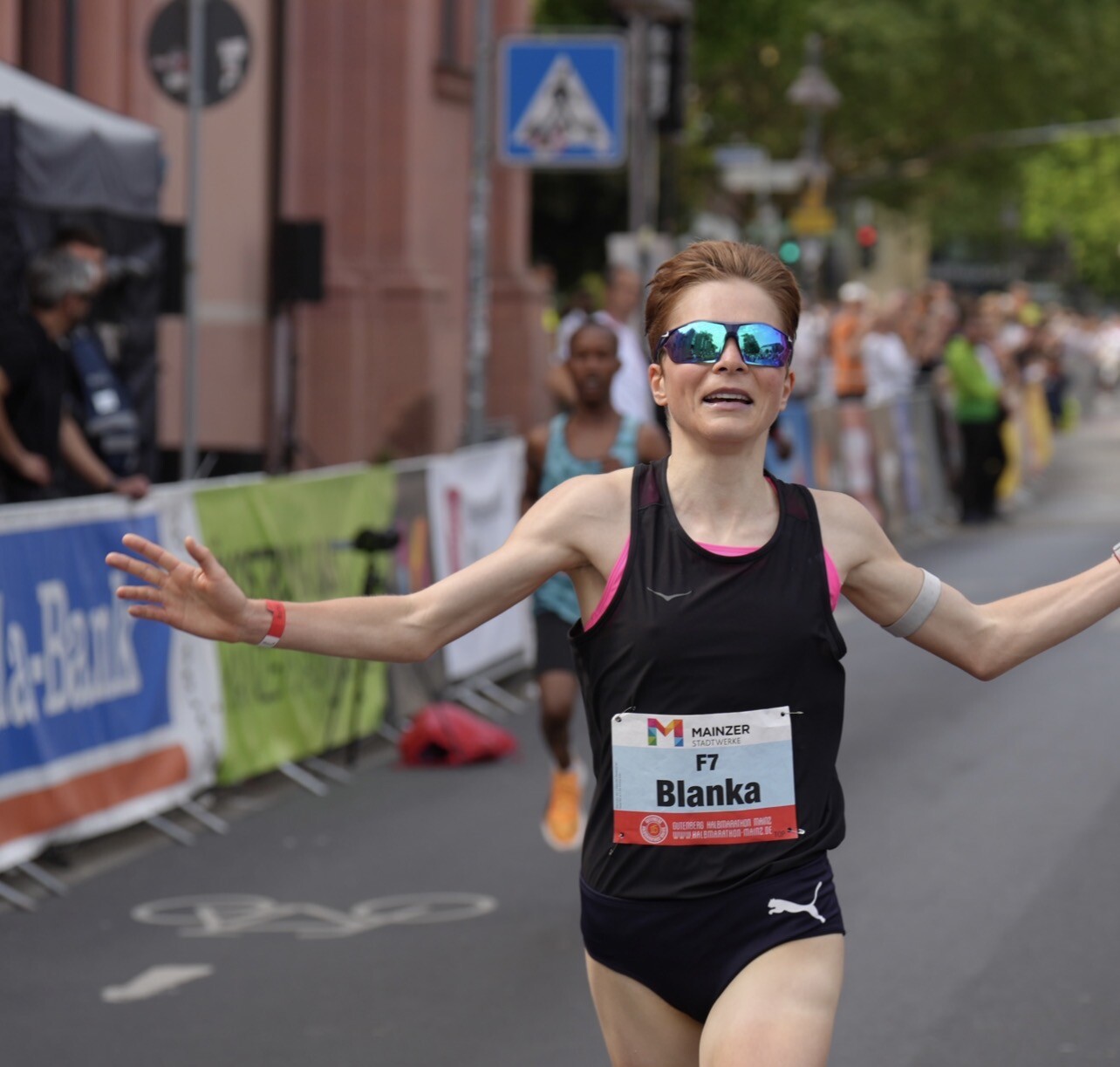
Dörfel’s performance may have been the surprise of the day. Entering the race with a personal best of 69:46, the 24-year-old German shattered that mark with her 68:06 finish.
“I just ran at a pace that felt comfortable and did not pay attention to the split times,” Dörfel said. “When I looked at the clock on the home straight I was completely surprised by the time. I have never felt so good in a race before.”
Dörfel is now expected to target the 10,000 meters at this summer’s European Championships in Birmingham before likely stepping up to the marathon later this year. The Mainova Frankfurt Marathon on October 25 is considered a possible debut.
Men
Dennis Kipkogei (KEN) – 59:14
Kelvin Kipruto (KEN) – 60:25
Jamal Kiprono (KEN) – 60:29
Joshua Mengich (KEN) – 60:36
Jonathan Kamosong (KEN) – 60:53
Edward Koonyo (KEN) – 61:07
Enos Saat (KEN) – 61:18
Benard Kimeli (KEN) – 61:27
Women
Beatrice Cheserek (KEN) – 68:02
Blanka Dörfel (GER) – 68:06
Emebet Kebede Dessie (ETH) – 69:01
Orba Chemurgor (KEN) – 69:21
Joan Chepleting (KEN) – 70:03
Margaret Monicah (KEN) – 71:32
by Race News Service
Login to leave a comment
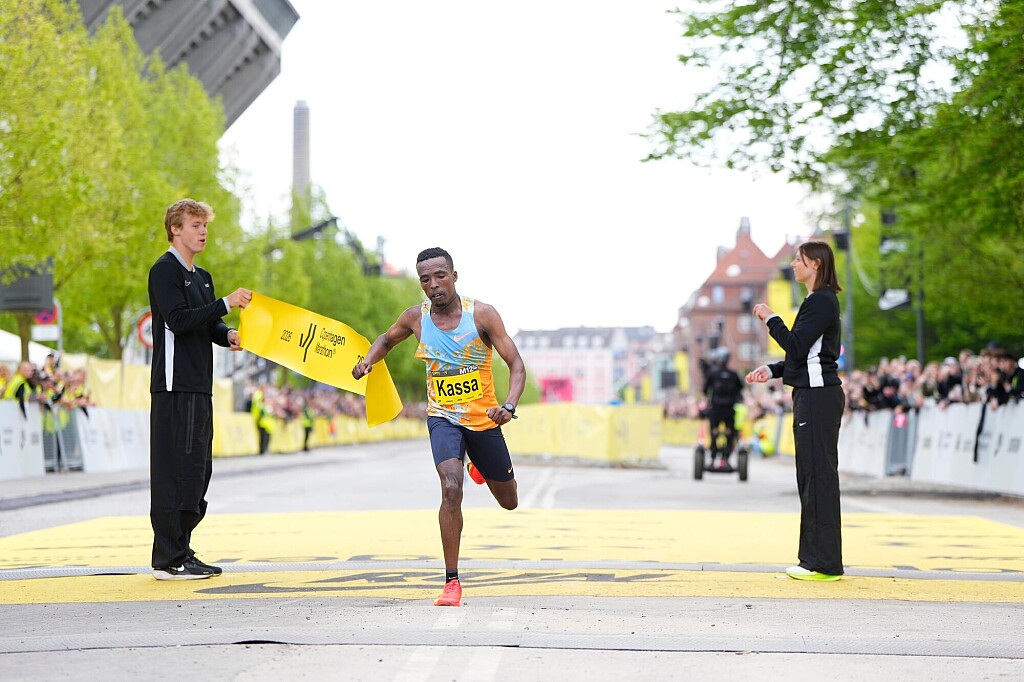
Tadesse Kassa Conquers Copenhagen in Thrilling Marathon Showdown
Tadesse Kassa of Ethiopia produced a commanding performance to claim victory at the Copenhagen Marathon 2026, storming to the finish line in a personal best of 2:08:26 after a fiercely contested battle through the streets of the Danish capital.
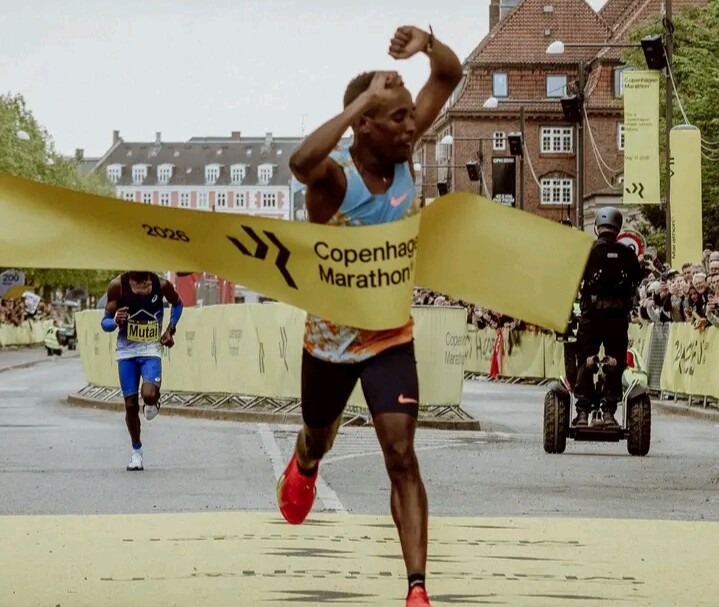
The Ethiopian distance star delivered a composed and tactical race, breaking away in the closing stages to secure a memorable triumph ahead of a world-class field. His victory capped a high-quality men’s race that remained unpredictable deep into the final kilometres, with several athletes still in contention before the decisive surge.
Kenya’s Vincent Mutai pushed hard all the way to the line and settled for second place in 2:08:30, only four seconds behind the winner in one of the closest finishes of the season so far. Ethiopia’s Dejene Weyen completed the podium with a strong run of 2:09:14, ensuring Ethiopia placed two athletes inside the top three.
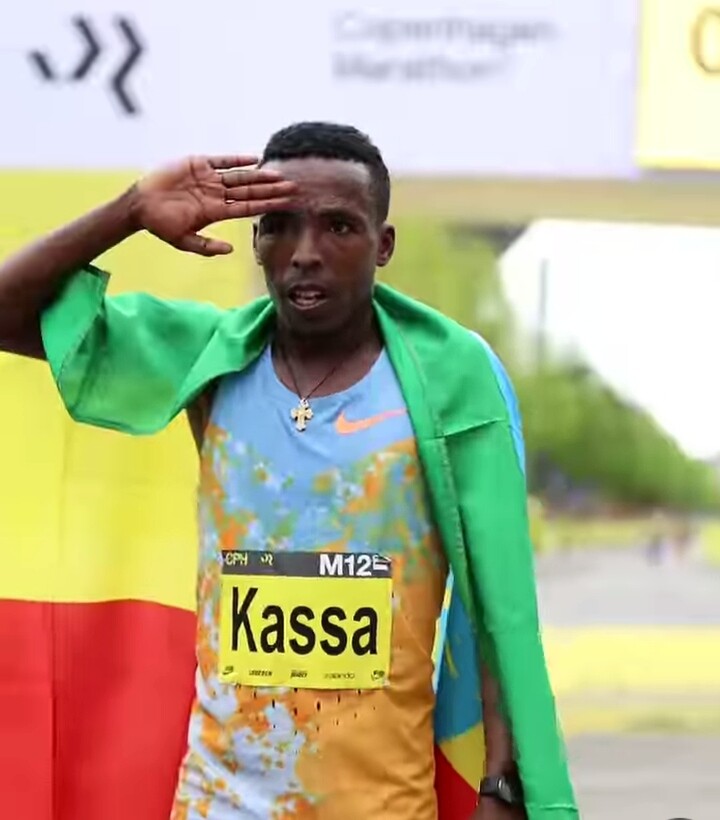
The race unfolded at an aggressive pace from the early stages, with the lead pack refusing to hold back despite the demanding conditions. Kassa, however, remained patient and controlled, waiting for the perfect moment before unleashing his finishing strength near the end of the race.
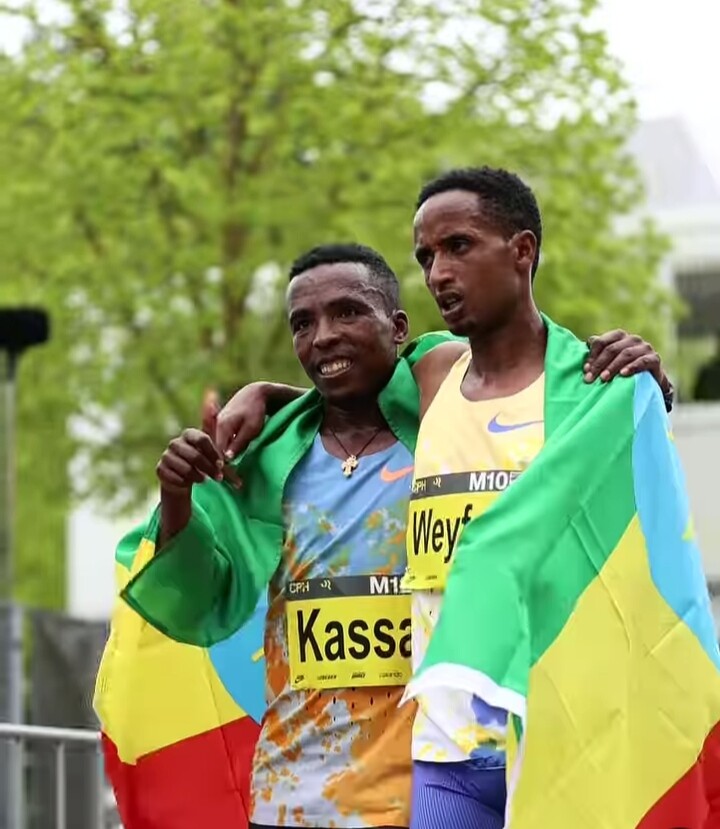
For Vincent Mutai of Kenya, the narrow defeat will still be remembered as a remarkable performance after staying shoulder-to-shoulder with the eventual champion for most of the contest. Meanwhile, Dejene Weyfen of Ethiopia showed impressive consistency to secure a deserved podium finish in a highly competitive field.
Beyond the podium battle, several athletes produced notable performances, with personal bests and season bests highlighting the depth of quality on display in Copenhagen.
Men’s Top 10 Results
1. Tadesse Kassa (Ethiopia) – 2:08:26 PB
2. Vincent Mutai (Kenya) – 2:08:30 PB
3. Dejene Weyfen (Ethiopia) – 2:09:14 SB
4. Merhawi Kesete (Eritrea) – 2:09:16 SB
4. Henok Tesfay (Eritrea) – 2:10:10 SB
6. Tesfaye Demeke (Ethiopia) – 2:11:09
7. Dennis Kipkosgei (Kenya) – 2:12:03
8. Abdenasser Oukhelfen Ben Haddou (Spain) – 2:12:13
9. Omar Hassan (Ecuador) – 2:12:17 PB
10. Robi Syianturi (Indonesia) – 2:12:20 PB
Copenhagen once again delivered a spectacular marathon atmosphere, but this year belonged to Tadesse Kassa of Ethiopia — a man who combined patience, courage and finishing power to write his name into the history of the race.
by Erick Cheruiyot for My Best Runs.
Login to leave a comment

Copenhagen Marathon
The race is special in many ways But one thing is the course around almost every part of Copenhagen. The course goes to Frederiksberg which is a very beautiful part of the city. Theres a fantastic atmosphere in the city, and a lot of spectators along the route. The course is pretty fast, and the field of elite runners is...
more...
Dennis Kipkogei Headlines Strongest-Ever Field at Gutenberg Mainz Half Marathon
All eyes will be on Kenya’s rising star Dennis Kipkogei at Sunday’s Gutenberg Mainz Half Marathon, where the 24-year-old newcomer could make history in only his second race outside Kenya.
Kipkogei turned heads six weeks ago at the Berlin Half Marathon when he was assigned pacemaking duties for German record holder Amanal Petros. Instead of stepping aside late in the race, the Kenyan surged to the front in the closing stages and nearly claimed victory. His stunning 59:11 personal best from Berlin makes him the fastest man in the Mainz field, and organizers believe the race could produce its first-ever sub-one-hour winning performance.
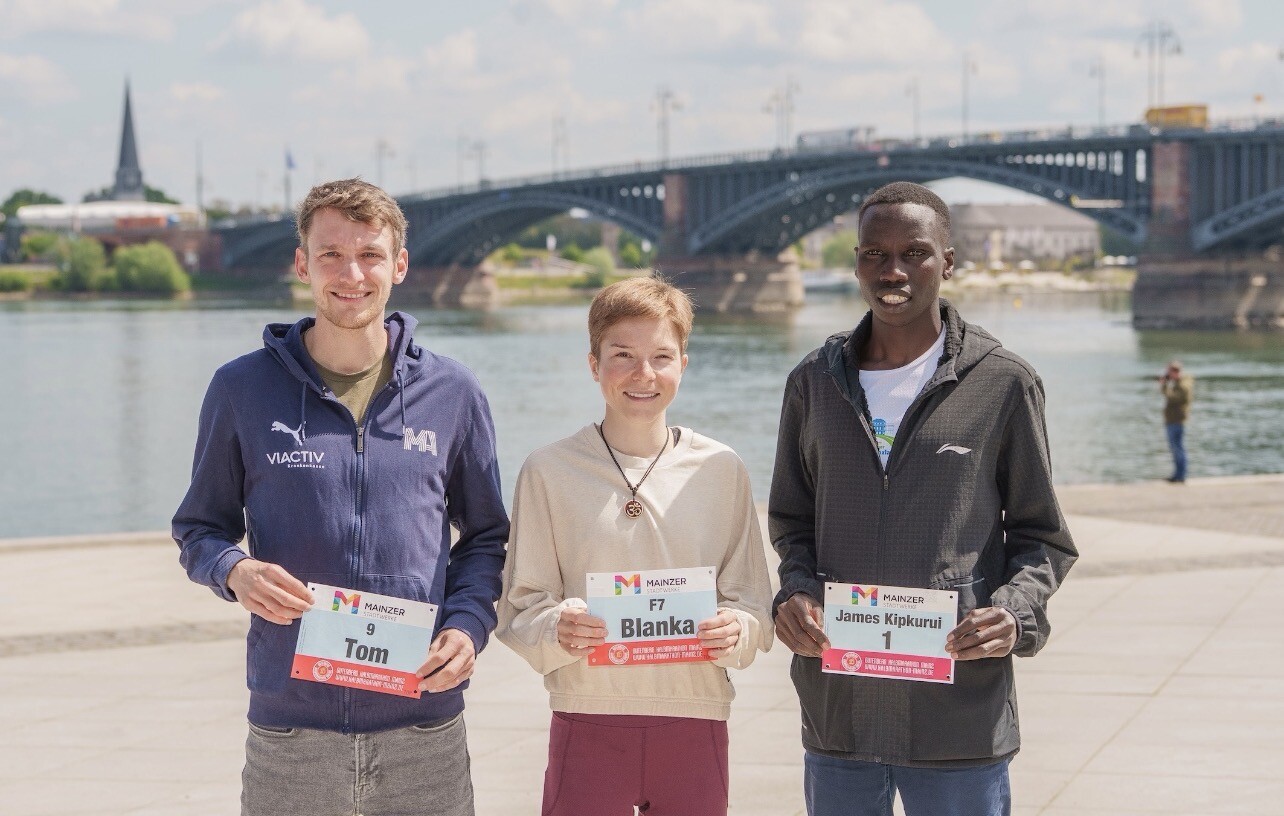
“We have the strongest field ever assembled in Mainz. Our minimum target is to break both course records. In the men’s race there is a good chance that we will see a sub one hour winning time,” said elite field coordinator Philipp Kopp.
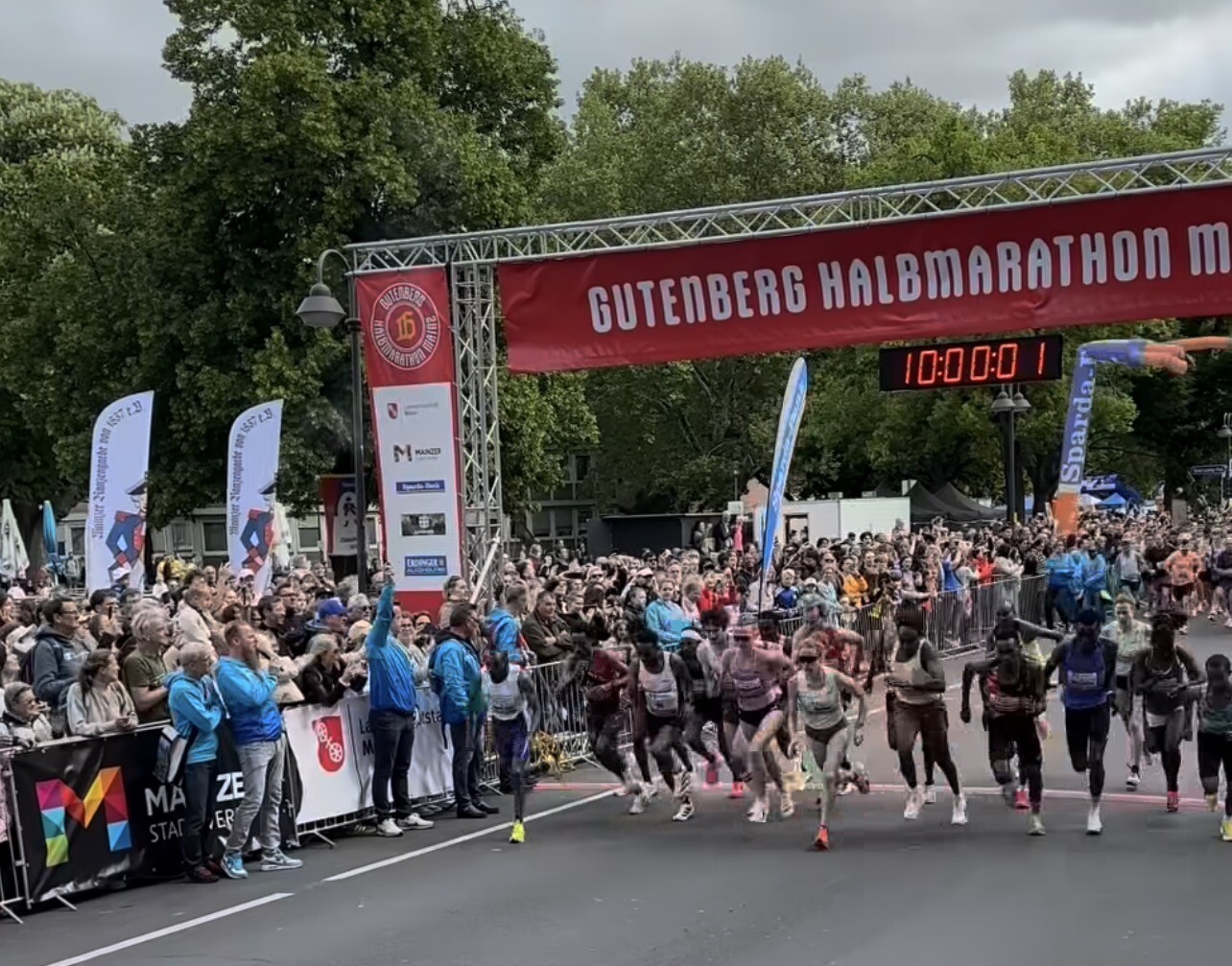
The event itself continues to grow rapidly. In just two years, participation in the half marathon has more than doubled—from 6,156 to 12,960 runners. Race director Jo Schindler has overseen a major transformation of the event, shifting the focus away from the marathon distance and building the race into one of Germany’s premier half marathons.
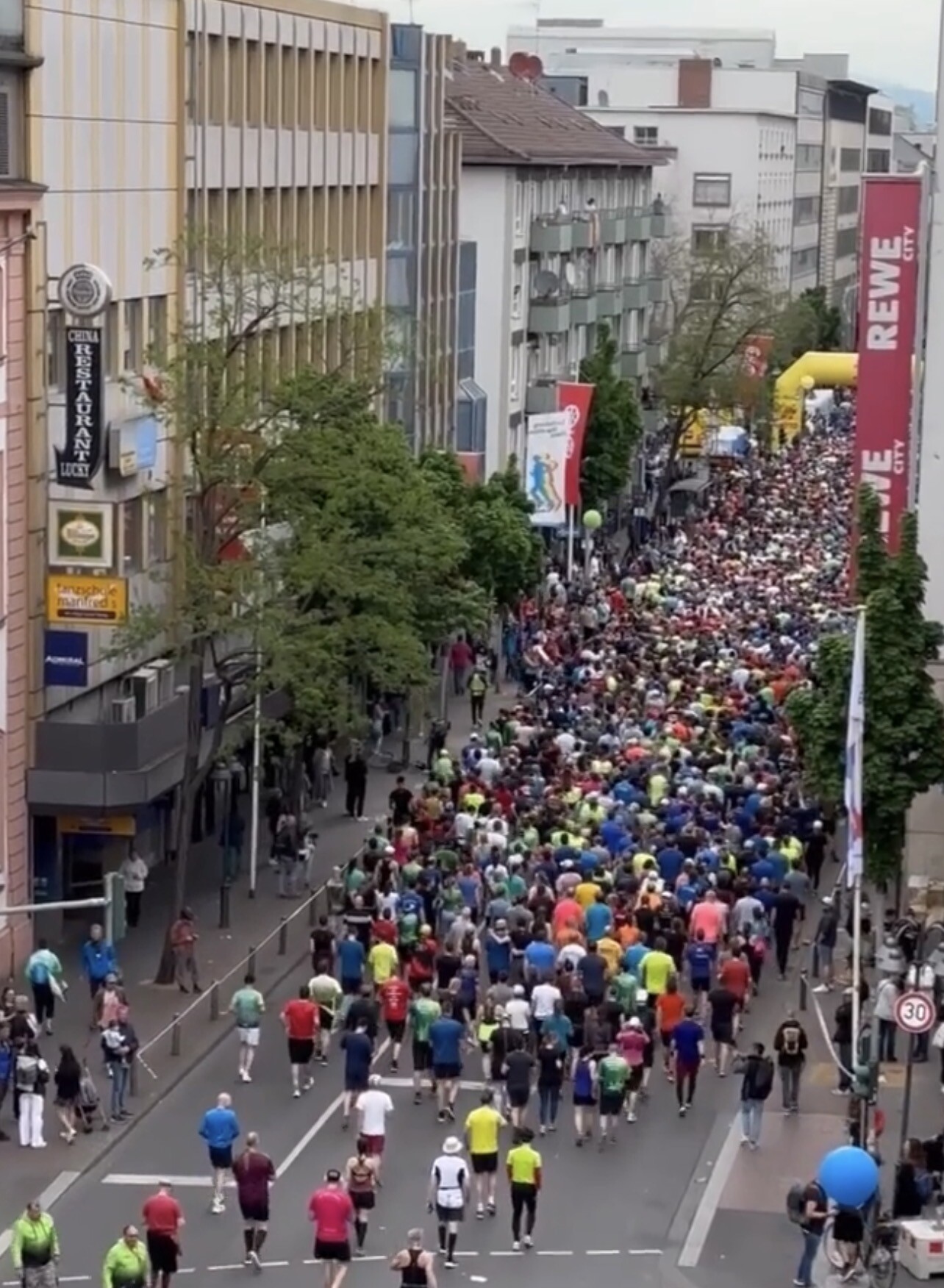
The Gutenberg Mainz Half Marathon is now regarded as Germany’s second-fastest race over the distance behind only Berlin.
Defending champion James Matelong returns after winning last year in a course record 60:50, which still stands as his personal best. But defending his title will be anything but easy. At least six fellow Kenyans in the field have already run faster.
Kipkogei enters as the clear favorite, especially with no pacemaking responsibilities this time around. The Kenyan, who trains under renowned Italian coach Renato Canova, believes another sub-60 performance is within reach.
“My shape is not bad, training was going well as usual,” said Kipkogei. “If weather conditions are fine I intend to run sub 60:00 again.”
Another athlete capable of breaking the hour barrier is Jamal Kiprono, who won the Venlo Half Marathon earlier this year in 59:55.
Germany’s top hope will likely be Tom Thurley. Four weeks ago he captured the German Marathon Championship in Hannover with a personal best of 2:11:02. Thurley owns a half marathon best of 63:56 and is targeting another breakthrough performance in Mainz.
“I will try to improve my PB. I know that it is possible to run fast in Mainz,” said Thurley.
The women’s race is equally loaded. Kenya’s Beatrice Cheserek leads the field with a personal best of 66:48, making her one of two women entered under the current course record of 68:52. Cheserek ran her PB while winning the Cardiff Half Marathon in 2022 and recently lowered her marathon best to 2:21:56 with a runner-up finish in Seville.
Fellow Kenyan Orba Chemurgor owns a 67:56 best from Ravenna last year and is another strong contender. Last year’s Mainz runner-up Rency Kogo returns with a personal best of 69:04 from this race.
Germany’s leading woman is Blanka Dörfel. The 24-year-old ran 69:46 in Berlin last year and arrives in Mainz fresh off winning the German 10,000-meter title.
“I prefer road running and look forward to racing in Mainz,” said Dörfel. “I am not quite sure what time I will be able to run. But my watch tells me I can achieve a sub 68:30.”
by Race News Service
Login to leave a comment
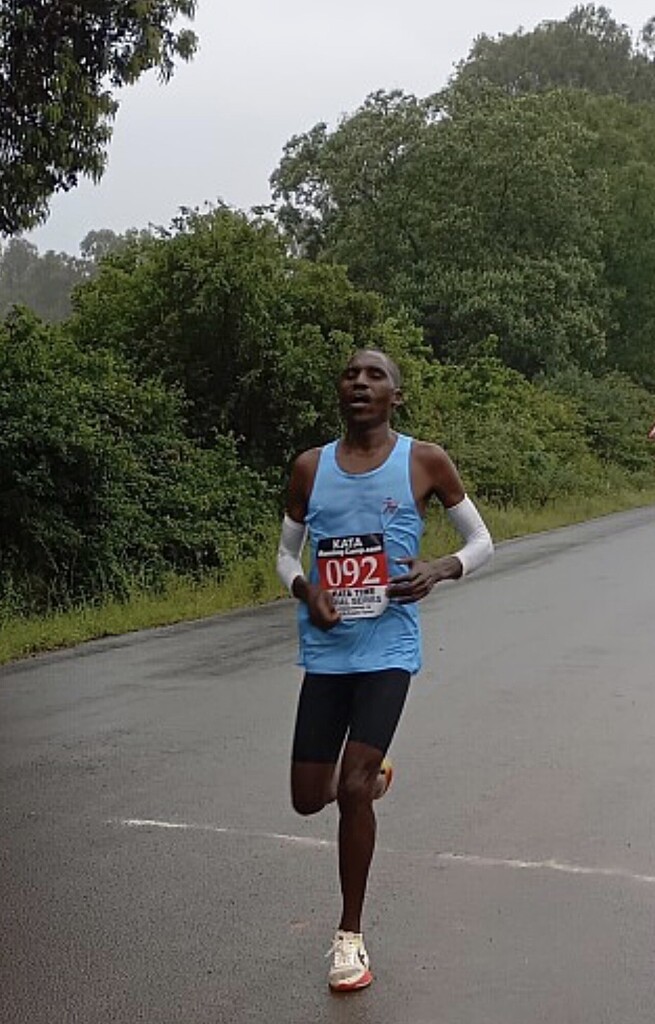
Storm, Spirit and Greatness: KATA Time Trial’s 55th Edition Delivers a Masterpiece in Thika
The 55th edition of the KATA Time Trial Series unfolded in unforgettable fashion in Thika, where heavy rainfall, cold temperatures and high humidity created a demanding stage for one of the region’s most respected road tests. What began beneath grey skies became a celebration of resilience, ambition and the enduring beauty of athletes daring to challenge their limits.
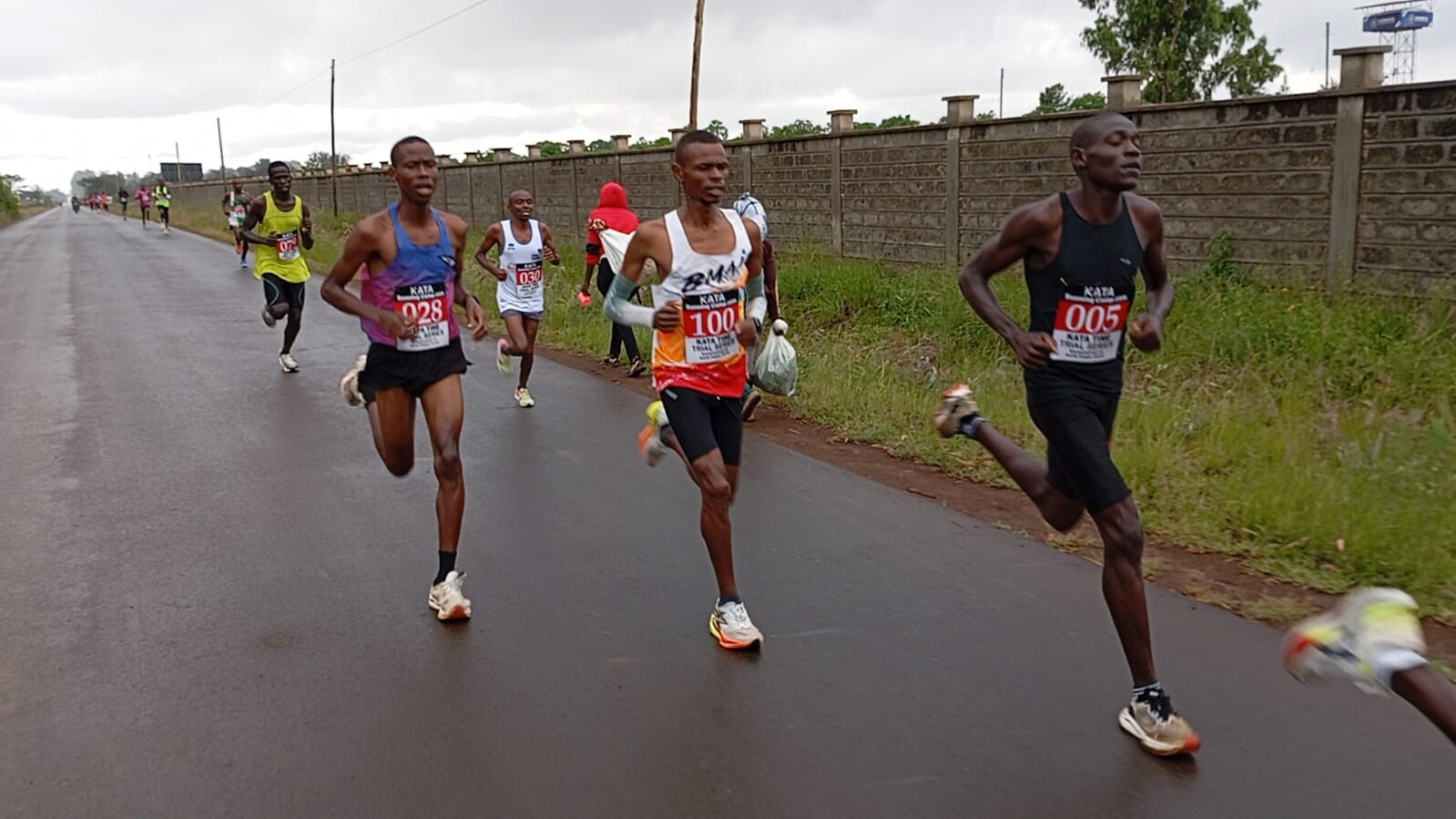
The KATA Time Trial has never relied on grand stadiums or roaring crowds to define its importance. Its prestige is rooted in something deeper—the purity of competition, the honesty of effort and the relentless pursuit of progress. Here, there are no shortcuts and no hiding places. Every stride must be earned, every second must be fought for, and every finish line tells a story of discipline, sacrifice and belief.
Even with the weather working against them, the athletes rose magnificently to the occasion. In the men’s 10km race, the early pace was expertly guided by Peter Mwaniki, whose calm and measured rhythm gave the field structure through the opening stages. When the contest reached its decisive moment, Peter Wanyoike surged clear to win in 29:46, holding off John Kuria, who finished strongly in 30:02, while Charles Wanjora completed the podium in 30:37.
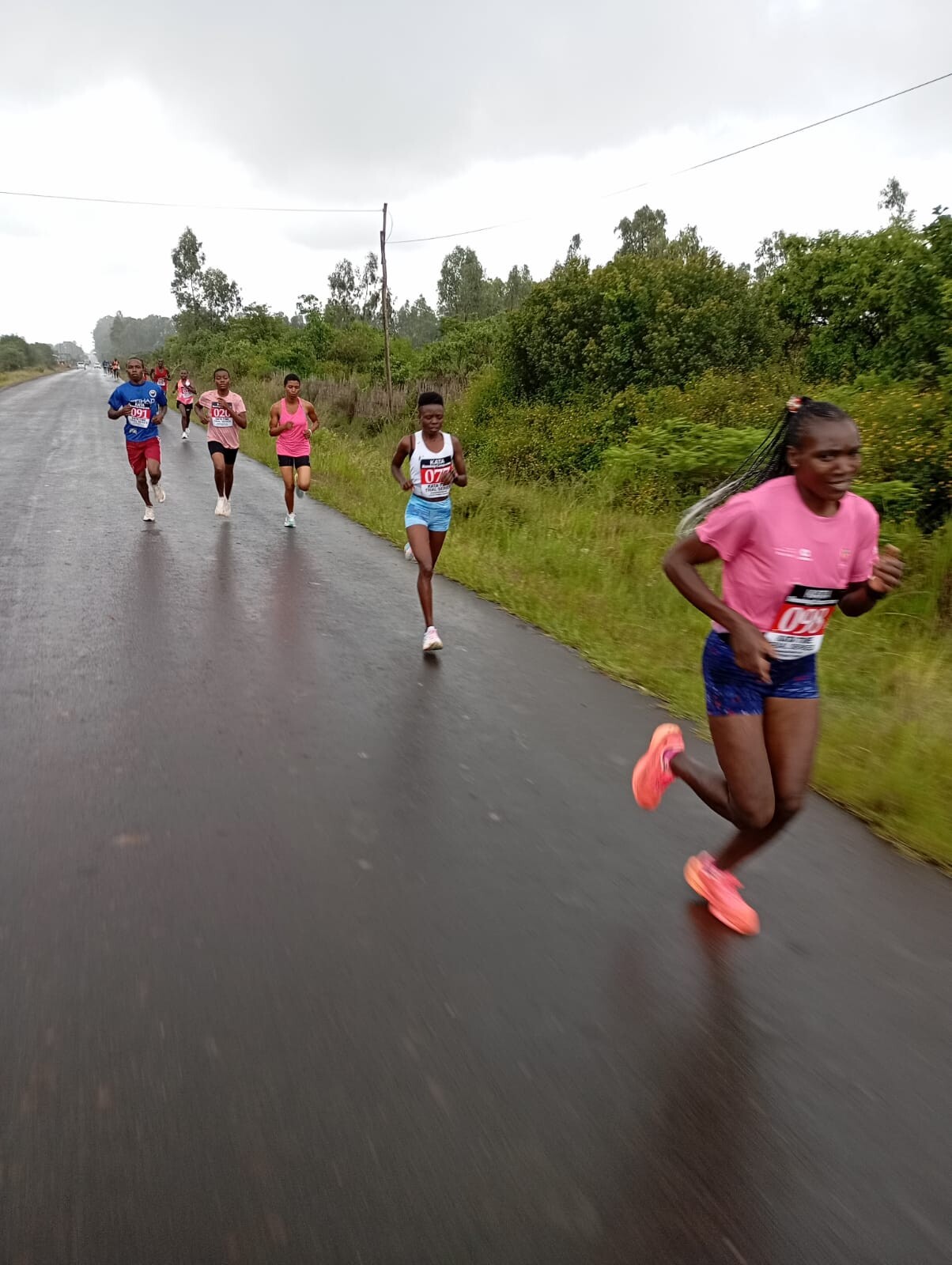
The women’s 10km produced another fine display of strength and composure as Nyimpha Kiteta mastered the difficult conditions to claim victory in 34:04. She finished ahead of Jane Wanja in 35:44 and Ruth Maina in 36:42, both of whom ran with grit and admirable resolve.
In the men’s 5km, one of the day’s most captivating stories came through the spirited rivalry between Dennis Musau and Elam Okato. Their battle brought colour, drama and extra intensity to the morning. Dennis attacked with courage and hunger to clock 18:51, while Elam answered with experience and patience to finish in 20:07. Though the official race winner was the outstanding Francis Maina in 16:04, with Harrison Mathenge second in 16:41 and Kelvin Muko third in 16:59, the duel between Dennis and Elam became one of the moments people will remember longest.
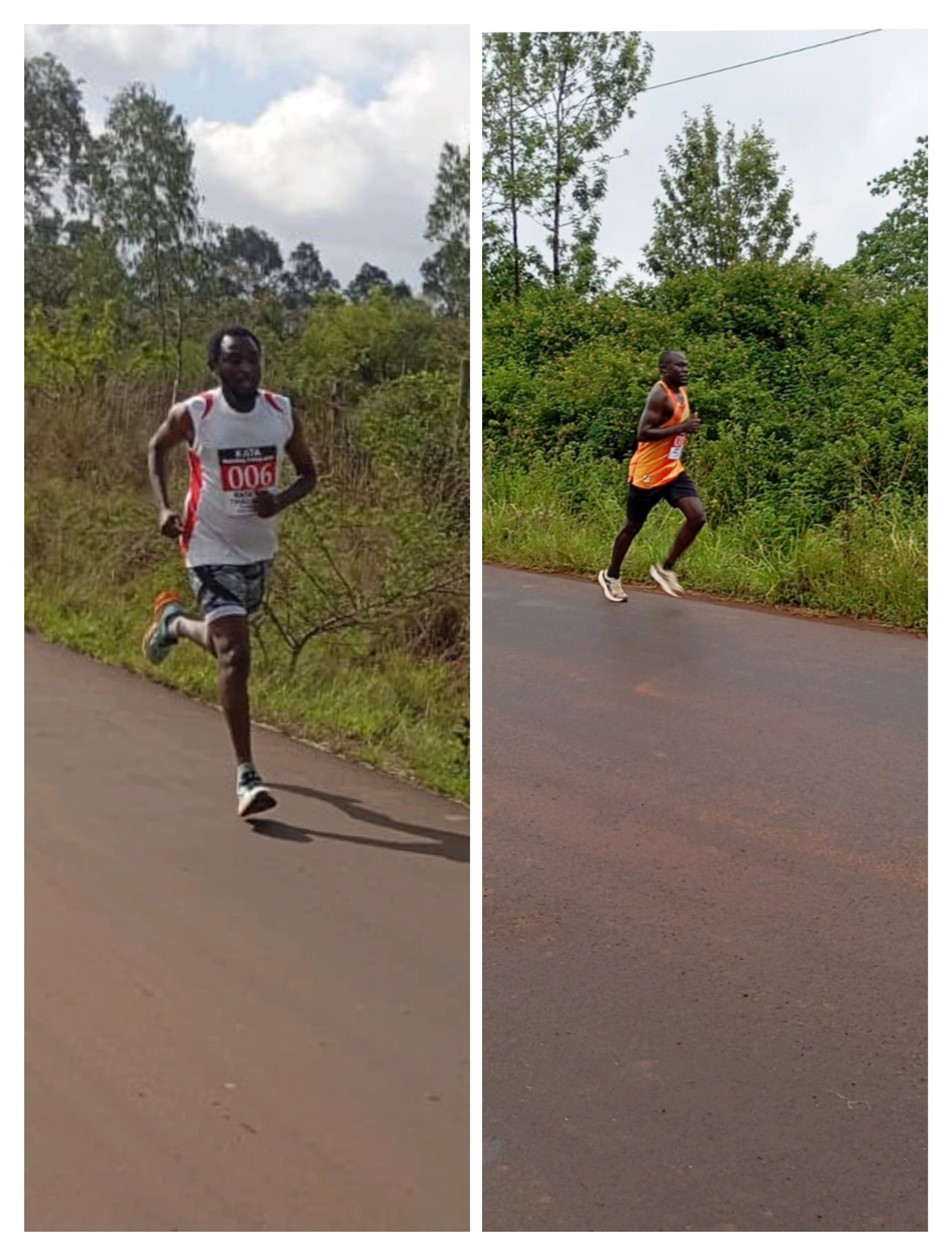
The women’s 5km was equally thrilling, with Doreen Mutua producing a superb run of 18:17 to secure victory after a fiercely contested race. She held off the fast-finishing Lucy Njeri, who ran 18:24, and Faith Kitonga, who crossed in 18:26, in one of the closest finishes of the day.
Beyond the victories and podium finishes, the morning also belonged to the many athletes who achieved Personal Bests. In such difficult weather, those breakthroughs carried even greater meaning. They were not simply numbers on a stopwatch, but proof that patient work, quiet sacrifice and countless unseen training sessions can still produce progress when conditions are toughest.
The lessons of the day continued after the finish line during the post-race gathering, where coaches and veteran athletes shared wisdom with the competitors. They urged the younger runners to remain patient with their journey, to trust consistency, and to understand that lasting success is never rushed. Greatness, they reminded them, is built quietly through daily discipline, one honest effort at a time.
When the rain finally faded and the roads grew silent once more, the legacy of this edition remained clear. The 55th KATA Time Trial was more than a race—it was a portrait of courage, a song of perseverance and a shining reminder that dreams often grow strongest in difficult weather. In every stride there was hope, in every finish there was pride, and in every athlete there burned the beautiful promise of something greater still to come.
by Erick Cheruiyot for My Best Runs.
Login to leave a comment

KATA Time Trial Series
Welcome to the KATA Monthly Time Trial Held at the Kenyan Athletics Training Academy in Thika, Kenya, the KATA Monthly Time Trial is a unique and inclusive event designed to support runners of all levels in achieving their goals and showcasing their fitness. This event offers both 10K and 5K distances on an accurate, certified course, providing participants with...
more...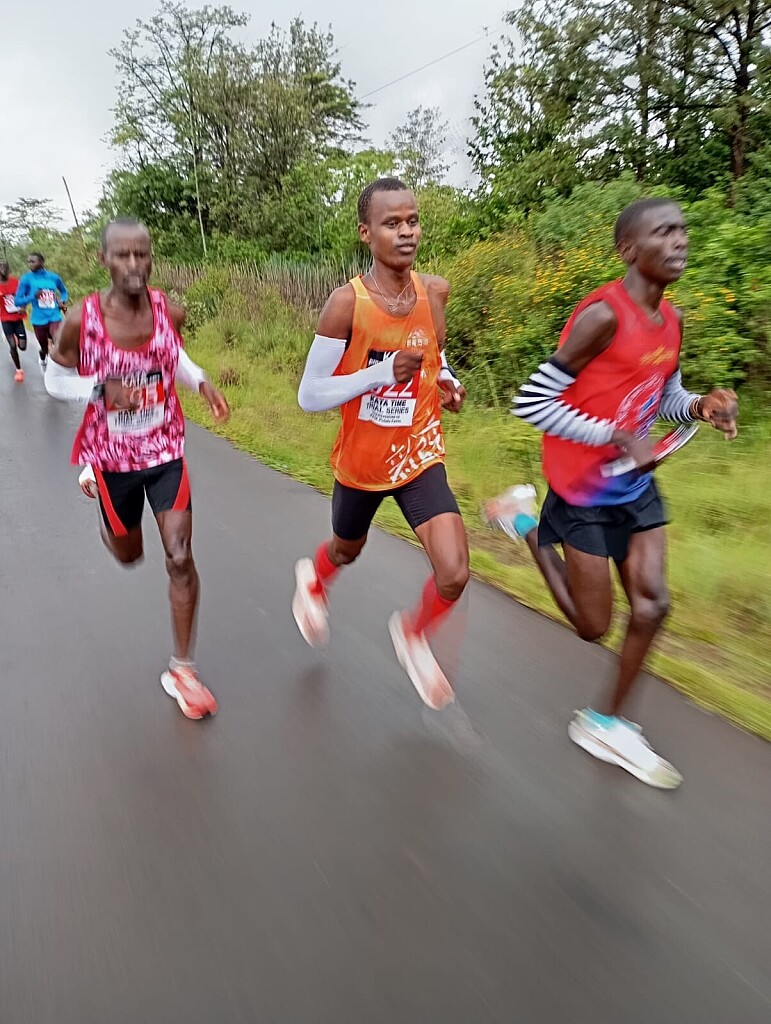
Strong Performances Highlight KATA Time Trial No. 55 at Thika
KATA Time Trial No. 55, part of the ongoing monthly series at KATA Thika, produced a number of strong performances and personal breakthroughs—clear signs that the program continues to move athletes forward.
Breakthrough Run from Francis Maina
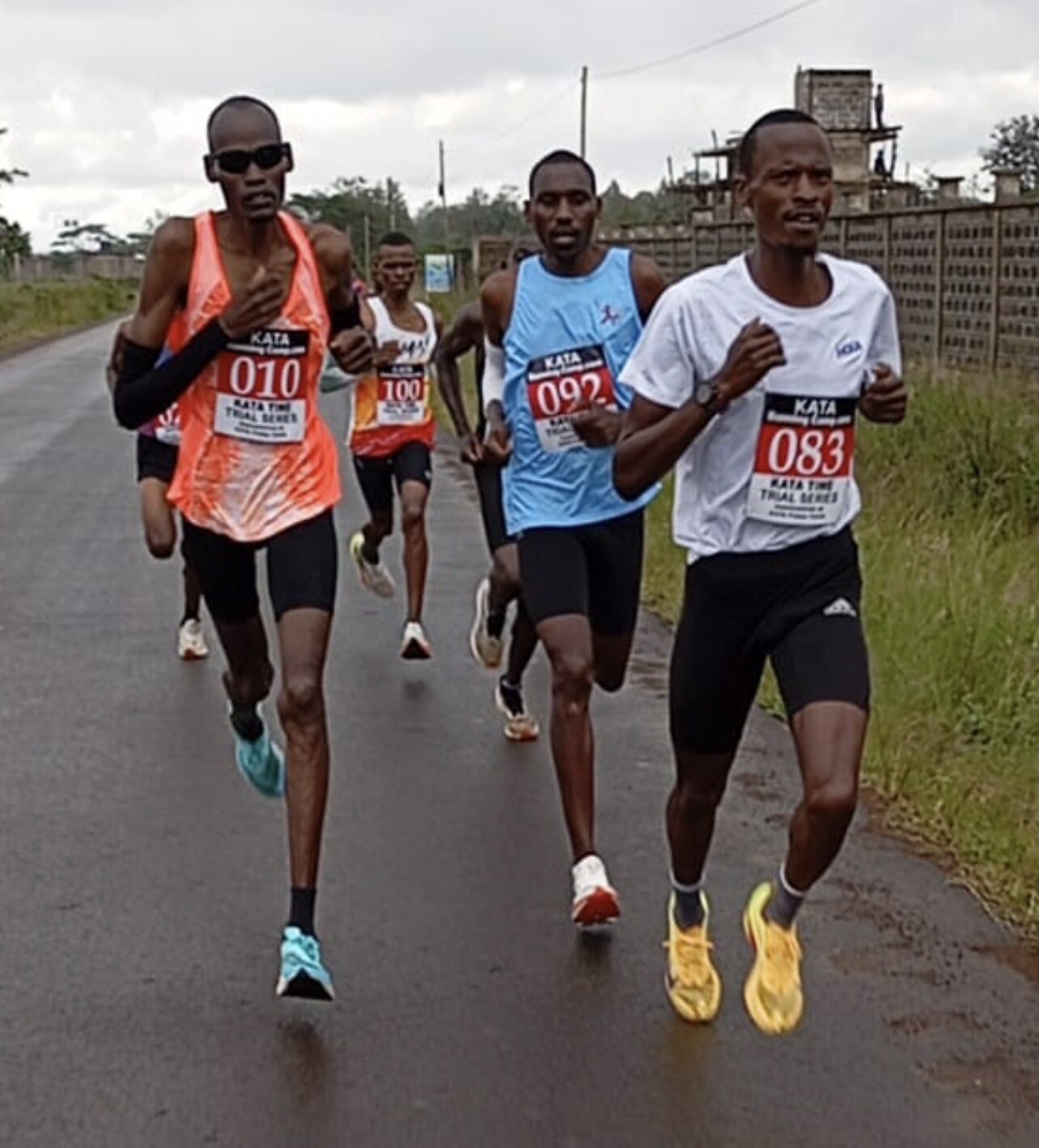
In the men’s 5km, Francis Maina (20) delivered a standout performance, winning in 16:04, a personal best. He improved by 42 seconds from his previous mark of 16:46 set just last month—an impressive jump that reflects consistency and growing confidence.
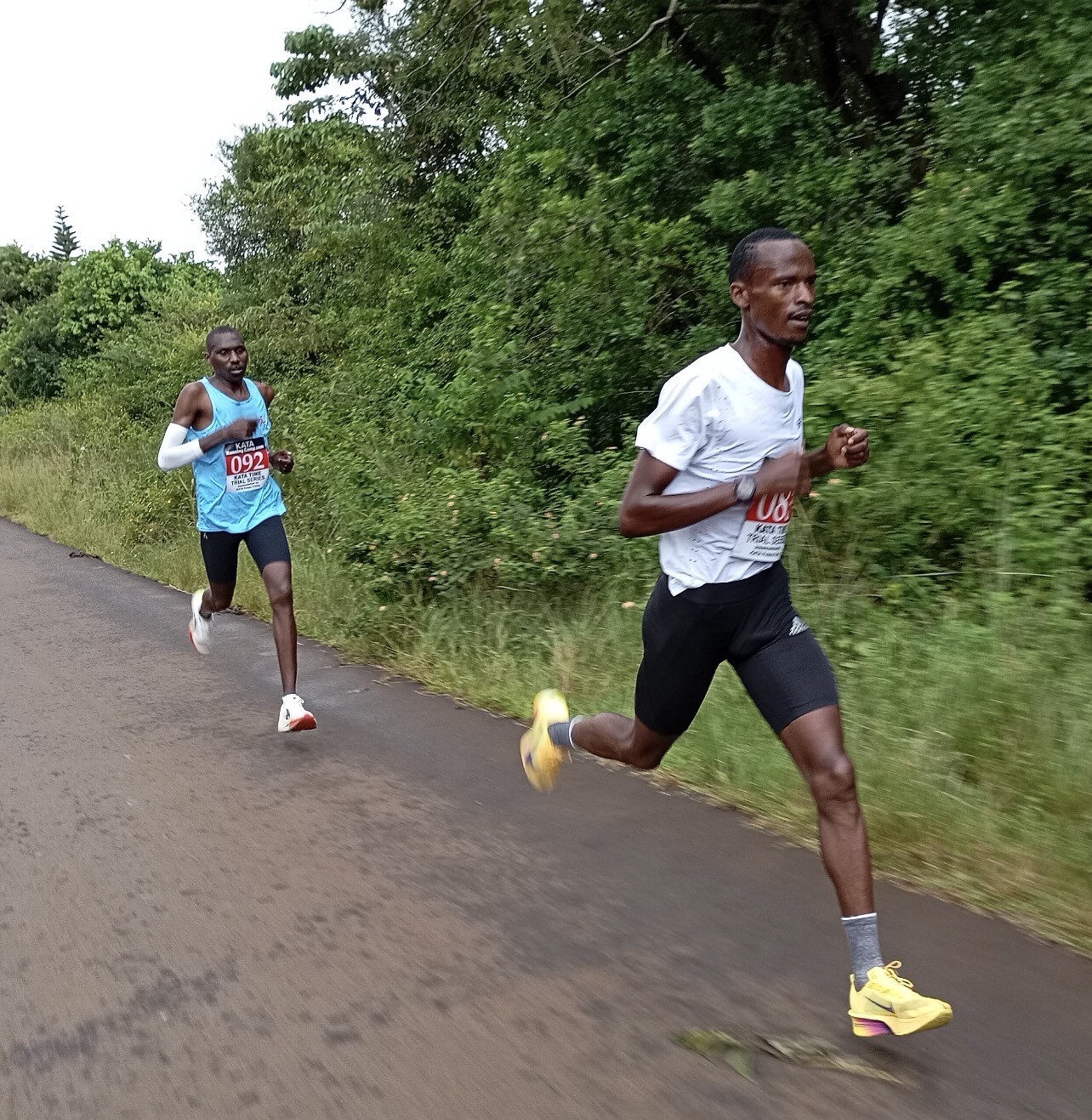
Harrison Mathenge (18) followed in second place with 16:41, continuing his steady progression.
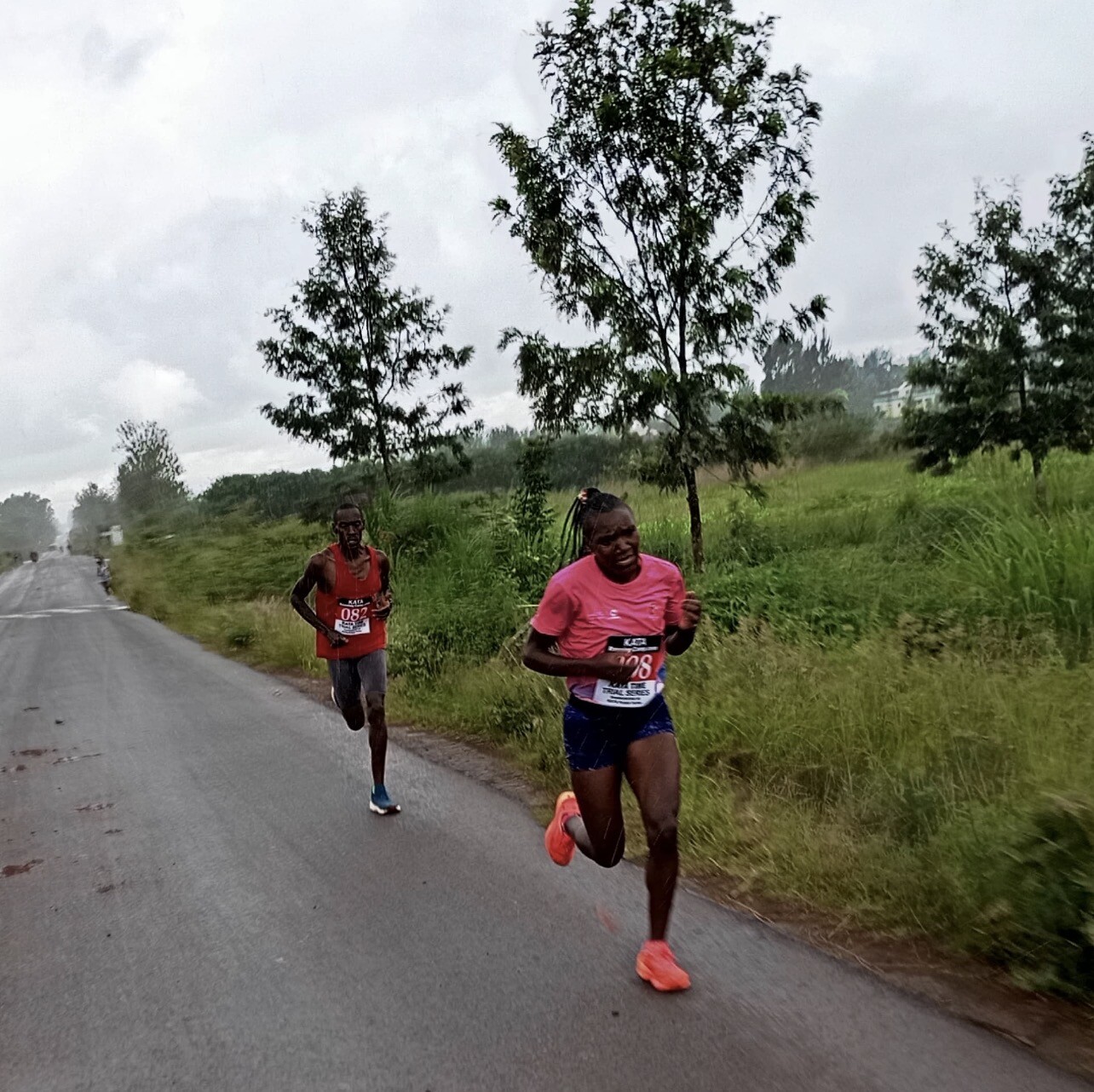
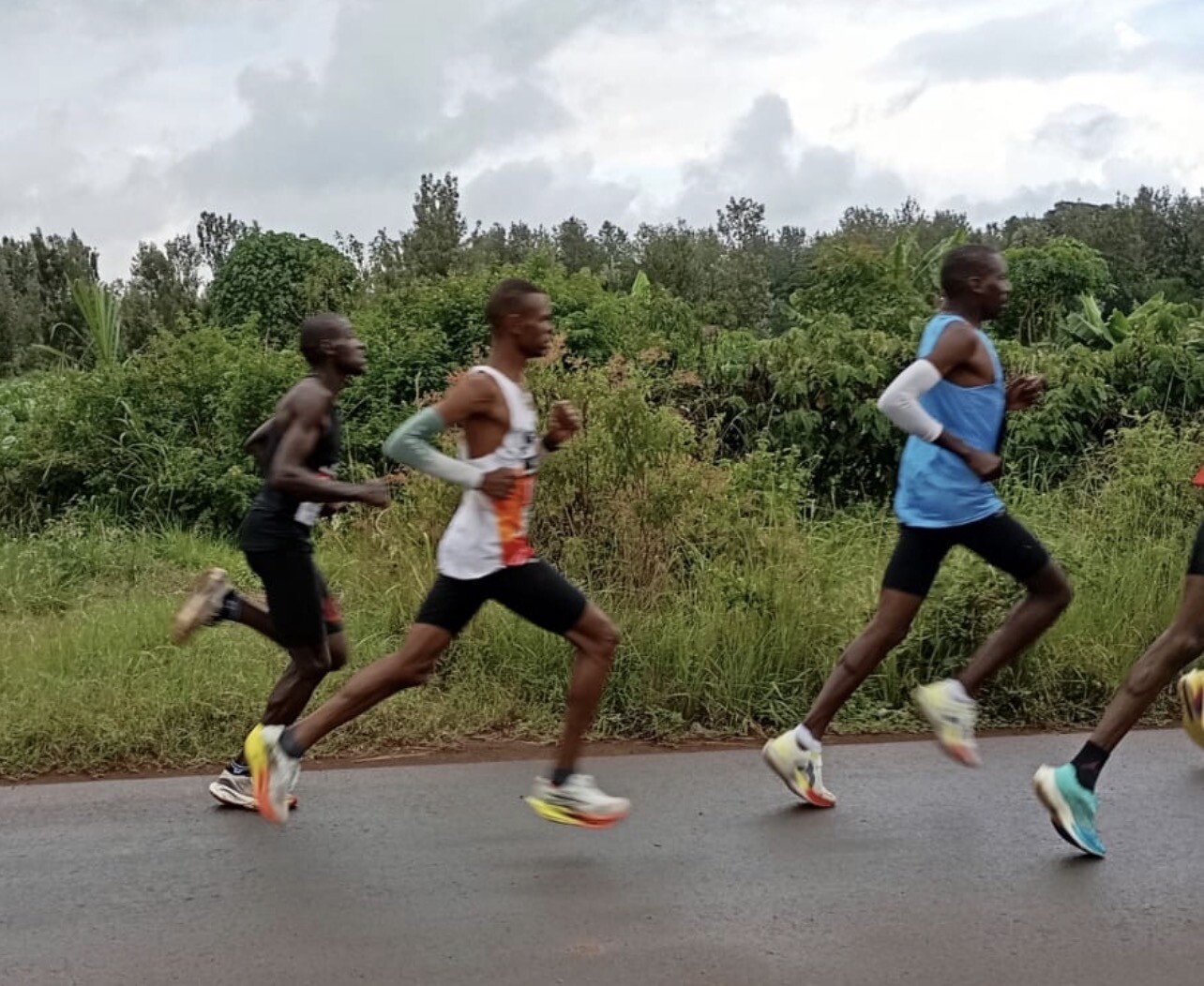
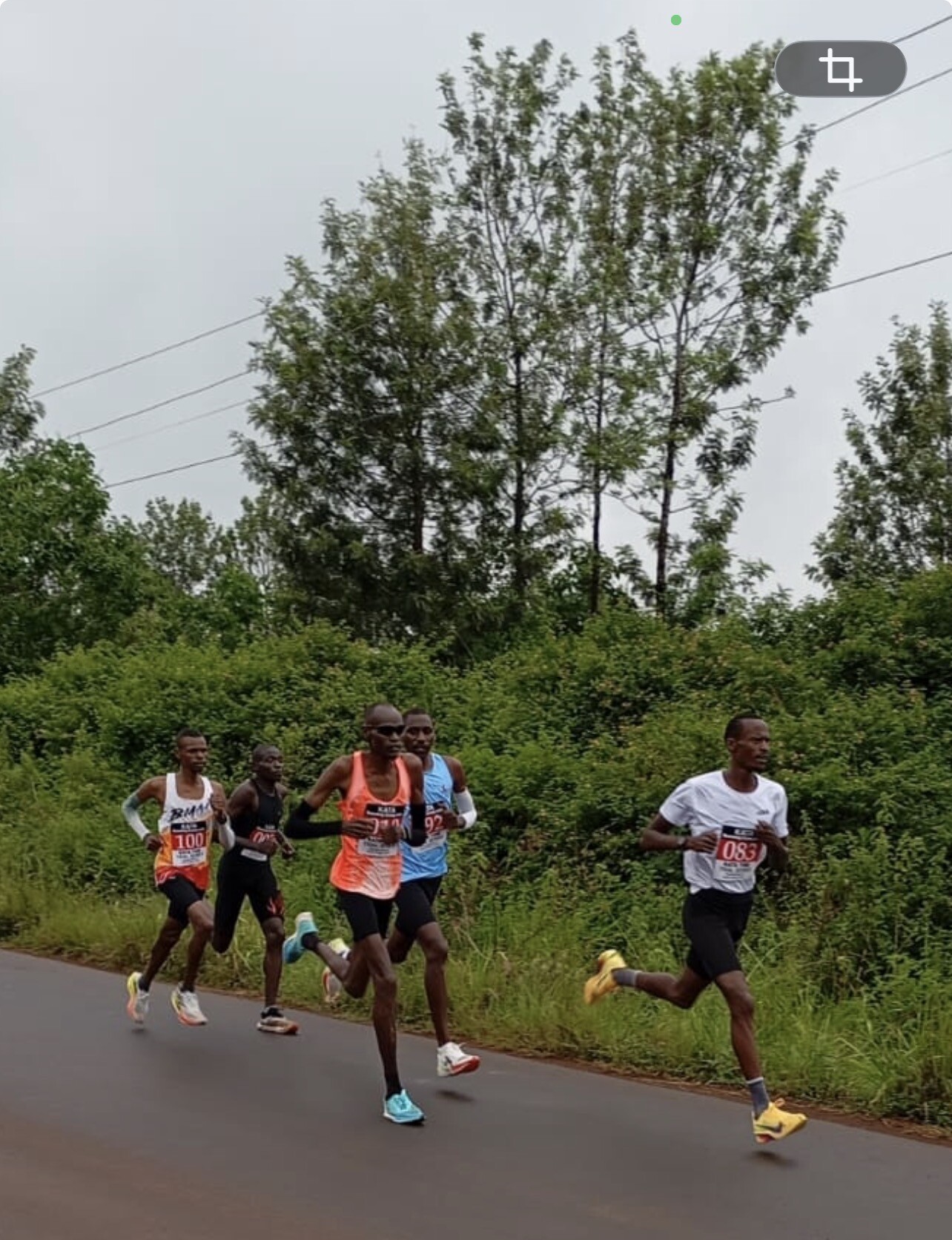
On the women’s side, Doreen Mutua (17) took the win in 18:17, holding off Lucy Njeri (18), who finished close behind in 18:24.
Sub-30 Performance Leads Men’s 10K
In the men’s 10km, Peter Wanyoike (30) led the field with a winning time of 29:46, with John Kuria (30) finishing second in 30:02.
One of the most encouraging performances came from Erick Cheruiyot (30), who finished fourth in 30:43, setting a new personal best and improving by 17 seconds. His progress continues to reflect the purpose behind the KATA program.
Kiteta Leads Women’s 10K
In the women’s 10km race, Nympha Kiteta (20) claimed victory in 34:04, followed by Jane Wanja (38) in 35:44 and Ruth Maina (23) in 36:42.
Full Results
5KM MEN
1. Francis Maina (20 / 084) – 16:04
2. Harrison Mathenge (18 / 019) – 16:41
3. Kelvin Muko (18 / 006) – 16:59
4. John Mutuku (15 / 090) – 17:06
5. Eric Mwaura (19 / 043) – 17:21
6. Samuel Maingi (15 / 026) – 17:28
7. Joseph Mulwa (17 / 091) – 18:17
8. John Mwangi (42 / 050) – 18:24
9. Dennis Musau (43 / 089) – 18:51
10. Benjamin Ndaro (14 / 097) – 20:03
11. Elam Okato (38 / 014) – 20:07
12. Raphael Masese (15 / 095) – 22:07
5KM WOMEN
1. Doreen Mutua (17 / 020) – 18:17
2. Lucy Njeri (18 / 023) – 18:24
3. Faith Kitonga (18 / 018) – 18:26
4. Felister Mbatha (19 / 099) – 22:10
5. Rachel Njeri (15 / 093) – 22:14
6. Ann Monthe (15 / 011) – 23:20
7. Cynthia Ndanu (15 / 017) – 23:21
10KM MEN
1. Peter Wanyoike (30 / 092) – 29:46
2. John Kuria (30 / 100) – 30:02
3. Charles Wanjora (24 / 005) – 30:37
4. Erick Cheruiyot (30 / 010) – 30:43 (PB)
5. Bernard Waweru (40 / 073) – 31:16
6. Justus Nyamai (18 / 028) – 31:21
7. Robin Musa (17 / 033) – 32:07
8. Frederick Wambua (20 / 054) – 32:24
9. Vincent Kiprotich (24 / 079) – 32:28
10. Ismael Mburu (24 / 025) – 32:48
11. Joel Maina (42 / 030) – 33:04
12. David Muriuki (40 / 001) – 33:17
13. Bernard Gicheha (35 / 085) – 33:27
14. Joseph Nyota (20 / 022) – 33:46
15. Brian Mwangi (22 / 048) – 34:02
16. Paul Ng’ang’a (43 / 082) – 35:29
17. Charles Ndirangu (65 / 070) – 38:29
10KM WOMEN
1. Nympha Kiteta (20 / 047) – 34:04
2. Jane Wanja (38 / 098) – 35:44
3. Ruth Maina (23 / 077) – 36:42
4. Regina Sandiki (19 / 096) – 37:42
5. Felister Maina (37 / 094) – 38:01
Final Word
Now at Time Trial No. 55, this monthly KATA series continues to do exactly what it was designed to do—create opportunities for athletes to test themselves, improve, and move forward.
At KATA, progress matters—and today showed plenty of it.
by Coach John
Login to leave a comment
Speed, Strategy and Rivalry: KATA Time Trial Returns for a Thrilling 55th Edition
The familiar sound of pounding footsteps will once again roll across the tarmac course in Thika on Wednesday, 15th April 2026, as the 55th edition of the KATA Time Trial takes centre stage. There may be no grand stadium atmosphere, no roaring crowds, and no glittering finish-line ceremony, yet within the athletics world this event carries enormous value. For the runners who gather there, it is not about spectacle—it is about precision, progress, and the relentless pursuit of improvement.

Held near the training grounds of the Kenyan Athletics Training Academy in Thika, the KATA Time Trial has steadily built a reputation as one of the most respected performance tests on the local calendar. Over the years, it has become a trusted benchmark where athletes measure their development, sharpen their race instincts, and turn months of disciplined training into meaningful results.
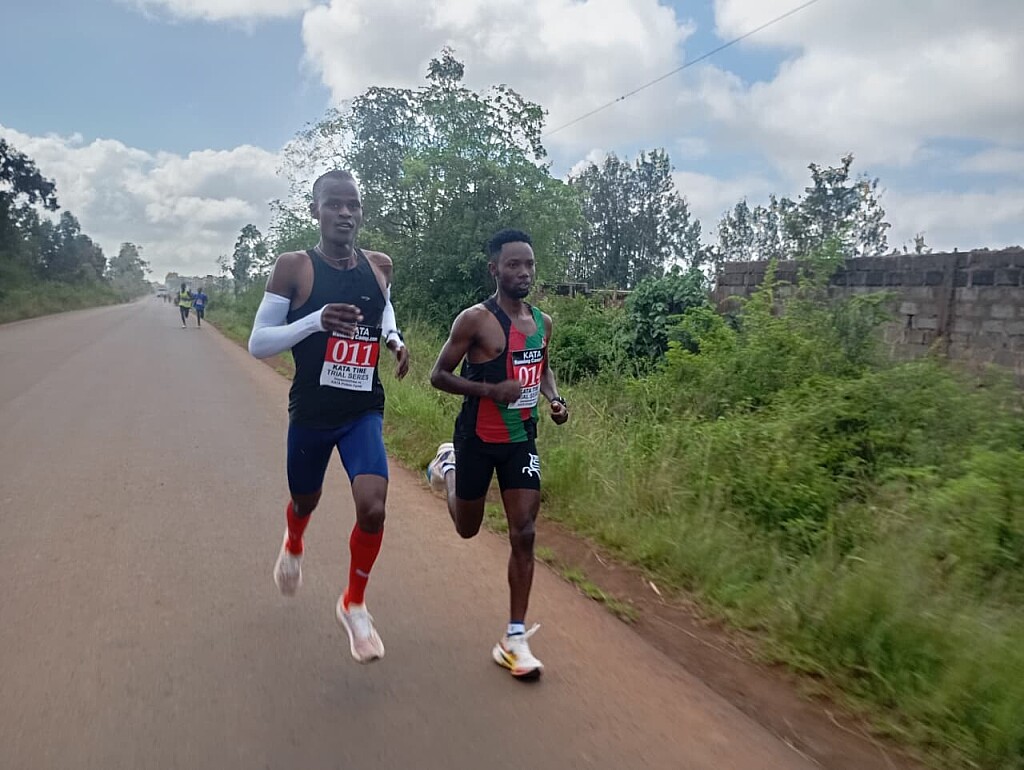
Unlike conventional races, where tactical battles and pack dynamics often shape the outcome, the KATA Time Trial has traditionally reduced competition to its purest form, with athletes racing mainly against the clock and their own previous bests. However, this 55th edition is expected to bring a different dimension. While time remains the ultimate target, the event is likely to be defined by calculated tactical battles and well-organised pack running, as athletes work together to sustain strong rhythms and create the ideal conditions for faster times and more personal bests. Success will still demand disciplined pacing, sharp judgment, and composure under pressure, but strategy could prove just as decisive as strength. Adding further intrigue to the programme, the 5km race is set to feature an exciting showdown between two experienced veterans, Dennis and Elam, whose rivalry promises to inject extra intensity into an already highly anticipated morning.
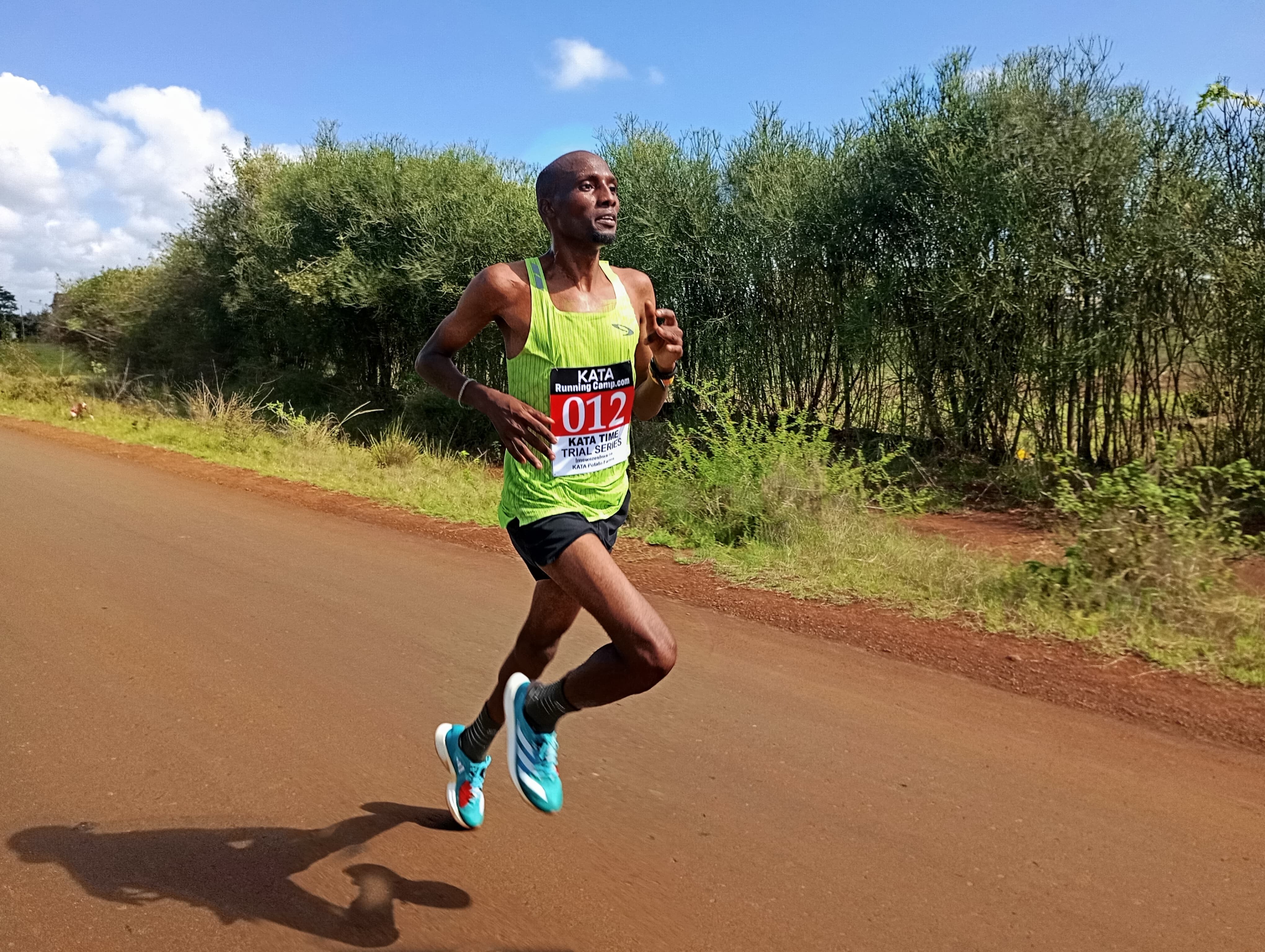
This edition will once again feature the classic 5-kilometre and 10-kilometre tests, two distances that reveal different dimensions of an athlete’s fitness. The 5km demands sharp speed, efficiency, and the courage to sustain discomfort at a fast rhythm. The 10km, by contrast, rewards patience, endurance, and the discipline to manage effort over a longer stretch. In both events, even the smallest pacing error can prove costly on the unforgiving road.
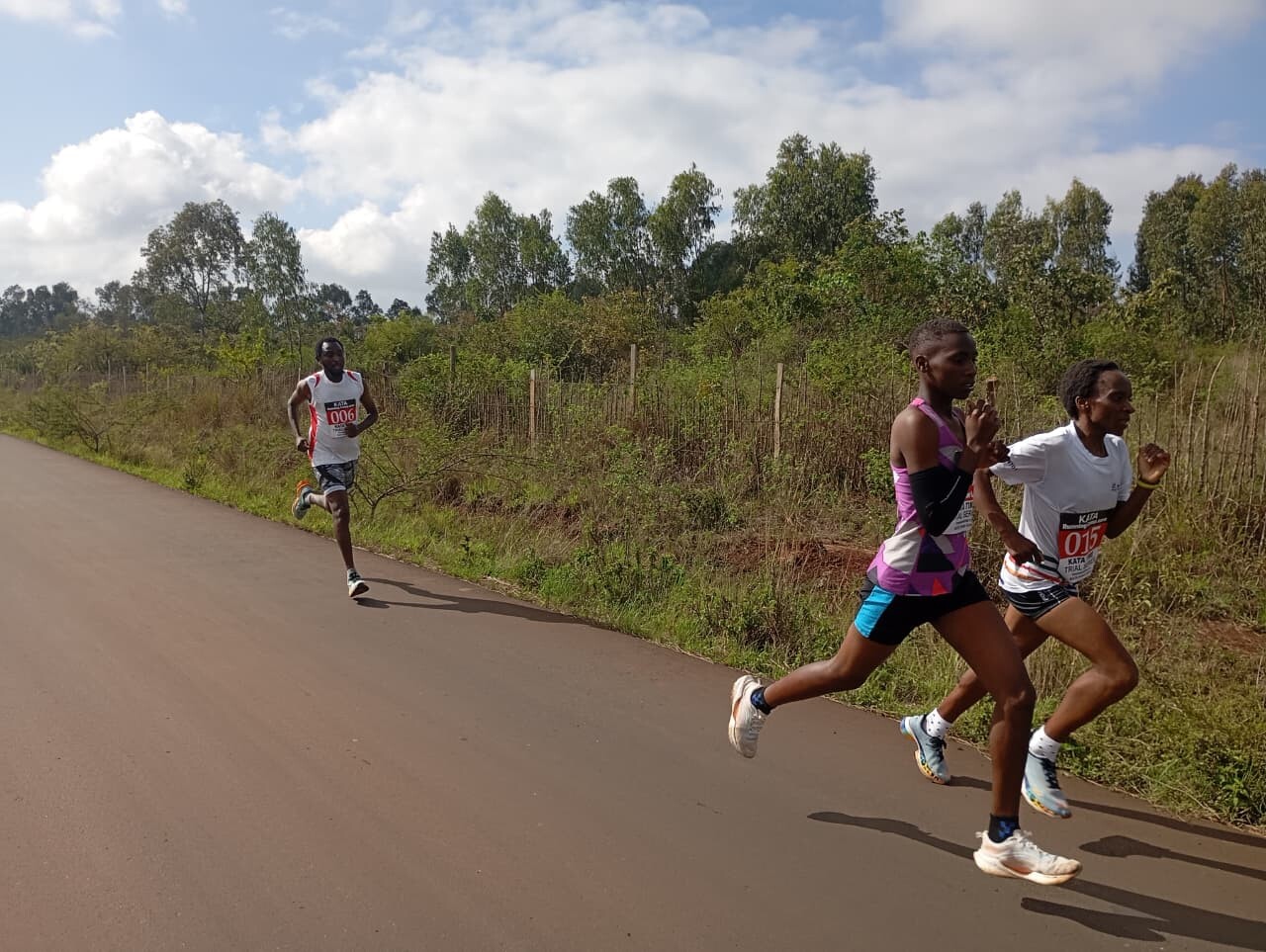
One of the most exciting themes of this edition will be the determined chase for personal bests. For many runners, the stopwatches in Thika represent more than numbers—they represent evidence of growth, sacrifice, and progress. Every second gained is the reward for countless early mornings, demanding sessions, and unwavering commitment. That is what makes the time trial so significant: it transforms training into truth.
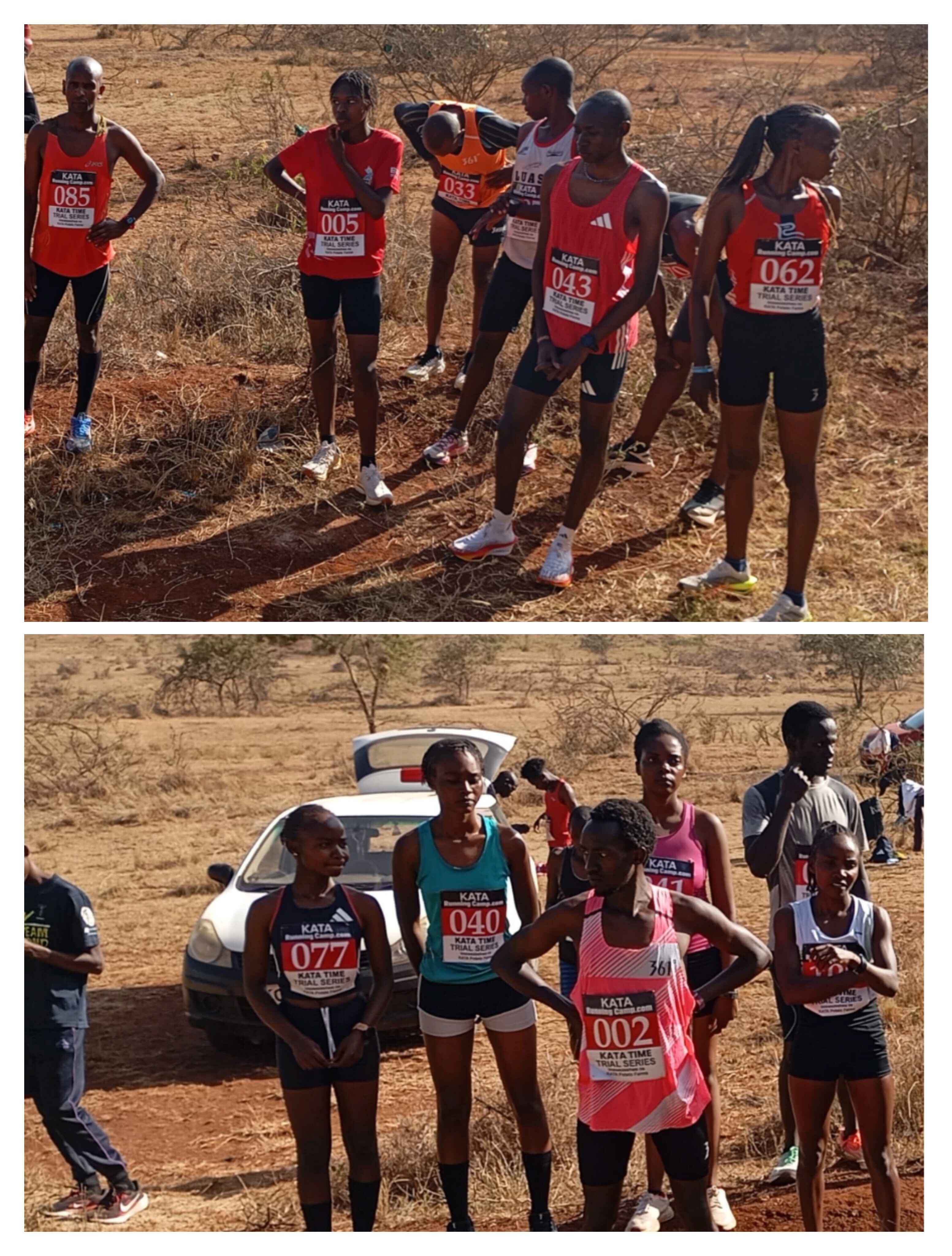
The conditions in Thika are expected to favour athletes who respect the distance and run with intelligence. Those who remain patient in the opening kilometres often finish strongly, while those who attack too early may pay the price before the line. It is a setting where discipline is rewarded and lessons are learned in real time.
Though it may unfold quietly, the impact of the KATA Time Trial reaches far beyond a single morning. On this modest stretch of tarmac, athletes continue to refine their craft, build resilience, and chase the standards that define excellence. When the watches stop at the end of the 55th chapter, the results will tell more than finishing times—they will tell the story of ambition, hard work, and the endless pursuit of becoming better.
by Erick Cheruiyot for My Best Runs.
Login to leave a comment
KATA Time Trial Series
Welcome to the KATA Monthly Time Trial Held at the Kenyan Athletics Training Academy in Thika, Kenya, the KATA Monthly Time Trial is a unique and inclusive event designed to support runners of all levels in achieving their goals and showcasing their fitness. This event offers both 10K and 5K distances on an accurate, certified course, providing participants with...
more...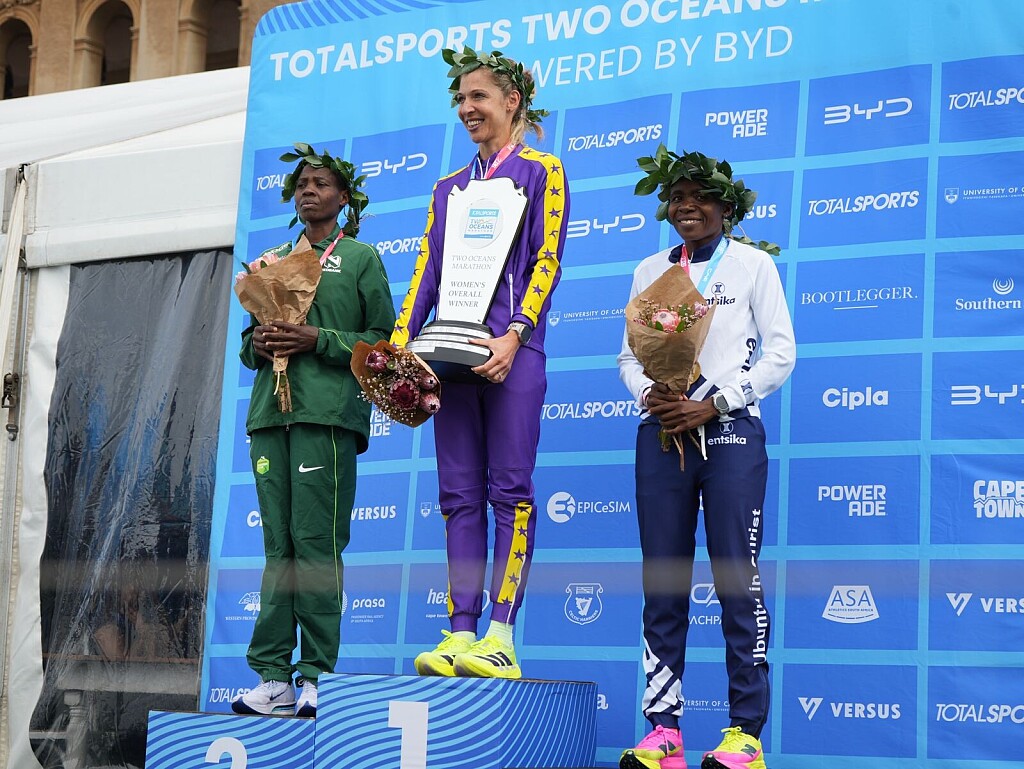
Kenya’s Endurance Empire Roars in Cape Town at the Two Oceans Marathon
Cape Town, South Africa provided the perfect stage for another unforgettable edition of the Two Oceans Marathon, where endurance, precision, and courage were tested over the punishing 56-kilometre course. With breathtaking coastal scenery surrounding one of the world’s most iconic ultra-distance races, athletes were pushed to their absolute limits in a contest that delivered drama, quality, and international class from start to finish.
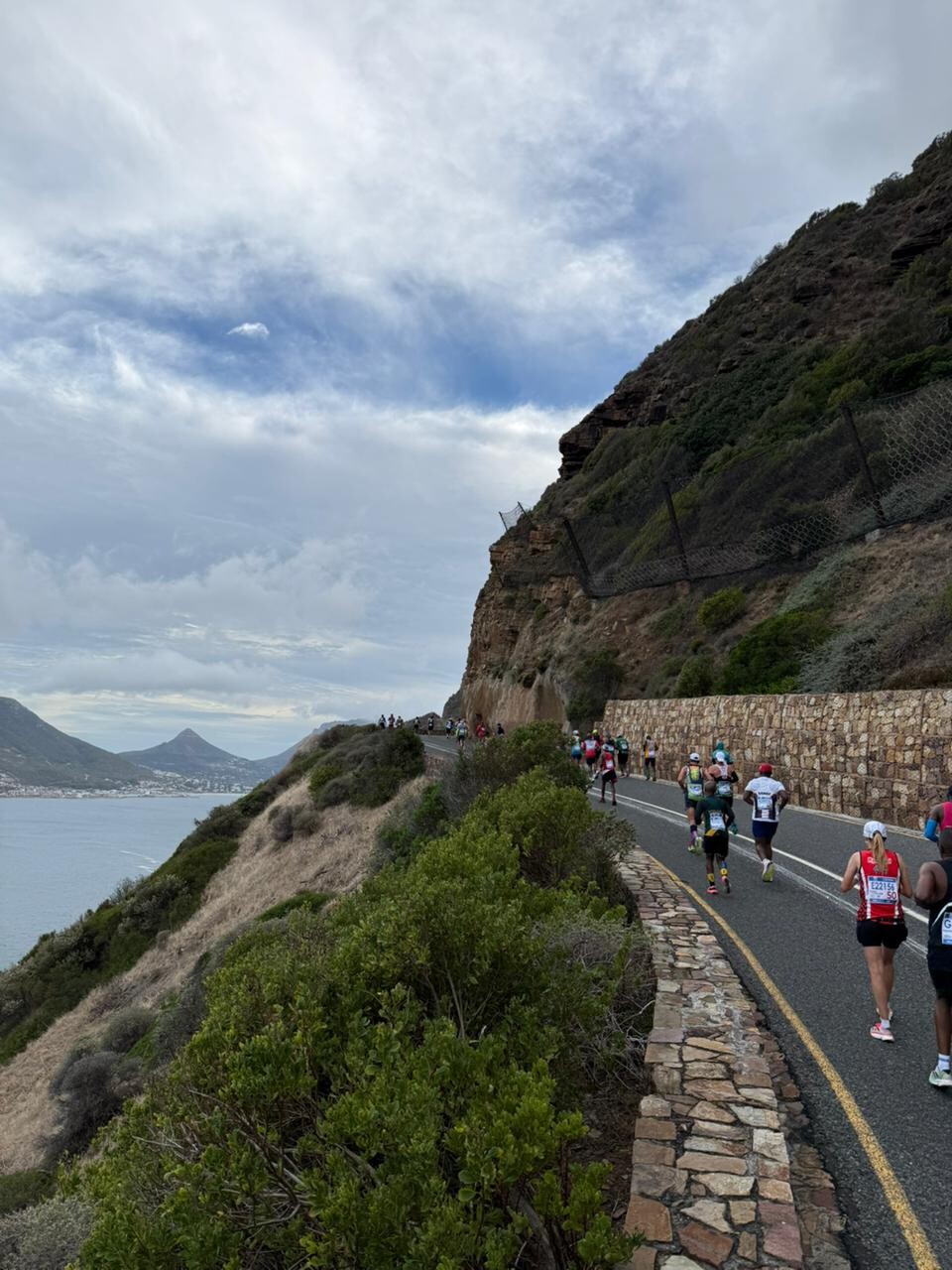
Often celebrated as one of the most beautiful races on earth, the Two Oceans Marathon is never conquered by scenery alone. Its relentless climbs, tactical shifts, and unforgiving final kilometres demand far more than raw speed. They demand intelligence, resilience, and the ability to suffer when it matters most. This year’s race showcased every one of those qualities.
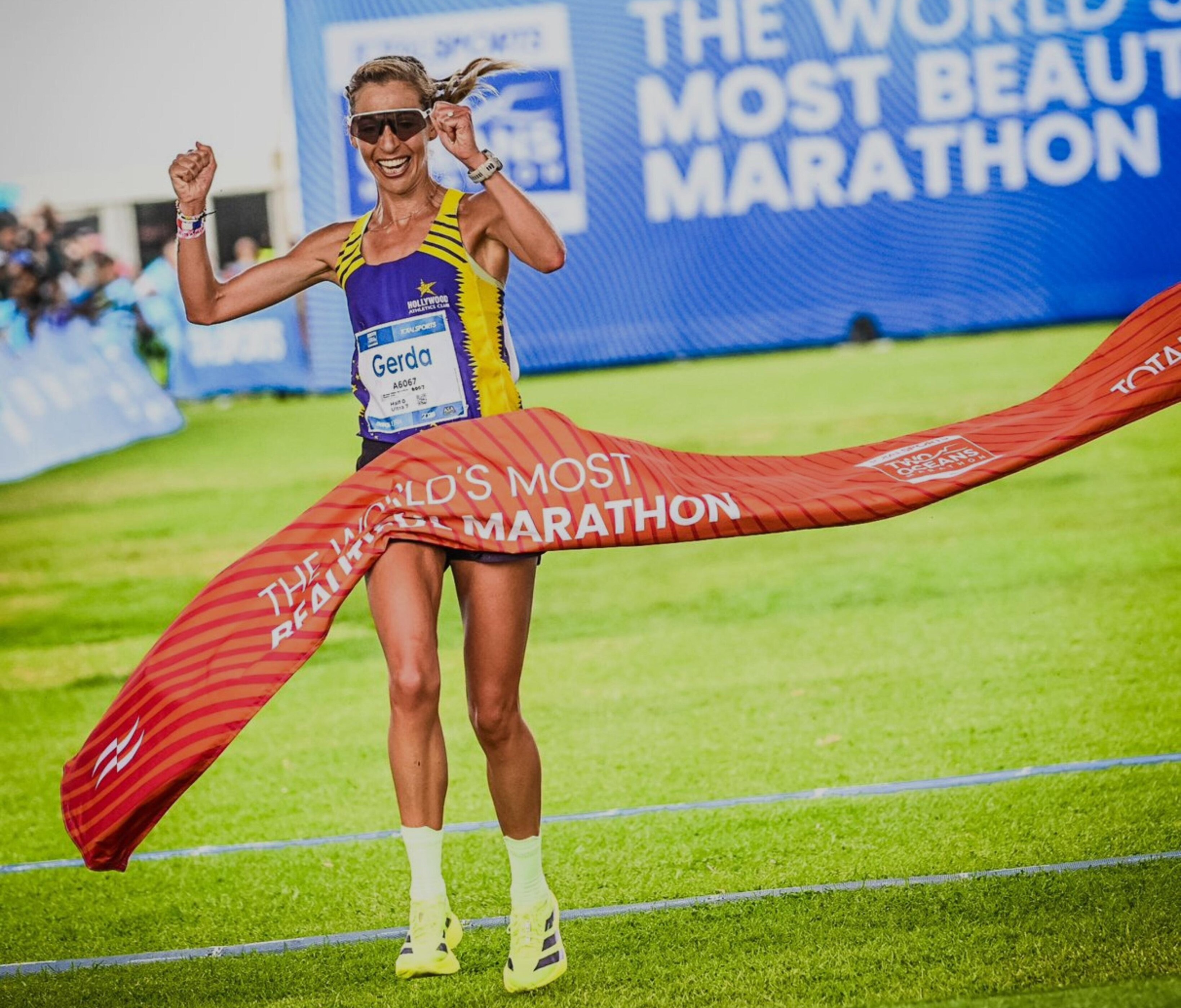
In the women’s competition, South Africa’s Gerda Steyn thrilled the home crowd with a commanding victory, crossing the finish line in a superb 3:27:43. Her performance was powerful, controlled, and worthy of the occasion. Yet while Steyn claimed the crown, Kenya’s presence across the leaderboard was impossible to ignore.
Margaret Jepchumba produced a magnificent run to secure second place in 3:31:31, leading a remarkable Kenyan surge in one of the strongest collective displays of the day. Nobukhosi Tshuma finished third in 3:38:34, Shelmith Muriuki followed with a determined fourth-place finish in 3:39:14, while Rholex Jelimo added another top performance in fifth with 3:40:38. Mildred Chepkemei completed the outstanding team effort by taking sixth in 3:42:42.
To place four athletes inside the top six of a world-class ultra-marathon is no ordinary achievement. It was a demonstration of depth, discipline, and the enduring strength of Kenyan distance running on the global stage.
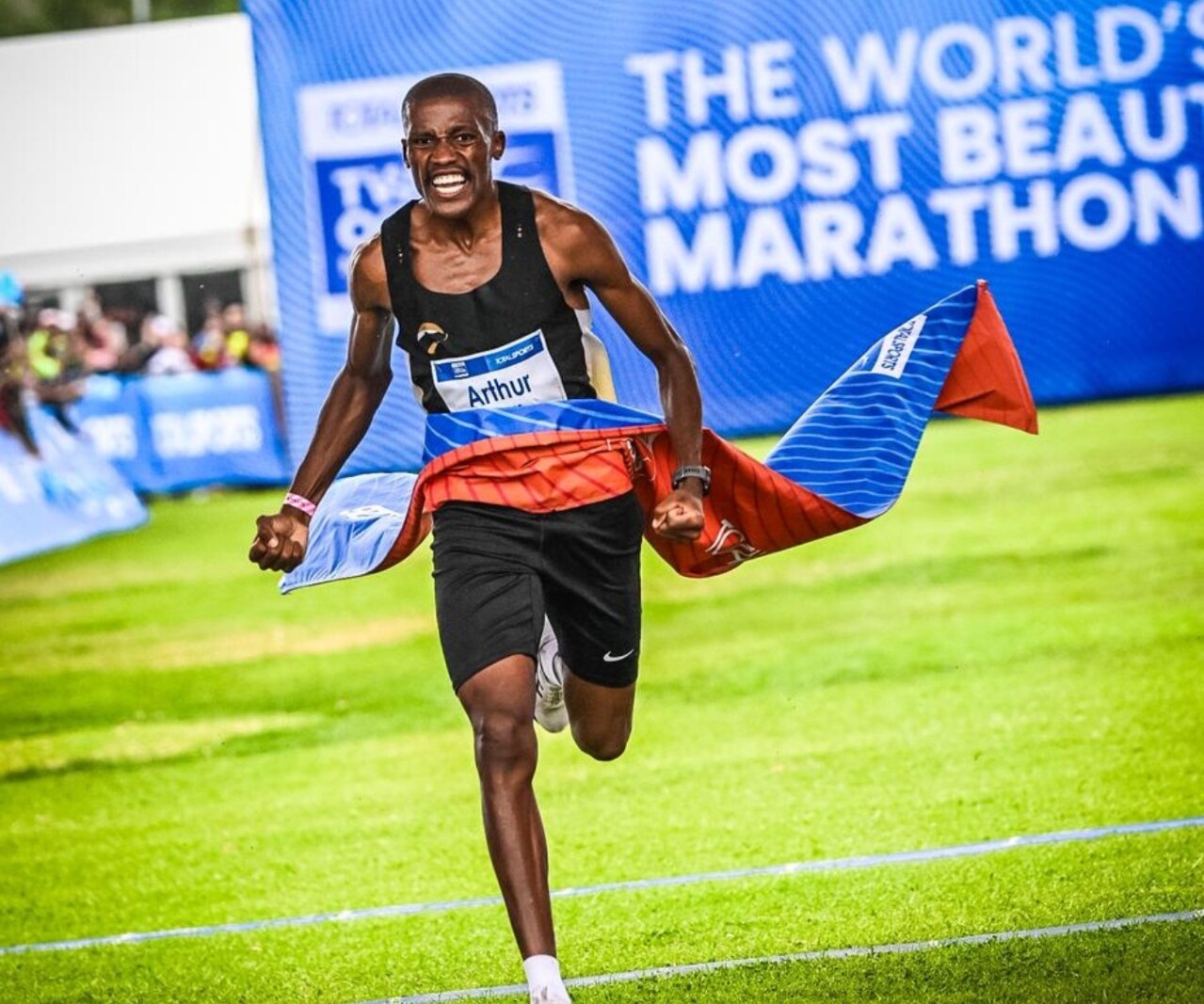
The men’s race carried the same intensity. South Africa’s Arthur Jantjies rose to the moment in front of an energized home crowd, surging to victory in 3:09:25 after a fiercely contested battle. Every second mattered in a race defined by relentless pressure and narrow margins. Onalenna Khonkhobe finished second in 3:10:00 and Blessing Zvikomborero Waison closed the podium in 3:11:13
Kenya was again at the heart of the action through Dennis Kipkosgei, who delivered a courageous and competitive performance to finish fourth in 3:11:29, narrowly missing the podium in one of the closest finishes of the day.
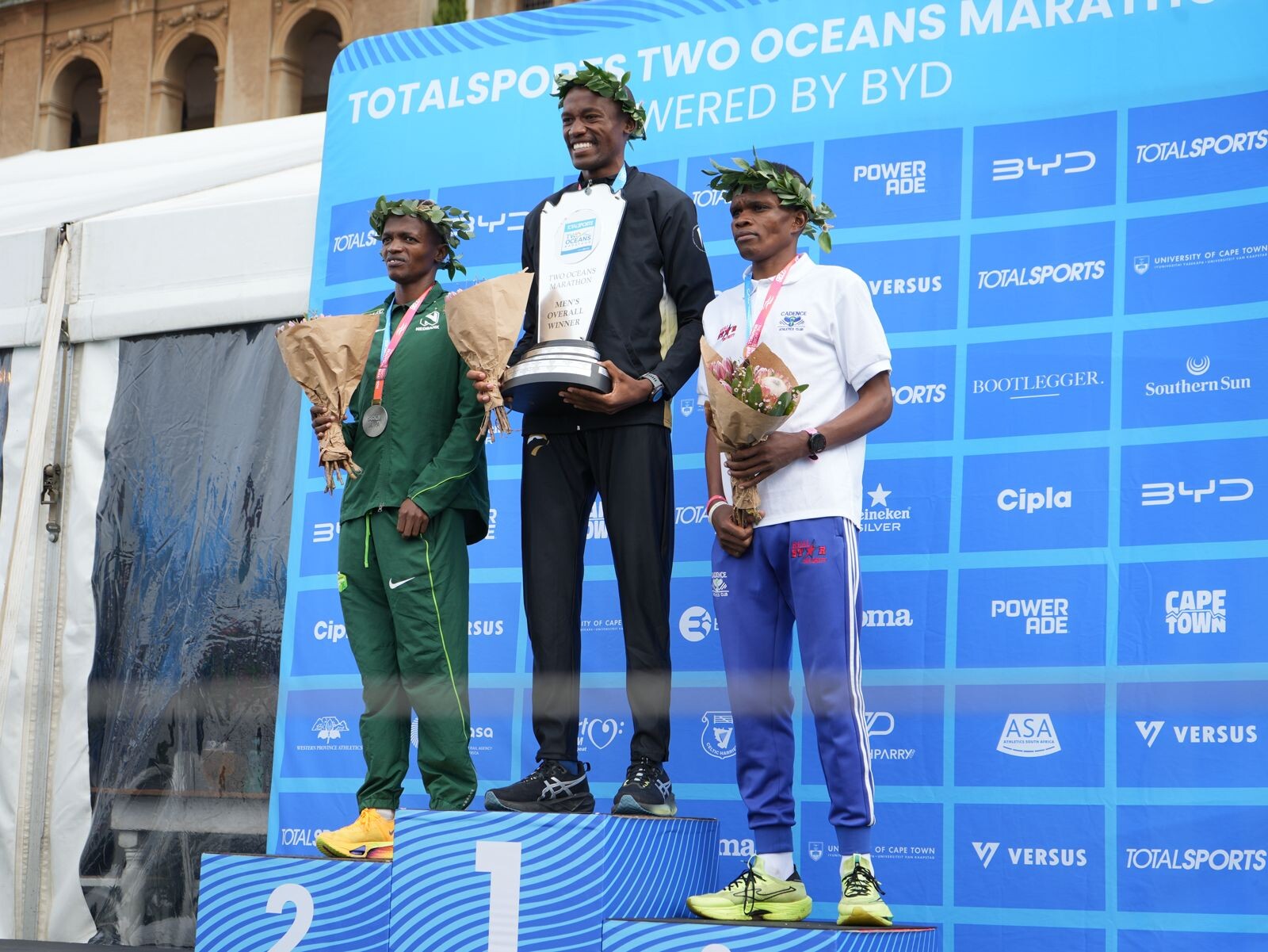
Beyond the results, the Two Oceans Marathon once again reminded the sporting world why it remains such a treasured event. It is a race where beauty meets brutality, where champions are forged through sacrifice, and where the human spirit is measured one stride at a time.
For Kenya, this was more than a day of strong finishes. It was another statement of excellence. No overall title was needed to underline the message. From the women’s leaderboard to the men’s front pack, Kenyan athletes once again proved that when endurance is tested, they remain among the finest in the world.
by Erick Cheruiyot for My Best Runs.
Login to leave a comment

Two Oceans Marathon
Cape Town’s most prestigious race, the 56km Old Mutual Two Oceans Ultra Marathon, takes athletes on a spectacular course around the Cape Peninsula. It is often voted the most breathtaking course in the world. The event is run under the auspices of the IAAF, Athletics South Africa (ASA) and Western Province Athletics (WPA). ...
more...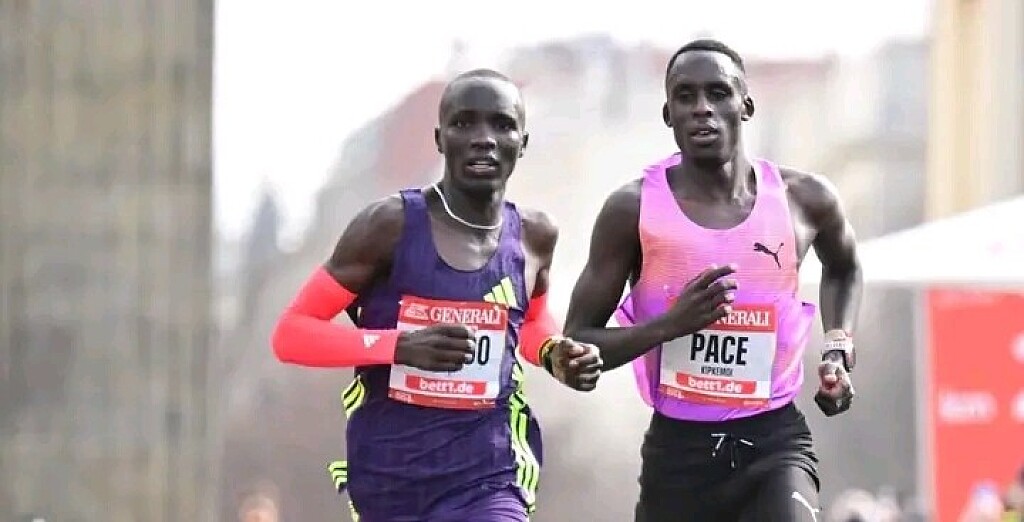
When the Pacemaker Becomes the Contender: Rethinking Roles in Elite Road Racing
In the finely tuned world of elite distance running, pacemakers are often cast as invisible architects—tasked with dictating rhythm, shielding athletes from the wind, and guiding races toward fast times before quietly stepping aside. But every so often, the script is rewritten. At the recent Berlin Half Marathon, Kenyan pacer Dennis Kipkemoi ignited fresh debate after surging beyond his assigned role to finish second, raising a familiar yet fascinating question: are pacers truly allowed to compete?
The answer, grounded in the regulations of World Athletics, is unequivocal. Pacemakers are not outsiders; they are registered athletes, official participants in the race with every right to continue beyond their pacing duties. If they possess the strength, strategy, and ambition to push past the finish line ahead of the field, the rulebook does not stand in their way.
Kipkemoi’s performance may have stirred conversation, but it is far from unprecedented. History offers compelling precedents where pacemakers have stepped out of the shadows and into the spotlight. At the 2000 Berlin Marathon, Simon Biwott famously transitioned from hired pacer to race winner, crafting one of the most remarkable narratives in marathon lore. More recently, Sebastian Sawe delivered a similar twist at the 2022 Seville Half Marathon, proving that the line between support act and star performer is often thinner than it appears.
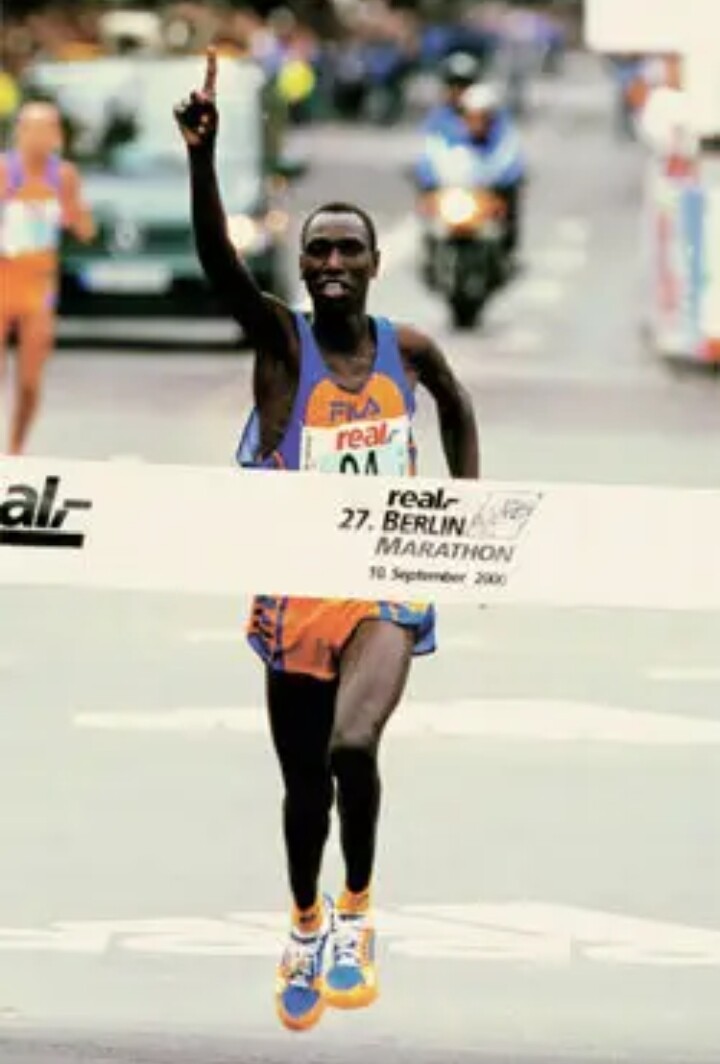
What makes these moments so compelling is the tension they introduce into the race dynamic. Pacemakers are typically expected to sacrifice their own ambitions for the benefit of others, operating with precision and discipline. Yet when one chooses to continue, it challenges traditional expectations and injects an element of unpredictability that enriches the sport. It is not a breach of ethics, but rather a demonstration of competitive instinct—an athlete recognizing opportunity and seizing it.
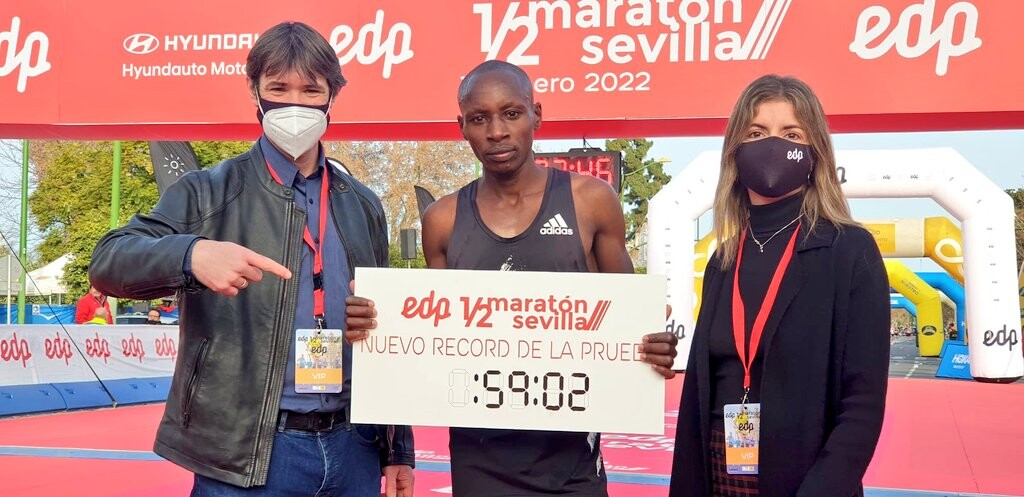
Critics argue that pacers stepping into contention may disrupt the competitive balance, particularly for athletes who rely on them purely as facilitators. But this perspective overlooks a fundamental truth: every athlete on the start line shares the same course, the same conditions, and ultimately, the same right to compete. Once the race unfolds, it belongs to those strong enough to endure it.
Dennis Kipkemoi’s bold finish in Berlin is a reminder that roles in athletics are not always fixed. The pacemaker, often unseen and underappreciated, can become a protagonist in their own right. And as long as the rules remain as they are, such moments will continue to surface—blurring boundaries, sparking debate, and adding yet another layer of intrigue to the ever-evolving theatre of distance running.
by Erick Cheruiyot for My Best Runs.
Login to leave a comment
When the Pacemaker Becomes the Story: Blurring the Line Between Duty and Glory in Berlin
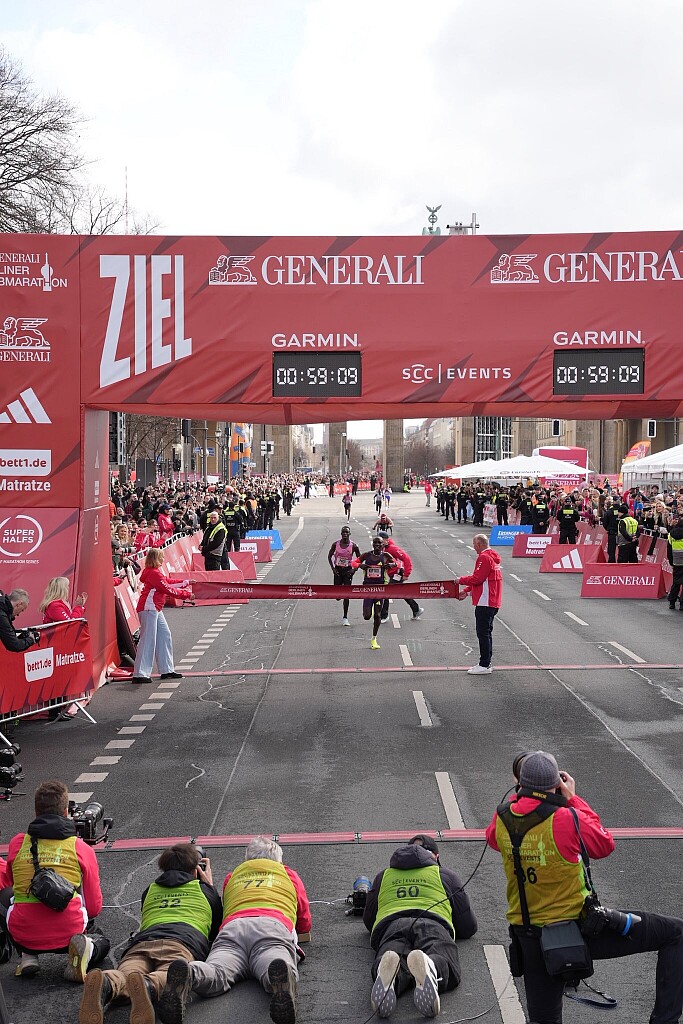
The 2026 Generali Berlin Half Marathon delivered its usual spectacle of speed, precision, and world-class endurance—but amid the surging pack and the clock-chasing elites, it was an unexpected narrative that captured the imagination of fans and insiders alike. Not the winner’s triumph alone, but the presence of a pacemaker who refused to fade quietly into the background.
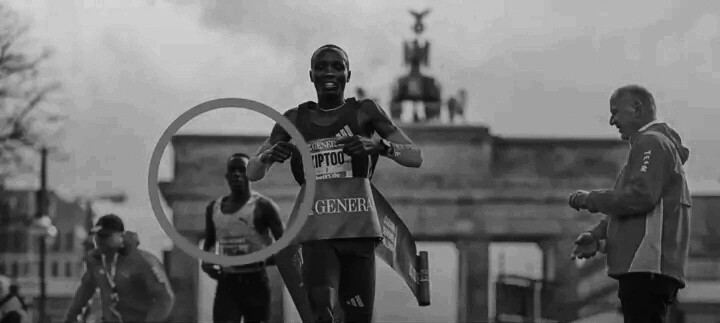
Kenya’s Dennis Kipkemoi arrived in Berlin with a clearly defined assignment: set the tempo, guide the field through the early and middle stages, and then step aside once his role had been fulfilled. It is a task often executed with clinical discipline, invisible yet essential to fast times and record-breaking performances. But on this occasion, Kipkemoi did more than just set the pace—he endured.
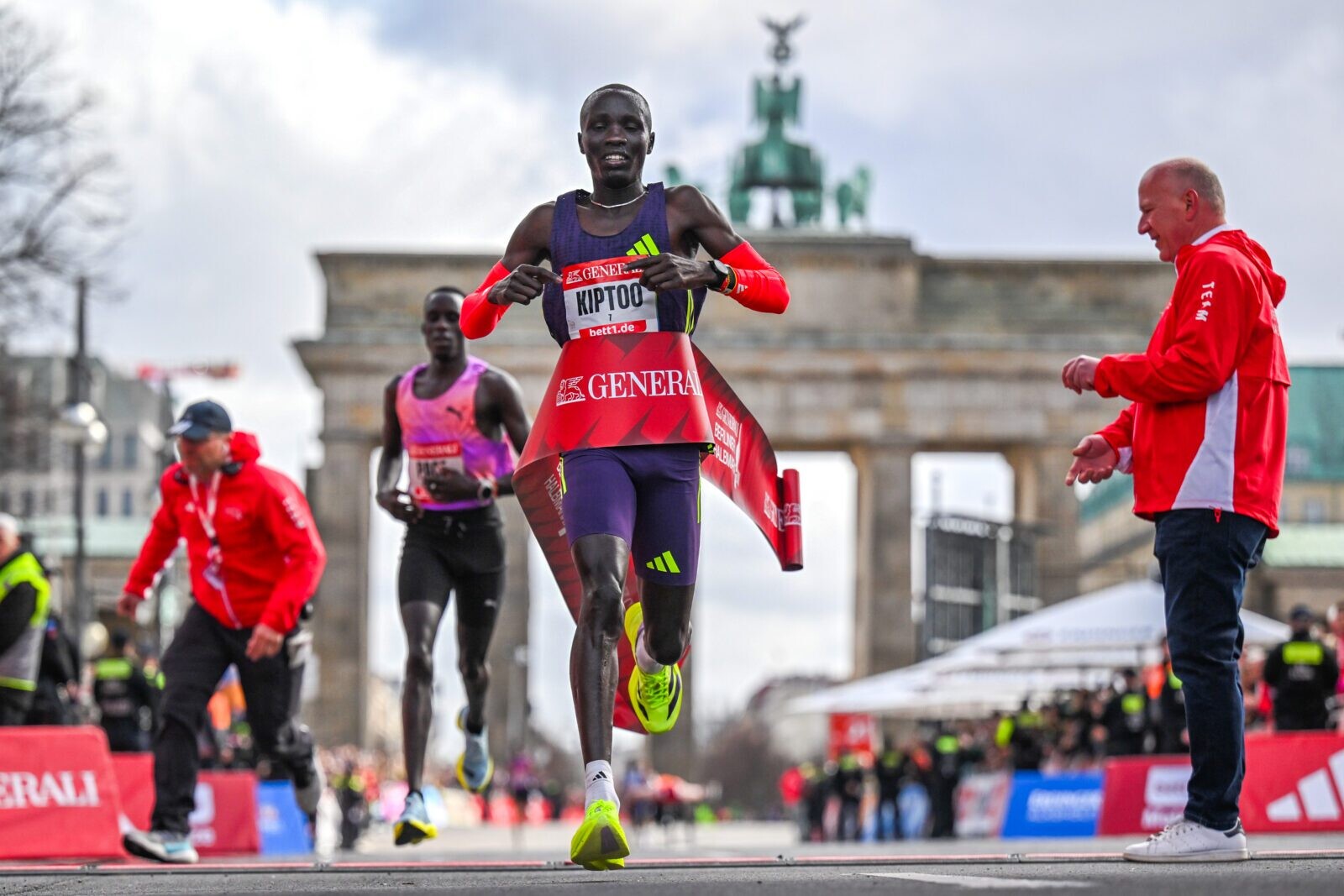
Stride for stride, kilometre after kilometre, he remained locked in with the leading group, matching the rhythm and intensity of the race as it unfolded. As the finish line approached, what was meant to be a supporting role had evolved into something far more compelling. Kipkemoi crossed the line alongside the eventual winner, Andrea Kiptoo, both men clocking 59:11 in a moment that blurred the boundaries between orchestrator and competitor.
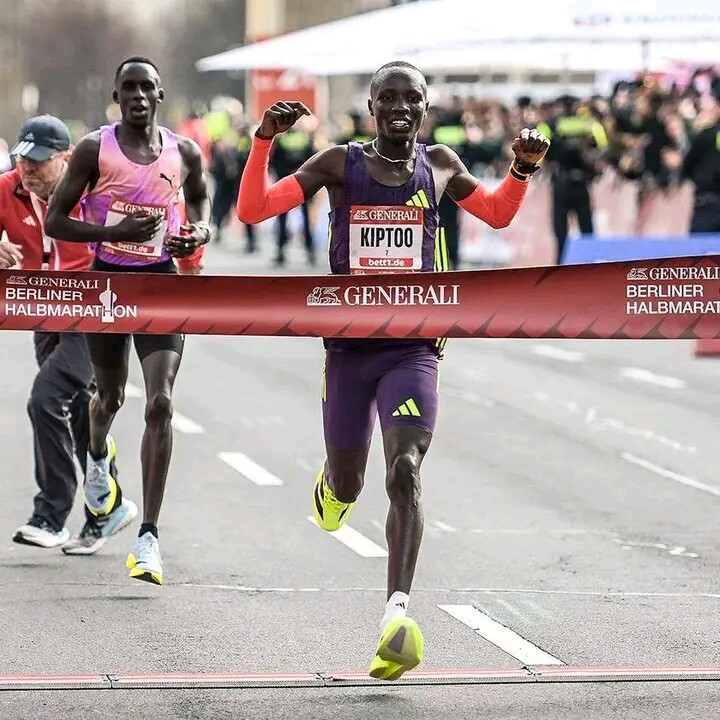
Yet, in a subtle but telling gesture, Kipkemoi reportedly eased off in the final metres—an unspoken acknowledgment of his designated role. It was not a collapse, nor a tactical defeat, but rather a decision rooted in the unwritten code of pacing. Even in strength, he chose restraint.
This rare scenario reignites a long-standing debate within distance running. When a pacemaker finds himself not only capable but competitive, should he be permitted to race? Or does the integrity of the role demand strict adherence, regardless of how the body feels on the day?
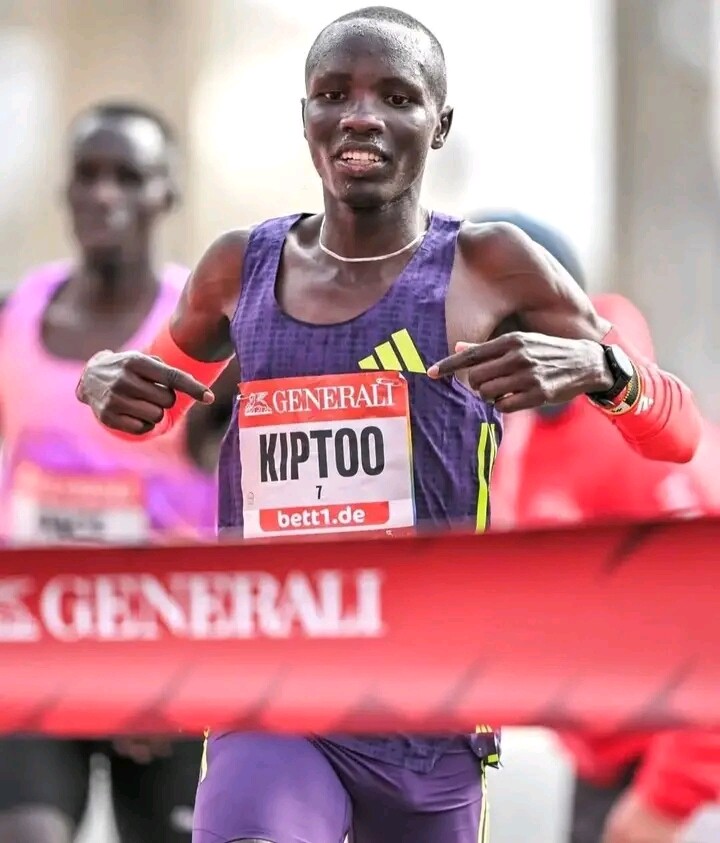
Pacemakers are, after all, elite athletes in their own right. Many possess the fitness and tactical awareness to contend at the highest level. History has shown us glimpses of this crossover—moments when the line between helper and contender dissolves under the pressure of performance. But such instances raise important questions about fairness, race dynamics, and the spirit of competition.
Allowing pacemakers to transition into full competitors could fundamentally alter race strategies. Teams might deploy them not just as tempo-setters, but as concealed contenders—an evolution that could complicate the purity of head-to-head racing. On the other hand, denying a capable athlete the opportunity to compete, especially when they have earned their place through sheer strength, feels equally contentious.
What made Kipkemoi’s performance in Berlin so compelling was not just his physical execution, but the discipline behind it. He ran with remarkable fluency, his stride relaxed, his form efficient—a display suggesting that, under different circumstances, he might well have dipped under the elusive 58-minute barrier.
In the end, his run was both a contribution and a statement. It reminded us that pacemakers are not merely facilitators of greatness—they are, in many cases, greatness in waiting.
So where do we draw the line?
Are pacemakers simply part of the race’s architecture, tasked with shaping outcomes from the shadows? Or are they athletes entitled to seize the moment when opportunity presents itself?
Berlin did not give us a definitive answer. Instead, it offered something far more valuable—a moment of reflection, and a reminder that in distance running, even the roles we think we understand can evolve in the most unexpected ways.
by Erick Cheruiyot for My Best Runs.
Login to leave a comment

Berlin Half Marathon
The story of the Berlin Half Marathon reflects a major part of the history of the German capital. It all began during cold war times and continued during reunification. The events leading up to today's event could really only have happened in this city. Its predecessors came from East- and West Berlin. On 29th November 1981 the Lichtenberg Marathon was...
more...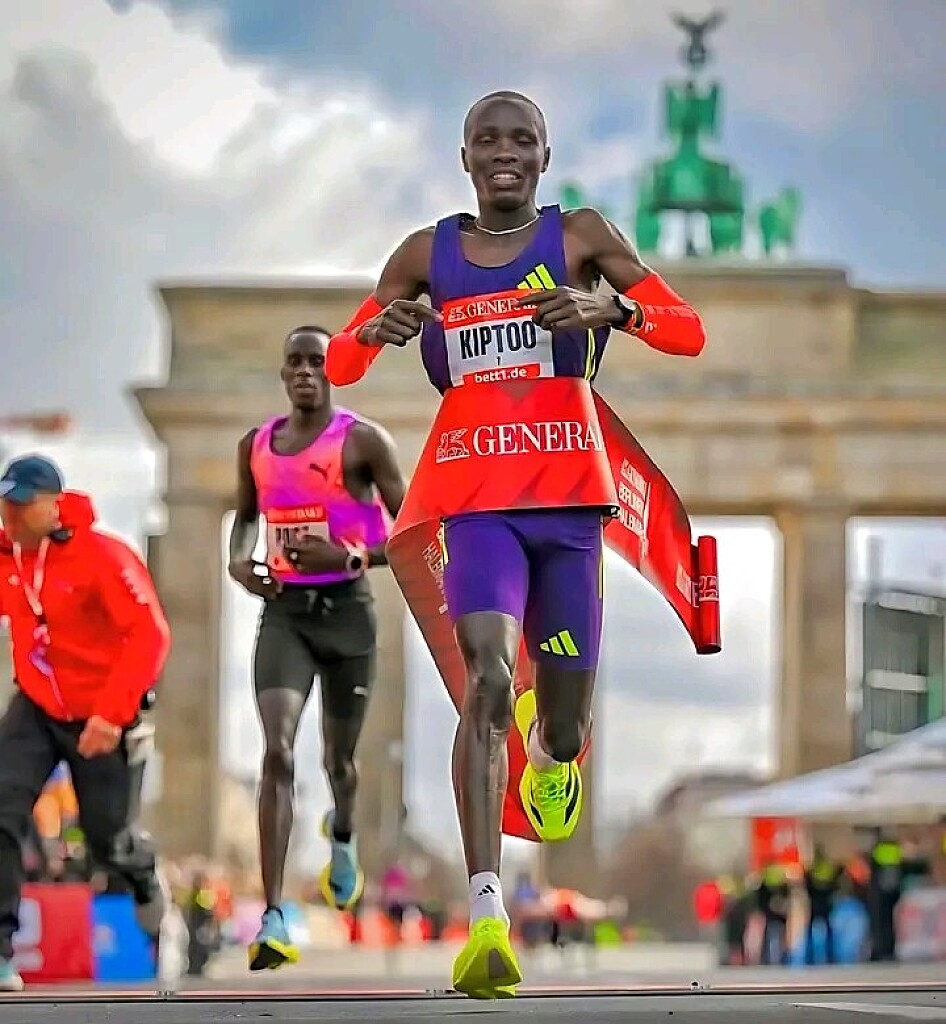
Sub-60 Fireworks Light Up Berlin as Kiptoo Edges Thriller and Amebaw Shines in Commanding Victory
The streets of Berlin witnessed a breathtaking exhibition of endurance and precision as the 2026 Berlin Half Marathon delivered one of the fastest and most competitive editions in recent memory. Bringing together more than 43,000 athletes from 134 nations—including a stellar lineup of world-class competitors—the race stood as a true global celebration of distance running at its highest level. In a contest defined by relentless pace and razor-thin margins, the men’s race produced a historic sub-60 double, while the women’s field showcased a masterclass of control and strength.

In the men’s race, Andrea Kiptoo of Kenya emerged victorious in a dramatic sprint finish, clocking a sensational 59:11 personal best. In a rare and electrifying moment, he was matched stride-for-stride by compatriot Dennis Kipkemoi, who crossed the line in the exact same time—also a personal best—settling for second place only by the narrowest of margins. The duo’s performance underlined Kenya’s continued dominance, as both men dipped under the prestigious 60-minute barrier.
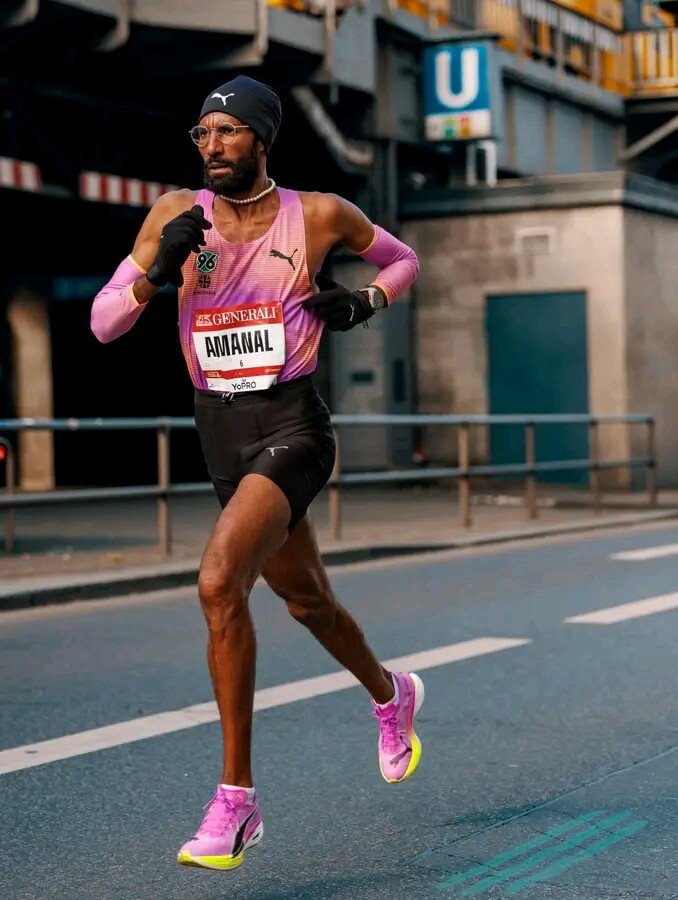
Germany’s Amanal Petros delivered a performance of immense national pride, claiming third place in 59:22, setting a new national record. Roared on by the home crowd, Petros not only secured a podium finish but etched his name deeper into German athletics history with a landmark run.
Just off the podium, South Sudan’s Dominic Lobalu impressed with a swift 59:23, while France’s Etienne Daguinos (59:27) and Ethiopia’s Bereket Nega (59:43) ensured the race remained fiercely competitive deep into the top ten.

On the women’s side, Ethiopia’s Likina Amebaw produced a composed and commanding run to take the win in 1:05:07, asserting her authority with a decisive move that left the field chasing. Behind her, Kenya’s Daisilah Jerono delivered a strong performance to secure second place in 1:05:21, a well-earned personal best that highlighted her rising trajectory.
Completing the podium was another Kenyan, Veronica Loleo, who clocked 1:05:35, also a personal best, sealing a double podium finish for Kenya in the women’s race. The trio set a high standard, combining tactical awareness with impressive finishing strength.
Further down the field, Rwanda’s Florence Niyonkuru (1:07:22) and Germany’s Esther Pfeiffer (1:07:25) led the chase pack, while Belgium’s Chloé Herbiet and Germany’s Eva Dieterich added depth to a high-quality top ten.
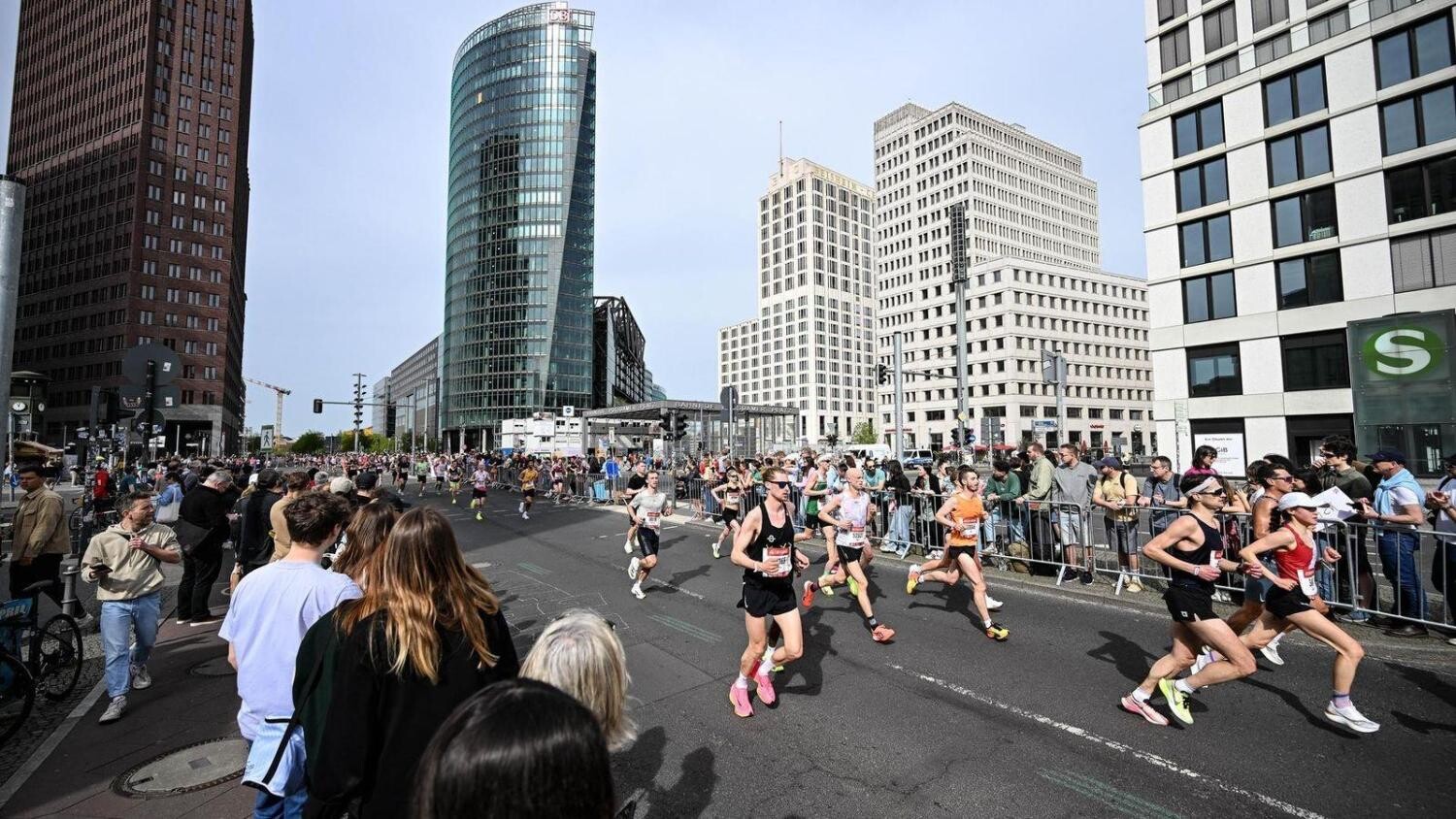
Top 10 Finishers
Men
1. Andrea Kiptoo (Kenya) – 59:11 (PB)
2. Dennis Kipkemoi (Kenya) – 59:11 (PB)
3. Amanal Petros (Germany) – 59:22 (NR)
4. Dominic Lobalu (South Sudan) – 59:23
5. Etienne Daguinos (France) – 59:27
6. Bereket Nega (Ethiopia) – 59:43
7. Robert Kiprop Koech (Kenya) – 59:51
8. Bastien Augusto (France) – 1:00:09
9. Célestin Ndikumana (Burundi) – 1:00:23
10. Said Mechaal (Spain) – 1:00:24
Women
1. Likina Amebaw (Ethiopia) – 1:05:07
2. Daisilah Jerono (Kenya) – 1:05:21 (PB)
3. Veronica Loleo (Kenya) – 1:05:35 (PB)
4. Florence Niyonkuru (Rwanda) – 1:07:22
5. Esther Pfeiffer (Germany) – 1:07:25
6. Chloé Herbiet (Belgium) – 1:07:32
7. Eva Dieterich (Germany) – 1:07:56
8. Carla Gallardo (Spain) – 1:08:30
9 Domenika Mayer (Germany) – 1:08:35
10. Elvanie Nimbona (Italy) – 1:08:38
As Berlin celebrates another remarkable chapter in its rich racing history, this edition will be remembered for its extraordinary scale, depth, and brilliance. From a global field of over 43,000 runners representing 134 nations to the elite athletes pushing the boundaries of human performance, the event embodied the unifying spirit of sport. In the end, it was not just about times and titles, but about the shared passion that binds the world through running—where every stride tells a story, and every finish line becomes a moment of triumph.
by Erick Cheruiyot for My Best Runs.
Login to leave a comment
Berlin Half Marathon
The story of the Berlin Half Marathon reflects a major part of the history of the German capital. It all began during cold war times and continued during reunification. The events leading up to today's event could really only have happened in this city. Its predecessors came from East- and West Berlin. On 29th November 1981 the Lichtenberg Marathon was...
more...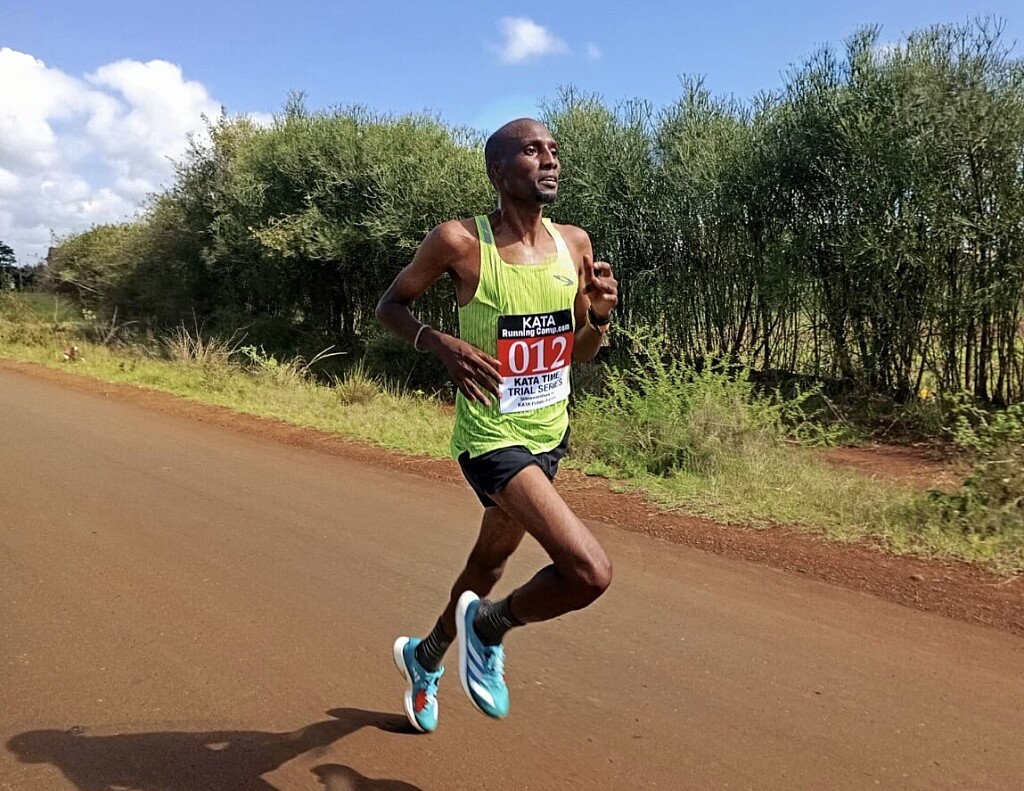
Under Warm and Humid Skies, Athletes Deliver Strong Performances at the 54th KATA Time Trial
The familiar stretch of tarmac in Thika, running alongside the Kenyan Athletics Training Academy (KATA), once again came alive as athletes gathered for the 54th edition of the KATA Time Trial, a session defined by quiet determination, controlled pacing, and purposeful competition. Under mostly sunny skies, the morning carried a noticeable layer of warmth and humidity, conditions that subtly tested the discipline and race management of every runner who lined up across the 5km and 10km distances.
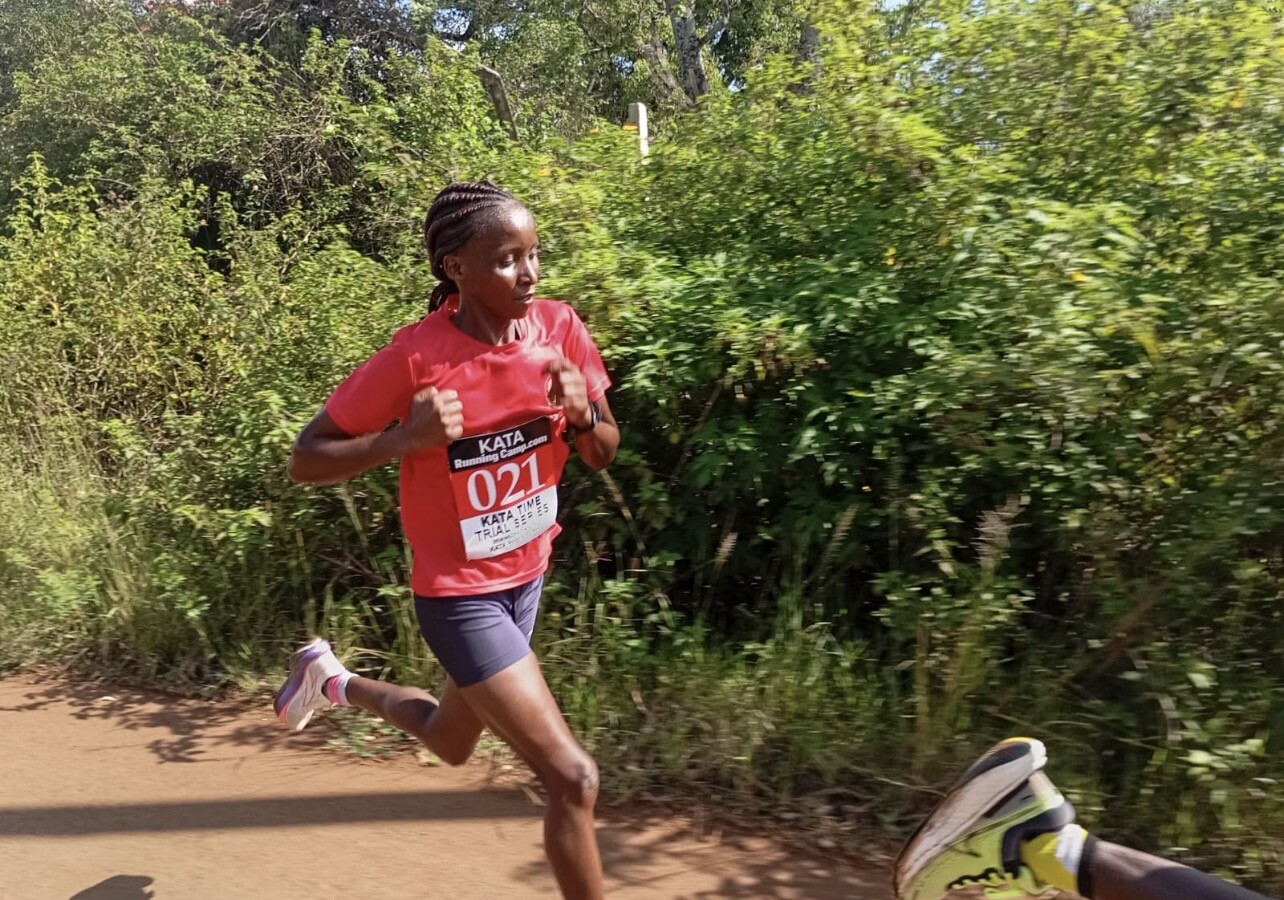
From the outset, the atmosphere demanded patience. The combination of heat and humidity meant that athletes had to measure their effort carefully, balancing ambition with composure as they navigated the now-familiar loop. Yet such conditions have always been part of the character of the KATA time trials — a training ground where athletes refine not only their speed but also their judgment, learning to listen to their bodies while maintaining rhythm through every stride.
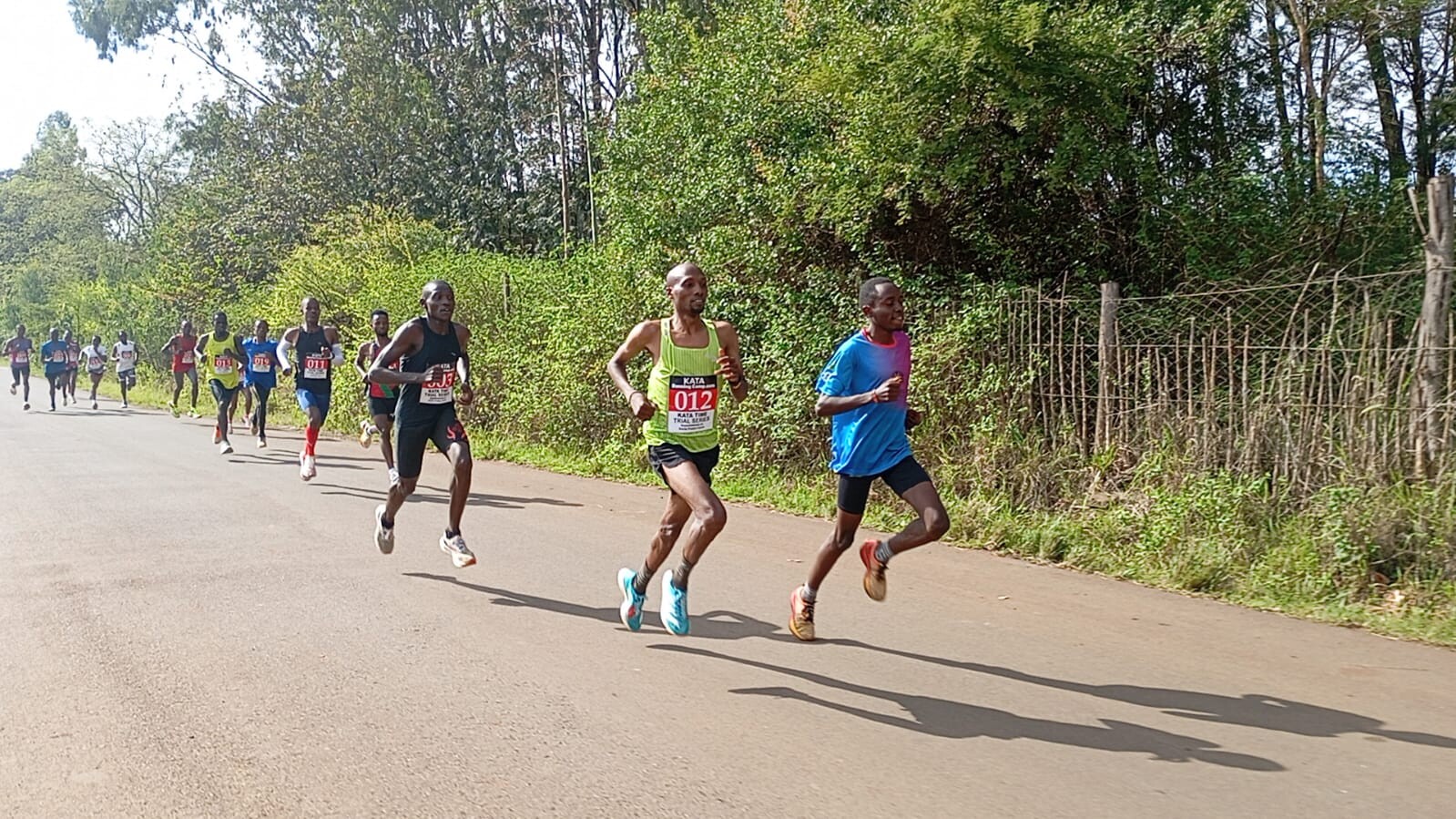
In the women’s 5km race, Naomi Wambui produced a confident and well-controlled performance to claim victory in 18:21. Running with composure from the early stages, Wambui settled into a steady rhythm and maintained her form despite the rising warmth. Her stride remained relaxed through the middle stages before she closed strongly, delivering a performance that reflected both experience and control. Felister Mbatha followed in 22:21, showing determination and steady effort throughout the course as she secured second place.
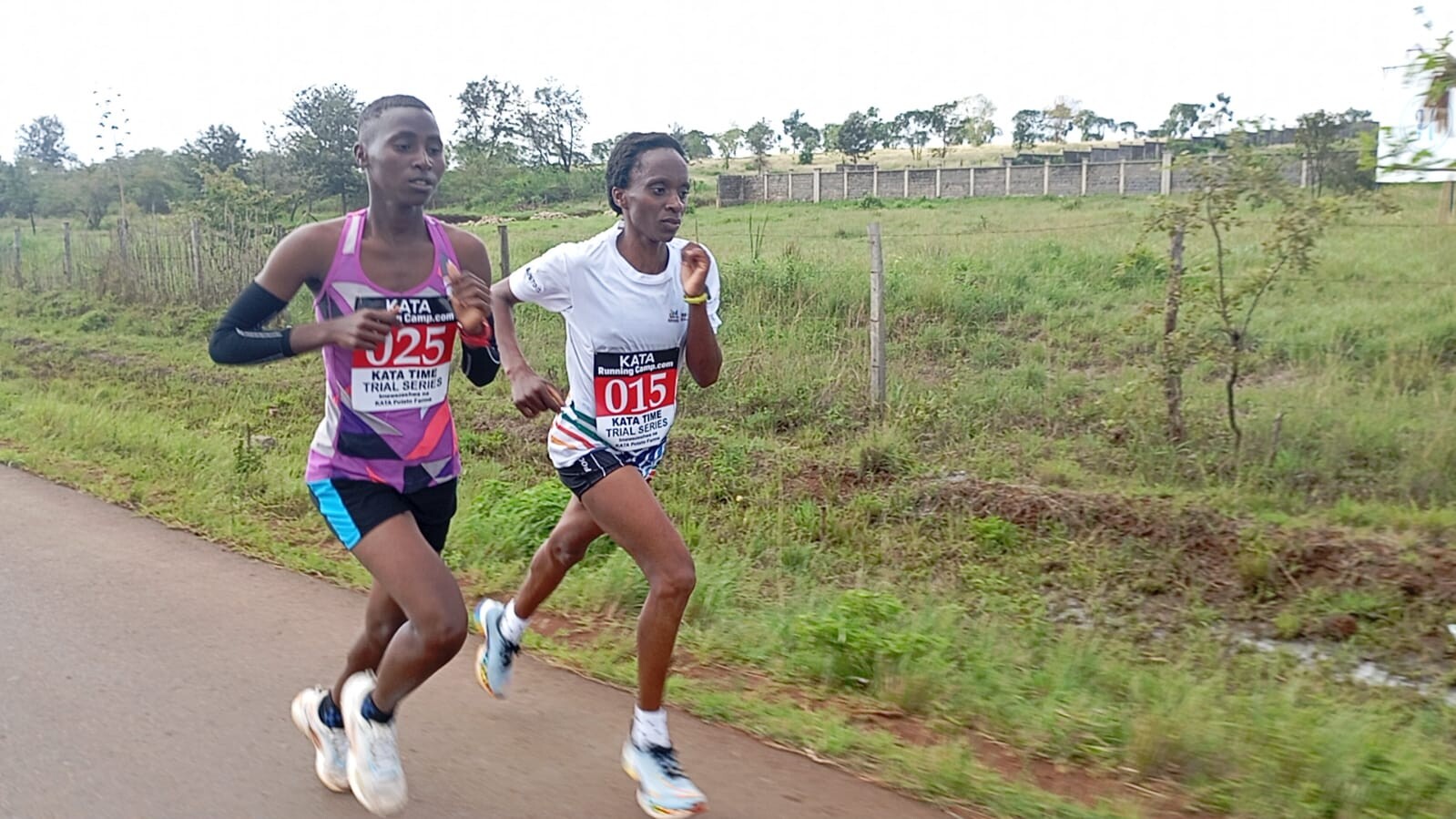
The men’s 5km brought an energetic display from Francis Maina, who ran decisively to take the win in 16:46. His race was defined by an assertive tempo and efficient cadence that allowed him to maintain momentum from start to finish.
Just behind him, the enduring Dennis Musau reminded everyone that experience is sometimes the most valuable training partner. Clocking 19:46, the veteran moved through the course with the calm rhythm of someone who has seen many race mornings come and go. While the younger runners pushed hard up front, Musau seemed to glide along with a knowing smile, almost as if he was quietly reminding them that endurance running is not only about speed — it’s also about patience, wisdom, and the occasional ability to make it look easier than it really is. His performance added a light and enjoyable touch to the race, proving that the sport always has room for both youthful fire and seasoned composure.
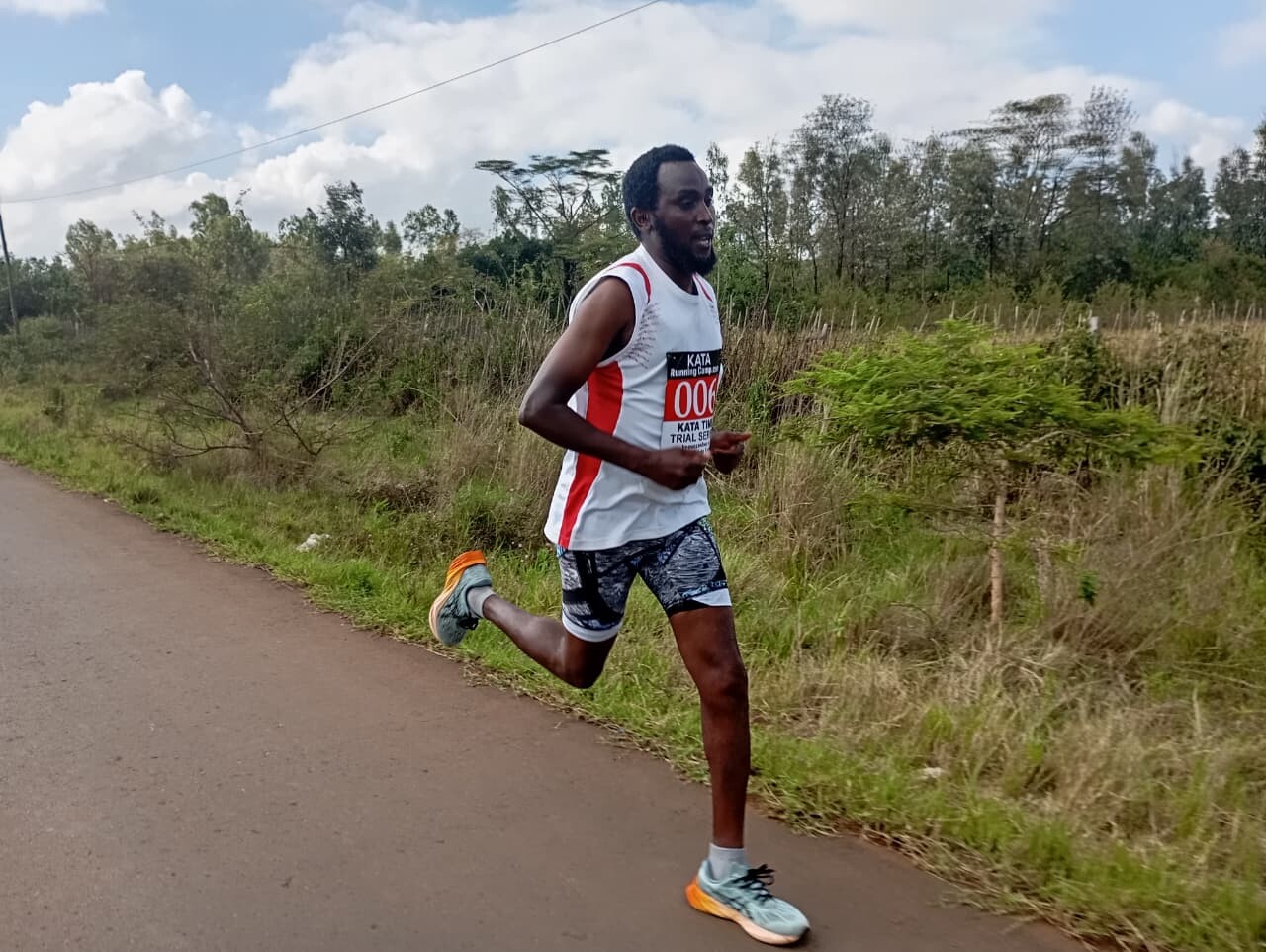
As attention shifted to the longer distance, the 10km races demanded greater endurance and discipline. In the women’s contest, Kellen Waithera delivered one of the most composed performances of the morning, crossing the finish line in 34:58. Her run was marked by consistency and intelligent pacing, holding a steady tempo across each kilometer despite the humidity that hung in the air. Regina Sandiki followed with a determined 36:57, maintaining her rhythm and finishing strongly to secure second place.
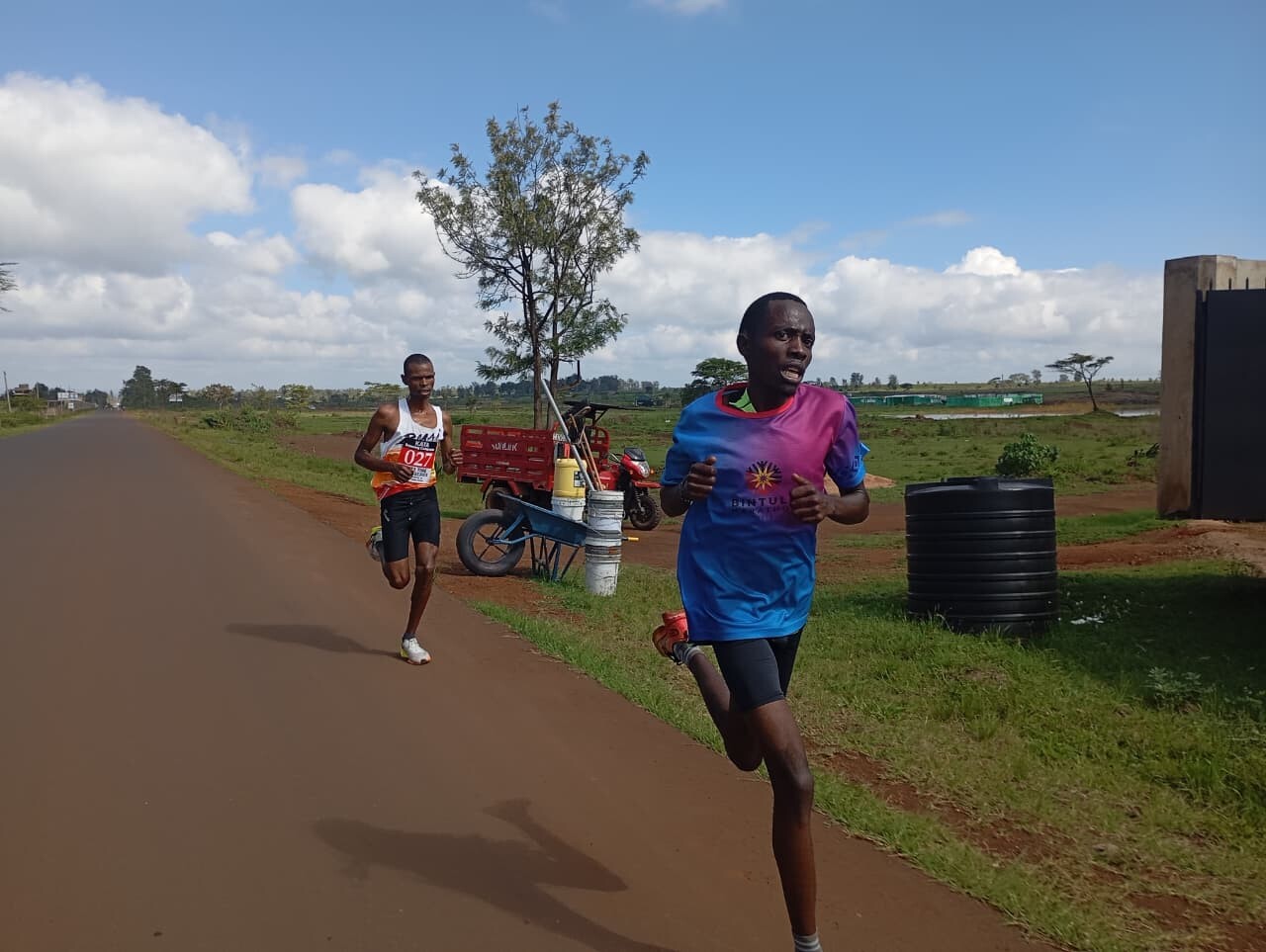
The men’s 10km proved to be the deepest and most competitive event of the day. Bernard Musau set the benchmark with a commanding 29:24, establishing control early before sustaining a strong and balanced pace through the final kilometers. His performance stood as the fastest of the morning and highlighted impressive endurance on the demanding course. Close behind, Kelvin Nganga finished in 29:41, while John Kuria completed the top three in 29:46, underlining the competitiveness at the front of the field.
Further down the standings, strong performances continued to emerge as athletes maintained disciplined pacing despite the warm and slightly humid conditions. Bernard Waweru crossed in 30:38, followed by Erick Cheruiyot in 31:07 and Charles Wanjora in 31:29. A deep field continued through the results, with determined efforts from Joel Maina, Joseph Makeri, Joseph Nyota, Justus Wambua, Vincent Kiprotich, Paul Nganga, and veteran runner Charles Ndirangu, whose resilience over the distance added another layer of inspiration to the morning’s competition.
Results
Women 5km
1. Naomi Wambui — Age 41 — Bib 15 — 18:21
2. Felister Mbatha — Age 19 — Bib 26 — 22:21
Men 5km
1. Francis Maina — Age 19 — Bib 19 — 16:46
2. Dennis Musau — Age 43 — Bib 06 — 19:46
Women 10km
1. Kellen Waithera — Age 39 — Bib 21 — 34:58
2. Regina Sandiki — Age 19 — Bib 25 — 36:57
Men 10km
1. Bernard Musau — Age 30 — Bib 12 — 29:24
2. Kelvin Nganga — Age 24 — Bib 02 — 29:41
3. John Kuria — Age 30 — Bib 27 — 29:46
4. Bernard Waweru — Age 40 — Bib 01 — 30:38
5. Erick Cheruiyot — Age 30 — Bib 28 — 31:07
6. Charles Wanjora — Age 24 — Bib 03 — 31:29
7. Joel Maina — Age 43 — Bib 20 — 31:36
8. Joseph Makeri — Age 41 — Bib 14 — 32:51
9. Joseph Nyota — Age 20 — Bib 11 — 33:11
10. Justus Wambua — Age 18 — Bib 09 — 33:22
11. Vincent Kiprotich — Age 24 — Bib 13 — 34:56
12. Paul Nganga — Age 43 — Bib 29 — 34:57
13. Charles Ndirangu — Age 64 — Bib 23 — 38:02
As the final runners crossed the line and the morning warmth lingered over the Thika tarmac, the 54th KATA Time Trial once again revealed what makes these sessions special. Beyond the stopwatch and finishing order lies a culture built on discipline, growth, and shared purpose. Here, young athletes chase new limits while experienced runners quietly remind them that progress is a long road. With every stride, every split, and every edition, the KATA time trials continue to shape not just stronger runners, but a community bound together by the simple, enduring rhythm of the run.
by Erick Cheruiyot for My Best Runs.
Login to leave a comment
KATA Time Trial Series
Welcome to the KATA Monthly Time Trial Held at the Kenyan Athletics Training Academy in Thika, Kenya, the KATA Monthly Time Trial is a unique and inclusive event designed to support runners of all levels in achieving their goals and showcasing their fitness. This event offers both 10K and 5K distances on an accurate, certified course, providing participants with...
more...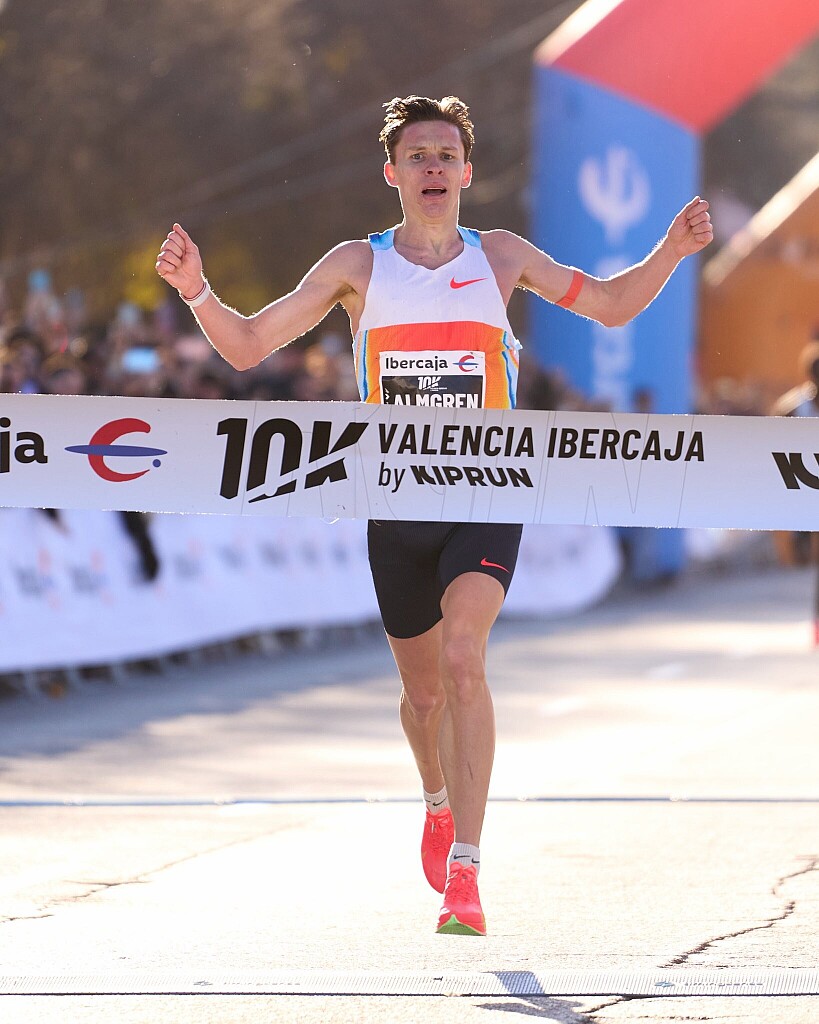
10K Facsa Castelló: Is a World Record Within Reach for Andreas Almgren?
On Sunday, February 22, 2026, the streets of Castelló, Spain, could become the stage for something extraordinary. Sweden’s distance sensation Andreas Almgren is set to attack the 10-kilometre distance once again — and this time, the target is nothing short of historic. Reports suggest he will be chasing a time under 26:40, a mark that edges dangerously close to global supremacy.
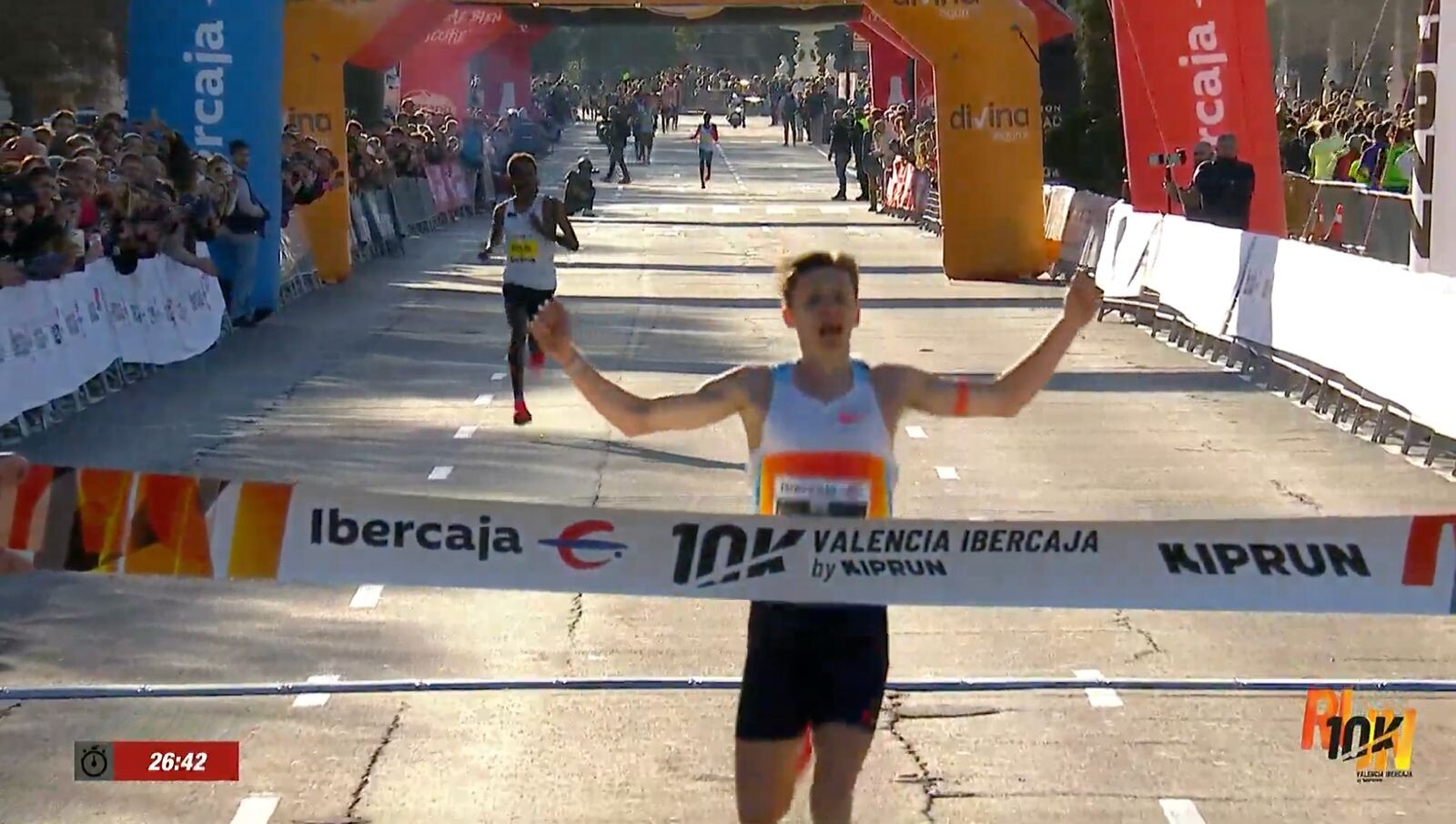
Almgren arrives in Castelló carrying the weight of momentum and the confidence of an athlete operating at the very peak of his powers. Earlier this January in Valencia, he shattered his own European 10km record, clocking a breathtaking 26:45. That performance was not an isolated flash of brilliance; it was another link in an impressive chain of continental records he has forged in recent seasons.
His résumé now reads like a masterclass in modern distance running. A blistering 12:44 for 5km. A commanding 26:45 for 10km. A superb 58:41 in the half marathon. Each mark underlines not only speed, but also remarkable strength and endurance — the rare blend required to flirt with world-record territory.
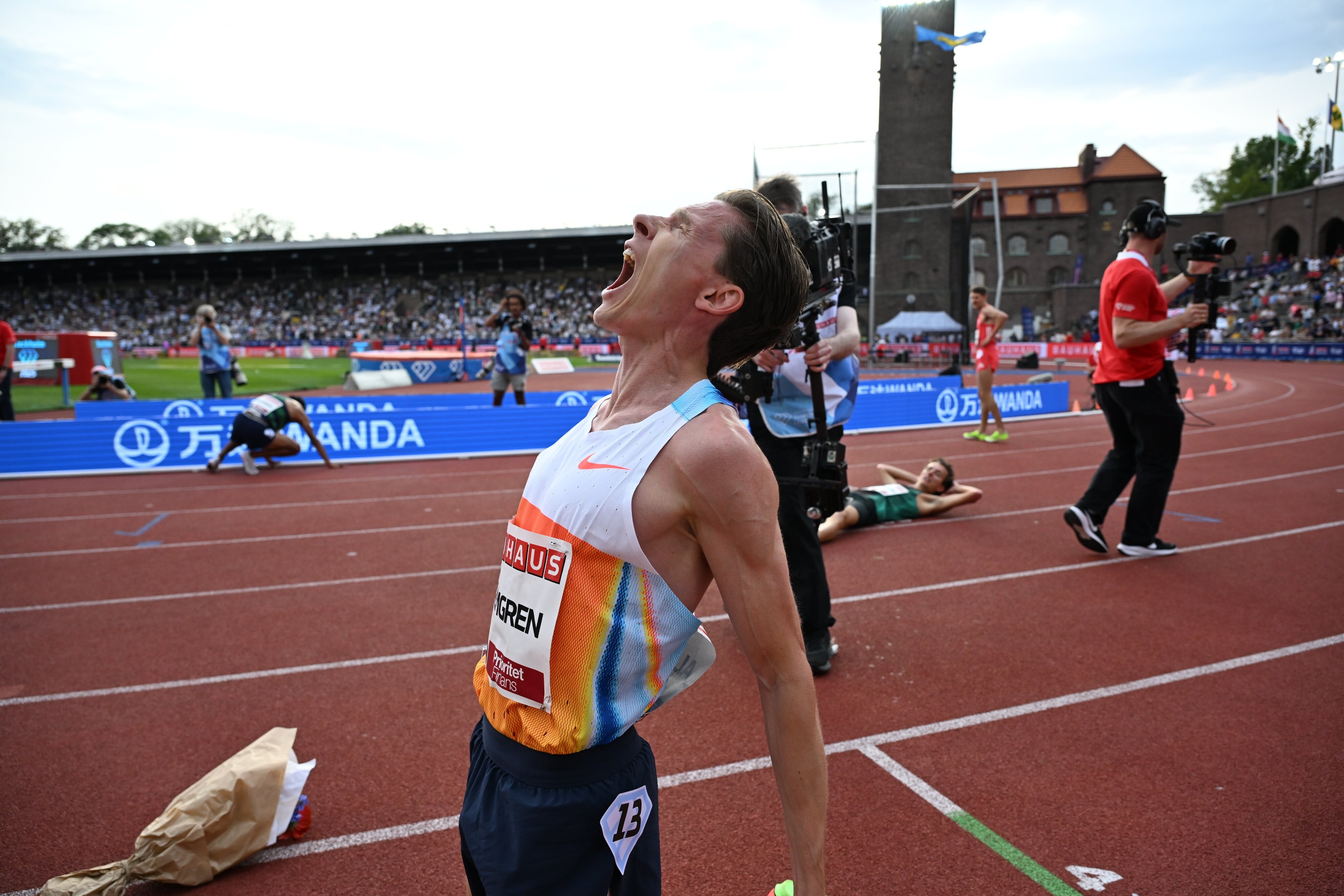
What makes Almgren especially dangerous is his fearless front-running style. He does not wait. He dictates. He stretches the field, dares others to follow, and often runs alone against the clock. Yet even for an athlete of his calibre, raw courage will not suffice on Sunday. To dip under 26:40, precision pacing will be critical. The margin for error at such velocity is razor-thin, and the assistance of disciplined pacemakers could determine whether this becomes a fast race — or a truly historic one.
Castelló is known for producing rapid times, and conditions permitting, the course may offer the perfect arena for Almgren’s bold ambitions. If the early kilometres are controlled and the rhythm sustained deep into the race, we could witness a performance that redefines European excellence and edges into global legend.
Elite contenders from Ethiopia, Kenya, France, Norway, Germany, Australia, Eritrea, Switzerland, Chile, and Ireland converge on a course engineered for velocity. With ideal winter conditions forecast and a layout designed to reward rhythm and boldness, the tempo is expected to be unrelenting from the opening stride. Tactical discipline, calibrated pacing, and uncompromising endurance will determine who survives the inevitable surge.
Elite Men’s Start List – 10K Facsa Castellón 2026
Andreas Almgren (Sweden) – 26:45 AR
Kuma Girma (Ethiopia) – 26:58
Jack Rayner (Australia) – 27:09.57
Victor Kipruto (Kenya) – 27:10
Yann Schrub (France) – 27:20
Dawit Seare Berhanyukun (Eritrea) – 27:21
Magnus Tuv Myhre (Norway) – 27:22
Dennis Mutuku (Kenya) – 27:22.89
Zerei Kbrom Mzengi (Norway) – 27:39
Morgan Le Guen (Switzerland) – 27:42
Filimon Abraham (Germany) – 27:48.82
Bereket Nega Batebo (Ethiopia) – 27:49
Carlos Díaz (Chile) – 27:58.97
Simon Boch (Germany) – 28:01
Cormac Dalton (Ireland) – 28:03
A global convergence of speed and ambition awaits in Castelló — a morning where world-class credentials meet one of Europe’s fastest 10K stages, and where the line between continental dominance and world-record territory may grow perilously thin.
World record? Perhaps. Something astonishingly close? Almost certainly.
One thing is undeniable: Andreas Almgren is not merely chasing times — he is chasing history. And on Sunday, the clock will have to be ready.
by Erick Cheruiyot for My Best Runs.
Login to leave a comment

10k Facsa Castello
The 10K FACSA Castelló is one of Spain’s fastest and most prestigious road races, drawing elite and amateur runners from around the world. Held in Castellón de la Plana, this race has grown exponentially, earning a reputation for its flat, high-speed course and exceptional organization. It holds a World Athletics Road Race Label, placing it among the top road races...
more...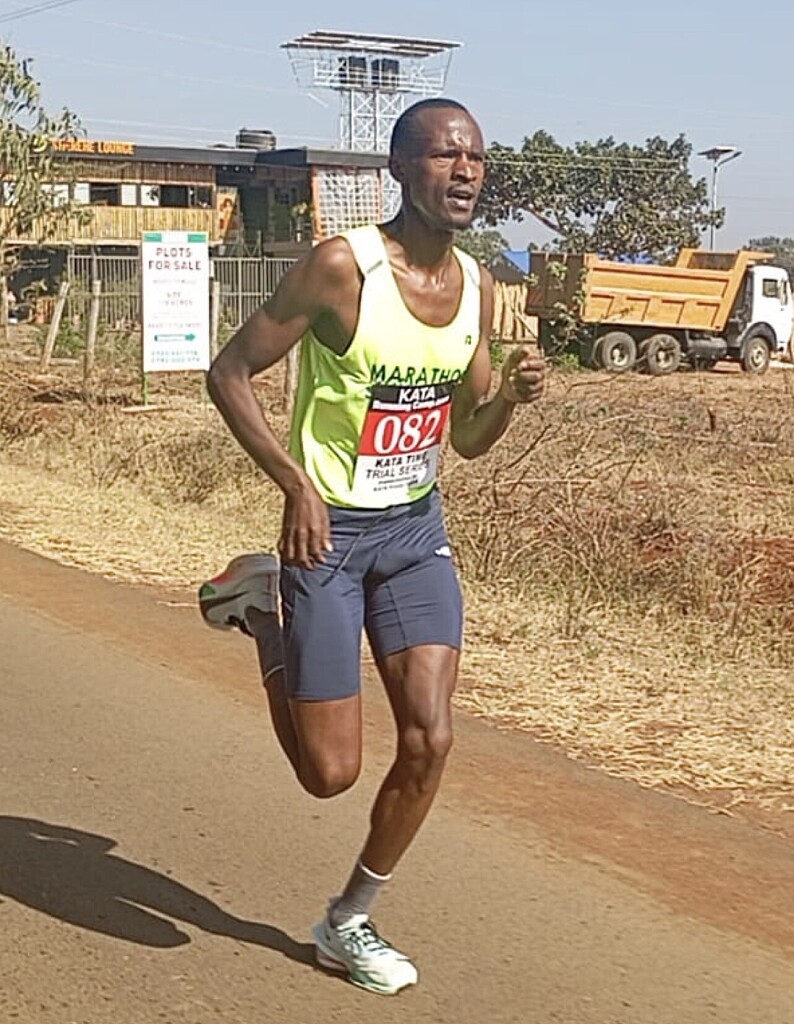
Sunlit Efforts and Strong Benchmarks Mark KATA Time Trial No. 53 in Thika
The familiar tarmac course of Thika, located just adjacent to the Kenyan Athletics Training Academy – Thika, provided the stage for another purposeful morning of measured competition as KATA Time Trial No. 53 unfolded under mostly sunny and warm conditions.
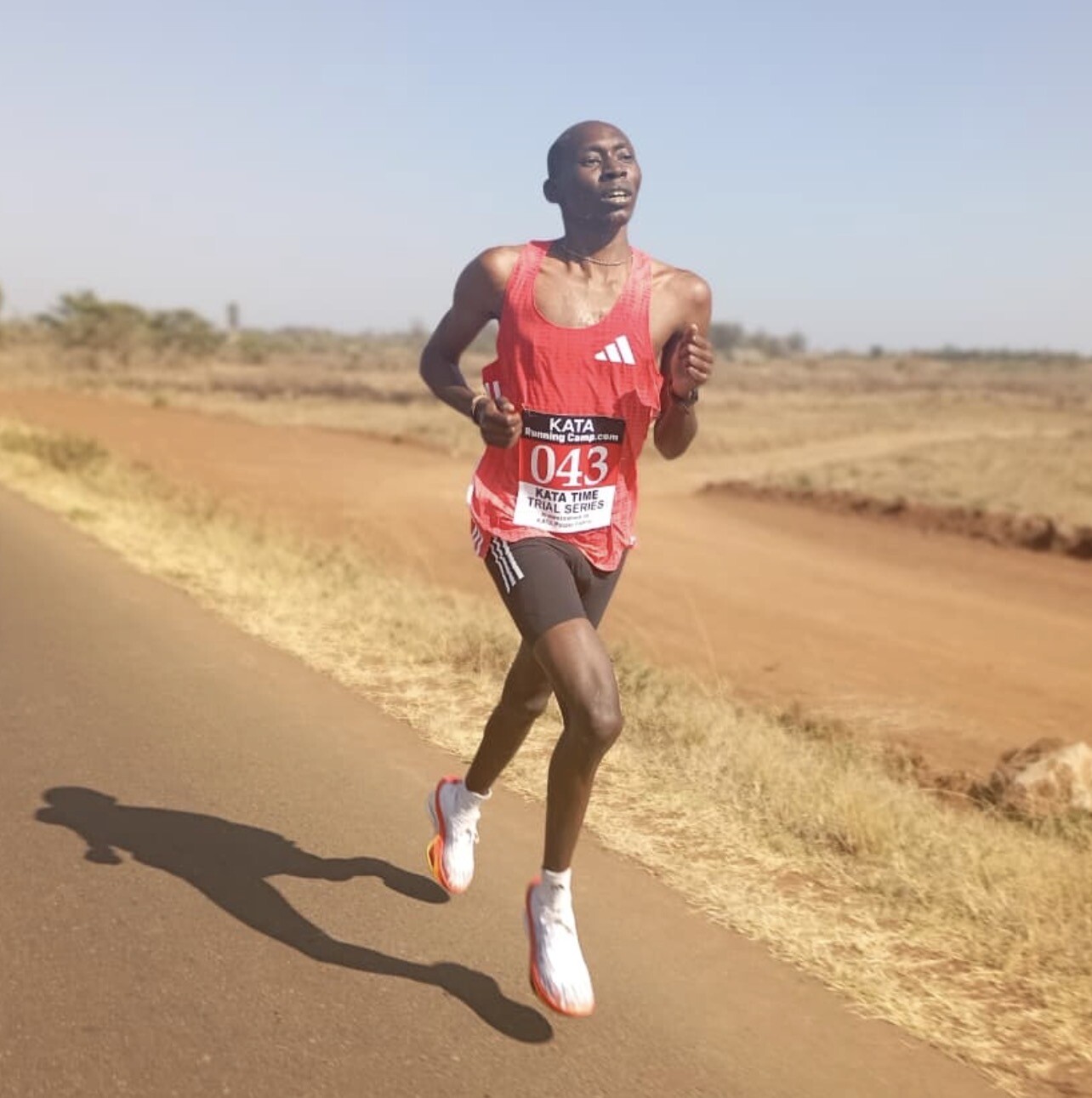
With the sun already asserting itself, the atmosphere demanded discipline from the outset. The warmth added a subtle layer of challenge, particularly over the longer distances, requiring athletes to manage their effort carefully while maintaining rhythm and composure. True to the philosophy of the KATA series, the session prioritized execution over spectacle, offering participants a clear and structured test across both the 5km and 10km distances.
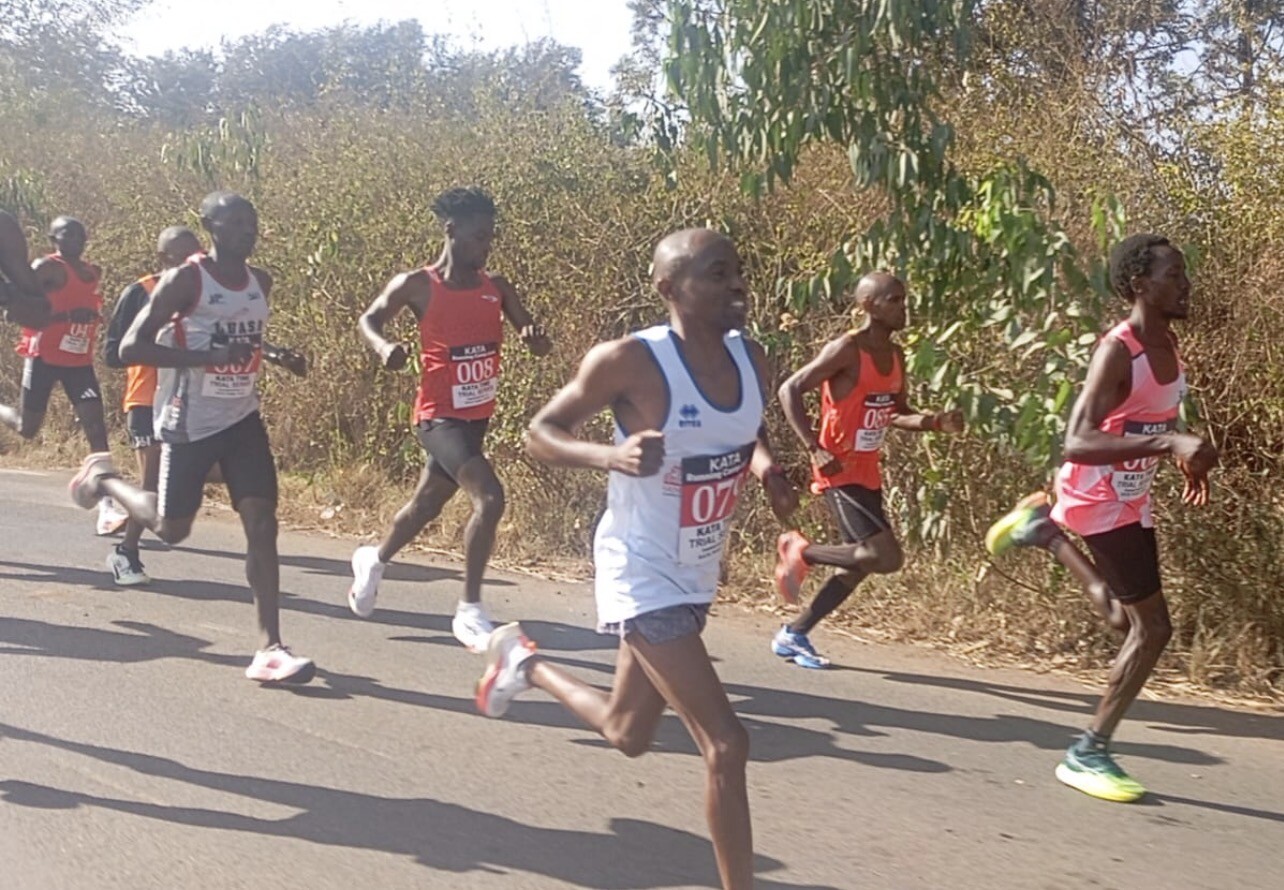
In the women’s 5km, Lucy Njeri delivered a poised and confident display, guiding the field home in 19:38 with a performance built on control and rhythm. From the opening stretch, she established a steady tempo, running with relaxed efficiency despite the rising warmth. Her stride remained fluid through the middle kilometers, and she finished strongly, underscoring both fitness and race awareness.
Behind her, Felister Mbatha clocked 23:44, showing admirable determination as she maintained her effort throughout the sunlit course, while Dolphine Shikailwa completed the distance in 30:35, demonstrating resilience and commitment. Together, the trio brought composure and quiet intensity to the morning session, turning the women’s 5km into a display of patience, strength, and steady progression rather than mere numbers on the clock.
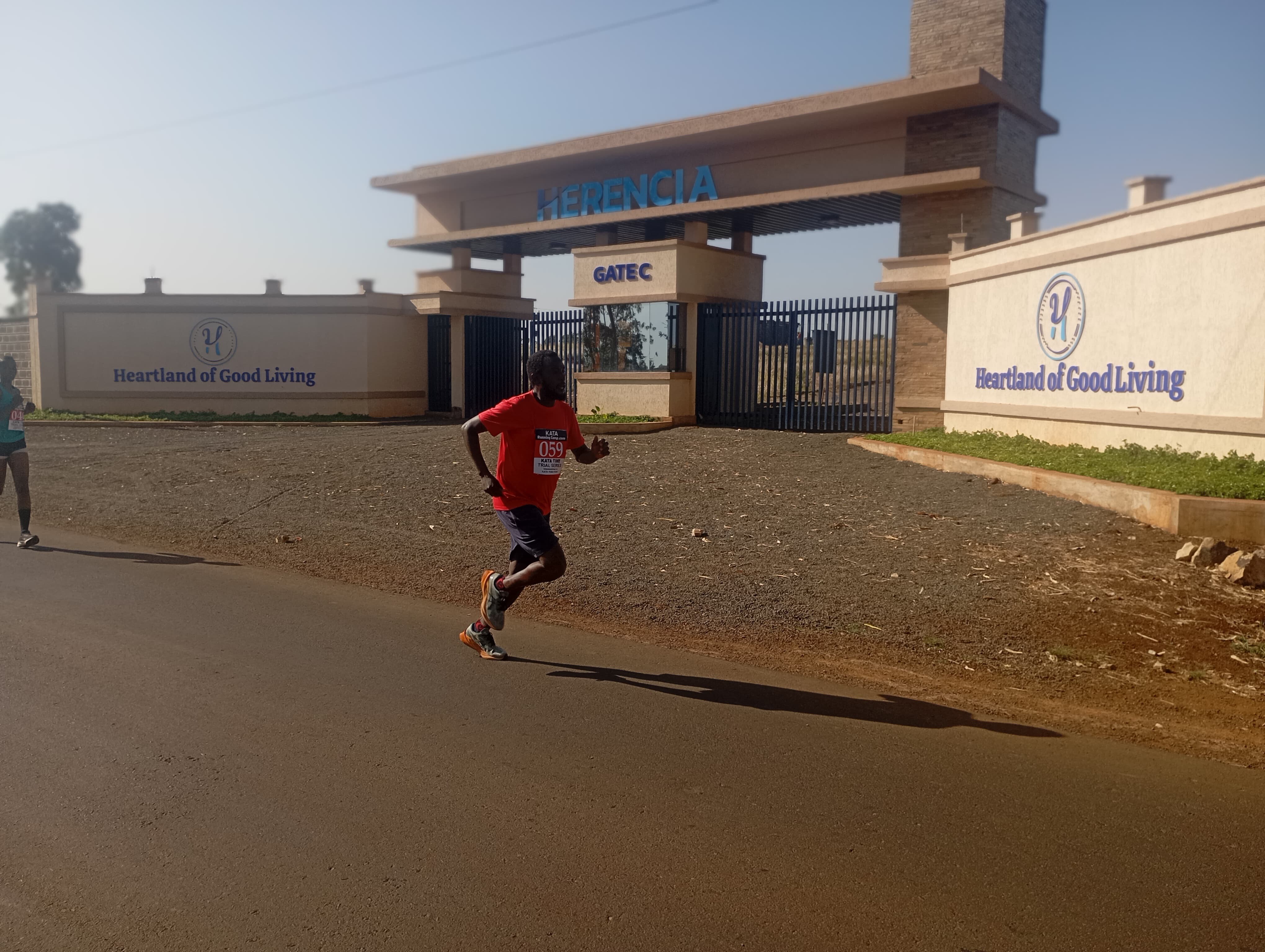
The men’s 5km saw Dennis Musau produce one of the most balanced efforts of the morning, clocking 22:23. Running with composure and steady cadence, Musau managed the early pace effectively before sustaining his rhythm through the latter stages of the course. His performance reflected patience and control—qualities that are central to the KATA time-trial structure. Rather than chasing early speed, he maintained consistency throughout, delivering a performance that highlighted both discipline and growing confidence over the distance.
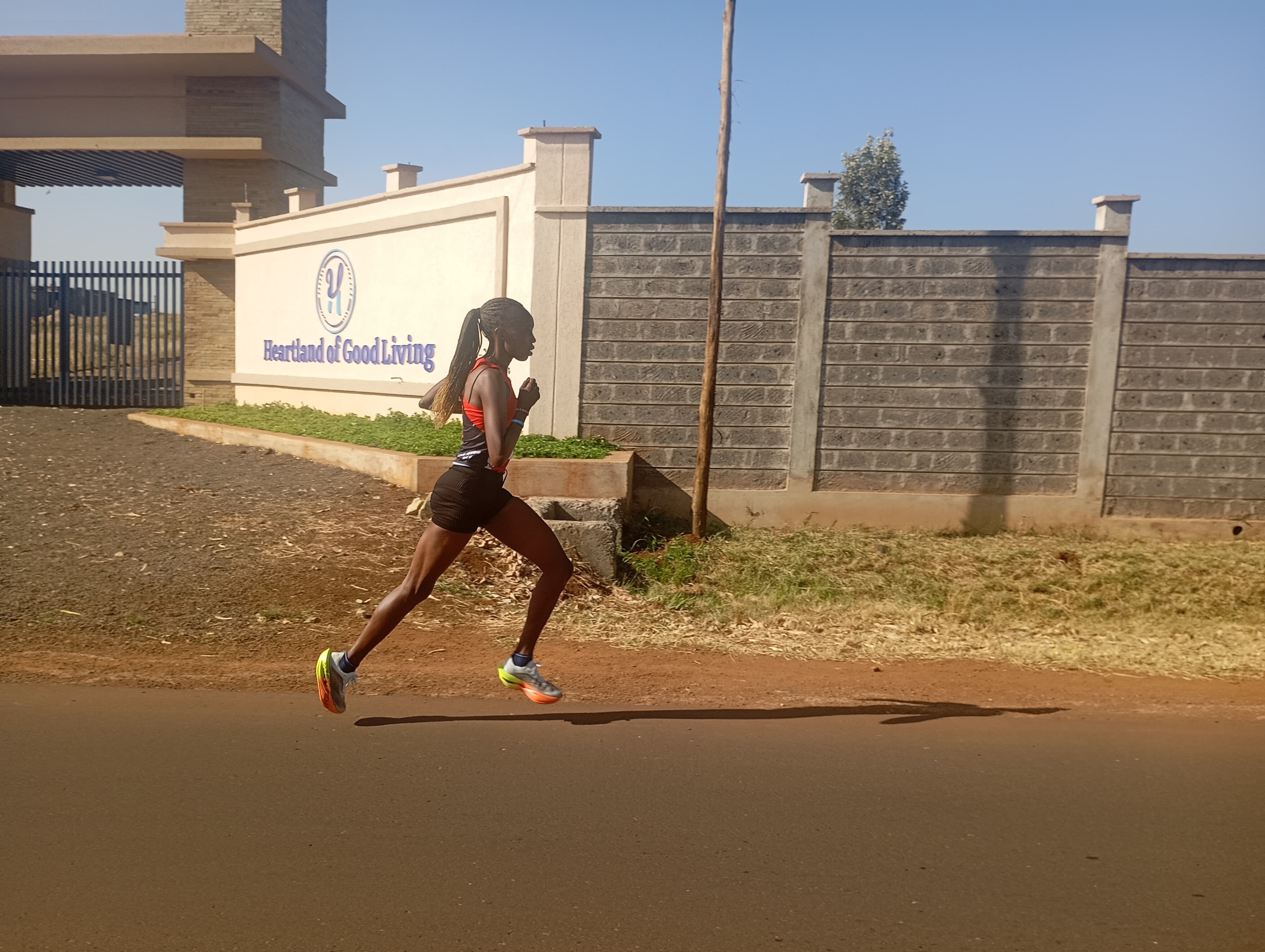
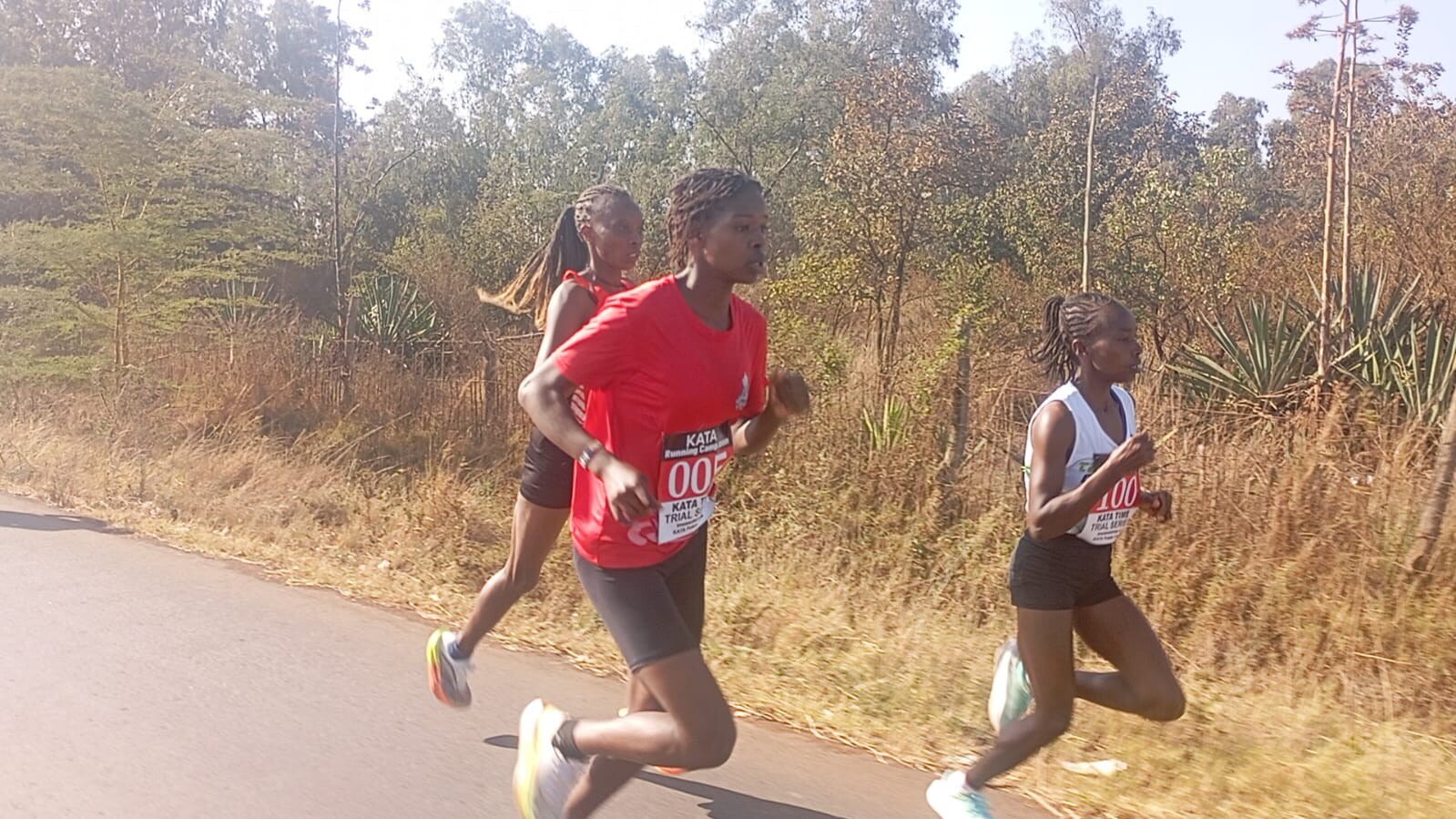
Attention then shifted to the 10km events, where endurance and race management came into sharper focus. In the women’s category. Susan Njuu delivered one of the standout performances of the day, crossing the line in 34:35. Her run combined endurance and poise, maintaining a consistent tempo from start to finish. Equally notable was Hellen Mutheu whose 34:56 marked a significant personal breakthrough. Her progression was evident in the strength she displayed over the closing kilometers, a performance that signals upward momentum. Caren Chepkemoi followed in 36:08, rounding out a competitive women’s field that handled the heat with admirable resolve.
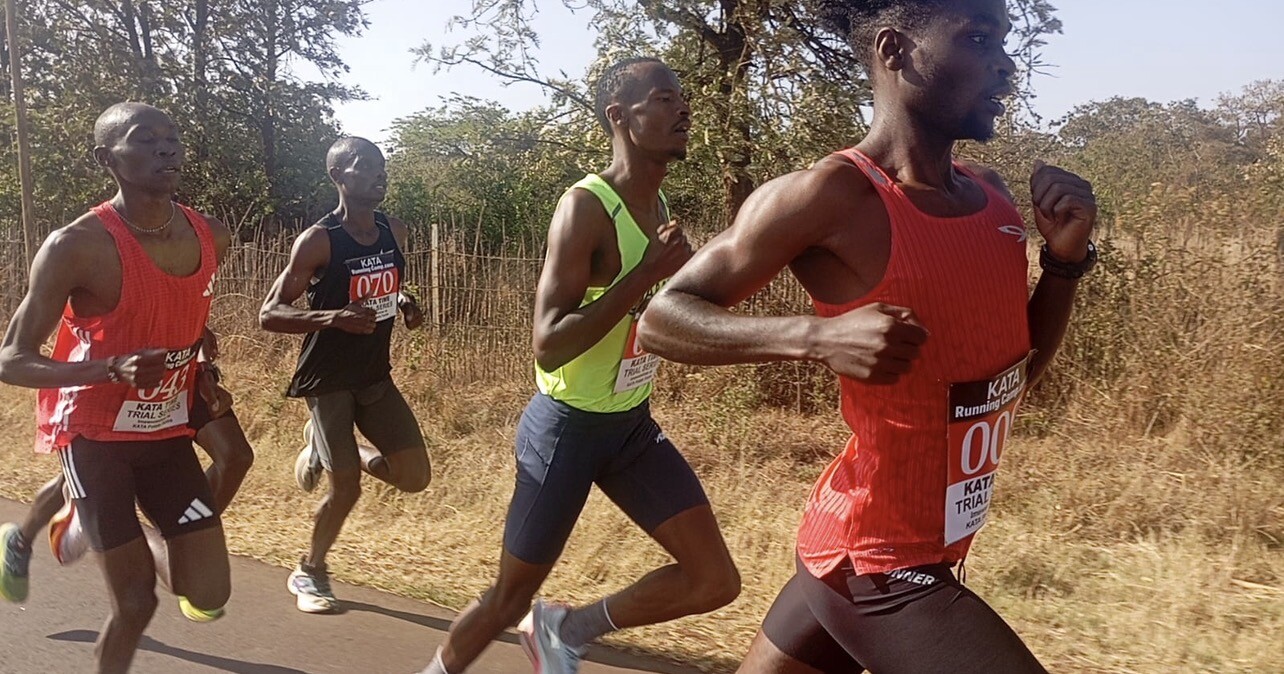
The men’s 10km produced notable depth and competitive balance. Peter Njeru led the standings in 29:25, establishing a clear marker for the field. Levis Githinji followed closely in 29:51, with Raphael Gacheru completing the top three in 30:13.
Close margins defined the subsequent positions, as James Muriithi (30:32), Julius Maina (30:33), and Bernard Waweru (30:39) maintained strong tempo throughout. They were followed by Bonface Mungai (31:10) and Charles Wanjora (31:22), while Joel Maina (32:26) and Erick Cheruiyot (32:28) delivered steady efforts. The field was completed by Bernard Gicheha (34:15), Paul Nganga (34:16), Vincent Kiprotich (36:22), and Charles Ndirangu (37:47), each performance contributing to a competitive and well-structured session.
KATA Time Trial No. 53 ultimately reaffirmed what these sessions represent. Beyond the stopwatch and finishing order, the morning underscored growth, discipline, and the quiet pursuit of excellence. On the familiar tarmac course of Thika, every stride carried intention, every split demanded focus, and every athlete contributed to a collective standard that continues to rise. As the academy looks ahead to future editions, the message from the 53rd trial is clear — progress here is deliberate, competitive, and steadily advancing toward higher levels of performance.
Race Results
Women’s 5K
1. Lucy Njeri (18) – Bib 77 – 19:38
2. Felister Mbatha (19) – Bib 40 – 23:44
3. Dolphine Shikailwa (22) – Bib 41 – 30:35
Men’s 5K
1. Dennis Musau (50) – Bib 59 – 22:23
Women’s 10K
1. Susan Njuu (40) – Bib 62 – 34:35
2. Hellen Mutheu (29) – Bib 100 – 34:56
3. Caren Chepkemoi (24) – Bib 05 – 36:08
Men’s 10K
1. Peter Njeru (28) – Bib 82 – 29:25
2. Levis Githinji (25) – Bib 43 – 29:51
3. Raphael Gacheru (27) – Bib 08 – 30:13
4. James Muriithi (32) – Bib 07 – 30:32
5. Julius Maina (33) – Bib 70 – 30:33
6. Bernard Waweru (40) – Bib 85 – 30:39
7. Bonface Mungai (30) – Bib 02 – 31:10
8. Charles Wanjora (24) – Bib 24 – 31:22
9. Joel Maina (41) – Bib 79 – 32:26
10. Erick Cheruiyot (30) – Bib 84 – 32:28
11. Bernard Gicheha (39) – Bib 99 – 34:15
12. Paul Ng’ang’a (43) – Bib 30 – 34:16
13. Vincent Kiprotich (24) – Bib 83 – 36:22
14. Charles Ndirangu (65) – Bib 76 – 37:47
by Erick Cheruiyot for My Best Runs.
Login to leave a comment
KATA Time Trial Series
Welcome to the KATA Monthly Time Trial Held at the Kenyan Athletics Training Academy in Thika, Kenya, the KATA Monthly Time Trial is a unique and inclusive event designed to support runners of all levels in achieving their goals and showcasing their fitness. This event offers both 10K and 5K distances on an accurate, certified course, providing participants with...
more...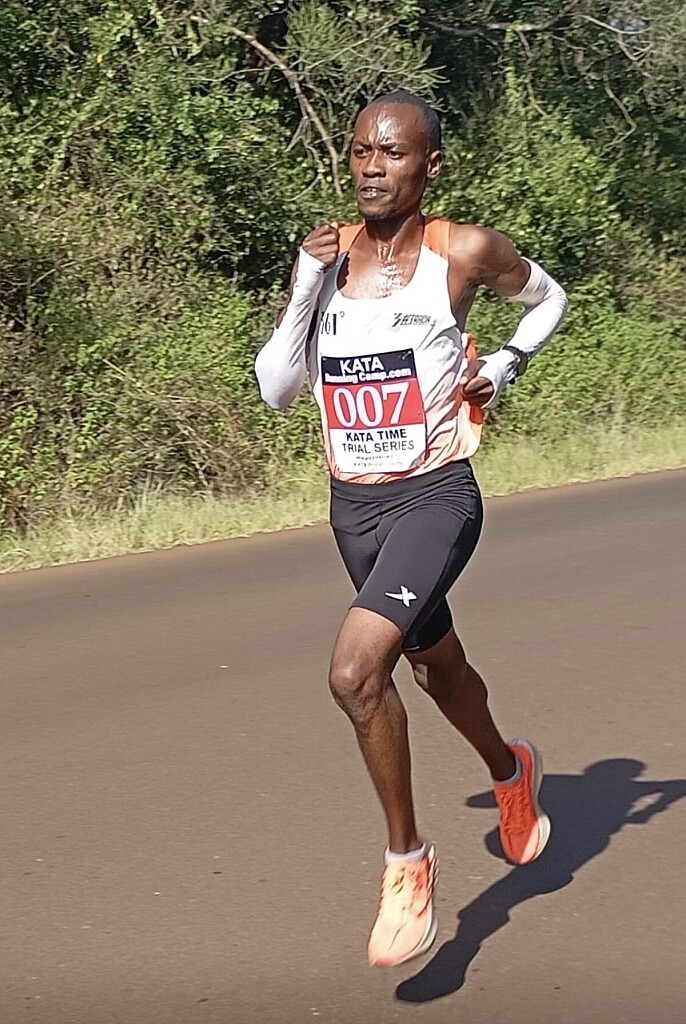
KATA Time Trial #52 Rewards Grit and Solo Efforts in Thika
KATA Time Trial No. 52 unfolded quietly on the familiar tarmac roads of Thika, but the morning (Jan 21) delivered a series of determined solo efforts and encouraging performances across the distances. With athletes often running alone against the clock, the session tested discipline, pacing, and mental toughness—hallmarks of the KATA training philosophy.
In the men’s 5km, 17-year-old Robin Musa delivered the standout performance of the morning, stopping the clock at 15:37. Running entirely on his own, Musa showed maturity beyond his years, holding his rhythm without the benefit of a pack. His effort drew appreciation from coaches and observers, underscoring his growing potential.
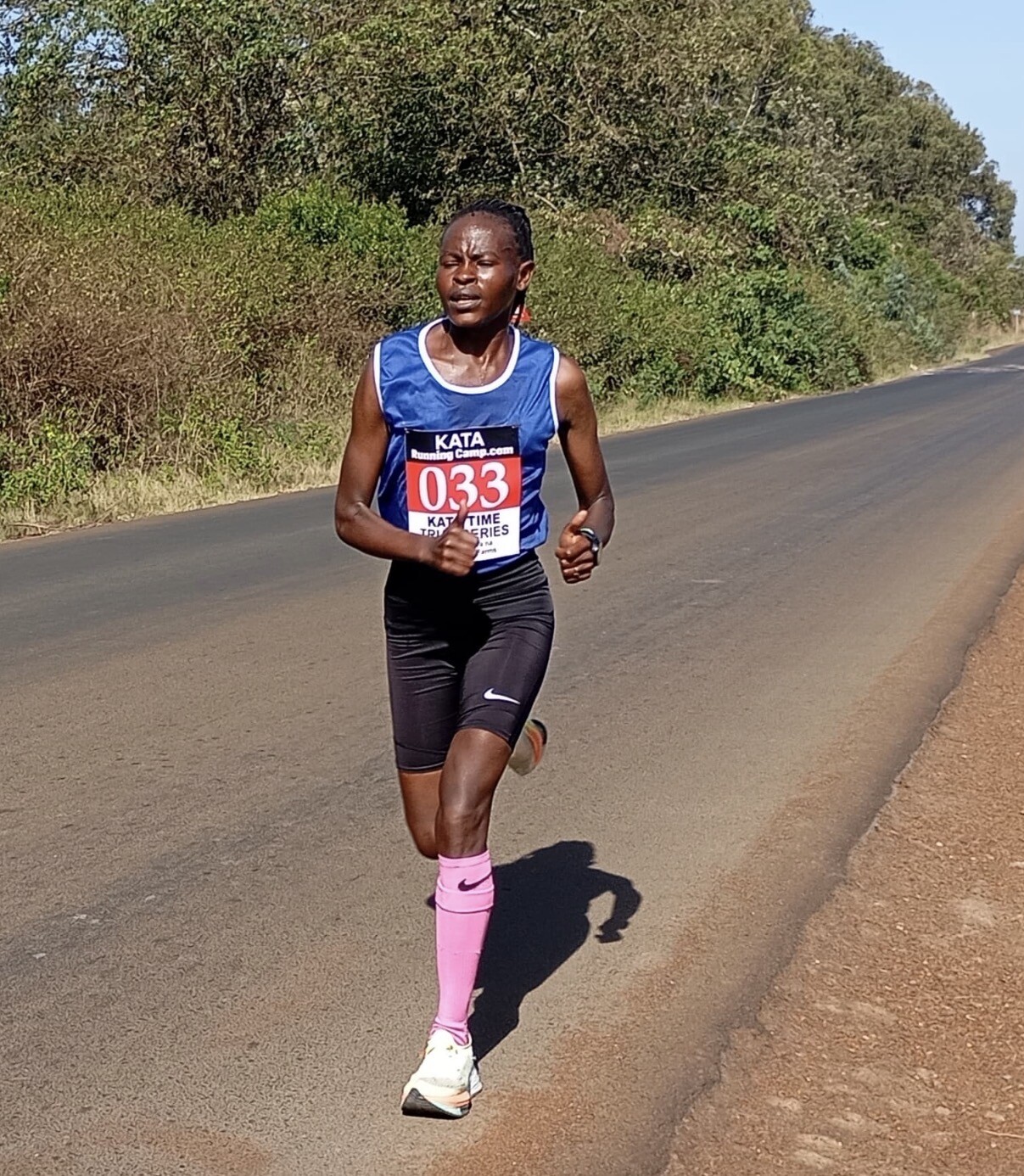
Finishing second was Yedi Kohen, KATA’s paid guest from Israel, who continues his preparation for an upcoming race. Kohen clocked 24:14, running barefoot on the tarmac. Beyond the footwear choice, his relaxed stride and controlled execution reflected steady progress within his training block.
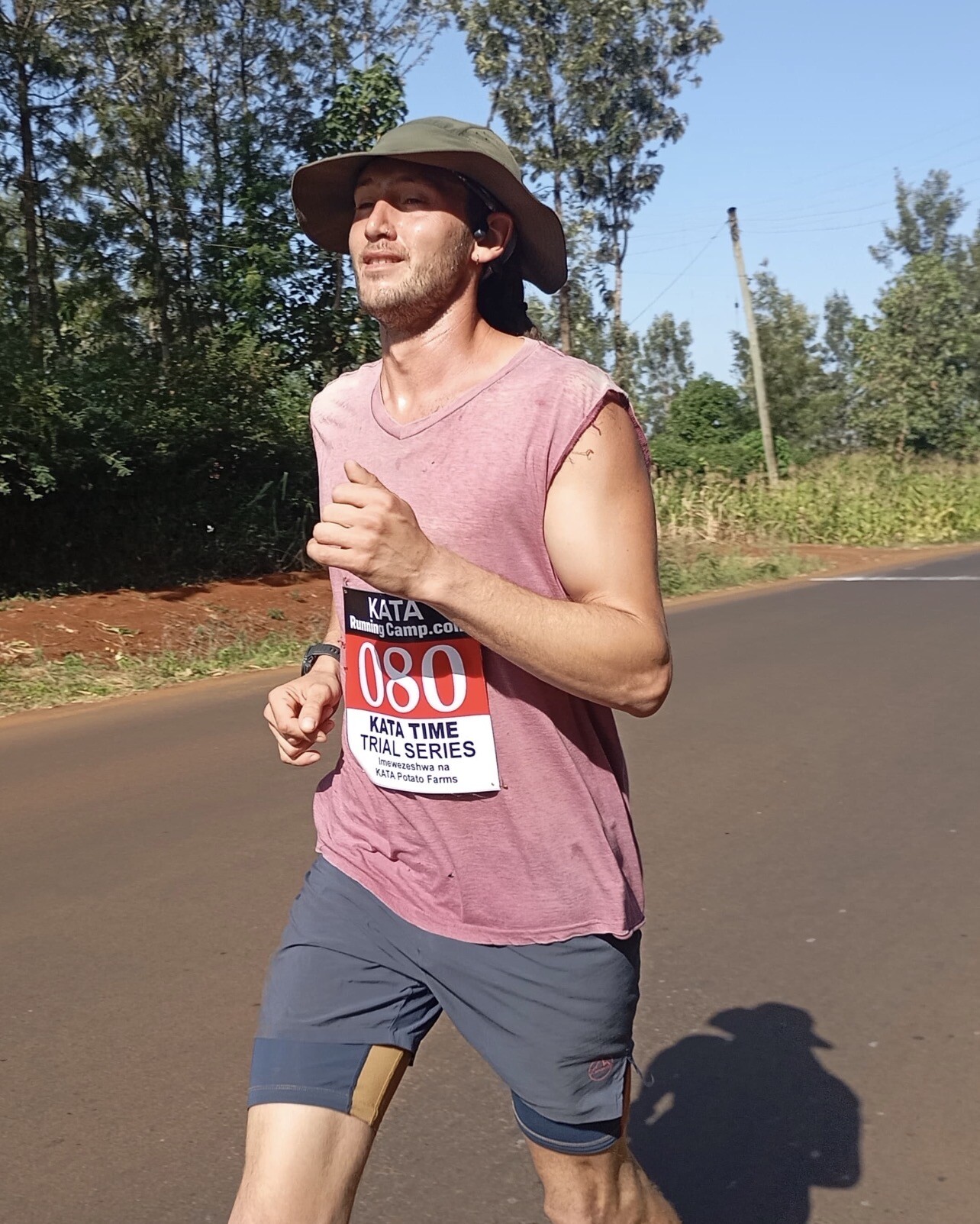
The women’s 5km featured a single competitor, but Regina Sandiki made the most of the opportunity, posting an impressive 19:18. A 400-metre specialist transitioning to longer distances, Sandiki continues to adapt well to endurance training, with her development suggesting a promising future.
The men’s 10km saw Stephen Kangethe take control early and maintain his lead throughout, crossing the line in 28:45. Running much of the race alone, Kangethe demonstrated strength and composure, particularly over the final kilometres. He later noted the challenge of pushing the pace without competition, having opened nearly a one-minute gap on the field.
Second place went to Raphael Karita in 29:43, followed by Peter Njeru, who rounded out the podium with 30:02.
In the women’s 10km, Loise Kiaríe claimed victory with a strong and consistent run, stopping the clock at 33:53. Jacinta Kamau followed in 34:41, while Susan Njuu secured third in 35:37, highlighting solid depth among KATA’s women over the longer distance.
Time Trial No. 52 may have been modest in size, but it reinforced a central truth of KATA’s program: progress is forged through honest effort, whether running in a pack or alone against the clock.
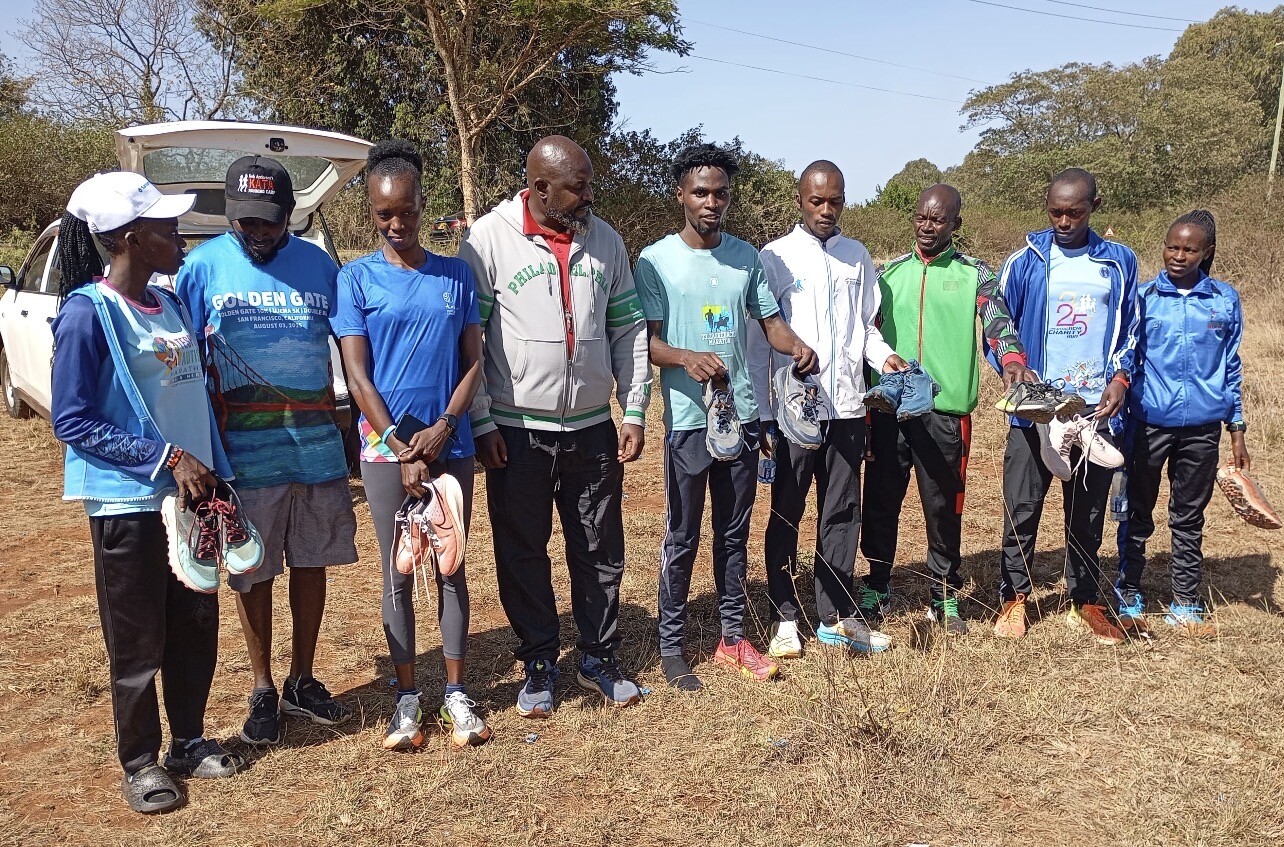
A previous guest from France, Marie Barin donated 30 pairs of running shoes to KATA. The fourth photo shows some of those shoes being handed out as prizes and the next photos shows some being handed out at KATA, The next photo is Dennis picking up the shoes. "This was so nice of Marie and Arthur, her mate, to make such a kind donation," says KATA director Bob Anderson.


Race Results
MEN 5km
1. Robin Musa (17) — Bib 08 — 15:37
2. Yedi Kohen (28) — Bib 80 — 24:14
WOMEN 5km
Out 1. Regina Sandiki (19) — Bib 81 — 19:18
MEN 10km
1. Stephen Kangethe (22) — Bib 07 — 28:45
2. Raphael Karita (27) — Bib 85 — 29:43
3. Peter Njeru (28) — Bib 46 — 30:02
4. James Murithi (29) — Bib 100 — 30:41
5. Bernard Waweru (40) — Bib 39 — 31:26
6. Joel Maina (40) — Bib 32 — 31:42
7. Boniface Mungai (30) — Bib 05 — 32:13
8. Charles Ndirangu (24) — Bib 79 — 32:31
9. Erick Cheruiyot (30) — Bib 40 — 32:35
10. Joseph Nyota (20) — Bib 31 — 33:31
11. Paul Nganga (45) — Bib 30 — 34:14
12. David Muriuki (40) — Bib 44 — 34:25
13. Bernard Gicheha (35) — Bib 76 — 35:37
14. Charles Ndirangu (64) — Bib 82 — 37:32
WOMEN 10km
1. Loise Kiaríe (24) — Bib 33 — 33:53
2. Jacinta Kamau (24) — Bib 36 — 34:41
3. Susan Njuu (40) — Bib 43 — 35:37
4. Jane Wanja (35) — Bib 83 — 36:52
5. Caren Chepkemoi (24) — Bib 70 — 38:22
6. Ruth Macharia (27) — Bib 68 — 43:39
by Boris Baron
Login to leave a comment
KATA Time Trial Series
Welcome to the KATA Monthly Time Trial Held at the Kenyan Athletics Training Academy in Thika, Kenya, the KATA Monthly Time Trial is a unique and inclusive event designed to support runners of all levels in achieving their goals and showcasing their fitness. This event offers both 10K and 5K distances on an accurate, certified course, providing participants with...
more...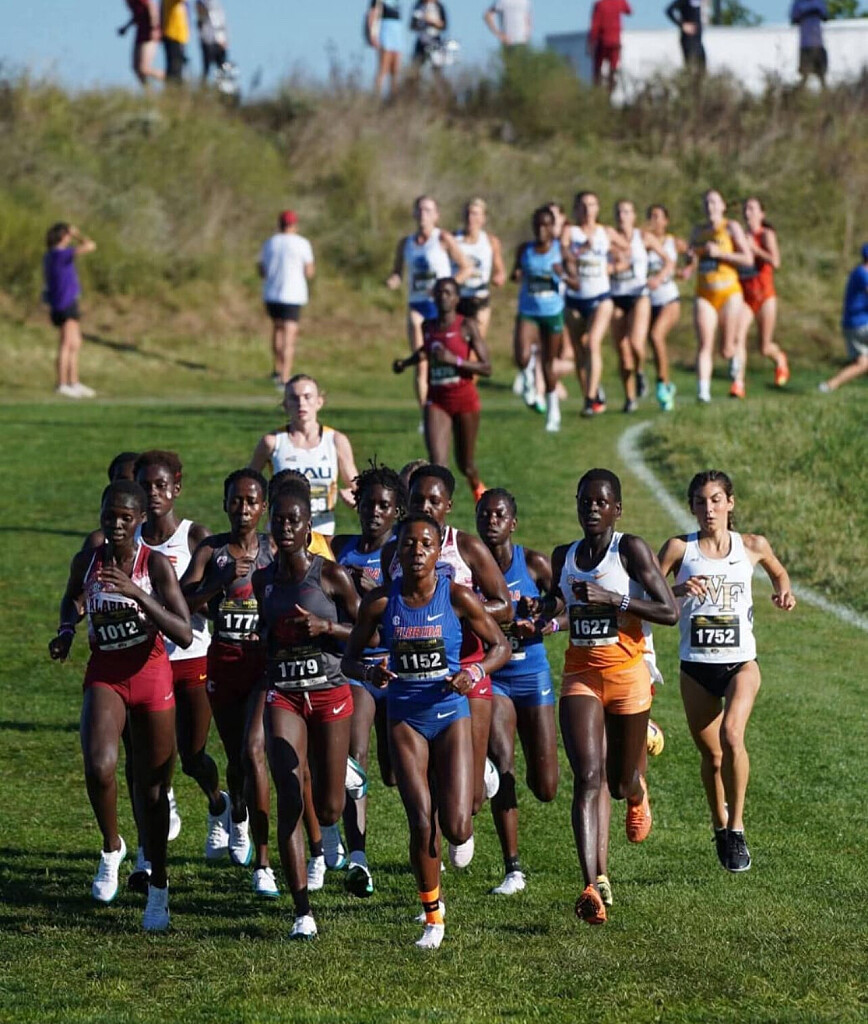
A Record-Breaking Journey: 60 Townhall Athletes Set for NCAA Nationals
For young runners in Kenya, the dream has always extended far beyond the finish line. It is about opportunity, education, and building a future through running. On November 22, sixty alumni of Townhall Athletics will stand on the starting line at the Gans Creek Cross Country Course in Columbia, Missouri—not only as competitors, but as student-athletes whose journeys blend world-class talent with academic ambition.
Their road to the NCAA National Cross Country Championships was forged through nine regional qualifiers, where Townhall athletes earned advancement both individually and through team berths. Each qualifier represents a story that began on rugged high-altitude trails in Kenya and continued in American classrooms—balancing mileage with lectures, workouts with research projects.
A Pipeline for Talent and Learning
Many of these athletes grew up with limited access to formal training facilities—sometimes even without proper running shoes. Through Townhall Athletics, runners such as Brian Musau, Dennis Kipngetich, and Laban Kipkemboi at Oklahoma State University received structured coaching and the mentorship needed to secure life-changing scholarships.

In Florida, Kelvin Cheruiyot, Desma Chepkoech, and Judy Chepkoech have combined tactical racing with strong academic records, while Debora Cherono at Texas A&M has emerged as a respected leader both on campus and on the track.
In the Mountain West Conference, New Mexico’s Evans Kiplagat and Vincent Chirchir continue to show how academic and athletic development go hand in hand. At Iowa State, Joash Rutto and Mercylin Kirwa have built reputations for consistency and endurance, exemplifying the discipline long associated with Kenyan distance running.
Other Townhall standouts, including Meshack Kuiyo at Boise State and Gilbert Rono at Tulane, carry the hopes of their programs while pursuing degrees and competing at the top level of collegiate sport.
Gans Creek: Where Experience Meets Ambition
Gans Creek is known for its rolling hills, long grass straights, and technical curves—terrain that demands smart pacing and a strong finish. For Kenyan athletes who grew up training at altitude, the course offers a blend of familiarity and challenge, providing a perfect stage to showcase endurance, resilience, and race intelligence.
Lining up against top collegiate athletes from across the United States and around the world, Townhall runners bring not only speed but also the mental fortitude and tactical awareness refined through years of structured training back home.
Voices of Support
Kenyan sports leaders continue to stress that athletic success must be paired with education to secure a long-term future.
Barnaba Korir, AK Youth Development Director and NOC-K First Vice President, emphasizes:
“These scholarships are more than athletic opportunities—they are life-changing. Education ensures our youth can thrive long after the final lap.”
Ibrahim Hussein Kipkemboi, Director of the Africa Athletics Development Centre, adds:
“Blending study with sport protects athletes from early burnout and equips them for the future.”
Athletics Kenya President Lt. Gen. (Rtd) Jackson Tuwei reinforces the message:
“The goal is not just fast runners, but well-rounded individuals. Education and athletics go hand in hand for global success.”
Impact Beyond the Course
These sixty qualifiers demonstrate how structured development and academic pathways can open doors for rural youth across Kenya. Their progress validates youth programs, inspires younger athletes, and shows how scholarships allow talent to flourish both on the track and in the classroom.
The Journey and the Finish Line
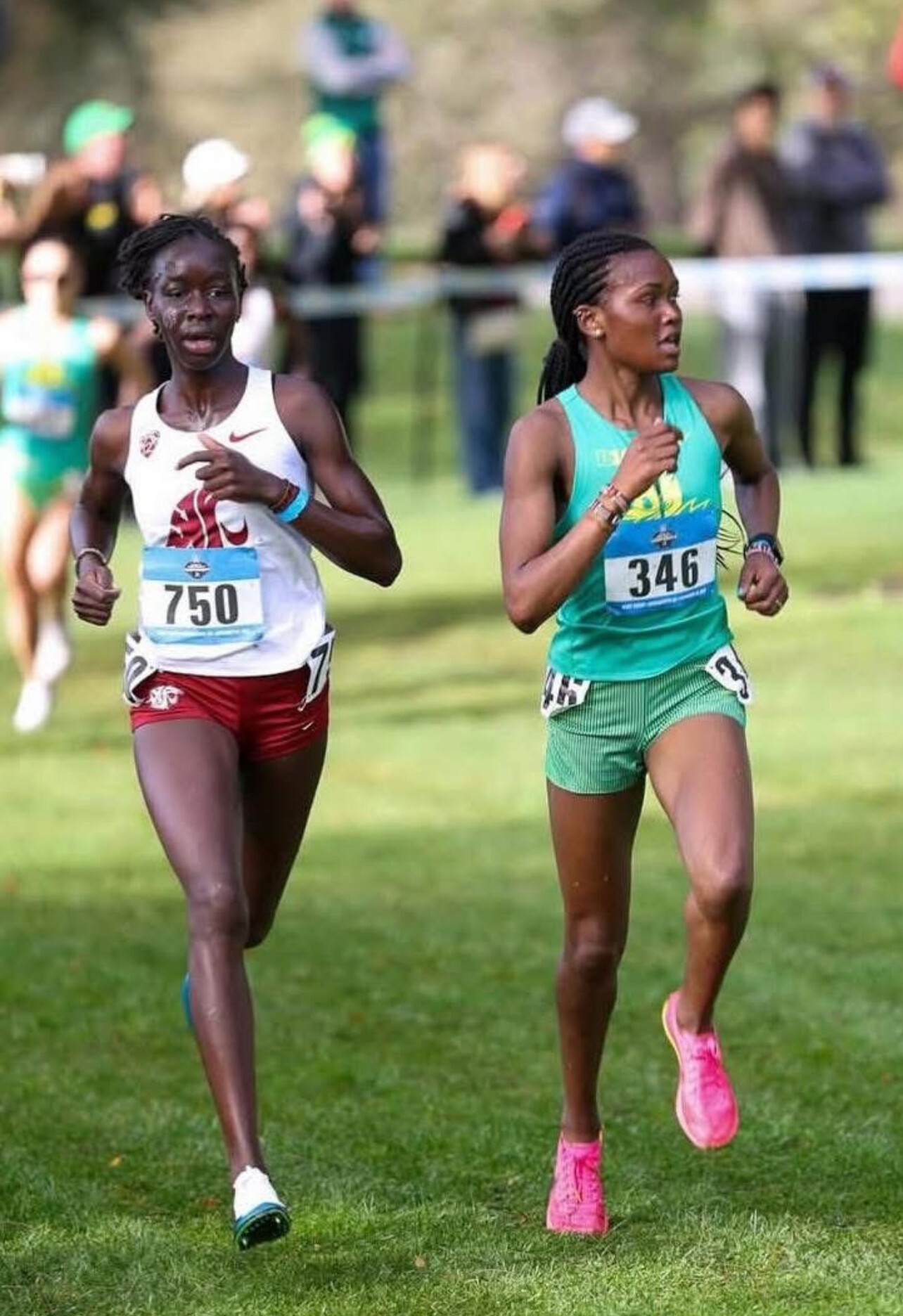
On race day, athletes such as Rosemary Longisa and Caroline Jepkorir of Washington State University, Evans Tanui of Arizona, and Diana Cherotich of Oregon will carry far more than personal ambition. They will carry the dreams of families, coaches, and communities who believed in them from the start.
Every stride over Missouri’s rolling terrain reflects years of discipline, sacrifice, and the pursuit of excellence—both academic and athletic.
When the final lap is run, results will matter. But so will the journey that brought them here. From dusty Kenyan tracks to the championship stage at Gans Creek, Townhall athletes have shown that with vision, support, and resilience, success in running and life can grow together.
As they race for NCAA glory, they continue to inspire a generation to see that the finish line is not an end—it is, in fact, the beginning.
by Robert Kibet
Login to leave a comment
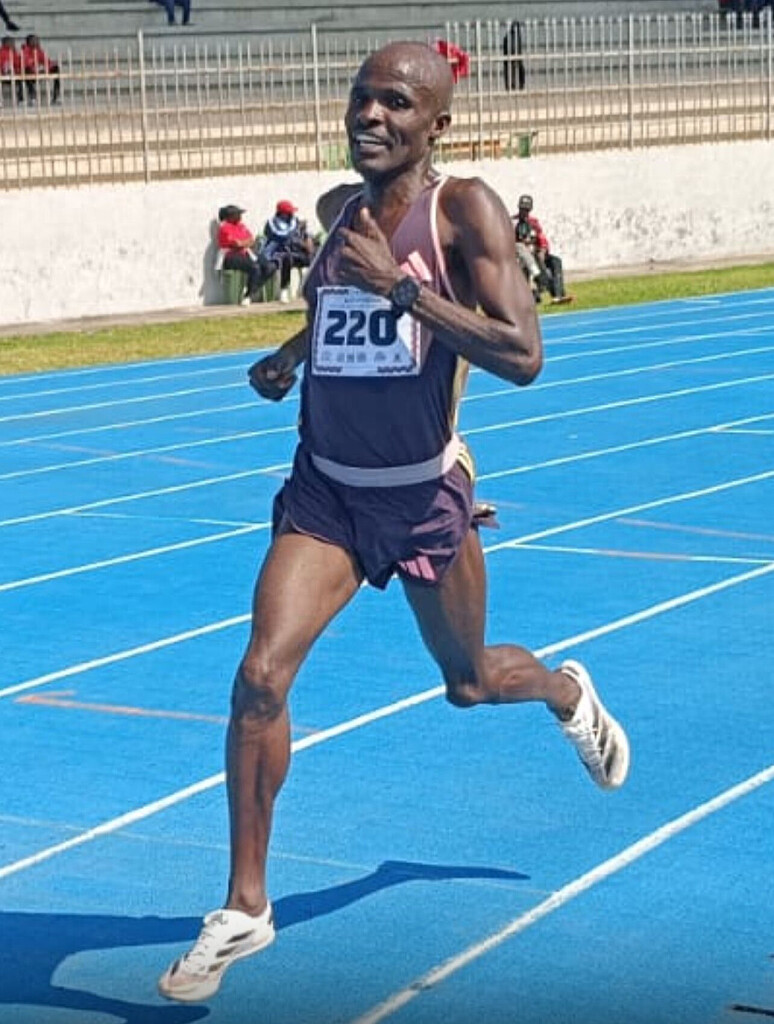
Still Racing Strong, Olympic Medalist Edwin Soi Leads by Example at KATA — Growing Potatoes, Training Hard, and Competing for the Half-Million Shilling Farmer Bonus
Edwin Soi is a 5000m Olympic medalist and still running well photo of him running 27:30 just a few months back at altitude). He is also one of the KATA Running Camp operators and has three acres of KATA potatoes. He posted this after we announced our new contest for our KATA farmers.
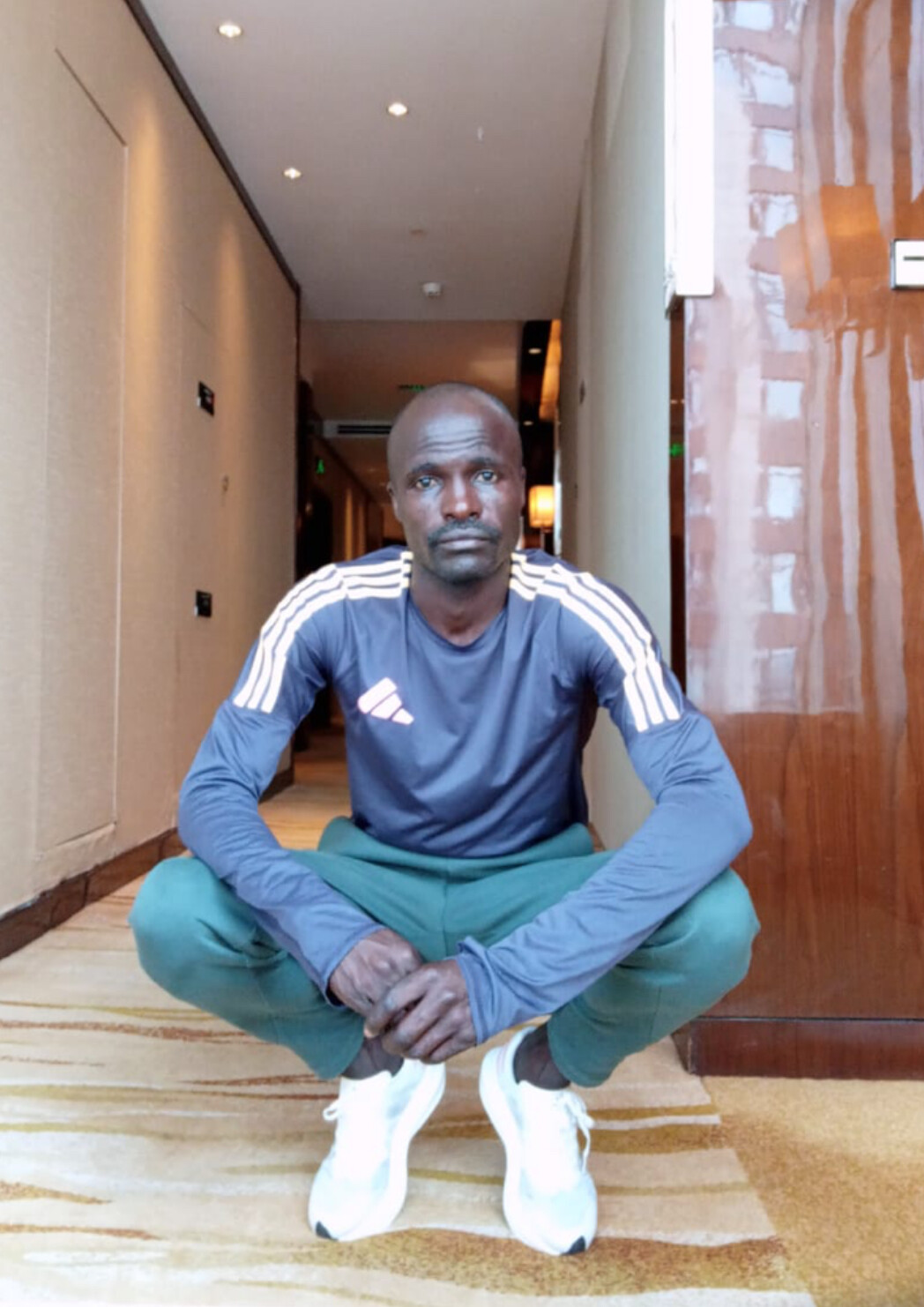
“This is the kind of motivation,” says Edwin that pushes us past our limits. We promise to take this challenge to the top notch in both arenas.

On the farm, we focused on achieving a record potato yield per acre to be a winner in both Contest #1 and Contest #2. On the running field, that spirit translates directly into training harder and competing fiercer.
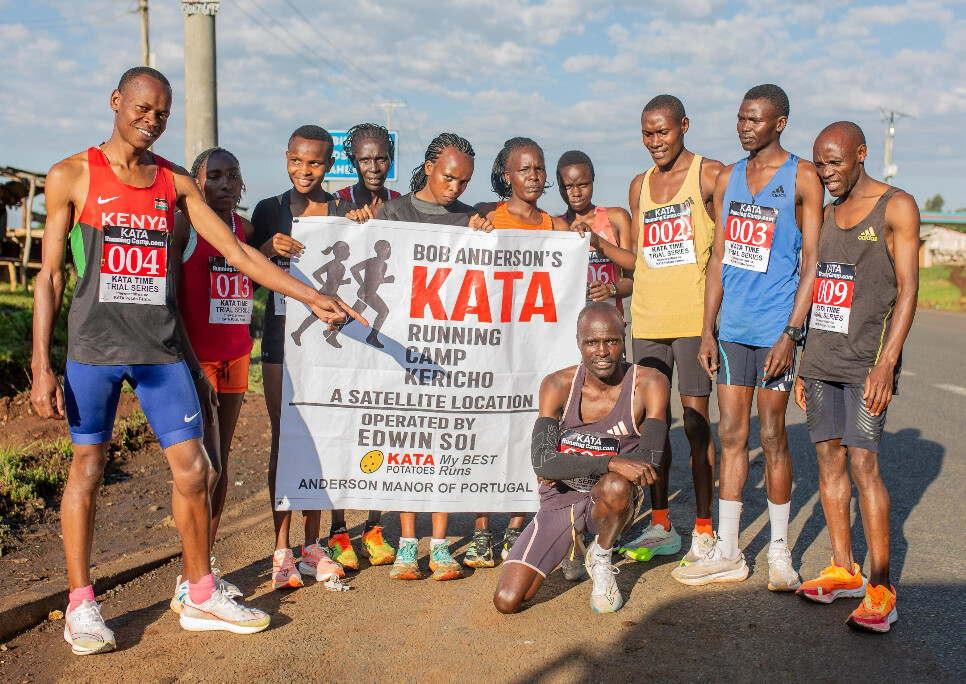
We will not just grow strong; we will demonstrate absolute excellence. Thank you Bob for fueling our drive to be champions. #GoKATA
Here are the details of our new contest:
KATA Potato Farmer Half-Million Bonus! ?
KATA is bringing its competitive spirit to the fields!
Twice a year, five KATA farmers with the best yield per acre will each earn 50,000 KES — that’s half a million shillings annually! ?
Contest #1 closes: Dec 31, 2025
Contest #2 closes: Jun 30, 2026
✅ Yields counted in 50 kg bags sold to verified buyers
✅ One bag kept for personal use not counted
✅ Once funds are received by KATA and confirmed by CTO Dennis, your yield is officially recorded
All results verified by Dennis (CTO), Gideon & John (Sales Directors), and Fridah (Accounts Manager).
Each contest will name five different winners — but a farmer can win both see seasons!
“KATA rewards excellence — on the track and in the field.”
— Bob Anderson, Founder & Director
Additional camps and farms will be added starting in December. Contact Bob Anderson on WhatsApp.
Stay current at www.KATA.ke
by Boris Baron
Login to leave a comment

KATA Launches Half-Million Bonus for Top Potato Farmers
Expanding its spirit of competition from the track to the fields, KATA rewards excellence in both running and farming.
KATA is taking its competitive spirit from the track to the fields with the new KATA Potato Farmer Half-Million Bonus Prize Package. This program will reward five KATA farmers with 50,000 Kenyan Shillings each, recognizing those who achieve the best yield per acre.

The first payout will be made on December 31, followed by a second on June 30. Each cycle, five farmers with the top single-acre harvests will receive the bonus, totaling half a million shillings annually.

Yields will be measured in 50 kg bags and must be sold to verified buyers. Results will be confirmed by CTO Dennis, Sales Directors Gideon and John, and Accounts Manager Fridah. The one bag each farmer keeps for home use will not count, and only bags sold and confirmed as paid to KATAwill qualify.

“We offer prize money for races, and with all the hard work it takes to grow KATA potatoes, I thought—why not turn this into a competition as well?” says Bob Anderson, KATA Founder and Director.

A farmer can win twice a year if they achieve the best results in both seasons. The initiative mirrors KATA’s philosophy—rewarding effort, precision, and perseverance whether it’s on the course or in the soil.

From Running to Farming Excellence

The Kenyan Athletics Training Academy (KATA), founded by Bob Anderson, the creator of Runner’s World and My Best Runs, began as a world-class training center for runners in Thika, Kenya. Today, it has grown into a dynamic network that includes over 30 KATA Running Camps and 60+ KATA Potato Farms across Kenya, and an international headquarters at Anderson Manor in Portugal.
Each KATA farm operates under a system that combines athletics and agriculture, offering farmers interest-free loans and ongoing support to grow certified Shangi potatoes. The harvests are marketed through KATA’s coordinated sales network, ensuring fair prices and dependable returns for each farmer.
Many KATA farmers are also runners—or closely connected to the athletic community—bringing the same discipline, teamwork, and endurance to farming that they apply to training.
Empowering Champions in Every Field
From the start, KATA’s mission has been to help people reach their potential through endurance, consistency, and community. The new Half-Million Bonus Prize Package celebrates that mission—recognizing those who deliver exceptional results through focus and commitment.
As Anderson explains, “Whether it’s crossing a finish line or bringing in a record harvest, both take focus, endurance, and belief in yourself. That’s what KATA is all about.”
The first group of winners for the KATA Potato Farmer Half-Million Bonus Prize will be announced on December 31, 2025.
Additional KATA Running Camps and KATA Potatoe farms are going to be confirmed starting in December. Confirm your interest by contacting Bob Anderson on WhatsApp.
by Boris Baron
Login to leave a comment
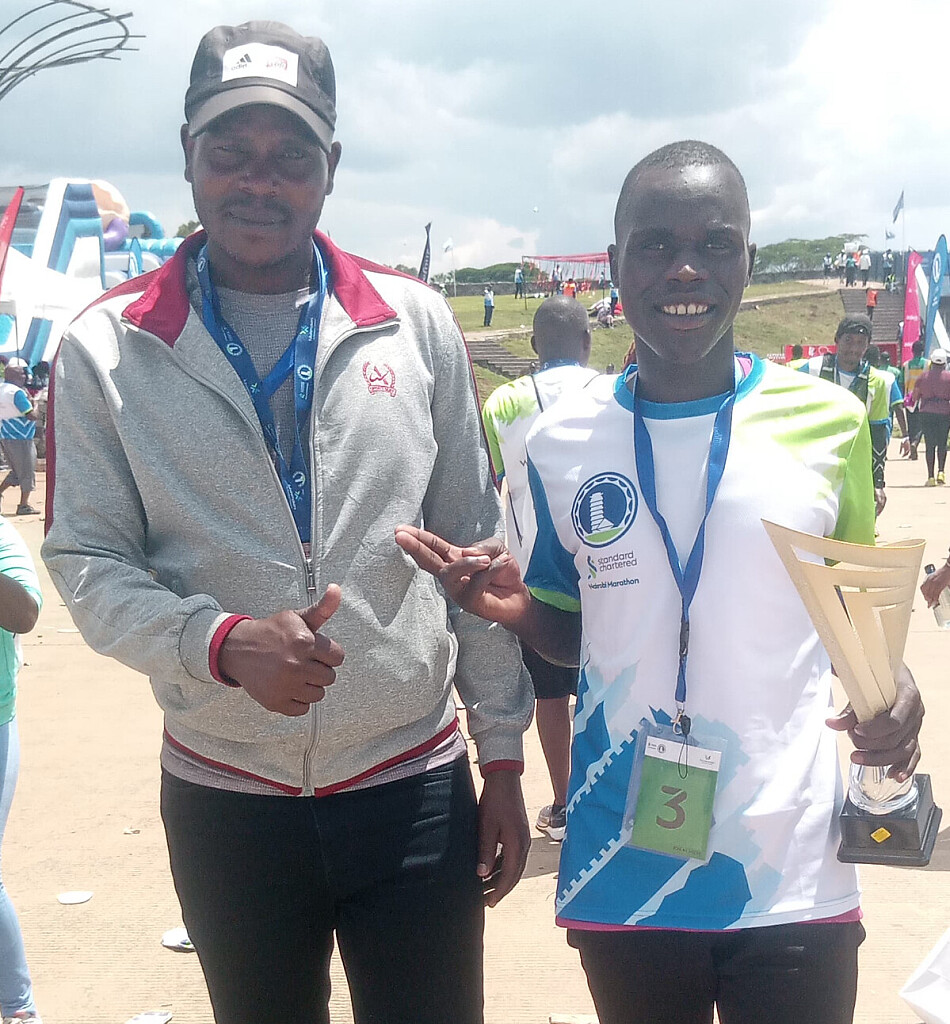
From Charcoal Seller to Champion Coach: The Remarkable Journey of Philemon Kiptoo in Kapcherop
In the cool highlands of Kapcherop, where morning mist drapes over rolling potato farms and runners trace winding red-dirt trails, coach Philemon Kiptoo is living out a dream that once seemed far beyond his reach.
The son of a humble family of nine, Philemon’s rise from selling charcoal barefoot to mentoring Kenya’s next generation of marathon stars is a story of resilience, faith, and the transformative power of community.
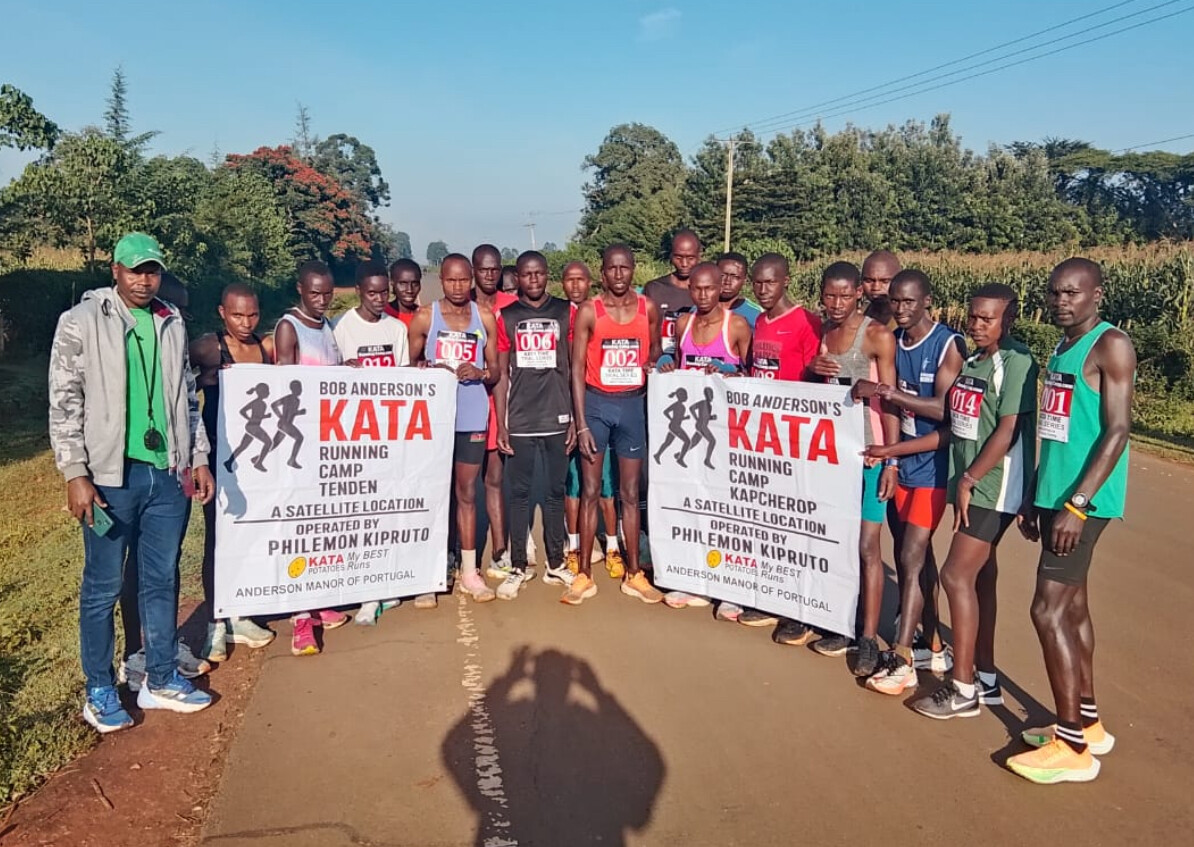
A New Chapter with KATA
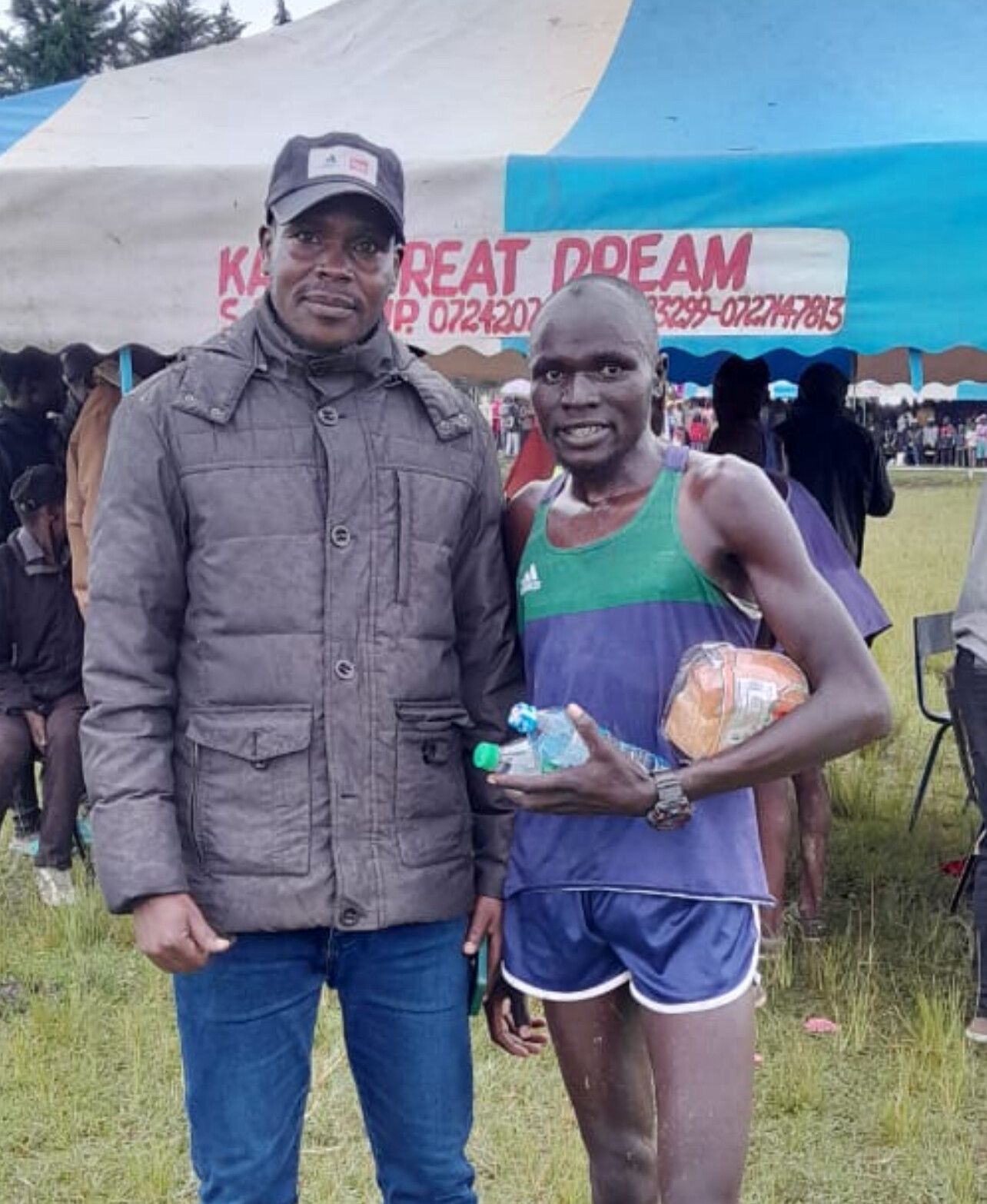
Philemon’s turning point came when he joined the KATA network — an initiative founded by U.S.-based running pioneer Bob Anderson to empower grassroots runners and coaches through mentorship, clean sport advocacy, and sustainable income projects.
At his Kapcherop Training Camp, KATA’s support extends beyond athletics. Through the organization’s integrated potato farming program, athletes earn a steady income that helps cover food, accommodation, and basic gear.
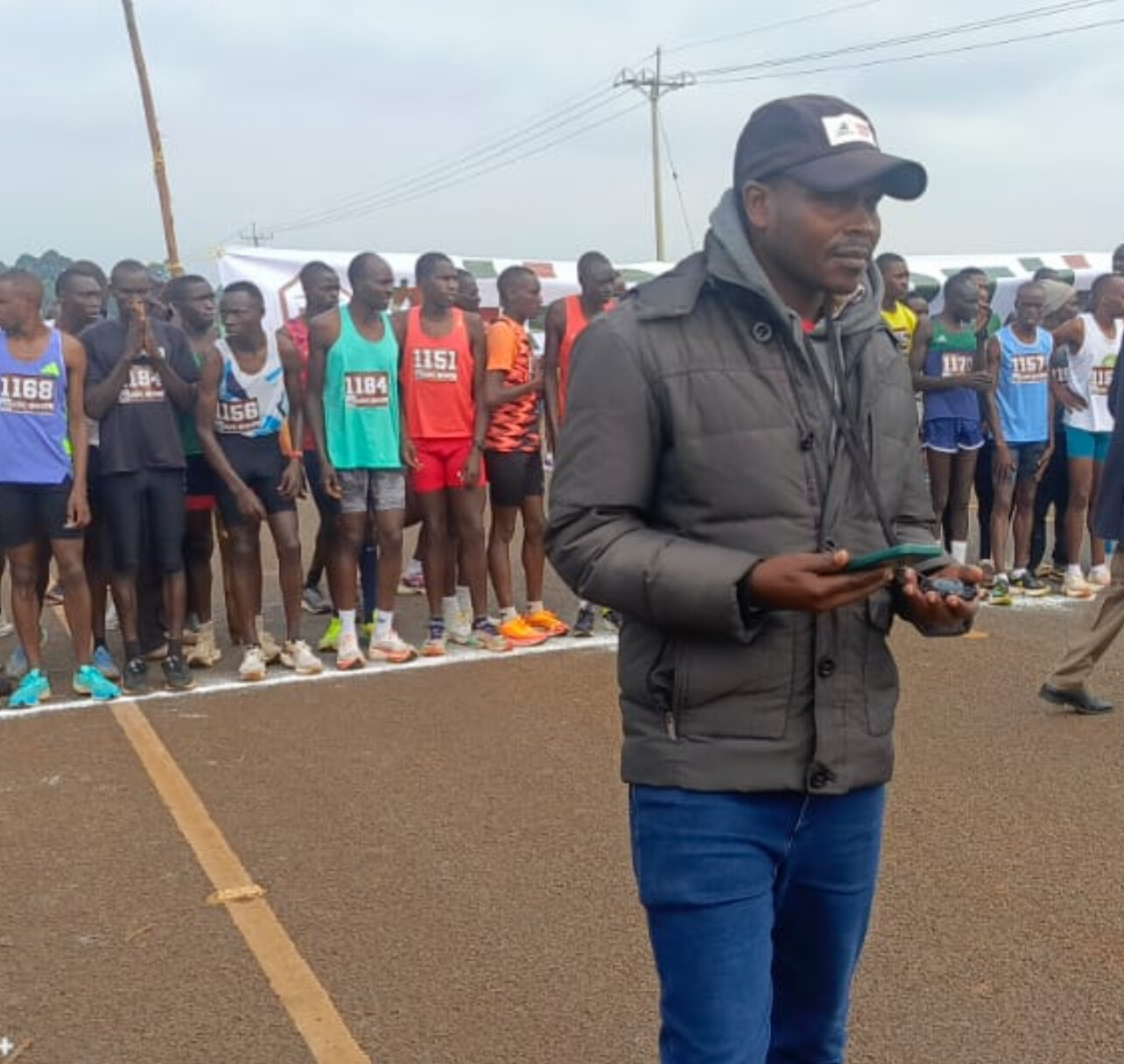
“The support from KATA has made a big difference,” Philemon says with quiet pride. “Most of my athletes come from humble backgrounds like mine. With potato farming and basic support, we can now train without worrying about what to eat or where to stay.”
That stability has begun to pay off. At the Standard Chartered Nairobi Marathon on October 26, his athletes delivered impressive performances: Donald Kimaru finished 4th in the men’s marathon; Dancan Kemei and Dennis Kosgei placed 18th and 21st in the men’s half marathon; Beatrice Rutto finished 11th in the women’s marathon; and in the men’s 10K, Leonard Pkorir and Enoch Tanui placed 3rd and 5th respectively, with Evans Kemboi 16th. Donald also on September 20th placed second at the Double Road Race 15k just 17 seconds behind the winner Edwin Soi in the two leg race. The sixth best time ever.

“Each of these athletes represents hope,” Philemon reflects. “With clean training and support, young people from small villages can stand tall on the national stage.”
Humble Beginnings
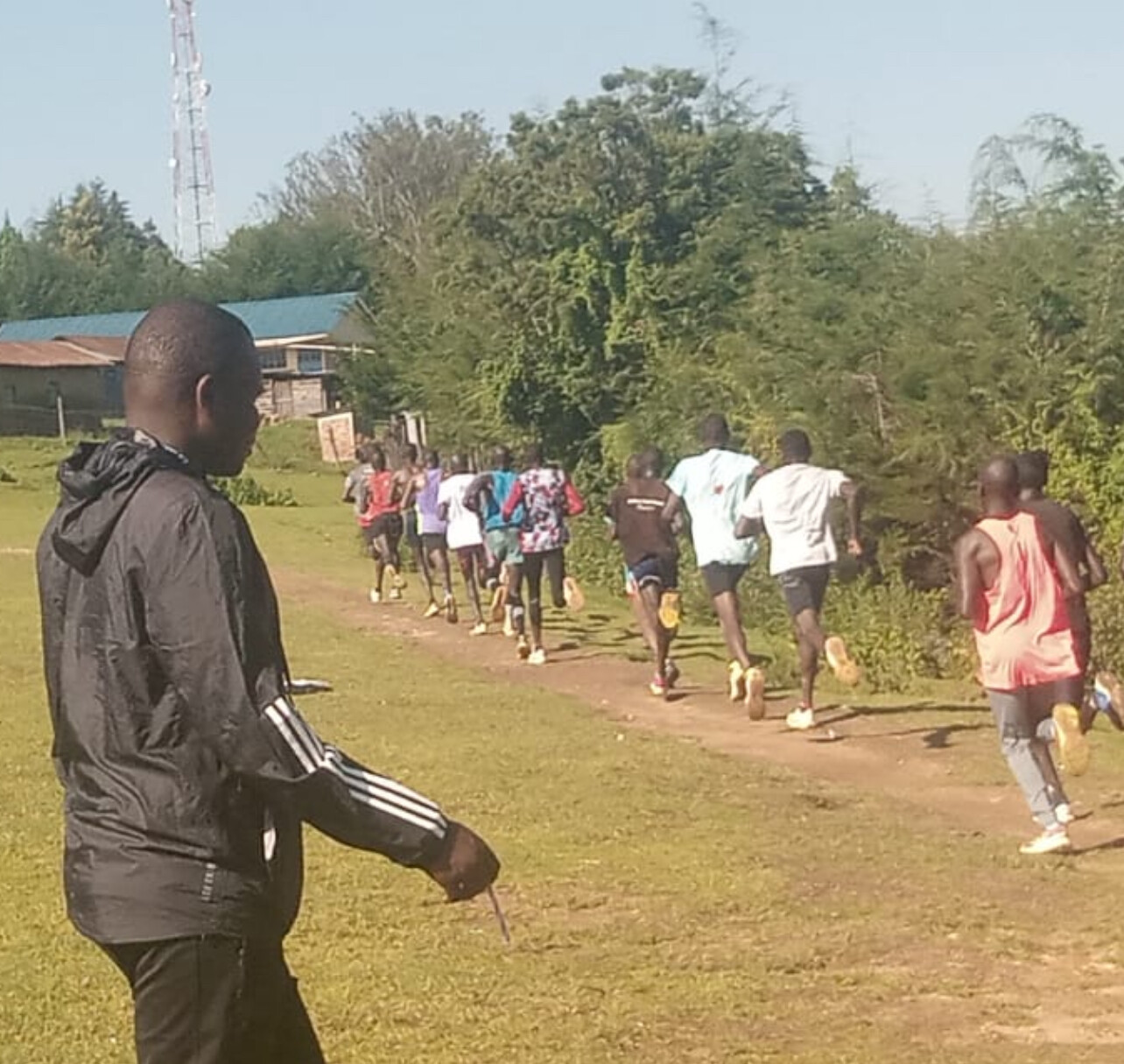
Born in Sing’ore, near the slopes of Elgeyo Marakwet, Philemon’s path to athletics was shaped by hardship.
“I was the last born in a family of nine — three brothers and sisters,” he recalls. “I attended Kobil Primary near Sing’ore Girls and later Kimuron Secondary, but I couldn’t finish because of school fees.”

Returning home to Kapkanyar, he refused to give up.
“In 2007, I started training with no shoes,” he says. “I sold charcoal to buy my first pair of Asics for 700 shillings (about $6).”
Years of persistence paid off when he began racing in 2012, earning his first major result with a runner-up finish at the Kakamega Forest Half Marathon. That breakthrough fueled his dream — not just to compete, but to guide others.
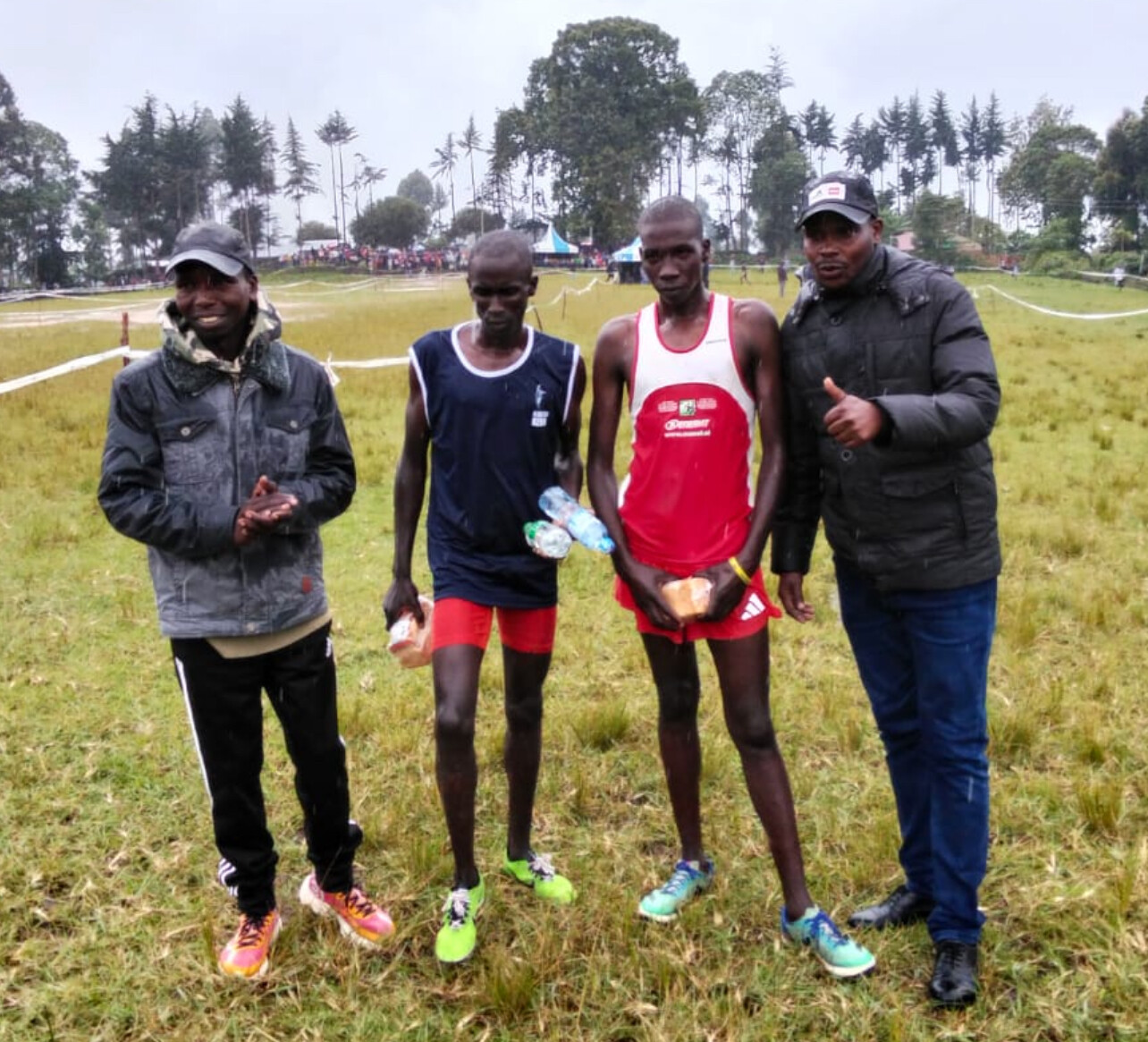
Building Champions
“I started with a few athletes,” Philemon says. “I rented them a small house and bought food — not because I had much, but because I knew what it felt like to need a chance.”
Today, he stands alongside a remarkable family of mentors: four brothers, all coaches.
• Eric Kimaiyo leads the Kapsait Training Camp.
• Andurson Chirchir coaches in Kaptagat.
• Kimutai runs training at Srowback.
• And Philemon oversees the Kapcherop Camp — a thriving hub for emerging distance runners.
Integrity and Clean Sport
What makes Philemon’s story powerful isn’t only perseverance — it’s integrity. A vocal advocate of clean sport, he embodies KATA’s core philosophy.
“We must speak the truth and say no to doping,” he insists. “If you train clean and stay patient, you’ll win with pride. There are no shortcuts to greatness.”
KATA’s influence has reinforced those values, fostering a culture of honesty and teamwork across its growing network.
“Bob Anderson’s support hasn’t just sustained our camp,” Philemon adds. “It has helped shape a generation built on discipline and hard work. We are building athletes who can inspire others.”
A Legacy of Hope
To his athletes, Philemon is more than a coach — he’s a father figure.
“He treats us like family,” says Leonard Pkorir, who won bronze in the Nairobi 10K. “He believes in our dreams even when we doubt ourselves.”
Looking ahead, Philemon’s goal remains simple yet profound: to use running as a bridge to a better life.
“My happiness will be to see my athletes doing great things, helping others, and carrying forward the spirit of running clean,” he says. “That will be my legacy.”
As evening fog rolls across the Kapcherop hills and the rhythmic thud of training shoes fades into the distance, Philemon Kiptoo’s story stands as a reminder that greatness can indeed grow from the humblest soil — when it is nurtured with purpose, honesty, and heart.
by Robert Kibet
Login to leave a comment
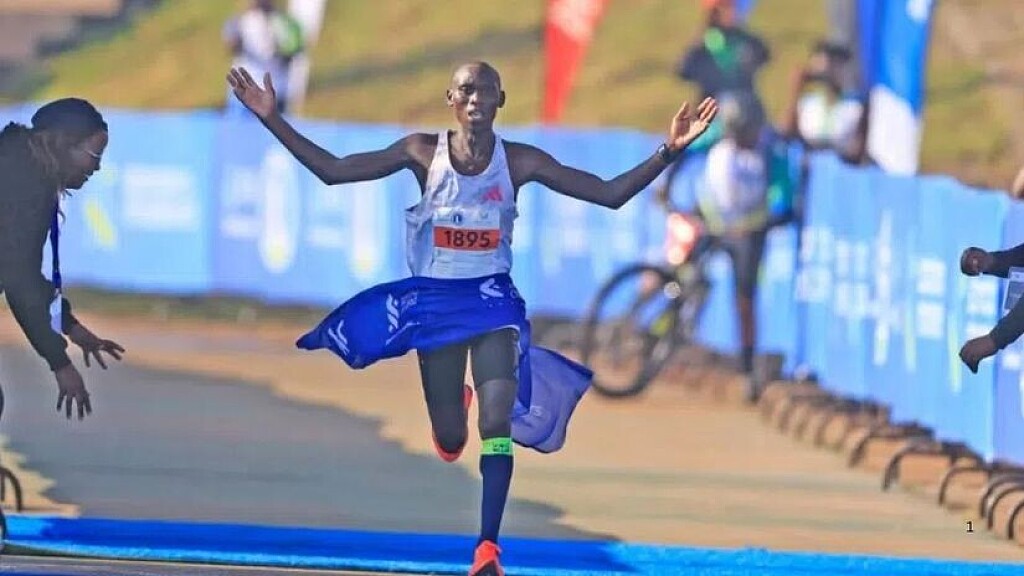
KATA’s Donald Kimaru Finishes 4th at 2025 Standard Chartered Nairobi Marathon
The 2025 Standard Chartered Nairobi Marathon delivered a thrilling showcase of endurance on October 26, as top athletes battled it out on the streets of Nairobi under ideal racing conditions. This year’s event, one of the premier marathons on the African continent, once again attracted a deep field of elite talent.
Among the day’s standout performances was Donald Kimaru, a KATA athlete training out of the Kapcherop KATA Running Camp, who finished a remarkable 4th place in a highly competitive men’s race.
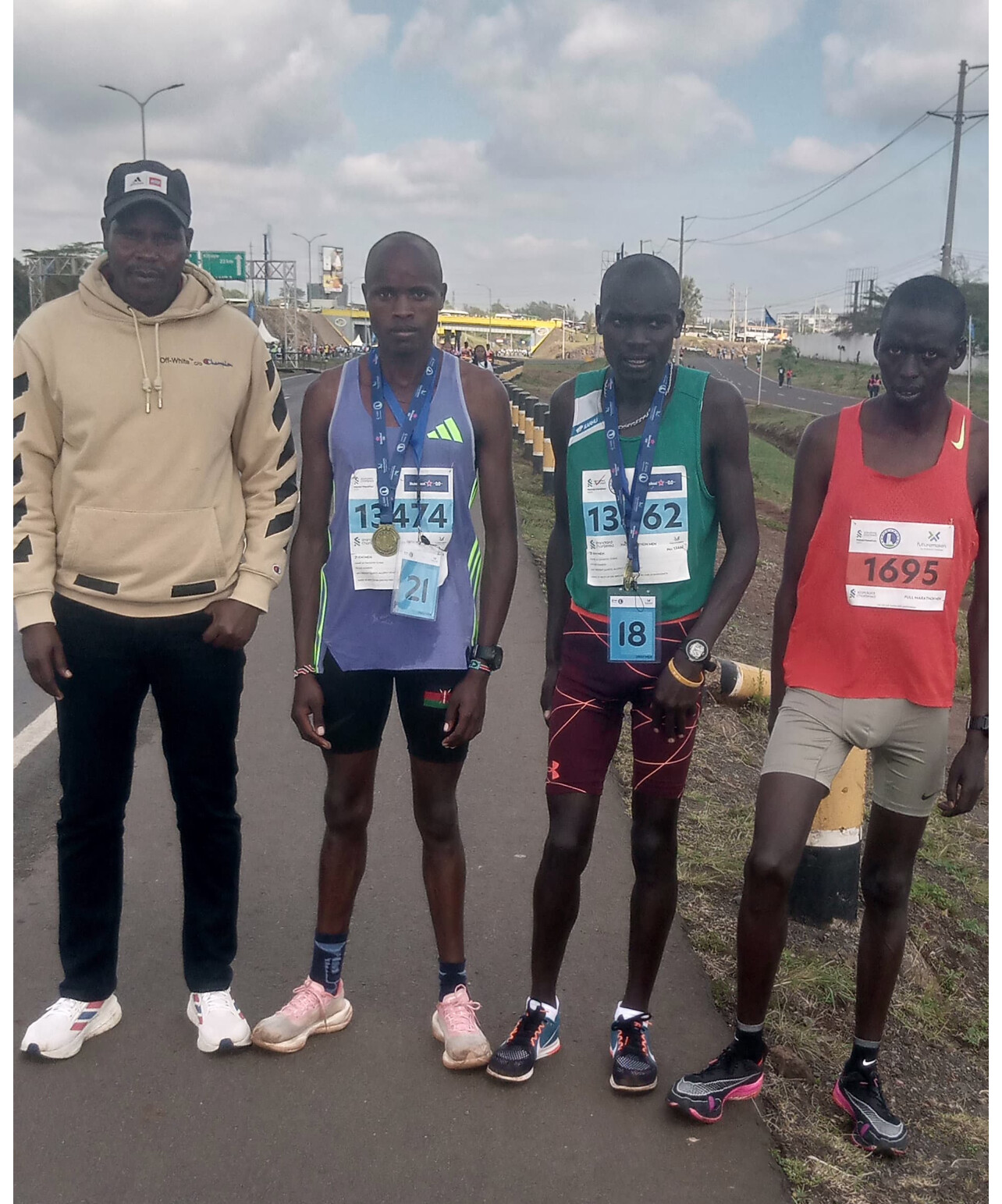
Donald Kimaru: Fuelled by KATA, Ready for the Global Stage
Clocking a time of 2:12:02, Kimaru finished just over a minute behind the winner, Benard Chepkowny (2:11:01), and less than 30 seconds from the podium. It was a huge breakthrough for the rising long-distance runner, who trains under the high-altitude guidance of Coach Philemon Kipruto at the KATA facility in Kapcherop.
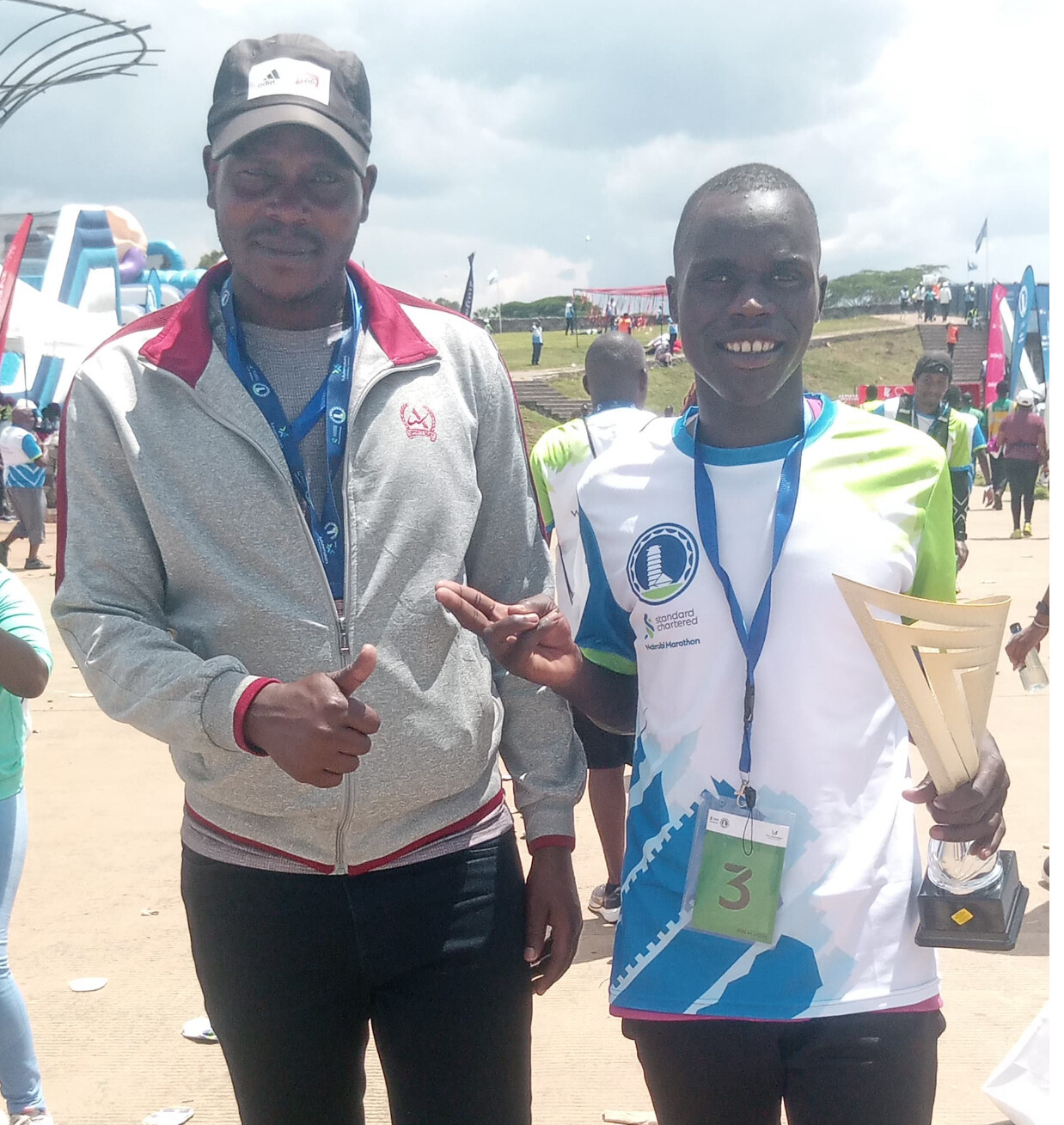
“Donald is showing the power of patience and consistency,” Coach Kipruto noted. “We’ve known he had the potential, and now he’s proving it in one of Kenya’s most important races.”
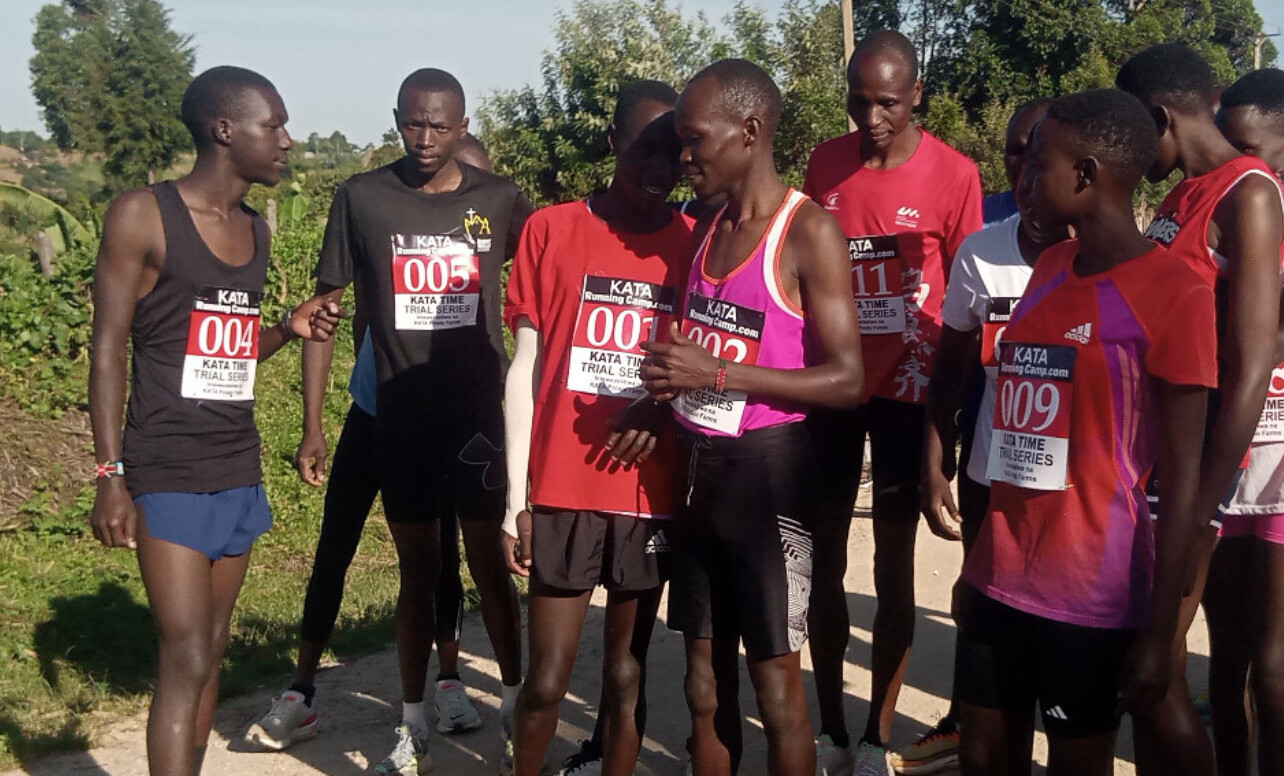
Chepkwony, returning to major competition, wasted no time asserting his intent. He set a strong pace from the start, joined by Silas Chesang, Donald Kimaru, Ezekiel Kemboi, Bethwel Chemuno, and Wilfred Kiplagat, all determined to stay in contention.
As the race progressed past the 30km mark, Chepkwony maintained the lead despite Chesang mounting a late push after struggling on the uphill sections.
Chepkwony’s endurance and composure carried him through to the finish line, clocking an impressive 2:11:01 to seal his comeback victory.
Kimaru trains in an environment designed to create champions, where runners combine disciplined training with the nutritional strength of KATA Potatoes – The Fuel of Champions. His performance in Nairobi is a testament to this holistic approach. Donald had placed second at the KATA Double Road Race 15k held September 20 in Thika.
Top 10 Elite Men – 2025 Standard Chartered Nairobi Marathon
1. Benard Chepkowny – KEN – 2:11:01 (first photo)
2. Alex Chepkwik Saekwo – KEN – 2:11:26
3. Ezekiel Kemboi Omullo – KEN – 2:11:40
4. Donald Kimaru – KEN – 2:12:02
5. Wilfred Kiplagat – UGA – 2:13:42
6. Charles Kimeli – KEN – 2:14:08
7. Nehemiah Kiprono Sang – KEN – 2:14:38
8. Solomon Yego – KEN – 2:14:50
9. Dennis Kipkemboi Koech – KEN – 2:15:39
10. Silas Chesang Keitany – KEN – 2:15:51
Women’s Race Highlight
In the women’s marathon, Hellen Chepkorir dominated with a powerful performance, finishing in 2:27:17 at an average pace of 3:30/km.
KATA’s Impact Growing
Donald Kimaru’s top finish adds to the growing list of success stories emerging from the KATA Running Camp ecosystem. Founded by Bob Anderson, KATA is reshaping the Kenyan distance running scene with over 30 camps across the country, combining elite training with a sustainable agricultural model. Runners like Donald are not only developing as athletes but also helping uplift their communities.
Next for Donald? A potential international marathon debut in 2026, where he’ll look to break the 2:10 barrier and cement his name among Kenya’s top marathoners.
by Boris Baron
Login to leave a comment

NAIROBI MARATHON
Nairobi Marathon is an annual road running competition over the marathon distance held in October in Nairobi, Kenya. First held in 2003, the competition expanded and now includes a half marathon race along with the main race. It was part of "The Greatest Race on Earth", fully sponsored by Standard Chartered Bank....
more...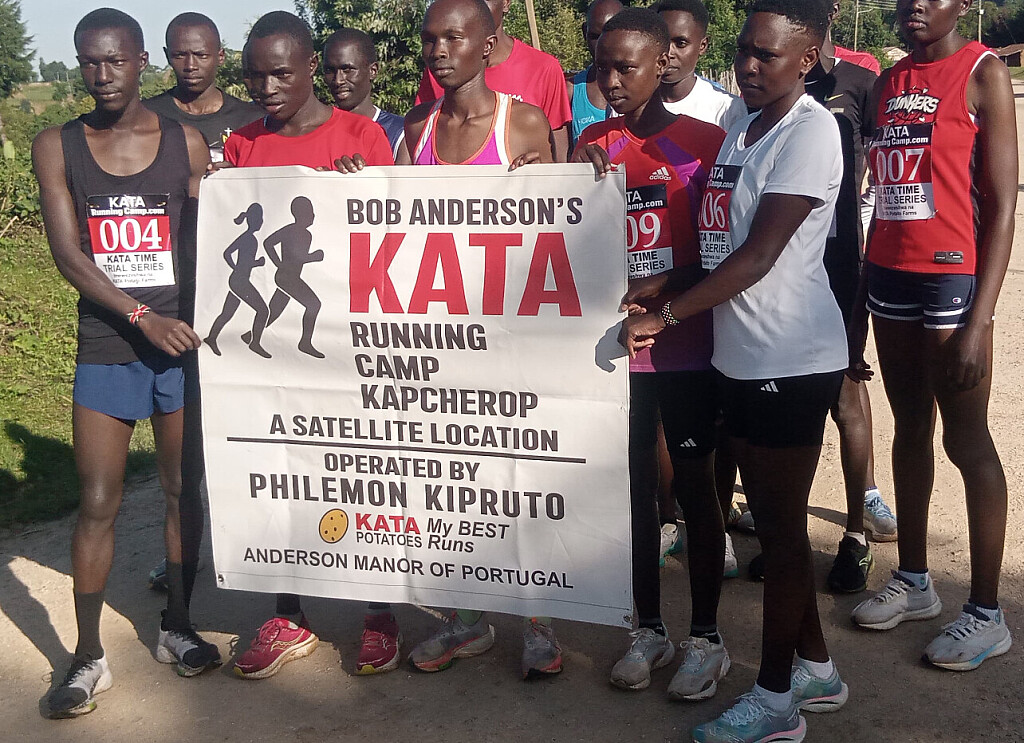
KATA Time Trial #2 — Kapcherop KATA Running Camp (K01)
Date: October 15, 2025 Altitude: 2,200 m
Location: Kapcherop, Kenya Coach & Camp Operator: Philemon Kipruto
The Kapcherop KATA Running Camp (K01) hosted its second official time trial on October 15, 2025, under ideal high-altitude training conditions at 2,200 meters. Athletes turned in determined efforts across both 5 km and 10 km distances, continuing to demonstrate the strength and focus that define the KATA program.
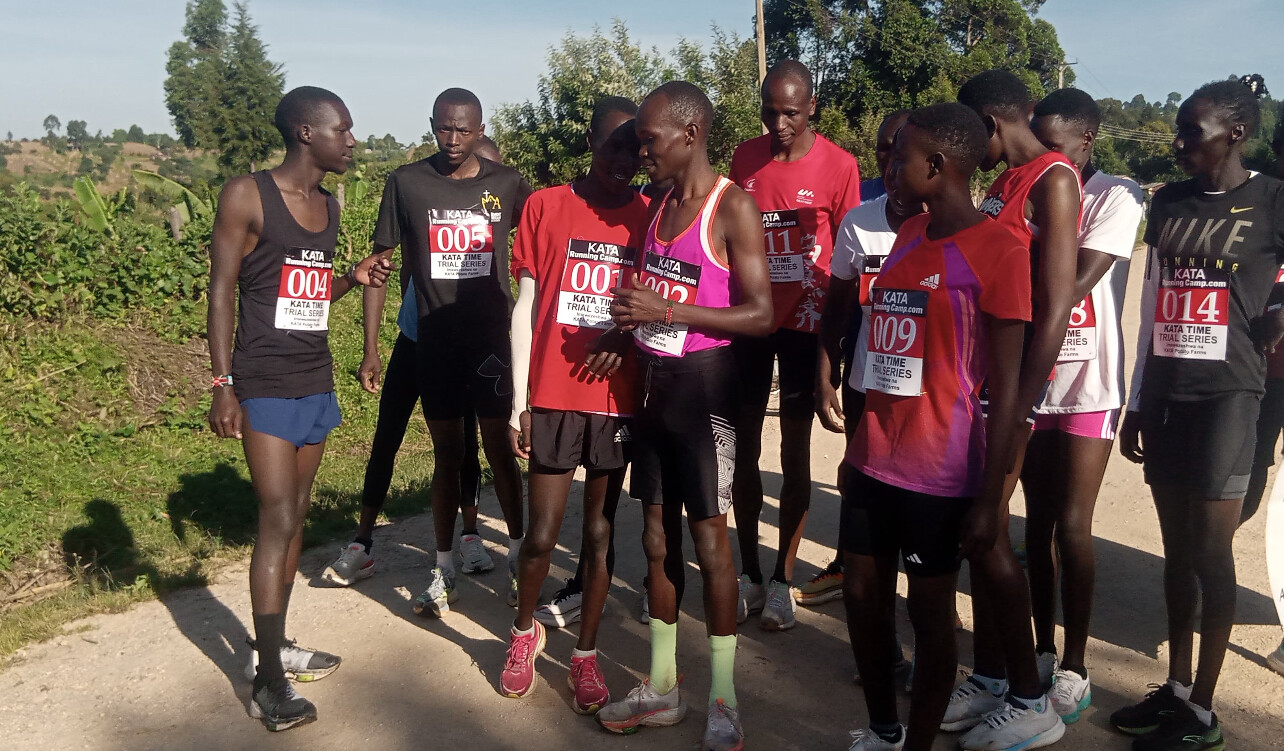
5 KM Men
1. Dennis Kipchirchir — 16:19
2. Evans Kemboi — 16:20
3. Kelvin Kiptoo — 17:20
4. Nahashion Kipkoech — 18:05
5. Alex Kimutai — 18:22
5 KM Women
1. Mercy Jebichi — 19:53
2. Purity Kosgei — 21:10
3. Mercy Jepchumba — 22:51
4. Sarah Jepkemoi — 24:16
10 KM Men
1. Enock Tanui — 32:46
2. Alan Mwetich — 33:53
3. Evans Kipyatich — 35:18
4. Donald Kimaru — 39:09
10 KM Women
1. Beatrice Rutto — 42:14
Coach Philemon Kipruto praised his team’s progress, noting that several athletes recorded personal bests and are showing improved endurance and pacing consistency.
“It’s encouraging to see our athletes push their limits each trial,” said Bob Anderson, Founder and Director of KATA. “Consistency and commitment are the heart of our program. These results show that the Kapcherop camp is on the right path, combining structured training with our KATA Potato Farm support model.”
The Kapcherop camp remains a cornerstone of KATA’s mission — developing world-class runners through disciplined training, nutritional awareness, and sustainable community farming.
by Boris Baron
Login to leave a comment
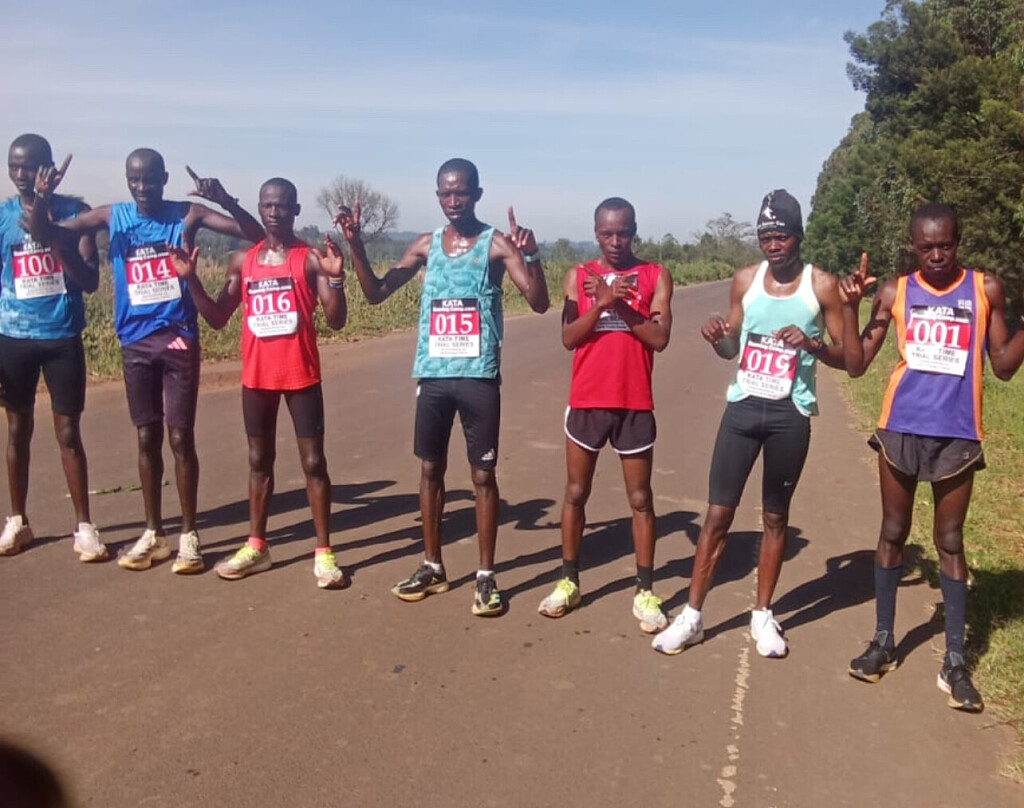
KATA Time Trial #2 — Kapsait KATA Camp (K24)
At an elevation of 2,500 meters, athletes from the Kapsait KATA Camp (K24) delivered impressive performances during their second official KATA Time Trial. Despite the challenging altitude, the men’s 10K saw a thrilling finish with Cornelius Chepkok narrowly edging Evans Kipruto by less than a second. Both clocked outstanding times just over 29:30.
In the 5K event, Dennis Kosgei led the way with a strong 14:40 run, followed closely by Timothy Kibetand Titus Kiprop, each posting sub-15-minute results — an impressive feat at this elevation.
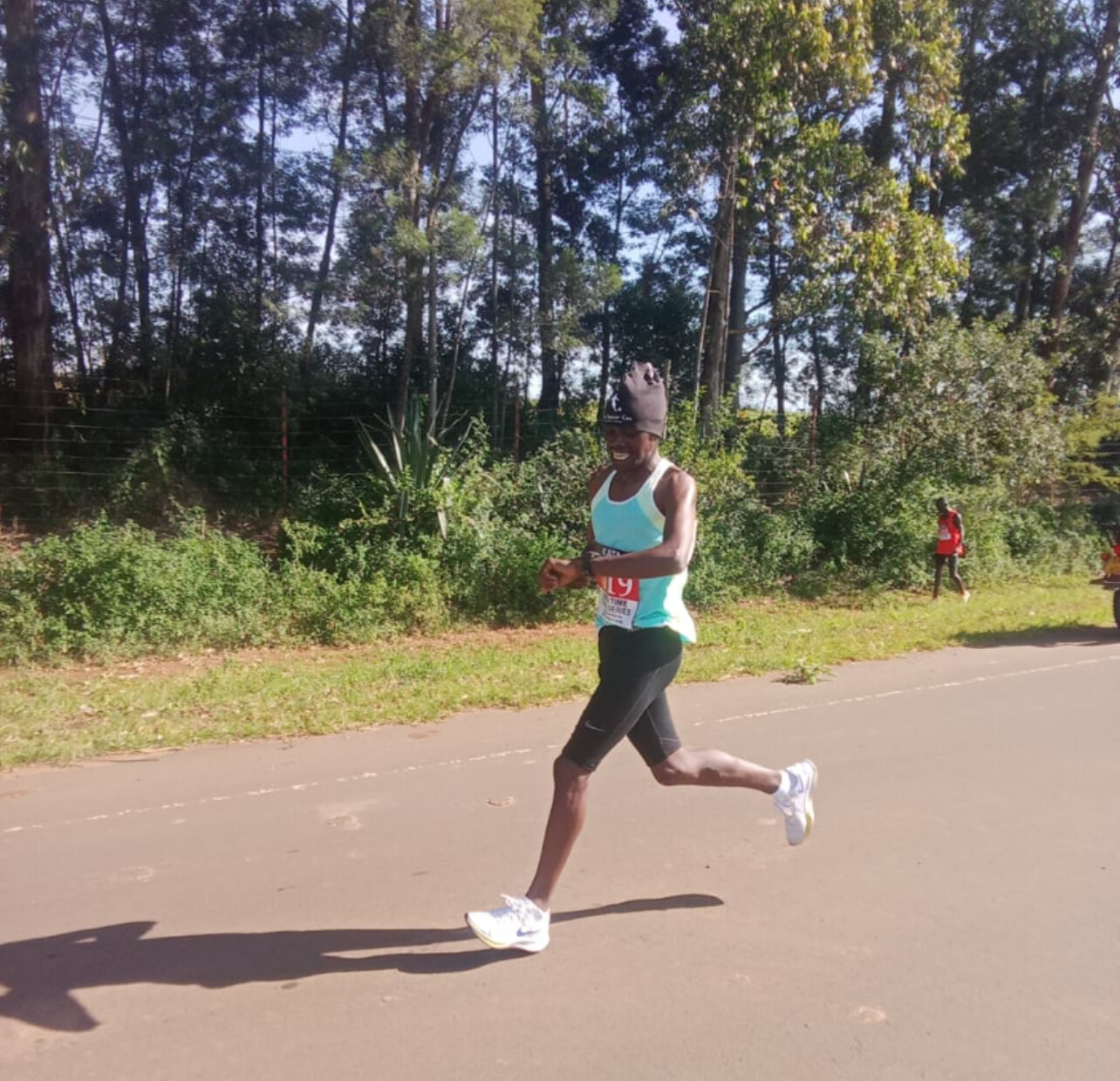
“Our KATA program is about more than just competition — it’s about progress,” said Bob Anderson, KATA Founder and Director. “Each time trial is a chance for our athletes to improve, to measure growth, and to build toward world-class performances. The times achieved at Kapsait today show real strength and determination.”

These performances continue to reflect the dedication of Coach Fredrick Kiprotich and his team in developing athletes who are ready to take their training to the next level under the KATA model — combining world-class running with sustainable potato farming.
Date: October 15, 2025
Altitude: 2,500m
Location: Kapsait, Kenya
Coach & Camp Operator: Fredrick Kiprotich
by Boris Baron
Login to leave a comment

Building the Future: KATA’s Vision to Become the Powerhouse of Athletics in Kenya
KATA founder Bob Anderson has a bold vision — one that unites athletes, coaches, and farmers under a single purpose: to make KATA the powerhouse of athletics in Kenya and a model for the world.
As of today, KATA operates 31 running camps and 65 potato farms across Kenya. Of these, 31 farms are directly connected to KATA camps, while the remaining farms are independent partners within the broader KATA network. Together, they form a growing agricultural foundation that supports both athletics and community development.

KATA farms currently range in size from one acre to 8.5 acres, combining traditional farming expertise with innovative support for athlete nutrition and sustainability. By the end of 2026, KATA’s goal is to expand to 100 Running Camps and 200 Potato Farms — half directly linked to camps — spanning more than 400 acres of productive farmland.
Another key initiative is the creation of the first KATA Ranch, scheduled for development by early 2026. The ranch will raise 100 or more sheep and goats, providing food, training nutrition, and economic value to the community. A KATA Running Camp will be connected to the ranch, integrating agriculture and athletics into one sustainable ecosystem. The long-term goal is for the ranch to become self-sustaining through the sale of meat and byproducts, ensuring continuous support for KATA programs and local families. Once the first ranch is fully operational, additional ranches are planned for future expansion.

KATA is also preparing to launch a KATA Sports Shop featuring running shoes and gear, and a KATA Market offering healthy, locally sourced food and essentials.
Coming soon and at the heart of KATA’s growth is its flagship product — branded KATA Potatoes, sold at a premium price and marketed as “The Fuel of Champions.” Complementing this is KATA Potato Flakes, an innovative product that reflects KATA’s values of energy, endurance, and excellence.
The KATA Potato Flakes will be sold worldwide as the go-to carbo-loading choice for marathonerspreparing for race day. Just add water from the tap, and in moments, you’re carbo-loading on KATA Potatoes — The Fuel of Champions.
Meanwhile, KATA Thika serves as the local office for Kenya and continues to thrive as the organization’s flagship Running Retreat, offering training stays for athletes from around the world who want to experience the Kenyan way of training — whether for a few days or a few months. The retreat provides access to world-class coaching, structured training, and cultural exchange with Kenya’s elite running community.
At the global level, KATA International is headquartered at the Anderson Manor in Monforte de Beira, Portugal — a 20,000-square-foot historic estate where the last King of Portugal stayed during his hunting trips in the early 1900s. The manor serves as the base for KATA’s international operations, housing both KATA Portugal and the Anderson Manor Retreat, which welcome athletes, artists, and guests from around the world.
Behind the scenes but very much involved is Bob’s wife, Catherine. (First photo with Bob). Her creative talent adds a great deal to the program. Bob and Catherine have known Coach Dennis since 2021. He has completed two three-month stays at KATA headquarters in Portugal, working alongside Bob. Coach Dennis (4th photo with Bob in Portugsl) was recently promoted to Chief Technical Officer (CTO) and will oversee operations in Kenya.
Development of KATA Portugal began in February 2024, and the project continues to progress strongly. The retreat in Portugal will serve as the European counterpart to KATA Thika, offering athletes a place to train, rest, and connect with KATA’s global mission in a peaceful, historic setting.
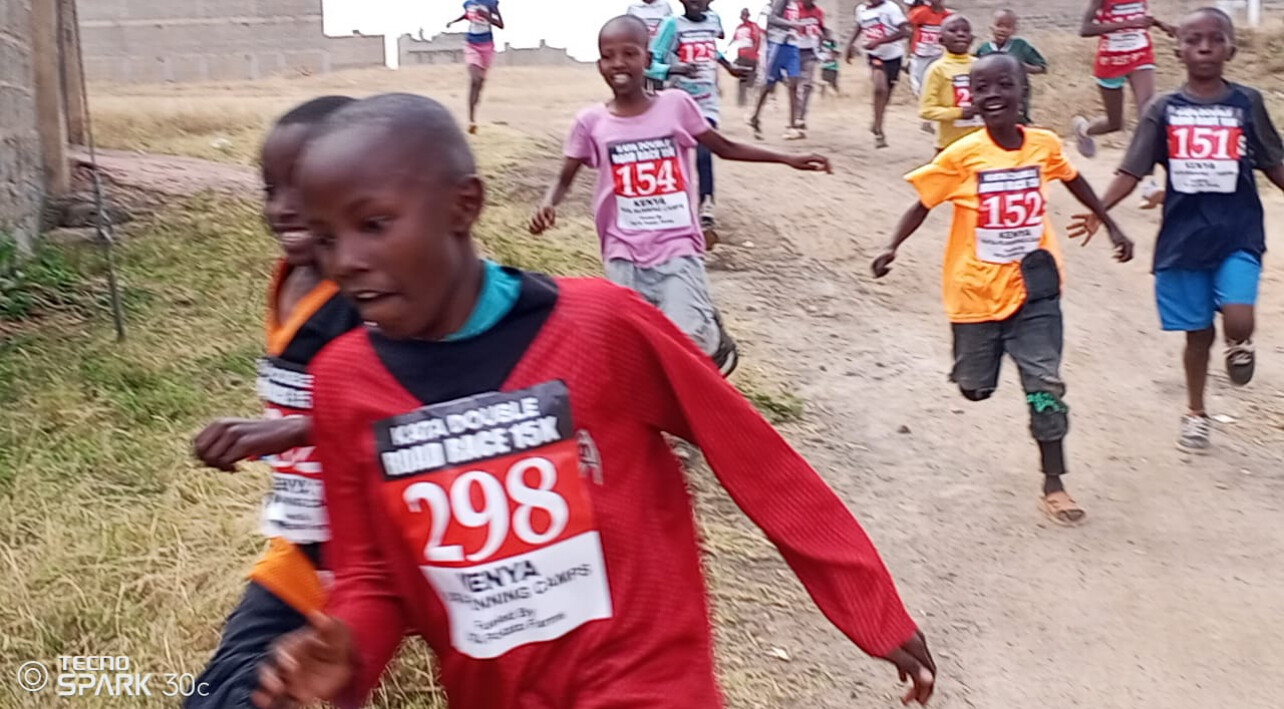
KATA’s vision goes far beyond producing great runners. The mission is to develop world-class athletes, Olympic champions, and future world record holders — combining top-tier coaching, discipline, and holistic training. Already, previous Olympic medalists such as Edwin Soi and Paul Koech are part of the KATA family, operating their own KATA Camps and helping guide the next generation of Kenyan champions.
Anderson also envisions a thriving athletic network of 650 elite runners, 150 youth athletes, and 40+ masters runners, supported by an expanding media presence through My Best Runs and KATA’s social platforms.
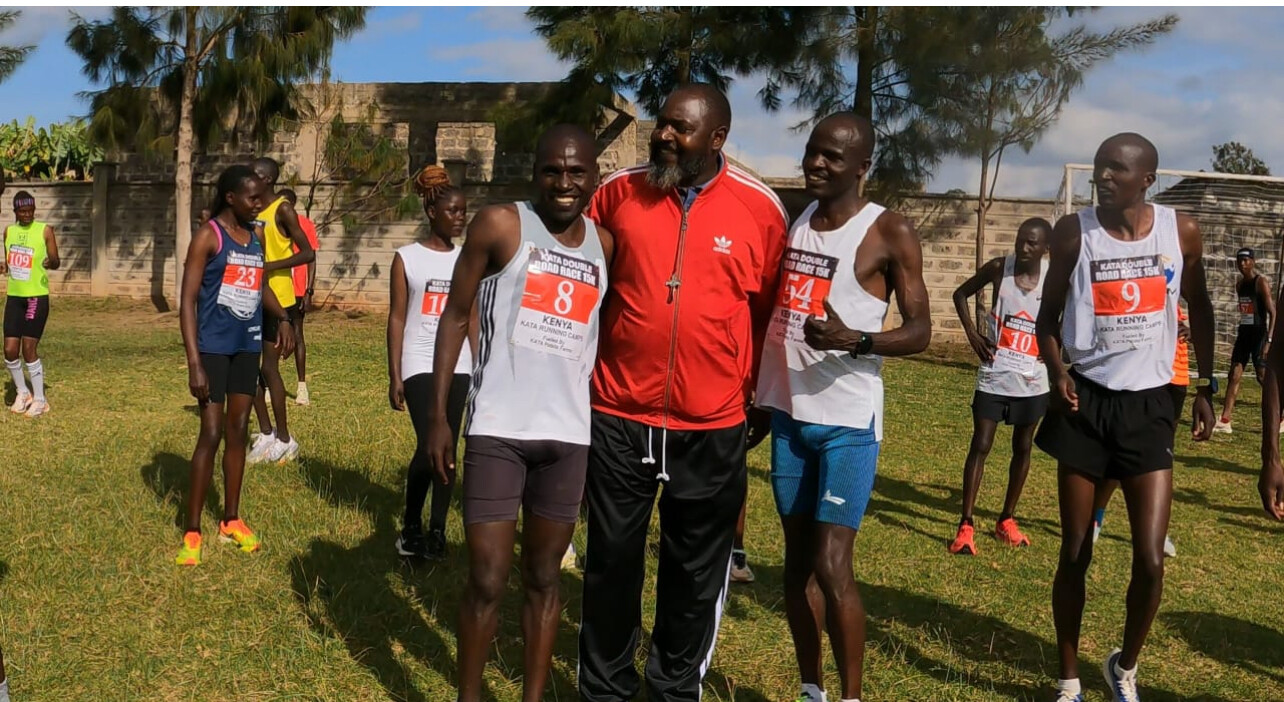
“I want to do something truly special for athletics,” Anderson says. “And it’s the passion and dedication of our athletes, coaches, and farmers that will make this dream a reality.”
“Our KATA family is as strong as its members,” Anderson adds. “As a team, we can make anything happen. In just a short amount of time, we’ve pulled off some amazing things. But our KATA family has only just gotten started. Watch us grow — and join us in helping make a difference.”
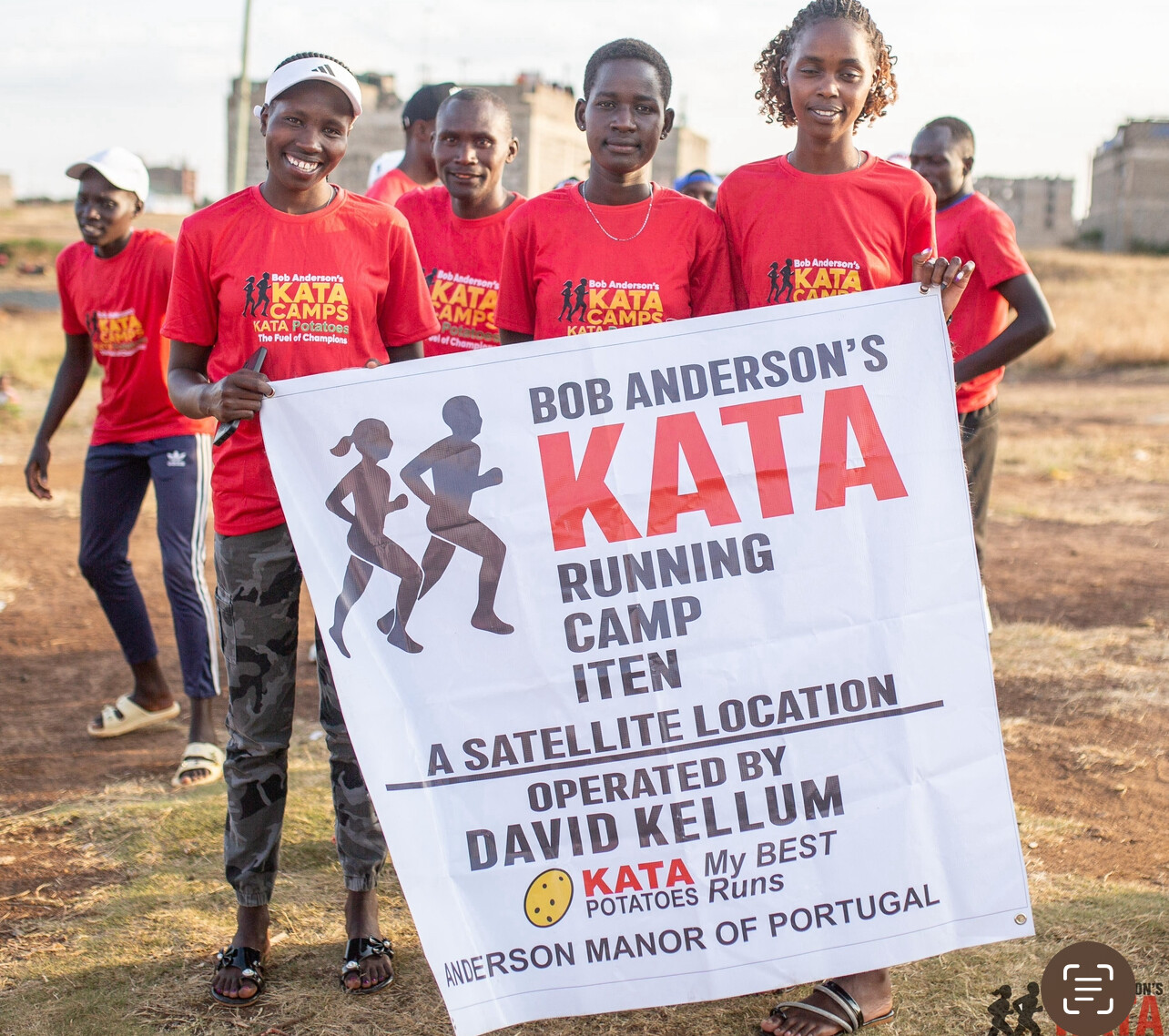
Anderson’s connection to Kenya runs deep. He first visited the country in 1987 and immediately fell in love with its people, culture, and running spirit. Just three years earlier, he had sold the magazine he founded and published for 18 years — Runner’s World, which had grown to a circulation of 2.5 million monthly readers. Runner’s World played a defining role in launching the modern running movement, inspiring millions of runners worldwide.
Although KATA Thika began in 2019, the KATA Running Camps officially launched in May 2025, building upon KATA’s strong foundation in Kenya. Both KATA Thika and KATA Portugal continue to grow as vital pillars in this global vision.
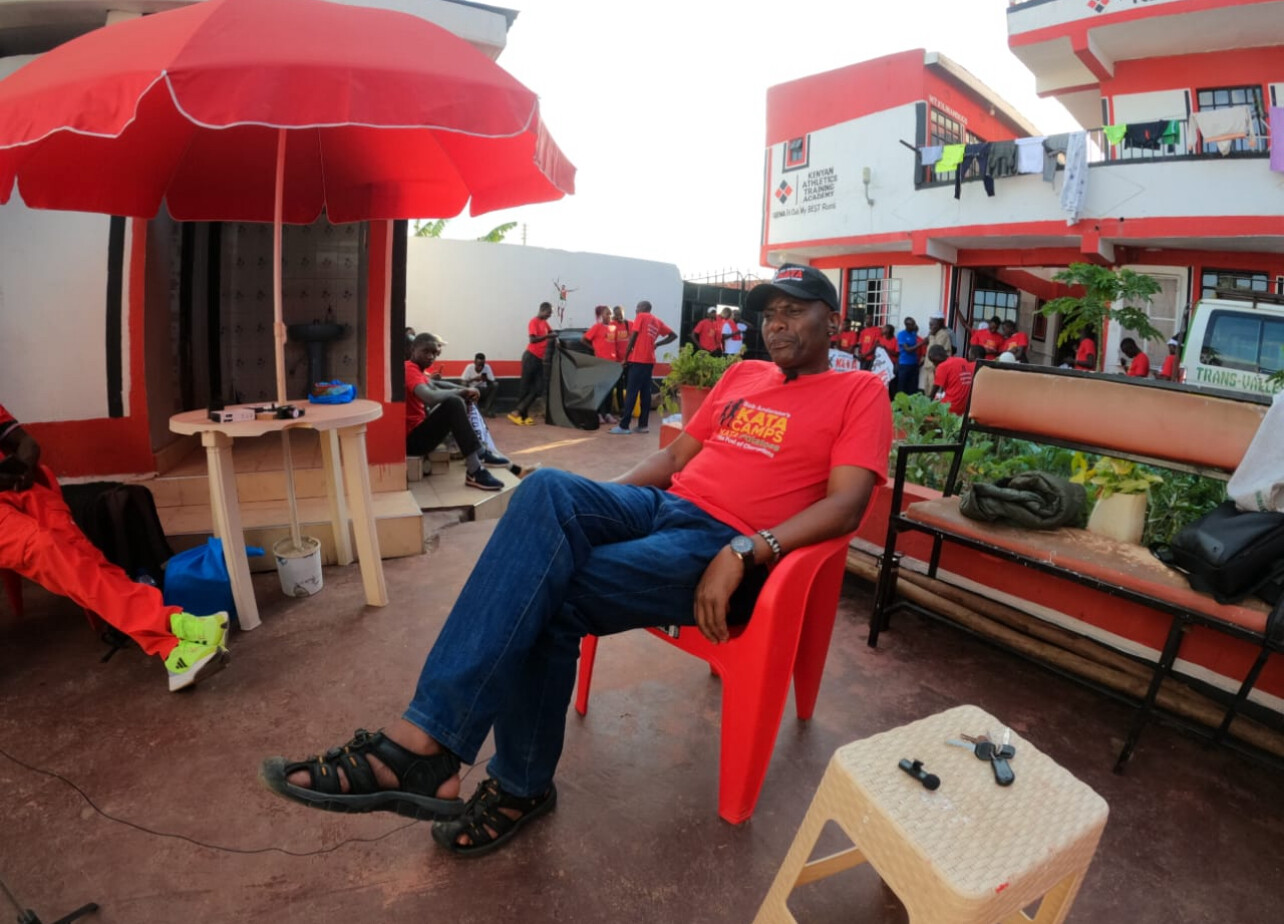
Anderson’s mission is clear: to strengthen the foundation of athletics in Kenya — and after 2026, expand to South Africa, Uganda, Ethiopia, and beyond.
Go KATA — The Fuel of Champions!
by Boris Baron
Login to leave a comment
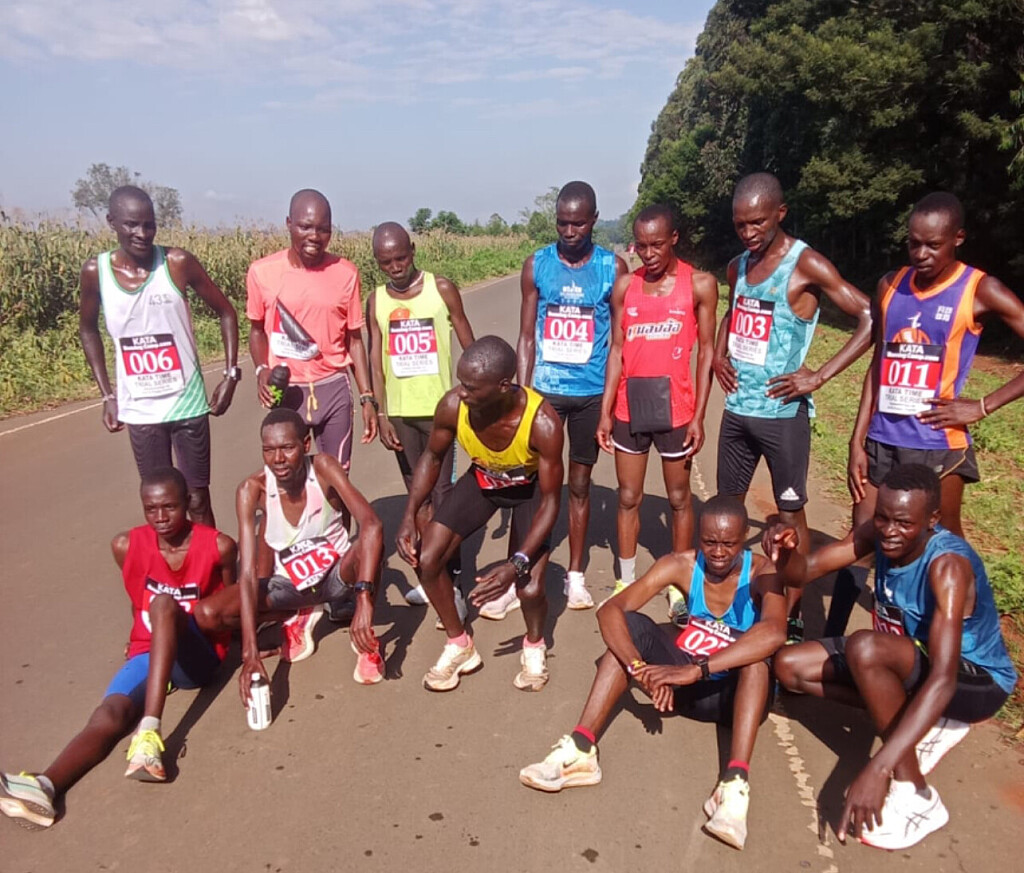
KATA Running Camp Kapsait Hosts Competitive Time Trial
The KATA Running Camp in Kapsait, operated by Fredrick Kiprotich, staged an exciting time trial today featuring both 10 km and 5 km races. The athletes, representing Bob Anderson’s KATA program, delivered strong performances on the challenging high-altitude course.
10 KM RESULTS
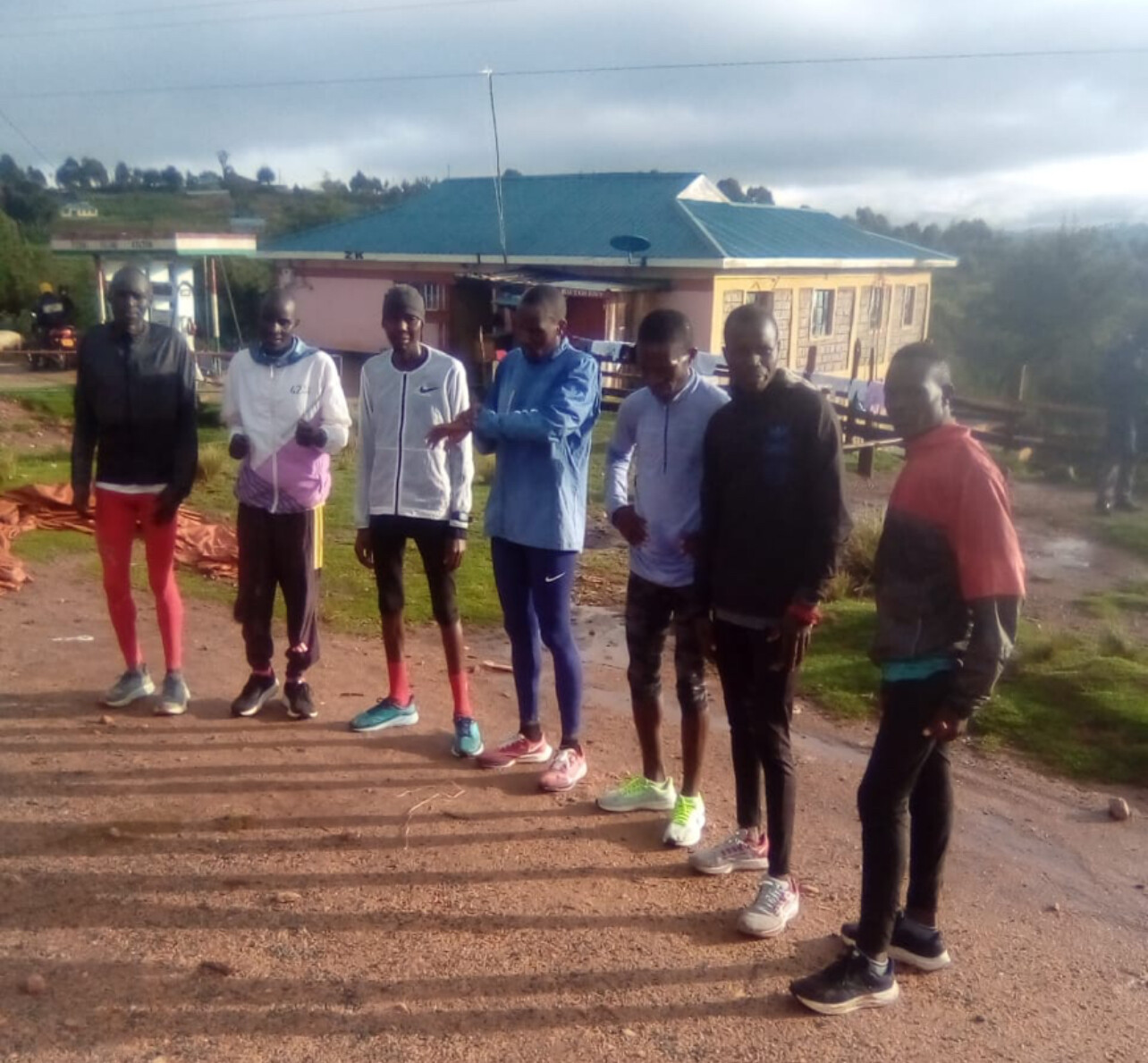
The men’s 10 km race came down to a thrilling finish, with Evans Kipruto edging out Cornelius Chepkok by just two hundredths of a second. Kipruto clocked 29:42.01, with Chepkok right behind in 29:42.03.
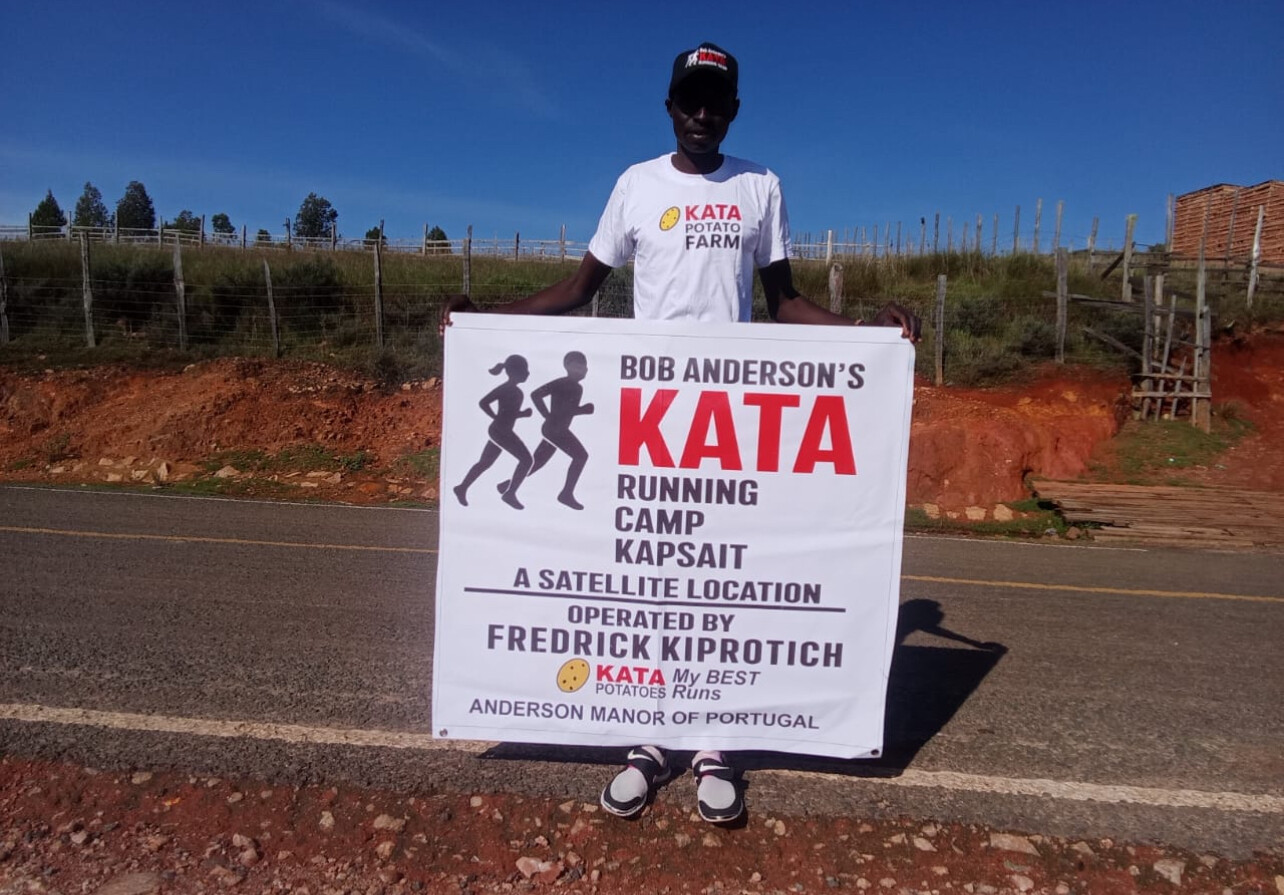
• Kenneth Rono secured third in 31:15.14, followed by Charles Lonyang’ngro in 31:16.28.
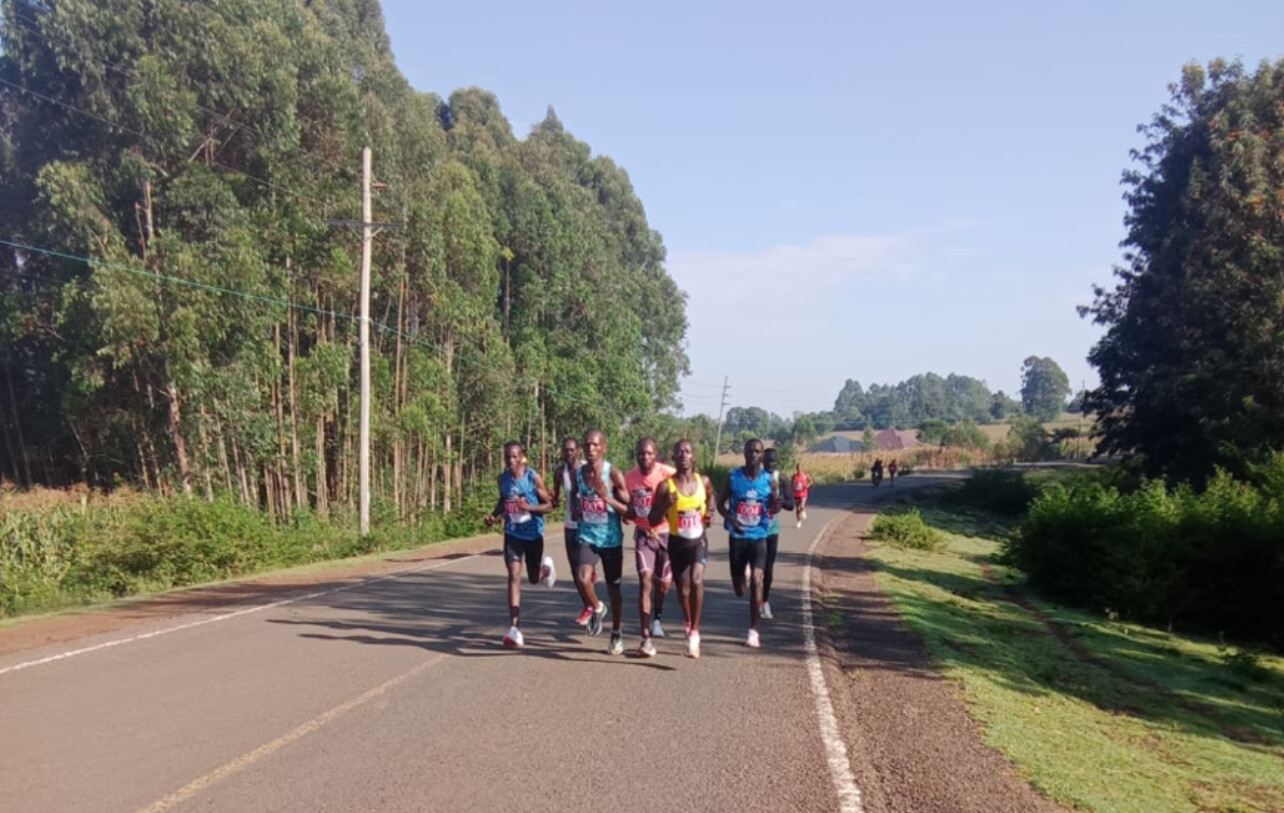
• Silas Maiyo ran 31:48.35, and Evans Bowen rounded out the top six in 32:00.42.
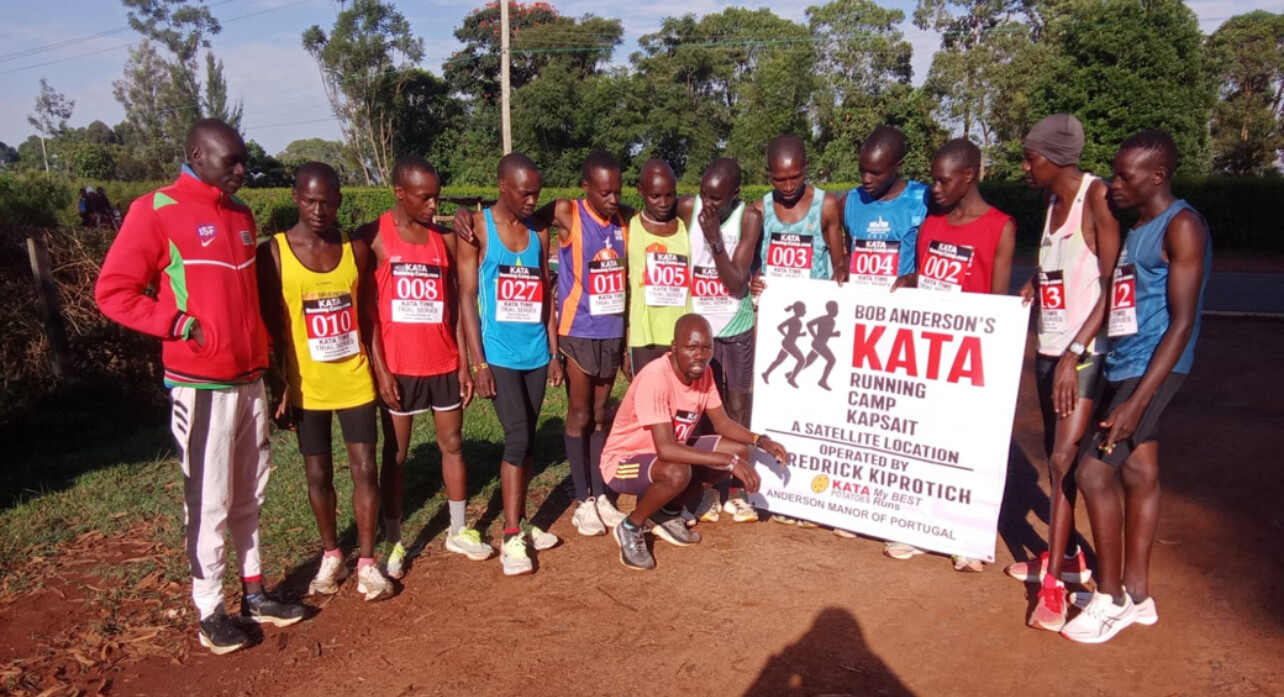
5 KM RESULTS
The 5 km event showcased the camp’s emerging young talent. Collins Kimutai led the field with an impressive 14:30.00, followed by Timothy Kibet in 14:41.04 and Titus Kiprop in 14:48.50.
• Dennis Kpsgei finished fourth in 14:54.55, while Leinius Kosgei crossed in 14:59.58.
• Noel Kibet rounded out the group in 15:30.45.
Building the Future of Distance Running
These results highlight the growing strength of the KATA Running Camp program, which combines world-class training with the support of KATA Potato Farms to sustain the athletes. Bob Anderson’s vision—uniting athletics with agriculture—is fueling opportunities for runners across Kenya, including satellite locations like Kapsait.
“Time trials like today’s are an important part of our program,” said camp operator Fredrick Kiprotich. “They allow athletes to test themselves against one another, build confidence, and prepare for upcoming competitions.”
From Kapsait to camps across Kenya, the KATA initiative continues to empower athletes and develop the next generation of champions.
by Boris Baron
Login to leave a comment
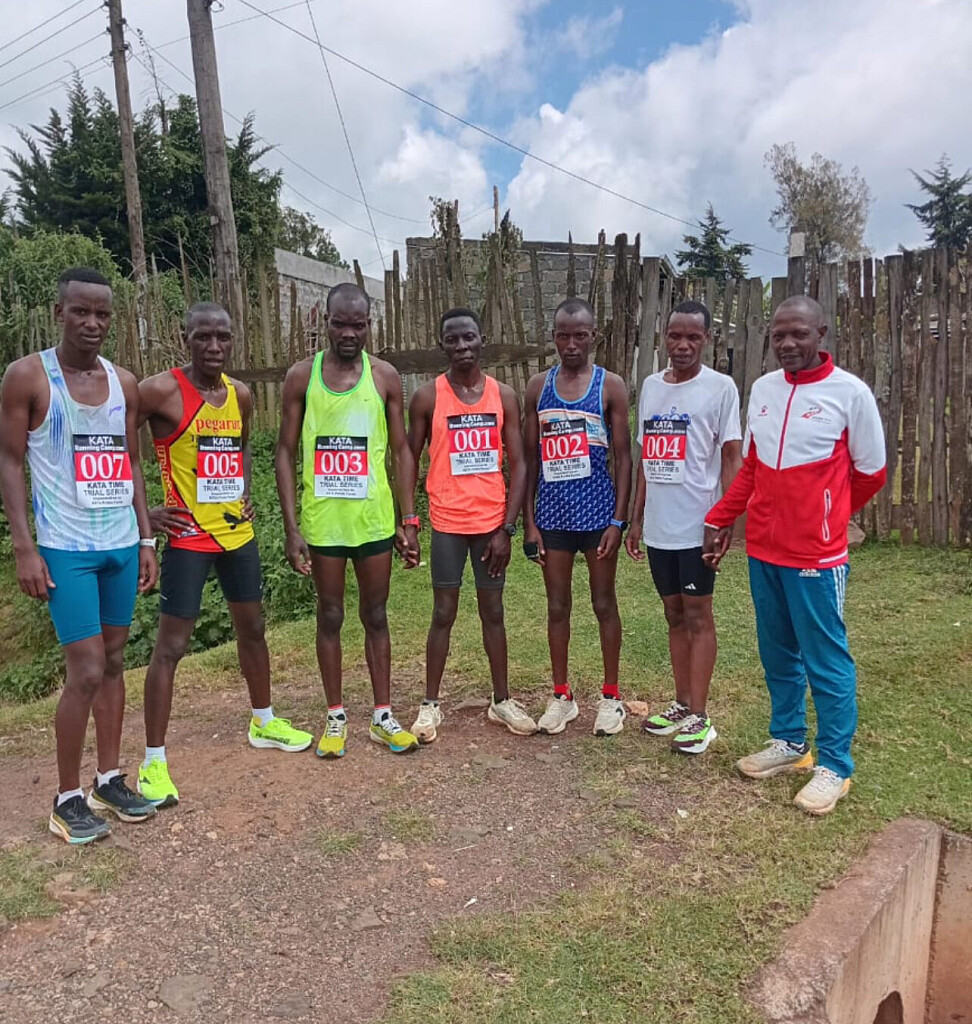
Kimutai Kirui Wins KATA Running Camp 2 Time Trial in Molo
Molo, Kenya – August 13, 2025 — KATA Running Camp 2 in Molo operated by Eric Chepkwony staged an exciting 10km time trial, producing tight battles and strong performances across the field. Timothy Kimutai Kirui emerged as the day’s champion, stopping the clock at 29:05 to secure a convincing win.
Weldon Chepkwony claimed second in 29:17, just edging out Enock Kipgeno, who finished third in 29:55. The top five all broke 31 minutes, highlighting the competitive depth at the camp.
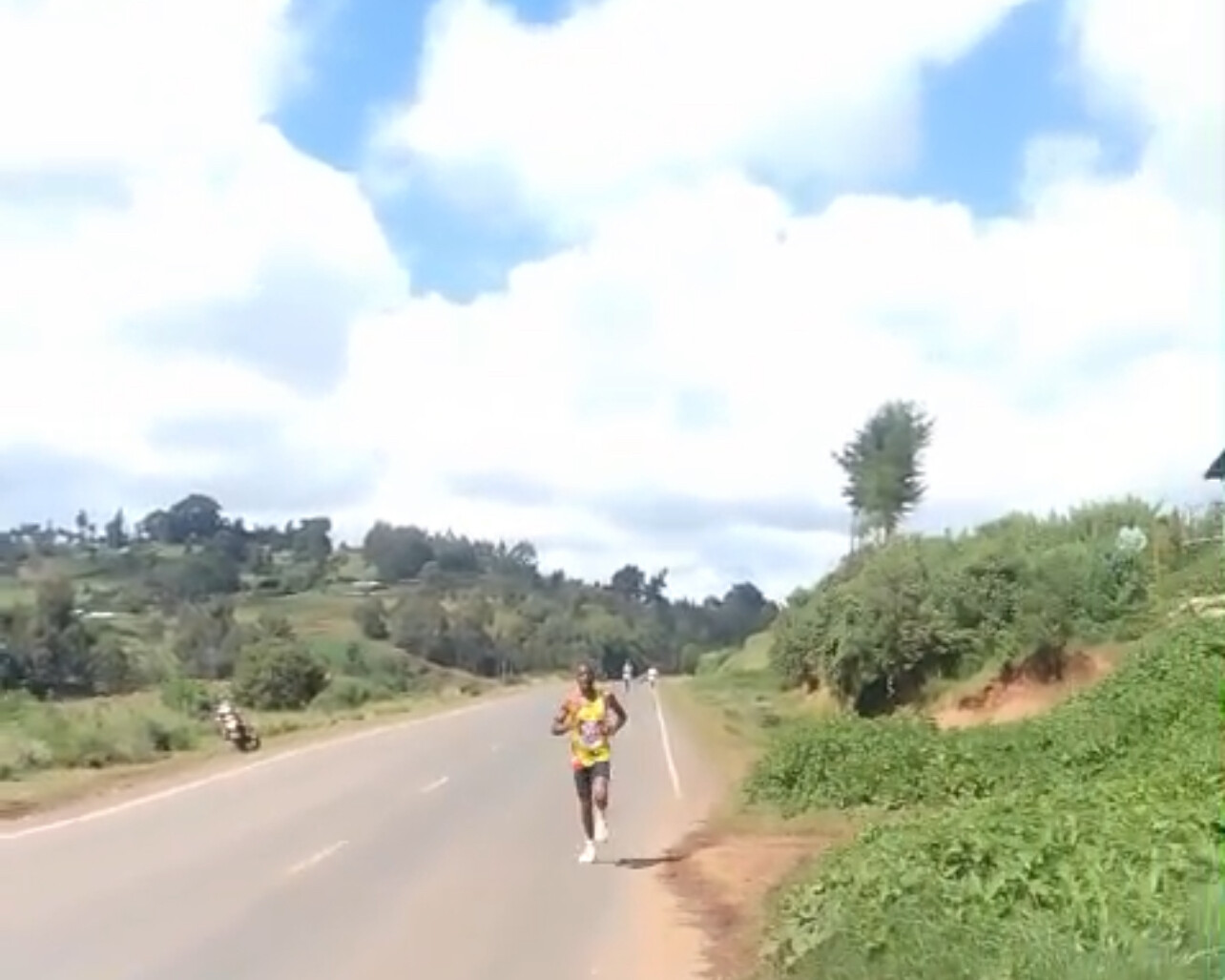
10km Results – Men
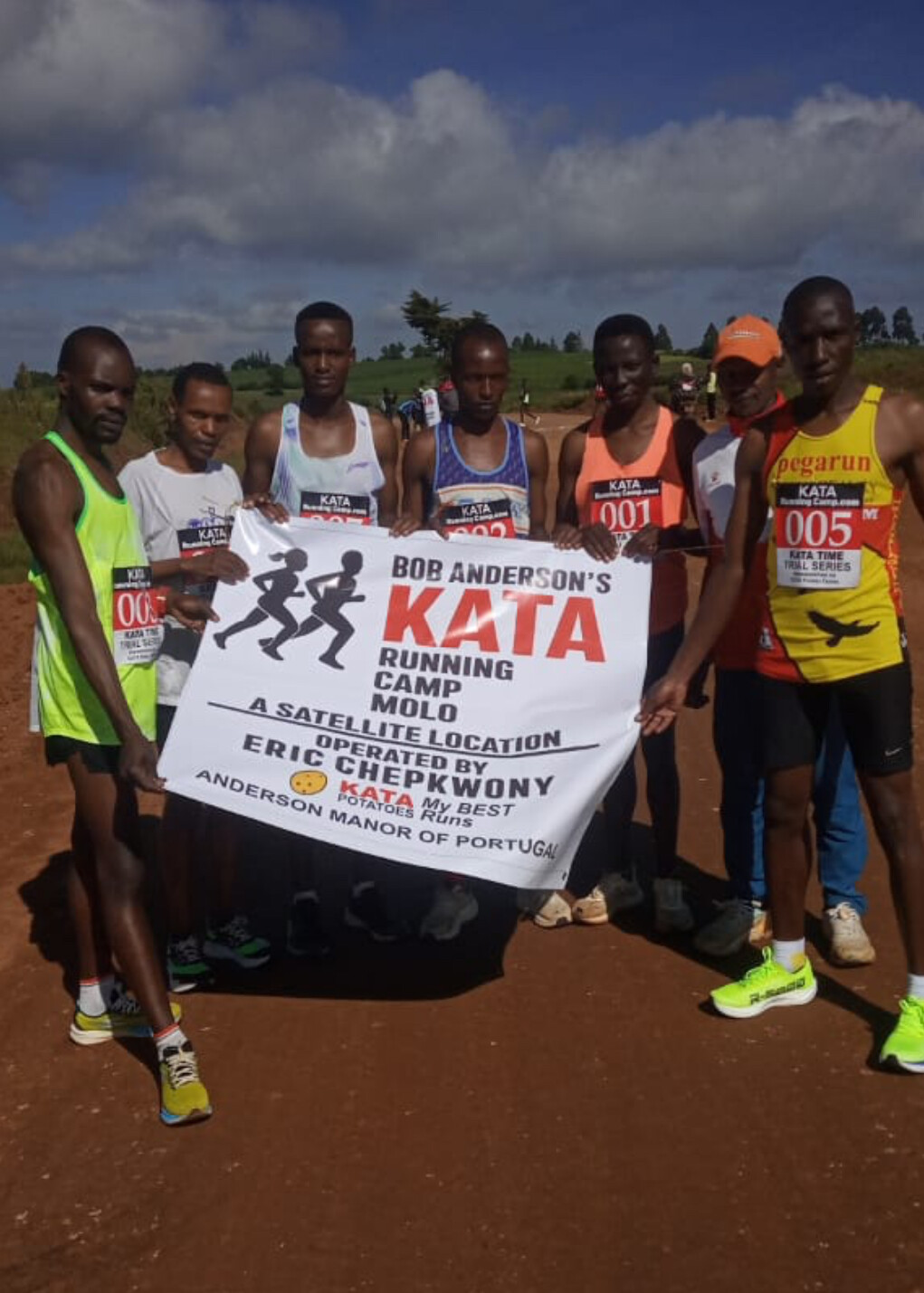
1. Timothy Kimutai Kirui – 29:05 (Bib 004, Age 28)
2. Weldon Chepkwony – 29:17 (Bib 005, Age 31)
3. Enock Kipgeno – 29:55 (Bib 007, Age 22)
4. Nicodemus Kiprono Ngetich – 30:05 (Bib 001, Age 23)
5. Brian Yega – 30:42 (Bib 002, Age 27)
6. Dennis Sang – 32:13 (Bib 003, Age 22)
The camp also ran a 5km trial, where Timothy Kimutai Kirui again led the way, clocking 15:23. He was followed by Enock Kipgeno in 15:44 and Weldon Chepkwony in 16:02.
5km Results – Men
1. Timothy Kimutai Kirui – 15:23 (Bib 004, Age 28)
2. Enock Kipgeno – 15:44 (Bib 007, Age 22)
3. Weldon Chepkwony – 16:02 (Bib 005, Age 31)
4. Nicodemus Kiprono Ngetich – 16:27 (Bib 001, Age 23)
5. Brian Yega – 16:46 (Bib 002, Age 27)
6. Dennis Sang – 17:02 (Bib 003, Age 22)
KATA Running Camp 2 is part of the expanding KATA network, which now includes 30 running camps across Kenya. These regular time trials give athletes the opportunity to sharpen their racing skills, track progress, and prepare for major competitions.
The Molo athletes showed they are on track for even stronger performances in the months ahead.
by Boris Baron
Login to leave a comment
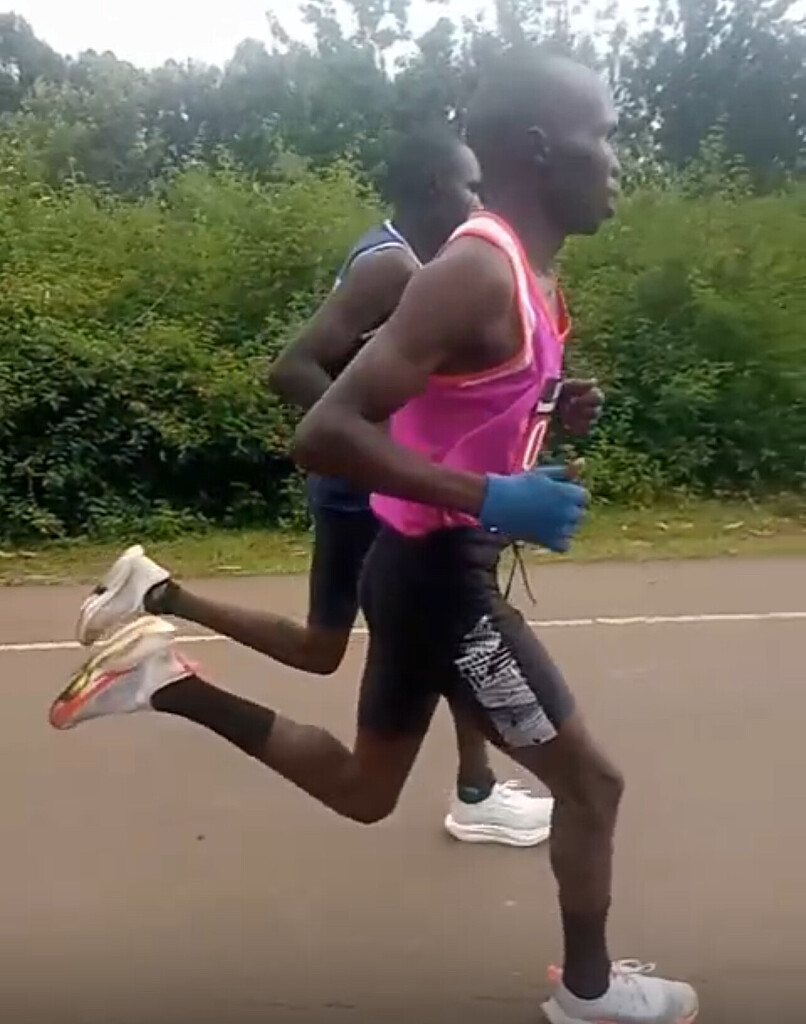
Kapcherop & Tenden KATA Camps Join Forces for High-Altitude Time Trial
Location: Kapcherop & Tenden, Kenya | Camps: 01 & 09 Elevation: ~2,300m Camp Operator: Philemon Kipruto
The KATA Running Camps in Kapcherop (Camp 01) and Tenden (Camp 09) staged a joint high-altitude time trial on August 13, 2025, bringing together talented athletes to test their form and competitiveness.
Held under favorable weather conditions, the event featured both 5km and 10km races on challenging mixed-terrain routes. The scenic but demanding course at over 2,300 meters pushed athletes to maintain a strong pace from start to finish, demonstrating the benefits of their disciplined training programs.
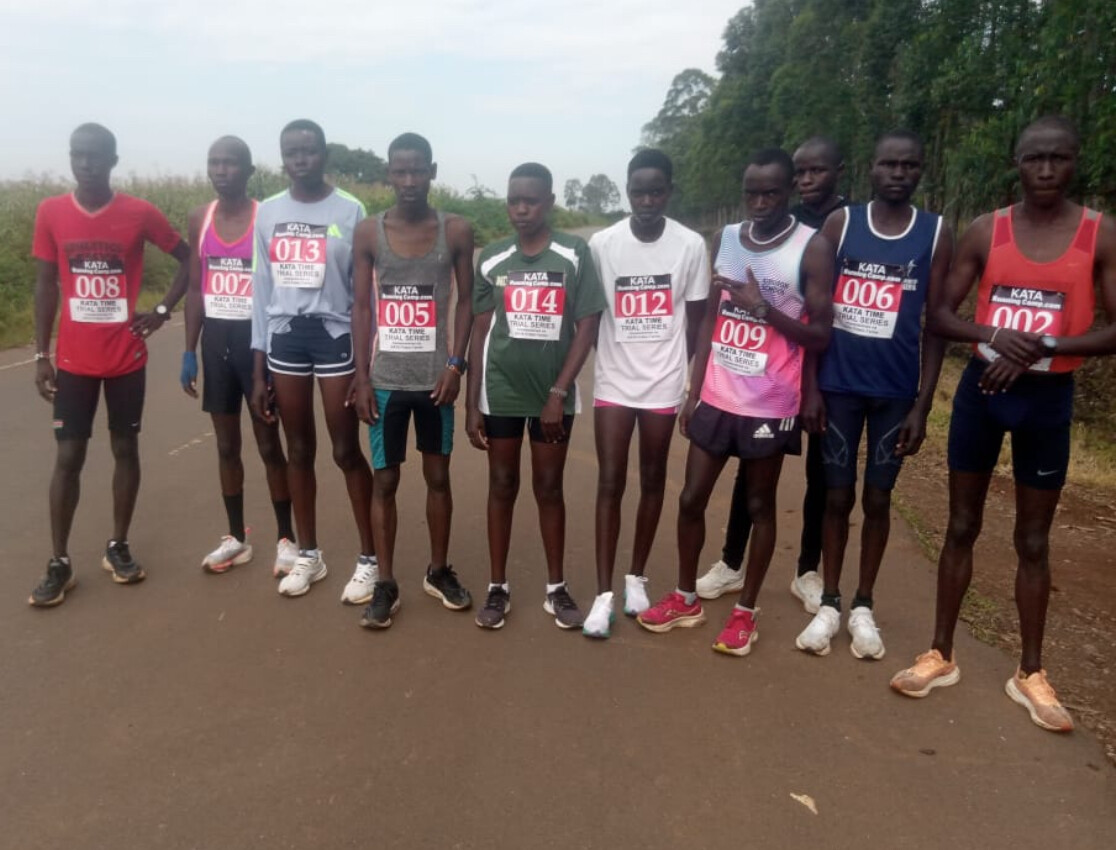
Building Strength and Team Spirit
Coach Philimon Kipruto, who operates both camps, praised the athletes’ effort, noting clear improvements in endurance, speed, and tactical execution. The trial served as both a performance assessment and preparation for upcoming competitions.
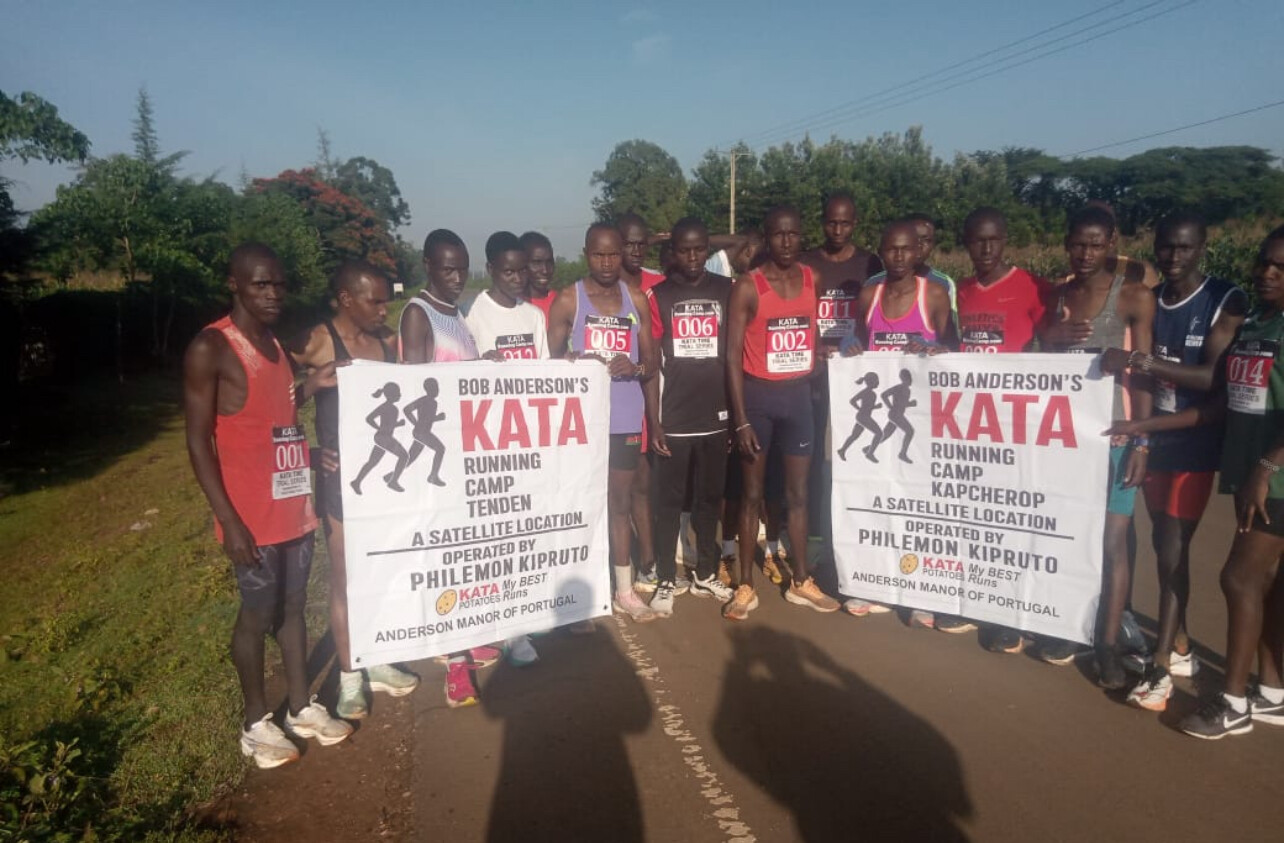
The collaboration between the two KATA Running Camps strengthened team spirit, creating a competitive yet supportive atmosphere. Athletes encouraged each other while still pushing hard for top spots, underscoring KATA’s commitment to nurturing elite distance running.
These running camps are part of the wider KATA Potato Farms initiative, which supports athletes by combining high-level training with sustainable potato farming to provide long-term income opportunities.
Results
10km Meni
1. Donal Kimaru (Bib 011) – 29:19.92 – Kapcherop
2. Allan Mwetich (Bib 010) – 29:33.79 – Kapcherop
3. Duncan Kemei (Bib 001) – 29:42.58 – Tenden
4. Dennis Kosgei (Bib 005) – 29:44.77 – Kapcherop
5. Enock Tanui (Bib 003) – 29:57.18 – Kapcherop
6. Hosea Tuei (Bib 002) – 30:10.33 – Kapcherop
7. Evans Kemboi (Bib 004) – 30:17.93 – Kapcherop
8. Ian Kimtai (Bib 003) – 30:45.39 – Tenden
9. Clement Kipkoech (Bib 004) – 31:41.71 – Tenden
10km Women
1. Beatrice Rutto (Bib 015) – 35:32.43 – Kapcherop
5km Men
1. Dennis Kipchirchir (Bib 007) – 14:50.01 – Kapcherop
2. Shadrack Plimo (Bib 006) – 15:01.20 – Kapcherop
3. Sammy Kwemoi (Bib 002) – 15:04.24 – Tenden
4. Kelvin K. Kiptoo (Bib 009) – 15:10.26 – Kapcherop
5. Nickson R. Kipkemoi (Bib 005) – 16:15.30 – Tenden
6. Alex K. Rutto (Bib 008) – 16:13.57 – Kapcherop
7. Emmanuel Kemboi (Bib 006) – 17:04.34 – Tenden
5km Women
1. Mercy Jebichi (Bib 012) – 17:14.35 – Kapcherop
2. Sarah Chepkemoi (Bib 013) – 19:36.20 – Kapcherop
3. Mercy Jepchumba (Bib 014) – 19:50.09 – Kapcherop
Conclusion
This joint time trial between Kapcherop and Tenden KATA Camps, operated by Philemon Kipruto, reinforced the benefits of combining camp talent for high-quality competition. With several sub-30-minute 10km runs at altitude and strong showings across both distances, the athletes are proving that the KATA program’s blend of elite training and community spirit is yielding results.
by Fridah Terry
Login to leave a comment
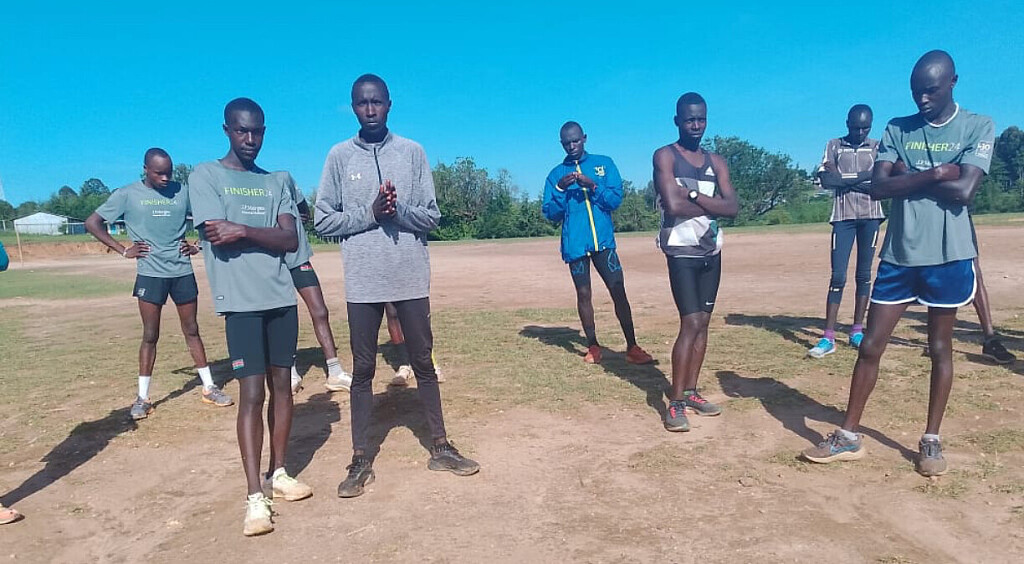
KATA Running Camp 01: Building Champions from Teen Talent to Marathon Veterans
At the KATA Running Camp and KATA Potato Farm's first official running camp, KATA 01 in Kapcherop, Coach Philemon Kipruto is leading a dynamic mix of rising teenage talent, competitive middle-distance athletes, and seasoned marathoners. Training programs are carefully balanced between speed, endurance, and tactical racing skills, ensuring that every athlete—whether 16 or 38—continues to progress.
Philemon also operates KATA 09 in Tenden, just a few kilometers away, giving him the unique advantage of managing two high-performance training groups within close proximity. Together, these two camps not only produce top-level athletes but also farm six acres of KATA potatoes, directly contributing to the program’s sustainability and providing the “Fuel of Champions”.
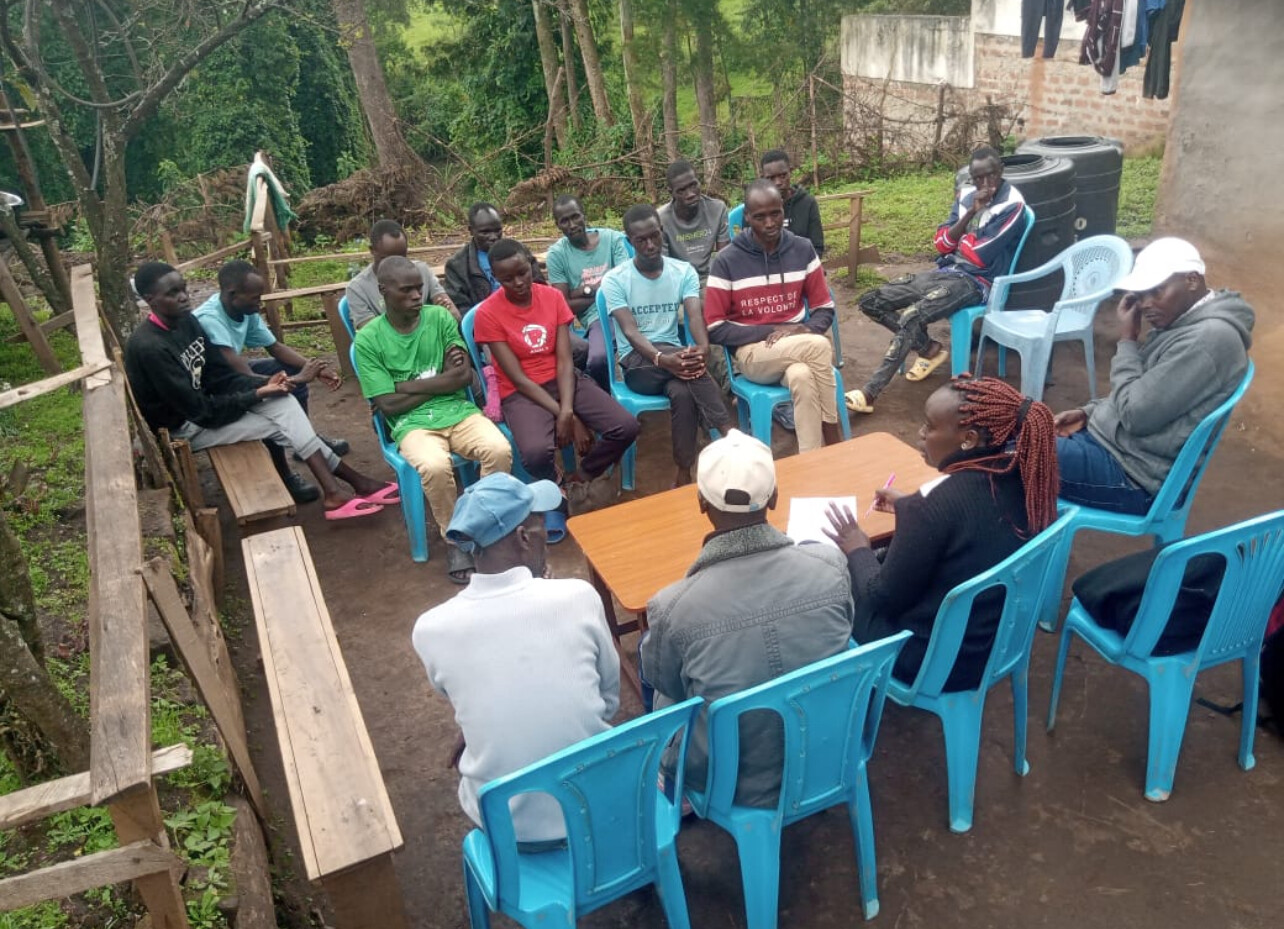
What is KATA?
The Kenya Athletics Training Academy (KATA) was founded by Bob Anderson in Thika, Kenya, in 2019 as a hub for developing elite Kenyan runners. The program has since grown into a nationwide network, uniquely combining world-class training camps with sustainable agriculture.
Since May 16, 2025, KATA has launched 30 mrunning camps across Kenya, plus 20 independent KATA Potato Farms not directly attached to camps. This brings the total to 50 KATA potato farms—the backbone of the program’s long-term sustainability.

Known as “The Fuel of Champions”, KATA potatoes provide both nutrition for athletes and revenue to support training operations. As of today, there are 108 acres of KATA potatoes planted or being planted, directly supporting more than 400 KATA athletes across the country.
KATA’s mission is clear: produce champions who can succeed locally and internationally while building a self-sustaining model that benefits athletes, communities, and the Kenyan running legacy.
Standout Athletes & Performances

Men:
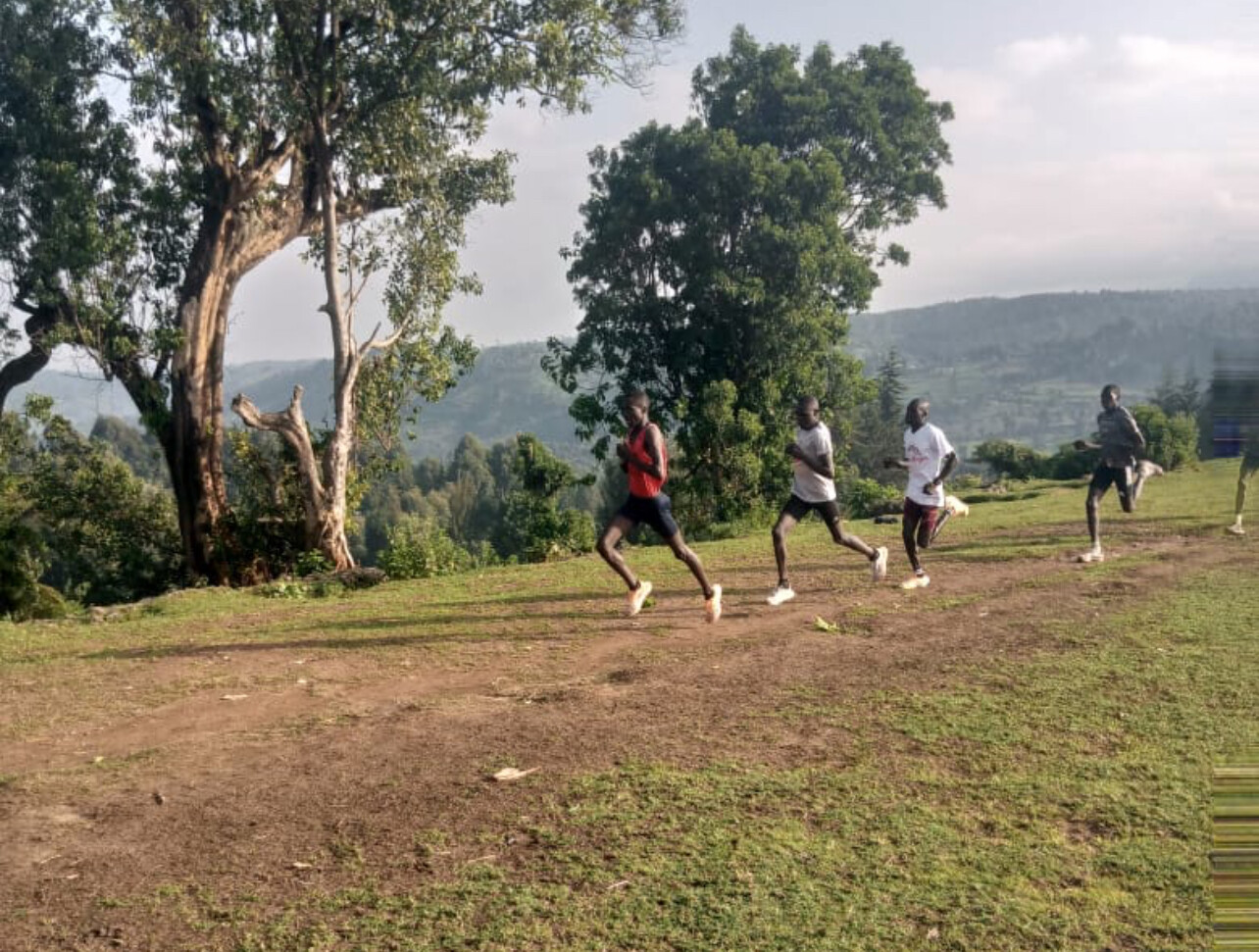
• Leonard Pkorir (19) – 10km: 29:11 – Emerging as a formidable road racer with a strong endurance base.
• Enock Tanui (16) – 3000m Steeplechase: 9:02 – Exceptional hurdle technique with early signs of national team potential.
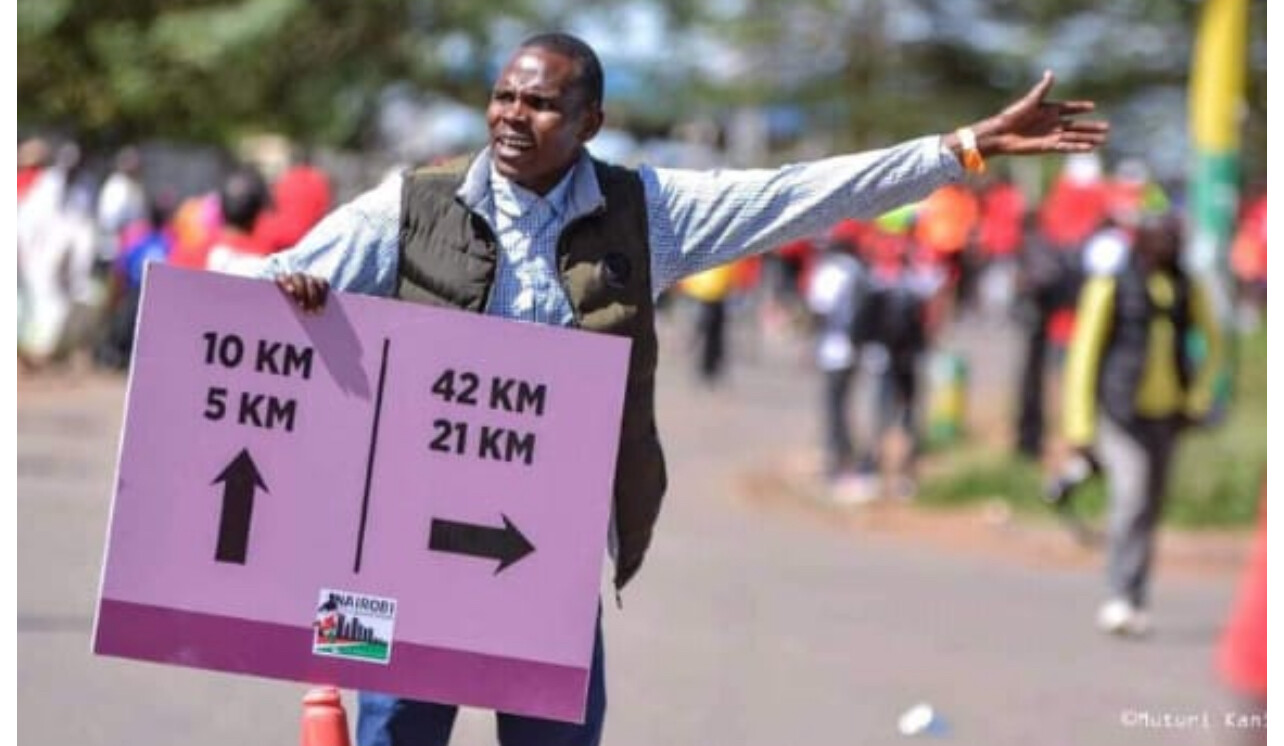
• Alan Mwetich (22) – 21km: 65:12 – Balanced speed and stamina for half marathon success.
• Shadrack Plimo (19) – 1500m: 3:54 – Targeting a sub-3:50 at the next meet.

• Kelvin Kibiwott (20) – 5000m: 15:20 – Building speed endurance ahead of cross-country season.
• Dennis Kosgei (23) – 21km: 64:53 – Looking to sharpen his closing kick in the half marathon.
• Evans Kemboi (23) – 3000m: 9:24 – Solid short-to-mid distance competitor.
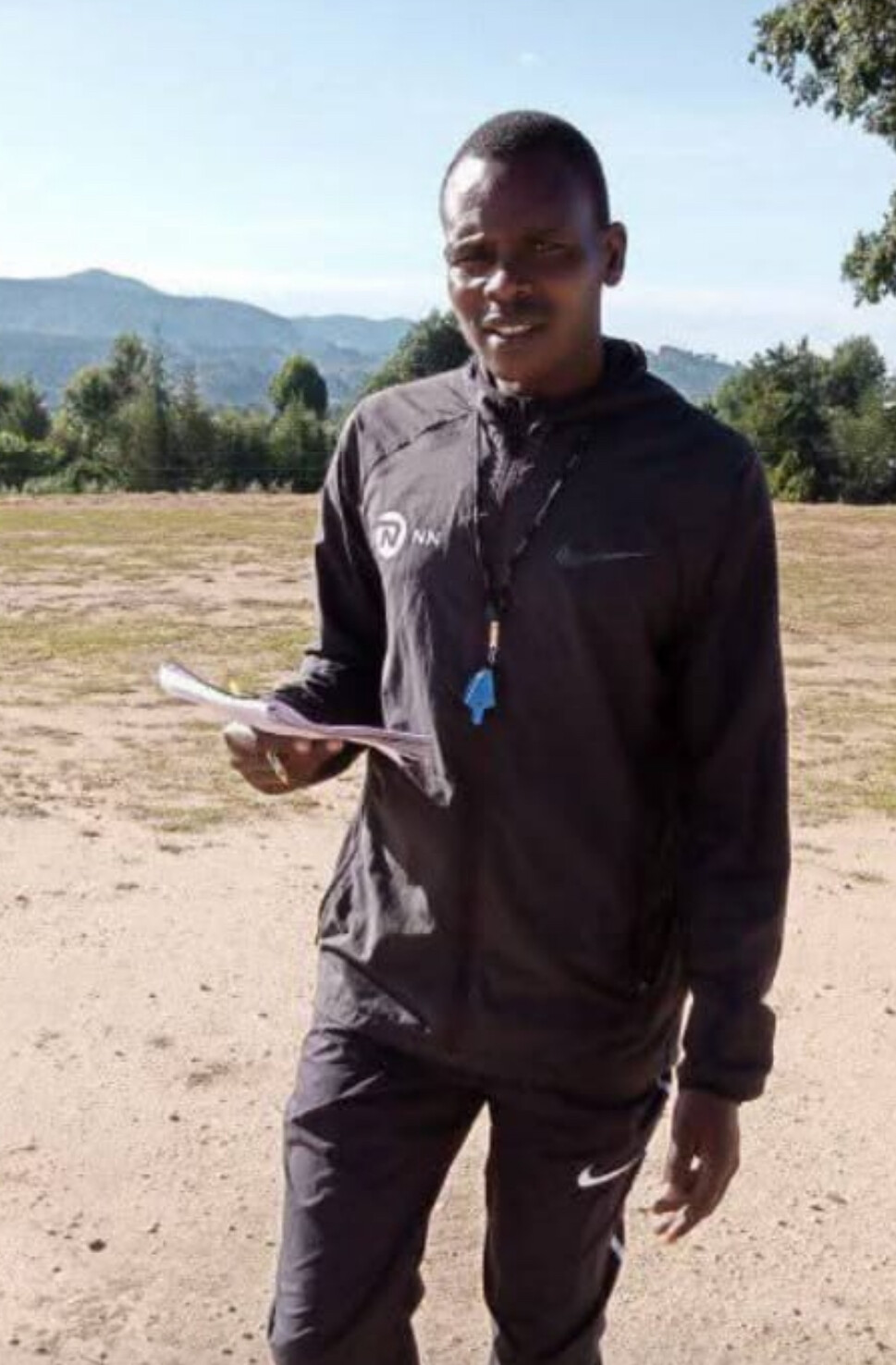
• Alex Kimutai (22) – 10km: 30:47 – On track to break 30 minutes soon.
• Doland Kimaru (29) – 42km: 2:17:50 – Pushing for a sub-2:15 marathon.
• Denis Kipchirchir (22) – 1500m: 4:08 – Focused on tactical improvements.
• Hosea Kiplagat (38) – 42km: 2:12 – Veteran leader bringing discipline and race strategy to the group.
Ladies:
• Mercy Jebichie (24) – 10km: 36:04 – Strong road race specialist, consistently targeting podiums.
• Sarah Chepkemoi (24) – 5000m: 18:16 – Improving strength and lap consistency.
• Mercy Jepchumba (23) – 10km: 37:31 – Steady improvement with better pacing strategies.
• Joan Jepchirchir (27) – 21km: 86:18 – Determined to drop her half marathon time through endurance gains.
KATA 01 exemplifies the Academy’s mission: developing champions through structured training, mentorship, and a team-first culture—backed by the sustainable support of KATA Potato Farms. With more than 400 athletes, 108 acres of potatoes, and two camps farming six acres between them, KATA is proving that sport and agriculture can grow champions together.
by Fridah Terry
Login to leave a comment

KATA Welcomes Coach Dennis Musau as Chief Technical Officer
KATA is excited to announce the appointment of Dennis Musau, also known as Coach Dennis, as Chief Technical Officer (CTO), reporting directly to KATA founder Bob Anderson. His official start date is Monday, August 11, 2025.
Coach Dennis (first photo: out for a few miles this morning with Bob Anderson and Anderson Manor project manager Alberto near KATA Portugal) has been working with Bob and Catherine Anderson since 2021 and is currently completing his second three-month term at KATA Portugal, housed at Anderson Manor in Monforte da Beira. In his new role, he will be working full-time from both Portugal and KATA Thika in Kenya.

“I am so excited about our KATA project—both our KATA Running Camps and KATA Potato Farm projects,” says Coach Dennis.
“Bob Anderson has truly come up with a unique idea that is growing like wildfire throughout Kenya. Bob signed up our first camp on May 16, 2025, and already we’ve attracted Olympic-level runners and coaches to operate them. We have opened 30 KATA Running Camps and an additional 20 stand-alone farms, most growing two or more acres of KATA potatoes. This means we now have 30 KATA Running Camps, 20 KATA Farms, plus our KATA Thika and KATA Portugal Running Retreats training guests year-round.”
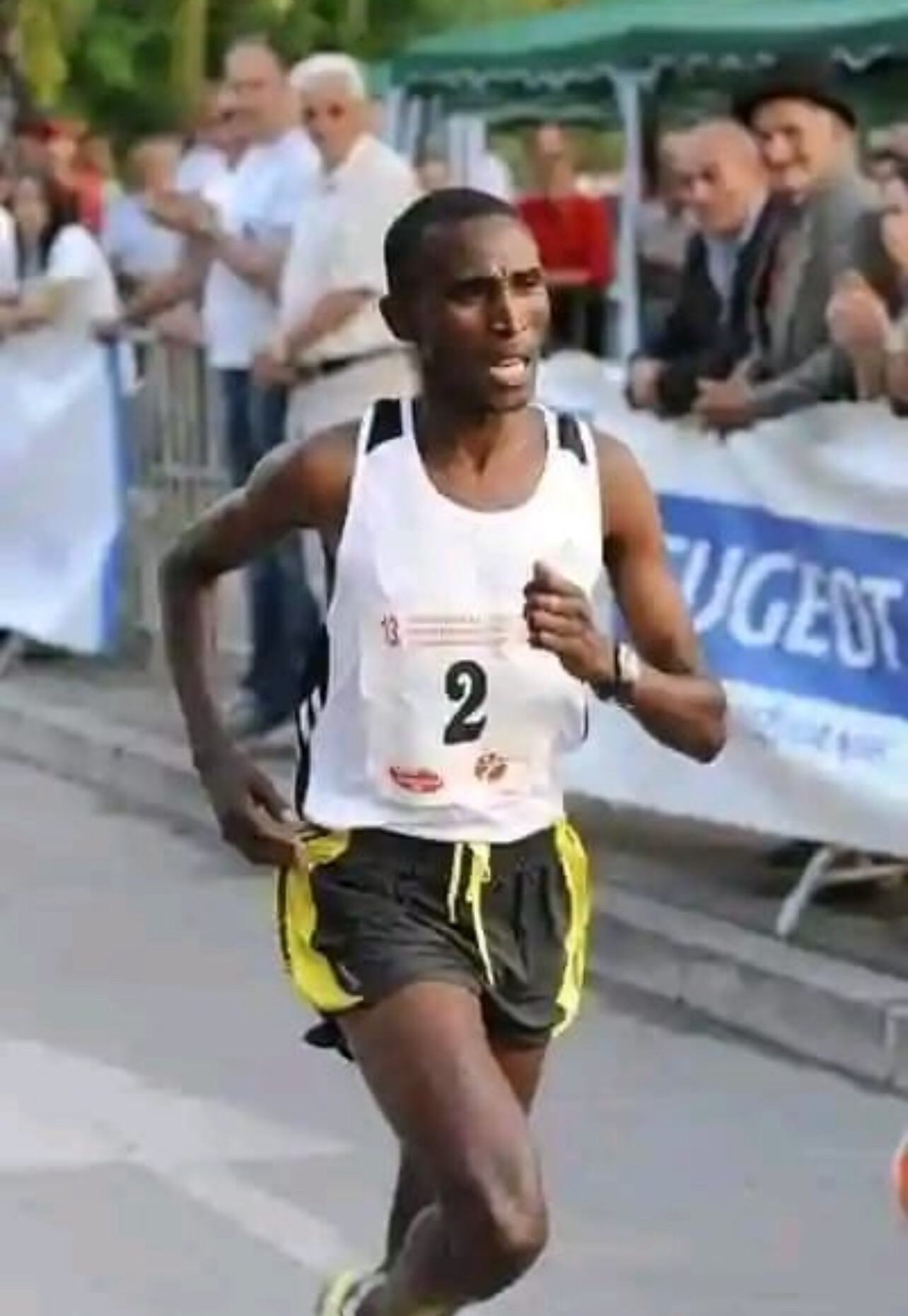
About Coach Dennis
Dennis graduated as a mathematics teacher in 1998 before shifting his career to athletics. Over the years, he has competed worldwide in a wide range of events, including the 3,000m steeplechase, 5,000m, 10,000m, 15km, half marathon (21km), and marathon (42km). His athletic journey began in high school as a 400m hurdles runner before a teacher encouraged him to move into long-distance events. He transitioned to the 3,000m steeplechase, then later to the 5,000m and 10,000m, achieving success across multiple distances.

With decades of experience in both competitive running and coaching, Dennis brings a unique blend of technical expertise, leadership, and passion to help guide KATA’s growth in Kenya and beyond.
by Boris Baron
Login to leave a comment
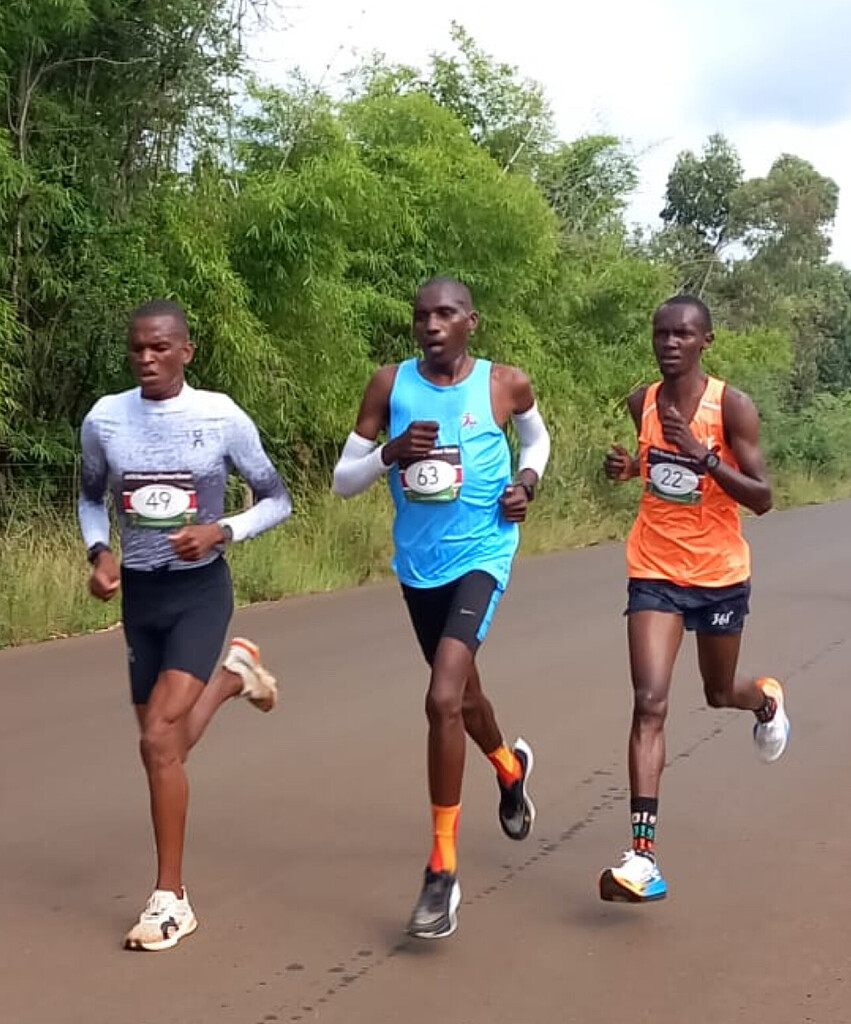
Personal Bests and Breakthroughs at KATA Time Trial #45 in Kenya
The 45th edition of the KATA (Kenya Athletics Training Academy) Monthly Time Trial took place May 14 in Thika, Kenya, with 29 athletes tackling the 10K and 5K courses. Despite challenging weather, the energy and performance level were exceptional, with several runners delivering personal bests and breakthrough performances.
Women’s 10K: Jacinta Kamau Leads the Charge
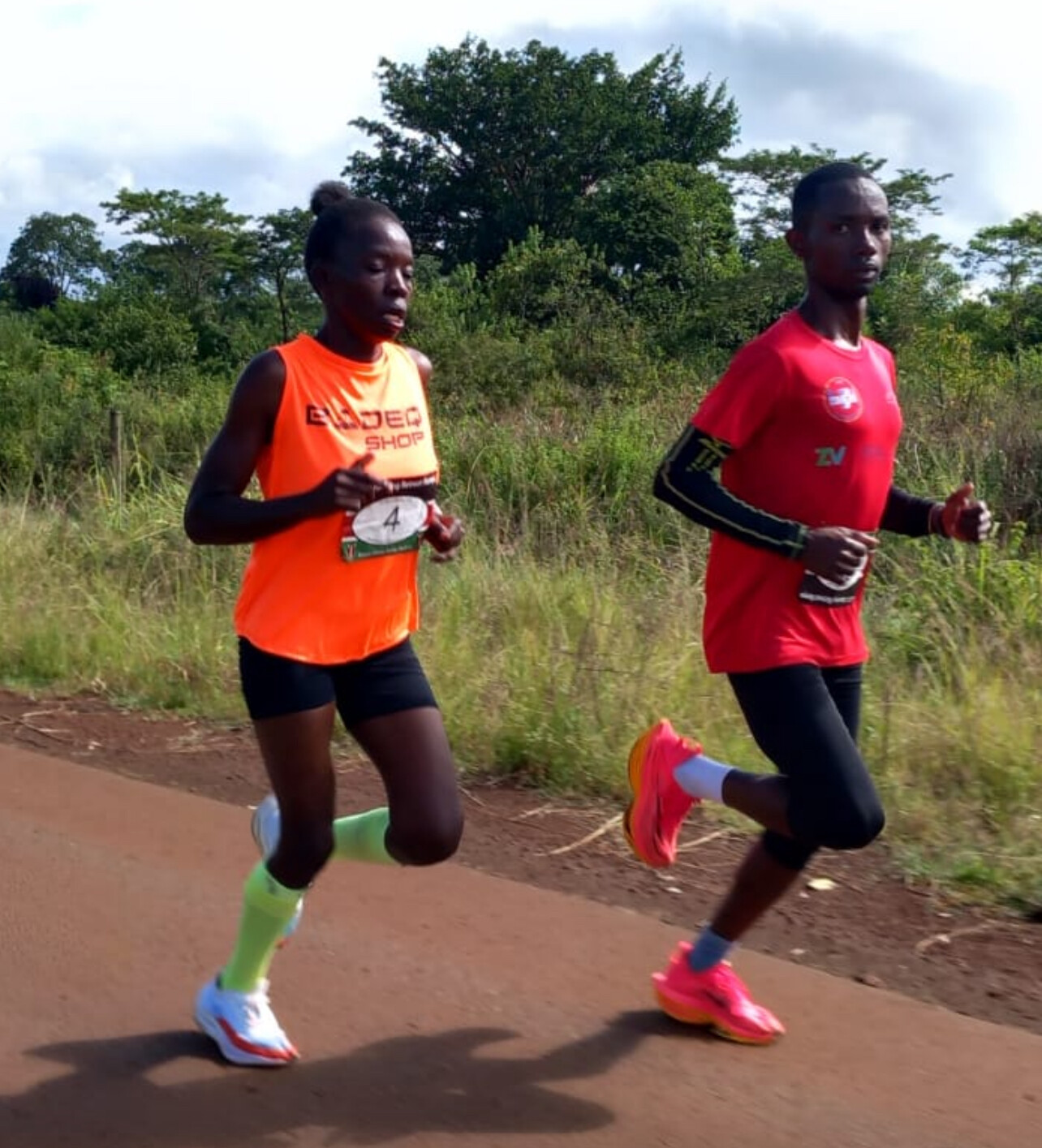
Jacinta Kamau headlined the women’s race, claiming victory with a personal best of 34:33, shaving 12 seconds off her previous best. Lois Karie followed closely in second, also notching a PB with 34:40—a remarkable improvement of over one minute from her previous mark of 36:56.
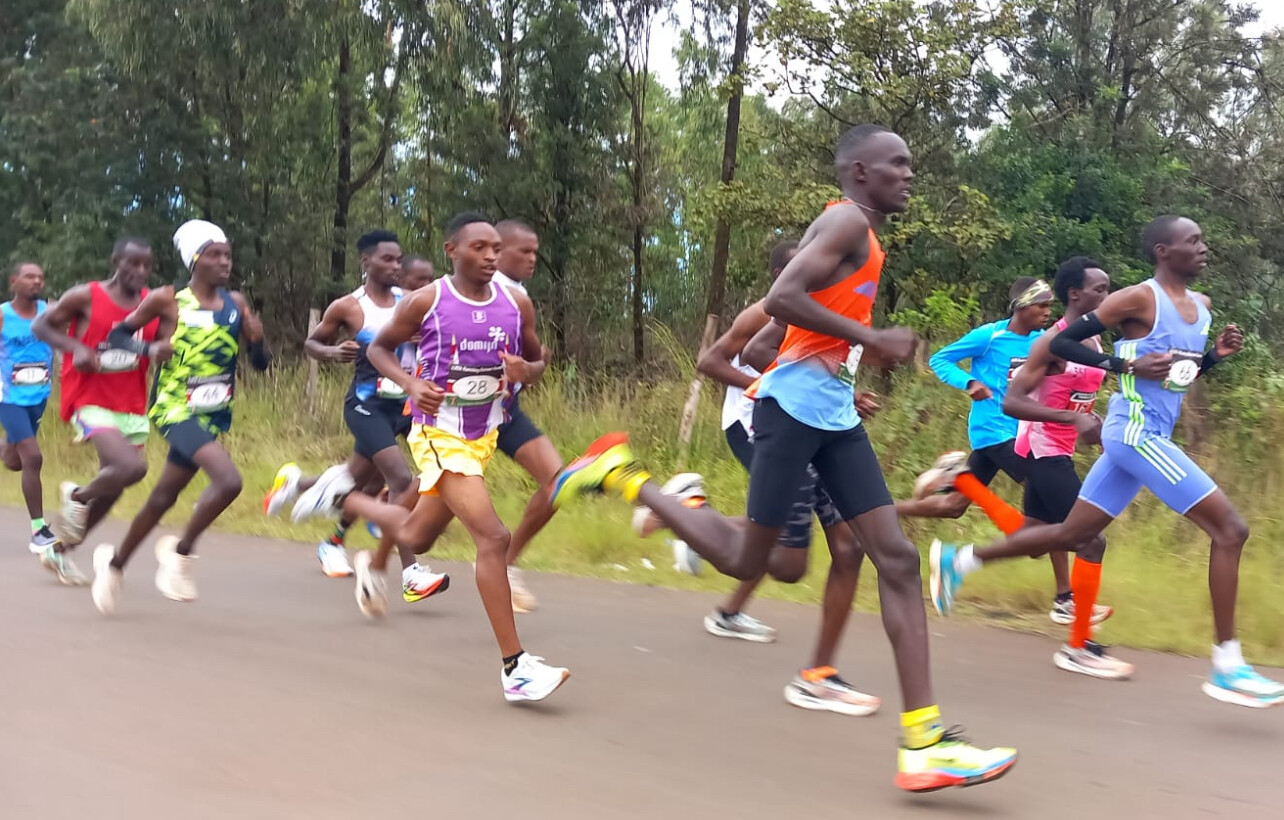
Veteran Naomi Nduta claimed third in 35:52, while Caren Kipcoech also impressed, finishing fourth in 36:22, a PB improvement of more than a minute.
Top 10 Results – Women’s 10K
1. Jacinta Kamau (24) – 34:33 (bib 4)
2. Lois Karie (24) – 34:40
3. Naomi Nduta (35) – 35:52
4. Caren Kipcoech (24) – 36:22
5. Virginia Wanjiru (22) – 37:12
6. Naomi Wambui (40) – 37:17
7. Susan Njuu (40) – 37:29
8. Karen Chepkemoi (23) – 40:12
9. Lucy Muritu (40) – 44:10
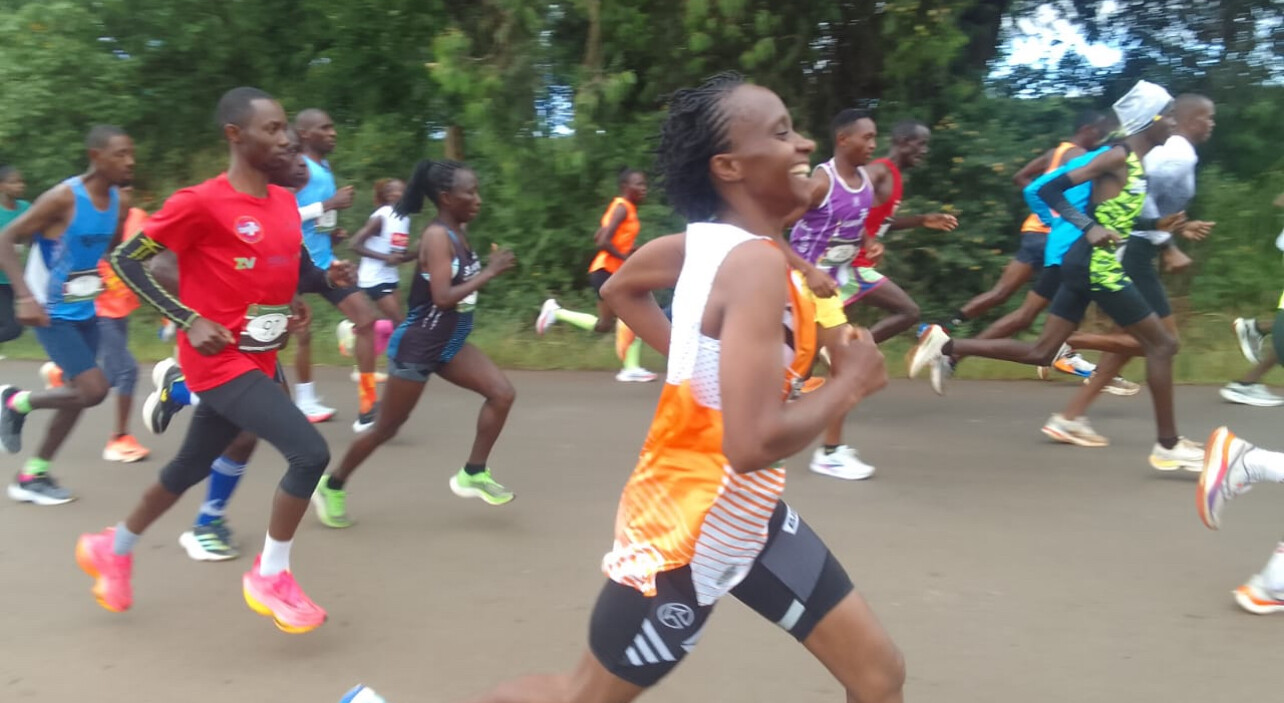
Men’s 10K: Kioko and Wanyoike Dominate, PBs Highlight Deep Field
Athanas Kioko surged to victory in the men’s 10K with a fast 29:03, followed closely by Peter Wanyoike in 29:05 and Zachariah Kirika in 29:25.
Notable improvements came from Kevin Kemoi, who posted 29:35 for fourth place, over 30 seconds faster than his previous best. Kelvin Ragui (5th) clocked 30:04, a 33-second improvement. But perhaps the most inspiring performance came from Charles Ndirangu, who finished eighth in 30:36—a massive 50-second PB. A former 400m sprinter, Ndirangu’s continued development is raising eyebrows.
in March Athenas Kioko finished second at the Los Angeles Marathon. "Our monthly time trial continues to attract first class talent," says KATA director Bob Anderson. (Top three is the first photo)
Top 14 Results – Men’s 10K
1. Athanas Kioko (30) – 29:03 (bib 49)
2. Peter Wanyoike (29) – 29:05 (bib 63)
3. Zachariah Kirika (24) – 29:25 (bib 22)
4. Kevin Kemoi (23) – 29:35
5. Kelvin Ragui (22) – 30:04
6. Raphael Karita (26) – 30:06
7. Boniface Mungai (29) – 30:22
8. Charles Ndirangu (24) – 30:36
9. John Chege (19) – 30:48
10. Bernard Gicheha (34) – 33:08
11. Johnson Kaberia (28) – 33:26
12. Joseph Wanjiru (39) – 34:33
13. Vincent Kiprotich (25) – 37:03
14. Charles Ndirangu (67) – 37:10
Men’s 5K: Anthony Kapua Cruises to Victory
In the 5K race, Anthony Kapua took command early and never looked back, winning in 15:08. Harrison Mwangi (16:52) and Brandon Mutungi (17:02) rounded out the top three, with strong showings from several juniors.
Top 6 Results – Men’s 5K
1. Anthony Kapua (22) – 15:08
2. Harrison Mwangi (21) – 16:52
3. Brandon Mutungi (17) – 17:02
4. Collins Mutungi (17) – 17:32
5. Dennis Mondo (21) – 17:36
6. Peter Waititu (17) – 18:18
A Rising Academy
The Kenya Athletics Training Academy continues to build momentum, nurturing promising talent in a highly supportive environment. With consistent performance improvements and growing athlete confidence, the future looks bright.
Next KATA Time Trial: June 11, 2025 – Thika, Kenya
Train the Kenyan way at www.KATARunningRetreat.com @ two locations: Kenya and Portugal
Stay tuned for more updates at MyBestRuns.com
by Boris Baron
Login to leave a comment
KATA Time Trial Series
Welcome to the KATA Monthly Time Trial Held at the Kenyan Athletics Training Academy in Thika, Kenya, the KATA Monthly Time Trial is a unique and inclusive event designed to support runners of all levels in achieving their goals and showcasing their fitness. This event offers both 10K and 5K distances on an accurate, certified course, providing participants with...
more...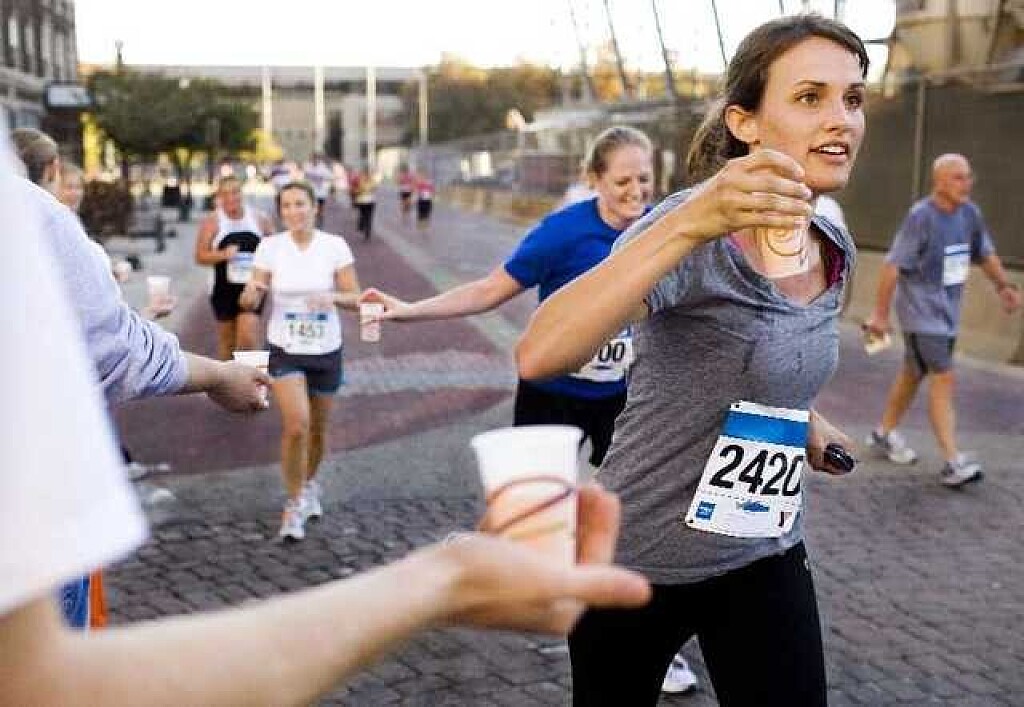
Running on Empty – Why Fueling Mistakes Are Sabotaging PRs
You trained for months. Your splits in workouts hinted at a breakthrough. But on race day, it fell apart—not because your legs gave out, but because your fueling plan did.
From the 5K to the marathon, runners at all levels are discovering that the difference between a personal record and a personal disaster often comes down to what—and when—they eat and drink.
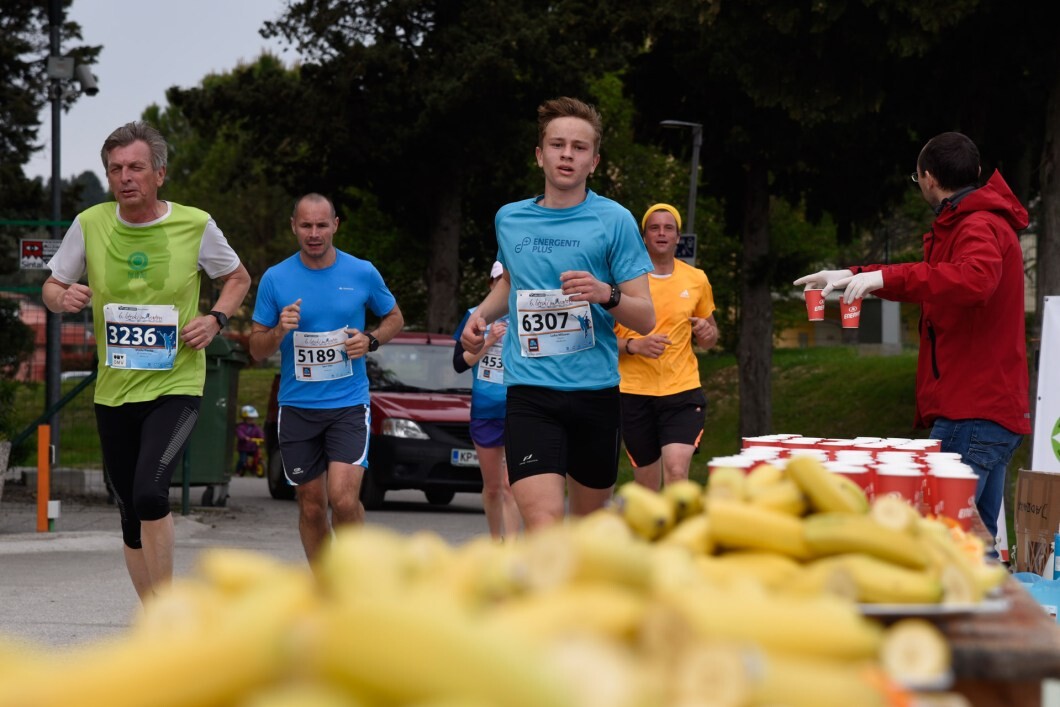
The Silent Saboteur
Poor fueling is one of the most common and overlooked reasons runners fail to hit their potential. “You can be in the best shape of your life and still bonk if you don’t fuel right,” says KATA coach Jimmy Muindi, a 2:07 marathoner. “I’ve seen runners collapse mentally and physically simply because they didn’t respect the science of fueling.”
Common Mistakes That Kill Races
1. Skipping breakfast – Whether it’s nerves or an early start, too many runners toe the line on an empty stomach, leaving their glycogen tanks half-full.
2. Mistimed gels – Taking a gel too late—or not at all—leads to sudden energy crashes, especially in races 10 miles and up.
3. Underhydration – Dehydration doesn’t just slow you down—it affects focus, coordination, and thermoregulation.
4. New foods on race day – Testing out a new sports drink or energy bar mid-race can spell disaster for your gut.
Real-World Wake-Up Calls
Derek Alvarez, a 28-year-old runner from Denver, trained for a sub-3:00 marathon for months. At mile 21 of the Los Angeles Marathon, his energy vanished. “I only had one gel and barely drank water because I was trying to avoid bathroom stops,” he said. He ended up walking the last 5K and finished in 3:22.
After revising his fueling plan—eating 300 calories of oatmeal and banana pre-race, and taking a gel every 30–35 minutes—he came back six months later and ran 2:58 in Chicago.
Elite Insights
Even top-level athletes fine-tune their fueling obsessively. “It’s not just about carbs or calories. It’s about timing, digestion, and routine,” says Coach Dennis at KATA Portugal. “We train our athletes to practice fueling just like they train their pace.”
Fuel to Win
To help avoid the most common pitfalls, here’s a quick checklist every runner should use:
• Eat a familiar carb-based meal 2–3 hours before the race.
• Hydrate with water and electrolytes starting 24 hours out.
• Plan to consume 30–60 grams of carbs per hour in races over 90 minutes.
• Practice your fueling strategy during long runs.
Final Thoughts
You wouldn’t drive cross-country without gas in the tank. So don’t line up at your next race underfueled. Your training deserves better—and your PR.
by Boris Baron
Login to leave a comment
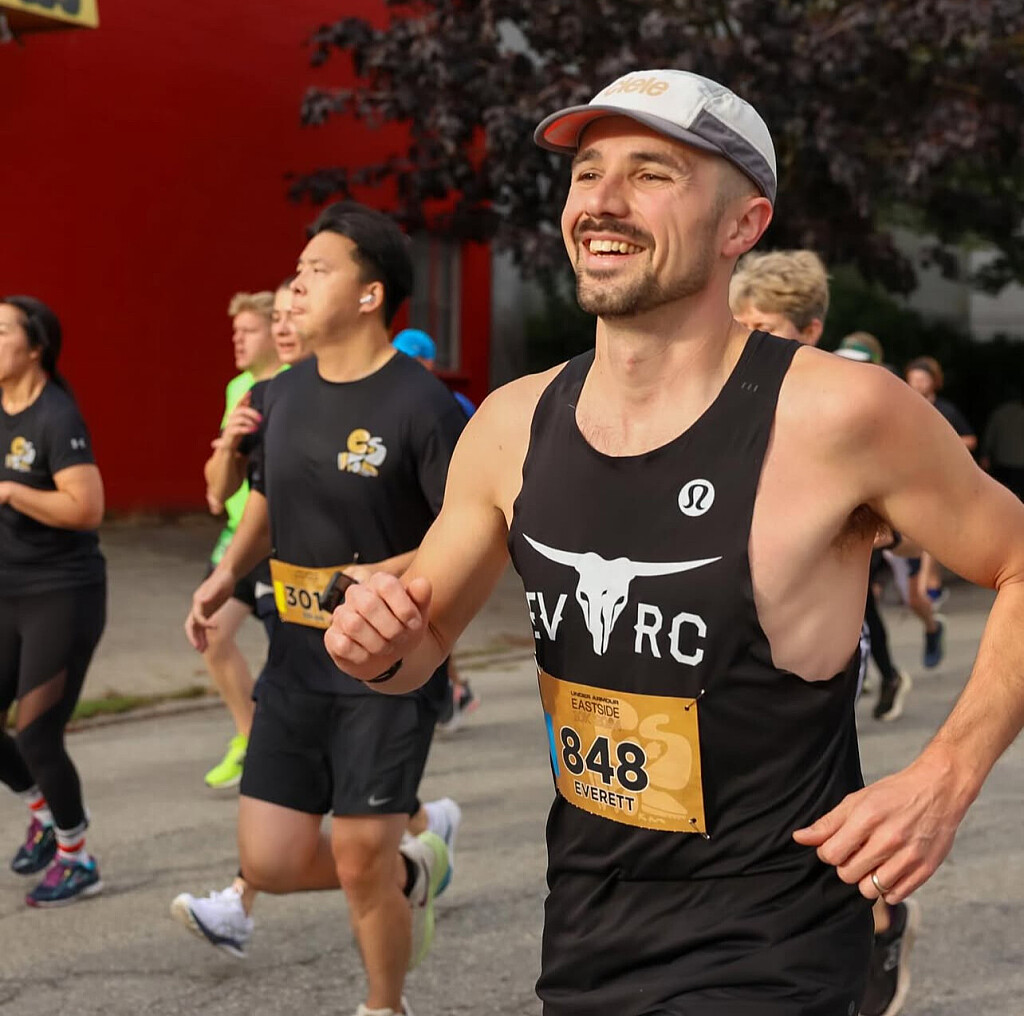
The Last Push Before Summer: How Runners Are Peaking This Spring
As the calendar turns toward May, runners across the globe are entering a crucial phase in their annual training cycles: the final opportunity to race hard and fast before summer heat shifts the strategy.
While many spring races are just wrapping up—or happening this weekend—runners are still chasing personal bests and season goals. The London Marathon, Madrid Marathon, and Big Sur International Marathon are all set for this Sunday, capping off one of the most exciting stretches of the global racing calendar.
But the season isn’t quite over yet. The Eugene Marathon, Vancouver Marathon, Pittsburgh Marathon, and other early May events are giving runners one more shot to test their fitness—and many are taking full advantage.

A Critical Window for Speed and Strategy
“This is one of the best times of year to be fit,” says Coach Dennis from KATA Portugal. “Runners who stayed healthy through the winter and peaked for April races are now sharper than ever. If you can handle one more race effort, this is the time to go for it.”
Late April and early May offer ideal racing weather in much of the Northern Hemisphere. Cool mornings and calm conditions are perfect for PRs, BQ attempts, or one last tune-up before switching into base-building mode.
The Spring Surge Continues
The Eugene Marathon (April 27) and BMO Vancouver Marathon (May 4) are both known for fast, scenic courses and well-organized race weekends. They attract everyone from local club runners to elites trying to salvage a qualifying time or simply end the spring on a high note.
“My goal race is Berlin this fall, but Eugene gives me a mid-year checkpoint,” says California-based runner Mallory James. “If I’m not racing now, I’m falling behind.”
Time to Recover—or to Launch
Some runners will use May for recovery after a hard season. Others—especially those gearing up for summer trail and mountain races—are just now hitting their peak mileage. Events like the Dipsea, Mt. Washington Road Race, and Western States 100 are fast approaching.
Coach’s Tip: Plan Your Summer Wisely
According to KATA coach and 2:07 marathoner Jimmy Muindi, spring is where momentum is built—but summer is where runners evolve. “If you raced well this spring, great. Now shift the focus to long-term strength. Summer is for building, not burning out.”
Whether you’re racing this weekend or logging miles toward your fall marathon, this is your moment to finish strong—and set the tone for everything that comes next. As the calendar turns toward May, runners across the globe are entering a crucial phase in their annual training cycles: the final opportunity to race hard and fast before summer heat shifts the strategy.
by Boris Baron
Login to leave a comment
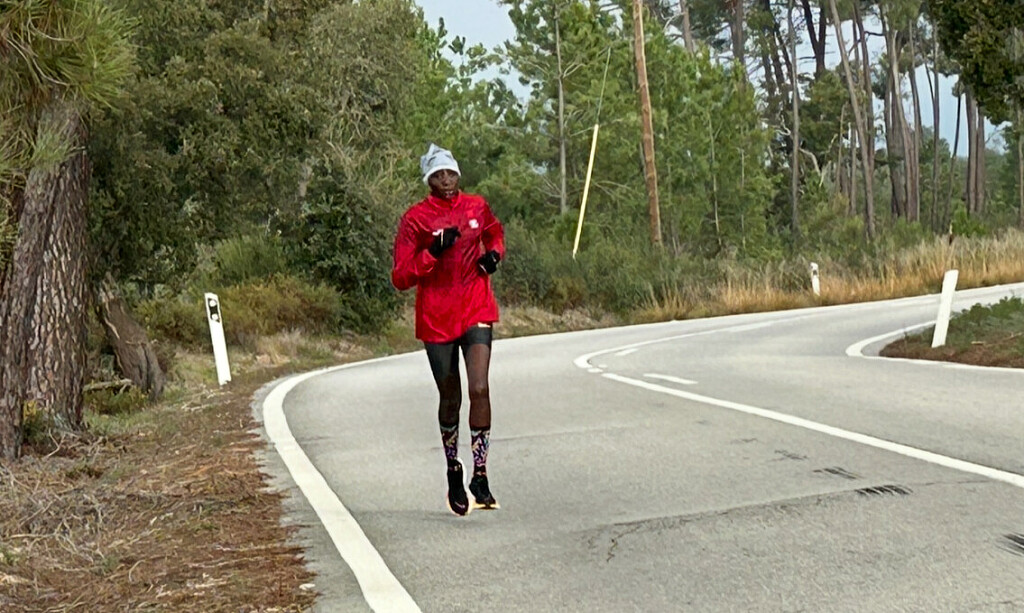
Why Strides Still Matter: The Overlooked Secret to Race Day Speed
When it comes to serious training, most runners focus on mileage, tempo runs, intervals, and long runs. But one of the most effective tools for sharpening speed, improving form, and building race-day confidence takes just a few minutes and requires no extra gear or recovery: strides.
Too often overlooked or treated as an afterthought, strides are short accelerations—usually about 20 to 30 seconds—that are done at roughly 85–95% of maximum effort. They’re not sprints, but smooth, fast, controlled efforts designed to reinforce good mechanics and quick leg turnover.
What Makes Strides So Effective?
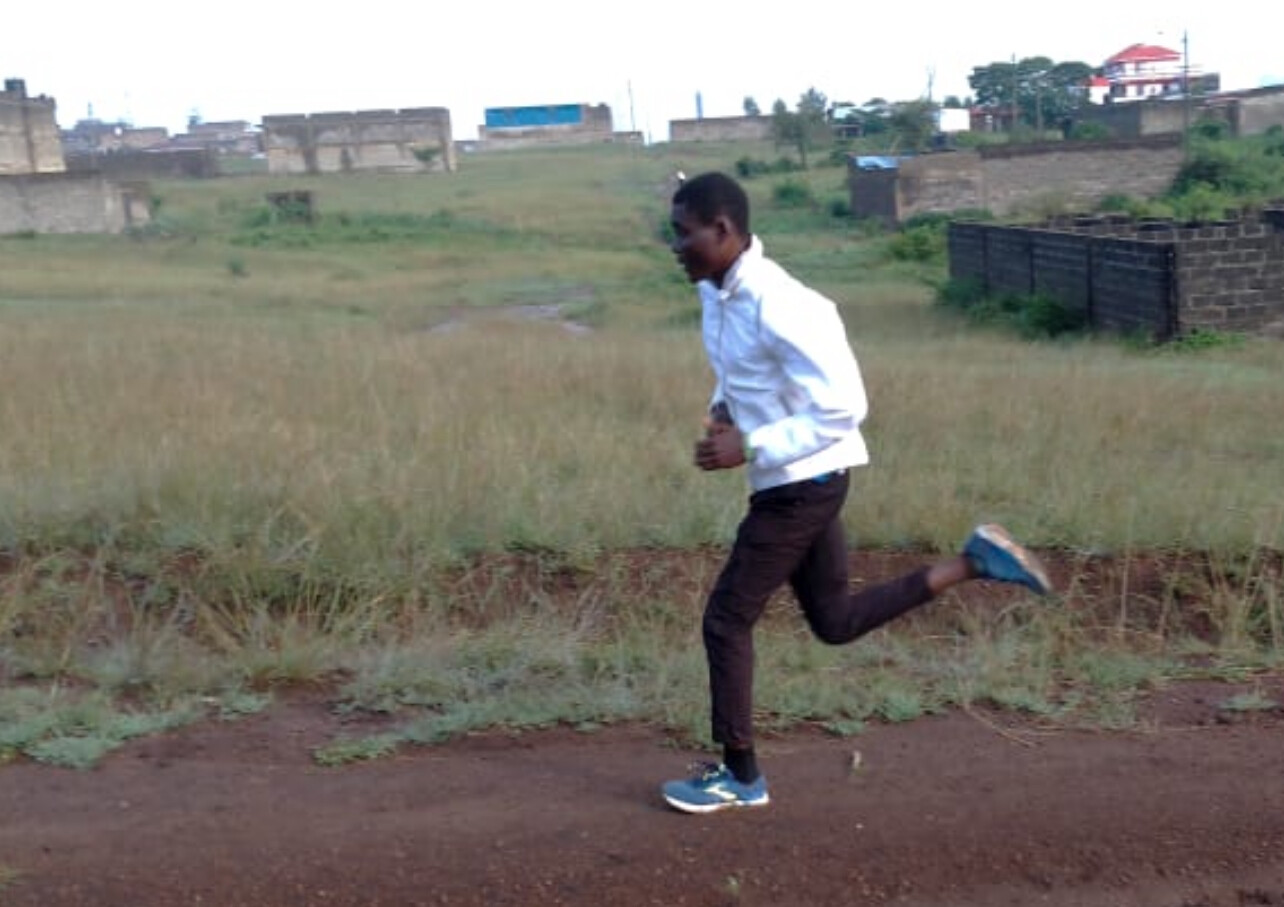
Strides activate fast-twitch muscle fibers, promote proper running form, and increase neuromuscular coordination. In short: they help your body remember how to run fast efficiently. For long-distance runners, this is especially important because most of your training is done at slower paces. Without strides, your body might forget how to shift gears.
Elite runners know this. You’ll rarely find a top athlete who doesn’t include strides several times per week. They may not log them in the training log as a “hard workout,” but they’re part of the secret sauce.
When and How to Do Strides
• After Easy Runs: Add 4–6 x 20–30 second strides at the end of an easy run, with full recovery (walk or jog) between.
• Before Workouts: A few strides can help prep your body and mind for faster work ahead.
• Before Races: Strides are a must before toeing the line. They help get your legs feeling sharp and ready to roll.
• Race Week: When tapering, strides are a great way to maintain speed without adding fatigue.
Tips for Making Strides Work for You
1. Focus on Form. Stay relaxed, upright, and quick off the ground.
2. Build, Don’t Blast. Ease into the stride, accelerating smoothly to 90% effort, then decelerate gradually.
3. Keep it Short. 80–100 meters or about 20–30 seconds is perfect.
4. Stay Consistent. Even twice a week can make a difference.
Real-World Example: KATA Portugal
At the KATA Portugal Retreat, Kenyan coach Jimmy Muindi builds strides into every runner’s week, whether they’re training for a 5K or a marathon. “You don’t need to hammer every session to get faster,” he says. “You just need to teach your body how to move fast with rhythm and flow.”
Coach Dennis adds, “Strides keep your engine ready. Especially as you taper or come off base training, they reintroduce speed without stress.”
Final Thought
Strides are simple, quick, and deceptively powerful. If you’re serious about running your best, whether you’re chasing a new 5K PR or lining up for Boston, don’t skip the strides. They might just be the missing link to your next breakthrough.
by Bob Anderson
Login to leave a comment
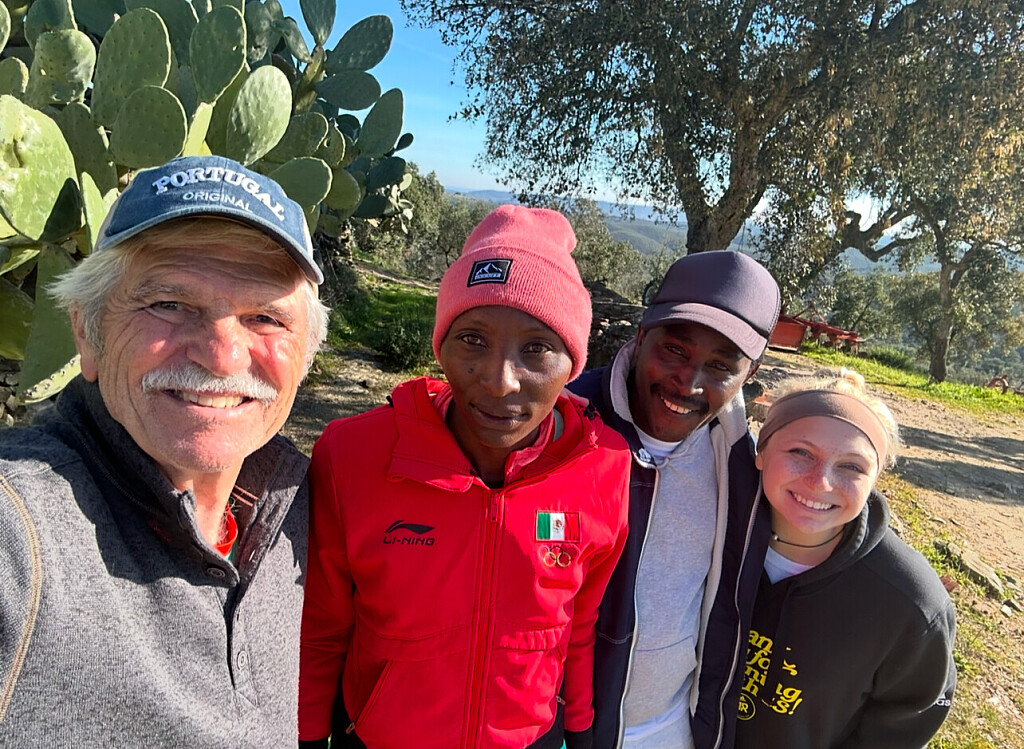
Embracing Challenges as "Situations" in a Lifetime of Running
Bob Anderson laced up his running shoes for the first time on February 16, 1962, setting in motion a journey that has spanned over six decades. Now 77 years old, Bob continues to average 35 miles a week, a combination of running and walking split between his homes in Los Altos, California, and Monforte da Beira, Portugal.
Beyond his personal fitness, Bob is the founder of KATA Running Retreat in Portugal (and KATA Kenya), where runners from around the world train under the guidance of accredited Kenyan coaches, learning the art of running the Kenyan way.
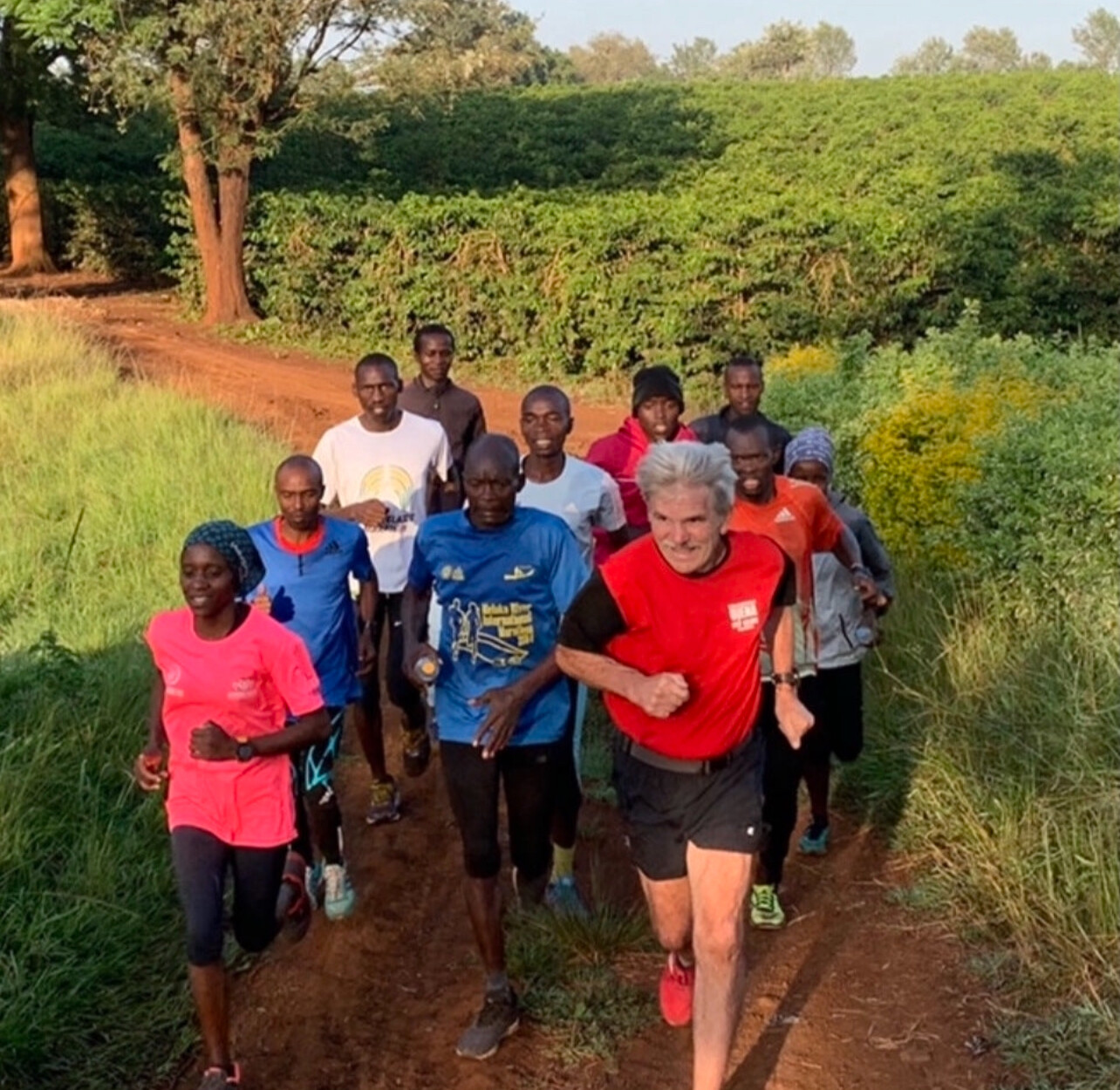
For Bob, running is not just an activity—it’s a way of life. Yet, like any long-term runner, he has faced his share of physical setbacks. What makes Bob's perspective unique is how he approaches these challenges. He refuses to call them "injuries." Instead, he reframes them as "situations," each with its own solution.
Turning Challenges into Opportunities
“I feel it’s more positive to see problems as situations,” Bob explains. “Every situation has a solution. It’s about finding it and moving forward.”

This mindset has carried Bob through countless running-related issues over the years. Most recently, he encountered a tendon situation in his right calf, which he describes as feeling like “an ice pick stuck in my calf.” For many, such a setback could mean frustration or discouragement. For Bob, it was simply another situation to navigate.
The calf issue emerged six weeks ago, temporarily sidelining him from running. “At one point, I could only walk a 32-minute mile,” he recalls. “It was a low point, but I knew I just had to focus on walking instead of running. The solution was to keep moving, even if it wasn’t at the pace I wanted.”
Today, Bob is on the cusp of full recovery. The pain has subsided, and he’s back to building his strength and endurance. “Now, I have to get in shape to get in shape,” he says. It’s a sentiment that many runners recovering from setbacks can relate to: the road back to peak performance often starts with small, deliberate steps.
A Lifetime of Solutions
Over the decades, Bob has faced numerous "situations," from shin splints to plantar fasciitis, and even the natural slowing of pace that comes with age. Yet his ability to adapt, learn, and persevere has kept him running—and walking—well into his 70s. Adding walking to his routine has not only helped him stay active through setbacks but has also introduced a new dimension to his training.
“Walking isn’t just a fallback,” Bob says. “It’s a powerful way to stay connected to the movement and keep your body engaged, even when running isn’t possible.”
Inspiring Others Through KATA
Bob’s passion for running extends beyond his personal journey. At KATA Running Retreat in Portugal, he shares his wisdom with runners of all levels. The retreat offers a chance to train with world-class Kenyan coaches, combining the cultural richness of Portuguese countryside with the legendary endurance techniques of Kenya.
“KATA is about helping runners achieve their personal best,” Bob says. “Whether it’s overcoming a situation, improving your times, or learning to enjoy the process, we’re here to support every step of the journey.”
Moving Forward with Optimism
As Bob continues to recover from his latest situation, he remains optimistic. His story is a testament to the power of resilience, adaptability, and a positive mindset. For him, running is not just about miles or pace—it’s about the journey and the lessons learned along the way.
“At the end of the day, it’s not about being perfect,” Bob reflects. “It’s about showing up, finding solutions, and keeping your passion alive.”
For Bob Anderson, every mile—whether walked or run—is a victory. And every situation is just another step toward the next solution.
The Legacy of KATA
Bob’s vision for running has extended far beyond himself. In 2021, he founded the Kenyan Athletics Training Academy (KATA) in Thika, Kenya, a place where runners from around the world come to train alongside Kenyan athletes. KATA Thika has quickly become a hub for endurance athletes seeking to learn from Kenya’s rich running culture and expertise.
Building on this success, Bob opened KATA Portugal in October 2024. Located at his estate in Monforte da Beira, Portugal, this retreat offers runners the opportunity to train in a serene and inspiring environment while working with world-class Kenyan coaches. Together, the two KATA locations represent Bob’s lifelong commitment to fostering the global running community and empowering athletes to achieve their dreams.
Photos: 1. Bob in Monforte da Beira with coach Dennis, and guests Risper and Jane. 2. Bob on a training run in KATA Kenya 3. Bob getting in miles on the way to lunch in California
https://katarunningretreat.com/
by Boris Baron
Login to leave a comment
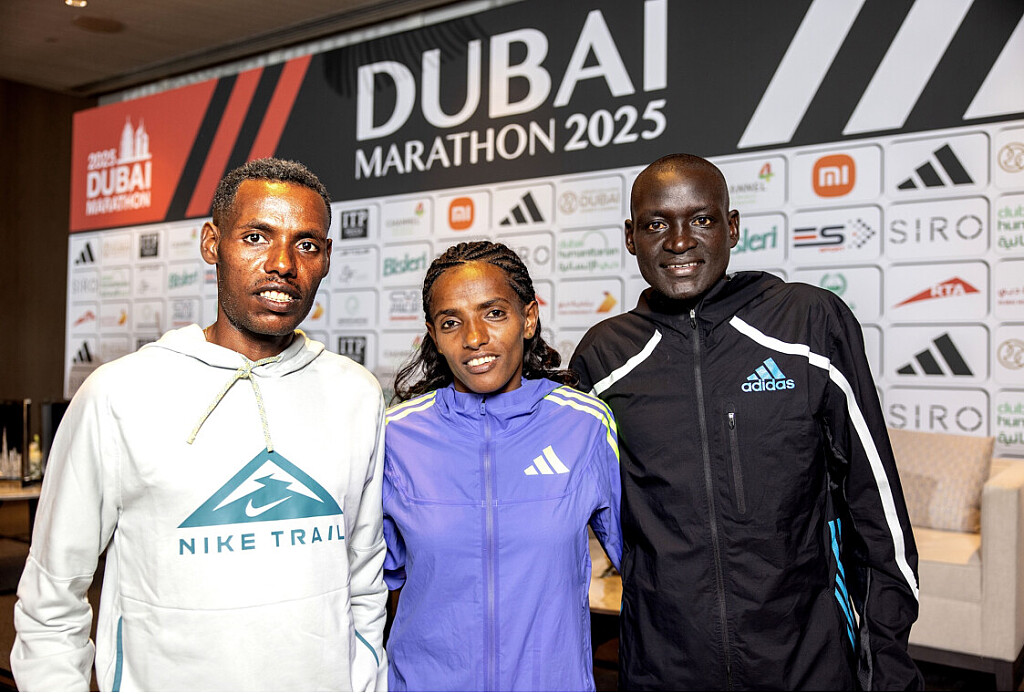
Fast field set for Dubai marathon this Sunday
If there’s such a thing as a First Family in athletics, then it has be the Tola-Dida clan from Ethiopia; and one of their favourite watering holes is the Dubai marathon, whose quarter century is celebrated with Sunday morning’s event. Current Olympic men’s champion Tamirat Tola won Dubai in 2017 (2.04.11), while spouse Dera Dida won in 2023 (2.21.11), on the same day that her brother-in-law, Tamirat’s younger sibling Abdisa won the men’s title (2.05.42).
Tamirat went on to greater things, with a world championship silver medal in London later in 2017, then gold in the delayed world championship in Eugene 2022, a New York Marathon victory in 2023, and the Olympic crown last year. This time round, he has a far more important task, staying at home and minding their daughter.
Because bringing their daughter (even with a nanny) to last year’s Dubai race may have distracted Dera from a repeat victory, though she still finished third in 2.19.29, two minutes faster than the previous year; but she’s left hubby to do the domestic chores this time, and comes determined to win her second Dubai Marathon while Tamirat watches on TV back home on the outskirts of capital Addis Ababa.
As befits a First Family, only the best is good enough, and their training group has got to be one of if not the strongest in the world. Among her running partners are former marathon world record holder and Olympic silver medallist Tigst Assefa as well as the current marathon World Champion Amane Beriso. ‘I don’t train with the group every day,’ she said through an interpreter. ‘On a day to day basis, I train with Tamirat, but I join them occasionally. Since Tamirat won the Olympics, we’ve had a lot more media interest, but we try to concentrate on our running and not get too distracted’.
Well, her rivals (and compatriots) here in Dubai, Tigist Girma and Zeineber Yimer already have plenty to distact her, given that their respective best times, 2.18.52 and 2.19.07 are better than hers (2.19.24), but not so much as to deter her ‘I think I’m in shape to run the course record (2.16.07, set by another colleague Tigist Ketema last year); I hope that will be enough to win‘.
Another return winner has equally high aspirations, although injuries have ploughed a broad furrow between Lelisa Desisa’s glory days and Sunday’s race. Lelisa was one of many debutant winners in Dubai over the last decade or so, but his came in winning probably the most exciting race in Dubai Marathon history. On a rare foggy day in the Emirates, Lelisa emerged from the mists with a superb sprint finish to clock 2.04.45, and outpace four close pursuers who all finished within a handful of seconds, the first time five men had ever gone inside two hours, five minutes for a marathon.
Like Tamirat, Lelisa went on a have a superlative set of sequels, two victories and two second places in Boston and a win in New York, culminating with the world title on a torrid night in Doha 2019. A series of injuries and the pandemic halted his progress, but he maintains he’s back close to his best.
Following today’s press conference, he said, ‘I’ve been training with Milkesa (Mengesha), who won the Berlin Marathon last year, and with Deresa (Geleta), who finished second in Valencia; I think I’m as good, and they’re running 2.02/2.03. Things have changed a lot since I won here in 2013. At that time, we were thinking of 2.04 to 2.07 for a marathon, now we have to think of two hours! I think I can run a personal best on Sunday’.
Since his best remains the 2.04.45 from 2013, if he and his young rivals can get anywhere near that, they’ll be threatening the course record of 2.03.34that another colleague Getaneh Mollah ran here in 2019.
An intriguing entrant is former world record holder, Dennis Kimetto of Kenya. One of the shooting stars of recent marathon history, Kimetto had a short stellar career during which (in addition to other top victories) he won three of the most important marathons in the world, Chicago, Tokyo and Berlin, breaking the course record in each event, and setting a world record in the final one, in Berlin 2014. He was the first to run sub 2:03 (2.02.57) and his record stood for four years. Obviously, at ten days short of his 41st birthday, Dubai 2025 is going to be a very different challenge for Kimetto.
Elite runners with personal bests
MEN:
Dennis Kimetto KEN 2:02:57
Lelisa Desisa ETH 2:04:45
Dino Sefir ETH 2:04:50
Shifera Tamru ETH 2:05:18
Gebru Redahgne ETH 2:05:58
Ashenafi Moges ETH 2:06:12
Abay Alemu ETH 2:06:50
Mesfin Nigusu ETH 2:07:58
Tadele Demissie ETH 2:08:25
Desalegn Girma ETH 2:08:30
Berehanu Tsegu ETH Debut
Boki Diriba ETH Debut
WOMEN:
Tigist Girma ETH 2:18:52
Zeineba Yimer ETH 2:19:07
Dera Dida ETH 2:19:24
Etagegne Woldu ETH 2:20:03
Gadise Mula ETH 2:20:59
Bedatu Hirpa ETH 2:21:09
Beyenu Degefa ETH 2:23:04
Kuftu Tahir Dadiso ETH 2:23:14
Tigist Geshaw ETH 2:24:39
Kebebush Yisma ETH 2:27:46
Mulugojam Ambi ETH 2:28:59
Betukan Welde ETH Debut
Etenesh Diro ETH Debut
Bekelech Teku ETH Debut
Alem Tsadik ETH Debut
Login to leave a comment

Dubai Marathon
In its relatively brief history (the race was first held in 2000), the Dubai Marathon has become one of the fastest, most respected and the most lucrative marathon in the world in terms of prize money. Each year thousands of runners take to the roads in this beautiful city in the United Arab Emirates (UAE) for this extraordinary race starting...
more...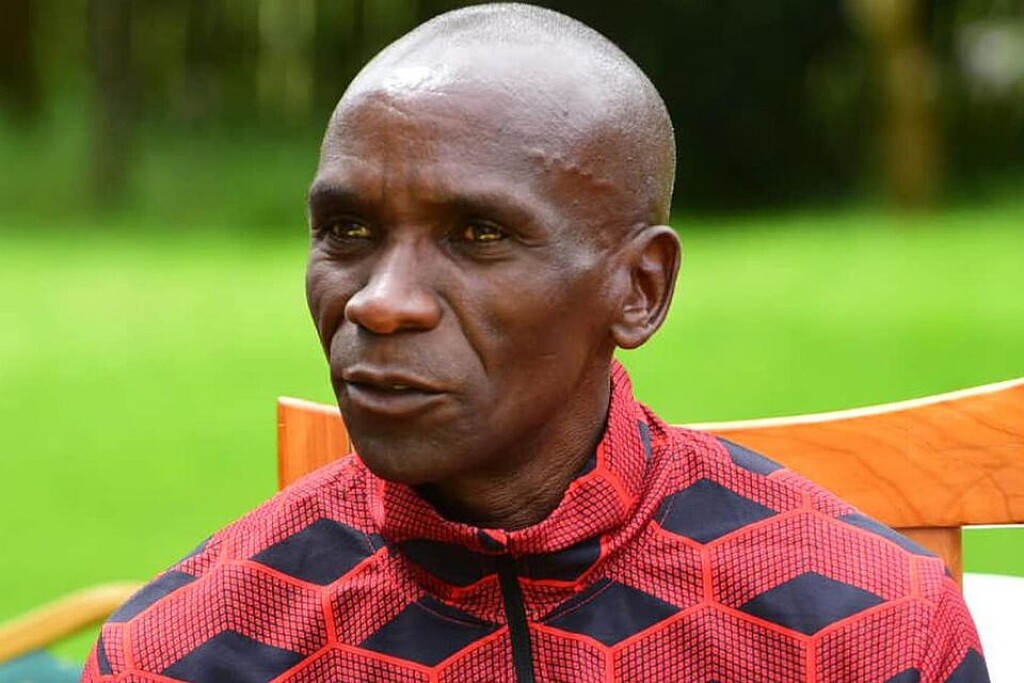
Eliud Kipchoge at 40: Records broken, medals won, history made…what more is left for marathon GOAT?
Marathon legend Eliud Kipchoge turns 40 on Tuesday and as he celebrates his landmark birthday, Pulse Sports rolls back the years in a career filled with many highs and some all-time lows.
They say life begins at 40 but for Kipchoge, he has been living the dream since his 20s.
Kipchoge turns 40 on Tuesday, November 5 and as he begins a new chapter in his life, the last two decades have been marked with remarkable success on track and roads.
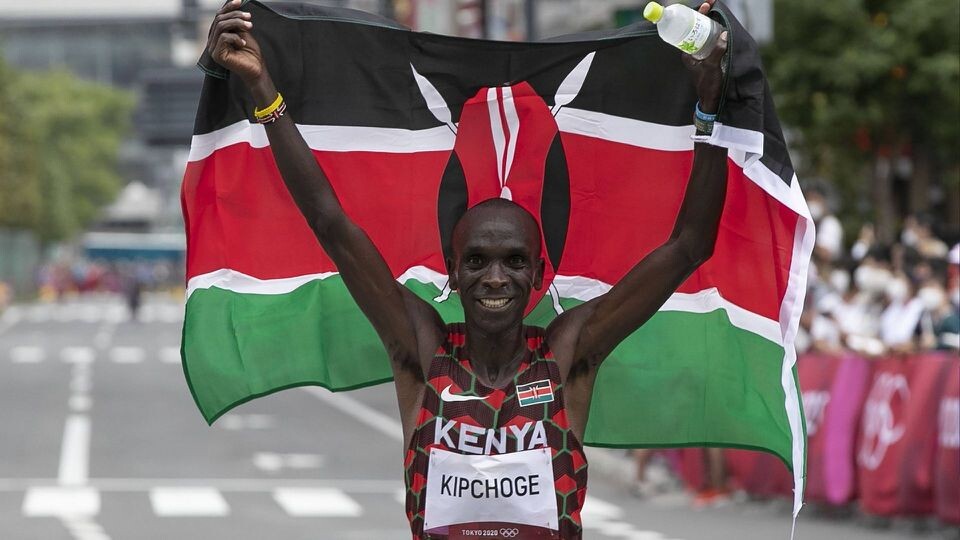
The two-time Olympics champion is the undisputed greatest marathoner of all-time, having won 15 of the 20 marathons he has participated in since he made the transition to from track to road in 2013.
Kipchoge has also won gold in Cross-Country, after claiming a junior title in 2003, the same year he won 5,000m gold at the World Championships in Paris.
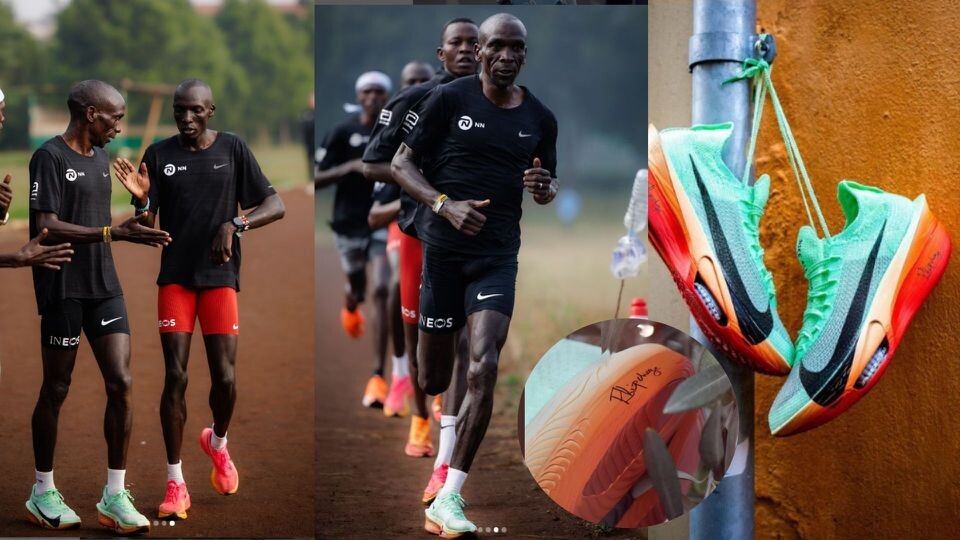
However, his years on track were not as storied as what he has achieved in marathons.
Major marathon success
In marathons, he has won five titles in Berlin, where he also broke two world records, while he has been to London five times and won on four occasions.
From the six major marathons (Tokyo, Boston, London, Berlin, Chicago, and New York), Kipchoge has been to five of them, with only New York where he is yet to run. He has won at four of them with only Boston proving tough after a sixth-place finish last year.
History maker
When the history of marathons is written, Kipchoge’s name will hog most of the chapters as he has made running a global phenomenon.
His ‘No human is Limited’ mantra has made everyone get encouraged not just to run but to succeed in their professions while he is the first man to run a marathon under two hours.
While it was not a competitive race, Kipchoge’s INEOS 1:59 Challenge in October 2019 proved that it is possible to clock under two hours in 42km, having run 1:59:40 in Vienna.
World records broken
Kipchoge was running in Vienna one year after breaking his first marathon record, having clocked 2:01:39 in Berlin in September of the previous year.
He had shaved off an astonishing 1 minute and 18 seconds from the 2:02:57 set by Kenyan compatriot Dennis Kimetto at the same venue four years earlier, proving that a sub-2:02 was possible.
That was his third win in Berlin and on his fourth appearance in the German capital, he lowered his own world record, running 2:01:09. His record lasted one year before compatriot Kelvin Kiptum broke it in Chicago last year (2:00:35) but the GOAT had already made his mark.
Role model to rivals & youngsters
Throughout his career, Kipchoge’s biggest strength has been how he kept up with younger and hungrier runners who were looking to dethrone him from the throne.
The veteran has never backed away from a challenge, even if there was an emerging threat, and most of the time, he came out on top.
Kipchoge sets an example for runners by the way he lives his life, how disciplined he is, his strict training regime and how keenly he follows his diet.
It is no wonder he has rarely suffered injuries in his long career, which draws parallels with football superstar Cristiano Ronaldo, who has enjoyed a long largely injury-free career due to how he looks after himself.
Bouncing back from setbacks
Kipchoge’s other strength is how he deals with disappointment. He does not let a bad race or bad words put him down.
Like every other athlete, he has suffered losses but always comes back strong. His failed attempt to break sub-2-hour mark in Monza in 2017 did not see him lose hope as he returned two years later and did it in Vienna, while finishing eighth in London in 2020 was answered back with Olympics, Berlin and Tokyo Marathon wins, with a world record in between.
After a sixth place in Boston in April 2023, he was on the winner’s podium in Berlin five months later, showing how resilient he is.
Even when many said he was finished after 10th place in Tokyo, he still came back to feature at the Paris Olympics and while he was not successful, he has not let it put him down.
Dealing with hate & cyberbullying
The year 2024 has thrown Kipchoge into a whole new territory, as a man who was so loved in Kenya quickly turned into a figure of hate in his own country.
It started in October 2023 when he took time before congratulating Kiptum for breaking his world record. It elicited vile comments on social media and it reached a whole new level when the world record holder died in February.
Kipchoge received abuses and threats that left him fearing for his life and that of his family, having been accused of having a hand in the death, and to his shock, even those whom he thought were friends and colleagues felt the same towards him.
He, however, took it on the chin and went about his business, featuring in two races this year although it is not known if it might have affected his performance.
What does the future hold?
Kipchoge’s strong mentality has seen him bounce back from all these setbacks and as he celebrates his 40th birthday, he is back in camp training for his next race.
A number of runners have shown that it is still possible to do it in their 40s and knowing Kipchoge, he must be backing himself to defy age and continue making marathon history.
Happy birthday, Eliud.
by Joel Omotto
Login to leave a comment
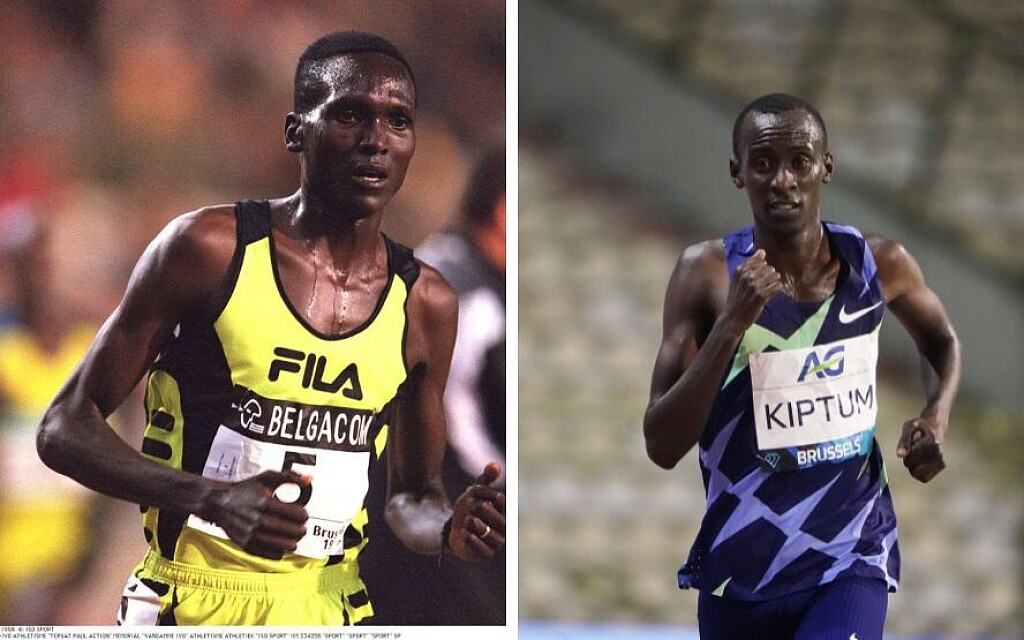
A look into the men's marathon world record progression from legendary Paul Tergat to the late Kelvin Kiptum
Kelvin Kiptum’s untimely passing leaves his sub-two-hour marathon goal unfulfilled, but the evolution of marathon times, Kenyan dominance, and technological advancements signal the likelihood of sub-two-hour marathons becoming common.
The men’s marathon has experienced major shifts and if not for the untimely passing of Kelvin Kiptum, the world could have seen a sub-two-hour marathon this year.
The late Kelvin Kiptum had plans to shatter his own world record at the NN Rotterdam Marathon earlier this year but unfortunately, the world might never know the Kenyan’s full potential.
However, with the emergence of super shoes and strong athletes will definitely see the shift in times and very soon, the world might witness runners posting very fast times and sub-two-hour marathons might just be the order of the day.
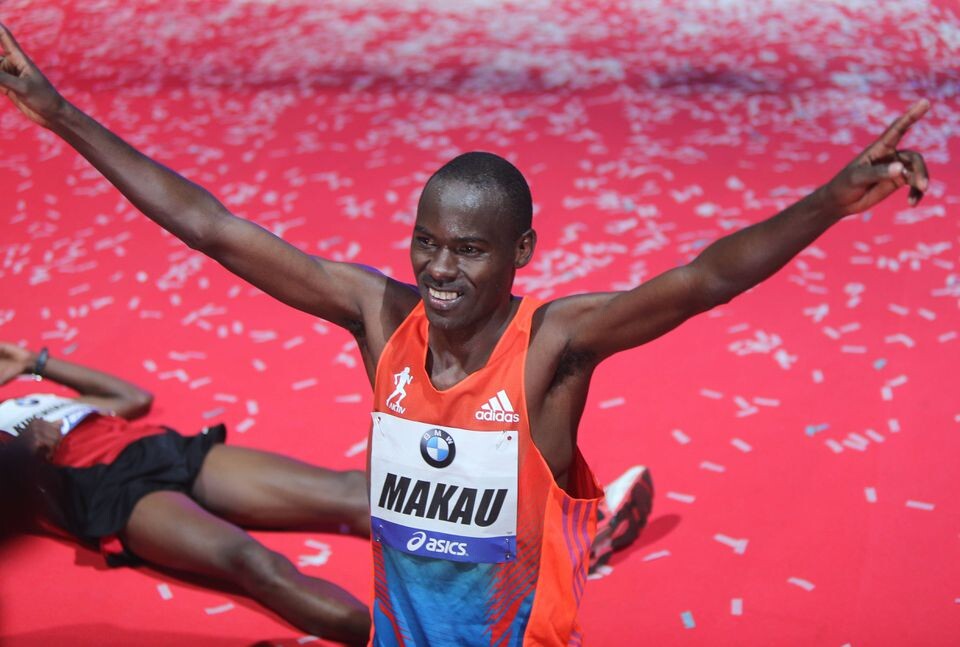
Kenyans have been so dominant in the long-distance races and out of the nine fastest times from 2003, there is only one Ethiopian who has managed to penetrate through Kenyan dominance. Paul Tergat broke the world record in 2003 and since then, times have changed drastically with the late Kelvin Kiptum now having the world record.
1) Paul Tergat (2003)
It is not a surprise that Paul Tergat paved the way for Kenyan dominance as long as the marathon is concerned. Tergat proved to Kenyans and the whole world at large, that anything is possible and from his performance, marathon running became Kenya’s business.
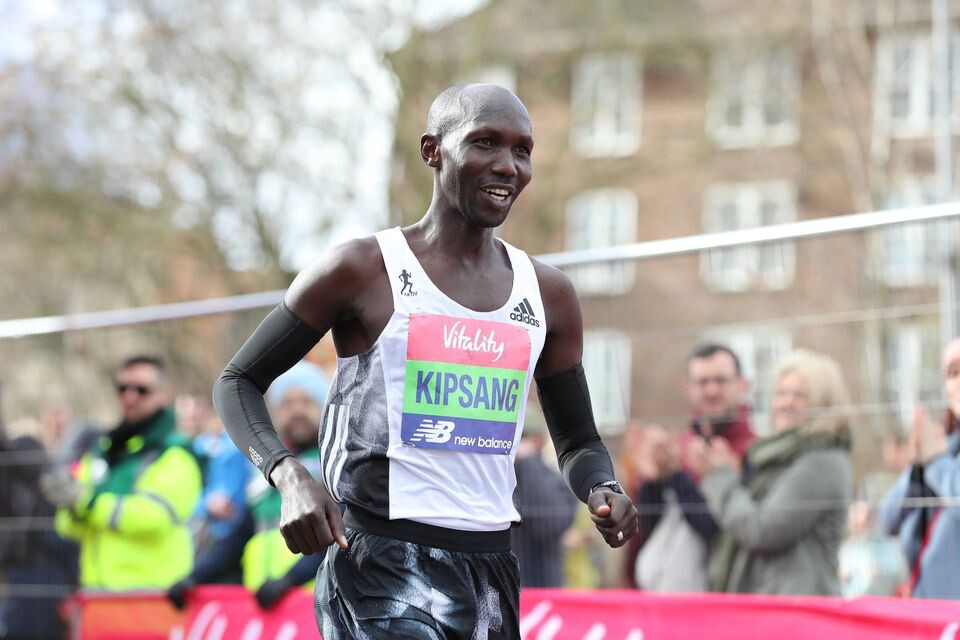
At the 2003 Berlin Marathon, Paul Tergat clocked a stunning 2:04:55 to win the race and his time was the first world record for the men's marathon ratified by World Athletics.
Haile Gebrselassie threatened Kenya’s dominance in the marathon with his two world records over the distance. He first shattered the world record at the 2007 Berlin Marathon, clocking a stunning 2:04:26 to cross the finish line.
The legendary marathon runner then proceeded to shatter his own world record at the 2008 Berlin Marathon, clocking an impressive 2:03:59 to cross the finish line. However, his reign was not for long as another Kenyan rose to prominence.
The Berlin Marathon seemed to be a suitable course for breaking the world record as Patrick Makau shattered Haile Gebrselassie’s record at the 2011 edition of the event. Makau clocked a blistering 2:03:38 to cross the finish line.
Another Kenyan, Wilson Kipsang proceeded to shatter Patrick Makau’s world record at the 2013 Berlin Marathon. Wilson Kipsang clocked a stunning 2:03:23 to cross the finish line in one of the most historic showdowns.
Wilson Kipsang’s world record did not stay for long as a year later, Dennis Kimetto completely destroyed the record, becoming the first man to clock under two hours and three minutes to win a marathon.
Competing at the 2014 Berlin Marathon, Dennis Kimetto clocked 2:02:57 to win the race with his world record being one of the most long-standing records before Eliud Kipchoge’s rise to the top.
6) Eliud Kipchoge
In his prime, Eliud Kipchoge was undoubtedly one of the most consistent marathon runners and it was just a matter of when he would break the world record.
Eliud Kipchoge made his dream a reality at the 2018 edition of the Berlin Marathon where he clocked an astonishing 2:01:39 to cross the finish line and take top honours in the race, becoming the first man to clock under two hours and two minutes.
Eliud Kipchoge was not done with his dominant exploits as he proceeded to claim top honours at the 2022 Berlin Marathon in a new world record time of 2:01:09.
7) Kelvin Kiptum
The late Kelvin Kiptum was a rare talent and he would be the one to define marathon running following his resilience and hard work. In his debut at the 2022 Valencia Marathon, Kelvin Kiptum clocked the fastest time ever by a debutant. He crossed the finish line in a time of 2:01:53.
The world class marathoner then proceeded to claim the win at the London Marathon, clocking a personal best time and the second-fastest time then. He clocked 2:01:25 for a win.
Kelvin Kiptum was not done writing history as he shattered Eliud Kipchoge’s world record at the 2023 Chicago Marathon. He clocked 2:00:35 to win the race and before his demise, Kiptum was actually looking to run under two hours in the 42km distance.
by Abigael Wafula
Login to leave a comment
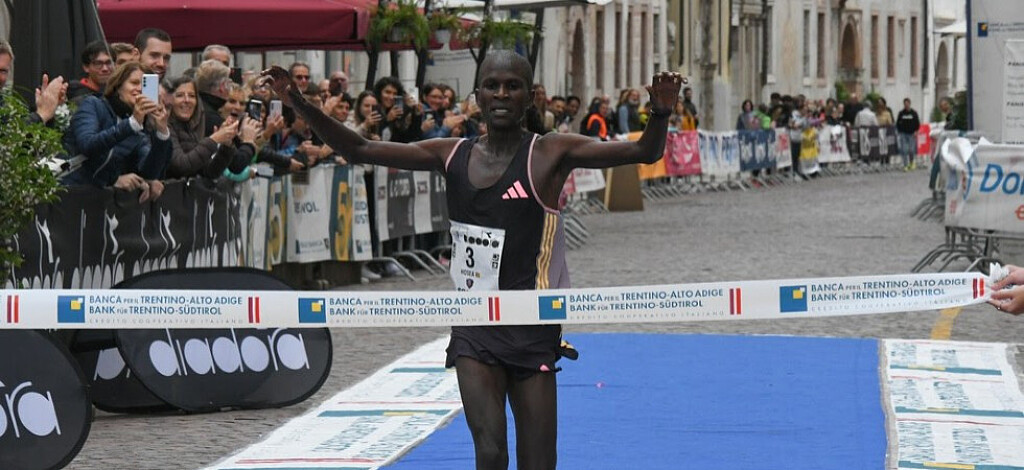
Trento Half Marathon 2024: Ugandan Kiplangat triumphs, Ethiopian Mekuriaw wins in the women's category
Great success for the 2024 edition of the half marathon that takes place in the city center: 1500 participants in the Trento Half Marathon and Trento 10k del Concilio. President Gianni Valler: "First time that several days before we declare sold out. We are extremely satisfied, everything was beyond the rosiest expectations"
Triumphing in the 2024 edition of the Trento Half Marathon is the Ugandan born in 2000 Hosea Kiplangat, who showed up on the finish line in Piazza Duomo in a brilliant and very valid 1h00'15". The women's race was won by the Ethiopian Yalemeget Yaregal Mekuriaw, who won with a real solo in 1h07'56", just 8 seconds from the course record held by the Ethiopian Worknesh Debele.
Great emotions this morning in Trento, which proves to be the Italian capital of running for a Sunday of sport of the highest technical level: on the second day of the Trento Running Festival - after the thrills and adrenaline of Saturday evening with the 77th edition of the Giro al Sas - it was the turn of the 1500 participants of the Trento Half Marathon and Trento 10k del Concilio, which recorded as many as 20 percent more attendance than in 2023, with 25 nationalities represented and 25 percent female.
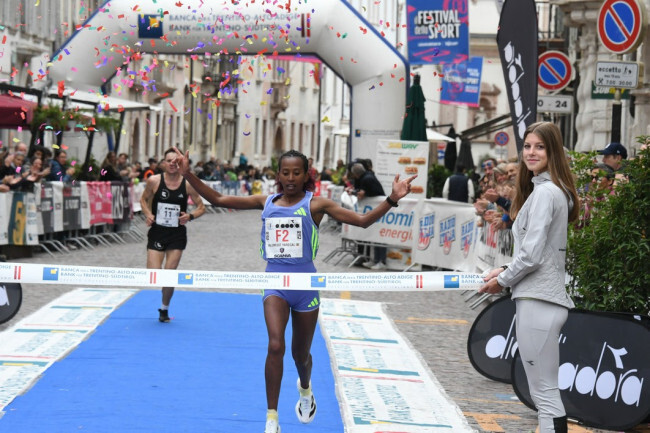
Returning to the competitions, the Trento Half Marathon record to beat has been held since 2022 by the multi-titled Ethiopian Tamirat Tola with 59'49", but today it was really fast thanks to Kiplangat who showed up at the finish line with an extraordinary time that for the Ugandan also counts as a personal best.
"I improved my personal best on the half marathon by almost two minutes and I am really happy with the final result - said Kiplangat at the end of the race -. I arrived today inthe best possible physical condition and the race went really well, I thank Trento for the warm affection at the finish line".
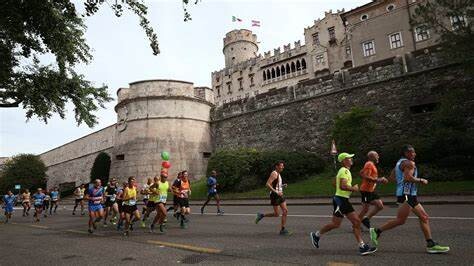
Behind Kiplangat, a Kenyan double with the youngclass of 2005 Dennis Kororia and Zacharia Krop: respectively second in 1h01'11", conquering a personal best, while Krop, at his debut on the distance of 21 kilometers, third in 1h01'19".
As for the women's race, despite the triumph, Yalemeget Yaregal Mekuriaw did not get a "personal best" (time at the Berlin Half Marathon 2023 of 1h06'27", ed.) but the Ethiopian athletestill entered a great time, with 15 kilometers run alone where she distanced the runner-up by a good three minutes.
In second place was the Kenyan Nelly Jeptoo in 1h10'58" and on the third step of the podium in 1h11'34" her compatriot Nancy Jepleting.
Sixth place instead for Luna Giovanetti of Atletica Valle di Cembra, already Italian champion Promesse di corsa in montagna, who therefore becomes the first Italian of this Trento Half Marathon stopping the clock in 1h20'35", her first real official result on the certified half marathon distance.
At the same time, the Trento 10k del Concilio was also run, a race that recorded the success of Damiano Casagranda of Atletica Valle di Cembra with 33'53", while among the women the victory went to the South Tyrolean Tanja Scrinzi in a time of 38'19".
To make a final assessment of this Trento Running Festival 2024 is the new president of Asd Città di Trento Gianni Valler: "It is the first time that several days before we declare the sold out of registrations, we are extremely satisfied with this, everything has been beyond the rosiest expectations".
"Great chronometric performances have further rewarded us, gratifying our work and that of over three hundred volunteers who have set up the route impeccably – concluded Valler -. The Giro at the Sas was also a spectacle with a great Yeman Crippa, a home athlete cheered by all the Trento public who loves him and obviously congratulations also to last night's winner Charles Rotich who ran really fast, he will be a great champion in the future, we are sure of it".
by F.Os.
Login to leave a comment

Trento Half Marathon
In Trento we have joined forces by gathering together the city’s biggest running events to give birth to the “Trento Running Festival”. The Festival is a whole weekend dedicated to running for people of all levels: top runners, amateurs, families and the young. The event offers the opportunity to meet and watch top athletes trying to beat their record at...
more...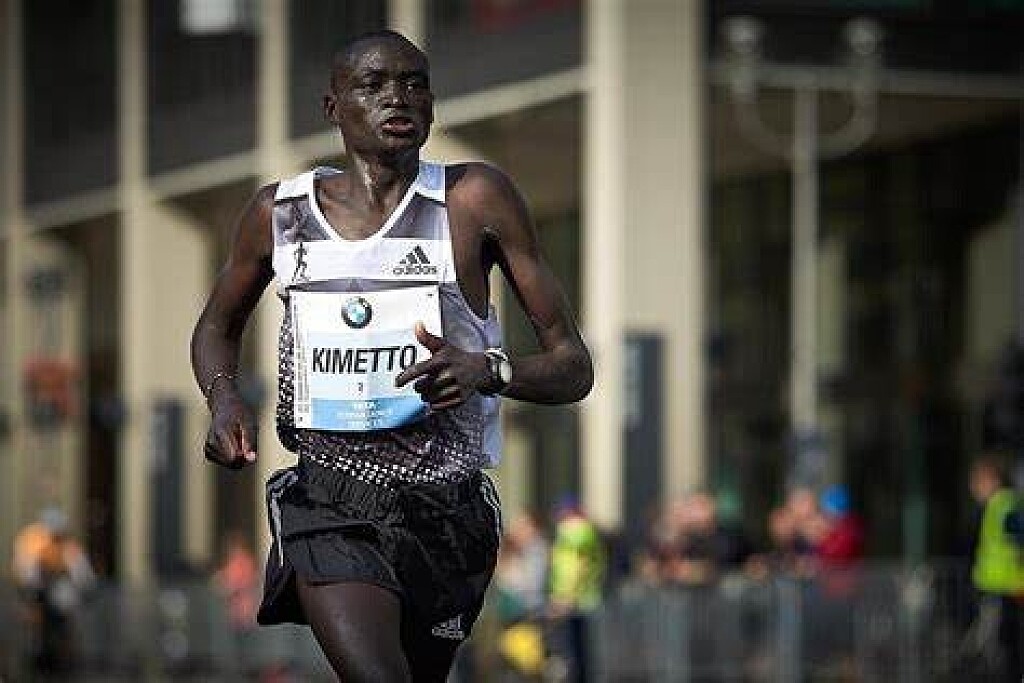
Former world record holder Kimetto to headline Cape Town race
Former World Marathon record holder Dennis Kimetto will spearhead an attempt on the Cape Town Marathon course record when he lines up on October 20.
The current course record in the men’s race is 2:08:32 set by 2016 Africa 10,000m silver medallist, Stephen Mokoka during his triumph in 2018.
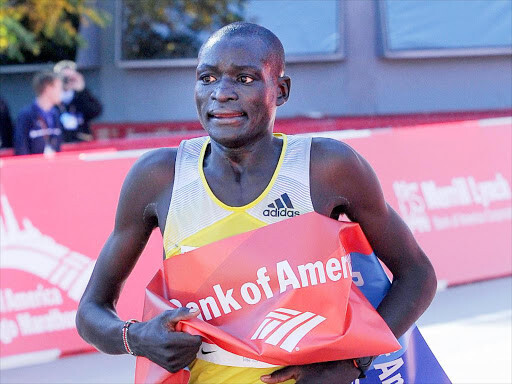
This year’s edition has drawn a massive 21,000 participants, with race director Barry Van Blerk highlighting the impressive elite field assembled for the men's race.
“This year’s Sanlam Cape Town Marathon boasts the strongest elite line-up ever seen on African soil. With a substantial prize pool, we anticipate fierce competition and if conditions allow, course records will likely fall,” Van Blerk remarked.
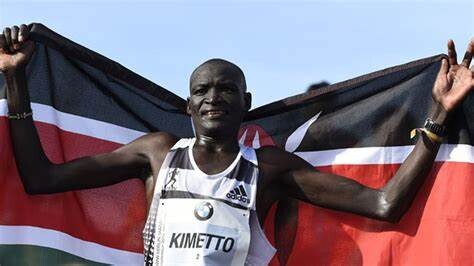
Kimetto set a world record during the 2014 Berlin Marathon after clocking 2:02:57, to become the first man to crack the 2:03 barrier.
His record stood for four years before two-time Olympic marathon champion Eliud Kipchoge shattered it during the 2018 Berlin race when he clocked 2:01:39.
Kimetto brings a wealth of experience to the field including triumph from the 2013 Chicago Marathon (2:03:45), ahead of compatriots Emmanuel Kipchirchir (2:03:52) and Sammy Kitwara (2:05:16).
He also holds wins from the 2012 Ras Al Khaimah Half Marathon (1:00:40), 2012 Berlin Half Marathon (59:14) and 2013 Tokyo Marathon (2:06:50).
Kimetto is a runner-up from the 2012 Berlin Marathon, where he clocked 2:04:16, behind Geoffrey Mutai (2:04:15). However, he will face tough competition from defending champion Adane Kebede of Ethiopia.
Kebede clocked 2:11:28 to win last year’s race, edging out Mokoka (2:11:33) and Bernard Kipkorir (2:11:51).
The Ethiopian finished third at last year’s Rabat Marathon clocking 2:09:44, behind Yassine El Allami (2:09:27) and Mustapha Houdadi (2:09:34).
Also in the race is 2019 world champion Lelisa Desisa. The Ethiopian claimed the 2019 world title in a time of 2:10:40, edging out Mosinet Geremew (2:10:44) and Amos Kipruto (2:10:51).
He is also a silver medallist from the 2013 edition in Moscow (2:10:12) behind Uganda’s Stephen Kiprotich (2:09:51).
His resume also includes triumphs from the 2018 New York Marathon (2:05:59) as well as two Boston Marathon titles 2013 (2:10:22) and 2015 (2:09:17).
Desisa is also a runner-up twice at the Boston Marathon thus —2019 (2:07:59) and 2016 (2:13:32) as well as the 2014 New York Marathon (2:11:06).
A prize pool of Sh6.5 million ($50,000) has been set for the podium finishers with the champions bagging Sh3.3 million ($25,000). Second and third-place finishers will receive Sh1.9 million ($15,000) and Sh1.3 million ($10,000) respectively.
by Teddy Muley
Login to leave a comment

Cape Town Marathon
The Sanlam Cape Town Marathon is a City Marathon held in Cape Town, South Africa, which is sponsored by Sanlam, the City of Cape Town and Vital Health Foods. The marathon is held on a fast and flat course, starting and finishing in Green Point, near the Cape Town Stadium. Prior to existing in its current format, the Cape Town...
more...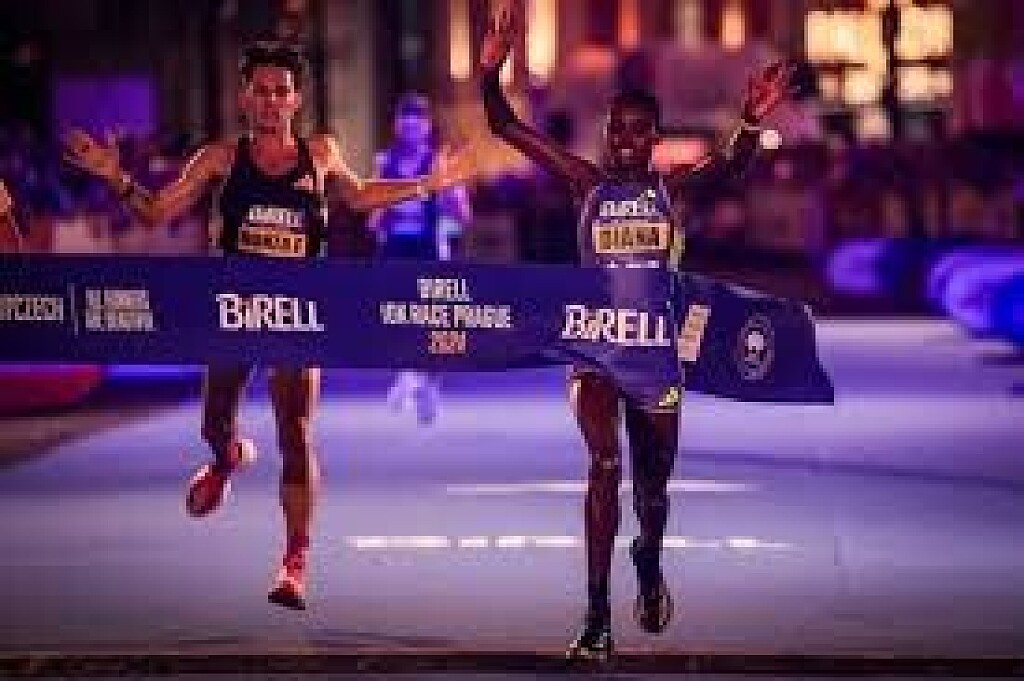
Chepkorir and Kitiyo top Prague 10km
Kenya’s Diana Chepkorir and Dennis Kibet Kitiyo claimed wins in contrasting styles at the Birell 10K Race, a World Athletics Elite Label road race, in Prague on Saturday (7).
Kitiyo kicked away from his rivals in the closing stages to win the men’s race in 27:17, while Chepkorir solo ran her way to victory in the women’s race, clocking 30:12.
They each led a Kenyan top two, as Kitiyo was followed by Vincent Kibet Langat (27:25) and Chepkorir by Miriam Chebet (31:28).
Ethiopia’s Tadese Worku had taken control of the men’s race after the pacemaker stepped aside after around 10 minutes of running, and both Worku and Kitiyo formed part of a breakaway group of four by the halfway point, which was passed in 13:29.
Kitiyo saved enough for a final surge and managed to create a gap on his rivals, eventually winning by eight seconds. Worku was third in 27:32 and Rodrigue Kwizera of Burundi fourth in 27:39.
Chepkorir led the women’s race from gun to tape. She had a lead of 36 seconds by 5km, which she reached in 14:43, and powered on to win by 76 seconds.
Ethiopia’s Lemlem Nibret followed Chepkorir and Chebet to claim third place in 32:20, while Britain’s Samantha Harrison was fourth in 32:47.
Login to leave a comment

Why You (Yes, You) Were Born to Run
A new analysis in Nature Human Behaviour bolsters the case that persistence hunting—and, by extension, running itself—is a key part of our collective history.The theory that human endurance evolved out of our need to outrun our prey has intrigued runners for four decades. After all, the idea of “persistence hunting” presents a much more romantic explanation for our otherwise pathological obsession with slogging through the Trial of Miles. According to the original endurance hunting theory laid out in a 1984 paper by David Carrier, modern runners are actually expressing the essential spirit of our species. It is running that, as the cliché goes, made us human—and that’s why so many of us still run.
It’s such a lovely theory that, in the running world at least, we mostly tried not to probe it too closely. In the scientific world, though, there have long been doubters. In particular, the hypothesis has two main weak points. One is that running incinerates calories, which is great if you’re trying to lose weight but highly problematic if you’re trying to eke out a precarious living on the savanna. The other is that, among the hunter-gatherer societies that maintained their traditions into the 20th century and beyond, persistence hunts seem to be rare novelties that only occur in a few special places. No one doubts that we can run down antelopes, but it doesn’t seem to be the kind of core pursuit that would shape our evolution.

Happily, a new analysis in Nature Human Behaviour counters those criticisms with fresh data, bolstering the case that persistence hunting—and, by extension, running itself—is a key part of our collective history. Eugène Morin of Trent University and Bruce Winterhalder of UC Davis bring together several different lines of evidence to argue that persistence hunting was worth the caloric price, and took place in virtually every corner of the globe—not just on the African savanna, but in dense woodlands, on mountain slopes, and across snow-covered wastelands.David Carrier’s original endurance hunting theory was further fleshed out in 2004 by Daniel Lieberman and Dennis Bramble, then made famous in Christopher McDougall’s 2009 bestseller Born to Run. According to the theory, we have a bunch of traits that make us good long-distance runners. Most importantly, we have lots of efficient and fatigue-resistant slow-twitch muscle fibers in our legs, and we can cool ourselves by sweating from our mostly hairless body surfaces. There’s a long list of other potentially advantageous adaptations, from flexible breathing patterns to long Achilles tendons. These features suggest that our bodies were shaped by evolution to be good at endurance running.
There’s no doubt, though, that running burns more calories than walking to cover a given distance. If you’re tracking an antelope, wouldn’t it make more sense to be patient and stick to walking along its trail? Morin and Winterhalder calculate the return rate for various hunting scenarios, taking into account the calories you’ll burn in the pursuit, the chances of success or failure, and the calories you’ll get from the animal to produce an overall estimate of how many calories per hour each hunting method is “worth.”
Surprisingly, the faster you go, the more rewarding the hunt is. Faster speeds burn more calories per unit time but take less time to catch the animal; the time savings outweigh the extra cost of running. The benefits of ending the hunt sooner are so big that it’s still more efficient to run even if you have to cover twice the distance that you would if you walked.Morin and Winterhalder and their colleagues have done similar calculations for other types of hunting—“encounter” and “communal drive”—and find that the return rates are similar, or in some cases even better for persistence hunts, depending on the context. For example, the persistence hunter has an advantage when the terrain impedes the prey: pursuing game through deep or crusty snow is effective if you’ve got snowshoes or skis. Hot weather also favors humans over animals like deer, which cool themselves by panting, though it’s possible to run them to overheating even in moderate conditions.
All this is interesting but theoretical. How do these numbers translate to real-world behavior? The other part of the study is a new examination of old ethnographic sources that have been digitized in recent years, making them easier to search. The researchers assembled 8,000 publicly available “memoirs, travelogs, missionary accounts” and other documents, and used content analysis software to look for passages where words such as “run down,” “tiring,” “game,” and “animal” occurred close together. Amazingly, they turned up 391 descriptions of persistence hunts dating from the 1500s to the 1900s, occurring on every continent except Antarctica and in a wide variety of different environments and societies.
Most of the previously known accounts of persistence hunting came from hot, open plains in Southern African, the American Southwest, and Australia. The new accounts cover a much broader territory: native Hawaiians “jog-trotting” over rocky terrain until wild goats give up in exhaustion; single unaccompanied Beothuks in Newfoundland running down fat stags; Dayaks in Borneo taking advantage of hot, dry days to catch deer. Around 40 percent of the hunts were in forest, taiga, or rainforest, and another 20 percent were in environments with mixed vegetation.There’s a big gap in southern Eurasia, which is probably because hunter-gatherer societies in those regions were replaced by farmers long before there were written records or curious anthropologists. And there’s a big cluster along the west coast of North America, thanks to a massive ethnographic project undertaken by the University of California in the 1930s and 1940s. This Cultural Element Distribution project systematically surveyed 141 societies in the region; 114 of them, or 81 percent, reported persistence hunting, bolstering the claim that this was a widespread activity rather than a rarity. (In the inset, persistence-hunting societies from this survey are shown with black dots; non-persistence-hunting ones are red dots. If you can see the difference, your eyes are better than mine.)
The upshot of all this data-crunching is a much more robust claim that persistence hunting was a widespread human activity that could well have shaped our evolution. “The emergence of endurance running,” Morin and Winterhalder write, “also informs our predilection for recreational running.” In other words, yes, we were born to run. But don’t feel bad if you read these accounts and think, “Oh man, I’ve been training for all these years and there’s still no way I could run down a deer.” That, too, is a tale as old as time.
“In the old days we used to hunt with the bow and spear,” a Gwich’in elder in northwestern North America lamented in the 1850s. “Our young men were strong in those days. We hunted the moose by running him down on snowshoes, and we could run all day, such as wolves. Now our young men are become lazy and feeble. They prefer to hunt the moose in the fall, when he is easy to kill. They ride on their dog-sleds and are afraid to run all day.”
by Outside online
Login to leave a comment
Why toe spreaders may be your next great recovery tool
Inexpensive, small and simple to use (albeit funny-looking), toe spreaders are commonly associated with pedicures and bunions—but these small devices are now also hailed as essential tools for enhancing foot function and performance. Here’s why runners are increasingly turning to toe spreaders (also called spacers) for better foot health and improved foot flexibility.
Toe spreaders, usually made from silicon, can be purchased for $10 (or less) online, and are usually intended to gently realign the toes and restore their natural spacing. They can be worn while exercising and walking around, or only used when doing foot exercises and strengthening drills—and some research suggests they can lead to performance benefits for athletes, with enhanced efficiency, improved balance and proprioception and an increase in explosive output.

Enhancing foot functionality
In a recent article in The Wall Street Journal, Dr. Dennis Cardone, a sports medicine specialist at NYU Langone Health in New York City, explains that our feet should act like small tripods, with the centre of the heel, ball of the big toe and base of the baby toe all supporting our weight equally. When our feet are squeezed into tight shoes, the tripod becomes uneven and narrow, leading to balance problems and painful injuries like bunions and hammer toes. Runners and other active people may have more potential for injury.
A new foot fad?
While Cardone says that wearing toe spreaders won’t prevent deformities, they can help relieve the pain and are a cheap and easy aid when contrasted with surgery or physical therapy. The simple gadgets can be purchased online from Amazon and other websites—and runners aren’t the only ones sporting them. Celebrities like model Ashley Graham are jumping on the bandwagon, posting photos of their toes in spreaders or while wearing toe-spreader socks.
Improved circulation for happier feet
As we walk, we should feel our toes (especially the big ones) press into the ground, Courtney Conley, founder of web-based foot health resource Gait Happens, explains to the WSJ. Strengthening the muscles of the feet and toes can lead to better overall foot stability and balance during running. Besides building strength and boosting alignment, spacers can also improve blood circulation by creating space between the toes, which promotes healing and reduces the risk of inflammatory conditions like plantar fasciitis. Toe spacers can also be beneficial for athletes with foot fatigue.
The rising popularity of toe spreaders is encouraging people to take better care of their feet. Many people aren’t aware that their toes should be able to move individually, similar to fingers. When slipping toe spreaders on for the first time, the sensation may feel quite intense or uncomfortable, and experts suggest gradually increasing the time wearing the spacers as you watch TV or do chores. Adding a few foot and toe exercises, spaced throughout the day (with or without toe spreaders on), can make wearing the tools less uncomfortable, while giving foot function an extra boost.
by Keeley Milne
Login to leave a comment
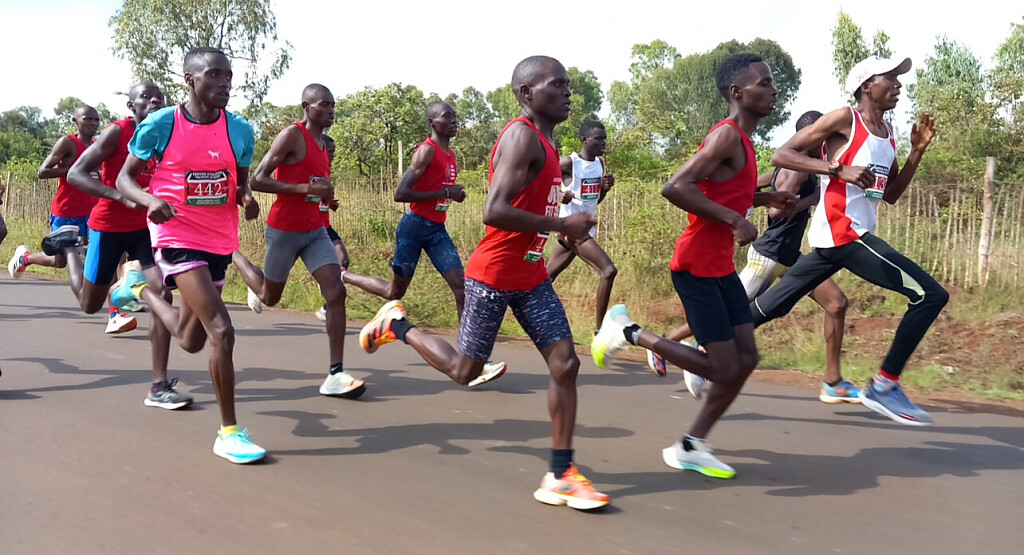
The monthly KATA Time Trial was started in Sept 2021 and it just keeps getting better
The monthly Kenyan Athletics Training Academy (KATA) Time trial for April was held today on a cold wet morning near Thika Kenya.
The attendance was good with 55 participants. Kelvin ragui opened the day with a win in the 5km with a personal best lowering his previous time by two seconds clocking 14:51. He was followed by Fredrick kiprotich 15:27. Charles ndirangu finished in third posting a personal best of 15:42.
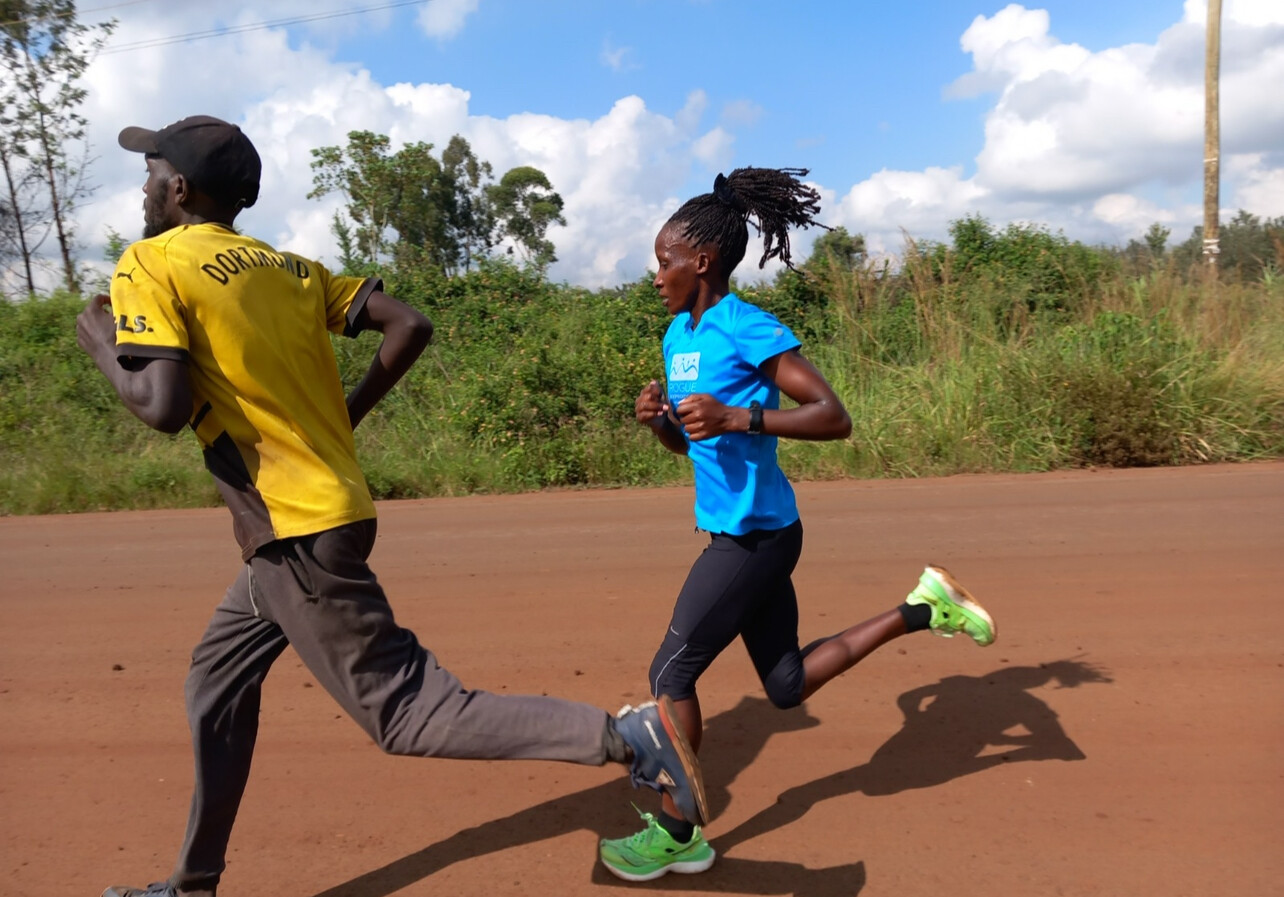
Ismael mburu who finished in 7th position as well captured a personal best of 16:32, lowering his previous time by more than 40 seconds.
Karen chepkemoi won the women 5km race in 17:55. Lilian musenya came in second with a personal best of 18:50.
Raphael karita won the Men's 10km clocking 29:11 which was only two seconds off his personal best time. He was followed by job kamande who posted a personal best of 29:33. Peter mwangi posted a very impressive time, 29:29 a personal best.

Charles ndirangu ( 64 years old) posted 37:37 lowering his previous time by 54 seconds. This is a world class time and is 91.98% age graded.
Jacinta kamau won the crown in the women's 10km race in a personal best of 35:11 by more than 30 seconds. Virginia wanjiru who finished in 4th place in a time of 37:01 also lowered her personal best by 29 seconds.
It was a good day of racing. The 33rd KATA Time trial will be held May 8, 2024. "Come join us," says director/owner Bob Anderson who is currently in Monforte da Beira Portugal setting up the second KATA Running Retreat opening in June 2024. 5km Men
1 Kelvin ragui 21 488 14:51
2 Fredrick kiprotich 23 326 15:27
3 Charles ndirangu 23 311 15:42
4 Amos chirchir 23 158 15:56
5 Gabriel gikeri 19 140 16:03
6 Clinton otieno 23 417 16:31
7 Ismael mburu 23 312 16:32
8 Ramadhan ambani 24 247 16:46
9 kariuki wangari 24 202 16:47
10 Geoffrey ngama 50 133 17:04
11 Jeremiah obura 20 146 17:26
12 peter Mukundi 25 84 17:54
13 Charles kabuthia 28 318 17:56
14 lewis mwangi 15 320 18:10
15 John kiragu 28 322 18:44
16 Zachary onyimbo 24 191 18:51
17 Alex kamau 22 253 19:20
18 Dennis kamau 14 162 23:15
19 Samuel maina 14 435 24:06
20 Donald gatunga 21 319 24:28
5km women
1 Karen chepkemoi 22 389 17:55
2 Lilian musenya 22 321 18:50
3 Anastasia muthoni 21 415 20:22
4 Emily wanjiku 17 254 22:22
10km Men
1 Raphael karita 24 246 29:11
2 Job kamande 23 251 29:23
3 peter mwangi 27 442 29:29
4 Dismas okioma 19 490 29:30
5 John njuguna 25 473 30:04
6 John muthui 48 264 30:17
7 Joshua kibet 26 250 30:22
8 Zachary kirika 22 992 30:31
9 Brian wekesa 26 130 30:46
10 peter ndungu 24 189 31:40
11 lewis kuria 22 188 31:49
12 Charles mwangi 21 198 31:50
13 Gabriel kahura 41 44 32:00
14 Anthony Mukundi 35 444 32:03
15 kiriuki karanja 50 314 34:16
16 Stephen ngigi 20 150 34:26
17 Bernard gicheha 33 315 34:49
18 Samuel kiroko 22 143 36:02
19 Charles ndirangu 64 317 37:37
20 Emanuel mang'anyi 23 249 40:37
21 Nahashion kiarie 33 185 40:38
10km women
1 Jacinta kamau 22 414 35:11
2 Lois wambui 23 455 36:04
3 Susan njeri 30 316 36:49
4 Virginia wanjiru 22 419 37:01
5 Lucy muritu 38 248 49:23
The KATA April sprint trials was good despite the weather conditions. The KATA sprinters tried their best. We are the only club that is training long distance, middle and sprints,last month three of our own athlete were selected for all African games,400m hurdles, rahab wanjiru,and also Gladys ngure was selected for South Africa relay ,our sprint star Doreen waka was also in the team to ghana but due to some logistics she was left behind, I coach Julius do believe in change ,we can produce the best with time.
KATA sprinters time trials at kasarani stadium April 17, 2024
100m Women
1.Doreen waka 11:90
2.shelmith rono. 12:35
200m Women
1.peris chege. 25.8 sec
2.Emma wavinya 25:9
400m women
1.Emma wavinya 57:5
Men 100m
1.festus waita 10.8
2.Antony Owino 11.0
3.chris mutahi 11.5
200m men
1.festus waita 21.7 sec
2.Antony Owino 22.5
400m men
1.Alvin mise 50.6 sec
2.benjamin mulanda 51.5
3.gerald orero 52.4
4.joseph kamau 53.1
Login to leave a comment
KATA Time Trial Series
Welcome to the KATA Monthly Time Trial Held at the Kenyan Athletics Training Academy in Thika, Kenya, the KATA Monthly Time Trial is a unique and inclusive event designed to support runners of all levels in achieving their goals and showcasing their fitness. This event offers both 10K and 5K distances on an accurate, certified course, providing participants with...
more...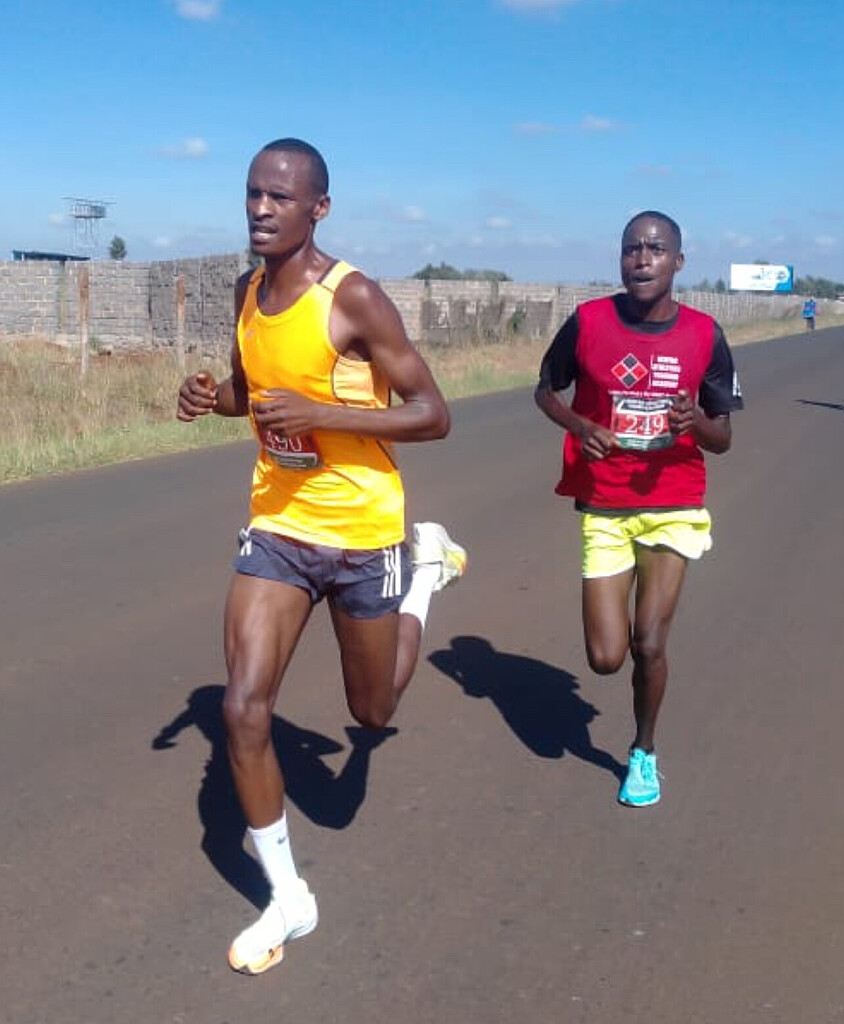
The 31st edition of the KATA Monthly time Trial produced many world class performances today in Thika Kenya
It was a big day at KATA as we concluded the March time trial March 13 outside KATA in Thika Kenya. Fredrick kiprotich won the 5 km race in 15:36 followed closely by Charles ndirangu who posted 15:45. Collins maina finished 5th in time of 17:14 lowering his personal best by more than 30 seconds. Likewise Jeremiah obura who finished 7th also posted a personal best of 17:22.
Peter mwaniki took the victory in the Men's 10km race clocking 29:07. Raphael karita was indeed impressive in second place posting a personal best of 29:09 lowering his previous time by 11 seconds. Peter mburu finished 3rd and also posted a personal best of 29:17. Anthony Mukundi who finished 8th in a time of 31:01 also lowered his previous time by 28 seconds. But the day really belongs to Kelvin ragui who finished in 10th place in the time of 31:17 improving his personal best by more than two minutes.
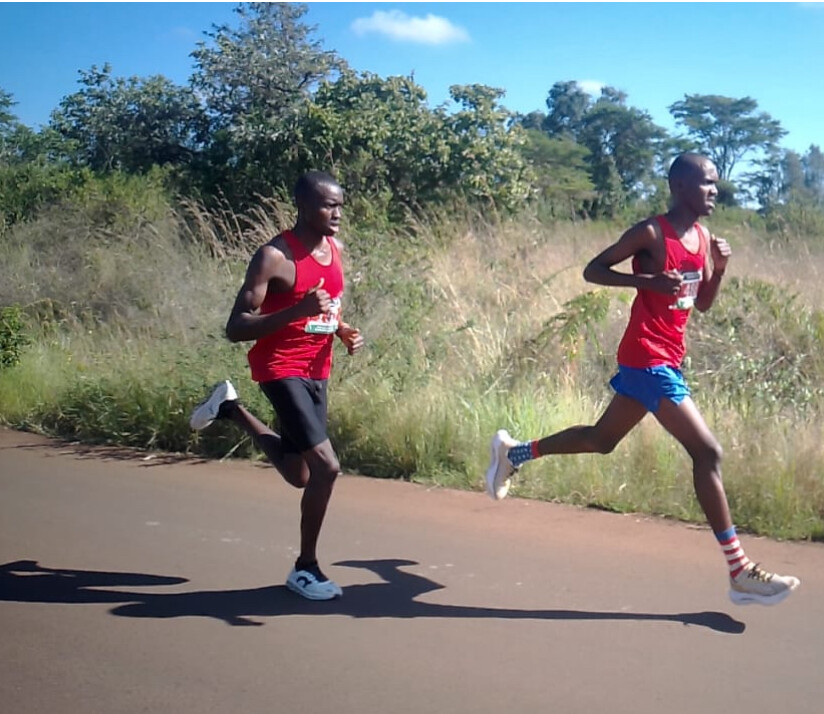
64-year-old Charles ndirangu ran an impressive 38:17 10k. This is a 90.38% age-grade score (International class). Charles has been training with KATA since it was open.
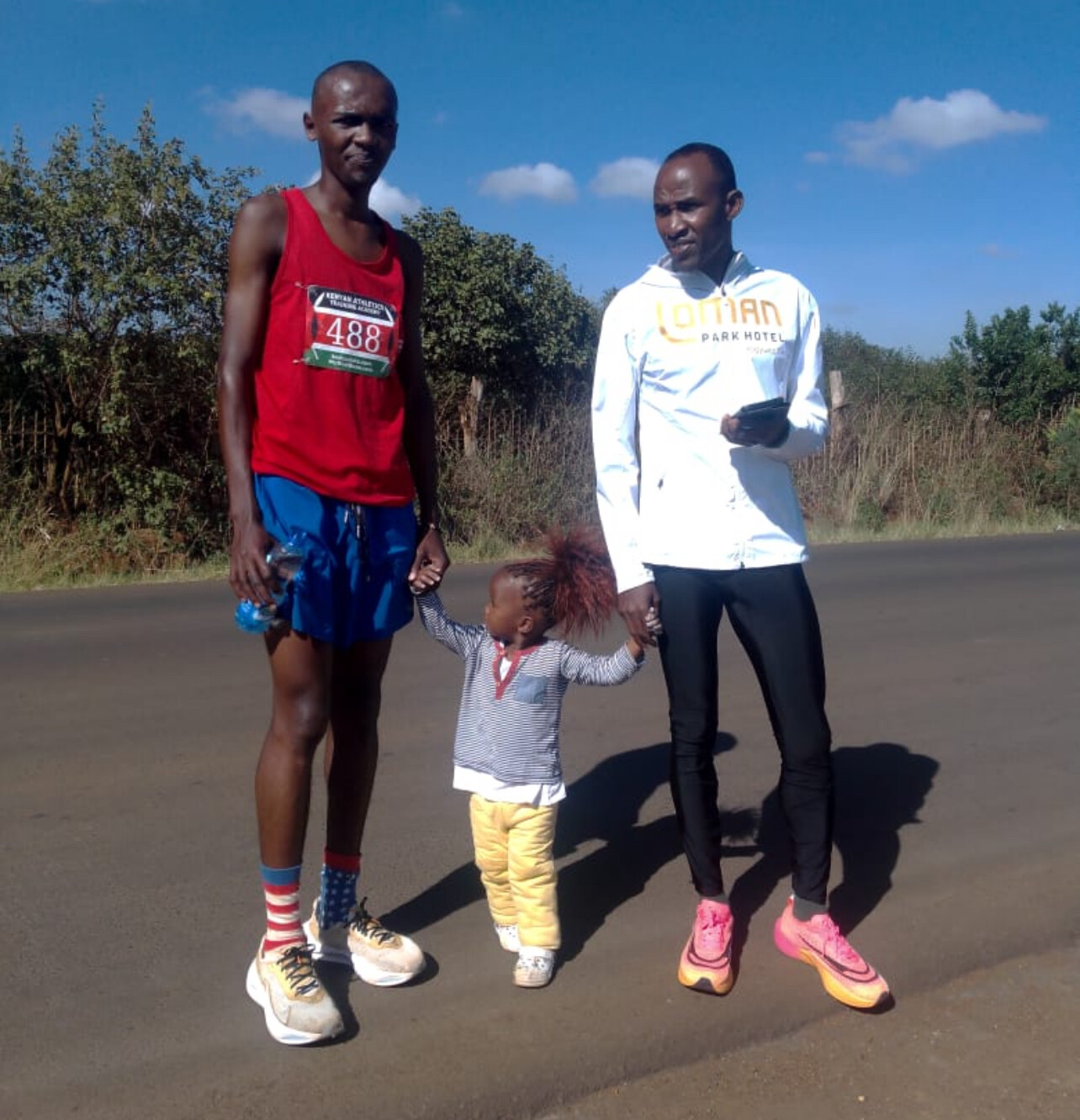
The next KATA monthly Time Trial is set for April 17, 2024.
MEN 5k
1 Fredrick kiprotich 23 146 15:36
2 Charles ndirangu 23 415 15:45
3 Amos chirchir 24 250 15:51
4 Fred kamande 24 159 15:52
5 Collins maina 20 253 17:14
6 lewis mwangi 17 158 17:18
7 Jeremiah obura 19 417 17:22
8 peter Mukundi 24 435 17:25
9 Ismael mburu 23 133 17:29
10 Dennis mondo 20 143 18:41
11 Alex kamau 21 414 22:21
12 Isaak waweru 22 202 24:12
WOMEN 5k
1 Lois wambui 23 164 17:40
MEN 10k
1 peter mwaniki 26 490 29:07
2 Raphael karita 24 416 29:09
3 peter mburu 27 249 29:17
4 Zachary kirika 22 152 30:01
5 Job kamande 23 488 30:05
6 peter ndungu 24 162 30:54
7 John kuria 27 191 30:55
8 Anthony Mukundi 35 444 31:01
9 Levis kuria 23 418 31:07
10 Kelvin ragui 21 198 31:17
11 Charles ndirangu 64 251 38:17
WOMEN 10k
1 Kellen waithera 36 130 34:48
2 Susan njuu 36 160 37:14
KATA time trials for our sprint and middle distance runners held at the track in Thika.
5000m women.
Jecinta mwende :16:58
Virginia wanjiru. :17:10
1500m women.
Caren jepkemoi 4:40
Lilian musenya. 4:44
Gladys ngure. 4:38
400m men.
Felix kipngetich. 50:26
400m women
Emma wavinya. 56:20
100m men
Alvin mise. 10:94
Festus waita 10:98
Brian oyugi. 10:96
Philip kinyanjui. 12:01
100m women.
Shelmith rono. 12:44
200m men
Alvin mise. 22:20
Festus waita. 22:59
Brian oyugi. 23:57
Philip kinyanjui. 25:92
200m women
Shelmith rono. 26:70
by KATA Coach John
Login to leave a comment
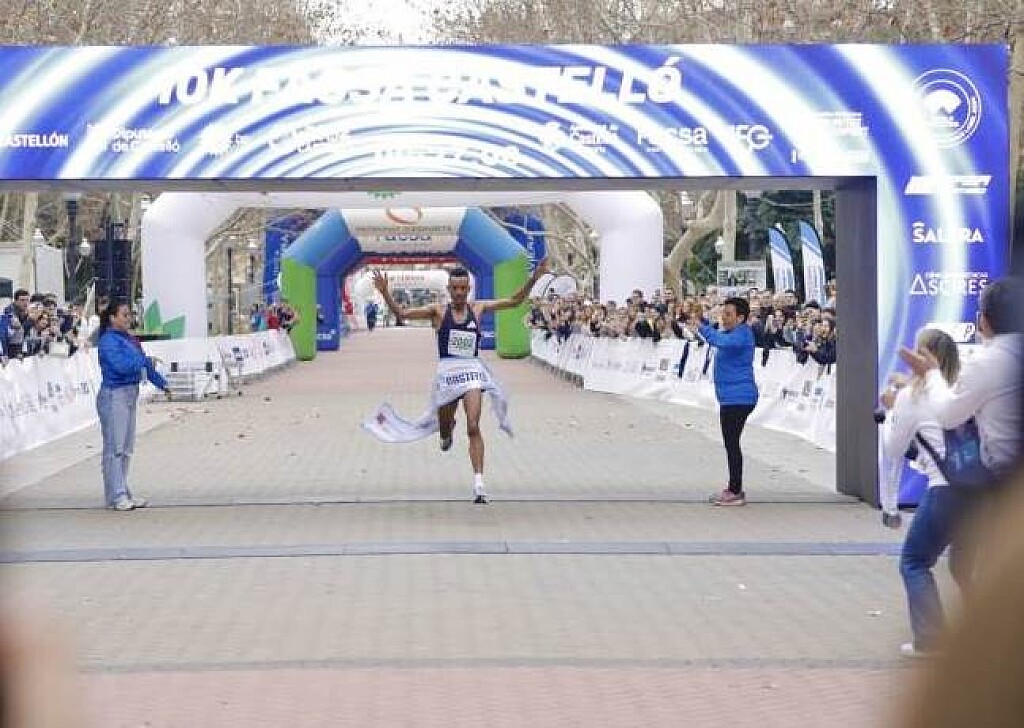
Tadesse Worku breaks Ronald Kwemoi course record in Spain
Former World U20 3000m champion Tadesse Worku broke the race course record at the eleventh edition of the 10K Facsa Castellón on Sunday (25) in Castellon, Spain.
The 21 year-old who is also the 2019 World Cross Country silver medallist crashed the old course record of 27:16 set two years ago by the 2015 Commonwealth Games 1500m silver medallist, Ronald Kwemoi from Kenya with a new course record of 27:02.
Worku was followed by reigning Sevilla Half Marathon champion, Bravin Kiprop from Kenya, who equaled the old course in 27:16 with the fastest entrant on paper in this race, Dennis Kibet Kitiyo sealing the podium in 27:33.
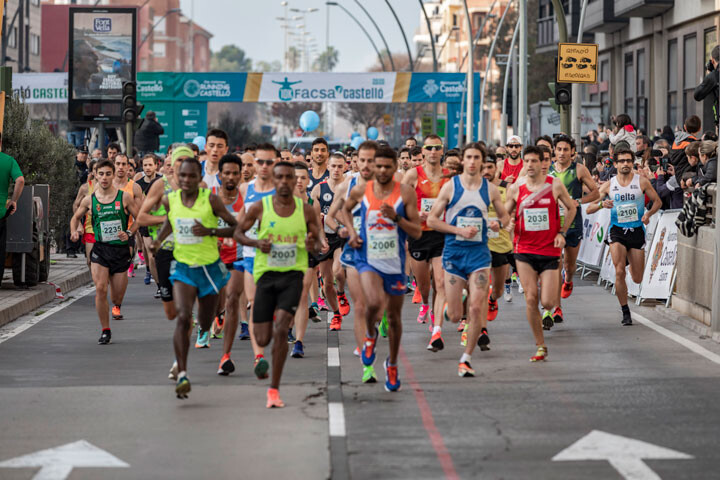
Kenyans Vincent Kimutai and Manga’ta Kimai Ndiwa finished in fourth and fifth in a time of 27:42 and 27:45 respectively.
by John Vaselyne
Login to leave a comment
10k Facsa Castello
The 10K FACSA Castelló is one of Spain’s fastest and most prestigious road races, drawing elite and amateur runners from around the world. Held in Castellón de la Plana, this race has grown exponentially, earning a reputation for its flat, high-speed course and exceptional organization. It holds a World Athletics Road Race Label, placing it among the top road races...
more...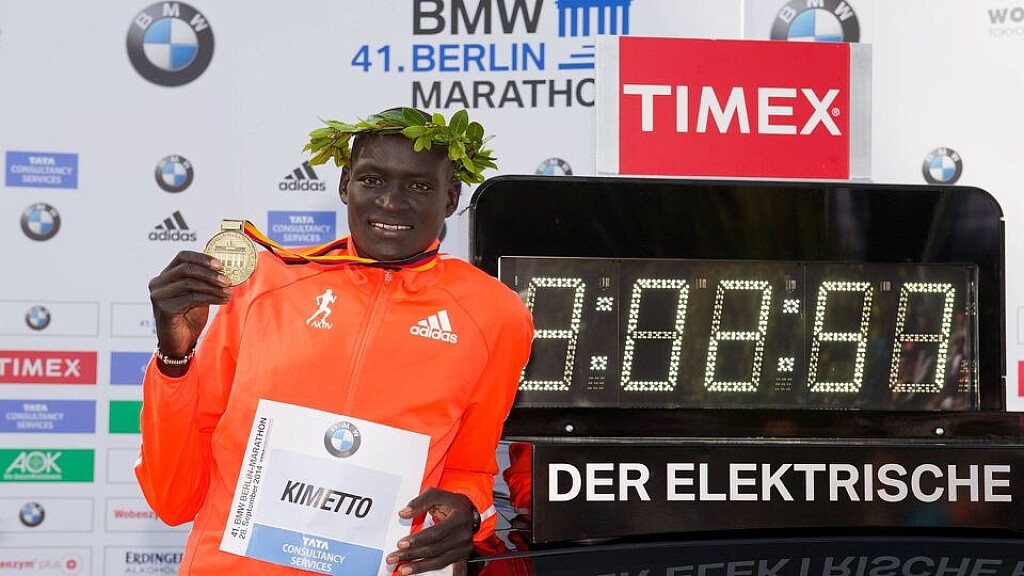
Former world record holder Dennis Kimetto will race for 1st time since 2019 this weekend at Lagos Marathon
2013 Tokyo and Chicago Marathon champion Dennis Kimetto has confirmed where he will be competing after a five-year hiatus due to injuries.
The excitement is building for the 9th Access Bank Lagos City Marathon, scheduled for Saturday 10 February with the confirmation of over 81 world-class, Gold Label elite runners ready to descend on the course.
One notable name is Dennis Kimetto, a former world record holder over the marathon distance. The 2013 Tokyo and Chicago Marathon champion returns to competitive running since 2019 and he will hope to impress one more time.
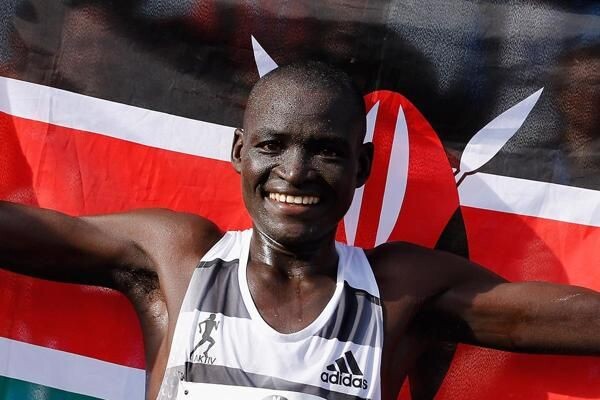
Kimetto has suffered a series of injuries which started back in 2015. At the time he was not at his best as he only completed the London Marathon, finishing third, and failing to complete the IAAF World Championships marathon in Beijing.
Kimetto also failed to finish the Fukuoka Marathon in December of the same year where he stopped at the 5-kilometer mark after dropping off the pace at 2 kilometers due to an injury.
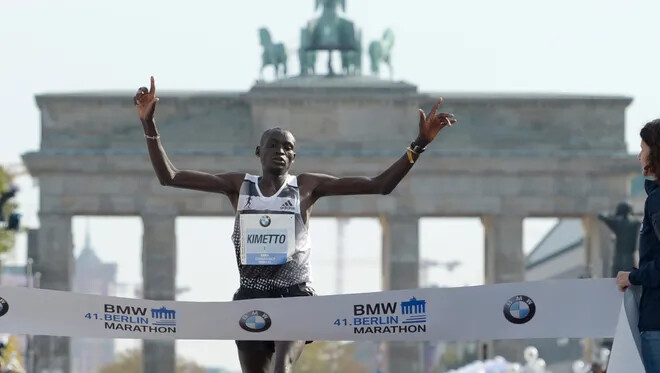
After finishing ninth at the 2016 London Marathon, Kimetto opted to run in the Chicago Marathon where he unfortunately pulled out ahead of the race, citing a stress fracture in his left leg.
His injury problems continued in 2017, with a knee injury forcing him to withdraw from the Boston Marathon field. The 2014 Berlin Marathon champion failed to finish both the Chicago Marathon in October and the Honolulu Marathon in December.
At the Vienna City Marathon in April 2018, Kimetto dropped out before the 25-kilometer mark. He then went to compete at the Shanghai Marathon where he finished 10th in 2:14:54.
In 2019, he tried making a comeback at the Daegu Marathon where he did not finish the race. He now returns with the hope of making waves like he did during his prime days.
Meanwhile, the field also includes 29 female runners and promises a highly competitive and potentially record-breaking event.
“The confirmation of over 81 Gold Label runners is a positive development for the 9th edition. As we prepare for the 10th edition, our goal is to elevate the race from Gold Label to Platinum Label status,” Yusuf Ali, the Race General Manager and former African record holder in the Long Jump said in an official statement issued.
by Abigael Wuafula
Login to leave a comment

Access Bank Lagos City Marathon
“The IAAF and AIMS have a special interest in the Access Bank Lagos City Marathon so if you see their top officials at the third edition, don’t be surprised. Lagos is one of the few marathons in the world that got an IAAF Label after just two editions. This is a rare feat. The event had over 50,000 runners at...
more...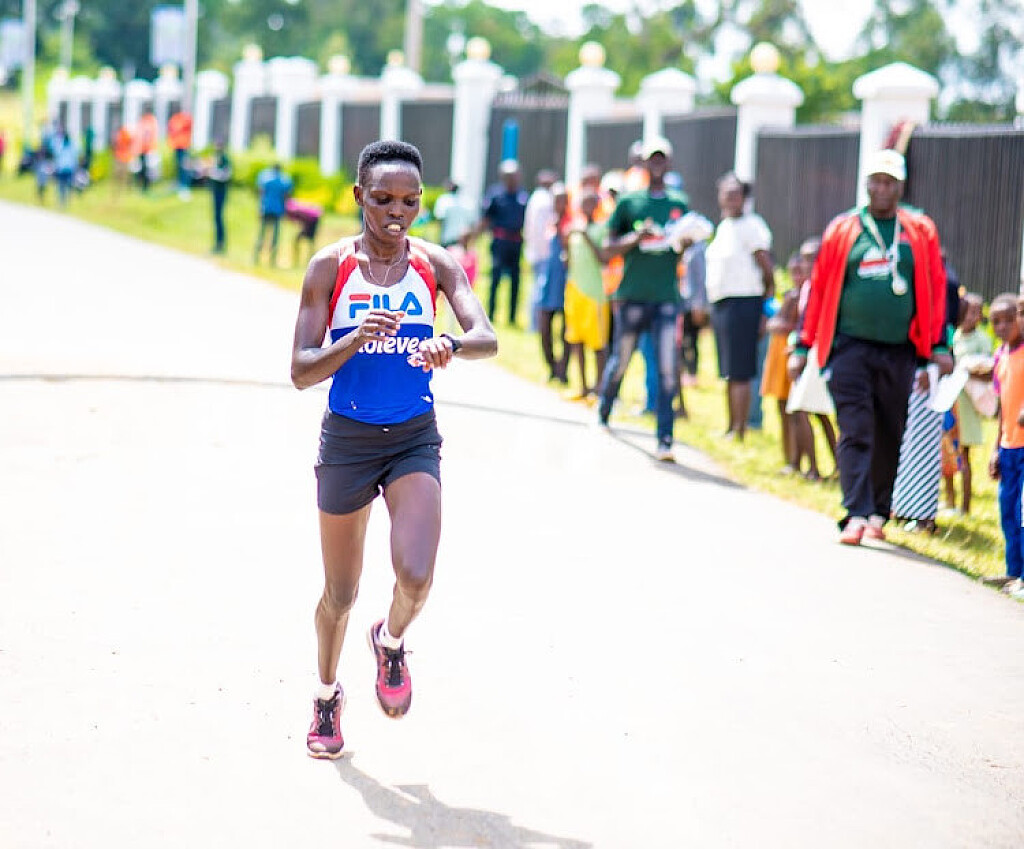
Chepngeno taking on Valencia 10km after Mwale triumph
After a successful half marathon debut over the weekend, Viola Chepngeno has shifted her focus to the Valencia 10km race set for January 14.
Chepngeno won the 21km race during the inaugural Mwale Medical and Training City, which is proof she can compete comfortably on the roads.
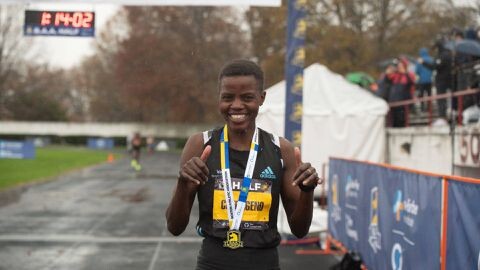
“I came here without proper half marathon preparations since I am more of a 10km runner,” said Chepngeno. “This win has motivated me to try my luck in the bigger half marathons soon.”
She clocked 1:12:54 to win at Mwale ahead of Christine Njoki in 1:13:31 and Glorious Jepkirui in 1:14:02.
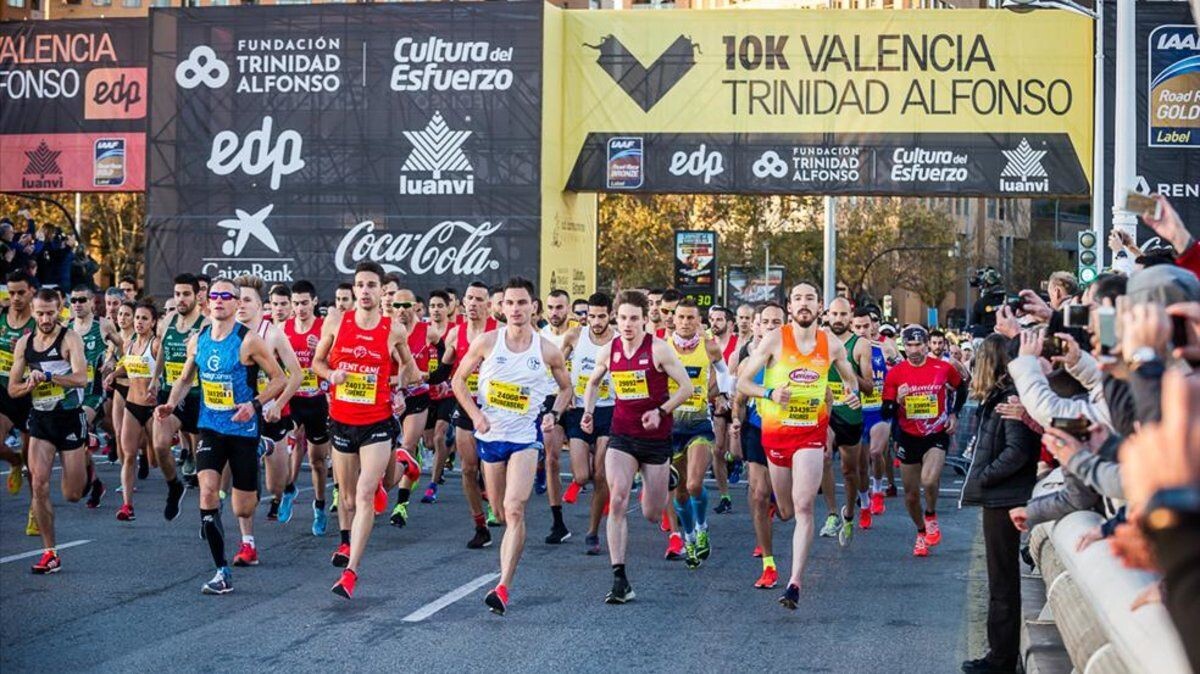
Chepngeno has had a good run in 10km. She finished third at the Brasov 10km, where Agnes Ngetich set the unratified 10km world women-only record.
“The winning shows that I can run a half marathon very well. I also want to represent the country at next year’s World Cross Country Championships,” she said.
Eliud Maiyo and Irene Cherop were the 42km winners under hot conditions.
Maiyo clocked 2:24:20 ahead of Dennis Kiprotich (2:24:29), Moses Kige-(2:27:21), Duncan Manyara (2:28:00) and Henry Kosgei (2:30:10).
Cherop timed 2:46:23 to beat Viola Chemos to second in 2:49:23 as Rael Kiara (2:53:47), Sally Jepkosgei (2:55.:13) and Joy Lemuma (2:56:48) completed the top five slots.42km men
However, Maiyo bemoaned the status of the course, saying: “I have never run on such a hard and harsh course. It is full of hills and slopes but my training came in handy. Mixing rough roads and tarmac is very challenging — one is soft while the other is hard.
Cherop, from Iten, said she trains mid-morning which was key since she is used to sunny conditions.
“I train around 11 am and that marched with today’s weather,” she said.
This was her second 42km race after winning Mt. Ruwenzori marathon.
by Emmanuel Sabuni
Login to leave a comment

10k Valencia Trinidad Alfonso
Around the corner we have one more edition of the 10K Valencia Ibercaja, organized one more year by the C. 10K VALENCIA Athletics premiering the running season in Valencia. It is a massive urban race with more than 3,000 registered annually of 10 kilometers, where the maximum duration of the test will be 1 hour 40 minutes (100 minutes). The...
more...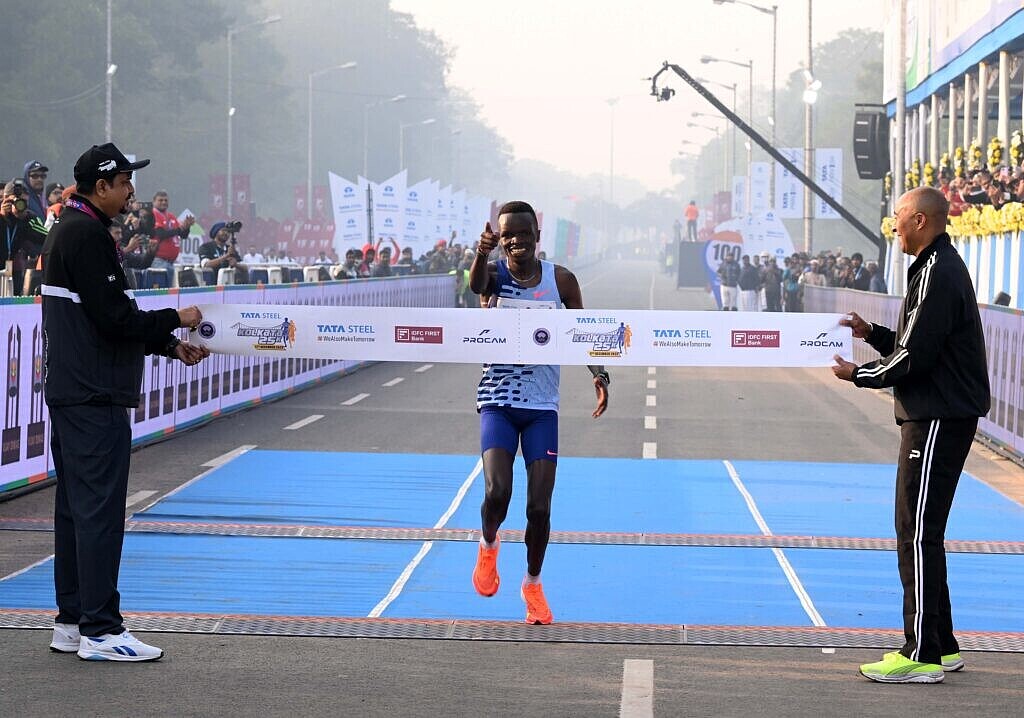
Ebenyo and Kebede clocked world bests for stand-alone 25K in Kolkata
World Athletics Elite Label Road Race, the Tata Steel Kolkata 25K, today created history with Kenya’s Daniel Simiu Ebenyo and Ethiopian Sutume Asefa Kebede smashing the event records in the men’s and women’s categories as they set up a blistering pace to finish with a timing of 1:11:13 and 1:18:47 respectively.
The performances turned out to be the “World Bests” for a stand-alone 25K race!
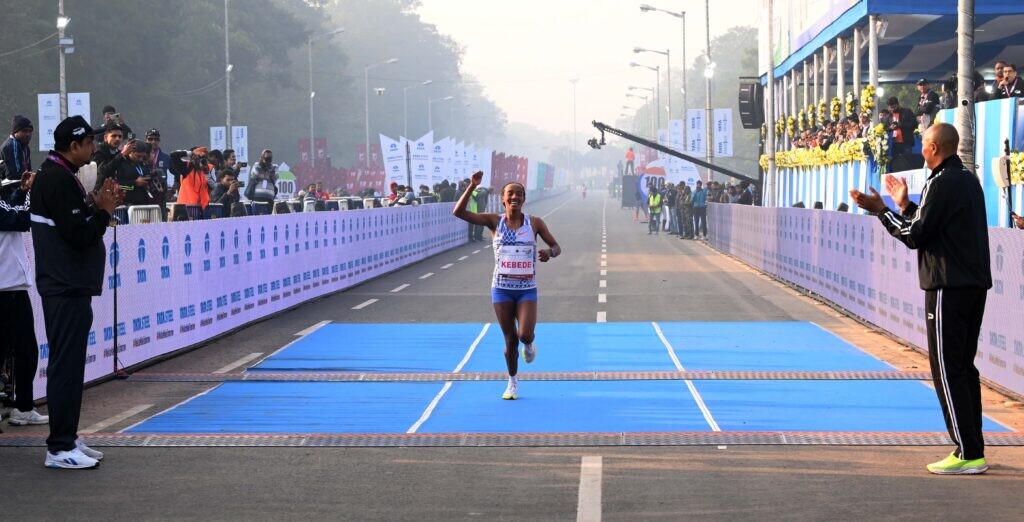
Although the 25K is not a listed distance for the official world records at present, the earlier world bests for the stand-alone 25K race were 1:11:18 by Dennis Kimetto (2012) and 1:19:53 by Mary Jepkosgei Keitany (2010), both from Kenya.
World Athletics Elite Label Road Race, the Tata Steel Kolkata 25K, today created history with Kenya’s Daniel Simiu Ebenyo and Ethiopian Sutume Asefa Kebede smashing the event records in the men’s and women’s categories as they set up a blistering pace to finish with a timing of 1:11:13 and 1:18:47 respectively.
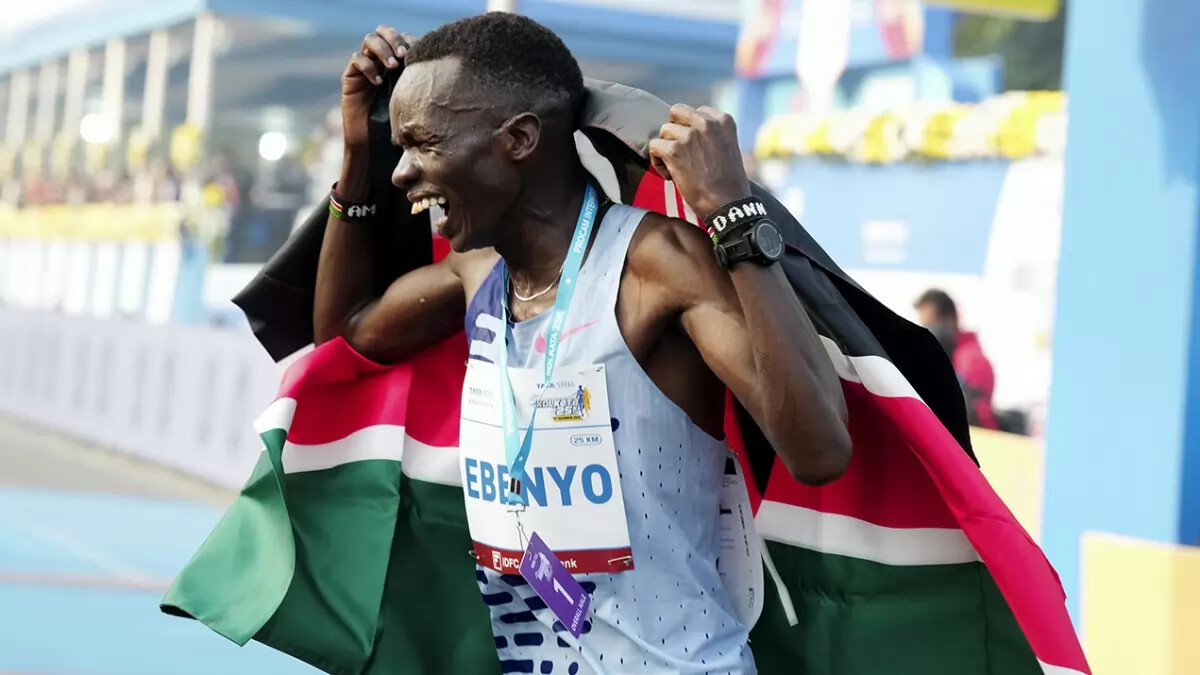
The performances turned out to be the “World Bests” for a stand-alone 25K race!
Although the 25K is not a listed distance for the official world records at present, the earlier world bests for the stand-alone 25K race were 1:11:18 by Dennis Kimetto (2012) and 1:19:53 by Mary Jepkosgei Keitany (2010), both from Kenya.
Kebede pushed Yehualaw to the second spot in the women’s race
Ethiopian Yalemzerf Yehualaw (24), the half-marathon world championships bronze medalist in 2020, made her debut at 25K in Kolkata and was tipped off to win here as a pre-race prediction.
However, her teammate Sutume Asefa Kebede had other plans in her mind. Kebede, who turned 29 recently, did not have any significant victories on the global stage like Yehualaw. Kebede etched her name as a victor in the Big-25 at Berlin eight years ago clocking 1:21:55, a time regarded as one of the best at that time.
Running only on her second race at this distance, Kebede remained in the lead together with her compatriot until the waning stages of the race and applied pressure over the final kilometre to win in 1:18:47. Yehualaw (1:19:26) and Kenya’s Kenya’s Betty Chepkemoi Kibet (1:21:43) finished behind her.
It was the fourth fastest time by female runners at this distance although the three women who achieved faster results before her did it en route to a marathon.
Thrilled after smashing the course record, Kebede said, “I wanted to run faster, but in the end, I am happy with my timing. It is a good course with good weather conditions which made it easier for me.”
by Christopher Kelsall
Login to leave a comment

Kolkata 25k
In Kolkata, a city rich in history, culture and custom, the third Sunday in December is a date that is eagerly anticipated. The Tata Steel Kolkata 25K (TSK 25K) has become synonymous with running in eastern India since it began in 2014. India’s first AIMS-certified race in the unique 25 km distance, the TSK 25K went global in its fourth...
more...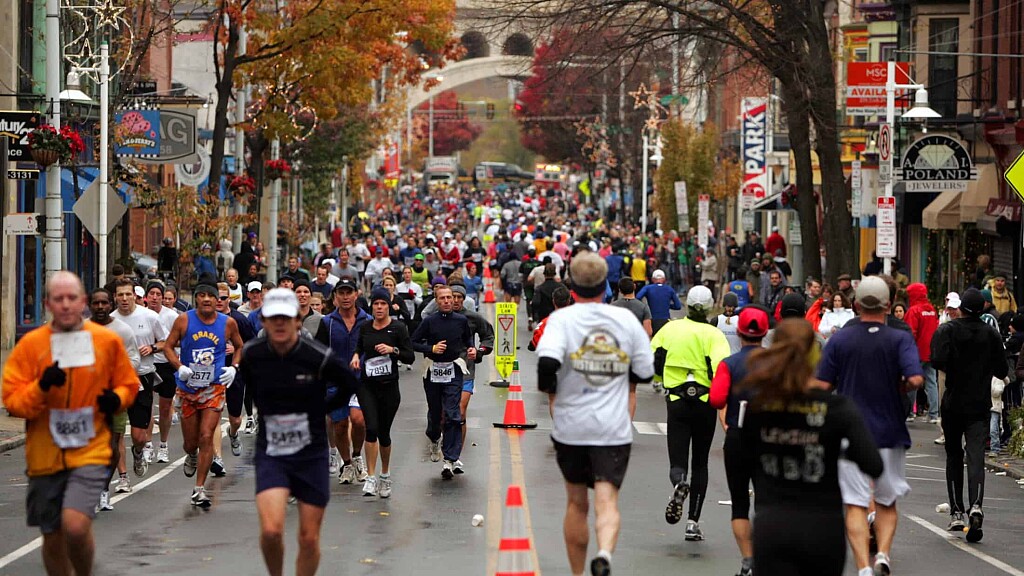
Kenyan's Peter Mwaniki Nueru wins Philadelphia half marathon in record time and Bernard Kiptoo Koech wins marathon
Kenya’s Bernard Kiptoo Koech flirted with the course record at the 30th edition of the Philadelphia Marathon held on Sunday (19) in Philadelphia PA his fifth marathon with no win managed to handle a nagging injury that he got two weeks ago when he won his first ever marathon in 2:14.26 missing out on the course record with one minute two seconds.
“I wasn’t expecting anything because I know the field was really competitive. But luckily, I don’t know what happened, unfortunately, they didn’t appear, so I was lucky to win,” said Koech.
Koech was followed by Joseph Whelan of United States in 2:14.98 with Sammy Rotich from Kenya closing the podium three finishes in 2:16.33.
United States Will Loevner and Pierre Billerot finished in fourth and fifth in respective time of 2:16.51 and 2:16.54.
Dennis Kipkosgei of Kenya who was making his debut over the distance and runs under the International Elite T.C stable that is managed by Keith Olson, finished in tenth place in 2:16.54.
The race course record of 2:13.28 set two years ago by Mike Chesire from Kenya remains standing.
Koech took home a cool Kshs 1,525,000 ($10,000) as prize money.
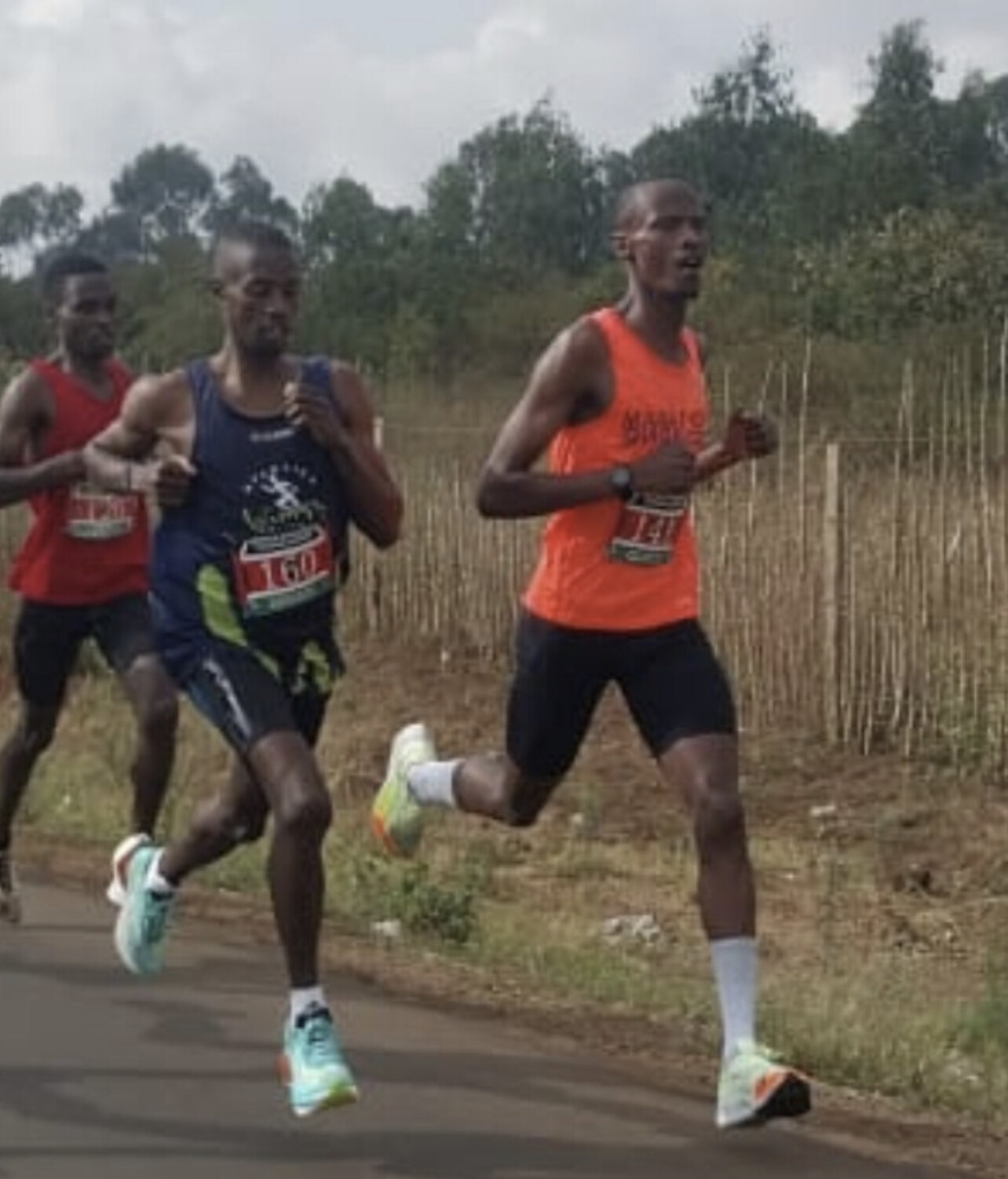
Peter Mwaniki Nueru, 25 set a new course record and won the half marathon on Saturday by nearly two minutes. He clocked 1:02:15. Peter trains at KATA (Kenyan Athletics Training Academy) in Thika Kenya (second photo in orange jersey). Lawrence Kipkoech placeed second clocking 1:04:04 and Travis Mahoney finished third in 1:04:10.
Everlyn Kemboi was first female clocking 1:11:02.
Athletes ran along the Benjamin Parkway in the cultural Museum District and wind through Philadelphia’s most scenic and historic neighborhoods. From the history-steeped streets of Old City, through one of the liveliest stretches of Center City, across the Schuylkill River into University City, up through the bucolic trails of Fairmount Park, and back down to canvas the banks of the river before finishing in front of the renown Philadelphia Museum of Art . The course is also sanctioned by USA Track & Field.
The half marathon was added to Philadelphia Marathon Weekend in 2006 and has seen an increase in athletes every year since. Whether as a test-run for first-time marathoners or as a challenging race along a scenic course, the Dietz & Watson Philadelphia Half Marathon has given thousands of athletes the opportunity to take on the Philadelphia Marathon Weekend on their own terms.
Login to leave a comment

Philadelphia Marathon and Half
Have the time of your life in 2022 completing 13.11 miles! Runners will start along the Benjamin Franklin Parkway in the cultural Museum District and wind through Philadelphia’s most scenic and historic neighborhoods. From the history-steeped streets of Old City, through one of the liveliest stretches of Center City, across the Schuylkill River...
more...
Jamaican youngster Alana Reid to start training with Sha'Carri Richardson
18-year-old Alana Reid is set to become a training partner to the reigning World 100m champion Sha’Carri Richardson.
Reigning World Under-20 200m bronze medallist Alana Reid is set to become a training partner to the reigning World 100m champion Sha’Carri Richardson.

As reported by Radio Jamaica Sports, the 18-year-old will also be guided by Dennis Mitchell at the Florida-based Star Athletics Track Club ahead of the Olympic Games in 2024.
Her move just comes four months after the Jamaican, who is also the national Under-20 100m record holder, signed a multi year deal with Nike as she went professional professional.

During the time Reid was signing the deal back in June, her management team at Auctus Global Sports Management, which is jointly run by Sekou Clarke and Olympian Dwight Thomas, had revealed that the 18-year-old sprinter would continue training with her high school coach, Corey Bennett.
However, Bennett on Tuesday, October 24 confirmed via telephone to Radio Jamaica Sports that he would no longer be guiding the career of Reid who he coached to the sprint double as Hydel High won their first Girls' Champs title in March of this year.
They also noted that upon contacting Clarke on phone, he declined to comment on what had really happened.
Meanwhile, Richardson, the American, has had a great 2023 season and just at the age of 23, she has achieved, many great milestones.
The Jamaican youngster, with hard work and commitment to training, might also be the next big thing on the track.
by Abigael Wuafula
Login to leave a comment
