

Running News Daily
Running News Daily is edited by Bob Anderson and team. Send your news items to bob@mybestruns.com Advertising opportunities available.
Index to Daily Posts · Sign Up For Updates · Run The World Feed
Articles tagged #Philemon Kiptoo
Today's Running News
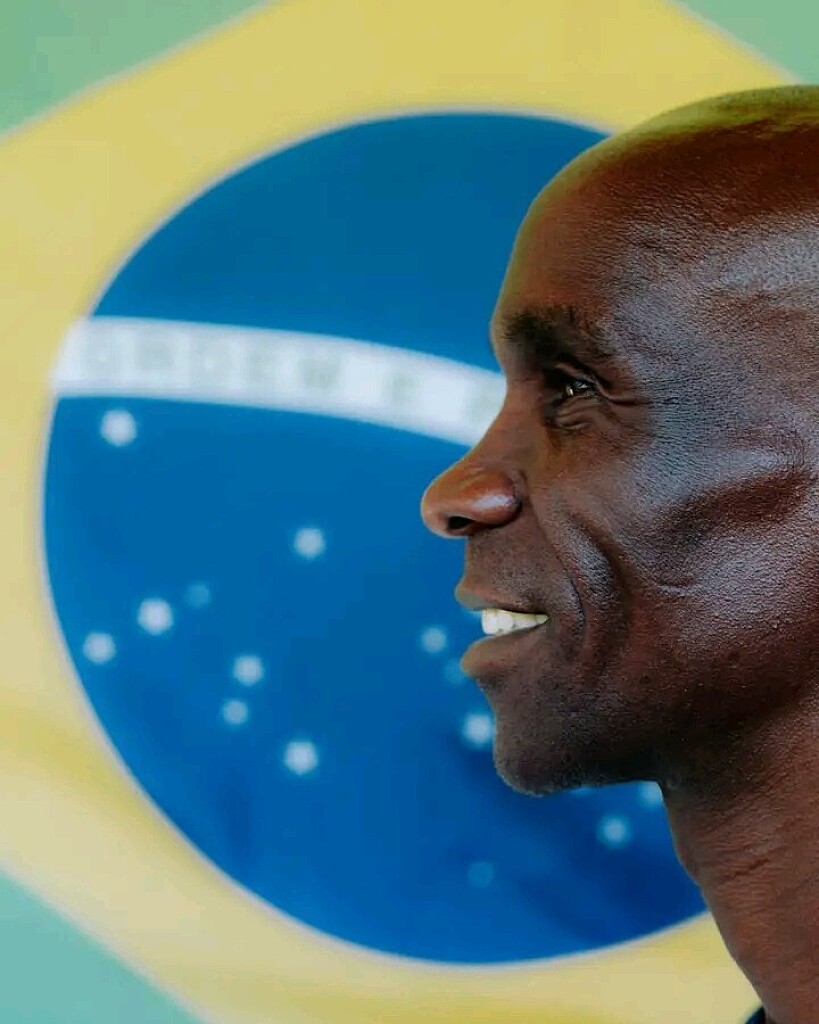


Kipchoge Headlines Star-Studded Elite Field for Porto Alegre Marathon
The countdown is on for what promises to be one of South America's most compelling marathon races of the year, as an exceptional men's elite field prepares to line up for the New Balance 42K Porto Alegre in Brazil on 12 July 2026.
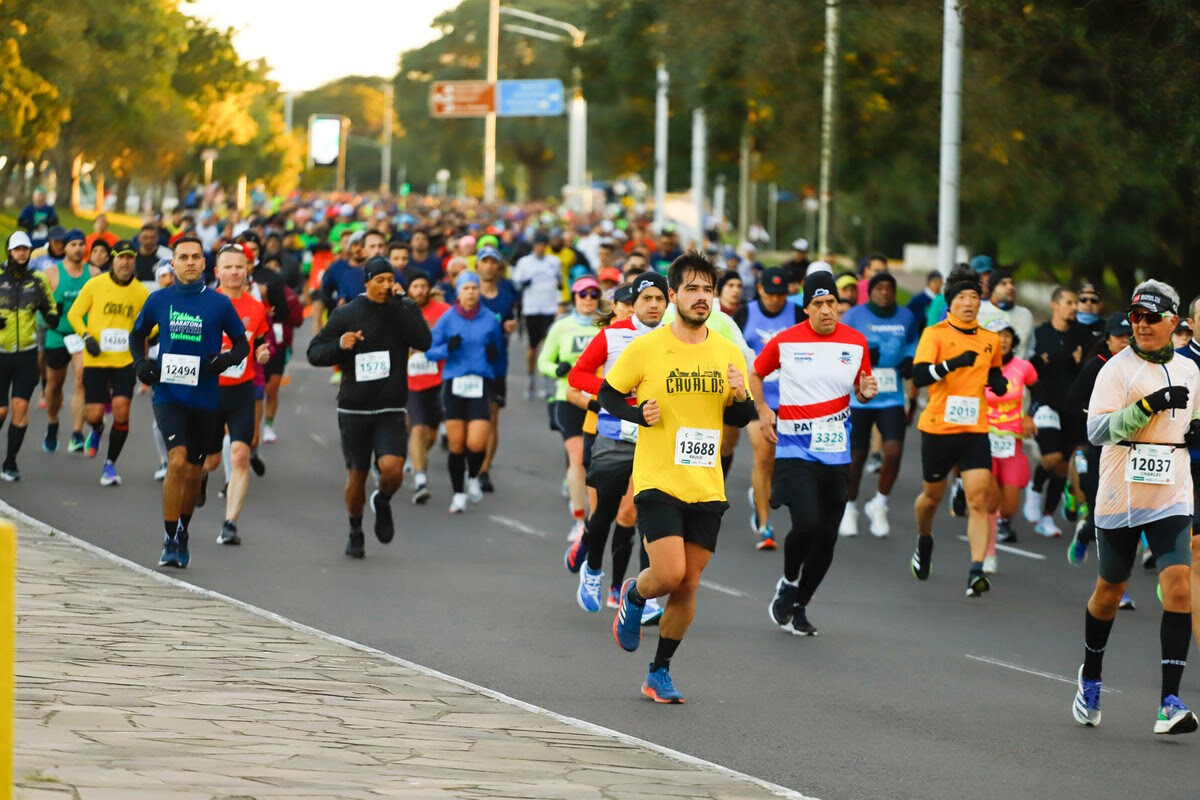
Leading the field is marathon legend Eliud Kipchoge of Kenya, whose remarkable personal best of 2:01:09 makes him the standout name on an entry list packed with proven international performers. The two-time Olympic marathon champion brings unrivalled experience and one of the greatest résumés in distance running, adding global prestige to the Porto Alegre event.
Just days before the race, Kipchoge shared an emotional message on social media, revealing the personal significance of his return to Brazil.
"The second part of my World Tour takes me to Porto Alegre, Brazil, a place that holds a very special meaning in my heart and in my career," he wrote.
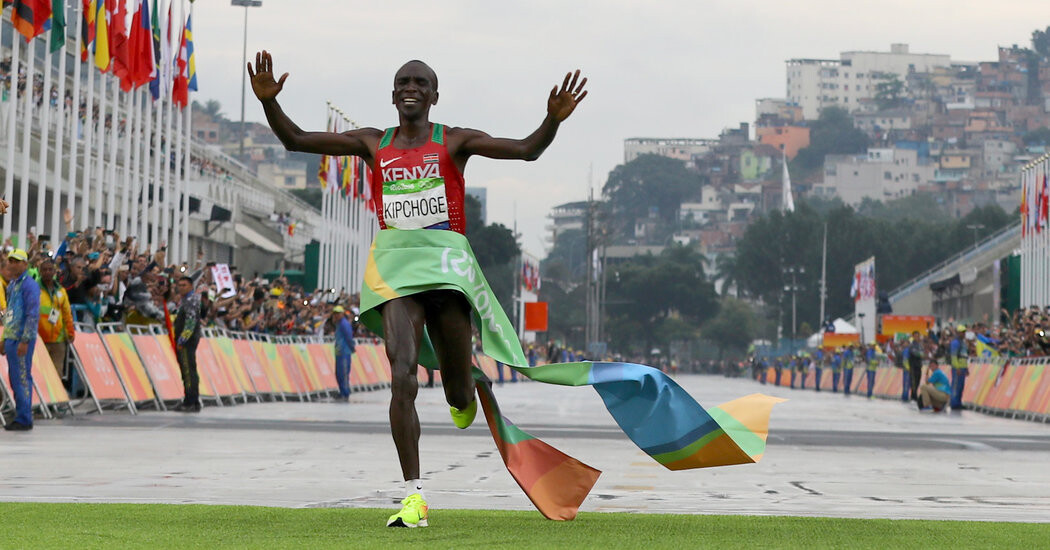
Kipchoge reflected on the memories that continue to inspire him, recalling that Brazil was where he captured his first Olympic marathon gold medal—a defining achievement that transformed both his career and his life.
"Going back to Brazil means a lot to me. This is where I won my first Olympic gold medal, a moment that changed my life forever and shaped the path I continue to walk today. The memories of that achievement will always stay with me, not as a finish line, but as a beginning. To return here carries deep meaning."
He concluded his message by inviting fans to be part of the occasion, saying: "Porto Alegre, let us run together and celebrate the spirit of Brazil and the energy of South America."
Kipchoge will face a formidable challenge from a deep and competitive field featuring Ethiopia's Shifera Tamru (2:05:18), Kebede Tulu Wami (2:05:19) and Derese Workneh (2:06:58), all capable of producing world-class performances on the right day.
Kenya will also be strongly represented by Philemon Kiptoo (2:05:35), Timothy Kipkorir Kattam (2:06:40), Thomas Kibet Maru (2:07:53) and Dominic Nyairo (2:09:13), ensuring another thrilling chapter in the long-standing Kenya-Ethiopia rivalry that has defined elite marathon racing for decades.
The international field is further strengthened by Brazil's José Márcio Leão and Paulo Roberto Paula, Chile's Hugo Catrileo, Morocco's Yakoub Labquira and Zineddine Ouria, and Paraguay's Derlys Ayala, giving the race a truly global flavour.
With a blend of marathon champions, rising contenders and experienced campaigners assembled on the start line, the streets of Porto Alegre are set to host a captivating battle over 42.195 kilometres. Beyond the pursuit of victory, Kipchoge's return adds an emotional dimension to the event, reconnecting him with a country where one of the defining chapters of his legendary career was written. As the world turns its attention to Brazil, fans can expect a fiercely contested race where tactical brilliance, endurance and resilience will determine who emerges victorious.
by Erick Cheruiyot for My Best Runs.
Login to leave a comment
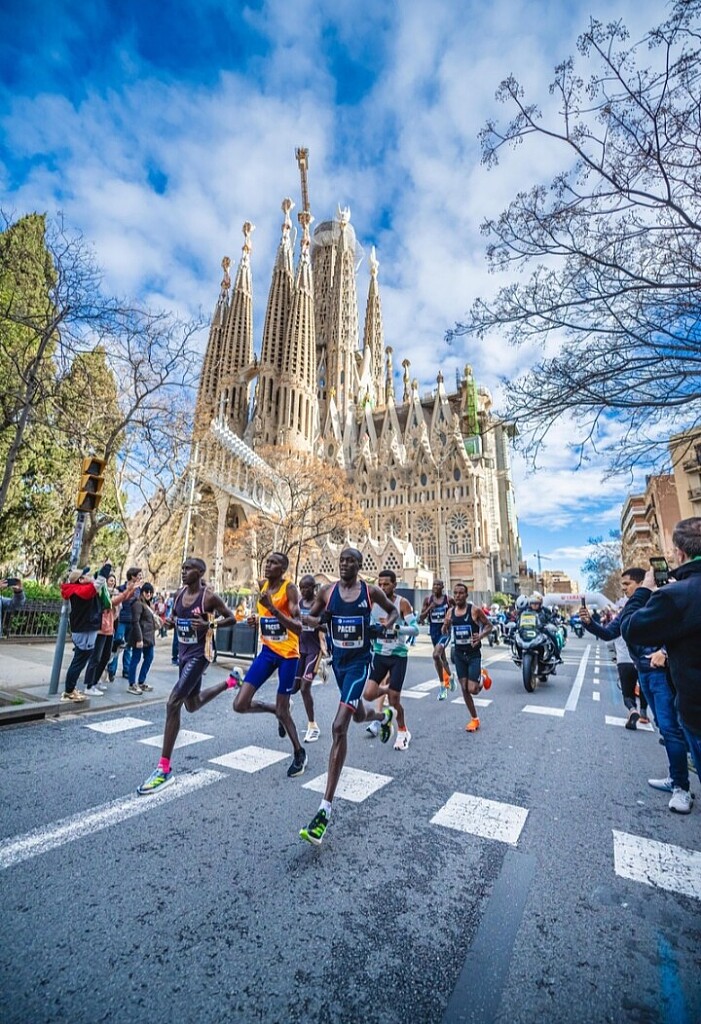
Kenyan and Ethiopian Stars Set for Showdown at the Zurich Barcelona Marathon
The stage is set for a thrilling contest at the Barcelona Marathon, where a deep and competitive men’s elite field will line up on Sunday, March 15 in the heart of Barcelona, Spain. With several athletes boasting personal bests well under 2:06, the race promises a high-quality battle between some of the finest marathoners from Kenya, Ethiopia, Türkiye, and Uganda.
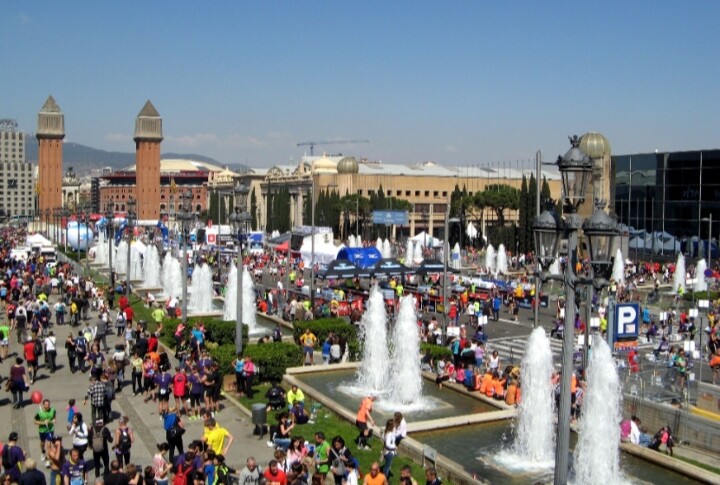
The race is scheduled to start at 8:30 a.m. local time in Barcelona, Spain (Central European Time), ensuring fans across the globe can follow the action at different moments of the day. In East Africa, viewers in Kenya, Ethiopia, and Uganda will tune in at 10:30 a.m. East Africa Time, while audiences in London can watch from 7:30 a.m.. Across the Americas, the race begins at 3:30 a.m. in New York, 2:30 a.m. in Chicago, 1:30 a.m. in Denver, and 12:30 a.m. in Los Angeles, while fans in São Paulo will follow the event at 4:30 a.m.. In Asia, the start corresponds to 11:30 a.m. in Dubai, 1:00 p.m. in New Delhi, 2:30 p.m. in Bangkok, and 3:30 p.m. in both Beijing and Singapore, before reaching 4:30 p.m. in Tokyo. In Oceania, viewers will follow later in the day, with the race starting at 3:30 p.m. in Perth, 6:30 p.m. in Sydney, and 8:30 p.m. in Auckland, underscoring the truly global reach of one of Europe’s most celebrated road races.
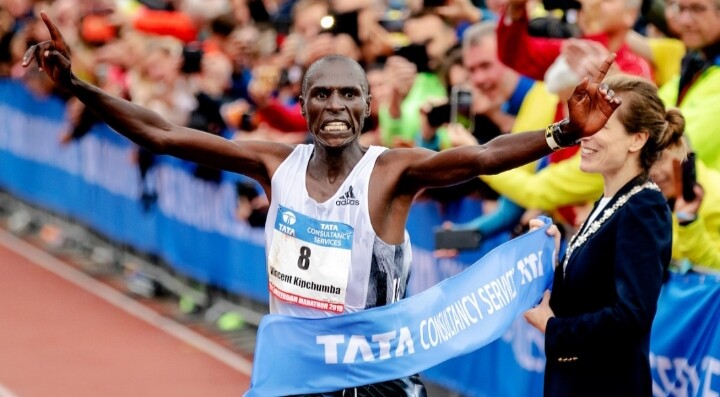
Leading the field is Vincent Kipchumba, the Kenyan star who owns a personal best of 2:04:28. Known for his consistency on the global marathon circuit, Kipchumba arrives in Barcelona as one of the major contenders for victory. Close behind on paper is Turkish international Kaan Kigen Özbilen, whose impressive 2:04:16 lifetime best makes him the fastest man in the lineup. His experience and tactical awareness could make him a serious threat if the pace turns aggressive.
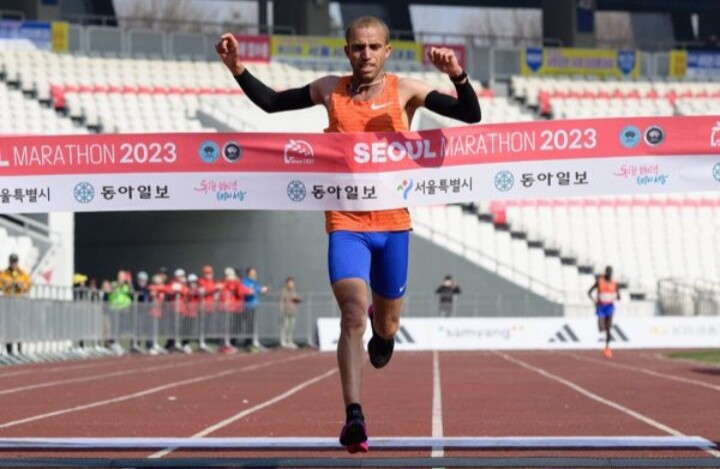
Ethiopia will also bring formidable firepower through Amedework Walelegn, the talented marathoner with a personal best of 2:04:50. Walelegn has shown the ability to perform strongly in major races and will be eager to challenge the Kenyan dominance that often defines major road races.
Kenya’s depth in marathon running is once again on display with several athletes capable of producing breakthrough performances. Among them are Philemon Kiptoo Kipchumba (2:05:35) and Kenneth Keter (2:05:33), both of whom possess the experience and endurance required to thrive in a fast European marathon. Meanwhile, Ethiopia’s Antanayehu Dagnachew (2:06:55) will be looking to deliver a strong run against a competitive field.
The race also features a solid group of athletes with personal bests hovering around the 2:06–2:07 range, including Mosee Kipngetich Kemet (2:06:47), Melaku Belachew (2:06:30), and Zablon Chumba (2:07:11). Their presence ensures the pace could remain honest deep into the race, potentially setting the stage for a dramatic finish through Barcelona’s iconic streets.
Further down the start list, runners such as Timothy Kiphorir (2:07:52), Perrick Mdoshi (2:07:17), Abel Chelangat (2:08:49), Jonathan Korir (2:09:51), and Haile Desta (2:10:41) will also be aiming to seize the opportunity for personal bests or podium surprises in what is expected to be a fast and competitive race.
With elite athletes from East Africa once again forming the backbone of the field, the Zurich Barcelona Marathon promises a compelling clash of endurance, strategy, and speed. If the pace unfolds as expected, fans could witness a thrilling contest that highlights the continuing global appeal and competitive depth of marathon running.
by Erick Cheruiyot for My Best Runs.
Login to leave a comment

Zurich Marato Barcelona
The race is a favorite among both professional athletes and amateur runners, offering a unique running experience in and around Zurich. The scenic course follows the shores of Lake Zurich for much of the route, making it not only a thrilling sports event but also a visually stunning one. The start and finish lines are located at the upper lake...
more...
BingwaFest Returns: A High-Stakes Track Opportunity for KATA Athletes
After a competitive season across Nakuru, Siaya, and Machakos, Nairobi is set to host the Season 2 BingwaFest Nairobi Edition on November 22 at Kasarani Stadium. For KATA athletes spread across Kenya, this meet is far more than another race on the calendar—it’s a chance to shine on home soil, compete for substantial prize money, and demonstrate the strength of regionally developed talent. Powered by Betika, the Nairobi edition underscores the resurgence of Kenyan athletics and the rising impact of local competitions.
The season opened in Nakuru, where Maurine Jepkoech Chebor stamped her authority by sweeping both the women’s 5,000m and 10,000m. In the men’s events, Richard Etir and Daniel Kimaiyo delivered standout performances that set an early standard. Their efforts framed a season defined not just by speed and endurance, but by smart racing and tactical maturity.
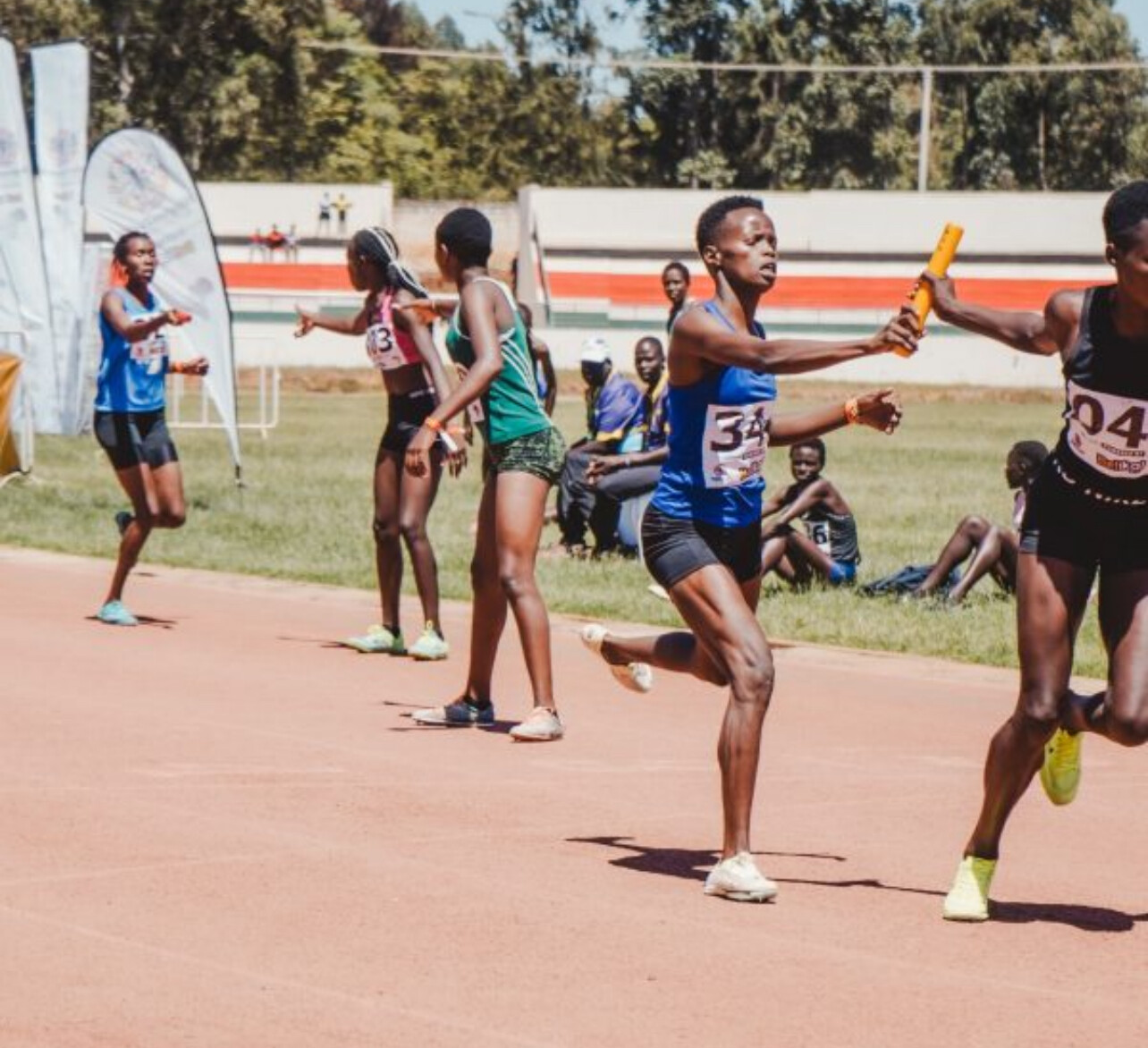
Siaya continued the trend, with Miriam Chebet taking double gold in the 5,000m and 10,000m. “Winning both races is a big confidence boost,” she said after her victories. “I hope to perform even better.” Titus Kiprotich provided a masterclass in patience and pacing to secure the men’s 10,000m. In Machakos, veterans Glorious Chepkurui and Francis Langat showcased consistency and experience, winning their respective 5,000m and 10,000m races with measured execution.
KATA athletes have been prominent across the domestic circuit, bolstered by strong results at major recent events such as the Standard Chartered Nairobi Marathon 2025. Under the guidance of Coach Philemon Kiptoo of KATA001 Kapcherop, athletes have not only raced well—they have emerged as crowd favorites, blending disciplined training with tactical sharpness. Their appearance in Nairobi reinforces the rising credibility of Kenya’s regional training hubs and shows that structured local programs can produce athletes capable of competing at international levels.
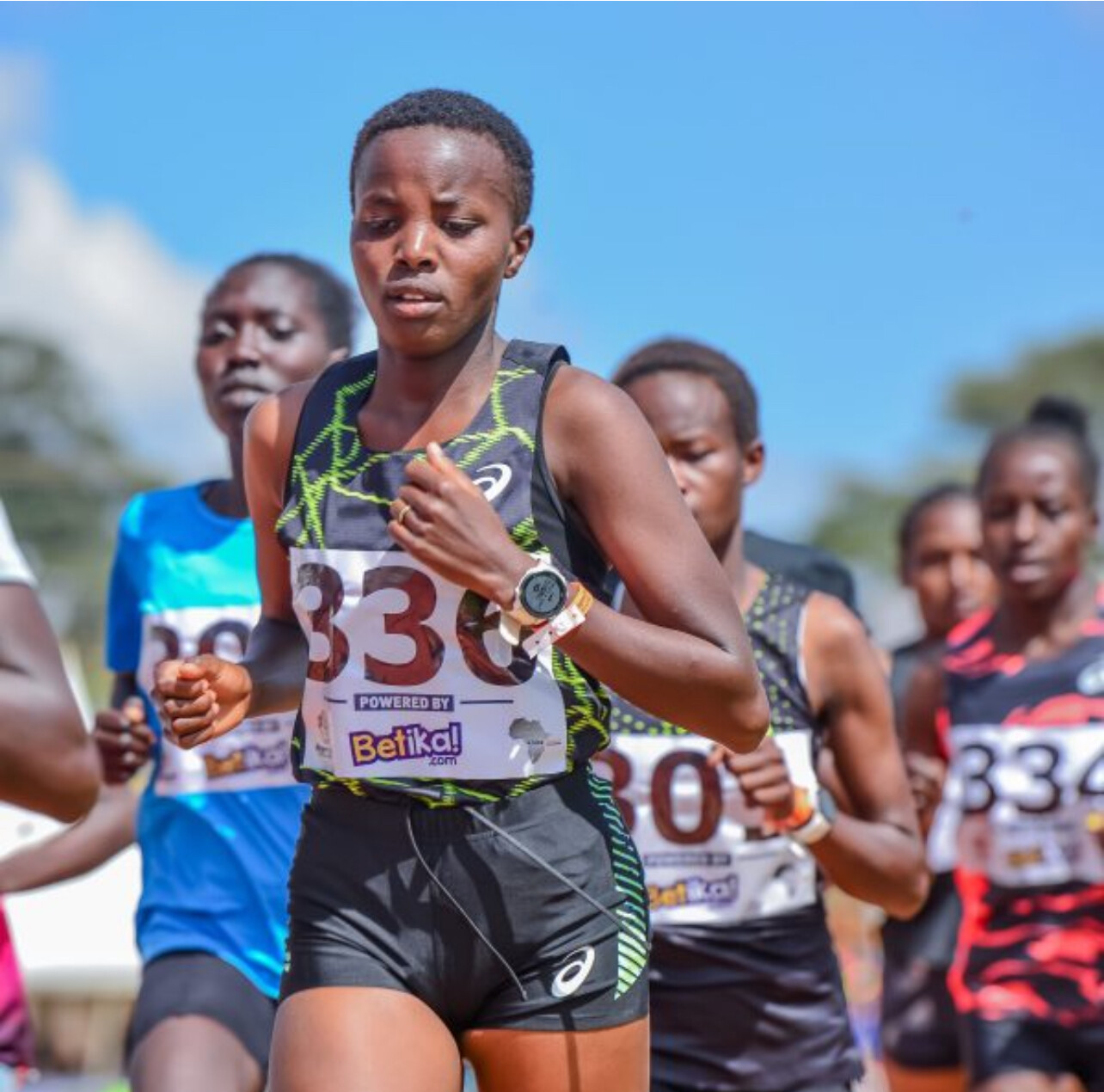
A distinctive factor behind the KATA program’s momentum is the community-driven economic engine supporting its athletes. Bob Anderson’s potato farming initiative—spread across the highland regions where KATA camps operate—has become a vital funding source. Revenue from these farms helps cover training expenses, travel costs, and essential equipment, allowing athletes to focus fully on performance. This model of local empowerment gives athletes the stability to build careers at home rather than chasing uncertain opportunities abroad.
This year’s event also marks the reopening of Kasarani Stadium following CHAN football upgrades, offering athletes a world-class track and a renewed sense of pride. For many, racing at Kasarani is deeply personal. As Timothy Cheruiyot has said of past editions, competing at home brings a sense of belonging and motivation unmatched by international travel. KATA athletes will look to create similar moments across the full program of events—from the 100m to 400m sprints, 800m and 1,500m middle distances, 5,000m and 10,000m long-distance races, and both the 4×100m and 4×400m relays.
The incentives are significant. Individual winners will earn 250,000 shillings, with 150,000 for second place and 100,000 for third. Relay teams will compete for up to 300,000 shillings. These rewards highlight a growing truth: Kenyan athletes can build sustainable careers through domestic competitions.
For KATA athletes, the return to Nairobi is a moment where disciplined training, homegrown support, and community-driven funding intersect. It’s proof that local competitions can create real opportunities—and that economic empowerment initiatives, like the KATA potato program, can directly fuel athletic success. As Kasarani opens its gates on November 22, the stage is set for Kenya’s rising stars to make their mark and keep the momentum of a nationwide athletics revival firmly in motion.
by Robert Kibet
Login to leave a comment
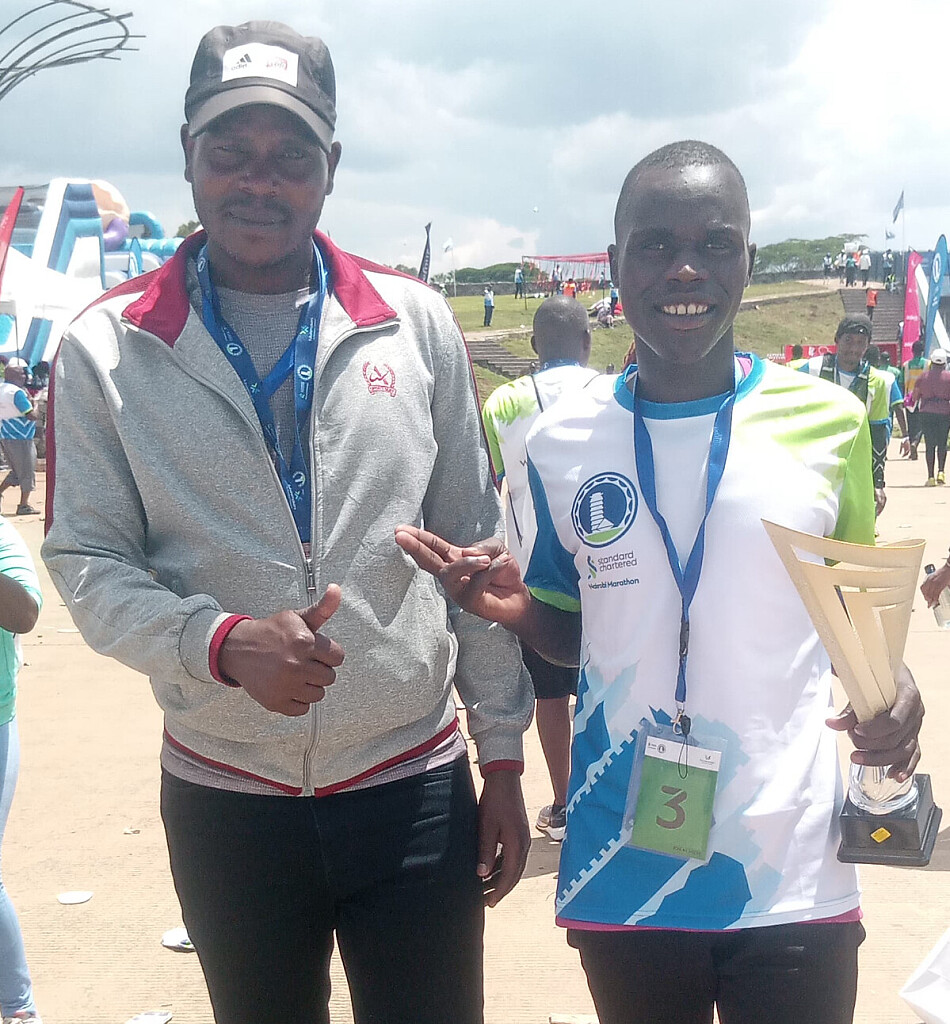
From Charcoal Seller to Champion Coach: The Remarkable Journey of Philemon Kiptoo in Kapcherop
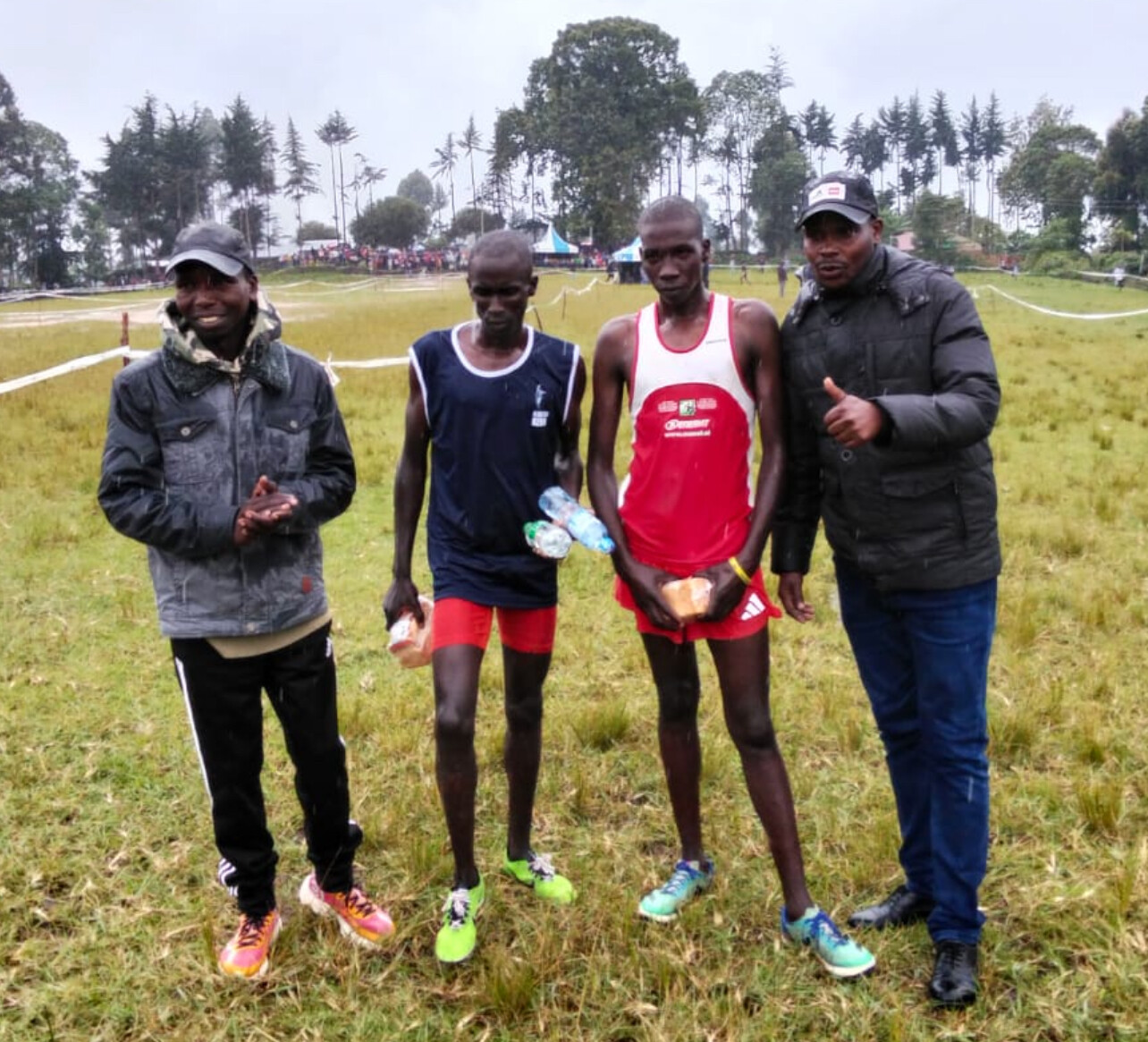
In the cool highlands of Kapcherop, where morning mist drapes over rolling potato farms and runners trace winding red-dirt trails, coach Philemon Kiptoo is living out a dream that once seemed far beyond his reach.
The son of a humble family of nine, Philemon’s rise from selling charcoal barefoot to mentoring Kenya’s next generation of marathon stars is a story of resilience, faith, and the transformative power of community.

A New Chapter with KATA

Philemon’s turning point came when he joined the KATA network — an initiative founded by U.S.-based running pioneer Bob Anderson to empower grassroots runners and coaches through mentorship, clean sport advocacy, and sustainable income projects.
At his Kapcherop Training Camp, KATA’s support extends beyond athletics. Through the organization’s integrated potato farming program, athletes earn a steady income that helps cover food, accommodation, and basic gear.
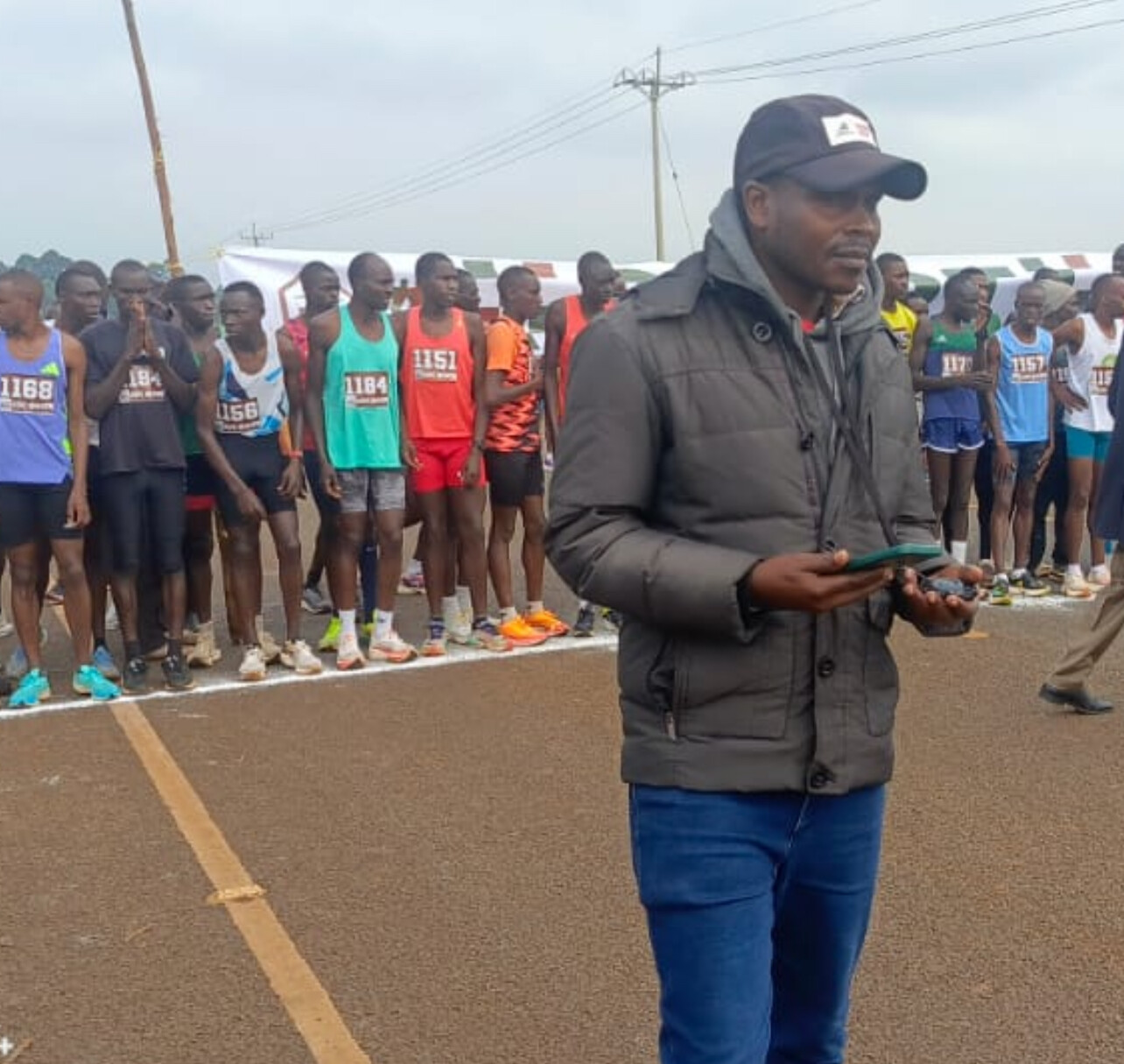
“The support from KATA has made a big difference,” Philemon says with quiet pride. “Most of my athletes come from humble backgrounds like mine. With potato farming and basic support, we can now train without worrying about what to eat or where to stay.”
That stability has begun to pay off. At the Standard Chartered Nairobi Marathon on October 26, his athletes delivered impressive performances: Donald Kimaru finished 4th in the men’s marathon; Dancan Kemei and Dennis Kosgei placed 18th and 21st in the men’s half marathon; Beatrice Rutto finished 11th in the women’s marathon; and in the men’s 10K, Leonard Pkorir and Enoch Tanui placed 3rd and 5th respectively, with Evans Kemboi 16th. Donald also on September 20th placed second at the Double Road Race 15k just 17 seconds behind the winner Edwin Soi in the two leg race. The sixth best time ever.

“Each of these athletes represents hope,” Philemon reflects. “With clean training and support, young people from small villages can stand tall on the national stage.”
Humble Beginnings

Born in Sing’ore, near the slopes of Elgeyo Marakwet, Philemon’s path to athletics was shaped by hardship.
“I was the last born in a family of nine — three brothers and sisters,” he recalls. “I attended Kobil Primary near Sing’ore Girls and later Kimuron Secondary, but I couldn’t finish because of school fees.”

Returning home to Kapkanyar, he refused to give up.
“In 2007, I started training with no shoes,” he says. “I sold charcoal to buy my first pair of Asics for 700 shillings (about $6).”
Years of persistence paid off when he began racing in 2012, earning his first major result with a runner-up finish at the Kakamega Forest Half Marathon. That breakthrough fueled his dream — not just to compete, but to guide others.
Building Champions
“I started with a few athletes,” Philemon says. “I rented them a small house and bought food — not because I had much, but because I knew what it felt like to need a chance.”
Today, he stands alongside a remarkable family of mentors: four brothers, all coaches.
• Eric Kimaiyo leads the Kapsait Training Camp.
• Andurson Chirchir coaches in Kaptagat.
• Kimutai runs training at Srowback.
• And Philemon oversees the Kapcherop Camp — a thriving hub for emerging distance runners.
Integrity and Clean Sport
What makes Philemon’s story powerful isn’t only perseverance — it’s integrity. A vocal advocate of clean sport, he embodies KATA’s core philosophy.
“We must speak the truth and say no to doping,” he insists. “If you train clean and stay patient, you’ll win with pride. There are no shortcuts to greatness.”
KATA’s influence has reinforced those values, fostering a culture of honesty and teamwork across its growing network.
“Bob Anderson’s support hasn’t just sustained our camp,” Philemon adds. “It has helped shape a generation built on discipline and hard work. We are building athletes who can inspire others.”
A Legacy of Hope
To his athletes, Philemon is more than a coach — he’s a father figure.
“He treats us like family,” says Leonard Pkorir, who won bronze in the Nairobi 10K. “He believes in our dreams even when we doubt ourselves.”
Looking ahead, Philemon’s goal remains simple yet profound: to use running as a bridge to a better life.
“My happiness will be to see my athletes doing great things, helping others, and carrying forward the spirit of running clean,” he says. “That will be my legacy.”
As evening fog rolls across the Kapcherop hills and the rhythmic thud of training shoes fades into the distance, Philemon Kiptoo’s story stands as a reminder that greatness can indeed grow from the humblest soil — when it is nurtured with purpose, honesty, and heart.
by Robert Kibet
Login to leave a comment
KATA Time Trials Expand Nationwide as 30 Running Camps Prepare for October 15 Event
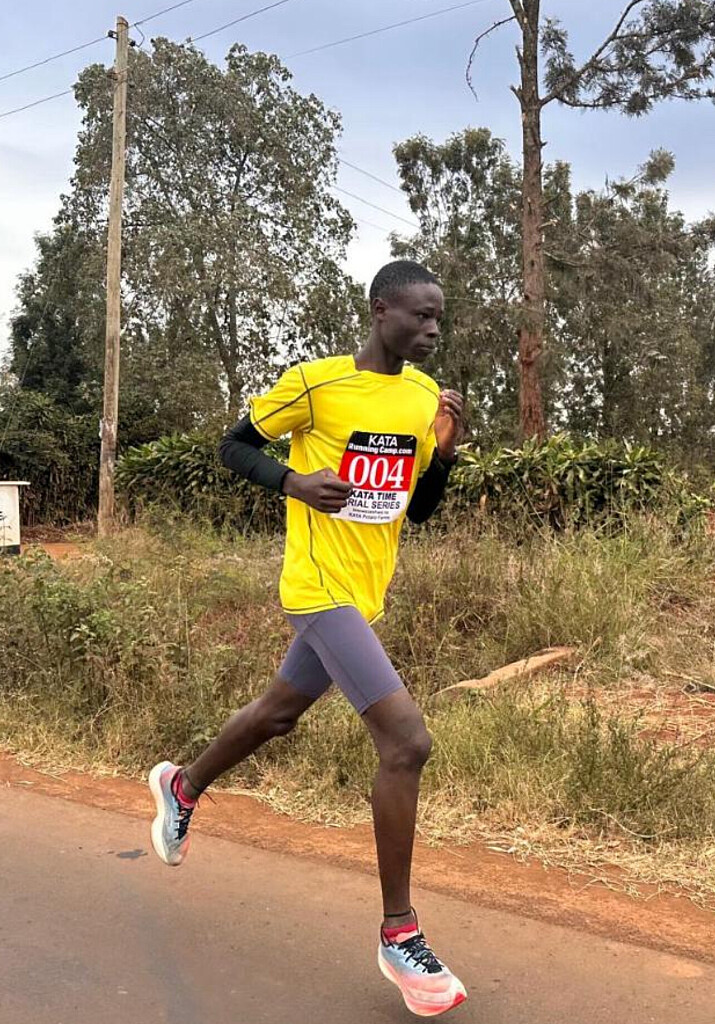
For years, the Kenya Athletics Training Academy (KATA) in Thika has been the nerve center of monthly time trials — small but highly competitive races that have helped shape Kenya’s next generation of distance-running talent.
This October 15 marks another milestone. For the second consecutive nationwide edition, KATA’s time trials will take place not only at the Thika headquarters but also simultaneously across more than 30 KATA Running Camps throughout Kenya, featuring both 10 km and 5 km races.
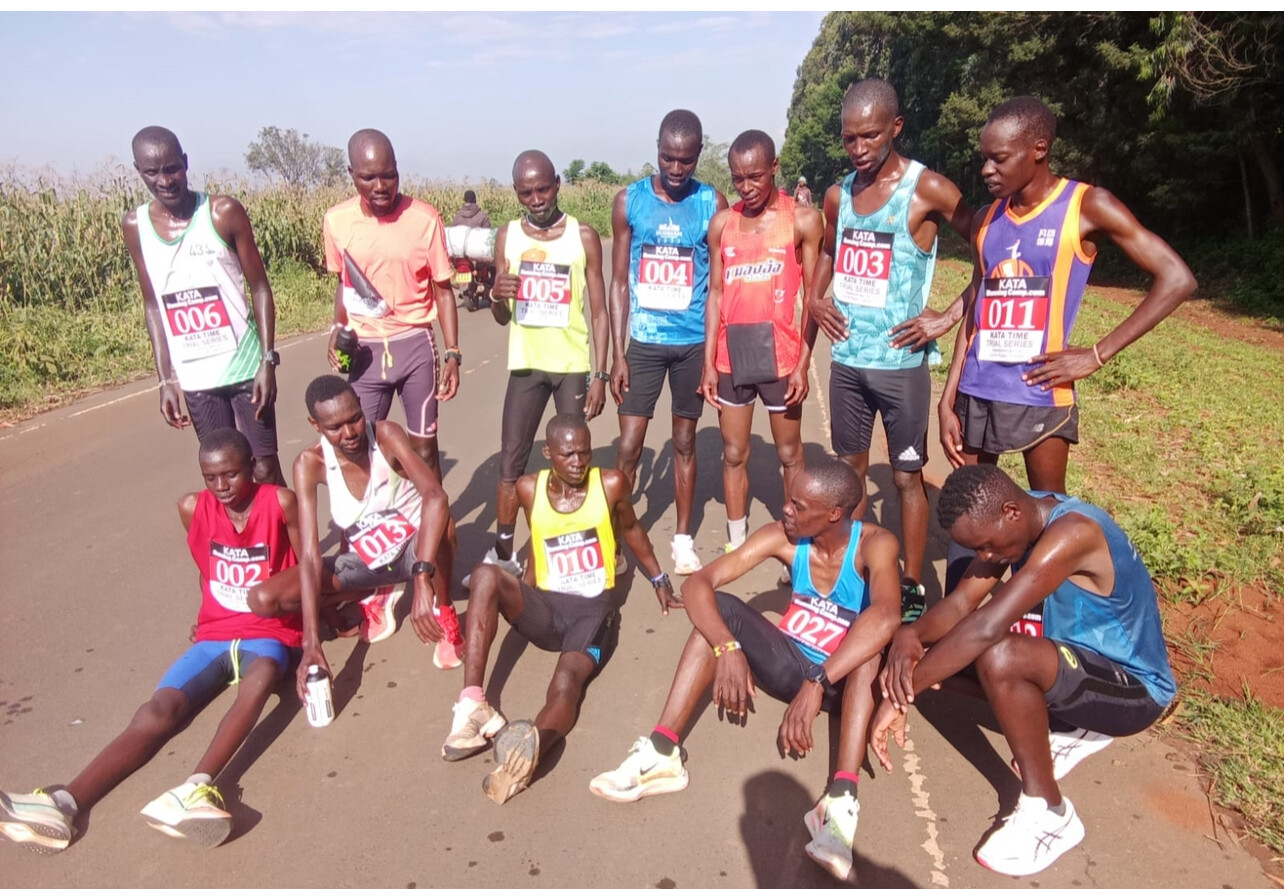
The expansion follows the success of August’s first coordinated nationwide time trial, which confirmed that KATA’s decentralized model can operate effectively across multiple regions. Each camp’s participation is not optional — under the KATA system, all official camps are required to host a time trial every other month as part of athlete development and performance monitoring.
Meanwhile, the Thika headquarters continues to set the standard. It has organized a monthly KATA Time Trial without interruption since September 2021, providing a consistent testing ground for hundreds of emerging athletes.

KATA founder Bob Anderson, who also created My Best Runs, said the approach is about expanding access while maintaining structure.
“The idea was to decentralize opportunity,” Anderson explained. “We want every promising runner, whether training in Thika or a rural camp, to have the same chance to be timed, compared, and supported within the KATA framework.”
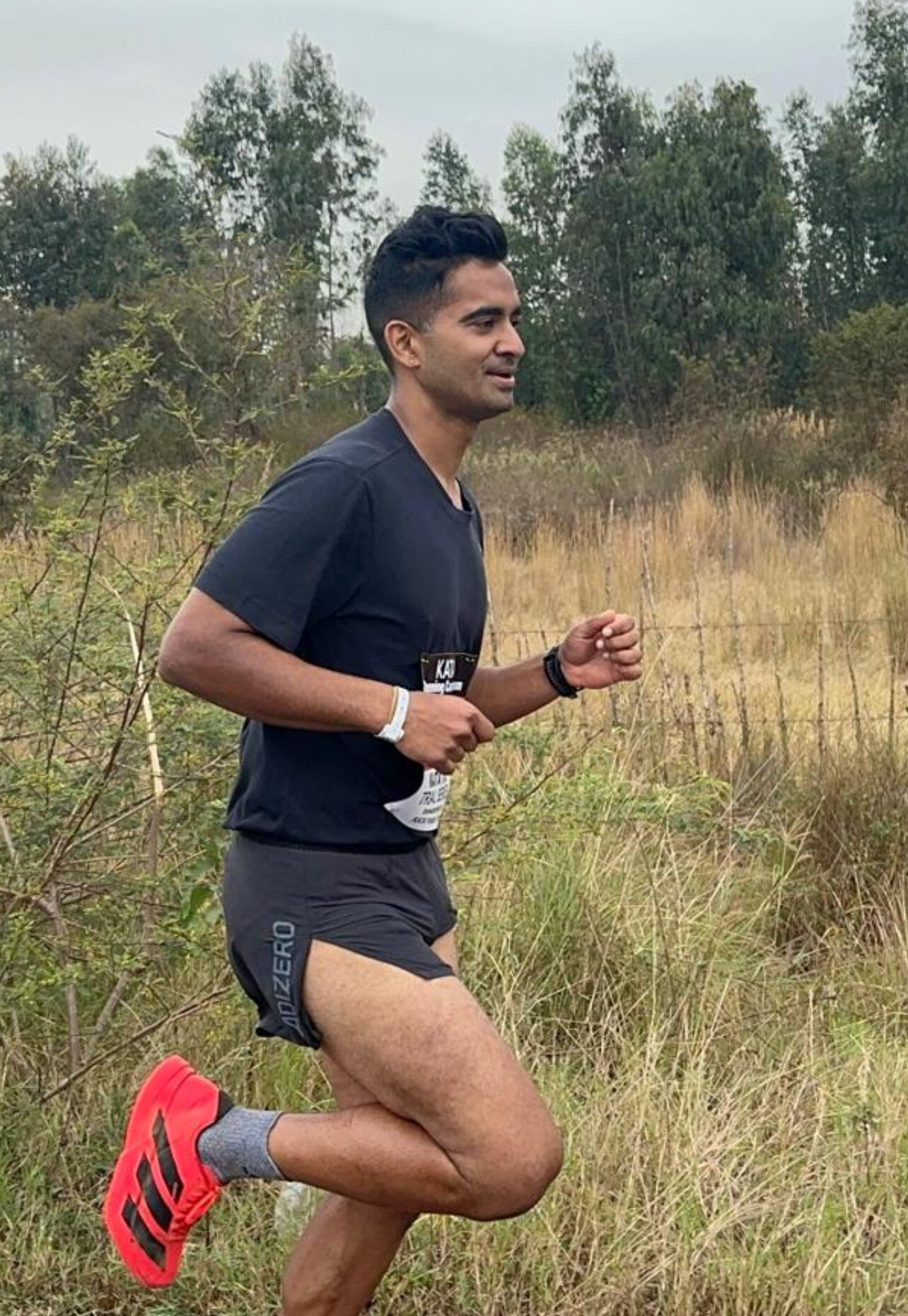
Through its network of 30+ KATA Running Camps, the academy has built a national performance pipeline. Each camp conducts its own race under strict KATA guidelines — ensuring accurate distances, verified timing, and documented results — which are then compiled centrally to produce nationwide rankings.
The program is already showing impact. The August trials unearthed new talents now being tracked for mentorship, nutrition guidance, and future competition opportunities.
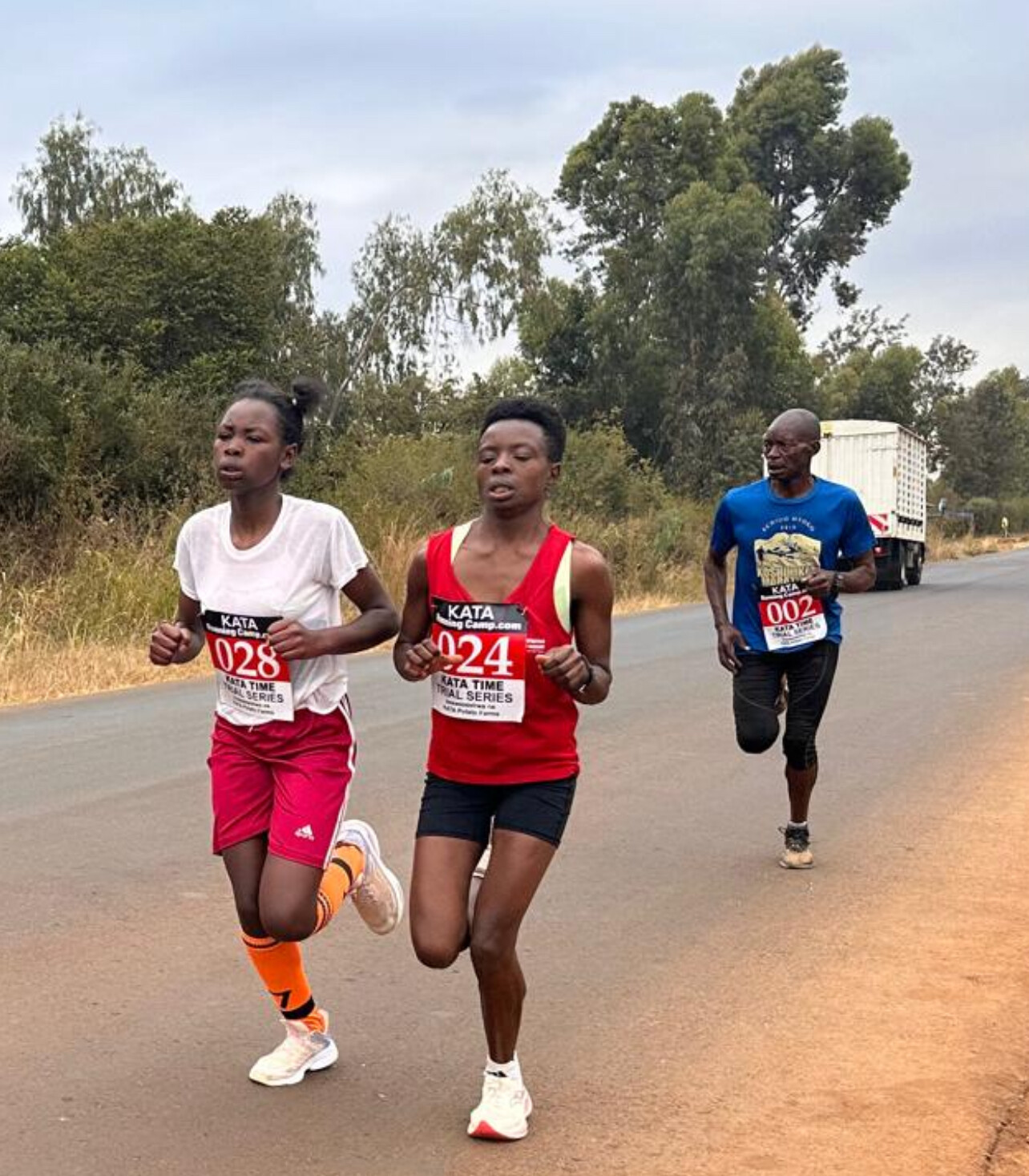
Head coach John Matheri said the system promotes fairness and progress.

“Before, athletes had to travel to Thika for official trials. Now, the competition comes to them,” he said. “That equal footing is helping identify talent in places we might never have reached before.”
Matheri added that community involvement is strengthening outcomes.
“We expect even faster times this month,” he noted. “Athletes are training with purpose, supported by improved nutrition from our KATA potato projects and the consistent structure that these trials provide.”
Coach Silas Tiren, who leads one of the Rift Valley KATA Camps, said the program has given athletes motivation and accountability.
“These trials are more than races — they’re checkpoints,” said Tiren. “They remind every runner that consistency builds champions.”
From Kapcherop in Elgeiyo Marakwet, coach Philemon Kiptoo emphasized the difference the decentralized system is making.
“Many young runners used to give up because they couldn’t afford to travel for competitions,” he said. “Now KATA has brought the race to their doorstep. That keeps their dreams alive.”
Olympic and World medalist Edwin Soi, a longtime KATA supporter, called the program a bridge between emerging and elite athletes.
“When I look at these young runners, I see myself years ago,” Soi said. “KATA is giving them structure and belief — proof that with discipline and consistency, they can rise to the world stage.”
The October 15 event will again feature 10 km and 5 km distances for men, women, and under-20 juniors. All results from the KATA Running Camps will be uploaded to the My Best Runs database for national comparison and recognition.
As the event approaches, excitement is building across Kenya’s running communities. With standardized guidelines, consistent timing, and grassroots engagement, the KATA Time Trials are evolving into a national benchmark of progress — connecting runners from every region under one synchronized system of excellence.
From Thika’s academy grounds to the mountain trails of the Rift Valley, the whistle will blow on October 15, uniting Kenya’s KATA athletes in a single shared mission: to test, improve, and prove that talent thrives when opportunity is structured.
by Robert Kibet
Login to leave a comment

KATA Time Trial Series
Welcome to the KATA Monthly Time Trial Held at the Kenyan Athletics Training Academy in Thika, Kenya, the KATA Monthly Time Trial is a unique and inclusive event designed to support runners of all levels in achieving their goals and showcasing their fitness. This event offers both 10K and 5K distances on an accurate, certified course, providing participants with...
more...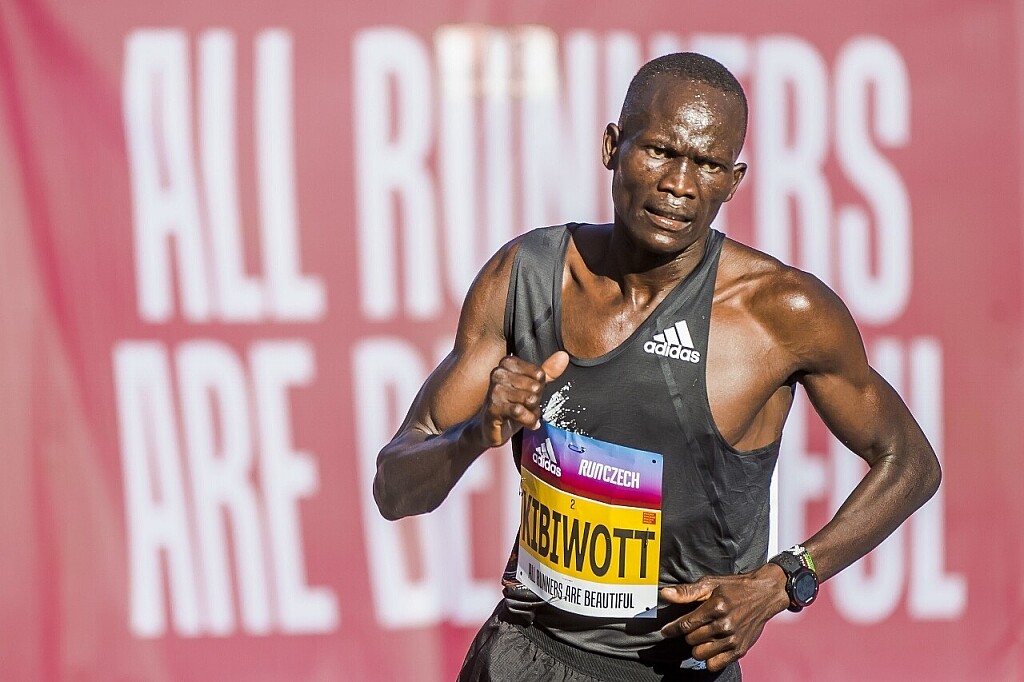
Kandie spearheads star-studded field to Berlin Marathon
Former World Half Marathon record holder Kibiwott Kandie spearheads a stellar lineup at the Berlin Marathon on September 29.
The organisers anticipate a record-breaking turnout of over 50,000 participants, surpassing last year’s 48,000.
“The organisers of the BMW Berlin Marathon are expecting a record number of more than 50,000 runners on September 29, when Germany's most high-class and spectacular road race will take place for the 50th time,” the organisers said in a statement.
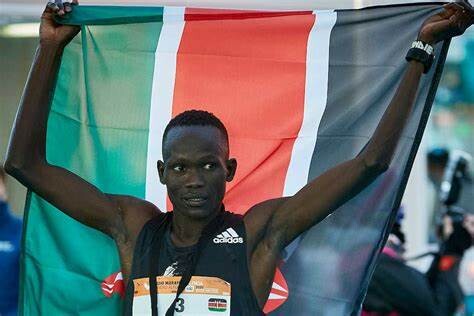
“However, two names are missing from the start list this time. Kenya's superstar Eliud Kipchoge and Ethiopia's running legend Kenenisa Bekele. For the first time since 2014, neither of them will be taking part in Berlin.”
Kipchoge is the all-time Berlin Marathon champion having won a record five times. Last year, Kipchoge cut the tape in 2:02:42 followed by Vincent Kipkemoi (2:03:13) and Tadese Tekele of Ethiopia (2:03:24).
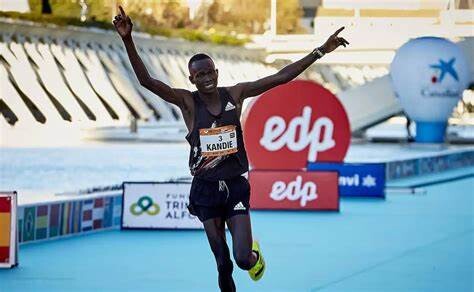
Kandie is a three-time Valencia Half Marathon champion from 2020 (57:32), 2022 (58:10) and 2023 (57:40).
He boasts titles from the 2020 Prague Half Marathon (58:38), the 2022 Adizero Road to Records 10km race (26:50) and the 2020 Ras Al Khaimah Half Marathon (58:58).
He has a silver at the 2020 World Half Marathon Championships (58:54) and a bronze in the 10,000m at the 2022 Commonwealth Games (27:20.34).
He will team up with 2022 Castellon Marathon winner Ronald Korir, Amsterdam Marathon runner-up Cyprian Kotut, 2023 World Road Running bronze medallist Samwel Mailu and Shanghai Marathon champion Philemon Kiptoo.
Ethiopia’s Takele, last year’s silver medallist, is expected to pose a serious challenge for the Kenyans, alongside compatriot Hailemaryam Kiros, the 2023 Osaka Marathon champion.
Tokyo Marathon runner-up Rosemary Wanjiru leads the charge in the women’s elite race.
The 29-year-old’s accolades include victories at the 2023 Tokyo Marathon (2:16:28) and the Hokuren Distance Challenge in the 10,000m (30:38.18) in Japan.
She is also a runner-up at the 2020 Valencia 10km Road race (29:50) and the 2022 Berlin Marathon (2:18:00).
She faces a rich Ethiopian contingent led by Dubai Marathon champion Tigist Ketema, 2018 Shanghai Marathon champion Yebrgual Melese, Paris Marathon champion Mestawut Fikir and 2023 Osaka Marathon runner-up Sisay Meseret.
Also in the mix is three-time Osaka Marathon champion Mizuki Matsuda of Japan.
by Teddy Mulei
Login to leave a comment

BMW Berlin Marathon
The story of the BERLIN-MARATHON is a story of the development of road running. When the first BERLIN-MARATHON was started on 13th October 1974 on a minor road next to the stadium of the organisers‘ club SC Charlottenburg Berlin 286 athletes had entered. The first winners were runners from Berlin: Günter Hallas (2:44:53), who still runs the BERLIN-MARATHON today, and...
more...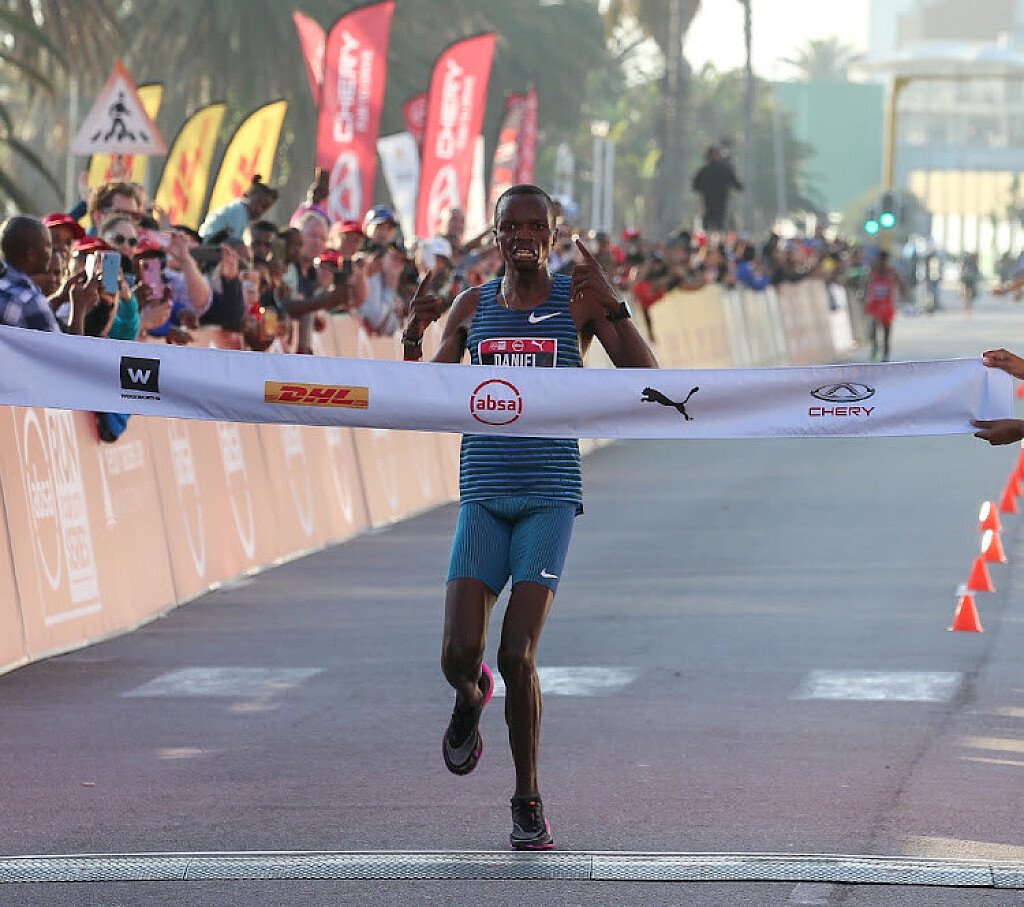
Simiu confident of Budapest trip after setting course record in South Africa
Commonwealth Games 10,000m bronze medalist Daniel Simiu has shifted focus on earning a slot in Team Kenya to the World Athletics Championships in Budapest after his victory at the Absa 10km Run Your City title in Gqebera, South Africa.
Simiu, who represented Kenya at the World Cross country Championships in Bathurst, Australia won the South African race with a course record of 27:21, beating hosts Precious Mashele to second in 27:35 and Thabang Mosiako in 27:51.

Another Kenyan, Dennis Kipngetich, finished fourth in 28:01.
"I came here with the purpose of winning and that has come to pass alongside a course record. Running 27 in 10km is easy for me and this has opened the door as I prepare for the World Championships in Budapest," said Simiu.

However, he said the world record of 26:11 by Ugandan Joshua Cheptegei is not in his plans but could give it a try later in his career.
"These things you don't plan but a time will come and they will be shown to the world. I don't normally have plans for myself but the coaches and management plan for me. I am only told that I have to prepare for a certain race," added Ebenyo.
In the women's race, Ethiopian Bekelech Wariyo won the title in 31:37 ahead of Kenyan Fridah Ndinda (31:41), Ugandan Docus Ajok (32:15) as another Kenyan, Diana Chesang, finished seventh in 33:39.
In China, Kenya's Kenyan Philemon Kiptoo and Meseret Abebayehu of Ethiopia were the winners of the Xiamen Marathon.
Running his maiden race in Xiamen, Kipchumba took the men's honours 2:08.04 ahead of Ethiopian Lencho Tesfaye Anbesa and Moroccan Omar Ait Chitachen, who they timed 2:08.29 and 2:08:59 respectively.
As Alemu won the title in 2:24:42, Kenyan Gladys Chesir was second in 2:25:51 followed by Ethiopian Guteni Shone in 2:25:58.
In South Korea, Ethiopian pair of Milkesa Mengesha and Ayantu Abera were the winners of the Daegu Marathon.
In men's race, Tolosa took the title in 2:06:49 followed by Kenyan Stanley Bett (2:07:00) and Ethiopian Berhane Tsegay (2:07.21).
Abera won the women's title in 2:25:44 followed by compatriot medina Deme Armino (2:27:27) as Kenyan Janet Runguru completed the podium places in 2:28.13.
Kenyans ruled the Ibiza Marathon as William Cheboi and Monica Cheruto emerged winners in men's and women's races in 2:11:31 and 2:35:17 respectively.
In Germany, Sebastien Sawe recorded his fourth half marathon victory at the Berlin Half Marathon.
The Rome-Ostia half marathon champion won the title in 59:01 in a Kenyan clean sweep that had Alex Kibet (59:12) in second and Bravin Kiprop in 59:22.
England's Eilish McColgan won the women's race won the title in 65:43 followed by the Ethiopian pair of Tisigie Gebreselama (66:13) and Yelemget Yeregal (66:27).
In France, Kenyan Helah Kiprop won the Paris Marathon in 2:23:19 ahead of Ethiopian Atalel Anmut in 2:23:19 as another Ethiopian, Fikrte Wereta (2:23:22) was third.
The men's title went to Abeye Ayana in 2:07:15 ahead of compatriot Guye Adolain in 2:07:35 and Josphat Boit was third in 2:07:40.
by Emmanuel Sabuni
Login to leave a comment

World Athletics Championships Budapest 23
From August 19-27, 2023, Budapest will host the world's third largest sporting event, the World Athletics Championships. It is the largest sporting event in the history of Hungary, attended by athletes from more than 200 countries, whose news will reach more than one billion people. Athletics is the foundation of all sports. It represents strength, speed, dexterity and endurance, the...
more...