

Running News Daily
Running News Daily is edited by Bob Anderson and team. Send your news items to bob@mybestruns.com Advertising opportunities available.
Index to Daily Posts · Sign Up For Updates · Run The World Feed
Articles tagged #Paul Koech
Today's Running News


Building the Future: KATA’s Vision to Become the Powerhouse of Athletics in Kenya
KATA founder Bob Anderson has a bold vision — one that unites athletes, coaches, and farmers under a single purpose: to make KATA the powerhouse of athletics in Kenya and a model for the world.
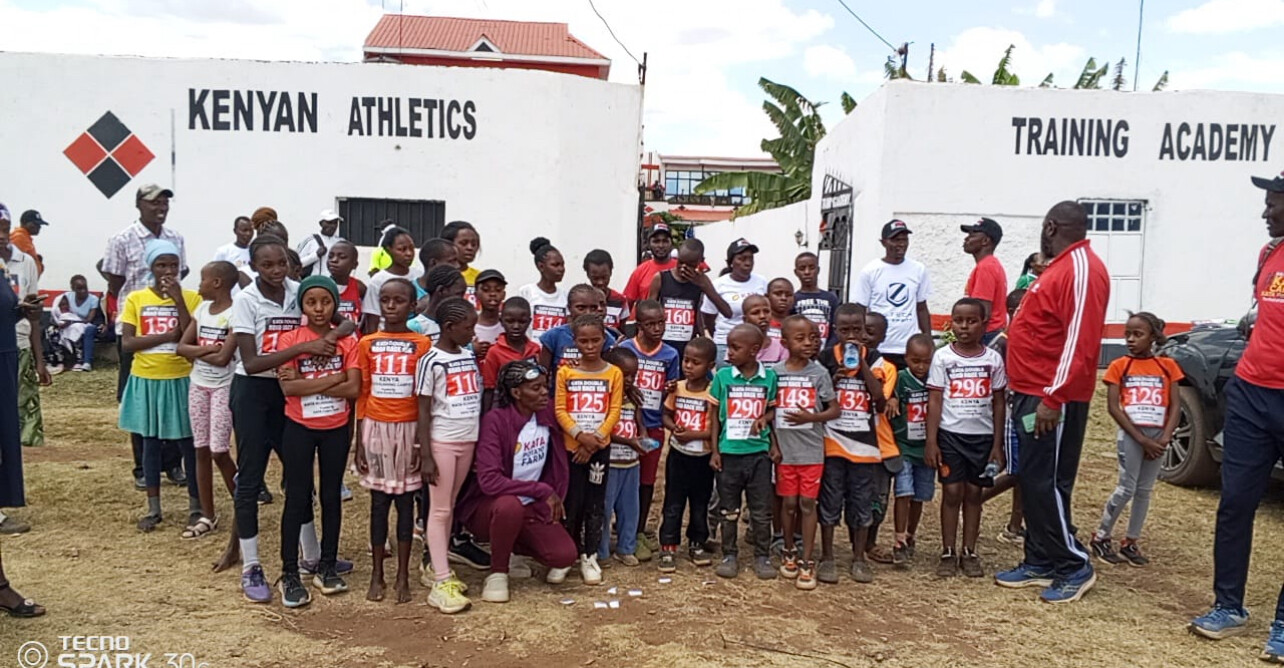
As of today, KATA operates 31 running camps and 65 potato farms across Kenya. Of these, 31 farms are directly connected to KATA camps, while the remaining farms are independent partners within the broader KATA network. Together, they form a growing agricultural foundation that supports both athletics and community development.
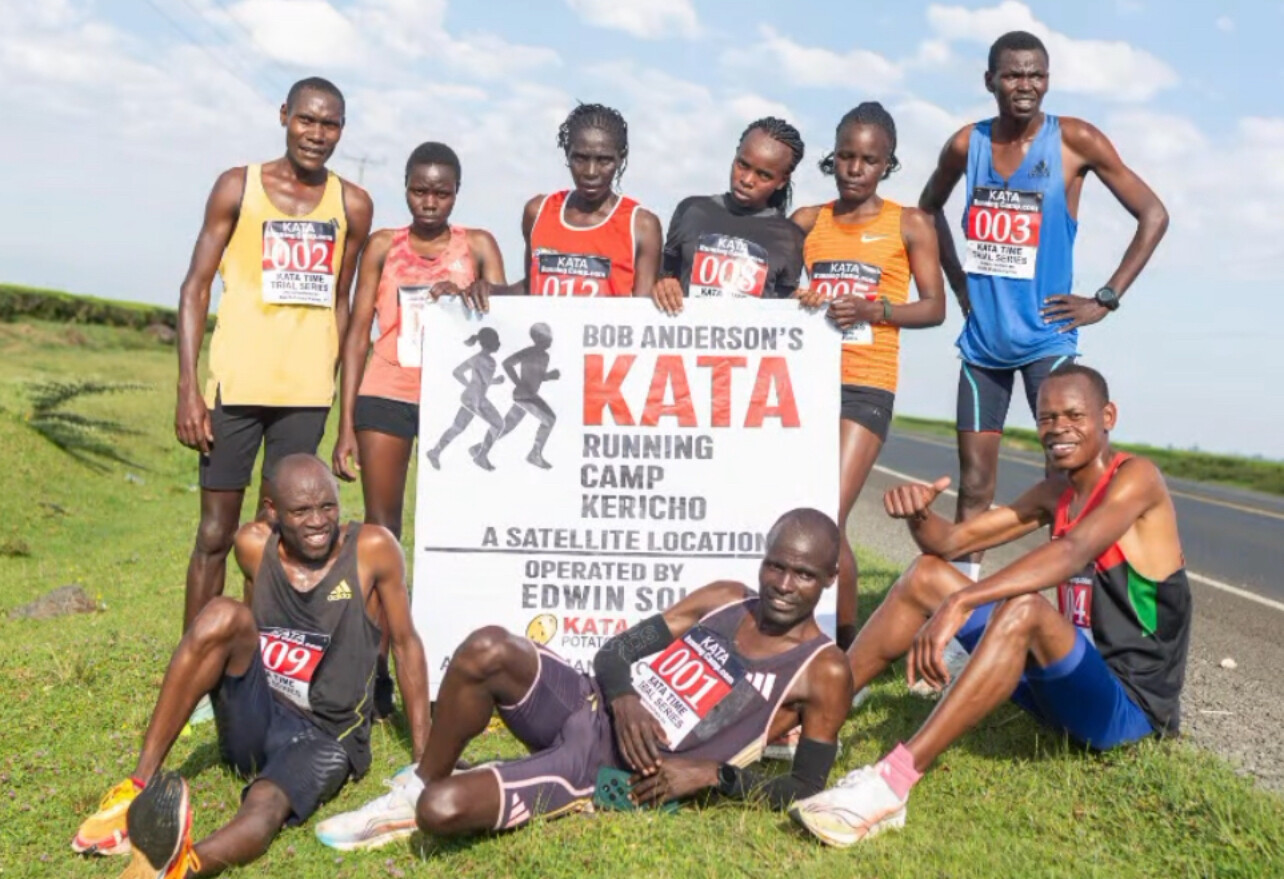
KATA farms currently range in size from one acre to 8.5 acres, combining traditional farming expertise with innovative support for athlete nutrition and sustainability. By the end of 2026, KATA’s goal is to expand to 100 Running Camps and 200 Potato Farms — half directly linked to camps — spanning more than 400 acres of productive farmland.
Another key initiative is the creation of the first KATA Ranch, scheduled for development by early 2026. The ranch will raise 100 or more sheep and goats, providing food, training nutrition, and economic value to the community. A KATA Running Camp will be connected to the ranch, integrating agriculture and athletics into one sustainable ecosystem. The long-term goal is for the ranch to become self-sustaining through the sale of meat and byproducts, ensuring continuous support for KATA programs and local families. Once the first ranch is fully operational, additional ranches are planned for future expansion.
KATA is also preparing to launch a KATA Sports Shop featuring running shoes and gear, and a KATA Market offering healthy, locally sourced food and essentials.
Coming soon and at the heart of KATA’s growth is its flagship product — branded KATA Potatoes, sold at a premium price and marketed as “The Fuel of Champions.” Complementing this is KATA Potato Flakes, an innovative product that reflects KATA’s values of energy, endurance, and excellence.
The KATA Potato Flakes will be sold worldwide as the go-to carbo-loading choice for marathonerspreparing for race day. Just add water from the tap, and in moments, you’re carbo-loading on KATA Potatoes — The Fuel of Champions.
Meanwhile, KATA Thika serves as the local office for Kenya and continues to thrive as the organization’s flagship Running Retreat, offering training stays for athletes from around the world who want to experience the Kenyan way of training — whether for a few days or a few months. The retreat provides access to world-class coaching, structured training, and cultural exchange with Kenya’s elite running community.
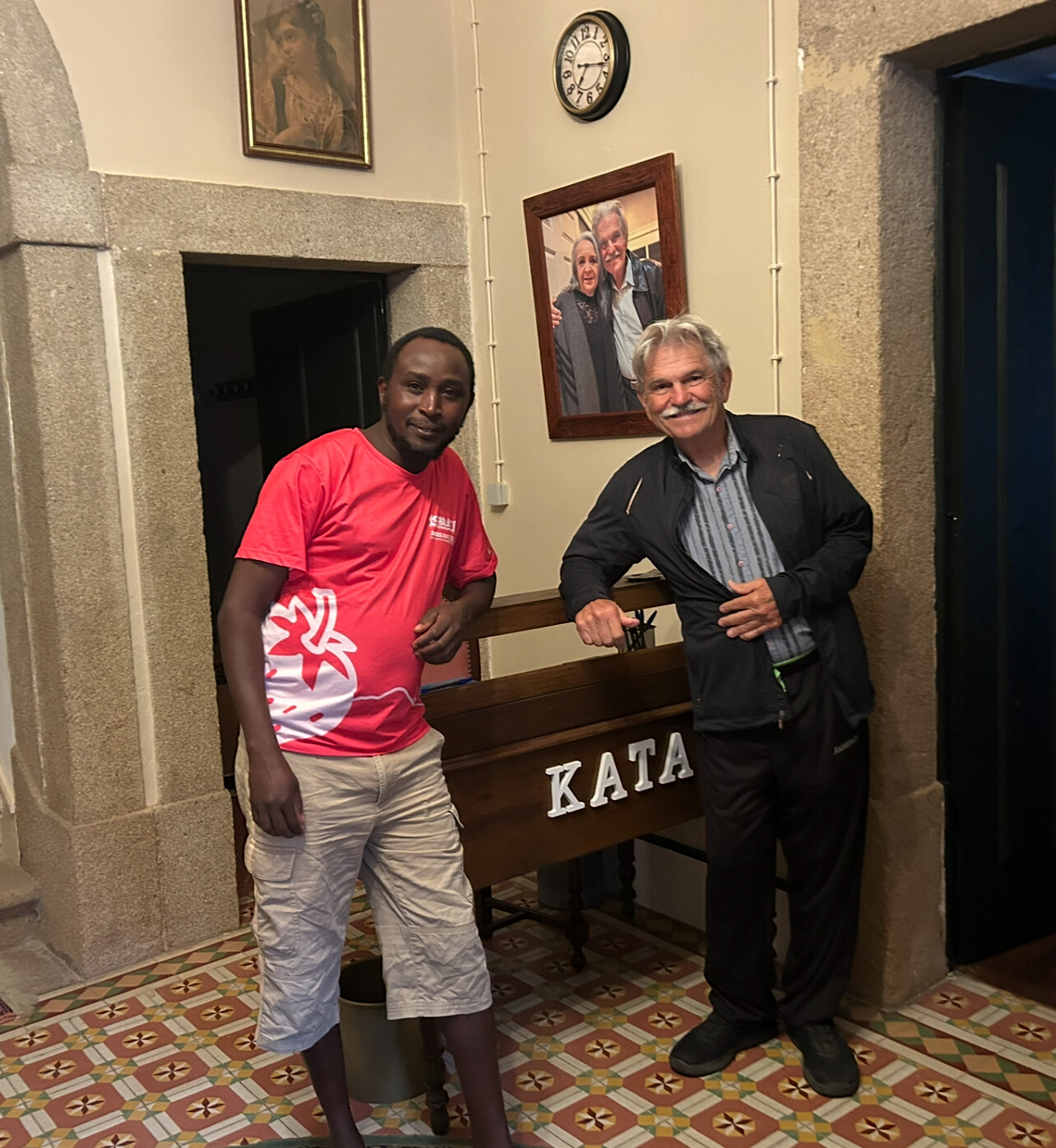
At the global level, KATA International is headquartered at the Anderson Manor in Monforte de Beira, Portugal — a 20,000-square-foot historic estate where the last King of Portugal stayed during his hunting trips in the early 1900s. The manor serves as the base for KATA’s international operations, housing both KATA Portugal and the Anderson Manor Retreat, which welcome athletes, artists, and guests from around the world.
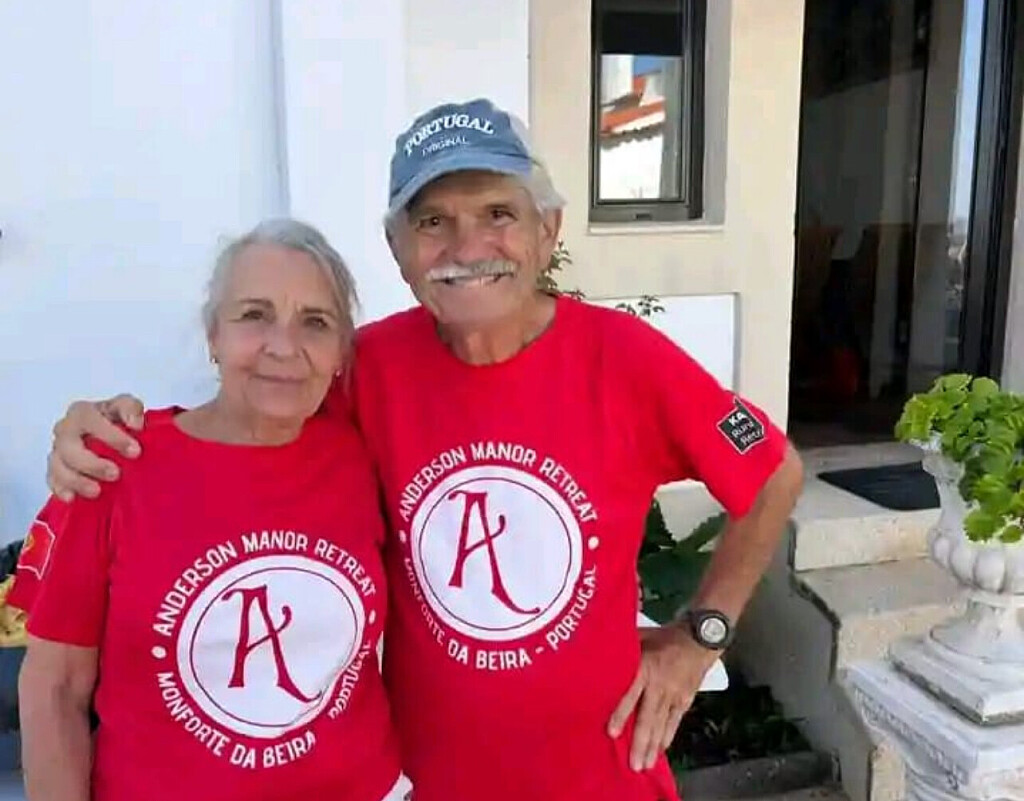
Behind the scenes but very much involved is Bob’s wife, Catherine. (First photo with Bob). Her creative talent adds a great deal to the program. Bob and Catherine have known Coach Dennis since 2021. He has completed two three-month stays at KATA headquarters in Portugal, working alongside Bob. Coach Dennis (4th photo with Bob in Portugsl) was recently promoted to Chief Technical Officer (CTO) and will oversee operations in Kenya.
Development of KATA Portugal began in February 2024, and the project continues to progress strongly. The retreat in Portugal will serve as the European counterpart to KATA Thika, offering athletes a place to train, rest, and connect with KATA’s global mission in a peaceful, historic setting.
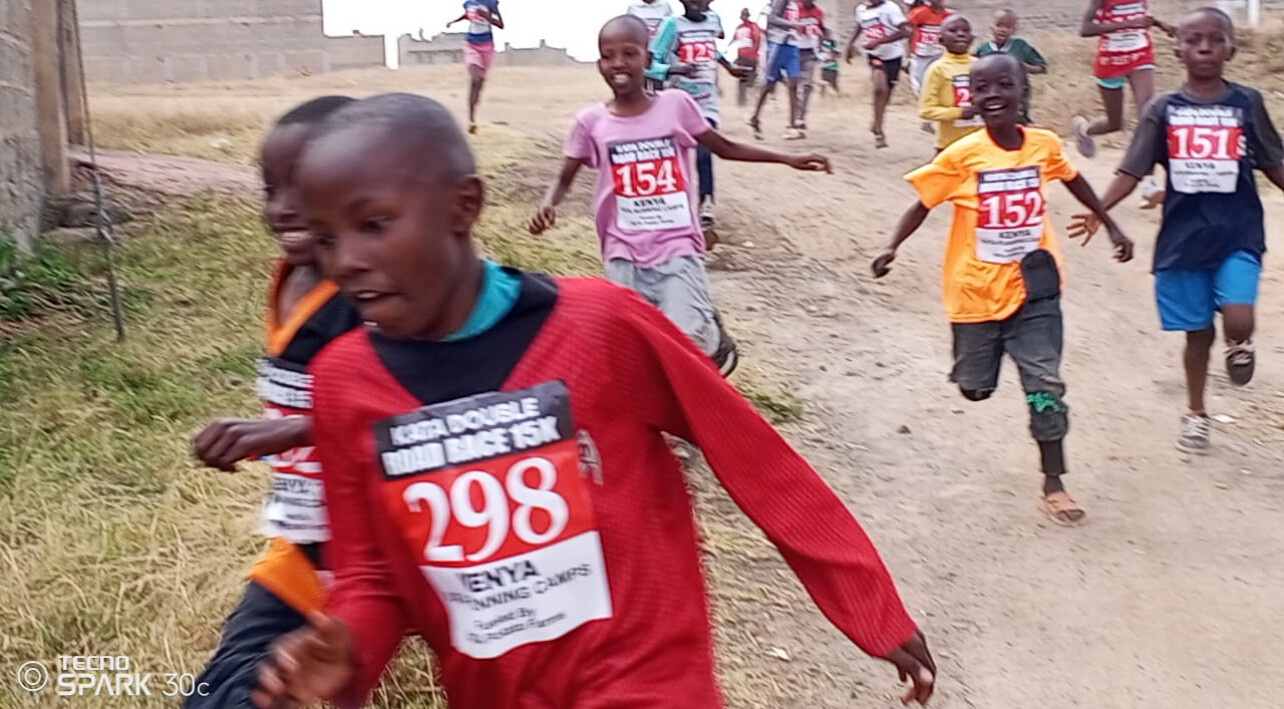
KATA’s vision goes far beyond producing great runners. The mission is to develop world-class athletes, Olympic champions, and future world record holders — combining top-tier coaching, discipline, and holistic training. Already, previous Olympic medalists such as Edwin Soi and Paul Koech are part of the KATA family, operating their own KATA Camps and helping guide the next generation of Kenyan champions.
Anderson also envisions a thriving athletic network of 650 elite runners, 150 youth athletes, and 40+ masters runners, supported by an expanding media presence through My Best Runs and KATA’s social platforms.
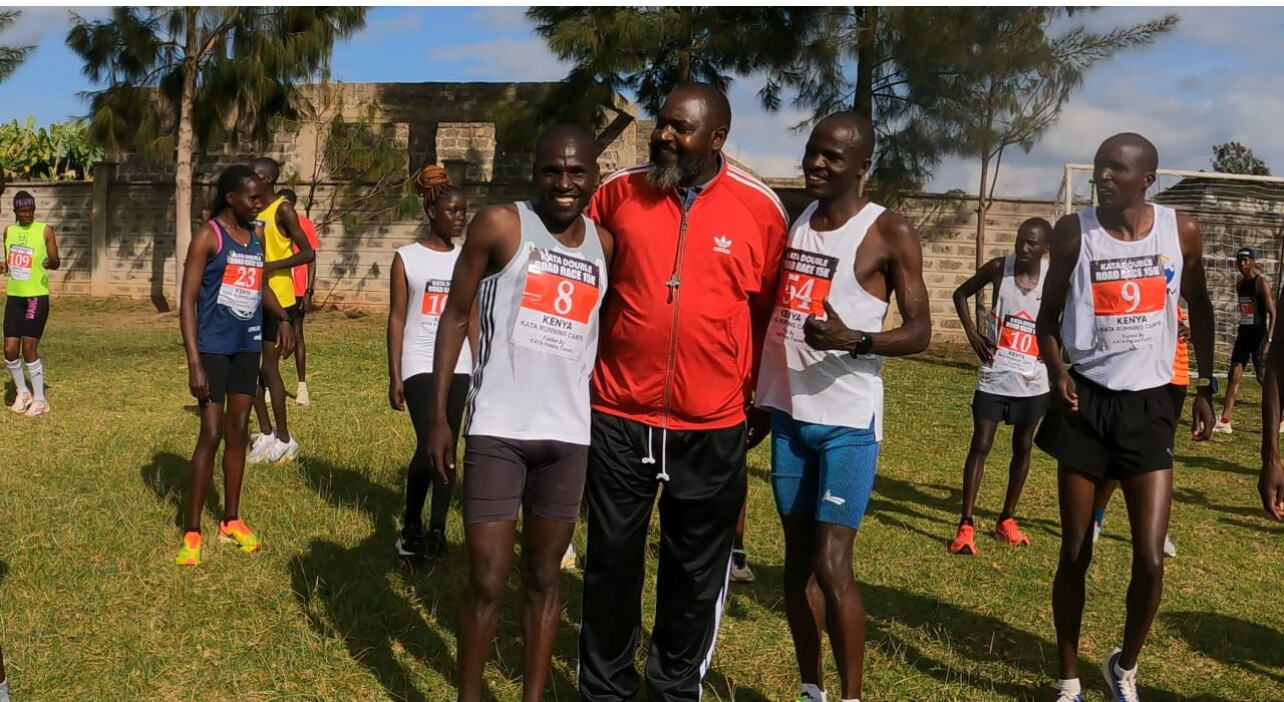
“I want to do something truly special for athletics,” Anderson says. “And it’s the passion and dedication of our athletes, coaches, and farmers that will make this dream a reality.”
“Our KATA family is as strong as its members,” Anderson adds. “As a team, we can make anything happen. In just a short amount of time, we’ve pulled off some amazing things. But our KATA family has only just gotten started. Watch us grow — and join us in helping make a difference.”
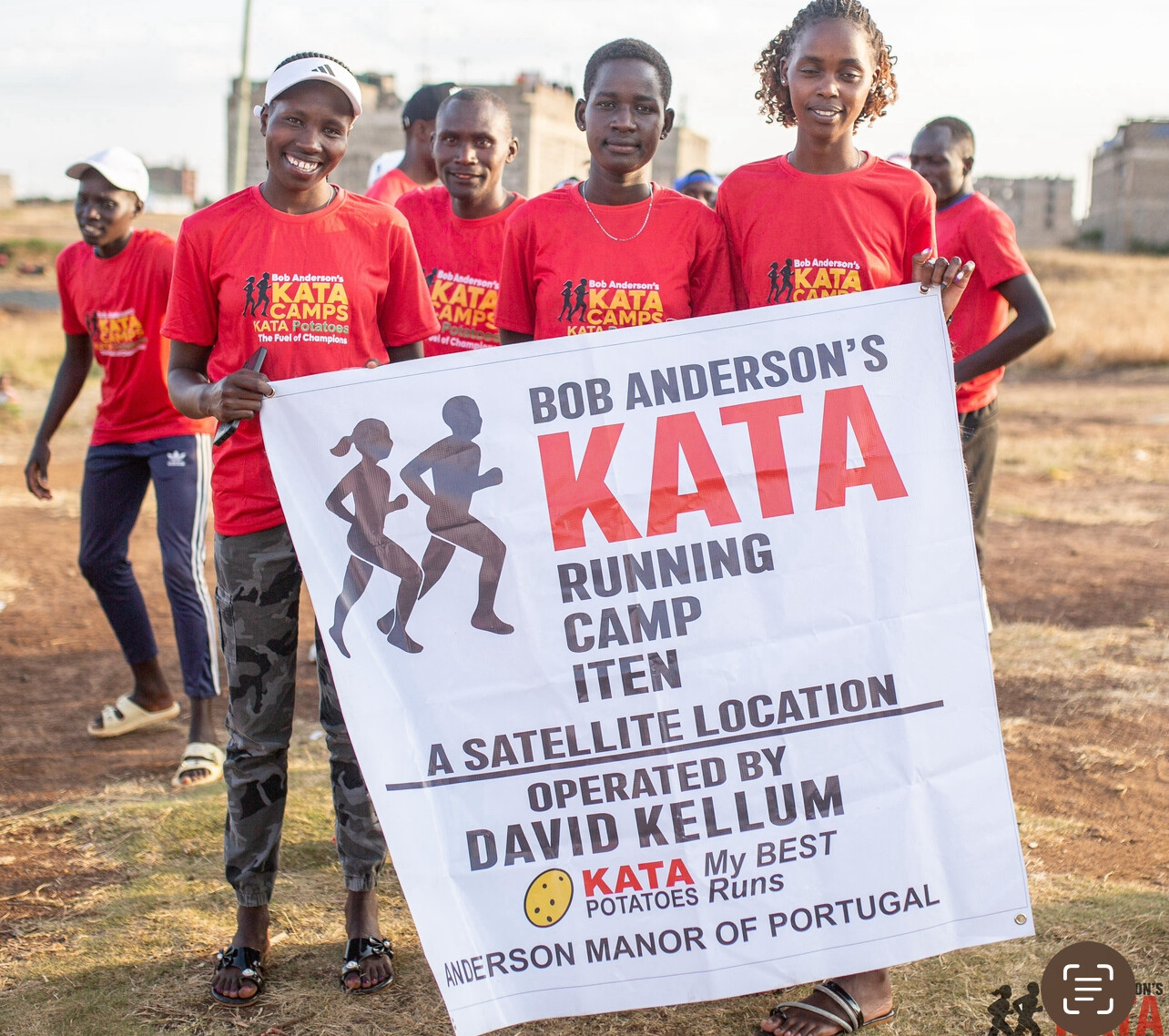
Anderson’s connection to Kenya runs deep. He first visited the country in 1987 and immediately fell in love with its people, culture, and running spirit. Just three years earlier, he had sold the magazine he founded and published for 18 years — Runner’s World, which had grown to a circulation of 2.5 million monthly readers. Runner’s World played a defining role in launching the modern running movement, inspiring millions of runners worldwide.
Although KATA Thika began in 2019, the KATA Running Camps officially launched in May 2025, building upon KATA’s strong foundation in Kenya. Both KATA Thika and KATA Portugal continue to grow as vital pillars in this global vision.
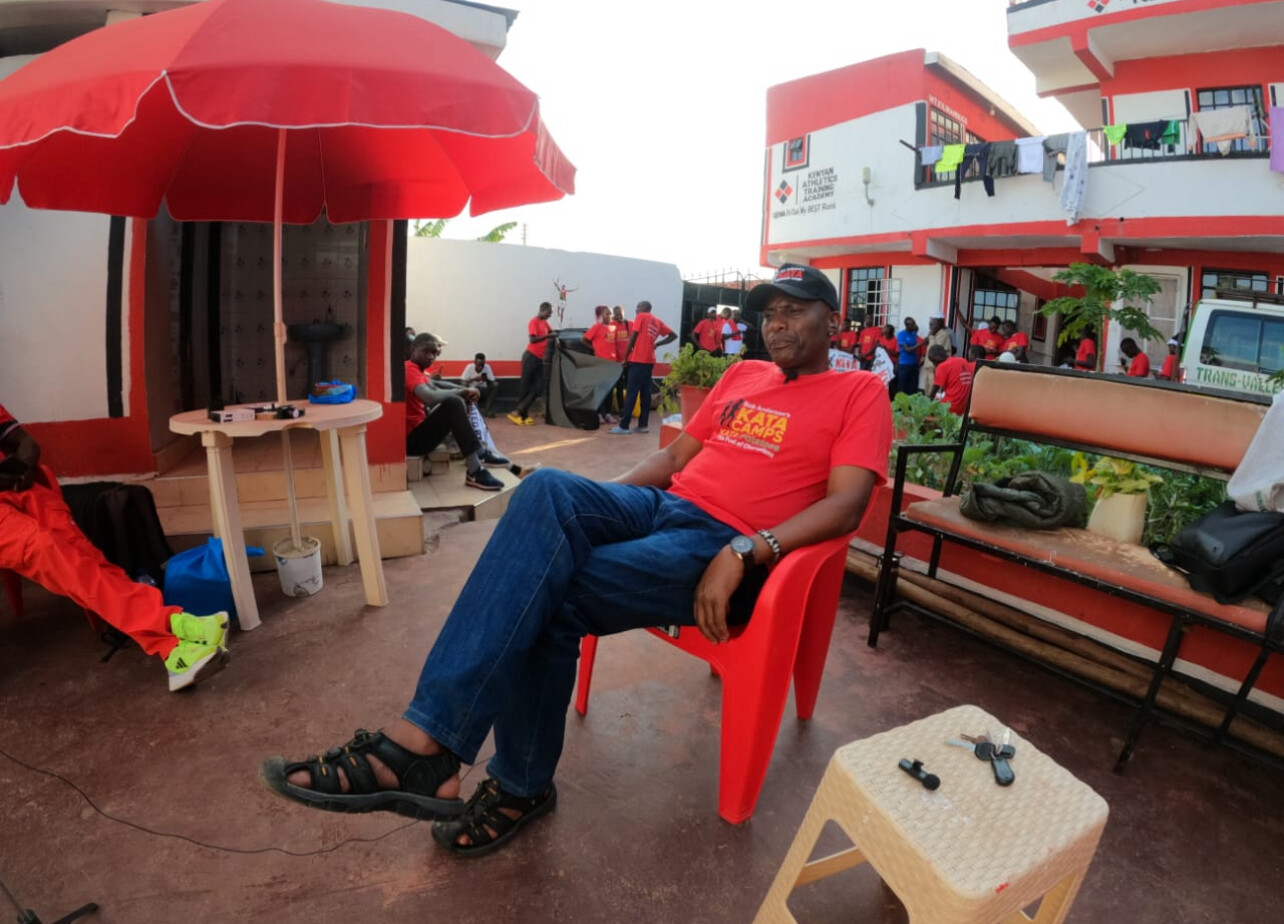
Anderson’s mission is clear: to strengthen the foundation of athletics in Kenya — and after 2026, expand to South Africa, Uganda, Ethiopia, and beyond.
Go KATA — The Fuel of Champions!
by Boris Baron
Login to leave a comment
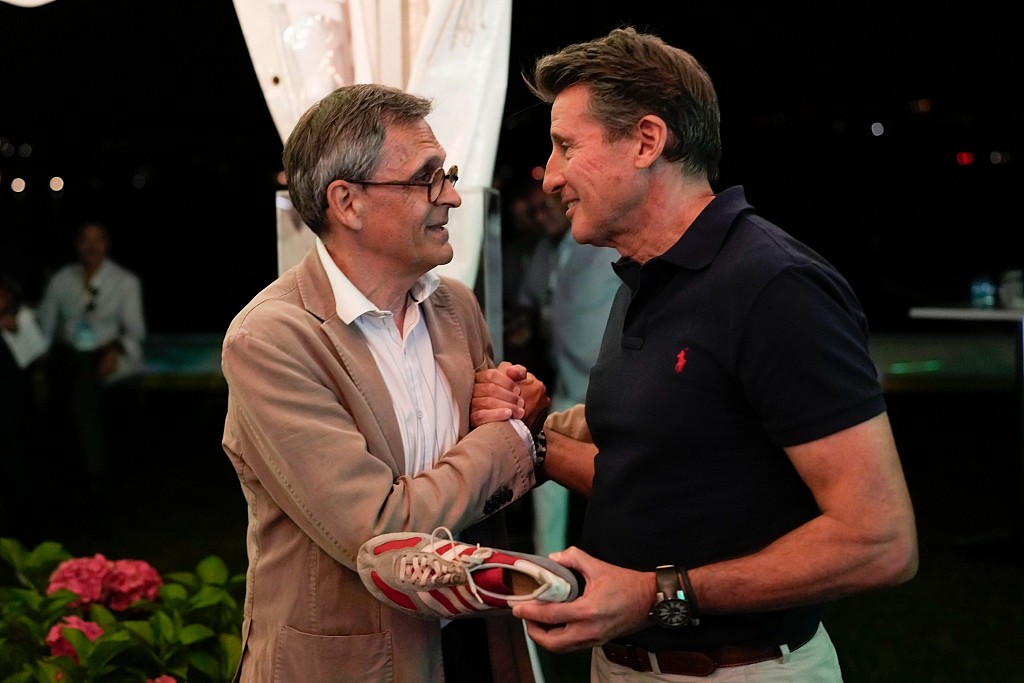
Markus Ryffel donates 1984 Olympic shoes to Heritage Collection
Markus Ryffel has generously donated to the World Athletics Heritage Collection one of the running spikes he wore when earning the 5000m silver medal at the 1984 Olympic Games.
The Swiss distance runner donated his left shoe to the collection in June and it is now on permanent view in glorious 360Ëš 3D in the Olympic Athletics Collection room of the Museum of World Athletics (MOWA), the world’s first virtual sports museum.
This evening at the Weltklasse Zürich Heritage Night, Ryffel was able to officially hand over the spike in person to his friend and racing contemporary, World Athletics President Sebastian Coe, who won his second 1500m title in Los Angeles in 1984.
Still the Swiss 5000m record
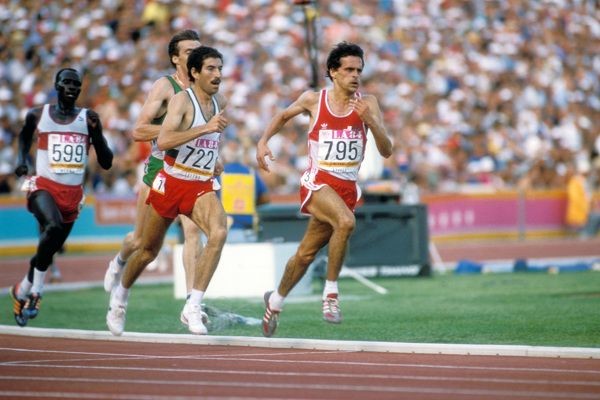
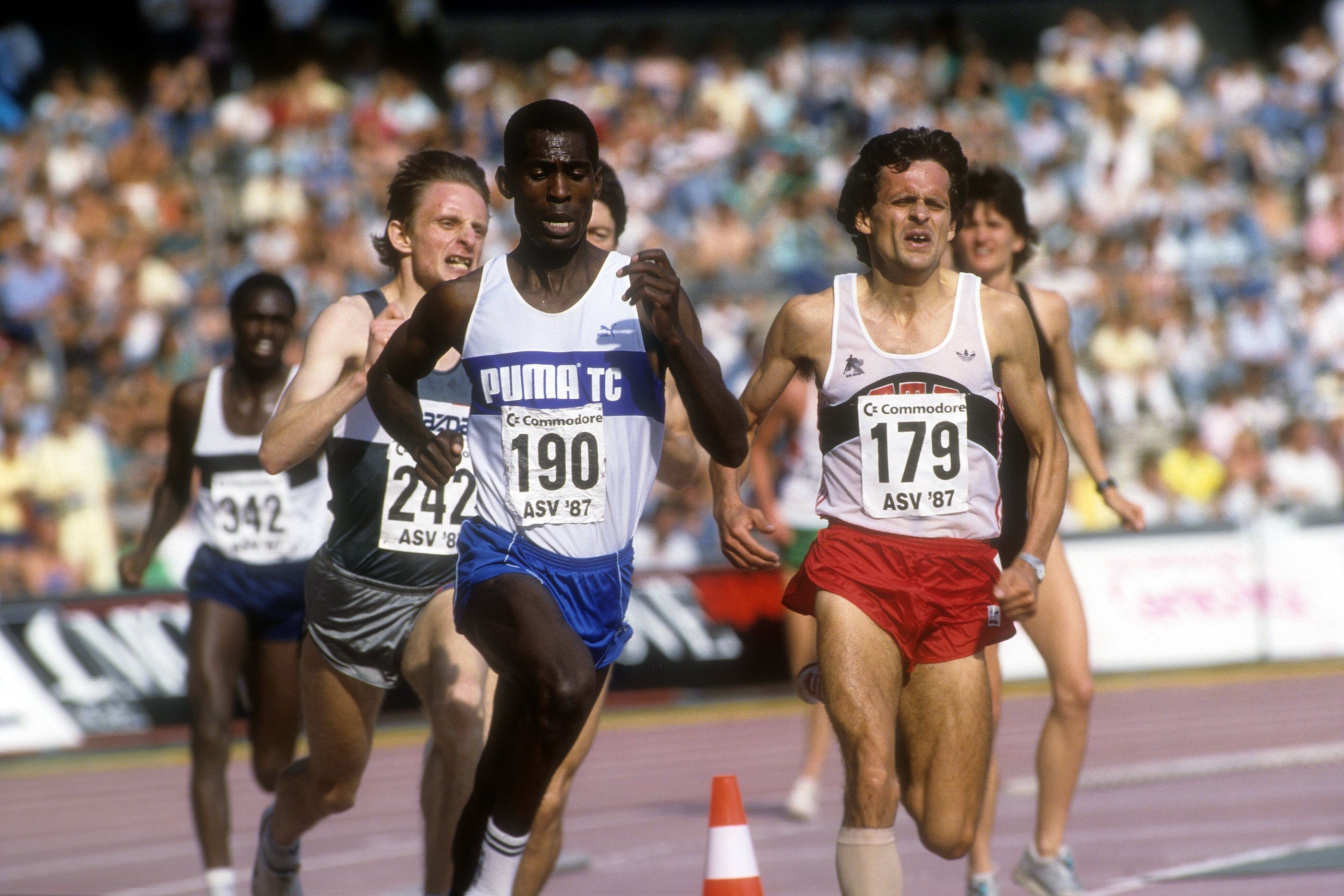
The final day of the 1984 Olympic athletics programme was hot and damp. The Swiss spectators among the 90,000 crowd in the Memorial Coliseum started to sweat even more as Ryffel geared up for his final sprint, 300 metres from the finish line of the 5000m final.
Portugal’s Antonio Leitao, pre-race favourite Said Aouita of Morocco, and Ryffel were neck and neck in lanes one, two and three. For a moment, even a Swiss Olympic victory seemed possible.
Aouita, however, showed himself unimpressed by Ryffel’s efforts and ran the last 400m in an unheard-of 54.7 seconds. He became the victor of a memorable race: then the third-best time in history for the Moroccan (13:05.59), with fifth place on the world all-time list for Ryffel.
Ryffel’s 13:07.54 still stands as the Swiss record 37 years later. Aouita’s Olympic record was only improved in Beijing in 2008 by Kenenisa Bekele.
Calf injury
While Aouita became the first man to run 5000m within 13 minutes in Rome, 11 months after his triumph in Los Angeles, for Ryffel the silver medal from Los Angeles remained the highlight of an illustrious career.
At the European Championships two years later, he was in a promising position but had to withdraw with an injury, which ended up requiring surgery. His calf muscles – including varicose veins inherited from his father – also thwarted his efforts at his last great aim, the marathon. He made several attempts at completing races, but time and again he had to give up some time after 30 kilometres with calf pain. He never made it to a fourth Olympics and retired from elite sport in late 1991.
New York comes to Uster
Ryffel was by no means bitter; quite the contrary. He had planned ahead during his active years. As a young man he had been a fan of Frank Shorter, the 1972 Olympic marathon champion. So it was not surprising that, aged 22, he accompanied his older brother Urs, himself a fairly successful cyclist, to the 1977 New York Marathon. He finished 16th, just ahead of four-time Olympic champion Lasse Viren.
Both of them were impressed by the “amazing atmosphere” of this mass event.
“We wanted to start something similar in our home-town Uster,” said Ryffel. And so, they established the race around the idyllic Greifensee near Zürich which has been running since 1980, initially 19km long, and over the half marathon distance since 1992. In 1998, Uster even hosted the World Half Marathon Championships, where Paul Koech and Tegla Loroupe from Kenya were the winners.
Running weeks
By the end of the 1970s, Ryffel began organising running weeks in St Moritz and trips to the New York Marathon, alongside his friends and training partners Dietmar Millonig of Austria and Thomas Wessinghage of West Germany.
The trio of runners still work together. Although the goal of the original ‘running weeks’ was to help participants achieve a 3:30 marathon time, the events have now morphed into more general running and fitness holidays in St Moritz and other alpine destinations.
Around the same time, Ryffel opened his first Ryffel Running Shop in Bern together with his brother Urs and business partner Markus Bill. A second shop in Uster followed shortly after, and the business later employed up to 28 people.
“It started in a cow shed next to my parents’ restaurant,” remembers Ryffel. He has since sold the shops to a larger company, and now organises running events, active holidays, trips to marathon races and private coaching.
‘The bike really shaped me’
Ryffel learned early that it was important to be decisive and work hard towards one’s aims. “My parents had a restaurant and a butcher shop, and we had a delivery service. Without it, I would never have become such a good runner. The kilometres on the bike really shaped me because the heart does not distinguish between cycling and running.
“Even in primary school, I did 20 or 30 km on my bike,” he added. “I had my 17 customers to whom I delivered cordon bleu and other meats.”
Ryffel’s parents, however, were not supportive of their son’s sporting ambitions at first. So it was lucky that Ryffel moved to Bern for an apprenticeship in typesetting, where he could be near his supporter and coach Heinz Schild. There he started running in the uniform of the City of Bern gymnastics club.
Ryffel is now 66. He still runs and has calculated from his paper training log that he jogged his 200,000th kilometre in 2020. That’s five times around the earth.
“I can still run regularly – and, most importantly, without pain,” he said. “And if all goes well, I will be running my 98th marathon in Chicago this year.” Because of Covid, the usual group trip to New York cannot happen, and Ryffel wants to participate in this marathon with a group aiming at a 4:30 finish time.
Times have changed. “Just being there is everything now,” he says.
by World Athletics
Login to leave a comment
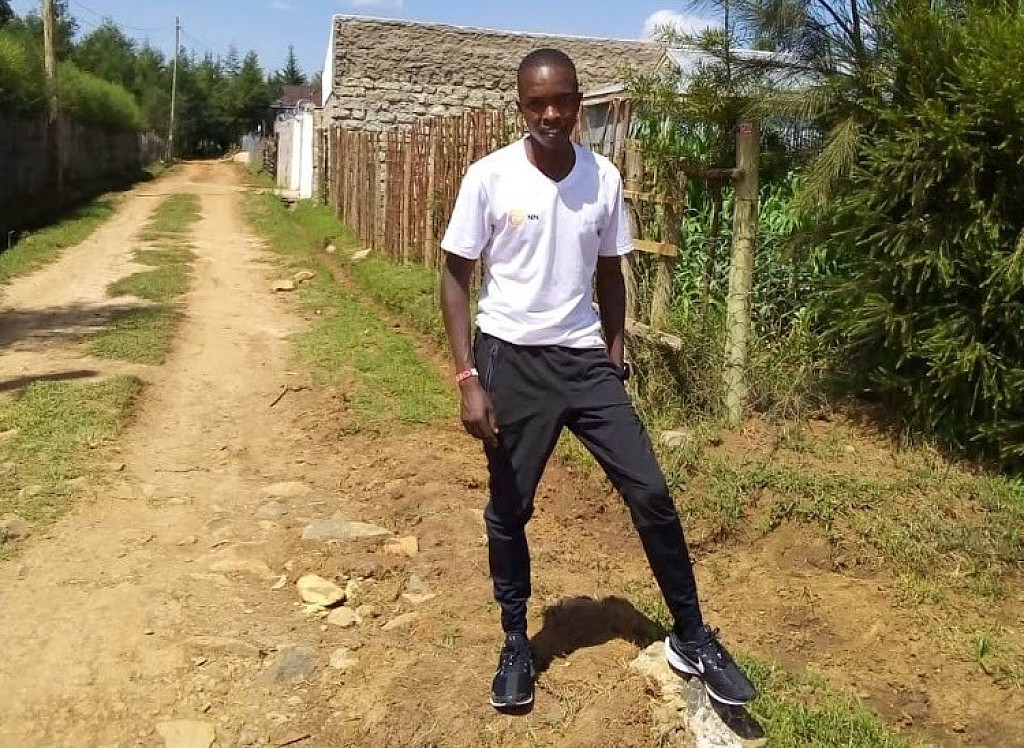
Kenyan Rodgers Kwemoi Chumo says that Coronavirus paused his marathon debut
Trouble has come in doubles for Commonwealth Games 10,000m bronze medalist Rodgers Kwemoi, who, in addition to failing to make his marathon debut, is locked up in Kenya away from his place of work in Japan.
Kwemoi, who runs for Aisan Kyobio, whom he signed for in 2015, has had a time time due to the coronavirus pandemic that has made a return to the island nation impossible due to travel restrictions.
“ I was to return to my work station in Japan on March 25, the date that all international flights were canceled,” said Kwemoi.
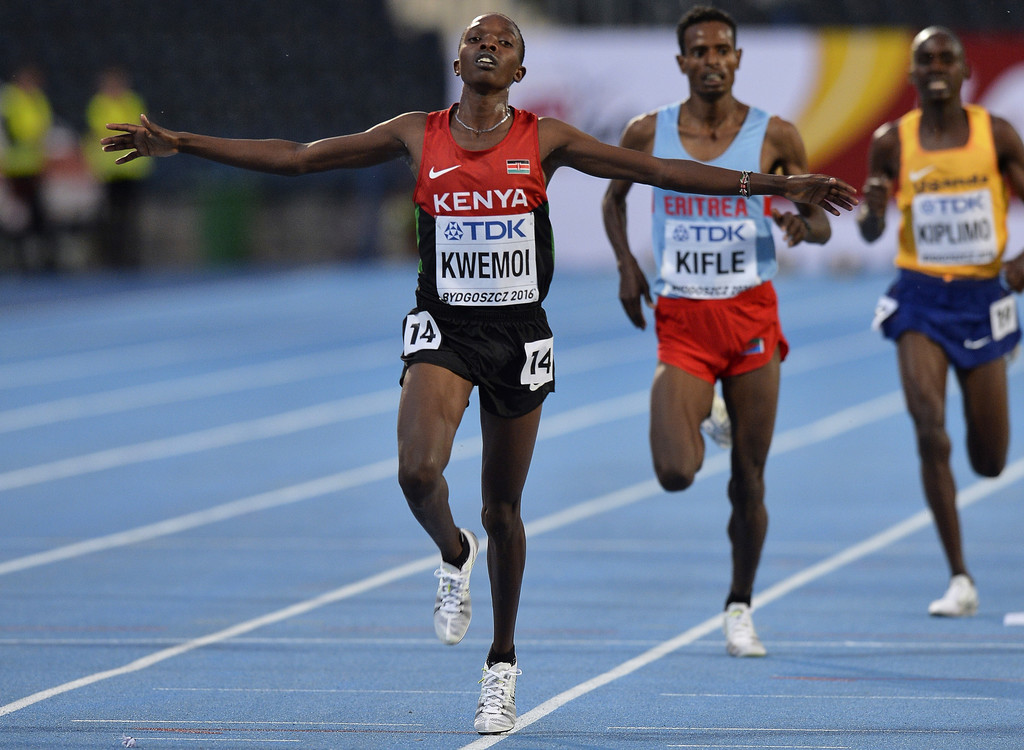
However, to keep himself fit as he waits on what's next, he does long runs and takes his free to tend to his cattle.
The former world junior 10,000m champion said also revealed his plans for the future, despite the uncertainties surrounding the world of sports.
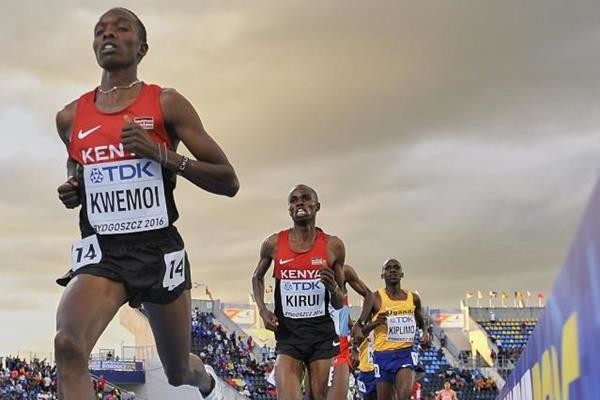
His focus, he said, is to deliver a world and Olympics 10,000m title, which has been elusive for decades with his immediate focus being the 2020 Olympic Games set for Tokyo, Japan next year.
Naftali Temu was the last Olympics 10,000m winner at the 1968 Mexico City Olympic Games while Charles Kamathi was the last to win the world title at the 2001 World Championships in Edmonton, Canada — the third after Paul Koech (1983) and Moses Tanui (1991).
“I want to run several 10,000m, 5,000m and road races but now am focusing on the Olympics. I want to bring the 5,000m and 10,000m Olympic titles,” said Kwemoi.
Despite his current struggles, Kwemoi can count himself lucky after he was considered for the Sh100,000-a-month scholarship programme by the National Olympics Committee of Kenya (NOC-K) courtesy of Association of National Olympics Committees of Africa (Anoca).
He is joined by Commonwealth Games 800m champion Wycliffe Kinyamal, 800m Africa Games bronze medalist Emily Cherotich, world 800m silver medalist Ferguson Rotich, world champion 3,000m steeplechase champion Conseslus Kipruto and world 1,500m champion Timothy Cheruiyot.
“I thank God and NOCK for selecting me. I will use the scholarship well as I prepare for the Olympic Games,” said Chumo.
He said that the scholarship will use it well as he prepares for Olympic Games, utilize it well.
“I don’t want to let those who chose me down. I will work to the best of my knowledge,” he said.
He joined Japan through former Africa cross country champion Leonard Barsoton after the world cross country in China.
“Going to Japan was my dream and all my prayers were answered because I had wanted to work in Japan like my friends,” he said.
He also hailed his employer for ensuring that, despite being away from work, he still gets his wages.
by Emmanuel Sabuni
Login to leave a comment

Tokyo 2020 Olympic Games
Fifty-six years after having organized the Olympic Games, the Japanese capital will be hosting a Summer edition for the second time, originally scheduled from July 24 to August 9, 2020, the games were postponed due to coronavirus outbreak, the postponed Tokyo Olympics will be held from July 23 to August 8 in 2021, according to the International Olympic Committee decision. ...
more...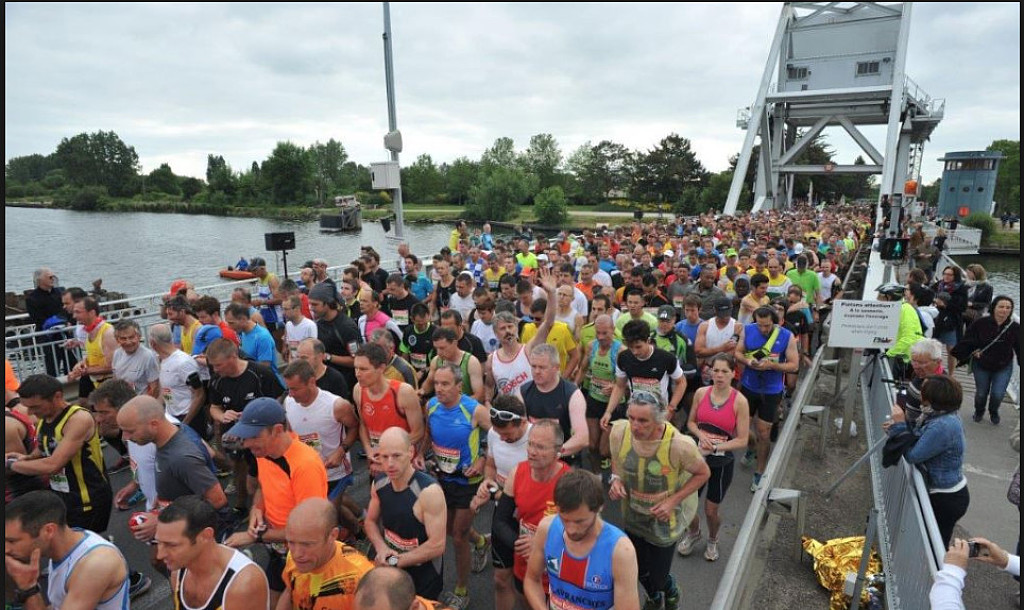
Windy conditions slowed the field at the Courts of Freedom marathon
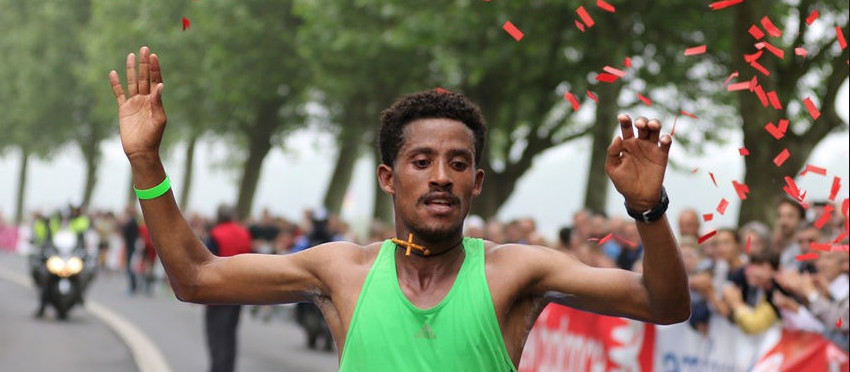
In windy conditions, no record fell on Sunday in Caen during the Courts of Freedom. Ethiopian Yetsedaw Belie won the marathon, as in 2018. On the half marathon Kenyan Paul Koech and Loïc Letellier reached the podium like last year.
The wind slowed the pace and the course record was not obtained but that did not stop the winner of last year, Yetsedaw Belie winning again clocking 2:23:22. In 2018, Belie clocked 2:18:32. In second Kenya’s Richard Beth clocked 2:24:06.
Login to leave a comment

Maraton de la Liberte
Freedom Marathon is a marathon held annually on a part of the coast of Normandy, from Courseulles-sur-Mer to the Caen Memorial since 1988. In remembrance of d-day, theruns is close to the June 6 date. With 30 editions, the Marathon de la Liberté is the leading event of Les Courants de la Liberté, on the legendary distance of 42.195km. Tribute...
more...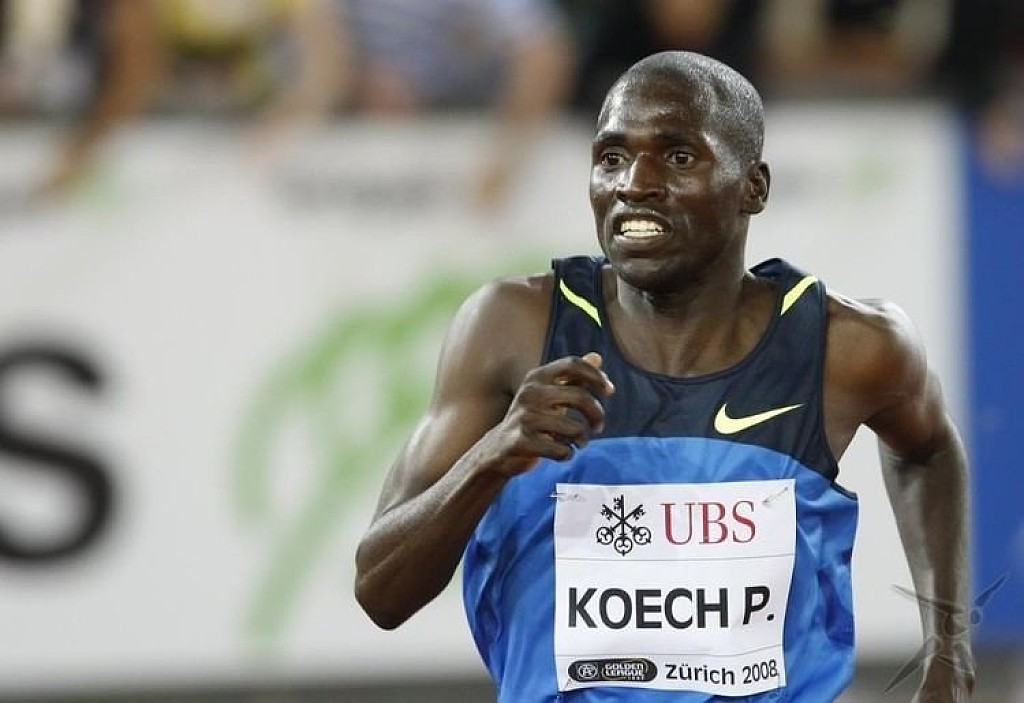
Kenya’s 1998 world half marathon champion Paul Koech died on Tuesday, after a short illness at the age of 49.
Login to leave a comment
