

Running News Daily
Running News Daily is edited by Bob Anderson and team. Send your news items to bob@mybestruns.com Advertising opportunities available.
Index to Daily Posts · Sign Up For Updates · Run The World Feed
Articles tagged #reinstated
Today's Running News
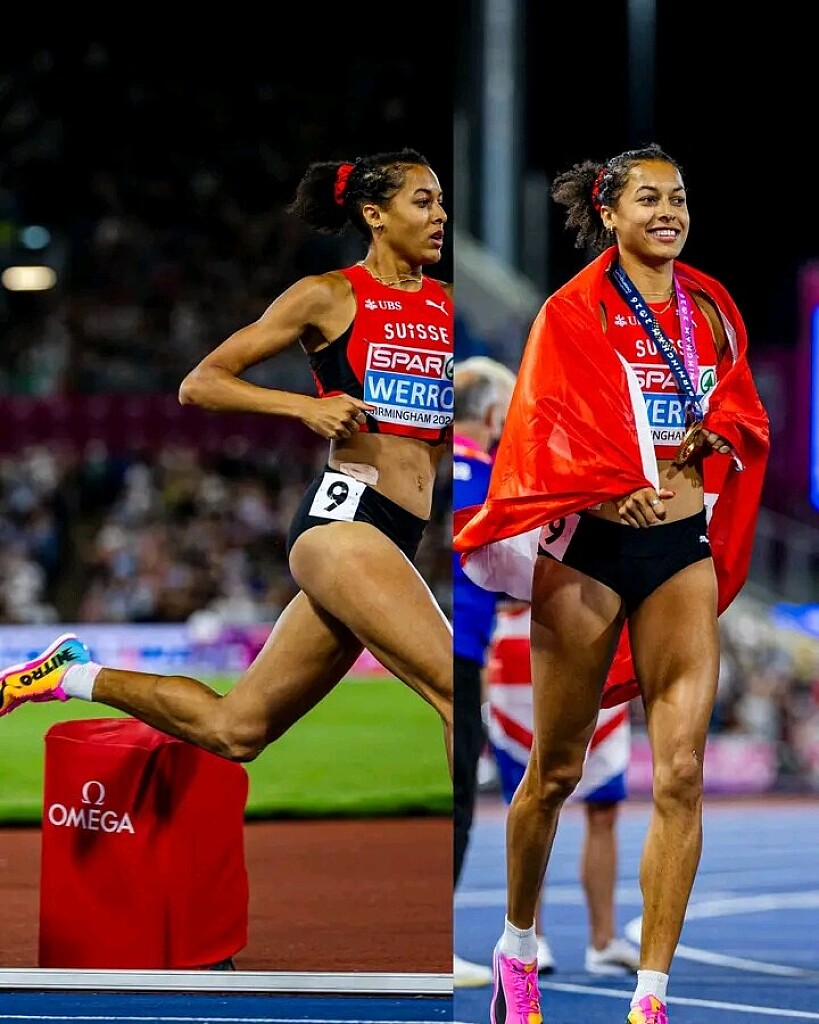


Audrey Werro Rules the European 800m as the Big Three Deliver a Birmingham Classic
Audrey Werro has firmly established herself among the world's leading 800m runners after producing a breathtaking performance to claim European Championship gold in Birmingham, winning one of the most eagerly anticipated finals in recent middle-distance history.
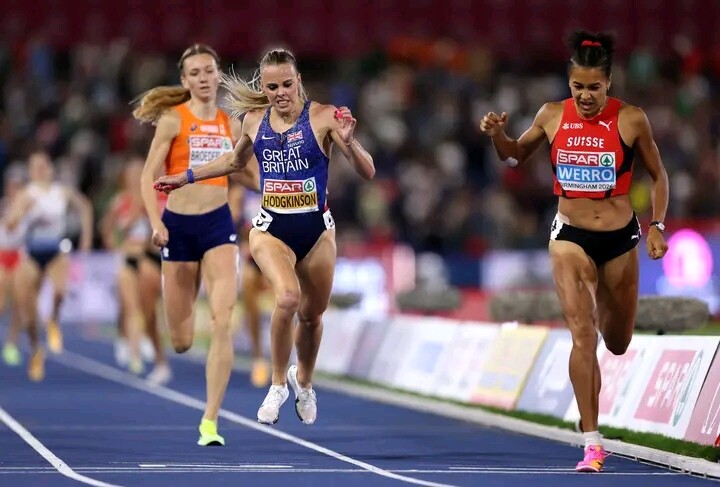
The Swiss star delivered when it mattered most, stopping the clock at a sensational 1:54.81 to set a new European Championships record and hold off Britain's Olympic champion and defending European champion, Keely Hodgkinson, who took silver in 1:55.01.
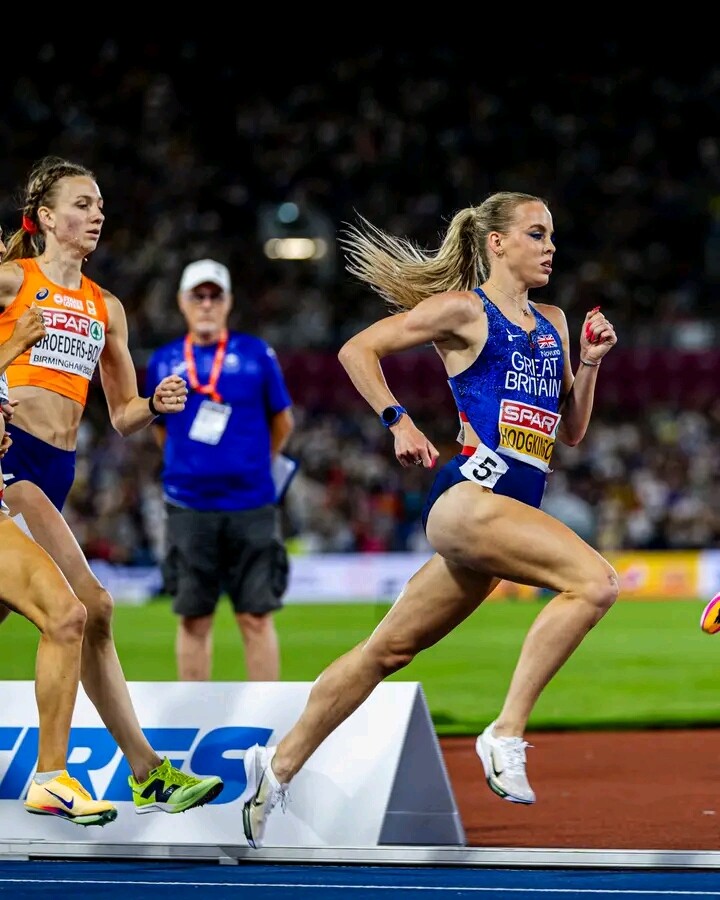
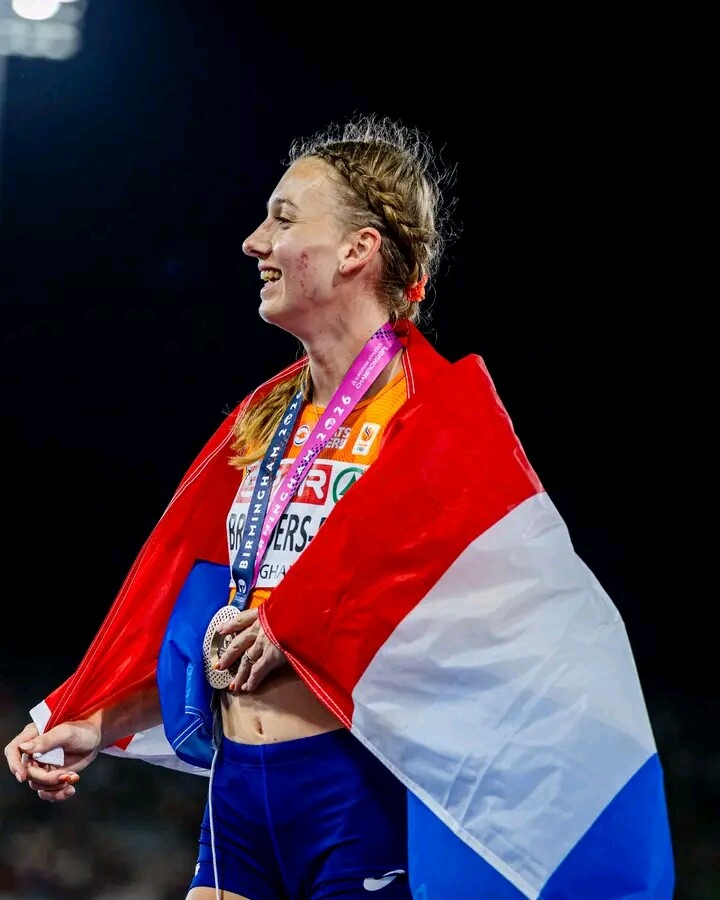
The Netherlands' Femke Broeders-Bol completed an extraordinary podium, charging home to secure bronze in 1:55.54, a time that equalled the Dutch national record.
It was everything the build-up had promised.
For months, anticipation had surrounded the possibility of seeing Werro, Hodgkinson and Broeders-Bol finally line up together in the same major championship final. In Birmingham, the "Big Three" finally came together—and the track wrote its own remarkable story.
Werro won gold. Hodgkinson held onto silver. Broeders-Bol brought home bronze.
The quality of the performances was extraordinary. Werro seized control of the race and displayed remarkable strength and composure through the closing stages. Hodgkinson, propelled by the energy of her home crowd, refused to surrender and fought desperately down the finishing straight, but the Swiss athlete had just enough in reserve to stay clear.
The margin was only 0.20 seconds, underlining just how fiercely contested the final was.
Behind the leading pair, Broeders-Bol produced another outstanding performance to cross the line in 1:55.54, matching the Dutch national record and becoming part of an exceptional three-way battle at the front.
The top three were in a different class from the rest of the field, with all three breaking the 1:56 barrier and finishing almost four seconds ahead of the remainder of the finalists.
For Werro, the victory represents far more than another medal. It is a statement of intent.
The Swiss athlete arrived in Birmingham as one of the fastest 800m runners in the world and leaves the championships as European champion and championship-record holder.
Her triumph is even more remarkable considering the drama that preceded the final. Werro fell during her semi-final after contact with France's Anaïs Bourgoin and initially failed to qualify, before a successful Swiss appeal reinstated her in the final.
Less than 24 hours later, she transformed that setback into one of the defining performances of the championships.
Werro's season has already been extraordinary. She had previously run 1:53.80 in Paris, placing her among the fastest women ever over 800m. Now she has added a European title and championship record to her growing résumé.
For Hodgkinson, the result was undoubtedly a disappointment after arriving in Birmingham with hopes of completing a hat-trick of consecutive European 800m titles. The British star had won European gold in Munich in 2022 and Rome in 2024, but her quest for a third successive title ended with silver on home soil.
Nevertheless, Hodgkinson's 1:55.01 was itself a world-class performance, and she pushed Werro all the way to the line in a race that demanded extraordinary speed, strength and composure.
While the spotlight naturally fell on Werro and Hodgkinson, Broeders-Bol produced a performance worthy of its own headline. Her 1:55.54 secured the bronze medal while simultaneously equalling the Dutch national record, adding another remarkable dimension to an already historic final.
The official results placed Gabija Galvydytė fourth in 1:59.12, followed by Britain's Jemma Reekie in 1:59.15 and Italy's Eloisa Coiro in 1:59.35. Switzerland's Valentina Rosamilia finished seventh in 1:59.42, with compatriot Veronica Vancardo eighth in 2:00.17. France's Anaïs Bourgoin was ninth in 2:00.65, while Clara Liberman completed the field in 2:01.84.
But the night belonged overwhelmingly to the three women at the front.
Three athletes under 1:56. A championship record. A national record. A reigning champion forced to settle for silver. And a new European champion standing proudly at the top of the podium.
The Big Three finally came together in the final, and the story was written—Werro wins gold, Hodgkinson holds onto silver and Broeders-Bol brings it home in bronze.
Who needs fairytales when the track is writing stories like this?
The women's 800m final at the Birmingham 2026 European Championships delivered everything a championship race should: drama, speed, history, heartbreak and a thrilling battle between three exceptional athletes.
And when the story was finally written, Audrey Werro was the woman wearing the crown.
Gold for Werro. Silver for Hodgkinson. Bronze for Broeders-Bol.
A spectacular night for the 800m—and potentially the beginning of one of the most compelling rivalries in women's middle-distance running.
by Erick Cheruiyot for My Best Runs.
Login to leave a comment

European Athletics Champioships
The27thEuropean Athletics Championshipswill be held from 10 to 16 August 2026 at theAlexander StadiuminBirmingham, United Kingdom.[1] This is the first time that a British city will have staged the European Athletics Championships although Birmingham has hosted many high-profile events, including the2007 European Athletics Indoor Championships, the2003and2018 IAAF World Indoor Championshipsand the2022 Commonwealth Games. Alexander Stadium was renovated between 2019 and...
more...
Justice on the Track: Claudia Hollingsworth Reinstated as Australian 1500m Champion
In a dramatic reversal that has reshaped the narrative of the women’s 1500m final, Australia’s rising middle-distance star Claudia Hollingsworth has officially been reinstated as the national champion following a successful appeal at the Australian Athletics Championships.
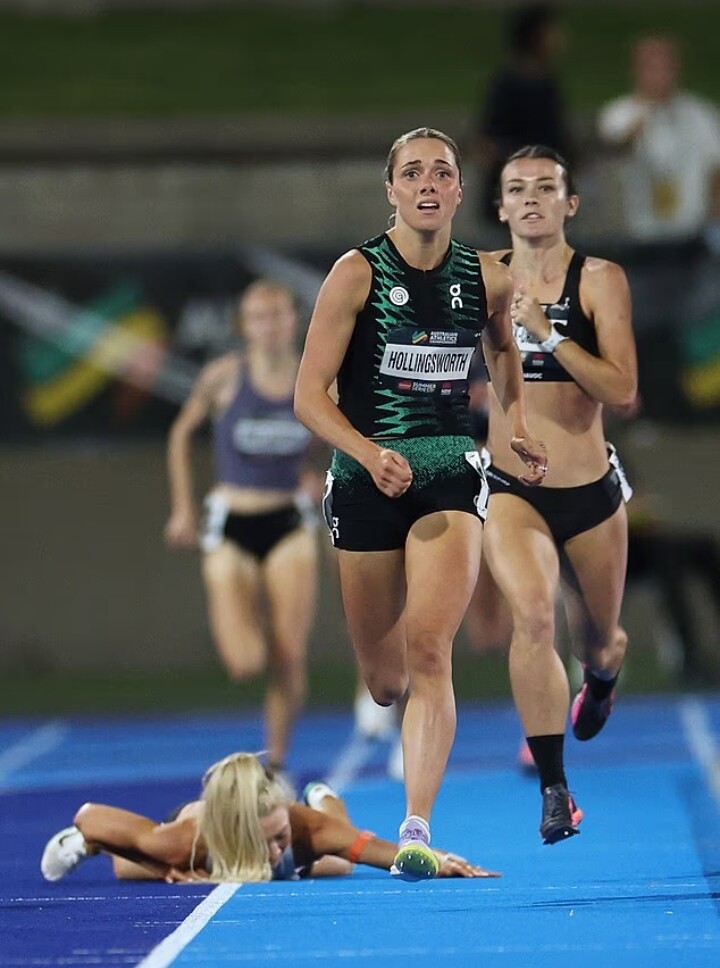
What initially unfolded as a thrilling yet controversial finish has now reached a decisive conclusion. After a comprehensive review process conducted by Australian Athletics, the appeals panel examined all available race footage and gathered testimonies from the athletes and officials involved. Their findings ultimately ruled in favor of Hollingsworth, overturning the earlier decision that had stripped her of victory.
The ruling restores not only her title but also recognition of what was, by all accounts, a fiercely contested and tactically complex race. In the heat of championship competition, where margins are razor-thin and pressure is immense, such incidents are not uncommon—but seldom do they carry consequences this significant.
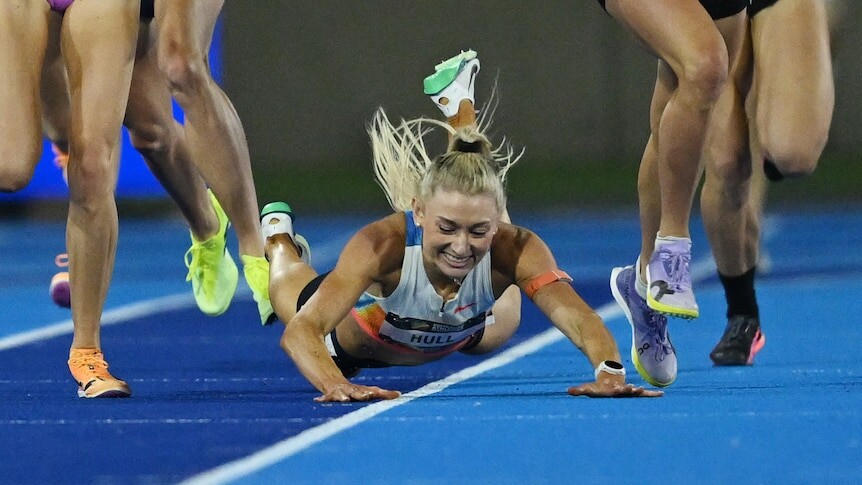
While discussions emerged around the possibility of rerunning the race, officials confirmed that such a measure is not feasible within the structure and schedule of the championships. Instead, attention now turns to the implications of this decision beyond the finish line. The High Performance Department and Selection Committee of Australian Athletics are expected to review the race’s status as a key selection event, a move that could influence team decisions for upcoming international competitions.
For Hollingsworth, the reinstatement marks a moment of vindication—one that underscores both her competitive resilience and the importance of due process in elite sport. For the wider athletics community, it serves as a powerful reminder that even in the most electrifying moments, fairness and integrity remain the ultimate arbiters of victory.
As the dust settles, this episode will be remembered not just for its controversy, but for the clarity that followed—and for a champion whose triumph, though delayed, now stands undisputed.
by Erick Cheruiyot for My Best Runs.
Login to leave a comment
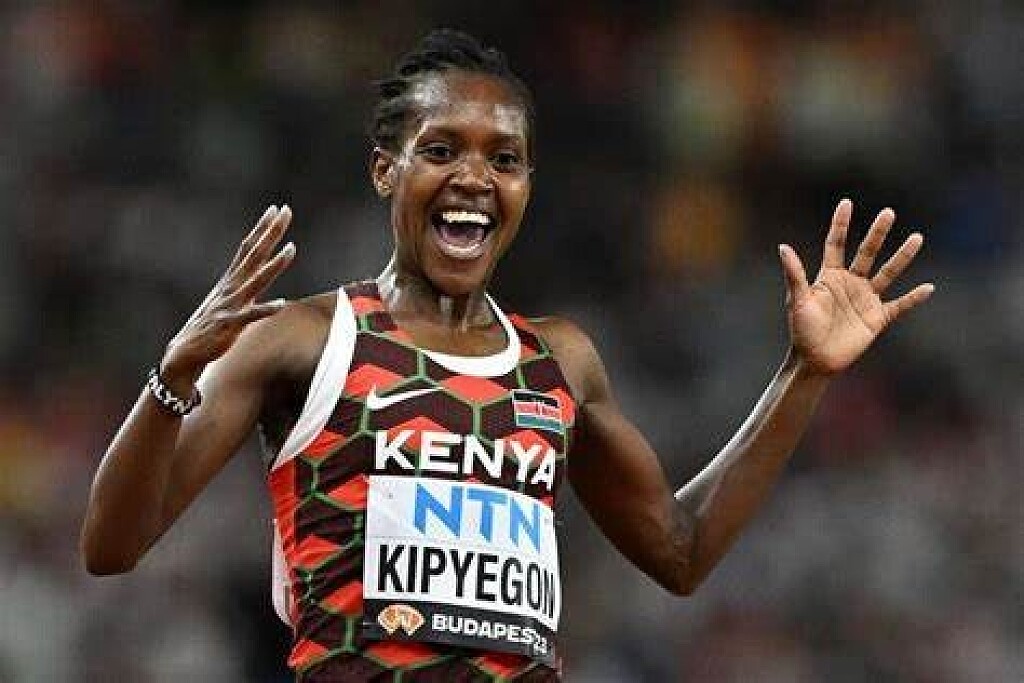
Kenya’s Faith Kipyegon receives honorary doctorate degree
The back-to-back-to-back Olympic 1,500m champion was given an honorary doctor degree in Education on Wednesday.
It has been a monumental year for Kenya’s Faith Kipyegon, who in August became the first female athlete in Olympic history to win three consecutive gold medals in a single track discipline. On Wednesday, her achievements were celebrated in her home country when she received an honorary doctorate degree in education from the University of Eldoret.
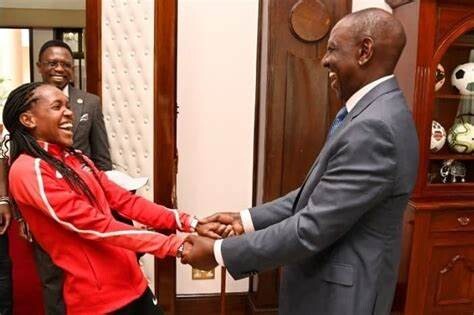
“I am greatly honoured to receive an honorary doctorate degree in education from the University of Eldoret,” Kipyegon shared on Instagram, signing off as “Dr. Faith Kipyegon.”
Honorary doctorates are typically awarded to individuals who have made exceptional contributions in their fields. Kipyegon’s recognition highlights her trailblazing career in women’s distance running, where she has inspired countless athletes by returning to elite competition and breaking records after giving birth to her daughter in 2018.
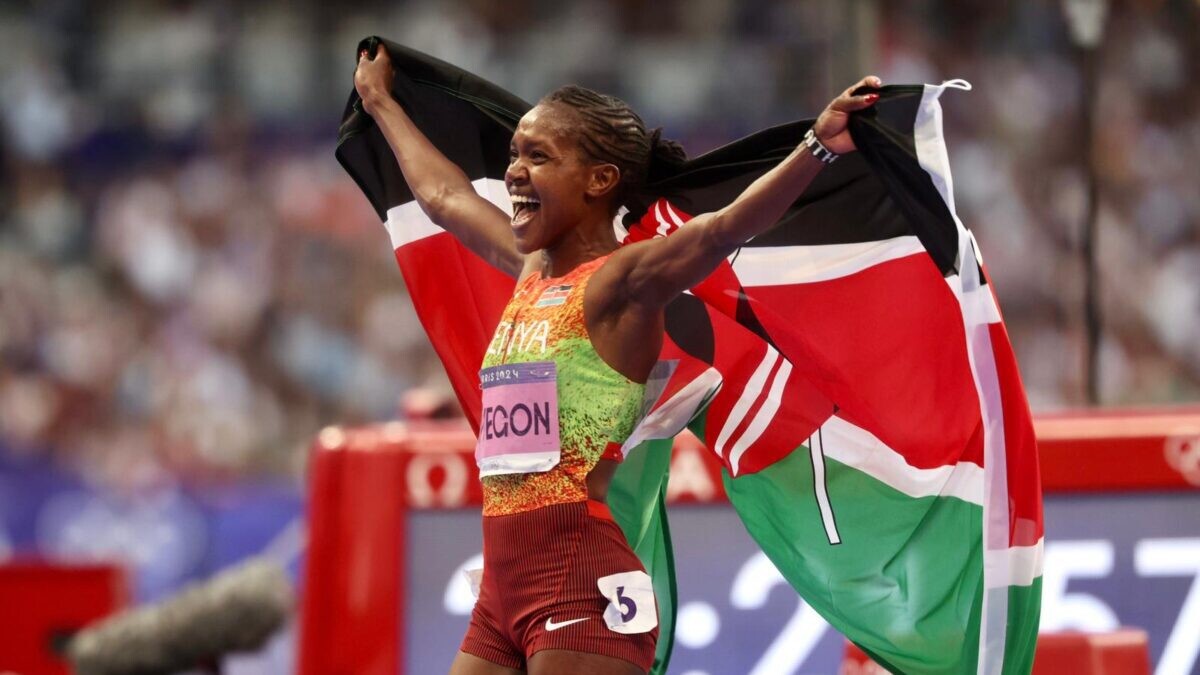
Kipyegon’s 2024 season
This year has been one of the most successful of Kipyegon’s career. At the Paris Diamond League in July, the 30-year-old broke her own world record in the 1,500m, running 3:49.04. The following month, she defended her Olympic 1,500m title at the Stade de France, setting a new Olympic record of 3:51.29.
Kipyegon also earned a silver medal in the 5,000m, an event she contested for the first time at the Olympics. Initially disqualified for an obstruction involving Ethiopian runner Gudaf Tsegay, Kipyegon was reinstated after a successful appeal. Her compatriot, Beatrice Chebet, won gold in the event.
Accolades and recognition
Kipyegon was among six nominees for the Women’s Track Athlete of the Year award by World Athletics, a title she won in 2023. Additionally, she was shortlisted for the Laureus World Sports Award for Sportswoman of the Year, an honour recognizing the year’s greatest female athlete. This year, the award was won by Spanish footballer Aitana Bonmatí.
by Marley Dickinson
Login to leave a comment
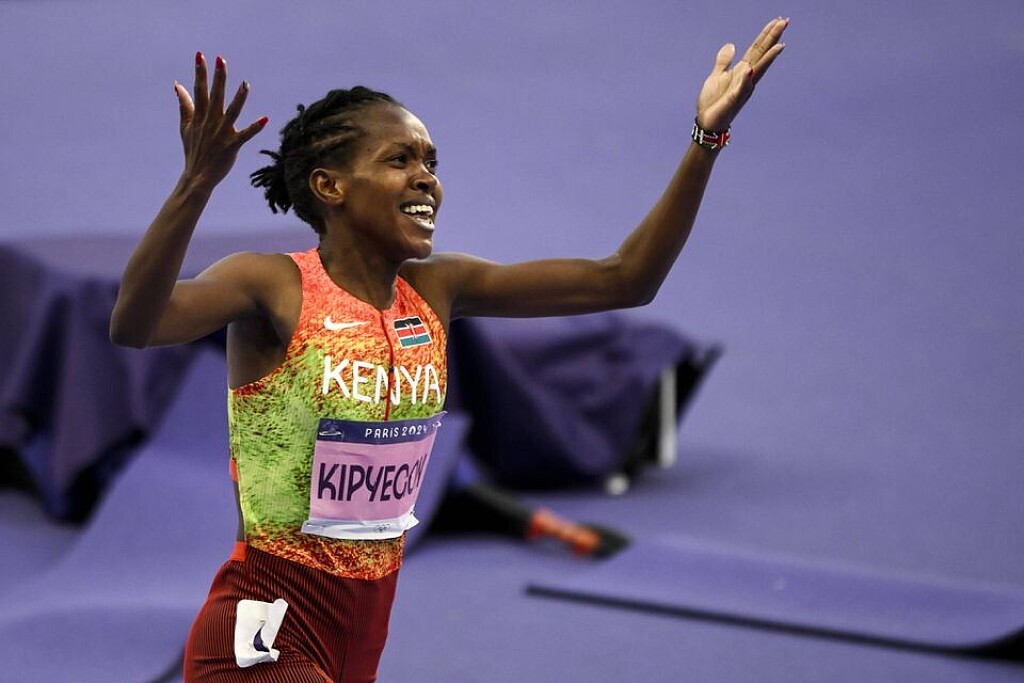
Faith Kipyegon to receive honorary doctorate degree from University of Eldoret
Faith Kipyegon to receive honorary doctorate from University of Eldoret for remarkable achievements in athletics
Triple Olympic Champion Faith Kipyegon is set to receive an Honorary Doctorate in Education from the University of Eldoret, a recognition that highlights her exceptional contributions to athletics and her inspiring career as a world-class runner.

The honorary degree will be awarded to Kipyegon during the university's 13th graduation ceremony, scheduled for November 21, 2024.
“Kipyegon is an accomplished middle and long-distance runner and is the reigning 1,500-meter and mile world record holder.
"Her most notable feat was becoming the first athlete to win three consecutive Olympic gold medals in the 1,500 meters,” the university announced in a statement on Friday.
2024 has indeed been a landmark year for Kipyegon, as she claimed her third Olympic title in the 1,500 meters and broke world records in both the 1,500 meters and the mile, accomplishing these feats within a remarkable 49-day span.
These achievements have earned her a nomination for the prestigious World Athlete of the Year 2024 award.
In addition to her records, Kipyegon also faced Olympic challenges, notably in the 5,000 meters race, where she was briefly disqualified for alleged obstruction of Ethiopia's world record holder, Gudaf Tsegay. However, the disqualification was successfully appealed by Kenyan officials, and her silver medal was reinstated.
She concluded her 2024 season on a high note, marking another year at the peak of global athletics.
Entering the Olympic year, Kipyegon held titles as both the 1,500m and 5,000m World Champion and was the 1,500m world record holder.
Though she began the season with uncertainty due to an injury, she quickly dispelled doubts by taking on 10,000m world-record holder Beatrice Chebet in the 5,000m race at Kenya’s National Olympic trials, winning with a time of 14:46.28.
Faith Kipyegon’s journey continues to inspire young athletes and cement Kenya's legacy in athletics. This honorary doctorate from the University of Eldoret is a tribute to her dedication, resilience, and historic accomplishments.
by Mark Kinyanjui
Login to leave a comment
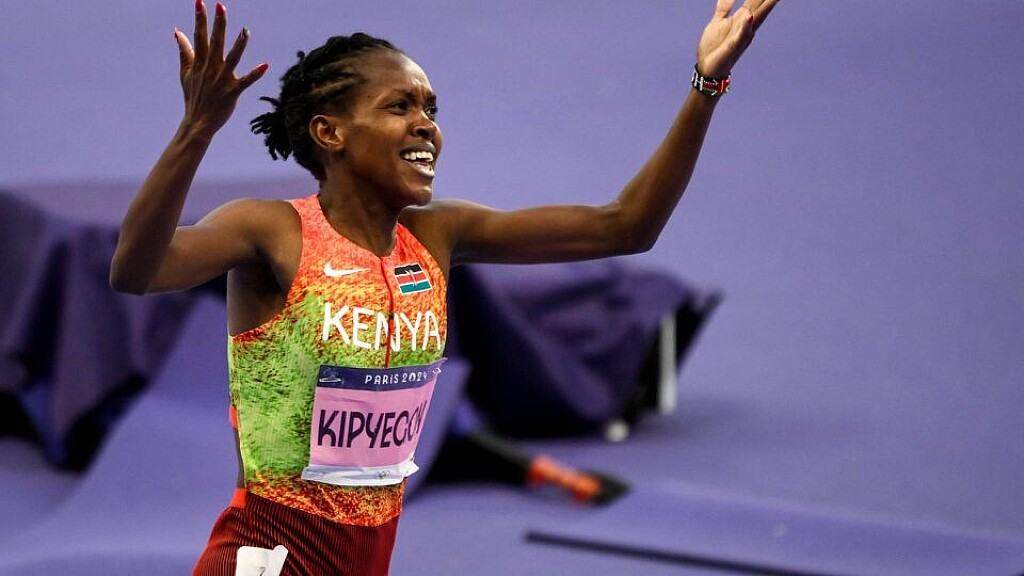
Faith Kipyegon confirms next stop as she gears up for tough test in Brussels
Faith Kipyegon has revealed her next spot as she gears up for title defence at the Diamond League Meeting final in Brussels.
Three-time Olympic 1500m champion Faith Kipyegon headlines a stacked field in the women’s 1500m at the Diamond League Meeting in Rome scheduled for Friday, August 30.
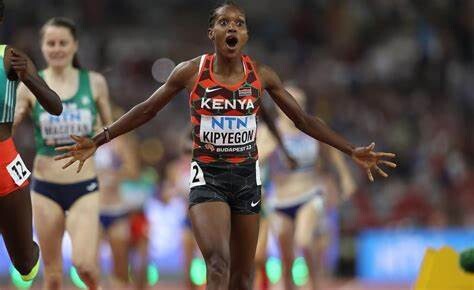
Kipyegon will be racing for the first time after a quite dramatic Paris Olympic Games that saw her almost lose her silver in the women’s 5000m. Kipyegon was shortly disqualified for obstruction and her medal was stripped but Athletics Kenya officials filed an appeal and it was later reinstated.
Going into the women’s 5000m, Kipyegon knew she had her work cut out and put in the work to ensure she defended her title for the third time. She first won the title at the 2016 Rio Olympic Games before winning the delayed 2020 Tokyo Olympic Games.
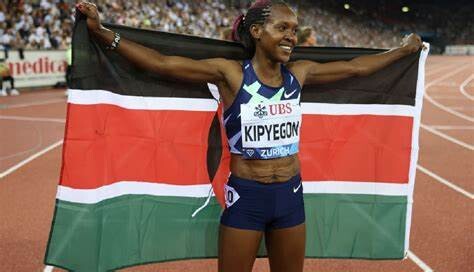
She now heads to Rome with a lot of confidence in winning the race as she gears up for the Diamond League Meeting final in Brussels. She enters the race with a ton of experience as she claimed two gold medals at the 2023 World Championships in Budapest, Hungary, winning the 1500m and 5000m.
Kipyegon, widely regarded as one of the greatest 1500m runners of all time, will face off against a strong Ethiopian cast but the Kenyan never disappoints when it comes to showing up on the global stage.
The race in Rome will be her second Diamond League of the season after she improved her previous world record in a blistering time of 3:49.04 to win the Diamond League Meeting in Paris.
She goes up against home talent Nadia Battocletti, the Olympic 10,000m silver medalist and a two-time European champion. Battocletti also placed fourth in Paris, in the 5000m. Sintayehu Vissa and Ludovica Cavalli will also be in the mix.
In the line-up, Ethiopians Diribe Welteji, Birke Haylom, Worknesh Mesele, and Nigist Getachew will be out to showcase their prowess.
by Abigael Wafula
Login to leave a comment
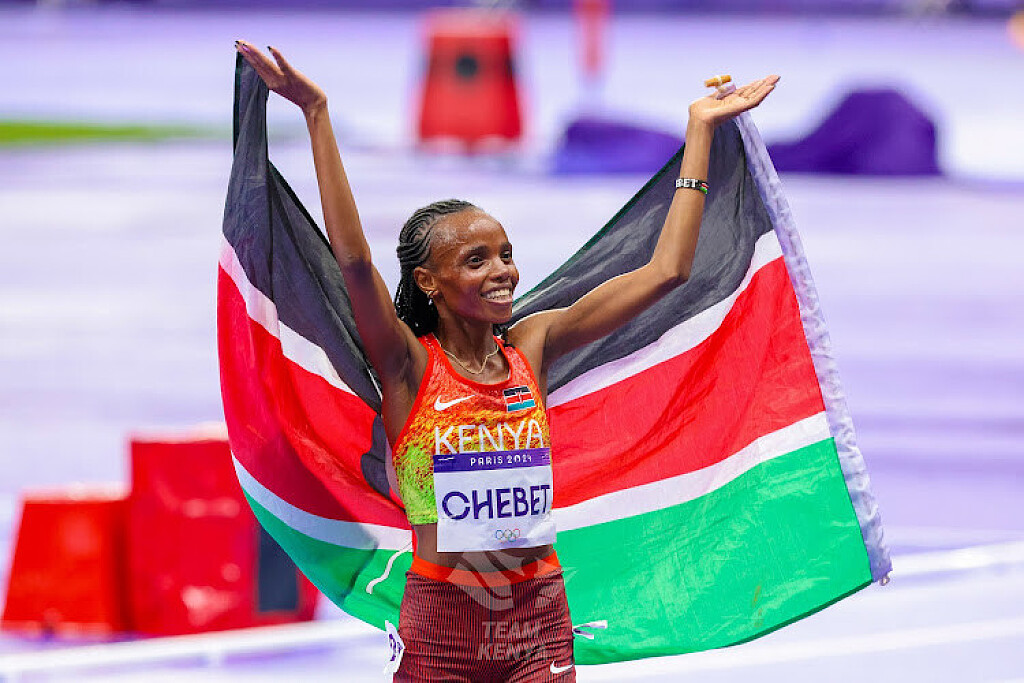
What next for Kenya after Paris 2024 Olympic Games
The curtains for the 2024 Paris Olympics fell on Sunday night with Kenya ranking 17th in the world after winning 11 medals.
Despite Kenya topping the African continent with 4 gold, 2 silver and 5 bronze medals, the results left a lot to be desired.
From 83 athletes competing in seven disciplines, a significant impact was expected from the Kenyan athletes and the world.
The show started with Judoka Zeddy Cherop falling 10-0 to Portugal’s Patricia Sampao in a record 22 seconds while Fencing African champion Alexandra Ndolo crushed out 13-12 to Ukranian Olena Kryvytska in her debut.
Maria Brunlehner and Ridhwan Mohamed finished 3rd and 4th in the women’s 50m freestyle and Men’s 400m freestyle heats respectively to crush out of contention for a swimming medal.
The sevens rugby team also crushed out in the group stage, after going down to Australia, Argentina and Samoa.
The women’s volleyball team booked their next flight after failing to win a single set following three identical 3-0 losses in a tough group B pool comprising Brazil, Poland and Japan.
Paris, the City of Love, had very little affection for Kenya as former world champion Julius Yego, finished a distant 5th in the javelin final with a 87.72m throw, to also bite the dust.
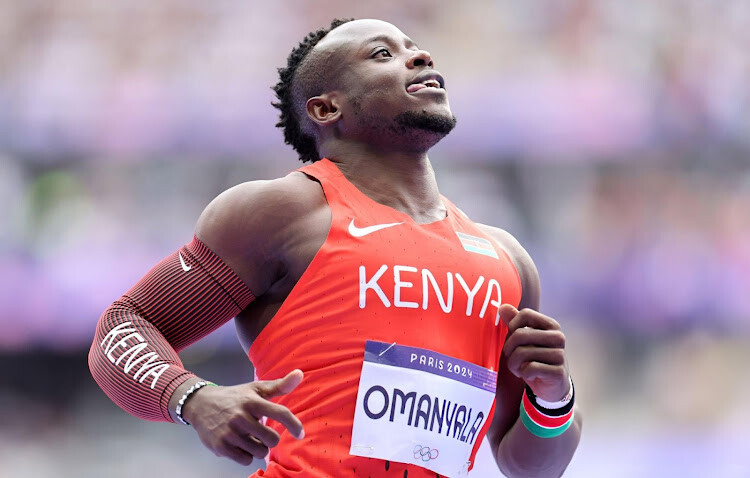
Africa's fastest man, Ferdinand Omanyala's 100m Olympic medal dream was shattered in the semi-finals after clocking 10.08 seconds to finish 8th.
However, Kenya redeemed herself with debutant Beatrice Chebet grabbing double gold in the 5000m and 10000m women’s races.
The best performer was followed closely by Faith Kipyegon who defended her 1500m gold and added the 5000m women’s silver.
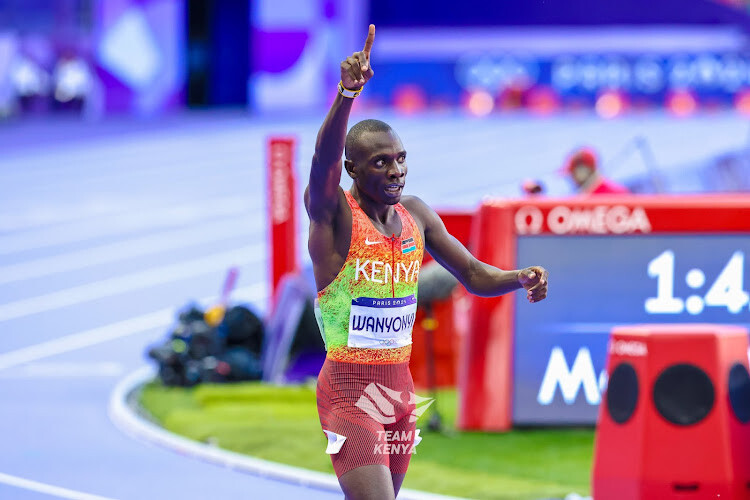
Another debutant, Emmanuel Wanyonyi, grabbed the 800m gold, while Ronald Kwemoi struck the men’s 5000m silver.
Mary Moraa, the dancing queen, grabbed the 800m bronze, same as Faith Cherotich (3000m steeplechase) and Abraham Kibiwot (3000m steeplechase).
Hellen Obiri and Benson Kipruto rounded up the bronze tally in the men's and women's marathons.
Obiri failed in her quest for an Olympic medal having won silver in the women's 5000m in Tokyo, 2020 and Rio 2016 games.
History Making
Kenya will however keep pride in making history after Faith Kipyegon became the first woman to complete an Olympic hat trick after breaking her 1500m record in 3:51.29, before a fully packed iconic Stade de France.
Debutant Beatrice Chebet was the best performer entering the history books by winning a double gold in the women's 5000m and 10000m.
The feat makes Chebet the first Kenyan woman to win Olympic 10000m gold for Kenya since the race was introduced in the 1988 Olympics.
She is the third woman after Tirunesh Dibaba and Sifan Hassan to win the 5000m and 10000m double at the Olympic Games.
"I'm dedicating this medal to all Kenyans. I just want to hear my country is proud. This was for you, you were in my mind and heart in every lap; I might have made history but I will sleep better knowing Wananchi wataenjoy the weekend," she said.
Kenya’s legend Eliud Kipchoge failed to complete an Olympic marathon treble after dropping out of the race at the 20km mark.
Kipchoge later confirmed he won’t be running in the Los Angeles 2028 summer games.
“I felt a sharp pain in the stomach and I couldn’t continue. I'm disappointed that for the first time in my career, I failed to finish a race .” Kipchoge said.
Lady luck also smiled on Kenya after Kipyegon's 5000m silver medal was reinstated following an appeal, after a push and shove with Ethiopian nemesis, Gudaf Tsegay, had her initially disqualified.
In the 800m final, Canada appealed against Kenyan winner Emmanuel Wanyonyi's personal best of 1:41.91 in the 800m, claiming he obstructed silver medallist Marco Arop. Kenya won the appeal.
Tokyo 2020
Despite the dismal show in Paris, Kenya had bettered the 2020 Tokyo tally of 10 medals and a 19th spot finish.
The post-Covid games had challenges but Kenya grabbed four gold, four silvers and two bronze medals.
Emmanuel Korir (800m), Faith Kipyegon (1500m), Peres Jepchirhir (marathon), and Eliud Kipchoge (marathon) were the gold medalists while Hellen Obiri (5000m), Fergussin Rotich (800m), Brigid Kosgei (marathon) and Timothy Cheruiyot (1500m) won silver.
Benjamin Kigen and Hyvin Kiyeng won the men's and women's 3000m steeplechase races respectively.
Rio 2016
In the 2016 Rio De Janeiro games, Kenya managed six gold, six silver and one bronze medal for a tally of 13 medals.
Rio 2016 Olympics gold medalists were Jemima Sumgong in women's marathon, David Rudisha in 800m, Faith Kipyegon in 1500m, Conseslus Kipruto in 3000m steeplechase, Vivian Ceruiyot in 5000m and Eliud Kipchoge marathon.
Meanwhile, Vivian Cheruiyot (10000m); Paul Tanui (10000m); Hyvin Kiyeng (3000m steeplechase); Boniface Mucheru (400m hurdles); and Hellen Obiri (5000m) all grabbed silver, while Julius Yego managed a rare javelin silver. Margaret Wambui won bronze in women's 800m.
London 2012
The London 2012 Summer Games saw Kenya manage 2 gold, 4 silver and 7 bronze for a total of 13 medals.
Despite a cold and warm performance in the Queens land, Kenya won two gold medals to finish a distant 29th in the world rankings.
Legendary track masters Ezekiel Kemboi and David Rudisha grabbed gold in the men's 3000m and 800m races respectively.
Sally Kipyegon brought home the women's 10000m silver, while Priscah Jeptoo won the women's marathon silver medal as Vivian Cheruiyot grabbed the women's 5000m race.
Abel Kirui rounded up the silver medals haul after clinching the men’s marathon race.
Vivian Cheruiyot won bronze in the 10000m women's race, while Asbel Kiprop and Milcah Chemos clinched bronze in the men's and women’s 3000m steeplechase.
Timothy Kiptum and Pamela Jelimo clinched the men's and women's 800m race respectively while Thomas Longosiwa and Wilson Kipsang rounded off Kenya's bronze medals haul, winning the 5000m men's and women's marathon races.
What next?
As the nation awaits the Paris 2024 Games report on what worked and what didn't work, a lot will be looked into including preparations, sports science, lack of stadia and lack of funds among others.
However, one constant reminder is that Kenya must smell the coffee, lest our legacy is discarded by the improving rival nations every day.
The next Omanyala, Yego, Obiri and Kipchoge should be nurtured immediately if we are to remain world beaters in the summer games.
Beating the 2008 Beijing Summer Games remains the target, where Kenya sent a total of 46 athletes: 28 men and 18 women who brought home the best tally of six gold, four silver and six bronze medals.
The journey to the Los Angeles 2028 games starts with a new sheriff in town, CS Kipchumba Murkomen, at the helm of the Sports ministry.
by Eric Munene
Login to leave a comment

Paris 2024 Olympic Games
For this historic event, the City of Light is thinking big! Visitors will be able to watch events at top sporting venues in Paris and the Paris region, as well as at emblematic monuments in the capital visited by several millions of tourists each year. The promise of exceptional moments to experience in an exceptional setting! A great way to...
more...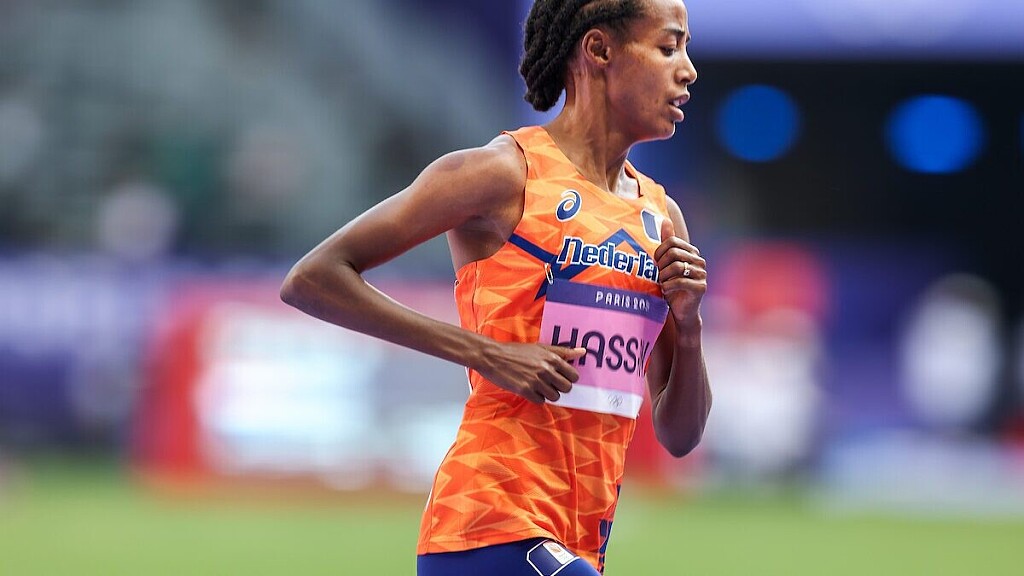
Sifan Hassan says she thought about Olympic marathon during 5,000m final
"I am really freaking scared of the marathon," says Hassan.
Sifan Hassan won her first medal of her attempted distance triple at the Paris 2024 Games, taking bronze in the women’s 5,000m behind Kenya’s Beatrice Chebet and Faith Kipyegon. At the post-race press conference, Hassan said she was super happy with the bronze, since the only thing on her mind during the race was how much harder the marathon will be compared to the 5,000m.
The Dutch distance runner is attempting the 5,000m, 10,000m and the marathon at these Games, which means she will compete in three races over seven days. Hassan said she was happy to win bronze in 14:30.61: “I would have been proud even if I was fourth,” she laughed. “It was an incredible field.”
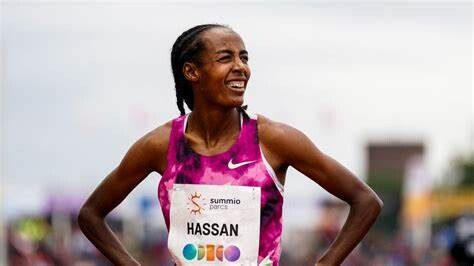
She mentioned in the post-race press conference that whenever the 5,000m got tough, she reminded herself that it’s not as hard as the marathon. “I am really freaking scared of the marathon,” Hassan admitted.
Hassan crossed the line in third, but was briefly upgraded to silver after Kipyegon, the second-place finisher, was disqualified for obstructing another athlete with two laps to go. However, Kipyegon was reinstated to the silver medal position following a successful appeal from Athletics Kenya. Hassan said she was happy to see Kipyegon reinstated. “She’s a phenomenal athlete, and I have a lot of respect for her,” she said. “I was here to medal, and I’m really grateful to get one.”
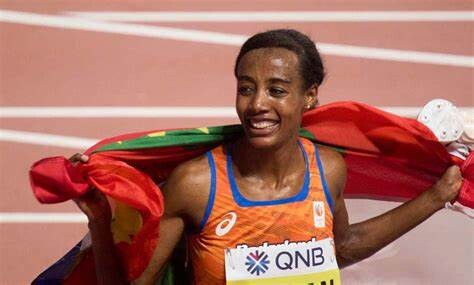
The four-time Olympic medallist from the Netherlands said she has never pushed her limits as she has this year in preparation for the distance triple at the Paris Olympics. “I really want to cry before every race; I am so under pressure—like, ‘how am I going to do this? Why do I put myself through this?'” said Hassan. “Maybe I am just crazy.”
The 31-year-old will next compete on Friday in the women’s 10,000m final, and then run in the marathon on Sunday.
Athletics events at the Paris 2024 Olympic Games are taking place from Aug. 1-11. Today’s coverage is brought to you by Canadian Running and New Balance Canada. Follow us on Twitter on Instagram for all things Team Canada and up-to-date exclusive news and content.
by Marley Dickinson
Login to leave a comment
Paris 2024 Olympic Games
For this historic event, the City of Light is thinking big! Visitors will be able to watch events at top sporting venues in Paris and the Paris region, as well as at emblematic monuments in the capital visited by several millions of tourists each year. The promise of exceptional moments to experience in an exceptional setting! A great way to...
more...
Emmanuel Wanyonyi to execute different strategy for 800m final after being handed bye at Olympic trials
World 800m silver medallist Emmanuel Wanyonyi has received a major relief after being reinstated to Saturday’s 800m final, having missed out due to an unfortunate fall in the semi-final.
World 800m silver medallist Emmanuel Wanyonyi has earned a major relief after being reinstated to the 800m final at the Athletics Kenya Olympics trials on Friday.
Wanyonyi had been left in uncertainty having missed a place in the final after tripping and falling during Friday’s semi-final at Nyayo Stadium.
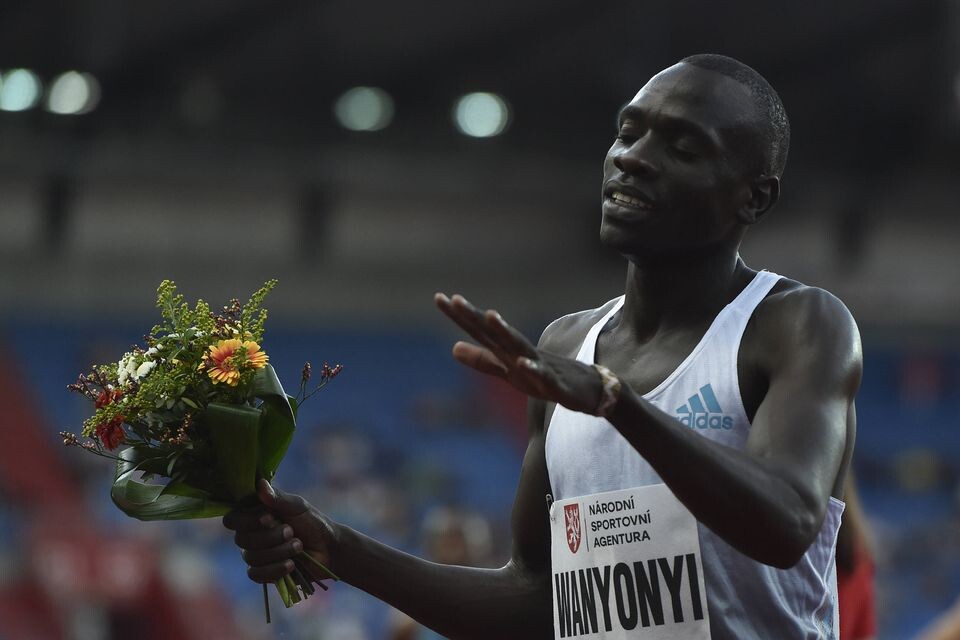
The 19-year-old took the lead then tried to slow down his semi-final but he got overtaken in the last 300m and as he tried to catch up, he tripped and fell.
It saw him miss out on a place in the final, after finishing last, and following an appeal, he was granted a chance in Saturday’s final, where he will now seek to make amends by claiming an automatic ticket to the final

“I am in good shape and on Saturday, it will be about executing a good race. I have the desire to win and to make the team to the Olympics,” said Wanyonyi, who admitted that he will need a change of strategy on Saturday.
“I will have to think how I run in the final, I cannot use the same tactic I used today [Friday],” he added.
The 19-year-old is Kenya’s biggest hope for a medal in the men’s 800m at the Paris Olympics.
by Joel Omotto
Login to leave a comment

Kenyan Olympics trials
National trials to select a team to fly Kenya's flag at the Paris 2024 Olympics are underway at Nyayo National Stadium. The two-day event will culminate in the selection of a team from Kenya for this year's athletics showpiece in Paris. Day one has seen some thrilling performances, with athletes giving their all for a spot on Team Kenya. The...
more...
Kara Goucher’s Book Offers Rare Insight Into Elite Athlete Contracts
Confidentiality clauses usually stop runners from talking about their endorsement deals.Kara Goucher’s memoir about her career in professional running, The Longest Race, alleges shocking behavior by her longtime coach, Alberto Salazar, and how she overcame it. But a subplot throughout the book is how much money she was earning in the sport along the way.
Goucher is open about her contract with Nike and appearance fees at races, including the New York City Marathon, the Boston Marathon, and the Great North Run in the U.K. (Nike did not respond to an email from Runner’s World seeking comment.) Even though the deals are from 10 to 20 years ago, they provide an interesting look at the business side of professional running. It’s a rare peek, too, because sponsor contracts are bound by confidentiality clauses and, in many cases, those clauses extend beyond the term of the contract.
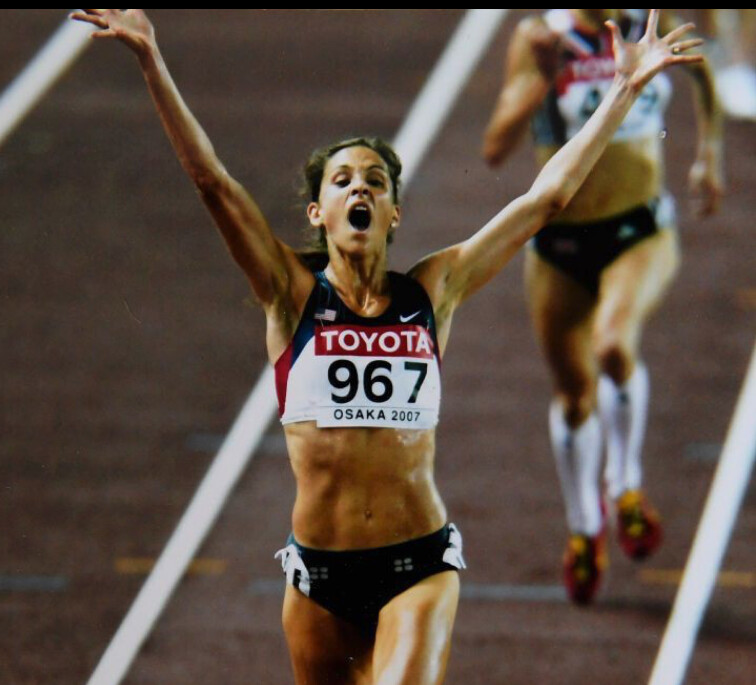
Goucher’s did, but she decided to reveal the information anyway—to be helpful to other athletes. “I just felt like it was very important to have those numbers in there,” she said in a phone call with Runner’s World. “How do you know what to ask for if you have no idea what anyone else is getting paid?” Here’s what we learned about Goucher’s pay and that of her husband, Adam Goucher, from the book:
In 2000, Adam Goucher was making a base payment of $50,000 from Fila, his first sponsor. In his first year, he ran so well that he earned $185,000 with bonuses. Goucher writes that the pay was a “welcome windfall that helped him pay off student loans.”
In 2001, Kara Goucher signed a four-year deal with Nike for $35,000 per year. This was her first professional contract after she graduated from the University of Colorado.
In 2003, Adam Goucher signed with Nike with a base pay of $90,000 per year. The Longest Race: Inside the Secret World of Abuse, Doping, and Deception on Nike's Elite Running TeamIn the fall of 2007, she ran the Great North Run, a half marathon in Newcastle, England. The race director paid her an appearance fee of $13,000 and made a deal with Goucher’s agent at the time, Peter Stubbs, to pay her $30,000 if she won. The money was “not far off the annual salary I had lived on for years,” Goucher wrote. She won the race.
In February 2008, Goucher signed a new Nike deal that paid her $325,000 per year for four years, with an option for Nike to extend to a fifth year. The contract included performance bonuses ranging from $10,000 to $500,000 for an Olympic gold medal. There were also reductions, which could cut her pay. She had to race 10 USATF-sanctioned events per year, and if she ended the year ranked lower than third in her event in the U.S. or out of the top 10 in the world, Nike could dock her pay.
Goucher told Runner’s World that, for her second shoe deal, she asked her agent to accept a commission of 8 percent for each year of the deal. The industry standard is 15 percent. He agreed. She continued to pay him 15 percent on her appearance fees and prize money. She also made sure that she was paid directly by Nike and then she paid her agent. (In most cases these days, the shoe company pays the agent, who then pays the athletes, because it’s less paperwork for the shoe company, having to deal with individual athletes.)
In November 2008, Goucher made her marathon debut at the New York City Marathon. She earned an appearance fee of $175,000. Nike also paid her bonuses paid on based on her place and time, but Goucher didn’t disclose those. She wrote, “One good marathon and I could easily walk away with more than my yearly contract salary.” In April 2009, Goucher ran the Boston Marathon, which, at the time, traditionally paid less in appearance fees to athletes than New York. (It is also the only major marathon in the U.S. in the spring.) Her appearance fee was $80,000, but when she learned another American, a male runner, was making $85,000, she asked the BAA to match that. Race organizers agreed.
In early 2010, Goucher learned she was pregnant with her son, Colt. Salazar confirmed with Nike executive John Capriotti on Goucher’s behalf that Goucher wouldn’t suffer a reduction in her pay as long as she remained “relevant,” she wrote. Her first of four quarterly payments from Nike arrived on time in January, as did her second in April. But in July, her accountant told her that her payment hadn’t arrived. Nor did her October payment.
This set off a lengthy battle between Goucher and Nike over money during her pregnancy. Ultimately, Nike docked her pay for six months and extended her contract to the end of 2013.
At the end of 2010, Adam Goucher’s contract with Nike ended.
In 2011, USA Track & Field (USATF) said it would be dropping the Gouchers’ health insurance, because her marathon ranking had dropped while she was pregnant. She appealed the decision, and the U.S. Olympic Committee stepped in and reinstated the health insurance. This rule has subsequently been changed—pregnant athletes can keep their health insurance—and today’s runners laud that change.
At the end of September 2011, Goucher left the Nike Oregon Project. She remained under contract with Nike and stayed in Portland, Oregon. Jerry Schumacher coached her, and she trained with Shalane Flanagan.
At the end of 2013, Goucher scrambled to race 10 times so Nike wouldn’t suspend her pay again. She ran a turkey trot to fulfill her obligations (and won a pie). Her contract with Nike ended at the end of the year, and she and Adam sold their house in Portland and moved to Boulder, Colorado.
In 2014, Goucher entertained contract offers from other companies, although Nike still had the option to match any offers. Saucony offered her $1 million total over 5 years, with bonuses and no reductions. Ultimately, she chose to sign with women’s clothing brand Oiselle for $20,000 per year, and a 2 percent stake in the company. She signed a separate deal for footwear with Skechers.
Today, Goucher encourages athletes to speak up and not be afraid to rock the boat, especially those who are lower-paid. She faults the secrecy around pay in track and field with creating difficult situations. It’s required to agree to the confidentiality clause in contracts in order to secure the deal, she said, and in some cases, that gives cover to companies that underpay talented athletes. The confidentiality clause “only harms the athlete and protects the brand,” she said. “Because then they can continue to pay you the least amount possible.”
Agent Hawi Keflezighi, who has never worked with Goucher, agreed with her assessment. “I think there are a lot of very bad contracts out there that footwear brands would probably be embarrassed to admit to,” he said. “There are some really bad deals out there that would probably create a backlash.”
by Runner’s World
Login to leave a comment
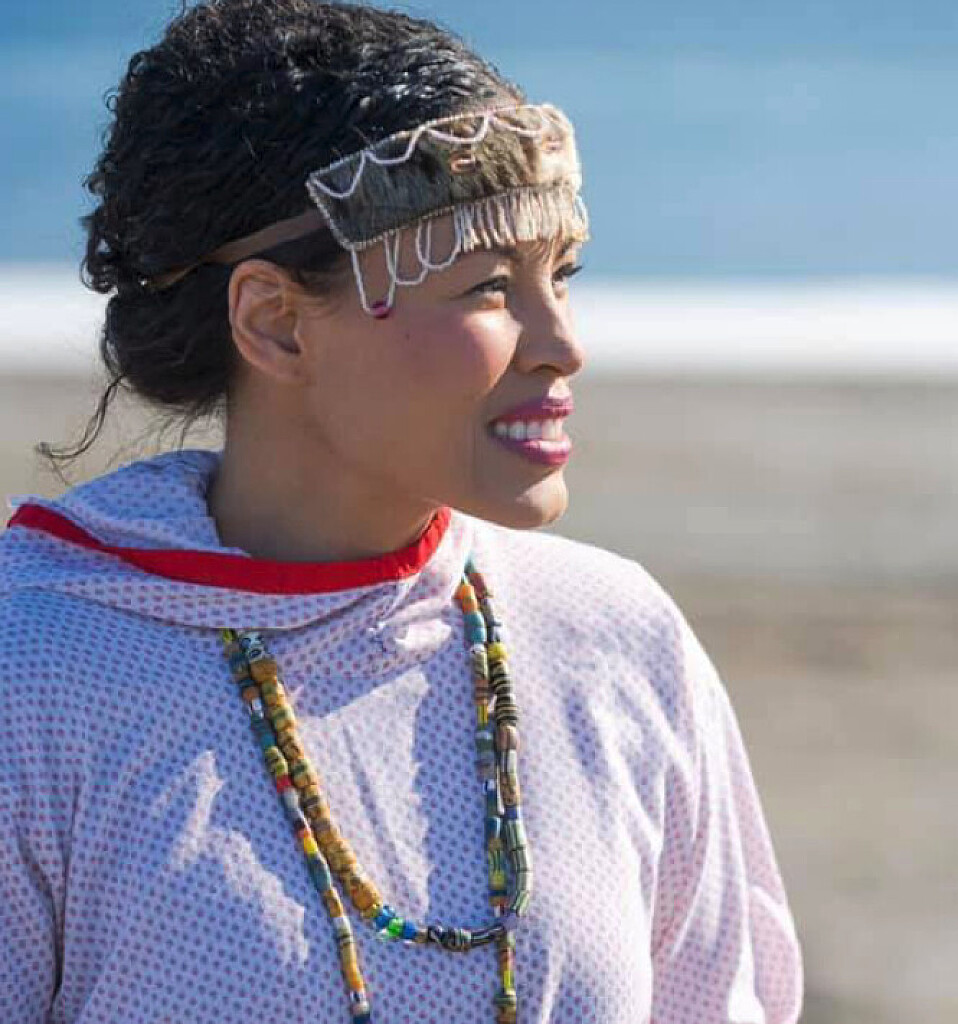
This Siberian Yupik Ultrarunner Is Ready To Take On Leadville
Just 170 miles from Russia, Nome, Alaska is perhaps best known as the finish line for the Iditarod Trail Sled Dog Race. Nome's population is near 3,500, but grows in the summer with an influx of gold dredgers and panners.
Crystal Toolie is a Siberian Yupik ultrarunner from Nome, and is one of five Indigenous runners in this weekend's Life Time Leadville Trail 100 Run presented by La Sportiva. In Nome, Siberian Yupik peoples are from the villages of Gampbell and Savoonga on Saint Lawrence Island (164 miles west), off the coast of Alaska. Even here, they're a relatively small community compared to other Alaska Natives.

Training in Nome harbors unique challenges that develop spades of endurance and strength.
Training in Muskox Country
"It's a very isolated town. This year, we've had a lot more [brown] bears. And we have [musk oxen]," said Toolie. "So if you're a runner and you train outside, you have to be aware of your surroundings." The small but supportive running community in Nome leans on social media to update each other on bear and other wildlife sightings.
"There was one winter when I strictly just ran on the treadmill. It was torturous," said Toolie. "There are other years that no matter what the temperature or if there's a blizzard out, I made sure to get outside and run."
Blizzard conditions are commonplace in remote Alaska, making appropriate gear mandatory. "I would wear regular running shoes but double up on socks and wear cleats, so I don't slip," said Toolie. "Layers, if it's a blizzard. I would wear snow pants and a winter coat. My inner layer will be something that's sweat-wicking, something to cover up my face and hood. Sometimes goggles, sometimes not. And then wear really good gloves."
In addition to layering, Toolie sticks to Nome's limited road system as a safety measure, making it a priority to be visible during runs. Looking to Leadville, she incorporated hiking local mountains into her training.
"This year, I've been able to get out of the road system and get into the mountains, which is great for training for Leadville," said Toolie.
Running Under the Lights
During winter runs, Toolie has nature's headlamp guiding her way. Best seen just outside of the city, the Northern Lights present colorful bands of greens and whites that illuminate the sky. The lights are generated from electrically-charged particles in the earth's magnetosphere colliding with gases, creating energy in the form of light.
Though beautiful, the lights were sometimes frightening to Toolie as a child.
"Our elders would tell us if you're outside late, when you know you're not supposed to be, making noise, the Northern Lights would come down and steal you up," said Toolie. "And so if you whistle or make loud noises, the Northern Lights dance and become more vibrant. It looks like it's coming down."
Nome-St. Lawrence Island Dance Group
Beyond ultrarunning, Toolie is dedicated to preserving the movements of her culture. Several years ago, Toolie reinstated the Indigenous dance group in the area. Toolie's great grandfather, Nick Wongittillin, was the leader of the first Nome dance group, when he passed away, they stopped. "We all wanted our children to be able to learn about our culture, to be able to pass down that tradition," said Toolie.
Composers set the tone on drums (Saguyak) - constructed from tightly stretched walrus stomach linings from the Bering Sea - based on how they're feeling at that moment. The zen-like movements are reminiscent of Qigong from southeast Asia. Toolie and her relatives even have a particular song dedicated by an elder to their running pursuits.
The women wear regalia that is distinguishable from other Alaska Natives in the region. Traditionally, their dress-like garments have three to four red lines sewn at the bottom, symbolic of the Russian Orthodox influence on the culture. The women wear their hair in two braids with beads sewn into them.
The group performs at local events of celebration and mourning, a way to bring the community together. The elders ensure the dances are appropriately conducted so that the integrity of the movements is consistent over time.
Climate Threats and Commercialism
The Town of Nome sits mainly on permafrost (permanently frozen ground). Permafrost is particularly sensitive to increases in air temperature and changes in snow cover, making it especially vulnerable to climate change. Permafrost stores carbon from life buried years ago. As the permafrost thaws, carbon is converted to carbon dioxide and methane, which hasten climate warming. Generally, climate scientists are finding that the Arctic is warming four times as fast as the rest of the world.
"Climate change is a huge topic when you live in our region. We have generations of hunters that know the land like the back of their hand. When scientists study the Arctic in our area, they will seek out the trained hunters and ask them questions because they know that they are observers of that area," Toolie said.
The hunters and families have noticed changing behavior patterns in the region's polar bears.
"We used to see them more frequently. One would always come up to the East End beach, and it would have to be redirected out of town," said Toolie. "I haven't heard of a polar bear going to Nome for years now."
Lately, commercial fishing and cruise liners have affected the lifelines of local families, too. The cruise industry disrupts the area's food system in the waters and creates challenges for the local fishing industry. In some instances, cruise ships have even dumped human waste on Alaska beaches, Toolie explained.
Moreover, commercial fishing overseen by state governments often harms subsistence family fishers in Nome. These residents store fish and other seafood for the winter to feed their families, not to make a profit.
"Subsistence living is rooted in our culture. We have big families that live in one home. To feed them, you need to hunt, fish, and berry pick for survival," said Toolie. Whaling is also part of that equation.
"I think it's just because people don't understand, don't have an understanding that this feeds communities. It's not done in a way that is disrespectful to animals or the earth. In Native culture, we're taught not to over-hunt or over-pick, and we use everything," said Toolie. "We don't waste what we get. And so I think that's something that would be nice for people who are unfamiliar with our culture to learn about."
This year, at Leadville, she will be paced by fellow Native skier and ultrarunner Connor Ryan. Since this is Toolie's first time taking on Leadville, her approach to the race will be to take it easy. "I'm going to take it slow," said Toolie. "And if I feel comfortable, I'm going to take it slower."
by Trail Runner Magazine
Login to leave a comment
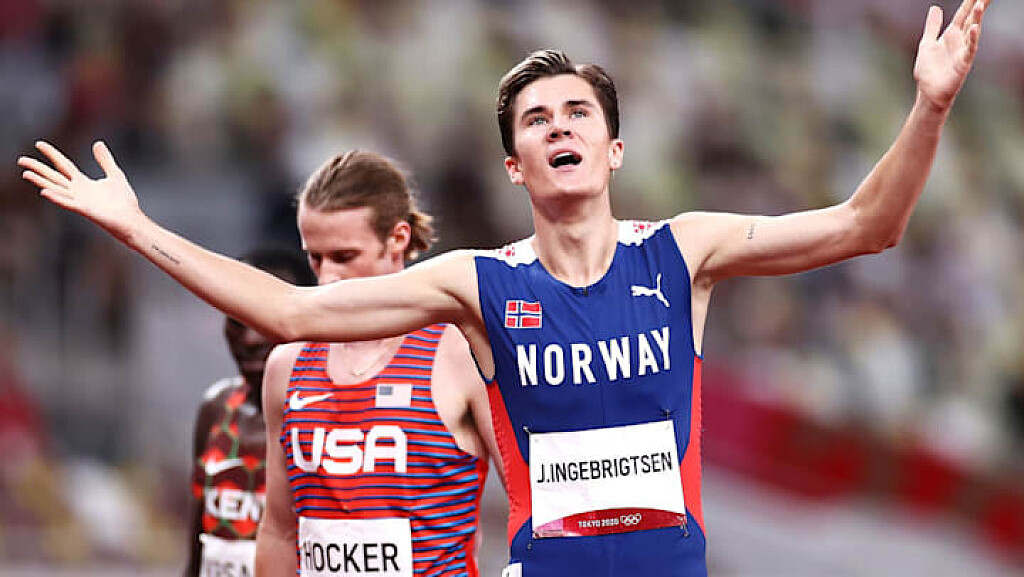
Ingebrigtsen to launch another 1500/5000m double attempt in Munich 2022
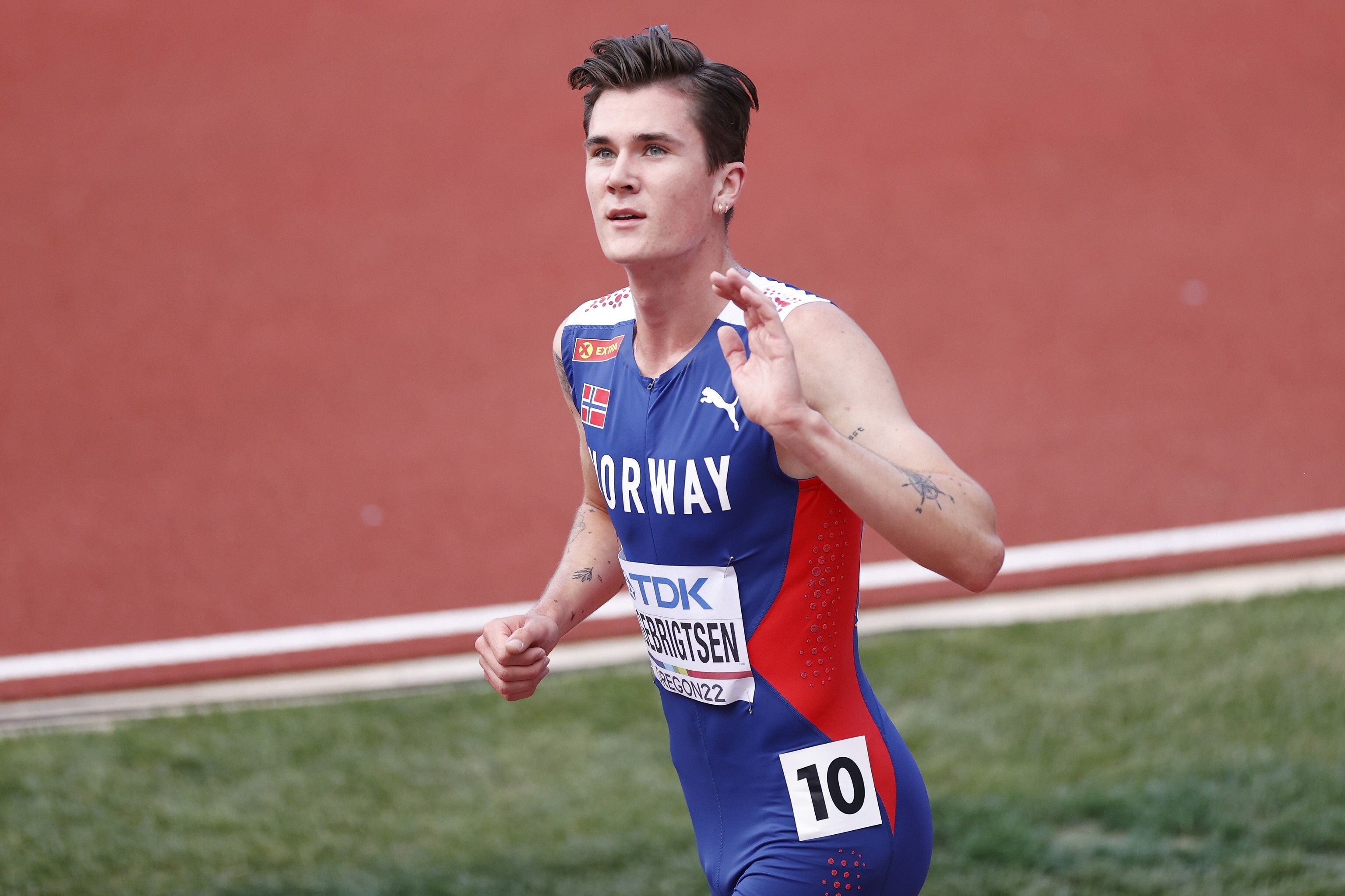
Norway’s Jakob Ingebrigtsen will be heavily involved in the Munich 2022 European Athletics Championships, part of the wider multisport European Championships, as he defends the 1500m and 5000m titles he won as a 17-year-old at the Berlin 2018 European Athletics Championships.
The Olympic 1500m champion and world 5000m champion will not, however, face the either of his brothers Filip and Henrik who are both injured nor the Brit who unexpectedly beat him to the world 1500m title in Eugene last month, Jake Wightman.
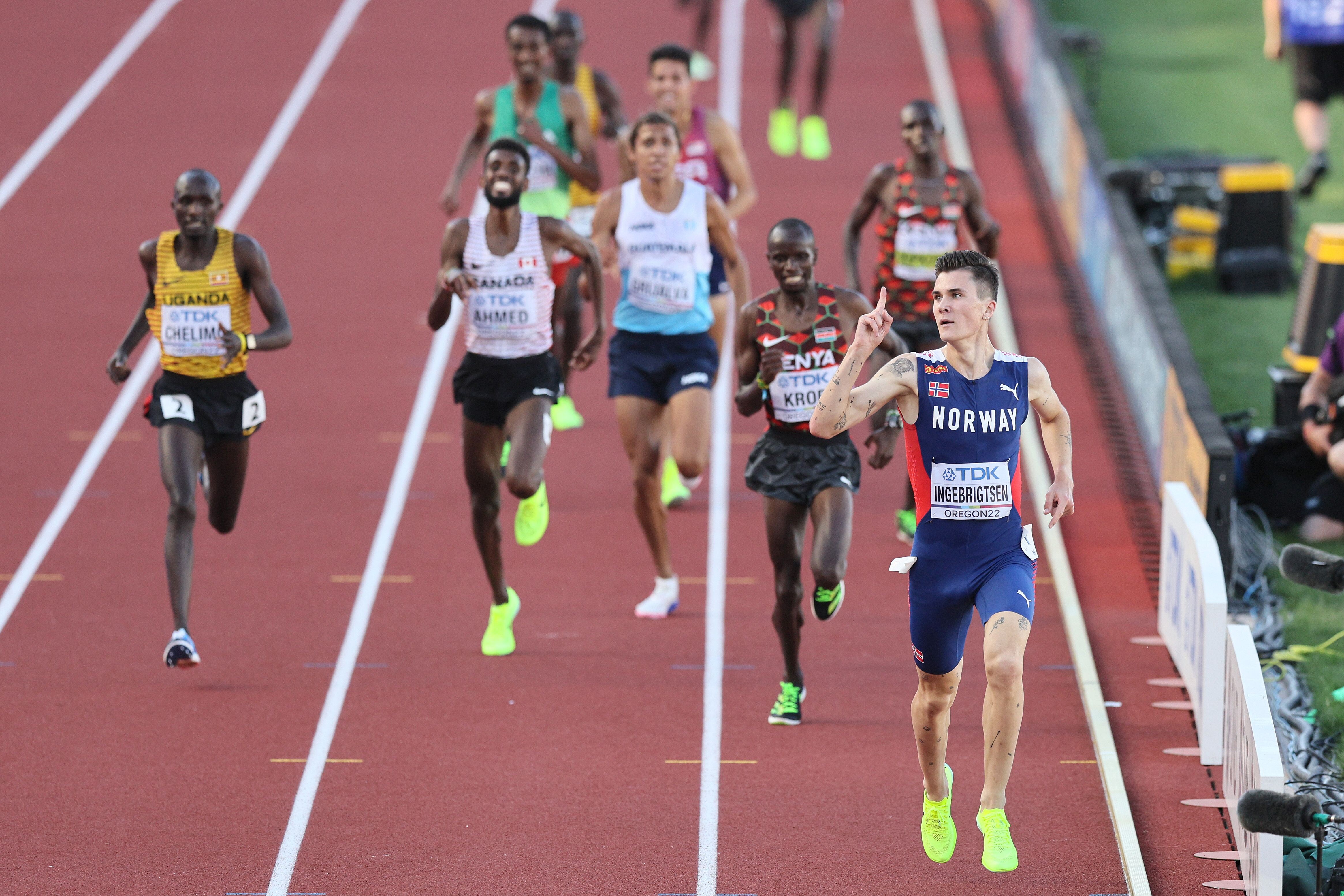
The latter is concentrating on the 800m in Munich – the event he originally planned to do at the Birmingham 2022 Commonwealth Games until he was nudged back to the longer distance because of the number of friends and family who had bought tickets for the final last Saturday when he won bronze in a high quality final in 3:30.53.
With a personal best of 1:44.18 from 2020, Wightman has a realistic chance of adding another European medal to the bronze he won over 1500m in Berlin four years ago – and his victory over 1000m at the Monaco Diamond League meeting on Wednesday night in 2:13.88, ninth fastest of all-time, will have done his confidence no harm at all.
France’s Benjamin Robert has the fastest 2022 time of all entrants – the 1:43.75 he clocked in winning at the Paris Diamond League on 18 June in boisterous fashion, squeezing in between the two leaders with enough physicality to be disqualified before being reinstated on appeal. If things get physical in Munich, Robert is unlikely to come off second best.
Tony van Diepen is also well acquainted with the hurly-burly of the track having been a part of the Dutch teams that won 4x400m silver at the Tokyo 2020 Games and mixed 4x400m silver at the World Championships in Oregon.
Individually, van Diepen has won European indoor silver in 2021 and bronze in 2019 over 400m and has a best 800m time of 1:44.14 set this year in Paris after M. Robert had burst past him at the Stade Charlety.
Robert’s compatriot Gabriel Tual, seventh in last year’s Olympic final, is third fastest on this year’s European list with 1:44.23, set in – you’ve guessed it – Paris. But the French team will be without the popular Pierre-Ambroise Bosse, the 2017 world champion, due to injury.
Poland’s Patryk Dobek has run 1:44.59 this year and even though he exited in the heats at the World Athletics Championships, he can also draw upon the experience of winning bronze at last year’s Olympics in Tokyo.
Other medal prospects include Sweden’s Andreas Kramer (1:44.59), Ireland’s Mark English (1:44.76), fellow Brits Ben Pattison (1:44.60) and Kyle Langford (1:44.61), Spain's reigning world indoor champion Mariano Garcia (1:45.12) and the very experienced former two-time world medallist Amel Tuka from Bosnia and Herzegovina (1:46.15) whose lifetime best of 1:42.57 dates back to 2015.
Aside from Bosse, another notable absentee will be the three-time reigning champion Adam Kszczot from Poland who retired at the start of the year.
Ingebrigtsen's path to double gold is clearer although not without challenges
With Wightman elsewhere, Ingebrigtsen will surely feel happier about the prospect of his 1500m defence, but he will still face a field full of Spanish and British medal threats.
Second on this year’s European list with 3:30.20, Spain’s Mario Garcia will be looking to give the Norwegian wonderboy another run for his money after finishing fourth - two places behind Ingebrigtsen - in Oregon.
The Brits dominate the 2022 European list with six athletes in the top nine and despite the absence of Wightman and Olympic bronze medallist Josh Kerr, Jake Heyward (3:31.08), Neil Gourley (3:32.93) and Matt Stonier (3:32.50) form a trio with clear medal-winning ability.
But Ingebrigtsen, who ran 3:29.47 to take world silver, and ran an Olympic and European record of 3:28.32 at the Tokyo 2020 Games, should have enough to cover any challenge in both events.
In the 5000m, it might be the athlete who appears second from last on the entry-list in terms of season's bests who could provide the biggest challenge to Ingebrigtsen. That athlete is Spain’s Mohammed Katir who won a bronze medal behind Ingebrigtsen in the 1500m at the World Athletics Championships in Oregon and will be focusing solely on the longer event in Munich.
Katir, 24, has a modest season's best of 13:43.61 from the Spanish Championships but he showed what he can do over the longer distance by running a national record of 12:50.79 in Rome last summer in the same race where Ingebrigtsen broke the European record with 12:48.65.
Another strong potential challenger is the experienced Spaniard Adel Mechaal, who was fifth in the Olympic 1500m final last year and set a 5000m personal best of 13:06.02 in Oslo in June. Mechaal didn't make it through to the final of the World Athletics Championships but that wasn't too surprising as he had only just recovered from an untimely bout of coronavirus which forced him to miss the 1500m.
In both the 5000m and 10,000m, watch out for Italy’s Yemaneberhan Crippa, 25, who has been a star performer in numerous European competitions, winning bronze at the 2019 European Cross Country Championships and the European 10,000m Cup in the same year.
Crippa has the fastest time among the entrants based on season’s best performances in the 10,000m with 27:16.18 ahead of another showboating, talented figure in Jimmy Gressier of France – he of the famous faceplant as he won the 2018 European U23 cross country title. This didn’t stop him from walking through the line to win the same title the following year, demonstrating just how much time he had to spare.
There weren’t quite the same histrionics at the SPAR European Cross Country Championships in Dublin last December but Gressier let his running do the talking and he came away with his first senior medal in a race where Ingebrigtsen ruled triumphant once again.
Gressier will be focusing solely on the 10,000m in Munich and the Frenchman is the second fastest performer this year with 27:24.51 which he set at the European 10,000m Cup on home soil in Pacé in May when he ran away from the field for the individual title.
Login to leave a comment
European Athletics Champioships
The27thEuropean Athletics Championshipswill be held from 10 to 16 August 2026 at theAlexander StadiuminBirmingham, United Kingdom.[1] This is the first time that a British city will have staged the European Athletics Championships although Birmingham has hosted many high-profile events, including the2007 European Athletics Indoor Championships, the2003and2018 IAAF World Indoor Championshipsand the2022 Commonwealth Games. Alexander Stadium was renovated between 2019 and...
more...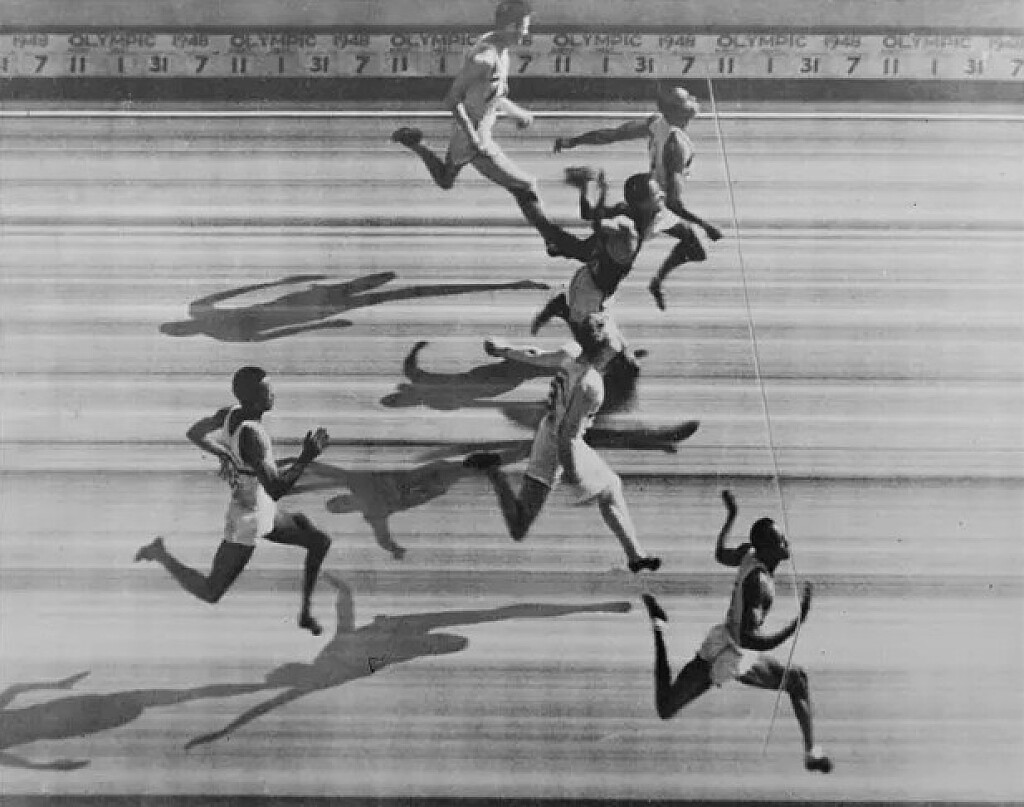
Going once, going twice … gold! Men’s 100m Olympic medal up for auction
Harrison Dillard took gold at the London Games in 1948 and this weekend, nearly 75 years on, that medal is up for sale
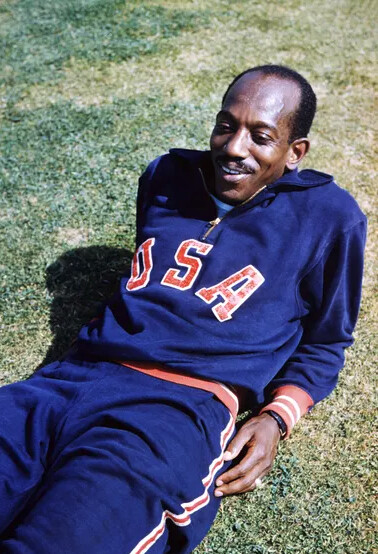
Harrison Dillard should never have won the 1948 Olympic 100 metres gold medal on a blazing July day at Wembley Stadium. He shouldn’t have been in the final. This weekend, that gold medal is up for sale.
He entered the event at the American trials to sharpen his speed work for the high hurdles, his specialist event. Back then, the 25-year-old Clevelander was the greatest sprint hurdler the world had seen and had racked up 82 consecutive wins before the trials and held the world record of 13.6sec in the 120-yard hurdles. He was deemed unbeatable. Then catastrophe struck.
“All I had to do was finish third and I was in the team,” he said. “But on that particular day, as history shows, I finished dead last. I hit the first hurdle, got over the second and then hit every other hurdle in succession, stopping completely at the eighth. I had totally lost the rhythm of the race and my timing was so completely destroyed I just stopped and didn’t even finish.
“Here I was, the world record-holder and American champion and it all went for naught because under the American system you qualify on that day or you don’t make it at all.”But he had managed to squeak third spot in the 100m, so he was able to join the US team on the boat to London for what became known as the austerity Games, a unifying moment of hope and spectacle for the British public in a city scarred by six years of war and blighted by strict rationing.
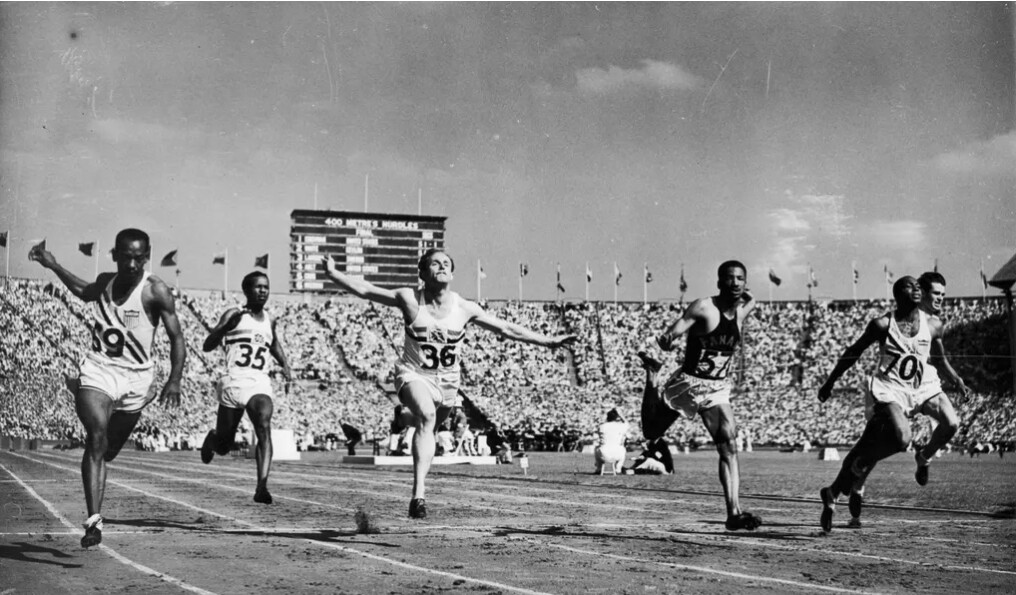
The skinny Dillard, 143lb soaking wet and known to his teammates as “Bones”, then ran the race of his life to win one of the closest 100m finals in Olympic history.
The Omega photo finish camera, used for the first time at the Games, captured the inches that separated Dillard, running on the outside lane, and the US No 1, Barney Ewell, in Lane 2, who was so convinced he had won the race he bounded almost halfway around the track before realising the result had not gone his way.
On a cinder track, in front of 83,000 spectators, Dillard had posted a time of 10.3sec, with Ewell second in 10.4sec and Panama’s Lloyd LaBeach third. Scot Alistair McCorquodale was fourth, with the 100 yards world record-holder, Mel Patton, plagued once again by big competition nerves, fifth, and Britain’s highly fancied McDonald Bailey last.
“To see the flag, the Stars & Stripes, as it goes up the flagpole while the national anthem is playing, with the medal around your neck, that’s when I think it really hits you,” he said. “I remember the hair standing up on the back of my neck as I stood to attention in that proud and particular moment. I don’t think I teared up, but I felt terrific emotion.”Nearly 75 years on, his medal, along with other Olympic medals, is in the Ingrid O’Neil Olympic auction, in California. The estimate is somewhere north of $120,000 (£92,000). Olympic gold medals at auction are as rare as hen’s teeth and this is reckoned to be the first men’s 100m gold to come up for public sale. The big hope is one of the grander museums, either the Olympic Museum in Lausanne or the History Center in Cleveland, will acquire it and display it to the public. But the pandemic has played merry hell with museum budgets, so no one is sure where it will go or what price it will fetch.
What would Dillard have made of it all? He would certainly have taken it all with a customary big smile and in that very large stride of his. He was a charming, humble and articulate man who won the hearts of everyone he met.
He served in the second world war as one of the Buffalo Soldiers, a segregated black division who fought their way through Italy in some of the toughest battles of the conflict. He hardly mentioned it. Or the fact that none other than General George S Patton said, after watching Dillard win four events in a postwar GI track meet, that he was “the best goddam athlete I’ve ever seen in my life”.But he did love that he had emulated his childhood idol and fellow Cleveland high-schooler Jesse Owens. Dillard marvelled at the modern sprinters, especially Usain Bolt, but well into his 90th year he said: “Jesse and I could have taken him, if we trained real hard.”
His daughter Terri decided to sell the 100m medal – the first of four golds Dillard won at the 1948 and 1952 Olympics – but the other three will stay in the family. “It was a tough call to make but I’m hoping it will go to someone who will appreciate and honour it. Hopefully a museum where it can be on display.
“My dad never kept the medals on display at home, but he’d always get them out if anyone asked. My mother actually put one of them on a gold chain for him and he’d wear it sometimes.”After the 100m triumph in London, he collected another gold in a controversial sprint relay (the US team won, was disqualified, protested and was reinstated), then went back into training for the Helsinki Games of 1952. He chose not to defend his 100m title, but to set the record straight in the 110m hurdles, running an Olympic record of 13.7sec to take gold and collected another in the relay.
He retired from the track after failing to make the US team for the 1956 Melbourne Olympics, working first in the back office of the Cleveland Indians baseball club, before forging a long and successful career with the Cleveland Board of Education.
He was always a popular visitor to big track meets around the world and returned to London in 2012 to watch Bolt claim his second Olympic sprint title. Cleveland mourned when he died, in November 2019, at the age of 96.
Login to leave a comment
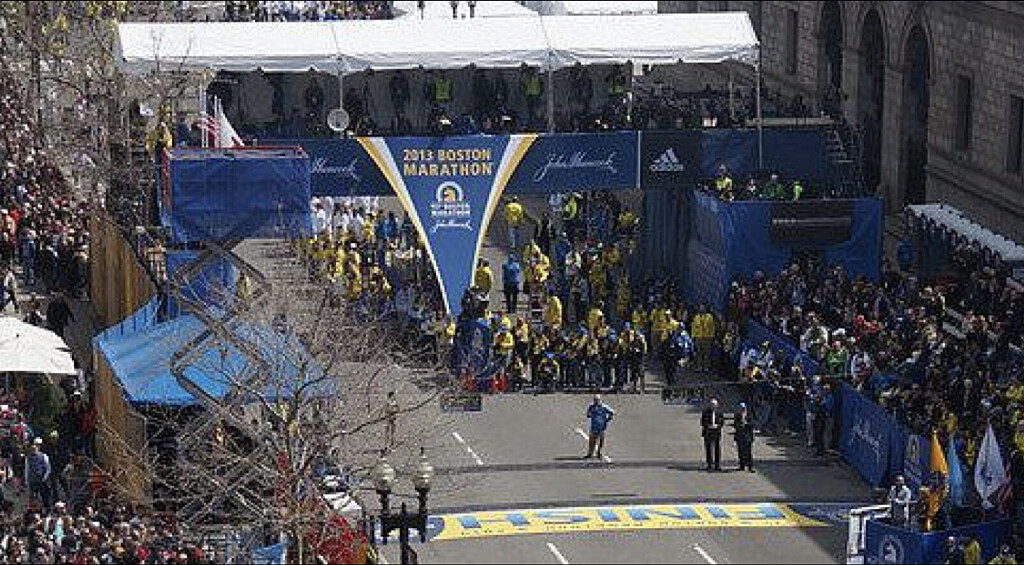
Boston Bomber death sentence reinstated
In a 6-3 vote on Friday, the U.S. Supreme Court decided to reinstate the death penalty for Dzhokhar Tsarnaev, who, along with his older brother Tamerlan Tsarnaev, detonated a bomb at the finish line of the 2013 Boston Marathon, killing three people and injuring hundreds.
According to NPR, Massachusetts had abolished the death penalty, but Tsarnaev was convicted in 2015 on 30 terrorism charges and sentenced to death on six of them. He appealed his death sentences, arguing that the judge refused to allow him to present evidence showing that he, who was 19 at the time, was under the influence of his violent brother, who was seven years older. (Tamerlan was killed in a shoot-out with police in the days following the bombing).


The evidence in question was Tamerlan’s connection to the murder of three men two years before the bombing. He, along with an accomplice, was suspected of killing the men in an act of jihad on the anniversary of 9/11, but was never convicted because of insufficient evidence.
Tsarnaev argued that because the judge did not allow him to use that information in his defense, the jury’s decision was tainted. His death sentence was overturned in 2020, but the Supreme Court said they would likely hear his trial again in 2021.
His death sentence has now been reinstated, but Tsarnaev will not be executed any time soon. There is currently a moratorium on federal executions in the United States, so the Justice Department can conduct a thorough review of its policies and procedures.
This April will be the ninth anniversary of the Boston Marathon Bombings.
by Running Magazine
Login to leave a comment
Poland makes history with Olympic mixed 4x400m win
Poland’s first gold medal of the Tokyo Games came with a special bonus: a place in the Olympic history books.
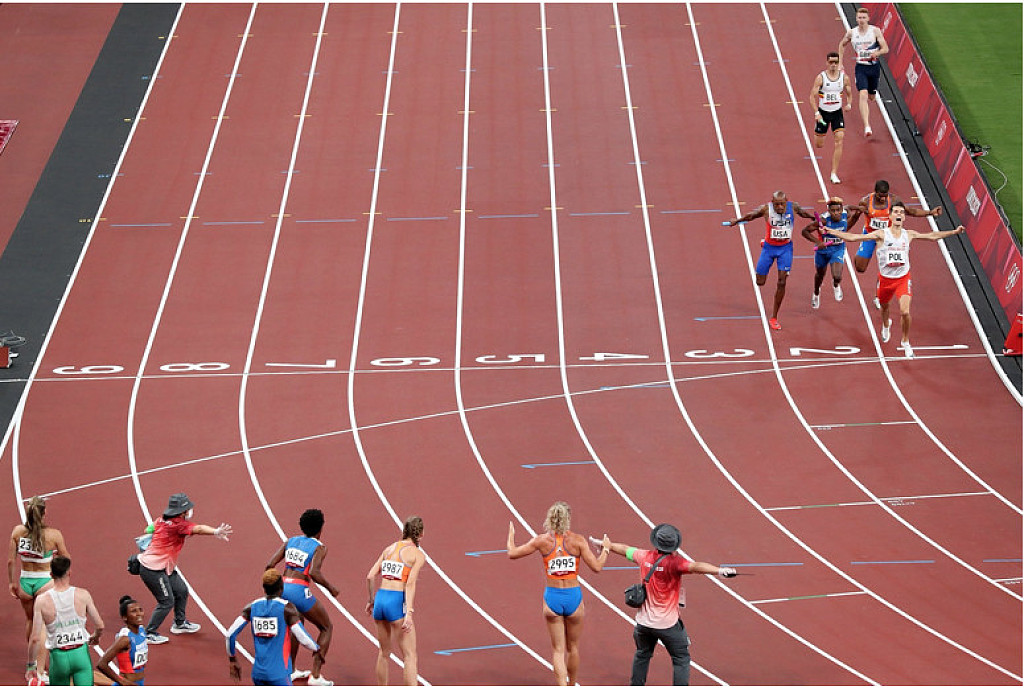
Kajetan Duszynski raced to the front down the final straight and powered across the line to give his country the first gold medal in the inaugural Olympic mixed 4x400 relay on Saturday (31).
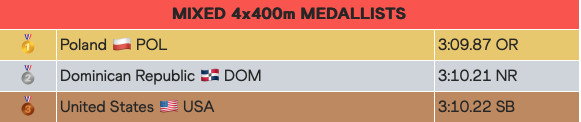
The Polish quartet of Karol Zalewski, Natalia Kaczmarek, Justyna Swiety-Ersetic and Duszynski clocked a European – and now Olympic – record of 3:09.87 to claim the title ahead of the Dominican Republic and the United States.
It was also Poland’s second Olympic gold in an athletics relay, coming 56 years after the Poles won the women’s 4x400m relay at the 1964 Games, which also happened to be held in Tokyo.
“We all believed we could manage to win the medal,” Zalewski said. “We were not sure if it was going to be gold or something else, but we knew that we could win something. We all left our hearts on the track.”
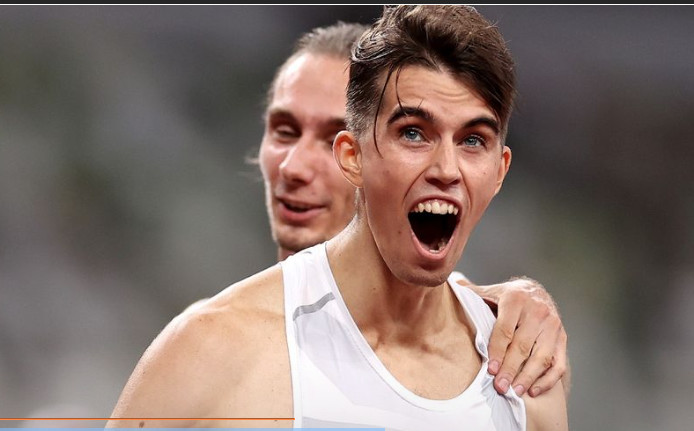
Duszynski, who ran the final leg in 44.38, held his arms outsretched wide as he crossed the line, then pulled his singlet over his head in celebration before being mobbed by his teammates.
"In the last 150 metres I felt I had a lot of strength still,” Dusynski said. “I'm that type of endurance athlete. It is my strength to run the first 200 metres slowly and then to attack towards the finish line. So I knew that I could make it. It's my strategy and it worked for me."
The Dominican Republic quartet of Lidio Andres Feliz, Marileidy Paulino, Anabel Medina Ventura and Alexander Oganda claimed the silver, with Paulino clocking a 48.7 split for her second leg. The bronze went to the US team of Trevor Stewart, Kendall Ellis, Kaylin Whitney and Vernon Norwood.
Oganda outleaned Norwood at the line to clinch the silver in 3:10.21, just 0.1 ahead of the US.
“It is so exciting to come here and run the first mixed relay at the Olympic Games, and to come out with a medal feels great,” Ellis said. “It feels like a win for us."
The race capped an eventful 24 hours for the US and Dominican teams. They had been disqualified after the qualifying rounds on Friday but were reinstated on appeal in time for the final.
The USA replaced their lineup from the heats, which was made up of Lynna Irby, Taylor Manson, Bryce Deadmon and Elija Godwin. The members of Saturday’s team said the controversy over the disqualification and reinstatement should not take away from their bronze-medal performance.
“It was events outside our control and we as a team stand behind our teammates and the United States, who we are proud to represent and bring home a medal for us,” Whitney said.
The mixed relay made its Olympic debut two years after being contested at the World Athletics Championships for the first time in Doha.
While teams can choose any order they want for the relay, all teams in Tokyo opted for the conventional order of man-woman-woman-man.
The Dominicans built up a large lead on the third lap until 21-year-old Dutch 400m and 400m hurdles star Femke Bol reeled them in going into the anchor leg.
Duszynski timed his kick perfectly, surging to the front after the final turn and pulling away down the home stretch. Norwood moved into second place and seemed poised to secure the silver for the US but was edged out by Oganda on the lean.
The US team did not include Allyson Felix, who had helped the USA win the mixed relay in Doha and was eligible to run the event in Tokyo.
It means that Felix, competing in her fifth Olympics at the age of 35, will have to wait a bit longer to bid for her 10th career medal. That would make her the most decorated woman in Olympic athletics history and equal Carl Lewis for the most medals by a US track and field athlete.
Felix, who holds six gold and three bronze medals, will run in the 400m and possibly the women's 4x400m relay.
by World Athletics
Login to leave a comment

Tokyo 2020 Olympic Games
Fifty-six years after having organized the Olympic Games, the Japanese capital will be hosting a Summer edition for the second time, originally scheduled from July 24 to August 9, 2020, the games were postponed due to coronavirus outbreak, the postponed Tokyo Olympics will be held from July 23 to August 8 in 2021, according to the International Olympic Committee decision. ...
more...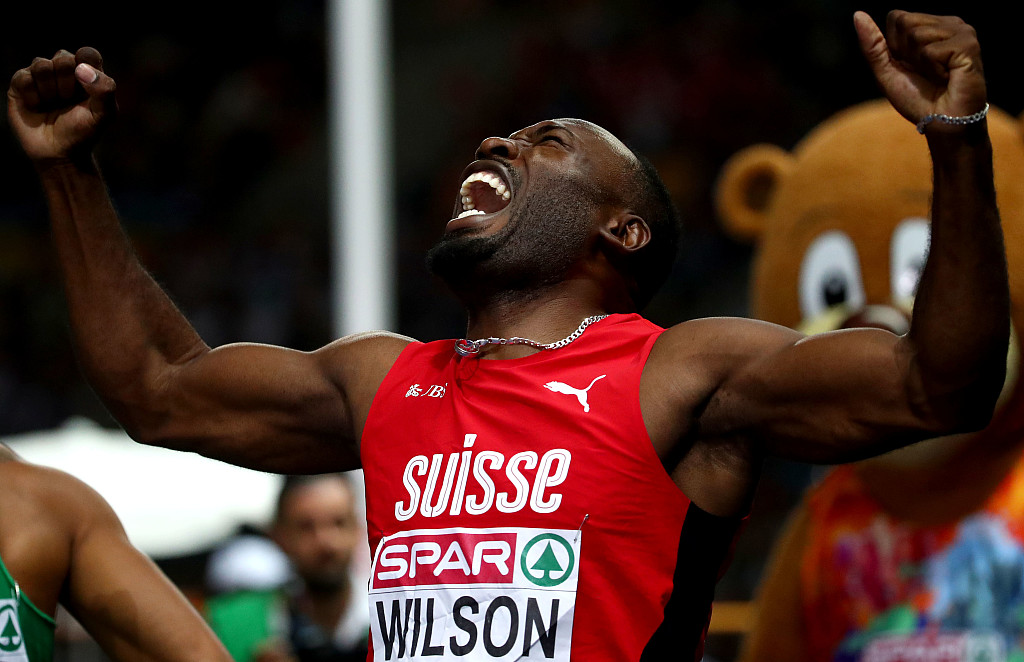
Olympic Sprinter Switzerland's Alex Wilson Banned From Tokyo 2020 Denies Doping, Blames U.S. Meat
A Swiss sprinter who blamed failing an anti-doping test on meat he ate in the U.S. will not compete at the Tokyo 2020 Olympics after the Court of Arbitration for Sport (CAS) reinstated his ban on Wednesday.
Jamaica-born Alex Wilson, who was scheduled to race in the 100m and 200m, was suspended in April by the Swiss anti-doping agency after testing positive to trenbolone—a banned steroid—in an out-of-competition test back in March.
Wilson maintained he was clean and attributed the positive test to contaminated meat he ate in a Jamaican restaurant in the U.S. and successfully appealed the ban, which was lifted earlier this month by Swiss Olympic—the umbrella organization that covers Swiss sports and the Swiss Olympic Committee.
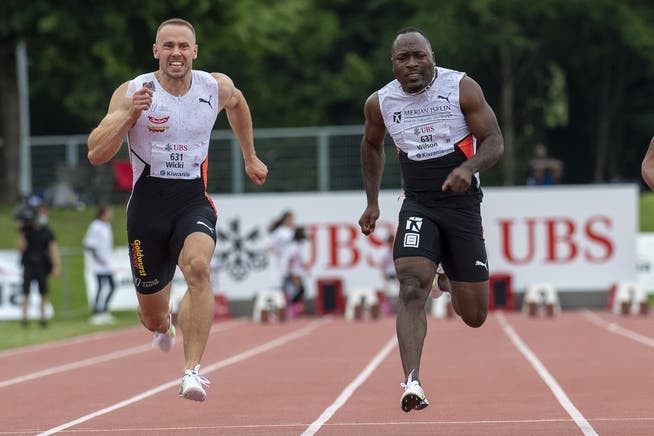
World Athletics, however, appealed the decision to CAS, which reinstated the ban.
"The Panel concluded that the provisional suspension imposed on the athlete on April 28 2021 should not have been lifted by the Disciplinary Chamber of Swiss Olympic," CAS said in a statement.
"It follows that the decision of the disciplinary chamber of Swiss Olympic dated July 2 2021 is set aside and the provisional suspension shall be reinstated with immediate effect.
"The present CAS decision does not prejudge in any way the decision which will be rendered by Swiss Olympic later on, once the disciplinary proceedings will have been completed."
In an official response following the ruling by CAS, Swiss Olympic said it regretted the incident.
"Swiss Olympic very much regrets this case and would be very disappointed if the offense was confirmed," the statement read.
"Swiss Olympic is convinced that the fight against doping must be conducted with all consistency."
The bronze medalist in the 200m at the European Championships in 2018, Wilson broke the European record in the 100m with a time of 9.84 earlier this month at a meeting in Marietta, Georgia.
While the record was not ratified it marked a significant improvement from Wilson's previous six performances over the distance this year, where he had never clocked a time below 10.38.
Wilson isn't the only athlete due to compete in Tokyo to have been suspended over alleged anti-doping violations.
On July 14, the International Swimming Federation (FINA) announced two swimmers due to represent the Russia Olympic Committee at the 2020 Olympics had been provisionally suspended.
by Dan Cancian
Login to leave a comment
Tokyo 2020 Olympic Games
Fifty-six years after having organized the Olympic Games, the Japanese capital will be hosting a Summer edition for the second time, originally scheduled from July 24 to August 9, 2020, the games were postponed due to coronavirus outbreak, the postponed Tokyo Olympics will be held from July 23 to August 8 in 2021, according to the International Olympic Committee decision. ...
more...
History of track and field at the Olympics
Track & field events at the Olympics make use of some of the most basic physical maneuvers that human beings perform, so it’s no surprise that it has a long and storied past. Every event uses running, jumping, and throwing, simple and necessary movements used by early humans to survive, hunt, make war and have fun. Let’s take a look at the origins of track & field events, from their inclusion in the ancient Olympics to today.
If you’re interested in betting on track & field today, you should check out sportsbooks that take wagers on those events, like Fanduel.
Origin At The Ancient Olympics
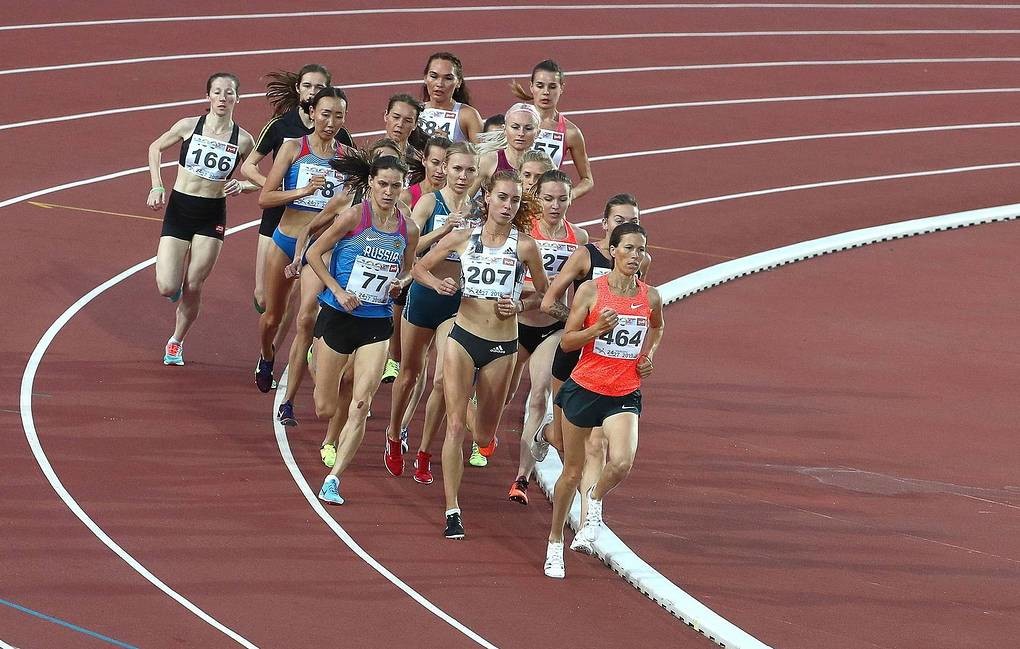
As we said, the origin of track & field is thought to come from human prehistory. Where the Olympics is concerned, however, we can point to the Ancient Olympic Games. While the first Olympic games used the stadion, a simplistic footrace. It was the pentathlon years later that created what we could call the first track & field events. This combined the stadion event with the javelin throw, the discus throw, and the long jump, before a finale where athletes wrestled one another. The first pentathlon was held at the 18th Ancient Olympics, which took place in 708 B.C. That’s 2,700 years ago!
Track & field events were also performed at the Panhellenic Games, where they then eventually spread to Italy and then into Northern Europe throughout the Middle Ages (500 – 1500 A.D.) These events kept track & field activities alive till the revival of the Olympic Games.
Revival At The Olympic Games
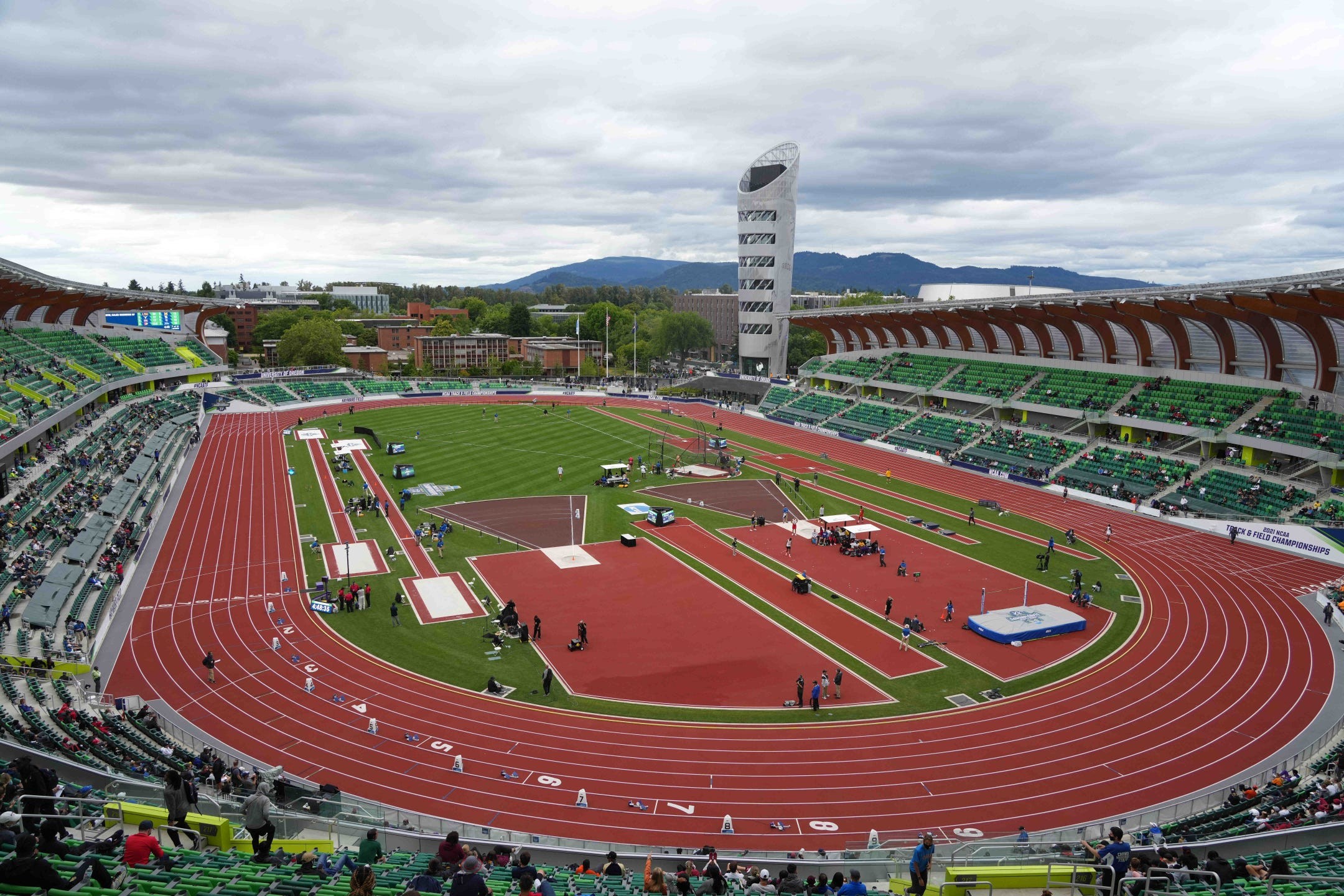
The Olympic Games as we know it today returned in 1896 with the Athens Summer Olympics. Bringing together fourteen nations who fielded over two hundred athletes, they competed across forty events. One of those events combined track & field activities with the marathon as part of their athletics program.
It is thought that its inclusion was because of numerous athletic clubs in Britain and America during the 1800s, where public schools and military academies started using track & field training which then developed followings from those who wanted to engage in those activities for leisure purposes.
The Olympics struggled for its next gatherings after 1896. This changed in 1912 with the so-called Swedish Masterpiece, where the fifth Olympic Games went off without a hitch in Stockholm and attracted massive appeal. It was also the last event to use solid gold medals and the first time they welcomed an Asian nation, Japan, to join the games.
At these games, the track & field event wasn’t without controversy. Pentathlon winner Jim Thorpe was revealed to have played baseball for money in the past, technically breaking the amateurism rules enforced at the Olympics, and so his track & field medals were stripped. They were reinstated 29 years after his death.
The International Amateur Athletic Federation, the IAAF, then became the governing body for track & field events.
From The ‘60s To Now
Over the course of the century, the Olympic Games steadily became the most popular and prestigious athletic event, and track & field was along for the ride. Multi-sport events like track & field inspired similar activities in the Commonwealth Games and the Pan-American Games. As televisions became more mainstream in the 60s, worldwide audiences could now view and become fans of specific track & field runners. This gradually overthrew their amateurism rule as Olympic performers became professional athletes.
Something else was also going on in the world during the 60s, the Cold War. While the war was silently raging in the background, the Olympics became a battleground where athletes from the USA and the USSR clashed across multiple sports, including track & field.
From the 90s onward, the popularity of the sport would only improve as the IAAF grew. The IAAF now hold their own events too, where track & field athletes test their mettle outside of the Olympics. At the last Olympic Games, in Rio de Janeiro, track & field events were hosted.
by Colorado Runner
Login to leave a comment
Tokyo 2020 Olympic Games
Fifty-six years after having organized the Olympic Games, the Japanese capital will be hosting a Summer edition for the second time, originally scheduled from July 24 to August 9, 2020, the games were postponed due to coronavirus outbreak, the postponed Tokyo Olympics will be held from July 23 to August 8 in 2021, according to the International Olympic Committee decision. ...
more...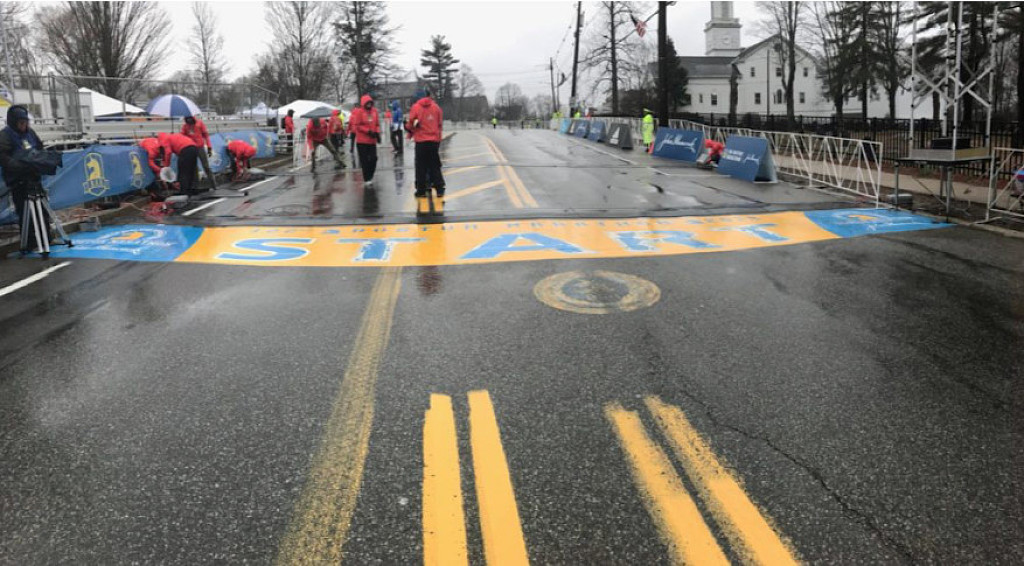
U.S. Supreme Court to reconsider death penalty in Boston bomber case
It was announced on Monday that the U.S. Supreme Court will review the case of Dzhokhar Tsarnaev, one of the two men who set off explosives at the finish line of the Boston Marathon in 2013. Tsarnaev, now 27, was convicted in 2015 and sentenced to death, but that decision was overturned by a federal appeals court in July 2020. Now, the Supreme Court will review the case once more, and Tsarnaev’s death sentence could be reinstated.
During his trial, Tsarnaev’s lawyers did not try to prove their client was innocent, and they openly accepted that he and his brother, Tamerlan, had detonated a pair of bombs at the marathon finish line. These explosions killed three people and injured hundreds of others.

Instead of trying to prove his innocence, Tsarnaev’s lawyers simply argued that he was not as guilty as Tamerlan, whom the lawyers claimed to have orchestrated most of the attack. Tamerlan, who was 26 at the time, died a few days after the bombing in a shootout with police.
This approach did not work out for Tsarnaev’s team, and he was given the death penalty. This sentence was overturned, however, when a federal appeals court decided that the judge presiding over Tsarnaev’s original trial had not ensured (or at least not attempted to ensure) that the jury would be unbiased in reaching their verdict.
After the appeal, the court said Tsarnaev would still spend the rest of his life in prison for his “unspeakably brutal acts” in Boston in 2013. As of Monday, that is no longer necessarily Tsarnaev’s fate, and the Supreme Court is likely to hear his trial later in 2021.
by Running Magazine
Login to leave a comment
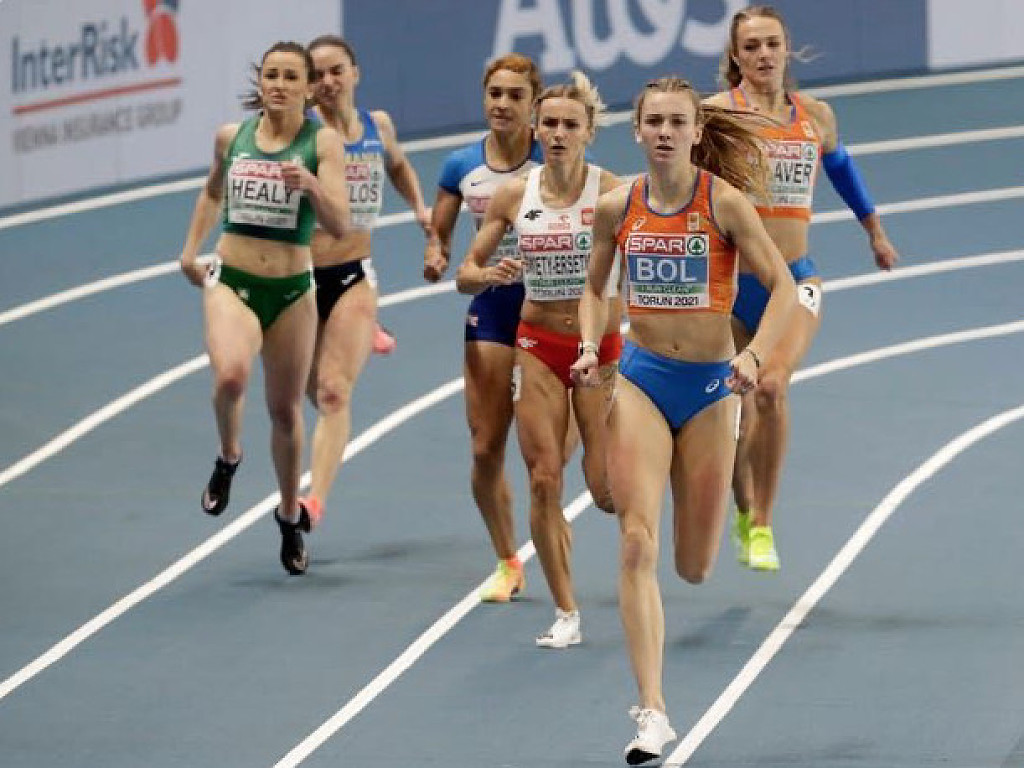
Holly Archer wins European 1500m silver after being reinstated on appeal
British athletes added three more medals at the European Indoor Championships in Poland on Saturday evening.
The most dramatic came in the women’s 1500 metres, where Holly Archer celebrated winning silver only to be disqualified and then reinstated on appeal by the British team.
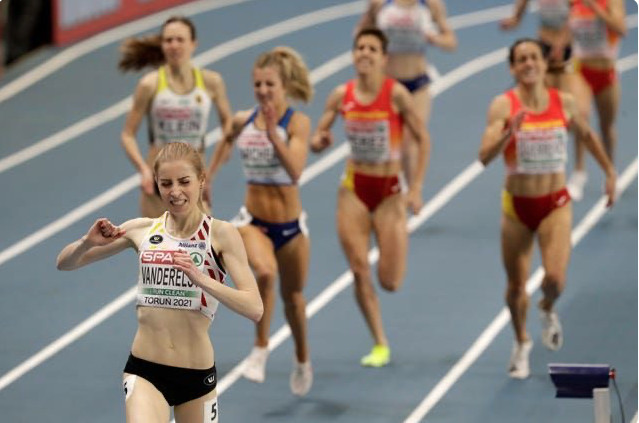
There was pushing and shoving throughout a scrappy race but Cambridge athlete Archer was singled out alongside Spain’s Agueda Munoz, who was also penalised.
A counter appeal was eventually rejected, and Archer said: “That was the longest wait ever. It was supposed to be half an hour but it turned into three hours. I feel absolutely delighted. To come so close and then get it taken away, I’ve been on a roller coaster, but I’m really happy to finally get that silver.”
British team captain Jodie Williams and pole vaulter Holly Bradshaw both collected bronze medals.
Williams has made the move up from the shorter sprints to 400m and was rewarded with her first individual medal at a major event since 2014 behind exciting young Dutch winner Femke Bol.
Williams, 27, ran a personal best of 51.73 seconds, and said afterwards: “It’s crazy. I came here to do a job and it’s job done. Last time I came to European Indoors I got fourth so I had to upgrade that.
I’m really happy. I got a bit boxed in, so I got a bit worried for a second. I knew I could do it. I just dug in and I’m really glad.”
Bradshaw had targeted gold but failed with her three attempts at 4.70m and had to settle for joint third alongside Belarusian Iryna Zhuk behind Swiss winner Angelica Moser and Tina Sutej of Slovenia.
The 29-year-old said: “You can’t sniff at a European Indoor medal, but I’m incredibly disappointed. I felt great. The other girls handled their jumps really well and I just didn’t quite jump as well today.
“It’s been one of my best indoor campaigns ever. Of course it’s disappointing to finish like that but, on the whole, I’ve made some really good progress and stepped it up a notch and I feel like a completely different athlete.”
Britain’s first medals of the event came on Friday in the women’s 3,000m with gold for Amy-Eloise Markovc and bronze for Verity Ockenden.
There is a strong possibility of more female success in the final of the 800m after the young trio of Keely Hodgkinson, Isabelle Boffey and Ellie Baker all qualified for the final.
Baker said: “I’m so happy. It just shows how dominant our GB middle distance girls are. I’m so proud of them as well as myself. I can’t wait for us to put on a show for everyone tomorrow.”
Jamie Webb won his semi-final in the men’s event to secure his progress but team-mate Guy Learmonth missed out.
Andrew Robertson was disappointed to miss out on a medal in the men’s 60m final, finishing fourth in a slower time than he ran in both the heats and semi-finals. Italy’s Lamont Marcell Jacobs was a clear winner in a world-leading 6.47secs.
Robertson said: “It’s very disappointing. I’m getting to the stage where I should be running low 6.50s consistently. Jacobs running 6.47s is a fantastic time, but I should be at least challenging him with the way I’ve been running. It wasn’t a good performance tonight.”
Scotsman Andy Butchart looked impressive in qualifying for the final of the 3,000m, winning his heat in the fastest time, while Jack Rowe also made it through.
Andrew Pozzi carries strong British hopes of a medal as the reigning world indoor champion in the 60m hurdles and is looking to regain the title he won in 2017.
He stormed through the first of five heats in 7.52s, the joint-fastest time of the morning, and said afterwards: “It was a really good time. I had a great reaction from the blocks, which I’ve been missing from the indoor season, so that was really encouraging.”
In the women’s event, there were good runs from sisters Cindy Sember and Tiffany Porter, who safely qualified for the semi-finals. Sember’s time of 7.99s was her fastest since 2017 while Porter clocked 8.04s.
Login to leave a comment

European Athletics Indoor Championships
Witness six sessions of action-packed sport over three days of intense competition as some of the best athletes in the world compete for prestigious European titles. Don’t miss the opportunity to witness this thrilling event and get closer to the action. ...
more...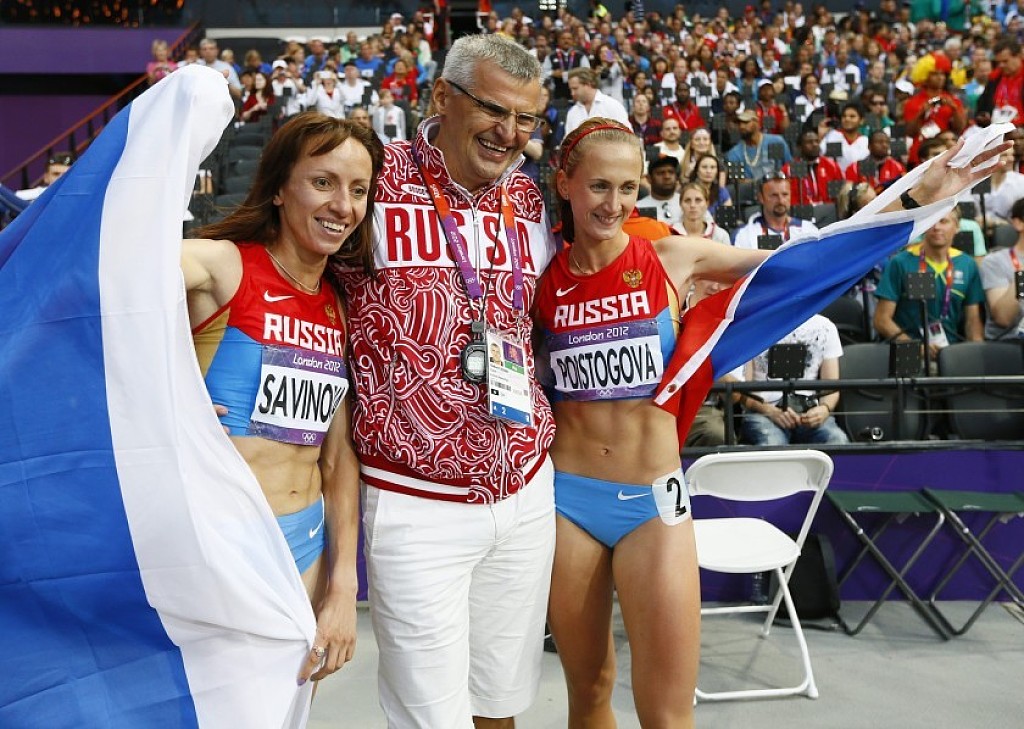
Russia’s leading track and field athletes to compete at Olympics in Japan
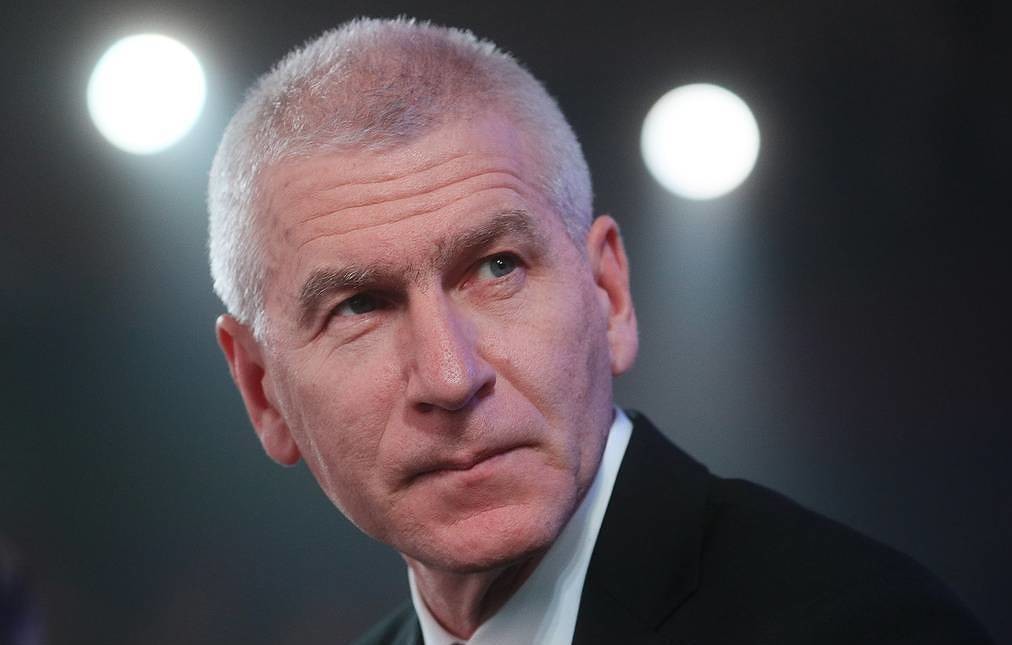
Russia’s leading track and field athletes will have an opportunity of going next year at the Olympic Games in Japan next year, Russian Sports Minister Oleg Matytsin said on Thursday speaking at the Sport Forum Live event in Moscow.
"If we speak about the track and field athletics, I must say that our relations with World Athletics entered a constructive stage of relations," Matytsin said.
"We have accepted our mistakes from the past, elected the new leadership of the All-Russia Athletics Federation [RusAF] and are now actively cooperating about its membership reinstatement," the Russian sports minister said.
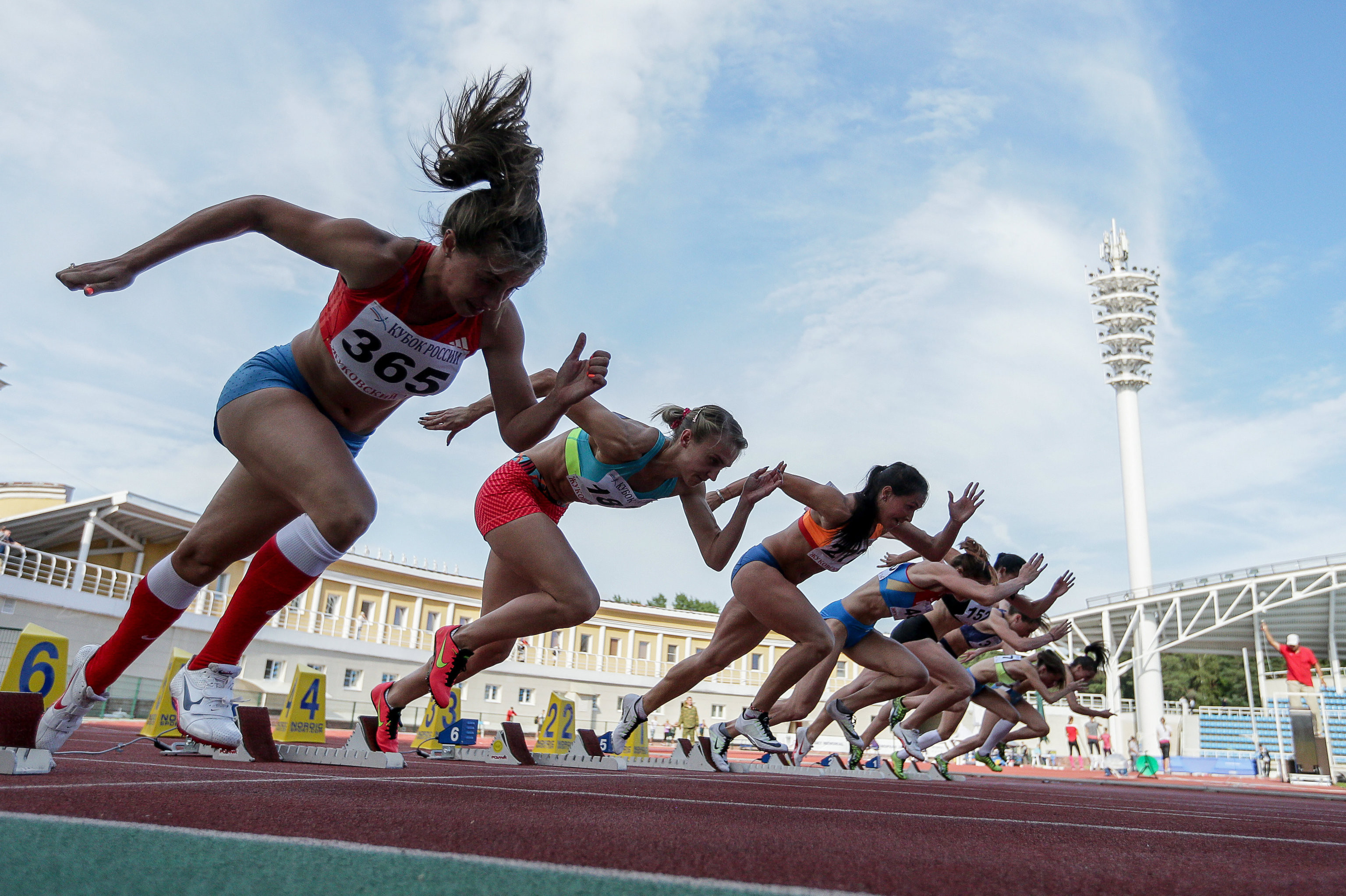
"I am positive that our leading athletes of track and field athletics will be cleared to perform at the upcoming international tournaments, including at the next Olympic Games," Matytsin added.
World Athletics, suspended RusAF’s membership in November 2015, following a wave of anti-doping rules violations and formed a special mission on the issue.
World Athletics, however, allowed clean athletes from Russia to participate in international tournaments under the neutral status or the Authorized Neutral Athlete (ANA) until the membership of the RusAF is reinstated. The ANA status prohibits Russian athletes from participating in all international track and field tournaments under the national flag.
The suspension of Russia’s governing athletics body has been ruled to remain in force 15 times since its introduction in 2015.
The Russian sports minister also said that depriving Russia of the right to fly the colors of the national flag was a "dear price to be paid."
The Court of Arbitration for Sport (CAS) ruled on the night of December 17 to keep in force a number of sanctions against Russia for the period of up to two years. The decision of the Swiss-based court was made within the frames of a legal spat between RUSADA (the Russian Anti-Doping Agency) and WADA (the World Anti-Doping Agency).
According to the CAS decision last week, Russian athletes were deprived of their right to participate in all World Championships, Olympic and Paralympic Games under the national flag of Russia for the two-year period.
The national anthem of Russia was also ruled out to be played at international sport tournaments in the course of the next two years, including at the upcoming Olympic Games in Japan next year.
"It is a dear price that we must pay for the dark period if we speak about the national flag and anthem," Matytsin said. "I’m sure that this situation will bring us closer and unite us."
"However, taking into account all mistakes from the past, I would prefer to set my aim for the future," he continued. "The most important is to cultivate a respect for each other and to keep an attitude of intolerance regarding the use of doping in sports."
The IOC (the International Olympic Committee) and the IPC (the International Paralympic Committee) announced on March 24 a decision to postpone for one year the Olympic and Paralympic tournaments in Japan due to the continuous COVID-19 spread.
by Russian News Agency
Login to leave a comment
Tokyo 2020 Olympic Games
Fifty-six years after having organized the Olympic Games, the Japanese capital will be hosting a Summer edition for the second time, originally scheduled from July 24 to August 9, 2020, the games were postponed due to coronavirus outbreak, the postponed Tokyo Olympics will be held from July 23 to August 8 in 2021, according to the International Olympic Committee decision. ...
more...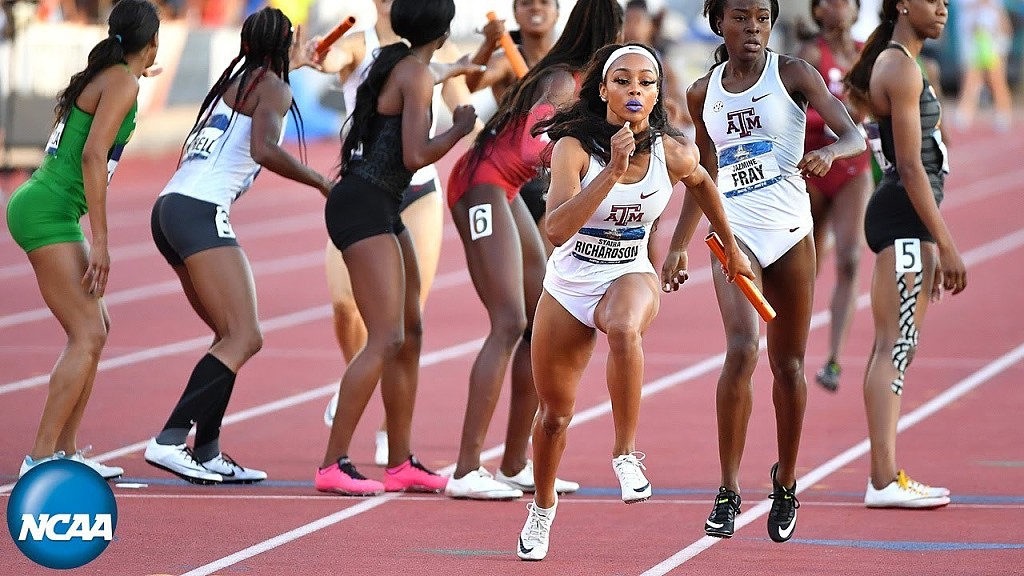
NCAA women’s team won´t race for their school until the men's team can do the same
The College of William & Mary women’s track and field team are refusing to represent their school unless the men’s team is reinstated. According to The Virginia Pilot, 26 members of the team signed a letter stating that the women wouldn’t wear their school’s uniform to compete.
As of now, the school’s men’s team will be axed at the end of this academic year. The letter was reportedly taped to school president Katherin Rowe‘s office door on Saturday night.
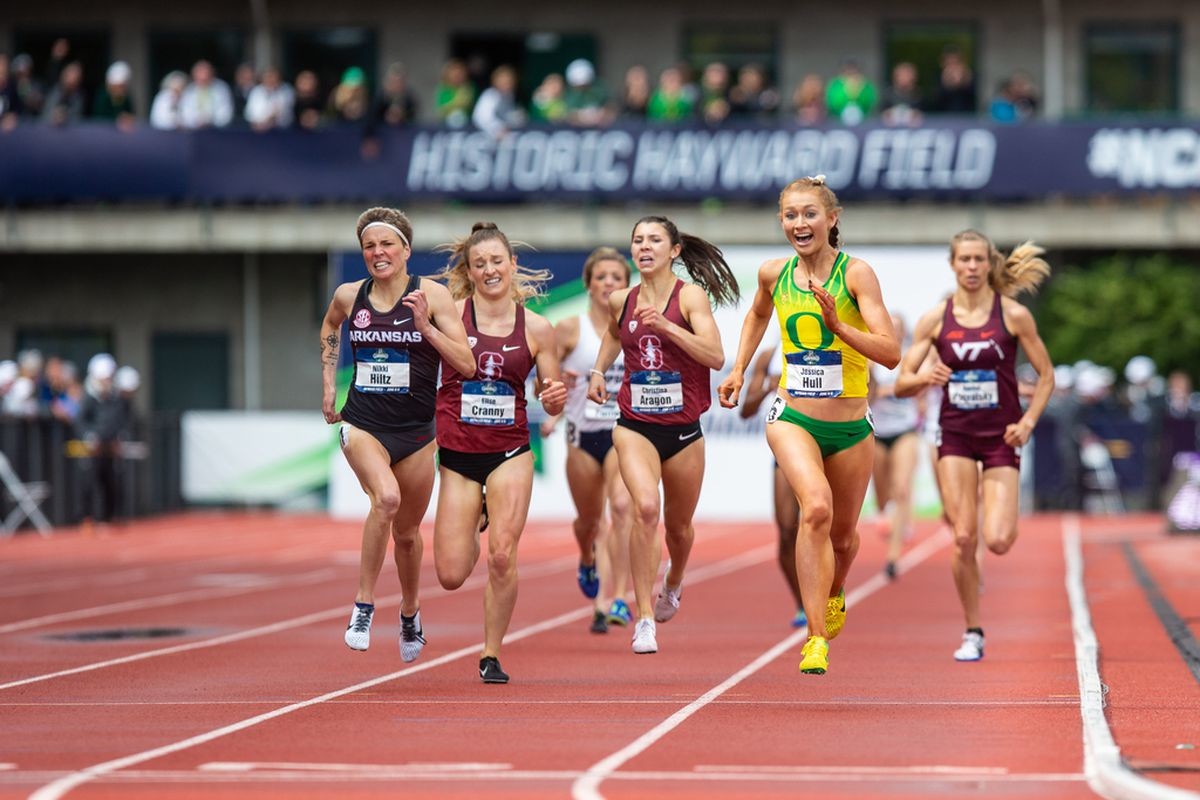
Why are more men’s running teams getting cut?
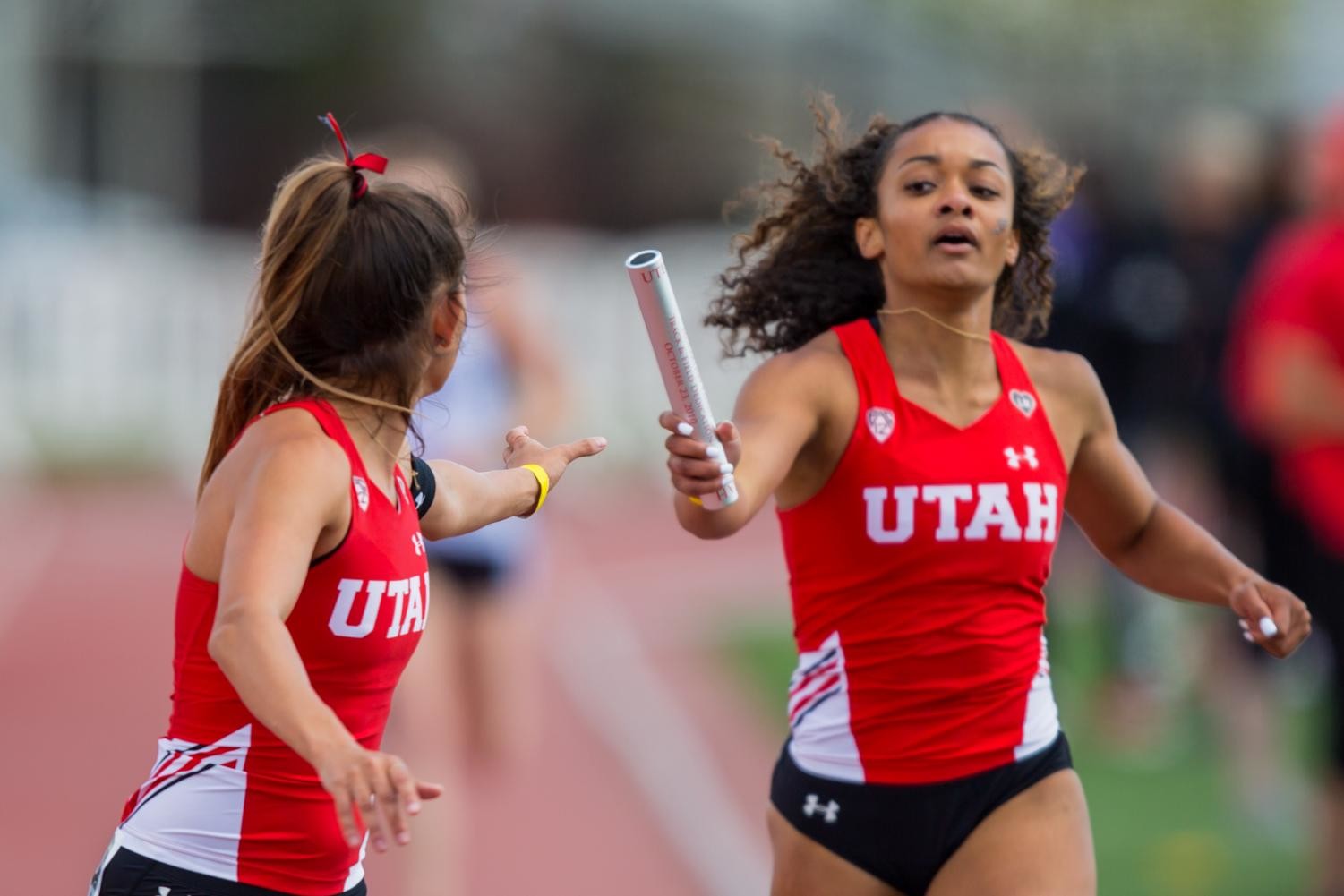
In the NCAA, several universities and colleges have cut track and field and cross-country programs due to revenue losses from COVID-19. Many schools have cited Title IX as the reason for these cuts. Title IX is an NCAA-wide rule that ensures equal opportunity for both male and female athletes, proportionate to enrolment. The policy states, “No person in the United States shall, on the basis of sex, be excluded from participation in, be denied the benefits of or be subjected to discrimination under any education program or activity receiving Federal financial assistance.”
This means that across the entire athletic department (meaning all sports), there has to be equal opportunity for men and women to compete, which includes an equal amount of scholarship money. A sport like football, for example, draws lots of money out of the men’s scholarship pool. Without a football team (or a team of equivalent roster size) in the women’s sports, their track and field athletes reap those rewards, but the men’s running programs can suffer.
The letter
While the men’s track team was cut due to budget deficits, the cross-country team (which is one of the school’s most successful teams) remained in place. However, as all distance runners know, the distance side of track and cross-country are essentially one entity. If you cut one, you basically cut the other.
In the letter, the women were critical of both the athletic department’s actions but also the level of transparency. The letter read, “We watched the leadership of the college retreat into hiding while the emotions were raw. We waited for the level of honesty that we’ve come to expect from our faculty, just not our leadership.”
Interestingly, the women’s boycott of their own program could now cause Title IX issues for the university. It’s unclear how a roster of non-competitors would be assessed by the NCAA, especially when many of these women compete in three seasons (cross-country, indoor and outdoor track) which, according to The Richmond Times-Dispatch, counts three times for compliance purposes. For now, the women don’t have any competitions scheduled until next semester, but come the new year their refusal to compete could present big issues for the university.
by Madeleine Kelly
Login to leave a comment
Russian track and field athletes are still the most tested for doping
Russian track and field athletes were the most tested for banned performance enhancing drugs in the first six months of this year compared to other sports, the Russian Anti-Doping Agency (RUSADA) said in a report on Wednesday.
The report states that in the period between January and June included, a total number of 675 Russian track and field athletes underwent doping tests.

Russian track and field athletes remain to be in a particular focus of RUSADA since the All-Russia Athletics Federation (RusAF) is still trying to reinstate its membership status with the International Association of Athletics Federations (IAAF).
According to RUSADA, Russian champion in 800m running Sergei Dubrovsky is the most tested athlete for doping in the country based on the results of doping tests of the first half of the year, according to which the 24-year-old runner underwent nine doping tests procedures within the stated period. The International Association of Athletics Federations (IAAF) still has not granted Dubrovsky a neutral status that allows one to participate in international events.
The world’s governing body of track and field athletics suspended RusAF’s membership in late 2015 following a wave of anti-doping rules violations and put forward a host of criteria, which the Russian ruling body of track and field sports was obliged to implement in order to restore its membership in the global federation.
The IAAF, however, permitted clean athletes from Russia to participate in international tournaments under the neutral status of Authorized Neutral Athlete (ANA) until the membership of the RusAF was reinstated. IAAF’s previously issued neutral-status permissions for Russian athletes expired on December 31, 2018.
On December 18, 2018, the IAAF Doping Review Board approved an updated version of the Guidance Note for Authorized Neutral Athlete (ANA) status applications and sent the document to the RusAF.
The RusAF started accepting neutral status applications from the country's track and field athletes on December 19, 2018. The world’s governing athletics body has already granted neutral-status permits to 118 Russian track and field athletes.
Login to leave a comment
Former Portland Marathon Race Director agreed to pay $865,000 in penalties
Login to leave a comment
