

Running News Daily
Running News Daily is edited by Bob Anderson and team. Send your news items to bob@mybestruns.com Advertising opportunities available.
Index to Daily Posts · Sign Up For Updates · Run The World Feed
Articles tagged #1500 metres
Today's Running News
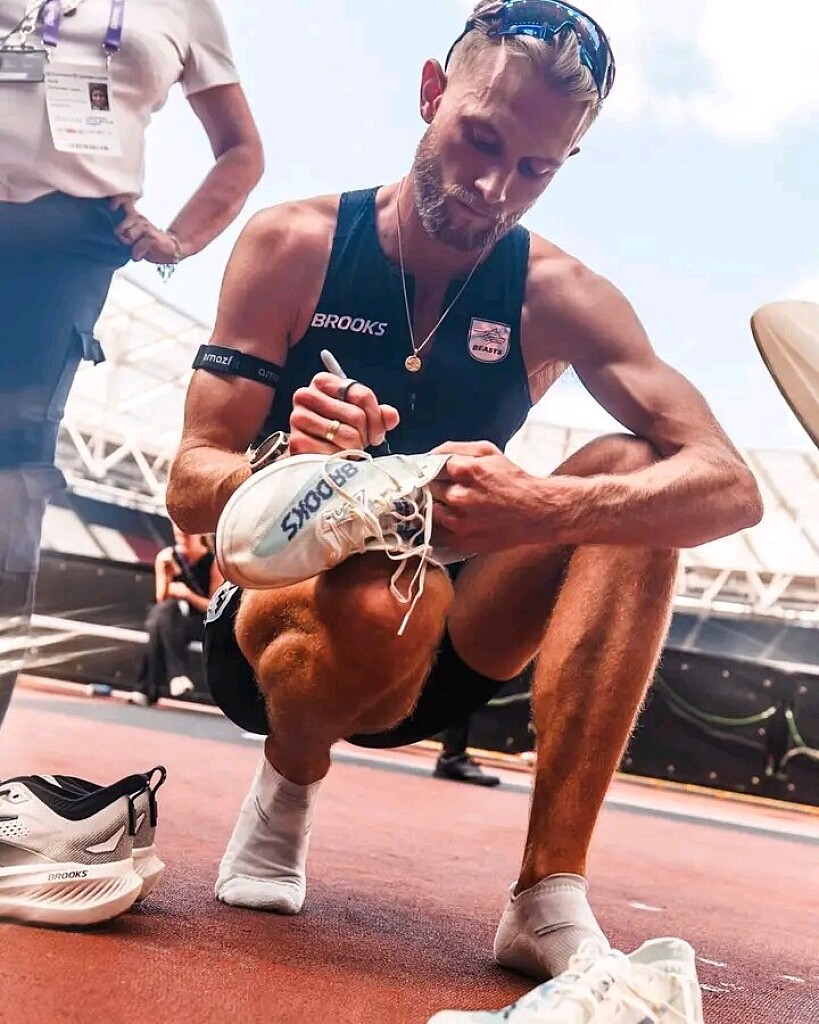


“I Wouldn’t Want to Race Me Right Now”: Josh Kerr Issues a Bold Warning Ahead of Ultimate Championship
Josh Kerr is heading into the World Athletics Ultimate Championship with confidence at an extraordinary level—and his latest comments suggest his rivals have every reason to take notice.
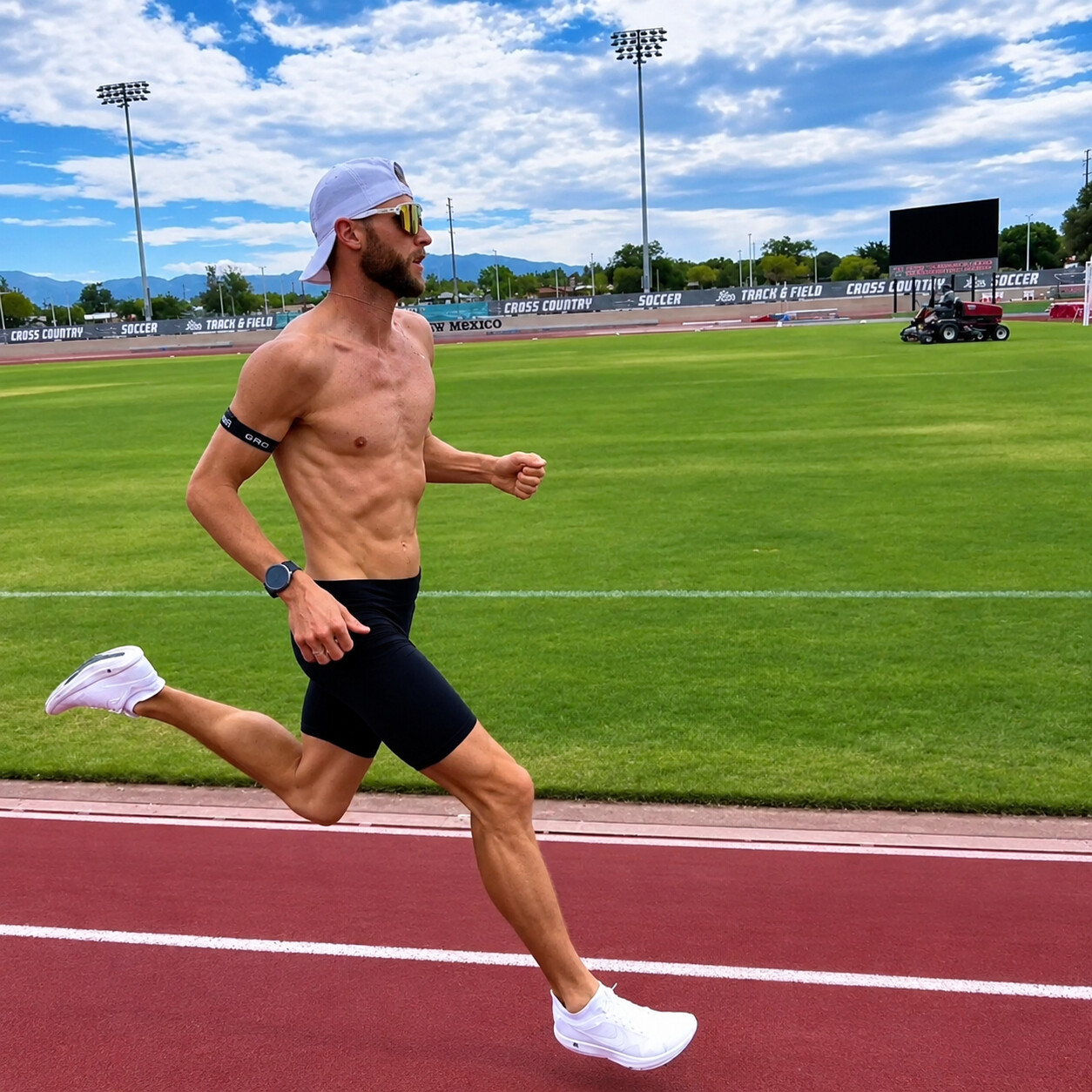
The Scottish middle-distance star, who recently made history by breaking the mile world record in London with a remarkable 3:42.66, believes he may now be in even better shape than he was on the day of that historic performance.
Speaking to BBC Sport, Kerr delivered a statement that perfectly captures his current mindset:
“I wouldn’t want to race me right now.”
It is a bold declaration, but Kerr has given himself plenty of reasons to believe it.
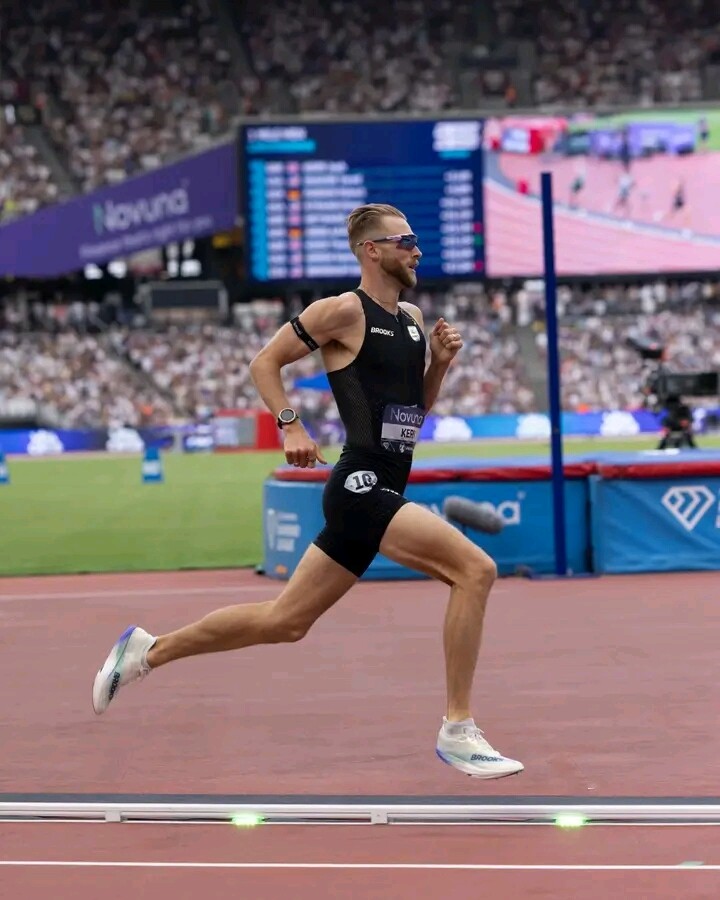
Following his ambitious Project 222 challenge and his Commonwealth gold medal success, the focus now shifts back to his specialist event—the 1500 metres. And this time, there will be no opportunity to ease into the competition.
The World Athletics Ultimate Championship presents a completely different challenge: one race, no heats and no second chances. Everything will be decided in a single, high-pressure showdown against what could be the strongest 1500m field Kerr has faced this year.
For an athlete who has already conquered major championships, broken one of the sport's most prestigious world records and continued to push the boundaries of middle-distance running, Kerr appears to be arriving at exactly the right moment.
Perhaps the most worrying sign for his rivals is not simply his recent success—but his belief that his form has continued to improve.
If Kerr truly is stronger now than when he ran 3:42.66 in London, the Ultimate Championship could produce something very special.
The confidence is unmistakable. The form appears to be there. And with only one race standing between Kerr and another major statement, the rest of the field has been put on notice.
Josh Kerr likes exactly where he is right now—and judging by his words, he is ready to make sure everyone else knows it.
by Erick Cheruiyot for My Best Runs.
Login to leave a comment

Georgia Hunter Bell Chasing History: Four Major Titles and an Olympic Double Dream
Georgia Hunter Bell’s remarkable rise in middle-distance running has been built on far more than physical strength and natural speed. Behind every perfectly timed move, every decisive surge and every devastating finishing kick is a sharp, composed and increasingly confident racing mind.
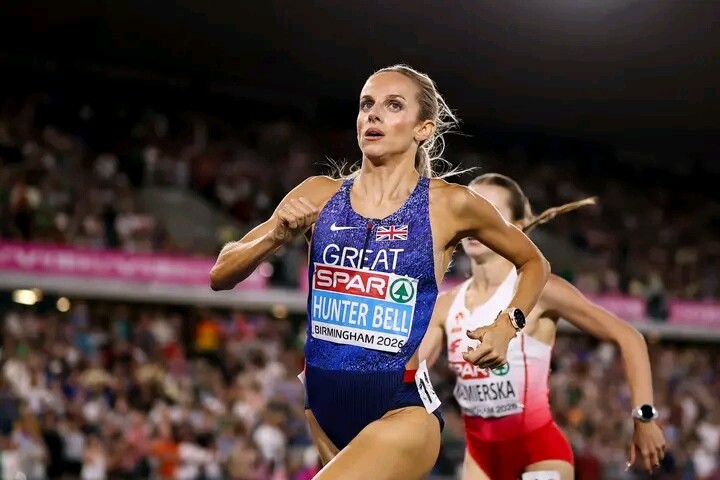
Now, after producing one of the most successful seasons of her career, the British middle-distance star is preparing for another major challenge. Hunter Bell heads to Budapest with the opportunity to complete a remarkable four-from-four sweep of major titles in 2026, having already collected three prestigious gold medals across two disciplines.
Her extraordinary campaign began with global success in the 1500 metres, where she claimed the World Indoor title. She then demonstrated her exceptional versatility by stepping down to the 800 metres to secure Commonwealth Games gold before returning to the 1500m and triumphing at the European Athletics Championships.
Winning major titles in both the 800m and 1500m underlines the extraordinary range Hunter Bell has developed. The two events demand different qualities: the 800m requires raw speed, strength and endurance, while the 1500m demands patience, tactical awareness and the ability to make the right decisions when the race reaches its decisive moments.
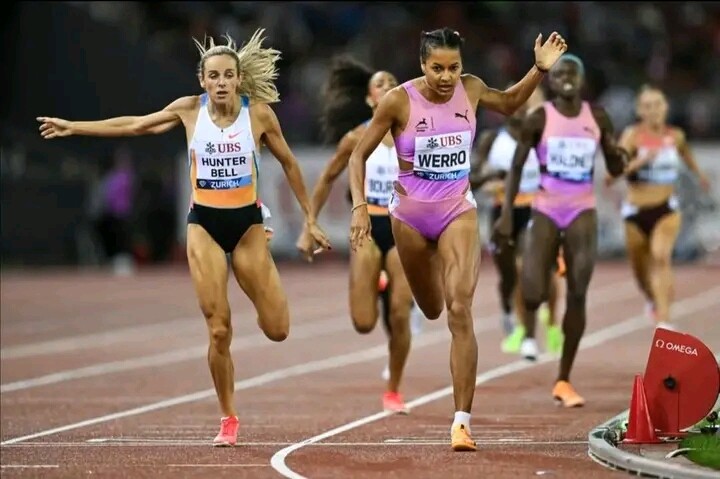
Hunter Bell has shown that she possesses the qualities needed for both.
One of the most impressive aspects of her racing is her ability to remain composed when the pressure intensifies. While championship races can become unpredictable and chaotic, Hunter Bell has developed a reputation for staying patient, reading the situation around her and positioning herself for a powerful finish.
Her finishing speed has become one of the defining weapons of her success. When the pace begins to rise and rivals start fighting for position, Hunter Bell has repeatedly demonstrated the ability to find another gear. Her strength over the closing stages allows her to transform patience into attack, making her an increasingly difficult athlete to beat in a tactical race.
But her performances are not simply the product of physical preparation.
Behind the medals and the powerful finishing kicks is an athlete who thinks deeply about the races she is about to run. Hunter Bell and her team carefully consider different race scenarios ahead of major championships, preparing for the possibility of fast races, slow tactical contests and everything in between. That preparation has helped her arrive on the start line with the confidence to react rather than panic.
It is this combination of intelligence and instinct that makes her such a compelling championship athlete.
Looking beyond Budapest, Hunter Bell’s ambitions are becoming even more exciting. One of the biggest questions surrounding her future is whether she could eventually attempt the demanding 800m and 1500m double at the Los Angeles 2028 Olympic Games.
It is one of the most difficult challenges in middle-distance running, particularly in an era filled with extraordinary depth in both events. Yet Hunter Bell has already begun seeking advice from one of Britain's greatest middle-distance champions, Dame Kelly Holmes, whose historic Olympic double remains one of the defining achievements in British athletics.
The possibility of following a similar path is undoubtedly ambitious, but Hunter Bell's 2026 season has shown why the conversation is becoming increasingly realistic. Her success across both distances has demonstrated that she possesses a rare combination of speed, endurance and championship intelligence.
Her journey to this point has also made her rise even more remarkable.
Hunter Bell’s path back to the highest level of athletics was far from conventional. After stepping away from elite competition and building a career outside the sport, she eventually returned to running and began an extraordinary transformation into one of Britain's leading middle-distance athletes.
Now, she stands at the centre of one of the most impressive seasons in international athletics.
With three major titles already secured, Budapest offers Hunter Bell the chance to add another golden chapter to her extraordinary year. Victory there would complete a remarkable clean sweep and further establish her as one of the most versatile and tactically intelligent middle-distance runners in the world.
For Hunter Bell, however, the story is clearly still being written.
Budapest is the next target, but Los Angeles is already on the horizon. And as her ambitions continue to grow, so too does the belief that her best years may still lie ahead.
Georgia Hunter Bell has the speed to win, the endurance to compete across two demanding distances and the finishing kick to punish any hesitation from her rivals. But perhaps her greatest advantage is the one that cannot be measured on a stopwatch: the calm, intelligent and competitive mind behind the athlete.
That mind has already helped shape a golden 2026 season. The question now is just how far it can take her.
by Erick Cheruiyot for My Best Runs.
Login to leave a comment
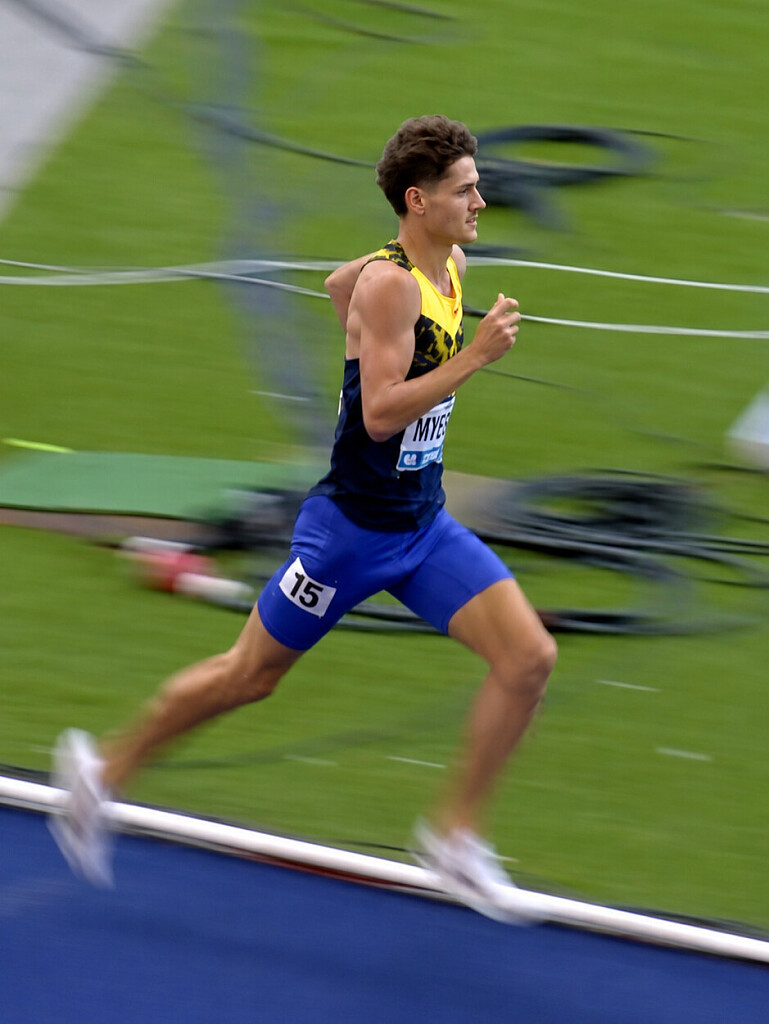
Cameron Myers Reigns in Berlin with Brilliant 3:30.96 1500m Victory
Australia’s Cameron Myers delivered another outstanding performance, producing a commanding run to win the men’s 1500 metres at ISTAF Berlin in 3:30.96.
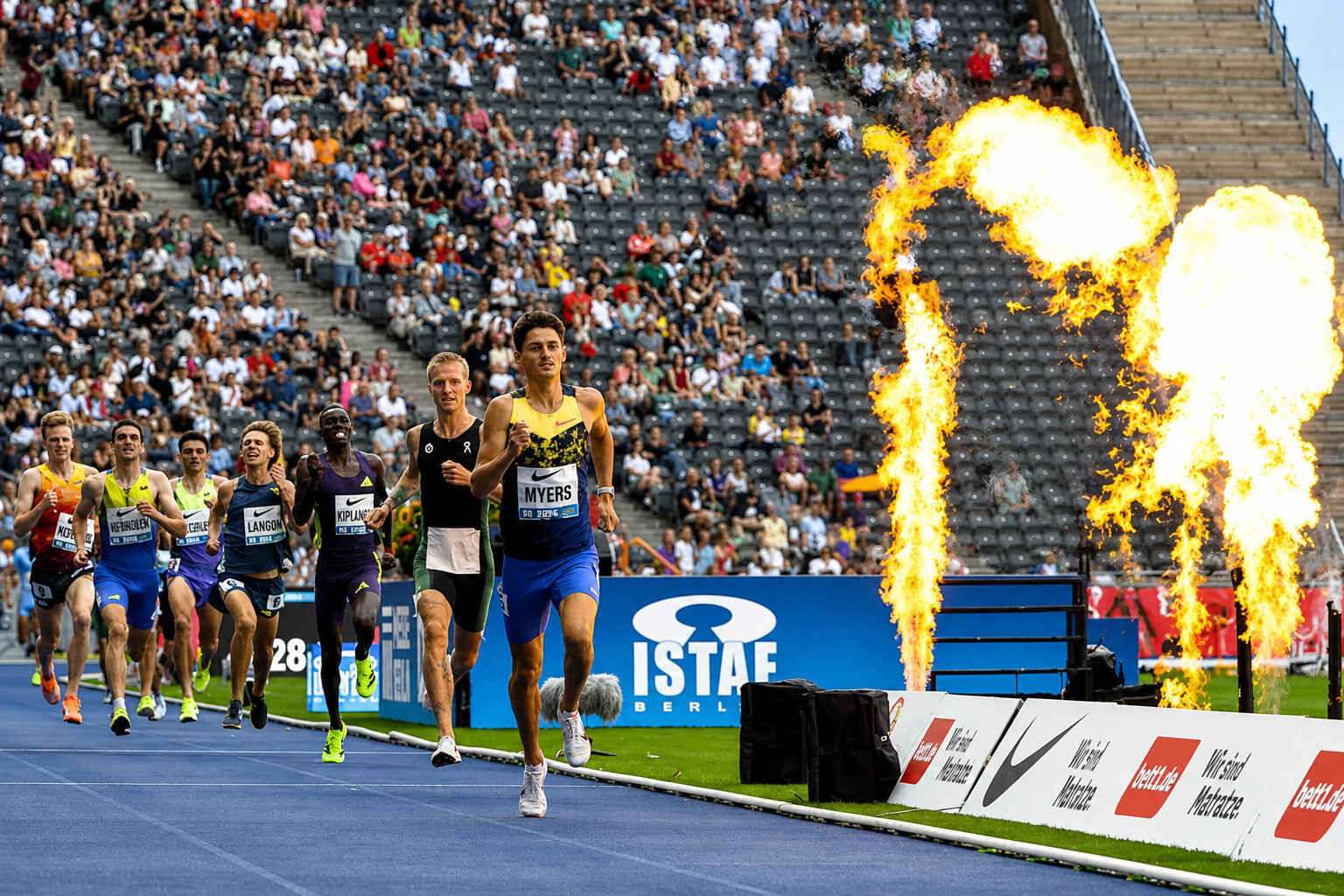
The Australian middle-distance star once again demonstrated why he is regarded as one of the most exciting athletes in the event, emerging victorious from a high-quality race ahead of Germany’s Robert Farken, who finished second in 3:31.73.
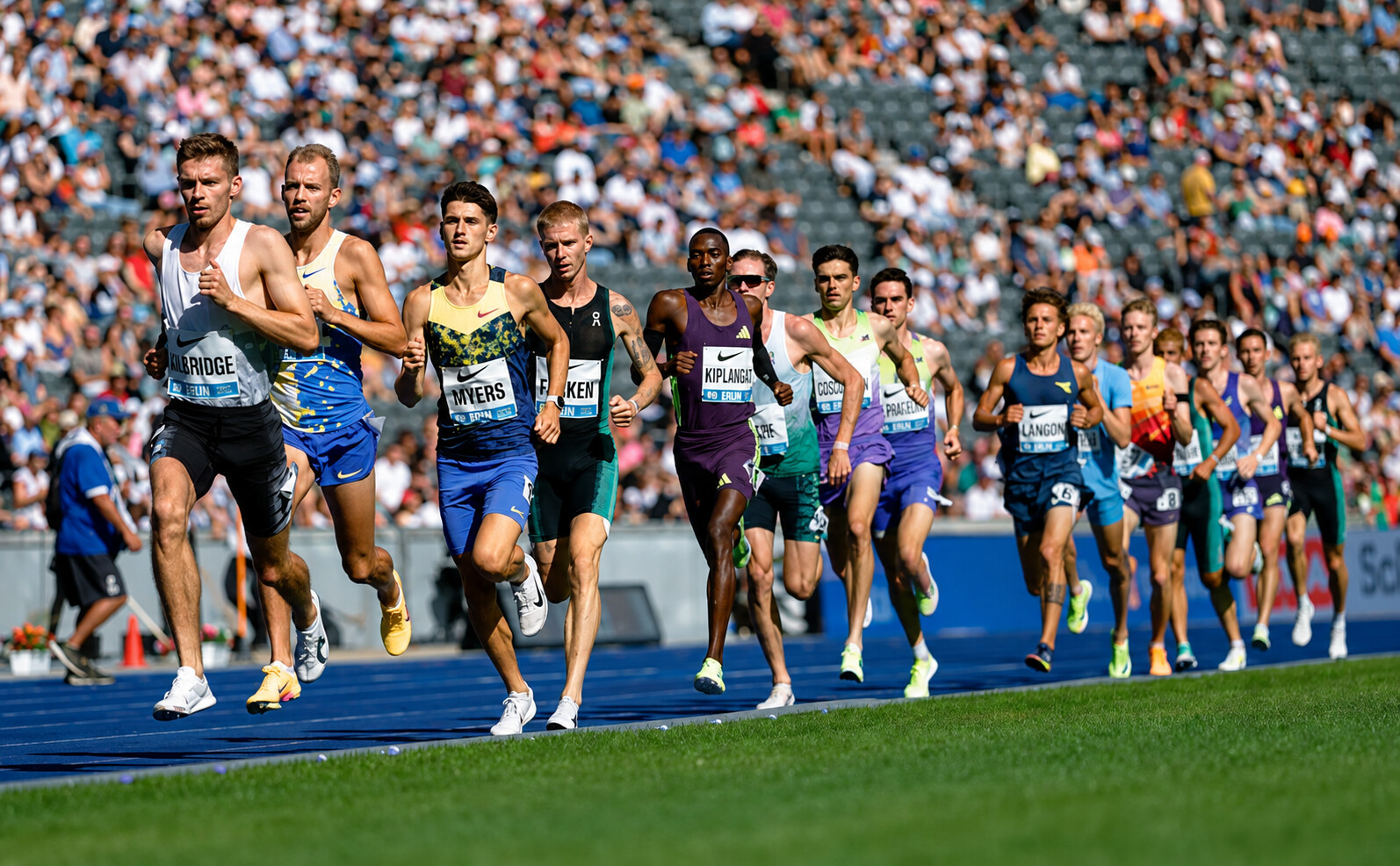
Farken, the German record holder, had the advantage of competing in front of his home crowd in Berlin, but Myers proved too strong when it mattered most. The Australian showed impressive composure and strength in the closing stages, producing the decisive finish needed to secure another important victory.
The race featured a deep international field, with Kenya’s Danson Kiplangat taking third place in 3:33.01. Belgium’s Jochem Vermeulen followed in fourth with 3:33.13, while Norway’s Narve Gilje Nordås rounded out the top five in 3:33.32.
Still only 20 years old, Myers continues to show remarkable maturity and consistency against world-class opposition. His victory in Berlin was not simply about the fast time, but also about the confidence and racing intelligence he displayed against an experienced field. With each major performance, the Australian is strengthening his reputation as one of the most exciting young forces in global middle-distance running.
Myers arrived in Berlin in excellent form and once again proved his ability to deliver against some of the strongest competitors in the world. His performance was particularly impressive given the quality and depth of the field, with several accomplished international runners unable to match the Australian’s strength when the race reached its decisive stages.
The victory adds another significant chapter to Myers’ rapidly developing career and further underlines his growing status in the men’s 1500 metres. For Farken, second place represented another strong performance on home soil, but on this occasion, the night belonged to Myers, whose brilliant 3:30.96 run earned him another memorable triumph and added further momentum to his impressive season.
by Erick Cheruiyot for My Best Runs.
Login to leave a comment
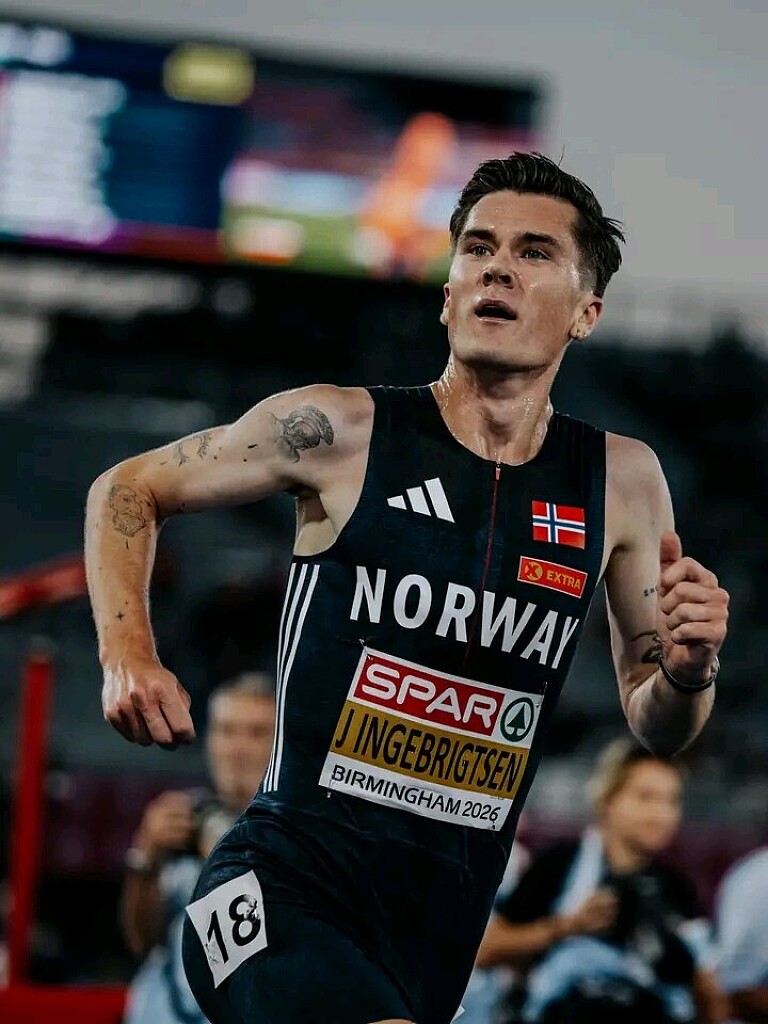
Jakob Ingebrigtsen Returns In Style With Fourth Straight European 5000m Gold
After 11 months away from competitive racing, Jakob Ingebrigtsen reminded the athletics world exactly why he remains one of distance running’s most formidable forces.
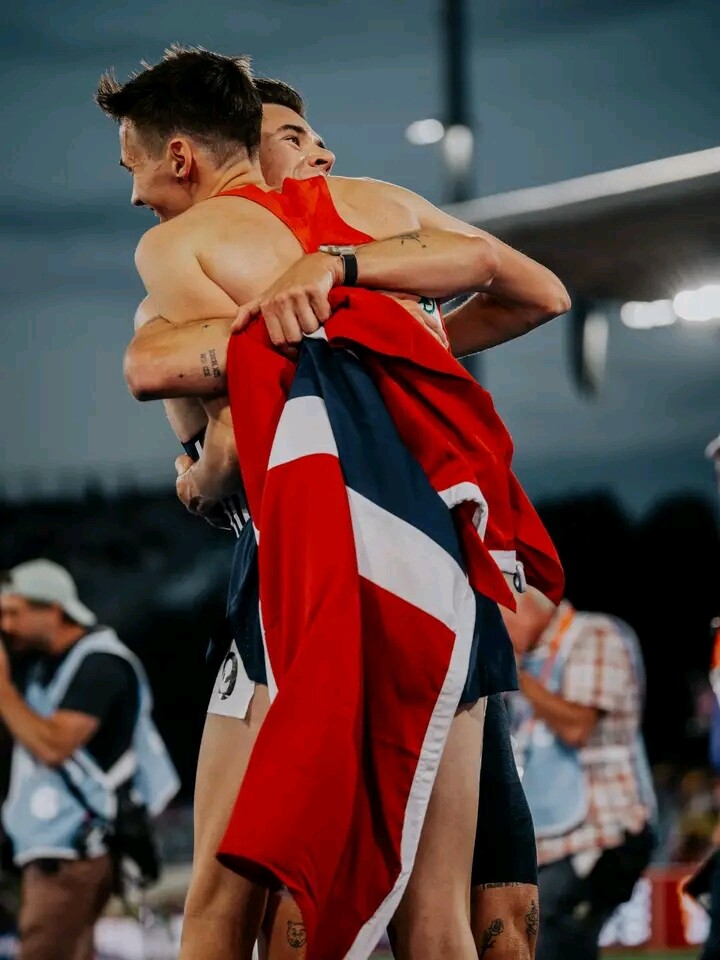
The Norwegian superstar made a spectacular return at the European Athletics Championships in Birmingham, producing a trademark finishing surge to capture his fourth consecutive European 5000m title in 13:15.29.
Making his first competitive appearance since 2025 following an Achilles injury and surgery earlier this year, Ingebrigtsen approached the race with patience. Rather than forcing the pace early, the Olympic champion remained composed through the opening stages, conserving energy for the decisive moments.
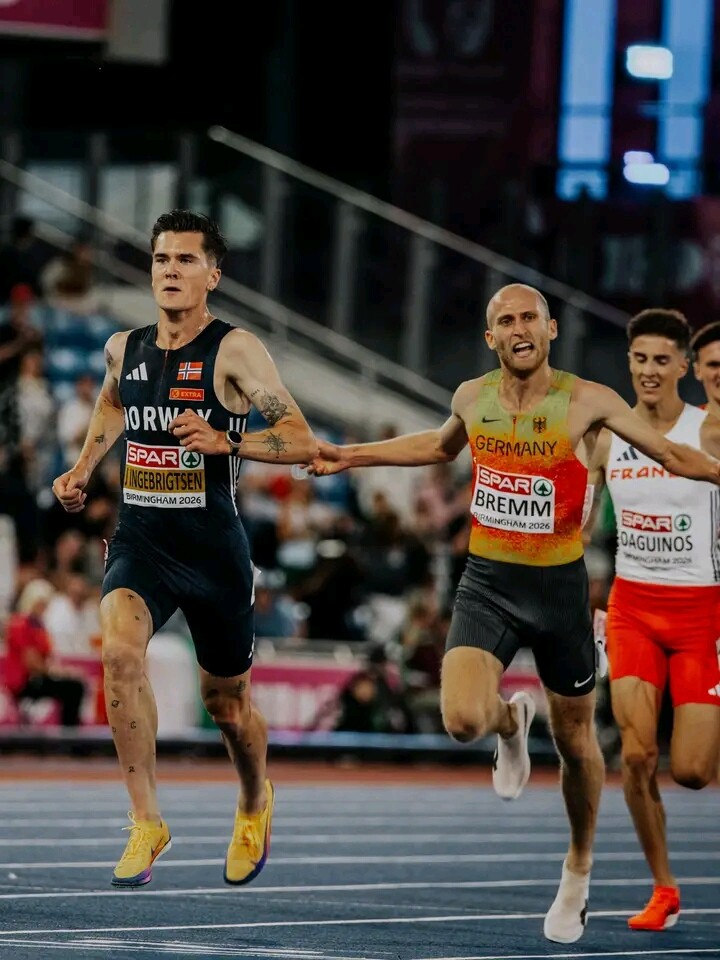
With the field still tightly packed entering the closing stages, the race came down to a final-lap battle. Ingebrigtsen moved into contention around the final bend before unleashing a devastating kick over the closing 100 metres.
Jimmy Gressier of France and Germany’s Florian Bremm were among those fighting for the medals, but neither could match the Norwegian’s acceleration. Ingebrigtsen powered clear to cross the line first in 13:15.29, with Bremm taking silver and France’s Etienne Daguinos claiming bronze.
The victory extends an extraordinary European Championships record for Ingebrigtsen. He has now won the 5000m title at four consecutive editions, while his latest gold also further strengthens his status as the most successful male athlete in the history of the European Athletics Championships.
What made the performance even more remarkable was the uncertainty surrounding his return. Ingebrigtsen had not raced at all during the 2026 season as he worked his way back from Achilles surgery. His participation in Birmingham was only confirmed in late July, with his management stressing that the decision would depend on his readiness.
Yet when the moment arrived, the 25-year-old delivered in familiar fashion — staying calm, trusting his strength and producing an explosive finish when the medals were on the line.
The comeback victory also sets up an intriguing next chapter. Ingebrigtsen is scheduled to return to the Diamond League circuit at the Weltklasse Zürich meeting on August 27, where he is expected to contest the 1500m alongside a formidable field that includes Olympic champion Cole Hocker, Yared Nuguse and Isaac Nader. The Zürich meeting is scheduled for August 27.
After nearly a year away, Jakob Ingebrigtsen is back — and his first race of the comeback has already produced another European title.
The next test will come over 1500 metres in Zürich, where the Norwegian will face a very different challenge and an entirely different level of speed.
For now, though, one message rings loud across European athletics:
Jakob Ingebrigtsen is back.
by Erick Cheruiyot for My Best Runs.
Login to leave a comment

European Athletics Champioships
The27thEuropean Athletics Championshipswill be held from 10 to 16 August 2026 at theAlexander StadiuminBirmingham, United Kingdom.[1] This is the first time that a British city will have staged the European Athletics Championships although Birmingham has hosted many high-profile events, including the2007 European Athletics Indoor Championships, the2003and2018 IAAF World Indoor Championshipsand the2022 Commonwealth Games. Alexander Stadium was renovated between 2019 and...
more...
Ultimate Clash Reloaded: Paris Olympic 1500m Medalists Set for Another Epic Battle in Budapest
The rivalry that captivated the athletics world in Paris is about to be reignited on one of the sport's biggest new stages.
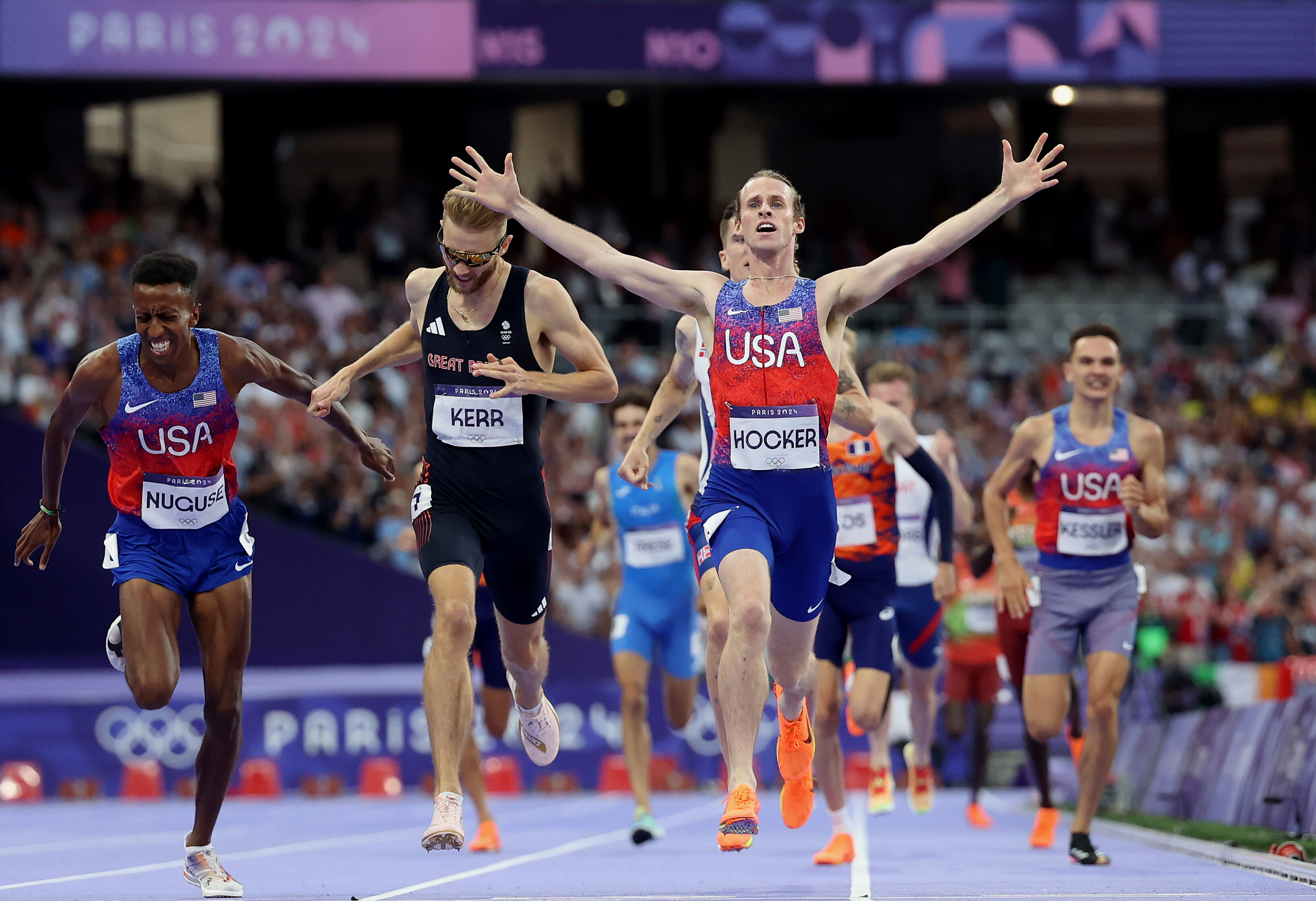
More than two years after producing one of the greatest Olympic 1500m finals in history, Olympic champion Cole Hocker, world mile record holder Josh Kerr, and Olympic bronze medalist Yared Nuguse are set to face each other once again at the inaugural World Athletics Ultimate Championships in Budapest, Hungary, from September 11–13, 2026.
Their unforgettable showdown at the Paris Olympics stunned fans across the globe. Hocker stormed to Olympic gold in a remarkable 3:27.65, smashing the Olympic record in a race that redefined what was thought possible over 1500 metres. Kerr claimed silver after another fearless performance, while Nuguse completed an extraordinary American one-two-three finish by securing the bronze medal.
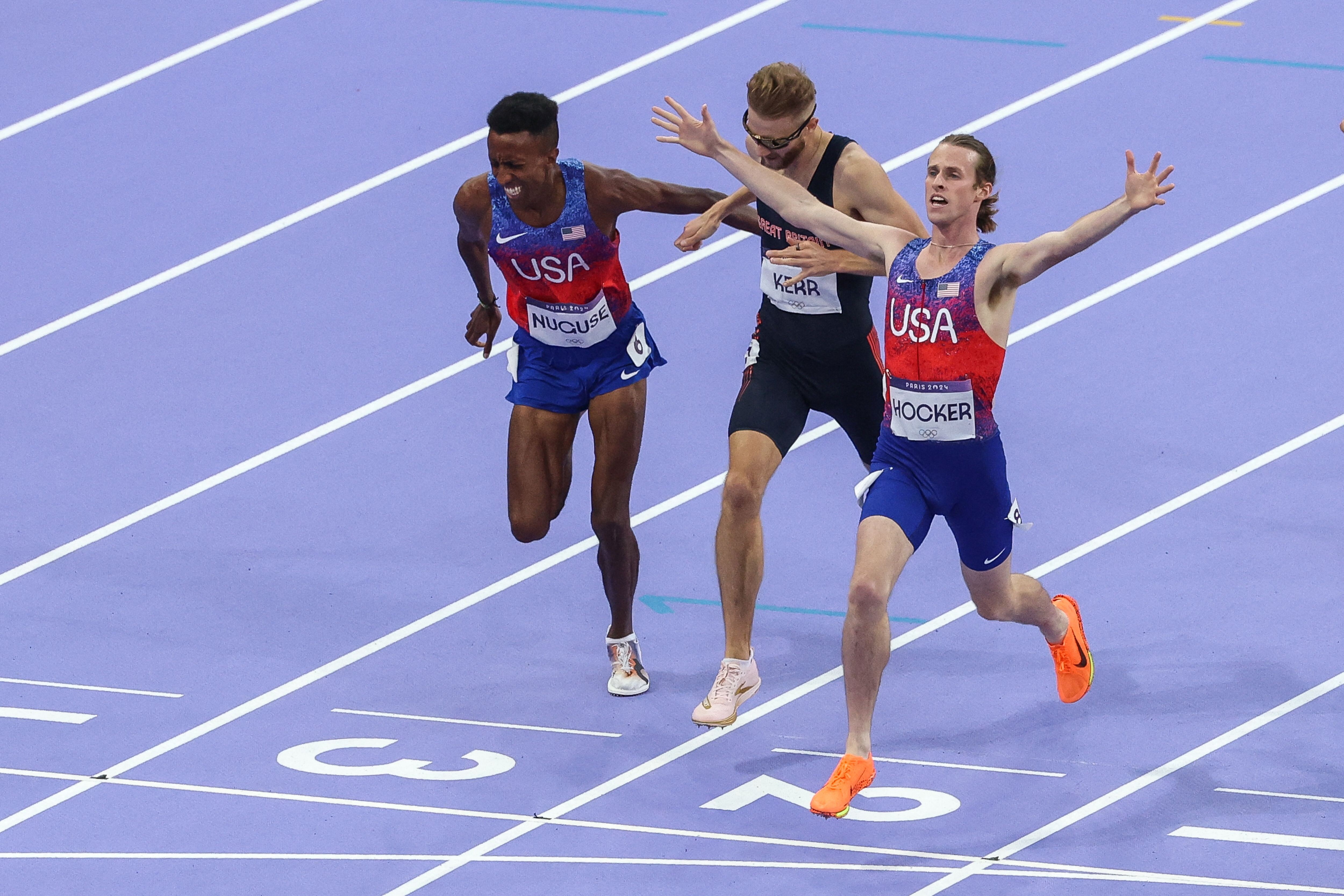
Now, the three medalists return to centre stage with even more at stake.
Hocker arrives in Budapest carrying the confidence of an Olympic champion determined to prove that his triumph in Paris was no one-off. Kerr, meanwhile, enters the championship in arguably the finest form of his career after recently rewriting history in London with a sensational 3:42.66 mile, breaking a world record that had stood for 27 years. For Nuguse, the Ultimate Championships present another opportunity to transform Olympic bronze into the biggest victory of his career.
Unlike traditional global championships, there will be no qualifying rounds, no tactical heats and no margin for error. The men's 1500m will be contested as a straight final featuring only 12 of the world's finest athletes, ensuring every lap is run at championship intensity from the opening gun.
The stakes extend well beyond prestige. The winner will collect a staggering US$150,000 from the event's US$10 million prize fund, adding even greater incentive to what is already shaping up to be one of the most eagerly anticipated races of the year.
The venue itself adds another fascinating chapter to the story. Budapest's National Athletics Centre was where Kerr claimed his world title in 2023, giving the British star fond memories of the track. Hocker will be aiming to reinforce his Olympic dominance, while Nuguse hopes this will finally be the race where he climbs to the top of the podium.
With three proven championship performers, contrasting racing styles and little separating them on talent, the men's 1500m promises to be one of the headline attractions of the inaugural World Athletics Ultimate Championships.
The Olympic champion, the reigning world mile record holder and the Olympic bronze medalist are ready to write the next chapter of one of middle-distance running's greatest modern rivalries.
Budapest awaits. The only question left is: who will emerge as the Ultimate Champion?
by Erick Cheruiyot for My Best Runs.
Login to leave a comment
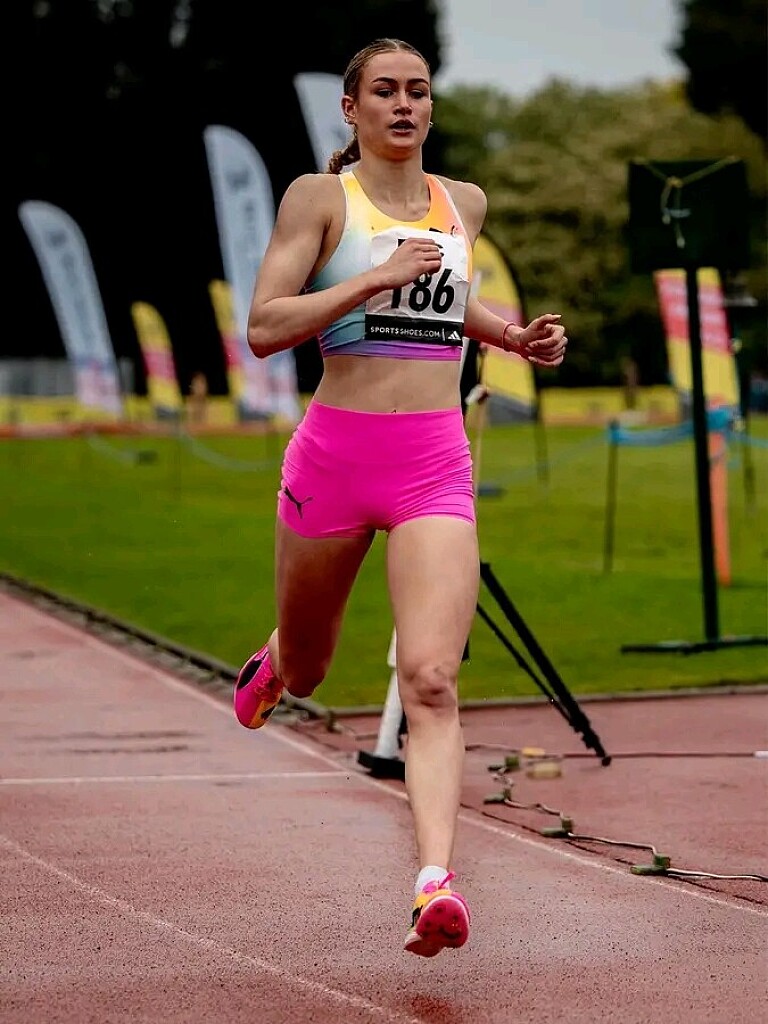
Gill Continues Encouraging Comeback with Marseille 800m Victory
British middle-distance talent Phoebe Gill took another significant step forward in her return to top form, producing a determined victory over 800 metres at the Meeting de Marseille in France on Wednesday.
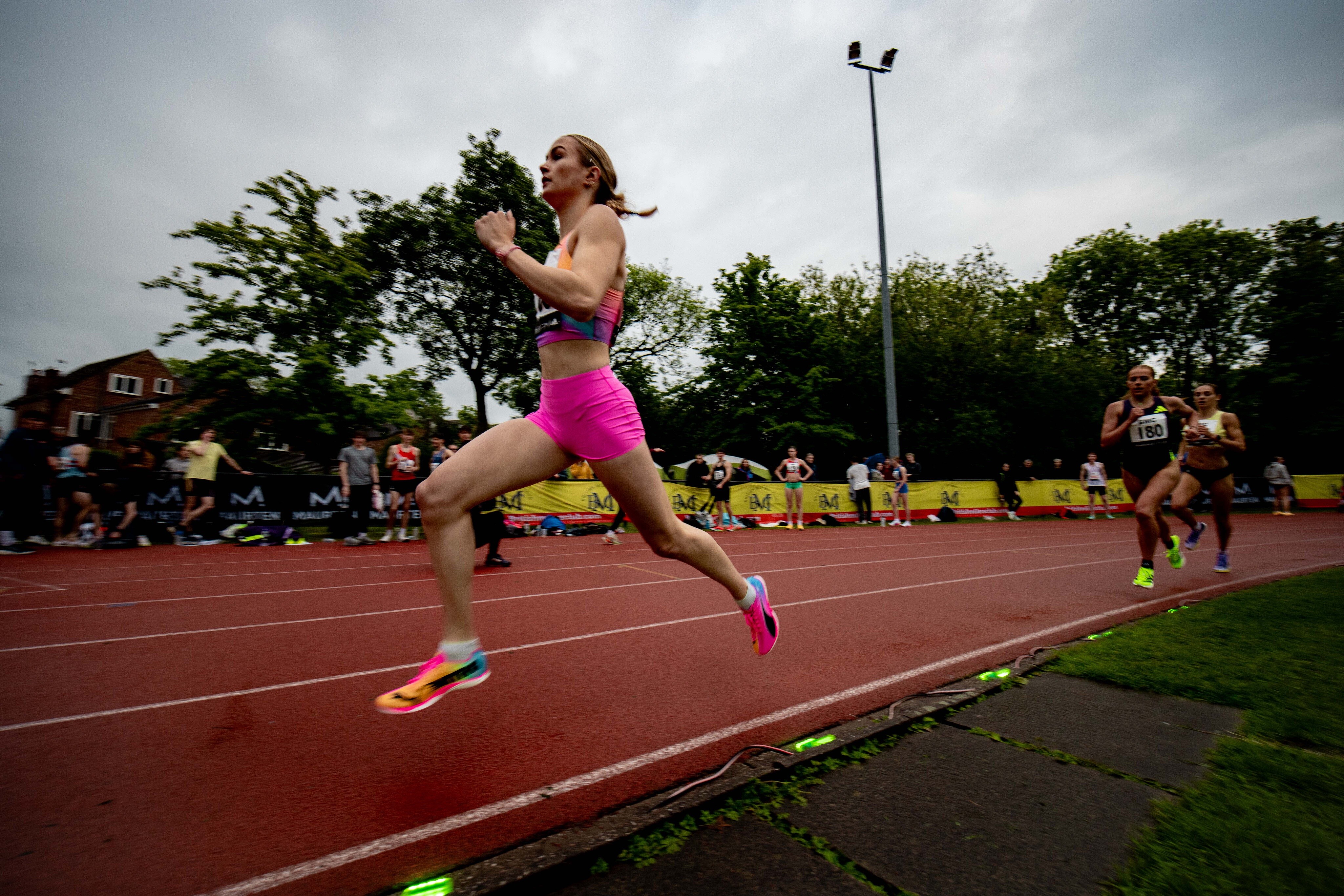
Competing in challenging, wind-affected conditions, the 19-year-old demonstrated both resilience and composure as she held off a late charge from Switzerland's Veronica Vancardo to secure the win in 2:00.81. Vancardo finished just three hundredths of a second behind in 2:00.84, underlining the fiercely contested nature of the race.
While the margin of victory was narrow, the result represented another encouraging milestone for Gill as she continues to rebuild momentum following her injury setback. The young Briton showed impressive race awareness and strength in the closing stages, maintaining her advantage despite the difficult conditions that made fast running a challenge throughout the evening.
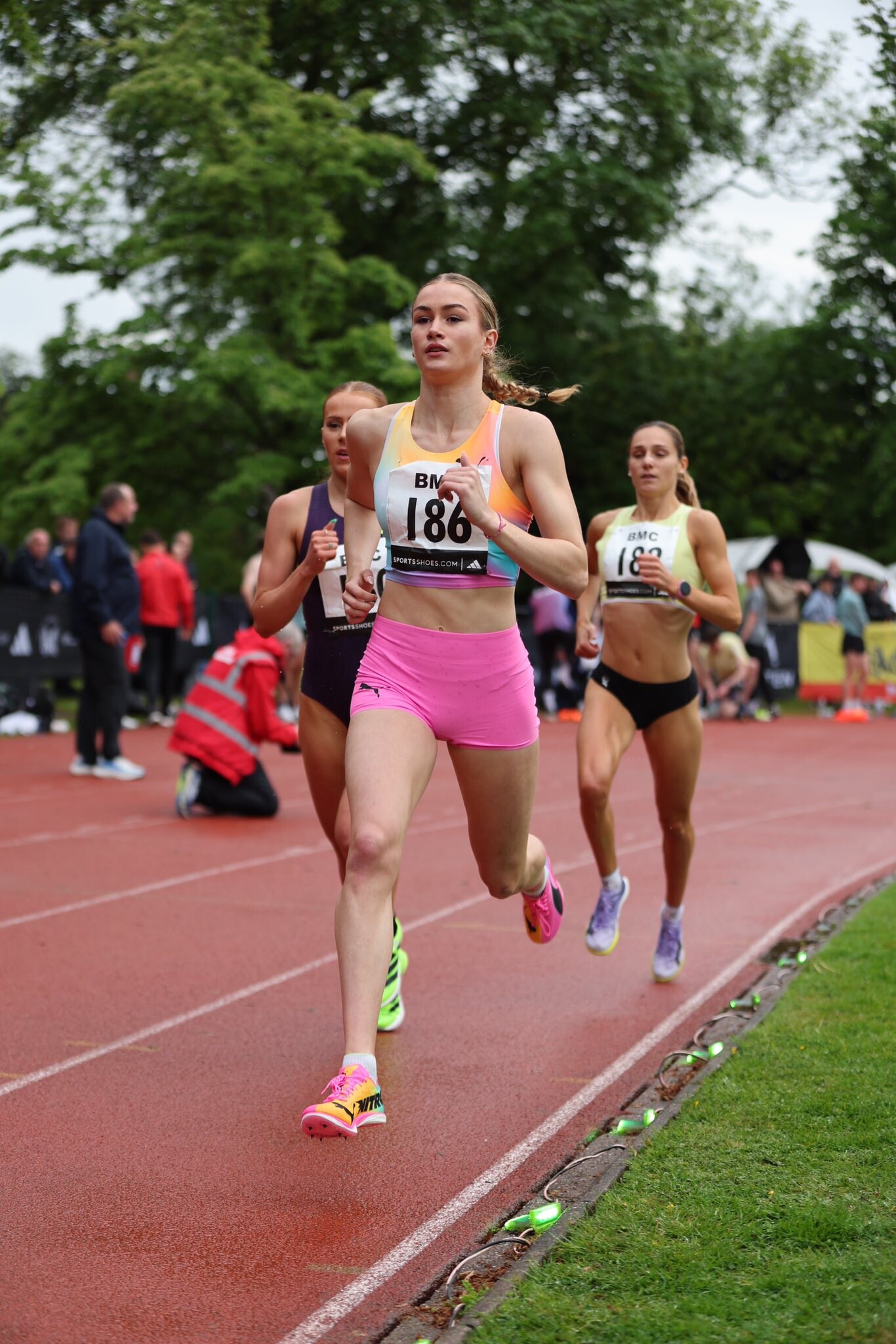
The Marseille triumph adds to a growing body of evidence that Gill is steadily progressing toward her best form. Earlier in her comeback campaign, she clocked 2:01.50 for 800m in Bydgoszcz before demonstrating her versatility with a strong 4:05.53 performance over 1500 metres at the BMC Grand Prix meeting in Trafford.
Those performances have highlighted not only her improving fitness but also her ability to compete across multiple distances as she carefully builds her season. The Marseille victory now provides further confirmation that the European junior star is moving in the right direction.
Gill emerged as one of Britain's most exciting middle-distance prospects through a series of breakthrough performances as a teenager, earning widespread recognition for her fearless racing style and remarkable maturity. Injury temporarily interrupted that upward trajectory, but her recent results suggest she is steadily rediscovering the form that made her one of the sport's brightest young talents.
With each race, the signs of progress become increasingly evident. Winning in difficult conditions and under pressure from a quality field is often a stronger indicator than a fast time alone, and Gill's latest success demonstrated exactly those qualities.
As the summer season gathers pace, the Marseille victory offers another confidence boost for the British teenager, whose return continues to gain momentum. If her recent progression is any indication, Gill could soon find herself back among the leading names on the European middle-distance circuit.
by Erick Cheruiyot for My Best Runs.
Login to leave a comment
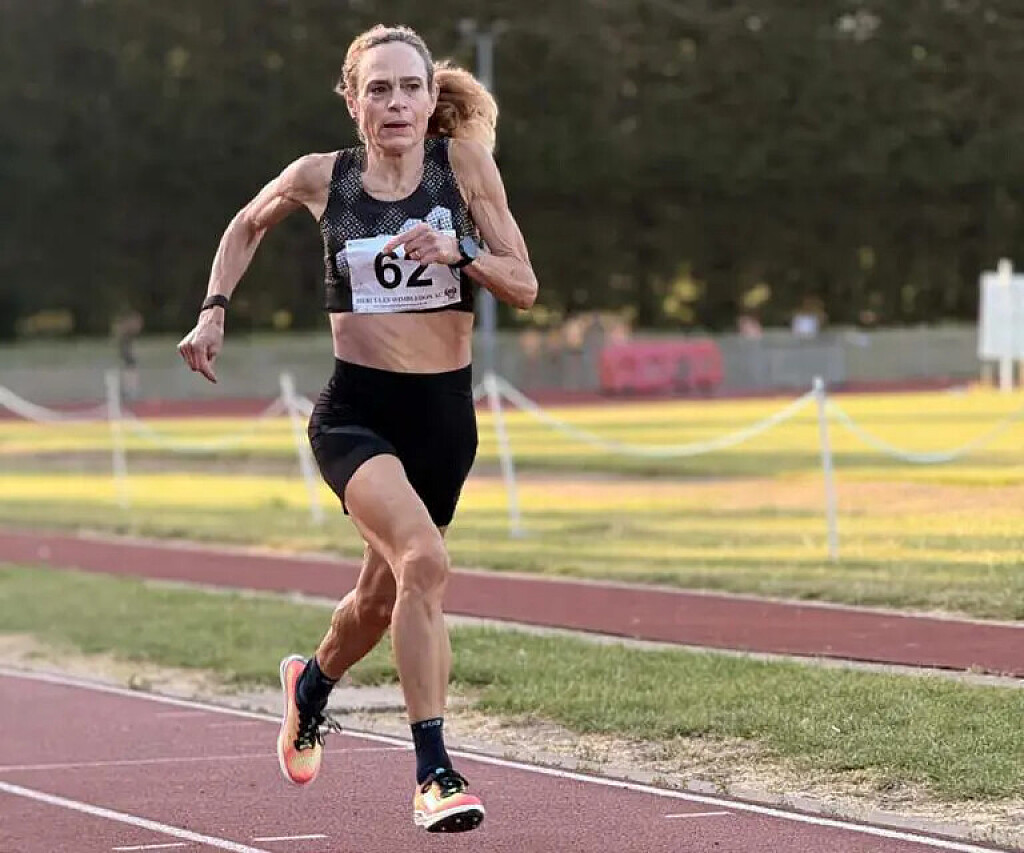
Clare Elms Rewrites the Limits of Age with Historic Sub-Five-Minute 1500m
Age is often described as the greatest opponent in athletics. For most runners, the battle is not against rivals on the track but against the relentless passage of time. Yet this spring, one remarkable athlete delivered a performance that challenged everything we think we know about aging and endurance.
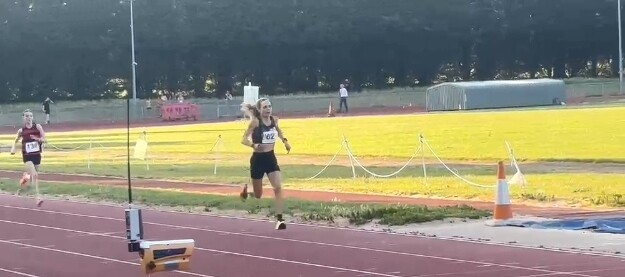
At a track meeting in Wimbledon, 62-year-old Clare Elms produced a run for the history books, clocking 4:56.77 for 1500 metres despite battling a stiff easterly wind. The performance not only lowered her own W60 world record but also made her the oldest woman ever to break the five-minute barrier for the distance.
The achievement becomes even more extraordinary when viewed in context. In her race, eight of the ten competitors were young enough to be her grandchildren. While many athletes spend their careers chasing youthful promise, Elms lined up wearing bib number 62—a simple reflection of her age, yet a powerful reminder of how far beyond conventional expectations she continues to compete.
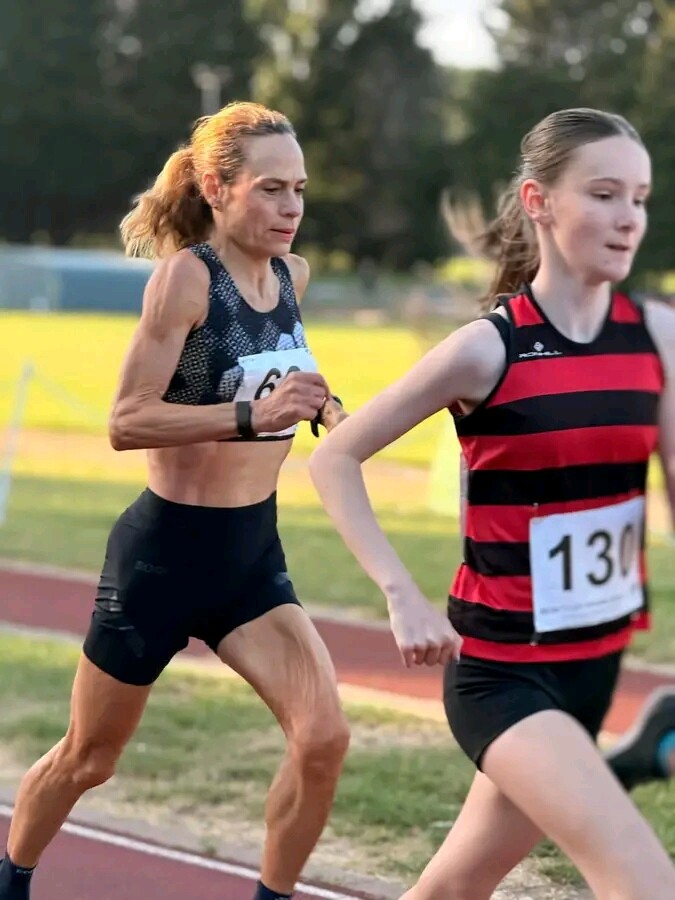
What separates Elms from many masters athletes is that her journey to elite running success began relatively late. She did not commit seriously to training until her early forties, following the birth of her triplets. At an age when many athletes are retiring from competitive sport, she was only beginning to discover her potential.
Over the next two decades, she steadily transformed herself into one of the most accomplished age-group runners in history. Rather than slowing down, she continued to redefine what was possible, collecting world records and national marks across multiple age categories.
Her latest milestone adds another chapter to an already extraordinary résumé. Elms currently holds sixteen British records across the 1500 metres and mile events, spanning categories from W45 through W60. Earlier this year, she also set world-best performances over both 5 kilometres and 5 miles, further cementing her status as one of the most dominant masters runners of her generation.
The significance of her sub-five-minute run extends beyond statistics and record books. It serves as a powerful statement that athletic excellence is not confined to youth. While conventional wisdom suggests that peak performance has an expiration date, Elms continues to challenge those assumptions with every race she enters.
In a sport obsessed with the pursuit of personal bests, Clare Elms has accomplished something even rarer—she has shifted the boundaries of what is believed to be possible. Most athletes spend their careers trying to hold on to their prime years. Clare Elms has spent hers proving that a prime can be redefined.
At 62, she is not merely setting records. She is reshaping the narrative of aging in sport, one remarkable lap at a time.
by Erick Cheruiyot for My Best Runs.
Login to leave a comment
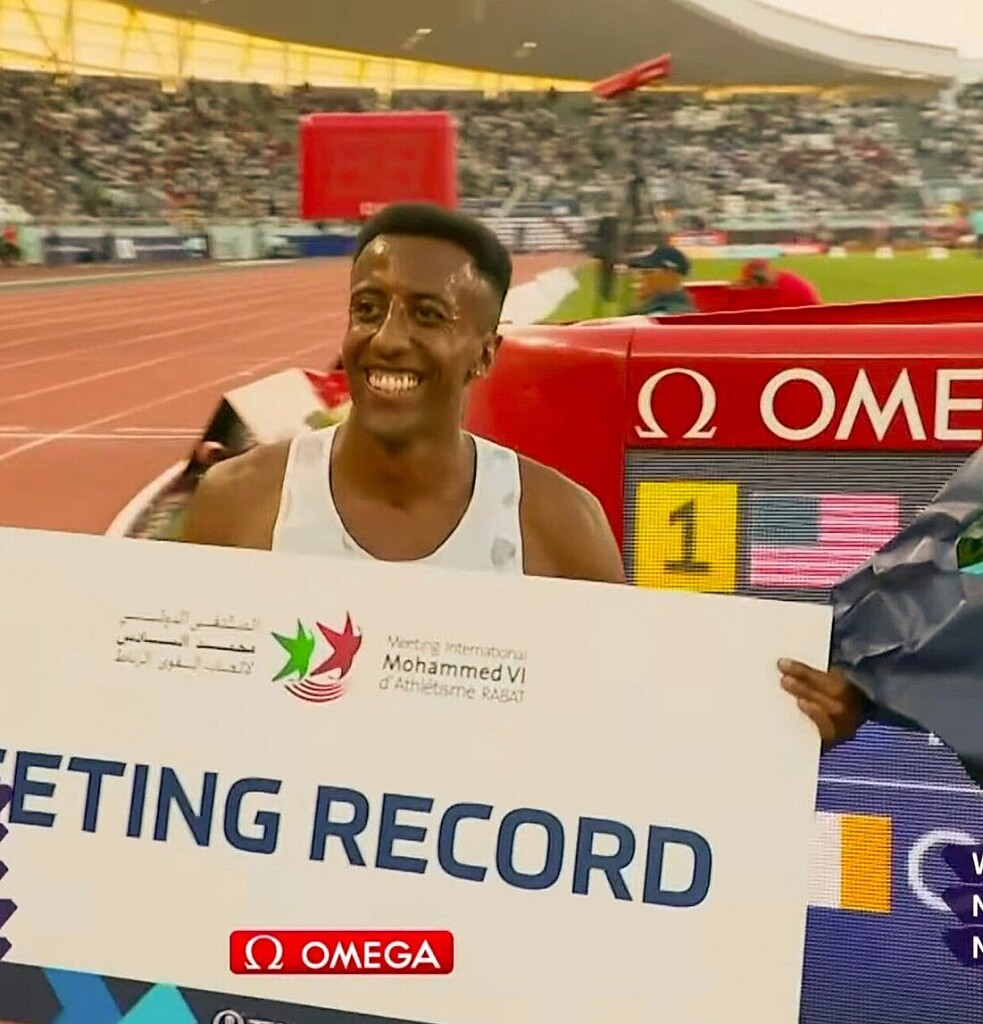
Nuguse Blazes to Meet Record as World-Class 1500m Battle Lights Up Rabat
American middle-distance star Yared Nuguse launched his 2026 outdoor campaign in spectacular fashion, storming to victory and a new meeting record in the men's 1500 metres at the Rabat Diamond League on Sunday.
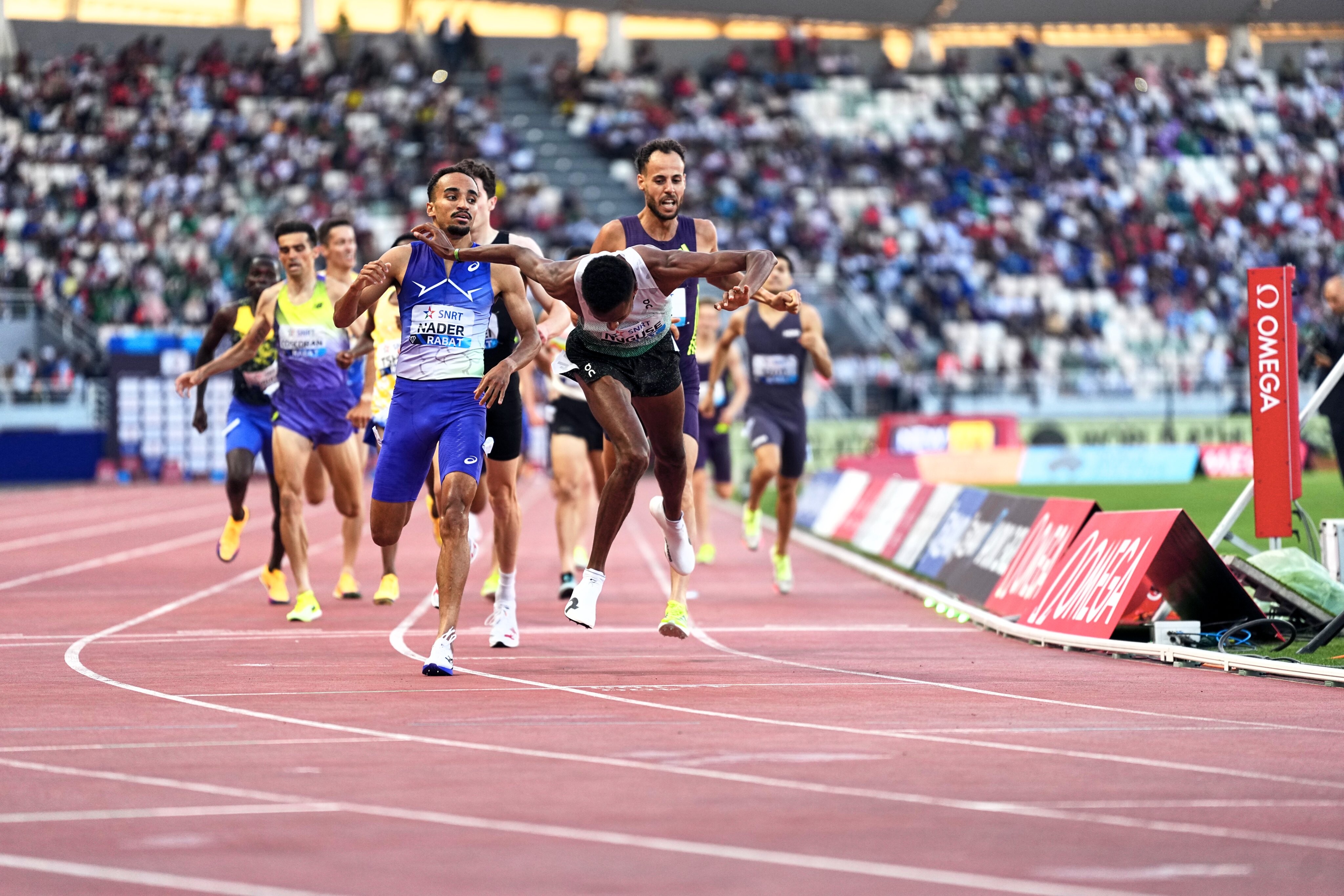
The Olympic and world medal contender produced a composed and clinical performance, crossing the finish line in 3:30.35 after a fiercely contested race that showcased some of the finest talent in global middle-distance running. Nuguse timed his effort to perfection, holding off a relentless late challenge from reigning World Champion Isaac Nader of Portugal, who closed rapidly but fell just short in 3:30.43.
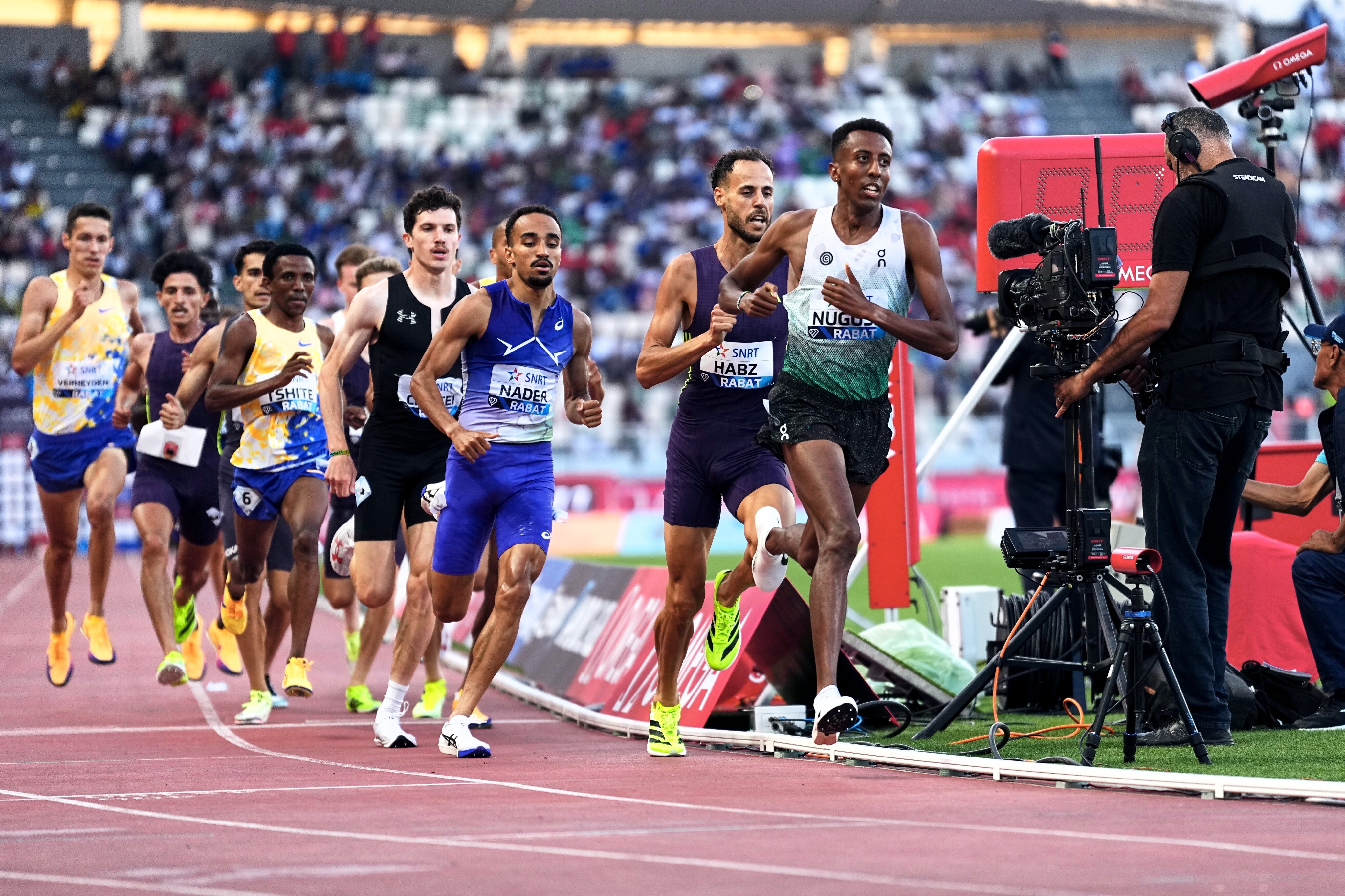
The race developed into a thrilling showdown over the final 200 metres, with Nuguse maintaining his poise under pressure as Nader unleashed a powerful finishing kick. Despite the Portuguese star's impressive surge, the American had already built enough momentum to secure both the victory and the meeting record in one of the fastest 1500m races of the season.
French athlete Azzedine Habz completed the podium after another strong performance, clocking 3:30.68 to underline the exceptional depth of the field. With all three medalists finishing comfortably under 3:31, Rabat delivered a race worthy of its reputation as one of the premier stops on the Wanda Diamond League circuit.
For Nuguse, the victory sends an early statement to his rivals as the championship season approaches. Opening his year with a meeting record against a field featuring a reigning world champion highlights both his consistency and his growing status among the world's elite milers.
The result also signals that the men's 1500m is once again shaping up to be one of athletics' most competitive events. With Nuguse, Nader, Habz and several other global stars already displaying outstanding form, fans can expect more thrilling battles as the road to the major championships gathers momentum.
In Rabat, however, the spotlight belonged to Nuguse. On a night packed with quality performances, the American delivered exactly the kind of statement run that champions are remembered for—fast, fearless and ultimately record-breaking.
by Erick Cheruiyot for My Best Runs.
Login to leave a comment
Beyond the Two-Hour Dream: Where Athletics’ Next Great Barriers Truly Lie
For generations, athletics has been defined not just by victories, but by the breaking of barriers that once seemed beyond human reach. From Roger Bannister redefining the limits of the mile to Eliud Kipchoge pushing the marathon into uncharted territory, the sport has thrived on moments where disbelief gives way to possibility.
Now that the elusive sub-two-hour marathon has been conquered—albeit under controlled conditions—the question naturally arises: what “impossible” feats remain?
On the men’s side, the landscape feels markedly different. The mythical thresholds that once captured the public imagination have largely been crossed. What remains are performances of extraordinary refinement rather than revolution. A 10,000 metres run under 26 minutes, a 5,000 metres dipping to 12:30, or an 800 metres brushing against the 1:40 barrier—these are astonishing achievements by any standard. Yet they lack the simple, almost poetic clarity of a round-number milestone. They are understood best by insiders, appreciated deeply by purists, but perhaps less capable of gripping the wider world in the same way.
Take the legacy of David Rudisha, whose 1:40.91 in the 800 metres already borders on perfection. To go significantly beyond it would be monumental, but not necessarily transformative in the public imagination. It is progress, not paradigm shift.
The narrative shifts, however, when attention turns to the women’s side—where the sport’s next defining frontiers may well emerge.
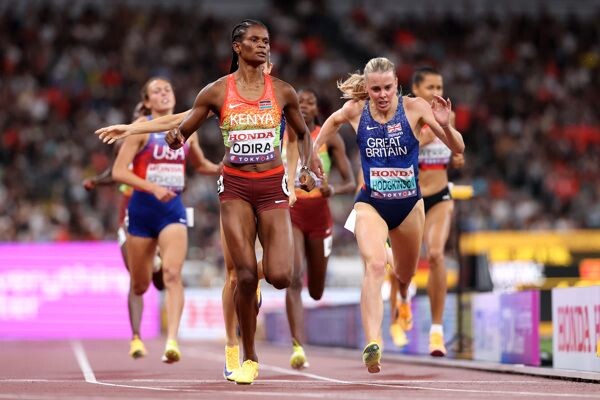
Foremost among them is the tantalising prospect of a sub-four-minute mile. At present, it exists firmly in the realm of speculation, yet history cautions against dismissing such ambitions. Before Bannister, the four-minute mile was widely considered unattainable. Today, with athletes like Faith Kipyegon consistently redefining excellence in the 1500 metres and mile, the once-unthinkable begins to inch toward plausibility. Even a performance approaching 4:02 would shift the psychological landscape, transforming fantasy into a credible pursuit.
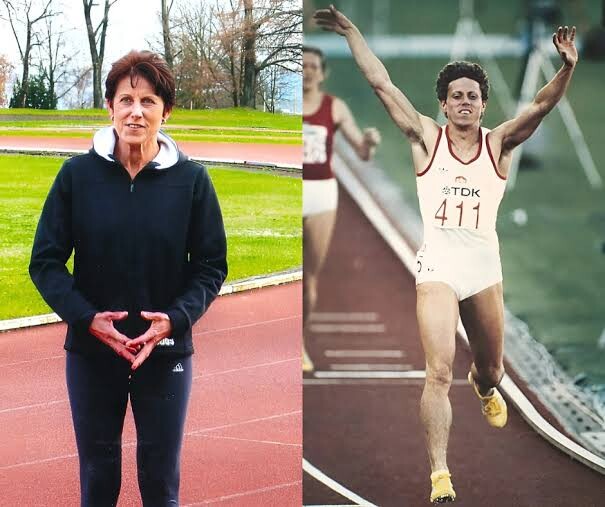
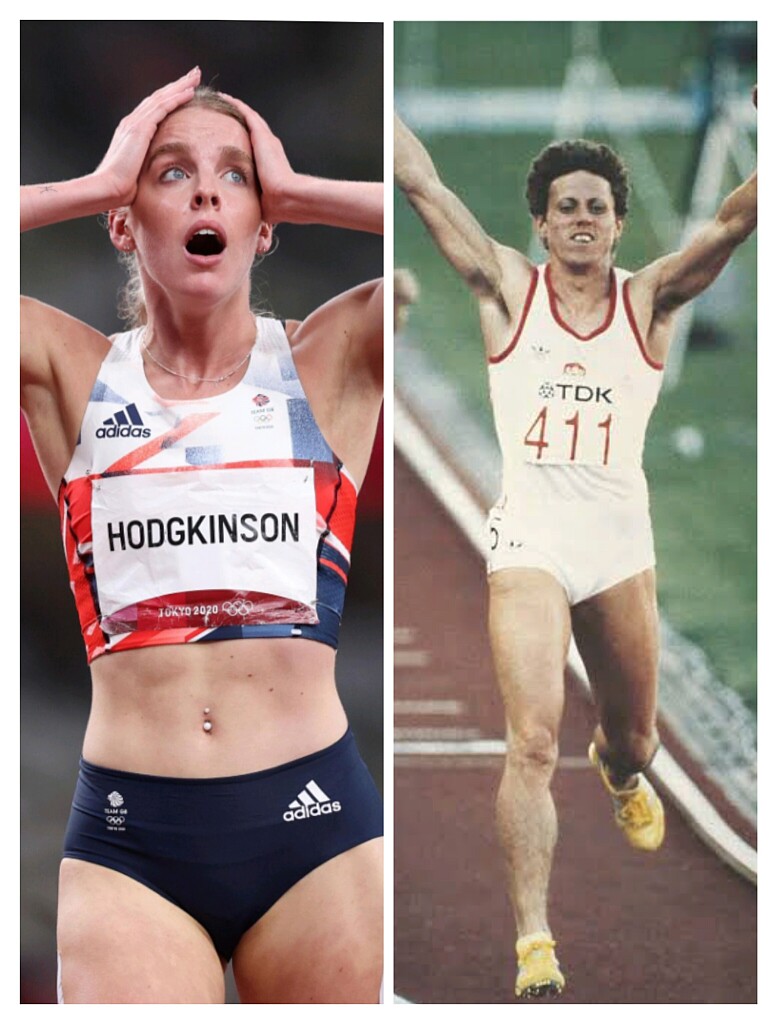
Then there is perhaps the most enigmatic mark in all of athletics: the women’s 800 metres world record. Set at 1:53.28 by Jarmila Kratochvílová in 1983, it stands as a relic of another era—unyielding, controversial, and seemingly immune to progress. While other events have evolved, this record has resisted even the closest of challenges. In fact, approaching within a second of it has become a rarity, elevating even a 1:54 performance into the realm of the extraordinary.
This enduring anomaly creates a paradox: in an age of rapid advancement, the women’s 800 metres has become one of the sport’s last true “barriers”—not defined by a round number, but by the sheer improbability of surpassing a time frozen in history.
Taken together, these realities suggest that athletics may be entering a new phase. The era of clean, universally understood milestones may be giving way to a subtler narrative—one where greatness is measured not only by breaking symbolic thresholds, but by pushing the limits of human performance in increasingly nuanced ways.
And yet, if history has taught us anything, it is that today’s impossibility often becomes tomorrow’s inevitability.
Perhaps the next moment that stops the world will not come from the familiar battlegrounds of men’s distance running, but from the evolving, unpredictable theatre of women’s middle-distance events. Somewhere between ambition and audacity, the next great barrier is waiting—not just to be broken, but to redefine what we believe the human body can achieve.
by Erick Cheruiyot for My Best Runs.
Login to leave a comment
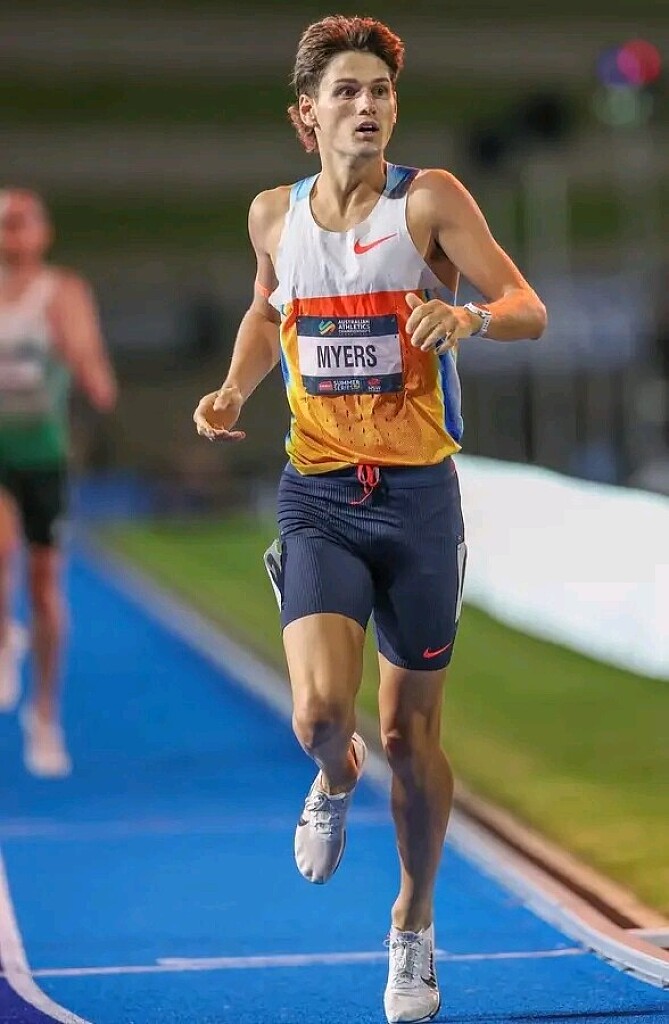
Cameron Myers: The Relentless Rise of Australia’s Middle-Distance Prodigy
At just 19, Cameron Myers is redefining what it means to be a teenage force in global athletics. In an era brimming with emerging talent, the Australian prodigy has quietly—but emphatically—established himself as one of the most formidable middle-distance runners on the planet.
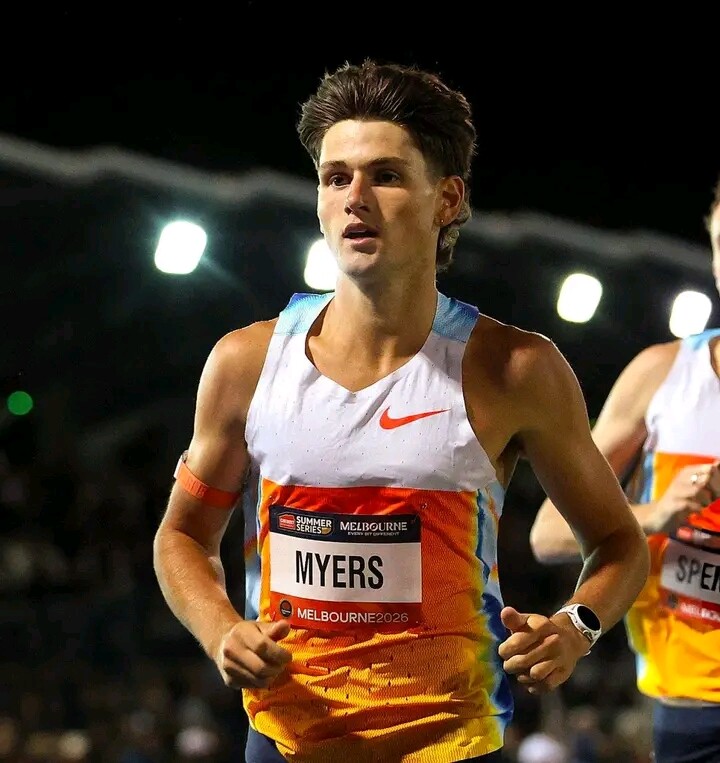
While headlines may drift toward other rising stars, Myers remains unfazed by the noise. His focus is unwavering, rooted not in publicity but in performance. Those closest to him describe an athlete driven by execution rather than attention—a competitor who thrives beyond the spotlight.
That mindset was on full display at the Australian National Championships in Sydney, where Myers delivered a masterclass across two demanding disciplines. In the 1500 metres, he dismantled a world-class field with astonishing authority. Facing a lineup in which half the competitors had already dipped below 3:36, Myers surged to the front early and never relinquished control. By the final lap, the race was effectively over.
He crossed the line in a blistering 3:29.85—an extraordinary mark that not only placed him within touching distance of Ollie Hoare’s national record, but also etched his name into history as the first athlete ever to break the 3:30 barrier on Australian soil. Remarkably, this feat surpasses even the achievements of legends such as Hicham El Guerrouj, the world record holder, who never achieved such a time in Australia.
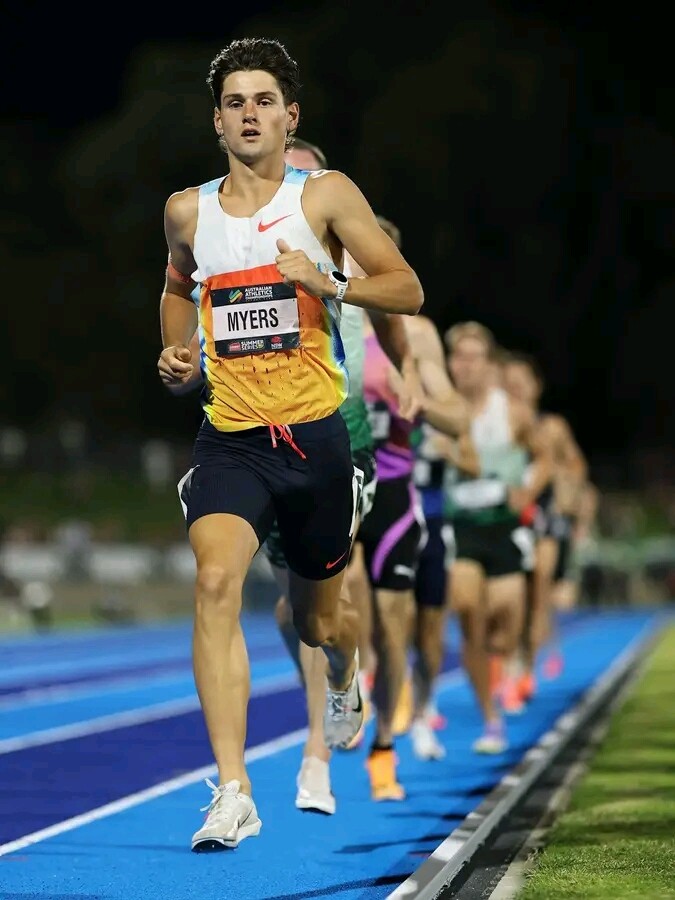
What made the performance even more compelling was the context: no pacemakers, no tactical shelter—just raw, front-running brilliance. Analysts have since suggested it may stand as one of the fastest 1500m races run outside a major championship this century, particularly given the absence of pacing assistance.
Yet Myers was far from finished.
Less than 24 hours later, he returned to the track and delivered another statement—this time over 5000 metres. Demonstrating remarkable endurance and recovery, he surged to victory while obliterating his personal best by an astonishing 20 seconds. It was a performance that underlined not just versatility, but an elite capacity to dominate across distances.
Though Sydney’s modern track surface may have offered marginal gains, it does little to explain the consistency Myers has shown across continents. Earlier in the year, he produced the fastest indoor mile ever recorded by a teenager in Seattle, further reinforcing his rapid progression. He also clocked an impressive 3:30.42 to win the 1500m at the prestigious Maurie Plant Meet—a performance that hinted at what was to come.
Speaking after his historic 1500m run, Myers revealed that even greater performances may lie ahead. He acknowledged that without pacers, he was unable to fully express his current form—a striking admission considering the magnitude of what he had just achieved.
In a sport where hype often precedes substance, Cameron Myers represents the inverse: a rare talent whose results speak louder than any narrative. As he continues to sharpen his craft, the global athletics stage may soon have no choice but to centre its attention firmly on him.
by Erick Cheruiyot for My Best Runs.
Login to leave a comment
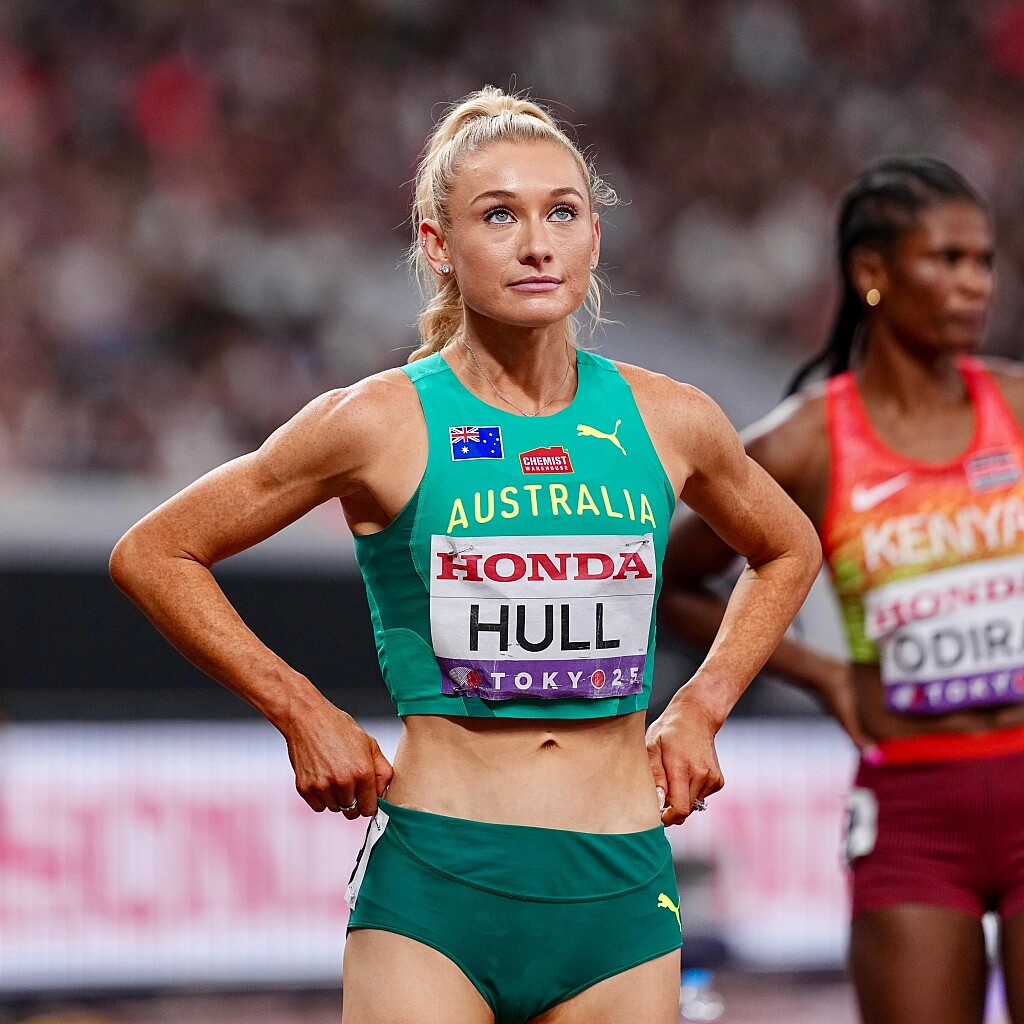
Emotion, Controversy and Redemption: Jessica Hull’s Championship Drama Ends in Triumph
Australian middle-distance star Jessica Hull found herself at the center of one of the most talked-about moments of the national athletics championships after a dramatic fall in the women’s 1500 metres sparked heartbreak, controversy, and an emotional response from her father and coach, Simon Hull.

In the aftermath of the incident, Simon Hull publicly apologised for the way he reacted, admitting that emotions got the better of him during the tense moments that followed the race. He later reached out to athletics officials to express his regret, acknowledging that he should have handled the situation with greater composure.
Yet despite the apology, he maintained his belief that his daughter was denied a genuine chance at victory after being clipped on the home straight while chasing the title. For a coach and father who had watched months of preparation lead to that decisive moment, the disappointment was impossible to hide.
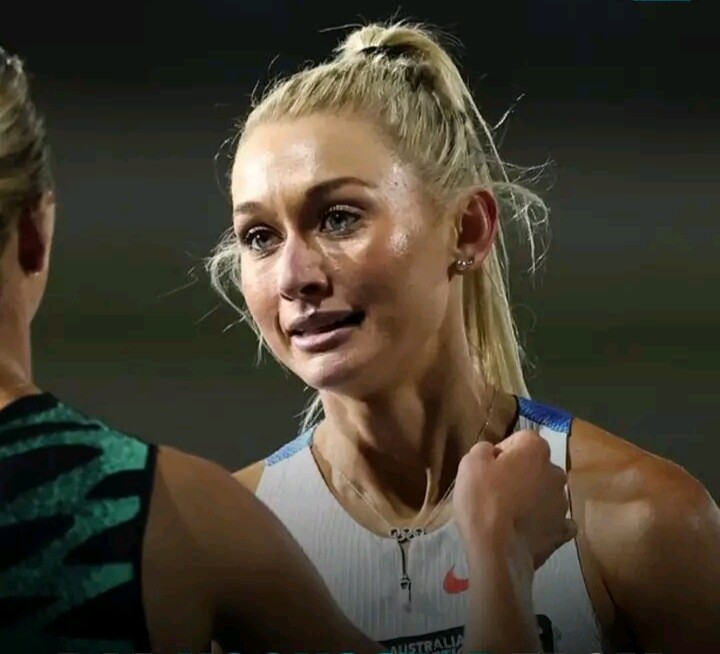
Jessica Hull had arrived at the championships with history in her sights. The Olympic silver medallist was attempting a rare and ambitious treble—winning the 800m, 1500m and 5000m at a single national championships. It was a challenge that demanded both speed and endurance, and one that underlined her remarkable range as an athlete.
Although the 1500m ended in frustration, Hull’s response was the clearest statement of her class. Rather than dwell on the controversy, she returned to the track two days later and delivered a commanding performance in the 5000m, surging to victory in style.
That performance not only showcased her physical strength, but also her mental resilience. Champions are often defined not by how they celebrate success, but by how they respond to adversity—and Hull did exactly that.
With the championships now behind her, attention turns to the upcoming Commonwealth Games, where Hull remains one of Australia’s brightest medal hopes. If this turbulent week proved anything, it is that setbacks may slow her path, but they are unlikely to stop her rise.
by Erick Cheruiyot for My Best Runs.
Login to leave a comment

Roared Home in Melbourne: Teenage Sensation Cam Myers Ignites the 1500m with a World-Leading Masterpiece
Under the charged atmosphere of a packed Lakeside Stadium in Melbourne, Australia’s rising star Cam Myers produced a performance far beyond his years, storming to victory in the men’s 1500 metres at the prestigious Maurie Plant Meet with a breathtaking time of 3:30.42.
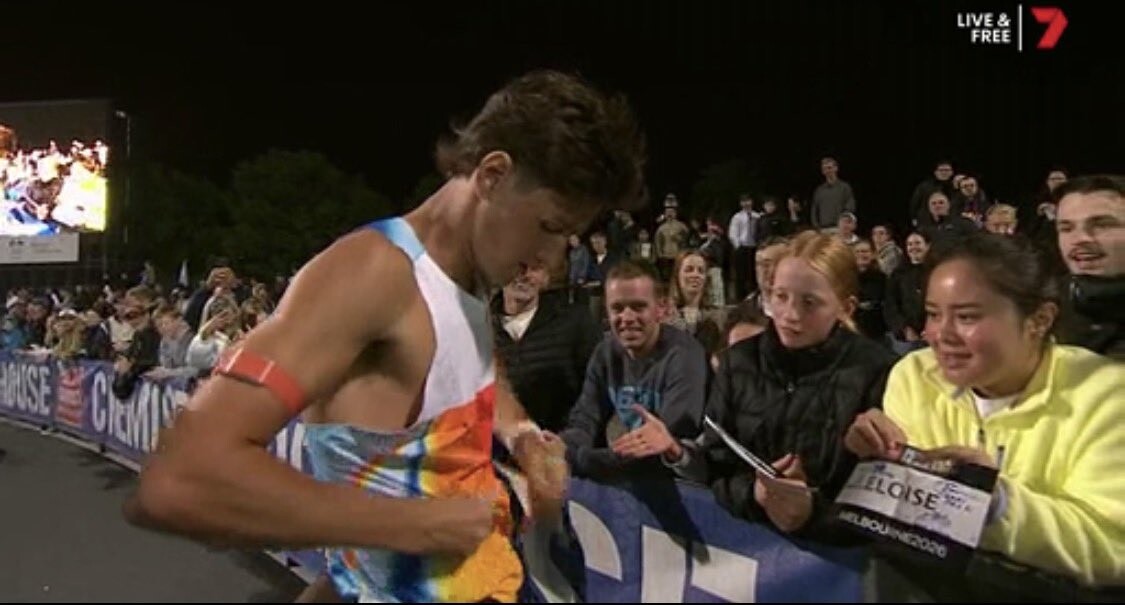
At just 19, Myers continues to redefine the limits of junior excellence, delivering a run that not only set a world-leading mark for the season, but also established a new Oceanian all-comers record. The time now stands as the second-fastest of his young career, narrowly behind the remarkable 3:29.80 Oceania U20 record he set in Ostrava last year—a performance that first announced his arrival on the global stage.
The race itself unfolded with controlled intensity before erupting into brilliance over the final lap. As the bell rang, Myers made his move with fearless conviction, unleashing a decisive kick that instantly created separation from the field. Adam Spencer, fresh off his podium finish at the World Indoor Championships in Toruń, gave chase but could not match the teenager’s surge. Myers powered away down the home straight, carried by the roar of the home crowd, while Spencer settled for second place in 3:37.51.
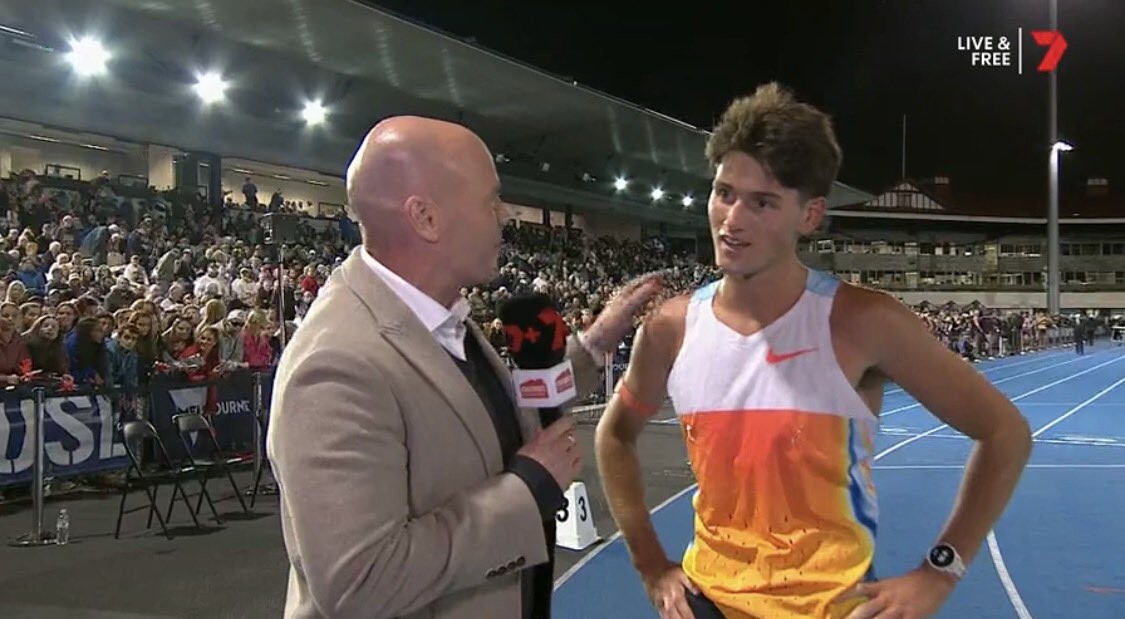
Speaking after the race, Myers reflected on the moment with calm confidence: “I had the crowd behind me, and it felt good. I just kept pushing onwards.”
This victory is more than just another win—it is a statement. In an era where middle-distance running is experiencing a global resurgence, Myers is emerging as one of its most exciting young protagonists. His composure, tactical awareness, and devastating finishing speed point to an athlete not only of immense promise, but one already capable of competing at the very highest level.
Under bright lights in Melbourne, before an inspired home crowd, Cam Myers did not simply win a race—he delivered a performance that signals the dawn of a new force in world middle-distance running.
by Erick Cheruiyot for My Best Runs.
Login to leave a comment
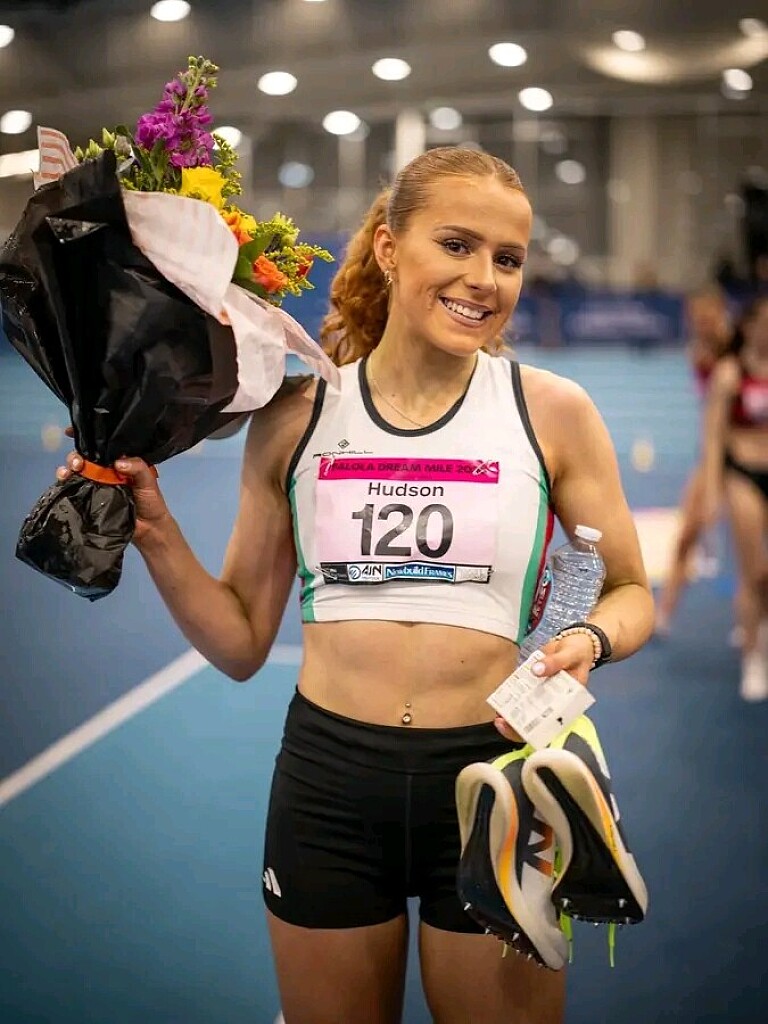
Molly Hudson Finds Her Stride: A Breakthrough Indoor Season to Remember
Rising British middle-distance runner Molly Hudson has emerged as one of the most compelling stories of the 2026 indoor athletics season, transforming quiet persistence into a campaign defined by progress, confidence, and growing ambition.
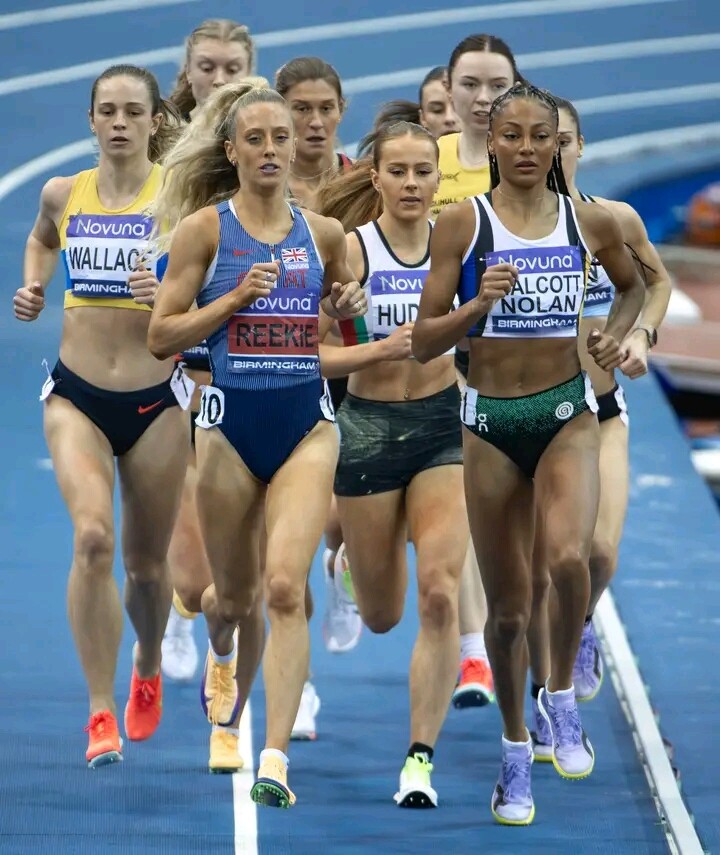
At the UK Athletics Indoor Championships in Birmingham, Hudson delivered a career-defining performance in the women’s 1500 metres, surging to a silver medal behind fellow Briton Jemma Reekie. In a race rich with quality, her composure and tactical discipline reflected an athlete stepping into a new level of competitive maturity.
Yet her success this season extends far beyond that podium moment.
Earlier in January, Hudson lowered her personal best over 1500m to an impressive 4:10.02, a time that places her within striking distance of the coveted 4:10 barrier. It is a mark that not only highlights her physical progression, but also signals a runner beginning to believe in her place among the elite.
What makes this breakthrough even more compelling is Hudson’s candid reflection on her journey—one shaped not by expectation, but by patience and rediscovery.
“I didn’t think I’d win a medal this year. In the future, maybe — but not now. I’ve finally been happy with my races, and that’s been a long time coming. After this indoor season, I’m setting my eyes on those Commonwealth and European standards a bit more.”
Those words capture the essence of her season: a shift from doubt to belief, from chasing form to embracing it.
With renewed confidence and a clearer sense of direction, Hudson is now targeting qualification marks for major championships, including the Commonwealth Games and the European Athletics Championships. As she transitions toward the outdoor season, the foundation she has built indoors positions her as a rising force within British middle-distance running.
Still early in her career, this indoor campaign may well be remembered as the moment everything began to click—a season where Molly Hudson stopped hoping to belong and started proving that she already does.
by Erick Cheruiyot for My Best Runs.
Login to leave a comment
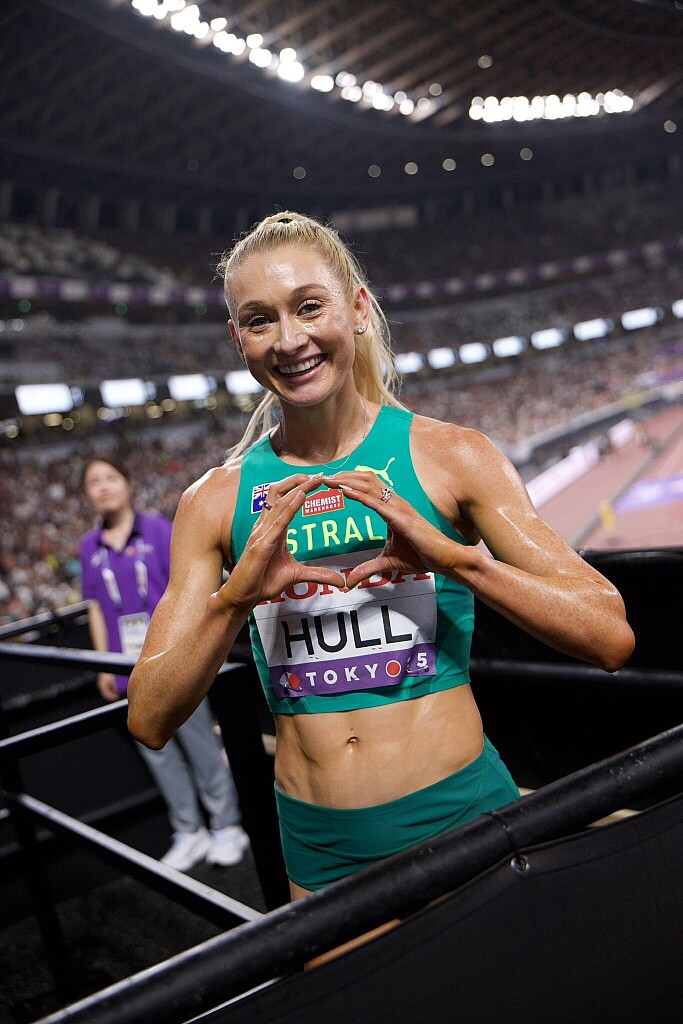
“Fearless and Relentless: Jessica Hull Eyes Historic Double at World Athletics Indoor Championships”
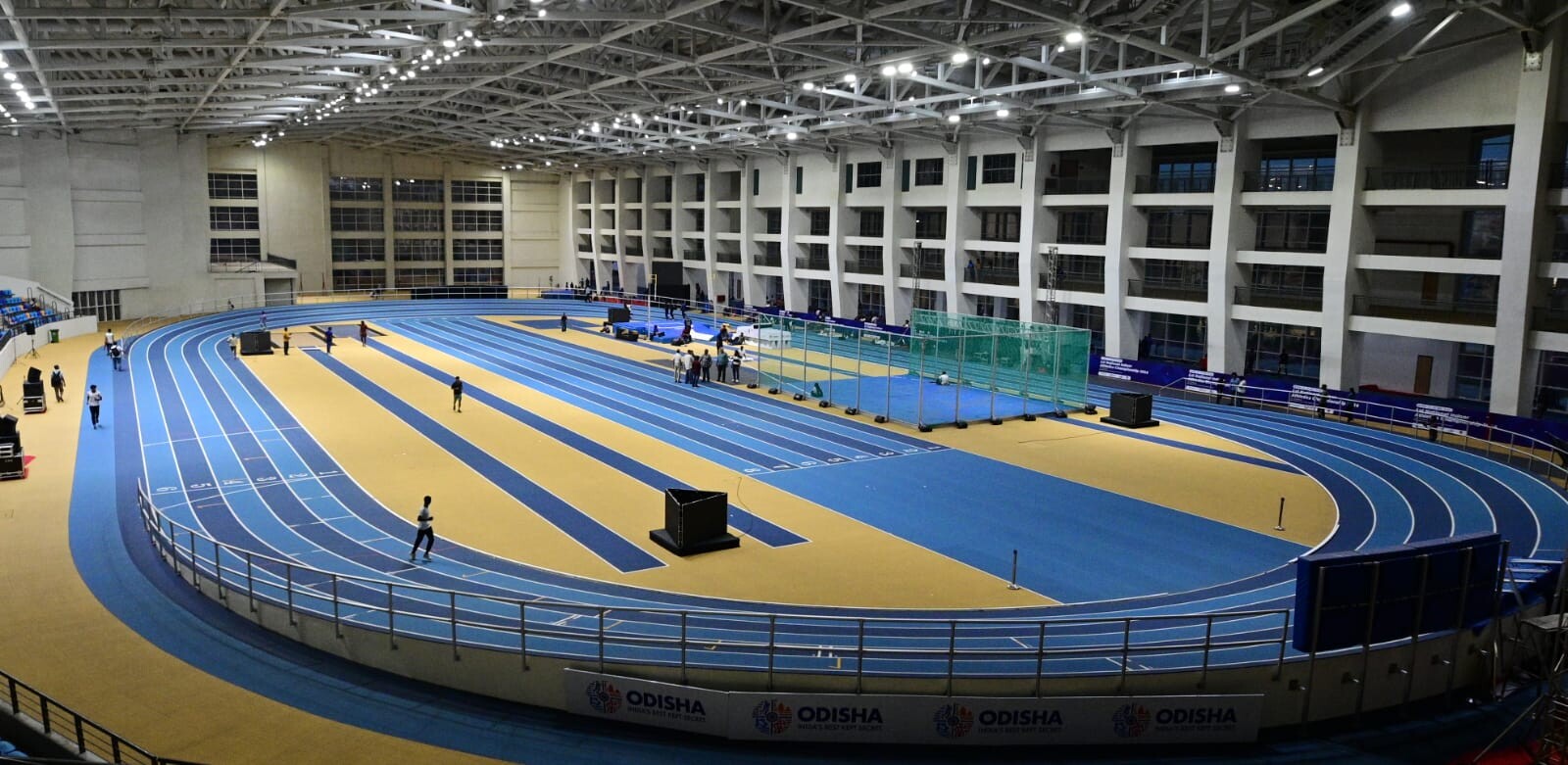
Australia’s middle-distance star Jessica Hull is set to embrace one of the toughest challenges in championship racing—doubling up in both the 1500 metres and 3000 metres at the World Athletics Indoor Championships in Toruń from March 20–22.
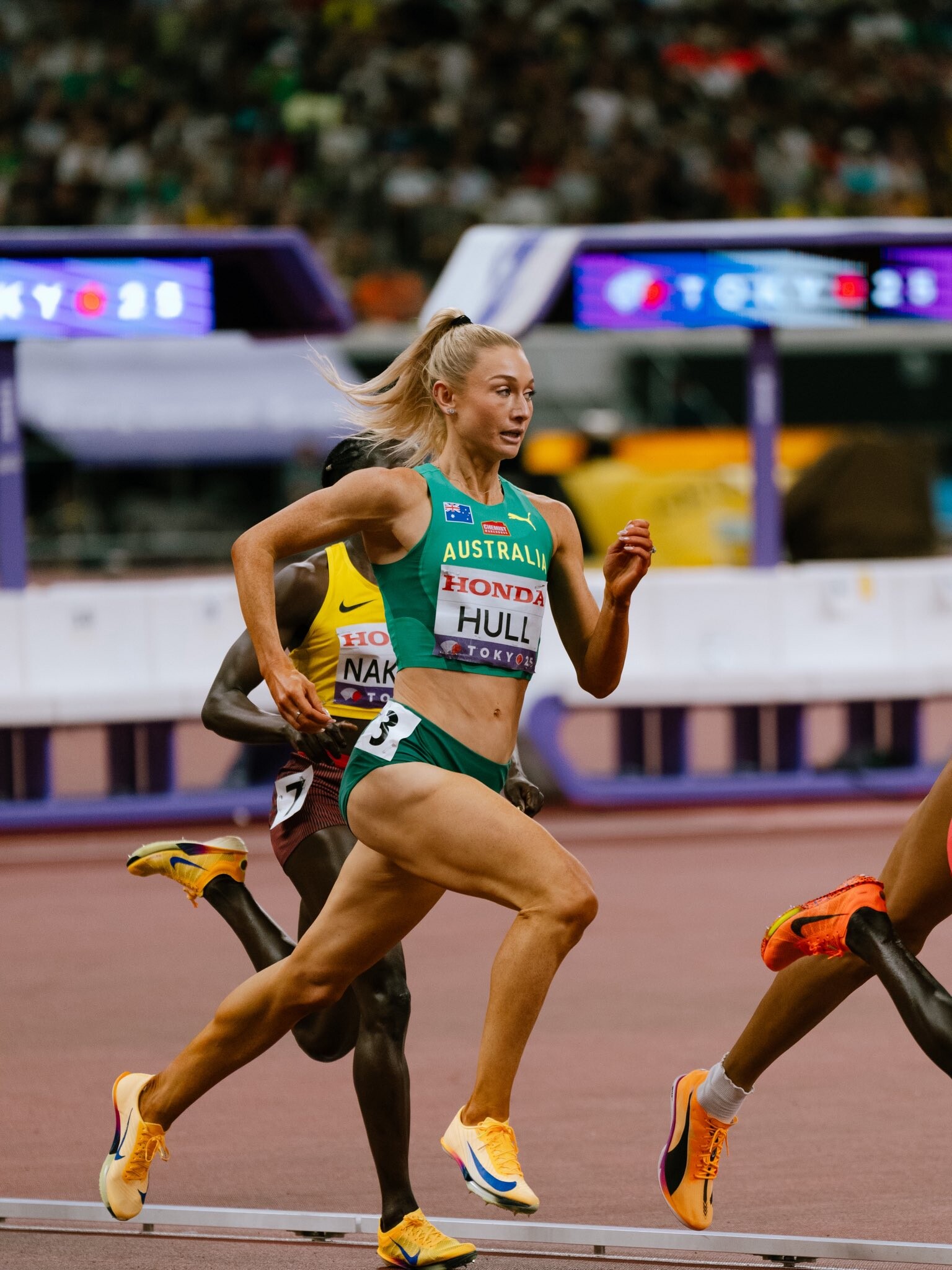
In a schedule that leaves little room for recovery, Hull will open her campaign in the 1500m heats on March 20, return for the 3000m final on March 21, and, if all goes to plan, line up again for the 1500m final on March 22. It’s a demanding sequence that tests not just speed, but endurance, resilience, and tactical brilliance.
Hull’s decision signals both confidence and ambition. The 1500m has long been her specialty on the global stage, where she has proven herself against the world’s best. Yet stepping up to the 3000m adds another layer to her competitive identity—one that could redefine her range as an elite middle-distance runner.
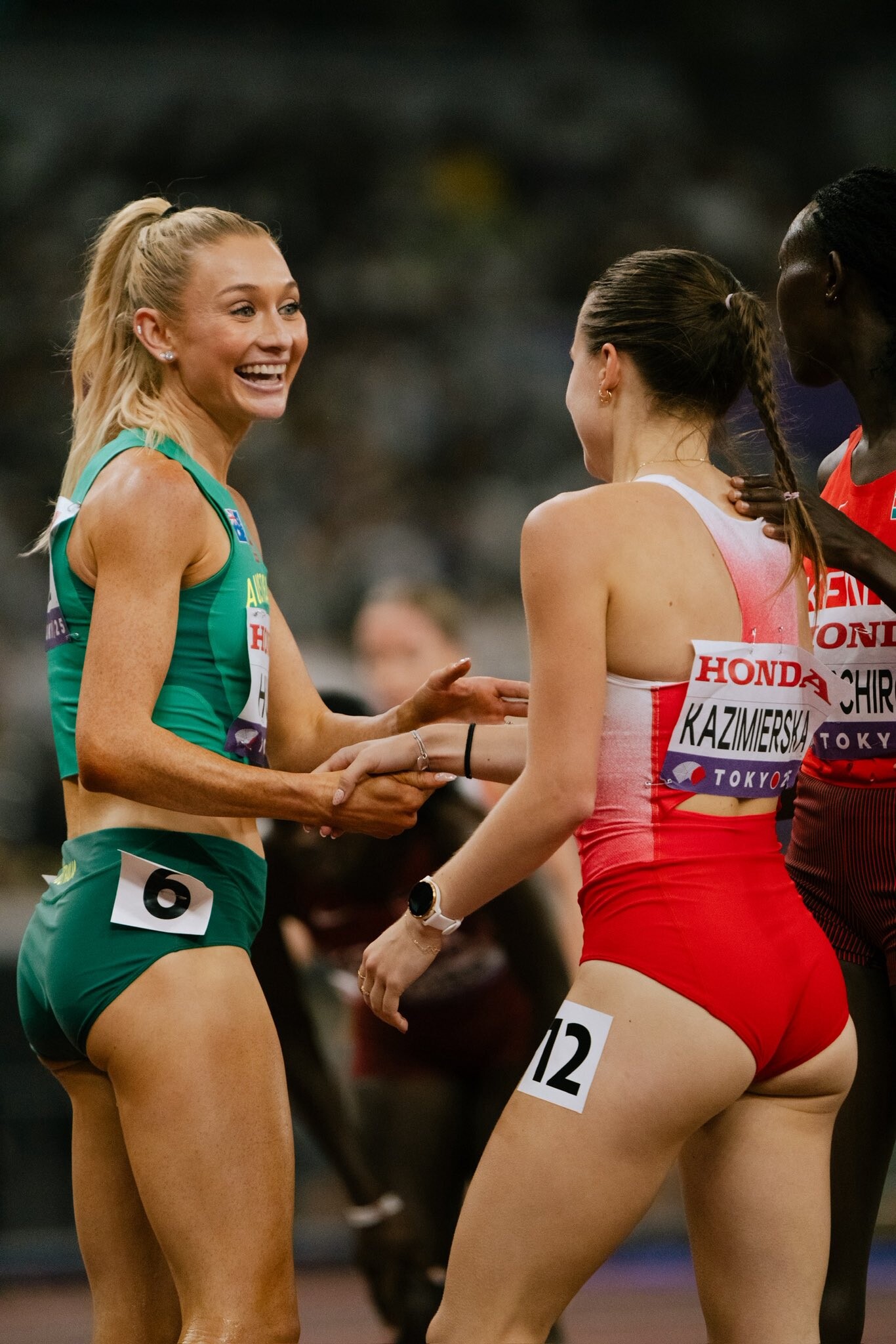
Her preparation has already hinted at something special. Earlier this indoor season, Hull delivered a standout performance at the Meeting Hauts-de-France Pas-de-Calais in Liévin, clocking an impressive 5:26.68 over 2000 metres. The performance not only showcased her strength and pacing but also placed her among the fastest ever indoors at that rarely contested distance.
Hull will not be alone in carrying Australia’s hopes. She is part of a strong national team that includes high jump star Nicola Olyslagers and pole vault standout Kurtis Marschall, both of whom bring their own medal ambitions into the championships.
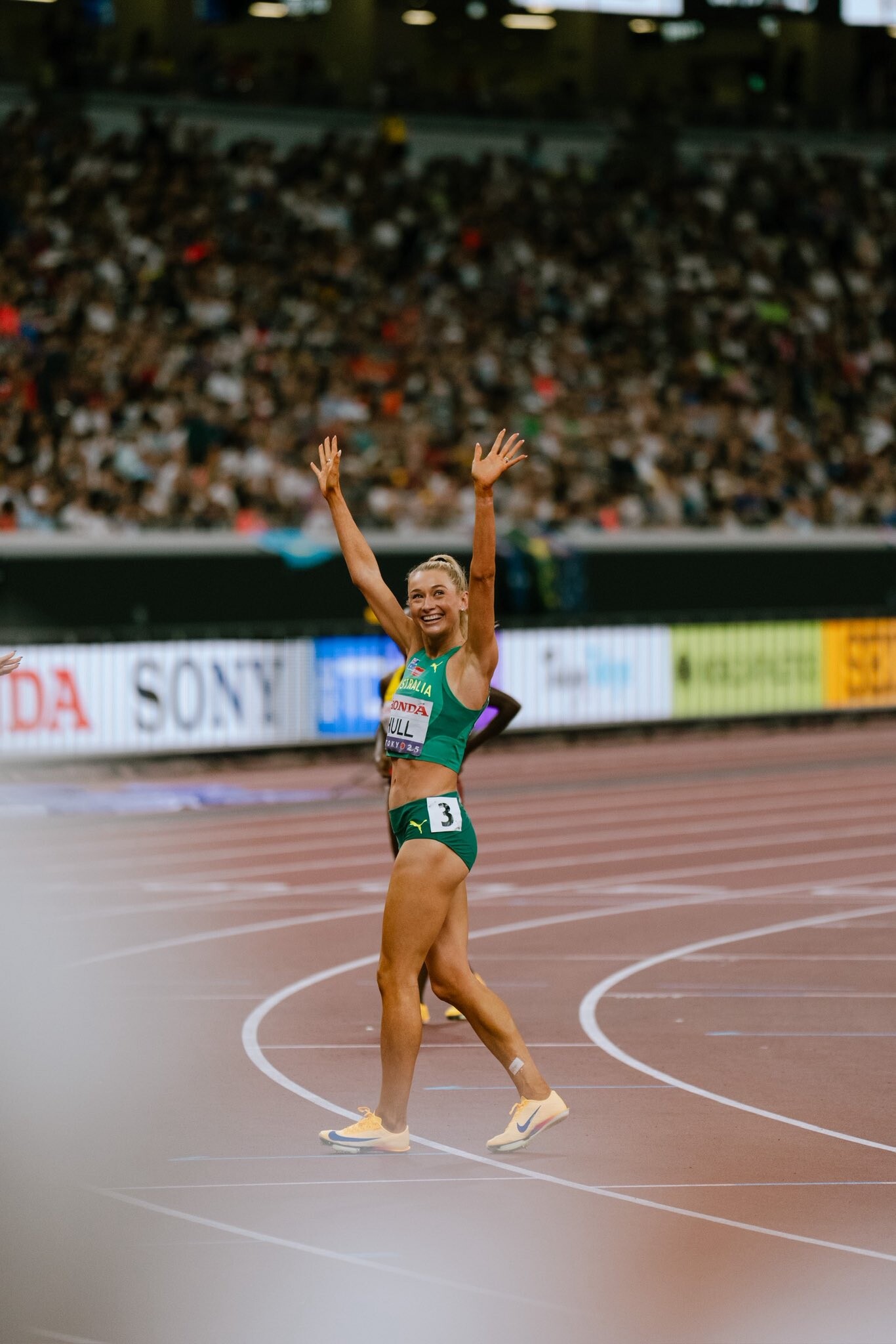
The World Indoor Championships, staged over three days, compress the drama of global athletics into a high-intensity format—heats, finals, and medal moments unfolding in rapid succession. For athletes attempting multiple events, the margin for error is razor-thin.
For Hull, however, this is more than just a packed schedule. It is a statement of intent.
To chase the double indoors is to walk a fine line between brilliance and exhaustion. But if executed well, it can elevate an athlete’s legacy. As the world turns its attention to Toruń, Jessica Hull arrives not just as a contender—but as a daring competitor ready to test her limits on one of the sport’s biggest stages.
by Erick Cheruiyot for My Best Runs.
Login to leave a comment
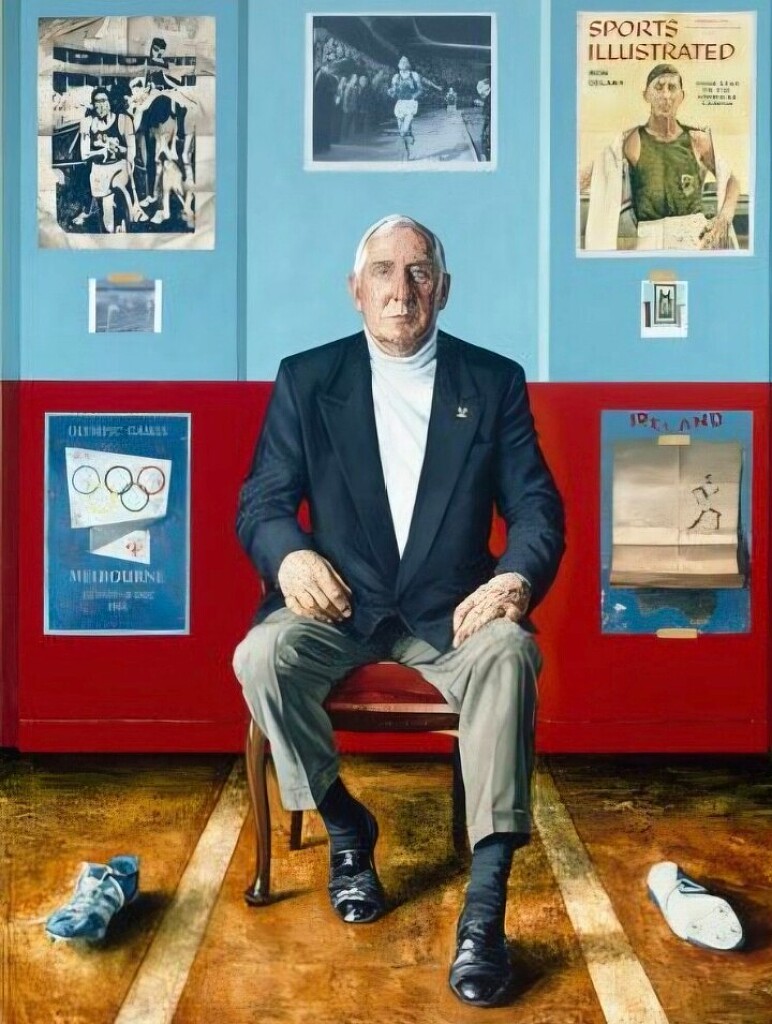
Farewell to an Irish Legend: Olympic Champion Ronnie Delany Dies at 91
The athletics world is mourning the passing of Irish middle-distance legend Ronnie Delany, who has died at the age of 91. A figure forever etched in Olympic history, Delany remains one of Ireland’s most celebrated sporting icons, remembered best for his unforgettable triumph in the 1500 metres at the 1956 Melbourne Olympic Games.

On that memorable evening in Melbourne, Delany delivered a performance that has since become part of Irish sporting folklore. Running with patience and tactical precision, he unleashed a devastating finishing sprint in the final stretch to surge past the field and capture Olympic gold. It was a moment that not only crowned him champion but also placed his name permanently among the greats of middle-distance running.
That victory proved historically significant in more ways than one. Nearly seven decades later, Delany still stands as Ireland’s last Olympic gold medallist in athletics, a testament to the magnitude of what he achieved on the sport’s biggest stage.
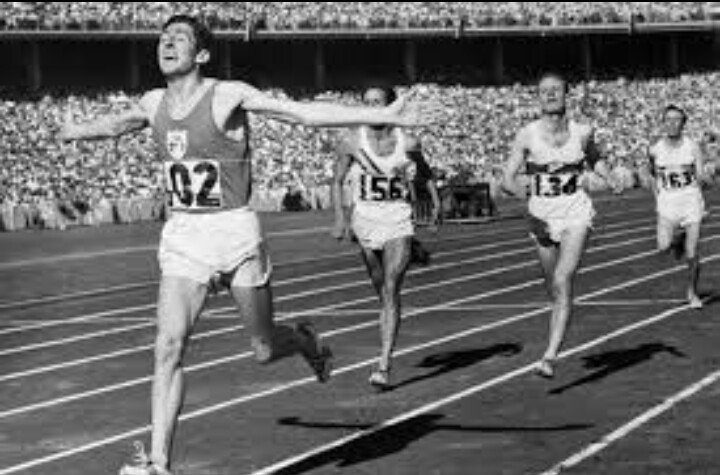
Beyond his Olympic success, Delany continued to demonstrate his quality on the international circuit. Two years after his Olympic triumph, he added another major accolade to his résumé by securing the bronze medal in the 1500 metres at the 1958 European Athletics Championships. His performances throughout that era confirmed his status as one of the finest middle-distance runners of his generation.
At his peak, Delany possessed both speed and endurance—qualities reflected in his personal best times of 1:47.1 for 800 metres and 3:41.49 for 1500 metres. In an era far removed from modern sports science and advanced track technology, those marks stood as powerful evidence of his extraordinary natural talent and competitive spirit.
Yet statistics alone cannot fully capture Delany’s impact. For Ireland, he represented a symbol of possibility, proving that athletes from a small nation could rise to the very top of global sport. His Olympic victory inspired generations of Irish runners and remains one of the most cherished moments in the country’s athletics history.
With his passing, the sport bids farewell to a man whose legacy stretches far beyond medals and times. Ronnie Delany’s name will forever resonate in the annals of athletics—as a champion, a pioneer, and a reminder of the magic that can unfold in a perfectly timed finishing kick.
by Erick Cheruiyot for My Best Runs.
Login to leave a comment
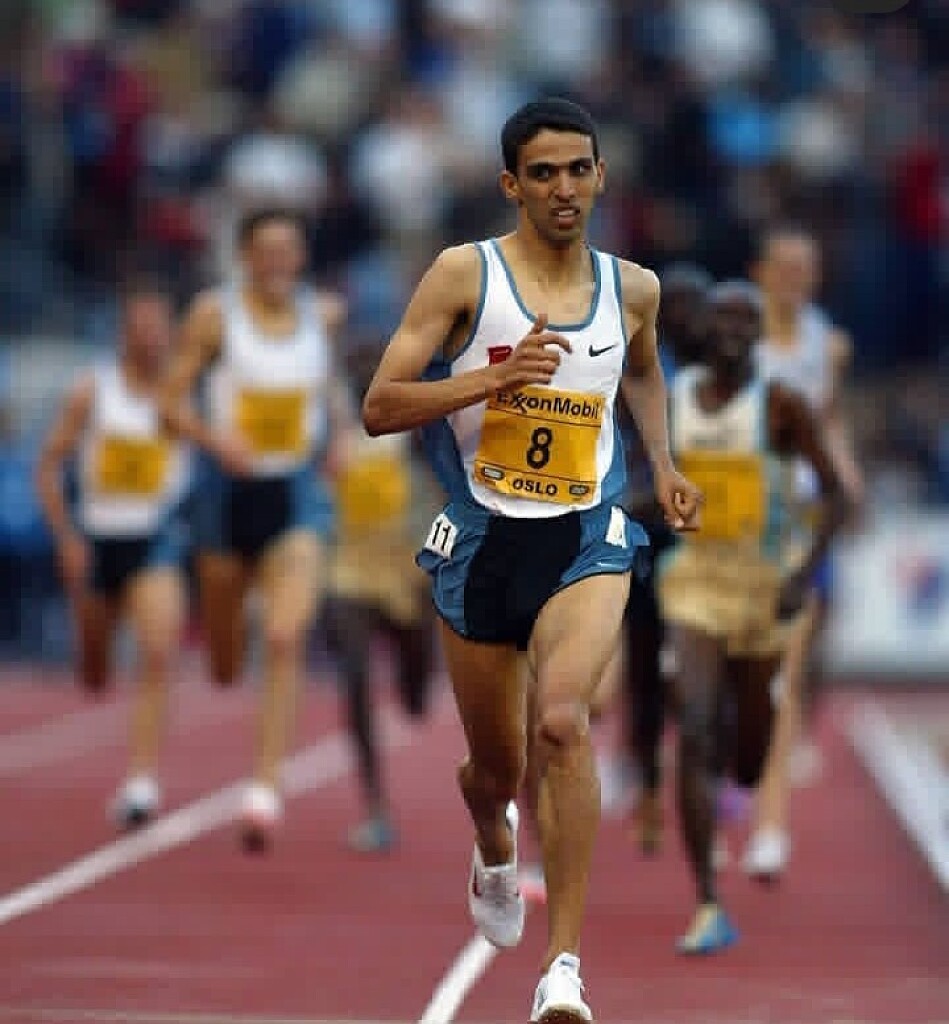
Chasing 3:26 — The Extraordinary Standard Set by Hicham El Guerrouj
For more than a quarter of a century, the men’s 1500 metres world record has stood as one of athletics’ most revered and demanding achievements. The legendary 3:26.00, set by Morocco’s iconic middle-distance master Hicham El Guerrouj in 1998, remains a benchmark of near-perfect racing — a performance that still defines the outer limits of human speed and endurance over the metric mile’s shorter cousin.
Breaking that mark would require far more than raw talent. It demands a rare combination of physiological excellence, tactical brilliance, technological advantage, and the perfect competitive environment.
The Pace of Perfection
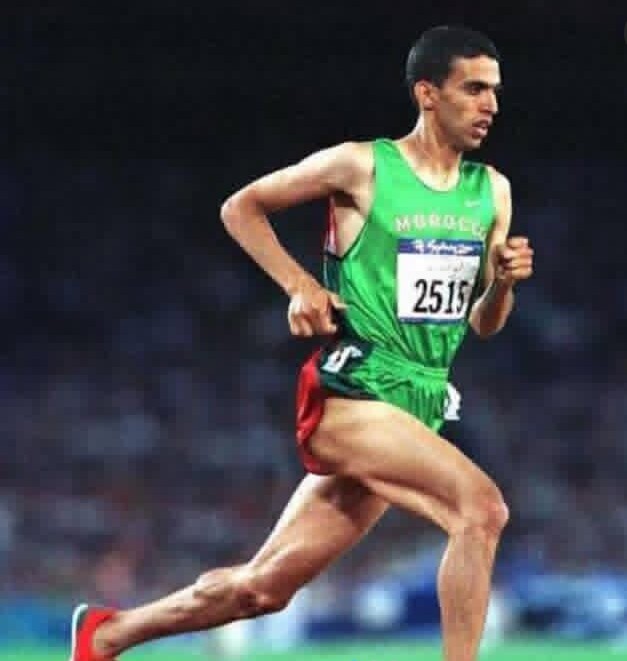
To surpass 3:26.00, an athlete must sustain an astonishing rhythm from start to finish. The record pace translates to roughly 13.7 seconds per 100 metres and about 54.9 seconds per 400-metre lap. Maintaining that speed over three and three-quarter laps of the track means running close to sprint velocity while preserving enough strength for a decisive finish.
What makes the record even more remarkable is how El Guerrouj completed the race. After already covering the first 1100 metres at blistering speed, he unleashed a final lap of approximately 53 seconds, a finishing surge that would be exceptional even in a fresh 400-metre race. Any athlete hoping to rewrite history must produce a similarly devastating closing kick.
The Physiological Equation
The 1500 metres sits at the crossroads between endurance and speed. Success at world-record level requires a finely tuned balance between the aerobic system — which supplies the majority of energy — and the anaerobic system responsible for explosive surges.
Elite training models typically emphasize high-volume aerobic development, often accounting for the majority of an athlete’s preparation, complemented by intense intervals run faster than race pace. This combination builds the stamina required to maintain record tempo while preserving the speed necessary to finish with authority.
The Importance of Perfect Conditions
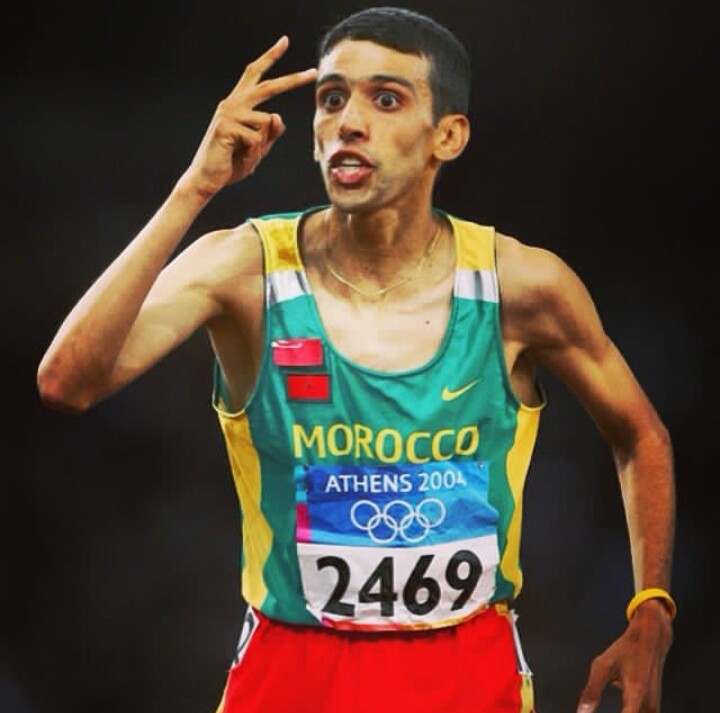
Even the greatest athletes depend on ideal circumstances to produce historic performances.
Pacemakers play a decisive role, guiding the early stages of the race and ensuring a consistent rhythm through the first 800 to 1000 metres. Their presence prevents tactical hesitation and shields the contenders from wind resistance.
Environmental factors also matter. Record attempts usually occur in calm conditions, with moderate temperatures and low wind — elements that minimize energy loss and allow athletes to focus entirely on maintaining pace.
Modern technology has further pushed the limits. Advances in carbon-plated racing spikes and highly responsive synthetic tracks have helped athletes convert effort into forward momentum more efficiently than ever before.
The Pressure of Competition
World records rarely happen in isolation. They emerge when elite competitors push each other relentlessly through the final laps. A fast race requires rivals willing to maintain relentless pace and challenge for victory until the final 200 metres.
Norway’s middle-distance star Jakob Ingebrigtsen, who has already run 3:26.73 — the European record — is among the athletes bringing the barrier closer to reality. His performances demonstrate how narrow the gap has become between the present generation and El Guerrouj’s enduring standard.
The Official Path to History
For any performance to replace the record, it must occur at a competition recognized by World Athletics, with fully certified timing systems and immediate anti-doping verification. Only under these strict conditions can a new mark be ratified as the fastest 1500 metres ever run.
A Record That Still Defines Greatness
More than two decades after it was set, 3:26.00 continues to symbolize the pinnacle of middle-distance running. Breaking it will require flawless pacing, extraordinary physiology, fierce competition, and a moment when every variable aligns.
Until that day arrives, the time produced by Hicham El Guerrouj remains not just a world record — but one of the greatest performances in the history of track and field.
by Erick Cheruiyot for My Best Runs.
Login to leave a comment
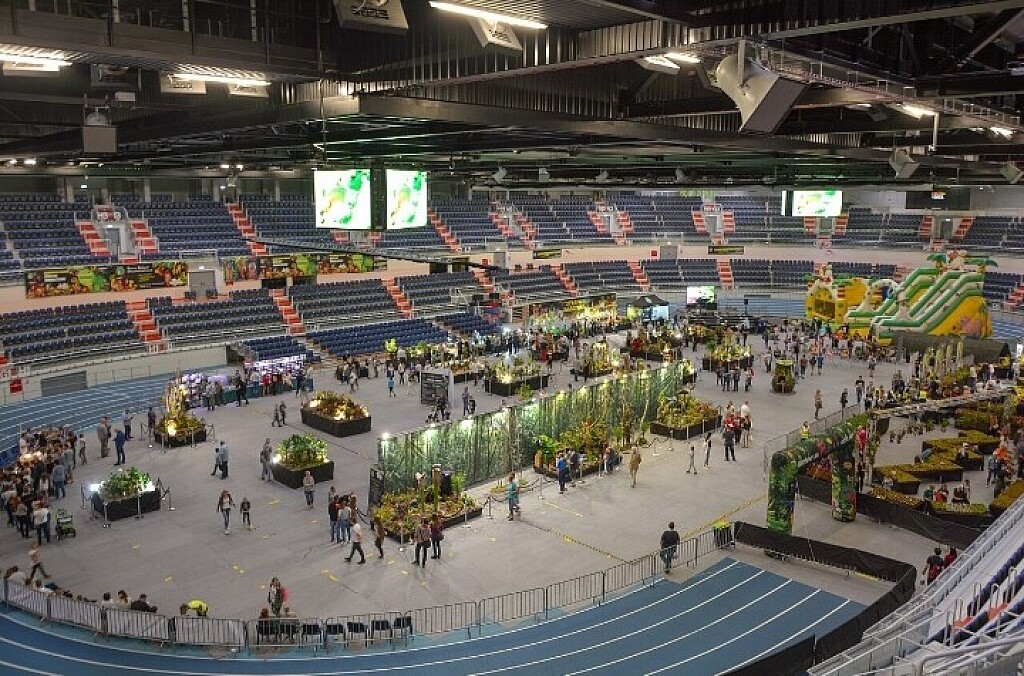
Kenya Unveils Six-Athlete Squad for Global Indoor Showdown in Poland
Kenya has officially named a compact but promising team for the upcoming World Athletics Indoor Championships 2026, with Athletics Kenya selecting six athletes to carry the nation’s hopes at the global indoor spectacle scheduled for March 20–22 in Kujawy-Pomorze, Poland.
The carefully chosen squad blends experience with emerging talent, reflecting Kenya’s growing ambitions on the indoor stage. Traditionally renowned for its dominance in middle- and long-distance events outdoors, the country continues to expand its presence indoors, where speed, tactics, and adaptability on the tight 200-metre track often define success.
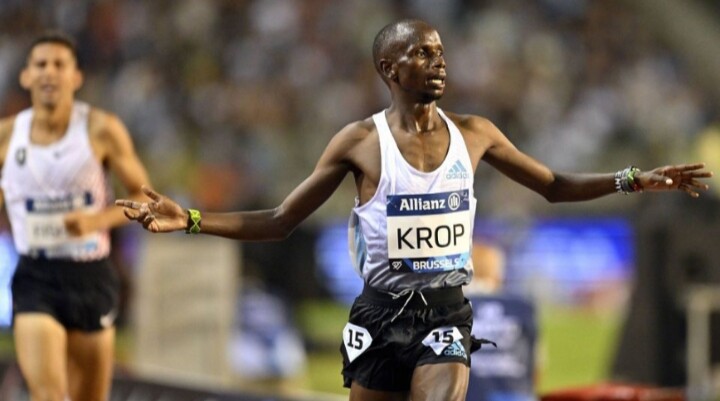
Leading the men’s lineup is Brian Omari Tinega, who will represent Kenya in the 400 metres, an event that demands both explosive speed and disciplined pacing. In the men’s 800 metres, the responsibility falls on Noah Kibet, one of the country’s rising middle-distance prospects known for his aggressive racing style. Completing the men’s side is Jacob Krop, who has been entrusted with the 3000 metres, bringing his proven endurance and championship experience to the indoor arena.
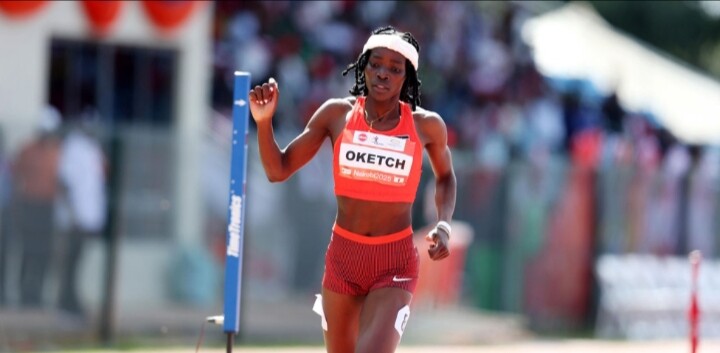
The women’s team mirrors that balance of speed and middle-distance strength. Mercy Adongo Oketch will compete in the women’s 400 metres, aiming to deliver a strong performance in an event where fractions of a second often separate medalists from the rest of the field. In the 800 metres, Rosemary Longisa will look to showcase Kenya’s depth in middle-distance running, while Susan Lokayo Ejore takes on the women’s 1500 metres, an event where tactical awareness and finishing speed are critical.
According to the federation, the selected athletes represent a strategic mix designed to maximize Kenya’s competitiveness across both sprint and middle-distance events. While indoor championships present unique challenges — from tighter tracks to faster tactical races — they also offer a valuable platform for athletes to test themselves against the world’s elite early in the season.
The three-day championship is expected to attract top indoor specialists from across the globe, creating an intensely competitive atmosphere. For Kenya’s six representatives, it will be an opportunity not only to chase podium finishes but also to strengthen the country’s growing reputation in indoor athletics.
As preparations intensify ahead of the trip to Poland, hopes remain high that the small but determined Kenyan delegation will rise to the occasion and leave a strong mark on one of the sport’s most prestigious indoor stages.
by Erick Cheruiyot for My Best Runs.
Login to leave a comment
Sixteen and Supreme: Sam Ruthe Rewrites New Zealand’s U20 Distance History
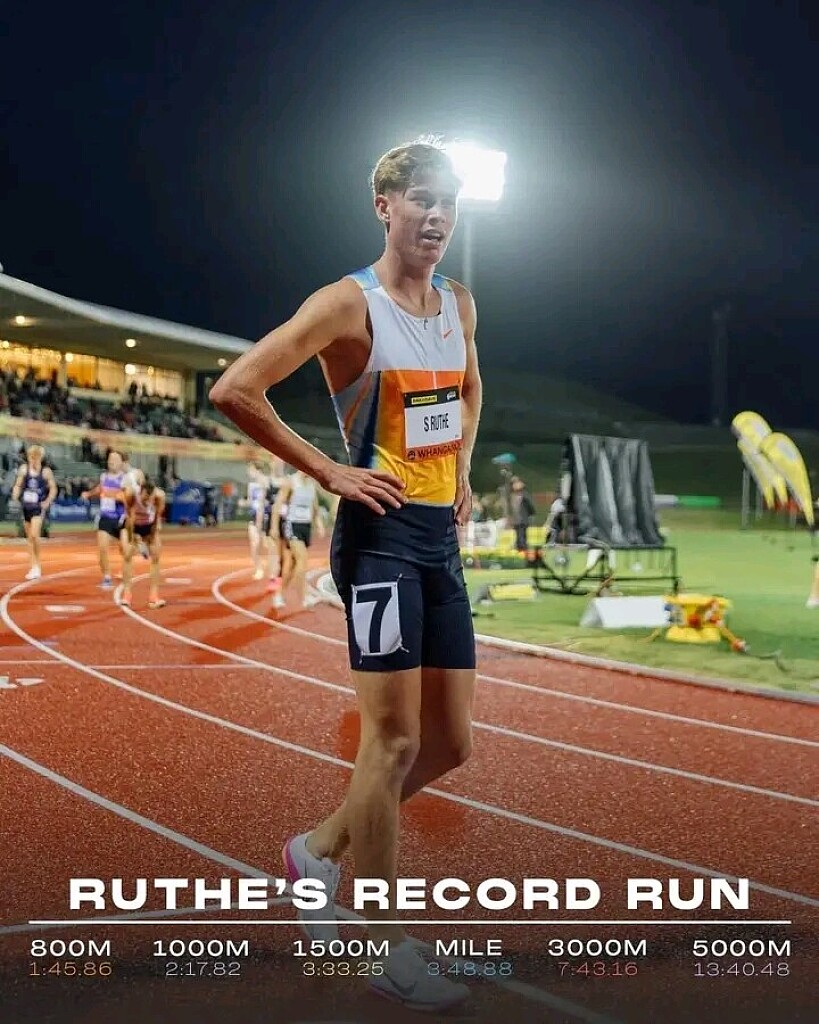
The record books do not often bend to the will of one athlete — especially not one still in his mid-teens. Yet at just 16 years old, Sam Ruthe has accomplished something extraordinary, rewriting every New Zealand Under-20 record from 800 metres through to 5000 metres in a sweep that signals both precocious brilliance and rare competitive maturity.
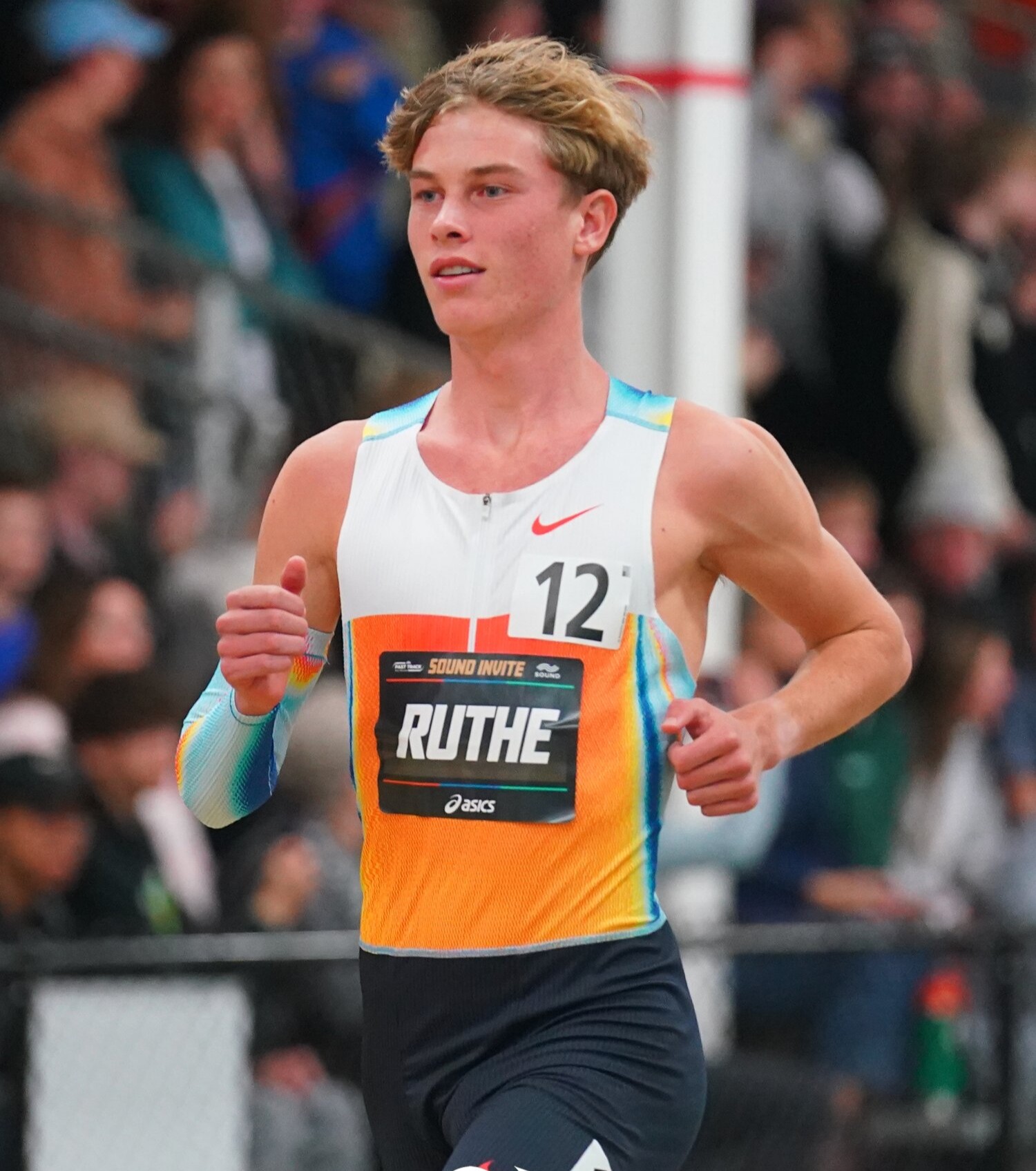
What makes this achievement truly staggering is not merely the collection of records, but the age at which it has been done. Most athletes are only beginning to discover their strengths at sixteen. Ruthe, by contrast, is already redefining national standards across a spectrum of distances that demand completely different physiological and tactical qualities — from raw speed to sustained endurance.
His national U20 marks now stand as follows:
800 metres: 1:45.86
1000 metres: 2:17.82
1500 metres: 3:33.25
Mile: 3:48.88
3000 metres: 7:43.16
5000 metres: 13:40.48
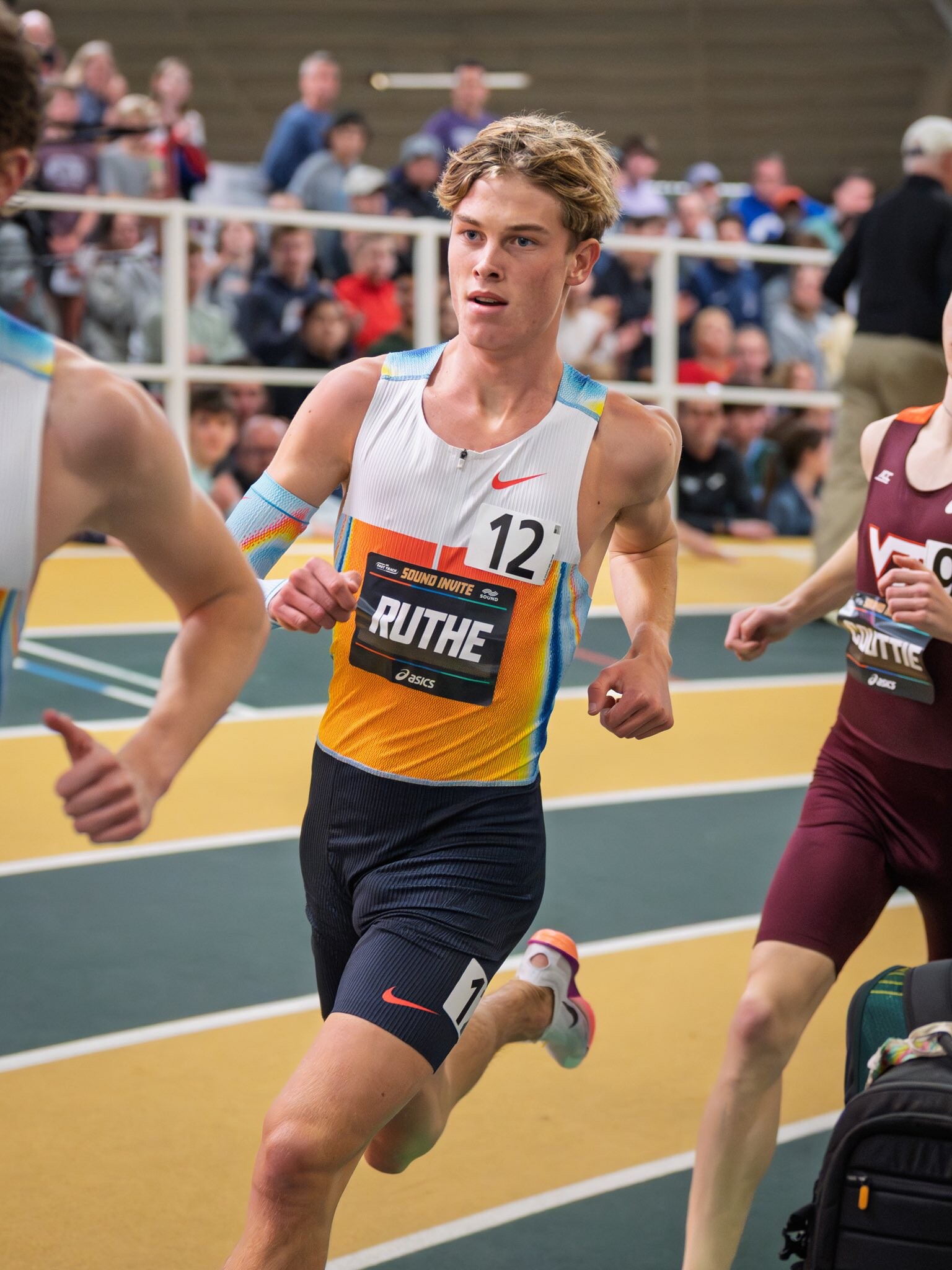
Together, these performances form more than a statistical collection; they represent a statement. Ruthe is not simply winning races — he is reshaping expectations. Each record has felt like another jewel being added to a crown that continues to grow brighter with every outing.
Such versatility at such a young age often hints at even greater potential ahead. The ability to excel from two laps of the track to twelve and a half suggests deep aerobic foundations combined with elite speed — a combination that frequently underpins future senior success on the world stage.
In an era where global middle-distance running is evolving rapidly, Ruthe’s emergence arrives at a compelling moment. His achievements do not merely place him among the best young athletes in New Zealand; they position him among the most exciting teenage prospects internationally.
Records can be broken. Expectations can be surpassed. But rewriting an entire national age-group range at sixteen years old sends a different message altogether — one that echoes far beyond the finish line. A new star is rising, and the future of New Zealand distance running suddenly looks dazzlingly bright.
by Erick Cheruiyot for My Best Runs.
Login to leave a comment
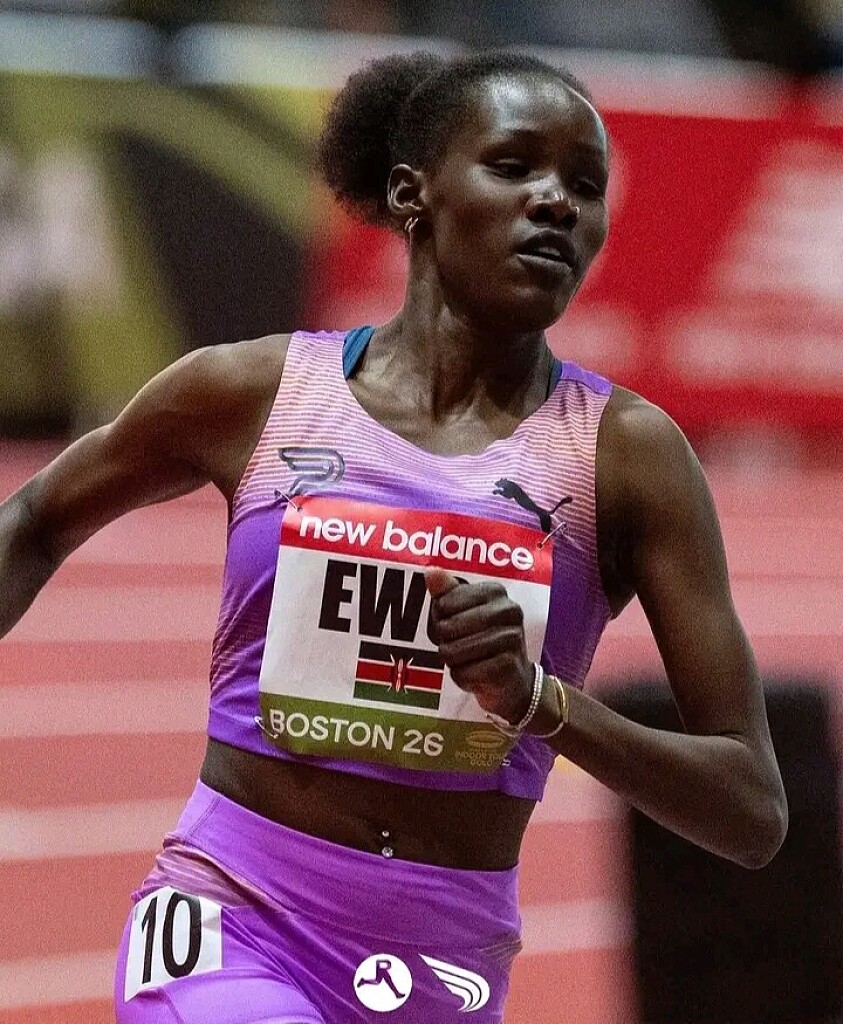
Dorcus Ewoi Claims World Lead as She Becomes Second-Fastest Kenyan Woman Indoors
Boston, USA — Kenya’s middle-distance depth was on full display as Dorcus Ewoi delivered a commanding victory in the women’s 1500 metres at the New Balance Indoor Grand Prix, clocking a world-leading and personal-best 4:01.22.
The performance places Ewoi as the second-fastest Kenyan woman in history over the indoor 1500m, moving her within 0.05 seconds of the national record 4:01.17, set by Olympic and world champion Beatrice Chepkoech.
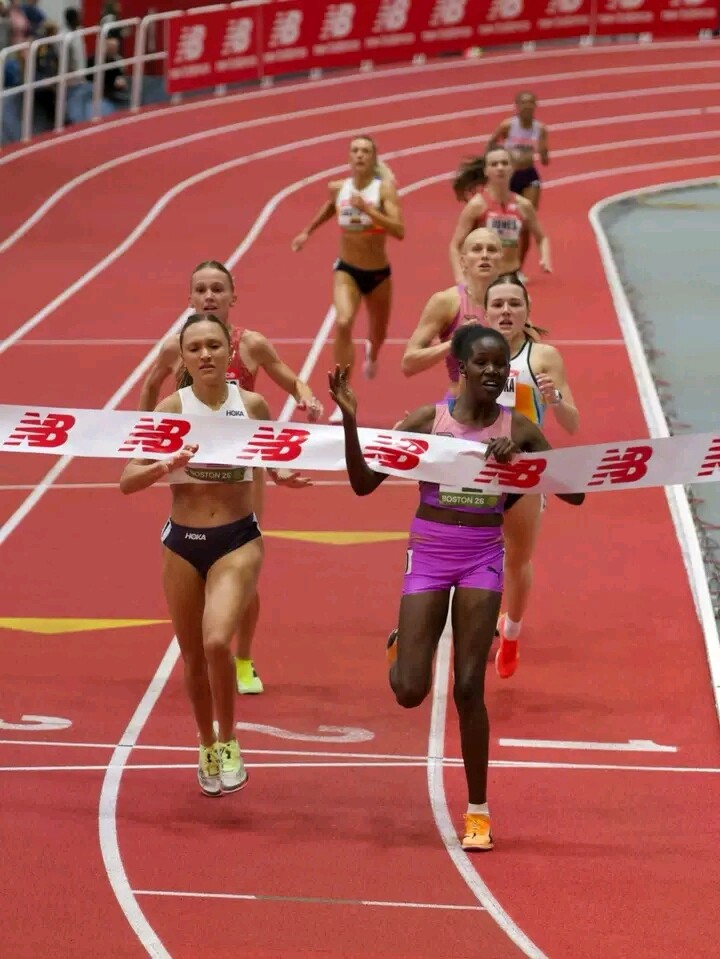
Running with confidence and control, Ewoi stayed composed through the early stages before asserting herself decisively in the latter laps. Her smooth acceleration and sustained pace proved decisive on the tight indoor track, where tactical awareness is as crucial as raw speed.
Ewoi’s time not only secured victory against a quality international field but also currently stands as the fastest indoor women’s 1500m time in the world this season, underlining her growing status on the global stage.
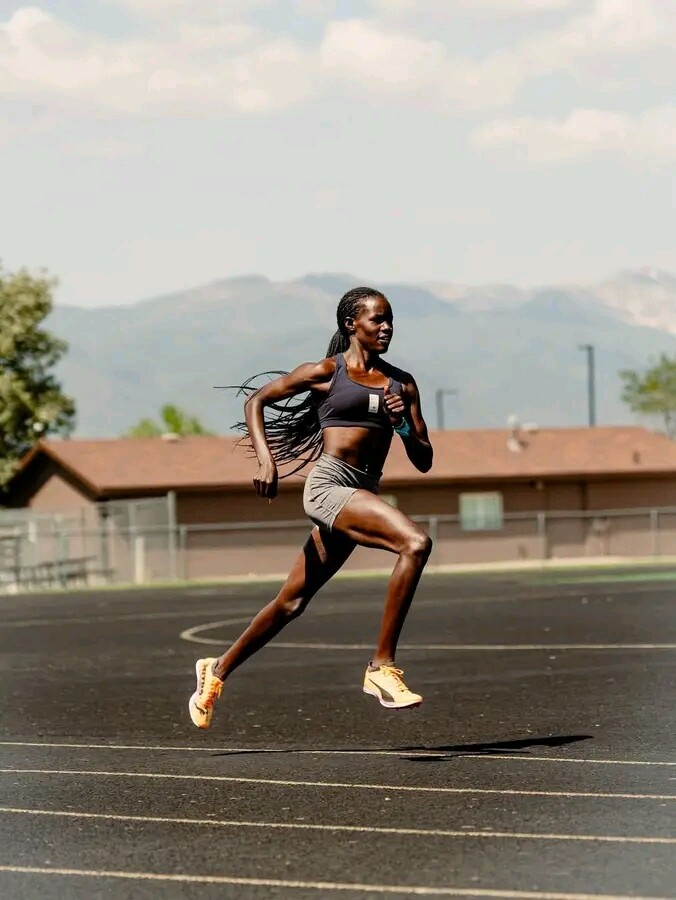
Indoor 1500m racing is widely regarded as one of the most demanding events on the circuit, requiring athletes to balance positioning, rhythm, and endurance within confined conditions. Ewoi handled the challenge with maturity, demonstrating both technical precision and competitive courage.
The result further strengthens Kenya’s dominance in middle-distance running and signals the emergence of another serious contender as the athletics calendar builds toward major outdoor championships later in the year.
While the national record narrowly remained intact, Ewoi’s breakthrough performance marks a significant milestone in her career and suggests that further history-making runs may be imminent.
For Dorcus Ewoi, Boston was more than a victory — it was a clear announcement of intent.
by Erick Cheruiyot for My Bestruns.
Login to leave a comment
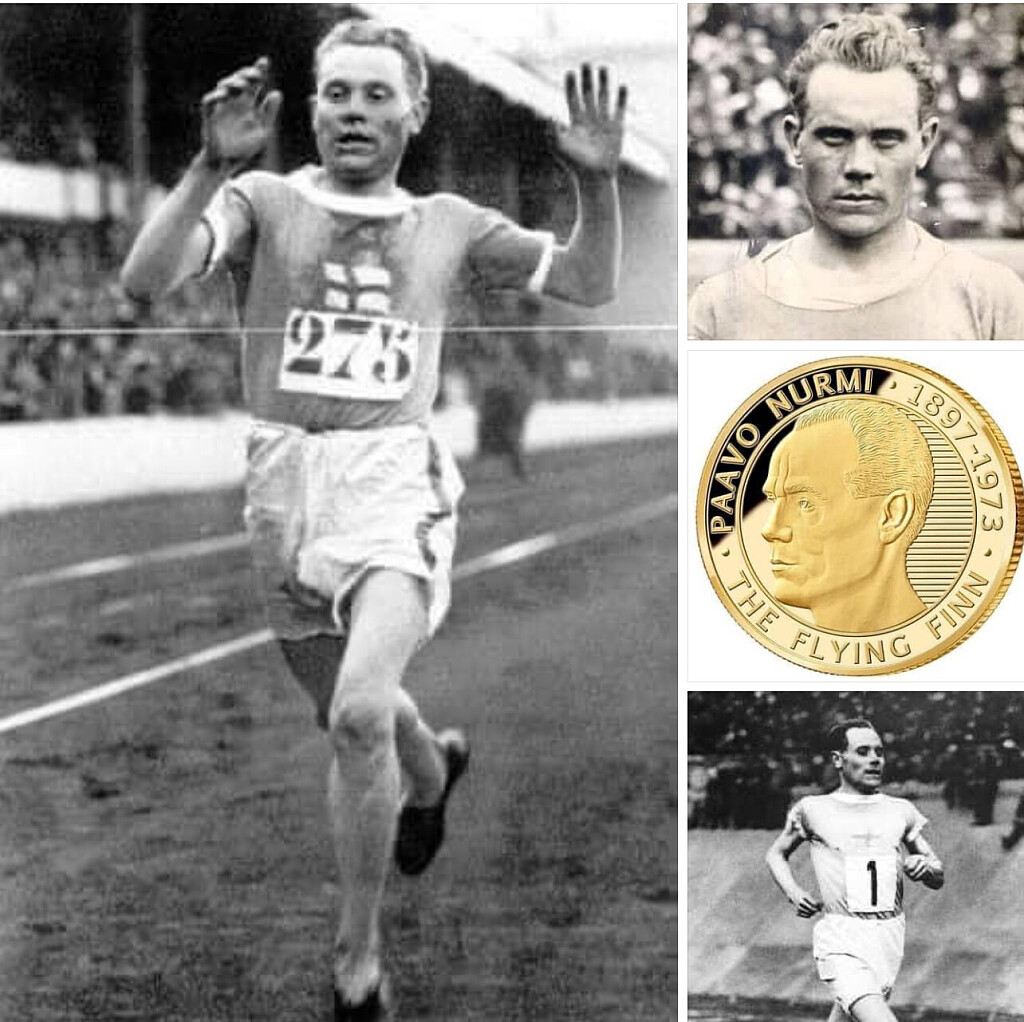
Times have improved so much over the years - Just a Quick Look back on the Flying Finn
94 years ago on Jun 9, 1930 – Finland’s Paavo Nurmi runs a World Record 6-mile clocking 29:36.4. Paavo was nicknamed the 'Flying Finn' as he dominated distance running in the early 20th century. Nurmi set 22 official world records at distances between 1500 metres and 20 kilometers, and won nine gold and three silver medals in his twelve events in the Olympic Games. At his peak, Nurmi was undefeated at distances from 800 meters upwards for 121 races. Throughout his 14-year career, he remained unbeaten in cross country events and the 10,000 meters.
by Gary Cohen
Login to leave a comment
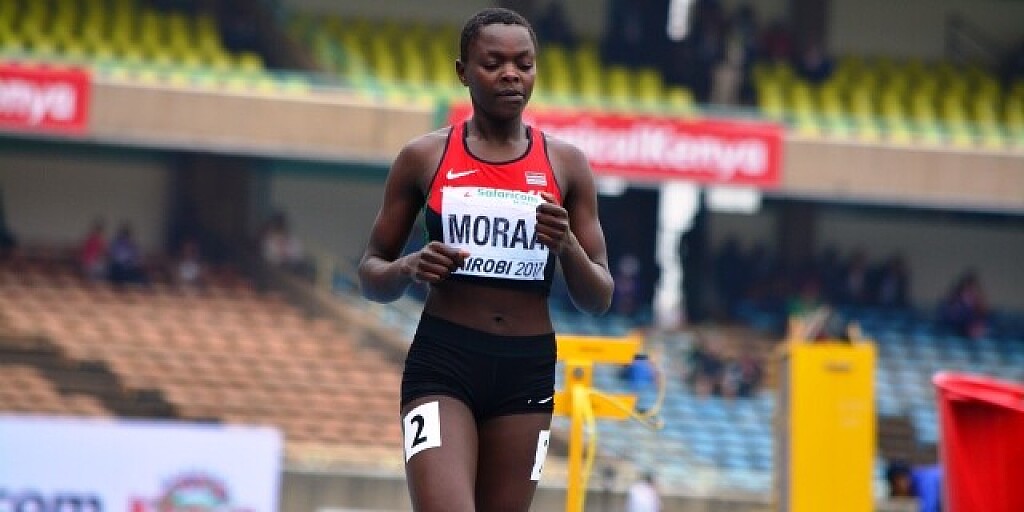
Kenya's track sensation Mary Moraa has her eyes firmly focused on a World Championship conquest in Budapest later in the year
Barely in her 20s, Kenya's track sensation Mary Moraa is already hogging the global limelight and stealing headlines at whim.
The 2022 Commonwealth Games 800 metres gold medallist has rocked premier global athletics shows in recent years to deservedly cut herself a niche in the Hall of Fame.
Fondly known as "The Kisii Express" by her dotting fans, Moraa has already claimed her space in the cutthroat world of athletics. Undoubtedly, the decorated track prodigy deserves every ounce of international acclamation.
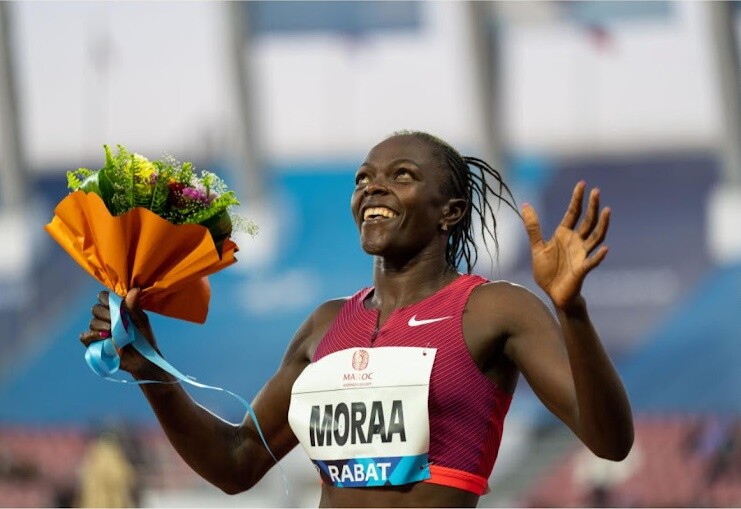
Only recently, she set a new PB in April after storming to the 400m title at the Botswana Golden Grand Prix in an astonishing time of 50.44.
The sublime performance she pulled off in the blistering contest saw her smash her previous national record by 0.24 seconds, subsequently attaining the World Athletics Championships qualifying standards of 51.0 seconds.
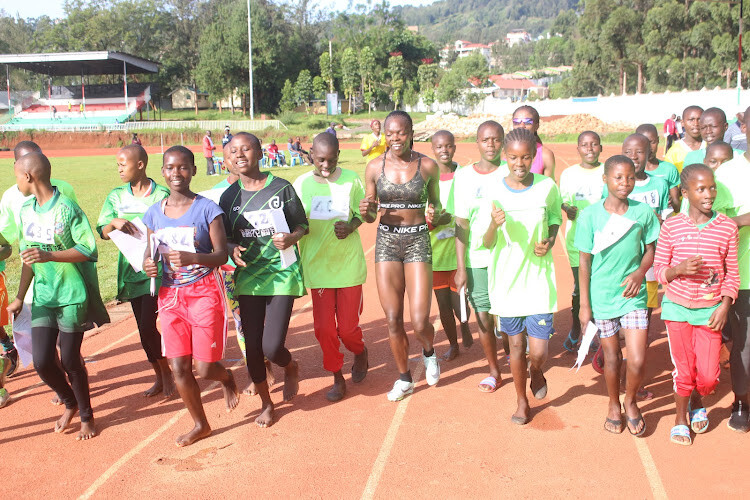
"My previous 400m best was 50.67, which I attained at the Diamond League meeting in Brussels in September."
In Botswana, the two-lap specialists obliterated a stellar field that boasted Olympic and world finalist Candice McLeod of Jamaica, USA’s Kyra Jefferson, and the Botswana duo of Naledi Lopang and Thompang Basele.
She breezed to victory ahead of South Africa’s Miranda Coetzee and McLeod who crossed the line in 51.13s and 51.17s respectively.
She rallied from behind to take the lead with 30m to go on her way to the winner's podium at the National Stadium, Gaborone.
Moraa smashed the national record when she won the Kenyan trials for World Championships and Commonwealth Games in 50.84 on June 25, last year at the Moi Stadium, Kasarani.
Moraa, 23, has vowed to step into the big shoes of her role model Hellen Obiri, the middle and long-distance track sensation.
"I've always admired Obiri. I grew up watching her clinch titles and her amazing performances have inspired me a great deal. To an extent, there is a part of her that lives in me. I just want to be exactly like her," Moraa said.
"To date, Obiri still inspires me a great deal and I'm eager to emulate her success on the international stage," she added.
Indeed, Moraa has every reason to admire Obiri. She is the only woman to have won world titles in indoor track, outdoor track, and cross-country races.
Notably, Obiri is a two-time Olympic 5000 metres silver medallist from the 2016 Rio and 2020 Tokyo Olympics, where she also placed fourth over the 10,000 meters.
She is a two-time world champion, having claimed the 5000 m title both in 2017 and 2019 when she set a new championship record.
Obiri also tucked away a bronze in the 1500 metres during the 2013 World Championships and a silver in the 10,000 m in 2022.
She won the 3000 meters race at the 2012 World Indoor Championships, claimed silver in 2014, and placed fourth in 2018. She romped to the 2019 World Cross Country title and triumphed in the 2023 Boston Marathon.
Moraa said she and Obiri share a lot in common. Besides being compatriots, Moraa is elated they hail from the same county.
Coached by seasoned National Police athletics team gaffer Alex Sang, Moraa has her eyes firmly trained on a World Championship conquest in Budapest, Hungary later in the year.
She said she intends to run the 800m race at the World Championships in Budapest, Hungary in August, adding that she is determined to breast the tape in under two minutes.
Born on June 15, 2000, Moraa attended Nyangononi Primary School in Bassi Borabu, Kisii County where she sat for her Kenya Certificate of Primary Education (KCPE) in 2014.
Her potential in athletics came to the fore at Nyangononi when she ran away with several titles in the sprints and middle-distance races.
"I stamped authority in 100m, 200m, 400m, and 800m and even shattered the 400m East Africa school games record in 2014," Moraa proudly recounted.
Upon completing her studies, Moraa proceeded to Ibacho Secondary School in Kisii County but lasted there for only two years before transferring to Mogonga PAG Mixed secondary school where she sat for her Kenya Certificate of Secondary Education (KCSE) in 2018.
"While at Ibachi, I experienced difficulties paying my school fees and it was the principal who would chip in most of the time. Unfortunately, he got transferred from the school and I was left stranded.
"I later joined Mogonga Mixed Secondary School, where I got a lot of support from the principal who also happened to be my coach."
An orphan from a disadvantaged background, Moraa got financial help from her school principal Aron Onchonga who paid all her school fees at Mogonga. Indeed, aside from affording her pertinent financial assistance, Onchong'a played a key role in honing her skills and carving her path to stardom. It was during her years in Mogonga that Moraa started jutting out her talons on the track.
"I am grateful to the school administration and the Principal for the moral and financial support they gave me while there."
During my years in Mogonga, I wanted to remain a role model to the young girls who shied away from sporting activities. I was determined to train and participate in various activities even after completing school," said Moraa.
by Tony Mballa
Login to leave a comment

World Athletics Championships Budapest 23
From August 19-27, 2023, Budapest will host the world's third largest sporting event, the World Athletics Championships. It is the largest sporting event in the history of Hungary, attended by athletes from more than 200 countries, whose news will reach more than one billion people. Athletics is the foundation of all sports. It represents strength, speed, dexterity and endurance, the...
more...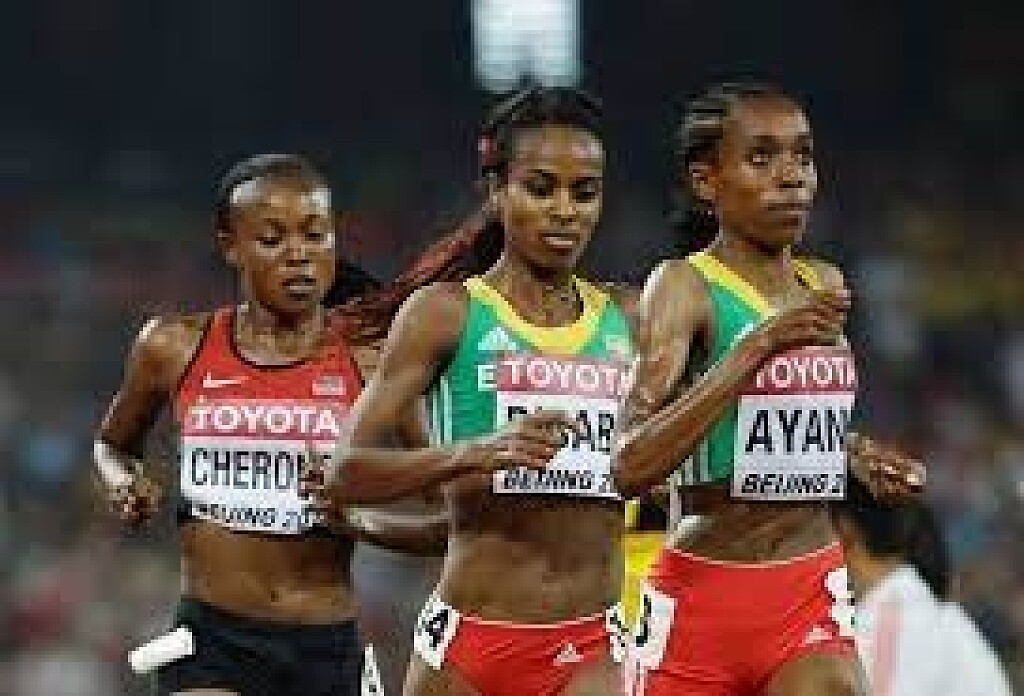
Athletics Olympic champion on the start line of the TCS Amsterdam Marathon
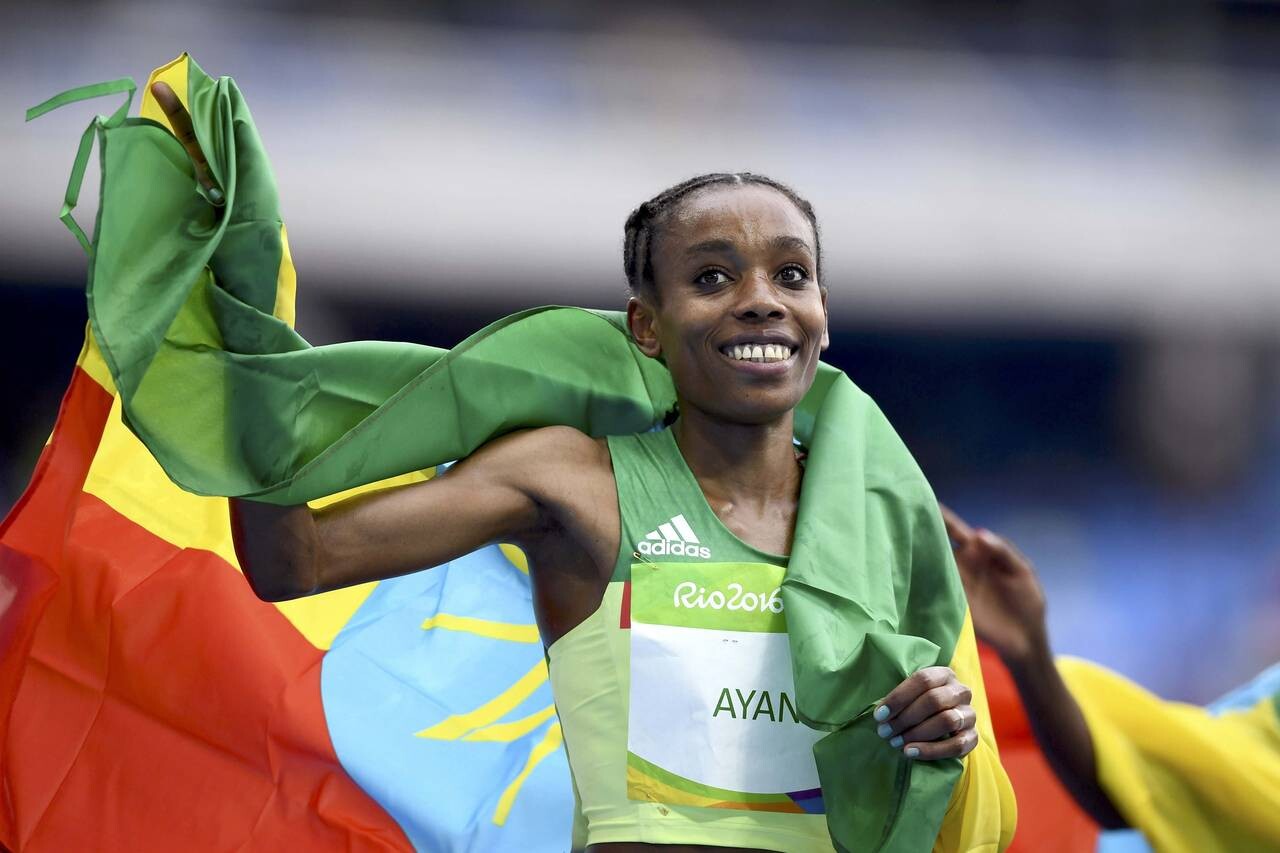
There is a remarkable name on the starting list of the TCS Amsterdam Marathon: Almaz Ayana. The 30-year-old Ethiopian athlete, who won gold in the 10,000 meters at the 2016 Olympics, will make her marathon debut on Sunday, October 16. Another first is the current world record holder in the 1500 meters: Genzebe Dibaba. Sports organization Le Champion also reports that CyBrian Kotut, Lemi Berhanu and Titus Kipruto are the fastest men on the start line in Amsterdam's Olympic Stadium. They have all won major marathons.
Almaz Ayana is one of the greatest talents of all time in long distance running. In 2016, she was phenomenal: she won Olympic gold in Rio de Janeiro in a new world record in the 10,000 meters (29.17.45) at the time, and bronze in the 5,000 meters. In that year, she was also awarded IAAF Athlete of the Year. The 30-year-old Ethiopian athlete previously won the world championship twice and the Diamond League final ranking twice. After a few years of absence due to the arrival of her son, Ayana is ready to add to her impressive record of achievements.
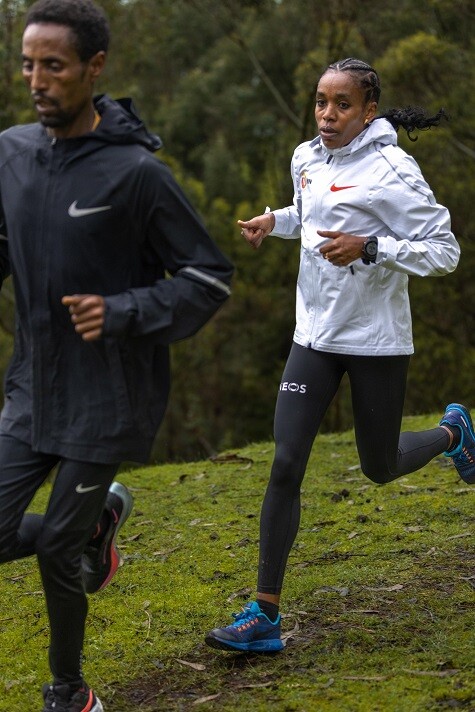
Genzebe Dibaba is the youngest sister of three-time Olympic champion Tirunesh Dibaba and Olympic silver medallist Ejegayehu Dibaba. The 31-year-old Ethiopian runner holds the world record for the 1500 metres (3:50.07, Monaco 2015). She also is an Olympic silver medal holder (2016, Rio de Janeiro). In 2015, when she became world champion in the 1500 meters, her brilliant performance was rewarded with the title of IAAF Athlete of the Year. She will be challenging for the first time over this classic distance.
These fast women are accompanied by Tsehay Gemechu, among others. Their 23-year-old compatriot has a personal best of 65.01 in the half marathon and finished fourth in the 5,000 meters at the 2019 World Athletics Championships.
Course record of 2.03.39 in danger?
When the starting gun for the TCS Amsterdam Marathon sounds on Sunday 16 October, the eyes of the men will be on CyBrian Kotut, Lemi Berhanu and Titus Kipruto. On the ultra-fast course, they will be aiming for the course record of 2.03.39 (Tamirat Tola 2021).
CyBrian Kotut has already won a number of marathons: Hamburg, Florence and Paris. This spring, the 30-year-old Kenyan ran a personal best of 2.04.47 to win in Hamburg. Last November he was unbeatable in the 42,195 meters in Florence and in 2016 he triumphed in Paris.
Lemi Berhanu also knows all about winning. He has won the Dubai (2015), Boston (2016) and Xiamen (2017) marathons, among others. With a personal best of 2.04.33, the 27-year-old Ethiopian is in for the win.
Titus Kipruto is a revelation from Kenya. This spring, the 24-year-old marathon runner made a huge impression by winning the Milan marathon. In his second marathon, he finished in 2:05:05. Can he break his personal record again in Amsterdam? >{?Registration for NK marathon still possible
During the TCS Amsterdam Marathon, the Dutch marathon championships also take place, for which competitive athletes can register until September 26. The three main events, the full marathon, half marathon and 8K,
by Runners Web
Login to leave a comment

TCS Amsterdam Marathon
Do you want to enjoy Amsterdam in October and all that the city has to offer you? Want to feel a real athlete and start and finish in the historic Olympic stadium? Or run across the widely discussed passage under the beautiful National Museum? Then come to Amsterdam for the annual TCS Amsterdam Marathon in October! The TCS Amsterdam Marathon...
more...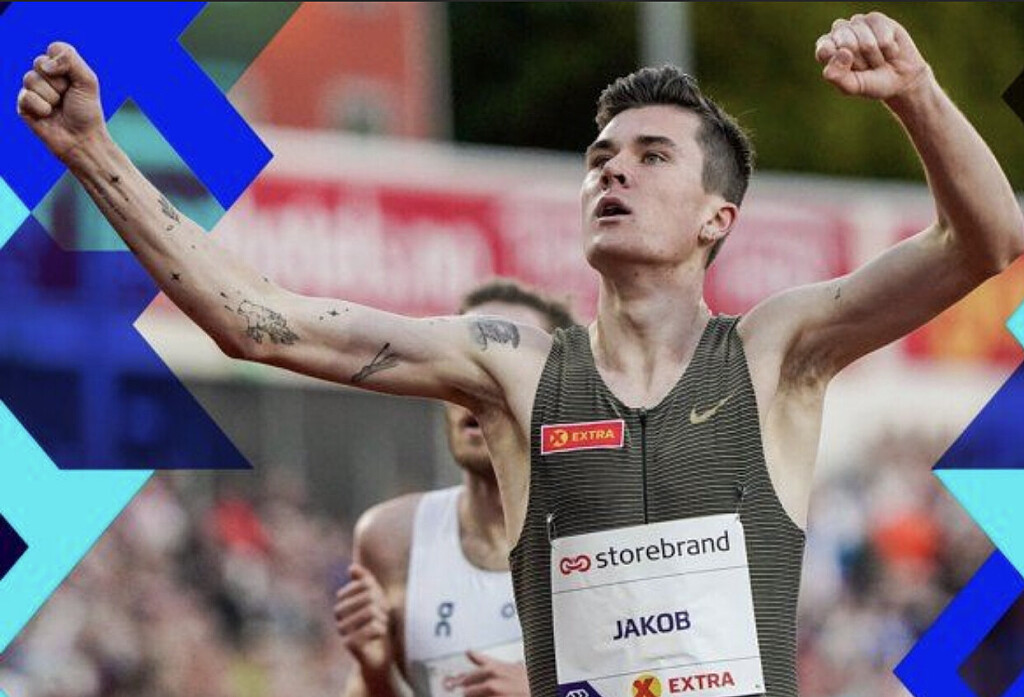
Ingebrigtsen and others in record breaking form in Oslo despite the rain
A Wanda Diamond League record from Jakob Ingebrigtsen (first photo) in the mile, along with meeting records from Mondo Duplantis in the pole vault and Femke Bol in the 400m hurdles brightened a rainy evening at the Bislett Games in Oslo on Thursday (16).
Ingebrigtsen has won almost all there is to win in middle-distance events, but a senior Dream Mile victory in Oslo was one thing missing from the 21-year-old’s resume. In fact, before today no Norwegian man had ever won the prestigious discipline at the Bislett Games.
But, racing in the final individual track event of the night, Ingebrigtsen ensured the 15,000 fans at the Bislett Stadion went home happy as he won the mile in a Norwegian record of 3:46.46, breaking the Wanda Diamond League record in the process.
Paced through the first two laps in 56.01 and 1:53.30, Ingebrigtsen was tracked closely by Australia’s Oliver Hoare and Britain’s Jake Wightman for most of the race. The Olympic 1500m champion never appeared to be under too much strain, though – even when Hoare was attempting to close in on the leader with half a lap left.
Ingebrigtsen – roared on by the home crowd, many of whom were on their feet – kicked down the home straight and crossed the line in 3:46.46, taking almost a second off his own Norwegian record and moving up to sixth on the world all-time list, just 0.14 shy of Steve Cram’s European record.
Hoare finished second in 3:47.48 to break the Oceanian record and move to 13th on the world all-time list. Wightman was third in a PB of 3:50.30 from fellow Brit Neil Gourley (3:52.91). There was also a national record for Charles Grethen of Luxembourg in fifth (3:53.20).
“I was ready to run fast and was happy to do that and to win,” said the world indoor silver medallist. “Some work needs to be done before the World Championships, but I will work hard to be in better shape there.
“Last year I was sick and couldn't race here, so it was even more special here tonight, as being the first Norwegian to win the Dream Mile. Doing things nobody else has done before is really great.”
Seyaum and Bekele lead Ethiopian 5000m sweeps
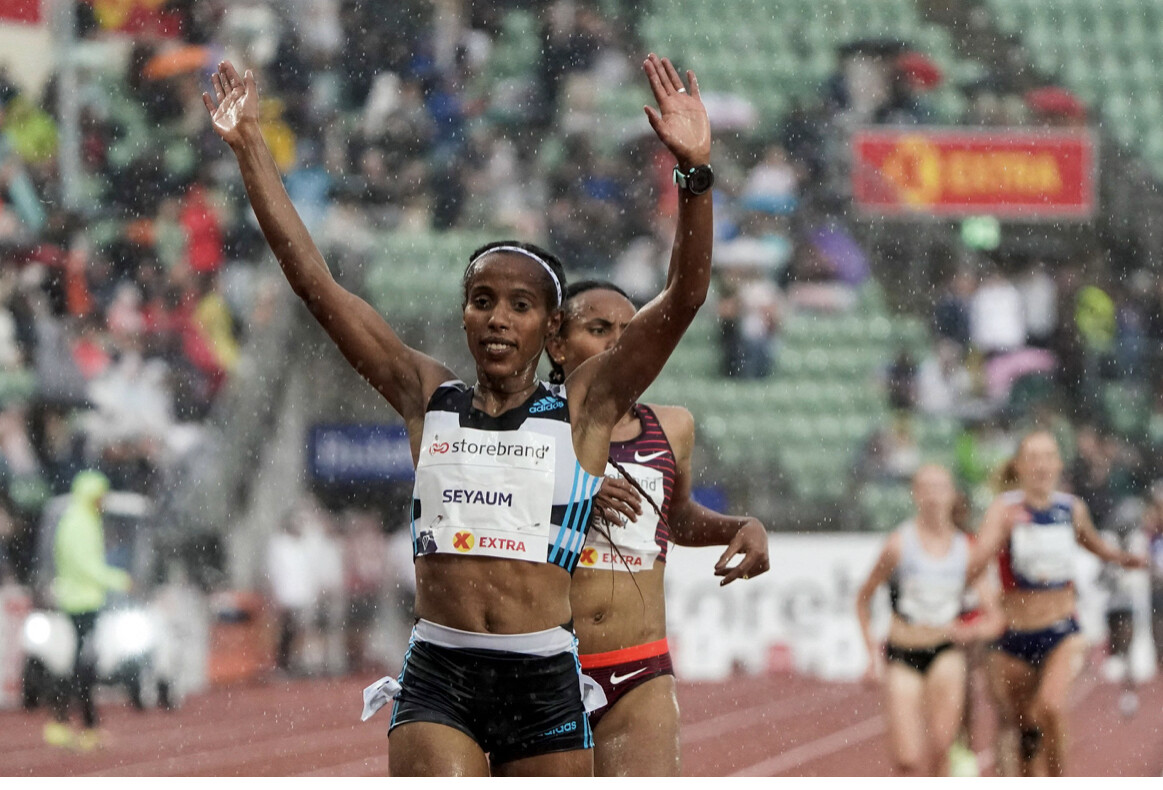
Dawit Seyaum may be new to the 5000m, but the former 1500m specialist looked anything but inexperienced as she outkicked her fellow Ethiopians to win a high-quality race.
The opening pace was steady, the first 1000m covered in 2:53.83 and 2000m reached in 5:52.33. Versatile Norwegian runner Karoline Bjerkeli Grovdal then took up the pace in the second half and passed through 3000m in 8:48.65, leading a large lead pack. Grovdal held on to that lead for another 1500 metres, but then Seyaum and compatriots Letesenbet Gidey, Gudaf Tsegay and Almaz Ayana started battling for the lead with one lap to go.
Ayana’s challenge soon faded, leaving Seyaum, Tsegay and Gidey out in front. Seyaum’s kick down the home straight was enough to break free from Tsegay and she won in 14:25.84. Tsegay, the Olympic bronze medallist at this distance, was second in 14:26.69 while world record-holder Gidey was third in 14:26.92. Grovdal held on to fourth place in a Norwegian record of 14:31.07 and USA’s Alicia Monson was fifth in a big PB of 14:31.11.
(Second photo)Dawit Seyaum celebrates her 5000m win at the Wanda Diamond League in Oslo
For just the second time in history, seven women finished inside 14:35 and eight women finished inside 14:40.
There was another Ethiopian 1-2-3 in the men’s 5000m, though this time the 1500m standout was beaten by the 5000m specialist.
The pace was steady though never blazing quick, meaning most of the field was still in contention at the business end of the race. Two-time world indoor champion Samuel Tefera led at 3000m, passing in 7:54.39, but then sat back in the pack to save his legs for a potential fast finish.
He made his way back to the front of the pack in the closing stages, but could not get on level terms with Bekele, who kicked ahead and won in 13:03.51. Tefera held on for second in 13:04.35, just ahead of compatriot Getnet Wale (13:04.48).
Keely Hodgkinson won the battle of the Brits over 800m, getting the better of fellow Olympic silver medallist Laura Muir.
The 20-year-old ran a controlled and assured race and kept her cool in the closing stages to win comfortably in 1:57.71. Muir was second in 1:58.09, ahead of France’s Renelle Lamote (1:58.50) and world champion Halimah Nakaayi of Uganda (1:58.68).
by World Athletics
Login to leave a comment
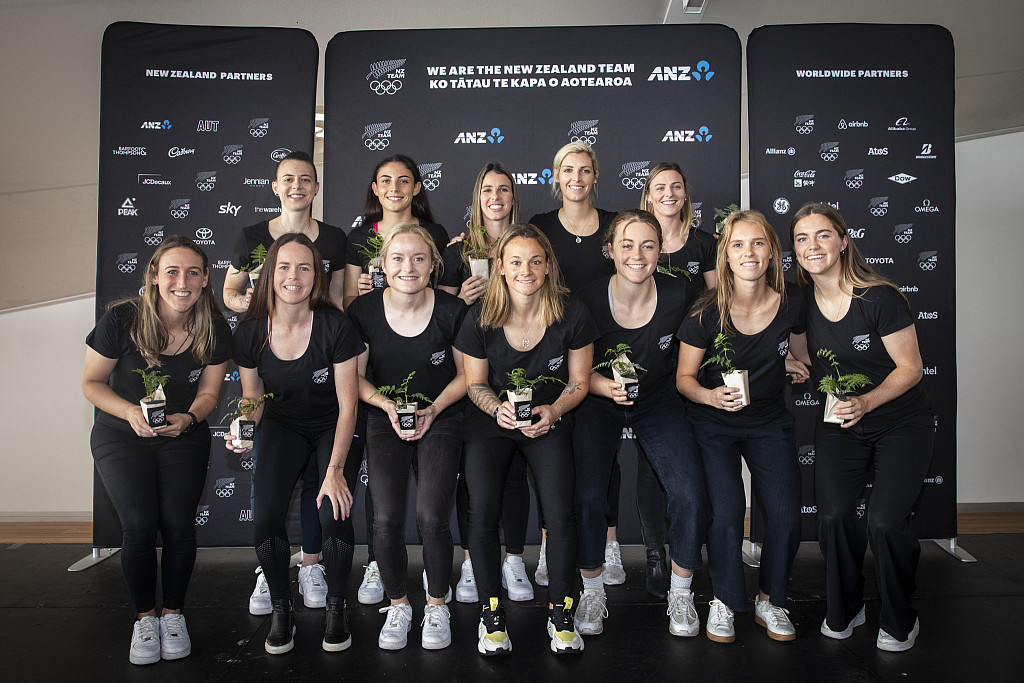
New Zealand has confirmed a record 211-strong team for Tokyo 2020
The New Zealand Olympic Committee (NZOC) has confirmed a record 211 athletes will represent the nation at delayed Olympic Games here in the Japanese capital.
The team is New Zealand’s largest at the Games, surpassing the 199-athlete delegation that travelled to Rio 2016.
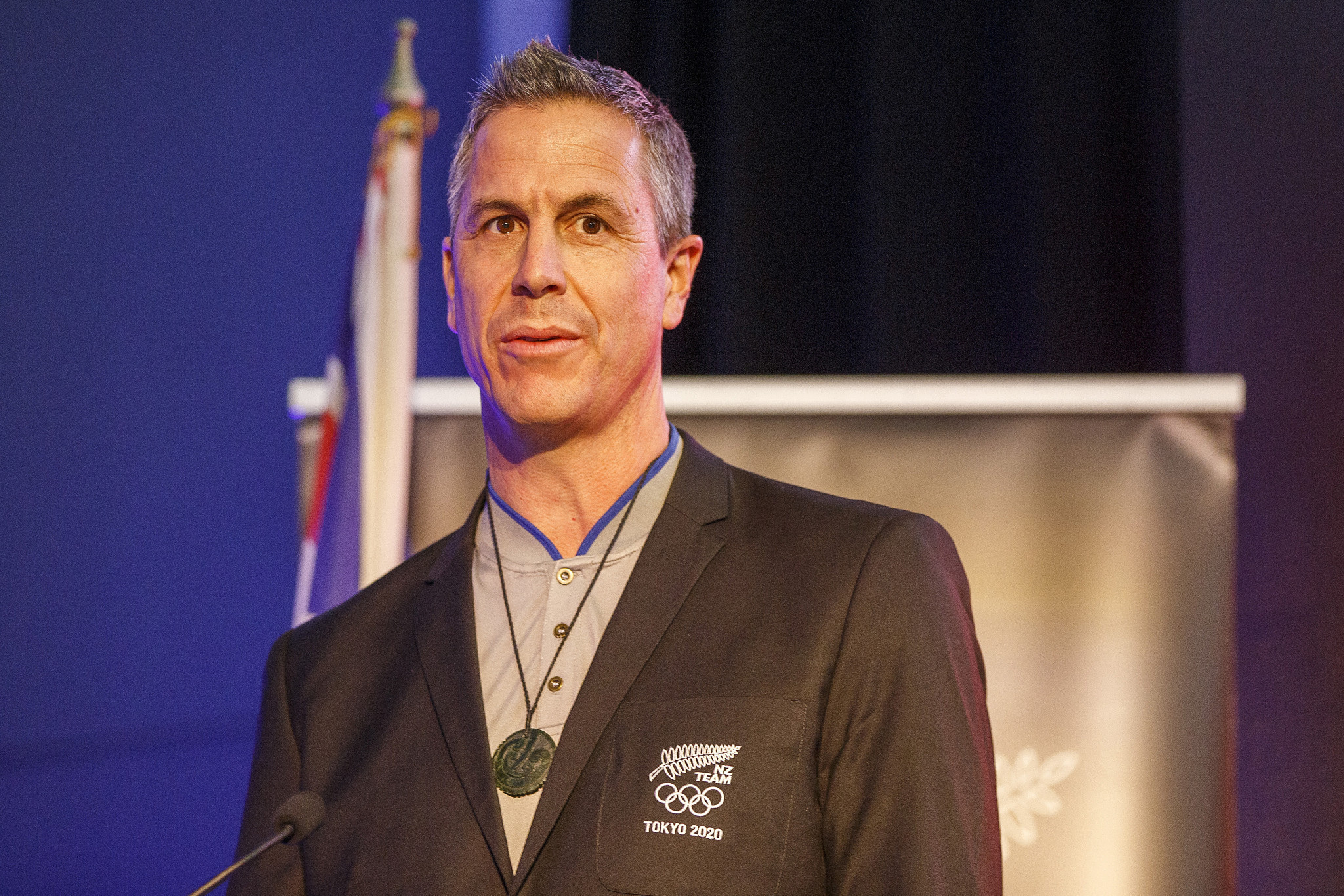
The NZOC revealed that the team includes 110 men and 101 women, with the country having representatives in 22 sports at the Games.
This includes the sports of karate and surfing, due to make their Olympic debuts at Tokyo 2020.
A total of 33 athletes are of MÄori descent.
Most of the New Zealand team will be competing at their first Olympics with 118 having previously never participated at the Games.
The remaining 93 have already been to one or more Games, including two-time Olympic shot put gold medallist Dame Valerie Adams.
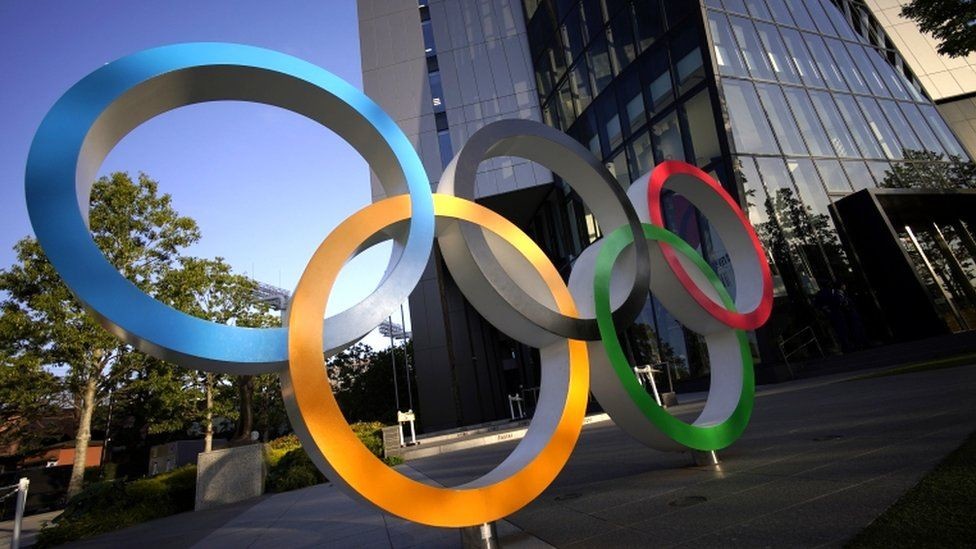
Dame Valerie is set to become the second female athlete to represent New Zealand at five Olympic Games, matching windsurfer Barbara Kendall.
Nick Willis, winner of the Beijing 2008 Olympic silver and Rio 2016 bronze in the men’s 1500 metres, will also compete at a fifth Olympic Games.
Swimmer Erika Fairweather is the youngest member of the team aged 17, with equestrian jumping athlete Bruce Goodin the oldest at 51.
Controversial weightlifter Laurel Hubbard features among the delegation and is set to be the first transgender athlete to compete at the Games as their associated gender.
Women’s rugby sevens captain Sarah Hirini and two-time Olympic rowing champion Hamish Bond were confirmed as New Zealand’s flagbearers Opening Ceremony earlier this month.
The Games is largely set to take place behind closed doors due to the COVID-19 pandemic, leading to the Japanese Government introducing tighter restrictions on the host city.
New Zealand’s Chef de Mission Rob Waddell praised the resilience of the Olympic team amid the uncertainty caused by the COVID-19 pandemic, which led to a one-year postponement of the Games last year.
"This Olympic build-up has been extremely challenging and unique," Waddell, an Olympic rowing gold medallist in the single sculls at Sydney 2000, said.
"I’d like to thank all 211 athletes for the grit and determination they’ve shown to make it to these postponed Games.
"We’re extremely proud of the team and the way they’ve handled all the uncertainty.
"It’s now time to focus on wearing the fern and representing New Zealand to the best of our abilities in Tokyo."
Waddell and an advance team arrived here last week.
The advance team are setting up New Zealand’s area in the Athletes’ Village prior to their arrival for competitions.
Participants are required to follow restrictions outlined in playbooks produced by Tokyo 2020 and the International Olympic Committee.
This includes quarantine periods and movements being restricted to activity plan for the first 14 days.
"We’re working really hard to create a strong performance environment in our section of the Village which allows the athletes to perform to their peak," Waddell said.
"We’re setting up our own high-performance gym, kitchen and health areas.
"We also have two shipping containers to offload which contain things like sporting equipment, hand sanitiser and cooling fans.
"We’ve been working really closely with our performance delivery partners High Performance Sport New Zealand to prepare our team for the heat.
"We've had athletes training in heat chambers and holding heat camps in hot and humid locations.
"We've also got specialist ice vests, slushy machines and heat protocols in place."
by Michael Pavitt
Login to leave a comment

Tokyo 2020 Olympic Games
Fifty-six years after having organized the Olympic Games, the Japanese capital will be hosting a Summer edition for the second time, originally scheduled from July 24 to August 9, 2020, the games were postponed due to coronavirus outbreak, the postponed Tokyo Olympics will be held from July 23 to August 8 in 2021, according to the International Olympic Committee decision. ...
more...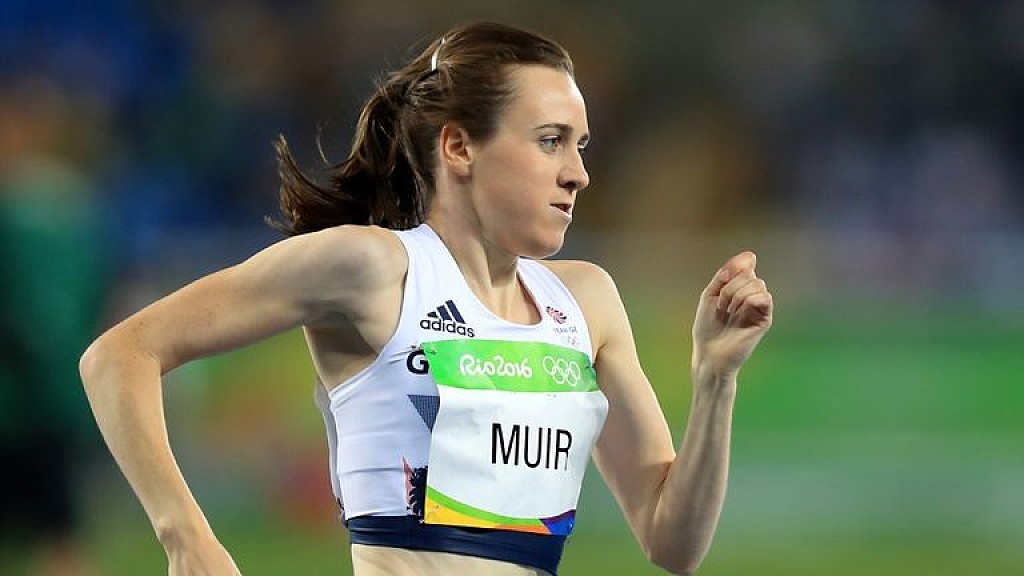
Laura Muir believes that the delay of the Tokyo Olympics could help her chances of winning medals
Laura Muir says she is more robust ahead of Tokyo Olympics; the 1500m British record holder opted to not compete at the European Indoor Championships to focus on the outdoor season and Olympics in July.
British middle-distance runner Laura Muir believes delaying the Olympics has given her a better chance of glory.
The British record holder over 1500 metres insists she is now more "robust" ahead of the rescheduled Games in Tokyo this summer.
Her 2019 season was disrupted by calf and Achilles problems when she finished fifth in the 1500m at the World Athletics Championships in Doha, despite running her second-fastest time.
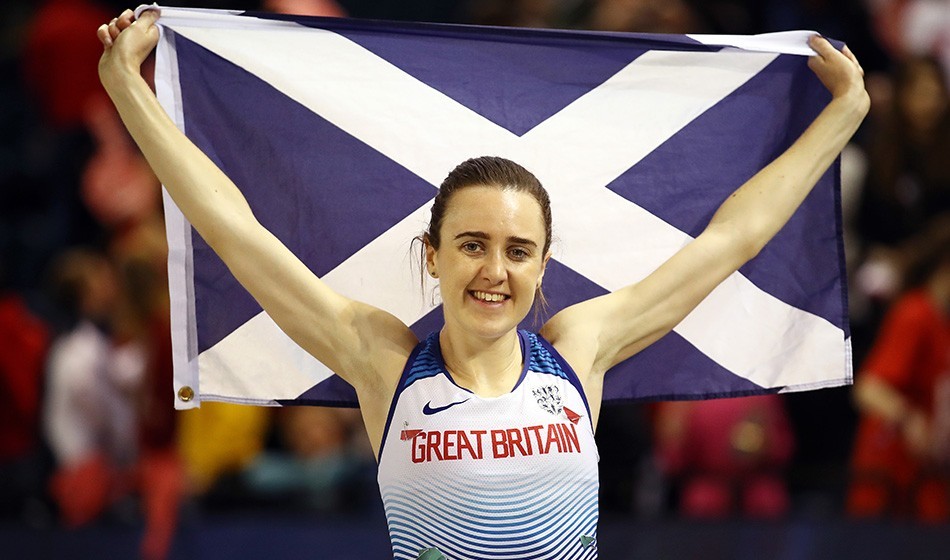
But, after the enforced delay amid the coronavirus pandemic in 2020, the double European Indoor 1500 and 3000m champion has reaped the benefits.
"I'm certainly in a better position than had the Olympics been last year," Muir told the PA News agency.
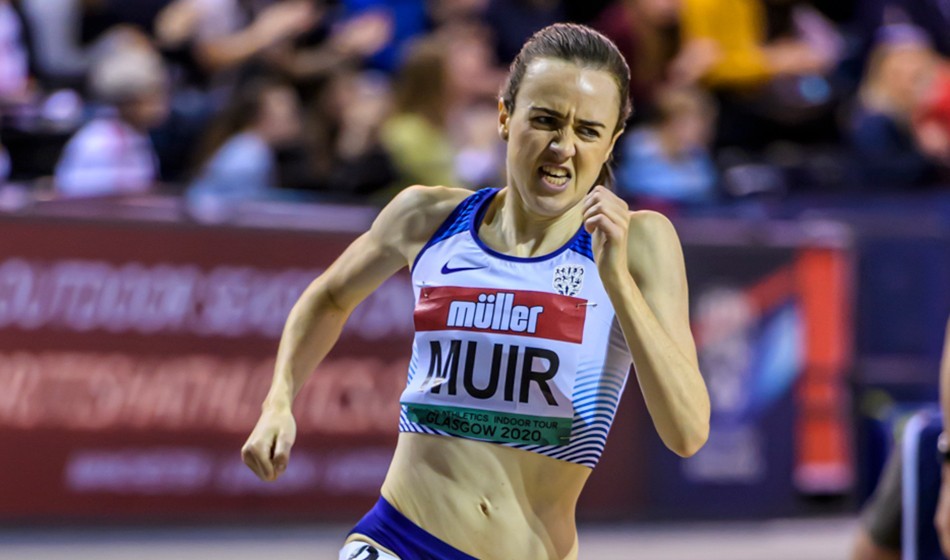
"As much as it was disappointing for everything to be postponed, the overall picture has worked out for me, luckily.
"It's helped me, I had a lot of issues heading into Doha and off the back of it, the issue with my Achilles, and I wasn't in spikes for a number of weeks.
"This time last year I was just getting back into things but now I'm in a much stronger position than I was. Luckily having the last year we were able to build on things to make me more robust.
"We've incorporated more strength and conditioning into training, specific areas which I'm targeting. You don't want to fatigue yourself too much but if there was an area where I was weaker I could strengthen it so I'm not so susceptible."
Muir, 27, finished seventh in the 1500m at Rio 2016 after slipping out of medal contention with 200m left.
This year she has focused on training and her only indoor race came in the World Indoor Tour Lievin in February where she set a new British 1500m indoor record of three minutes 59.58 seconds.
Muir opted not to compete at the European Indoor Championships in Poland this month for a second defence of her titles to focus on the outdoor season and Olympics.
Login to leave a comment
Tokyo 2020 Olympic Games
Fifty-six years after having organized the Olympic Games, the Japanese capital will be hosting a Summer edition for the second time, originally scheduled from July 24 to August 9, 2020, the games were postponed due to coronavirus outbreak, the postponed Tokyo Olympics will be held from July 23 to August 8 in 2021, according to the International Olympic Committee decision. ...
more...
Holly Archer wins European 1500m silver after being reinstated on appeal
British athletes added three more medals at the European Indoor Championships in Poland on Saturday evening.
The most dramatic came in the women’s 1500 metres, where Holly Archer celebrated winning silver only to be disqualified and then reinstated on appeal by the British team.
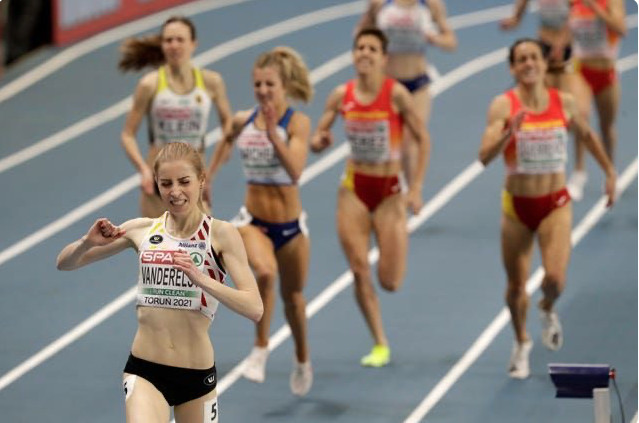
There was pushing and shoving throughout a scrappy race but Cambridge athlete Archer was singled out alongside Spain’s Agueda Munoz, who was also penalised.
A counter appeal was eventually rejected, and Archer said: “That was the longest wait ever. It was supposed to be half an hour but it turned into three hours. I feel absolutely delighted. To come so close and then get it taken away, I’ve been on a roller coaster, but I’m really happy to finally get that silver.”
British team captain Jodie Williams and pole vaulter Holly Bradshaw both collected bronze medals.
Williams has made the move up from the shorter sprints to 400m and was rewarded with her first individual medal at a major event since 2014 behind exciting young Dutch winner Femke Bol.
Williams, 27, ran a personal best of 51.73 seconds, and said afterwards: “It’s crazy. I came here to do a job and it’s job done. Last time I came to European Indoors I got fourth so I had to upgrade that.
I’m really happy. I got a bit boxed in, so I got a bit worried for a second. I knew I could do it. I just dug in and I’m really glad.”
Bradshaw had targeted gold but failed with her three attempts at 4.70m and had to settle for joint third alongside Belarusian Iryna Zhuk behind Swiss winner Angelica Moser and Tina Sutej of Slovenia.
The 29-year-old said: “You can’t sniff at a European Indoor medal, but I’m incredibly disappointed. I felt great. The other girls handled their jumps really well and I just didn’t quite jump as well today.
“It’s been one of my best indoor campaigns ever. Of course it’s disappointing to finish like that but, on the whole, I’ve made some really good progress and stepped it up a notch and I feel like a completely different athlete.”
Britain’s first medals of the event came on Friday in the women’s 3,000m with gold for Amy-Eloise Markovc and bronze for Verity Ockenden.
There is a strong possibility of more female success in the final of the 800m after the young trio of Keely Hodgkinson, Isabelle Boffey and Ellie Baker all qualified for the final.
Baker said: “I’m so happy. It just shows how dominant our GB middle distance girls are. I’m so proud of them as well as myself. I can’t wait for us to put on a show for everyone tomorrow.”
Jamie Webb won his semi-final in the men’s event to secure his progress but team-mate Guy Learmonth missed out.
Andrew Robertson was disappointed to miss out on a medal in the men’s 60m final, finishing fourth in a slower time than he ran in both the heats and semi-finals. Italy’s Lamont Marcell Jacobs was a clear winner in a world-leading 6.47secs.
Robertson said: “It’s very disappointing. I’m getting to the stage where I should be running low 6.50s consistently. Jacobs running 6.47s is a fantastic time, but I should be at least challenging him with the way I’ve been running. It wasn’t a good performance tonight.”
Scotsman Andy Butchart looked impressive in qualifying for the final of the 3,000m, winning his heat in the fastest time, while Jack Rowe also made it through.
Andrew Pozzi carries strong British hopes of a medal as the reigning world indoor champion in the 60m hurdles and is looking to regain the title he won in 2017.
He stormed through the first of five heats in 7.52s, the joint-fastest time of the morning, and said afterwards: “It was a really good time. I had a great reaction from the blocks, which I’ve been missing from the indoor season, so that was really encouraging.”
In the women’s event, there were good runs from sisters Cindy Sember and Tiffany Porter, who safely qualified for the semi-finals. Sember’s time of 7.99s was her fastest since 2017 while Porter clocked 8.04s.
Login to leave a comment

European Athletics Indoor Championships
Witness six sessions of action-packed sport over three days of intense competition as some of the best athletes in the world compete for prestigious European titles. Don’t miss the opportunity to witness this thrilling event and get closer to the action. ...
more...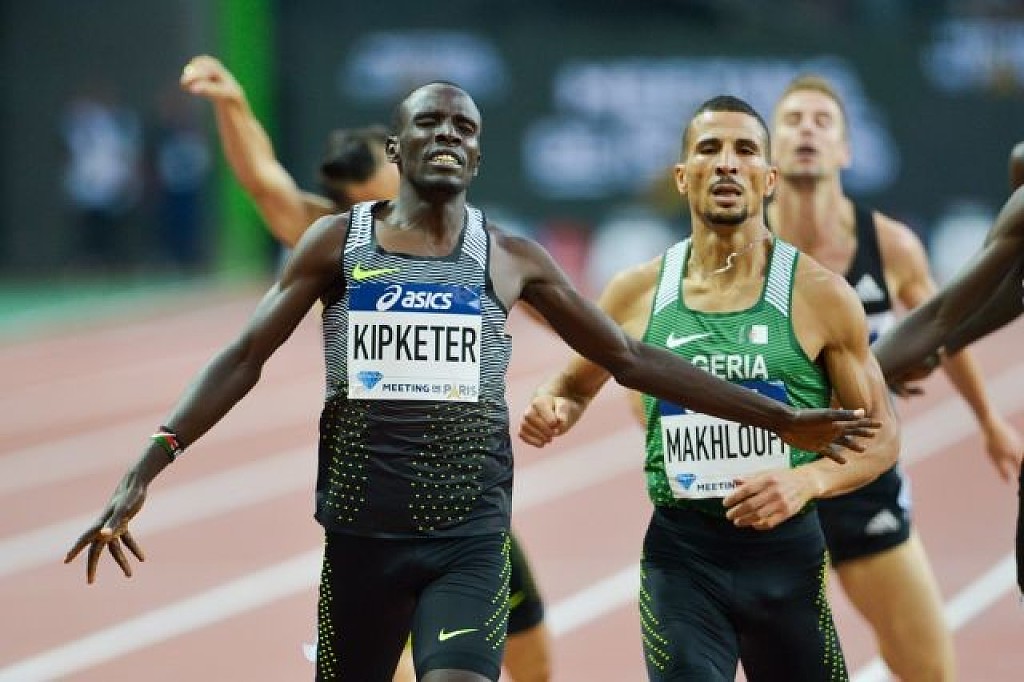
Former world junior 800m champ Alfred Kipketer of Kenya has been banned for two year
Former world junior 800 metres champion Alfred Kipketer of Kenya has been banned for two years after he missed four drugs tests within a 12-month period.
The Athletics Integrity Unit (AIU) confirmed Kipketer accepted he had committed an anti-doping rule violation for whereabouts failures, which rules him out of this year's postponed Tokyo 2020 Olympic Games.
The 24-year-old, a finalist in the 800m at the 2016 Olympics in Rio de Janeiro, missed four tests between November 2018 and September 2019.
He has been suspended from November 26 2019, the date his fourth missed test was confirmed, to November 25 of this year.
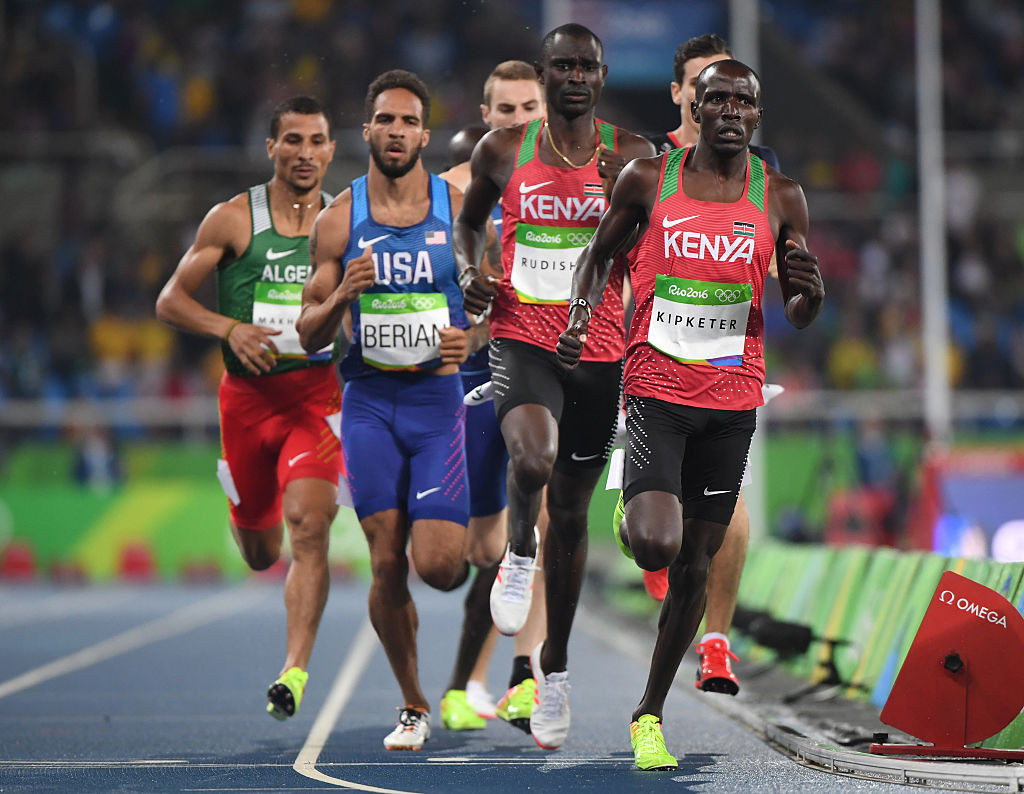
Kipketer, a member of the Kenyan team which won the gold medal in the 4x800m at the 2014 World Relays, failed to provide any explanation for three of the four failures.
He claimed he missed the third test because he had to travel to Nairobi for a family emergency, but the AIU rejected his explanation, stating he had "sufficient opportunity" to update his whereabouts to reflect his change in circumstances.
Kipketer, who also won the world youth title in 2013 and reached the final of the 800m at the 2015 World Championships, is among the more than 60 Kenyan athletes who are serving doping bans.
The AIU had provisionally suspended Kipketer in January, and he has not been able to compete since that date - although many of the events he might have featured at have been cancelled because of the coronavirus pandemic.
Notable names on the list of Kenyan runners currently banned include the 2016 Olympic women's marathon champion Jemima Sumgong and former world marathon record holder Wilson Kipsang.
The 2011, 2013 and 2015 world 1500 metres gold medallist Asbel Kiprop is also banned, as is Elijah Manangoi, who succeeded him in 2017.
Kenya is in the AIU's highest risk category for doping.
by Liam Morgan
Login to leave a comment
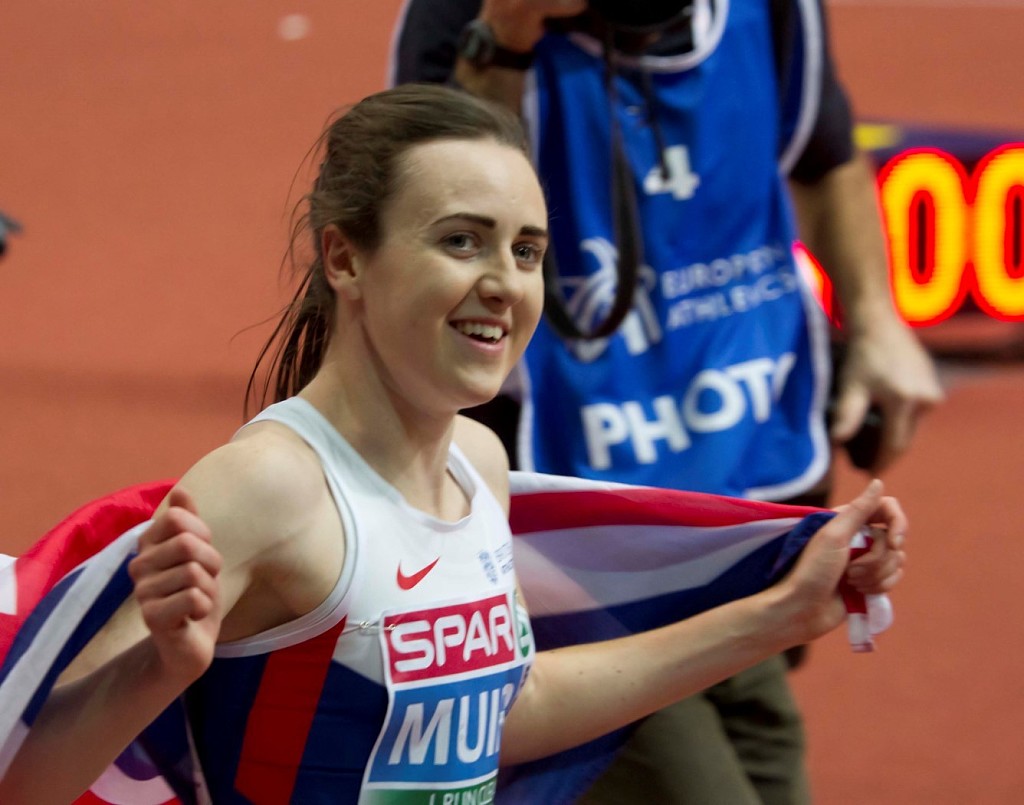
British middle-distance runner Laura Muir refocuses on Olympic goals
Training and development are built around peaking at the end of a four-year cycle, so when the 2020 Tokyo Games were pushed back to 2021 there was much anguish.
For Laura Muir, a genuine medal prospect, it was a case of years of planning and preparation being tossed out the window.
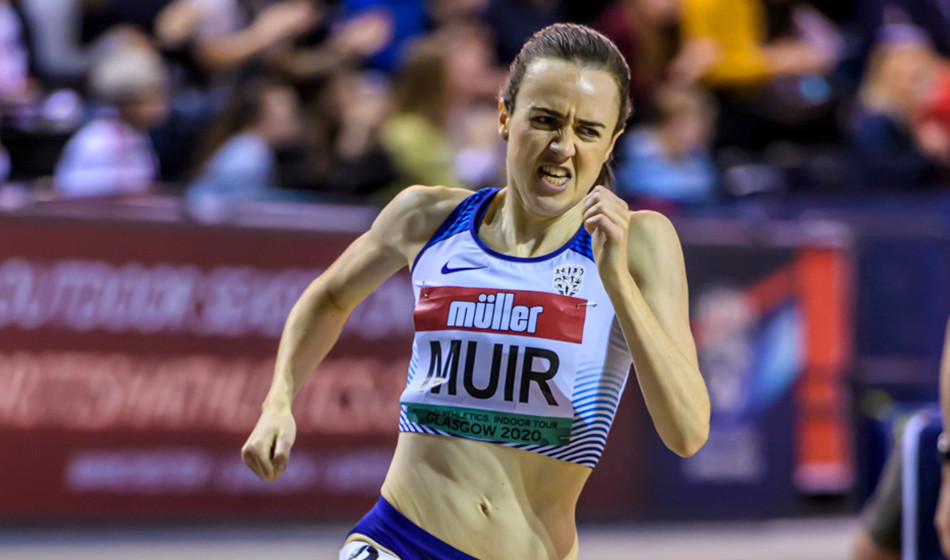
Muir, a trained vet, had put the rest of her life on the backburner as she chased the Olympic dream.
“It was hard because I had set everything on hold really to focus on Olympics this year,” she explained. “My whole life was revolving around that goal, to be honest. I had no other plans.
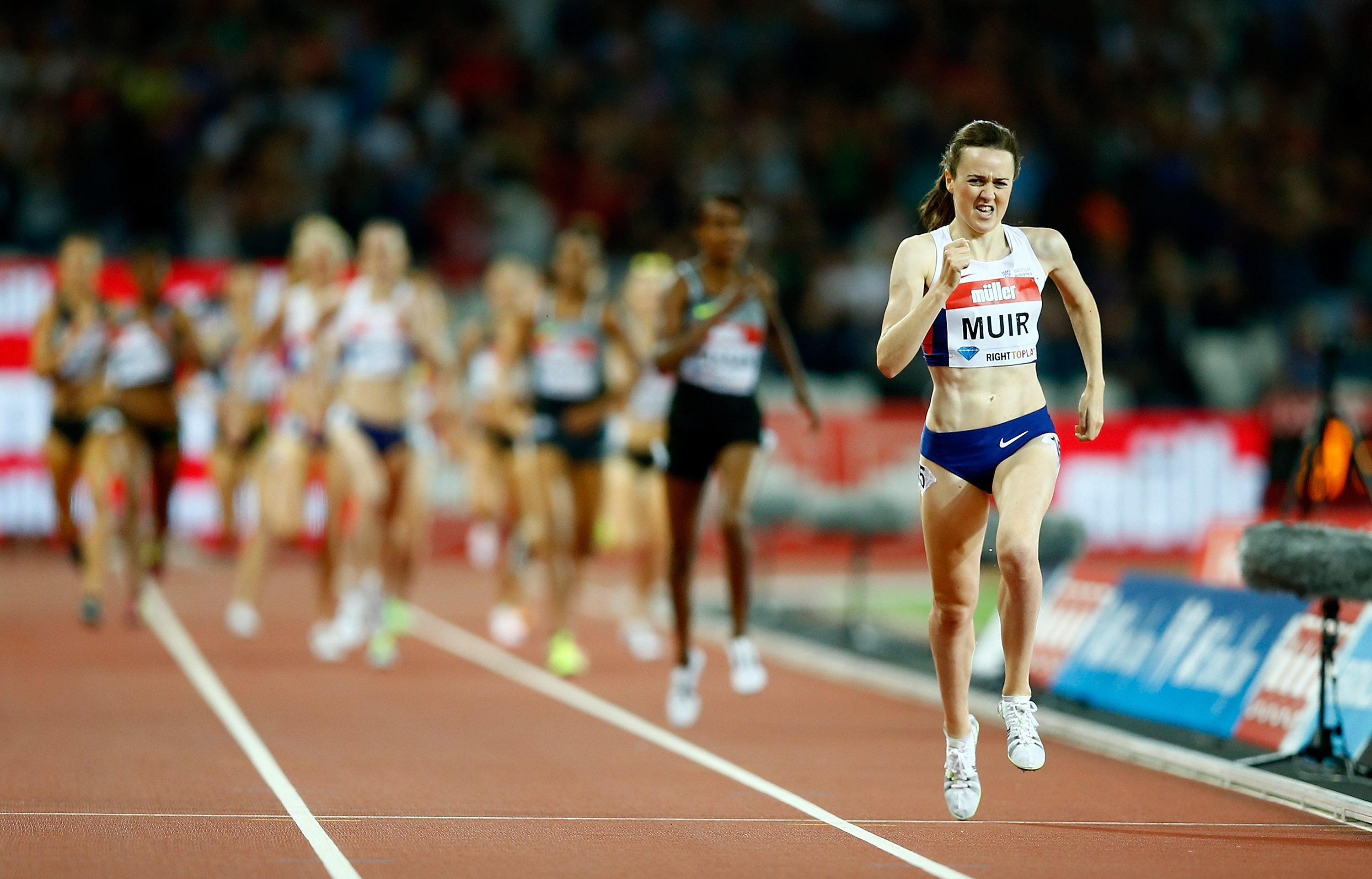
“When that went there was that sinking feeling of ‘Oh, what now?’
“Then we had the Europeans still on just for a while and then they were cancelled, not even postponed. It was gutting because the Olympics only come around once every four years and it was something I was really looking to perform well at.
“At the same time, around March time, I could see the way Covid-19 was developing around the world and I wasn’t going to be surprised by a postponement.
“I’m just glad it wasn’t cancelled but was put back to next year. Hopefully, it can go ahead in 2021 as is now planned.”
Despite the disruption, Muir still managed to produce some outstanding performances in the truncated athletics season.
She delivered three sub-four minute runs over 1500 metres, including the world lead time of 3min 57:40sec which secured victory in a top-class field in Berlin last month. That race was her fifth win in a row. In the midst of it, she also set a new British 1000m record.
But Muir didn’t have it all her own way. A few days after Berlin, Jemma Reekie beat her in the 800m at the Diamond League meeting in Rome.
With Tokyo looming, Muir is uncertain about her winter programme and will take time to work out a plan with long-serving mentor Andy Young, who was named Performance Coach of the Year at the Scottish Athletics awards and also has Reekie in his stable.
“Putting any plans in place for the winter or the months ahead is so difficult right now,” said Muir.
“I’ve resumed training and hope to get in a strong block now. Whether that is here, or abroad, I don’t know – when and where are a bit up in the air in terms of a foreign camp. We will have to see how things go.
by Graham Bean
Login to leave a comment
Tokyo 2020 Olympic Games
Fifty-six years after having organized the Olympic Games, the Japanese capital will be hosting a Summer edition for the second time, originally scheduled from July 24 to August 9, 2020, the games were postponed due to coronavirus outbreak, the postponed Tokyo Olympics will be held from July 23 to August 8 in 2021, according to the International Olympic Committee decision. ...
more...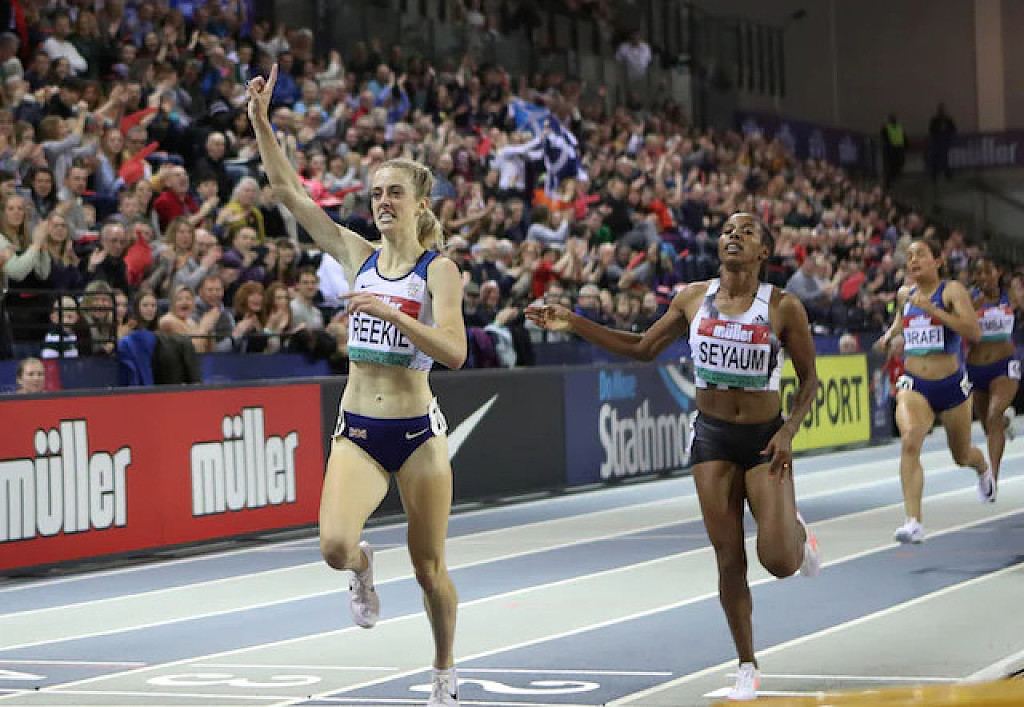
Jemma Reekie wins 1500m in Glasgow to continue fine start to 2020
Jemma Reekie continued her sensational start to 2020 by winning the 1500 metres at the Muller Indoor Grand Prix in Glasgow.
The 21-year-old had already broken three British indoor records this month and produced a blistering final lap to overtake Ethiopian Dawit Seyaum on the home straight and finish in four minutes and 4.07 seconds.
The time did not threaten the British record she set last weekend – it was about three-and-a-half seconds out – but the Scot showed impressive determination and composure to make her move down the inside.
Reekie admitted she feared she might be boxed in at one stage but she forced her way through.
"A few points I had to get my elbows out," she said. "That's middle-distance running for you. I am just learning so getting the confidence that I can do that was good.
"I was hoping I was going to beat my own British record but it's OK, I will take the win."
Login to leave a comment

Muller Indoor Grand Prix Birmingham
The Müller Indoor Grand Prix Birmingham is one of the leading indoor meetings in the world with world-class athletics as part of the World Indoor Tour Gold series. The event will be staged at its traditional home at Utilita Arena Birmingham setting the tone for what is set to be an incredible year of track & field. ...
more...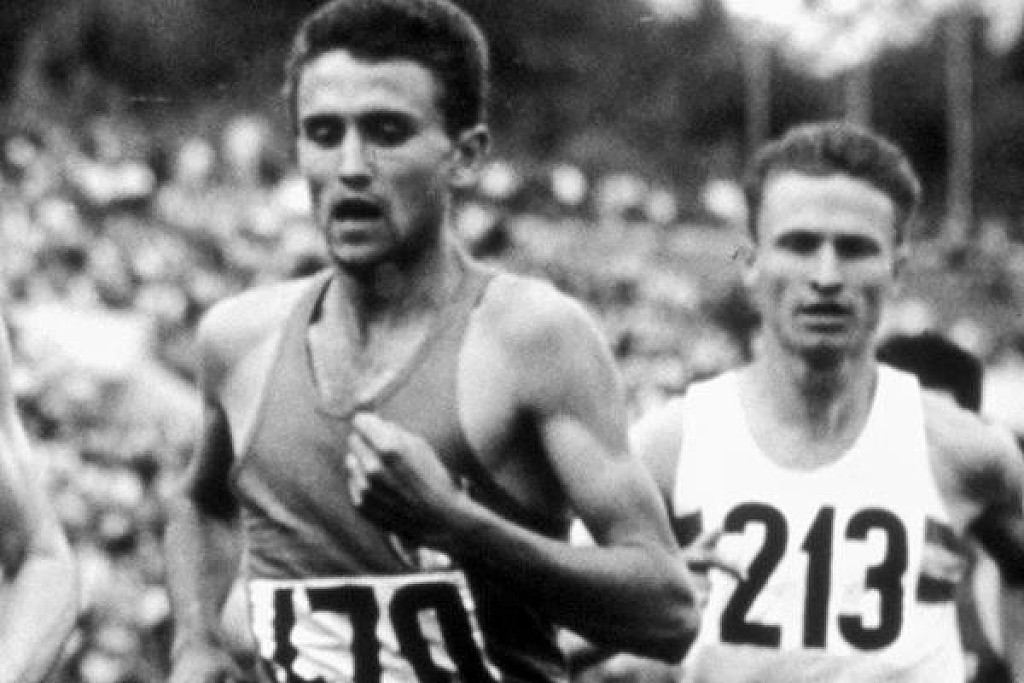
Frenchman Michel Jazy set the World Record for the Mile 53 years ago clocking 3:53.6
by Gary Cohen
Login to leave a comment
