

Running News Daily
Running News Daily is edited by Bob Anderson and team. Send your news items to bob@mybestruns.com Advertising opportunities available.
Index to Daily Posts · Sign Up For Updates · Run The World Feed
Articles tagged #Berkeley
Today's Running News
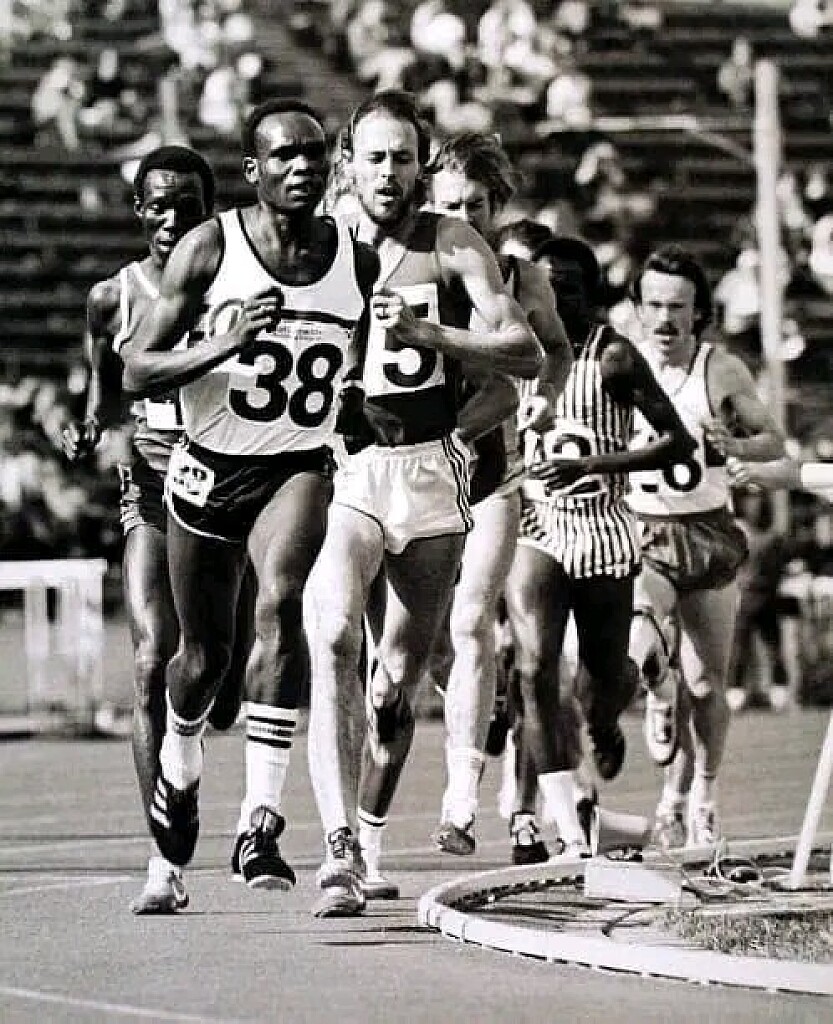


Today in History: Henry Rono’s 5000m Masterpiece Redefined Distance Running
On this day—April 8, 1978—the world of athletics witnessed a performance of rare brilliance in Berkeley, as Kenya’s Henry Rono produced one of the most iconic runs in distance running history.
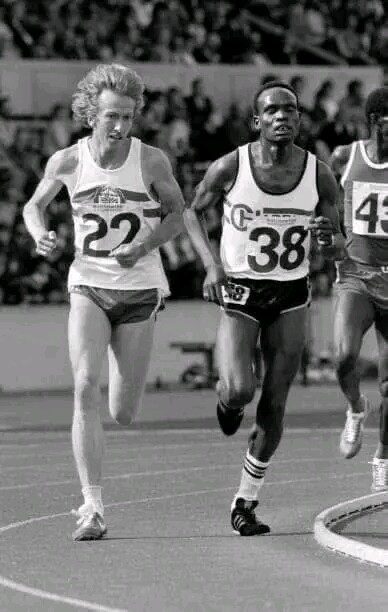
Rono surged to a stunning 13:08.4 in the 5000 metres, setting a new world record and announcing himself as a dominant force on the global stage. In doing so, he erased the previous mark of 13:12.9 set by New Zealand’s Dick Quax in Stockholm less than a year earlier. The margin—4.5 seconds—was enormous at that level, underlining just how extraordinary Rono’s run truly was.
Yet, this historic performance was only the opening chapter of an astonishing streak.
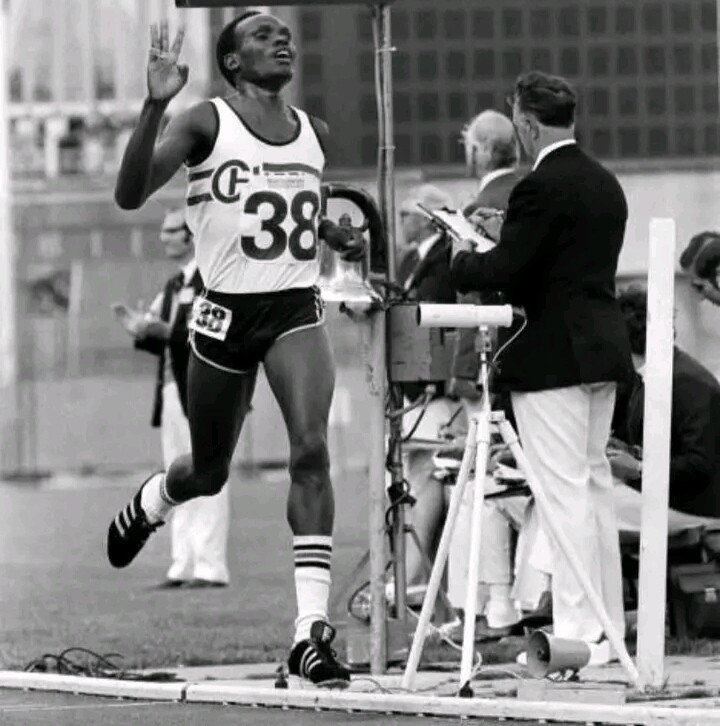
Within the following ten weeks, Rono would achieve what few athletes in history have come close to matching—breaking four world records across different distance events. Alongside his 5000m triumph, he set new global standards in the 3000 metres steeplechase, 10,000 metres, and 3000 metres, showcasing unmatched endurance, versatility, and dominance.
His 5000m time in Berkeley would go on to stand the test of time in remarkable fashion, remaining the outdoor collegiate record for 44 years until finally being surpassed in 2022—an enduring symbol of its greatness.
Today, we remember not just a record-breaking run, but a defining moment that reshaped distance running. Henry Rono’s legacy continues to inspire generations, a testament to the heights that can be reached through talent, courage, and relentless pursuit of excellence.
by Erick Cheruiyot for My Best Runs.
Login to leave a comment
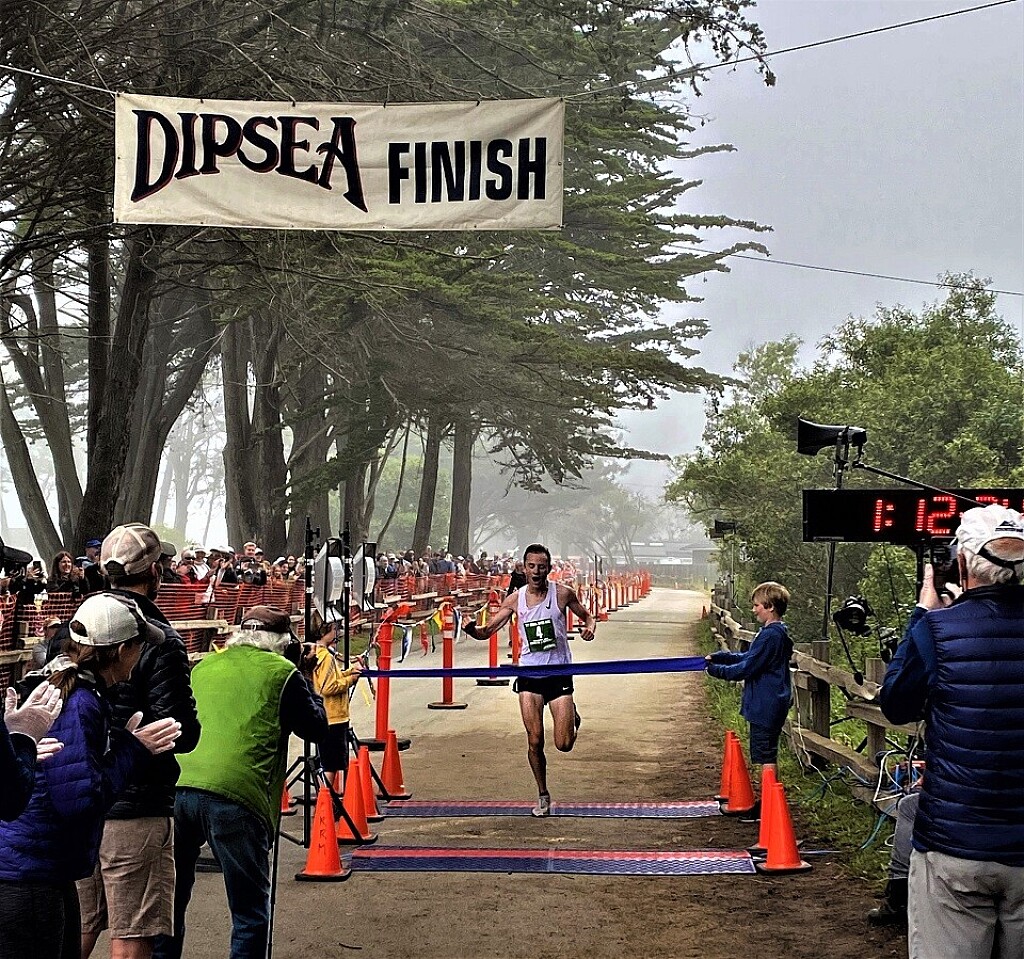
In order to win his first Dipsea Race 28-year-old Eddie Owens had to study it first.
Two years ago when he moved to San Francisco, Eddie Owens knew nothing about the Dipsea – the country’s oldest trail race – other than what he heard from area runners. It prompted him to visit Marin County to meet Dipsea historian and author Barry Spitz, who has written the quintessential book about historic race, “Dipsea: The Greatest Race.” Owens bought a book from Spitz and said he was curious about the fastest times on record in the race.
Apparently, Owens not only read about them, but he appears hell bent on eclipsing them.
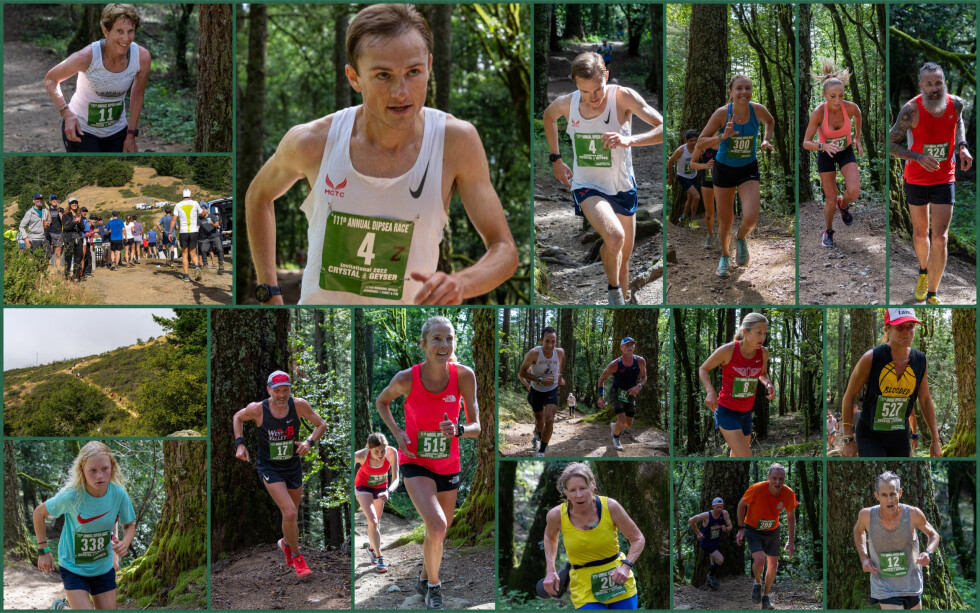
With a time of 48:35 on Sunday – more than a minute faster than anyone else in the field – Owens easily won the 111th Dipsea with a race for the ages. He became the first runner in his 20s to win the historic 7.5-mile foot race from downtown Mill Valley to Stinson Beach since 25-year-old Carl Jensen was the last person to win the event from scratch in 1966.
That feat followed Owens’ astonishing Dipsea debut effort last November when he denied Alex Varner of a 10th Best Time Award by finishing fourth overall with an actual running time of 47:47, the fastest in 26 years.
Owens, who grew up in Brooklyn, N.Y. and attended Princeton University, obviously is a fast learner when it comes to the Dipsea.
“I’ve run races all over the country and all over the world, but there is nothing like the Dipsea,” said Owens, who was a member of Team USA at the 2021 World Mountain and Trailrunning Championships. “I look forward to coming back for many years and decades to come.”
Owens was given a one-minute head start on Sunday in the Dipsea, a unique race in which each of the 1,500 runners are assigned head starts based on age and gender. With a two-minute head start Paddy O'Leary, a 34-year-old cancer researcher from San Francisco, finished second one minute and 17 seconds behind Owens and Clara Peterson, a 38-year-old mother of four from Corte Madera who was a two-time All-American cross country runner at Duke University, was third. She started seven minutes in front of Owens’ starting group and posted the fastest time (58:45) by a female in the race, finishing one spot ahead of Stephanie Howe of San Rafael, another two-time NCAA All-American in college (Northern Michigan University) who was making her Dipsea debut. Fiona Lyon and two-time Dipsea winner Chris Lundy finished right behind, the first time since 1992 that four females have finished in the Top Six of the Dipsea.
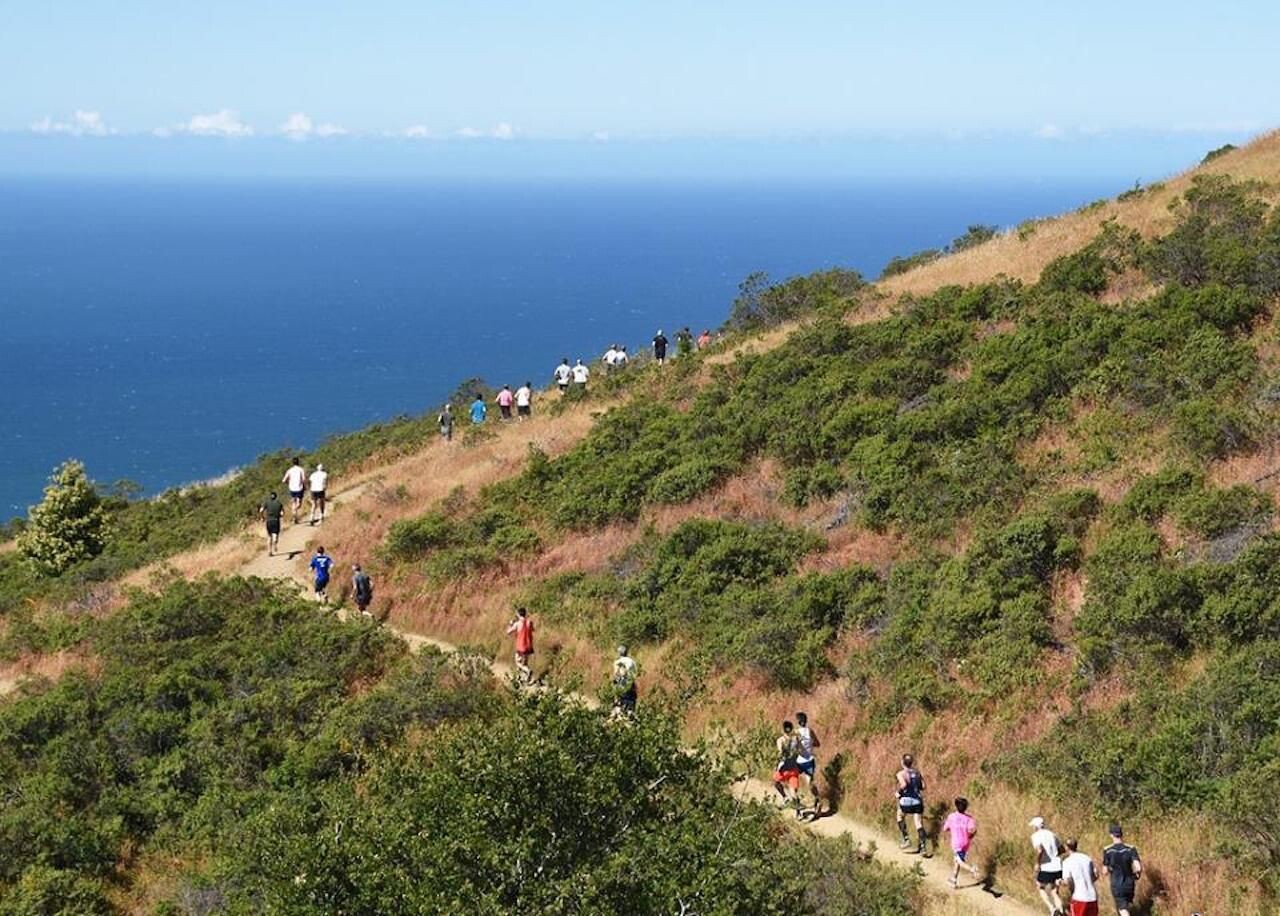
Mark Tatum, the defending Dipsea champion from Colorado Springs, CO, placed eighth overall.
Peterson and Howe -- along with two-time Dipsea champion Diana Fitzpatrick of Larkspur, 25-time Black Shirt winner Brad Byron of Penngrove, and Tanya Fredericks of San Anselmo – pushed the Tamalpa Runners into a remarkable first-ever tie with rival Pelican Inn Club for the Dipsea’s Team Trophy. Alex Varner, Cliff Lentz, Don Stewart, Jeffrey Stern, and John Gardiner were the top runners for Pelican Inn which won the team trophy last year.
The mother-and-son team Elena Shemyakina of Geneva, IL and Mikhail Shemyakin of Mill Valley won the Alan Beardall Family Trophy for the third time and Berkeley High School student Oliver Nickelsen claimed the First High School Boys Finisher for the second year in a row and won another Dipsea Black Shirt. He was joined in that select group by seven first-time Dipsea Black Shirt winners (Carolyn Latham, Benjamin Koss, Anthony Fagundes, Taylor Fortnam, Lacee Phillips, Patrick Wachter, and Ibet Allen.)
Emma Dunmire of Tamalpais High School was the First High School Girls Finisher, and Patrick Green of Long Beach was the first finisher in the race from the Dipsea Runner’s Section.
Diana Fitzpatrick, who won her record-tying 19th Dipsea Black Shirt to match Dipsea Hall of Famer Jamie Rivers, was named the recipient of the Norman Bright Award for “Extraordinary Effort in the Dipsea Race” in a post-race awards ceremony staged in person for first time at Stinson Beach Park since June 2019 before the COVID-19 pandemic. Robert Alexander, who made his Dipsea Debut in 1984 at the age of 32 when he placed 13th overall, was named the recipient of the Dipsea Demon Award for “dedication, perseverance and performance over time” to honor ” the late Jack Kirk, who completed a record 67 consecutive Dipseas, the last at the age of 95. Alexander, 66, competed in his 38th consecutive Dipsea on Sunday. Longtime Dipsea volunteer Mari Allen, who led the charge in organizing a centennial celebration of the Women’s Dipsea Hike in April, was named recipient of Red Tail Hawk Award for “Leadership, Dedication and Sportsmanship” named in honor of the late Jerry Hauke, the Dipsea Race director for 37 years.
This year’s Dipsea race featured runners from a total of 30 states plus the District of Columbia were entered in the 111th Dipsea from as far away as Maine and Italy.
The oldest runner entered was 84-year-old Norman Pease of Orinda and the oldest female entered was 80-year-old Emma Ulvestad of Mill Valley. The youngest girl entered was 8-year-old Caleesi Beck of Mill Valley and the youngest boy entered was 5-year-old Christopher Ciaschini of Mill Valley.
Login to leave a comment

The Dipsea Race
First run in 1905, the Dipsea is the oldest trail race in America. It is run every year on the second Sunday in June. The scenic 7.4 mile course from Mill Valley to Stinson Beach is considered to be one of the most beautiful courses in the world. The stairs and steep trails make it a grueling and treacherous race....
more...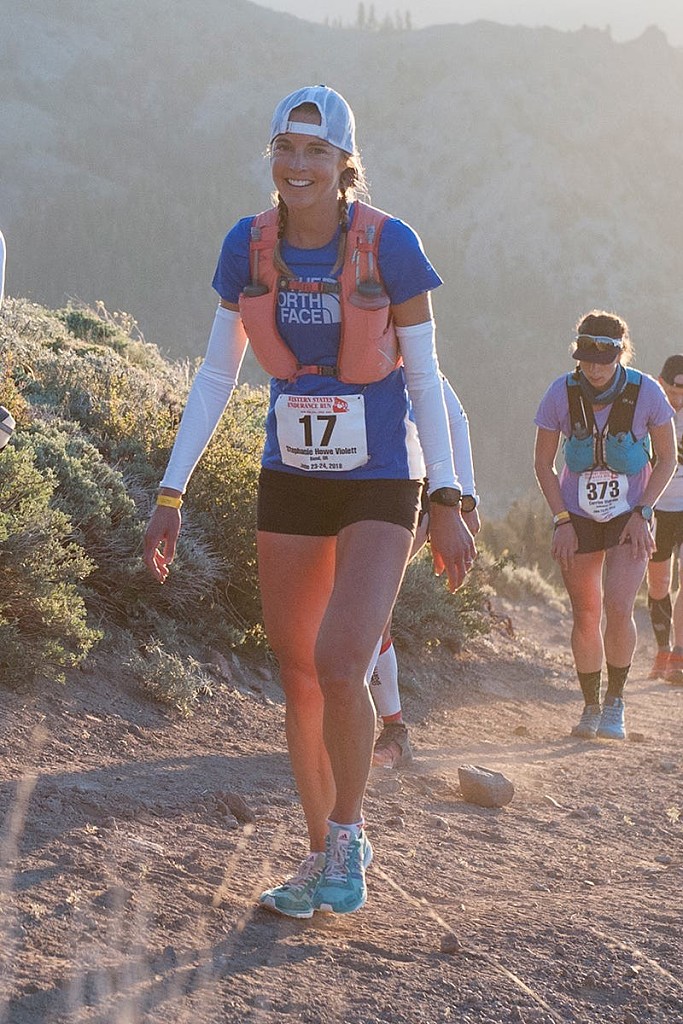
The Western States 100 Is Back and It’s Going to be HOT!
Western States is famously competitive - and this year is shaping up to be one of the toughest competitions yet with hot temps, and a stacked field.
Jim Walmsley and Magda Boulet will be back at the Western States Endurance Run this week.
And so will Clare Gallagher, Patrick Reagan, Max King and Brittany Peterson. And, so too is race pioneer Gordy Ainsleigh and 312 other inspired runners who have been training for more than a year and a half to get to the starting line. In fact, we’re all heading back to the Sierra Nevada range this weekend — even if vicariously — to what feels like a bit of normalcy returning.
After a year mostly away from the trail racing running scene, things are starting to feel like old times. With stacked men’s and women’s fields, scorching heat in the forecast and last year’s Covid-19 hiatus hopefully mostly behind us, it’s definitely the event the ultrarunning community has been looking forward to. The race begins at 5 a.m. PST on June 26 and it looks like it’s going to be an epic one. (Follow via live tracking or the live race-day broadcast.)
“Yeah, it will be good to be there and see people and actually be in the race,” says Walmsley, who won the race in 2018 and 2019 in course-record times. “It’s been an odd year.”
Odd for sure, but with deep men’s and women’s fields, hot weather, dusty trail conditions and the late June gathering of a few hundred runners on this hallowed ground feels somewhat normal. The mountains and canyons in and around Olympic Valley northwest of Lake Tahoe have been a sacred place for the native Washoe people for thousands of years before Gordon Ainsleigh’s first romp over the Western States Trail in 1974.
It’s been an especially odd year for Walmsley, who, for the second straight year, had planned to use the first half of his year training for the 90K Comrades Marathon in South Africa. But that was canceled last year (with just about every other big race, including the Western States 100) and this year, too.
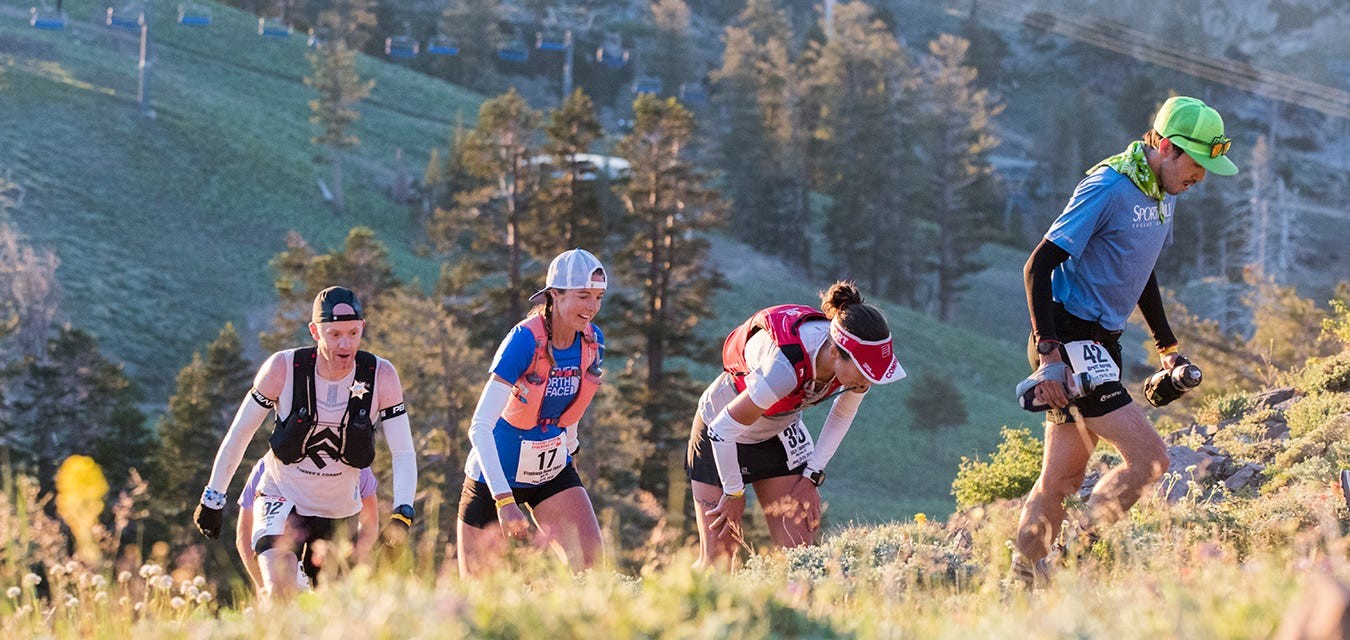
So instead, after setting a new U.S. 100K road record in January, he took a sponsor’s entry into the Western States 100 from HOKA One One and will be once again lining up in America’s most celebrated trail running race. With notable first-timers Tim Tollefson and Hayden Hawks in the mix along with Walmsley, Reagan, King, Matt Daniels, Alex Nichols, Kyle Pietari, Mark Hammond, Stephen Kersh, Jeff Browning and Jared Hazen all returning with previous top-10 finishes, on paper anyway, the men’s race is shaping up to be one of the most competitive in recent memory or maybe ever, even though it’s comprised entirely of domestic runners.
The women’s race might be even more competitive with former champions Boulet, Gallagher (2019) and Kaci Lickteig (2016) leading the way, plus elite American runners Camille Herron, Addie Bracy, Camelia Mayfield and Keely Henninger and international stalwarts Ruth Croft (New Zealand), Audrey Tanguy (France), Beth Pascall (UK), Emily Hawgood (Zimbabwe), Kathryn Drew (Canada) and Ragna Debats (Spain) joining the fray.
Who are the favorites? It’s hard to tell. Most of those runners, including Walmsley and Boulet, have admitted to having dealt with some minor injuries, inconsistent training, a lack of motivation and other setbacks over the crazy year that was. Based on what runners have been reporting, it seems like most are just eager to get back and immerse in a competitive 100-miler and see what they can do.
However, one of the keys will certainly be who can survive the heat the best. The forecast is calling for high temperatures in the upper 80s to the high 90s on Saturday after and the canyons between Robinson Flat and Michigan Bluff could even reach over 100 degrees.
Walmsley has said he’s dealt with some IT band issues and has focused mostly on running with a lot of vert, focusing on getting optimal recovery, strength sessions and body work, as well as spending as much time running in extreme heat as possible. That includes running and hiking countless laps to the summit of 9,298-foot Mt. Elden in Flagstaff, averaging 20 to 25 hours per week on the trails and also spending a lot of time on a bike trainer.
But he’s also spent a lot of time in the infrared sauna in his home and spent time with family in the Phoenix area, where he ran in the afternoons amid 115- to 120-degree heat.
“The heat training is kind of lucky for me, because growing up in the heat in Arizona, I didn’t know any different,” Walmsley says. “I just thought everyone was roasting in the heat. It’s what I grew up with and I try to lean into those memories and embrace the heat.”
Boulet, who lives in Berkeley, Calif., has also gone out of her way to train in the heat. While she says her build-up has been inconsistent compared to previous years, she’s been doing a lot of climbing and descending in the heat, and also working on box jumps to strengthen her legs for the long descent into Auburn. She says a recent 40-mile run up 3,849-foot Mt. Diablo east of Berkeley, is a good indicator that she’s ready to roll.
“I’ve definitely been spending more time in the heat lately, which is something I personally don’t enjoy running in,” says Boulet, who won the race in 2015, DNF’ed in 2016 and placed second in 2017. “But I know the importance of preparing in the heat and falling in love with running in the heat by race day. You can be as physically as ready as possible in terms of your fitness, but if you don’t have the heat training and you’re trying to tackle some of the parts of the canyons that are in the middle of the race, It’s really tough.”
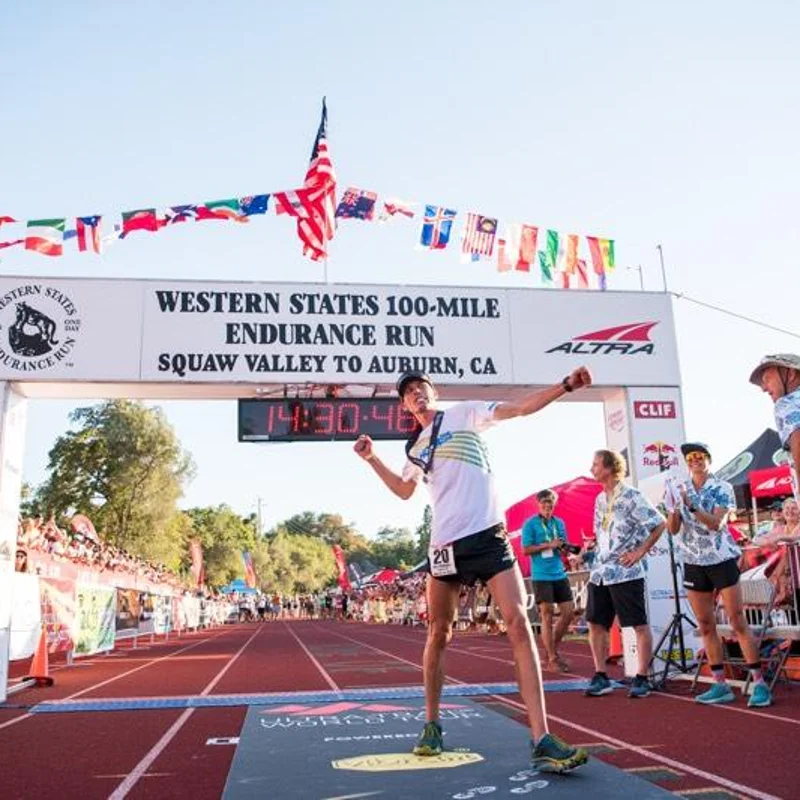
Given the extreme heat, it’s not likely that anyone will challenge Walmsley’s 14:09 course record set two years ago, when it was in the low-80s and cloudy on race day. But there’s also no snow on the course this year, so the early sections that have previously forced runners to hike and walk early on will likely be faster, and that will likely result in fatigue that will slow them down in later stages of the race.
“You’ve got to take what the course gives you,” Walmsley says. “I’ve learned that you don’t fight the course where you shouldn’t. I have some splits in mind that would get me there under 15 hours and maybe close to 14:30, but it’s going to be all about feeling out what the course is giving me, following those guidelines and not forcing it. Because anyone who forces it in that heat will be doomed.”
by Outside Online (Brian Metzler)
Login to leave a comment

Western States 100
The Western States ® 100-Mile Endurance Run is the world’s oldest and most prestigious 100-mile trail race. Starting in Squaw Valley, California near the site of the 1960 Winter Olympics and ending 100.2 miles later in Auburn, California, Western States, in the decades since its inception in 1974, has come to represent one of the ultimate endurance tests in the...
more...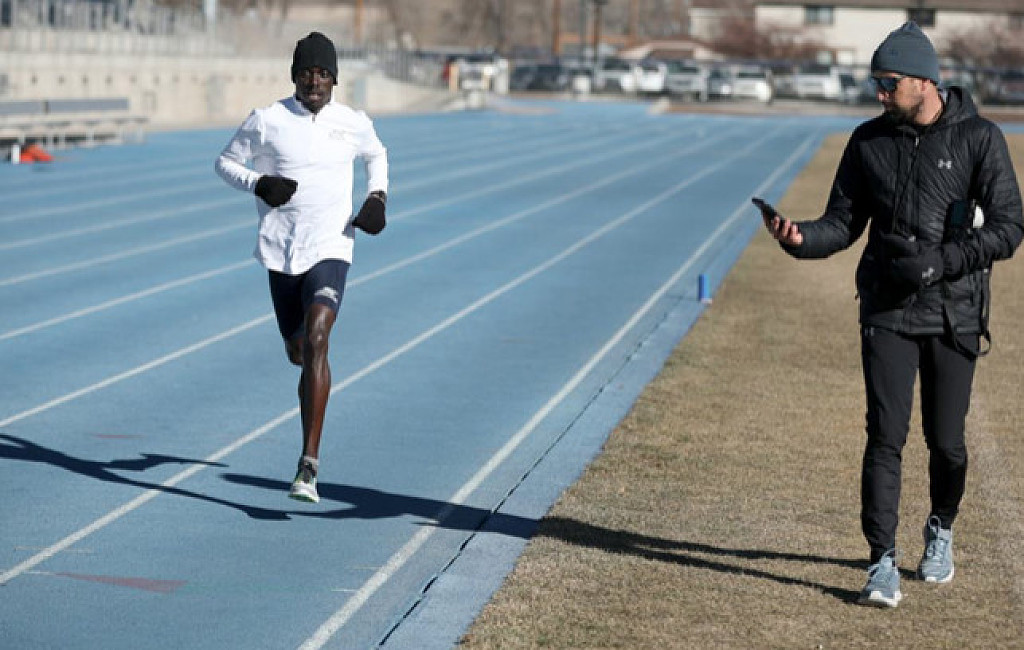
New team in town: Under Armour runs into Flagstaff
Living here, up where the air is rare and trails snake through mountains and traverse verdant valleys, means that you are as liable to see as many elite runners donning corporate-logoed singlets and compression socks around town as you are to spot locals wearing fleece and Birkenstock's.
Yeah, ho-hum, that’s Mo Farah doing squats at your gym. And isn’t that Sara Hall pounding out miles of the FUTS, and Edward Cheserek reeling off sub-50-second 400s at the end of a workout on NAU’s track? Then there’s that thundering herd of Hoka NAZ Elite runners, always striding down Lake Mary Road like so many sleek big cats roaming the savanna.
Flagstaff’s stable of professional runners, some full-time residents but many parachuting in for elevation training, now has grown even more robust — and not just because it soon will be an Olympic year. There’s a new team in town, a corporate-sponsored training group that is fast filling its ranks with numbers challenging NAZ Elite’s civic running hegemony.
The as-yet unnamed group — expect an official "branding" sometime soon — is funded and sponsored by the apparel and shoe company Under Armour. It is headed not by interlopers, but by two track and field veterans who have histories in Flagstaff.
Noted running agent Stephen Haas, who also coaches the likes of 17-time NCAA champ Cheserek, is the driving force behind the team’s formation. He’s been a Flagstaff regular for nearly a decade, first as a distance runner who came here to train, then as a sort of Sherpa for athletes represented by his agency, Total Sports US, and later for several years as executive director of Team Run Flagstaff.
Now Haas has ascended to running his own training group, under Under Armour’s auspices, while still looking after the approximately 45 athletes he represents worldwide, some of whom swoop in here for high-altitude camps and some, like Cheserek, who make Flagstaff home.
Haas is aided in this new venture by former UC Berkeley cross country and track coach Shayla Houlihan, who left Cal after seven seasons last spring. Houlihan, too, has a Flagstaff connection, having trained here earlier in the decade as a pro steeplechaser and then working for two years as a Team Run Flagstaff coach.
So, it’s something of a homecoming for the pair, though you will see a few new faces on the roads, trails and track no doubt wearing the UA logo. They include 2018 NCAA 10,000-meter champion Sharon Lokedi, 5,000-meter elite Rachael Schneider, miler Patrick Casey, 800-meter runner Baylee Mires, Irish marathoner Stephen Scullion and two promising middle-distance recruits fresh out of college, Blake Haney (Oregon) and Taryn Rawlings (Portland).
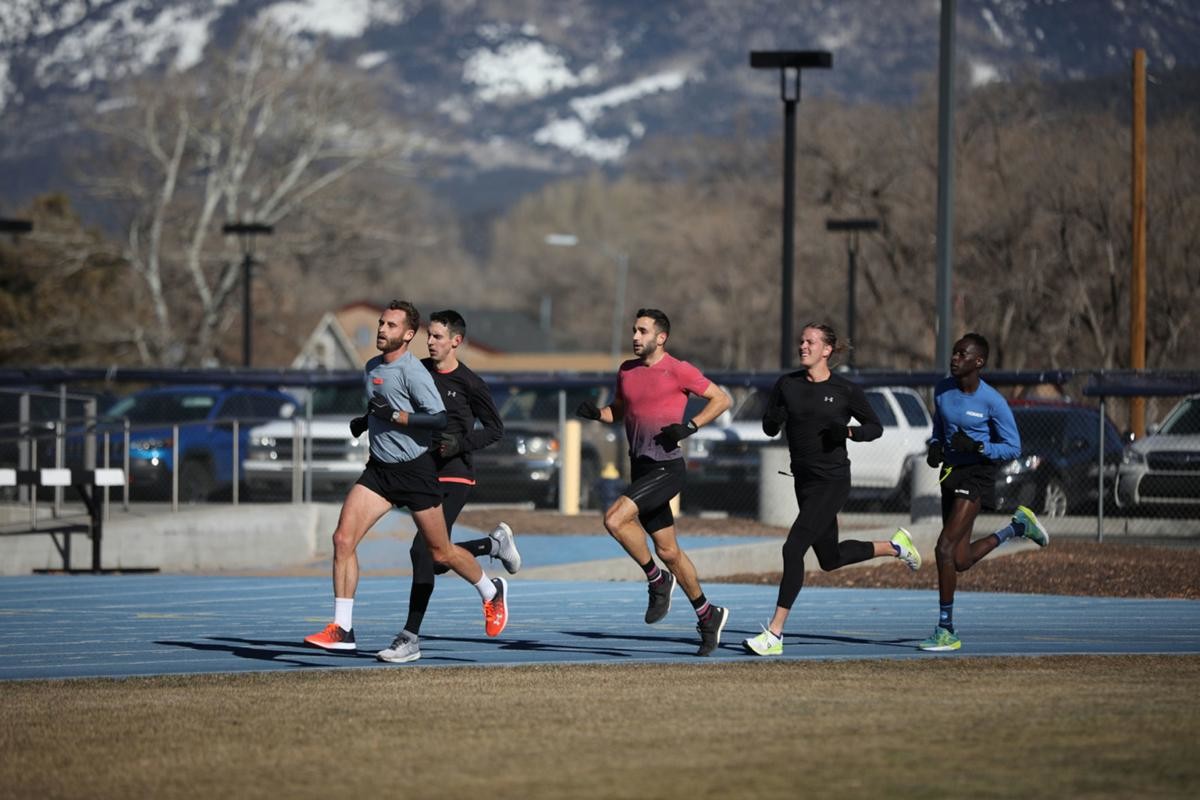
This new team, perhaps not yet boasting the championship pedigree of NAZ Elite, raises two questions: Is this town big enough for two year-round sponsored training groups, and, is Flagstaff reaching a saturation point when it comes to infrastructure for so many elite runners hitting town to train?
Haas doesn’t hesitate in answering.
“No,” he said. “The five minutes that we cross over in the gym with NAZ Elite is the only time we see NAZ Elite. We’re more track-based, so we’re on the track more than them. They’re on the road more than us. For whatever reason, we have different schedules.
“People ask me this all the time. Yes, there’s a lot of athletes who come to Flag, but if you’re not making the effort to connect with people, well, this is a place where you can be lost in the woods every day. You need to make connections.”
As a former elite runner and now agent, Haas is all about networking and building relationships. His career as an agent soared after being named Total Sports US’s client services coordinator. His stable of athletes include notable pros such as Cheserek, Olympians Shelby Houlihan (Shayla’s younger sister) and Hassan Mead, Olympic silver medalist Sally Kipyego and Rachel Cliff, Canada’s marathon and half-marathon record holder. Just recently, he has signed four-time NCAA champ Morgan McDonald and three-time NCAA titlist Jessica Hull, both Aussies, in addition to two-time NCAA 1,500-meter runner-up Justine Kiprotich, who runs for Hoka (though not NAZ Elite) and trains in Flagstaff.
Perhaps more important, at least to the success of the new team sponsored by Under Armour, is Haas’ connections in Flagstaff.
In his days as a distance runner, Haas shared a house with NAU cross country and track coach Michael Smith and the two remain friends. His tenure as executive director of Team Run Flagstaff, in Haas’ words, “gave me a community of people, friends, right away, a social circle.” His duties with TRF dealt with a lot of financial issues, such as gaining sponsorship, but he left the organization because his career as an agent and burgeoning coach was ascending.
“Team Run Flagstaff was great, but it wasn’t a great fit for me,” he said. “I liked more of the elite side of the running world.”
Even before heading TRF, Haas was spending enough time in Flagstaff to be considered a regular in the running community. Total Sports US eventually tasked him to make Flagstaff his home base, because “it seemed a lot of the work we were doing was helping athletes get settled in Flagstaff, get housing, get track access and physio (therapy).
Now that his role has widened, Haas finds himself in a potentially conflicting position. Unlike other top agents in the U.S. — say, Ray Flynn, Hawi Keflezighi or Josh Cox — who solely represent athletes, Haas is negotiating deals for clients with companies sponsoring teams that are direct competitors to the newly-formed Under Armour group.
“Now I’m dual recruiting for the agency, obviously, but also for the group, too,” he said. “It’s a unique situation. We could be interested in a (graduating college) kid who signs with another agency and that’s OK, too. It’s nice to have Shayla here because we can kind of separate a little bit. She can focus on recruiting for the group, and I can focus on recruiting for the agency. That gives the athlete a little more clarity as well. But I’m not closed off …I can work alongside as a coach (with) another agent that represents a kid that I want to recruit. I guess it could be counter-intuitive for the group, but my first and foremost job for any athlete we sign to Total Sports is to try to get them the best contract as possible. Justine is a perfect example.”
Kiprotich, who lost the NCAA 1,500-meter title last year by one one-thousands of a second, is a Haas client. Haas was negotiating an endorsement deal with Under Armour, the sponsor of the new Flagstaff team, for Kiprotich. But Hoka came in with a better offer and he signed with that brand. But instead of joining NAZ Elite or other Hoka teams, Kiprotich was allowed to move to Flagstaff and train under Haas.
“We’re lucky enough that Under Armour still allowed him to come here and train with us,” Haas said.
There’s a similar situation concerning Cheserek, who signed with Skechers. He trains in Flagstaff and jumps in occasionally to work out with the Under Armour athletes as well as other elites who hit town.
Houlihan’s role with the new training group is essential, Haas said, especially since he travels more than 200 days a year. Though a veteran Division 1 coach of both men and women, Houlihan is trying something new coaching pros. Then again, many of the athletes signed by Under Armour are in the early stages of their professional careers.
Login to leave a comment
Yes, raw speed helps. But it isn’t everything. Why Older Runners Have an Edge in Ultra Races
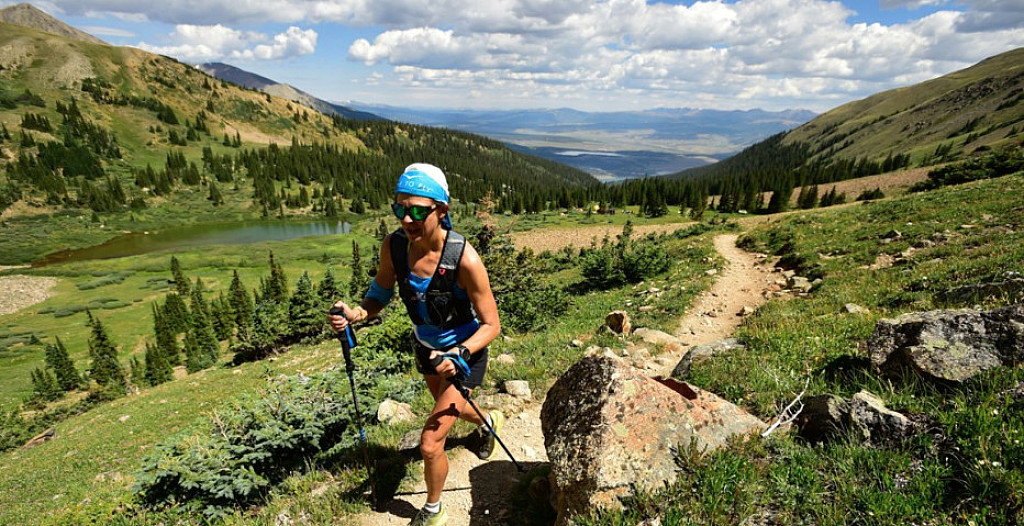
There were two first-time winners at last weekend’s Leadville Trail 100 Run, as Ryan Smith of Boulder, Colorado, and Magdalena Boulet from Berkeley, California, persevered on the out-and-back course in the Colorado Rockies. Smith won the men’s race in a time of 16:33:24, while Boulet finished in 20:18:06 and, in a salute to her Western environs, broke the tape wearing a black Stetson hat.
Beyond their individual triumphs, Smith and Boulet also chalked one up for the 40+ demographic; Smith turned 40 this year, while Boulet is a spry 46. For those keeping score, this is actually the second consecutive year where both the male and female winners at Leadville were in their fifth decade. In 2018, it was Rob Krar (41) and Outside contributing editor Katie Arnold (46) who stood atop the podium in a race which is among the oldest 100-milers in the country and bears the prestige of being included in the so-called “Grand Slam of Ultrarunning.”
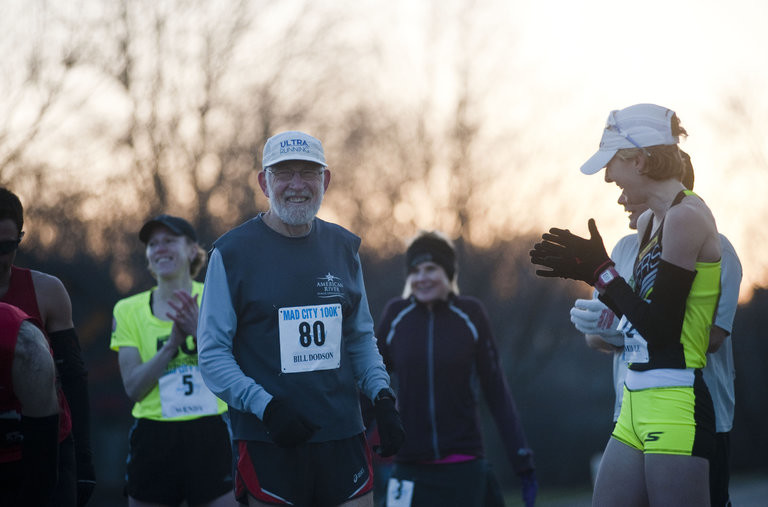
How to account for this quadragenarian dominance? Road racing snobs might point out that the field size in ultras is generally quite small and that these events are hence less competitive than big city marathons with thousands of participants. This year, the Leadville 100 had fewer than 400 finishers. Then there’s the fact that the elite ultrarunning scene, despite its increased mainstream visibility over the past decade, is still largely unprofessional, in the sense that weekend warriors can carry the day at certain marquee events. Smith works full-time as a software engineer, and Boulet is VP of research and development at GU Energy Labs. While this amateur spirit might be a point of pride for ultrarunners who don’t want their sport to devolve into the doping-riddled morass that is professional track and field, one could argue that it also subtly discourages the best pro distance athletes (i.e. Kenyan and Ethiopian runners) from turning to the trails. This, in turn, makes the podium perpetually attainable for the super-fit middle-aged hobbyist.
But maybe there’s more to it than that. Given the amount of stuff that can go wrong when you’re running 100 miles in the mountains, perhaps more “mature” athletes might have an advantage when raw speed is less essential than psychological resilience.
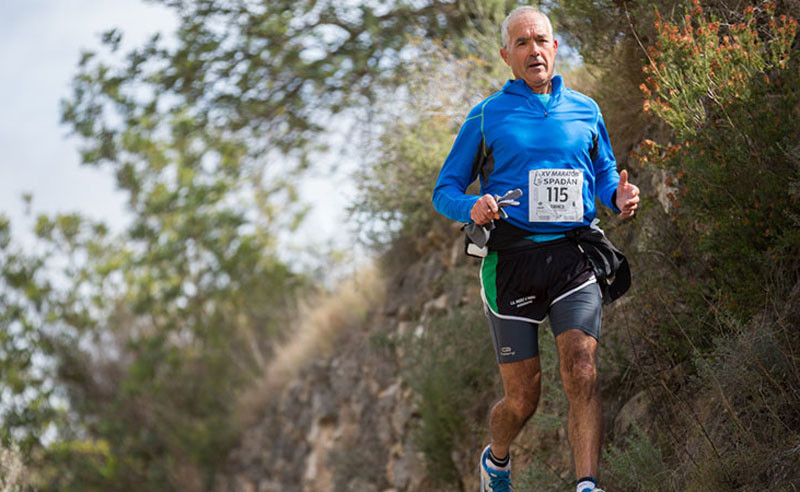
“Ultrarunning is about problem solving and being fast is just one piece in a larger puzzle,” says Boulet, who was back at work on Monday morning. “There are so many other pieces that need to fall into place in order to have a successful race.”
Boulet would know. In 2015, she triumphed at Western States, arguably the most vaunted ultra on U.S. soil. Last year, she won the Marathon des Sables, a 156-mile, six-day stage race in the Sahara Desert that frequently gets cited as one of the world’s most difficult races.
Boulet also has the rare distinction of having successfully transitioned into the world of ultrarunning after a previous career as a pro marathoner and road racer. In 2008, she made the U.S. Olympic team in the marathon. The following year she was the first American woman (sixth overall) at the NYC Marathon. With the exception of Kara Goucher, who contested her first trail marathon earlier this summer, Boulet is surely the most accomplished road racer to take a serious shot at competitive trail running.
“I was able to bring the experience from my marathon and road career into trail racing, but with a lot more experience and a lot more patience,” she says. “I’m a lot kinder to myself and my body.”
For his part, Sands, who describes himself as a “serious amateur,” agrees with Boulet that being the best pure runner is only one factor when a race involves one hundred miles of elevation change, gnarly terrain, and volatile weather. Unlike in shorter road races, where it is much more feasible to execute a race plan to perfection, in ultras the objective isn’t so much to avoid mishaps, as to make the best of it when they inevitably happen.
“Typically success in these longer events is not about getting everything dialed next to perfectly, because that’s just so rare,” Sands notes. “It’s really about, when some issue arises and you’re faced with a challenge, how well can you react in the moment to overcome it.”
This latter point reminded me of a recent email exchange I had with Robert Johnson, the editor and co-founder of Letsrun.com and a road-racing snob if ever there was one. Johnson made the point that one thing he finds intriguing about ultras is that there is still an aspect of the “unknown.” He noted that training for traditional distance running had more or less been “solved”; everyone already knows, more or less, how to prepare for races. Ultra-running, on the other hand, is still very much an undiscovered country.
Boulet agrees with this assessment.
“After twelve years of doing marathons, I got to the point where I had that formula dialed-in really well with my coach. We could look at a block of training and know what that translates into [performance-wise]. It was very predictable,” she says.
But the ultra scene offers enough potential variation that, Boulet notes, each race can necessitate its own specific training cycle. In the lead-up to Marathon des Sables, for instance, she spent weeks running on sand.
“For someone who is older, ultras are really exciting because you’re not doing the same thing over and over. They keep changing,” Boulet says.
“I think that’s also a key to longevity in the sport. To keep it interesting—and fun.”
Login to leave a comment
