

Running News Daily
Running News Daily is edited by Bob Anderson and team. Send your news items to bob@mybestruns.com Advertising opportunities available.
Index to Daily Posts · Sign Up For Updates · Run The World Feed
Articles tagged #3000m steeplechase
Today's Running News
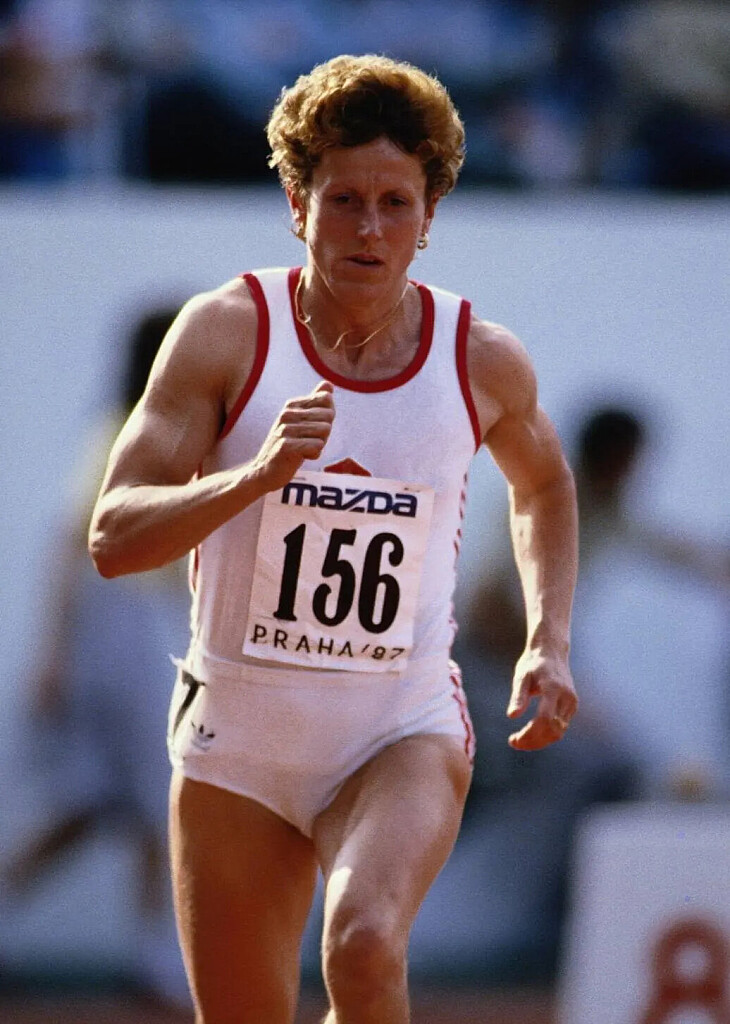


Oldest Running World Records: The Historic Marks That Refuse To Fall
Some world records are broken within months or even weeks. Others survive for years, becoming part of athletics history and turning every new generation of challengers into another chapter in their remarkable story.
As of September 25, 2026, a remarkable collection of long-standing running world records continues to stand across the track. At the top of that list is one of the most enduring marks in modern athletics: Jarmila Kratochvílová’s women’s 800m world record of 1:53.28, set in Munich in 1983. The record has now stood for 43 years, making it the oldest current outdoor track world record in athletics.
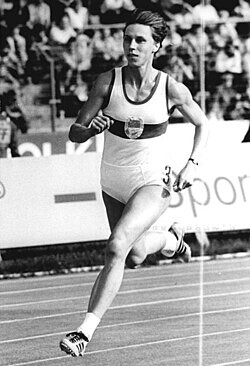
Kratochvílová’s performance remains extraordinary not only because of its longevity, but also because of how rarely athletes have come close to it. Decades after it was established, the 1:53 barrier remains one of the most formidable standards in women’s middle-distance running.
The next-oldest record on the board belongs to Marita Koch, whose 47.60 for the women’s 400m has remained untouched since 1985. Koch’s mark is now 40 years old, while Florence Griffith-Joyner’s extraordinary world records of 10.49 for 100m and 21.34 for 200m, both established in 1988, have survived for 38 and 37 years respectively.
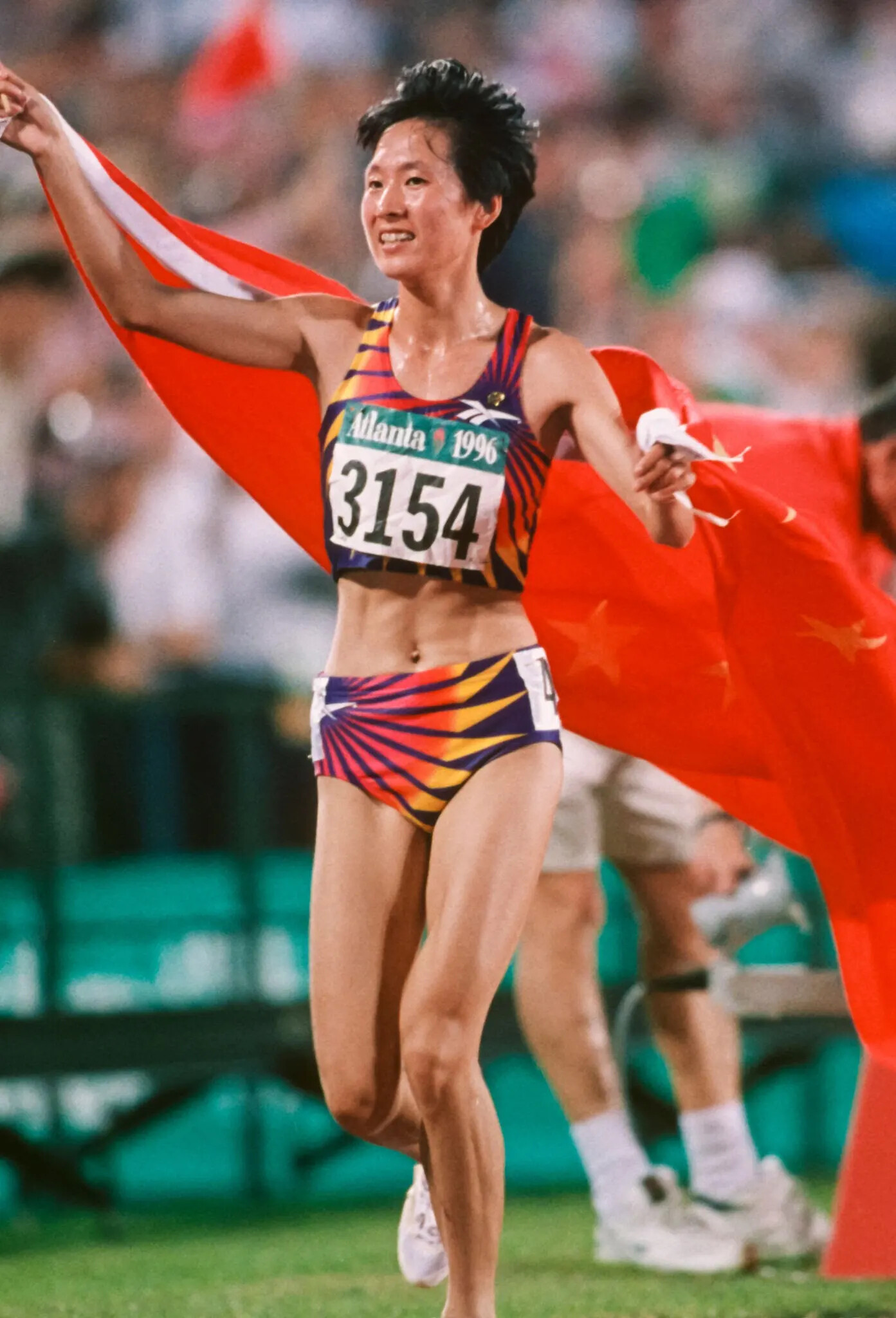
Those records from the 1980s and early 1990s form one of the most intriguing chapters in athletics history. They belong to an era that produced performances still sitting at the very top of the all-time lists, with modern generations repeatedly attempting to reach standards that have resisted decades of competition.
China’s Wang Junxia added another remarkable mark to that era when she ran 8:06.11 for 3000m in 1993. That record has now stood for 32 years, while Morocco’s Hicham El Guerrouj set the men’s 1500m world record of 3:26.00 in 1998, giving the list another mark that has survived for more than a quarter of a century.
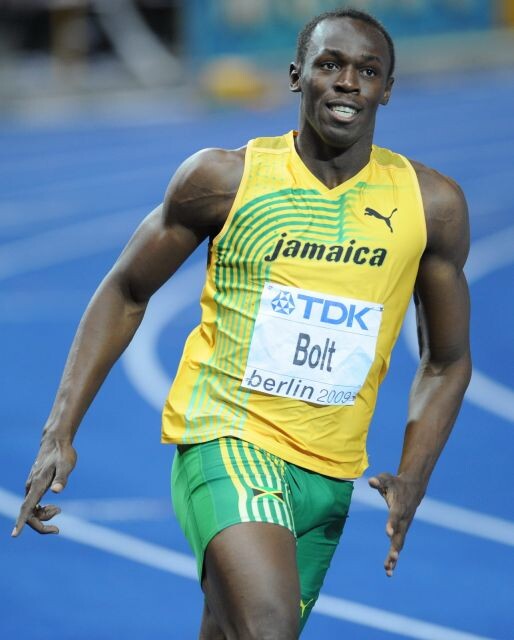
Then comes a different kind of longevity: the extraordinary sprint records of Usain Bolt.
Bolt’s 9.58-second 100m world record, set in Berlin in 2009, and his 19.19-second 200m record, established at the same championships, are now both 17 years old.
When Bolt produced those performances, many of today’s elite sprinters were still children. Yet despite enormous advances in training, sports science, track technology and competition, his two marks remain the standards that every new generation must chase.
The list also highlights the remarkable staying power of more recent records. Kenya’s David Rudisha set the men’s 800m world record of 1:40.91 at the London 2012 Olympics, while South Africa’s Wayde van Niekerk stunned the world with 43.03 in the 400m at the Rio 2016 Olympics.
Kenya’s Beatrice Chepkoech followed with her historic 8:44.32 world record in the women’s 3000m steeplechase in 2018. Uganda’s Joshua Cheptegei then established the men’s 5000m and 10,000m records in 2020, running 12:35.36 and 26:11.00 respectively.
More recently, Ethiopia’s Lamecha Girma set the men’s 3000m steeplechase world record at 7:52.11 in 2023, while Kenya’s Faith Kipyegon produced another landmark performance that year, running 4:07.64 for the women’s mile.
Together, these records create a fascinating timeline of athletics—from the pioneering performances of the 1980s to the spectacular achievements of the modern era. Some have survived for more than four decades, while others are still in the early stages of what could become an equally remarkable reign.
And that is what makes world records so captivating: every generation arrives believing that today’s impossible can become tomorrow’s target, yet some numbers continue to stand as enduring reminders of performances that changed the sport forever.
by Erick Cheruiyot for My Best Runs.
Login to leave a comment
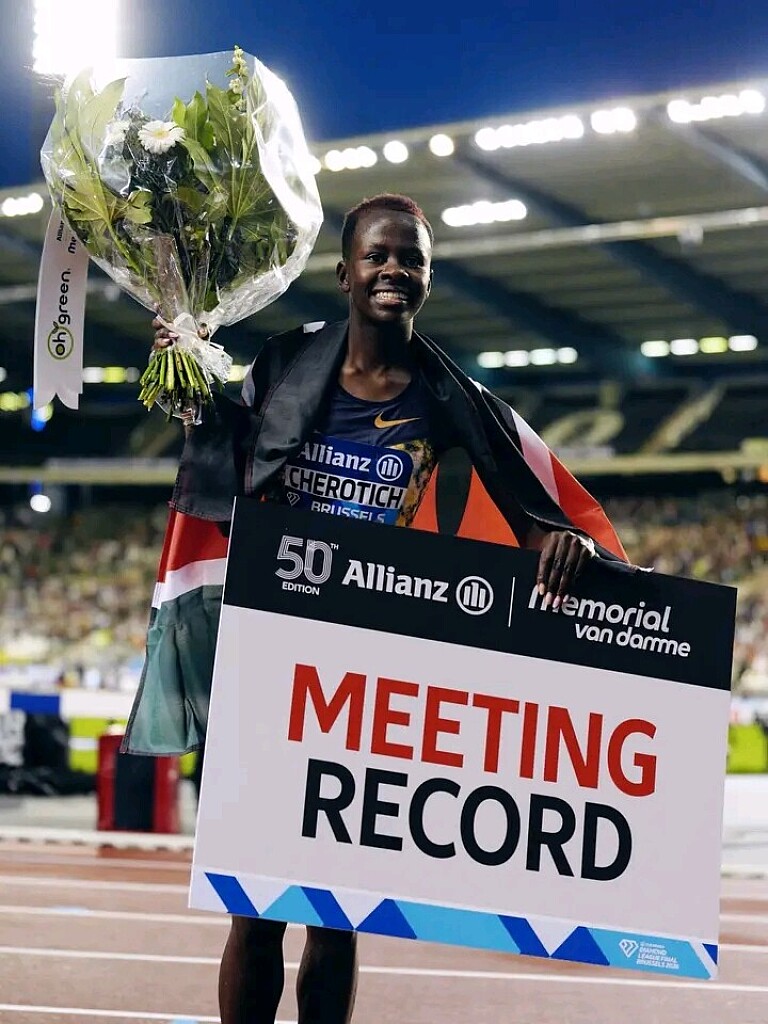
Faith Cherotich Unleashes A Devastating Final Kick To Seal Third Diamond Trophy In Brussels
Faith Cherotich produced a spectacular display of speed and determination in Brussels, storming to victory in the women’s 3000m steeplechase and securing her place among the event’s elite with another Diamond League triumph.
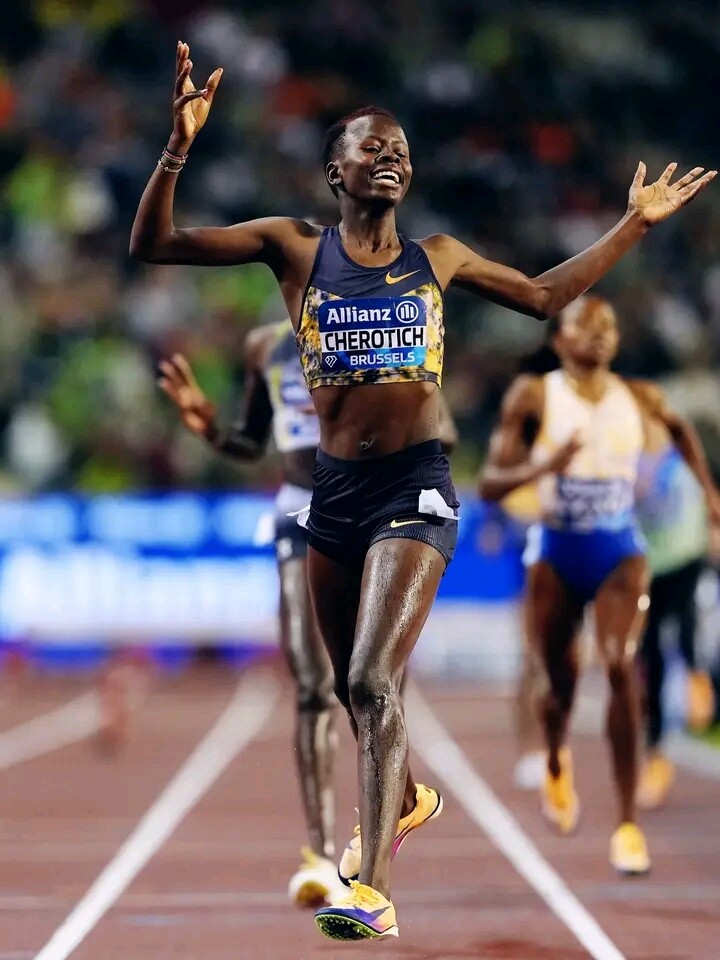
The Kenyan star saved her most devastating weapon for the closing stages, unleashing a breathtaking final kick over the last 100 metres to pull decisively away from Winfred Yavi. Cherotich surged clear when it mattered most, crossing the finish line in a superb 8:51.61 to set a new meeting record.
It was a performance built on patience, tactical intelligence and extraordinary finishing speed. Cherotich remained composed through the barriers and water jump before producing a remarkable acceleration in the final straight that left her rivals struggling to respond.
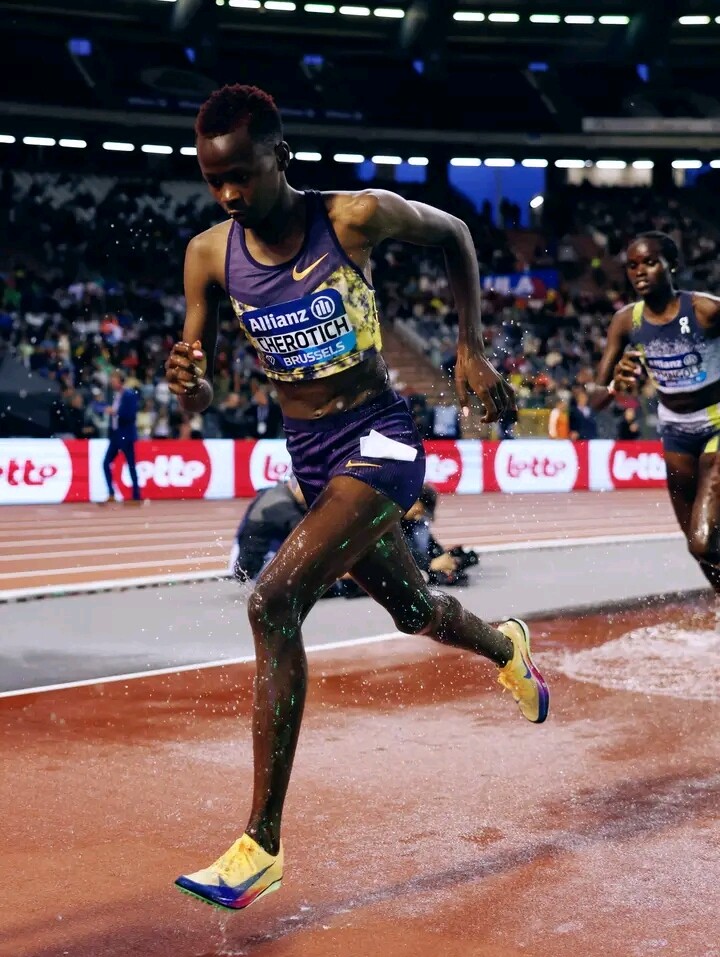
The victory was particularly significant as it made Cherotich a three-time Diamond Trophy champion, adding another prestigious achievement to an already impressive career. Her ability to repeatedly deliver on the biggest Diamond League stage demonstrates the consistency and competitive strength that have made her one of Kenya’s outstanding steeplechase stars.
Behind her, Kenya completed a magnificent 1-2 finish as Doris Lemngole produced a brilliant closing surge of her own. Lemngole powered past Yavi in the final stages to secure second place in a superb personal best of 8:52.86, ensuring that the Kenyan flag flew proudly at the top two positions on the podium.
The result turned the Brussels steeplechase into a celebration of Kenyan strength, with Cherotich and Lemngole occupying first and second, while Yavi was forced to settle for third after being overtaken by the fast-finishing Lemngole.
For Cherotich, however, the spotlight belonged entirely to her. Her meeting-record 8:51.61 was the culmination of a perfectly executed race, capped by a finishing burst that showcased the raw speed and confidence required to dominate one of athletics’ most demanding events.
The Brussels triumph also sends a powerful message ahead of the next major challenges. Cherotich has once again demonstrated that she possesses not only the endurance to survive the gruelling barriers and water jump but also the finishing speed to destroy the opposition in the final metres.
With another Diamond Trophy secured and a meeting record added to her résumé, Faith Cherotich continues to strengthen her reputation as one of the most formidable names in women’s steeplechase.
by Erick Cheruiyot for My Best Runs.
Login to leave a comment
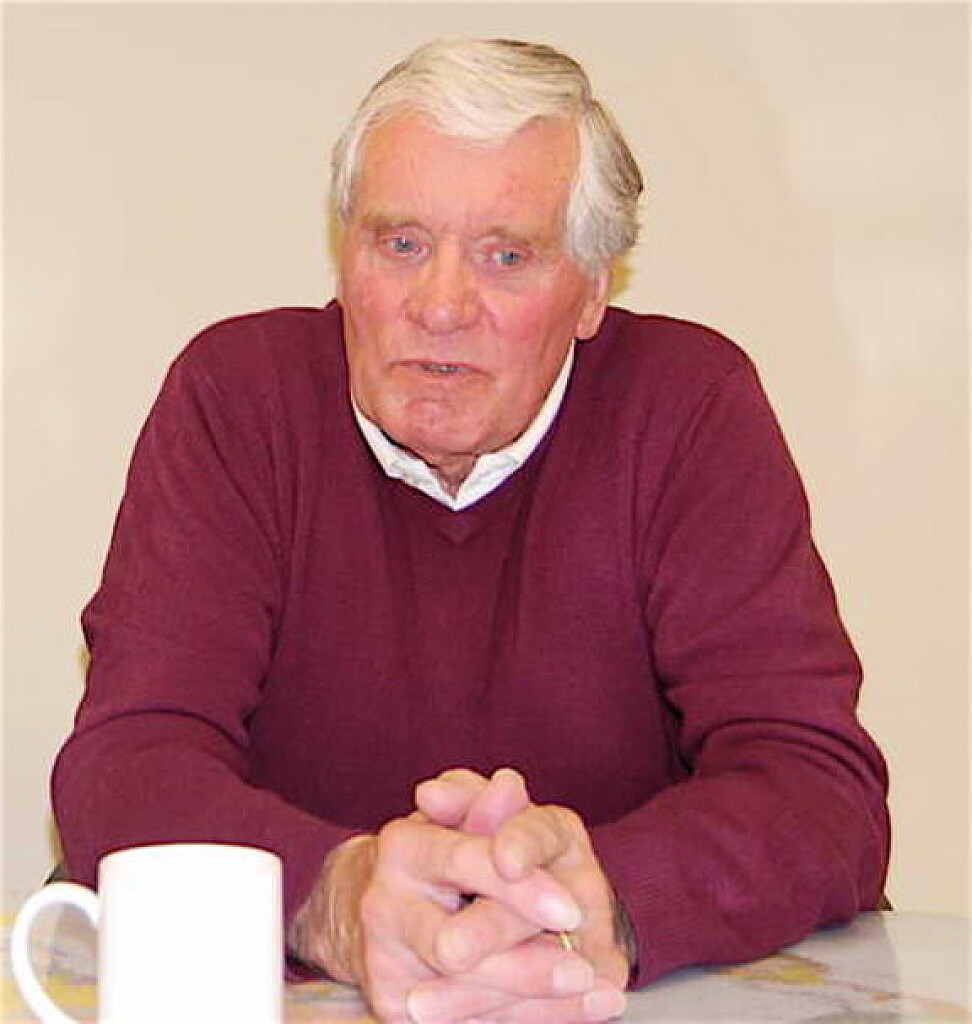
Maurice Herriott: Olympic Silver Medallist and Steeplechase Great Dies Aged 86
British athletics is mourning the loss of one of its most accomplished steeplechasers, Maurice Herriott, who has died aged 86 following a short illness.
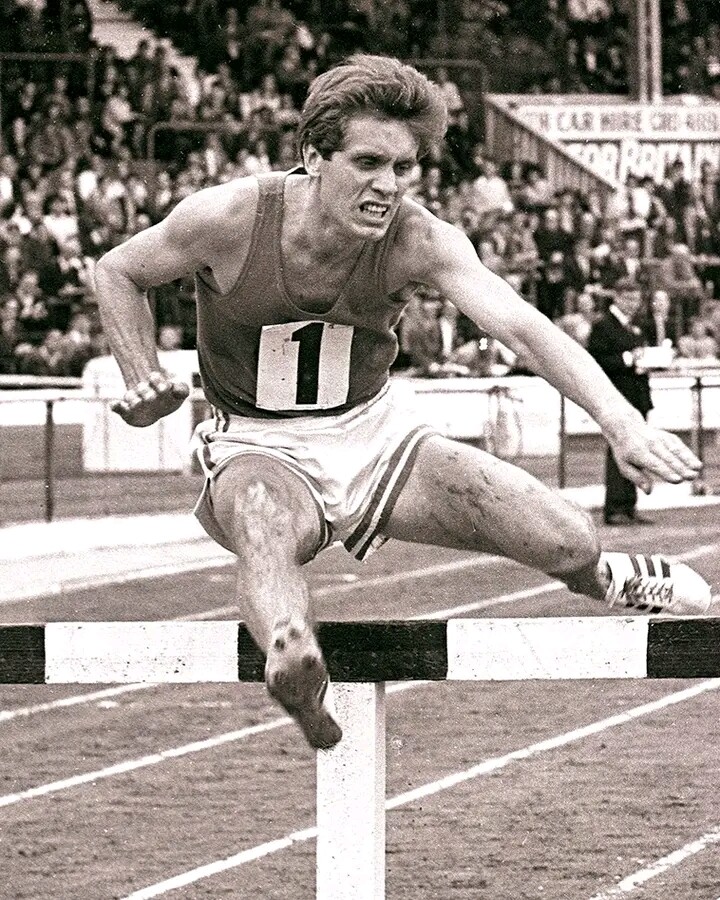
Herriott leaves behind a remarkable legacy, highlighted by his unforgettable silver-medal performance in the men’s 3000m steeplechase at the 1964 Tokyo Olympic Games. Competing for Great Britain, he clocked 8:32.4 to finish second behind legendary Belgian runner Gaston Roelants, who won in an Olympic record of 8:30.8.
It was a performance that underlined Herriott’s extraordinary determination. He was not a full-time professional athlete. Away from the track, he worked at the Birmingham Small Arms (BSA) motorcycle factory, combining demanding full-time employment with the training required to compete at the highest level of international athletics. Team GB notes that he held down a full-time job on the BSA motorcycle production line while competing at the Olympics.
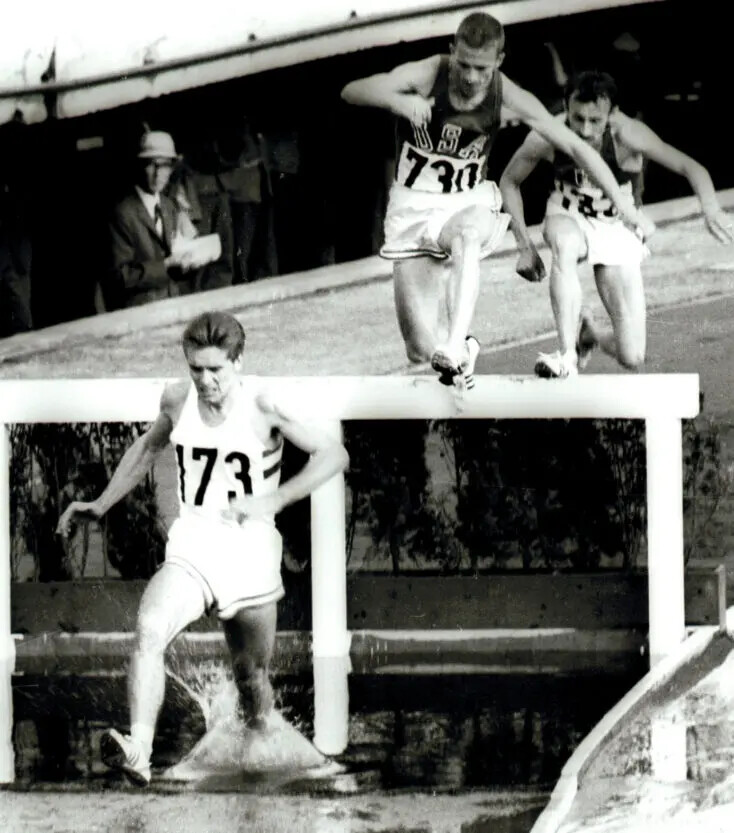
His Tokyo silver was the defining moment of a career built on consistency and resilience. In the Olympic final, Roelants established a commanding lead, but Herriott produced a powerful finish to move into second and close the gap considerably. He finished only 1.6 seconds behind the Belgian, with Soviet runner Ivan Belyayev taking bronze in 8:33.8.
Herriott had already established himself as a dominant force on the British scene. He won an astonishing eight AAA 3000m steeplechase titles, beginning with his first championship in 1959 and then claiming seven consecutive titles from 1961 through 1967.
His achievements also earned recognition beyond the medal table. In 1963, Herriott became the first British Athletics Writers' Association Male Athlete of the Year, an honour that reflected the esteem in which he was held during the peak of his career. He was also voted the award again in 1965.
His international career extended beyond Tokyo. Herriott had won Commonwealth Games silver in the steeplechase at Perth in 1962 and later represented Great Britain again at the 1968 Mexico City Olympics, where he reached the heats.
Born on 8 October 1939 in Great Wyrley, South Staffordshire, Herriott represented Birmingham-based Sparkhill Harriers and remained closely associated with the club, eventually becoming an honorary lifelong member.
His career is a reminder of an era when elite athletes could combine extraordinary sporting ambition with demanding working lives. Herriott did not simply win medals; he built a legacy through years of discipline, consistency and determination.
The British athletics community now says goodbye to a man who stood among the country's finest steeplechasers and whose silver medal in Tokyo remains one of the memorable achievements of British distance running.
Maurice Herriott — Olympic medallist, eight-time AAA champion and pioneer of British steeplechasing — will be remembered with great respect.
Herriott leaves behind an enduring legacy in British athletics, remembered not only for his Olympic silver medal but also for his remarkable consistency, determination and contribution to steeplechasing. He was 86.
by Erick Cheruiyot for My Best Runs.
Login to leave a comment
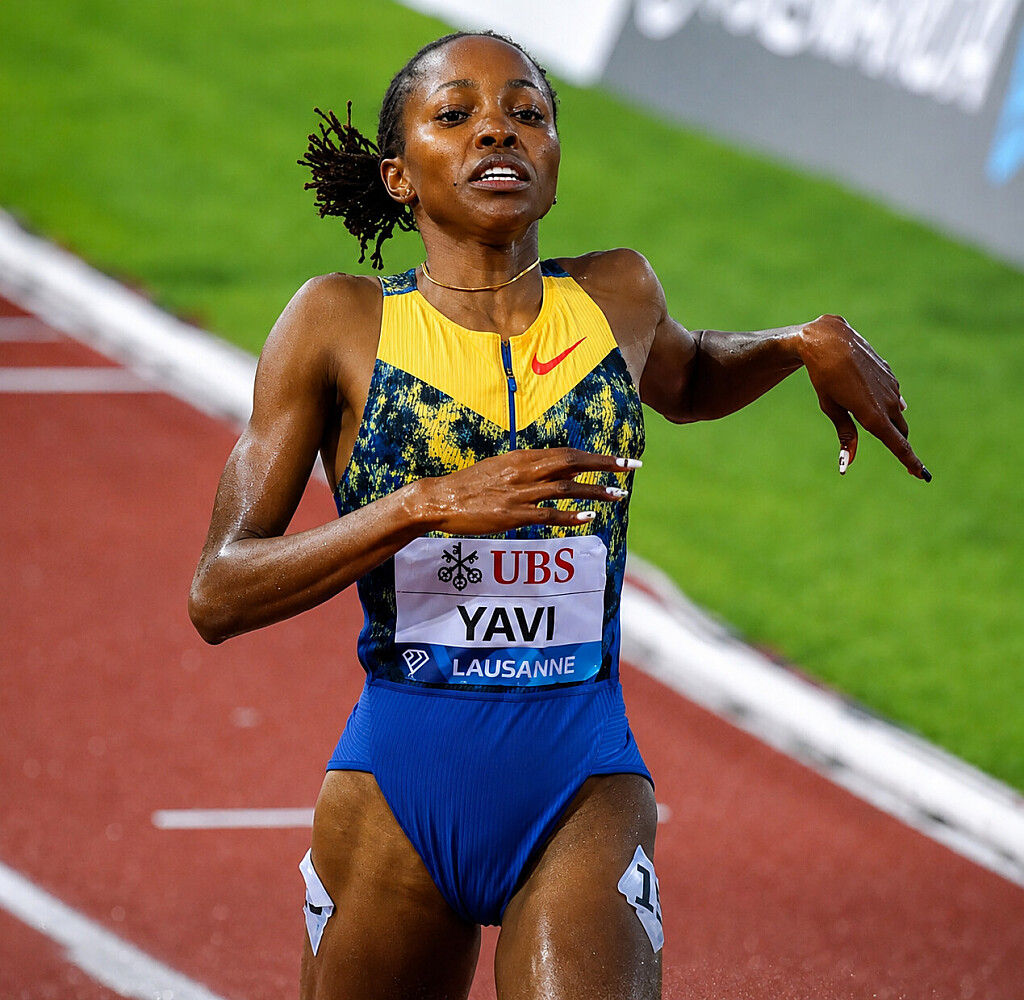
Olympic Champion Winfred Yavi Beats World Champion Faith Cherotich in Lausanne Steeplechase Thriller
Winfred Yavi delivered a statement performance at the Lausanne Diamond League, defeating reigning world champion Faith Cherotich in a thrilling women's 3000m steeplechase showdown and taking the lead in their increasingly compelling 2026 rivalry.
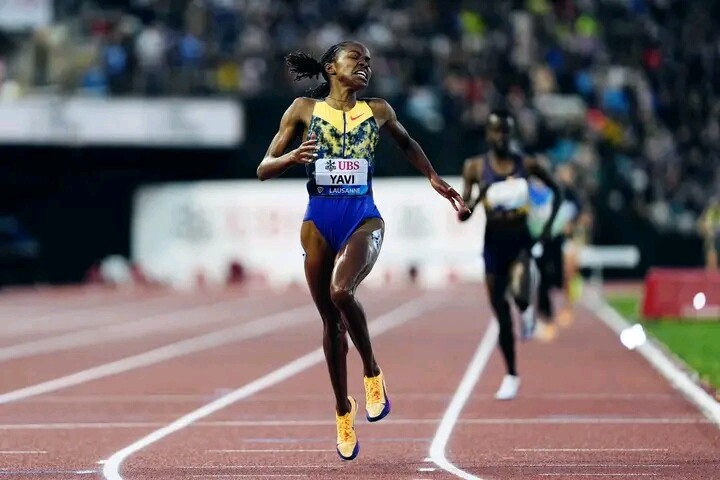
The Bahraini star, the 2024 Olympic steeplechase champion, led from the opening stages and never surrendered control, crossing the line in a meet record of 9:00.04. Cherotich, the reigning world champion, fought hard throughout but had to settle for second in 9:01.90.

The victory gave Yavi the upper hand in their head-to-head battles this season, with the Olympic champion now holding a 2-1 advantage over Cherotich in their three meetings in 2026.
For much of the race, Cherotich remained within striking distance of Yavi, staying close as the two stars negotiated the barriers at a relentless pace. However, Yavi refused to give her Kenyan rival an opportunity to take control, maintaining the lead and producing another powerful display when the pressure intensified in the closing stages.
It was a fascinating battle between two of the dominant figures in women's steeplechasing. The reigning Olympic champion against the reigning world champion lived up to expectations, and on this occasion, Yavi had the answers.
Tunisia's Marwa Bouzayani completed the podium in 9:05.55, while Kenya's Doris Lemngole finished fourth in 9:07.09. American Lexy Halladay rounded out the top five with a personal best of 9:08.35.
Yavi's winning time was not only enough to secure another important victory over her biggest rival but also established a new Lausanne meet record, underlining the exceptional standard of the race.
With Yavi now leading their season series 2-1, the rivalry between the Olympic champion and the world champion is becoming one of the most exciting battles in women's distance running. Lausanne belonged to Yavi, but Cherotich remains close enough to ensure that their next meeting could produce another spectacular contest.
by Erick Cheruiyot for My Best Runs.
Login to leave a comment
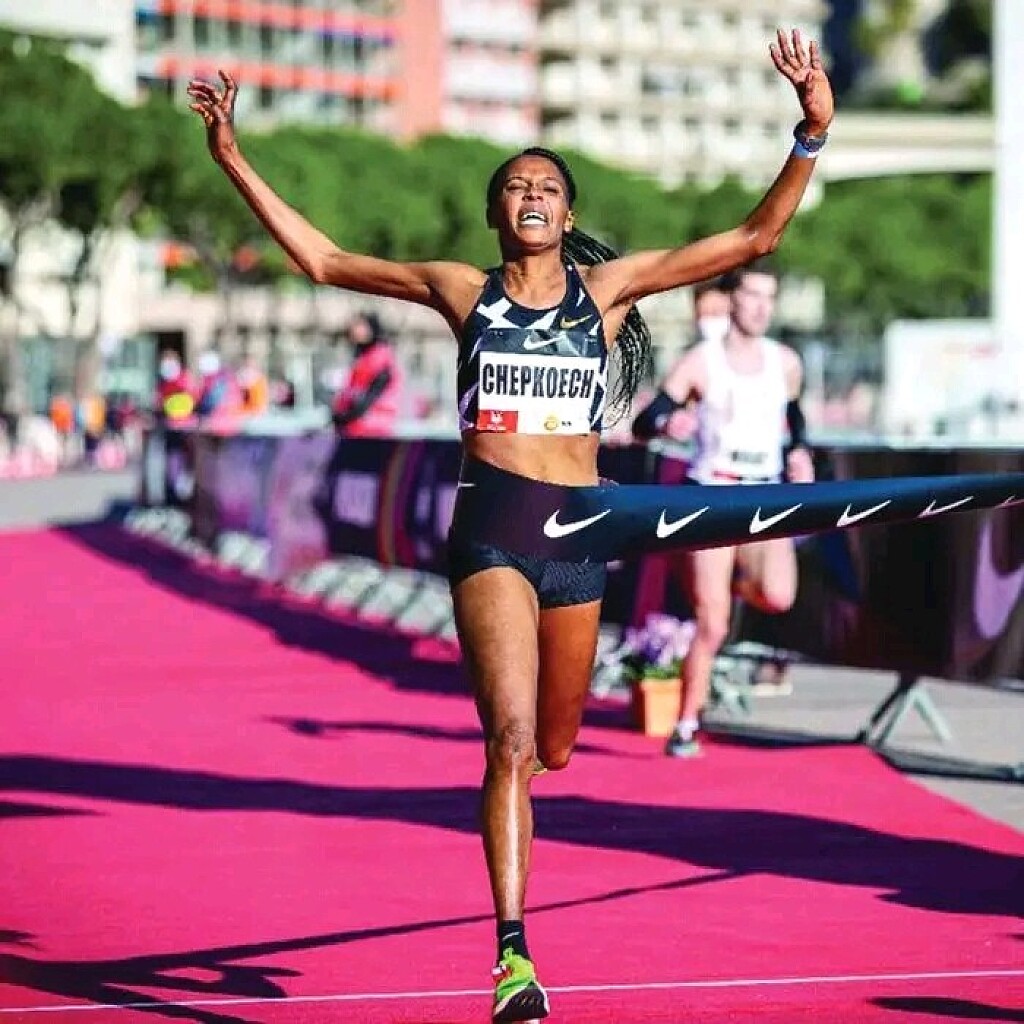
Beatrice Chepkoech Sets Her Sights on Sub-15 Glory at Inaugural Antrim Coast 5K
Kenya’s Beatrice Chepkoech is set to bring her world-class pedigree to the inaugural Antrim Coast 5K on Sunday, August 23, with the world 3000m steeplechase record holder targeting a remarkable sub-15-minute performance on the fast Northern Irish course.

For Chepkoech, the race represents more than another appearance on the road. It is an opportunity to test her speed and endurance over 5 kilometres while pursuing a time that would underline the extraordinary range of one of Kenya’s most accomplished distance athletes.
The former world champion has built her reputation through years of excellence on the track, most notably in the 3000m steeplechase, where her world-record performance established her among the finest athletes the event has ever produced. Her move to the Antrim Coast 5K adds another intriguing chapter to her already distinguished career.
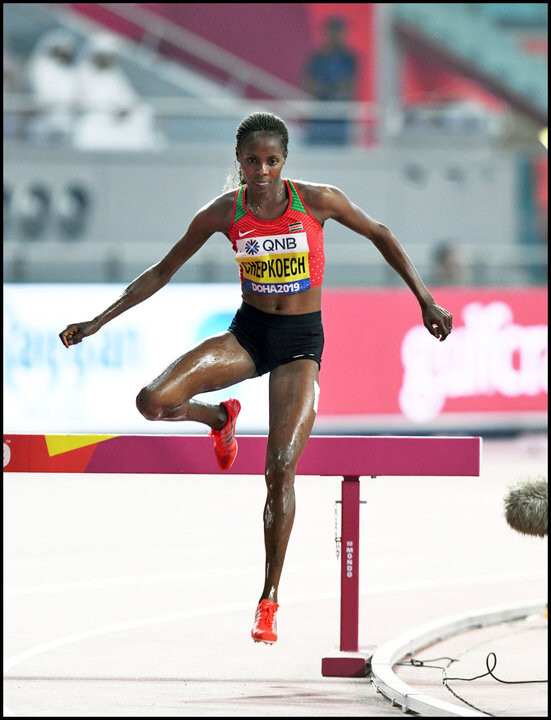
A sub-15-minute clocking would be a significant statement on the road, particularly given the calibre of athlete attempting it. Chepkoech will arrive with the experience, competitive instinct and proven finishing speed required to make the challenge compelling, while the fast nature of the Antrim Coast course could provide the ideal platform for an ambitious performance.
However, the Kenyan star will not have the spotlight to herself.
The men’s race is expected to provide its own major attraction, with Ethiopia’s Ermais Girma among the headline names in a strong international field. His presence adds further depth to an event designed to bring together elite athletes and ambitious teams on a course where fast racing is expected to be at the heart of the action.
Ireland and Scotland will also add an international dimension, fielding teams that will turn the inaugural event into much more than a straightforward individual contest. With athletes competing for personal ambitions while representing their respective teams, the Antrim Coast 5K promises a fascinating race within a race.
For Chepkoech, though, the equation is simple: arrive ready, embrace the pace and chase the clock.
A sub-15-minute performance would give the Kenyan superstar another impressive mark to her name and provide a fitting headline for the first edition of the Antrim Coast 5K. With her reputation for attacking races and her ability to deliver under pressure, all eyes will be on Chepkoech when the field takes to the fast Antrim Coast course.
Sunday’s race could therefore become an important showcase of just how much speed remains in the legs of one of Kenya’s most celebrated champions—and whether Chepkoech can turn her bold sub-15 ambition into reality.
by Erick Cheruiyot for My Best Runs.
Login to leave a comment
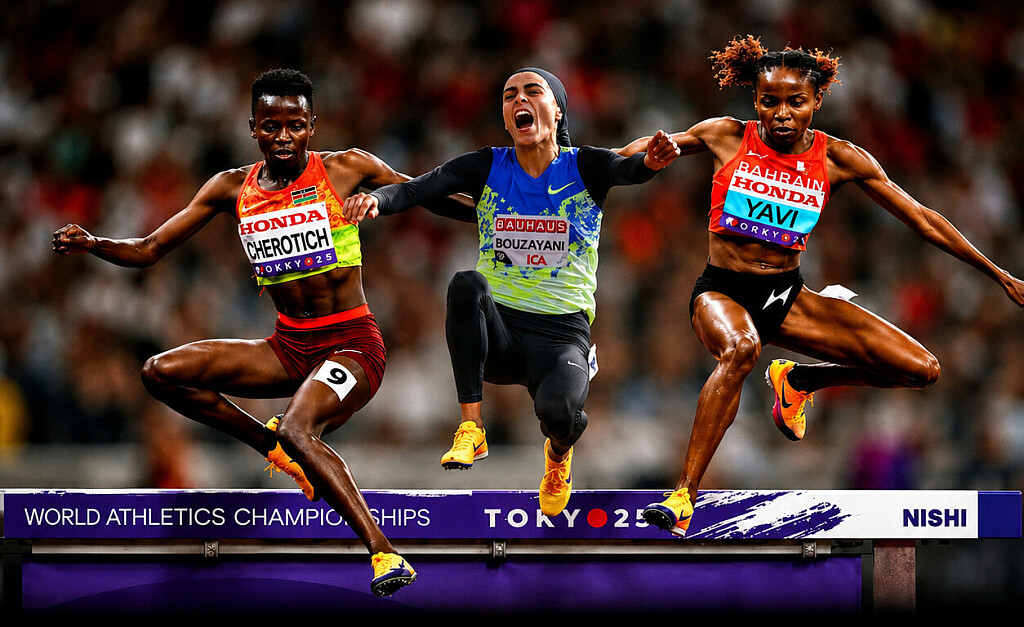
Cherotich, Yavi and Bouzayani Set for Lausanne Diamond League Steeplechase Showdown
The women’s 3000m steeplechase is shaping up as one of the most enticing distance events at the 2026 Athletissima Lausanne Diamond League, with Kenya’s Faith Cherotich, Bahrain’s Winfred Yavi and Tunisia’s Marwa Bouzayani confirmed for a mouth-watering clash on 21 August. The meeting will bring together three athletes who have each made a strong impression on the international steeplechase scene this season.
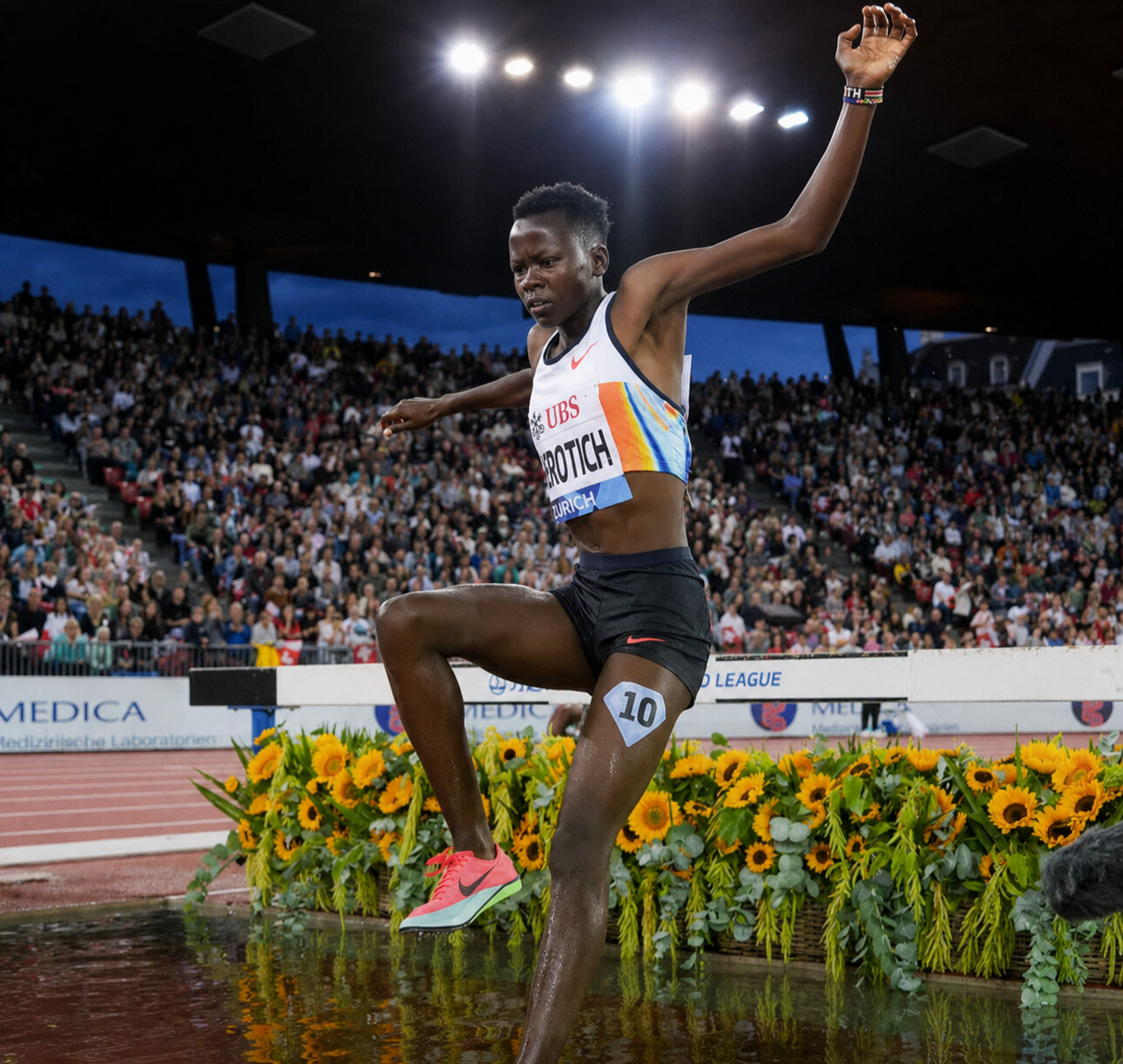
Cherotich heads to Lausanne with formidable credentials. The Kenyan is the reigning world champion and two-time Diamond League champion, and she has continued to show her class in 2026. She opened her Diamond League campaign with 8:51.48 for second place in Shanghai/Keqiao before producing a winning 8:51.74 at the Prefontaine Classic in Eugene.
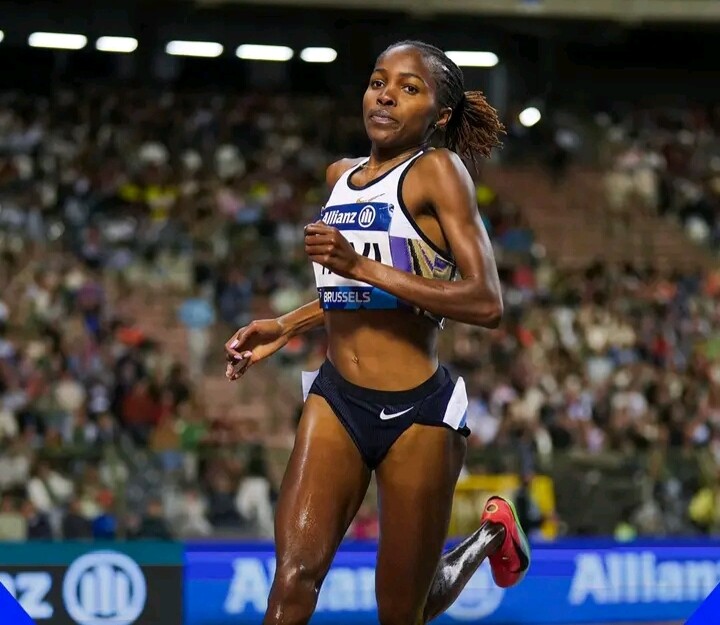
Standing in her way will be Yavi, the Paris 2024 Olympic champion and one of the most accomplished steeplechasers of her generation. The Bahrain star has developed a compelling rivalry with Cherotich, with the two repeatedly pushing each other towards extraordinary performances. Their encounters have become a highlight of the Diamond League season, making their latest meeting in Lausanne particularly intriguing.
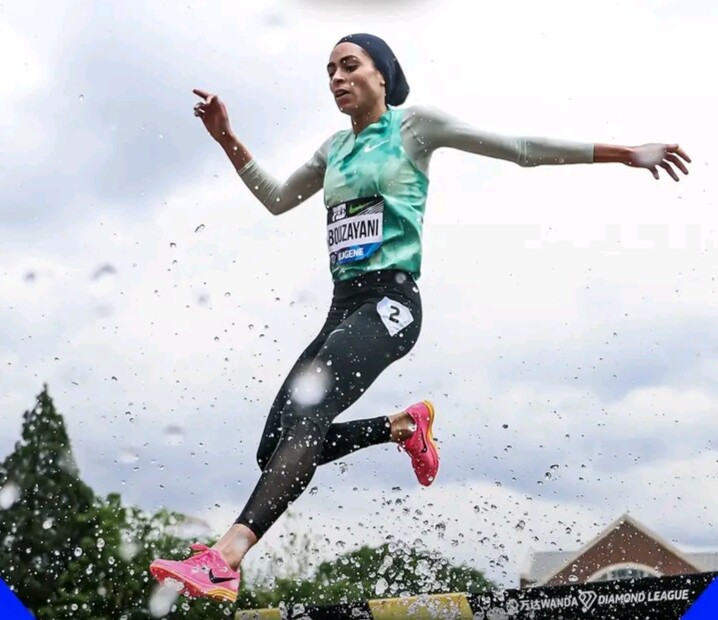
Bouzayani, meanwhile, arrives with perhaps the biggest surge in confidence. The Tunisian produced a spectacular breakthrough in Stockholm in June, winning her first Diamond League steeplechase in a meeting-record 8:59.28. That came after she had already shattered the Tunisian record with 8:58.09 in Shanghai/Keqiao, becoming the first Tunisian woman to break nine minutes for the event.
Her progress has transformed Bouzayani from an emerging challenger into a genuine contender capable of mixing it with the world’s best. Her performance in Eugene further underlined that development, as she ran a national record 8:54.32 for third behind Cherotich and Yavi. The three athletes were separated by less than three seconds, setting the stage for another fascinating contest in Switzerland.
Lausanne could therefore provide another beautiful chapter in an increasingly captivating steeplechase story. Cherotich brings the authority of a world champion, Yavi the experience and confidence of an Olympic champion, while Bouzayani carries the momentum of a breakthrough season. Over 3,000 metres of barriers, water jumps and relentless racing, the smallest details could decide who emerges strongest when the final straight arrives.
With the three stars now set to share the same starting line, anticipation is already building for what could be a swift, elegant and fiercely contested battle under the Swiss lights. For fans of distance running, Lausanne promises a race where every barrier clearance, every surge and every final stride could carry the weight of victory.
by Erick Cheruiyot for My Best Runs.
Login to leave a comment
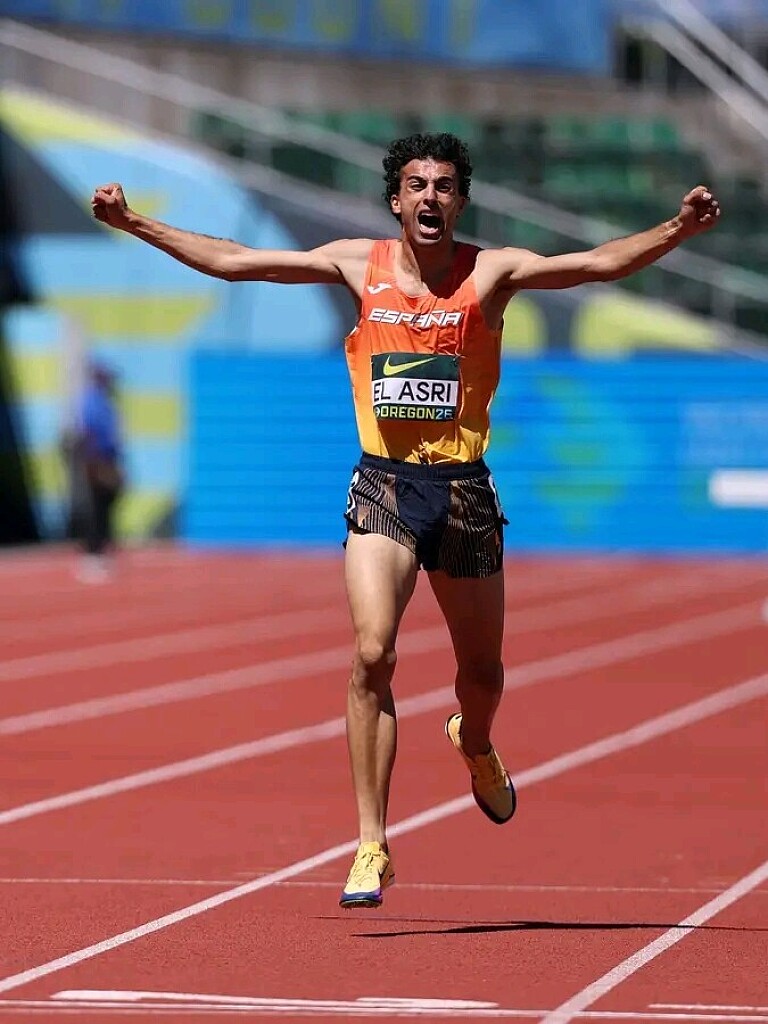
El Asri Sets European U20 Record As Lemiso Takes Silver And Losiwareng Fights Back For Dramatic Bronze
Kenya secured a double podium finish in a fiercely contested men’s 3000m steeplechase final at the World Athletics U20 Championships in Eugene, with Emmanuel Lemiso Someki taking silver and Nicholas Kitum Losiwareng battling his way to bronze.
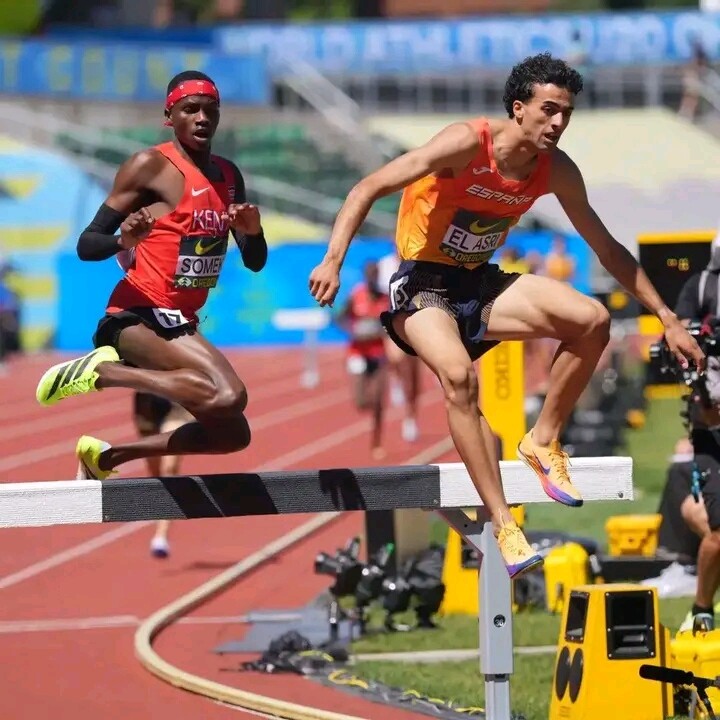
Spain’s Bakr El Asri Mohsine produced the decisive move when it mattered most, surging away in the closing stages to claim the gold medal in 8:28.35 and set a new European U20 area record.
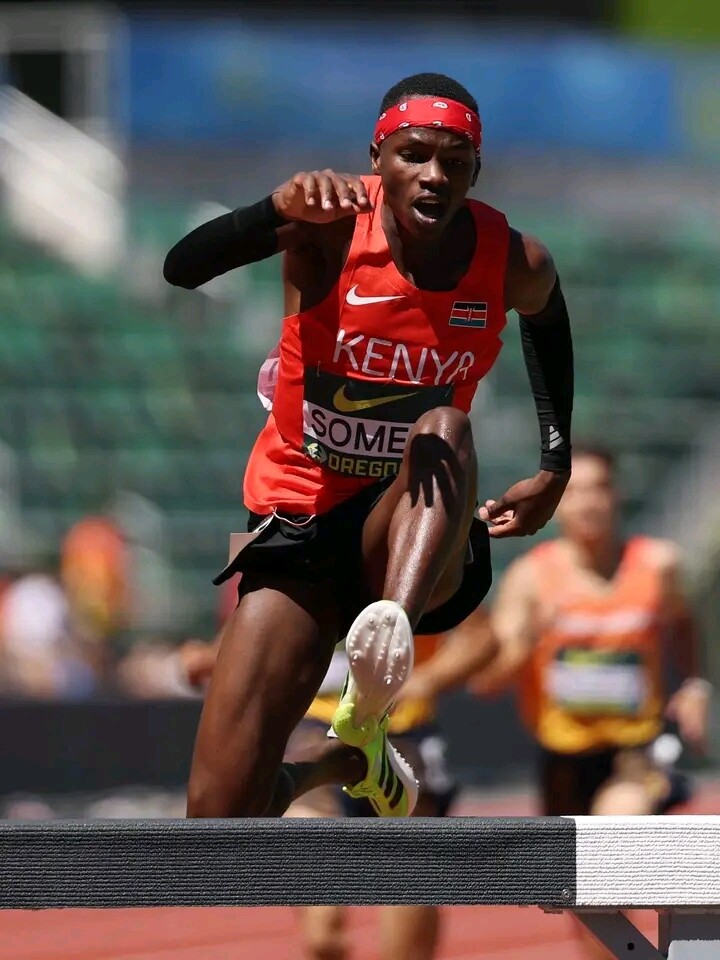
Lemiso, the African U20 champion, had positioned himself at the front of the race and moved into the lead around the 2,300-metre mark as Kenya looked capable of producing another major championship sweep in the event.
But El Asri remained within striking distance. With two laps remaining, the Spaniard began to close the gap before unleashing a powerful finishing surge that ultimately carried him clear of Lemiso and towards the biggest victory of his young career.
Lemiso refused to surrender his position, holding on strongly for silver in a personal-best 8:32.81. It was a significant performance from the Kenyan, who converted his front-running effort into a world U20 championship medal.
Behind him, the battle for bronze delivered perhaps the most dramatic moment of the race.
Losiwareng appeared to lose valuable ground after a stumble at one of the barriers late in the race. Rather than allowing the mistake to end his medal hopes, however, the Kenyan regrouped and launched an aggressive sprint over the final 100 metres.
That charge brought him back into contention with Spain’s Martí Torregrossa. The two athletes fought all the way to the line, with Losiwareng eventually securing third in 8:38.05, just 0.08 seconds ahead of his Spanish rival.
The result gave Kenya two medals from a race that had threatened to slip away in the final stages. Lemiso’s silver and Losiwareng’s bronze also underlined the depth of Kenya’s young steeplechase talent on the international stage.
For El Asri, the victory marked a breakthrough performance, while Kenya could take considerable encouragement from placing two athletes on the podium despite missing out on the title.
The final standings were:
1. Bakr El Asri Mohsine (Spain) — 8:28.35, European U20 Area Record
2. Emmanuel Lemiso Someki (Kenya) — 8:32.81, Personal Best
3. Nicholas Kitum Losiwareng (Kenya) — 8:38.05
In a race decided by the final two laps, El Asri had the speed to take gold, Lemiso had the strength to secure silver, and Losiwareng had the resilience to fight back from adversity and complete Kenya’s double podium finish.
by Erick Cheruiyot for My Best Runs.
Login to leave a comment
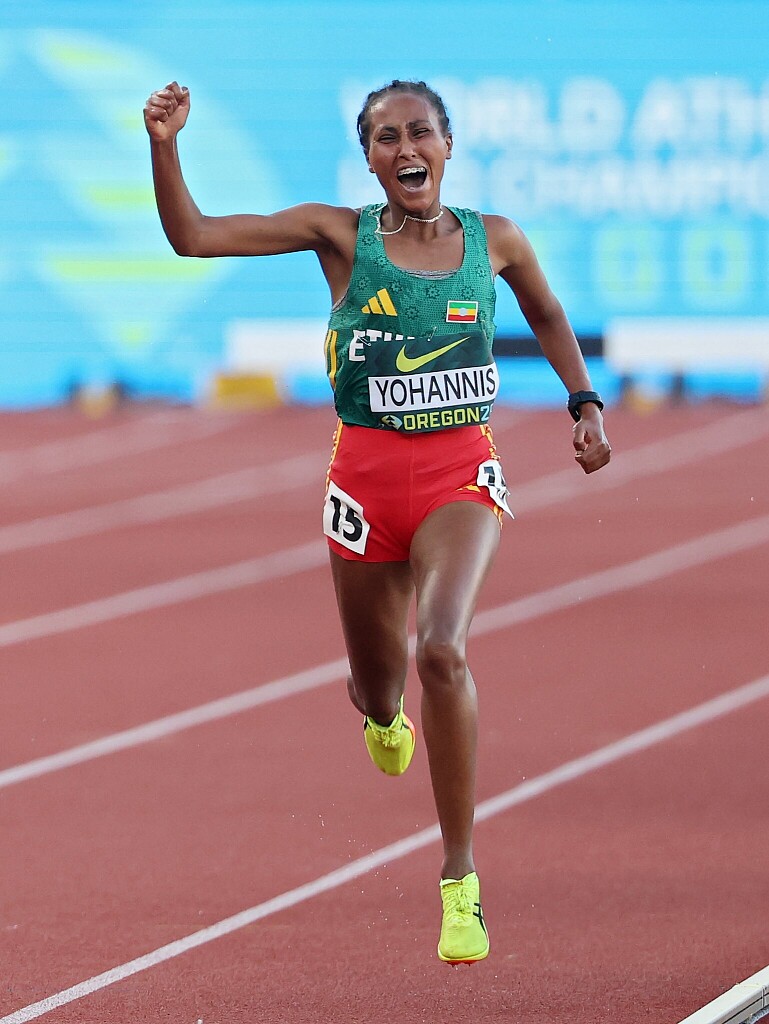
Almaz Yohannis Leads Ethiopian 1-2 in Spectacular World U20 Steeplechase Triumph
Ethiopia produced a spectacular display of emerging talent as Almaz Yohannis was crowned world champion in the women’s 3000m steeplechase at the 2026 World Athletics U20 Championships in Oregon, powering to a commanding victory in 9:15.81.
Yohannis delivered a superb performance to secure the gold medal and, in the process, recorded a World U20 Leading time (WU20L), underlining the strength of her performance on the global junior stage.
The young Ethiopian established herself as the athlete to beat, maintaining her composure and strength throughout the demanding eight-lap steeplechase before crossing the finish line well clear of the field. Her winning mark of 9:15.81 provided a fitting reward for a dominant championship performance.
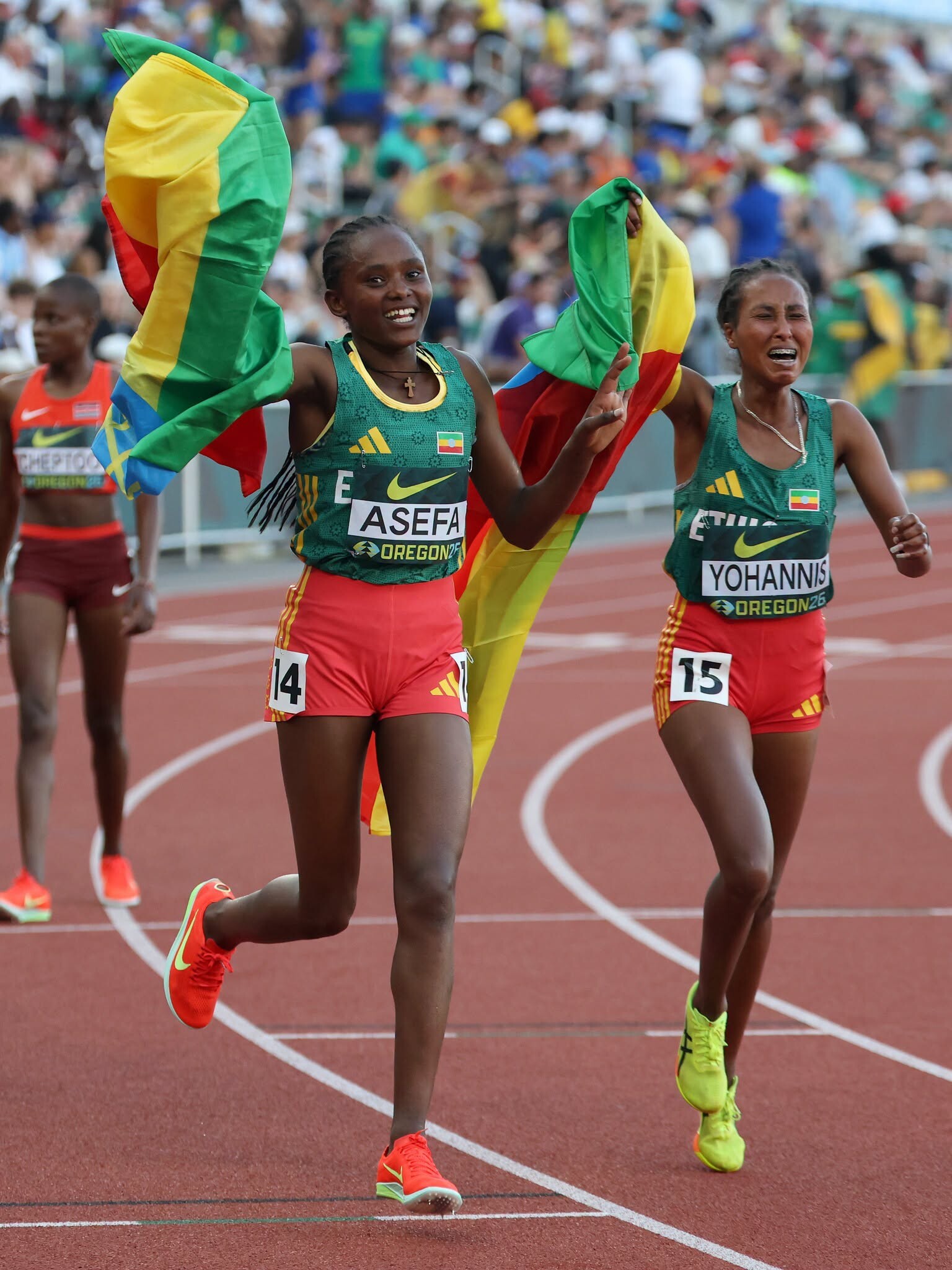
Ethiopia’s celebrations were doubled when Wosane Asefa secured the silver medal in 9:30.50, producing a season’s best (SB) and completing an impressive Ethiopian one-two.
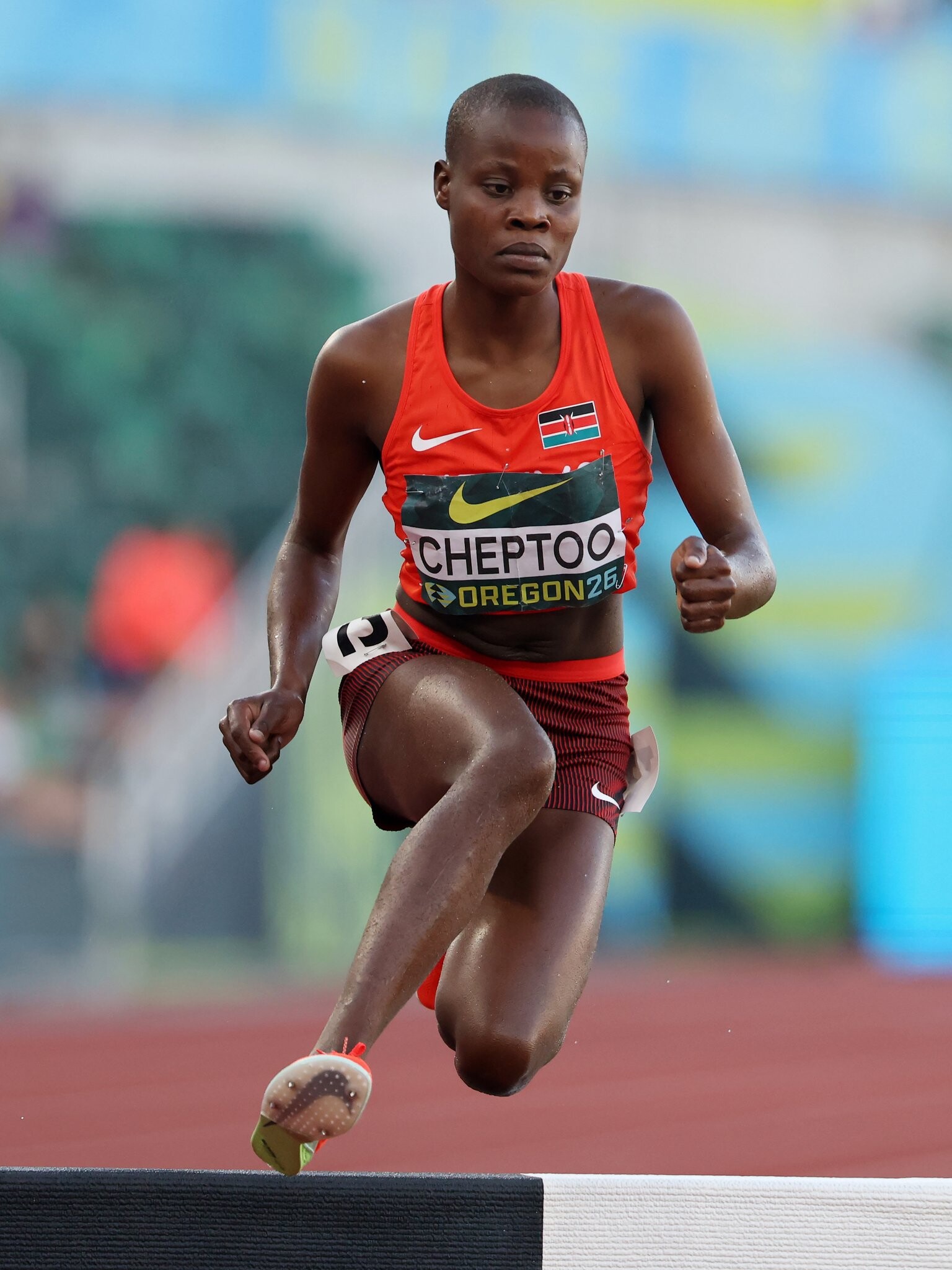
Kenya’s Anatasha Cheptoo ensured there was East African representation on all three steps of the podium, fighting her way to the bronze medal in 9:37.18.
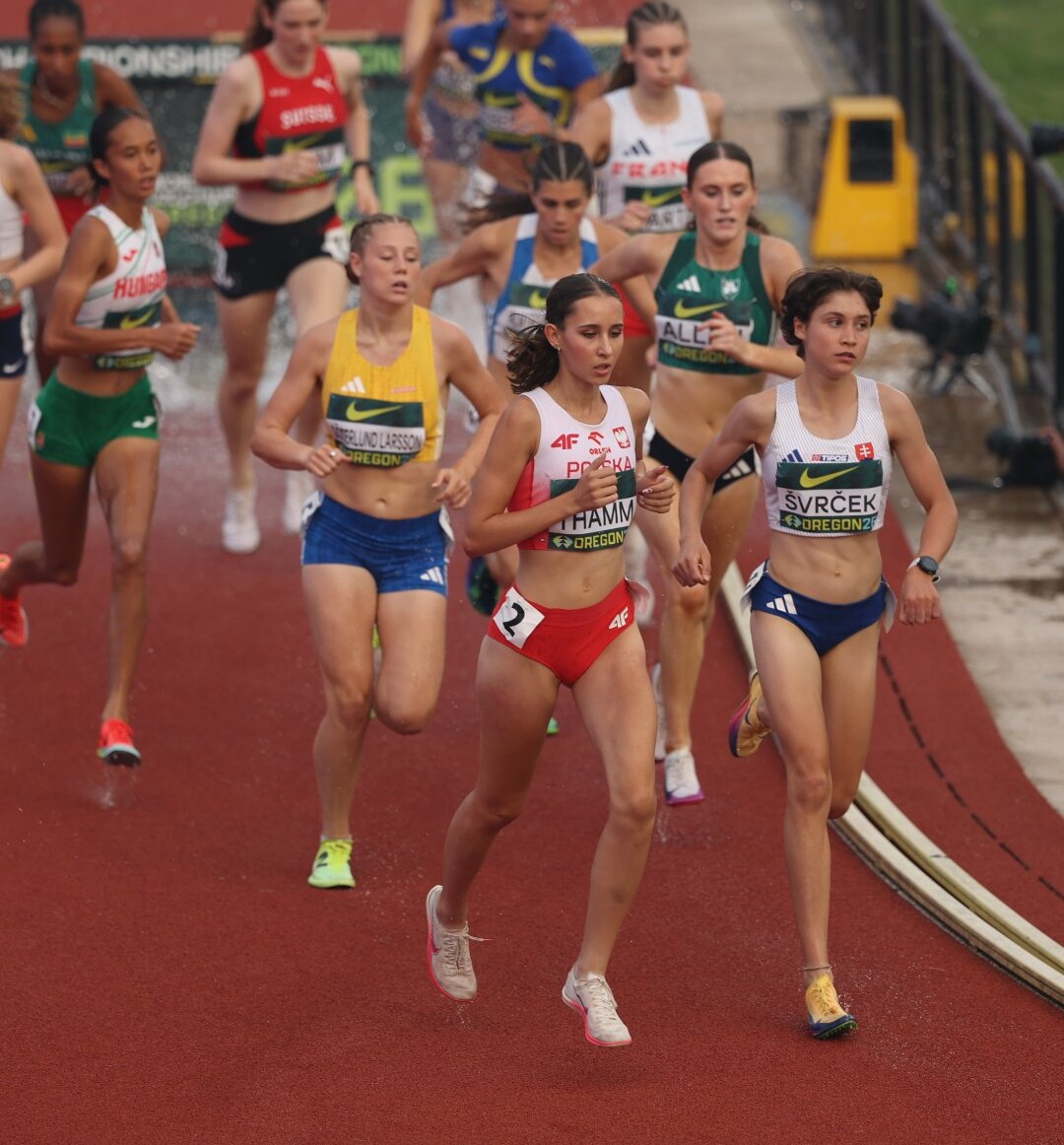
Behind the medalists, Sweden’s Majken Söderlund Larsson finished fourth in 9:48.01, setting a national U20 record (NU20R), while Czech Republic’s Ema Berková followed in fifth with 9:49.06, also recording a national U20 record.
Sweden’s Fanny Szalkai placed sixth in 9:55.06, a personal best, while Greece’s Anna Dafni Almyroudi Stroumpou finished seventh in 10:00.63, another national U20 record.
Egypt’s Malak Abdelghany Abdalla Ibrahim crossed eighth in 10:04.52, also establishing a national U20 record. Slovakia’s Anna Švrček was ninth in 10:05.91, followed by Japan’s Rei Taya in 10:12.37.
Portugal’s Lara Roque finished 11th in 10:15.69, setting a national U20 record, while Poland’s Zuzanna Szymańska took 12th in 10:15.94, a personal best. Great Britain’s Ava James was 13th in 10:18.96, followed by American Sierra Wall in 14th with 10:21.21.
Poland’s Michalina Thamm completed the finishers in 15th place in 10:39.01.
Kenya’s Mercy Chepngeno Koskey, who had also lined up as part of the Kenyan challenge, was unfortunately unable to finish the race.
The final podium therefore belonged to three of East Africa’s rising stars, with Yohannis and Asefa delivering a memorable Ethiopian one-two, while Cheptoo secured bronze for Kenya.
Women’s 3000m Steeplechase — Official Results
1. Almaz Yohannis (Ethiopia) — 9:15.81 (WU20L)
2. Wosane Asefa (Ethiopia) — 9:30.50 (SB)
3. Anatasha Cheptoo (Kenya) — 9:37.18
4. Majken Söderlund Larsson (Sweden) — 9:48.01 (NU20R)
5. Ema Berková (Czech Republic) — 9:49.06 (NU20R)
6. Fanny Szalkai (Sweden) — 9:55.06 (PB)
7. Anna Dafni Almyroudi Stroumpou (Greece) — 10:00.63 (NU20R)
8. Malak Abdelghany Abdalla Ibrahim (Egypt) — 10:04.52 (NU20R)
9. Anna Švrček (Slovakia) — 10:05.91
10. Rei Taya (Japan) — 10:12.37
11. Lara Roque (Portugal) — 10:15.69 (NU20R)
12. Zuzanna Szymańska (Poland) — 10:15.94 (PB)
13. Ava James (Great Britain) — 10:18.96
14. Sierra Wall (United States) — 10:21.21
15. Michalina Thamm (Poland) — 10:39.01
DNF: Mercy Chepngeno Koskey (Kenya)
Yohannis’ victory marked the highlight of a brilliant Ethiopian performance, with her 9:15.81 World U20-leading mark setting the tone for a memorable championship final and announcing another exciting young talent onto the international athletics scene.
by Erick Cheruiyot for My Best Runs.
Login to leave a comment
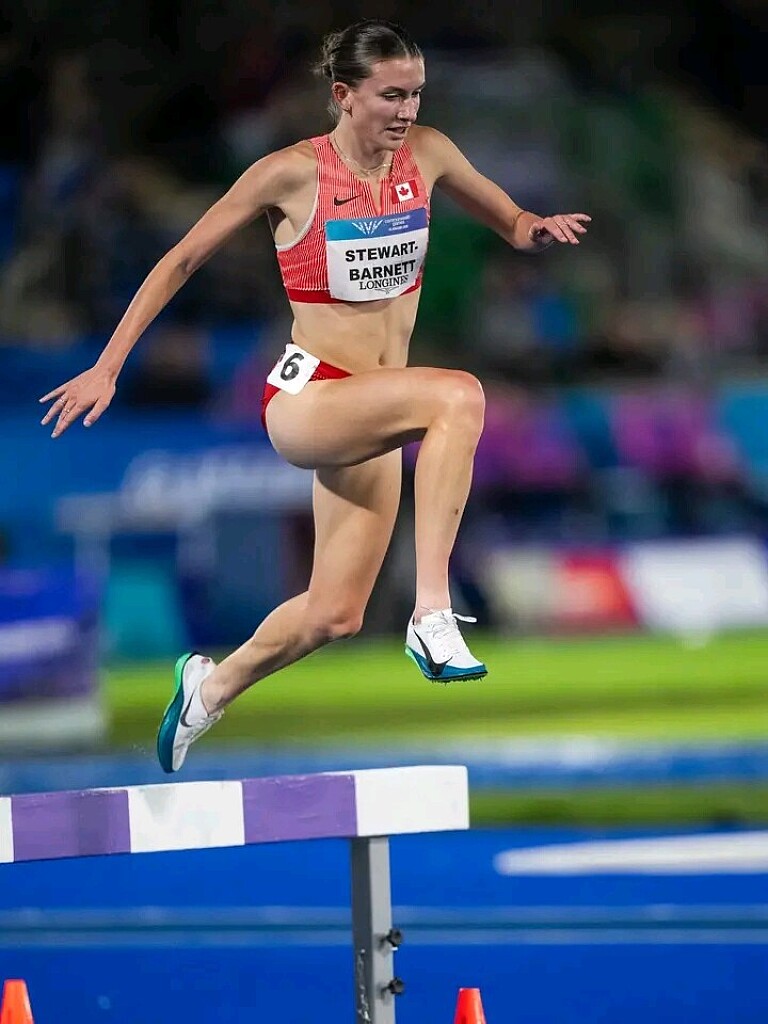
Two Canadians, One Big Statement: Fetherstonhaugh and Stewart-Barnett Shine in Commonwealth Steeplechase Final
Canada's Grace Fetherstonhaugh delivered the finest championship performance of her career on Wednesday night, producing a superb personal best of 9:27.49 to finish among the top six in the women's 3000m steeplechase final at the 2026 Commonwealth Games.
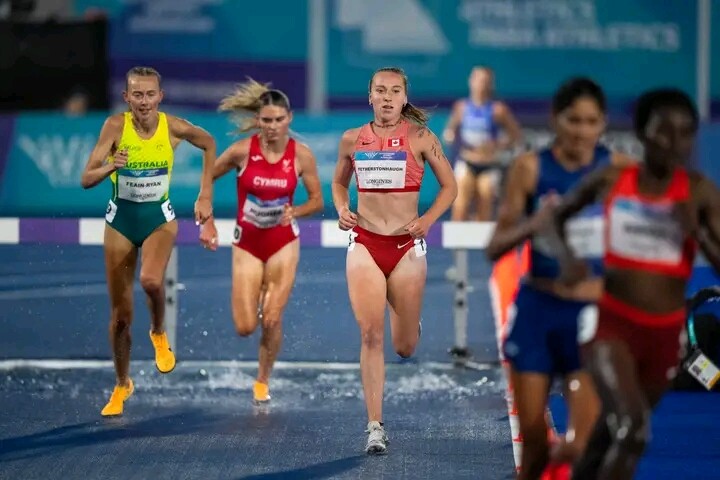
Competing against one of the strongest steeplechase fields assembled at the Games, Fetherstonhaugh showed remarkable composure from the opening laps. She stayed in contention throughout the demanding race, clearing each barrier with confidence before finishing strongly to slice valuable seconds off her previous lifetime best.
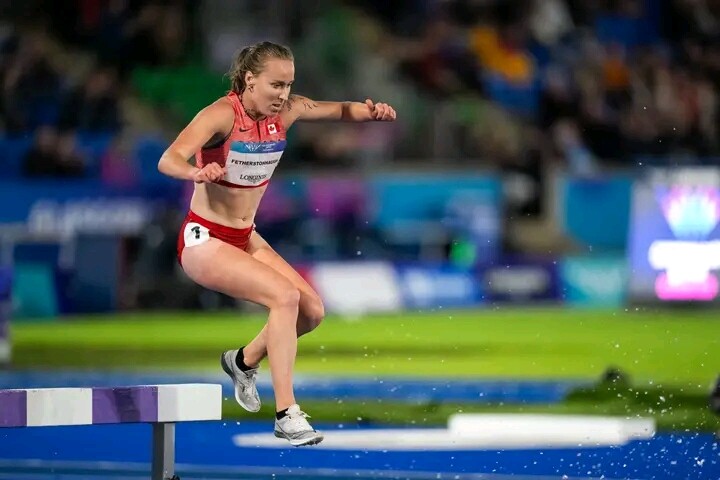
Her time of 9:27.49 not only marked a new personal record but also underlined her continued rise as one of Canada's most promising distance runners. Producing a career-best performance on one of the sport's biggest stages demonstrated both her physical preparation and her ability to thrive under championship pressure.
Canada's success in the final extended beyond Fetherstonhaugh's impressive run. Making her debut at a major international multi-sport Games, Katelyn Stewart-Barnett delivered an encouraging performance of her own, finishing ninth in 9:46.98. Competing on one of the biggest stages of her career, she raced with determination and poise, gaining invaluable championship experience while announcing herself as another emerging talent in Canadian distance running.
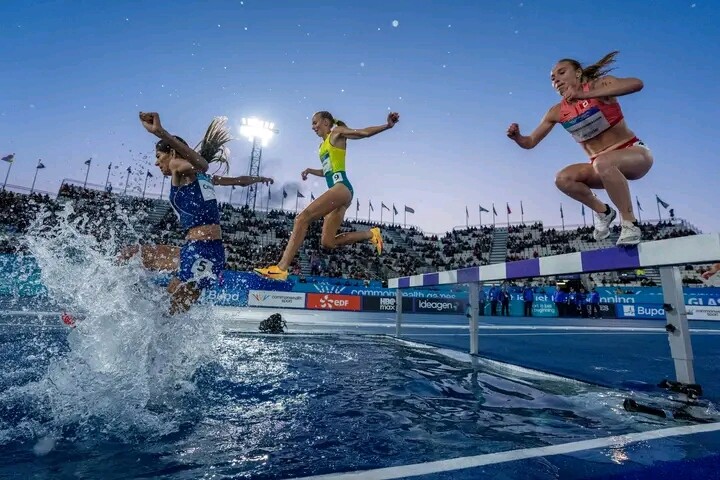
Although the medals were fiercely contested, Fetherstonhaugh's top-six finish and Stewart-Barnett's confident debut highlighted the depth of Canada's women's steeplechase program. Both athletes demonstrated resilience and composure against a world-class field, providing further evidence that Canada's future in the event is exceptionally bright.
The race also provided valuable championship experience that could prove instrumental in the years ahead. Performing at such a high level against elite opposition will give both athletes added confidence as they continue their development and prepare for future global championships.
For Canada, the performances were another encouraging sign of the nation's growing strength in women's distance running. By combining tactical discipline, technical efficiency over the barriers, and determined finishing efforts, Fetherstonhaugh and Stewart-Barnett left Glasgow with performances that will serve as important milestones in their careers.
Beyond the impressive times on the clock, both athletes showcased resilience and consistency throughout the demanding race. Their performances reflected not only months of preparation but also the determination required to succeed in one of athletics' most technically challenging events.
With a new personal best and a top-six Commonwealth Games finish now on her résumé, Fetherstonhaugh has taken another significant step forward in her career. Stewart-Barnett, meanwhile, can leave her first major international Games with confidence after a composed top-10 finish that signals an exciting future. Together, their performances marked a memorable night for Canadian athletics and offered plenty of optimism for the seasons ahead.
by Erick Cheruiyot for My Best Runs.
Login to leave a comment

Elise Thorner Delivers the Race of Her Life to Capture Historic Commonwealth Silver
Elise Thorner produced the performance of her career with a breathtaking display of determination and courage, storming to a sensational silver medal in the women's 3000m steeplechase at the Glasgow 2026 Commonwealth Games.
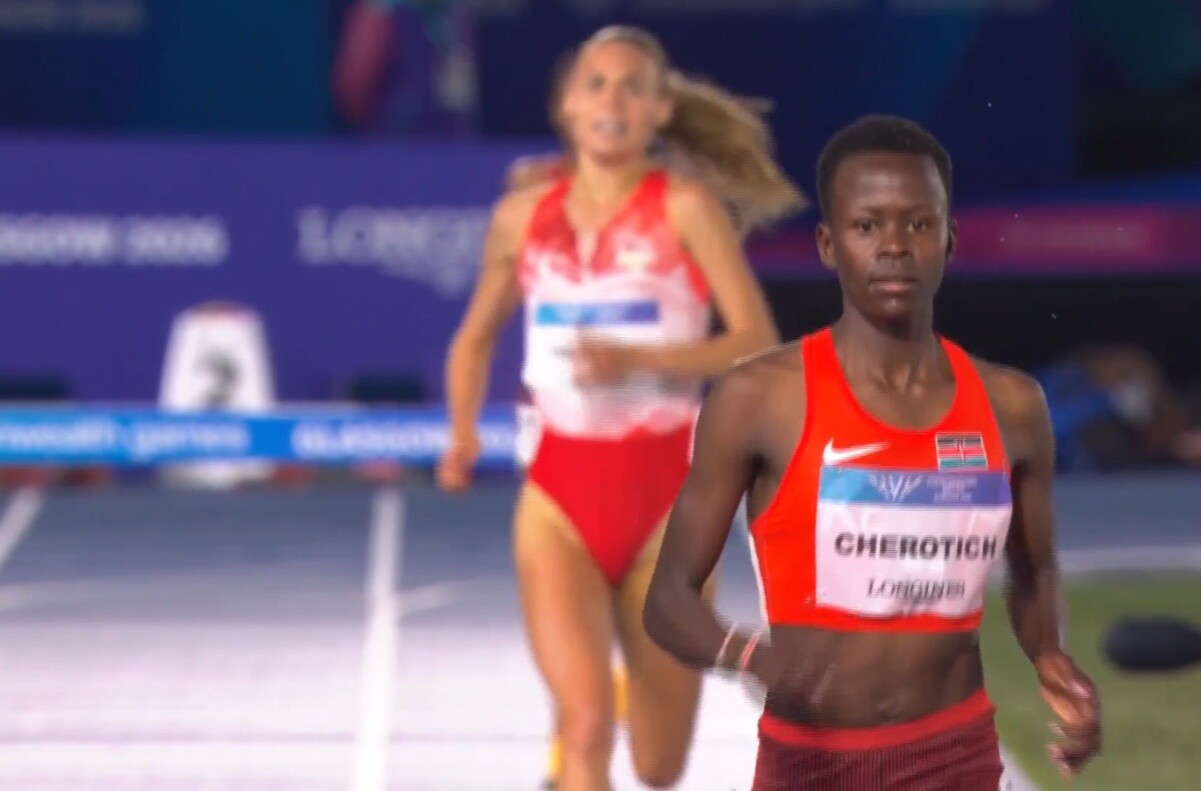
The England star delivered a remarkable final-lap charge in one of the most dramatic races of the championships, overturning what had looked like a secure position for Uganda's Olympic champion Peruth Chemutai. With every stride, Thorner closed the gap before surging past her rival in the closing stages to seal an unforgettable second-place finish.
She crossed the finish line in a lifetime best of 9:05.45, smashing her previous personal best and earning the first senior international medal of her career. It was a breakthrough performance on one of the biggest stages in athletics, confirming her arrival among the world's elite steeplechasers.
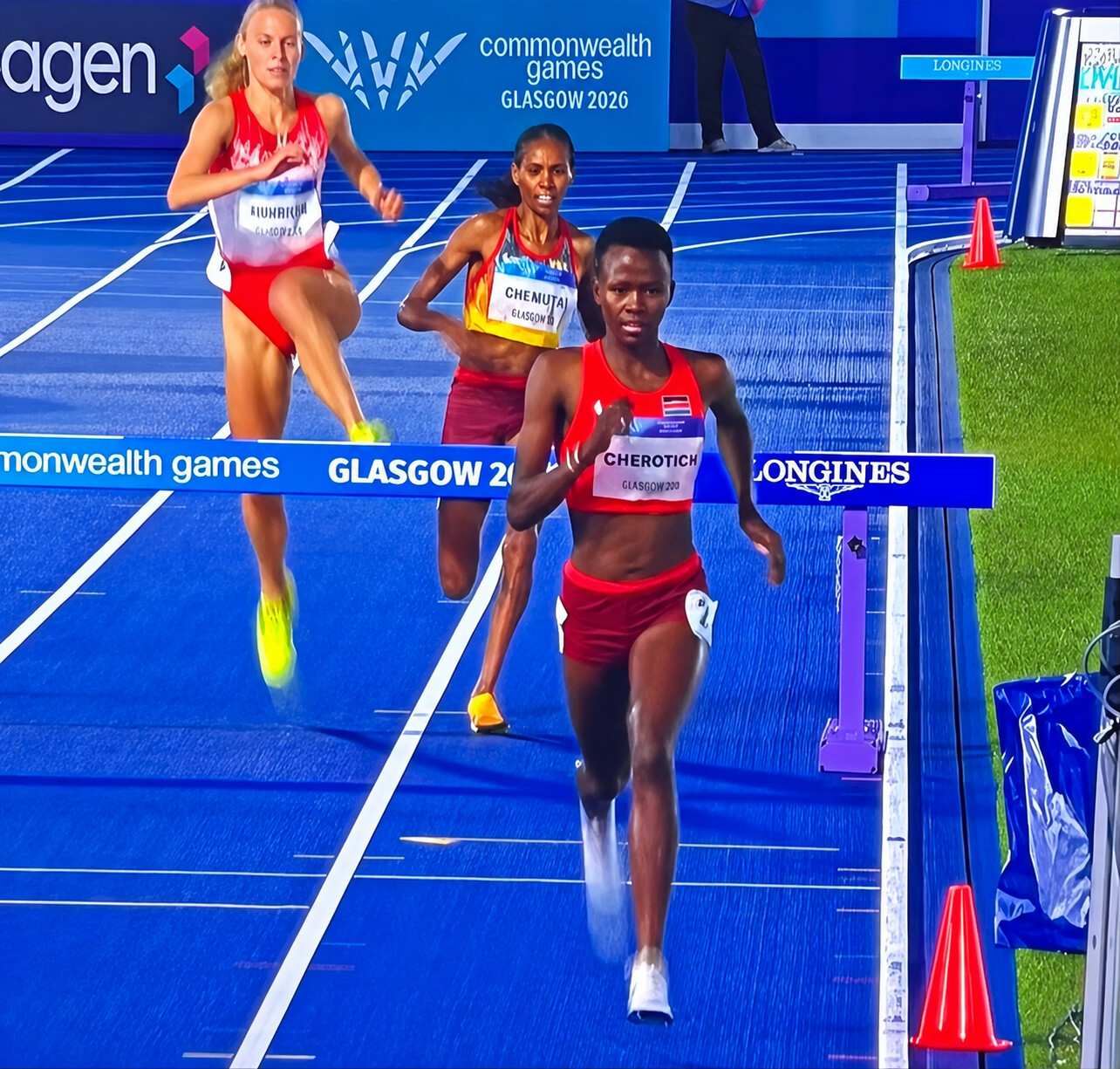
Thorner's outstanding run came agonizingly close to rewriting British history. Her time finished just 1.10 seconds outside Lizzie Bird's British record of 9:04.35, underlining the exceptional quality of her performance and suggesting that a national record could soon be within reach.
The race itself was an electrifying contest from start to finish, but it was Thorner's fearless closing lap that stole the spotlight. Refusing to surrender despite trailing late in the race, she unleashed a devastating kick that transformed an already impressive run into a career-defining moment.
The magnitude of her achievement only truly became clear after she crossed the finish line. Still trying to process what she had accomplished, an emotional Thorner admitted she was overwhelmed by the outcome. “When I crossed the line I was honestly in shock. I didn’t really know what happened!” she said after claiming the Commonwealth silver medal. Her heartfelt reaction perfectly reflected the disbelief and joy of an athlete who had just delivered the race of her life, producing a stunning personal best of 9:05.45 while finishing just over a second shy of Lizzie Bird's British record.
For England, the silver medal represents far more than a place on the podium. It marks the emergence of a new championship contender capable of challenging the very best, while for Elise Thorner, Glasgow 2026 will forever be remembered as the night she announced herself on the international stage with a performance of extraordinary class.
by Erick Cheruiyot for My Best Runs.
Login to leave a comment

Faith Cherotich Rewrites Commonwealth Games History with Record-Breaking Steeplechase Triumph
Faith Cherotich delivered one of the greatest performances of the Glasgow 2026 Commonwealth Games, producing a breathtaking run to capture the women's 3,000m steeplechase gold medal while rewriting the championship record books.
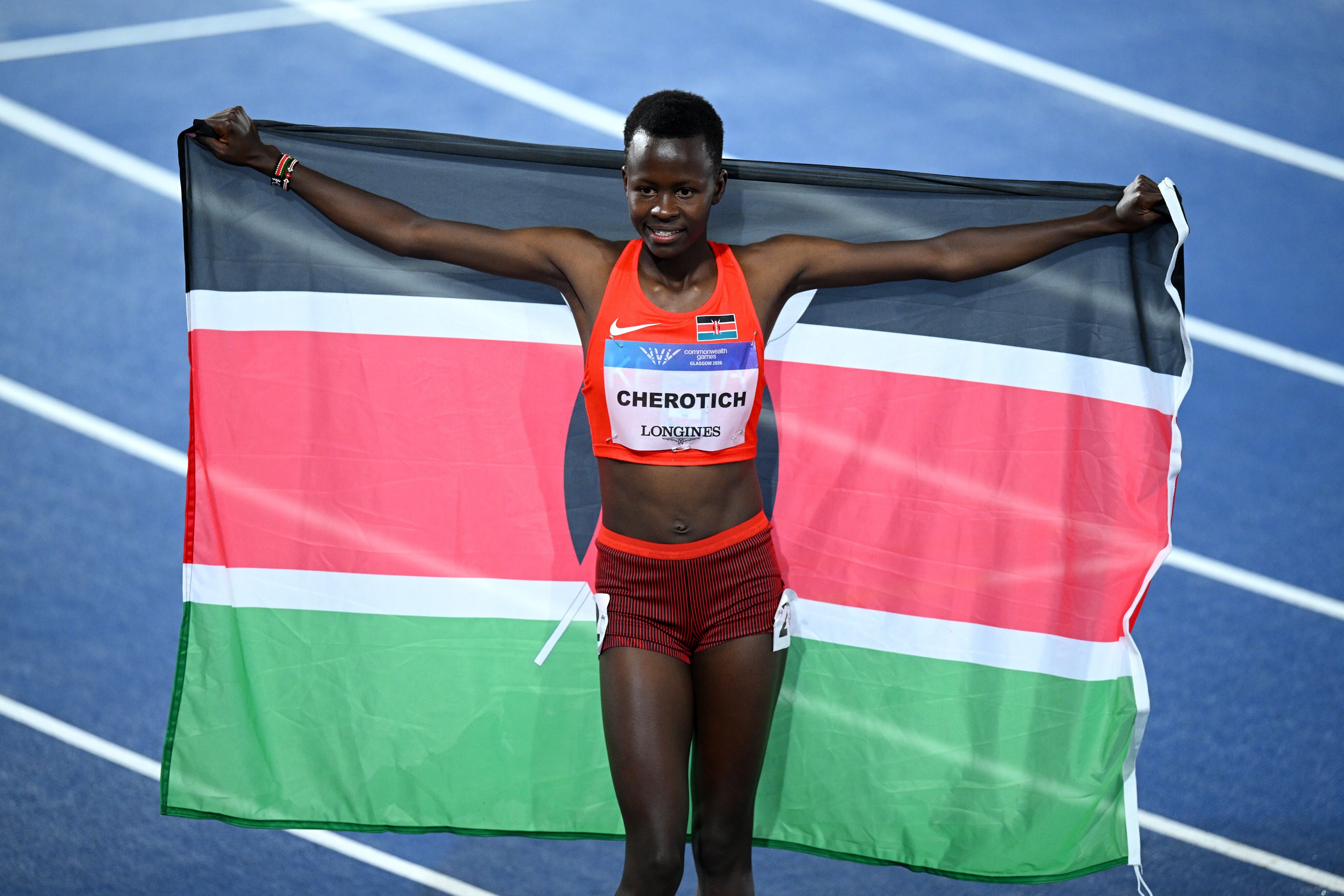
The Kenyan sensation powered away from the field with authority, crossing the finish line in a remarkable 9:01.76 to claim the Commonwealth title in unforgettable fashion. Her stunning performance erased the previous Commonwealth Games record of 9:15.68, set by fellow Kenyan Jackline Chepkoech at the Birmingham 2022 Games, underlining Kenya's continued dominance in one of its signature events.
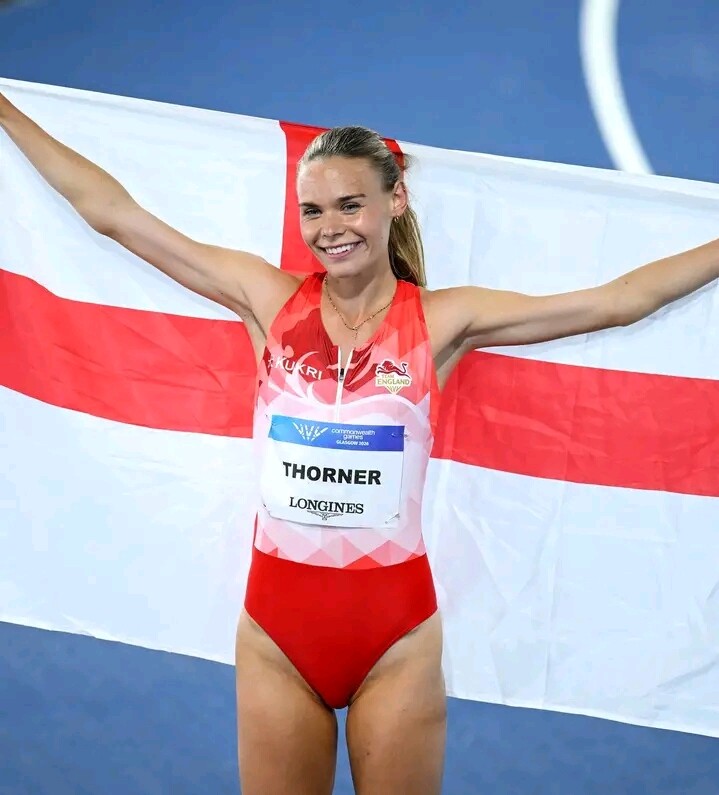
From the opening laps, Cherotich looked composed and determined, confidently controlling the race before unleashing a devastating surge that none of her rivals could answer. Clearing every barrier with precision and maintaining a relentless rhythm, she transformed the closing stages into a celebration of world-class steeplechasing.
The battle for the medals was every bit as captivating. England's Elise Thorner produced a lifetime best of 9:05.45 to secure the silver medal, while Olympic champion Peruth Chemutai of Uganda claimed bronze in 9:09.96 after another courageous performance. Australia's Cara Feain-Ryan finished fourth in 9:22.07, with India's Parul Chaudhary taking fifth in 9:26.75. Canada's Grace Fetherstonhaugh crossed the line sixth in a personal best 9:27.49, while Kenya's Celestine Jepkosgei Biwot added a strong seventh-place finish in 9:33.61.
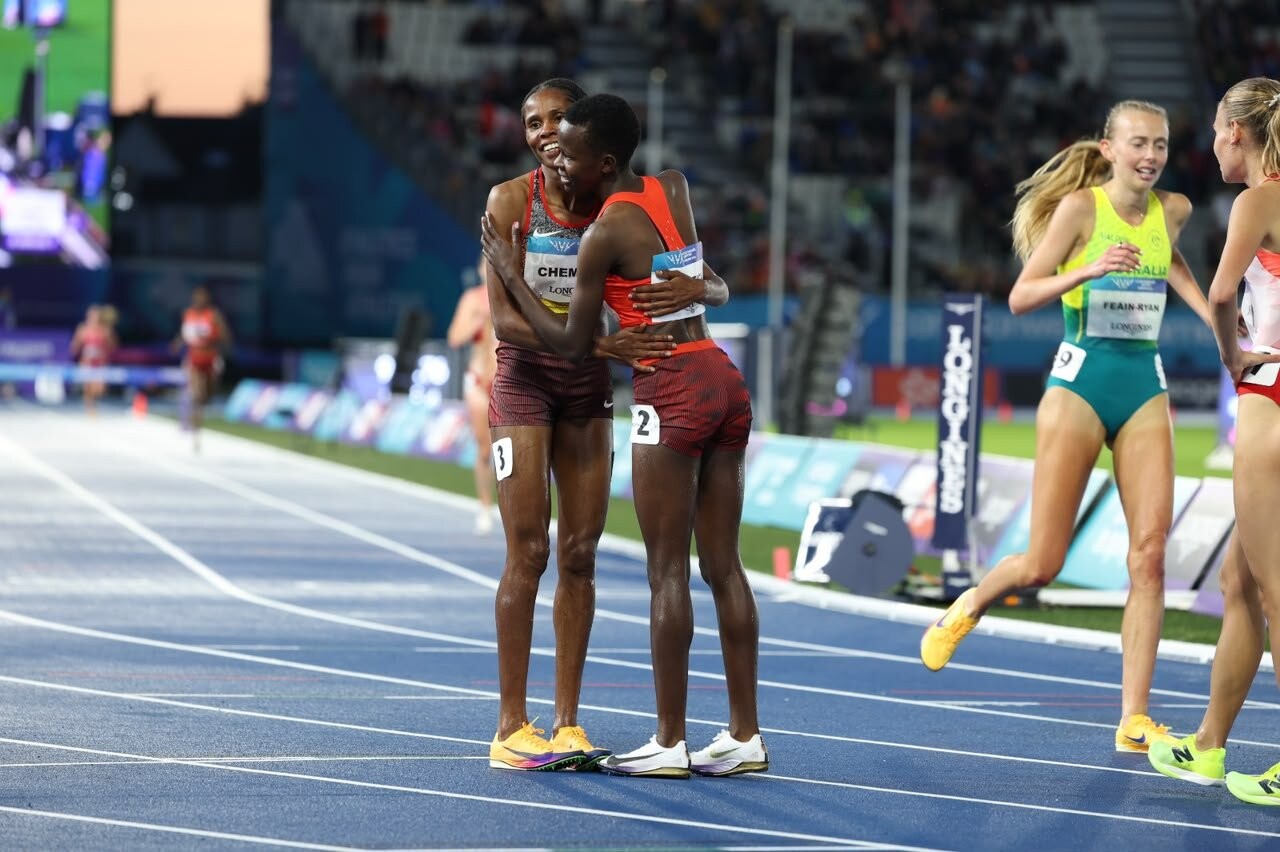
Women's 3000m Steeplechase Final – Glasgow 2026 Commonwealth Games
1. Faith Cherotich (Kenya) – 9:01.76 (Gold, Commonwealth Games Record)
2. Elise Thorner (England) – 9:05.45 (Silver, Personal Best)
3. Peruth Chemutai (Uganda) – 9:09.96 (Bronze)
4. Cara Feain-Ryan (Australia) – 9:22.07
5. Parul Chaudhary (India) – 9:26.75
6. Grace Fetherstonhaugh (Canada) – 9:27.49 (Personal Best)
7. Celestine Jepkosgei Biwot (Kenya) – 9:33.61
8. Cari Hughes (Wales) – 9:40.71 (National Record)
9. Katelyn Stewart-Barnett (Canada) – 9:46.98
10. Sarah Tait (Scotland) – 9:47.41
Cherotich's victory not only earned Kenya another gold medal but also reinforced the nation's remarkable legacy in the women's steeplechase. Breaking the Commonwealth Games record by nearly 14 seconds is a statement that echoes far beyond Glasgow, confirming the young Kenyan as one of the world's finest athletes in the event.
On a night filled with memorable performances, Faith Cherotich stood above them all. Draped in the Kenyan flag after her historic triumph, she celebrated a victory that will be remembered for years to come—a performance defined by courage, speed, and history-making brilliance.
by Erick Cheruiyot for My Best Runs.
Login to leave a comment

The Commonwealth Games
The Commonwealth Games are coming to Victoria - bringing an action packed sports program to our regional cities and delivering a long-term legacy for our future. From 17 to 29 March 2026, Geelong, Bendigo, Ballarat, Gippsland and Shepparton will be on the world stage, attracting millions of viewers and creating thousands of jobs. The multi-city model will...
more...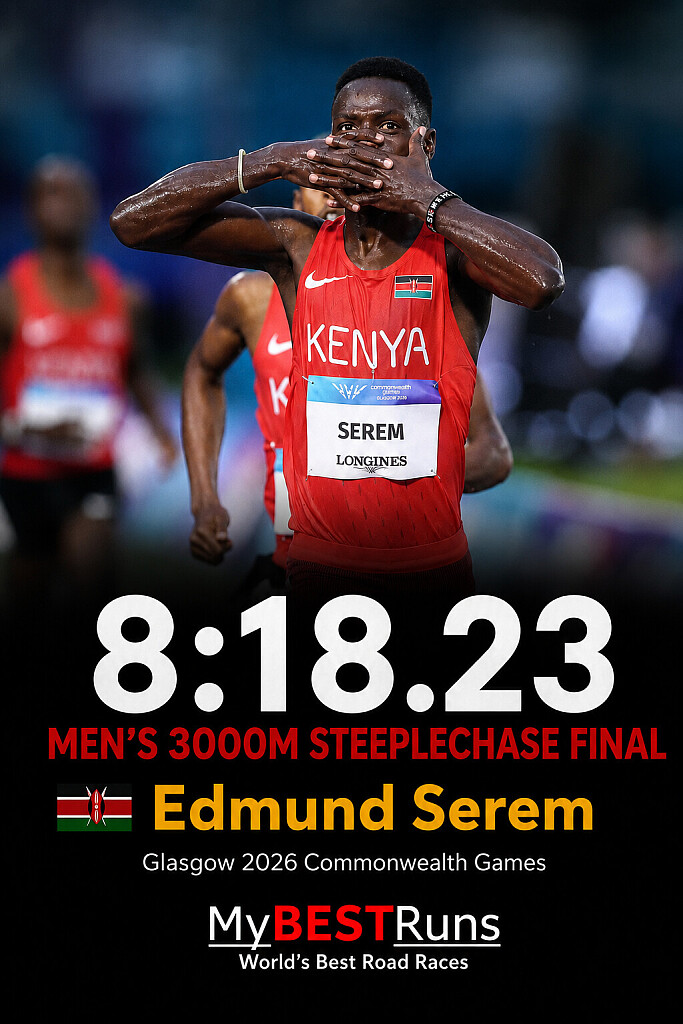
Kenya Reclaims Steeplechase Supremacy with Historic 1-2-3 Sweep at Glasgow 2026 Commonwealth Games
Kenya emphatically reaffirmed its status as the undisputed powerhouse of the men's 3000m steeplechase by producing a sensational podium clean sweep at the 2026 Commonwealth Games in Glasgow. In a commanding display of tactical brilliance, endurance, and finishing speed, Edmund Serem, Simon Kiprop Koech, and Leonard Kipkemoi Bett shut out the rest of the field to secure all three medals in one of Kenya's most treasured athletics events.
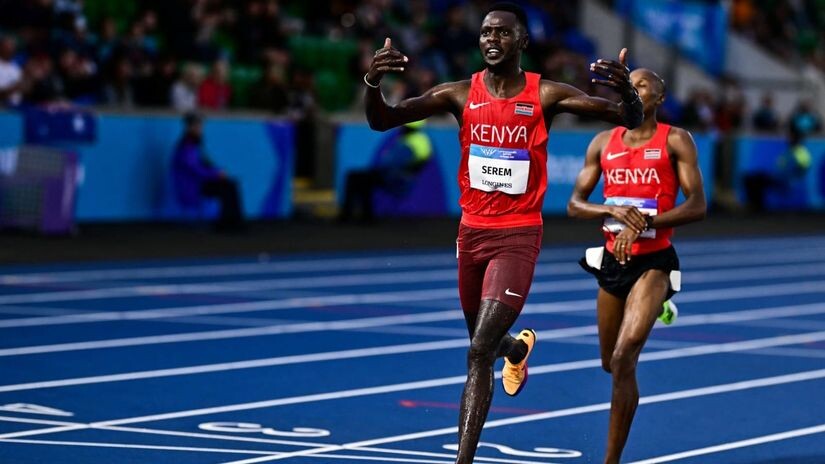
The Kenyan trio remained patient through the early stages before steadily increasing the pace over the closing laps. As the race reached its decisive moments, they broke clear of the chasing pack, leaving reigning world champion Geordie Beamish of New Zealand and the rest of the field unable to match their relentless surge.
Edmund Serem produced the winning move over the final barriers, powering away in the closing metres to capture the Commonwealth title in 8:18.23. Simon Kiprop Koech, who had led the race at the bell, battled all the way to the finish and claimed the silver medal in 8:18.59, while Leonard Kipkemoi Bett completed the historic sweep with bronze in 8:21.63, ensuring an unforgettable day for Team Kenya.
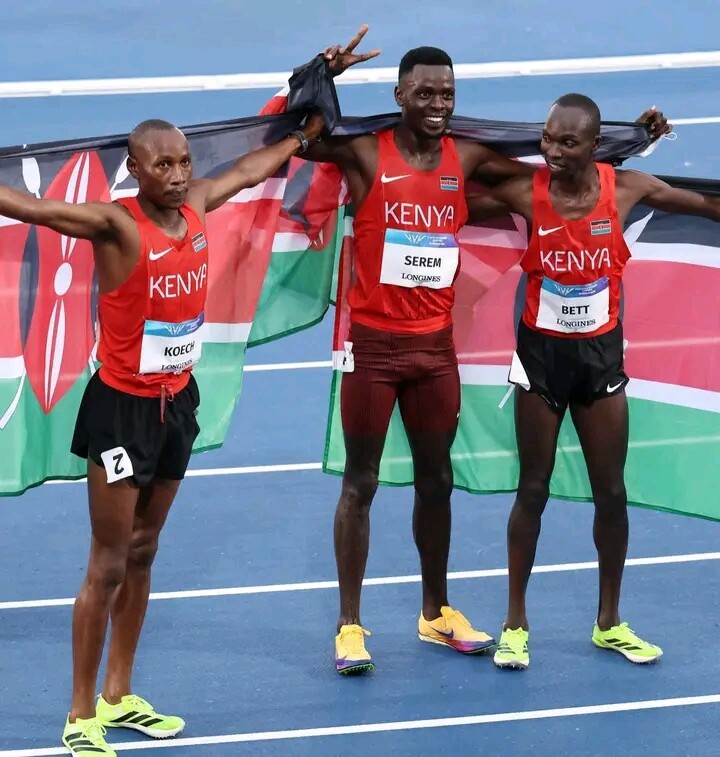
The achievement marks one of Kenya's defining moments of the Glasgow Games and restores the nation's complete dominance in an event that has long been synonymous with Kenyan distance running excellence. It also serves as a powerful response to the 2022 Commonwealth Games in Birmingham, where India's Avinash Sable ended Kenya's remarkable run of podium sweeps by winning the silver medal. Four years later, Serem, Koech, and Bett emphatically returned the men's steeplechase podium entirely to Kenyan hands, reaffirming the country's unrivalled legacy in the discipline.
Behind the Kenyan trio, reigning world champion Geordie Beamish finished fourth in 8:24.09, while Canada's Jean-Simon Desgagnes and Aaron Ahl placed fifth and sixth respectively. England's Kristian Imroth and Mark Pearce completed the top eight.
Men's 3000m Steeplechase Final – Glasgow 2026 Commonwealth Games
1. Edmund Serem (Kenya) — 8:18.23
2. Simon Kiprop Koech (Kenya) — 8:18.59
3. Leonard Kipkemoi Bett (Kenya) — 8:21.63
4. Geordie Beamish (New Zealand) — 8:24.09
5. Jean-Simon Desgagnes (Canada) — 8:25.43
6. Aaron Ahl (Canada) — 8:31.71
7. Kristian Imroth (England) — 8:38.12
8. Mark Pearce (England) — 8:42.39
The performance once again highlighted the extraordinary depth of Kenya's steeplechase talent, proving that a new generation is ready to carry forward one of the nation's greatest traditions in global athletics. Their flawless execution, unwavering composure, and dominant finish left no doubt that Kenya remains the standard bearer in the men's 3000m steeplechase.
by Erick Cheruiyot for My Best Runs.
Login to leave a comment
The Commonwealth Games
The Commonwealth Games are coming to Victoria - bringing an action packed sports program to our regional cities and delivering a long-term legacy for our future. From 17 to 29 March 2026, Geelong, Bendigo, Ballarat, Gippsland and Shepparton will be on the world stage, attracting millions of viewers and creating thousands of jobs. The multi-city model will...
more...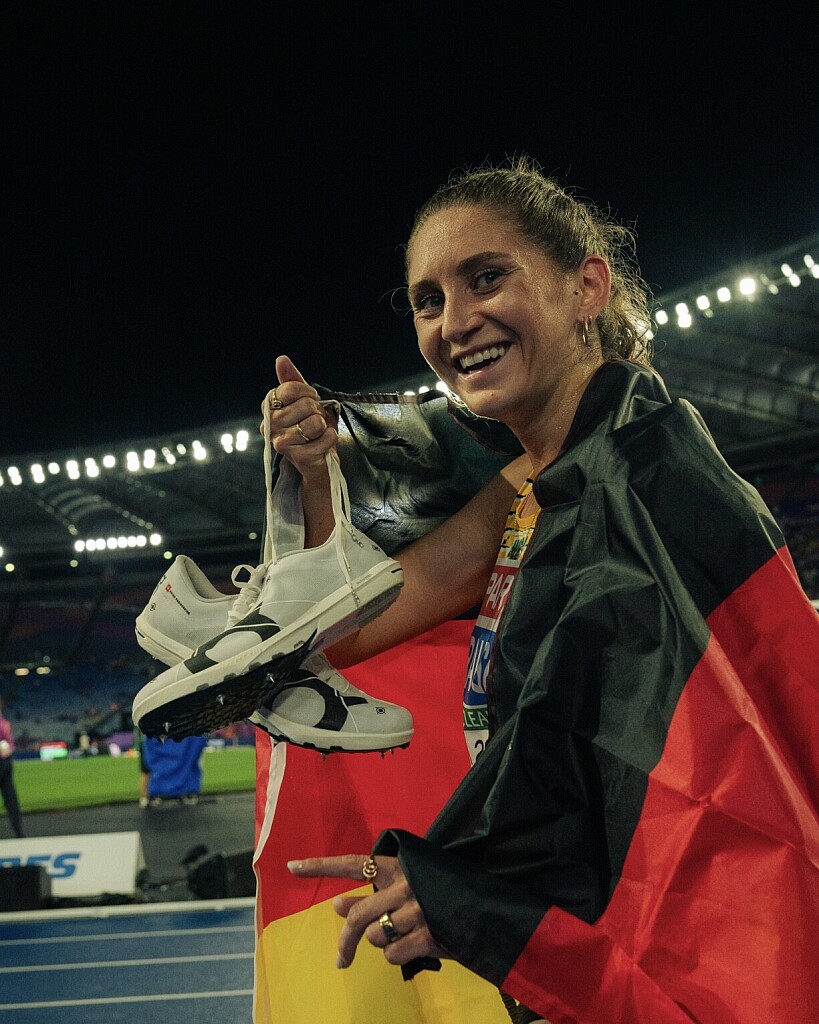
Clash of Olympic Giants Set to Ignite the Women's 3000m Steeplechase at the Prefontaine Classic
One of the most eagerly anticipated races of the 2026 Prefontaine Classic is set to unfold on July 4 at Hayward Field, where an exceptional women's 3000m steeplechase field promises a contest worthy of the global stage.
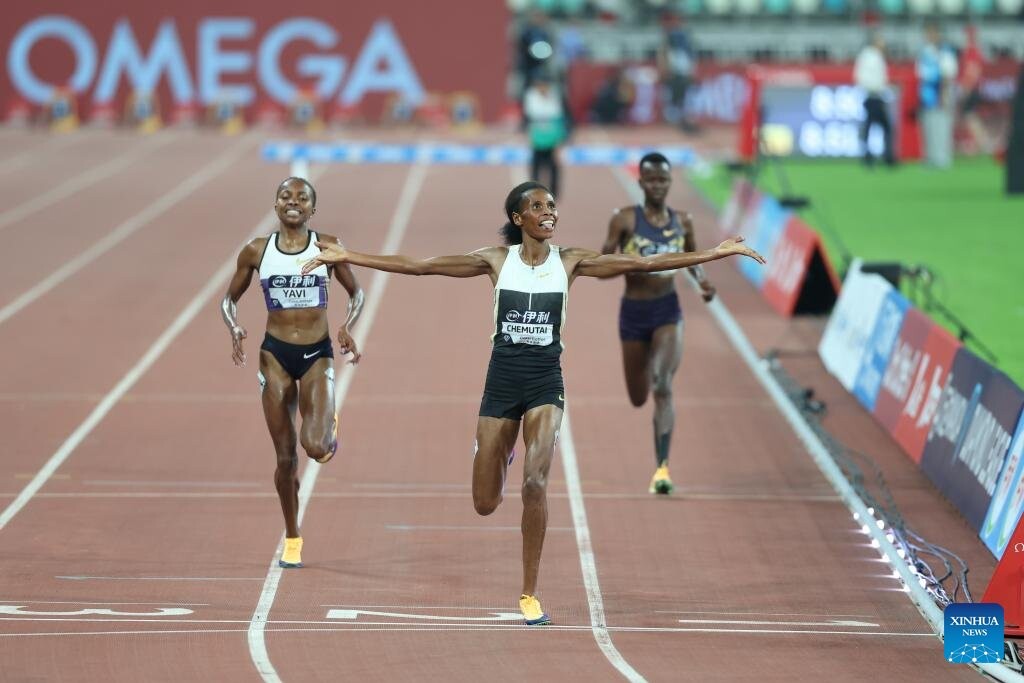
Leading the lineup is reigning Olympic champion Winfred Yavi of Bahrain, whose remarkable personal best of 8:44.32 makes her one of the fastest steeplechasers in history. Standing in her way is Uganda's Olympic silver medalist Peruth Chemutai (8:48.16), alongside Kenya's rising sensation and Olympic bronze medalist Faith Cherotich, who owns an impressive lifetime best of 8:48.71.
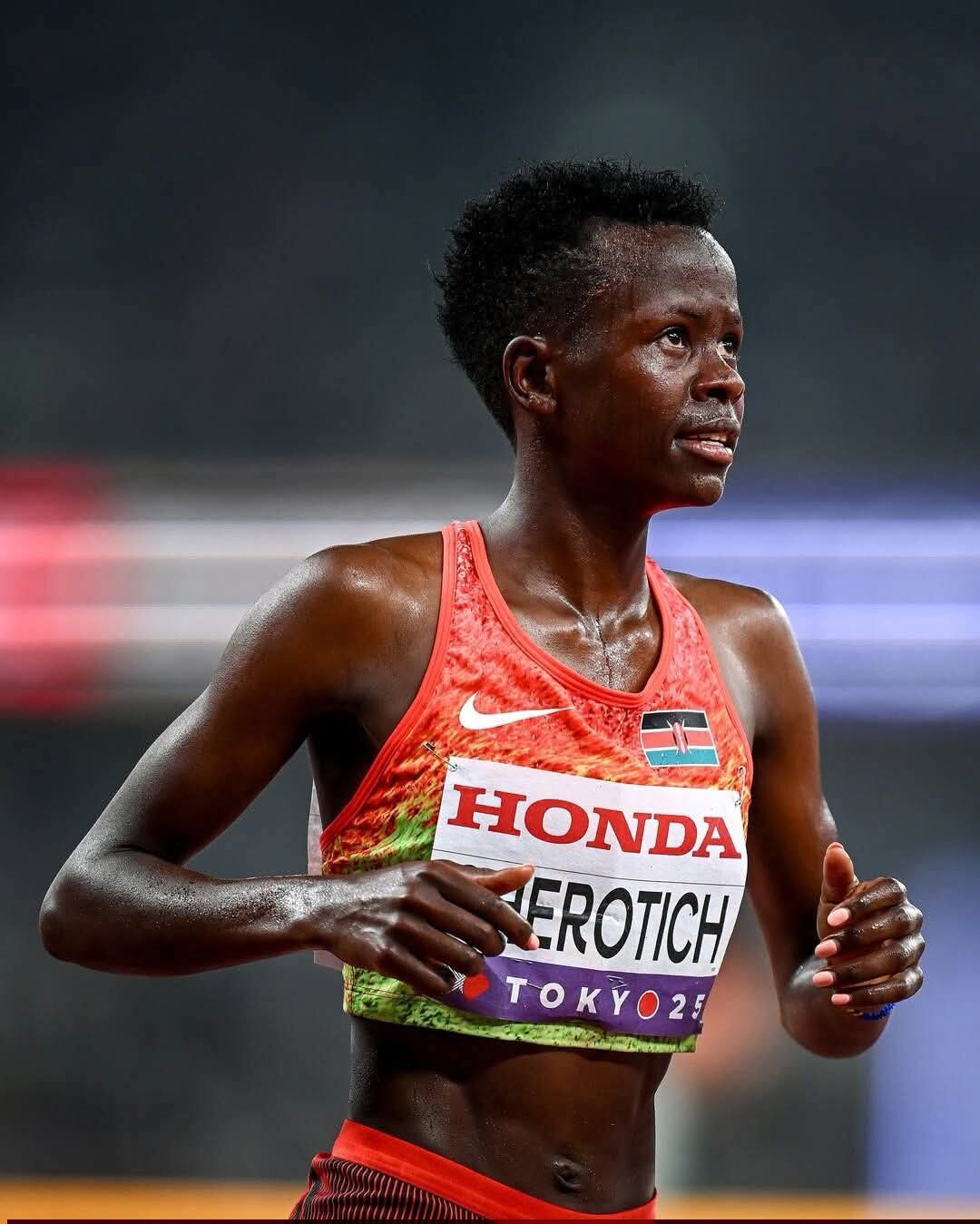
The trio captivated the athletics world with their unforgettable podium sweep at the Paris Olympic Games, and they now renew one of the sport's most exciting rivalries. With all three athletes in outstanding form, the race has every ingredient to produce another historic performance, with the elusive 8:45 barrier once again coming into sharp focus.
The battle, however, extends well beyond the Olympic medalists. Former world champion Norah Jeruto of Kazakhstan adds further quality to an already world-class field, while American icon Emma Coburn returns to compete before a passionate home crowd. Germany's multiple-time European champion Gesa Felicitas Krause also headlines a deep international lineup determined to challenge the frontrunners.
Kenya will also be represented by the talented Doris Lemngole, whose continued rise has added another exciting dimension to the country's strength in the event.
With Hayward Field renowned for producing unforgettable distance races, fans can expect relentless pace, fearless barrier running, and a thrilling contest from the opening lap to the final water jump. The combination of Olympic champions, world-class veterans, and emerging stars makes this one of the standout events of the meeting.
As the world's best steeplechasers gather once again, the stage is perfectly set for another memorable chapter in one of athletics' most captivating disciplines.
by Erick Cheruiyot for My Best Runs.
Login to leave a comment

Prefontaine Classic
The Pre Classic, part of the Diamond League series of international meets featuring Olympic-level athletes, is scheduled to be held at the new Hayward Field in Eugene. The Prefontaine Classicis the longest-running outdoor invitational track & field meet in America and is part of the elite Wanda Diamond League of meets held worldwide annually. The Pre Classic’s results score has...
more...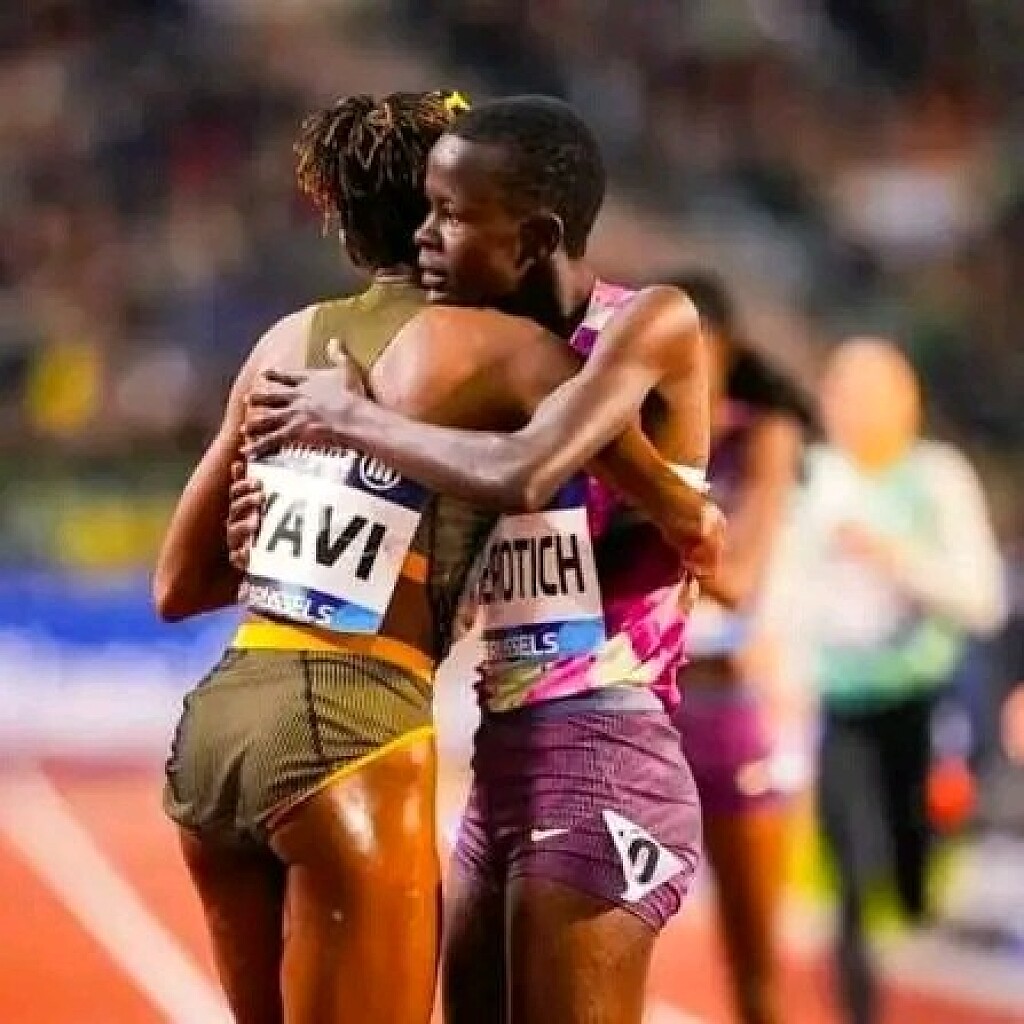
Eugene Awaits: Cherotich, Chemutai and Yavi Set for Blockbuster 3000m Steeplechase Battle
The women's 3000m steeplechase at the upcoming Prefontaine Classic is shaping up to be one of the most anticipated distance races of the season, with a world-class field led by Kenya's rising sensation Faith Cherotich, Uganda's Olympic champion Peruth Chemutai, and Bahrain's formidable record-holder Winfred Yavi.
Scheduled for July 3–4 in Eugene, Oregon, the race promises a fascinating clash of generations, styles, and ambitions as some of the sport's biggest names battle for supremacy on one of athletics' most iconic stages.
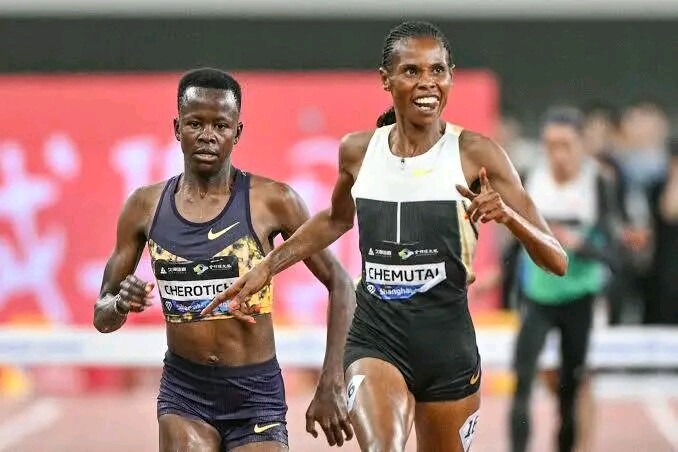
All eyes will undoubtedly be on Cherotich, whose meteoric rise has established her as one of the brightest stars in global steeplechasing. The Kenyan youngster has consistently demonstrated remarkable composure against elite opposition, combining fearless front-running with a devastating finishing kick. Facing another stacked international field, she will be eager to reaffirm her status among the discipline's elite.
Standing in her path is Chemutai, the Ugandan trailblazer whose championship pedigree and tactical brilliance have made her one of the most respected athletes in the event. Known for her ability to deliver under pressure, Chemutai arrives in Eugene with the experience and confidence required to challenge for victory against the world's best.
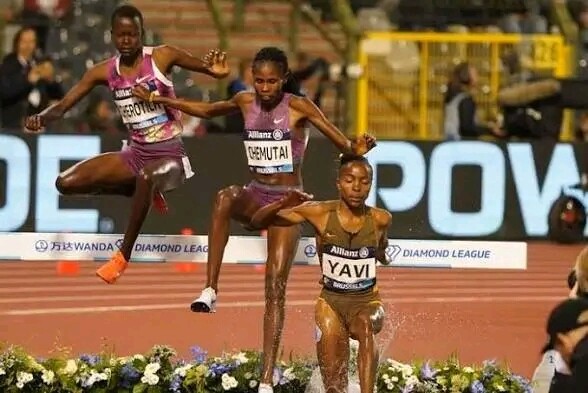
Adding further intrigue is Yavi, whose relentless pace and exceptional barrier technique have transformed her into one of the most dominant steeplechasers of recent years. Whenever Yavi steps onto the track, records and winning times immediately come into the conversation, making her a serious contender for top honours once again.
The depth of the field extends far beyond the headline trio. Kenya's emerging talent Doris Lemngole and experienced campaigner Norah Jeruto add further firepower, while a strong American contingent featuring Lexy Halladay, Gracie Hyde, Olivia Markezich, Gabrielle Jennings, Courtney Wayment and Angelina Napoleon will be eager to impress before a home crowd.
The international challenge is further strengthened by Morocco's Marwa Bouzayani and Germany's accomplished duo of Gesa Felicitas Krause and Lea Meyer, ensuring that every lap will be fiercely contested.
With Olympic and world medalists sharing the track alongside emerging stars hungry for a breakthrough, the stage is set for a thrilling contest that could produce one of the fastest women's steeplechase races of the year. As the athletics world turns its attention to Eugene, fans can expect a captivating battle over barriers and water jumps, where every stride could make the difference between victory and defeat.
The countdown has begun, and if the entry list is anything to go by, the Prefontaine Classic is poised to deliver another unforgettable chapter in the rich history of women's steeplechase racing.
by Erick Cheruiyot for My Best Runs.
Login to leave a comment
Prefontaine Classic
The Pre Classic, part of the Diamond League series of international meets featuring Olympic-level athletes, is scheduled to be held at the new Hayward Field in Eugene. The Prefontaine Classicis the longest-running outdoor invitational track & field meet in America and is part of the elite Wanda Diamond League of meets held worldwide annually. The Pre Classic’s results score has...
more...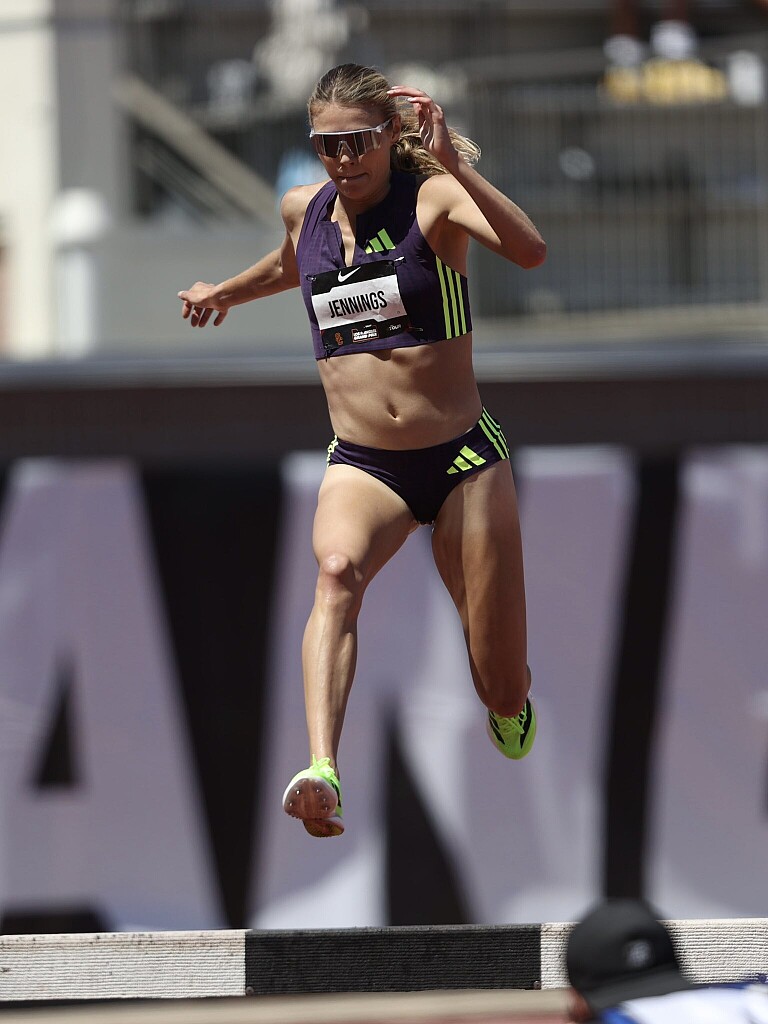
Gabrielle Jennings Shatters Meet Record with Brilliant Steeplechase Masterclass in Los Angeles
Gabrielle Jennings delivered one of the standout performances of the USATF LA Grand Prix, producing a breathtaking display of strength, rhythm, and determination to claim victory in the women's 3000m steeplechase and rewrite the meet record books.
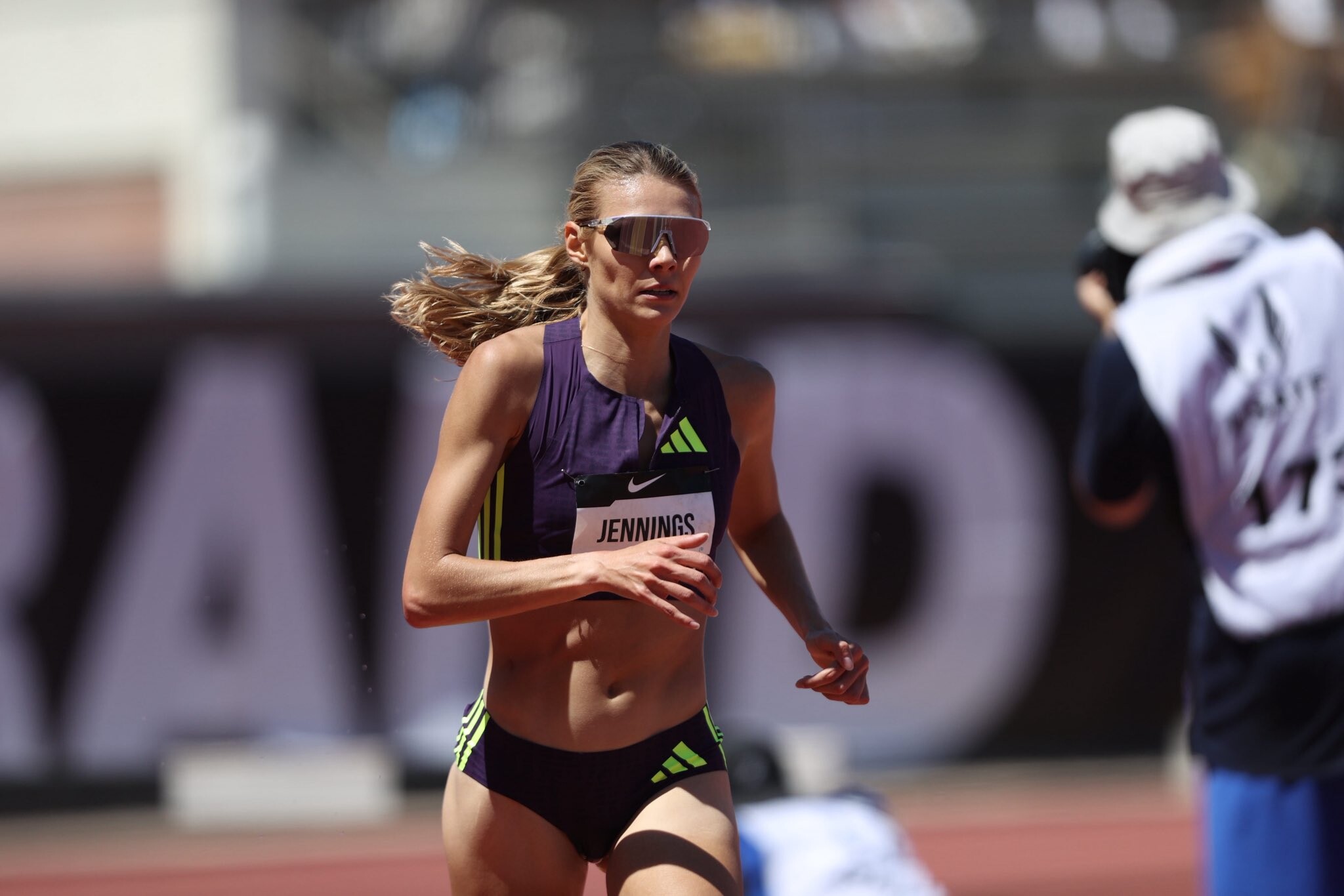
On a night packed with elite competition, Jennings surged clear of a talented field to cross the finish line in a season's best 9:11.72, smashing the previous meet record and improving her position among the world's fastest steeplechasers this year. The performance also strengthened her standing in the 2026 global rankings, underlining her growing reputation as one of the premier athletes in the event.
From the opening laps, Jennings looked composed and in complete control. She settled into an efficient rhythm over the barriers and water jumps, conserving energy before gradually increasing the pressure on her rivals. As the race entered its decisive stages, she separated herself from the field with a powerful surge that none of her competitors could match.
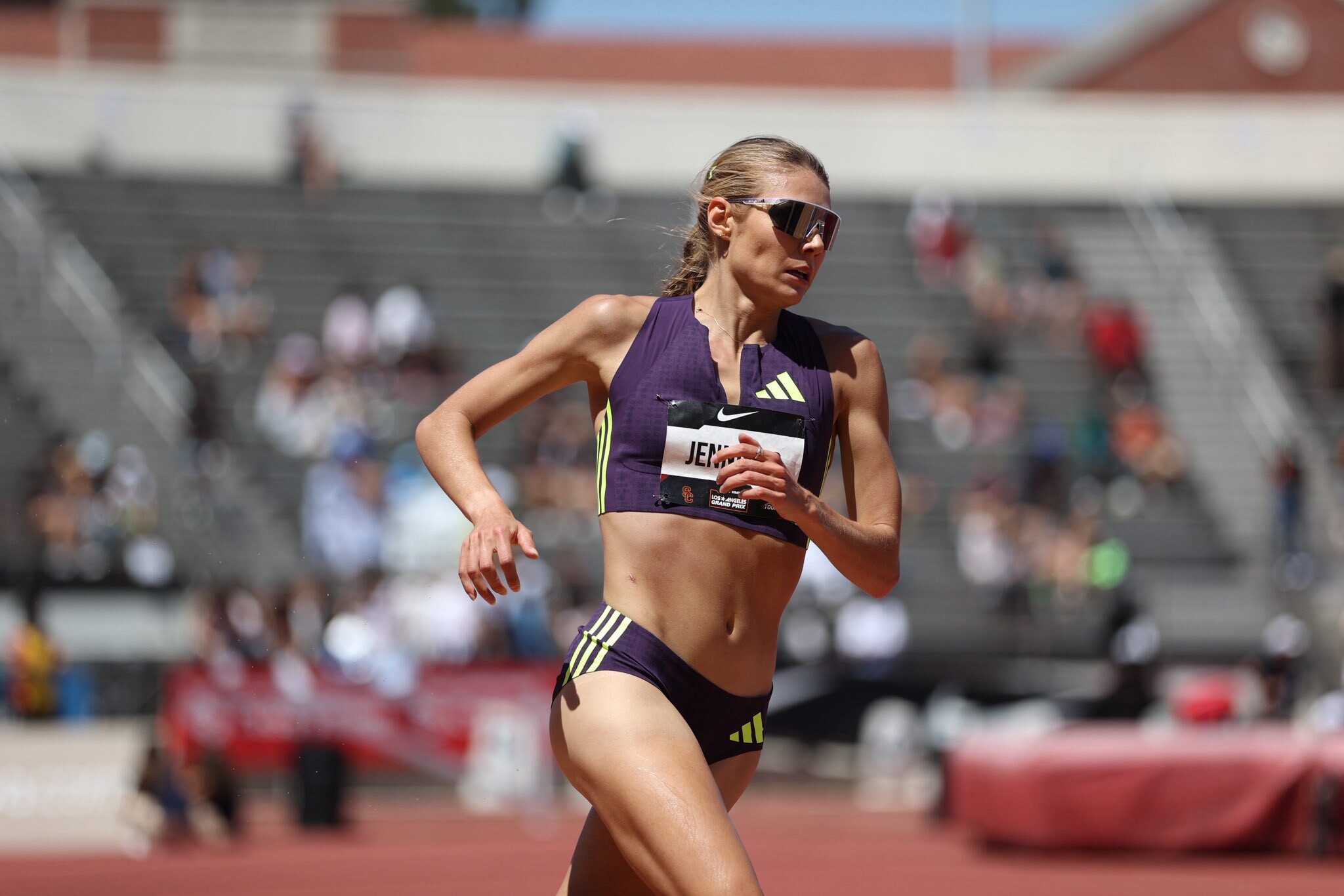
Her winning time of 9:11.72 was not only a personal statement of intent but also one of the fastest performances produced by an American woman this season. The run showcased her exceptional endurance, technical precision, and tactical intelligence—qualities that have made her a rising force on the international circuit.
Behind Jennings, Lexy Halladay produced an impressive run of her own to secure second place in 9:22.89, while Courtney Wayment completed the podium in 9:23.94 after a determined effort throughout the race.
Veteran steeplechase star Emma Coburn continued her return to top-level competition with a solid fourth-place finish in 9:29.38. Just fractions of a second behind her was Angelina Ellis, who rounded out the top five in 9:29.41 after a fiercely contested battle over the closing laps.
The result adds another major milestone to Jennings' 2026 campaign and sends a clear message ahead of the championship season. With her confidence soaring, a meet record now to her name, and her fastest performance of the year on the board, the American star appears poised for even bigger achievements in the months ahead.
by Erick Cheruiyot for My Best Runs.
Login to leave a comment
Marwa Bouzayani Smashes Stockholm Meeting Record with Dominant Steeplechase Display
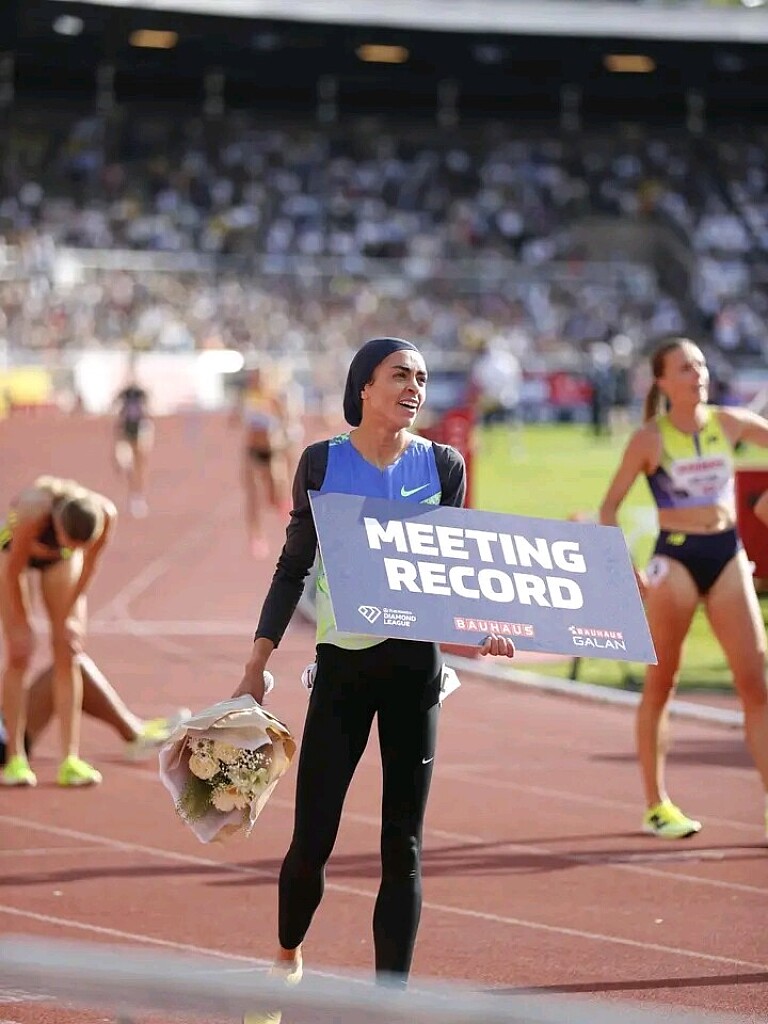
Marwa Bouzayani produced a performance of pure class and authority at the Stockholm Diamond League, storming to victory in the women's 3000m steeplechase and rewriting the meeting record books with a sensational time of 8:59.28.
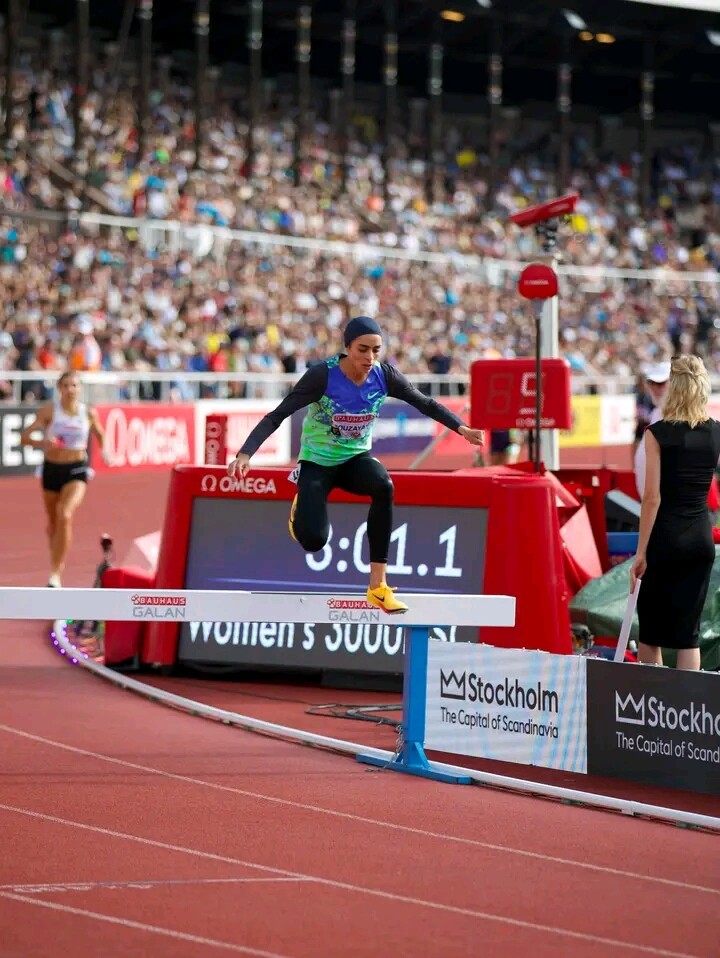
The Tunisian star was simply untouchable as she attacked the race from the front, clearing the barriers with remarkable efficiency and maintaining a relentless pace that none of her rivals could match. As the laps ticked by, Bouzayani steadily increased her advantage, turning the contest into a solo exhibition of strength, endurance, and tactical brilliance.
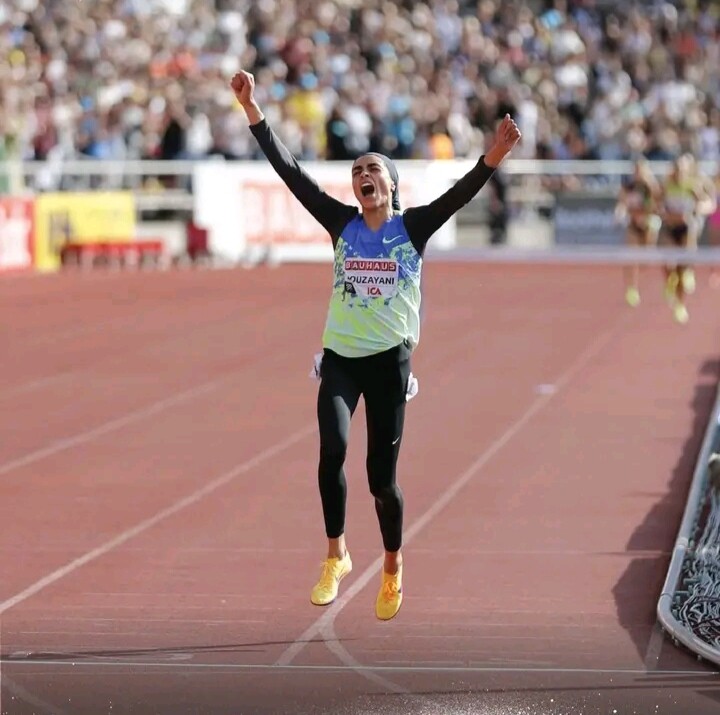
Crossing the finish line in 8:59.28, she not only secured a commanding victory but also shattered the previous Stockholm Diamond League meeting record, becoming the standout performer of the event. Her sub-nine-minute run underlined her status among the world's premier steeplechasers and provided another major statement ahead of the season's biggest championships.
Behind the runaway winner, Great Britain's Elise Thorner delivered an impressive performance to claim second place in 9:11.01, while American Gabrielle Jennings completed the podium with a season's best 9:12.02 after a determined effort throughout the race.
Bouzayani's triumph was more than just a victory—it was a masterclass in front-running. From the opening stages to the final water jump, she controlled every aspect of the race, displaying the confidence and composure of an athlete operating at the peak of her powers.
On a night packed with world-class performances, it was Bouzayani who stole the spotlight. Her record-breaking run in Stockholm will be remembered as one of the defining performances of this year's Diamond League campaign and a powerful reminder of her growing influence on the global stage.
by Erick Cheruiyot for My Best Runs.
Login to leave a comment
Winfred Yavi Set for Exciting 5000m Test at Rome Diamond League
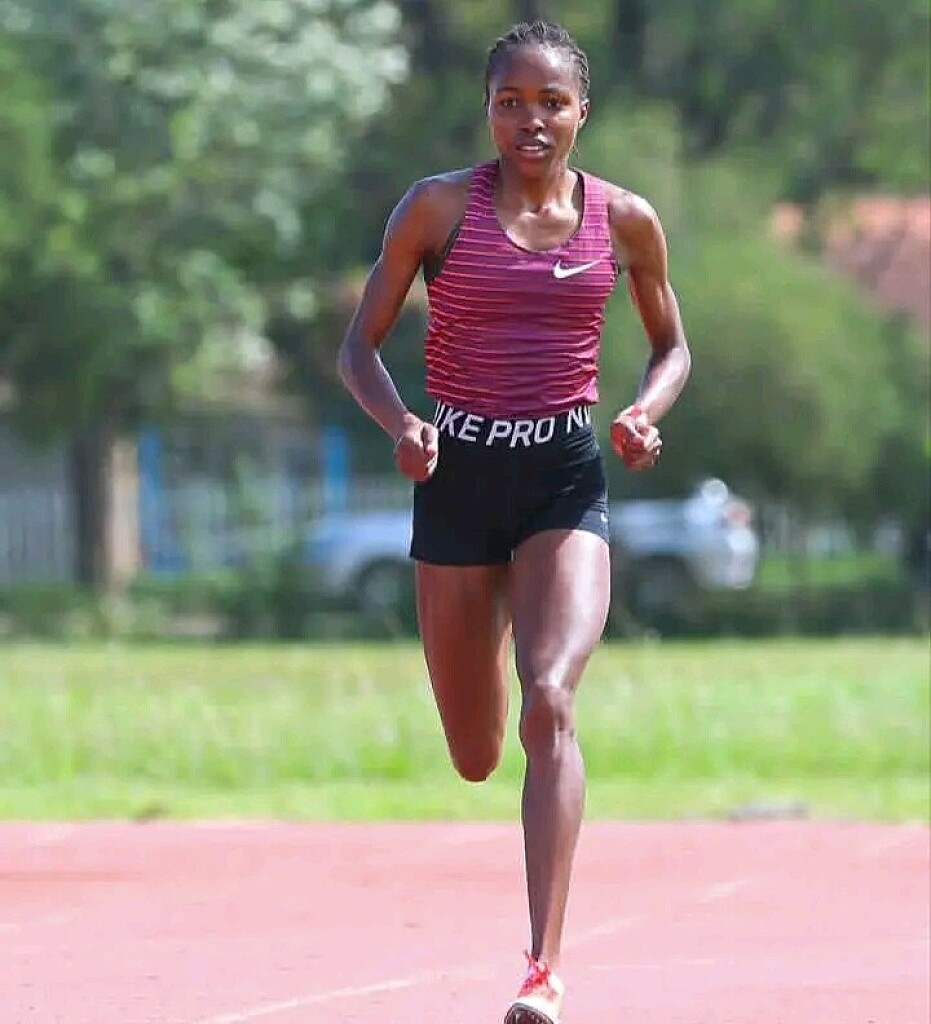
Olympic and world champion Winfred Yavi will step out of her renowned steeplechase comfort zone on Thursday evening as she takes on a strong women's 5000m field at the Golden Gala Pietro Mennea, the fourth stop of the 2026 Wanda Diamond League in Rome.
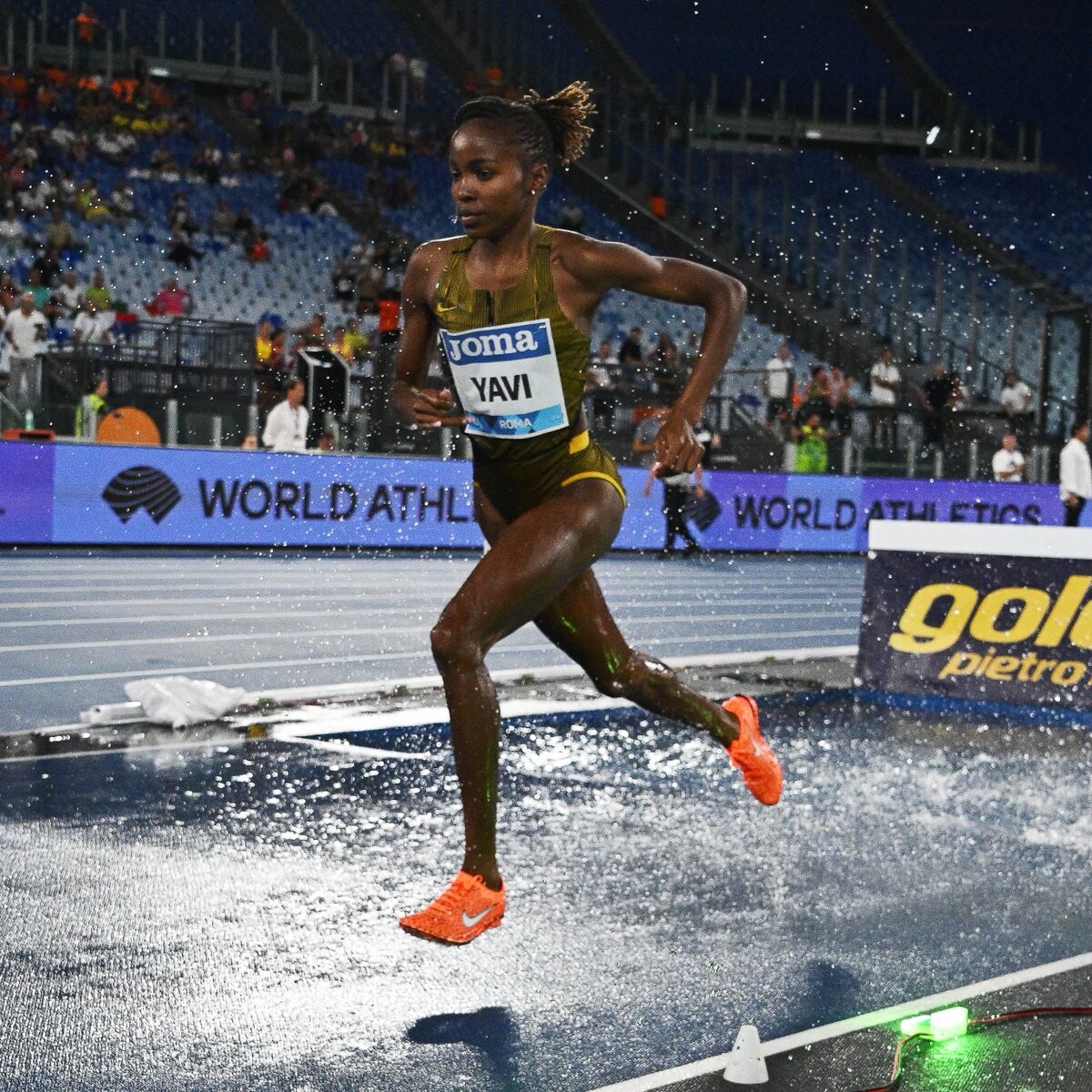
The Bahraini star arrives in the Italian capital carrying impressive credentials over the distance. Yavi owns a personal best of 14:41.99 and currently holds Bahrain's national record in the women's 5000m, underlining her versatility beyond the barriers that have brought her global fame.
Rome holds special memories for Yavi. The Stadio Olimpico was the scene of one of the finest performances of her career in 2024 when she produced the second-fastest women's 3000m steeplechase time in history, narrowly missing the world record. Now she returns to the Eternal City with a different challenge ahead as she looks to make her mark in one of the deepest distance races of the evening.
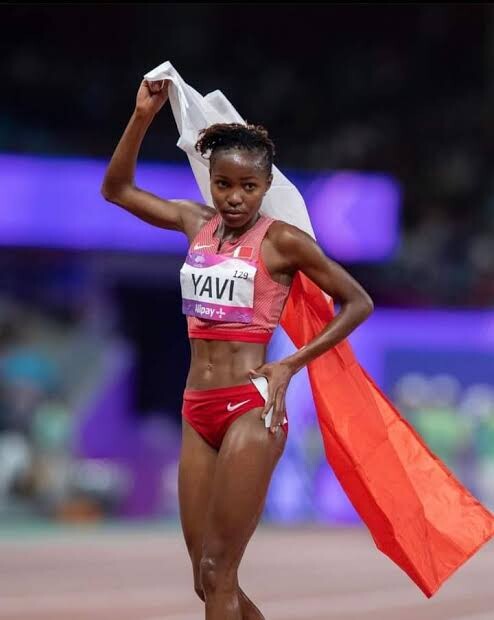
The 27-year-old will face a quality field featuring rising Kenyan talent Caroline Nyaga, Margaret Akidor, Ethiopia's Likina Amebaw and Hirut Meshesha, as well as fellow Kenyan Purity Chepkurui. With several proven performers on the start line, the race promises to be a fierce battle from the opening laps.
Adding further intrigue is the standard set by the event itself. The current world record of 13:58.06 belongs to Kenyan superstar Beatrice Chebet, who became the first woman in history to break the 14-minute barrier for 5000m.
Although Yavi's primary focus remains the steeplechase, her growing strength on the track has made her a genuine threat in longer flat races. Every appearance outside her signature event offers another glimpse into the remarkable range that has transformed her into one of the world's most complete distance runners.
As the lights shine on Rome tonight, all eyes will be on Yavi to see whether she can translate her championship pedigree into another memorable performance. A victory would further cement her reputation as one of the most versatile stars in global athletics and provide a major statement as the Diamond League season gathers momentum.
by Erick Cheruiyot for My Best Runs.
Login to leave a comment
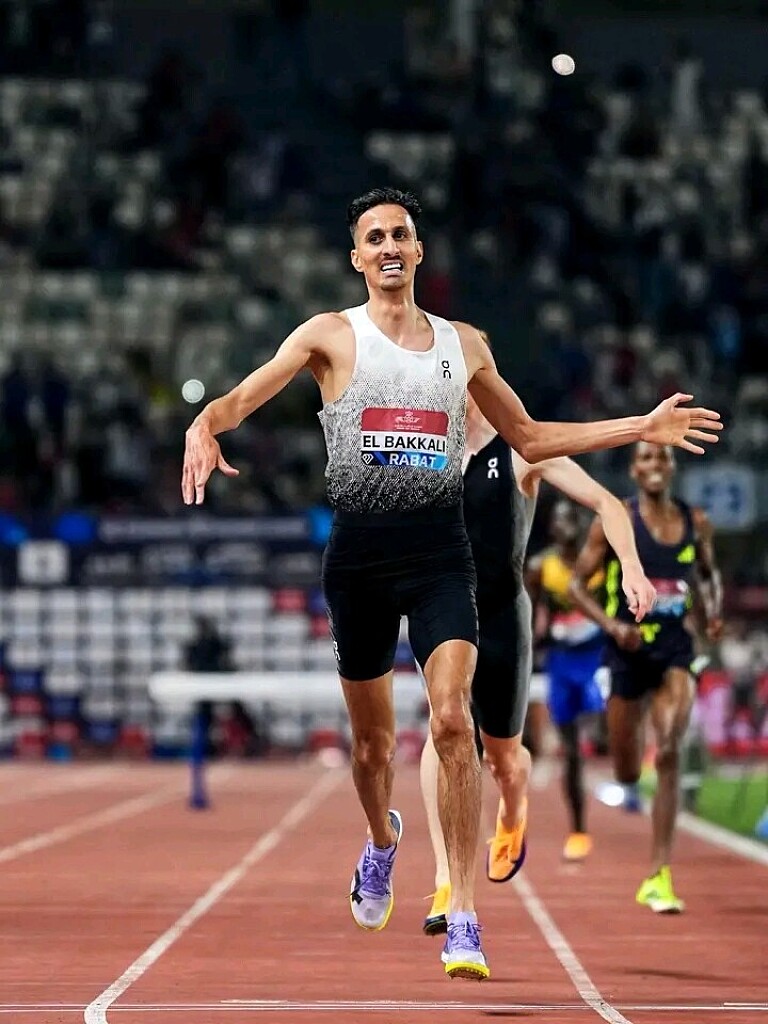
Sub-8 Barrier Falls as El Bakkali Shines and Ruppert Rewrites European History
The men's 3000m steeplechase produced one of the most electrifying races of the season as Morocco's Soufiane El Bakkali stormed to a world-leading performance, headlining a night that saw history made, records shattered, and new names emerge among the event's elite.
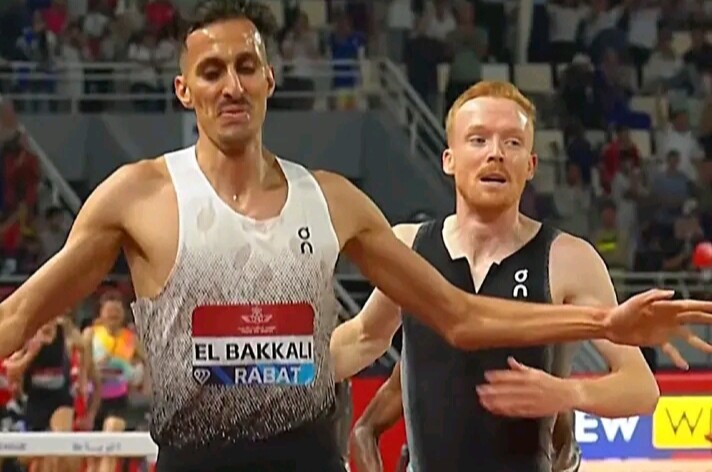
El Bakkali, the reigning Olympic and world champion, once again demonstrated why he remains the undisputed king of the steeplechase. Running with supreme confidence from start to finish, the Moroccan star crossed the line in a world-leading 7:57.25, becoming the first athlete this season to break the coveted eight-minute barrier.
The race, however, was far more than a one-man show.
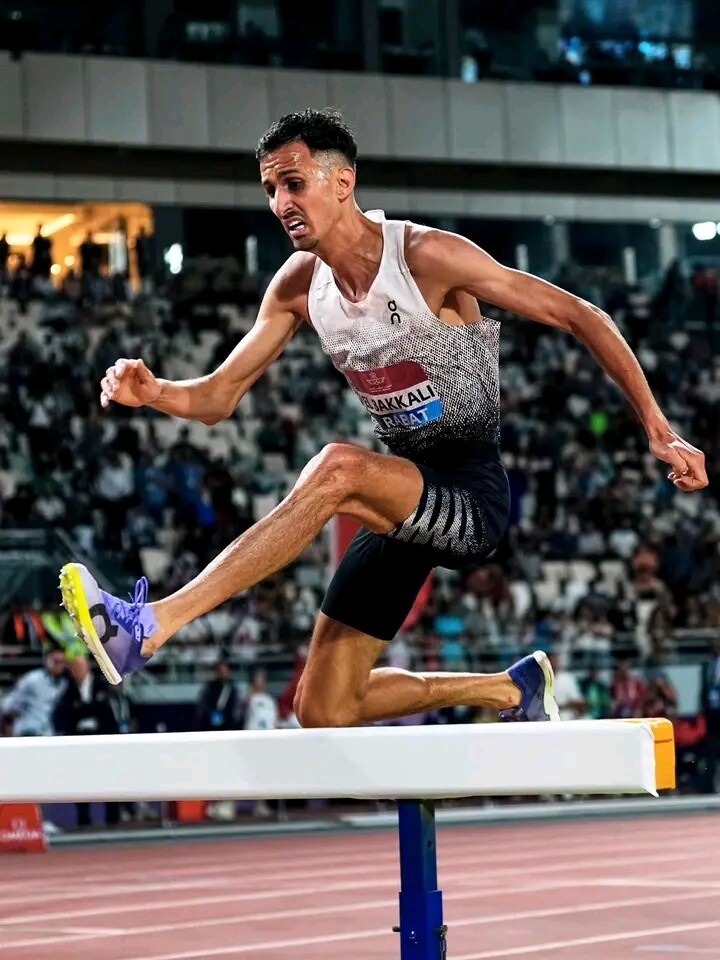
Germany's Frederik Ruppert delivered the performance of his career, producing a stunning 7:57.80 to finish second and obliterate the European record. Ruppert's breakthrough run not only established him as one of the continent's greatest steeplechasers but also marked his arrival as a genuine medal contender on the global stage.
The evening also belonged to Kenya's Simon Kiprop Koech, who achieved a major career milestone by joining the exclusive sub-eight-minute club. Koech clocked a remarkable personal best of 7:59.44, becoming one of the few athletes in history to break the barrier and confirming his growing status among the world's leading steeplechasers.
Fellow Kenyan Edmund Serem continued his impressive rise with another personal best, stopping the clock at 8:01.61. Although just outside the historic eight-minute mark, the performance highlighted his immense potential and further strengthened Kenya's depth in the discipline.
Behind the front quartet, several athletes also produced notable performances, underlining the exceptional quality of the race. The blistering pace pushed competitors to new limits and transformed the contest into one of the fastest steeplechase races ever witnessed.
With El Bakkali setting the world-leading mark, Ruppert rewriting the European record books, and Koech earning membership into one of athletics' most exclusive clubs, the race served as a powerful statement ahead of the championship season.
If this performance is any indication, the men's steeplechase is entering a new era—one where the eight-minute barrier is no longer an untouchable dream but a target increasingly within reach for the world's very best.
by Erick Cheruiyot for My Best Runs.
Login to leave a comment
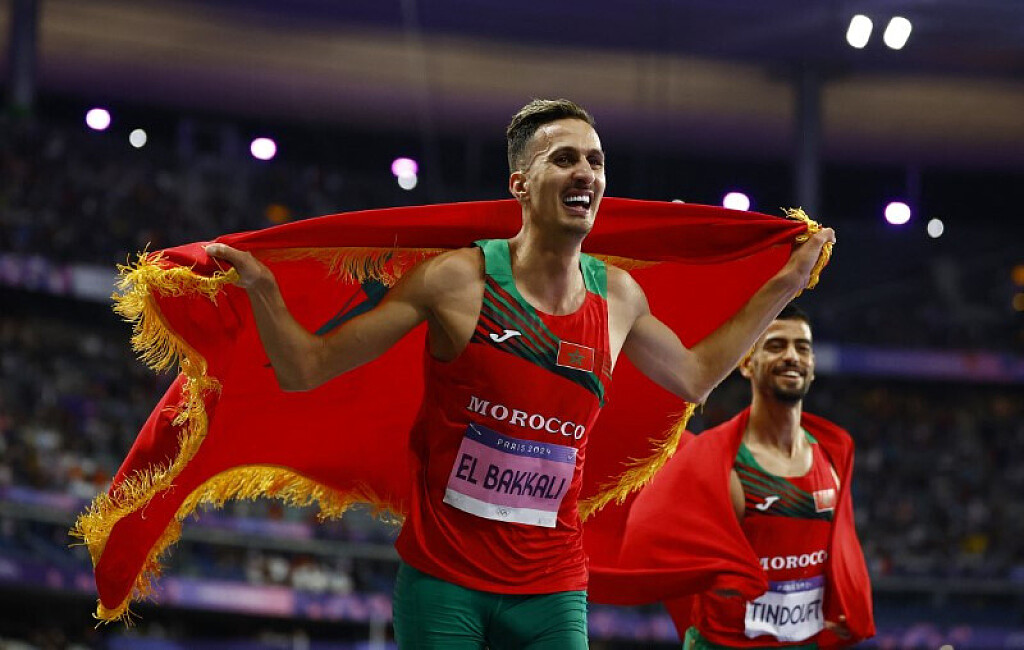
Soufiane El Bakkali Set to Ignite Rabat as Olympic Champion Returns to Home Soil
The spotlight of the athletics world will shine brightly on Morocco this weekend as hometown hero Soufiane El Bakkali prepares to headline a blockbuster men’s 3000m steeplechase at the Rabat Diamond League on May 31.
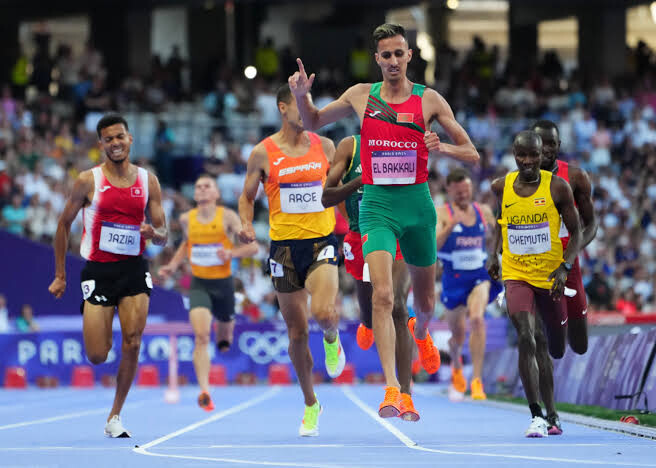
The double Olympic champion returns to familiar territory carrying the hopes of an entire nation, with thousands expected to pack the stadium in anticipation of another unforgettable performance from Morocco’s greatest distance-running star of his generation. Whenever El Bakkali races on home soil, the atmosphere transforms into something far beyond a regular Diamond League meeting — a celebration of national pride, excellence, and sporting passion.
After cementing his legacy on the global stage with Olympic glory and multiple world titles, El Bakkali now faces one of the strongest steeplechase fields assembled this season. The Moroccan ace will lead an elite international lineup featuring some of the most dangerous names in world distance running, setting the stage for a fiercely competitive showdown in Rabat.
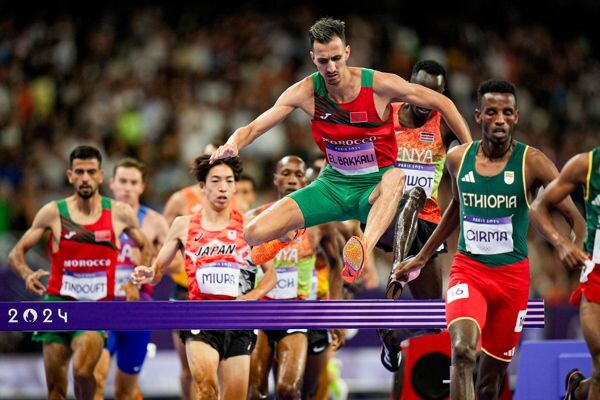
Among the top challengers is Ethiopia’s Samuel Firewu, whose aggressive racing style and finishing speed make him a serious contender over the barriers. Kenya will also arrive heavily represented with Olympic medalist Abraham Kibiwot, rising talent Edmund Serem, and the experienced Simon Kiprop Koech all chasing a major Diamond League victory.
The international depth continues with New Zealand star Geordie Beamish, Spain’s Daniel Arce, Germany’s Frederik Ruppert, France’s Djilali Bedrani and Alexis Miellet, Tunisia’s Mohamed Amin Jhinaoui, and American athlete Matthew Wilkinson. Morocco will also have additional home support through Salah Eddine Ben Yazide, adding even more local excitement to the event.
Despite the world-class opposition, the spotlight will remain firmly fixed on El Bakkali. The Moroccan icon has become synonymous with dominance in the steeplechase, ending years of Kenyan supremacy in the event and inspiring a new generation of North African athletes through his remarkable consistency on the biggest stages.
Rabat’s Diamond League meeting has steadily grown into one of the most electrifying stops on the international athletics calendar, and this year’s steeplechase could become one of the defining races of the season. With Olympic champions, global medalists, and emerging stars all sharing the same start line, fans can expect a tactical and high-intensity contest from the opening lap.
For Morocco, however, this race means more than points or rankings. It represents the return of a national hero whose achievements have elevated the country’s status in world athletics. As the crowd roars inside the stadium on Sunday, El Bakkali will once again carry the weight of expectation — and the energy of an entire nation behind him.
If history is any indication, Rabat may be about to witness another magical chapter in the remarkable career of Soufiane El Bakkali.
by Erick Cheruiyot for My Best Runs.
Login to leave a comment

Road to Beijing 2027: World Athletics Unveils Tougher Qualification System for Global Championships
The road to the 2027 World Athletics Championships in Beijing has officially begun — and earning a place on athletics’ biggest stage is about to become even more demanding.
World Athletics has now confirmed the qualification system and entry standards for the championships set for September 2027 in Beijing, China, introducing a major adjustment that could reshape the battle for global qualification across distance running and track events.

Under the newly announced structure, only around 40 percent of athletes will qualify automatically through direct entry standards, while the remaining 60 percent of places will be awarded via the World Athletics Rankings system. The change represents a clear shift away from the previous 50-50 balance used in recent championships.
The updated model places greater emphasis on consistency throughout the season rather than relying solely on one exceptional performance. Athletes will now need to compete regularly at high-level meetings, collect ranking points, and maintain elite performances across an extended qualification period.
For distance runners, the standards remain exceptionally demanding, highlighting the increasing depth and competitiveness of global athletics.

In the men’s marathon, athletes must run 2:06:00 or faster to secure an automatic qualification mark, while the women’s standard has been set at 2:23:20. The qualifying window for the marathon opened on November 3, 2025, and will close on Midnight May 2, 2027.
The men’s 10,000m standard has been fixed at 26:48.00, with the women required to run 30:40.00. In the 5000m, athletes must clock 12:50.00 for men and 14:36.00 for women to gain direct entry.
Middle-distance events will also demand world-class performances. The men’s 1500m standard stands at 3:30.00, while women must achieve 3:58.00. In the 800m, the entry standards are 1:43.00 for men and 1:57.50 for women.
Sprint events remain brutally competitive. Athletes targeting the men’s 100m must break 10 seconds with a qualifying standard of 9.95, while the women’s requirement has been set at 10.96. In the 200m, the standards stand at 20.07 for men and 22.45 for women.
The hurdles events also demand elite-level precision and speed, with qualifying marks of 13.18 in the men’s 110m hurdles and 12.60 in the women’s 100m hurdles.
Meanwhile, the 3000m steeplechase standards have been fixed at 8:08.00 for men and 9:06.50 for women — times that underline the growing global standard in one of athletics’ most physically demanding disciplines.
World Athletics says the revised qualification pathway is designed to create stronger, more competitive championship fields while maintaining strict control of athlete numbers across all disciplines.
Qualification windows for the 10,000m, race walks, combined events, and relays will run from February 23, 2026, through August 22, 2027. For all other track events, athletes can qualify between August 23, 2026, and August 22, 2027.
The new system is expected to intensify competition across the entire athletics calendar, with ranking points now becoming more valuable than ever before. Athletes will no longer depend solely on one breakthrough race; instead, sustained excellence across multiple competitions may prove decisive in securing a ticket to Beijing.
As preparations begin worldwide, the countdown to Beijing 2027 has already sparked anticipation for what could become one of the most fiercely contested World Championships in recent history.
by Erick Cheruiyot for My Best Runs.
Login to leave a comment

Ezekiel Kemboi at 44: The Enduring Legacy of a Steeplechase Legend
Few athletes have ever dominated the 3000m steeplechase with the brilliance, charisma and longevity of Ezekiel Kemboi. Born on May 25, 1982, in Matira, Kenya, Kemboi grew into one of the most iconic figures the event has ever produced, turning the steeplechase into both a spectacle and an art form.

Inspired by legendary Kenyan steeplechaser Moses Kiptanui and later mentored by Paul Ereng, the 1988 Olympic 800m champion, Kemboi developed the confidence and competitive mentality that would define his extraordinary career.
From the moment he emerged on the international stage, Kemboi brought a fearless approach to the barriers and water jumps. He raced with unmatched courage, often controlling championship finals with tactical intelligence and explosive finishing speed. His style made him one of the most difficult athletes to defeat under pressure.
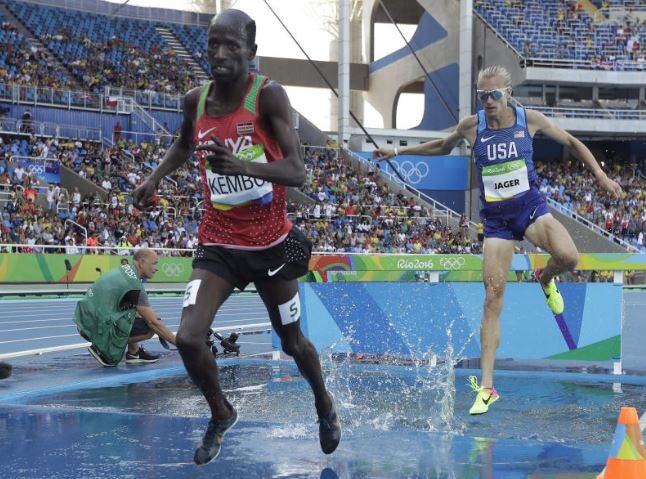
Kemboi became a two-time Olympic champion in the 3000m steeplechase, winning gold in Athens in 2004 before reclaiming the Olympic crown in London in 2012. His ability to remain at the top for nearly a decade separated him from many great champions before him.
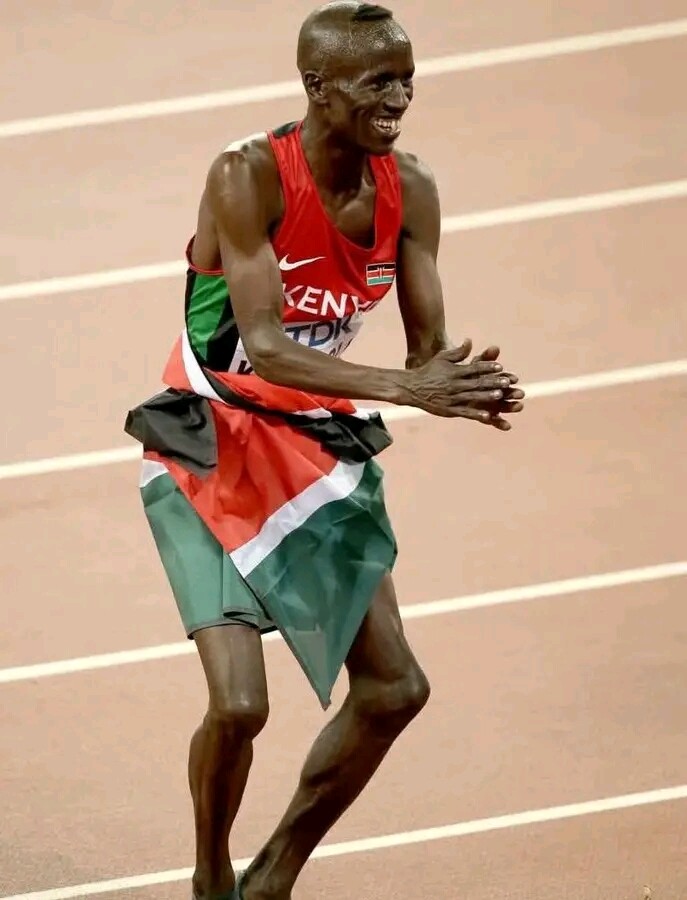
Even more impressive was his dominance at the World Championships, where he won four consecutive world titles in 2009, 2011, 2013 and 2015 — one of the greatest championship streaks in steeplechase history.
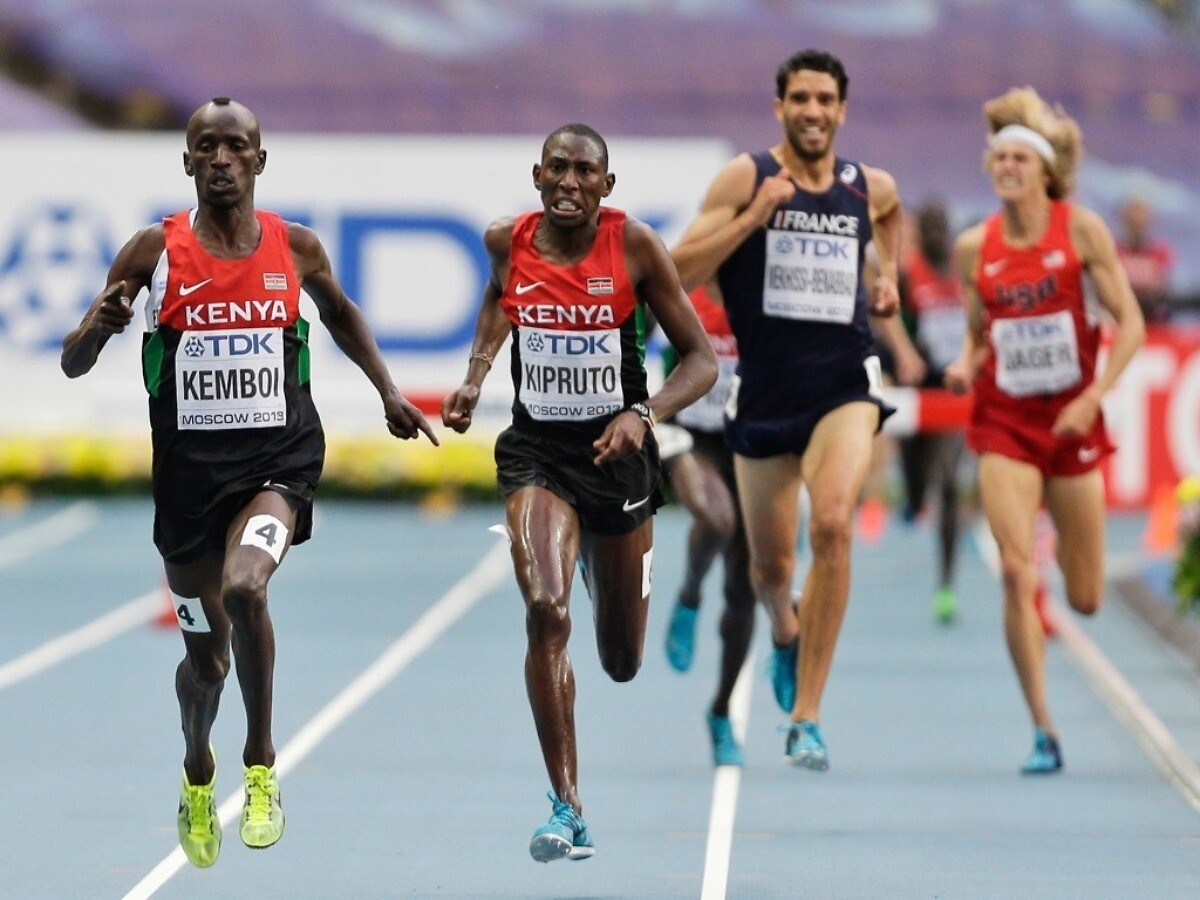
Throughout his remarkable journey, Kemboi collected an astonishing 15 major championship medals:
7 gold medals
6 silver medals
2 bronze medals
He collected those medals across the Olympic Games, World Championships, African Championships and Commonwealth Games, consistently proving himself against the very best athletes in the world. His ability to deliver year after year at the highest level highlighted not only his remarkable talent, but also his resilience, longevity and championship mentality.
Beyond the medals, Kemboi became famous for bringing excitement and personality to the event. His unforgettable finish-line dances became iconic moments in athletics, turning victories into celebrations that fans across the world eagerly anticipated. He showed that a champion could dominate fiercely while still expressing joy and individuality.
Kemboi’s brilliance was also reflected in his incredible speed. His personal best of 7:55.76, set in Monaco in 2011, places him among the fastest steeplechasers in history and remains one of the standout performances ever recorded in the event.
For many young athletes, especially in Kenya, Ezekiel Kemboi’s story continues to serve as a powerful source of inspiration. From a small village in Kenya to Olympic and world glory, he proved that discipline, belief and fearlessness can elevate an athlete to legendary status.
Today, his legacy stands far beyond medals and records. Ezekiel Kemboi transformed steeplechase into a global spectacle and inspired an entire generation to dream bigger every time they approach the barriers.
by Erick Cheruiyot for My Best Runs.
Login to leave a comment
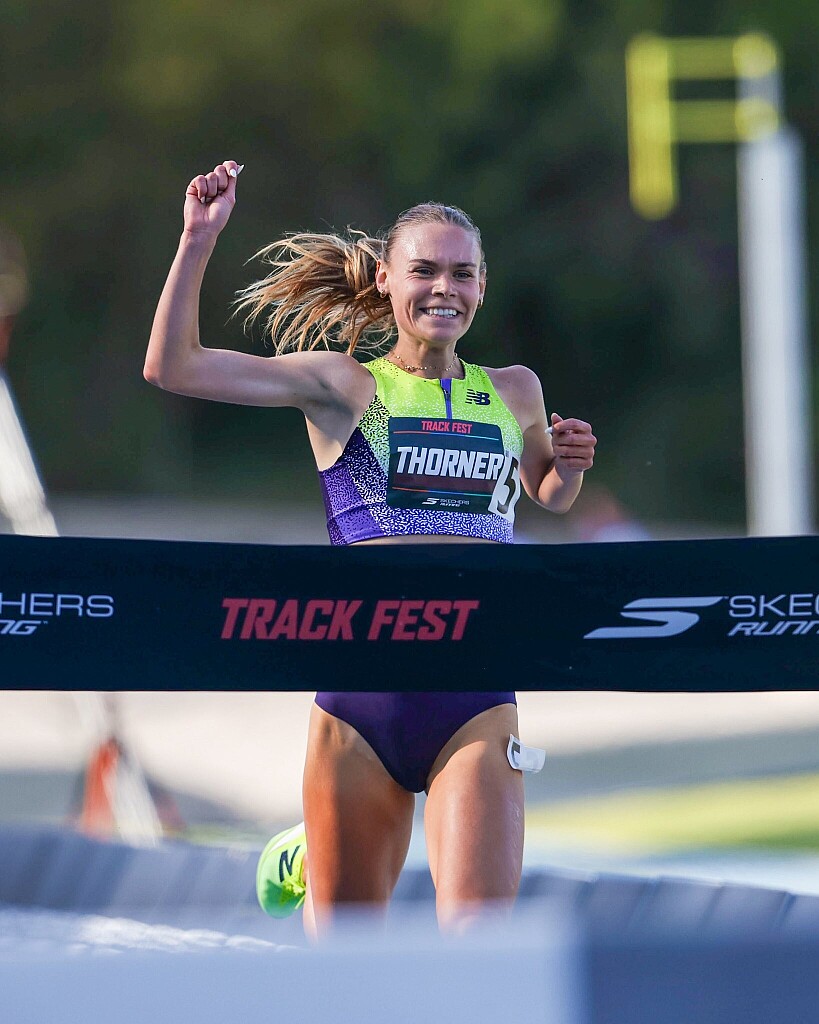
Elise Thorner Announces Herself Among Britain’s Steeplechase Elite with Brilliant Los Angeles Victory
Elise Thorner delivered the race of her career in Los Angeles, producing a stunning breakthrough performance in the women’s 3000m steeplechase at the Sound Running Track Festival.
The British distance runner stormed to victory in a massive personal best of 9:07.39, completely dominating the field and crossing the finish line an astonishing 14 seconds clear of her nearest rival. It was not only the biggest win of her season so far, but also a statement performance that firmly places her among the finest steeplechasers Britain has produced.
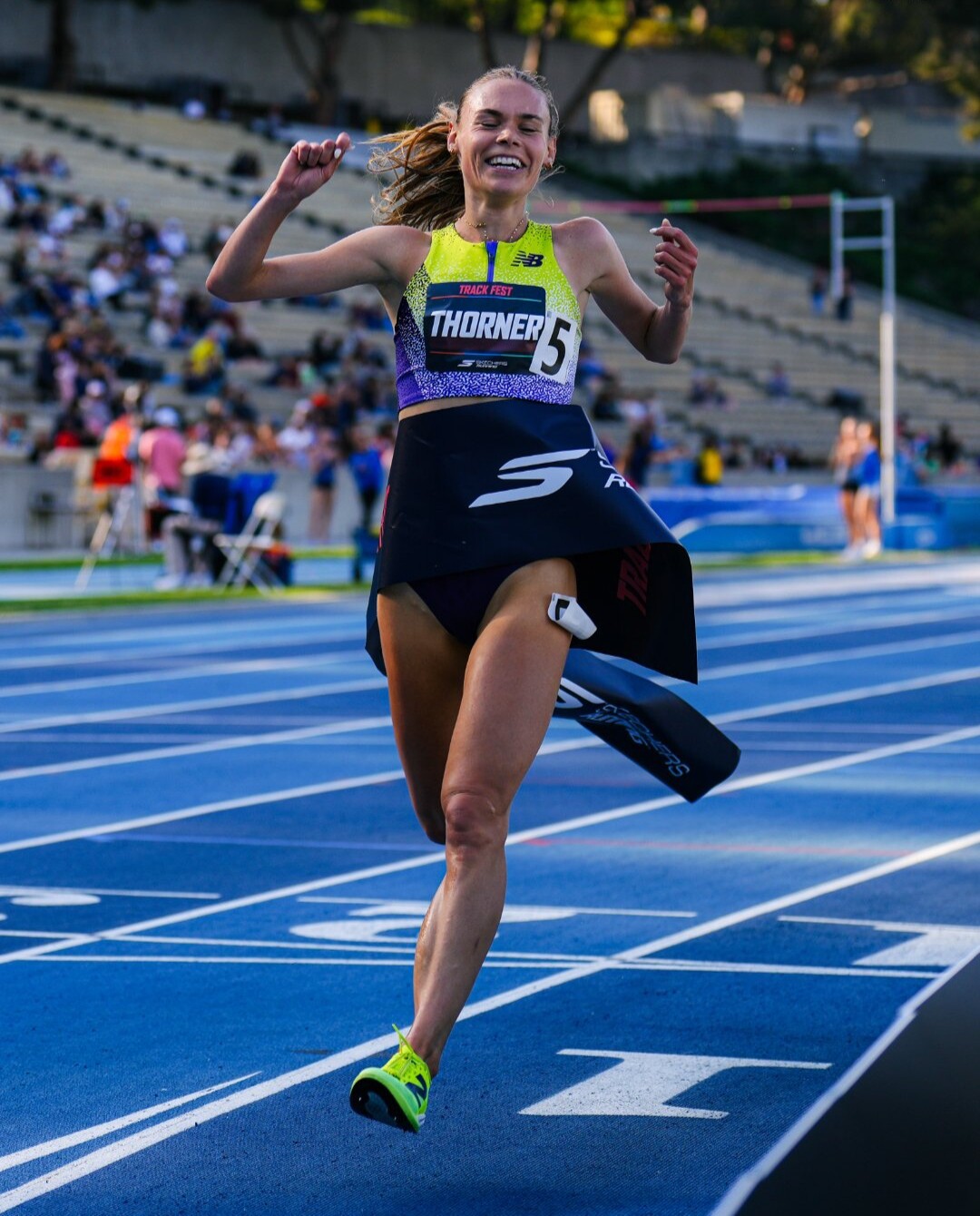
Under the California evening sky, Thorner looked composed and fearless from the opening laps. She attacked the barriers with confidence, maintained a relentless rhythm throughout the race and gradually pulled further and further away from the chasing pack. By the closing stages, the contest had turned into a solo run to the line as she powered home to one of the fastest times ever recorded by a British woman in the event.
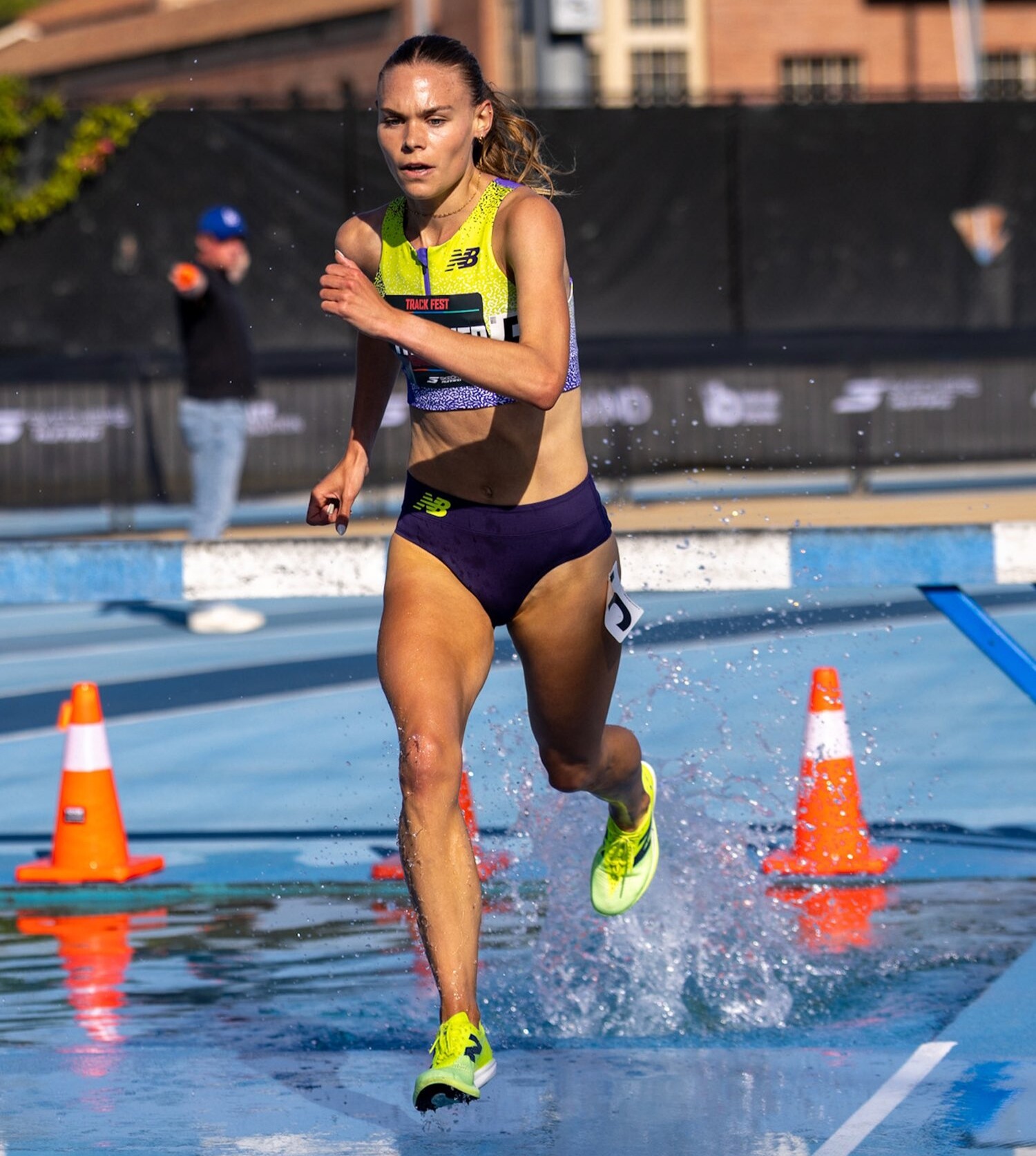
Her remarkable run now moves her to second on the British all-time list, behind only Lizzie Bird’s national record of 9:04.25. More significantly, Thorner and Bird remain the only British women in history to break the prestigious 9:10 barrier in the 3000m steeplechase — a reflection of just how exceptional the performance was.
The improvement also highlights the rapid rise of the talented Briton, who continues to make giant strides on the international stage. Cutting several seconds from an already impressive personal best is no small achievement at elite level, yet Thorner made it look effortless with a performance full of maturity, strength and tactical intelligence.
With the summer season still gathering momentum, attention will now shift toward the British record. On current form, Bird’s long-standing mark suddenly looks vulnerable, and Thorner appears to be developing into a genuine contender for major championship success.
For now, Los Angeles belongs to Elise Thorner — an evening where talent, confidence and preparation came together perfectly to produce a career-defining performance.
by Erick Cheruiyot for My Best Runs.
Login to leave a comment
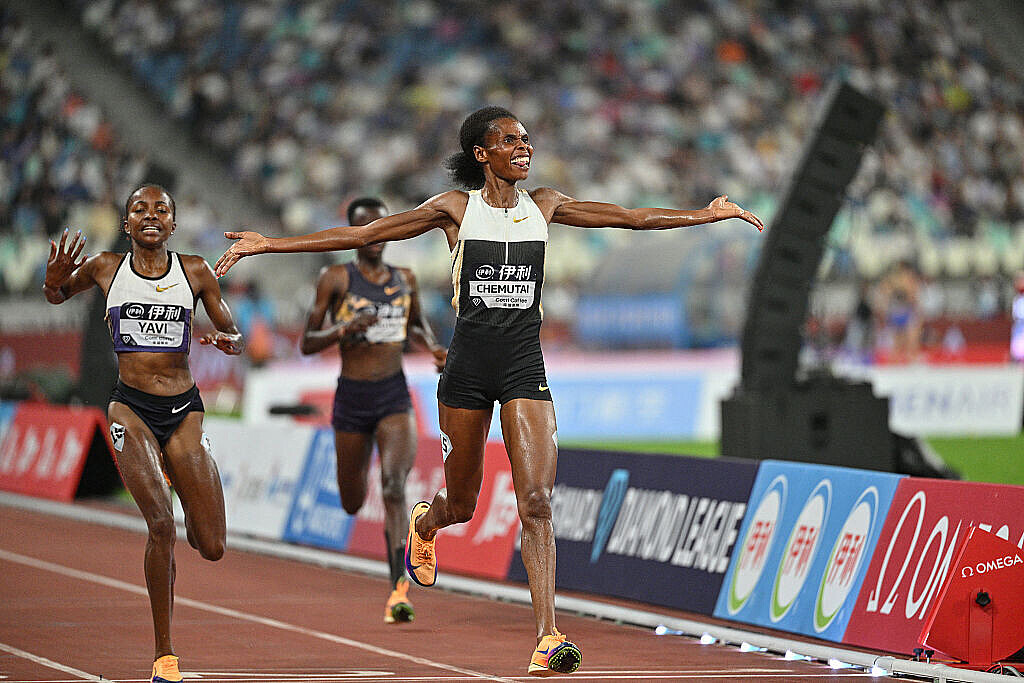
Chemutai Completes Diamond League Double with Stunning Xiamen Masterclass
Ugandan star Peruth Chemutai continued her brilliant start to the season with another world-class display, storming to victory in the women’s 3000m steeplechase at the Xiamen Diamond League in a world-leading 8:51.06.
The triumph completed a remarkable early-season Diamond League double for Chemutai, who had already opened her campaign with victory in Keqiao. Carrying that momentum into Xiamen, the Olympic champion once again proved why she remains one of the most formidable athletes in global distance running.
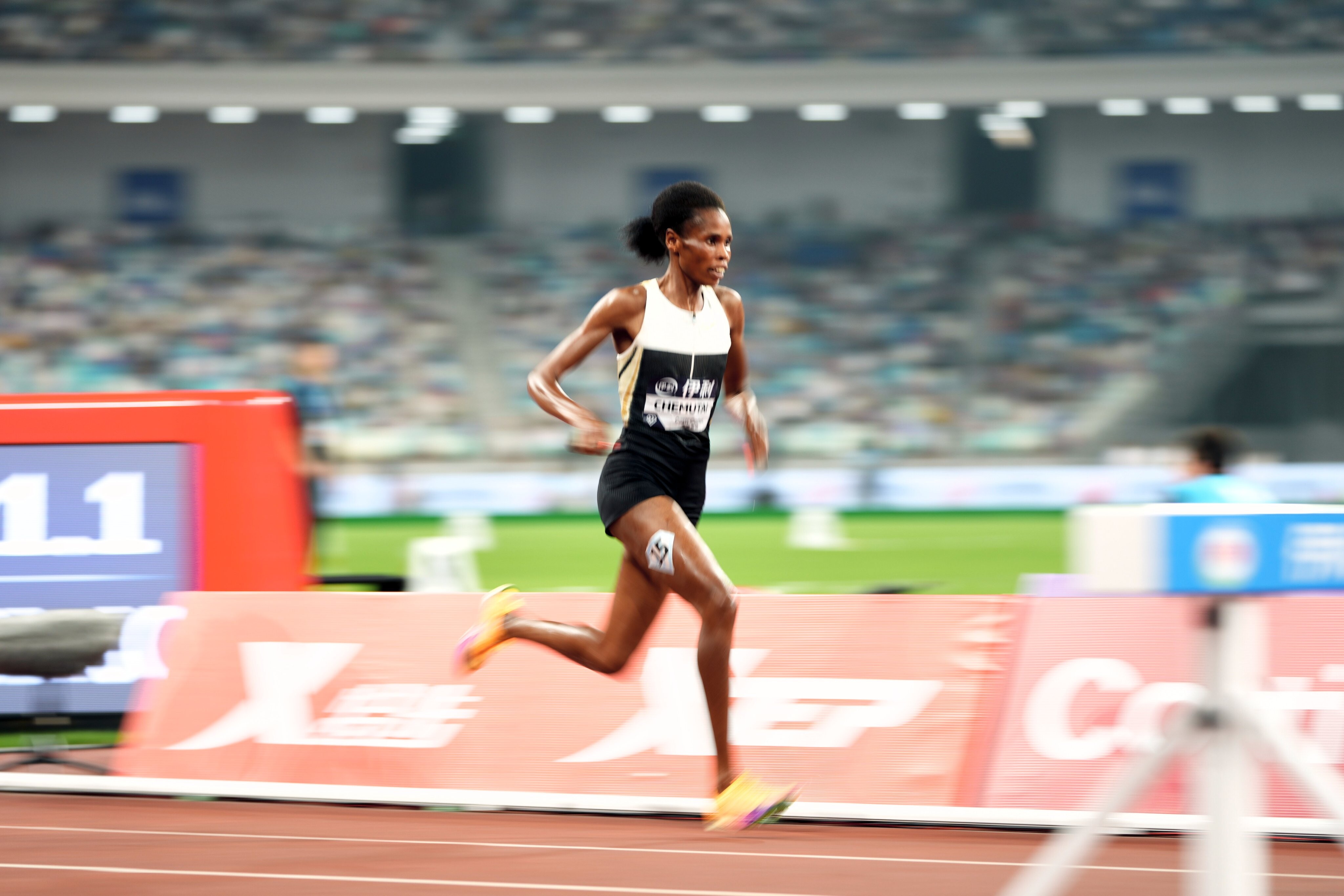
Against an elite field featuring the last two global champions, Chemutai delivered a composed and commanding performance from start to finish. She timed her race perfectly, maintaining relentless rhythm over the barriers before unleashing a decisive finishing surge that none of her rivals could match.
Bahrain’s Winfred Yavi, the reigning world champion, pushed hard throughout the contest and crossed second in 8:51.54, while Kenya’s Faith Cherotich finished third in 8:52.53 after another impressive run on the international stage.
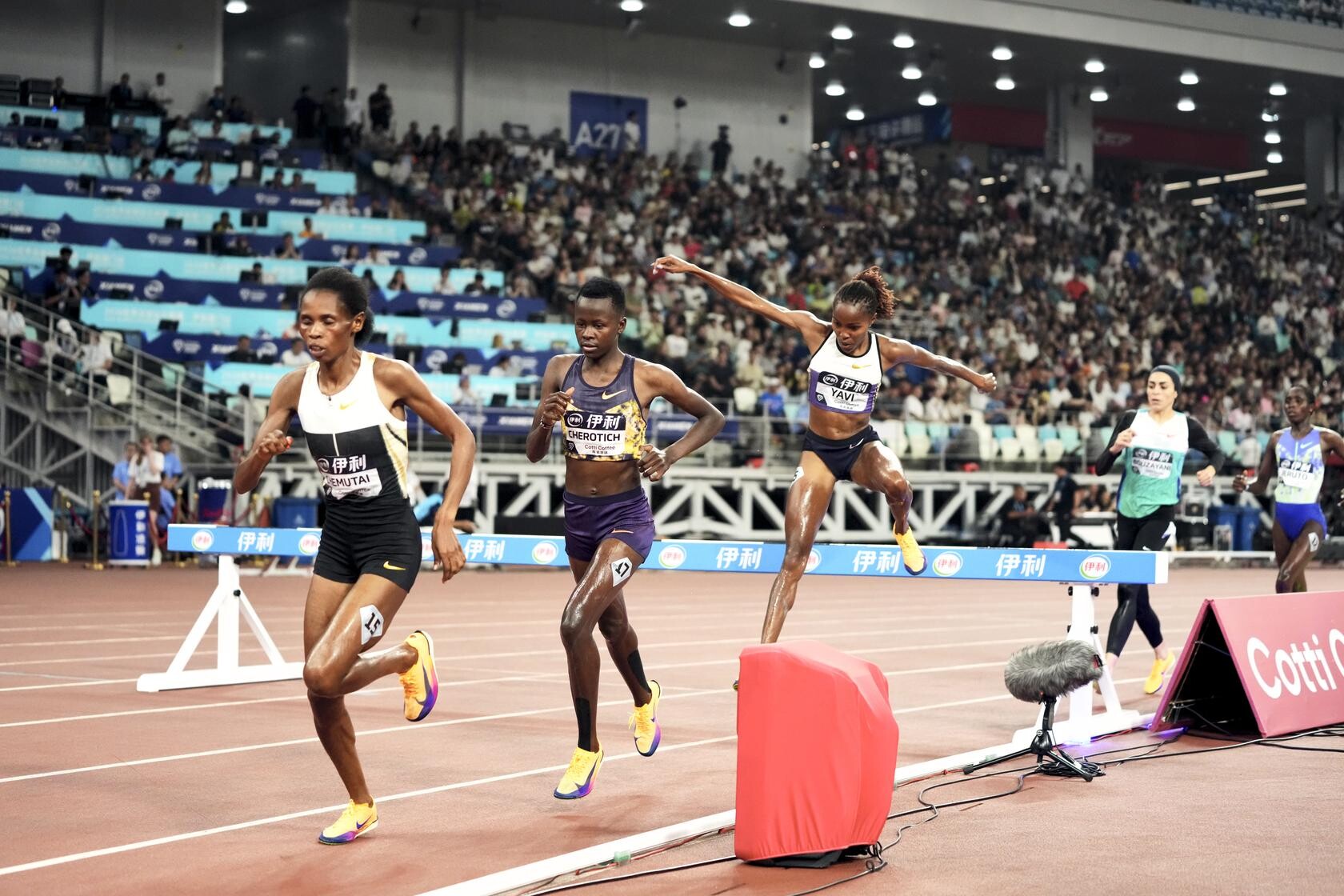
The quality of the race underlined just how exceptional Chemutai’s performance truly was. Beating both of the sport’s most recent global champions in one of the fastest races ever run this early in the season sent a powerful message to the rest of the athletics world.
From the opening laps, the pace was aggressive and unforgiving, yet Chemutai looked completely in control. Her barrier technique remained smooth and efficient, while her strength over the final kilometer separated her from the field in spectacular fashion. By the final water jump, the Ugandan had already stamped her authority on the race.
Beyond the fast time and the meeting record, the victory symbolised something even bigger — consistency at the very highest level. After battling difficult moments in recent seasons, Chemutai now appears sharper, stronger and more confident than ever.
Her back-to-back Diamond League victories have instantly established her as one of the standout athletes of the season, and with the major championships approaching, the Ugandan star looks ready to challenge for even greater glory.
In Xiamen, the women’s steeplechase once again showcased extraordinary global depth. But on a night filled with champions, it was Peruth Chemutai who stood tallest.
by Erick Cheruiyot for My Best Runs.
Login to leave a comment
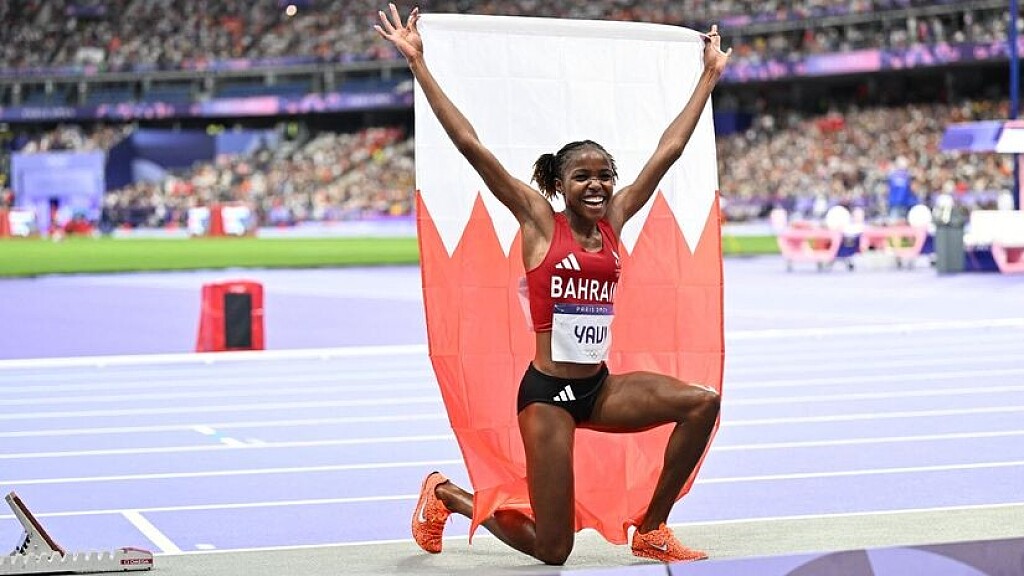
Yavi Returns as Cherotich and Chemutai Renew Fierce Rivalry in Xiamen
The women’s 3000m steeplechase is rapidly developing into one of the fiercest rivalries in global athletics, and another thrilling chapter is expected to unfold at the Xiamen Diamond League on May 23 in China.
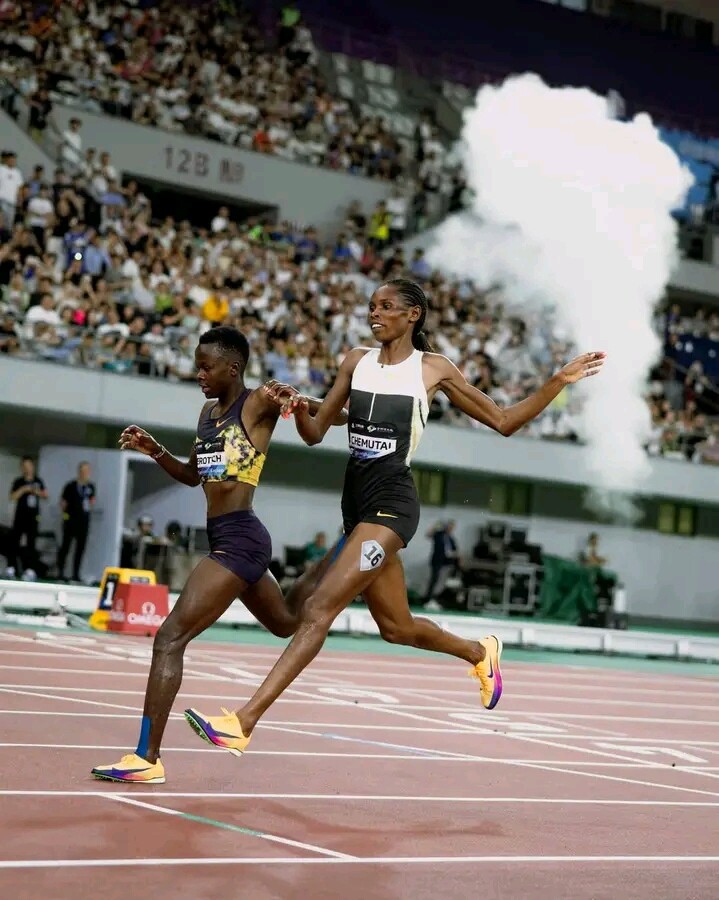
Fresh from a breathtaking contest in Shanghai, where Uganda’s Peruth Chemutai clocked a world-leading 8:51.47 to narrowly defeat Kenya’s Faith Cherotich, attention has now shifted to Xiamen for what promises to be another unforgettable showdown. Chemutai arrives carrying momentum and confidence after delivering one of the fastest performances of the season, while Cherotich heads into the race eager to respond and reclaim control of the rivalry.
But the battle is no longer just between two athletes.
Standing firmly in their path is reigning Olympic champion Winfred Yavi of Bahrain — a runner whose presence instantly transforms the intensity of any race she enters. Yavi has established herself as the benchmark in the women’s steeplechase, consistently forcing the pace and pushing the field into world-class territory. Whenever she lines up, the margin for error disappears.
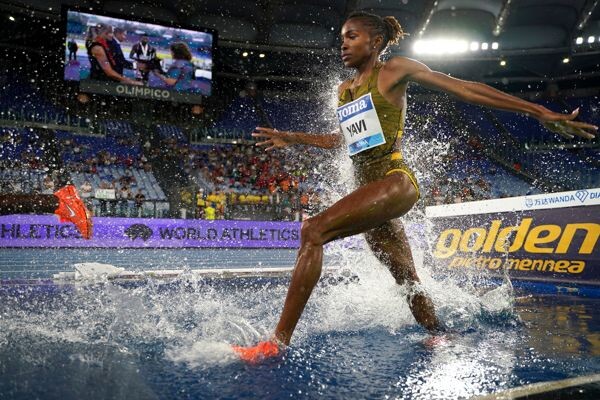
Her arrival in Xiamen adds another layer of intrigue to an already stacked contest. Known for her relentless front-running style and exceptional strength over the barriers, Yavi remains one of the most feared competitors in the discipline. With Chemutai coming off a statement victory and Cherotich determined to answer back, the stage is perfectly set for a high-stakes clash between three of the event’s biggest stars.
Cherotich, still among the brightest young talents in distance running, has built her reputation through fearless racing and explosive finishing speed. The Kenyan star will be chasing more than revenge in Xiamen — she will also be aiming to prove she can rise above the strongest field in women’s steeplechase today.
Chemutai, meanwhile, looks sharper and more dangerous with every race. The Ugandan Olympic champion appears to have rediscovered her peak form, and her recent performances suggest she is ready to dominate the Diamond League circuit this season.
With three elite athletes carrying different motivations into the same race, the women’s steeplechase in Xiamen is shaping up to be one of the standout moments of the Diamond League calendar. The pace is expected to be aggressive from the opening laps, and another world-class performance could be on the horizon.
As anticipation continues to build, one question now captures the attention of athletics fans worldwide: who will conquer Xiamen when the barriers clear and the final lap begins?
by Erick Cheruiyot for My Best Runs.
Login to leave a comment
Star-Studded Women’s Steeplechase Showdown Set for Xiamen Diamond League
The women’s 3000m steeplechase at the upcoming Xiamen Diamond League is shaping up to be one of the most fiercely contested distance races of the season, with Olympic champions, world medallists, and emerging young stars all set to collide on 23 May.
Leading the spotlight is Bahrain’s Winfred Yavi, one of the most dominant figures in global steeplechase running. Renowned for her fearless front-running and devastating finishing speed, Yavi enters the race as a major favourite in what promises to be a high-tempo contest from the gun.
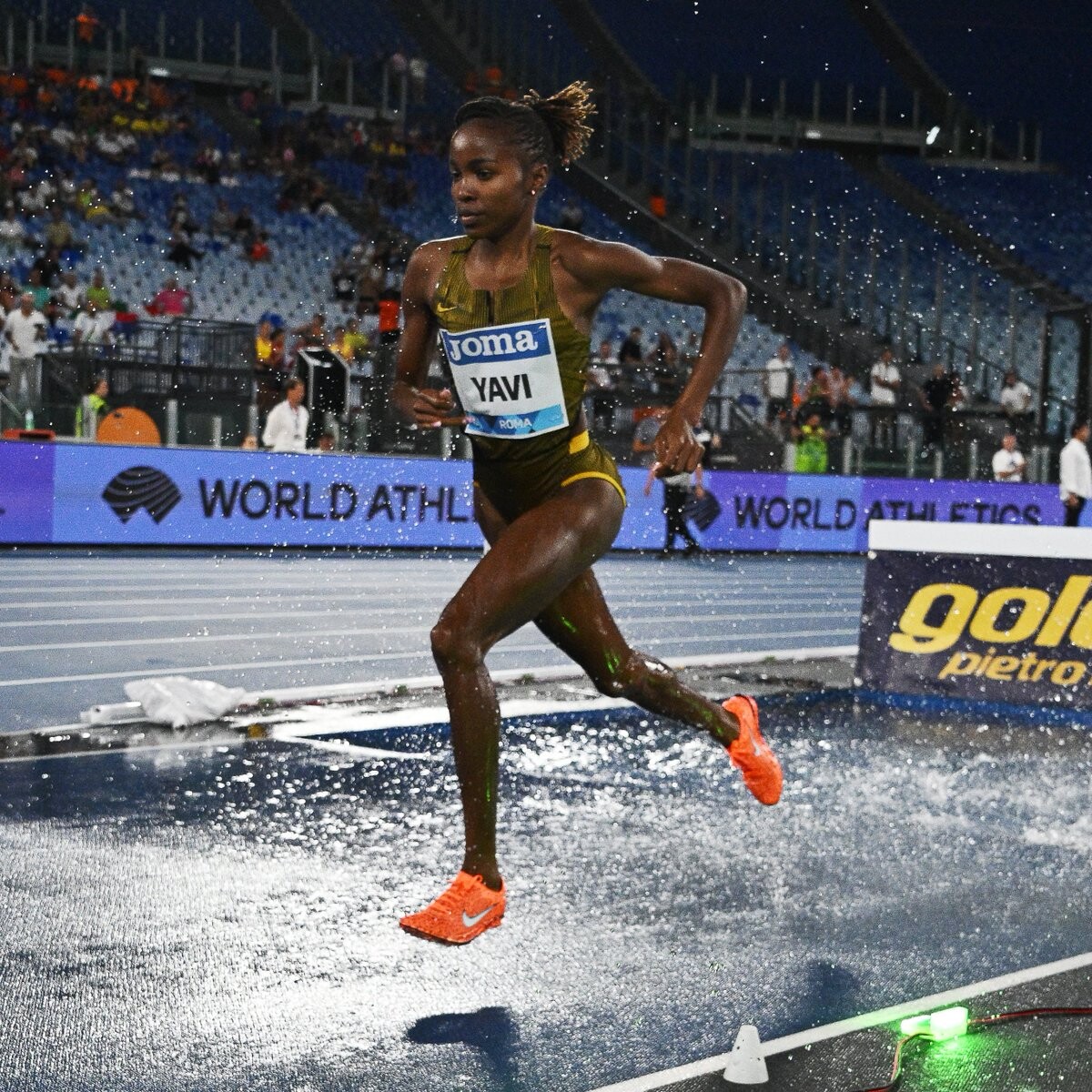
However, Kenya’s teenage sensation Faith Cherotich will be eager to continue her rapid rise on the international stage. The gifted Kenyan has already established herself among the world’s elite despite her young age, and Xiamen offers another golden opportunity to test herself against the very best in the discipline.
Olympic champion Peruth Chemutai of Uganda also headlines the loaded field. Chemutai’s tactical brilliance and championship experience make her one of the most dangerous competitors in any major race, especially in championship-style battles where positioning and patience become decisive.
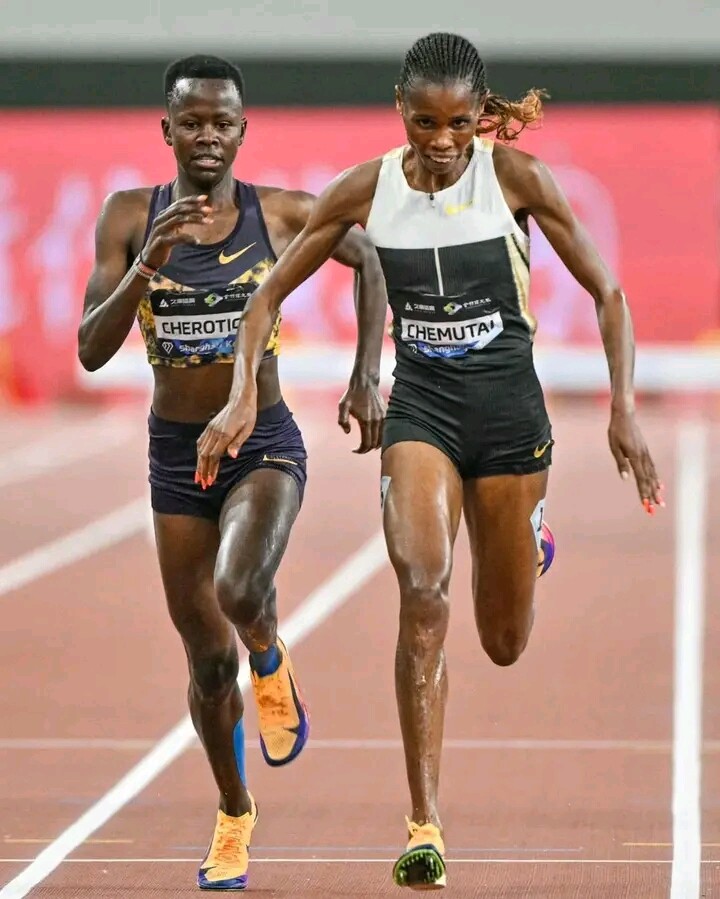
France’s Alice Finot, who has enjoyed a remarkable resurgence in recent seasons, adds further quality to the lineup alongside Tunisia’s Marwa Bouzayani and Kazakhstan’s Norah Jeruto, the former world champion whose return to the top level continues to attract significant attention.
The Ethiopian contingent arrives with impressive depth through Wosane Asefa, Firehiwot Gesese, Kena Tufa, and Alemnat Walle, while the United States fields a strong squad featuring Lexy Halladay, Olivia Markezich, Courtney Wayment, Kaylee Mitchell, and Angelina Ellis.
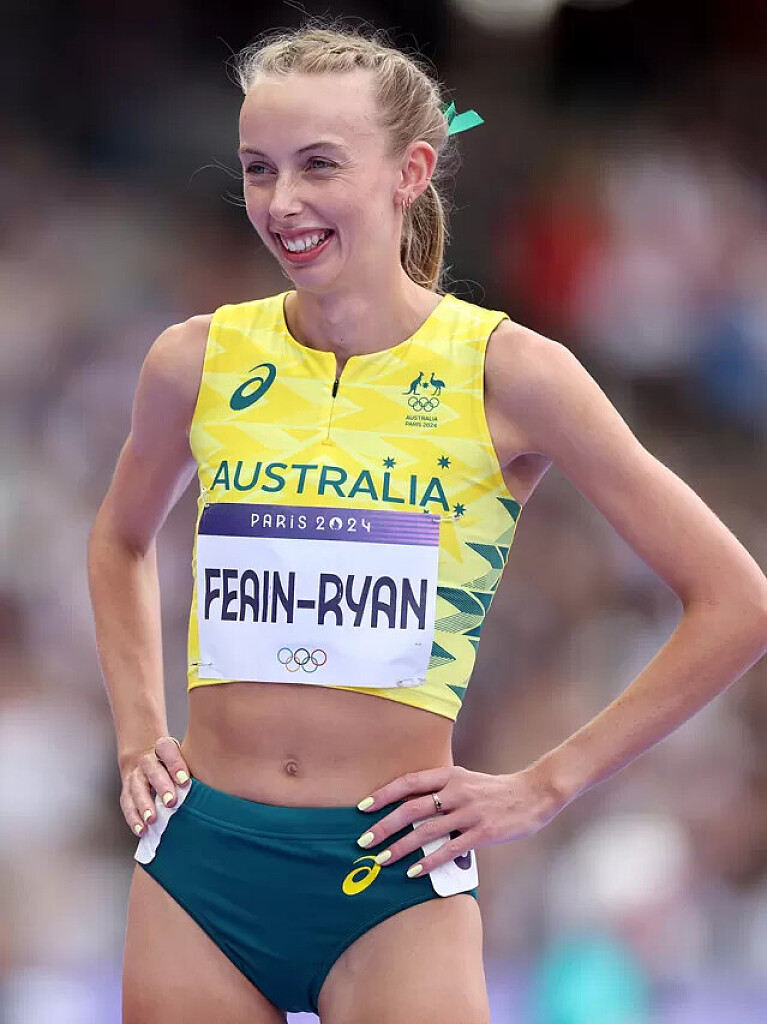
The race also features several exciting European names, including Dutch athlete Veerle Bakker, Germany’s Olivia Gürth, Australia’s Cara Feain-Ryan, Israel’s Adva Cohen, and China’s home representative Luo Xia, who will undoubtedly enjoy strong local support.
With such extraordinary depth assembled, the women’s steeplechase in Xiamen is expected to produce one of the fastest and most dramatic races of the Diamond League season. From seasoned global champions to fearless young challengers, the event promises relentless pace, tactical battles over the barriers, and a thrilling fight for supremacy on Chinese soil.
All eyes will now turn to Xiamen as the world’s finest steeplechasers prepare to launch another unforgettable chapter in one of athletics’ most demanding events.
by Erick Cheruiyot for My Best Runs.
Login to leave a comment
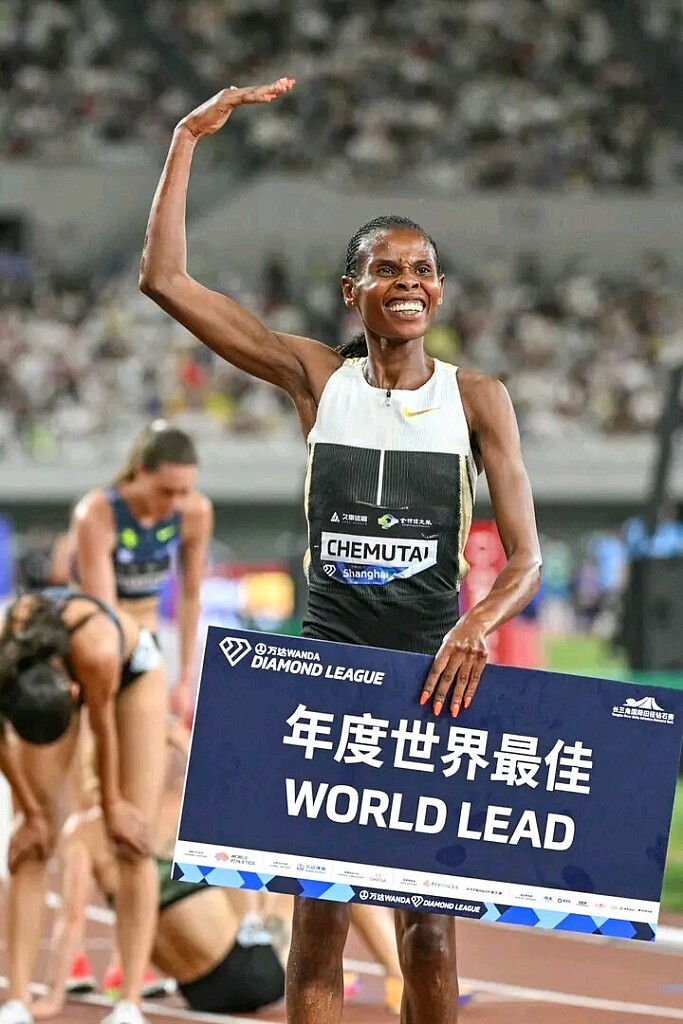
Peruth Chemutai Edges Faith Cherotich in Thrilling Shanghai Steeplechase Showdown
The women’s 3000m steeplechase at the Shanghai Diamond League delivered one of the most dramatic distance races of the season as Uganda’s Peruth Chemutai produced a world-leading performance to narrowly deny Kenya’s Faith Cherotich in a breathtaking sprint finish.
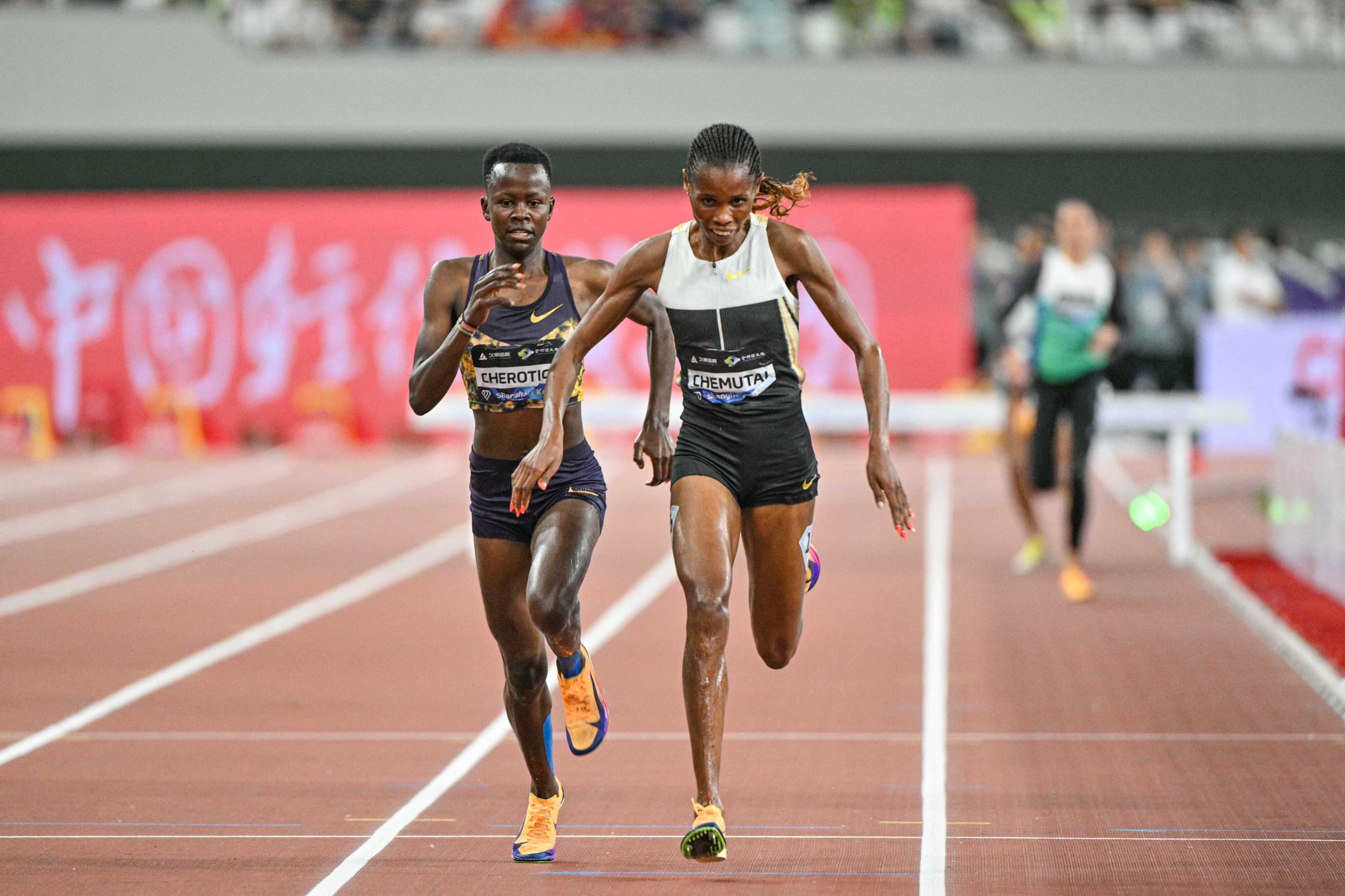
Chemutai stormed to victory in 8:51.47, smashing the meeting record and posting the fastest time in the world this year. But the Olympic champion was pushed to the absolute limit by the fearless teenage Kenyan sensation Cherotich, who crossed the line just one hundredth of a second later in 8:51.48 for a season’s best performance.
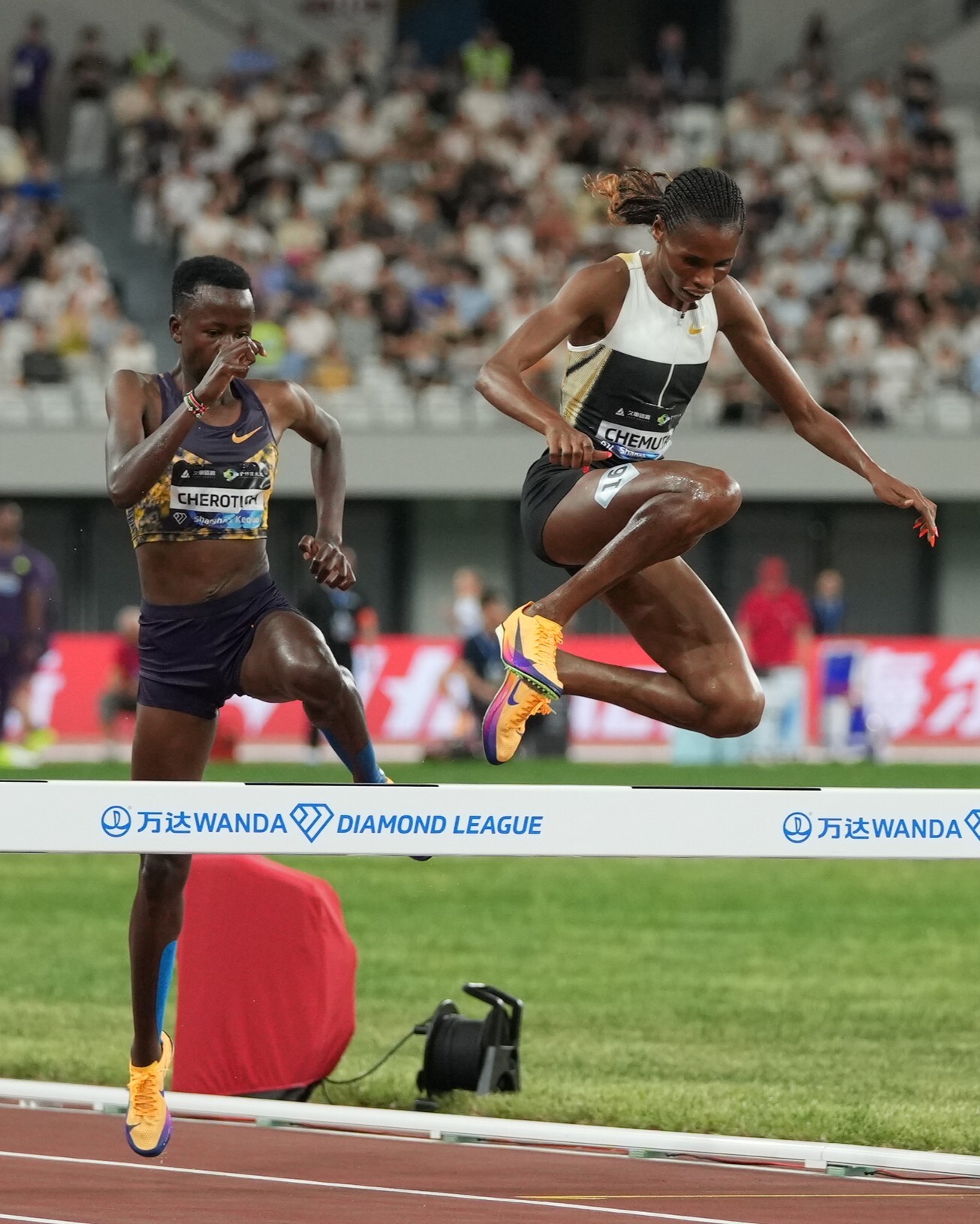
From the opening laps, the pace was aggressive and relentless. The leading pack quickly separated itself from the field, with Chemutai and Cherotich exchanging control throughout the race while maintaining metronomic rhythm over the barriers and water jumps. As the bell rang for the final lap, the stadium atmosphere intensified with both athletes refusing to yield.
Cherotich launched a powerful challenge over the closing stages and looked capable of pulling off a major victory, but Chemutai found one final surge in the home straight to clinch the win in one of the closest finishes seen on the Diamond League circuit this season.
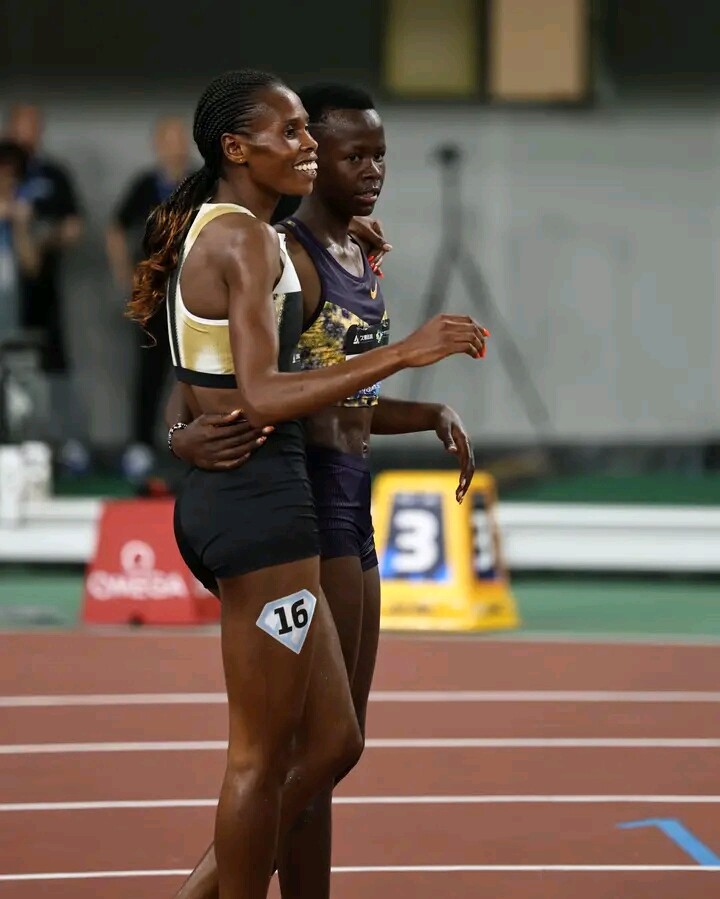
Behind the leading duo, Tunisia’s Marwa Bouzayani delivered a historic run to finish third in 8:58.09, setting a new national record and becoming the first Tunisian woman to break the nine-minute barrier in the event. Ethiopia’s Kena Tufa also impressed with a personal best of 8:59.66 to place fourth, while compatriot Alemnat Walle clocked a season’s best 9:10.05 for fifth.
Representing Kazakhstan, former world champion Norah Jeruto continued her return to top-level competition with a season’s best 9:10.90 to secure sixth place.
The race confirmed that the women’s steeplechase is entering another golden era, with established champions and rising stars pushing each other to extraordinary levels. For Kenya, Cherotich’s performance was another strong reminder that the country’s future in the event remains exceptionally bright despite missing victory by the narrowest possible margin.
Women’s 3000m Steeplechase Results — Shanghai Diamond League
1. Peruth Chemutai (Uganda) – 8:51.47 (MR, WL)
2. Faith Cherotich (Kenya) – 8:51.48 (SB)
3. Marwa Bouzayani (Tunisia) – 8:58.09 (NR)
4. Kena Tufa (Ethiopia) – 8:59.66 (PB)
5. Alemnat Walle (Ethiopia) – 9:10.05 (SB)
6. Norah Jeruto (Kazakhstan) – 9:10.90 (SB)
7. Parul Chaudhary (India) – 9:12.84 (SB)
8. Lexy Halladay (USA) – 9:13.99 (SB)
9. Angelina Ellis (USA) – 9:20.53 (PB)
10. Cara Feain-Ryan (Australia) – 9:21.35 (PB)
11. Olivia Markezich (USA) – 9:22.15 (SB)
12. Kaylee Mitchell (USA) – 9:24.26 (SB)
13. Firehiwot Gesese (Ethiopia) – 9:25.13 (PB)
Peruth Chemutai’s stunning victory in Shanghai was more than just another Diamond League win — it was a powerful statement to the rest of the world that she remains one of the greatest forces in women’s steeplechase. Clocking a world-leading and meeting record performance under immense pressure, the Ugandan star once again showcased her extraordinary composure, strength, and championship mentality. In a race filled with elite talent and relentless pace, Chemutai proved that true champions rise when the stakes are highest, further cementing her place among the finest steeplechasers of her generation.
by Erick Cheruiyot for My Best Runs.
Login to leave a comment
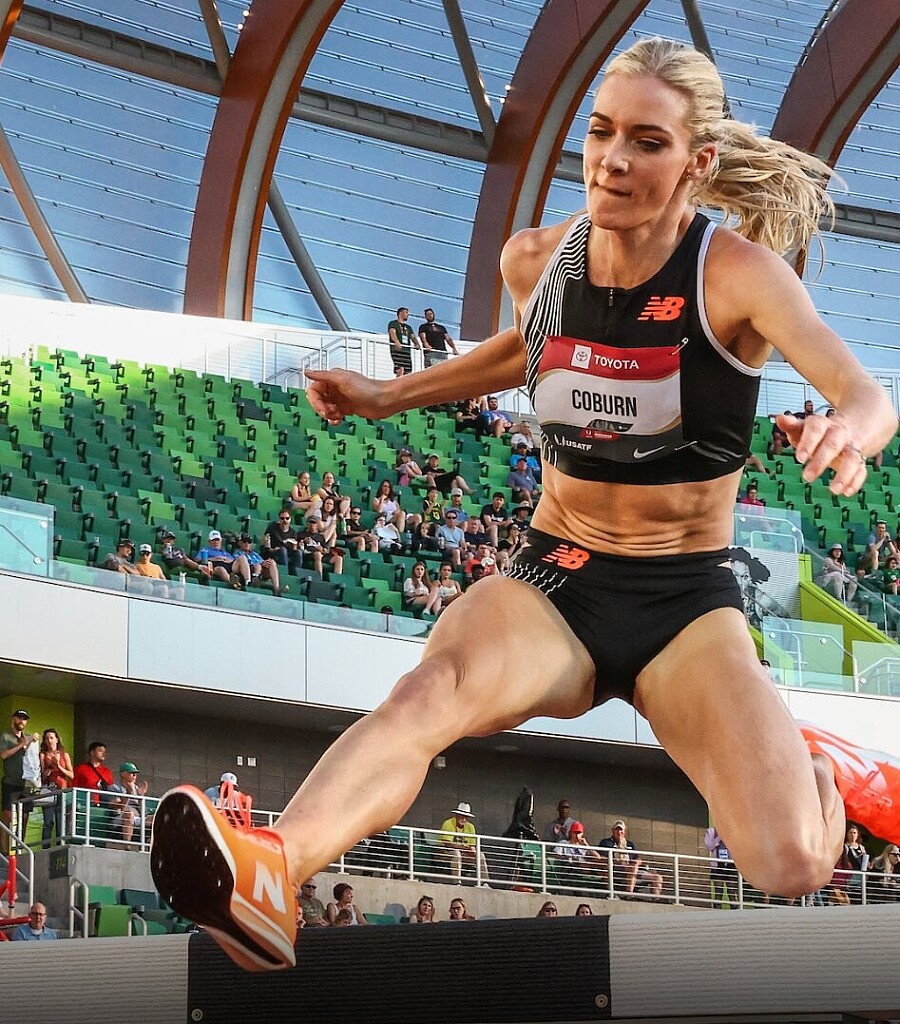
Emma Coburn Set For Emotional Return To The Steeplechase In 2026
After nearly two years away from her signature event, Emma Coburn is finally preparing for a long-awaited return to the steeplechase, marking one of the most anticipated comeback stories of the 2026 athletics season.
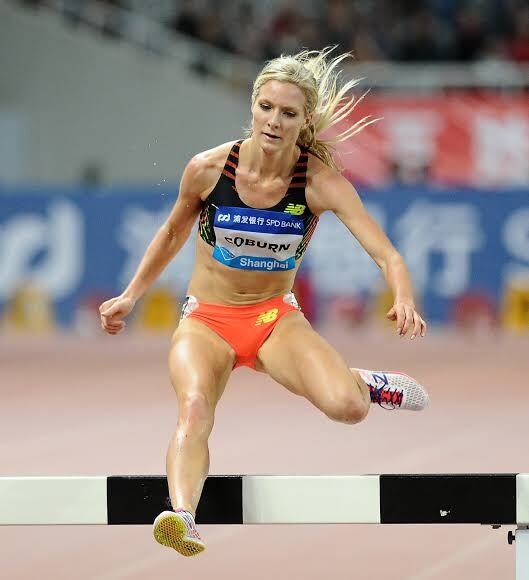
The American distance star is expected to compete in the women’s 3000m steeplechase at Sound Running’s Track Fest, which would officially be her first steeplechase appearance since suffering a devastating ankle injury at the Shanghai Diamond League meeting in April 2024.
Coburn’s injury abruptly halted a career that has long been defined by consistency, resilience, and championship-level performances on the global stage. The former world champion and Olympic medalist endured a lengthy rehabilitation process after breaking her ankle in Shanghai, forcing her away from competition and raising uncertainty about when she would return to full fitness.
Now, signs point toward a fresh chapter.
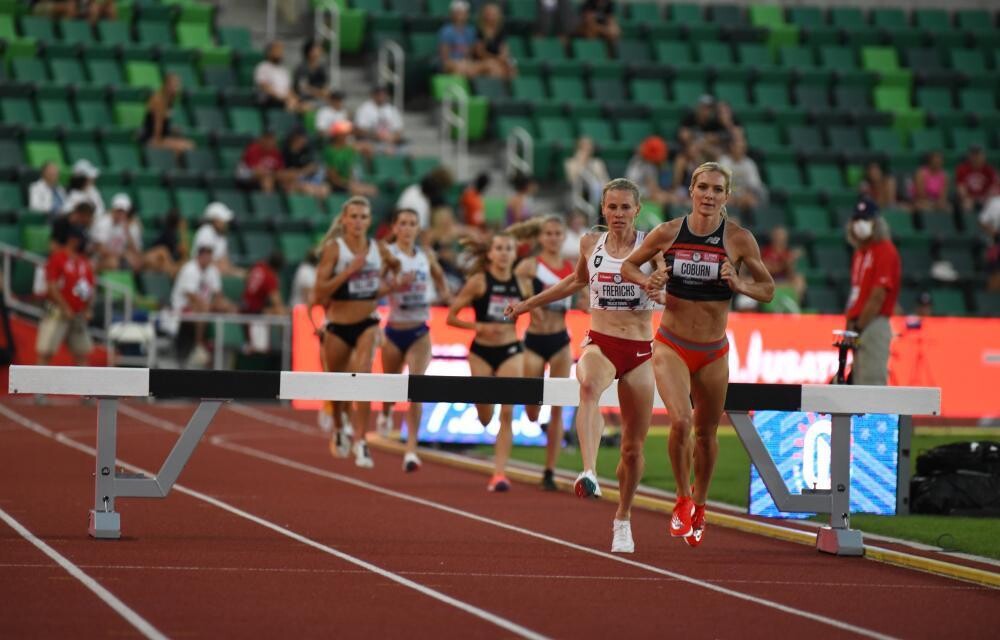
Her entry into Track Fest has generated excitement across the athletics world, with fans eager to see one of the sport’s most recognizable steeplechasers back on the track. The race is also expected to mark Coburn’s first competition of any kind in over a year, having last appeared at the New Balance Indoor Grand Prix in 2025.
The timing could not be more symbolic. As the 2026 season continues to deliver remarkable comeback stories across athletics, Coburn’s return adds another emotional layer to a year already filled with redemption narratives.
Beyond the results, her comeback represents perseverance through one of the most difficult periods of her career. Injuries of that magnitude can end careers or permanently alter an athlete’s trajectory, yet Coburn has remained determined throughout her recovery journey.
Track Fest will not simply be about times or finishing positions. It will be about the return of a proven competitor whose presence has shaped women’s steeplechase for more than a decade.
If all goes according to plan, the starting line in Los Angeles will mark the beginning of Emma Coburn’s next chapter — one built on resilience, patience, and the hunger to compete once again at the highest level.
by Erick Cheruiyot for My Best Runs.
Login to leave a comment
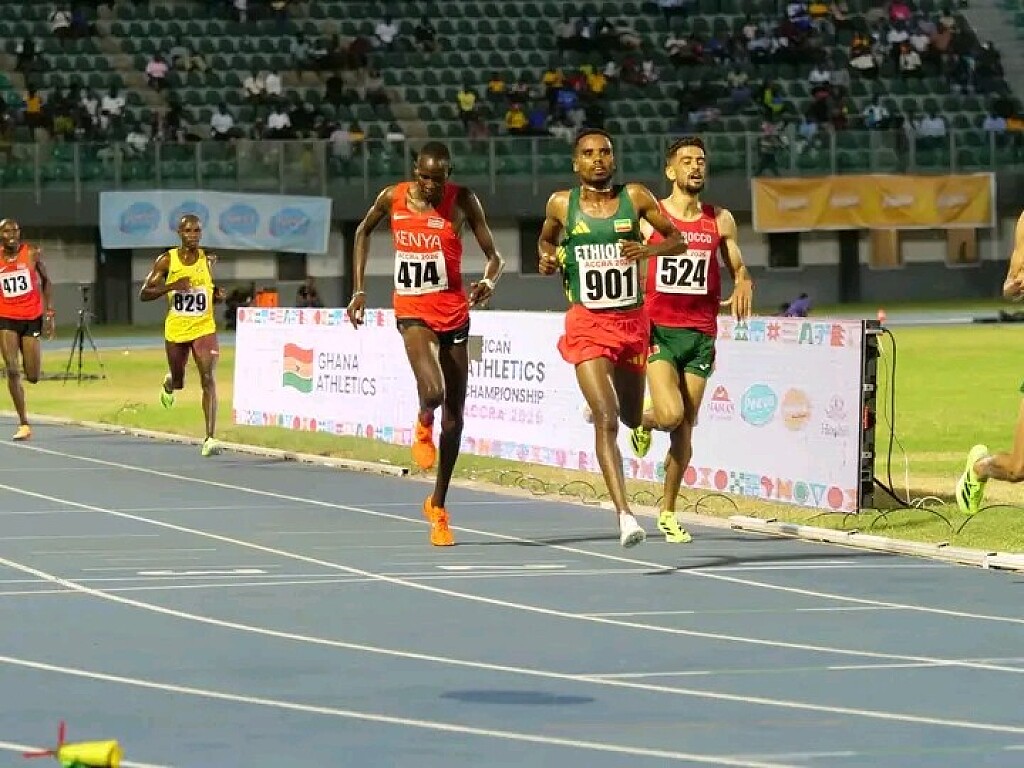
Ethiopia Reigns Supreme in the Steeplechase as Baneta Strikes Gold in Accra
The men’s 3000m steeplechase at the 2026 African Senior Athletics Championships in Accra delivered another powerful reminder of Ethiopia’s growing dominance over the barriers. With tactical brilliance, relentless rhythm, and fearless finishing speed, Ethiopian athletes once again stamped their authority on one of athletics’ most demanding events.
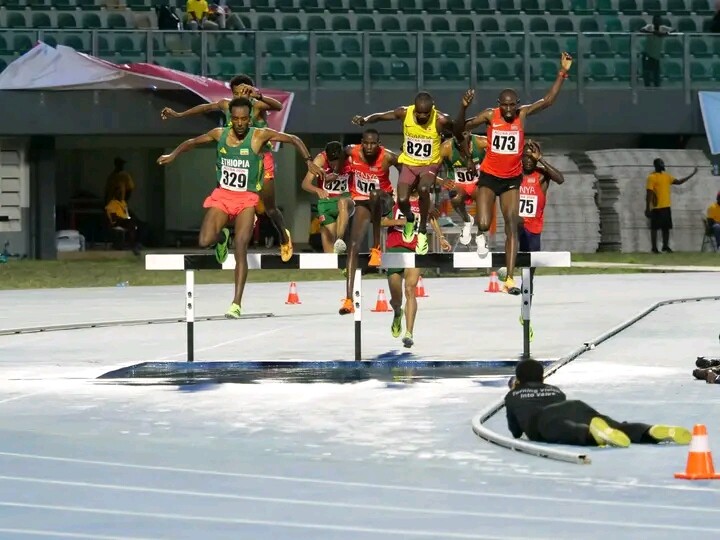
Leading the charge was Gemechu Goda Baneta, who produced a composed and commanding performance to secure the African title in 8:38.37. From the opening laps, Baneta looked sharp and in control, handling the water jumps and barriers with remarkable efficiency before breaking away when it mattered most. His victory crowned Ethiopia with another continental steeplechase gold and confirmed the nation’s rising strength in the discipline.
Morocco’s Salaheddine Benyazid fought bravely throughout the race and earned the silver medal in 8:41.02 after a determined final lap battle. Ethiopia completed a strong double podium finish thanks to Samuel Firew Fiche, who claimed bronze in 8:41.67 to underline his country’s depth in distance running.
The race unfolded with patience and tactical discipline before exploding into life over the closing stages. As fatigue began to hit the field, the Ethiopian runners remained composed, gliding over the barriers with confidence while others struggled to maintain momentum. Baneta’s decisive surge in the final laps ultimately separated him from the chasing pack and sealed a memorable championship triumph.
For years, the African steeplechase scene has been defined by East African excellence, and the performance in Accra showed that Ethiopia is continuing to elevate its presence among the continent’s elite barrier specialists. The gold-and-bronze finish was not only a celebration of individual brilliance but also a statement of Ethiopia’s growing power in championship distance racing.
The atmosphere inside the stadium reflected the magnitude of the moment as Ethiopian supporters celebrated another proud achievement on the continental stage. In a race packed with intensity, endurance, and tactical battles, the men in green, yellow, and red once again proved why East Africa remains the heartbeat of world distance running.
by Erick Cheruiyot for My Best Runs.
Login to leave a comment
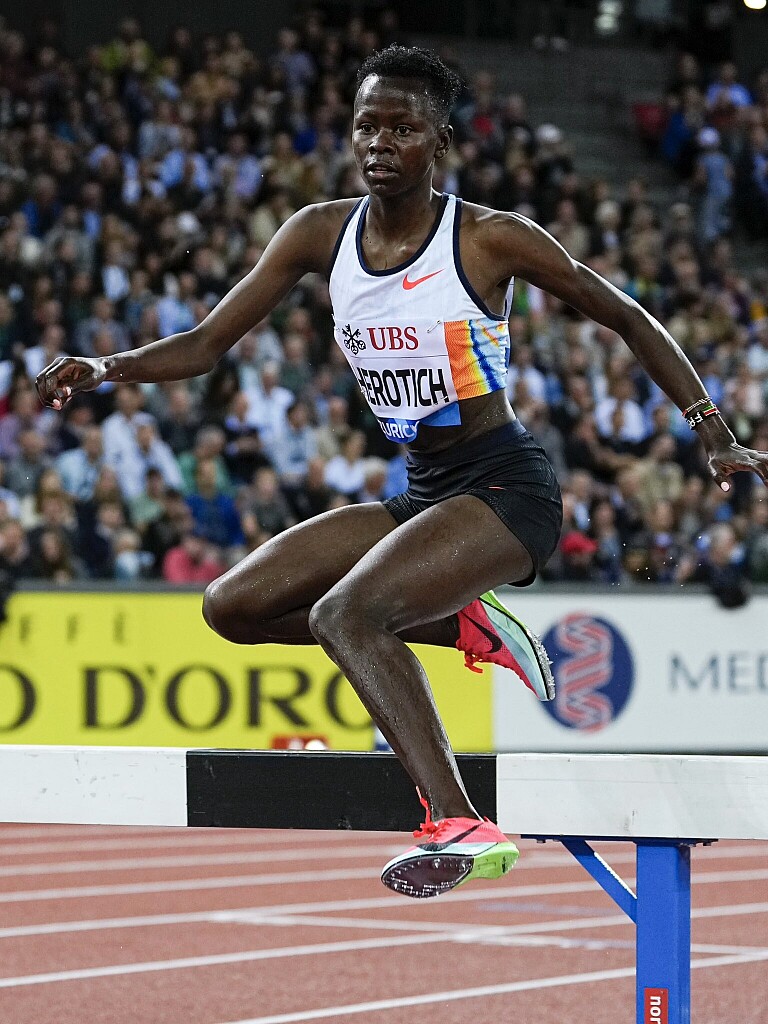
Battle of Champions: Cherotich, Yavi, Chemutai and Jeruto Headline Xiamen Showdown
On May 23, 2026, the spotlight of the Diamond League shifts to Xiamen, where the women’s 3000m steeplechase promises not just a race—but a confrontation of extraordinary talent, nerve, and precision.
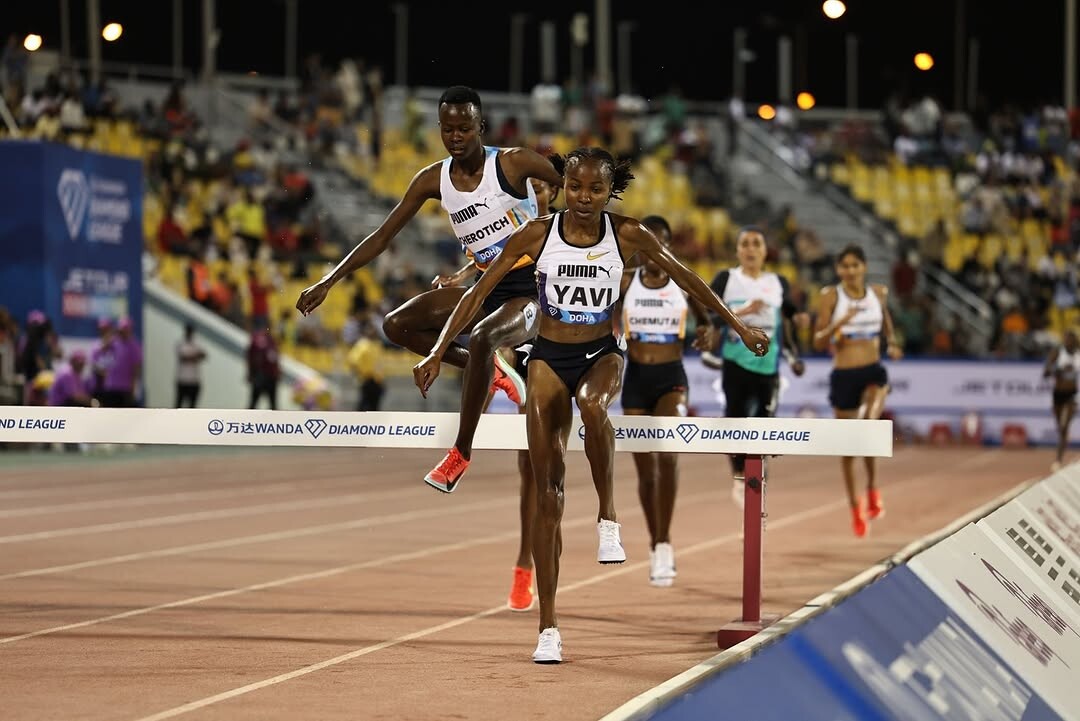
This is no ordinary field. It is a collision of champions from across the globe.
Leading the charge is Faith Cherotich of Kenya, the rising force whose fearless front-running and smooth hurdling have marked her as the next big name in the event. She faces a fierce challenge from Winfred Yavi, representing Bahrain, a tactically sharp competitor with a devastating finishing kick.
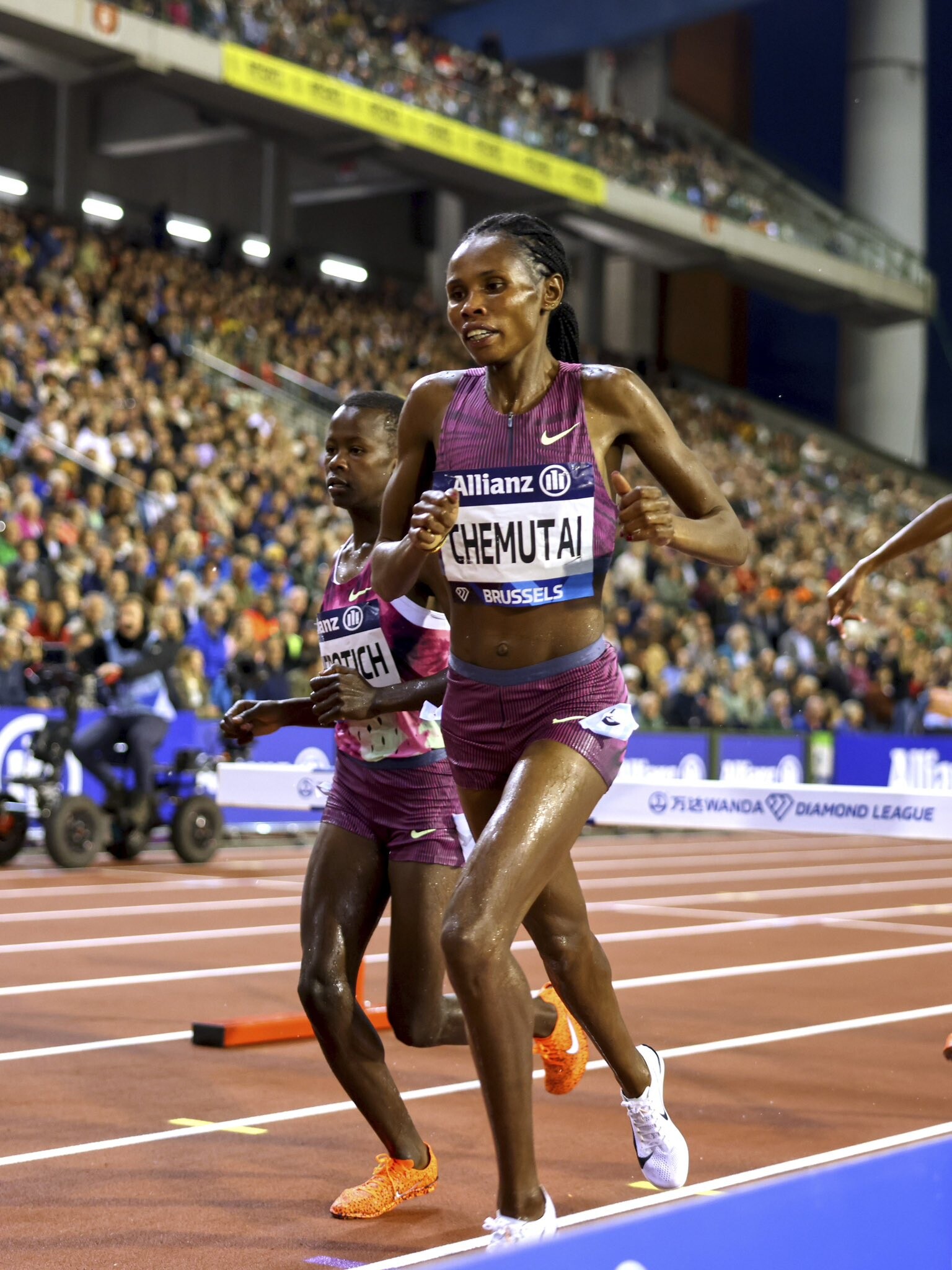
From Uganda comes Peruth Chemutai, the Olympic champion renowned for her composure, timing, and ability to rise in decisive moments. Meanwhile, Norah Jeruto carries the flag of Kazakhstan, bringing championship pedigree and a proven ability to dismantle elite competition on the biggest stages.
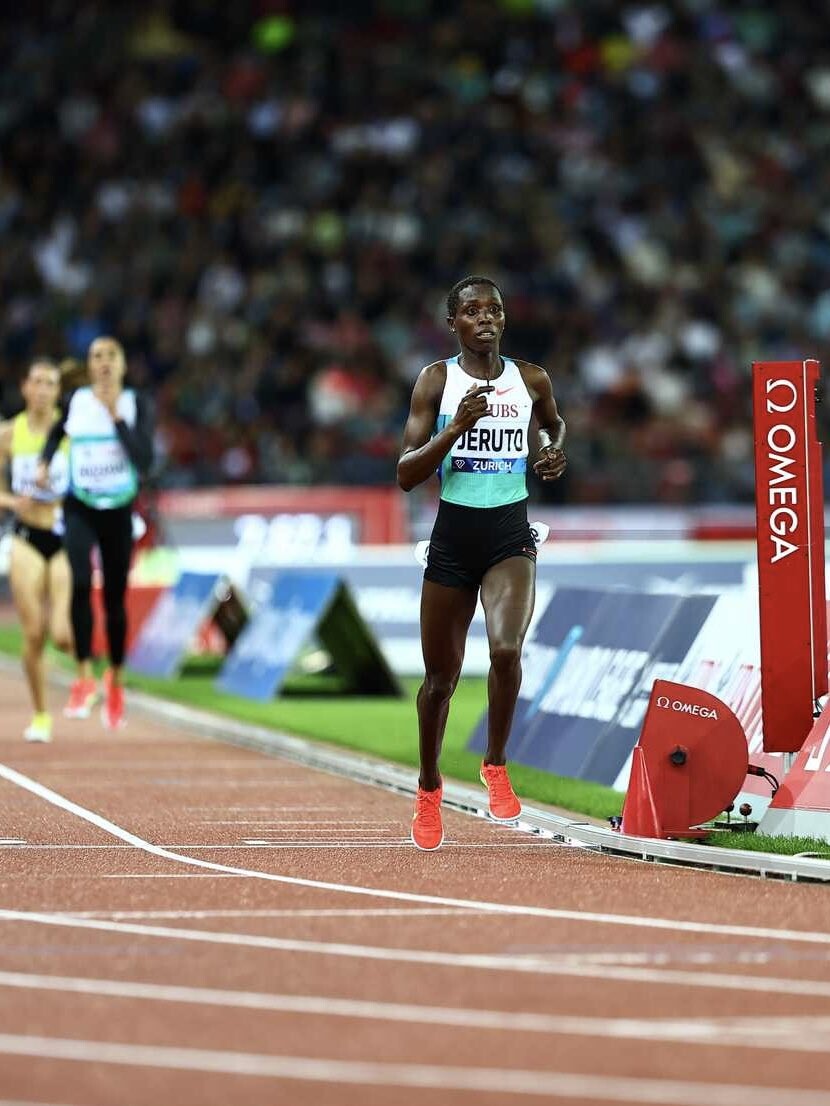
Four athletes. Four nations. One unforgiving event.
The steeplechase is where rhythm meets chaos—where a single mistimed barrier or misjudged water jump can undo even the strongest contenders. At this level, the margins are razor-thin, and the outcome could hinge on the final lap, or even the final leap into the water.
Xiamen’s track will not merely host a race; it will stage a tactical battle. Expect aggressive positioning early on, calculated surges in the middle laps, and a dramatic crescendo as the bell rings. Each contender brings a distinct strength—Cherotich’s boldness, Yavi’s finishing speed, Chemutai’s championship calm, and Jeruto’s relentless consistency.
Calling a winner in such a field is no easy task. If the race turns into a brutal test of endurance, Yavi’s closing strength could prove decisive. Yet Cherotich’s fearless racing style, Chemutai’s experience, and Jeruto’s big-stage mentality ensure that nothing is guaranteed.
One thing is certain: this will be more than a race. It will be a battle for supremacy over barriers, water, and willpower.
The stage is set. The tension is rising. And in Xiamen, only one nation—and one athlete—will stand tallest.
by Erick Cheruiyot for My Best Runs.
Login to leave a comment
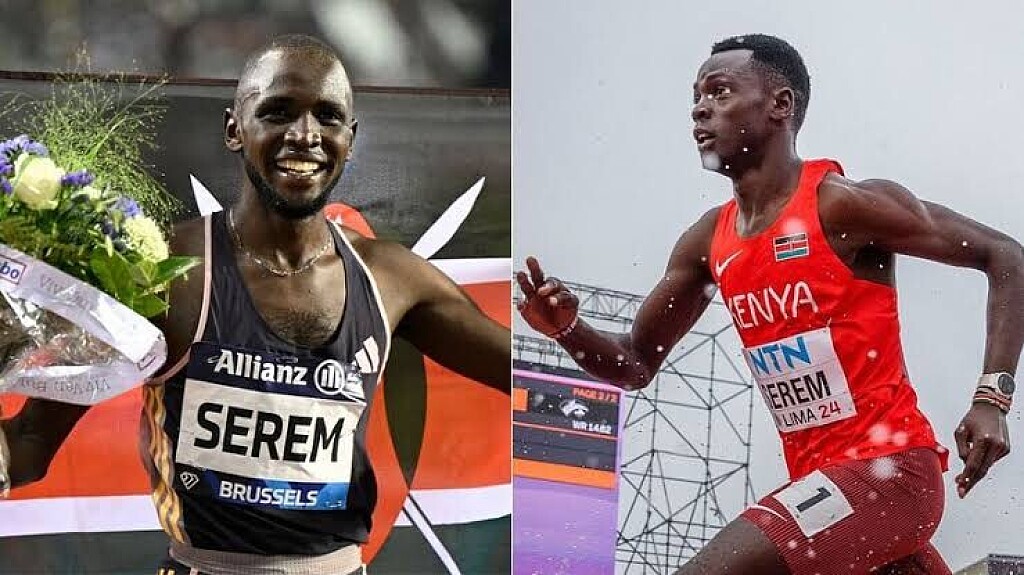
A Champion’s Gratitude: Edmund Serem’s Heartwarming Gesture Before Kip Keino Classic
Today April 24th as anticipation builds for the 2026 Kip Keino Classic in Nairobi, Kenya, one of Kenya’s rising stars has already created a special moment long before stepping onto the track. Emerging steeplechase talent Edmund Serem has flown his father to Nairobi ahead of the prestigious event, setting the stage for an emotional family reunion before one of the nation’s biggest athletics showcases.
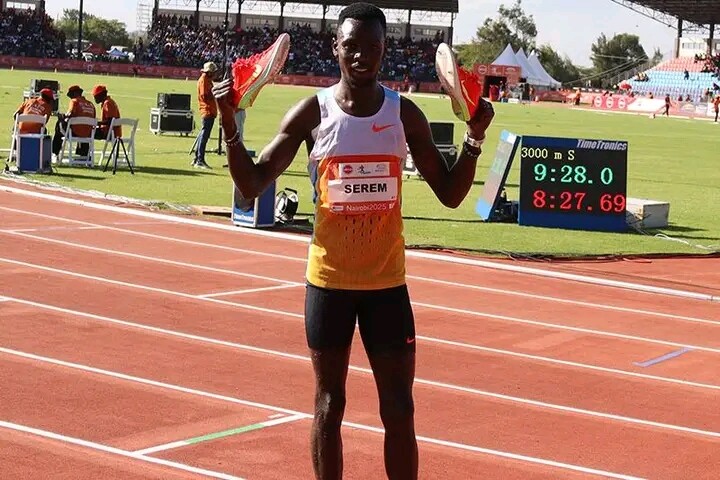
For many athletes, success is measured in medals, records, and podium finishes. But for Edmund, this gesture reflects something deeper — gratitude, family pride, and appreciation for the journey that brought him to this level. Bringing his father to witness the occasion adds powerful meaning to what is already shaping up to be a defining season.

Edmund comes from a household where running excellence is no stranger. He is the younger brother of Amos Serem, another gifted Kenyan athlete who has also made his mark in the 3000m steeplechase. Together, the Serem brothers are preparing to give everything this season as they chase success on both local and international stages.

With talent, hunger, and growing experience, Edmund and Amos represent the next wave of Kenya’s proud steeplechase tradition. Their shared ambition and family bond make them one of the most exciting sibling stories in athletics today.
Now, with the Kip Keino Classic set to bring elite competition to Nairobi, Edmund has the opportunity to shine on home soil in front of family, fans, and the wider athletics world. Competing in Kenya always carries special significance, and with his father in the stands, the motivation will be even greater.
The Kip Keino Classic has become an important platform for East African stars to test themselves against world-class opposition while giving local supporters the chance to celebrate their own heroes. For Edmund Serem, however, this year’s edition may carry a meaning beyond medals and times.
It is about family. It is about legacy. And it is about two brothers, Edmund and Amos Serem, ready to give everything in pursuit of greatness this season.
by Erick Cheruiyot for My Best Runs.
Login to leave a comment
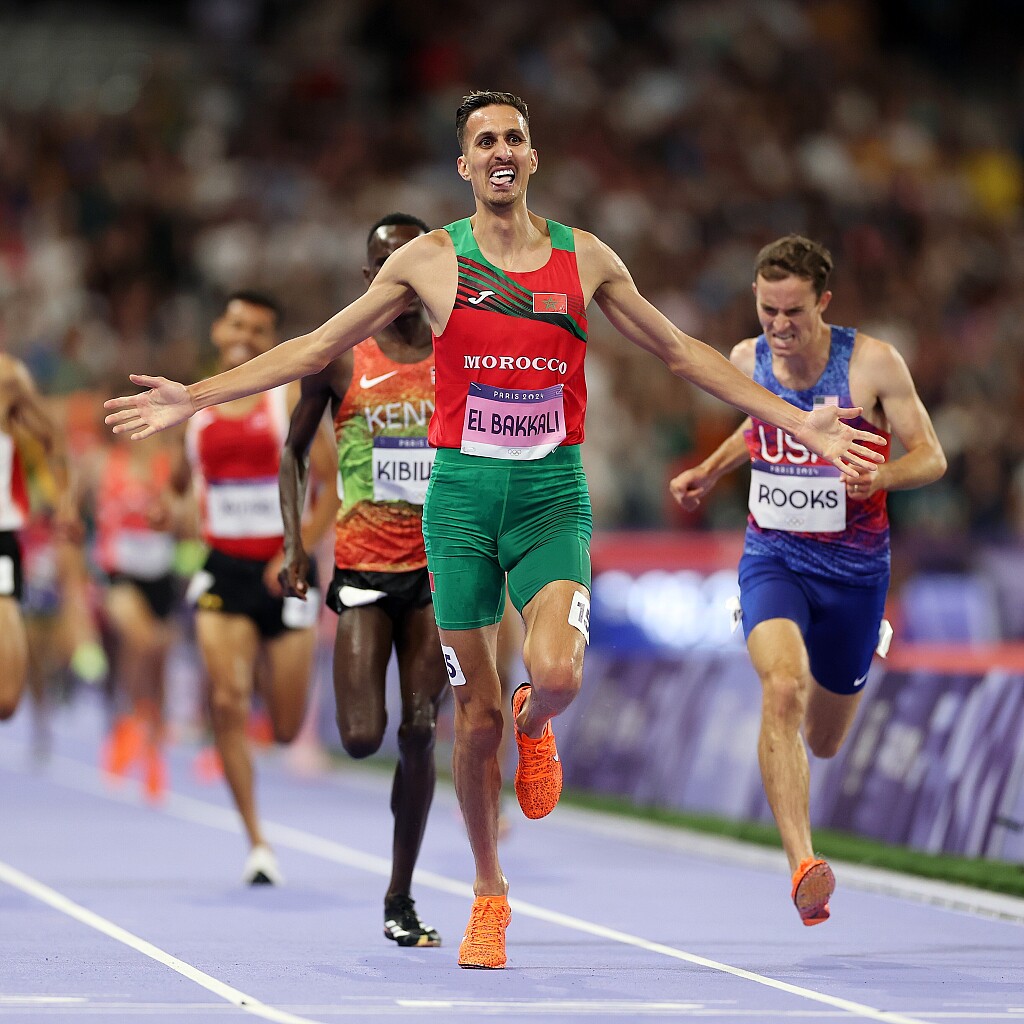
Soufiane El Bakkali Enters a New Era as He Joins On Running
Moroccan steeplechase legend Soufiane El Bakkali has officially begun a fresh chapter in his illustrious career after signing with On Running, marking a significant sponsorship change for one of athletics’ most dominant champions. The move brings together a proven winner and a fast-rising performance brand, united by a shared vision for the future.
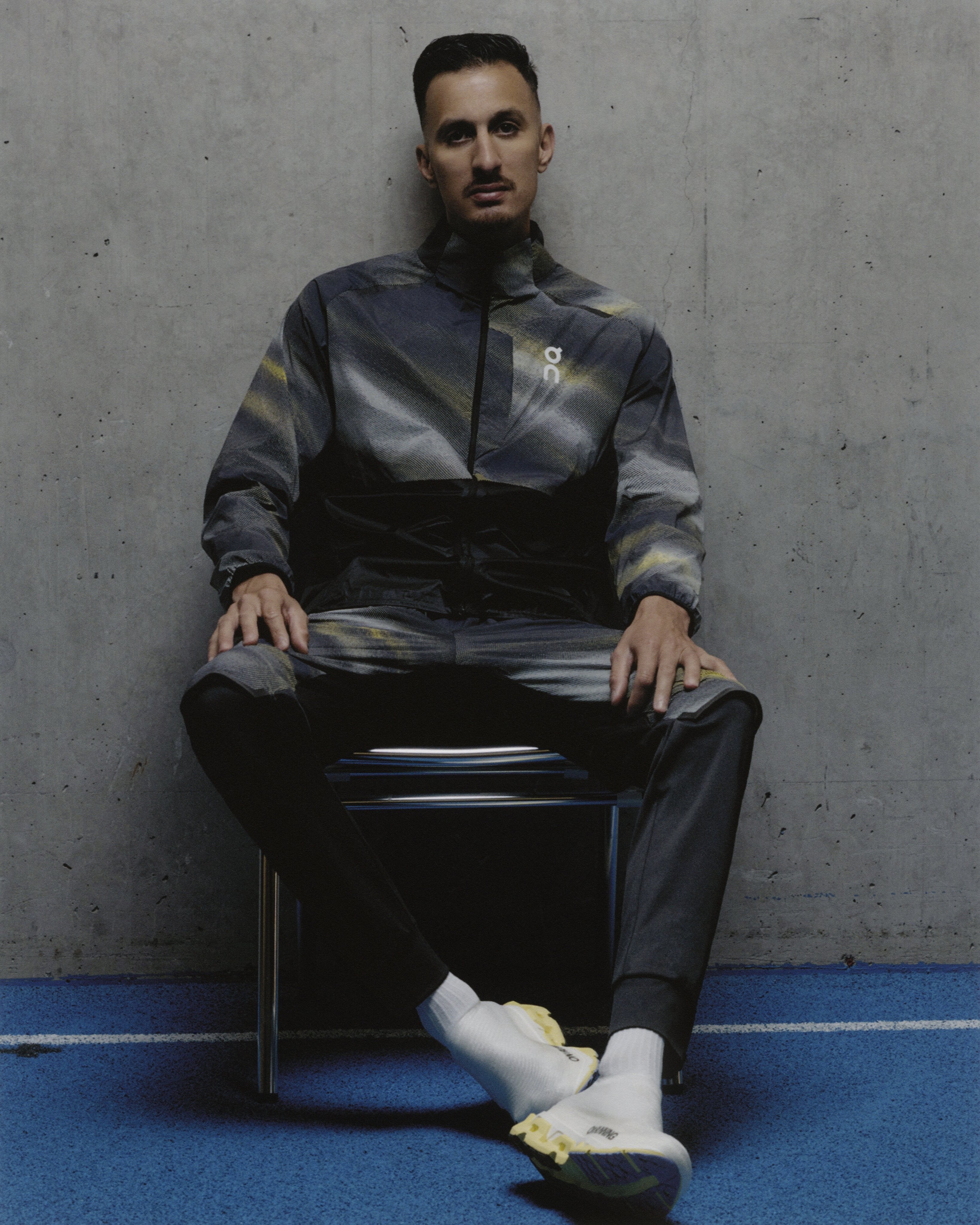
A two-time Olympic champion and multiple world champion, El Bakkali has long been the benchmark in the men’s 3000m steeplechase. His ability to deliver on the biggest stages has defined an era, from Olympic triumphs in Tokyo 2020 and Paris 2024 to world titles in Eugene 2022 and Budapest 2023. Now, with On Running at his side, the Moroccan star is focused on sustaining that dominance and reaching even greater heights.
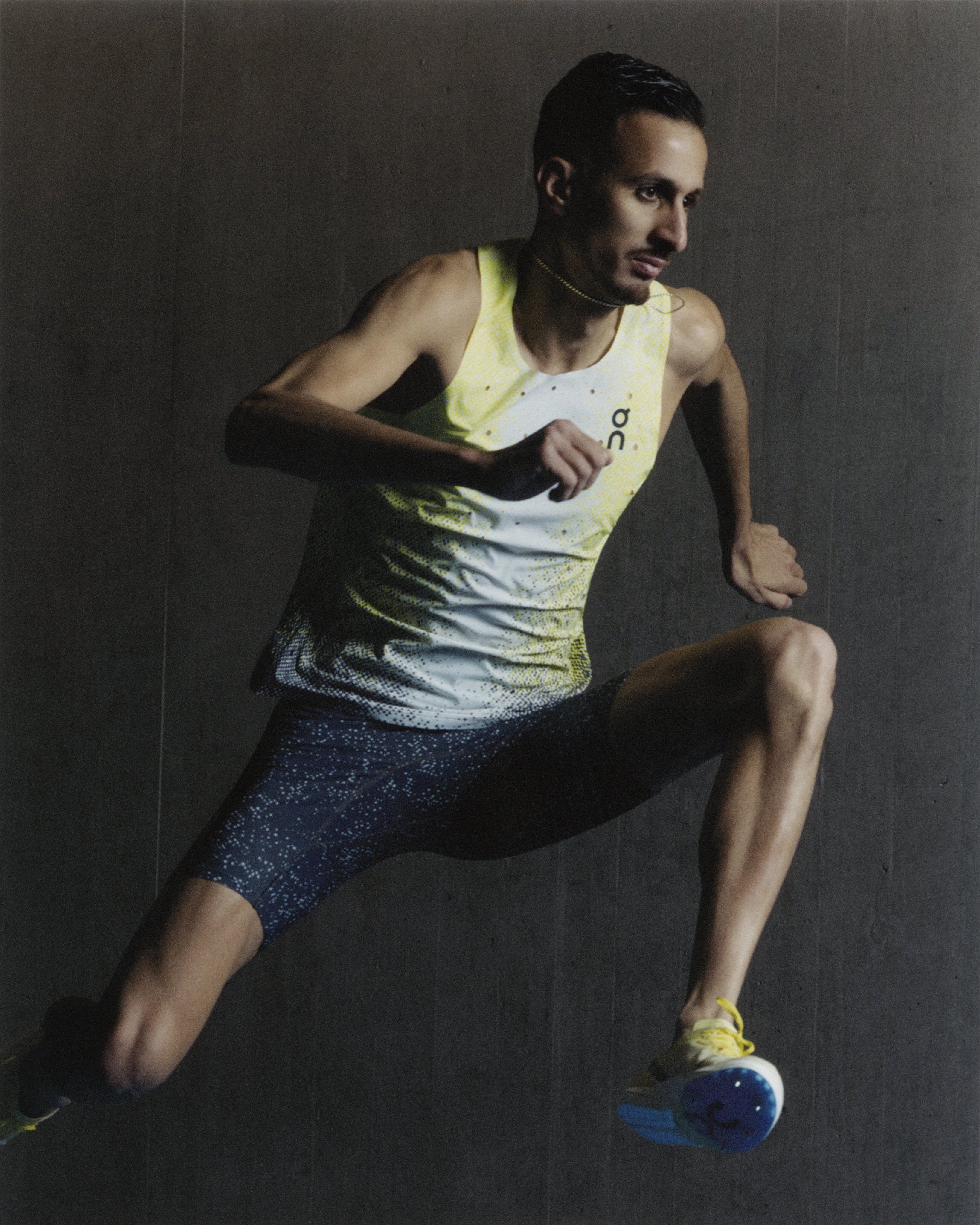
Explaining his decision, El Bakkali pointed to the long-term ambition behind the partnership, saying he was drawn to On by the clarity of their project and shared goals. Confident in the path ahead, he expressed his desire to keep shining and to achieve even more in the years to come.
El Bakkali’s success is built on consistency as much as brilliance. He reached world number one in 2023, set a personal best of 7:56.68 in the steeplechase in Rabat, and has shown his range with a 12:55.49 5000m performance in Paris. Alongside his Olympic and world medals, his Diamond League title in 2022 further underlined his authority in the event.
More than just a change of footwear, the partnership with On Running represents momentum—an alignment of innovation, ambition, and championship mentality. As El Bakkali continues to carry the Moroccan flag with pride, this new alliance signals that the king of the steeplechase is not done writing history.
by Erick Cheruiyot for My Bestruns.
Login to leave a comment
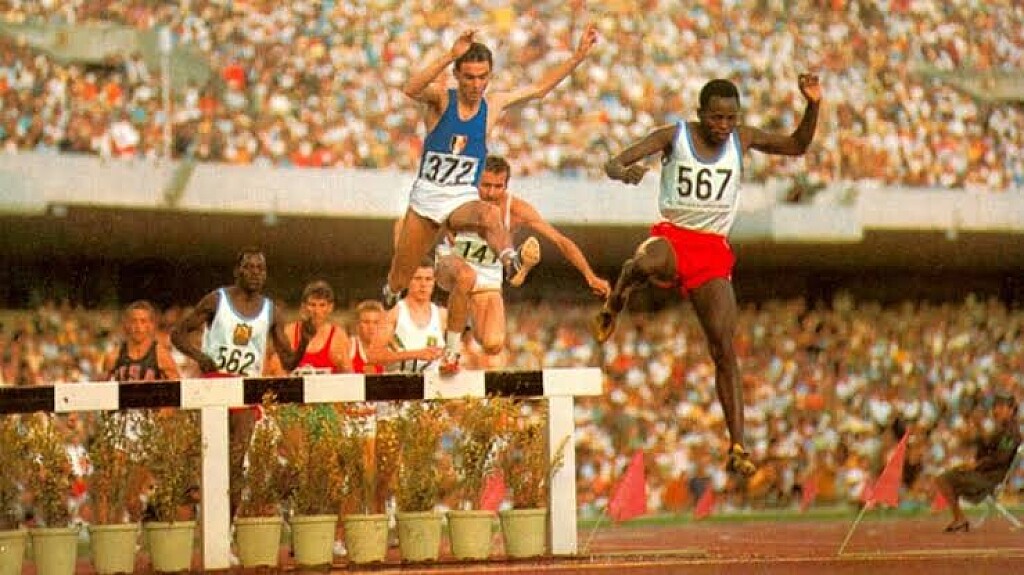
Kenya’s Steeplechase Dynasty Under Siege: Edmund Serem Keeps Hope Alive with Tokyo Bronze
For decades, the men’s 3000m steeplechase was as Kenyan as tea fields in Kericho or herds grazing the Rift Valley floor. Since Amos Biwott (first photo) struck Olympic gold in 1968, generations of Kenyan athletes turned the event into a national pig treasure, piling up Olympic and World titles with almost mechanical consistency. But the 2025 World Championships in Tokyo told a different story—one of fading dominance, foreign breakthroughs, and a teenager fighting to keep the flame alive.
A Race That Shook Tradition
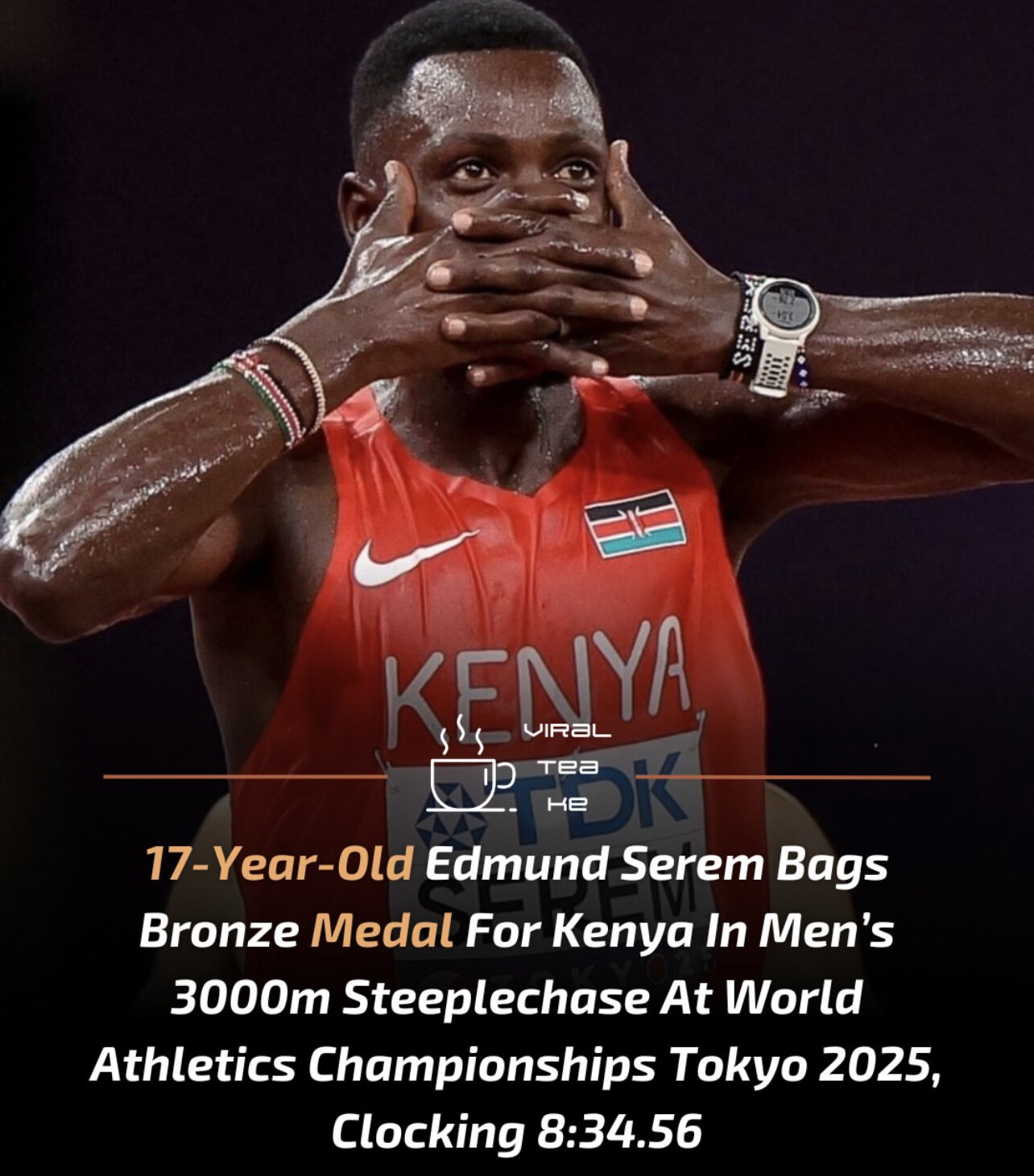
On a humid evening inside Tokyo’s National Stadium, 17-year-old Edmund Serem—younger brother of 2021 World U20 champion Amos Serem—lined up against the world’s best: Olympic champion Soufiane El Bakkali, Ethiopia’s Lamecha Girma, New Zealand’s rising star Geordie Beamish, and a host of challengers from Europe, North America, and Asia.
For Serem, the mission was clear: keep Kenya’s flag on a podium that has become increasingly elusive.
From the gun, he ran bravely, shadowing Germany’s Karl Ruppert in the early laps, exchanging leads and refusing to yield. Ethiopia’s Samuel Firewu, Canada’s Jean-Simon Desgagnés, Poland’s Krzysztof Michalski, and Japan’s Ryuji Miura all joined the fight, turning the race into a tactical chess match.
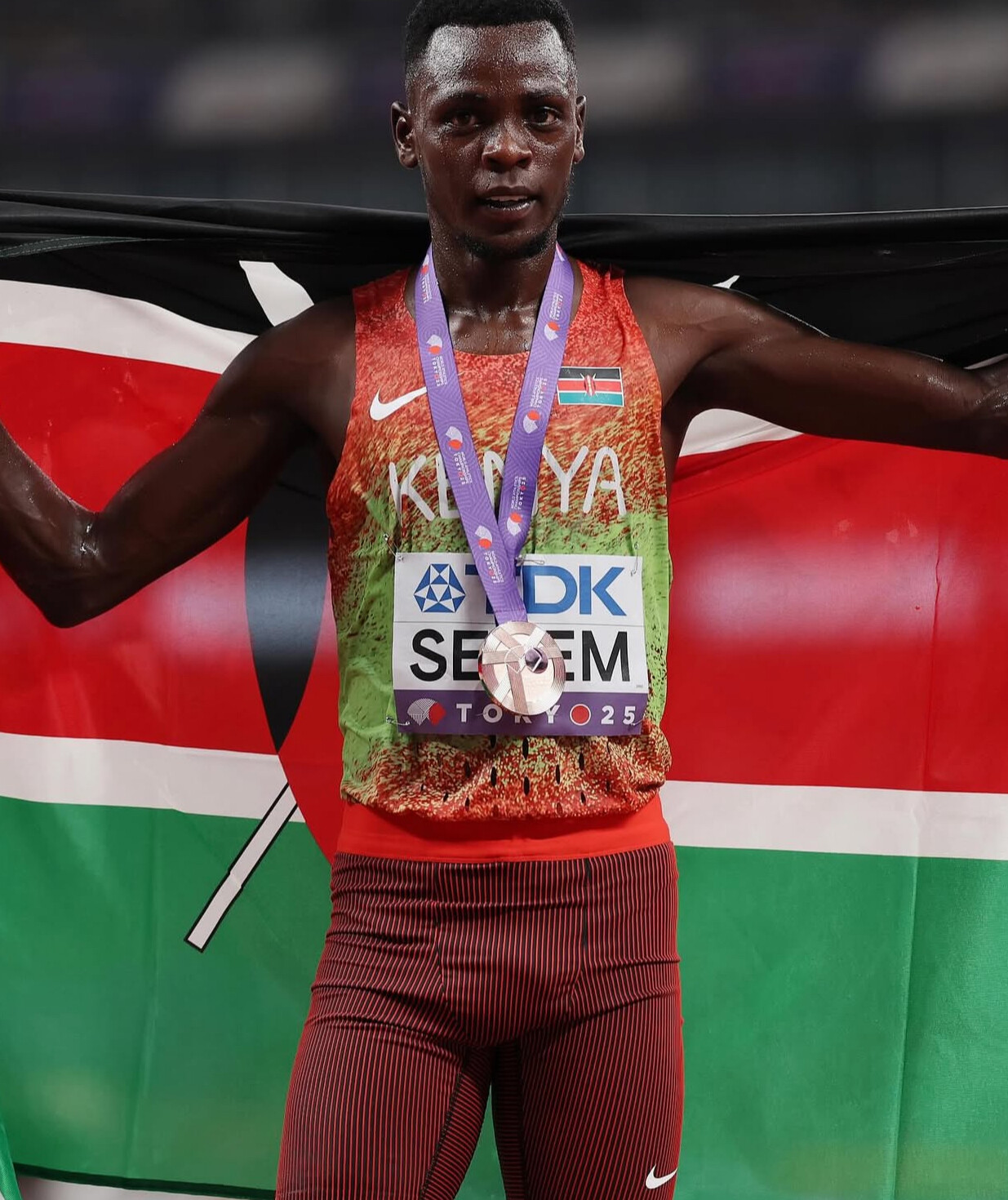
With five laps to go, Serem was still in contention. But as the tempo shifted, the global pack pressed harder. Girma and El Bakkali moved menacingly forward, Desgagnés surged, and Michalski stunned the field by briefly taking the lead.
Then came the bell lap. In a race once synonymous with Kenyan processions, the battle had become a global dogfight. Beamish timed his kick to perfection, flying past Girma and fending off El Bakkali to seize a historic gold in 8:33.88. El Bakkali took silver in 8:33.95, while Serem, showing maturity beyond his years, held his ground to claim bronze in 8:34.56.
A Bittersweet Podium
For Kenya, the bronze carried mixed emotions. Serem’s medal, won by a teenager not yet old enough to vote, proved the country’s future is bright. Yet it also underscored a sobering reality: the days of near-total dominance are gone.
Speaking after the race, Serem was humble but defiant:
“It was tough out there, but I told myself Kenya must be on that podium. I am only 17, and I know this is just the beginning. One day, I will bring the gold back home.”
The Crumbling Fortress
The numbers tell the story. Since Conseslus Kipruto’s World title in 2019, Kenya has not won a global steeplechase gold. Instead, El Bakkali, Girma, and now Beamish have rewritten the script, dismantling the aura of invincibility once carried by legends like Ezekiel Kemboi, Brimin Kipruto, and Stephen Cherono.
Even with Abraham Kibiwot also in Tokyo, Kenya could not tilt the balance back. What was once fortress Kenya is now open territory.
Lessons and a Call to Action
Beamish’s victory offered a warning. New Zealand has no steeplechase tradition, yet through structured NCAA development and consistent Diamond League racing, Beamish matured into a world champion. Kenya, by contrast, must adapt: better coaching, tactical planning, and holistic athlete support are now non-negotiable.
Serem’s bronze provides a flicker of hope. His resilience against seasoned opponents shows promise, but it also highlights the urgent need for reinvestment. Athletics Kenya’s famed pipeline of school and military talent remains deep, but without evolution, history and reputation alone will not win medals.
The Future
As Edmund Serem stood on the Tokyo podium, the Kenyan flag draped over his shoulders, pride and resolve mixed in his eyes. Behind the applause lay a challenge: reclaim what has been lost.
If the steeplechase is to remain the beating heart of Kenya’s athletics heritage, Tokyo 2025 must not mark the continuation of decline, but the beginning of a fightback. And perhaps—just perhaps—it will be Serem, the teenager who dared to dream, who leads the revival.
by Robert Kibet
Login to leave a comment
Running Beyond Limits: How KATA Kapkatet Camp Is Shaping the Future of Kenyan Athletics
In the heart of Kericho County, where rolling tea estates stretch endlessly toward the horizon, the rhythmic sound of pounding feet cuts through the crisp morning air. At 5:30 a.m., long before the first rays of sunlight pierce the mist, a group of young athletes from the KATA Kapkatet Camp gathers for prayer before setting off on their daily run.
The roads they follow—sometimes smooth tarmac, other times rugged murram winding through the tea fields—have become their open-air classroom. Step by step, they are learning resilience, nurturing hope, and chasing dreams that stretch beyond the Rift Valley.
Stories of Rising Talent
Among them is Andrew Oronyi, a 20-year-old sprinter who once dreamed of being a football star. Discovered by a teacher who recognized his speed, Oronyi shifted to athletics, experimenting with the 100m and 200m before finding his stride in the 400m. He now proudly holds a personal best of 47.57 seconds and has set his sights on breaking the 44-second barrier to secure a place on Kenya’s global championship team.
“Training under KATA has given me hope for a brighter future,” Oronyi says. “Here, I can focus on running while also contributing through manual work in the camp. This programme is helping athletes shine beyond the usual struggles.”
For Victor Kiprotich, just 16 and fresh out of high school in Kuresoi North, the KATA initiative has been transformative. Encouraged by his coach, Christopher Rono, he joined the camp in 2024 after completing Form Four. Specializing in the 1500m, Victor made headlines at the Bomet County Cross Country Championships, finishing second in the junior men’s 8km in 11:26.

“When I ran that race, I realized that with the right support, I can make it in this career,” he reflects. His gratitude is clear: “I thank Bob Anderson for this initiative. It will help camps become stable and sustainable. We usually begin our morning runs at 5:30 a.m. with prayers—it gives us strength and unity.”
Then there is Festus Kemboi, 18, from Chepalal village in Konoin. Introduced to athletics in Class 7, he began with the 5000m and steeplechase before focusing on the 3000m steeplechase and cross country in high school. Recently, he ran his first senior men’s 10km at Bomet, finishing eighth in 31 minutes. “I know I can bring that down to 30 minutes if I stay consistent,” he says. For him, KATA has been more than training: “This programme is a game changer. Many athletes struggle with rent, food, and daily survival. KATA gives us the structure and support to focus purely on running.”
Leadership and Vision
At the center of it all is Coach Christopher Rono, who operates the KATA Kapkatet Camp and sees immense promise in his athletes.
“Kemboi has shown real potential in cross country, while Kiprotich is a young talent with the ability to excel in the 1500m. Oronyi, though a sprinter, could even transition to the 800m in the future. Their determination excites me,” Rono says.
He also highlights Bob Anderson’s vision: “The potato farming project and the Double Road Race are not just creative but sustainable ideas. Athletics Kenya itself has recognized the KATA programme, encouraging camp leaders and support staff to align with it.”
Building More Than Champions
KATA’s message is spreading widely across the Rift Valley. Interest is surging, and several athletes have even begun renting houses near Kapkatet to be part of the training environment. With more than 30 KATA camps now running across Kenya, Bob Anderson’s vision is reshaping athletics management by ensuring athletes are supported both on and off the track.
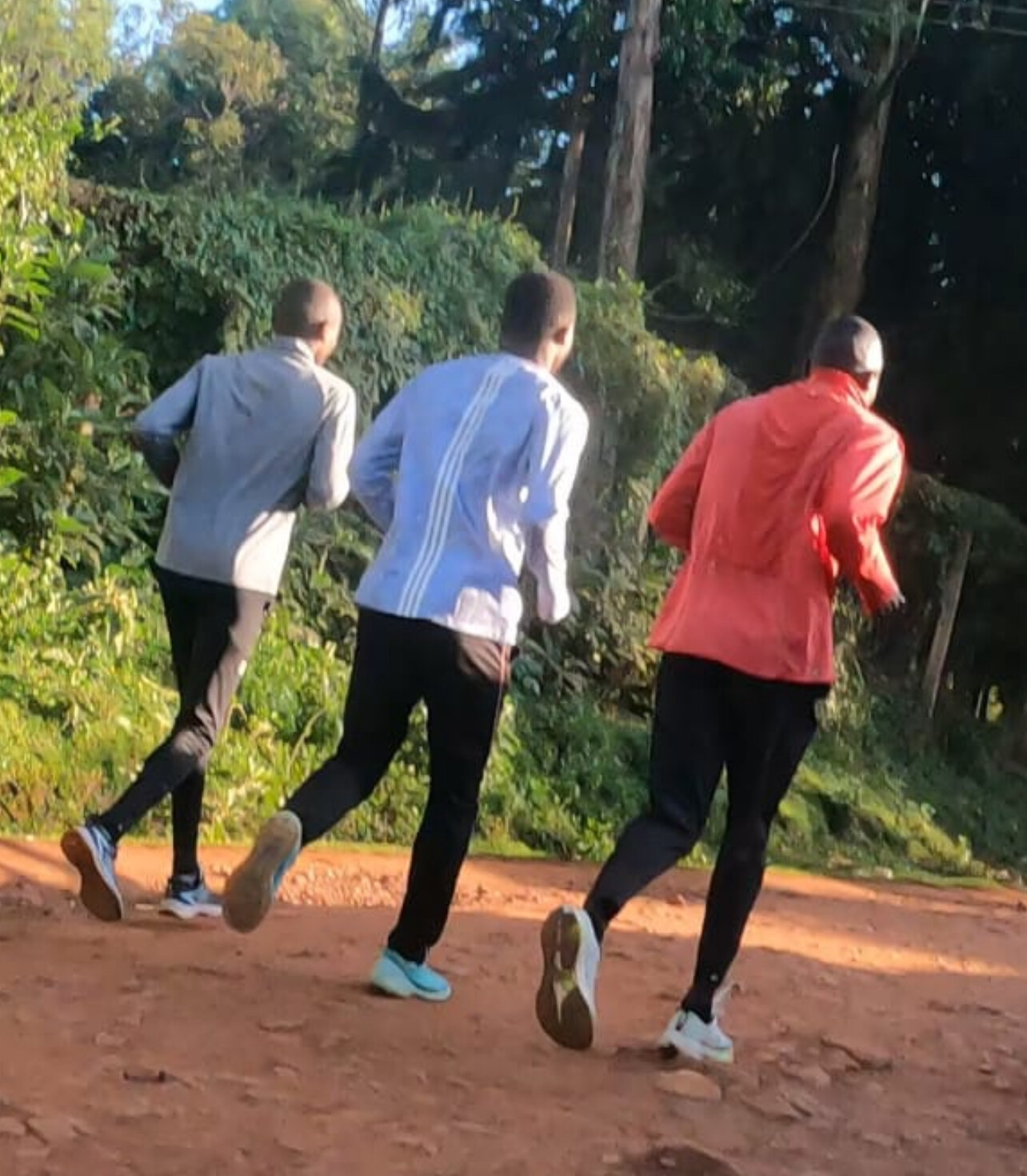
As Coach Rono looks ahead to this year’s Double Road Race, he is confident: “We are ready to deliver, and this edition will be bigger and better.”
But beyond medals and times, the true story is told in Kapkatet’s misty mornings—young athletes running shoulder to shoulder through tea plantations, beginning each day with whispered prayers. This is where Kenya’s next champions are being molded. Here, sport and sustainability walk hand in hand, and hope runs free.
by Robert Kibet
Login to leave a comment
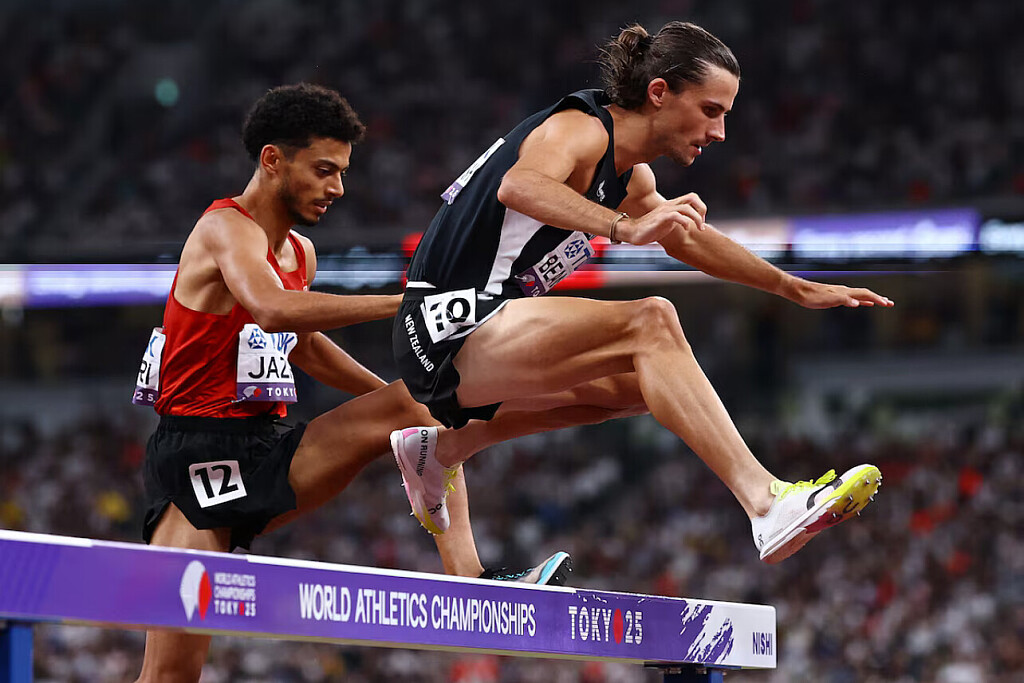
Geordie Beamish Rises from a Fall to World Champion Glory in Tokyo
Tokyo, September 15, 2025 — New Zealand’s Geordie Beamish produced one of the most dramatic victories of the World Athletics Championships, storming to gold in the men’s 3000m steeplechase. His winning time of 8:33.88 edged Morocco’s reigning champion Soufiane El Bakkali by just 0.07 seconds, with 17-year-old Kenyan Edmund Serem taking bronze in 8:34.56 .
This is a breakthrough moment for New Zealand athletics: the nation’s first-ever outdoor World Championships track gold .

A Tactical Race Decided at the Line
The steeplechase final unfolded at a controlled pace, leaving the medals to be decided in the closing laps. El Bakkali, a two-time Olympic and world champion, looked ready to add another title. But Beamish, renowned for his devastating kick, stayed composed.
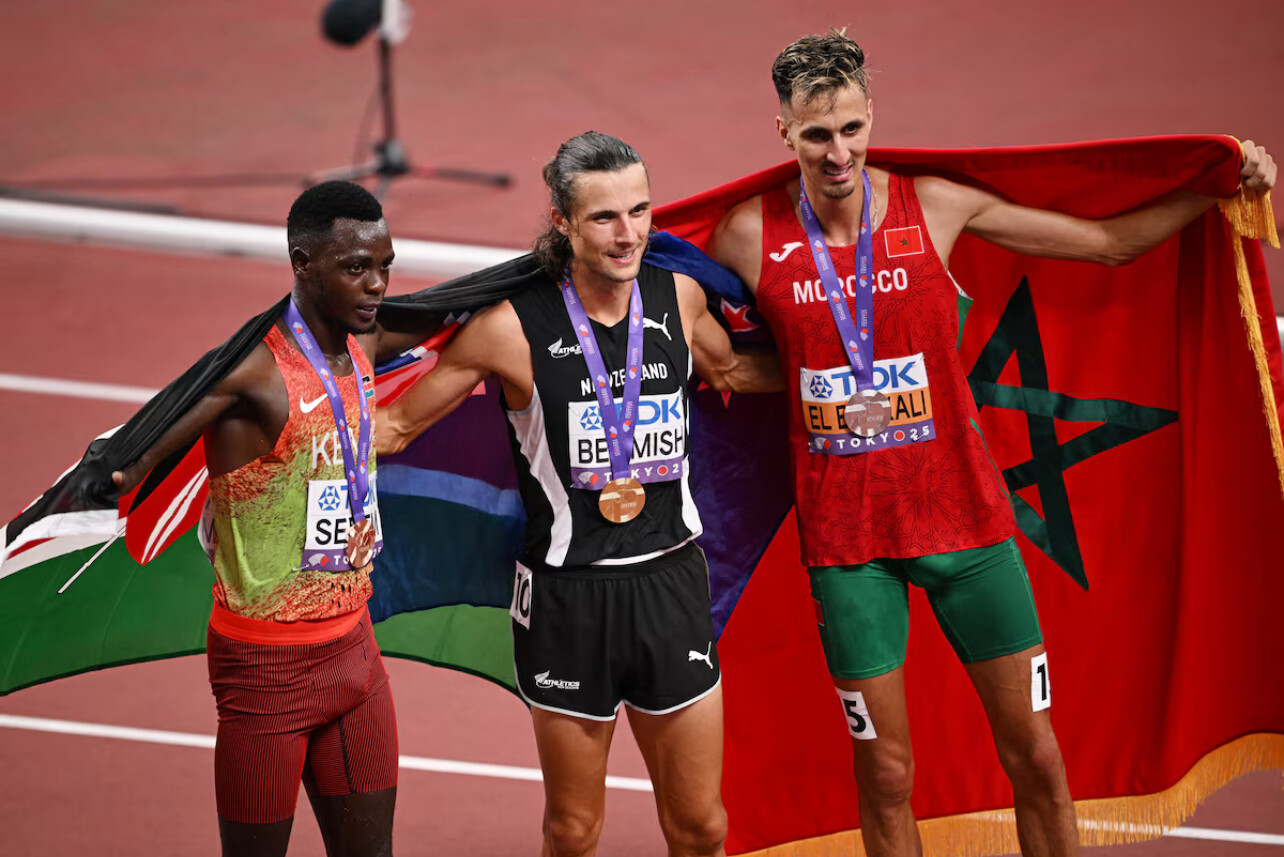
On the last lap, he surged through the field, matching El Bakkali stride for stride. Off the final water jump, Beamish unleashed one last burst of speed. In a thrilling lean at the line, he dethroned one of the event’s greats.
A fall and a spike in the heats
Beamish’s victory was even more remarkable considering his rough path to the final. In his qualifying heat, he fell heavily and was stepped on in the face, yet managed to get up and finish second to advance .
That resilience set the tone for his gold-medal run.
Who Is Geordie Beamish?
• Born: October 24, 1996, in Hastings, New Zealand
• Club: On Athletics Club (based in Boulder, Colorado)
• Coach: Dathan Ritzenhein
• Specialties: 1500m through 5000m, and now the steeplechase
• Career highlights:
• 2024 World Indoor Champion in the 1500m (Glasgow)
• Oceania record holder in the 3000m steeplechase (8:09.64, Paris, 2024)
• Fifth in the 2023 World Championships steeplechase final
Beamish’s late move to the steeplechase has transformed his career, turning him from a versatile miler into a global champion.
This was a big upset
Beamish’s Tokyo win not only toppled El Bakkali’s reign but also put New Zealand back on the map of world middle-distance running. For a nation that once celebrated icons like Peter Snell and John Walker, this is a new chapter in the sport’s history.
With the 2028 Los Angeles Olympics on the horizon , Beamish has proven he has the strength, resilience, and tactical brilliance to contend for more global medals.
by Boris Baron
Login to leave a comment
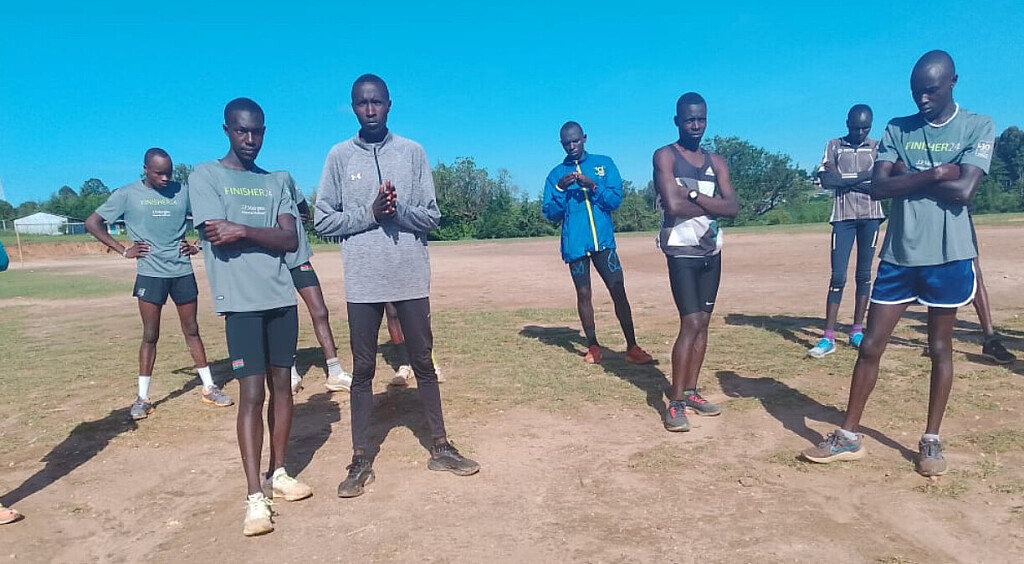
KATA Running Camp 01: Building Champions from Teen Talent to Marathon Veterans
At the KATA Running Camp and KATA Potato Farm's first official running camp, KATA 01 in Kapcherop, Coach Philemon Kipruto is leading a dynamic mix of rising teenage talent, competitive middle-distance athletes, and seasoned marathoners. Training programs are carefully balanced between speed, endurance, and tactical racing skills, ensuring that every athlete—whether 16 or 38—continues to progress.
Philemon also operates KATA 09 in Tenden, just a few kilometers away, giving him the unique advantage of managing two high-performance training groups within close proximity. Together, these two camps not only produce top-level athletes but also farm six acres of KATA potatoes, directly contributing to the program’s sustainability and providing the “Fuel of Champions”.
What is KATA?
The Kenya Athletics Training Academy (KATA) was founded by Bob Anderson in Thika, Kenya, in 2019 as a hub for developing elite Kenyan runners. The program has since grown into a nationwide network, uniquely combining world-class training camps with sustainable agriculture.
Since May 16, 2025, KATA has launched 30 mrunning camps across Kenya, plus 20 independent KATA Potato Farms not directly attached to camps. This brings the total to 50 KATA potato farms—the backbone of the program’s long-term sustainability.

Known as “The Fuel of Champions”, KATA potatoes provide both nutrition for athletes and revenue to support training operations. As of today, there are 108 acres of KATA potatoes planted or being planted, directly supporting more than 400 KATA athletes across the country.
KATA’s mission is clear: produce champions who can succeed locally and internationally while building a self-sustaining model that benefits athletes, communities, and the Kenyan running legacy.
Standout Athletes & Performances

Men:
• Leonard Pkorir (19) – 10km: 29:11 – Emerging as a formidable road racer with a strong endurance base.
• Enock Tanui (16) – 3000m Steeplechase: 9:02 – Exceptional hurdle technique with early signs of national team potential.
• Alan Mwetich (22) – 21km: 65:12 – Balanced speed and stamina for half marathon success.
• Shadrack Plimo (19) – 1500m: 3:54 – Targeting a sub-3:50 at the next meet.
• Kelvin Kibiwott (20) – 5000m: 15:20 – Building speed endurance ahead of cross-country season.
• Dennis Kosgei (23) – 21km: 64:53 – Looking to sharpen his closing kick in the half marathon.
• Evans Kemboi (23) – 3000m: 9:24 – Solid short-to-mid distance competitor.
• Alex Kimutai (22) – 10km: 30:47 – On track to break 30 minutes soon.
• Doland Kimaru (29) – 42km: 2:17:50 – Pushing for a sub-2:15 marathon.
• Denis Kipchirchir (22) – 1500m: 4:08 – Focused on tactical improvements.
• Hosea Kiplagat (38) – 42km: 2:12 – Veteran leader bringing discipline and race strategy to the group.
Ladies:
• Mercy Jebichie (24) – 10km: 36:04 – Strong road race specialist, consistently targeting podiums.
• Sarah Chepkemoi (24) – 5000m: 18:16 – Improving strength and lap consistency.
• Mercy Jepchumba (23) – 10km: 37:31 – Steady improvement with better pacing strategies.
• Joan Jepchirchir (27) – 21km: 86:18 – Determined to drop her half marathon time through endurance gains.
KATA 01 exemplifies the Academy’s mission: developing champions through structured training, mentorship, and a team-first culture—backed by the sustainable support of KATA Potato Farms. With more than 400 athletes, 108 acres of potatoes, and two camps farming six acres between them, KATA is proving that sport and agriculture can grow champions together.
by Fridah Terry
Login to leave a comment

A guide to the World Athletics Championships in Tokyo
Thousands of the world’s best athletes will head to Japan in September for the World Athletics Championships Tokyo 25.
The 20th edition of this prestigious competition will star more than 2000 athletes from some 200 countries as they compete for medals across 49 events during nine days of action from 13-21 September.
Which events are contested at the World Athletics Championships?

There are 49 events on the programme for the World Athletics Championships Tokyo 25, meaning 147 medals will be awarded across the nine action-packed days of competition.
There are an equal number of disciplines for women and men – 24 each and one mixed event.
The disciplines are:
• 100m – women and men• 200m – women and men• 400m – women and men• 800m – women and men• 1500m – women and men• 5000m – women and men• 10,000m – women and men• Marathon – women and men• 3000m steeplechase – women and men• 100m hurdles – women• 110m hurdles – men• 400m hurdles – women and men• heptathlon – women• decathlon – men• high jump – women and men• pole vault – women and men• long jump – women and men• triple jump – women and men• shot put – women and men• discus – women and men• hammer – women and men• javelin – women and men• 20km race walk – women and men• 35km race walk – women and men• 4x100m relay – women and men• 4x400m relay – women, men and mixed
Learn more about the various events on our dedicated disciplines page.
How do athletes qualify and gain selection for the World Athletics Championships Tokyo 25?
The qualification system is based on a combination of entry standards and world rankings. The qualifying window for the marathon was 5 November 2023 until 4 May 2025. For the 10,000m, 20km race walk, 35km race walk, combined events and relays, the window runs from 25 February 2024 to 24 August 2025. For all other events, entry standards can be achieved from 1 August 2024 to 24 August 2025.
The World Athletics Relays Guangzhou 25 was a qualifying event for the relays, with the top 14 teams in each discipline securing their place at the World Championships.
The Road to Tokyo online tool is designed to help athletes, fans and media track the qualification process. Searchable by event, country and qualification status, the tool provides a real-time view of each event over the course of the qualification period.
The tool does not, and will not, indicate which athletes have been selected for entry by their member federation. Final entries will be published nearer to the time of the World Championships.
Will athletes win prize money?
Individual athletes and relay teams will win prize money at the World Athletics Championships Tokyo 25. There is a total prize money pot of US$8,498,000.
Individuals1st US$70,0002nd US$35,0003rd US$22,0004th US$16,0005th US$11,0006th US$70007th US$60008th US$5000
Teams1st US$80,0002nd US$40,0003rd US$20,0004th US$16,0005th US$12,0006th US$80007th US$60008th US$4000
There is also a world record bonus of US$100,000.
Which athletes will be competing?
The world’s best athletes – including global champions and world record-holders – will be competing at the World Athletics Championships Tokyo 25.
The names of the athletes who will be there will not be certain until the qualifying window closes and nations select their teams.
Champions from the last edition of the World Championships in Budapest in 2023 include:
• Sweden’s world pole vault record-holder Mondo Duplantis• Kenya’s world 1500m record-holder Faith Kipyegon• USA’s double sprint champion Noah Lyles• Ukraine’s world high jump record-holder Yaroslava Mahuchikh• USA’s world shot put record-holder Ryan Crouser• Dutch Olympic and world 400m hurdles medallist Femke Bol• India’s Tokyo Olympic javelin champion Neeraj Chopra• Venezuela’s world triple jump record-holder Yulimar Rojas• Norwegian multiple world record-holder Jakob Ingebrigtsen• Japan’s Olympic javelin champion Haruka Kitaguchi
by World Athletics
Login to leave a comment
From Dirt Roads to Global Dreams: Inside Kenya’s Fastest-Growing Running Movement
In the heart of Kenya’s Rift Valley and beyond, a quiet revolution in athletics is underway. What began as a modest idea has grown into a dynamic movement that now spans 19 KATA Running Camps and Potato Farms across Kenya—plus two international retreats, including one at the historic Anderson Manor in Monforte da Beira, Portugal.
And it’s happening fast.
“We never planned to expand this quickly,” says Bob Anderson, founder of KATA and a lifelong advocate for long-distance running. “But the momentum of this movement just couldn’t be slowed down. We’ll be confirming one more camp shortly, and additional locations will follow in early 2026.”

KATA—short for Kenyan Athletics Training Academy—is unlike anything else in the world of distance running. It blends elite training with economic empowerment, giving young athletes not only the tools to run fast, but also a system that sustains them—and their communities—beyond the track.
“This is not just sports development,” says Brigid Chebet, a Kenyan journalist who has closely followed the program. “It’s a model of rural transformation through athletics. And Kenya may finally have found a winning formula for generations to come.”
From a Vision to a Movement
KATA was founded by Bob Anderson, an accomplished American runner who created Runner’s World magazine and later My Best Runs. After visiting Kenya in 2014, he was deeply inspired by the raw talent scattered throughout rural communities—athletes with potential but no pathway.
“He saw a path that few others in athletic management had envisioned—a system that not only trains champions but empowers them economically,” writes Chebet.
That system became KATA: a network of running camps, each paired with a three-acre potato farm. Each camp receives an interest-free loan from KATA to establish operations. In exchange, athletes train full-time and contribute 25 hours a week to the farm. Revenue from the potato harvest supports camp expenses, housing, and meals—creating a self-sustaining ecosystem.
A Growing National Network
The first KATA retreat opened in Thika in 2019. Today, the initiative includes 19 camps spread across Kenya, each run by an experienced operator—many of them former elite athletes.
|
Location |
Operator |
|
Kapcherop |
Philemon Kipruto |
|
Molo |
Eric Chepkwony |
|
Kurengat |
Sammy Dismas |
|
Nyandarua |
Peter Njoroge |
|
Kericho |
|
|
Sotik |
|
|
Sachangwan |
Amos Chirchir |
|
Iten |
David Kellum |
|
Tenden |
Philemon Kipruto |
|
Eldoret |
Ruth Chumo |
|
Njerian Bomet |
Paul Kipsiele Koech |
|
Olenguruone |
Charles Ngeno |
|
Kapkembu |
Kipyegon Nehemiah |
|
Gasharrarge |
Job Langat |
|
Kaptagat |
Joseph Ngure |
|
Kiambu |
Julius Gacheru Migwi |
|
Kangundo |
Jimmy Muindi |
|
Moiben |
Hillary Kiplagat |
|
Kiptoror |
Caleb Rut |
In addition to these camps, two retreats serve as international training hubs: the KATA Running Retreat Thika, operated by Chris Muiruri, and the KATA Running Retreat Portugal, operated by Alberto Santos. Guests from around the world come to the two KATA retreats to train the Kenyan Way.
Elite Experience, Grassroots Impact
At the heart of KATA’s success is its leadership team. Olympic medalist Edwin Soi, now managing the Kuresoi Camp, brings both credibility and experience. Legendary steeplechaser Paul Kipsiele Koech, who has run under 8:10 in the 3000m steeplechase over 110 times, oversees two KATA camps/farms.
Veteran coach Charles Ngeno, known for his early work with Olympic champion Faith Kipyegon, now heads the Olenguruone camp, ensuring that young athletes from even the most remote villages receive structured training and economic opportunity.
“The new vision embraces sustainability, resilience, and empowerment,” writes Chebet. “It ensures that our athletes thrive both on and off the field.”
Looking Ahead
Anderson and the KATA team have ambitious plans: confirming one more camp this month and preparing for even more in 2026. The goal is clear—build up to 50 self-sustaining running camps across Kenya and replicate the model in other parts of the world.
“We’re not just chasing medals,” says Anderson. “We’re building lives.”

For partnership opportunities or more information, contact Bob Anderson on WhatsApp: +1-650-400-6643
by Brigid Chebet with Boris Baron
Login to leave a comment
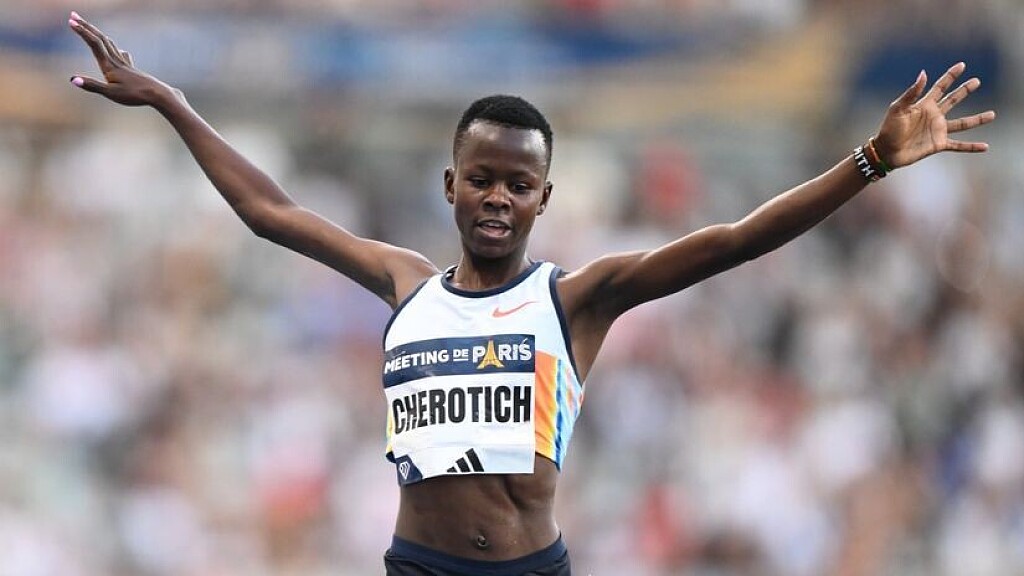
Faith Cherotich’s 8:53 Breakthrough: 6th-Fastest Steeplechase Ever—Now She’s Targeting Gold in Tokyo
Faith Cherotich is rewriting the women’s 3000m steeplechase narrative. The 20-year-old Olympic and World bronze medalist exploded onto the senior stage this year, slashing over 11 seconds off her personal best and firmly establishing herself among the all-time greats. With the World Championships set for Tokyo in 2025, she’s made it clear—she’s not done yet.
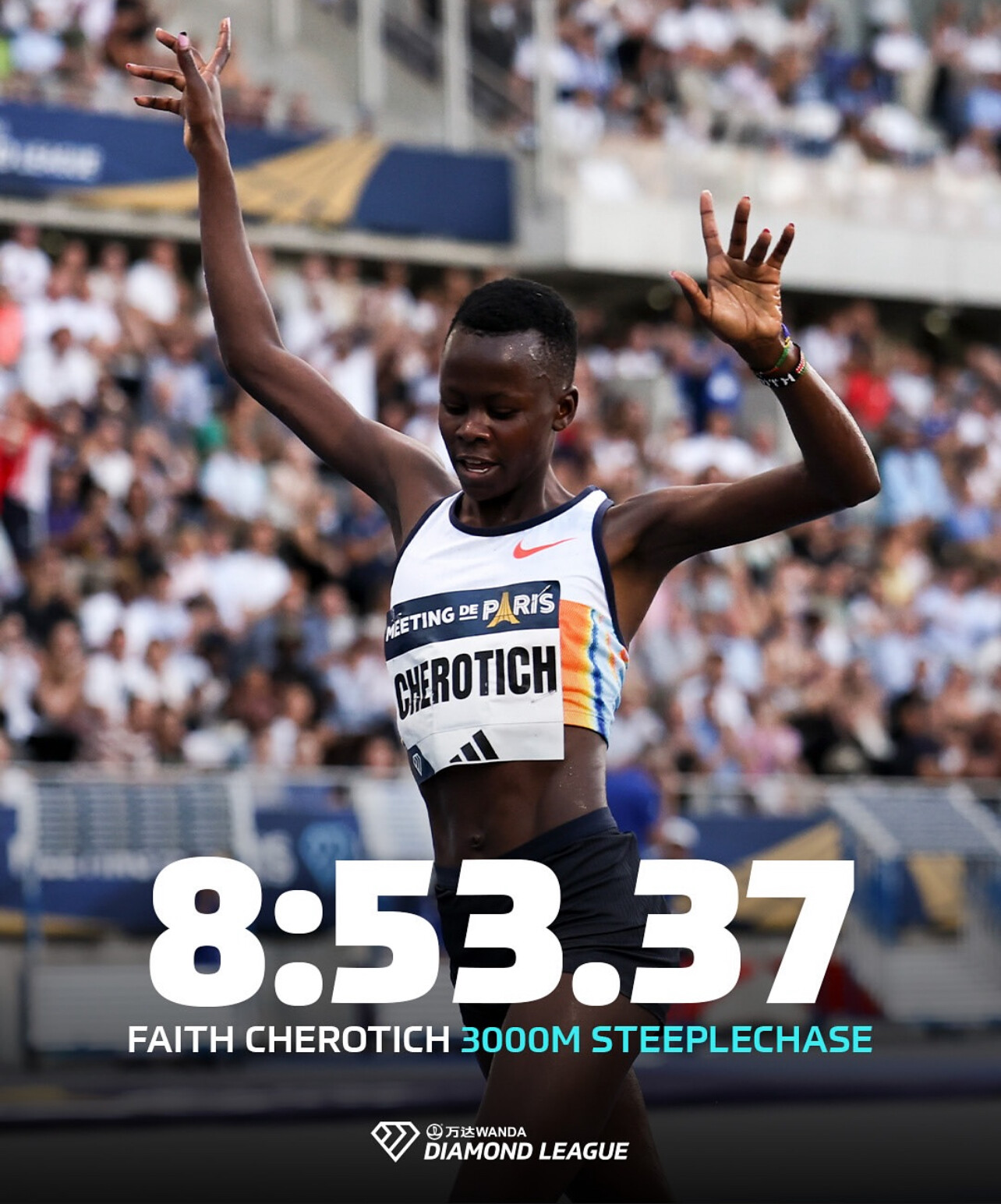
Olympic Roots, Meteoric Rise
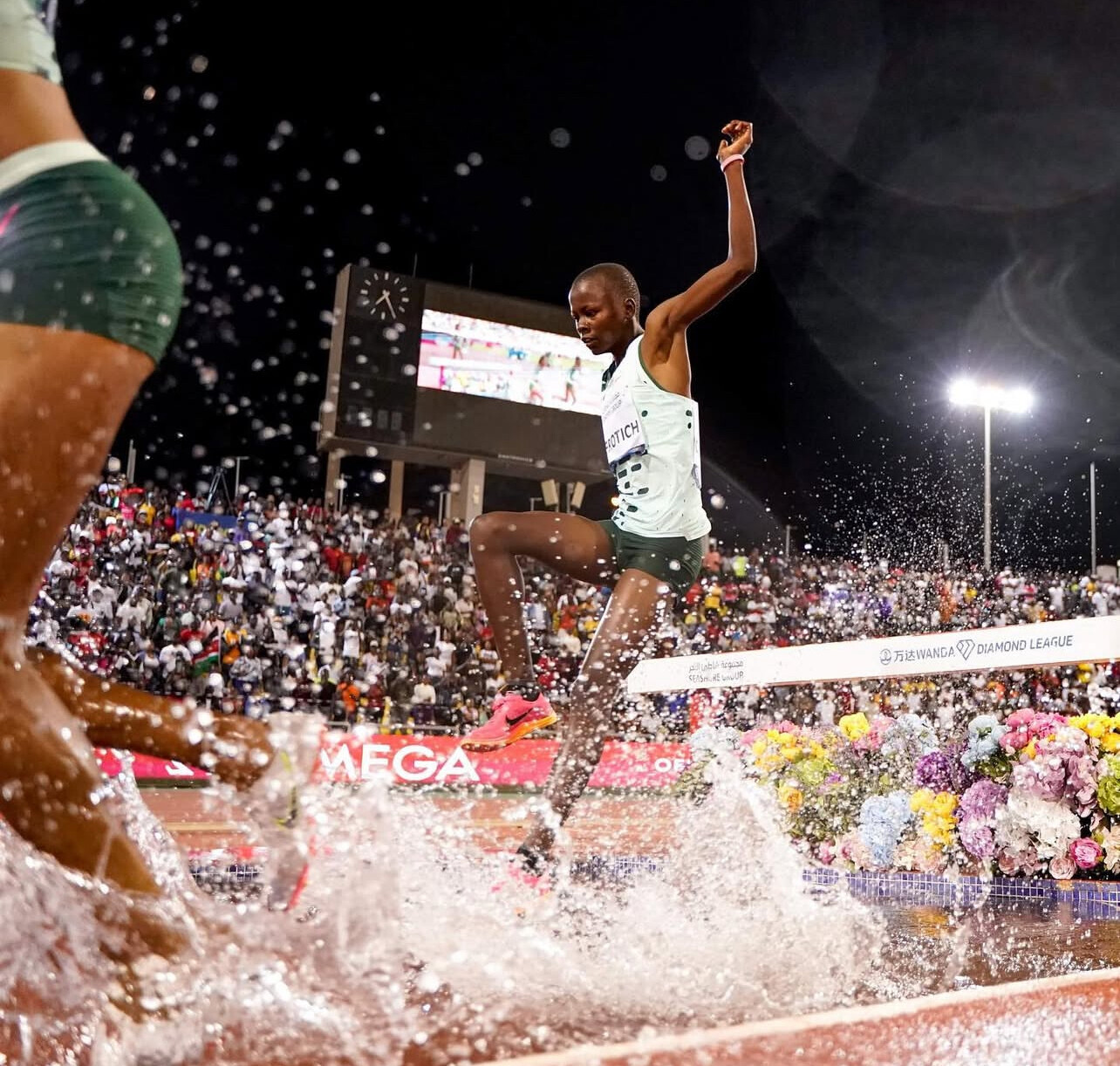
Cherotich made her Olympic debut in Paris 2024, earning bronze in 9:04.24 behind Winfred Yavi and Peruth Chemutai. Just a year later, she’s running nearly 11 seconds faster.
At the 2023 World Championships in Budapest, she finished second in 9:00.69, already hinting at her vast potential. But 2025 has been a different level altogether.
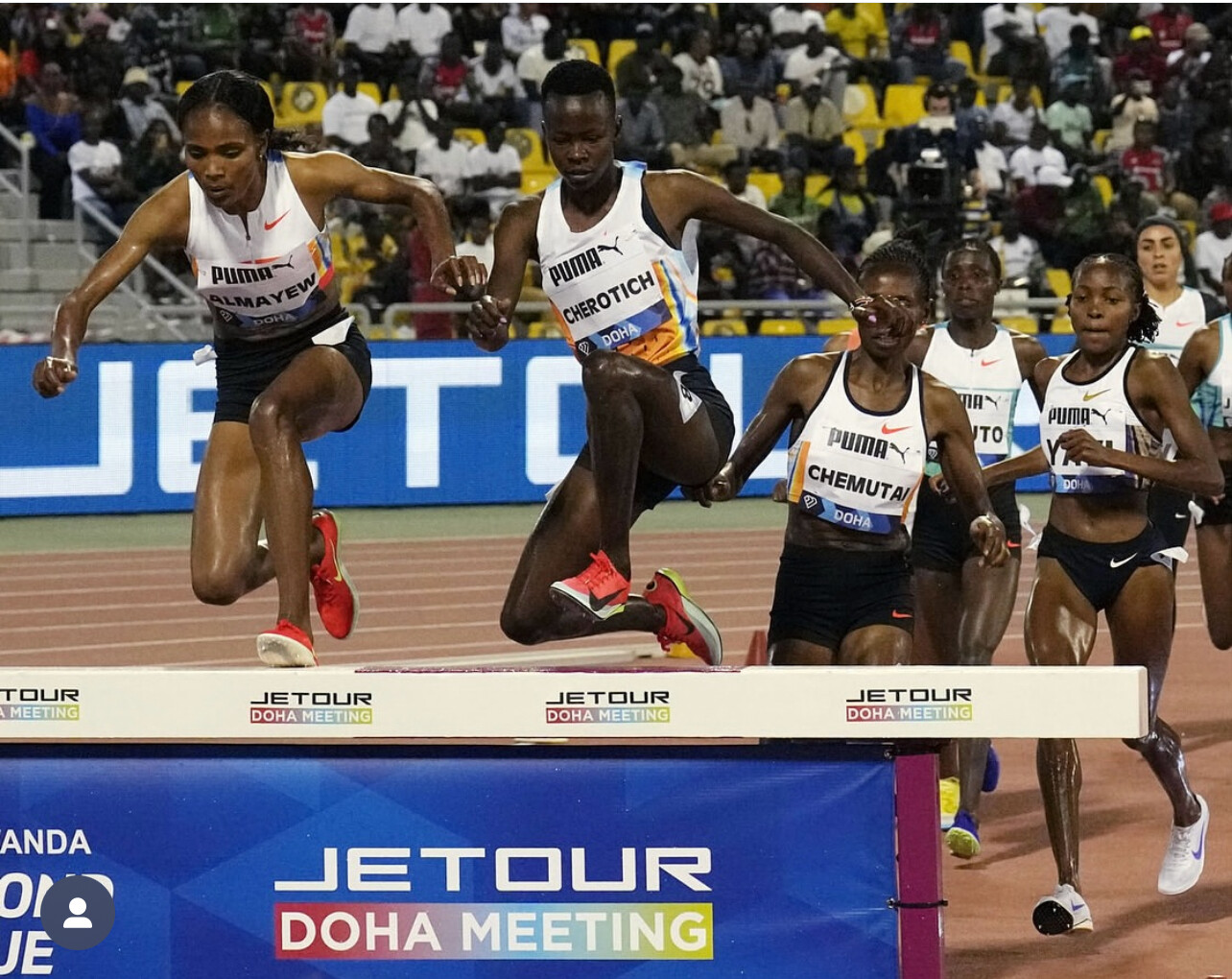
Diamond League Domination
Cherotich’s progression this season has been remarkable:
• Doha Diamond League – 9:05.08
• Oslo Diamond League – 9:02.60 (meet record)
• Paris Diamond League – a stunning 8:53.37, now the world lead for 2025 and the 6th-fastest time in history
In Paris, she confidently shadowed 2020 Olympic champion Peruth Chemutai before surging ahead for the win.
“I am happy to have run a PB,” Cherotich said after the race. “It was not an easy race… after a few laps I got confident enough to take the lead and knew I could manage the race and win.”
All-Time Rankings & World Record Watch
• Fastest time ever: 8:44.32 — Beatrice Chepkoech (2018)
• Second-fastest: 8:44.39 — Winfred Yavi (Rome, 2024)
• Cherotich: Now #6 all-time with 8:53.37
Her consistency, combined with tactical growth, has vaulted her into serious world title contention
Focused on Tokyo 2025
With the World Championships returning to Tokyo, Cherotich is more motivated than ever:
“My target this season is to win the world title… I want to run good races… I am going to fight and do all my best to achieve my goal… It will be a different result this time in Tokyo.”
She currently leads the Diamond League standings by 10 points over rival Yavi and has shown she can beat any competitor on the day.
✅ Performance Summary
|
Meet |
Time |
Result |
|
Paris DL |
8:53.37 |
1st – PB, WL |
|
Oslo DL |
9:02.60 |
1st – MR |
|
Doha DL |
9:05.08 |
1st |
|
Budapest Worlds (2023) |
9:00.69 |
2nd – Silver |
|
Paris Olympics (2024) |
9:04.24 |
3rd – Bronze |
Cherotich isn’t just winning races—she’s chasing history. With the world title in her sights and her confidence growing with every lap, all roads now lead to Tokyo.
by Boris Baron
Login to leave a comment
KATA Running Camps Launch a Bold New Era for Distance Running in Kenya
In a bold move to reshape the future of distance running, Bob Anderson, the legendary founder of Runner’s World and lifelong runner, has launched a groundbreaking initiative that’s taking root across Kenya. What began in 2019 with the Kenyan Athletics Training Academy (KATA) in Thika, and expanded to Portugal earlier this year, is now flourishing into a national movement—with eight KATA Running Camps already confirmed, and ten expected by July 1, plus two full-service KATA Retreats in Thika and Monforte da Beira, Portugal.
photos: 1. Edwin's KATA team reporting to his camp today in Kericho. 2. Eric's KATA in Molo will be planting their first acre of KATA potatoes tomorrow.

"As far as I know, there’s nothing like what we are doing,” says Bob Anderson. “My team and I believe we’re going to make a big difference in the running world. We’ll have nearly 200 KATA athletes by July. We have so much talent, and with strong leadership and support, we can help them become world-class stars
A Sustainable Model with a Powerful Vision
What sets KATA apart is its innovative self-sustaining model that combines elite athletic training with agriculture and community building.
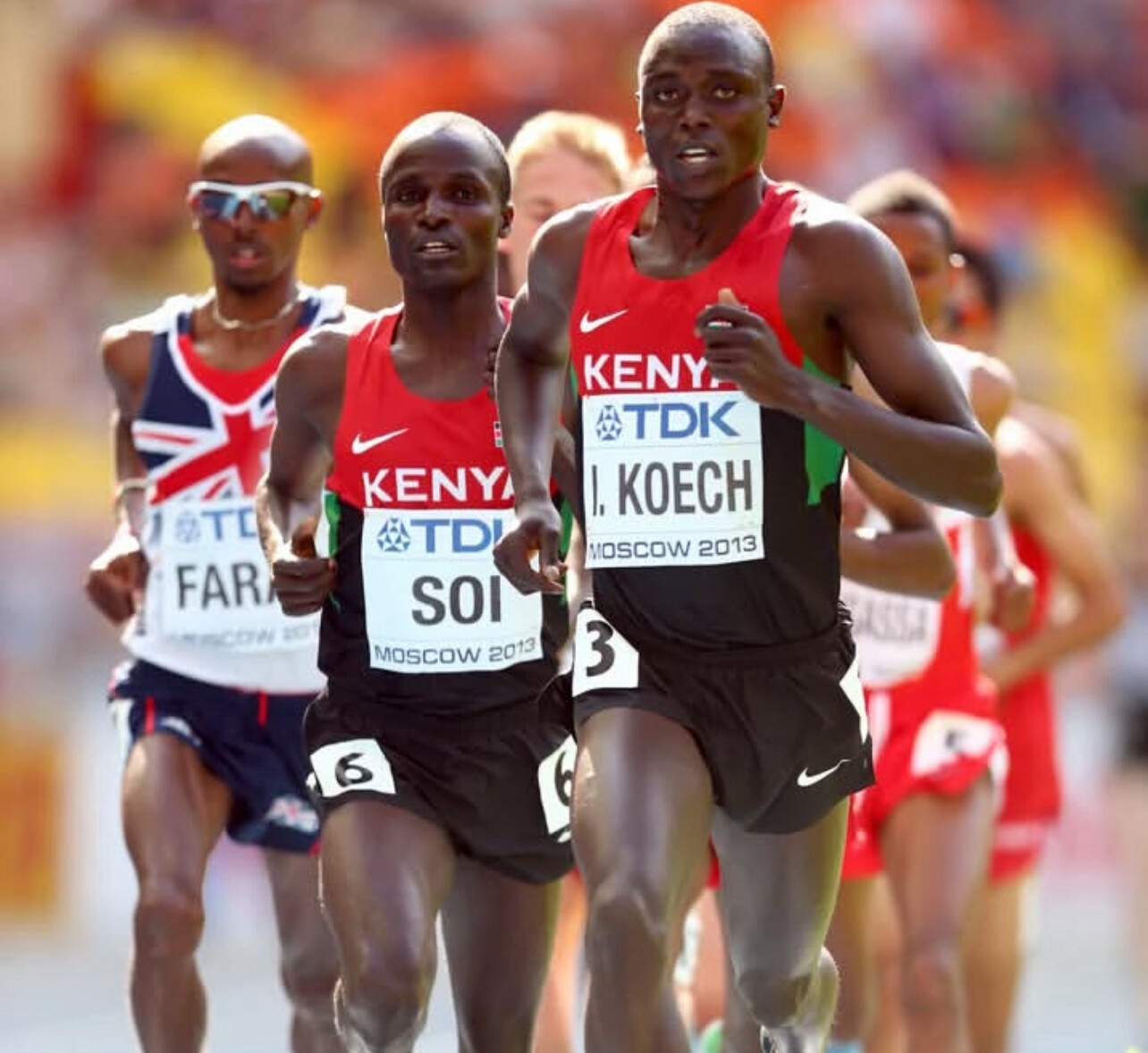
Each KATA Running Camp:
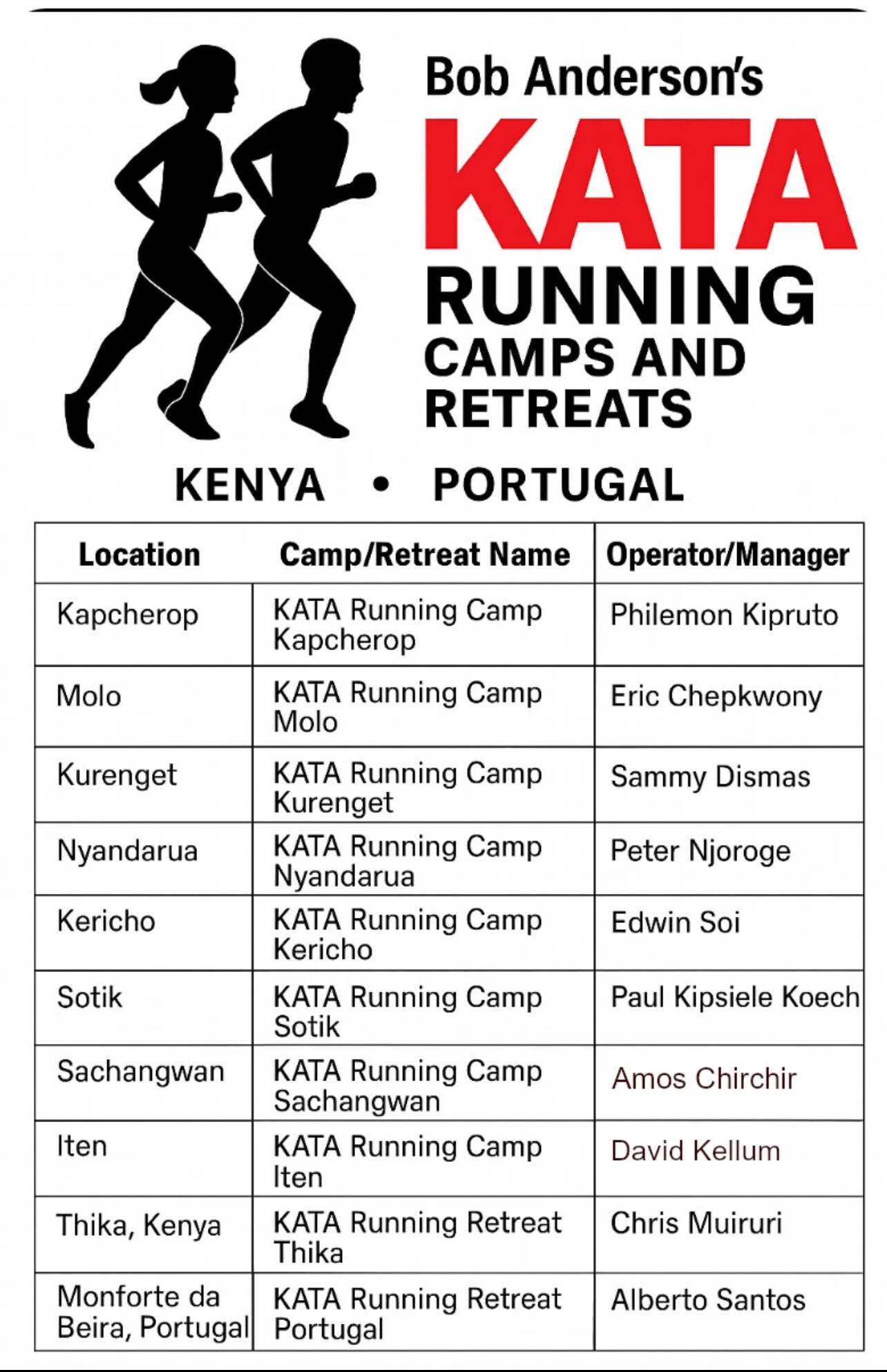
• Supports 3 acres of KATA potato farms
• Requires athletes to work 25 hours per week on the farm
• Asks athletes to contribute 15% of any prize money earned to support their camp
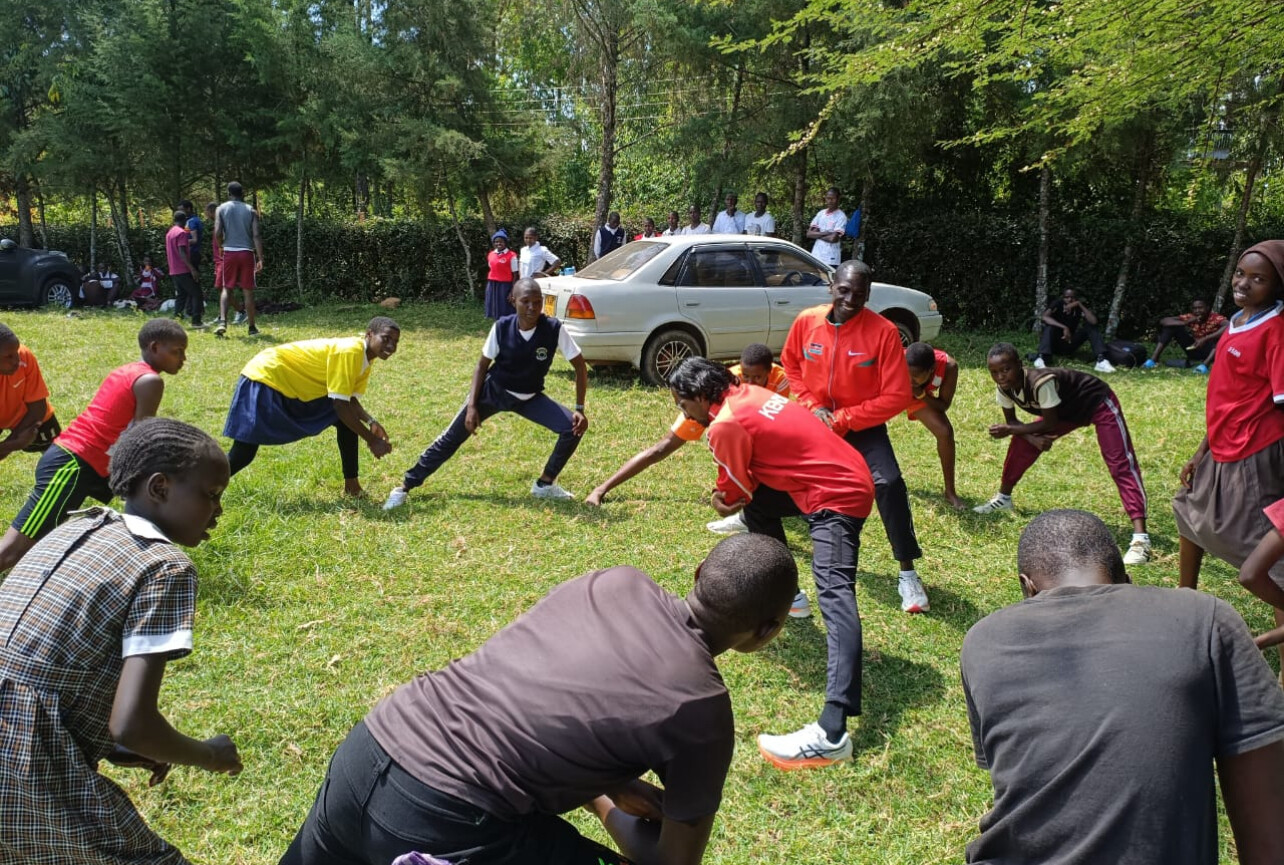
In return, every KATA athlete receives:
• Free lodging
• Three nutritious meals daily
• World-class coaching
“Within six months, all camps will be fully self-sustaining,” Anderson says. “This is not just a running camp—it’s a lifestyle, a community, and a path to opportunity.
Powered by Champions
Two of KATA’s confirmed camp operators are Olympic medalists who bring unmatched experience to the program:
• Edwin Soi, bronze medalist in the 5000m at the 2008 Olympics, now leads KATA Kericho. He’s still racing—and proving his form. On June 15, he clocked a blazing 27:30 for 10,000 meters on the track.
• Paul Kipsiele Koech, bronze medalist at the 2004 Olympics in the 3000m steeplechase, heads KATA Sotik, bringing leadership, discipline, and deep tactical knowledge.
A Vision for 50 Camps, 1,000 Athletes
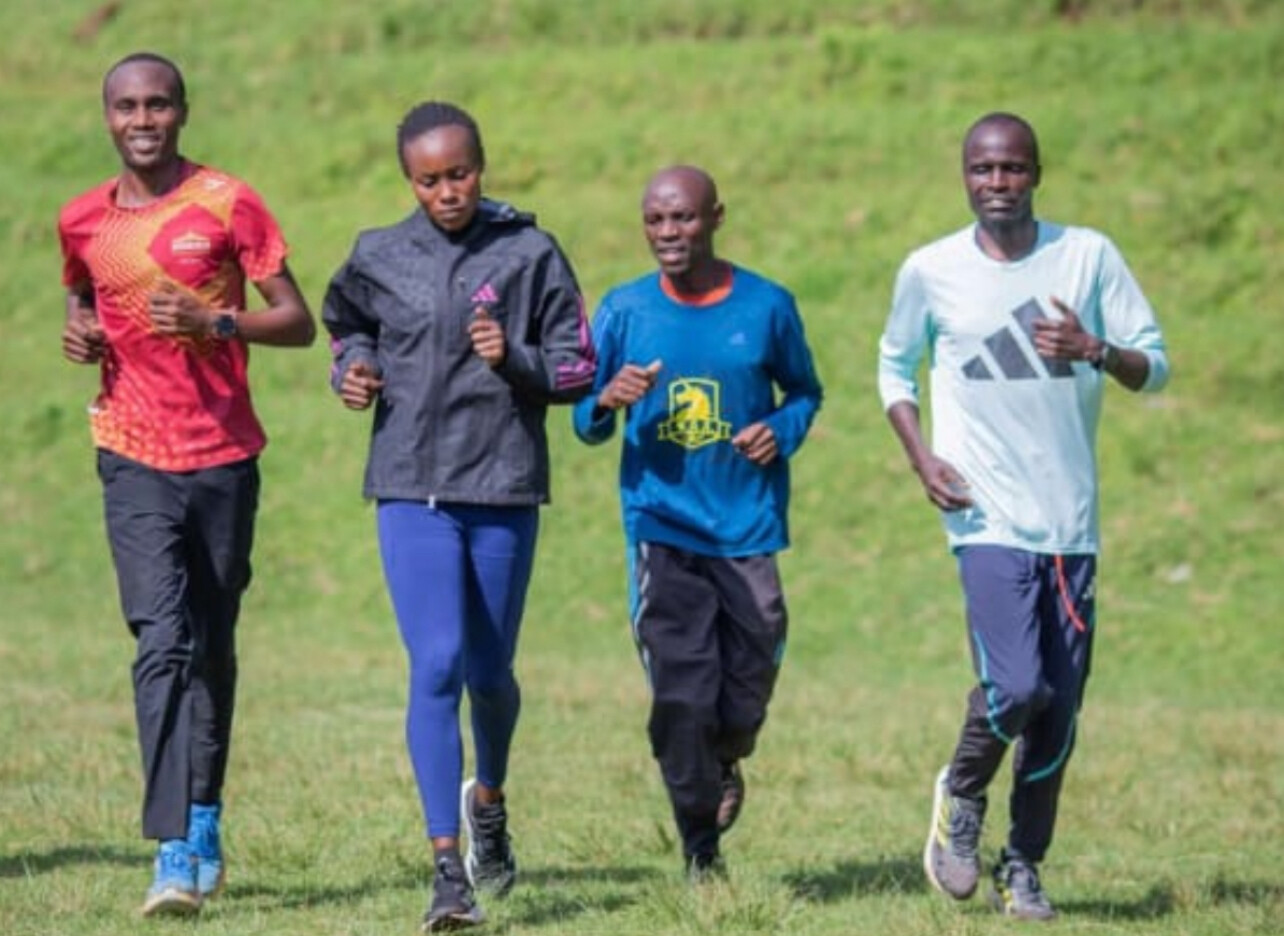
Anderson’s vision is as ambitious as it is inspiring:
“We hope to build a network of 50 KATA Running Camps to train nearly 1,000 athletes. At the same time, we’re working closely with local communities to promote healthier lifestyles through running, nutrition, and education.”
Each camp is embedded within its local area—supporting food security through farming, developing young talent, and strengthening communal ties.
More Than a Camp. A Movement.
KATA is not just about producing the next world record holder. It’s about giving hundreds of athletes the opportunity to reach their full potential—on the track, in life, and within their communities.
By combining sport with sustainability, and elite training with grassroots outreach, Bob Anderson’s KATA is poised to become one of the most impactful distance running projects in the world.
by Boris Baron
Login to leave a comment
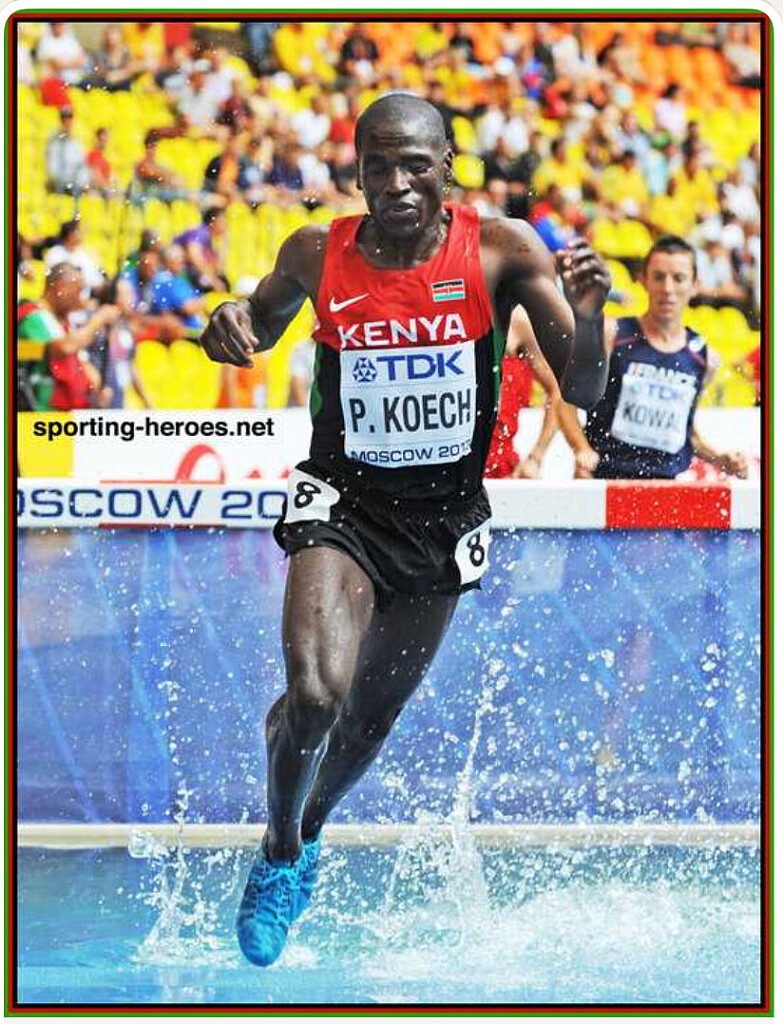
Olympic Medalist Paul Kipsiele Koech to Lead KATA Running Camp in Sotik
Paul Kipsiele Koech, one of Kenya’s most decorated distance runners, has officially joined the growing KATA Running Camp network as the operator of the new satellite camp in Sotik, Kenya.
Koech won the bronze medal in the 3000m steeplechase at the 2004 Olympic Games in Athens and remains one of the most accomplished athletes in the history of the event. His personal best of 7:54.31 still ranks as the 4th fastest time ever run in the 3000m steeplechase.
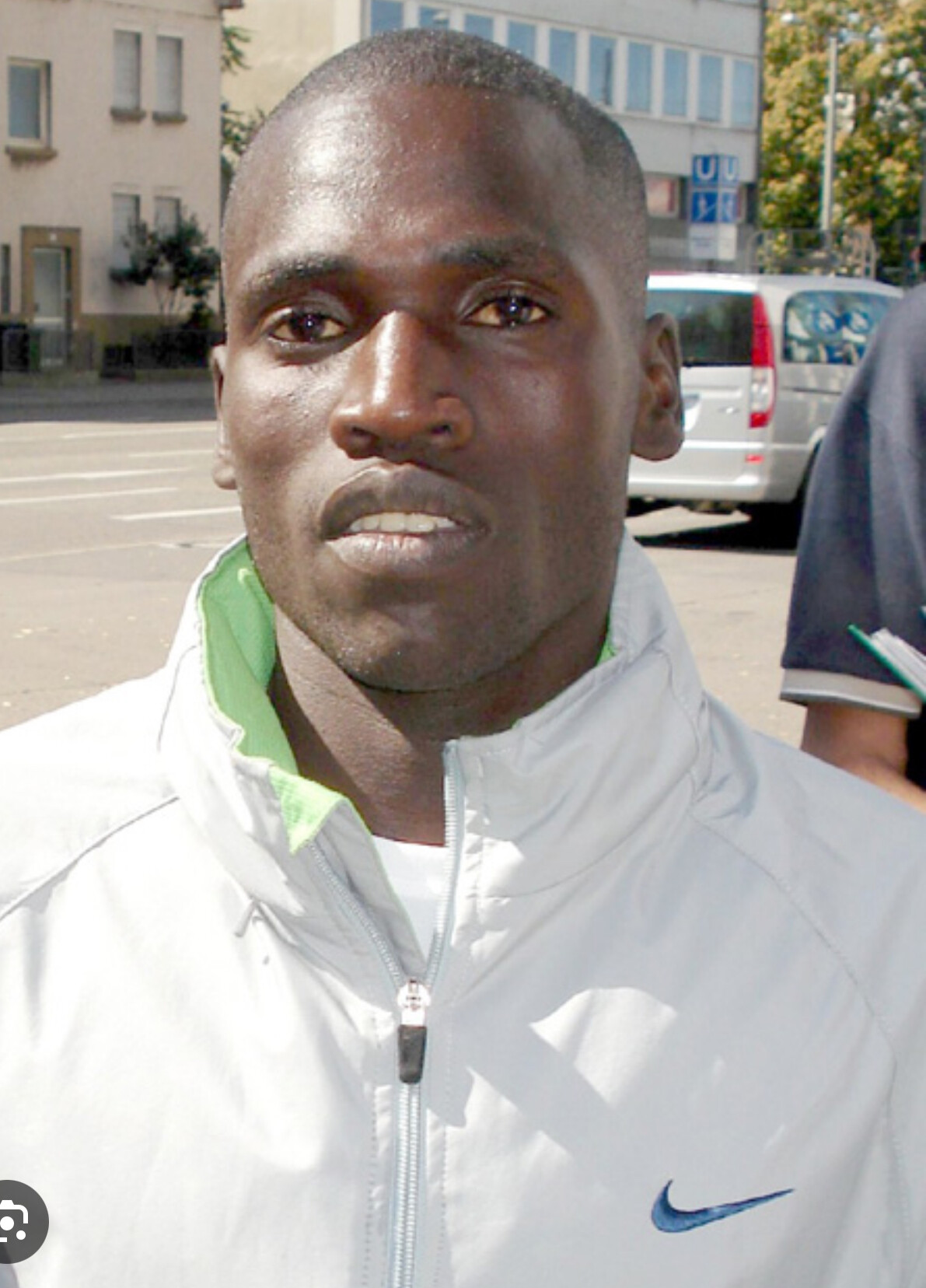
Even more impressively, Paul has run more sub-8:10 steeplechase races than any other athlete in history, with 110 such performances—a level of consistency that showcases his incredible fitness and longevity in one of the sport’s most grueling disciplines.
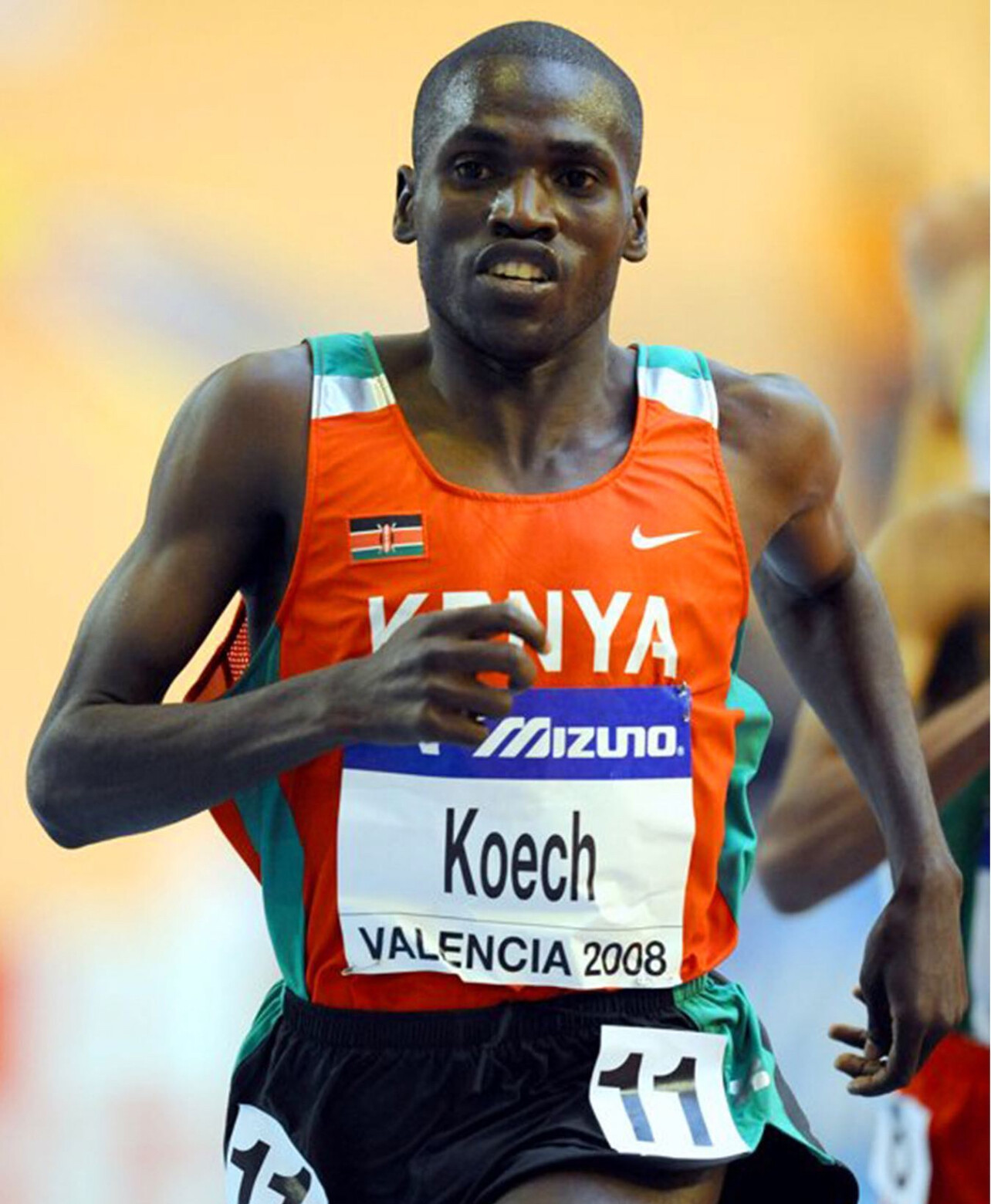
Now a world-class masters runner, Koech continues to train and inspire. But his talents extend beyond the track: he’s a successful dairy farmer with his own milk company and has extensive experience growing potatoes across the Rift Valley.
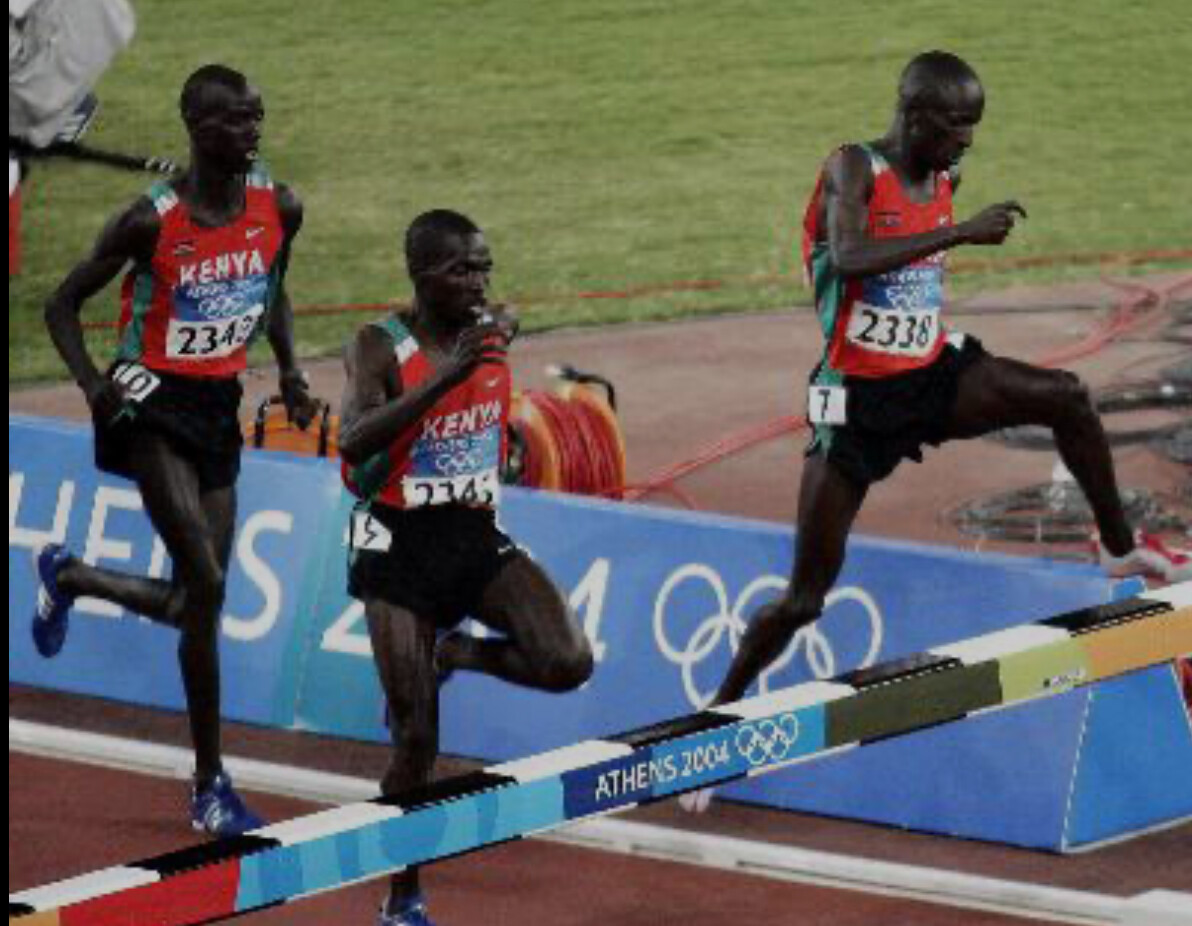
His deep agricultural background makes him the perfect fit for KATA’s innovative model, which combines elite running with sustainable farming. The KATA Running Camp Sotik will provide athletes with top-tier coaching and facilities, as well as hands-on experience in potato farming—a dual focus designed to build both athletic and life skills.
“I am so excited to be part of the KATA Running Camp program Bob has put together,” says Paul. “We are going to make a difference.”
Top five all-time best times for 3000m Steeplechase:
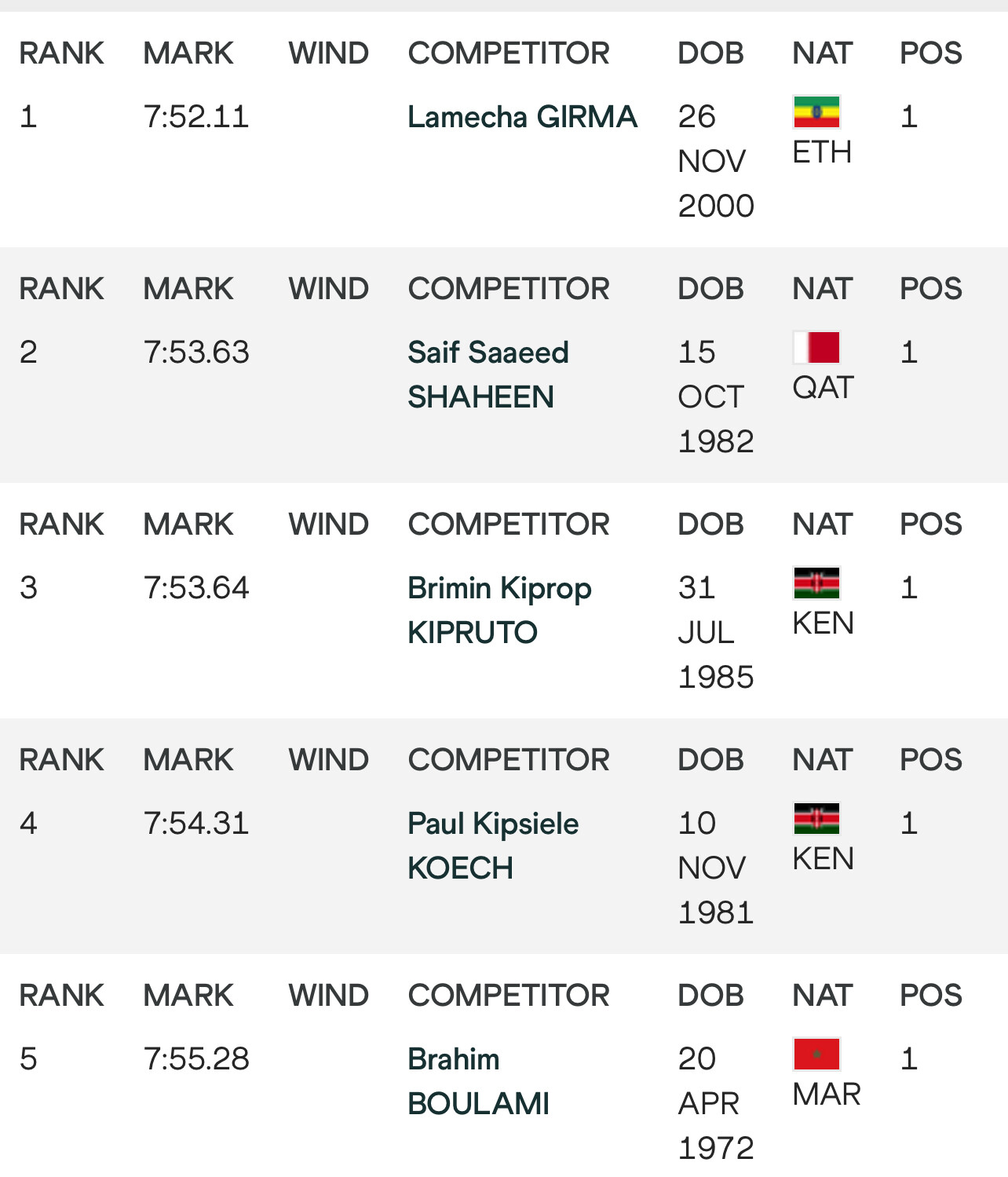
With Paul Kipsiele Koech at the helm, the Sotik camp becomes a powerful addition to the KATA mission: helping uncover new talent, supporting athlete development, and strengthening local communities—one stride at a time.
by Boris Baron
Login to leave a comment
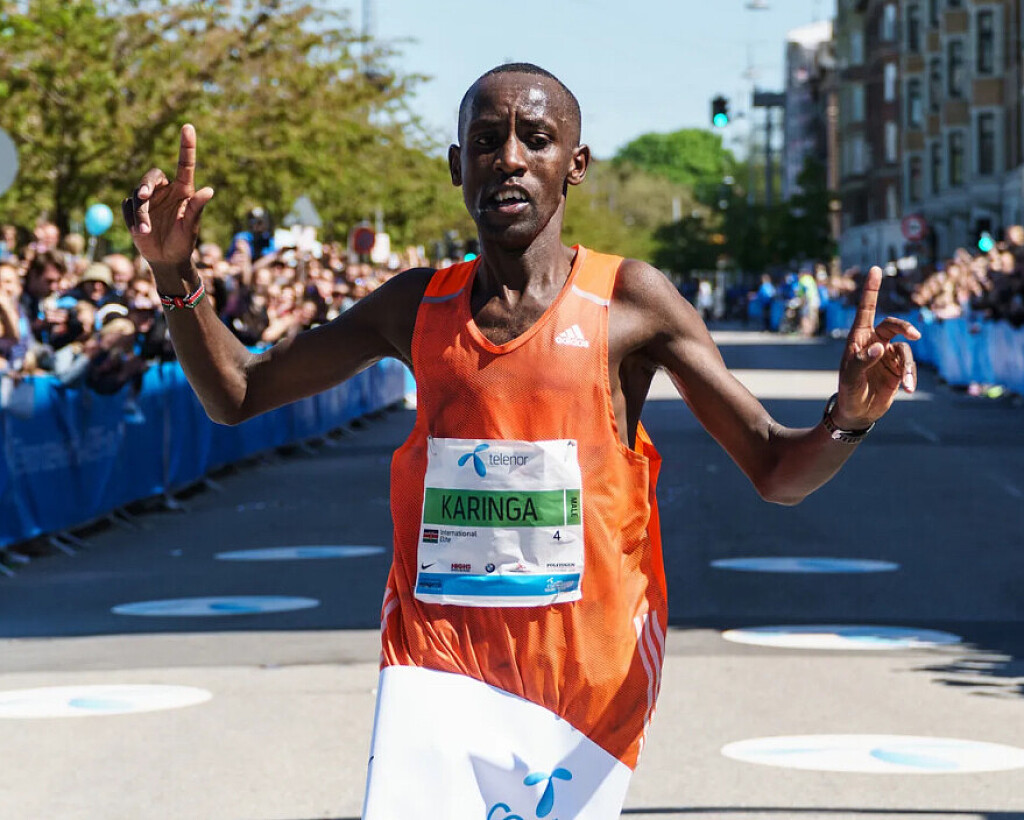
Copenhagen Marathon Nearly Sees Course Records Fall in Historic 2025 Race
May 11, 2025 | Copenhagen, Denmark – The 45th edition of the Copenhagen Marathon was the largest in Danish history, with 21,141 registered runners and near-perfect racing conditions—11°C (52F) and no wind. It nearly became the fastest as well, with both men’s and women’s course records just out of reach.
Eritrea’s Berhane Tesfaye claimed victory in the men’s race, stopping the clock at 2:08:25, just two seconds shy of the course record. In the women’s race, Kenyan debutant Sharon Kiptugen ran a stunning 2:23:19, finishing just five seconds off the women’s course best.
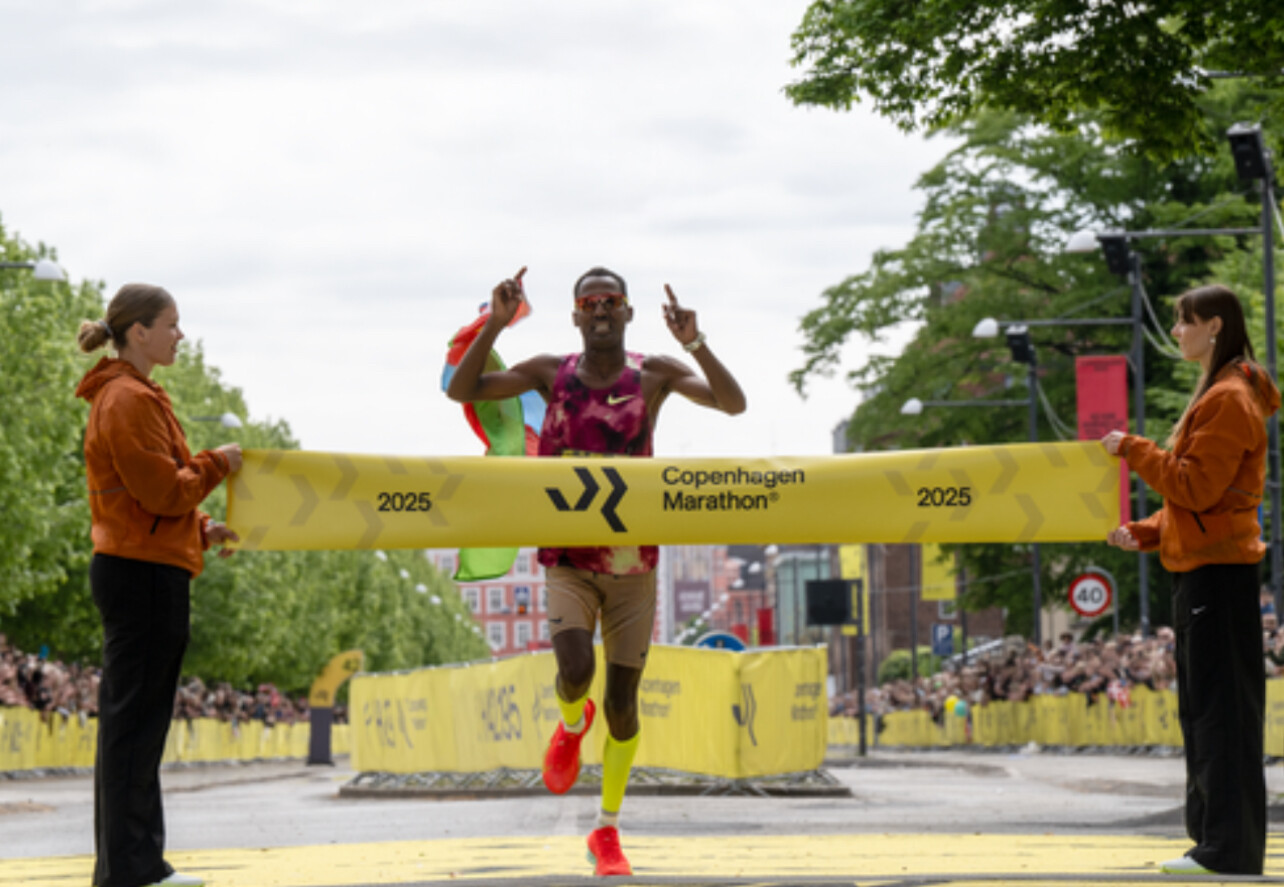
Tesfaye, who also won the 2025 Mumbai Marathon, ran a tactical race. After early pacing from Kenya’s Reuben Rono (1:03:43 at halfway), the lead shifted multiple times. Tesfaye and Kenya’s Vincent Mutai battled through the final kilometers, with the 38-year-old Tesfaye pulling away after 40K to win by 44 seconds. “I was aware of the record, but I had pain in my legs and just couldn’t finish faster,” Tesfaye said post-race.
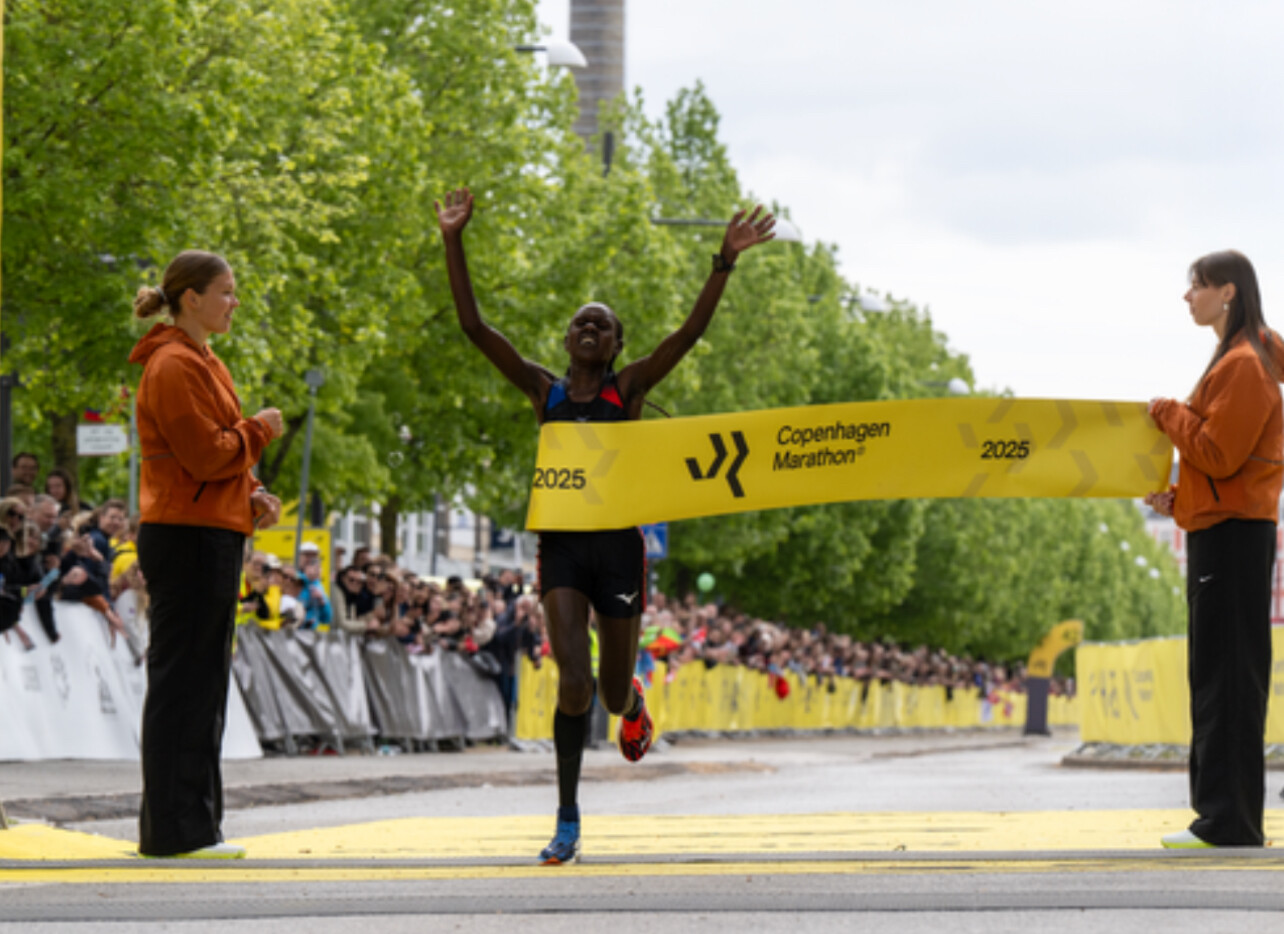
On the women’s side, Kiptugen pulled away after the halfway mark (1:11:27), steadily building a commanding lead over a deep field that included Sofia Assefa of Ethiopia—2012 Olympic silver medalist in the 3000m steeplechase—who finished second in 2:26:21. “I didn’t know I was so close to the record,” Kiptugen said. “But I’m just happy for the win.”
Top Finishers – Men
Berhane Tesfaye (ERI) – 2:08:25
Vincent Mutai (KEN) – 2:09:09 (PB)
Yismaw Atinafu (ETH) – 2:10:32
Top Finishers – Women
Sharon Kiptugen (KEN) – 2:23:19 (PB)
Sofia Assefa (ETH) – 2:26:21
Abebech Afework (ETH) – 2:28:37
Looking ahead, the 2026 Copenhagen Marathon will take place on May 10, with registration opening on May 27, 2025. The next major event in the city is the Copenhagen Half Marathon, scheduled for September 14, 2025, which also serves as a lead-up to the World Athletics Road Running Championships Copenhagen 26—expected to draw up to 65,000 runners.
by Morten Eklöf Risager (with Boris Baron)
Login to leave a comment

Copenhagen Marathon
The race is special in many ways But one thing is the course around almost every part of Copenhagen. The course goes to Frederiksberg which is a very beautiful part of the city. Theres a fantastic atmosphere in the city, and a lot of spectators along the route. The course is pretty fast, and the field of elite runners is...
more...
Faith Kipyegon and Jakob Ingebrigtsen Headline Historic 2025 Pre Classic
The 50th edition of the Prefontaine Classic, set for July 5 at Hayward Field in Eugene, Oregon, promises to be one of the most exciting track meets of the year. Headlining the event is three-time Olympic gold medalist Faith Kipyegon, who returns to the Pre Classic in search of her seventh career victory in the women’s 1500m.
Kipyegon, the world record holder in both the 1500m (3:49.04) and the mile (4:07.64), shattered the 1500m mark in Paris on July 7, 2024. Now, nearly a year later, she’ll look to reassert her dominance in front of a packed crowd at one of the sport’s most prestigious meets.
Joining Kipyegon in the 1500m are her fellow 2024 Olympic medalists—silver medalist Jessica Hull of Australia and bronze medalist Georgia Bell of Great Britain. Hull, a former University of Oregon standout, also holds the current world record in the 2000m.
But Kipyegon isn’t the only big name set to thrill fans in Eugene. The men’s Bowerman Mile will feature a stacked lineup that includes:
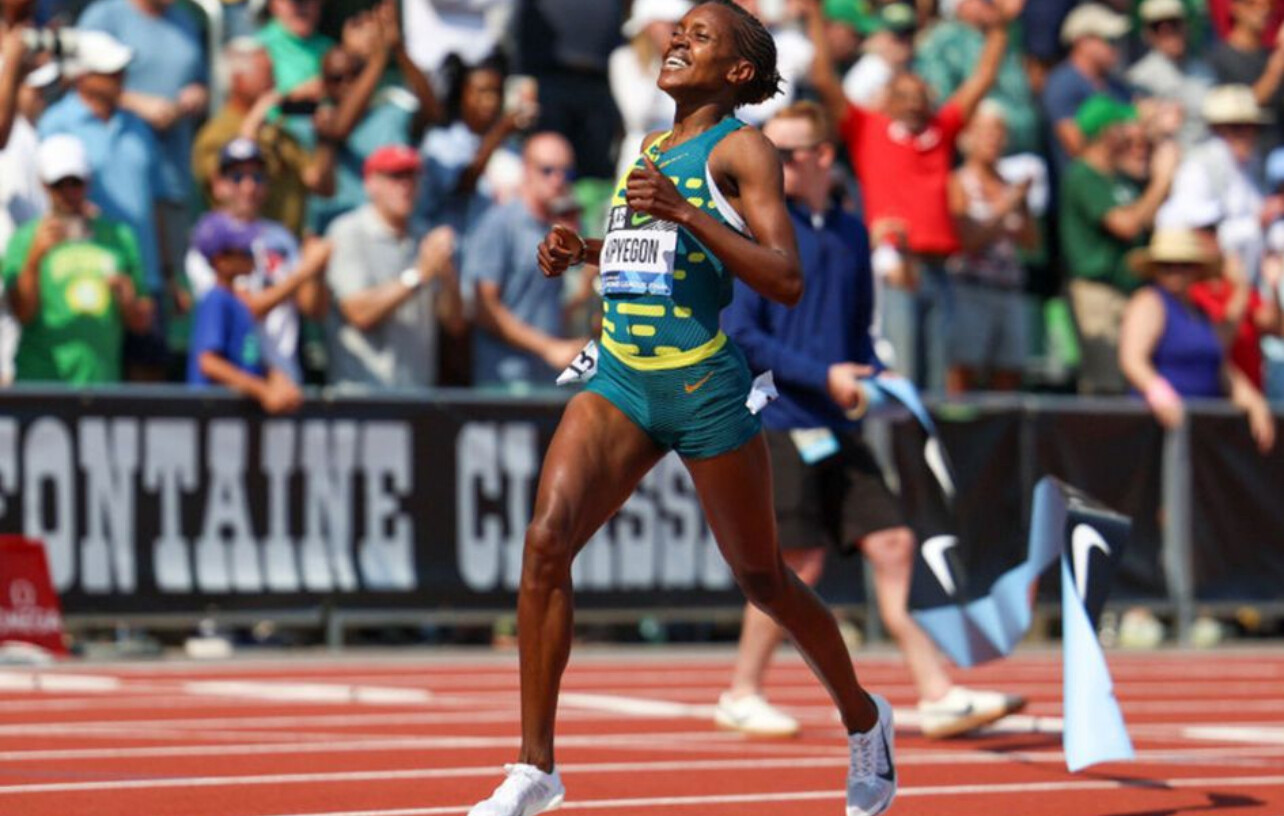
• Jakob Ingebrigtsen (Norway) – Olympic gold medalist and multiple-time Bowerman Mile champion

• Cole Hocker (USA) – 2024 Olympic 1500m champion
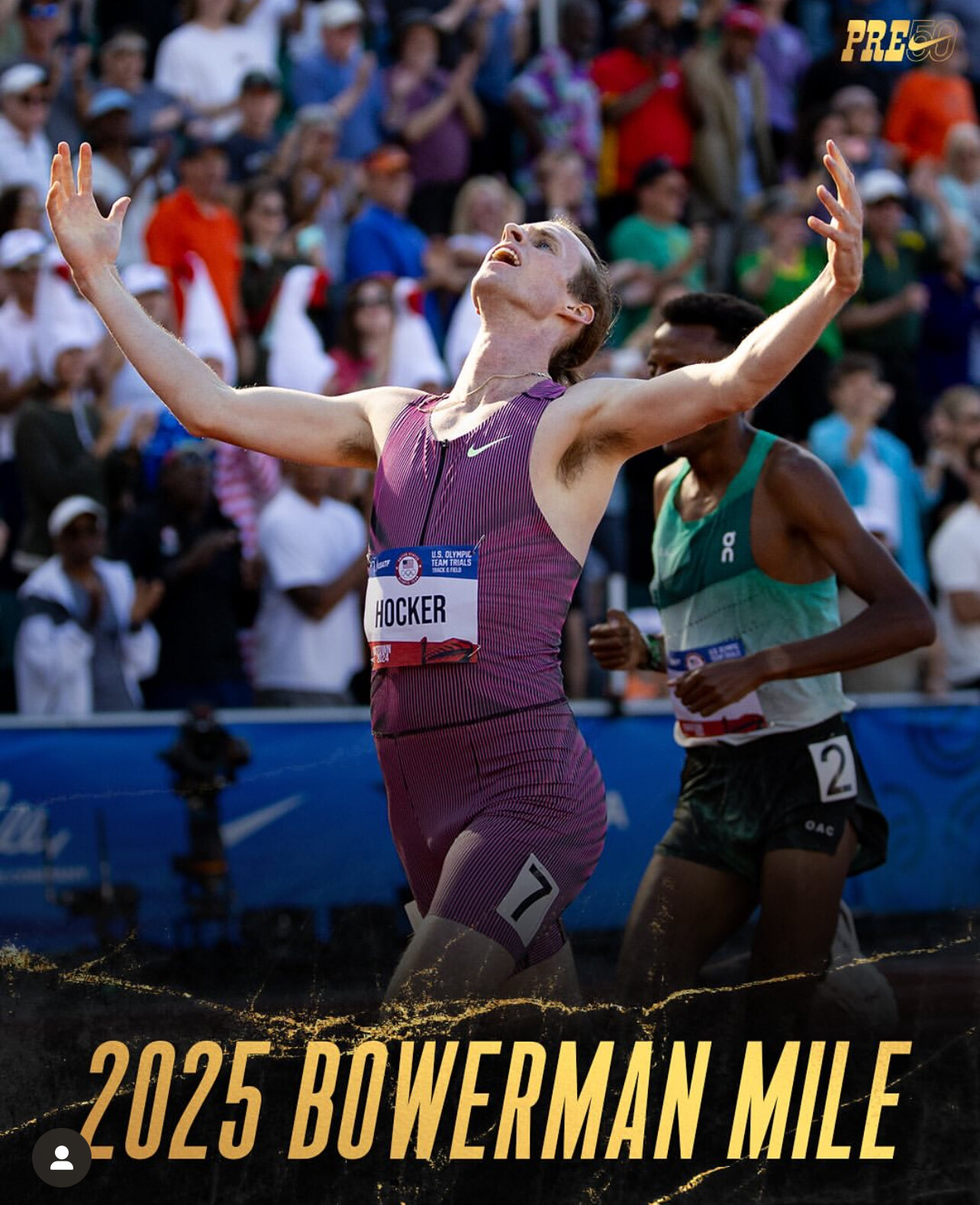
• Yared Nuguse (USA) – Olympic bronze medalist and former indoor mile world record holder
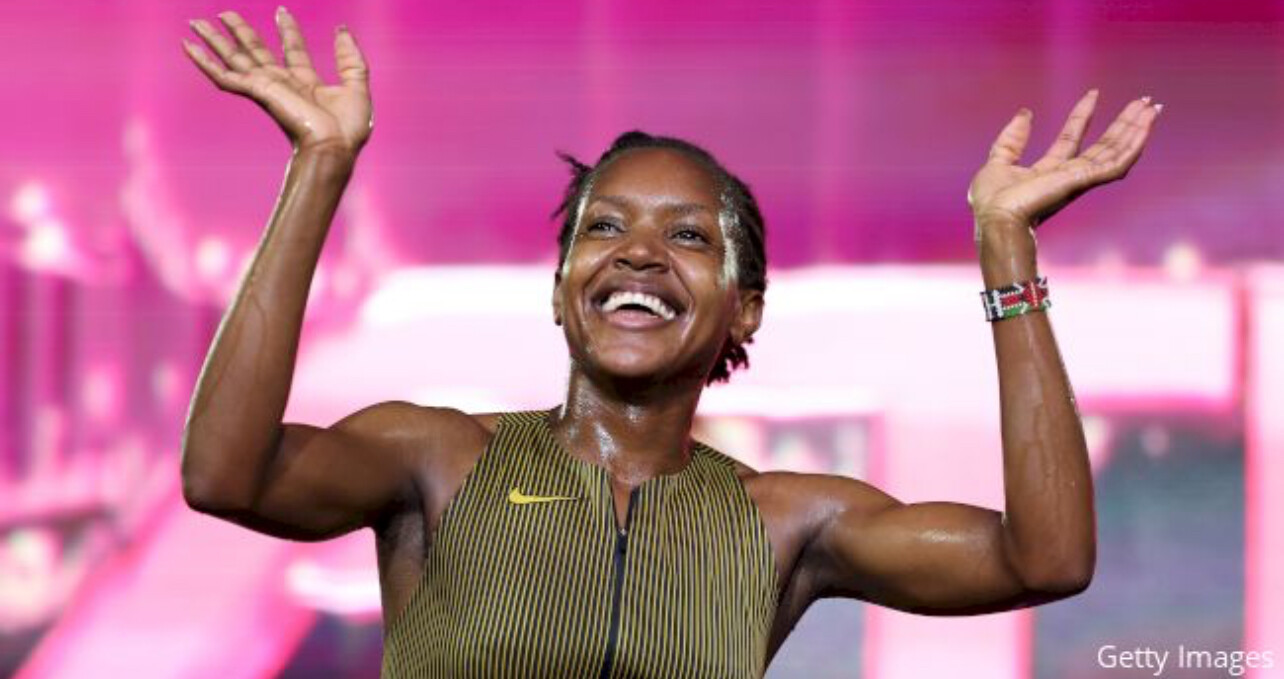
• Timothy Cheruiyot (Li Kenya) – Former world champion
• Jake Wightman (Great Britain) – 2022 world champion
• Grant Fisher (USA) – Olympic bronze medalist in both the 5000m and 10,000m
• Plus rising stars including Oliver Hoare, Neil Gourley, Azeddine Habz, Hobbs Kessler, Niels Laros, Cameron Myers, Stefan Nillessen, and Reynold Cheruiyot
In the men’s 400m hurdles, Olympic silver medalist Rai Benjamin will headline a competitive field that also includes CJ Allen, Trevor Bassitt, Clement Ducos, Malik James-King, Abderrahman Samba, and Assinie Wilson.
The 2025 Prefontaine Classic will feature 14 Diamond League disciplines, including the women’s 800m, 5000m, and 3000m steeplechase—each with world-class fields expected to be announced soon.
As the sport celebrates this milestone edition of the Pre Classic, the meet is shaping up to be not just a tune-up for global championships, but a showcase of track and field at its absolute best.
by Boris Baron
Login to leave a comment

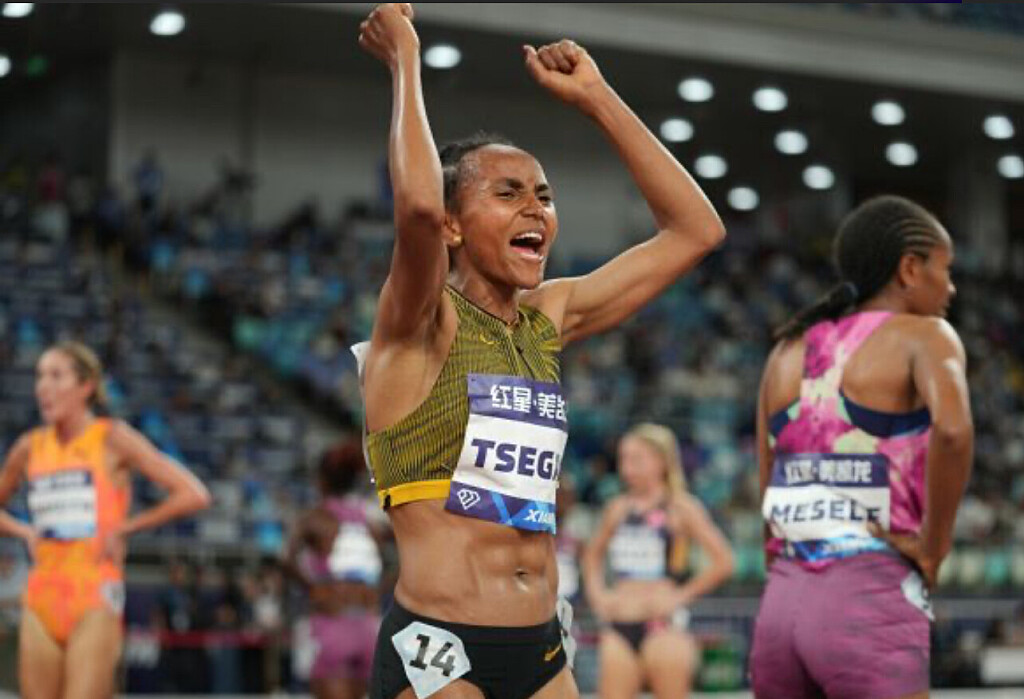
Diamond League 2025 Begins Saturday in Xiamen: Distance Stars Ready to Shine on Global Stage
The 2025 Wanda Diamond League kicks off this Saturday, April 26, in Xiamen, China, launching the most prestigious one-day series in global track and field. With 15 elite meets on the calendar, this year’s circuit serves as both a proving ground and a preview for the World Athletics Championships in Tokyo this September.
While Olympic champion Grant Holloway will headline the sprint hurdles, it’s the middle- and long-distance events in Xiamen that promise some of the most compelling matchups of the weekend.

Chebet vs. Tsegay in the Women’s 5000m
Saturday’s most anticipated race may be the women’s 5000m, featuring a classic Kenya vs. Ethiopia showdown.
Beatrice Chebet, the reigning Olympic champion and world record holder in the 10,000m, opens her Diamond League campaign against Gudaf Tsegay, the reigning 5000m world champion and world record holder. With personal bests of 14:05.92 (Chebet) and 14:00.21 (Tsegay), the two are expected to push each other deep into record territory.
They’ll be challenged by rising Ethiopian talents Freweyni Hailu and Birke Haylom, both capable of delivering world-class performances.
Kipyegon Returns in the 1000m
Also making her season debut is Kenyan superstar Faith Kipyegon, who will race the rarely-run 1000m. The two-time Olympic and world champion is the current world record holder in both the 1500m and the mile.
In Xiamen, she’ll face Jamaica’s Natoya Goule-Toppin and Uganda’s Halimah Nakaayi, both of whom are known for their championship pedigree over 800m. The 1000m offers an ideal distance for Kipyegon to sharpen her speed and stamina heading into the summer.
Men’s 3000m Steeplechase: A Deep Field Emerges
The men’s 3000m steeplechase will feature a stacked lineup, with top athletes from Kenya, Ethiopia, and Morocco vying for early-season dominance. With the event’s tradition of upsets and tactical drama, this race will be one to watch for fans of distance racing.
2025 Wanda Diamond League Schedule
Following Xiamen, the Diamond League tour travels to 14 more cities before the two-day final in Zurich. Here’s the full schedule:
• April 26 – Xiamen, China
• May 3 – Shanghai/Suzhou, China
• May 16 – Doha, Qatar
• May 25 – Rabat, Morocco
• June 6 – Rome, Italy
• June 12 – Oslo, Norway
• June 15 – Stockholm, Sweden
• June 20 – Paris, France
• July 5 – Eugene, USA
• July 11 – Monaco
• July 19 – London, UK
• August 16 – Silesia, Poland
• August 20 – Lausanne, Switzerland
• August 22 – Brussels, Belgium
• August 27–28 – Zurich, Switzerland (Diamond League Final)
The series leads directly into the 2025 World Athletics Championships, set for September 13–21 at Japan National Stadium in Tokyo.
by Boris Baron
Login to leave a comment
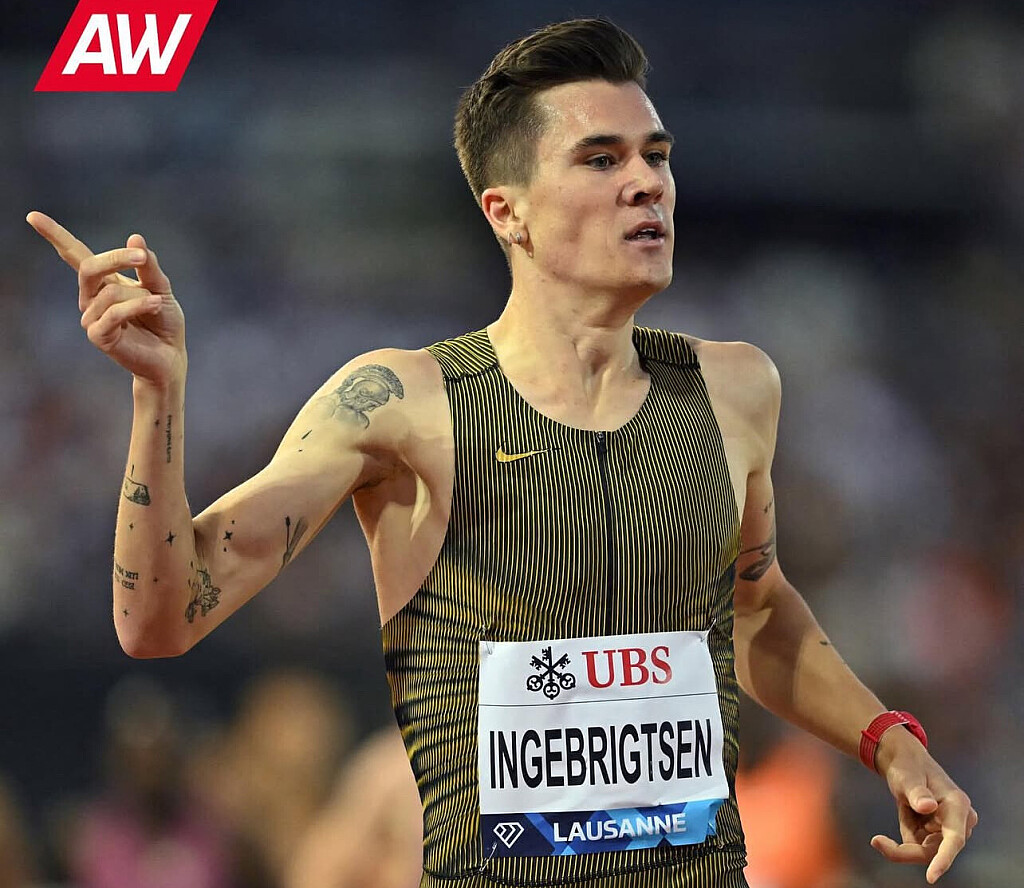
Showdowns Set to Define 2025 Diamond League Season with over 9 million in prize money
With the season opener just days away, rivalries from 800m to 10,000m are heating up on the Road to Zurich
The 2025 Wanda Diamond League kicks off on April 26 in Xiamen, China, launching a new season of high-stakes track and field action. For the world’s best middle- and long-distance runners, this marks the beginning of the Road to the Final—a journey that will culminate in Zurich on August 27–28.
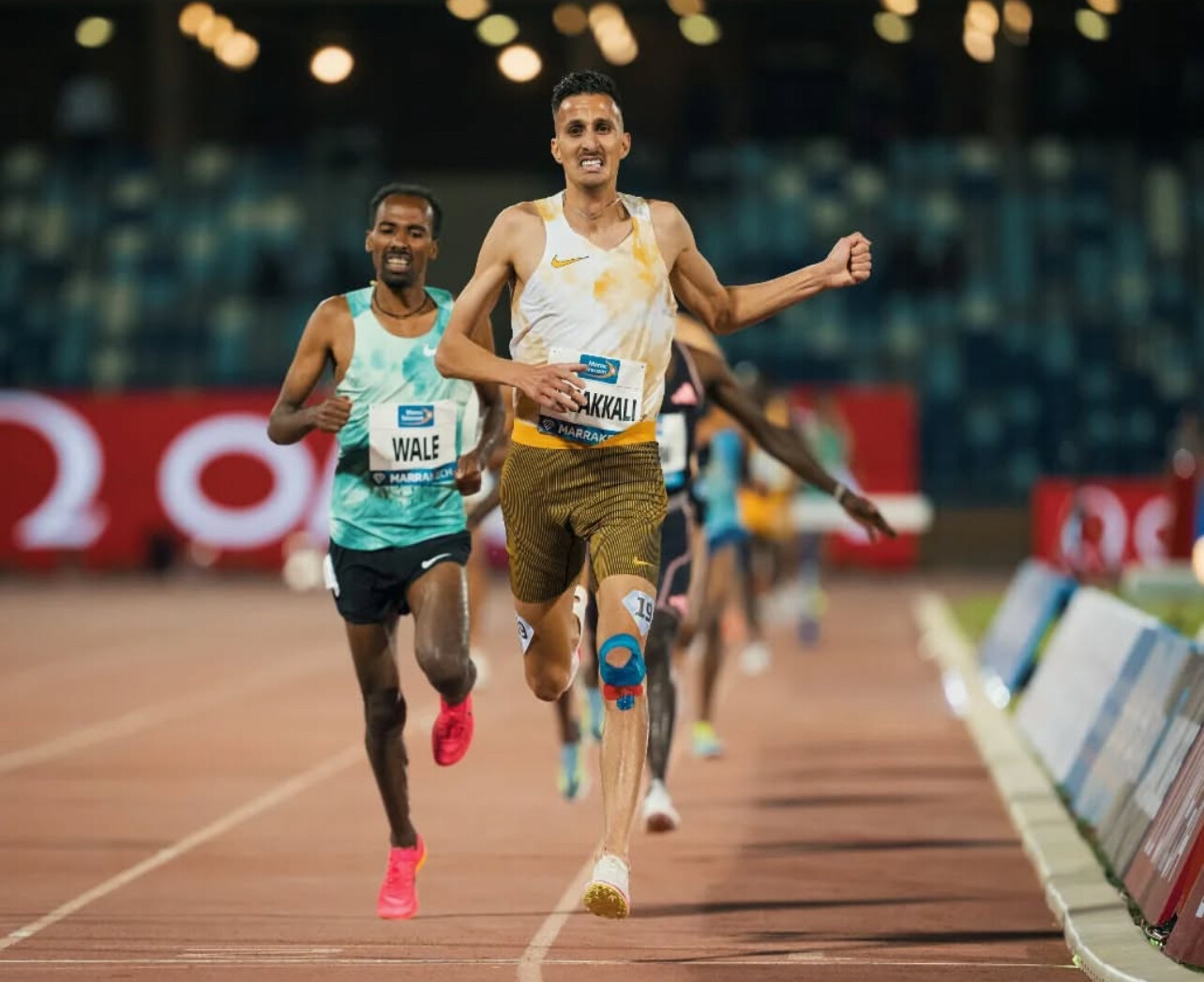
And if the early headlines are any indication, the upcoming season will be nothing short of electric.
Ingebrigtsen vs. Kerr: A Rivalry Rekindled
One of the fiercest rivalries in the sport will light up the men’s 1500m once again as Jakob Ingebrigtsen and Josh Kerr go head-to-head at the London Diamond League on July 19.

Their tension has been simmering since Kerr stunned Ingebrigtsen to win the world title in Budapest in 2023. The Norwegian responded with a strong victory in Zurich, but the scoreboard is far from settled.
Ingebrigtsen, now chasing his fifth career Diamond League title, will also line up against Olympic medalists Yared Nuguse and Cole Hocker in the Bowerman Mile at the Prefontaine Classic in Eugene on July 5, setting up another world-class clash.
Doha’s Steeplechase Rematch
The women’s 3000m steeplechase promises a rematch of Olympic proportions in Doha, where Winfred Yavi will face off against fellow medalists Peruth Chemutai and Faith Cherotich.
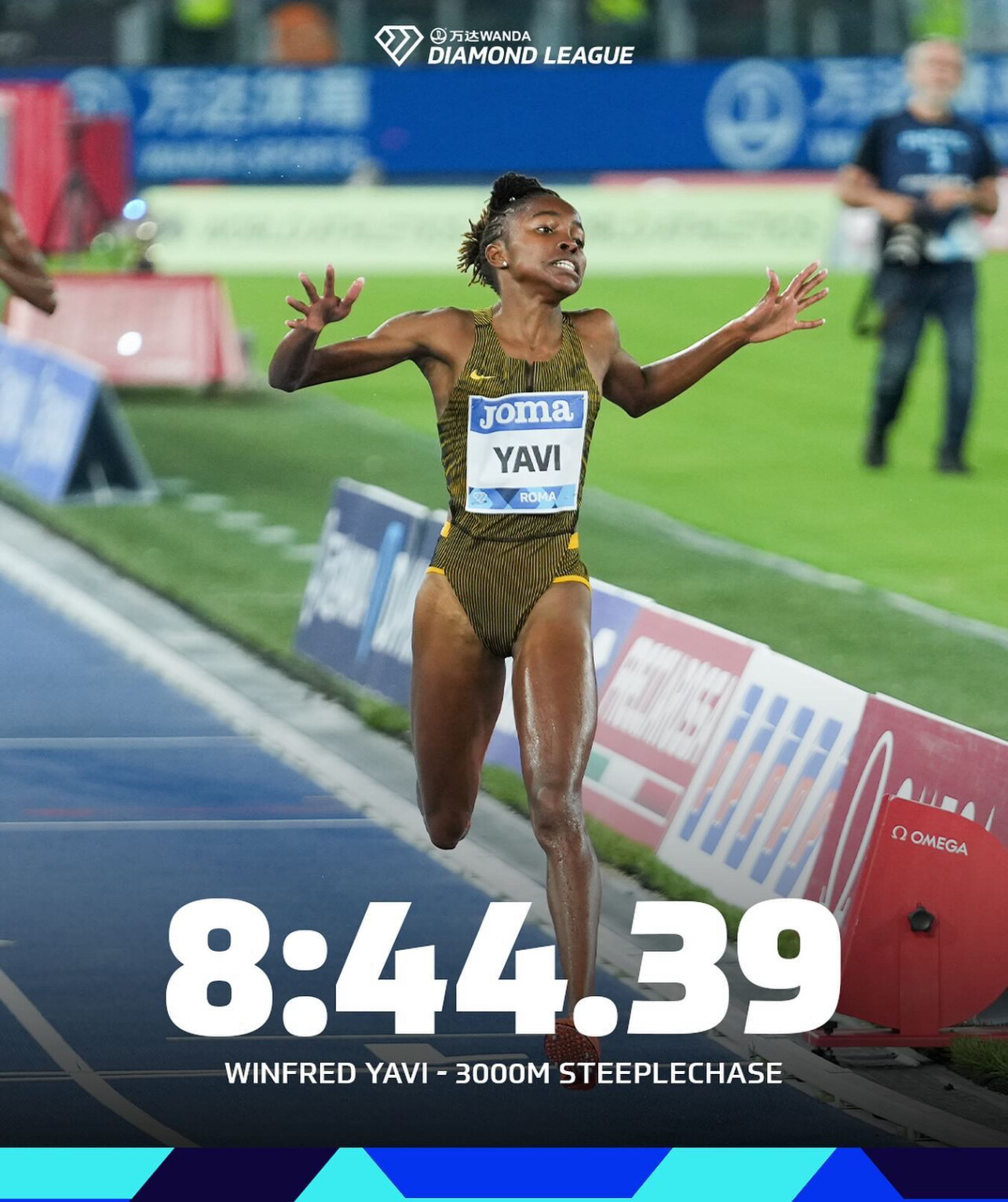
Yavi, the reigning Olympic champion, came within a whisker of the world record in Rome last season, while Cherotich enters 2025 as the Diamond League titleholder. Their early-season clash in Qatar could set the tone for one of the most compelling storylines in women’s distance running.
Eyes on Rome: A Distance-Lover’s Dream
The Pietro Mennea Golden Gala in Rome on June 6 is already shaping up to be one of the key middle- and long-distance showpieces of the year.
While final entries are still being confirmed, the women’s 800m is expected to feature a powerhouse lineup, potentially including Keely Hodgkinson, Athing Mu, and Mary Moraa. On the men’s side, stars like Emmanuel Wanyonyi, Marco Arop, and Djamel Sedjati are expected to battle for points in a crowded field of Olympic contenders.
Rome, known for producing fast times and historic finishes, could once again deliver career-defining performances.
2025: A Season Built for Distance Drama
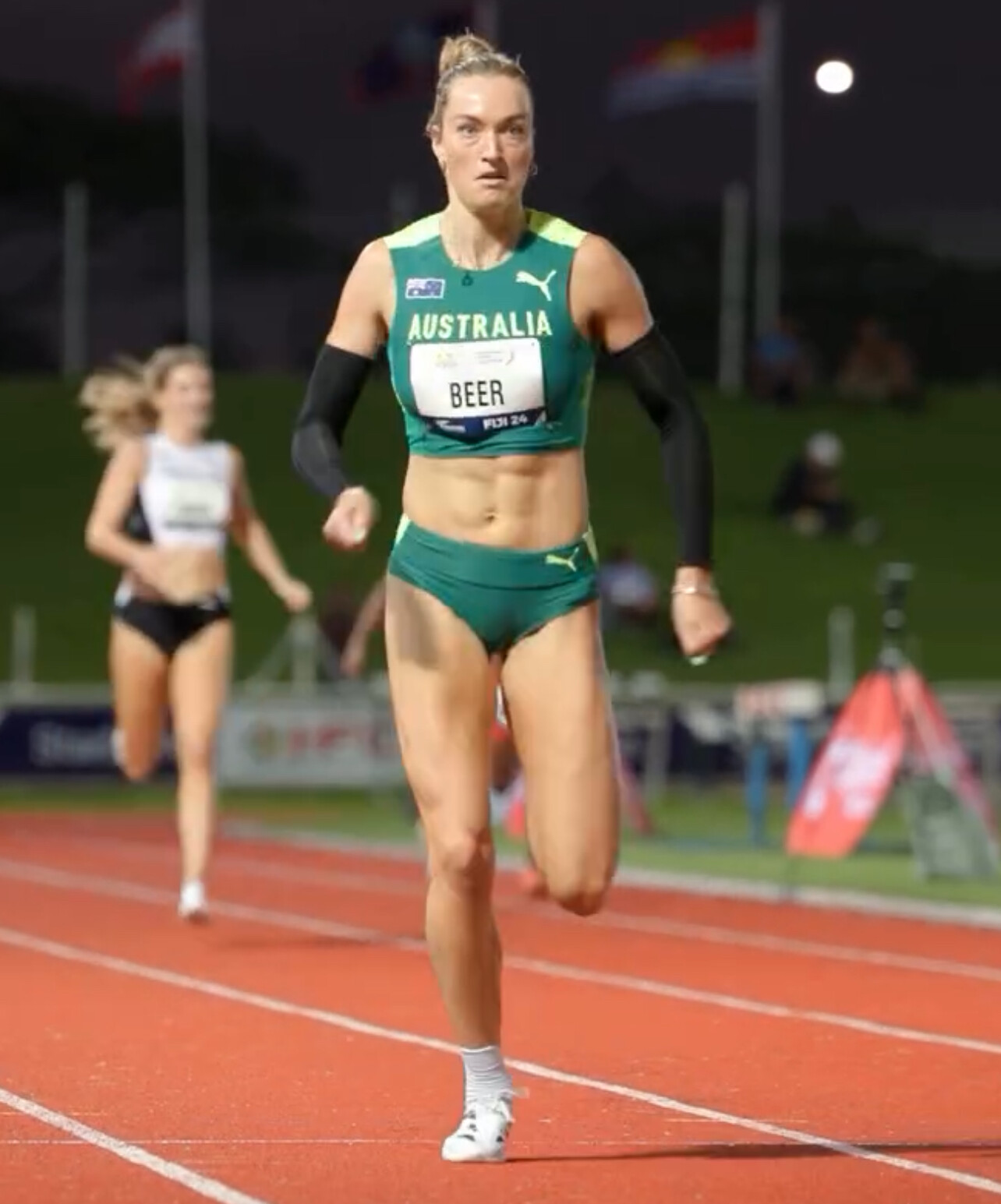
The Wanda Diamond League includes 14 series meets across four continents, leading to the two-day Final in Zurich, where only the top point-earners will compete for the Diamond Trophy. With increased prize money—ranging from $30,000 to $50,000 per discipline at series meetings and $60,000 to $100,000 at the Final—and millions watching worldwide, every race matters.
2025 is already shaping up to be a banner year for middle- and long-distance running. With fierce rivalries, Olympic-level fields, and rising stars chasing career breakthroughs in the 800m, 1500m, mile, steeplechase, 5000m, and 10,000m, the stage is set for one of the most thrilling Diamond League seasons yet.
by Boris Baron
Login to leave a comment

Who Had the Best Era in Track & Field? A Generational Showdown
Track and field has long been the stage for some of the most electrifying athletic performances in history. Each generation has produced legends who have redefined what is possible in sprinting, distance running, and field events. But which era stands above the rest?
From the Silent Generation pioneers to the Gen Z record-breakers, every period has contributed to the evolution of the sport. Let’s break down each era’s greatest stars and their lasting impact on track and field.
Gen Z (Born 1997 - 2012): The Future of Track & Field
The newest generation of elite athletes is already making waves on the world stage. With the benefit of cutting-edge training, nutrition, and recovery techniques, these young stars are smashing records at a rapid pace.
Notable Sprinters & Field Athletes:
• Sydney McLaughlin-Levrone (USA) – 400m hurdles world record holder and Olympic champion
• Mondo Duplantis (Sweden) – Pole vault world record holder
• Erriyon Knighton (USA) – One of the fastest teenagers ever in the 200m
Notable Distance Runners:
• Jakob Ingebrigtsen (Norway) – Olympic 1500m champion, European mile record holder
• Joshua Cheptegei (Uganda) – 5000m and 10,000m world record holder
• Jacob Kiplimo (Uganda) – Half marathon world record holder (57:31)
• Gudaf Tsegay (Ethiopia) – World champion in the 1500m, dominant in middle distances
Gen Z athletes are not only breaking records but also shaping the future of the sport through their influence on social media and global visibility. With their combination of speed, endurance, and access to modern sports science, they may soon surpass all who came before them.
Defining Traits: Explosive, record-breaking, tech-savvy
Millennials (Born 1981 - 1996): The Superstars of the Modern Era
No discussion of dominant track and field generations is complete without mentioning Usain Bolt. The Jamaican sprinting legend captured the world’s attention with his charisma and untouchable world records.
Notable Sprinters:
• Usain Bolt (Jamaica) – Fastest man in history (100m: 9.58, 200m: 19.19)
• Allyson Felix (USA) – Most decorated female Olympian in track history
• Shelly-Ann Fraser-Pryce (Jamaica) – One of the most dominant sprinters of all time
Notable Distance Runners:
• Eliud Kipchoge (Kenya) – The greatest marathoner of all time, first to break two hours in a marathon
• Mo Farah (UK) – Dominated the 5000m and 10,000m at two Olympic Games
• Genzebe Dibaba (Ethiopia) – 1500m world record holder
• Ruth Chepngetich (Kenya) – First woman to break the 2:10 barrier in the marathon, setting a world record of 2:09:56 at the 2024 Chicago Marathon
Millennials excelled across all track and field disciplines. They ushered in an era of professional distance running dominance, with African runners setting standards in middle and long distances. Meanwhile, Kipchoge’s sub-2-hour marathon attempt was a historic milestone in human endurance.
Defining Traits: Charismatic, dominant, endurance revolutionaries
Gen X (Born 1965 - 1980): The Tough and Versatile Competitors
Gen X athletes were the bridge between the amateur days of track and the fully professional era. They pushed the sport forward with fierce rivalries and new records, while also seeing the globalization of track and field.
Notable Sprinters:
• Maurice Greene (USA) – Former world record holder in the 100m (9.79)
• Marion Jones (USA) – One of the most dominant sprinters of the late ‘90s
Notable Distance Runners:
• Haile Gebrselassie (Ethiopia) – Olympic and world champion, former marathon world record holder
• Paul Tergat (Kenya) – Pioneered marathon running dominance for Kenya
• Tegla Loroupe (Kenya) – First African woman to hold the marathon world record
This era marked a golden age for distance running, with Gebrselassie and Tergat setting the stage for the marathon revolution that would come in the next generation. With increased sponsorships, the road racing circuit became more competitive, and Kenyan and Ethiopian dominance solidified.
Defining Traits: Tough, globalized, long-distance pioneers
Baby Boomers (Born 1946 - 1964): The Golden Age of Track & Field
The Baby Boomers took track and field into the modern Olympic era, producing some of the most iconic figures in the sport’s history.
Notable Sprinters:
• Carl Lewis (USA) – Nine-time Olympic gold medalist across sprints and long jump
• Florence Griffith-Joyner (USA) – 100m (10.49) and 200m (21.34) world record holder
Notable Distance Runners:
• Sebastian Coe (UK) – 800m and 1500m Olympic champion, middle-distance legend
• Steve Prefontaine (USA) – One of the most influential distance runners in history
• Miruts Yifter (Ethiopia) – 5000m and 10,000m Olympic champion
This era brought middle and long-distance running into the mainstream, with rivalries like Coe vs. Ovett and Prefontaine vs. the world captivating fans. The Baby Boomers were the first generation of professional-level training and saw athletes truly dedicated to their craft year-round.
Defining Traits: Bold, revolutionary, multi-talented
Silent Generation (Born 1928 - 1945): The Pioneers of Kenya’s Dominance
This generation laid the foundation for modern track and field, producing legends whose influence still resonates today.
Notable Distance Runners:
• Kip Keino (Kenya) – The pioneer of Kenya’s dominance in distance running, winning Olympic gold in the 1500m (1968) and 3000m steeplechase (1972)
• Emil Zátopek (Czechoslovakia) – Triple gold in 5000m, 10,000m, and marathon at the 1952 Helsinki Olympics
• Paavo Nurmi (Finland) – Nine-time Olympic gold medalist in long-distance events
Kip Keino’s triumph over Jim Ryun in the 1500m final at the 1968 Mexico City Olympics is considered one of the greatest upsets in Olympic history. Competing at high altitude, Keino used a fast early pace to break Ryun, ushering in an era of Kenyan middle-distance dominance that continues today.
Defining Traits: Groundbreaking, resilient, visionary
Which Generation Had the Greatest Impact?
Each generation of track and field athletes has contributed to the sport’s evolution in unique ways:
• Millennials brought global superstardom (Bolt, Felix, Fraser-Pryce, Kipchoge, Chepngetich)
• Gen X athletes were fierce competitors in a rapidly changing sport (Greene, Gebrselassie, Tergat)
• The Baby Boomers set records that still stand today (Carl Lewis, Flo Jo, Coe, Prefontaine)
• The Silent Generation laid the foundation for modern track and field (Owens, Zátopek, Kip Keino)
• Gen Z is already breaking records and shaping the future of the sport (McLaughlin-Levrone, Ingebrigtsen, Cheptegei)
While it’s hard to declare one era the best, one thing is certain: the sport of track and field continues to evolve, with each generation pushing the limits of human performance.
Which generation do you think is the greatest? Let us know in the comments!
by Boris Baron
Login to leave a comment
From Barefoot Champion to Marathon Legend: The Journey of KATA Coach Jimmy Muindi
Jimmy Muindi’s journey from a young barefoot runner in Kenya to an elite marathoner is a testament to perseverance, adaptability, and the drive to push beyond limitations. His incredible career includes winning the Honolulu Marathon six times, running a 2:05:24 marathon, and playing a key role in pacing Paul Tergat to a world record 2:04:55 at the 2003 Berlin Marathon.
Now, Muindi is bringing his experience to KATA Portugal as a coach, offering training, insights, and mentorship to runners of all levels. His coaching philosophy is deeply rooted in his own experience as a professional runner, ensuring that guests at KATA Portugal will learn from someone who has lived the life of a world-class athlete.
This three-part series will explore Muindi’s remarkable career and his transition to coaching:
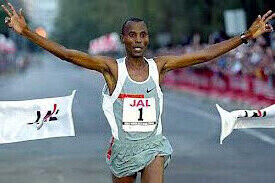
• Part One: His journey from humble beginnings to becoming an elite marathoner and record-setting athlete.
• Part Two: His coaching success in Kenya and what he brings to guests at KATA Portugal.
• Part Three: Nutrition and race preparation—why the most important meal for a big race happens two nights before and how Muindi’s personal approach to fueling has helped him perform at the highest level.
Humble Beginnings and Early Inspiration
Born into a family of eight children, Muindi was the firstborn and grew up in modest conditions. Food was scarce, and life was challenging, but his mother, was a runner who competed only in school-level races, became his first source of inspiration. At age 15, his mother encouraged him to start running, recognizing his potential.
Then, in 1988, Muindi’s cousin qualified for the World Junior Cross Country Championships. Seeing someone from his own family reach the international stage ignited his dream. Despite his family’s simple way of life, Muindi was determined to see what he could achieve.
High School Breakthrough and First Steps to Elite Running
Even without structured coaching, Muindi trained on his own and quickly became the best runner in his school. He performed exceptionally well in long-distance events, often lapping other runners in the 10,000 meters. His talent caught the attention of a national coach, who invited him to a training camp—a turning point that would take his career to the next level.
The training camp was six kilometers from Muindi’s home, and without access to transportation or proper gear, he ran there barefoot to train with the coach who recognized his talent. The camp had about 15 to 20 athletes, and when he joined, he could beat everyone except for two runners—both of whom had running shoes and proper training gear.
Determined to improve, Muindi trained at the camp twice per week under the coach’s guidance. On the other days, he trained on his own four times per week, but because he lacked proper training knowledge, he simply ran miles and miles barefoot, unknowingly building his endurance and toughness.
Rapid Improvement and a Life-Changing Connection
The training at the camp was intense. After running six kilometers as a warm-up just to get there, Muindi and the group would do a 6K to 10K hard effort, often running at a 4:00 to 4:30 per kilometer pace at 2,400 feet elevation.
In addition to tempo efforts, they incorporated hill training and track workouts on alternate days. A typical track session included: 4x800 followed by 6x400 and finishing with 4x200.
Muindi made rapid progress. Within two months, he became the best runner in the group, surpassing even those who had more experience and better gear. Recognizing his potential, his coach reached out to Cosmas Ndeti, a rising Kenyan marathoner who was competing internationally, particularly in Japan.
Breakthrough on the World Stage
After meeting Cosmas Ndeti, Muindi’s career took off. Within two months, he became the top junior athlete in Kenya for the 3000m steeplechase and qualified for the World Junior Athletics Championship in South Korea. His rapid rise earned him his first pair of training shoes, a reward that symbolized his status as an emerging talent.
However, when Muindi arrived in South Korea for the World Junior Championships, he faced an unexpected challenge. He was given racing spikes for the first time in his life, but having never worn them before, he struggled to run in them. Instead of risking discomfort or injury, he made the bold decision to compete barefoot, just as he had trained back home.
Against all odds, Muindi won the gold medal, officially launching his international running career.
"So here I was—my first time on an airplane, traveling to South Korea, and winning the gold,” Muindi recalls. “But as a junior, there was no financial benefit. I arrived back home to the same place I left.”
Unlike today, where young athletes receive government incentives for international success, Muindi returned home without financial support. “In today’s world, the government would have given me 1 million KES ($7,700 USD) for that gold medal,” he says. But back then, he had to continue training, hoping his talent would eventually open doors.
A New Opportunity in Yugoslavia
Because of his gold medal, Muindi received a lot of exposure, and just six months later, he was invited to run a half marathon in Yugoslavia. He made the most of the opportunity, finishing second with a time of 1:02:42.
This was not just a breakthrough in racing—it was also Muindi’s first real financial reward from running. “I won $800 USD. Wow, I was excited and had never seen that much money before!” he remembers. This prize money gave him a glimpse of what running could do for his future, motivating him to keep pushing forward.
Honolulu Domination and Marathon Success
Muindi launched his marathon career with a runner-up finish at the 1997 Honolulu Marathon. He quickly made the Honolulu race his race in the years to follow. In an era when Kenyan athletes were dominating distance running, Muindi became a legend in Honolulu – he went on to win the Honolulu Marathon an astonishing six times (1999, 2000, 2003, 2004, 2005, 2007) . In 2004, he set a course record of 2:11:12, a mark that remained unbroken for four years . This string of victories, including three straight from 2003 to 2005, made him inseparable from Honolulu’s running lore. "The course has challenging hills and the weather is hot and humid," he remembers "but the race became part of my life and my family."
His success wasn’t confined to one event, either. Muindi proved his prowess on the global stage by capturing the Rotterdam Marathon title in 2005 with a personal best time of 2:07:50 . He also earned podium and top-five finishes at other major marathons – for instance, placing 3rd at the 2006 Chicago Marathon and 5th at Berlin in 2002 . These achievements against world-class fields reaffirmed his status among the elite marathoners of his era.
Such professional success afforded Muindi not only international experience but also a platform for the next phase of his life. After years of training alongside and against some of the world’s best, Muindi had accumulated a wealth of knowledge about endurance training, strategy, and the “Kenyan way” of running.
Now in his fifties, he has transitioned into coaching, eager to share that hard-earned expertise. He joined KATA in Thika, Kenya – a running academy founded in 2019 by Runner’s World founder Bob Anderson – as one of its expert coaches. In this role, Muindi’s daily lifestyle still revolves around running, from sunrise training runs to mentoring athletes, very much a continuation of the regimen he followed as a pro.
The difference is that today he channels his energy into developing others. His success as a professional runner paved the way for this career: it gave him credibility and a passion he now imparts to up-and-coming runners. In essence, Muindi has parlayed his storied racing career into a thriving vocation as a coach – and his identity as an athlete-turned-coach is a direct product of the triumphs and lessons of his competitive years.
Giving Back: Family and Coaching
Muindi always believed in taking care of his family first. In 1996, using prize money, he bought 10 acres of farmland for his father. Two years later, he built a house for his parents, ensuring their long-term stability. With his family secure, he focused on his own future, purchasing five acres of prime land and building his own house. Today, he uses his land to grow green vegetables, avocados, and raise chickens.
Now, Muindi is giving back to the next generation of runners. He has joined KATA Portugal as a KATA coach, where he shares his expertise and experience, helping others chase their own dreams. His lifestyle today is a direct result of his success as a professional runner, and now he is using that knowledge to guide others.
Coming Next in Part Two
Jimmy Muindi’s success as a professional runner has shaped his coaching philosophy, and now, as a KATA Portugal coach, he is offering world-class training to runners from all backgrounds.
In Part Two, we will explore his coaching success in Kenya and what he brings to guests at KATA Portugal. We’ll take a closer look at the training programs he has developed, the athletes he has worked with, and what runners can expect when training under his guidance.
Stay tuned for the next installment as we dive into Muindi’s transition from elite marathoner to an elite coach and how he is bringing the Kenyan way of training to Portugal.
(photos: 1. Muindi setting the course record in 2004. 2. At KATA with Bob Anderson. 3. Racing in Honolulu 4. Muindi with some of KATA Portugal staff with Bob and Catherine Anderson.
Login to leave a comment
Anticipation Builds for Middle-Distance Showdowns at 2025 Czech Indoor Gala
The Czech Indoor Gala, scheduled for February 4, 2025, in Ostrava, is set to feature thrilling middle-distance races, particularly in the men’s 800 meters and the women’s 3000 meters.
Men’s 800 Meters:
Czech national record holder Jakub Dudycha will compete on home soil. As a junior, he set a national U20 indoor record of 1:47.42 at the Czech Indoor Gala, later improving it to 1:47.12. Outdoors, he advanced to the semi-finals at the European Championships in Rome, clocking a time under 1:45, and subsequently set a new Czech senior record of 1:44.82 in Bydgoszcz. Dudycha has expressed his ambition to break the national indoor record this season.
He will face formidable international competitors, including Belgium’s Eliott Crestan, who is the sixth fastest European in history with a national record of 1:42.43 set at the Paris Diamond League meeting. Crestan is a bronze medallist from both the European and World Indoor Championships. Another strong contender is Catalin Tecuceanu, representing Italy since 2022, who secured European bronze in Rome and boasts personal bests of 1:45.00 indoors and 1:43.75 outdoors.
Women’s 3000 Meters:
Kristiina Sasínek Mäki, a Tokyo Olympics finalist, will compete in the 3000 meters. She has been training under Swiss coach Louis Heyer and is eager to showcase her progress. However, she will face stiff competition from African athletes. Ethiopia’s Freweyni Hailu, the 1500m world indoor champion from Glasgow 2024, returns after setting a meeting record in the mile at last year’s Czech Indoor Gala. Joining her is compatriot Sembo Almayew, the junior world record holder in the steeplechase and World U20 champion, as well as Norah Jeruto, the World 3000m steeplechase champion from the 2022 Eugene Championships, now representing Kazakhstan.
The Czech Indoor Gala, part of the World Athletics Indoor Tour Gold series, continues to attract top-tier talent, ensuring a night of exceptional athletic performances in Ostrava.
Login to leave a comment
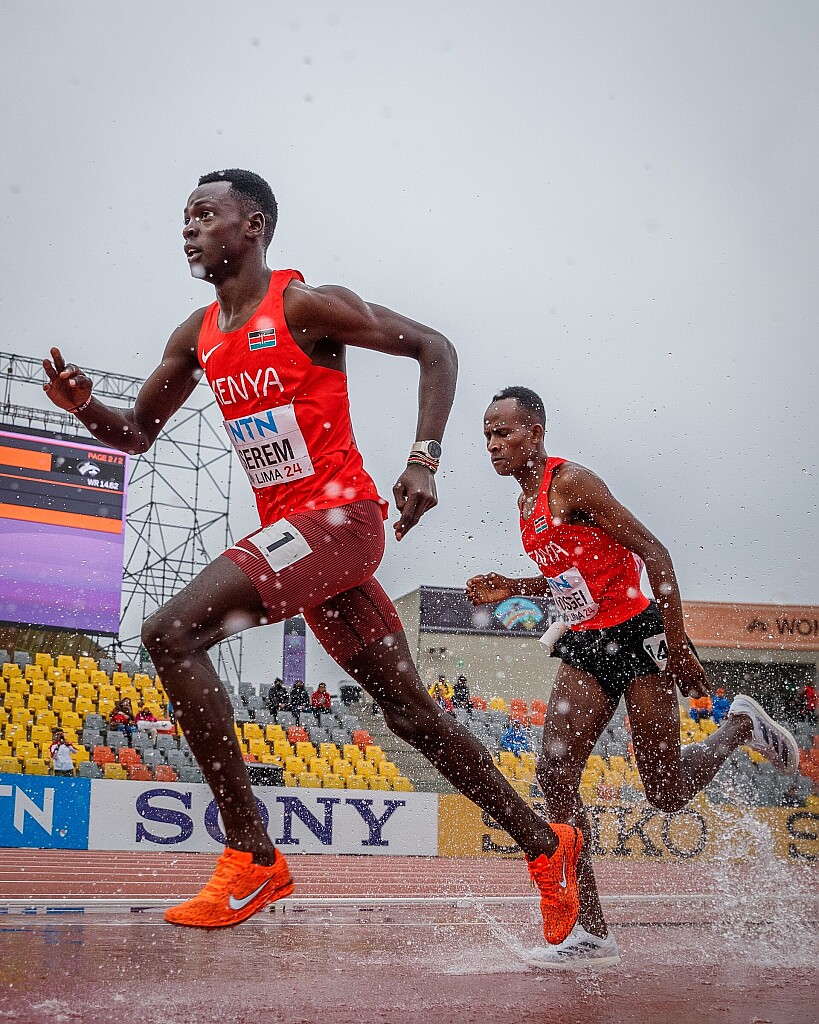
Emerging Kenyan star Serem inspired by family’s steeplechase passion
Edmund Serem’s steeplechase triumph at the World U20 Championships in Lima was very much the result of a family effort.
Not only does he have older brother Amos – the 2021 world U20 champion – as a role model, he also has his father to thank for getting him into athletics, and particularly the steeplechase.
“It has always been our dad's dream to see us (Amos and Edmund) achieve what he wanted to achieve for himself as a youth, but didn't due to lack of support,” said Serem.
During their youth, their father took them to several athletics competitions around Kenya, and went on to provide his sons with everything they needed to establish their running careers.
“He would buy training shoes and running apparel and provide transport money for us to attend all the weekend meetings in the region,” recalled Serem, adding that their father chose the steeplechase distance for them.
“He would show us videos of Ezekiel Kemboi, Brimin Kipruto, Conseslus Kipruto and other steeplechasers competing at major championships. He erected barriers for us to practice jumping over and was so careful in choosing the right surfaces for us to do so as he didn't want us to get injured.”
Serem started running at the age of eight. Despite Amos being older than him, Edmund would join his brother on training runs, though would often take a shorter route. “My brother would then have to run faster and try to finish his route in the time it took me to complete the shorter one.”
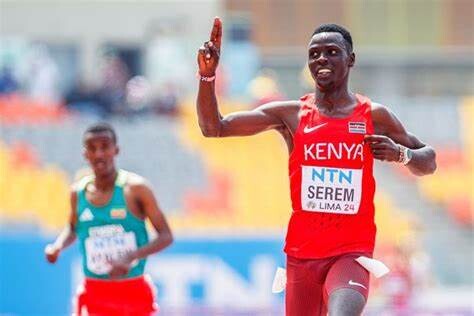
When Amos started high school, the brothers trained under different coaches and environments. Edmund would later join St Patrick's Iten High School and trained under the famous Irish coach, Brother Colm O'Connell.
Edmund missed out on some competitive opportunities during his early high school years due to the Covid pandemic. Amos, meanwhile, went on to train under Patrick Sang in Kaptagat, but fate would bring the two brothers back together again.
They both now train in Kaptagat under coach Sang's programme. Despite being in two separate camps, wearing different brands and under two separate management groups, their training camps are just 600 metres apart and they see one another every morning for their training.
Sibling rivalry
Serem speaks fondly of his brother. While he has no desire to outshine his brother, he always enjoys competing alongside him in races. That feeling appears to be mutual, too.
"Every time my brother and I are in the same race, he usually performs very well,” says Serem. “I don't know if it is because he doesn't want me to beat him or because he feels stronger when I am around him, but I still look forward to racing against him.”
Both brothers have earned world U20 steeplechase titles in recent years. Three years after Amos’s triumph on home soil in Nairobi, Edmund followed in those footsteps by taking the steeplechase gold medal at this year’s World U20 Championships in Lima.
In a race in which 12 of the 16 finalists set PBs, Serem led a Kenyan 1-2 from teammate Mathew Kosgei to win in 8:15.28. Not only is it a world-U20-leading time, it’s also the third fastest in history by an U18 athlete.
He eventually won by more than two seconds, but he had struggled with stomach ache in the heats three days prior.
“After I rehydrated and recovered from the heats, my body felt good for the final,” he says. “I had high hopes of winning the race, and I told myself on the start line that if anyone else wanted to win it, they would have to fight hard for it.”
The performance capped a remarkable season for the 16-year-old. Back in March he finished sixth at the African Games, then he narrowly missed making the team for the Paris Games, finishing fourth at Kenya’s Olympic Trials. Just eight days later, he earned silver at the senior African Championships before ending his season on an even bigger high with his triumph in Lima.
Managing expectations
Having achieved so much at such a young age, and with the steeplechase being one of Kenya’s strongest disciplines, Serem knows that all eyes will be on him and his brother in the coming years. He takes it all in his stride, though.
"Most of my friends and relatives now believe more in me and see our dream to restore the steeplechase glory to Kenya becoming a reality,” he says. “Many are telling me that my brother and I are the potential runners to dominate the steeplechase in the future.”
Apart from two editions of the Games that the country boycotted, Kenya won every Olympic title in the men’s 3000m steeplechase from 1968 to 2016. That streak came to an end in 2021 when Soufiane El Bakkali won gold in Tokyo. The Moroccan has won three more global titles since then, while the world record was broken last year by Ethiopia’s Lamecha Girma.
But Kenya is keen to reassert its dominance on the event.
Serem was one of several up-and-coming talents who were recently invited to meet with Kenya's Cabinet Secretary for Sports and Athletics Kenya senior officials to plan a way forward in ensuring Kenya remains a powerhouse in athletics.
“We talked about strategic plans to nurture and work with the young and emerging stars to maintain Kenya's glory in athletics into the future, especially in the steeplechase,” he said. “In recent years the men's steeplechase has been dominated mostly by Morroco's Soufiane El Bakkali, but we plan to end that.”
Although he’ll be an U20 athlete for two more years, and will be young enough to defend his world U20 title in 2026, Serem already has his eye on competing at the World Athletics Championships Tokyo 25.
“We’re taking things one step at a time,” he says. “The first step will be to make the team at the national trials, and then we will make the plans for the World Championships after that.”
Serem and his training group spent the past month working primarily on gym work before gradually moving to some longer and easier runs to build endurance. He may also participate in some local cross-country races as part of his training.
Heading into next year and beyond, perhaps the biggest motivating factor for both Edmund and Amos will be to accomplish the kind of successes that their father was unable to achieve due to the lack of support back then.
"Our father had a great passion for athletics but didn't get enough support at the time. He has provided Amos and me with everything we’ve needed, telling us, 'I don't want you to lack anything as I did during my time'.
“So I don't care which one of us wins the race,” added Serem of the prospect of racing against his brother in the future. “Because the success will eventually end up at home.”
by Justin Lagat for World Athletics
Login to leave a comment
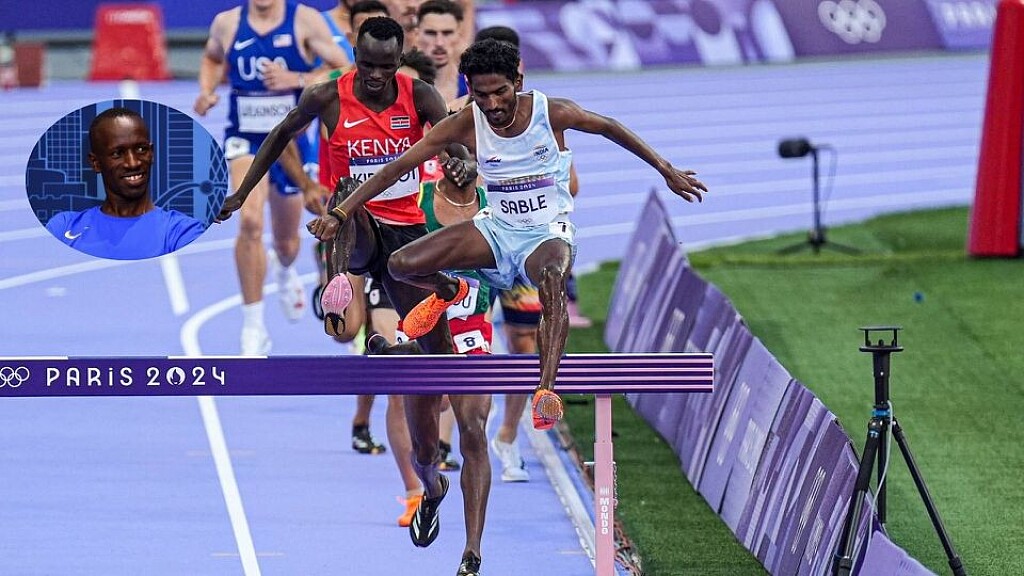
Ezekiel Kemboi offers advice to India’s Avinash Sable on becoming a world-class steeplechaser
The four-time world champion has encouraged India’s Avinash Sable to adopt strategic methods to elevate his steeplechase career.
Legendary Kenyan steeplechaser Ezekiel Kemboi has extended a golden piece of advice to India’s rising star Avinash Sable.
The two-time Olympic champion and four-time world champion emphasized the importance of high-altitude training to build strength, endurance, and resilience.

During his visit to India, Kemboi shared his insights on what it takes to excel in the grueling 3000m steeplechase event.
“I think the Indian guy Sable, the steeplechaser, the boy is still young. He still has a lot of time. What I want him to do is to have some motivation for himself. To have a vision, to have a target. To target what comes in a year, like world championship, Olympics," he said.
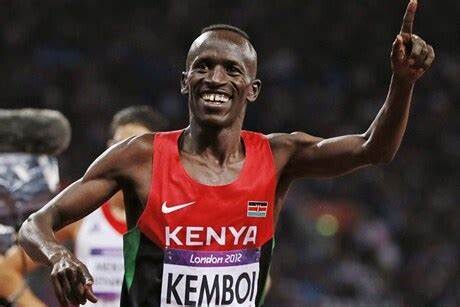
Sable, who recently represented India in the men’s 3000m steeplechase at the Paris Olympics but finished 11th, has been touted as a promising athlete on the global stage.
The 30-year-old has already made history for India, clinching a silver medal at the 2019 Asian Championships, another silver at the Commonwealth Games, and a gold and silver at the 2023 Asian Games in Hangzhou.
However, Kemboi believes that Sable has the potential to achieve even greater success if he embraces a more tailored training regimen.
Kemboi, widely regarded as one of the greatest steeplechasers in history, suggested that Sable train in the high-altitude regions of Kenya or Ethiopia, known for producing world-class distance runners.
“I also want to request if it could be possible for him to go to Africa… Kenya or in Addis Ababa, Ethiopia for some intense training which will focus on building up his endurance so that he gets more power while running,” Kemboi advised.
The Kenyan legend stressed the role of high-altitude training in preparing the body for the physical demands of steeplechase, a race that combines speed, stamina, and technical skill over water jumps and barriers.
“Just go for high-altitude training... because we have the best altitude for training in the regions of Kenya and Ethiopia for his body system to adapt to endurance,” he added.
Kemboi, who dominated the water-and-barrier race for more than a decade, has an unmatched legacy in the sport.
He is one of the few athletes to win two Olympic gold medals in steeplechase (2004 Athens and 2012 London) and four World Championship titles (2009, 2011, 2013, and 2015).
His illustrious career also includes three silver medals at the World Championships and a silver medal at the 2010 Commonwealth Games in New Delhi.
Reflecting on his experience, Kemboi highlighted the significance of setting clear goals and following a structured approach to training.
“What I want him to do is to have some motivation for himself. To have a vision, to have a target,” Kemboi reiterated, encouraging Sable to aim for success at future World Championships and Olympics.
Sable’s journey from modest beginnings to becoming a national icon has already inspired countless young athletes in India.
Kemboi also acknowledged Sable’s youth and determination as assets that could help him achieve a breakthrough on the international stage.
The Kenyan champion invited Sable to join him for training at his base offering a golden opportunity to learn from one of the sport’s finest.
by Festus Chuma
Login to leave a comment

Hassan and Tebogo named World Athletes of the Year
Olympic champions Sifan Hassan and Letsile Tebogo have been announced as World Athletes of the Year at the World Athletics Awards 2024 in Monaco.
Following a vote by fans, Hassan and Tebogo received top honors on an evening that saw six athletes crowned in three categories – track, field and out of stadium – before the overall two winners were revealed.
Tebogo was confirmed as men’s track athlete of the year, with Sydney McLaughlin-Levrone receiving the women’s honour. Hassan claimed the women’s out of stadium crown and Tamirat Tola the men’s, while Mondo Duplantis and Yaroslava Mahuchikh were named field athletes of the year.
This year’s Rising Stars were also celebrated, with Sembo Almayew and Mattia Furlani receiving recognition.
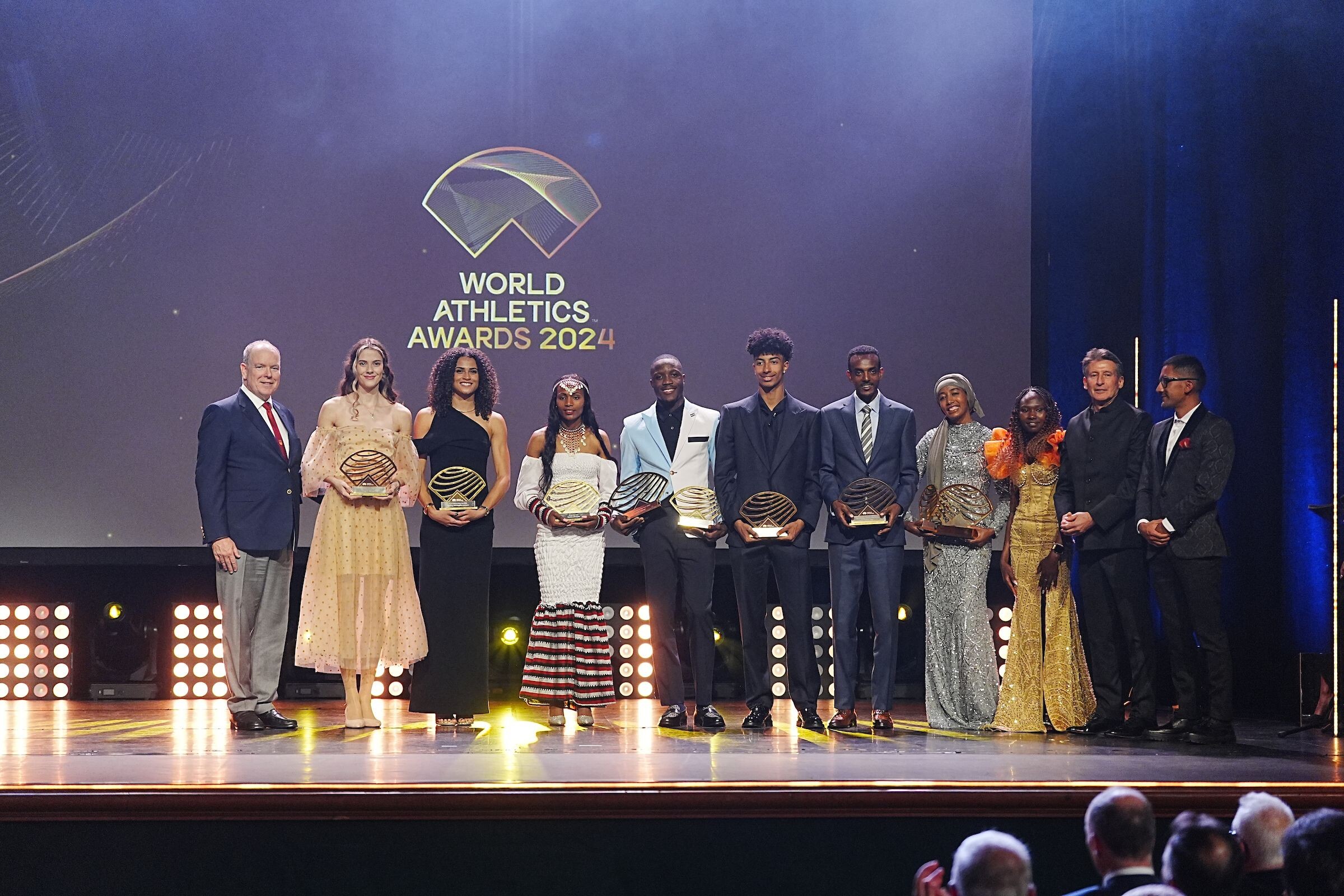
World Athletes of the Year for 2024
Women’s World Athlete of the Year: Sifan Hassan (NED)Men’s World Athlete of the Year: Letsile Tebogo (BOT)
Women’s track: Sydney McLaughlin-Levrone (USA)Women’s field: Yaroslava Mahuchikh (UKR)Women’s out of stadium: Sifan Hassan (NED)Men’s track: Letsile Tebogo (BOT)Men’s field: Mondo Duplantis (SWE)Men’s out of stadium: Tamirat Tola (ETH)
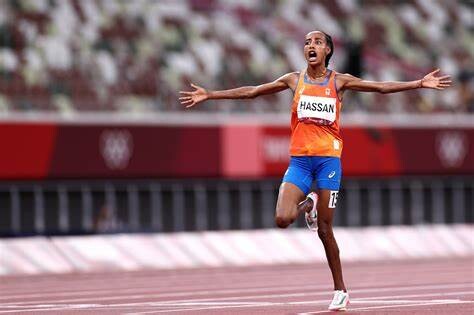
Women’s Rising Star: Sembo Almayew (ETH)Men’s Rising Star: Mattia Furlani (ITA)
“At the end of what has been a stellar year for athletics, we are delighted to reveal our list of World Athletes of the Year – both in their respective disciplines and overall,” said World Athletics President Sebastian Coe. “This group of athletes represents the very best of our sport and has this year redefined what is possible in terms of athletic performance.
“Our 2024 cohort set new standards in heights, speed and distance, including six world records and a host of Olympic and national records between them.
“I congratulate all our award winners, and all of the athletes nominated for these honors, and I thank them for inspiring us all with their performances this year.”
World Athletes of the Year Hassan and Tebogo both won gold and claimed multiple medals at the Paris 2024 Olympic Games.
Dutch star Hassan’s medal treble in Paris was capped by her winning the final athletics gold medal of the Games with her triumph in the marathon in an Olympic record of 2:22:55. That performance came just 37 hours after Hassan claimed bronze in the 10,000m, and six days after her first medal in the French capital – also bronze – in the 5000m.
As a result, she became the first woman to win medals in the 5000m, 10,000m and marathon at the same Games, and the first athlete since Emil Zatopek, who won all three men’s titles in Helsinki in 1952.
Tebogo also made history in Paris when he won the 200m, as he claimed a first ever Olympic gold medal in any sport for Botswana. He ran an African record of 19.46 – a time that moved him to fifth on the world all-time list – and that performance followed his sixth-place finish in the 100m final. He went on to form part of Botswana’s silver medal-winning men’s 4x400m team.
He dipped under 20 seconds for 200m a total of nine times in 2024, with those performances topped by his Olympic title-winning mark which remained the fastest of the year.
His fellow track athlete of the year, McLaughlin-Levrone, improved her own world 400m hurdles record twice, to 50.65 and 50.37, and claimed Olympic gold in that event as well as in the 4x400m. Tola, who joined Hassan in being named out of stadium athlete of the year, won the Olympic marathon title in Paris in an Olympic record.
World records were set by both field athletes of the year. Mahuchikh cleared 2.10m to improve the world high jump record before winning Olympic gold, while Duplantis revised his own world pole vault record three times, eventually taking it to 6.26m, and won the Olympic title.
"Thank you to the fans, to everybody who voted," said Hassan, who was in Monaco to receive her two awards. "I never thought I was going to win this one. This year was crazy. It’s not only me – all the athletes have been amazing. I’m really grateful. What more can I say?"
Standing alongside Hassan on the stage at the Theatre Princesse Grace, Tebogo said: "It feels amazing to know that the fans are always there for us athletes. It was a great year.
"This means a lot," he added. "It’s not just about the team that is around you, there are a lot of fans out there that really want us to win something great for the continent. It was a real surprise to hear my name because I didn’t expect this."
Almayew and Furlani named Rising Stars of 2024
Not only did Sembo Almayew and Mattia Furlani achieve great things as U20 athletes in 2024, they both also secured success on the senior stage.
Almayew finished fifth in the 3000m steeplechase final at the Paris Olympics, going close to her own national U20 record with her 9:00.83 performance, before she travelled to Lima where she won the world U20 title, setting a championship record in the process. With that win, the 19-year-old became the first ever Ethiopian world U20 women’s steeplechase champion.
Furlani improved the world U20 long jump record to 8.38m at the European Championships on home soil in Rome to secure silver, and he won two more senior major medals at the World Indoor Championships, where he got another silver, and the Olympic Games, where he claimed bronze.
In Glasgow – at the age of 19 years and 24 days – Furlani became the youngest athlete ever to win a world indoor medal in the horizontal jumps.
Knight wins President’s Award
The winner of the President’s Award was also announced in Monaco on Sunday (1), with Nike co-founder Phil Knight receiving the honour in recognition of his constant inspiring support for athletics and the development of the sport.
The President's Award, first awarded in 2016, recognises and honours exceptional service to athletics. Past winners of the award include the Ukrainian Athletics Association, British journalist Vikki Orvice, Swiss meeting director Andreas Brugger, Jamaican sprint superstar Usain Bolt, the Abbott World Marathon Majors, and 1968 men’s 200m medallists Tommie Smith, Peter Norman and John Carlos for their iconic moment on the podium in Mexico.
“Phil Knight’s passion for athletics is pretty much lifelong,” said Coe. “He developed an almost father-son relationship with his coach, the legendary Bill Bowerman, whose training approach was a departure from the orthodoxies of the day and who not only guided Knight’s career on the track but became a central figure when Phil took his first tentative steps in the running shoe business that became the dominant global force Nike.
“His love of athletics runs through Nike. It is a business created and driven by runners, with Phil never afraid to be the front runner.”
Knight said: “Thank you, Seb Coe, for the ultimate honour of the President’s Award, given by World Athletics. I am in great company, with Tommie Smith and John Carlos, and Usain Bolt. Obviously, I didn’t run as fast as those guys, but I am in such high company that I am thrilled by the award. Track and field has always been an important part of Nike – it has always been a central part of who Nike is.
“I do think running will continue to grow. Not only does Seb and his team do a great job promoting the sport, but it is a sport that not only is enjoyable, but it is probably the best fitness activity you can do. So, for me to win this honour, it is very meaningful.”
During the ceremony, a moment was taken to remember last year’s men’s out of stadium athlete of the year Kelvin Kiptum, the marathon world record-holder who died in a road traffic accident in February, as well as other figures from the sport who have passed away in 2024.
by World Athletics
Login to leave a comment
