

Running News Daily
Running News Daily is edited by Bob Anderson and team. Send your news items to bob@mybestruns.com Advertising opportunities available.
Index to Daily Posts · Sign Up For Updates · Run The World Feed
Articles tagged #medal
Today's Running News
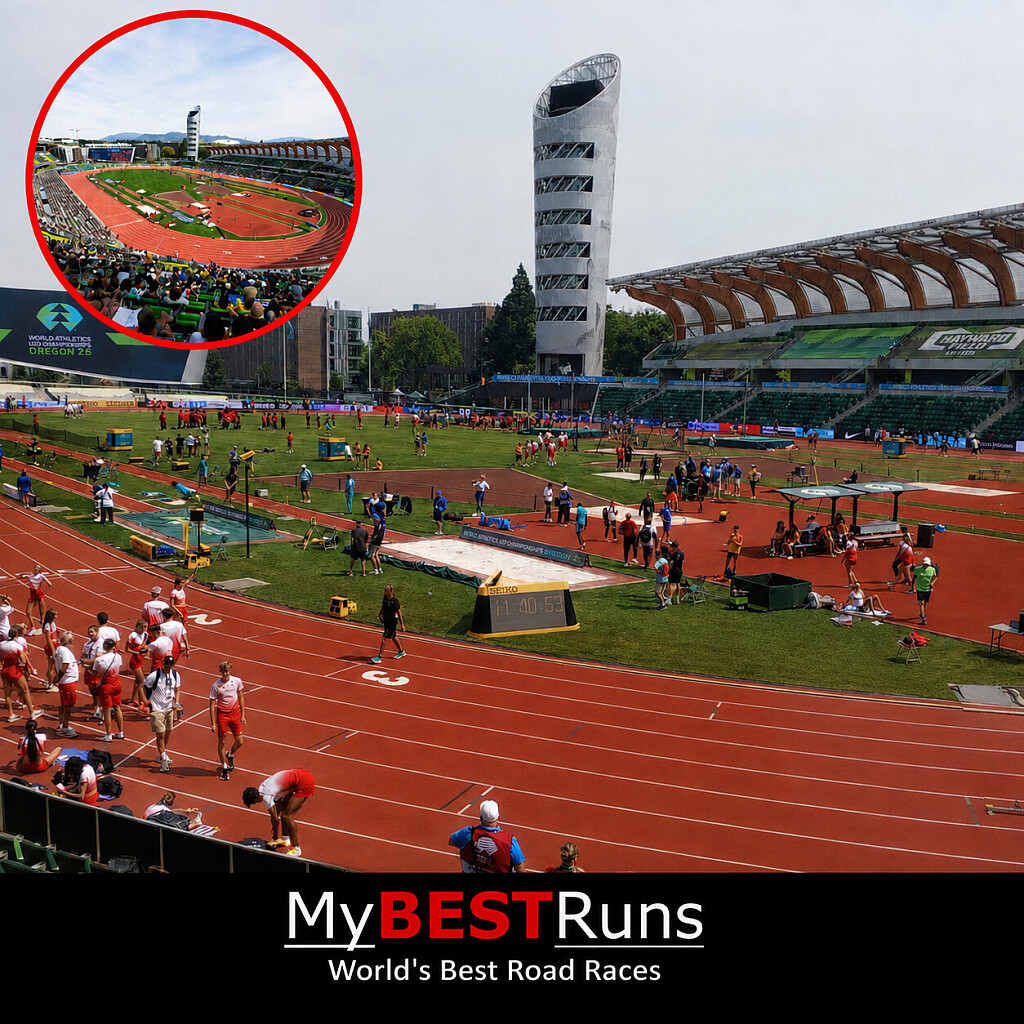


Eugene Welcomes the Future of Athletics as the 2026 World U20 Championships Get Underway
The global spotlight turns to Eugene, Oregon, today as the 2026 World Athletics U20 Championships officially get underway at the iconic Hayward Field, launching five days of elite competition that will showcase the sport's brightest young talents.
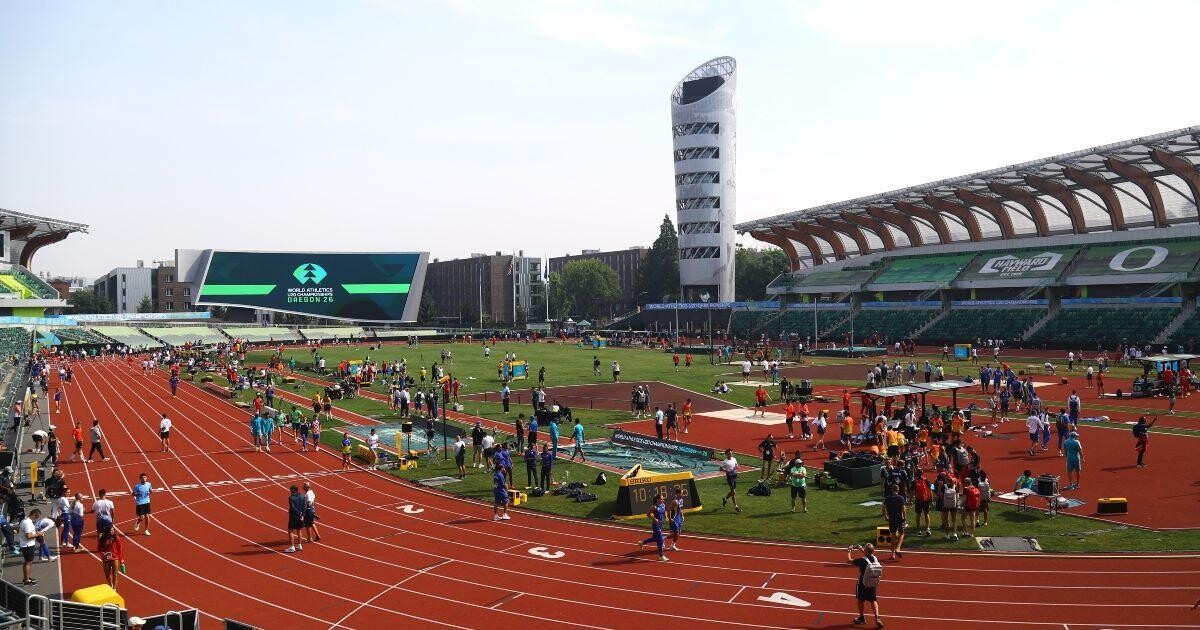
Running from August 5 to August 9, the 40th edition of the championships is the biggest in the event's history, bringing together more than 1,800 athletes representing 147 nations. For many of these rising stars, the championships mark the first major step toward future Olympic, World Championship, and Diamond League success.
The opening day immediately promises world-class action with three gold medals on the line. The women's 5,000m and men's 5,000m finals will test the endurance of the world's finest young distance runners, while the mixed 4×400m relay is expected to provide a thrilling conclusion to the day's competition as teams battle for the first relay title of the championships.
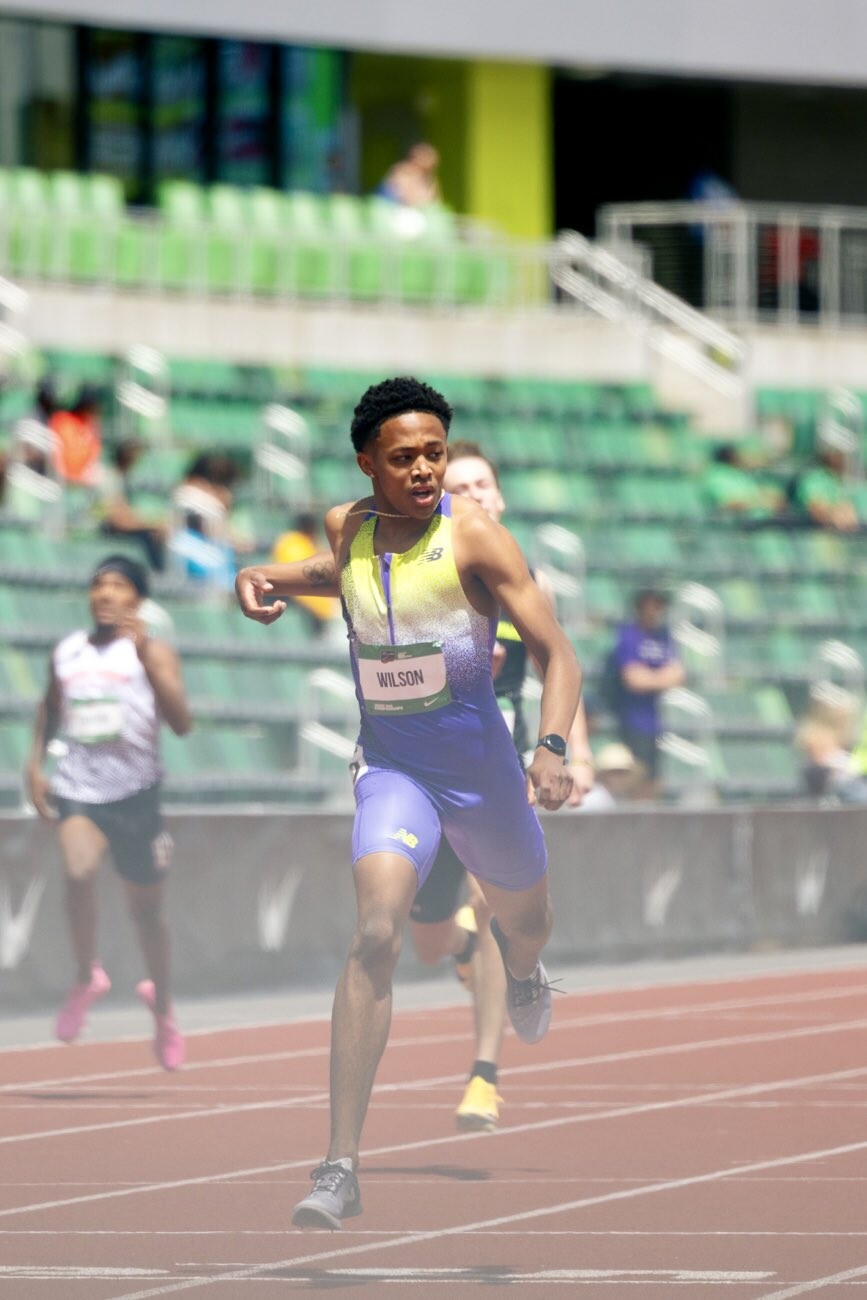
Several exciting athletes arrive in Eugene carrying high expectations. American sprint sensation Quincy Wilson will be one of the biggest attractions on home soil after establishing himself as one of the fastest young quarter-milers in the world. Fellow American Tate Taylor, the high school national record holder, will also be aiming to translate his remarkable speed into championship gold.
Jamaica's emerging sprint talent Shanoya Douglas enters the competition determined to challenge for the women's 200m title, while Kenya's Frankline Kibet will spearhead his country's pursuit of more distance-running success, continuing a tradition that has produced some of the greatest champions in athletics history.
Beyond the medals, the World U20 Championships have long served as the launching pad for future legends of the sport. Numerous Olympic and world champions first announced themselves on this very stage, making Eugene the perfect setting for another generation of athletes eager to leave their mark on the global scene.
Fans around the world will be able to follow every moment of the action through a range of broadcast partners, including Peacock in the United States, SuperSport across Sub-Saharan Africa, Eurovision Sport throughout Europe, CBC Gem in Canada, Seven Network in Australia, and World Athletics+ in eligible territories.
With national pride, championship titles, and the chance to announce themselves to the world at stake, the stage is set for five unforgettable days of athletics. As competition begins at the historic Hayward Field, the next generation of global stars is ready to write the opening chapter of what could become remarkable careers.
by Erick Cheruiyot for My Best Runs.
Login to leave a comment

Noah Lyles: A Decade of Sprinting Greatness from World U20 Star to Global Icon
Ten years ago, a fearless teenager stepped onto the track at the World U20 Championships in Bydgoszcz, Poland, and introduced himself to the athletics world with a performance that hinted at an extraordinary future. On that memorable stage, Noah Lyles captured the men's 100m title in 10.17 seconds before anchoring the United States to victory in the 4×100m relay, marking the beginning of one of the most remarkable sprinting careers of the modern era.
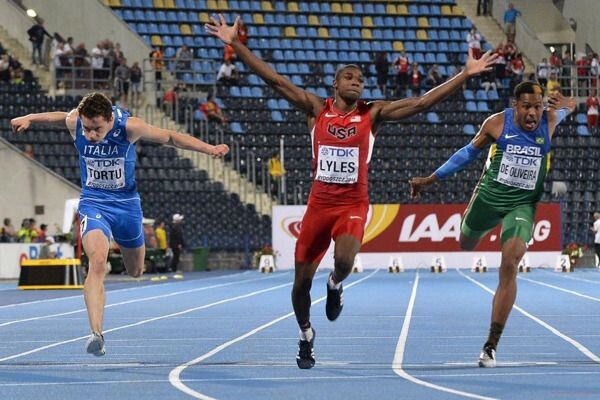
A decade later, that promising young talent has evolved into one of the greatest sprinters of his generation, building a legacy defined by championship success, consistency, and breathtaking speed.
Lyles has rewritten the American record books with a sensational 19.31 seconds over 200 metres, surpassing Michael Johnson's long-standing U.S. record and producing one of the fastest performances in history. The run firmly established him among the all-time greats in the event.
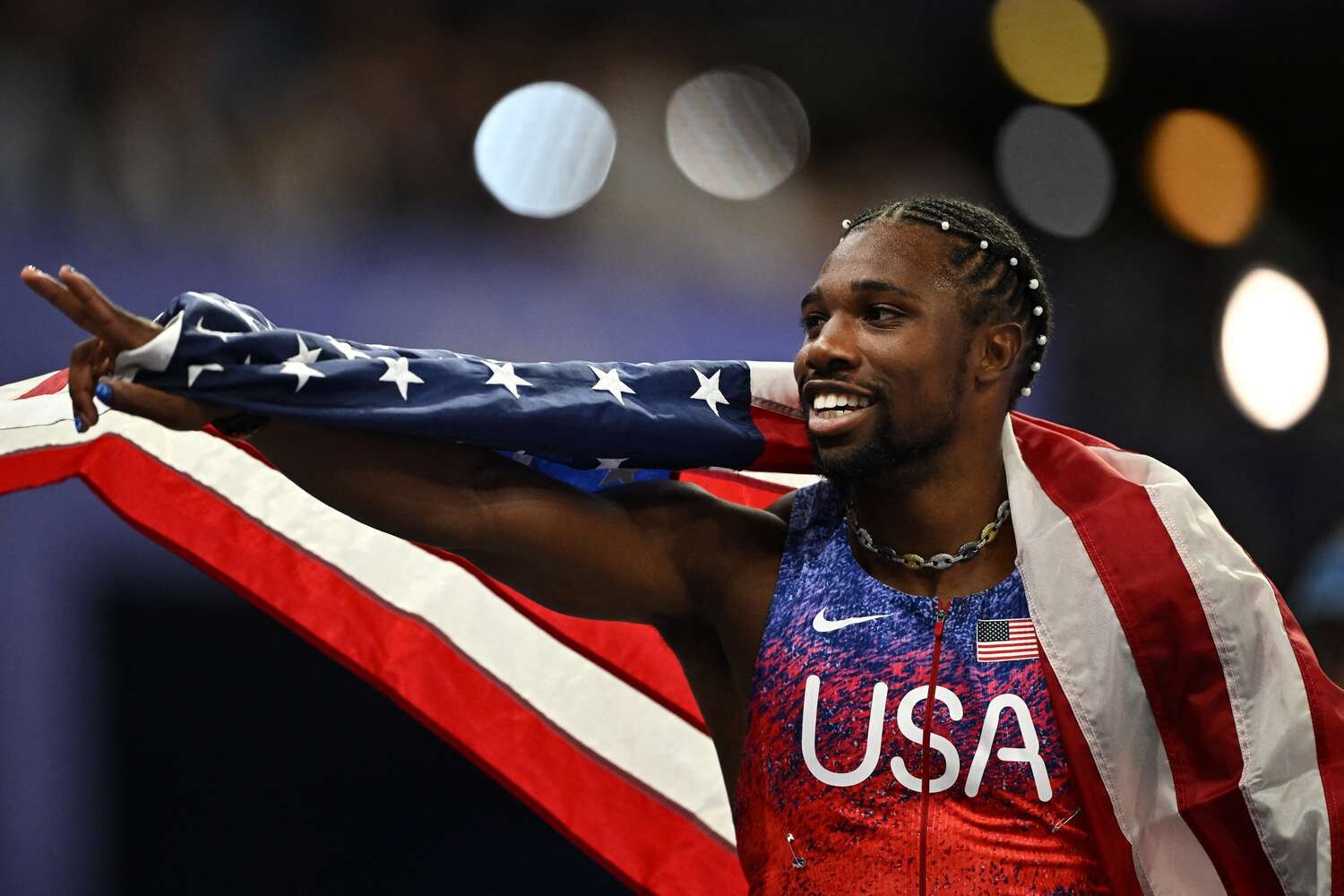
His greatest Olympic triumph came at the Paris 2024 Olympic Games, where he claimed the men's 100m gold medal in one of the closest finishes ever witnessed. Lyles crossed the line just 0.005 seconds ahead of the field, delivering one of the most dramatic victories in Olympic sprint history and cementing his place as the world's fastest man.
His dominance has extended across multiple World Athletics Championships, where he has amassed eight gold medals in the 100m, 200m, and 4×100m relay. Among those achievements, his remarkable streak of four consecutive world titles in the 200m stands as a testament to his sustained excellence and unrivalled consistency at the highest level.
Even after a decade at the top, Lyles continues to prove he remains the benchmark in global sprinting. Most recently, he successfully defended his U.S. men's 100m title, matching his lifetime best of 9.79 seconds to reaffirm that he is still one of the sport's most formidable competitors.
From a confident teenager announcing his arrival on the international stage in Poland to an Olympic champion, American record holder, and multiple-time world champion, Noah Lyles has transformed talent into an enduring legacy. His journey over the past ten years has inspired a new generation of athletes while redefining excellence in sprinting.
Ten years have passed since his breakthrough in Bydgoszcz, but for Noah Lyles, the pursuit of greatness is far from over. If anything, the next chapter promises to be just as compelling as the first.
by Erick Cheruiyot for My Best Runs.
Login to leave a comment
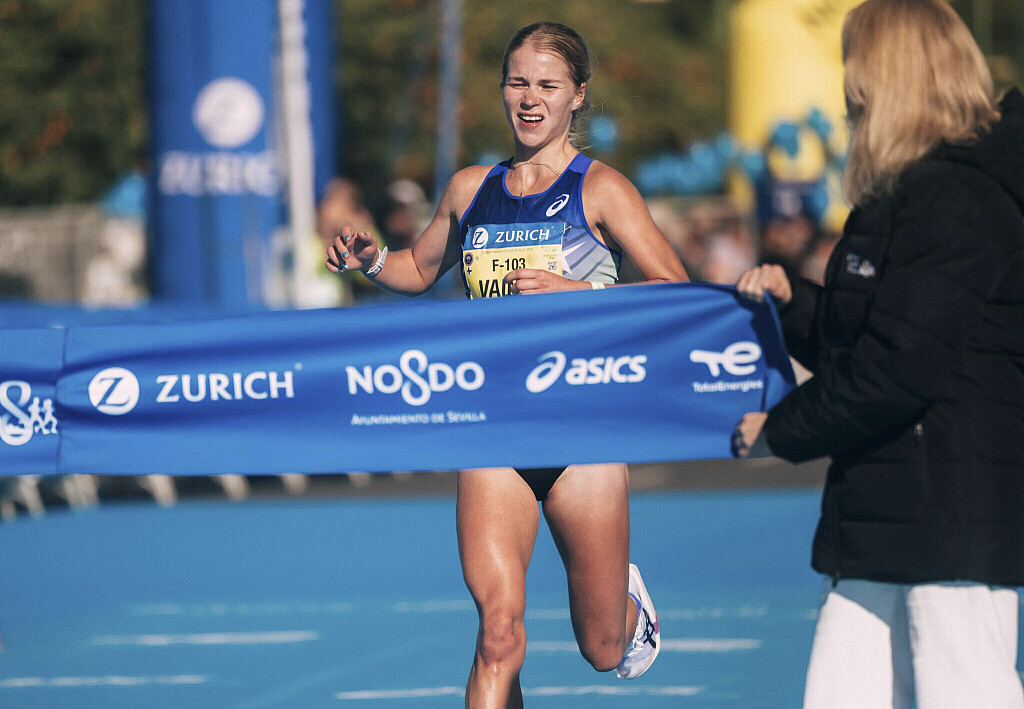
Europe's Elite Women Marathoners Ready for Thrilling Championship Battle in Birmingham
The women's marathon at the 2026 European Athletics Championships is set to be one of the most eagerly anticipated races of the championships, bringing together an exceptional field of experienced championship performers, rising stars, and defending medalists in what promises to be a fascinating battle for European glory.
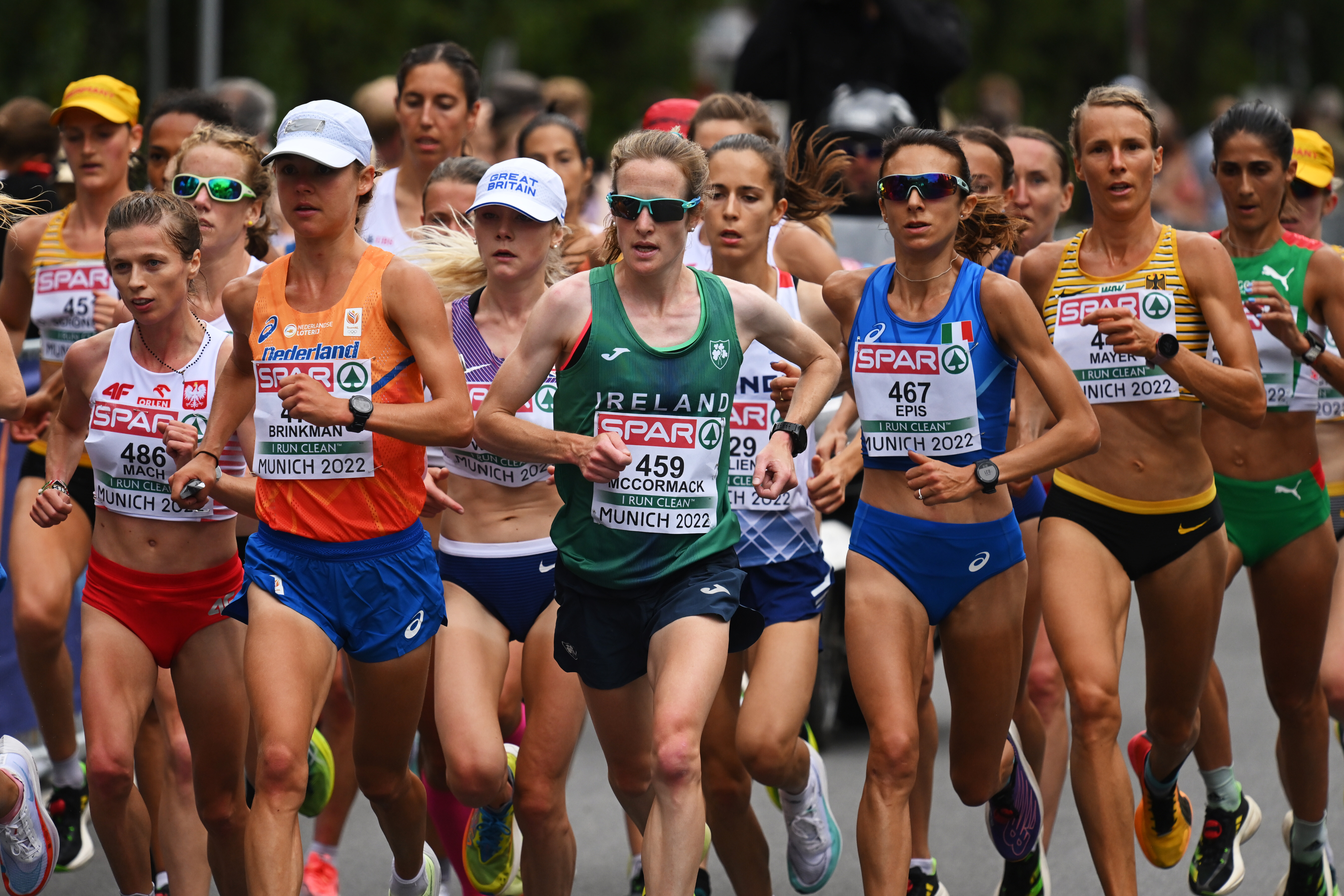
While Finland's Alisa Vainio enters Birmingham as the fastest European woman this season after clocking a brilliant 2:20:39 at the Seville Marathon, she faces stiff competition from some of the continent's strongest marathon nations, including Germany, Spain, Poland, Ireland, and host nation Great Britain.
Vainio's journey to the top has been years in the making. Widely regarded as one of Europe's brightest teenage distance-running prospects, she qualified for the marathon for the Rio 2016 Olympic Games at just 18 years old but was unable to compete because she did not meet the minimum age requirement. Instead of fading from the spotlight, she steadily rebuilt her career and has now matured into one of Europe's premier marathon runners.
Her breakthrough came at the 2025 World Athletics Championships in Tokyo, where she produced a composed and intelligent race in oppressive heat and humidity to finish fifth overall as the first European athlete across the finish line. Just three weeks later, she shattered the Finnish marathon record with a solo 2:23:06 performance at the national championships in Vantaa.
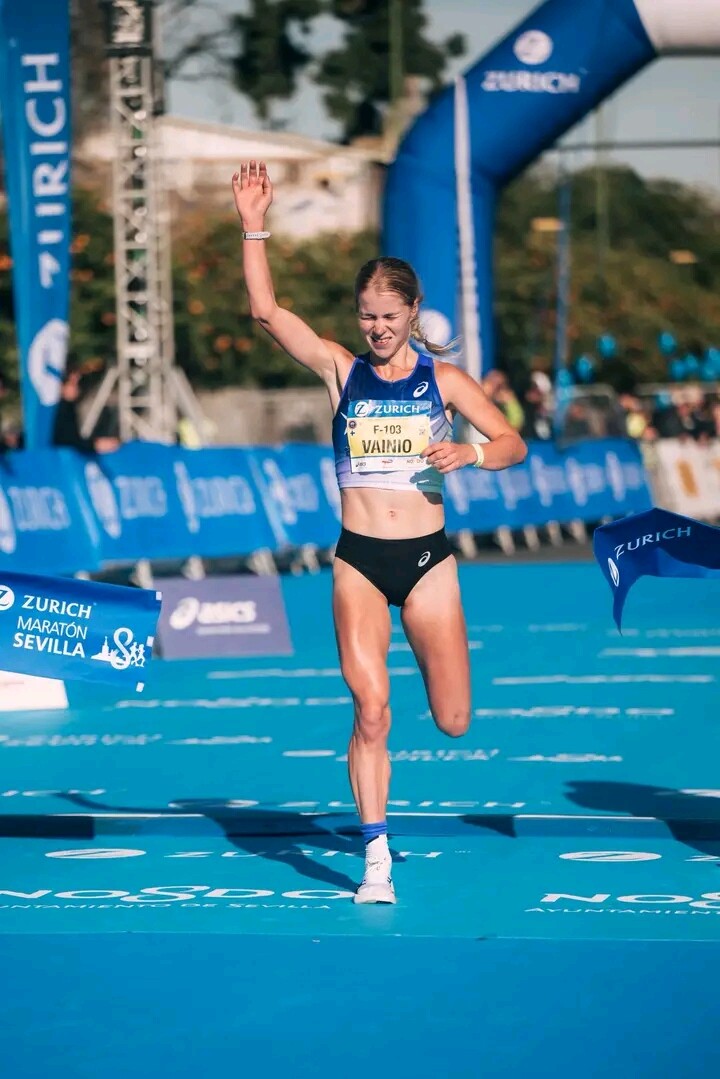
Vainio has continued her remarkable momentum ever since. She completed three additional marathons, highlighted by a commanding victory at the Seville Marathon, where she lowered the Finnish record once again while setting the European-leading mark of 2:20:39, establishing herself as the athlete to beat heading into Birmingham.
Germany arrives with one of the deepest squads in the championship and will be aiming to defend the women's team title won in Munich four years ago. Fabienne Königstein leads the German challenge after setting a personal best of 2:22:17 with a sixth-place finish at the Berlin Marathon. She is joined by the versatile Laura Hottenrott, who added another major achievement to her career earlier this year by winning silver in the uphill race at the European Athletics Off-Road Running Championships.
Spain also boasts an exceptionally strong lineup and is expected to challenge for both the individual and team honors. Fatima Azzahraa Ouhaddou Nafie demonstrated her championship resilience by recovering from a mid-race fall to win the marathon at the 2025 European Running Championships. Laura Luengo brings a personal best of 2:22:31, while Meritxell Soler, Ester Navarrete, and Carolina Robles complete a formidable squad. Impressively, every Spanish athlete in the team owns a lifetime best under 2:25, highlighting the country's remarkable marathon depth.
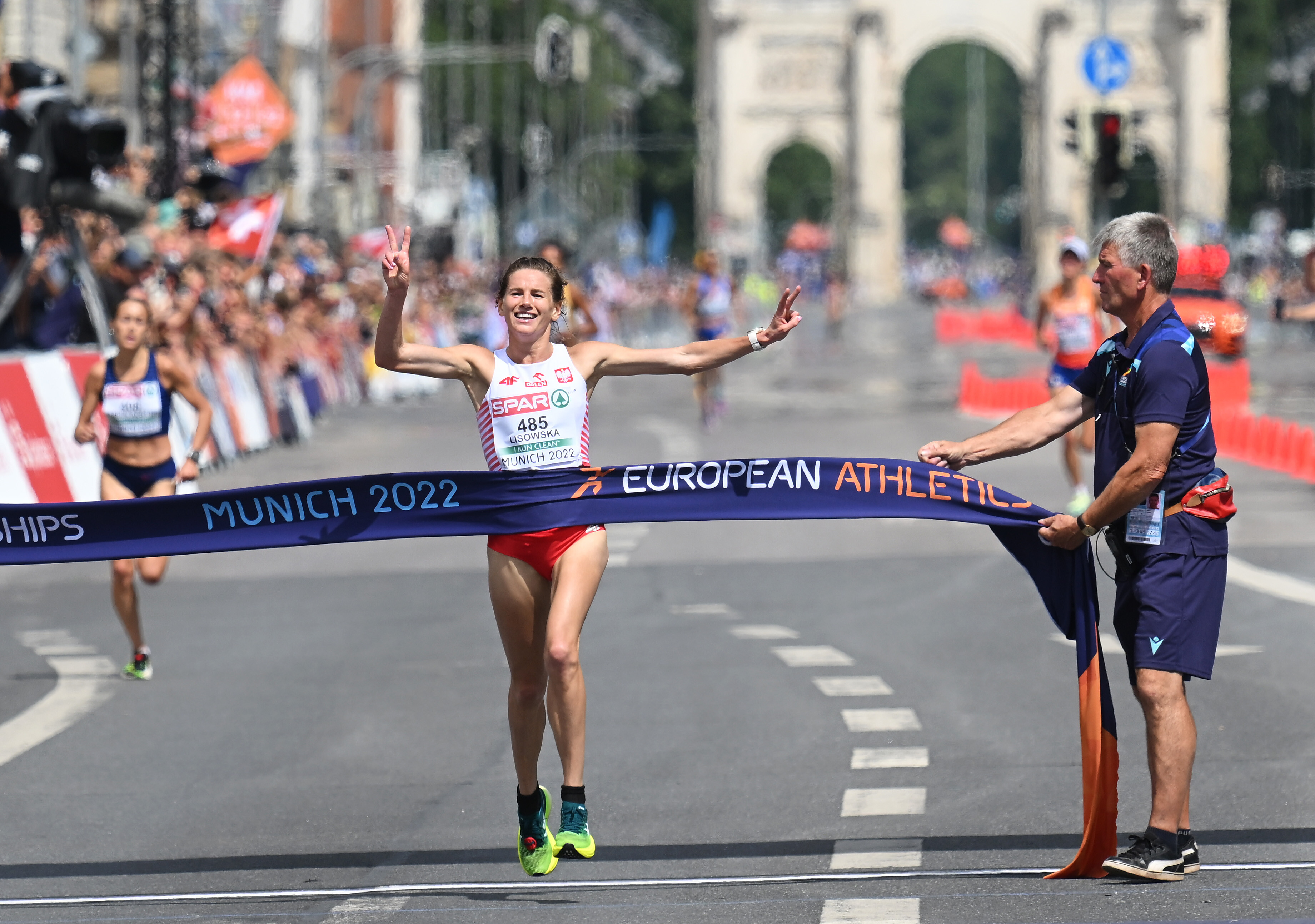
Defending champion Aleksandra Lisowska of Poland cannot be overlooked despite not being among the pre-race favorites. Her surprise victory in Munich four years ago proved that championship marathons often reward tactical brilliance, patience, and resilience rather than raw speed alone. Having already demonstrated her ability to thrive under championship pressure, the Polish star remains a genuine threat in Birmingham.
Ireland's Fionnuala McCormack will also be one of the most compelling athletes to watch. Just weeks before her 42nd birthday, the experienced marathoner continues her pursuit of a first European Championships medal after several near misses during her distinguished career. She finished fourth twice in the 10,000m at previous championships and was seventh in the marathon in Munich before producing another impressive performance with ninth place at the 2025 World Athletics Championships, finishing second among the European athletes behind Vainio.
Host nation Great Britain will be eager to make history on home roads. British women have never won an individual medal in the European Athletics Championships marathon since the event was introduced in 1982. Their hopes rest with Paris Olympians Rose Harvey and Clara Evans, alongside 2023 European cross-country bronze medallist Abbie Donnelly, who made an impressive marathon debut with a time of 2:24:11 in Frankfurt last year.
With proven champions, emerging contenders, experienced veterans, and deep national teams all chasing medals, the women's marathon is expected to deliver one of the most competitive races of the championships. Whether the title is decided by relentless pace, tactical patience, or a decisive late surge, Birmingham is set to provide a memorable contest worthy of the European crown.
by Erick Cheruiyot for My Best Runs.
Login to leave a comment

European Athletics Champioships
The27thEuropean Athletics Championshipswill be held from 10 to 16 August 2026 at theAlexander StadiuminBirmingham, United Kingdom.[1] This is the first time that a British city will have staged the European Athletics Championships although Birmingham has hosted many high-profile events, including the2007 European Athletics Indoor Championships, the2003and2018 IAAF World Indoor Championshipsand the2022 Commonwealth Games. Alexander Stadium was renovated between 2019 and...
more...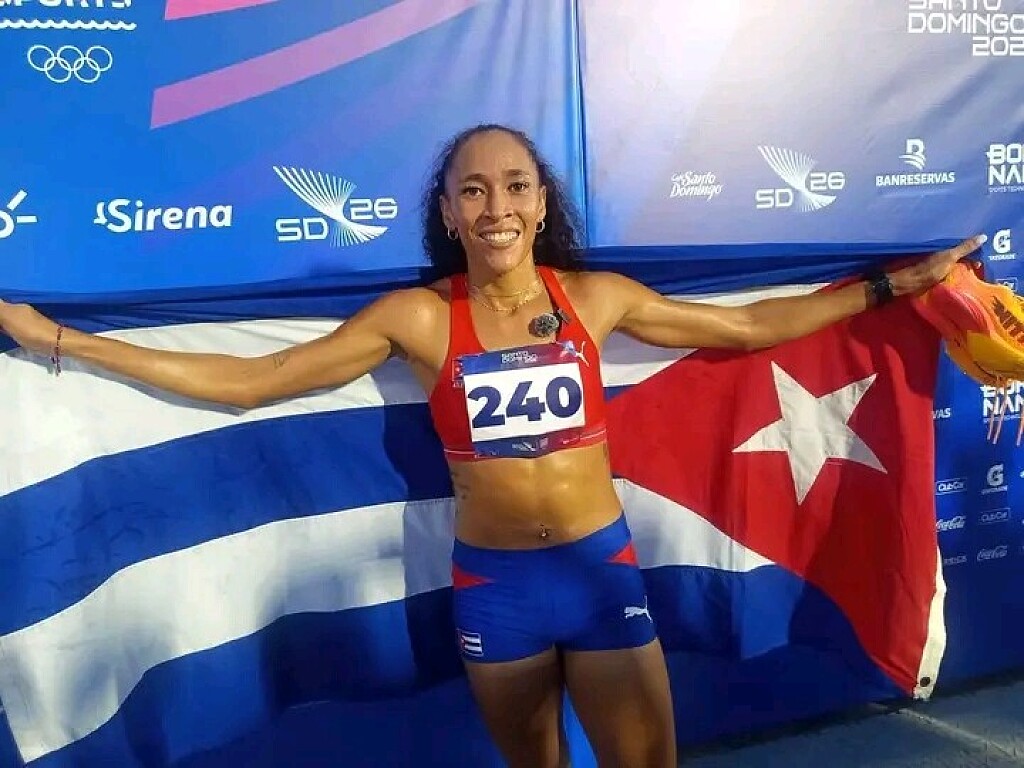
Anisleidis Ochoa Produces Stunning Late Surge to Capture CAC Games 5,000m Gold in Santo Domingo
Cuba's Anisleidis Ochoa Suárez delivered a remarkable finishing kick to storm to victory in the women's 5,000m final at the 2026 Central American and Caribbean Games in Santo Domingo, Dominican Republic, earning the gold medal in a dramatic battle that went down to the final lap.
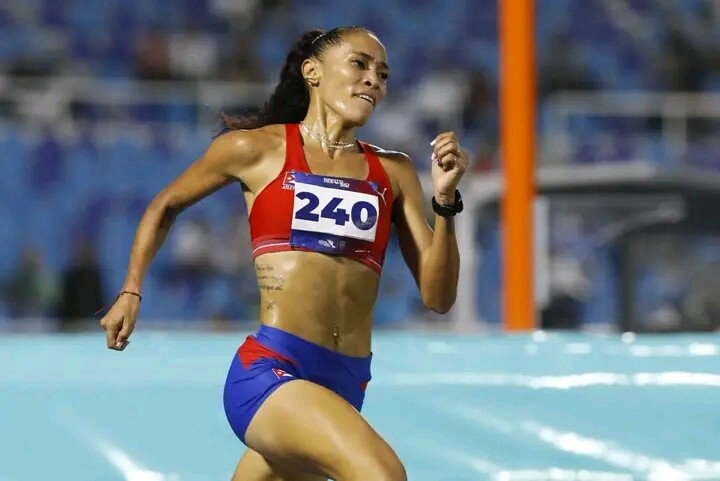
Nicknamed "La Polaca," Ochoa showcased exceptional composure throughout the race before unleashing a devastating final-lap sprint that left her rivals unable to respond. Her perfectly timed acceleration carried her across the finish line in 16:57.67, securing Cuba's first-place finish in one of the closest distance races of the championships.
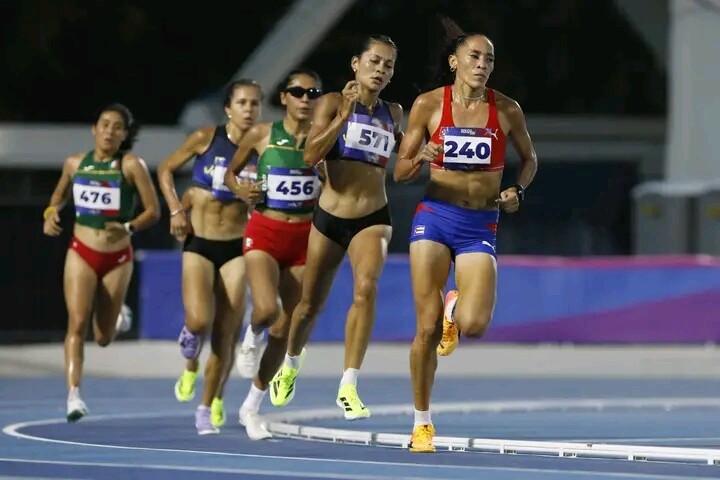
Venezuela's Edymar Brea pushed Ochoa all the way to the line, claiming the silver medal in 16:59.67, just two seconds behind the Cuban champion. Mexico's Dafne Juárez completed the podium with a strong run of 17:00.45, finishing less than three seconds off the winning time after an intensely competitive contest.
Women's 5,000m – Medalists
1. Anisleidis Ochoa Suárez (Cuba) – 16:57.67
2. Edymar Brea (Venezuela) – 16:59.67
3. Dafne Juárez (Mexico) – 17:00.45
The race highlighted the growing depth of women's distance running across the Central American and Caribbean region, with the medalists separated by fewer than three seconds in a thrilling finish.
Ochoa's latest triumph further strengthens her reputation as one of Cuba's premier distance runners. The victory adds another major international title to her résumé and follows her memorable success at the Clásica Candelaria Internacional 10K in Costa Rica, where she also claimed victory with an impressive performance.
With another championship gold around her neck, Anisleidis Ochoa Suárez continues to establish herself as one of the region's most formidable long-distance athletes, once again proving that her trademark finishing speed can make the difference when the biggest titles are on the line.
by Erick Cheruiyot for My Best Runs.
Login to leave a comment
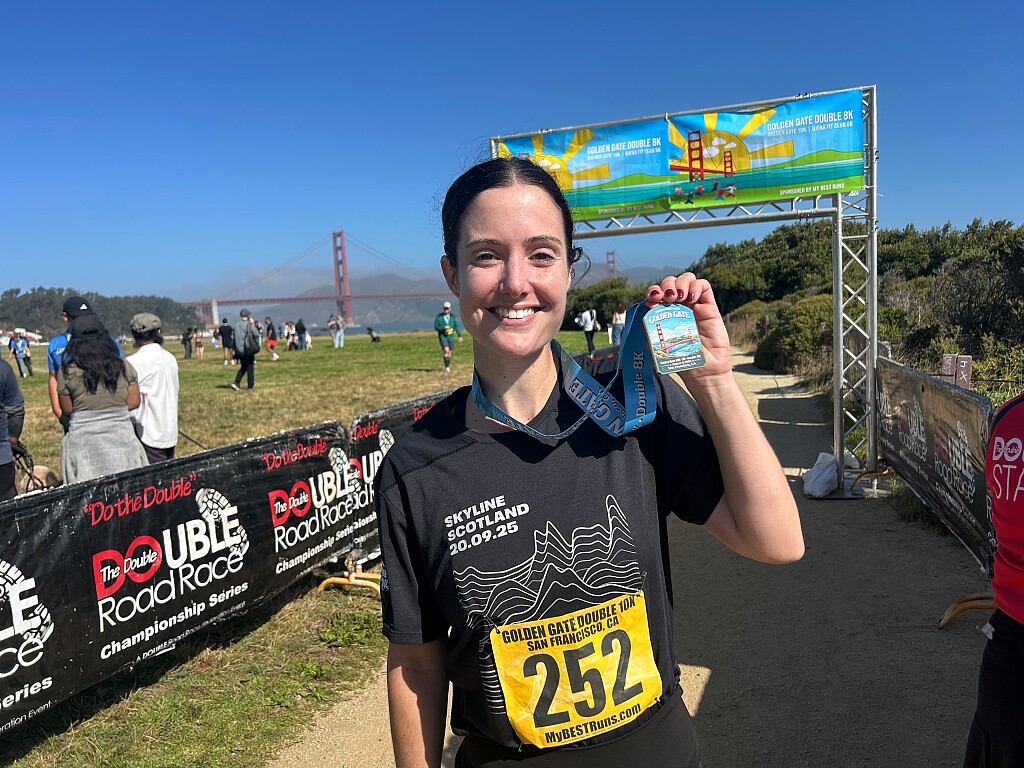
Golden Gate 10K/5K Double 8K Delivers Thrilling Competition and Spectacular Scenery in San Francisco
The iconic Golden Gate Bridge once again provided a breathtaking backdrop as runners gathered in San Francisco on August 2 for the 2026 Golden Gate 10K/5K Double 8K. Blessed with cool conditions and panoramic views from start to finish, the event attracted nearly 500 participants, producing a memorable day of competition across the Double 8K, Open 10K and Open 5K races.
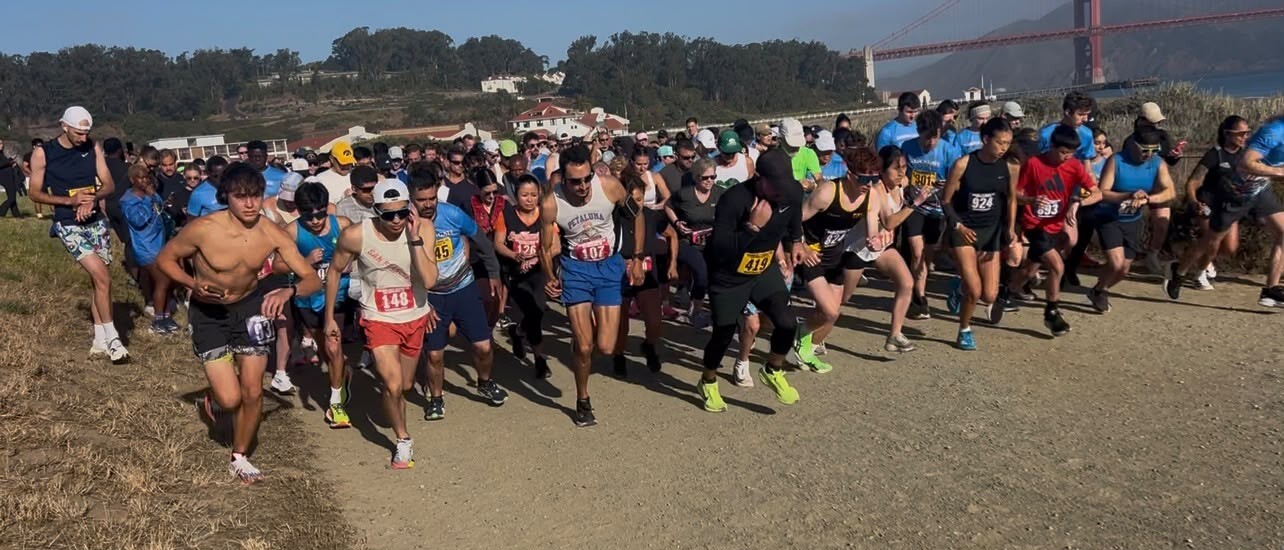
According to race founder and director Bob Anderson, the event continued to grow in popularity, with nearly 500 athletes signing up for this year's edition. Anderson reported, "We had nearly 500 sign ups. People did really like it."
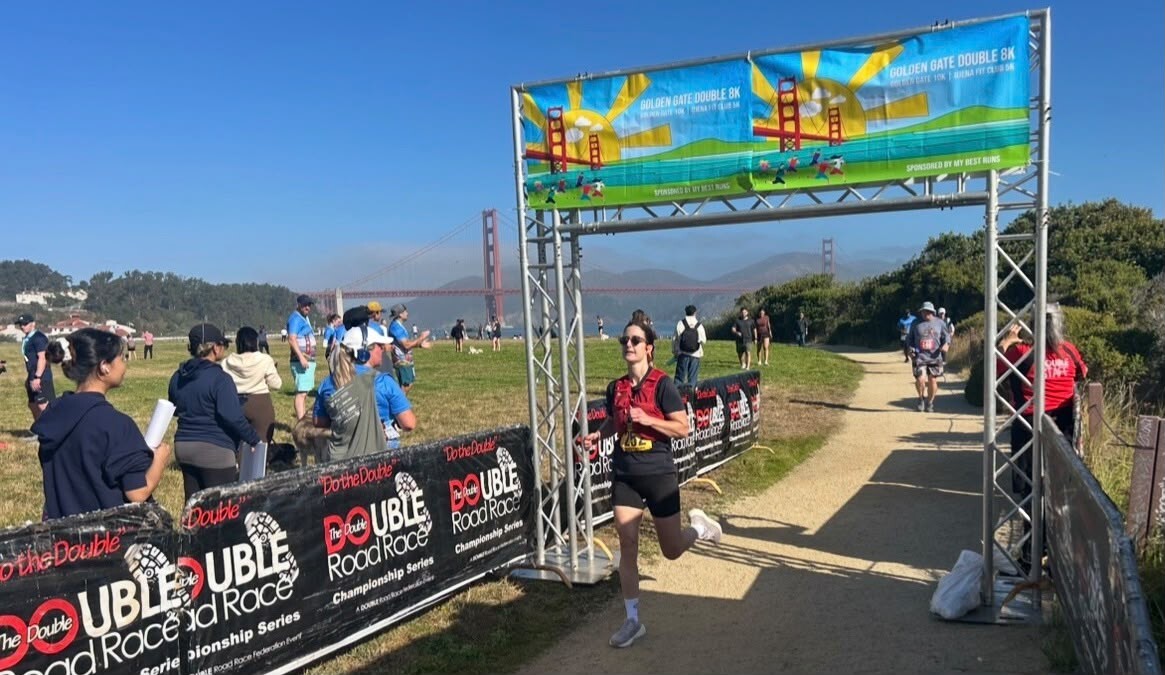
The featured Golden Gate Double 8K, a distinctive challenge that combines a 5K, a recovery break and a concluding 3K, once again delivered exciting racing. Anthony Cortes, 32, produced the standout performance of the day, storming to victory in a combined time of 26:31. Andy Vo, 25, secured second place in 28:37, while Tyler Jeppson, 47, completed the overall podium in 31:25. Ali Abdin, 44, crossed the line fourth in 35:20.
Caitlin Huang, 25, captured the women's title in 32:31, ahead of Stacy Chen, 27, who finished in 34:07. Veteran runner Betty G, 59, continued to demonstrate remarkable consistency by claiming third in 37:04, while 17-year-old Piper Sovik rounded out the top four in 40:53.
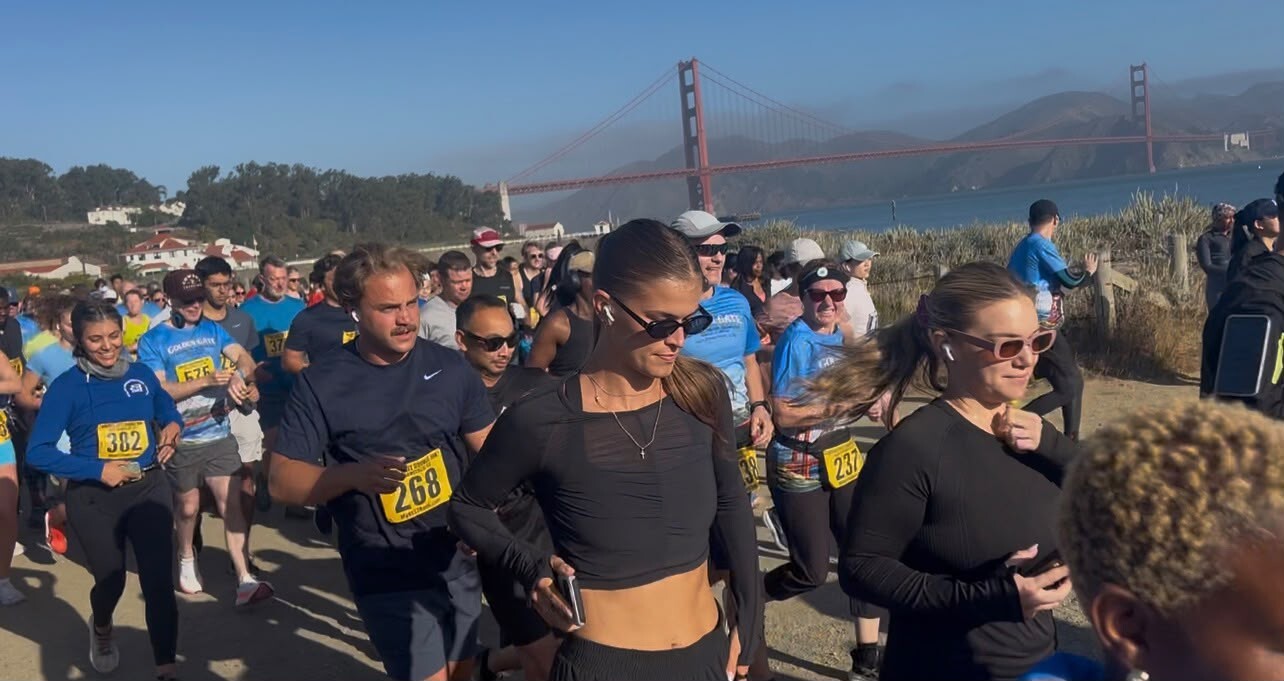
The age-group competition showcased impressive performances across every generation. Tyler Jeppson led the men's 40-49 division with 31:25, Heath Rickling, 52, won the men's 50-59 category in 1:02:46, David Boss, 63, topped the men's 60-69 division in 36:54, while Cheryl Charleson, 70, claimed the men's 70+ title in 1:16:50.
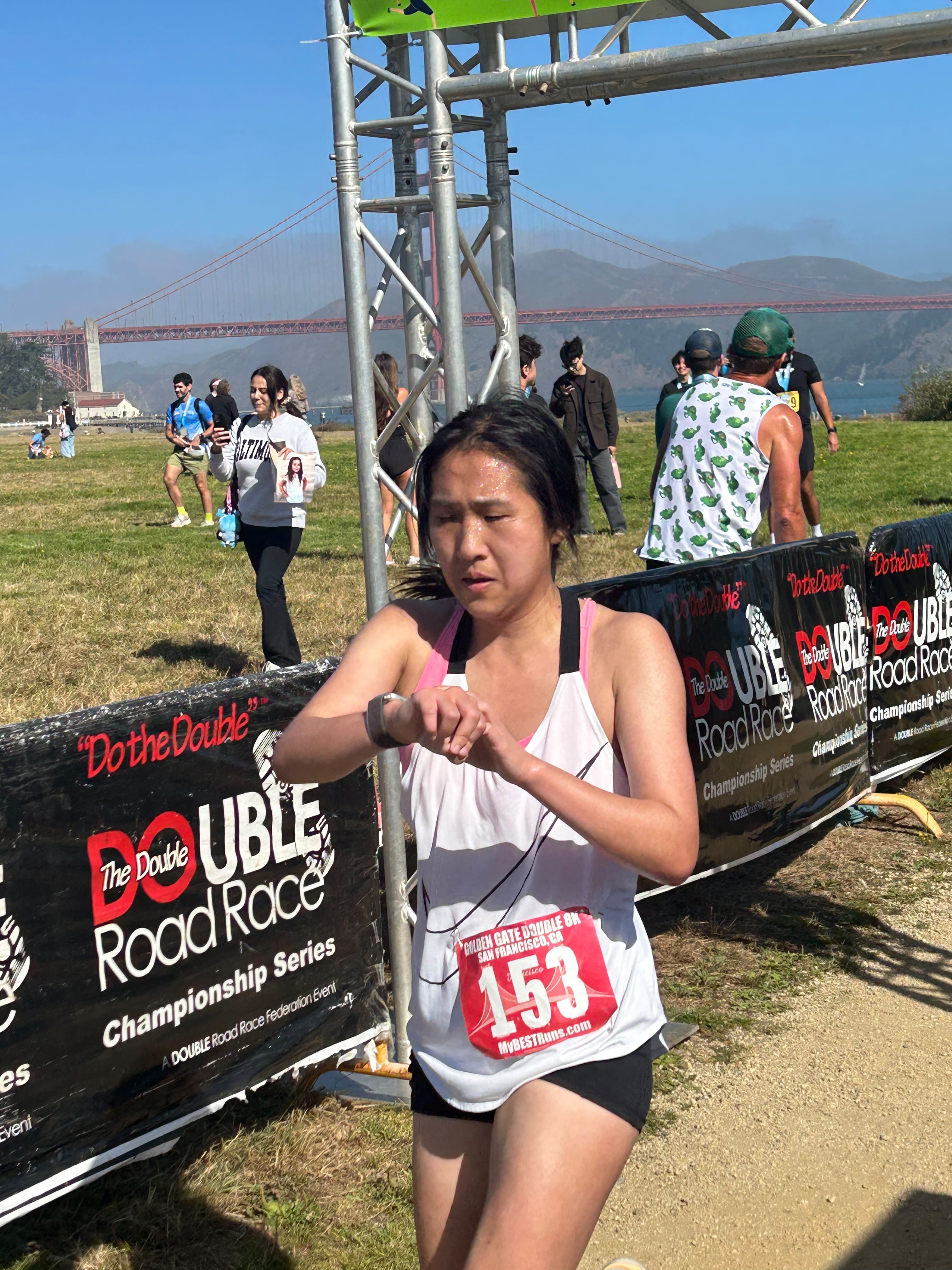
Among the women, Huyen Kreutzer, 45, won the 40-49 division in 47:32, Betty G added the women's 50-59 crown to her overall podium finish with 37:04, Diane Gifford, 62, captured the 60-69 title in 43:43, while Cheryl Charleson also secured the women's 70+ division in 1:16:50.
The Open 10K produced one of the closest finishes of the morning. Michel Arlinghaus, 24, edged the field in 42:20, narrowly defeating Mateusz Dembski, 35, who crossed the line just nine seconds later in 42:29. Sixty-three-year-old Keith Hedlund impressed with an outstanding 42:31 to finish third overall, while Ben Kubany, 43, placed fourth in 42:59.
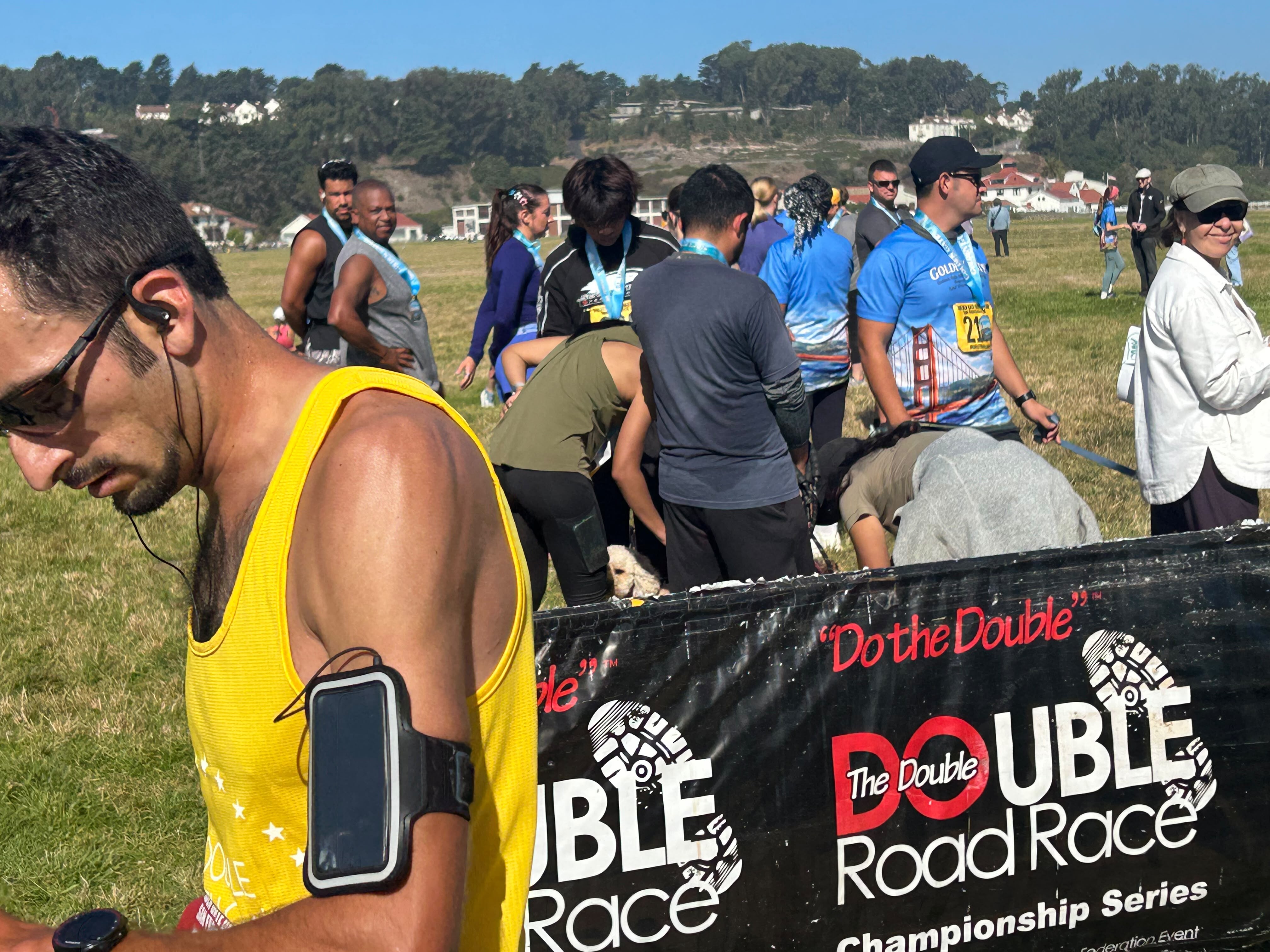
Ashleigh Fehrenbach, 37, led the women's race with a winning time of 41:12, followed by Lan Clayton, 58, in 46:10, Nivy Kani, 25, in 48:30, and Alicia Robert, 32, in 50:21.
The age-group titles added further depth to the competition. Ben Kubany claimed the men's 40-49 category in 42:59, Carlos Arredondo, 51, won the men's 50-59 division in 48:05, Keith Hedlund completed a memorable double by taking the men's 60-69 title with 42:31, while Dennis Boyle, 72, won the men's 70+ category in 1:18:41.
On the women's side, Angeles Morales, 42, topped the 40-49 division in 53:37, Lan Clayton added the women's 50-59 title with 46:10, Sheila Lyzwa, 63, won the women's 60-69 category in 1:05:03, while Suzanne Koonce, 74, claimed the women's 70+ title in 54:02.
The Open 5K also delivered exciting racing. Barrett Wade, 49, claimed the men's title in 18:31, holding off Kris Croome, 45, who finished second in 18:46. Mark Eger, 54, completed the podium in 23:04, while Blake Jackson, 40, finished fourth in 25:28.
One of the day's most impressive performances came from 15-year-old Taylor Synnott, who surged to the women's title in 18:34, finishing just three seconds behind the overall men's winner. Seventeen-year-old Sofia Kiyama placed second in 21:48, fellow teenager Kiki Boukas, 15, finished third in 21:57, while 16-year-old Amina Zegar took fourth in 22:44, highlighting the strength of the next generation of distance runners.
The 5K age-group champions included Barrett Wade in the men's 40-49 division (18:31), Mark Eger in the men's 50-59 category (23:04), Shreekanth Karwande, 73, in the men's 70+ division (30:45), Kellie Ward, 49, in the women's 40-49 category (29:58), Katherine Swanson, 56, in the women's 50-59 division (25:06), and Marilee Diaz, 61, in the women's 60-69 category (28:43). There were no finishers recorded in the women's 70+ division.
Following another highly successful edition, the Golden Gate 10K/5K Double 8K will return on Sunday, August 1, 2027, in San Francisco. The event will once again feature the signature Double 8K, alongside the traditional 10K and 5K races. Starting from historic Crissy Field near the Presidio, the scenic course offers runners uninterrupted views of the Golden Gate Bridge for more than 80 percent of the route as it winds through the spectacular Golden Gate National Recreation Area.
The unique Double 8K format—5K, a recovery break, followed by a 3K—will once again headline the event. Every finisher will receive a commemorative medal, while participants will also take home an official event shirt and logo tote bag. The men's and women's Double 8K champions will each receive $100 in prize money, with trophies also awarded to the race winners.
Blending elite competition, inspiring masters performances, rising young talent and one of the most spectacular race settings in the United States, the Golden Gate 10K/5K Double 8K continues to strengthen its reputation as one of California's premier road running events, with another memorable edition already awaiting runners in 2027.
by Erick Cheruiyot for My Best Runs.
Login to leave a comment

Golden Gate 10k/5k DOUBLE 8K
The Golden Gate courses offers unparalleled views of the Golden Gate Bridge for more than 80% of the way! The course will begin at historic Crissy Field near the Presidio of San Francisco. Runners will enjoy the gorgeous vistas of the Golden Gate National Recreation Area. We are offering three races: Golden Gate 10K and 5K (run/walk) and Golden Gate...
more...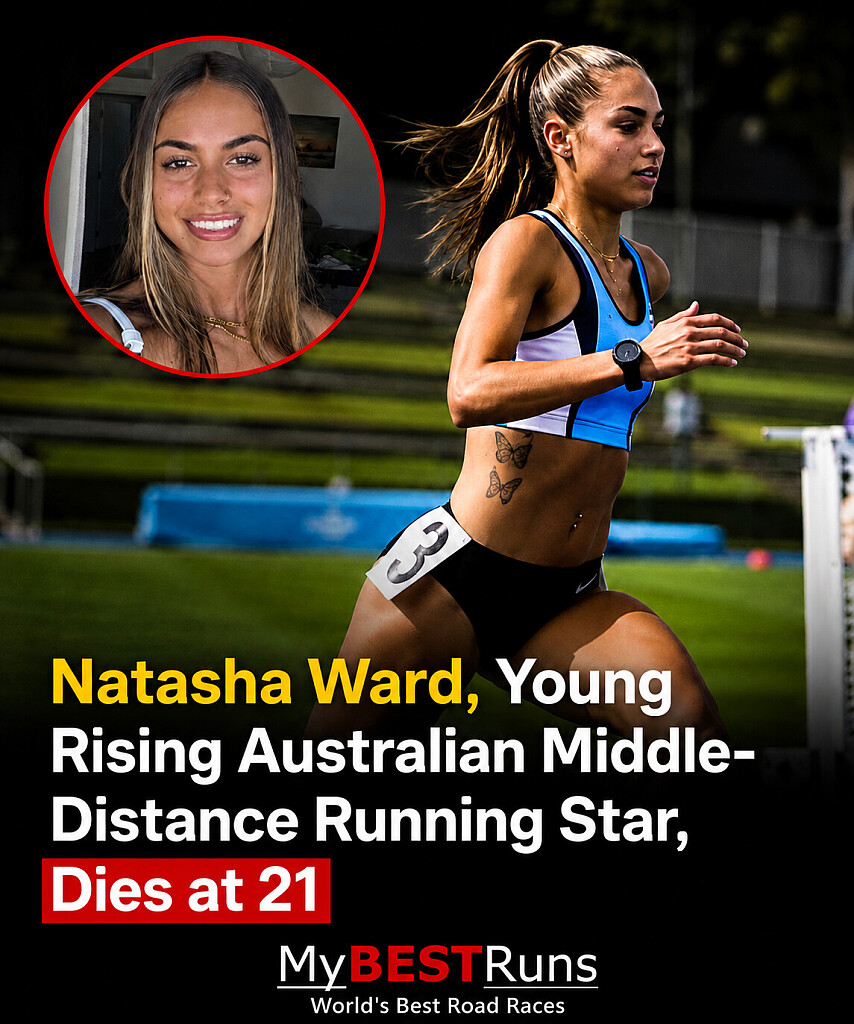
Australian Athletics Mourns Rising Middle-Distance Talent Natasha Ward, Dead at 21
Australian athletics is mourning the heartbreaking loss of promising middle-distance runner Natasha Ward, who has died at the age of 21, bringing an abrupt end to a career that had shown remarkable promise on both the track and in academia.
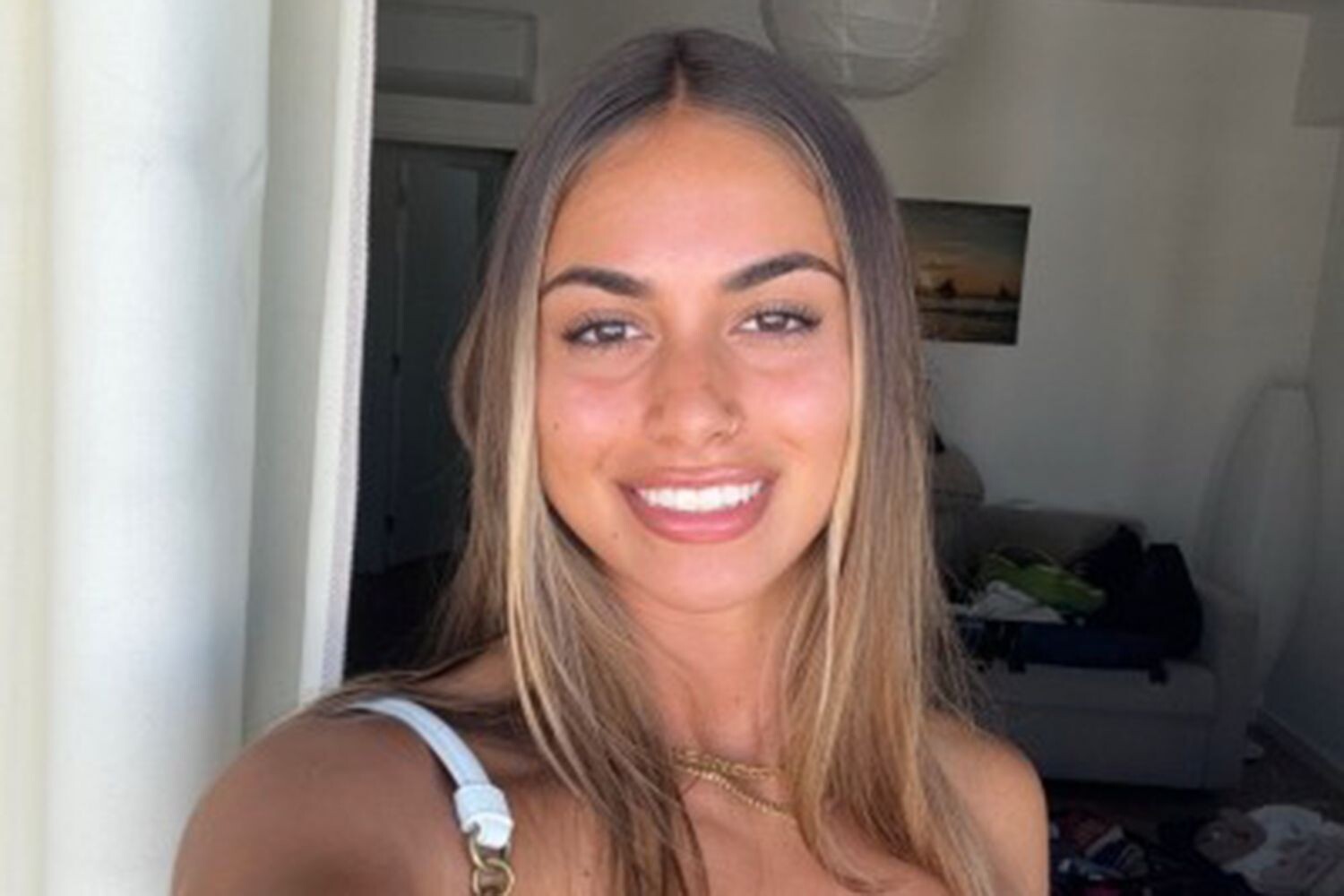
The news was confirmed on Thursday in a joint statement released by NSW Athletics and the Sutherland District Athletics Club in Sydney. No cause of death was disclosed.
Ward had established herself as one of the emerging talents in Australian middle-distance running, competing primarily in the 400m, 800m and 1,500m. Her journey began with impressive performances as a junior athlete, including a medal-winning run in the 1,500m at the New South Wales All Schools Championships.
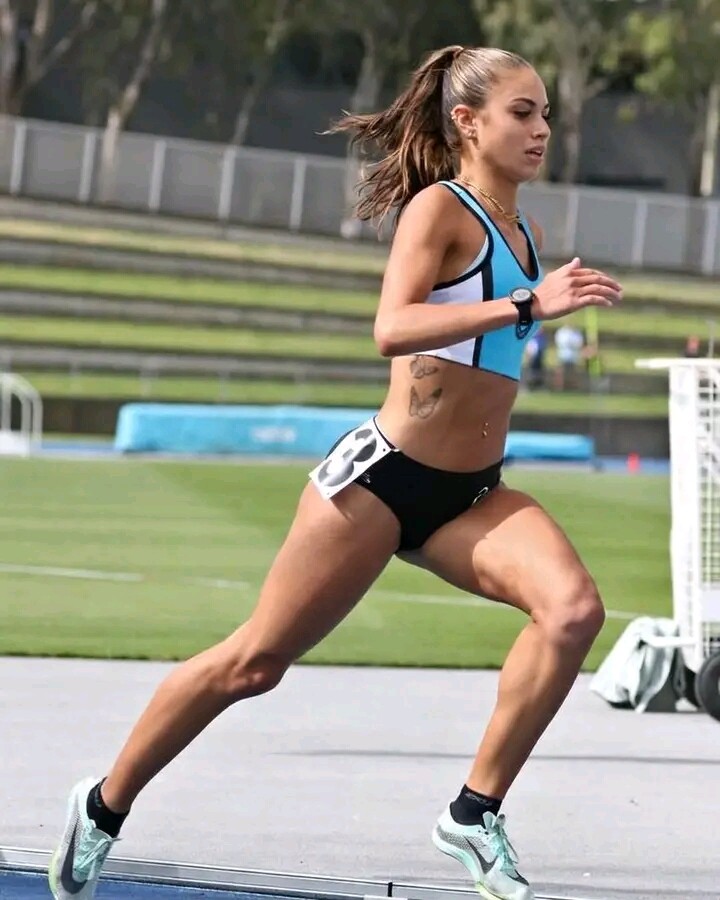
She continued to build on that success at university level, claiming a medal in the 1,500m at the 2023 UniSport Nationals before returning this year to earn bronze in the 800m. Her steady progression also saw her compete at the 2024 Australian Athletics Championships, lining up against some of the nation's leading middle-distance stars, including Morgan Mitchell and Claudia Hollingsworth.
Away from competition, Ward was equally dedicated to her future beyond athletics. She was studying Exercise and Sports Science at Macquarie University in Sydney, combining her academic ambitions with an unwavering commitment to the sport she loved.
Her club remembered her not only as a gifted athlete but also as a teammate who always put others first. Whether representing the club in its summer and winter relay competitions or volunteering to fill in when teams were short of runners, Ward earned admiration for her generosity, reliability and infectious enthusiasm.
In a heartfelt tribute, NSW Athletics and the Sutherland District Athletics Club described her as a cherished member of the athletics community.
"Beyond her achievements on the track, Natasha was a greatly loved member of our community. Her kindness and joy touched everyone fortunate enough to know her, and her magnetic smile and warm personality have left a permanent mark on Australian athletics. Our thoughts are with Natasha's family, friends, and everyone who had the privilege of knowing her."
Ward's passing comes only weeks after Australian sprint athlete Jemma Stapleton, 25, died in a road accident while on holiday in Thailand. Authorities have indicated there is no connection between the two tragedies.
As tributes continue to pour in from across Australia's athletics community, Natasha Ward will be remembered not only for the medals she won and the races she ran, but also for the warmth, humility and positivity she brought to everyone around her. Her loss leaves a profound void in Australian athletics, with many believing she had only begun to reveal the full extent of her potential.
by Erick Cheruiyot for My Best Runs.
Login to leave a comment
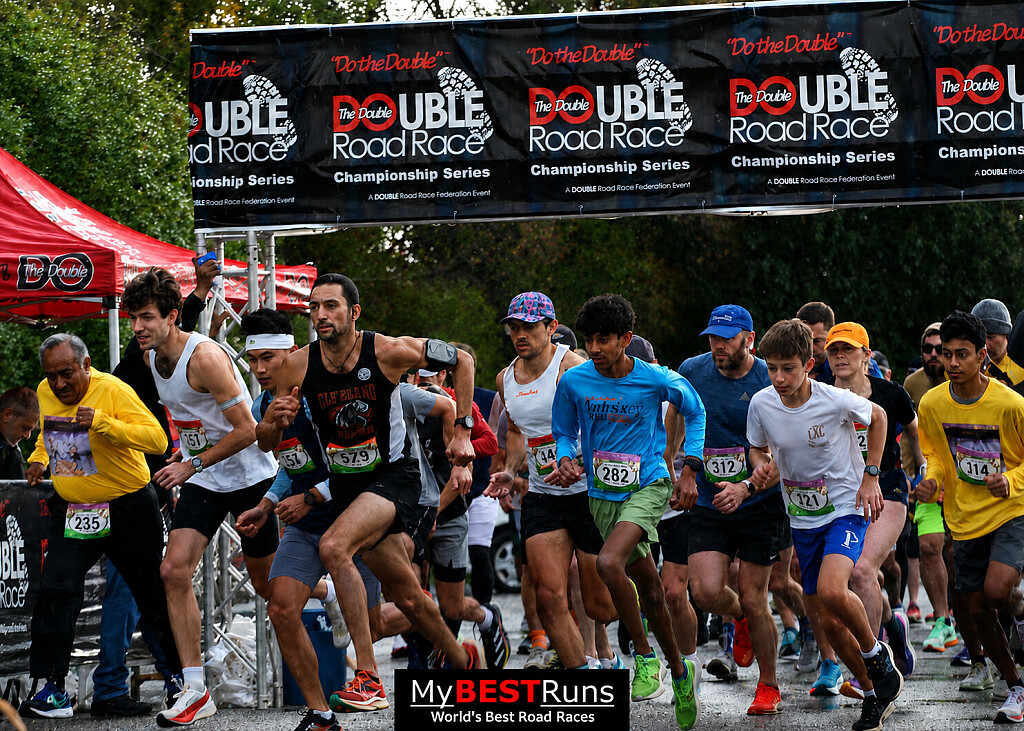
Experience the Excitement of the Palo Alto Double 15K: A One-of-a-Kind Running Festival Returns This December
Distance runners, recreational joggers, walkers, and families will once again come together in the heart of California's Bay Area as the Palo Alto Double 15K and 10K/5K Running Festival returns on Saturday, December 12, 2026, promising another memorable day of competition, community, and celebration. Established in 2012, the event has grown into one of the region's most distinctive road running traditions, combining innovative race formats with a welcoming atmosphere that appeals to participants of every age and ability.
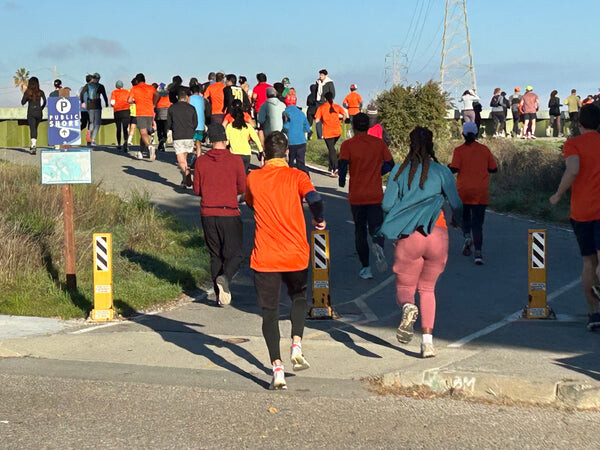
The Palo Alto event forms part of the popular SF Bay Area Races series, a collection of well-organized road races staged across the San Francisco Bay Area. The series includes the Golden Gate, Palo Alto, and Marina events, offering runners a variety of distances ranging from the 5K and 10K to the signature Double Road Race format. The Golden Gate race was successfully held yesterday, with attention now turning to Palo Alto before the series continues later with the Marina event.
Created by longtime runner and race director Bob Anderson, the Bay Area Races series reflects more than two decades of experience in organizing runner-focused events. Every race is designed to provide a welcoming atmosphere where elite athletes, recreational runners, walkers, and first-time participants can all enjoy a professionally managed experience. Whether competitors are chasing a personal best or simply running for enjoyment, the emphasis remains on quality organization, community spirit, and a memorable race-day experience.
The centerpiece of the Palo Alto festival is the Double 15K, an original two-stage challenge unlike any conventional road race. Instead of running a continuous 15-kilometre race, competitors first tackle a fast 10K before enjoying a scheduled halftime break where the second leg begins 1 hour 45 minutes after the start of the first leg. They then return to the start line to complete a 5K, with the combined times from both stages determining the final standings. Athletes must finish both legs to receive an official result, adding an exciting tactical element that rewards both endurance and smart pacing.
Held at 1900 Geng Road in Palo Alto, all races unfold along the scenic Palo Alto Baylands on a wide, traffic-free bike path located just half a mile from the shores of San Francisco Bay. With more than 90 percent of the course paved and virtually flat throughout, the route offers ideal conditions for runners chasing personal bests while also providing a safe and enjoyable experience for walkers, beginners, and families.
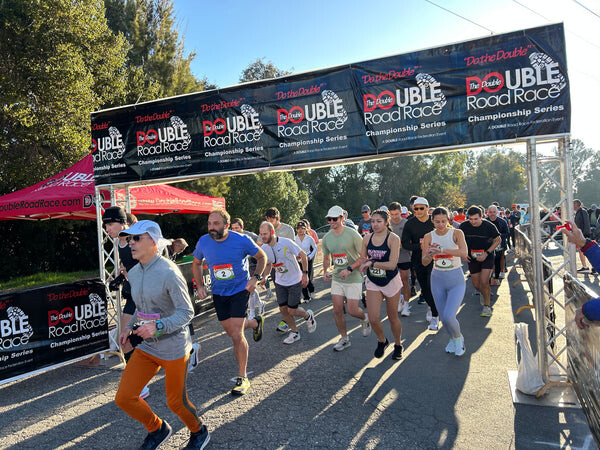
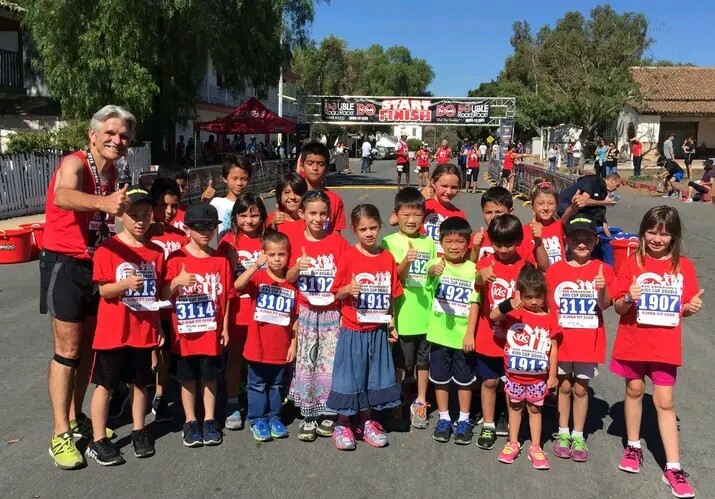
While the Double 15K remains the headline attraction, the festival offers something for everyone. Participants can choose from the traditional Palo Alto 10K, the Palo Alto 5K Run/Walk, the newly introduced Open 1-Mile Race for runners of all ages, or Bob Anderson's Kids Mile, created especially for children aged 13 and under. The expanded programme ensures that every member of the family can take part in the day's festivities.
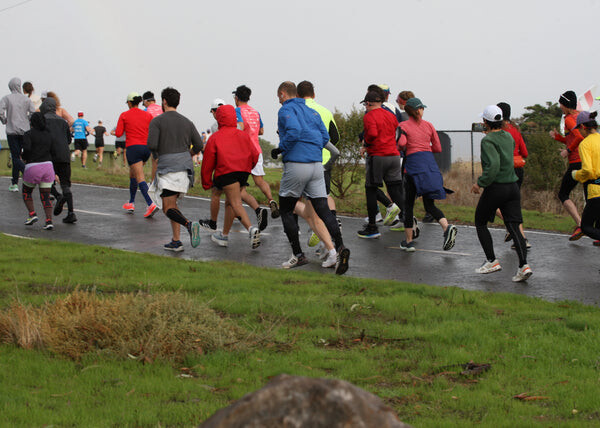
Race day begins with packet pickup at 7:30 a.m. before the Double 15K and Palo Alto 10K start together at 9:00 a.m. The Open 1-Mile follows at 9:10 a.m., while the Kids Mile gets underway at 10:20 a.m. The second stage of the Double 15K—the decisive 5K—begins at 10:45 a.m. alongside the Palo Alto 5K Run/Walk, creating an energetic finale before the awards ceremony celebrates the day's outstanding performances.
Every registered participant will receive an official race T-shirt, a finisher's medal, and access to plenty of food and refreshments throughout the event. The festive pre-Christmas atmosphere has become one of the race's defining features, bringing together runners, volunteers, and spectators for a celebration that extends well beyond the finish line.
Competition remains a major highlight of the festival. The male and female champions of the Double 15K will each earn $100 in prize money, while the overall age-graded winner will receive the prestigious Double Victory Cup, engraved and presented after the event. Age-group medals will be awarded across 10-year divisions in the Double 15K, with additional awards recognising top performers in every race.
Young runners will also enjoy their moment in the spotlight. Every age in the Kids Mile will have its own champion, with special medals presented to each individual age-group winner, encouraging children to embrace the sport while celebrating their achievements.
Adding to the holiday spirit, participants will have the opportunity to win from more than 20 Christmas raffle prizes, creating an exciting finish to a day already filled with memorable moments on and off the course.
The Palo Alto Double 15K continues to stand apart through its innovative Double Racing® concept, scenic venue, and inclusive community atmosphere. Whether you're an experienced competitor chasing victory, a runner looking for a fresh challenge, or a family searching for an active and enjoyable day together, this Bay Area favourite delivers a unique experience that blends competition, fitness, and festive fun into one unforgettable event.
With participation limited to just 500 runners, athletes are encouraged to secure their place early for what promises to be another outstanding edition of one of California's most unique running celebrations.
For runners looking to experience more of the region's premier road races, the SF Bay Area Races calendar continues beyond Palo Alto, offering additional opportunities to compete in professionally organized events throughout the season. More information about the complete race series is available at www.bayraces.com.
by Erick Cheruiyot for My Best Runs.
www.bayraces.com
Login to leave a comment

Palo Alto Double 15K and 10K/5K
Bring the whole family and enjoy our pre Christmas events. All participants get a special shirt and bag. All finishers get a special medal. $200 of cash prizes ($100 each for winners of Double 15k) There will be four events in Palo Alto. Palo Alto Double 15K (10K+5K), Palo Alto 10K, Palo Alto UjENA 5K Run/Walk and Bob Anderson's Kids...
more...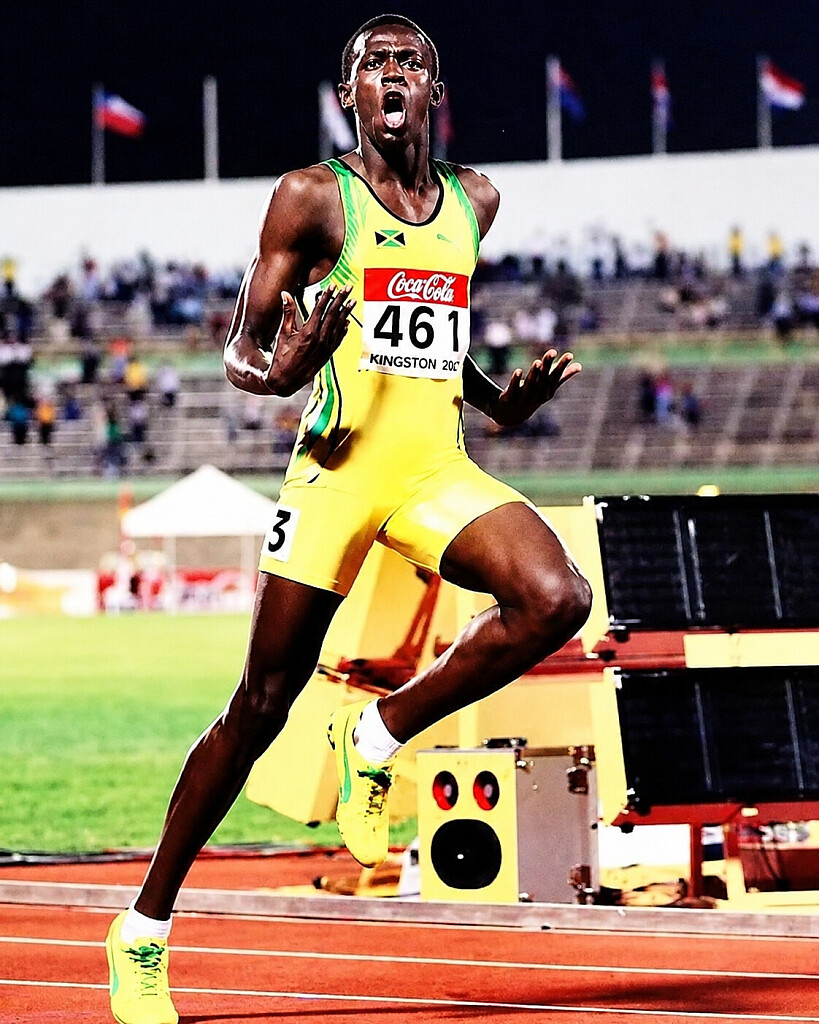
Where Greatness Begins: The Day a 15-Year-Old Usain Bolt Changed Sprinting Forever
Long before he became the fastest man in history, before the Olympic gold medals, world records, and global superstardom, Usain Bolt was simply a gifted teenager with extraordinary speed and limitless potential. In 2002, on the track at Kingston's National Stadium in Jamaica, the world witnessed the first chapter of a story that would forever change athletics.
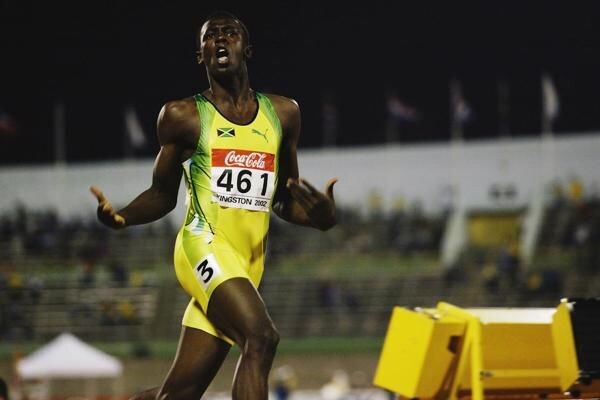
At just 15 years old, Bolt lined up for the men's 200 metres at the World Junior Championships with the weight of expectation resting on young shoulders. Competing before a passionate home crowd, the Jamaican prodigy produced a performance that instantly captivated the athletics world. Crossing the finish line in 20.61 seconds, he became the youngest athlete ever to win the men's 200m title at the championships.
It was far more than a gold medal. It was the moment the world realised that a once-in-a-generation talent had arrived.
Bolt's victory in Kingston marked the beginning of one of the greatest careers in sporting history. Over the years that followed, he rewrote the record books, dominated the Olympic Games and World Championships, and transformed sprinting into a global spectacle through his breathtaking speed, infectious personality, and unrivalled confidence. His legacy continues to inspire young athletes across the globe, many of whom dream of following the same path he once began as a teenager.

This week, that dream comes alive once again as the World Athletics U20 Championships take centre stage at the iconic Hayward Field in Eugene, Oregon. The venue has already witnessed the birth of future superstars. In 2014, it was where Britain's Dina Asher-Smith and Uganda's Joshua Cheptegei captured their first global titles, launching careers that would later produce world championships, Olympic medals, and lasting legacies in athletics.
Twelve years later, another generation arrives in Eugene hoping to create its own defining moment.
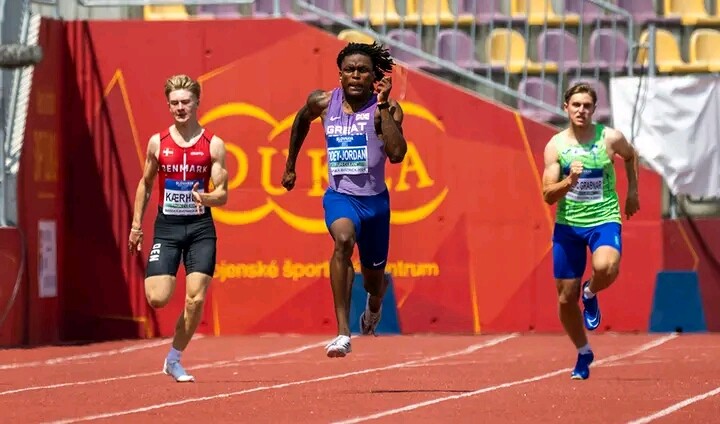
Among the brightest young talents is Great Britain's Jake Odey-Jordan, the 200m bronze medallist from Lima who now owns the European U20 100m record after an astonishing 10.01-second performance. He enters the championships eager to build on his growing reputation as one of Europe's most exciting young sprinters.
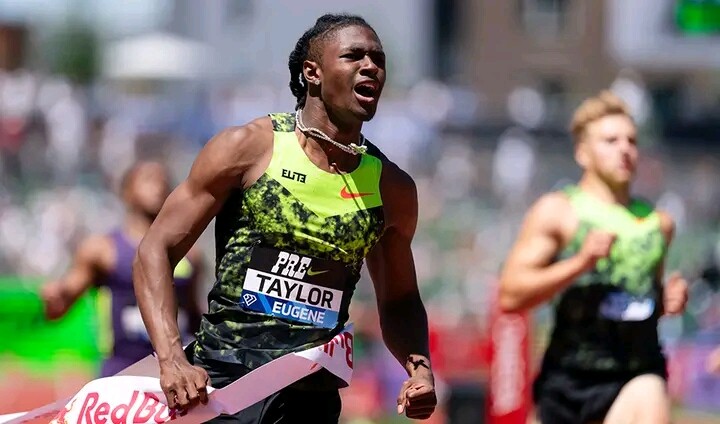
The United States will look to Tate Taylor, who has already made history as the first American high school athlete to break the 20-second barrier for the 200 metres. Fresh from a Diamond League victory in a sensational 19.75 seconds, he arrives in Eugene carrying the momentum of one of the most remarkable junior seasons ever recorded.
Jamaica, the nation that introduced the world to Usain Bolt, will once again have high hopes through Shanoya Douglas. The talented sprinter has established herself as one of the championship's leading contenders after producing lifetime bests of 10.98 seconds for the 100m and 22.11 for the 200m this season.
History has repeatedly shown that the World U20 Championships are far more than a junior competition. They are often the first chapter in the careers of future Olympic champions, world record holders, and global icons. Every generation arrives with ambitious dreams, but only a select few leave having announced themselves to the world.
No one can say with certainty whether the next Usain Bolt will emerge this week. Greatness cannot be predicted, and legends are never manufactured. Yet every legendary career begins with a single breakthrough performance.
For Bolt, that defining moment came in Kingston in 2002.
Now, under the famous lights of Hayward Field, another group of gifted teenagers stands ready to chase history. Somewhere among them could be the next athlete whose name will inspire the world for years to come.
by Erick Cheruiyot for My Best Runs.
Login to leave a comment
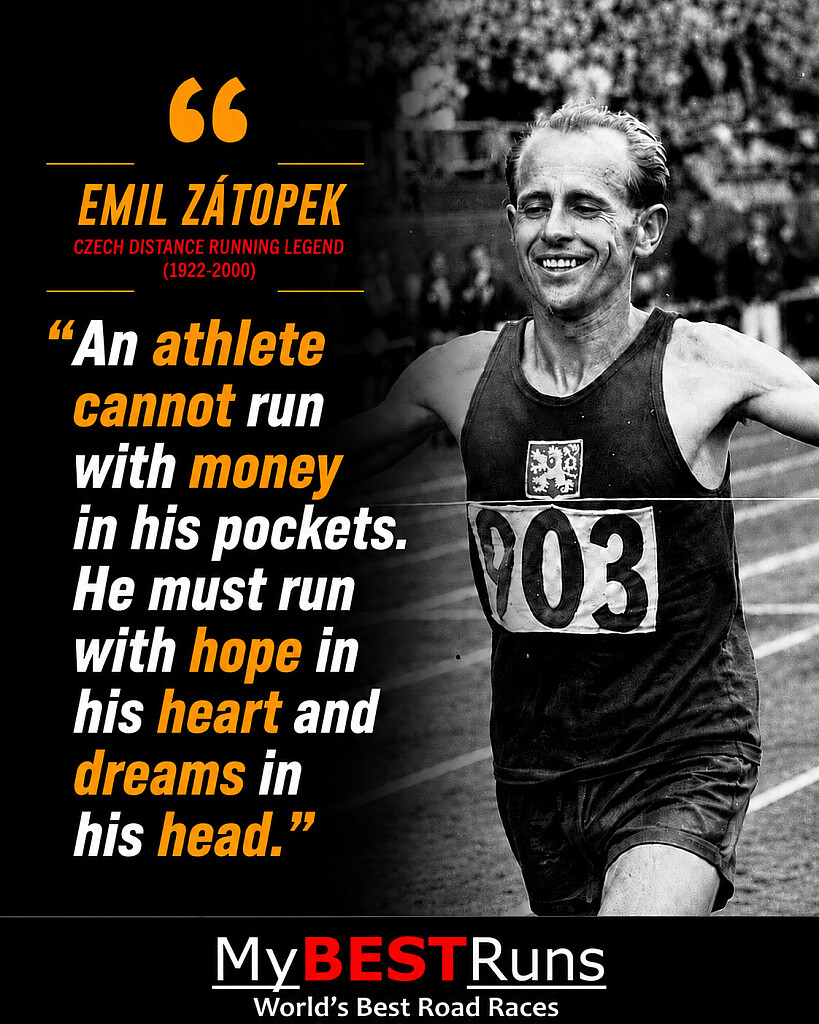
The Dream That Outruns Money: Emil Zátopek's Timeless Lesson for Every Runner
"An athlete cannot run with money in his pockets. He must run with hope in his heart and dreams in his head." More than seventy years after those words were spoken, they remain among the most powerful messages ever shared in distance running. They are often quoted as simple motivation, but behind them lies a remarkable story of sacrifice, courage, conviction, and an unwavering belief that true greatness is never measured by financial reward.
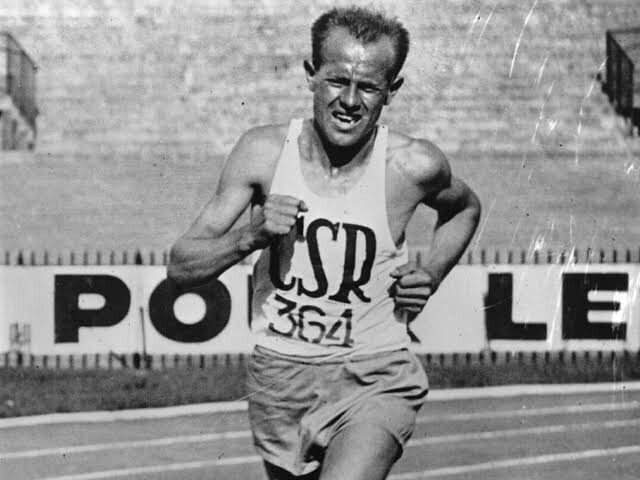
Few athletes have left a legacy as enduring as Emil Zátopek. Known around the world as "The Czech Locomotive" for his relentless determination and unmistakable running style, he redefined what was possible in endurance racing. His legendary performance at the 1952 Olympic Games in Helsinki still ranks among the greatest achievements in athletics history. In the space of just nine days, he captured Olympic gold in the 5,000 meters, the 10,000 meters, and, incredibly, the marathon—a race he had never attempted before.
Yet the world in which Zátopek competed was vastly different from today's professional athletics landscape. During the 1950s, elite sport officially operated under strict amateur rules. Olympic athletes were forbidden from accepting prize money or earning a living directly from competition, although unofficial financial arrangements existed in many sports. Zátopek himself never raced for appearance fees or lucrative prize purses. Instead, he served as an officer in the Czechoslovak People's Army, receiving a military salary while representing his country. Running brought him glory, but not personal wealth.
It was within that environment that his famous words carried genuine meaning. For Zátopek, success was never driven by the promise of money. He believed the greatest performances were fueled by hope, ambition, discipline, and the courage to pursue dreams that seemed impossible. Those qualities, rather than financial incentives, formed the foundation of lasting excellence.
With the benefit of history, his words carry even greater significance. In 1968, during the Prague Spring, Zátopek openly supported democratic reforms in Czechoslovakia. When the movement was crushed, he paid a heavy personal price for standing by his principles. He was stripped of his military rank, removed from public life, and forced into years of manual labor. The man who had once stood proudly atop the Olympic podium found himself performing physically demanding jobs, far removed from the stadiums where he had inspired millions.
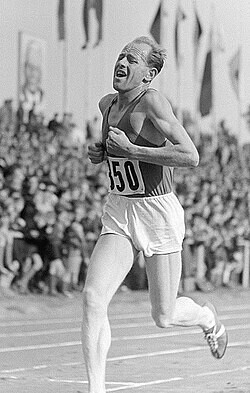
His story reminds us that the values he expressed were not empty words crafted for public admiration. He lived by them, even when doing so came at enormous personal cost. His belief that hope and conviction mattered more than material rewards became evident not only in the races he won, but also in the hardships he endured with remarkable dignity.
Distance running has changed dramatically since Zátopek's era. Today's elite athletes compete in a fully professional sport where prize money, sponsorship contracts, appearance fees, and endorsement deals can be worth millions. Success on the track and roads now offers opportunities that were unimaginable during the age of amateur competition. Professionalism has transformed the sport, allowing athletes to train full-time, access world-class coaching and sports science, and build financially secure careers.
Yet despite these changes, the essence of Zátopek's message has never lost its relevance.
Every elite runner naturally hopes to earn a good living from years of dedication and sacrifice. There is nothing wrong with financial success, and the rewards available today have elevated the standard of competition across the world. But history consistently shows that money alone is rarely enough to sustain greatness. The athletes whose careers endure the longest are often those driven by an inner passion to improve, to test their limits, and to chase excellence for its own sake. Financial rewards become the result of that commitment, not the reason for it.
When competition is motivated solely by wealth, its deeper purpose can fade. But when an athlete races with genuine belief, relentless determination, and an unwavering dream, extraordinary performances often follow naturally.
That is why Emil Zátopek's words continue to resonate across generations. His legacy extends far beyond Olympic medals and world records. It lives in every runner who laces up their shoes with a goal that cannot be measured in dollars, every athlete who refuses to surrender when the race becomes painful, and every competitor who understands that the greatest victories begin long before the finish line.
The economics of distance running may have evolved beyond recognition, but the heart of the sport remains unchanged. Every athlete still arrives at the starting line carrying something far more valuable than money—hope in their heart and dreams in their head. Those invisible qualities have always been, and will always remain, the true fuel of greatness.
by Erick Cheruiyot for My Best Runs.
Login to leave a comment
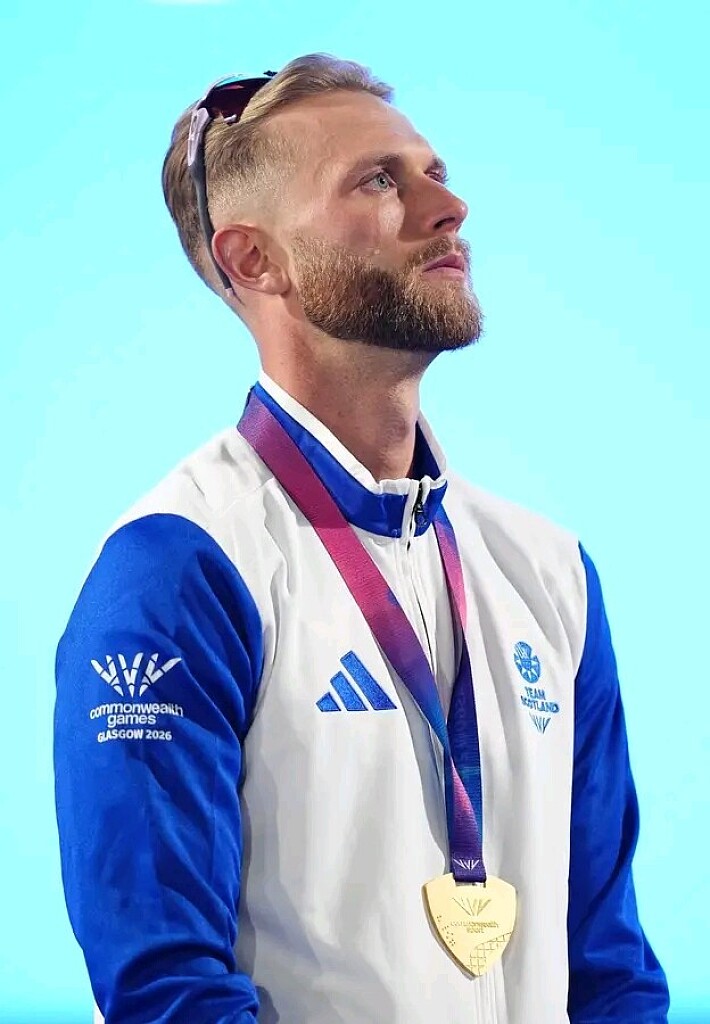
How Josh Kerr Built a Commonwealth Masterpiece: The Splits That Tell the Story of a Golden Mile
Winning a major championship is never just about crossing the finish line first. Behind every gold medal lies a carefully crafted race plan, and Josh Kerr's unforgettable Commonwealth Games triumph in Glasgow was a perfect example of tactical brilliance meeting extraordinary finishing speed.
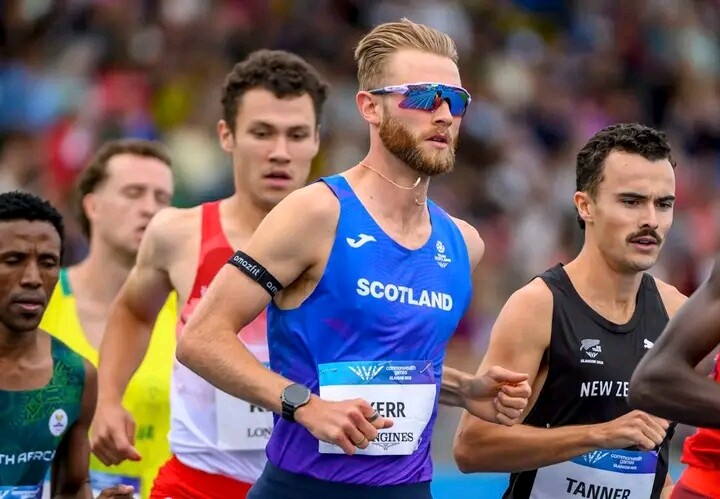
While the final time of 3:54.12 for the mile will be remembered as the official result, the split times reveal a much deeper story—one of patience, precision, and devastating acceleration when it mattered most.
Kerr resisted any temptation to force the pace from the gun. Instead, he settled into a controlled rhythm, allowing the opening stages to unfold naturally. His first four 100-metre segments—14.9, 15.1, 15.3 and 15.1 seconds—brought him through 400 metres in 60.4 seconds, a measured opening that conserved valuable energy while keeping him firmly in contention.
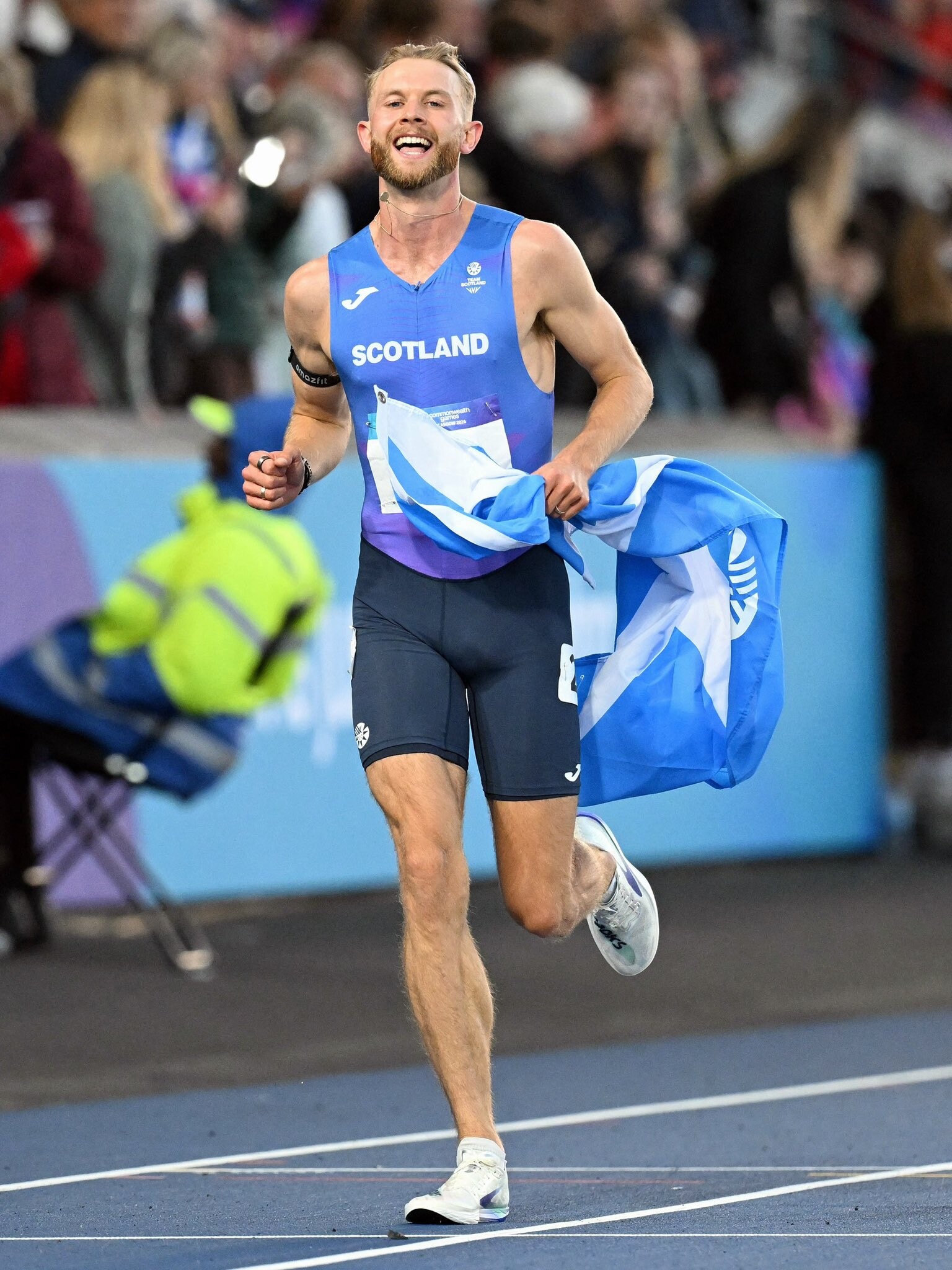
The second lap remained equally composed. Passing 500 metres in 15.3 seconds before recording splits of 15.7, 16.2 and 15.4, Kerr reached 800 metres in 2:03.0. The pace had eased, but that was exactly where the Scottish star wanted to be. Rather than chasing early speed, he was setting the stage for a decisive finish.
Everything changed after halfway.
Kerr gradually increased the tempo with smooth, controlled acceleration. His 900-metre and 1,000-metre splits of 15.2 and 14.9 seconds signalled that the race was beginning to stretch. He then surged through 1,100 metres in 14.3 seconds before covering the next 100 metres in just 13.4 seconds to reach 1,200 metres in 3:00.8.
From there, the home crowd witnessed championship running at its finest.
Instead of fading, Kerr became even stronger. He reeled off three consecutive 100-metre splits of 13.4, 13.4 and 12.8 seconds, dismantling the field with every stride. His final 100 metres were covered in a stunning 12.5 seconds, sealing an emphatic victory and sending the Glasgow crowd into celebration.
The progression of his race was remarkable. After opening with relaxed 15-second splits, Kerr transformed the closing stages into a demonstration of world-class speed endurance. His ability to accelerate continuously over the final 600 metres highlighted not only exceptional fitness but also supreme confidence in his race plan.
Championship middle-distance racing is rarely about producing the fastest possible time from the start. More often, it rewards athletes who understand when to conserve energy and when to unleash everything they have left. Kerr executed that philosophy to perfection.
His split chart paints the picture of a runner who never panicked, never wasted effort, and saved his greatest weapon for the closing stages. It was a textbook display of patience followed by relentless aggression—a combination that turned a tactical race into a memorable Commonwealth gold medal performance.
For aspiring middle-distance runners, Kerr's Glasgow masterpiece offers an important lesson: the strongest finish often belongs not to the athlete who runs hardest from the gun, but to the one who knows exactly when to make their move. On home soil, Josh Kerr timed that move to perfection, producing a performance that will stand as one of the defining moments of the championships.
by Erick Cheruiyot for My Best Runs.
Login to leave a comment

From Small Steps to a Giant Impact: Nine-Year-Old Oliver Smith's Inspiring Run for Hope
At just nine years old, Oliver Smith has achieved something extraordinary—not by chasing records or medals, but by proving that determination, compassion, and consistency can create a life-changing impact.
Hailing from Wombwell, on the outskirts of Barnsley, Oliver set himself a remarkable challenge at the beginning of the year. Rather than attempting a single marathon, he decided to complete the equivalent distance of nine marathons over several months. From January 1 to April 26, the young runner covered an incredible 380 kilometres, breaking the distance into manageable daily runs suitable for a child his age.
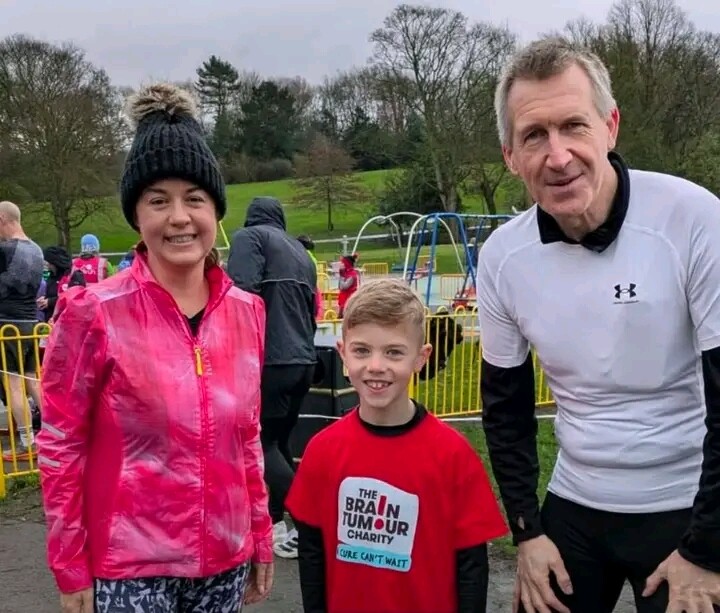
His routine was built on dedication. Saturdays were reserved for parkrun events, Sundays for junior parkrun, while the remaining kilometres were steadily accumulated throughout the week. Averaging approximately 3.3 kilometres each day, Oliver never lost sight of the goal that inspired every step.
The challenge carried deep personal meaning. Last summer, Oliver's father, Tom Smith, suffered a devastating health setback after losing most of the vision in one eye. Medical examinations revealed a 4-centimetre meningioma wrapped around his optic nerve, leading to a complex 12-hour operation at the Royal Hallamshire Hospital in Sheffield.
Throughout the family's difficult journey, The Brain Tumour Charity provided invaluable guidance, support, and reassurance. Grateful for the help his family received, Oliver decided he wanted to give back in the most meaningful way he could. He launched a fundraising campaign with an initial goal of raising £2,000 to support others facing similar challenges.
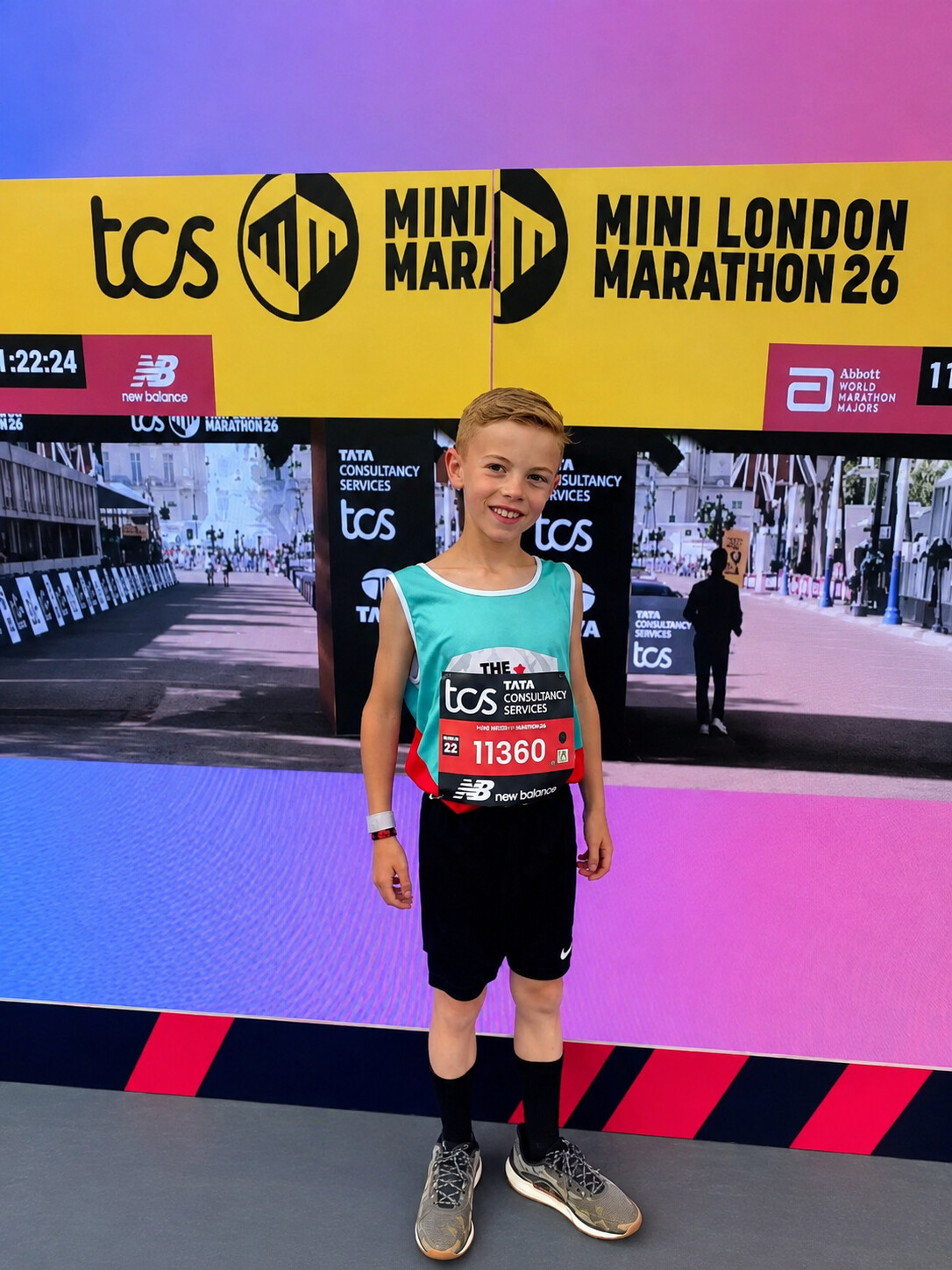
What followed exceeded everyone's expectations.
Oliver brought his incredible fundraising challenge to a memorable conclusion at the Mini London Marathon, finishing on the very same day his mother, Hannah Smith, completed her first-ever London Marathon. It was a fitting family celebration of courage, resilience, and perseverance.
By the time Oliver crossed the finish line, donations had soared beyond £16,500—more than eight times his original target. His remarkable achievement captured the hearts of supporters, demonstrating how one young boy's determination could unite an entire community behind an important cause.
For Oliver, however, the journey is far from over. Inspired by the overwhelming support and the difference his efforts have made, he has already begun working toward his next fundraising challenge.
His story serves as a powerful reminder that age is no barrier to making a meaningful difference. Sometimes, the greatest acts of courage are measured not by speed or distance, but by the willingness to take one small step after another for the benefit of others.
Oliver Smith's inspiring journey is more than a fundraising success—it is a testament to the strength of family, the power of kindness, and the extraordinary impact that can begin with the simplest decision to help.
by Erick Cheruiyot for My Best Runs.
Login to leave a comment
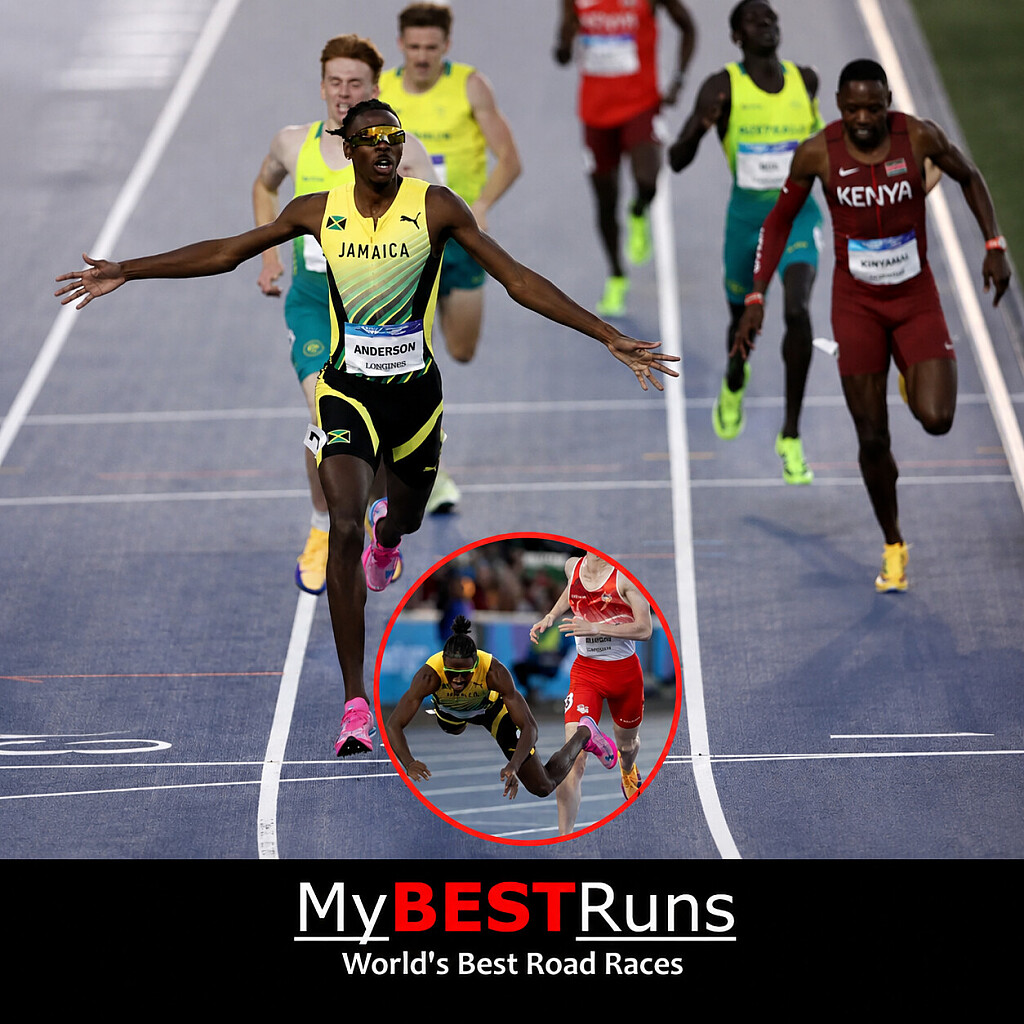
From Last Qualifier to Commonwealth Glory: Navasky Anderson Completes Remarkable 800m Triumph in Glasgow
Sometimes the smallest opportunity creates the greatest triumph, and Jamaica's Navasky Anderson proved exactly that with a stunning performance to capture the men's 800m title at the 2026 Commonwealth Games in Glasgow.
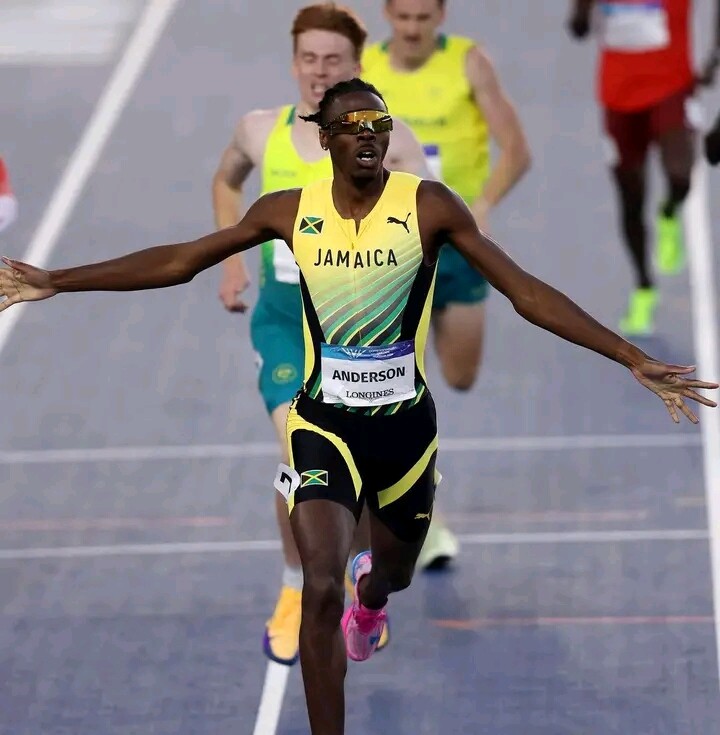
Less than 24 hours after scraping into the final by the slimmest of margins, Anderson produced the race of his life, surging to victory in 1:45.33 to complete one of the most remarkable comeback stories of the championships. His gold medal was not only a reward for exceptional talent but also for courage, determination, and unwavering belief when everything was on the line.
The journey to the top nearly ended in the semifinals. Locked in an intense battle with England's Max Burgin for the final qualification place, Anderson threw himself across the finish line in a dramatic dive, stopping the clock at 1:45.38. That desperate effort earned him the last available place in the final as the fastest non-automatic qualifier, keeping his Commonwealth dream alive by the narrowest of margins.
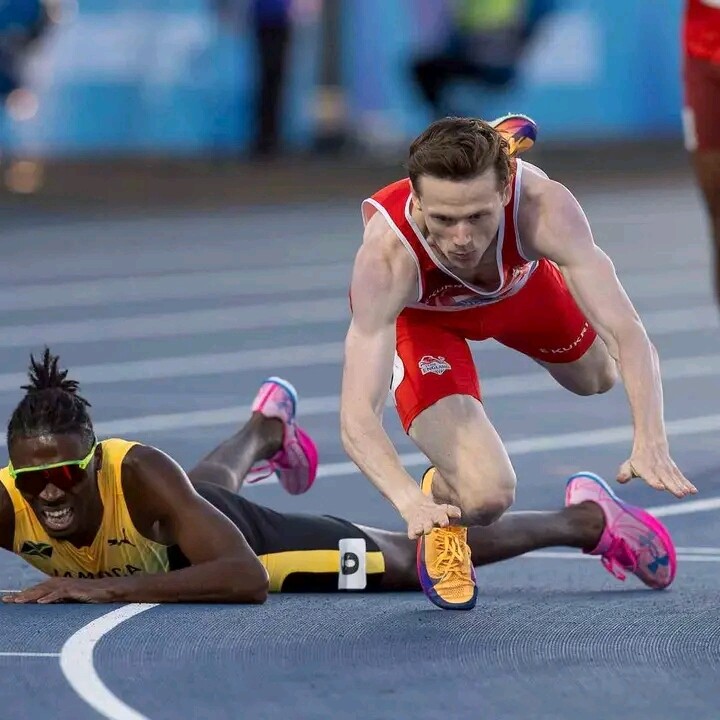
With another chance in his hands, the Jamaican made sure it counted.
In a fiercely contested final, Anderson displayed outstanding tactical awareness and patience throughout the opening stages before unleashing a devastating finishing kick down the home straight. His perfectly timed acceleration left the rest of the field with no answer as he crossed the finish line first, securing a memorable Commonwealth crown and one of Jamaica's standout victories of the Games.
Australia's Luke Boyes delivered an impressive performance to claim the silver medal in 1:45.93, while Kenya's Wyclife Kinyamal battled strongly to take bronze in 1:46.12 after another highly competitive championship race.
Anderson's unforgettable triumph will be remembered as one of the defining moments of Glasgow 2026—a powerful reminder that championships are not always won by the fastest qualifier, but often by the athlete who refuses to surrender. From a fearless dive that kept his hopes alive to a brilliant gold-medal performance less than a day later, the Jamaican wrote one of the most inspiring chapters of these Commonwealth Games.
Men's 800m Final Results
1. Navasky Anderson (Jamaica) — 1:45.33
2. Luke Boyes (Australia) — 1:45.93
3. Wyclife Kinyamal (Kenya) — 1:46.12
Navasky Anderson arrived in the final as the last man to qualify, but he left Glasgow as the Commonwealth champion—a remarkable transformation that perfectly captures the unpredictable beauty of championship athletics.
by Erick Cheruiyot for My Best Runs.
Login to leave a comment

Back To Where It All Began: Agnes Ngetich Returns To Her Primary School As A World Record Holder
Success has a way of bringing people back to where their journey first began, and for Kenya's Agnes Jebet Ngetich, that journey started in the classrooms of Werep Primary School.
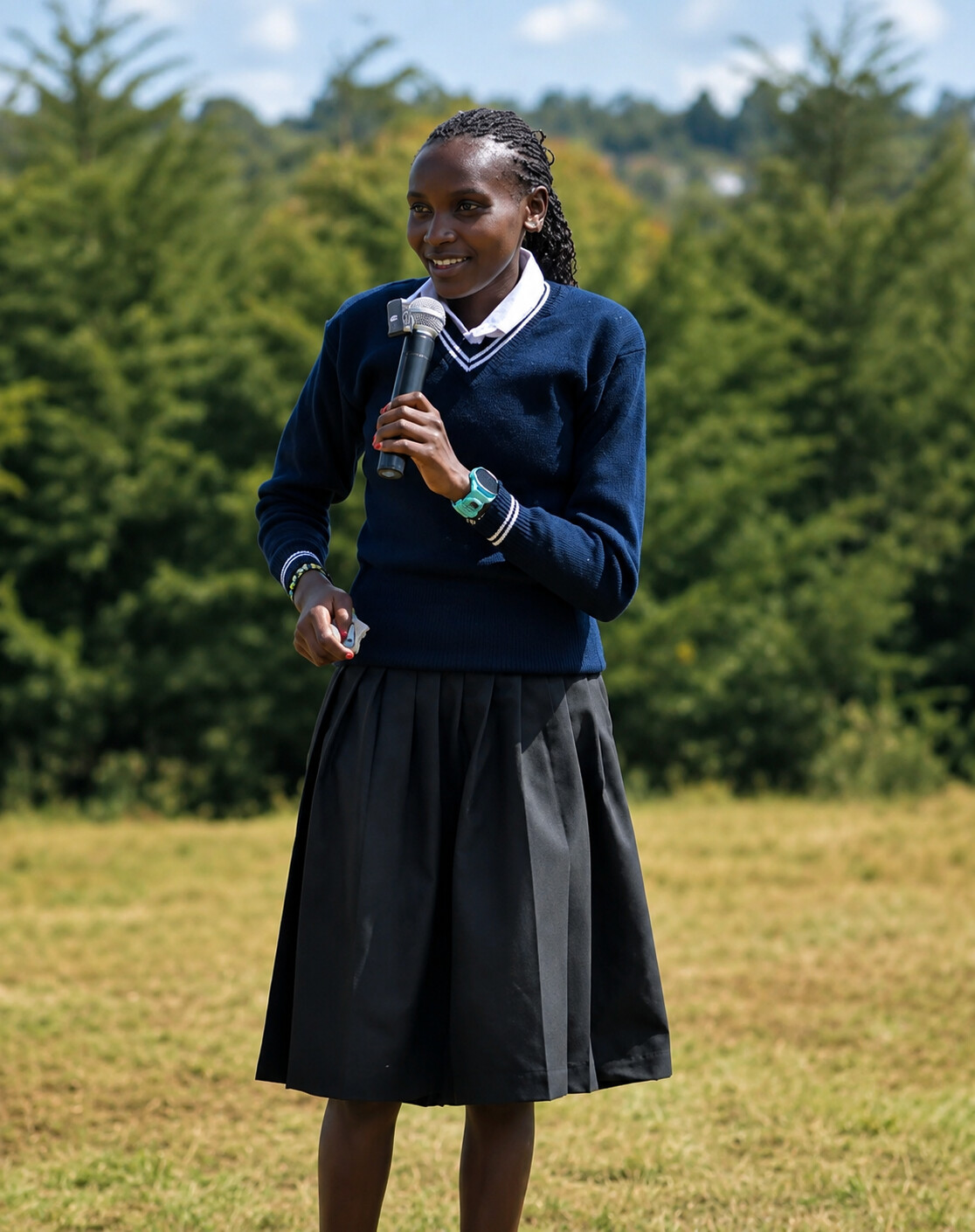
The world champion and world record holder recently made an emotional return to her former school, where she once sat as a young girl with dreams that seemed almost impossible to achieve. In a touching tribute to her humble beginnings, Ngetich briefly wore the Werep Primary School uniform once again, creating a powerful moment that reminded every learner that greatness can emerge from even the most difficult circumstances.
The visit was far more than a nostalgic homecoming. It was an opportunity to give back to the community that shaped her early years. Agnes donated brand-new school uniforms to many pupils, ensuring they can attend school with confidence and pride. More than 200 learners shared a nutritious meal, while schoolgirls received sanitary pads to help them stay in school with dignity and without interruption to their education.
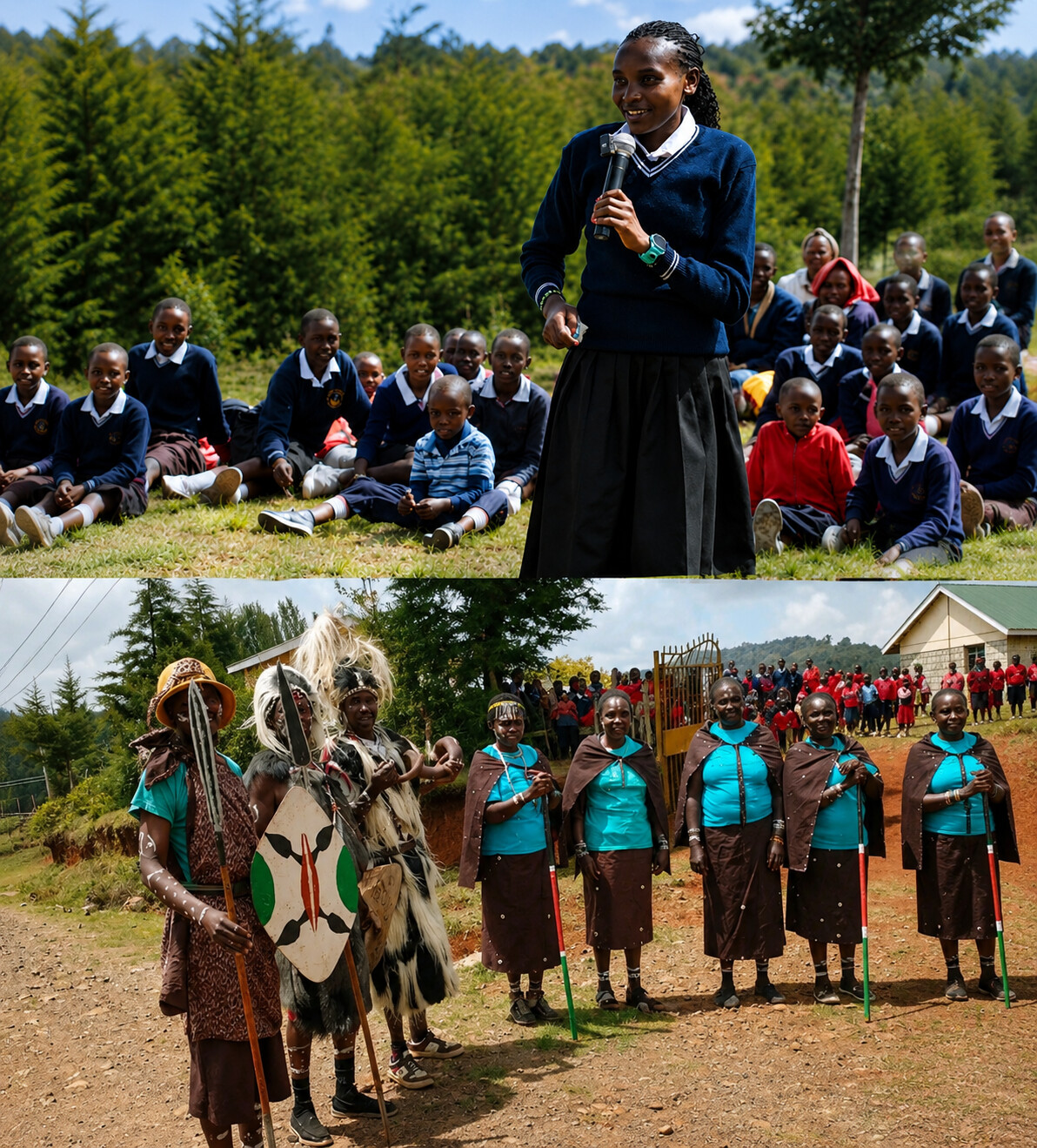
For the children who welcomed one of Kenya's greatest distance runners, the visit transformed dreams into something tangible. Standing before them was someone who had once walked the same paths, studied in the same classrooms, and worn the very same uniform they wear today.
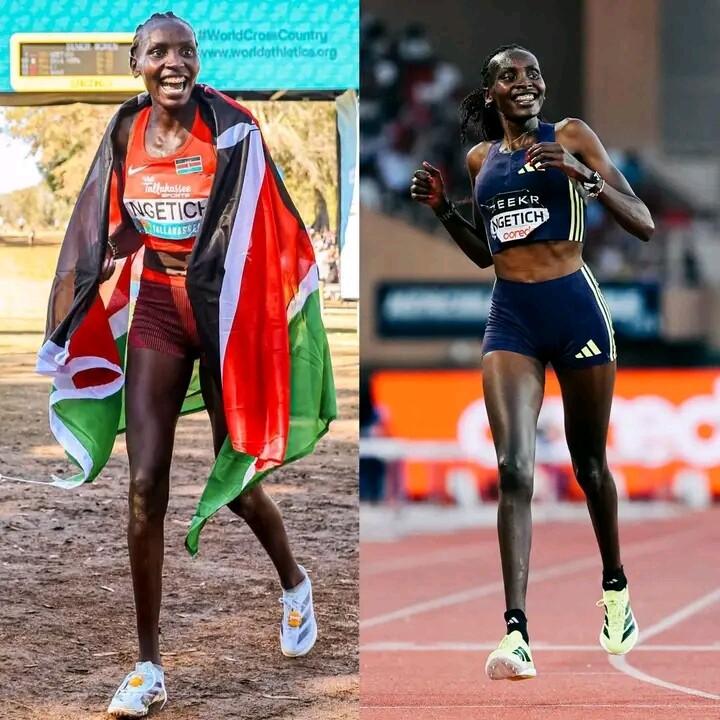
Yet behind the smile of a world champion lies a story of extraordinary hardship.
Born on January 23, 2001, in Elgeyo Marakwet County, Agnes lost her father when she was only 12 years old. His death plunged the family into severe financial hardship, forcing her to leave school on several occasions to help her mother earn a living. She spent countless days burning charcoal and working on local farms so her family could survive.
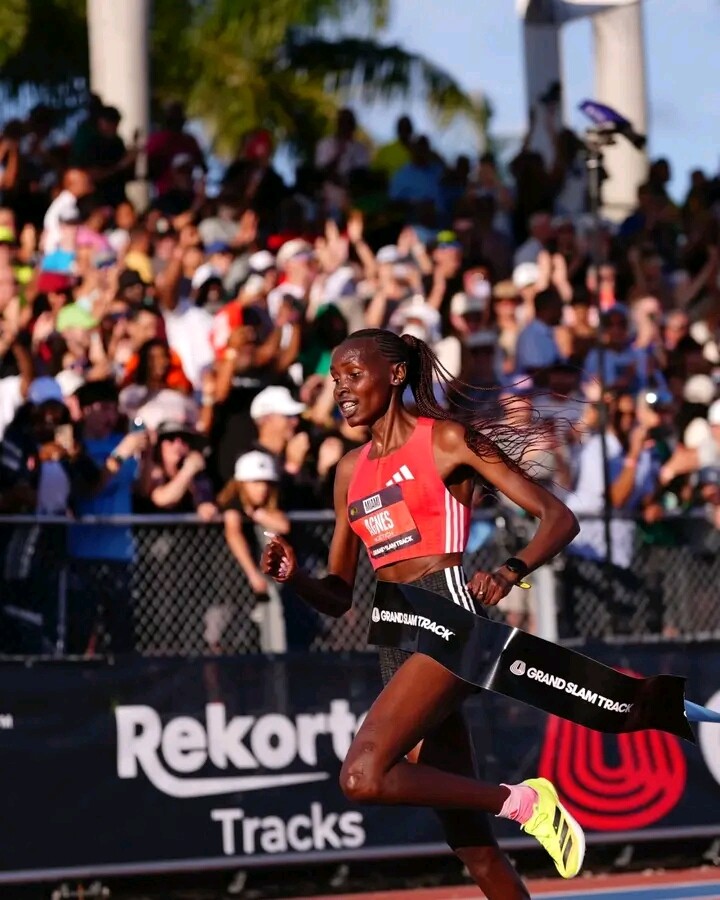
Running was never part of a carefully planned career. At first, it simply offered something many children take for granted—a meal through school competitions. Often racing barefoot and on an empty stomach, Agnes refused to let poverty define her future. In one regional race, she pushed herself so hard that she collapsed from hunger after crossing the finish line, a powerful illustration of the sacrifices she endured in pursuit of a better life.
Her destiny changed when coach Ruth Jepchumba Bundotich noticed her remarkable talent while she was working on a farm. Recognizing a rare gift, she gave the young runner an opportunity to train and develop her potential. That single act of belief opened the door to a future few could have imagined.
Today, Agnes Ngetich stands among the greatest distance runners in history. She became the first woman ever to break the 29-minute barrier for 10 kilometres on the road with an astonishing world record of 28:46. She also holds the women's-only 10km world record of 29:27, captured the 2026 World Cross Country title with a remarkable winning margin of 42 seconds, claimed victory at the 2026 New York Mini 10K while setting a course record, and is the Kenyan half marathon record holder with an outstanding time of 1:03:04.
Despite these extraordinary accomplishments, perhaps her greatest achievement cannot be measured by medals, trophies, or world records.
The success she earned through running transformed her family's future. Agnes has helped her siblings return to school after poverty forced them to drop out, while also giving her mother the security and comfort she had long dreamed of. Her journey has become a testament to how talent, resilience, and opportunity can change not only one life but an entire family.
Today, Agnes trains under head coach Julien Di Maria, widely known as Kip Evans, while continuing to work closely with her long-time mentor, Ruth Jepchumba Bundotich—the coach who first recognized her potential and helped guide her path to international success.
Her return to Werep Primary School was therefore much more than a celebration of athletic achievement. It was a full-circle moment that showed every child in attendance that humble beginnings do not determine one's destiny.
From carrying bags of charcoal to carrying the hopes of a nation, Agnes Jebet Ngetich has become one of Kenya's brightest sporting icons. Her remarkable story reminds the world that champions are not simply born—they are forged through hardship, sacrifice, unwavering determination, and the courage to keep believing when life offers every reason to give up.
For every pupil who watched her proudly wear the school uniform once again, the message was unmistakable: the classroom they sit in today could become the starting point of a journey that one day inspires the entire world.
by Erick Cheruiyot for My Best Runs.
Login to leave a comment

Relief at Last: Olympic Marathoner Daniel Do Nascimento Found Alive After 44 Days Missing
There are moments in sport that transcend medals, records, and championships. The safe return of Brazilian Olympic marathoner Daniel Ferreira do Nascimento is one of those moments.
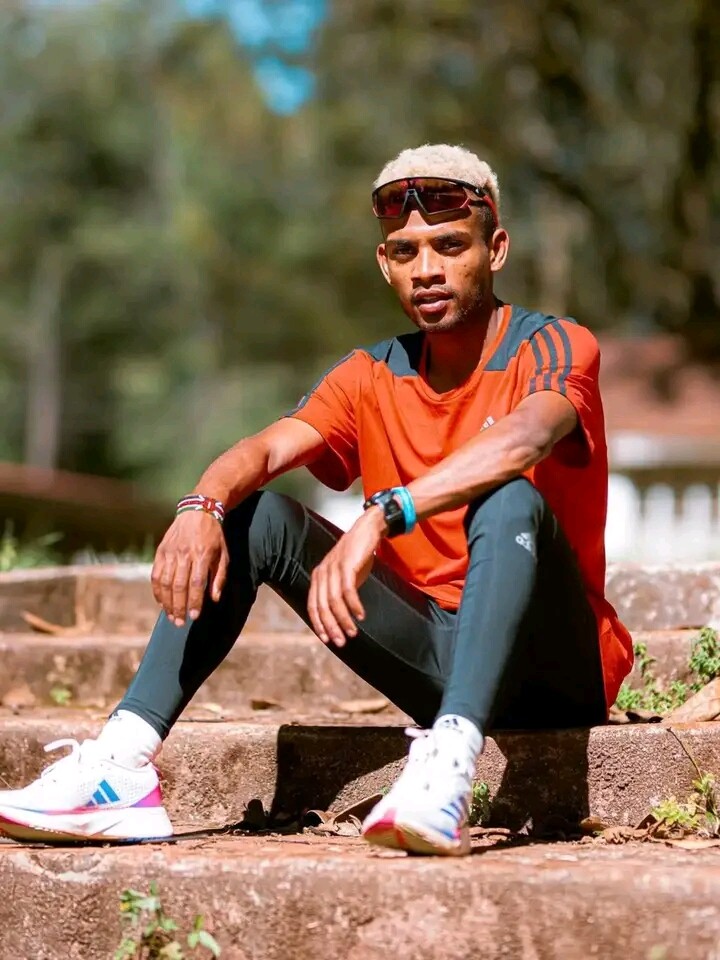
After 44 agonizing days of uncertainty, fear, and relentless searching, the South American marathon record holder has been found alive, bringing overwhelming relief to his family, friends, and the global athletics community.
Daniel had been missing since June 19, after leaving his family home in Paraguaçu Paulista, in the interior of São Paulo state, carrying only a black backpack. His sudden disappearance sparked growing concern as days turned into weeks with no confirmed information about his whereabouts.
The emotional breakthrough came after his mother, who had tirelessly appealed to the public through social media for help in finding her son, confirmed that he had been located. She immediately traveled to a police station in Brazil's capital to reunite with him, ending more than six weeks of heartbreaking uncertainty.
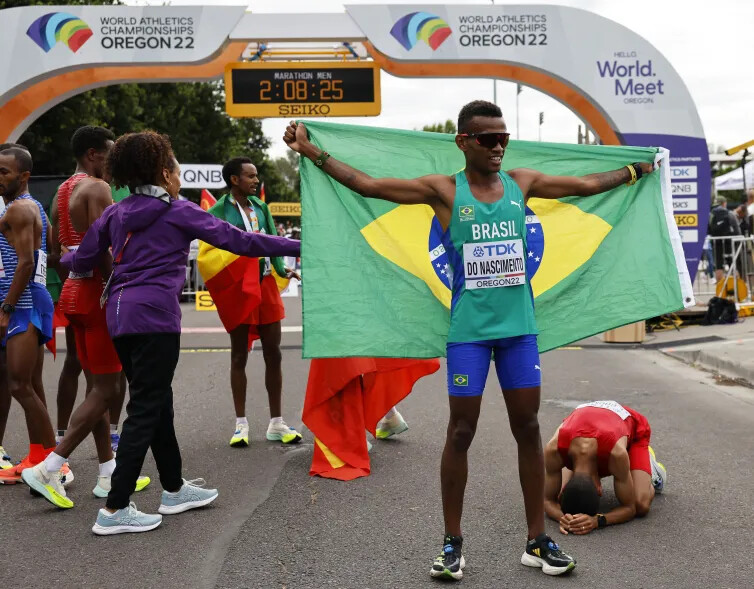
The family's search had captured widespread attention across Brazil and beyond. About a month after Daniel disappeared, relatives launched a major online campaign hoping someone would recognize him or provide information. In a particularly heartbreaking moment, the Olympic marathoner spent his 28th birthday away from those who love him, still missing as the desperate search continued.
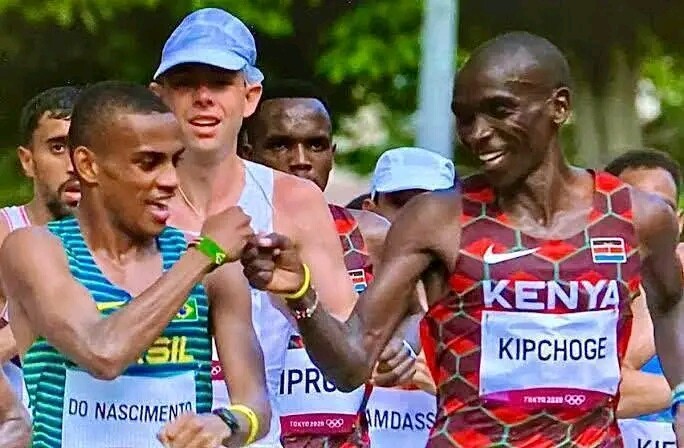
Behind the headlines lies a deeply personal struggle. According to his family, Daniel has been battling severe depression, a challenge that intensified following a doping case that abruptly brought his elite running career to a halt. In 2025, he received a five-year suspension, backdated to July 15, 2024, making him ineligible to compete in official events until 2029.
Despite the setbacks that have marked the past two years, today's news is not about records or racing. It is about life, hope, and the immeasurable joy of a family being reunited with their loved one.
Daniel remains one of South America's finest marathon runners, having represented Brazil at the Olympic Games and set a South American marathon record with a personal best of 2:04:51. Yet, this remarkable chapter serves as a powerful reminder that even the strongest athletes can face invisible battles beyond the finish line.
As Daniel returns to the care of his family, the athletics world shares in a collective sense of gratitude. The greatest victory today is not measured by time or trophies—it is the simple, priceless truth that he is alive.
The entire running community wishes Daniel strength, healing, and peace as he begins the next chapter of his journey, surrounded by the love and support of those who never stopped believing he would come home.
by Erick Cheruiyot for My Best Runs.
Login to leave a comment
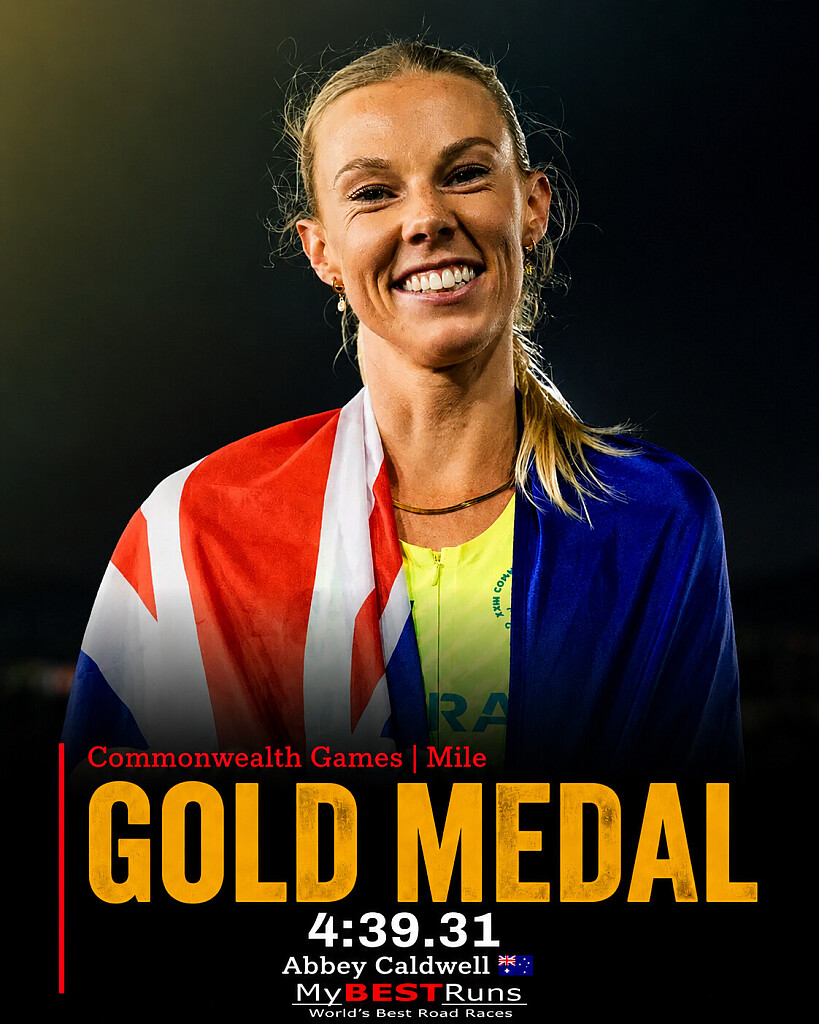
Australia Dominates Commonwealth Games Women's Mile With Historic Podium Sweep as Abbey Caldwell Strikes Gold
Australia produced one of the most memorable moments of the Glasgow 2026 Commonwealth Games, completing a sensational clean sweep of the women's mile as Abbey Caldwell led teammates Jessica Hull and Claudia Hollingsworth across the finish line in a remarkable display of national dominance.
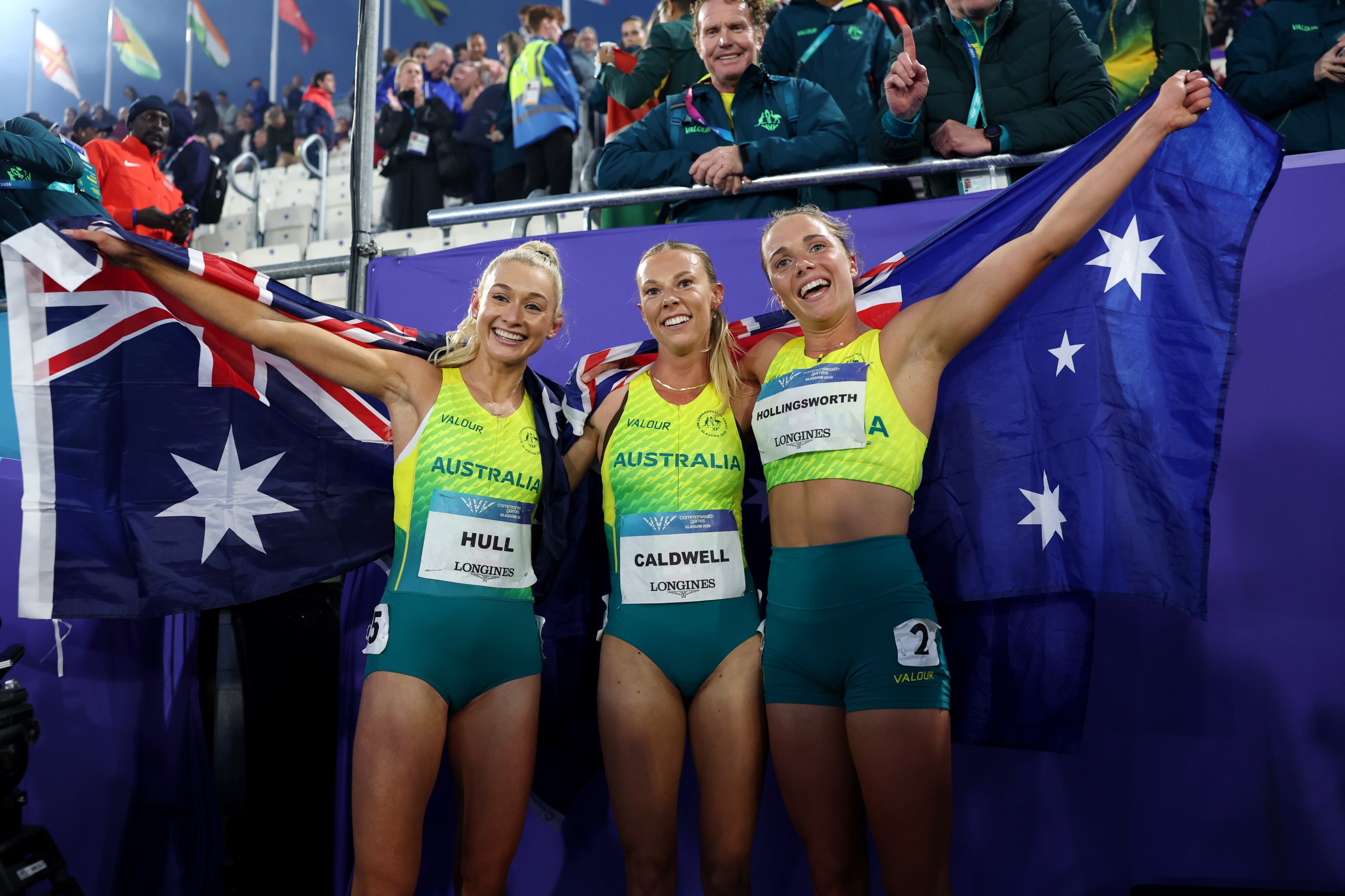
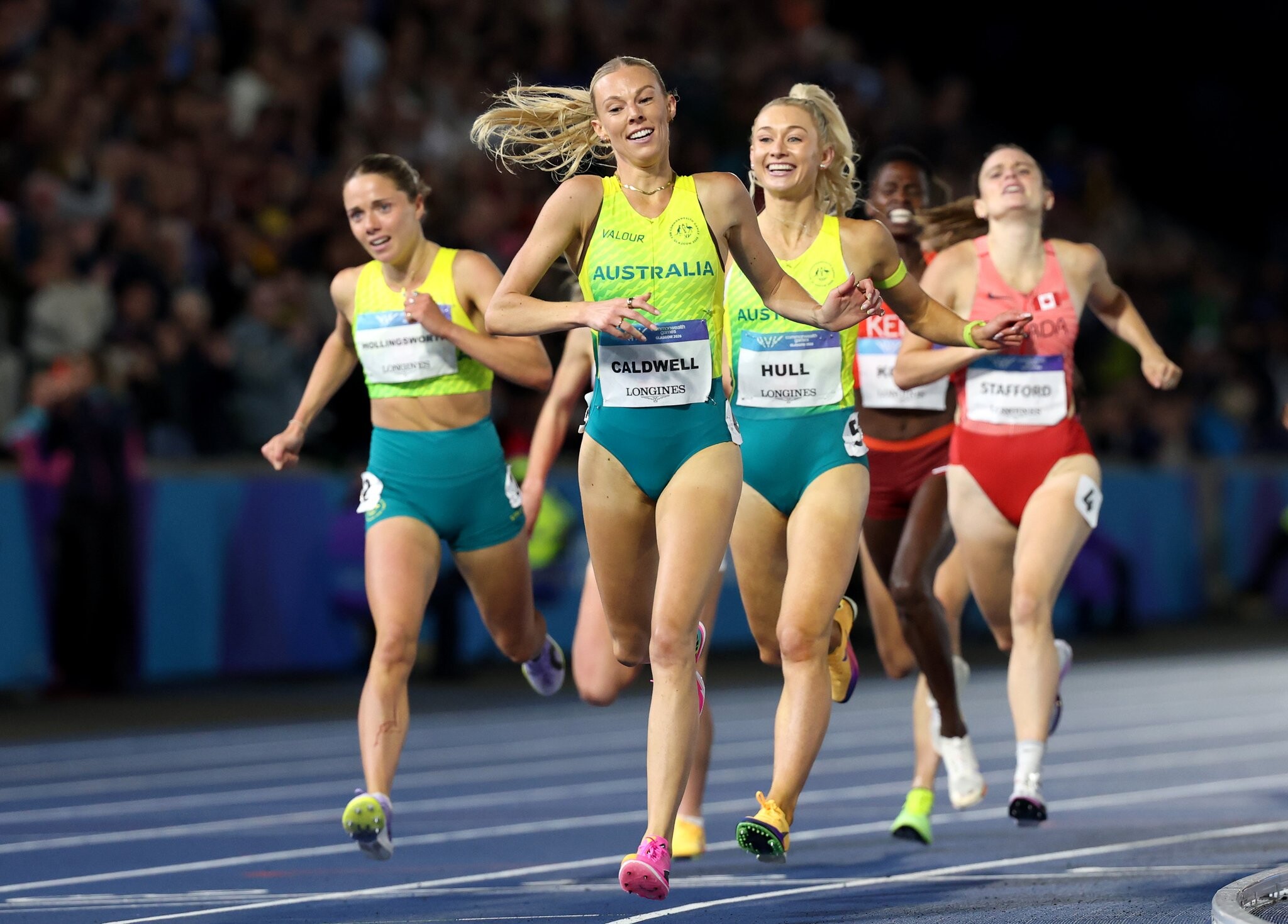
In a race that showcased Australia's incredible middle-distance depth, Caldwell timed her finish to perfection, surging to victory in 4:39.31 to claim the Commonwealth title. Behind her, Jessica Hull continued her outstanding championship campaign by securing the silver medal in 4:39.86, while rising star Claudia Hollingsworth completed the historic podium sweep with bronze in 4:40.20.
The 1-2-3 finish marked one of Australia's finest achievements in Commonwealth Games middle-distance history, underlining the nation's growing strength on the global stage. With all three medals belonging to Australia, the celebration became a picture-perfect moment that will be remembered for years to come.
For Hull, the silver medal represented another impressive chapter in an already exceptional Games. After earlier standing on the podium in another event, she added a second silver medal to her collection with another composed and determined performance. The Olympic medallist once again demonstrated her consistency at the highest level, remaining firmly among the world's elite middle-distance runners.
Caldwell, however, proved unstoppable on the day. She controlled the decisive stages of the race with confidence before producing a powerful finishing kick that her teammates and the rest of the field could not match. Hollingsworth also delivered under pressure, completing Australia's unforgettable clean sweep with a well-earned bronze medal.
The historic result highlighted the remarkable depth Australia has developed in women's middle-distance running. Rather than relying on a single standout athlete, the nation showcased a trio capable of dominating one of the Games' most competitive events.
As the Australian flags were raised together during the medal ceremony, the moment perfectly captured the team's unity, preparation, and excellence. It was more than just a race victory—it was a statement that Australia has established itself as one of the leading forces in women's middle-distance athletics, with a generation of athletes capable of rewriting history together.
by Erick Cheruiyot for My Best Runs.
Login to leave a comment

The Commonwealth Games
The Commonwealth Games are coming to Victoria - bringing an action packed sports program to our regional cities and delivering a long-term legacy for our future. From 17 to 29 March 2026, Geelong, Bendigo, Ballarat, Gippsland and Shepparton will be on the world stage, attracting millions of viewers and creating thousands of jobs. The multi-city model will...
more...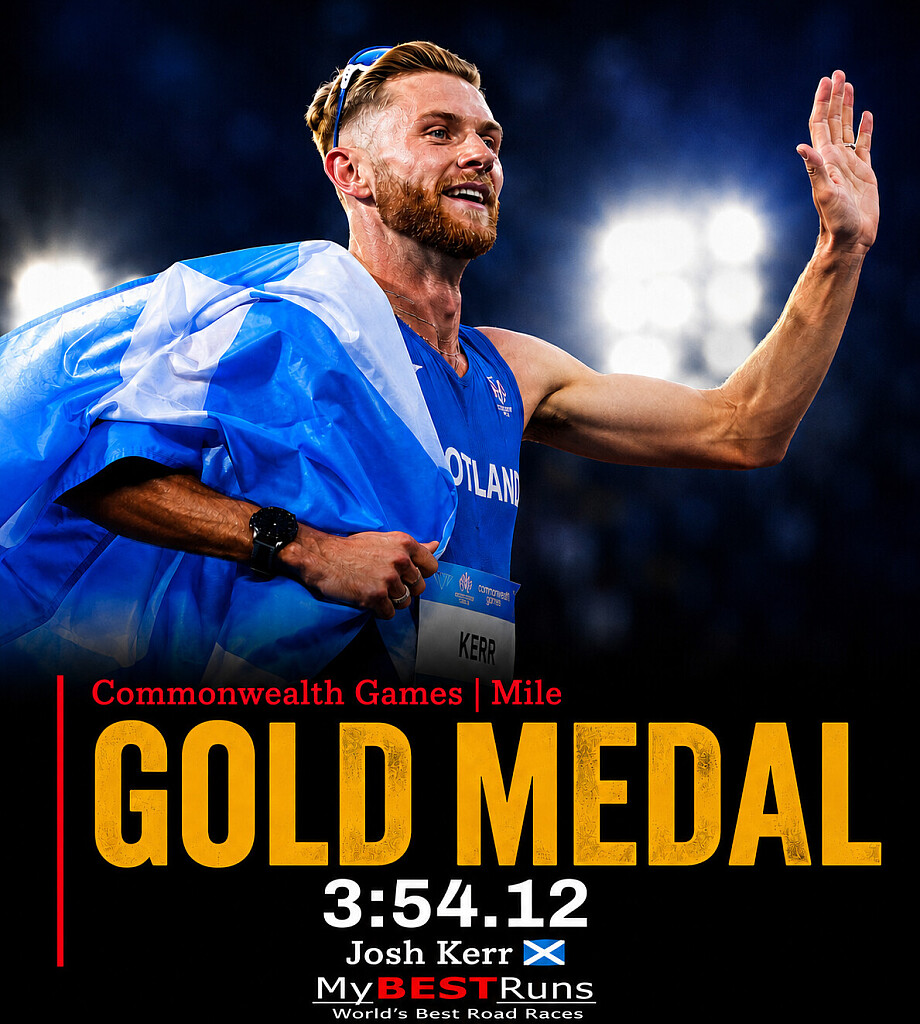
Josh Kerr Delivers Historic Commonwealth Mile Gold On Home Soil
Josh Kerr produced a performance worthy of the occasion as he etched his name into Commonwealth Games history, storming to victory in the men's mile final in front of an ecstatic home crowd in Glasgow.
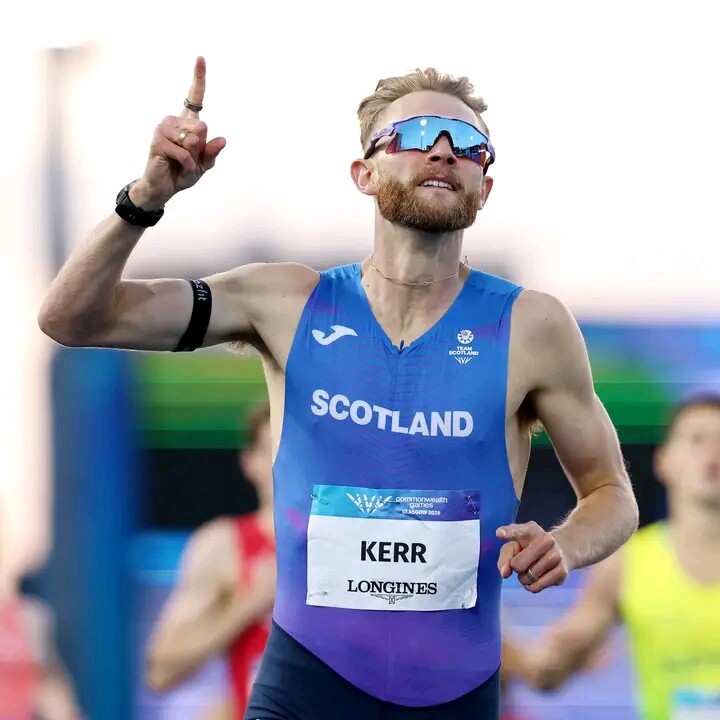
The race marked the long-awaited return of the mile to the Commonwealth Games programme for the first time in 60 years, and there could hardly have been a more fitting champion than the reigning world record holder. Just two weeks after rewriting the record books by breaking the world mile record, Kerr added another remarkable chapter to his career by capturing Commonwealth gold in front of his home supporters. The timing could not have been more perfect—Scotland's king of the mile reigning supreme in his own colosseum as the stadium erupted in celebration.
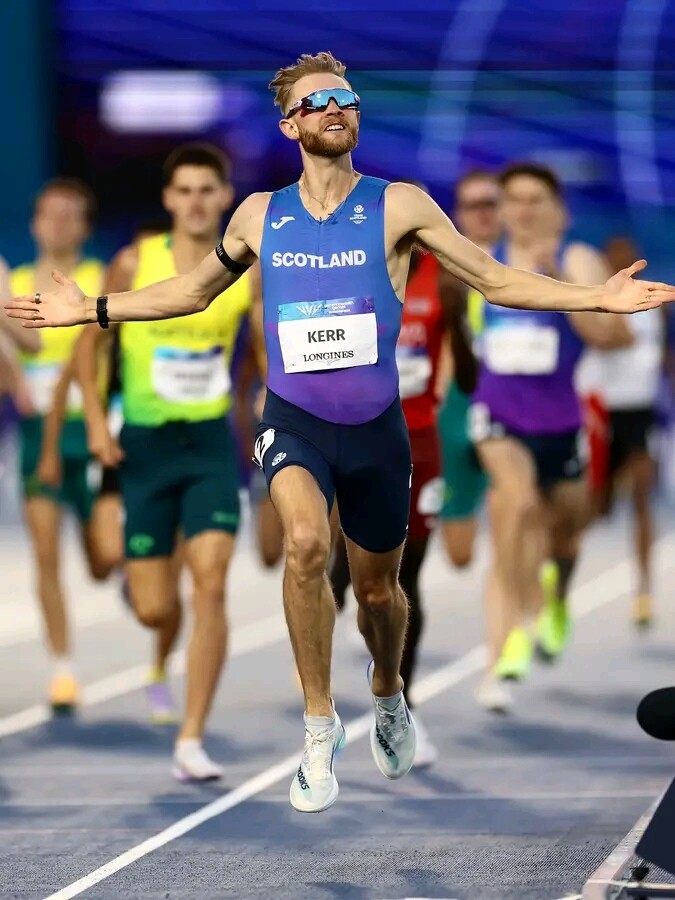
Yet the victory was anything but straightforward. For much of the race, Kerr found himself boxed in and engaged in a physical battle for position as the tightly packed field jostled for control. With precious metres slipping away, it appeared his path to gold might be closing. However, displaying the composure and race intelligence that have made him the world's fastest miler, the Scottish star finally found an opening as the bell rang for the final lap. Once in clear running, he unleashed a devastating finishing kick that no one in the field could match, surging away to claim a memorable victory on home soil.
Kerr crossed the finish line in 3:54.12, raising his arms in triumph as the Glasgow crowd erupted into deafening cheers. It was a performance that perfectly reflected his status as the world's premier miler and one that will be remembered as one of the defining moments of the Glasgow 2026 Commonwealth Games.
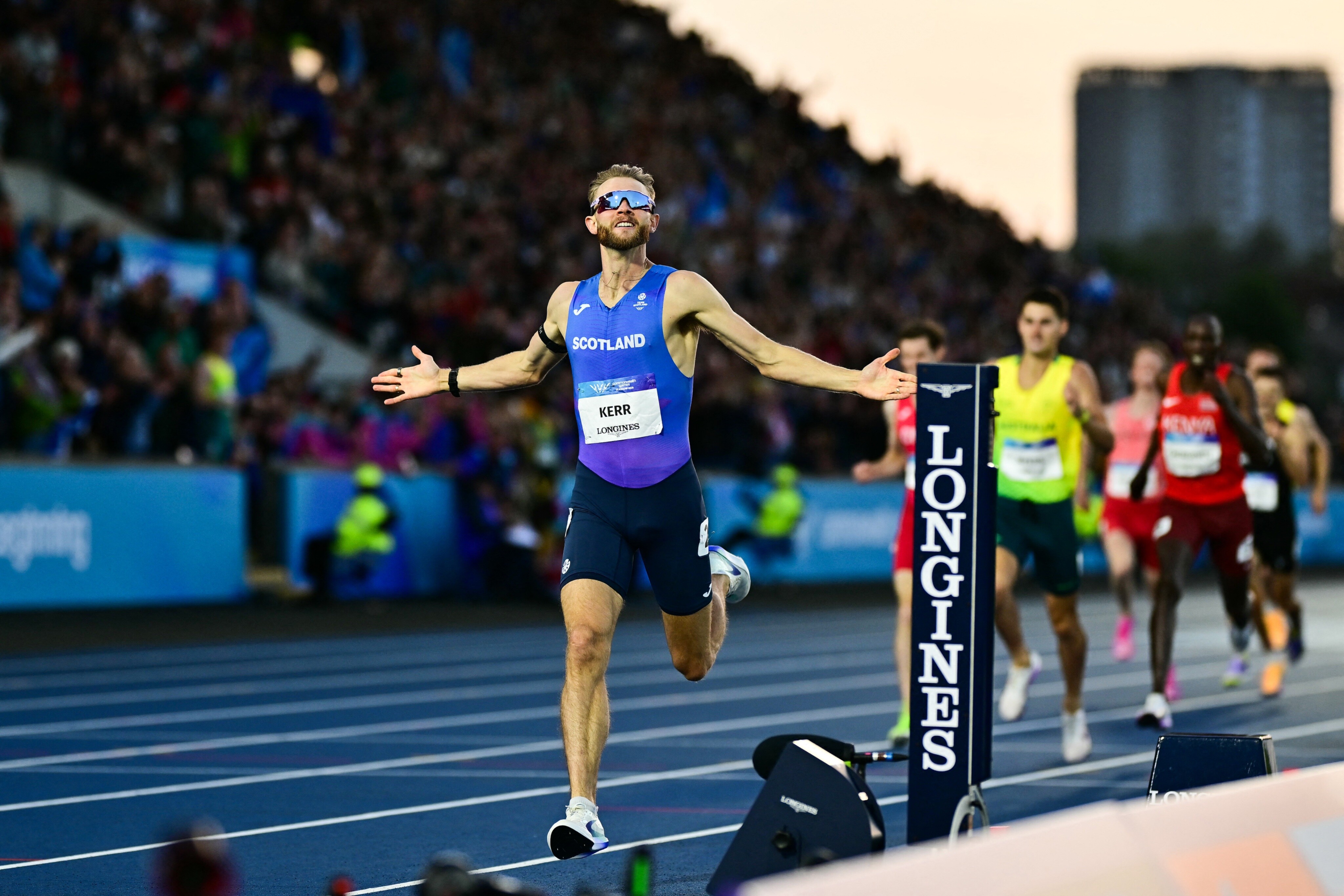
Australia's teenage sensation Cameron Meyers produced a superb closing lap to secure the silver medal in 3:55.26, continuing his rapid rise on the international stage. Kenya's former world champion Timothy Cheruiyot battled courageously throughout the race to earn the bronze medal in 3:55.41, adding another major championship podium finish to his distinguished career.
The battle for the remaining places was equally fierce. Wales' Jake Heyward narrowly missed the podium after clocking 3:55.54, while Australia's Oliver Hoare finished fifth in 3:56.28. Scotland's Jake Wightman delighted the home supporters with sixth place in 3:56.36, and Canada's Foster Malleck finished seventh in 3:56.46.
For Kerr, however, this triumph meant far more than another championship title. Winning the first Commonwealth Games mile in six decades in front of a passionate Scottish crowd created a storybook moment that will live long in the nation's sporting history. Coming just weeks after setting the world record, overcoming adversity during the race, and then producing a breathtaking final-lap surge made the achievement even more extraordinary.
As the Scottish flag waved proudly around the stadium and celebrations swept across Glasgow, one message rang true: who else? The world record holder had once again delivered when it mattered most. On a historic night for Scottish athletics and the Commonwealth Games, Josh Kerr proved that champions are defined not only by records but by their ability to rise to the biggest occasions. On home soil, before his own people, the King of Scotland ruled once again.
by Erick Cheruiyot for My Best Runs.
Login to leave a comment
The Commonwealth Games
The Commonwealth Games are coming to Victoria - bringing an action packed sports program to our regional cities and delivering a long-term legacy for our future. From 17 to 29 March 2026, Geelong, Bendigo, Ballarat, Gippsland and Shepparton will be on the world stage, attracting millions of viewers and creating thousands of jobs. The multi-city model will...
more...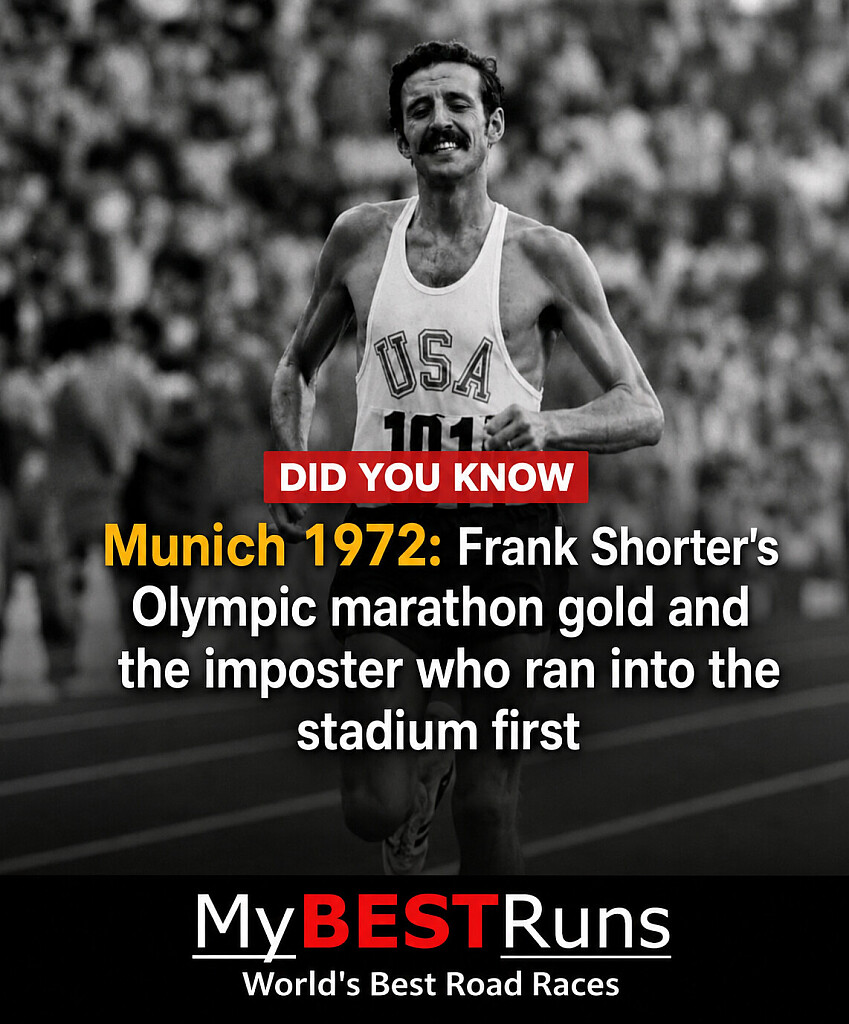
The Olympic Marathon's Most Bizarre Finish: When Frank Shorter's Greatest Triumph Was Almost Stolen
The men's marathon at the 1972 Munich Olympic Games produced one of the most extraordinary and misunderstood moments in Olympic history—a finish so surreal that even the man who won the gold medal was briefly denied the celebration he had earned.
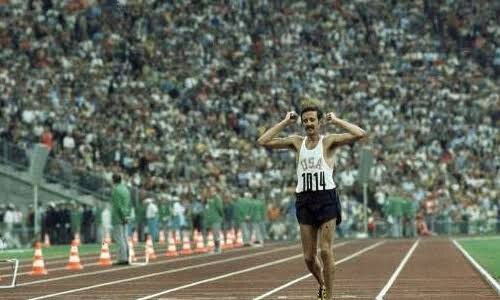
American distance star Frank Shorter had produced a masterclass over the 42.195-kilometre course. Breaking away from the field, he built a commanding lead of more than a minute and, with just one kilometre remaining, victory was all but certain. As he approached the Olympic Stadium, he could already hear the roar of nearly 80,000 spectators awaiting the arrival of the marathon champion.
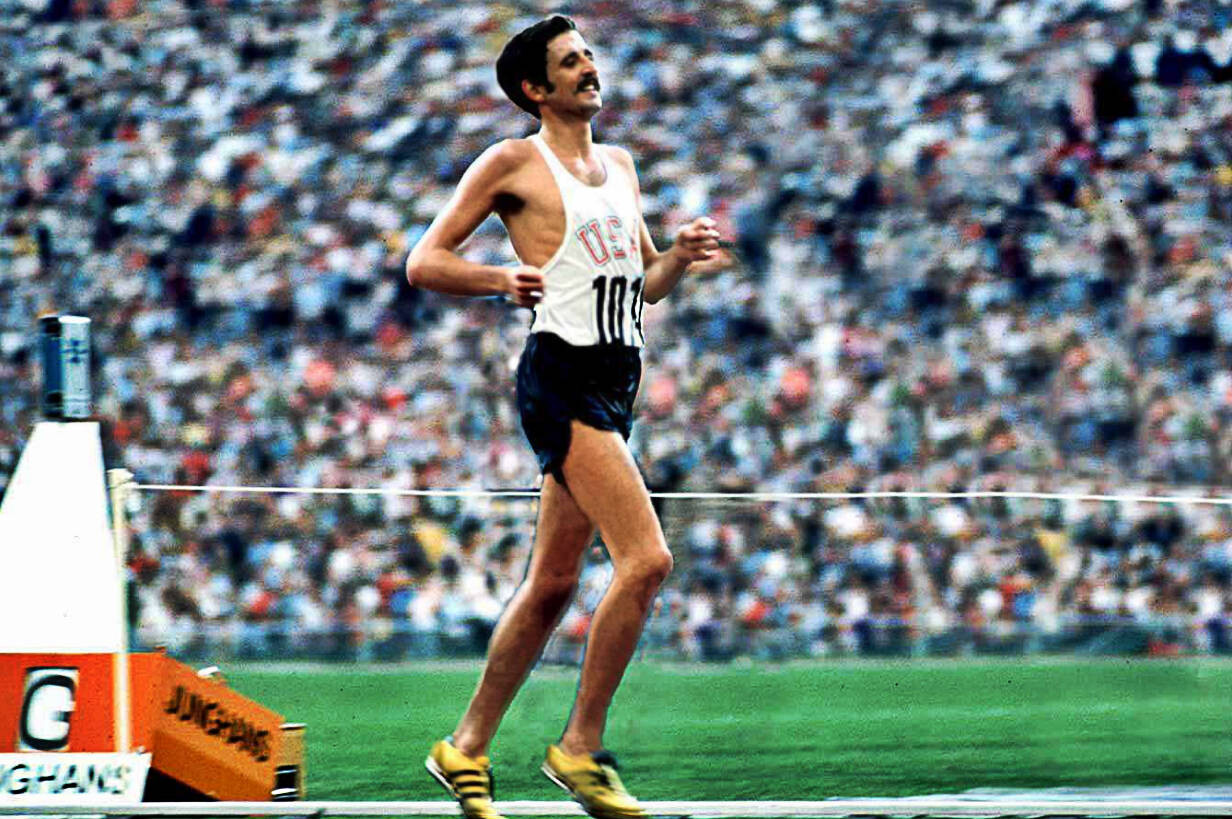
But inside the stadium, something astonishing had already happened.
A young man wearing a grey tracksuit burst onto the marathon course just before the entrance tunnel. His name was Norbert Sudhaus, a West German student with no connection to the race. Blending into the finish route, he sprinted into the stadium ahead of the real leader and completed what appeared to be the final lap of the Olympic marathon.
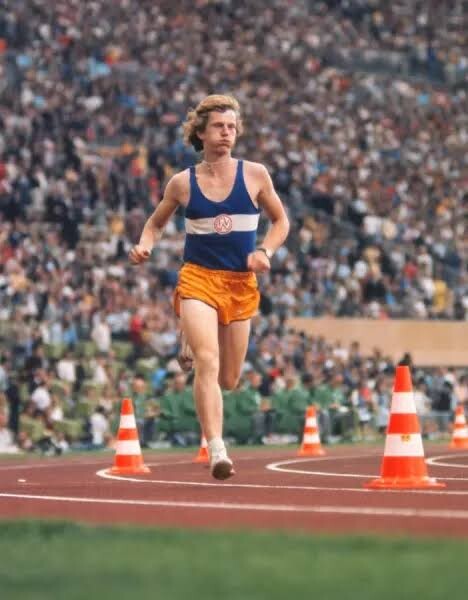
The unsuspecting crowd erupted.
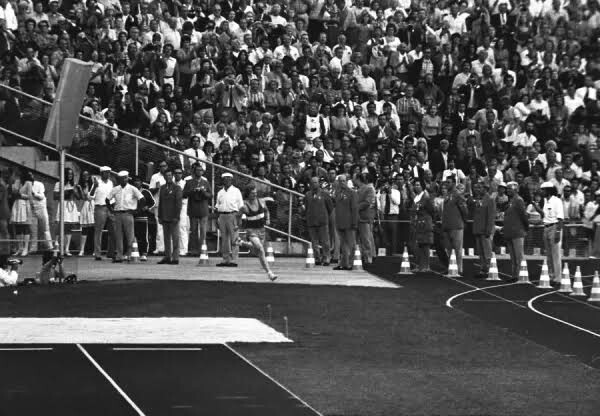
Believing they were witnessing the arrival of the Olympic champion, tens of thousands rose to their feet, cheering wildly as the imposter crossed the track. For several chaotic moments, confusion reigned. Security officials and race organisers eventually realised the deception, removed Sudhaus from the track, and hurried to restore order.
Then, about a minute later, the true champion finally emerged.
Frank Shorter entered the stadium expecting the deafening ovation reserved for an Olympic marathon winner. Instead, he was met by puzzled silence before the spectators slowly realised their mistake and began applauding again. The emotional climax of one of the greatest victories in American distance running had been unintentionally stolen by an unexpected intruder.
Despite the bizarre interruption, nothing could erase what Shorter had accomplished on the roads of Munich.
He crossed the finish line to claim Olympic gold, becoming the first American to win the Olympic marathon since 1908. His triumph inspired millions across the United States, igniting a running boom that transformed the marathon from a niche endurance event into one of the world's most popular races. Countless recreational runners, road races, and marathon events that flourished during the 1970s can trace part of their inspiration back to Shorter's unforgettable victory.
Yet history remembers an extraordinary twist.
One of the greatest marathon performances ever seen concluded not with the uninterrupted roar of a grateful stadium, but with a moment of bewilderment. The final 400 metres of Frank Shorter's Olympic masterpiece were overshadowed by a prank that fooled an entire stadium and created one of the strangest finishes the Olympic Games have ever witnessed.
More than five decades later, the image remains unforgettable—a champion running toward immortality while the loudest applause had already been given to someone who was never part of the race at all.
by Erick Cheruiyot for My Best Runs.
Login to leave a comment
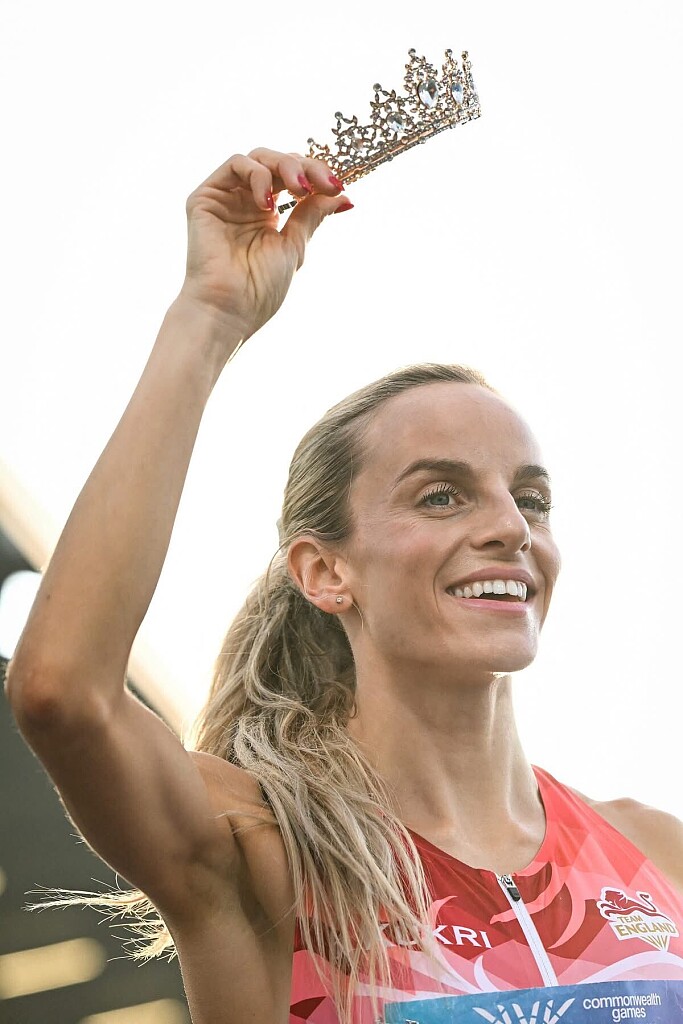
Georgia Hunter Bell Produces A Tactical Masterclass To Win Commonwealth Games 800m Gold
Georgia Hunter Bell delivered a performance of exceptional composure and precision to capture the women's 800m title at the 2026 Commonwealth Games in Glasgow, producing a perfectly judged race to secure gold for England in 1:59.51.
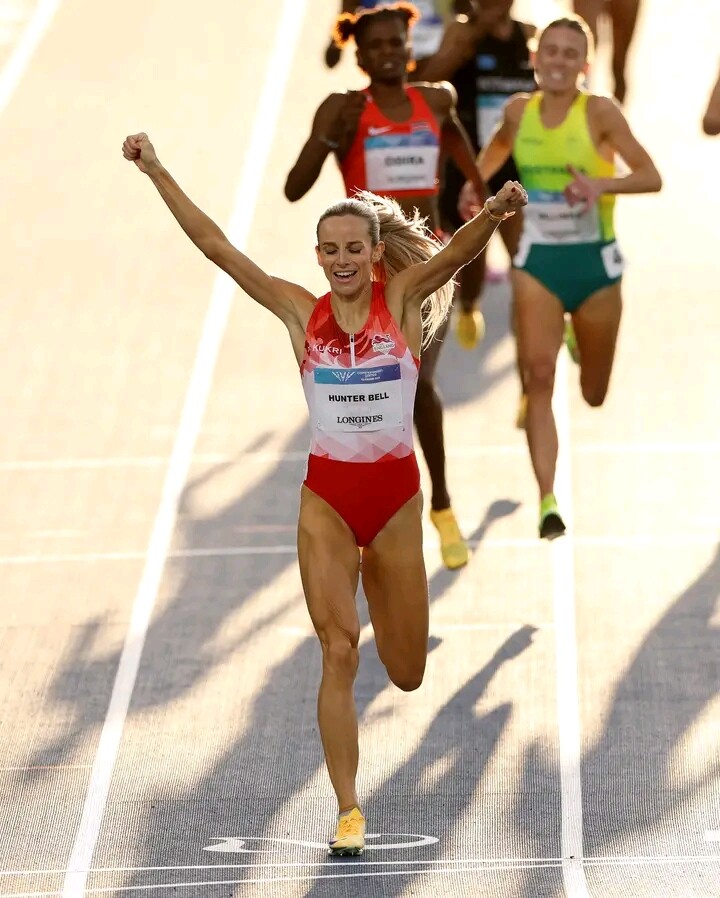
In a final featuring some of the Commonwealth's strongest middle-distance athletes, Hunter Bell refused to be drawn into an early battle for position. Instead, she dictated the rhythm from the front, maintaining complete control before unleashing a devastating surge over the final 250 metres that none of her rivals could match.
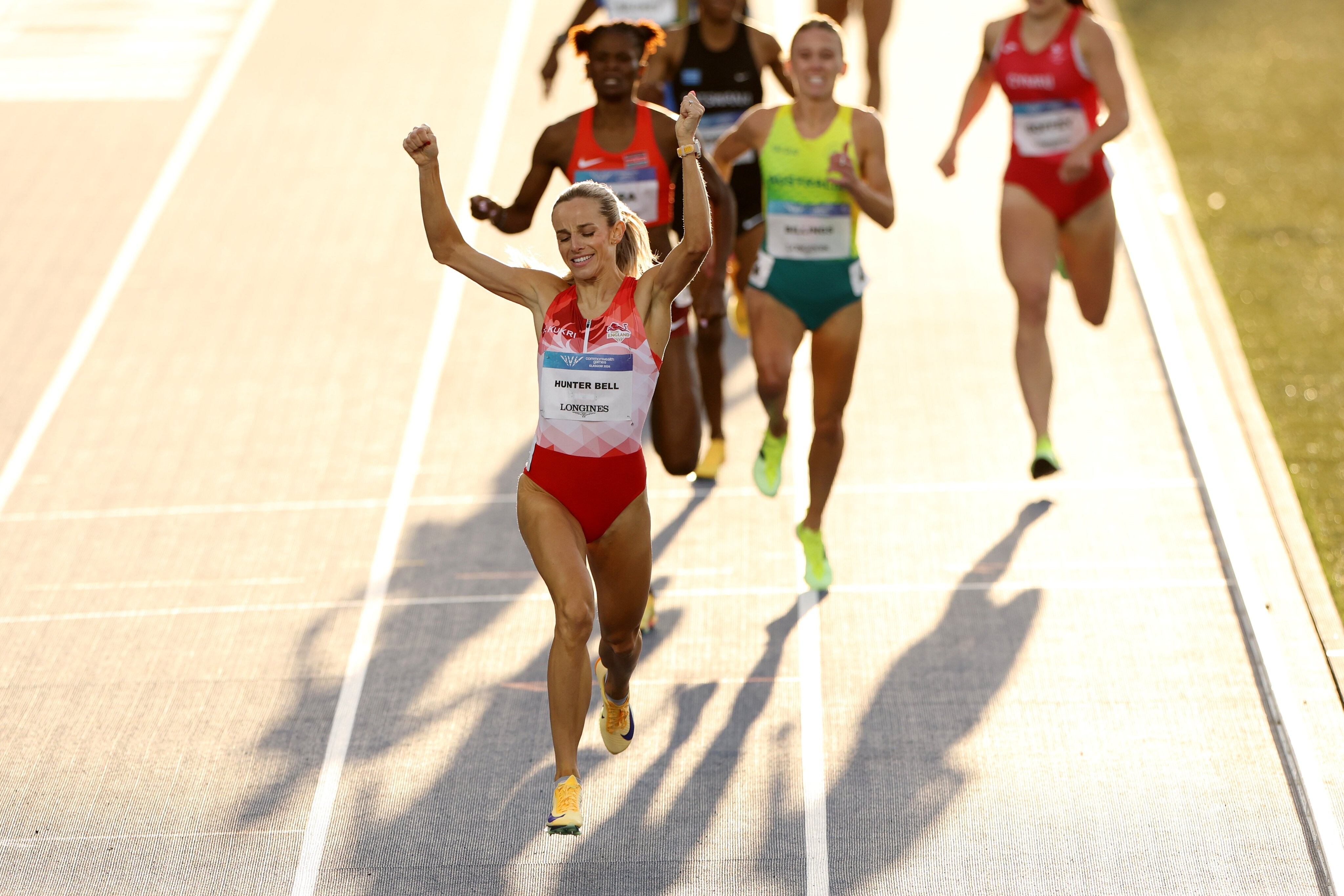
Her decisive finishing kick proved too much for Kenya's Lilian Odira, the reigning world champion, who chased hard over the closing stages but had to settle for the silver medal in 2:00.58. Australia's Sarah Billings completed the podium after edging a thrilling battle for bronze, crossing the line in 2:00.61, just three hundredths of a second behind Odira.
The race was a showcase of tactical intelligence rather than outright speed. Hunter Bell's confidence in setting the pace and her ability to produce a powerful finish at precisely the right moment highlighted why she has become one of the world's leading 800m runners.
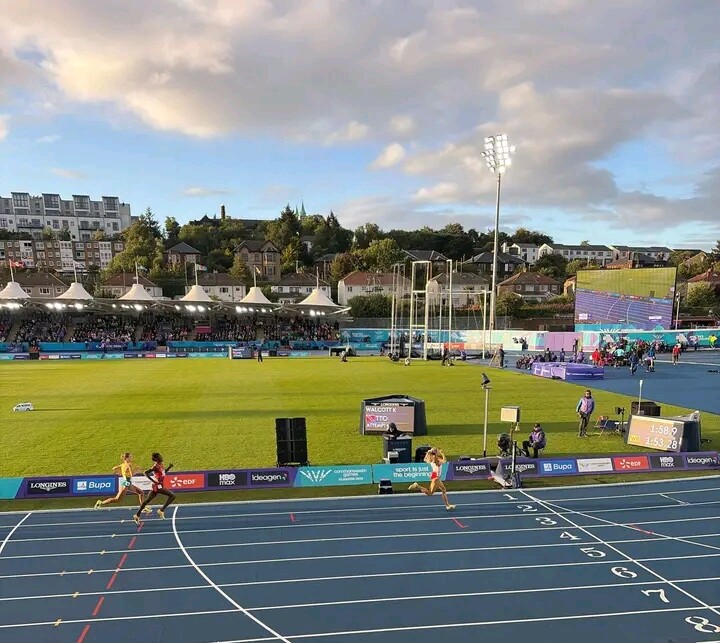
Behind the medal winners, Botswana's Oratile Nowe finished fourth in 2:01.29, followed by Wales' Isabelle Boffey in fifth with 2:01.44. Saint Vincent and the Grenadines' Shafiqua Maloney claimed sixth in 2:02.17, Jamaica's Kelly-Ann Beckford was seventh in 2:02.77, while Mauritius' Rachel Klopfenstein rounded out the finalists in eighth with 2:03.81.
Official Women's 800m Final Results
1. Georgia Hunter Bell (England) – 1:59.51
2. Lilian Odira (Kenya) – 2:00.58
3. Sarah Billings (Australia) – 2:00.61
4. Oratile Nowe (Botswana) – 2:01.29
5. Isabelle Boffey (Wales) – 2:01.44
6. Shafiqua Maloney (Saint Vincent and the Grenadines) – 2:02.17
7. Kelly-Ann Beckford (Jamaica) – 2:02.77
8. Rachel Klopfenstein (Mauritius) – 2:03.81
The victory adds another major championship title to Hunter Bell's growing résumé and underlines England's continued strength in middle-distance running. Her calm race management, combined with an explosive finishing burst, ensured she was in complete command when the medals were decided.
The women's 800m final proved to be one of the most captivating races of the Glasgow Games, blending tactical brilliance with fierce competition and producing a memorable finish that kept spectators on the edge of their seats until the final metres.
by Erick Cheruiyot for My Best Runs.
Login to leave a comment
The Commonwealth Games
The Commonwealth Games are coming to Victoria - bringing an action packed sports program to our regional cities and delivering a long-term legacy for our future. From 17 to 29 March 2026, Geelong, Bendigo, Ballarat, Gippsland and Shepparton will be on the world stage, attracting millions of viewers and creating thousands of jobs. The multi-city model will...
more...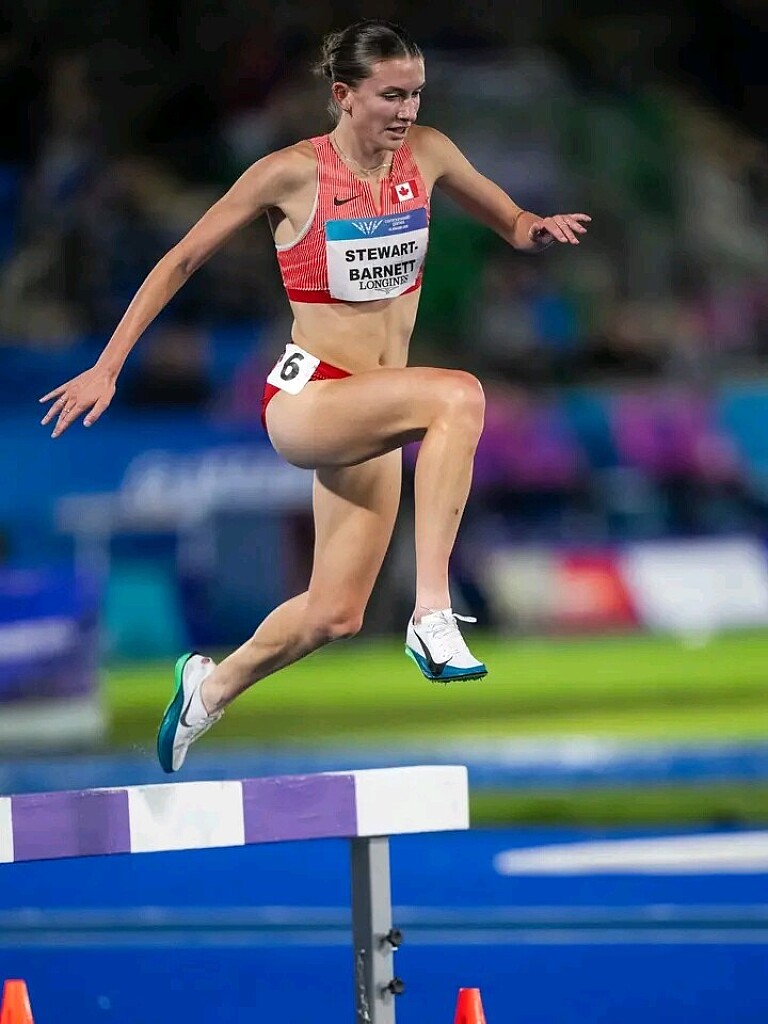
Two Canadians, One Big Statement: Fetherstonhaugh and Stewart-Barnett Shine in Commonwealth Steeplechase Final
Canada's Grace Fetherstonhaugh delivered the finest championship performance of her career on Wednesday night, producing a superb personal best of 9:27.49 to finish among the top six in the women's 3000m steeplechase final at the 2026 Commonwealth Games.
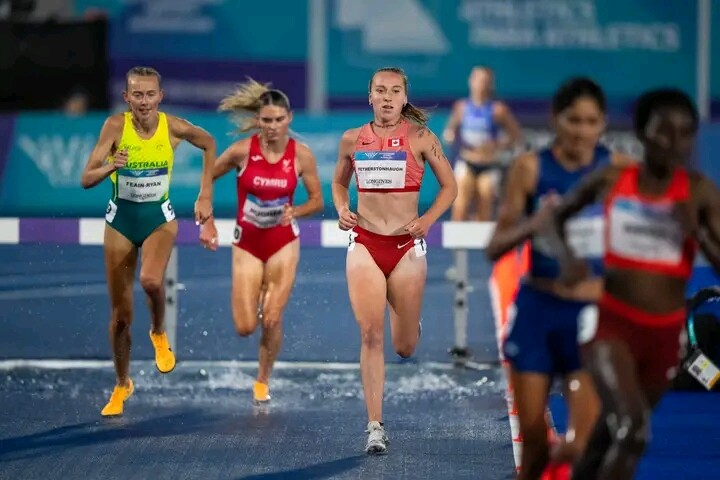
Competing against one of the strongest steeplechase fields assembled at the Games, Fetherstonhaugh showed remarkable composure from the opening laps. She stayed in contention throughout the demanding race, clearing each barrier with confidence before finishing strongly to slice valuable seconds off her previous lifetime best.
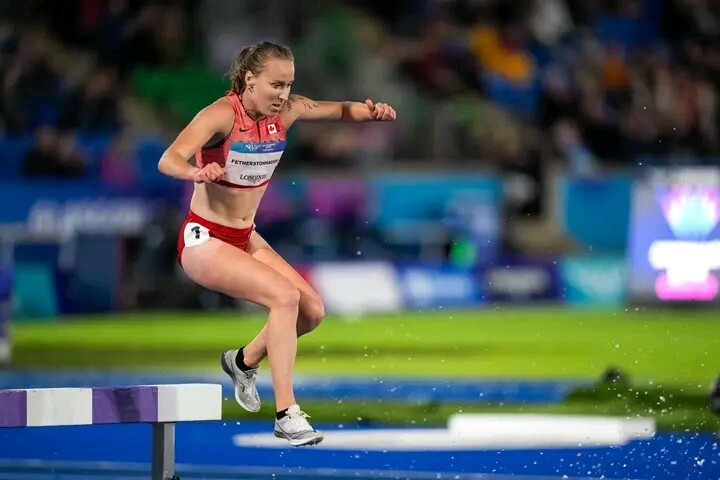
Her time of 9:27.49 not only marked a new personal record but also underlined her continued rise as one of Canada's most promising distance runners. Producing a career-best performance on one of the sport's biggest stages demonstrated both her physical preparation and her ability to thrive under championship pressure.
Canada's success in the final extended beyond Fetherstonhaugh's impressive run. Making her debut at a major international multi-sport Games, Katelyn Stewart-Barnett delivered an encouraging performance of her own, finishing ninth in 9:46.98. Competing on one of the biggest stages of her career, she raced with determination and poise, gaining invaluable championship experience while announcing herself as another emerging talent in Canadian distance running.
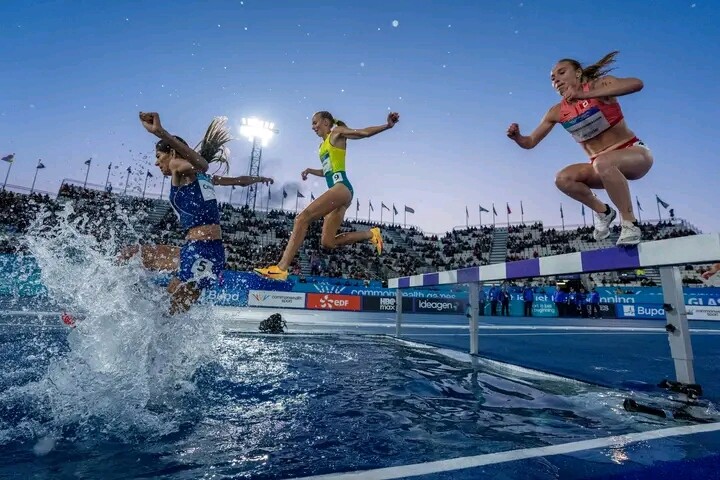
Although the medals were fiercely contested, Fetherstonhaugh's top-six finish and Stewart-Barnett's confident debut highlighted the depth of Canada's women's steeplechase program. Both athletes demonstrated resilience and composure against a world-class field, providing further evidence that Canada's future in the event is exceptionally bright.
The race also provided valuable championship experience that could prove instrumental in the years ahead. Performing at such a high level against elite opposition will give both athletes added confidence as they continue their development and prepare for future global championships.
For Canada, the performances were another encouraging sign of the nation's growing strength in women's distance running. By combining tactical discipline, technical efficiency over the barriers, and determined finishing efforts, Fetherstonhaugh and Stewart-Barnett left Glasgow with performances that will serve as important milestones in their careers.
Beyond the impressive times on the clock, both athletes showcased resilience and consistency throughout the demanding race. Their performances reflected not only months of preparation but also the determination required to succeed in one of athletics' most technically challenging events.
With a new personal best and a top-six Commonwealth Games finish now on her résumé, Fetherstonhaugh has taken another significant step forward in her career. Stewart-Barnett, meanwhile, can leave her first major international Games with confidence after a composed top-10 finish that signals an exciting future. Together, their performances marked a memorable night for Canadian athletics and offered plenty of optimism for the seasons ahead.
by Erick Cheruiyot for My Best Runs.
Login to leave a comment
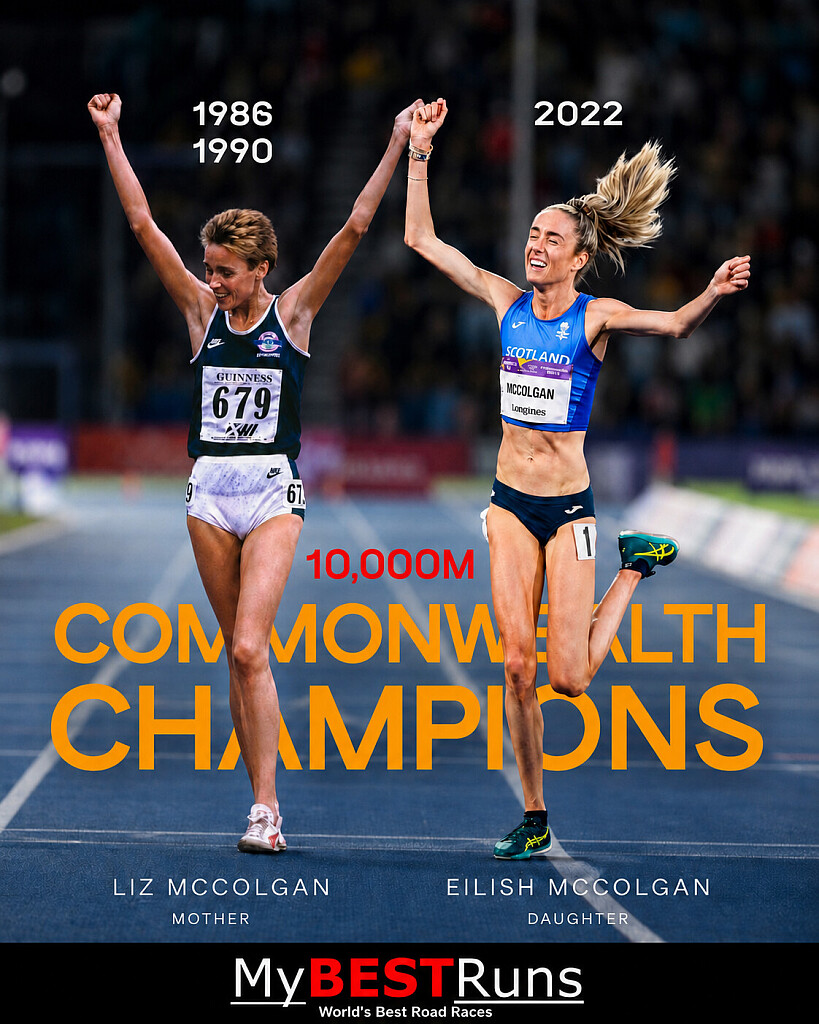
Forty Years Apart: The McColgan Legacy That Was Meant to Come Full Circle
Forty years after her mother etched her name into Commonwealth Games history, Eilish McColgan was poised to write the next chapter of one of Scottish athletics' most cherished family legacies. Instead, Glasgow 2026 was remembered for the race she never got to run.
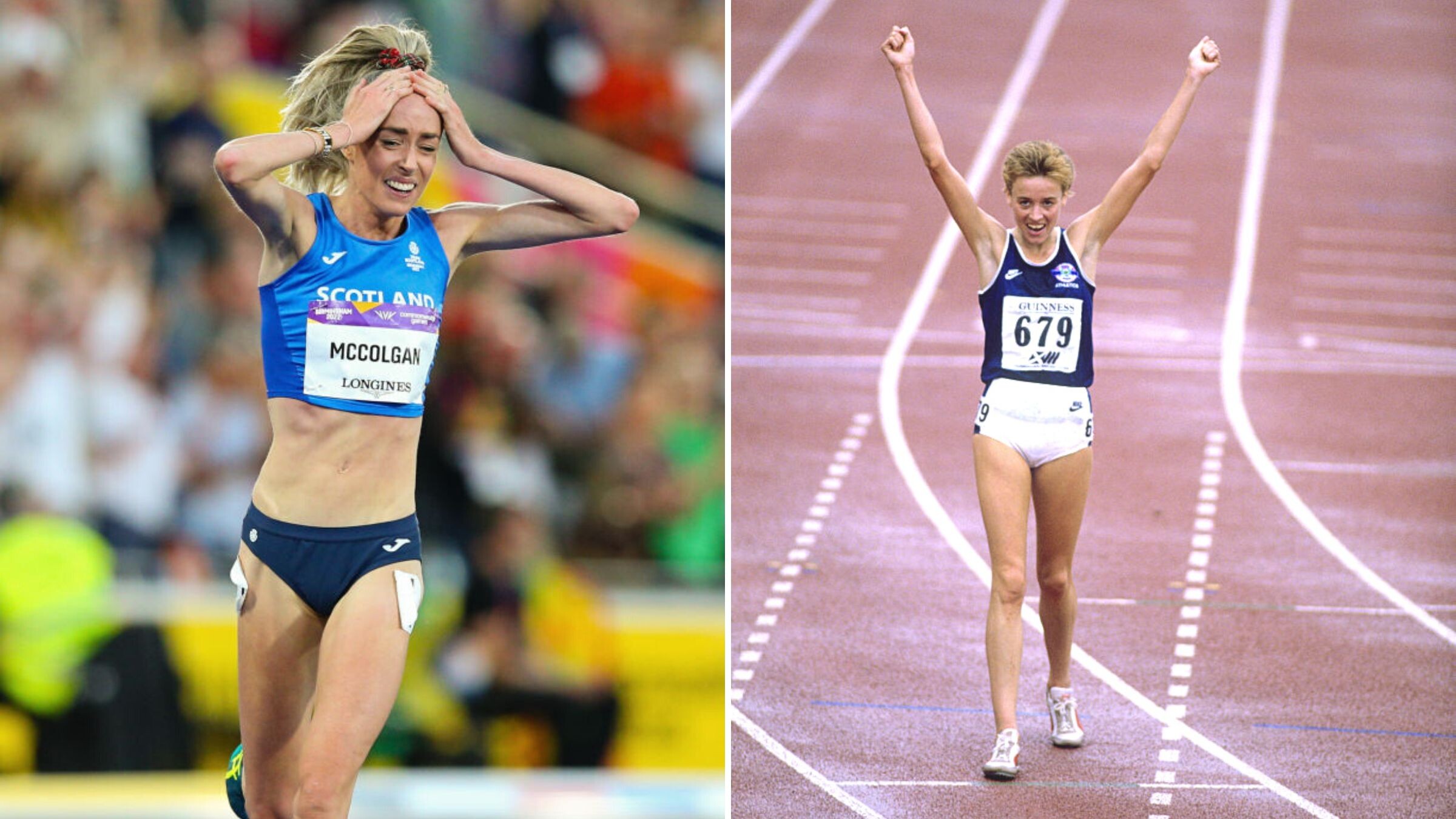
The defending Commonwealth 10,000m champion had been forced to withdraw from the Games after suffering a fractured foot, bringing months of anticipation to a heartbreaking end. What had been expected to become one of the defining moments of the athletics programme instead became one of its greatest disappointments.
For Scotland, it was a heartbreaking blow. For McColgan, it was the cruel interruption of a dream that carried far greater meaning than simply defending a title.
Back in 1986, at the Commonwealth Games in Edinburgh, Liz McColgan won the women's 10,000m gold on home soil, producing one of the most memorable victories in Scottish athletics history. She successfully defended her title four years later at the 1990 Commonwealth Games in Auckland, New Zealand, becoming a two-time Commonwealth 10,000m champion and cementing her place among the greatest distance runners in the history of the Games. Forty years after that first triumph in Edinburgh, Eilish had been presented with the rare opportunity to defend the same title on home soil, wearing the same Scottish colours and hoping to continue one of Scottish athletics' most remarkable family legacies.
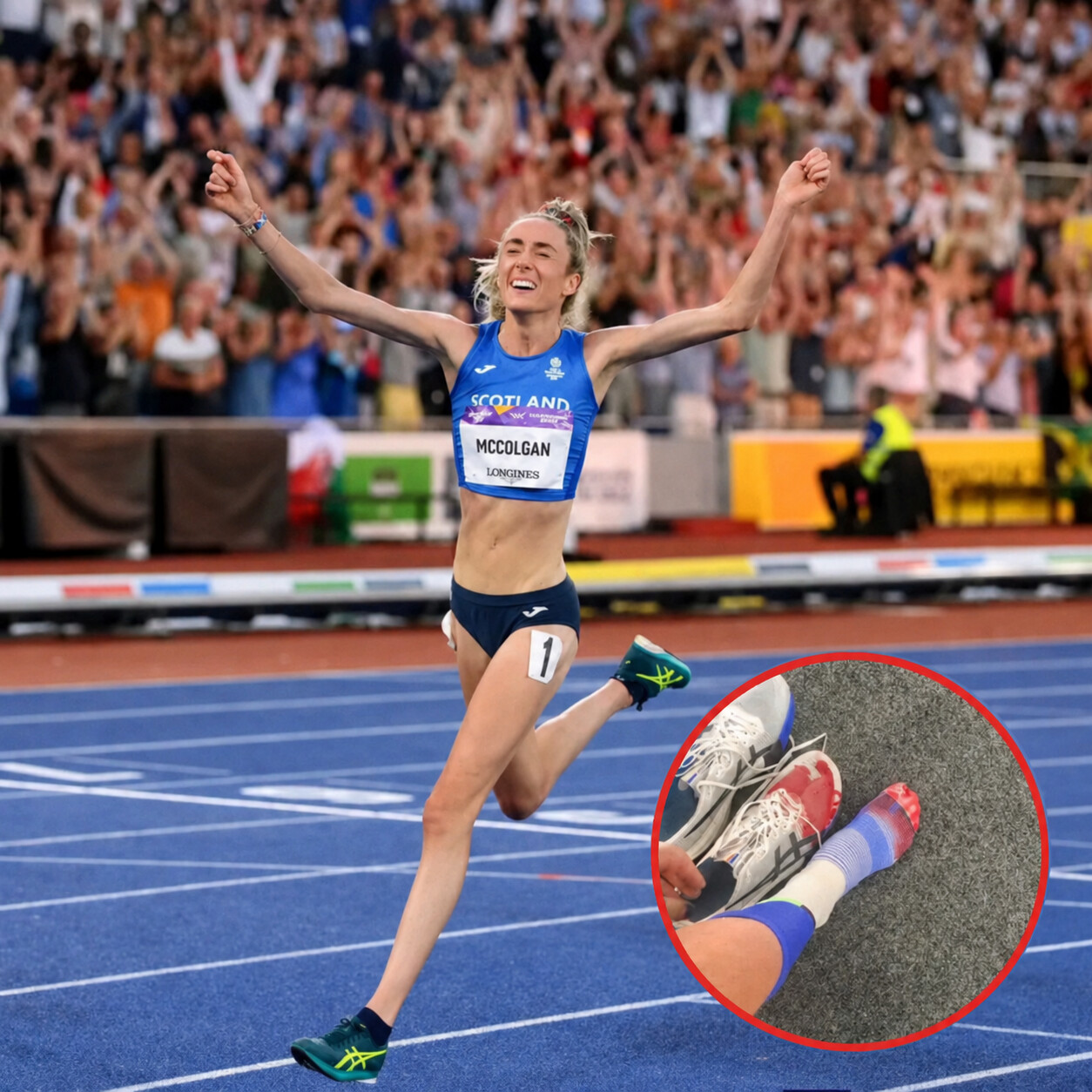
It was a remarkable sporting symmetry: mother and daughter, the same event, the same nation, separated by four decades.
But elite sport rarely followed the script.
McColgan had spoken throughout the season about how much those Games had meant to her. Returning to Glasgow, where Scottish athletics had enjoyed some of its greatest modern moments, and defending a title that connected directly to her family's legacy had become one of the defining ambitions of her season.
Instead, injury had the final word.
A fractured foot ruled her out of the competition, leaving the women's 10,000m final at Scotstoun Stadium without its defending champion and without the athlete many believed would provide the emotional centrepiece of the championships.
There was still a Commonwealth champion crowned, and medals were awarded in one of nine athletics finals at Scotstoun. Yet McColgan's absence inevitably changed the atmosphere, removing the storyline that had captured the imagination of Scottish fans long before the opening gun.
For the home crowd, the disappointment extended far beyond the loss of a medal contender. They did not witness the continuation of a family story that had spanned generations, linking Edinburgh 1986 with Glasgow 2026 through one remarkable surname.
For McColgan, the season became one of rebuilding rather than defending her Commonwealth crown. Her immediate focus shifted from chasing another gold medal to recovering fully and ensuring the injury did not define the next chapter of her career.
Athletics has always celebrated stories of resilience as much as victory. Although Glasgow moved forward without its hometown favourite on the start line, few doubted that Eilish McColgan would return stronger.
Sometimes the race everyone remembered was not the one that was won, but the one that never had the chance to begin.
by Erick Cheruiyot for My Best Runs.
Login to leave a comment
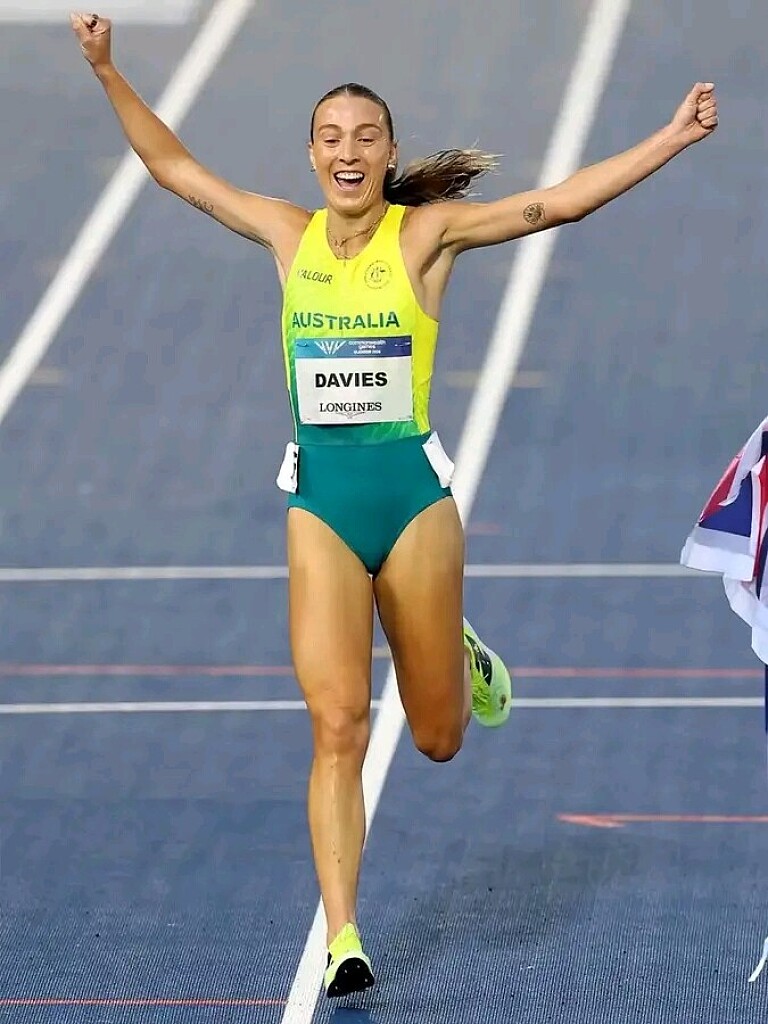
Rose Davies Completes Golden Double as Australia Delivers Historic One-Two in Thrilling Commonwealth Games 5,000m Final
Australia produced one of the most memorable distance-running performances of the Glasgow 2026 Commonwealth Games on Thursday night, claiming a remarkable one-two finish in the women's 5,000 metres as Rose Davies sprinted to her second gold medal of the championships.
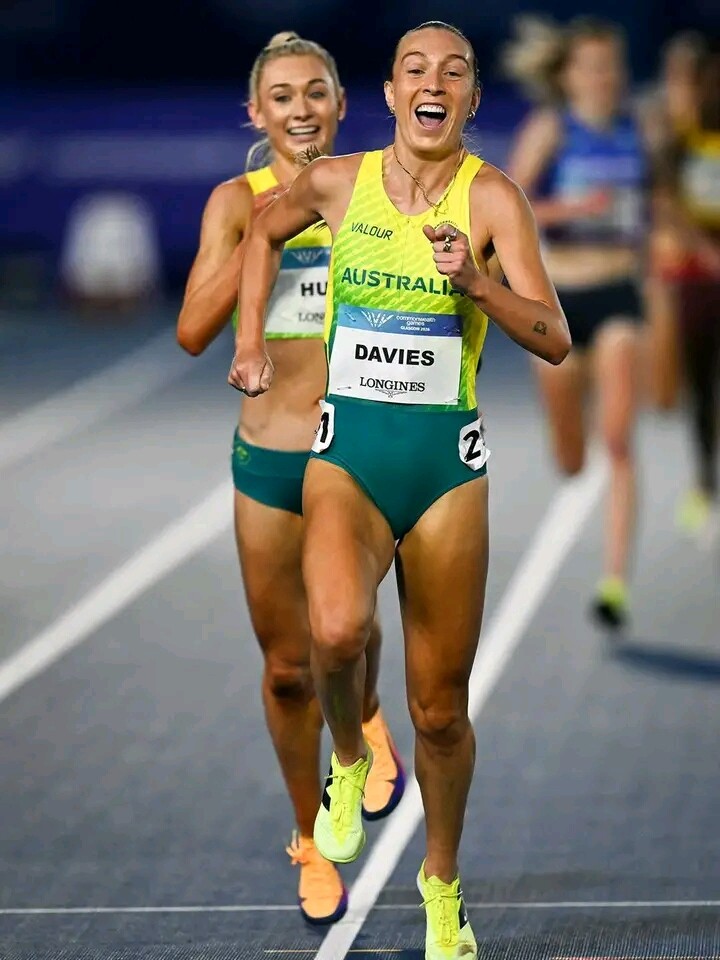
Just days after conquering the 10,000m, Davies completed a sensational distance double by clocking a season's best 14:44.53 to edge fellow Australian Jessica Hull, who crossed the line just 0.48 seconds later in 14:45.01. The historic finish marked a dominant night for Australian athletics, with the nation's two leading distance stars proving untouchable when the race reached its decisive stages.
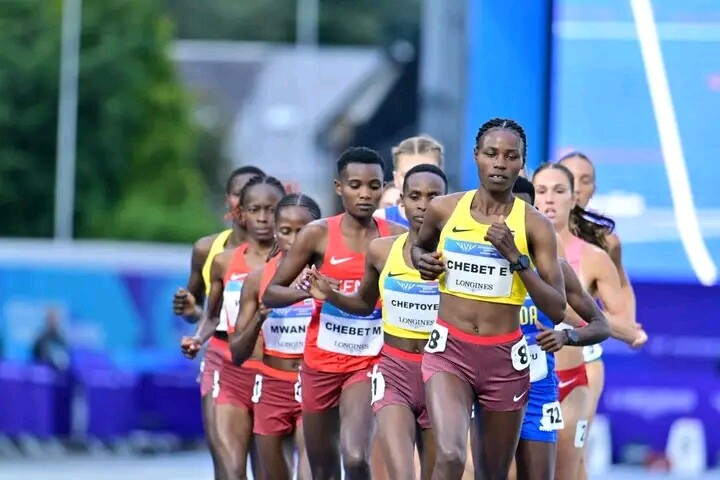
The women's 5,000m unfolded as a tactical contest for much of the race before exploding into life with 1,200 metres remaining. Davies, Hull and Scotland's Megan Keith launched a sustained surge that immediately stretched the field and shattered the hopes of the chasing pack. Their relentless acceleration proved too much for the African contenders, who were unable to respond as the medals slipped away.
Davies remained composed over the closing lap despite fierce pressure from Hull, holding her form all the way to the finish to secure another Commonwealth crown and cement her place among the standout performers of the Games. Her victory completed a rare golden double in the 5,000m and 10,000m, underlining her exceptional endurance and championship racing instincts.
Hull's silver medal completed Australia's historic one-two finish, rewarding another world-class performance from one of the sport's premier middle- and long-distance runners. Meanwhile, the home crowd erupted as Scotland's Megan Keith produced a season's best 14:49.10 to claim bronze, giving the hosts a memorable podium finish in front of a packed Glasgow stadium.
Uganda's Esther Chebet battled bravely to finish fourth in a personal best 14:50.70 after leading the pursuit of the front trio, while England's Hannah Nuttall placed fifth in a season's best 14:51.34. Kenya's Caroline Nyaga crossed the line sixth in 14:54.00, with Australia's Linden Hall adding further depth to her country's outstanding evening by finishing seventh.
The race also featured several outstanding individual performances further down the field. South Africa's Tayla Kavanagh recorded a personal best, Rwanda's Emeline Imanizabayo celebrated a new national record with ninth place, while Uganda's Joy Cheptoyek, England's Innes Fitzgerald, Canada's Gabriela Debues-Stafford and several others produced season or lifetime bests in one of the deepest women's 5,000m finals of the Games.
Women's 5,000m Top 10 Final Results
1. Rose Davies (Australia) – 14:44.53 (Season Best)
2. Jessica Hull (Australia) – 14:45.01 (Season Best)
3. Megan Keith (Scotland) – 14:49.10 (Season Best)
4. Esther Chebet (Uganda) – 14:50.70 (Personal Best)
5. Hannah Nuttall (England) – 14:51.34 (Season Best)
6. Caroline Nyaga (Kenya) – 14:54.00
7. Linden Hall (Australia) – 14:55.28
8. Tayla Kavanagh (South Africa) – 14:58.49 (Personal Best)
9. Emeline Imanizabayo (Rwanda) – 14:59.92 (National Record)
10. Joy Cheptoyek (Uganda) – 15:00.97 (Season Best)
With two gold medals around her neck and Australia's first-ever Commonwealth Games one-two finish in the women's 5,000m, Rose Davies leaves Glasgow having delivered one of the defining performances of the championships. Her unforgettable triumph, backed by Jessica Hull's silver medal, showcased Australia's growing strength in global distance running and ensured the event will be remembered as one of the highlights of the 2026 Commonwealth Games.
by Erick Cheruiyot for My Best Runs.
Login to leave a comment
The Commonwealth Games
The Commonwealth Games are coming to Victoria - bringing an action packed sports program to our regional cities and delivering a long-term legacy for our future. From 17 to 29 March 2026, Geelong, Bendigo, Ballarat, Gippsland and Shepparton will be on the world stage, attracting millions of viewers and creating thousands of jobs. The multi-city model will...
more...
Georgia Hunter Bell Sets Up Blockbuster Commonwealth 800m Final Rematch with Lilian Odira
Georgia Hunter Bell produced another composed and commanding performance to book her place in the women's 800m final at the 2026 Commonwealth Games, setting the stage for what promises to be one of the most captivating races of the championships.
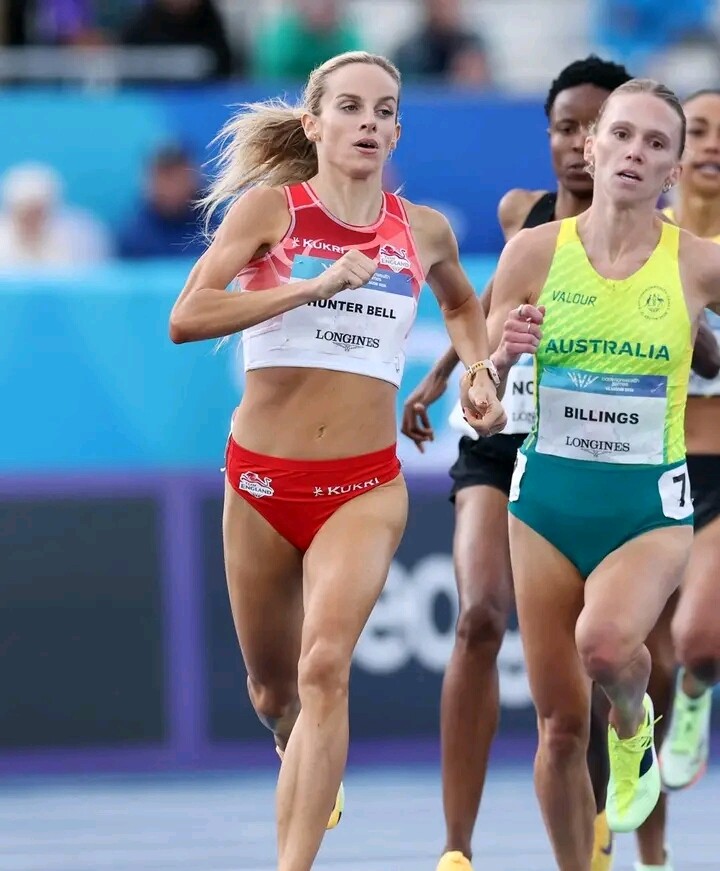
Representing England, Hunter Bell controlled her semi-final with confidence before crossing the line in a superb 1:59.88, comfortably securing automatic qualification for Friday night's title race in Glasgow. Her performance underlined both her consistency and championship experience, sending a clear message to the rest of the field that she is ready to challenge for Commonwealth gold.
The excitement surrounding the final intensified even further after reigning world champion Lilian Odira of Kenya also produced a masterclass in her semi-final. Running with complete confidence and remarkable composure, Odira cruised to victory in 1:59.39, ensuring that the two biggest stars of the event will once again share the starting line in what is shaping up to be a blockbuster rematch.
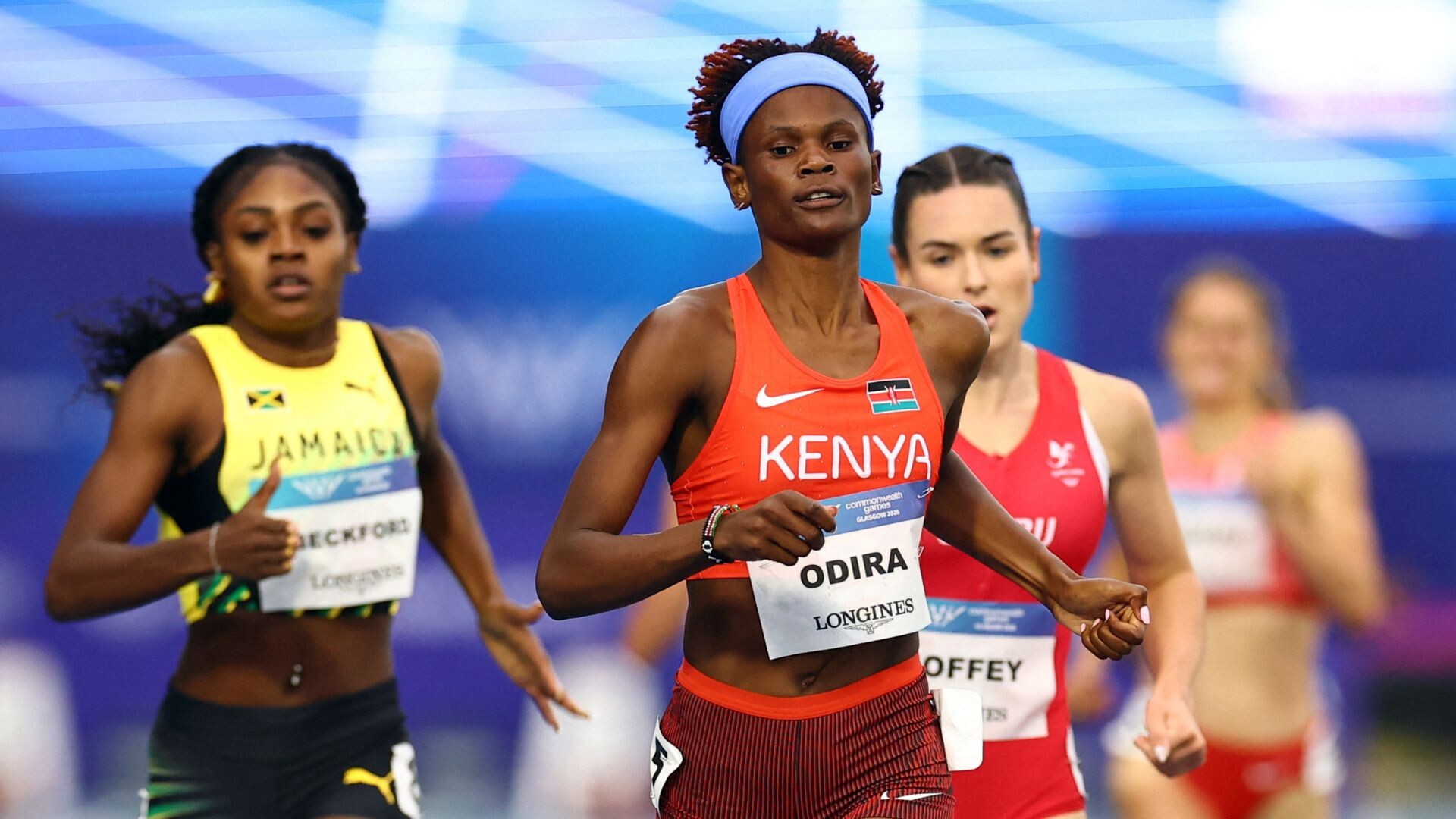
Their latest meeting rekindles one of the most compelling rivalries in women's middle-distance running. The pair last met on the sport's biggest stage at the 2025 World Athletics Championships in Tokyo, where Odira held off a relentless challenge from Hunter Bell to win the world title in a championship-record 1:54.62, while the English star claimed the silver medal after an unforgettable race that had fans around the world on the edge of their seats.
Now, with Commonwealth glory at stake, another fascinating chapter is about to be written. Odira will be aiming to reinforce her status as the world's premier 800m runner, while Hunter Bell will be determined to reverse the result and capture one of the biggest titles of her career. Their contrasting styles—Odira's fearless front-running strength against Hunter Bell's tactical brilliance and devastating finishing kick—could produce yet another modern classic.
Athletics fans can expect an electric atmosphere inside the Glasgow stadium as two of the world's finest 800m athletes battle for gold. With the field packed with quality and the leading contenders separated by only fractions of a second, the final has all the ingredients of a championship masterpiece that could be remembered for years to come.
The women's 800m final is scheduled for Friday night, July 31, with thousands expected inside the Glasgow stadium and millions more around the world eagerly awaiting what promises to be one of the most thrilling races of the 2026 Commonwealth Games.
Women's 800m Final Start List
1. Rachel Klopfenstein (Canada)
2. Kelly-Ann Beckford (Jamaica)
3. Shafiqua Maloney (Saint Vincent and the Grenadines)
4. Sarah Billings (Australia)
5. Georgia Hunter Bell (England)
6. Oratile Nowe (Botswana)
7. Lilian Odira (Kenya)
8. Isabelle Boffey (England)
With both Odira and Hunter Bell arriving in the final after emphatic semi-final victories, anticipation has reached fever pitch. The reigning world champion will look to extend her dominance, while the world silver medallist has the perfect opportunity to rewrite the script and claim Commonwealth glory. If their previous encounters are any indication, Glasgow is about to witness a spectacular race filled with tactical brilliance, relentless determination and a breathtaking finish that could become one of the defining moments of these Commonwealth Games.
by Erick Cheruiyot for My Best Runs.
Login to leave a comment
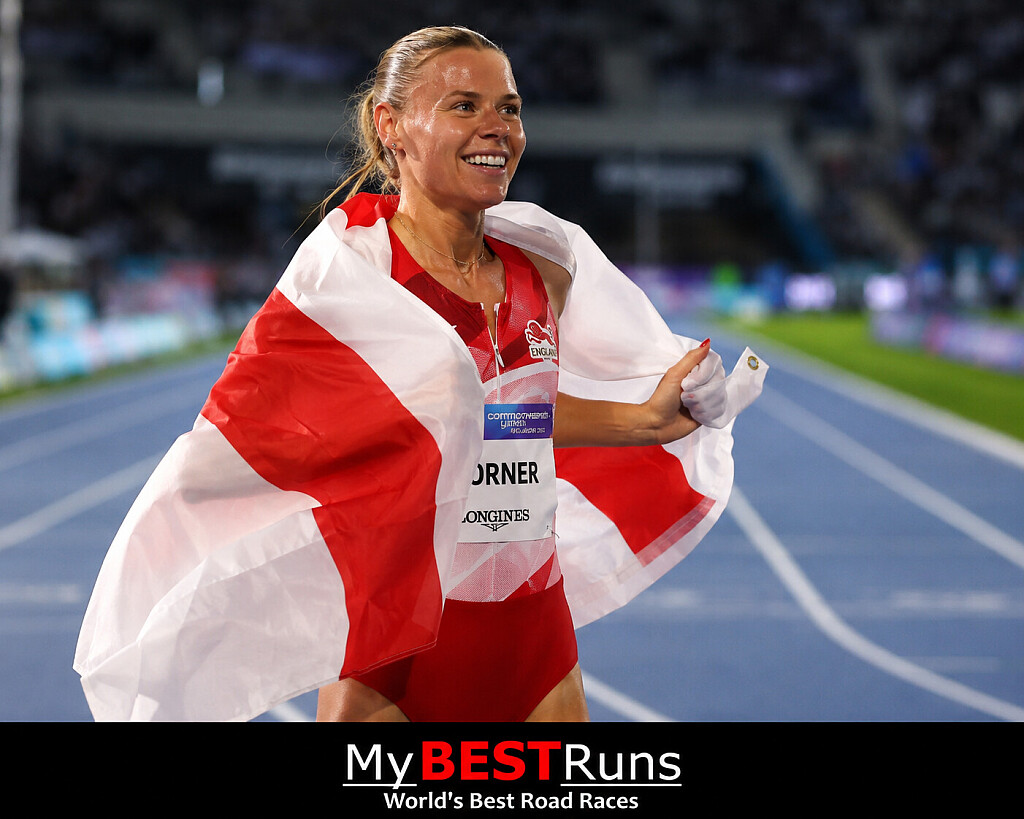
Elise Thorner Delivers the Race of Her Life to Capture Historic Commonwealth Silver
Elise Thorner produced the performance of her career with a breathtaking display of determination and courage, storming to a sensational silver medal in the women's 3000m steeplechase at the Glasgow 2026 Commonwealth Games.
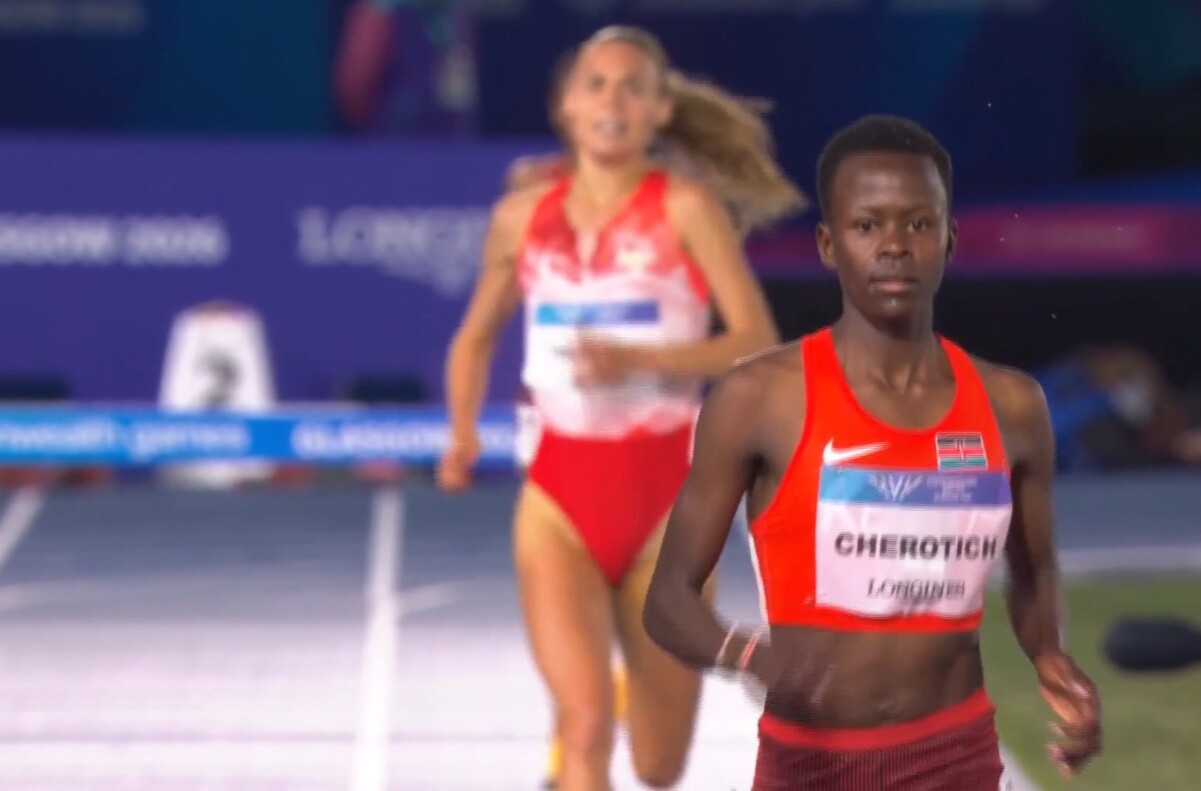
The England star delivered a remarkable final-lap charge in one of the most dramatic races of the championships, overturning what had looked like a secure position for Uganda's Olympic champion Peruth Chemutai. With every stride, Thorner closed the gap before surging past her rival in the closing stages to seal an unforgettable second-place finish.
She crossed the finish line in a lifetime best of 9:05.45, smashing her previous personal best and earning the first senior international medal of her career. It was a breakthrough performance on one of the biggest stages in athletics, confirming her arrival among the world's elite steeplechasers.
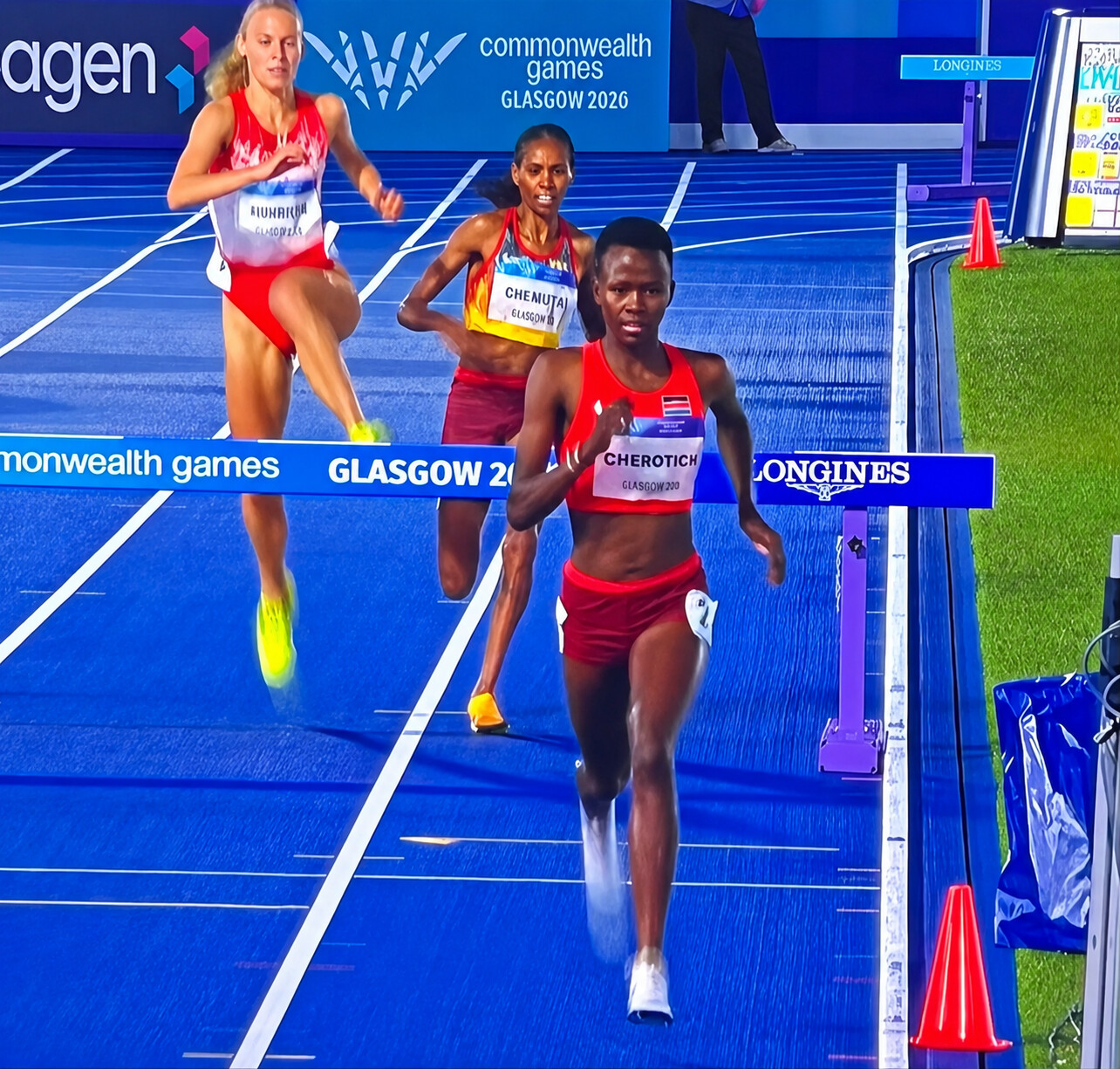
Thorner's outstanding run came agonizingly close to rewriting British history. Her time finished just 1.10 seconds outside Lizzie Bird's British record of 9:04.35, underlining the exceptional quality of her performance and suggesting that a national record could soon be within reach.
The race itself was an electrifying contest from start to finish, but it was Thorner's fearless closing lap that stole the spotlight. Refusing to surrender despite trailing late in the race, she unleashed a devastating kick that transformed an already impressive run into a career-defining moment.
The magnitude of her achievement only truly became clear after she crossed the finish line. Still trying to process what she had accomplished, an emotional Thorner admitted she was overwhelmed by the outcome. “When I crossed the line I was honestly in shock. I didn’t really know what happened!” she said after claiming the Commonwealth silver medal. Her heartfelt reaction perfectly reflected the disbelief and joy of an athlete who had just delivered the race of her life, producing a stunning personal best of 9:05.45 while finishing just over a second shy of Lizzie Bird's British record.
For England, the silver medal represents far more than a place on the podium. It marks the emergence of a new championship contender capable of challenging the very best, while for Elise Thorner, Glasgow 2026 will forever be remembered as the night she announced herself on the international stage with a performance of extraordinary class.
by Erick Cheruiyot for My Best Runs.
Login to leave a comment
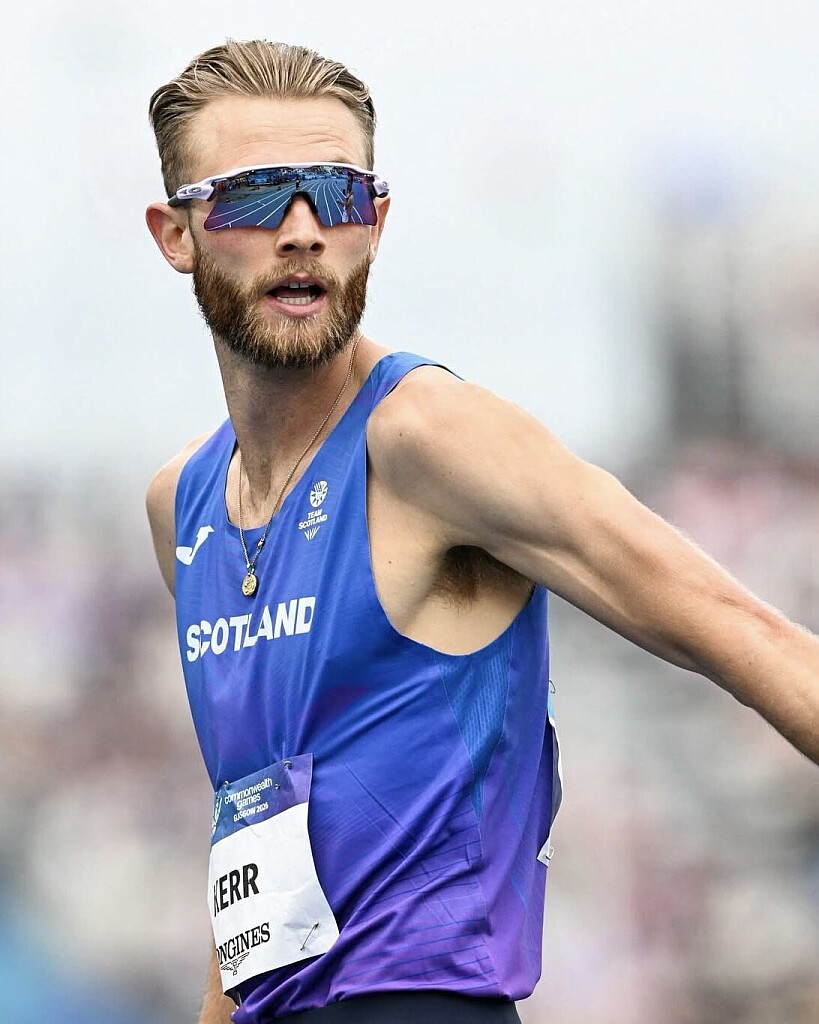
"It's Going to Be a War": Josh Kerr Sets the Stage for a Blockbuster Commonwealth Games Mile Final
The stage is set for one of the most eagerly anticipated races of the 2026 Commonwealth Games after Scottish star Josh Kerr delivered both a commanding performance and a powerful warning to his rivals.
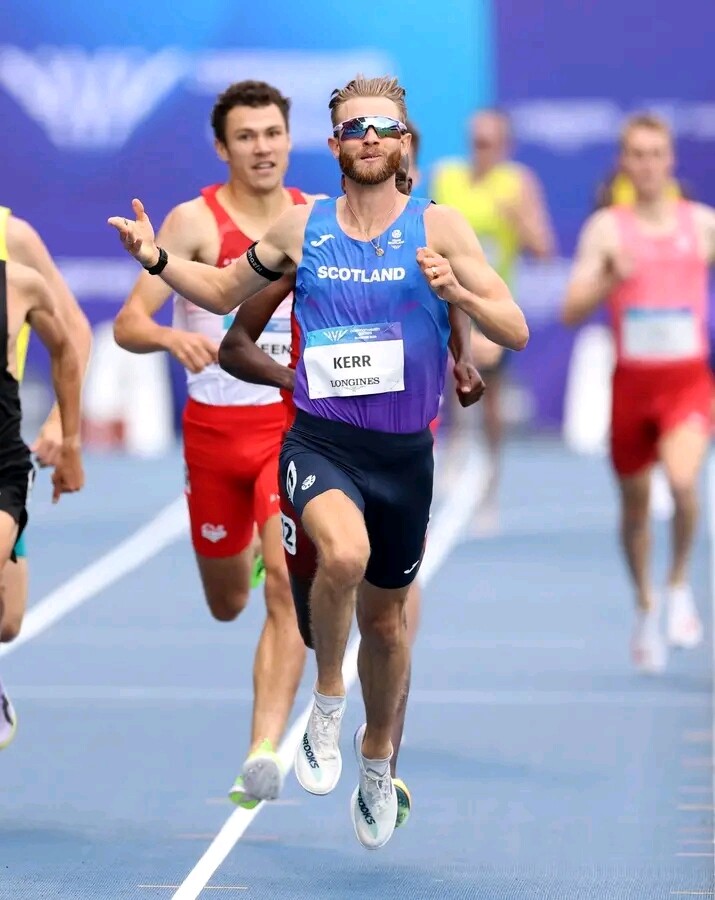
Moments after comfortably booking his place in Saturday night's men's mile final, Kerr summed up what everyone can expect with just five words: "It's going to be a war."
The reigning world-class miler looked relaxed and in complete control as he claimed victory in Heat 1 of the Men's One Mile Round 1, crossing the line in 3:58.57 to secure automatic qualification for the final. While the winning time was well within his capabilities, Kerr's composed display sent a strong message to the rest of the field that he is ready to fight for Commonwealth gold.
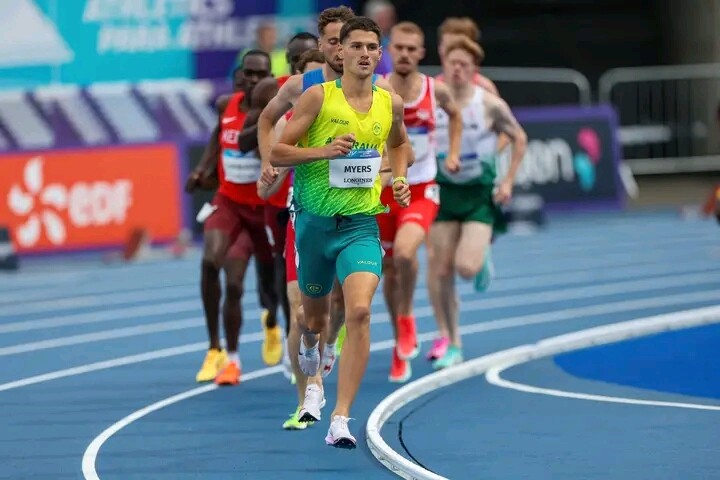
However, the fastest performance of the opening round belonged to Australia's Cameron Myers, who produced an impressive 3:53.85 to win Heat 2 and top the qualifying times. Myers' blistering run underlined the exceptional quality of the field and added another major contender to what is already shaping up to be a thrilling championship final.
Kenya's Timothy Cheruiyot, a former world champion and one of the most accomplished middle-distance runners of his generation, stayed close throughout Heat 1 before finishing second in 3:58.98, comfortably sealing his own place in the final. New Zealand's Samuel Tanner completed the top three in 3:59.31, also advancing to Saturday night's showdown.
Competing in front of a passionate home crowd at Scotstoun Stadium, Kerr soaked in every moment. Over the closing stages, he acknowledged the roaring Scottish supporters, urging them to raise the volume even higher as he surged down the home straight. It was a fitting celebration between athlete and fans, with the biggest challenge still lying ahead.
Saturday night's final promises to be a spectacular occasion, and Scotland will have twice the firepower in the battle for gold. Joining Kerr on the start line will be fellow Scot Jake Wightman, giving the host nation two genuine medal contenders capable of producing an unforgettable performance on home soil.
The men's mile final is already shaping up to be one of the standout events of the Glasgow 2026 Commonwealth Games. With Myers entering as the fastest qualifier, Kerr carrying the hopes of the home nation, Cheruiyot bringing his championship experience, Wightman adding another formidable Scottish challenge, and a field packed with world-class talent, the race promises tactical brilliance, relentless pace, and a dramatic fight all the way to the finish.
If Kerr's prediction is anything to go by, spectators are about to witness a true middle-distance classic.
by Erick Cheruiyot for My Best Runs.
Login to leave a comment
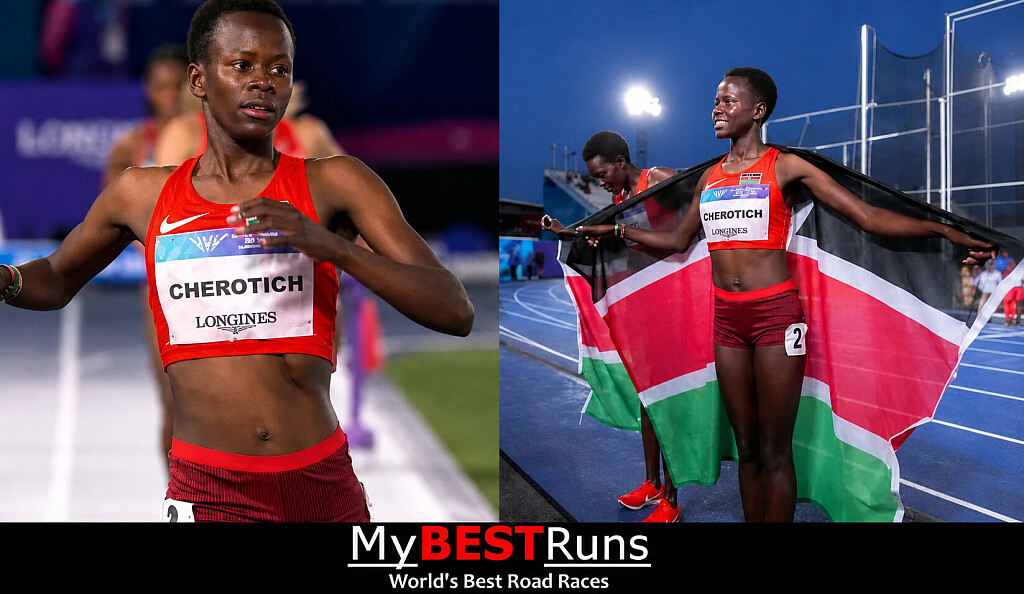
Faith Cherotich Rewrites Commonwealth Games History with Record-Breaking Steeplechase Triumph
Faith Cherotich delivered one of the greatest performances of the Glasgow 2026 Commonwealth Games, producing a breathtaking run to capture the women's 3,000m steeplechase gold medal while rewriting the championship record books.
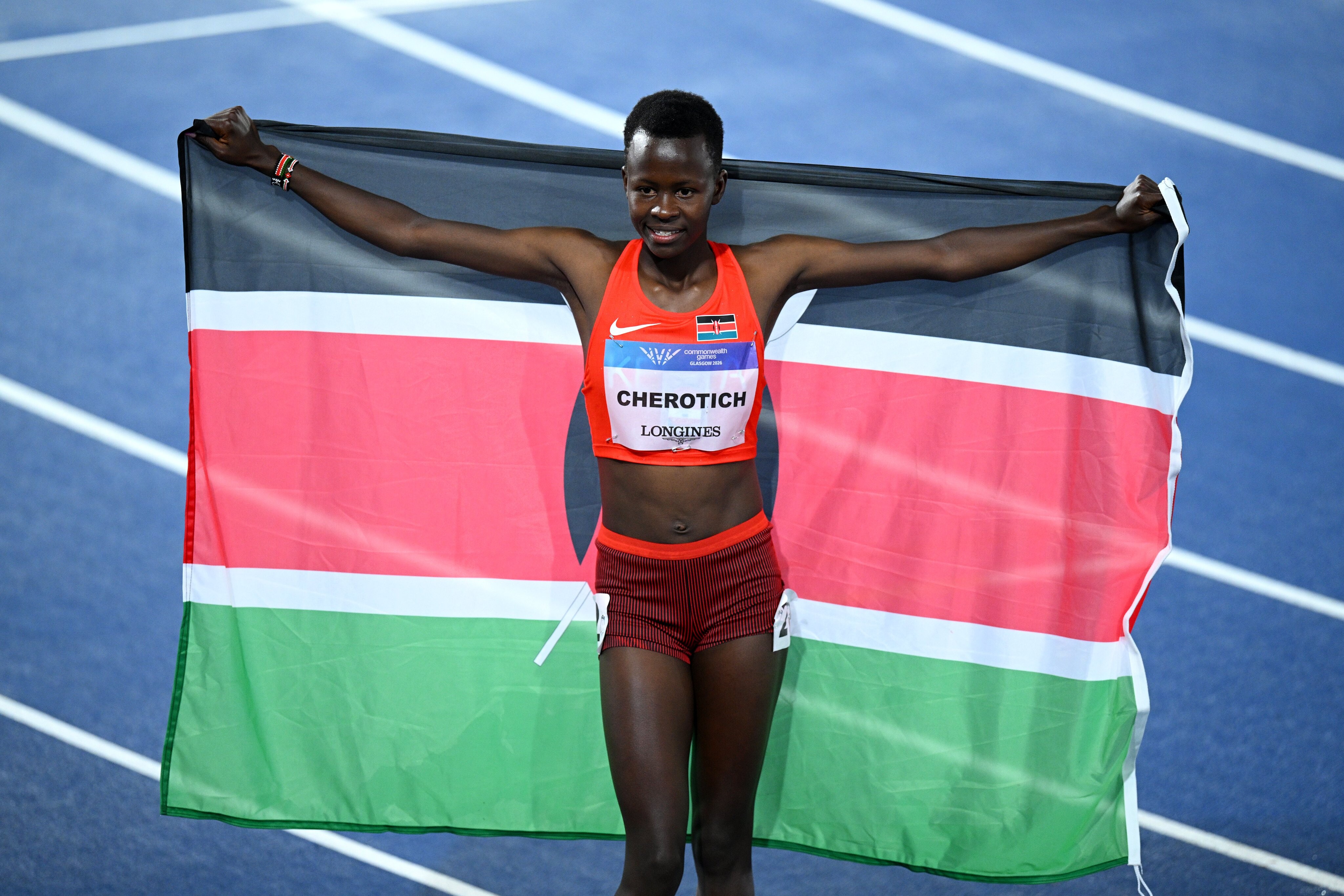
The Kenyan sensation powered away from the field with authority, crossing the finish line in a remarkable 9:01.76 to claim the Commonwealth title in unforgettable fashion. Her stunning performance erased the previous Commonwealth Games record of 9:15.68, set by fellow Kenyan Jackline Chepkoech at the Birmingham 2022 Games, underlining Kenya's continued dominance in one of its signature events.
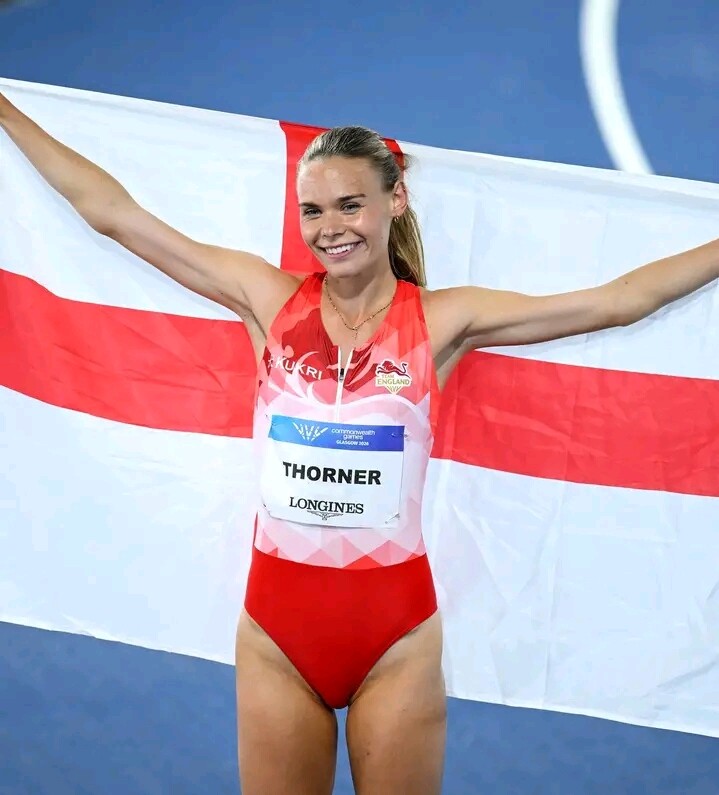
From the opening laps, Cherotich looked composed and determined, confidently controlling the race before unleashing a devastating surge that none of her rivals could answer. Clearing every barrier with precision and maintaining a relentless rhythm, she transformed the closing stages into a celebration of world-class steeplechasing.
The battle for the medals was every bit as captivating. England's Elise Thorner produced a lifetime best of 9:05.45 to secure the silver medal, while Olympic champion Peruth Chemutai of Uganda claimed bronze in 9:09.96 after another courageous performance. Australia's Cara Feain-Ryan finished fourth in 9:22.07, with India's Parul Chaudhary taking fifth in 9:26.75. Canada's Grace Fetherstonhaugh crossed the line sixth in a personal best 9:27.49, while Kenya's Celestine Jepkosgei Biwot added a strong seventh-place finish in 9:33.61.
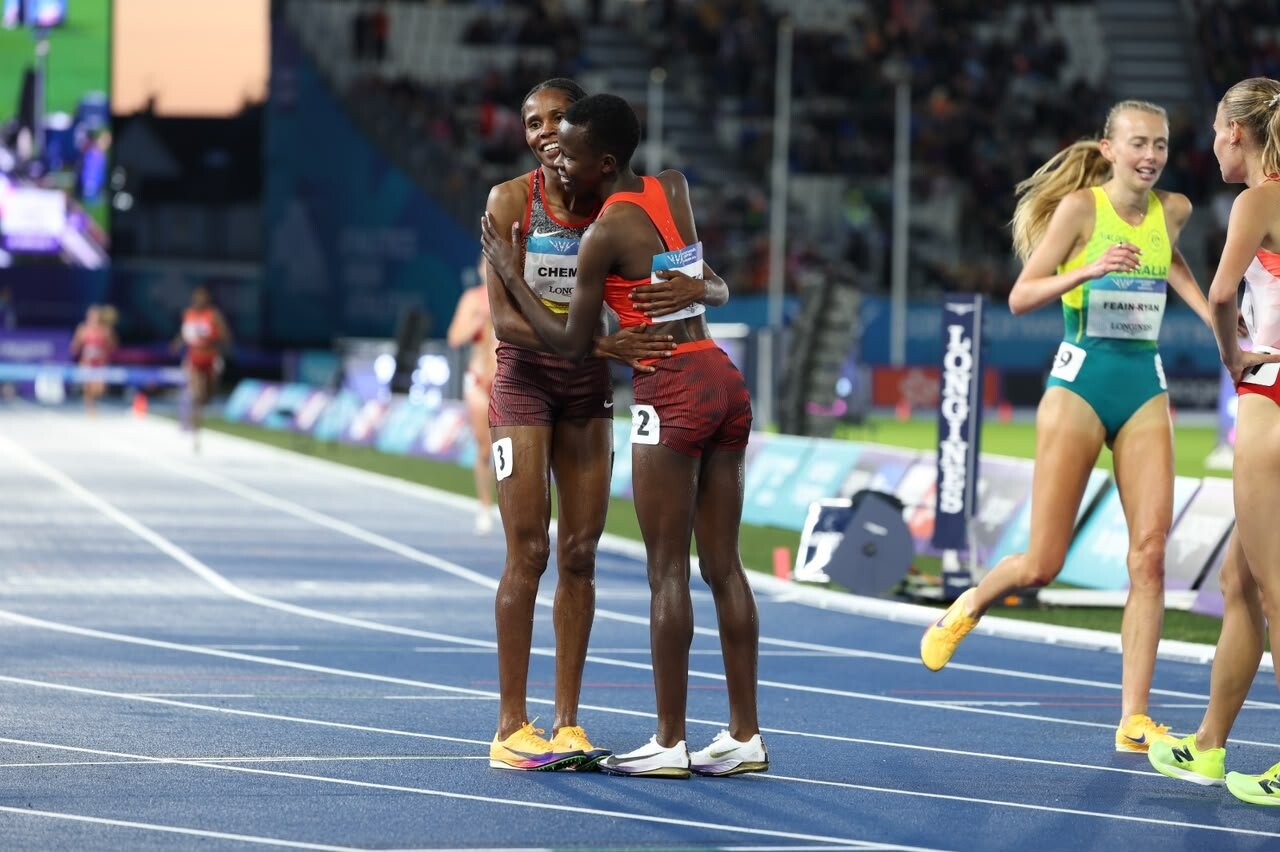
Women's 3000m Steeplechase Final – Glasgow 2026 Commonwealth Games
1. Faith Cherotich (Kenya) – 9:01.76 (Gold, Commonwealth Games Record)
2. Elise Thorner (England) – 9:05.45 (Silver, Personal Best)
3. Peruth Chemutai (Uganda) – 9:09.96 (Bronze)
4. Cara Feain-Ryan (Australia) – 9:22.07
5. Parul Chaudhary (India) – 9:26.75
6. Grace Fetherstonhaugh (Canada) – 9:27.49 (Personal Best)
7. Celestine Jepkosgei Biwot (Kenya) – 9:33.61
8. Cari Hughes (Wales) – 9:40.71 (National Record)
9. Katelyn Stewart-Barnett (Canada) – 9:46.98
10. Sarah Tait (Scotland) – 9:47.41
Cherotich's victory not only earned Kenya another gold medal but also reinforced the nation's remarkable legacy in the women's steeplechase. Breaking the Commonwealth Games record by nearly 14 seconds is a statement that echoes far beyond Glasgow, confirming the young Kenyan as one of the world's finest athletes in the event.
On a night filled with memorable performances, Faith Cherotich stood above them all. Draped in the Kenyan flag after her historic triumph, she celebrated a victory that will be remembered for years to come—a performance defined by courage, speed, and history-making brilliance.
by Erick Cheruiyot for My Best Runs.
Login to leave a comment
The Commonwealth Games
The Commonwealth Games are coming to Victoria - bringing an action packed sports program to our regional cities and delivering a long-term legacy for our future. From 17 to 29 March 2026, Geelong, Bendigo, Ballarat, Gippsland and Shepparton will be on the world stage, attracting millions of viewers and creating thousands of jobs. The multi-city model will...
more...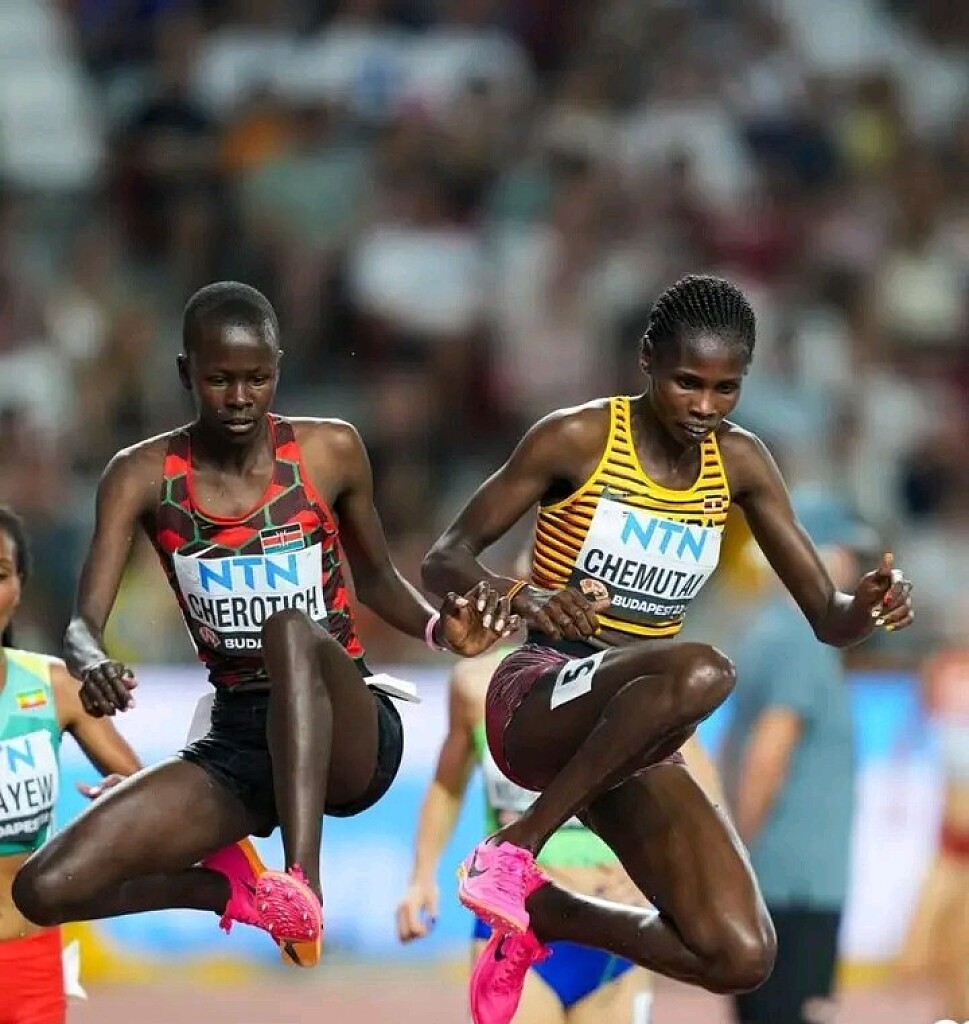
Faith Cherotich and Peruth Chemutai Set for Blockbuster Commonwealth Games Steeplechase Final in Glasgow
One of the most eagerly anticipated distance races of the 2026 Commonwealth Games will take center stage tonight in Glasgow as the women's 3,000m steeplechase final brings together two of the world's finest barrier specialists in a captivating battle for Commonwealth gold.
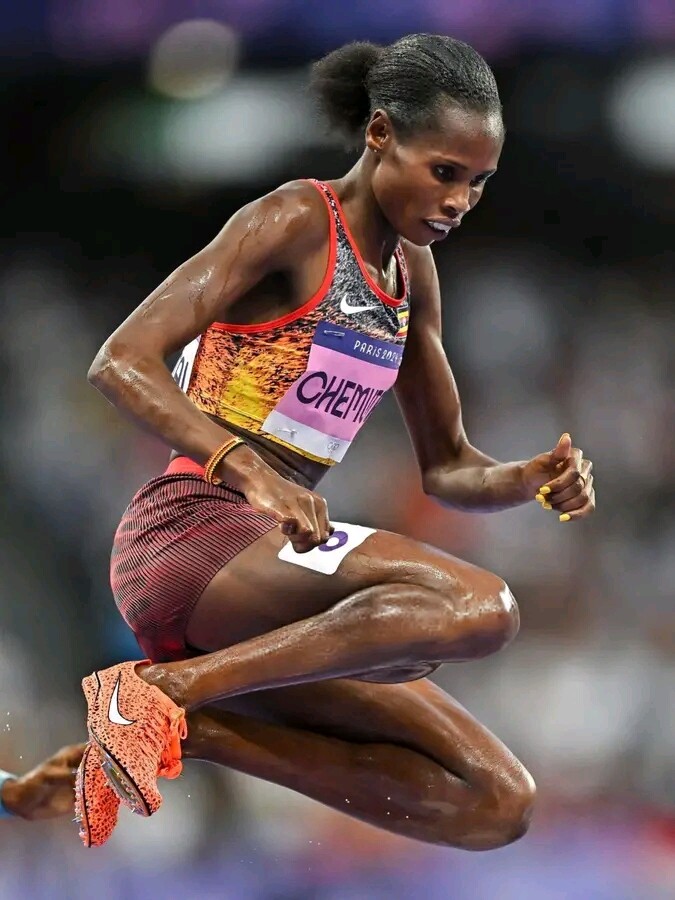
All eyes will be on Kenya's Faith Cherotich and Uganda's Peruth Chemutai, whose remarkable form this season has set the stage for what promises to be an unforgettable showdown. With both athletes arriving in Glasgow separated by less than half a second on the season's rankings, the margin for error could hardly be smaller.
Chemutai, the Olympic champion from Uganda, enters the final with the fastest season's best in the field at 8:51.06, while Kenya's rising star Cherotich has clocked an equally impressive 8:51.48. Even more remarkably, both women own personal bests under 8:49, highlighting the exceptional quality expected in the final.
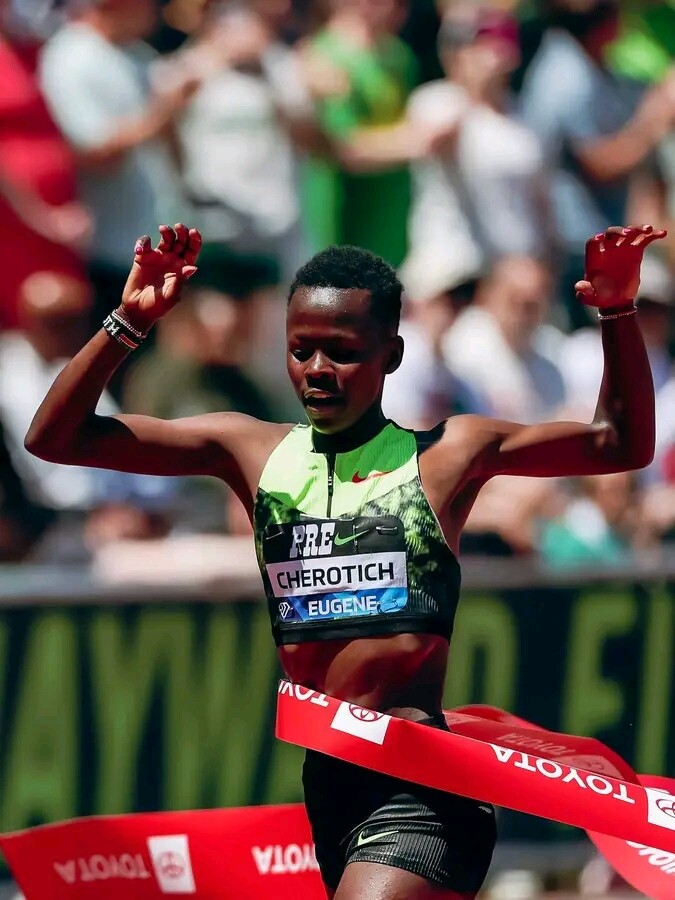
The race is expected to be a fascinating clash of styles. Chemutai's experience and relentless rhythm over the barriers will be tested by Cherotich's fearless racing instincts and devastating finishing speed. If the pace remains honest throughout, the outcome may not be decided until the final water jump or the last sprint down the home straight.
Although the spotlight naturally falls on the East African rivals, the battle for the medals extends well beyond them. England's Elise Thorner, boasting a personal best of 9:07.39, arrives as a genuine podium contender, while India's Parul Chaudhary has consistently demonstrated her ability to compete at the highest international level. Scotland's Sarah Tait will also enjoy passionate home support as she attempts to challenge the established favorites.
Kenya's Celestine Jepkosgei Biwot adds further depth to a competitive field that also includes Canada's Grace Fetherstonhaugh and Katelyn Stewart-Barnett, Australia's Cara Feain-Ryan, and Wales' Cari Hughes, ensuring the race will feature talent from across the Commonwealth.
Women's 3,000m Steeplechase Final – Start List
1. Grace Fetherstonhaugh (Canada) – PB: 9:28.42 | SB: 9:31.98
2. Faith Cherotich (Kenya) – PB: 8:48.71 | SB: 8:51.48
3. Peruth Chemutai (Uganda) – PB: 8:48.03 | SB: 8:51.06
4. Sarah Tait (Scotland) – PB: 9:18.66 | SB: 9:40.92
5. Parul Chaudhary (India) – PB: 9:12.46 | SB: 9:12.84
6. Katelyn Stewart-Barnett (Canada) – PB: 9:33.21 | SB: 9:36.69
7. Elise Thorner (England) – PB: 9:07.39 | SB: 9:07.39
8. Celestine Jepkosgei Biwot (Kenya) – PB: 9:17.06 | SB: 9:26.12
9. Cara Feain-Ryan (Australia) – PB: 9:21.35 | SB: 9:21.35
10. Cari Hughes (Wales) – PB: 9:41.66 | SB: 9:59.89
With two world-class athletes at the peak of their powers, national pride on the line, and a Commonwealth title at stake, Glasgow is set for a spectacular night of steeplechasing. Whether it is Chemutai's championship experience or Cherotich's youthful brilliance that prevails, fans can expect an electrifying contest that could become one of the defining races of the 2026 Commonwealth Games. The stage is set, the athletes are ready, and tonight promises to deliver a thrilling battle all the way to the finish line.
by Erick Cheruiyot for My Best Runs.
Login to leave a comment
The Commonwealth Games
The Commonwealth Games are coming to Victoria - bringing an action packed sports program to our regional cities and delivering a long-term legacy for our future. From 17 to 29 March 2026, Geelong, Bendigo, Ballarat, Gippsland and Shepparton will be on the world stage, attracting millions of viewers and creating thousands of jobs. The multi-city model will...
more...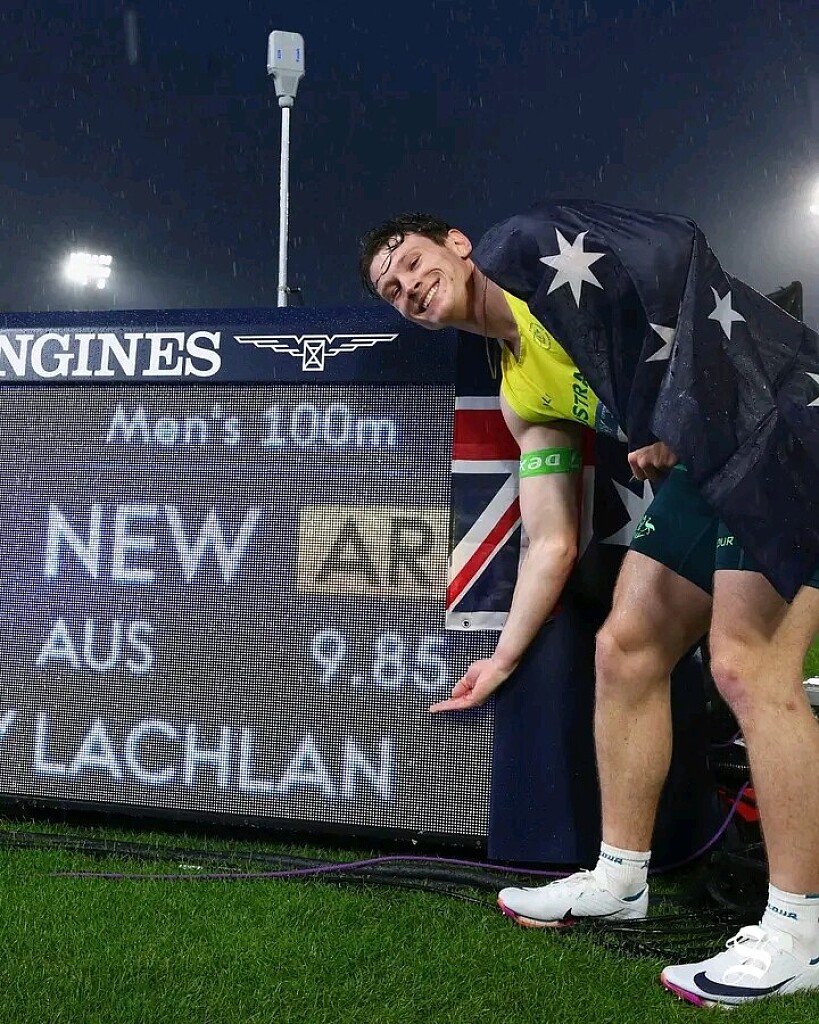
Lachlan Kennedy Smashes 23-Year Oceanian Record With Stunning 9.85 Sprint to Commonwealth Silver
Australian sprint sensation Lachlan Kennedy produced one of the standout performances of the season, rewriting Oceanian athletics history with a breathtaking run in the men's 100m final at the Commonwealth Games in Glasgow.
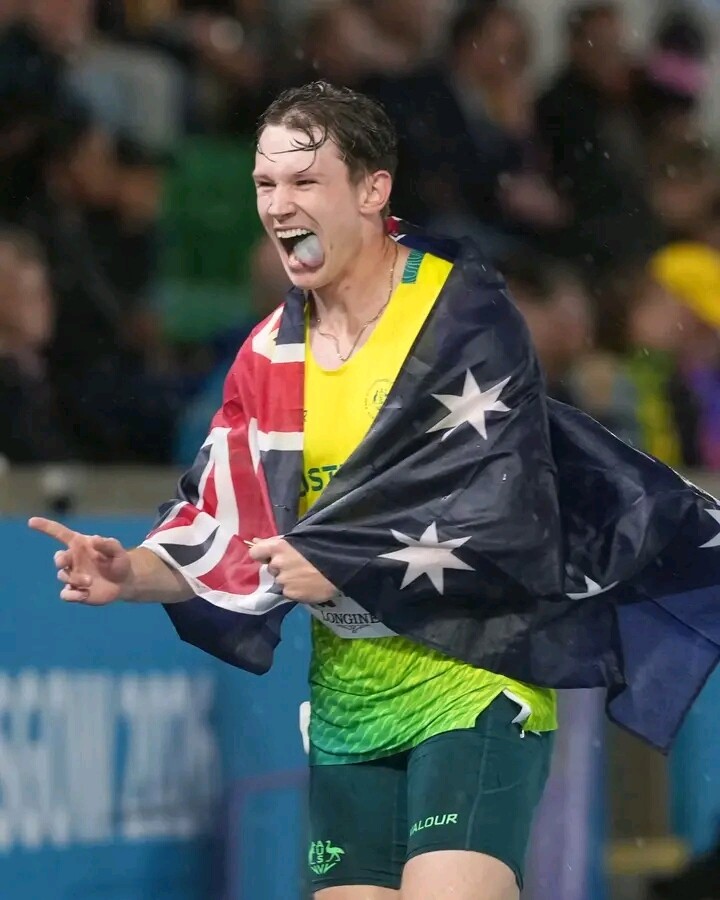
Kennedy stormed to the silver medal in an astonishing 9.85 seconds with a legal +1.3 m/s tailwind, delivering one of the fastest times recorded anywhere in the world this year. His electrifying performance not only earned him a place on the podium but also erased one of the region's longest-standing records.
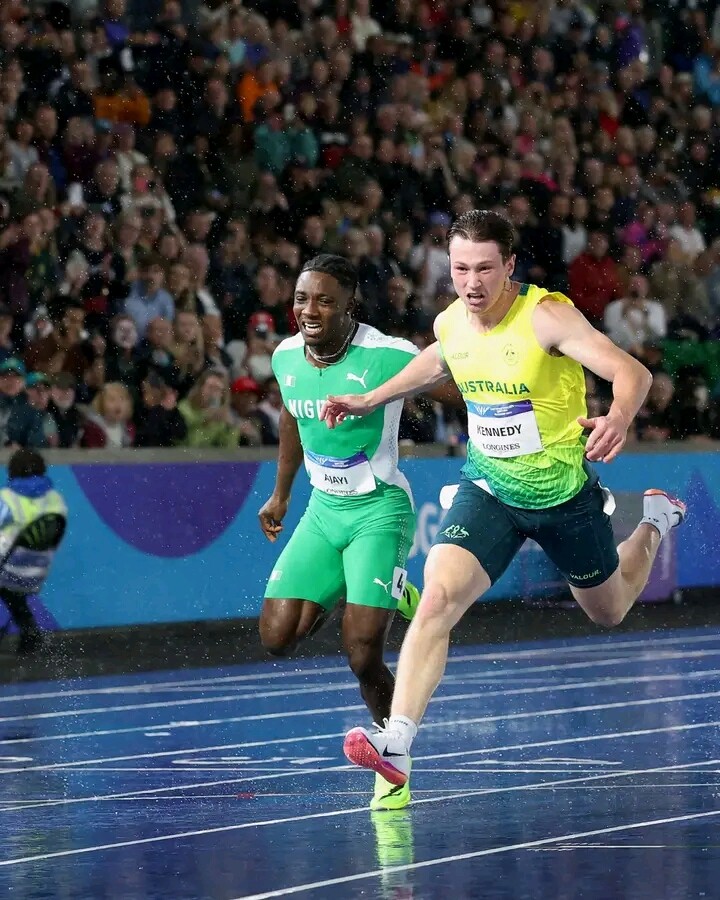
The 9.85 clocking shattered the previous Oceanian record of 9.93, set by fellow Australian Patrick Johnson in 2003. Johnson's mark had stood untouched for 23 years, surviving generations of talented sprinters before Kennedy finally broke through with a run for the history books.
Kennedy's achievement marks a defining moment for Australian sprinting. Breaking below the 9.90 barrier places him among the world's elite and signals the arrival of a genuine global medal contender ahead of the sport's biggest championships. His acceleration, composure under pressure, and powerful finish combined to produce a race that will be remembered as one of the finest 100m performances ever by an Oceanian athlete.
Beyond the record itself, the race showcased the growing strength of men's sprinting on the international stage. With world-class competition pushing athletes to extraordinary performances, Kennedy seized the moment and delivered when it mattered most, announcing himself as one of the fastest men on the planet.
For Australian athletics, Kennedy's record-breaking sprint represents far more than a silver medal. It is the beginning of a new era—one in which a 23-year-old benchmark has fallen, and a new standard has been established for future generations to chase.
by Erick Cheruiyot for My Best Runs.
Login to leave a comment
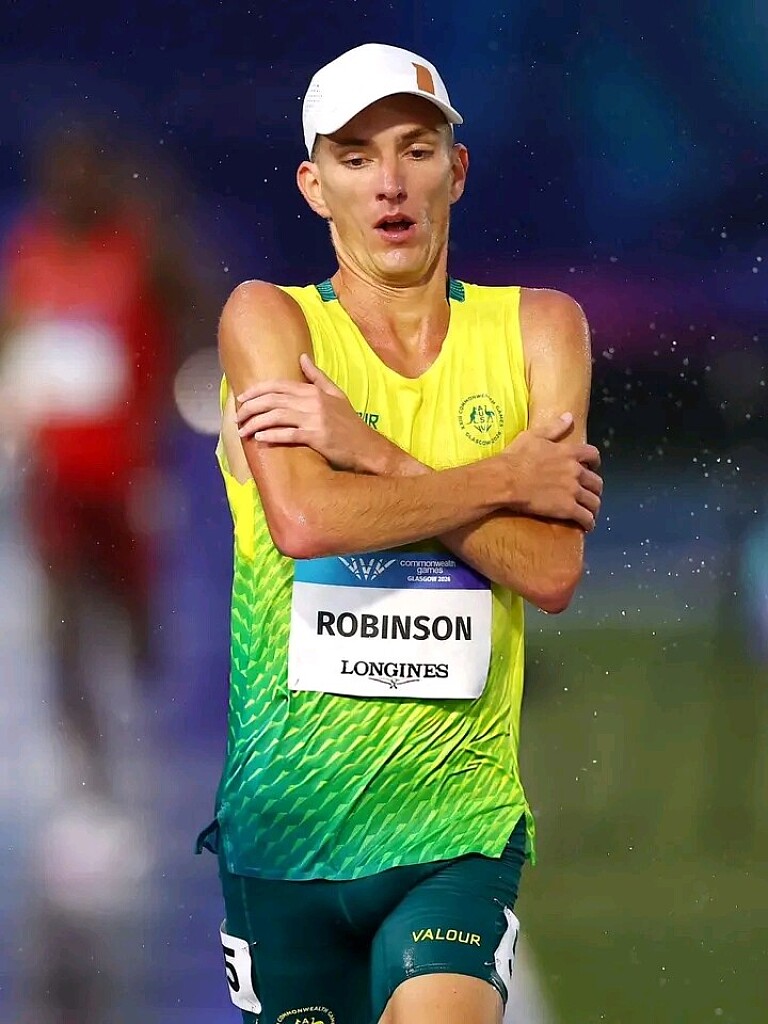
Australia Ends Long Wait as Ky Robinson Claims Historic Commonwealth 10,000m Gold in Glasgow
Australia's Ky Robinson produced the race of his career to capture the men's 10,000m gold medal at the 2026 Commonwealth Games in Glasgow, Scotland, becoming the first Australian ever to win the Commonwealth title in the event.
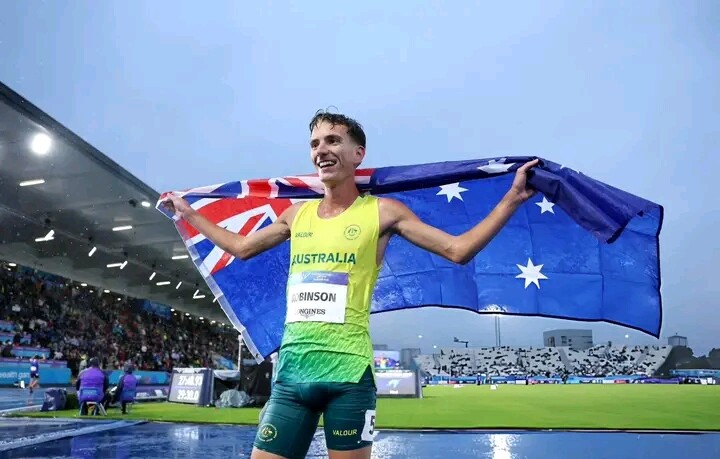
On a cold and rain-soaked night at Scotstoun Stadium, Robinson timed his finish to perfection, crossing the line in 27:48.93 to secure a landmark victory and complete an Australian sweep of the Commonwealth Games 10,000m titles after the nation's success in the women's race.
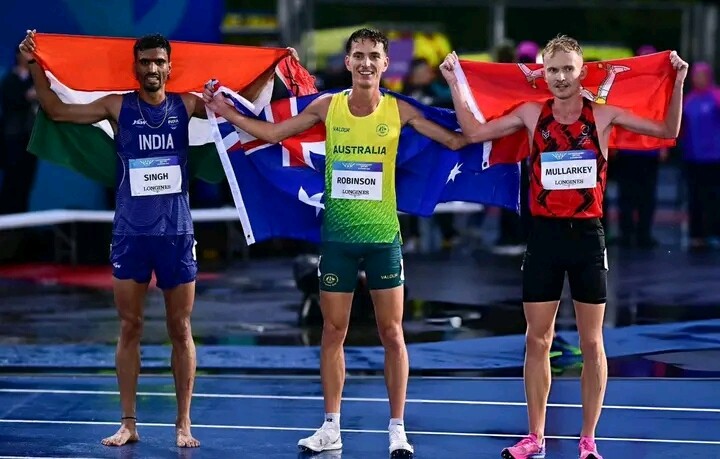
The race unfolded into one of the most dramatic distance finals of the championships. With the rain making conditions treacherous, a tightly packed lead group remained together well into the closing stages as the pace intensified lap after lap. Robinson found another gear in the final stretch to hold off a determined challenge from India's Gulveer Singh, while David Mullarkey unleashed a late surge to secure bronze. Just behind them, Edwin Kurgat fought bravely for Kenya but missed the podium by only 0.70 seconds, highlighting just how fiercely contested the battle for medals was. The top four athletes were separated by barely two seconds, making it one of the closest and most thrilling men's 10,000m finals in recent Commonwealth Games history.
India also celebrated a historic breakthrough as Gulveer Singh delivered the performance of his life to take silver in 27:49.78, earning India's first-ever Commonwealth Games medal in the men's 10,000m. David Mullarkey of the Isle of Man completed the podium in 27:50.28, capping a memorable evening for both nations.
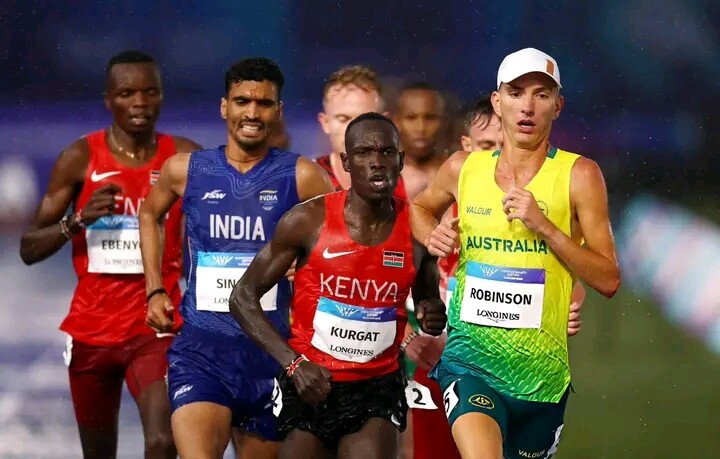
For Kenya, hopes of extending its proud tradition in the event fell agonizingly short. Edwin Kurgat led the Kenyan challenge with a courageous fourth-place finish in 27:50.98, narrowly missing out on a medal. Former Commonwealth Games Birmingham 2022 silver medalist Daniel Ebenyo finished sixth in 27:56.35, while Ishmael Kipkurui placed 10th in 28:04.60 as the Kenyan team was left without a podium finish.
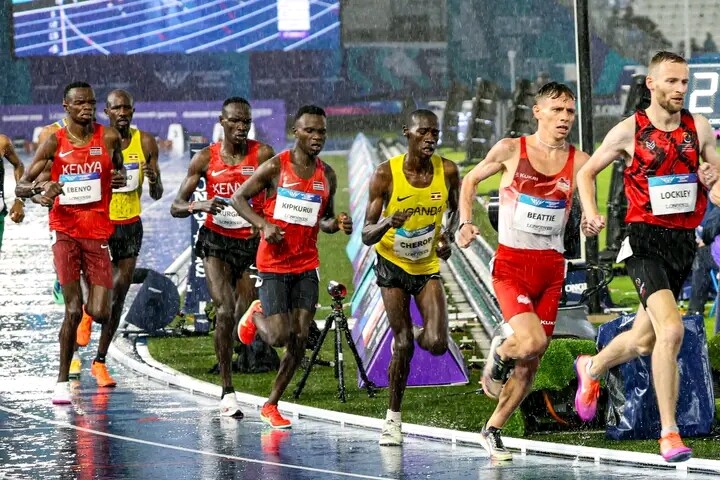
Uganda also came up short despite another determined performance from Samuel Simba Cherop, who clocked a personal best of 27:56.68 to finish seventh. The result ended an extraordinary era of Ugandan dominance in the men's 10,000m at the Commonwealth Games. Since Boniface Kiprop's victory at the 2006 Commonwealth Games in Melbourne, Australia, Uganda had ruled the event for two decades through a succession of outstanding distance runners, making Ky Robinson's triumph the first by another nation since Kiprop's breakthrough gold in Melbourne.
The final also showcased the growing depth of Commonwealth distance running, with athletes from Australia, India, the Isle of Man, Kenya, England, Uganda, Lesotho, Scotland and Tanzania all featuring prominently in a race that demonstrated the event's increasing global competitiveness.
Men's 10,000m Final Results – Glasgow 2026 Commonwealth Games
1. Ky Robinson (Australia) – 27:48.93
2. Gulveer Singh (India) – 27:49.78
3. David Mullarkey (Isle of Man) – 27:50.28
4. Edwin Kurgat (Kenya) – 27:50.98 (SB)
5. Scott Beattie (England) – 27:54.50
6. Daniel Ebenyo (Kenya) – 27:56.35 (SB)
7. Samuel Simba Cherop (Uganda) – 27:56.68 (PB)
8. Benjamin Ratsim (Tanzania) – 27:59.70 (PB)
9. Kamohelo Mofolo (Lesotho) – 28:01.00 (NR)
10. Ishmael Rokitto Kipkurui (Kenya) – 28:04.66 (SB)
11. Dan Kibet (Uganda) – 28:05.84 (SB)
12. Oscar Chelimo (Uganda) – 28:10.60
13. Andrew Butchart (Scotland) – 28:16.70
Robinson's historic triumph not only delivered Australia's first-ever Commonwealth men's 10,000m gold medal but also signaled a changing landscape in Commonwealth distance running, ending Uganda's remarkable 20-year reign and proving that the battle for long-distance supremacy is becoming more competitive than ever.
by Erick Cheruiyot for My Best Runs.
Login to leave a comment
The Commonwealth Games
The Commonwealth Games are coming to Victoria - bringing an action packed sports program to our regional cities and delivering a long-term legacy for our future. From 17 to 29 March 2026, Geelong, Bendigo, Ballarat, Gippsland and Shepparton will be on the world stage, attracting millions of viewers and creating thousands of jobs. The multi-city model will...
more...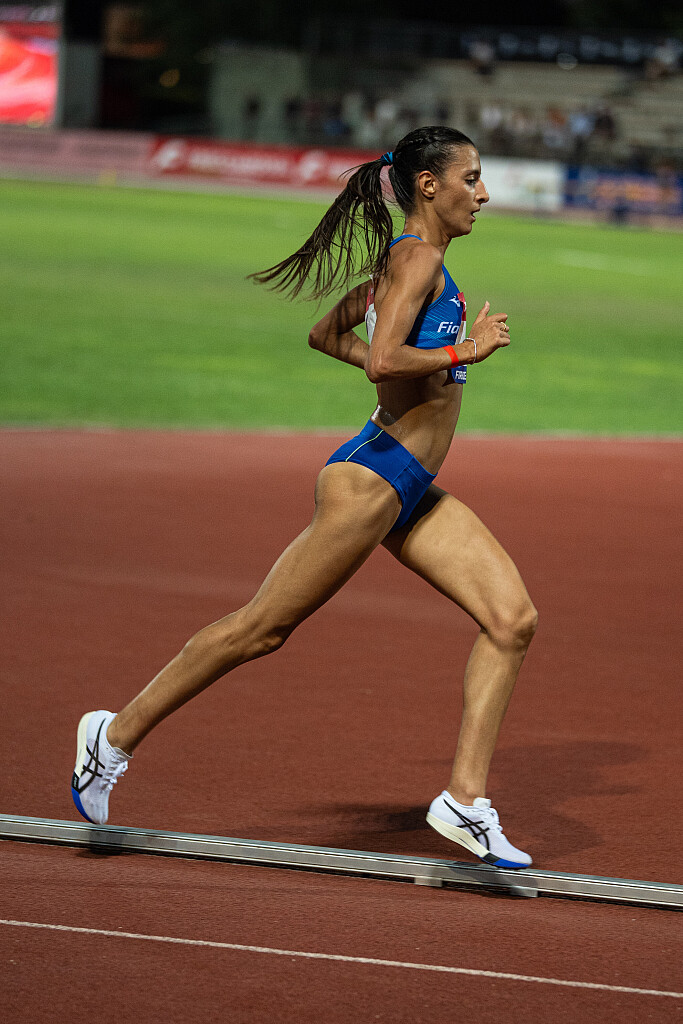
Nadia Battocletti Completes Another Italian Championship Double to Extend Her Domestic Reign
Italy's distance-running queen, Nadia Battocletti, once again proved why she remains the country's dominant force after producing another remarkable championship double at the Italian National Championships.
The Olympic silver medalist successfully defended both her 1,500m and 5,000m national titles, showcasing her impressive range from the middle distances to the longer events. Battocletti first secured victory in the 1,500m, crossing the finish line in 4:17.29, before returning to the track to claim the 5,000m crown in 15:12.65.
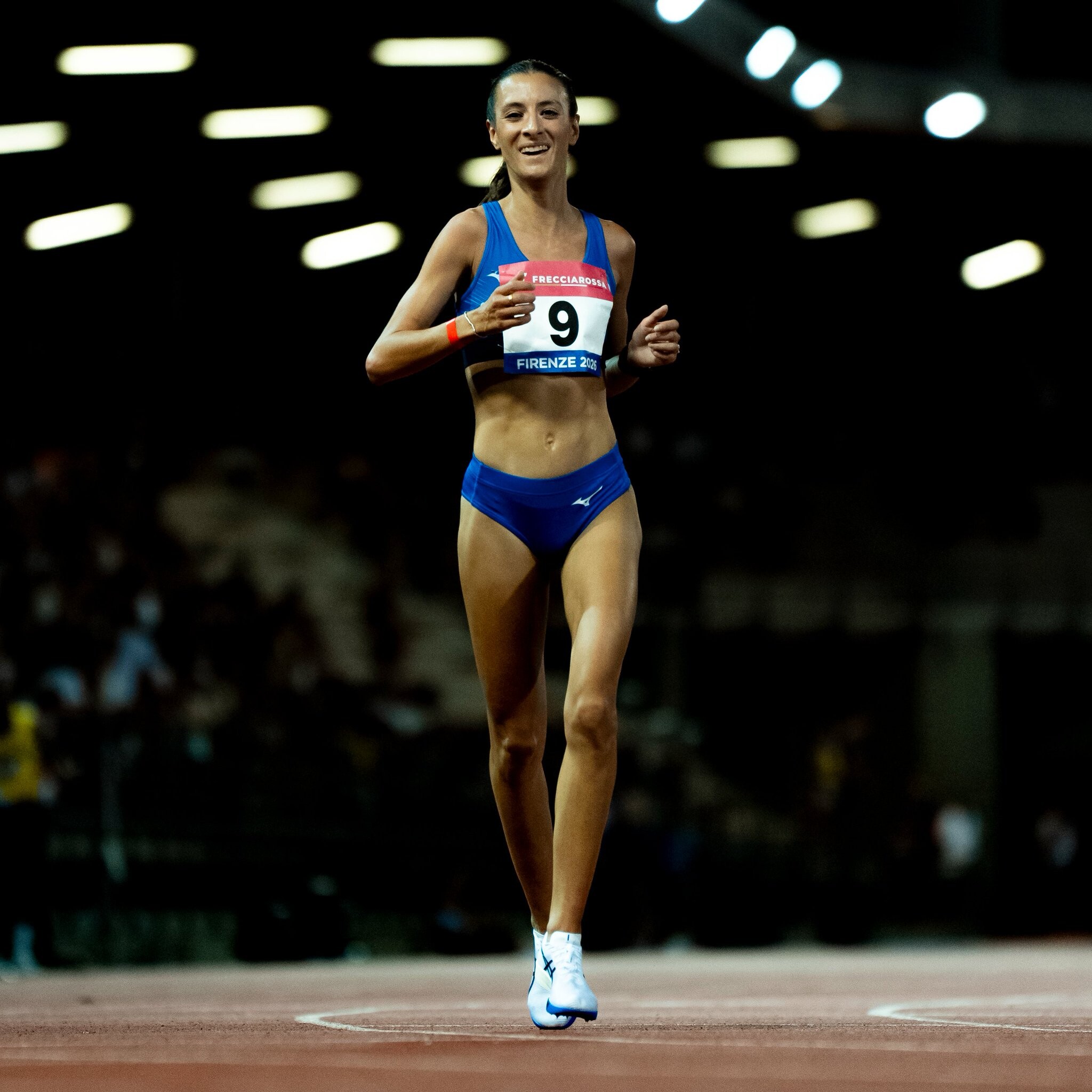
Her latest triumph carries even greater significance in the longer race. By winning the 5,000m title once again, Battocletti completed a hat-trick of consecutive Italian championships over the distance, further cementing her place among the country's finest distance runners. The achievement highlights not only her consistency but also her ability to remain at the top despite the increasing level of competition.
The double victory is another statement of intent as Battocletti continues to build momentum during a crucial stage of the season. Her ability to excel in both events demonstrates the endurance, speed, and tactical awareness that have made her one of Europe's most respected distance athletes.
With another pair of national titles added to her growing collection, Battocletti leaves the championships with renewed confidence and reinforces her status as Italy's leading distance star. Her commanding performances serve as another reminder that she will be one of the athletes to watch on the international stage as the season continues.
by Erick Cheruiyot for My Best Runs.
Login to leave a comment
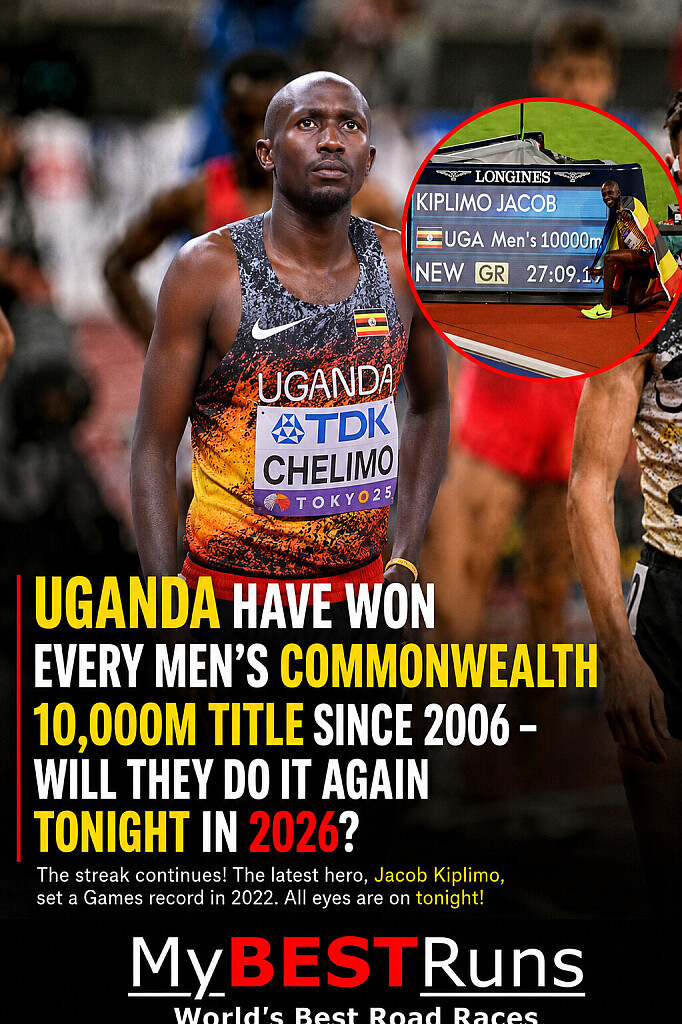
Can Uganda Keep Its Commonwealth 10,000m Crown Alive Tonight? A Historic Streak Faces Its Biggest Test
Tonight, one of the most remarkable legacies in Commonwealth Games history will once again be put on the line as Uganda bids to extend its extraordinary dominance in the men's 10,000m.
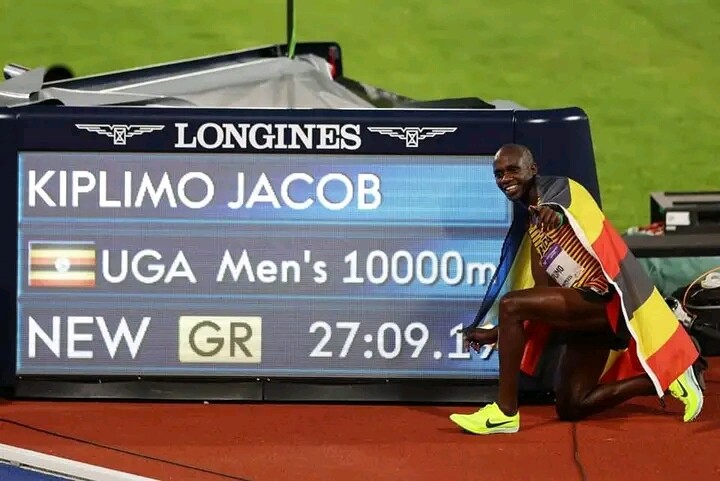
Since 2006, every Commonwealth Games men's 10,000m title has been won by a Ugandan athlete, establishing a remarkable streak that has become a symbol of the nation's excellence in long-distance running. The latest chapter was written by Jacob Kiplimo, who stormed to victory at the 2022 Commonwealth Games in Birmingham, setting a new Games record of 27:09.19 in a commanding performance.
Now, all eyes turn to tonight's final, where Uganda will attempt to continue a reign that has spanned nearly two decades.
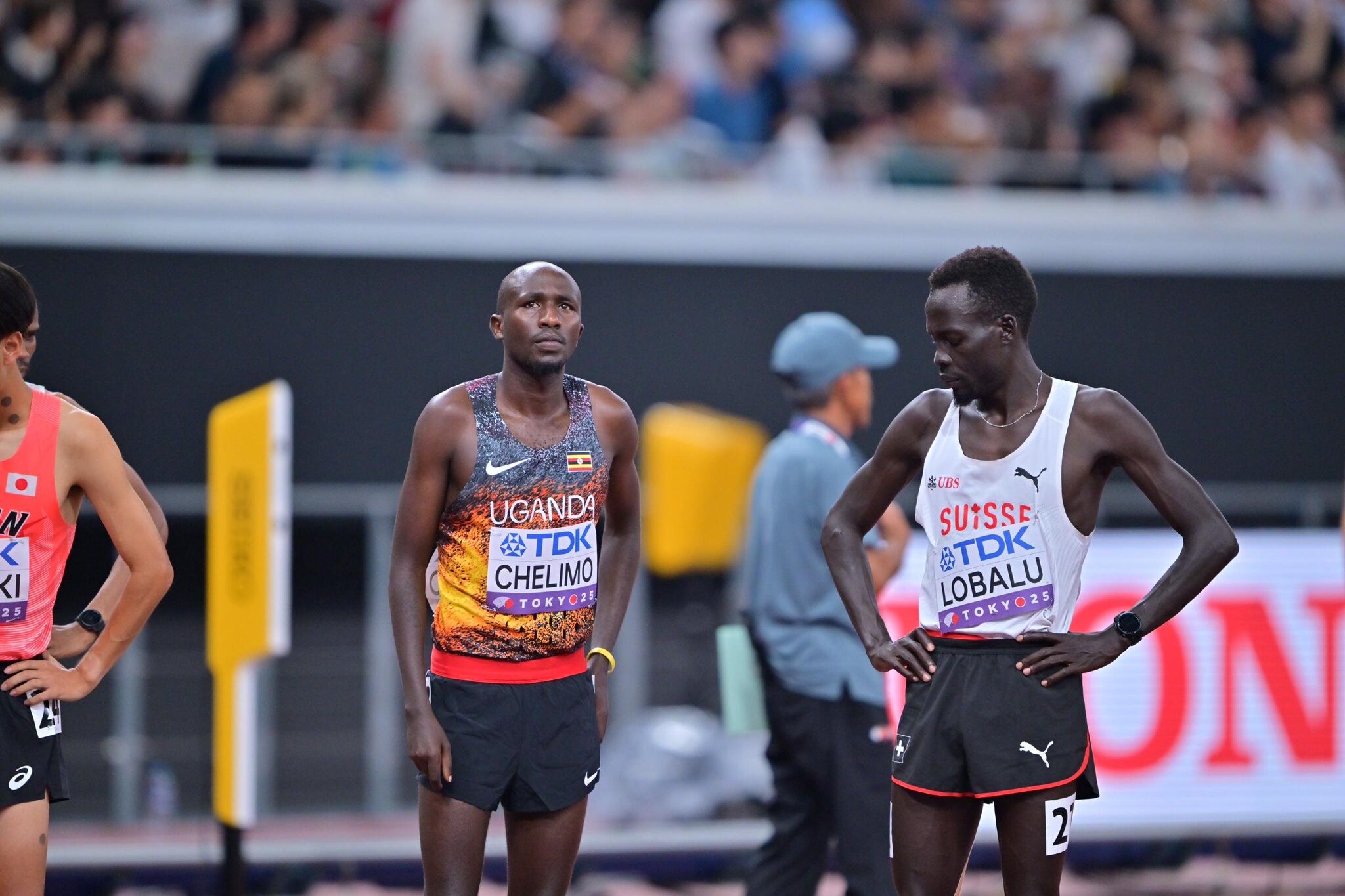
Uganda's hopes of preserving that incredible record will rest on a formidable trio of Dan Kibet, Oscar Chelimo, and Cherop Samuel Simba. Together, they carry the weight of a proud tradition and will be determined to ensure the men's 10,000m title remains in Ugandan hands for another Commonwealth Games.
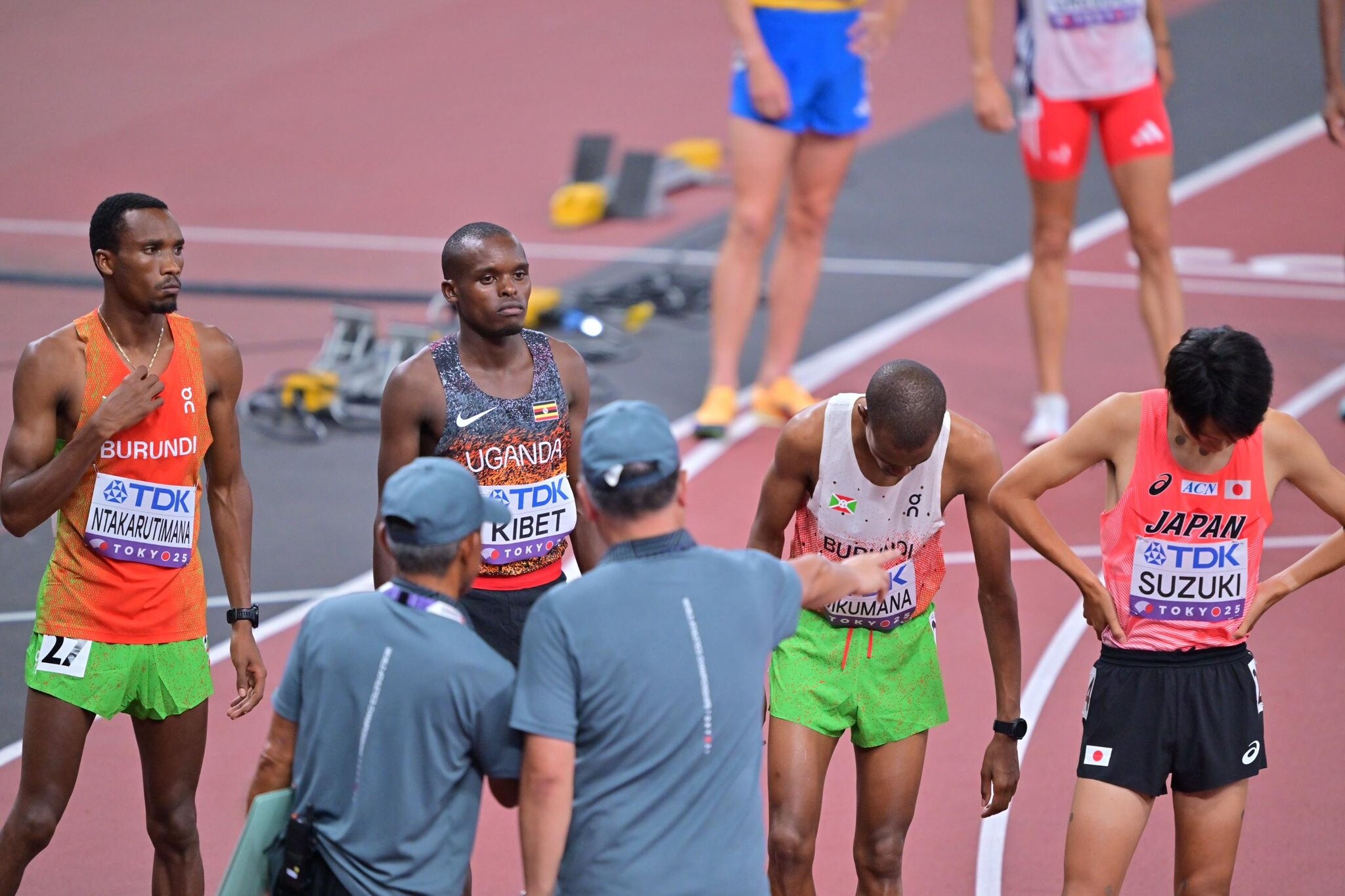
The challenge, however, promises to be fiercer than ever. Some of the Commonwealth's finest distance runners will line up with one goal—to end Uganda's remarkable run and claim one of the most prestigious titles in championship athletics. Every lap will carry the weight of history, with both seasoned stars and emerging talents eager to seize the moment.
For Uganda, this race is about far more than another gold medal. It is an opportunity to protect a legacy built through years of discipline, resilience, and world-class performances on the championship stage. Extending the streak would further strengthen the nation's reputation as one of the greatest forces in distance running.
Yet championship races are rarely decided by reputation alone. Tactical awareness, patience, and the ability to respond when the decisive move is made often separate the champion from the rest of the field. With several accomplished rivals eager to rewrite history, tonight's contest promises to deliver drama from the opening lap to the finish.
Will Uganda celebrate another unforgettable triumph tonight, or will a new champion finally bring an end to one of the longest winning streaks in Commonwealth Games history? By the end of the race, the answer will be written on the track, adding another unforgettable chapter to one of athletics' most enduring traditions.
by Erick Cheruiyot for My Best Runs.
Login to leave a comment
The Commonwealth Games
The Commonwealth Games are coming to Victoria - bringing an action packed sports program to our regional cities and delivering a long-term legacy for our future. From 17 to 29 March 2026, Geelong, Bendigo, Ballarat, Gippsland and Shepparton will be on the world stage, attracting millions of viewers and creating thousands of jobs. The multi-city model will...
more...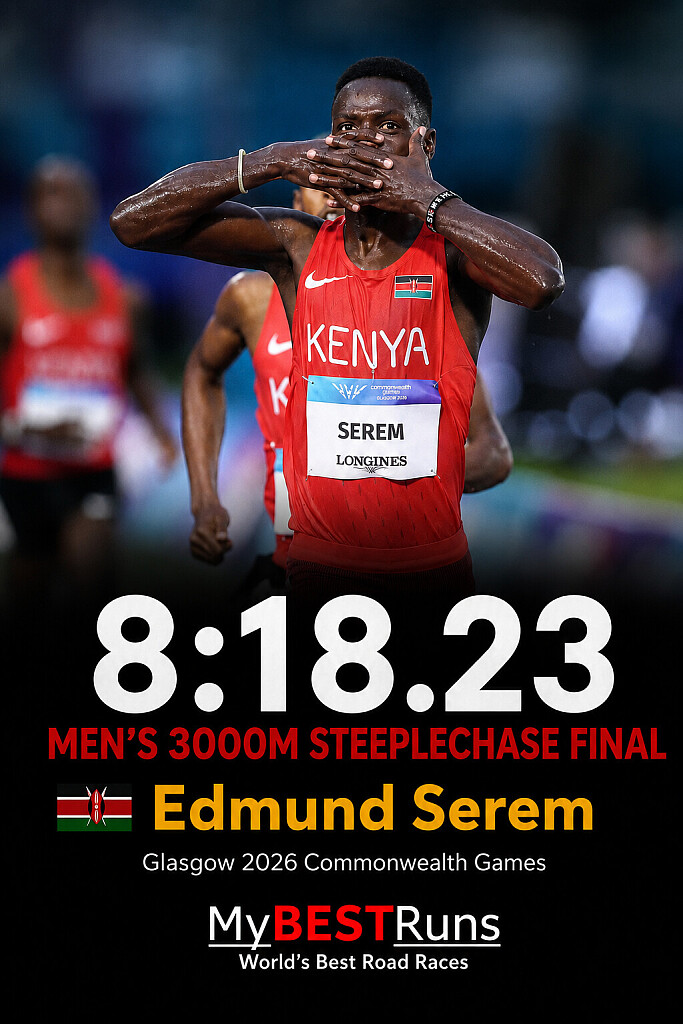
Kenya Reclaims Steeplechase Supremacy with Historic 1-2-3 Sweep at Glasgow 2026 Commonwealth Games
Kenya emphatically reaffirmed its status as the undisputed powerhouse of the men's 3000m steeplechase by producing a sensational podium clean sweep at the 2026 Commonwealth Games in Glasgow. In a commanding display of tactical brilliance, endurance, and finishing speed, Edmund Serem, Simon Kiprop Koech, and Leonard Kipkemoi Bett shut out the rest of the field to secure all three medals in one of Kenya's most treasured athletics events.
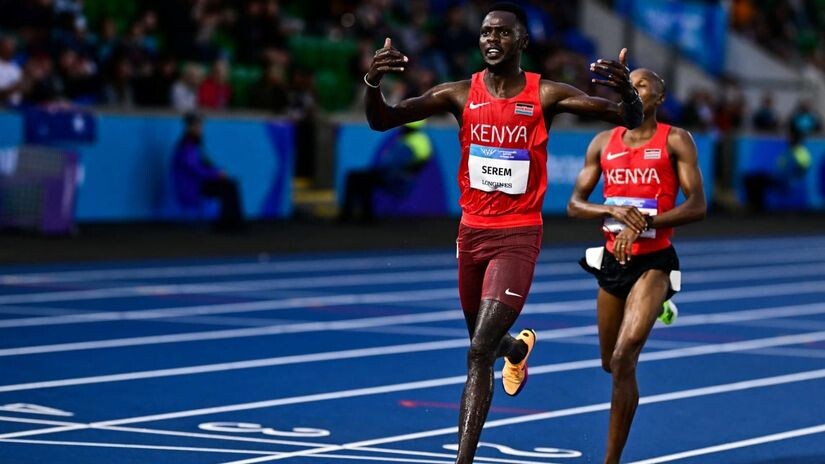
The Kenyan trio remained patient through the early stages before steadily increasing the pace over the closing laps. As the race reached its decisive moments, they broke clear of the chasing pack, leaving reigning world champion Geordie Beamish of New Zealand and the rest of the field unable to match their relentless surge.
Edmund Serem produced the winning move over the final barriers, powering away in the closing metres to capture the Commonwealth title in 8:18.23. Simon Kiprop Koech, who had led the race at the bell, battled all the way to the finish and claimed the silver medal in 8:18.59, while Leonard Kipkemoi Bett completed the historic sweep with bronze in 8:21.63, ensuring an unforgettable day for Team Kenya.
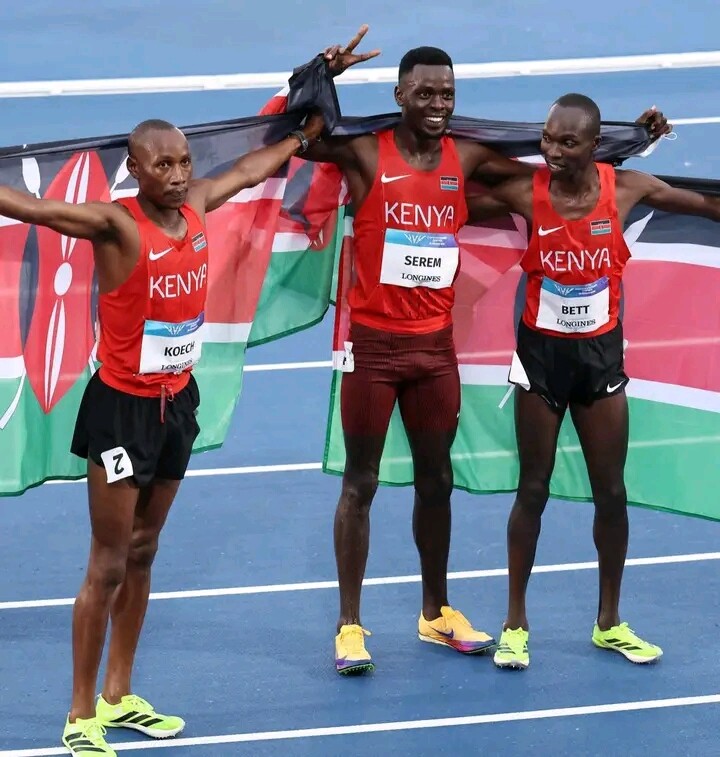
The achievement marks one of Kenya's defining moments of the Glasgow Games and restores the nation's complete dominance in an event that has long been synonymous with Kenyan distance running excellence. It also serves as a powerful response to the 2022 Commonwealth Games in Birmingham, where India's Avinash Sable ended Kenya's remarkable run of podium sweeps by winning the silver medal. Four years later, Serem, Koech, and Bett emphatically returned the men's steeplechase podium entirely to Kenyan hands, reaffirming the country's unrivalled legacy in the discipline.
Behind the Kenyan trio, reigning world champion Geordie Beamish finished fourth in 8:24.09, while Canada's Jean-Simon Desgagnes and Aaron Ahl placed fifth and sixth respectively. England's Kristian Imroth and Mark Pearce completed the top eight.
Men's 3000m Steeplechase Final – Glasgow 2026 Commonwealth Games
1. Edmund Serem (Kenya) — 8:18.23
2. Simon Kiprop Koech (Kenya) — 8:18.59
3. Leonard Kipkemoi Bett (Kenya) — 8:21.63
4. Geordie Beamish (New Zealand) — 8:24.09
5. Jean-Simon Desgagnes (Canada) — 8:25.43
6. Aaron Ahl (Canada) — 8:31.71
7. Kristian Imroth (England) — 8:38.12
8. Mark Pearce (England) — 8:42.39
The performance once again highlighted the extraordinary depth of Kenya's steeplechase talent, proving that a new generation is ready to carry forward one of the nation's greatest traditions in global athletics. Their flawless execution, unwavering composure, and dominant finish left no doubt that Kenya remains the standard bearer in the men's 3000m steeplechase.
by Erick Cheruiyot for My Best Runs.
Login to leave a comment
The Commonwealth Games
The Commonwealth Games are coming to Victoria - bringing an action packed sports program to our regional cities and delivering a long-term legacy for our future. From 17 to 29 March 2026, Geelong, Bendigo, Ballarat, Gippsland and Shepparton will be on the world stage, attracting millions of viewers and creating thousands of jobs. The multi-city model will...
more...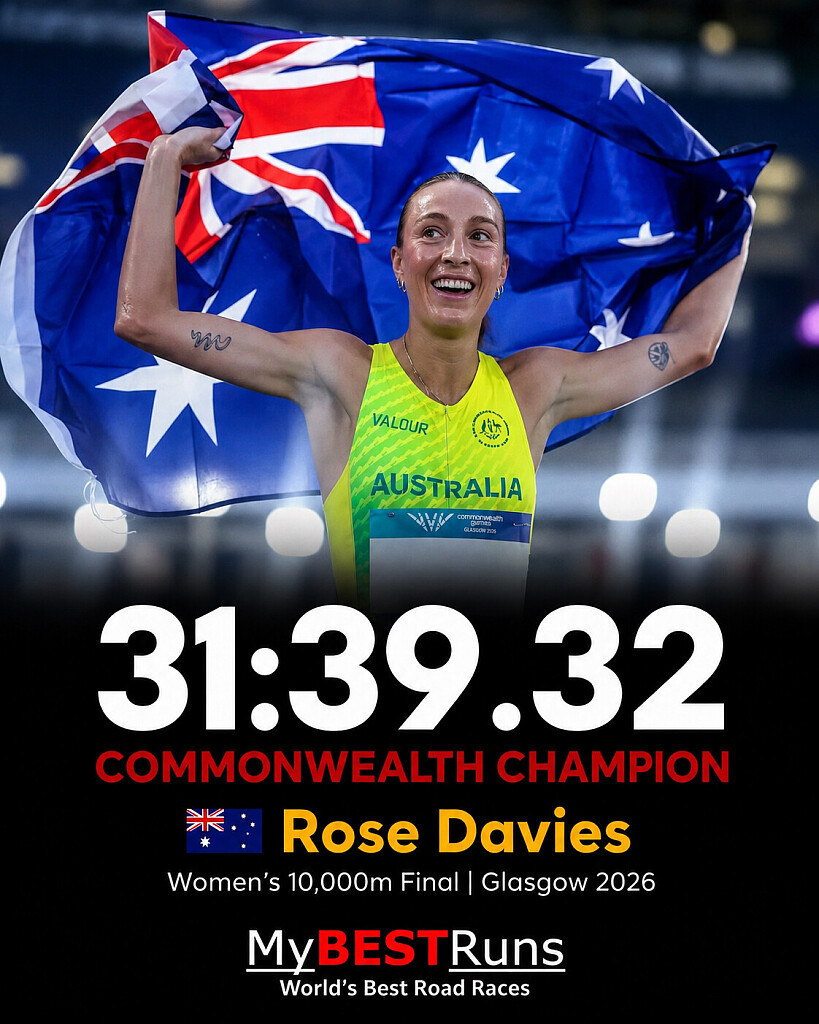
Rose Davies Makes History, Diana Wanza Claims Silver, and Florence Niyonkuru Shines with Bronze in Memorable Commonwealth Games 10,000m Final
Australia celebrated a landmark moment in distance running as Rose Davies produced a brilliant performance to win the women's 10,000m title at the 2026 Commonwealth Games in Glasgow, becoming the first Australian athlete ever to capture Commonwealth gold in the event. Clocking 31:39.32, Davies also recorded a season's best (SB) to crown a remarkable evening and write her name into Australian athletics history.
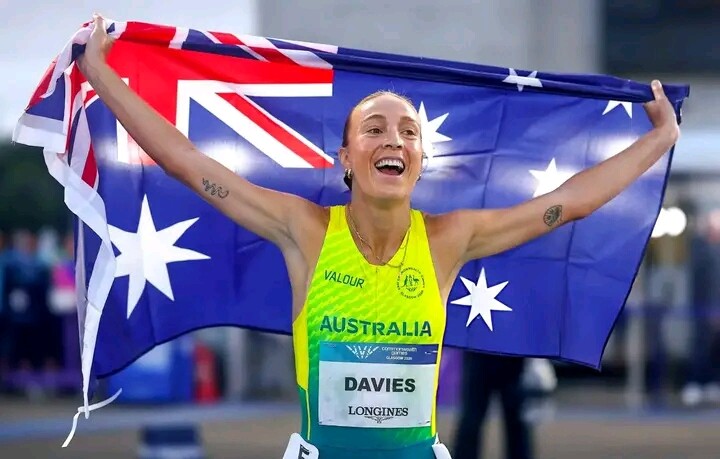
Davies delivered a composed and confident race from start to finish, demonstrating exceptional patience before unleashing a decisive surge in the closing stages to secure a historic victory. Her remarkable triumph not only earned Australia a long-awaited gold medal but also etched her name into the Commonwealth Games record books, adding one of the finest achievements in Australian distance-running history.
Kenya's Diana Wanza produced a courageous and determined performance to secure the silver medal in 31:50.13, further strengthening the nation's proud legacy in long-distance running. Remaining among the front-runners throughout the race, Wanza matched every challenge with grit and composure before crossing the finish line with a well-deserved runner-up finish against an outstanding field.
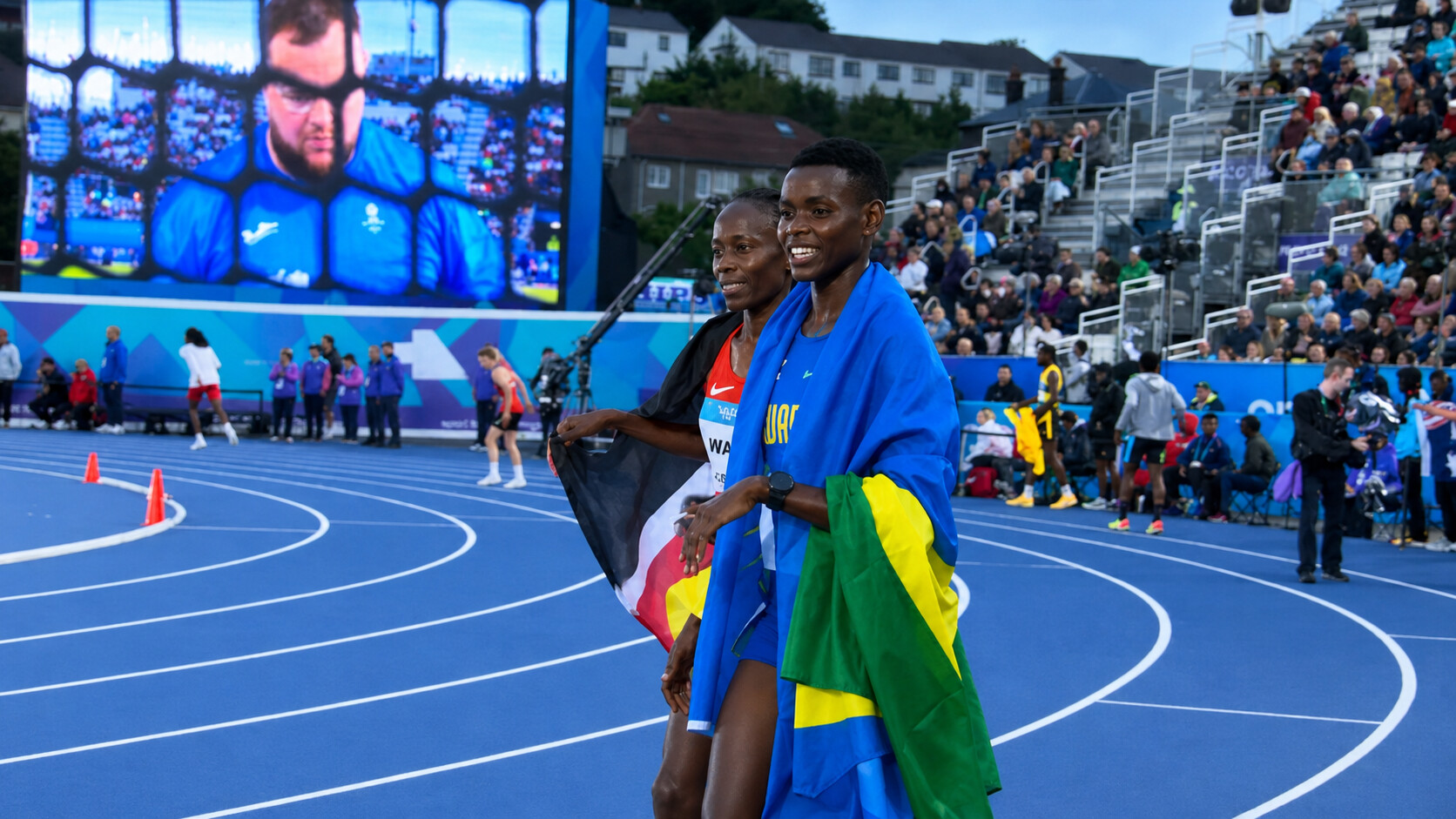
Rwanda's Florence Niyonkuru completed the podium with a superb run to capture the bronze medal in 31:55.47. Her impressive display underlined Rwanda's continued rise in international distance running and rewarded months of hard work with one of the biggest achievements of her career.
The race was fiercely contested from the opening laps, with the leading pack refusing to give an inch as the pace intensified. As the tension built inside the stadium, every lap brought fresh excitement and anticipation from the Glasgow crowd. Davies found another gear when it mattered most, Wanza responded with tremendous determination in pursuit of gold, while Niyonkuru held her composure to secure bronze in a thrilling finish. Behind the medalists, Uganda's Esther Chebet narrowly missed the podium by just 0.23 seconds, finishing fourth in a personal best of 31:55.70, highlighting just how competitive the championship final proved to be.
The depth of the field was reflected throughout the results, with several athletes producing season's bests and personal bests in one of the highest-quality women's 10,000m finals of the Games. Australia's Lauren Ryan finished fifth with a season's best, Uganda's Joy Cheptoyek placed sixth with another season's best, while Scotland's Megan Keith delighted the home crowd with a season's best ninth-place finish. The race showcased the exceptional standard of women's distance running across the Commonwealth.
Women's 10,000m Final – Commonwealth Games Glasgow 2026
1. Rose Davies (Australia) – 31:39.32 (SB)
2. Diana Wanza (Kenya) – 31:50.13
3. Florence Niyonkuru (Rwanda) – 31:55.47
4. Esther Chebet (Uganda) – 31:55.70 (PB)
5. Lauren Ryan (Australia) – 31:59.41 (SB)
6. Joy Cheptoyek (Uganda) – 32:01.92 (SB)
7. Miriam Chebet (Kenya) – 32:12.97
8. Rebecca Chelangat (Uganda) – 32:16.28 (SB)
9. Megan Keith (Scotland) – 32:22.11 (SB)
10. Rebecca Mwangi (Kenya) – 32:36.12
11. Izzy Fry (England) – 32:50.81
12. Poppy Tank (England) – 32:50.83
13. Florence Caron (Canada) – 32:59.51
14. Nthabiseng Letokoto (Lesotho) — 34:52.00 (SB)
The women's 10,000m final perfectly illustrated the depth of talent across the Commonwealth, with three exceptional athletes delivering performances worthy of the podium. While Rose Davies celebrated a groundbreaking victory for Australia, Diana Wanza once again demonstrated Kenya's enduring excellence in distance running, and Florence Niyonkuru's bronze medal highlighted Rwanda's growing presence among the world's elite. Together, they produced a championship race that will be remembered for its quality, intensity, and historic significance.
by Erick Cheruiyot for My Best Runs.
Login to leave a comment
The Commonwealth Games
The Commonwealth Games are coming to Victoria - bringing an action packed sports program to our regional cities and delivering a long-term legacy for our future. From 17 to 29 March 2026, Geelong, Bendigo, Ballarat, Gippsland and Shepparton will be on the world stage, attracting millions of viewers and creating thousands of jobs. The multi-city model will...
more...
The Road Back Begins: Beatrice Chebet Shares First Training Run Since Motherhood
The first signs of Beatrice Chebet's return are here.

The Kenyan distance running superstar has delighted fans by sharing a photo from her early morning run, signaling the beginning of what promises to be an inspiring comeback. Captioning the image, the Olympic and world champion wrote: "Early mornings, beautiful skies and a little movement. Happy New Week," while tagging Nike and Nike Women.
The update may have seemed simple, but for athletics fans it carried a powerful message. After stepping away from competition to embrace motherhood and welcome her baby boy, Chebet is back on the roads, taking the first strides toward returning to elite racing.
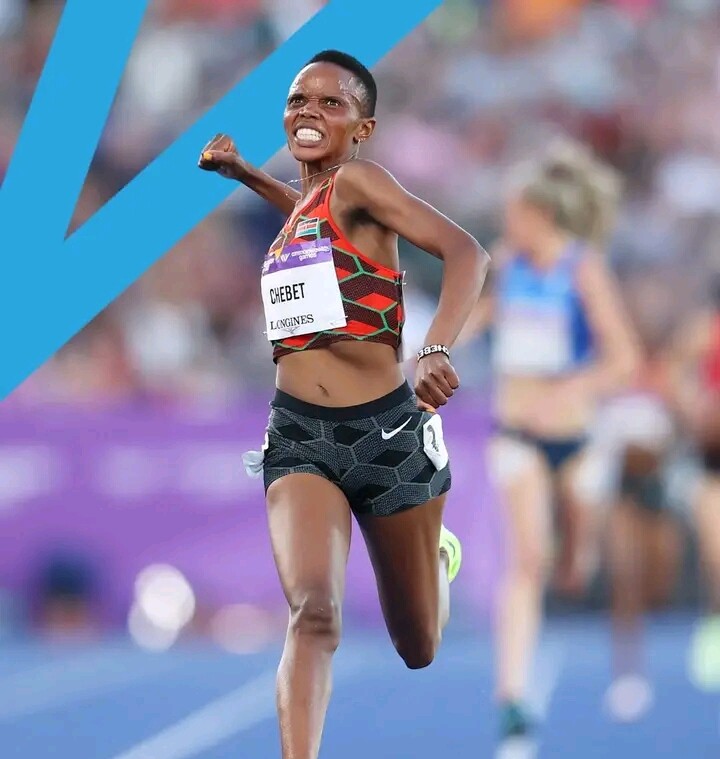
Few athletes have built a résumé as remarkable as Chebet's. She is the world record holder in the 5,000m, 10,000m, and road 5km, and her career includes Olympic gold medals in both the 5,000m and 10,000m, world titles, and multiple global championships that have established her as one of the greatest distance runners of her generation.
Now, her journey enters a different but equally inspiring phase. As she balances motherhood with the demands of elite training, every run represents another step toward regaining race fitness and returning to the sport she has dominated for years.
While there is no official timeline for her return to competition, Chebet's latest post has already sparked excitement across the athletics community. Fans will be hoping that these early morning runs are the foundation of another extraordinary chapter—one that could see the Kenyan superstar back on the starting line, chasing records and titles once again.
For one of the sport's brightest stars, the comeback has begun—not with medals or finish-line celebrations, but with quiet early morning miles, beautiful skies, and the determination that has always defined a champion.
by Erick Cheruiyot for My Best Runs.
Login to leave a comment
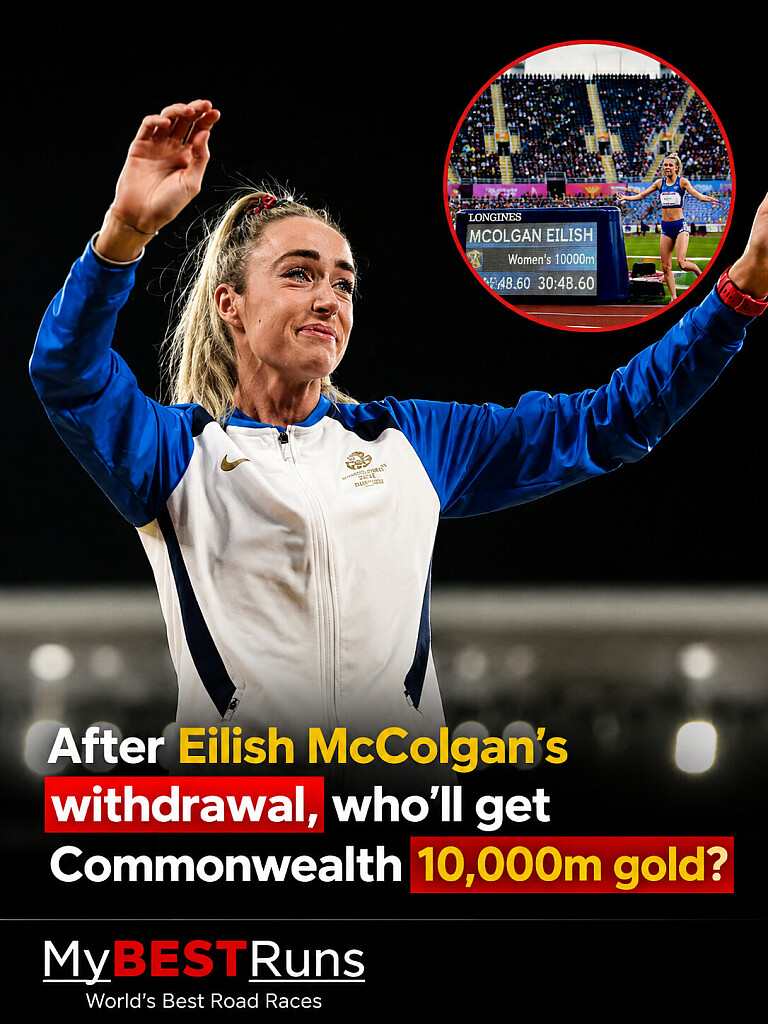
A New Champion Will Rise: Women's Commonwealth Games 10,000m Crown Up for Grabs After Eilish McColgan's Withdrawal
The stage is set for one of the most fascinating distance races of the 2026 Commonwealth Games after reigning women's 10,000m champion Eilish McColgan officially withdrew from the competition, ending her hopes of defending the title she won in memorable fashion four years ago.
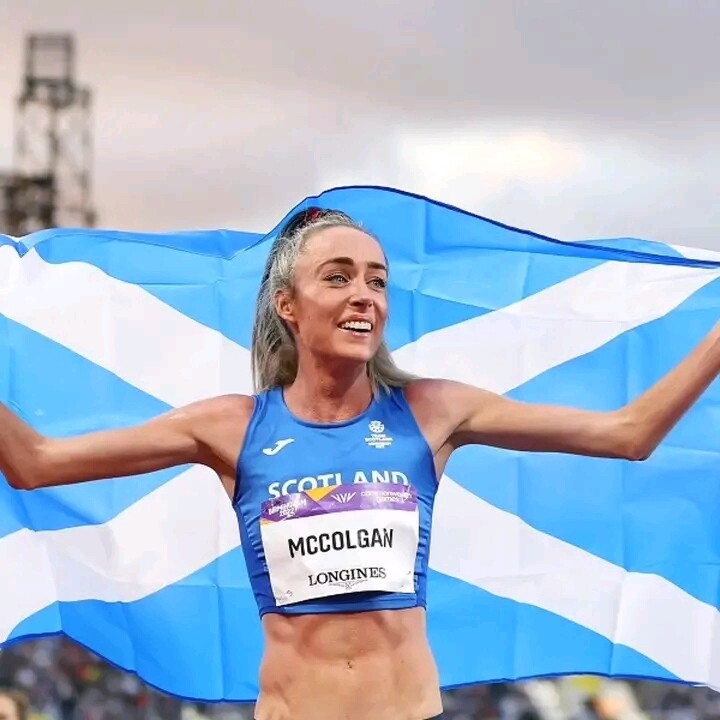
McColgan's absence leaves the event without its defending champion and guarantees that a new name will be etched into Commonwealth Games history when the athletes line up for tonight's final in Glasgow. While her withdrawal is a significant setback for Scottish supporters hoping to celebrate another home victory, it has also created one of the most open and unpredictable championship races in recent memory.
Kenya's Miriam Chebet enters the final as the fastest athlete in the field with a personal best of 30:27.30 and will undoubtedly be one of the leading contenders for the gold medal. However, she faces formidable opposition from Australia's Rose Davies and Lauren Ryan, both of whom have consistently delivered world-class performances and possess the endurance to challenge for the top step of the podium.
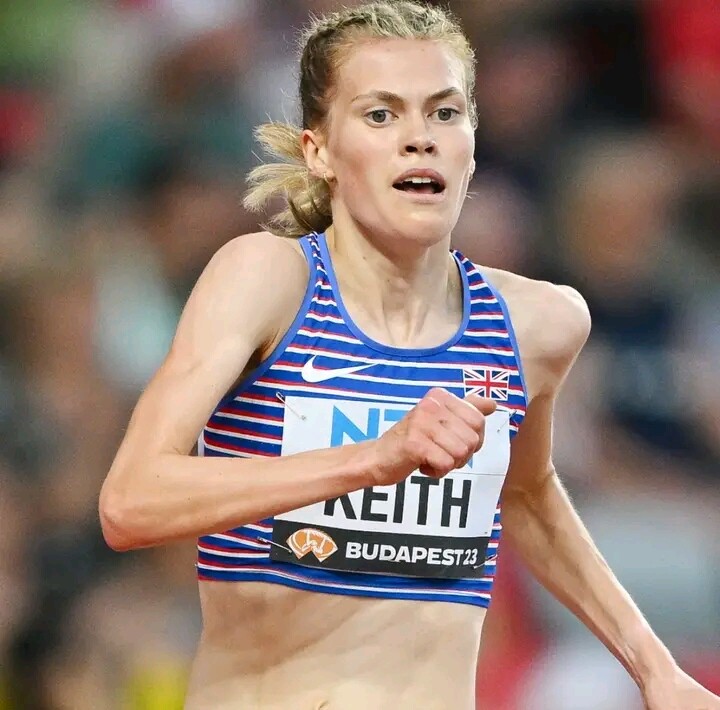
With McColgan no longer in the race, Scotland's hopes now rest on Megan Keith. Competing before a passionate home crowd in Glasgow, Keith has the opportunity to produce the performance of her career and give the host nation another unforgettable distance running moment.
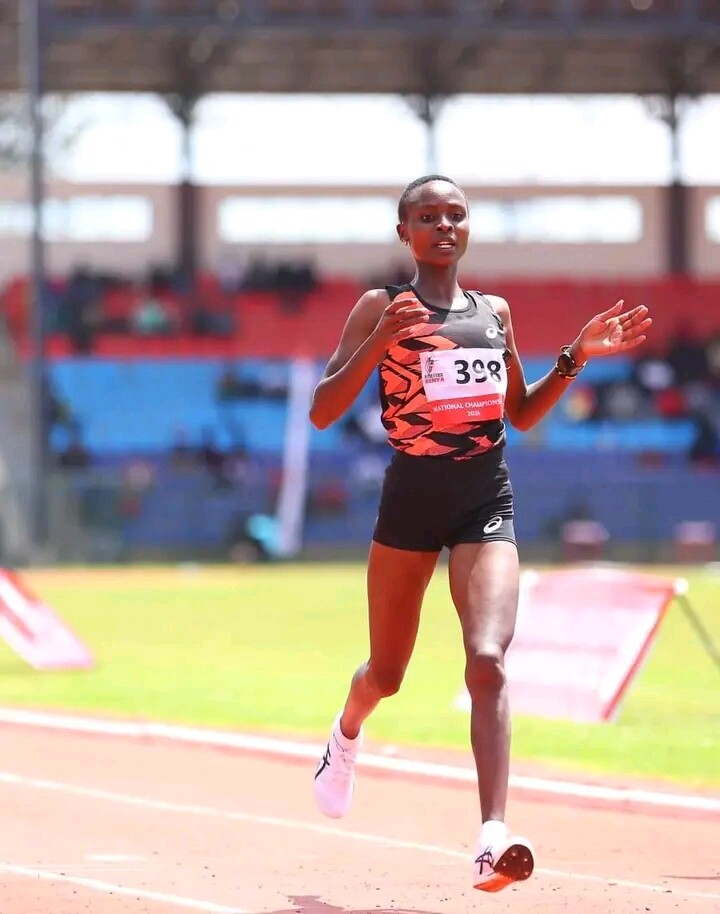
The race is also packed with outstanding talent from East Africa. Rwanda's Emeline Imanizabayo and Florence Niyonkuru arrive with valuable international experience, while Uganda's Joy Cheptoyek and Rebecca Chelangat have repeatedly shown they are capable of excelling in championship competition. Kenya's Diana Wanza and Rebecca Mwangi further strengthen an exceptionally deep field where every position is expected to be fiercely contested.
England's Izzy Fry and Poppy Tank will also be aiming to make their mark, with Tank continuing to inspire many through her remarkable journey to the Games despite competing without the financial backing enjoyed by many of her rivals. Canada's Florence Caron, Lesotho's Nthabiseng Letokoto, and the Isle of Man's Christa Cain complete a line-up that promises an exciting and highly competitive contest.
Unlike races with an overwhelming favourite, this championship appears wide open. The outcome could depend as much on race tactics as outright speed, with every athlete aware that a rare opportunity now lies before them. Whether the pace is aggressive from the opening laps or develops into a tactical battle decided over the closing stages, the fight for gold is expected to captivate athletics fans from start to finish.
Tonight, all eyes will be on Glasgow as the Commonwealth Games crown a new women's 10,000m champion. With an outstanding field assembled and the defending champion no longer on the start line, the race has all the ingredients to become one of the defining moments of the athletics programme, as a new queen of the Commonwealth emerges.
by Erick Cheruiyot for My Best Runs.
Login to leave a comment
The Commonwealth Games
The Commonwealth Games are coming to Victoria - bringing an action packed sports program to our regional cities and delivering a long-term legacy for our future. From 17 to 29 March 2026, Geelong, Bendigo, Ballarat, Gippsland and Shepparton will be on the world stage, attracting millions of viewers and creating thousands of jobs. The multi-city model will...
more...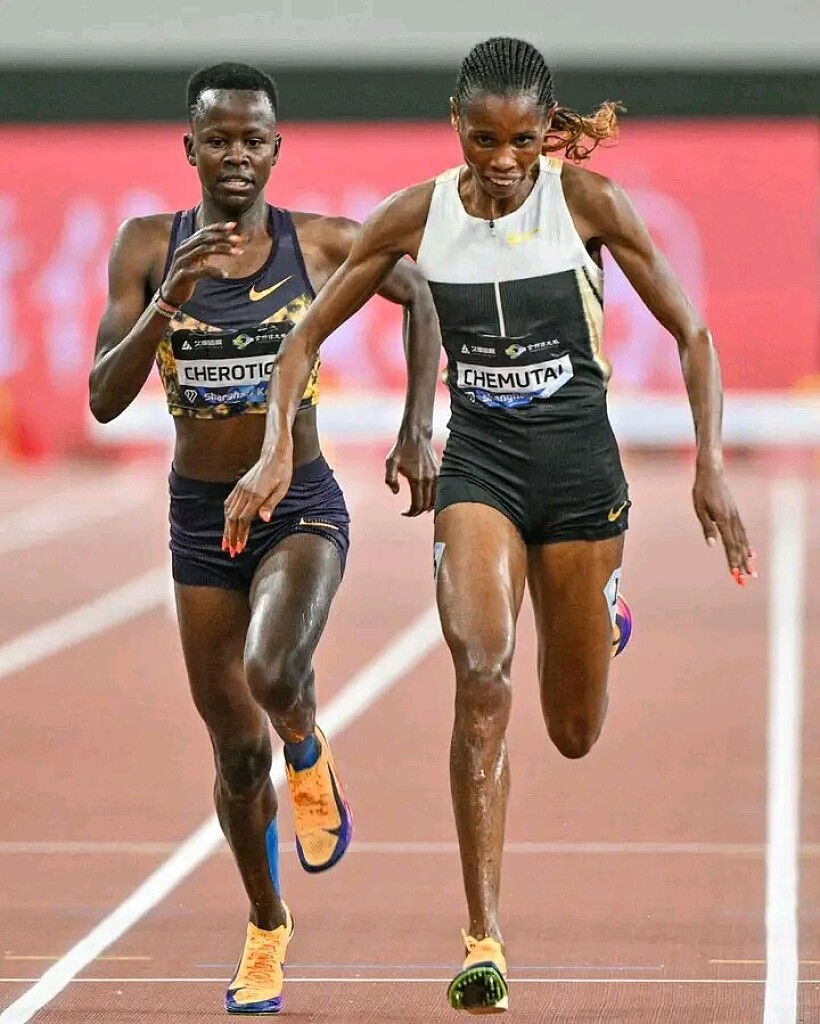
Commonwealth Games Women's Steeplechase Set for a Classic Showdown as Faith Cherotich and Peruth Chemutai Renew Their Rivalry
The women's 3,000-meter steeplechase promises to be one of the standout distance races of the 2026 Commonwealth Games when a talented field lines up on July 29, headlined by two of the world's finest barrier specialists: Kenya's Faith Cherotich and Uganda's Peruth Chemutai.
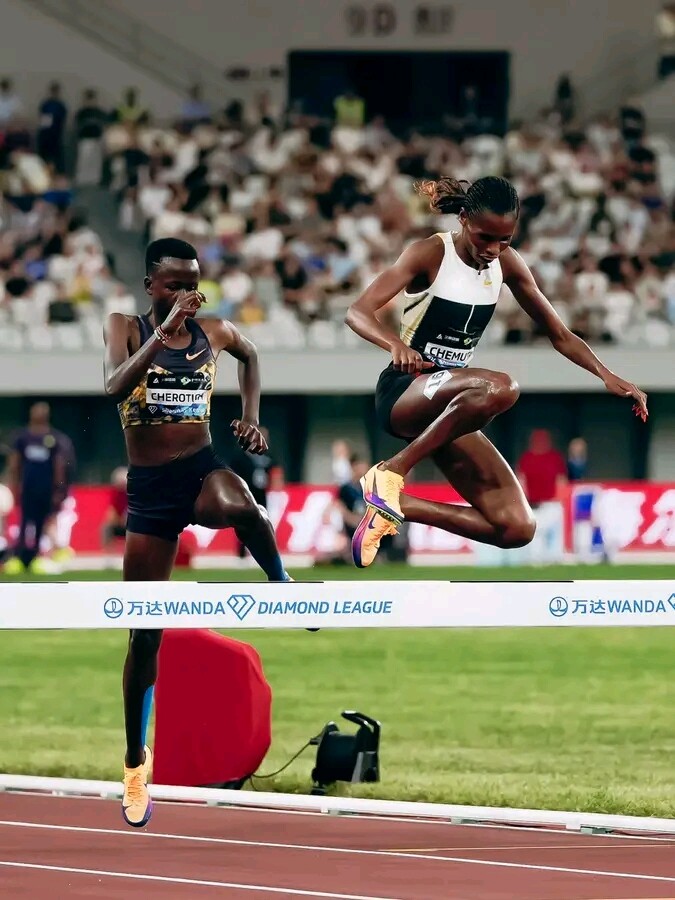
With personal bests separated by less than a second, the race has all the ingredients of a championship classic. Olympic medalists, emerging stars, and national champions will all be chasing Commonwealth glory, but much of the spotlight will naturally fall on the fierce rivalry between Cherotich and Chemutai.
Cherotich arrives as one of the fastest women ever over the barriers with a personal best of 8:48.71, a mark that underlines her remarkable rise to the top of global steeplechasing. The young Kenyan has established herself as one of the sport's brightest talents through her fearless front-running, smooth hurdling technique, and devastating finishing speed.
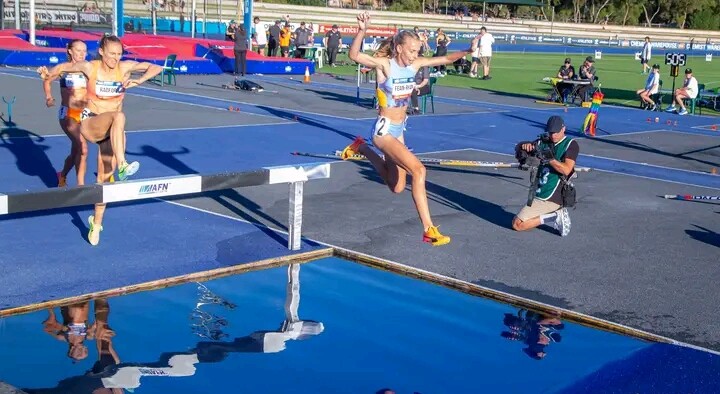
Standing in her way is Uganda's Peruth Chemutai, whose personal best of 8:48.03 makes her the fastest athlete in the field on paper. The Olympic champion has repeatedly proven she thrives in championship racing, combining tactical intelligence with years of experience on the biggest stages. Her ability to produce her very best when medals are on the line makes her an exceptionally dangerous competitor.
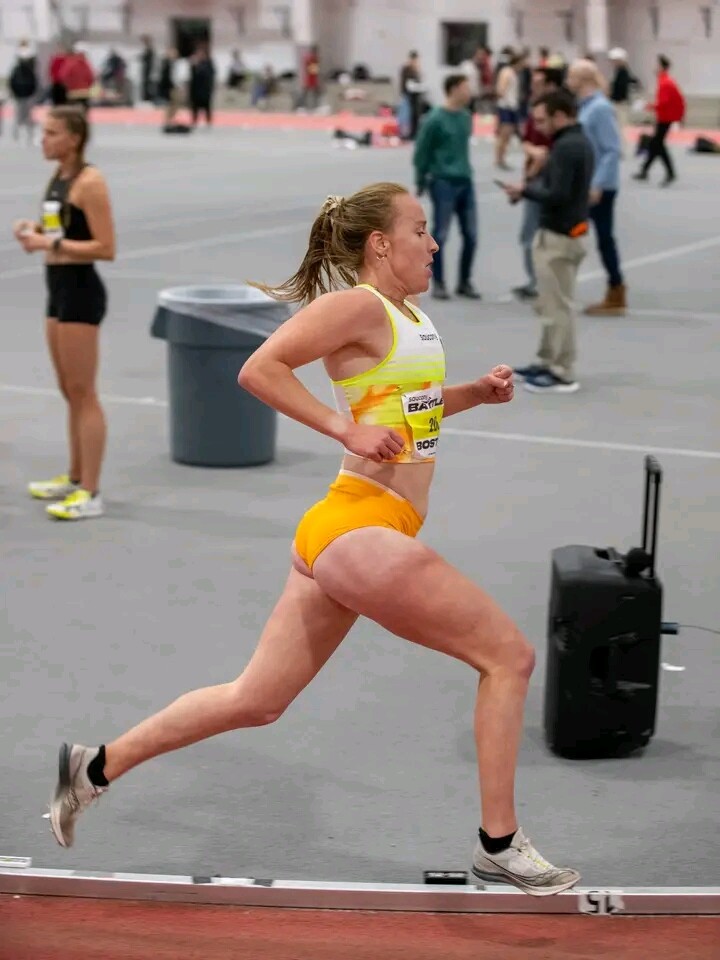
Kenya also boasts impressive depth through Celestine Jepkosgei Biwot, who owns a personal best of 9:19.06 and could play a significant role in the race if the early pace becomes tactical. A Kenyan podium sweep may be difficult against such quality opposition, but Biwot has shown she is capable of competing with the continent's elite.
England's Elise Thorner enters as one of the strongest challengers outside East Africa. With a personal best of 9:07.39, she has consistently demonstrated the ability to race aggressively and could place herself firmly in medal contention if the favorites hesitate.
India's Parul Chaudhary brings another compelling storyline after lowering her personal best to 9:12.46, establishing herself as one of Asia's leading steeplechasers. She will be aiming to deliver one of India's strongest distance performances of the Games.
Australia's Cara Feain-Ryan (9:21.35), Scotland's Sarah Tait (9:18.66), Canada's Grace Fetherstonhaugh (9:31.98), Canada's Katelyn Stewart-Barnett (9:36.69), and Wales' Cari Hughes (9:41.66) complete a diverse and competitive field representing six Commonwealth nations.
While personal bests provide an indication of form, championship racing often rewards patience, tactical awareness, and flawless barrier technique as much as outright speed. Every water jump and every barrier could prove decisive in a race where momentum can change within seconds.
The start list suggests a fascinating battle between proven championship performers and ambitious newcomers eager to announce themselves on one of athletics' biggest stages. If the pace is honest from the opening laps, spectators could witness one of the fastest Commonwealth Games steeplechase finals in history.
With continental pride, championship medals, and Commonwealth supremacy at stake, all eyes will turn to the women's 3,000-meter steeplechase on July 29, where Faith Cherotich and Peruth Chemutai are set to write another thrilling chapter in one of distance running's most exciting rivalries.
by Erick Cheruiyot for My Best Runs.
Login to leave a comment
The Commonwealth Games
The Commonwealth Games are coming to Victoria - bringing an action packed sports program to our regional cities and delivering a long-term legacy for our future. From 17 to 29 March 2026, Geelong, Bendigo, Ballarat, Gippsland and Shepparton will be on the world stage, attracting millions of viewers and creating thousands of jobs. The multi-city model will...
more...
Eilish McColgan Withdraws from Glasgow 2026 as Recovery Takes Priority
Home favorite Eilish McColgan will not compete at the 2026 Commonwealth Games in Glasgow, bringing an end to hopes of defending the women's 10,000m title she captured in Birmingham four years ago.
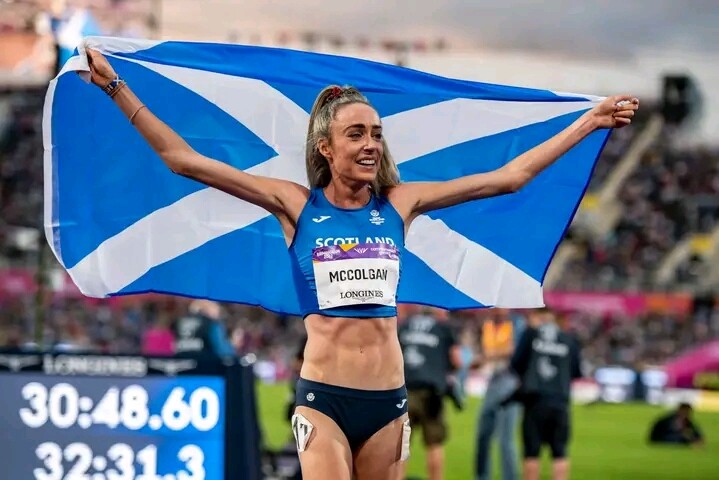
The Scottish distance-running star has made the difficult decision to withdraw as she continues her recovery from a lingering foot injury that disrupted her season. McColgan's last competitive appearance came at the London Marathon, where she initially battled through what appeared to be a minor toe problem. Further medical examinations later revealed the injury was, in fact, an undetected stress fracture.
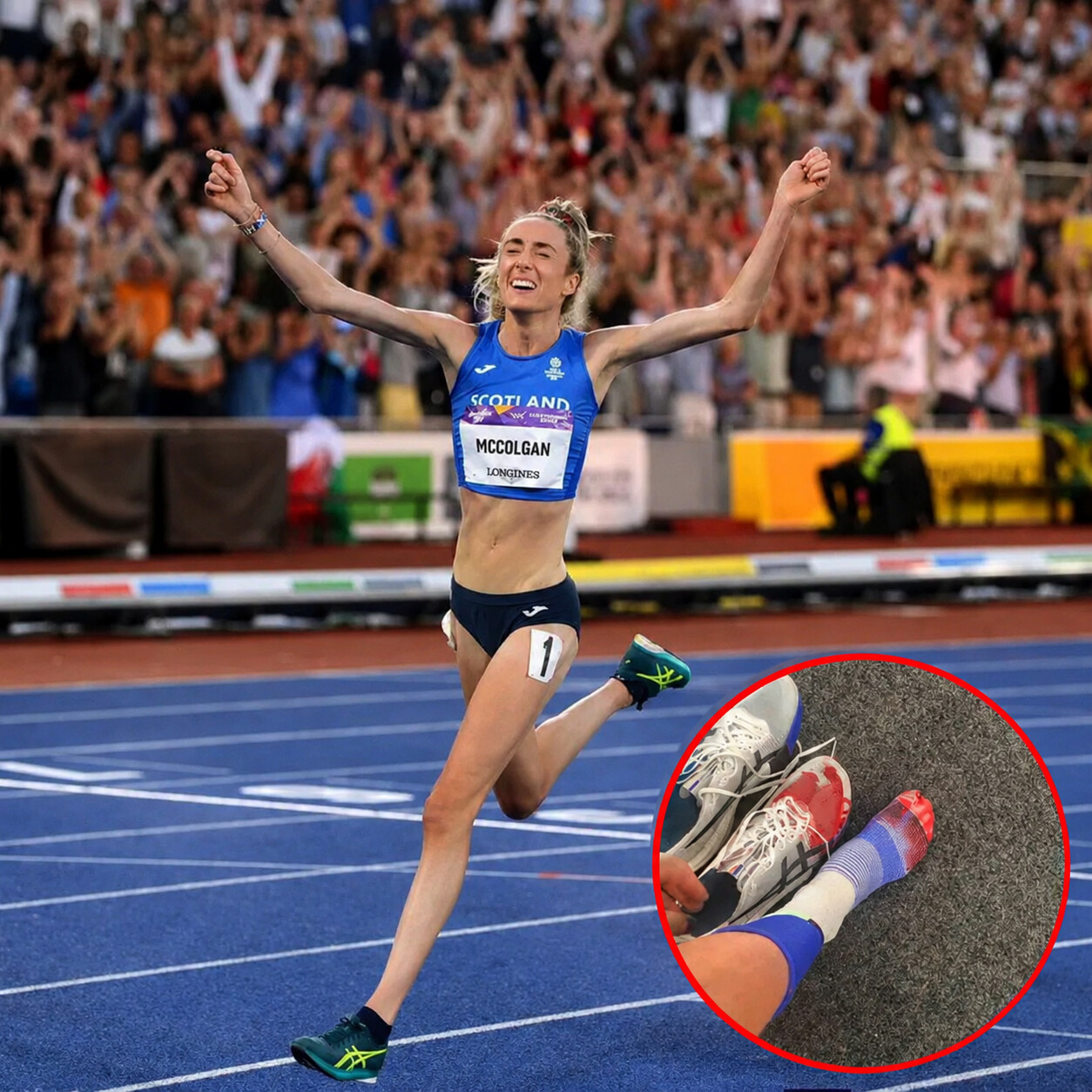
The diagnosis forced the multiple-time Commonwealth medalist to spend 10 weeks away from running, delaying her preparations for the biggest championship on home soil. Although she has now resumed training, McColgan believes she has not had sufficient time to rebuild the fitness required to compete at her highest level.
Her withdrawal is a significant setback for the Glasgow Games, where she was expected to be one of the headline attractions and a leading contender for another memorable performance in front of a home crowd.
While fans will undoubtedly be disappointed by her absence, McColgan's decision reflects a long-term approach to protecting her health and extending her career. Rather than rushing back for a major championship, the British distance-running star is prioritizing a complete recovery with the aim of returning stronger for future international competitions.
The Glasgow 2026 athletics program will move forward without one of Scotland's most celebrated athletes, but McColgan's focus now shifts to regaining full fitness and ensuring she is ready to compete again when the time is right.
by Erick Cheruiyot for My Best Runs.
Login to leave a comment
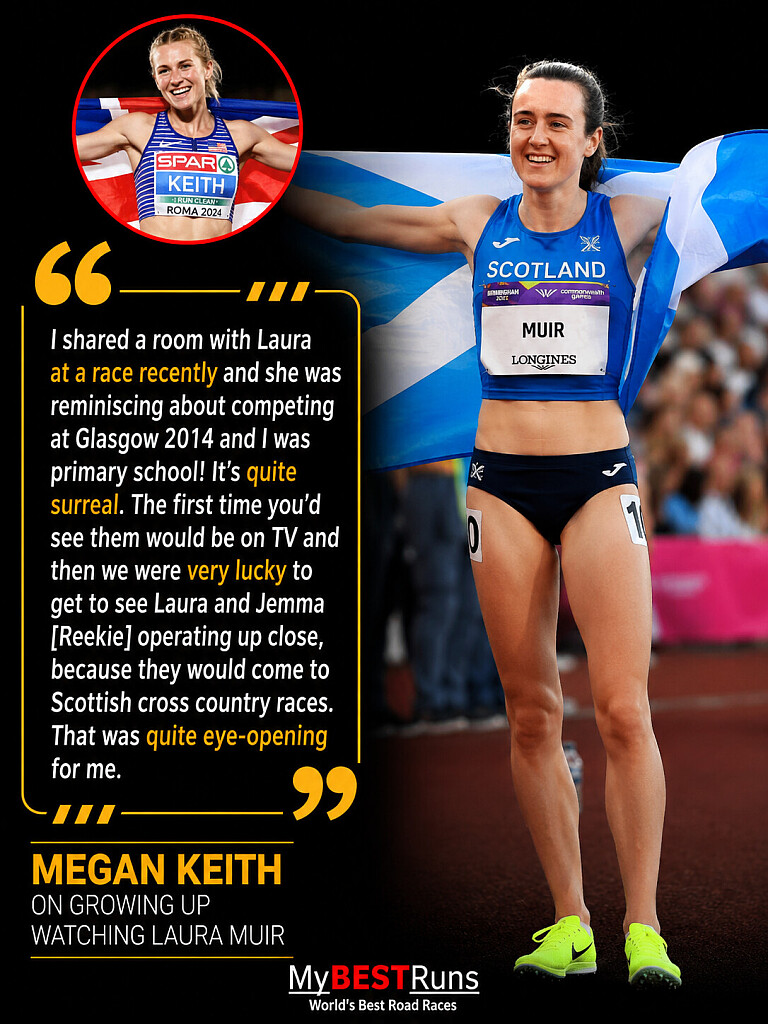
From Childhood Inspiration to Team Scotland: Megan Keith's Extraordinary Rise
Every elite athlete has someone who sparks their belief that greatness is possible. For Scotland's Megan Keith, that inspiration came in the form of Laura Muir, whose achievements helped shape the ambitions of a young runner with dreams of reaching the sport's biggest stages.
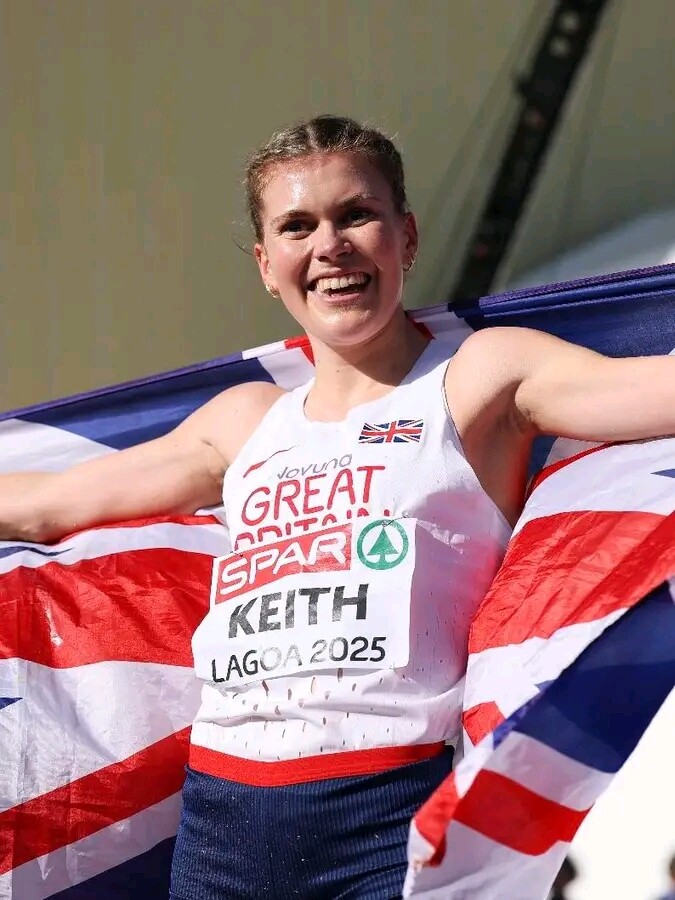
As Keith prepares for her Commonwealth Games debut, the journey feels especially meaningful. The athlete she once watched on television and admired from the sidelines will now stand beside her in Team Scotland colours—a remarkable full-circle moment in her rapidly rising career.
Keith recently shared how surreal it was to hear Muir reflect on competing at the 2014 Commonwealth Games in Glasgow. At that time, Keith was still in primary school, watching Scottish athletics stars from afar and imagining what it would be like to one day follow in their footsteps.
Those early memories extended beyond television screens. Seeing Laura Muir and fellow Scottish middle-distance star Jemma Reekie competing at Scottish cross-country events brought elite athletics closer to home, reinforcing Keith's determination to chase the same dream.
That ambition has translated into extraordinary success.
Despite switching from cross country to track and road racing only four years ago, the 24-year-old has already established herself on the global stage. She has represented her country at the Olympic Games and competed at two World Championships, marking one of the most impressive rises in Scottish distance running in recent years.
Now, another landmark chapter is about to begin. Keith will make her first Commonwealth Games appearance wearing the Team Scotland vest, sharing the stage with the very athlete who inspired her journey.
Her story is a powerful reminder that sporting legacies are built not only through medals and records, but also through the inspiration passed from one generation to the next. Megan Keith's rise from an aspiring young fan to Laura Muir's teammate is proof that dreams, backed by dedication and perseverance, can become reality.
by Erick Cheruiyot for My Best Runs.
Login to leave a comment
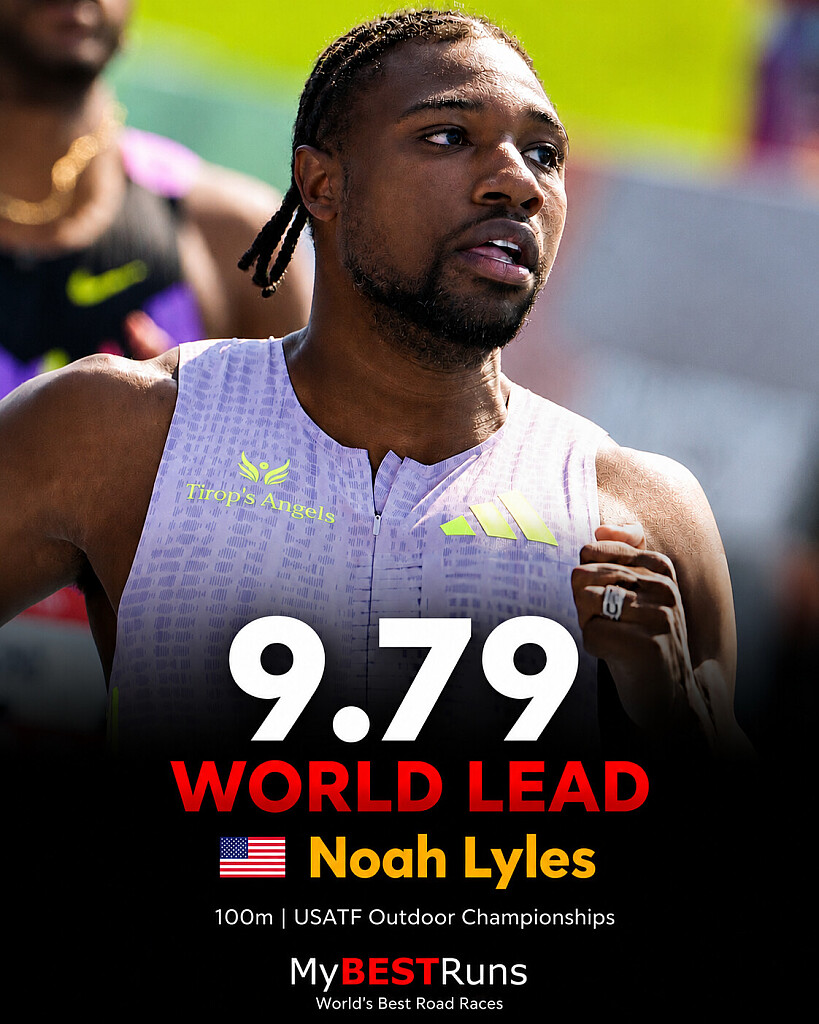
Lyles Equals Olympic Best with World-Leading 9.79 to Secure Eighth U.S. Outdoor Title
Noah Lyles once again proved why he remains the man to beat in global sprinting, delivering a breathtaking world-leading 9.79 seconds (+0.8 m/s) to win the men's 100m title at the USATF Outdoor Championships in New York.
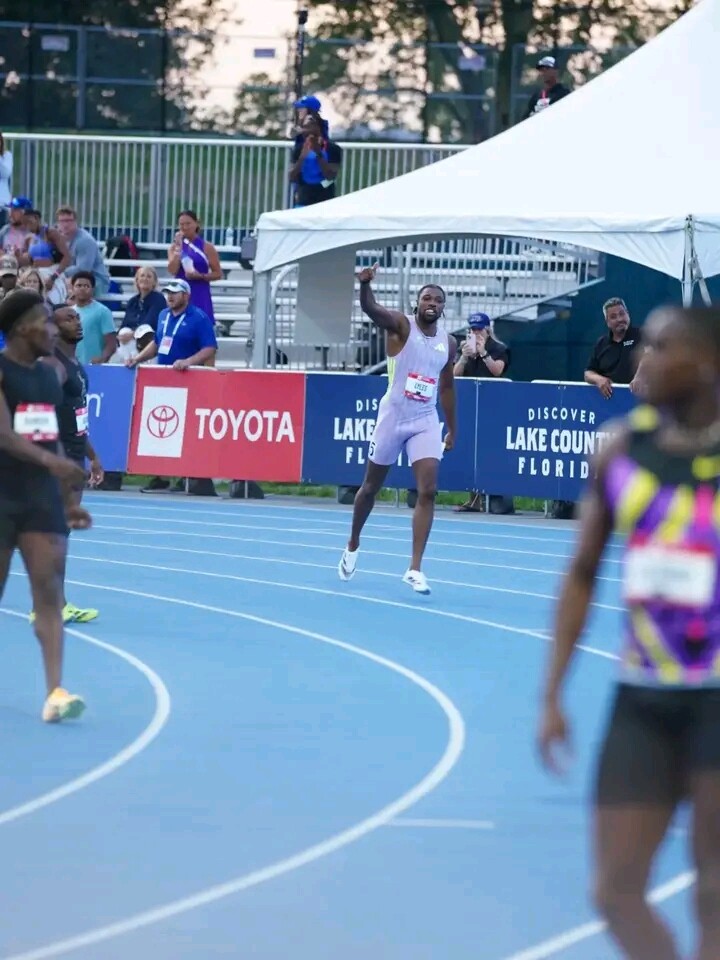
The reigning Olympic champion produced a commanding performance from start to finish, matching the personal best he set to capture Olympic gold in Paris and underlining his exceptional form ahead of the World Championships.
The victory marked another historic milestone for the American superstar, earning him his eighth U.S. outdoor national title and third national crown over the 100 metres. It was yet another reminder that when the stakes are highest, Lyles consistently rises to the occasion.
His winning performance also backed up an astonishing 9.76 seconds he clocked in the semifinals. Although that time came with an illegal +2.1 m/s tailwind and could not stand as an official mark, it offered an early warning of the speed he would unleash in the final.
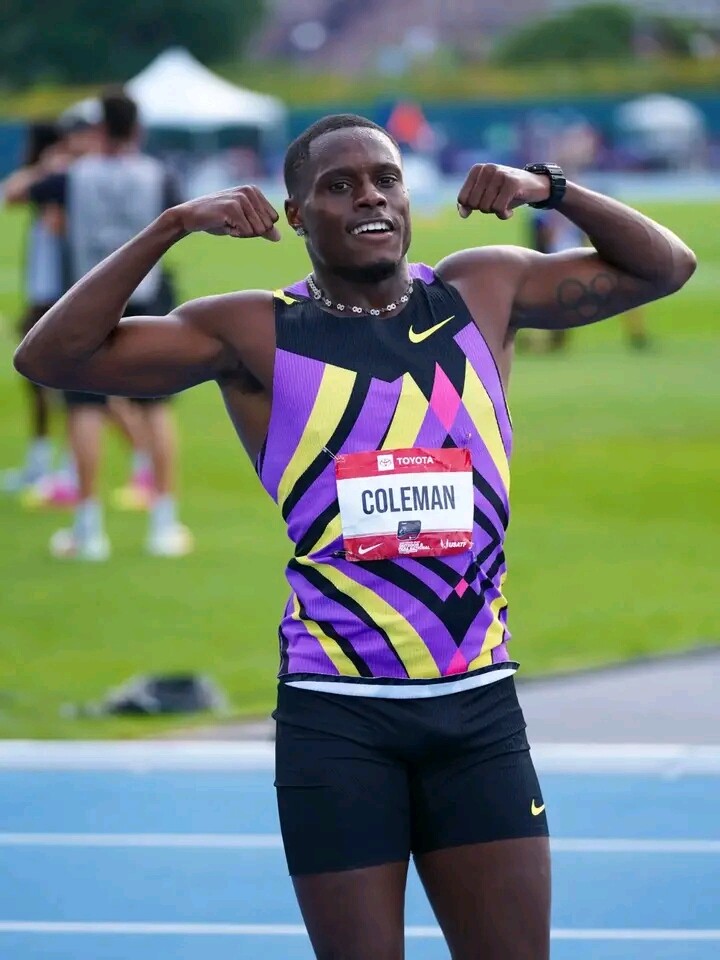
Behind Lyles, Ronnie Baker produced one of his strongest races in recent years, finishing second in an impressive 9.88 seconds. Olympic medalist Kenny Bednarek crossed the line in the same time to claim third after a close finish, while former world champion Christian Coleman placed fourth in 9.93 seconds, completing a spectacular showcase of American sprinting depth.
Lyles' ability to reproduce his Olympic-winning personal best on the national stage speaks volumes about his consistency. Rather than simply defending his domestic crown, he sent a powerful message to the rest of the world that his speed is peaking at exactly the right time.
The world-leading performance further cements his status as the favourite heading into the global championships, where he will once again chase international glory.
When Noah Lyles steps onto the track, he rarely disappoints. He always means business—and with another 9.79 masterpiece, the Olympic champion has reminded the athletics world that he remains the benchmark in the men's 100m.
by Erick Cheruiyot for My Best Runs.
Login to leave a comment

USATF Outdoor Championships
The 2026 Toyota USATF Outdoor and Para National Championships will be held at Icahn Stadium in New York City fromJuly 23-26, 2026, marking the first time the event is hosted in New York. The event will serve as a premier track and field competition, featuring top U.S. athletes at the Randall's Island Park venue. USATF+3 Key Details for 2026...
more...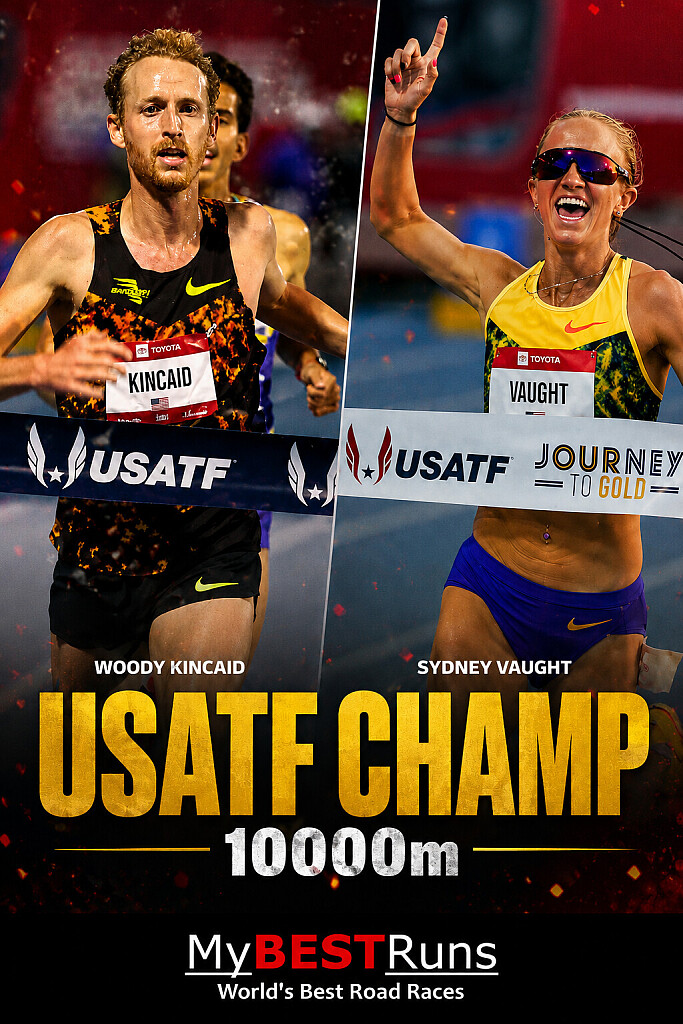
Sydney Vaught and Woody Kincaid Reign Supreme as New U.S. 10,000m Champions Crowned
Sydney Vaught announced herself as America's newest national champion with a poised and tactical victory in the women's 10,000 meters at the USATF Outdoor Championships, claiming her first senior national title in a race that demanded patience, precision, and perfect timing.
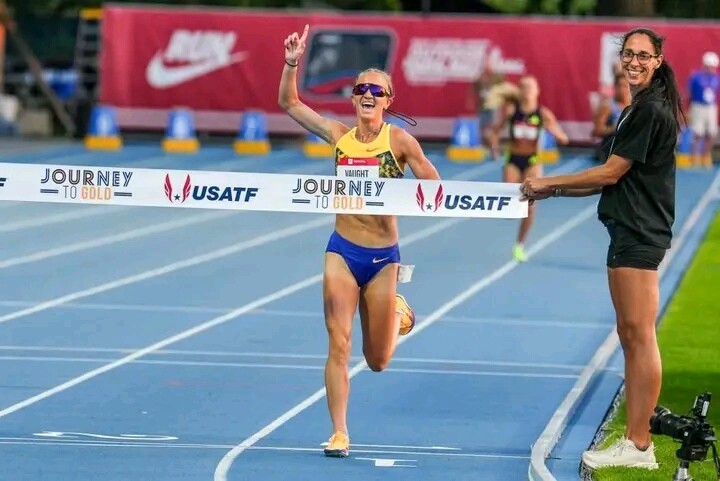
Competing under the lights at New York City's Icahn Stadium, the former University of Arkansas standout mastered a slow-burning championship contest before producing the decisive move when it mattered most. Vaught crossed the finish line in 33:30.60, capping a performance built on tactical awareness rather than raw pace.
Unlike record-chasing races that unfold at relentless speed, this championship final evolved into a battle of positioning and race intelligence. The conservative early tempo kept the field tightly packed for much of the contest, leaving the outcome to be decided over the closing laps. Vaught remained composed throughout, refusing to be drawn into unnecessary surges while carefully conserving energy for the decisive moments.
When the race finally ignited, she responded with authority. Displaying impressive strength and confidence, Vaught surged clear of her rivals in the closing stages to secure a memorable victory and the biggest triumph of her professional career.
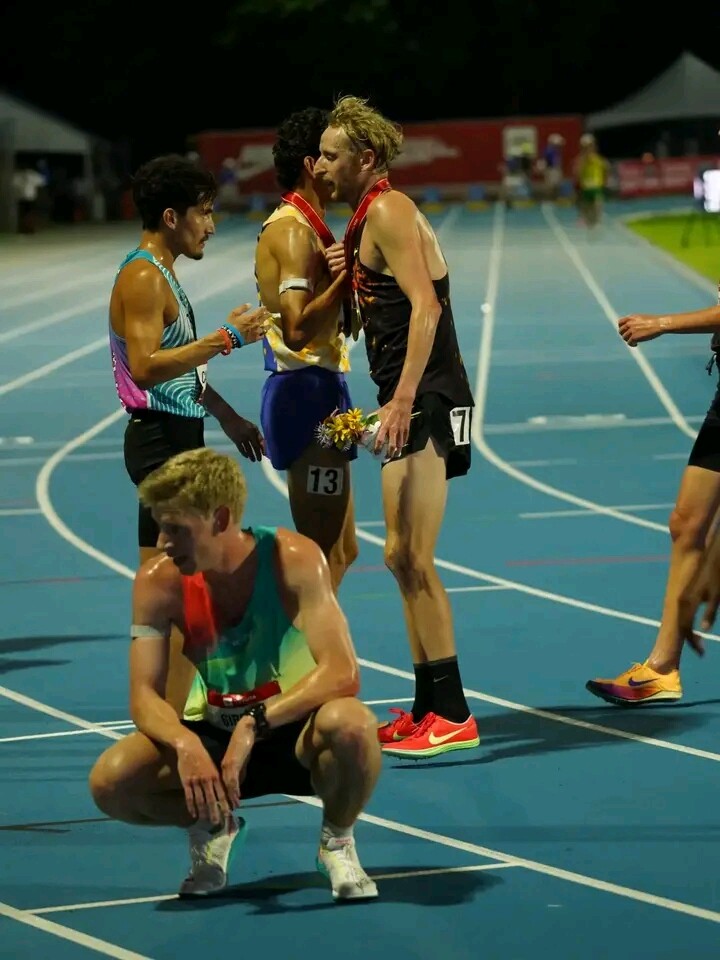
The national crown represents another significant milestone for the former Arkansas Razorback, whose steady progression through the American distance-running ranks has now culminated in a USATF outdoor title. Winning a championship in such a tactical race highlights not only her physical ability but also her growing maturity and composure on the national stage.
The men's 10,000m championship delivered an equally compelling contest, with Woody Kincaid reclaiming his place atop American distance running. The experienced racer outkicked Olympic bronze medalist Grant Fisher in a thrilling sprint to the finish, capturing his third career U.S. outdoor 10,000m title—and his first since 2023.
Kincaid stopped the clock in 30:13.66 after executing his race plan to perfection, remaining patient throughout the tactical affair before unleashing his trademark finishing speed over the final meters. His decisive kick proved too strong for Fisher, allowing the veteran to add another national crown to an already distinguished career.
For Kincaid, the victory marked a return to the summit of the U.S. championships, reaffirming his reputation as one of America's most formidable championship racers. His ability to deliver under pressure once again demonstrated why he remains one of the country's elite distance runners.
Together, Vaught and Kincaid emerged as the standout winners of the opening 10,000-meter finals at the USATF Outdoor Championships, each producing composed tactical performances to secure national gold. While Vaught celebrated a breakthrough first title, Kincaid reinforced his legacy with another championship triumph, setting the stage for an exciting season ahead for American distance running.
by Erick Cheruiyot for My Best Runs.
Login to leave a comment
USATF Outdoor Championships
The 2026 Toyota USATF Outdoor and Para National Championships will be held at Icahn Stadium in New York City fromJuly 23-26, 2026, marking the first time the event is hosted in New York. The event will serve as a premier track and field competition, featuring top U.S. athletes at the Randall's Island Park venue. USATF+3 Key Details for 2026...
more...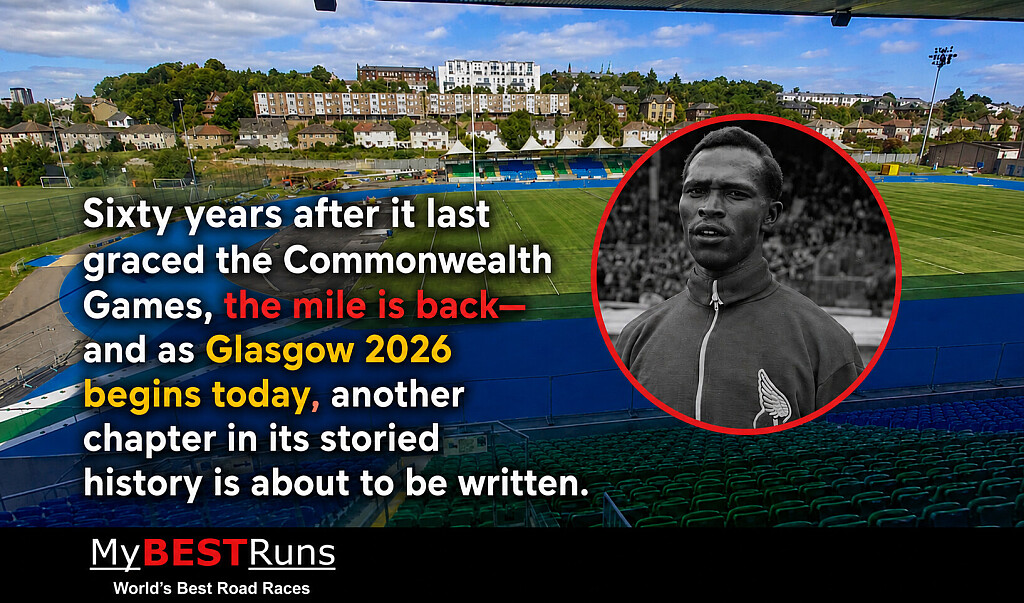
60 Years Later: The Mile Returns as the Commonwealth Games Glasgow 2026 Begin Today
The wait is over. The Glasgow 2026 Commonwealth Games officially begin today, marking the start of one of the biggest celebrations of sport across the Commonwealth—and with it comes the return of one of athletics' most iconic events.
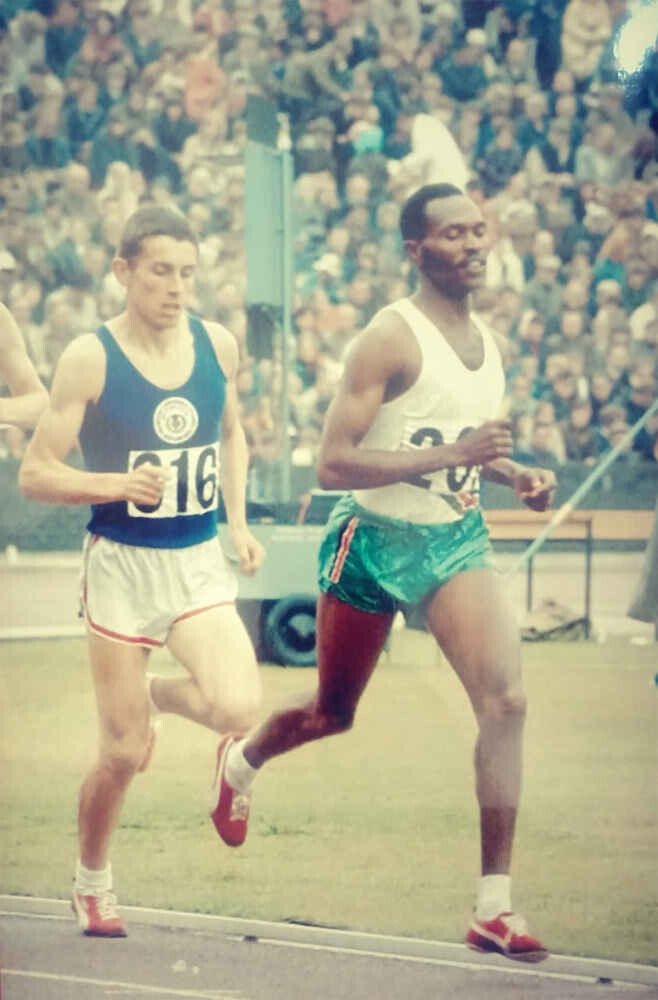
For the first time in 60 years, the mile will once again be contested at the Commonwealth Games, with both the men's and women's races featuring on the programme. Its return revives a historic distance that has produced some of the sport's most unforgettable moments.
The mile last appeared at the 1966 Commonwealth Games in Kingston, Jamaica, where Kenya's legendary Kip Keino delivered a performance for the ages. He stormed to gold in a Games record of 3:55.34, leading one of the greatest mile races in Commonwealth history as the top six finishers all broke the prestigious four-minute barrier.
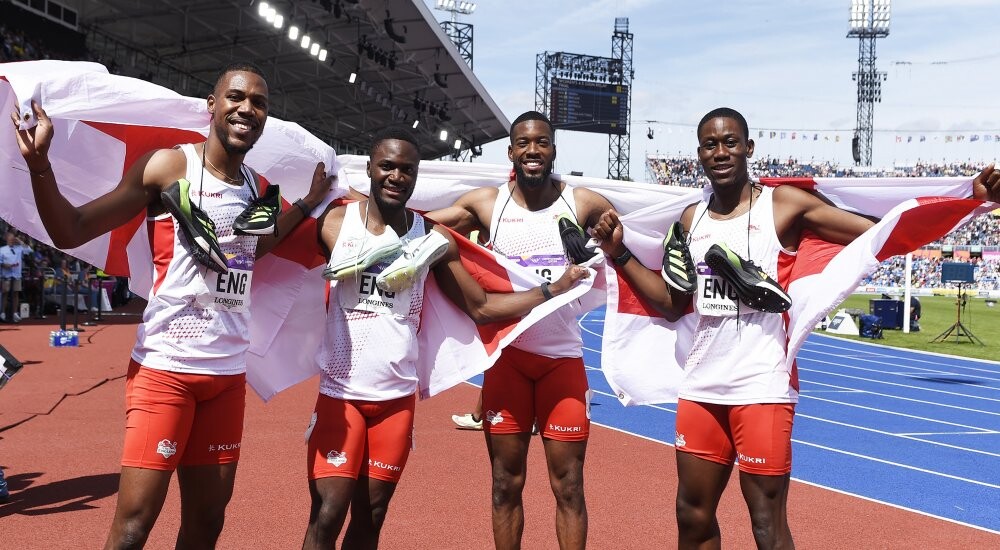
England's Alan Simpson claimed the silver medal in 3:57.27, while New Zealand's Ian Studd completed the podium with 3:58.61, highlighting the extraordinary quality of the competition.
As Glasgow 2026 gets underway today, a new generation of middle-distance stars will have the opportunity to add their names to that rich legacy. The return of the mile not only celebrates the event's remarkable history but also introduces the classic distance to a new era of Commonwealth competition.
For Kenya, the revival carries special meaning. Kip Keino's victory remains one of the nation's defining moments on the Commonwealth stage, and the return of the mile offers another chance for Kenyan athletes to chase glory in an event that has long symbolized excellence in middle-distance running.
Sixty years after it last graced the Commonwealth Games, the mile is back—and as Glasgow 2026 begins today, another chapter in its storied history is about to be written.
by Erick Cheruiyot for My Best Runs.
Login to leave a comment
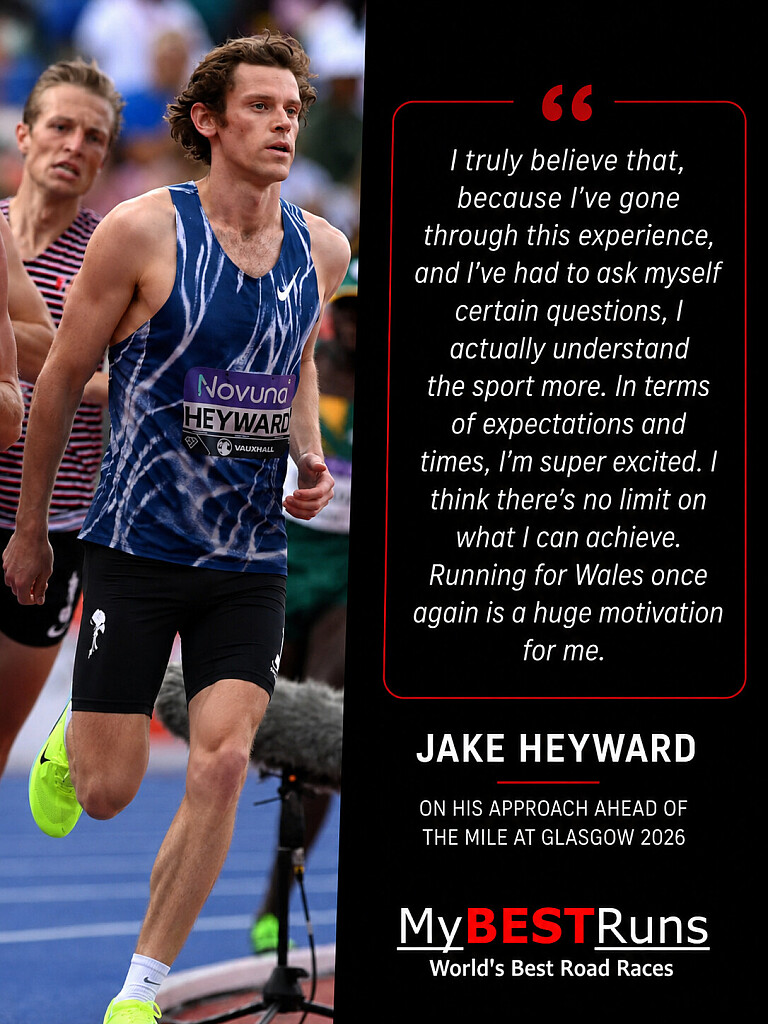
Jake Heyward's Remarkable Comeback: Welsh Record Ignites Commonwealth Games Medal Hopes
After years of battling injury and uncertainty, Jake Heyward is proving that resilience can be just as powerful as raw talent. The Welsh middle-distance star has announced his return to the sport in emphatic fashion, producing the performance of his career and emerging as one of the athletes to watch in the men's mile at the upcoming Commonwealth Games.
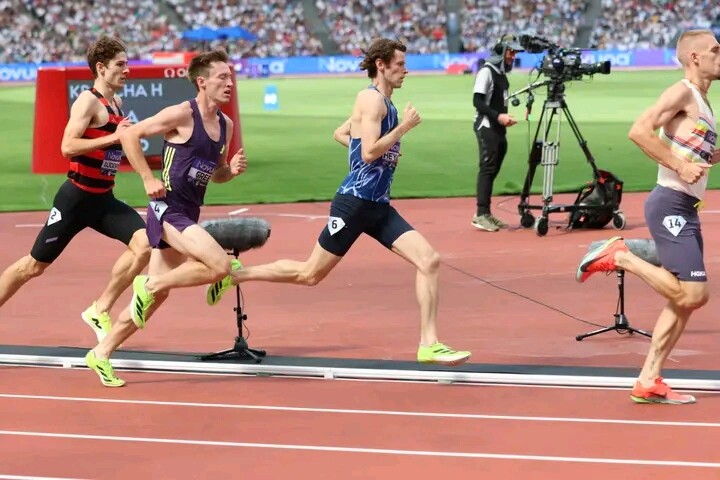
At the London Diamond League, Heyward delivered a sensational run, finishing as the second-fastest British athlete behind mile world record-holder Josh Kerr. His time of 3:46.73 not only established a new Welsh record but also elevated him to third on the United Kingdom's all-time mile rankings, trailing only Kerr and British legend Steve Cram.
For many athletes, such a breakthrough would simply mark another career milestone. For Heyward, however, it represents the culmination of an extraordinary journey back from one of the toughest periods of his life.
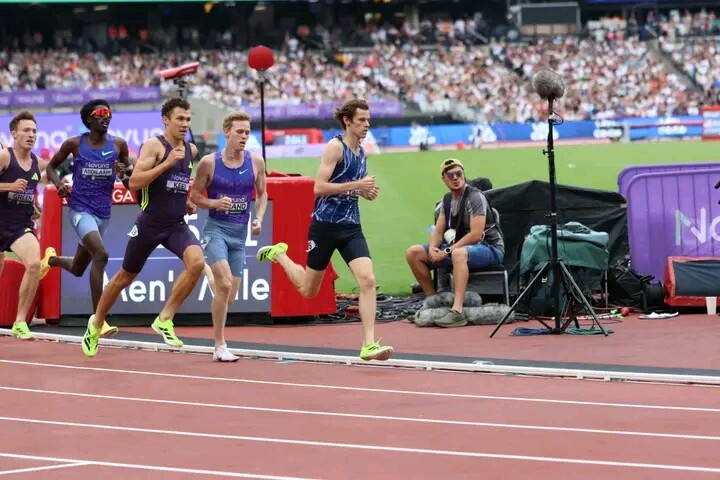
The 26-year-old revealed that before undergoing surgery, he had been competing while suffering from Haglund's deformity, a painful condition affecting the heel that placed constant strain on both Achilles tendons. The problem eventually led to a devastating double Achilles injury, forcing him away from competition for an astonishing 20 months.
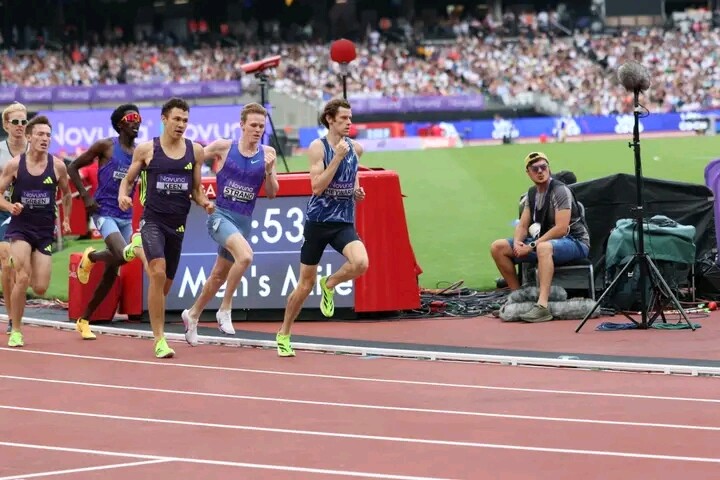
Rather than allowing the setback to define him, Heyward used the prolonged rehabilitation to rebuild both physically and mentally. Reflecting on that difficult chapter, he believes the experience has transformed his outlook on the sport.
"I truly believe that, because I've gone through this experience and I've had to ask myself certain questions, I actually understand the sport more. In terms of expectations and times, I'm super excited. I think there's no limit on what I can achieve. Running for Wales once again is a huge motivation."
Those words now carry even greater weight after his record-breaking performance in London.
Heyward's resurgence has injected fresh excitement into British middle-distance running and has positioned him as a genuine contender heading into Glasgow. With renewed confidence, a healthier body, and a deeper appreciation of the sport forged through adversity, he appears ready to challenge the world's best once again.
His journey from nearly two years on the sidelines to becoming Wales' fastest-ever miler is a powerful reminder that some of the greatest victories are earned long before the finish line. If his recent form is any indication, Jake Heyward's comeback story may only be just beginning, and the Commonwealth Games could provide the perfect stage for its next unforgettable chapter.
by Erick Cheruiyot for My Best Runs.
Login to leave a comment
A Century Of Greatness: Arch Jelley Witnesses Another Mile Revolution
Some moments in sport transcend generations. They remind us that while records may fall, the spirit of greatness never fades. One such moment unfolded when legendary New Zealand coach Arch Jelley watched Josh Kerr produce a breathtaking 3:42.66 mile world record—not from the stands, but from his bed, sharing the historic occasion with his former athlete, 1988 Olympian Christine Pfitzinger, herself once New Zealand's mile and 1500m record holder.
For most fans, Kerr's astonishing performance was simply another unforgettable chapter in the evolution of middle-distance running. For Jelley, however, it was something far more profound. It was a bridge between two eras separated by more than half a century, connecting the glorious past he helped shape with the remarkable future he lived long enough to witness.
As he approaches his 104th birthday on August 13, Jelley has seen the mile transformed in ways few people ever will. Long before modern technology, advanced sports science and super shoes reshaped the event, he guided one of athletics' greatest pioneers.
On August 12, 1975, in Gothenburg, Sweden, Jelley coached Sir John Walker to a revolutionary 3:49.4, making him the first man in history to break the seemingly impossible 3:50 barrier for the mile. It was a performance that changed the sport forever and cemented Walker's place among the all-time greats. Less than a year later, Walker crowned that success by winning the Olympic 1500m gold medal at the 1976 Montreal Games, fulfilling the promise of one of the finest coach-athlete partnerships athletics has ever known.
Yet Walker was only one chapter in Jelley's extraordinary coaching legacy.
Across more than six decades, the master coach nurtured and inspired countless elite middle- and long-distance runners, earning a reputation for developing athletes through patience, wisdom and an unwavering belief in their potential. Even retirement could not keep him away from the sport he loved. At the remarkable age of 93, Jelley returned to coaching to help Hamish Carson qualify for the 2016 Rio Olympic Games, proving that passion for excellence has no expiration date.
Now, more than fifty years after witnessing Walker redefine what was possible, Jelley has watched another runner push the boundaries of human performance. Josh Kerr's magnificent 3:42.66 was not merely a new world record—it was another milestone in the endless pursuit of greatness, one observed by a man who has devoted almost an entire lifetime to that very journey.
There is something beautifully symbolic about the scene: a coach who once stood trackside guiding history now watching a new generation rewrite it through the lens of modern technology. The setting may have changed, but the emotion remains the same.
Few people in athletics can claim to have witnessed the evolution of the mile from the dawn of the sub-3:50 era to today's astonishing world-record performances. Arch Jelley can.
His life is more than a coaching story—it is a living timeline of the mile itself. From John Walker's historic breakthrough in 1975 to Josh Kerr's record-shattering masterpiece in 2026, Jelley has remained a constant witness to the relentless pursuit of human excellence, proving that while champions come and go, the love of the sport endures across every generation.
by Erick Cheruiyot for My Best Runs.
Login to leave a comment
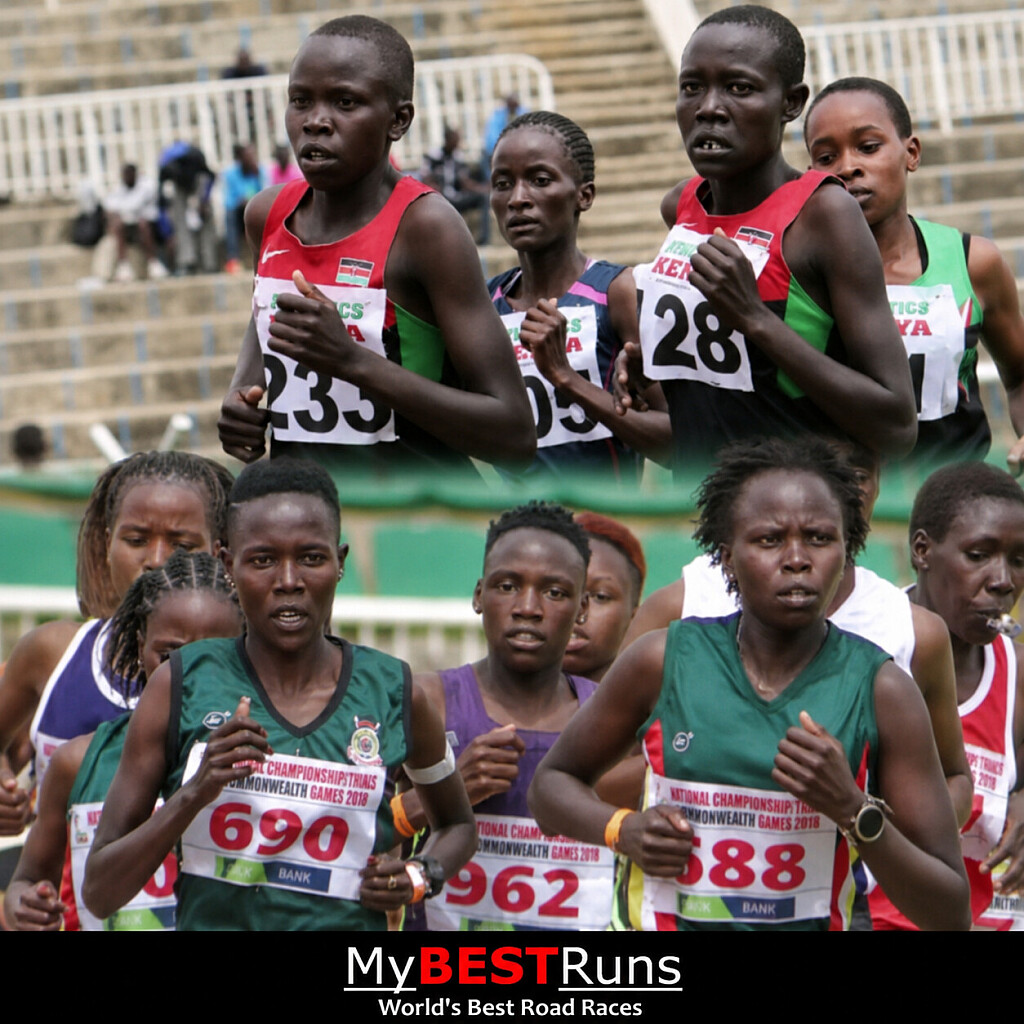
From Eugene To Global Greatness: How Lilian Kasait Rengeruk And Loice Chemnung Turned Teenage Promise Into World-Class Success
Twelve years can transform careers, but for Lilian Kasait Rengeruk and Loice Chemnung, they have transformed youthful potential into enduring excellence. Their remarkable rise from promising teenagers on the global junior stage to two of Kenya's finest distance runners stands as a testament to resilience, patience, and unwavering commitment.
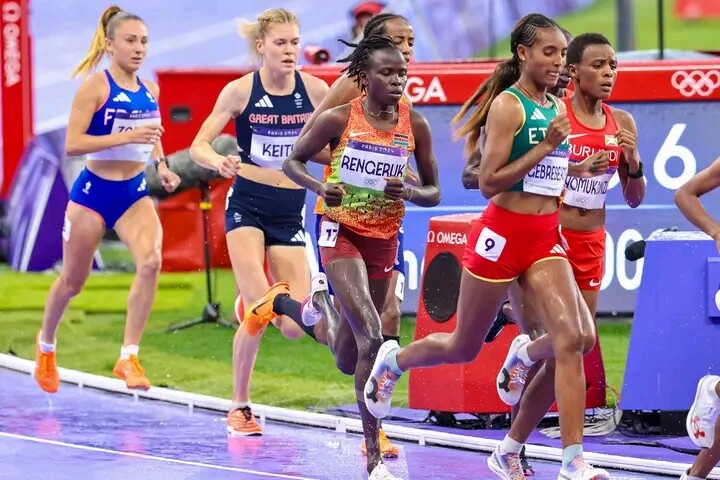
The story began in July 2014 at the World Under-20 Championships in Eugene, Oregon, where two 17-year-old Kenyan athletes stepped onto the famous Hayward Field with dreams far bigger than their years. Although their paths on the track differed, both displayed the talent and determination that would eventually propel them to the highest level of international distance running.
Rengeruk delivered one of the championship's most memorable performances in the women's 3,000 metres. Running with fearless confidence, she dictated much of the race before a thrilling final-lap battle saw American star Mary Cain surge past in the closing metres. Despite narrowly missing gold, Rengeruk secured a well-deserved silver medal in 9:00.53, announcing herself as one of the brightest young talents in global athletics.
Chemnung, meanwhile, contested the fiercely competitive women's 5,000 metres, where Ethiopia dominated the medals. She battled courageously throughout the race and finished fifth, gaining invaluable experience against some of the world's finest junior distance runners.
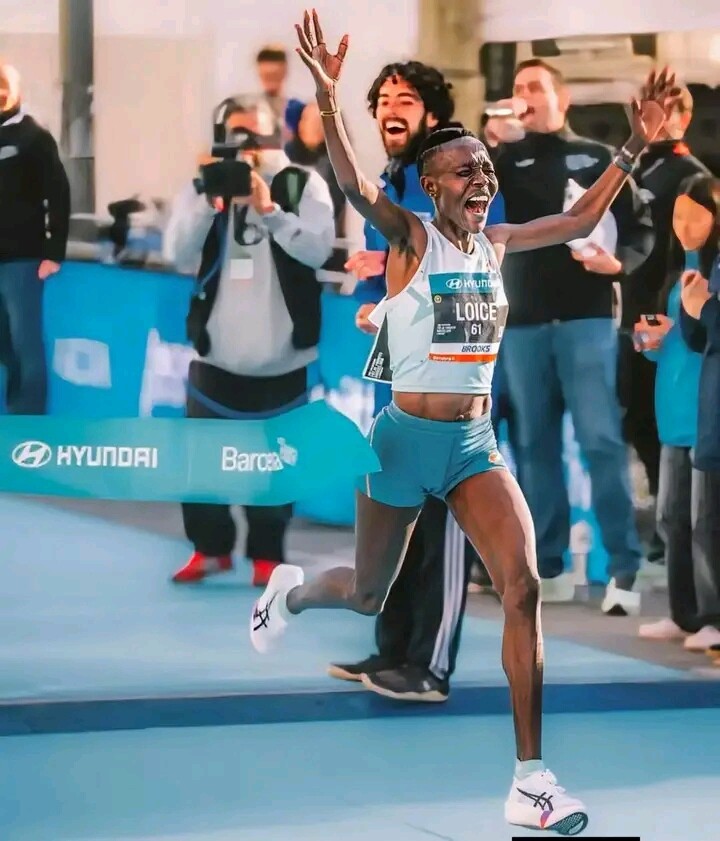
That championship proved to be only the beginning.
Over the past decade, both athletes have steadily evolved from accomplished track runners into elite performers over longer distances, earning recognition on some of the world's biggest roads while continuing to showcase Kenya's rich tradition of distance running.
Rengeruk has enjoyed an extraordinary transition. She stunned the athletics world by winning the Daegu Marathon on her debut in 2:19:33, overcoming a dramatic fall in the closing stages to still reach the finish line first. Her impressive résumé also includes a superb half marathon personal best of 1:03:32—among the fastest performances ever recorded—and a world-class 10,000-metre best of 29:26.89.
Chemnung's progression has been equally impressive. She has established herself as one of Kenya's premier long-distance runners by winning consecutive national 10,000-metre titles before making a spectacular impact on the roads. Her course-record victory at the Barcelona Half Marathon in 1:04:01 elevated her among the fastest women in history over the distance, while her outstanding marathon debut of 2:18:24 in Chicago confirmed her credentials as one of Kenya's brightest marathon prospects. Her commitment to the marathon was further demonstrated when she chose to focus on the event instead of pursuing a place at the Commonwealth Games.
Their achievements underline a truth often overlooked in modern sport: greatness is rarely built overnight. It is forged through years of disciplined training, perseverance during setbacks, and the courage to embrace new challenges.
Twelve years after sharing the world junior stage in Eugene, Lilian Kasait Rengeruk and Loice Chemnung continue to inspire a new generation of athletes. Their journey from talented teenagers to internationally acclaimed distance stars is more than a story of medals and records—it is proof that sustained hard work, belief, and consistency can transform youthful promise into a legacy of excellence.
by Erick Cheruiyot for My Best Runs.
Login to leave a comment

From Record-Breaking Strides To Motherhood: Kylie Mantz Welcomes Baby Boy After An Unforgettable Pregnancy Journey
Some victories are measured by stopwatches. Others are measured by life's most precious moments.

Just days after captivating the global running community with an astonishing mile performance while 38 weeks pregnant, American distance runner Kylie Mantz has celebrated the greatest milestone of her life—the arrival of her first child.
Kylie and her husband, U.S. marathon record holder Conner Mantz, have announced the birth of their baby boy, William. Both mother and son are doing wonderfully, marking the beginning of an exciting new chapter for one of athletics' most admired couples.
Only 10 days before giving birth, Kylie produced a performance that left runners and fans around the world in disbelief. At the BYU track, she ran an extraordinary 5:26.2 mile despite being in the final stages of pregnancy. The remarkable effort quickly spread across social media, earning widespread admiration for her resilience, determination, and confidence in listening to her body while continuing to pursue the sport she loves.
The unforgettable mile was only the latest highlight in an already extraordinary journey.
Last November, Kylie made an unforgettable marathon debut by winning the Two Cities Marathon in an impressive 2:43:49. What made the victory even more remarkable was the discovery weeks later that she had unknowingly completed the entire race while pregnant—a revelation that added another remarkable chapter to her inspiring story.
From winning a marathon under extraordinary circumstances to inspiring millions with a breathtaking late-pregnancy mile, Kylie has demonstrated that strength in sport extends far beyond medals and finish lines. Her journey has become a powerful reminder that determination, courage, and motherhood can coexist in truly remarkable ways.
As Kylie embraces motherhood and Conner begins life as a first-time father, the Mantz family's remarkable journey has entered a beautiful new chapter. After months of inspiring performances, unforgettable milestones, and worldwide admiration, their greatest story is no longer being written on the track—but at home with baby William, where a brand-new adventure has just begun.
by Erick Cheruiyot for My Best Runs.
Login to leave a comment
Linda Botková Rewrites History: The 16-Year-Old Who Produced One Of The Greatest Junior Hurdle Performances Ever
Track and field has witnessed the emergence of another extraordinary teenage phenomenon.
At just 16 years old, Czech sensation Linda Botková produced one of the greatest under-18 performances in the history of the women's 400m hurdles, storming to the European Athletics U18 Championship title in Rieti, Italy, with a breathtaking 55.19 seconds. It was far more than a gold-medal-winning run—it was a performance that rewrote the record books and firmly established her as one of the brightest young stars in global athletics.
From the gun, Botková displayed remarkable maturity, attacking each hurdle with confidence, precision, and outstanding rhythm. She controlled the race from start to finish before unleashing a powerful sprint over the closing metres to cross the line in a stunning new personal best.
The significance of her performance extends well beyond the championship. Her sensational 55.19 not only earned her the European U18 crown but also produced an astonishing collection of milestones. She shattered the European Under-20 record, set a new European Under-18 best, established a new championship record, and remarkably lowered that championship record in all three rounds of the competition. The time also became the world Under-18 leading performance of the season, a new Czech Under-18 national record, and the second-fastest performance ever recorded by an Under-18 athlete.
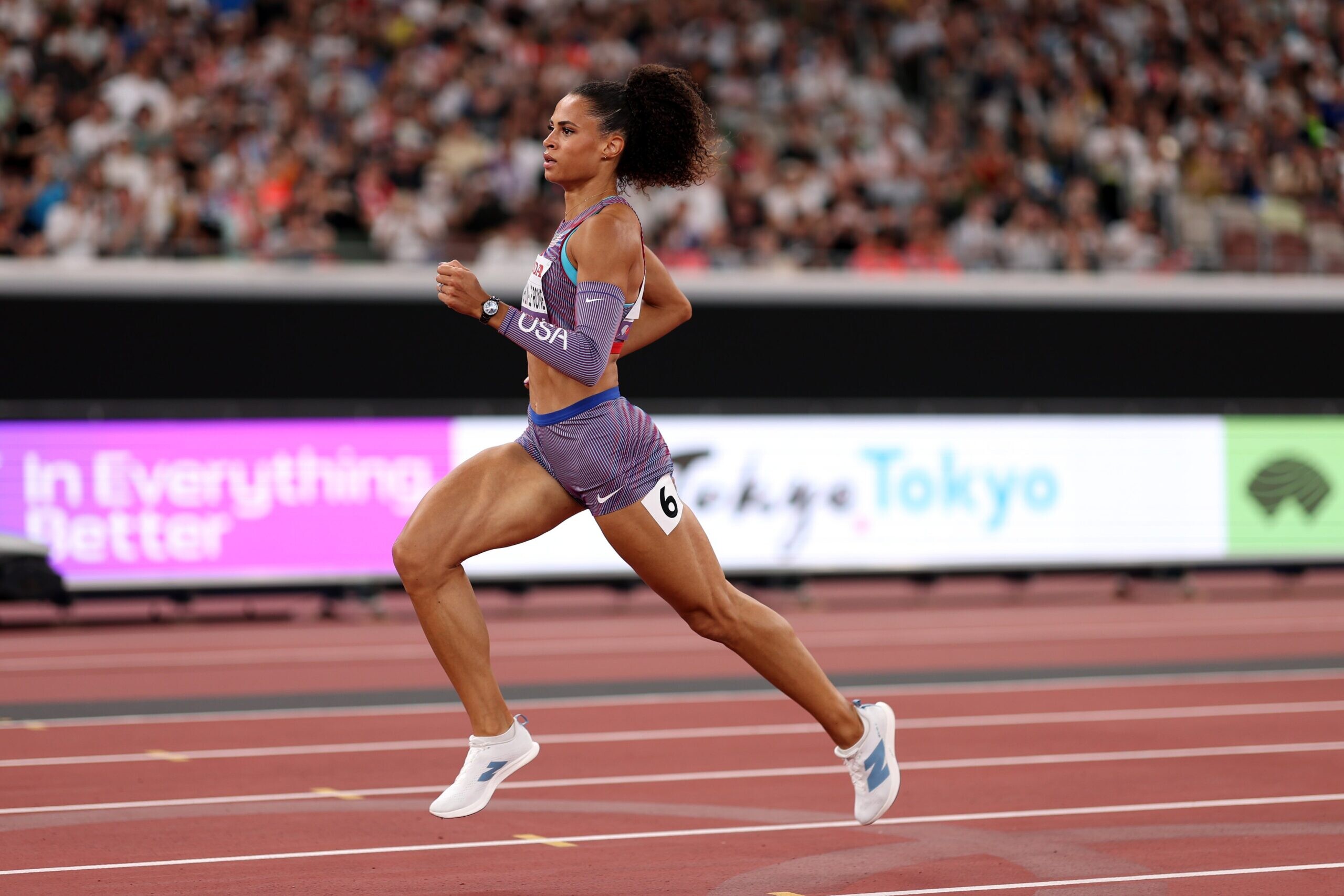
Only world record holder and Olympic champion Sydney McLaughlin-Levrone has ever run faster at the same age—a remarkable statistic that underscores just how exceptional Botková's achievement truly is.
Producing such a performance at only 16 years old, while still developing physically and technically, speaks volumes about her immense talent, discipline, and competitive maturity. It is a race that has instantly elevated her from a promising prospect to one of the most exciting young athletes in world track and field.
For Czech athletics, Botková's triumph represents the arrival of a potential global superstar. For the rest of the athletics world, it is a powerful reminder that a new generation is already pushing the boundaries of what seemed possible.
Winning European Under-18 gold was a remarkable achievement. Doing so in 55.19 seconds, while rewriting multiple records and becoming the second-fastest Under-18 400m hurdler in history, transformed the race into one of the greatest junior performances the event has ever witnessed.
by Erick Cheruiyot for My Best Runs.
Login to leave a comment
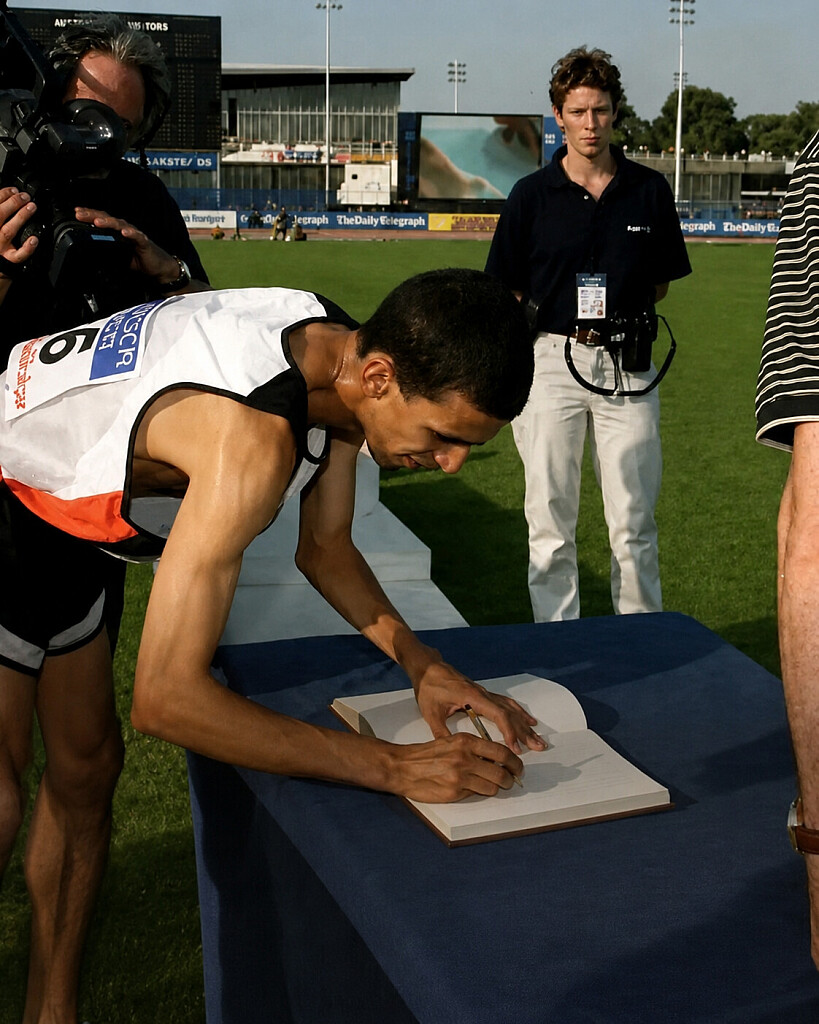
The Red Book Of Legends: How One Signature Became The Mile's Greatest Tradition
Long before digital records, social media posts, and instant celebrations, the Emsley Carr Mile created a tradition that has quietly preserved the history of one of athletics' most prestigious races. It is a tradition built not on medals or trophies, but on ink, leather, and the signatures of greatness.
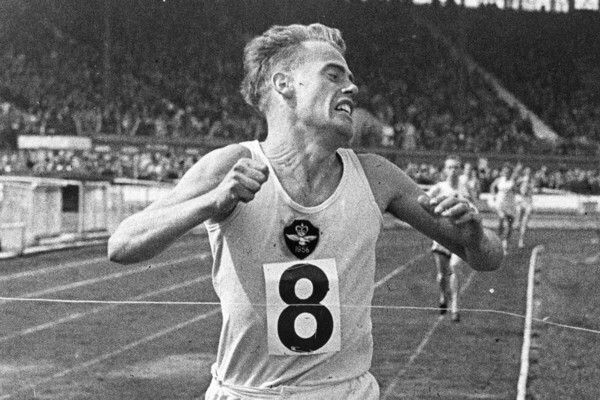
Since the inaugural Emsley Carr Mile in 1953, every champion has been invited to sign the same red leather book—a remarkable archive that has become one of the sport's most treasured historical artifacts.
Bound in luxurious Moroccan leather, the book is far more than a register of winners. It is a living timeline of middle-distance excellence, carrying the names of the athletes who redefined what humanity believed was possible over the mile.
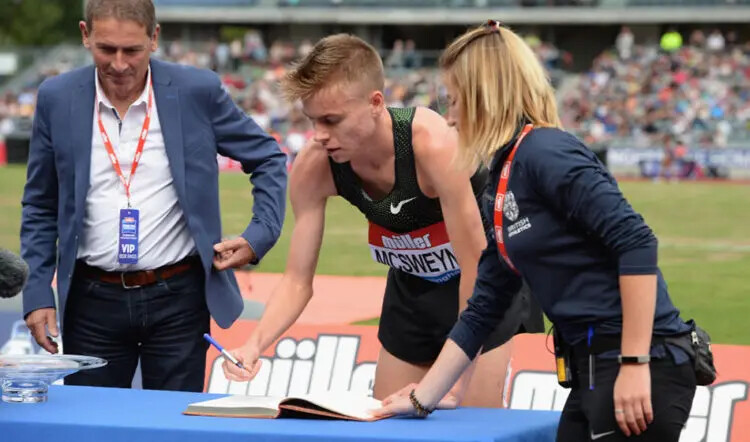
As the pages of the original volume filled, a second volume was introduced in 1980. Yet the tradition never changed. Each year's champion adds another signature, another chapter, another piece of history to a legacy spanning more than seven decades.
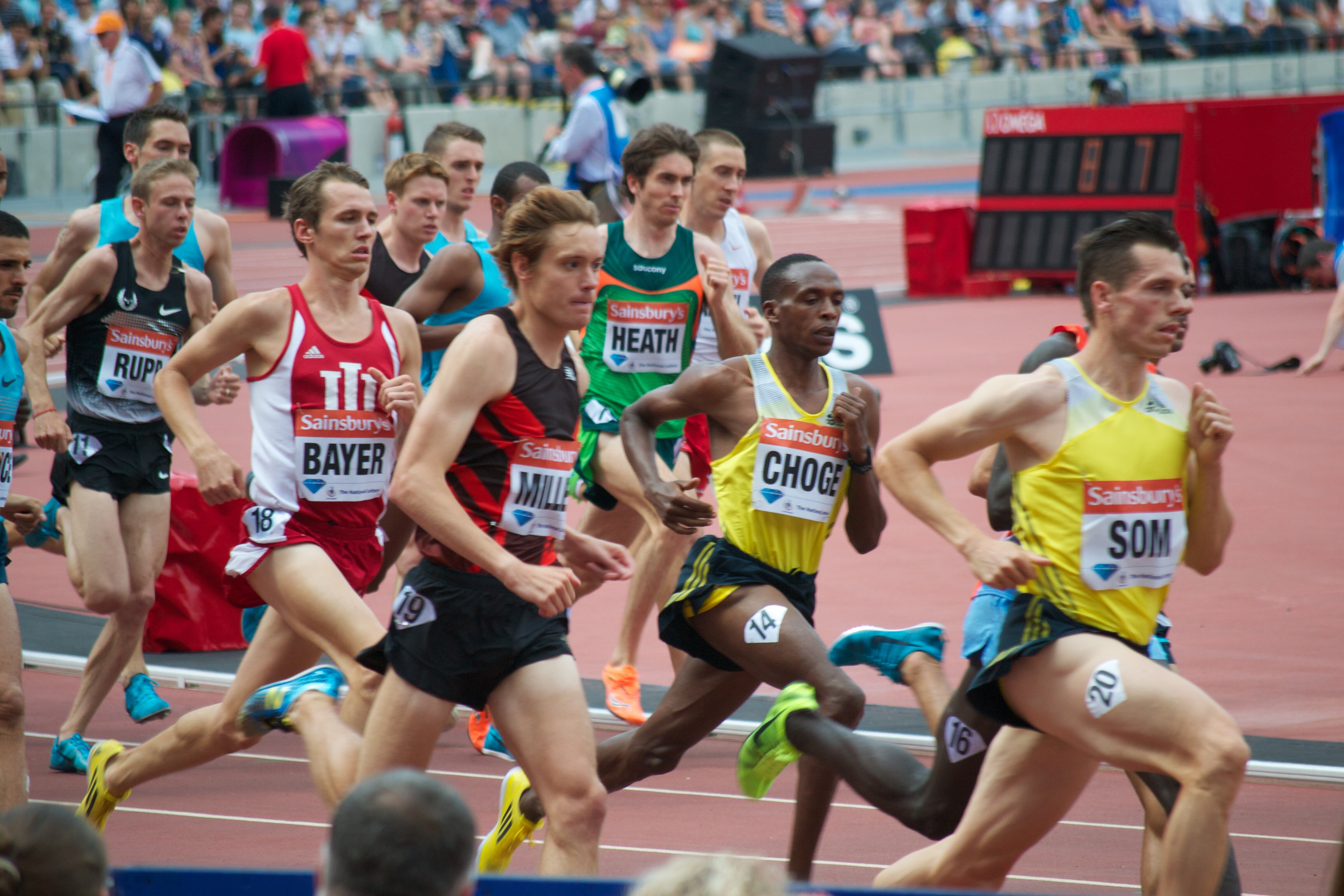
Within its pages are some of the greatest names athletics has ever known. Kenyan icon Kip Keino signed it. Steve Ovett left his mark. So did Sebastian Coe, Haile Gebrselassie, and the incomparable Hicham El Guerrouj. Altogether, the book bears the signatures of eleven Olympic champions and seven men who have held the world mile record—a remarkable concentration of sporting greatness.
Yet one name is conspicuously absent.
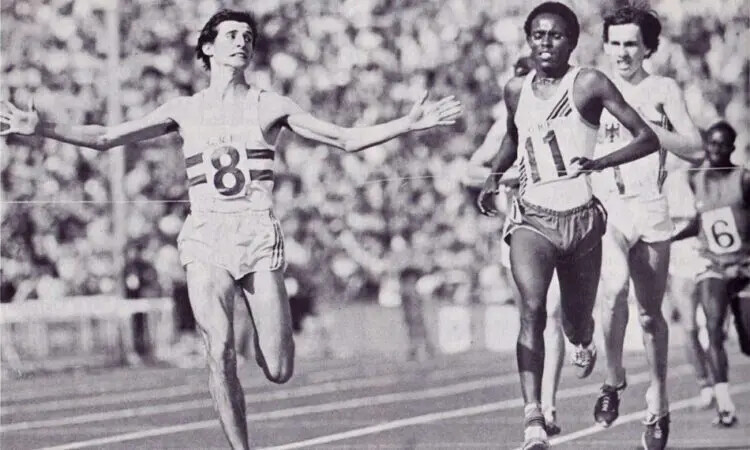
Roger Bannister, the first man to break the four-minute mile, never signed the famous book.
Ironically, the Emsley Carr Mile had originally been established to encourage athletes in their pursuit of the once-impossible four-minute barrier. But by the time the race was held for only the second time, Bannister had already etched his own name into sporting immortality with his historic run at Oxford's Iffley Road in May 1954. His career soon moved in a different direction, and the opportunity to sign the book never came. Decades later, the empty space where his signature might have appeared remains one of the sport's most fascinating "what if" stories.
While legends came and went, one man quietly built a record that still stands unmatched.
British runner Ken Wood remains the most successful athlete in Emsley Carr Mile history, winning the race four times between 1954 and 1961. Consequently, his signature appears more frequently than any other in the historic volume—a lasting reminder of an athlete whose achievements deserve far greater recognition.
The race itself has journeyed across some of Britain's most iconic athletics venues, moving from White City to Crystal Palace, then Alexander Stadium, and today the London Stadium. Through every relocation, one constant has remained: the red leather book has travelled alongside it, faithfully collecting the signatures of every new champion.
With each passing year, the book grows heavier—not because of its pages, but because of the extraordinary history they contain.
Now, another chapter has been written.
Fresh from producing one of the greatest mile performances ever witnessed, Josh Kerr has added his name to the same legendary book signed by generations of champions before him. His signature now sits alongside the sport's greatest icons, but with one remarkable distinction: the time attached to his victory is faster than any recorded above it.
The names have changed. The venues have changed. The records have fallen.
But the tradition has endured.
For more than seventy years, one red leather book has silently chronicled the evolution of the mile, reminding every new champion that while records may eventually be broken, true sporting legacy is written one signature at a time.
by Erick Cheruiyot for My Best Runs.
Login to leave a comment
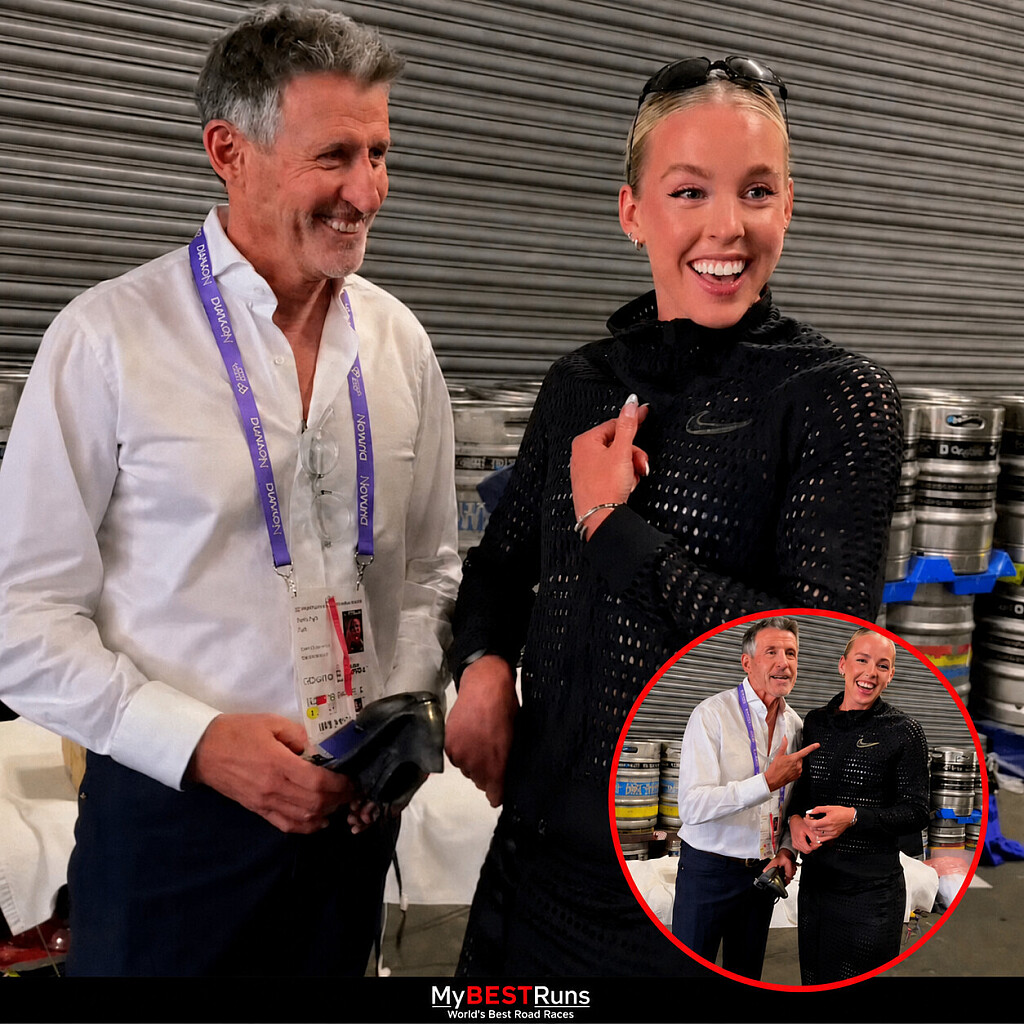
When Greatness Recognises Greatness: Sebastian Coe Bows to Keely Hodgkinson and Calls Her His Hero
There are victories that earn medals, and then there are victories that earn the admiration of legends.
On a memorable evening at the London Diamond League, Olympic 800m champion Keely Hodgkinson produced another masterclass on home soil, but it was what happened after the finish line that left an even deeper impression.
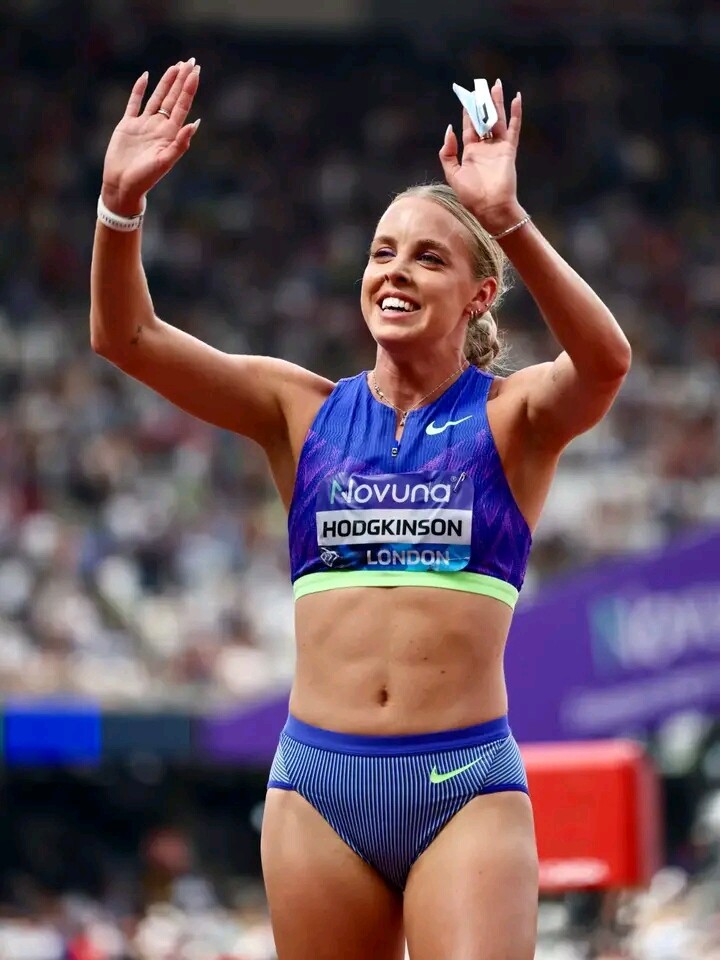
As the celebrations unfolded, World Athletics President Sebastian Coe delivered one of the most heartfelt tributes an athlete could ever receive. The two-time Olympic 1500m champion bowed before Hodgkinson and declared, "This is my hero."
It was a remarkable gesture from one of Britain's greatest middle-distance runners, a man whose own career inspired generations. Yet, in that moment, Coe made it clear that Hodgkinson's character and achievements had earned his highest respect.
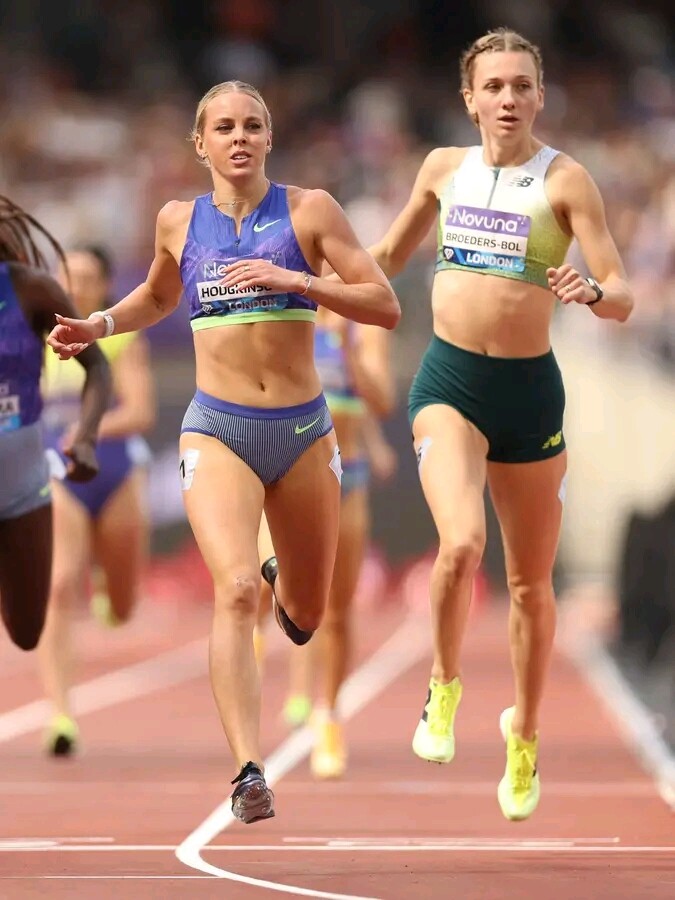
The 24-year-old thrilled the packed London Stadium by winning the women's 800m in a commanding 1:56.21. Despite relentless pressure from Dutch star Femke Bol in the closing stages, Hodgkinson remained composed, powering through the finish to secure a statement victory in front of an ecstatic home crowd.
The performance carried even greater significance because it came after an outdoor season that had been disrupted by injury. Questions surrounded her return, but Hodgkinson answered them in the most convincing way possible—by defeating one of the world's strongest fields with authority and reminding everyone why she remains one of the premier middle-distance runners of her generation.
For Coe, the performance was about far more than the stopwatch.
He has repeatedly praised Hodgkinson's humility, determination and authenticity, previously describing her on the UNTAPPED podcast as one of the most genuine and dedicated athletes in the sport. His emotional honor in London reflected not only admiration for an Olympic champion, but also respect for the resilience, professionalism and character she continues to display on and off the track.
Moments like these transcend medals and records. They remind the sporting world that greatness is measured not only by victories but by the example an athlete sets.
Hodgkinson left London with another Diamond League triumph. More importantly, she left with something few athletes ever receive—the public admiration of a sporting icon who simply bowed his head and acknowledged excellence.
Sometimes, the loudest applause comes without a single word. Sebastian Coe's bow said everything.
by Erick Cheruiyot for My Best Runs.
Login to leave a comment
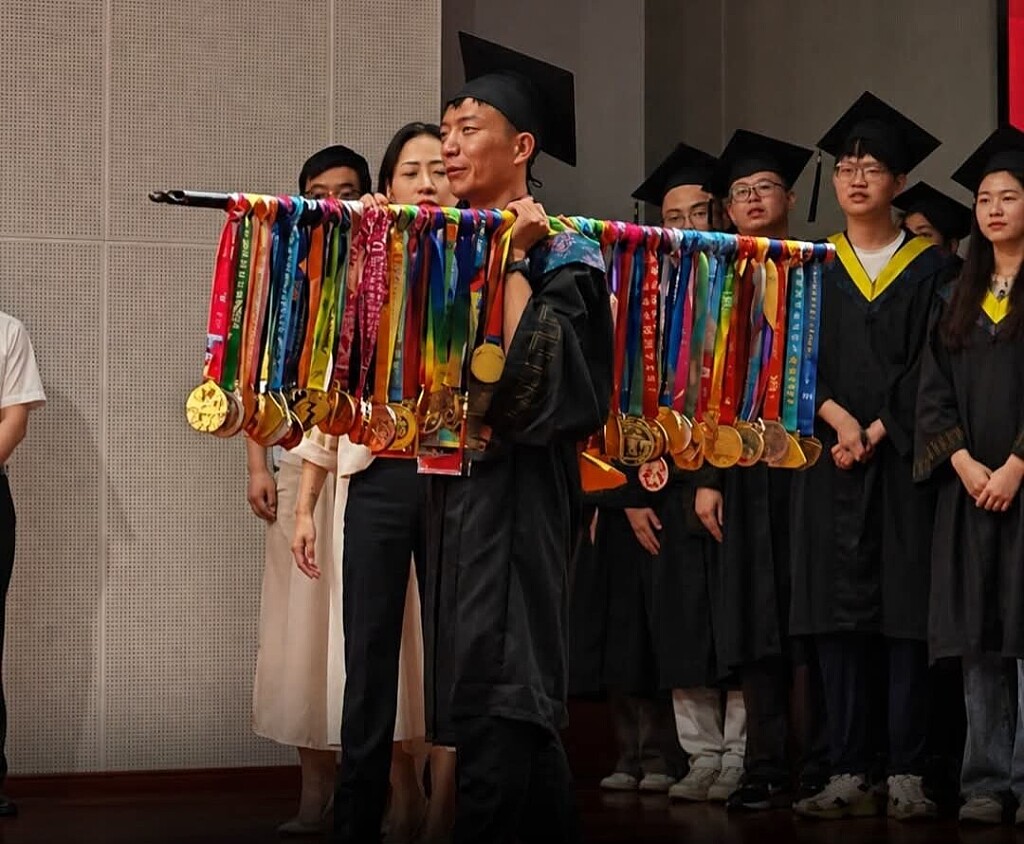
From Marathon Miles to a University Degree: Chinese Graduate Stuns Ceremony With 70+ Medals Earned Through Running
For most graduates, a university degree is the defining symbol of years of dedication and sacrifice. For 24-year-old Jin Yanwei, however, that achievement shared the spotlight with another remarkable testament to perseverance—more than 70 marathon medals that helped shape his journey to graduation.
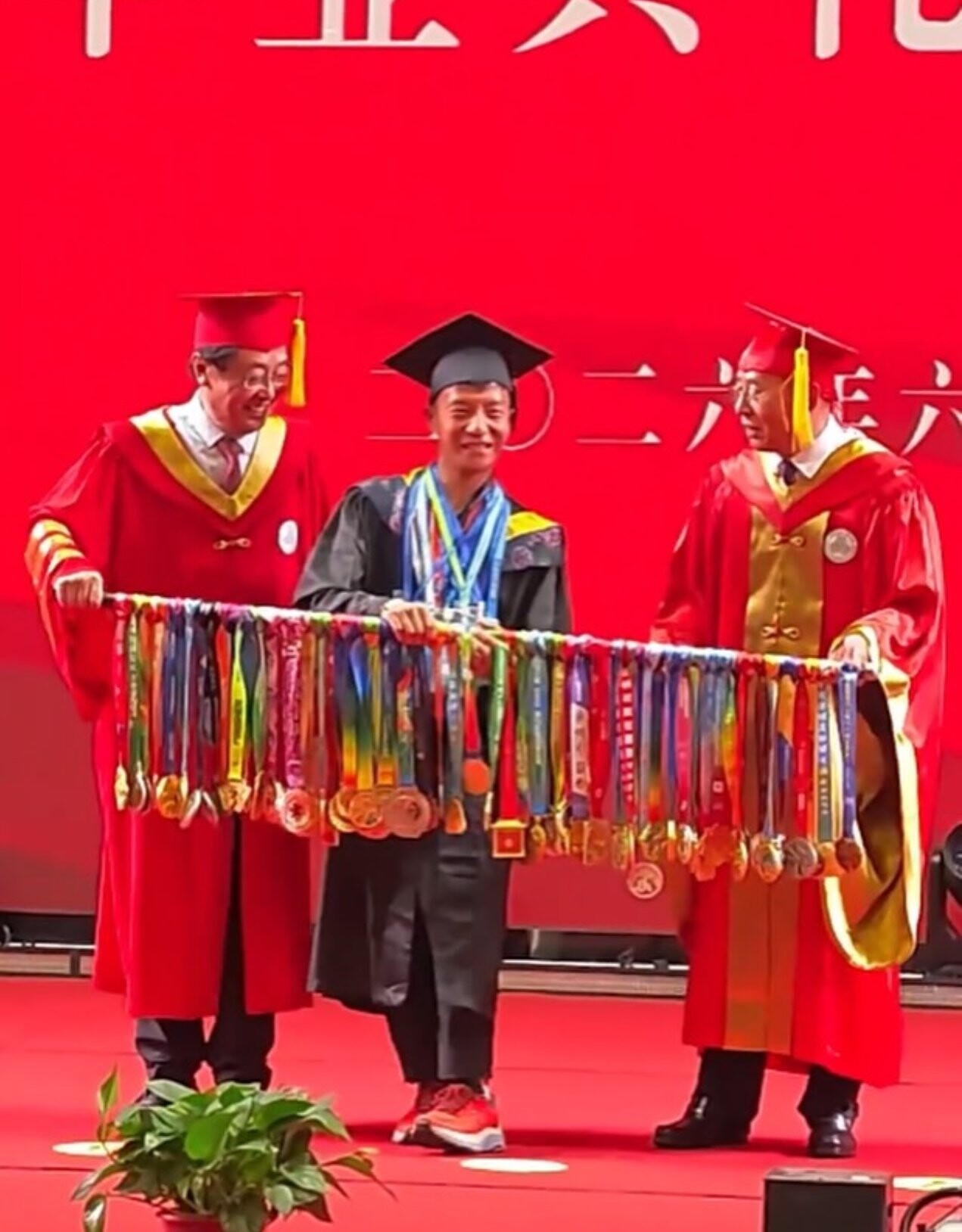
On June 23, during the graduation ceremony at Xi'an Traffic Engineering Institute in Shaanxi Province, China, Jin walked across the stage to receive his degree like every other student. But moments later, he returned carrying a shoulder pole weighed down by over 70 marathon medals, with several more draped around his neck. The unexpected display left the audience in awe, drawing thunderous applause before the striking moment quickly captured the attention of millions online.

What many in the hall did not know was that Jin's success had been built not only in lecture rooms but also on roads and race courses across China. Although he was not a sports major, he transformed his passion for distance running into a source of financial support throughout his university years.
Jin completed his first marathon in 2021, a milestone that sparked an extraordinary commitment to endurance racing. Over the following years, he regularly competed in marathons and other long-distance events, using prize money and race incentives to help cover his educational expenses. What began as a personal challenge gradually became a practical way to finance his studies while pursuing his academic goals.
His achievements were no accident. They were the product of relentless discipline and consistency. Jin maintained a demanding training schedule, averaging around 15 kilometres every day and covering between 350 and 400 kilometres each month. In the past two years alone, he has run an astonishing 7,835 kilometres, a distance that reflects countless hours of dedication, resilience, and self-belief.
The image of Jin standing proudly in his graduation gown, balancing a shoulder pole overflowing with marathon medals, has since become a powerful symbol of determination. Every medal represented another finish line crossed, another challenge conquered, and another step towards securing both his education and his future.
Jin Yanwei's story is a powerful reminder that success is often built one step at a time. His graduation was not only the celebration of academic achievement but also the culmination of thousands of kilometres, unwavering commitment, and the courage to turn passion into purpose. In the end, those marathon miles delivered far more than medals—they helped carry him all the way to his university degree.
by Erick Cheruiyot for My Best Runs.
Login to leave a comment
Four Legends Who Defined Kenya's Golden Era of the 800 Metres
Kenya's rich history in the 800 metres has produced some of the finest middle-distance athletes the world has ever witnessed. Across different generations, extraordinary talent, resilience and excellence have transformed the nation into a global powerhouse in the two-lap event. From world records and Olympic triumphs to groundbreaking achievements and inspirational coaching, four remarkable athletes stand out as enduring symbols of Kenya's golden era.
Leading the list is David Rudisha, the undisputed king of the men's 800 metres. His name is synonymous with greatness after redefining what was thought possible over two laps. A two-time Olympic champion and two-time world champion, Rudisha reached the pinnacle of the sport at the London 2012 Olympic Games, where he produced one of the greatest performances in athletics history. His breathtaking world record of 1:40.91, set from the front without the aid of a pacemaker, remains unbeaten and continues to inspire generations of middle-distance runners around the world.
Sharing that unforgettable London final was Timothy Kitum, whose remarkable breakthrough captivated the athletics world. At just 18 years old, he delivered a sensational performance to claim the Olympic bronze medal in a personal best of 1:42.53, a time that still stands as Kenya's national under-20 record. Although he later stepped away from elite competition, Kitum has remained closely connected to the sport, proudly supporting his wife, multiple Olympic champion Faith Kipyegon, as she continues to build one of the greatest careers in middle-distance running history.
On the women's side, Janeth Jepkosgei broke new ground for Kenyan athletics by becoming the country's first female World Champion in the 800 metres. Affectionately known as the "Eldoret Express," she captured the world title in Osaka in 2007 before adding an Olympic silver medal at the Beijing Games in 2008. Her influence, however, extends well beyond the medals she won. After retiring from competition, Jepkosgei dedicated herself to coaching, helping nurture a new generation of Kenyan middle-distance stars.
Among those who benefited most from her guidance was Eunice Sum. Under Jepkosgei's mentorship, Sum blossomed into one of the world's finest 800-metre athletes, winning the World Championship title in Moscow in 2013 before adding a bronze medal at the 2015 World Championships. Her rise from promising youngster to global champion stands as a powerful testament to the value of mentorship and the enduring strength of Kenya's middle-distance tradition.
Together, these four icons represent far more than medals and records. They embody the passion, discipline and relentless pursuit of excellence that have made Kenya the benchmark in the 800 metres. Their achievements have inspired generations of athletes, while their legacy continues to shape the future of Kenyan middle-distance running. From world records and Olympic glory to championship titles and coaching excellence, they remain enduring symbols of one of the greatest eras in the history of the 800 metres.
by Erick Cheruiyot for My Best Runs.
Login to leave a comment
Sprint Royalty: Noah Lyles And Usain Bolt Share A Special Moment At FIFA World Cup Semifinal
Some moments transcend sport, reminding fans that greatness recognizes greatness.
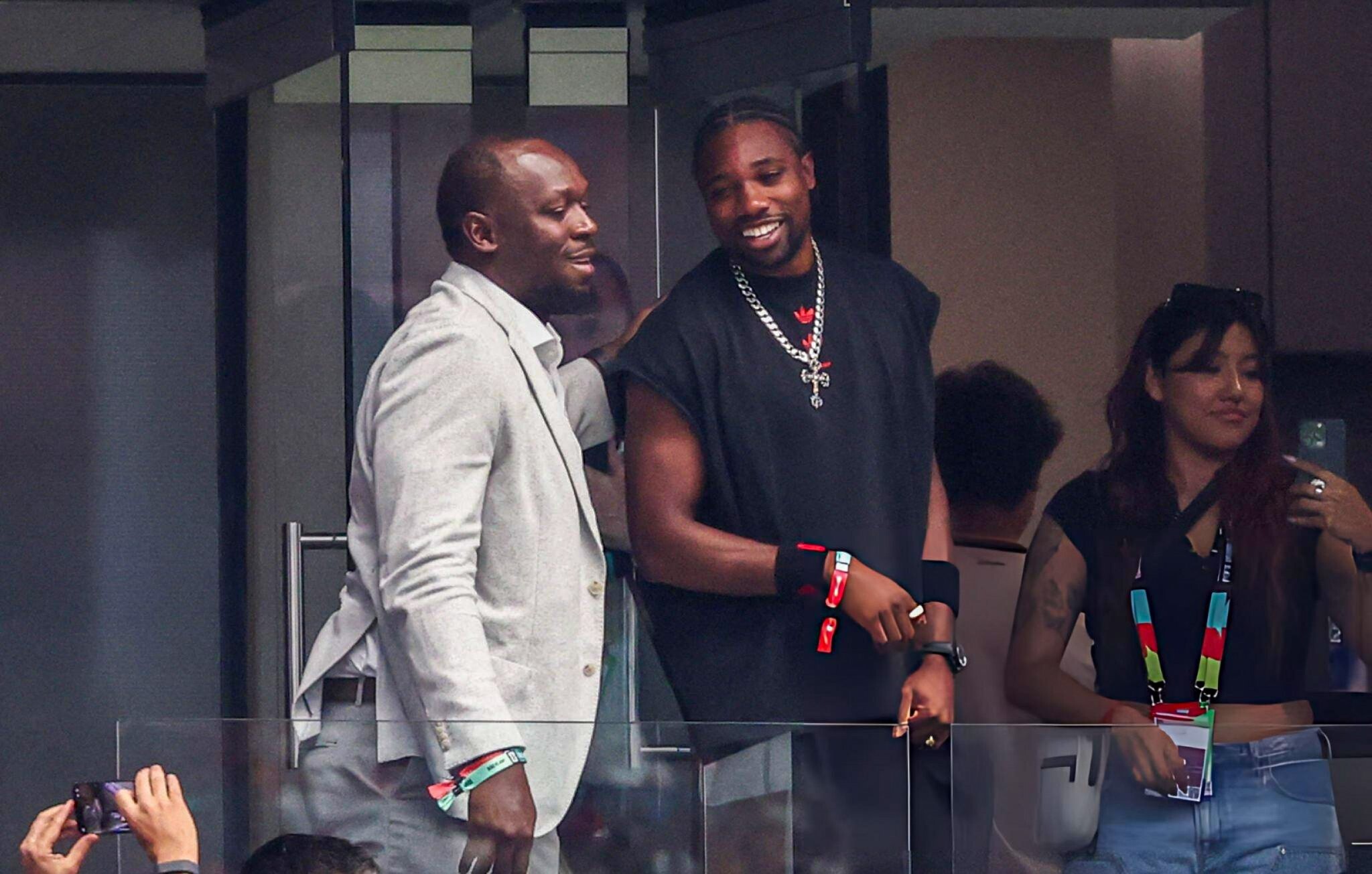
That was the scene during the FIFA World Cup semifinal between Spain and France, where American sprint star Noah Lyles and Jamaican icon Usain Bolt delighted fans with a memorable courtside encounter. Lyles seized the opportunity to snap a selfie with the fastest man in history, creating a picture that instantly resonated across the sporting world.
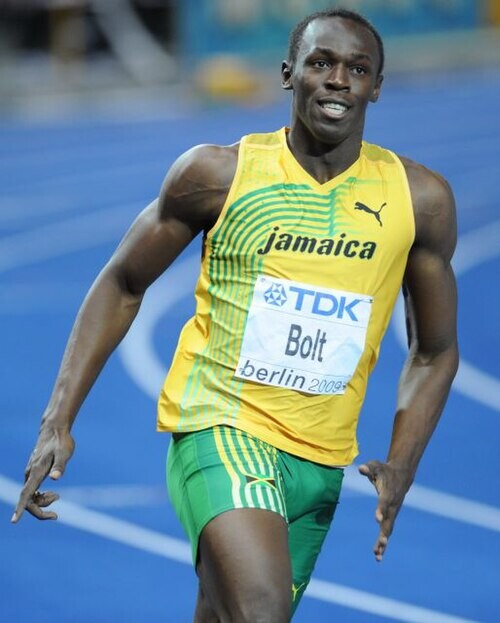
While football commanded the spotlight on the pitch, two of track and field's biggest names stole a memorable moment off it. The photograph brought together two athletes whose careers have helped shape different eras of sprinting—Bolt, the undisputed legend who redefined speed with his eight Olympic gold medals and world records in the 100m and 200m, and Lyles, the world record holder in 150m and modern-day sprint sensation carrying the sport into a new generation.
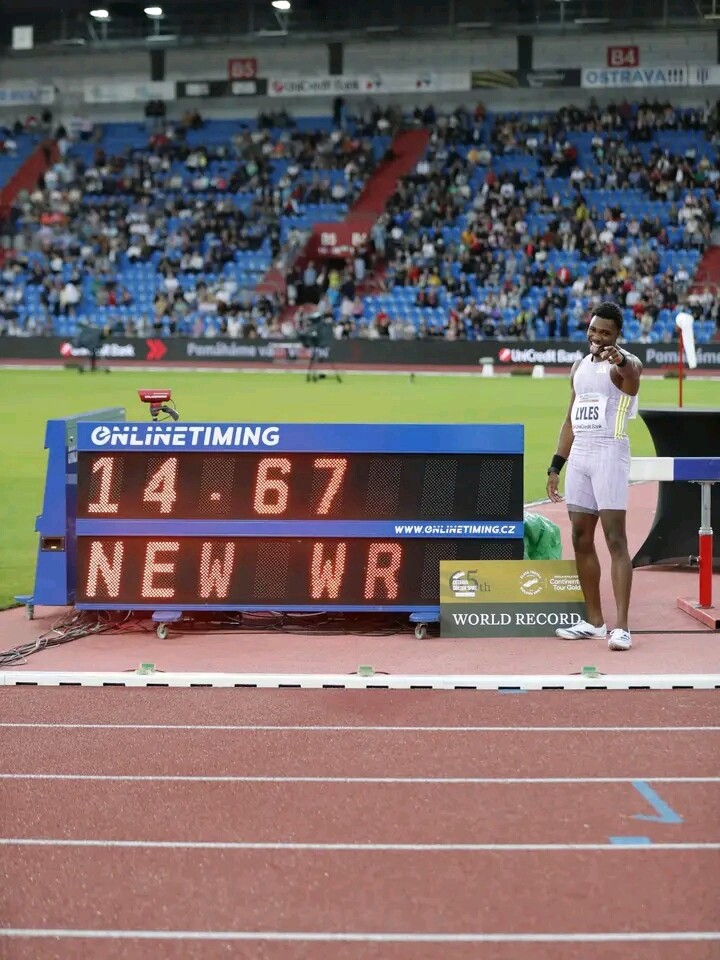
For Lyles, the selfie represented more than a simple photograph. It symbolized respect for the man who inspired countless young sprinters around the globe, including many of today's elite athletes. Bolt's dominance transformed athletics, while Lyles has emerged as one of the sport's biggest personalities, combining world-class performances with charisma and confidence.
The meeting served as a powerful reminder of the bond that exists among champions. Although they belong to different competitive eras, both have become global ambassadors for athletics, drawing new audiences to the sport through their achievements and larger-than-life presence.
As Spain and France battled for a place in the World Cup final, fans were equally captivated by the sight of sprinting royalty sharing a light-hearted moment. It was a celebration of excellence, mutual admiration, and the enduring legacy of athletics.
When legends meet, the result is more than just a selfie—it becomes a timeless image that connects generations of greatness.
by Erick Cheruiyot for My Best Runs.
Login to leave a comment
