

Running News Daily
Running News Daily is edited by Bob Anderson and team. Send your news items to bob@mybestruns.com Advertising opportunities available.
Index to Daily Posts · Sign Up For Updates · Run The World Feed
Articles tagged #Uganda
Today's Running News
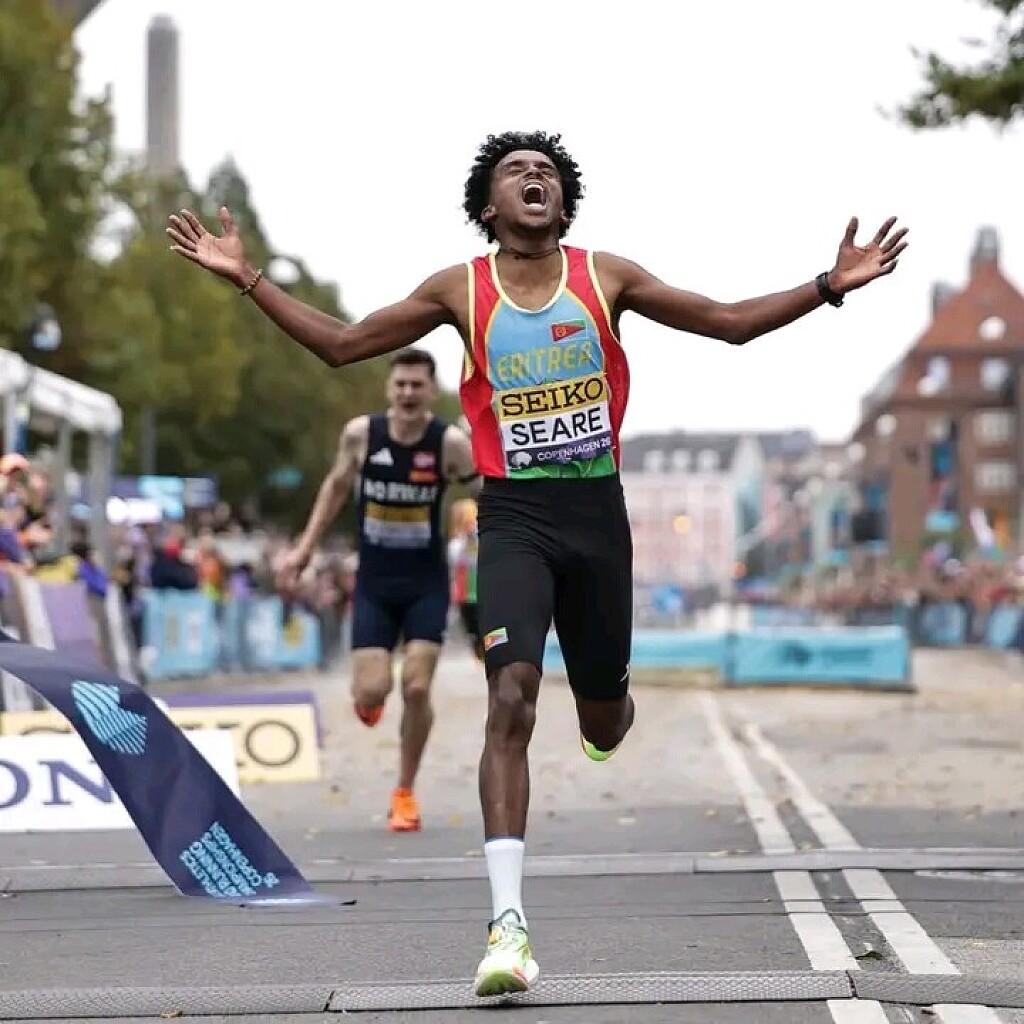


Dawit Seare Stuns Ingebrigtsen In Thrilling Finish To Win World 5km Title In Copenhagen
Eritrea’s Dawit Seare produced a sensational performance on Saturday, September 19, 2026, to claim the men’s 5km world title at the World Athletics Road Running Championships in Copenhagen, defeating Norway’s Olympic champion Jakob Ingebrigtsen in a dramatic battle that went down to the final metres.
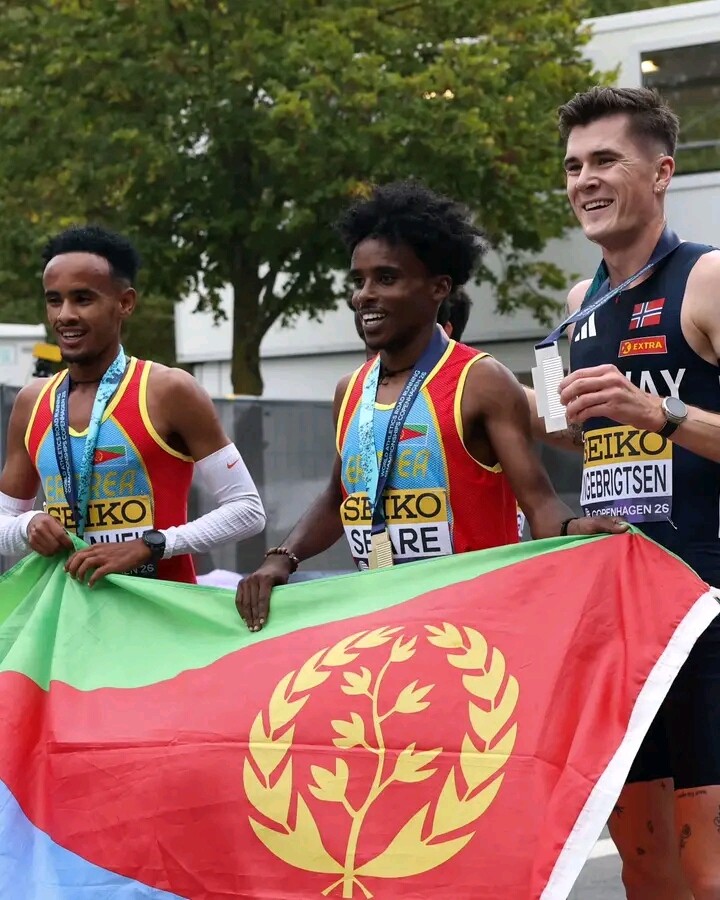
Seare crossed the finish line in a national record of 12:56, with Ingebrigtsen taking silver in a Norwegian record of 12:59. Eritrea completed a remarkable double podium as Saymon Amanuel secured bronze in a personal best of 13:00.
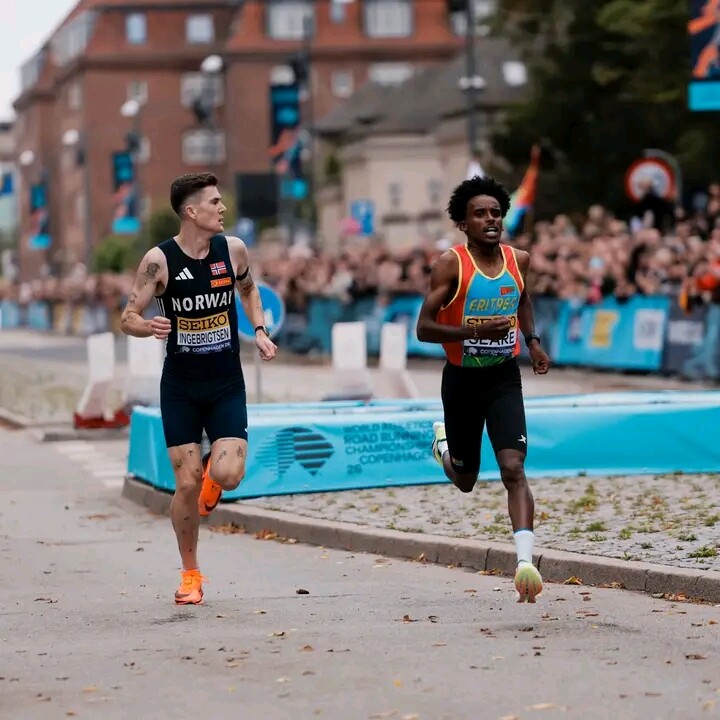
The closing stages produced an extraordinary finish as Seare and Ingebrigtsen engaged in a fierce battle for the world title. With just 150 metres remaining, the lead changed hands three times, underlining the intensity of the contest. Ingebrigtsen briefly surged ahead and appeared to have taken control, but Seare responded with another gear, powering past the Norwegian before the finish line.
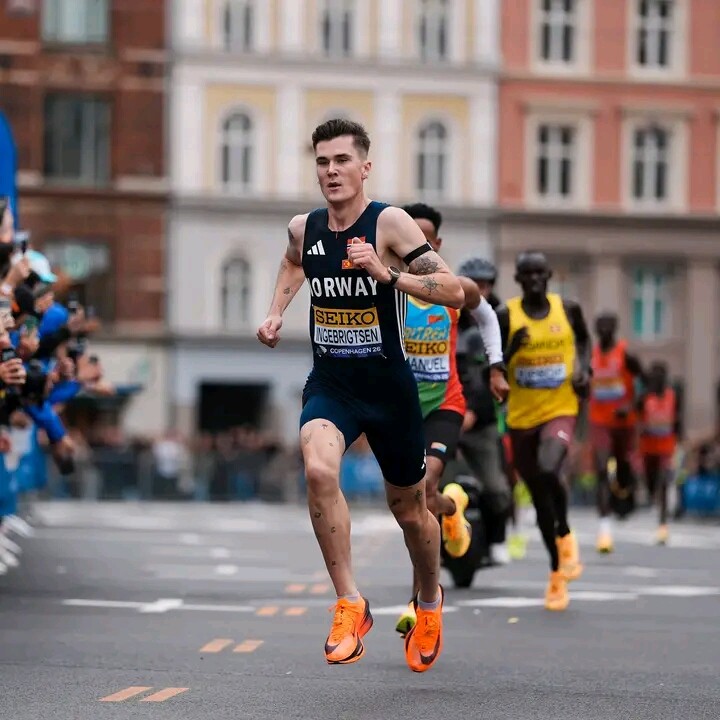
The Eritrean’s decisive acceleration carried him to victory by three seconds, turning what had been a tightly contested race into a remarkable championship triumph. Seare held his composure under immense pressure and produced the strongest finish when it mattered most.
The race had featured a large leading group through much of the early stages before the pace intensified approaching the final kilometres. As the runners entered the decisive phase, Seare remained firmly in contention, positioning himself perfectly for the battle that would ultimately determine the world champion.
For Seare, the victory adds another major achievement to an impressive 2026 season. Having already established himself as the African 5,000m champion, he has now transferred that success to the roads by securing a world title in Copenhagen.
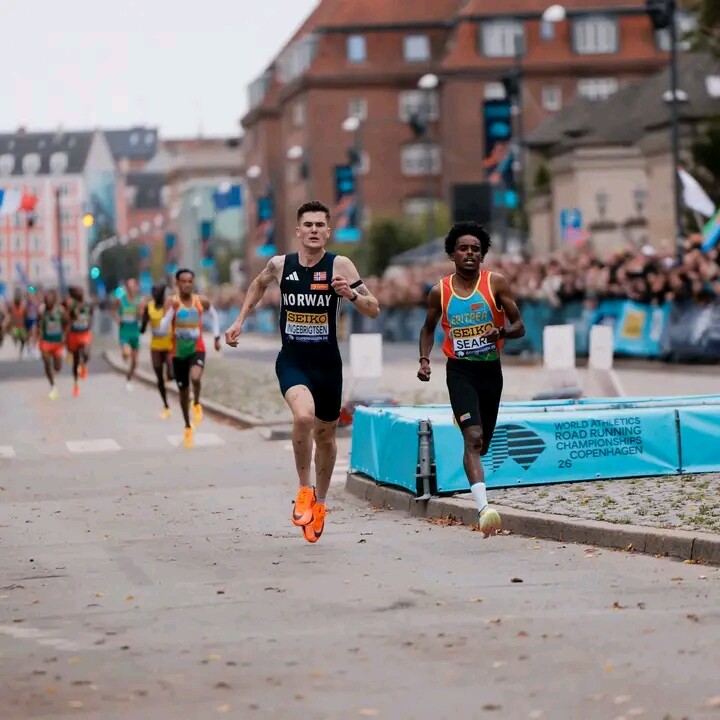
Ingebrigtsen was forced to settle for silver despite producing a national record of his own. The Norwegian’s late surge demonstrated his determination to control the race, but Seare’s response in the final metres proved decisive in one of the closest and most dramatic finishes of the championships.
Eritrea’s success was made even more remarkable by Amanuel’s bronze medal. His 13:00 personal best ensured that two Eritrean athletes stood on the podium, giving the country both gold and bronze in a memorable men’s 5km championship race.
Australia’s Ky Robinson also delivered an outstanding performance, finishing fourth in 13:04 to set an Oceanian record. Uganda’s Keneth Kiprop matched the time in fifth, while Ethiopia placed two athletes inside the top seven through Addisu Yihune and Mezgebu Sime.
Kenya’s Mathew Kipchumba Kipsang finished eighth in 13:11, followed by Burundi’s Egide Ntakarutimana in ninth and South Africa’s Maxime Chaumeton in 10th.
Men’s 5km Top 10 Results
1. Dawit Seare — Eritrea — 12:56 NR
2. Jakob Ingebrigtsen — Norway — 12:59 NR
3. Saymon Amanuel — Eritrea — 13:00 PB
4. Ky Robinson — Australia — 13:04 AR
5. Keneth Kiprop — Uganda — 13:04 PB
6. Addisu Yihune — Ethiopia — 13:07
7. Mezgebu Sime — Ethiopia — 13:08 SB
8. Mathew Kipchumba Kipsang — Kenya — 13:11 SB
9. Egide Ntakarutimana — Burundi — 13:12 PB
10. Maxime Chaumeton — South Africa — 13:13
Seare’s victory capped an unforgettable finish in Copenhagen, where three changes of the lead in the final 150 metres set up a dramatic showdown. In the end, the Eritrean produced the crucial final surge to deny Ingebrigtsen and claim a historic world 5km title in a national-record 12:56.
by Erick Cheruiyot for My Best Runs.
Login to leave a comment
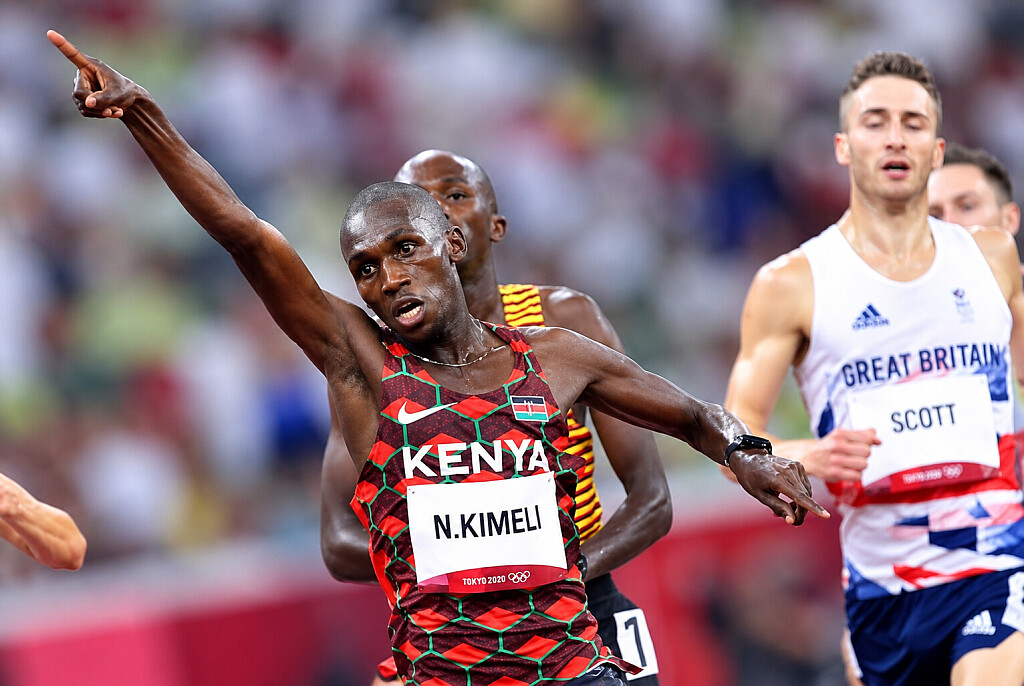
Nicholas Kipkorir Leads Star-Studded Men’s Half Marathon Field At World Road Running Championships
The stage is set for a spectacular men’s half marathon at the World Athletics Road Running Championships Copenhagen 26, with some of the world’s leading distance runners preparing to battle for global honours on Sunday, September 20.
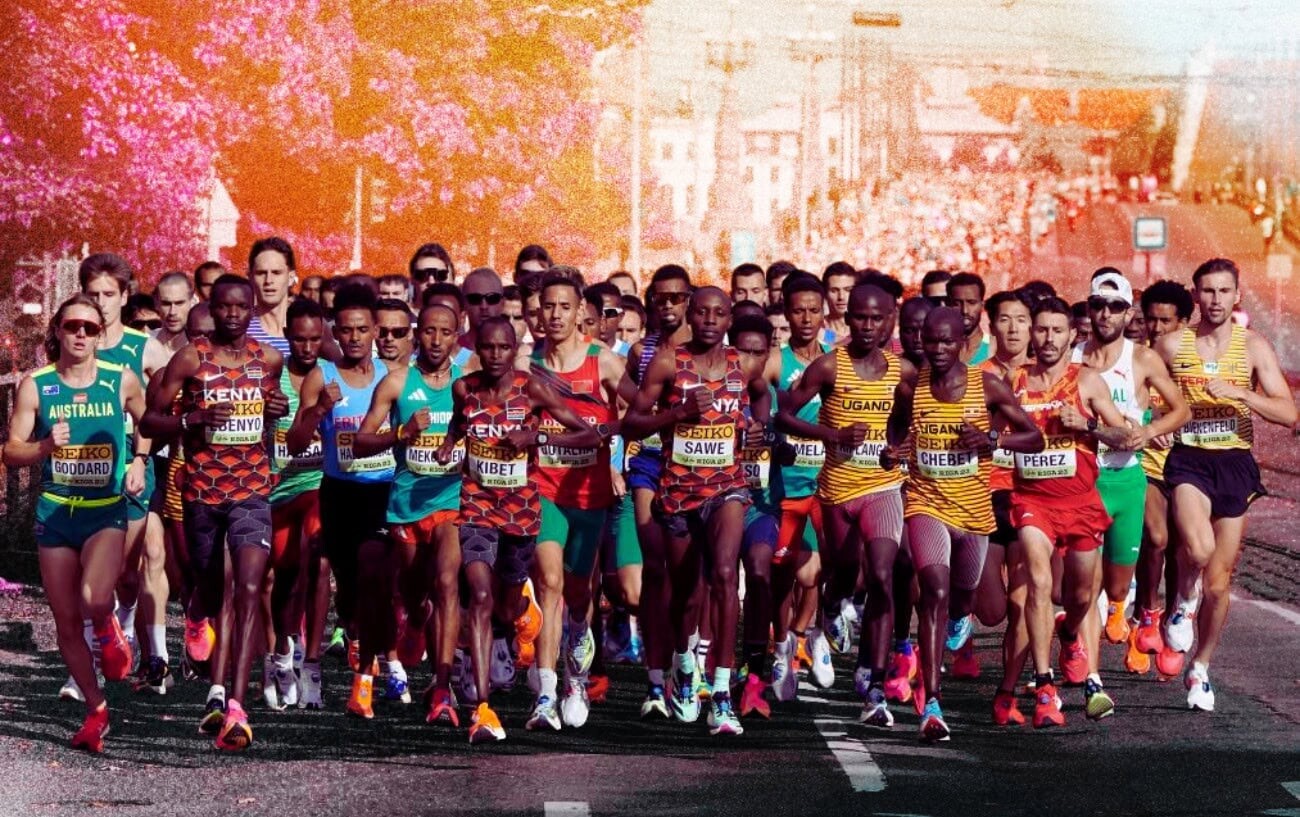
Kenya’s Nicholas Kipkorir headlines the field with a remarkable personal best of 58:08, the fastest mark among the athletes entered.
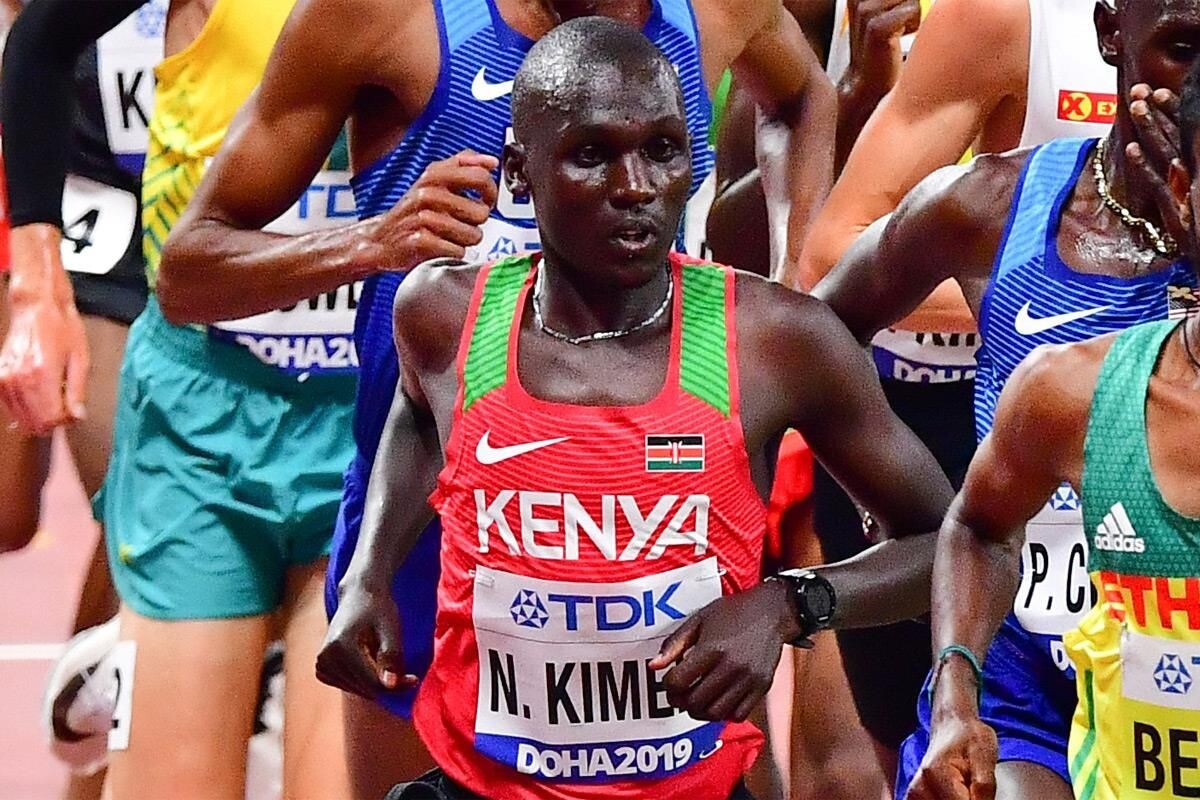
Kipkorir will face a formidable challenge from compatriot Gideon Kipkertich Rono, who owns a 58:38 personal best. Sweden’s Andreas Almgren also brings an exceptional 58:41 to the start line, while Ethiopia’s Tadese Worku has a 58:59 personal best.
Italy’s Yemaneberhan Crippa adds another major name to the field with a national record of 59:01, while Kenya’s Daniel Simiu Ebenyo enters with a 59:04 personal best and valuable championship experience.
Ebenyo won silver at the 2023 World Road Running Championships in Riga and will be looking to challenge for another medal in Copenhagen.
Uganda’s Joshua Cheptegei will bring enormous championship pedigree to the race. The Olympic and multiple world champion has a half marathon best of 59:21, making him another athlete capable of featuring prominently in the battle for the medals.
The American challenge will be led by Conner Mantz, who owns a 59:15 personal best. France’s Etienne Daguinos, Portugal’s Samuel Barata, Ethiopia’s Bereket Nega, France’s Jimmy Gressier, Canada’s Rory Linkletter, Australia’s Jack Rayner and Morocco’s Mohamed Reda El Aaraby further strengthen an already formidable international field.
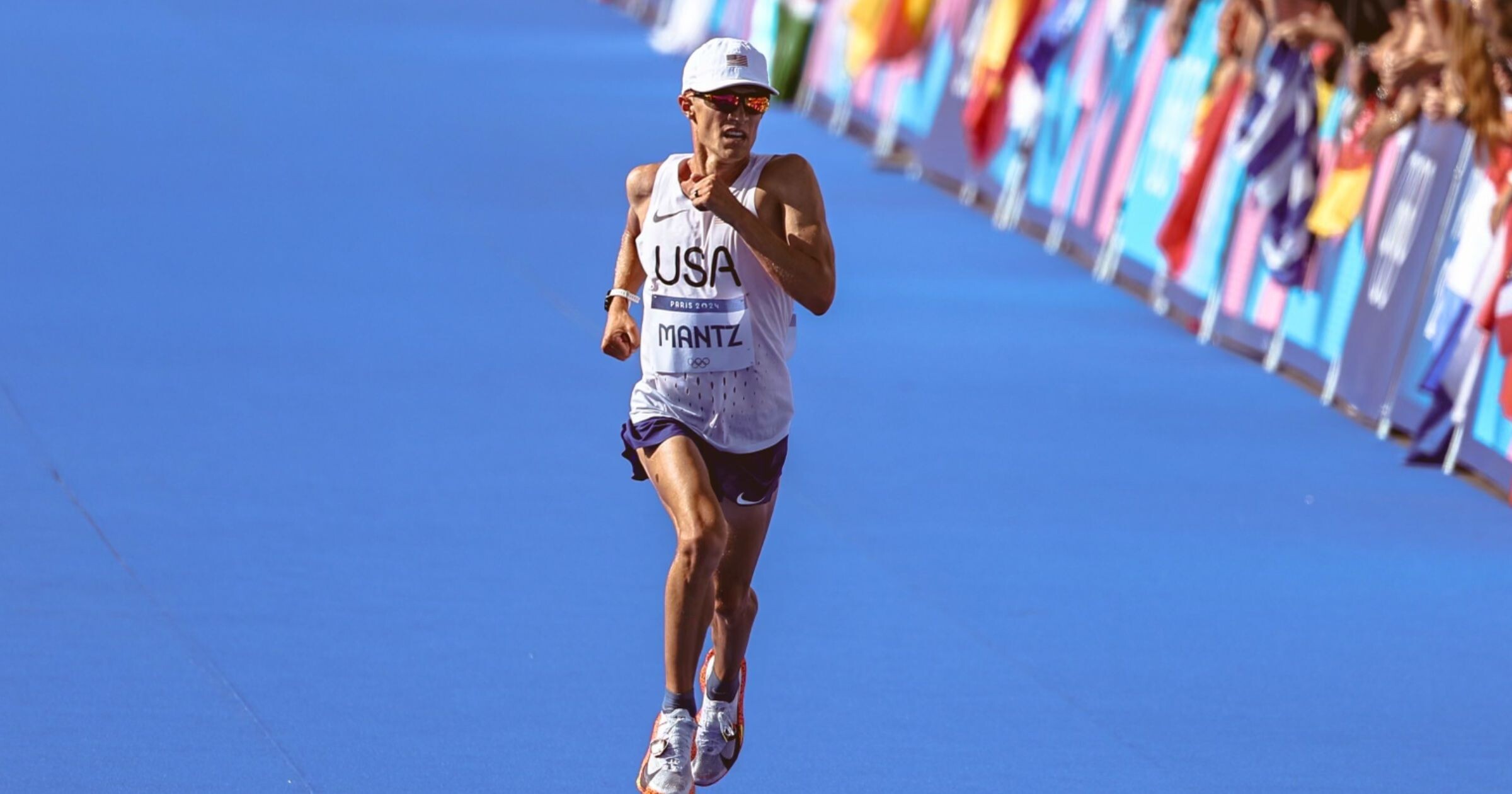
Kenya will have particular interest in the championship, with several of its leading road runners lining up against some of the best athletes from Europe, Africa, North America, Asia and Oceania.
The race will be contested over the traditional 21.0975-kilometre distance, with the elite men scheduled to start at 9:45 a.m. local time on Sunday, September 20.
Leading Athletes And Personal Bests
1. Nicholas Kipkorir (Kenya) — 58:08
2. Gideon Kipkertich Rono (Kenya) — 58:38
3. Andreas Almgren (Sweden) — 58:41
4. Tadese Worku (Ethiopia) — 58:59
5. Yemaneberhan Crippa (Italy) — 59:01
6. Daniel Simiu Ebenyo (Kenya) — 59:04
7. Alex Nzioka Matata (Kenya) — 59:11
8. Conner Mantz (USA) — 59:15
9. Joshua Cheptegei (Uganda) — 59:21
10. Etienne Daguinos (France) — 59:27
11. Samuel Barata (Portugal) — 59:40
12. Bereket Nega (Ethiopia) — 59:43
13. Jimmy Gressier (France) — 59:45
14. Rory Linkletter (Canada) — 59:49
15. Peter Lynch (Ireland) — 59:52
16. Jack Rayner (Australia) — 59:53
17. Mohamed Reda El Aaraby (Morocco) — 59:54
18. Hillary Bor (USA) — 59:55
19. Zerei Kbrom Mezngi (Norway) — 1:00:01
20. Bastien Augusto (France) — 1:00:09
21. Mande Bushendich (Uganda) — 1:00:14
22. Jack Rowe (Great Britain) — 1:00:17
23. Cameron Levins (Canada) — 1:00:18
24. Ogikubo Tomoya (Japan) — 1:00:22
25. Bayelign Teshager (Ethiopia) — 1:00:22
26. Elroy Gelant (South Africa) — 1:00:22
27. Célestin Ndikumana (Burundi) — 1:00:23
28. Said Mechaal (Spain) — 1:00:24
29. Nishizawa Yuma (Japan) — 1:00:26
30. Namiki Neo (Japan) — 1:00:29
31. Othmane El Goumri (Morocco) — 1:00:30
32. Inyasi Nicodemus Sulley (Tanzania) — 1:00:31
33. Wesley Kiptoo (USA) — 1:00:34
34. Haftu Strintzos (Australia) — 1:00:36
35. Filmon Tesfu (Netherlands) — 1:00:38
36. Mustapha Akkaoui (Morocco) — 1:00:38
With such remarkable depth, the championship could remain finely poised until the closing stages. The presence of multiple sub-59-minute runners, experienced championship performers and strong finishers sets the scene for a race in which positioning, tactics and the ability to respond to late surges could prove decisive.
For Kipkorir, Ebenyo and their Kenyan teammates, Copenhagen provides an opportunity to turn impressive personal credentials into championship medals. But with a world-class field assembled behind them, the final outcome will only be determined when the leading runners reach the finish line.
by Erick Cheruiyot for My Best Runs.
Login to leave a comment
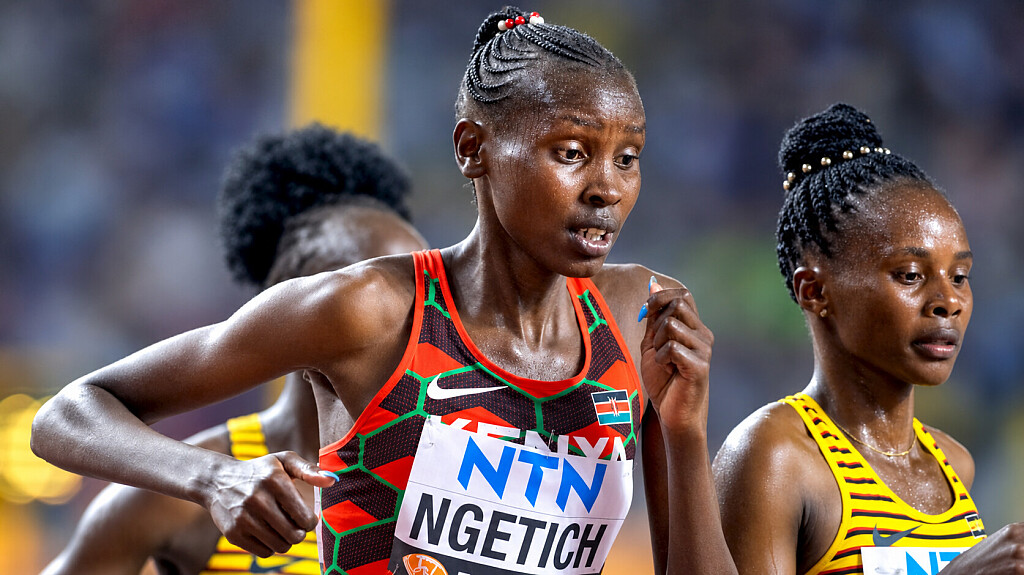
Agnes Ngetich Leads Star-Studded Women’s Half Marathon Field At World Road Running Championships
The stage is set for a spectacular women’s half marathon at the 2026 World Athletics Road Running Championships in Copenhagen, Denmark, with a deep international field ready to battle for the world title on Sunday, September 20.
The elite women’s race will begin at 9:10 a.m. local time, with the 21.0975-kilometre championship race taking runners through the streets of Copenhagen before the finish on Øster Allé.
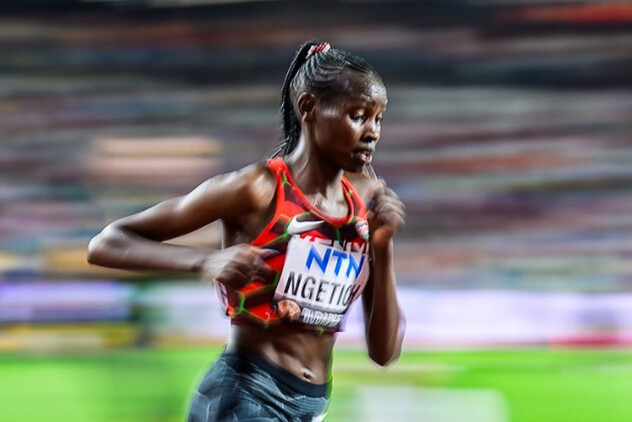
At the head of the entry list is Kenya’s Agnes Jebet Ngetich, who brings a sensational 1:03:04 personal best into the championship. She will lead a powerful Kenyan contingent that also includes Lilian Kasait Rengeruk, whose 1:03:32 is among the fastest times ever recorded over the distance.
Ngetich has established herself as one of the leading distance runners in the world, and her combination of speed and endurance makes her one of the major names to watch when the championship race gets underway.
Rengeruk provides another formidable Kenyan threat, while Daisilah Jerono, with a 1:05:21 personal best, and Veronica Loleo, with 1:05:35, add further depth to the Kenyan line-up.
Ethiopia will also arrive with serious firepower. Tsigie Gebreselama owns a remarkable 1:04:21 personal best, while Ftaw Zeray comes into Copenhagen with a 1:05:12 lifetime best.
The battle will not be restricted to the leading African nations, however. Weini Kelati Frezghi heads the American challenge with a 1:06:04 personal best, while Esther Chebet of Uganda has run 1:06:33.
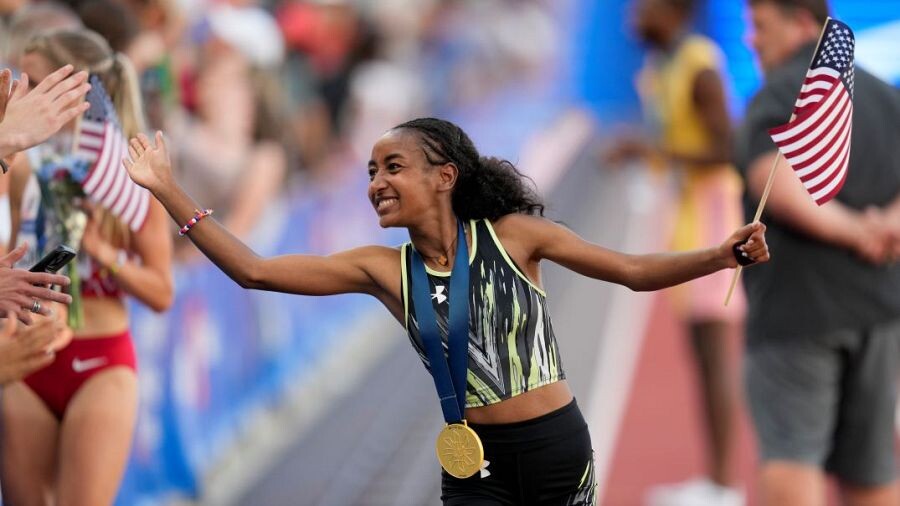
Europe will be represented by several accomplished athletes, including Slovenia’s Klara Lukan, who owns a 1:06:43 personal best, and Norway’s experienced Karoline Bjerkeli Grøvdal, whose best stands at 1:06:55.
South Africa’s Glenrose Xaba is another prominent name on the list with a 1:07:03 personal best, while Great Britain’s Samantha Harrison enters with 1:07:10.
Uganda has further depth through Rebecca Chelangat at 1:07:18, Annet Chemengich Chelangat at 1:08:12 and Rispa Cherop at 1:08:53.
The international field also includes Ethiopia’s Melat Siyoum and Baraky Redae, Rwanda’s Florence Niyonkuru and Emeline Imanizabayo, Mexico’s Laura Galván, Belgium’s Chloé Herbiet and Lisa Rooms, the United States’ Emma Grace Hurley, Ednah Kurgat, Carrie Ellwood and Jessica McClain, France’s Mekdes Woldu, Alessia Zarbo and Mélody Julien, Italy’s Sofia Yaremchuk and Elvanie Nimbona, China’s He Wuga and Liang Tiantian, and New Zealand’s Georgie Grgec.
Women’s Half Marathon Entry List
1. Agnes Jebet Ngetich — Kenya — 1:03:04
2. Lilian Kasait Rengeruk — Kenya — 1:03:32
3. Tsigie Gebreselama — Ethiopia — 1:04:21
4. Ftaw Zeray — Ethiopia — 1:05:12
5. Daisilah Jerono — Kenya — 1:05:21
6. Veronica Loleo — Kenya — 1:05:35
7. Weini Kelati Frezghi — United States — 1:06:04
8. Esther Chebet — Uganda — 1:06:33
9. Klara Lukan — Slovenia — 1:06:43
10. Karoline Bjerkeli Grøvdal — Norway — 1:06:55
11. Glenrose Xaba — South Africa — 1:07:03
12. Samantha Harrison — Great Britain — 1:07:10
13. Rebecca Chelangat — Uganda — 1:07:18
14. Melat Siyoum — Ethiopia — 1:07:21
15. Florence Niyonkuru — Rwanda — 1:07:22
16. Baraky Redae — Ethiopia — 1:07:31
17. Laura Galván — Mexico — 1:07:31
18. Chloé Herbiet — Belgium — 1:07:32
19. Emeline Imanizabayo — Rwanda — 1:07:35
20. Emma Grace Hurley — United States — 1:07:35
21. Annet Chemengich Chelangat — Uganda — 1:08:12
22. Mekdes Woldu — France — 1:08:20
23. Alessia Zarbo — France — 1:08:20
24. Ednah Kurgat — United States — 1:08:25
25. Sofia Yaremchuk — Italy — 1:08:27
26. He Wuga — China — 1:08:31
27. Liang Tiantian — China — 1:08:33
28. Carrie Ellwood — United States — 1:08:34
29. Jessica McClain — United States — 1:08:37
30. Elvanie Nimbona — Italy — 1:08:38
31. Lisa Rooms — Belgium — 1:08:40
32. Rispa Cherop — Uganda — 1:08:53
33. Georgie Grgec — New Zealand — 1:09:13
34. Mélody Julien — France — 1:09:15
With so many athletes separated by relatively small margins on paper, the championship race could develop into a fascinating tactical contest. Personal bests provide an indication of speed, but championship racing often comes down to positioning, patience and the ability to respond when the decisive moves arrive.
For Ngetich, Rengeruk, Gebreselama, Zeray and the rest of the field, the opportunity is clear: 21.0975 kilometres through Copenhagen with a world championship title waiting at the finish.
The World Athletics Road Running Championships Copenhagen 26 take place on September 19–20, with the women’s elite half marathon taking centre stage on Sunday, September 20, at 9:10 a.m.
Copenhagen is ready for a major championship showdown — and the women’s half marathon promises to be one of the highlights of the weekend.
by Erick Cheruiyot for My Best Runs.
Login to leave a comment

Nairobi 2029: Kenya Wins Historic Bid to Bring World Athletics Championships to Africa
Africa finally has its moment. Kenya has won the race to host the 2029 World Athletics Championships, turning years of ambition into a landmark reality for the continent.
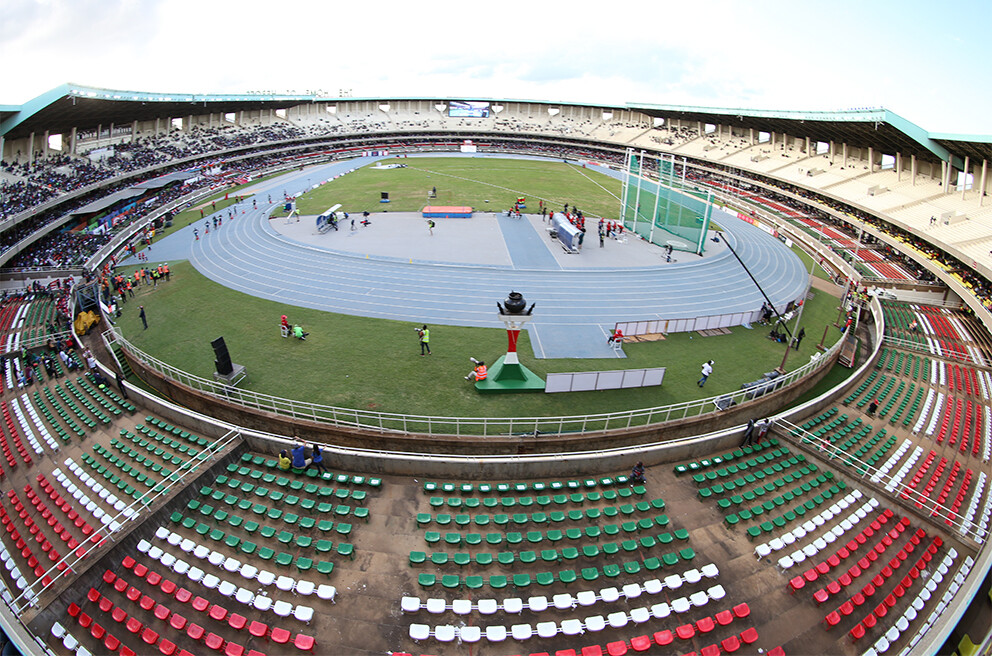
In a historic decision announced in Budapest, Nairobi has been selected to host the 2029 World Athletics Championships, making Kenya the first African nation to stage the senior global track and field championships.
World Athletics confirmed that Nairobi and Munich have been selected to host the 2029 and 2031 World Athletics Championships respectively, following what the governing body described as one of the strongest bidding processes in the history of its flagship event.
For Kenya, the announcement represents far more than a successful hosting bid. It is the latest chapter in a remarkable athletics story built over generations.
The Kenyan capital overcame strong competition from London, Rome and Munich to secure the 2029 edition, bringing the world's biggest senior athletics championship to African soil for the first time.

The championship will be staged at the Moi International Sports Centre, Kasarani, in Nairobi, giving Kenya the opportunity to welcome the world's greatest athletes to a country that has produced countless champions of its own.
For generations, Kenya has established itself as one of the most influential nations in global athletics.
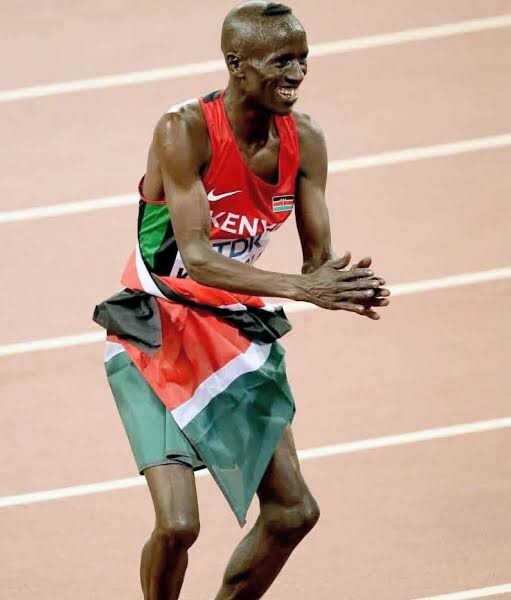
From pioneering Olympic champion Kipchoge Keino and distance-running legend Tegla Loroupe among others to modern icons such as Eliud Kipchoge, Faith Kipyegon, David Rudisha, Faith Cherotich, Vivian Cheruiyot and Ezekiel Kemboi among others. Kenyan athletes have repeatedly conquered the world's biggest stages.
Their Olympic victories, world titles, records and unforgettable performances have made Kenya one of the most recognizable names in track and field.
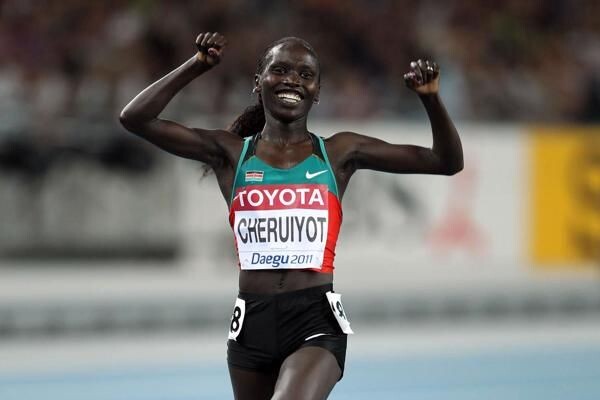
But Kenya's athletics identity extends far beyond medals.
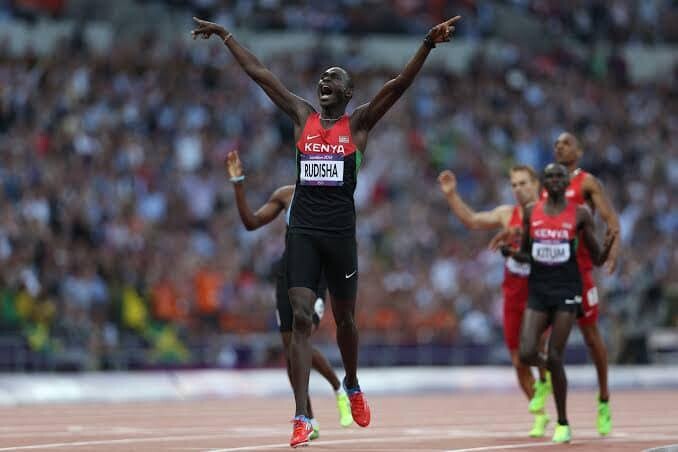
Running is deeply rooted in communities across the country, while the high-altitude training regions of the Rift Valley have become synonymous with the development of world-class distance runners. Behind the champions are coaches, families, training partners and communities that have helped create an athletics culture admired around the world.
Now, for the first time, that culture will become the backdrop for the sport's biggest senior global championship.
Nairobi 2029 will be historic before the first race even begins.
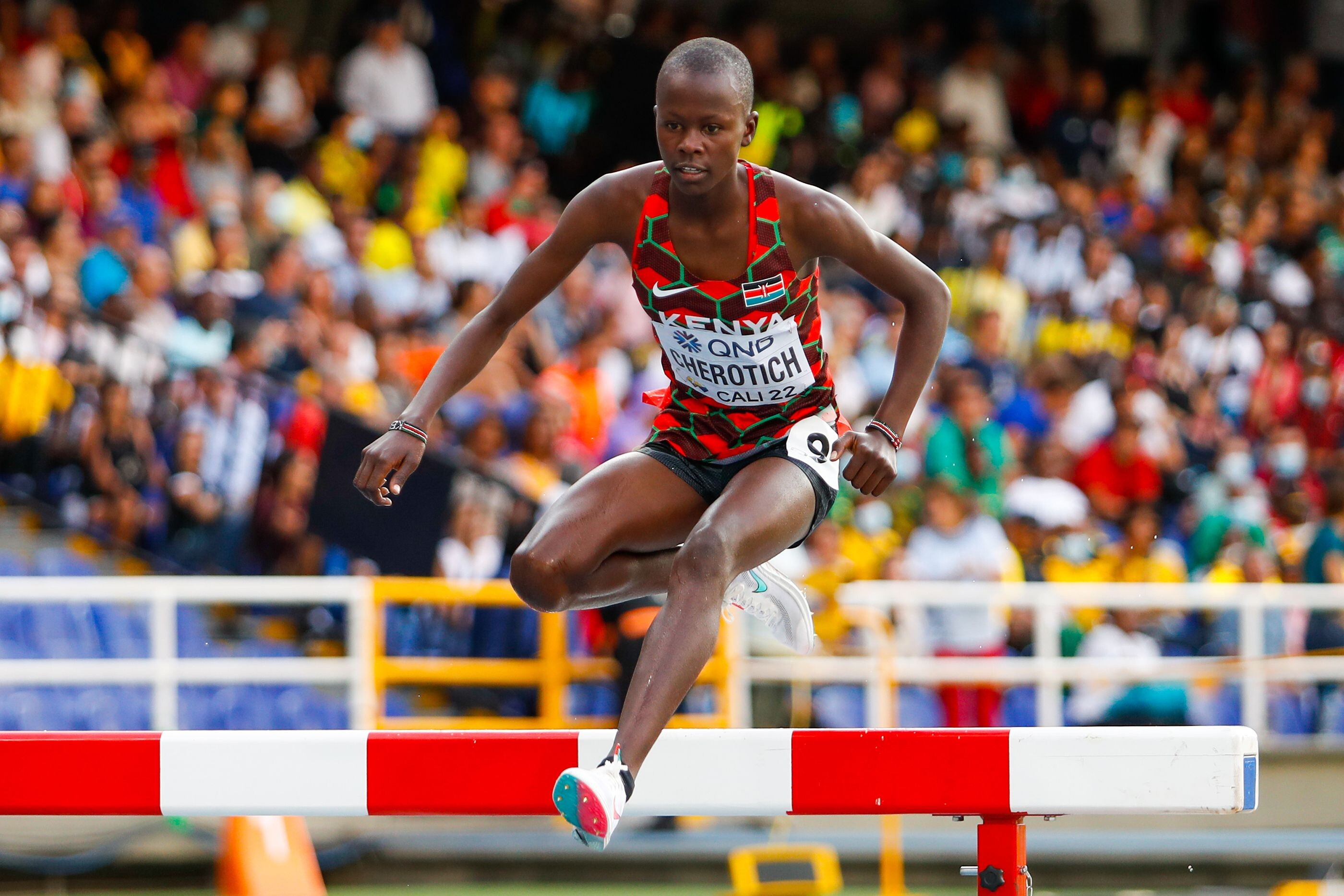
Kasarani, already an important venue in Kenya's sporting history, will take center stage as athletes from across the globe descend on Nairobi in pursuit of world titles.
For Kenyan fans, the opportunity to watch the world's greatest sprinters, middle-distance runners, distance stars, hurdlers, field-event athletes and relay teams compete on home soil will be extraordinary.
For the country's next generation of athletes, the impact could be even greater.
Young runners who have grown up watching Kenyan champions compete around the world will now have the chance to experience a World Championships in their own country. The sight of the world's best athletes competing at Kasarani could inspire a new generation to believe that they, too, can reach the highest levels of the sport.
The significance, however, stretches well beyond Kenya's borders.
Africa has produced generation after generation of Olympic champions, world champions and global athletics icons. From Kenya and Ethiopia to Uganda, Morocco, South Africa and numerous other nations, African athletes have played a central role in shaping the history of track and field.
Yet the continent had never hosted the senior World Athletics Championships.
Nairobi 2029 changes that forever.
The successful Kenyan bid therefore represents a major breakthrough for African athletics and a powerful recognition of the continent's contribution to the sport.
World Athletics' decision also secures the future of the championships beyond Nairobi. Munich will host the 2031 World Athletics Championships, creating a two-edition sequence that will see the global showpiece move from Africa to Germany.
But the spotlight now belongs to Nairobi.
The announcement in Budapest has transformed what was once an ambitious bid into a confirmed date with history.
In 2029, Kenya will not simply send athletes to compete for world titles.
Kenya will welcome the world.
It will be a celebration of the pioneers who laid the foundation, the champions who carried the country's name across the globe and the young athletes who represent the future of African athletics.
After decades of producing champions for the world, Kenya will finally have the opportunity to bring the world's greatest athletics stars into its own backyard.
For Africa, this is more than a hosting victory.
It is a breakthrough. It is recognition. It is a new chapter.
And when the athletes walk into Kasarani for the 2029 World Athletics Championships, they will be stepping into a moment that will belong not only to Kenya, but to an entire continent.
NAIROBI 2029 — THE WORLD IS COMING TO AFRICA.
by Erick Cheruiyot for My Best Runs.
Login to leave a comment
2026: The Year Distance Running’s Impossible Records Began to Fall
Distance running has witnessed extraordinary seasons before, but 2026 is producing something that feels almost unprecedented.
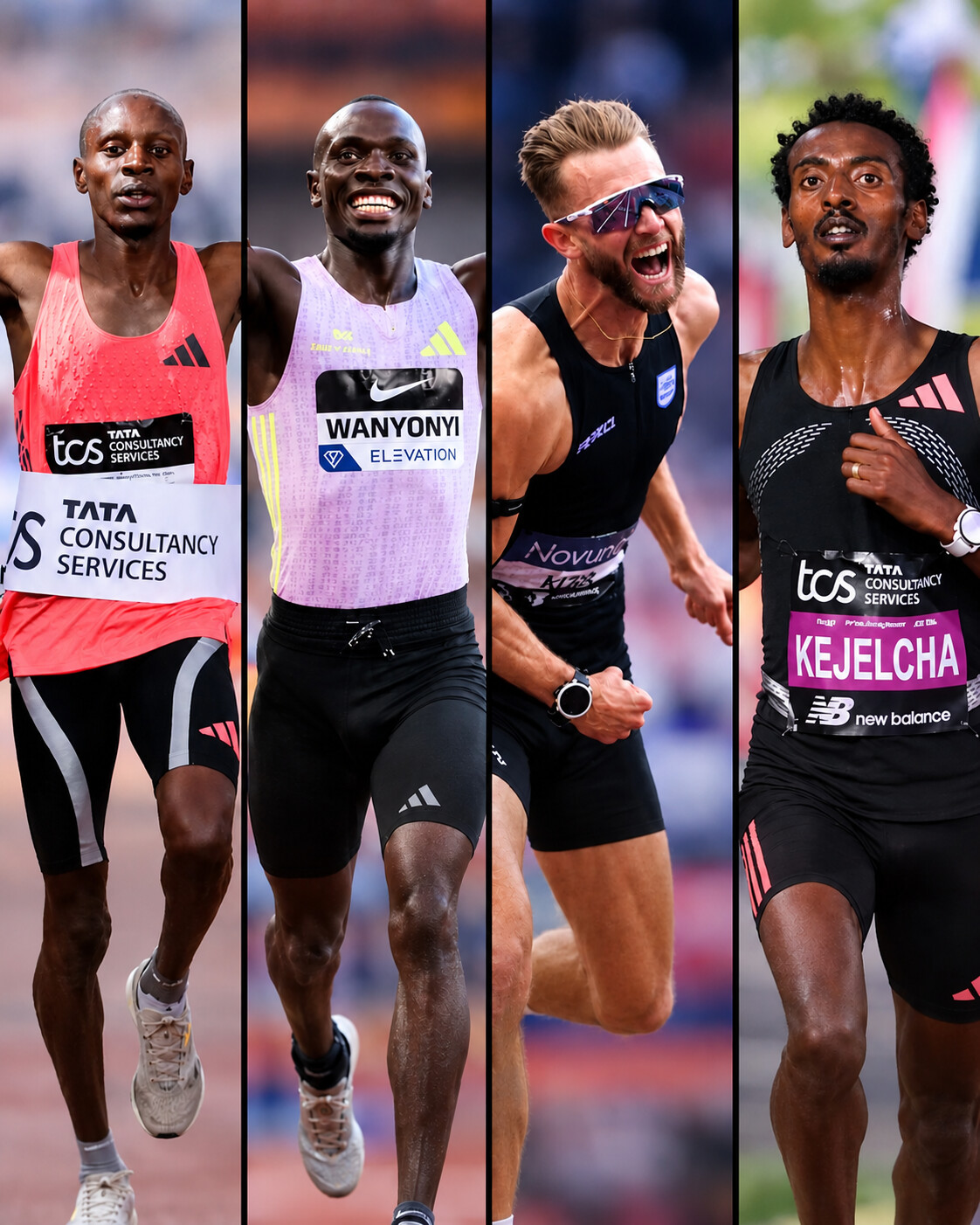
Records that had survived for decades, marks that appeared untouchable and performances that had defined entire generations of athletes are falling at a remarkable rate. In the space of just four months, four historic world records were rewritten, creating one of the most astonishing stretches the sport has ever seen.
And with four months still remaining in 2026, the question is no longer whether this has been an exceptional year.
It is just how much further the boundaries can be pushed.
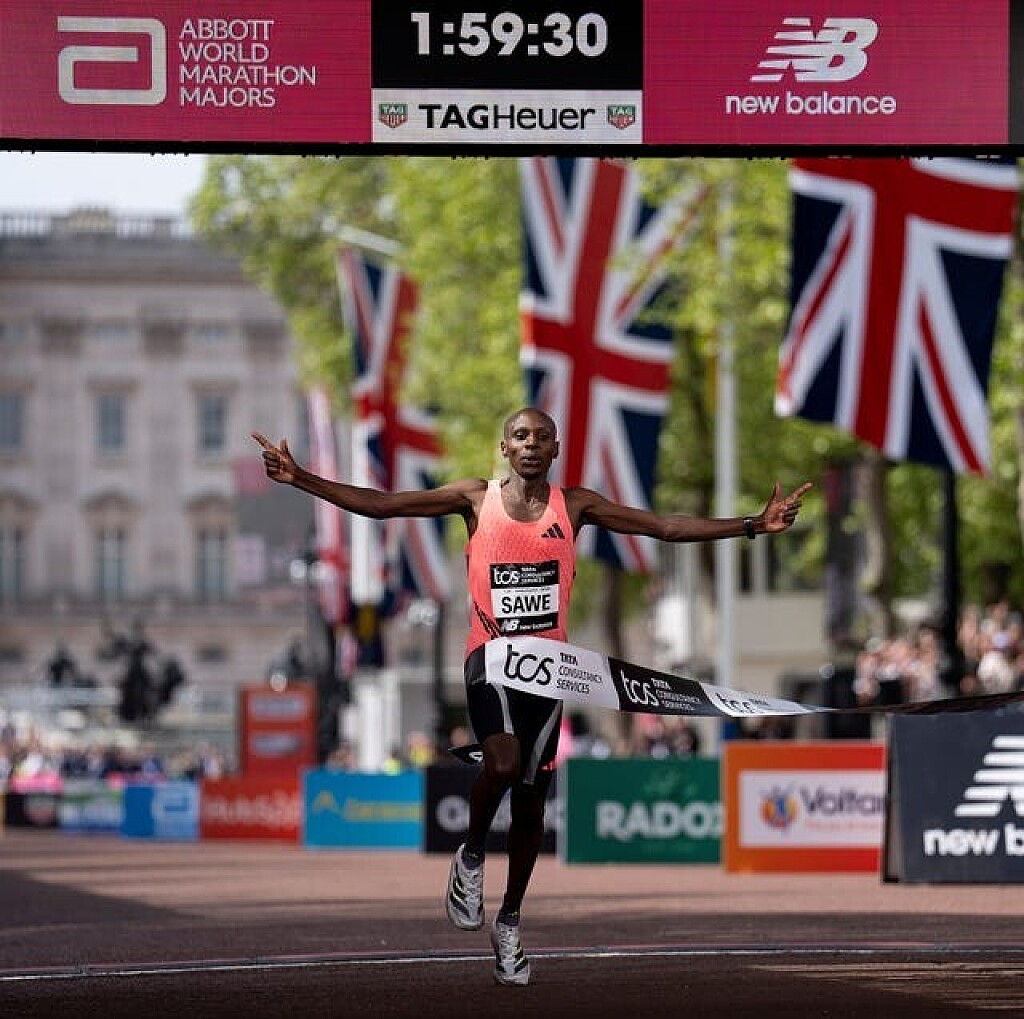
The extraordinary sequence began on April 26 at the London Marathon, where Sabastian Sawe delivered one of the defining performances in the history of the event. The Kenyan crossed the finish line in a breathtaking 1:59:30, becoming the first athlete to run a marathon under two hours in officially recognised, record-eligible conditions.
Eliud Kipchoge had famously broken the two-hour barrier in Vienna in 2019, proving that such a performance was humanly possible, but the specially organised conditions—including rotating pacemakers and a pace car—meant the time could not be recognised as an official world record.
Sawe's performance was different.
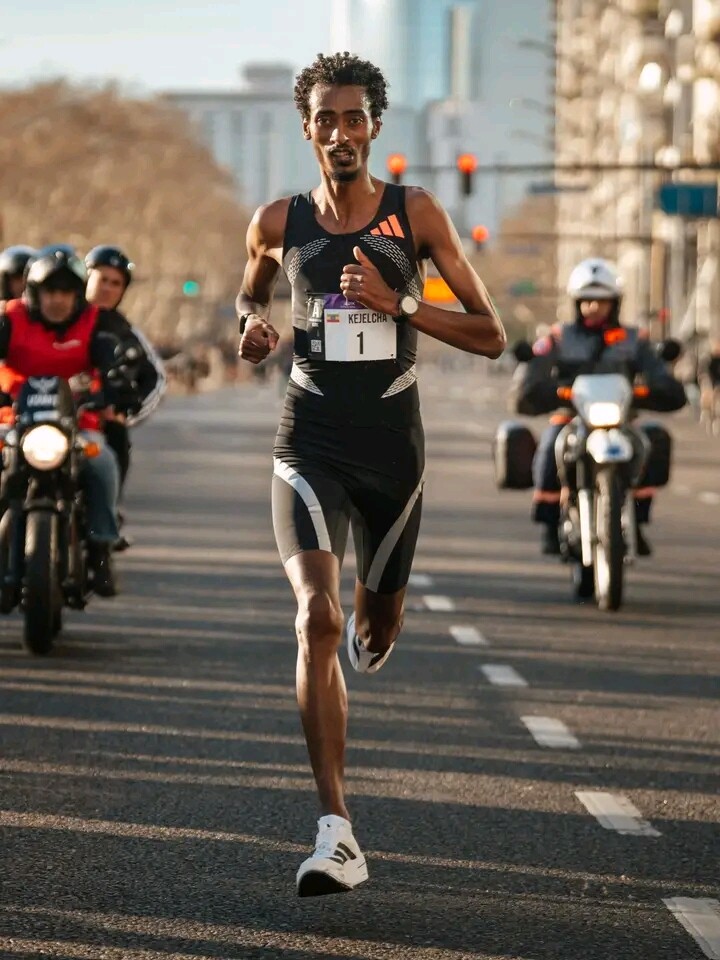
His 1:59:30 came in a conventional elite marathon race, and the historic morning became even more extraordinary as Ethiopia's Yomif Kejelcha finished in 1:59:41, while Uganda's Jacob Kiplimo clocked 2:00:28. In one astonishing race, three athletes went faster than the previous world-record standard.
Then came Monaco.
On July 10, Emmanuel Wanyonyi stepped into completely unfamiliar territory when he lined up for his first-ever 1000m race. What followed was nothing short of spectacular. The Kenyan middle-distance star stormed to 2:11.83, smashing a world record that had belonged to Noah Ngeny since 1999.
The previous mark had stood for 27 years, having been set four years before Wanyonyi was even born. Yet on his debut over the distance, Wanyonyi made history look effortless, while Britain's Jake Wightman also produced a superb performance to move into fifth place on the all-time list.
Just eight days later, London delivered another historic moment.
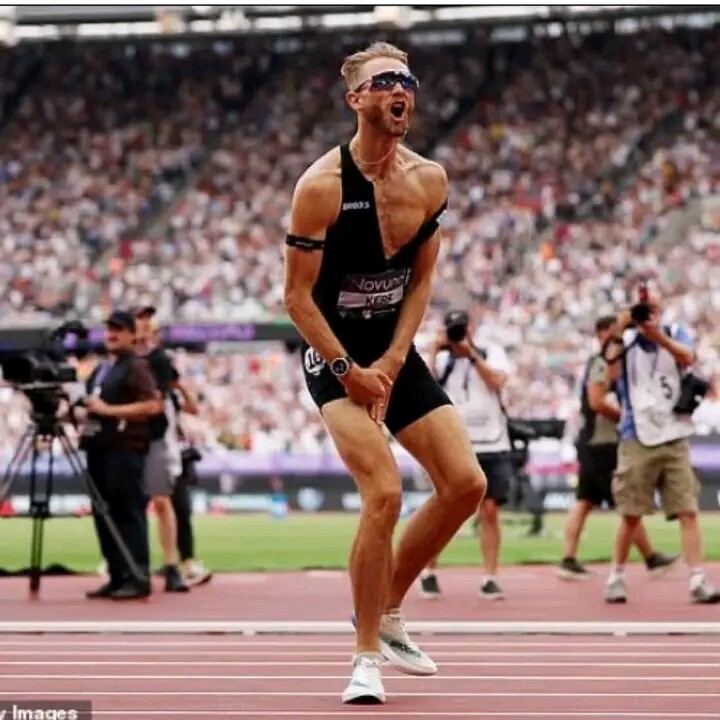
Josh Kerr had spoken openly about his ambitious mission, calling it “Project 222.” On the track, however, ambition turned into reality. The British star produced a stunning 3:42.66 for the mile, finally surpassing Hicham El Guerrouj's legendary 3:43.13 world record.
For decades, El Guerrouj's mark had stood as one of athletics' most iconic standards—a performance that appeared almost immune to the passing of time. Kerr changed that, producing a run that instantly secured its place among the greatest mile performances ever witnessed.
And then, in Buenos Aires on August 23, Yomif Kejelcha returned to the centre of the distance-running world.
Having already played a major role in London's historic marathon, the Ethiopian produced another extraordinary performance, this time over the half marathon. Kejelcha clocked 56:51, becoming the first man in history to break 57 minutes for the distance under valid record conditions.
What made the performance even more remarkable was the manner in which it unfolded. Kejelcha was running alone from around the 7km mark, with no rival beside him and no dramatic sprint finish required. He simply continued driving forward, producing one of the most dominant record-breaking performances ever seen on the roads.
Four historic records.
Four months.
A marathon barrier that had long been considered impossible in official competition. A 1000m record that had survived for 27 years. A mile record that had belonged to one of the greatest middle-distance runners in history. And a half-marathon performance that carried the event into completely new territory.
Distance running is living through a year unlike almost anything the sport has experienced before.
The most remarkable part?
2026 is not over yet.
With four months still remaining, the athletes of this extraordinary era may not be finished rewriting history.
by Erick Cheruiyot for My Best Runs.
Login to leave a comment
From 1:07:01 To 56:51: The Extraordinary Evolution Of The Half Marathon World Record
The history of the men’s half marathon world record is a remarkable journey through more than six decades of distance running, tracing the sport’s transformation from club-level competition to an era of extraordinary professional speed.
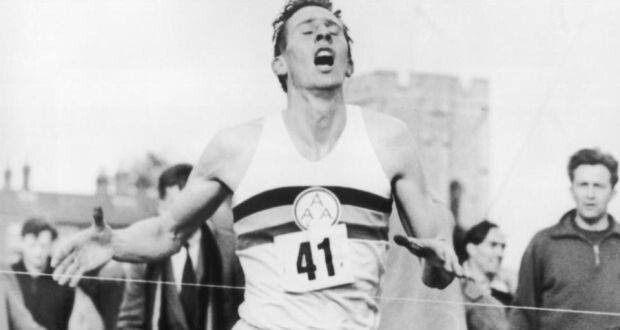
The story began in the spring of 1960 in Romford, Essex, where British club runner Brian Hill-Cottingham ran 21.0975 kilometres in 1:07:01, setting the fastest officially recorded time at the distance at the time.
For years, the record progressed slowly. British and American runners dominated much of the early history, with improvements often measured in seconds rather than dramatic leaps. Ron Hill lowered the mark to 1:05:44 in 1965, while Derek Clayton took it down to 1:03:22 in 1967. Through the 1970s and 1980s, the barrier continued to fall as athletes from different nations gradually pushed the limits of what was possible over 21.1 kilometres.
Then came the breakthrough that changed the character of the event.
In 1993, Kenya’s Moses Tanui became the first man to break the one-hour barrier, running 59:47 in Milan. It was a landmark moment for road running. The half marathon was no longer simply another distance on the racing calendar; it had become an event worthy of specialised preparation and elite-level ambition.
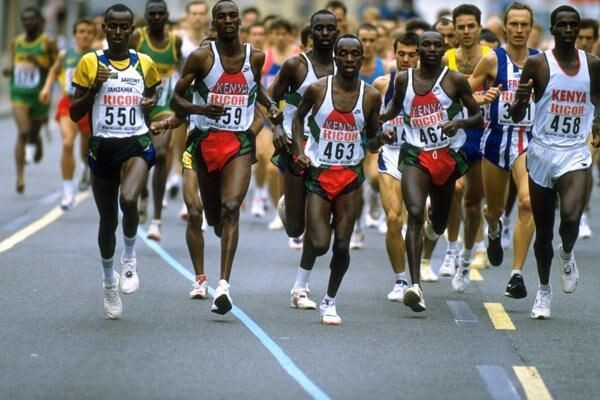
Kenya subsequently established a remarkable presence in the record progression. Paul Tergat lowered the record to 59:17 in 1998 before eventually pushing it below 59 minutes with a 59:06 mark later that year. Eritrea’s Zersenay Tadese and Kenya’s Sammy Wanjiru continued the progression in the 2000s, with Wanjiru taking the record to 58:33 in 2007.
Tadese reclaimed the record in 2010 with 58:23, but the most dramatic developments were still to come.
In 2018, Kenya’s Abraham Kiptum ran 58:18, only for countryman Geoffrey Kamworor to lower the standard to 58:01 in 2019. A year later, another Kenyan, Kibiwott Kandie, produced one of the greatest breakthroughs in the event’s history, becoming the first man to break 58 minutes with 57:32 in Valencia.
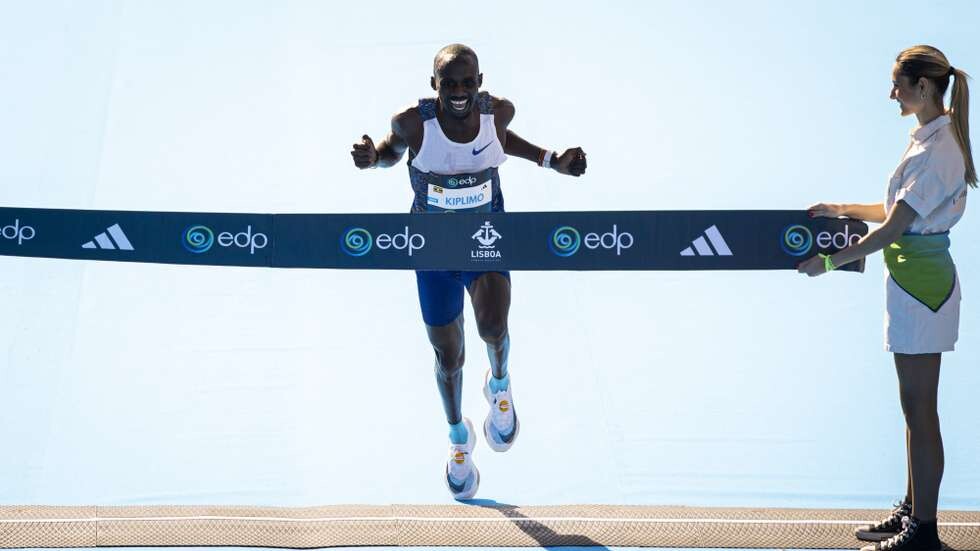
Uganda’s Jacob Kiplimo then entered the record books, running 57:31 in Lisbon in 2021. Ethiopia’s Yomif Kejelcha lowered it by another second to 57:30 in Valencia in 2024.
And then, in 2026, the record progression became a breathtaking battle between two of the finest distance runners of their generation.
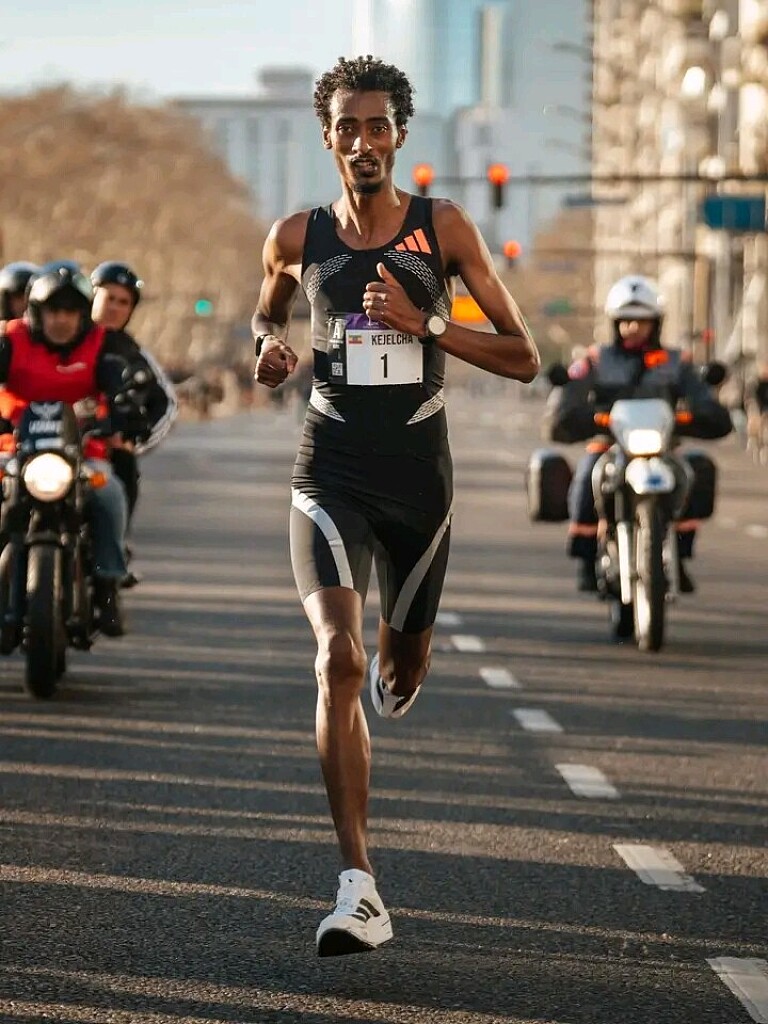
Kiplimo reclaimed the world record in Lisbon with 57:20, taking 10 seconds from Kejelcha’s mark. But Kejelcha responded with an extraordinary performance in Buenos Aires on 23 August 2026, stopping the clock at 56:51.
The improvement was staggering—29 seconds faster than Kiplimo’s previous record.
Kejelcha’s 56:51 means he averaged approximately 2:42 per kilometre for the entire 21.0975-kilometre distance, a pace that would have seemed almost unimaginable when Hill-Cottingham first established the record at 1:07:01 in 1960.
From 1:07:01 to 56:51, the progression tells the story of an event that has undergone a remarkable transformation. Training has become more sophisticated, competition has intensified, courses have become faster, and generations of athletes have continued to challenge the boundaries of human endurance and speed.
What began as a record set by a British club runner on a spring day in Essex has evolved into one of the most fiercely contested records in modern distance running.
And with Kiplimo and Kejelcha pushing each other to unprecedented heights, the question is no longer whether the half marathon can go faster.
The question is: how low can the world record ultimately go?
by Erick Cheruiyot for My Best Runs.
Login to leave a comment

Three Historic World Records Ratified As Kiplimo, Tharp And Wanyonyi Enter The Record Books
Three extraordinary performances that captivated the athletics world have now been officially ratified by World Athletics, with Jacob Kiplimo, Ja’Kobe Tharp and Emmanuel Wanyonyi securing their places in the history books with remarkable world-record performances.
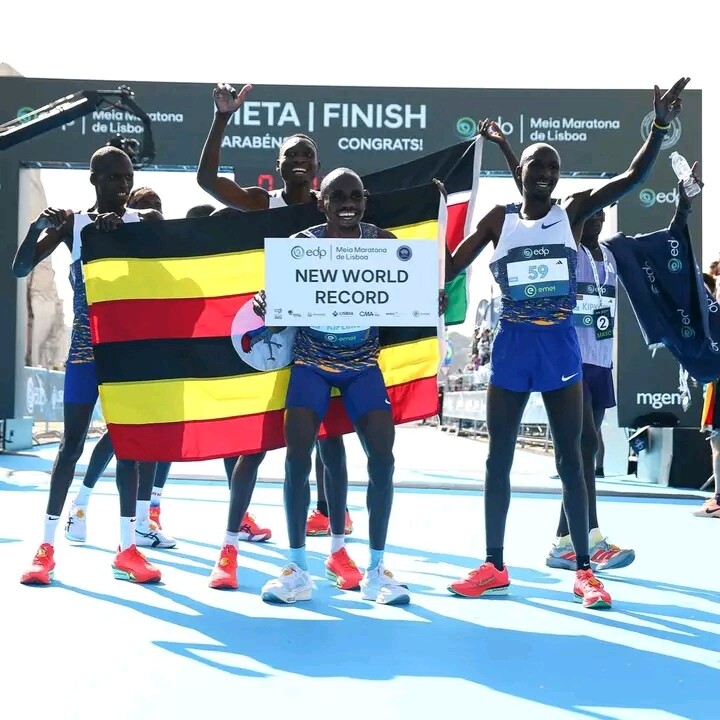
Uganda’s Jacob Kiplimo delivered a breathtaking 57:20 at the EDP Lisbon Half Marathon on 8 March 2026, producing what was then a spectacular world record. His performance underlined his exceptional ability over the half-marathon distance and further strengthened his status as one of the finest road runners of his generation.
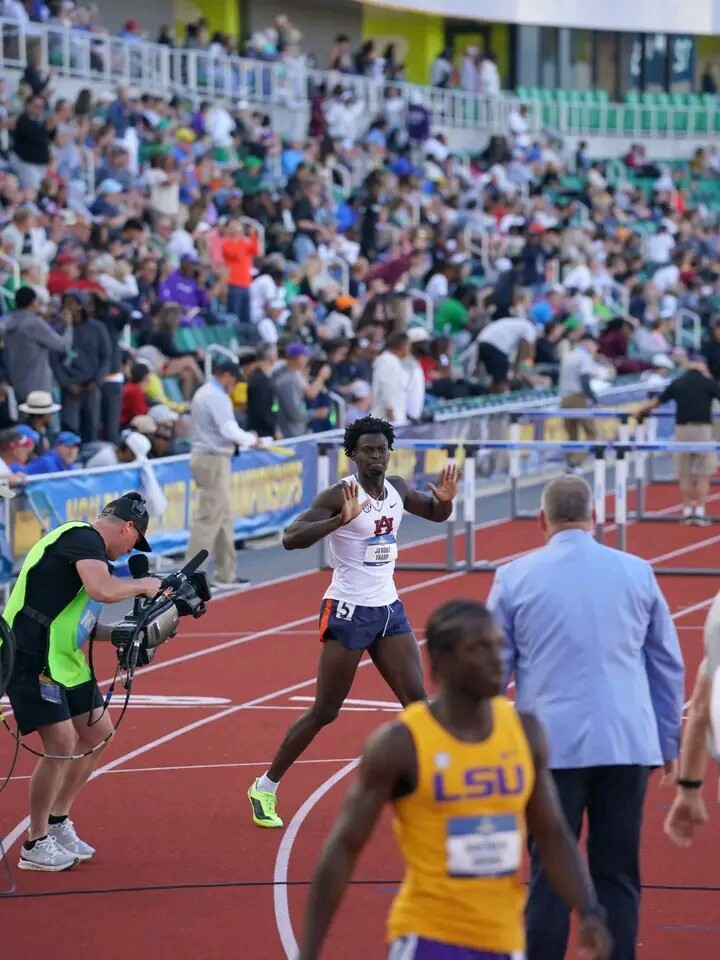
American hurdler Ja’Kobe Tharp created his own piece of history in Eugene on 10 June 2026, storming to 12.75 seconds in the 110m hurdles. The sensational performance came with a legal +1.0m/s following wind and established Tharp as the new world record-holder, marking a remarkable breakthrough on the global stage.
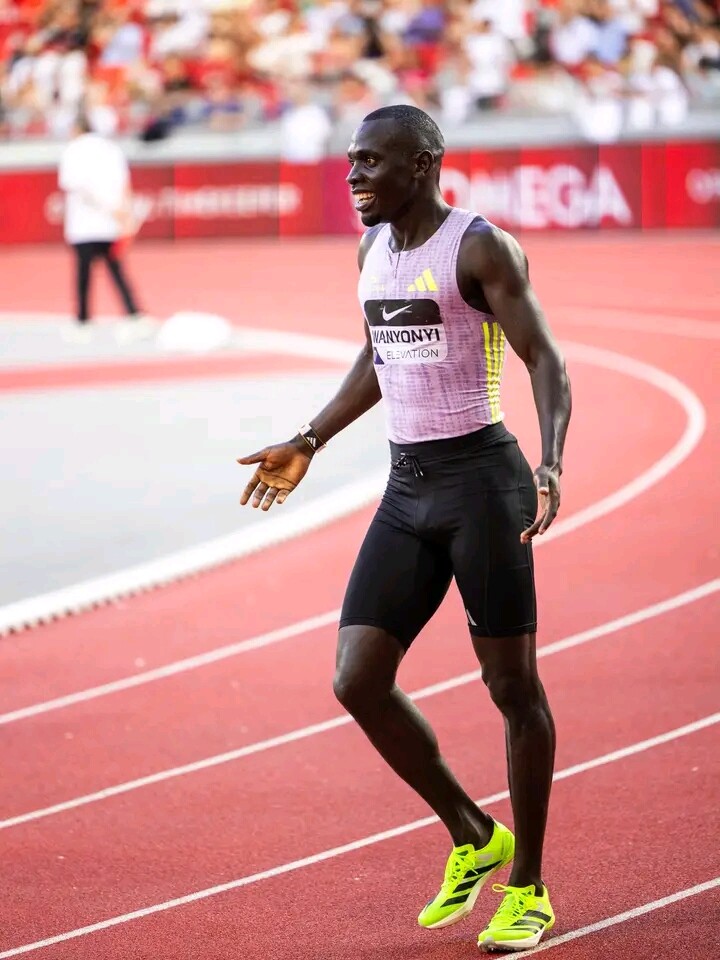
Kenya’s Emmanuel Wanyonyi completed the trio with a sensational 2:11.83 world record in the 1000m. The Olympic champion produced the performance in Monaco, lowering Noah Ngeny’s long-standing 2:11.96 world record from 1999. It was another extraordinary demonstration of Wanyonyi’s speed, strength and versatility beyond his specialist 800m distance.
What makes the three records particularly special is the variety of disciplines involved. Kiplimo conquered the demanding half marathon, Tharp mastered the technical challenge of sprint hurdling, while Wanyonyi extended his middle-distance brilliance over 1000m. Each performance showcased a different form of athletic excellence, yet all three athletes reached the same extraordinary destination: the world-record books.
Accuracy Note: Kiplimo’s 57:20 has since been surpassed by Ethiopia’s Yomif Kejelcha, who ran 56:51 at the Media Maratón Ciudad de Buenos Aires on 23 August 2026, taking 29 seconds off Kiplimo’s mark. The newer performance was still listed as pending ratification, meaning Kiplimo’s mark had been overtaken on the clock even as his record was among those formally ratified.
The ratification of the Kiplimo, Tharp and Wanyonyi performances nevertheless gives official recognition to three spectacular moments that will remain significant chapters in the 2026 athletics season.
Three athletes. Three extraordinary performances. Three officially ratified world records. From Lisbon to Eugene and Monaco, Kiplimo, Tharp and Wanyonyi have added another unforgettable chapter to the story of athletics
by Erick Cheruiyot for My Best Runs.
Login to leave a comment
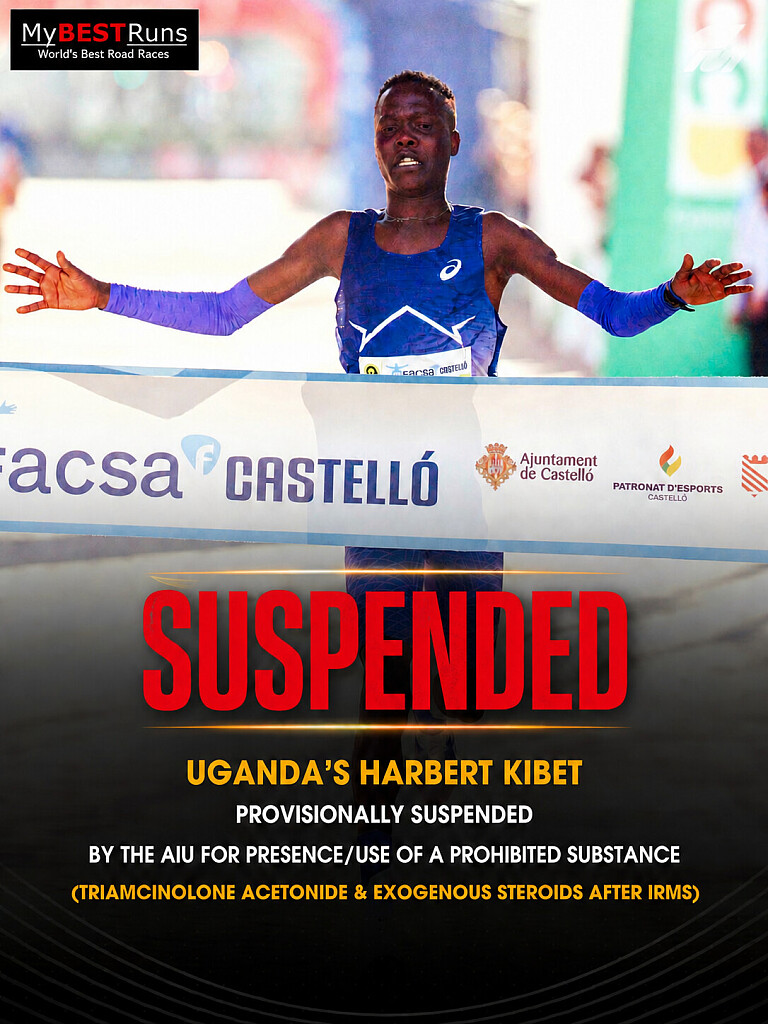
Uganda’s Rising Distance Star Harbert Kibet Provisionally Suspended by AIU
Uganda’s rapidly rising distance-running star Harbert Kibet has been provisionally suspended by the Athletics Integrity Unit (AIU) over the alleged presence and use of prohibited substances.
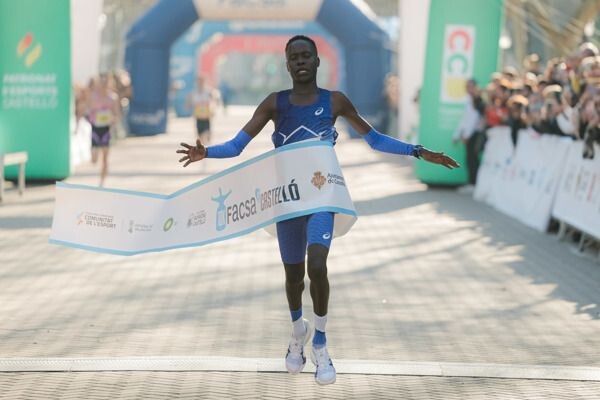
The 21-year-old is facing allegations involving triamcinolone acetonide and exogenous steroids, with the substances reportedly confirmed through Isotope Ratio Mass Spectrometry (IRMS) analysis. The development brings an abrupt halt to what had appeared to be the emergence of one of Uganda’s most promising young distance-running talents.
Kibet had enjoyed a remarkable breakthrough in February when he made his road 10-kilometre debut at the 10K Facsa Castellón in Spain. He produced a stunning performance to win in a world-leading 26:39, a time that placed him at No. 4 on the all-time road 10K list at the time and immediately elevated his status in international distance running.
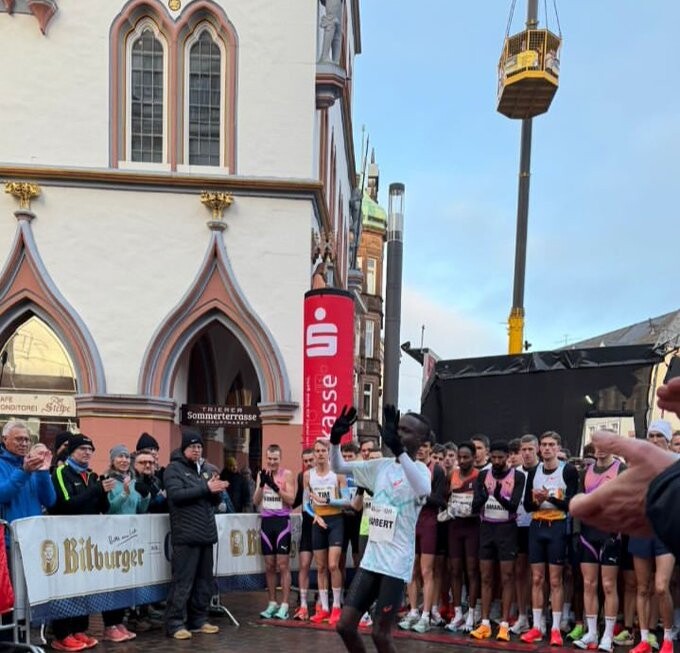
His rapid rise had already earned him opportunities to represent Uganda on the global stage. Kibet competed for his country at the World Championships in Tokyo last year, although he did not progress beyond the heats.
His most recent competition came in May at the Xiamen Diamond League, where he finished 15th in the men's 5000 metres in 13:46.45. He has not competed since that race.
The provisional suspension now casts uncertainty over the immediate future of an athlete whose spectacular 10K performance earlier this year had generated enormous excitement. However, it is important to stress that a provisional suspension is not a final finding of an anti-doping rule violation.
The case will now continue through the appropriate anti-doping process, during which the evidence and circumstances surrounding the allegations will be considered before any final decision is reached.
For Kibet, the development represents a dramatic and unexpected turn in a season that had begun with one of the most remarkable performances in the history of road distance running. The athletics world will now await further developments as the AIU process moves forward.
by Erick Cheruiyot for My Best Runs.
Login to leave a comment
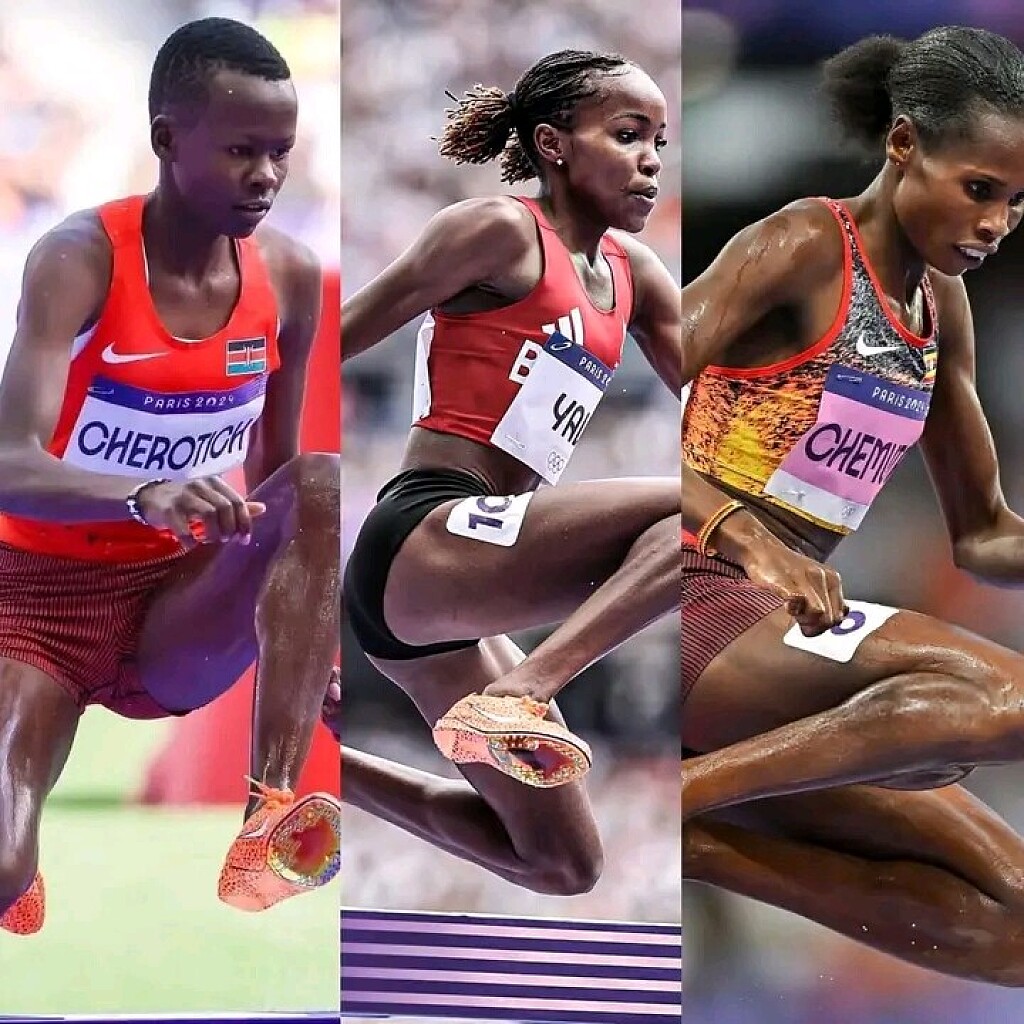
Diamond Trophy on the Line: Cherotich, Chemutai and Yavi Set for Epic Brussels Steeplechase Showdown
BRUSSELS, Belgium — The Diamond Trophy will be the ultimate prize when three of the world’s leading 3,000m steeplechase stars collide in a highly anticipated showdown at the Wanda Diamond League Final in Brussels.
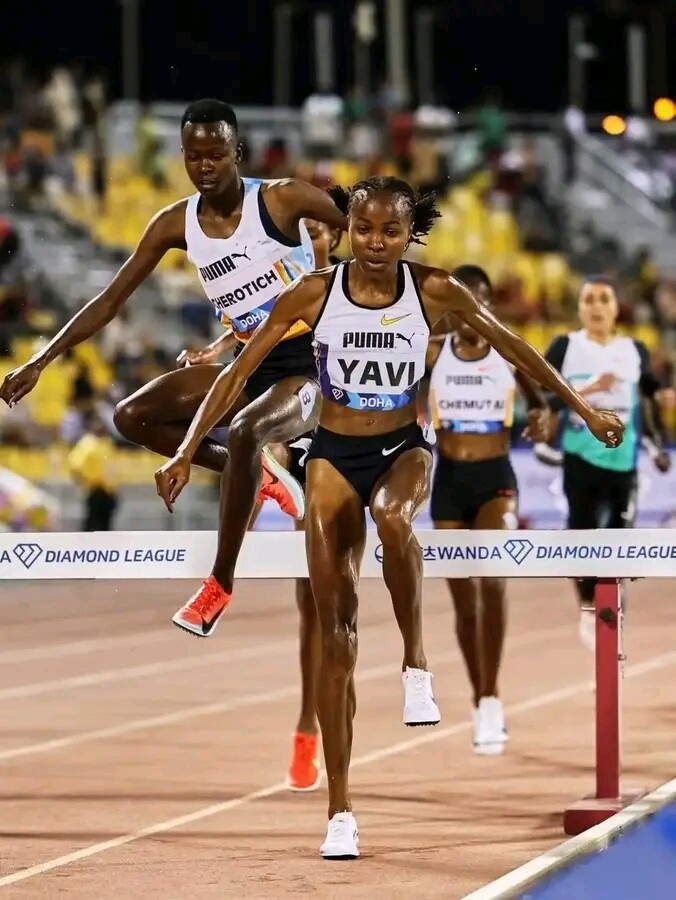
Kenya’s Faith Cherotich, Uganda’s Peruth Chemutai and Bahrain’s Winfred Yavi headline a competitive field on the opening day of the two-day season finale, with all three targeting a strong finish to their Diamond League campaigns.
With the prestigious Diamond Trophy at stake, the race is expected to provide another compelling chapter in the rivalry between three athletes who have established themselves among the leading figures in women’s steeplechase.
Cherotich will be among the athletes carrying significant expectations into the final. The Kenyan has continued to establish herself at the highest level of the event and will be looking to convert her season-long consistency into a victory on one of the biggest stages of the Diamond League.
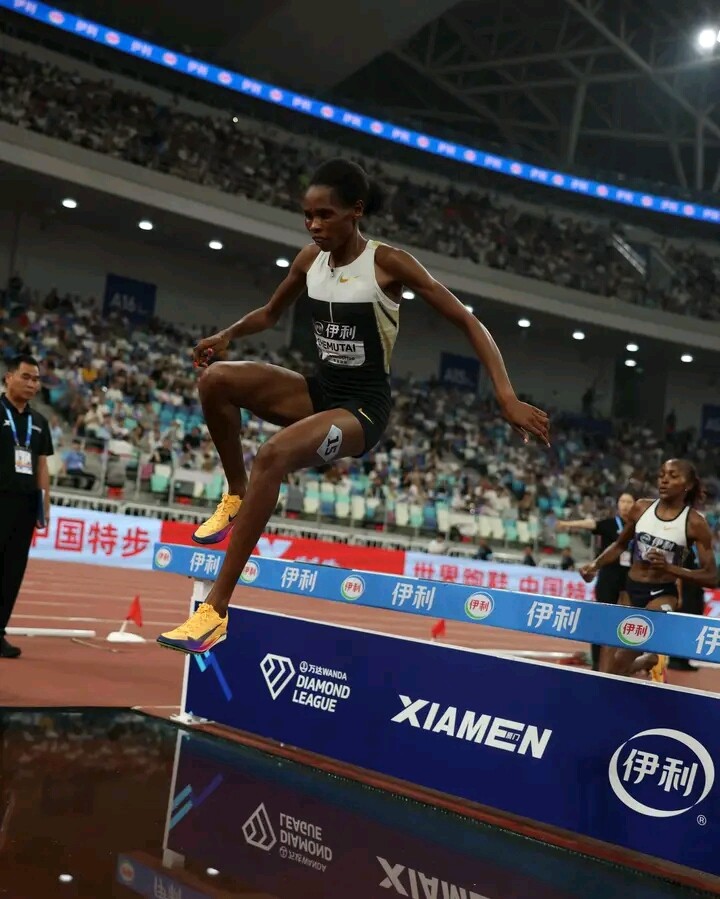
She will face a major challenge from Peruth Chemutai, the Olympic champion from Uganda. Known for her championship experience and ability to perform under pressure, Chemutai has the pedigree to remain in contention when the race reaches its decisive stages.
Winfred Yavi will also be central to the contest. The Bahrain representative possesses the speed and strength required to change the complexion of a steeplechase in the closing stages and will be among the leading contenders for the Diamond Trophy.
However, the race is not limited to the three headline names.
Kenya’s Doris Lemngole will look to challenge the established order and push herself into the podium conversation. Her presence adds another dimension to a field in which several athletes could influence the outcome.
Germany’s Olivia Gürth and Lea Meyer, Tunisia’s Marwa Bouzayani, the United States’ Lexy Halladay and Gabrielle Jennings, Great Britain’s Elise Thorner, and Ethiopia’s Kena Tufa complete the 11-athlete field.
The race could ultimately be decided by positioning, rhythm and the ability to negotiate the barriers efficiently before the final lap. With the Diamond Trophy on the line, every tactical decision is likely to carry added significance.
Full Start List
1. Marwa Bouzayani — Tunisia
2. Peruth Chemutai — Uganda
3. Faith Cherotich — Kenya
4. Olivia Gürth — Germany
5. Lexy Halladay — United States
6. Gabrielle Jennings — United States
7. Doris Lemngole — Kenya
8. Lea Meyer — Germany
9. Elise Thorner — Great Britain
10. Kena Tufa — Ethiopia
11. Winfred Yavi — Bahrain
Ultimately, the Brussels final promises to be a closely contested race in which tactics, positioning and the ability to handle the pressure of a high-stakes finish could prove decisive. With several athletes capable of challenging for the podium, the outcome is difficult to predict, setting the stage for an intriguing conclusion to the Diamond League steeplechase season.
by Erick Cheruiyot for My Best Runs.
Login to leave a comment

Peres Jepchirchir Conquers Sydney As World Champion Claims Fourth Major Marathon Crown
Kenya’s Peres Jepchirchir has added another prestigious chapter to her remarkable marathon career, claiming victory at the TCS Sydney Marathon presented by ASICS in an impressive 2:18:31.
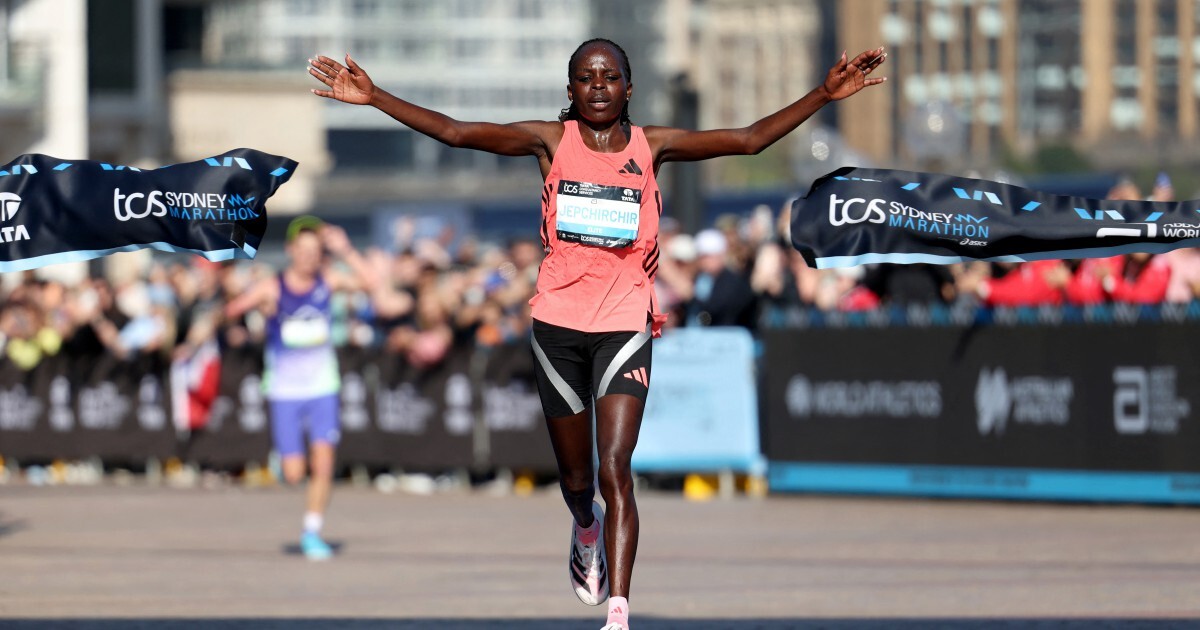
The reigning world champion and former Olympic champion produced a commanding performance on the streets of Sydney, securing another major victory and further strengthening her reputation as one of the most accomplished marathoners of her generation.
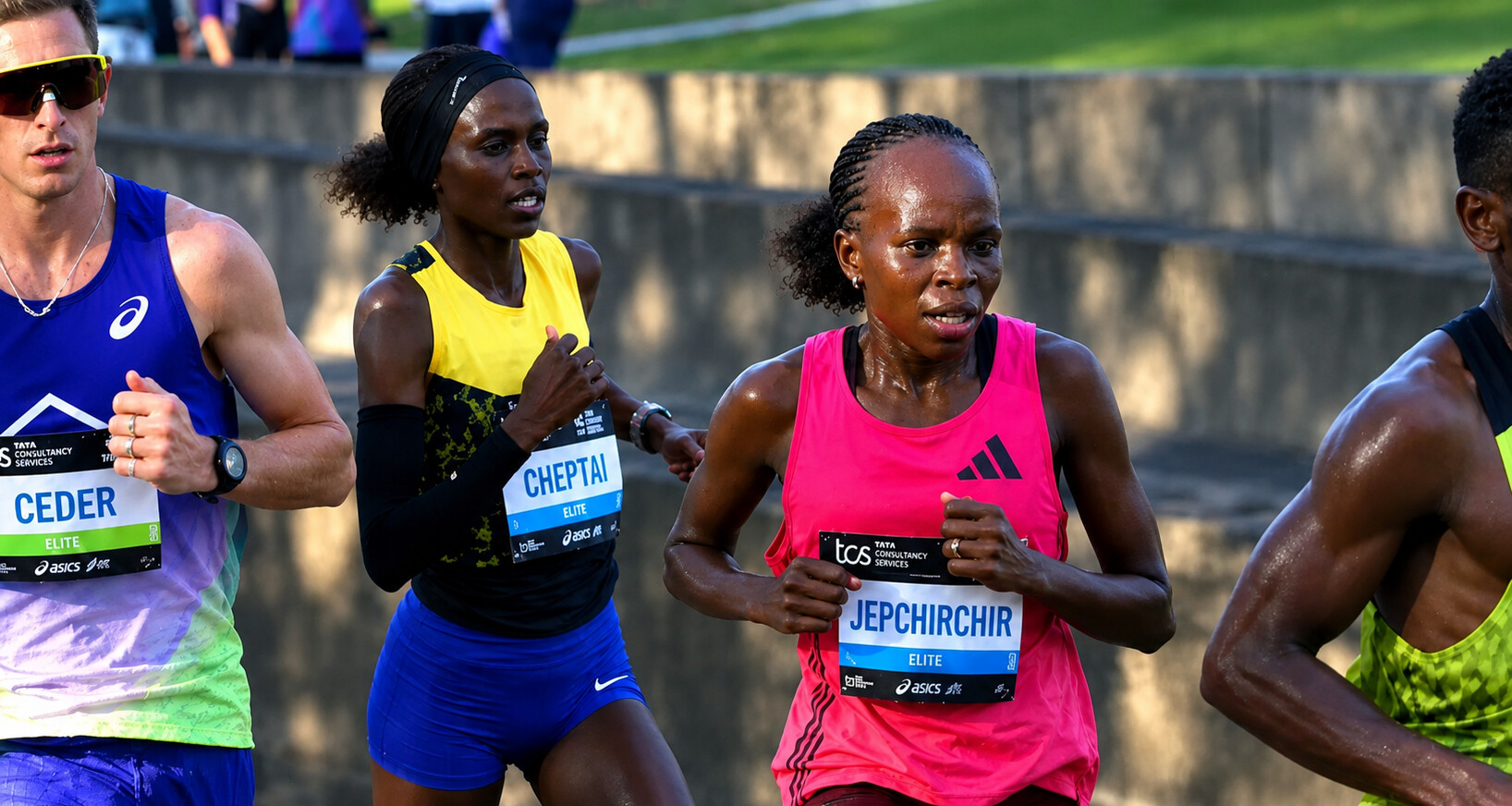
Jepchirchir’s winning time was just nine seconds shy of Sifan Hassan’s Sydney course record of 2:18:22, set at the 2025 edition. Although the record remained intact, the Kenyan once again demonstrated her ability to perform with precision and confidence on one of the sport’s biggest stages.
She won the race with a performance defined by patience, poise and remarkable composure. Rather than being drawn into unnecessary battles in the early stages, Jepchirchir appeared to run with confidence, gradually asserting her authority as the kilometres passed. Her rhythm remained smooth and controlled, her focus unwavering, and when the decisive moments arrived, she had the strength and composure to take command. It was a victory crafted with intelligence, executed with elegance and finished with the unmistakable authority of a true champion.
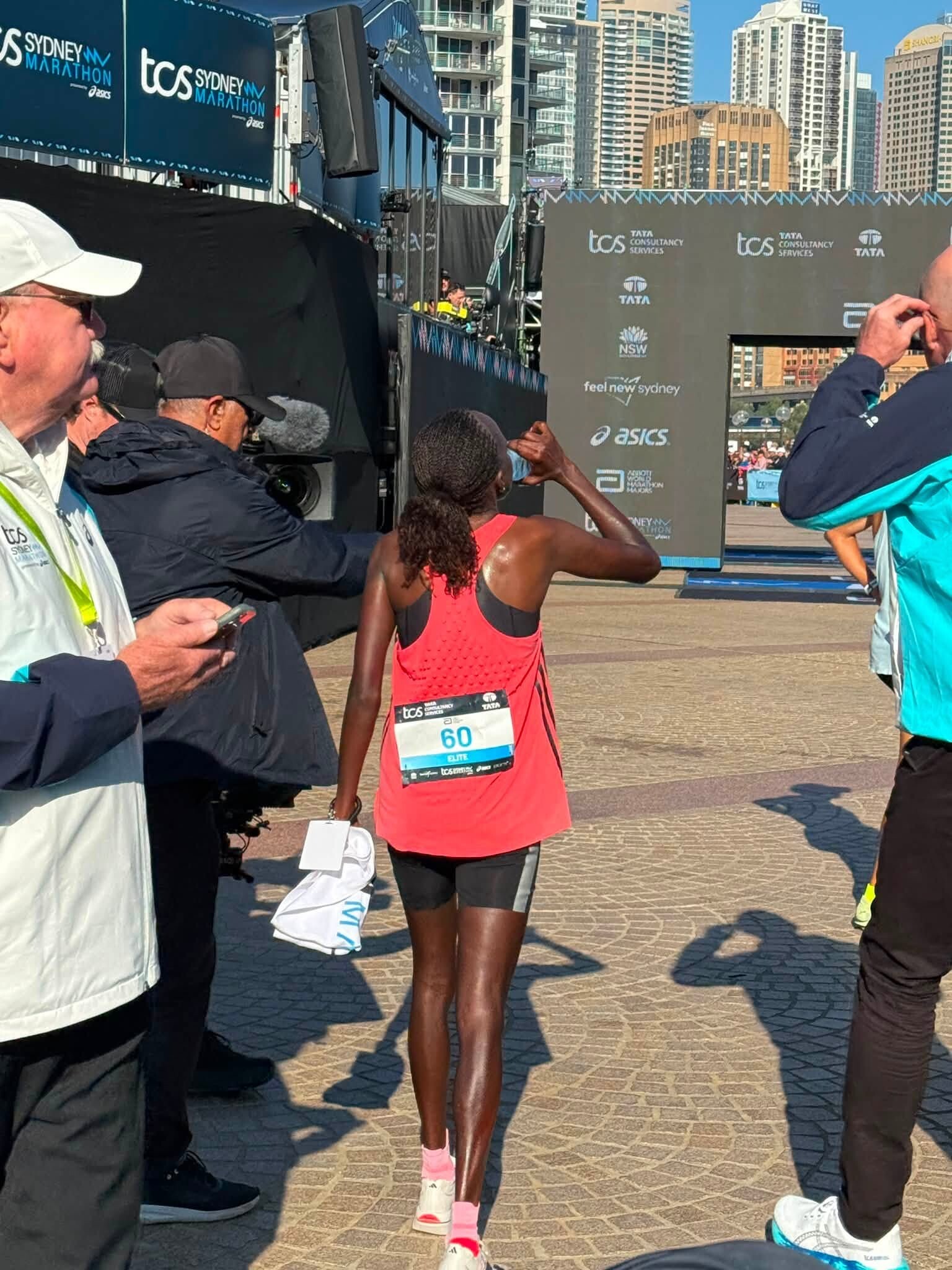
More significantly, the triumph marks Jepchirchir’s fourth Abbott World Marathon Majors victory. She had previously conquered New York, Boston and London, and her Sydney success now adds another prestigious Major title to an already extraordinary résumé.
Behind the champion, compatriot Irine Cheptai completed an impressive Kenyan one-two, crossing the finish line in 2:22:11. Ethiopia's Shure Demise secured the final place on the podium with a strong run of 2:22:32, as Kenya and Ethiopia once again demonstrated their extraordinary depth in elite women's marathon running.
Ethiopia's Haven Hailu finished fourth in 2:22:56, followed by compatriot Meseret Abebayehu in fifth with 2:23:40. Kenya's Priscah Cherono took sixth place in 2:23:49, narrowly ahead of Uganda's Stella Chesang, who clocked 2:23:51 for seventh.
The race also featured a notable performance from home favourite Ellie Pashley, who battled her way into the top 10. The Australian finished ninth in 2:28:27, giving the home crowd a strong athlete to celebrate in an elite field dominated by East African runners.
2026 Sydney Marathon – Top 10 Women's Results
1. Peres Jepchirchir (Kenya) – 2:18:31
2. Irine Cheptai (Kenya) – 2:22:11
3. Shure Demise (Ethiopia) – 2:22:32
4. Haven Hailu (Ethiopia) – 2:22:56
5. Meseret Abebayehu (Ethiopia) – 2:23:40
6. Priscah Cherono (Kenya) – 2:23:49
7. Stella Chesang (Uganda) – 2:23:51
8. Fikrte Wereta (Ethiopia) – 2:25:18
9. Ellie Pashley (Australia) – 2:28:27
10. Aberu Ayana (Ethiopia) – 2:28:29
For Jepchirchir, Sydney represents far more than another race victory. It is another demonstration of the consistency, resilience and championship mentality that have defined her career. From Olympic glory to world championship success and now another Major triumph, she continues to strengthen her place among the most accomplished marathoners of her era.
The Sydney Marathon has rapidly established itself as one of the most significant races on the global marathon calendar, and Jepchirchir’s victory adds another memorable chapter to its growing history.
As the champion crossed the finish line beneath Sydney’s iconic skyline, she celebrated another remarkable achievement in a career that continues to evolve with every major challenge.
From Olympic champion to world champion, from New York and Boston to London and now Sydney, Peres Jepchirchir continues to turn the world’s greatest marathons into stages for her brilliance. Sydney has a new champion, and another extraordinary chapter has been added to the story of one of marathon running’s finest competitors.
Four Abbott World Marathon Majors conquered. One extraordinary legacy still being written.
From Jepchirchir's dominant victory to another fiercely competitive East African showdown and Pashley's determined top-10 finish on home soil, the 2026 Sydney Marathon delivered a memorable showcase of world-class women's distance running. And at the centre of it all stood Peres Jepchirchir—once again wearing the crown.
by Erick Cheruiyot for My Best Runs.
Login to leave a comment

Sydney Marathon
The Sydney Marathon is a marathon held annually in Sydney, Australia. The event was first held in 2001 as a legacy of the 2000 Summer Olympics, which were held in Sydney. In addition to the marathon, a half marathon, 9 kilometres (5.6 mi) "Bridge Run", and a 3.5 kilometres (2.2 mi) "Family Fun Run" are also held under the banner...
more...
Sydney Marathon 2026: World Champions, Record Hunters And A Star-Studded Showdown
SYDNEY, AUSTRALIA — August 30, 2026
Sydney is preparing for a spectacular morning of marathon racing as reigning world champions Peres Jepchirchir of Kenya and Alphonce Simbu of Tanzania headline a world-class elite field at the TCS Sydney Marathon on Sunday, August 30.
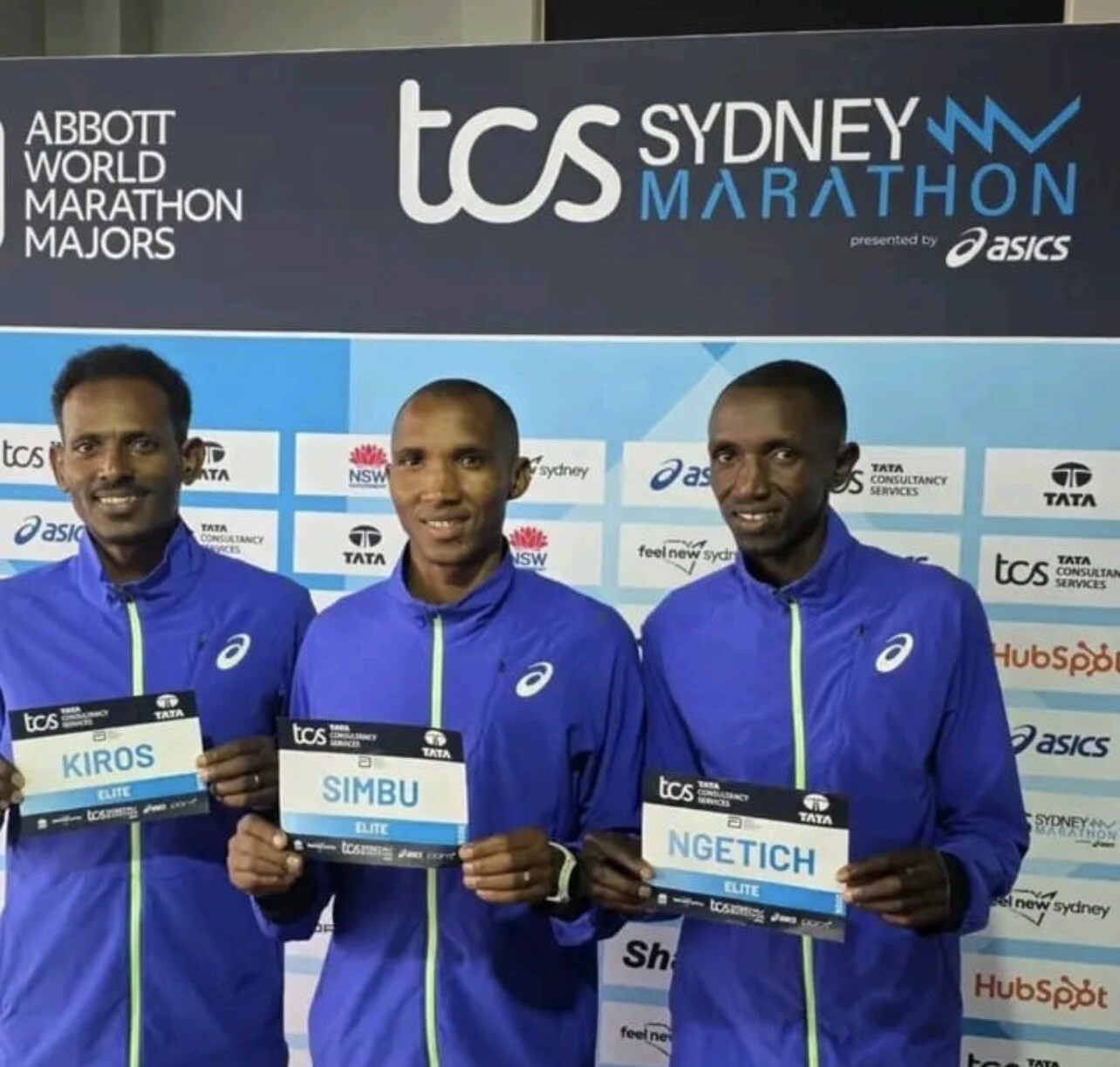
The race is set to provide another defining moment for Australian distance running, with more than 40,000 participants expected to take on the streets of Sydney and a remarkable collection of elite athletes competing for victory on one of the world's newest Abbott World Marathon Majors.
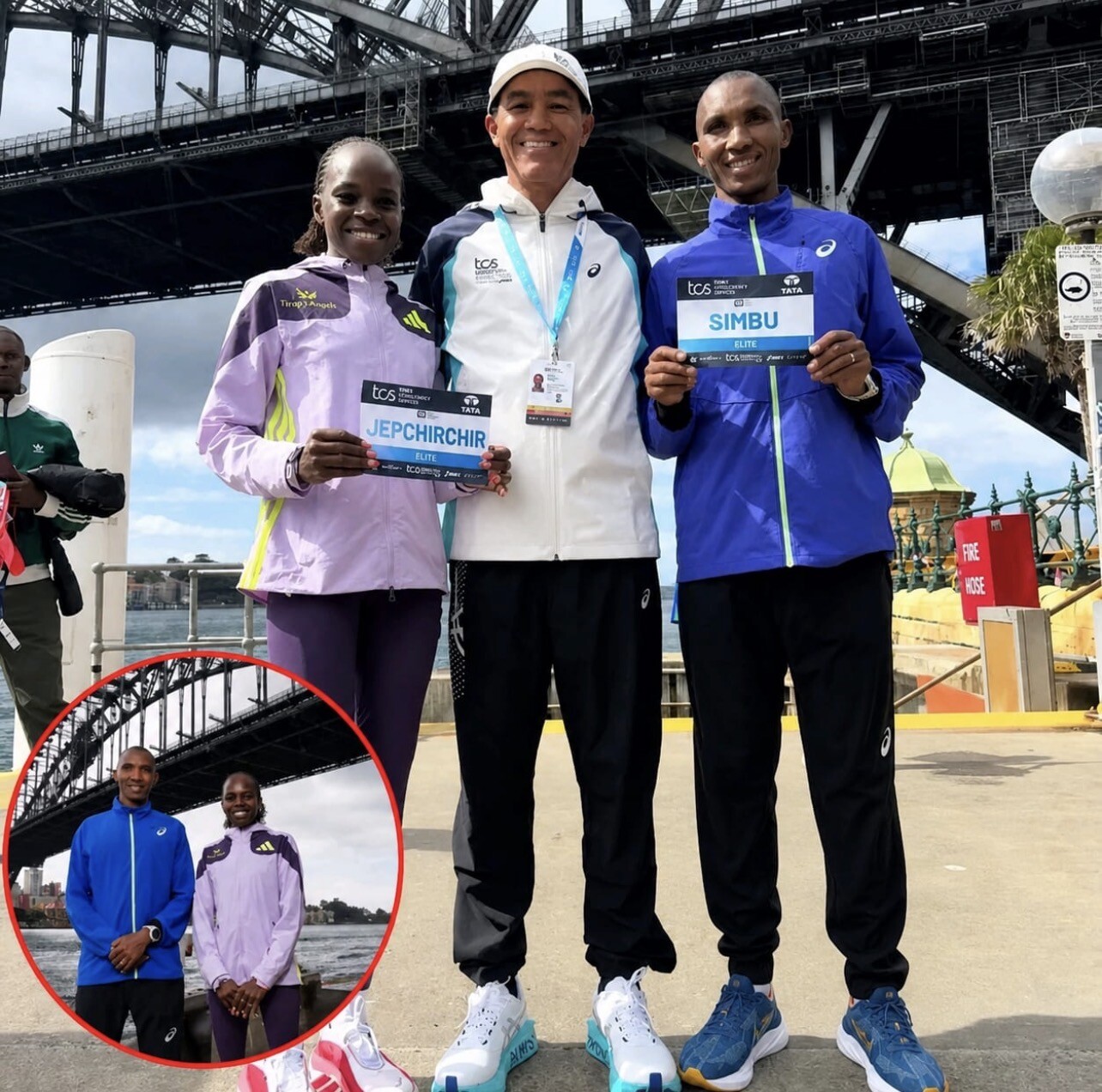
Jepchirchir and Simbu will bring an added layer of prestige to the occasion as the reigning women's and men's world marathon champions. Their presence ensures that the spotlight will be firmly fixed on Sydney as some of the world's finest distance runners battle for one of the most coveted titles on the international marathon calendar.

There will also be records in the crosshairs. The men's course record stands at 2:06:06, while the women's benchmark is 2:18:22, meaning the quality of the field has created genuine anticipation that both marks could come under threat.
In the men's race, Simbu arrives with considerable confidence and an ambitious target. The Tanzanian produced one of the most dramatic finishes of the 2025 World Athletics Championships in Tokyo, holding off Germany's Amanal Petros to claim the world title. With a personal best of 2:02:47, Simbu has the speed, championship experience and belief to challenge the very best, and he has made no secret of his desire to attack Sydney's course record.
However, standing in his way is an elite group led by Ethiopia's Sisay Lemma, whose outstanding 2:01:48 personal best makes him the fastest entrant in the field. A former London and Boston Marathon champion, Lemma brings a wealth of experience at the highest level and will be one of the principal threats to Simbu's ambitions.
Kenya will also have a strong presence, with Timothy Kiplagat and Vincent Ngetich adding further firepower to an already formidable men's lineup.
Perhaps the most intriguing storyline, however, belongs to Ethiopian track star Hagos Gebrhiwet, who is set to make his highly anticipated marathon debut. A former Olympic 5,000m medallist and one of the world's fastest track distance runners, Gebrhiwet has already shown extraordinary endurance over shorter distances, including a 57:41 half-marathon personal best. His transition to the marathon will be closely watched, with fans eager to discover whether his world-class track speed can be converted into success over 42.195 kilometres.
The depth of the men's field is remarkable. No fewer than 25 athletes have broken 2:10, while 19 have already recorded times faster than Sydney's existing course record, setting the stage for a race that could develop into a battle of extraordinary pace and tactics.
The women's contest promises just as much drama, with Jepchirchir leading the way. The Kenyan superstar arrives in Sydney as the reigning world champion and Olympic champion, carrying a 2:14:43 personal best, the fastest among the women entered.
Yet victory will not come easily. Jepchirchir faces a powerful Kenyan challenge from Irine Cheptai, who owns a 2:17:51 personal best and has already established herself as a major force on the international marathon circuit.
Tanzania's Magdalena Shauri, the country's national record holder with a personal best of 2:18:03, will provide another serious threat, while the experienced Vivian Cheruiyot of Kenya adds further championship pedigree to an already impressive women's field.
Ethiopian stars Shure Demise and Haven Hailu, alongside Uganda's Stella Chesang, will also be looking to make their mark as the race unfolds through Sydney's iconic streets.
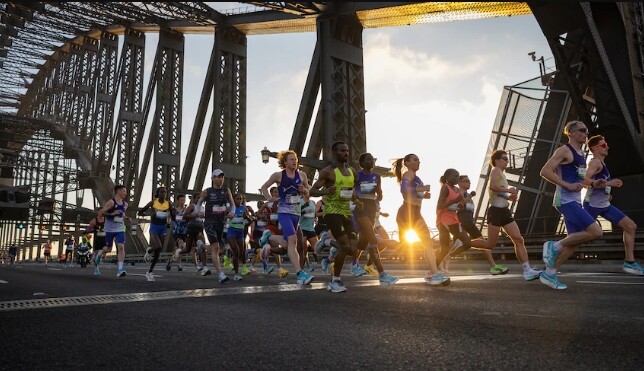
The setting could hardly be more spectacular. Starting in North Sydney, the marathon takes runners across the famous Sydney Harbour Bridge before heading towards the unforgettable finish at the Sydney Opera House. With the city providing a breathtaking backdrop, the race has all the ingredients for another historic chapter in its rapid rise on the global marathon scene.
For the elite athletes, however, the beauty of Sydney will quickly become secondary once the gun goes off.
The champions will be chasing victory. The record hunters will be chasing history. And for Gebrhiwet, an entirely new chapter of his career will begin.
Two reigning world champions. Multiple sub-2:05 contenders. A world-class women's field. A highly anticipated marathon debut. And course records that could be under serious threat.
Everything is in place for an unforgettable Sunday in Sydney.
Will Alphonce Simbu turn his ambition into a new course record?
Can Sisay Lemma's 2:01:48 experience carry him to victory?
Will Hagos Gebrhiwet announce himself as a future marathon superstar?
And can Peres Jepchirchir add the Sydney Marathon crown to her already extraordinary list of achievements?
Sydney is ready.
The champions have arrived. The records are waiting. The stage is set for a spectacular showdown.
by Erick Cheruiyot for My Best Runs
Login to leave a comment
Sydney Marathon
The Sydney Marathon is a marathon held annually in Sydney, Australia. The event was first held in 2001 as a legacy of the 2000 Summer Olympics, which were held in Sydney. In addition to the marathon, a half marathon, 9 kilometres (5.6 mi) "Bridge Run", and a 3.5 kilometres (2.2 mi) "Family Fun Run" are also held under the banner...
more...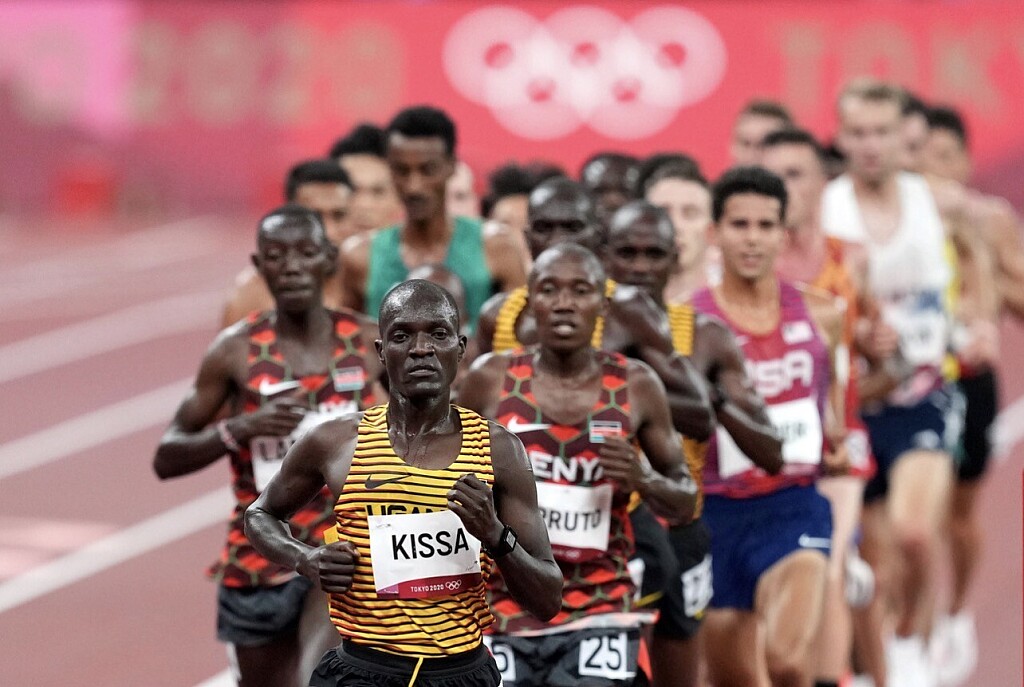
Stephen Kissa Carrying Ugandan Hopes at TCS Toronto Waterfront Marathon
Ugandan long-distance runners have emerged from the shadows of their legendary East African neighbours to earn distinction at the highest level.
Now Stephen Kissa will represent his nation at the 2026 TCS Toronto Waterfront Marathon on October 18 against a strong contingent of Kenyan and Ethiopian athletes. The event is once again a World Athletics Elite Label race.
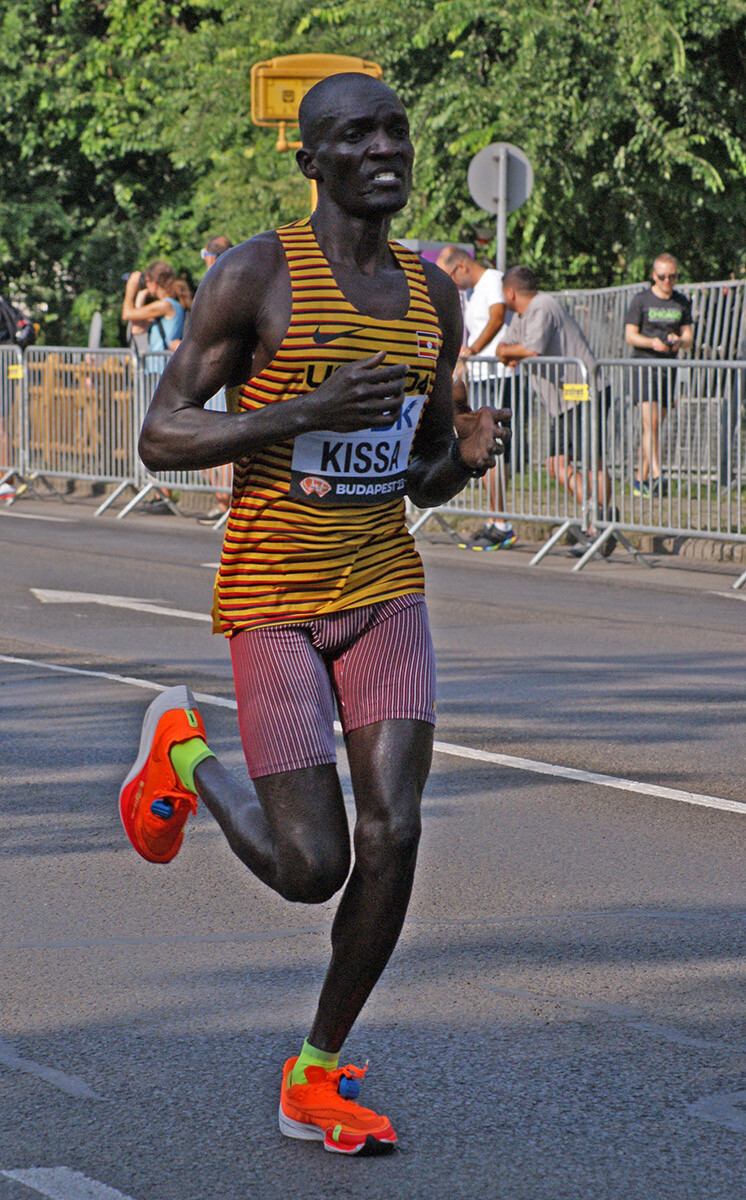
Kissa set a Ugandan national record of 2:04:48 when he finished second in his 2022 marathon debut in Hamburg. That record was only broken this year. He was subsequently selected for Uganda’s 2023 World Championships marathon team, finishing fifth on the streets of Budapest.
He has also represented his country twice at the Olympics and competed at the World Cross Country Championships. With such experience, the 37-year-old is intent on challenging for Toronto’s $25,000 Canadian first-place prize.
“When I come to Toronto, I will do my best,” he declares with a broad smile. “I will be really happy if I can run 2:03 or 2:04.
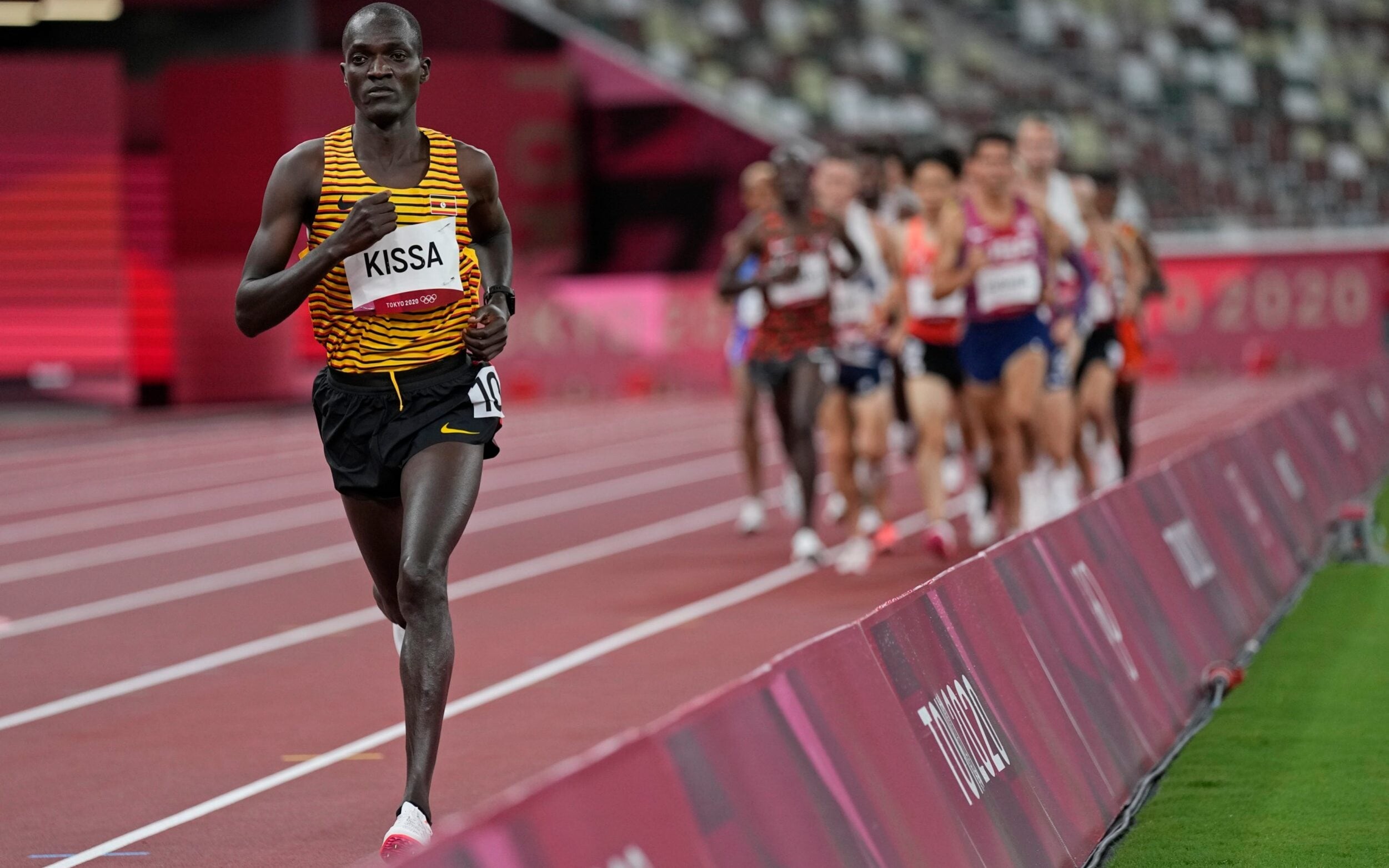
“With training, we have been comparing the past to now, and we have come up with a solution. We do long runs and tempo runs ranging from 25km and 28km to 30km and up to 40km. I am running around 120km a week but will go up closer to 200km.”
Kissa is not the first of his compatriots to compete in the Toronto Waterfront Marathon. Stephen Kiprotich, the 2012 Olympic champion, finished seventh in the 2018 race. Kiprotich remains a national hero in Uganda, and his success has contributed significantly to the nation’s emergence as a distance-running power.
“I was really inspired a long time ago by Stephen Kiprotich,” Kissa admits. “He did some tremendous work, and I can say he is our mentor. We really respect him.
“He has given me advice. He told me, ‘Our sport is not a one-day journey. It is a long journey that takes a lot of patience and commitment. If you have commitment, patience and work hard, you will go far.’”
Kiprotich has been an occasional and welcome visitor to the training camp in Kapchorwa that Kissa calls home for most of the year. It sits at an altitude of 2,500 metres, or 8,200 feet.
From Monday through Saturday, Kissa trains there with a group that includes two-time Olympic champion Joshua Cheptegei, 2023 world marathon champion Victor Kiplangat and 2022 Olympic 3,000m steeplechase champion Peruth Chemutai.
The centre was built by their management company, Global Sports Communications, with a contribution from Cheptegei. The athletes return home to their families on Saturday evenings.
Kissa lives in Kapchorwa’s town centre, about 14 kilometres away, in an area dominated by Mount Elgon, an extinct volcano estimated to be 24 million years old. He lives there with his wife and two young children.
“Right now they are at school,” he says of his children. “They are about to come home for a holiday. That’s when I will meet them. At school, they concentrate on their studies unless there is a problem. Then they will call me.”
The training camp includes a dormitory, dining room, kitchen and recreation room where the group gathers to watch sports. The recent FIFA World Cup generated great interest, and Kissa admits enjoying the play of Spanish winger Lamine Yamal. When asked what he does to relax, he smiles.
“I can play pool. I like that,” he says, adding with a laugh, “Not for money. We also play cards.
“Sometimes, when I have time, I cook chapati. It is made from wheat flour. We also have potatoes and ugali, which is made from corn.”
The group holds a prayer before each workout. Victor Kiplangat is an assistant pastor at a nearby church called Temple of the Most High God, but the others, including Kissa, also take turns leading prayers.
For more than a decade, the group was coached by Addy Ruiter. After the 2024 Paris Olympics, the Dutchman returned home. He continues coaching the athletes remotely through WhatsApp, with an on-site team led by fellow Dutchman Roy Hoornweg.
“Kapchorwa is a hilly, mountainous area,” Kissa explains. “The tempo runs are done on a plateau where it is flat. Our training differs depending on the location. You can’t do long runs in the hilly area, so we go to the plateau. We also have flatlands where we can do long runs and tempo runs.”
Kissa understands that he is approaching the later stages of his running career and must look toward life beyond competition. Still, he laughs when asked how many more years he can compete.
“Maybe 10 years! I will be happy if I can run 2:03 or 2:04,” he says.
“If Toronto goes really well, I will look to invest in assets in town, build apartments and start a business. I can really say thank you for inviting me to Toronto. If it goes well, I will be very proud.”
Kissa won’t be the only Ugandan presence at the TCS Toronto Waterfront Marathon. At the Runner’s Expo on October 16 and 17 at the Better Living Centre, a Uganda Tourism booth will offer information about the Mount Rwenzori Marathon and Great Lakes Safaris.
On the starting line, Kissa can be confident that he has the international experience and talent to compete with anyone. As for his ultimate goals, he is succinct.
“I pray that in the years to come I will stand on the podium at the Olympics or World Championships,” he says. “That is what I am really looking forward to.”
A victory in Toronto would bolster that ambition.
by Paul Gains
Login to leave a comment

TCS Toronto Waterfront Marathon
The Scotiabank Toronto Waterfront Marathon, Half-Marathon & 5k Run / Walk is organized by Canada Running Series Inc., organizers of the Canada Running Series, "A selection of Canada's best runs!" Canada Running Series annually organizes eight events in Montreal, Toronto and Vancouver that vary in distance from the 5k to the marathon. The Scotiabank Toronto Waterfront Marathon and Half-Marathon are...
more...
Geoffrey Kamworor Eyes New York Hat-Trick as Kenyan Star Chases Another Major Triumph
Two-time New York City Marathon champion Geoffrey Kamworor is set for another assault on the Big Apple, with the Kenyan distance-running star targeting a historic third victory when the Abbott World Marathon Majors race returns on November 1.
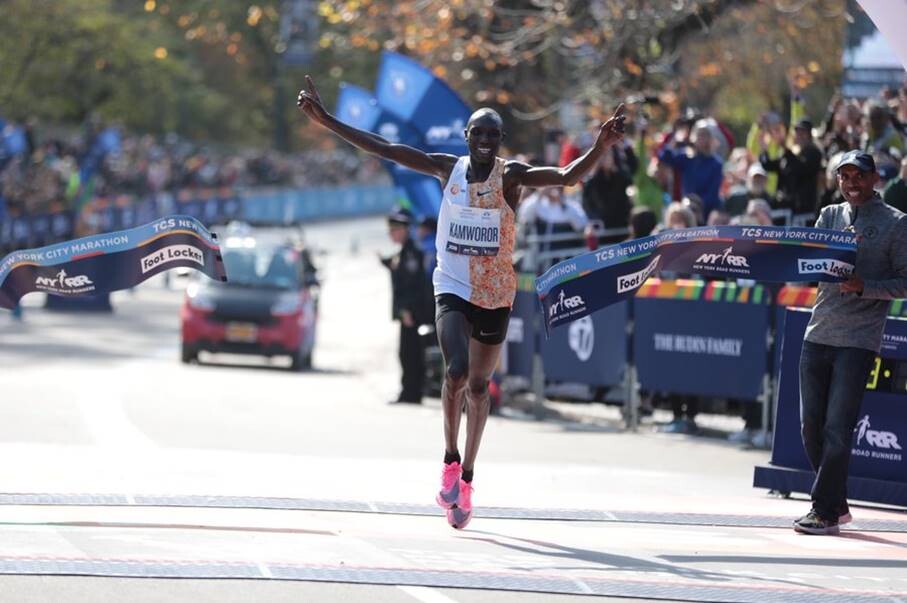
For Kamworor, New York represents much more than another marathon. It is a course where he has already enjoyed some of the defining moments of his illustrious career, and where he will now seek to add another prestigious title to a remarkable collection of achievements.
The 33-year-old has developed a special relationship with the New York course since making his debut there in 2015. On that occasion, he finished runner-up in 2:10:48 behind compatriot Stanley Biwott, who won in 2:10:34.
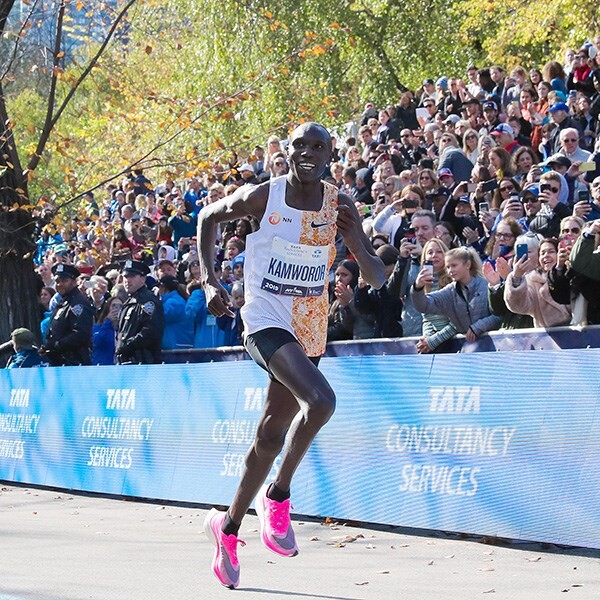
Two years later, Kamworor went one step further.
In 2017, he produced a composed performance to claim his first New York Marathon crown, crossing the finish line in 2:10:53. He held off fellow Kenyan and former world record-holder Wilson Kipsang, who finished just three seconds behind in 2:10:56, while Ethiopia's Lelisa Desisa took third in 2:11:32.

Kamworor returned the following year hoping to defend his title but had to settle for third place. Desisa triumphed in 2:05:59, ahead of Shura Kitata in 2:06:01, while Kamworor clocked 2:06:26.
But the Kenyan refused to stay away from the top for long.
In 2019, he reclaimed the New York crown in emphatic fashion, winning in 2:08:13. Albert Korir followed in second in 2:08:36, with Ethiopia's Girma Bekele completing the podium in 2:08:38.
Those two victories remain Kamworor's only Abbott World Marathon Majors titles, making New York a particularly significant venue in his career.
His latest appearance in the race, however, ended without another podium finish. Returning in 2024, Kamworor placed fifth in 2:08:50 as the Netherlands' Abdi Nageeye won in 2:07:39. Kenya's Evans Chebet was second in 2:07:45, while Albert Korir took third in 2:08:00.
Now, Kamworor is eager to return to the city where he has already tasted victory twice.
“I am very excited to be going back to New York,” Kamworor said, expressing his anticipation ahead of another demanding battle through the streets of the world's most famous city.
For the Kenyan star, the race offers a unique combination of sporting pressure and an atmosphere unlike any other.
“It's always an incredible experience to run the biggest marathon in the world. I'm really looking forward to feeling the energy of the crowd again,” he added.
Kamworor's challenge will be to arrive in New York at his best after a mixed campaign in 2026.
He began the year in spectacular fashion, winning the Ras Al Khaimah Half Marathon on February 14. The Kenyan clocked an impressive 58:14, finishing ahead of Bahrain's Birhanu Balew, who ran 58:23, and compatriot Gideon Rono, who crossed the line in 58:38.
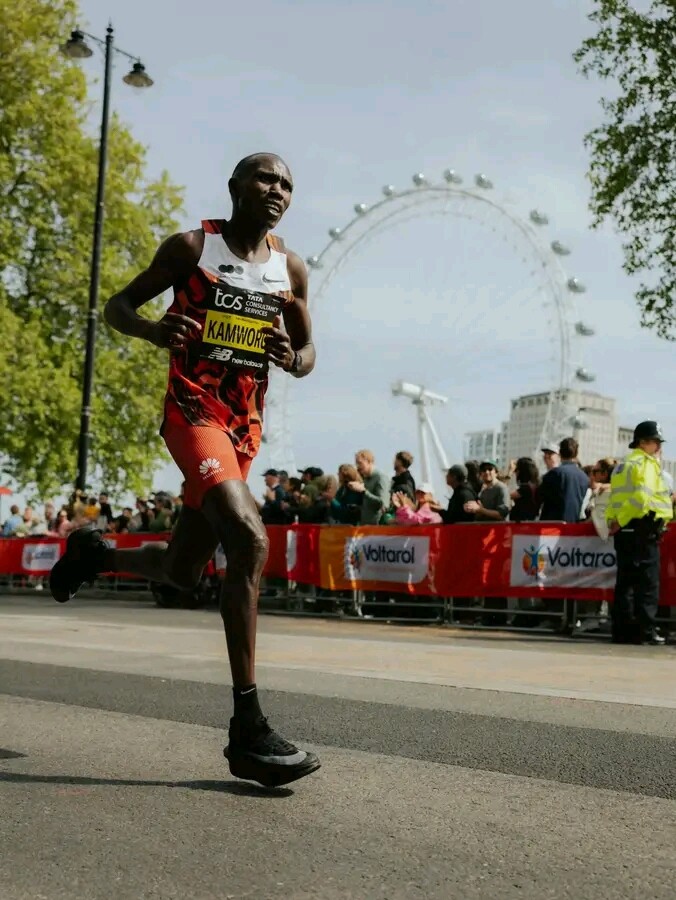
His London Marathon campaign on April 26 proved considerably tougher. Kamworor finished eighth in 2:05:38 in a historic race dominated by Sebastian Sawe, who produced a sensational 1:59:30 to become the first man to break the two-hour barrier in a marathon. Ethiopia's Yomif Kejelcha was second in 1:59:41, while Uganda's Jacob Kiplimo finished third in 2:00:28.
Kamworor will therefore arrive in New York with both experience and motivation on his side. He knows exactly what the course demands, having already navigated its hills, turns and relentless closing stages on multiple occasions.
Beyond the marathon, his career is decorated with major international honours across several disciplines.
Kamworor is a three-time world half marathon champion, winning his first title in Copenhagen in 2014 before successfully defending his crown in Cardiff in 2016 and completing his remarkable hat-trick in Valencia in 2018.
He has also established himself as one of Kenya's finest cross-country runners. He won the world junior cross-country title in Punta Umbria in 2011 before becoming a senior world champion in Guiyang in 2015 and Kampala in 2017. He added a bronze medal at the 2019 World Cross Country Championships in Aarhus.
That versatility has long been one of Kamworor's greatest strengths. From cross country to the half marathon and now the marathon, he has repeatedly demonstrated the endurance, tactical intelligence and competitive resilience required to succeed at the highest level.
Yet New York remains unfinished business.
With two victories already secured and another opportunity waiting on November 1, Kamworor has a chance to strengthen his legacy on one of the sport's most iconic stages.
A third triumph would not only give him a coveted New York hat-trick but would further cement his status as one of Kenya's most accomplished distance runners of his generation.
The Big Apple has already given Kamworor some of the proudest moments of his career. Now, the Kenyan star is returning with one clear ambition — to conquer New York once again.
by Erick Cheruiyot for My Best Runs.
Login to leave a comment

TCS New York City Marathon
The first New York City Marathon, organized in 1970 by Fred Lebow and Vince Chiappetta, was held entirely in Central Park. Of 127 entrants, only 55 men finished; the sole female entrant dropped out due to illness. Winners were given inexpensive wristwatches and recycled baseball and bowling trophies. The entry fee was $1 and the total event budget...
more...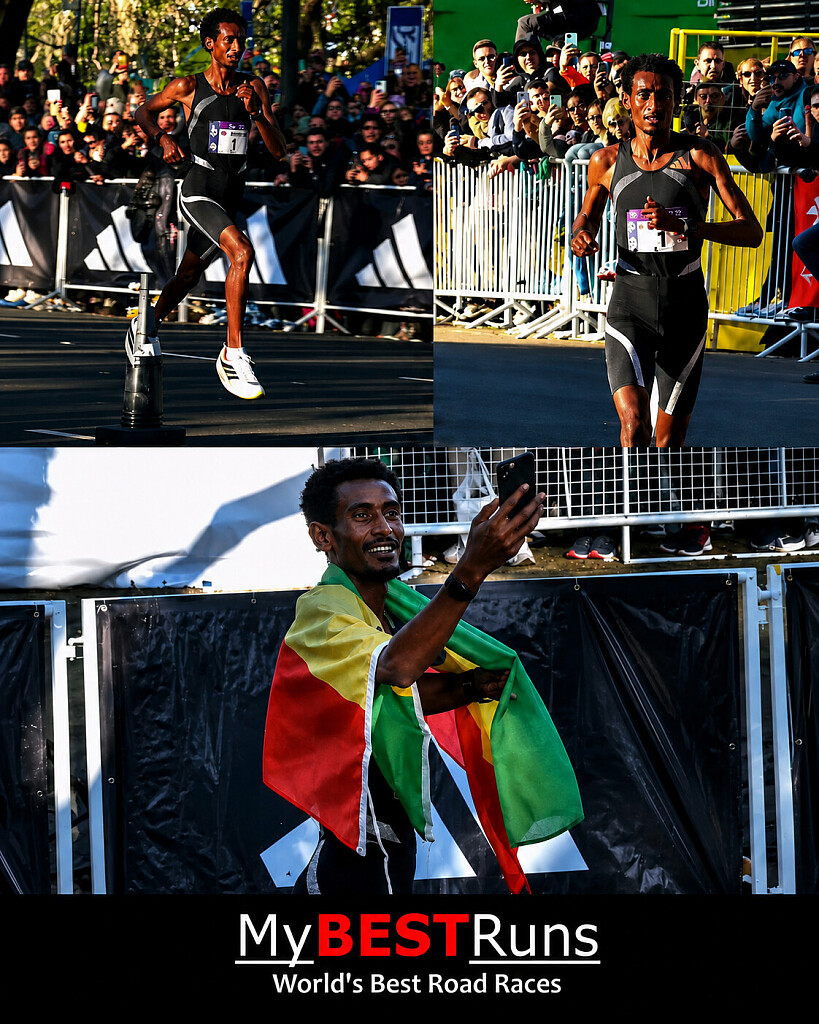
Yomif Kejelcha Smashes Half Marathon World Record with Sensational 56:51 in Buenos Aires
Ethiopia’s Yomif Kejelcha produced one of the most extraordinary performances in road racing history on the streets of Buenos Aires, Argentina, reclaiming the half marathon world record with a sensational 56:51 performance at the 2026 Buenos Aires Half Marathon.
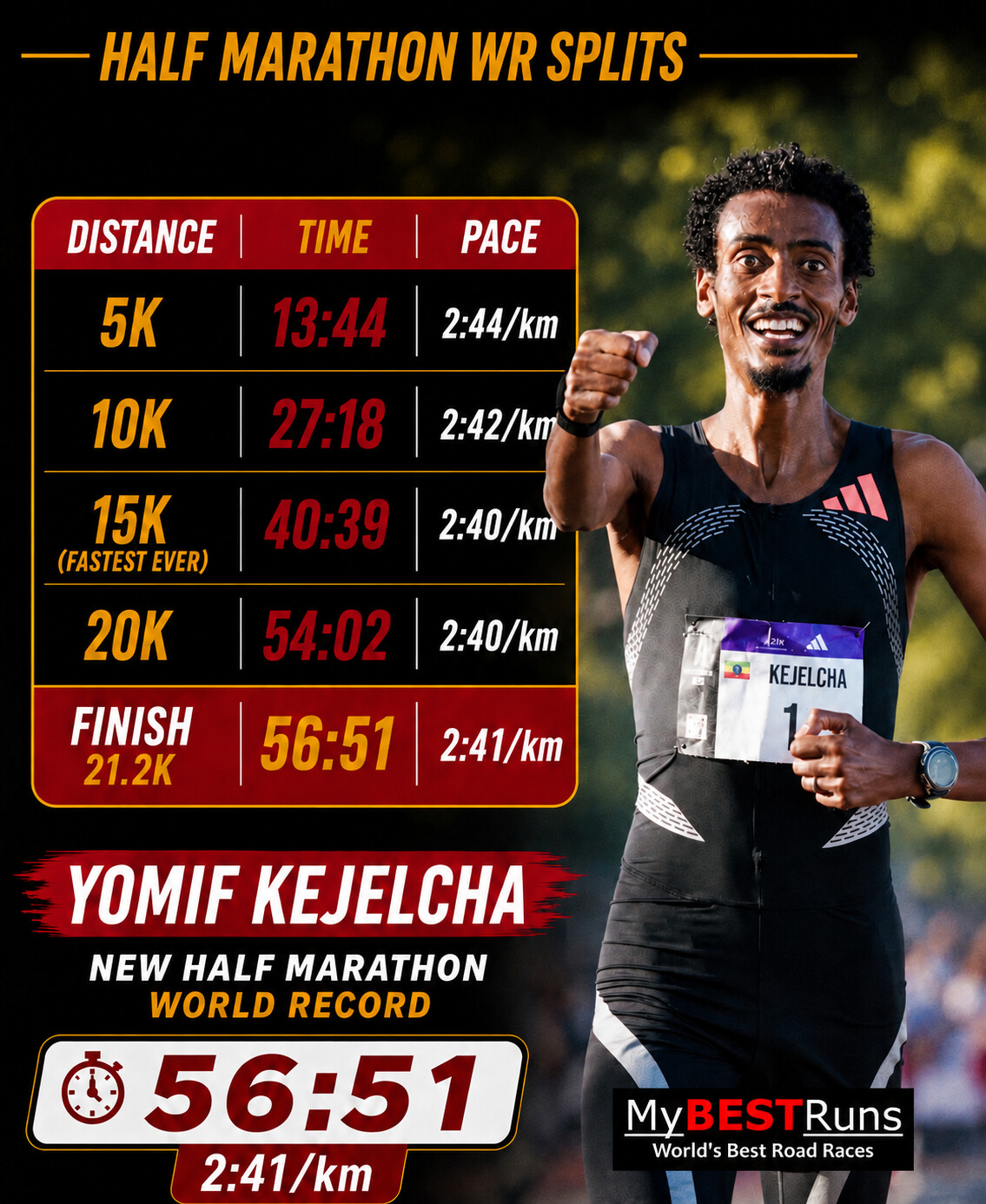
The former world record-holder delivered a breathtaking exhibition of speed and endurance to take 29 seconds off the previous pending mark of 57:20, set by Uganda’s Jacob Kiplimo and takes a huge chunk from his own former official world record. Kejelcha's new performance is pending the standard ratification procedures, but if officially ratified, it will return the world record to the Ethiopian star and mark another remarkable chapter in the evolution of the event.
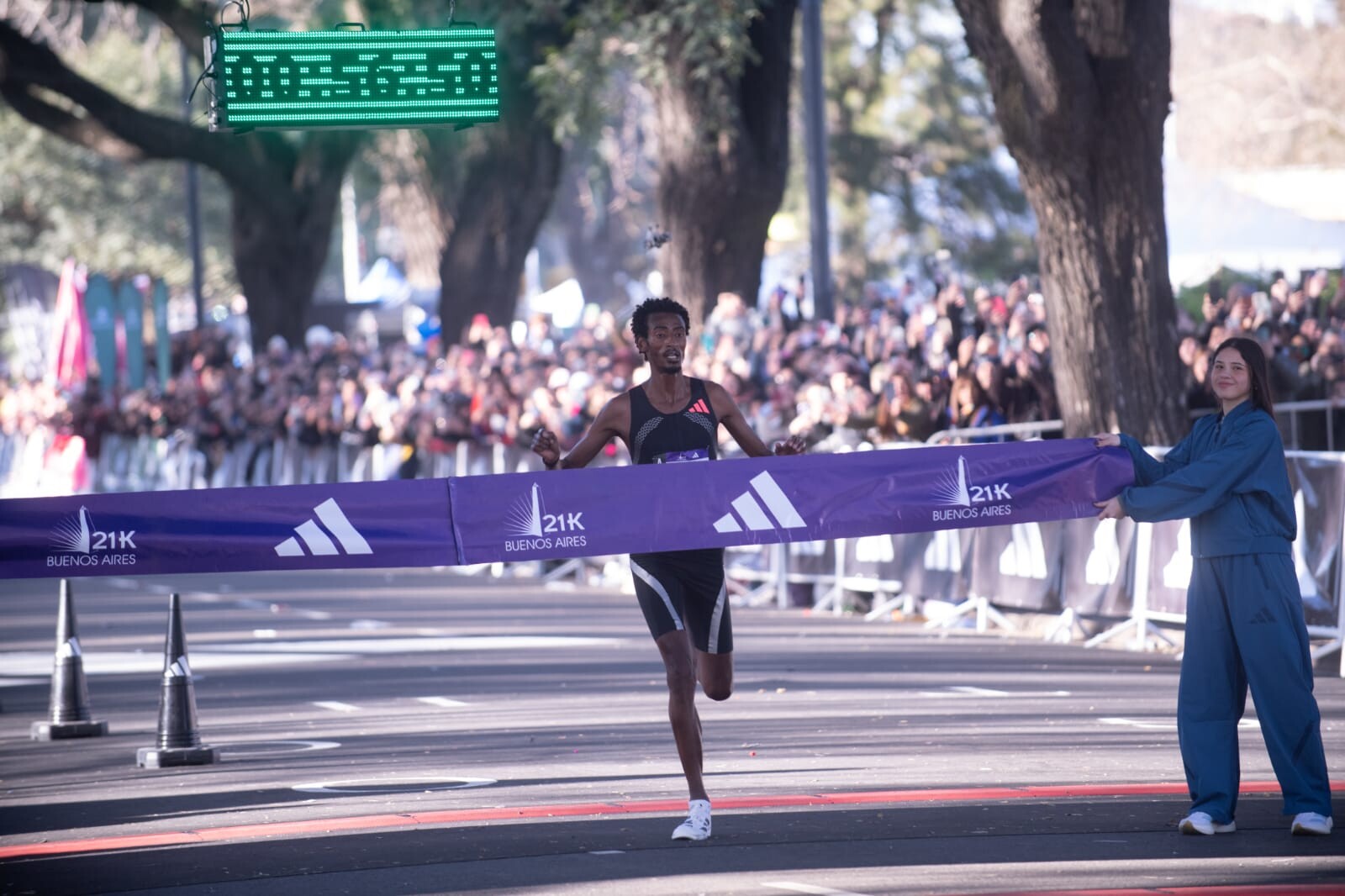
Kejelcha's achievement is particularly significant because the 57-minute barrier had already been broken before. Jacob Kiplimo had previously run under 57 minutes, clocking 56:42 that was not ratified demonstrating that the once-unthinkable barrier was possible. Kejelcha, however, has become the second man to run under 57-minute barrier who now returns to the top of the all-time rankings with another historic performance in Buenos Aires.

The Ethiopian's race was remarkable not only for the final time but also for the way he built his performance. He covered the opening five kilometres in 13:44 before reaching 10km in 27:18. Rather than slowing, Kejelcha accelerated through the middle stages, passing 15km in 40:39 and 20km in 54:02 as he continued to push the limits of elite road racing.
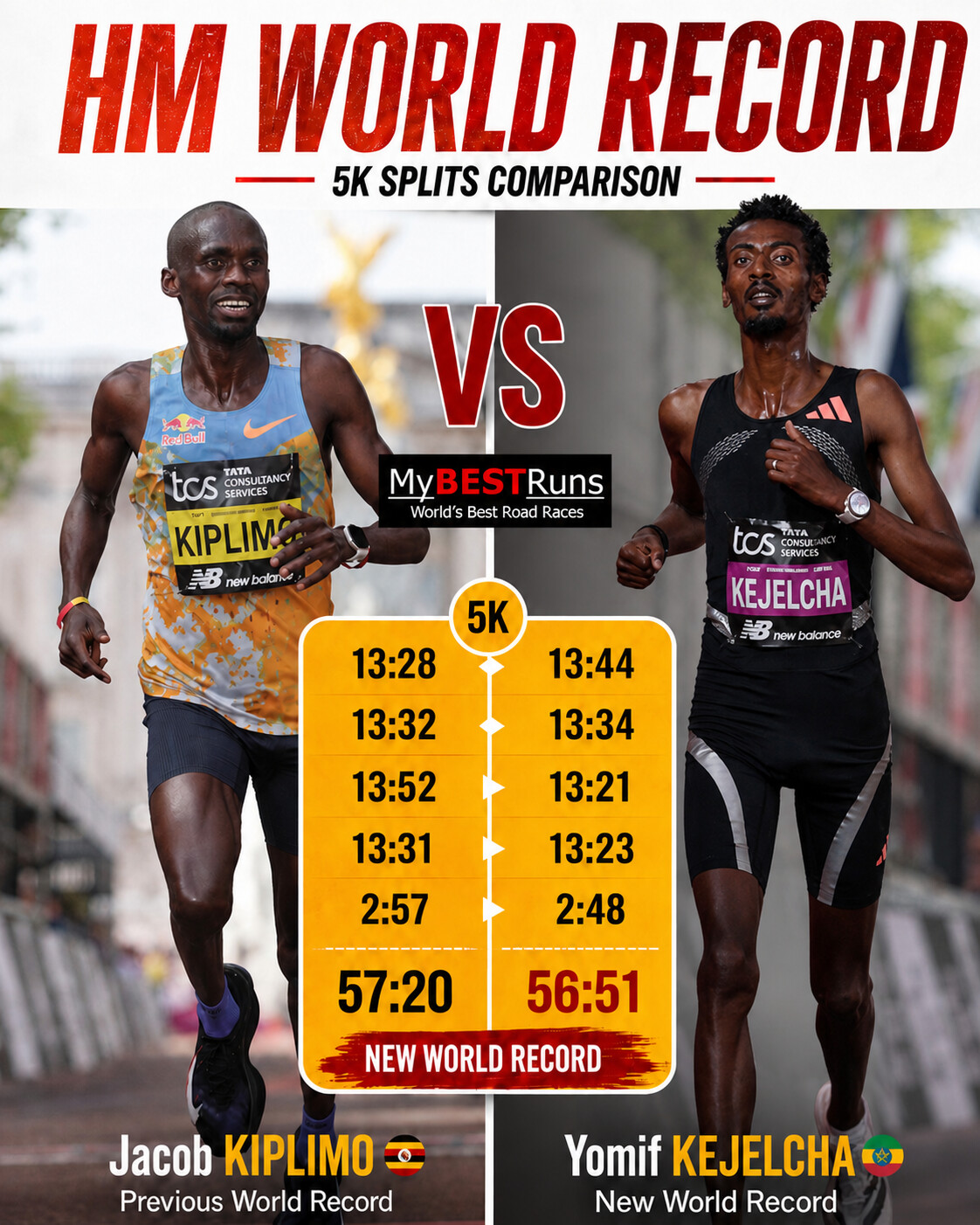
By the time he reached the finish line, Kejelcha had completed the race at an extraordinary average pace of approximately 2:42 per kilometre, producing one of the most astonishing sustained efforts ever witnessed in distance running. His stunning run sent a powerful message to the athletics world and further strengthened his status as one of the most formidable distance runners of his generation.
Behind the record-breaking champion, Ethiopia completed a dominant clean sweep of the men's podium. Tadese Worku Gebresilase claimed second place in 59:18, while Bereket Nega Batebo secured third in 1:00:17, giving Ethiopia a memorable one-two-three finish in the Argentine capital.
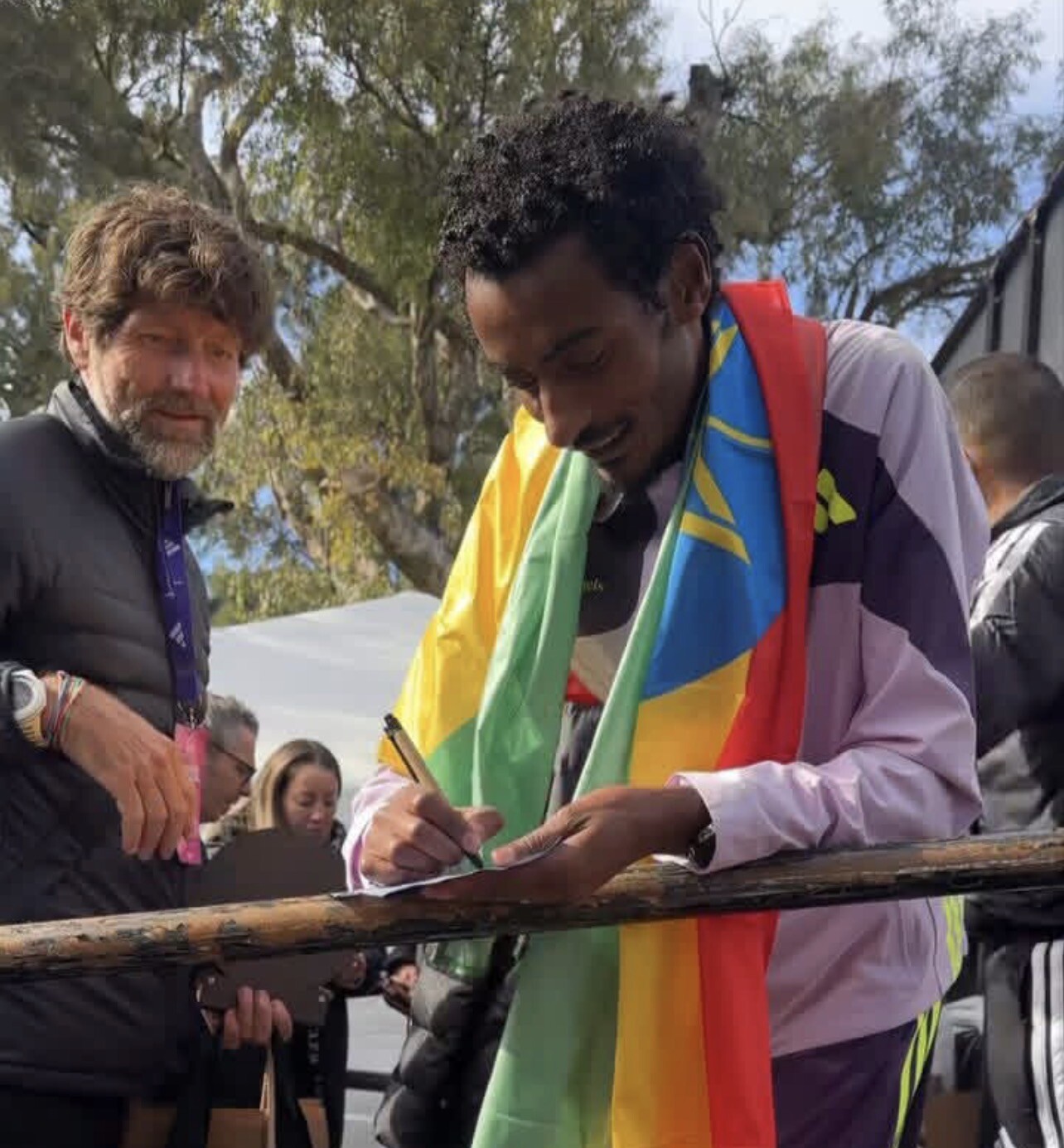
Kenya’s Jonathan Kipkoech Kamosong finished fourth in 1:00:20, followed by compatriot Simon Maywa in fifth with 1:00:55. Argentina’s Ignacio Erario gave the home supporters plenty to celebrate with an impressive sixth-place finish in 1:00:57, breaking the one-hour barrier in front of an enthusiastic local crowd.
Dillon Kipyeko of Kenya finished seventh in 1:01:07, with Robert Kiprop Koech eighth in 1:02:01. Mexico’s Julio Ortiz Ponce took ninth place in 1:03:17, while Colombia’s Jimmy Gómez completed the top 10 in 1:03:34.
The Buenos Aires Half Marathon will now take its place in the history books as the scene of a truly extraordinary breakthrough. For Kejelcha, this was more than just another victory. It was a spectacular return to the top, reclaiming a world record he had previously held and once again rewriting the limits of the half marathon.
The 56:51 performance remains pending ratification, but Yomif Kejelcha's run has already delivered one of the defining moments in the history of road racing.
by Erick Cheruiyot for My Best Runs.
Login to leave a comment


Buenos Aires Half Marathon
The Buenos Aires Half Marathon is one of the most important in Latin America and attracted more than 25,000 runners from all over the world. Dare to run the fastest half marathon in Latin America....
more...
Yomif Kejelcha and Fotyen Tesfay Arrive in Buenos Aires as the Fastest 21K Beckons
Buenos Aires is ready for a spectacular day of road racing, with Ethiopian stars Yomif Kejelcha and Fotyen Tesfay already in the Argentine capital ahead of Sunday’s Buenos Aires Half Marathon, also known as the 21K Buenos Aires.
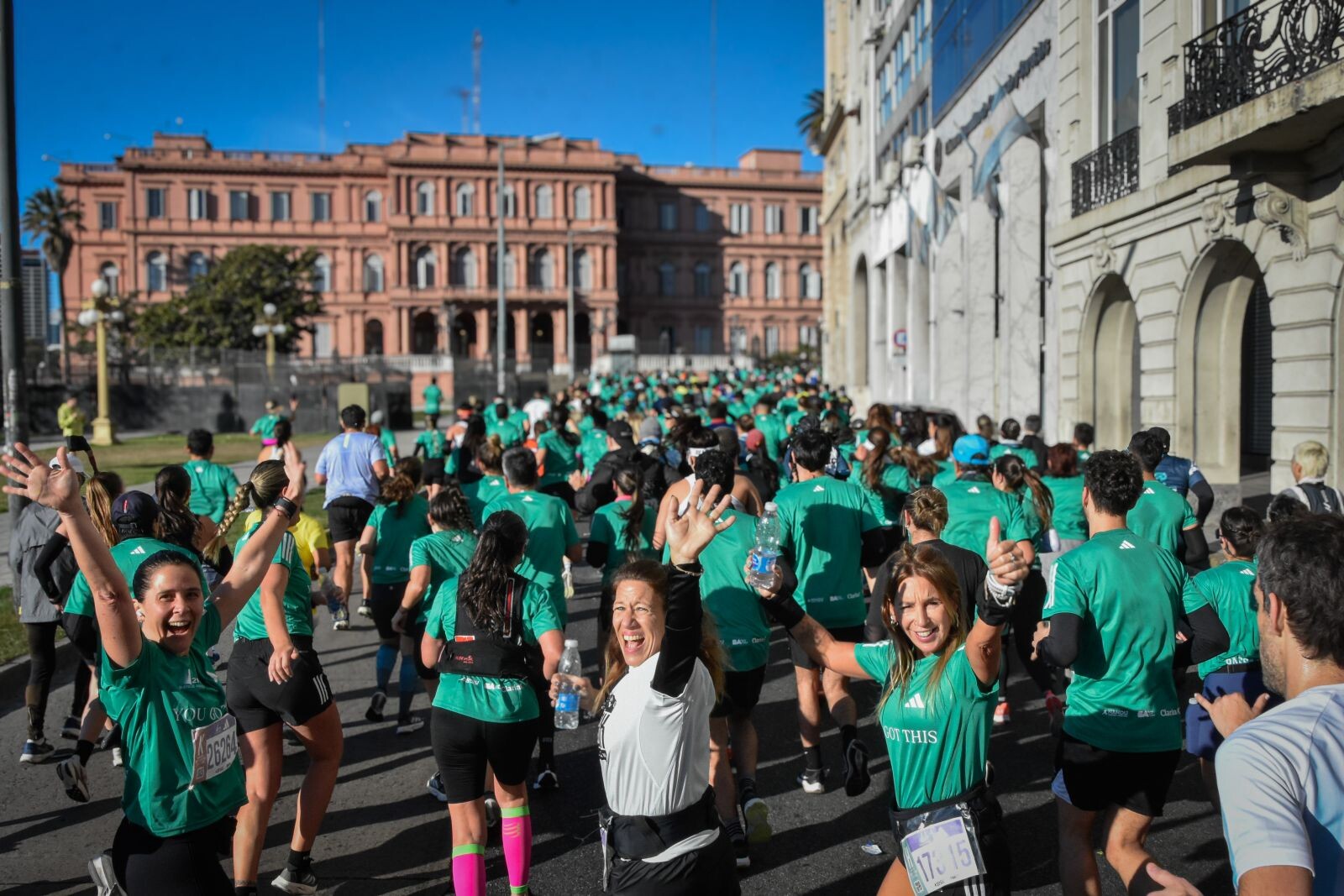
The race takes place on Sunday, August 23, 2026, bringing together a record field of 31,500 runners after entries sold out. Alongside the mass field, some of the world’s leading distance athletes will take centre stage, with the spotlight firmly on the elite races as they chase victory and potentially exceptional times over 21.097 kilometres.
The race starts and finishes in Palermo, at Av. Figueroa Alcorta and Av. Dorrego, before taking runners onto a fast, flat 21.097-kilometre course through the Argentine capital. The route winds past some of Buenos Aires’ most iconic landmarks, including the Obelisco, Teatro Colón and Casa Rosada, providing a spectacular setting for one of the region’s premier road races.
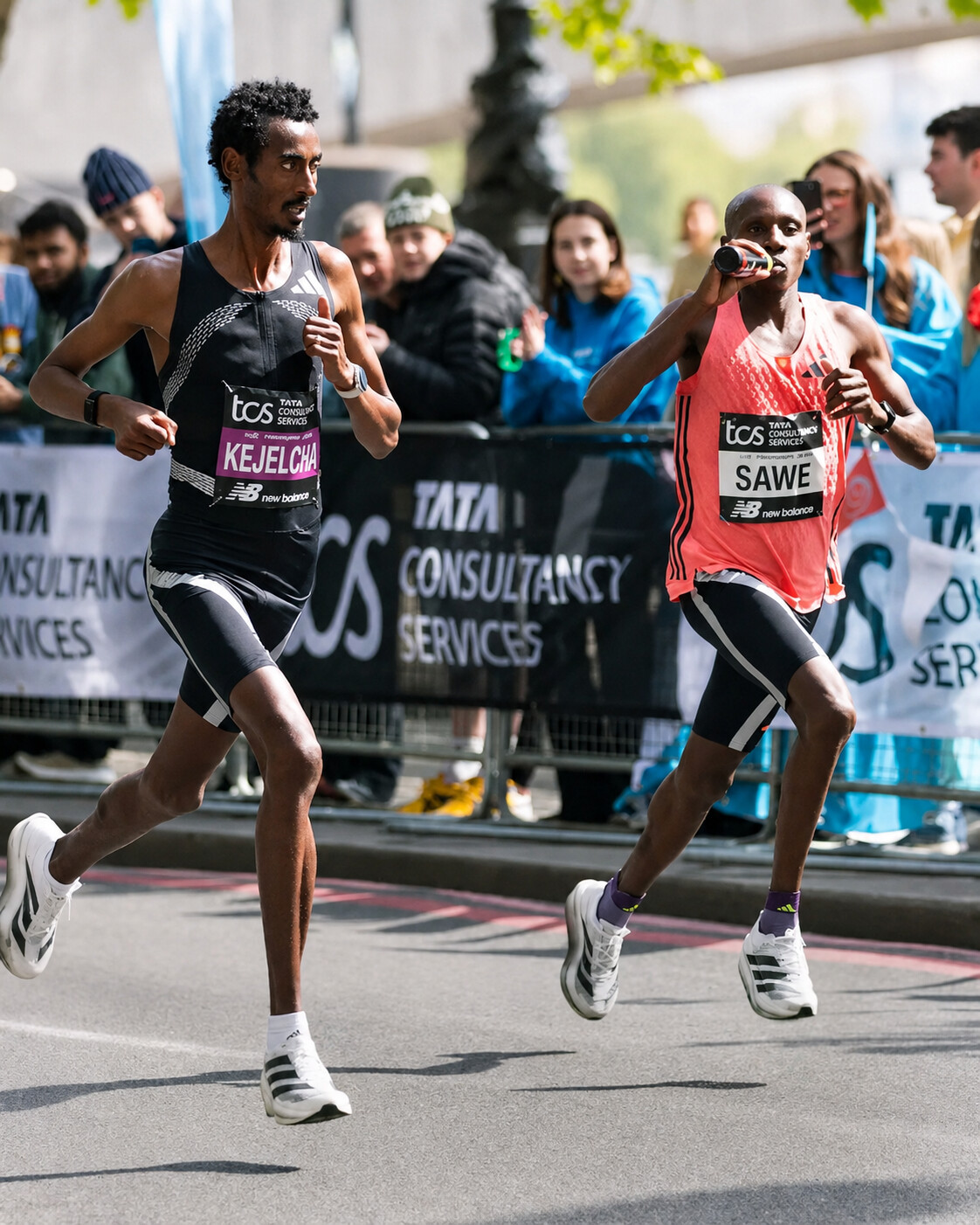
Kejelcha arrives as one of the most formidable names in modern distance running. The 29-year-old Ethiopian is the reigning world-record holder for the half marathon, having clocked 57:30 in Valencia in October 2024. He has also established himself as an exceptional marathoner, running 1:59:41 on his debut at the 2026 London Marathon — the fastest marathon debut ever recorded and the second-fastest official marathon performance in history.
His presence adds enormous prestige to a Buenos Aires race that has become synonymous with fast running. In 2025, Uganda’s Jacob Kiplimo ran 58:29 in Buenos Aires, producing one of the fastest half-marathon performances ever recorded in the Americas and further cementing the event’s reputation as a venue capable of delivering extraordinary times.
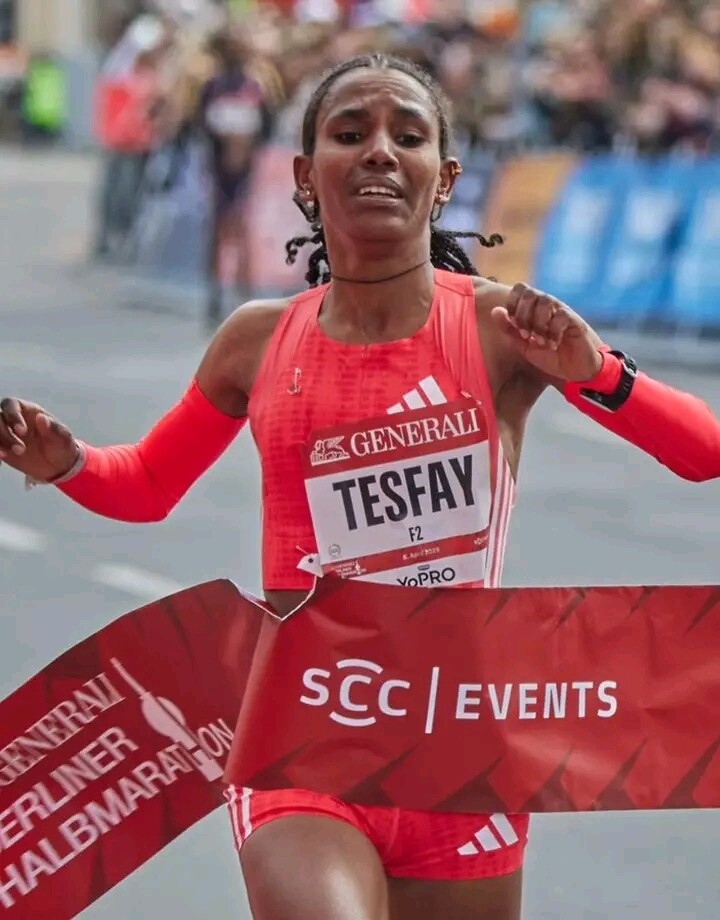
Tesfay brings equally impressive credentials to the women’s race. The 28-year-old Ethiopian owns a half-marathon personal best of 1:03:21, achieved in Valencia in 2024. Her progression over the marathon distance has been equally striking, highlighted by her 2:10:51 national record set in March 2026.
The conditions could further enhance the prospects of fast racing. Buenos Aires typically experiences cool temperatures around race time, with conditions commonly ranging between 9°C and 14°C — favourable weather for elite distance running when combined with the course’s flat profile.
For Kejelcha and Tesfay, the mission is clear: compete for the titles, test themselves against a strong international field and take advantage of one of the fastest half-marathon stages in the Americas.
With thousands of runners preparing to flood the streets and two Ethiopian stars already in position, anticipation is reaching its peak.
The stars have arrived. The course is ready. On Sunday, Buenos Aires waits for the fireworks.
by Erick Cheruiyot for My Best Runs.
Login to leave a comment
Buenos Aires Half Marathon
The Buenos Aires Half Marathon is one of the most important in Latin America and attracted more than 25,000 runners from all over the world. Dare to run the fastest half marathon in Latin America....
more...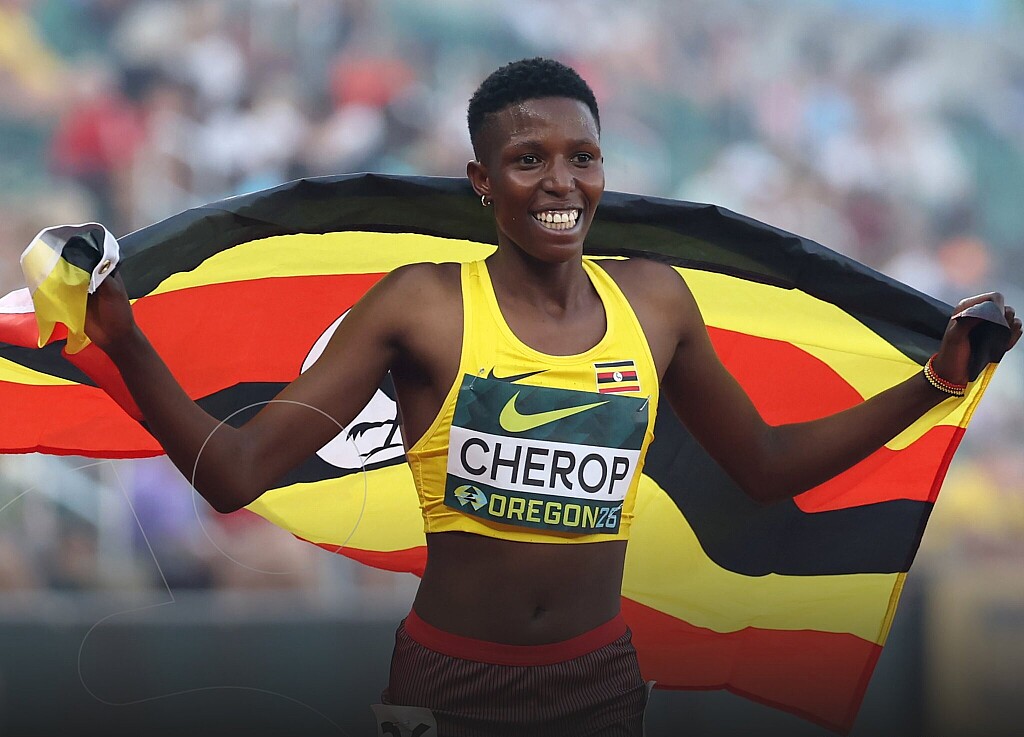
From Silver to Gold: Charity Cherop Storms to World U20 5000m Crown with Tactical Masterclass
Uganda's 19-year-old long-distance sensation Charity Cherop delivered the performance of her young career, producing a championship masterclass to capture the women's 5000m title at the 2026 World Athletics U20 Championships at Hayward Field in Eugene, Oregon.
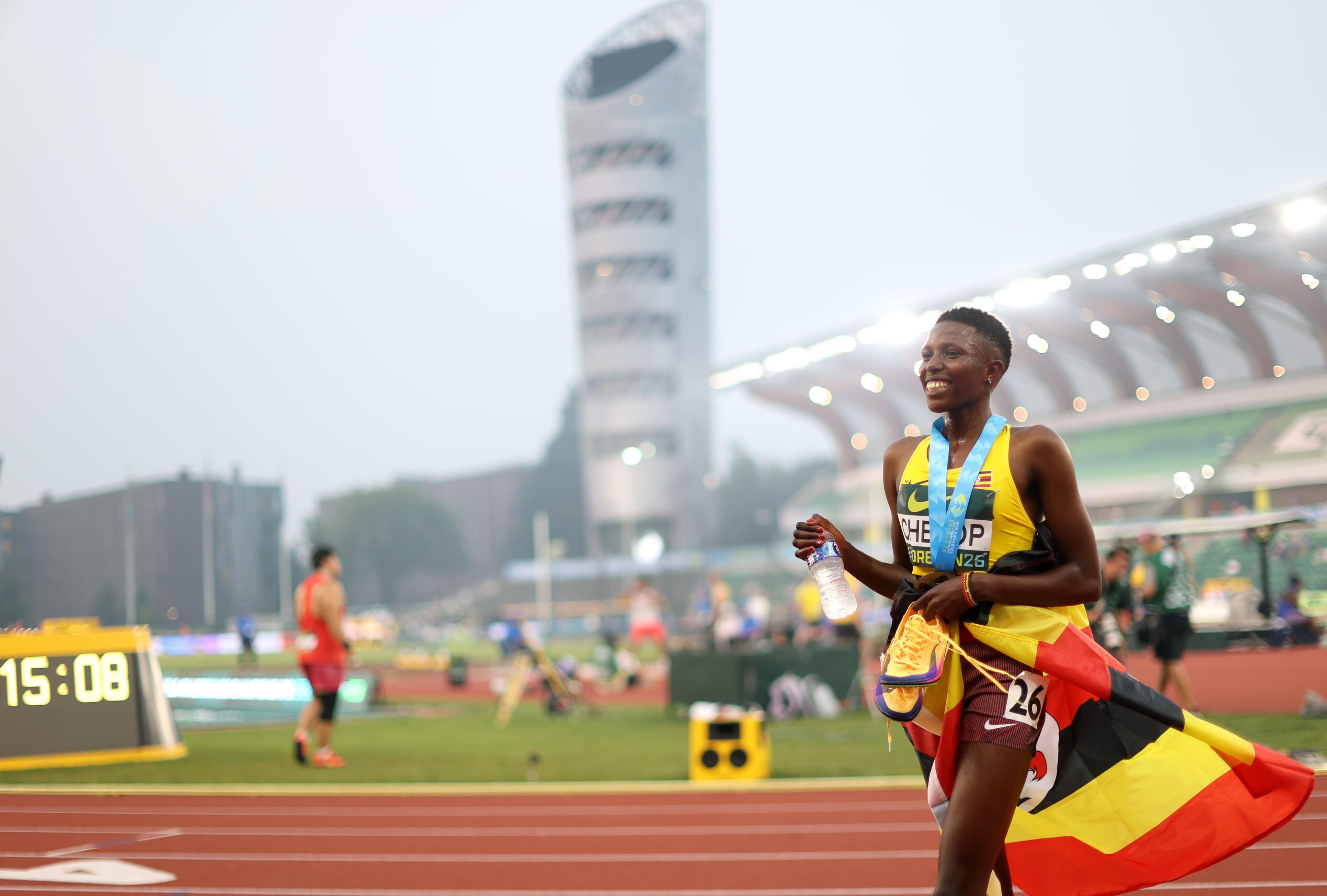
Born on July 4, 2007, Cherop executed a tactically brilliant race, remaining patient throughout the early stages before unleashing a devastating surge over the final kilometre. Her perfectly timed move proved decisive as she crossed the finish line in 15:03.88, becoming the new World U20 champion.
The victory was more than just a world title—it completed a remarkable journey from silver to gold. After finishing runner-up at the previous World Athletics U20 Championships in Lima, Cherop returned to the global stage stronger and more determined, upgrading her silver medal to gold and confirming herself as one of the brightest young stars in international distance running.
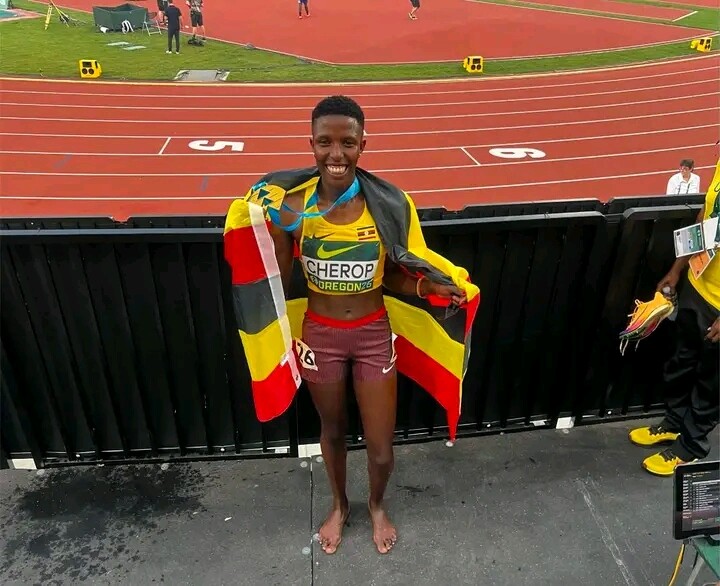
Behind the Ugandan star, Ethiopia's Shito Gumi fought bravely to secure the silver medal in 15:07.91, while Kenya's Joyline Chepkemoi delivered an outstanding performance to claim bronze in 15:09.08, setting a new personal best in the process. The battle for the podium remained fiercely contested until the closing stages, with every medal decided through courage, tactical awareness, and a powerful finishing kick.
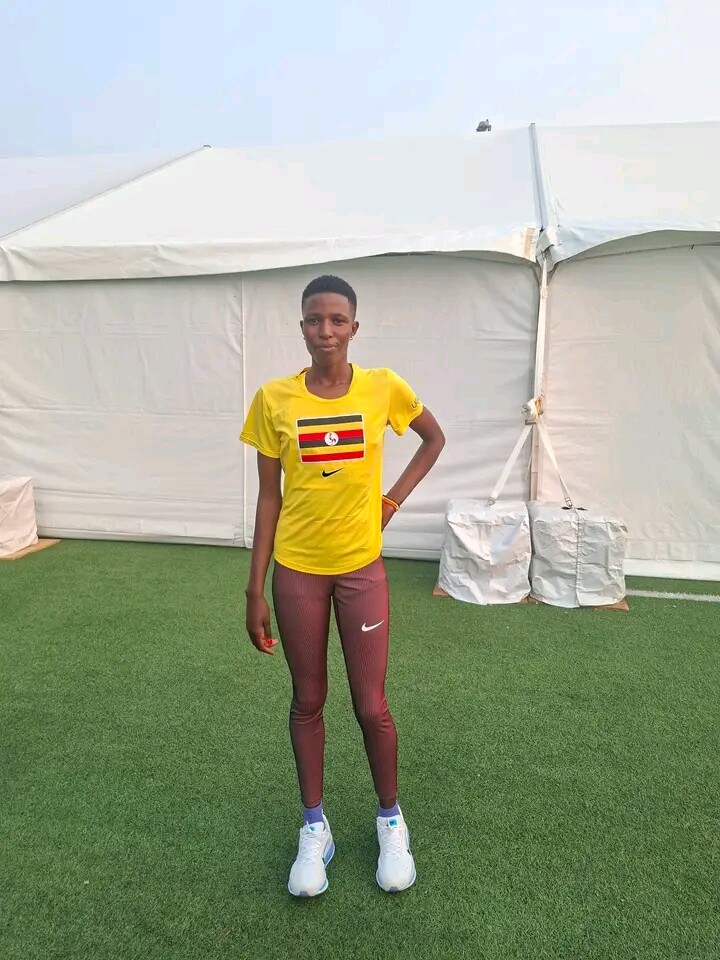
Kenya narrowly missed placing two athletes on the podium as Cynthia Chepkirui finished a strong fourth in 15:14.86, while Sweden's Carmen Cernjul rounded out the top five in 15:22.18.
Ethiopia's Emebet Tilahun placed sixth in 15:32.51, followed by Japan's Yui Onotora in seventh with 15:37.33. Uganda celebrated another top-10 finish through Bentalin Yeko, who finished eighth in 15:48.35, underlining the nation's impressive depth in women's distance running.
Germany's Julia Ehrle claimed ninth in 16:09.53, with France's Lamia Mourabit completing the top ten in 16:10.80.
Further down the field, Portugal's Carolina Correia impressed with an 11th-place finish in a personal best 16:11.47, while Norway's Venus Teffera also celebrated a lifetime best of 16:12.07 in 12th. Germany's Gloria Herold added another personal best, clocking 16:13.75 for 15th place.
France's Laly Porentru, Japan's Ayami Yoshida, the Netherlands' Rosalie Ten Bruggencate, Italy's Sofia Ferrari and Mimosa Miari Fulcis, Spain's Fatima Hernandez, Switzerland's Anina Hirzel, Great Britain's Eliza Nicholson, Canada's Airlie Downie-Back and Athena Andrecyk, Mexico's Kenya Cuahutle, and Australia's Libby Mantay and Imogen Baker all battled courageously to the finish, highlighting the exceptional depth and global talent assembled for the championship final.
The only athlete unable to start the race was the United States' Emily Wisniewski, who was listed as DNS.
The women's 5000m final showcased the very best of championship distance running—patience, tactical intelligence, and a thrilling finish. On the biggest stage of her junior career, Charity Cherop produced a race worthy of a world champion, transforming silver in Lima into gold in Eugene and writing another unforgettable chapter in Uganda's rich distance-running legacy.
by Erick Cheruiyot for My Best Runs.
Login to leave a comment
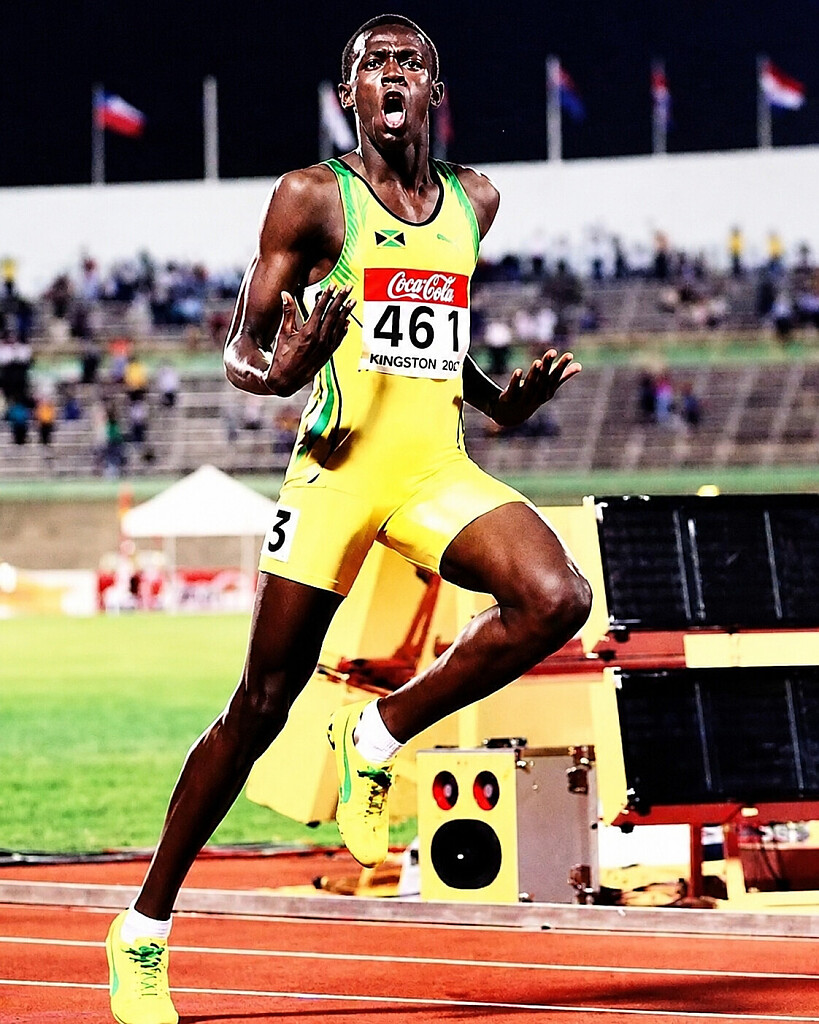
Where Greatness Begins: The Day a 15-Year-Old Usain Bolt Changed Sprinting Forever
Long before he became the fastest man in history, before the Olympic gold medals, world records, and global superstardom, Usain Bolt was simply a gifted teenager with extraordinary speed and limitless potential. In 2002, on the track at Kingston's National Stadium in Jamaica, the world witnessed the first chapter of a story that would forever change athletics.
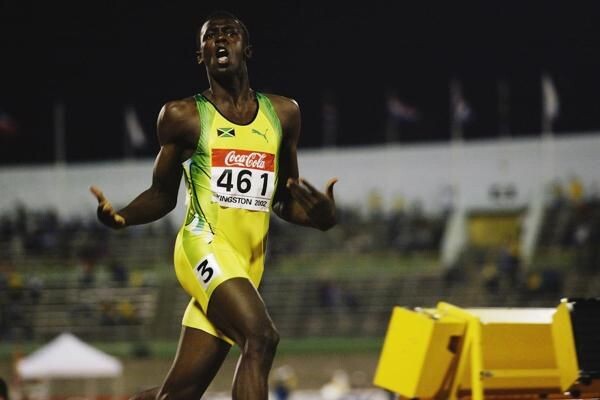
At just 15 years old, Bolt lined up for the men's 200 metres at the World Junior Championships with the weight of expectation resting on young shoulders. Competing before a passionate home crowd, the Jamaican prodigy produced a performance that instantly captivated the athletics world. Crossing the finish line in 20.61 seconds, he became the youngest athlete ever to win the men's 200m title at the championships.
It was far more than a gold medal. It was the moment the world realised that a once-in-a-generation talent had arrived.
Bolt's victory in Kingston marked the beginning of one of the greatest careers in sporting history. Over the years that followed, he rewrote the record books, dominated the Olympic Games and World Championships, and transformed sprinting into a global spectacle through his breathtaking speed, infectious personality, and unrivalled confidence. His legacy continues to inspire young athletes across the globe, many of whom dream of following the same path he once began as a teenager.

This week, that dream comes alive once again as the World Athletics U20 Championships take centre stage at the iconic Hayward Field in Eugene, Oregon. The venue has already witnessed the birth of future superstars. In 2014, it was where Britain's Dina Asher-Smith and Uganda's Joshua Cheptegei captured their first global titles, launching careers that would later produce world championships, Olympic medals, and lasting legacies in athletics.
Twelve years later, another generation arrives in Eugene hoping to create its own defining moment.
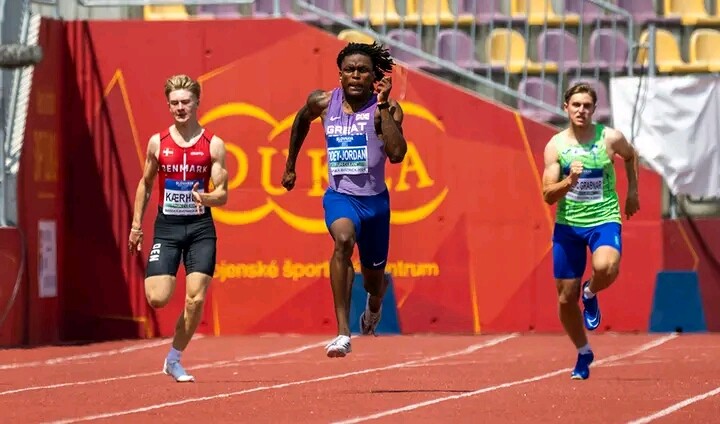
Among the brightest young talents is Great Britain's Jake Odey-Jordan, the 200m bronze medallist from Lima who now owns the European U20 100m record after an astonishing 10.01-second performance. He enters the championships eager to build on his growing reputation as one of Europe's most exciting young sprinters.
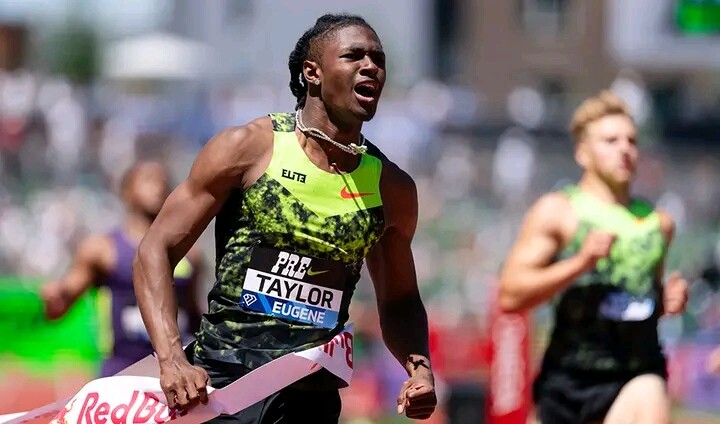
The United States will look to Tate Taylor, who has already made history as the first American high school athlete to break the 20-second barrier for the 200 metres. Fresh from a Diamond League victory in a sensational 19.75 seconds, he arrives in Eugene carrying the momentum of one of the most remarkable junior seasons ever recorded.
Jamaica, the nation that introduced the world to Usain Bolt, will once again have high hopes through Shanoya Douglas. The talented sprinter has established herself as one of the championship's leading contenders after producing lifetime bests of 10.98 seconds for the 100m and 22.11 for the 200m this season.
History has repeatedly shown that the World U20 Championships are far more than a junior competition. They are often the first chapter in the careers of future Olympic champions, world record holders, and global icons. Every generation arrives with ambitious dreams, but only a select few leave having announced themselves to the world.
No one can say with certainty whether the next Usain Bolt will emerge this week. Greatness cannot be predicted, and legends are never manufactured. Yet every legendary career begins with a single breakthrough performance.
For Bolt, that defining moment came in Kingston in 2002.
Now, under the famous lights of Hayward Field, another group of gifted teenagers stands ready to chase history. Somewhere among them could be the next athlete whose name will inspire the world for years to come.
by Erick Cheruiyot for My Best Runs.
Login to leave a comment
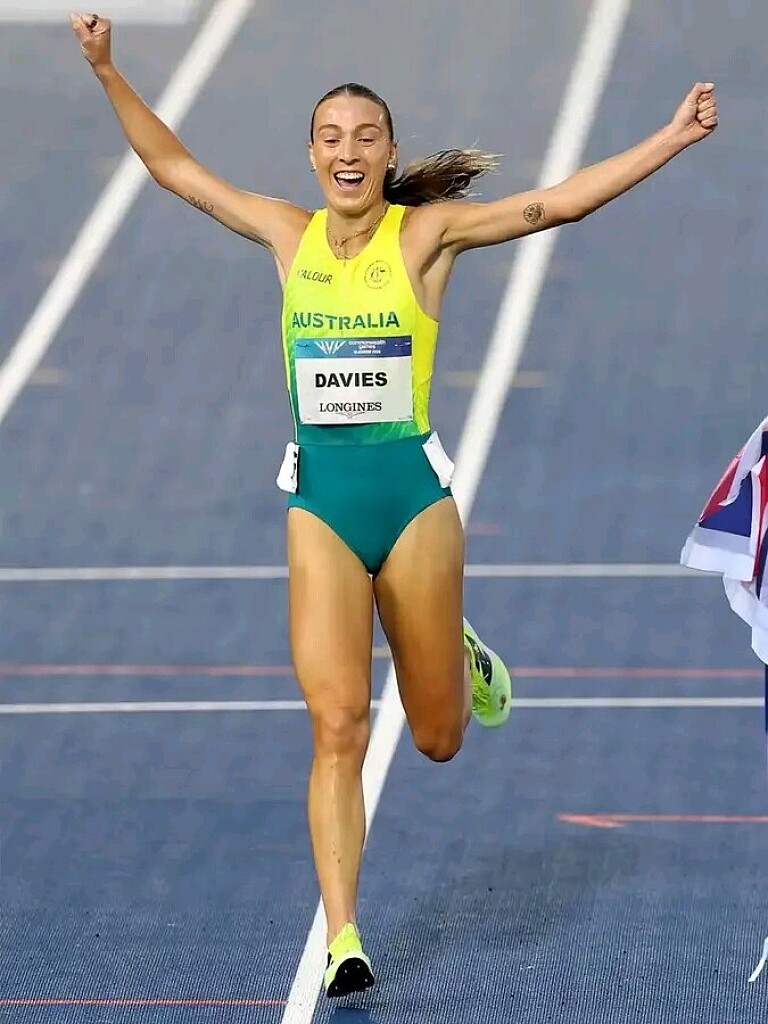
Rose Davies Completes Golden Double as Australia Delivers Historic One-Two in Thrilling Commonwealth Games 5,000m Final
Australia produced one of the most memorable distance-running performances of the Glasgow 2026 Commonwealth Games on Thursday night, claiming a remarkable one-two finish in the women's 5,000 metres as Rose Davies sprinted to her second gold medal of the championships.
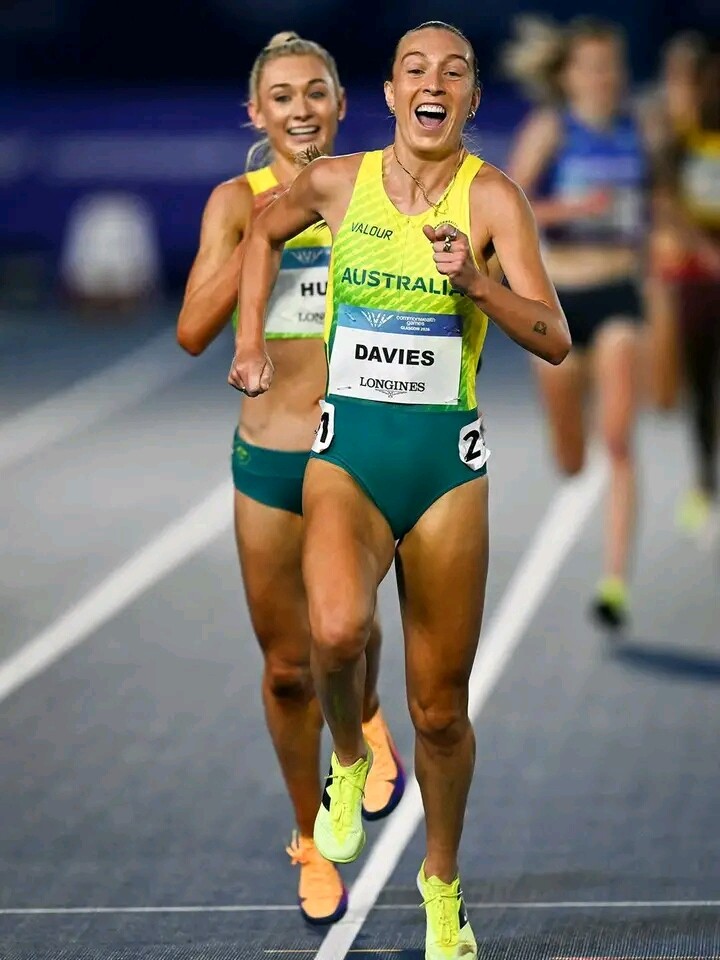
Just days after conquering the 10,000m, Davies completed a sensational distance double by clocking a season's best 14:44.53 to edge fellow Australian Jessica Hull, who crossed the line just 0.48 seconds later in 14:45.01. The historic finish marked a dominant night for Australian athletics, with the nation's two leading distance stars proving untouchable when the race reached its decisive stages.
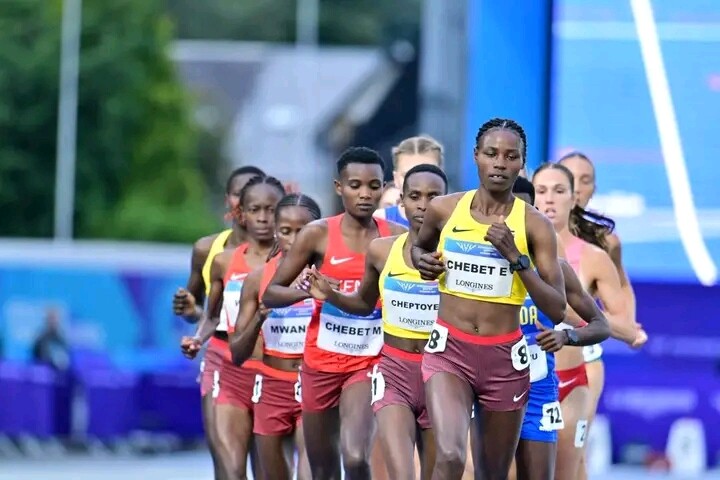
The women's 5,000m unfolded as a tactical contest for much of the race before exploding into life with 1,200 metres remaining. Davies, Hull and Scotland's Megan Keith launched a sustained surge that immediately stretched the field and shattered the hopes of the chasing pack. Their relentless acceleration proved too much for the African contenders, who were unable to respond as the medals slipped away.
Davies remained composed over the closing lap despite fierce pressure from Hull, holding her form all the way to the finish to secure another Commonwealth crown and cement her place among the standout performers of the Games. Her victory completed a rare golden double in the 5,000m and 10,000m, underlining her exceptional endurance and championship racing instincts.
Hull's silver medal completed Australia's historic one-two finish, rewarding another world-class performance from one of the sport's premier middle- and long-distance runners. Meanwhile, the home crowd erupted as Scotland's Megan Keith produced a season's best 14:49.10 to claim bronze, giving the hosts a memorable podium finish in front of a packed Glasgow stadium.
Uganda's Esther Chebet battled bravely to finish fourth in a personal best 14:50.70 after leading the pursuit of the front trio, while England's Hannah Nuttall placed fifth in a season's best 14:51.34. Kenya's Caroline Nyaga crossed the line sixth in 14:54.00, with Australia's Linden Hall adding further depth to her country's outstanding evening by finishing seventh.
The race also featured several outstanding individual performances further down the field. South Africa's Tayla Kavanagh recorded a personal best, Rwanda's Emeline Imanizabayo celebrated a new national record with ninth place, while Uganda's Joy Cheptoyek, England's Innes Fitzgerald, Canada's Gabriela Debues-Stafford and several others produced season or lifetime bests in one of the deepest women's 5,000m finals of the Games.
Women's 5,000m Top 10 Final Results
1. Rose Davies (Australia) – 14:44.53 (Season Best)
2. Jessica Hull (Australia) – 14:45.01 (Season Best)
3. Megan Keith (Scotland) – 14:49.10 (Season Best)
4. Esther Chebet (Uganda) – 14:50.70 (Personal Best)
5. Hannah Nuttall (England) – 14:51.34 (Season Best)
6. Caroline Nyaga (Kenya) – 14:54.00
7. Linden Hall (Australia) – 14:55.28
8. Tayla Kavanagh (South Africa) – 14:58.49 (Personal Best)
9. Emeline Imanizabayo (Rwanda) – 14:59.92 (National Record)
10. Joy Cheptoyek (Uganda) – 15:00.97 (Season Best)
With two gold medals around her neck and Australia's first-ever Commonwealth Games one-two finish in the women's 5,000m, Rose Davies leaves Glasgow having delivered one of the defining performances of the championships. Her unforgettable triumph, backed by Jessica Hull's silver medal, showcased Australia's growing strength in global distance running and ensured the event will be remembered as one of the highlights of the 2026 Commonwealth Games.
by Erick Cheruiyot for My Best Runs.
Login to leave a comment

The Commonwealth Games
The Commonwealth Games are coming to Victoria - bringing an action packed sports program to our regional cities and delivering a long-term legacy for our future. From 17 to 29 March 2026, Geelong, Bendigo, Ballarat, Gippsland and Shepparton will be on the world stage, attracting millions of viewers and creating thousands of jobs. The multi-city model will...
more...
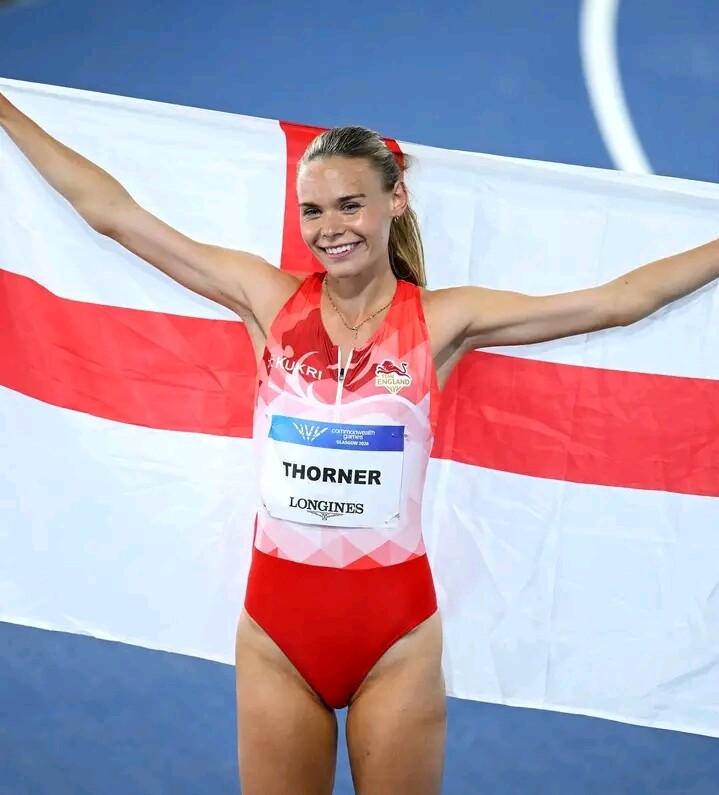
Elise Thorner Delivers the Race of Her Life to Capture Historic Commonwealth Silver
Elise Thorner produced the performance of her career with a breathtaking display of determination and courage, storming to a sensational silver medal in the women's 3000m steeplechase at the Glasgow 2026 Commonwealth Games.
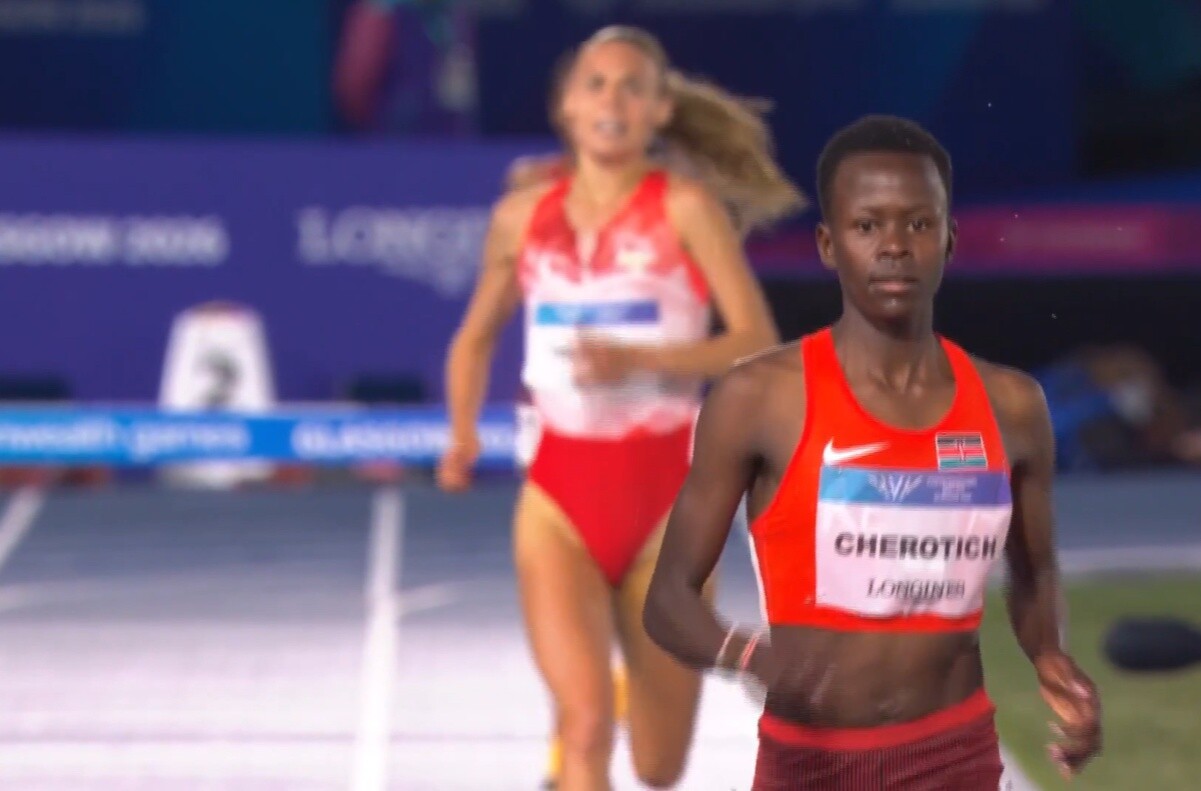
The England star delivered a remarkable final-lap charge in one of the most dramatic races of the championships, overturning what had looked like a secure position for Uganda's Olympic champion Peruth Chemutai. With every stride, Thorner closed the gap before surging past her rival in the closing stages to seal an unforgettable second-place finish.
She crossed the finish line in a lifetime best of 9:05.45, smashing her previous personal best and earning the first senior international medal of her career. It was a breakthrough performance on one of the biggest stages in athletics, confirming her arrival among the world's elite steeplechasers.
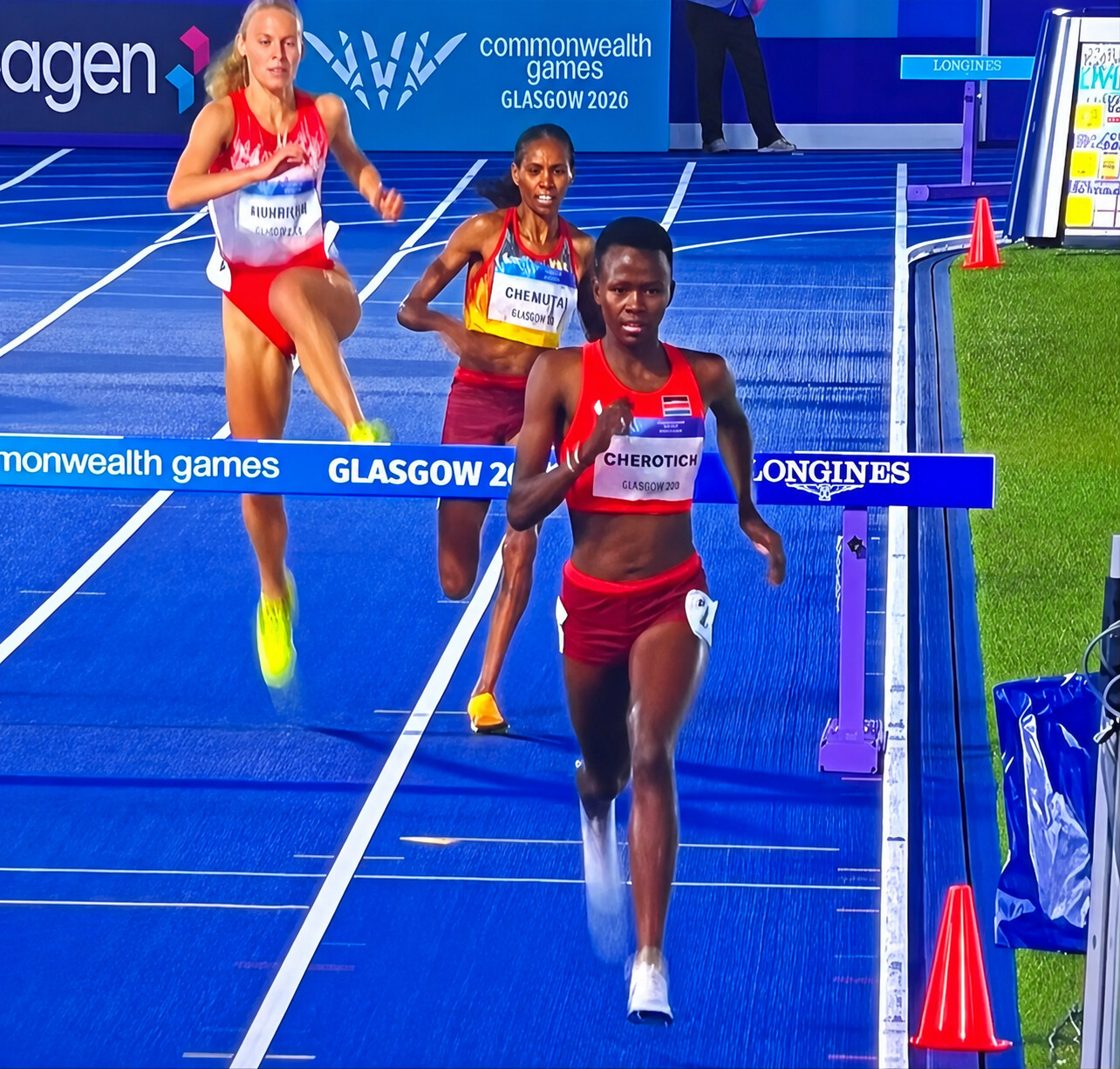
Thorner's outstanding run came agonizingly close to rewriting British history. Her time finished just 1.10 seconds outside Lizzie Bird's British record of 9:04.35, underlining the exceptional quality of her performance and suggesting that a national record could soon be within reach.
The race itself was an electrifying contest from start to finish, but it was Thorner's fearless closing lap that stole the spotlight. Refusing to surrender despite trailing late in the race, she unleashed a devastating kick that transformed an already impressive run into a career-defining moment.
The magnitude of her achievement only truly became clear after she crossed the finish line. Still trying to process what she had accomplished, an emotional Thorner admitted she was overwhelmed by the outcome. “When I crossed the line I was honestly in shock. I didn’t really know what happened!” she said after claiming the Commonwealth silver medal. Her heartfelt reaction perfectly reflected the disbelief and joy of an athlete who had just delivered the race of her life, producing a stunning personal best of 9:05.45 while finishing just over a second shy of Lizzie Bird's British record.
For England, the silver medal represents far more than a place on the podium. It marks the emergence of a new championship contender capable of challenging the very best, while for Elise Thorner, Glasgow 2026 will forever be remembered as the night she announced herself on the international stage with a performance of extraordinary class.
by Erick Cheruiyot for My Best Runs.
Login to leave a comment
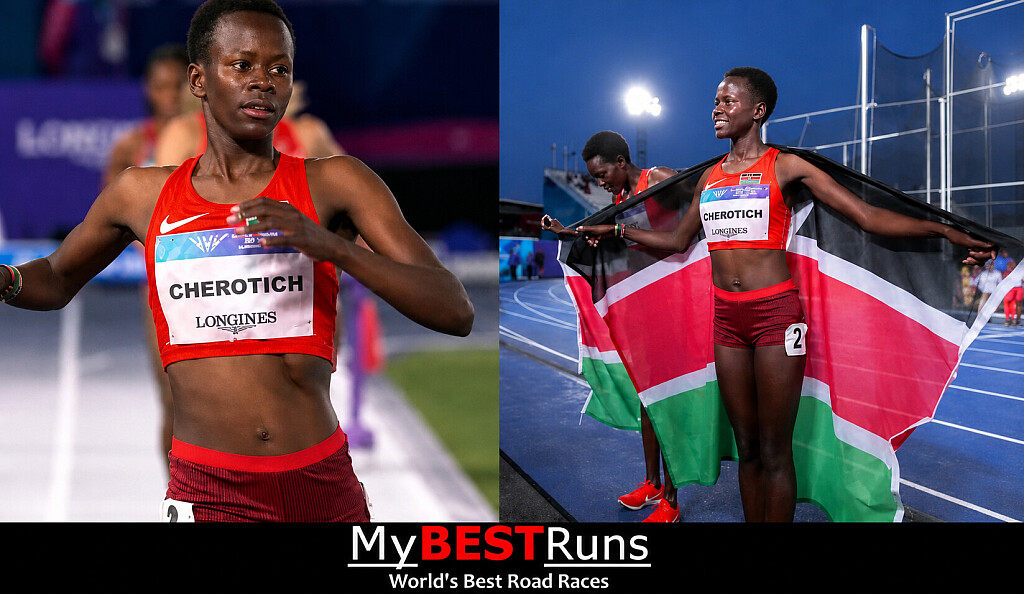
Faith Cherotich Rewrites Commonwealth Games History with Record-Breaking Steeplechase Triumph
Faith Cherotich delivered one of the greatest performances of the Glasgow 2026 Commonwealth Games, producing a breathtaking run to capture the women's 3,000m steeplechase gold medal while rewriting the championship record books.
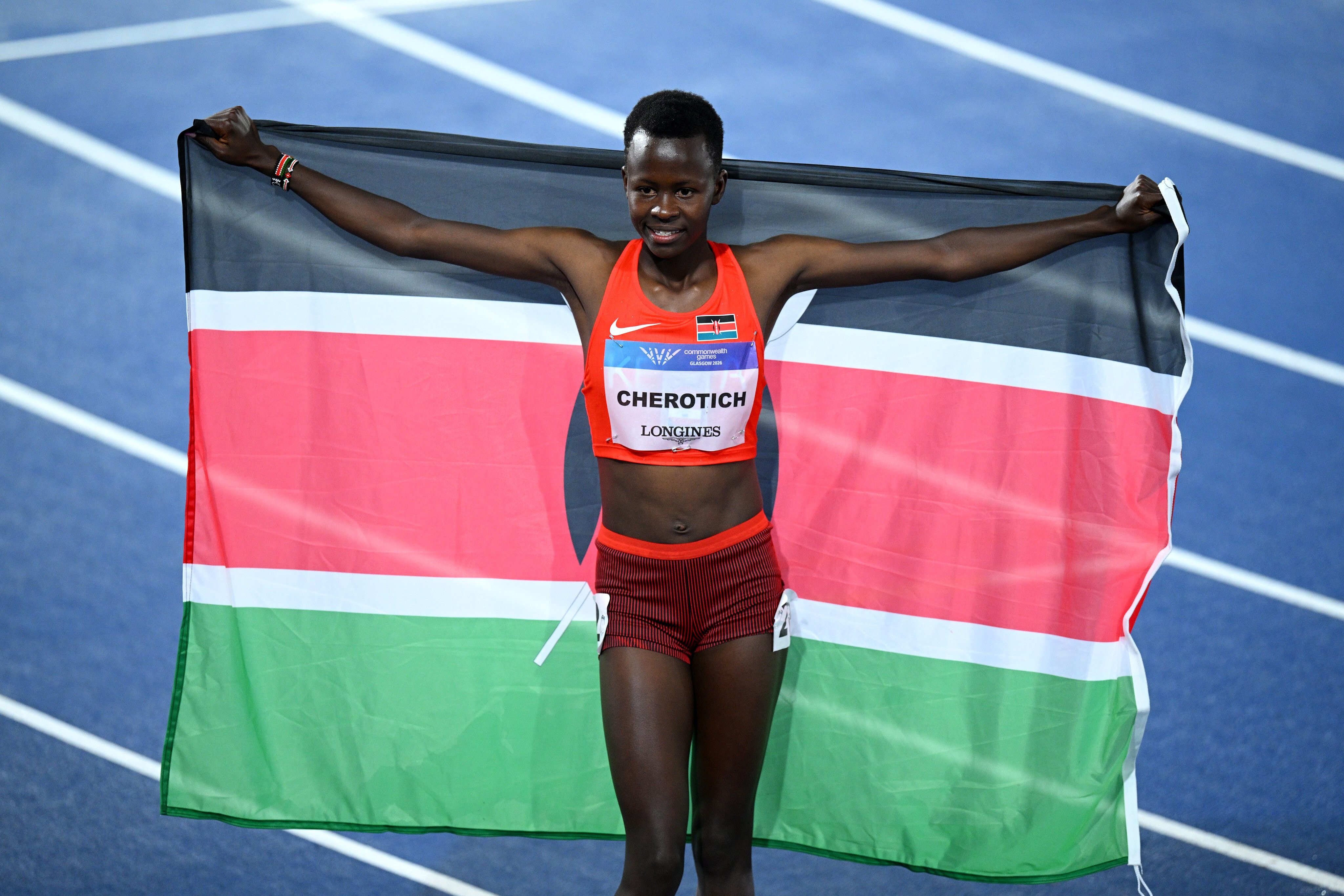
The Kenyan sensation powered away from the field with authority, crossing the finish line in a remarkable 9:01.76 to claim the Commonwealth title in unforgettable fashion. Her stunning performance erased the previous Commonwealth Games record of 9:15.68, set by fellow Kenyan Jackline Chepkoech at the Birmingham 2022 Games, underlining Kenya's continued dominance in one of its signature events.
From the opening laps, Cherotich looked composed and determined, confidently controlling the race before unleashing a devastating surge that none of her rivals could answer. Clearing every barrier with precision and maintaining a relentless rhythm, she transformed the closing stages into a celebration of world-class steeplechasing.
The battle for the medals was every bit as captivating. England's Elise Thorner produced a lifetime best of 9:05.45 to secure the silver medal, while Olympic champion Peruth Chemutai of Uganda claimed bronze in 9:09.96 after another courageous performance. Australia's Cara Feain-Ryan finished fourth in 9:22.07, with India's Parul Chaudhary taking fifth in 9:26.75. Canada's Grace Fetherstonhaugh crossed the line sixth in a personal best 9:27.49, while Kenya's Celestine Jepkosgei Biwot added a strong seventh-place finish in 9:33.61.
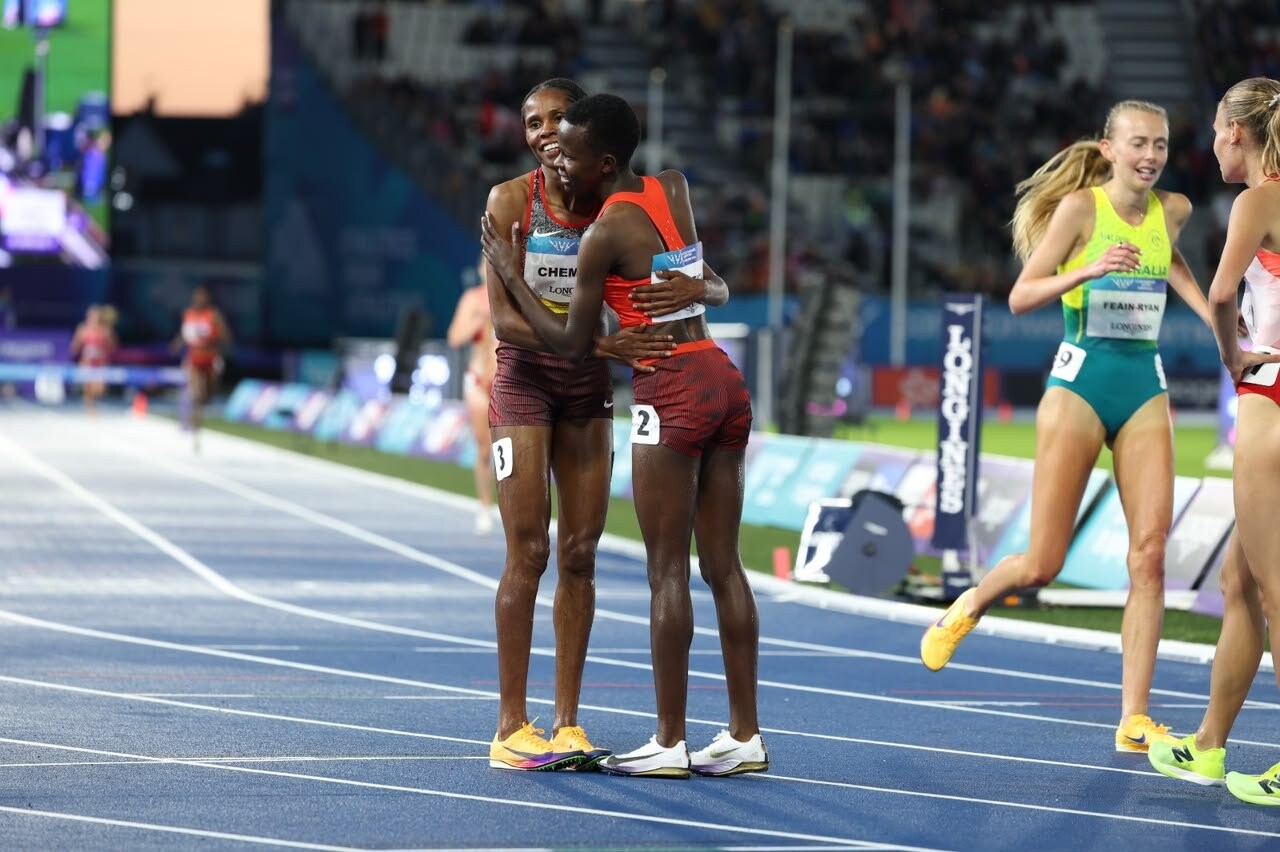
Women's 3000m Steeplechase Final – Glasgow 2026 Commonwealth Games
1. Faith Cherotich (Kenya) – 9:01.76 (Gold, Commonwealth Games Record)
2. Elise Thorner (England) – 9:05.45 (Silver, Personal Best)
3. Peruth Chemutai (Uganda) – 9:09.96 (Bronze)
4. Cara Feain-Ryan (Australia) – 9:22.07
5. Parul Chaudhary (India) – 9:26.75
6. Grace Fetherstonhaugh (Canada) – 9:27.49 (Personal Best)
7. Celestine Jepkosgei Biwot (Kenya) – 9:33.61
8. Cari Hughes (Wales) – 9:40.71 (National Record)
9. Katelyn Stewart-Barnett (Canada) – 9:46.98
10. Sarah Tait (Scotland) – 9:47.41
Cherotich's victory not only earned Kenya another gold medal but also reinforced the nation's remarkable legacy in the women's steeplechase. Breaking the Commonwealth Games record by nearly 14 seconds is a statement that echoes far beyond Glasgow, confirming the young Kenyan as one of the world's finest athletes in the event.
On a night filled with memorable performances, Faith Cherotich stood above them all. Draped in the Kenyan flag after her historic triumph, she celebrated a victory that will be remembered for years to come—a performance defined by courage, speed, and history-making brilliance.
by Erick Cheruiyot for My Best Runs.
Login to leave a comment
The Commonwealth Games
The Commonwealth Games are coming to Victoria - bringing an action packed sports program to our regional cities and delivering a long-term legacy for our future. From 17 to 29 March 2026, Geelong, Bendigo, Ballarat, Gippsland and Shepparton will be on the world stage, attracting millions of viewers and creating thousands of jobs. The multi-city model will...
more...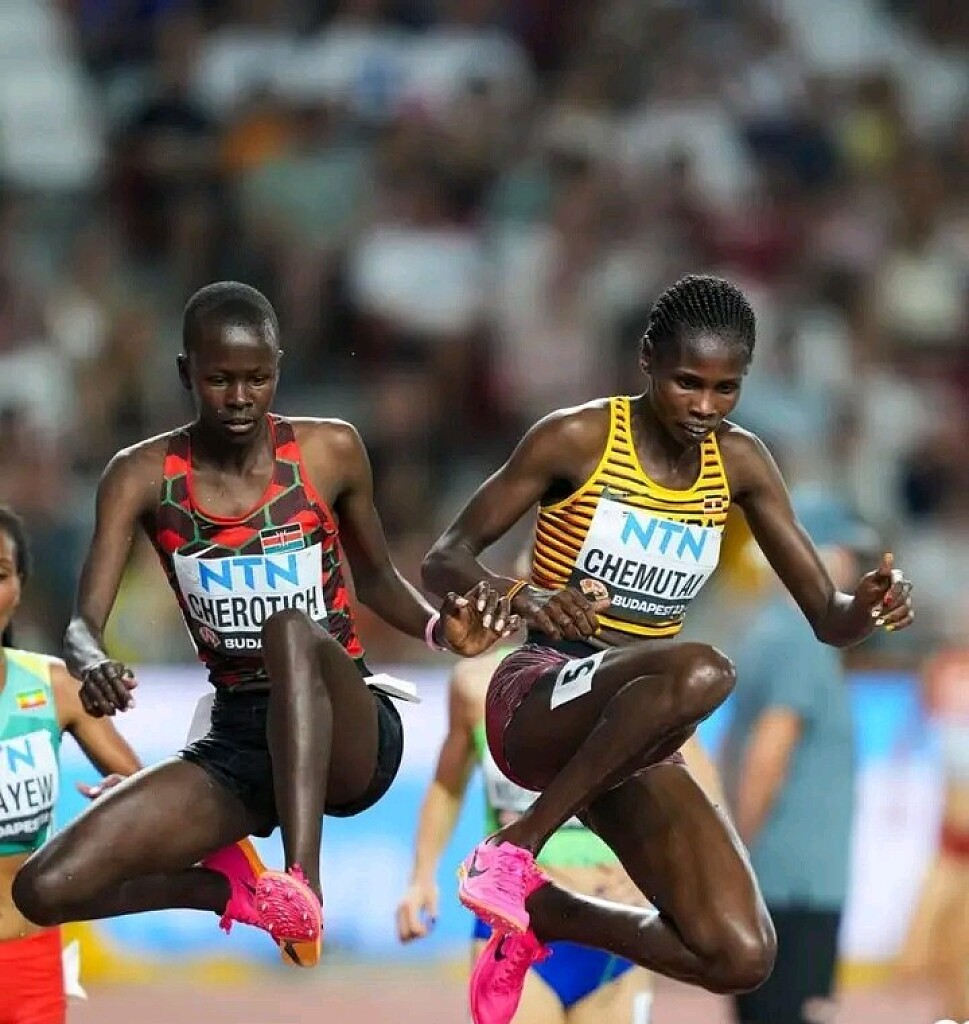
Faith Cherotich and Peruth Chemutai Set for Blockbuster Commonwealth Games Steeplechase Final in Glasgow
One of the most eagerly anticipated distance races of the 2026 Commonwealth Games will take center stage tonight in Glasgow as the women's 3,000m steeplechase final brings together two of the world's finest barrier specialists in a captivating battle for Commonwealth gold.
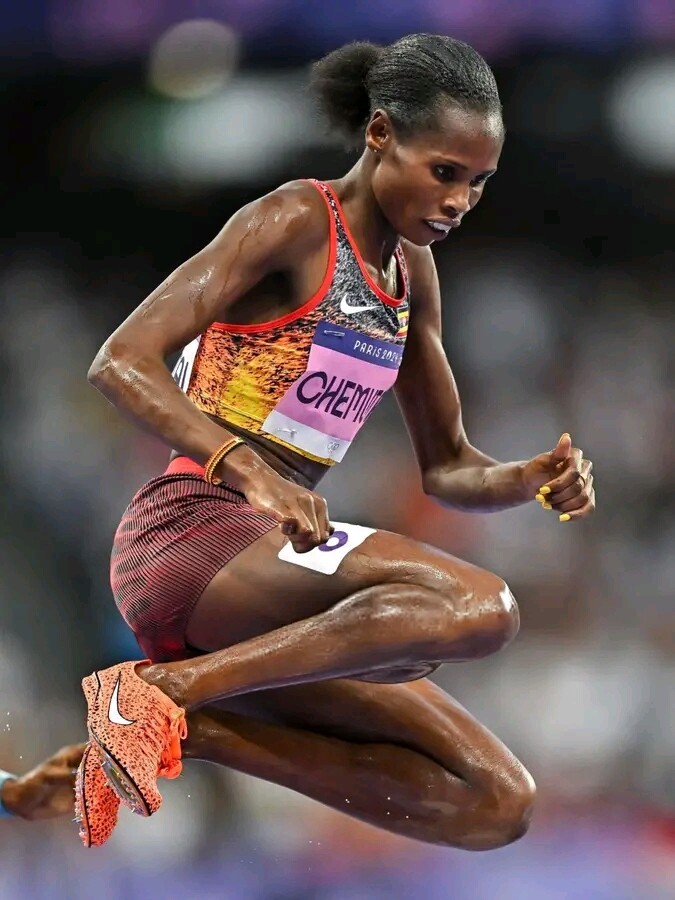
All eyes will be on Kenya's Faith Cherotich and Uganda's Peruth Chemutai, whose remarkable form this season has set the stage for what promises to be an unforgettable showdown. With both athletes arriving in Glasgow separated by less than half a second on the season's rankings, the margin for error could hardly be smaller.
Chemutai, the Olympic champion from Uganda, enters the final with the fastest season's best in the field at 8:51.06, while Kenya's rising star Cherotich has clocked an equally impressive 8:51.48. Even more remarkably, both women own personal bests under 8:49, highlighting the exceptional quality expected in the final.
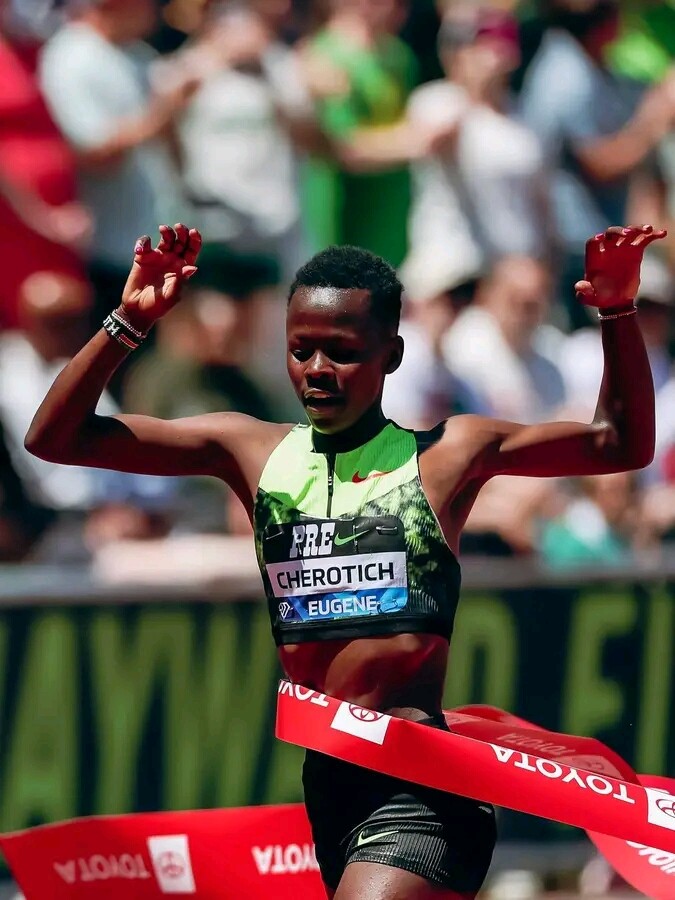
The race is expected to be a fascinating clash of styles. Chemutai's experience and relentless rhythm over the barriers will be tested by Cherotich's fearless racing instincts and devastating finishing speed. If the pace remains honest throughout, the outcome may not be decided until the final water jump or the last sprint down the home straight.
Although the spotlight naturally falls on the East African rivals, the battle for the medals extends well beyond them. England's Elise Thorner, boasting a personal best of 9:07.39, arrives as a genuine podium contender, while India's Parul Chaudhary has consistently demonstrated her ability to compete at the highest international level. Scotland's Sarah Tait will also enjoy passionate home support as she attempts to challenge the established favorites.
Kenya's Celestine Jepkosgei Biwot adds further depth to a competitive field that also includes Canada's Grace Fetherstonhaugh and Katelyn Stewart-Barnett, Australia's Cara Feain-Ryan, and Wales' Cari Hughes, ensuring the race will feature talent from across the Commonwealth.
Women's 3,000m Steeplechase Final – Start List
1. Grace Fetherstonhaugh (Canada) – PB: 9:28.42 | SB: 9:31.98
2. Faith Cherotich (Kenya) – PB: 8:48.71 | SB: 8:51.48
3. Peruth Chemutai (Uganda) – PB: 8:48.03 | SB: 8:51.06
4. Sarah Tait (Scotland) – PB: 9:18.66 | SB: 9:40.92
5. Parul Chaudhary (India) – PB: 9:12.46 | SB: 9:12.84
6. Katelyn Stewart-Barnett (Canada) – PB: 9:33.21 | SB: 9:36.69
7. Elise Thorner (England) – PB: 9:07.39 | SB: 9:07.39
8. Celestine Jepkosgei Biwot (Kenya) – PB: 9:17.06 | SB: 9:26.12
9. Cara Feain-Ryan (Australia) – PB: 9:21.35 | SB: 9:21.35
10. Cari Hughes (Wales) – PB: 9:41.66 | SB: 9:59.89
With two world-class athletes at the peak of their powers, national pride on the line, and a Commonwealth title at stake, Glasgow is set for a spectacular night of steeplechasing. Whether it is Chemutai's championship experience or Cherotich's youthful brilliance that prevails, fans can expect an electrifying contest that could become one of the defining races of the 2026 Commonwealth Games. The stage is set, the athletes are ready, and tonight promises to deliver a thrilling battle all the way to the finish line.
by Erick Cheruiyot for My Best Runs.
Login to leave a comment
The Commonwealth Games
The Commonwealth Games are coming to Victoria - bringing an action packed sports program to our regional cities and delivering a long-term legacy for our future. From 17 to 29 March 2026, Geelong, Bendigo, Ballarat, Gippsland and Shepparton will be on the world stage, attracting millions of viewers and creating thousands of jobs. The multi-city model will...
more...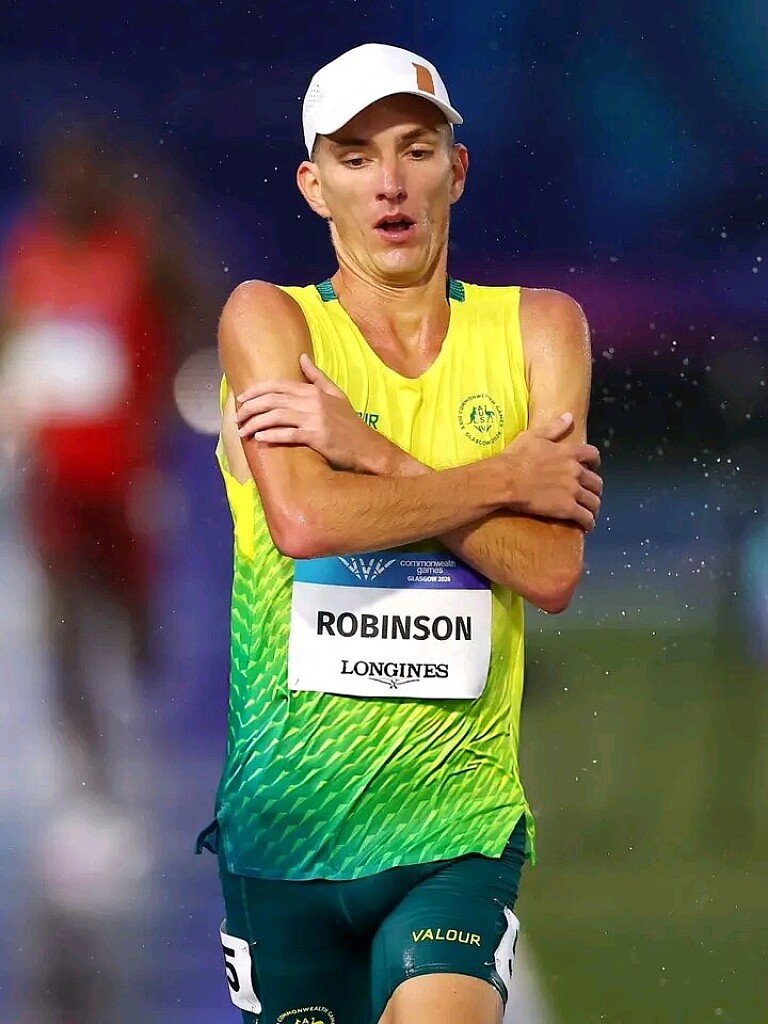
Australia Ends Long Wait as Ky Robinson Claims Historic Commonwealth 10,000m Gold in Glasgow
Australia's Ky Robinson produced the race of his career to capture the men's 10,000m gold medal at the 2026 Commonwealth Games in Glasgow, Scotland, becoming the first Australian ever to win the Commonwealth title in the event.
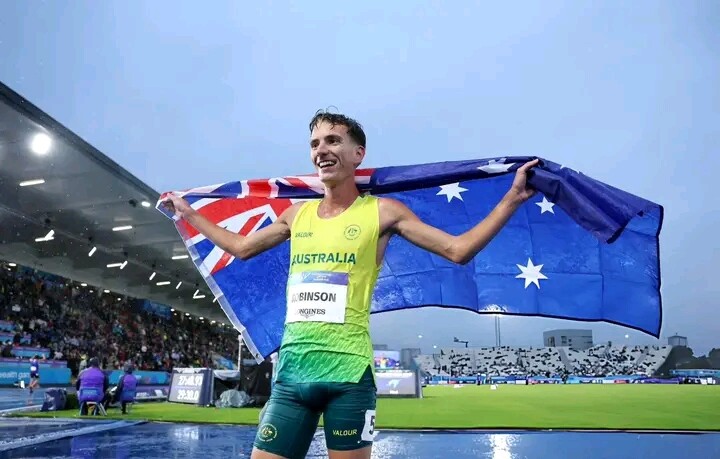
On a cold and rain-soaked night at Scotstoun Stadium, Robinson timed his finish to perfection, crossing the line in 27:48.93 to secure a landmark victory and complete an Australian sweep of the Commonwealth Games 10,000m titles after the nation's success in the women's race.
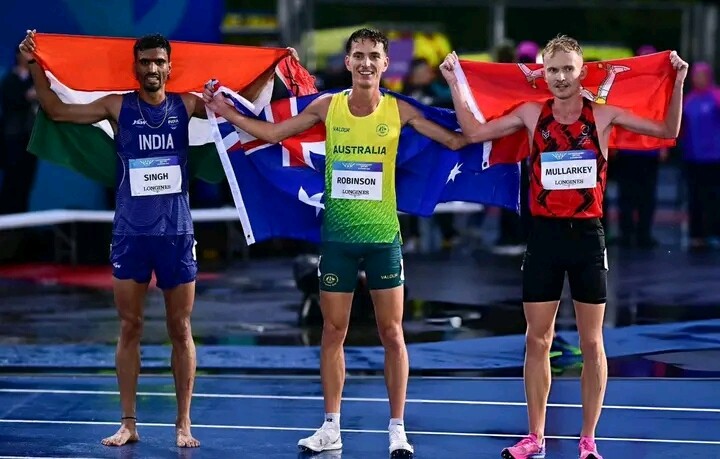
The race unfolded into one of the most dramatic distance finals of the championships. With the rain making conditions treacherous, a tightly packed lead group remained together well into the closing stages as the pace intensified lap after lap. Robinson found another gear in the final stretch to hold off a determined challenge from India's Gulveer Singh, while David Mullarkey unleashed a late surge to secure bronze. Just behind them, Edwin Kurgat fought bravely for Kenya but missed the podium by only 0.70 seconds, highlighting just how fiercely contested the battle for medals was. The top four athletes were separated by barely two seconds, making it one of the closest and most thrilling men's 10,000m finals in recent Commonwealth Games history.
India also celebrated a historic breakthrough as Gulveer Singh delivered the performance of his life to take silver in 27:49.78, earning India's first-ever Commonwealth Games medal in the men's 10,000m. David Mullarkey of the Isle of Man completed the podium in 27:50.28, capping a memorable evening for both nations.
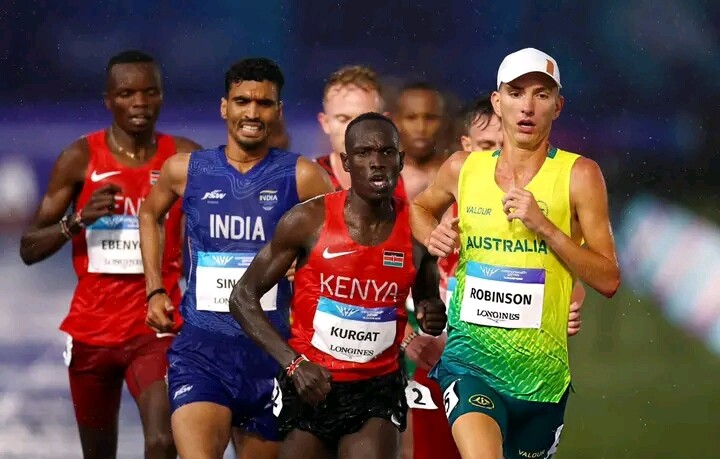
For Kenya, hopes of extending its proud tradition in the event fell agonizingly short. Edwin Kurgat led the Kenyan challenge with a courageous fourth-place finish in 27:50.98, narrowly missing out on a medal. Former Commonwealth Games Birmingham 2022 silver medalist Daniel Ebenyo finished sixth in 27:56.35, while Ishmael Kipkurui placed 10th in 28:04.60 as the Kenyan team was left without a podium finish.
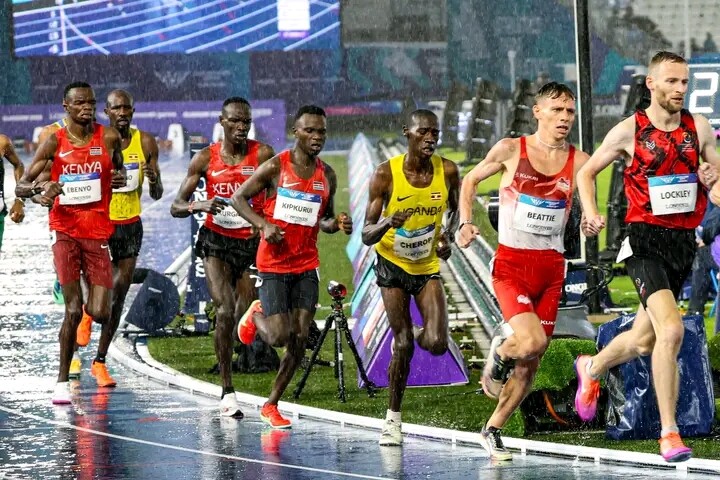
Uganda also came up short despite another determined performance from Samuel Simba Cherop, who clocked a personal best of 27:56.68 to finish seventh. The result ended an extraordinary era of Ugandan dominance in the men's 10,000m at the Commonwealth Games. Since Boniface Kiprop's victory at the 2006 Commonwealth Games in Melbourne, Australia, Uganda had ruled the event for two decades through a succession of outstanding distance runners, making Ky Robinson's triumph the first by another nation since Kiprop's breakthrough gold in Melbourne.
The final also showcased the growing depth of Commonwealth distance running, with athletes from Australia, India, the Isle of Man, Kenya, England, Uganda, Lesotho, Scotland and Tanzania all featuring prominently in a race that demonstrated the event's increasing global competitiveness.
Men's 10,000m Final Results – Glasgow 2026 Commonwealth Games
1. Ky Robinson (Australia) – 27:48.93
2. Gulveer Singh (India) – 27:49.78
3. David Mullarkey (Isle of Man) – 27:50.28
4. Edwin Kurgat (Kenya) – 27:50.98 (SB)
5. Scott Beattie (England) – 27:54.50
6. Daniel Ebenyo (Kenya) – 27:56.35 (SB)
7. Samuel Simba Cherop (Uganda) – 27:56.68 (PB)
8. Benjamin Ratsim (Tanzania) – 27:59.70 (PB)
9. Kamohelo Mofolo (Lesotho) – 28:01.00 (NR)
10. Ishmael Rokitto Kipkurui (Kenya) – 28:04.66 (SB)
11. Dan Kibet (Uganda) – 28:05.84 (SB)
12. Oscar Chelimo (Uganda) – 28:10.60
13. Andrew Butchart (Scotland) – 28:16.70
Robinson's historic triumph not only delivered Australia's first-ever Commonwealth men's 10,000m gold medal but also signaled a changing landscape in Commonwealth distance running, ending Uganda's remarkable 20-year reign and proving that the battle for long-distance supremacy is becoming more competitive than ever.
by Erick Cheruiyot for My Best Runs.
Login to leave a comment
The Commonwealth Games
The Commonwealth Games are coming to Victoria - bringing an action packed sports program to our regional cities and delivering a long-term legacy for our future. From 17 to 29 March 2026, Geelong, Bendigo, Ballarat, Gippsland and Shepparton will be on the world stage, attracting millions of viewers and creating thousands of jobs. The multi-city model will...
more...
Can Uganda Keep Its Commonwealth 10,000m Crown Alive Tonight? A Historic Streak Faces Its Biggest Test
Tonight, one of the most remarkable legacies in Commonwealth Games history will once again be put on the line as Uganda bids to extend its extraordinary dominance in the men's 10,000m.
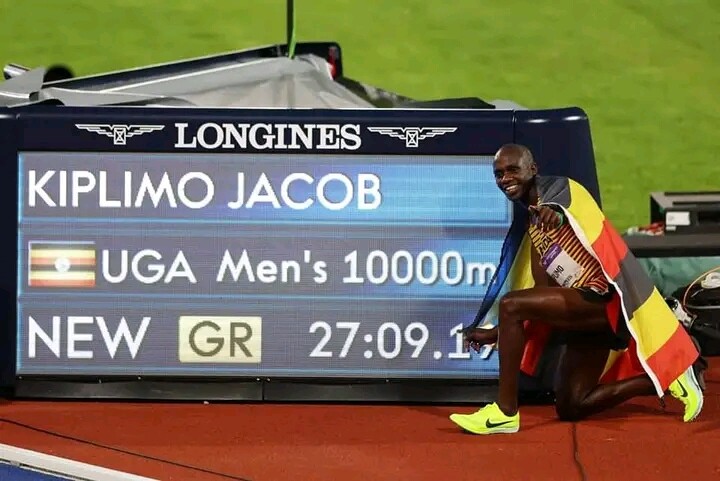
Since 2006, every Commonwealth Games men's 10,000m title has been won by a Ugandan athlete, establishing a remarkable streak that has become a symbol of the nation's excellence in long-distance running. The latest chapter was written by Jacob Kiplimo, who stormed to victory at the 2022 Commonwealth Games in Birmingham, setting a new Games record of 27:09.19 in a commanding performance.
Now, all eyes turn to tonight's final, where Uganda will attempt to continue a reign that has spanned nearly two decades.
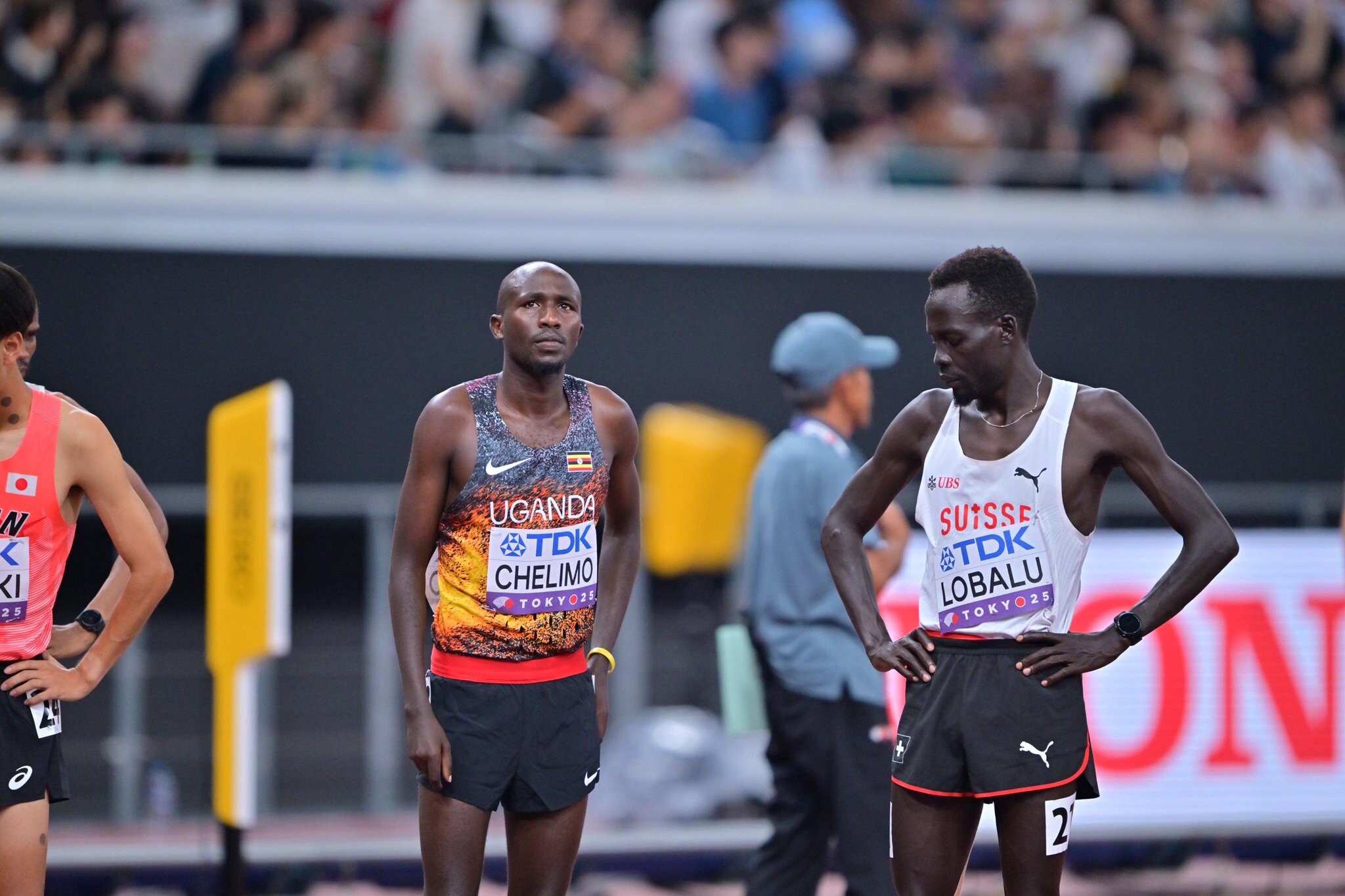
Uganda's hopes of preserving that incredible record will rest on a formidable trio of Dan Kibet, Oscar Chelimo, and Cherop Samuel Simba. Together, they carry the weight of a proud tradition and will be determined to ensure the men's 10,000m title remains in Ugandan hands for another Commonwealth Games.
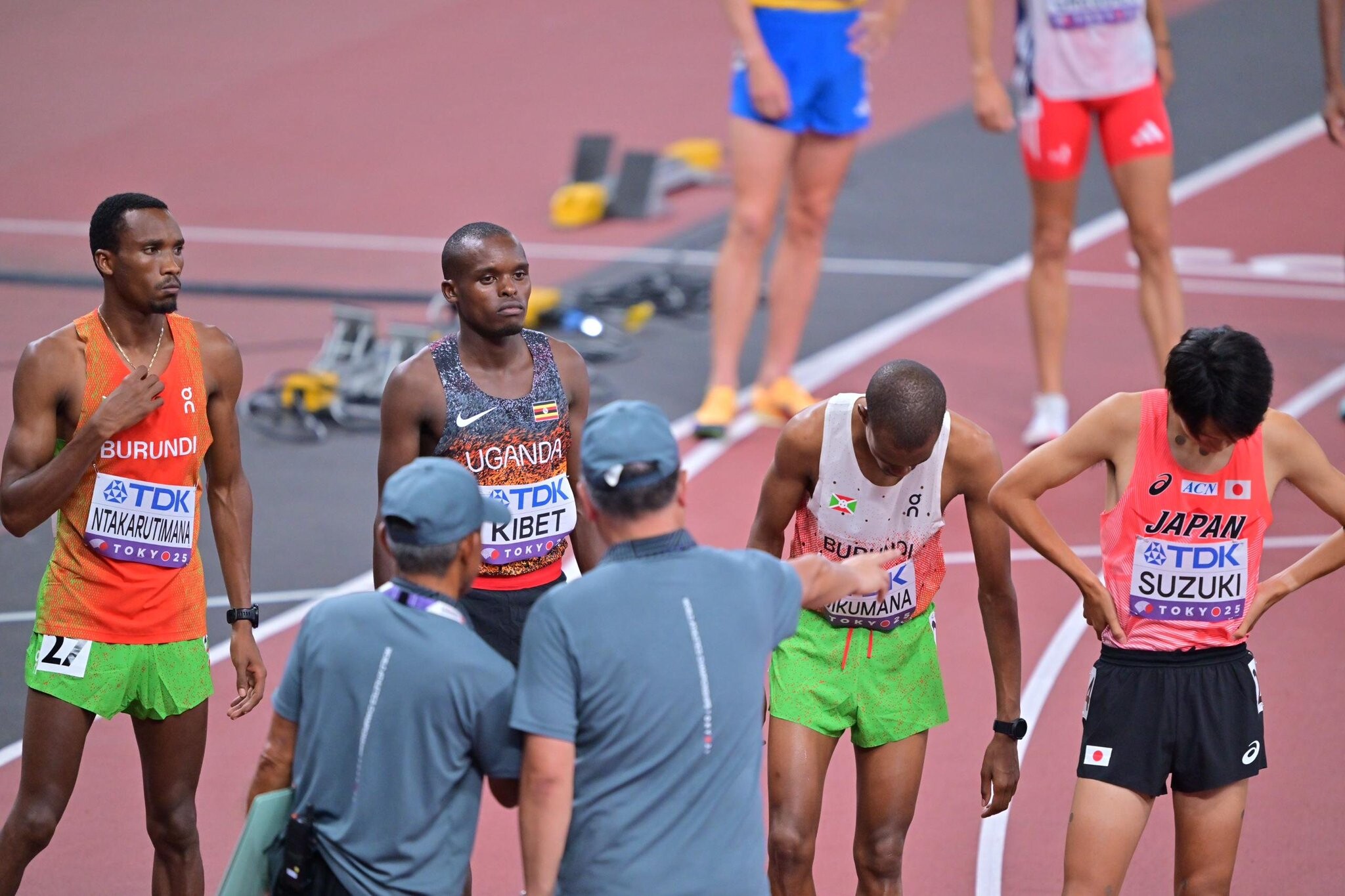
The challenge, however, promises to be fiercer than ever. Some of the Commonwealth's finest distance runners will line up with one goal—to end Uganda's remarkable run and claim one of the most prestigious titles in championship athletics. Every lap will carry the weight of history, with both seasoned stars and emerging talents eager to seize the moment.
For Uganda, this race is about far more than another gold medal. It is an opportunity to protect a legacy built through years of discipline, resilience, and world-class performances on the championship stage. Extending the streak would further strengthen the nation's reputation as one of the greatest forces in distance running.
Yet championship races are rarely decided by reputation alone. Tactical awareness, patience, and the ability to respond when the decisive move is made often separate the champion from the rest of the field. With several accomplished rivals eager to rewrite history, tonight's contest promises to deliver drama from the opening lap to the finish.
Will Uganda celebrate another unforgettable triumph tonight, or will a new champion finally bring an end to one of the longest winning streaks in Commonwealth Games history? By the end of the race, the answer will be written on the track, adding another unforgettable chapter to one of athletics' most enduring traditions.
by Erick Cheruiyot for My Best Runs.
Login to leave a comment
The Commonwealth Games
The Commonwealth Games are coming to Victoria - bringing an action packed sports program to our regional cities and delivering a long-term legacy for our future. From 17 to 29 March 2026, Geelong, Bendigo, Ballarat, Gippsland and Shepparton will be on the world stage, attracting millions of viewers and creating thousands of jobs. The multi-city model will...
more...
Rose Davies Makes History, Diana Wanza Claims Silver, and Florence Niyonkuru Shines with Bronze in Memorable Commonwealth Games 10,000m Final
Australia celebrated a landmark moment in distance running as Rose Davies produced a brilliant performance to win the women's 10,000m title at the 2026 Commonwealth Games in Glasgow, becoming the first Australian athlete ever to capture Commonwealth gold in the event. Clocking 31:39.32, Davies also recorded a season's best (SB) to crown a remarkable evening and write her name into Australian athletics history.
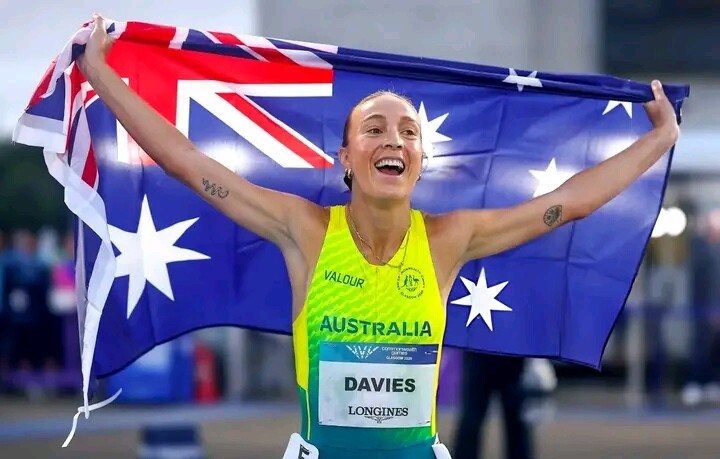
Davies delivered a composed and confident race from start to finish, demonstrating exceptional patience before unleashing a decisive surge in the closing stages to secure a historic victory. Her remarkable triumph not only earned Australia a long-awaited gold medal but also etched her name into the Commonwealth Games record books, adding one of the finest achievements in Australian distance-running history.
Kenya's Diana Wanza produced a courageous and determined performance to secure the silver medal in 31:50.13, further strengthening the nation's proud legacy in long-distance running. Remaining among the front-runners throughout the race, Wanza matched every challenge with grit and composure before crossing the finish line with a well-deserved runner-up finish against an outstanding field.
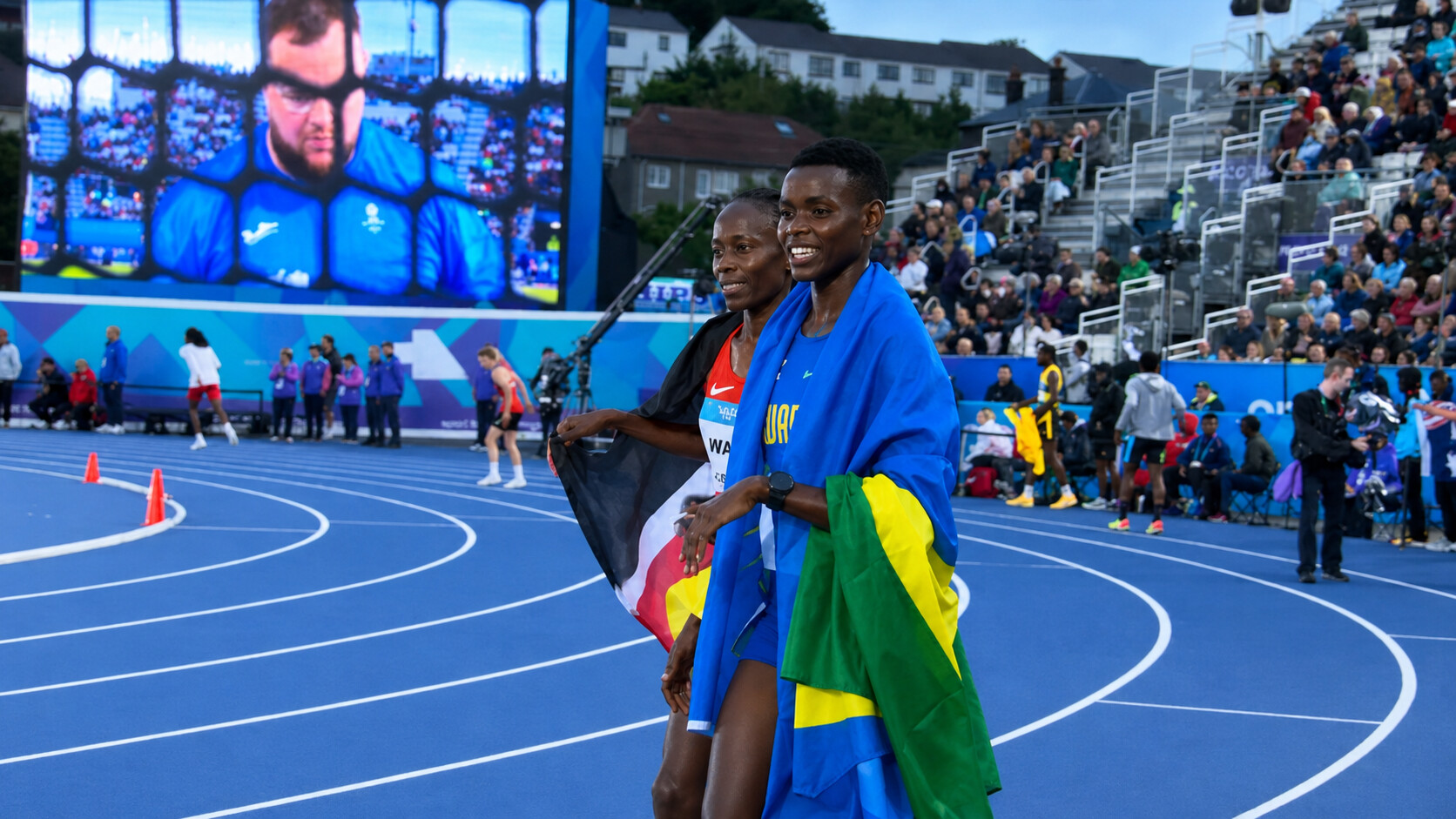
Rwanda's Florence Niyonkuru completed the podium with a superb run to capture the bronze medal in 31:55.47. Her impressive display underlined Rwanda's continued rise in international distance running and rewarded months of hard work with one of the biggest achievements of her career.
The race was fiercely contested from the opening laps, with the leading pack refusing to give an inch as the pace intensified. As the tension built inside the stadium, every lap brought fresh excitement and anticipation from the Glasgow crowd. Davies found another gear when it mattered most, Wanza responded with tremendous determination in pursuit of gold, while Niyonkuru held her composure to secure bronze in a thrilling finish. Behind the medalists, Uganda's Esther Chebet narrowly missed the podium by just 0.23 seconds, finishing fourth in a personal best of 31:55.70, highlighting just how competitive the championship final proved to be.
The depth of the field was reflected throughout the results, with several athletes producing season's bests and personal bests in one of the highest-quality women's 10,000m finals of the Games. Australia's Lauren Ryan finished fifth with a season's best, Uganda's Joy Cheptoyek placed sixth with another season's best, while Scotland's Megan Keith delighted the home crowd with a season's best ninth-place finish. The race showcased the exceptional standard of women's distance running across the Commonwealth.
Women's 10,000m Final – Commonwealth Games Glasgow 2026
1. Rose Davies (Australia) – 31:39.32 (SB)
2. Diana Wanza (Kenya) – 31:50.13
3. Florence Niyonkuru (Rwanda) – 31:55.47
4. Esther Chebet (Uganda) – 31:55.70 (PB)
5. Lauren Ryan (Australia) – 31:59.41 (SB)
6. Joy Cheptoyek (Uganda) – 32:01.92 (SB)
7. Miriam Chebet (Kenya) – 32:12.97
8. Rebecca Chelangat (Uganda) – 32:16.28 (SB)
9. Megan Keith (Scotland) – 32:22.11 (SB)
10. Rebecca Mwangi (Kenya) – 32:36.12
11. Izzy Fry (England) – 32:50.81
12. Poppy Tank (England) – 32:50.83
13. Florence Caron (Canada) – 32:59.51
14. Nthabiseng Letokoto (Lesotho) — 34:52.00 (SB)
The women's 10,000m final perfectly illustrated the depth of talent across the Commonwealth, with three exceptional athletes delivering performances worthy of the podium. While Rose Davies celebrated a groundbreaking victory for Australia, Diana Wanza once again demonstrated Kenya's enduring excellence in distance running, and Florence Niyonkuru's bronze medal highlighted Rwanda's growing presence among the world's elite. Together, they produced a championship race that will be remembered for its quality, intensity, and historic significance.
by Erick Cheruiyot for My Best Runs.
Login to leave a comment
The Commonwealth Games
The Commonwealth Games are coming to Victoria - bringing an action packed sports program to our regional cities and delivering a long-term legacy for our future. From 17 to 29 March 2026, Geelong, Bendigo, Ballarat, Gippsland and Shepparton will be on the world stage, attracting millions of viewers and creating thousands of jobs. The multi-city model will...
more...
A New Champion Will Rise: Women's Commonwealth Games 10,000m Crown Up for Grabs After Eilish McColgan's Withdrawal
The stage is set for one of the most fascinating distance races of the 2026 Commonwealth Games after reigning women's 10,000m champion Eilish McColgan officially withdrew from the competition, ending her hopes of defending the title she won in memorable fashion four years ago.

McColgan's absence leaves the event without its defending champion and guarantees that a new name will be etched into Commonwealth Games history when the athletes line up for tonight's final in Glasgow. While her withdrawal is a significant setback for Scottish supporters hoping to celebrate another home victory, it has also created one of the most open and unpredictable championship races in recent memory.
Kenya's Miriam Chebet enters the final as the fastest athlete in the field with a personal best of 30:27.30 and will undoubtedly be one of the leading contenders for the gold medal. However, she faces formidable opposition from Australia's Rose Davies and Lauren Ryan, both of whom have consistently delivered world-class performances and possess the endurance to challenge for the top step of the podium.
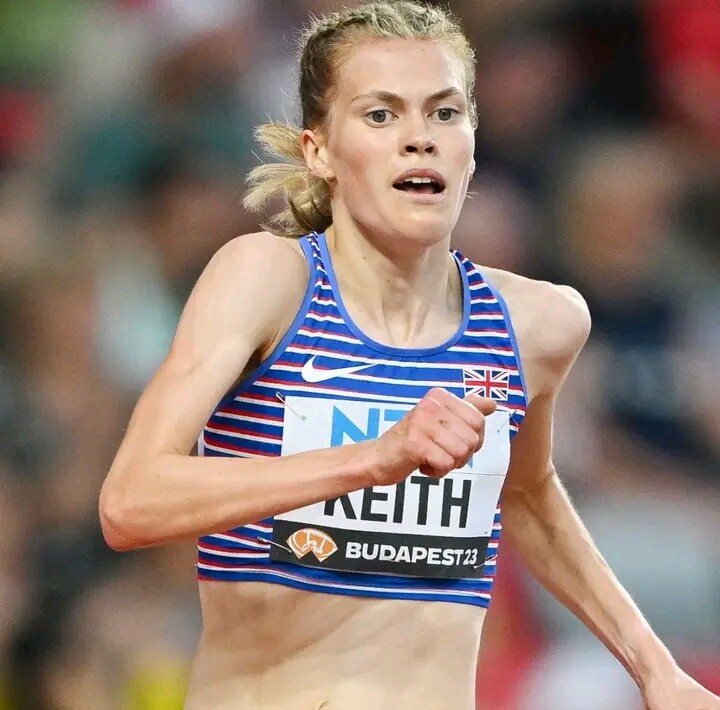
With McColgan no longer in the race, Scotland's hopes now rest on Megan Keith. Competing before a passionate home crowd in Glasgow, Keith has the opportunity to produce the performance of her career and give the host nation another unforgettable distance running moment.
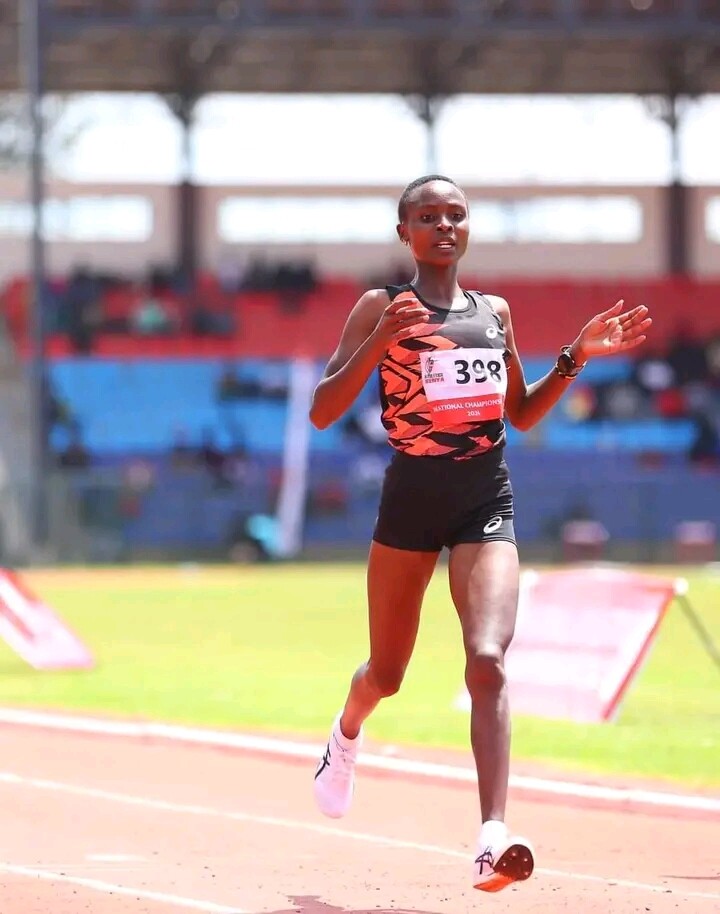
The race is also packed with outstanding talent from East Africa. Rwanda's Emeline Imanizabayo and Florence Niyonkuru arrive with valuable international experience, while Uganda's Joy Cheptoyek and Rebecca Chelangat have repeatedly shown they are capable of excelling in championship competition. Kenya's Diana Wanza and Rebecca Mwangi further strengthen an exceptionally deep field where every position is expected to be fiercely contested.
England's Izzy Fry and Poppy Tank will also be aiming to make their mark, with Tank continuing to inspire many through her remarkable journey to the Games despite competing without the financial backing enjoyed by many of her rivals. Canada's Florence Caron, Lesotho's Nthabiseng Letokoto, and the Isle of Man's Christa Cain complete a line-up that promises an exciting and highly competitive contest.
Unlike races with an overwhelming favourite, this championship appears wide open. The outcome could depend as much on race tactics as outright speed, with every athlete aware that a rare opportunity now lies before them. Whether the pace is aggressive from the opening laps or develops into a tactical battle decided over the closing stages, the fight for gold is expected to captivate athletics fans from start to finish.
Tonight, all eyes will be on Glasgow as the Commonwealth Games crown a new women's 10,000m champion. With an outstanding field assembled and the defending champion no longer on the start line, the race has all the ingredients to become one of the defining moments of the athletics programme, as a new queen of the Commonwealth emerges.
by Erick Cheruiyot for My Best Runs.
Login to leave a comment
The Commonwealth Games
The Commonwealth Games are coming to Victoria - bringing an action packed sports program to our regional cities and delivering a long-term legacy for our future. From 17 to 29 March 2026, Geelong, Bendigo, Ballarat, Gippsland and Shepparton will be on the world stage, attracting millions of viewers and creating thousands of jobs. The multi-city model will...
more...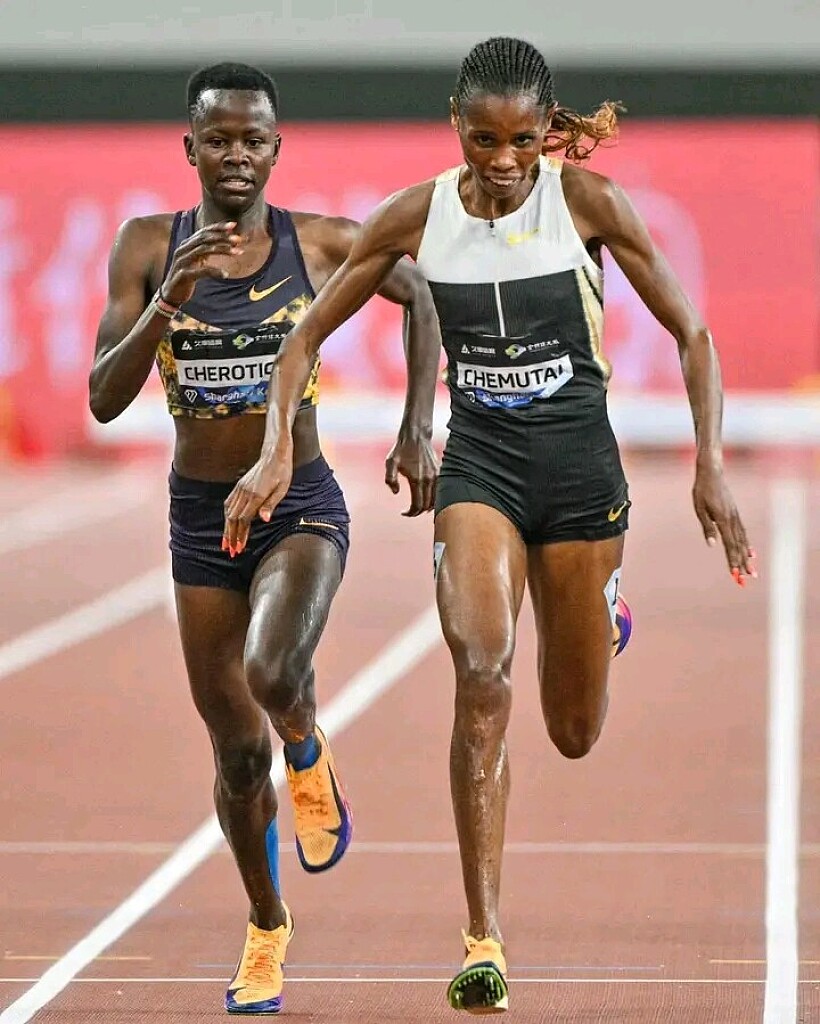
Commonwealth Games Women's Steeplechase Set for a Classic Showdown as Faith Cherotich and Peruth Chemutai Renew Their Rivalry
The women's 3,000-meter steeplechase promises to be one of the standout distance races of the 2026 Commonwealth Games when a talented field lines up on July 29, headlined by two of the world's finest barrier specialists: Kenya's Faith Cherotich and Uganda's Peruth Chemutai.
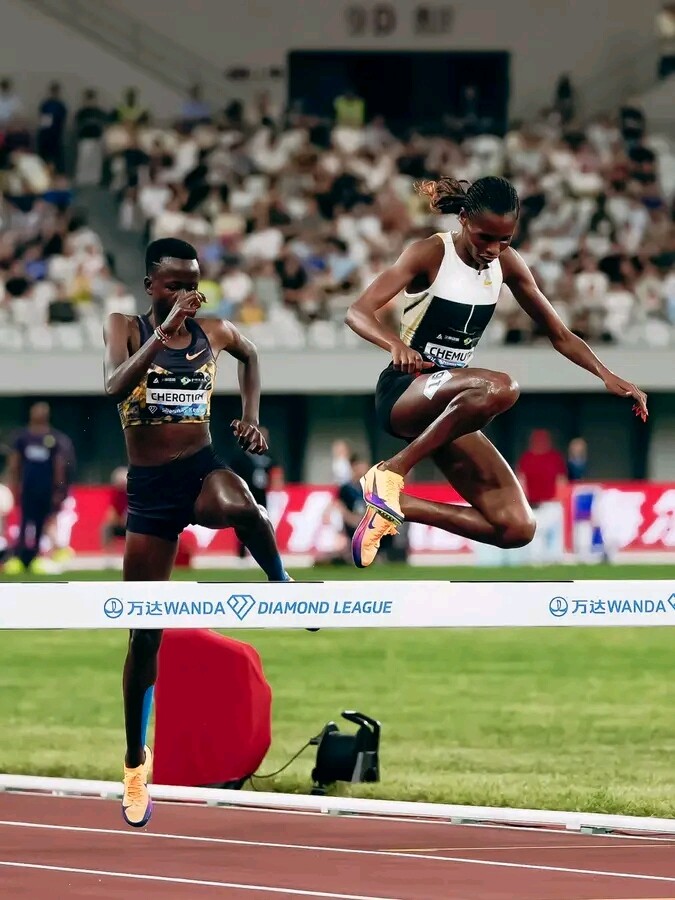
With personal bests separated by less than a second, the race has all the ingredients of a championship classic. Olympic medalists, emerging stars, and national champions will all be chasing Commonwealth glory, but much of the spotlight will naturally fall on the fierce rivalry between Cherotich and Chemutai.
Cherotich arrives as one of the fastest women ever over the barriers with a personal best of 8:48.71, a mark that underlines her remarkable rise to the top of global steeplechasing. The young Kenyan has established herself as one of the sport's brightest talents through her fearless front-running, smooth hurdling technique, and devastating finishing speed.
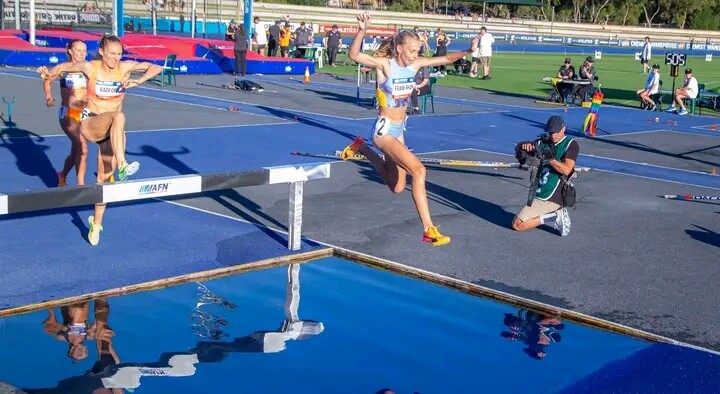
Standing in her way is Uganda's Peruth Chemutai, whose personal best of 8:48.03 makes her the fastest athlete in the field on paper. The Olympic champion has repeatedly proven she thrives in championship racing, combining tactical intelligence with years of experience on the biggest stages. Her ability to produce her very best when medals are on the line makes her an exceptionally dangerous competitor.
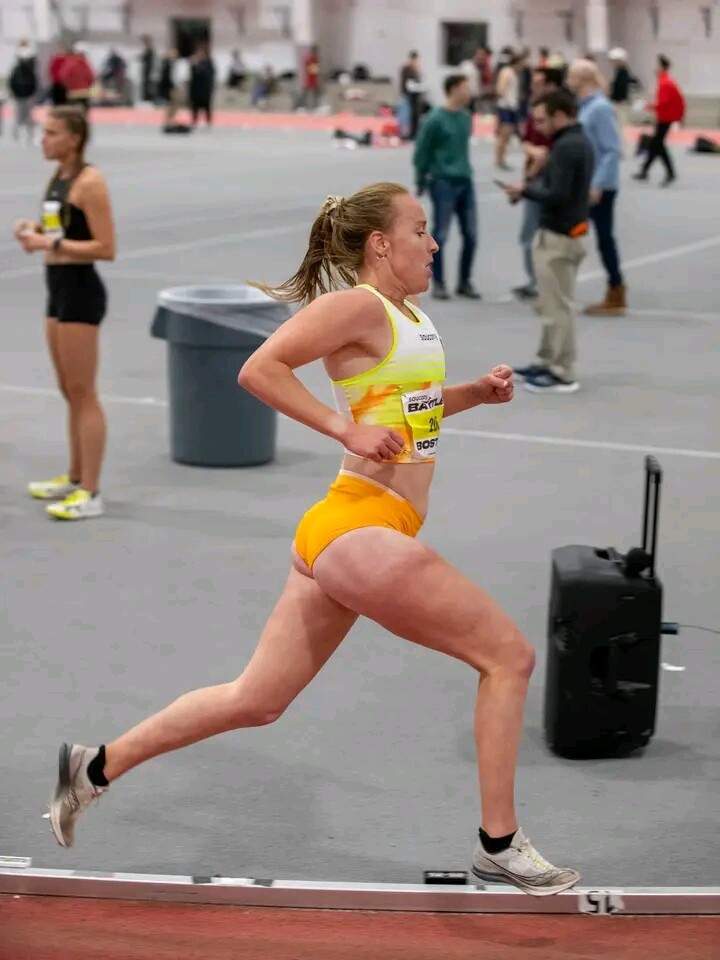
Kenya also boasts impressive depth through Celestine Jepkosgei Biwot, who owns a personal best of 9:19.06 and could play a significant role in the race if the early pace becomes tactical. A Kenyan podium sweep may be difficult against such quality opposition, but Biwot has shown she is capable of competing with the continent's elite.
England's Elise Thorner enters as one of the strongest challengers outside East Africa. With a personal best of 9:07.39, she has consistently demonstrated the ability to race aggressively and could place herself firmly in medal contention if the favorites hesitate.
India's Parul Chaudhary brings another compelling storyline after lowering her personal best to 9:12.46, establishing herself as one of Asia's leading steeplechasers. She will be aiming to deliver one of India's strongest distance performances of the Games.
Australia's Cara Feain-Ryan (9:21.35), Scotland's Sarah Tait (9:18.66), Canada's Grace Fetherstonhaugh (9:31.98), Canada's Katelyn Stewart-Barnett (9:36.69), and Wales' Cari Hughes (9:41.66) complete a diverse and competitive field representing six Commonwealth nations.
While personal bests provide an indication of form, championship racing often rewards patience, tactical awareness, and flawless barrier technique as much as outright speed. Every water jump and every barrier could prove decisive in a race where momentum can change within seconds.
The start list suggests a fascinating battle between proven championship performers and ambitious newcomers eager to announce themselves on one of athletics' biggest stages. If the pace is honest from the opening laps, spectators could witness one of the fastest Commonwealth Games steeplechase finals in history.
With continental pride, championship medals, and Commonwealth supremacy at stake, all eyes will turn to the women's 3,000-meter steeplechase on July 29, where Faith Cherotich and Peruth Chemutai are set to write another thrilling chapter in one of distance running's most exciting rivalries.
by Erick Cheruiyot for My Best Runs.
Login to leave a comment
The Commonwealth Games
The Commonwealth Games are coming to Victoria - bringing an action packed sports program to our regional cities and delivering a long-term legacy for our future. From 17 to 29 March 2026, Geelong, Bendigo, Ballarat, Gippsland and Shepparton will be on the world stage, attracting millions of viewers and creating thousands of jobs. The multi-city model will...
more...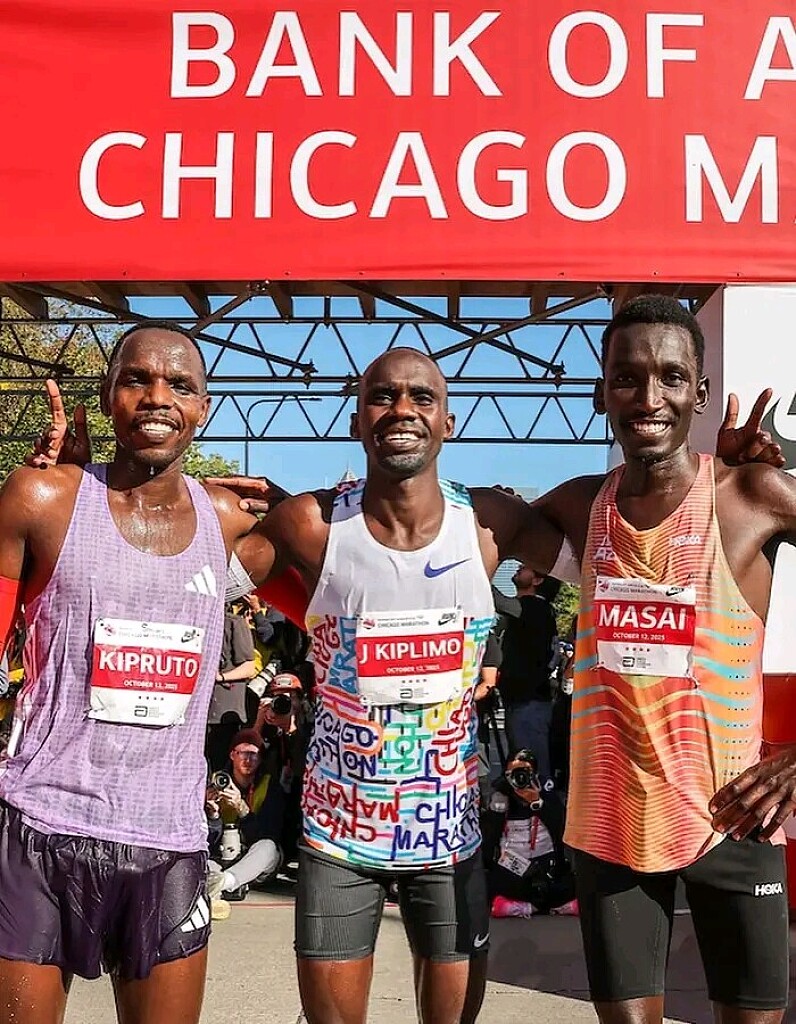
The Rematch Is On: Kiplimo, Kipruto and Masai Lead Star-Studded Chicago Marathon Field
The Bank of America Chicago Marathon is preparing for one of the most anticipated men's races in its history after unveiling an extraordinary elite field for the 48th edition of the event, scheduled for Sunday, October 11, 2026.
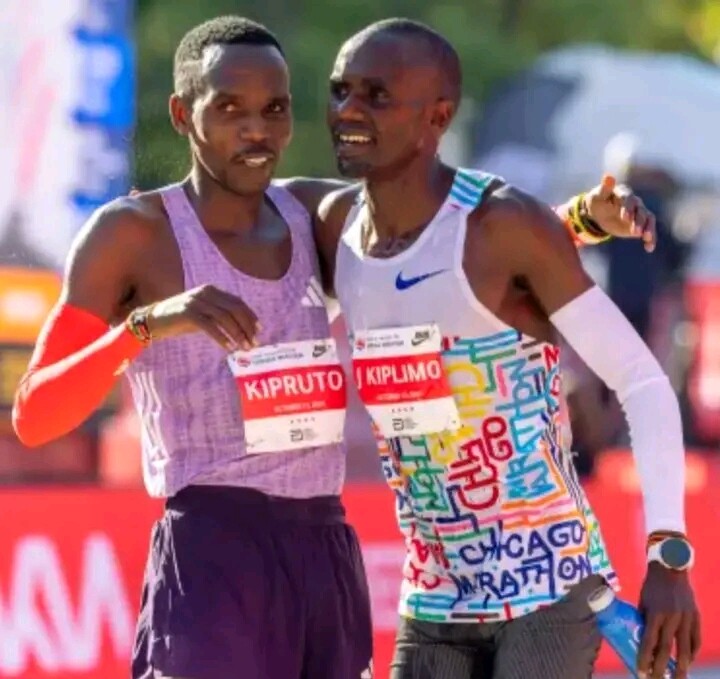
At the heart of the excitement is a compelling rematch featuring the entire podium from the 2025 Chicago Marathon, with defending champion Jacob Kiplimo, runner-up Amos Kipruto, and third-place finisher Alex Masai all returning to battle once again on the fast streets of the Windy City.
The reunion of last year's top three finishers already guarantees an intense contest, but the depth of the field suggests this could develop into one of the greatest marathon races Chicago has ever witnessed.
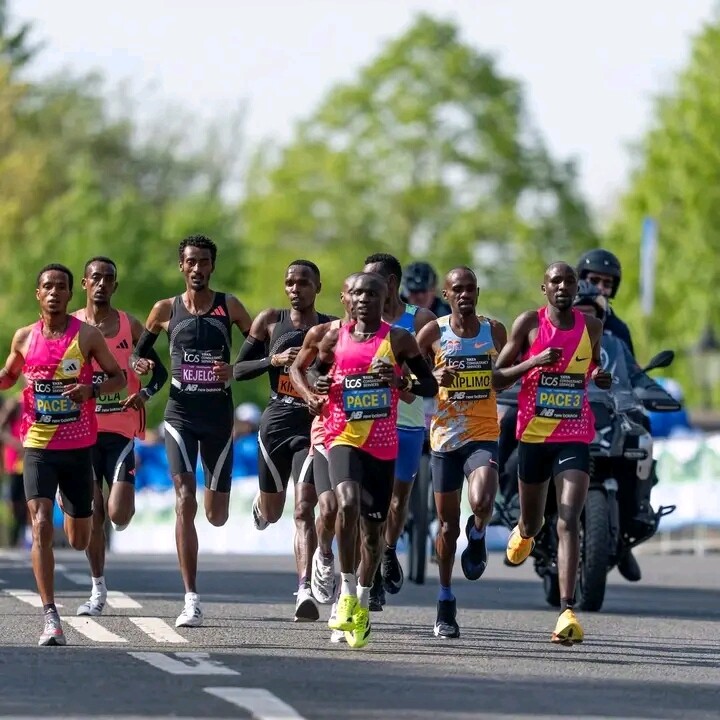
Uganda's Jacob Kiplimo returns wearing the champion's crown after producing a brilliant 2:02:23 performance to capture the 2025 Chicago Marathon title. Since that victory, the distance-running sensation has strengthened his reputation as one of the world's premier marathoners, delivering an astonishing 2:00:28 at the 2026 London Marathon—a performance that firmly established him among the fastest marathon runners in history.
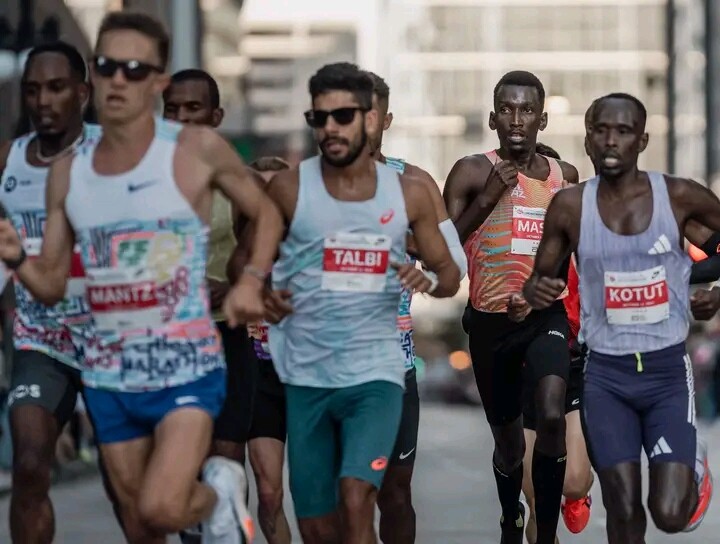
Standing in his way once again will be Kenya's Amos Kipruto, who finished second in Chicago last year in 2:03:54. Kipruto arrives in exceptional form after rewriting his personal best with a stunning 2:01:39 at the 2026 London Marathon, proving he possesses both the speed and experience to challenge for the Chicago crown.
Completing the returning podium is fellow Kenyan Alex Masai, whose impressive 2:04:37 earned him third place in 2025. Now returning with valuable experience and growing confidence, Masai will be aiming to transform last year's podium finish into his first-ever World Marathon Major victory.
Yet the battle for victory extends far beyond the returning podium.
The 2026 Chicago Marathon has assembled one of the deepest elite men's fields ever seen, featuring six athletes with personal bests under 2:04. Among them are Milkesa Mengesha of Ethiopia, the reigning 2024 Berlin Marathon champion, and compatriot Tadese Takele Bikila, who arrives as the Tokyo Marathon champion. Their presence adds even greater quality to a field already packed with proven championship performers and world-class speed.
With Olympic-caliber talent, major marathon champions, and some of the fastest men ever to cover the 42.195-kilometre distance lining up together, all the ingredients are in place for a memorable contest. Whether the race develops into a tactical championship battle or a relentless pursuit of another sub-2:02 performance, fans can expect fireworks from the opening miles to the finish on Columbus Drive.
As Chicago prepares to welcome the world's finest marathoners, one question now dominates the conversation:
Can Jacob Kiplimo successfully defend his title, or will Amos Kipruto, Alex Masai, or another world-class challenger rise to claim one of the sport's most prestigious crowns? The answer will unfold on October 11, when another chapter in Chicago Marathon history is written.
by Erick Cheruiyot for My Best Runs.
Login to leave a comment
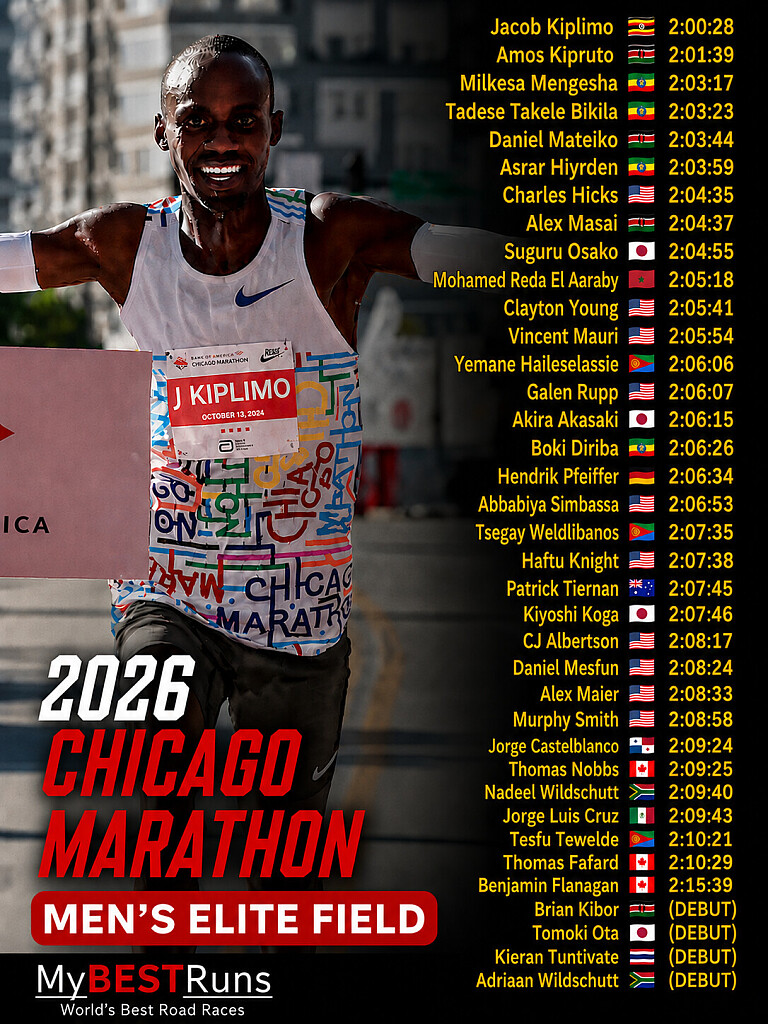
Jacob Kiplimo Leads Historic Men's Lineup as 2026 Chicago Marathon Unveils a World-Class Elite Field
The 2026 Bank of America Chicago Marathon has assembled one of the deepest and most competitive men's elite fields in the event's history, with Ugandan superstar Jacob Kiplimo returning to the Windy City to headline a remarkable international lineup capable of producing another unforgettable day of marathon racing.
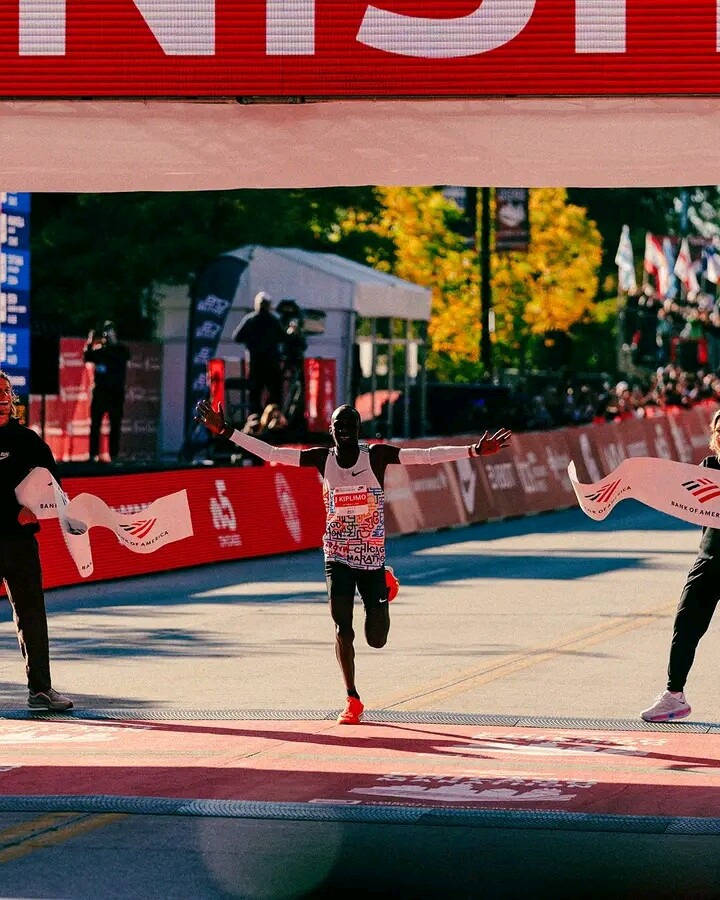
Kiplimo, who owns a sensational personal best of 2:00:28, enters as the fastest man in the field and one of the world's most exciting distance runners. After a spectacular marathon breakthrough, the Ugandan star returns to Chicago carrying the hopes of delivering another historic performance on one of the fastest marathon courses on the planet.
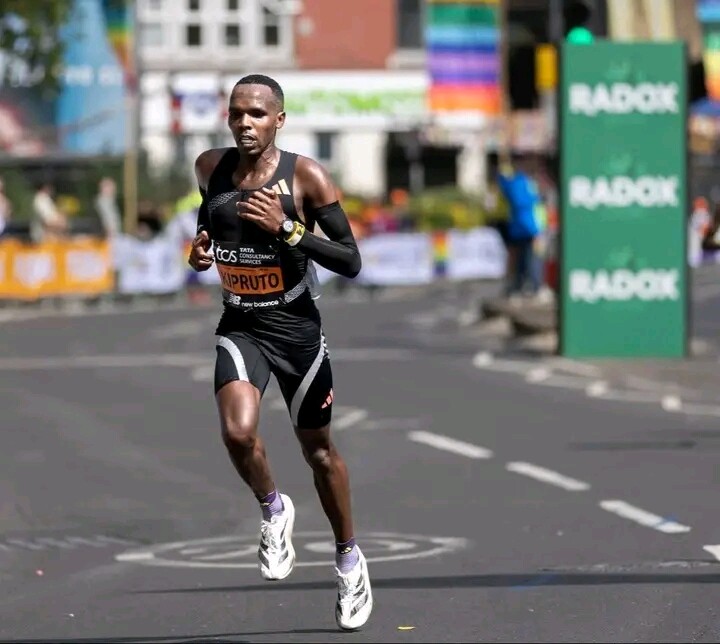
Standing between Kiplimo and victory is an exceptional collection of proven champions and rising stars. Kenya's Amos Kipruto (2:01:39) brings Olympic pedigree and world-class experience, while Ethiopia's Milkesa Mengesha (2:03:17), Tadese Takele Bikila (2:03:23), and Asrar Hiyrden (2:03:59) strengthen Ethiopia's challenge. Kenya will also be represented by the rapidly improving Daniel Mateiko (2:03:44) and Alex Masai (2:04:37), adding even more firepower to an already stacked front pack.
Japan fields an impressive trio of Suguru Osako (2:04:55), Akira Akasaki (2:06:15), and Kiyoshi Koga (2:07:46), while Morocco's Mohamed Reda El Aaraby, Eritrea's Yemane Haileselassie and Tsegay Weldlibanos, Germany's Hendrik Pfeiffer, Australia's Patrick Tiernan, Panama's Jorge Castelblanco, Canada's Thomas Nobbs, Thomas Fafard, and Benjamin Flanagan, South Africa's Nadeel Wildschutt, Mexico's Jorge Luis Cruz, and Ethiopia's Boki Diriba further underline the race's global quality.
Several highly anticipated marathon debuts will also add intrigue to this year's race. Kenya's Brian Kibor, Japan's Tomoki Ota, Thailand's Kieran Tuntivate, and South Africa's Adriaan Wildschutt are all set to tackle the classic 42.195-kilometre distance for the first time, bringing fresh excitement and unpredictability to an already loaded field.
The United States will also have a strong presence, led by Charles Hicks, Clayton Young, Vincent Mauri, Abbabiya Simbassa, Haftu Knight, CJ Albertson, Daniel Mesfun, Alex Maier, Murphy Smith, and marathon legend Galen Rupp, giving home fans plenty of athletes to cheer throughout the race.
With multiple athletes boasting personal bests under 2:04, an outstanding mix of established marathon champions and fearless debutants, and Chicago's reputation for producing exceptionally fast times, the ingredients are in place for one of the greatest marathon contests of 2026.
All eyes may be on Jacob Kiplimo, but with such extraordinary depth from across the globe, the battle for the Chicago Marathon crown promises to be one of the highlights of the international road racing season.
by Erick Cheruiyot for My Best Runs.
Login to leave a comment

Bank of America Chicago
Running the Bank of America Chicago Marathon is the pinnacle of achievement for elite athletes and everyday runners alike. On race day, runners from all 50 states and more than 100 countries will set out to accomplish a personal dream by reaching the finish line in Grant Park. The Bank of America Chicago Marathon is known for its flat and...
more...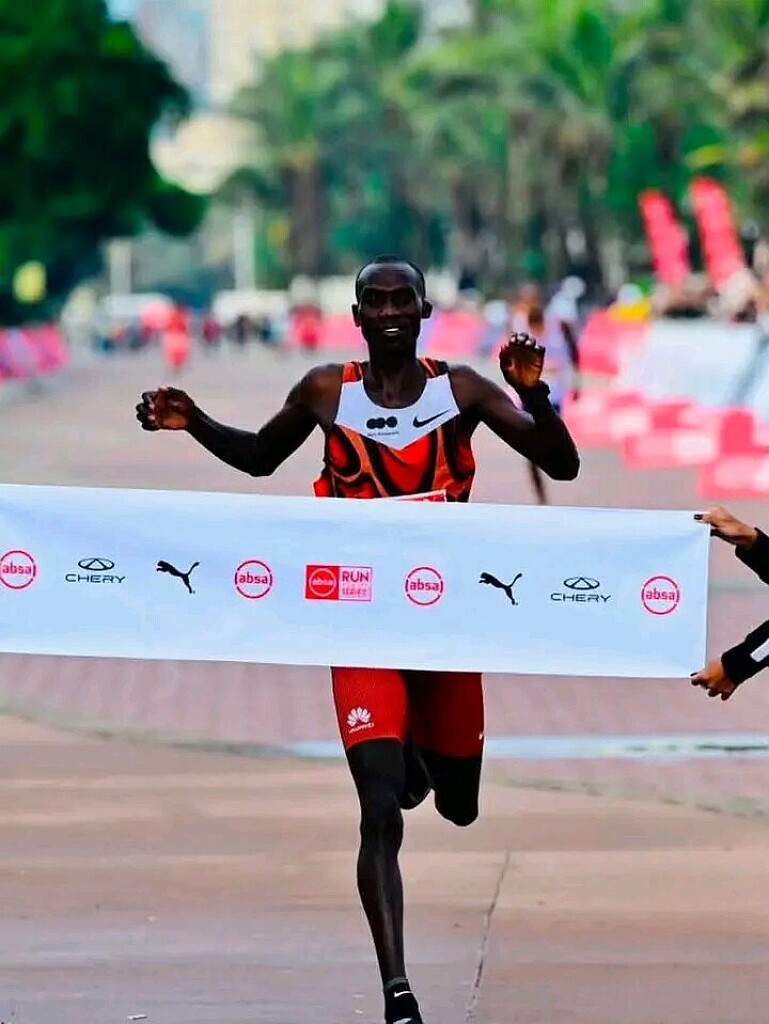
Joshua Cheptegei Rewrites Durban 10K History with Record-Breaking Triumph
Ugandan distance-running icon Joshua Cheptegei once again reminded the athletics world why he ranks among the greatest endurance athletes of his generation, producing a masterclass to win the 2026 Absa RUN YOUR CITY DURBAN 10K in a stunning 27:20.
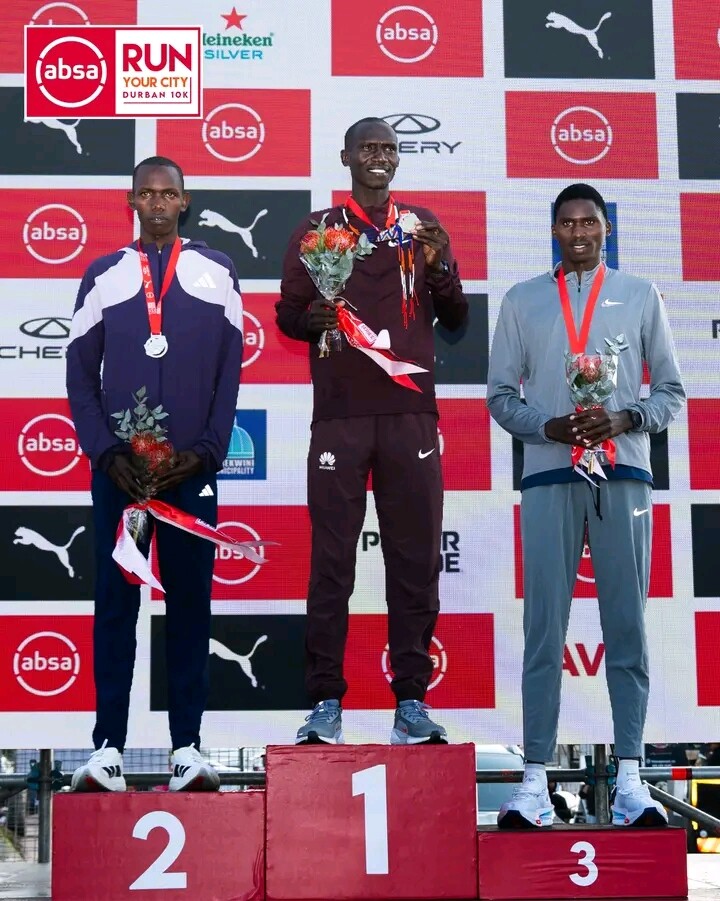
On a day that demanded both speed and precision, Cheptegei controlled the race with the composure of a seasoned champion before powering to the finish line to shatter the previous course record, etching his name even deeper into the event's history.
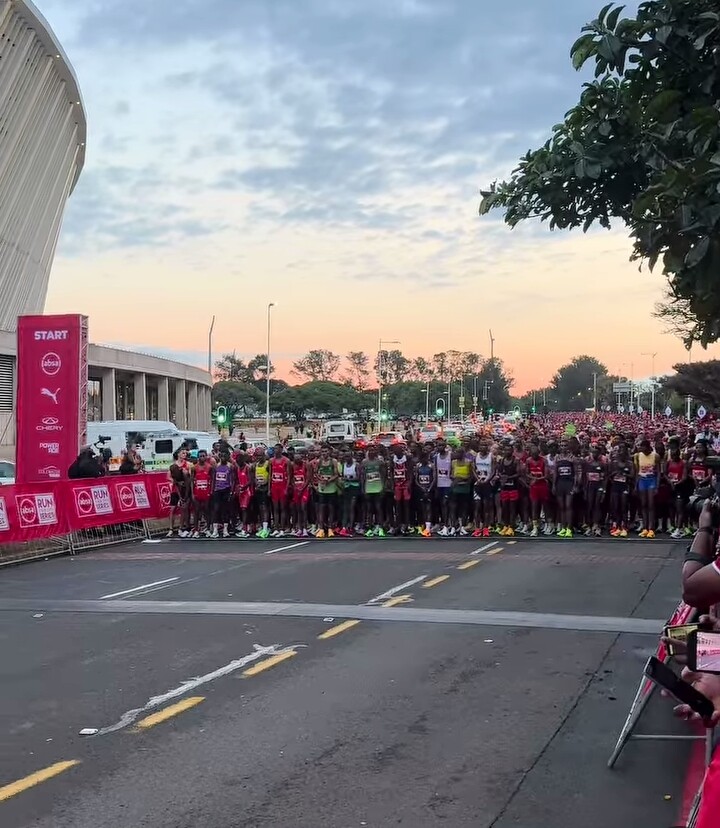
The Olympic 10,000m champion arrived in Durban with a clear objective—to challenge the fastest time ever recorded on South African soil—and he delivered in spectacular fashion. His commanding victory was another demonstration of the relentless consistency and tactical brilliance that have defined his remarkable career.
Behind the Ugandan star, Salem Kibet of Kenya claimed second place in 27:29, while fellow Ugandan Emmanuel Kibet completed the podium in 27:32, making it a fiercely contested battle among East Africa's finest distance runners.
The race also showcased impressive depth, with Kenya's Victor Okoth finishing fourth in 27:50, while Tanzania's Agustino Daniel rounded out the top five in 28:03. South Africa's leading performers, Kabelo Mulaudzi (28:06) and Musawenkosi Mnisi (28:11), thrilled the home crowd with determined performances against a world-class field.
Cheptegei's latest triumph adds another landmark achievement to an already extraordinary résumé that includes Olympic glory, multiple world titles, and world records. His victory in Durban was far more than another race win—it was a statement that the Ugandan legend continues to set the standard in global distance running.
By breaking the course record in emphatic fashion, Joshua Cheptegei once again proved that when the stakes are highest, few athletes in history can match his ability to rise to the occasion. His unforgettable run in Durban will be remembered as another defining chapter in the legacy of one of athletics' all-time greats.
by Erick Cheruiyot for My Best Runs.
Login to leave a comment
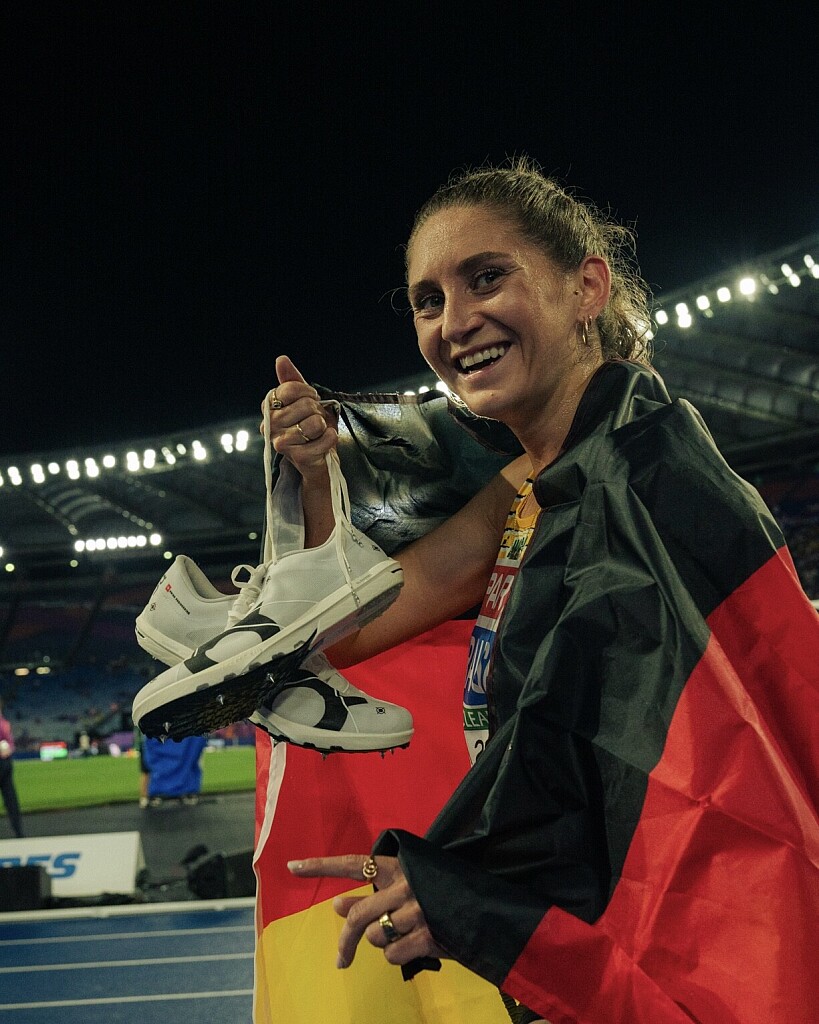
Clash of Olympic Giants Set to Ignite the Women's 3000m Steeplechase at the Prefontaine Classic
One of the most eagerly anticipated races of the 2026 Prefontaine Classic is set to unfold on July 4 at Hayward Field, where an exceptional women's 3000m steeplechase field promises a contest worthy of the global stage.
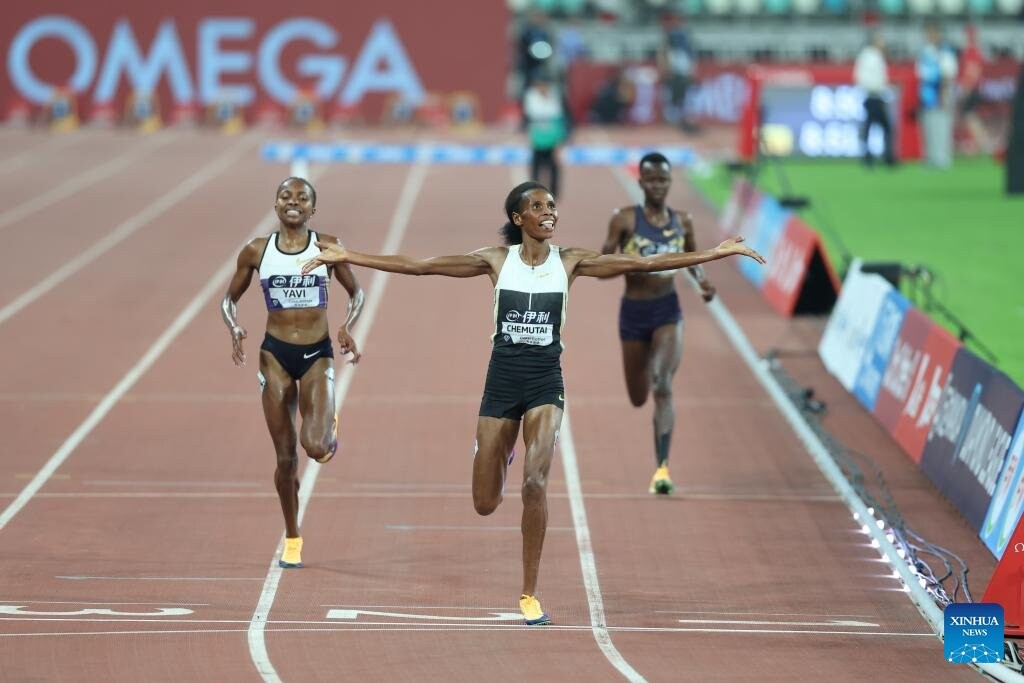
Leading the lineup is reigning Olympic champion Winfred Yavi of Bahrain, whose remarkable personal best of 8:44.32 makes her one of the fastest steeplechasers in history. Standing in her way is Uganda's Olympic silver medalist Peruth Chemutai (8:48.16), alongside Kenya's rising sensation and Olympic bronze medalist Faith Cherotich, who owns an impressive lifetime best of 8:48.71.
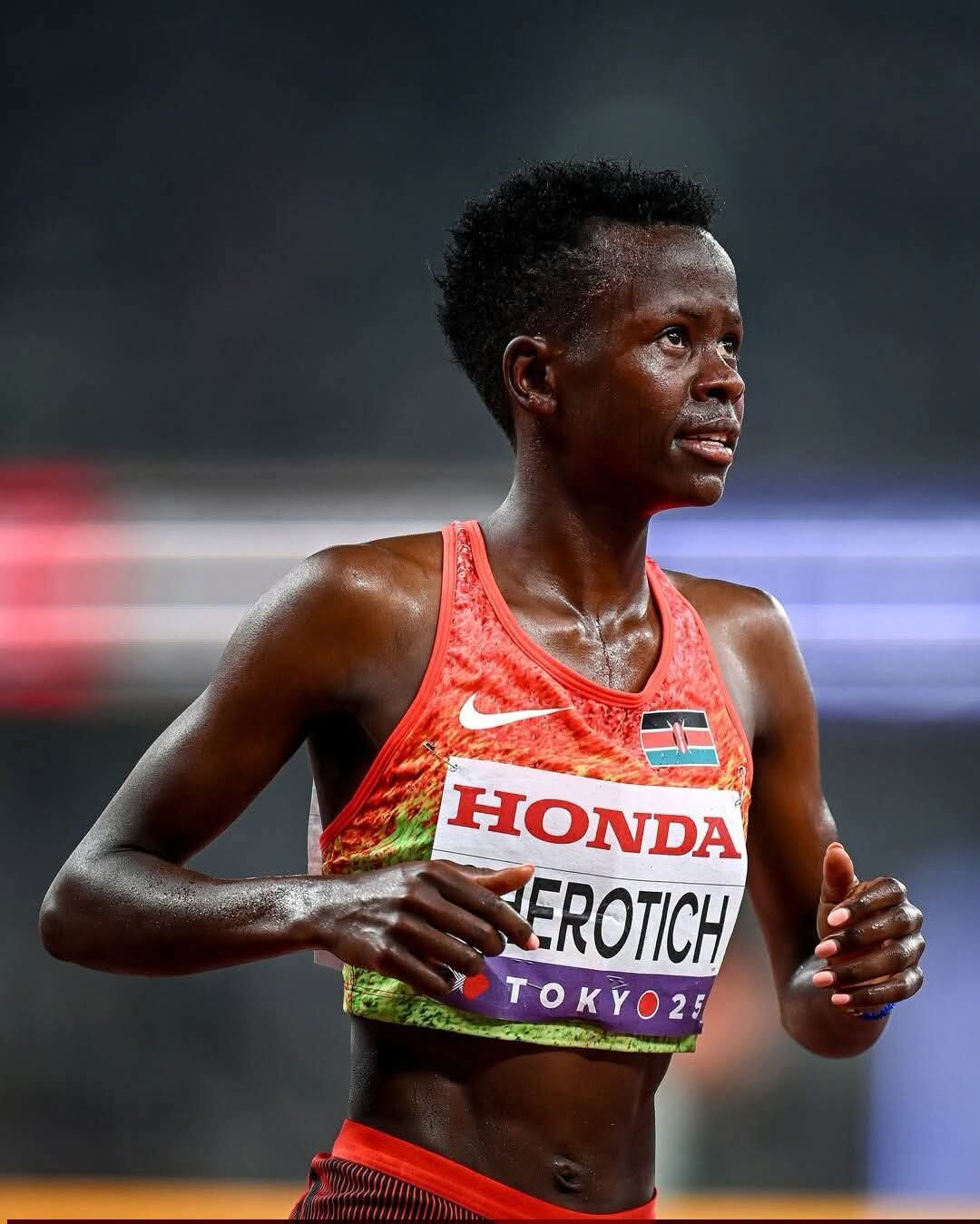
The trio captivated the athletics world with their unforgettable podium sweep at the Paris Olympic Games, and they now renew one of the sport's most exciting rivalries. With all three athletes in outstanding form, the race has every ingredient to produce another historic performance, with the elusive 8:45 barrier once again coming into sharp focus.
The battle, however, extends well beyond the Olympic medalists. Former world champion Norah Jeruto of Kazakhstan adds further quality to an already world-class field, while American icon Emma Coburn returns to compete before a passionate home crowd. Germany's multiple-time European champion Gesa Felicitas Krause also headlines a deep international lineup determined to challenge the frontrunners.
Kenya will also be represented by the talented Doris Lemngole, whose continued rise has added another exciting dimension to the country's strength in the event.
With Hayward Field renowned for producing unforgettable distance races, fans can expect relentless pace, fearless barrier running, and a thrilling contest from the opening lap to the final water jump. The combination of Olympic champions, world-class veterans, and emerging stars makes this one of the standout events of the meeting.
As the world's best steeplechasers gather once again, the stage is perfectly set for another memorable chapter in one of athletics' most captivating disciplines.
by Erick Cheruiyot for My Best Runs.
Login to leave a comment

Prefontaine Classic
The Pre Classic, part of the Diamond League series of international meets featuring Olympic-level athletes, is scheduled to be held at the new Hayward Field in Eugene. The Prefontaine Classicis the longest-running outdoor invitational track & field meet in America and is part of the elite Wanda Diamond League of meets held worldwide annually. The Pre Classic’s results score has...
more...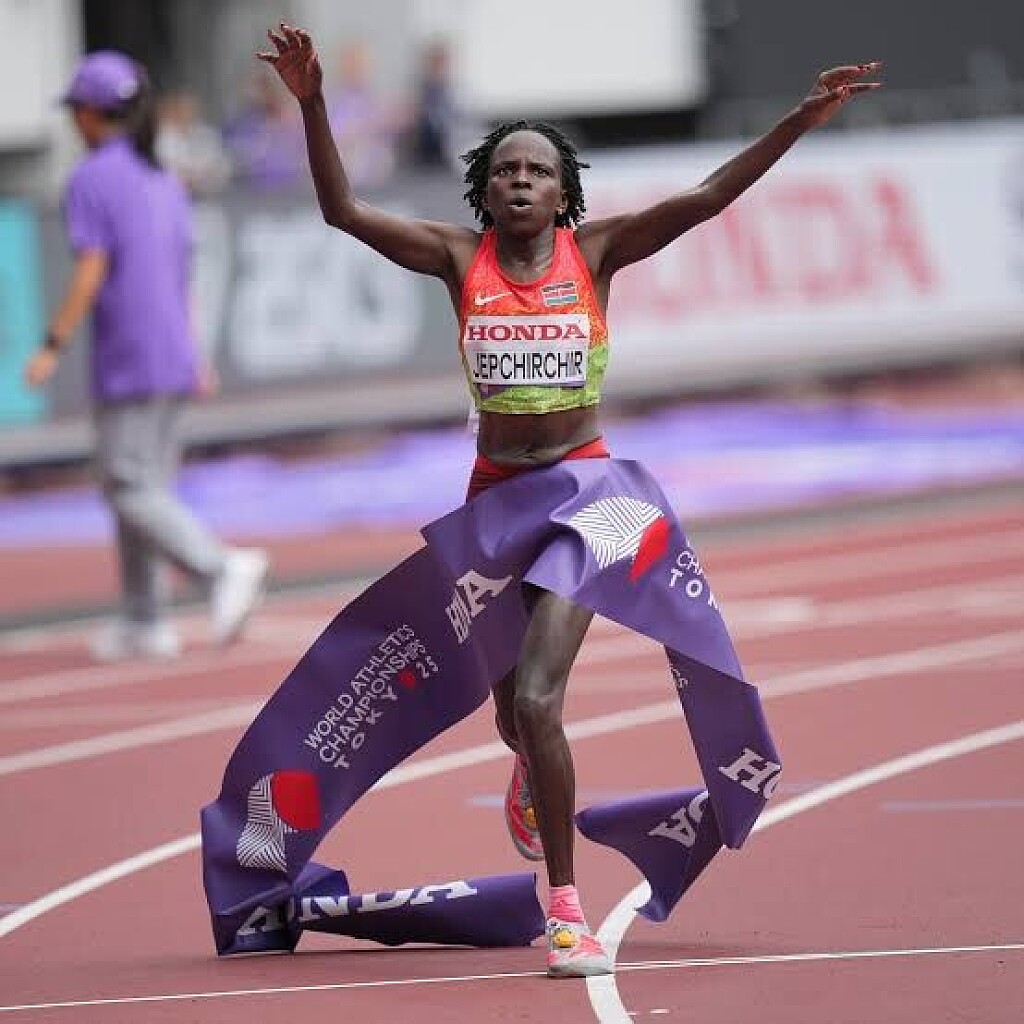
Sydney Set for a Historic Showdown as Record-Breaking Women's Elite Field Assembles
The TCS Sydney Marathon presented by ASICS is set to deliver one of the most captivating marathon spectacles of the year, with the strongest women's elite field ever assembled on Australian soil preparing to battle for glory.
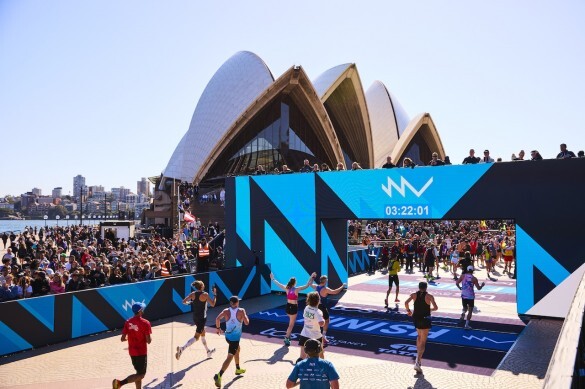
Headlining the star-studded lineup is reigning World Marathon Champion Peres Jepchirchir Ngeno, whose remarkable personal best of 2:14:43 makes her the fastest athlete in the field. The Kenyan arrives as one of the sport's most accomplished marathoners and will carry the weight of expectation as she leads an exceptionally deep and competitive international field.
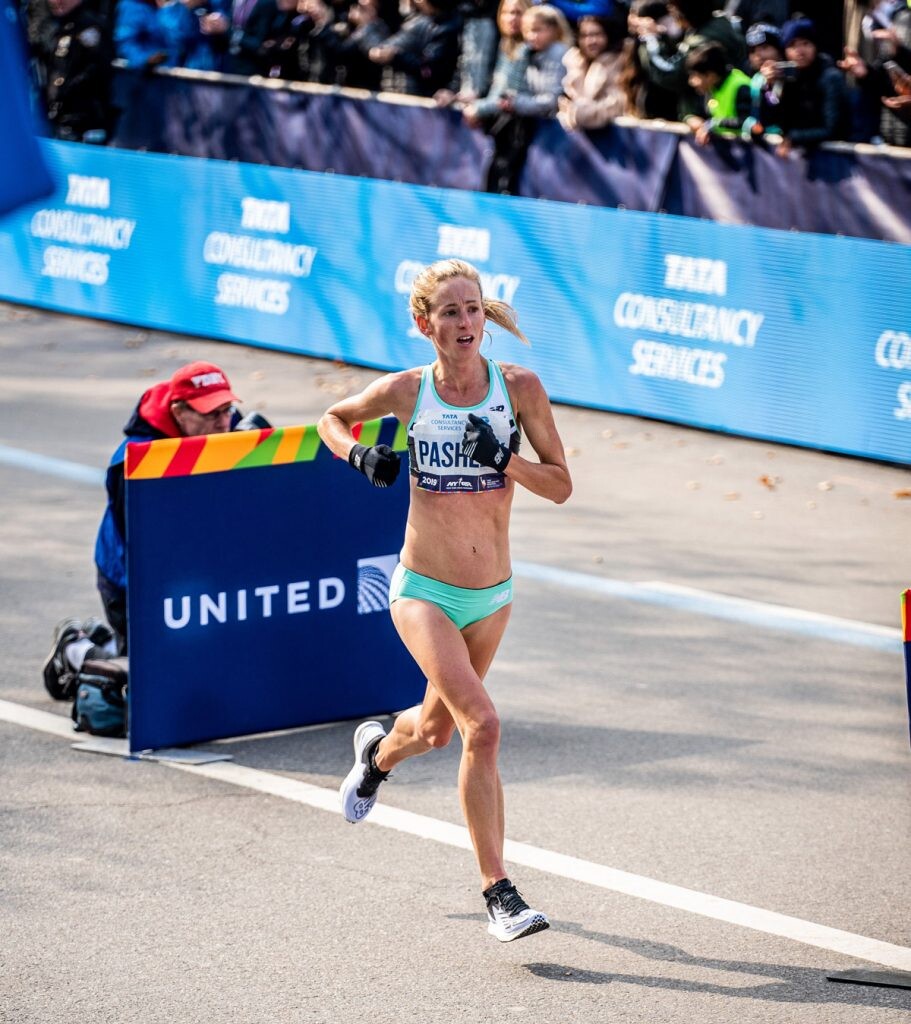
Kenya's challenge extends far beyond its world champion. Irine Cheptai (2:17:51), Vivian Cheruiyot (2:18:31), Sharon Chelimo (2:19:33), Joyce Tele (2:19:50), Jackline Cherono (2:21:14) and Priscah Cherono (2:25:17) add tremendous depth, reinforcing the nation's reputation as the dominant force in women's marathon running.
Ethiopia will be equally formidable, boasting an impressive squad led by Ruti Aga (2:18:09), Shure Demise (2:18:34), Haven Hailu (2:19:09), Meseret Abebayehau (2:19:50), Aberu Ayana (2:20:20), Waganesh Mekasha (2:20:26), Azmera Gebru (2:20:48) and Fikrte Wereta (2:21:32). With such remarkable depth, Ethiopia has every opportunity to challenge for victory and dominate the podium.
The international flavor continues with Magdalena Shauri of Tanzania (2:18:03), Uganda's Stella Chesang (2:18:26), American-based Biruktayit Degefa (2:21:34), France's Melody Julien (2:25:01), Morocco's Kaoutar Farkoussi (2:25:12), Japan's Mizuki Nishimura (2:25:54) and Australia's leading hopes Ellie Pashley (2:26:21), Caitlin Scott (Adams) (2:30:26) and Rebecca Lowe (2:30:50).
With multiple women boasting personal bests under 2:20, the race promises relentless pace from the opening kilometres. The combination of proven championship pedigree, world-class experience and emerging talent sets the stage for what could become the fastest and most competitive women's marathon ever contested in Australia.
As the TCS Sydney Marathon presented by ASICS continues to cement its status among the world's premier marathons, the 2026 edition is shaping up to be a defining moment in the event's history. Fans can expect a fierce contest where every second will matter and marathon excellence will be on full display.
by Erick Cheruiyot for My Best Runs.
Login to leave a comment
Sydney Marathon
The Sydney Marathon is a marathon held annually in Sydney, Australia. The event was first held in 2001 as a legacy of the 2000 Summer Olympics, which were held in Sydney. In addition to the marathon, a half marathon, 9 kilometres (5.6 mi) "Bridge Run", and a 3.5 kilometres (2.2 mi) "Family Fun Run" are also held under the banner...
more...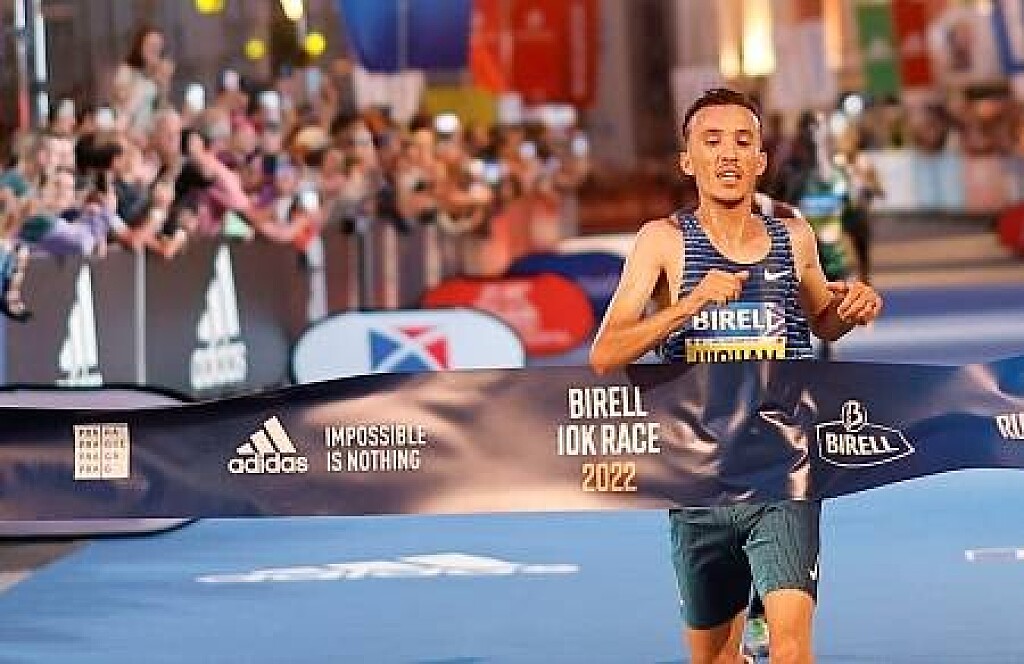
Top European and African Stars Headline tRUNsylvania International 10K Cluj
One of Eastern Europe’s strongest road races takes center stage this Sunday (June 28) as the tRUNsylvania International 10K Cluj, powered by Joma, brings together an exceptional field of elite athletes from Europe and Africa in Cluj-Napoca, Romania.
Run on a fast four-lap circuit through the city’s vibrant center, with the start and finish inside Cluj Arena, the race features numerous athletes capable of producing world-class performances.
Morocco’s Hicham Amghar leads the men’s field with a personal best of 27:09, set when he won the tRUNsylvania 10K in Brașov two years ago. He will face a deep international lineup that includes Norway’s European 10,000-meter silver medalist Zerei Kbrom Mezngi (27:39), France’s Mehdi Frere (27:44), Dutch marathon standout Filmon Tesfu (27:45), Spain’s Juan Antonio Perez (27:45), Kenya’s Moses Cheruiyot (27:51), Italy’s former national marathon record holder Eyob Faniel (28:10), Algeria’s Abderrazak Charik (28:12), Eritrea’s Seare Weldezghi (28:14), the Netherlands’ Noah Schutte (28:19), Spain’s Yago Rojo (28:21), and Australia’s James Whelan (28:26).
Several of Europe’s top runners will also be chasing qualifying standards for the 2026 European Athletics Championships, adding even more significance to the competition.
The women’s race is equally impressive and may prove to be the highlight of the day.
Uganda’s Joy Cheptoyek, the World Cross Country Championships silver medalist, headlines the field with an outstanding personal best of 30:03. Kenya’s Jackline Chepkoech, the 2021 World Under-20 3,000-meter steeplechase champion, will make her highly anticipated 10K road debut after recording an impressive 8:57.35 on the track.
Belgium’s reigning national 10K champion Julie Voet enters with a 31:54 best, while Ireland’s Fiona Everard follows closely at 31:58. The international field also includes France’s Ines Hamoudi (32:20), Ethiopia’s Meselech Alemayehu (32:20), Spain’s Beatriz Alvarez (32:21 on the track), Ireland’s Niamh Allen (32:25), Israel’s Maor Tiyouri (32:29), Türkiye’s Nursena Ceto (32:34), Hungary’s Lilla Bohm (32:41), and Spain’s Cristina Espejo (32:52).
With championship qualifying marks on the line, a fast course, and one of the deepest international fields ever assembled for a road race in Romania, the tRUNsylvania International 10K Cluj is set to deliver exciting competition and fast times from start to finish.
by Boris Baron
Login to leave a comment
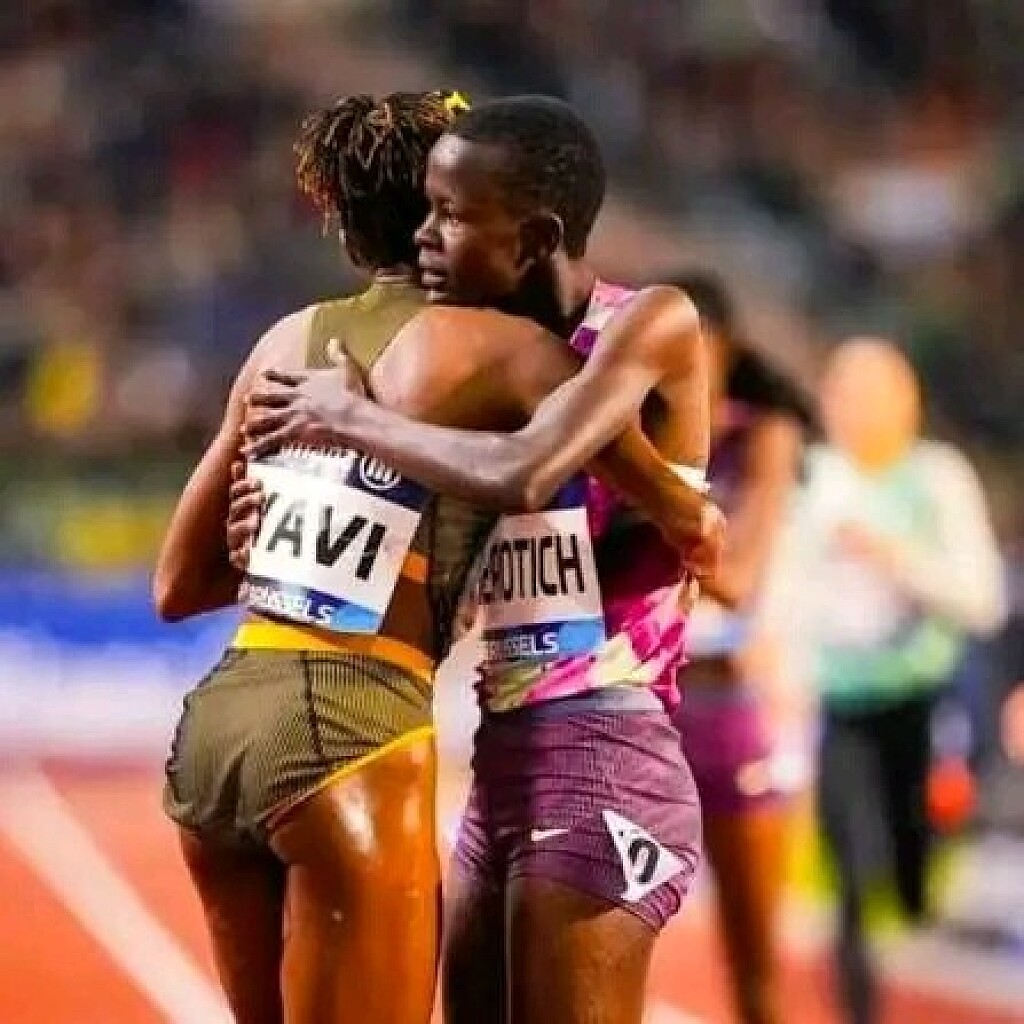
Eugene Awaits: Cherotich, Chemutai and Yavi Set for Blockbuster 3000m Steeplechase Battle
The women's 3000m steeplechase at the upcoming Prefontaine Classic is shaping up to be one of the most anticipated distance races of the season, with a world-class field led by Kenya's rising sensation Faith Cherotich, Uganda's Olympic champion Peruth Chemutai, and Bahrain's formidable record-holder Winfred Yavi.
Scheduled for July 3–4 in Eugene, Oregon, the race promises a fascinating clash of generations, styles, and ambitions as some of the sport's biggest names battle for supremacy on one of athletics' most iconic stages.
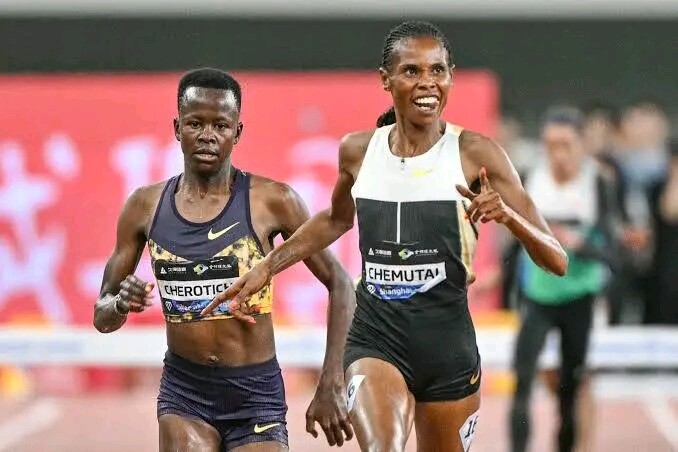
All eyes will undoubtedly be on Cherotich, whose meteoric rise has established her as one of the brightest stars in global steeplechasing. The Kenyan youngster has consistently demonstrated remarkable composure against elite opposition, combining fearless front-running with a devastating finishing kick. Facing another stacked international field, she will be eager to reaffirm her status among the discipline's elite.
Standing in her path is Chemutai, the Ugandan trailblazer whose championship pedigree and tactical brilliance have made her one of the most respected athletes in the event. Known for her ability to deliver under pressure, Chemutai arrives in Eugene with the experience and confidence required to challenge for victory against the world's best.
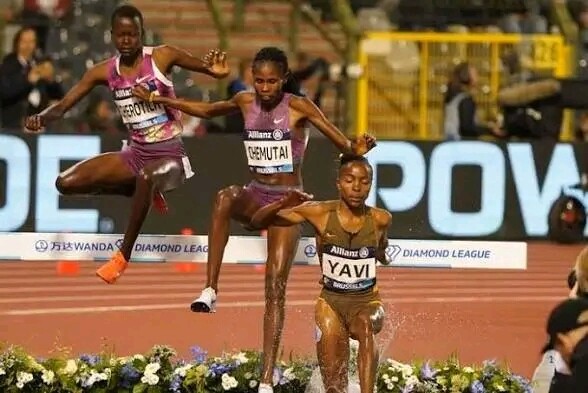
Adding further intrigue is Yavi, whose relentless pace and exceptional barrier technique have transformed her into one of the most dominant steeplechasers of recent years. Whenever Yavi steps onto the track, records and winning times immediately come into the conversation, making her a serious contender for top honours once again.
The depth of the field extends far beyond the headline trio. Kenya's emerging talent Doris Lemngole and experienced campaigner Norah Jeruto add further firepower, while a strong American contingent featuring Lexy Halladay, Gracie Hyde, Olivia Markezich, Gabrielle Jennings, Courtney Wayment and Angelina Napoleon will be eager to impress before a home crowd.
The international challenge is further strengthened by Morocco's Marwa Bouzayani and Germany's accomplished duo of Gesa Felicitas Krause and Lea Meyer, ensuring that every lap will be fiercely contested.
With Olympic and world medalists sharing the track alongside emerging stars hungry for a breakthrough, the stage is set for a thrilling contest that could produce one of the fastest women's steeplechase races of the year. As the athletics world turns its attention to Eugene, fans can expect a captivating battle over barriers and water jumps, where every stride could make the difference between victory and defeat.
The countdown has begun, and if the entry list is anything to go by, the Prefontaine Classic is poised to deliver another unforgettable chapter in the rich history of women's steeplechase racing.
by Erick Cheruiyot for My Best Runs.
Login to leave a comment
Prefontaine Classic
The Pre Classic, part of the Diamond League series of international meets featuring Olympic-level athletes, is scheduled to be held at the new Hayward Field in Eugene. The Prefontaine Classicis the longest-running outdoor invitational track & field meet in America and is part of the elite Wanda Diamond League of meets held worldwide annually. The Pre Classic’s results score has...
more...
Can Kejelcha Challenge Kiplimo? Ethiopian Ace Confirms Buenos Aires Half Marathon Bid
Ethiopian distance-running sensation Yomif Kejelcha is set to take his talents to South America after confirming his participation in the 2026 Buenos Aires Half Marathon, scheduled for August 23 in Argentina. The announcement has already generated excitement across the athletics world, with fans and analysts eager to see whether one of the sport's most accomplished road racers can mount an assault on the men's half marathon world record.
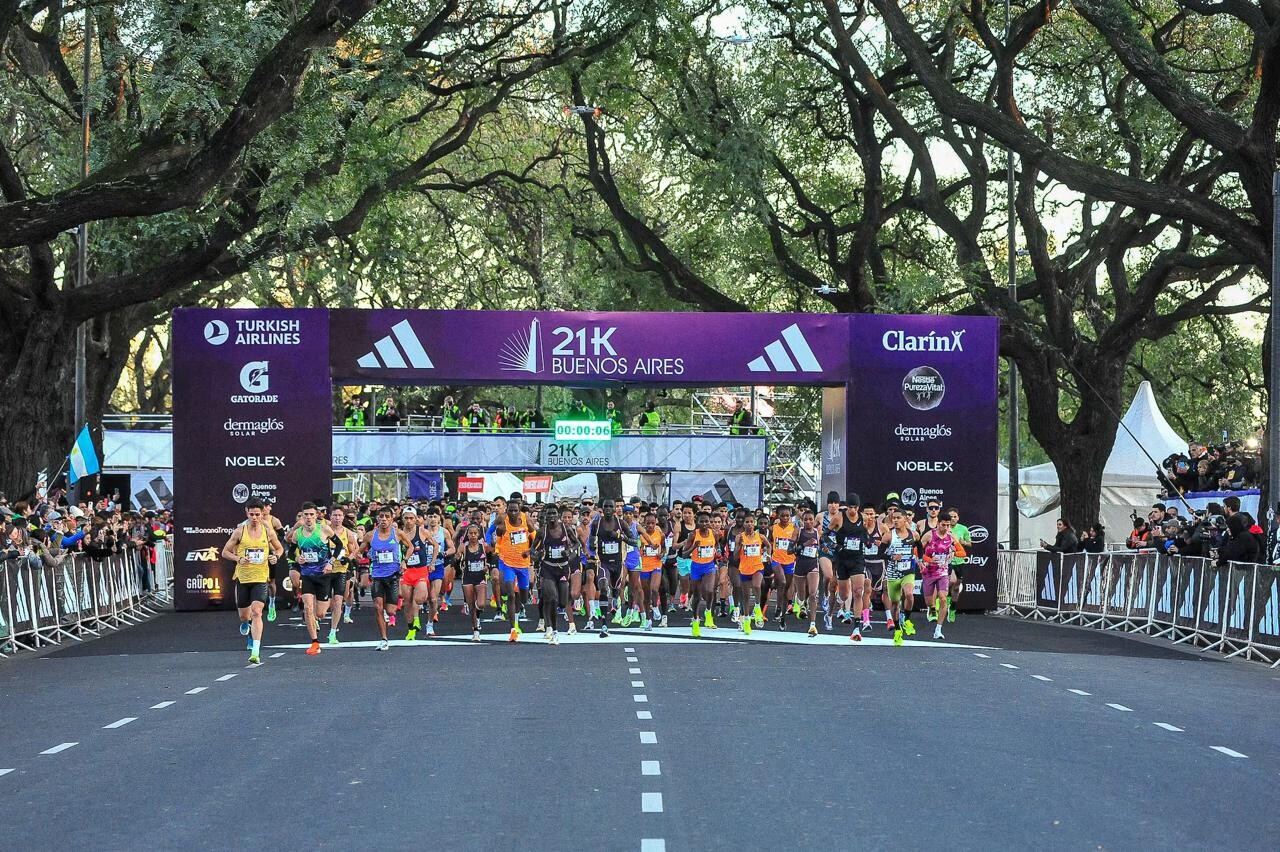
Kejelcha arrives in Buenos Aires carrying the reputation of a proven champion. Over the years, the Ethiopian star has built an impressive résumé on both the track and the roads, earning global recognition for his exceptional speed, endurance, and tactical brilliance. His move to compete in one of Latin America's premier road races adds another fascinating chapter to a career that has consistently delivered memorable performances.
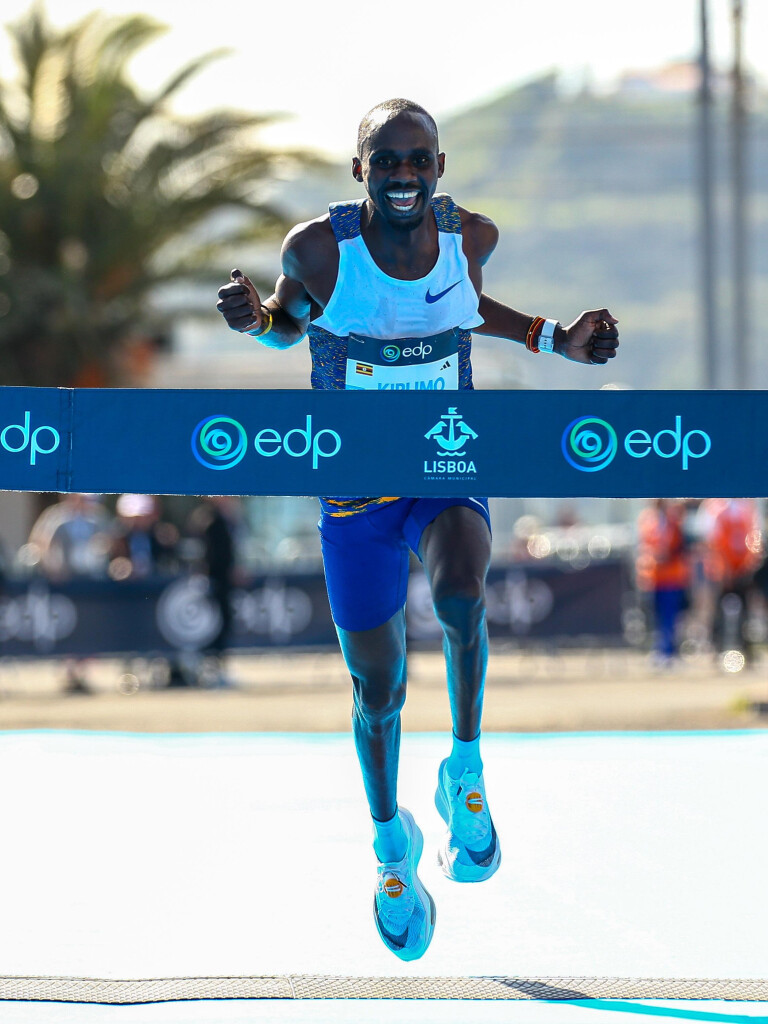
The spotlight, however, will inevitably fall on the record books. The current men's half marathon world record belongs to Uganda's Jacob Kiplimo, who stunned the athletics community with a historic performance several weeks ago, raising the bar to unprecedented heights. Since then, speculation has centered on which athlete possesses the talent and courage to challenge the new benchmark.
Kejelcha is undoubtedly among the leading candidates. Known for his aggressive racing style and ability to maintain relentless pace over long distances, the Ethiopian has repeatedly demonstrated that he thrives when chasing ambitious targets. Buenos Aires, with its traditionally fast course and competitive field, could provide the ideal setting for another landmark performance.
Yet breaking a world record is never guaranteed. Beyond physical preparation, such an achievement requires perfect weather conditions, flawless pacing, and an athlete capable of delivering the race of a lifetime. Even for a runner of Kejelcha's caliber, the challenge posed by Kiplimo's mark remains immense.
As the countdown to August begins, anticipation continues to build. Will Yomif Kejelcha simply add another major victory to his collection, or will he produce a performance that rewrites history? The answer awaits on the streets of Buenos Aires, where one of the world's finest distance runners will attempt to turn ambition into achievement and perhaps launch a serious attack on one of athletics' most coveted records.
by Erick Cheruiyot for My Best Runs.
Login to leave a comment
Buenos Aires Half Marathon
The Buenos Aires Half Marathon is one of the most important in Latin America and attracted more than 25,000 runners from all over the world. Dare to run the fastest half marathon in Latin America....
more...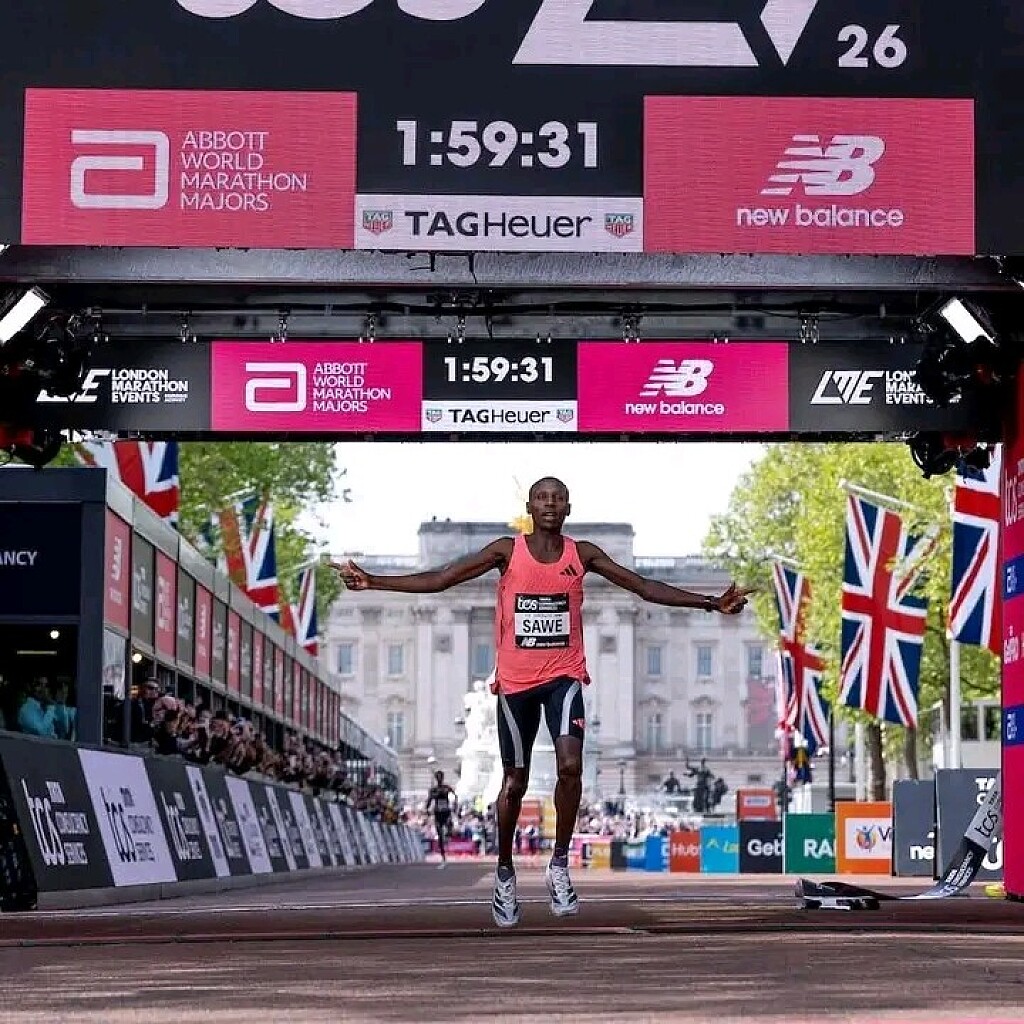
One Month Since Marathon Running Witnessed Its Greatest Day Ever
Exactly one month ago, at the TCS London Marathon the sport of marathon running experienced a moment so extraordinary that it permanently altered the limits of human endurance. What unfolded that historic day was not simply fast racing — it was the complete rewriting of what the athletics world believed was possible over 42.195 kilometers.
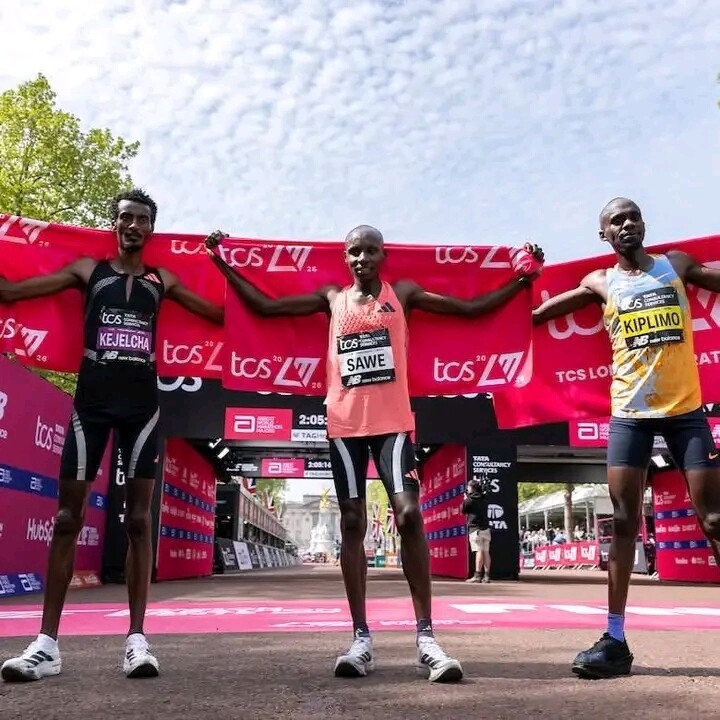
The headlines alone sounded almost fictional.
Kenya’s Sabastian Sawe delivered the performance of a lifetime, storming into history as the first athlete ever to break the two-hour barrier in an official marathon race. His astonishing 1:59:30 shattered one of the final frontiers in distance running and instantly became one of the greatest athletic achievements ever witnessed on the roads.
For decades, the sub-two-hour marathon had existed as an almost mythical benchmark — discussed by scientists, coaches and legends of the sport as the ultimate human endurance challenge. Sawe did not just cross that barrier; he obliterated the psychological wall surrounding it with fearless pacing, ruthless consistency and unmatched composure under pressure.
Yet the drama was only beginning.
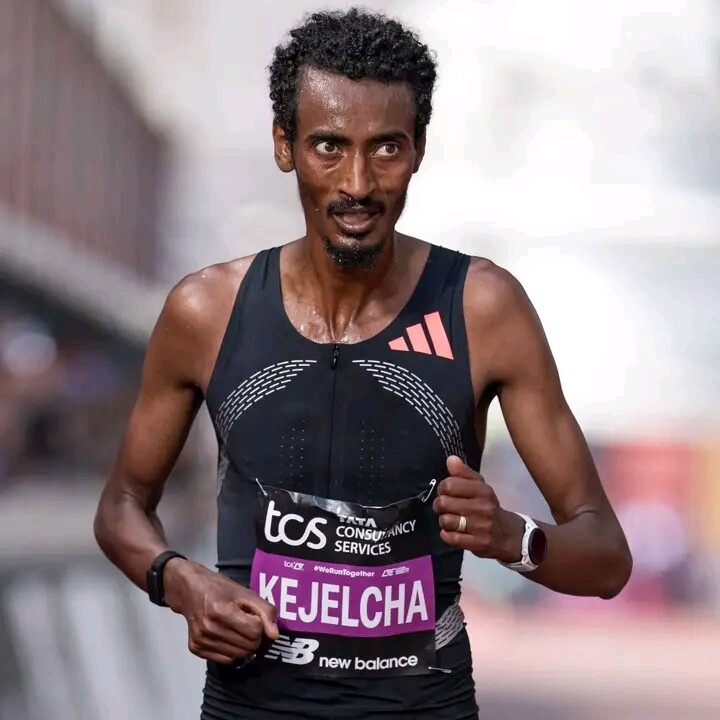
In one of the most remarkable marathon debuts the sport has ever seen, Ethiopia’s Yomif Kejelcha stunned the world by becoming the second man in history to run under two hours — clocking an extraordinary 1:59:41 in his very first marathon appearance. To achieve such a performance without prior marathon experience elevated the race from historic to almost surreal.
Kejelcha’s transition from track and half marathon brilliance to immediate marathon greatness showcased a rare combination of speed, efficiency and tactical intelligence. Most athletes spend years mastering the marathon. He conquered it on his first attempt.
And somehow, the race still had more history to offer.
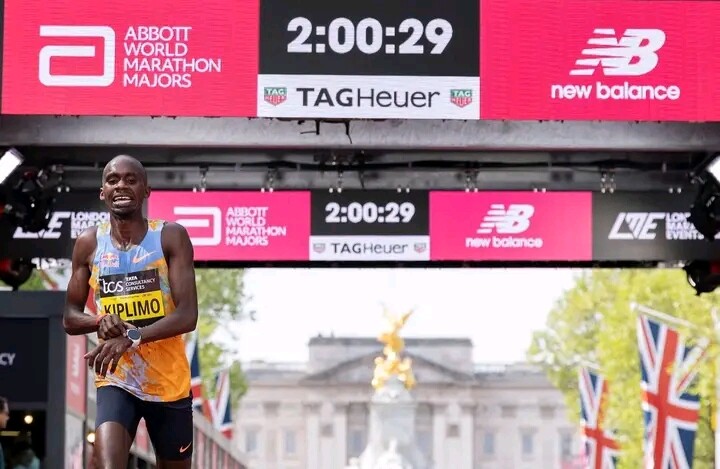
Uganda’s Jacob Kiplimo finished third in an astonishing 2:00:28 — a performance that, incredibly, was faster than the previous marathon world record of 2:00:35. On nearly any other day in athletics history, Kiplimo’s run would have dominated global headlines. Instead, it became part of a once-in-a-generation showcase of endurance greatness.
The depth of quality in the men’s race was unprecedented. Three athletes produced times once considered impossible within the same event, transforming the marathon from a race against rivals into a collective assault on history itself.
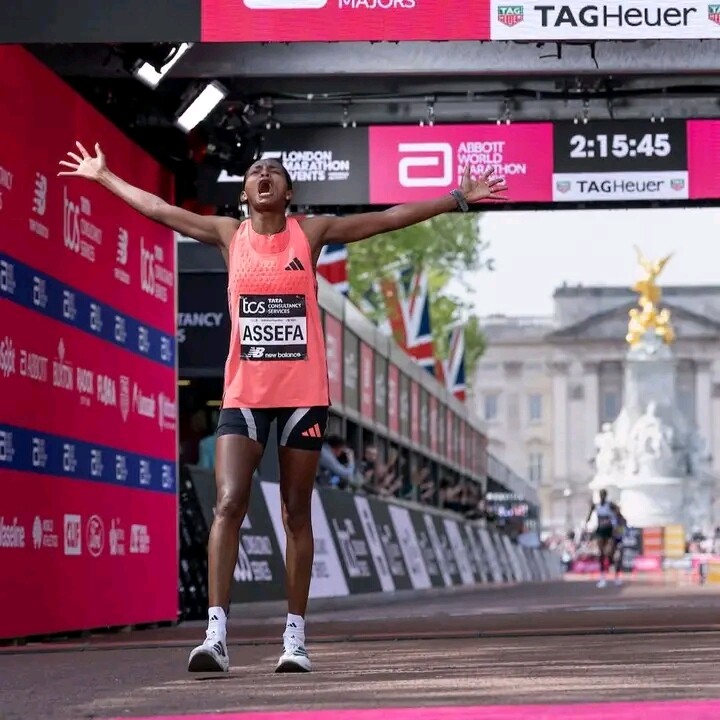
The women’s race was equally unforgettable.
Ethiopia’s Tigst Assefa once again proved why she remains one of the defining marathon athletes of this era. Defending her London crown in dominant fashion, Assefa surged to a sensational women’s-only world record of 2:15:41, combining elegance, strength and relentless rhythm from start to finish.
Her performance reinforced the rapid evolution of women’s marathon running, where barriers continue to fall and records are being pushed into territory previously unimaginable.
What made that day truly special was not only the records, but the feeling surrounding the races. Fans across the globe were witnessing history unfold in real time — a sporting spectacle where every split seemed impossible, every kilometer carried anticipation, and every finish line delivered another shock to the athletics world.
One month later, the echoes of that extraordinary day still resonate throughout global sport.
It was the day marathon running entered a new era. The day limits disappeared. The day history was rewritten kilometer after kilometer. And perhaps, the greatest single day the marathon has ever seen.
by Erick Cheruiyot for My Best Runs.
Login to leave a comment

TCS London Marathon
Since its inaugural edition on March 29, 1981, the TCS London Marathon has grown into one of the world's most prestigious road races, blending elite competition with an extraordinary charitable legacy. Founded by former Olympic champion and journalist Chris Brasher alongside Welsh athlete John Disley, the event has been staged every year and has been held in the spring annually...
more...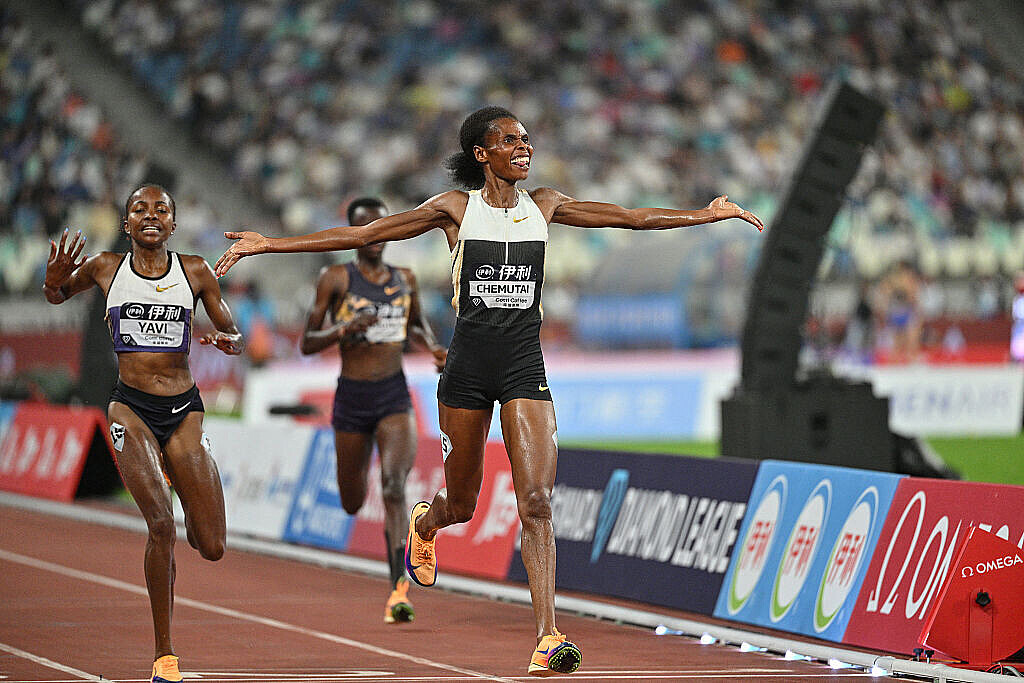
Chemutai Completes Diamond League Double with Stunning Xiamen Masterclass
Ugandan star Peruth Chemutai continued her brilliant start to the season with another world-class display, storming to victory in the women’s 3000m steeplechase at the Xiamen Diamond League in a world-leading 8:51.06.
The triumph completed a remarkable early-season Diamond League double for Chemutai, who had already opened her campaign with victory in Keqiao. Carrying that momentum into Xiamen, the Olympic champion once again proved why she remains one of the most formidable athletes in global distance running.
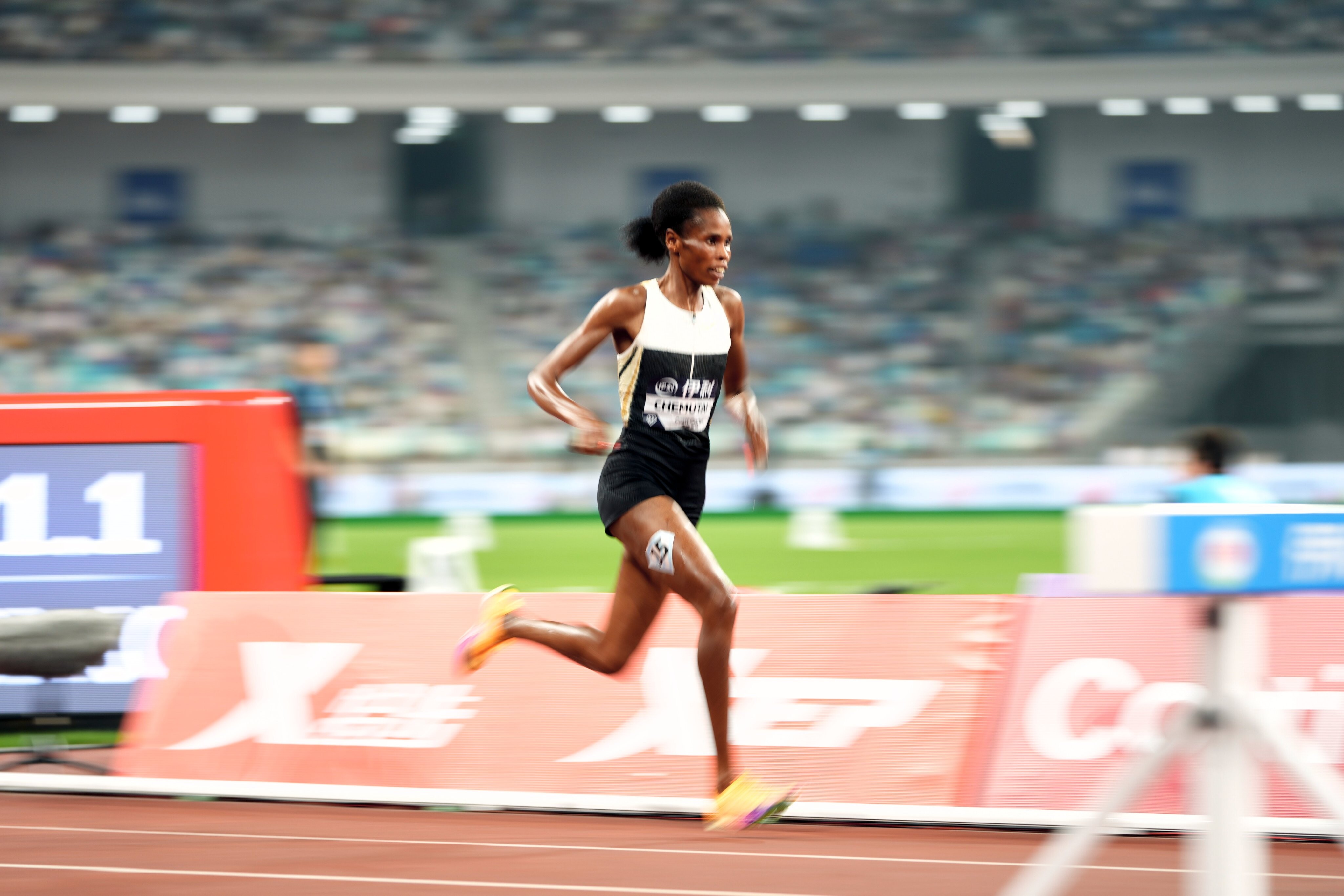
Against an elite field featuring the last two global champions, Chemutai delivered a composed and commanding performance from start to finish. She timed her race perfectly, maintaining relentless rhythm over the barriers before unleashing a decisive finishing surge that none of her rivals could match.
Bahrain’s Winfred Yavi, the reigning world champion, pushed hard throughout the contest and crossed second in 8:51.54, while Kenya’s Faith Cherotich finished third in 8:52.53 after another impressive run on the international stage.
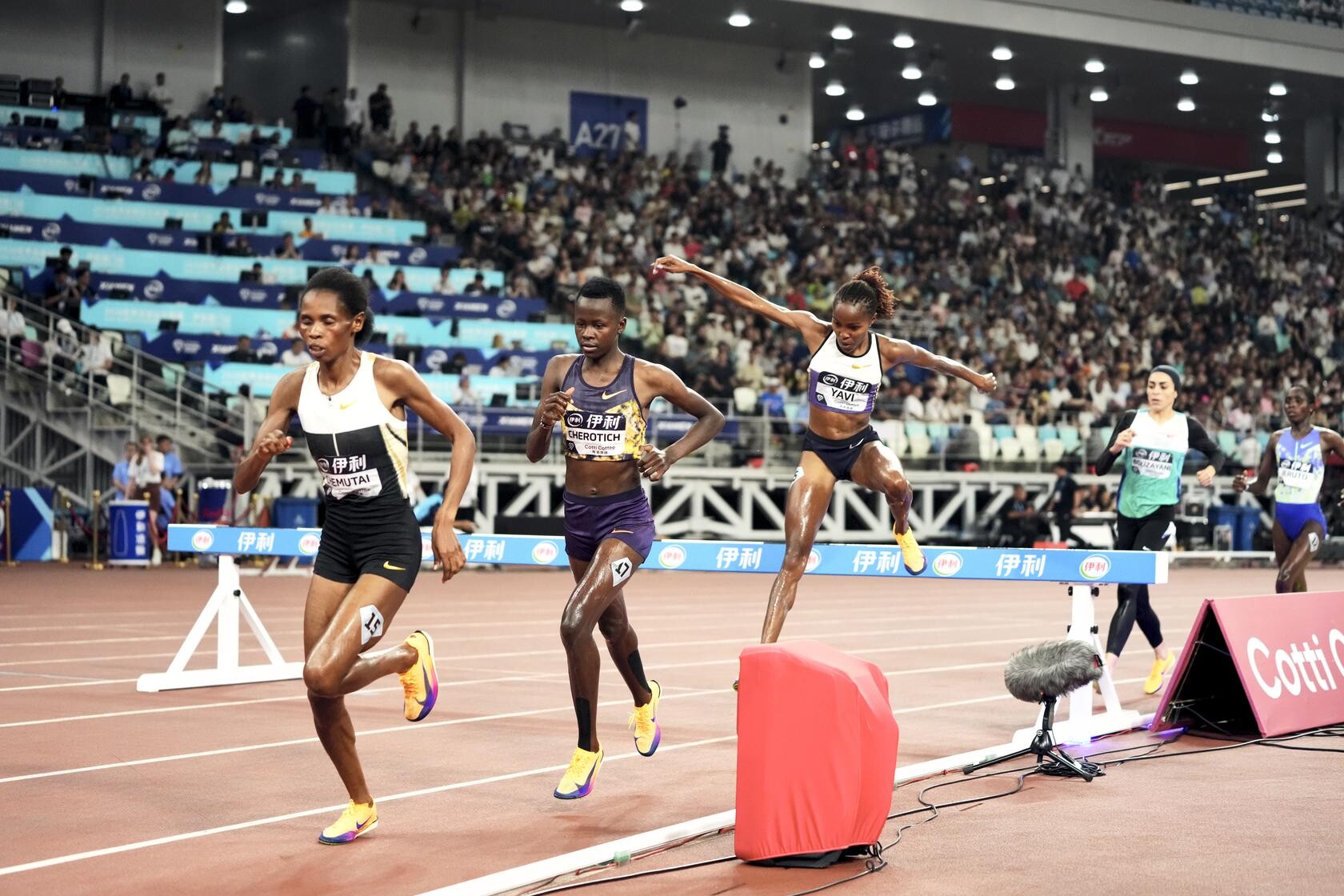
The quality of the race underlined just how exceptional Chemutai’s performance truly was. Beating both of the sport’s most recent global champions in one of the fastest races ever run this early in the season sent a powerful message to the rest of the athletics world.
From the opening laps, the pace was aggressive and unforgiving, yet Chemutai looked completely in control. Her barrier technique remained smooth and efficient, while her strength over the final kilometer separated her from the field in spectacular fashion. By the final water jump, the Ugandan had already stamped her authority on the race.
Beyond the fast time and the meeting record, the victory symbolised something even bigger — consistency at the very highest level. After battling difficult moments in recent seasons, Chemutai now appears sharper, stronger and more confident than ever.
Her back-to-back Diamond League victories have instantly established her as one of the standout athletes of the season, and with the major championships approaching, the Ugandan star looks ready to challenge for even greater glory.
In Xiamen, the women’s steeplechase once again showcased extraordinary global depth. But on a night filled with champions, it was Peruth Chemutai who stood tallest.
by Erick Cheruiyot for My Best Runs.
Login to leave a comment
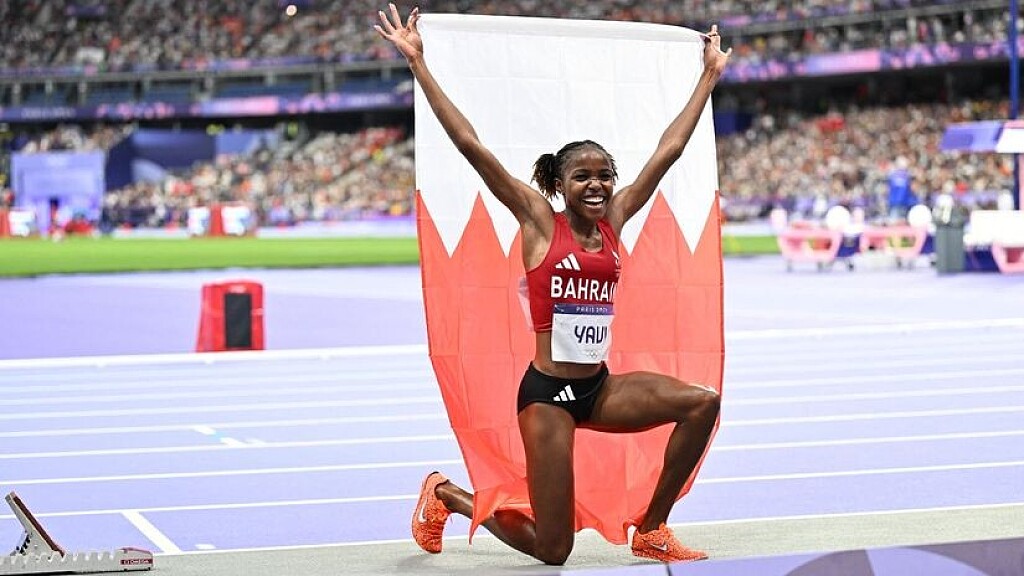
Yavi Returns as Cherotich and Chemutai Renew Fierce Rivalry in Xiamen
The women’s 3000m steeplechase is rapidly developing into one of the fiercest rivalries in global athletics, and another thrilling chapter is expected to unfold at the Xiamen Diamond League on May 23 in China.
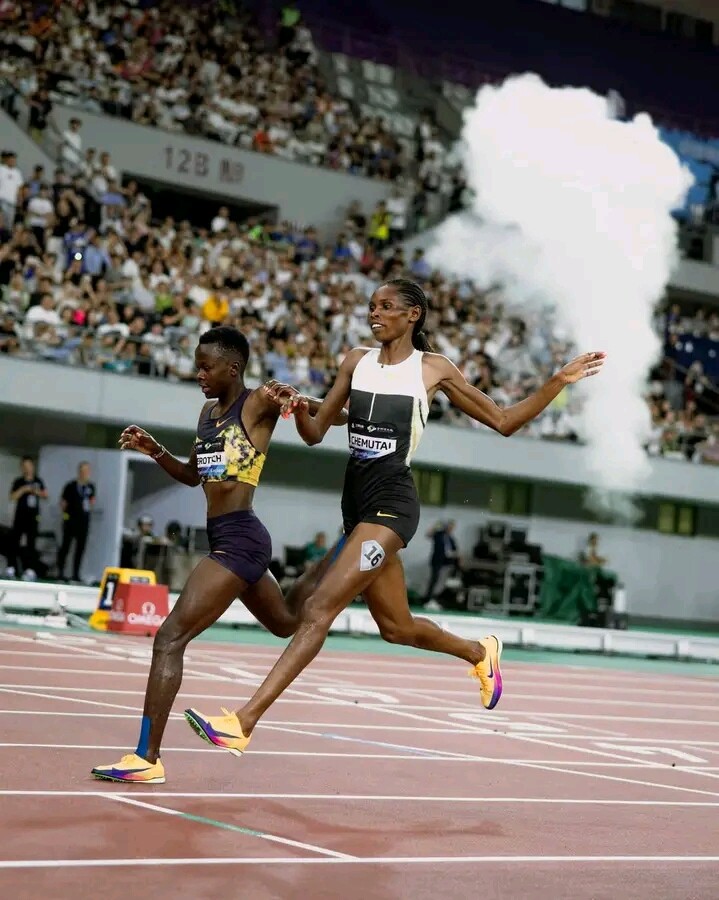
Fresh from a breathtaking contest in Shanghai, where Uganda’s Peruth Chemutai clocked a world-leading 8:51.47 to narrowly defeat Kenya’s Faith Cherotich, attention has now shifted to Xiamen for what promises to be another unforgettable showdown. Chemutai arrives carrying momentum and confidence after delivering one of the fastest performances of the season, while Cherotich heads into the race eager to respond and reclaim control of the rivalry.
But the battle is no longer just between two athletes.
Standing firmly in their path is reigning Olympic champion Winfred Yavi of Bahrain — a runner whose presence instantly transforms the intensity of any race she enters. Yavi has established herself as the benchmark in the women’s steeplechase, consistently forcing the pace and pushing the field into world-class territory. Whenever she lines up, the margin for error disappears.
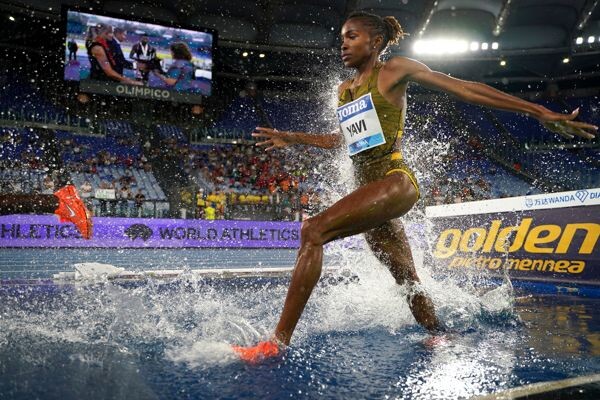
Her arrival in Xiamen adds another layer of intrigue to an already stacked contest. Known for her relentless front-running style and exceptional strength over the barriers, Yavi remains one of the most feared competitors in the discipline. With Chemutai coming off a statement victory and Cherotich determined to answer back, the stage is perfectly set for a high-stakes clash between three of the event’s biggest stars.
Cherotich, still among the brightest young talents in distance running, has built her reputation through fearless racing and explosive finishing speed. The Kenyan star will be chasing more than revenge in Xiamen — she will also be aiming to prove she can rise above the strongest field in women’s steeplechase today.
Chemutai, meanwhile, looks sharper and more dangerous with every race. The Ugandan Olympic champion appears to have rediscovered her peak form, and her recent performances suggest she is ready to dominate the Diamond League circuit this season.
With three elite athletes carrying different motivations into the same race, the women’s steeplechase in Xiamen is shaping up to be one of the standout moments of the Diamond League calendar. The pace is expected to be aggressive from the opening laps, and another world-class performance could be on the horizon.
As anticipation continues to build, one question now captures the attention of athletics fans worldwide: who will conquer Xiamen when the barriers clear and the final lap begins?
by Erick Cheruiyot for My Best Runs.
Login to leave a comment
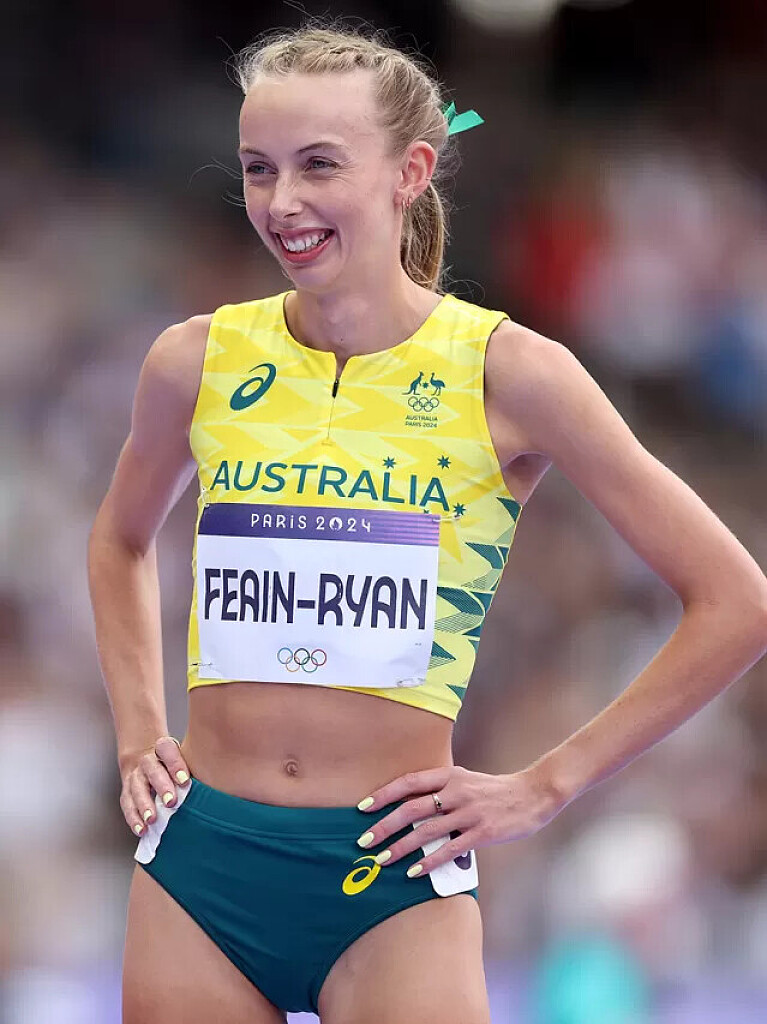
Star-Studded Women’s Steeplechase Showdown Set for Xiamen Diamond League
The women’s 3000m steeplechase at the upcoming Xiamen Diamond League is shaping up to be one of the most fiercely contested distance races of the season, with Olympic champions, world medallists, and emerging young stars all set to collide on 23 May.
Leading the spotlight is Bahrain’s Winfred Yavi, one of the most dominant figures in global steeplechase running. Renowned for her fearless front-running and devastating finishing speed, Yavi enters the race as a major favourite in what promises to be a high-tempo contest from the gun.
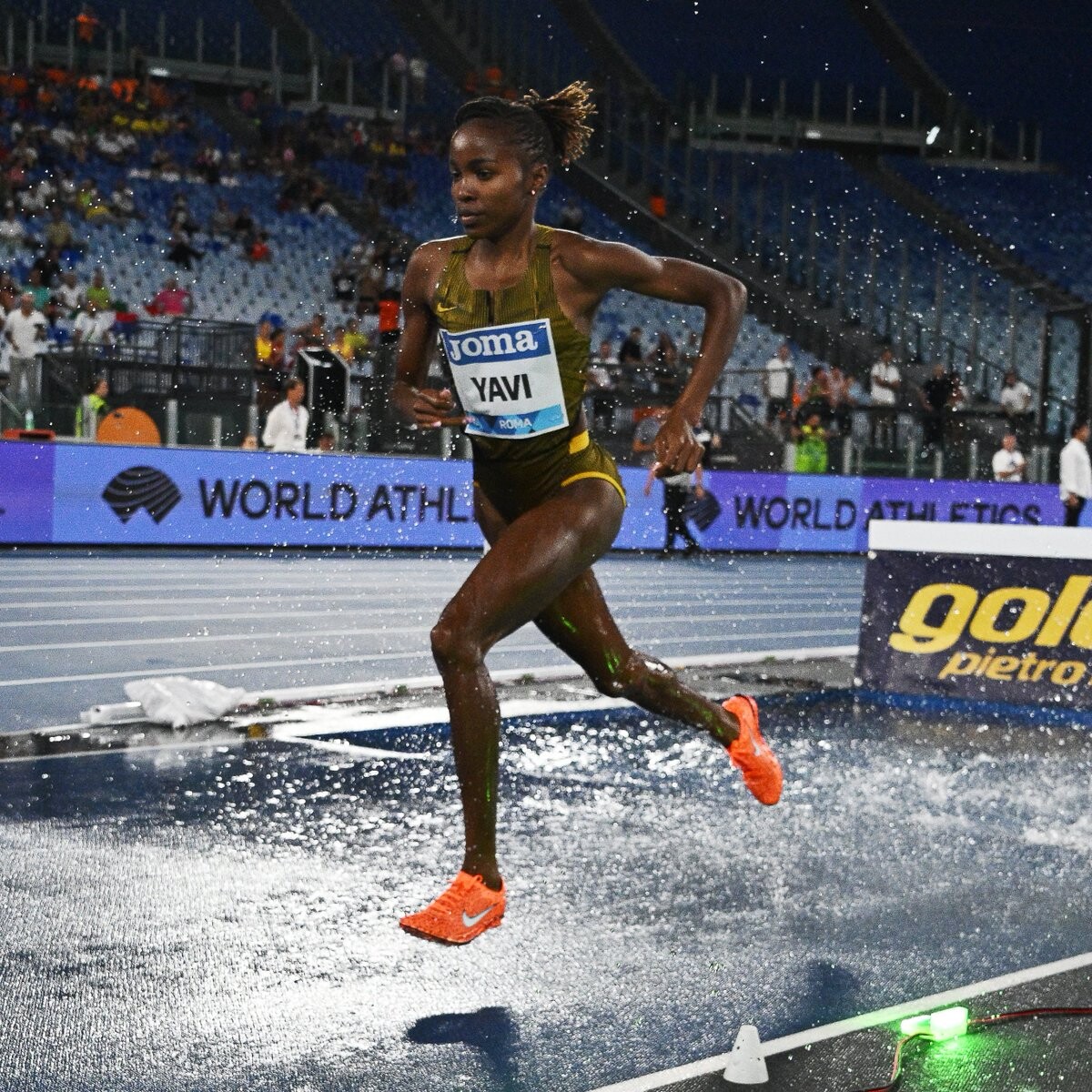
However, Kenya’s teenage sensation Faith Cherotich will be eager to continue her rapid rise on the international stage. The gifted Kenyan has already established herself among the world’s elite despite her young age, and Xiamen offers another golden opportunity to test herself against the very best in the discipline.
Olympic champion Peruth Chemutai of Uganda also headlines the loaded field. Chemutai’s tactical brilliance and championship experience make her one of the most dangerous competitors in any major race, especially in championship-style battles where positioning and patience become decisive.
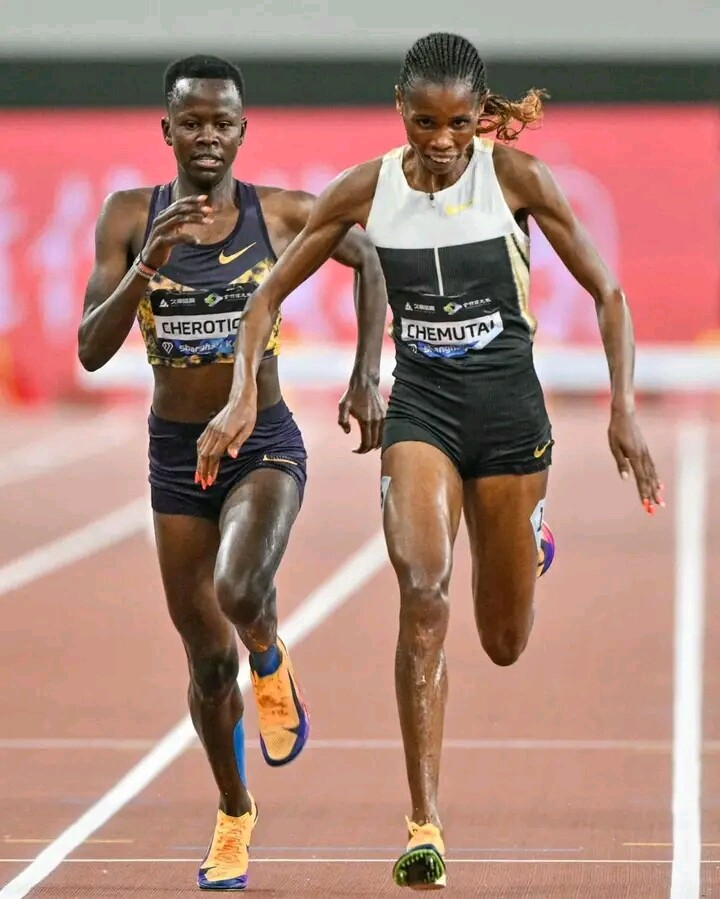
France’s Alice Finot, who has enjoyed a remarkable resurgence in recent seasons, adds further quality to the lineup alongside Tunisia’s Marwa Bouzayani and Kazakhstan’s Norah Jeruto, the former world champion whose return to the top level continues to attract significant attention.
The Ethiopian contingent arrives with impressive depth through Wosane Asefa, Firehiwot Gesese, Kena Tufa, and Alemnat Walle, while the United States fields a strong squad featuring Lexy Halladay, Olivia Markezich, Courtney Wayment, Kaylee Mitchell, and Angelina Ellis.
The race also features several exciting European names, including Dutch athlete Veerle Bakker, Germany’s Olivia Gürth, Australia’s Cara Feain-Ryan, Israel’s Adva Cohen, and China’s home representative Luo Xia, who will undoubtedly enjoy strong local support.
With such extraordinary depth assembled, the women’s steeplechase in Xiamen is expected to produce one of the fastest and most dramatic races of the Diamond League season. From seasoned global champions to fearless young challengers, the event promises relentless pace, tactical battles over the barriers, and a thrilling fight for supremacy on Chinese soil.
All eyes will now turn to Xiamen as the world’s finest steeplechasers prepare to launch another unforgettable chapter in one of athletics’ most demanding events.
by Erick Cheruiyot for My Best Runs.
Login to leave a comment
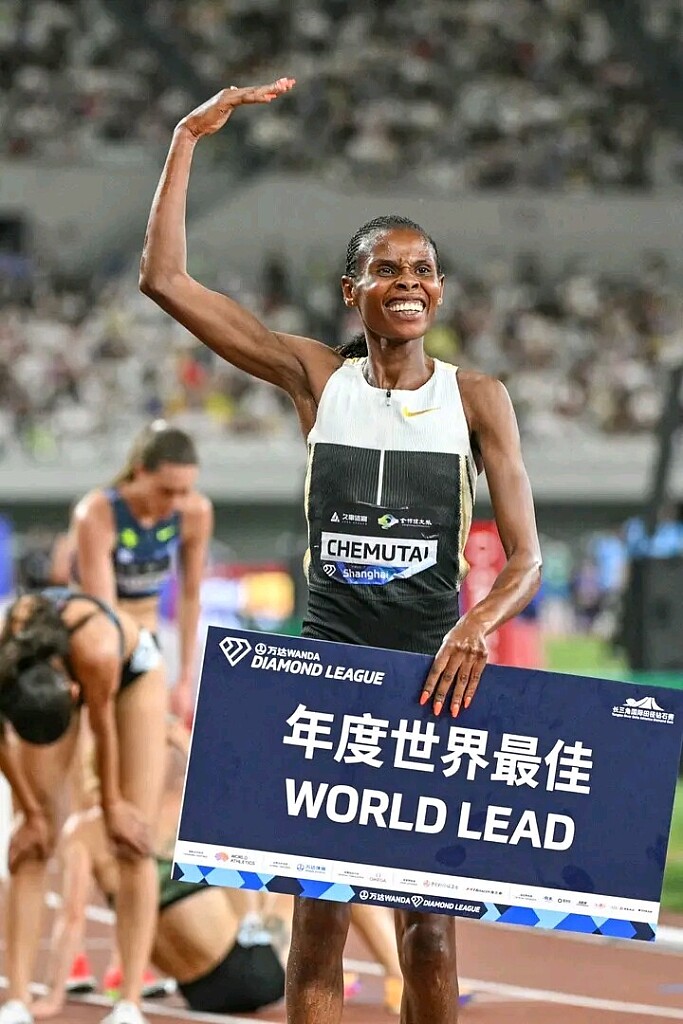
Peruth Chemutai Edges Faith Cherotich in Thrilling Shanghai Steeplechase Showdown
The women’s 3000m steeplechase at the Shanghai Diamond League delivered one of the most dramatic distance races of the season as Uganda’s Peruth Chemutai produced a world-leading performance to narrowly deny Kenya’s Faith Cherotich in a breathtaking sprint finish.
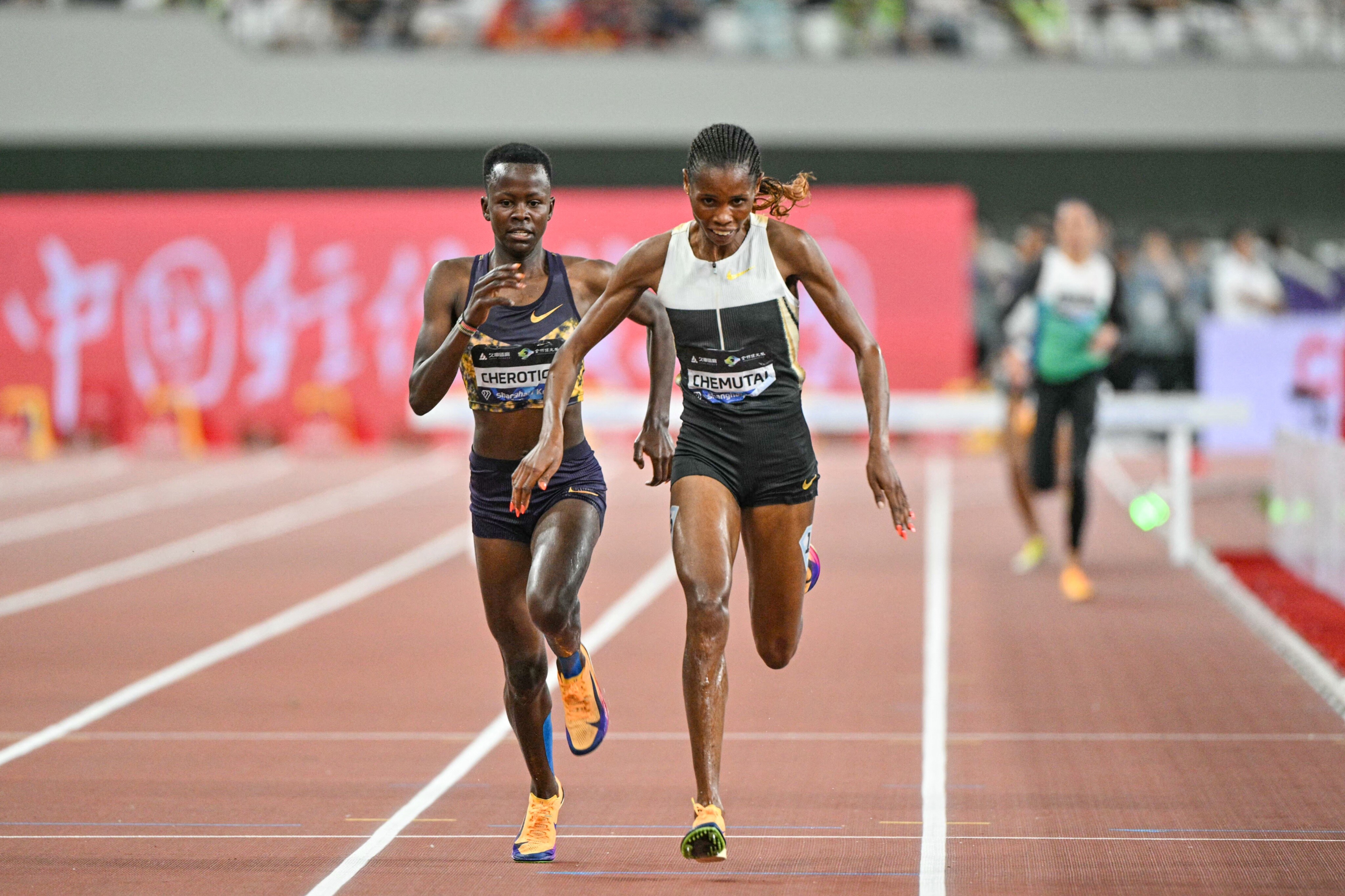
Chemutai stormed to victory in 8:51.47, smashing the meeting record and posting the fastest time in the world this year. But the Olympic champion was pushed to the absolute limit by the fearless teenage Kenyan sensation Cherotich, who crossed the line just one hundredth of a second later in 8:51.48 for a season’s best performance.
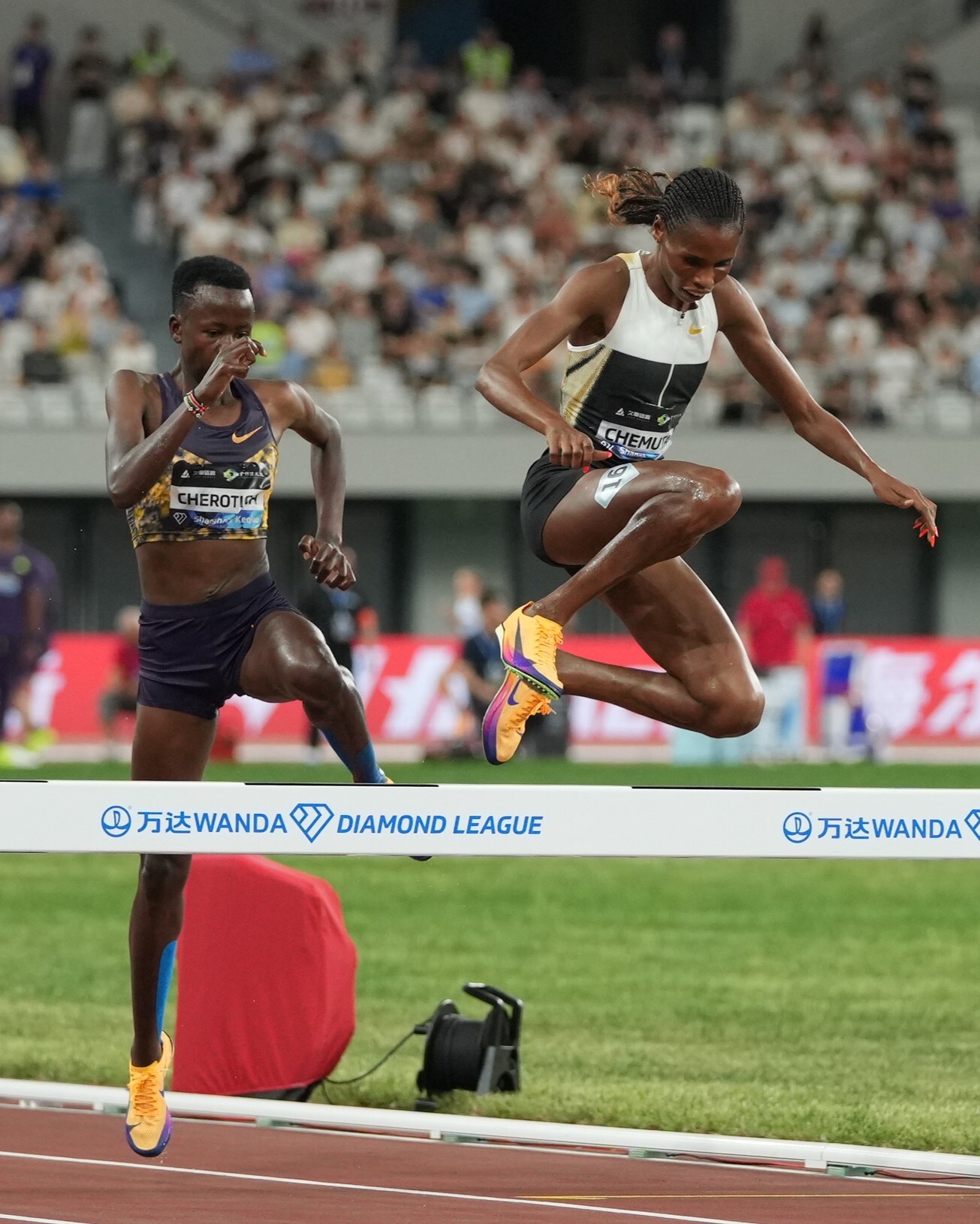
From the opening laps, the pace was aggressive and relentless. The leading pack quickly separated itself from the field, with Chemutai and Cherotich exchanging control throughout the race while maintaining metronomic rhythm over the barriers and water jumps. As the bell rang for the final lap, the stadium atmosphere intensified with both athletes refusing to yield.
Cherotich launched a powerful challenge over the closing stages and looked capable of pulling off a major victory, but Chemutai found one final surge in the home straight to clinch the win in one of the closest finishes seen on the Diamond League circuit this season.
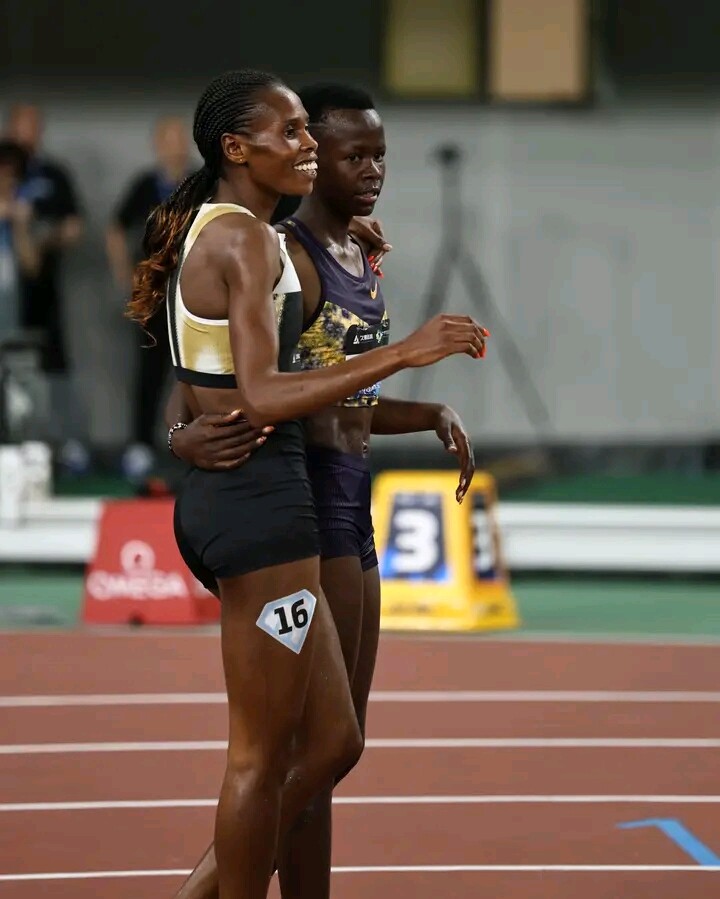
Behind the leading duo, Tunisia’s Marwa Bouzayani delivered a historic run to finish third in 8:58.09, setting a new national record and becoming the first Tunisian woman to break the nine-minute barrier in the event. Ethiopia’s Kena Tufa also impressed with a personal best of 8:59.66 to place fourth, while compatriot Alemnat Walle clocked a season’s best 9:10.05 for fifth.
Representing Kazakhstan, former world champion Norah Jeruto continued her return to top-level competition with a season’s best 9:10.90 to secure sixth place.
The race confirmed that the women’s steeplechase is entering another golden era, with established champions and rising stars pushing each other to extraordinary levels. For Kenya, Cherotich’s performance was another strong reminder that the country’s future in the event remains exceptionally bright despite missing victory by the narrowest possible margin.
Women’s 3000m Steeplechase Results — Shanghai Diamond League
1. Peruth Chemutai (Uganda) – 8:51.47 (MR, WL)
2. Faith Cherotich (Kenya) – 8:51.48 (SB)
3. Marwa Bouzayani (Tunisia) – 8:58.09 (NR)
4. Kena Tufa (Ethiopia) – 8:59.66 (PB)
5. Alemnat Walle (Ethiopia) – 9:10.05 (SB)
6. Norah Jeruto (Kazakhstan) – 9:10.90 (SB)
7. Parul Chaudhary (India) – 9:12.84 (SB)
8. Lexy Halladay (USA) – 9:13.99 (SB)
9. Angelina Ellis (USA) – 9:20.53 (PB)
10. Cara Feain-Ryan (Australia) – 9:21.35 (PB)
11. Olivia Markezich (USA) – 9:22.15 (SB)
12. Kaylee Mitchell (USA) – 9:24.26 (SB)
13. Firehiwot Gesese (Ethiopia) – 9:25.13 (PB)
Peruth Chemutai’s stunning victory in Shanghai was more than just another Diamond League win — it was a powerful statement to the rest of the world that she remains one of the greatest forces in women’s steeplechase. Clocking a world-leading and meeting record performance under immense pressure, the Ugandan star once again showcased her extraordinary composure, strength, and championship mentality. In a race filled with elite talent and relentless pace, Chemutai proved that true champions rise when the stakes are highest, further cementing her place among the finest steeplechasers of her generation.
by Erick Cheruiyot for My Best Runs.
Login to leave a comment
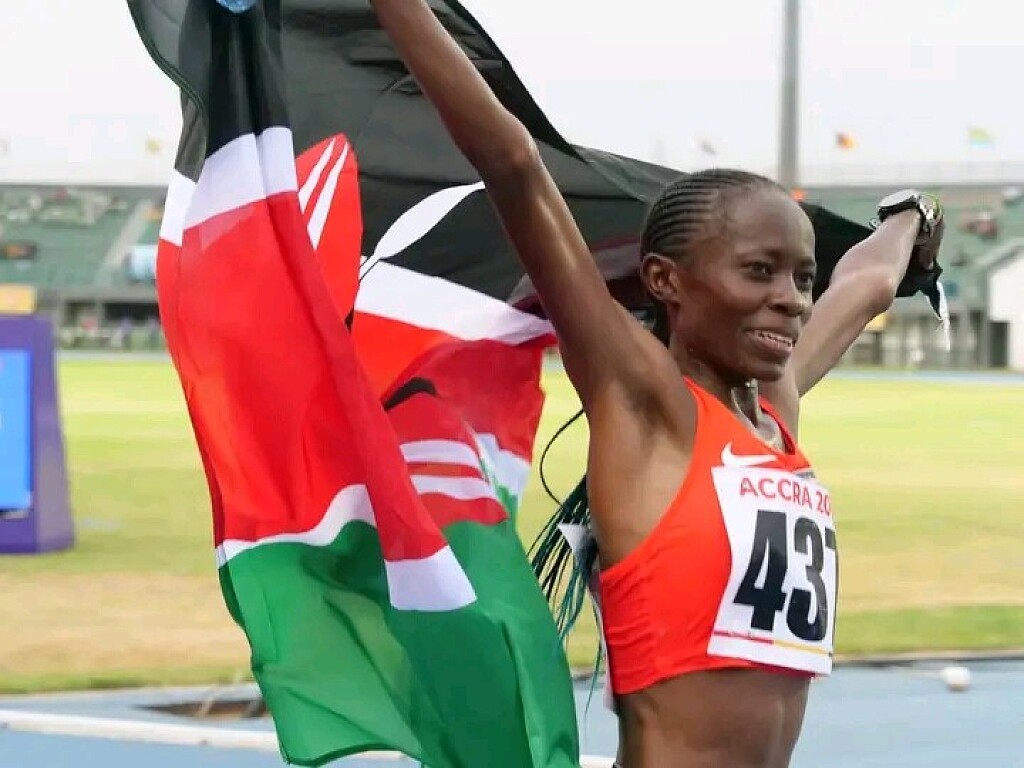
Diana Wanza Powers Kenya to 10,000m Gold at African Championships in Accra
Kenya’s Diana Wanza produced a commanding display of endurance and tactical brilliance to storm to victory in the women’s 10,000m final at the 24th African Senior Athletics Championships in Accra, Ghana.
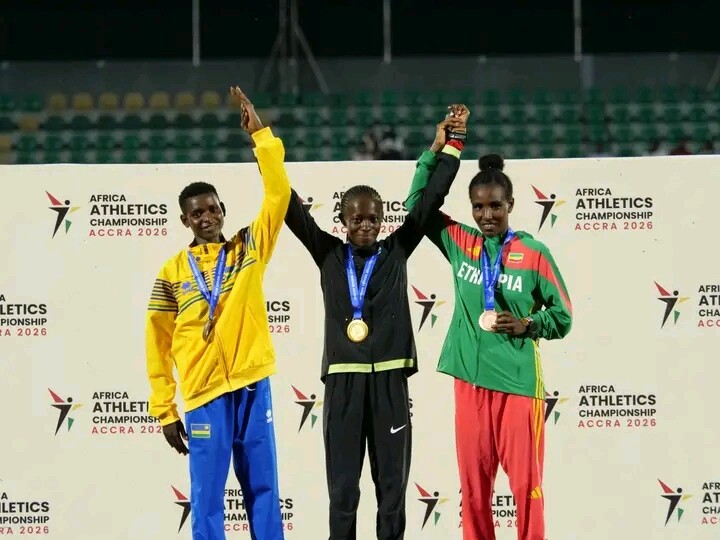
From the early stages of the grueling 25-lap contest, Wanza looked composed and in complete control as she gradually asserted herself against a stacked continental field. The Kenyan distance star timed her move to perfection before surging clear in the decisive moments to clinch the African title in an impressive 31:33.26.
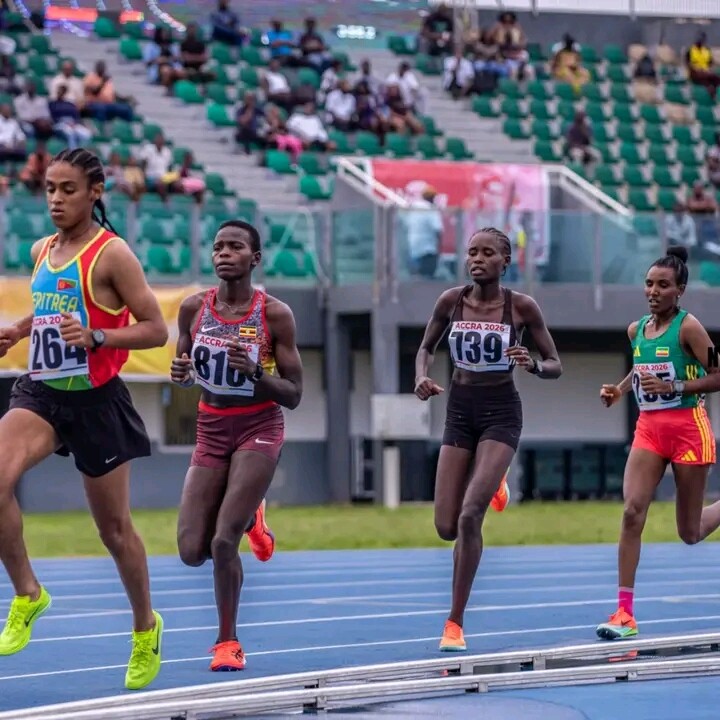
The victory further underlined Kenya’s dominance in long-distance running on the African stage, with Wanza delivering one of the standout performances of the championships.
Rwanda’s Florence Niyonkuru also produced a career-defining run, battling bravely throughout the race to secure a historic silver medal in 31:43.73. Ethiopia’s Asefu Abrha Kiros completed the podium after a determined late effort earned her bronze in 31:45.91.
The final developed into a high-quality tactical contest, with several of Africa’s finest distance runners pushing the pace as the intensity increased lap after lap. Uganda’s Esther Chebet finished fourth in 32:23.44, narrowly ahead of Ethiopia’s Simret Berhe Asefa, who crossed the line fifth.
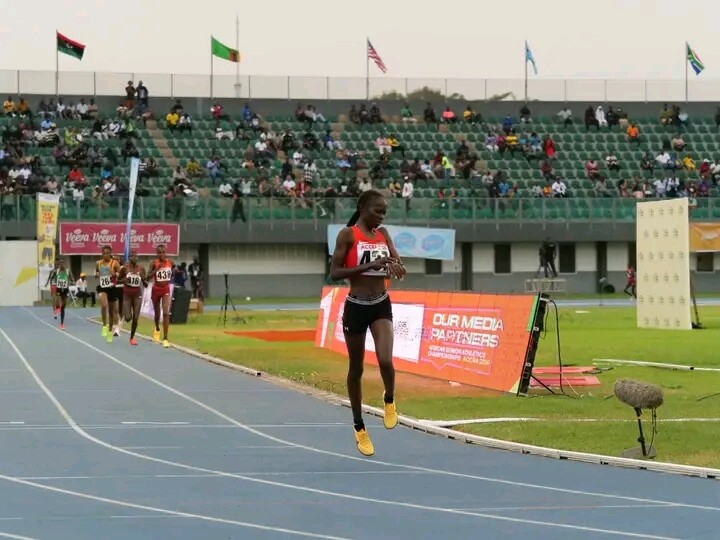
Kenya also placed two more athletes inside the top ten, with Chepgeno Merc Mageso taking ninth in 32:56.89 and Chepkemoi Mercy finishing tenth in 33:26.57.
The women’s 10,000m final once again showcased the extraordinary depth of African distance running, but on this occasion, it was Diana Wanza who rose above the rest with a performance full of authority, patience, and championship composure to bring gold back to Kenya.
Women’s 10,000m Final Results – African Senior Athletics Championships
1. Diana Wanza (Kenya) – 31:33.26
2. Florence Niyonkuru (Rwanda) – 31:43.73
3. Asefu Abrha Kiros (Ethiopia) – 31:45.91
4. Esther Chebet (Uganda) – 32:23.44
5. Simret Berhe Asefa (Ethiopia) – 32:38.97
6. Samia Hassan Nour (Djibouti) – 32:50.90
7. Rebecca Chelangat (Uganda) – 32:55.59
8. Rahel Daniel (Eritrea) – 32:56.39
9. Chepgeno Merc Mageso (Kenya) – 32:56.89
10. Chepkemoi Mercy (Kenya) – 33:26.57
11. Karabo Mailula (South Africa) – 33:47.38
12. Diana Shishay (Eritrea) – 34:16.97
13. Stella Mami Cele Lokhiri (South Sudan) – 34:39.00
by Erick Cheruiyot for My Best Runs.
Login to leave a comment
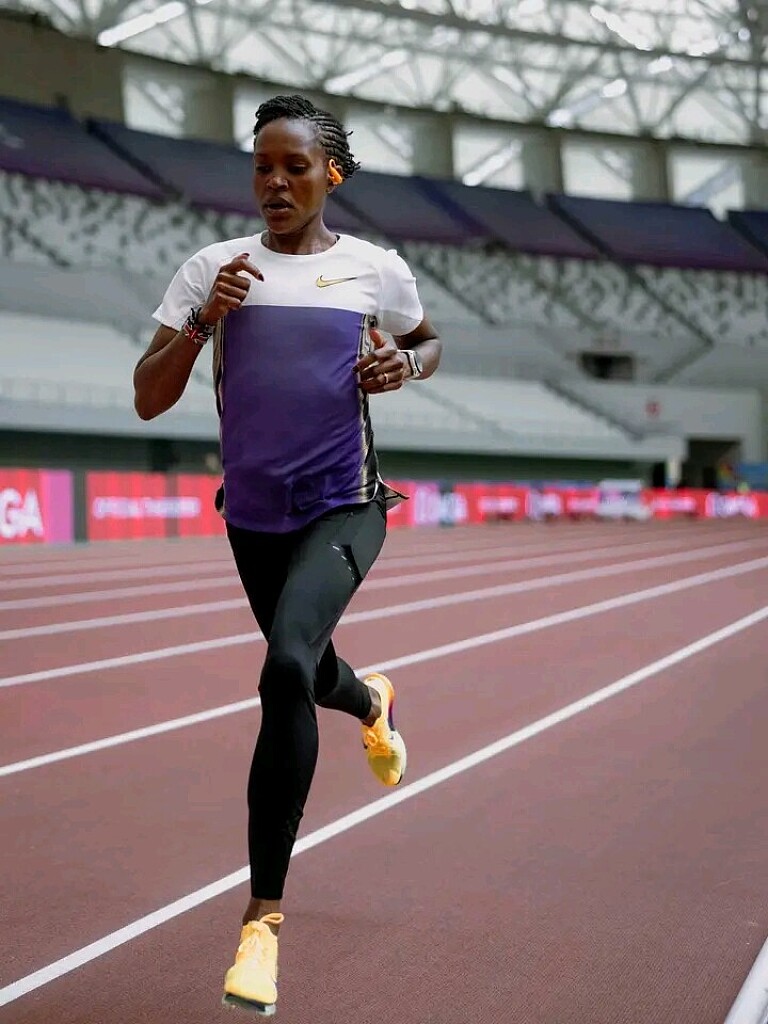
Shanghai Set for Fireworks as Faith Kipyegon Headlines Blockbuster Women’s 5000m Clash
The spotlight will shine brightly on Shanghai this Saturday as some of the world’s finest distance runners prepare for a captivating women’s 5000m showdown at the Diamond League meeting in China.
All eyes will be on Kenyan superstar Faith Kipyegon, who returns to the track leading a powerful international field packed with proven championship performers and rising talents eager to challenge the Olympic legend.
Scheduled for May 16, 2026, the race promises high drama, relentless pace and a fierce battle from the opening laps. Kipyegon, celebrated globally for rewriting the limits of women’s middle-distance running, now steps into another major test against a deep Ethiopian contingent and several dangerous challengers from across the world.
Ethiopia arrives heavily armed with athletes capable of turning the race into a tactical masterpiece or a blistering fast contest. Names such as Hawi Abera, Marta Alemayo, Medina Eisa, Hirut Meshesha and Alemnesh Tilaye add serious depth to the field, underlining the nation’s continued dominance in long-distance running.

Kenya will also look to make a strong statement through Margaret Akidor, Maurine Jepkoech Chebor and Caroline Nyaga, while Uganda’s Charity Cherop carries East African hopes into what is expected to be one of the most competitive women’s 5000m races of the season.
The global flavor of the event is further strengthened by the presence of Britain’s Melissa Courtney-Bryant and Australian duo Rose Davies and Maudie Skyring, athletes known for thriving in fast-paced championship environments.
With Shanghai’s electric atmosphere expected to fuel the occasion, fans could witness a tactical chess match evolve into a breathtaking late-race sprint. Every lap is likely to matter as the athletes position themselves for supremacy in one of the Diamond League calendar’s most anticipated distance races.
For Kipyegon, the race represents another opportunity to reaffirm her dominance on the world stage. For her rivals, it is a chance to challenge one of athletics’ greatest modern icons under the bright lights of Shanghai.
One thing is certain — Saturday’s women’s 5000m promises speed, intensity and world-class drama from start to finish.
by Erick Cheruiyot for My Best Runs.
Login to leave a comment
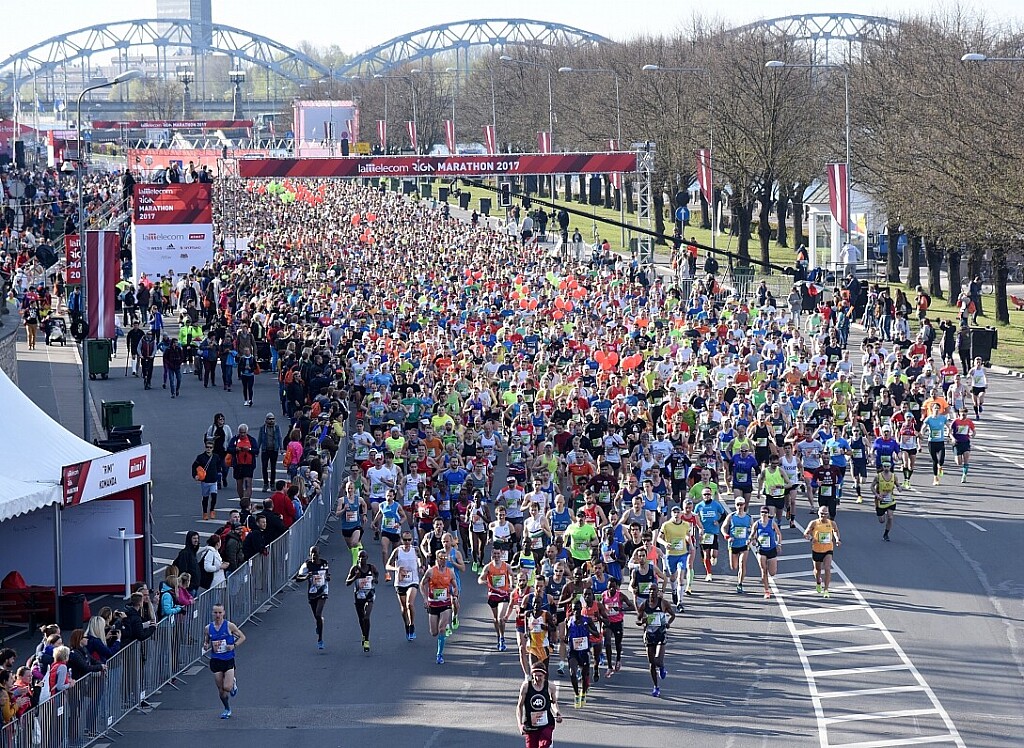
Riga Ready for a World-Class Half Marathon Spectacle as Elite Men and Women Prepare for Epic 21km Battle
The stage is set for an unforgettable day of road racing as the Rimi Riga Marathon prepares to host one of the strongest elite half marathon fields in its history on May 17, 2026. With international stars from Kenya, Ethiopia, Uganda, Tanzania, Germany, and Japan confirmed for the 21km showdown, the streets of Riga are expected to witness a breathtaking display of endurance, tactical brilliance, and raw speed.
The men’s field is packed with proven sub-one-hour performers capable of producing a blistering pace from the opening kilometers. Kenya’s Robert Kiprop Koech and James Kipkogei headline a powerful Kenyan challenge after recording personal bests of 59:51 and 59:31 respectively. Both athletes arrive in Riga carrying the reputation of fearless racers with the ability to dominate fast-paced road contests.
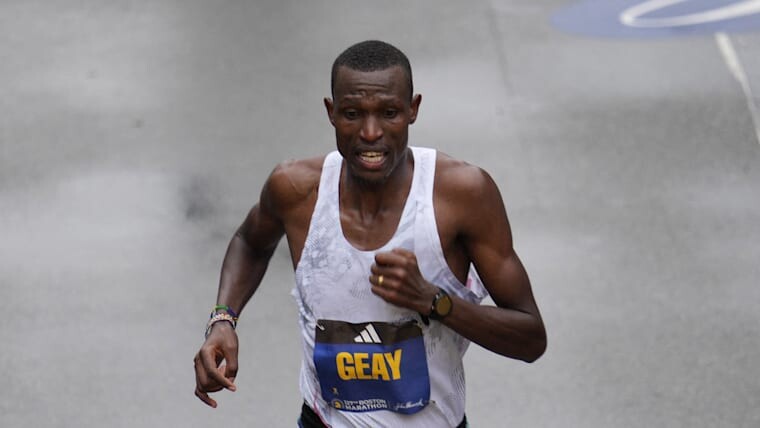
Tanzania’s Gabriel Gerald Geay adds even greater depth to the lineup. With a personal best of 59:18 and years of experience competing against the world’s best, Geay remains one of the strongest contenders for victory. Kenya's Alfred Kipchirchir Mukche and Charles Mbatha Matata are also expected to play major roles, while Japan’s Tomoya Ogikubo brings international flair and tactical discipline to the elite contest.
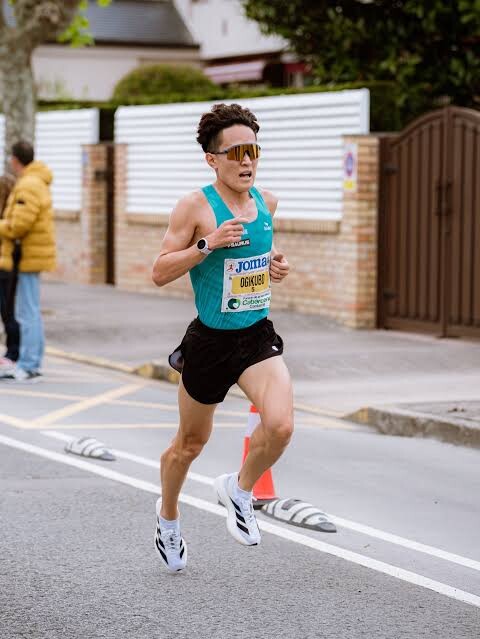
Equally captivating will be the women’s race, where some of the world’s finest distance runners are preparing for a fierce battle over 21 kilometers. Leading the field is Kenya’s Sharon Lokedi, the two-time Boston Marathon champion whose rise among the sport’s elite has been extraordinary. Renowned for her calm racing style and devastating finishing kick, Lokedi enters Riga as one of the headline attractions of the entire event.
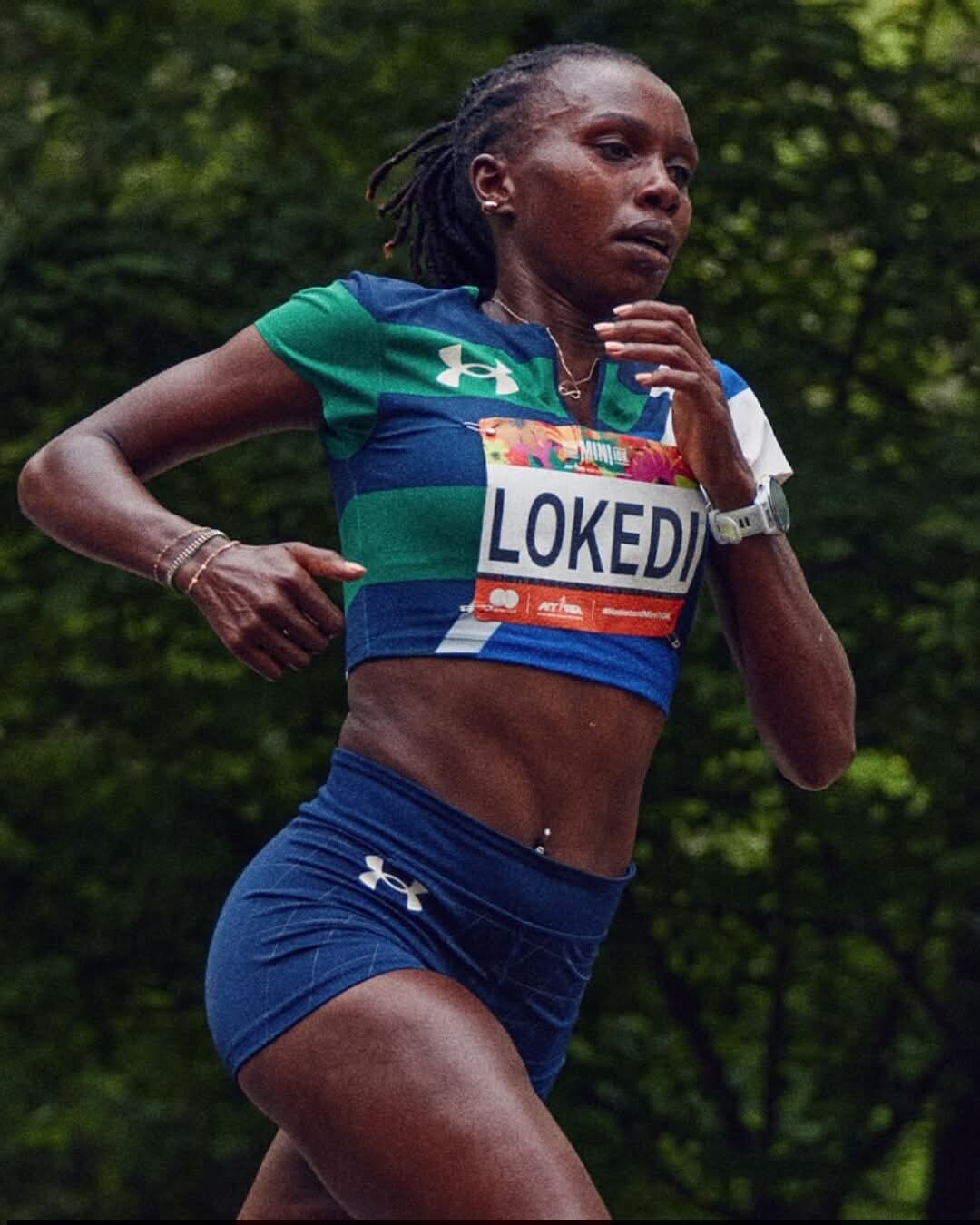
Ethiopia’s challenge will be spearheaded by Ejgayehu Taye, the World Road Running Championships bronze medallist who previously impressed in Riga during the 2023 championships. Her ability to sustain relentless pace deep into races makes her a major threat for the title. Ethiopia will also rely on rising stars Diniya Abaraya and Bertukan Welde, two athletes widely regarded as future stars of global road running.
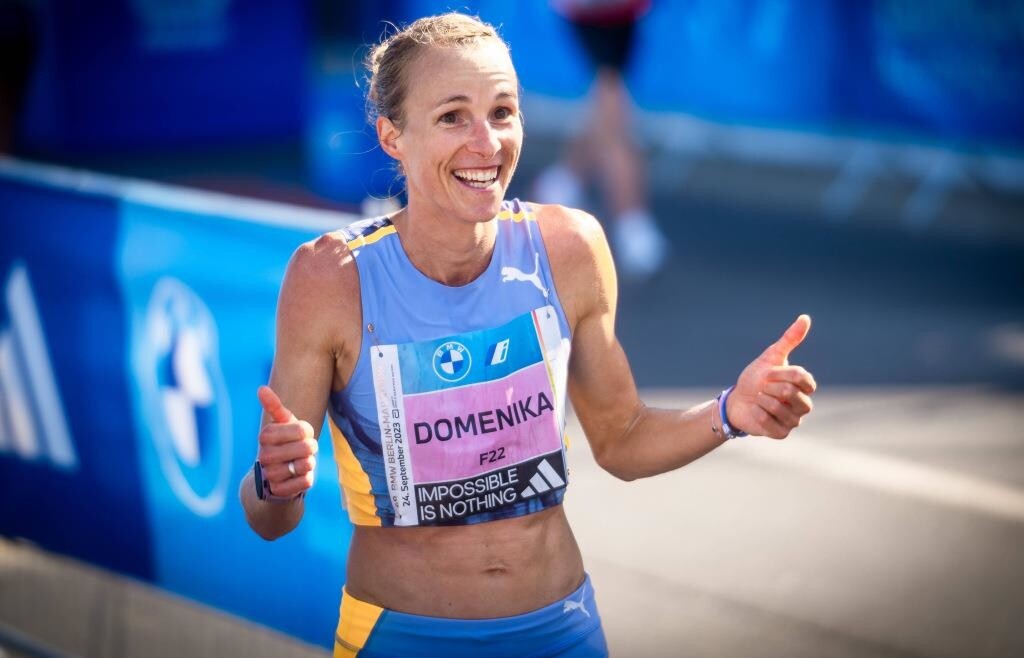
Uganda’s Stella Chesang further strengthens the women’s lineup with her championship pedigree and proven consistency on both the track and roads. Meanwhile, Germany’s Domenika Mayer will carry European hopes as the defending Riga Marathon champion and national record holder. Her experience on the Riga course could provide a crucial advantage against such a deep international field.
With elite champions, global medallists, and emerging talents all converging in Latvia, anticipation for the 2026 Rimi Riga Half Marathon continues to soar. Both the men’s and women’s races promise uncompromising competition where every second will matter, and where victory may only be decided in the dramatic closing stages.
As race day approaches, Riga is preparing not just for another marathon weekend, but for a landmark celebration of world-class road running that could deliver some of the fastest and most memorable performances of the season.
by Erick Cheruiyot for My Best Runs.
Login to leave a comment

Lattelecom Riga Marathon
If you have never been to Riga then, running a marathon or half-marathon could be a good reason to visit one of the most beautiful cities on the Baltic Sea coast. Marathon running has a long history in Riga City and after 27 years it has grown to welcome 33,000 runners from 70 countries offering five race courses and...
more...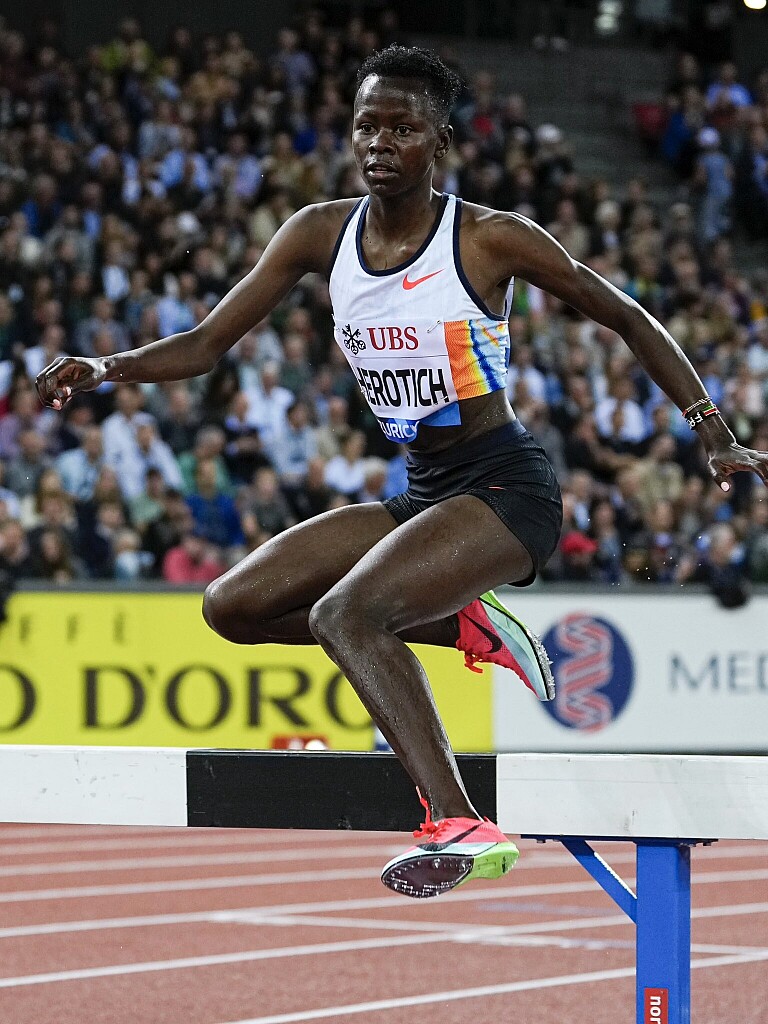
Battle of Champions: Cherotich, Yavi, Chemutai and Jeruto Headline Xiamen Showdown
On May 23, 2026, the spotlight of the Diamond League shifts to Xiamen, where the women’s 3000m steeplechase promises not just a race—but a confrontation of extraordinary talent, nerve, and precision.
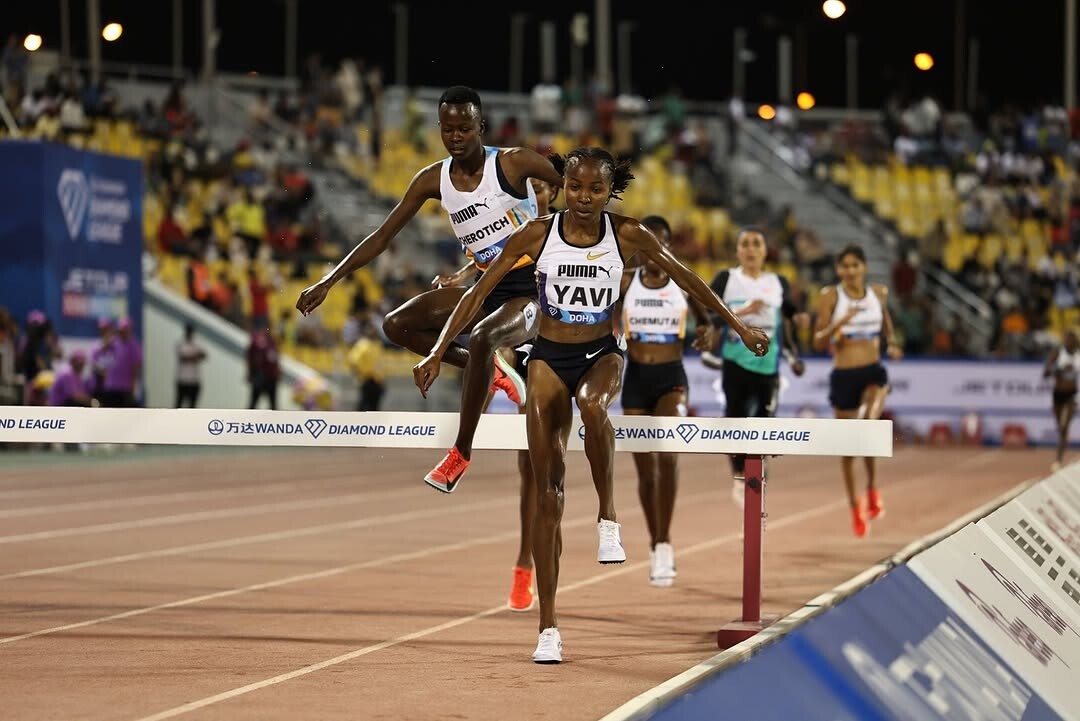
This is no ordinary field. It is a collision of champions from across the globe.
Leading the charge is Faith Cherotich of Kenya, the rising force whose fearless front-running and smooth hurdling have marked her as the next big name in the event. She faces a fierce challenge from Winfred Yavi, representing Bahrain, a tactically sharp competitor with a devastating finishing kick.
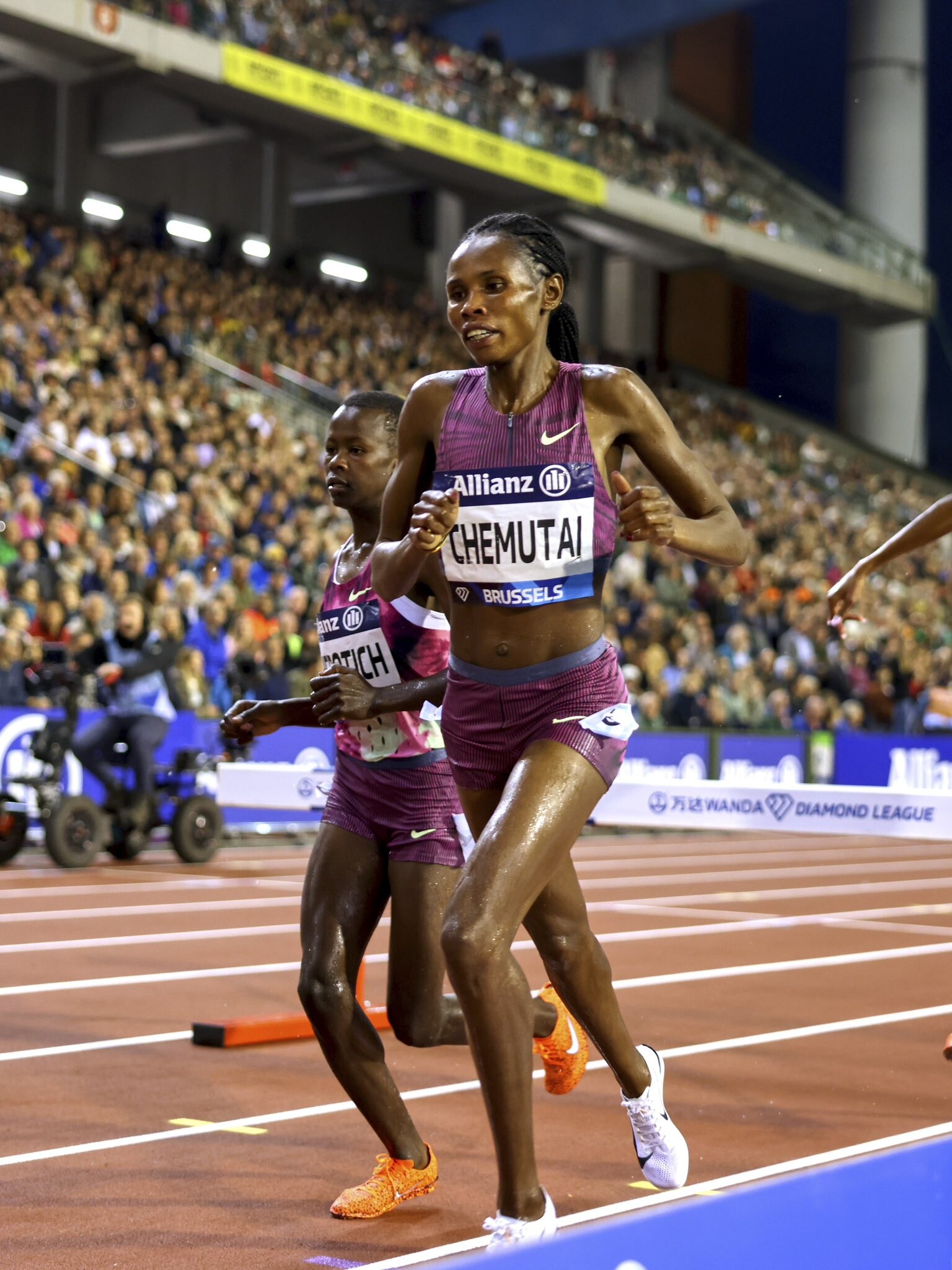
From Uganda comes Peruth Chemutai, the Olympic champion renowned for her composure, timing, and ability to rise in decisive moments. Meanwhile, Norah Jeruto carries the flag of Kazakhstan, bringing championship pedigree and a proven ability to dismantle elite competition on the biggest stages.
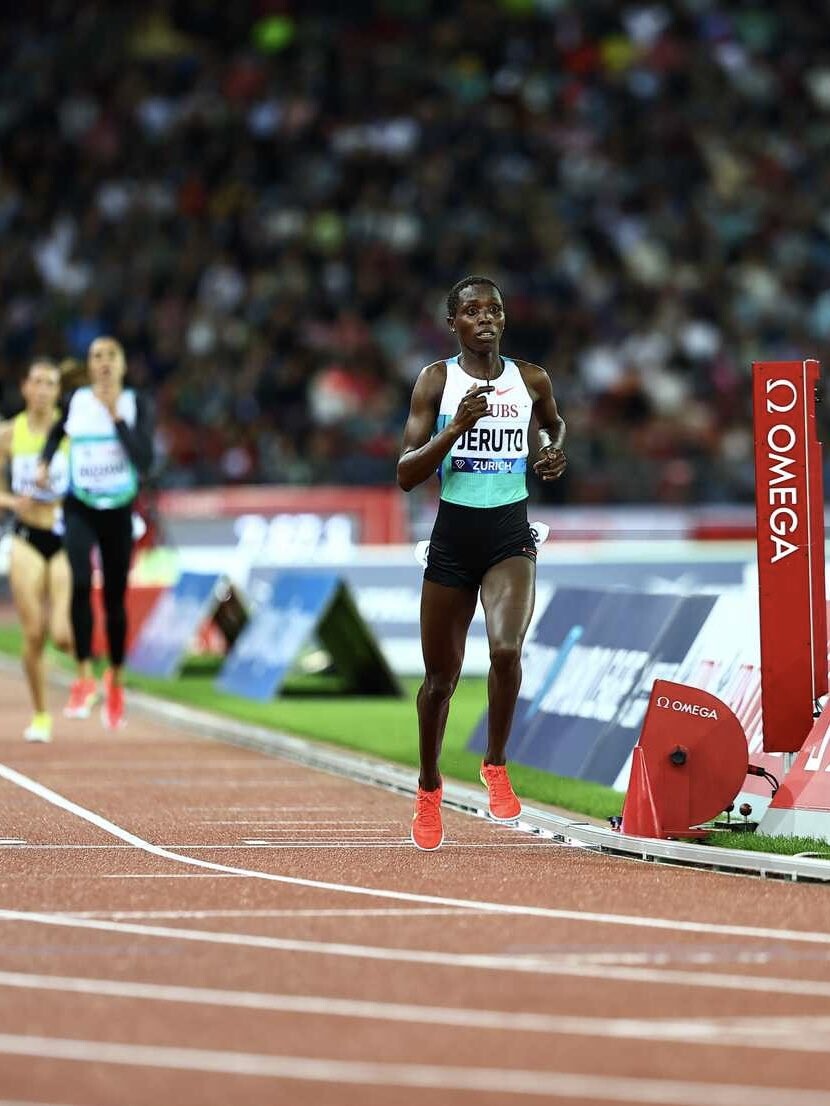
Four athletes. Four nations. One unforgiving event.
The steeplechase is where rhythm meets chaos—where a single mistimed barrier or misjudged water jump can undo even the strongest contenders. At this level, the margins are razor-thin, and the outcome could hinge on the final lap, or even the final leap into the water.
Xiamen’s track will not merely host a race; it will stage a tactical battle. Expect aggressive positioning early on, calculated surges in the middle laps, and a dramatic crescendo as the bell rings. Each contender brings a distinct strength—Cherotich’s boldness, Yavi’s finishing speed, Chemutai’s championship calm, and Jeruto’s relentless consistency.
Calling a winner in such a field is no easy task. If the race turns into a brutal test of endurance, Yavi’s closing strength could prove decisive. Yet Cherotich’s fearless racing style, Chemutai’s experience, and Jeruto’s big-stage mentality ensure that nothing is guaranteed.
One thing is certain: this will be more than a race. It will be a battle for supremacy over barriers, water, and willpower.
The stage is set. The tension is rising. And in Xiamen, only one nation—and one athlete—will stand tallest.
by Erick Cheruiyot for My Best Runs.
Login to leave a comment
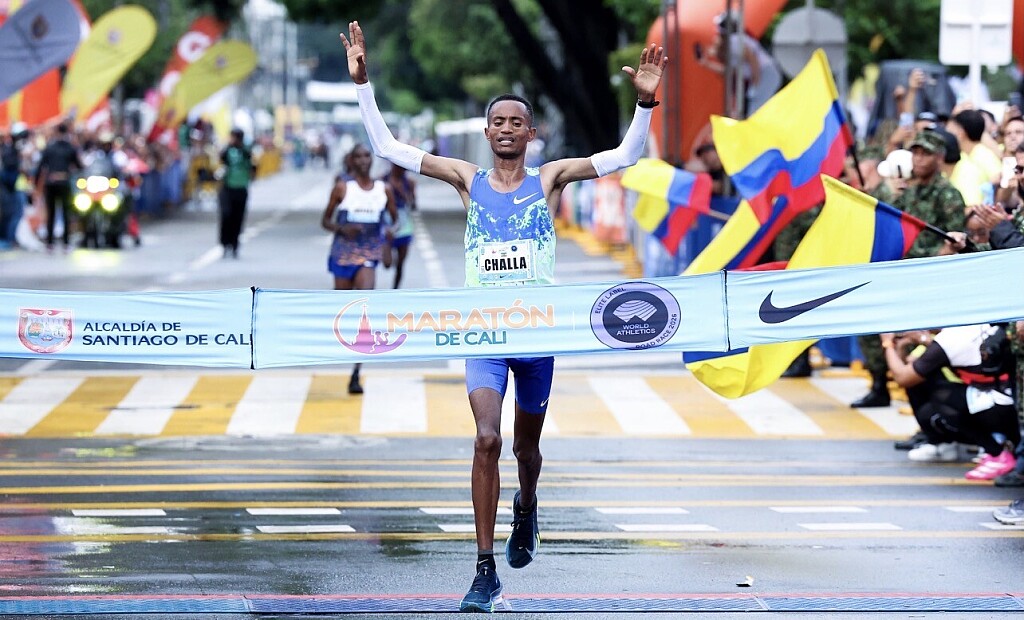
Gossa and Ndiwa Upset Defending Champions at Cali Marathon
Challa Gossa of Ethiopia and Kenya’s Stacy Ndiwa denied the defending champions at the Cali Marathon in Colombia on Sunday, overcoming tough conditions of heat, humidity, and altitude to take impressive victories.
Warm temperatures above 20°C, high humidity, and an elevation of around 1,000 meters made fast times difficult and ended hopes of course records. Still, the races produced exciting finishes in both the men’s and women’s competitions.
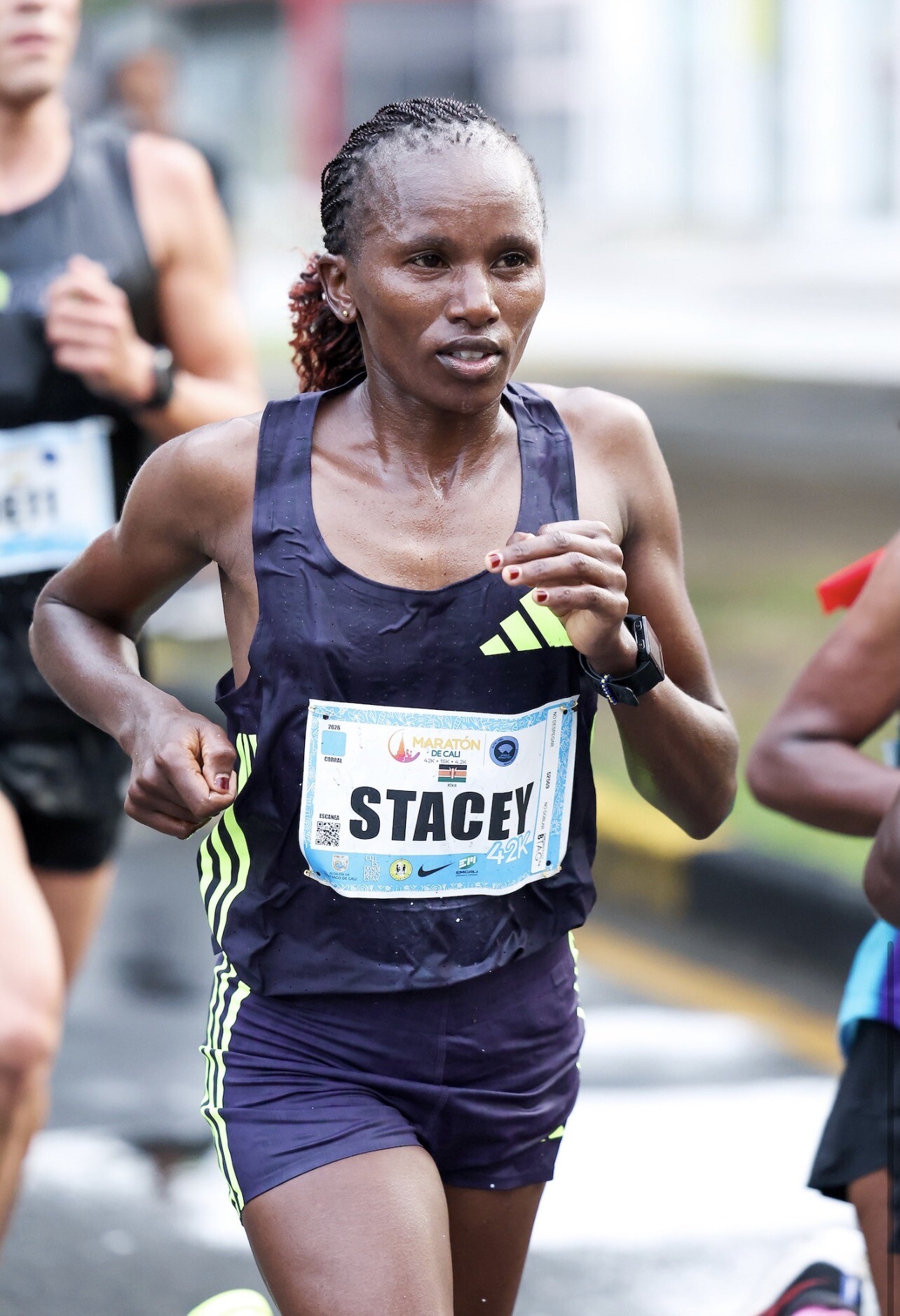
In the men’s race, Challa Gossa surged past defending champion Evans Mayaka with just 250 meters remaining to win in 2:11:49. Mayaka, who set the course record of 2:11:04 last year, finished just five seconds back in 2:11:54, with Ethiopia’s Habtamu Birlew close behind in 2:11:56. The top four runners all broke 2:12 in a tightly contested finish.
The early pace was aggressive, with a group of ten passing 10K in 30:23, well on course-record pace. However, the humid conditions took their toll as the race progressed. By halfway (65:00), a lead pack of six runners and two pacemakers remained, including Mayaka, Birlew, Gossa, and Uganda’s Martin Musau.
After the pacemakers stepped aside and the pace slowed, the leading group stayed together deep into the race. Mayaka made a move shortly after 40K, but could not break clear. Gossa then unleashed his finishing speed in the closing meters to take his first marathon victory.
“The conditions were very difficult, so I stayed with the group and relied on my finishing speed,” said 25-year-old Gossa, who was runner-up in Frankfurt in 2024 and owns a personal best of 2:07:32.
Mayaka admitted the weather played a major role: “After the pacers stopped, I tried several times to increase the pace, but my body was too tired. The humidity and conditions were much harder than last year.”
Kenya’s Eric Kiptanui, who has a 2:05:47 personal best, dropped off the lead group before 15K but ran much of the race alone to finish sixth in 2:16:27.
In the women’s race, Stacy Ndiwa ran a controlled and confident race to win in 2:29:55, pulling away from defending champion Emmah Ndiwa with about 8 kilometers remaining. Emmah Ndiwa finished second in 2:31:01, followed by Gladys Chesir in 2:33:59.
An early lead group of five included both Ndiwas, Chesir, Nazret Weldu, and Ethiopia’s Sadiya Awel. The pace quickened after 10K (34:35), and by halfway (73:18), three runners remained.
As in the men’s race, the second half slowed significantly due to the humidity. Awel briefly lost contact after stopping at a refreshment table at 25K and was unable to regain her position.
Stacy Ndiwa made her decisive move after 35K. “My training had gone well, and I was confident,” she said. “We were on pace early, but I began to tire, so we slowed down. When I saw Emmah struggling, I pushed harder and was able to break away.”
The 33-year-old Kenyan, who finished ninth at the Boston Marathon last year with a personal best of 2:23:29, held her lead comfortably to the finish.
The Cali Marathon continues to grow rapidly, with more than 20,000 athletes from 49 nations registered across all race distances—nearly double the number from its inaugural edition. Over 3,000 runners competed in the marathon, which holds World Athletics Elite Label status.
Men:
Challa Gossa (ETH) – 2:11:49
Evans Mayaka (KEN) – 2:11:54
Habtamu Birlew (ETH) – 2:11:56
Martin Musau (UGA) – 2:11:59
Ezra Kering (KEN) – 2:12:20
Eric Kiptanui (KEN) – 2:16:27
Carlos Mario Patiño (COL) – 2:18:38
Santiago Zerda (COL) – 2:18:38
Women:
Stacy Ndiwa (KEN) – 2:29:55
Emmah Ndiwa (KEN) – 2:31:01
Gladys Chesir (KEN) – 2:33:59
Sadiya Awel (ETH) – 2:34:25
Cynthia Kosgei (KEN) – 2:35:22
Nazret Weldu (ERI) – 2:37:49
Mildrey Echavarría (COL) – 2:40:45
Kellys Arias (COL) – 2:41:50
by Race. News Service
Login to leave a comment
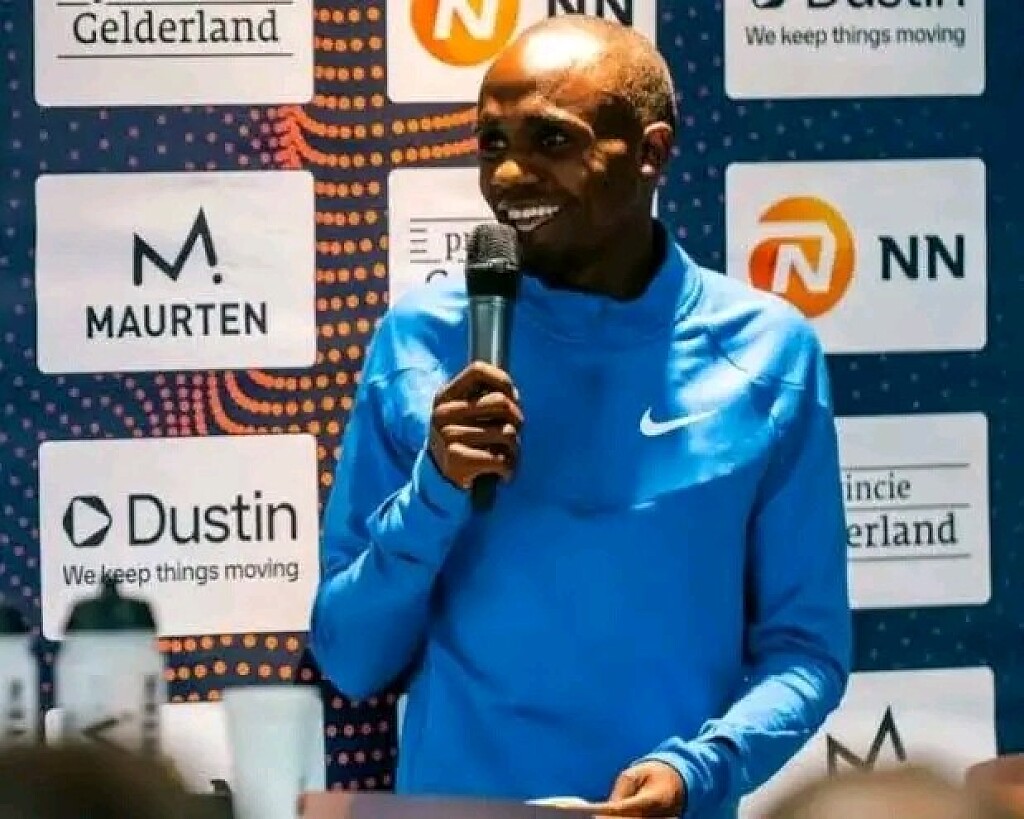
Beyond Two Hours: Jacob Kiplimo Predicts Marathon’s Next Historic Barrier
In the ever-evolving theatre of long-distance running, where boundaries are constantly redrawn and limits repeatedly questioned, Uganda’s Jacob Kiplimo has offered a bold glimpse into the sport’s near future. His words are not merely speculative—they are reflective of a shifting reality in marathon running, where what once seemed impossible is now within striking distance.
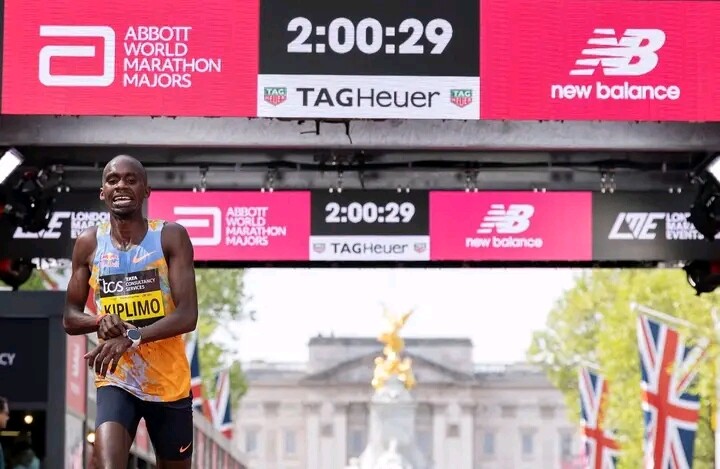
Kiplimo believes the next great leap has already been set in motion. With athletes now breaching the sub-two-hour barrier under official conditions, he sees the progression toward a sub-1:58 marathon not as a distant dream, but as an inevitable milestone. For him, it is no longer a question of “if,” but “when.”
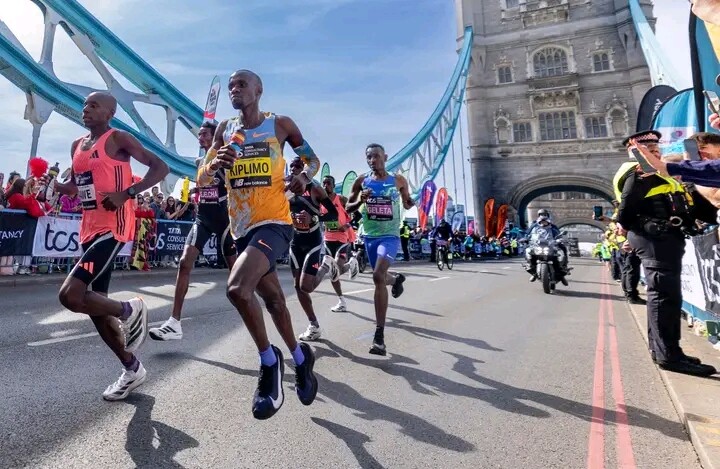
His perspective is grounded in the current trajectory of elite performance. The recent surge in marathon standards has redefined what it takes to stand at the pinnacle of the sport. As times continue to drop and competition intensifies, Kiplimo suggests that breaking the existing benchmark will demand something significantly faster—an effort closer to 1:58 than ever before.
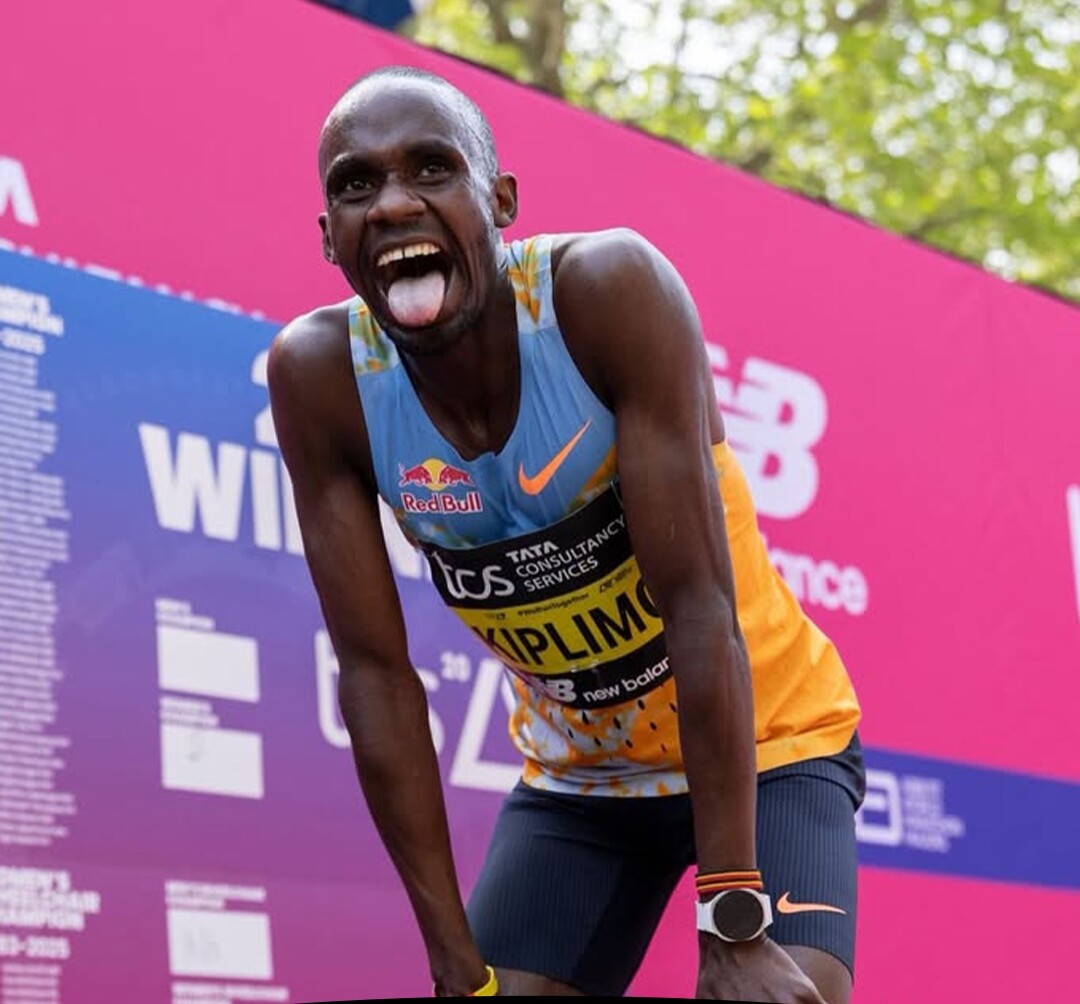
Yet, despite his ambitious outlook, Kiplimo remains measured. He is not singularly fixated on the world record, but rather on the broader evolution of endurance running. His remarks reveal a deep understanding of the sport’s rhythm—how breakthroughs emerge from patience, preparation, and the collective rise of elite athletes pushing each other beyond perceived limits.
There is also a quiet confidence in his tone, shaped by his own pedigree as one of the most formidable distance runners of his generation. Kiplimo’s belief in a sub-1:58 marathon is not rooted in fantasy, but in the evidence unfolding before us—faster races, stronger fields, and a new era of scientific and strategic precision in training.
As the marathon continues its rapid transformation, voices like Kiplimo’s carry weight. They signal not just ambition, but direction. If the current pace of progress holds, the world may soon witness another historic breakthrough—one that redefines human endurance once again.
For now, the clock keeps ticking, and the chase continues. According to Kiplimo, the future is not just fast—it’s faster than we ever imagined.
by Erick Cheruiyot for My Best Runs.
Login to leave a comment
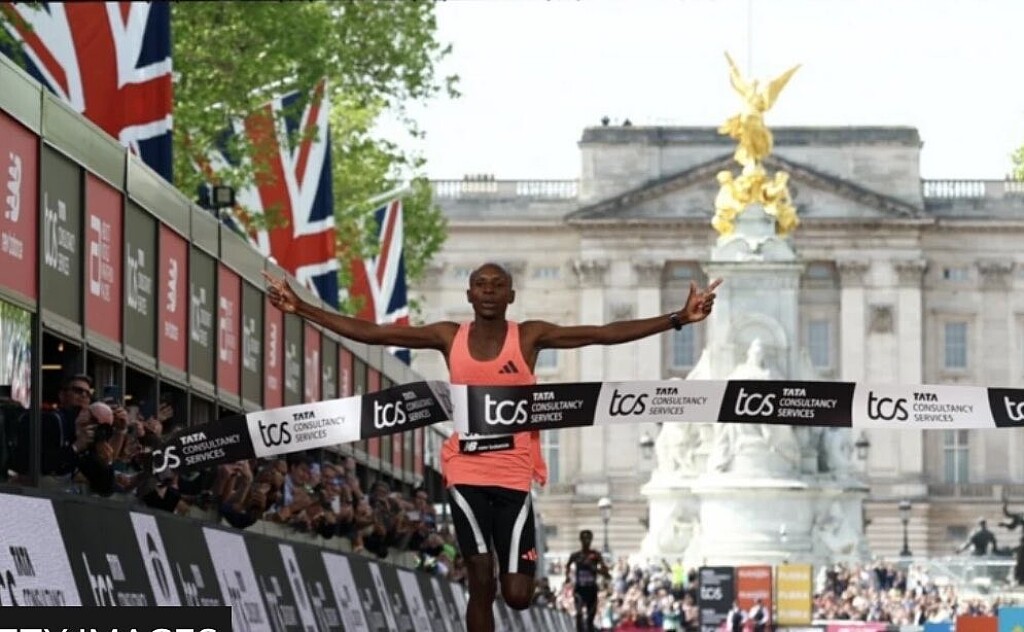
HISTORY REWRITTEN: Sawe Shatters the Two-Hour Barrier in a Marathon Masterpiece
In a moment that will echo through the annals of long-distance running, the defending champion Sebastian Sawe has achieved what generations once believed to be beyond human reach—breaking the two-hour barrier in an official marathon setting at the TCS London Marathon 2026.
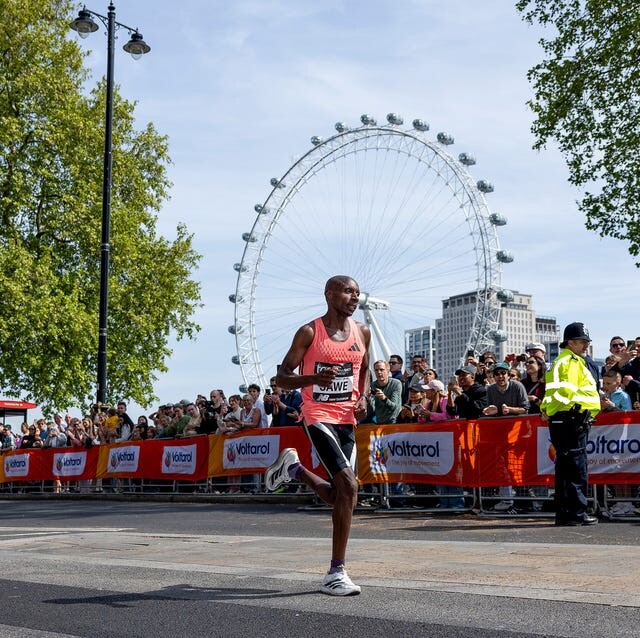
Clocking a breathtaking 1:59:30, the Kenyan star becomes the first man in history to run a sub-two-hour marathon under record-eligible conditions, delivering a performance of extraordinary precision, endurance, and courage. It was not just a race—it was a statement that the limits of human performance continue to be redefined.
The race unfolded at a relentless pace, with Sawe demonstrating remarkable composure and control from the very start. As the kilometers ticked away, it became increasingly evident that something historic was taking shape. Each stride carried the weight of expectation and possibility, and when he finally crossed the line, the stopwatch confirmed the unimaginable had become reality.
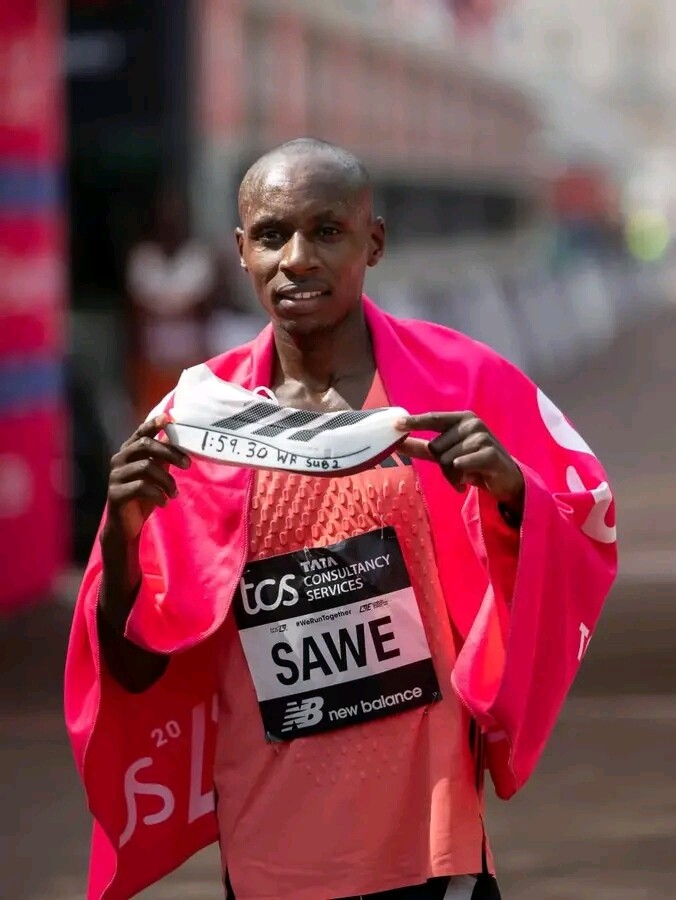
Hot on his heels was Ethiopia’s Yomif Kejelcha, who matched the historic time of 1:59:41, securing a personal best and national record in a performance that would have dominated headlines on any other occasion. Meanwhile, Uganda’s Jacob Kiplimo delivered a sensational 2:00:28, also a personal best and national record, further highlighting the extraordinary depth and quality of this unforgettable race.
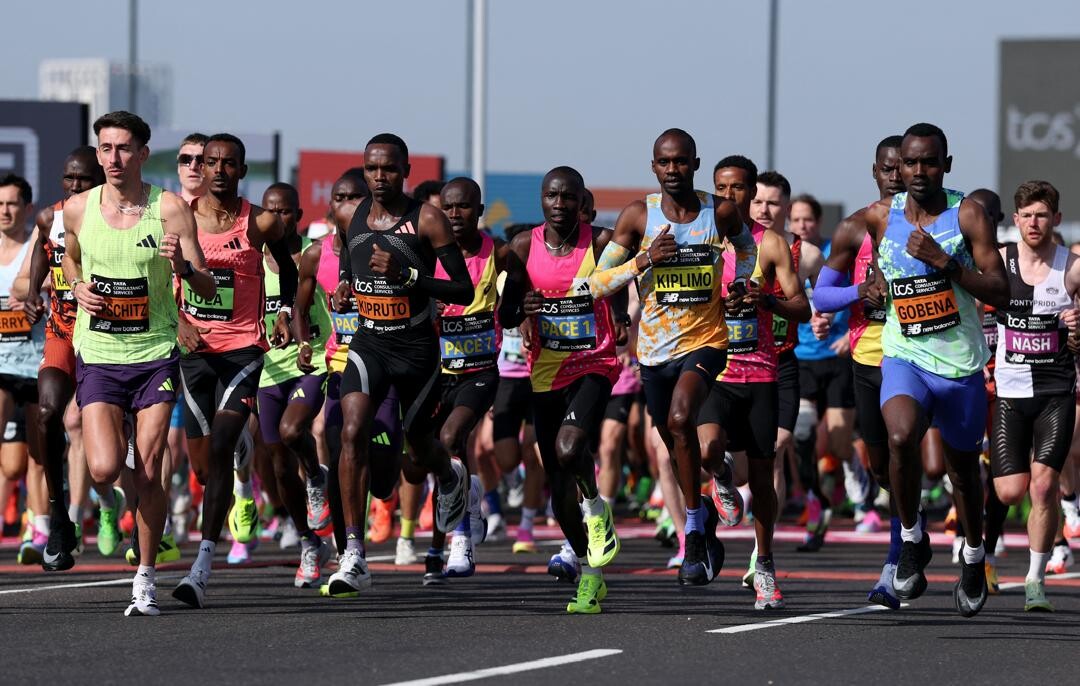
What made this performance even more remarkable was the manner in which it was achieved. The pace never wavered, the rhythm never broke, and the intensity never dropped. Every split reflected surgical precision, as the lead pack worked in perfect harmony before Sawe unleashed his decisive surge in the closing stages. It was a masterclass in controlled aggression—where endurance met absolute mental strength on the grandest stage.
Beyond the numbers and records, this race will be remembered for the statement it sends to the rest of the world: that marathon running has officially entered a new dimension. What was once considered untouchable is now history, rewritten in bold ink. Sawe’s triumph, alongside the extraordinary performances of Kejelcha and Kiplimo, has elevated the sport into a new era where limits are not just challenged—but completely erased.
Top 10 Finishers – 2026 TCS London Marathon (Elite Men)
1. Sebastian Sawe – 1:59:30 (World Record)
2. Yomif Kejelcha – 1:59:41 (PB, NR)
3. Jacob Kiplimo – 2:00:28 (PB, NR)
4. Amos Kipruto (Kenya) – 2:01:39 PB
5. Tamirat Tola (Ethiopia) – 2:02:59
6. Deresa Geleta (Ethiopia) – 2:03:23
7. Addisu Gobena (Ethiopia) – 2:05:23
8. Geoffrey Kamworor (Kenya) – 2:05:38
9. Peter Lynch (Ireland) – 2:06:08 NR
10. Mahamed Mahamed (Great Britain) – 2:06:14 PB
This extraordinary race will be remembered as one of the defining moments in the evolution of marathon running, where human endurance and scientific preparation converged to produce something once thought impossible. It was not only about breaking a barrier, but about completely redefining what the sport can deliver at its highest level, inspiring a new generation of athletes to dream beyond established limits.
As the dust settles on this historic achievement, the legacy of this day will endure far beyond the finishing times. Sebastian Sawe and his closest challengers have etched their names into athletics history, proving that greatness is not a destination but a continuous pursuit. The marathon world now stands transformed, with a new standard set and a new era unmistakably underway.
by Erick Cheruiyot for My Best Runs.
Login to leave a comment
TCS London Marathon
Since its inaugural edition on March 29, 1981, the TCS London Marathon has grown into one of the world's most prestigious road races, blending elite competition with an extraordinary charitable legacy. Founded by former Olympic champion and journalist Chris Brasher alongside Welsh athlete John Disley, the event has been staged every year and has been held in the spring annually...
more...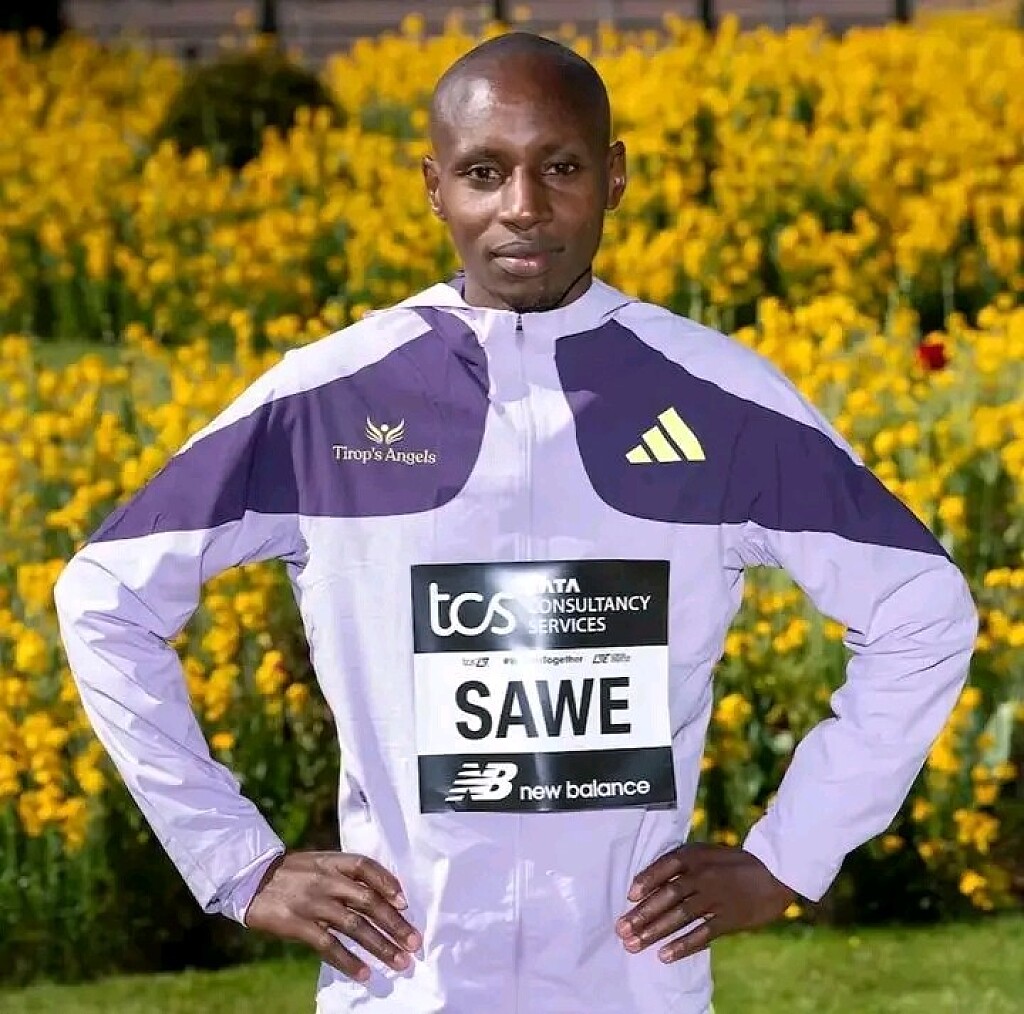
Sawe Braced for Fierce London Test Against World-Class Rivals
Confidence is building around Sabastian Sawe ahead of the 2026 London Marathon, with the Kenyan star making it clear that victory in the British capital will demand something exceptional.
Sawe believes the strength of this year’s field could force the race into historic territory once again.

“I am sure with the quality of athletes coming to London, it will take another fast time to win again,” he said ahead of Sunday’s showdown. “Perhaps the type of effort the great Kelvin Kiptum put in when he set the course record in 2023.”
That benchmark remains one of the defining performances in marathon history. Kiptum’s 2:01:25 course record in London was a masterclass in fearless front-running, and it continues to represent the standard every contender must now measure themselves against.
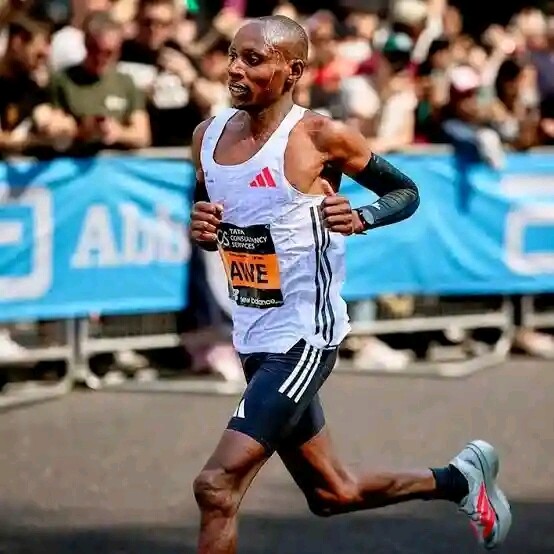
For Sawe, the challenge will be immense—but so will the opportunity.
The Kenyan enters the race as one of the sport’s rising forces, admired for his composure, tactical patience, and devastating finishing strength. Yet London in 2026 offers no room for hesitation, with a world-class field assembled for one of the most anticipated marathons of the season.
Among those standing in his path is Jacob Kiplimo, the Ugandan star whose range and endurance make him a serious threat over the classic distance. Ethiopia’s Yomif Kejelcha also arrives with formidable credentials, while two-time New York City Marathon champion Geoffrey Kamworor brings championship experience and relentless toughness.
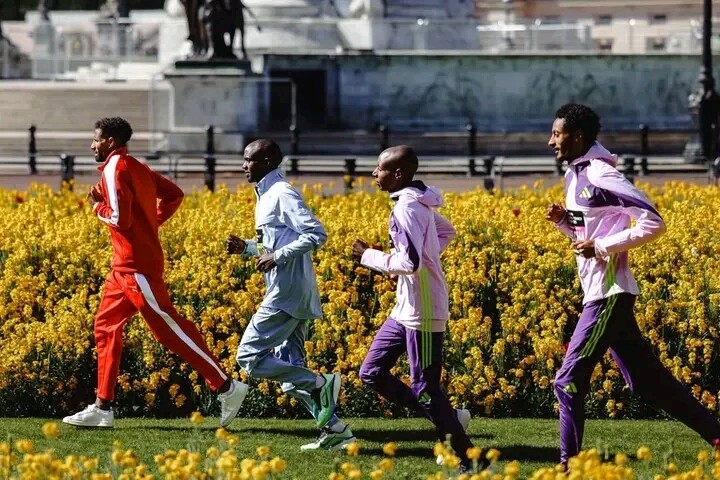
With such names on the start list, the early pace is expected to be uncompromising. London’s flat roads and elite pacemaking have often produced memorable times, and another aggressive race could develop from the opening miles.
The London Marathon will be held on Sunday, April 26, with global attention fixed on the men’s contest. It is a race rich in history, but this year’s edition carries the feel of something more—a collision of generations, ambitions, and raw ability.
For Sawe, lifting the title would be a career-defining achievement. But if the pace ignites and the field commits, London may witness not just a winner, but another performance worthy of the city’s legendary marathon legacy.
by Erick Cheruiyot for My Best Runs.
Login to leave a comment
TCS London Marathon
Since its inaugural edition on March 29, 1981, the TCS London Marathon has grown into one of the world's most prestigious road races, blending elite competition with an extraordinary charitable legacy. Founded by former Olympic champion and journalist Chris Brasher alongside Welsh athlete John Disley, the event has been staged every year and has been held in the spring annually...
more...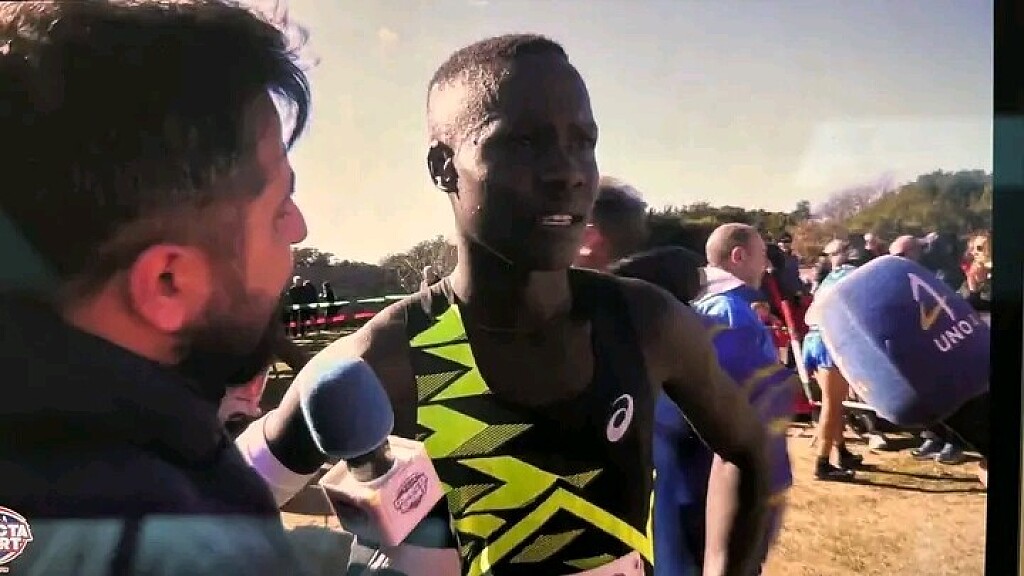
Bengaluru Braces for Fireworks as World-Class Men’s 10K Field Assembles
The stage is set for a thrilling showdown in India as the men’s elite field for the 2026 TCS World 10K Bengaluru promises one of the fiercest road races of the season. With proven speedsters, rising stars, and championship-calibre athletes on the start list, Bengaluru is preparing for a contest where every second could matter.
Scheduled for Sunday, April 26, the race brings together a remarkably deep lineup packed with athletes who have already demonstrated world-class ability over 10 kilometres. Uganda’s Harbert Kibet enters as the fastest man in the field on paper with a personal best of 26:39, placing him among the favourites to challenge for victory.
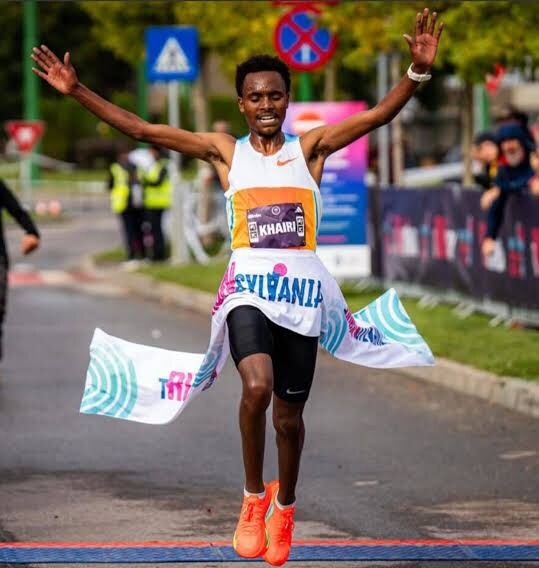
Close behind him are a strong Ethiopian contingent led by Khairi Bejiga (26:51), Gemechu Dida (26:54), and Tadesse Worku (26:56), each capable of dictating the pace and turning the race into a high-speed battle from the gun. Burundi’s Rodrigue Kwizera, also credited with 26:54, adds another dangerous contender with the strength to upset the favourites.
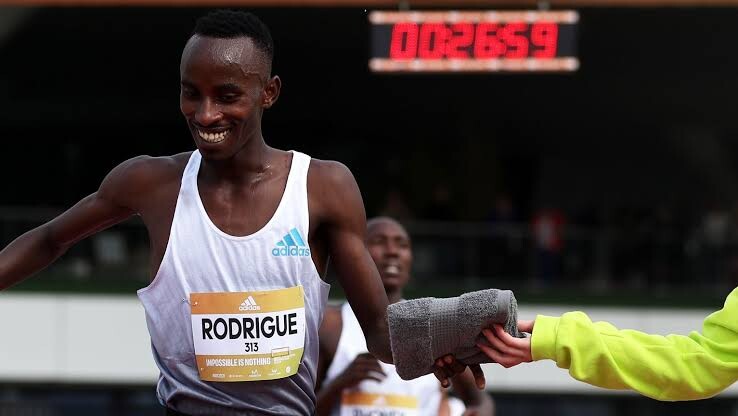
Kenya’s hopes will rest on a talented squad featuring Vincent Kipkorir (27:08), Victor Kipruto (27:10), Vincent Kimaiyo (27:20), and Gilbert Kiprotich, who is set to make his debut. Kenya’s reputation in road racing ensures they can never be overlooked, particularly in tactical races where patience and timing often decide the winner.
Further depth comes from Eritrea’s Saymon Amanuel (27:10), Spain’s Abdessamad Oukhelfen (27:44), and Tanzania’s Gabriel Geay (27:49), whose experience over longer distances could prove valuable if conditions become demanding.
What makes this year’s edition especially intriguing is not just the presence of one standout favourite, but the sheer number of athletes capable of winning. With multiple runners owning sub-27-minute credentials and many others hovering close behind, the race could quickly become a relentless test of pace, endurance, and nerve.
Bengaluru has built a reputation for attracting elite international talent, and the 2026 men’s field only strengthens that legacy. The city’s vibrant atmosphere, passionate crowds, and fast course create the perfect setting for another memorable chapter in the event’s history.
When the gun fires, predictions may count for little. In a field this strong, medals, prize money, and bragging rights will be earned the hard way.
One city. One distance. Endless possibilities.
by Erick Cheruiyot for My Best Runs.
Login to leave a comment

TCS WORLD 10K BENGALURU
The TCS World 10k Bengaluru has always excelled in ways beyond running. It has opened new doors for people to reach out to the less privileged of the society and encourages them to do their bit. The TCS World 10K event is the world’s richest 10 Km run and has seen participation from top elite athletes in the world. ...
more...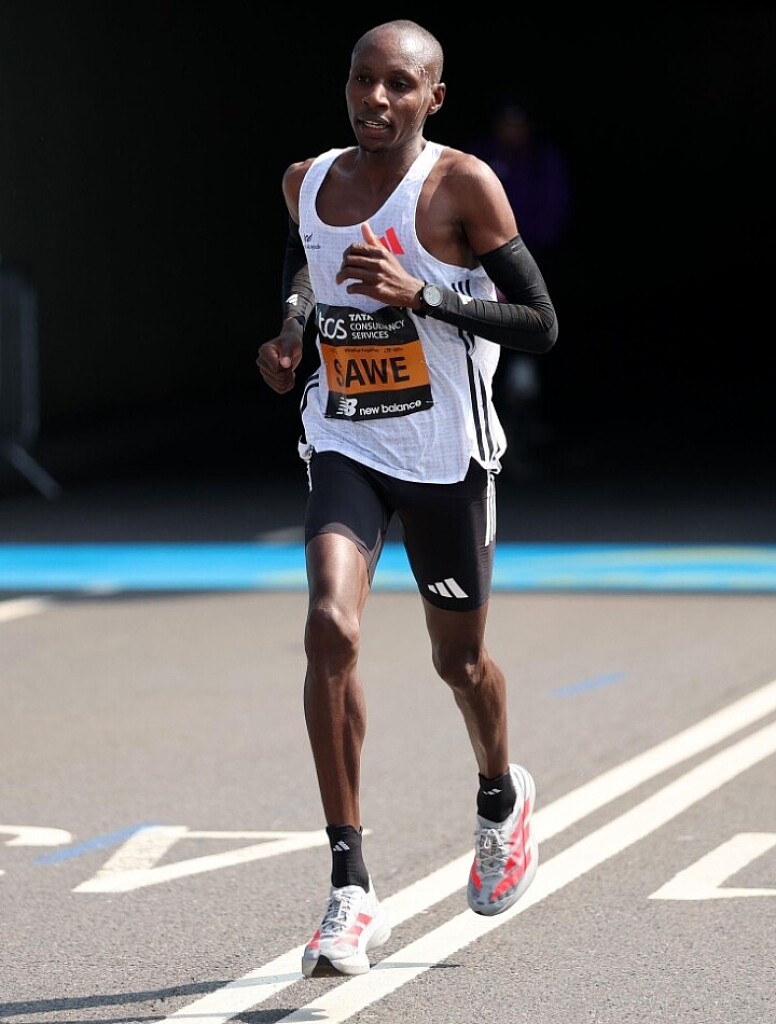
London Beckons: A Marathon of Giants Set to Ignite the Capital
The roads of London are once again preparing to host one of the most anticipated races on the global calendar, as the London Marathon 2026 assembles a men’s elite field of rare depth and quality. On Sunday, April 26, the world’s finest distance runners will converge on the British capital, chasing not only victory but a place in marathon history.
At the center of attention stands Sebastian Sawe, the defending champion whose commanding 2:02:05 personal best marks him as the man to beat. Sawe’s blend of composure and finishing power has already proven decisive on these streets, but this year’s contest promises to push him deeper than ever before.
Lining up against him is a formidable cast. Jacob Kiplimo, better known for his dominance over shorter road distances and cross country, brings a dangerous mix of speed and endurance. His 2:02:23 credentials suggest he is more than ready to challenge for the win if the race turns tactical—or brutally fast.
Ethiopia’s charge is equally imposing. Deresa Geleta and Olympic champion Tamirat Tola headline a contingent rich in pedigree, while Yomif Kejelcha adds intrigue with his much-anticipated marathon debut—an unknown factor capable of reshaping the race entirely.
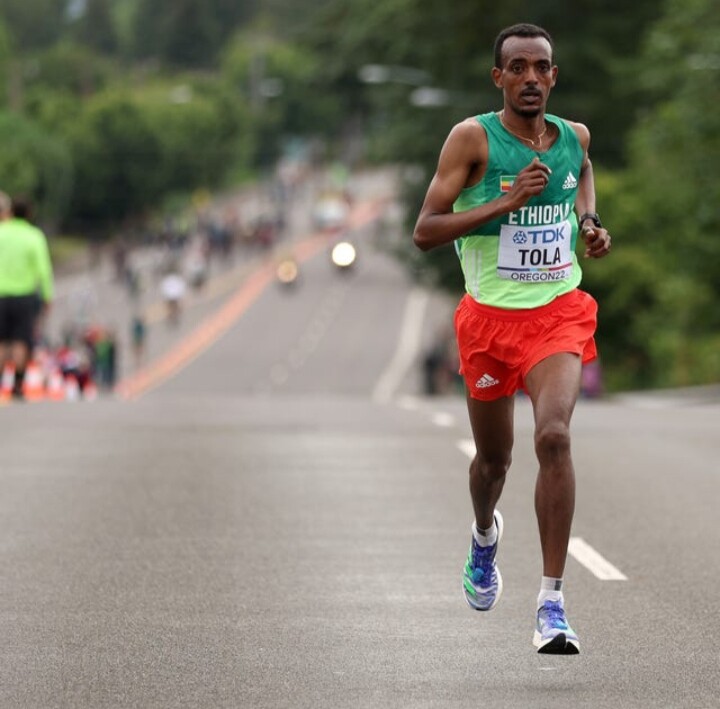
Kenya’s depth remains undeniable. Alongside Sawe are seasoned names like Amos Kipruto and the ever-consistent Geoffrey Kamworor, both of whom possess the experience and resilience required to thrive over 42.195 kilometers. Meanwhile, Uganda’s Joshua Cheptegei continues his transition to the marathon stage, carrying the weight of his track legacy into the ultimate endurance test.
The international flavor extends further, with Japan’s Shunya Kikuchi, France’s Hassan Chahdi, and South Africa’s Adam Lipschitz all aiming to disrupt the established order.
However, the home crowd has been dealt a blow. British hopeful Emile Cairess has been forced to withdraw due to a calf injury, removing a key figure who many believed could spearhead a domestic challenge. His absence shifts the spotlight away from local contention and further intensifies the East African dominance expected at the front.
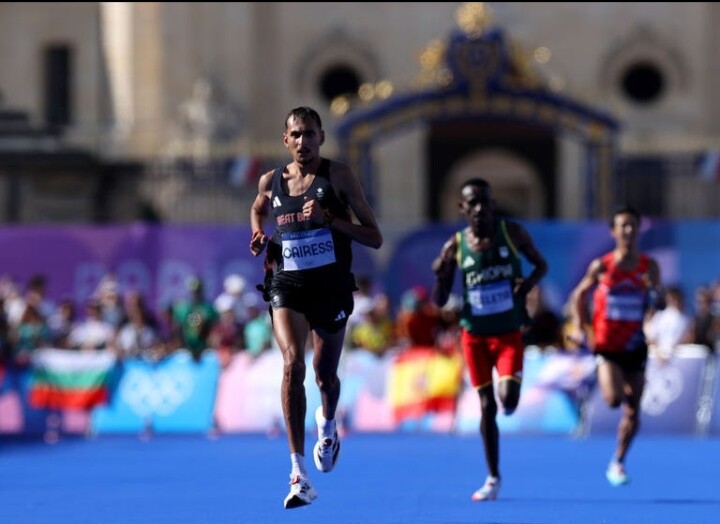
Yet marathons are rarely predictable. The rhythm of the race, the pacing strategies, and the unforgiving demands of the distance often rewrite expectations. What appears stacked on paper can unravel over the final miles along the Thames.
With the race set to begin in the morning hours, anticipation continues to build. Records may be threatened, debuts could dazzle, and champions will be tested to their limits.
In a field this deep, victory will not simply be earned—it will be wrestled from one of the most competitive line-ups the marathon world has seen in recent years.
by Erick Cheruiyot for My Best Runs.
Login to leave a comment
TCS London Marathon
Since its inaugural edition on March 29, 1981, the TCS London Marathon has grown into one of the world's most prestigious road races, blending elite competition with an extraordinary charitable legacy. Founded by former Olympic champion and journalist Chris Brasher alongside Welsh athlete John Disley, the event has been staged every year and has been held in the spring annually...
more...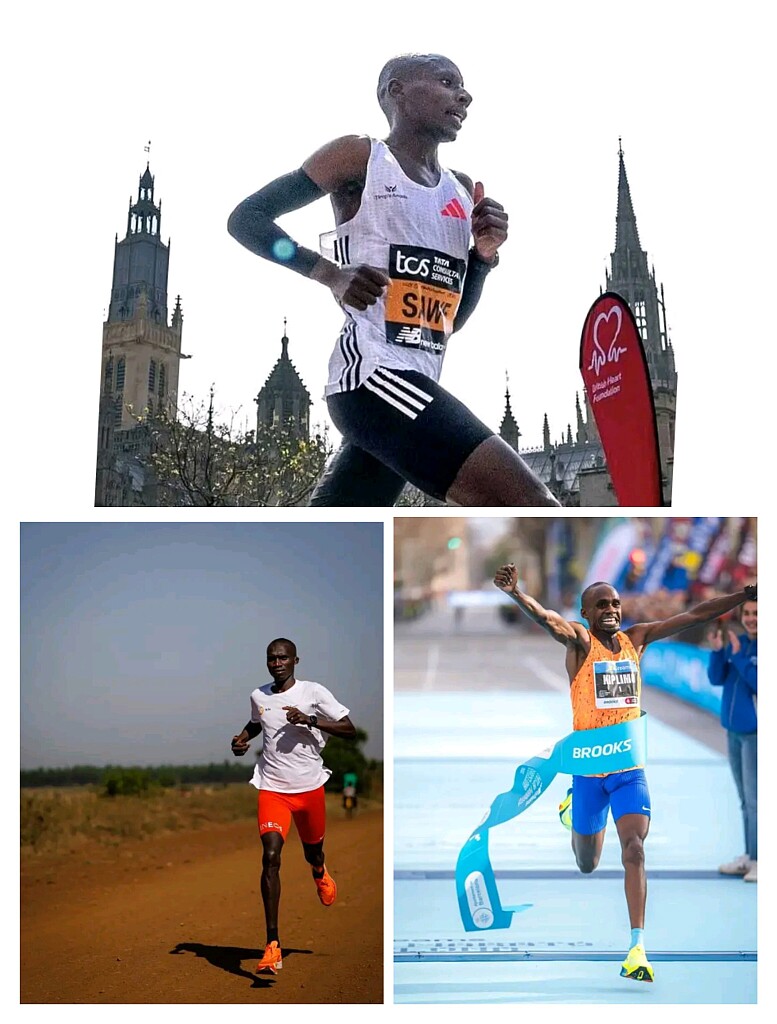
London Marathon 2026: Record Pace, Relentless Rivals, and a Race on the Brink of History
The countdown to the London Marathon on April 26, 2026, carries a rare sense of anticipation—one built not just on elite competition, but on the genuine possibility of history being rewritten. At the heart of it all stands the late Kelvin Kiptum’s extraordinary course record of 2:01:25, a mark that redefined the limits of marathon running and now faces a formidable, collective assault.
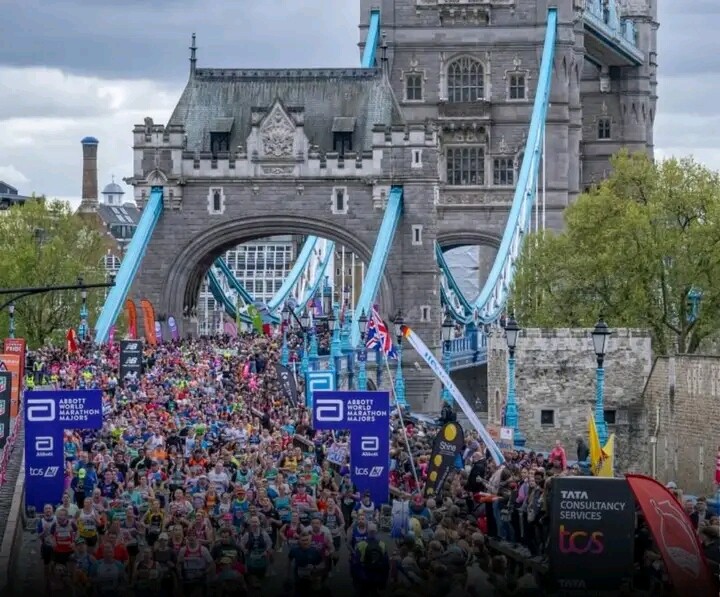
This year’s race brings together a field of exceptional depth and ambition, where three of the sport’s most dynamic figures—Sabastian Sawe, Jacob Kiplimo, and Joshua Cheptegei—headline a cast capable of turning pace into legend.
Sawe returns as the defending champion and the man everyone is chasing. His dominant victory in 2025, delivered in 2:02:27—the second-fastest time in London Marathon history—announced his arrival as a true force over 42.195 kilometres. Yet, even he recognises the scale of the challenge ahead. Against such a stacked field, victory alone may not suffice; it could take something far greater, perhaps even a course record, to secure back-to-back triumphs.
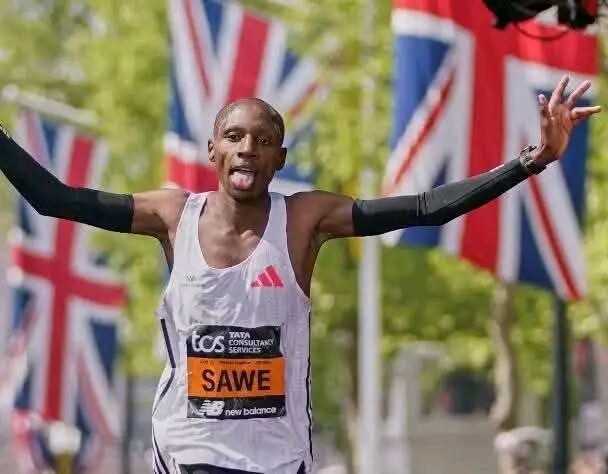
Pushing him every step of the way will be Kiplimo, whose evolution into the marathon continues to gather momentum. After an outstanding runner-up finish on his London debut, he has since refined his endurance and sharpened his edge, lowering his personal best to 2:02:23. Now, he returns not merely as a contender, but as an athlete with unfinished business—one determined to convert promise into dominance.
Then there is Cheptegei, the world record holder over 5,000m and 10,000m, whose transition to the marathon is steadily taking shape. With a personal best of 2:04:52 recorded in Amsterdam, the Ugandan star arrives in London with growing confidence and a clear objective: to translate his track supremacy into marathon greatness on one of the sport’s grandest stages.
Beyond this leading trio, the race is further elevated by the presence of Olympic champion Tamirat Tola and the immensely talented Yomif Kejelcha, ensuring that the pace will be honest, the pressure unrelenting, and the margin for error almost nonexistent.

What makes this edition truly compelling, however, is the delicate alignment of conditions required for greatness. London’s flat and fast course has long been a theatre for remarkable performances, but records are never guaranteed. Weather, pacing, and race dynamics must converge perfectly. Go out too aggressively, and the final miles can unravel even the strongest; hesitate, and the opportunity for history slips away.
Yet, if the rhythm is right and the courage to push the limits prevails, Kiptum’s towering mark may finally come under serious threat. The ingredients are all in place: a world-class field, fearless competitors, and a shared understanding that this is more than a race—it is a moment.
As the streets of London prepare to host another spectacle, one question echoes louder than ever:
Will April 26 deliver a champion—or a performance that redefines what is humanly possible?
by Erick Cheruiyot for My Best Runs.
Login to leave a comment
TCS London Marathon
Since its inaugural edition on March 29, 1981, the TCS London Marathon has grown into one of the world's most prestigious road races, blending elite competition with an extraordinary charitable legacy. Founded by former Olympic champion and journalist Chris Brasher alongside Welsh athlete John Disley, the event has been staged every year and has been held in the spring annually...
more...