

Running News Daily
Running News Daily is edited by Bob Anderson and team. Send your news items to bob@mybestruns.com Advertising opportunities available.
Index to Daily Posts · Sign Up For Updates · Run The World Feed
Articles tagged #Portugal
Today's Running News
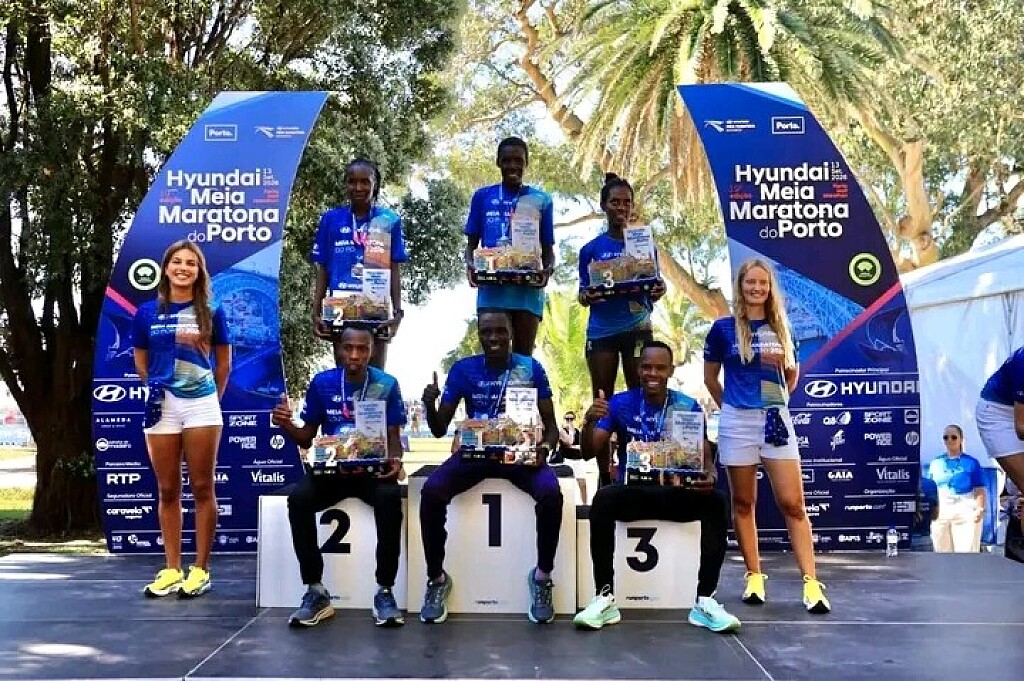


Owen Korir And Naomi Chepngeno Crowned Champions At Porto Half Marathon
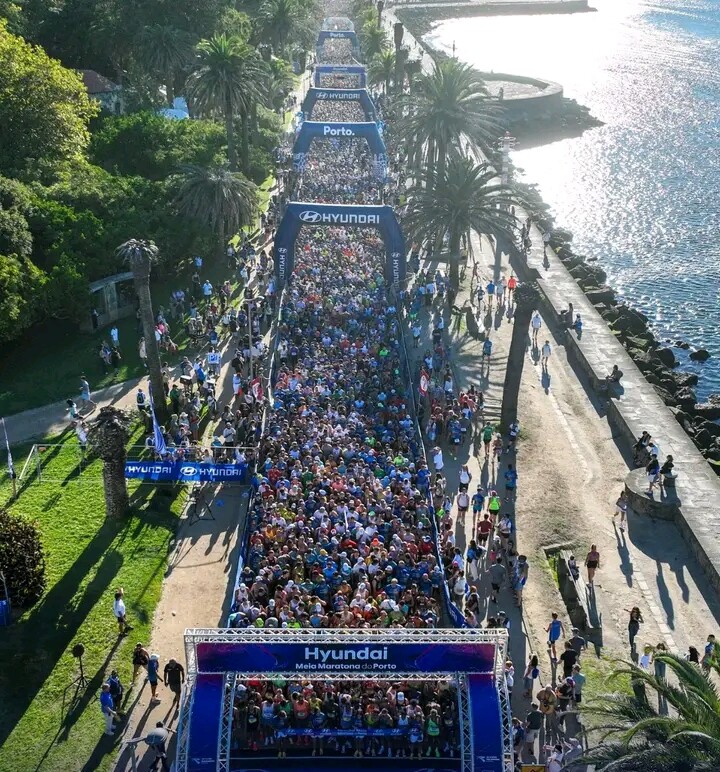
Kenyan distance runners produced a commanding performance at the 2026 Hyundai Meia Maratona do Porto in Portugal, taking all three men’s podium places and securing a one-two finish in the women’s race. The 21-kilometre contest combined speed, endurance and excitement, with athletes battling through the streets of Porto and Gaia before a memorable finish beside the Douro River.
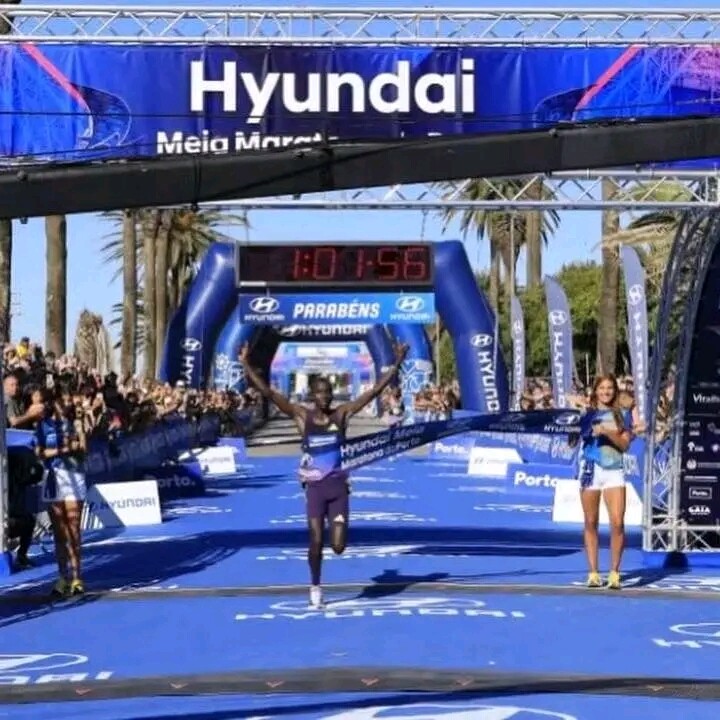
Owen Korir Kapkama claimed the men’s title in 1:01:58, delivering a polished performance to lead the field across the finish line. His compatriot Cyrus Kipkemoi Kimayo mounted a strong challenge and finished only five seconds behind, stopping the clock at 1:02:03 to take second place.
The battle for third also remained firmly in Kenyan hands, with Timothy Kibet Misoi completing the podium in 1:03:22. His result confirmed Kenya’s complete control of the men’s top three, as the country’s runners combined tactical discipline with the sustained pace required over the demanding half-marathon distance.
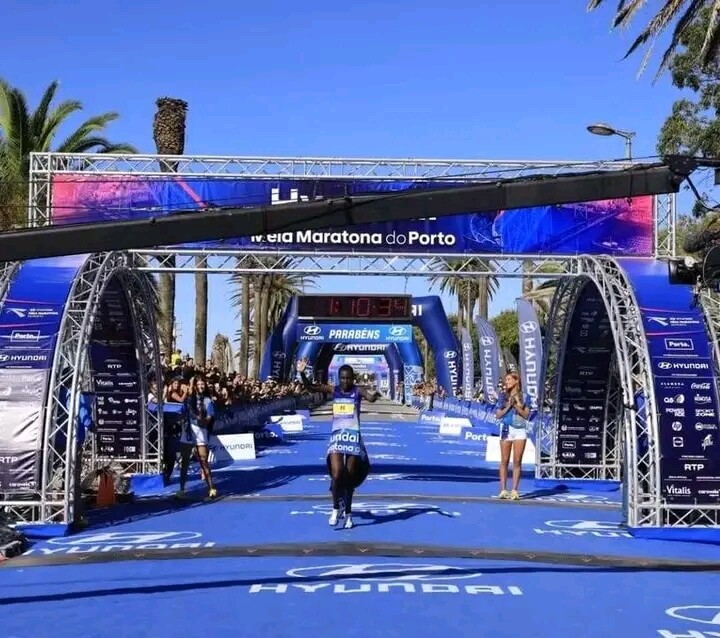
In the women’s race, Naomi Chepngeno delivered a winning performance to secure the title in 1:10:35. She held off fellow Kenyan Margaret Murinjo Monicah, who crossed the line in 1:10:57, finishing just 22 seconds behind the champion.
Hiwot Mehari Beza of Ethiopia claimed third place in 1:12:07, completing a competitive women’s podium and adding an international dimension to an event otherwise dominated by Kenyan athletes.
The race unfolded against a striking Portuguese backdrop, with Porto and Gaia providing a scenic yet demanding stage for the competitors. From the opening kilometres to the final push toward the finish, the athletes brought intensity and determination to a course that rewarded both speed and endurance.
The closing stretch offered a particularly memorable setting, as runners approached the Douro River with the iconic Ponte Luís I serving as a dramatic backdrop. The historic bridge and riverside scenery added a touch of grandeur to the final moments of a race defined by athletic excellence.
Along the route, thousands of spectators gathered to encourage the competitors, creating an energetic atmosphere that carried the runners through the streets. Their cheers, combined with the rhythm of racing feet and the determination of the athletes, helped transform the event into a celebration of running.
The 19th edition of the Hyundai Meia Maratona do Porto concluded with Kenya dominating the men’s podium and securing the top two positions in the women’s race. With its competitive racing, iconic riverside finish and enthusiastic crowds, the event once again showcased the enduring appeal of road running in Porto and Gaia.
by Erick Cheruiyot for My Best Runs.
Login to leave a comment

Porto Half Marathon
Hyundai Porto Half Marathon is an annual race that takes place in Portugal since 2007 and has the honor of hosting thousands of runners from around the world. Alongside the Half Marathon, there is also a Mini Marathon distance of 6 km, with a participation of over 11.000 runners. With breathtaking scenery, always along the riverside of Douro River, with...
more...
Cristian Minoggio Conquers the CCC in Chamonix as 42-Year-Old Italian Claims Career-Best Triumph
Cristian Minoggio produced the biggest victory of his career on Friday, mastering the demanding conditions of the 2026 CCC to claim a remarkable triumph in Chamonix.
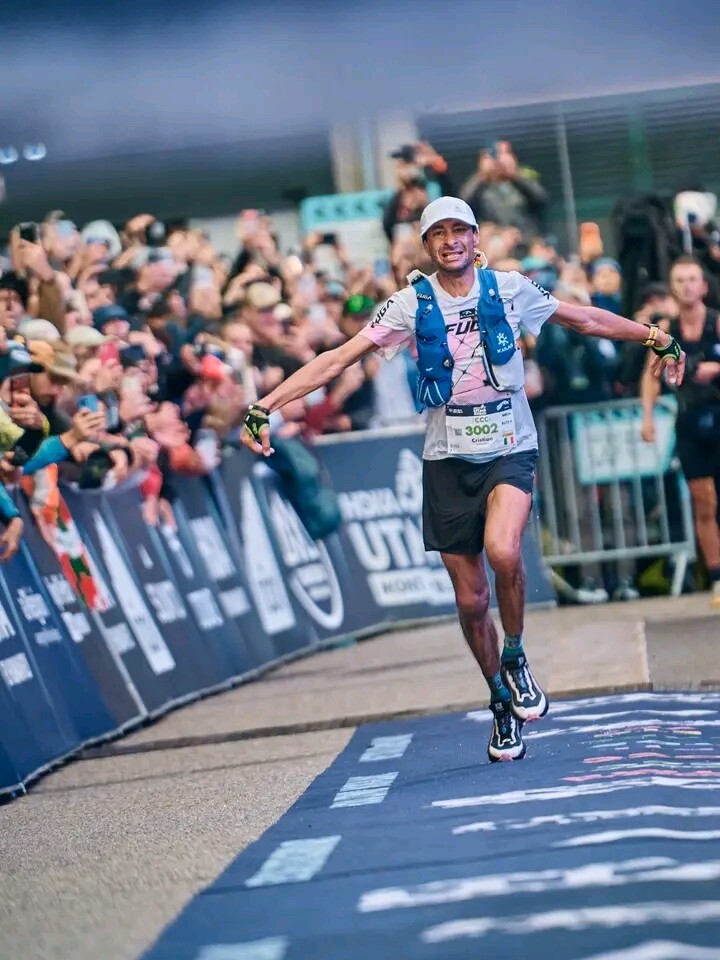
The 42-year-old Italian crossed the finish line in 10:21:48, completing the revised 107-kilometre course in a race reshaped by severe storms that forced organisers to remove the final major climb towards La Flégère.
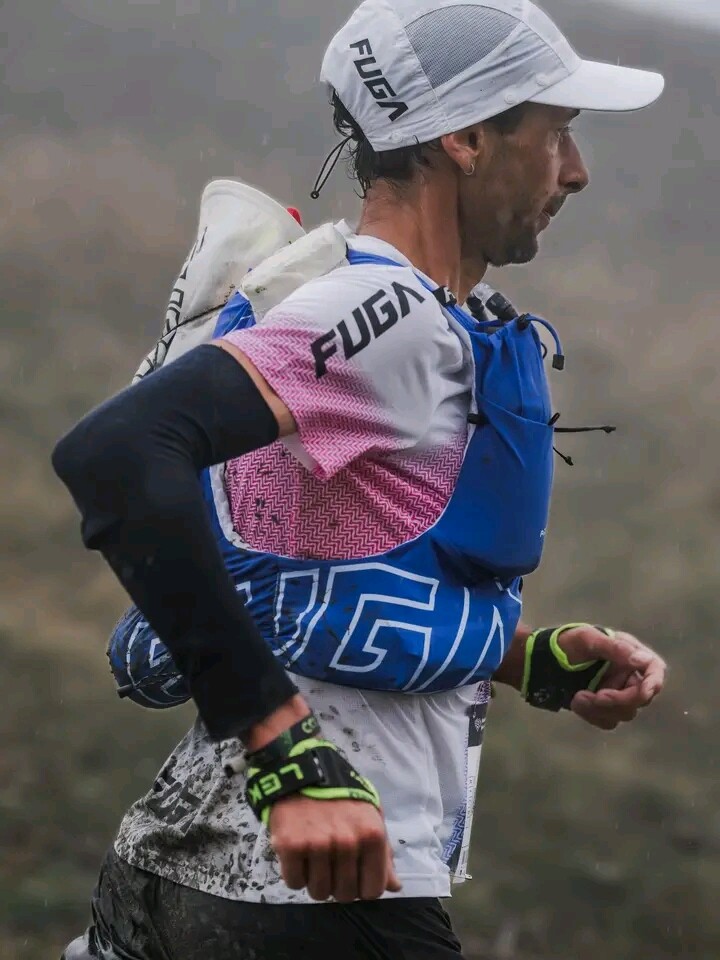
Minoggio made his decisive move on the climb towards Trient, roughly 80 kilometres into the shortened route. While others began to fade under the relentless demands of the course, the experienced Italian found another gear and gradually established the advantage that would ultimately carry him to victory.
For much of the middle stages, American Hans Troyer controlled the race from the front, but the closing kilometres brought a dramatic change. Portugal’s Miguel Arsenio surged late to overtake Troyer and secure second place in 10:27:25, while Troyer fought his way to the final podium position in 10:33:29.
For Minoggio, however, the day belonged entirely to him.
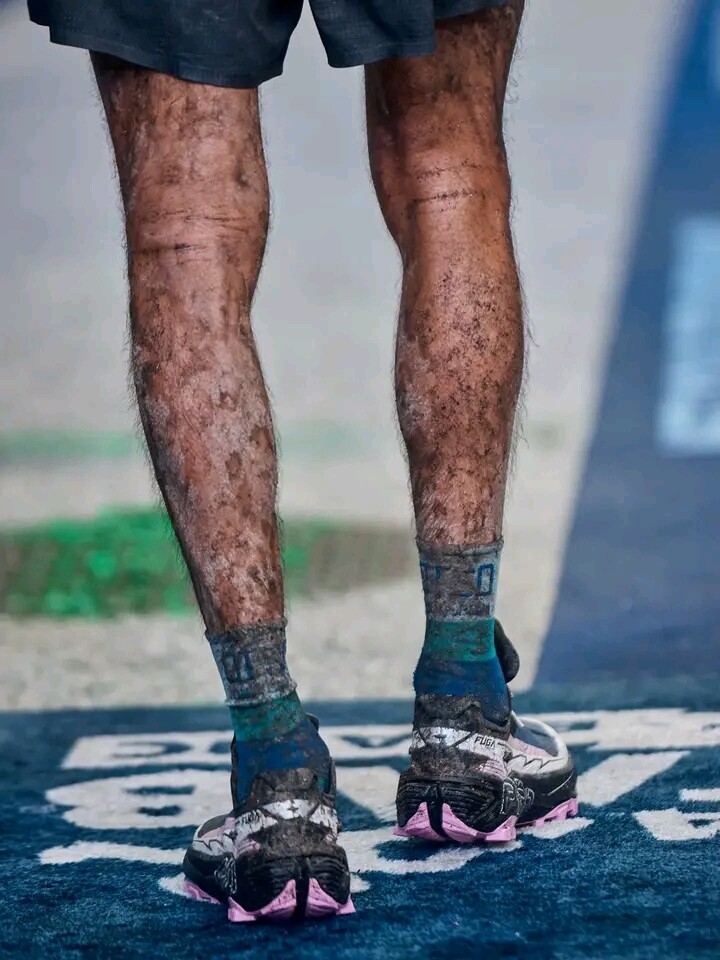
A runner with a strong Ultra SkyMarathon background, the Italian had already demonstrated his ability to compete at the highest level of mountain ultra-running. He finished second at the OCC last year, but the CCC victory in Chamonix represented a defining moment in his career.
His arrival at the finish carried the emotion of a dream finally realised. Mud-splattered after hours on the mountain, Minoggio crossed the line visibly overwhelmed by what he had accomplished. He removed his cap and, in a deeply symbolic gesture, placed it on the head of UTMB co-founder Catherine Poletti, creating one of the most touching scenes of the day.
His victory also came at a remarkable moment in the UTMB week. Minoggio reached the finish just 23 minutes before the delayed start of the UTMB, with thunderstorms having already forced organisers to adjust the schedule and alter the course.
The women's CCC race also produced a familiar champion, as Norway’s Yngvild Kaspersen successfully defended her title, winning in 12:01:14 to claim her second CCC crown.
But Friday belonged to Minoggio — an Italian veteran who combined experience, patience and a perfectly timed attack to turn a brutal, weather-disrupted edition of the CCC into the greatest victory of his career.
At 42, Cristian Minoggio has conquered Chamonix.
by Erick Cheruiyot for My Best Runs.
Login to leave a comment
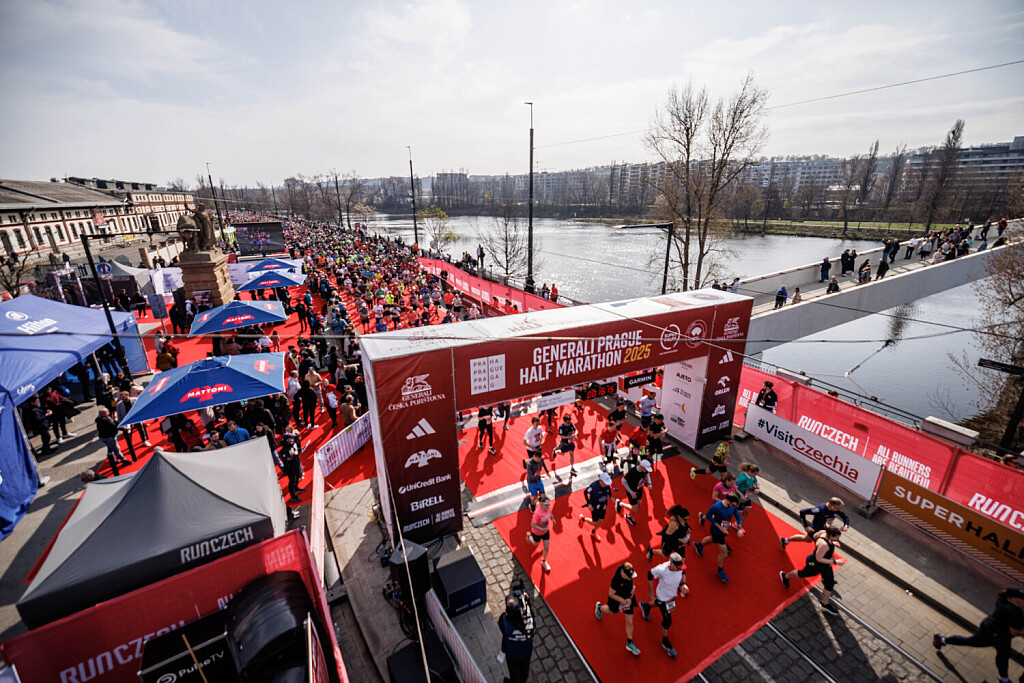
Prague Half Marathon’s First Ballot Draws More Than 70,000 Applications
The Generali Prague Half Marathon has entered a new era of unprecedented demand, with more than 70,000 runners reportedly applying for places in the race’s first-ever ballot for the 2027 edition.
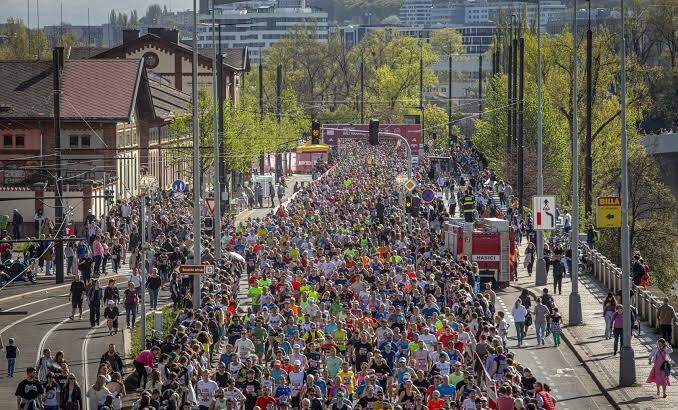
The remarkable response underlines the extraordinary international appeal of one of Europe’s most celebrated half marathons. With the race limited to 17,000 participants, the number of applications means demand exceeded available places by more than four times. RunCzech confirmed that the ballot attracted more than six times the race capacity in applications.
The move to a random draw marks a significant change from the previous registration system. In 2026, the 17,000-place field disappeared within just 2 hours and 23 minutes of registration opening, demonstrating how fiercely contested entry had become. Rather than rewarding those who happened to be quickest online, the new system gives applicants an equal opportunity through a random selection process.
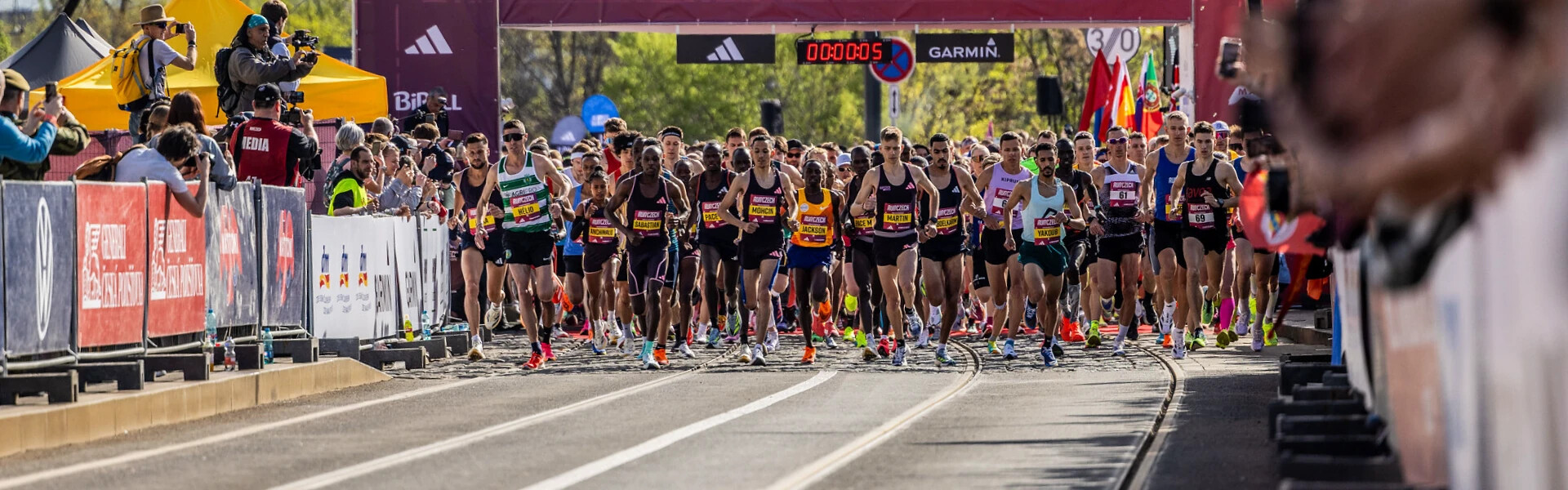
Applications opened on July 21 and closed at midnight heading into August 12, bringing three weeks of intense anticipation to an end. The draw is scheduled to take place this week, with every applicant due to receive the outcome by email no later than August 21. Those fortunate enough to secure a place will then have seven days to complete their registration before any unclaimed entries are returned to the pool.
The scale of the international interest is particularly striking. Applicants came from 161 countries, with 77 per cent of all applications submitted from outside the Czech Republic. The United Kingdom and Germany provided the largest overseas applicant groups, while Spain, Poland, Portugal, Italy and France were also strongly represented. Almost 1,300 applications came from Brazil and more than 700 from the United States.
For runners chasing the prestigious SuperHalfs series, Prague carries even greater significance. The race is one of the six founding members of the European half-marathon series, alongside Berlin, Copenhagen, Lisbon, Valencia and Cardiff, making a place on the start line highly coveted among runners pursuing the full collection. Around 45 per cent of ballot applicants already hold a SuperHalfs passport.
The 27th Generali Prague Half Marathon will take place on Saturday, April 3, 2027, taking runners through the historic heart of the Czech capital. The event also holds World Athletics Elite Label status, reinforcing its reputation not only as a mass-participation spectacular but also as a race capable of attracting world-class athletes and producing elite performances.
The huge ballot has transformed the meaning of simply getting to the start line in Prague. For thousands of runners, preparation has already begun, but their next step is not a training session or a race-plan decision—it is an email. This time, the fastest internet connection cannot guarantee a place; chance will decide who gets to experience the roar of the crowds, the historic streets and the unmistakable atmosphere of Prague at 21.1 kilometres.
The first ballot has therefore delivered a message that is impossible to ignore: Prague is no longer merely a race runners want to run—it is a race runners are competing to enter. With more than 70,000 applications chasing 17,000 places, the 2027 edition is already shaping up to be one of the most sought-after starts on the European road-racing calendar.
by Erick Cheruiyot for My Best Runs.
Login to leave a comment

Prague Half Marathon
Start the RunCzech season with one of the biggest running events in the Central Europe! Every year the Sportisimo Prague Half Marathon excites spectators with performances of elite athletes breaking records. Enjoy a course with incomparable scenery in the heart of historic Prague that follows along the Vltava river and crisscrosses five beautiful bridges. Take in majestic views of the...
more...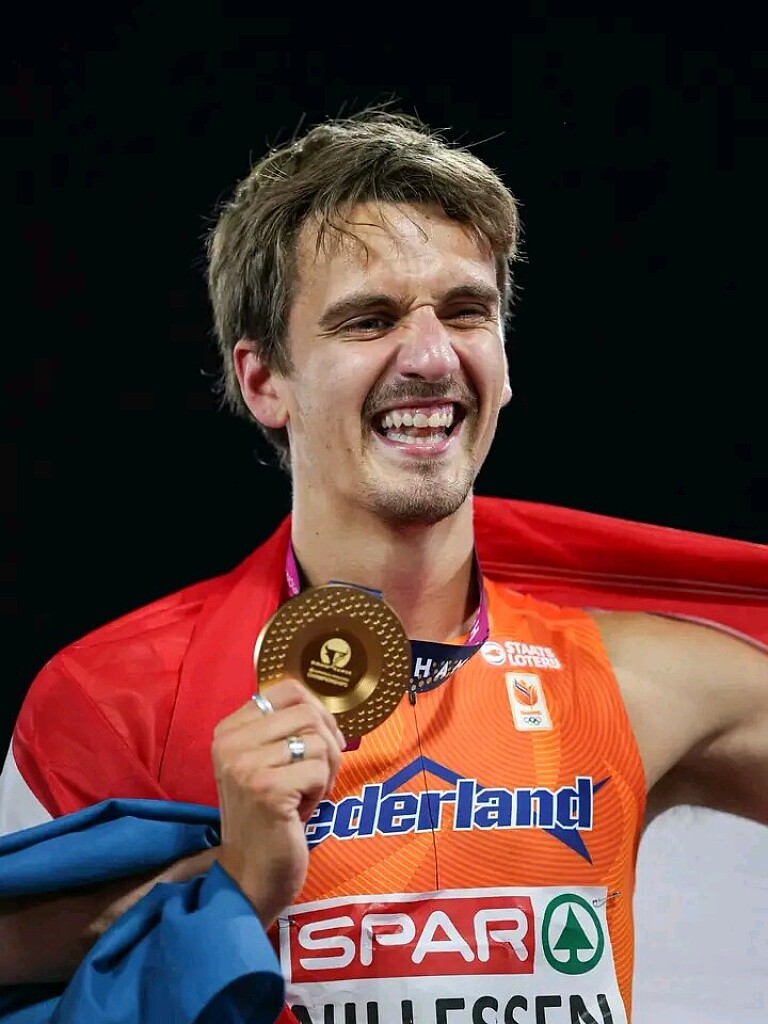
Stefan Nillessen Produces Blistering Finish to Win European 1500m Gold in Birmingham
Stefan Nillessen has been crowned European champion in the men’s 1500m after producing a sensational finishing burst to win a thrilling final at the 2026 European Athletics Championships in Birmingham.
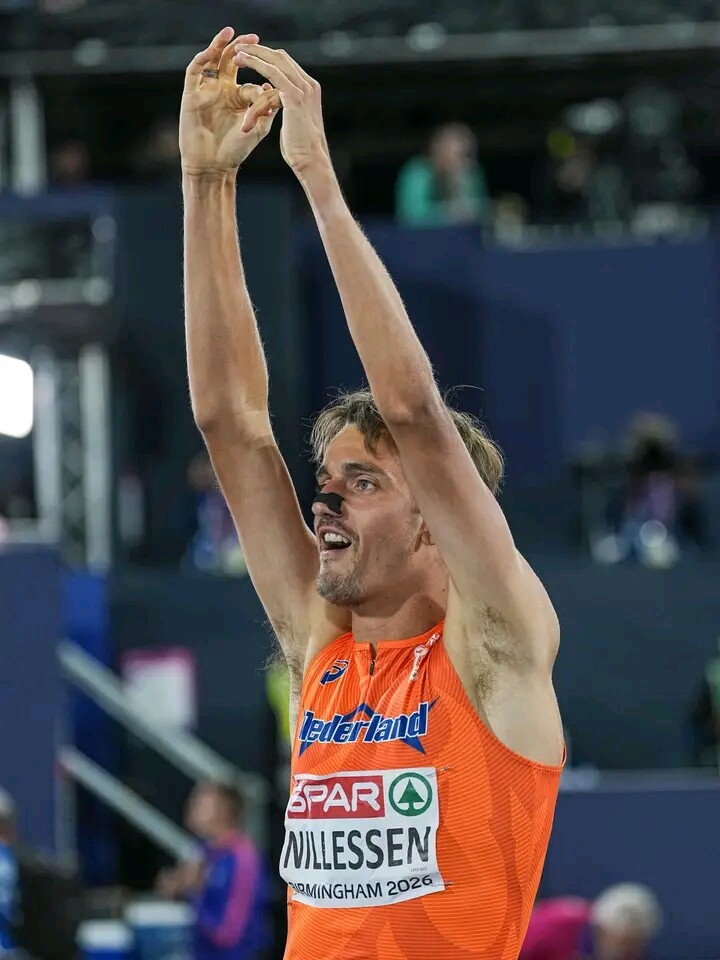
The Dutchman timed his decisive move to perfection, unleashing a blistering final 100 metres in approximately 12.6 seconds to stop the clock at 3:35.70 and claim the European title in spectacular fashion.
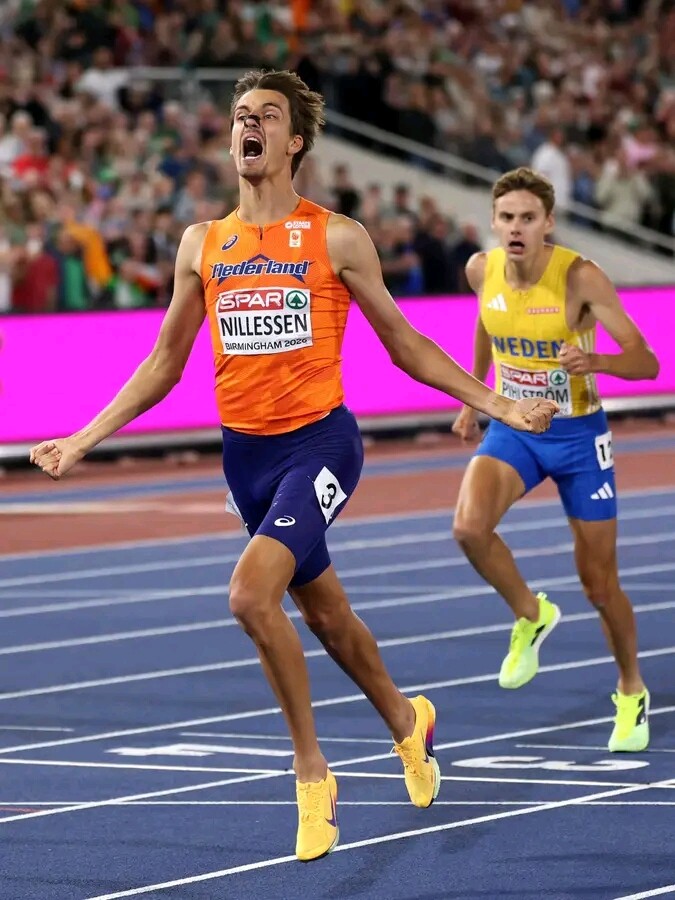
The race appeared to be leaning towards the home favourites as Jake Heyward and Jake Wightman led the field into the final 200 metres. But as the pace intensified and the medals came into view, Nillessen produced a devastating change of speed that carried him past the leading contenders and into gold-medal position.
Nillessen’s finishing kick proved too strong for the chasing pack. He powered down the home straight and opened enough of a gap to secure his first European 1500m title, turning what had been a closely packed tactical contest into a memorable individual triumph.
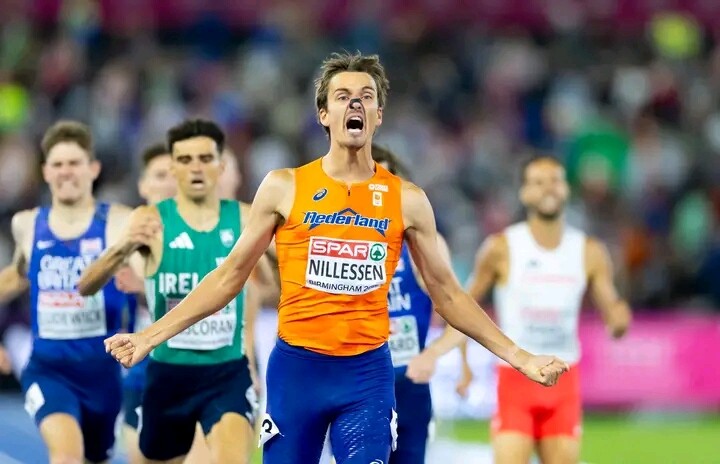
Behind him, Samuel Pihlström of Sweden produced a strong final sprint of his own to take the silver medal in 3:36.16, while Ireland’s Andrew Coscoran held on for bronze in 3:36.24. Just 0.08 seconds separated the two athletes, highlighting the extraordinary closeness of the battle for the remaining podium places.
Heyward, who had helped shape the race at the front in the closing stages, ultimately finished fourth in 3:36.40, with fellow Briton Arlo Ludewick fifth in 3:36.65. Wightman, another of the athletes at the sharp end with 200 metres remaining, crossed the line sixth in 3:37.18.
Norway’s Narve Gilje Nordås finished seventh in 3:37.31, followed by France’s Romain Mornet in 3:37.37 and Germany’s Robert Farken in 3:37.49. France’s Azeddine Habz was 10th in 3:37.61, while Italy’s Pietro Arese finished 11th in 3:38.15.
The biggest disappointment of the final was reigning world champion Isaac Nader of Portugal. One of the leading names in the field before the race, Nader struggled to respond to the repeated tactical changes and eventually finished 12th in 3:39.69.
For Nillessen, however, Birmingham delivered a defining championship moment. With the race still wide open entering the final 200 metres, he remained composed before unleashing the fastest closing burst of the field. His 12.6-second final 100m was the difference between a podium finish and European gold.
Men’s 1500m Final — Results
1. Stefan Nillessen (NED) — 3:35.70
2. Samuel Pihlström (SWE) — 3:36.16
3. Andrew Coscoran (IRL) — 3:36.24
4. Jake Heyward (GBR) — 3:36.40
5. Arlo Ludewick (GBR) — 3:36.65
6. Jake Wightman (GBR) — 3:37.18
7. Narve Gilje Nordås (NOR) — 3:37.31
8. Romain Mornet (FRA) — 3:37.37
9. Robert Farken (GER) — 3:37.49
10. Azeddine Habz (FRA) — 3:37.61
11. Pietro Arese (ITA) — 3:38.15
12. Isaac Nader (POR) — 3:39.69
The final showcased everything that makes championship 1500m racing so compelling: tactical positioning, changing momentum, a dramatic final lap and a decisive sprint for the medals. In the end, it was Nillessen’s extraordinary finishing speed that settled the contest and placed the Netherlands at the top of the European 1500m podium.
by Erick Cheruiyot for My Best Runs.
Login to leave a comment

European Athletics Champioships
The27thEuropean Athletics Championshipswill be held from 10 to 16 August 2026 at theAlexander StadiuminBirmingham, United Kingdom.[1] This is the first time that a British city will have staged the European Athletics Championships although Birmingham has hosted many high-profile events, including the2007 European Athletics Indoor Championships, the2003and2018 IAAF World Indoor Championshipsand the2022 Commonwealth Games. Alexander Stadium was renovated between 2019 and...
more...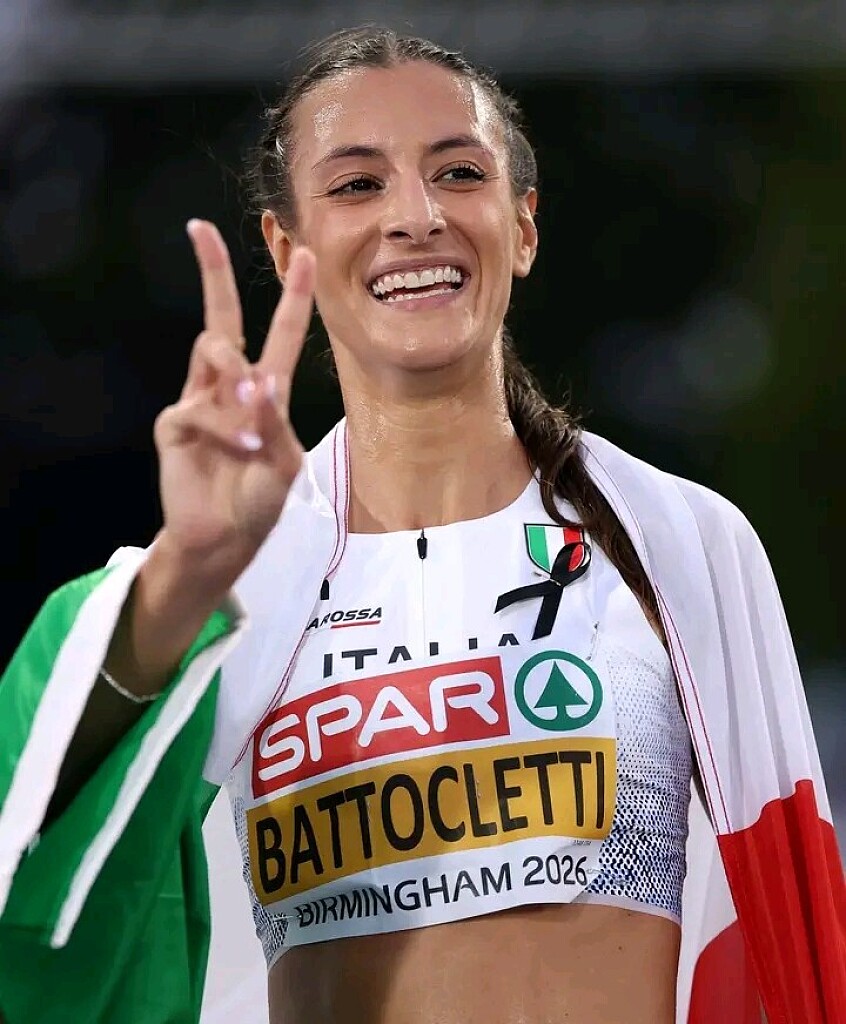
Nadia Battocletti Completes Golden Double to Reign Supreme in European Distance Running
Nadia Battocletti has once again stamped her authority on European distance running, producing a composed and decisive performance to win the women’s 10,000m at the 2026 European Athletics Championships in Birmingham.
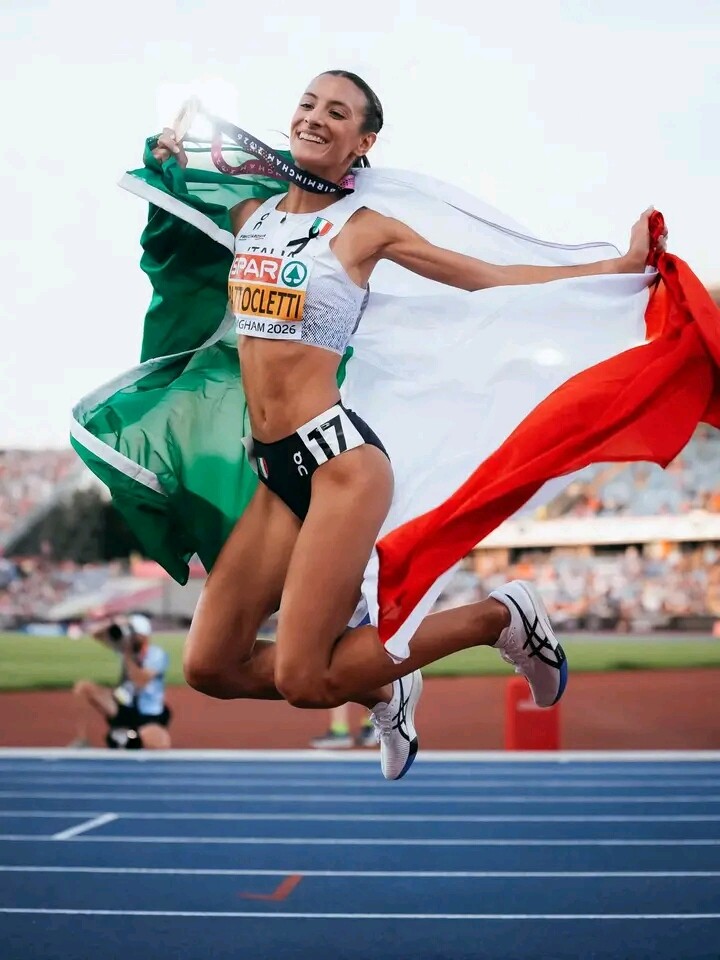
The Italian crossed the line in 31:41.17 to successfully defend her European 10,000m title and complete a remarkable 5000m–10,000m golden double at the championships. Her latest triumph further underlines her status as one of the continent’s outstanding long-distance runners.
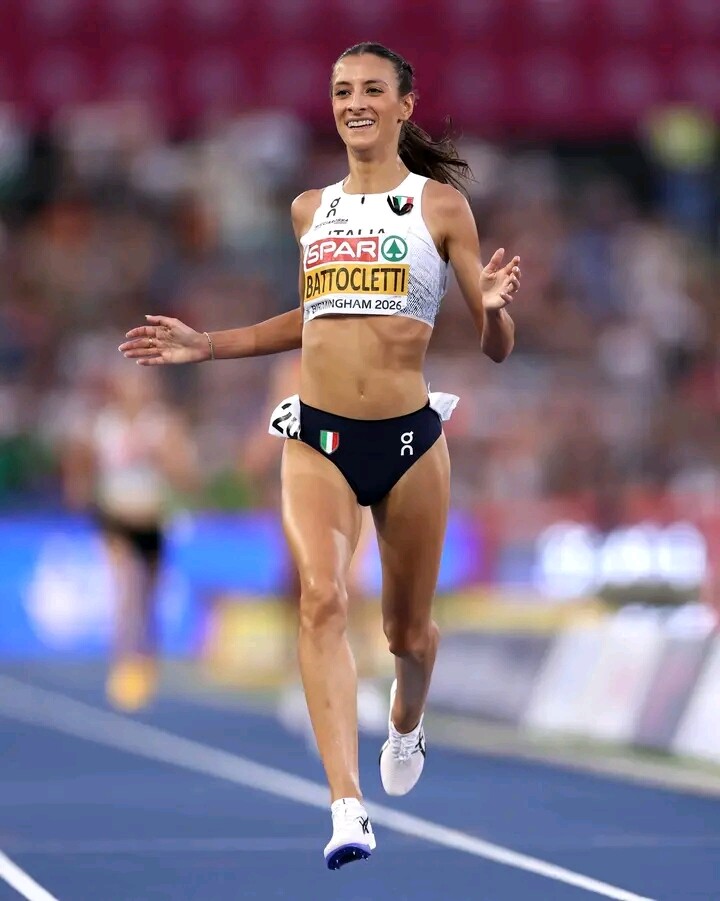
Battocletti had already demonstrated her exceptional class earlier in the championships by retaining the women’s 5000m title. She returned to the Alexander Stadium with another major challenge ahead, but once again displayed the tactical intelligence, patience and finishing strength that have become hallmarks of her racing.
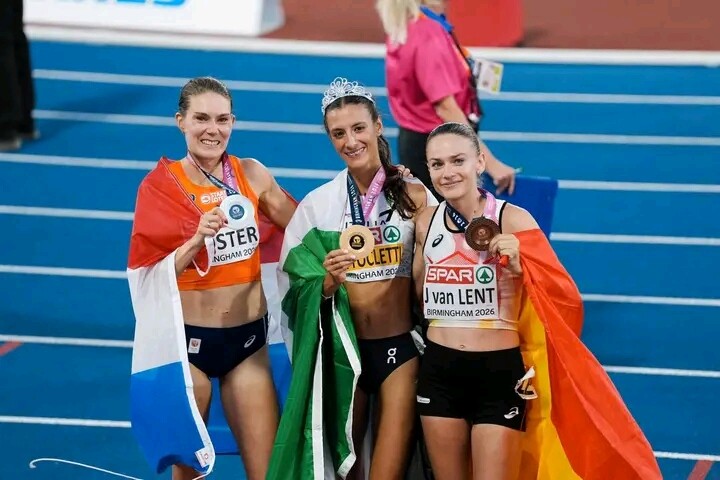
The 10,000m final developed into a fiercely contested battle, with Battocletti having to withstand strong challenges from Maureen Koster of the Netherlands and Belgium’s Jana van Lent. In the decisive stages, however, the Italian found the extra gear required to break clear and secure another European crown.
Koster produced an outstanding performance to take silver in 31:45.76, while Van Lent completed the podium with bronze in 31:47.81.
Spain’s Idaira Prieto was fourth in an impressive 31:59.84, setting a personal best, while Italy enjoyed further success as Elisa Palmero and Federica del Buono finished fifth and sixth respectively in 32:00.06 and 32:01.42. The result gave Italy an impressive three athletes inside the top six.
Maruša Mišmaš Zrimšek of Slovenia finished seventh in 32:02.57, followed by Great Britain’s Megan Keith in 32:04.81, a season best. Germany’s Lisa Merkel was ninth in 32:09.07, while Belgium’s Lisa Rooms completed the top 10 with a personal-best 32:10.22.
The depth of the final was reflected throughout the field, with Chloé Herbiet of Belgium recording a season best of 32:11.71, Slovenia’s Klara Lukan running a season-best 32:18.16, and several other athletes producing performances around the 32-minute barrier.
For Battocletti, though, the night belonged entirely to her.
Winning one European title is a remarkable achievement. Winning two individual distance titles at the same championships is a statement of extraordinary consistency, endurance and competitive maturity. By completing the 5000m and 10,000m double, Battocletti has reinforced her position at the summit of European distance running and added another defining chapter to her rapidly growing legacy.
Her Birmingham campaign has therefore become more than a collection of medals. It has been a demonstration of control, versatility and championship excellence from an athlete who continues to thrive when the stakes are highest.
Women’s 10,000m final — Birmingham 2026
1. Nadia Battocletti (Italy) — 31:41.17
2. Maureen Koster (Netherlands) — 31:45.76
3. Jana van Lent (Belgium) — 31:47.81
4. Idaira Prieto (Spain) — 31:59.84 PB
5. Elisa Palmero (Italy) — 32:00.06
6. Federica del Buono (Italy) — 32:01.42
7. Maruša Mišmaš Zrimšek (Slovenia) — 32:02.57
8. Megan Keith (Great Britain) — 32:04.81 SB
9. Lisa Merkel (Germany) — 32:09.07
10. Lisa Rooms (Belgium) — 32:10.22 PB
11. Chloé Herbiet (Belgium) — 32:11.71 SB
12. Elzbieta Glinka (Poland) — 32:16.65
13. Klara Lukan (Slovenia) — 32:18.16 SB
14. Mariana Machado (Portugal) — 32:27.09
15. Hanne Mjøen Maridal (Norway) — 32:32.12
16. Izzy Fry (Great Britain) — 32:37.22
17. Anna Marie Nordengen Sirevåg (Norway) — 32:41.21
18. Jennifer Gulikers (Netherlands) — 32:48.71
19. Carla Gallardo (Spain) — 33:02.58
20. Fiona Everard (Ireland) — 33:08.60
21. Alessia Zarbo (France) — 33:13.10
22. Eva Dieterich (Germany) — 33:32.38
23. Poppy Tank (Great Britain) — 34:03.99
Did not finish: Niamh Allen (Ireland), Diane van Es (Netherlands)
Did not start: Ilona Mononen (Finland)
Battocletti’s double is now one of the defining performances of Birmingham 2026 — a golden statement from Italy’s distance-running queen.
by Erick Cheruiyot for My Best Runs.
Login to leave a comment
European Athletics Champioships
The27thEuropean Athletics Championshipswill be held from 10 to 16 August 2026 at theAlexander StadiuminBirmingham, United Kingdom.[1] This is the first time that a British city will have staged the European Athletics Championships although Birmingham has hosted many high-profile events, including the2007 European Athletics Indoor Championships, the2003and2018 IAAF World Indoor Championshipsand the2022 Commonwealth Games. Alexander Stadium was renovated between 2019 and...
more...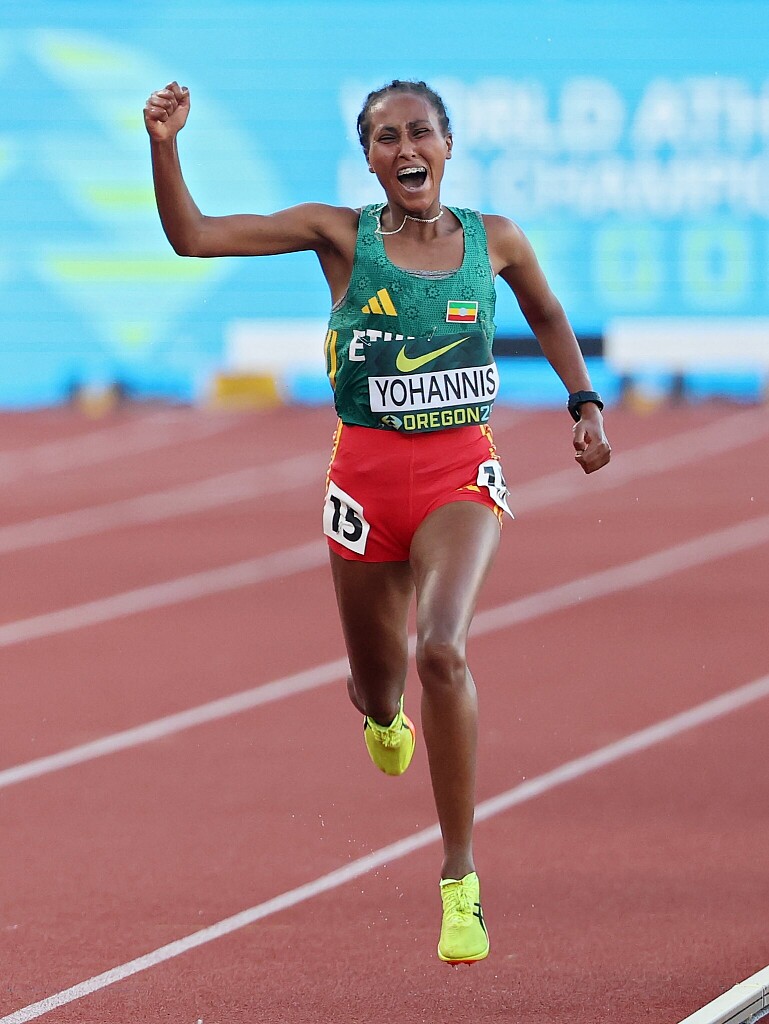
Almaz Yohannis Leads Ethiopian 1-2 in Spectacular World U20 Steeplechase Triumph
Ethiopia produced a spectacular display of emerging talent as Almaz Yohannis was crowned world champion in the women’s 3000m steeplechase at the 2026 World Athletics U20 Championships in Oregon, powering to a commanding victory in 9:15.81.
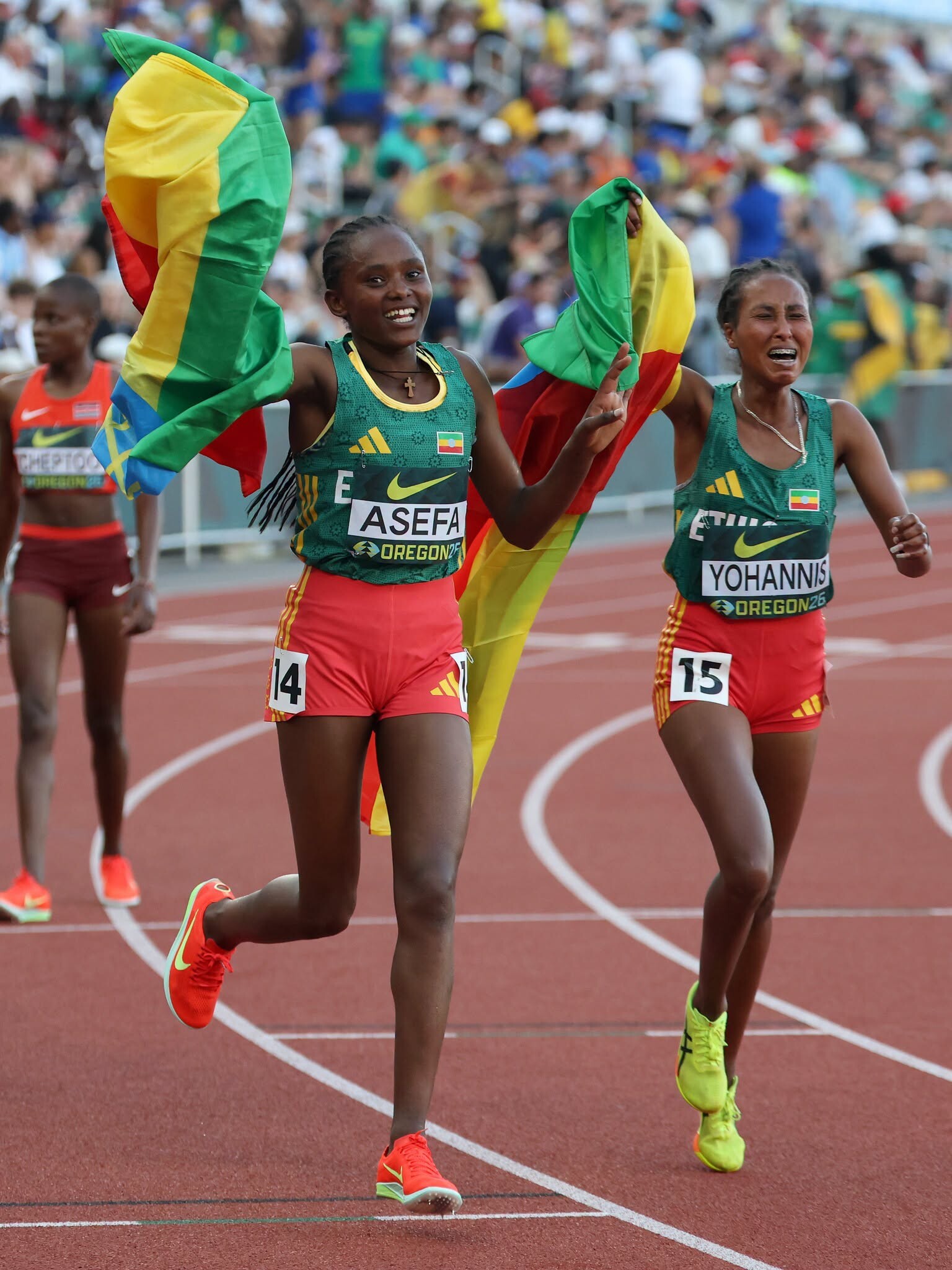
Yohannis delivered a superb performance to secure the gold medal and, in the process, recorded a World U20 Leading time (WU20L), underlining the strength of her performance on the global junior stage.
The young Ethiopian established herself as the athlete to beat, maintaining her composure and strength throughout the demanding eight-lap steeplechase before crossing the finish line well clear of the field. Her winning mark of 9:15.81 provided a fitting reward for a dominant championship performance.
Ethiopia’s celebrations were doubled when Wosane Asefa secured the silver medal in 9:30.50, producing a season’s best (SB) and completing an impressive Ethiopian one-two.
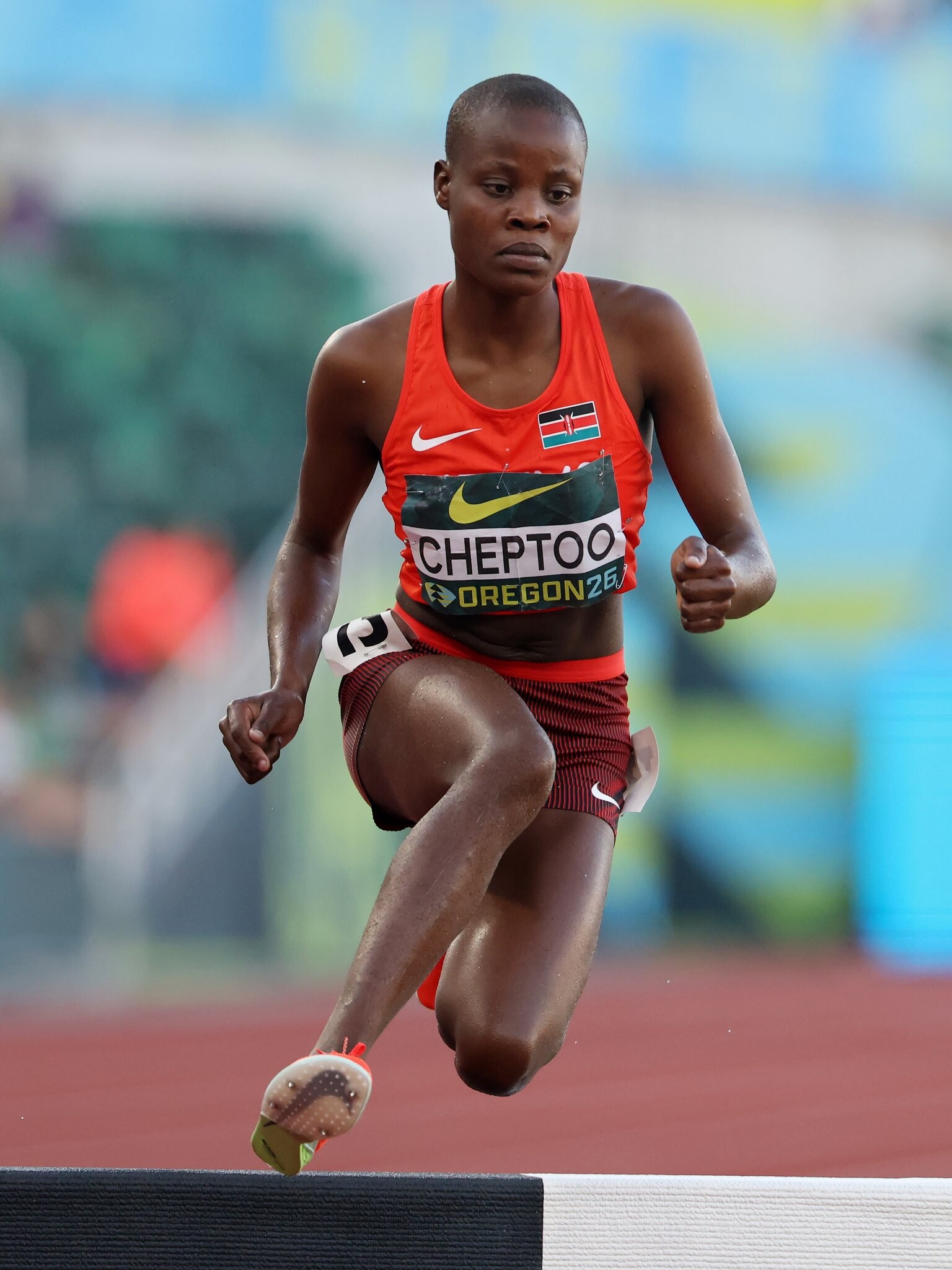
Kenya’s Anatasha Cheptoo ensured there was East African representation on all three steps of the podium, fighting her way to the bronze medal in 9:37.18.
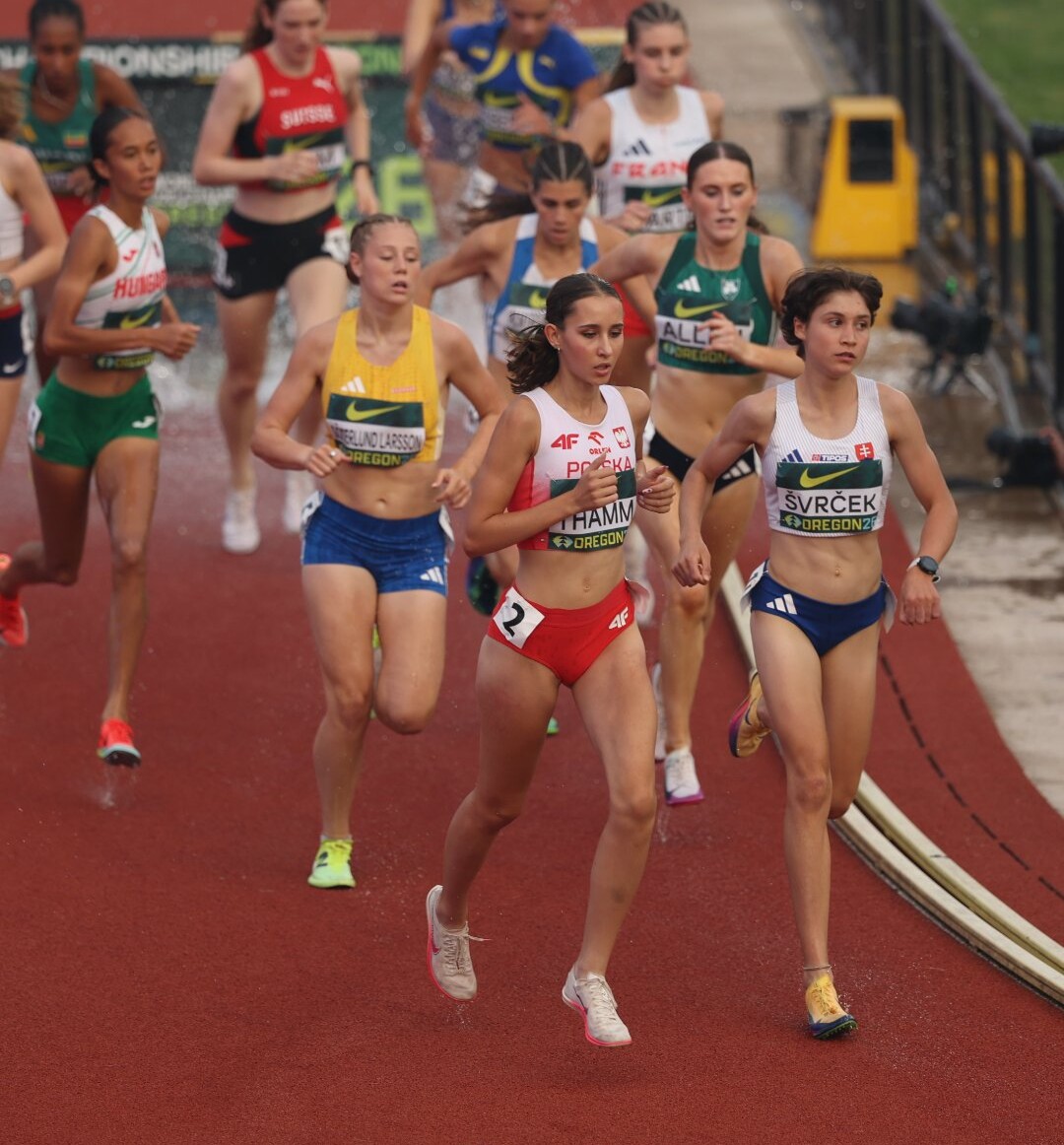
Behind the medalists, Sweden’s Majken Söderlund Larsson finished fourth in 9:48.01, setting a national U20 record (NU20R), while Czech Republic’s Ema Berková followed in fifth with 9:49.06, also recording a national U20 record.
Sweden’s Fanny Szalkai placed sixth in 9:55.06, a personal best, while Greece’s Anna Dafni Almyroudi Stroumpou finished seventh in 10:00.63, another national U20 record.
Egypt’s Malak Abdelghany Abdalla Ibrahim crossed eighth in 10:04.52, also establishing a national U20 record. Slovakia’s Anna Švrček was ninth in 10:05.91, followed by Japan’s Rei Taya in 10:12.37.
Portugal’s Lara Roque finished 11th in 10:15.69, setting a national U20 record, while Poland’s Zuzanna Szymańska took 12th in 10:15.94, a personal best. Great Britain’s Ava James was 13th in 10:18.96, followed by American Sierra Wall in 14th with 10:21.21.
Poland’s Michalina Thamm completed the finishers in 15th place in 10:39.01.
Kenya’s Mercy Chepngeno Koskey, who had also lined up as part of the Kenyan challenge, was unfortunately unable to finish the race.
The final podium therefore belonged to three of East Africa’s rising stars, with Yohannis and Asefa delivering a memorable Ethiopian one-two, while Cheptoo secured bronze for Kenya.
Women’s 3000m Steeplechase — Official Results
1. Almaz Yohannis (Ethiopia) — 9:15.81 (WU20L)
2. Wosane Asefa (Ethiopia) — 9:30.50 (SB)
3. Anatasha Cheptoo (Kenya) — 9:37.18
4. Majken Söderlund Larsson (Sweden) — 9:48.01 (NU20R)
5. Ema Berková (Czech Republic) — 9:49.06 (NU20R)
6. Fanny Szalkai (Sweden) — 9:55.06 (PB)
7. Anna Dafni Almyroudi Stroumpou (Greece) — 10:00.63 (NU20R)
8. Malak Abdelghany Abdalla Ibrahim (Egypt) — 10:04.52 (NU20R)
9. Anna Švrček (Slovakia) — 10:05.91
10. Rei Taya (Japan) — 10:12.37
11. Lara Roque (Portugal) — 10:15.69 (NU20R)
12. Zuzanna Szymańska (Poland) — 10:15.94 (PB)
13. Ava James (Great Britain) — 10:18.96
14. Sierra Wall (United States) — 10:21.21
15. Michalina Thamm (Poland) — 10:39.01
DNF: Mercy Chepngeno Koskey (Kenya)
Yohannis’ victory marked the highlight of a brilliant Ethiopian performance, with her 9:15.81 World U20-leading mark setting the tone for a memorable championship final and announcing another exciting young talent onto the international athletics scene.
by Erick Cheruiyot for My Best Runs.
Login to leave a comment
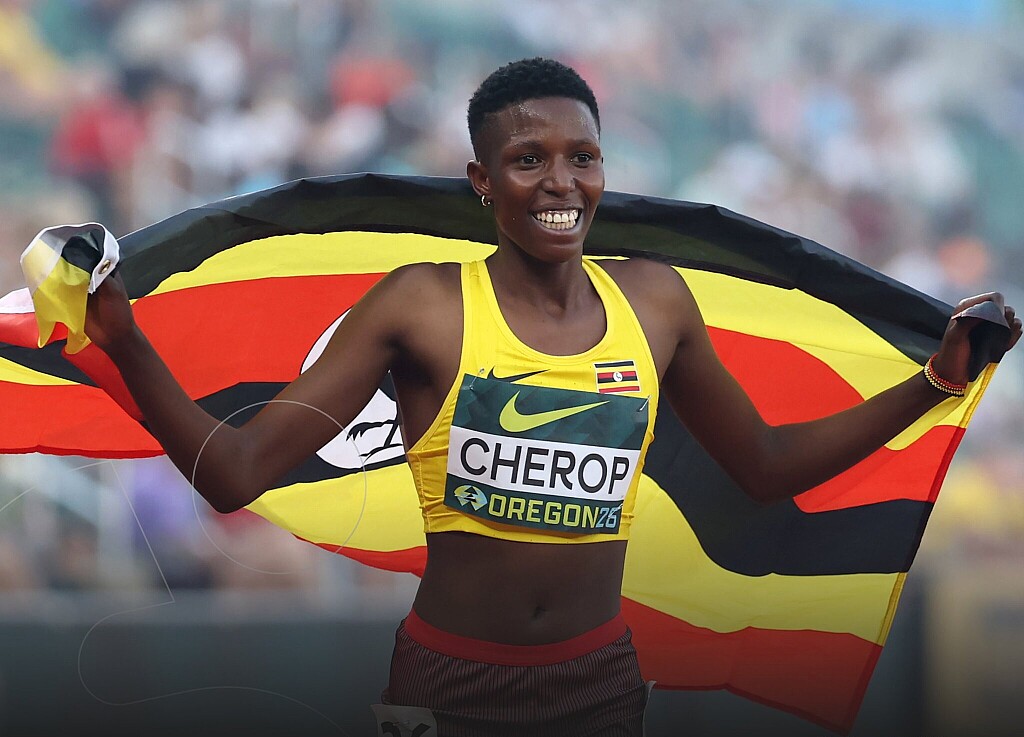
From Silver to Gold: Charity Cherop Storms to World U20 5000m Crown with Tactical Masterclass
Uganda's 19-year-old long-distance sensation Charity Cherop delivered the performance of her young career, producing a championship masterclass to capture the women's 5000m title at the 2026 World Athletics U20 Championships at Hayward Field in Eugene, Oregon.
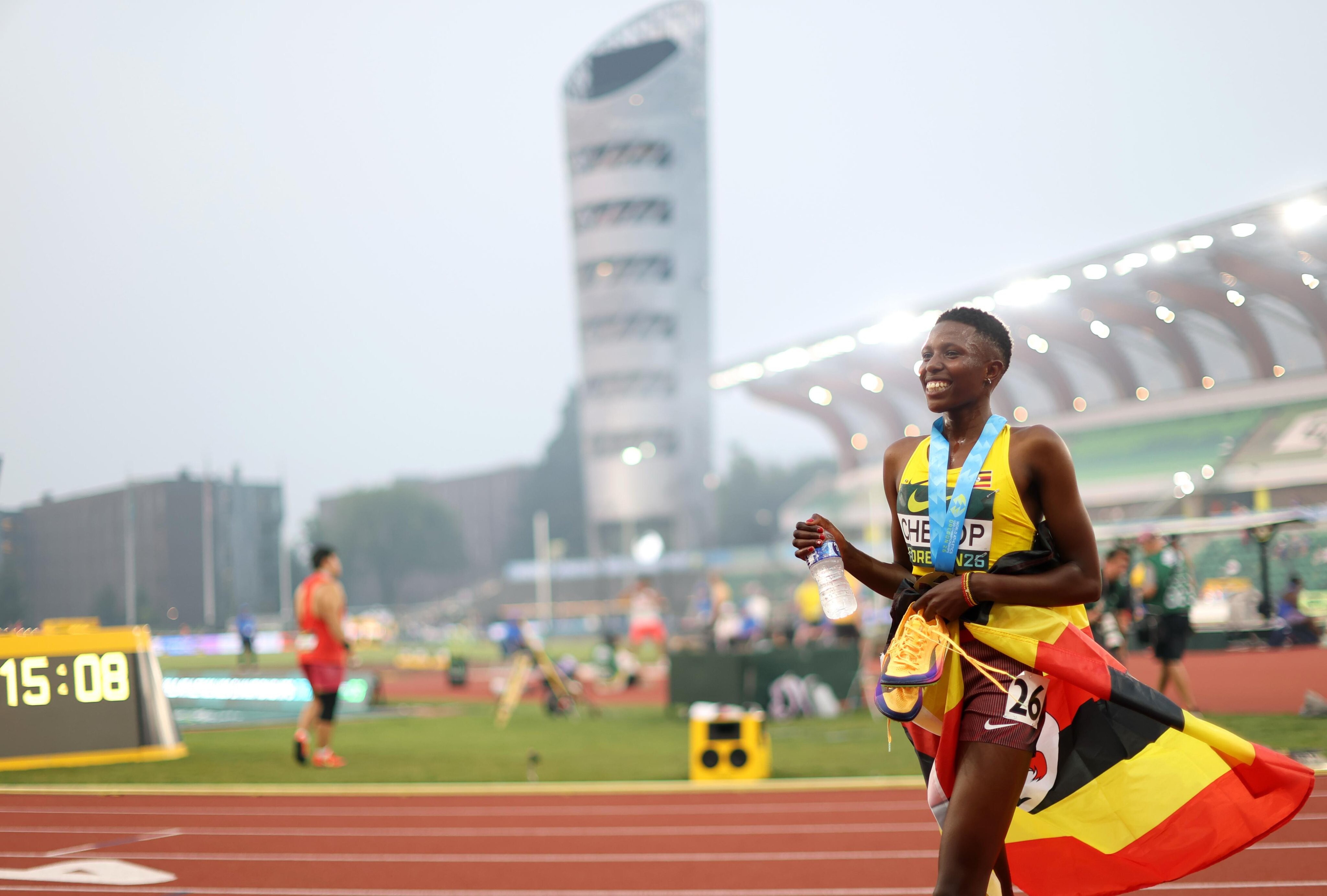
Born on July 4, 2007, Cherop executed a tactically brilliant race, remaining patient throughout the early stages before unleashing a devastating surge over the final kilometre. Her perfectly timed move proved decisive as she crossed the finish line in 15:03.88, becoming the new World U20 champion.
The victory was more than just a world title—it completed a remarkable journey from silver to gold. After finishing runner-up at the previous World Athletics U20 Championships in Lima, Cherop returned to the global stage stronger and more determined, upgrading her silver medal to gold and confirming herself as one of the brightest young stars in international distance running.
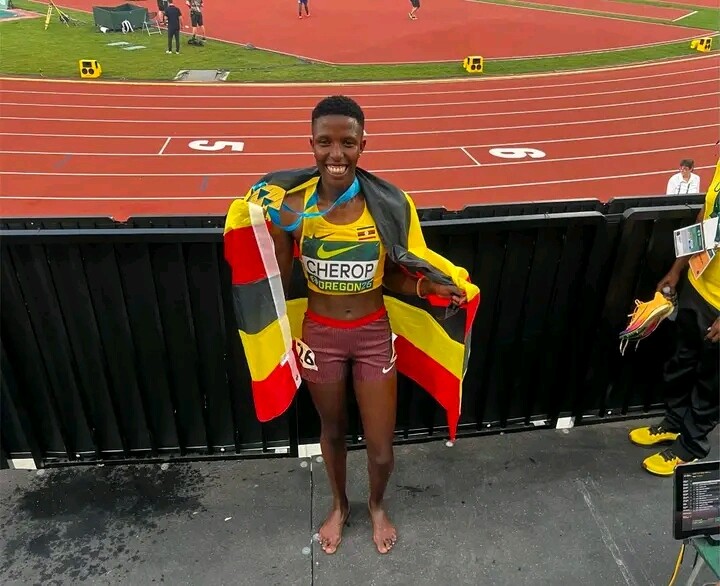
Behind the Ugandan star, Ethiopia's Shito Gumi fought bravely to secure the silver medal in 15:07.91, while Kenya's Joyline Chepkemoi delivered an outstanding performance to claim bronze in 15:09.08, setting a new personal best in the process. The battle for the podium remained fiercely contested until the closing stages, with every medal decided through courage, tactical awareness, and a powerful finishing kick.
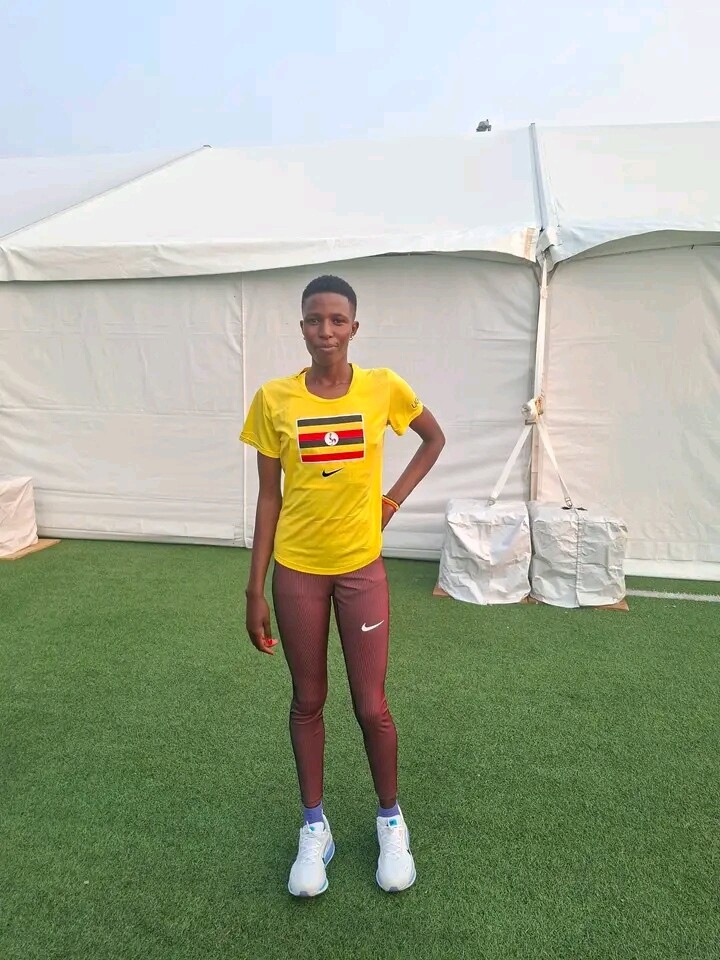
Kenya narrowly missed placing two athletes on the podium as Cynthia Chepkirui finished a strong fourth in 15:14.86, while Sweden's Carmen Cernjul rounded out the top five in 15:22.18.
Ethiopia's Emebet Tilahun placed sixth in 15:32.51, followed by Japan's Yui Onotora in seventh with 15:37.33. Uganda celebrated another top-10 finish through Bentalin Yeko, who finished eighth in 15:48.35, underlining the nation's impressive depth in women's distance running.
Germany's Julia Ehrle claimed ninth in 16:09.53, with France's Lamia Mourabit completing the top ten in 16:10.80.
Further down the field, Portugal's Carolina Correia impressed with an 11th-place finish in a personal best 16:11.47, while Norway's Venus Teffera also celebrated a lifetime best of 16:12.07 in 12th. Germany's Gloria Herold added another personal best, clocking 16:13.75 for 15th place.
France's Laly Porentru, Japan's Ayami Yoshida, the Netherlands' Rosalie Ten Bruggencate, Italy's Sofia Ferrari and Mimosa Miari Fulcis, Spain's Fatima Hernandez, Switzerland's Anina Hirzel, Great Britain's Eliza Nicholson, Canada's Airlie Downie-Back and Athena Andrecyk, Mexico's Kenya Cuahutle, and Australia's Libby Mantay and Imogen Baker all battled courageously to the finish, highlighting the exceptional depth and global talent assembled for the championship final.
The only athlete unable to start the race was the United States' Emily Wisniewski, who was listed as DNS.
The women's 5000m final showcased the very best of championship distance running—patience, tactical intelligence, and a thrilling finish. On the biggest stage of her junior career, Charity Cherop produced a race worthy of a world champion, transforming silver in Lima into gold in Eugene and writing another unforgettable chapter in Uganda's rich distance-running legacy.
by Erick Cheruiyot for My Best Runs.
Login to leave a comment

Tatiana Pinto Smashes Her Own Portuguese 100m Record with Electrifying Sprint in Lisbon
Portuguese sprint star Tatjana Pinto has once again rewritten the national record books, producing a sensational performance to claim victory in the women's 100 meters at the Portuguese Athletics Championships in Lisbon.
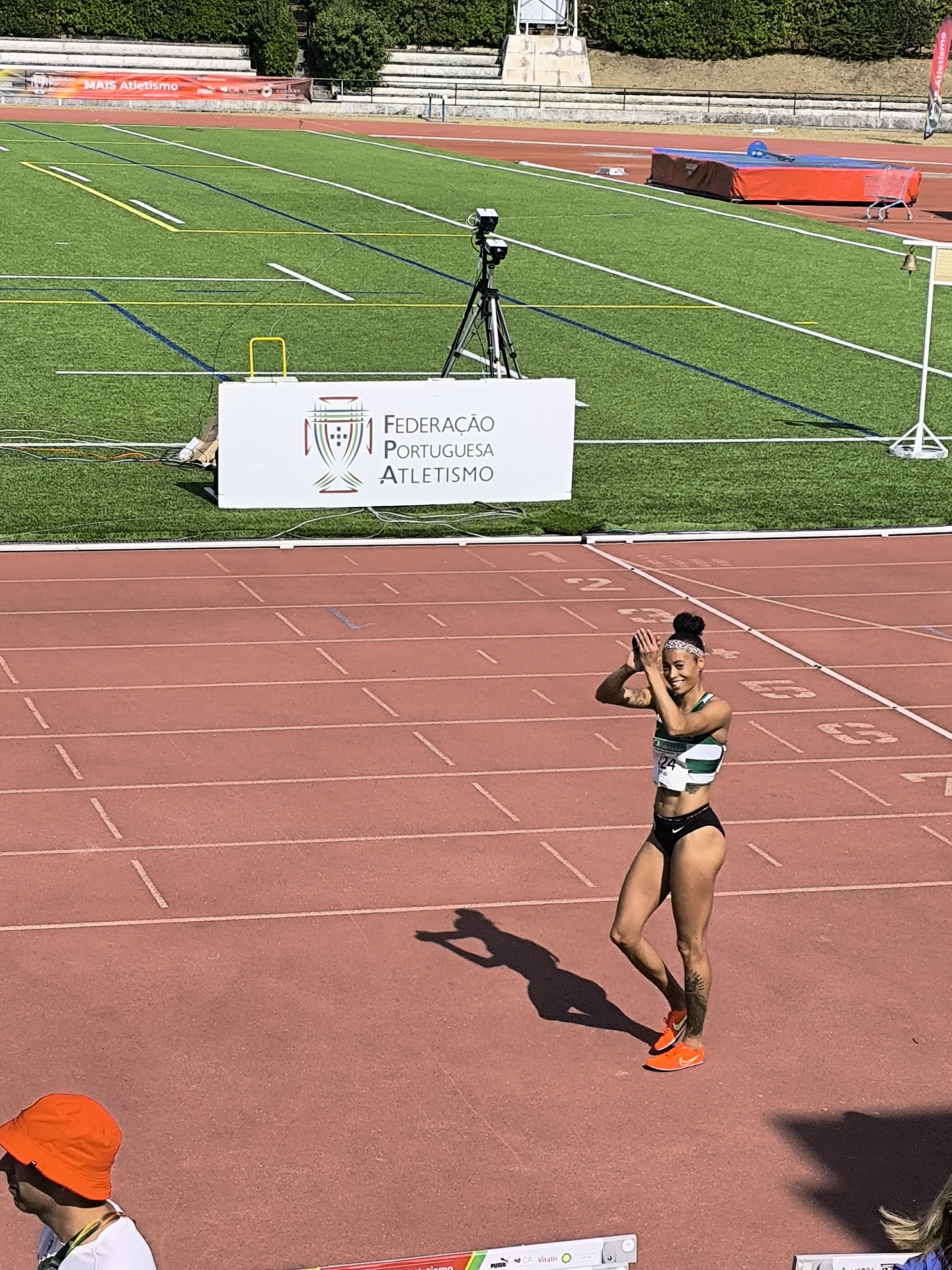
Pinto stormed across the finish line in a blistering 11.02 seconds, aided by a legal +1.8 m/s tailwind, lowering the Portuguese national record she had established just a month earlier. The remarkable run confirms her outstanding form and cements her status as the fastest woman in Portuguese history.
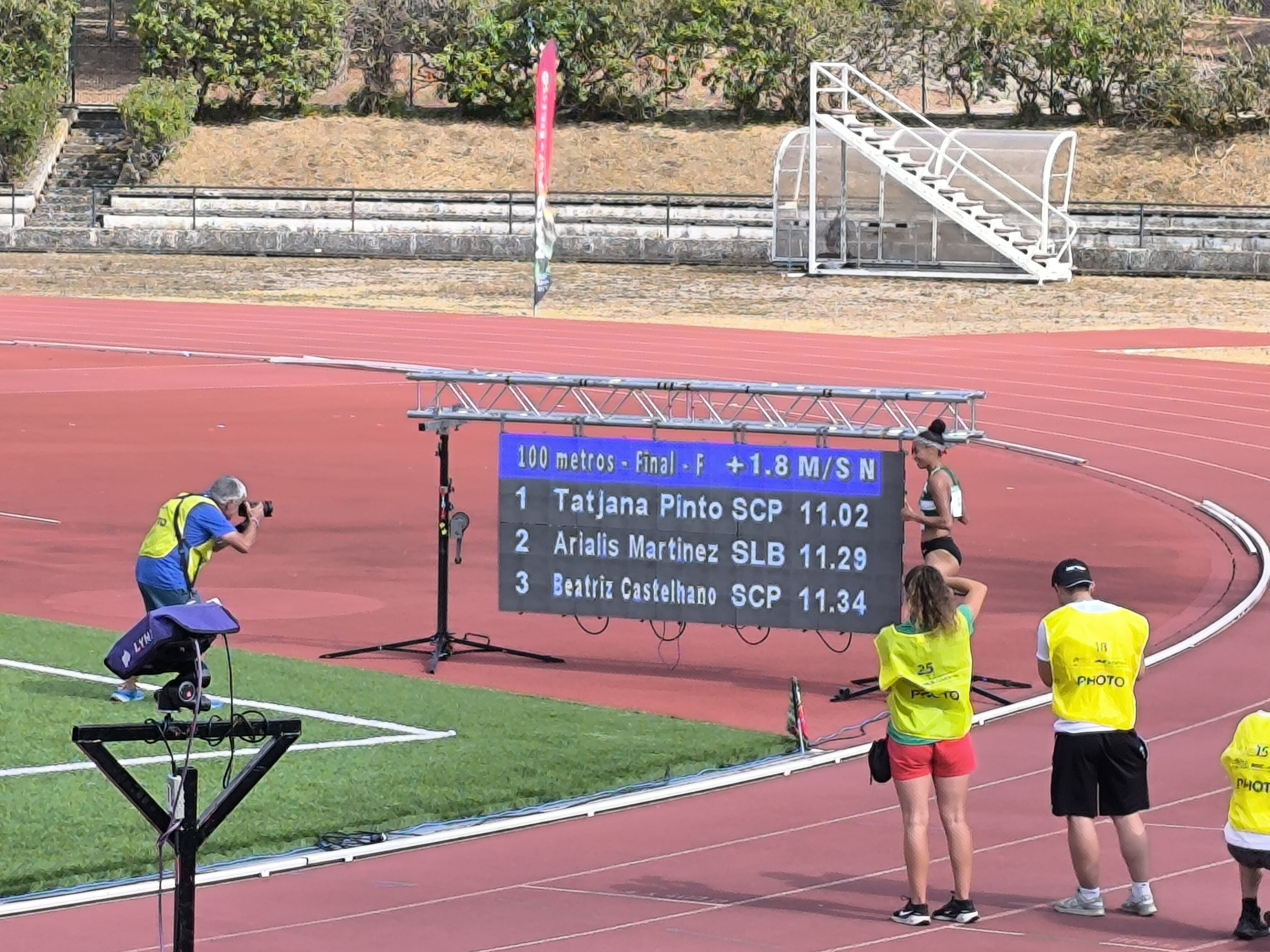
The race was never in doubt as Pinto powered away from the field with an explosive start and flawless execution, leaving her rivals chasing from the opening strides. Arialis Martinez finished second in 11.29, while Beatriz Castelhano secured third place in 11.34, but neither could match Pinto's exceptional pace.
Breaking a national record is a rare achievement; improving one only weeks after setting it is even more extraordinary. Pinto's latest milestone highlights her rapid progression and growing consistency at the highest level of Portuguese sprinting.
The performance also reinforces Portugal's growing presence in European sprinting, with Pinto emerging as one of the continent's most exciting athletes. Running so close to the coveted 11-second barrier is a testament to her dedication, technical refinement, and the confidence she has built throughout the season. If her current trajectory continues, even faster times could be within reach.
Beyond the stopwatch, Pinto's latest record serves as an inspiration for the next generation of Portuguese athletes. Her relentless pursuit of excellence demonstrates that national milestones are only stepping stones toward greater international success. With major championships on the horizon, she has positioned herself as an athlete capable of challenging the very best, and the athletics world will be watching closely to see what she accomplishes next.
With every race, the Portuguese speedster continues to raise the standard of women's sprinting in her country. Her record-breaking display in Lisbon not only delivered another national title but also sent a powerful message ahead of the international championships, where she will be aiming to carry this outstanding form onto an even bigger stage.
by Erick Cheruiyot for My Best Runs.
Login to leave a comment
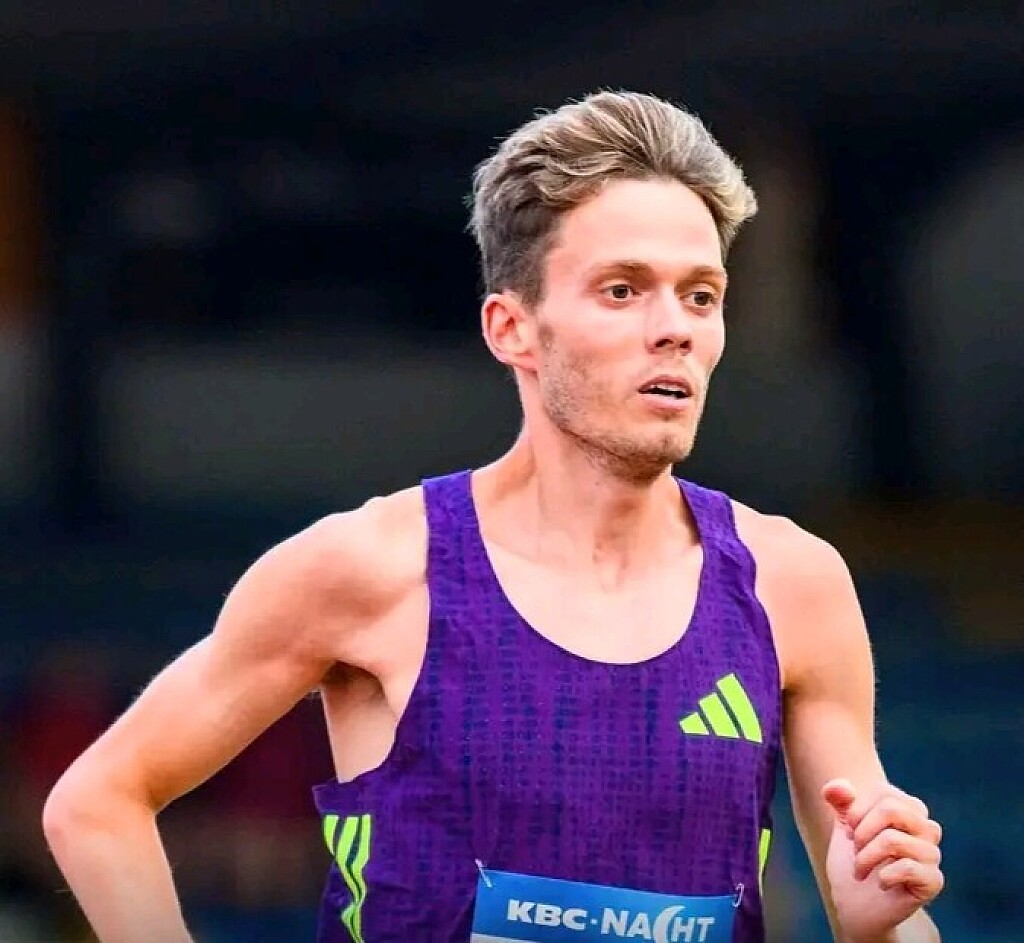
Triple Personal Bests Light Up KBC Night of Athletics as José Carlos Pinto Breaks the 13-Minute Barrier
The KBC Night of Athletics in Heusden-Zolder, Belgium, delivered another unforgettable evening of distance running as José Carlos Pinto, Duncan Waweru, and Laban Kiptoo Kosgei all produced career-best performances in a thrilling men's 5,000m showdown.
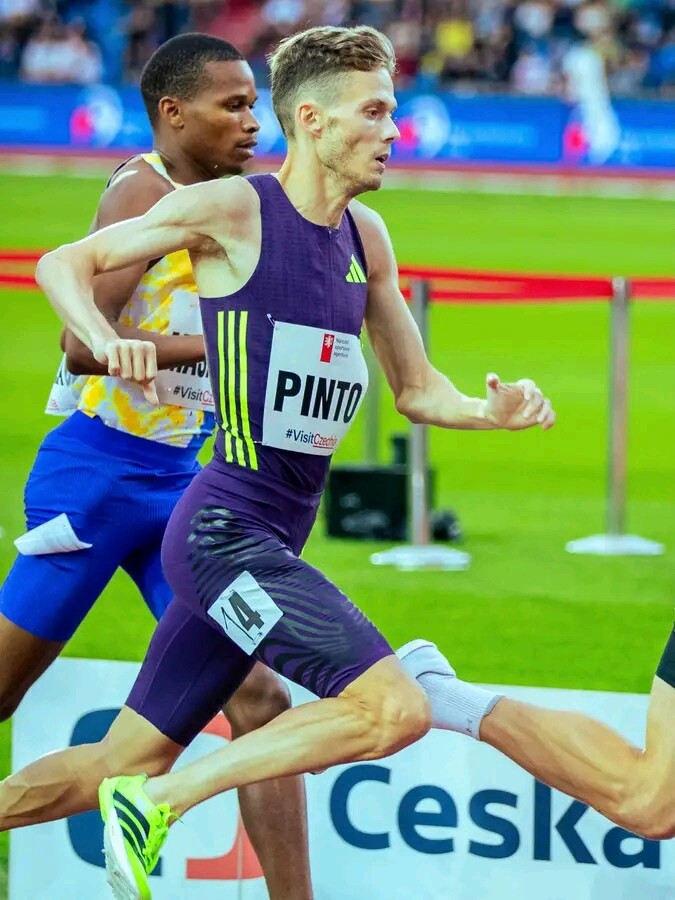
Portugal's José Carlos Pinto stole the spotlight, storming to victory in 12:59.75 to become the only athlete in the field to dip under the coveted 13-minute barrier. The outstanding performance marked a significant milestone in his career, earning him both the race win and a new personal best.
Kenya's Duncan Waweru continued his impressive rise on the international circuit, finishing second in a lifetime best of 13:03.48. Waweru remained in contention throughout the race before producing a strong finish to slash his previous best and underline his growing potential among the world's elite distance runners.
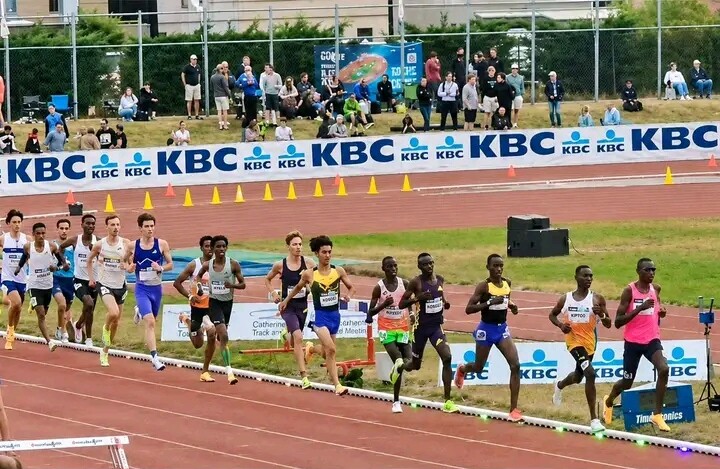
Another Kenyan talent, Laban Kiptoo Kosgei, also celebrated a breakthrough performance. The 19-year-old clocked 13:05.22 to secure third place, setting a new personal best in what was one of the finest races of his young career. His composed and confident display further highlighted his promise as one of Kenya's emerging stars over 5,000 metres.
Behind the leading trio, Norway's Narve Gilje Nordås finished fourth in 13:13.84, while Ethiopia's Fasika Ayele rounded out the top five with 13:14.25 in a race contested at an uncompromising pace from the opening laps.
With all three podium finishers leaving Belgium with new lifetime bests, the men's 5,000m was undoubtedly one of the standout events of the meeting. Pinto's historic sub-13 performance, combined with the breakthrough runs from Waweru and Kosgei, added another memorable chapter to the reputation of the KBC Night of Athletics as one of Europe's premier stages for fast distance running.
As the championship season gathers momentum, these performances send a strong message that all three athletes are reaching peak form at exactly the right time, with even faster times likely to come in the weeks ahead.
by Erick Cheruiyot for My Best Runs.
Login to leave a comment
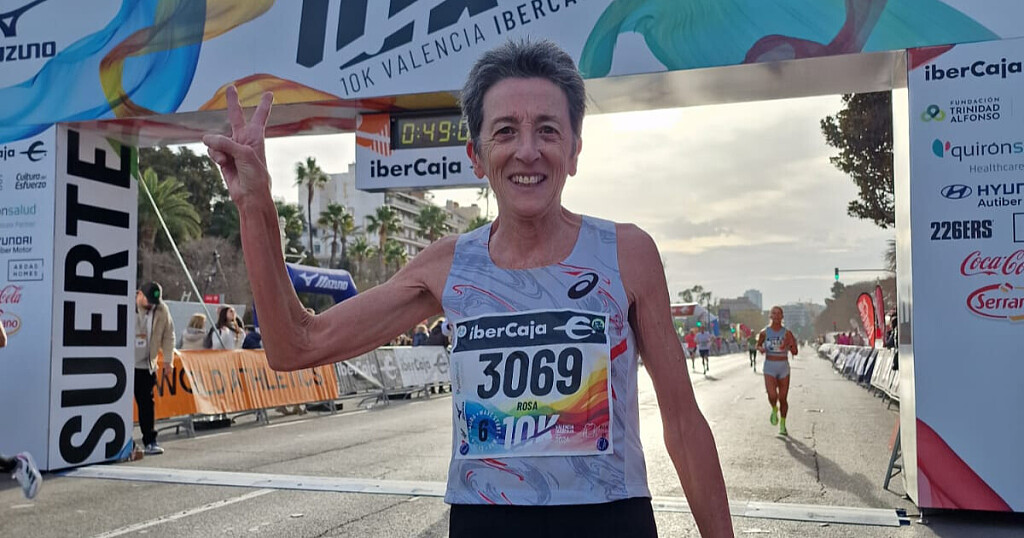
Rosa Mota: The Woman Who Refused to Accept Limits and Redefined Marathon Greatness
Long before women's distance running received the recognition it deserved, a young girl from the historic streets of Porto was quietly preparing to change the sport forever.
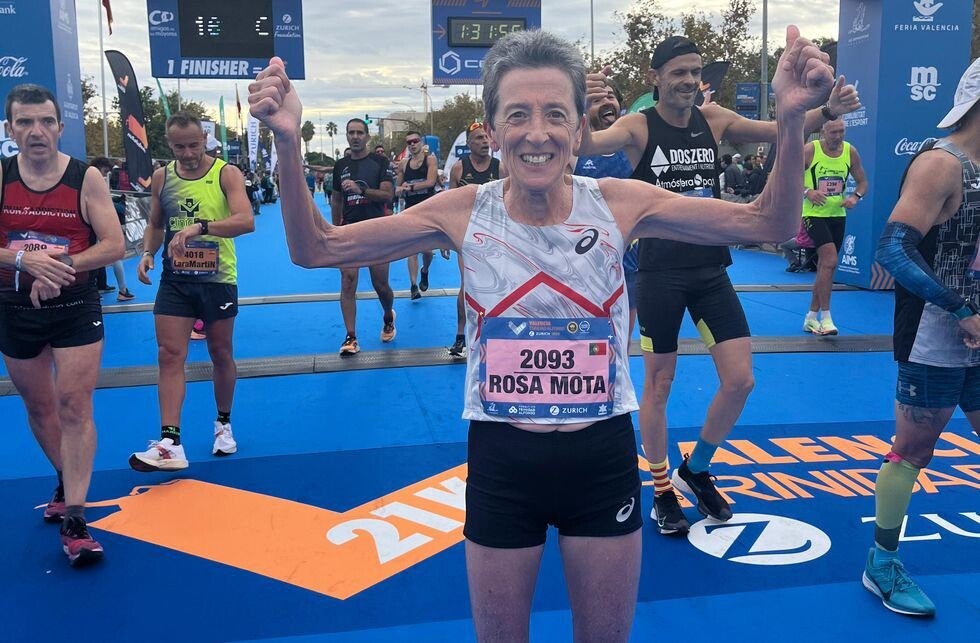
Born in the Foz Velha district of Portugal's second-largest city, Rosa Mota grew up battling asthma and sciatica—two conditions that might have convinced many that elite athletics was an impossible dream. In an era when opportunities for female athletes were scarce and expectations even lower, she was often reminded of her supposed limitations.
Rosa chose not to listen.
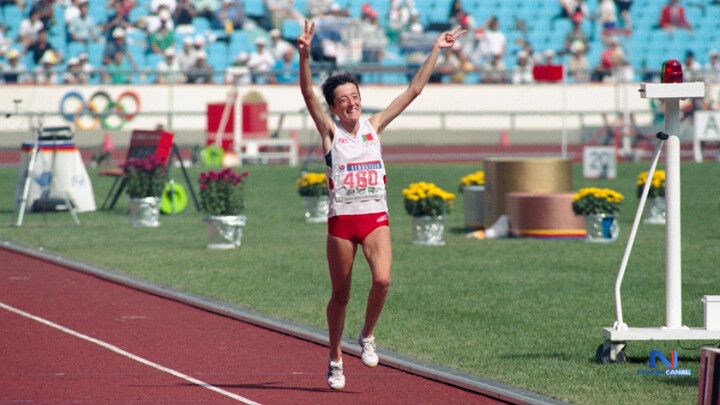
Instead, she ran.
She ran beyond the boundaries others placed around her. She ran beyond pain. She ran beyond doubt. And in doing so, she became one of the greatest marathon runners the world has ever known.
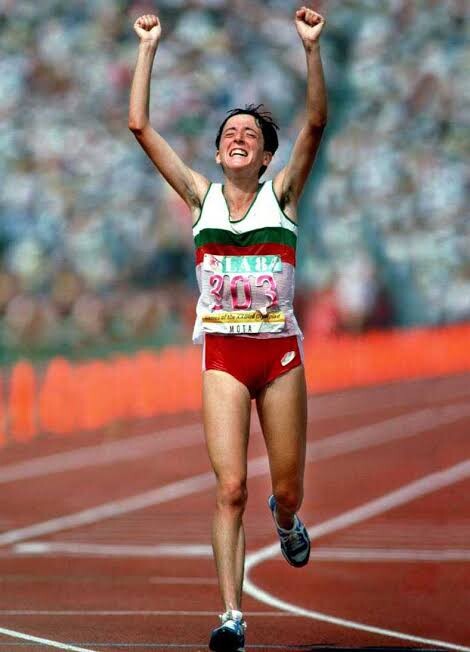
When the inaugural women's marathon was introduced at the 1982 European Championships in Athens, few outside Portugal expected Rosa Mota to be a contender. The race featured some of the finest distance runners of the era, including Norway's legendary Ingrid Kristiansen.
By the end of the race, expectations had been shattered.
Mota stormed to victory, announcing herself on the international stage and beginning a reign that would redefine women's marathon running. It was not merely a breakthrough win—it was the arrival of a champion whose influence would extend far beyond medals and records.
What made Rosa extraordinary was not overwhelming physical dominance. Her greatness stemmed from something deeper: an unbreakable resilience, remarkable tactical intelligence, and an ability to perform under the highest pressure. She carried herself with calm confidence, but beneath that calm was an iron determination that competitors found impossible to match.
Over the next decade, Mota assembled one of the most remarkable résumés in athletics history.
She became European champion, World champion, and Olympic champion—a combination no other woman has ever held simultaneously in the marathon. Her crowning achievement arrived at the 1988 Olympic Games in Seoul, where she produced a masterclass in championship racing.
With just two kilometres remaining, Mota launched a perfectly timed surge that left her rivals with no answer. She crossed the finish line 13 seconds clear of the field, securing Olympic gold and becoming the first Portuguese woman in history to win an Olympic title.
The victory elevated her from national hero to global icon.
Her success did not stop there.
In 1990, she captured her third Boston Marathon title, further cementing her status among the sport's elite. Later that same year, she defended her European Championship crown in Split in dramatic fashion. After building a commanding lead, she was gradually reeled in by Soviet athlete Valentina Yegorova. Yet when the race entered its decisive moments, Mota found another gear and held on to win by five seconds.
The triumph made history.
No athlete—male or female—had ever won three European marathon titles. Rosa Mota became the first.
Numbers alone illustrate the scale of her dominance. During a remarkable ten-year period, she contested 21 marathons and won 14 of them. Consistency at such a level is almost unheard of, particularly in an event as demanding as the marathon.
The sport itself eventually delivered its verdict.
The Association of International Marathons and Distance Races honoured Mota as the greatest female marathon runner of all time, a distinction reflecting not only her achievements but also the profound impact she had on the development of women's distance running worldwide.
Yet despite her accomplishments, her name is not always mentioned as frequently as some of her male contemporaries. It is one of the lingering injustices of sporting history: many pioneering women achieved greatness equal to any champion, yet their stories often received far less attention.
Rosa Mota deserves to be remembered among the sport's immortals.
Even after retiring from elite competition, she never drifted far from running. She carried the Olympic flame through Athens in 2004, received the prestigious Abebe Bikila Award for her contributions to long-distance running, and continued competing well into her sixties.
Remarkably, age did little to slow her down.
She won the Macau Mini Marathon multiple times and later set a world record for the women's 65–69 age category over 10,000 metres, proving that the spirit which drove her to Olympic glory never faded.
Today, a sports pavilion in Porto proudly bears her name—a fitting tribute to a woman whose achievements transcended generations.
Rosa Mota's story is not simply about medals, records, or championships. It is a story of perseverance. A story of breaking barriers when few believed they should be broken. A story of showing up, year after year, race after race, regardless of the obstacles.
Some champions are remembered because they were loud.
Others are remembered because they changed history.
Rosa Mota did both through the power of her performances alone.
She was a pioneer. She was a trailblazer. She was an Olympic champion.
And for many, she remains the greatest female marathon runner the sport has ever seen.
by Erick Cheruiyot for My Best Runs.
Login to leave a comment
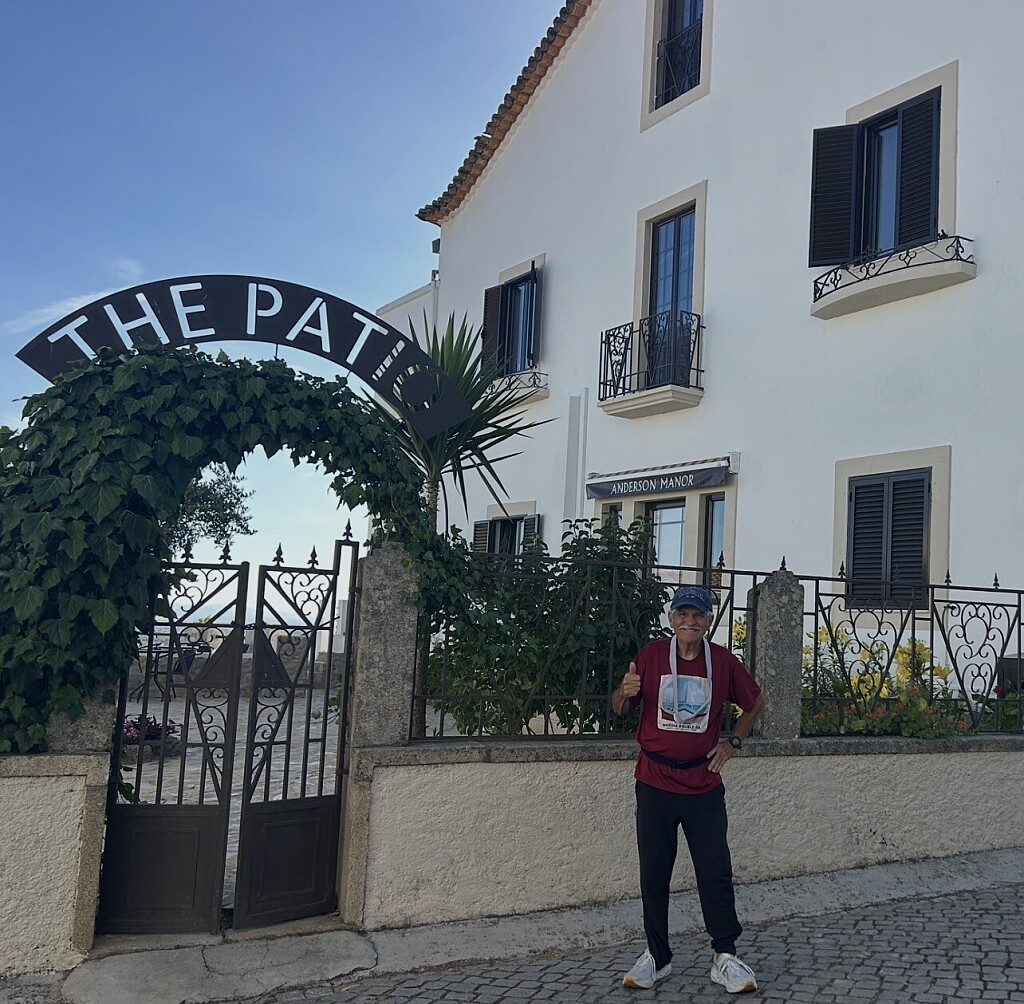
At 78 Recovering From a Dislocated Shoulder I Created My Own 100K Challenge
MONFORTE DA BEIRA, PORTUGAL — Three weeks after dislocating my shoulder in a fall shortly after arriving in Lisbon, I found myself looking for a goal that would keep me moving while allowing my body time to heal.
The fall resulted in a trip to the hospital and weeks of recovery with my arm in a sling. While it limited my running, it did not take away my desire to stay active.
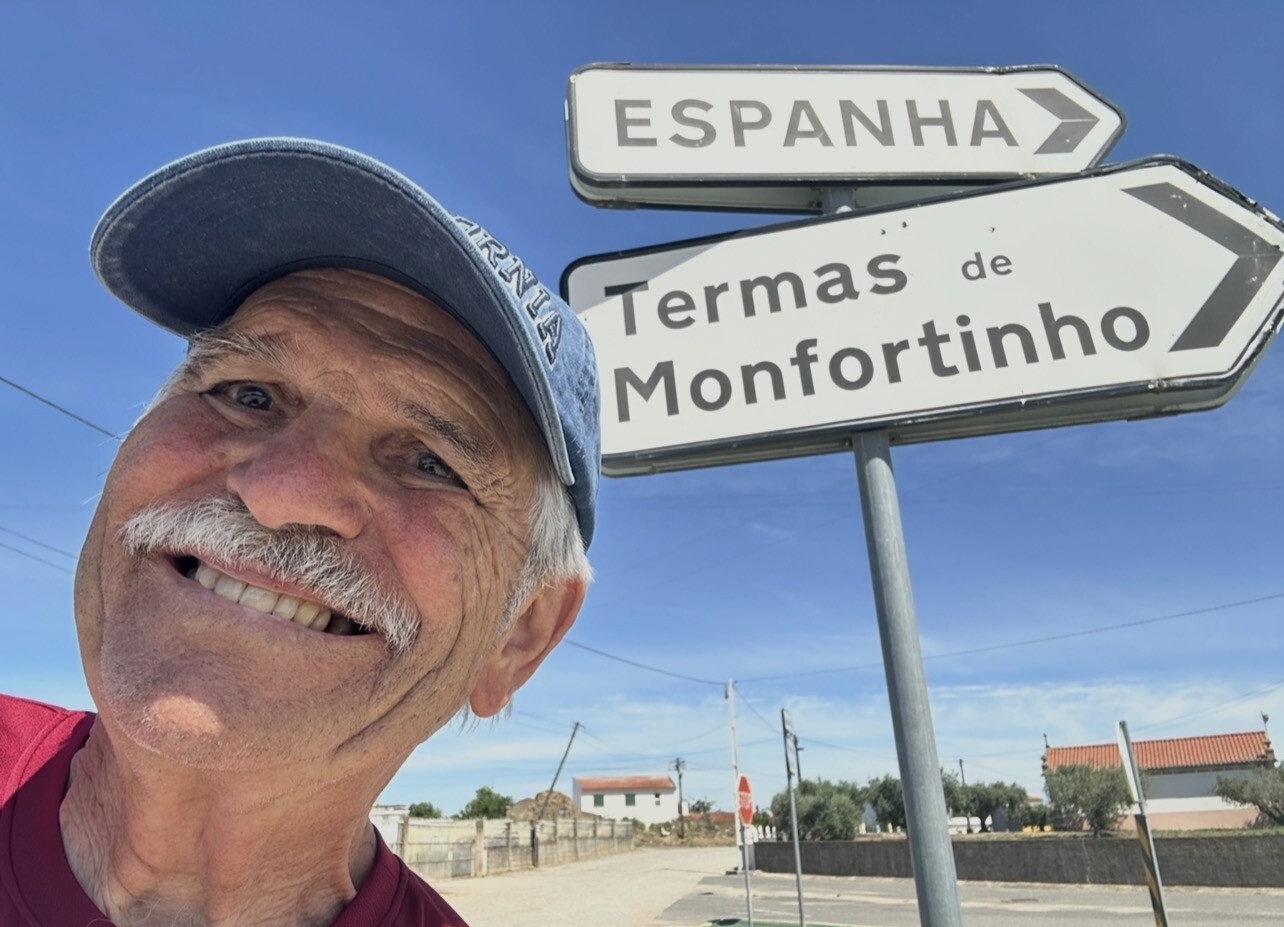
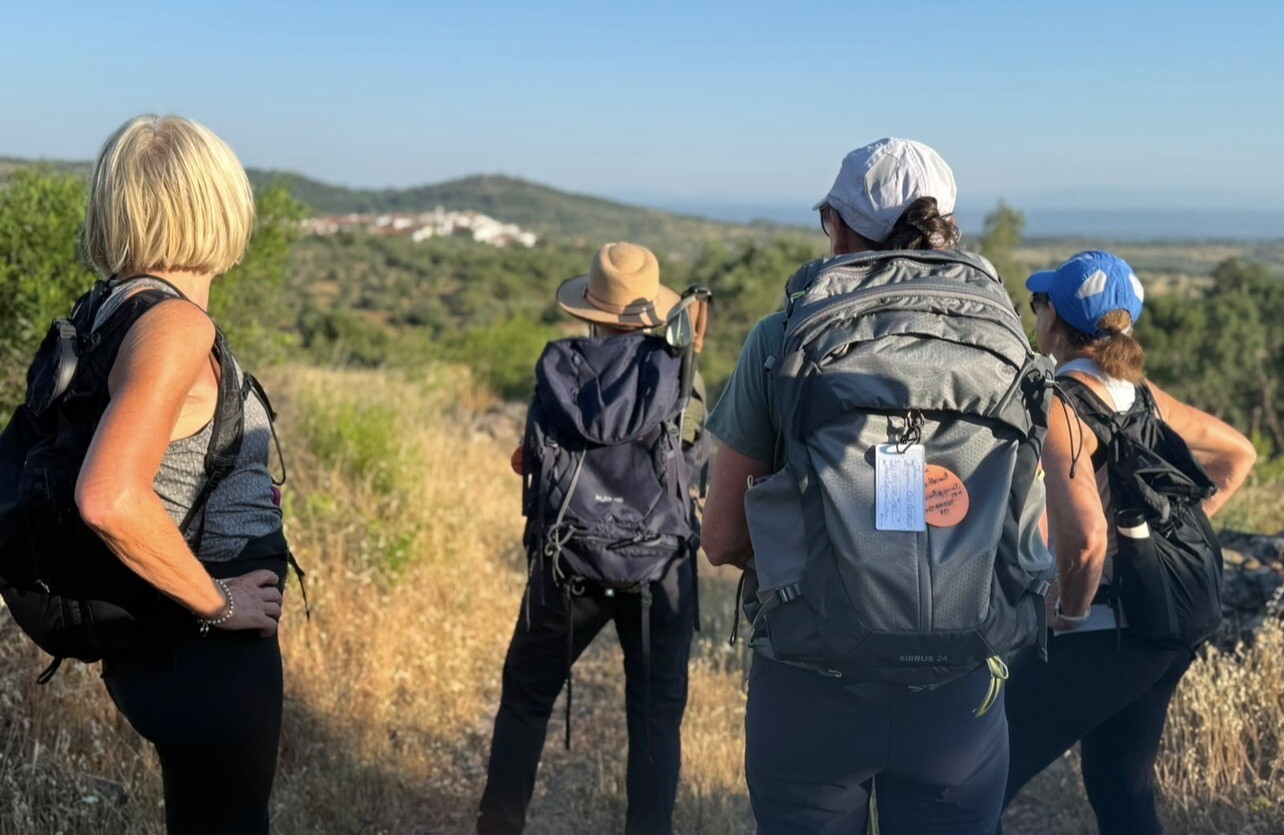
The inspiration for my next goal came from an unexpected source. Anderson Manor recently hosted a group of nine women from Australia whose passion is hiking and trekking. Watching their enthusiasm for exploring the countryside surrounding Monforte da Beira reminded me how much there is to discover on foot. Their visit inspired me to create a challenge of my own.
I called it my Portugal Villages 100K Challenge.
The concept was simple: cover 100 kilometers on foot while connecting the villages surrounding Anderson Manor, including Monforte da Beira, Cegonhas, Malpica do Tejo, and Ladoeiro.
Unlike an organized race, there was no entry fee, no aid stations, and no spectators. But there was a finish line—100 kilometers. My goal was to reach it under my own power while exploring some of the most beautiful countryside in central Portugal.
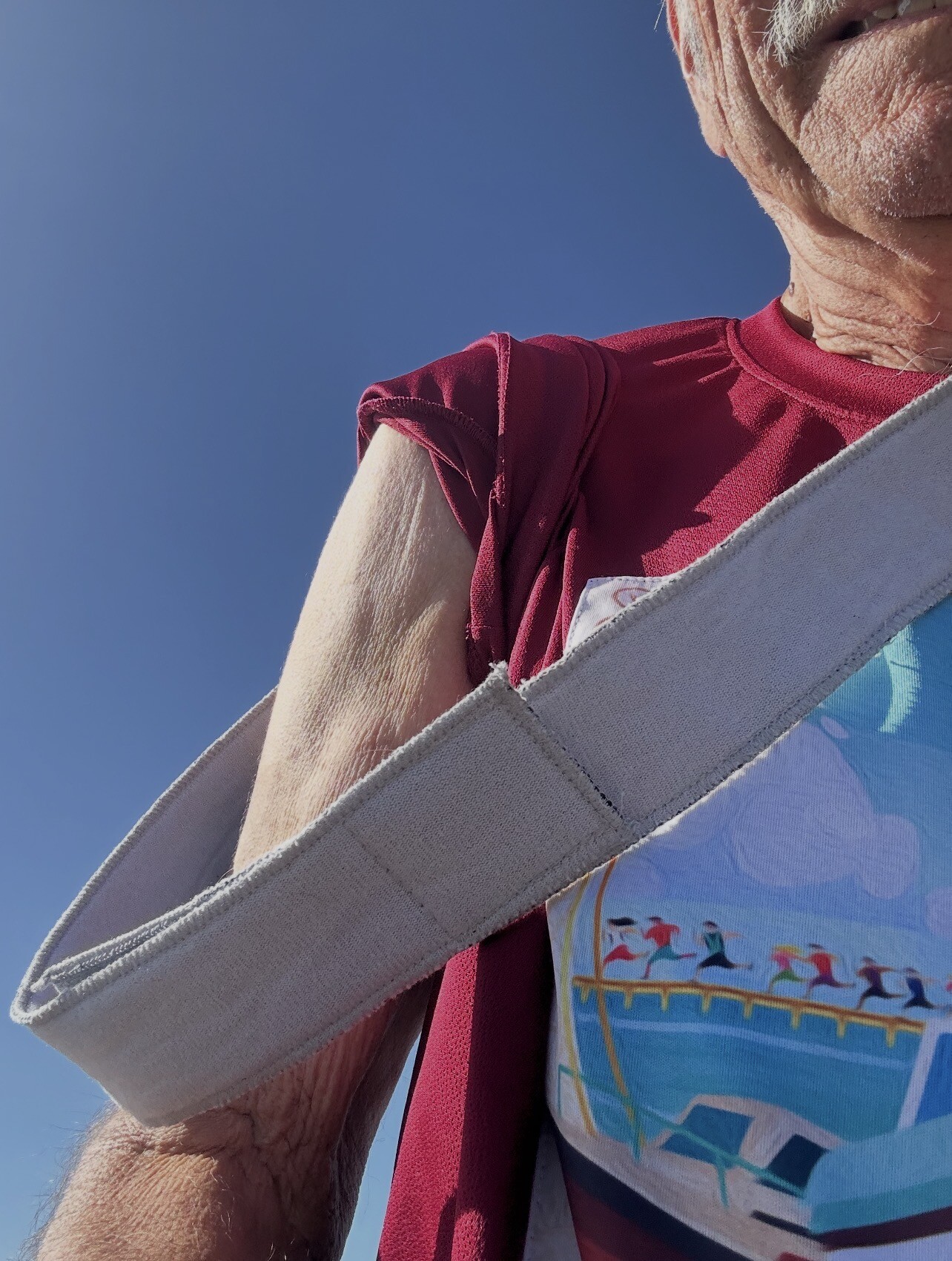
Running was limited because of my shoulder situation. Much of the journey was completed while wearing a sling. Some sections were covered at what I call a shuffle, roughly 16 to 17 minutes per mile, while others were completed at a brisk walking pace. The objective was never speed. The objective was forward progress.
An event is an event.
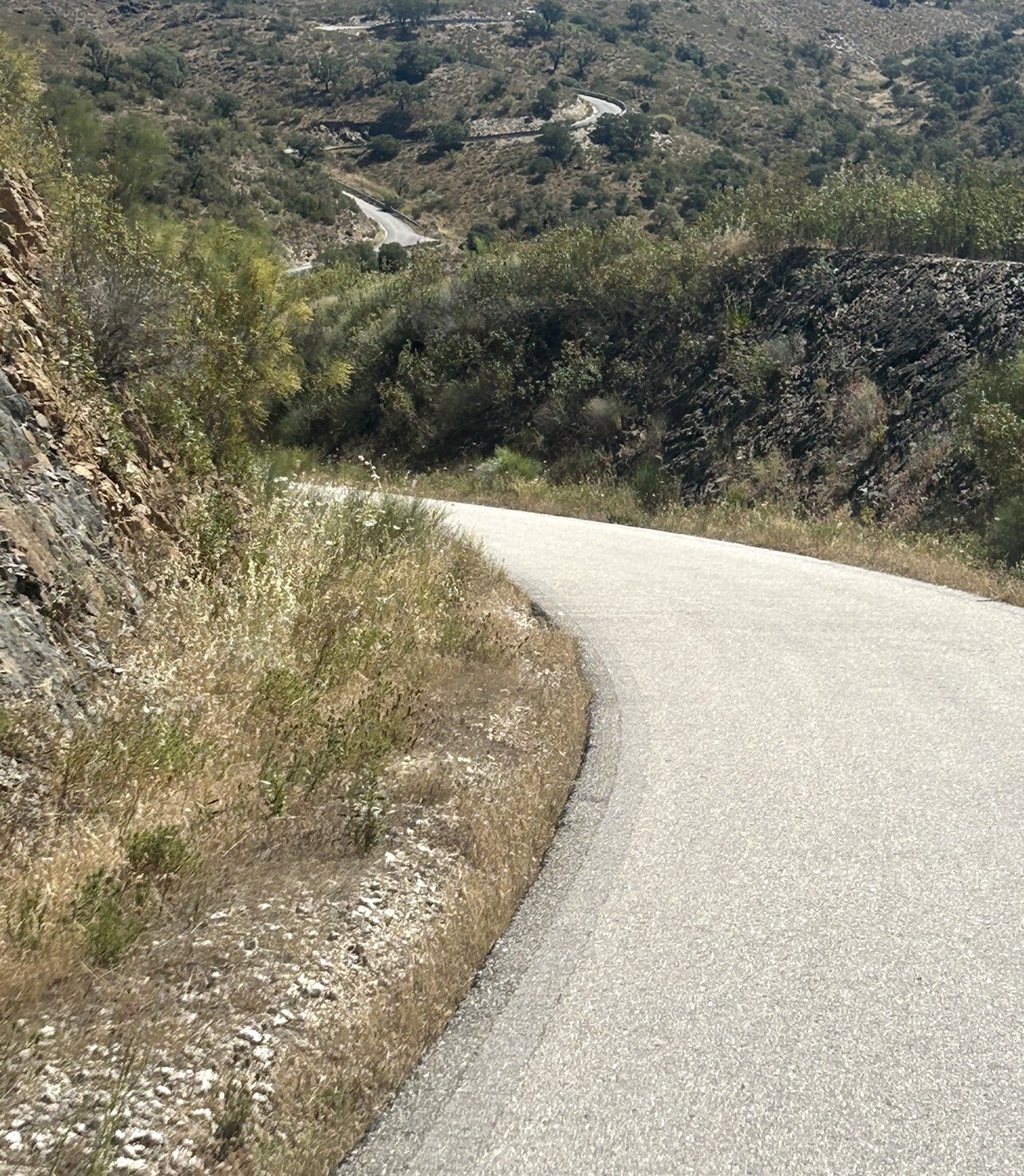
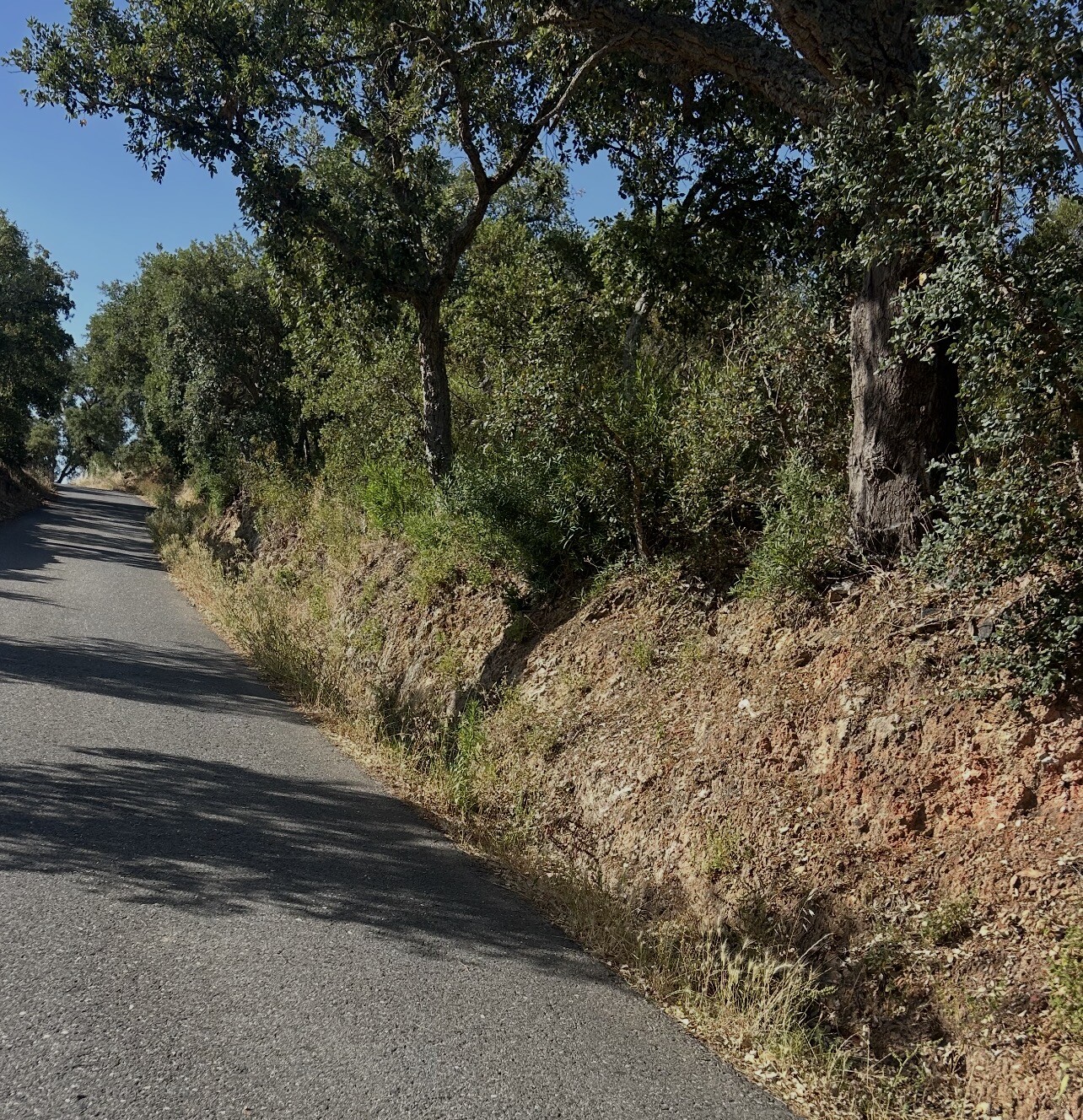
Over six consecutive days, I traveled through olive groves, farmland, quiet village streets, and winding country roads. One day included my familiar Cactus Loop, a 5.25-mile route near Anderson Manor. The remaining days were primarily point-to-point journeys linking neighboring villages.
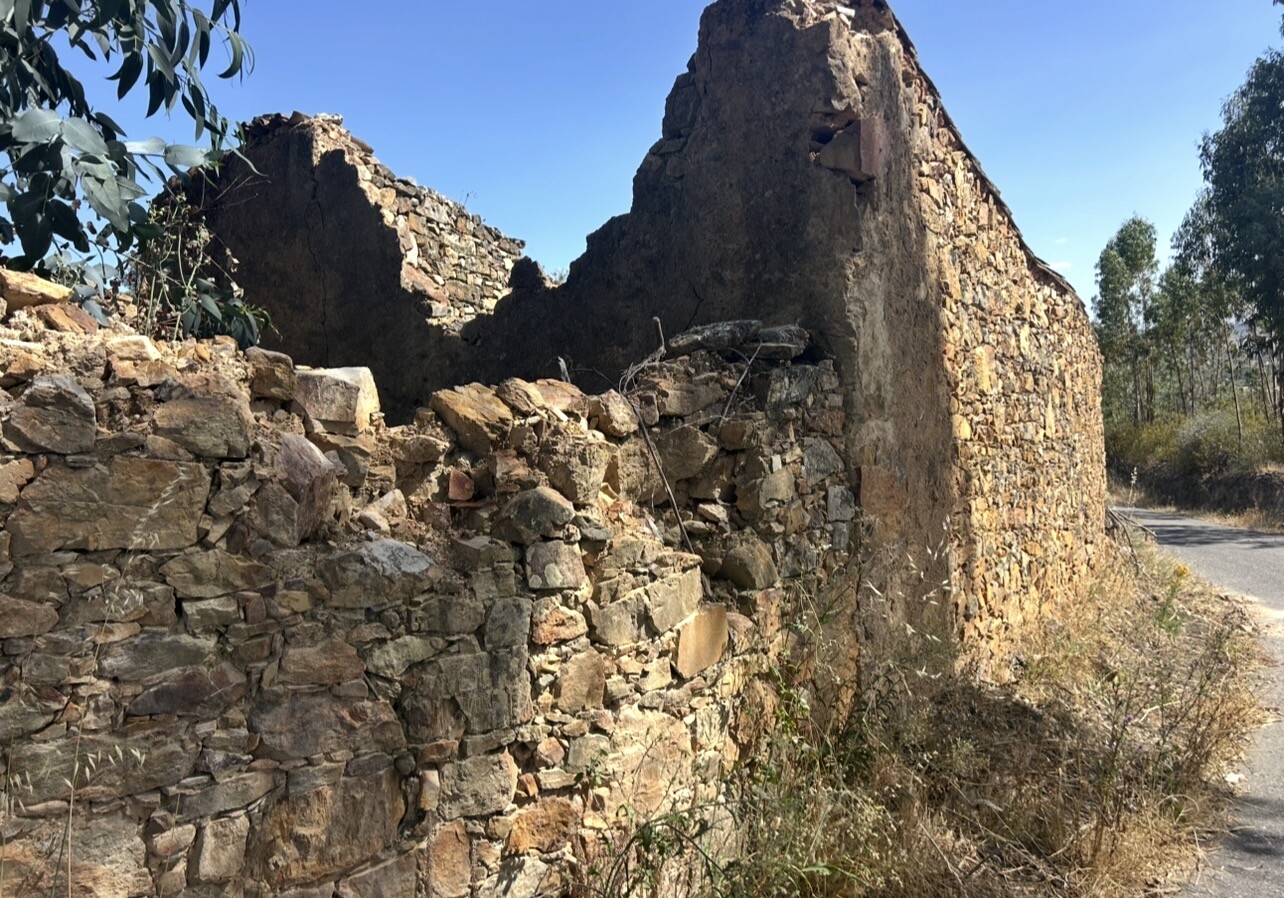
What struck me most was the beauty and simplicity of Portugal’s rural interior. There were long stretches where the only sounds came from birds, sheep, and the occasional tractor. The landscape remains largely unchanged from generations past, offering a glimpse of a slower and more peaceful way of life.

The final kilometers came on the road to Ladoeiro. Reaching 100 kilometers was my finish line. There was no official clock, no banner stretched across the road, and no cheering crowd, but the finish line was real nonetheless. Today, on a quiet road approaching Ladoeiro, my GPS showed that I had reached the 100-kilometer mark. The distance had been covered, the challenge was complete, and the finish line had been reached.
At age 78, I continue to believe that fitness is not defined by speed. Some days we run. Some days we walk. Some days we do a little of both. What matters is maintaining the habit of movement and continuing to challenge ourselves regardless of age or circumstance.
This personal challenge reminded me that setbacks do not have to stop us. They simply require us to adapt. While my shoulder continues to heal, completing this 100K journey proved that meaningful goals can still be achieved even when conditions are less than ideal.
I also came away with an even greater appreciation for the villages that surround Anderson Manor and for the simple joy of exploring them under my own power. Sometimes inspiration comes from elite athletes. Sometimes it comes from a group of travelers from Australia who simply love to walk and discover new places.
The roads connecting Monforte da Beira, Cegonhas, Malpica do Tejo, and Ladoeiro are still there. I suspect I will be traveling them again soon.
by Bob Anderson
Login to leave a comment

Nuguse Blazes to Meet Record as World-Class 1500m Battle Lights Up Rabat
American middle-distance star Yared Nuguse launched his 2026 outdoor campaign in spectacular fashion, storming to victory and a new meeting record in the men's 1500 metres at the Rabat Diamond League on Sunday.
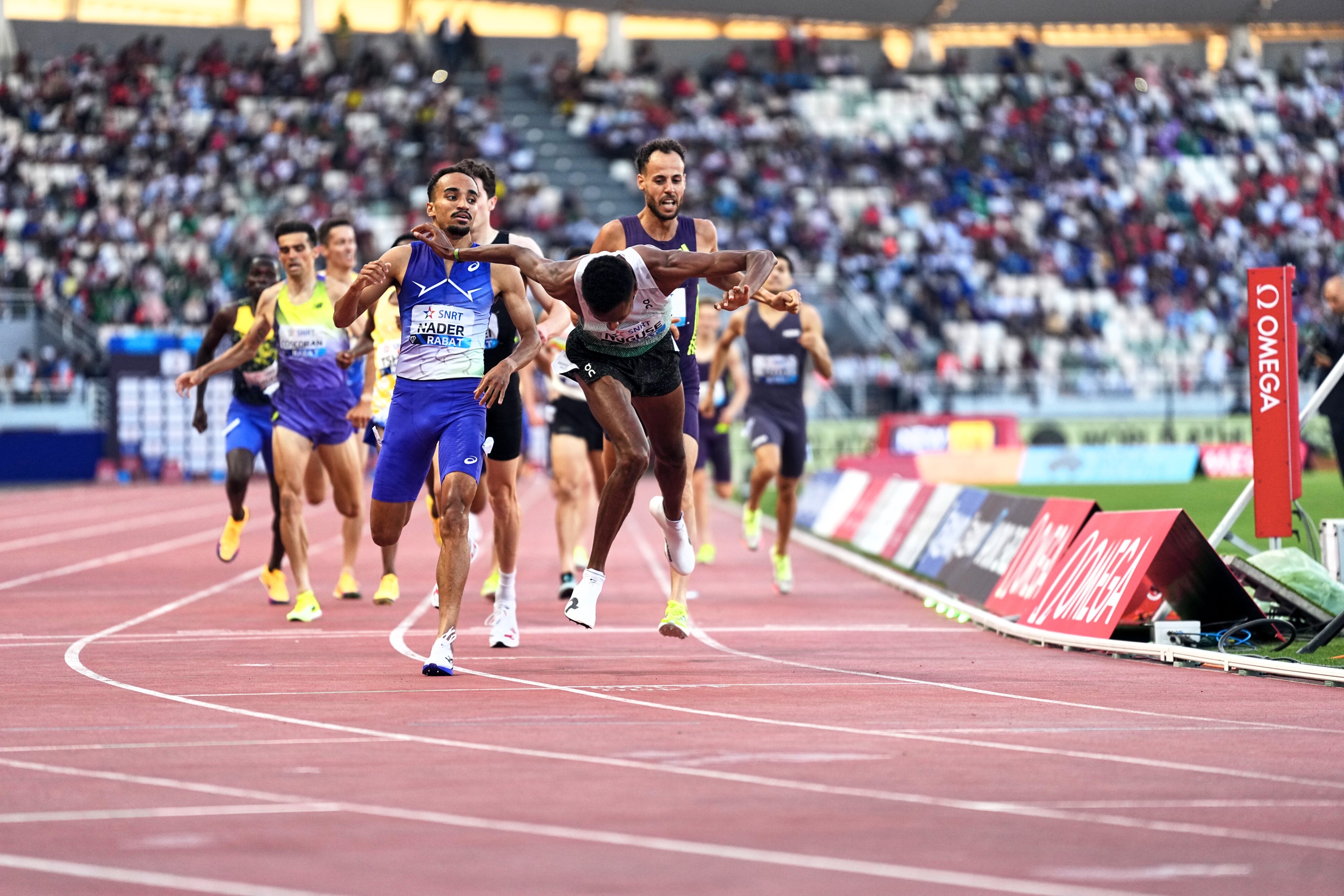
The Olympic and world medal contender produced a composed and clinical performance, crossing the finish line in 3:30.35 after a fiercely contested race that showcased some of the finest talent in global middle-distance running. Nuguse timed his effort to perfection, holding off a relentless late challenge from reigning World Champion Isaac Nader of Portugal, who closed rapidly but fell just short in 3:30.43.
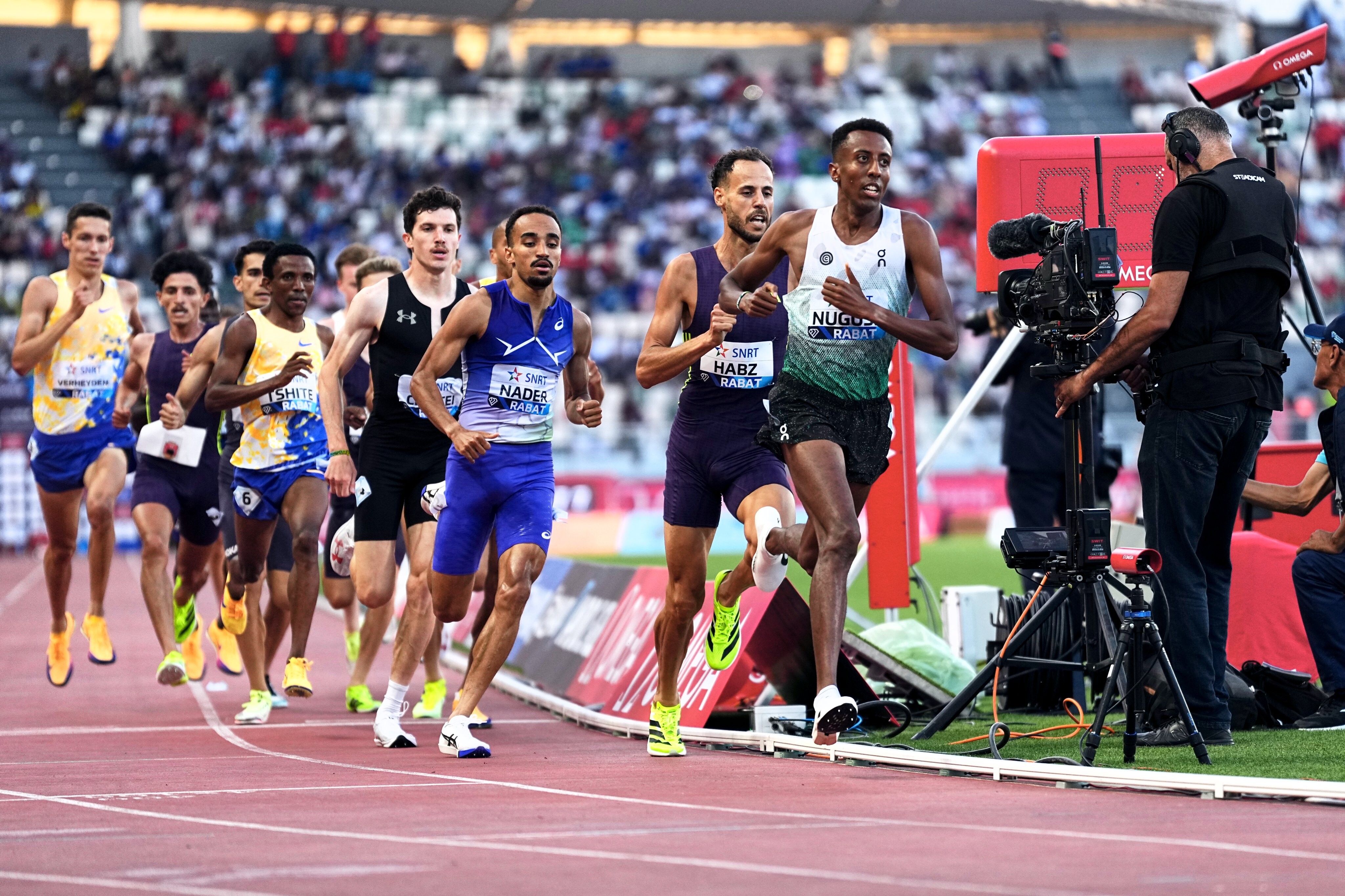
The race developed into a thrilling showdown over the final 200 metres, with Nuguse maintaining his poise under pressure as Nader unleashed a powerful finishing kick. Despite the Portuguese star's impressive surge, the American had already built enough momentum to secure both the victory and the meeting record in one of the fastest 1500m races of the season.
French athlete Azzedine Habz completed the podium after another strong performance, clocking 3:30.68 to underline the exceptional depth of the field. With all three medalists finishing comfortably under 3:31, Rabat delivered a race worthy of its reputation as one of the premier stops on the Wanda Diamond League circuit.
For Nuguse, the victory sends an early statement to his rivals as the championship season approaches. Opening his year with a meeting record against a field featuring a reigning world champion highlights both his consistency and his growing status among the world's elite milers.
The result also signals that the men's 1500m is once again shaping up to be one of athletics' most competitive events. With Nuguse, Nader, Habz and several other global stars already displaying outstanding form, fans can expect more thrilling battles as the road to the major championships gathers momentum.
In Rabat, however, the spotlight belonged to Nuguse. On a night packed with quality performances, the American delivered exactly the kind of statement run that champions are remembered for—fast, fearless and ultimately record-breaking.
by Erick Cheruiyot for My Best Runs.
Login to leave a comment
Today in History: Joyce Chepchumba’s One-Second Triumph Lights Up the 1997 London Marathon
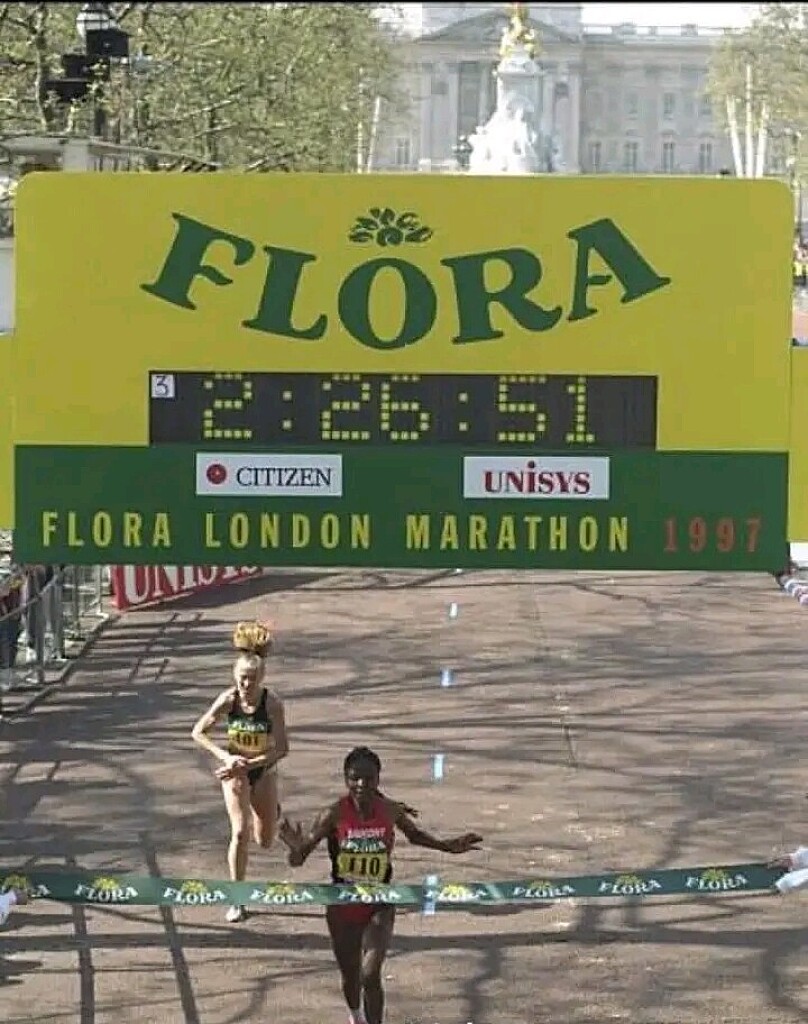
On April 13, 1997, the streets of London witnessed one of the most dramatic finishes in marathon history as the 17th edition of the London Marathon delivered a race that still lives in memory. It was a day of elite performances, fierce competition, and unforgettable tension—none more thrilling than the women’s contest, where victory was decided by the narrowest of margins.
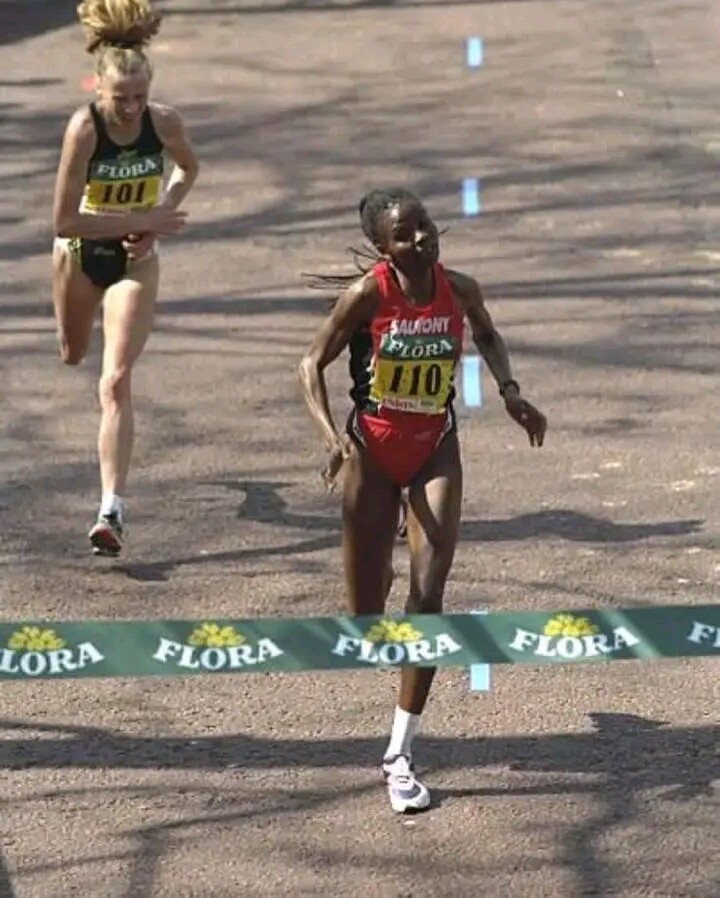
In a breathtaking duel that intensified over the closing kilometers, Joyce Chepchumba of Kenya and Liz McColgan went stride for stride in a battle of courage and endurance. With the finish line in sight, neither athlete gave an inch. In the end, it was Chepchumba who held her composure under immense pressure, crossing the line in 2:26:51—just one second ahead of McColgan, who stopped the clock at 2:26:52.
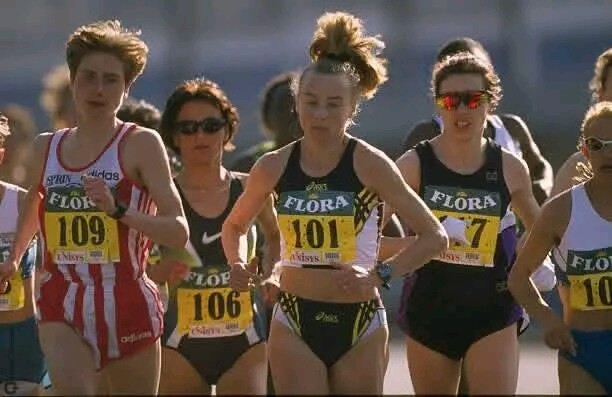
The razor-thin margin left spectators captivated and elevated the race into London Marathon folklore. It was not only a triumph of speed, but a showcase of resilience, tactical intelligence, and the relentless will to win.
Completing the women’s podium was Lidia Șimon of Romania, who ran an outstanding 2:27:11 to secure third place in a field packed with international quality.
Beyond the result itself, the race reflected the rising global strength of women’s marathon running during the 1990s. Athletes from Africa, Europe, Asia, North America, and Oceania filled the top places, underlining how the women’s marathon had become one of the sport’s most competitive stages.

The men’s elite race also produced a performance of the highest class. António Pinto of Portugal claimed victory in 2:07:55, confirming his place among the finest marathoners of his era.
More than two decades later, the 1997 London Marathon remains a symbol of what makes distance running so compelling: history written by seconds, legends forged through suffering, and champions remembered forever. Joyce Chepchumba’s one-second masterpiece still stands as one of the greatest finishes the marathon world has ever seen.
by Erick Cheruiyot for My Best Runs.
Login to leave a comment
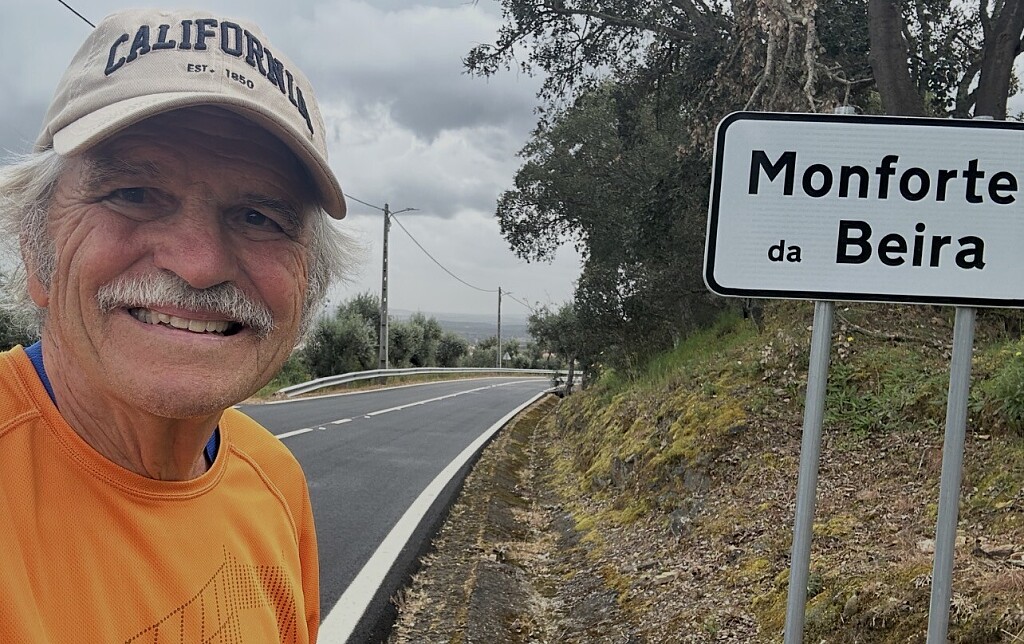
Four Days That Brought Me Back
Today I completed something that means more to me than many runs I have done—a personal four-day running event I call My Four Day Monforte and Beyond Marathon. This was my own private running event.
What makes this even more meaningful is that it was not planned.
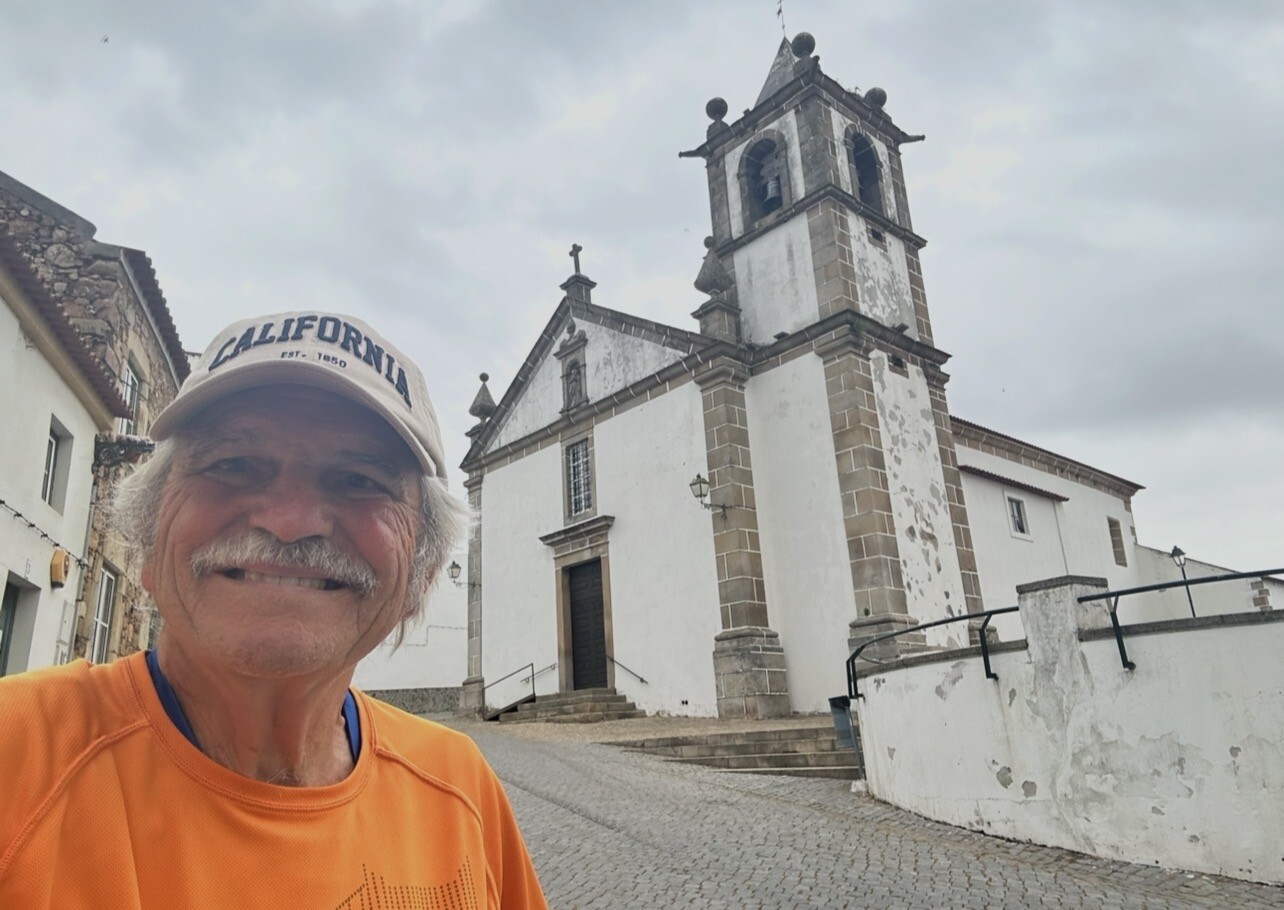
Halfway into the first day, I decided I wanted to come home with something more—a real running event. I needed this. I needed to return to running.
Over the past year, I’ve become fond of walking—often covering 40 miles per week. But I needed more. I needed to start running again, no matter how slow.
I was born to be a runner.
This was my first real running event in about a year.
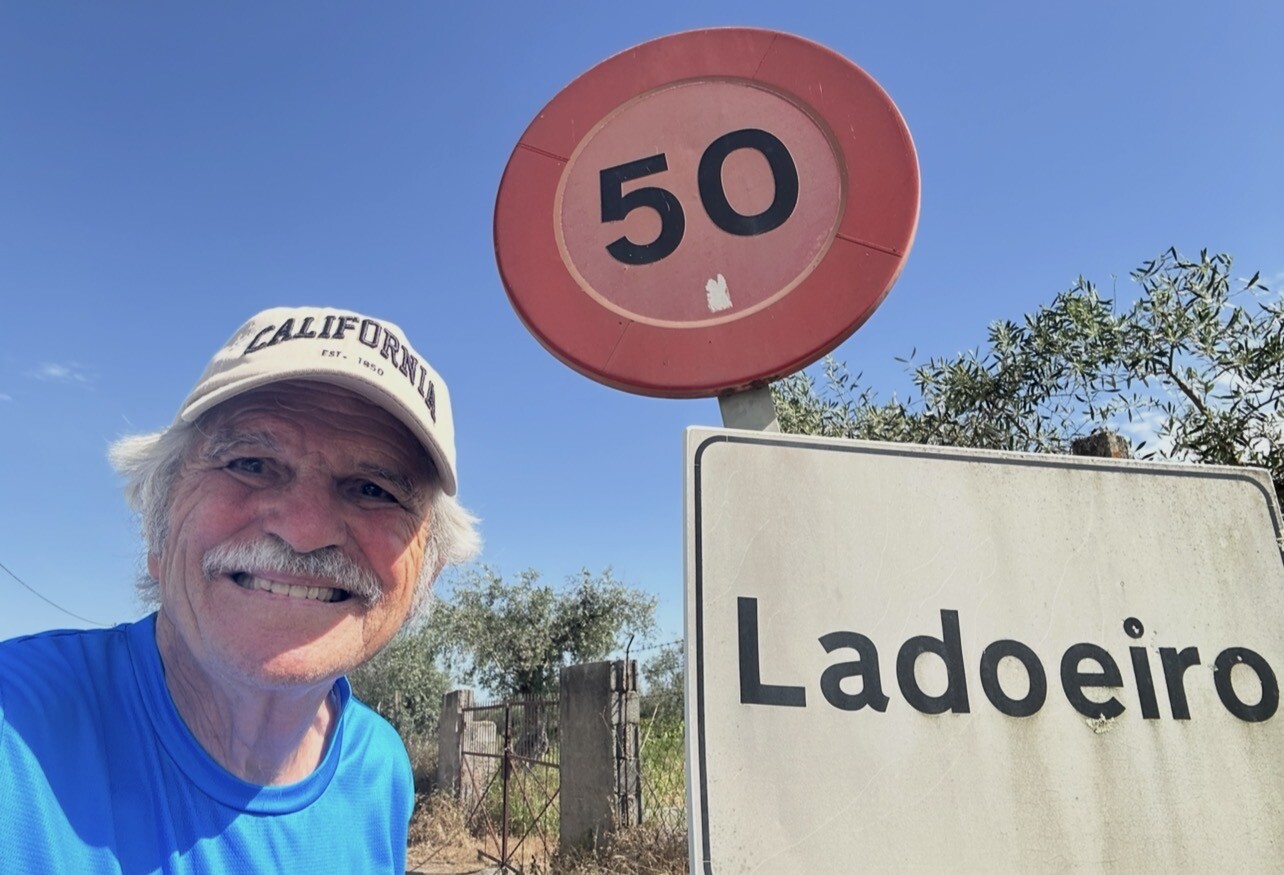
On June 15, 2024, I pushed forward too much on a 7.5-mile walk and created a serious situation with my knee. I believe I may have torn my meniscus, but without a confirmed diagnosis, I can’t say for sure.
For at least two months after that, I could barely walk. I struggled to cover a mile in 39 minutes. The thought of running was just not in the cards.
Then I began to walk a little more—but always with pain.

But I kept moving.
After about six months, I was able to do a little running—maybe 50 steps at a time. Eventually, I worked my way up to running a 5K. But I overdid it and had to back off again.
It was not a straight line back.
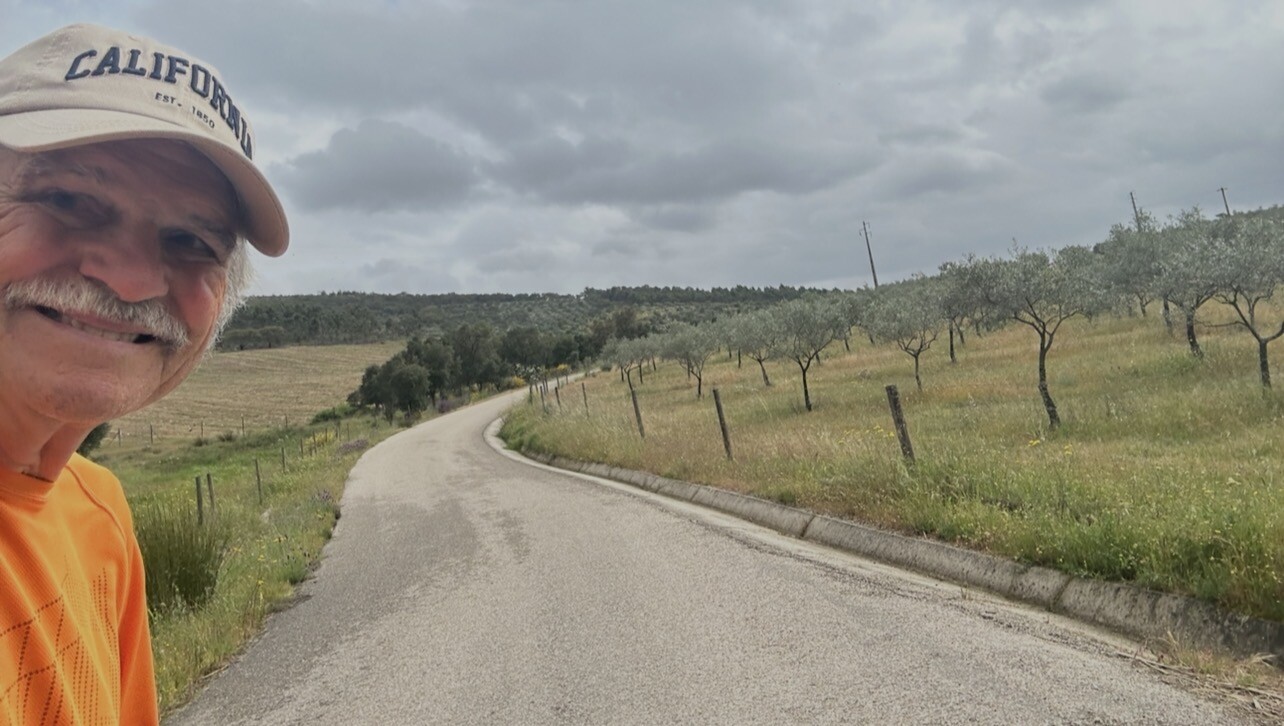
Until now.
All four days of my event began at our Anderson Manor in Monforte da Beira, Portugal, and the final leg brought me back home to the same place.
This was not a timed effort.
Just a personal journey—one that has come to mean more to me than many runs I have done.
The route goes out to three nearby villages that are part of daily life here, with each of these segments run point to point:
Cegonhas — 6.53 miles
Malpica — 8.12 miles
Ladoeiro — 7.2 miles
That’s 21.85 miles point to point.
The final leg was a loop—4.35 miles on my Cattuis course, heading out toward a local cheese farm and turning around after passing hundreds of cactus plants—one of those unexpected sights you only find in this part of Portugal.
Total: 26.2 miles.
This was not a normal marathon. I did it over four days.
On Saturday, I got things started with a short, controlled run just to see how things would respond. On Sunday, I followed that with another run, building a little more confidence and distance.
Yesterday I covered 7.2 miles on a run to Lodeiro. Today, I ran 4.35 miles on my hilly Cattuis course. There was a little pain today, but not much—mostly just the feeling of being out of shape.
Day by day, I kept moving forward.
This was not about speed.
It was about finishing.
It was about proving to myself that I could once again complete a running event—something with purpose, something bigger than just a few training runs.
One positive thing that has come from this experience is that running at any pace is still running. I do enjoy running faster, and I hope to get back to that at some point, but just running also works.
As you can probably tell, the excitement of finishing this is what means the most.
This effort brought me back to something I have loved since I took my first running step on February 16, 1962.
Where I go from here is not certain.
But I do know this—there will be more running events ahead.
I will also keep walking. Even during these four days, in addition to the running, I have logged over ten miles of walking. Moving forward is what matters most.
This was not about times or distance.
It was about returning.
And that is a victory.
by Bob Anderson for My Best Runs
Login to leave a comment
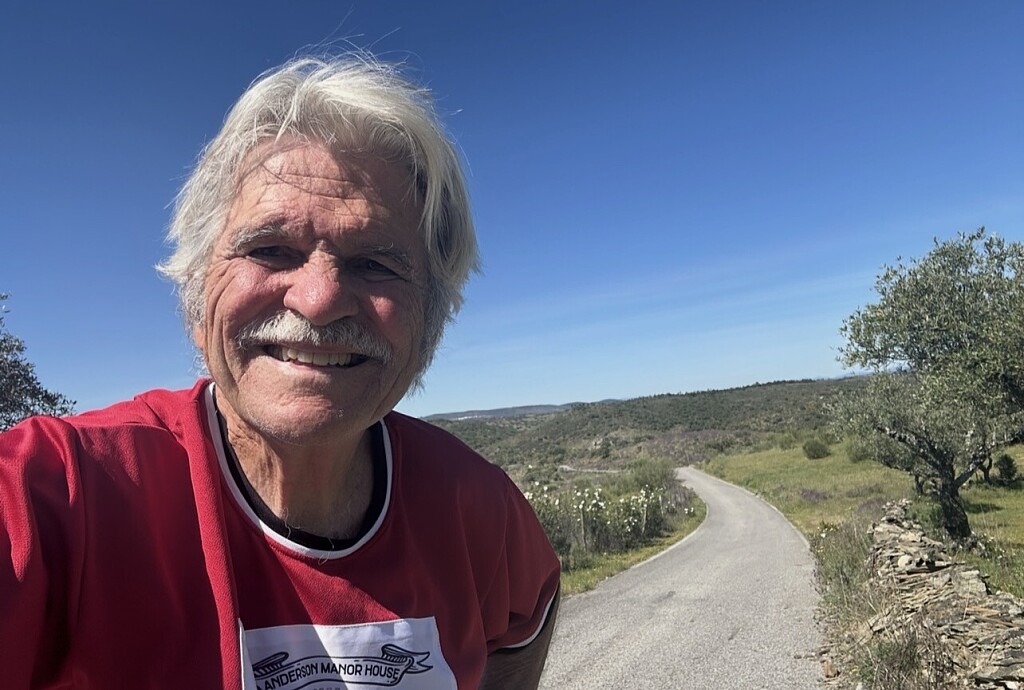
Finding My Way Back One Step at a Time
At our Anderson Manor (second photo) in central Portugal, I recently started something I didn’t plan.
I call it the “Four Day Monforte and Beyond Marathon.”
Not a race.
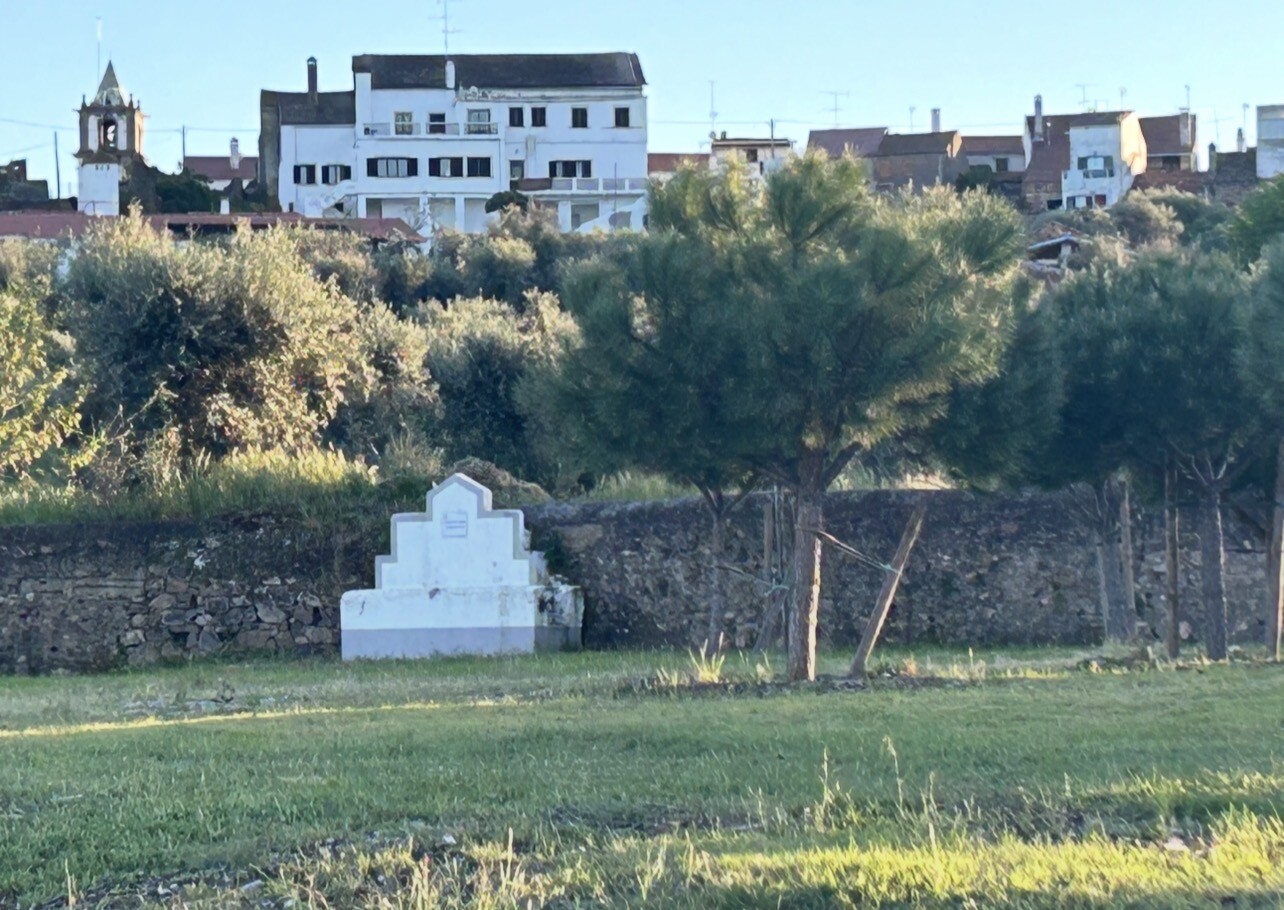
Not a timed effort.
Just a personal journey—one that has come to mean more to me than most runs I’ve done.
The route connects three nearby villages that are part of daily life here:
• Cegonhas — 6.53 miles
• Malpica — 8.12 miles
• Ladoeiro — 7.2 miles
That’s 21.85 miles point to point.
To complete the marathon distance, I will finish on Tuesday with a 4.35-mile loop heading out toward a local cheese farm, turning around after passing hundreds of cactus plants—one of those unexpected sights you only find in this part of Portugal.
Total: 26.2 miles.
But I’m doing it over four days.
Where I Am Now
After two days, I’ve completed 14.65 miles.
Ahead of me:
• Monday — the run to Ladoeiro
• Tuesday — I will be finishing up this special marathon with the final 4.35-mile cactus loop
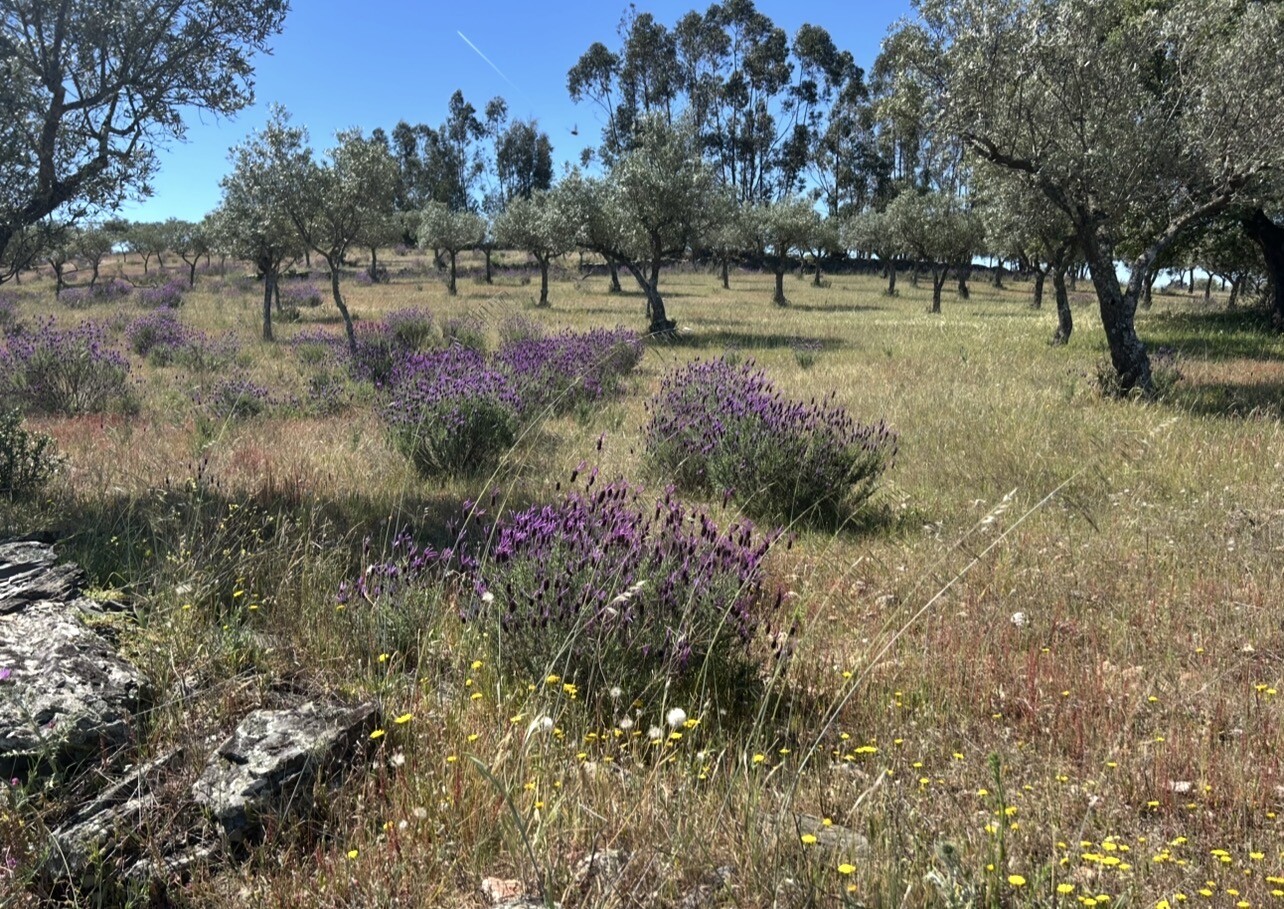
Two days. About 11 miles to go.
My plan on Tuesday is to wear lighter running shoes, just to test the water. I’ve always liked how running feels smoother and more natural in lighter shoes, so this will be another small step forward—listening to what my body tells me.
More Than Just Miles
This run is about something much deeper.
On June 15, 2025, I had a situation with my knee. For at least 30 days, I could hardly walk. Going up and down stairs was difficult. I was mostly limping, and there were times I could barely cover a mile in less than 40 minutes.
But I kept moving.
At my age—or any age—we must keep moving if possible.
Since then, I’ve averaged about 40 miles a week—mostly walking, some running. It’s been steady, but uncertain.
There were moments when I started to think my running days might be over. I started my running journey Feb 16, 1962 and I have never taken this amount of time off ever.
But I didn’t want to believe that.
So I didn’t.
I kept moving. I kept walking. And walking is good—very good. But it’s not running.
Today, during my second leg, I ran 6.8 miles, and just like that, I felt it again—that feeling only running gives you.
I started my running journey Feb 16, 1962 and I have never taken this amount of time off ever. It is good to be back.
A Step at a Time
I’m not rushing this.
It’s one step at a time.
One day at a time.
Even now, I know things can change quickly. But I’m heading in the direction I want to go.
This will be the first time since my knee situation that I’ve covered the marathon distance—even spread out over days.
And I needed this.
The Moments Along the Way
One of the best parts of this journey has nothing to do with the running itself.
It’s been sharing these moments with my wife, Catherine Anderson.
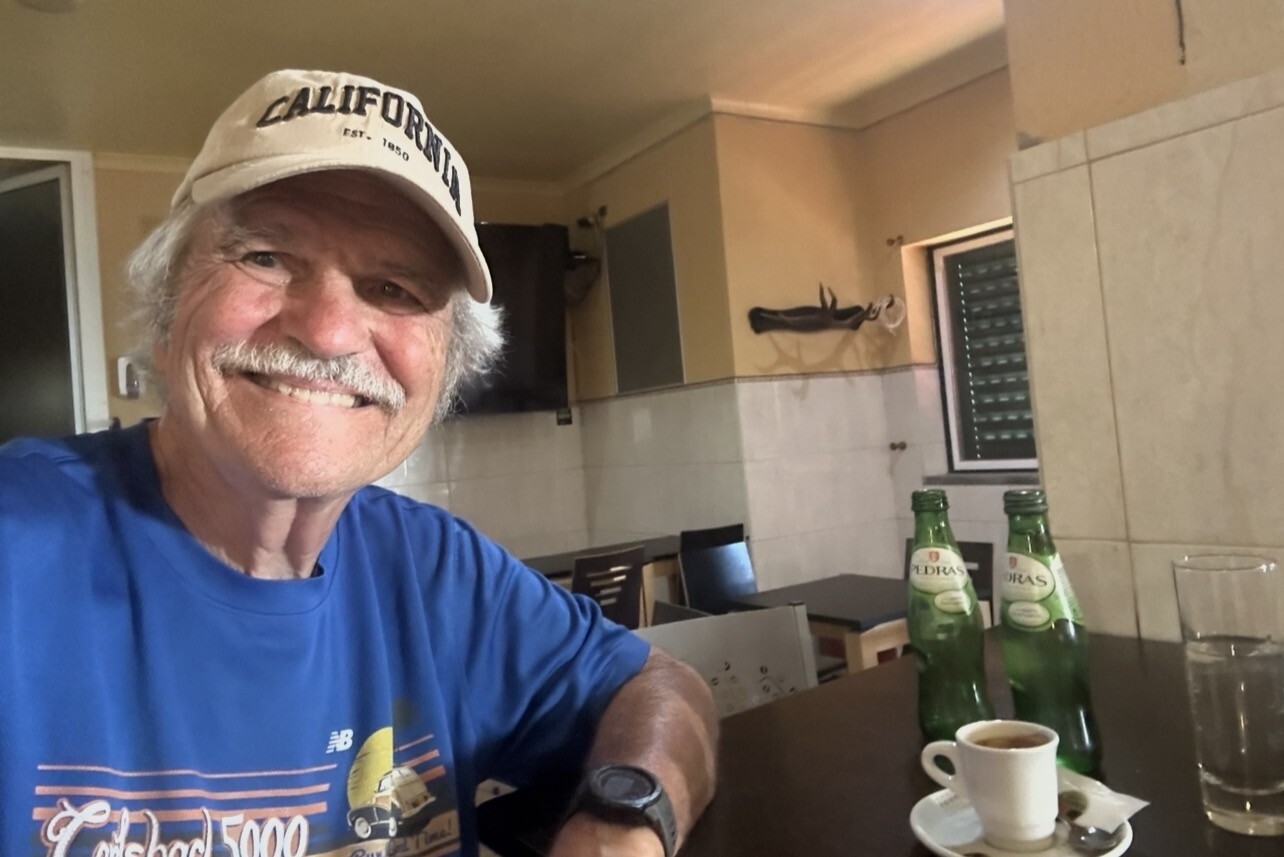
She meets me in these small villages, and we take time to sit down—have a coffee, drink some water, and just enjoy where we are.
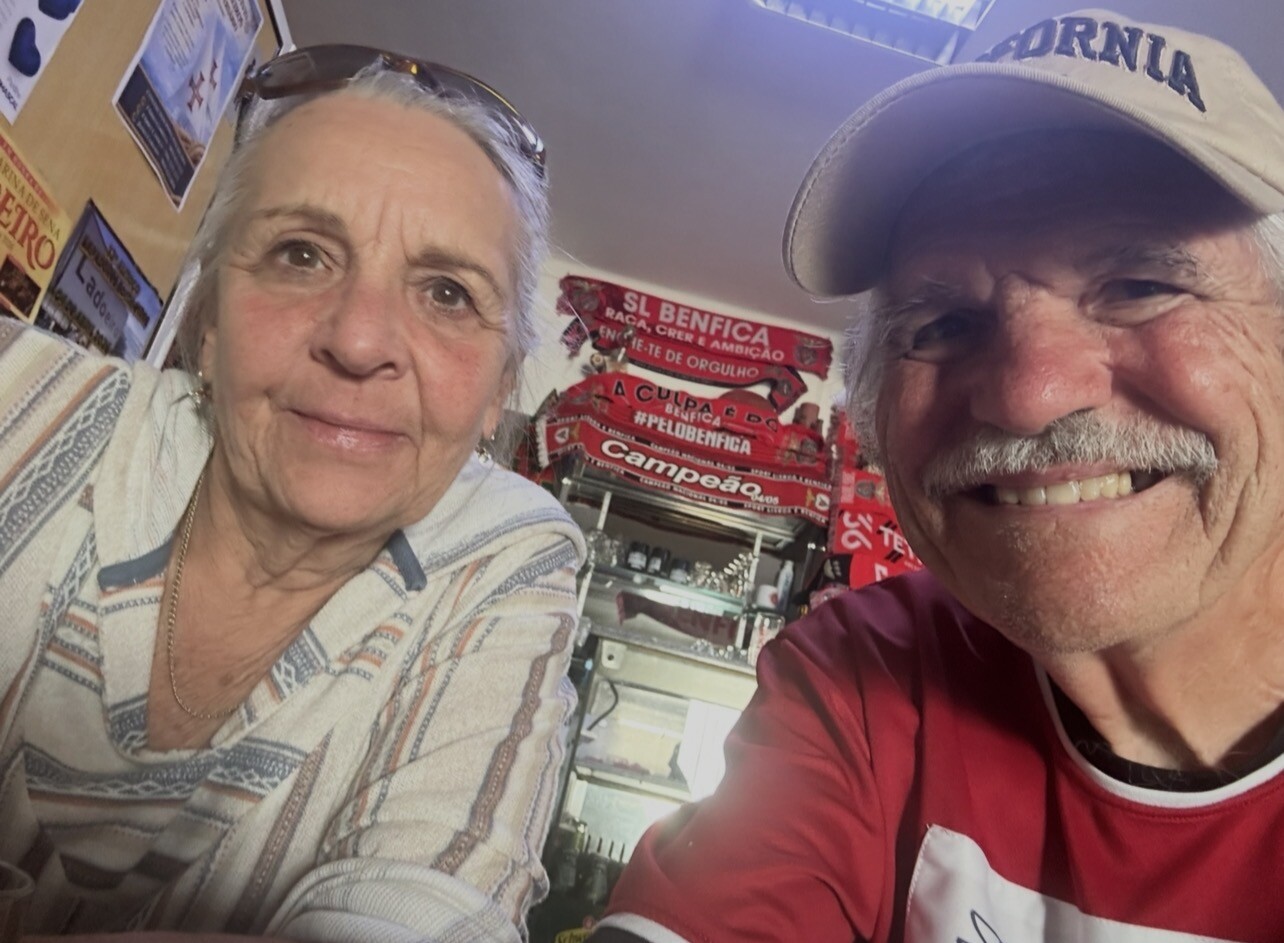
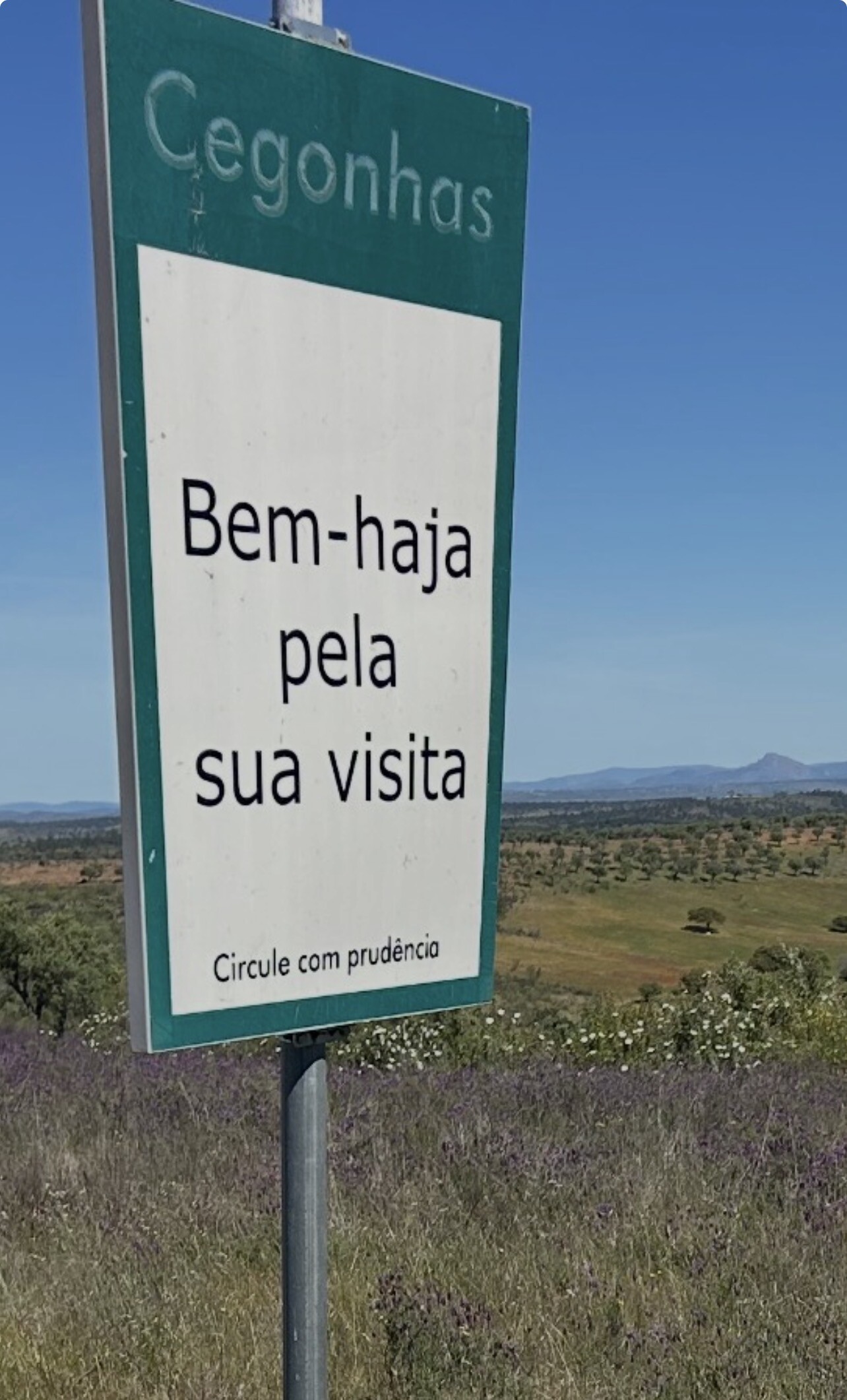
In Cegonhas, they were having a pre-Easter gathering, and we joined them for lunch.
In Malpica, it was simpler—just coffee and sparkling water.
These are the moments that turn this from a run into something I will always remember.
Not a Recommendation—Just My Journey
I’m not recommending this approach.
I didn’t rely on doctors, operations, or medicine. My body has slowly brought me back on its own. It’s been a long journey, and it’s not over.
But I’ve learned something important:
You have to believe in what your body can do.
Redefining the Run
I’ve loved running fast. I still do.
I like running smoother when I’m going faster and wearing lighter shoes.
But right now, at 78 years old, a little out of shape, and about eight pounds heavier than I’d like to be after a long layoff, things are different—and that’s okay.
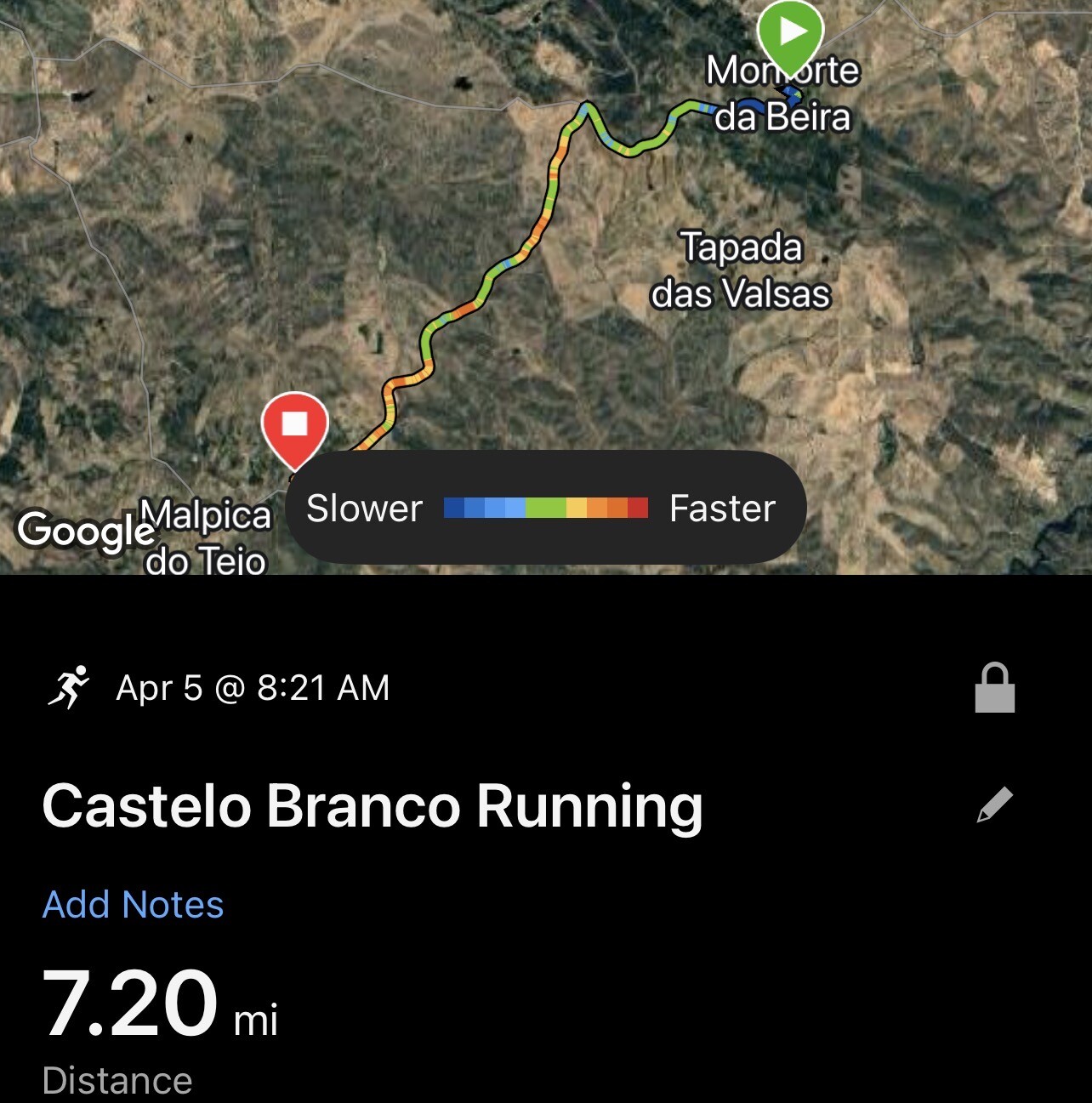
Even running at sub-15-minute pace feels good again.
And I know this is a good start.
In many ways, sub-10-minute miles are actually easier than 15-minute miles—they flow better. But at this stage, any running at any time works for me.
And I will get back in shape.
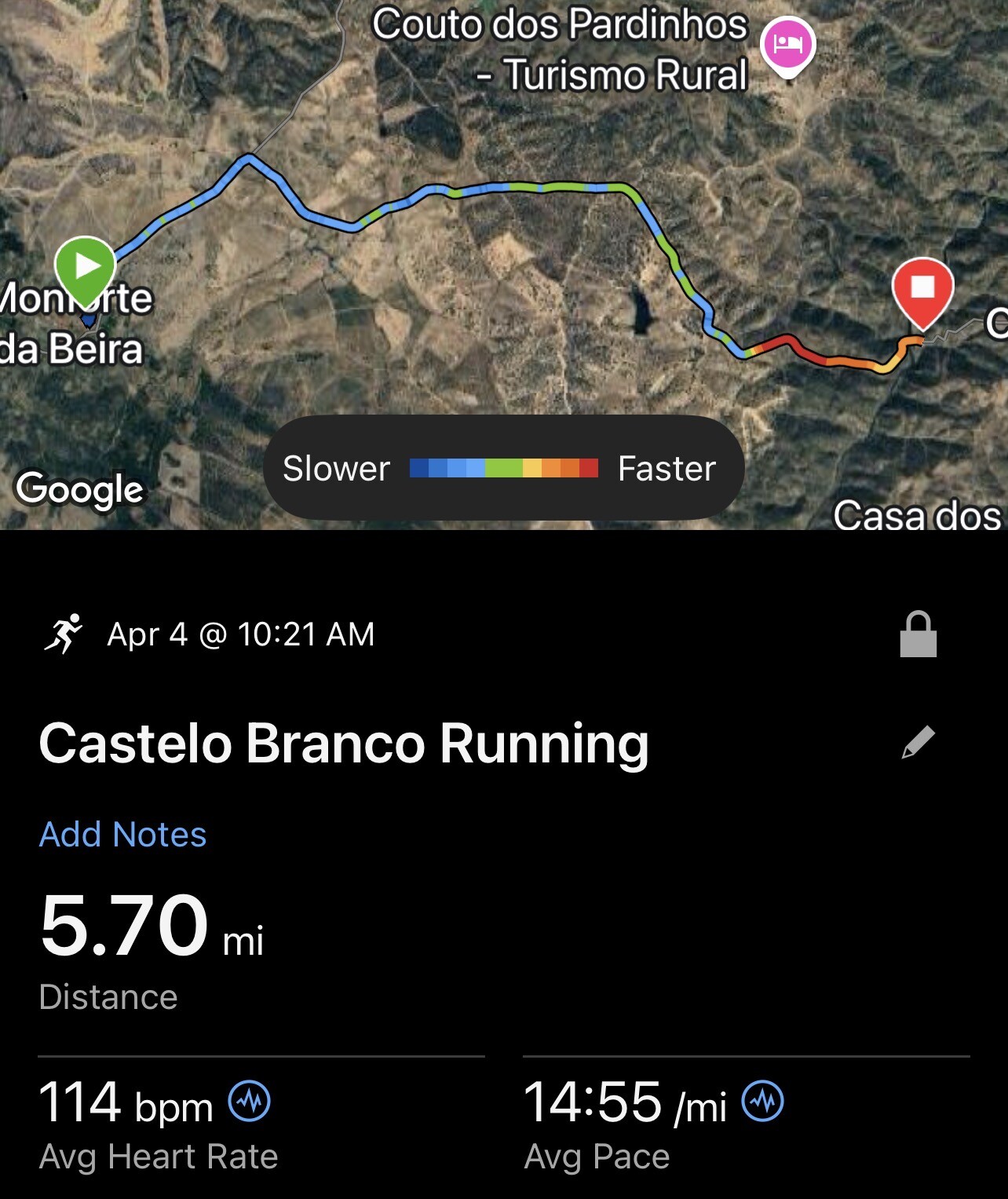
And I will get my weight back down.
Because it’s still running.
And at heart, I am—and always will be—a runner.
Monforte and Beyond
With two days to go, this journey isn’t finished yet.
One more village.
And on Tuesday, I will finish this special marathon with the final miles.
This one isn’t about finishing fast.
It’s about finishing—period.
by Bob Anderson founder My Best Runs
Login to leave a comment
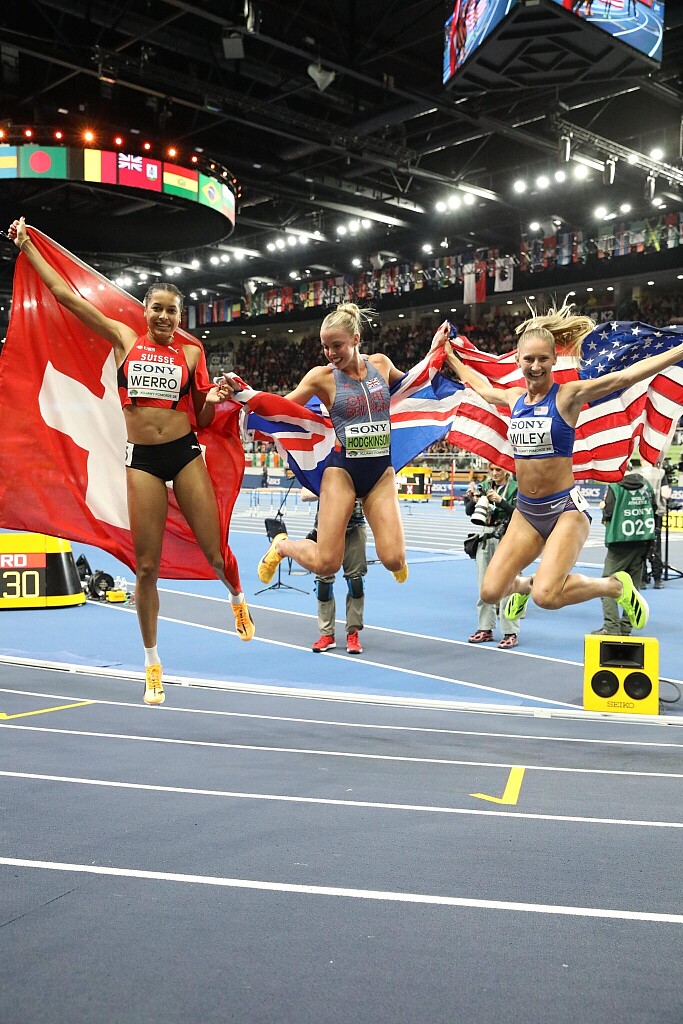
Unmatched Depth, Unrivaled Glory: USA Conquered the Global Stage
The curtain has fallen on a thrilling three days of elite competition at the World Athletics Indoor Championships Kujawy Pomorze 2026, and the final medal table tells a compelling story of dominance, depth, and rising global ambition. Staged in Poland, the championship delivered electrifying performances across track and field, culminating in a decisive victory for the United States, whose supremacy was reflected not just in gold, but in remarkable overall consistency.
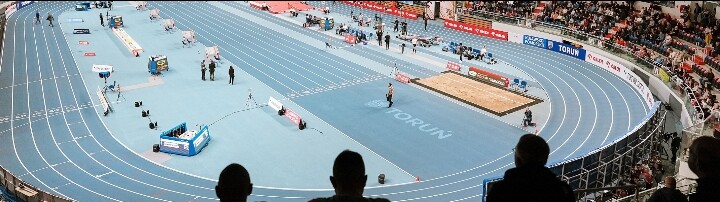
American Mastery: Depth Beyond Gold
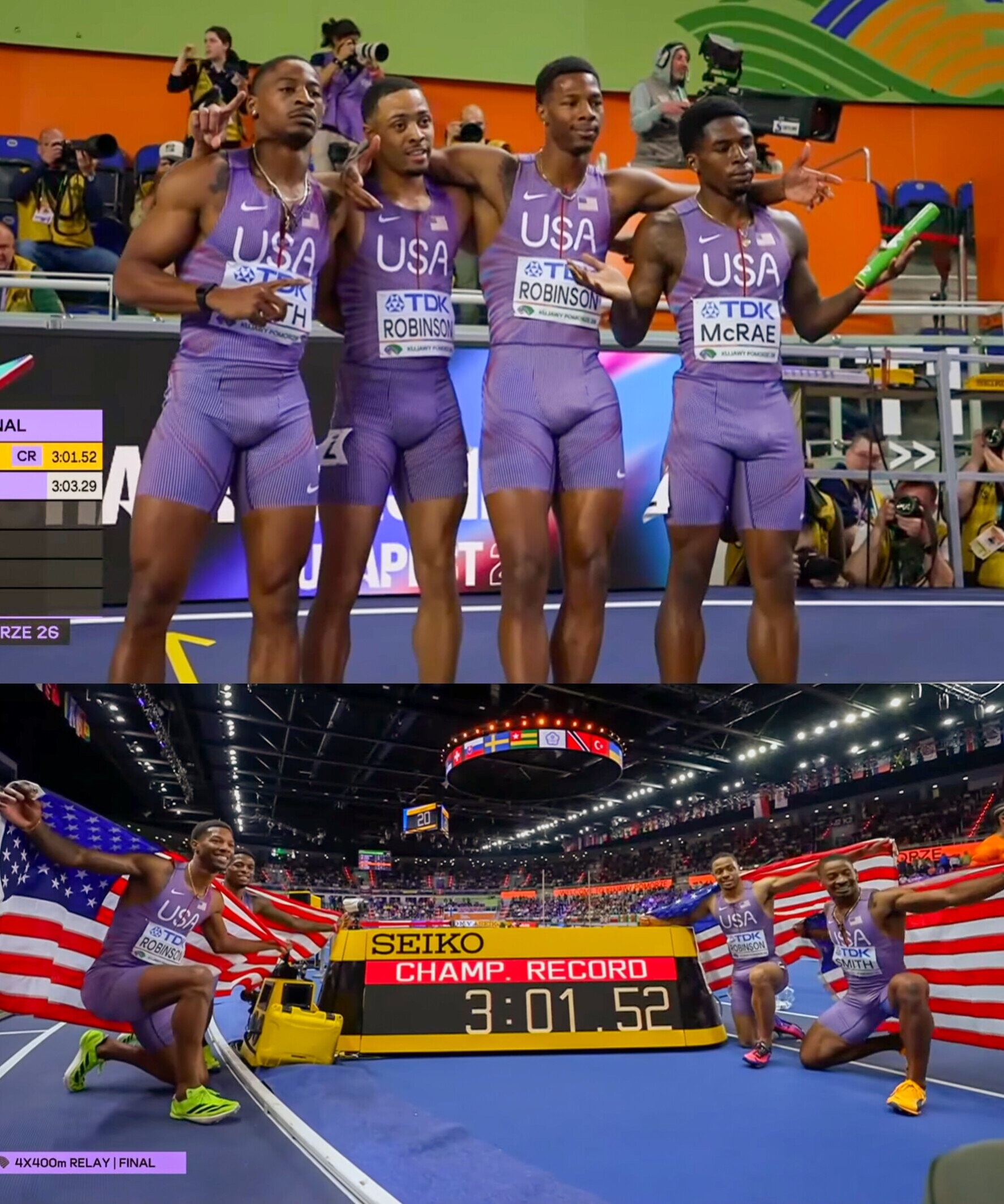
The United States topped the standings with an impressive haul of 18 medals (5 gold, 7 silver, 6 bronze)—a testament to their unmatched squad depth. Rather than relying on a handful of standout victories, the Americans showcased strength across multiple disciplines, consistently placing athletes on the podium. It was a campaign built on balance, resilience, and a culture of excellence that continues to define their global athletics presence.
British Efficiency: Gold-Focused Brilliance
In second place, Great Britain and Northern Ireland delivered a sharply efficient performance, collecting 4 gold medals without a single silver or bronze. Their strategy was clear—peak for victory. Each triumph carried weight, highlighting a system finely tuned for championship success rather than medal volume.
Italy’s Balanced Rise

Finishing third, Italy demonstrated both quality and depth with 3 gold and 2 silver medals. The Italians have steadily evolved into a formidable indoor force, and their presence near the top signals a sustained upward trajectory in European athletics.
Europe’s Stronghold
The championships saw a powerful showing from across Europe. Portugal and Ukraine shared fourth place with identical tallies of 2 gold and 1 silver each, while Spain impressed with a well-rounded 5 medals (1 gold, 2 silver, 2 bronze).
Further down the table, nations like Netherlands, Belgium, and host nation Poland added to Europe’s dominance, each contributing meaningful podium finishes that underscored the continent’s competitive depth.
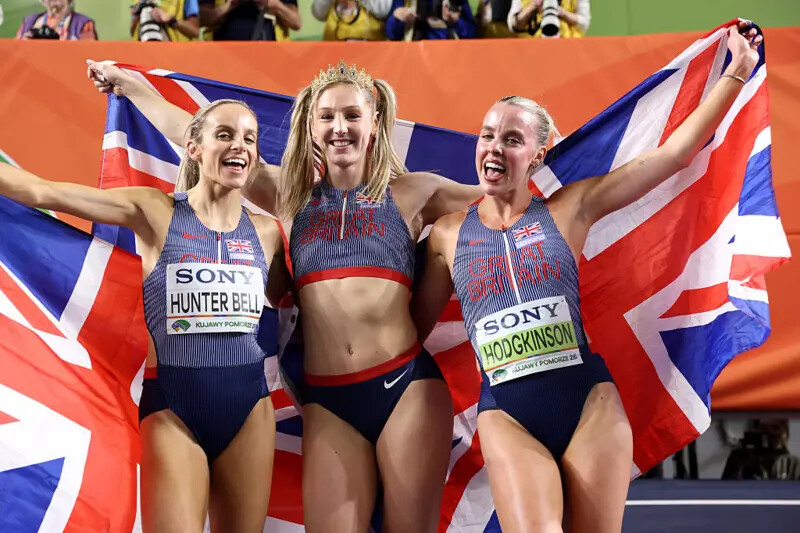
Global Contenders Hold Their Ground
Beyond Europe and North America, several nations made their presence felt. Canada secured two medals, while New Zealand and Sweden each claimed a gold and a bronze.
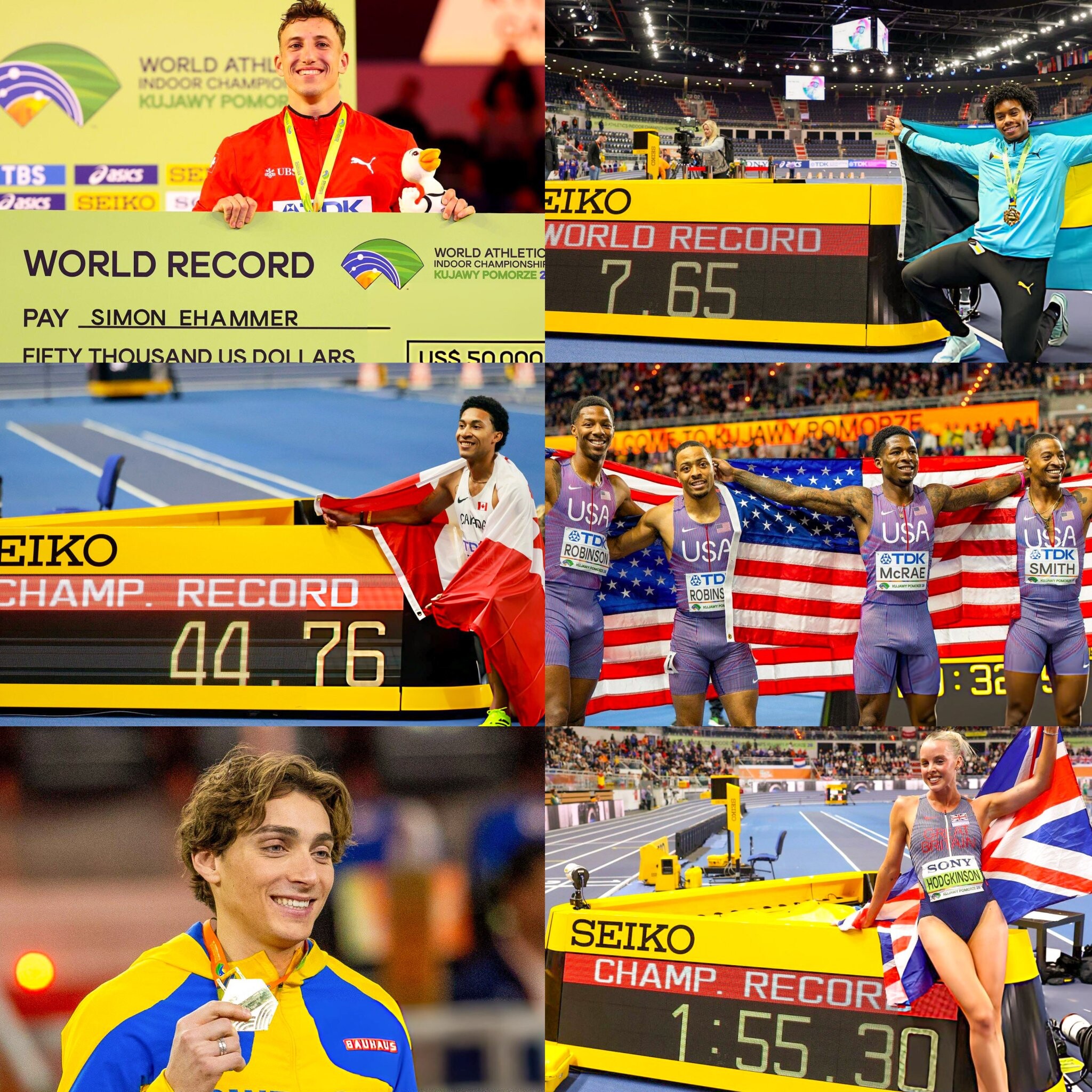
In the Caribbean, Bahamas and Cuba each captured gold, maintaining their tradition of producing explosive talent on the global stage. Meanwhile, Jamaica collected four medals—though notably without gold—hinting at fierce competition in sprint events.
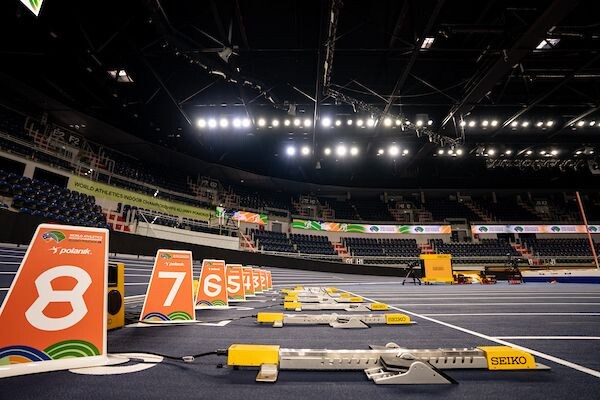
Emerging Nations and Historic Moments
The medal table also reflected the growing inclusivity of global athletics. Countries such as Greece, Mexico, Serbia, and Slovenia each celebrated podium finishes, marking significant milestones for their programs.
Nations like Algeria, Colombia, Senegal, and Trinidad and Tobago also secured bronze medals, proving that the competitive landscape continues to widen with every championship.
A Championship Defined by Depth and Diversity
What set Kujawy Pomorze 2026 apart was not just the medal count, but the distribution. With dozens of nations reaching the podium, the event showcased athletics as a truly global sport—where opportunity, preparation, and belief converge on the world stage.
As the lights dim on this edition of the indoor championships, one truth stands clear: while the United States remains the benchmark of consistency, the gap is narrowing. Across continents, nations are rising, systems are improving, and the race for supremacy is becoming ever more unpredictable.
The road to the next global showdown has already begun—and if Kujawy Pomorze 2026 is any indication, the future of athletics promises even greater drama, diversity, and brilliance.
by Erick Cheruiyot for My Best Runs.
Login to leave a comment

World Athletics Indoor Championships
World-Class Competition Lands in Poland: 2026 World Athletics Indoor Championships The 21stWorld Athletics Indoor Championshipsare being held from 20 to 22 March 2026 at theKujawsko-Pomorska Arena ToruńinToruń,BiT City,Kuyavian–Pomeranian,Poland. It is the second time the country has held the event after the2014 editioninSopot. The venue previously hosted the2021 European Athletics Indoor Championships. On 22 March 2023, the World Athletics Council...
more...
Lavreshina Lights Up the Track with Record-Breaking Surge at World Indoors
In a race defined by precision, poise, and a devastating finishing kick, Portugal’s rising sprint sensation Sofia Lavreshina delivered a performance of rare brilliance to claim victory in her 400m heat at the World Indoor Championships. Clocking a stunning 51.87 seconds, Lavreshina not only secured the win but also etched her name into the history books with a new Portuguese national record.
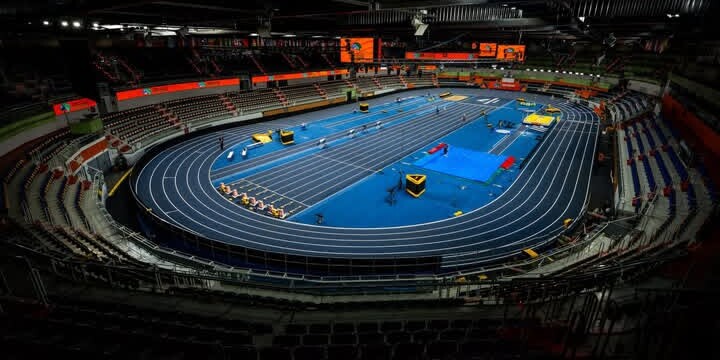
From the opening strides, the race unfolded with controlled intensity. Lavreshina, composed and measured through the early phases, positioned herself strategically as the stagger unwound. Yet it was in the final bend where the race truly ignited—her cadence sharpened, her stride lengthened, and with remarkable composure, she unleashed a powerful closing burst that left her rivals scrambling in her wake.
Hot on her heels was the Netherlands’ Myrte van der Schoot, who produced a commendable run to finish second in 51.97 seconds, staying within striking distance but ultimately unable to match the Portuguese athlete’s late acceleration. Completing the top three was American sprinter Rosey Effiong, who crossed the line in 52.13 seconds, showcasing her own strength in a tightly contested field.
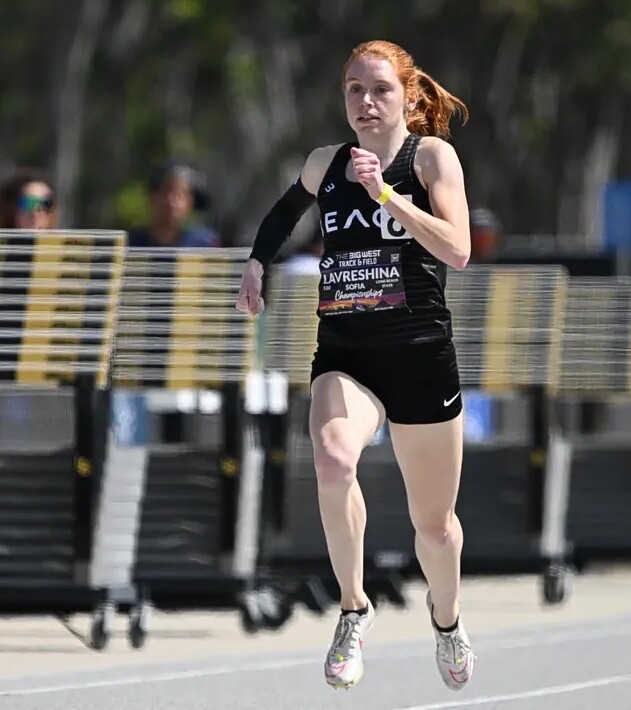
What set Lavreshina apart was not merely her time, but the authority with which she executed her race plan. Her rhythm remained unbroken under pressure, her form resilient even as fatigue crept in—hallmarks of an athlete stepping confidently onto the global stage.
This victory sends a clear message: Lavreshina is not just competing—she is evolving into a formidable force in the two-lap event. As the championships progress, all eyes will be on the Portuguese star, whose blend of tactical intelligence and explosive speed promises even greater moments ahead.
In a championship built on margins, Sofia Lavreshina created separation—and in doing so, delivered a performance that will resonate far beyond the confines of the indoor track.
by Erick Cheruiyot for My Best Runs.
Login to leave a comment
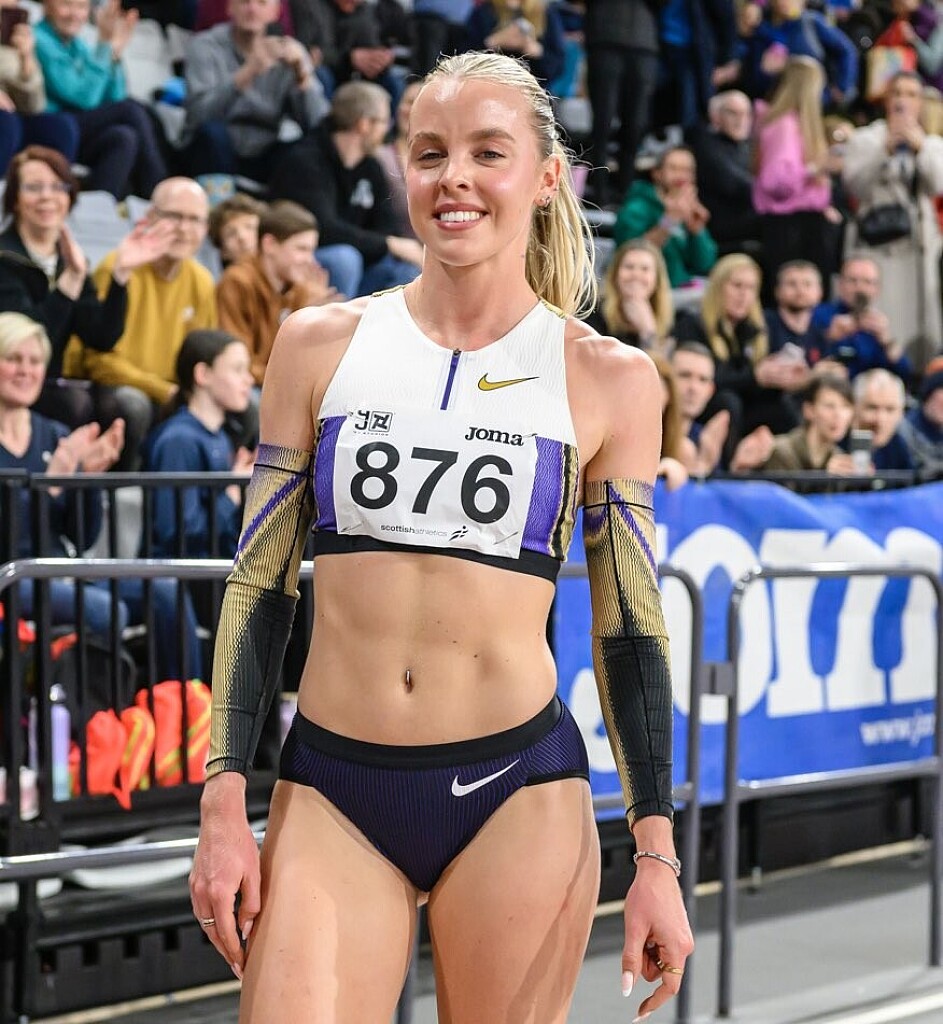
Fearless and Ready: Hodgkinson Leads the Charge as World Indoors Ignite in Toruń
The World Athletics Indoor Championships burst into life today in Toruń, ushering in a weekend of elite competition where fine margins and bold decisions will define champions.
From the opening session at 9:05am, the world’s best athletes step onto the track with everything on the line. In the men’s 3000m, Britain’s Josh Kerr renews his rivalry with American star Cole Hocker in what promises to be a race of both strategy and raw finishing speed.
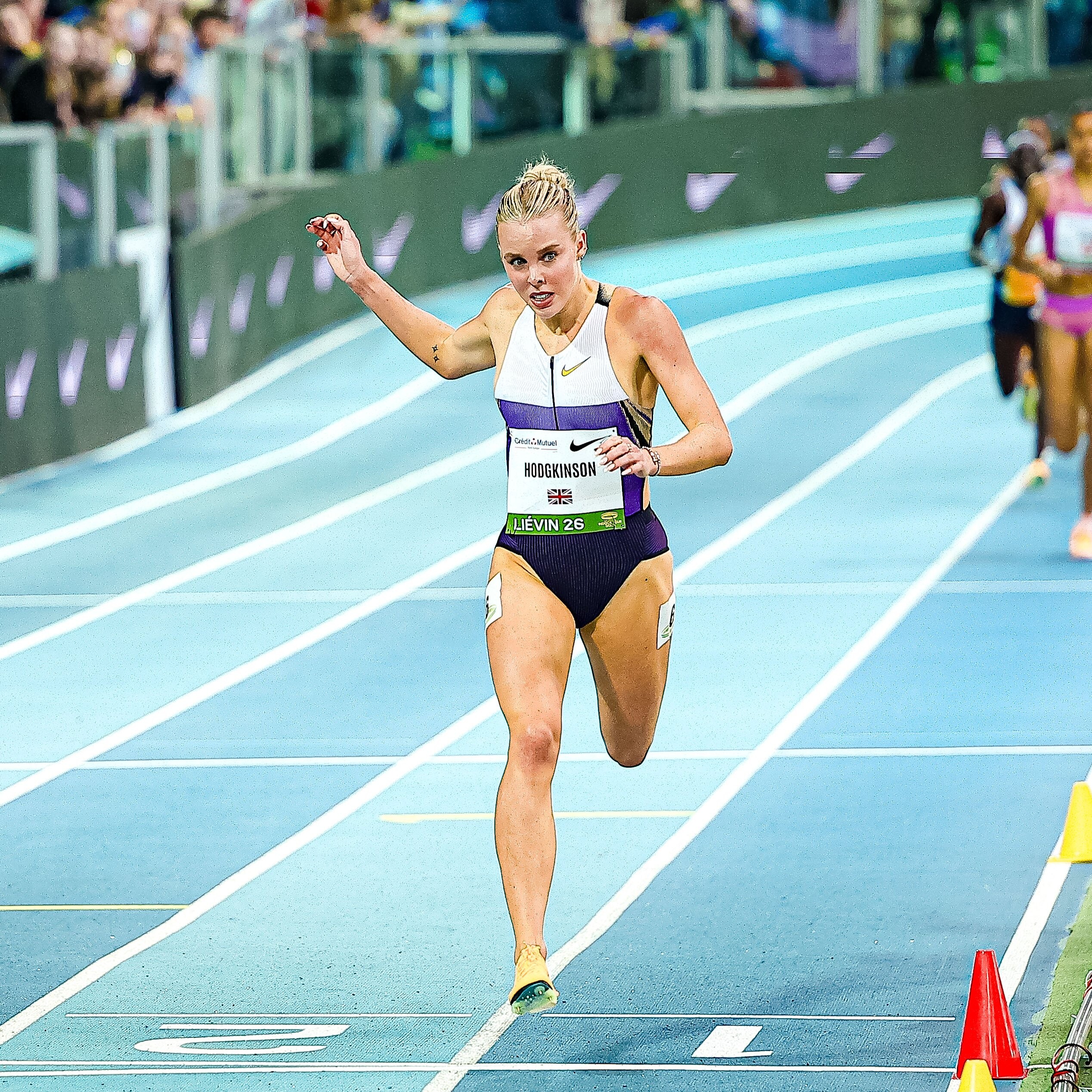
Attention will also turn to the 1500m, where Portugal’s Isaac Nader faces off against Britain’s Georgia Hunter Bell—two athletes eager to stamp their authority on the global stage.
Yet, one of the most compelling narratives belongs to Keely Hodgkinson in the women’s 800m. Heading into the championships, Hodgkinson has revealed a powerful shift in mindset—one rooted in rediscovering the fearless version of herself that first broke through as a teenager.

“I’m embracing my 19-year-old fearless self who doesn’t think so much—and it’s working for me,” she said. “I’m having fun with everything. Competition brings so many different things, so you don’t actually know what’s going to happen. I’m really excited to embrace that.”
It is a statement that captures both maturity and liberation. No longer weighed down by expectation, Hodgkinson enters the championships with clarity, confidence, and a renewed sense of joy—qualities that could prove decisive in a tactical two-lap battle.
Elsewhere, the men’s pole vault will once again revolve around the extraordinary Armand Duplantis, while Britain’s Molly Caudery looks to challenge for top honors. In the high jump, Australia’s Nicola Olyslagers brings consistency and composure to an event where every attempt counts.
The sprint events promise explosive action, led by Julien Alfred in the women’s 60m. She faces strong British opposition from Dina Asher-Smith and Amy Hunt, while Jeremiah Azu aims to make his mark in the men’s race.
As the championships unfold, one truth remains—indoor racing rewards the brave. And with athletes like Hodgkinson embracing uncertainty rather than fearing it, Toruń is set for moments that could define the season.
The stage is ready. The energy is building. Now, it’s time to race.
by Erick Cheruiyot for My Best Runs.
Login to leave a comment
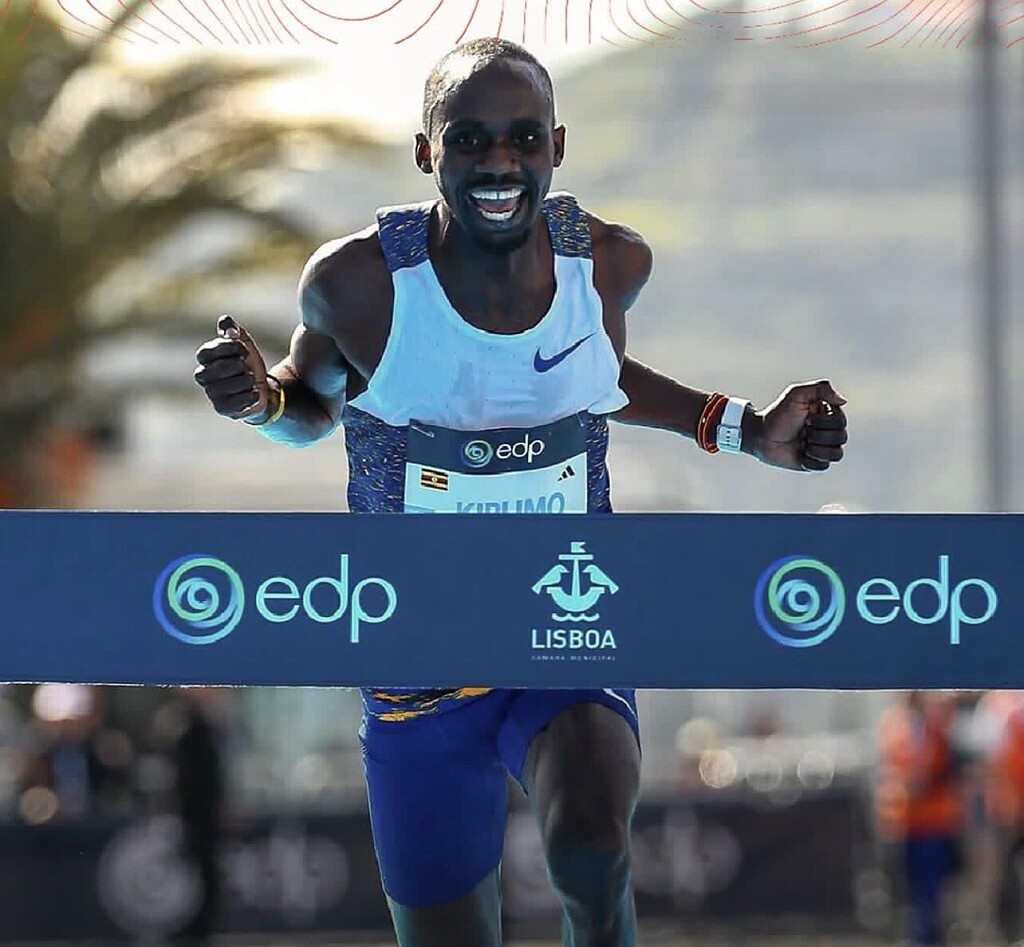
Jacob Kiplimo Rewrites History Again with Stunning Half Marathon World Record in Lisbon
The streets of Lisbon witnessed another unforgettable chapter in distance running as Uganda’s phenomenal star Jacob Kiplimo produced a breathtaking performance to set a new half marathon world record of 57:20 at the Lisbon Half Marathon in Portugal.
Running with remarkable control and relentless pace, Kiplimo turned the race into a historic moment for global road running. From the early kilometres he looked comfortable at record speed, gradually pulling away from the field and leaving little doubt that something extraordinary was unfolding on the fast Portuguese course.
As he surged down the finishing stretch, the clock confirmed what spectators had begun to realize—Kiplimo had rewritten history once again. His 57:20 not only secured victory but also smashed the official world record recognized by World Athletics, further cementing his place among the greatest half-marathon runners the sport has ever seen.
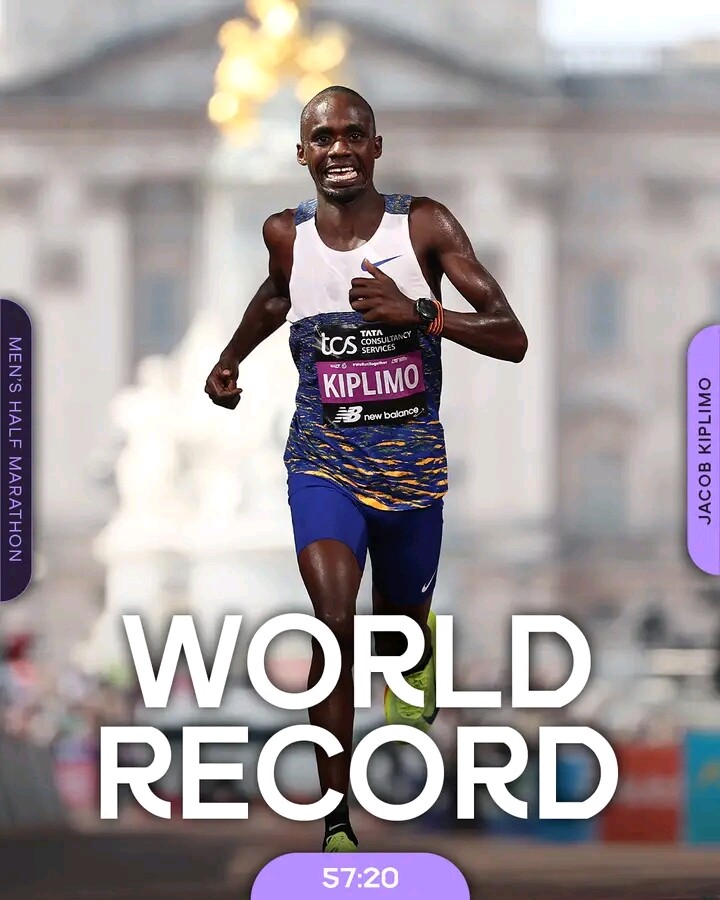
The achievement carried extra significance for the Ugandan star. Just a year earlier, he had run a stunning 56:42 in Barcelona—the fastest half marathon ever recorded—but the mark was never ratified, leaving a lingering debate in the sport. In Lisbon, however, Kiplimo removed any doubt with a definitive, record-breaking run.
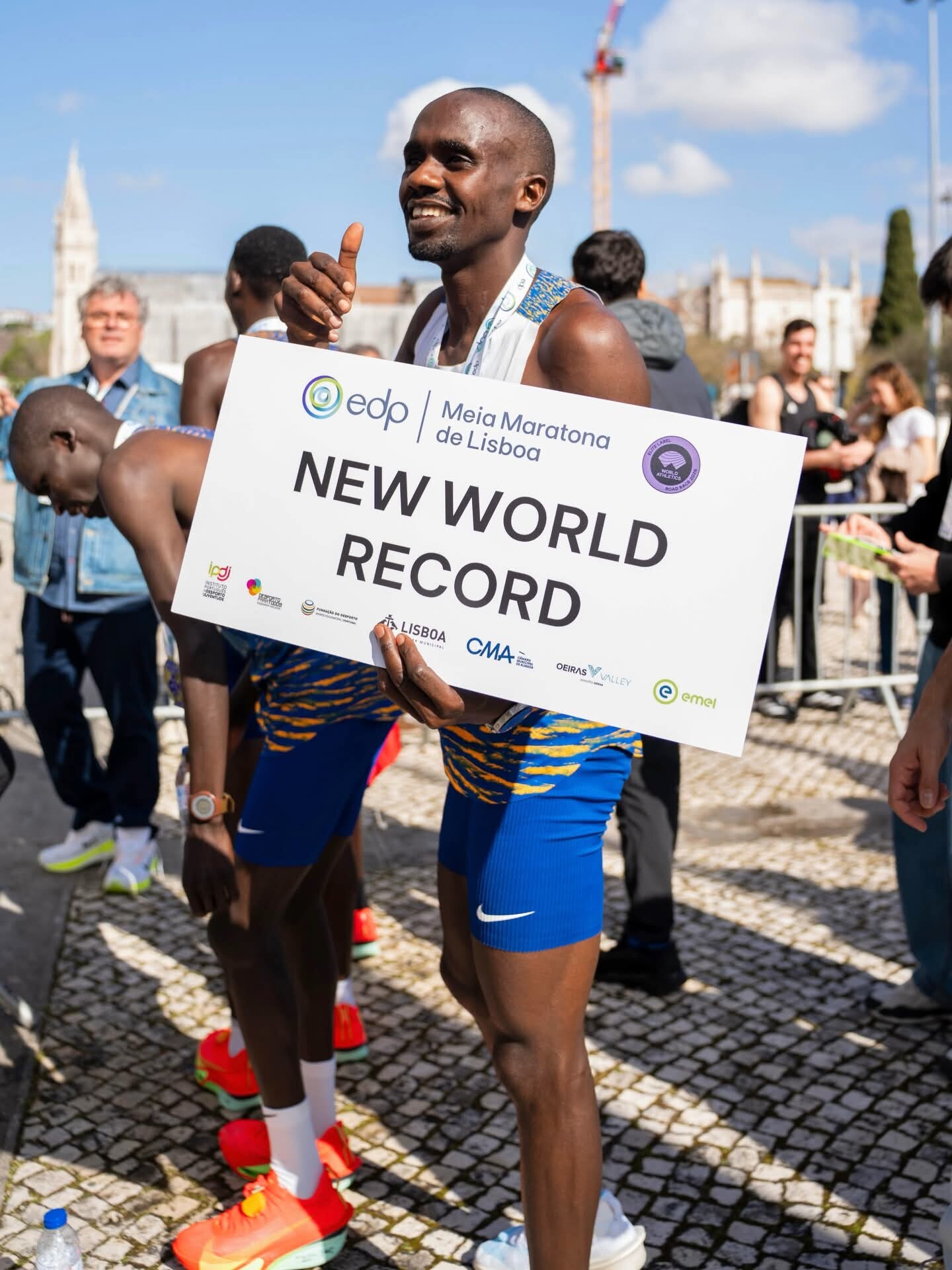
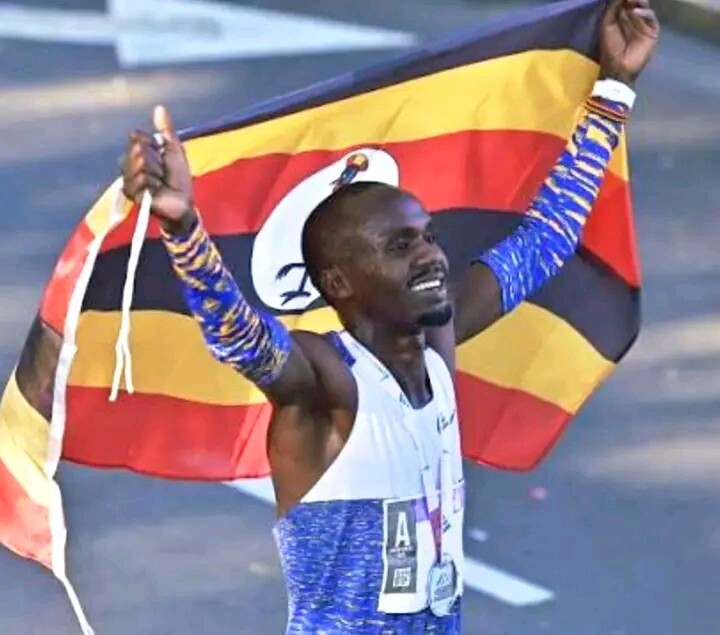
Fittingly, the Portuguese course has become part of his remarkable legacy. It was here in 2021 that he first stunned the athletics world with a 57:31 world record, and now he has returned to push the limits even further. Three extraordinary races across the years now define Kiplimo’s half-marathon dominance—each performance reinforcing his reputation as one of the sport’s most relentless competitors.
Behind the record-breaking champion, the race produced a series of impressive performances from some of the world’s best road runners, highlighting the depth and intensity of the elite field.
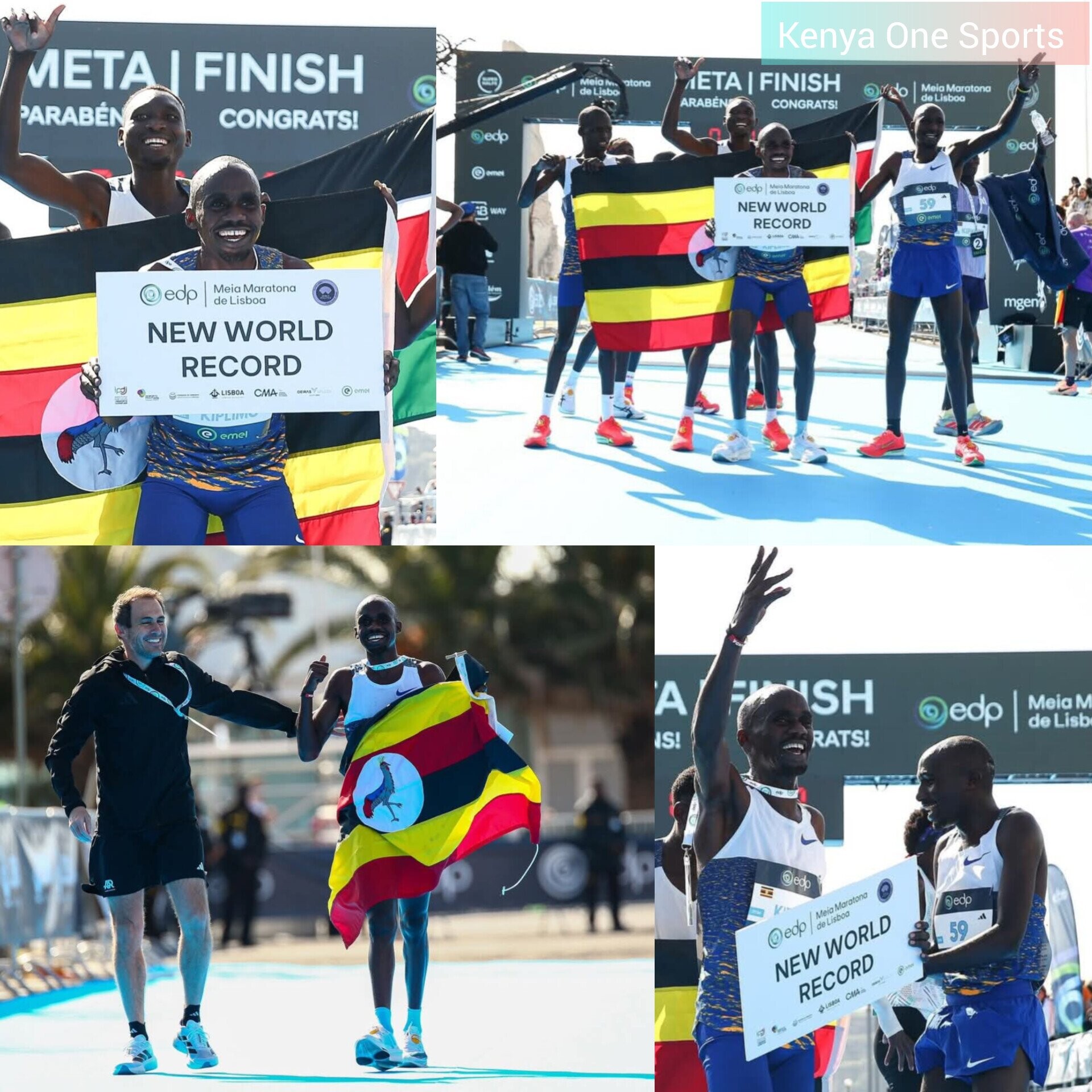
Top 10 Finishers – 2026 Lisbon Half Marathon
1. Jacob Kiplimo (Uganda) — 57:20 WR
2. Nicholas Kipkorir (Kenya) — 58:08
3. Gilbert Kipkosgei Kiprotich (Kenya) — 58:59
4. Benard Langat (Kenya) — 59:31
5. Mohamed Ismail (Djibouti) — 59:45
6. Oscar Chelimo (Uganda) — 1:00:12
7. Stanley Waithaka Mburu (Kenya) — 1:00:17
8. Esau Kipkorir Kemboi (Kenya) — 1:00:19
9. Egide Ntakarutimana (Burundi) — 1:00:34
10. Célestin Ndikumana (Burundi) — 1:00:34
As the celebrations fade and the records settle into the history books, one thing remains clear—Jacob Kiplimo is redefining what is possible in distance running. With courage, rhythm, and a relentless will to chase greatness, he continues to stretch the limits of human endurance. And with the legendary London Marathon looming on the horizon, the world now watches with anticipation, wondering just how much further this extraordinary runner can carry the sport into a new era of speed and brilliance.
by Erick Cheruiyot for My Best Runs.
Login to leave a comment

EDP HALF MARATHON OF LISBON
EDP Lisbon Half Marathonis an annual internationalhalf marathoncompetition which is contested every March inLisbon,Portugal. It carries World Athletics Gold Label Road Racestatus. The men's course record of 57:31 was set byJacob Kiplimoin 2021, which was the world record at the time. Kenyanrunners have been very successful in the competition, accounting for over half of the total winners, withTegla Loroupetaking the...
more...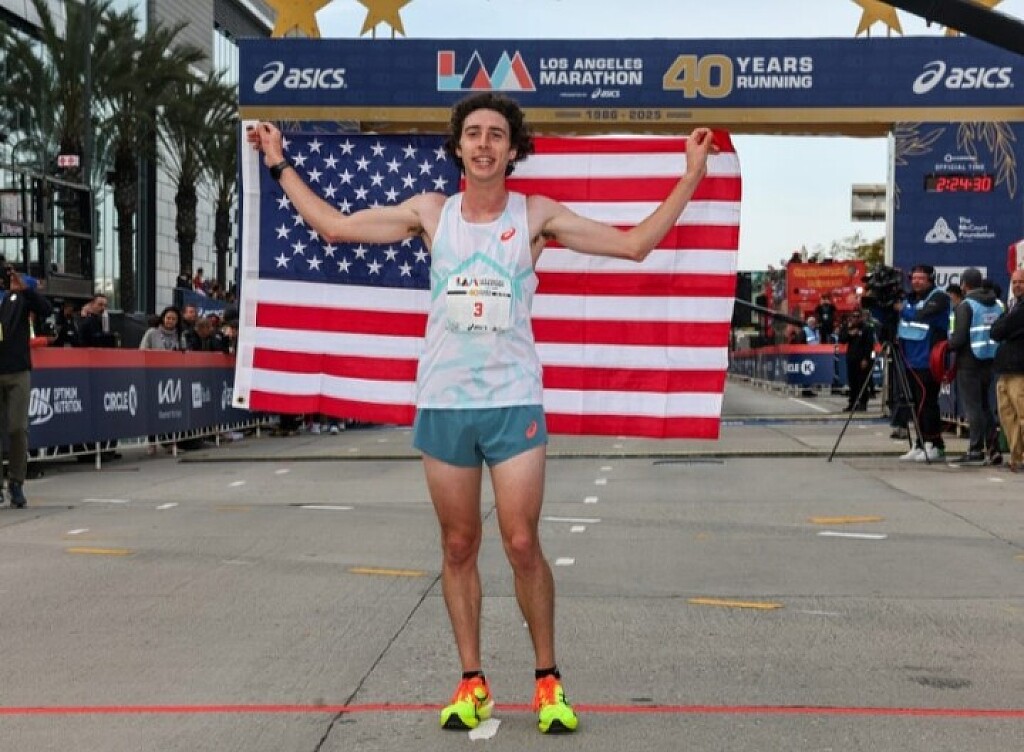
Rising Heat and Elite Rivalries Set the Stage for a Thrilling 2026 Los Angeles Marathon
The streets of Los Angeles will once again come alive with the rhythm of pounding footsteps as the 2026 edition of the Los Angeles Marathon takes place on Sunday, March 8 in California, United States. One of the most celebrated road races in America returns with thousands of runners and a competitive international elite field ready to battle across the iconic 42.195-kilometer distance.
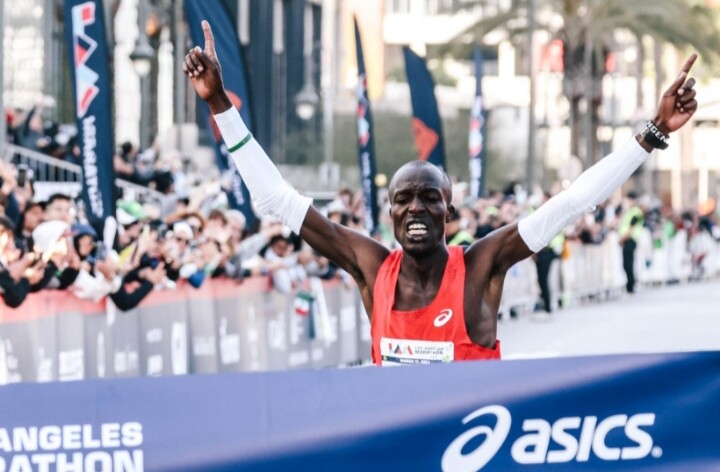
Race morning will begin early under Pacific Standard Time, with the professional wheelchair and handcycle athletes launching the action at 6:30 AM, followed by the elite men and women at 6:40 AM, before the main field of thousands of runners begins at 7:00 AM. For fans across Africa, the marathon unfolds later in the day, starting at 4:00 PM in West Africa, 5:00 PM in South and Central Africa, and 6:00 PM in East Africa.
Across Europe, Asia, and Oceania, fans will also be able to follow the race live as the 7:00 AM PST main start of the Los Angeles Marathon translates to 5:00 PM in Western Europe (including the United Kingdom and Portugal), 6:00 PM in Central Europe (such as France, Germany, Spain, and Italy), and 7:00 PM in Eastern Europe (including Greece, Finland, and Romania). In Asia, the race will begin at 9:30 PM in India, 11:00 PM in China, Singapore, and the Philippines, and midnight on March 9 in Japan and South Korea. For viewers in Oceania, the marathon will start at 2:00 AM on March 9 in Eastern Australia and 4:00 AM in New Zealand, meaning dedicated fans there will be watching the action unfold deep into the night.
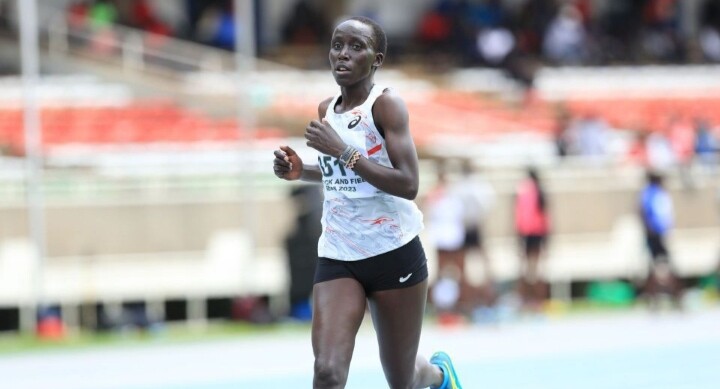
Defending champions return determined to protect their crowns. Ethiopia’s Tejinesh Tulu arrives aiming to repeat her triumph from last year, while American marathoner Matthew Richtman will attempt to defend the men’s title on home soil. Both champions face deeper and stronger fields this time, setting the stage for an unpredictable and highly competitive contest.
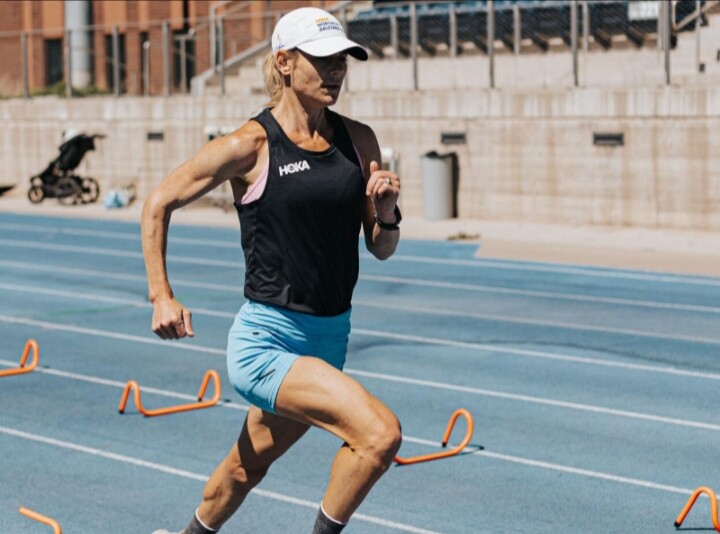
The women’s race features a strong East African presence led by Kenya’s Vicoty Chepngeno, who holds the fastest personal best in the field at 2:19:55. Ethiopia’s experienced campaigner Atsede Bayisa, with a best of 2:22:03, also arrives as a major contender, while Kenya’s Antonina Kwambai and Ethiopia’s Almaz Kemsi add further depth to a field capable of producing a fierce battle for the podium. The race also includes American hopes such as Kellyn Taylor and Makenna Myler, both looking to challenge the traditionally dominant East African runners. Meanwhile, defending champion Tejinesh Tulu remains a serious threat despite not owning the fastest personal best, as championship races often reward patience, tactical awareness, and strength in the closing kilometers.
The men’s contest promises equal intensity. Kenya’s Dominic Ngeno leads the field on paper with a personal best of 2:06:35, positioning him as one of the main favorites if the race develops at a fast pace. Defending champion Matthew Richtman will look to repeat his success, but he faces stiff competition from Ethiopia’s Abdela Godana and Kenya’s Michael Kimani Kamau, both capable of pushing the pace deep into the race. Eritrea’s Tesfu Tewelde, Sweden’s David Nilsson, and Kenya’s Athanas Kioko also enter the race with the potential to disrupt the favorites and deliver breakthrough performances.
Weather conditions could play a decisive role in how the race unfolds. Forecasts suggest that warm temperatures may already be present from the start, meaning the marathon could evolve into a tactical contest rather than a purely fast one. In such situations, pacing discipline, hydration, and the ability to surge late in the race often become the decisive factors.
With elite runners from Kenya, Ethiopia, the United States, Eritrea, and Europe lining up alongside thousands of passionate participants, the 2026 edition of the Los Angeles Marathon promises an exciting blend of global rivalry and personal ambition. As the sun rises over Los Angeles, champions will defend their titles, challengers will chase career-defining victories, and thousands of runners will set out on a journey toward one unforgettable finish line.
by Erick Cheruiyot for My Best Runs.
Login to leave a comment

Los Angeles Marathon
The LA Marathon is an annual running event held each spring in Los Angeles, Calif. The 26.219 mile (42.195 km) footrace, inspired by the success of the 1984 Summer Olympic Games, has been contested every year since 1986. While there are no qualifying standards to participate in the Skechers Performnce LA Marathon, runners wishing to receive an official time must...
more...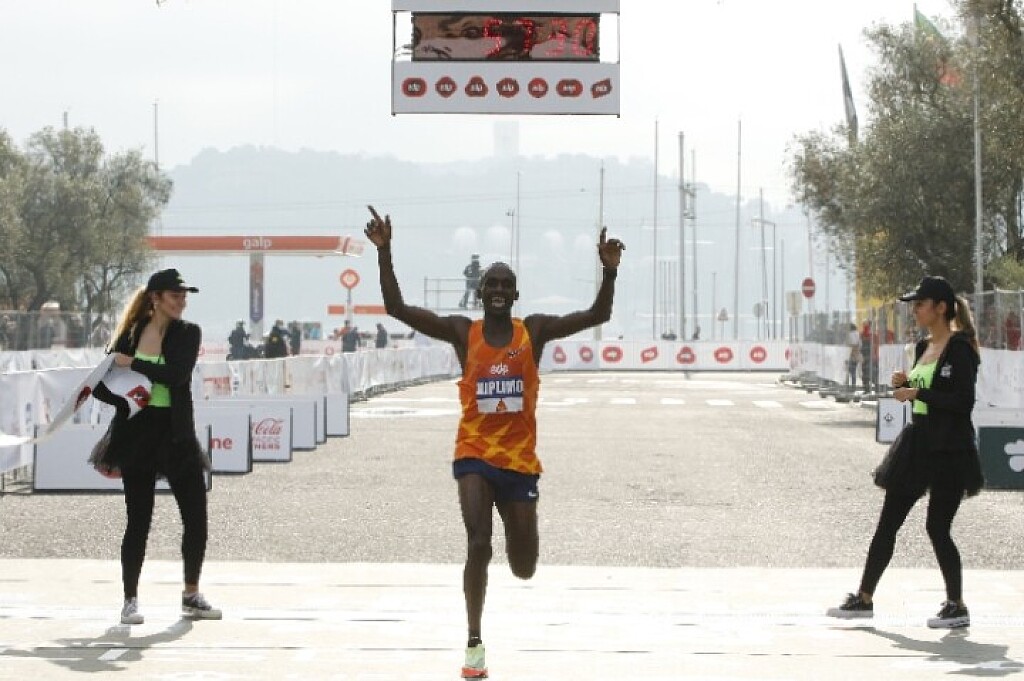
Kiplimo Returns to Lisbon Chasing History at the 2026 EDP Lisbon Half Marathon
The Portuguese capital is once again preparing for a morning of extraordinary speed as the EDP Lisbon Half Marathon takes center stage on Sunday, March 8th. Known as one of the fastest road races in the world, the event promises a thrilling contest, with the spotlight firmly on Uganda’s distance-running phenomenon Jacob Kiplimo, who arrives with one goal — to challenge the half-marathon world record once again.
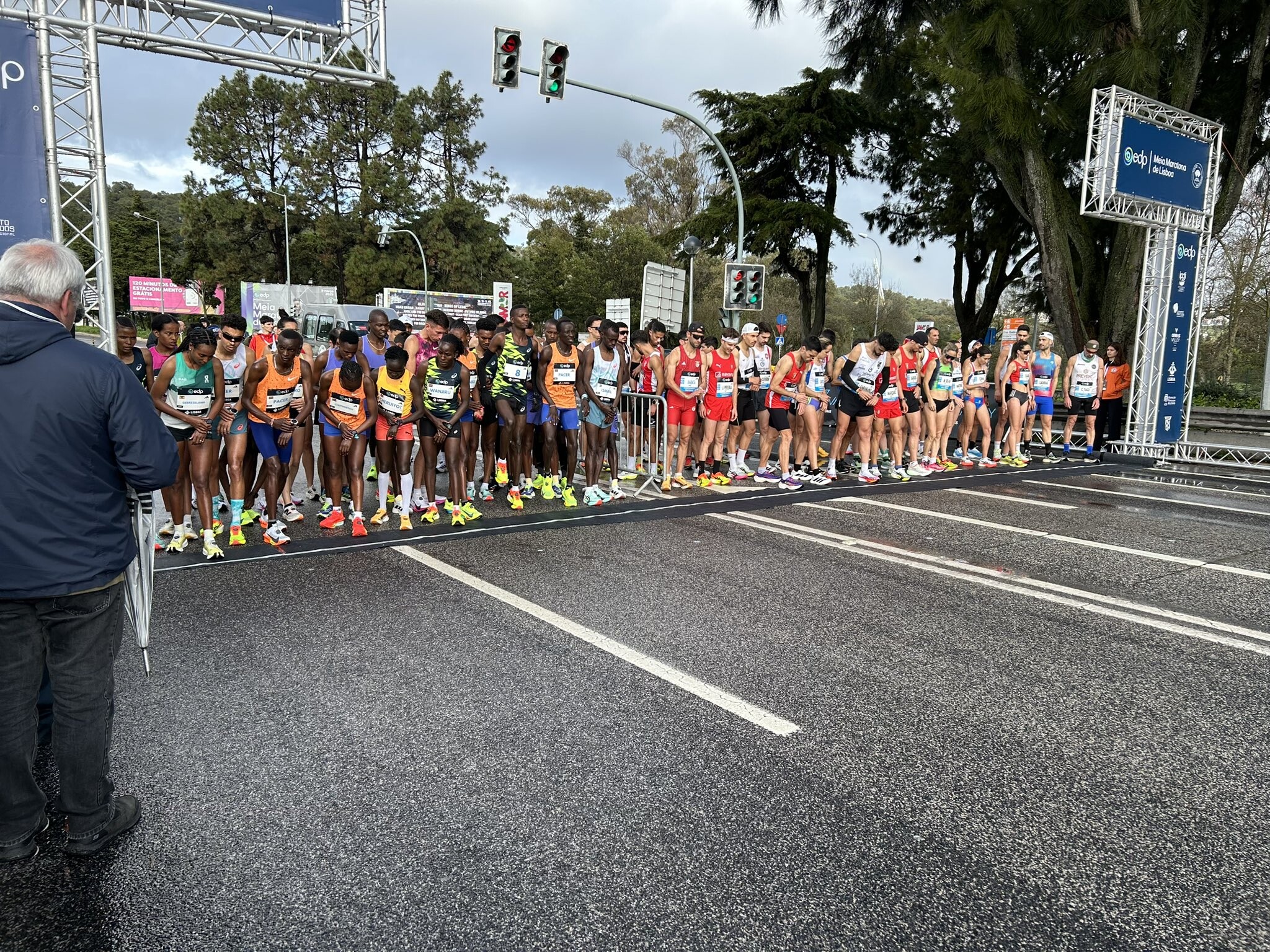
The race will begin on Lisbon’s iconic 25 de Abril Bridge, where elite runners will surge across the Tagus River before charging toward the city’s historic streets. Athletes will start at either 9:20 a.m. or 10:05 a.m. local time depending on their bib assignments, but regardless of the exact wave, all attention will be fixed on the Ugandan star expected to dictate the pace from the opening kilometers.
Kiplimo has built a special relationship with Lisbon. It was on these very roads that he once stunned the athletics world with a breathtaking performance that shattered the half-marathon world record, cementing his reputation as one of the most fearless and explosive distance runners of his generation. Now he returns to the same course with unfinished business.
The current official world record stands at 57:30, a mark that continues to inspire the world’s fastest road racers. Kiplimo has already shown he is capable of running far quicker. In 2025 he delivered an astonishing 56:42 performance in Barcelona — a time that would have rewritten the record books but ultimately went unrecognized due to technical ratification requirements. Even so, the run confirmed what many already believed: when Kiplimo is at his best, he can push the limits of what is possible over 21.1 kilometers.
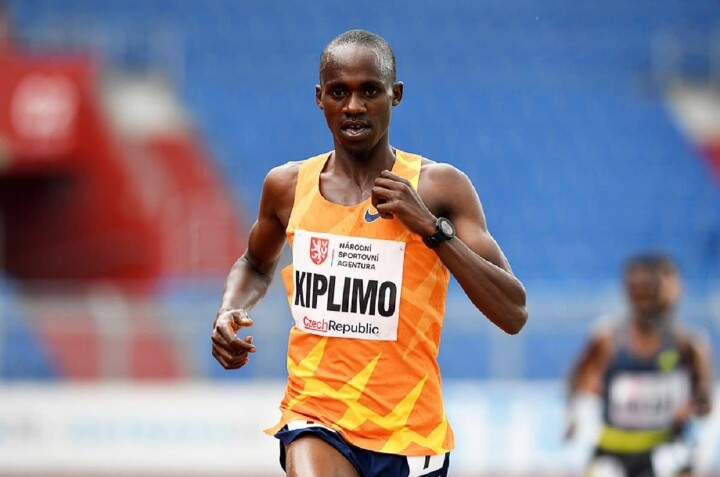
Lisbon now offers him another opportunity to prove it on a course that has already witnessed his greatness. With his trademark aggressive racing style and unmatched endurance, Kiplimo rarely waits for tactical battles. Instead, he often turns races into pure tests of speed and strength, stretching the field until only the toughest can survive the pace.
While the Ugandan superstar stands as the clear favorite, the race will not lack competition. Kenya’s Nicholas Kipkorir (58:23) and Gilbert Kiprotich (58:27) headline the group of challengers hoping to stay close if the tempo becomes relentless. Portugal’s national hope Samuel Barata arrives with a personal best of 59:40, while France’s Etienne Daguinos (59:46) and Djibouti’s Mohamed Ismail (59:54) add further depth to a highly competitive field.
Kenyan runners Benard Langat (59:58) and Kiprono Sitonik (1:00:13) also possess the credentials to challenge, while France’s Valentin Gondouin (1:00:17), Ghana’s Inyasi Sulley (1:00:31), and Tanzania’s Daniel Sinda (1:00:36) could play key roles if the race develops into a fast lead pack.
Uganda will also be represented by rising star Oscar Chelimo, who is set to make his debut over the half-marathon distance, adding another layer of intrigue to an already fascinating contest.
Yet despite the strength of the field, the narrative of the 2026 race circles back to one man. Kiplimo has repeatedly demonstrated that he thrives in Lisbon’s unique atmosphere — a race known for its fast, flat course and the dramatic start across the towering 25 de Abril Bridge. The setting seems perfectly designed for the kind of relentless rhythm that has become his signature.
If conditions align and the pace is uncompromising, Lisbon could once again witness a performance that pushes the limits of human endurance. For Kiplimo, the mission is clear: return to the city that helped define his career and leave it once again as the fastest man ever over the half marathon.
On March 8th, the road through Lisbon may not just crown a champion — it may rewrite history.
by Erick Cheruiyot for My Best Runs.
Login to leave a comment
EDP HALF MARATHON OF LISBON
EDP Lisbon Half Marathonis an annual internationalhalf marathoncompetition which is contested every March inLisbon,Portugal. It carries World Athletics Gold Label Road Racestatus. The men's course record of 57:31 was set byJacob Kiplimoin 2021, which was the world record at the time. Kenyanrunners have been very successful in the competition, accounting for over half of the total winners, withTegla Loroupetaking the...
more...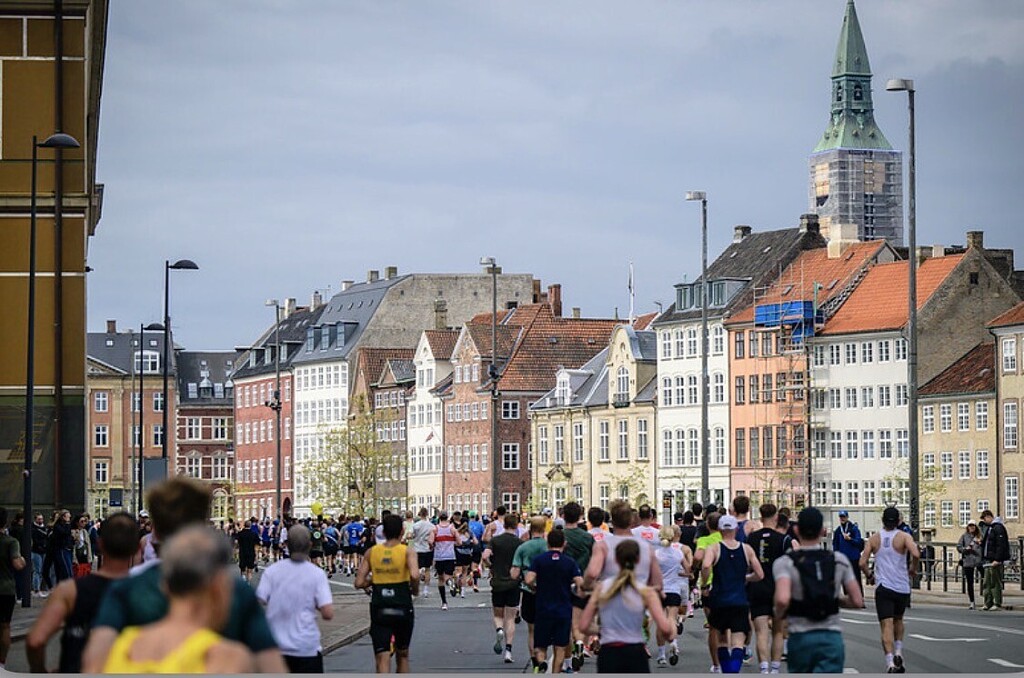
European Marathon Classics Launches New Era for Distance Running
A new chapter in European marathon running was unveiled on February 25, 2026, when organizers introduced the European Marathon Classics, a series linking eight of the continent’s most established races into one long-term challenge for runners.
The announcement was made in Vienna at the historic Schönbrunn Palace, bringing together race directors and organizers from across Europe. The concept is simple: one distance, eight cities, and a shared journey through some of Europe’s most celebrated marathon courses.
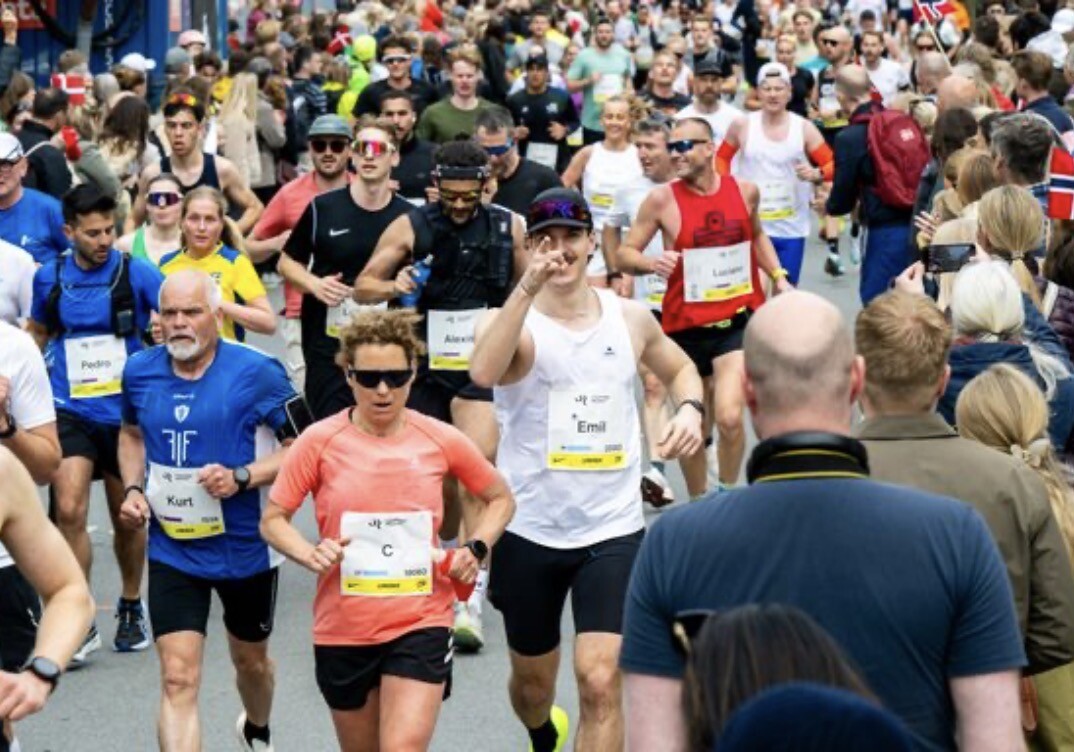
The new series connects races that already have strong identities of their own. By linking them together, organizers hope to inspire runners to explore different countries, cultures, and running traditions while pursuing a personal challenge.
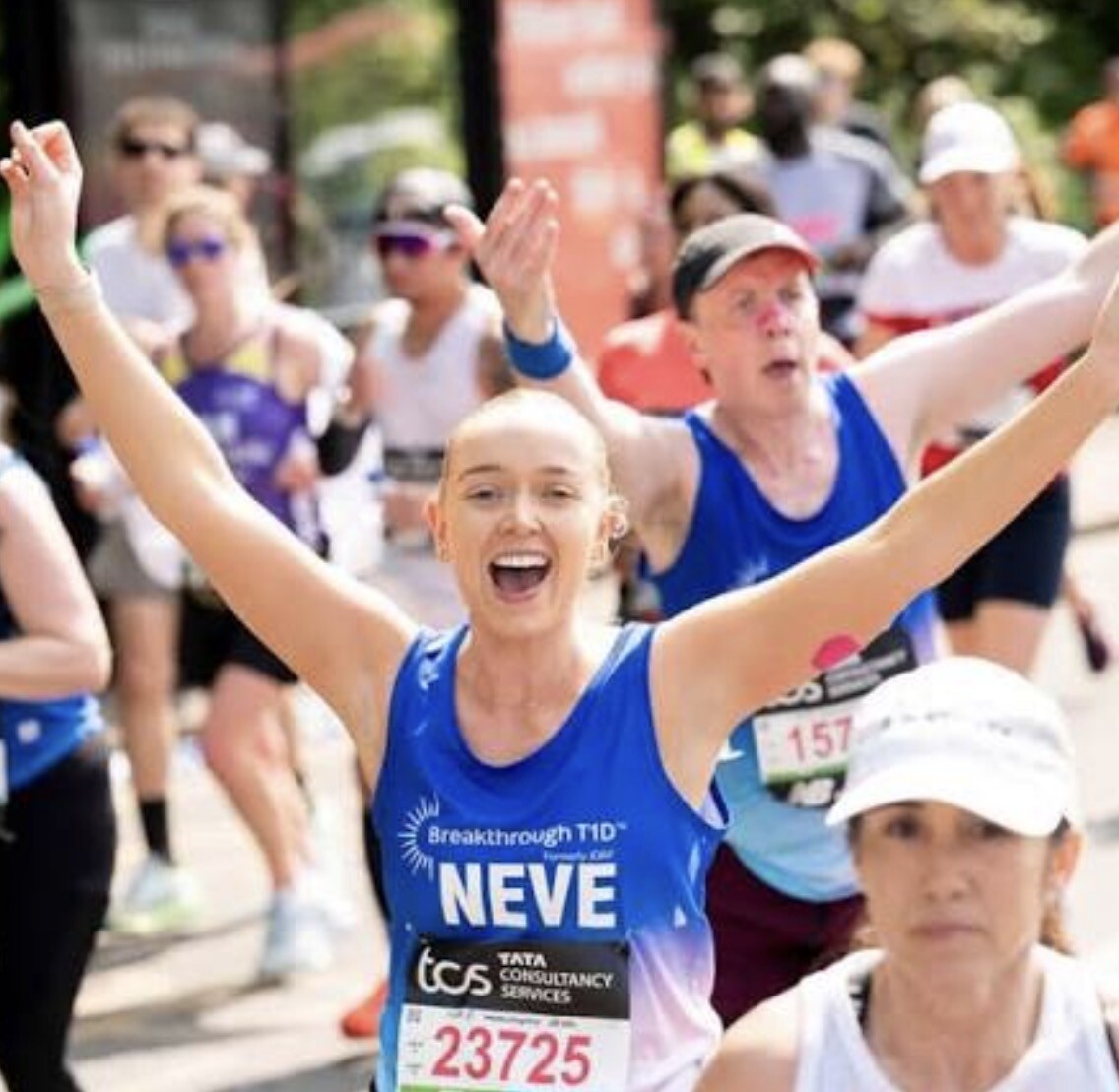
To earn the title European Marathon Classics Finisher, runners must complete five of the eight marathons, each in a different city. There is no time limit, allowing participants to build their journey over several seasons.
The eight races in the series form a calendar stretching from early spring to autumn:
2026 European Marathon Classics Schedule
March 22 – Rome Marathon (Italy)
April 19 – Vienna City Marathon (Austria)
April 26 – London Marathon (United Kingdom)
April 26 – Madrid Marathon (Spain)
May 10 – Copenhagen Marathon (Denmark)
September 27 – Warsaw Marathon (Poland)
October 10 – Lisbon Marathon (Portugal)
October 25 – Frankfurt Marathon (Germany)
Runners who complete five races will receive a commemorative medal designed to reflect the journey. The medal includes magnetic elements that allow athletes to add a marker for each marathon they finish.
One unusual feature of the project is that past results will count. Organizers say runners will be able to register historical performances from earlier editions of the races, recognizing the long traditions behind these events.
London Marathon Event Director Hugh Brasher said the idea is meant to highlight what connects runners across the continent.
by Bob Anderson for My Best Runs
Login to leave a comment
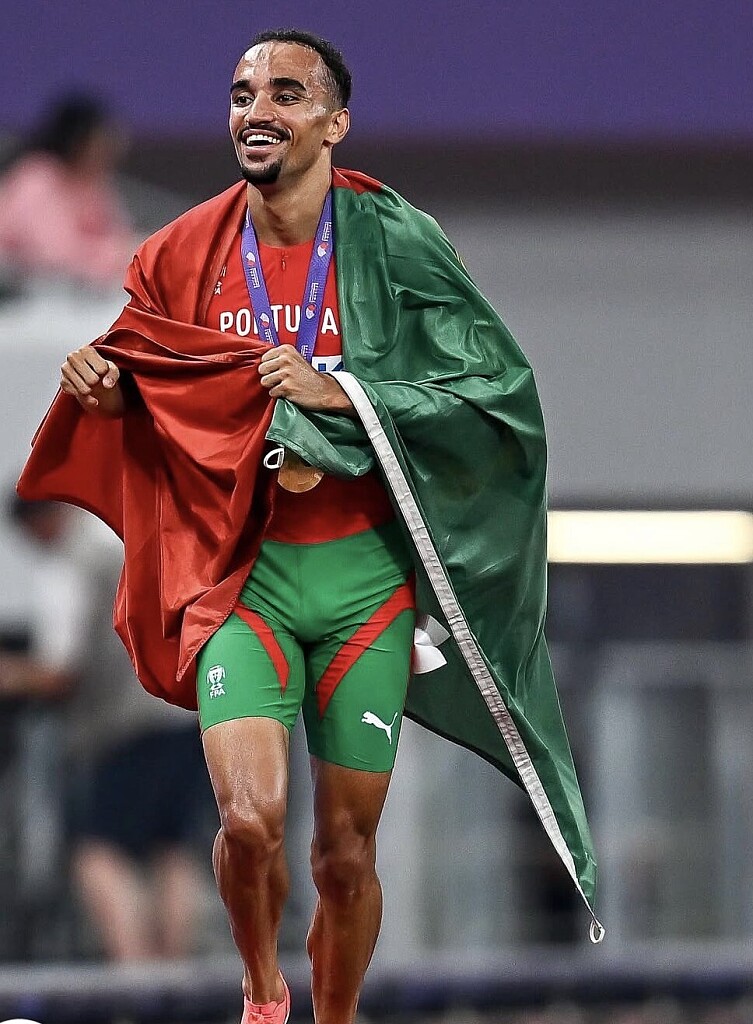
Isaac Nader’s Liévin Precision Sets Up Toruń Showdown
If the men’s 1500 meters at the World Athletics Indoor Championships in Toruń, Poland (March 20–22, 2026) comes down to the final 150 meters — as indoor championship races so often do — Portugal’s Isaac Nader may already hold the tactical edge.
On February 19, 2026, at the Meeting Hauts-de-France Pas-de-Calais in Liévin, France, Nader focused on a single objective: the 1500m. He did not attempt a double. He did not divide his attention across events. He executed with discipline and left with a composed victory in 3:32.44.
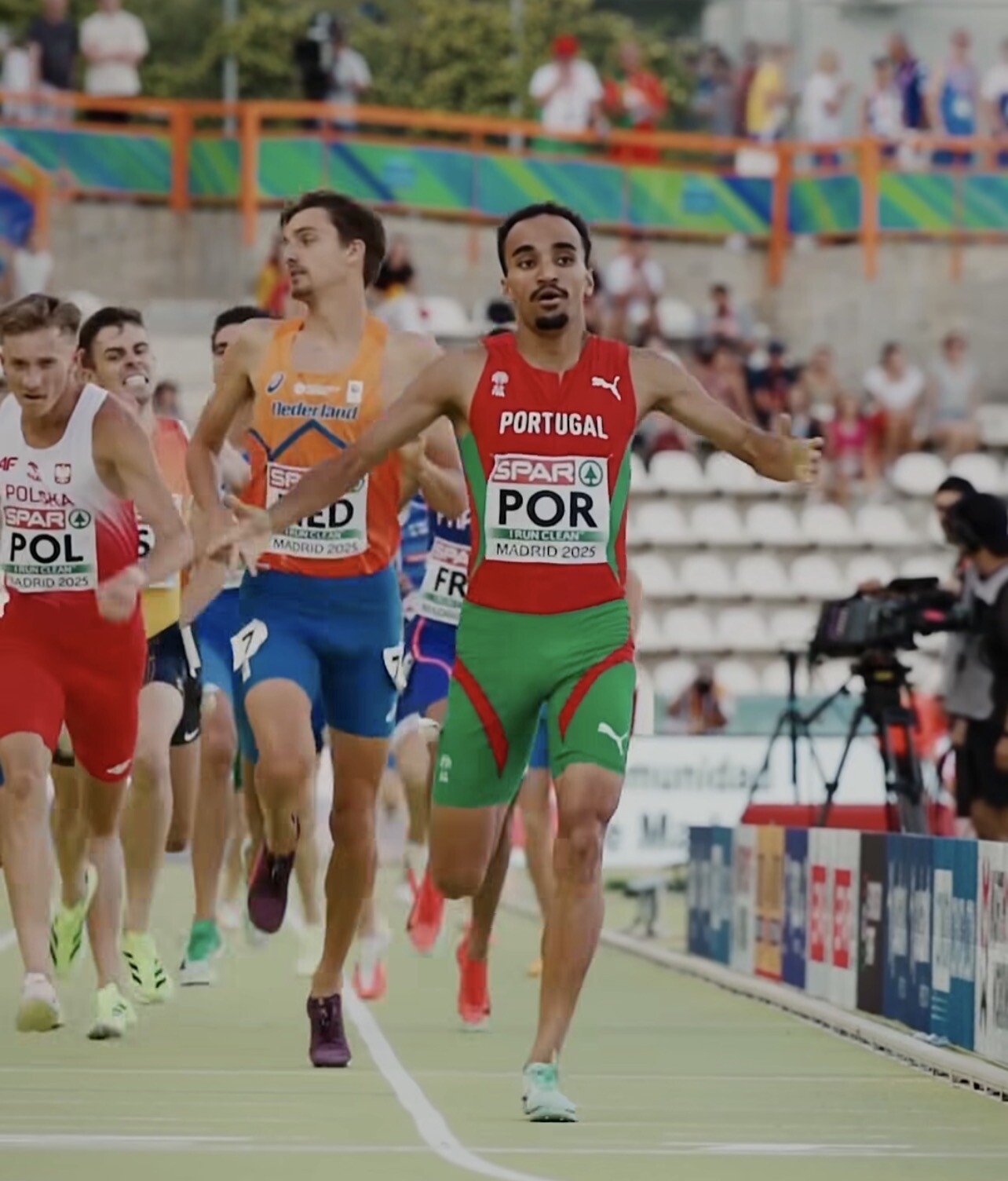
The time was strong. The execution was even stronger.
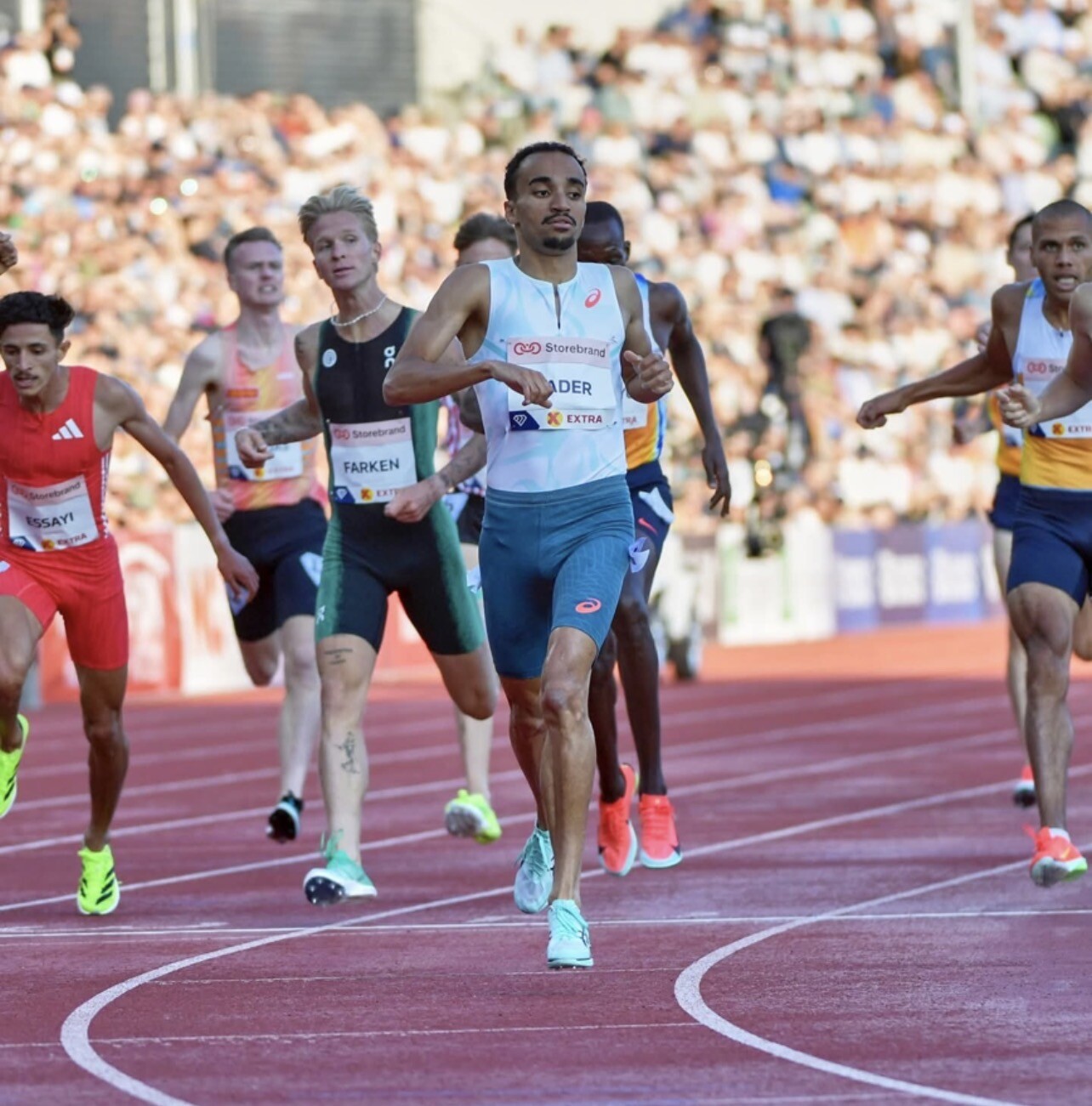
Indoor medals are rarely won through reckless aggression. They are earned through positioning, patience, and precise decision-making under pressure. In Liévin, Nader displayed all three.
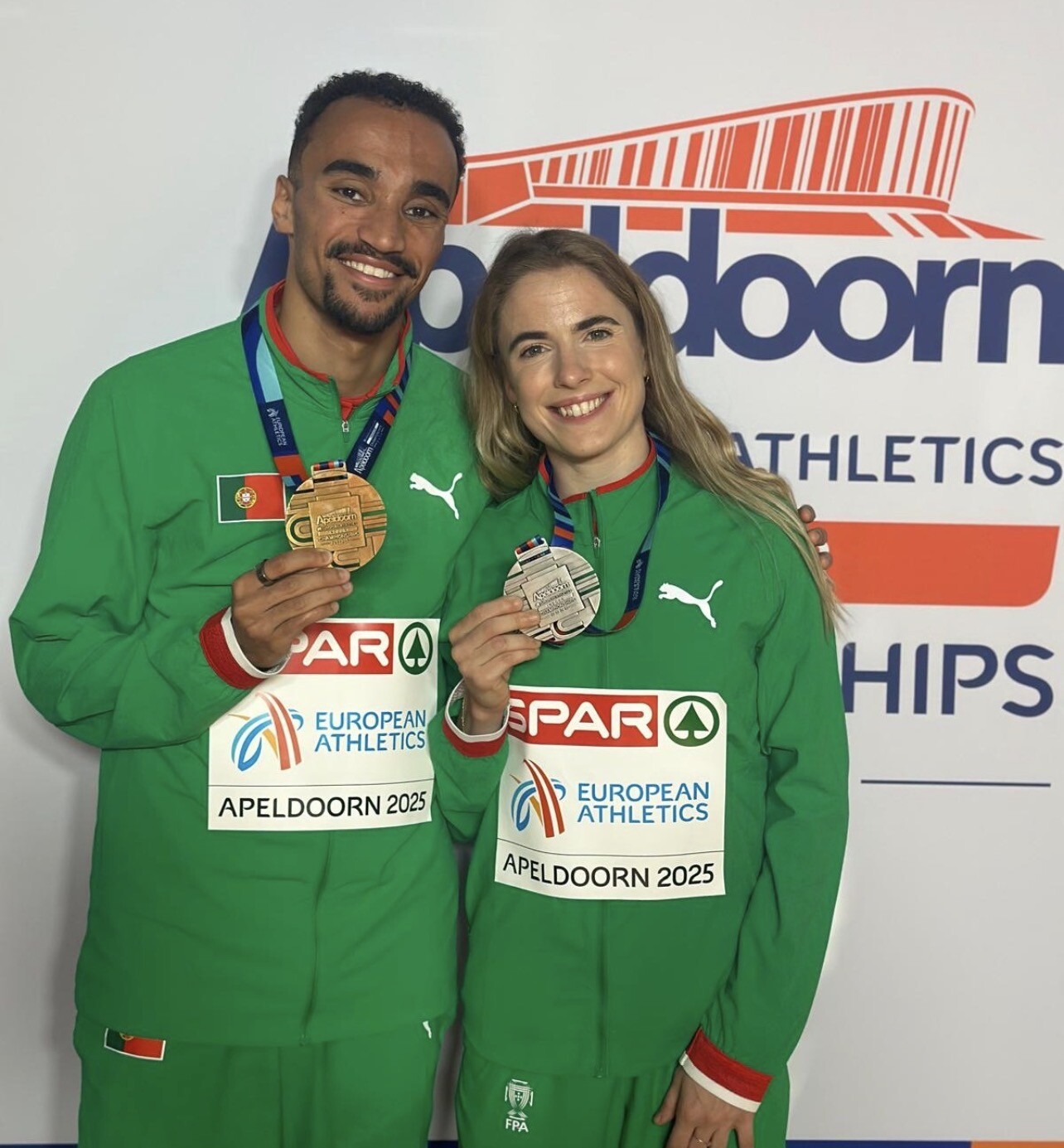
A Race Built on Control
From the opening laps, Nader resisted the temptation to dictate pace. On a 200-meter oval where every bend compresses space and every surge risks being trapped on the rail, spatial awareness is everything. He remained close enough to stay dangerous, yet far enough to avoid unnecessary contact.
As the field tightened entering the decisive stages, the tension that defines elite indoor 1500-meter racing became visible. No one wanted to commit too early. No one wanted to be exposed before the bell.
Nader waited.
With roughly 200 meters remaining, he shifted gears — controlled, decisive, without panic. By the time his rivals reacted, the separation had formed. Indoors, that margin is often enough.
He did not win through chaos. He won through timing.
Why the Focus Matters
The World Indoor Championships will demand a heat and a final in compressed succession. Energy management becomes strategic. Athletes who stretch themselves thin across the indoor season often arrive sharp but fatigued.
By concentrating solely on the 1500m in Liévin, Nader signaled clarity of purpose. He sharpened one blade rather than swinging several.
That focus aligns with championship success.
The Tactical Landscape in Toruń
The field in Poland is expected to include athletes willing to test the pace early. Yet indoor finals frequently stall on the penultimate lap as runners hesitate, calculating risk versus reward.
That hesitation is where races are decided.
Nader’s Liévin performance suggests he thrives in contained tension. He absorbs surges rather than initiating them. He maintains structural positioning — avoiding being boxed, preserving outside options, and striking only when the window fully opens.
In tight indoor racing, composure can outweigh raw speed.
The Question Ahead
The issue is not whether Nader has the closing speed. Liévin confirmed that. The question is whether his rivals in Toruń can neutralize his patience.
Championship 1500-meter racing is rarely won by the athlete who leads longest. It is won by the athlete who controls the decisive movement.
If the race in Poland evolves into a tactical contest rather than an all-out tempo effort, Isaac Nader will not simply be in the final.
He will be the athlete everyone must account for.
by Robert Kibet for My Best Runs
Login to leave a comment

Spencer Claims Victory as Soca Rewrites South American History in a Blazing 1500m in Liévin
The 2026 Liévin Meeting in the northern French city of Liévin produced a race that far exceeded the expectations of a so-called “Final B.” What unfolded over 1500 meters was a fiercely competitive contest marked by tactical precision, fearless racing, and a record that reshaped South American middle-distance history.
From the opening stride, the tempo was purposeful. The field refused to allow the pace to drift, stringing out early and maintaining a rhythm that demanded both patience and courage. Every lap tightened the tension, every move tested resolve. By the bell, it was clear that something special was developing.
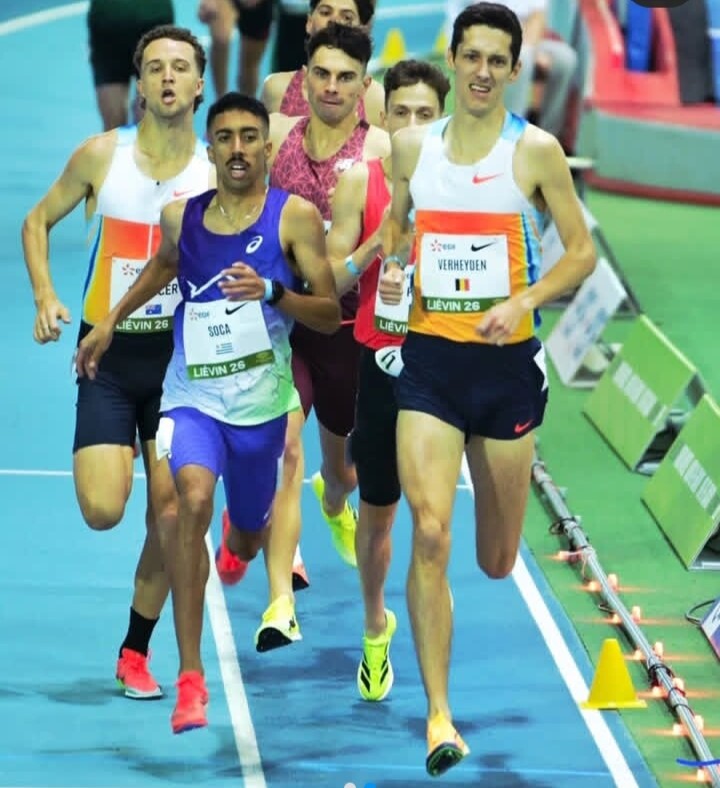
Adam Spencer of Australia delivered the decisive blow. Calm under pressure and perfectly positioned, he launched his finishing drive with controlled aggression, separating himself when it mattered most. He powered through the line in 3:35.23, a performance that reflected maturity, strength, and confidence on the indoor stage.
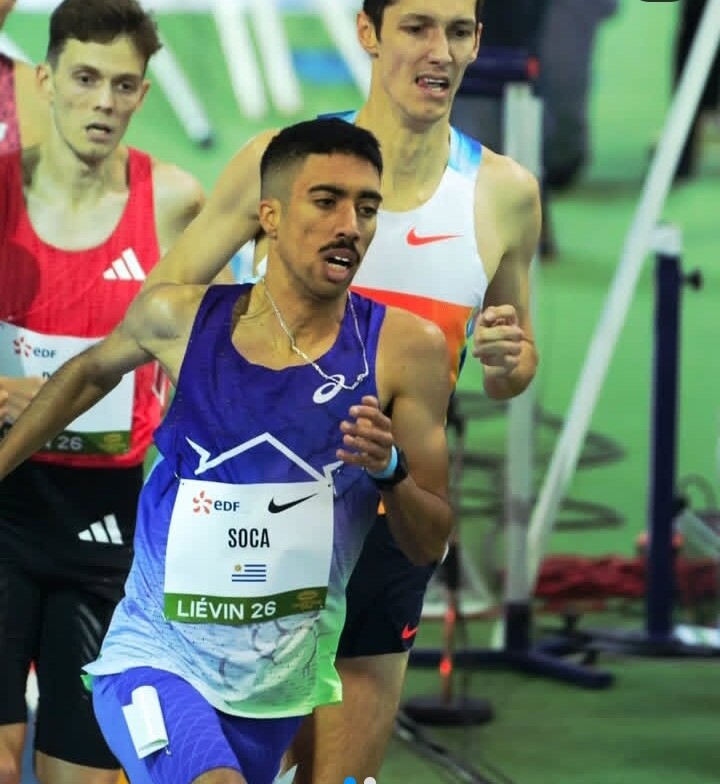
Close behind, Valentín Soca of Uruguay was writing a chapter of his own. Stopping the clock at 3:35.50, Soca shattered the South American Indoor Record in the 1500 meters. The performance marked a significant leap forward from his previous indoor best of 3:36.34, set in January in Antequera, Spain. The improvement was not marginal — it was emphatic. Soca did not merely lower a record; he elevated the standard for an entire continent.

France found reason to celebrate as well. Romain Mornet rose to the occasion in front of the home crowd, finishing third in 3:35.89 after holding his composure throughout a relentless pace. His podium finish added a local highlight to an already exceptional race.
The depth behind the podium underscored the quality of the field. Pinto Marques of Portugal secured fourth place in 3:36.13, narrowly ahead of France’s Titouan Le Grix, who clocked 3:36.16 for fifth. Luke McCann of the Netherlands finished sixth in 3:39.89, followed by Belgium’s Rubén Verheyden in 3:40.07. Mohamed Attaoui of Spain crossed in 3:41.31 for eighth, while Heithem Chenitef of Algeria completed the lineup in 3:41.56.
Official Results – Men’s 1500m Final B
1. Adam Spencer (Australia) – 3:35.23
2. Valentín Soca (Uruguay) – 3:35.50 – South American Indoor Record
3. Romain Mornet (France) – 3:35.89
4. Pinto Marques (Portugal) – 3:36.13
5. Titouan Le Grix (France) – 3:36.16
6. Luke McCann (Netherlands) – 3:39.89
7. Rubén Verheyden (Belgium) – 3:40.07
8. Mohamed Attaoui (Spain) – 3:41.31
9. Heithem Chenitef (Algeria) – 3:41.56
What transpired in Liévin was more than a race result — it was a reminder that elite competition knows no hierarchy of labels. In one electrifying contest, victory was seized with authority, history was rewritten with conviction, and the 1500 meters once again proved that when preparation meets daring ambition, the outcome resonates far beyond the finish line.
by Erick Cheruiyot for My Best Runs.
Login to leave a comment
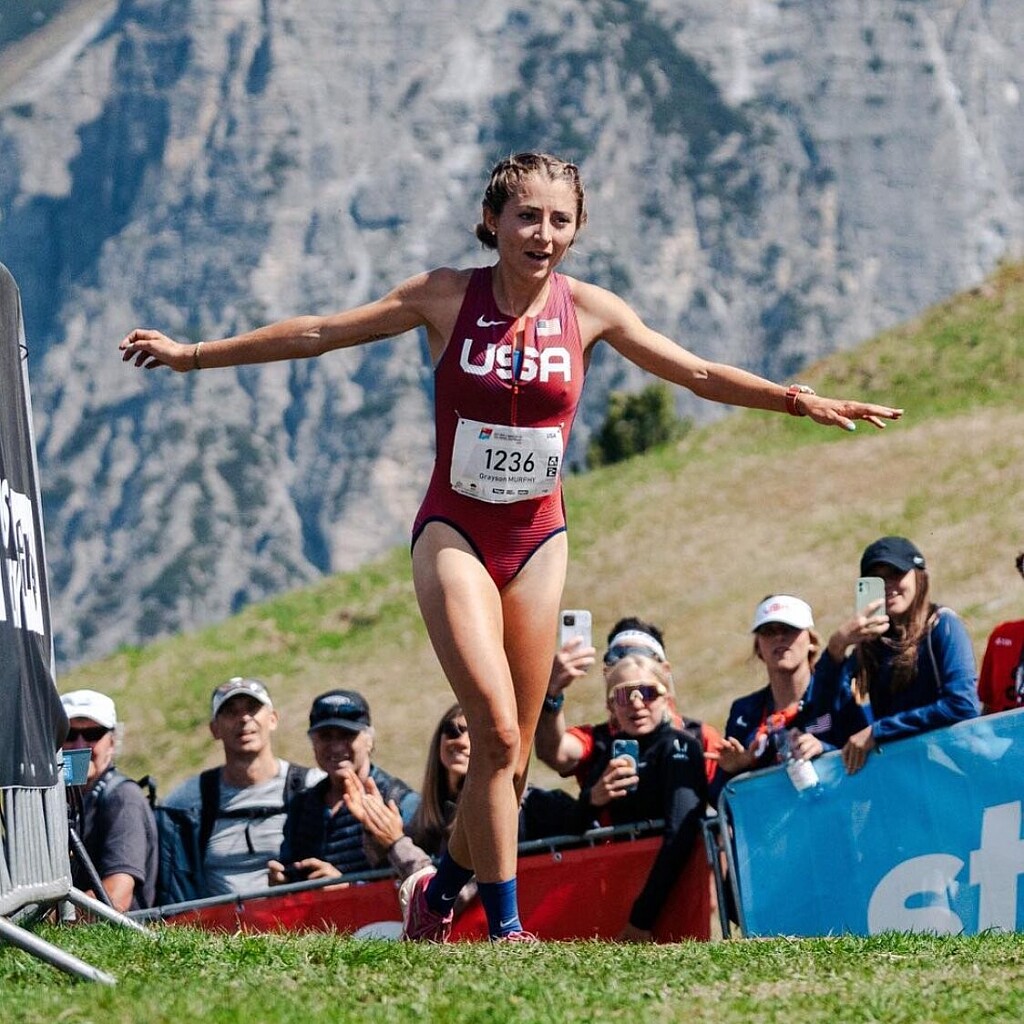
Chasing Summits, Defining Limits: Inside the 2026 World Mountain Running Cup Journey
With only sixty days remaining before the season opener, the anticipation surrounding the 2026 World Mountain Running Cup is reaching a powerful crescendo. Organized by the World Mountain Running Association (WMRA), this global series stands as the pinnacle of competitive mountain running — a demanding arena where athletic precision, endurance, and mental resilience intersect with some of the most dramatic landscapes on Earth.
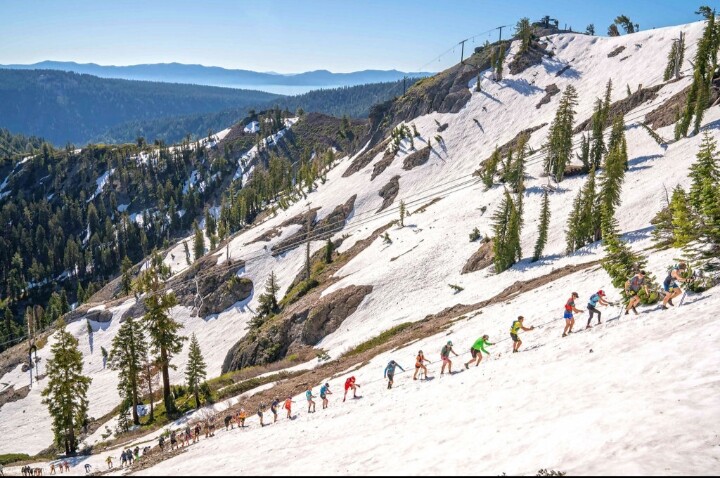
Mountain running is not merely a sport; it is an encounter between human ambition and vertical terrain. Unlike road racing, where predictability dominates, mountain racing introduces variables that cannot be controlled — altitude, weather volatility, technical descents, and the relentless resistance of gravity. Success belongs not only to the strongest athlete, but to the most adaptable mind.
The 2026 season promises exceptional intensity as elite runners and rising talents converge across multiple continents, competing in three primary formats: Uphill, Up & Down, and Long Distance. Each discipline demands a distinct physiological and tactical approach, ensuring that only the most versatile athletes can contend for the overall title.

From volcanic ridgelines and alpine glaciers to forested mountain corridors and historic highland communities, every race contributes to a narrative larger than sport itself — a celebration of exploration, resilience, and the pursuit of excellence in its purest form.
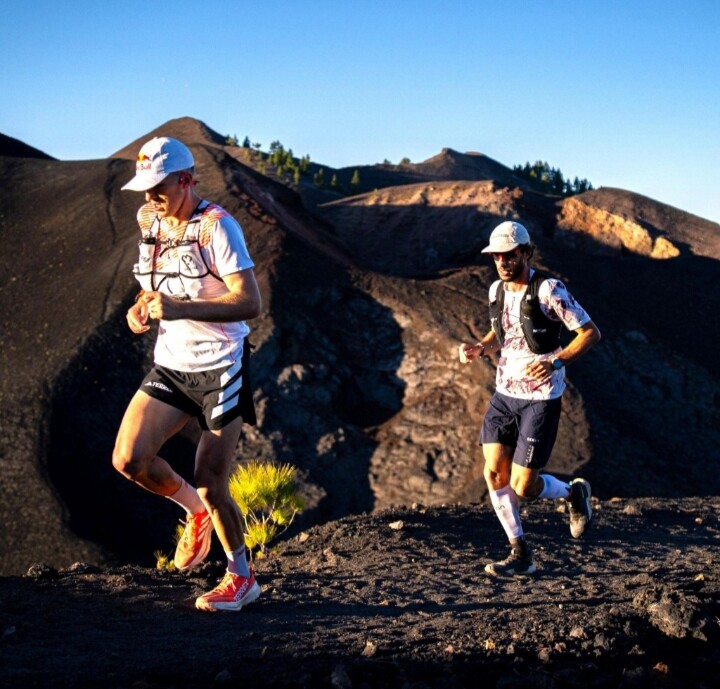
2026 World Cup Race Calendar
19 April — Portugal
São Brás de Alportel Cross — Up & Down
25–26 April — China
Beijing Changping Yanshou Trail Challenge — Uphill | Up & Down
7–9 May — Spain
Transvulcania — Uphill | Long
19–21 June — United States
Broken Arrow Skyrace — Uphill | Long
5 July — Austria
Grossglockner Mountain Run — Up & Down
18–19 July — France
Serre Che Trail Salomon — Uphill | Up & Down
8 August — Switzerland
Sierre-Zinal — Long
5–6 September — Italy
Trofeo Nasego — Uphill | Long
19 September — Poland
Maraton Trzech Jezior — Long Distance Final
10–11 October — Canada
Défi des Couleurs Simard — Uphill | Up & Down (World Cup Finals)
Beyond the competitive rankings, the World Cup embodies a deeper philosophy — trust in preparation, respect for nature, and belief in human potential. Athletes are not simply racing against one another; they are confronting terrain, fatigue, and uncertainty. Every climb becomes a negotiation with physical limits, and every descent demands courage under pressure.
The 2026 circuit also reflects the accelerating global growth of mountain running. Increased participation, improved race organization, and expanding media coverage are propelling the sport into a new era of recognition. For emerging athletes, this season represents opportunity; for established champions, it is a test of legacy.
As the countdown continues, training camps intensify, strategies evolve, and ambitions sharpen. Soon, starting lines will replace anticipation, and preparation will give way to performance.
In mountain running, there are no shortcuts — only the path upward and downward.
by Erick Cheruiyot for My Best Runs.
Login to leave a comment
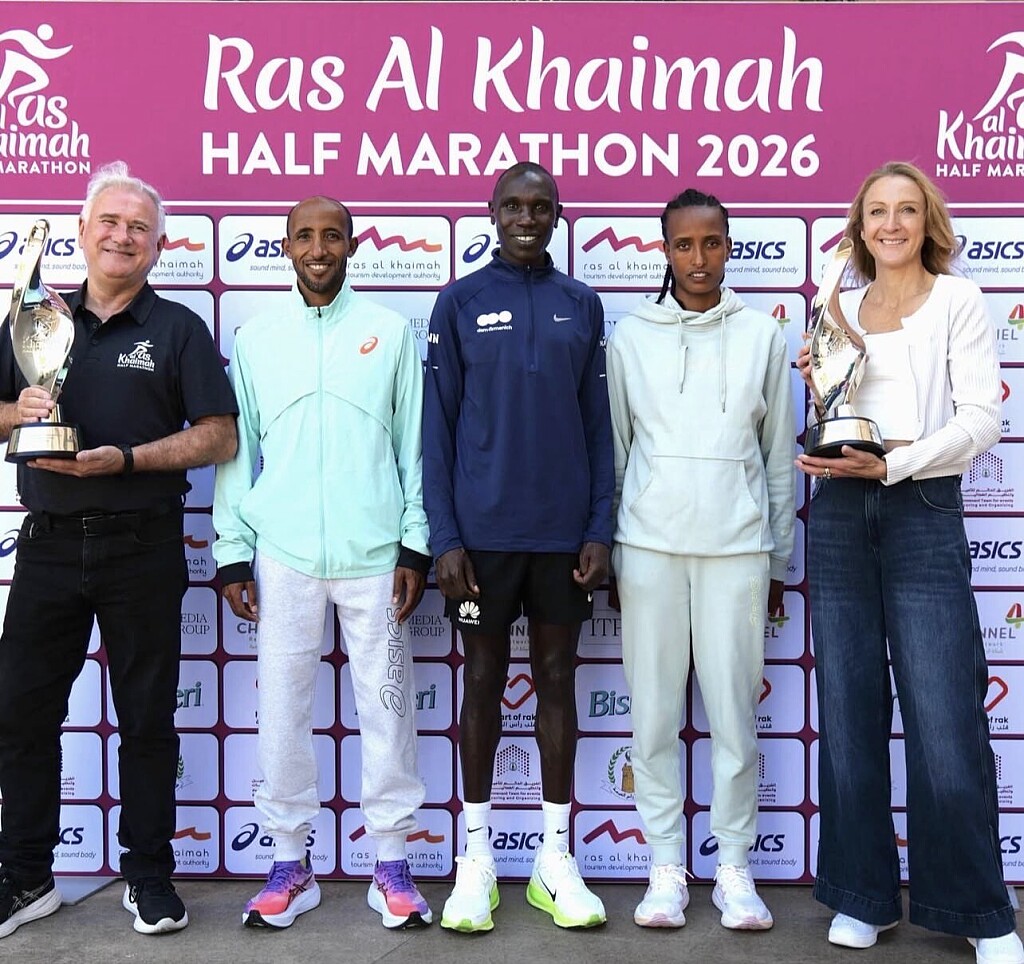
Geoffrey Kamworor Returns to Ras Al Khaimah, Chasing Redemption on the Course That Launched His Career
Thirteen years after announcing himself to the world on the roads of Ras Al Khaimah, Geoffrey Kamworor returns to the Ras Al Khaimah Half Marathon this Saturday with renewed purpose, hard-earned resilience, and the belief that his best running may still lie ahead.
Few athletes in modern distance running have endured such dramatic highs and devastating setbacks. Kamworor’s victory here in 2013 marked his first major senior triumph and began a remarkable stretch of dominance. He went on to win three consecutive World Half Marathon titles and twice captured the World Cross Country Championships, establishing himself as one of the most versatile and formidable distance runners of his generation. His half marathon world record of 58:01, set in Copenhagen in 2019, remains one of the defining performances in road racing history. He also conquered the marathon stage, winning the New York City Marathon twice with commanding authority.
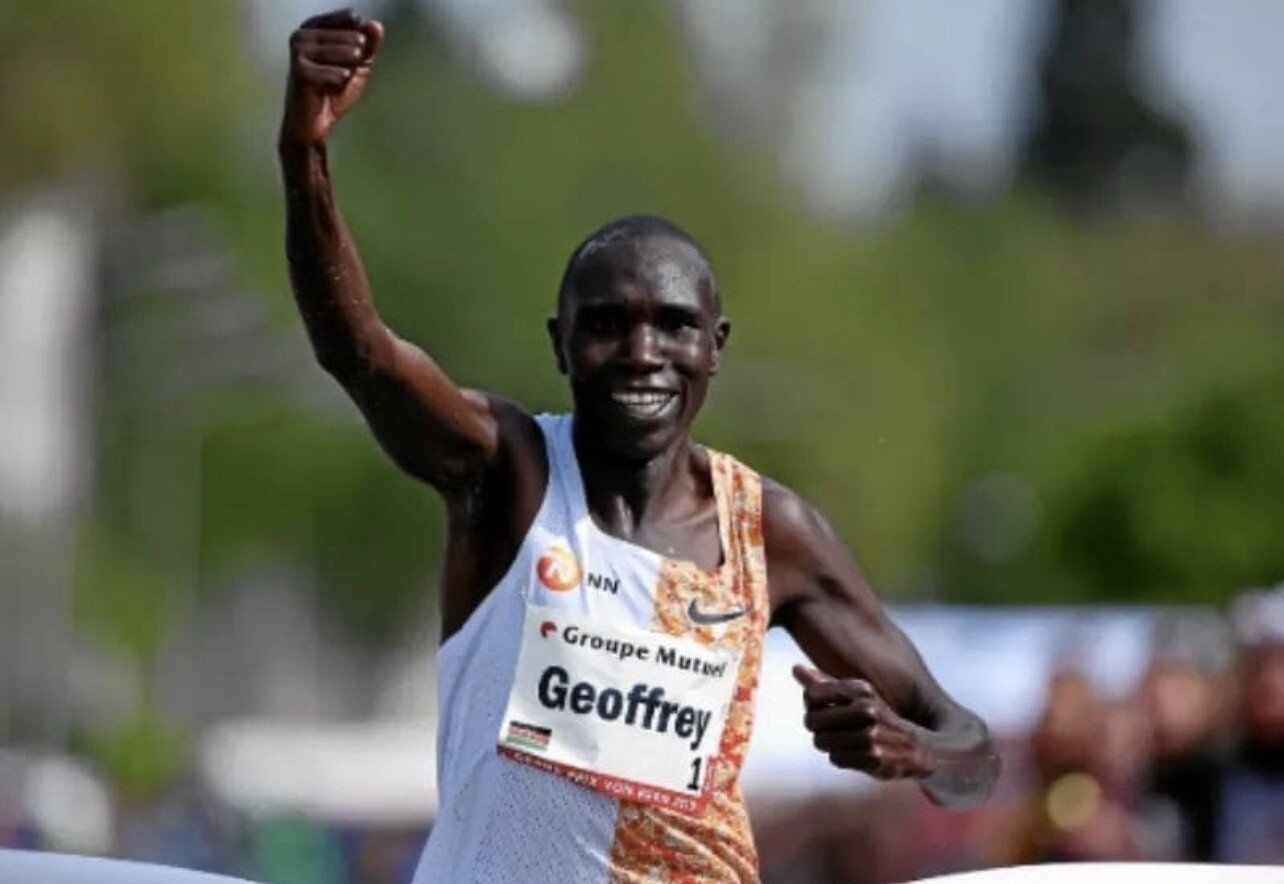
One of Kamworor’s most unforgettable moments came at the 2016 World Half Marathon Championships in Cardiff. After falling at the start and being trampled by competitors, he rose, regrouped, and delivered a stunning comeback victory.
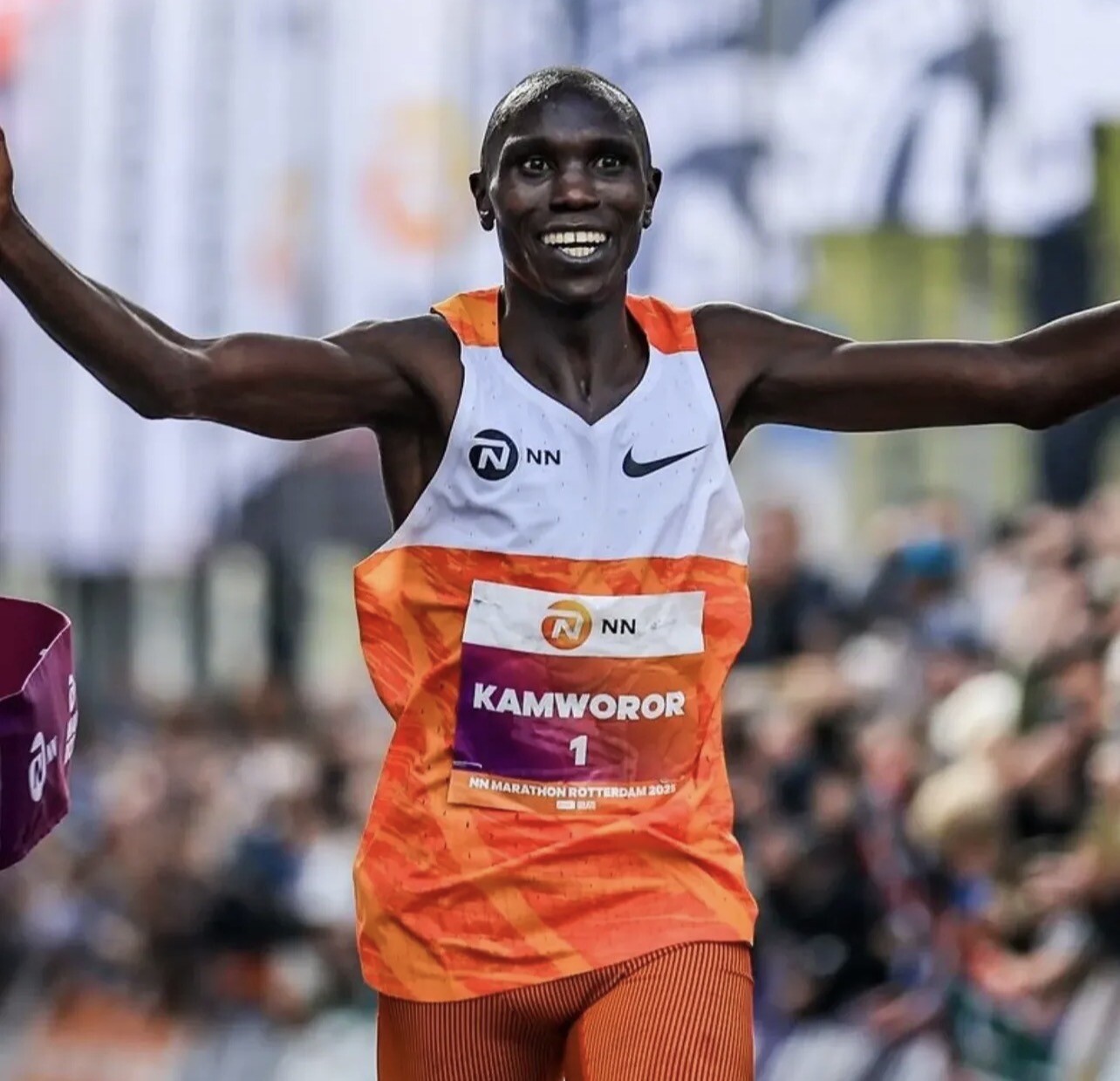
“In Cardiff, it was wet and I slipped at the start,” Kamworor recalled. “Nobody tripped me. It was hard running through the crowd, but the fall made me more determined.”
That determination would be tested even further. In 2020, during the isolation of the COVID-19 pandemic, Kamworor’s career was nearly derailed when he was struck from behind by a motorcycle while training in Eldoret.
“I fractured my tibia and couldn’t run for six months,” he said. “When I started running again, my body was still out of balance and I kept getting injured. It took me over three years to be able to run properly.”
His return has been gradual but encouraging. In 2023, Kamworor stunned observers by finishing second at the London Marathon in a personal best of 2:04:23, proving his resilience on the global stage. He followed that performance with a marathon victory in Rotterdam last year, finishing just ten seconds slower than his London breakthrough.
Now 33, Kamworor brings both experience and renewed confidence back to Ras Al Khaimah.
“I think I’m training as well as ever,” he said. “I remember this flat, fast course from when I won in 2013. I’m just grateful to be back running without problems.”
Age is no barrier for distance runners at the highest level. History offers powerful examples, including Portugal’s Carlos Lopes, who won Olympic marathon gold at 37, and Romania’s Constantina Dita, who claimed Olympic marathon victory at 38. Kamworor hopes to add his own chapter to that legacy.
Strong Rivals Await on a Fast Course
Kamworor will face formidable competition. Ethiopia’s Jemal Mekonen enters with a personal best of 58:33, while Kenya’s Brian Kibor has run 58:39. Ethiopia’s Amedework Walelegn (58:40) and several rising talents add further depth to a field built for speed.
The women’s race is equally compelling, led by Ethiopia’s Wede Kefale, who clocked 65:21 in Copenhagen last year. Kenya’s Gladys Chepkurui (65:46) and Jesca Chelangat (66:13) are among those capable of challenging for victory.
A Race Built on Speed and Records
Since its debut in 2007, the Ras Al Khaimah Half Marathon has earned global respect as one of the fastest half marathons in the world. Sammy Wanjiru’s 58:53 in the inaugural race set the tone, and the women’s race has been particularly historic. Mary Keitany (65:50), Peres Jepchirchir (64:52), and Ababel Yeshaneh (64:31) all set world records here, cementing the race’s reputation.
The flat, fast roads around Al Marjan Island once again promise ideal conditions for world-class performances.
Men’s Elite Field (Personal Bests)
• Geoffrey Kamworor (KEN) – 58:01
• Jemal Mekonen (ETH) – 58:33
• Brian Kibor (KEN) – 58:39
• Amedework Walelegn (ETH) – 58:40
• Antenayeh Dagnachew (ETH) – 59:17
• Yismaw Dillu (ETH) – 59:23
• Birhanu Balew (BRN) – 59:41
• Enos Kales (KEN) – 60:17
• Bayelign Teshager (ETH) – 60:22
• Mao Ako (TAN) – 60:28
• Benson Kiplangat (KEN) – Debut
Women’s Elite Field (Personal Bests)
• Wede Kefale (ETH) – 65:21
• Gladys Chepkurui (KEN) – 65:46
• Jesca Chelangat (KEN) – 66:13
• Magdalena Shauri (TAN) – 66:37
• Gete Alemayehu (ETH) – 66:37
• Cynthia Chepkwony (KEN) – 67:20
• Bertha Gebreslasie (ETH) – 67:26
• Orba Chemurgor (KEN) – 67:56
• Wudinesh Alemu (ETH) – 68:08
• Debash Kelali (ETH) – 68:10
• Annet Chelangat (UGA) – 68:12
• Melknat Wudu (ETH) – 68:53
A Full-Circle Moment
For Kamworor, Saturday’s race represents more than competition—it is a return to the place where his journey toward greatness began. After years of adversity, injuries, and recovery, he now stands once again on familiar ground, ready to test himself against the world’s best.
Whether he wins or not, his presence alone is a powerful reminder of the resilience that defines champions—and of the unfinished chapters still waiting to be written.
by Race News Service
Login to leave a comment
Rak Half Marathon
The Rak Al Khaimah Half Marathon is the 'world's fastest half marathon' because if you take the top 10 fastest times recorded in RAK for men (and the same for women) and find the average (for each) and then do the same with the top ten fastest recorded times across all races (you can reference the IAAF for this), the...
more...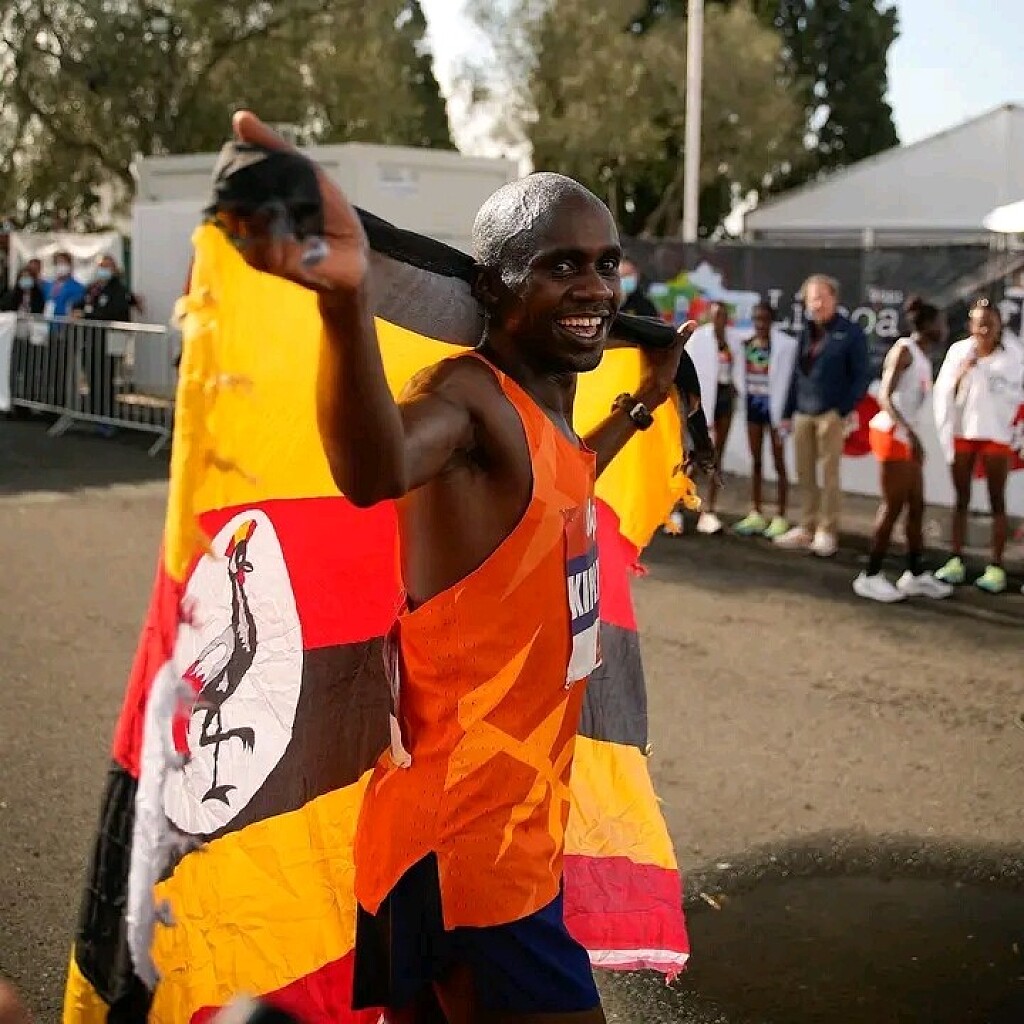
Lisbon Half Marathon 2026: Kiplimo Returns to Defend His Legacy
The streets of Lisbon are set for another historic chapter as Uganda’s Jacob Kiplimo returns to the EDP Lisbon Half Marathon on March 8, 2026 — the very race where he once produced a performance that stunned the world.
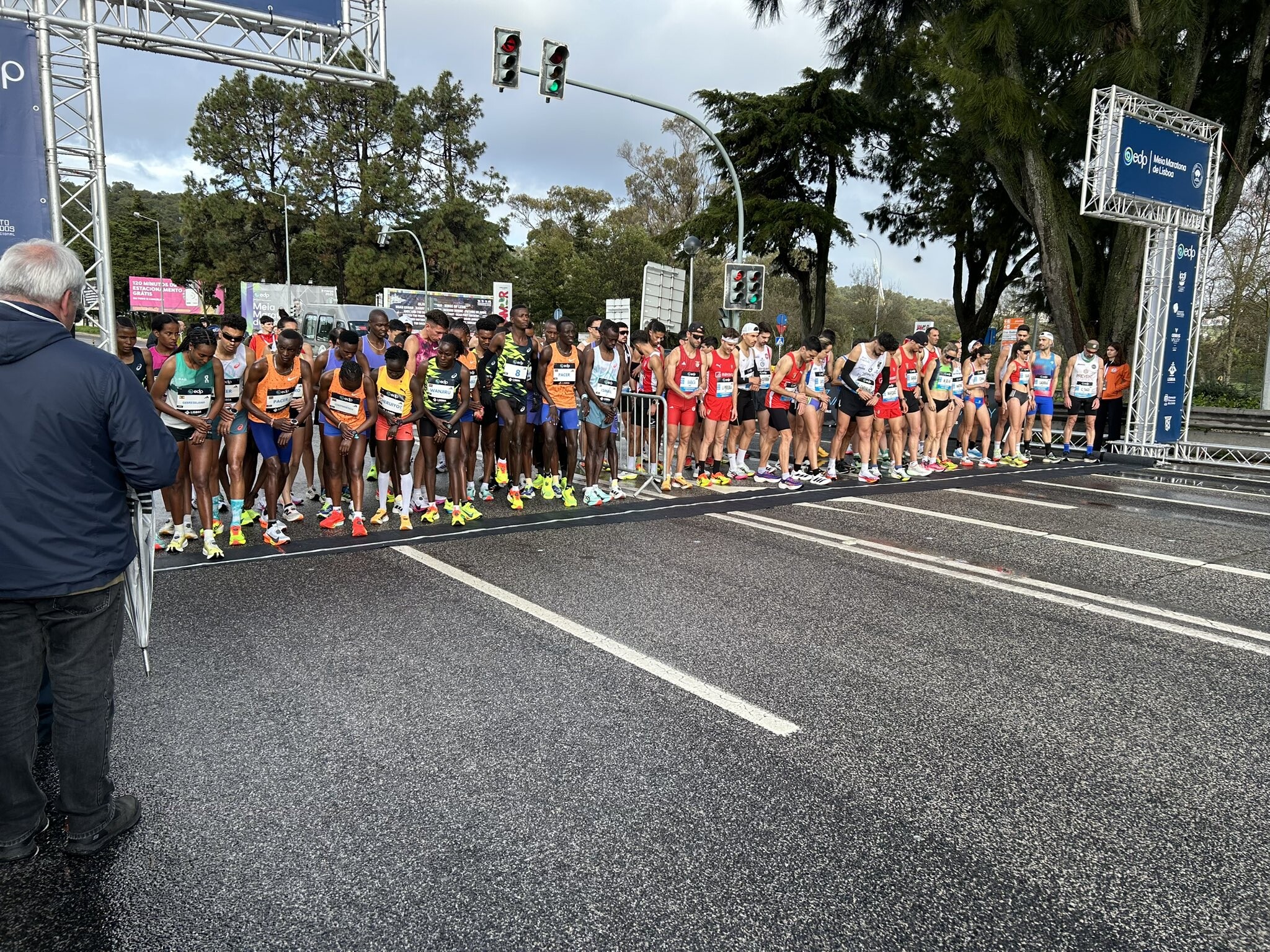
It was on these very streets in November 2021 that Kiplimo produced a sensational 57:31, setting a world record and establishing the Lisbon course mark in emphatic fashion. Although the global record has since been lowered, his performance remains one of the greatest ever witnessed over the distance and continues to define Lisbon’s modern racing history.
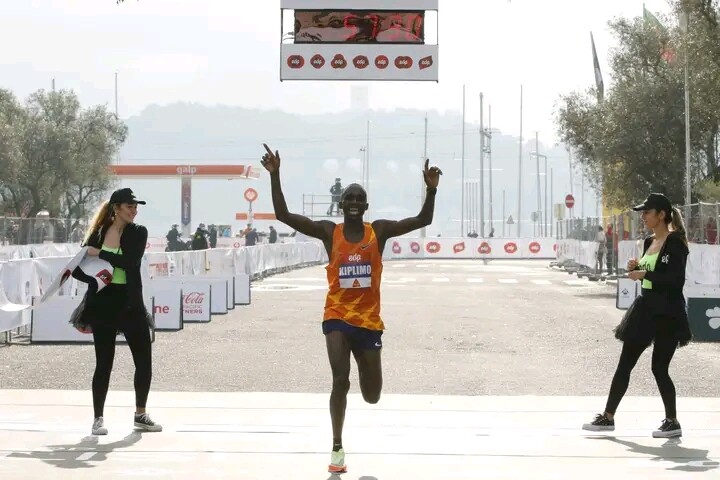
Lisbon holds a special place in his career. The flat, fast course and electric atmosphere provided the perfect stage for brilliance, but it was Kiplimo’s relentless rhythm and fearless pacing that transformed the race into a landmark moment in global athletics. His 57:31 remains the standard by which performances on that course are measured, and his return immediately raises expectations of something extraordinary.
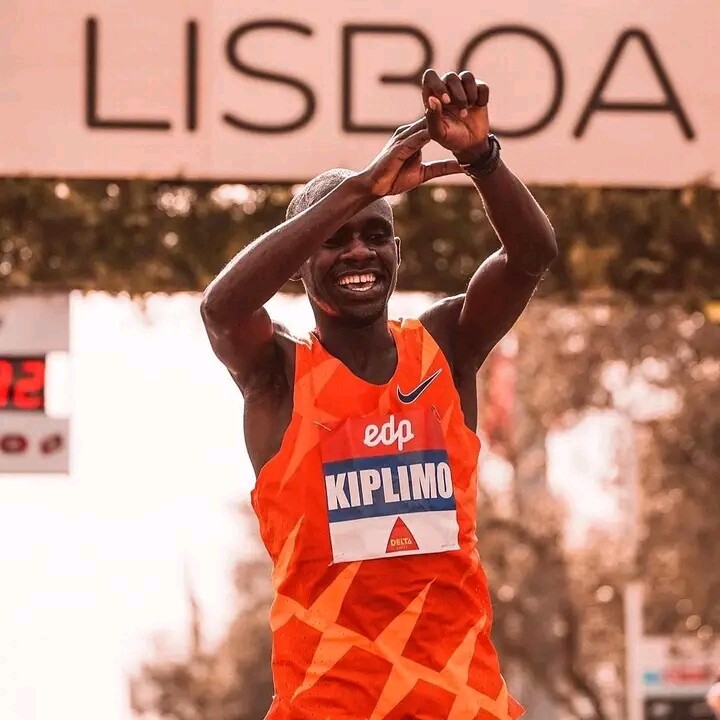
He will arrive in Portugal carrying powerful momentum. Last season showcased his remarkable range and maturity as an athlete. In Barcelona, he blazed to 56:42 in the half marathon, reaffirming his dominance over the distance. He then stepped confidently onto the marathon stage, clocking 2:03:37 in his London debut before conquering Chicago in 2:02:23 to secure a major marathon victory. Those performances revealed not only speed, but tactical intelligence and endurance — qualities that now make him a constant threat in any race he enters.
Already in 2026, Kiplimo has underlined his supremacy by reclaiming the World Cross Country title. That triumph was more than a medal; it was a declaration that his foundation remains strong and his competitive edge sharper than ever. Cross country success often fuels road excellence, and the timing of that victory suggests he is building toward another major statement performance.
As the Lisbon Half Marathon approaches, anticipation is steadily building. Elite contenders will line up with ambition, but the spotlight naturally falls on the Ugandan star whose name is permanently etched into the race’s history. He understands the course, the tempo it demands, and the courage required in the closing kilometers. Experience and confidence now blend with peak condition.
Whether he targets another record or simply asserts control over a world-class field, one certainty remains: when the starting gun fires in Lisbon, the energy will shift. The city will once again become the arena for one of distance running’s most captivating figures.
Jacob Kiplimo is returning to familiar ground — and whenever he does, history tends to follow.
by Erick Cheruiyot for My Best Runs.
Login to leave a comment
EDP HALF MARATHON OF LISBON
EDP Lisbon Half Marathonis an annual internationalhalf marathoncompetition which is contested every March inLisbon,Portugal. It carries World Athletics Gold Label Road Racestatus. The men's course record of 57:31 was set byJacob Kiplimoin 2021, which was the world record at the time. Kenyanrunners have been very successful in the competition, accounting for over half of the total winners, withTegla Loroupetaking the...
more...
Sekgodiso Posts Season Best as Werro Rewrites History in Belgrade
Prudence Sekgodiso continued her steady rise this indoor season with a season-best performance at the Belgrade Indoor Meeting on Wednesday night, clocking 2:03.76 to finish fourth in a world-class women’s 800m showdown.
In only her second race of the campaign, the South African middle-distance star lined up in a stacked World Athletics Indoor Tour Gold field and embraced the fast tempo from the outset. Running with composure and determination, Sekgodiso crossed the line with her quickest time of the year so far — a clear indication that her form is building at the right time.
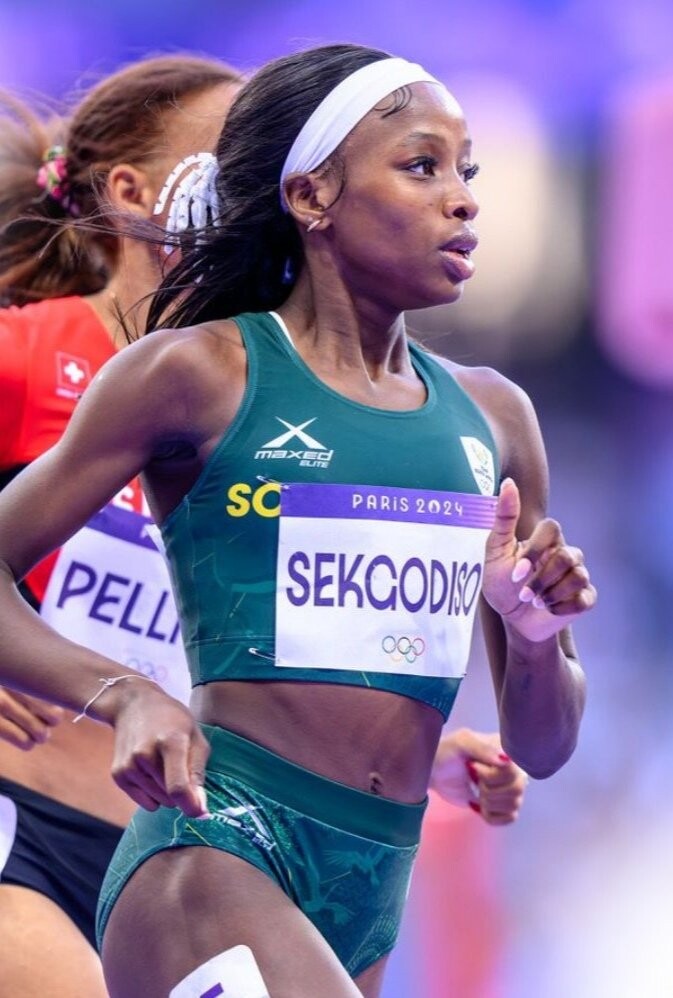
The race, however, belonged to Switzerland’s Audrey Werro, who delivered a historic performance. The 20-year-old stormed to victory in a world-leading 1:57.27, breaking her own Swiss indoor record. In doing so, Werro also surged to eighth on the all-time indoor 800m list, cementing her place among the fastest women ever over the distance indoors.

Behind her, Austria’s Caroline Bredlinger secured second place in 2:01.80, while Portugal’s Patrícia Silva completed the podium in 2:02.80 after a strong finishing effort. Sekgodiso followed closely in fourth, rounding off a fiercely competitive race that showcased the depth of talent on display in Belgrade.
Though narrowly outside the podium places, Sekgodiso’s performance marked a positive step forward. With her season-best now established against elite opposition, she leaves Belgrade with confidence and momentum as the indoor season gathers pace.
Women’s 800m Results – Belgrade Indoor Meeting
Audrey Werro (SUI) – 1:57.27 (WL, Swiss Indoor Record)
Caroline Bredlinger (AUT) – 2:01.80
Patrícia Silva (POR) – 2:02.80
Prudence Sekgodiso (RSA) – 2:03.76
Belgrade proved to be a night of both progress and history — Werro rewriting record books, and Sekgodiso steadily shaping her campaign with encouraging signs for the races ahead.
by Erick Cheruiyot for My Best Runs.
Login to leave a comment
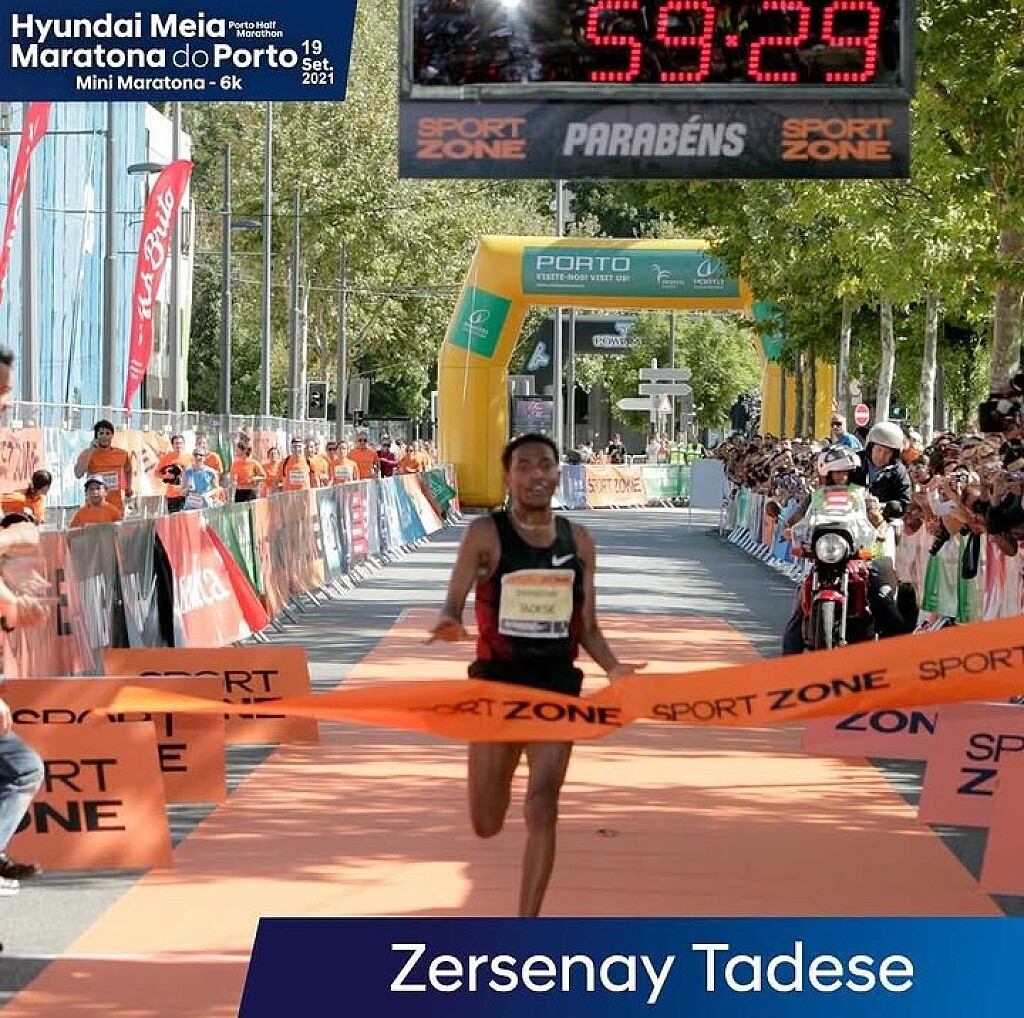
Zersenay Tadesse: The Trailblazer Who Put Eritrea on the World Distance Map
Born on 8 February 1982 in Adi Bana, Eritrea, Zersenay Tadesse rose from humble beginnings to become one of the most accomplished long-distance runners of his generation. Through consistency, resilience, and historic performances, he not only dominated the global stage but also reshaped Eritrea’s place in world athletics.
A specialist in long-distance track and road events, Tadesse built an extraordinary career highlighted by his four world titles in the half marathon, a level of dominance rarely seen in the discipline. His name entered the history books on 21 March 2010, when he produced a landmark performance at the Lisbon Half Marathon in Portugal, clocking 58:23 to break the world record by ten seconds and redefine the limits of human endurance over the distance.
Tadesse’s impact extended far beyond records. At the Athens 2004 Olympic Games in Greece, he made history by becoming the first Eritrean athlete to win an Olympic medal, earning bronze in the 10,000 metres behind Ethiopian greats Kenenisa Bekele and Sileshi Sihine. Two years later, in 2006, he achieved another national first by claiming the World Half Marathon Championship title in Hungary, securing Eritrea’s first-ever individual world championship gold.
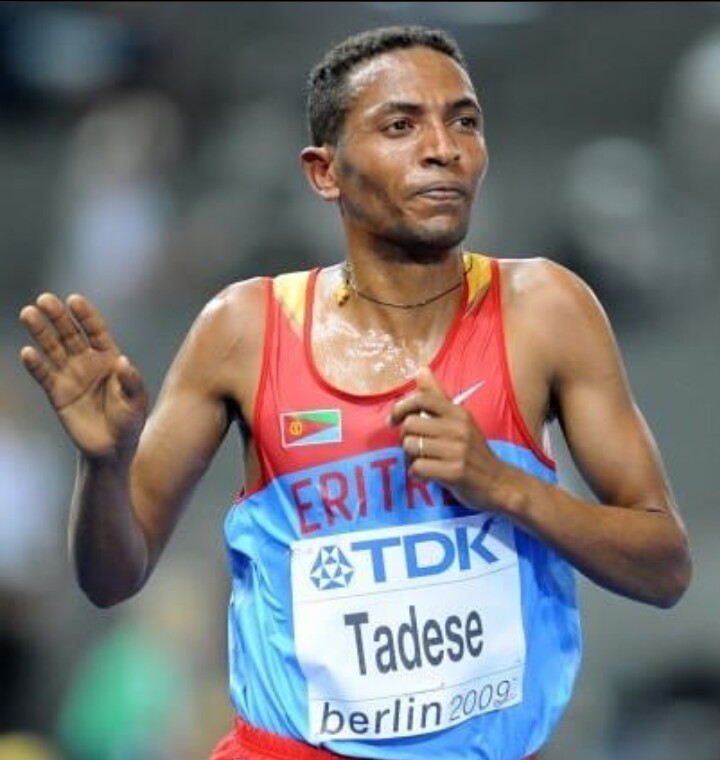
The year 2006 marked a defining chapter in his career. In April, Tadesse finished fourth at the World Cross Country Championships, playing a crucial role in Eritrea’s team silver medal alongside Yonas Kifle, Ali Abdallah, and Tesfayohannes Mesfen, narrowly beaten by Kenya. Later that year, in September, he captured gold at the inaugural IAAF World Road Running Championships over 20 kilometres, further cementing his versatility across surfaces.
December 2006 brought another iconic moment. Racing through the streets of Madrid, Spain, at the San Silvestre Vallecana, Tadesse shattered the 10-kilometre world record, stopping the clock at 26:54 and surpassing the previous mark held by Ethiopian legend Haile Gebrselassie. In 2010, he returned to the same event and claimed victory once again after a late navigation error by race leader Ayad Lamdassem of Spain, showcasing his experience and composure under pressure.
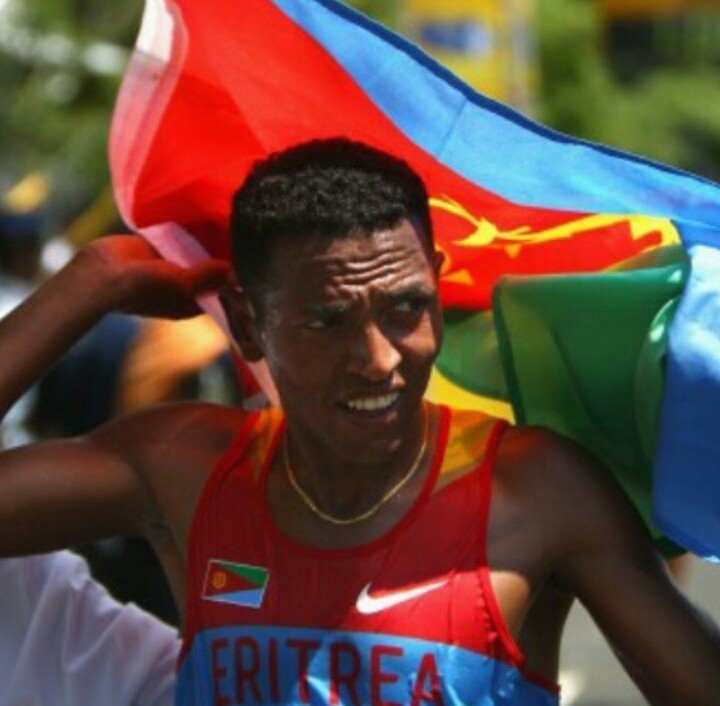
One of the crowning achievements of his career came in March 2007, when Tadesse conquered the World Cross Country Championships in Mombasa, Kenya, defeating Kenyan stars Moses Mosop and Bernard Kipyego on their home terrain in a powerful display of strength and tactical intelligence.
His medal collection reflects years of excellence at the highest level:
Olympic Games: Bronze
World Championships: Silver
World Cross Country Championships: Gold, two silvers, and four bronzes
World Half Marathon Championships: Four golds and one silver
Tadesse’s personal bests underline his remarkable range, from track to road:
3000 m – 7:39.93 | 5000 m – 12:59.27 | 10,000 m – 26:37.25 (Eritrean record) | 10 km road – 26:54 | 15 km – 42:17 | 20 km – 55:21 | Half marathon – 58:23 (world record) | Marathon – 2:08:46.
More than a champion, Zersenay Tadesse is a pioneer. He opened doors for Eritrean athletics, inspired generations, and proved that greatness can emerge from any corner of the world. His legacy is written not only in medals and records, but in the history he made for his nation.
by Erick Cheruiyot for My Best Runs.
Login to leave a comment
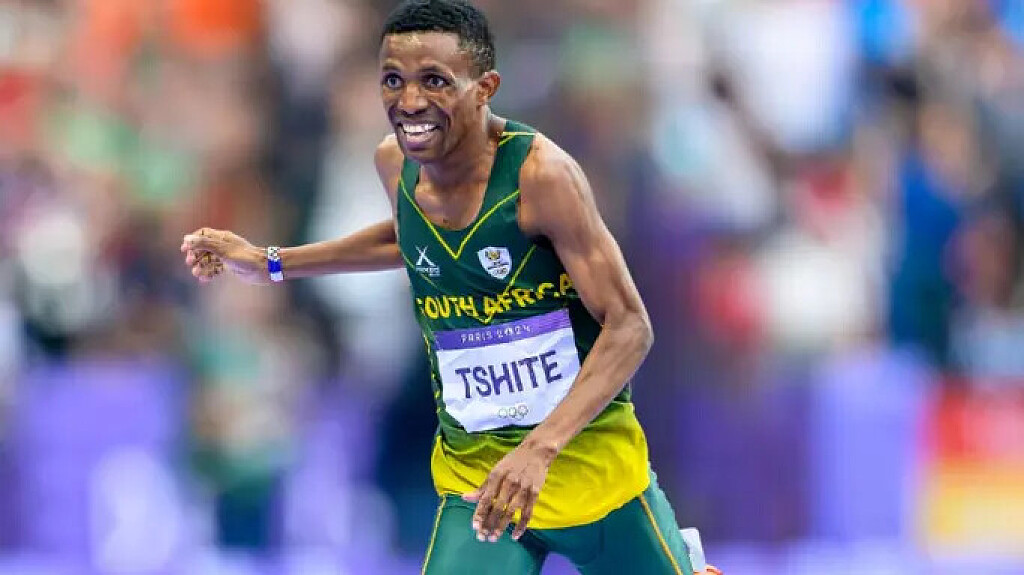
Tshepo Tshite Rewrites South African History with Record-Breaking 3,000m Run in Ostrava
Tshepo Tshite could not have asked for a more emphatic start to his 2026 season. Under the bright lights of the Czech Indoor Gala in Ostrava on Tuesday night, the 29-year-old middle-distance star delivered a performance that etched his name even deeper into South African athletics history.
Lining up for the men’s 3,000m short track race, Tshite ran with confidence and control across the 15 laps, producing a superb time of 7:38.17. That effort not only secured him second place in a highly competitive field, but also shattered the South African national record. The previous mark of 7:39.55, set by Elroy Gelant in Belgium back in February 2014, was pushed firmly into the record books.

Victory narrowly slipped away by the finest of margins, as Portugal’s Isaac Nader crossed the line first in 7:38.05, just 0.12 seconds ahead of the South African. Still, the night belonged to Tshite, whose run stood out as one of the highlights of the meeting.
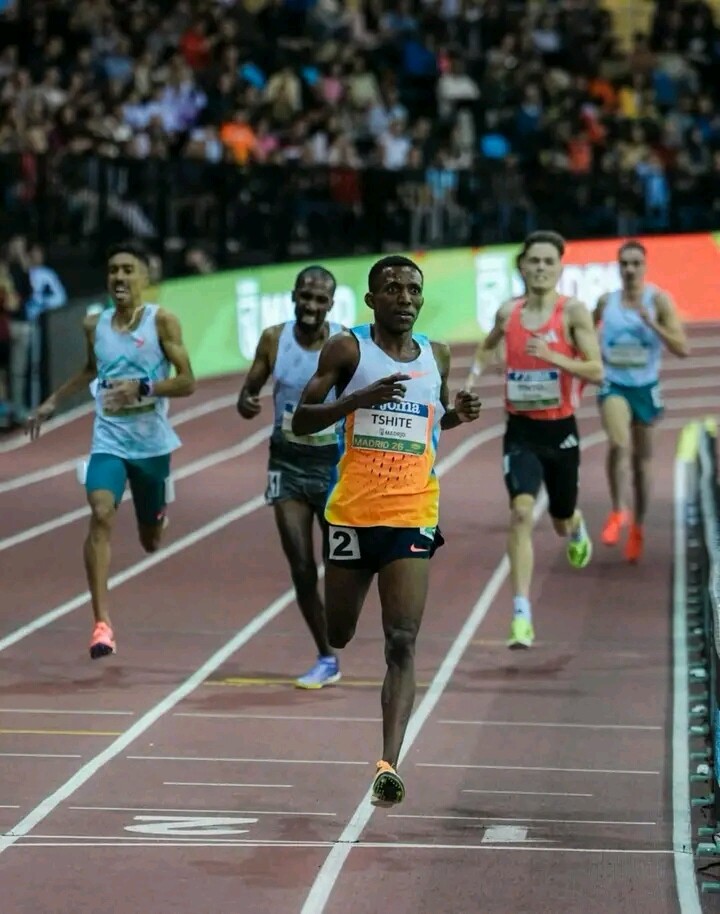
This latest achievement adds yet another chapter to Tshite’s growing legacy. He now holds four South African national records, underlining his remarkable consistency across middle-distance events. His previous national bests include the 1500m indoor (3:35.06), 1500m outdoor (3:31.35), and the indoor mile (3:54.10)—a rare and impressive collection that showcases both speed and endurance.
With the season only just underway, Tshite’s record-breaking performance in Ostrava sends a clear message: he is in top form and ready to challenge the very best. For South African athletics fans, this was more than just a fast race—it was a statement of intent from one of the country’s finest middle-distance runners.
by Erick Cheruiyot for My Best Runs.
Login to leave a comment
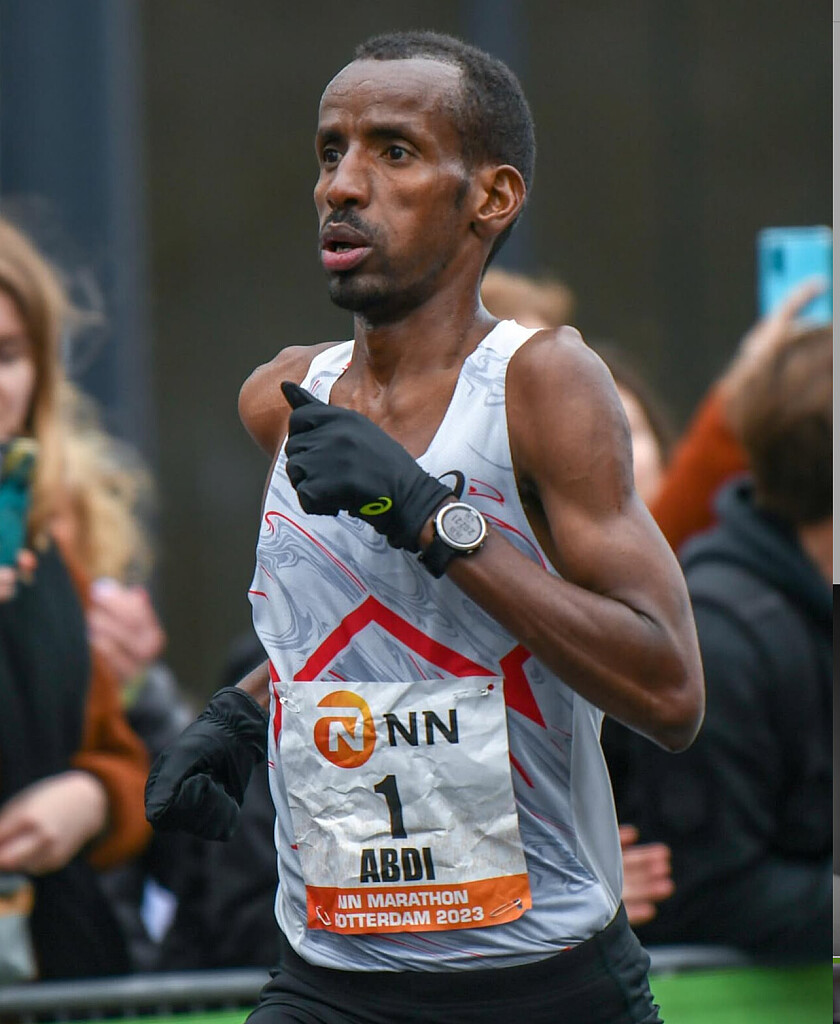
Bashir Abdi Targets European Record and Third Rotterdam Crown in 2026
After an injury-disrupted 2025 season, Bashir Abdi, who represents Belgium, is resetting his sights on a bold and ambitious 2026 campaign—one centered on Rotterdam, records, and redemption.
The two-time Olympic marathon medalist has confirmed his intention to return to the NN Rotterdam Marathon on April 12, where he will seek an unprecedented third victory and renew his pursuit of the European marathon record.
“It’s a special marathon,” Abdi told Sporza.be. “I’ve already run 14 marathons, four of which were here in Rotterdam. It won’t be easy to win here, as there will be a strong field. But I’m especially looking forward to running with a good feeling.”
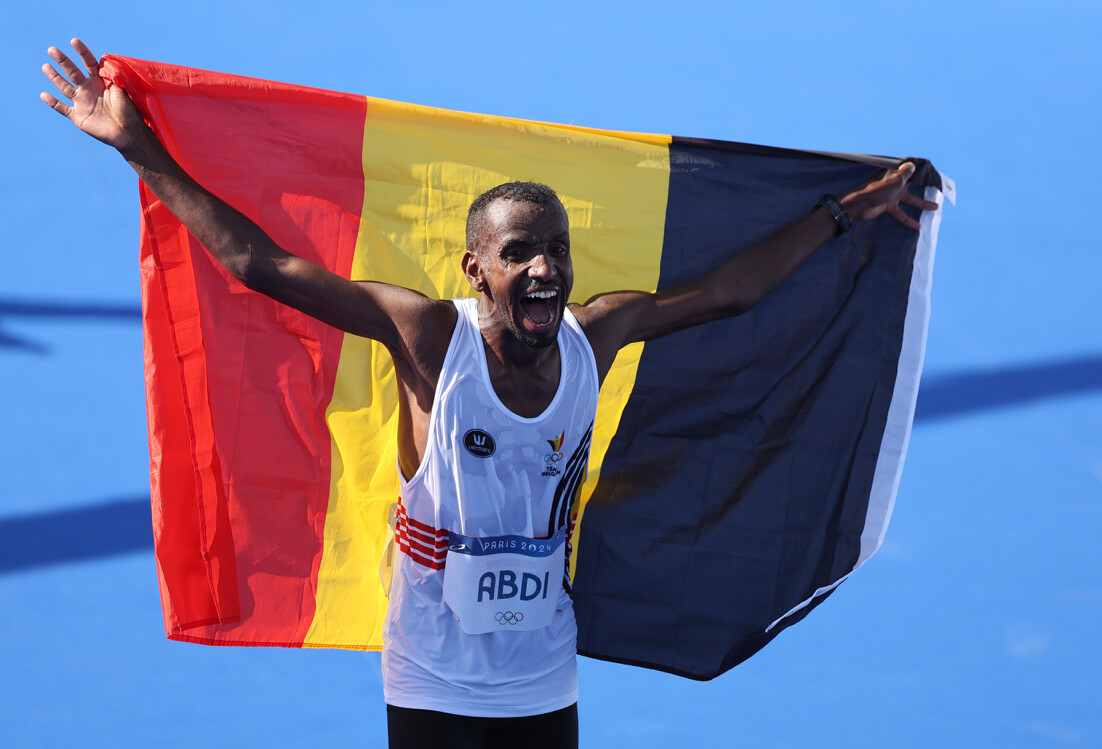
That “good feeling” has been central to Abdi’s career—one built on patience, consistency, and an unusually long peak for a modern elite marathoner.
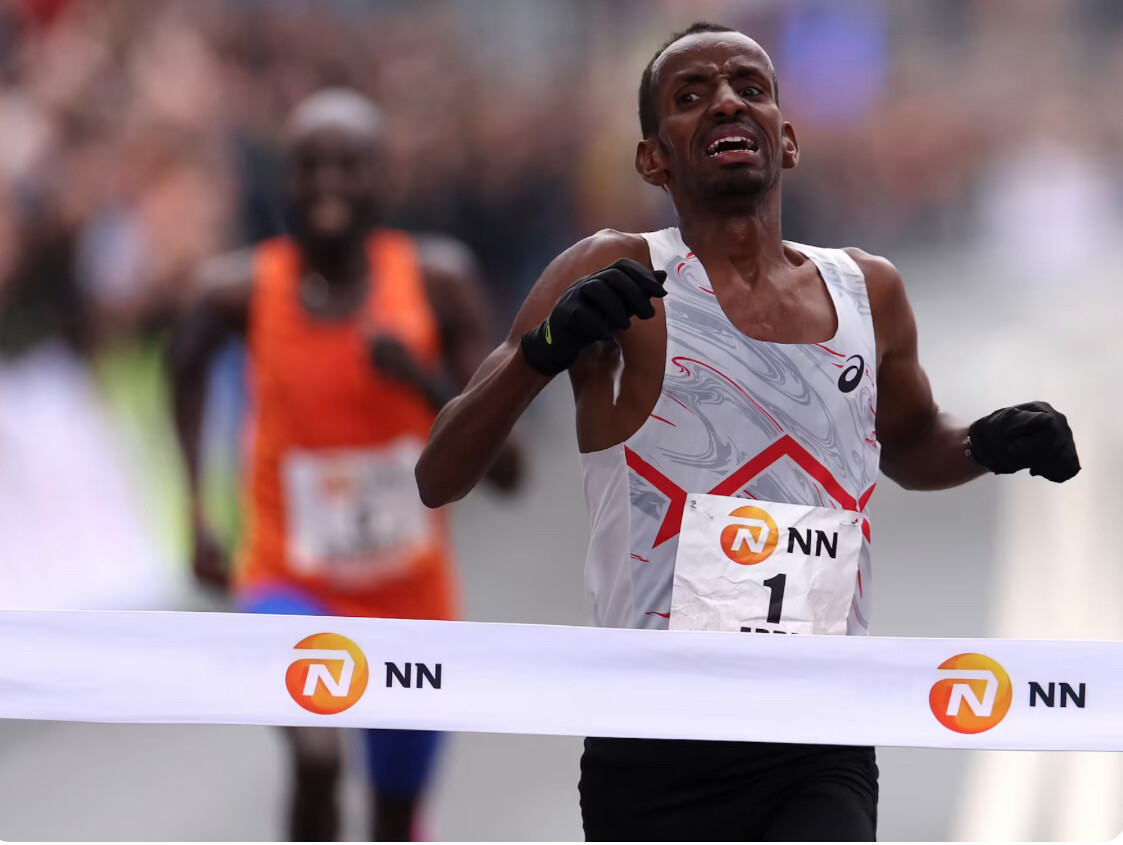
Born in Somalia, Abdi moved to Belgium as a child and later emerged as one of Europe’s most reliable championship performers. While many of his contemporaries built their reputations on a single breakthrough race, Abdi distinguished himself through durability across courses, conditions, and competitive formats. He has repeatedly delivered on the biggest stages, including Olympic Games, World Championships, and major city marathons.
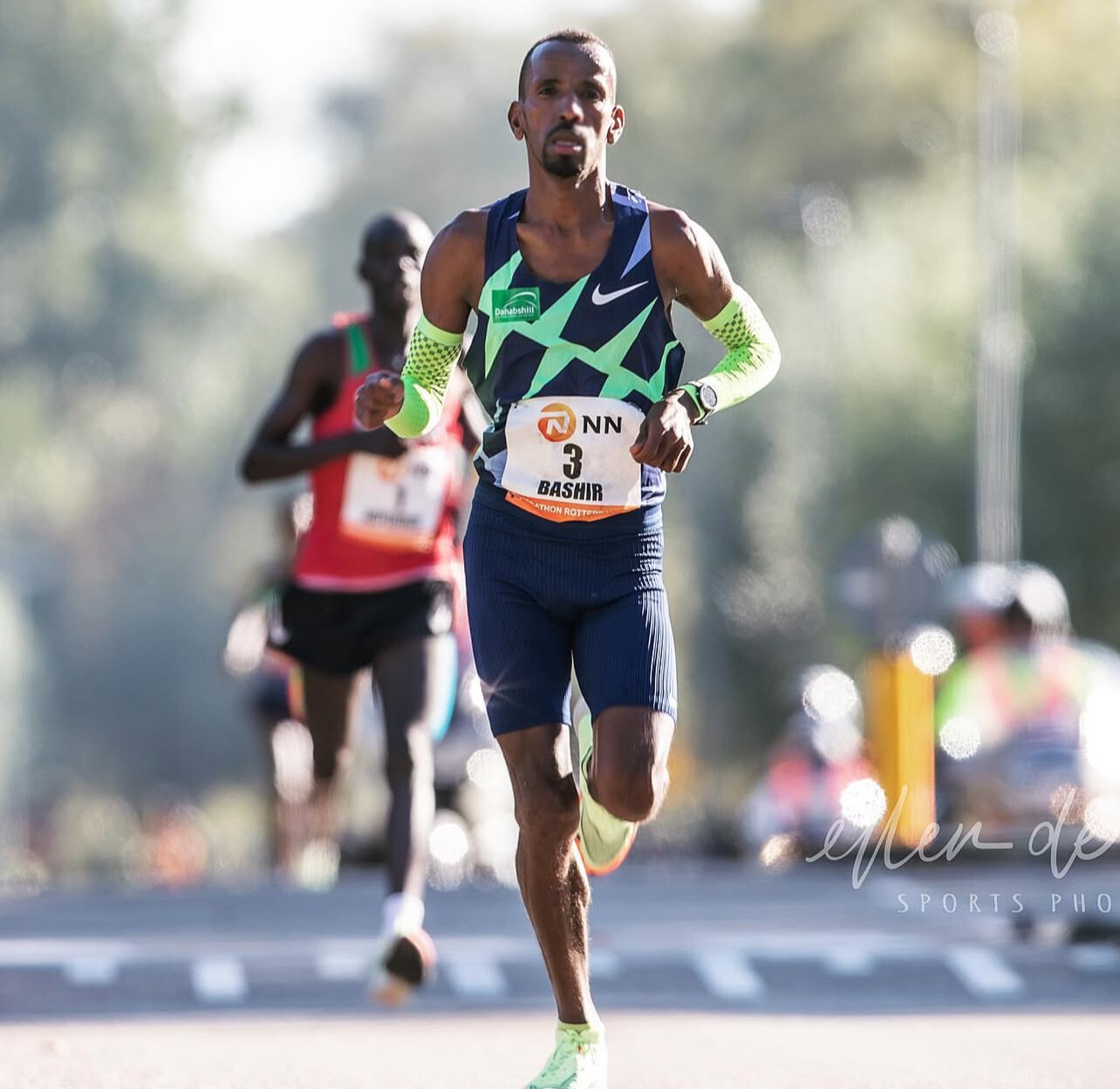
In 2021, just two months after winning Olympic bronze in Tokyo, Abdi produced the defining performance of his career in Rotterdam, winning in 2:03:36 to set a European marathon record. The run confirmed him not only as a medal contender, but as a time-trialist capable of matching the world’s fastest marathon specialists.
Two years later, he returned to Rotterdam and nearly surpassed his own mark, winning again in 2:03:47—just 11 seconds shy of the European record. That performance reinforced his unique connection to the course and his ability to execute under pressure.
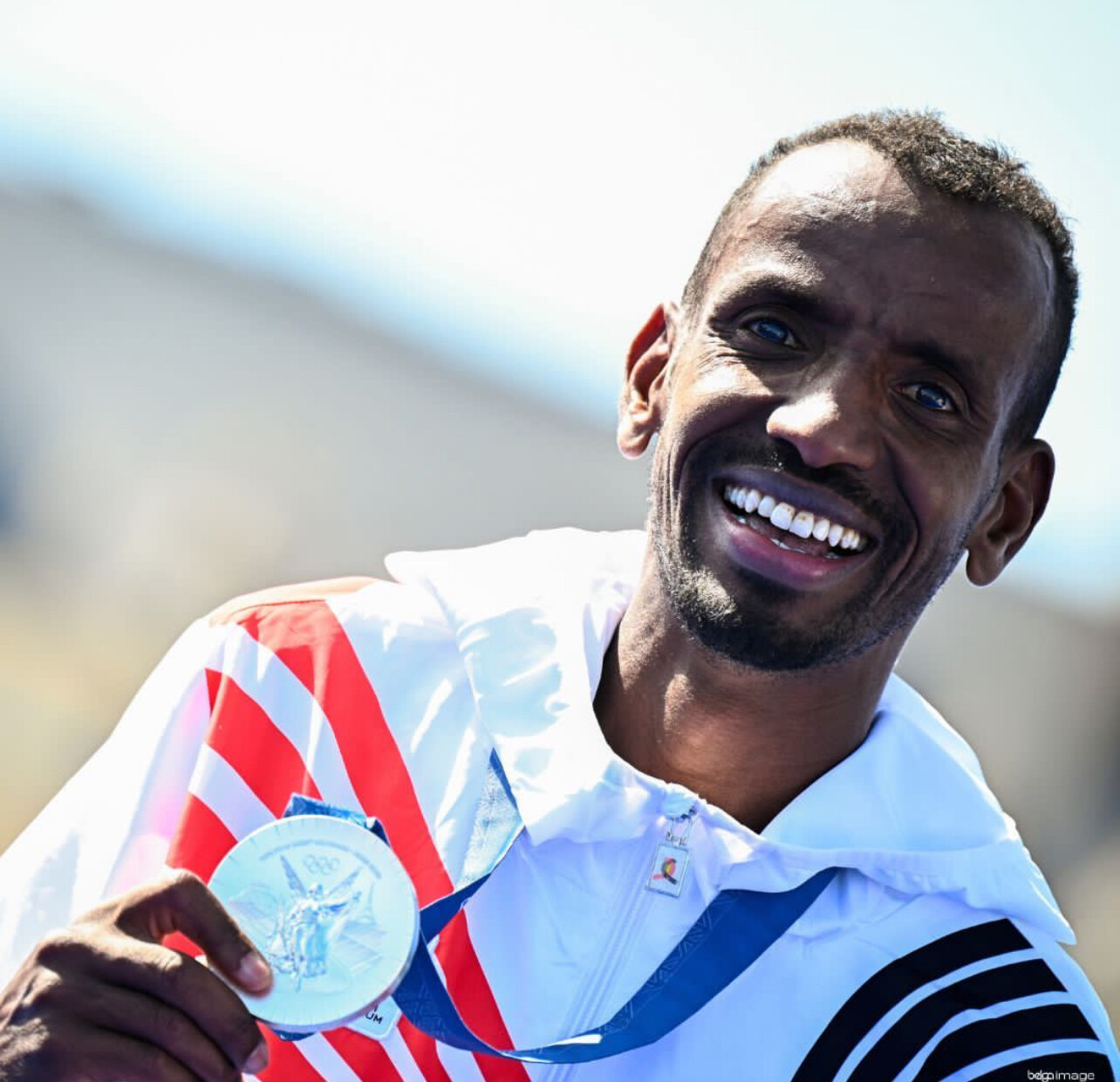
Now 36, Abdi is acutely aware that the margins are tightening.
“I feel many athletes are getting close to that record,” he said. “If I want to hold on to it for a few more years, I have to go faster. Whether it’s in this edition or another time, I don’t know. But my ambition is to break that European record.”
Ahead of Rotterdam, Abdi will test his form in familiar surroundings at the Gent Half Marathon on March 8, using the race as a barometer after a year that never fully came together physically. For a runner whose success has been built on rhythm and continuity, regaining health may be the most important victory of all.
A Course Built for History
Rotterdam’s reputation as one of the world’s fastest marathon courses is long established.
In 1985, Portugal’s Carlos Lopes set a world record of 2:07:12 there. Three years later, Ethiopia’s Belayneh Dinsamo lowered the mark to 2:06:50—a time that stood for a decade. In the women’s race, Tegla Loroupe rewrote history in 1988 with a world record of 2:20:47, ending Ingrid Kristiansen’s long reign.
It is into this lineage of record-breaking performances that Abdi has firmly placed himself—and where he hopes to return once more in 2026.
Bashir Abdi’s 10 Fastest Marathon Performances
• 2:03:36 – 1st, 2021 Rotterdam Marathon
• 2:03:47 – 1st, 2023 Rotterdam Marathon
• 2:04:32 – 3rd, 2023 Chicago Marathon
• 2:04:49 – 2nd, 2020 Tokyo Marathon
• 2:05:19 – 3rd, 2022 London Marathon
• 2:05:23 – 4th, 2022 Rotterdam Marathon
• 2:06:14 – 5th, 2019 Chicago Marathon
• 2:06:47 – 2nd, 2024 Olympic Games (Paris)
• 2:06:48 – 3rd, 2022 World Athletics Championships (Eugene, Oregon)
• 2:07:03 – 7th, 2019 London Marathon
by Boris Baron
Login to leave a comment
NN Rotterdam Marathon
The marathon has been the biggest one-day sporting event in the Netherlands for many years in a row with over 35000 athletes professionals inclusive. The world's top athletes will at the start on the bustling coolsingel, alongside thousands of other runners who will also triumph,each in their own way.The marathon weekend is a wonderful blend of top sport and festival. ...
more...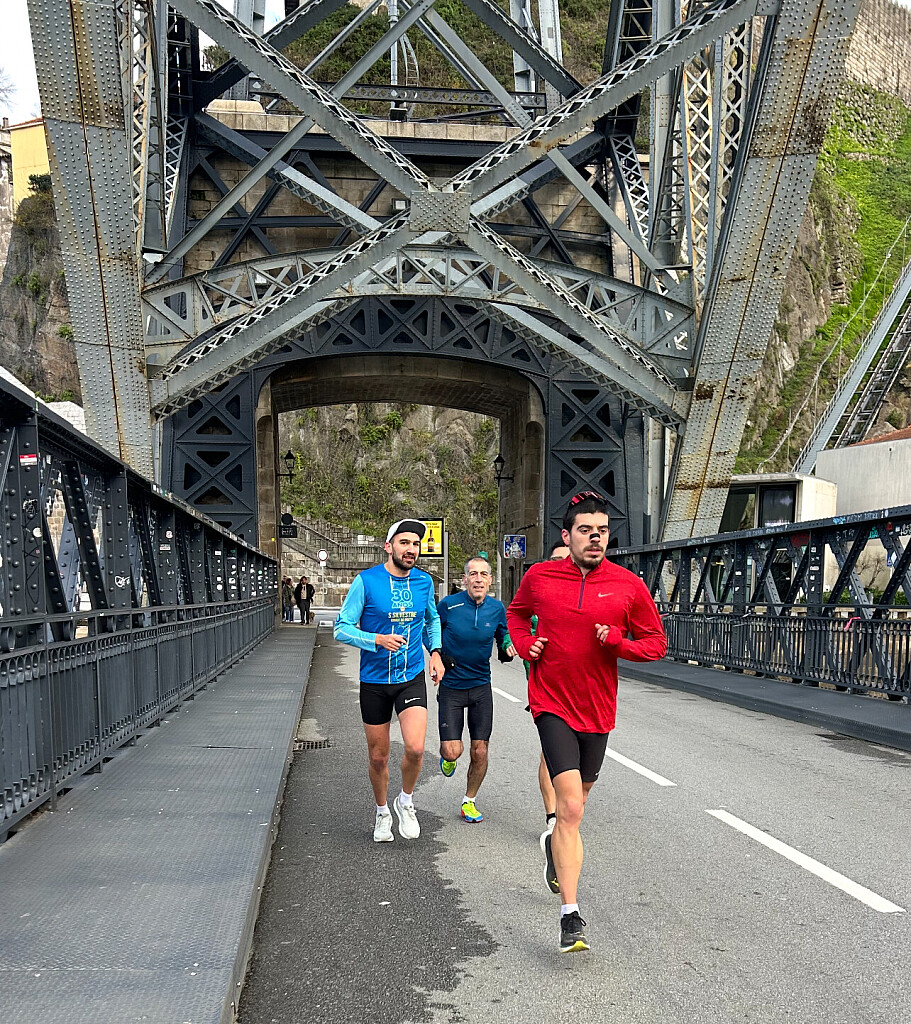
Running Takes Over Porto: From Daily Miles to Major Races Along the Douro
PORTO, Portugal — During a recent visit to Porto, one thing stood out immediately: runners were everywhere.
Not just a few individuals squeezing in a workout, but a steady, continuous flow—on both sides of the Douro River, along waterfront promenades, through historic neighborhoods, and even across the city’s iconic bridges. Morning, afternoon, and early evening, Porto felt like a city permanently in motion.
What made the impression even stronger was the range of runners. Men and women, young and old, first-time joggers and clearly experienced athletes. Some moved easily through recovery miles, others pushed the pace with purpose. Porto didn’t feel like a place where people run occasionally—it felt like a place where running is part of everyday life.

A City Built for Running
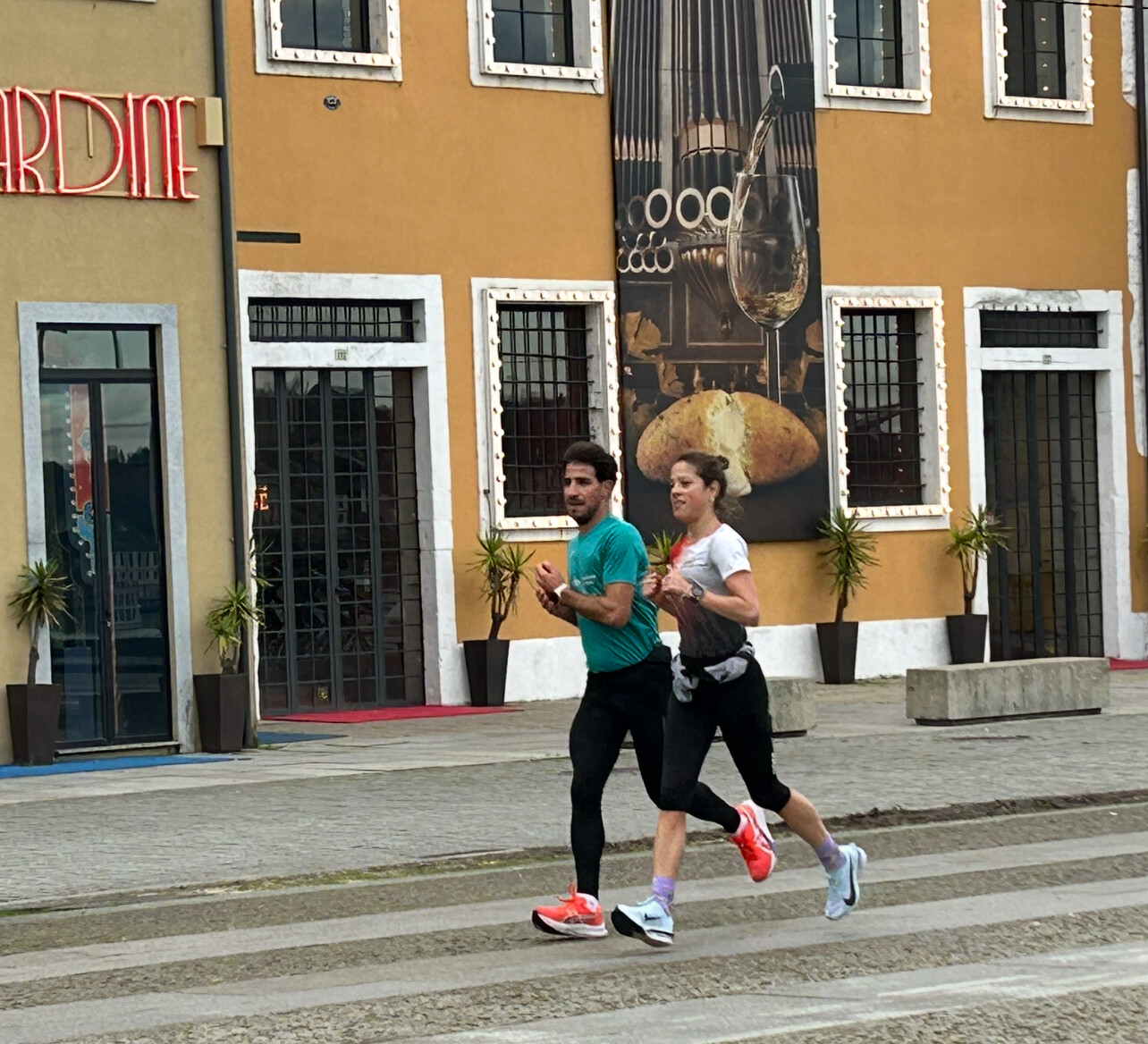
Few European cities offer the natural variety Porto does. Flat riverside paths stretch for miles along the Douro, ideal for steady aerobic runs. Step slightly inland and runners find rolling terrain and short climbs that quietly build strength. Smooth paved walkways blend into older stone streets, giving every run a mix of rhythm and challenge.
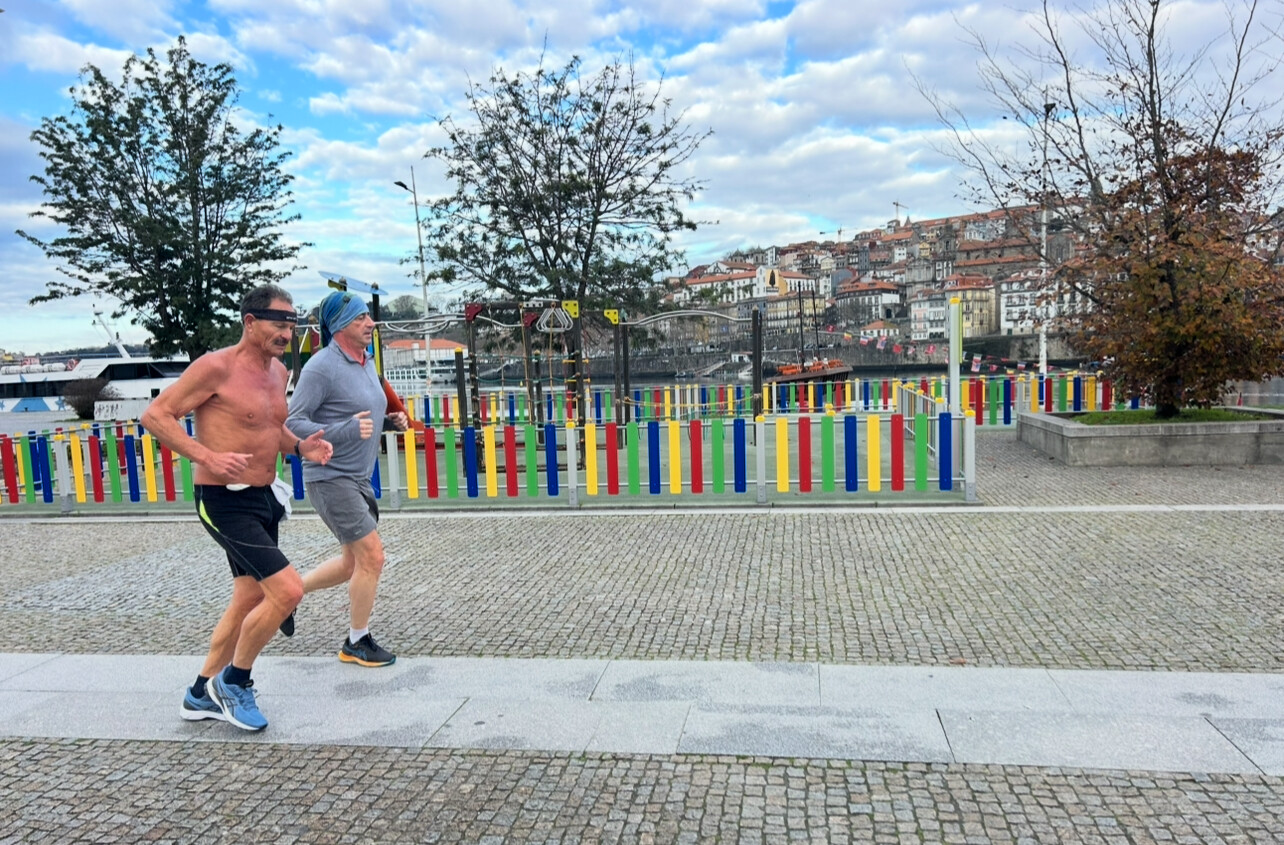
One of the most striking sights was runners crossing the Dom Luís I Bridge, high and low above the river, linking Porto with Vila Nova de Gaia. It’s exposed, often windy, and far from flat—yet runners of all ages crossed confidently. This wasn’t something special or staged. It was routine.
A Deeper Running Culture
Compared with other European cities, including Lisbon, Porto appeared to have more runners consistently on the streets, particularly along the riverfront. My wife was there three days during Christmas this year. At nearly any time of day, runners passed in both directions, quietly acknowledging one another as part of an unspoken community.
Running here isn’t limited to parks or hidden routes. Runners move through the heart of the city—past cafés, historic façades, working docks, and tourist corridors. They don’t stand out. They belong.
What stood out most was how unpretentious it all felt. No spectacle. No performance. Just people running because that’s what they do.
Home to Major Races
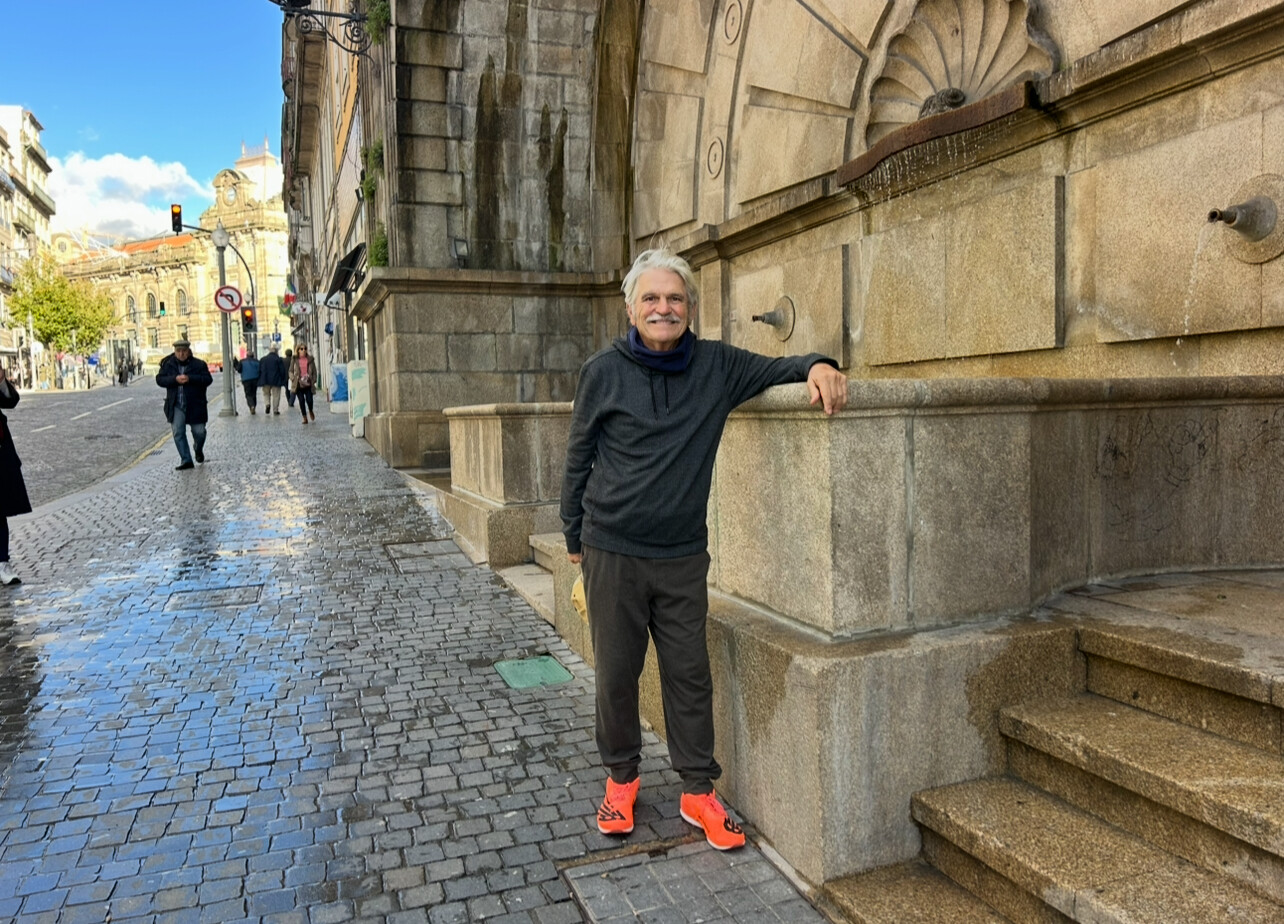
This everyday running culture naturally feeds into Porto’s race calendar. The city hosts some of Portugal’s most important road events, including the Porto Marathon and the Porto Half Marathon, races that draw international fields while remaining deeply connected to the local running community.
These events showcase exactly what makes Porto special: fast stretches along the river, challenging sections through the city, and unforgettable scenery from start to finish. For visiting runners, they offer a rare combination—serious competition in a city that genuinely understands and supports running.
Portugal has quietly built a strong endurance-sports identity over the past decade, and Porto reflects that evolution perfectly. The city doesn’t just host races—it lives the sport year-round.
A Runner’s City, Without Trying to Be One
Porto may be best known for its wine cellars, historic architecture, and dramatic river views, but it is increasingly clear that it is also a runner’s city—not by branding or promotion, but by habit.
For runners visiting from abroad, the appeal is immediate. Lace up your shoes, step outside, follow the river, cross a bridge, turn around when it feels right—and suddenly you’re part of the flow.
The best running cities are often the ones that don’t advertise themselves. They reveal who they are through simple, repeated moments.
In Porto, that moment happens again and again:
Runners moving steadily along the Douro.
Across bridges.
Through history.
Every single day even on Christmas Day.
by Bob Anderson for My Best Runs
Login to leave a comment
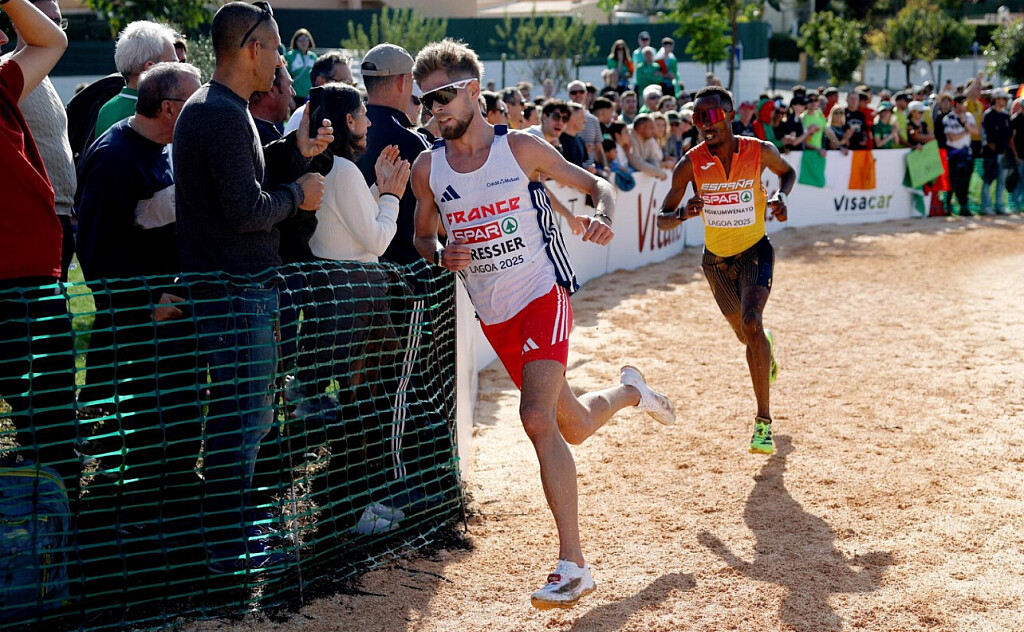
Ndikumwenayo Stuns Gressier in Thrilling Senior Men’s Cross Country Duel at Lagoa
Thierry Ndikumwenayo delivered one of the standout performances of the cross-country season, outkicking France’s world 10,000 m champion Jimmy Gressier to win the senior men’s title at the 31st SPAR European Cross Country Championships in Lagoa, Portugal.
In a race defined by tactics and grit, the Spaniard stopped the clock at 22:05 over the demanding 7.47 km course, finishing just three seconds ahead of Gressier after a dramatic sprint to the line.
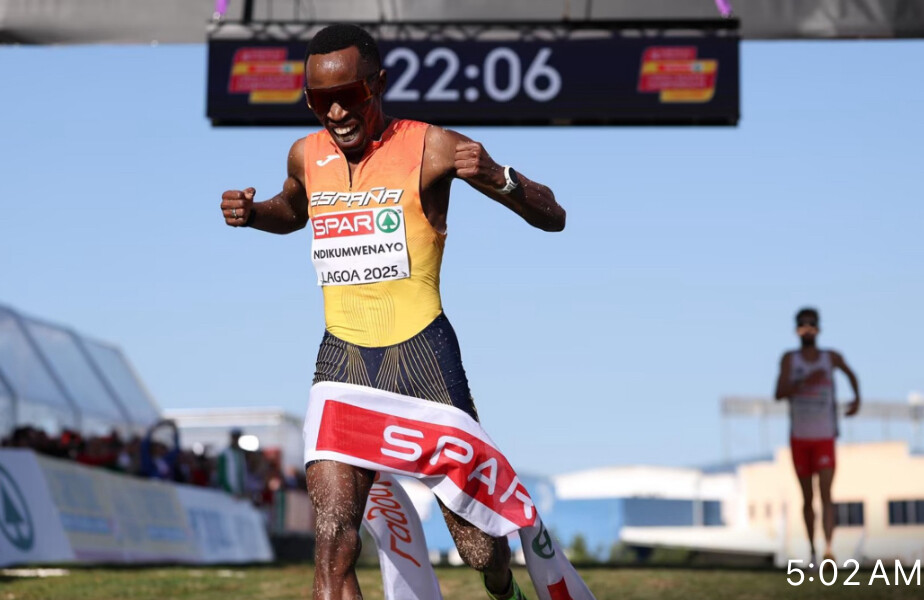
From the opening meters, the course—featuring rolling terrain, sandy stretches, and sharp turns—began to thin the field. By the midpoint, Ndikumwenayo and Gressier had broken clear, forming a two-man lead group that quickly established control. The pair matched each other stride for stride, trading subtle surges while keeping the chasers at bay.
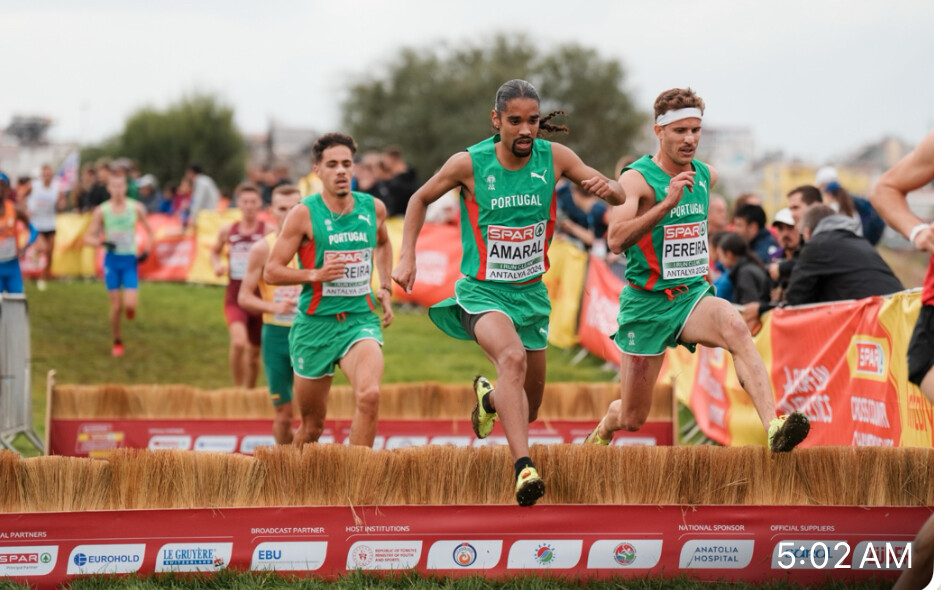
Gressier, 28, arrived in Lagoa riding the momentum of a remarkable 2025 season that included a world title over 10,000 m in Tokyo, European half-marathon gold, and European indoor records at 5,000 m. A European cross-country crown would have capped a year that showcased his range across track, road, and grass.
Ndikumwenayo had other plans. Born in Burundi in 1997 and now racing for Spain, he has steadily evolved into one of Europe’s most complete distance runners. After taking bronze at last year’s championships in Antalya, he arrived in Portugal sharper, stronger, and ready to challenge for gold.
The decisive moment came on the final bend. Gressier, preparing to unleash his trademark finishing kick, briefly lost his footing—just enough hesitation for Ndikumwenayo to strike. The Spaniard surged decisively and held on through the line, sealing a memorable victory in one of the closest finishes of the championships.
Behind the front two, Switzerland’s Dominic Lokinyomo Lobalu claimed bronze in 22:23 after a hard-fought battle, edging Great Britain’s Scott Beattie, who finished fourth in the same time. Ireland’s Jack O’Leary took fifth in 22:25, playing a key role in Ireland securing its first senior men’s team medal at these championships in 25 years.
Spain’s dominance was underlined by strong supporting runs from Abdessamad Oukhelfen (6th) and Aarón Las Heras (9th), giving the nation a comfortable team title and confirming its depth in European cross-country.
Top 10 – Senior Men’s Cross Country
1. Thierry Ndikumwenayo (ESP) — 22:05
2. Jimmy Gressier (FRA) — 22:08
3. Dominic Lokinyomo Lobalu (SUI) — 22:23
4. Scott Beattie (GBR) — 22:23
5. Jack O’Leary (IRL) — 22:25
6. Abdessamad Oukhelfen (ESP) — 22:27
7. Ruben Querinjean (LUX) — 22:28
8. Simon Sundström (SWE) — 22:29
9. Aarón Las Heras (ESP) — 22:30
10. Brian Fay (IRL) — 22:31
Ndikumwenayo’s victory in Lagoa was about more than a narrow margin. It marked the arrival of a runner fully in command of his craft—strong, patient, and fearless when it mattered most. On a course that rewarded toughness and timing, he delivered both, producing one of the defining moments of the 2025 European cross-country season.
by Robert Kibet for My Best Runs
Login to leave a comment
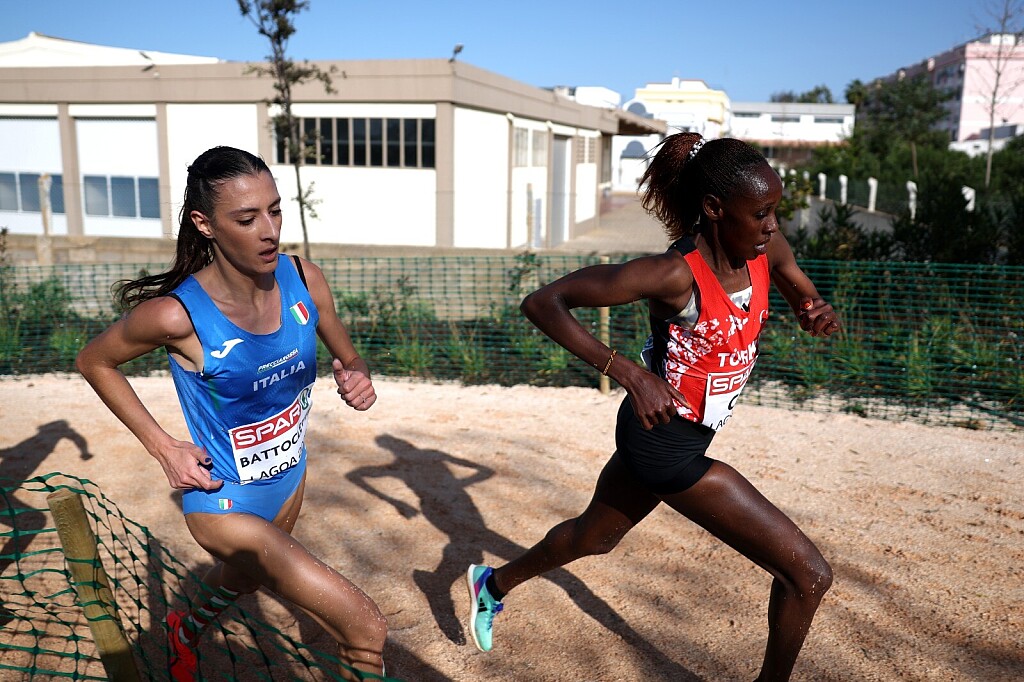
Nadia Battocletti Triumphs at European Cross Country Championships in Lagoa
Italian star returns to the top with commanding senior women’s victory
A Golden Return to Form: Nadia Battocletti of Italy added another chapter to her growing legacy on Sunday in Lagoa, Portugal, powering to victory in the senior women’s race at the European Cross Country Championships. On a demanding, technical course that rewarded strength and patience, Battocletti stopped the clock at 24:52, delivering a performance that combined tactical intelligence with championship composure.
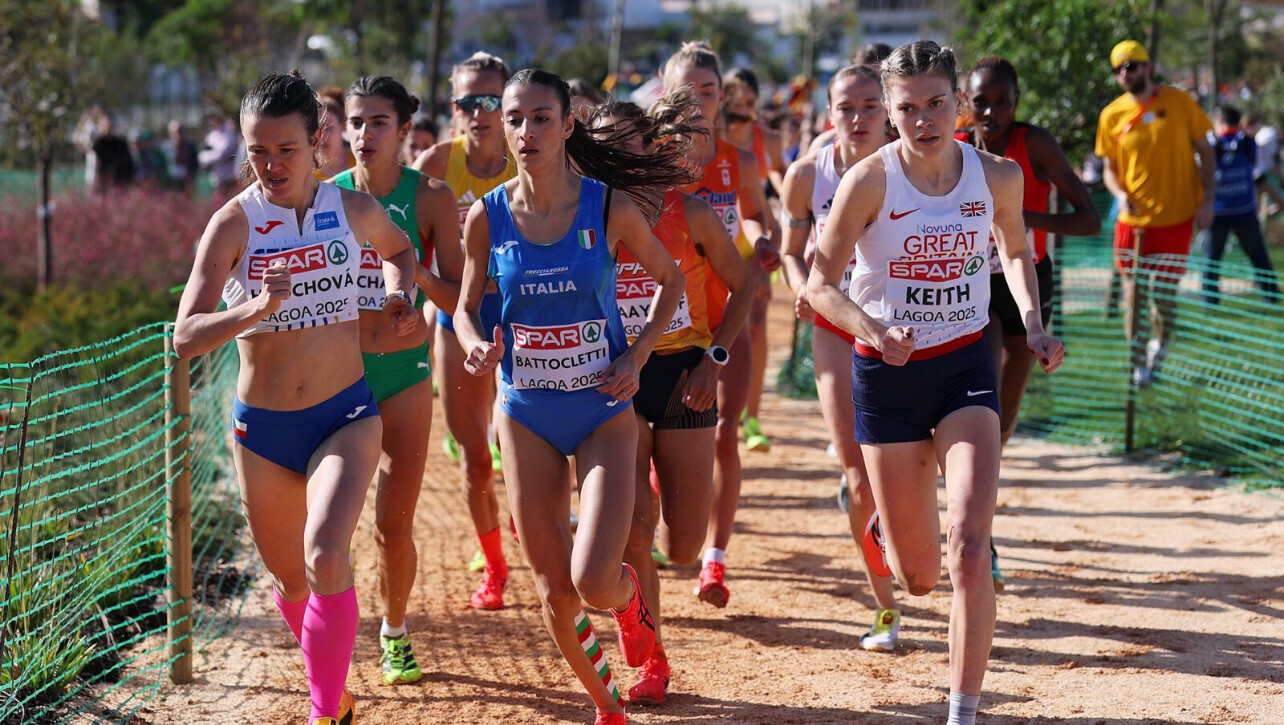
From the opening strides, the pace was honest and the intent clear. The rolling hills, slick footing, and tight turns quickly tested the field. Great Britain’s Megan Keith stayed close to the front, her determination evident with every surge, while Yasemin Can of Turkey—born in Kenya—ran with quiet confidence, conserving energy as the race unfolded. Battocletti remained calm and controlled, matching moves without overreacting as she waited for the right moment.
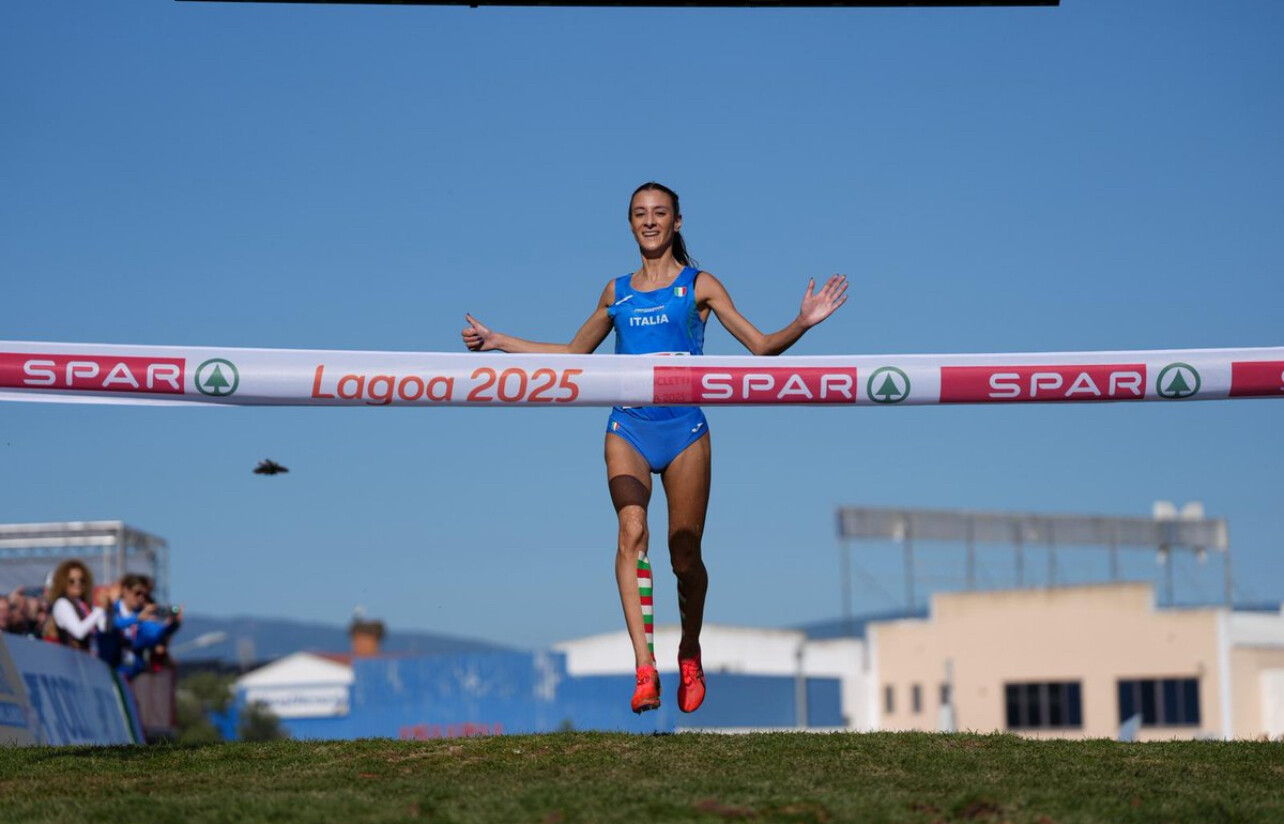
The Making of a Champion
Battocletti’s win in Lagoa was the product of years of steady progression and resilience. She first announced herself on the European stage as a junior, capturing back-to-back U20 cross country titles—Tilburg 2018 (4.3 km in 13:46) and Lisbon 2019 (13:58). Even then, her sense of rhythm, race awareness, and ability to perform under pressure set her apart.
Her transition to the senior ranks has been seamless. At the Paris 2024 Olympic Games, Battocletti claimed silver in the 10,000 meters in 30:43.35, finishing just behind Kenya’s Beatrice Chebet. One year later, at the 2025 World Championships in Tokyo, she again pushed Chebet to the limit, earning another silver in 30:38.23 and confirming her status as one of the world’s most consistent distance runners.
In Lagoa, she drew on all that experience. Battocletti controlled the tempo throughout and made her decisive move in the penultimate lap, a gradual acceleration that stretched the field and left her rivals struggling to respond.
Profiles of the Podium Finishers
Megan Keith took silver in 25:07, further cementing her reputation as one of Europe’s rising distance talents. The Scottish runner showed excellent judgment on the technical course, managing her effort and responding to changes in pace with maturity beyond her years. Her performance suggests bigger podiums may not be far away.
Yasemin Can finished third in 25:13, adding another medal to an already distinguished career. A multiple European champion on track and cross country, Can’s experience and strength were evident as she stayed in contention through the final lap before securing bronze.
Just off the podium, Belgium showcased impressive depth with Jana Van Lent in fourth (25:24), Lisa Rooms fifth (25:34), and Chloé Herbiet seventh (25:43). The Netherlands’ Amina Maatoug placed sixth (25:36), while Germany’s Elena Burkard (8th), Sweden’s Sarah Lahti (9th), and Ireland’s Fiona Everard (10th) completed a highly competitive top ten.
Tactical Brilliance on a Demanding Course
The Lagoa course added a dramatic dimension to the race. Its undulating terrain and narrow turns demanded constant focus and adaptability. Battocletti’s tactical sense stood out as she gradually increased the pressure, forcing her rivals into difficult decisions before unleashing a finishing push that settled the race.
By the final straight, her victory was beyond doubt. Battocletti crossed the line with a composed smile, while Keith and Can battled fiercely behind her, delivering a thrilling conclusion for spectators lining the course.
Looking Ahead
Battocletti’s victory in Lagoa reinforces her position as one of Europe’s premier long-distance athletes. With Olympic and world silver medals already to her name, this European cross country gold completes a remarkable arc from junior standout to senior champion.
Keith and Can also made powerful statements, and their performances hint at compelling rivalries in the seasons ahead. As winter training continues and the global calendar turns toward major championships, the senior women’s distance scene in Europe looks stronger—and more exciting—than ever.
European Cross Country Championships 2025
Senior Women – Top 10
1. Nadia Battocletti (Italy) – 24:52
2. Megan Keith (Great Britain) – 25:07
3. Yasemin Can (Türkiye) – 25:13
4. Jana Van Lent (Belgium) – 25:24
5. Lisa Rooms (Belgium) – 25:34
6. Amina Maatoug (Netherlands) – 25:36
7. Chloé Herbiet (Belgium) – 25:43
8. Elena Burkard (Germany) – 25:45
9. Sarah Lahti (Sweden) – 25:48
10. Fiona Everard (Ireland) – 25:54
by Robert Kibet for My Best Runs
Login to leave a comment
Fitzgerald Completes Historic U20 Hat-Trick as Lagoa’s Brutal Course Breaks the Field
Innes Fitzgerald dominates European Cross Country Championships, while Ireland claims a breakthrough medal
A Course Built to Punish, A Champion Built to Endure
The European Cross Country Championships delivered both spectacle and separation in Lagoa, Portugal, where Great Britain’s Innes Fitzgerald stormed to a historic third consecutive victory in the women’s Under-20 race on one of the most demanding courses the event has seen in recent years.
Set on a punishing 4.45km loop carved into the Algarve terrain, the course offered little rhythm. Sharp divots, twisting turns, and short but unforgiving climbs forced constant adjustment, rewarding strength, patience, and race intelligence. Commentators noted it was a circuit suited to steeplechasers and mountain runners—and from the opening strides, it shaped the race.
Early Aggression Tests the Field
Germany’s Julia Ehrle, a world mountain running champion, set the tone with an aggressive surge in the opening kilometre, immediately stretching the field. Several athletes attempted to respond, but the cost was clear early on as runners throughout the top 20 were already operating on the edge.
Fitzgerald, however, remained calm.
By the end of the first lap, the British teenager had moved decisively to the front, opening daylight behind her. Gaps widened quickly as she increased the tempo, forcing an early reckoning. Spain briefly led the team standings after one lap, but the individual contest was already tilting firmly in Fitzgerald’s favor.
Control Through Chao
There was no relief from the terrain. Turf laid specifically for the championships softened the ground but added unpredictability, with awkward divots repeatedly disrupting stride patterns. Ehrle, so fluent early, began to lose momentum as a coordinated chase pack formed behind her.
Midway through the race, Fitzgerald’s lead had grown beyond 13 seconds. Her expression told a story of controlled suffering—this was no cruise. Commentators reflected on her evolution as a championship racer, recalling earlier setbacks before she refined her front-running approach through successive wins in Brussels and Antalya.
This time, experience guided aggression.
The Race Ignites Behind the Leader
As the bell signaled the final lap, Fitzgerald’s advantage had stretched to 24 seconds, placing her on course for the largest winning margin ever recorded in the women’s U20 race.
Behind her, the medal fight erupted.
Ireland’s Anna Gardiner and Emma Hickey surged together with impeccable timing, their patient approach paying dividends as others faltered. France’s Lucie Paturel—whose modest track credentials masked exceptional endurance—moved smoothly through the field, judging her effort to perfection.
Those who attacked early paid the price. Those who waited were rewarded.
A Champion Alone at the Front
At the front, Fitzgerald ran alone—visibly exhausted, yet relentless. With a kilometre remaining, her lead had surpassed 30 seconds, a staggering margin in a race lasting just over 14 minutes.
As she entered the finishing straight, she raised three fingers in celebration, joining Steph Twell as the only athlete to win three European U20 cross country titles. Fitzgerald crossed the line in 14:35, collapsing moments later after an all-out effort.
Breakthroughs and Team Drama
Thirty seconds later, Paturel claimed a superb silver medal, while Hickey secured bronze—Ireland’s first-ever individual medal in this category—following a courageous, perfectly paced run.
The drama continued in the team standings, where every position mattered. Athletes sprinted through exhaustion on the finishing straight, and when the unofficial scores were confirmed, Great Britain emerged team champions with 33 points, ahead of Spain (38) and Sweden (43), underlining the depth behind Fitzgerald’s brilliance.
Germany’s Ehrle, whose bold opening gambit shaped the race, finished tenth—her ambition acknowledged even as it proved unsustainable.
The End of an Era, The Start of Anothe
For Fitzgerald, this was more than a victory. It marked the end of her Under-20 career. Already a senior international, a European record-holder on the track, and a proven championship racer across disciplines, she leaves the junior ranks having redefined them
For three years, the question in this race has remained the same: who dares to go with Innes Fitzgerald—and who can survive it?
In Lagoa, once again, there was only one answer.
Women’s U20 – Top 10 Results
European Cross Country Championships, Lagoa, Portugal
1. Innes Fitzgerald (Great Britain) – 14:35
2. Lucie Paturel (France) – 15:07
3. Emma Hickey (Ireland) – 15:10
4. Carmen Cernjul (Sweden) – 15:14
5. Edibe Yağız (Türkiye) – 15:15
6. Anna Gardiner (Ireland) – 15:17
7. Fanny Szalkai (Sweden) – 15:21
8. Evi Falkena (Netherlands) – 15:23
9. Shirin Kerber (Switzerland) – 15:25
10. Julia Ehrle (Germany) – 15:29
by Robert Kibet for My Best Runs
Login to leave a comment

KATA Launches Half-Million Bonus for Top Potato Farmers
Expanding its spirit of competition from the track to the fields, KATA rewards excellence in both running and farming.
KATA is taking its competitive spirit from the track to the fields with the new KATA Potato Farmer Half-Million Bonus Prize Package. This program will reward five KATA farmers with 50,000 Kenyan Shillings each, recognizing those who achieve the best yield per acre.

The first payout will be made on December 31, followed by a second on June 30. Each cycle, five farmers with the top single-acre harvests will receive the bonus, totaling half a million shillings annually.
Yields will be measured in 50 kg bags and must be sold to verified buyers. Results will be confirmed by CTO Dennis, Sales Directors Gideon and John, and Accounts Manager Fridah. The one bag each farmer keeps for home use will not count, and only bags sold and confirmed as paid to KATAwill qualify.

“We offer prize money for races, and with all the hard work it takes to grow KATA potatoes, I thought—why not turn this into a competition as well?” says Bob Anderson, KATA Founder and Director.
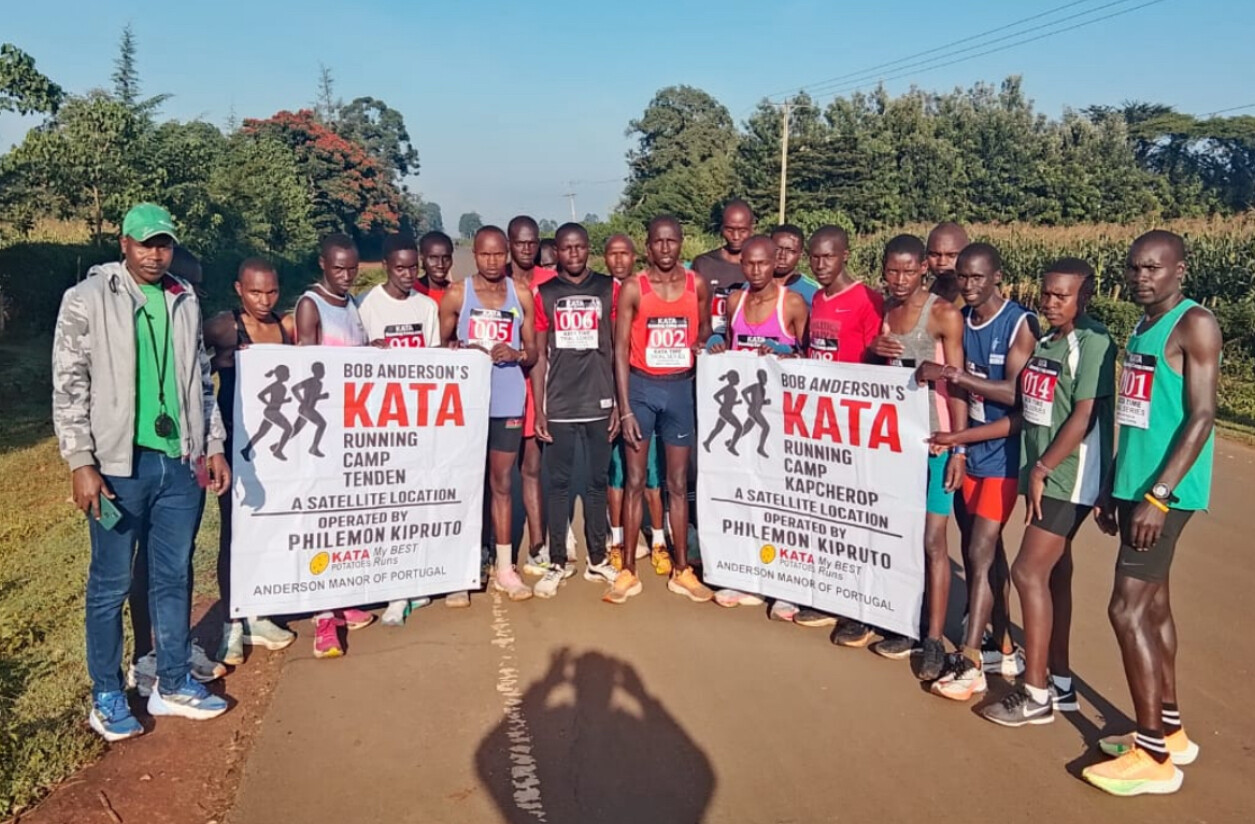
A farmer can win twice a year if they achieve the best results in both seasons. The initiative mirrors KATA’s philosophy—rewarding effort, precision, and perseverance whether it’s on the course or in the soil.
From Running to Farming Excellence

The Kenyan Athletics Training Academy (KATA), founded by Bob Anderson, the creator of Runner’s World and My Best Runs, began as a world-class training center for runners in Thika, Kenya. Today, it has grown into a dynamic network that includes over 30 KATA Running Camps and 60+ KATA Potato Farms across Kenya, and an international headquarters at Anderson Manor in Portugal.
Each KATA farm operates under a system that combines athletics and agriculture, offering farmers interest-free loans and ongoing support to grow certified Shangi potatoes. The harvests are marketed through KATA’s coordinated sales network, ensuring fair prices and dependable returns for each farmer.
Many KATA farmers are also runners—or closely connected to the athletic community—bringing the same discipline, teamwork, and endurance to farming that they apply to training.
Empowering Champions in Every Field
From the start, KATA’s mission has been to help people reach their potential through endurance, consistency, and community. The new Half-Million Bonus Prize Package celebrates that mission—recognizing those who deliver exceptional results through focus and commitment.
As Anderson explains, “Whether it’s crossing a finish line or bringing in a record harvest, both take focus, endurance, and belief in yourself. That’s what KATA is all about.”
The first group of winners for the KATA Potato Farmer Half-Million Bonus Prize will be announced on December 31, 2025.
Additional KATA Running Camps and KATA Potatoe farms are going to be confirmed starting in December. Confirm your interest by contacting Bob Anderson on WhatsApp.
by Boris Baron
Login to leave a comment
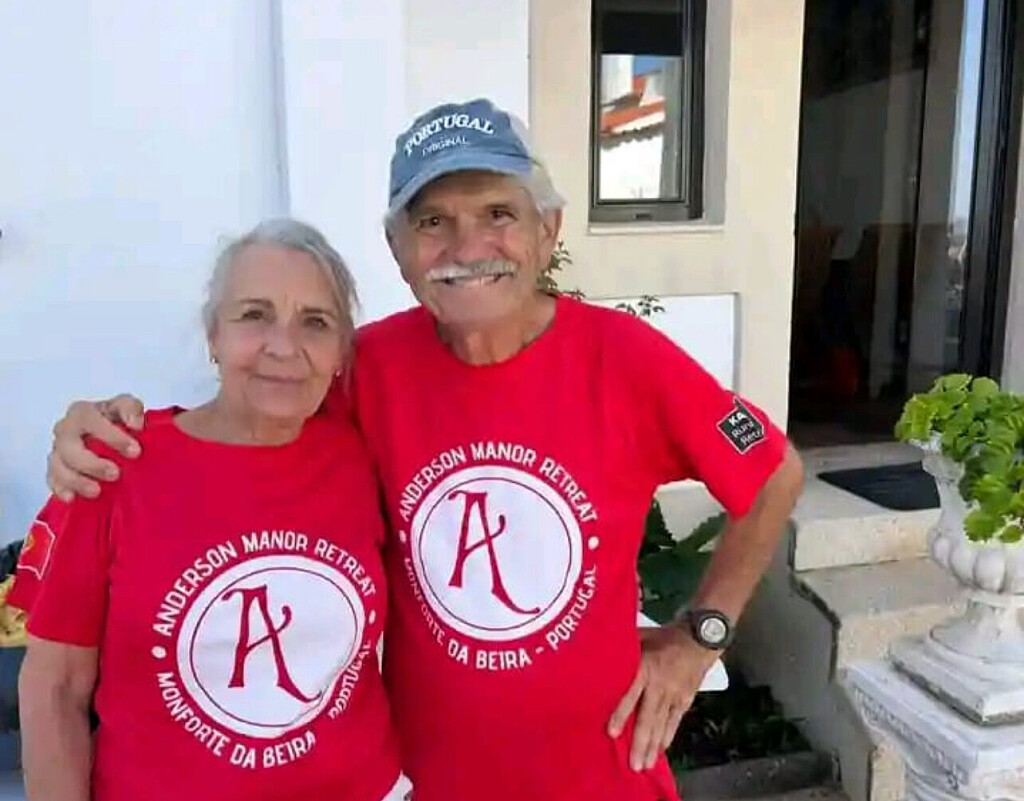
Building the Future: KATA’s Vision to Become the Powerhouse of Athletics in Kenya
KATA founder Bob Anderson has a bold vision — one that unites athletes, coaches, and farmers under a single purpose: to make KATA the powerhouse of athletics in Kenya and a model for the world.
As of today, KATA operates 31 running camps and 65 potato farms across Kenya. Of these, 31 farms are directly connected to KATA camps, while the remaining farms are independent partners within the broader KATA network. Together, they form a growing agricultural foundation that supports both athletics and community development.
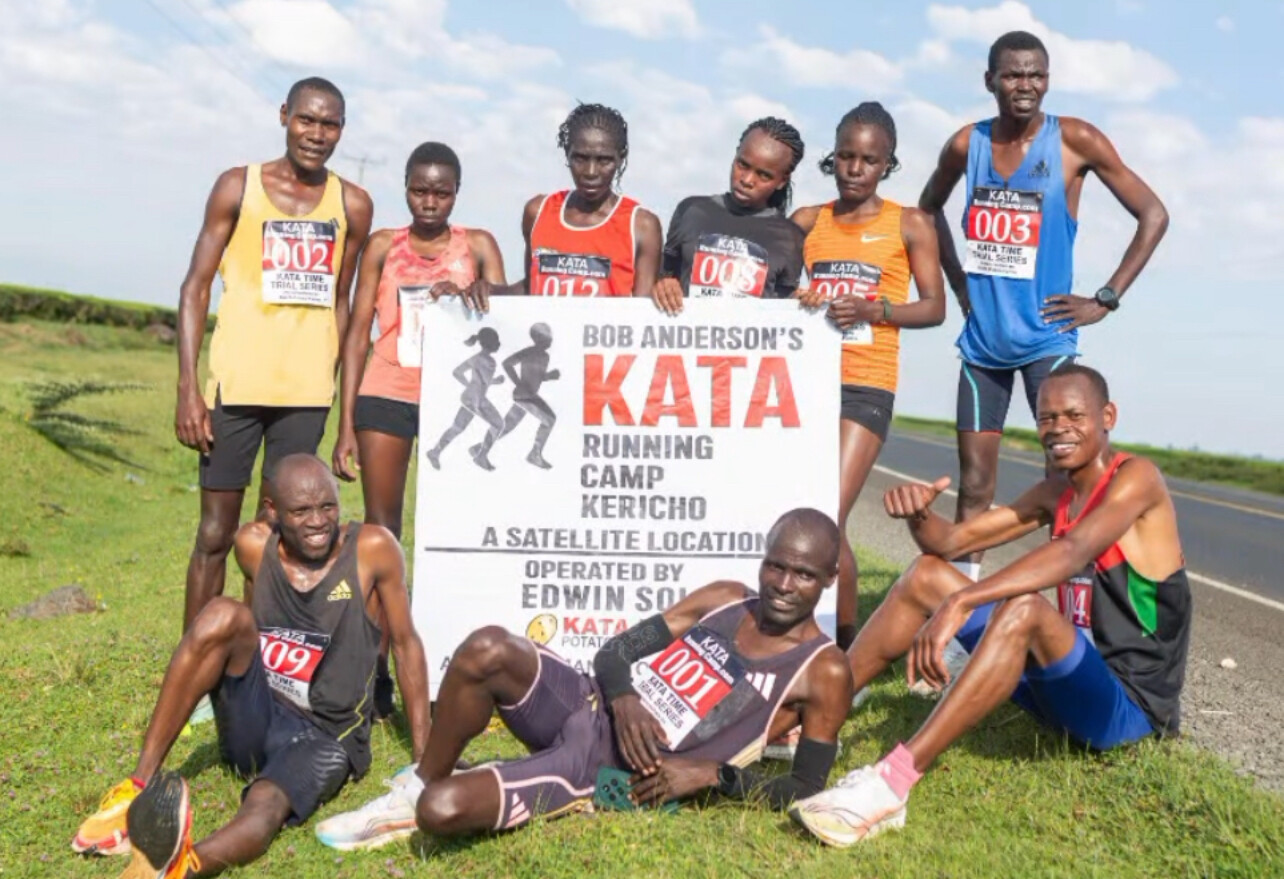
KATA farms currently range in size from one acre to 8.5 acres, combining traditional farming expertise with innovative support for athlete nutrition and sustainability. By the end of 2026, KATA’s goal is to expand to 100 Running Camps and 200 Potato Farms — half directly linked to camps — spanning more than 400 acres of productive farmland.
Another key initiative is the creation of the first KATA Ranch, scheduled for development by early 2026. The ranch will raise 100 or more sheep and goats, providing food, training nutrition, and economic value to the community. A KATA Running Camp will be connected to the ranch, integrating agriculture and athletics into one sustainable ecosystem. The long-term goal is for the ranch to become self-sustaining through the sale of meat and byproducts, ensuring continuous support for KATA programs and local families. Once the first ranch is fully operational, additional ranches are planned for future expansion.

KATA is also preparing to launch a KATA Sports Shop featuring running shoes and gear, and a KATA Market offering healthy, locally sourced food and essentials.
Coming soon and at the heart of KATA’s growth is its flagship product — branded KATA Potatoes, sold at a premium price and marketed as “The Fuel of Champions.” Complementing this is KATA Potato Flakes, an innovative product that reflects KATA’s values of energy, endurance, and excellence.
The KATA Potato Flakes will be sold worldwide as the go-to carbo-loading choice for marathonerspreparing for race day. Just add water from the tap, and in moments, you’re carbo-loading on KATA Potatoes — The Fuel of Champions.
Meanwhile, KATA Thika serves as the local office for Kenya and continues to thrive as the organization’s flagship Running Retreat, offering training stays for athletes from around the world who want to experience the Kenyan way of training — whether for a few days or a few months. The retreat provides access to world-class coaching, structured training, and cultural exchange with Kenya’s elite running community.
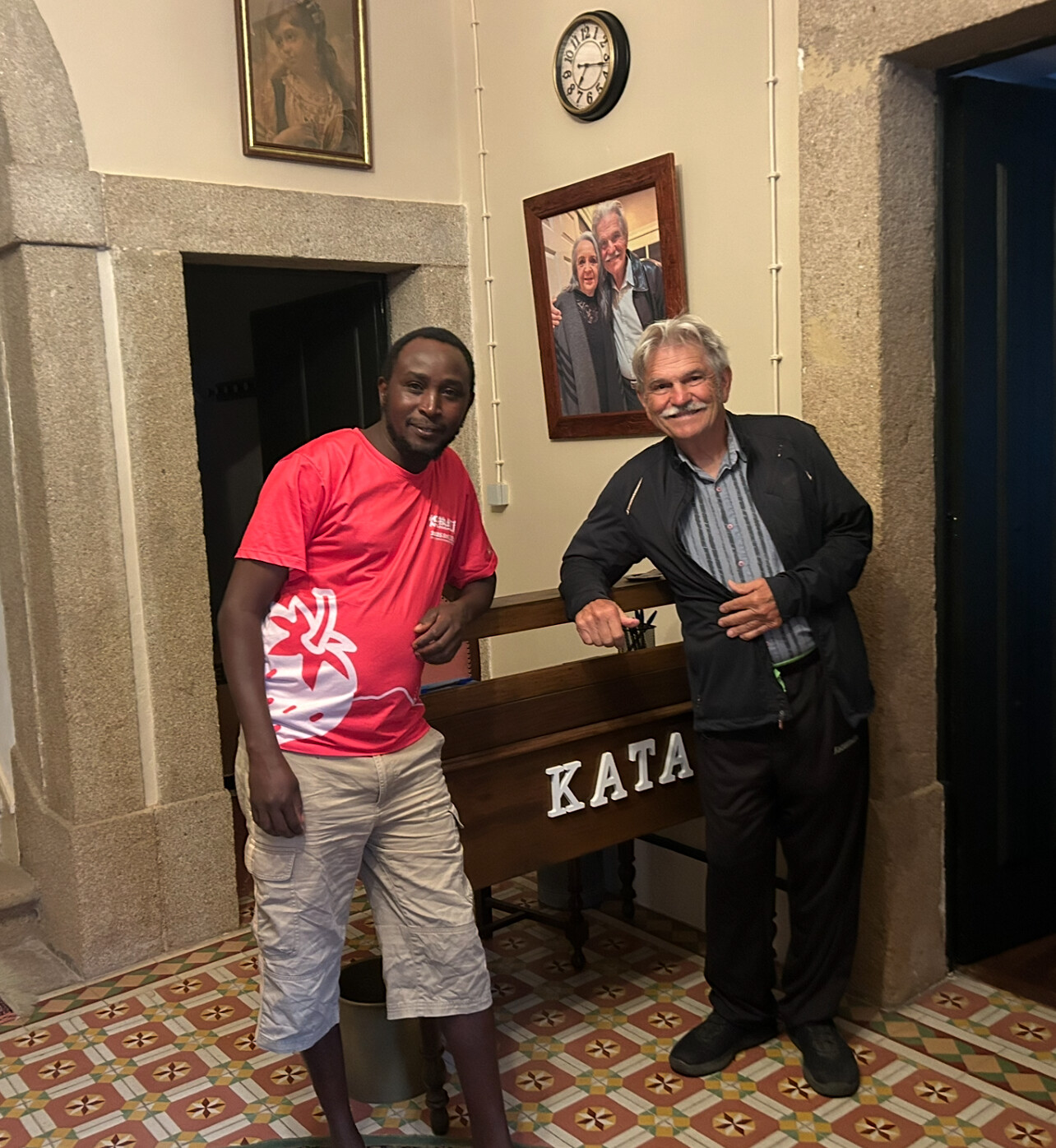
At the global level, KATA International is headquartered at the Anderson Manor in Monforte de Beira, Portugal — a 20,000-square-foot historic estate where the last King of Portugal stayed during his hunting trips in the early 1900s. The manor serves as the base for KATA’s international operations, housing both KATA Portugal and the Anderson Manor Retreat, which welcome athletes, artists, and guests from around the world.
Behind the scenes but very much involved is Bob’s wife, Catherine. (First photo with Bob). Her creative talent adds a great deal to the program. Bob and Catherine have known Coach Dennis since 2021. He has completed two three-month stays at KATA headquarters in Portugal, working alongside Bob. Coach Dennis (4th photo with Bob in Portugsl) was recently promoted to Chief Technical Officer (CTO) and will oversee operations in Kenya.
Development of KATA Portugal began in February 2024, and the project continues to progress strongly. The retreat in Portugal will serve as the European counterpart to KATA Thika, offering athletes a place to train, rest, and connect with KATA’s global mission in a peaceful, historic setting.
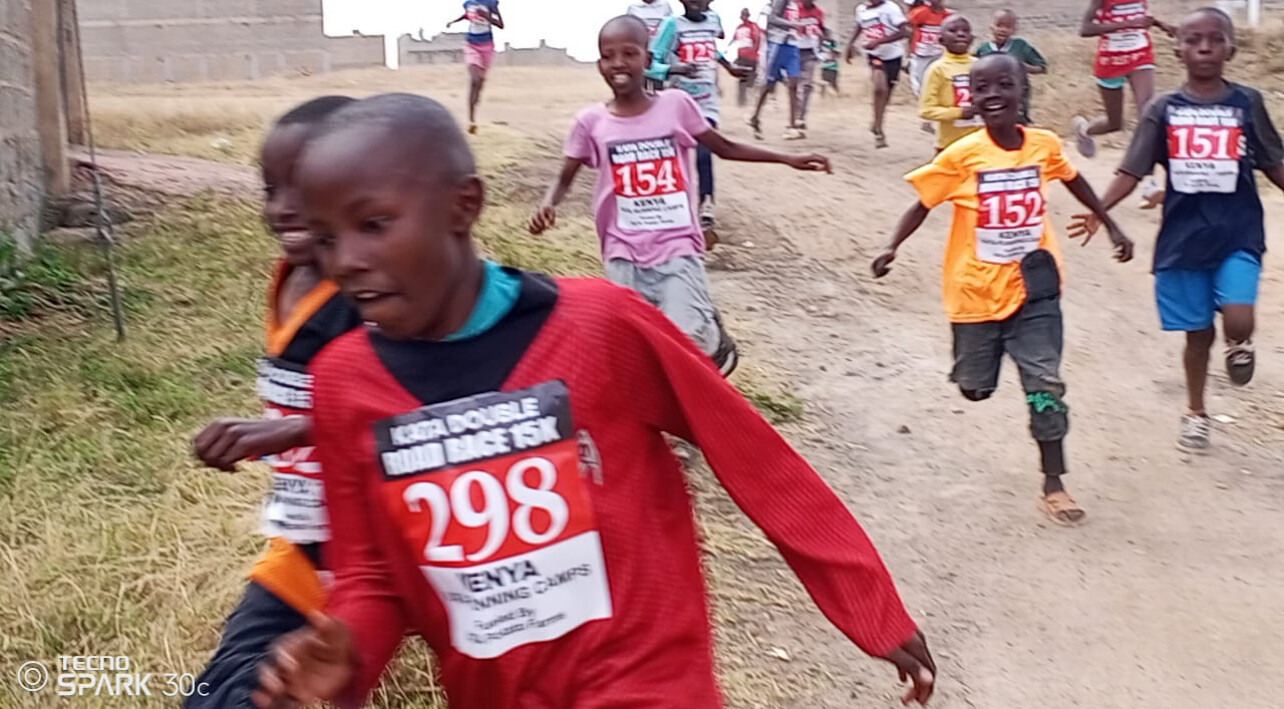
KATA’s vision goes far beyond producing great runners. The mission is to develop world-class athletes, Olympic champions, and future world record holders — combining top-tier coaching, discipline, and holistic training. Already, previous Olympic medalists such as Edwin Soi and Paul Koech are part of the KATA family, operating their own KATA Camps and helping guide the next generation of Kenyan champions.
Anderson also envisions a thriving athletic network of 650 elite runners, 150 youth athletes, and 40+ masters runners, supported by an expanding media presence through My Best Runs and KATA’s social platforms.
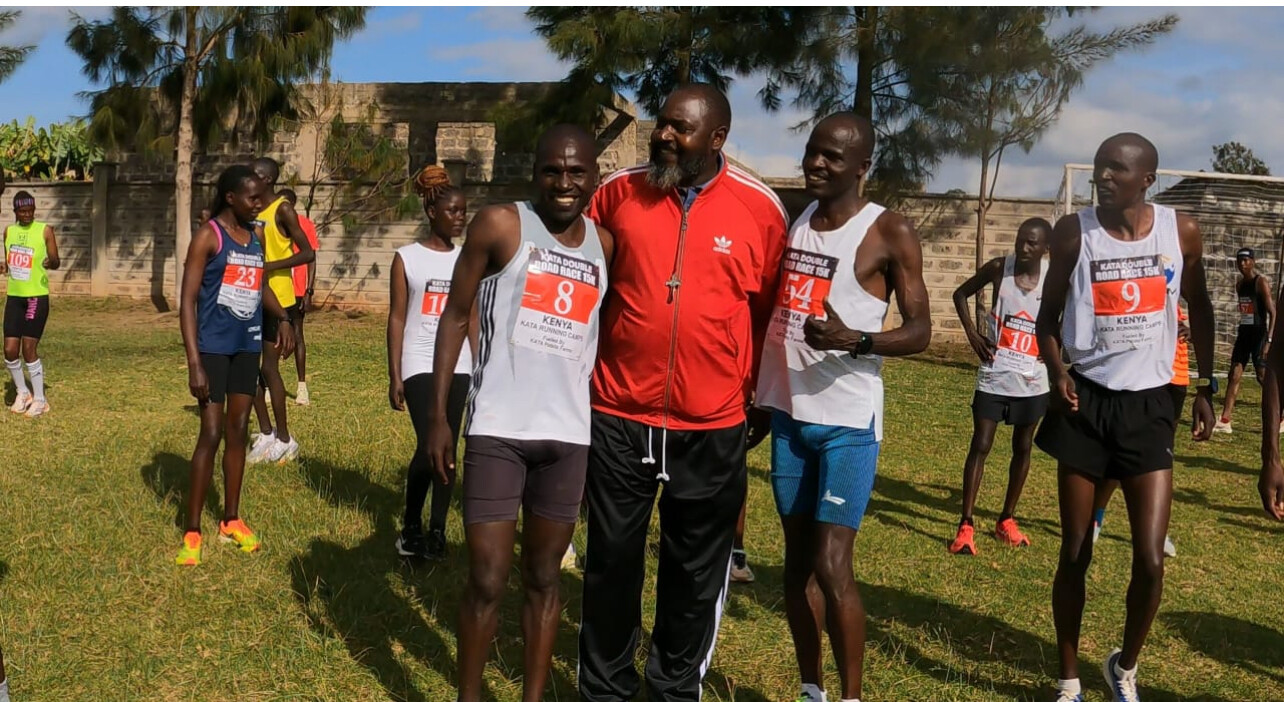
“I want to do something truly special for athletics,” Anderson says. “And it’s the passion and dedication of our athletes, coaches, and farmers that will make this dream a reality.”
“Our KATA family is as strong as its members,” Anderson adds. “As a team, we can make anything happen. In just a short amount of time, we’ve pulled off some amazing things. But our KATA family has only just gotten started. Watch us grow — and join us in helping make a difference.”
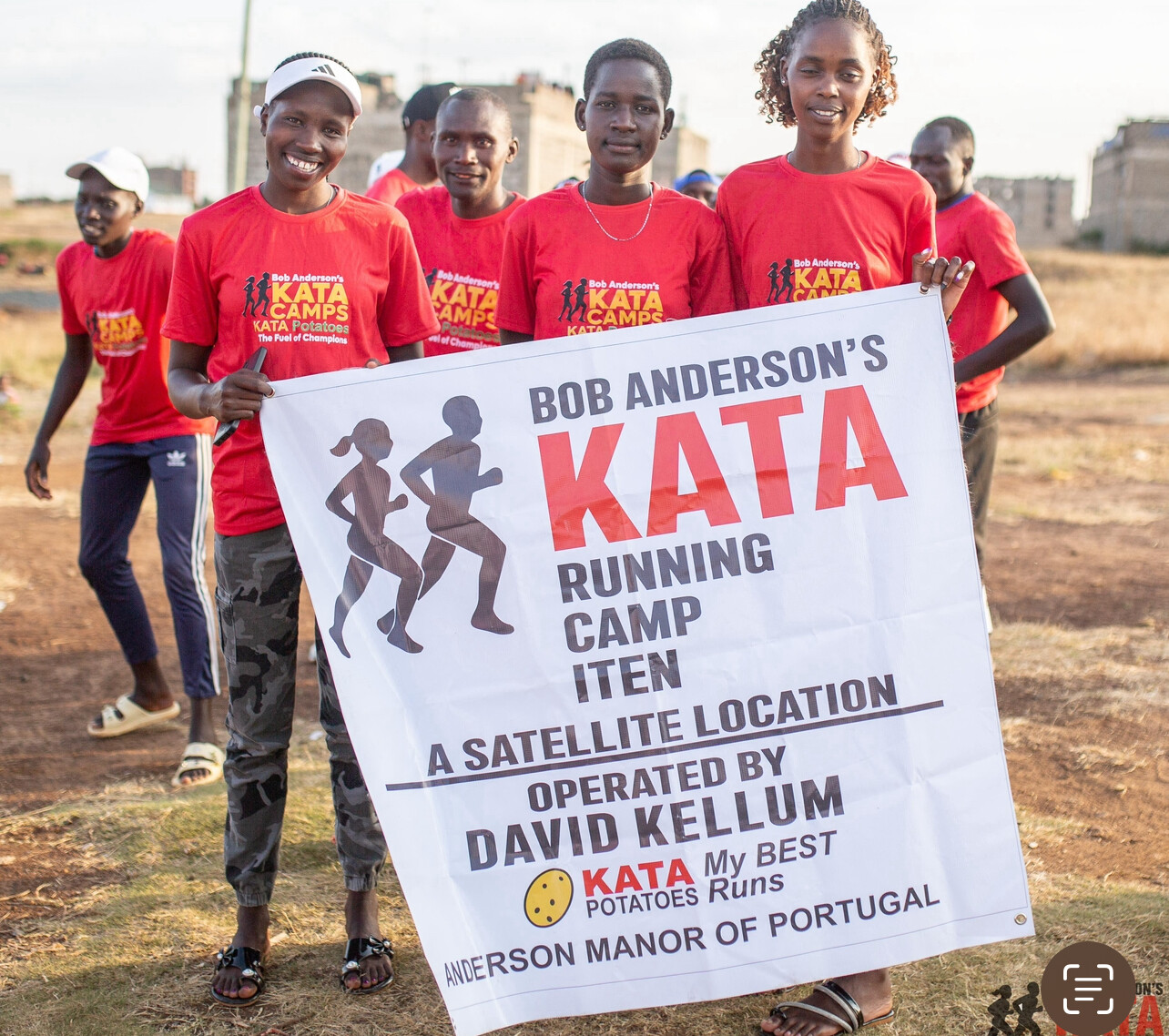
Anderson’s connection to Kenya runs deep. He first visited the country in 1987 and immediately fell in love with its people, culture, and running spirit. Just three years earlier, he had sold the magazine he founded and published for 18 years — Runner’s World, which had grown to a circulation of 2.5 million monthly readers. Runner’s World played a defining role in launching the modern running movement, inspiring millions of runners worldwide.
Although KATA Thika began in 2019, the KATA Running Camps officially launched in May 2025, building upon KATA’s strong foundation in Kenya. Both KATA Thika and KATA Portugal continue to grow as vital pillars in this global vision.
Anderson’s mission is clear: to strengthen the foundation of athletics in Kenya — and after 2026, expand to South Africa, Uganda, Ethiopia, and beyond.
Go KATA — The Fuel of Champions!
by Boris Baron
Login to leave a comment

Building Champions, One Race and One Harvest at a Time: The KATA Story
With 31 training camps across Kenya’s altitude zones and 65 thriving potato farms, the Kenya Athletics Training Academy (KATA) is shaping not only resilient athletes but also sustainable livelihoods. Each KATA camp is not just a training base but also cultivates several acres of KATA potatoes, linking athletics directly with farming and ensuring that athletes’ futures are rooted in more than competition alone.
A Morning of Anticipation in Thika
The sun had barely risen over Thika when athletes began streaming into the venue for the 5th Annual KATA Double Road Race. The crisp morning air carried both anticipation and nerves as runners stretched, laced up, and tested the course that would soon bear witness to their grit.
By the time the gun sounded, 97 elite athletes—74 men and 23 women—lined up. For John Matheri, head coach at KATA Thika, the event was more than a competition. It was a lesson in discipline, a test of mental endurance, and a reflection of how far the central region has come in embracing competitive running.
Olympic 5000m medalist and KATA camp operator Edwin Soi emerged as the overall winner, clocking 29:38 for the opening 10K and 14:22 for the final 5K. His combined time of 43:50 was the fifth-fastest ever run for the Double, an event first contested in 2010. On the women’s side, Betty Chesang from the KATA Iten camp was the first across the line in 51:32, marking the sixth-fastest women’s time in Double history.
“We concluded the race well, and it was a good one,” Matheri said proudly, watching the exhausted but smiling athletes cross the line. “The turnout was impressive. I want to extend a special thanks to our sponsor, Bob Anderson, for putting together a team of this magnitude. There is no doubt that within the region, KATA has become an icon.”
A Nationwide Network of Camps and Farms
What sets KATA apart is not just its races but the ecosystem it is steadily building for Kenyan athletes. Across the country, 31 KATA-affiliated training camps operate at varying altitudes—from the highlands of the Rift Valley to the mid-altitude base in Thika and lower regions closer to Nairobi. Each camp provides unique conditions that strengthen endurance, adaptability, and competitive edge.
These dual-purpose camps are more than facilities; they are lifelines for athletes dreaming of breaking into the elite ranks. Training at altitude builds strength, while mid-altitude camps prepare runners for race conditions. Together with potato farming, they create a sustainable structure for the future.
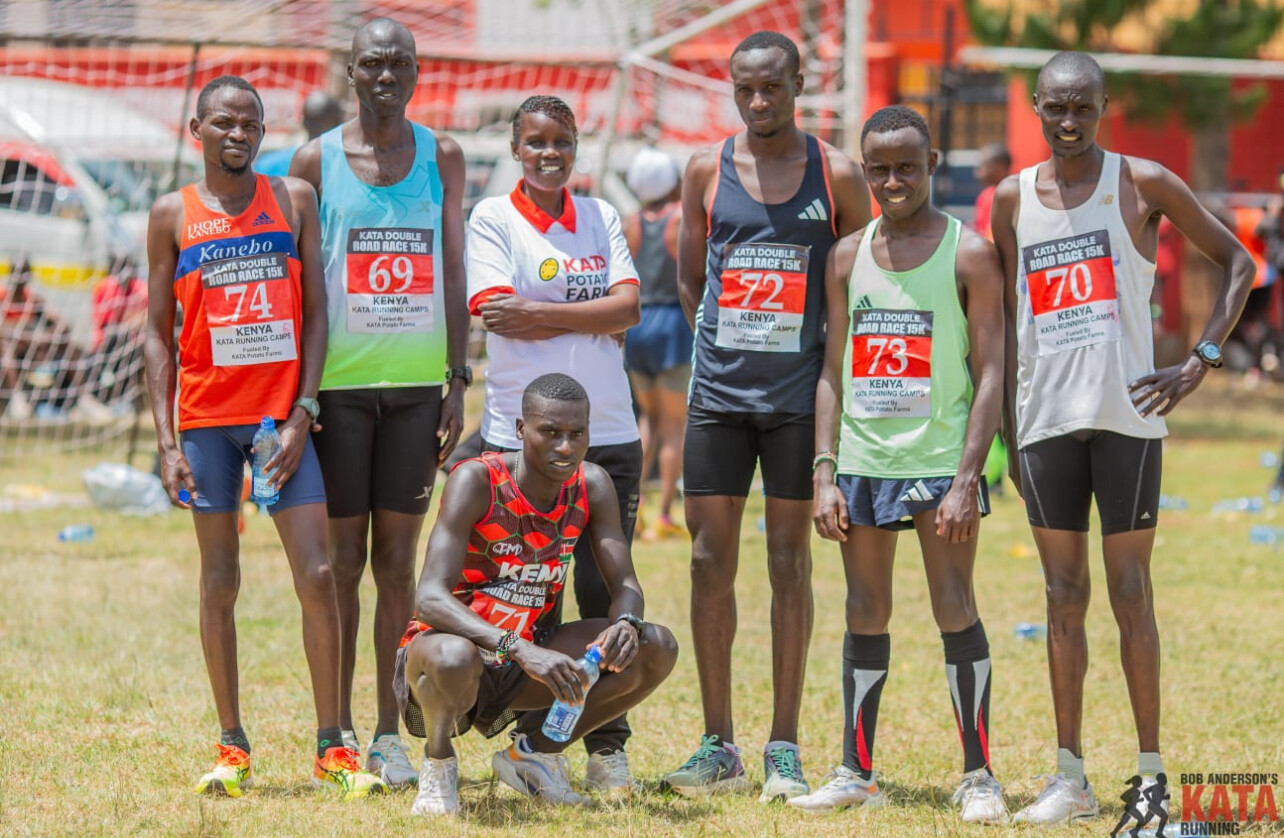
This vision is also embodied in Jimmy Mwangangi Muindi, a five-time Honolulu Marathon champion who famously coached Patrick Makau to the world marathon record in 2011. Having worked at Anderson’s Manor in Portugal, Muindi now leads a KATA satellite camp in Machakos County. For him, KATA is about much more than training.
“KATA is building more than runners,” Muindi reflected. “It is building a family—giving young talents not just training, but exposure, support, and hope. That is how future champions are born.”

Beyond Running: The Potato Farming Project
KATA’s sustainability model is as innovative as its racing format. Each camp is supported by several acres of potato farming, tying athletes’ success to both training and cultivation. The revenue from potato sales funds the future of the running camps.

The model is simple but effective. Bob and Catherine Anderson provide an interest-free loan to establish both the camp and its potato farm. From there, the operator and athletes are responsible for managing their acres and securing their own future. KATA continues to provide exposure and guidance, but the responsibility of growth rests with those on the ground.
“The potato project has given us a chance to think beyond running,” Matheri said. “Athletes train hard, but they also need food security and stability. Farming allows them to eat well, earn a little, and stay grounded.”

KATA Chief Technical Officer Denis Musau, who recently returned from Anderson’s Manor House in Portugal, underscored this vision. “KATA is about creating a legacy. By building projects like potato farming, we empower athletes and their camps to sustain themselves financially. That secures their future both on and off the track. I see a very bright future for the KATA family.”
The Spirit of Participation
What stood out most on race day in Thika was the diversity of the field. Athletes from every discipline showed up, while children and enthusiastic spectators cheered from the sidelines. The energy of the crowd became part of the race’s rhythm, fueling the runners through every stride.
Yet the event also highlighted areas for growth. “Our athletes are very strong athletically, but many are missing mental strength,” Matheri observed. Muindi agreed: “Mental resilience is just as vital as physical training. When athletes panic at the sight of big names, they lose focus. Learning to respect the distance is what unleashes true potential.”
For both coaches, raw talent is not enough. Young athletes are like fabric, Muindi often says—materials that must be carefully tailored to become masterpieces.
Inspiration from the Veterans
One of the most inspiring aspects of the Thika Double was the turnout of established athletes—Olympians and medalists—who lined up alongside the next generation. Their presence was not only symbolic but also a powerful motivator for younger runners.
“It is so encouraging, especially here in the central region, to see our elite and professional athletes turning up in big numbers,” Matheri said. “For the young ones, lining up beside Olympians and medalists gives them a sense of what is possible. It gives them hope.”
Building the Future
For the KATA family, the vision remains crystal clear: to prepare a new generation of Kenyan champions while ensuring they have livelihoods beyond running.
“As a family, we are in good hands. We are looking forward to doing great things,” Matheri said with conviction. His final message was one of determination and gratitude: “We promise to use every ounce of our strength to bring change and positivity to the world of sport. We thank our sponsor, Bob Anderson, for the continued support, and we promise to do everything we can to grow this industry. The journey has just begun, but the future is bright.”
Anderson’s Manor in Portugal serves as KATA’s international headquarters, with Bob and Catherine Anderson based there about 50% of the time. It is from this hub that global strategy and support are coordinated, while Kenya remains the main operational location where athletes train, camps thrive, and races like the Double continue to inspire.
As the last athletes packed up and the crowd dispersed, one thing was clear: KATA is more than an academy. It is a movement—blending sport, sustainability, and community to nurture not just athletes, but Kenya’s enduring legacy of running excellence.
by Robert Kibet
Login to leave a comment
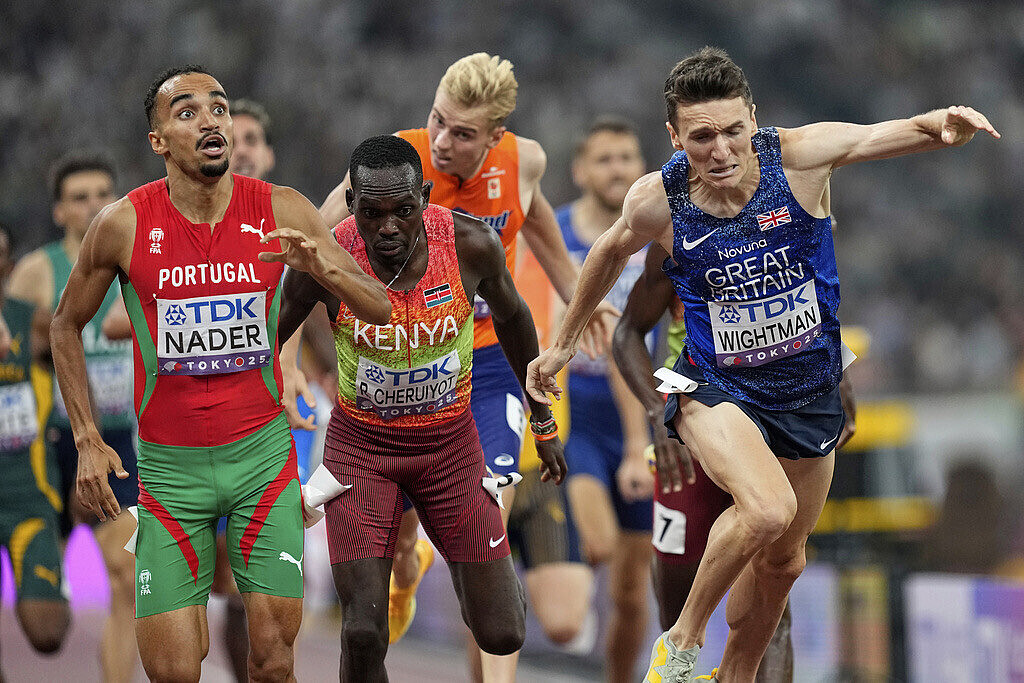
Thrilling Photo Finish and Historic Performances Highlight 1500m Finals in Tokyo
The 1500 meters is often called the “crown jewel” of middle-distance running, a race where tactics, speed, and heart all collide. At the 2025 World Championships in Tokyo, both the men’s and women’s finals lived up to that reputation, delivering drama, comebacks, and world-class performances that will be remembered for years.
Men’s 1500m: A Thrilling Comeback
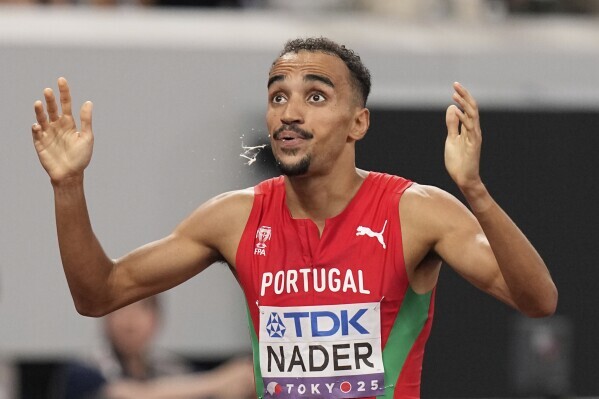
The men’s final produced one of the most electrifying finishes of the championships. For much of the race, the field remained tightly packed, with every move closely marked. As the bell rang for the final lap, the intensity soared, and the last 200 meters became an all-out sprint for glory.
Portugal’s Isaac Nader surged wide in the final stretch, clawing back ground with each stride before lunging at the line. His daring comeback forced a photo finish against Britain’s Jake Wightman, with both men collapsing past the tape in exhaustion. Officials confirmed Nader as the gold medalist in 3:34.10, edging Wightman’s 3:34.12 by just two hundredths of a second.
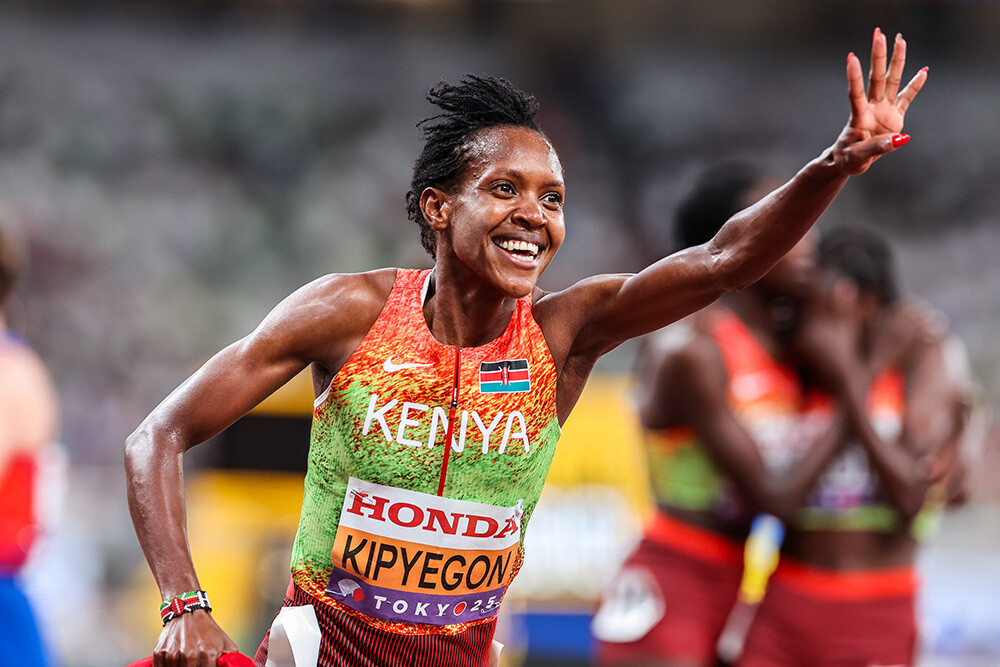
Kenya’s rising star Reynold Cheruiyot powered home for bronze in 3:34.25, while his compatriot and former world champion Timothy Cheruiyot finished fourth in 3:34.50. The razor-thin margins between the top four underscored the depth and unpredictability of today’s global 1500m racing.
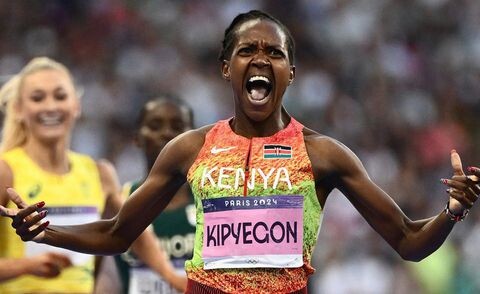
Men’s Top Four – Tokyo 2025
1. Isaac Nader (Portugal) – 3:34.10
2. Jake Wightman (Great Britain) – 3:34.12
3. Reynold Cheruiyot (Kenya) – 3:34.25
4. Timothy Cheruiyot (Kenya) – 3:34.50
Women’s 1500m: Kipyegon Reigns Supreme
If the men’s race was decided by a hair’s breadth, the women’s final was about one athlete stamping her authority on the distance. Kenya’s Faith Kipyegon, already a legend of the sport, once again proved untouchable. She controlled the pace from the front and then crushed the field over the final 300 meters, crossing in a dominant 3:52.15 to secure another world title.
Behind her, teammate Dorcus Ewoi earned silver with a strong 3:54.92, holding off Australia’s Jessica Hull, who thrilled the Tokyo crowd with a gritty run for bronze in 3:55.16. Another Kenyan, Nelly Chepchirchir, rounded out the top four in 3:55.25, making it three Kenyans in the top four.
Women’s Top Four – Tokyo 2025
1. Faith Kipyegon (Kenya) – 3:52.15
2. Dorcus Ewoi (Kenya) – 3:54.92
3. Jessica Hull (Australia) – 3:55.16
4. Nelly Chepchirchir (Kenya) – 3:55.25
A Showcase of Middle-Distance Greatness
Between the men’s photo finish and Kipyegon’s continued dominance, the Tokyo 1500m finals captured everything fans love about this distance: courage, strategy, and the ability to deliver in the biggest moments.
For Isaac Nader, it was the race of his life, as he became Portugal’s first world champion in the 1500m. For Faith Kipyegon, it was another masterclass, further cementing her status as perhaps the greatest middle-distance runner in history. And for the fans, it was proof that the 1500m remains one of the most thrilling events on the track.
by Boris Baron
Login to leave a comment
Emmanuel Rotich Joins KATA as Camp Manager
KATA has announced the appointment of Emmanuel Rotich as its new Camp Manager.
“KATA is based in central Portugal, housed at the Anderson Manor of Portugal, with offices in Thika, Kenya, and Los Altos, California. From these three locations, we coordinate all aspects of our camps and potato farms, making KATA a truly global initiative.”
“Emmanuel has a strong athletic background, was educated at Tulane University in New Orleans, and most importantly, after speaking with him, I was impressed with his passion for the sport we love and for tying in potato farming to support our mission.”
A Unique Mission: Athletics and Agriculture
In just 90 days, KATA has grown into a movement unlike anything else in the world. The program now operates 30 KATA Running Camps across Kenya, along with 20 additional KATA Potato Farms, bringing the total to 50 KATA farms. These farms provide both food security and revenue streams while directly supporting the athletes who train under the KATA banner.
“There is nothing like this in the world,” said Emmanuel. “When Paul Kipsiele Koech, one of the 30 camp operators and an Olympic medalist, suggested I reach out to Bob—a person I had followed for years on Facebook—I hoped I would be selected to become part of the KATA family.”
Emmanuel Rotich: A Global Perspective

Born and raised in Kenya, Emmanuel Rotich brings an impressive mix of athletic, academic, and professional experience to KATA.
As a former student-athlete at Tulane University in New Orleans, he balanced competitive running with academics, earning a Bachelor’s degree in Architecture and a Master’s degree in Sustainable Real Estate Development. That journey instilled discipline, resilience, and a commitment to excellence—qualities he now carries into his professional career.
“I chose KATA because of its innovative approach to combining athletics with sustainable agriculture,” Emmanuel explained. “This dual focus reflects my values of personal development, community growth, and environmental responsibility.”
Vision for KATA
As International Manager, Emmanuel has outlined three clear goals:
1. Drive Business Growth – Build partnerships and expand KATA’s global influence.
2. Enhance Athlete Development – Ensure that runners in KATA Running Camps have the resources and opportunities they need to thrive.

3. Promote Sustainable Agriculture – Strengthen and grow KATA Potato Farms, which underpin the program’s long-term sustainability.
His professional background spans architecture, sustainable development, logistics, and operations management, combined with the firsthand perspective of an athlete. This balance of skills positions him uniquely to guide KATA into its next phase of growth.
Looking Ahead
“I see KATA not just as an academy but as a movement that integrates sports and sustainability,” Emmanuel said. “By combining athlete development with agricultural innovation, KATA creates a model that benefits individuals, communities, and the environment. I am inspired by Bob Anderson’s leadership and excited to contribute to this vision on both local and international levels.”
With Emmanuel Rotich stepping in as International Manager, KATA continues to gain momentum as a pioneering force in athletics and agriculture. What began as an idea just three months ago has already blossomed into a transformative program with global reach—and Emmanuel’s appointment signals that this is only the beginning.
by Boris Baron
Login to leave a comment
KATA Welcomes Coach Dennis Musau as Chief Technical Officer
KATA is excited to announce the appointment of Dennis Musau, also known as Coach Dennis, as Chief Technical Officer (CTO), reporting directly to KATA founder Bob Anderson. His official start date is Monday, August 11, 2025.
Coach Dennis (first photo: out for a few miles this morning with Bob Anderson and Anderson Manor project manager Alberto near KATA Portugal) has been working with Bob and Catherine Anderson since 2021 and is currently completing his second three-month term at KATA Portugal, housed at Anderson Manor in Monforte da Beira. In his new role, he will be working full-time from both Portugal and KATA Thika in Kenya.

“I am so excited about our KATA project—both our KATA Running Camps and KATA Potato Farm projects,” says Coach Dennis.
“Bob Anderson has truly come up with a unique idea that is growing like wildfire throughout Kenya. Bob signed up our first camp on May 16, 2025, and already we’ve attracted Olympic-level runners and coaches to operate them. We have opened 30 KATA Running Camps and an additional 20 stand-alone farms, most growing two or more acres of KATA potatoes. This means we now have 30 KATA Running Camps, 20 KATA Farms, plus our KATA Thika and KATA Portugal Running Retreats training guests year-round.”
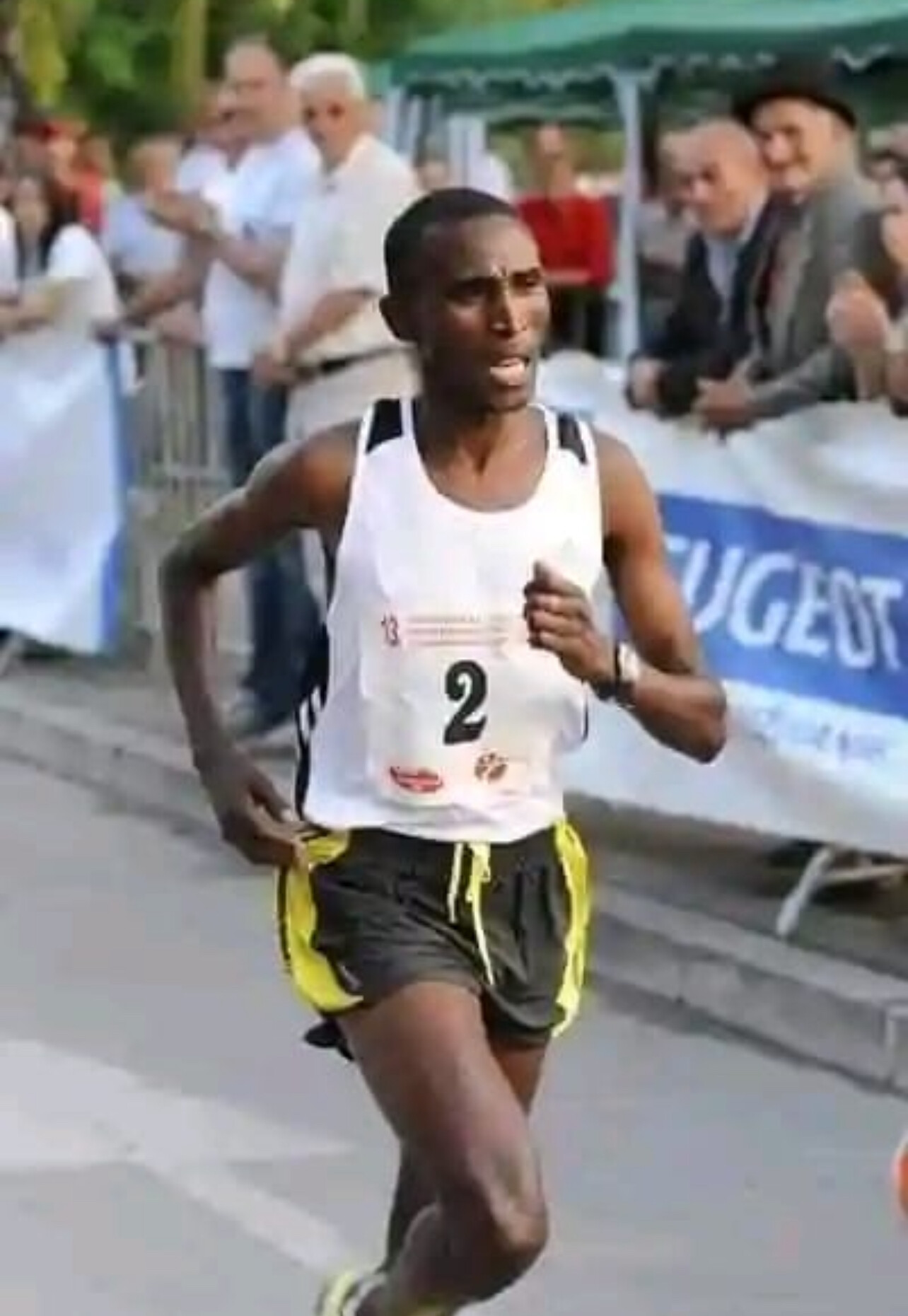
About Coach Dennis
Dennis graduated as a mathematics teacher in 1998 before shifting his career to athletics. Over the years, he has competed worldwide in a wide range of events, including the 3,000m steeplechase, 5,000m, 10,000m, 15km, half marathon (21km), and marathon (42km). His athletic journey began in high school as a 400m hurdles runner before a teacher encouraged him to move into long-distance events. He transitioned to the 3,000m steeplechase, then later to the 5,000m and 10,000m, achieving success across multiple distances.
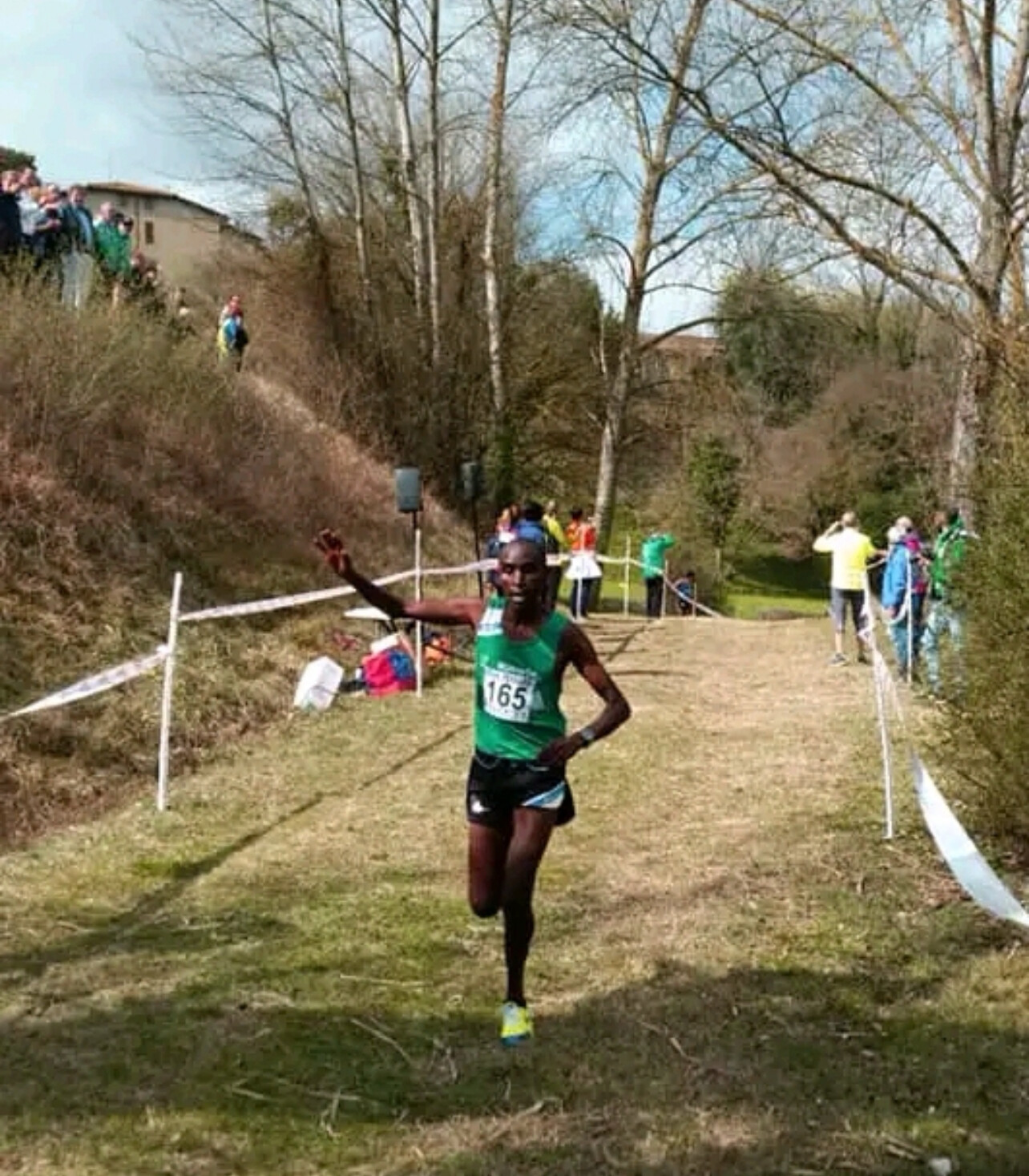
With decades of experience in both competitive running and coaching, Dennis brings a unique blend of technical expertise, leadership, and passion to help guide KATA’s growth in Kenya and beyond.
by Boris Baron
Login to leave a comment
Powered by Potatoes, Fueled by Passion: Inside the Rise of KATA in Kenya
THIKA, Kenya, July 18, 2025 — About 40 kilometers northeast of Nairobi sits Thika, a town once best known for its factories. But just outside its bustling center, a quiet revolution is taking place—one that’s redefining how running talent is discovered and developed in Kenya.
Welcome to the Kenya Athletics Training Academy (KATA)—a visionary project founded by Runner’s World and My Best Runs creator Bob Anderson (first photo) and powered by a bold and sustainable idea: combine world-class running with community farming. What began in 2019 as a modest base has grown into a thriving network of athletic development across Kenya.
Thika: The KATA Running Retreat
At the heart of it all is the KATA Running Retreat in Thika, where Kenyan athletes live and train full-time, and where guests from around the world come to “train the Kenyan way”. Situated at altitude, the retreat offers structured training, rest, nutrition, and performance monitoring on a measured course.
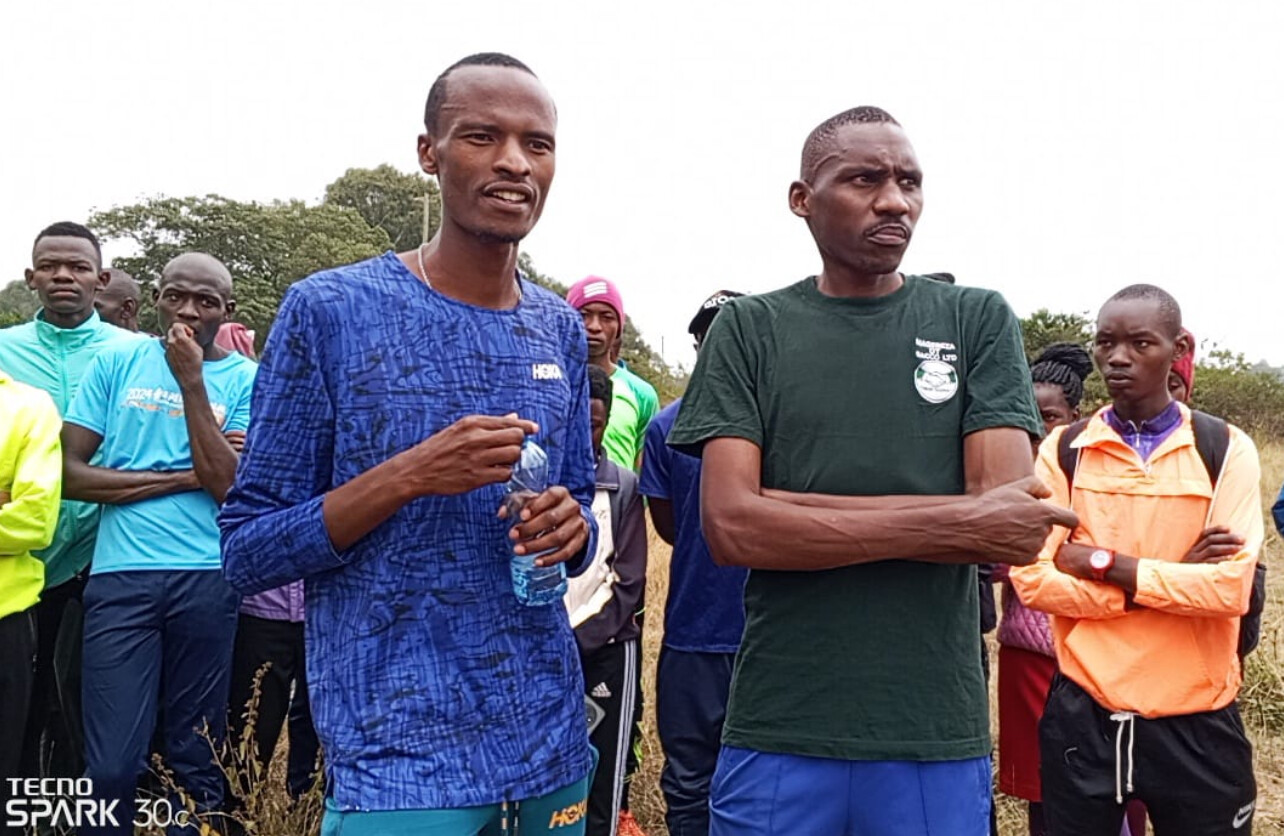
Thika is managed by Christopher Kamande (photo 4), who ensures that the vision is executed with care and discipline.
“We provide a safe space for these athletes,” says Kamande. “They get everything they need—meals, coaching, rest, even digital support for their racing profiles. We treat them like the professionals they’re becoming.”
Athletes’ verified performances are uploaded to My Best Runs by Elam Wangwero (photo 5 when he met Bob and his wife Catherine for the first time in 2014), KATA’s digital lead and longtime collaborator with Anderson. “When someone runs 28 minutes here, the world should know about it,” he says.
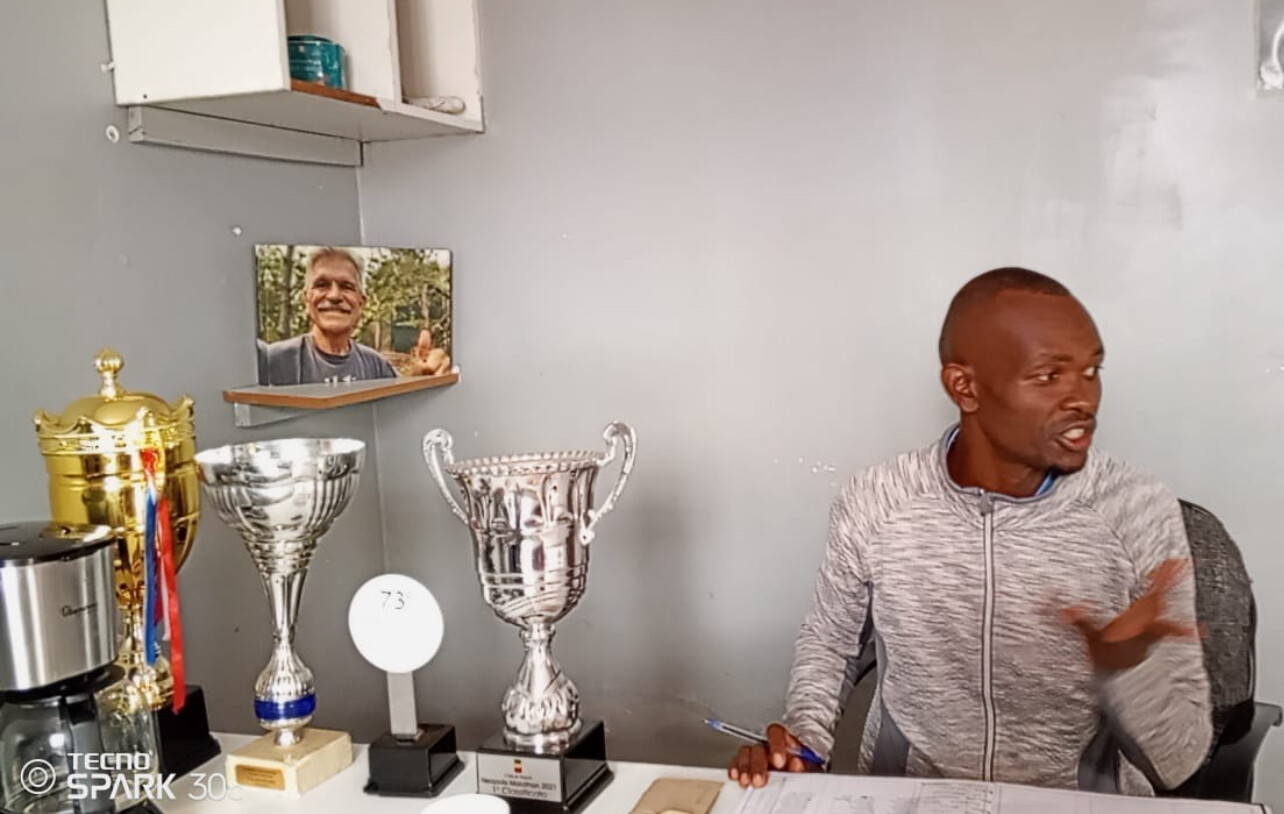
A Model That’s Growing Across Kenya
Since June 2025, the KATA team has launched a new initiative: combining elite training camps with three-acre potato farms to build sustainable, athlete-driven communities. In just six weeks, 30 new KATA Running Camps and KATA Potato Farms have been established across Kenya, with two more set to open by August 1, bringing the total to 32.
“This gives us 32 KATA Camps and Farms,” says Anderson. “It has been exciting to find operators who share the same passion as I. We have an amazing group of operators—all dedicated to our unique project. They all know how important their three-acre potato farm is, because that’s what will power their camp in the long run.”
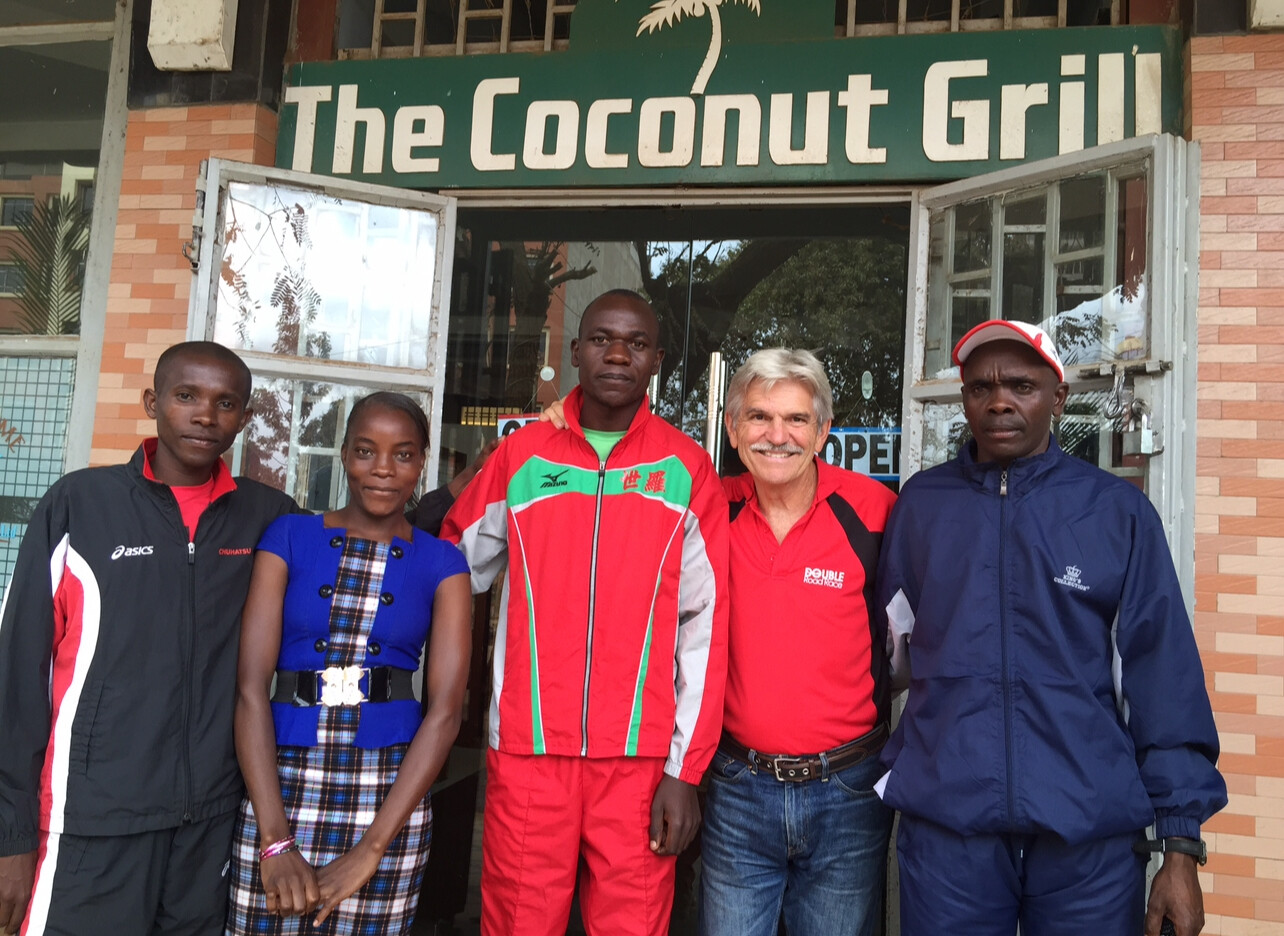
At each location, athletes work 25 hours a week planting, maintaining, and harvesting potatoes. In return, they receive free housing, daily meals, and world-class coaching—a holistic model designed to develop both athletes and communities.
“This model gives athletes a chance not just to run, but to build a life,” says Kamande. “It teaches responsibility, sustainability, and teamwork.”
Time Trials that Open Door's
KATA’s monthly 5K and 10K time trials (phot two) certified and measured, are held on the Thika course and have become a trusted platform for athletes to showcase their ability to race organizers and sponsors worldwide. “Our monthly time trials were started September 2021,” says John KATA’s head coach, “we have seen many amazing performances both from our KATA’s athletes and others.” All runners are invited to come run.
“These time trials are life-changing,” Kamande says. “Many of our runners don’t have agents or the means to travel to big races. So we bring opportunity to them.”
Results are published on My Best Runs, offering a transparent, verified path to the world stage.
From 34 Minutes to 27:47
Before the farming project began, KATA was already changing lives—and Peter Mwaniki Njeru (photo three) is one of its earliest and most powerful success stories.
“When Peter first came to KATA,” recalls Anderson, “he was running around 34 minutes for 10K.” Through structured training, support, and work around the Retreat, Peter steadily improved. In 2024, he stunned the running world by winning the Chicago 10K in 27:47.
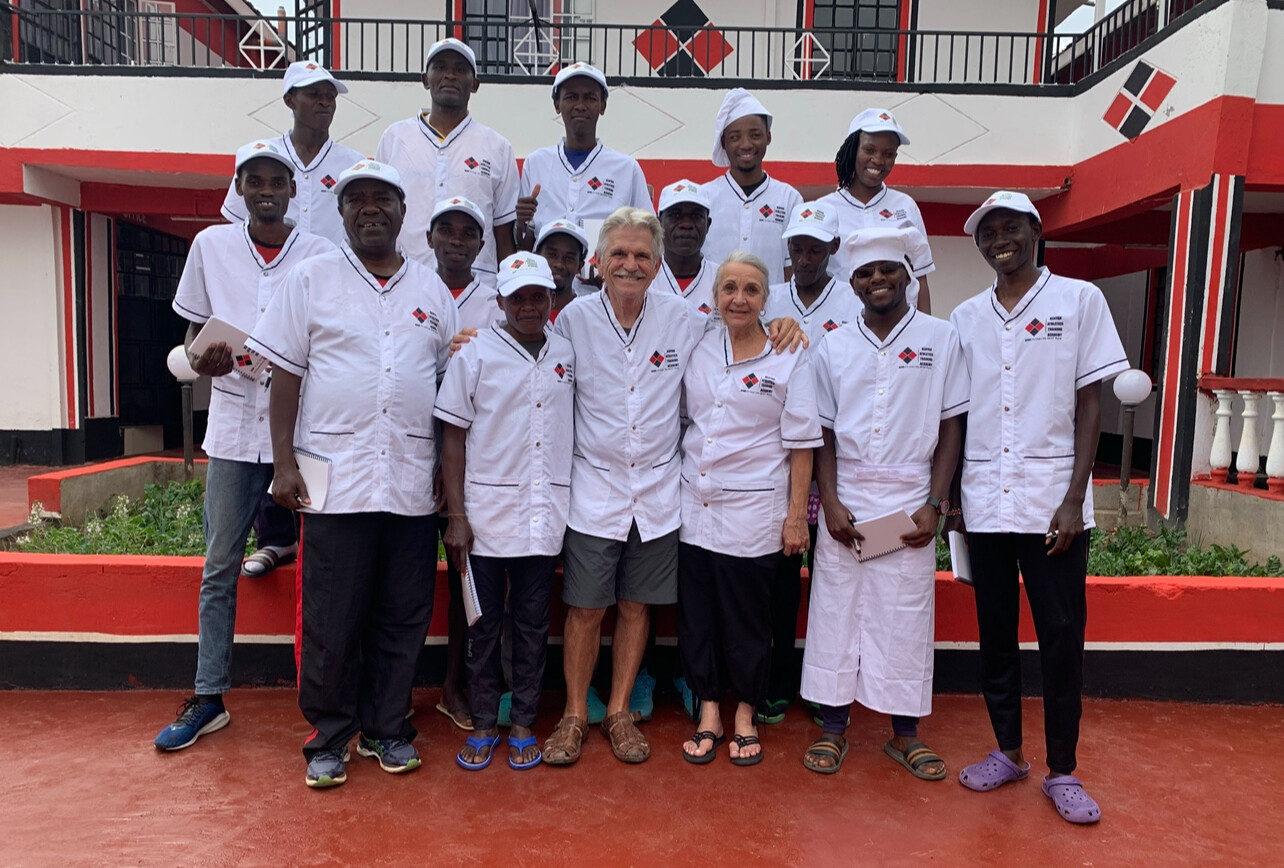
A Legacy Rooted in Vision
At a time when many athletes in Kenya pay to train, live in overcrowded rooms, and struggle for basic support, KATA is different. Everything—lodging, food, coaching, and opportunity—is provided at no cost to the athlete. And now, through potatoes, the project has a path to sustain itself.
One KATA operator summed it up best in a message to Bob Anderson:
“Your unique approach,” wrote Edwin Soi, “blending athletic training with sustainable farming, is clearly making a significant positive impact on the lives of the athletes and the community. It’s a testament to how innovative ideas, when implemented with genuine care, can empower people far beyond their initial scope.”
As the KATA Running Retreat in Thika and now also in Portugal continues to welcome international guests and the KATA Camps and Farms spread across the country, the mission remains clear:
Empower athletes. Build communities. And grow the future—one step, and one potato, at a time.
by Robert Kibet
Login to leave a comment
Marathon Legend Patrick Ivuti Joins KATA as Operator of New Running Camp and Potato Farm project in Kenya
KATA (Kenyan Athletics Training Academy) continues its rapid expansion with the launch of its 22nd KATA Running Camp and Potato Farm, and the newest addition brings serious star power. Marathon great Patrick Mutuku Ivuti—a former Chicago, Honolulu, and Prague Marathon champion—has officially joined the KATA team as the operator of the new Tala-based camp/farm.
“We are excited to have Patrick Ivuti join our KATA team of operators for our KATA Running Camp and KATA Potato Farm project,” said Bob Anderson, KATA founder and managing director. “This is our 22nd camp and after a 30-minute video call and many text messages, it was clear we needed to add Patrick to our team. He brings spirit, experience, and heart. His camp/farm will be based in Tala.”
Ivuti’s love for the sport and passion for nurturing talent was evident from the first conversation. “Patrick just loved the idea of this unique project,” said Anderson. “He told me he had to join the KATA movement—not just to help athletes reach their potential, but to be part of something bigger.”
From World-Class Athlete to Ground-Level Mentor
Ivuti, born June 30, 1978, is one of Kenya’s most decorated distance runners. A two-time silver medalist at the IAAF World Cross Country Championships, he made his marathon debut in 2005 and claimed his first major win at the 2007 Chicago Marathon—a race he won by just 0.05 seconds in one of the closest finishes in marathon history.
He went on to win the Honolulu Marathon in both 2008 and 2009, and also took top honors at the 2009 Prague Marathon. With a personal best of 2:07:46, Ivuti competed at the highest level of global marathoning for over a decade.
Now, he’s bringing that same competitive spirit and wisdom to Tala, where his role goes far beyond coaching.
The KATA Model: Running + Farming = Sustainable Impact
Each KATA camp follows a sustainable model: athletes train daily and also work 25 hours per week on three acres of potato farmland, creating a source of income and life skills beyond sport.
Ivuti immediately connected with the KATA vision. “It’s a beautiful concept,” he shared. “This project gives young athletes the tools to succeed in racing and in life. That’s why I had to be part of it.”
A Growing Movement with Global Vision
The KATA program, launched by Bob Anderson—founder of Runner’s World magazine and My Best Runs—has grown quickly, with 22 running camps across Kenya, plus two international retreats in Thika, Kenya, and Monforte da Beira, Portugal.
“This is more than just athletics,” Anderson said. “It’s about creating long-term solutions and opportunities and not just for our athletes but for the communities. Patrick is the perfect person to help lead that mission in Tala.”
Stay tuned to My Best Runs for updates on KATA’s progress, new camp openings, and the inspiring athletes rising through this one-of-a-kind program.
by Boris Baron
Patrick Ivuti
Login to leave a comment
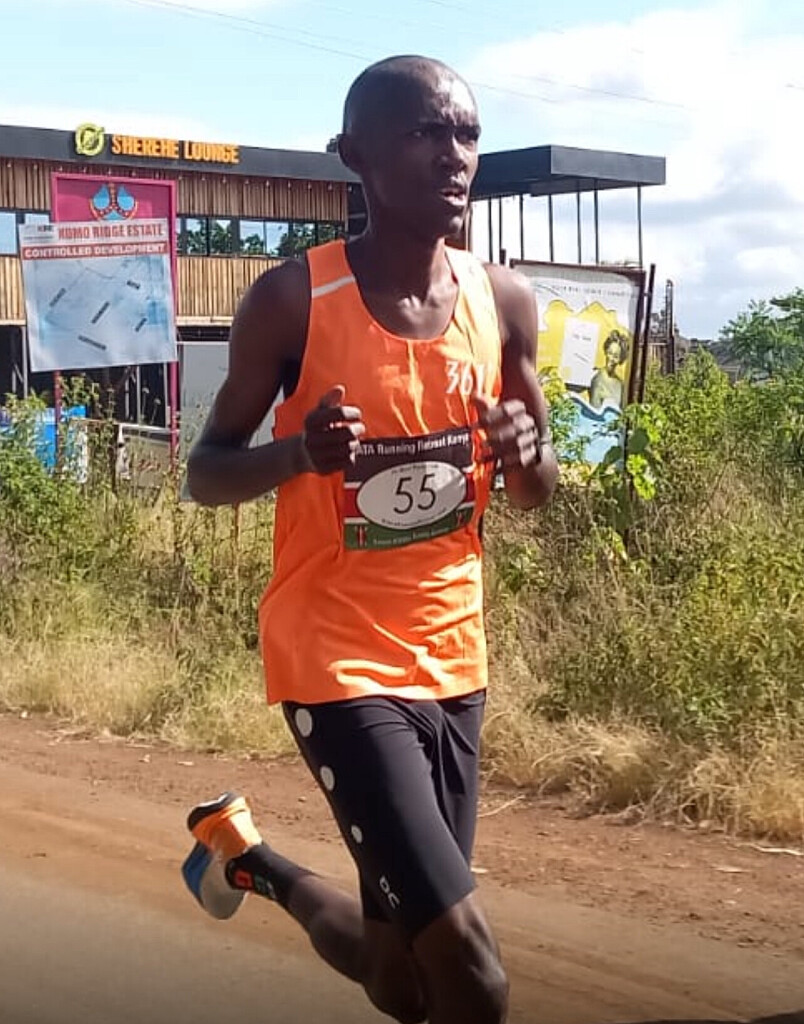
Big Performances at the Nairobi City Marathon — Wilson Bii and Zakariah Shine for KATA
Nairobi, Kenya — July 6, 2025
The streets of Kenya’s capital came alive this morning with the running of the Nairobi City Marathon, Half Marathon, and Expressway 10K. With elite competition, a scenic city course, and massive public support, the event once again showcased the depth of talent in the world’s running capital.
Among the standout performances were two remarkable athletes of from KATA Running Camps, continuing to make their mark on Kenya’s competitive distance running scene.
Wilson Bii Dominates Para Half Marathon
Wilson Bii (4th photo), a visually impaired runner training at a KATA Running Camp, delivered a stunning performance in the Para Half Marathon division, winning in a time of 1:07:50. Known for his resilience and smooth stride, Bii proved once again that no obstacle can hold back a champion spirit.
“We are so proud of Wilson,” said Bob Anderson, Founder of the KATA (Kenyan Athletics Training Academy) initiative. “His dedication, grit, and belief inspire all of us.”
Bii, who has represented Kenya at multiple international events, continues to sharpen his fitness under KATA’s structured training model, which combines elite coaching with holistic athlete support.
Zakariah Breaks Through in the 10K
In the Expressway 10K, Zakariah (first photo) one of KATA Thika’s earliest and most consistent athletes, put together the race of his life. He clocked a personal best of 27:00 flat, finishing third overall in a stacked elite field.
This marks a major breakthrough for the rising star, whose consistency in training over the past year is now paying off in a big way.
“Zakariah has been with us since the very beginning,” Anderson added. “He works hard every day and keeps improving. Today was a huge moment for him and for the entire KATA movement. When he first came to KATA he way running a 10k in 34 minutes. His 27 minutes today at altitude says he is ready to run faster at sea level. He was only two seconds behind the winner."
Nairobi Marathon Elevates All Levels
While elite runners headlined each race, the Nairobi City Marathon continues to grow as a celebration of endurance and unity. From full marathoners tackling 42.195 kilometers through the city to recreational 10K runners testing their limits on the Expressway, thousands took part in what is becoming one of East Africa’s most important road racing events.
KATA: A New Chapter in Kenyan Running
With more than a dozen training camps and potato farms across Kenya — and a flagship retreat in Portugal — the KATA movement is changing the narrative. It’s not just about producing fast times, but building complete athletes, nurturing character, and providing real economic sustainability.
Today’s results in Nairobi prove that the vision is working.
by Boris Baron
Login to leave a comment
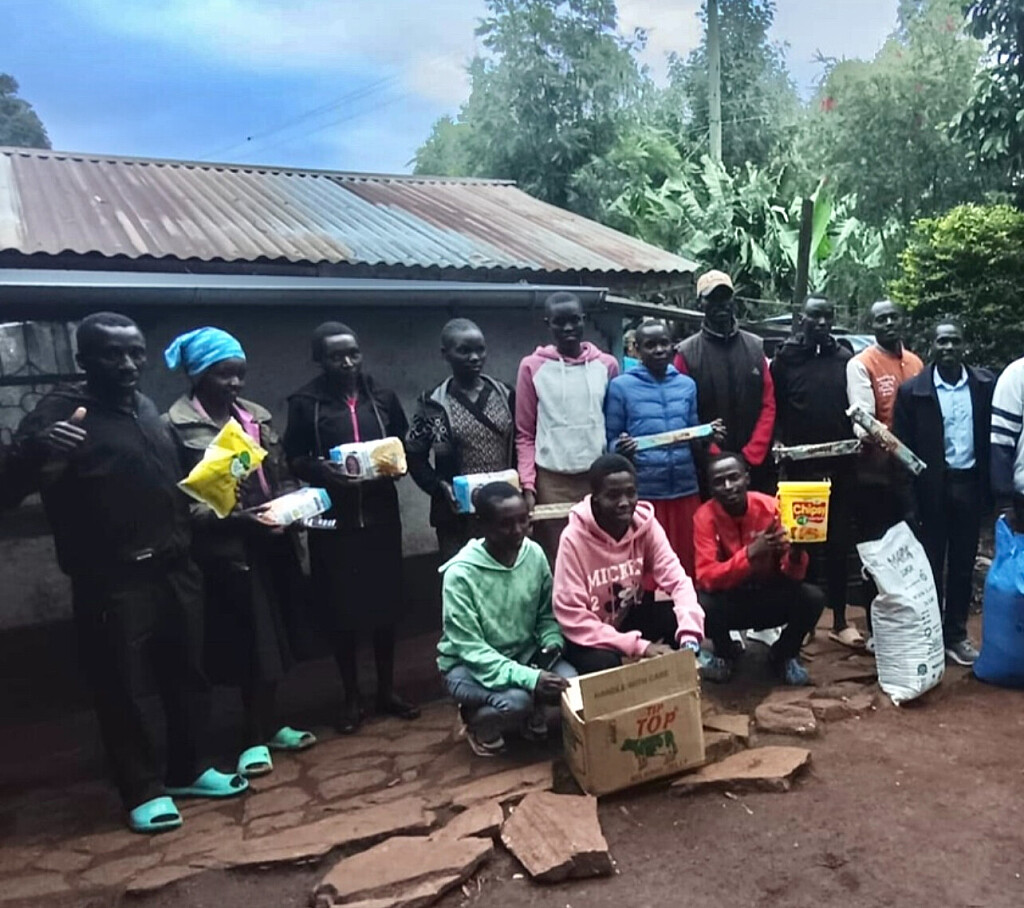
From Dirt Roads to Global Dreams: Inside Kenya’s Fastest-Growing Running Movement
In the heart of Kenya’s Rift Valley and beyond, a quiet revolution in athletics is underway. What began as a modest idea has grown into a dynamic movement that now spans 19 KATA Running Camps and Potato Farms across Kenya—plus two international retreats, including one at the historic Anderson Manor in Monforte da Beira, Portugal.
And it’s happening fast.
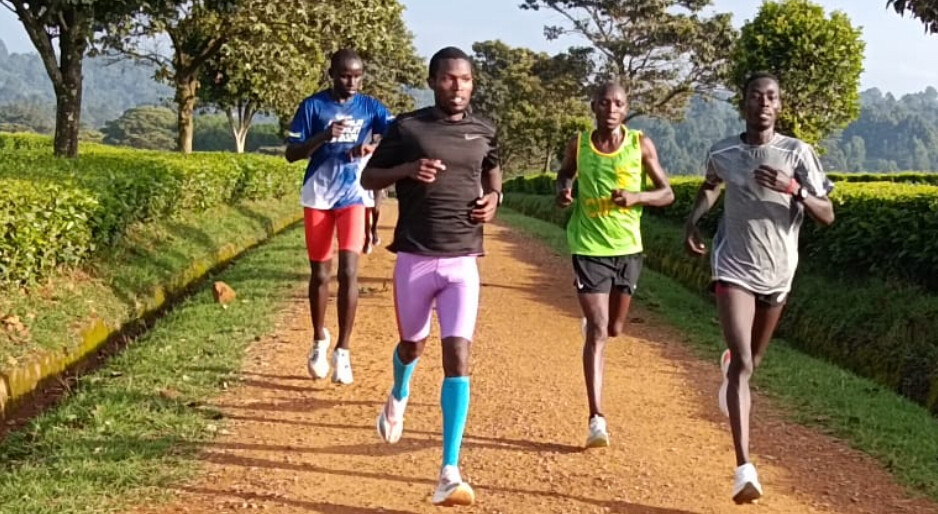
“We never planned to expand this quickly,” says Bob Anderson, founder of KATA and a lifelong advocate for long-distance running. “But the momentum of this movement just couldn’t be slowed down. We’ll be confirming one more camp shortly, and additional locations will follow in early 2026.”

KATA—short for Kenyan Athletics Training Academy—is unlike anything else in the world of distance running. It blends elite training with economic empowerment, giving young athletes not only the tools to run fast, but also a system that sustains them—and their communities—beyond the track.
“This is not just sports development,” says Brigid Chebet, a Kenyan journalist who has closely followed the program. “It’s a model of rural transformation through athletics. And Kenya may finally have found a winning formula for generations to come.”
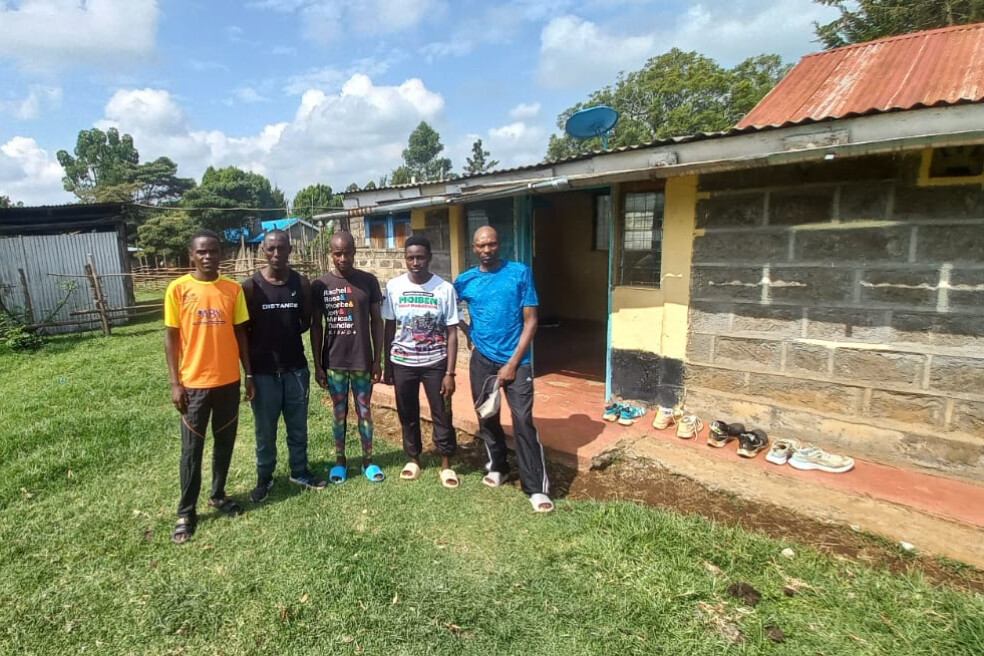
From a Vision to a Movement
KATA was founded by Bob Anderson, an accomplished American runner who created Runner’s World magazine and later My Best Runs. After visiting Kenya in 2014, he was deeply inspired by the raw talent scattered throughout rural communities—athletes with potential but no pathway.
“He saw a path that few others in athletic management had envisioned—a system that not only trains champions but empowers them economically,” writes Chebet.
That system became KATA: a network of running camps, each paired with a three-acre potato farm. Each camp receives an interest-free loan from KATA to establish operations. In exchange, athletes train full-time and contribute 25 hours a week to the farm. Revenue from the potato harvest supports camp expenses, housing, and meals—creating a self-sustaining ecosystem.
A Growing National Network
The first KATA retreat opened in Thika in 2019. Today, the initiative includes 19 camps spread across Kenya, each run by an experienced operator—many of them former elite athletes.
|
Location |
Operator |
|
Kapcherop |
Philemon Kipruto |
|
Molo |
Eric Chepkwony |
|
Kurengat |
Sammy Dismas |
|
Nyandarua |
Peter Njoroge |
|
Kericho |
|
|
Sotik |
|
|
Sachangwan |
Amos Chirchir |
|
Iten |
David Kellum |
|
Tenden |
Philemon Kipruto |
|
Eldoret |
Ruth Chumo |
|
Njerian Bomet |
Paul Kipsiele Koech |
|
Olenguruone |
Charles Ngeno |
|
Kapkembu |
Kipyegon Nehemiah |
|
Gasharrarge |
Job Langat |
|
Kaptagat |
Joseph Ngure |
|
Kiambu |
Julius Gacheru Migwi |
|
Kangundo |
Jimmy Muindi |
|
Moiben |
Hillary Kiplagat |
|
Kiptoror |
Caleb Rut |
In addition to these camps, two retreats serve as international training hubs: the KATA Running Retreat Thika, operated by Chris Muiruri, and the KATA Running Retreat Portugal, operated by Alberto Santos. Guests from around the world come to the two KATA retreats to train the Kenyan Way.
Elite Experience, Grassroots Impact
At the heart of KATA’s success is its leadership team. Olympic medalist Edwin Soi, now managing the Kuresoi Camp, brings both credibility and experience. Legendary steeplechaser Paul Kipsiele Koech, who has run under 8:10 in the 3000m steeplechase over 110 times, oversees two KATA camps/farms.
Veteran coach Charles Ngeno, known for his early work with Olympic champion Faith Kipyegon, now heads the Olenguruone camp, ensuring that young athletes from even the most remote villages receive structured training and economic opportunity.
“The new vision embraces sustainability, resilience, and empowerment,” writes Chebet. “It ensures that our athletes thrive both on and off the field.”
Looking Ahead
Anderson and the KATA team have ambitious plans: confirming one more camp this month and preparing for even more in 2026. The goal is clear—build up to 50 self-sustaining running camps across Kenya and replicate the model in other parts of the world.
“We’re not just chasing medals,” says Anderson. “We’re building lives.”

For partnership opportunities or more information, contact Bob Anderson on WhatsApp: +1-650-400-6643
by Brigid Chebet with Boris Baron
Login to leave a comment
KATA to Launch Eight New Running Camps and Potato Farms Across Kenya by October
Bob Anderson, the visionary founder of KATA (Kenyan Athletics Training Academy) and long-time champion of Kenyan running, and lifetime runner, has announced a bold expansion plan: eight new KATA Running Camps and Potato Farms will open across Kenya by October 1, 2025.
“We want to confirm our next eight camps by August 15,” says Bob Anderson, KATA Director and Founder.
Each new site will combine high-performance athlete training with sustainable agriculture, centering around a 3-acre KATA Potato Farm. The initiative aims to create self-sustaining camps where runners not only train at a high level but also contribute to the farm operations that help support the entire program.

At the heart of every KATA Running Camp is a dedicated operator—often a former elite athlete or experienced coach—who oversees day-to-day operations and athlete development. Our operators are more than just managers; they are mentors, motivators, and community builders. Each operator is carefully selected for their deep understanding of training at altitude, their passion for helping athletes succeed, and their ability to lead with integrity. Many of them have raced at the international level or coached athletes to major victories, bringing invaluable knowledge to the camps. Whether it’s organizing daily workouts, managing food and lodging, or fostering a winning culture, our KATA Running Camp operators are the backbone of our success.
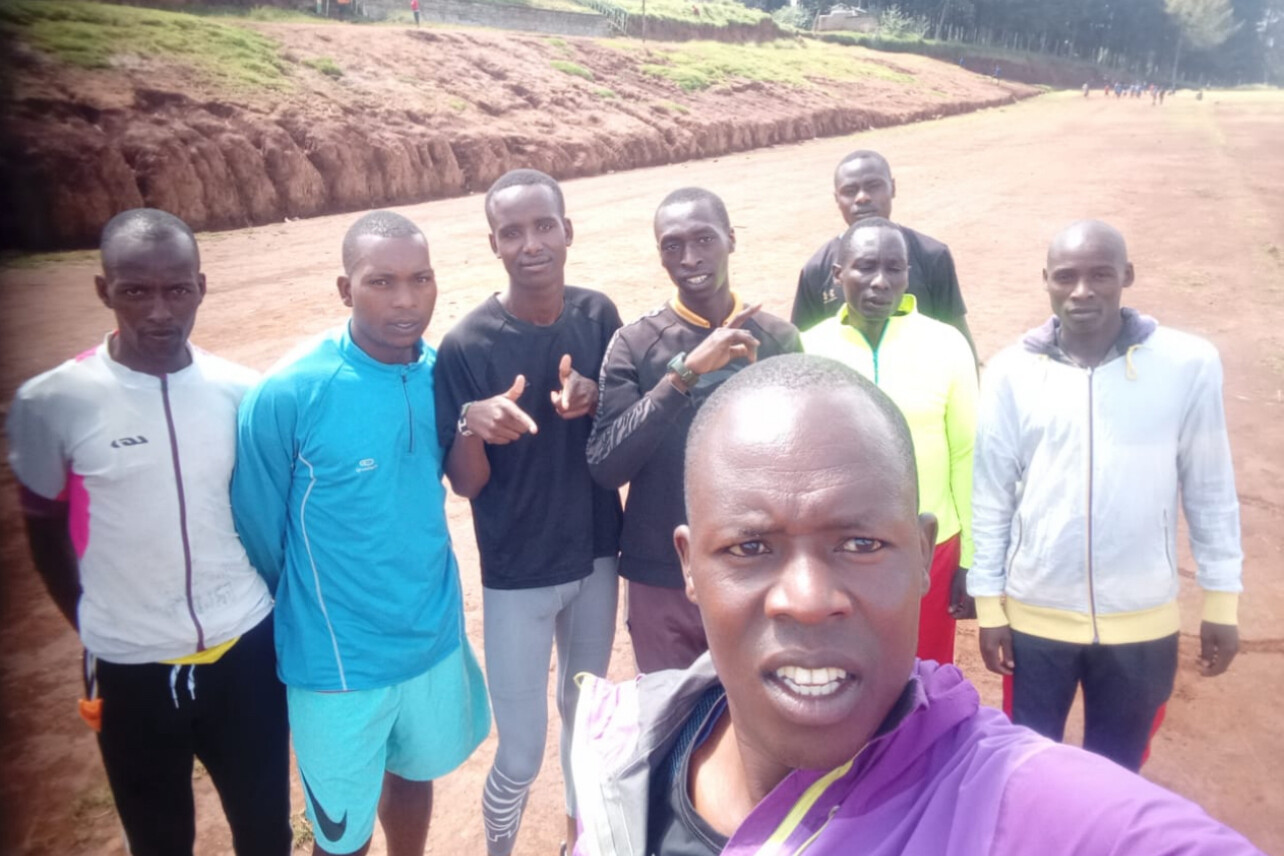
Currently, KATA Running Camps are thriving across Kenya under the leadership of 11 outstanding operators. In Kapcherop, Philemon Kipruto manages a vibrant group of emerging athletes. Eric Chepkwony runs our camp in Molo, and Sammy Dismas leads the program in Kurenget.

Over in Nyandarua, Peter Njoroge is building a strong training culture, while Edwin Soi, Olympic bronze medalist, brings elite-level experience to our Kericho camp. Paul Kipsiele Koech, an iiOlympic medalist, leads not one but two camps—Sotik and Njerian Bomet—where he shares his wealth of knowledge and competitive insight. In Sachangwan, experienced coach Amos Chirchir oversees daily operations and athlete growth, while in the legendary running hub of Iten, former elite runner David Kellum provides mentorship and structure.
David Kirui heads up the team in Tenden, and in Eldoret, Ruth Chumo—a respected coach of both abled and para-athletes—brings technical excellence and inclusivity to her camp. Rounding out our leadership team is Charles Ngeno, who directs the Olenguruone camp and plays a vital role in shaping future champions.
How the Program Works:
Each selected operator will receive:
•An interest-free loan of 350,000 KES as startup capital to establish the camp.
•An additional 300,000 KES interest-free loan to cover the costs of renting and preparing 3 acres of land, fertilizing, spraying, planting, harvesting, and selling the potatoes.
The model is built on long-term sustainability: once established, revenue from the potato farm is expected to fully support each KATA Camp year-round, without additional outside funding.
Work and Training:
KATA athletes must commit to:
•25 hours of farm work per week, in addition to their structured training schedules.
This balance of physical labor and elite coaching is designed to build discipline, character, and community resilience—while helping runners achieve their full athletic potential.
The KATA Running Camps and KATA Potato Farms are headquartered at the Anderson Manor of Portugal, home to the KATA Running Retreat, located in Monforte da Beira in central Portugal. This historic and beautiful estate serves as the ideal European base for KATA. Athletes come here to sharpen their fitness and prepare for peak performances, whether they’re targeting personal bests or major competitions.
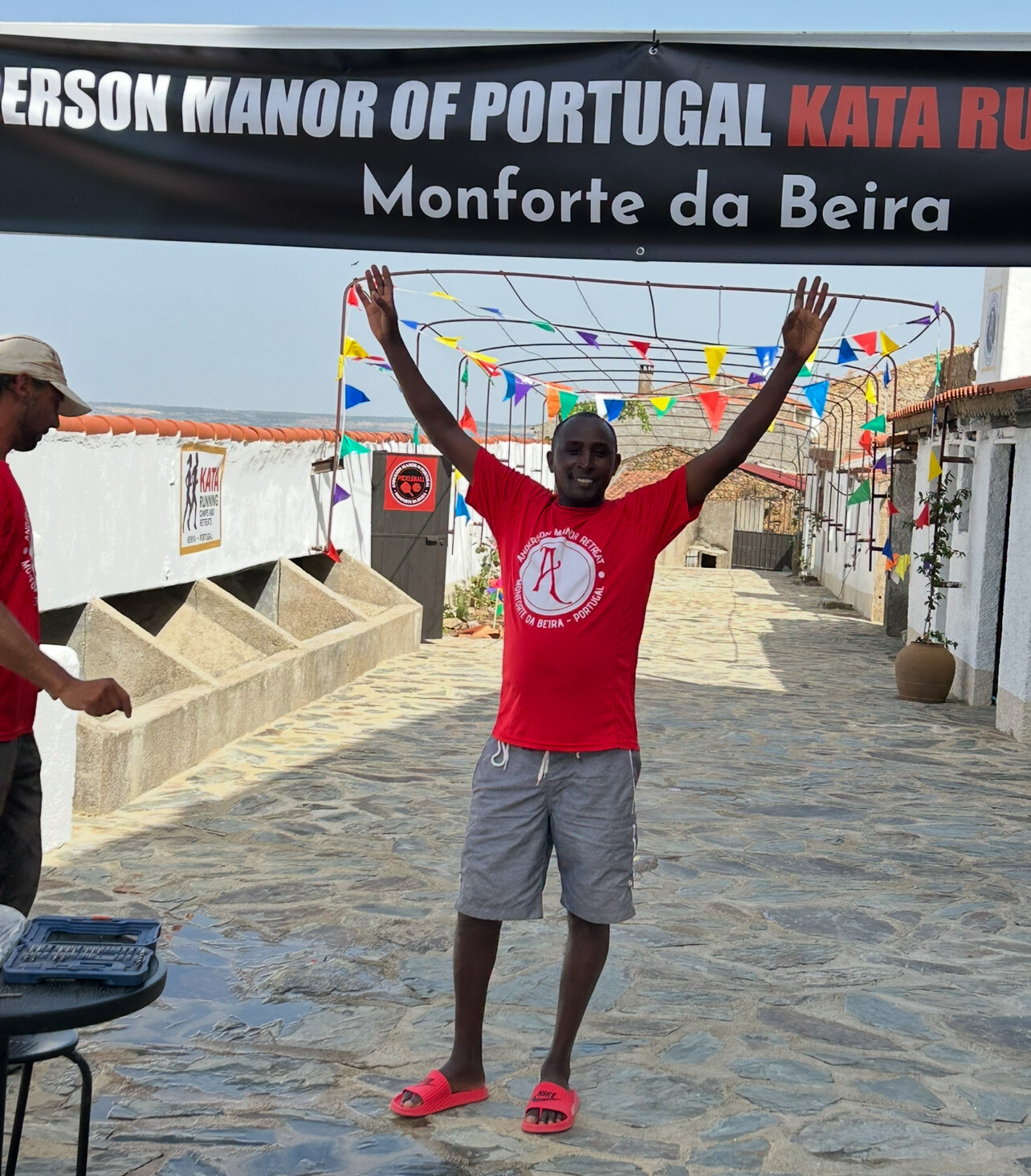
The location is perfect for training—quiet, scenic, and inspiring—and it’s conveniently positioned just 2.5 hours from Lisbon and about 4 hours from Madrid by car. KATA also maintains a local office in Thika, Kenya—site of the original KATA Running Retreat opened in 2019—which supports the growing network of KATA camps across the country.
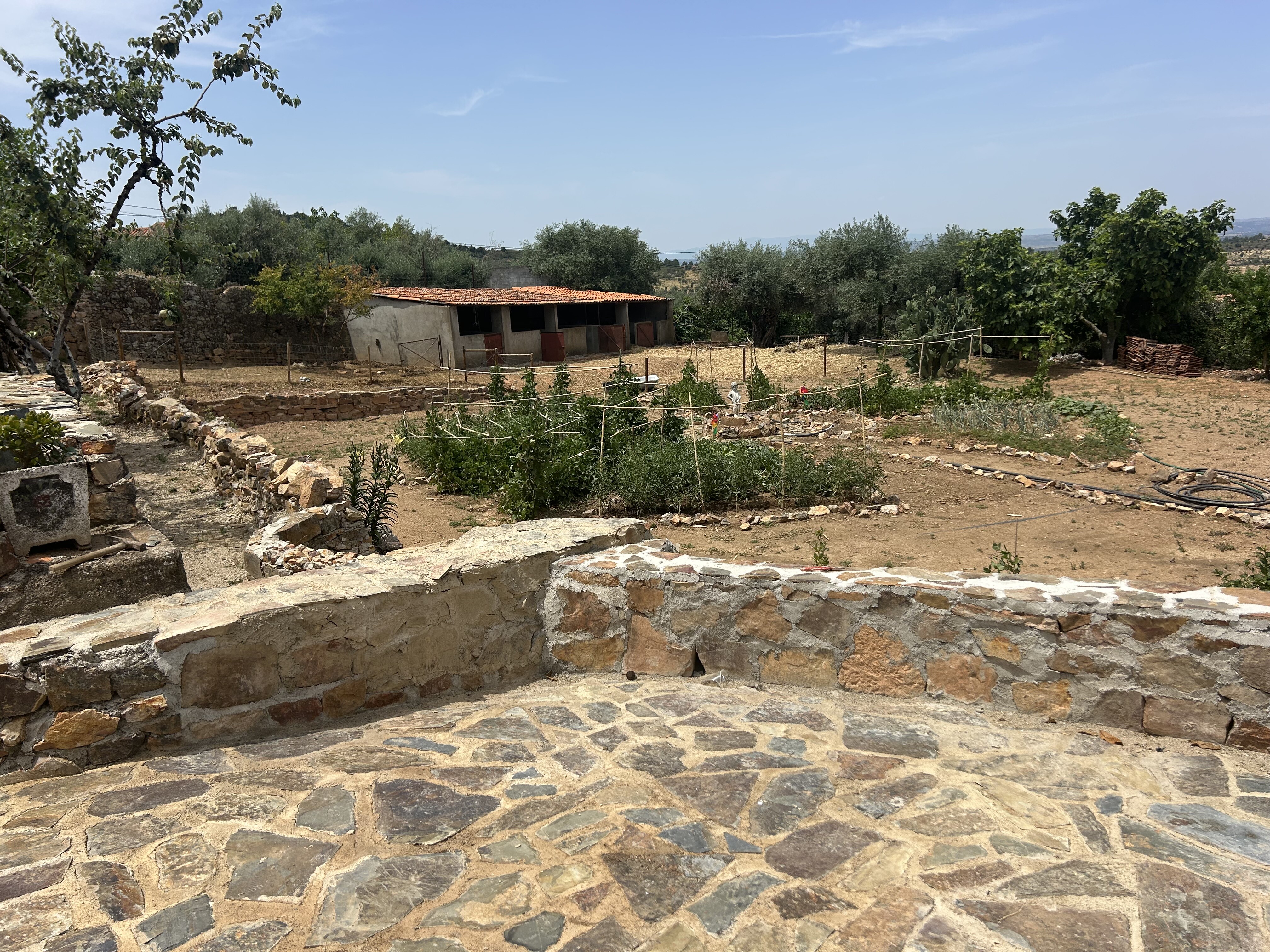
Interested in Becoming a KATA Camp Operator?
If you’re passionate about athletics, have experience in farming or business management, and want to make a lasting difference in your community, this could be your opportunity.
Contact Bob Anderson directly on WhatsApp (650-400-6643) to apply (text only at this point):
Please include:
•Your full name
•The town where you’d like to establish a KATA camp
•Your background in running, coaching, or athletics
•Experience running a business
•Any potato or farming experience you have
This is more than a training camp. It’s a movement to empower Kenyan runners through purpose, performance, and sustainable agriculture.
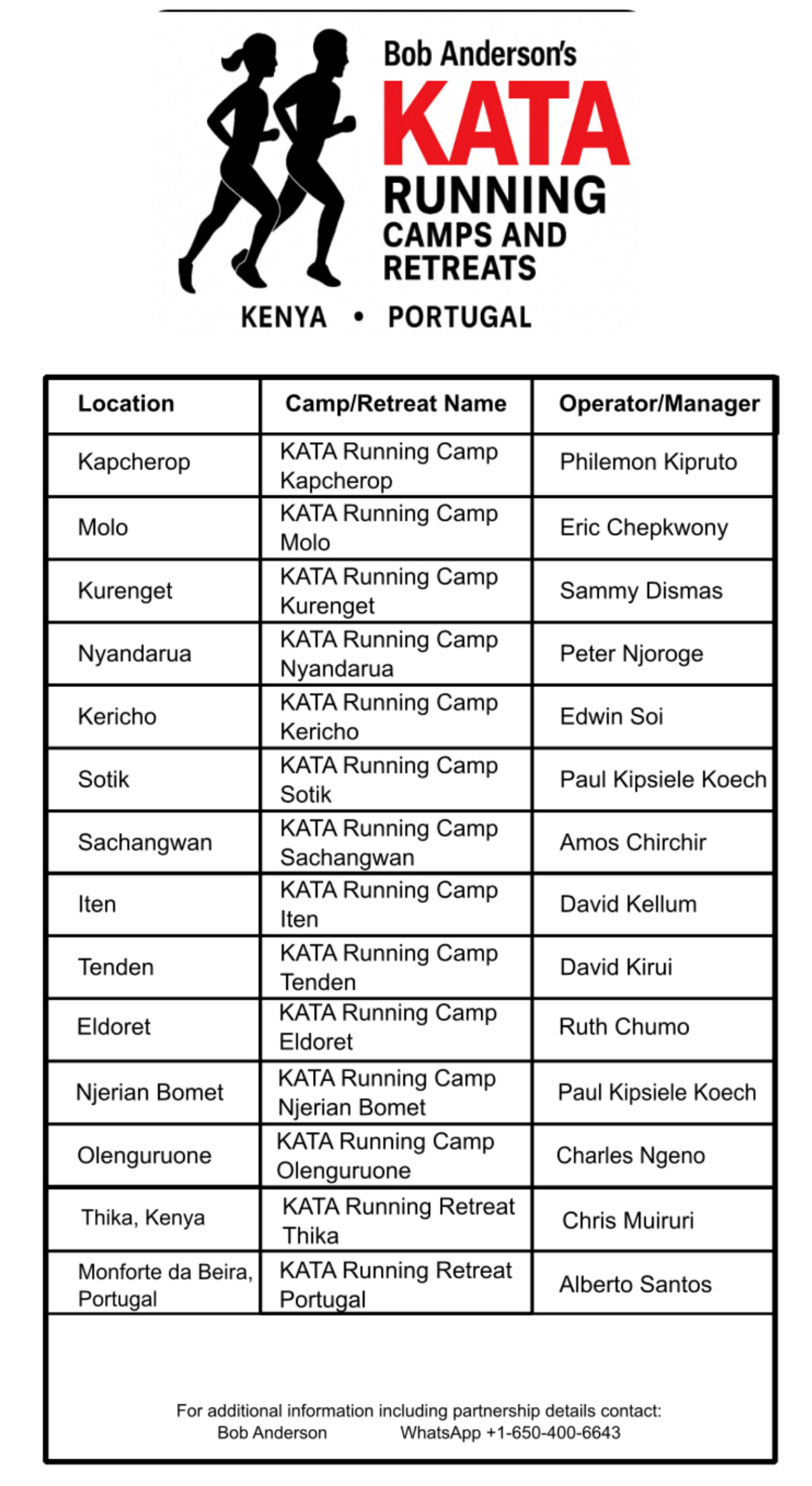
by Boris Baron
Login to leave a comment
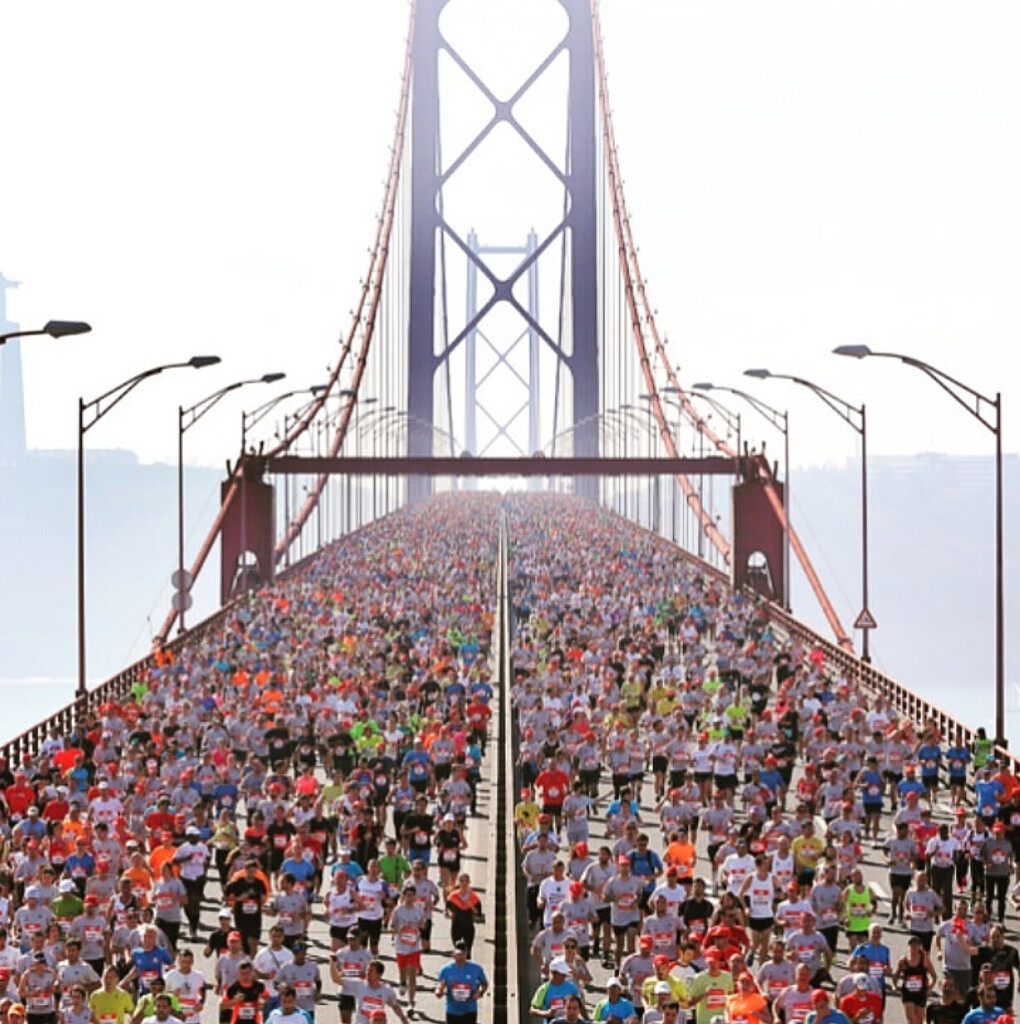
Lisbon Half Marathon Introduces Lottery Registration for 2026 to Meet Surging Demand
One of Europe’s most iconic road races, the EDP Lisbon Half Marathon, is making a major change for its 2026 edition—a lottery-based registration system. The new process aims to create a more equitable and inclusive experience after overwhelming demand in recent years caused registration site crashes and frustration for many eager participants.
Why the Change?
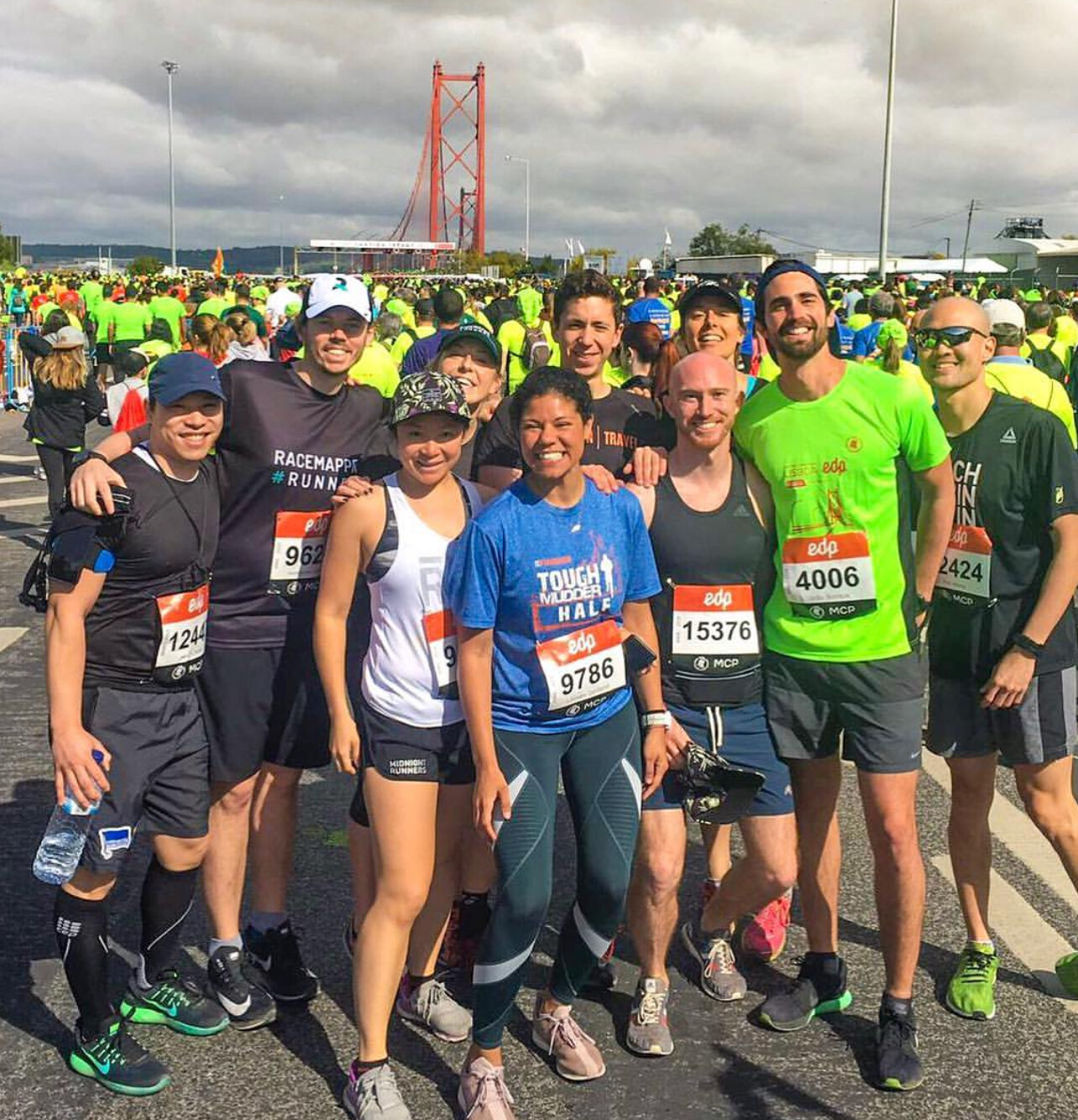
With runners from all over the world vying for a spot in this stunning point-to-point race, organizers faced mounting challenges due to the “first-come, first-served” model. The lottery format ensures equal opportunity for all, regardless of internet speed or access.
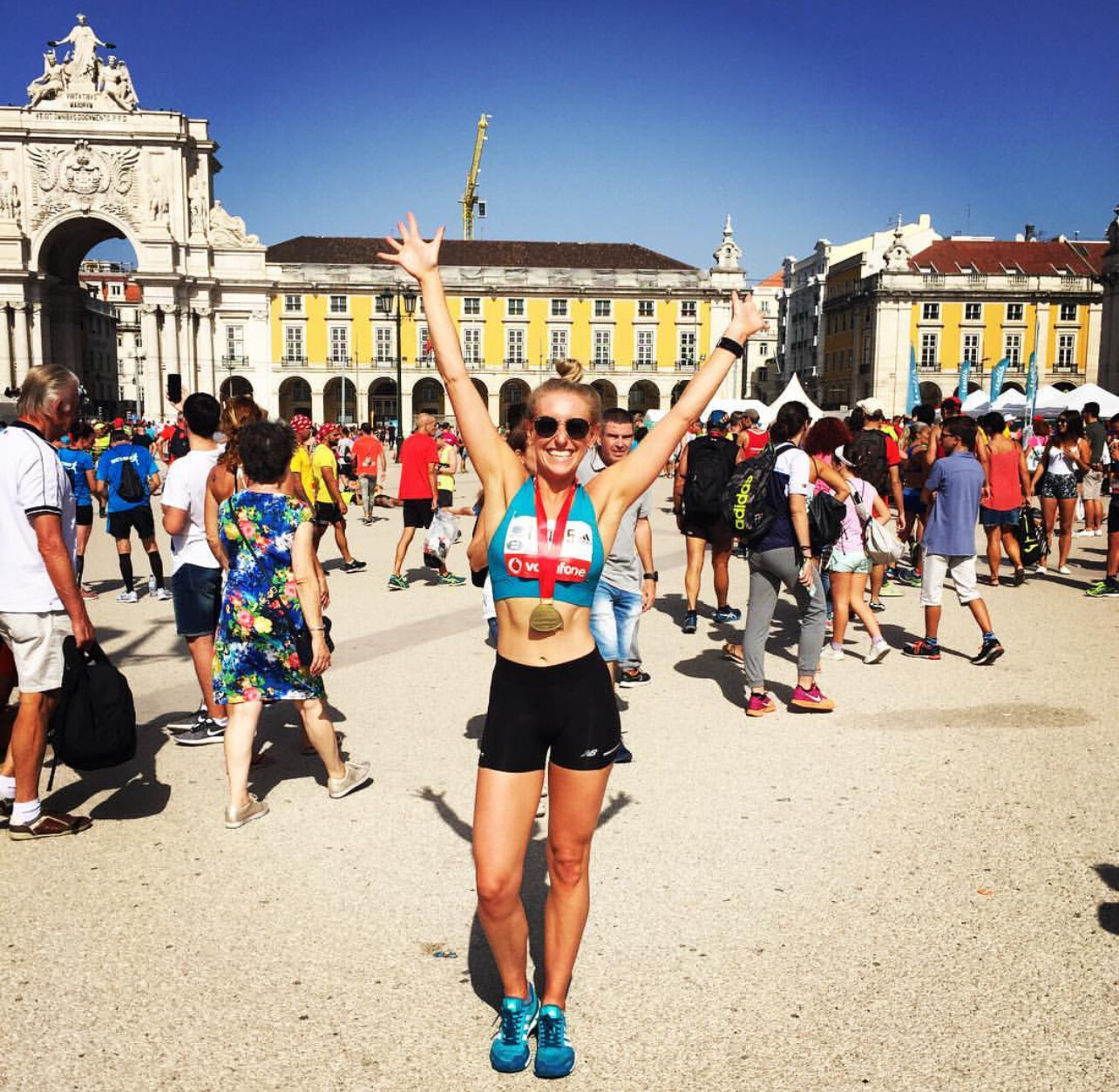
How the 2026 Lisbon Half Marathon Lottery Works
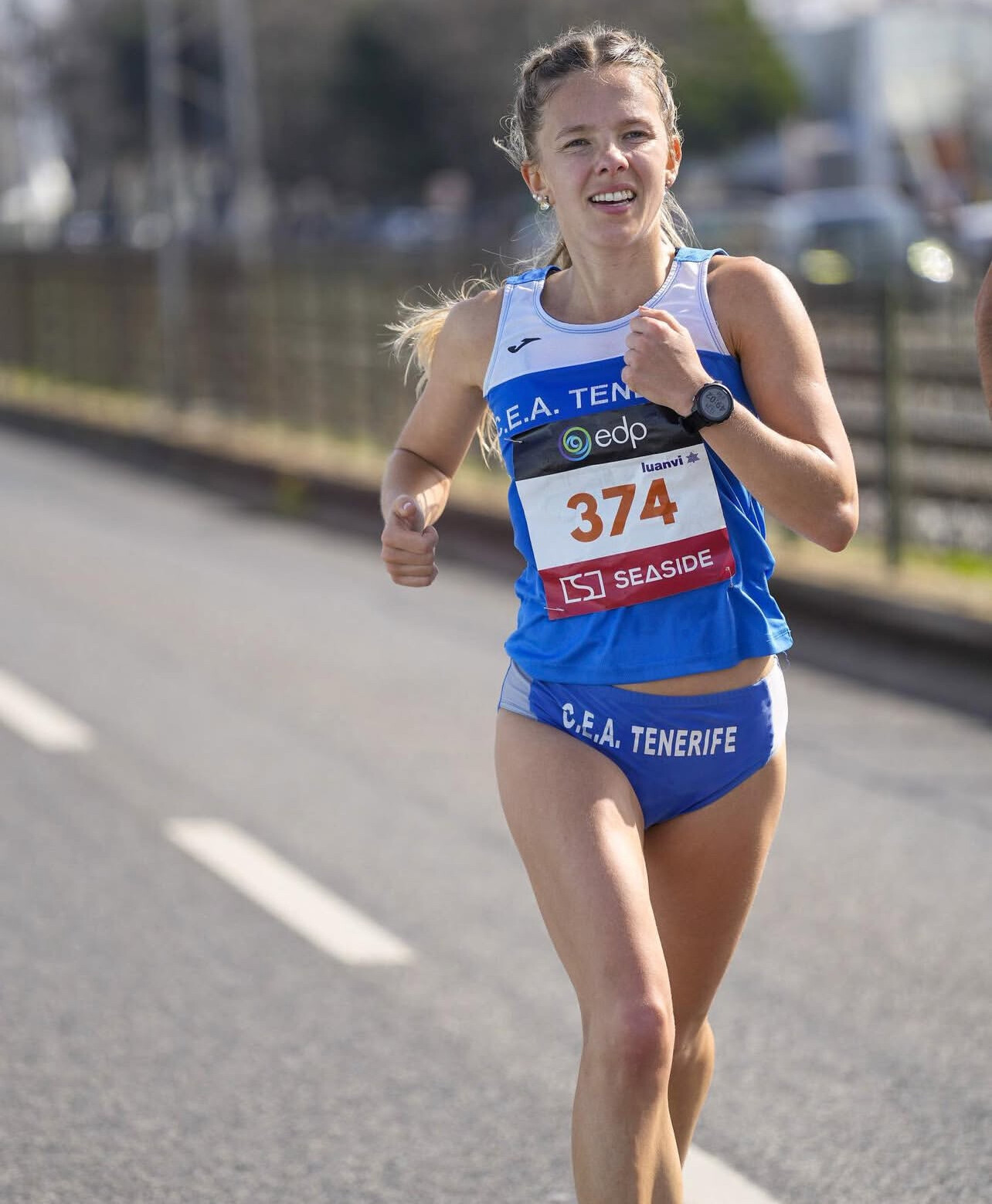
• Application Period: Opens June 26, 2025, at 10:00 AM (GMT+1) and closes July 20, 2025, at 6:00 PM (GMT+1).
• Free to Apply: You’ll only pay the registration fee if selected.
• Random Drawing: After the application period ends, a random draw will determine who receives a coveted race entry.
• Group Option: Runners can register with up to two friends. If one in the group is selected, all three get in.
• Confirmation: Selected runners must complete payment within three days of receiving their email notification. Otherwise, their spot will be given to another applicant.
• SuperVoucher Holders: Runners who have purchased the SuperVoucher for the SuperHalfs series are exempt from the lottery. They must contact the organizers at least one month prior to the race to confirm participation.
Race Details
The 2026 EDP Lisbon Half Marathon will take place in March 2026 (official date TBA), drawing tens of thousands of runners eager to race through the Portuguese capital’s most breathtaking sights.
• Start Location: On the 25 de Abril Bridge, typically closed to traffic—a unique opportunity for runners to cross this iconic structure on foot.
• Finish Line: Praça do Comércio, Lisbon’s grand riverside plaza.
• Course Record (Men): 57:31, set by Jacob Kiplimo of Uganda in 2021—the fastest half marathon time ever recorded on Portuguese soil.
• Course Record (Women): 1:05:44, set by Ethiopia’s Tsehay Gemechu in 2022.
Why It Matters
With a flat, scenic route and world-class competition, Lisbon has become a bucket-list race for both elites and amateurs. The new lottery ensures fair access, maintains the race’s high standard of organization, and supports its goal of being one of the most inclusive races on the international calendar.
If you’ve dreamed of racing past the Tagus River, soaking in Portugal’s culture and sunshine, and chasing a personal best on one of Europe’s fastest courses—everything starts June 26.
by Boris Baron
Login to leave a comment
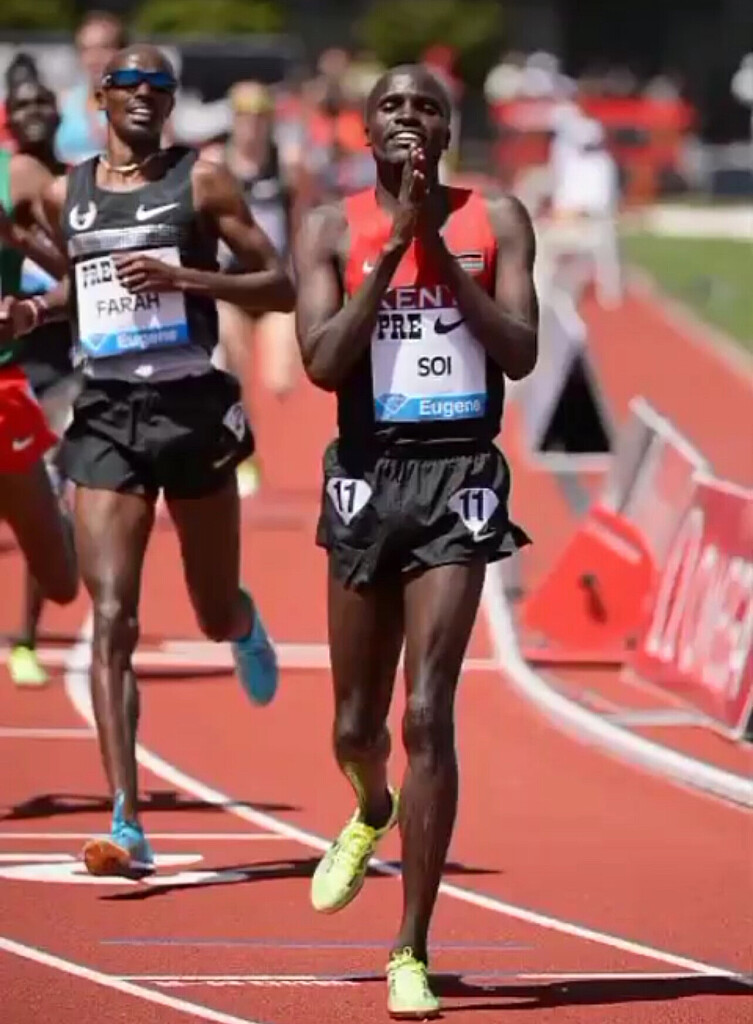
Support Athletes. Uplift Communities. Help Shape the Future of Kenyan Running
.For decades, Bob Anderson—founder of Runner’s World and a lifelong champion of distance running—has believed in the transformative power of athletics. In 2019, inspired by visits to Kenya dating back to 1987, he launched the Kenyan Athletics Training Academy (KATA) in Thika to give promising athletes the opportunity to rise. In 2024, Anderson expanded the vision internationally, opening a second training retreat in Portugal.
Until now, every KATA camp and retreat has been fully funded by Bob himself. But as momentum builds, he’s extending an invitation: become a KATA Partner and help expand this game-changing model—while earning a meaningful return on your investment.
“We’ve proven the model works,” says Anderson. “Now we want visionary partners to help take KATA to the next level. This isn’t charity—it’s an investment in performance, purpose, and people.”
What Is the KATA Partner Program?
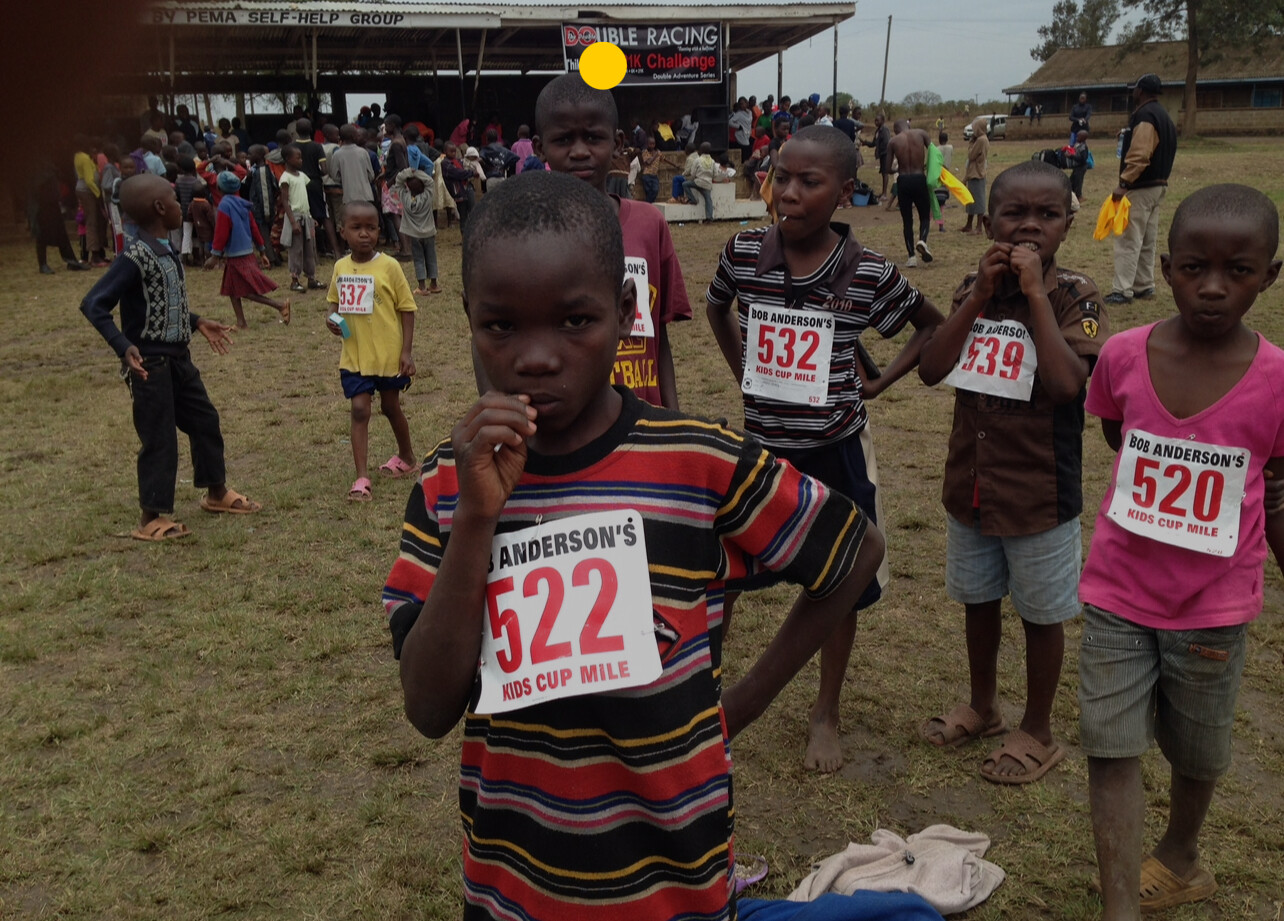
The KATA Partner Program offers a ground-floor opportunity to support elite athlete development and rural progress through a unique model that combines world-class coaching with sustainable agriculture.
Each KATA Running Camp is paired with a three-acre KATA Potato Farm. Athletes live, train, and work part-time on the farm—25 hours per week—in exchange for full room and board plus expert coaching. In return, they contribute 15% of any prize money they earn back to their camp. The rest is theirs to keep.

As a KATA Partner, you help fund and launch a new camp. In return, you:

• Earn a share of revenue from potato farm sales and athlete prize winnings
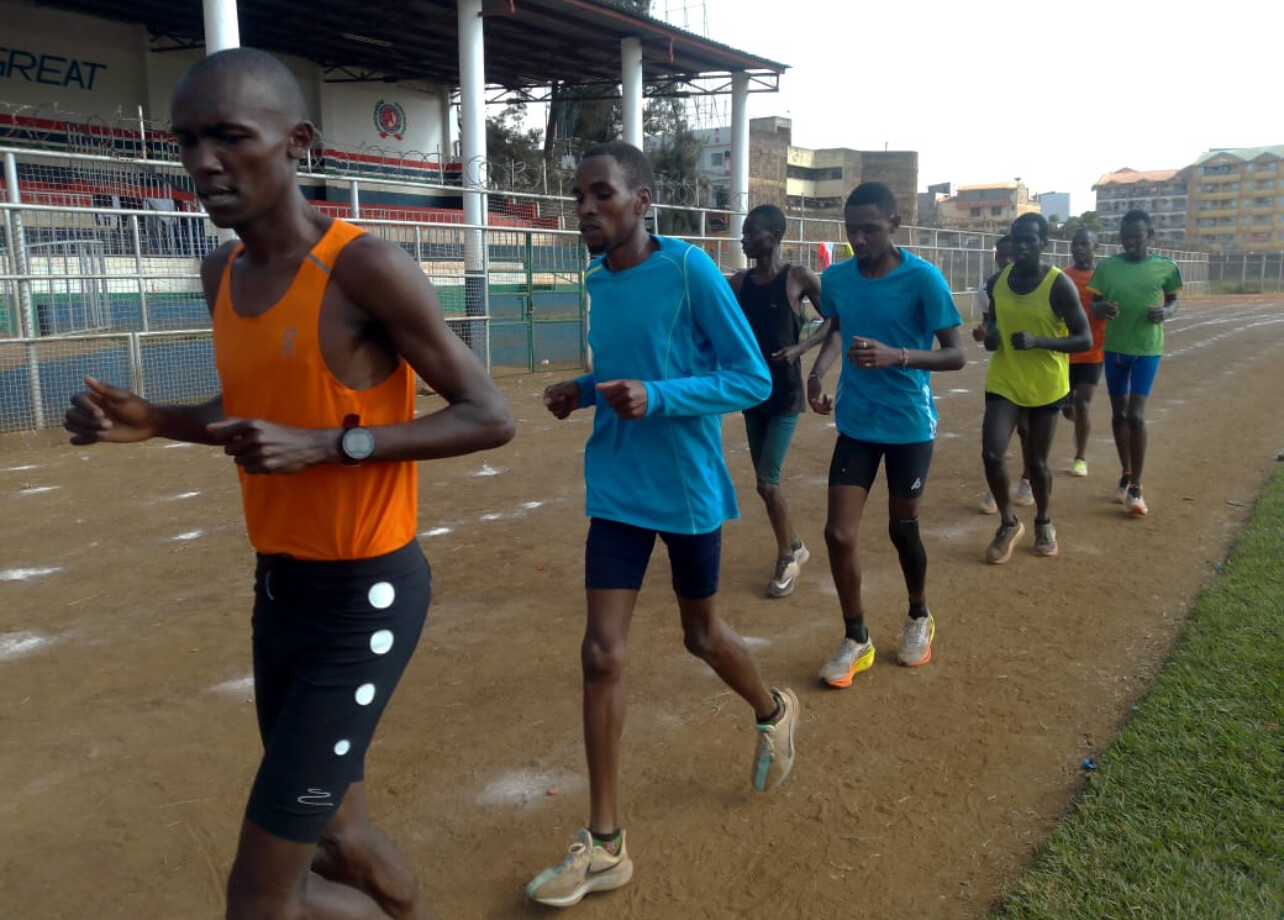
• Gain naming rights to the camp (e.g., [Your Name or Organization Name] KATA Running Camp)
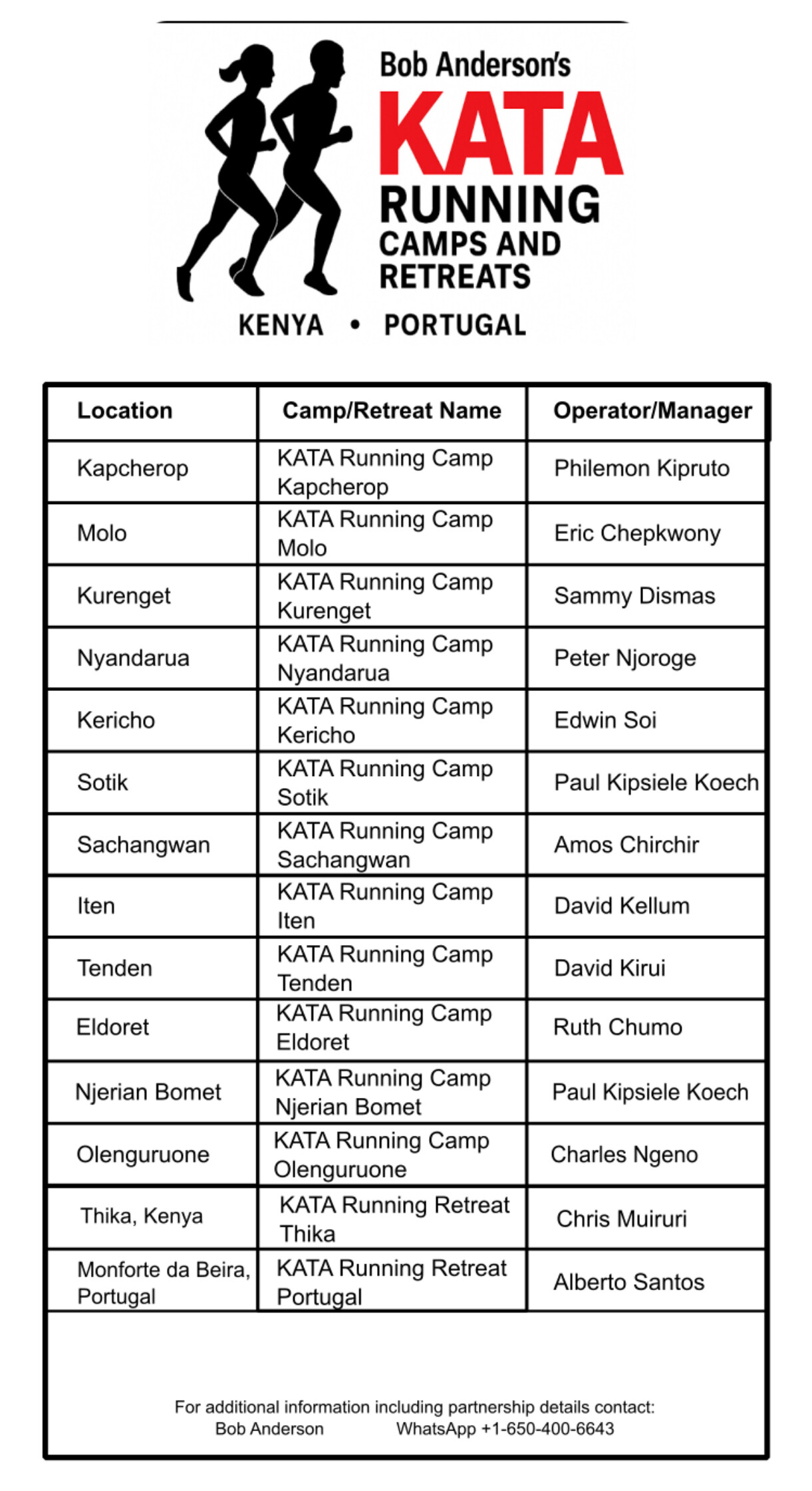
• Empower athletes and uplift local communities through long-term partnership
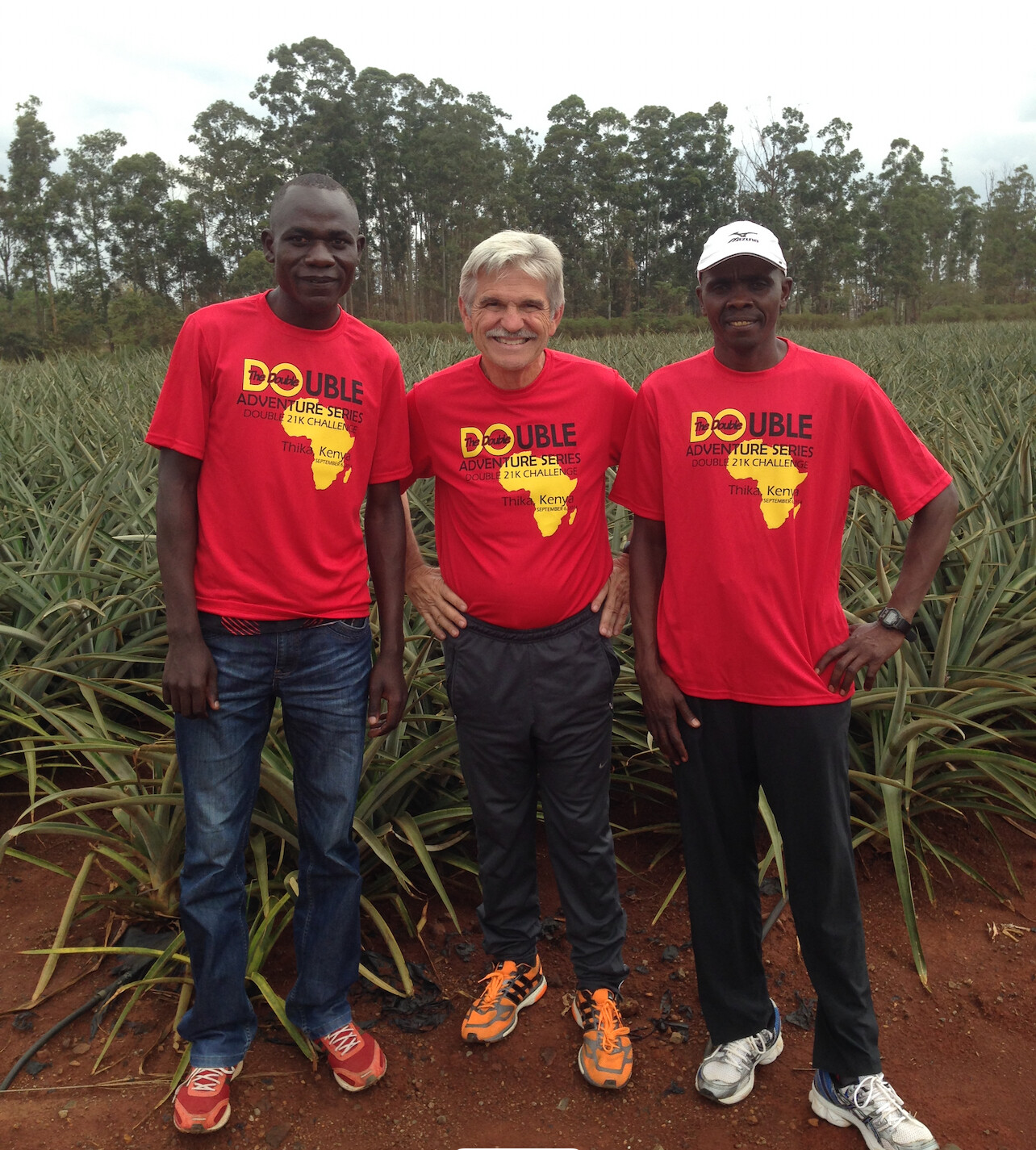
Two Pathways to Partnership
International Partner Program
• One-time KATA membership fee: $5,000 USD in 2025
• Fee increases to $6,500 USD starting January 1, 2026
• Annual dues: $1,000 USD (starting year two)
• Share of revenue:
• 15% of potato farm revenue
• 15% of athlete prize money
Kenyan National Partner Program
• One-time KATA membership fee: KES 900,000
• Annual dues: KES 50,000 (starting year two)
• Each additional acre: KES 100,000 (plus KES 25,000 in annual dues)
• Share of revenue:
• 10% of potato farm revenue
• 10% of athlete prize money
This is not a donation—it’s a purpose-driven investment with a guaranteed revenue share. You’re helping athletes succeed and communities thrive, while building your own legacy.
KATA Handles Everything
Whether you want to be hands-on or prefer a passive role, KATA takes care of:
• Finding and securing land and housing
• Recruiting qualified operators (often Olympic medalists and elite coaches)
• Setting up the farm and camp
• Managing all agricultural operations and logistics
Current camps are operated by respected figures like Olympic medalists Paul Kipsiele Koech and Edwin Soi, coaching veterans such as Charles Ngeno, and long-time team members like Elam Wangerwo, who has worked with KATA since 2014.
Why It Matters
This program isn’t just about running—it’s about changing lives. KATA gives talented young runners the platform to pursue greatness while bringing food security and economic opportunity to rural Kenya.
“If you’ve ever wanted to be part of something that matters—something that delivers both impact and return—this is your moment,” says Anderson.
Join the KATA Movement
To learn more or become a KATA Partner, contact:
Bob Anderson via WhatsApp: +1 (650) 400-6643
The next great Kenyan runner is already out there. Let’s make sure they have a place to grow—on the track and in their community.
by Bob Anderson
Login to leave a comment
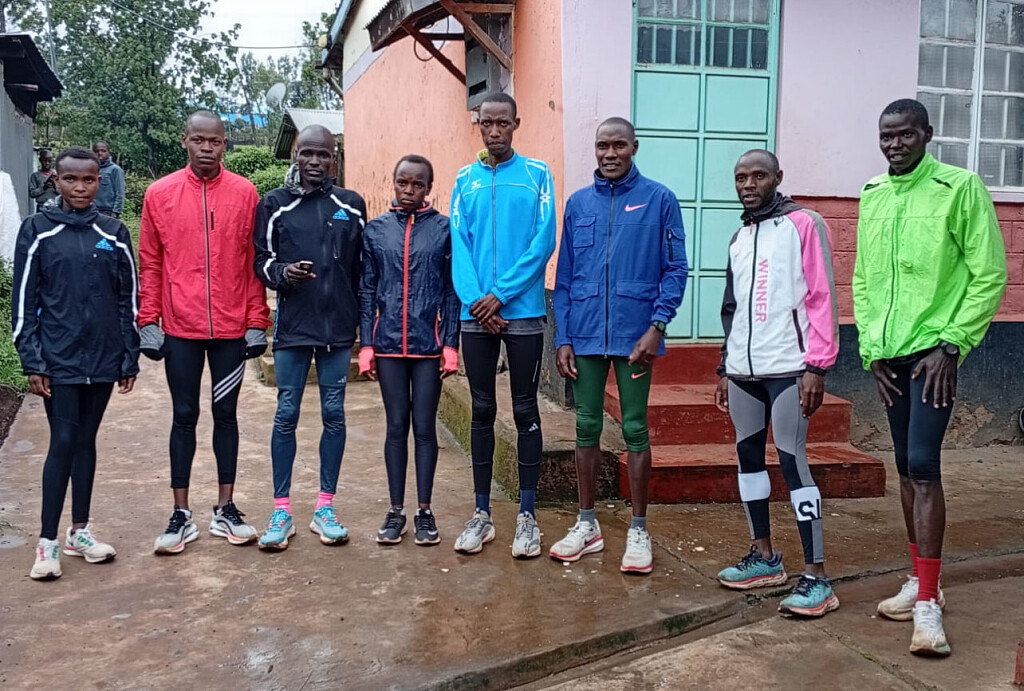
KATA Running Camps Launch a Bold New Era for Distance Running in Kenya
In a bold move to reshape the future of distance running, Bob Anderson, the legendary founder of Runner’s World and lifelong runner, has launched a groundbreaking initiative that’s taking root across Kenya. What began in 2019 with the Kenyan Athletics Training Academy (KATA) in Thika, and expanded to Portugal earlier this year, is now flourishing into a national movement—with eight KATA Running Camps already confirmed, and ten expected by July 1, plus two full-service KATA Retreats in Thika and Monforte da Beira, Portugal.
photos: 1. Edwin's KATA team reporting to his camp today in Kericho. 2. Eric's KATA in Molo will be planting their first acre of KATA potatoes tomorrow.

"As far as I know, there’s nothing like what we are doing,” says Bob Anderson. “My team and I believe we’re going to make a big difference in the running world. We’ll have nearly 200 KATA athletes by July. We have so much talent, and with strong leadership and support, we can help them become world-class stars
A Sustainable Model with a Powerful Vision
What sets KATA apart is its innovative self-sustaining model that combines elite athletic training with agriculture and community building.
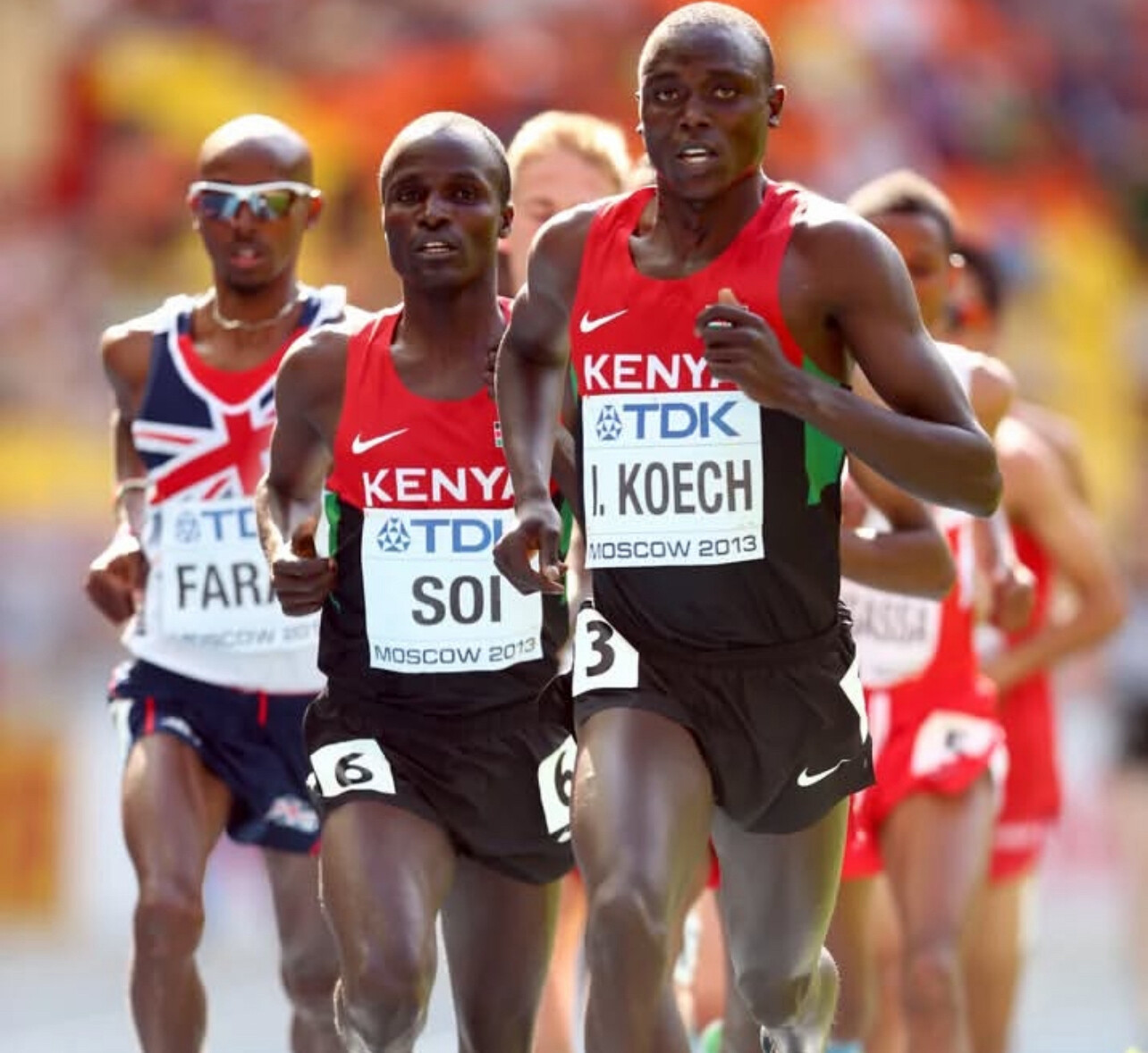
Each KATA Running Camp:
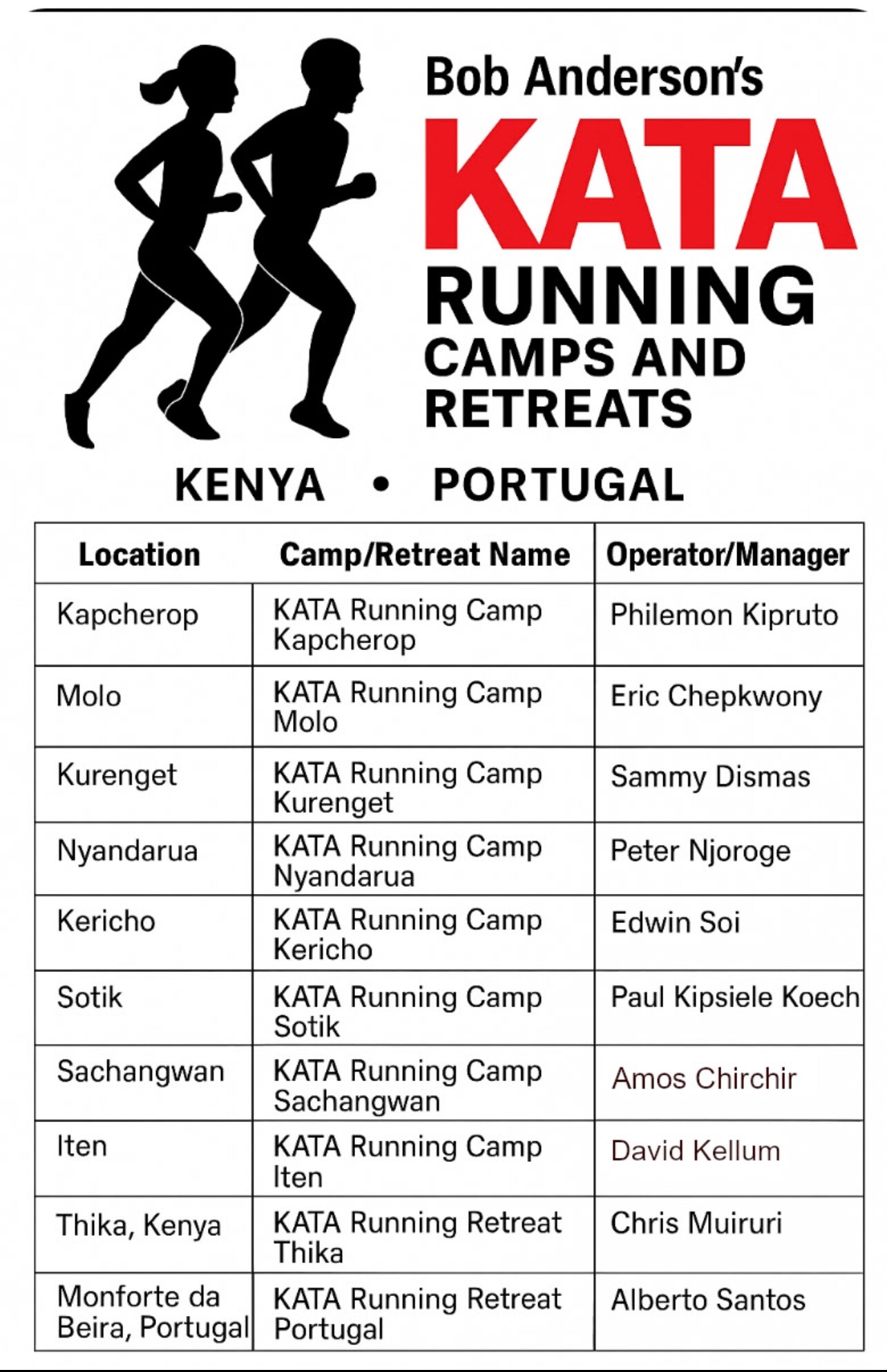
• Supports 3 acres of KATA potato farms
• Requires athletes to work 25 hours per week on the farm
• Asks athletes to contribute 15% of any prize money earned to support their camp
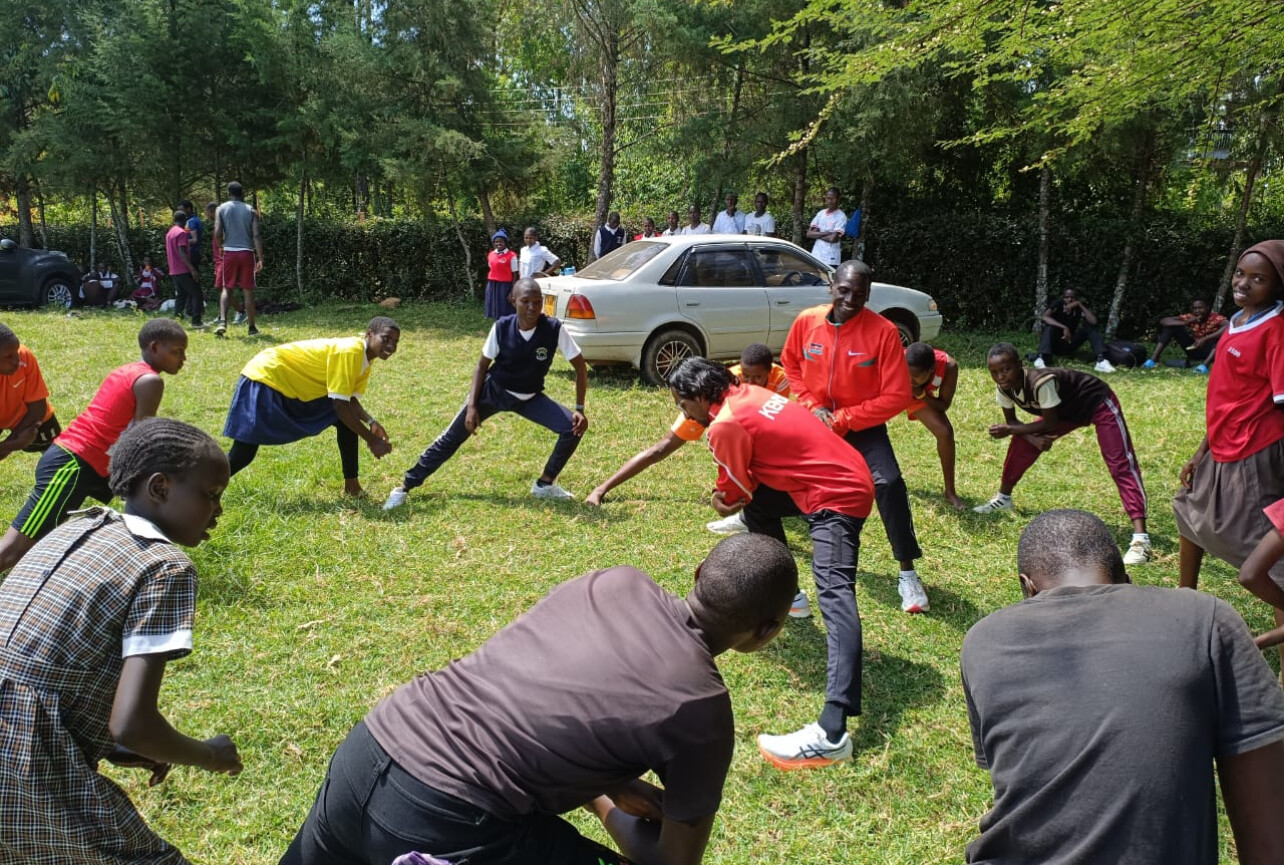
In return, every KATA athlete receives:
• Free lodging
• Three nutritious meals daily
• World-class coaching
“Within six months, all camps will be fully self-sustaining,” Anderson says. “This is not just a running camp—it’s a lifestyle, a community, and a path to opportunity.
Powered by Champions
Two of KATA’s confirmed camp operators are Olympic medalists who bring unmatched experience to the program:
• Edwin Soi, bronze medalist in the 5000m at the 2008 Olympics, now leads KATA Kericho. He’s still racing—and proving his form. On June 15, he clocked a blazing 27:30 for 10,000 meters on the track.
• Paul Kipsiele Koech, bronze medalist at the 2004 Olympics in the 3000m steeplechase, heads KATA Sotik, bringing leadership, discipline, and deep tactical knowledge.
A Vision for 50 Camps, 1,000 Athletes
Anderson’s vision is as ambitious as it is inspiring:
“We hope to build a network of 50 KATA Running Camps to train nearly 1,000 athletes. At the same time, we’re working closely with local communities to promote healthier lifestyles through running, nutrition, and education.”
Each camp is embedded within its local area—supporting food security through farming, developing young talent, and strengthening communal ties.
More Than a Camp. A Movement.
KATA is not just about producing the next world record holder. It’s about giving hundreds of athletes the opportunity to reach their full potential—on the track, in life, and within their communities.
By combining sport with sustainability, and elite training with grassroots outreach, Bob Anderson’s KATA is poised to become one of the most impactful distance running projects in the world.
by Boris Baron
Login to leave a comment

KATA Expands Global Footprint with Five New Running Camps Opening in June 2025
The Kenyan Athletics Training Academy (KATA) is advancing its mission to develop world-class runners and uplift rural communities by launching five new KATA Running Camps across Kenya in June 2025. These new satellite locations build upon KATA’s two well-established international retreats—in Thika, Kenya, and Monforte da Beira, Portugal—forming a growing global network grounded in endurance, discipline, and opportunity.
Five New Camps Opening in June
Each new camp will be led by accomplished athletes and coaches who deeply understand the training demands of distance running:
• Kericho, Kenya (~2,500m / 8,200 ft) – Operated by Edwin Soi, Olympic 5000m bronze medalist (2008) and road racing legend. The location offers quiet roads and soft dirt trails, ideal for interval training and long runs.
• Molo, Kenya (~2,440m / 8,000 ft) – Operated by Eric Chepkwony, a seasoned distance runner and coach. The terrain features hilly roads and scenic countryside paths that simulate real race conditions.
• Keringet, Kenya (~2,600m / 8,530 ft) – Operated by Sammy Dismas, a world-class runner and proven coach with numerous victories to his name. The camp features a mix of flat and rolling terrain ideal for tempo and progression workouts.
• Kapcherop, Kenya (~2,400m / 7,875 ft) – Operated by Philemon Kipruto, a respected local coach. Athletes benefit from forest trails and undulating village roads perfect for aerobic development.

• Nyandarua, Kenya (~2,300m / 7,550 ft) – Operated by Peter Njoroge, a dedicated coach with strong community roots. The camp includes grassy trails and high-elevation road loops ideal for base building.
Each of these camps blends elite training with mentorship, while also promoting sustainability through the KATA Potatoes project, a unique initiative that connects athletics to local agriculture and economic growth.
Established KATA Retreats in Kenya and Portugal
KATA’s flagship retreat in Thika, Kenya (~1,530m / 5,020 ft) continues to serve as a high-performance training hub. Managed by Christopher Muiruri, the retreat features a mix of paved loops, dirt roads, and peaceful paths—making it ideal for both elite athletes and visiting guests. KATA head coach John currently trains 20 KATA athletes and works closely with guest runners of all levels.
In 2024, KATA expanded into Europe with a retreat in Monforte da Beira, Portugal (~470m / 1,540 ft). Managed by Alberto Santos, the retreat is located at the historic Anderson Manor, just one hour from the Spanish border. The setting features technical trails, scenic roads, and a wellness-focused environment. Bob Anderson and his wife Catherine now spend about 35% of their time at this location, which serves as a perfect base to teach the Kenyan training philosophy. At least one accredited Kenyan coach is on-site at all times.

A Vision Rooted in Training and Transformation
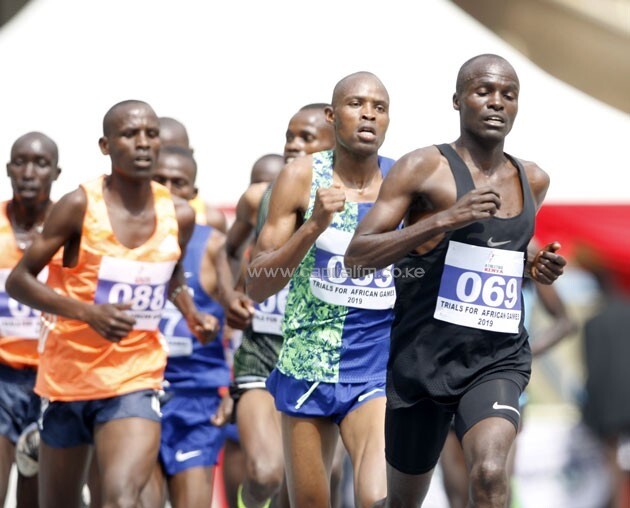
KATA was founded by Bob Anderson, creator of Runner’s World and a lifelong runner—he has been running since February 19, 1962. His vision goes beyond athletic excellence. It’s about building stronger communities through sport and shared purpose.
“This is not just about running fast,” says Anderson. “It’s about building strong roots—on the track, in the field, on the road, and within the community.”
Looking ahead, Anderson adds:
“We’re planning to open another five KATA Running Camps in Kenya by the end of the year. This is a new concept, and the feedback so far has been overwhelmingly positive.”
by Boris Baron
Login to leave a comment
 It's a new dawn for kata. Kata is the best training camp to be - Elam wangwero 6/6 8:40 am  This idea of KATA started with a dream I shared with Elam back in 2014. - Bob Anderson 6/6 11:26 am |
