

Running News Daily
Running News Daily is edited by Bob Anderson and team. Send your news items to bob@mybestruns.com Advertising opportunities available.
Index to Daily Posts · Sign Up For Updates · Run The World Feed
Articles tagged #1983
Today's Running News
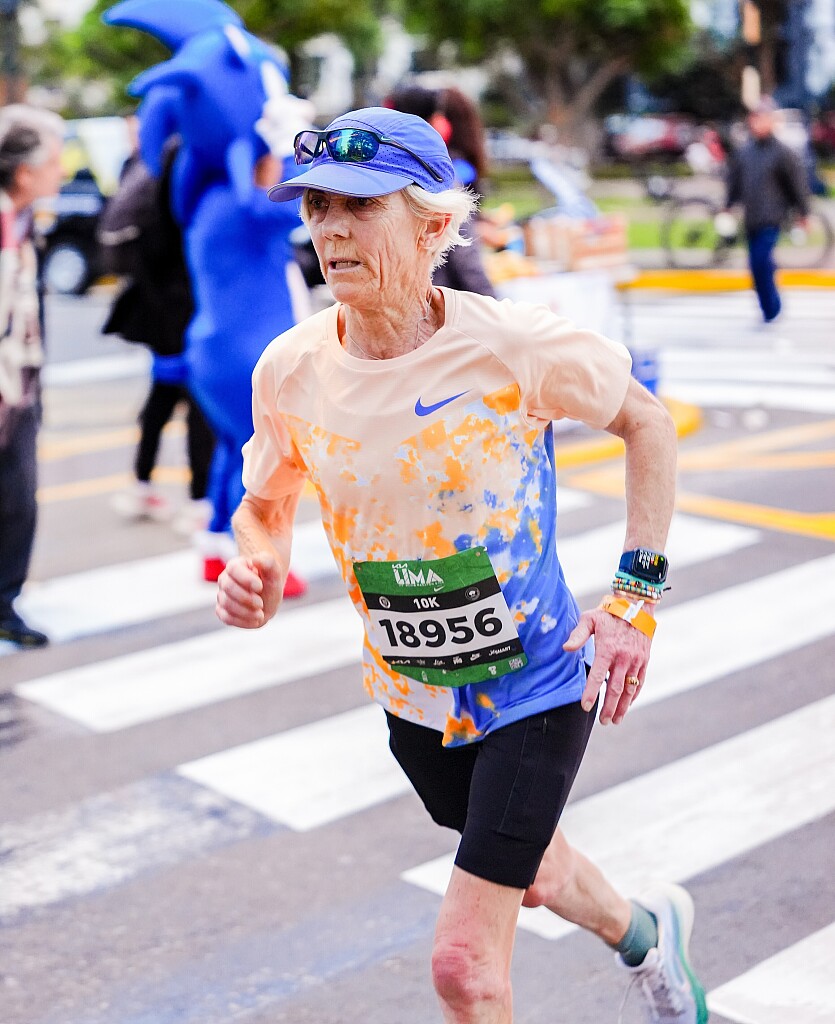


69 And Still Running: Joan Benoit Samuelson Inspires Lima With Another Remarkable 10K
At an age when many athletes have long since stepped away from competition, Joan Benoit Samuelson continues to remind the running world that the finish line is never defined by a number.
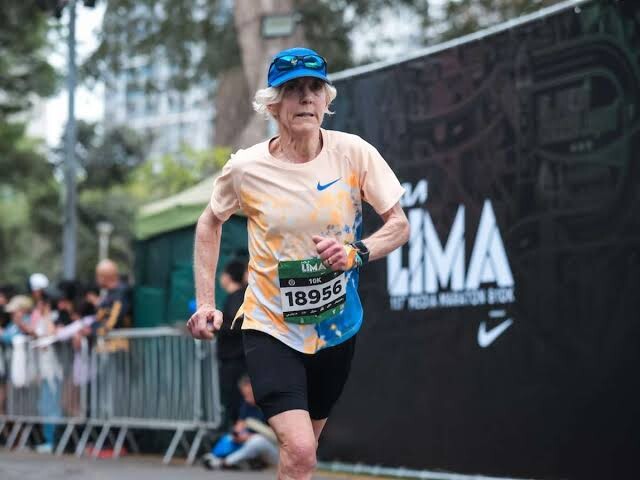
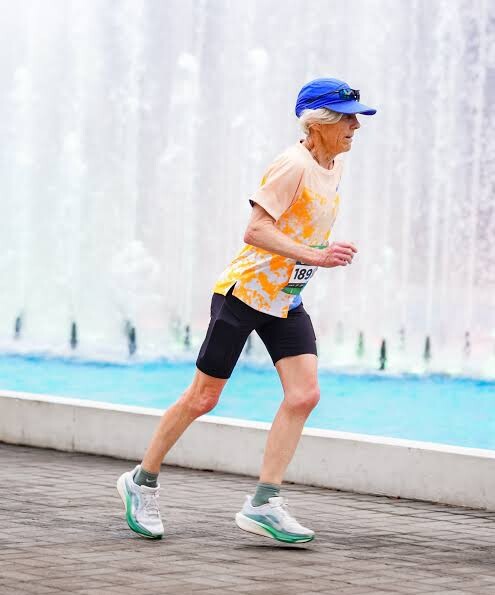
On Sunday in Lima, Peru, the pioneering American distance runner lined up for the 10K at the 117th KIA Media Maratón de Lima & 10K, and at 69 years old, she crossed the finish line in an impressive 47:49 — averaging approximately 7:43 per mile.
It was another chapter in a remarkable running life that has stretched across more than four decades, taking Samuelson from the roads of New England to Olympic history and, now, to the streets of Lima.
The first Olympic women's marathon champion, Samuelson was in Peru as part of a Nike-backed trip, experiencing a race course that links Lima's historic heart with its modern districts. The event attracted around 21,000 runners, creating a spectacular celebration of running in one of South America's most historic cities.
The half marathon accompanying the 10K carries an extraordinary legacy of its own. First staged in 1909, the race is billed as the world's oldest half marathon, adding another layer of history to Samuelson's appearance.
But Samuelson herself needs little introduction when it comes to the history of women's distance running.
Her career helped redefine what was possible for women on the marathon course. She won the Boston Marathon in 1979 and again in 1983, then produced a stunning American record of 2:22:43 in her marathon debut that same year.
A year later, she reached the summit of the sport.
At the 1984 Los Angeles Olympics, Samuelson captured gold in the inaugural women's Olympic marathon, running 2:24:52 and finishing 1 minute 26 seconds ahead of legendary Norwegian Grete Waitz. It was a victory that became one of the defining moments in the history of women's athletics.
And she was far from finished.
In 1985, Samuelson won the Chicago Marathon in 2:21:21, setting another American record that remained untouched for 18 years. Her achievements became part of the foundation upon which the modern era of women's distance running was built.
Yet perhaps the most remarkable part of her story is not what she accomplished four decades ago, but the fact that she is still curious, still competing and still eager to learn from the sport.
Before Sunday's race, Samuelson praised the growing strength of Peruvian distance running, telling local media: “Runners from Peru are starting to show up on the world stage, and they are doing it very well.”
Those words capture something that has defined her journey for generations: a belief that running is not simply about records, medals or victories. It is about discovery, connection and the endless possibility of seeing how far the human spirit can go.
Four decades after making history in Los Angeles, Samuelson is still answering the starting gun.
At 69, the Olympic champion is no longer chasing the clock she once conquered. She is chasing something far more enduring — the joy of running itself.
And in Lima, thousands of runners had the privilege of watching a living legend continue to do what she has always done best: inspire people to keep moving forward.
by Erick Cheruiyot for My Best Runs.
Login to leave a comment
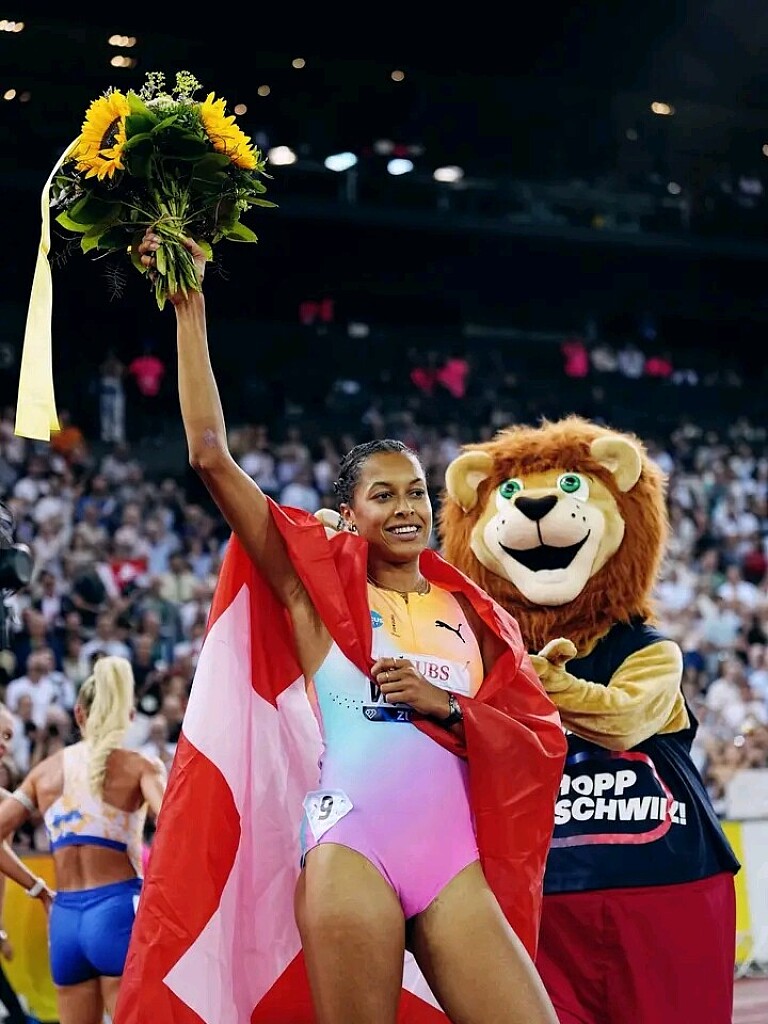
Audrey Werro Chases History In Bellinzona After Moving Within 0.42 Seconds Of The 800m World Record
Audrey Werro’s extraordinary 2026 season has entered another fascinating chapter, with the Swiss middle-distance star now within striking distance of one of athletics’ most enduring world records.
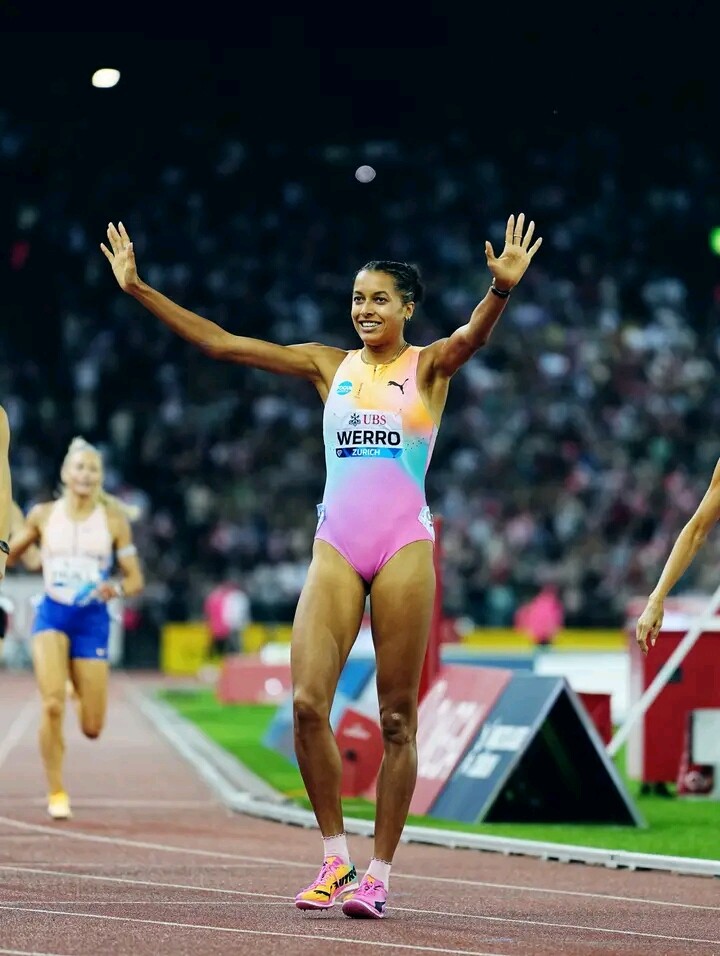
Just two days after producing a sensational 1:53.70 Swiss record at the Zürich Diamond League, Werro is set to return to action at the Gala dei Castelli in Bellinzona, where anticipation is building around the possibility of another historic performance.
Her display in Zürich was a statement of intent. Werro delivered one of the fastest 800m races ever recorded, lowering her Swiss record and moving to third on the all-time world list, behind only Jarmila Kratochvílová’s legendary 1:53.28 world record set in 1983 and Nadezhda Olizarenko’s 1:53.43 recorded in 1980.
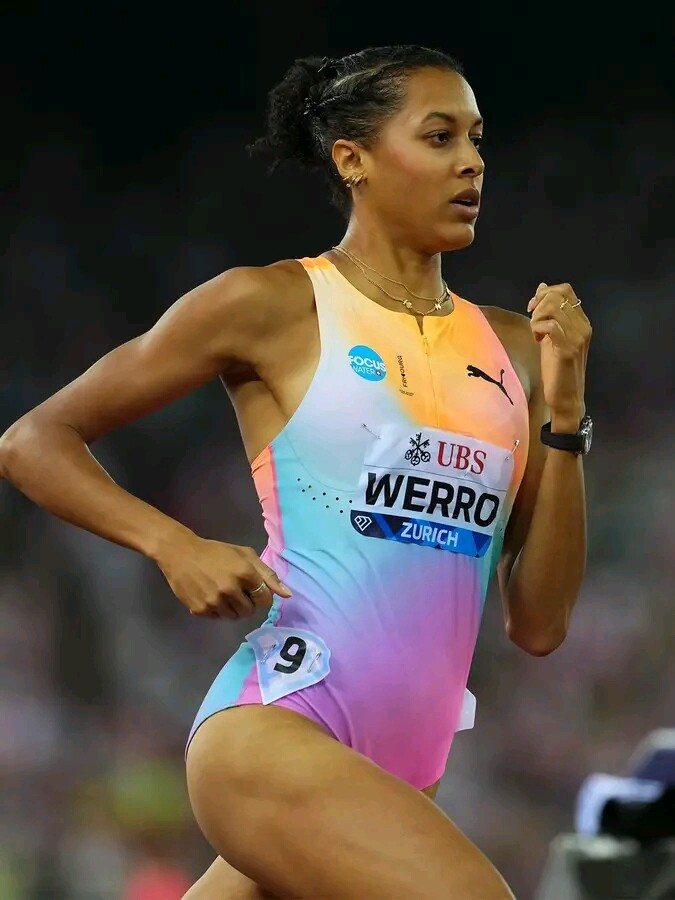
What makes Werro’s rise even more remarkable is the consistency of her performances at an extraordinary level. Earlier this season, she ran 1:53.98 in Stockholm, becoming only the third woman in history to break the 1:54 barrier. She then improved to 1:53.80 in Paris before producing her latest masterpiece of 1:53.70 in Zürich.
In the space of just a few months, Werro has transformed herself from an emerging European star into one of the fastest 800m runners the world has ever seen.
Her current progression is remarkable: 1:53.98 in Stockholm, 1:53.80 in Paris and 1:53.70 in Zürich. Each performance has brought her closer to a record that has survived for more than four decades.
Werro’s confidence is also being fuelled by her championship success. The Swiss star recently captured the European 800m title in Birmingham in 1:54.81, demonstrating that her spectacular form is not limited to Diamond League competition.
Now, all eyes turn to Bellinzona.
The target is unmistakable — 1:53.28.
Werro needs to improve by just 0.42 seconds on her Zürich performance to erase Kratochvílová’s 43-year-old world record. While 0.42 seconds may appear to be a small margin, breaking a record of such longevity requires an exceptional combination of speed, endurance, tactics and perfect execution.
A pacemaker is expected to help establish a demanding tempo, potentially giving Werro the conditions required to launch another assault on the record.
The 22-year-old has already demonstrated that she can repeatedly run at speeds that have historically been reserved for the very greatest 800m athletes. Her progression from 1:53.98 to 1:53.80 and then 1:53.70 suggests that another breakthrough may not be beyond her reach.
Bellinzona therefore promises to be more than another race on Werro’s schedule. It could become another defining moment in the rapid rise of a young athlete who is now challenging one of the oldest records in the sport.
The world record stands at 1:53.28.
Audrey Werro is 0.42 seconds away.
History is no longer a distant possibility. It is beginning to look increasingly within reach.
by Erick Cheruiyot for My Best Runs.
Login to leave a comment
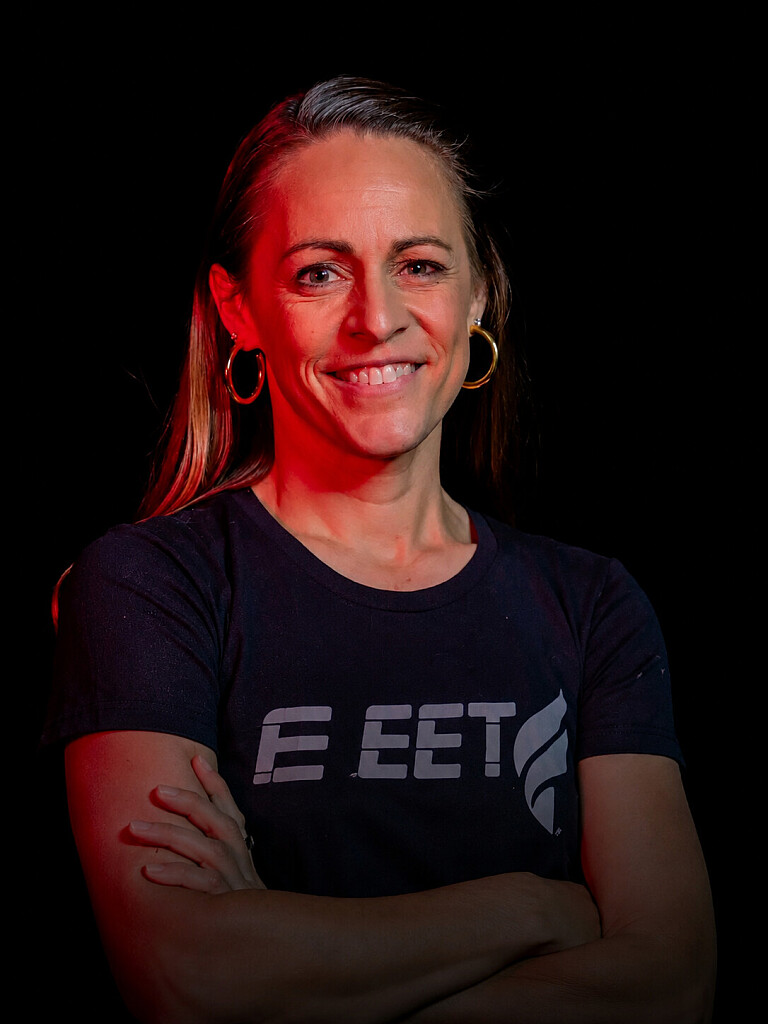
Jenny Simpson Reveals Rare Heart Condition After Surviving Two Cardiac Arrests: “My Story Hasn’t Ended”
Jenny Simpson has broken her silence about the medical emergency that dramatically altered her life, revealing that a sudden cardiac arrest on June 16 was followed by a second cardiac arrest in hospital and the discovery of a rare inherited heart condition.
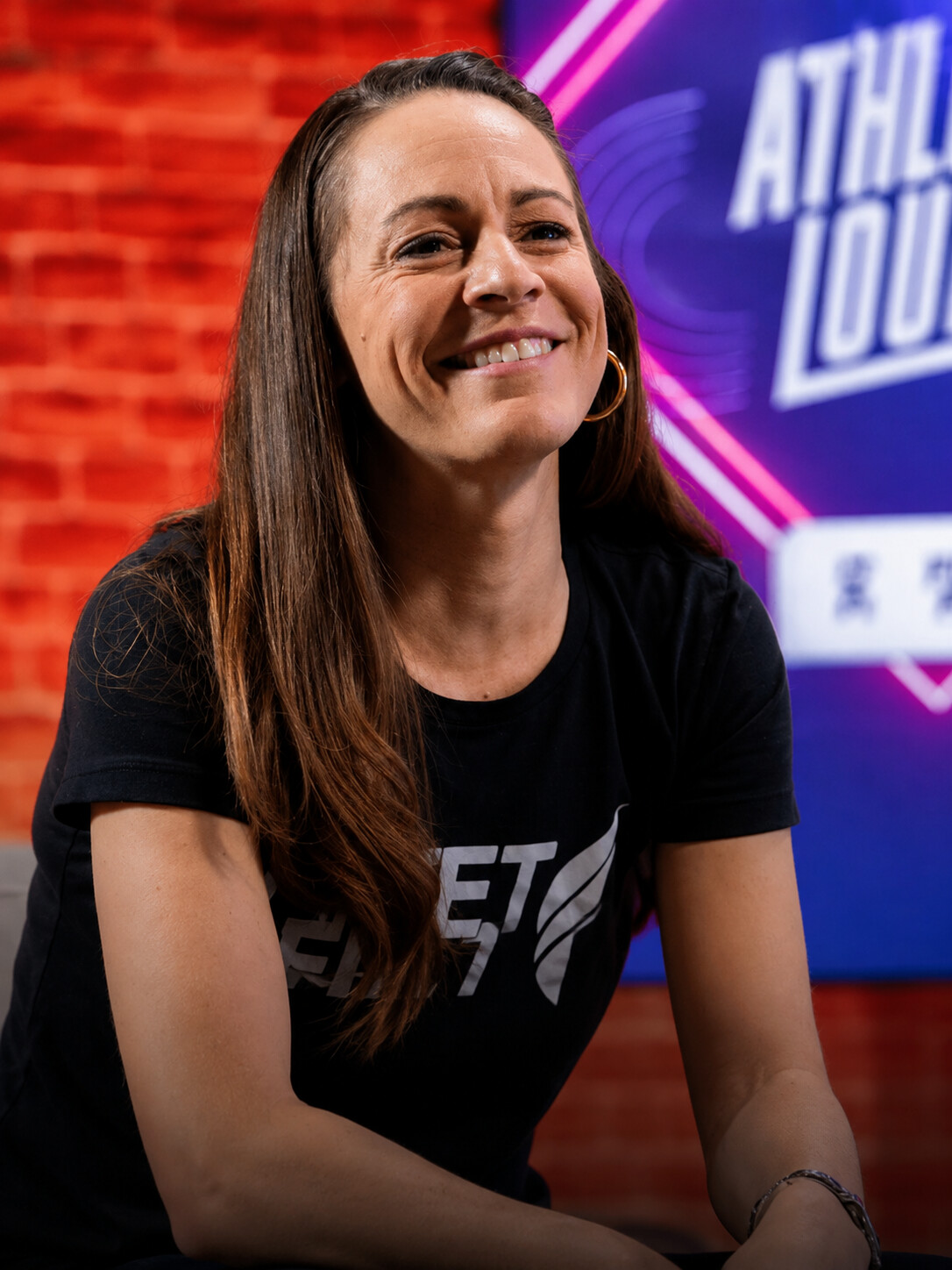
The former world champion and Olympic medallist said it took her time to find the right words before sharing her story publicly, expressing gratitude to everyone who has supported her with prayers, concern and encouragement throughout her recovery.
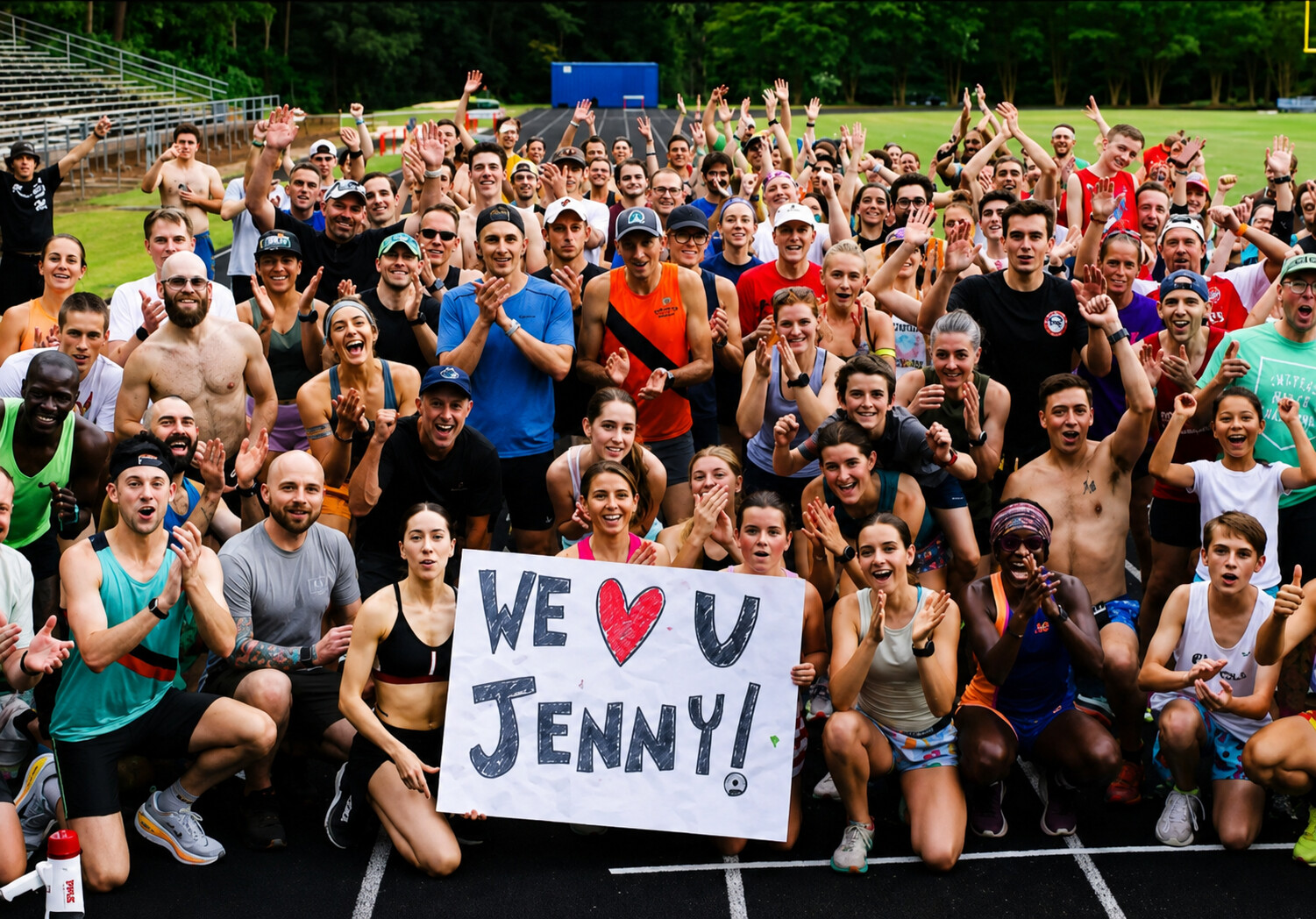
On the evening of June 16, Simpson went into sudden cardiac arrest shortly after running at the Sir Walter Running Pop-Up Mile. Bystanders immediately began CPR and used an automated external defibrillator, providing the lifesaving intervention that kept her alive until emergency medical personnel arrived. After reaching hospital, however, Simpson's heart stopped again. Her heart continued to struggle, and she was placed on life support before being transferred to Duke Hospital for more advanced heart-failure care.
Simpson has since revealed that doctors diagnosed her with arrhythmogenic right ventricular cardiomyopathy (ARVC), a rare inherited heart condition. According to Simpson, scar tissue within her heart disrupted its electrical system and ultimately caused her heart to stop.
“My body was dying, but my spirit wouldn’t give up. I fought for my life,” Simpson said, reflecting on the severity of the ordeal.
She also offered a heartfelt message to the enormous community that rallied around her during the crisis, acknowledging the prayers, messages and support that reached her and the people caring for her. Simpson said she felt the strength of that support when she needed it most, crediting the intervention, intercession and love of others with helping keep her going.
The diagnosis has fundamentally changed her relationship with the sport that has defined much of her life.
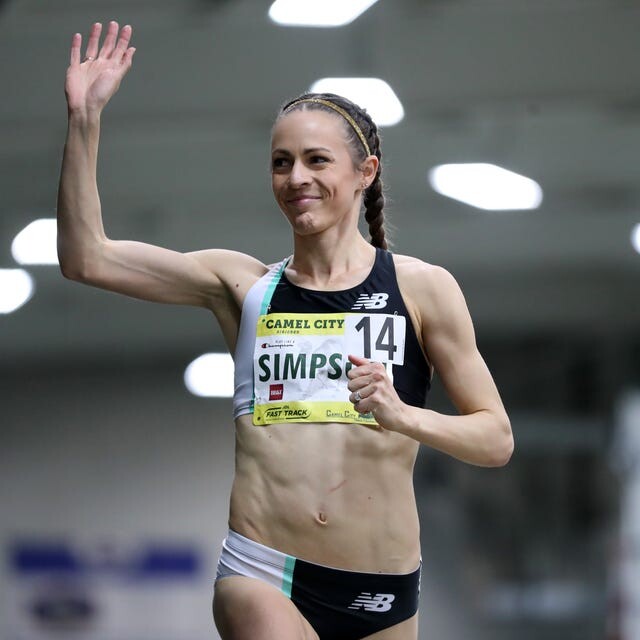
Simpson reflected on a career that allowed her to experience almost every dimension of distance running—from the relentless demands of training to standing on a championship podium as the American national anthem echoed around the stadium.
She raced distances ranging from the mile to the marathon across the world and built a career that established her among America's most accomplished middle-distance athletes.
Yet after everything running gave her, Simpson now faces the painful reality that she can no longer run in the way she once did.
“My relationship with running must change. My love for it is stronger than ever,” Simpson said.
While she will no longer be able to run alongside the athletes and recreational runners who have shared her passion, Simpson made it clear that she has no intention of walking away from the running community.
Instead, she plans to remain deeply involved in the sport through her work as Chief Running Officer at Fleet Feet, using her experience and platform to help others discover what running can offer beyond competition.
She described running as a source of confidence, connection, purpose and joy—and those values, she said, will remain central to her life.
Her message is particularly poignant because running was still at the heart of her life when the cardiac arrest occurred. Rather than ending her connection with the sport, the experience appears to have given her a new perspective on what that relationship can mean.
Simpson also expressed profound gratitude for the career she was fortunate enough to have, acknowledging that she experienced the full spectrum of elite athletics—from the difficult training days to the extraordinary moments on the world's biggest stages.
Her final competitive chapter had already been written before the cardiac arrest. Simpson retired from elite competition in 2024 after an extraordinary career that established her as one of the most accomplished American middle-distance runners of her generation.
She became the first American woman to win the 1,500m world title since Mary Slaney in 1983 to claim the world title in the event when she triumphed at the 2011 World Championships in Daegu. She later added world silver medals in 2013 and 2017 before claiming Olympic bronze in the 1,500m at the 2016 Rio Games.
But perhaps fittingly, Simpson's final run came not under the pressure of a major championship, but while pacing young runners in her local running community.
Her competitive career produced a world championship title, Olympic success and years of representing the United States at the highest level. But now, her greatest victory is no longer measured by medals, times or championship positions.
It is measured by survival, recovery and the opportunity to continue making a difference.
“My future is an incredible gift. It’s hopeful and it will continue to have great purpose.”
Her running career may have entered a profoundly different chapter, but the former champion's connection with the sport remains unbroken.
She may no longer be racing beside the running community—but she intends to remain right where she believes she belongs: supporting, encouraging and inspiring the next generation of runners.
For Jenny Simpson, the finish line has changed. But the journey continues.
by Erick Cheruiyot for My Best Runs.
Login to leave a comment
Audrey Werro Heads to Birmingham With History in Her Sights as Europe’s 800m Elite Prepare for a Blockbuster Showdown
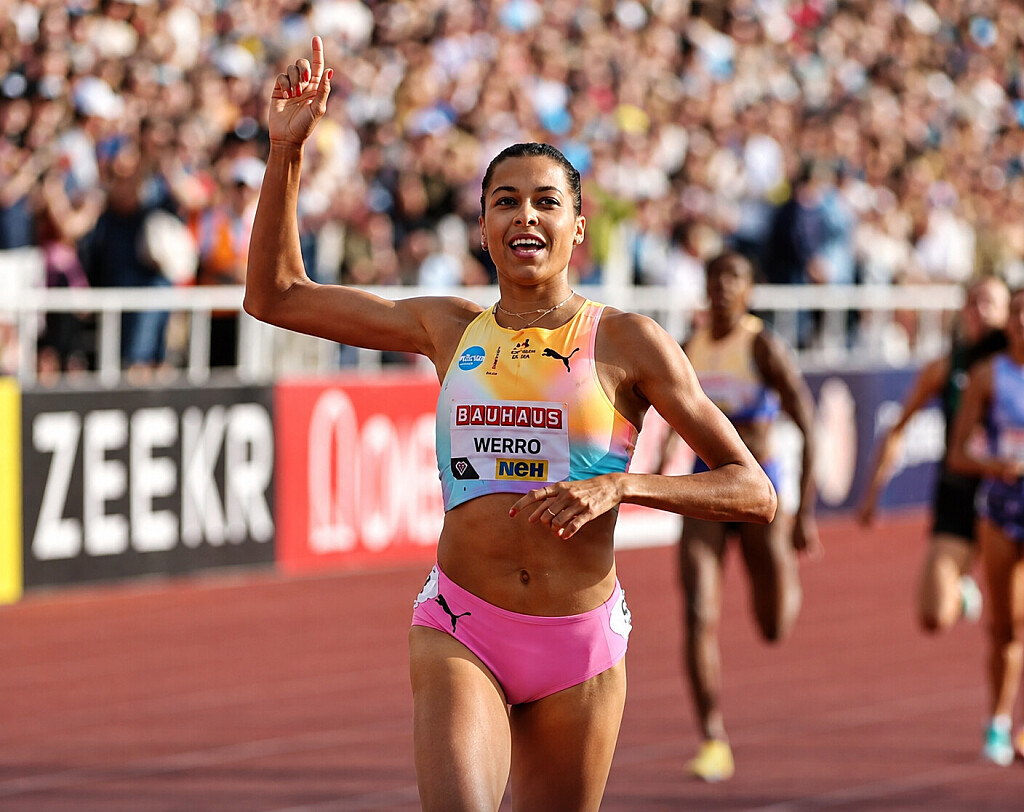
Audrey Werro will arrive at the 2026 European Athletics Championships in Birmingham carrying more than just the hopes of Switzerland. The 22-year-old middle-distance star has established herself as the woman to beat in the women’s 800m, and she will enter Alexander Stadium with a world-leading time, extraordinary momentum and a realistic opportunity to chase one of athletics’ longest-standing records.
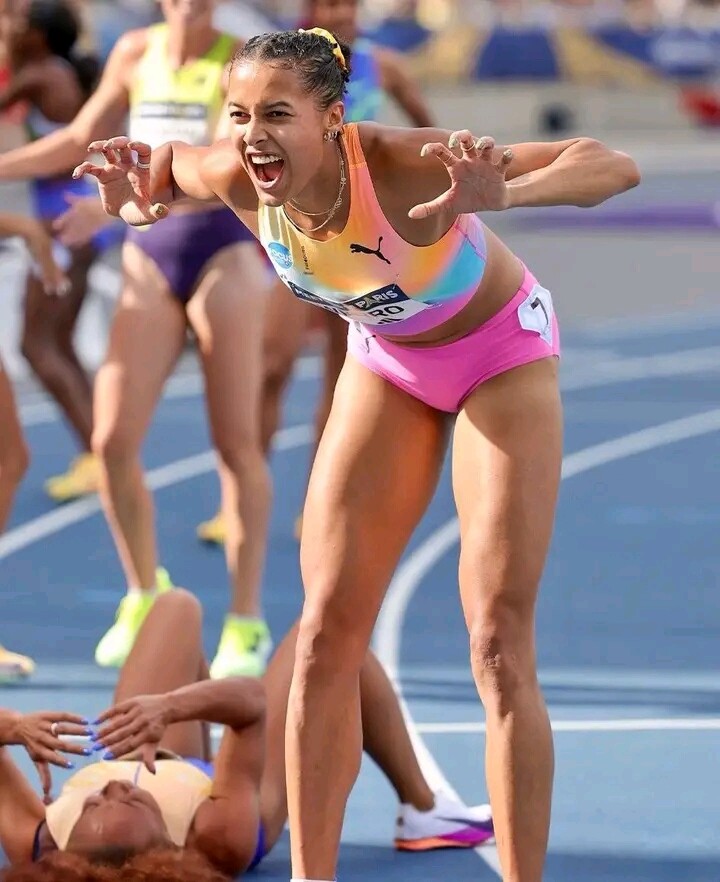
The European Championships will be held in Birmingham from August 10 to 16, with the women’s 800m among the events expected to command enormous attention.
Werro has already produced one of the defining performances of the 2026 season. At the Paris Diamond League on June 28, she stormed to 1:53.80, becoming only the third-fastest woman in history over 800m and moving within 0.52 seconds of Jarmila Kratochvílová’s world record of 1:53.28, which has stood since 1983.
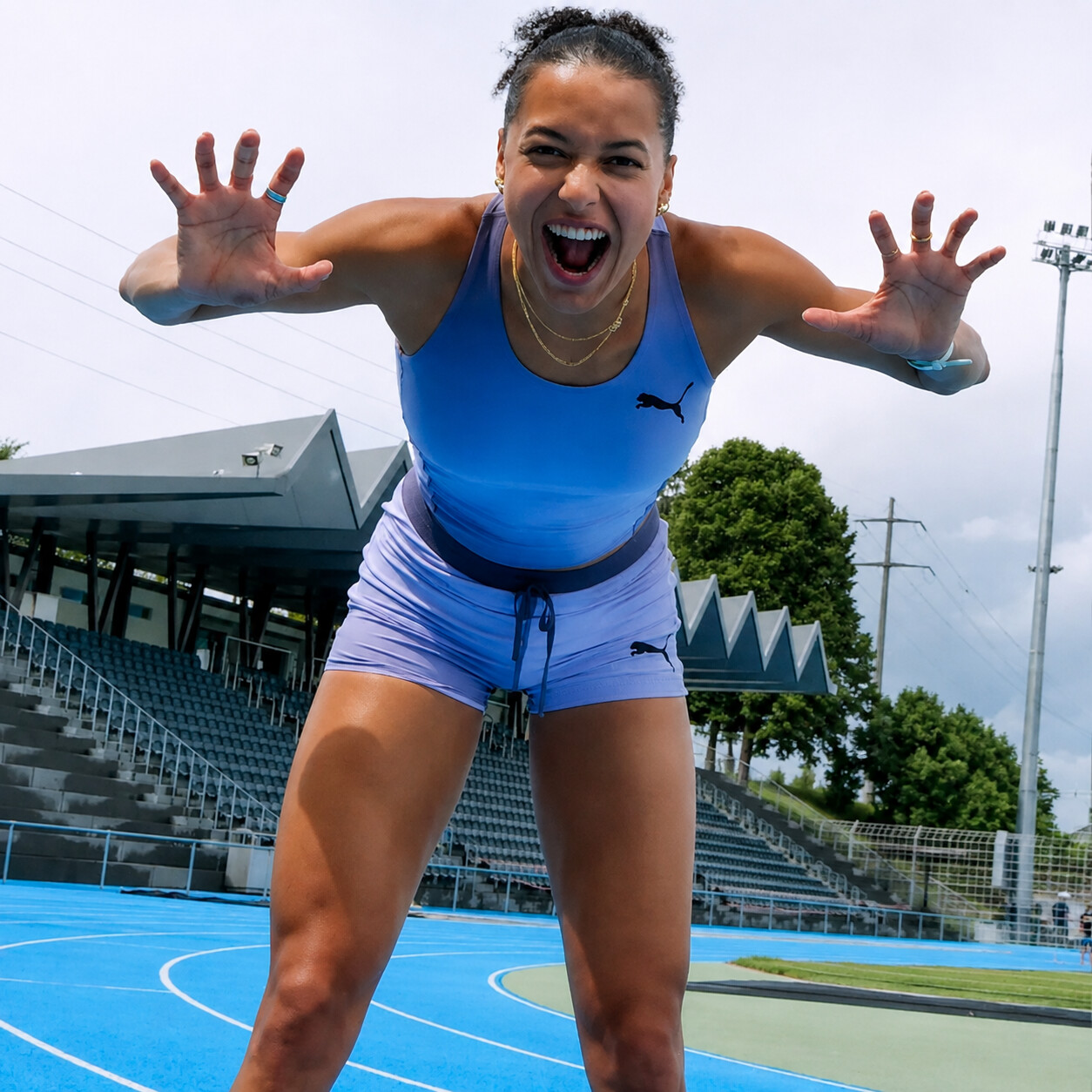
Even more remarkable is that Paris was not an isolated performance.
Earlier in June, Werro stunned Olympic champion Keely Hodgkinson in Stockholm, producing 1:53.98 to claim another Diamond League victory. Hodgkinson followed in a personal best of 1:54.33, setting the stage for what could become one of the defining rivalries of the championship.
The numbers underline just how extraordinary the 2026 women’s 800m season has become.
Werro leads the world with 1:53.80, followed by Hodgkinson at 1:54.33. Femke Broeders-Bol has made a spectacular transition to the two-lap event, running 1:55.60 in Paris, while France’s Anaïs Bourgoin followed with a national record of 1:55.65. Britain’s Georgia Hunter Bell has also broken 1:56, clocking 1:55.93 in Birmingham earlier in the season.
That depth makes Birmingham particularly intriguing. Werro may be the fastest woman in the world this year, but she will not be racing in isolation. Hodgkinson brings Olympic and European championship pedigree, Broeders-Bol possesses exceptional finishing speed after moving across from the 400m hurdles, while Bourgoin and Hunter Bell have demonstrated that they are capable of staying in the conversation when the pace becomes ferocious.
Werro’s remarkable form has extended beyond the 800m. On June 23 in Biel, she ran 1:22.85 for 600m, the fastest mark on the 2026 world list for the event.
Her development has been equally impressive over the longer sprint distance. Werro owns a 400m personal best of 51.03, highlighting the speed reserve behind her increasingly dominant 800m performances.
The Swiss star has therefore arrived at a fascinating point in her career. She is no longer simply a promising young athlete. After being named European Athletics’ 2025 Women’s Rising Star and winning the European U23 title, Werro has now moved firmly into the senior elite.
And Birmingham could provide the biggest stage yet for her growing reputation.
The question is no longer whether Werro can run under 1:54. She has already done it twice this season. The question now is whether she can find the fractions required to move from an extraordinary performance to something historic.
The world record of 1:53.28 is only 0.52 seconds away.
With the European title on the line, Hodgkinson seeking another major championship triumph and a rapidly improving field ready to challenge for the podium, the women’s 800m could become one of the races of the entire Birmingham championships.
For Werro, however, the objective is simple: arrive ready, execute the perfect two laps and see just how close she can get to history.
Birmingham awaits. And Audrey Werro has already shown that she is ready.
by Erick Cheruiyot for My Best Runs.
Login to leave a comment

European Athletics Champioships
The27thEuropean Athletics Championshipswill be held from 10 to 16 August 2026 at theAlexander StadiuminBirmingham, United Kingdom.[1] This is the first time that a British city will have staged the European Athletics Championships although Birmingham has hosted many high-profile events, including the2007 European Athletics Indoor Championships, the2003and2018 IAAF World Indoor Championshipsand the2022 Commonwealth Games. Alexander Stadium was renovated between 2019 and...
more...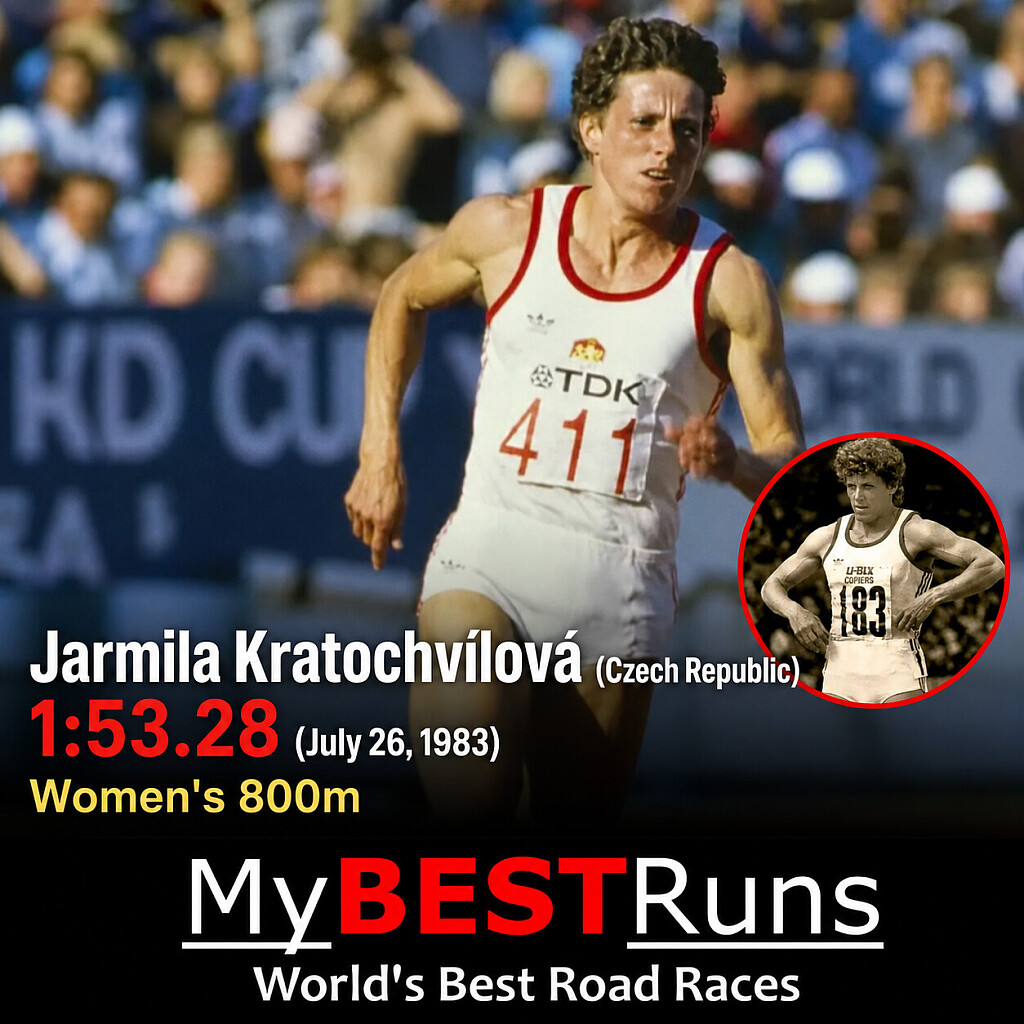
Forty-Three Years of Greatness: Is Jarmila Kratochvílová's Legendary 800m World Record Finally Ready to Fall?
Some world records define an era. Others transcend generations. Jarmila Kratochvílová's astonishing 1:53.28 in the women's 800 meters belongs firmly in the latter category.
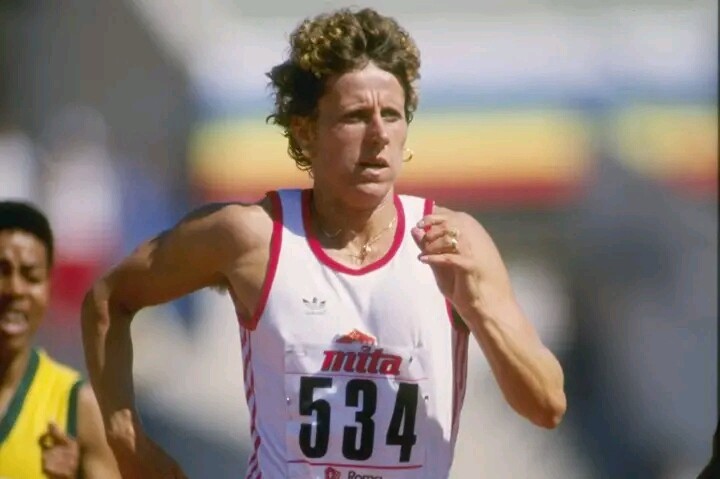
On July 26, 1983, in Munich, the Czech star delivered one of the most extraordinary performances the sport has ever witnessed, setting a world record that has now survived for an incredible 43 years. It remains the longest-standing individual track world record in athletics, a remarkable achievement in an era when advances in training, sports science, nutrition, and competition have seen countless other records disappear.
What makes Kratochvílová's feat even more extraordinary is that she was not primarily an 800-meter runner. She built her reputation as a dominant 400-meter specialist and only entered the two-lap race as a fitness test after recovering from leg cramps. What began as an experiment quickly turned into history.
After charging through an aggressive opening lap, Kratochvílová maintained her relentless pace all the way to the finish, crossing the line in an astonishing 1:53.28. It was a performance so far ahead of its time that generations of elite middle-distance runners have spent more than four decades trying—and failing—to erase it from the record books.
The longevity of the mark is no accident. Running 800 meters at world-record pace demands one of the rarest combinations in athletics: the explosive speed of a world-class 400-meter runner blended with the endurance, strength, and tactical intelligence of an elite middle-distance athlete. Few athletes in history have possessed that unique balance.
Even today, Kratochvílová sits comfortably atop one of the strongest all-time rankings in athletics history:
1. Jarmila Kratochvílová (Czech Republic) – 1:53.28 (July 26, 1983)
2. Nadezhda Olizarenko (Soviet Union) – 1:53.43 (July 27, 1980)
3. Audrey Werro (Switzerland) – 1:53.80 (June 28, 2026)
4. Pamela Jelimo (Kenya) – 1:54.01 (August 29, 2008)
5. Caster Semenya (South Africa) – 1:54.25 (June 30, 2018)
For many years, Kratochvílová's record was widely viewed as virtually untouchable. That perception, however, is beginning to change.
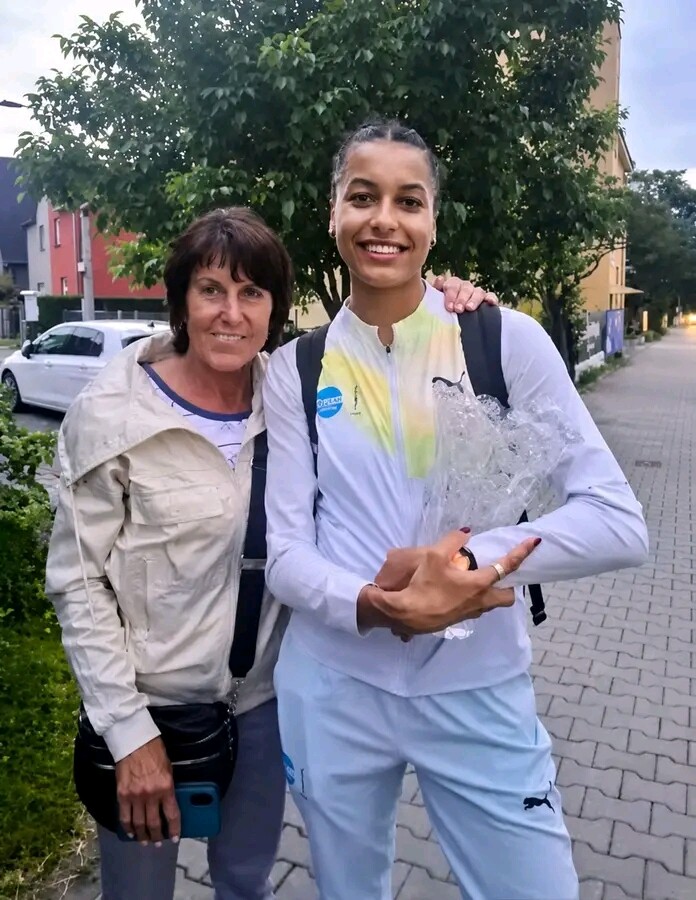
Swiss sensation Audrey Werro has reignited the conversation after producing a breathtaking 1:53.80 in Paris, moving into third place on the all-time list. Her performance was not only one of the fastest ever recorded but also the closest anyone has come to the world record in decades. At just the beginning of what promises to be a long career, Werro has demonstrated that the impossible may finally be within reach.
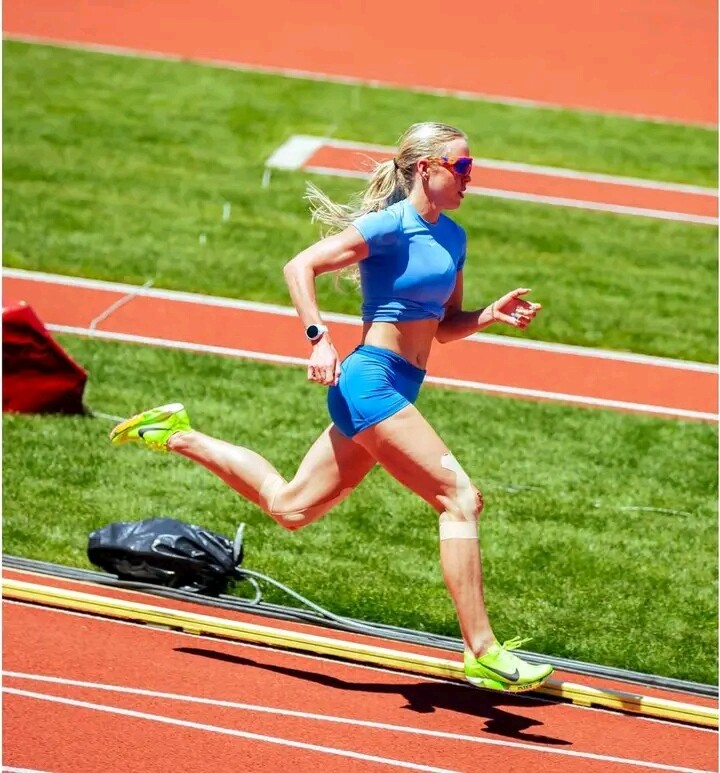
Great Britain's Keely Hodgkinson also remains one of the most compelling candidates. Already an Olympic champion and one of the most consistent performers of her generation, Hodgkinson reinforced her credentials by setting the world indoor short-track record of 1:54.87. Her combination of speed, racing intelligence, and consistency suggests that an outdoor assault on the world record cannot be ruled out.
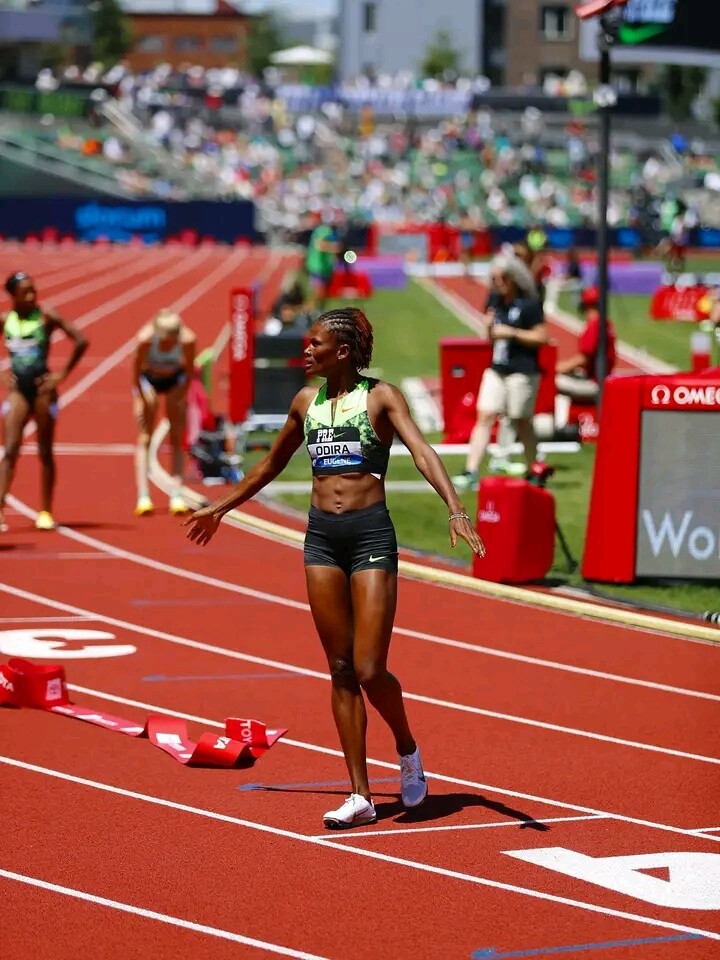
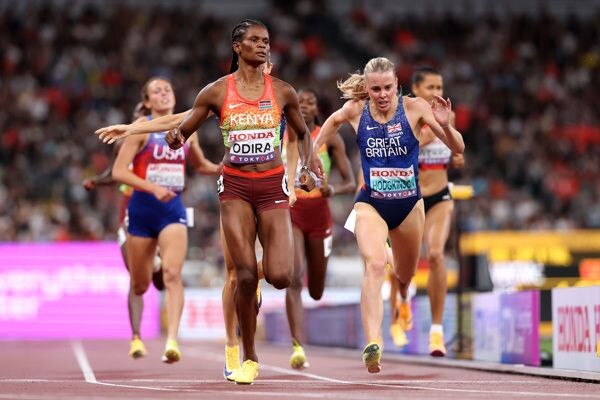
Kenya's Lilian Odira has also emerged as a genuine threat. The reigning world champion owns a personal best of 1:54.62, ranking her among the fastest women in history. She has already eclipsed Kratochvílová's long-standing championship record and continues to showcase an exceptional finishing kick that makes her dangerous in any race. If the pace is right, few athletes possess a stronger blend of championship experience and raw talent.
For 43 years, the athletics world has watched wave after wave of exceptional runners attempt to chase down one of sport's most iconic performances. Olympic champions, world champions, and record holders have all fallen short.
Yet the landscape feels different today. A new generation led by Audrey Werro, Keely Hodgkinson, and Lilian Odira is pushing the women's 800 meters to unprecedented depths. Their performances suggest that one of athletics' oldest and most celebrated records is no longer beyond imagination.
Whether Kratochvílová's 1:53.28 survives another season or another decade remains one of the sport's most fascinating questions. What is certain is that a record once considered untouchable is finally facing its most serious challenge in more than four decades.
The countdown may have already begun.
by Erick Cheruiyot for My Best Runs.
Login to leave a comment
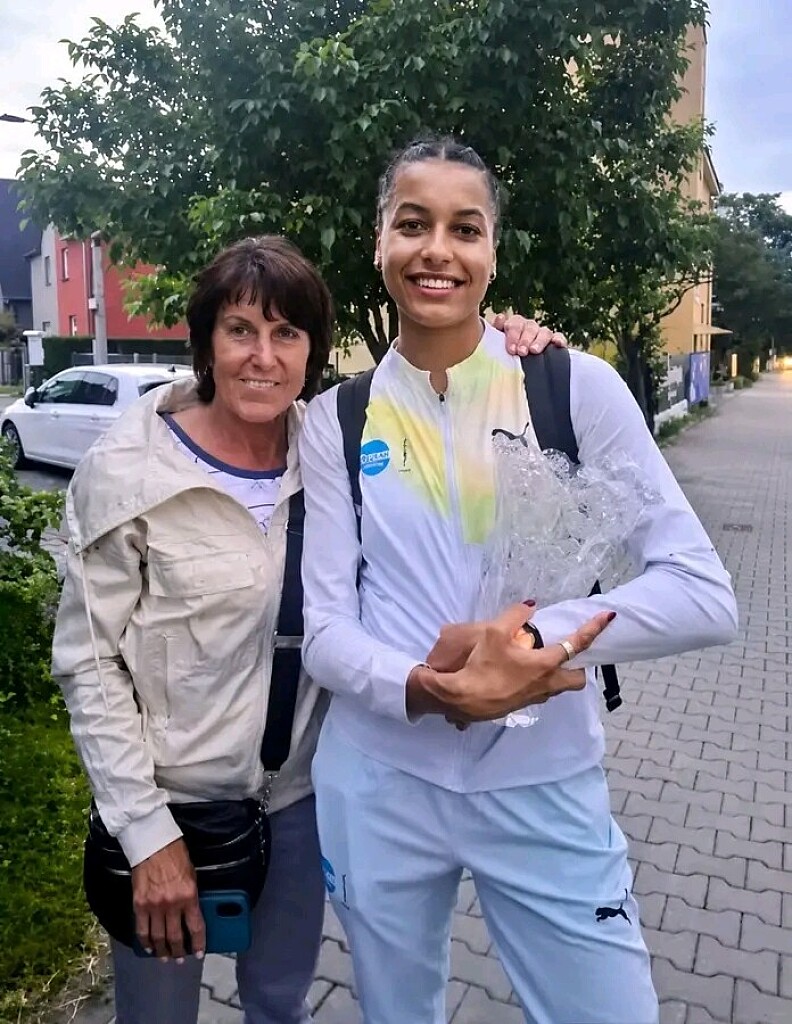
Audrey Werro's Rapid Rise Brings Jarmila Kratochvílová's Historic 800m World Record Into Focus
The women's 800 metres has entered one of its most fascinating chapters in years as rising Swiss sensation Audrey Werro edges ever closer to one of athletics' most enduring records.
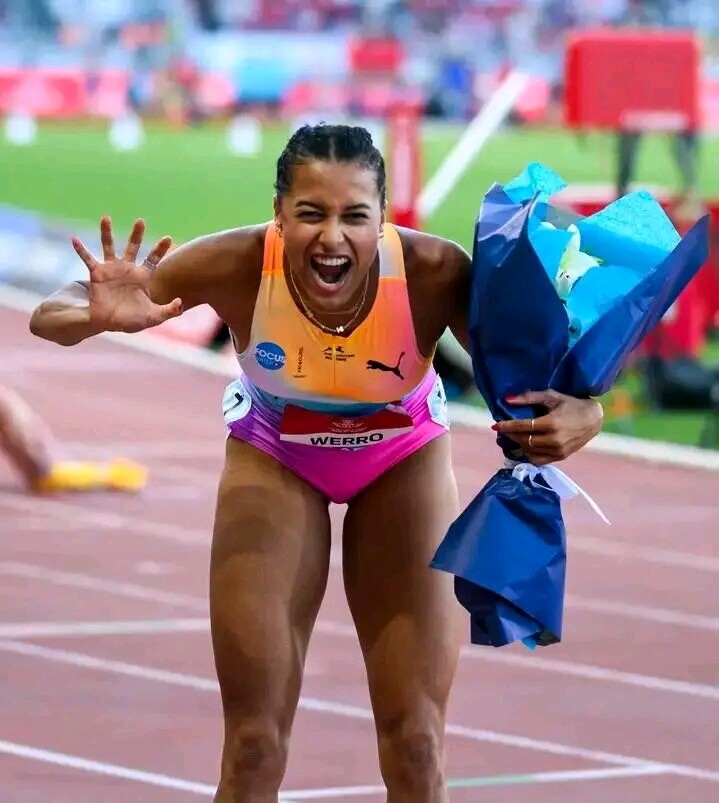
Standing between Werro and history is the remarkable mark of 1:53.28, set by Jarmila Kratochvílová in 1983—a performance that has remained untouched for more than four decades and continues to rank among the oldest world records in track and field.
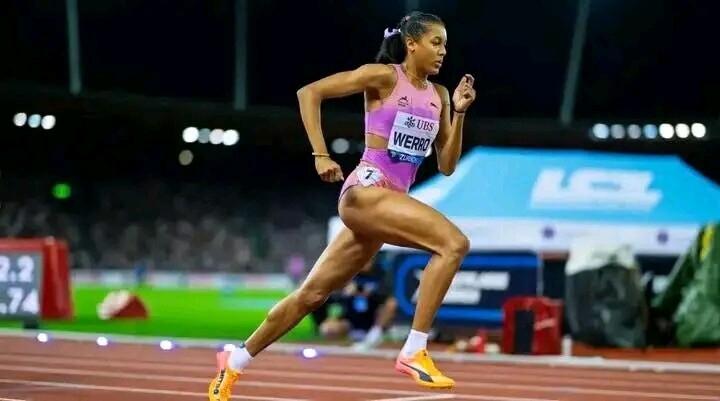
Werro's charge toward history gathered even greater momentum with a breathtaking victory at the Paris Diamond League, where she stormed to a sensational 1:53.80. The performance not only secured the win but also shattered the Diamond League record and meeting record, while establishing a new world-leading time and a Swiss national record. It was a statement performance that confirmed her status as one of the most exciting middle-distance athletes of her generation.
The talented Swiss runner has combined exceptional speed with tactical maturity and remarkable consistency, transforming what once seemed an untouchable world record into a genuine subject of discussion. Every race further strengthens the belief that she possesses the talent and confidence to challenge one of athletics' most enduring marks.
Although Kratochvílová's legendary record still stands, Werro's remarkable progression has reignited anticipation around the women's 800m. Her fearless racing style and relentless improvement have breathed new life into an event that has waited decades for an athlete capable of threatening history.
Whether the historic 1:53.28 falls this season or in the years ahead remains uncertain. What is undeniable, however, is that Audrey Werro has placed herself firmly on the doorstep of greatness, ensuring that every appearance on the track will be watched with growing excitement as the athletics world waits to see whether one of its oldest records can finally be rewritten.
by Erick Cheruiyot for My Best Runs.
Login to leave a comment
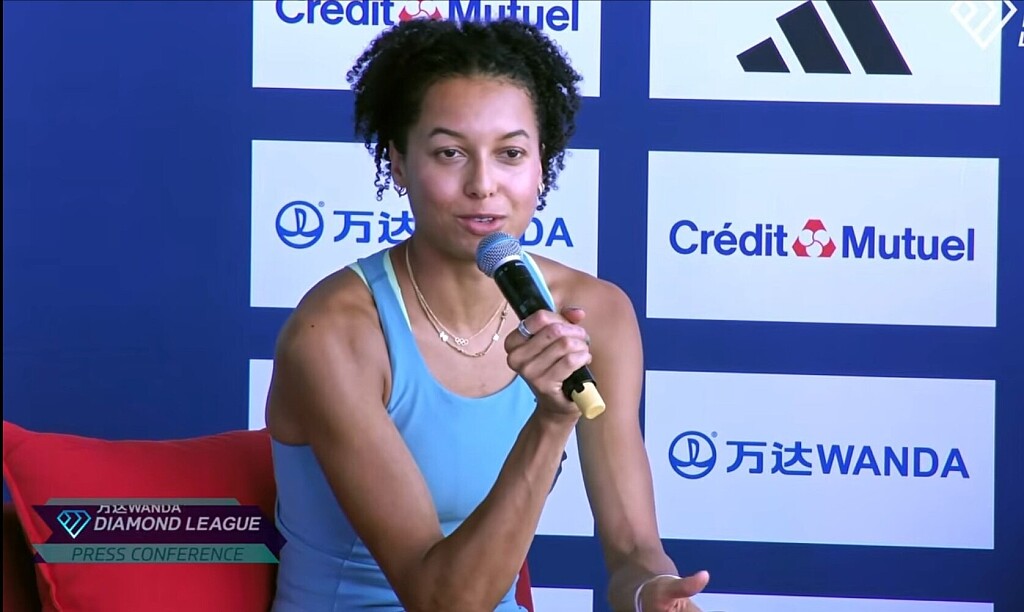
Audrey Werro Targets History with Bold World 800m Record Attempt in Paris
The stage is set for what could become one of the most memorable nights in women's middle-distance running.
Swiss sensation Audrey Werro will head to the Paris Diamond League on 28 June 2026 with one objective—an all-out assault on the women's 800m world record. Fresh off her stunning 1:53.98 performance in Stockholm, Werro has made her ambitions unmistakably clear by requesting the stadium's green wavelights to be set at 1:53.28 pace, matching the current global mark.
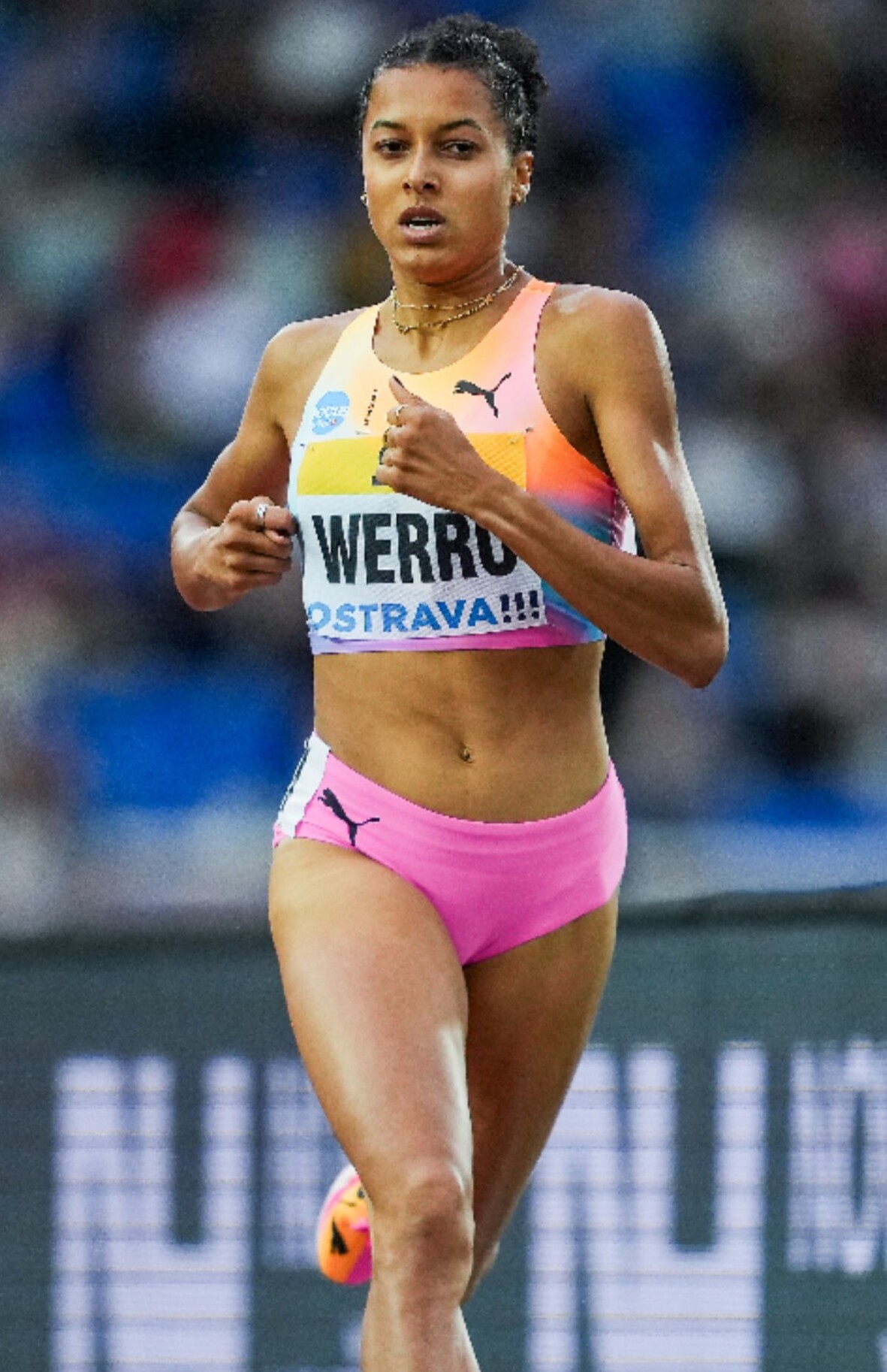
To keep that record attempt on schedule, the designated pacemaker is expected to lead the field through 400 metres in a blistering 55.50 seconds. Werro's preferred pacing strategy also calls for 27.0 seconds at 200m, 55.50 at 400m, and 1:24.50 at 600m, leaving just one final lap of sustained brilliance between her and athletics history.
The challenge is immense. The 1:53.28 world record has stood untouched for more than four decades, having been set by Jarmila Kratochvílová of former Czechoslovakia on 26 July 1983. It remains one of the longest-standing world records in track and field, making Werro's pursuit all the more captivating.
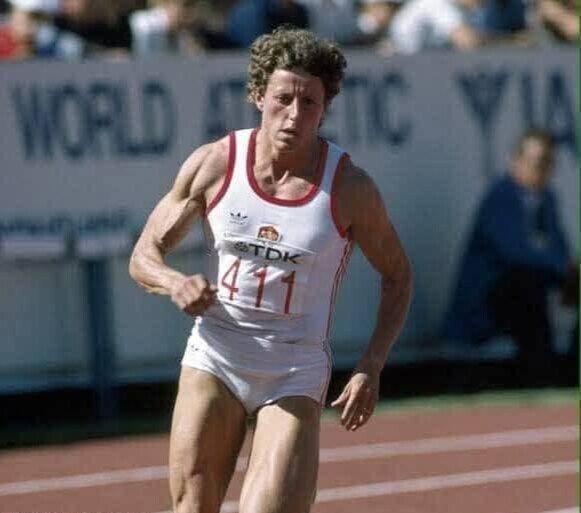
The 22-year-old has every reason to believe she can threaten the mark. Her breakthrough 1:53.98 in Stockholm made her only the third woman in history to break the 1:54 barrier, while her European-best 1:22.85 over 600m confirmed she is enjoying the finest form of her career.
With Paris renowned for producing fast middle-distance races, ideal pacing, elite competition, and world-class conditions, the ingredients are in place for a genuine world record attempt. Every split will matter, every stride will count, and the athletics world will be watching as Werro tests the limits of one of the sport's most enduring records.
Whether the record finally falls or survives another challenge, Audrey Werro's fearless pursuit of greatness promises to be one of the defining moments of the 2026 Diamond League season.
by Erick Cheruiyot for My Best Runs.
Login to leave a comment
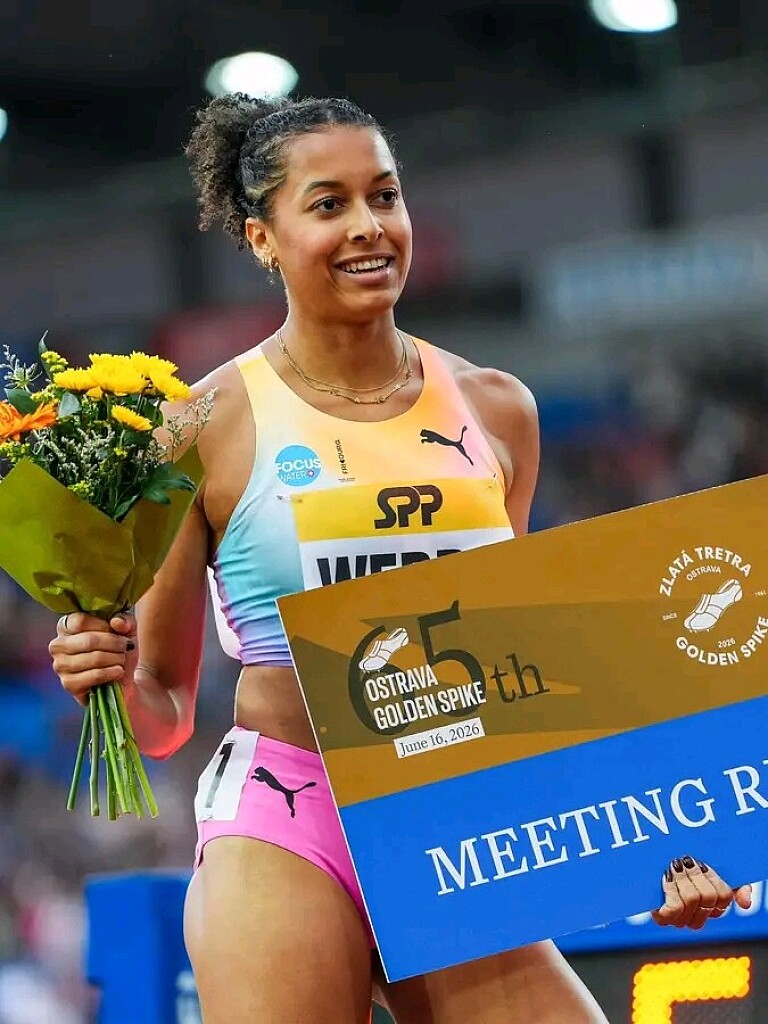
Audrey Werro Delivers Another Statement Run as 800m World Record Watch Intensifies
Audrey Werro continues to announce herself as one of the most exciting talents in global middle-distance running after producing another breathtaking 800m performance in Ostrava.
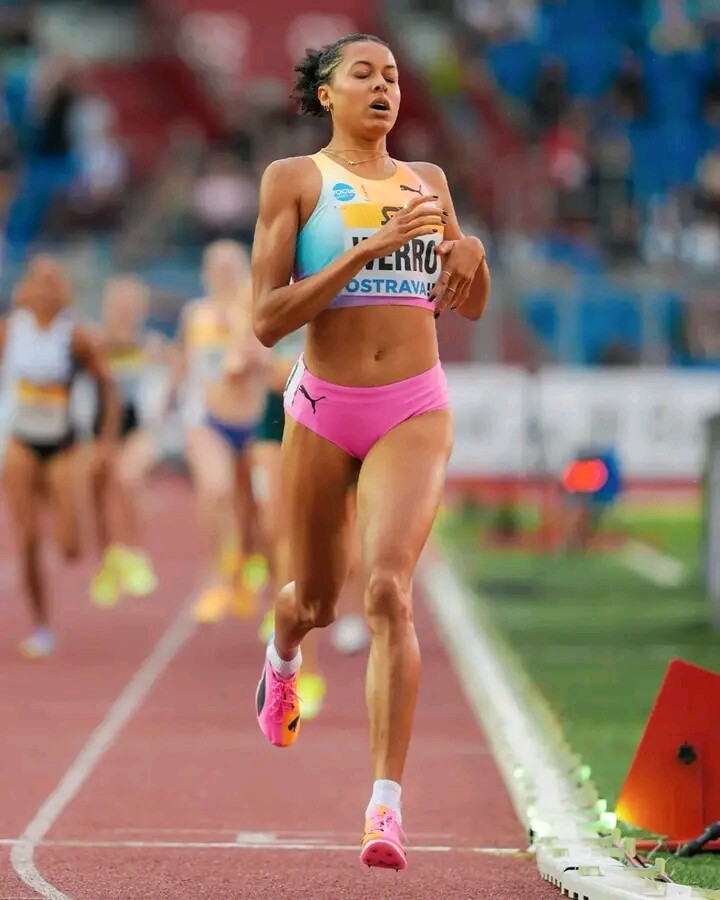
The Swiss star stormed to victory in 1:54.45, delivering a commanding display that once again placed her among the fastest women ever over the distance. Werro stayed composed through the early stages before making her decisive move in the final 200 metres, creating separation from a world-class field and powering home for a dominant win.
The race was set up at a furious pace, with the pacemaker taking the athletes through 400m in 55.8 seconds. Femke Bol’s sister, Femke Broeders-Bol, who has stepped up from the 400m hurdles this season, showed her growing strength by staying in contention alongside Werro deep into the race.
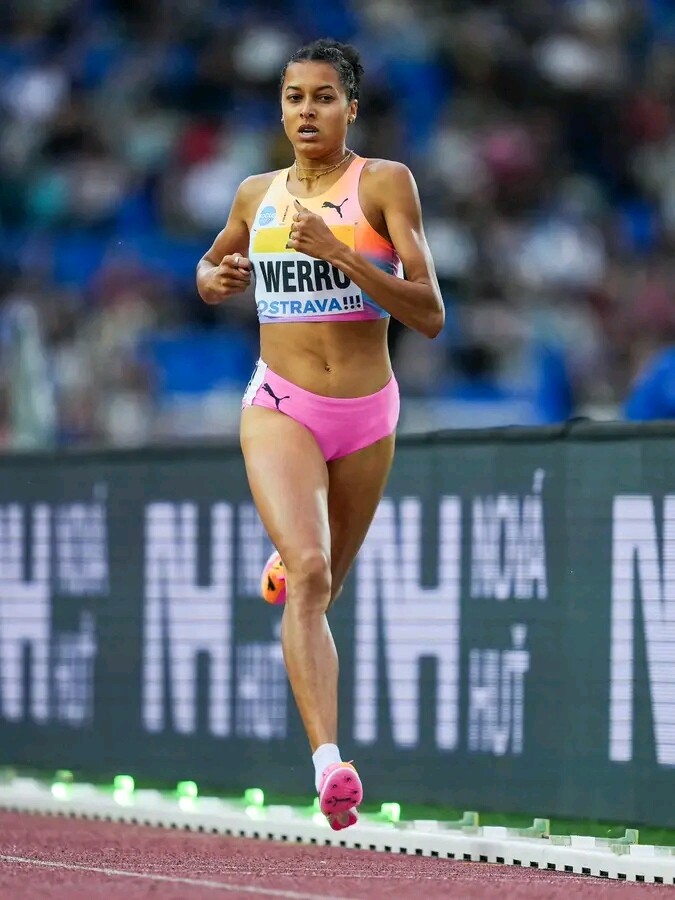
Broeders-Bol held on impressively until the final 200m before Werro shifted gears and pulled away. The Dutch athlete crossed the line second in a remarkable 1:57.13, moving to No.3 on the Dutch all-time 800m rankings with one of the best performances of her career.
The quality of the race was further highlighted by the depth of the field, as all eight finalists broke the two-minute barrier in a remarkable display of women’s 800m strength.
Werro’s performance has once again raised the question of whether the legendary world record could finally be under threat. Jarmila Kratochvílová’s long-standing mark of 1:53.28 from 1983 remains untouched, but with the current generation producing performances of this level, the historic record appears more vulnerable than it has in years.
Ostrava delivered a moment that showcased the incredible evolution of the women’s 800m, with Werro leading the charge and proving that history may soon be within reach.
by Erick Cheruiyot for My Best Runs.
Login to leave a comment
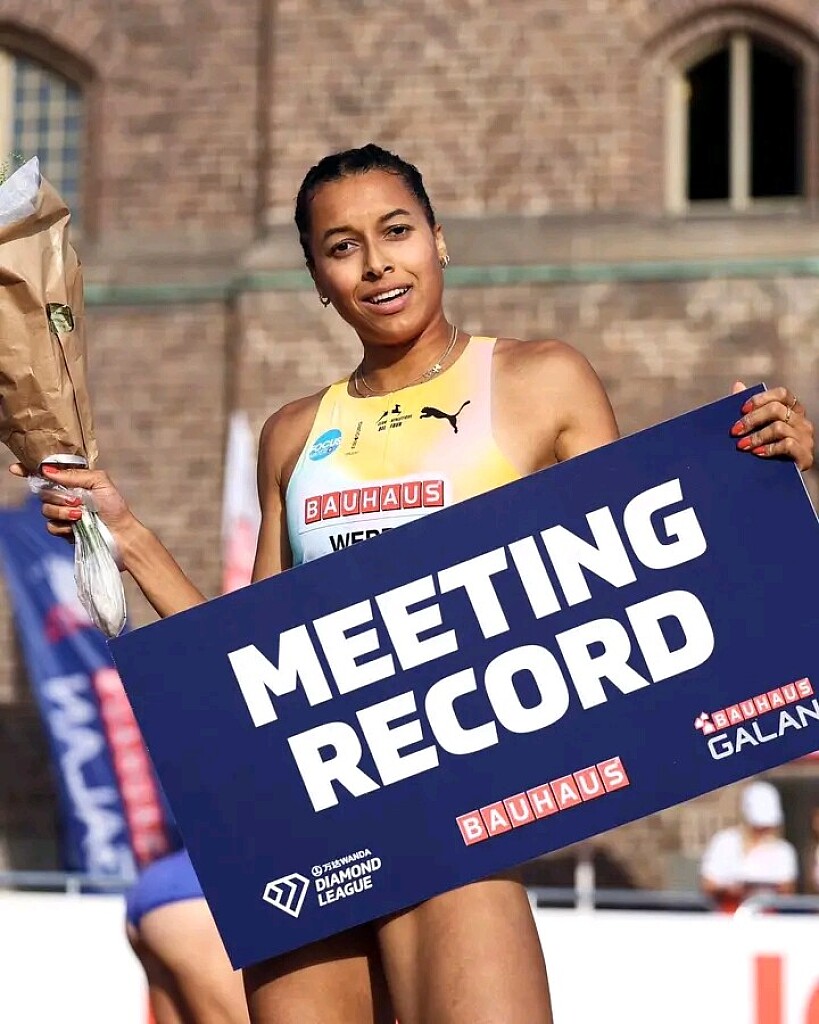
STOCKHOLM SHOCKWAVE: AUDREY WERRO BLASTS 1:53.98 IN ONE OF THE FASTEST 800M RACES EVER RUN
Stockholm delivered pure middle-distance history as the Wanda Diamond League witnessed a truly extraordinary women’s 800m—one that will be remembered as one of the fastest races in the event’s modern era.
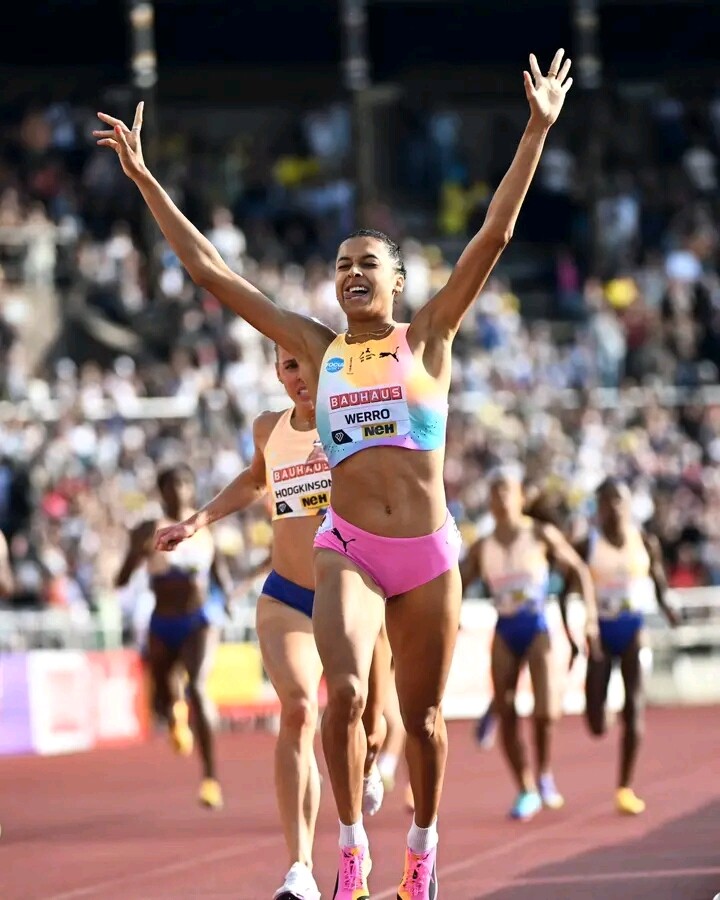
Switzerland’s rising star Audrey Werro produced the performance of her life, storming to victory in a breathtaking 1:53.98, a world-leading mark and a national record. In doing so, she became the third-fastest woman in history over 800m, coming within just 0.70 seconds of the legendary world record of 1:53.28 set by Jarmila Kratochvílová in 1983.
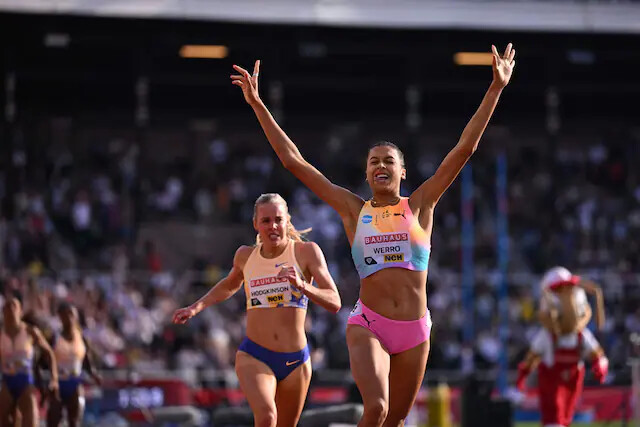
It was a fearless, perfectly timed run—controlled early, explosive down the back straight, and devastating in the final 200 metres as Werro pulled away in a finish of historic quality.
Right behind her, Keely Hodgkinson from Great Britain once again proved her consistency at the very highest level. The British star delivered a sensational 1:54.33, setting a new British national record and securing her place as the third-fastest woman in history. Despite finishing second, her performance was another statement of world-class dominance in a golden era for women’s 800m running.
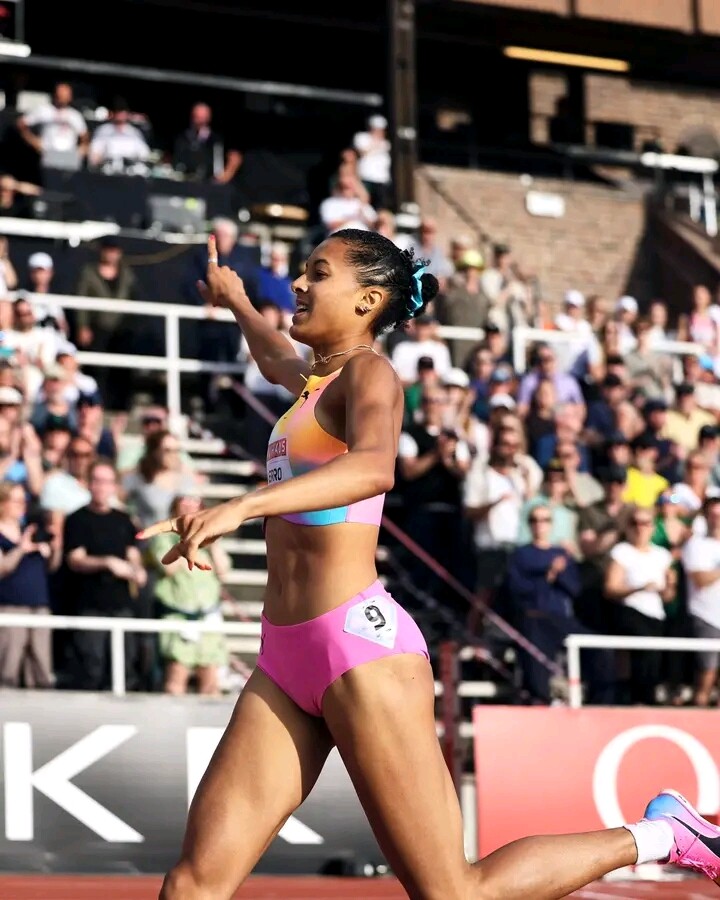
Behind the leading duo, the rest of the field produced high-quality performances in a race where almost every athlete was pushed to season’s or personal best levels.
Official Results – Women’s 800m (Stockholm DL)
1. Audrey Werro — Switzerland — 1:53.98 (WL, NR)
2. Keely Hodgkinson — Great Britain — 1:54.33 (NR)
3. Roisin Willis — United States — 1:57.56 (PB)
4. Anaïs Bourgoin — France — 1:57.68
5. Prudence Sekgodiso — South Africa — 1:57.70
6. Anna Wielgosz — Poland — 1:57.92 (PB)
7. Raevyn Rogers — United States — 1:57.94 (SB)
8. Sage Hurta-Klecker — United States — 1:58.26
9. Nigist Getachew — Ethiopia — 1:58.59
10. Pernille Karlsen Antonsen — Norway — 1:58.82 (PB)
11. Gabriela Gajanová — Slovakia — 2:02.88
DNF. Rachel Klopfenstein (Pacer)
From start to finish, the race unfolded at an unforgiving pace, with the front pack shredding expectations and rewriting the limits of women’s 800m running. Multiple athletes dipped under 1:58, highlighting just how exceptional the conditions and competition were.
As the dust settles in Stockholm, one question now rises above the rest: are we witnessing the beginning of a new era where the long-standing world record from 1983 finally comes under serious threat?
If this race is any indication, history may not only be under pressure—it may already be closing in.
by Erick Cheruiyot for My Best Runs.
Login to leave a comment
Beyond the Two-Hour Dream: Where Athletics’ Next Great Barriers Truly Lie
For generations, athletics has been defined not just by victories, but by the breaking of barriers that once seemed beyond human reach. From Roger Bannister redefining the limits of the mile to Eliud Kipchoge pushing the marathon into uncharted territory, the sport has thrived on moments where disbelief gives way to possibility.
Now that the elusive sub-two-hour marathon has been conquered—albeit under controlled conditions—the question naturally arises: what “impossible” feats remain?
On the men’s side, the landscape feels markedly different. The mythical thresholds that once captured the public imagination have largely been crossed. What remains are performances of extraordinary refinement rather than revolution. A 10,000 metres run under 26 minutes, a 5,000 metres dipping to 12:30, or an 800 metres brushing against the 1:40 barrier—these are astonishing achievements by any standard. Yet they lack the simple, almost poetic clarity of a round-number milestone. They are understood best by insiders, appreciated deeply by purists, but perhaps less capable of gripping the wider world in the same way.
Take the legacy of David Rudisha, whose 1:40.91 in the 800 metres already borders on perfection. To go significantly beyond it would be monumental, but not necessarily transformative in the public imagination. It is progress, not paradigm shift.
The narrative shifts, however, when attention turns to the women’s side—where the sport’s next defining frontiers may well emerge.
Foremost among them is the tantalising prospect of a sub-four-minute mile. At present, it exists firmly in the realm of speculation, yet history cautions against dismissing such ambitions. Before Bannister, the four-minute mile was widely considered unattainable. Today, with athletes like Faith Kipyegon consistently redefining excellence in the 1500 metres and mile, the once-unthinkable begins to inch toward plausibility. Even a performance approaching 4:02 would shift the psychological landscape, transforming fantasy into a credible pursuit.
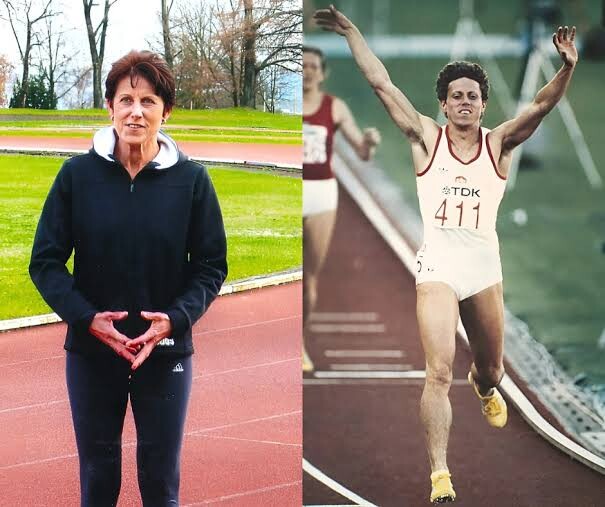
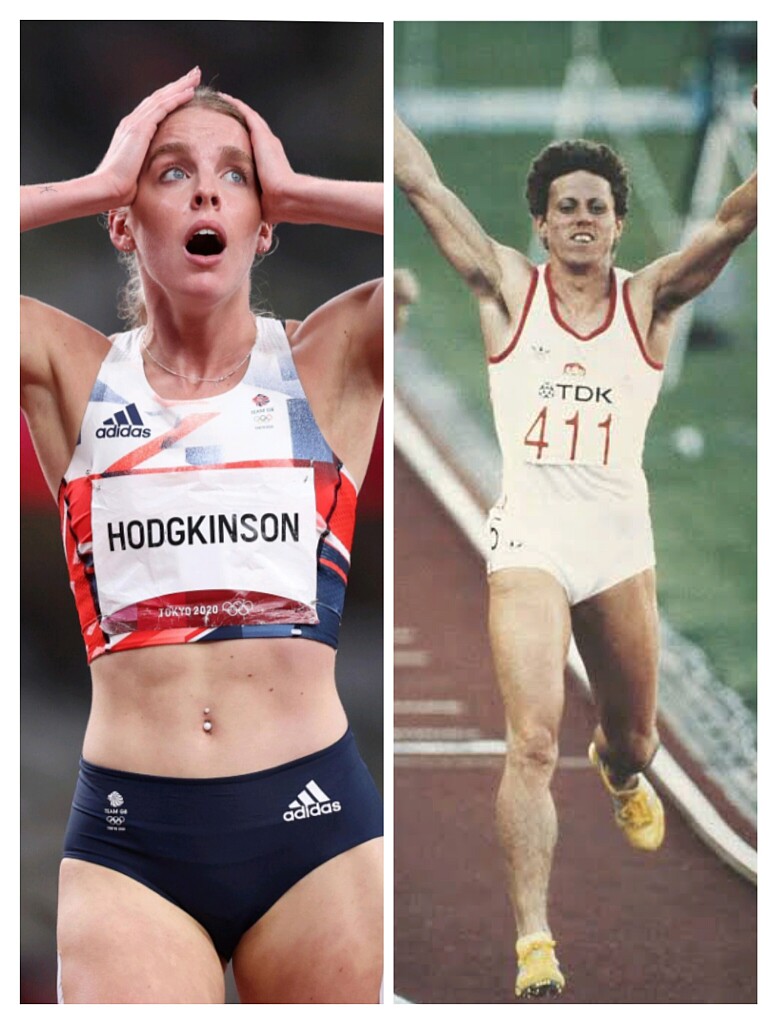
Then there is perhaps the most enigmatic mark in all of athletics: the women’s 800 metres world record. Set at 1:53.28 by Jarmila Kratochvílová in 1983, it stands as a relic of another era—unyielding, controversial, and seemingly immune to progress. While other events have evolved, this record has resisted even the closest of challenges. In fact, approaching within a second of it has become a rarity, elevating even a 1:54 performance into the realm of the extraordinary.
This enduring anomaly creates a paradox: in an age of rapid advancement, the women’s 800 metres has become one of the sport’s last true “barriers”—not defined by a round number, but by the sheer improbability of surpassing a time frozen in history.
Taken together, these realities suggest that athletics may be entering a new phase. The era of clean, universally understood milestones may be giving way to a subtler narrative—one where greatness is measured not only by breaking symbolic thresholds, but by pushing the limits of human performance in increasingly nuanced ways.
And yet, if history has taught us anything, it is that today’s impossibility often becomes tomorrow’s inevitability.
Perhaps the next moment that stops the world will not come from the familiar battlegrounds of men’s distance running, but from the evolving, unpredictable theatre of women’s middle-distance events. Somewhere between ambition and audacity, the next great barrier is waiting—not just to be broken, but to redefine what we believe the human body can achieve.
by Erick Cheruiyot for My Best Runs.
Login to leave a comment
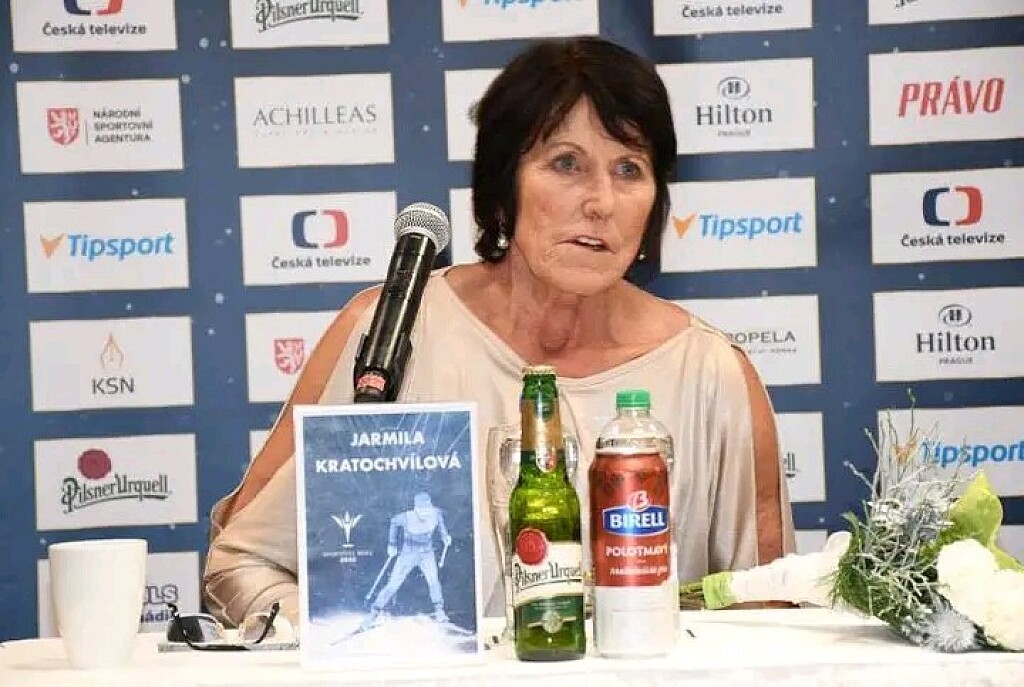
Jarmila Kratochvílová and the 800m Record That Time Could Not Touch
Some records are broken within months. Others survive for years. Then there are the rare marks that outlive generations and become part of sporting mythology. Few achievements in athletics carry that aura more powerfully than the women’s 800 metres world record of 1:53.28, set by Jarmila Kratochvílová on July 26, 1983, in Munich.
More than four decades later, the astonishing performance still stands untouched, making it one of the oldest and most remarkable world records in track and field. In an era where training science, technology, and competition standards have advanced dramatically, that number continues to resist every challenge.
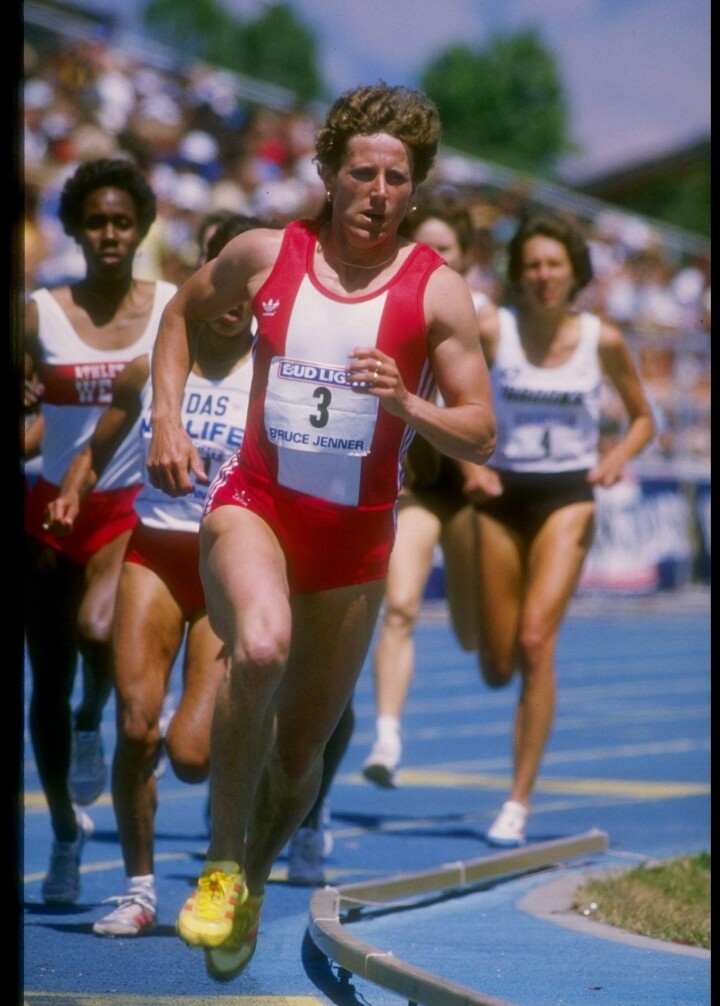
What makes the feat even more extraordinary is the story behind it. Kratochvílová was primarily known as a 400-metre specialist, not an 800-metre star. Her appearance in Munich came after a late change of plans caused by injury, and she was not even expected to headline the event. Yet when the gun fired, she produced one of the finest races ever seen.
She passed the opening lap in a fearless 56.1 seconds, surged through 600 metres in 1:26.3, and still found another devastating finish over the final bend and straight. Crossing the line in 1:53.28, she did far more than win a race—she created a benchmark that would challenge every generation to come.
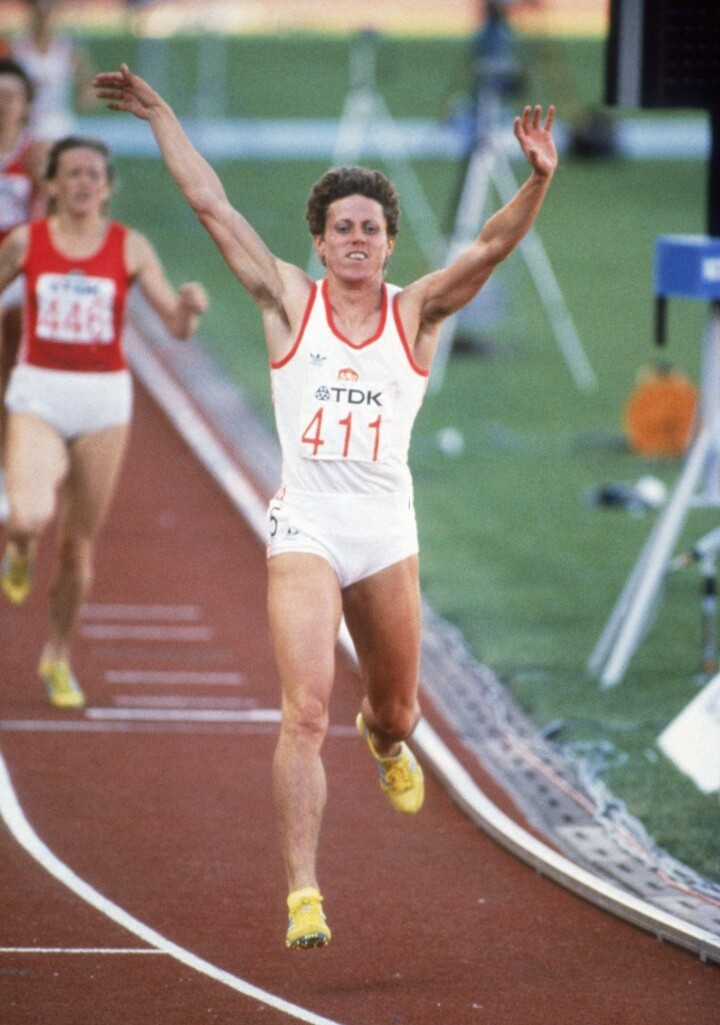
That unforgettable evening crowned a sensational 1983 campaign. Weeks later, at the first-ever World Championships in Helsinki, Kratochvílová completed a rare and historic double by winning gold in both the 400 metres and the 800 metres. She also ran 47.99 for the 400m that season, becoming the first woman in history to break the 48-second barrier. Only a select few athletes, including Marita Koch, have since joined that elite company.
Her rise had already been confirmed earlier when she claimed Olympic silver in the 400 metres at the 1980 Summer Olympics. Many believed even greater Olympic success awaited her, but history intervened. The boycott of the 1984 Summer Olympics denied her the chance to compete on sport’s biggest stage once again.
Even after leaving competition, Kratochvílová continued shaping the sport. As a coach, she guided Ludmila Formanová to the 800m world title in 1999, proving her knowledge and influence extended well beyond her own racing career.
Her record has not escaped controversy or debate. In 2017, World Athletics proposed stricter standards for the ratification of older world records, raising questions over marks set before modern testing systems. Yet the 1:53.28 remained official, preserving one of the sport’s most famous milestones.
As of 2026, athletes continue to chase history. Among the strongest modern contenders is Keely Hodgkinson, whose rise has renewed belief that the seemingly impossible may one day fall. But until that moment arrives, Kratochvílová’s run in Munich remains the gold standard.
Whether it survives another season or another generation, one truth is certain: Jarmila Kratochvílová did not simply set a world record—she created a legend that time itself has struggled to defeat.
by Erick Cheruiyot for My Best Runs.
Login to leave a comment
From Lost Beginnings to Olympic Immortality: The Unyielding Rise of Mo Farah
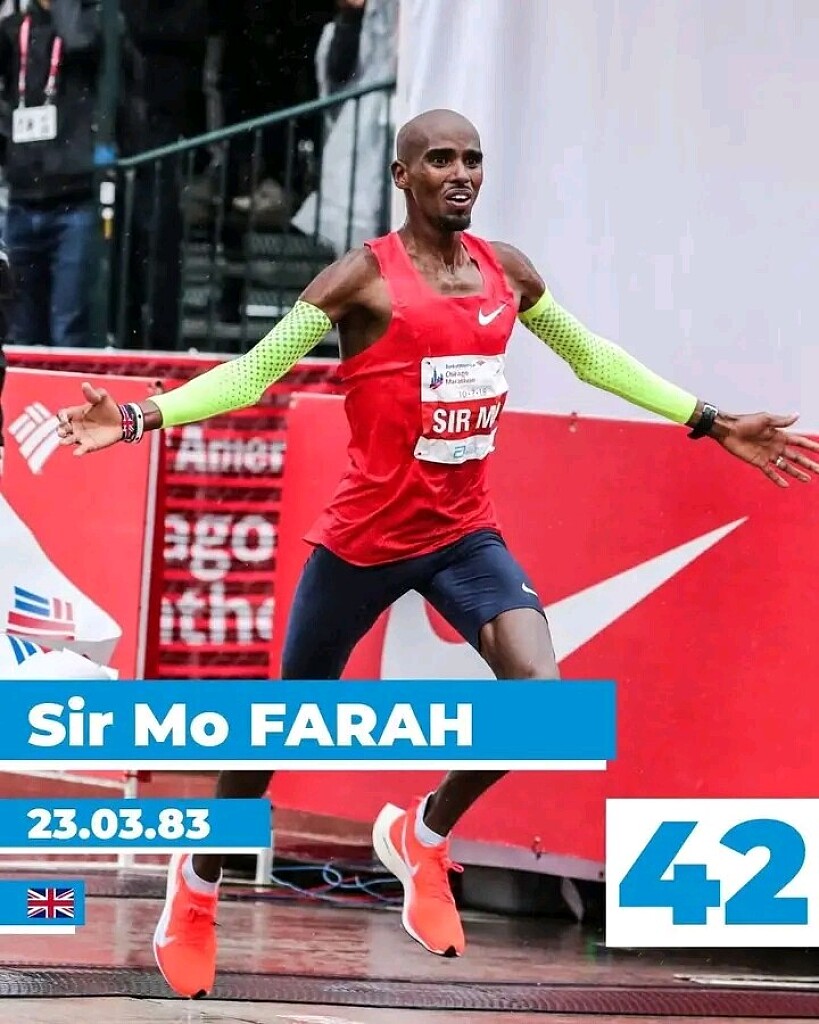
Born on March 23, 1983, in Somalia, Mo Farah did not enter the world with the privileges of certainty or stability. His early years were shaped by separation and sacrifice. At just eight years old, he moved to the United Kingdom, leaving behind not only his homeland but also his twin brother, who remained in Africa due to illness. It was a childhood marked by displacement, language barriers, and the quiet struggle to belong.
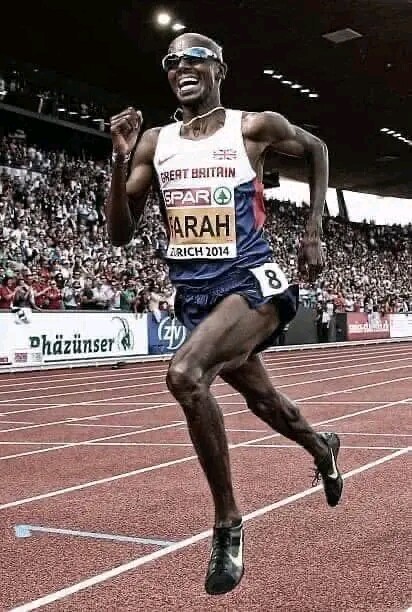
Growing up in London, Farah’s life changed direction thanks to a perceptive physical education teacher who noticed something extraordinary in the young boy: a natural gift for running. What began as a simple discovery soon evolved into a relentless pursuit. Through the muddy, unforgiving courses of cross country, he started carving his identity—step by step, race by race.
By the age of 14, Farah had already claimed his first national school title, a glimpse of the greatness to come. At 18, he rose to continental prominence, securing the European junior crown. Yet, beyond medals, a deeply personal victory awaited him—at 20, he was reunited with his long-lost twin brother, closing a chapter that had shaped much of his early emotional journey.
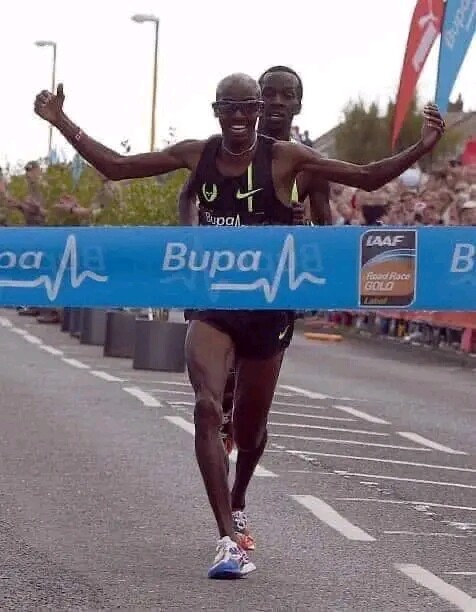
As the years progressed, Farah transformed from a promising athlete into a dominant force across Europe and the world. At 23, he became the European cross country champion. By 26, he had conquered the European indoor 3000 meters while continuing to shine on the cross country stage. His prime years brought an avalanche of triumphs: European titles in both the 5000m and 10,000m, followed by global dominance.
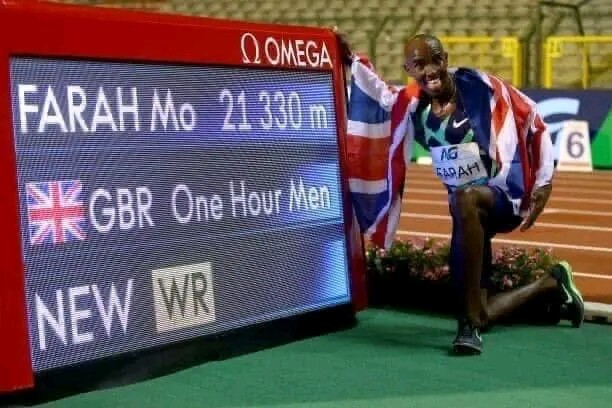
The turning point in his career came when he made the bold decision to relocate to the United States to train under renowned coach Alberto Salazar. There, Farah reinvented himself. He refined his tactics, strengthened his endurance, and embraced a level of discipline that elevated him from contender to champion.
What followed was nothing short of historic. At the London 2012 Olympics, Farah etched his name into sporting folklore by winning gold in both the 5000m and 10,000m—a feat he repeated at the Rio 2016 Olympics. Four Olympic gold medals. A legacy sealed in endurance and brilliance.
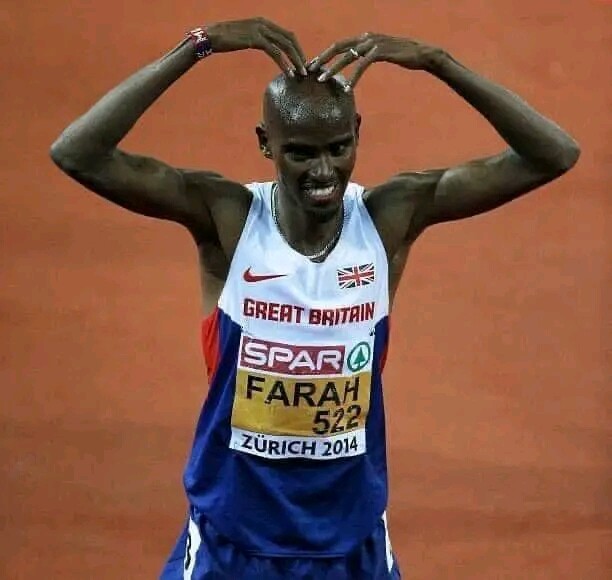
His dominance extended beyond the Olympic stage. He captured multiple World Championship titles, including unforgettable performances in Moscow and Beijing, and continued to reign supreme at the European level. Even as he transitioned to longer distances, Farah’s hunger remained unshaken—setting a European marathon record and later breaking the world hour record with an astonishing 21,330 meters, surpassing the mark set by Haile Gebrselassie.
Yet behind the medals and milestones lies a deeper truth. Farah’s journey was never smooth. There were defeats, injuries, and moments when doubt crept dangerously close. Early in his career, critics questioned whether he had what it took to dominate on the global stage. But instead of retreating, he responded with resilience—choosing effort over excuses, persistence over fear.
Today, as Mo Farah celebrates his 42nd birthday, his story stands as a powerful testament to the human spirit. He was not born a champion—he became one through relentless determination, sacrifice, and an unbreakable will to go further when it mattered most.
His life reminds us that greatness is not defined by where you begin, but by how fiercely you pursue where you want to go. Obstacles are inevitable. Doubt is unavoidable. But those who rise above are the ones who, like Farah, choose to push harder, dig deeper, and never settle for less than their potential.
Because in the end, the path to greatness is not given—it is earned, one stride at a time.
by Erick Cheruiyot for My Best Runs.
Login to leave a comment
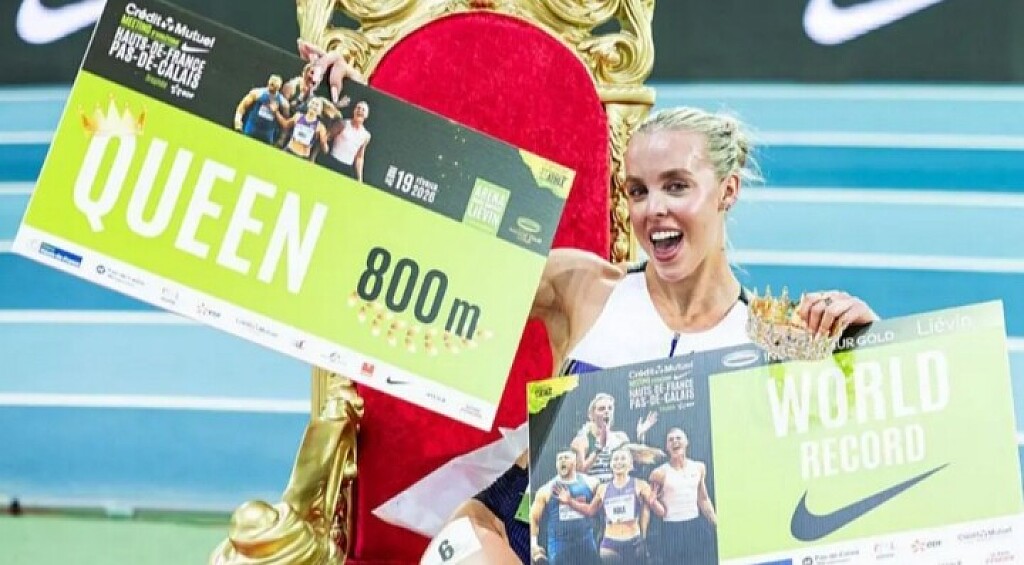
Forty-Three Years on the Clock: Is 1:53.28 Finally Ready to Fall?
For more than four decades, one number has hovered over women’s middle-distance running like a mountain peak few dare to climb: 1:53.28.
Set in 1983 by Jarmila Kratochvílová in Munich, it remains the oldest world record still standing in women’s track and field. Generations have come and gone. Champions have risen, medals have been won, but the clock has stubbornly refused to yield.
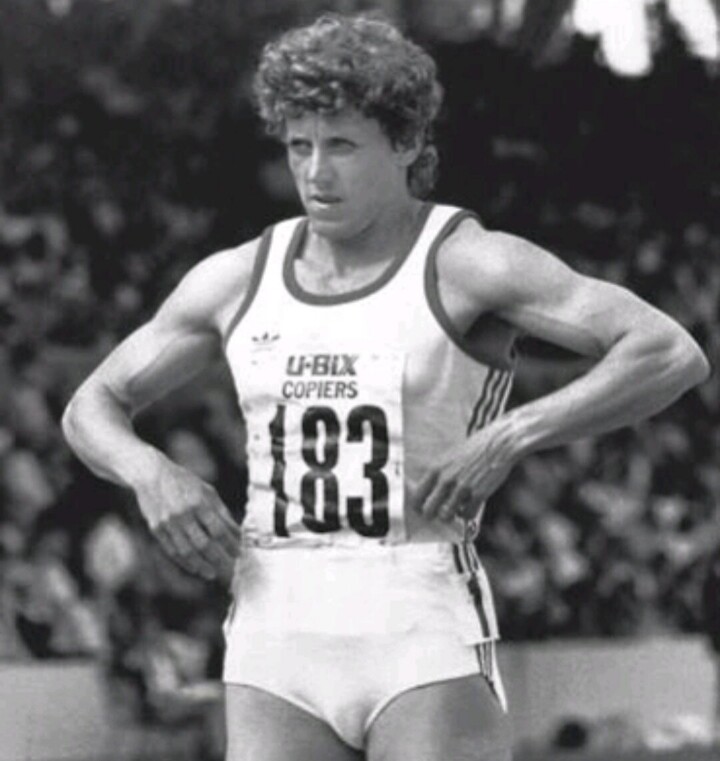
Now, the question feels sharper than ever: is that 43-year-old record finally under serious threat?
Just a week after rewriting history indoors, Keely Hodgkinson has shifted her focus to the ultimate prize — the outdoor 800m world record. Her recent indoor world record was not just a victory; it was a statement. A declaration that the margins are closing and that the impossible may simply be waiting for the right moment.
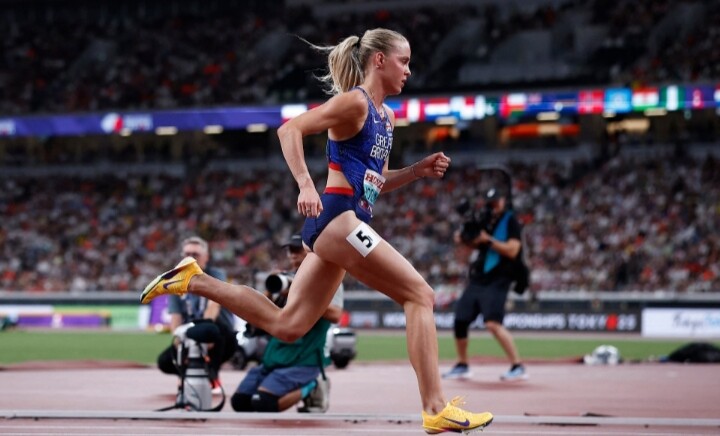
For years, Hodgkinson has hovered tantalisingly close to the barrier. The 1:54s have become familiar territory — controlled, composed, almost routine for an athlete who has built her career on remarkable consistency at the highest level. Olympic and world medals have confirmed her place among the elite, but the stopwatch keeps whispering that there is still more.
“We’ve been saying for years now,” she admitted, “and I think I’ve just been tipping on those 1:54s and at some point a 1:53 is going to come.”
That belief no longer sounds hopeful. It sounds calculated.
Hodgkinson is careful to protect what she already owns. She has made it clear that medals — earned through championship battles and tactical brilliance — mean more than a time on a scoreboard. Yet even she recognises the magnitude of what breaking 1:53.28 would represent.
“Now I do really believe that we can break it,” she said. “I think the outdoor 800m record would be like ‘cemented GOAT.’ I do really believe it’s possible.”
That phrase — cemented GOAT — captures the scale of the challenge. This is not simply about running fast. It is about redefining the boundaries of women’s middle-distance running. It is about erasing a mark that has survived eras, technologies, and entire generations of talent.
What makes this moment different is momentum. Hodgkinson is no longer chasing from a distance; she is knocking on the door. Her strength through 600 metres, her composure under pressure, and her devastating final drive suggest an athlete entering her prime with unfinished business.
Records do not fall because they are old. They fall because someone arrives who is fearless enough to believe the clock can be beaten.
For 43 years, 1:53.28 has stood untouched — a relic of another era. But with Hodgkinson’s confidence rising and her form sharper than ever, the barrier feels less mythical and more mathematical.
Is 1:53.28 finally under threat?
For the first time in decades, the answer does not feel like nostalgia.
It feels like anticipation.
by Erick Cheruiyot for My Best Runs.
Login to leave a comment
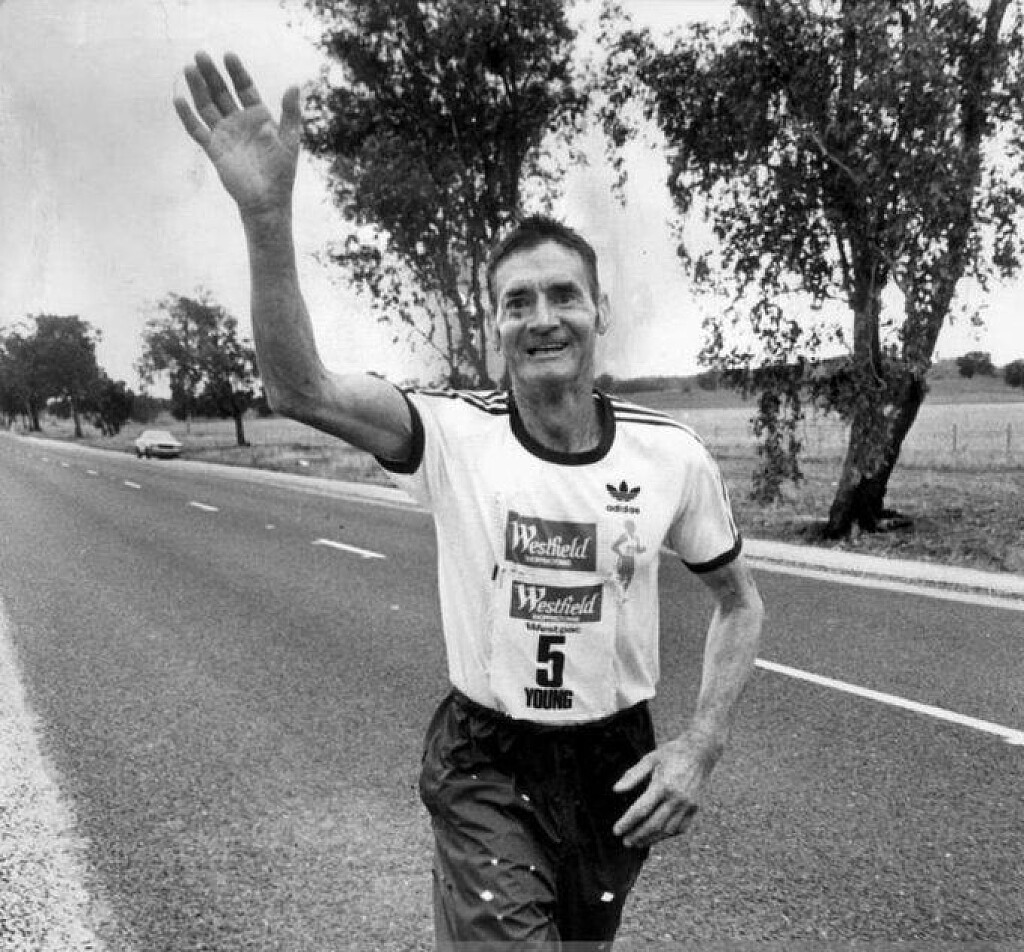
61 Years Old, in Gumboots, and Unstoppable: The Legend of Cliff Young
Sydney, Australia 1983 - When the Sydney–to–Melbourne Ultramarathon assembled its field, Cliff Young looked like a mistake.
Around him stood elite endurance runners—lean, sponsored, wrapped in the best gear money and sports science could provide. Then there was Cliff: a 61-year-old potato farmer from rural Victoria, dressed in overalls, a faded cap on his head, and rubber gumboots on his feet. He looked less like a professional athlete and more like someone who had wandered in from the farm after finishing his chores.
The race itself was unforgiving. Eight hundred and seventy-five kilometers (544 miles) of continuous road running, stretching over five to six days, with little margin for error. Even experienced ultramarathoners considered it one of the toughest endurance events in the world. Many believed it demanded youth, precision training, and carefully managed recovery.
Cliff had none of that.
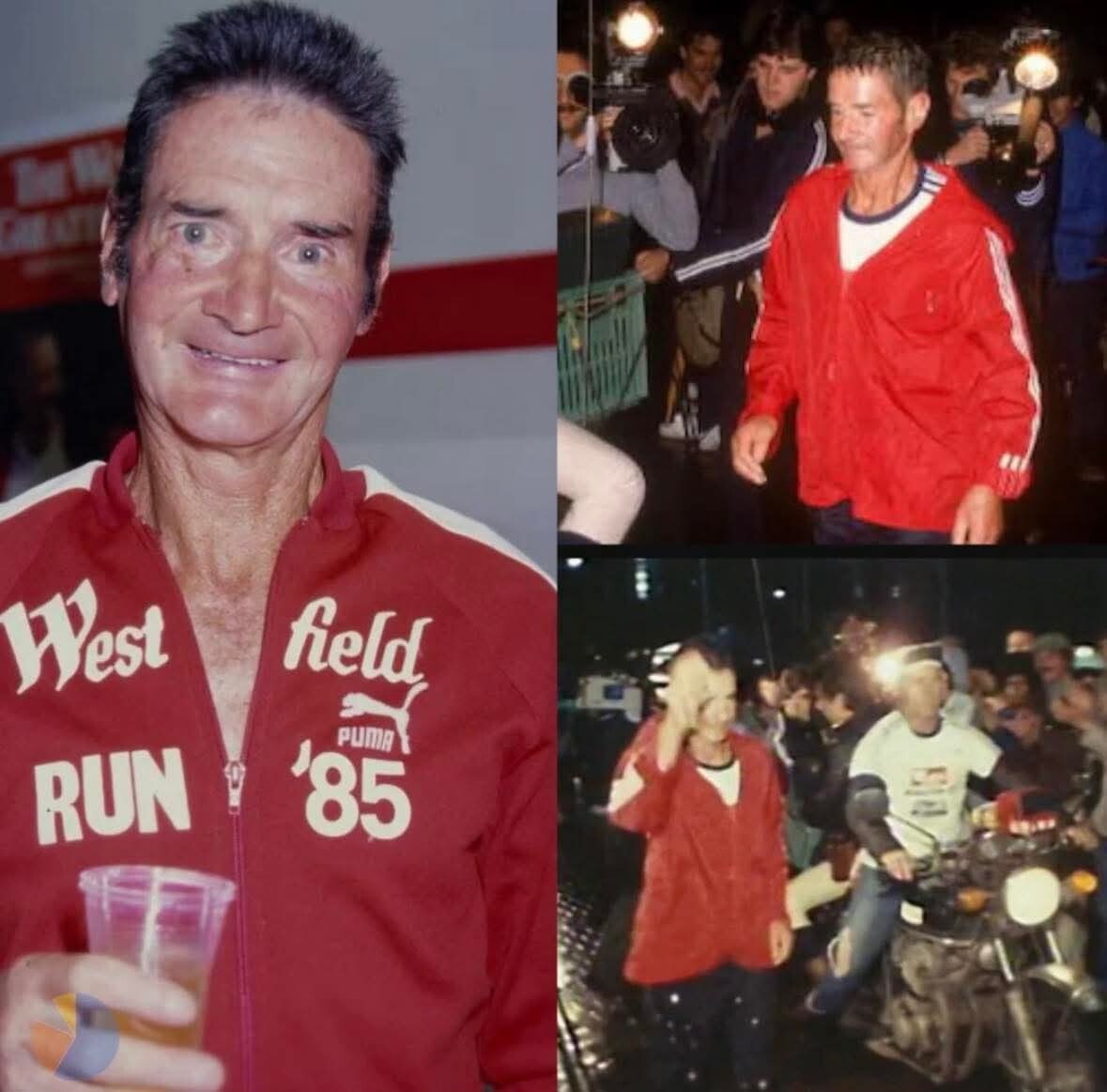
When reporters asked why he thought he could compete, his answer was simple and unpolished. Growing up on a large sheep farm, he explained, meant running for days at a time to round up animals during storms—sometimes without sleep, sometimes without stopping, just moving until the work was finished.
The smiles he received were polite. The skepticism was private but absolute.
Most expected him to drop out early.
At the starting gun, the elite runners surged forward with long, powerful strides, quickly stretching the field. Cliff moved too—but not in the way anyone expected. He shuffled, taking short, economical steps, arms barely swinging, his gumboots slapping softly against the pavement. Within minutes, the professionals disappeared down the road, and Cliff was left behind, alone.
Spectators laughed. Drivers stared. Commentators treated him as a novelty.
Then night came.
As darkness fell, the leading runners followed standard ultramarathon practice. They stopped to rest, sleeping several hours in hotels to recover before continuing. Cliff didn’t stop—not out of bravado, but because no one had told him that sleep was part of the strategy.
On the farm, storms didn’t pause for nightfall. You kept going until the job was done.
So Cliff kept shuffling through the dark.
By morning, something unexpected had happened. Cliff was still moving—steady, unchanged—while others had been resting. Hour by hour, night after night, the pattern repeated. The younger athletes battled fatigue, blisters, and breakdown. Their pace rose and fell. Cliff’s never did.
By the third day, disbelief turned into fascination. Radio stations began tracking his progress. News crews followed the quiet farmer who refused to stop. His awkward shuffle—once laughed at—was proving remarkably efficient, conserving energy and reducing impact over immense distances.
On day four, Cliff Young took the lead.
The moment felt unreal. A 61-year-old farmer with no formal training was dismantling everything people thought they knew about endurance racing. While others slept, he advanced. While others struggled, he remained patient.
By day five, as the course approached Melbourne, crowds lined the roads. They weren’t cheering for a polished champion. They were cheering for persistence itself.
Cliff crossed the finish line first.
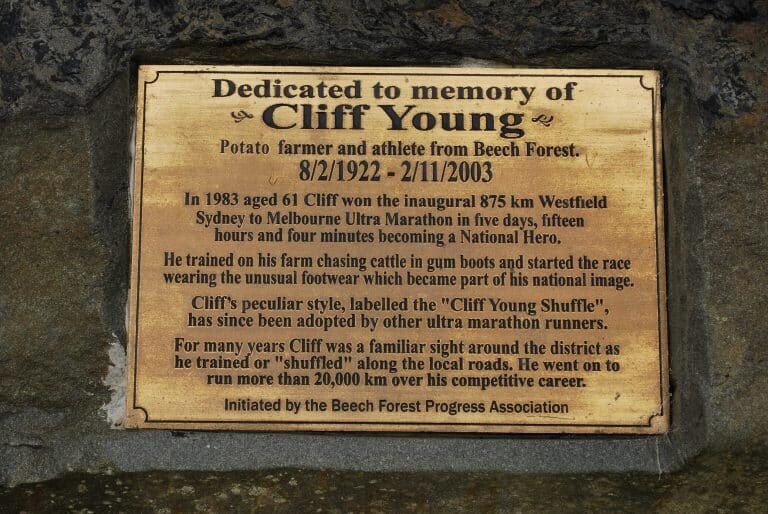
His time—5 days, 15 hours, and 4 minutes—shattered the previous course record by almost two full days. He finished nearly ten hours ahead of the next competitor, an elite athlete half his age.
When officials handed him the $10,000 prize, Cliff was surprised. He hadn’t known there was prize money. He said he had only come to run. Then he gave the entire amount away, sharing it among the runners who finished behind him because, in his view, they had all endured the same suffering.
Cliff Young’s victory changed ultramarathon running forever. His shuffling gait—later known as the “Young Shuffle”—proved to be an efficient endurance technique and is still referenced today. His approach to rest challenged long-held assumptions about human limits.
He continued racing into his seventies, always humble, always smiling, always shuffling.
When Cliff Young passed away in 2003 at the age of 81, Australia mourned not just a champion, but a reminder: that age is not a boundary, that heart matters more than equipment, and that sometimes the people who don’t know the rules are the ones who redefine what’s possible.
Cliff Young didn’t win because he was faster.
He won because he never knew he was supposed to stop.
by Erick Cheruiyot for My Bestruns.
Login to leave a comment
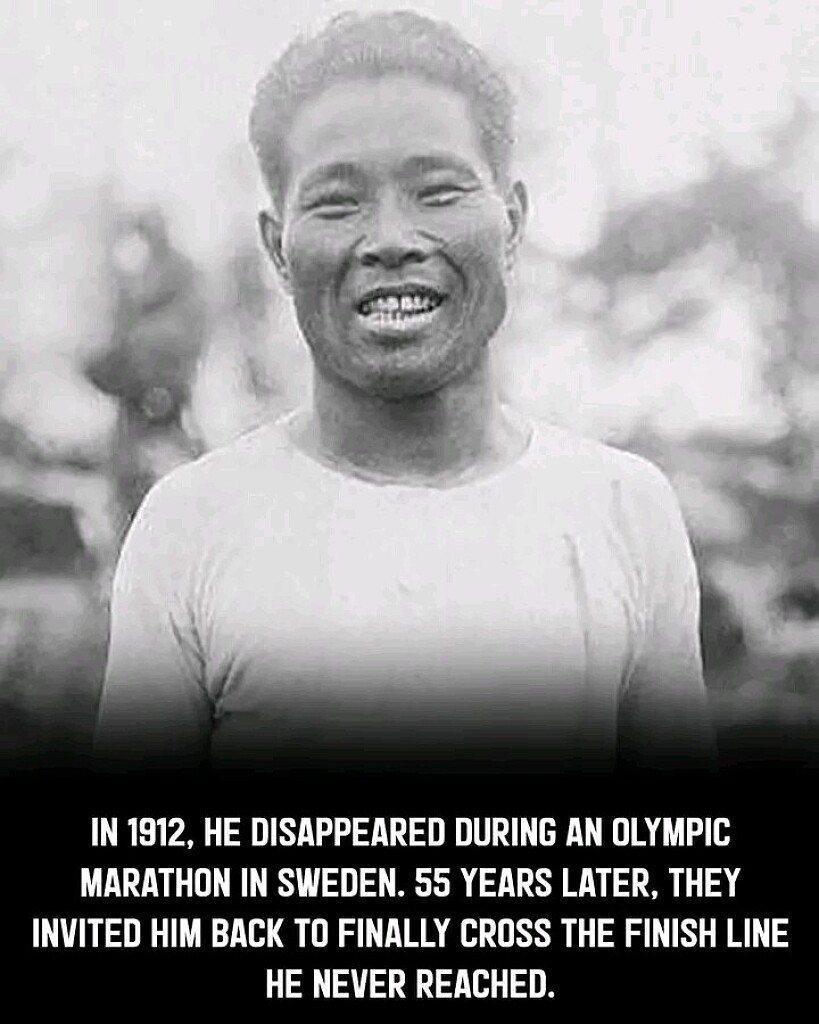
The Runner Who Vanished in 1912 and Returned in 1967
On July 14, 1912, Shizo Kanakuri stood on the start line of the Olympic marathon in Stockholm, carrying more than just race-day nerves. At 20 years old, he was representing Japan for the first time in Olympic history, introducing his country to the global stage of athletics.
Kanakuri wasn’t there simply to participate. He was one of the world’s best distance runners, having recently set a world record for 40 kilometers in 2:32:45. Expectations were high.
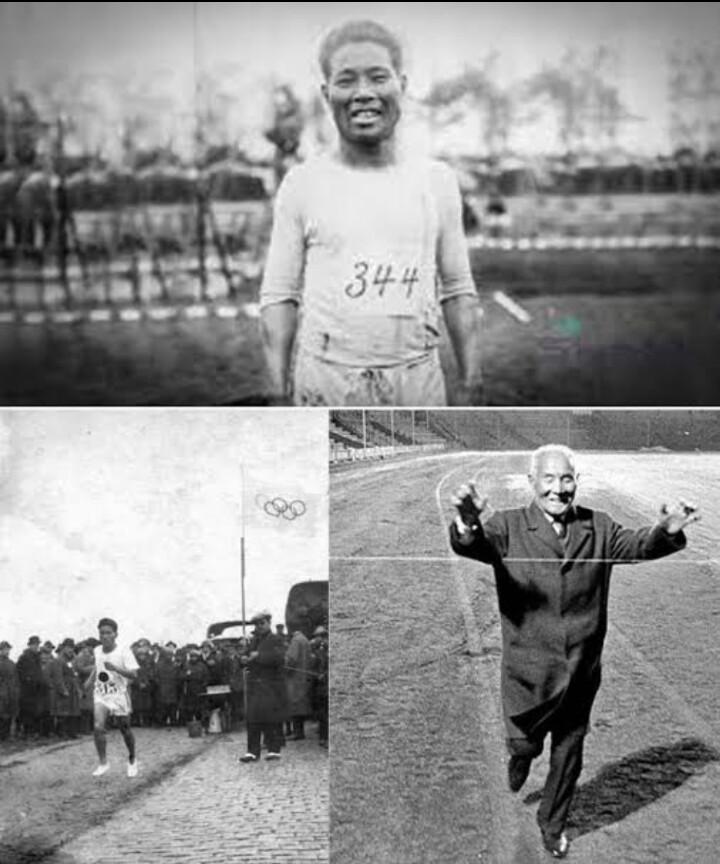
But Stockholm delivered brutal conditions. Temperatures soared to 32°C (90°F), devastating for marathoners. Sixty-eight runners from 19 nations started the race, the largest Olympic marathon field to date. Many would not finish.
Running near the front early on, Kanakuri made a decision shaped by the training beliefs of the era: he chose not to drink water, convinced it would slow him down. In extreme heat, the decision proved disastrous.
By 27 kilometers, he was in serious trouble—blurred vision, heavy legs, heat overwhelming his body. Near the course, he spotted a family garden party. Staggering off the route, he was taken in by the Pettersson family, who gave him water and juice. Exhausted, Kanakuri sat down—and fell asleep.
When he woke, the marathon was long over.
Ashamed and overwhelmed, Kanakuri quietly left Stockholm without informing race officials. To the Swedish Olympic Committee, he simply vanished. For decades, Olympic records listed him as missing.
But Kanakuri wasn’t lost. He returned to Japan, continued running, and later competed in the 1920 and 1924 Olympics. He never won a medal, but he became a teacher, mentor, and pioneer of Japanese distance running. He built a full life—married, raised six children, and inspired generations.
In 1962, Swedish journalist Claes Fellbom uncovered the mystery while researching Olympic history. He tracked Kanakuri down in Japan and learned the full story. When Swedish officials heard it, they made an extraordinary decision.
They invited him back.
In 1967—55 years after the race—Kanakuri returned to Stockholm at age 76. He visited the same neighborhood where he had stopped in 1912, met the family connected to that day, and was escorted to the Olympic Stadium.
A finish-line banner was raised. Cameras rolled.
Dressed in a suit, not racing gear, Shizo Kanakuri walked across the finish line he never reached as a young man. The clock was stopped ceremonially.
Official time:
54 years, 8 months, 6 days, 5 hours, 32 minutes, 20.3 seconds
The longest marathon in Olympic history.
Asked about his race, Kanakuri smiled and joked:
“It was a long run. Along the way, I got married, had six children, and ten grandchildren.”
Kanakuri died in 1983 at age 92. He is remembered not for medals or records, but for a story that captured something deeper about sport.
Sometimes running isn’t about winning.
Sometimes it’s about finishing—no matter how long it takes.
And sometimes, a finish line waits.
by Erick Cheruiyot
Login to leave a comment
Kenya’s Lilian Odira Stuns the World with 800m Gold in Tokyo as Olympic Champion Mary Moraa Fades
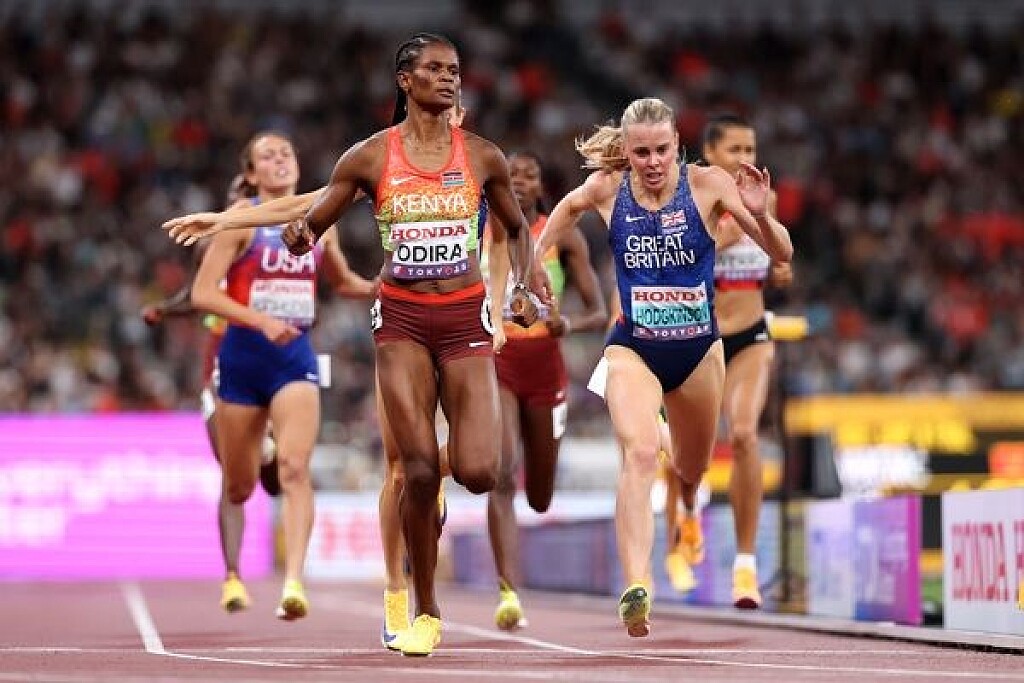
Kenya has a new middle-distance queen. Lilian Odira shocked the athletics world on Saturday, storming down the final straight to win the women’s 800m world title in a championship record of 1:54.62. Her breakthrough run toppled giants and rewrote the script of global middle-distance running.
The 26-year-old, relatively unknown internationally until this season, ran with the poise of a seasoned veteran. She timed her move perfectly, sitting behind Olympic champion Mary Moraa’s blistering first lap of 55.7 seconds. By the bell, Moraa was leading, but the pace proved costly. As the field entered the final bend, Odira powered wide, flying past Moraa and Britain’s Keely Hodgkinson to seize a historic gold.
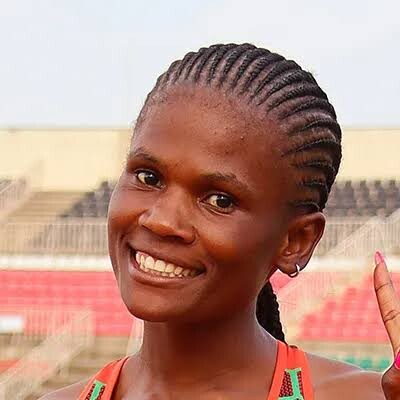
The victory was as much about composure as it was about speed. Crossing the line in disbelief, arms raised, Odira erased the long-standing championship record of 1:54.68 set in 1983. Kenyan fans erupted inside Tokyo’s Olympic Stadium.
“I waited, I trusted my plan,” Odira said. “I knew the last 200 meters would decide everything. To win against these champions is a dream for me and for Kenya.”
Behind her, Britain’s Georgia Hunter Bell surged to silver in a personal best 1:54.90, edging teammate Hodgkinson by just one-hundredth of a second. Hodgkinson, who has built a career of near-misses, was left with bronze in 1:54.91.
Kenya’s Mary Moraa, the heavy favorite, paid the price for her audacious early pace, fading to seventh in 1:57.10. Her younger namesake Sarah Moraa impressed in fourth with a personal best 1:55.74, while USA’s Sage Hurta-Klecker (1:55.89 PB), Switzerland’s Audrey Werro (1:56.17), and Australia’s Jessica Hull (1:57.30, Area Record) all delivered career-best performances in one of the fastest women’s 800m finals ever. Every athlete broke the 1:58 barrier.
For Odira, this was more than a gold medal—it marked the arrival of a new star. She now joins the lineage of Kenyan 800m greats like Janeth Jepkosgei, Pamela Jelimo, and Mary Moraa. Just a year ago she was best known on the Kenyan domestic circuit. Today, she stands as a world champion, opening a new chapter for Kenyan athletics in the high-octane world of the 800 meters.
The Tokyo final will be remembered for its blistering pace, its drama, and its symbolism: the Olympic champion fading, the perennial silver medalist edged into bronze, and a new champion rising to the top.
As Lilian Odira draped herself in the Kenyan flag, the stadium still buzzing, one thing was undeniable—athletics had witnessed the birth of a new star.
Women’s 800m Final – Tokyo 2025 World Championships (Top 8)
1. Lilian Odira (Kenya) – 1:54.62 (Championship Record)
2. Georgia Hunter Bell (Great Britain) – 1:54.90 (PB)
3. Keely Hodgkinson (Great Britain) – 1:54.91
4. Sarah Moraa (Kenya) – 1:55.74 (PB)
5. Sage Hurta-Klecker (USA) – 1:55.89 (PB)
6. Audrey Werro (Switzerland) – 1:56.17
7. Mary Moraa (Kenya) – 1:57.10 (SB)
8. Jessica Hull (Australia) – 1:57.30 (Area Record)
by Robert Kibet
Login to leave a comment
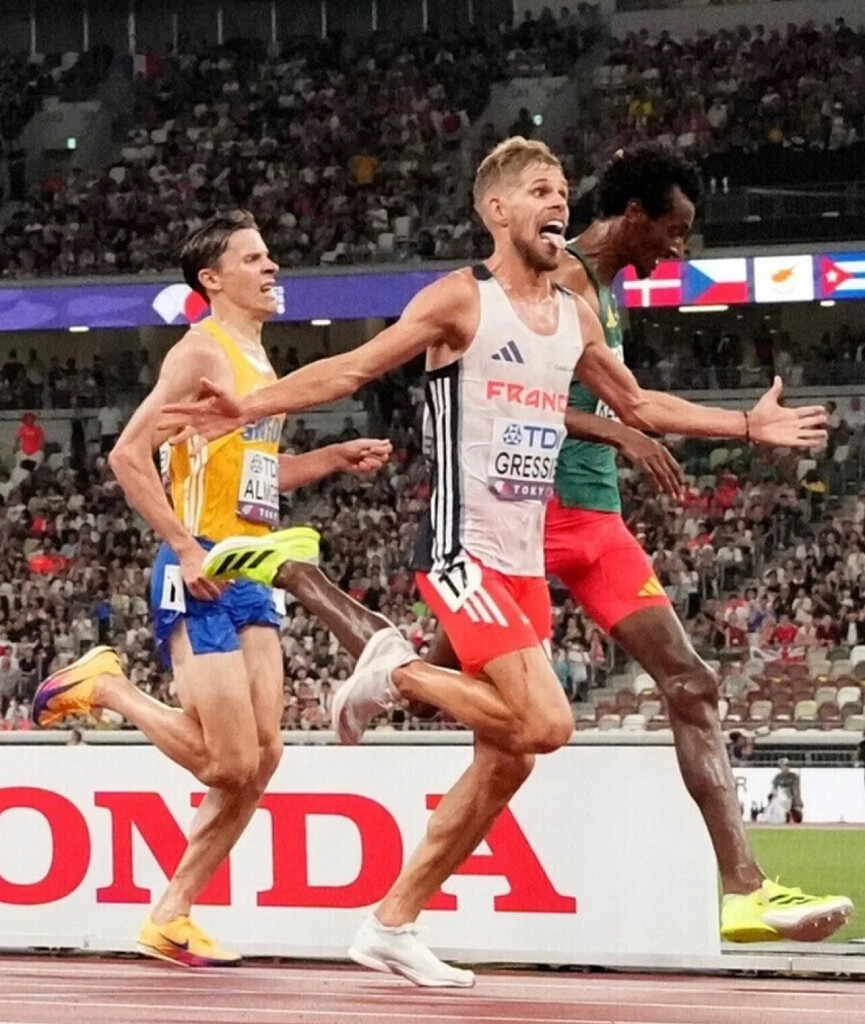
Jimmy Gressier shocks the world with stunning 10000m victory in Tokyo
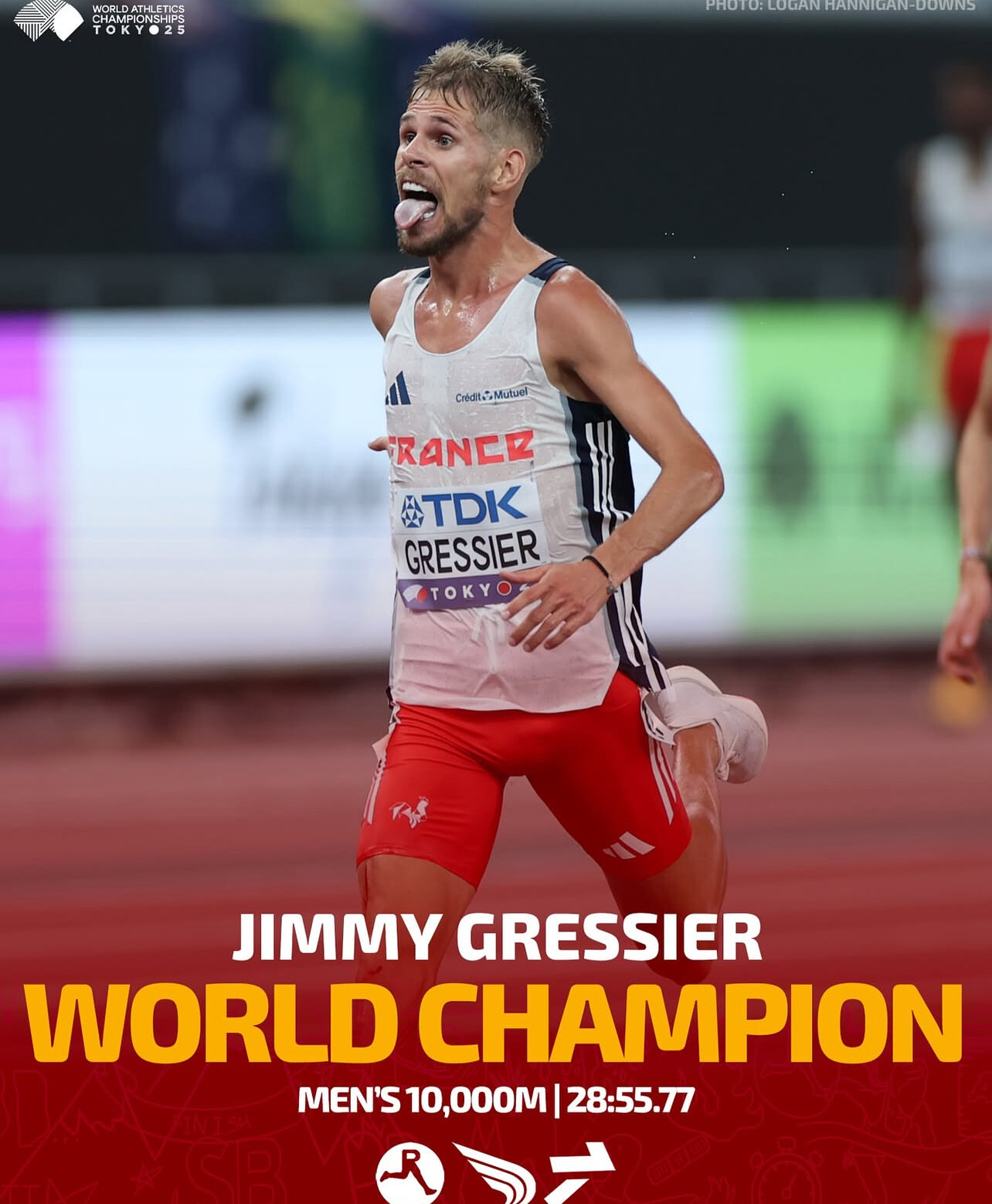
France’s Jimmy Gressier stunned the athletics world in Tokyo Sept 14, sprinting past Ethiopia’s Yomif Kejelcha in the final strides to claim the men’s 10,000m world title. His winning time of 28:55.77wasn’t about records — it was about patience, tactics, and a devastating final kick. With that surge, Gressier became the first non–East African-born world champion in the event since 1983.
But for those who have followed his career, this moment wasn’t magic out of thin air. It was years in the making.
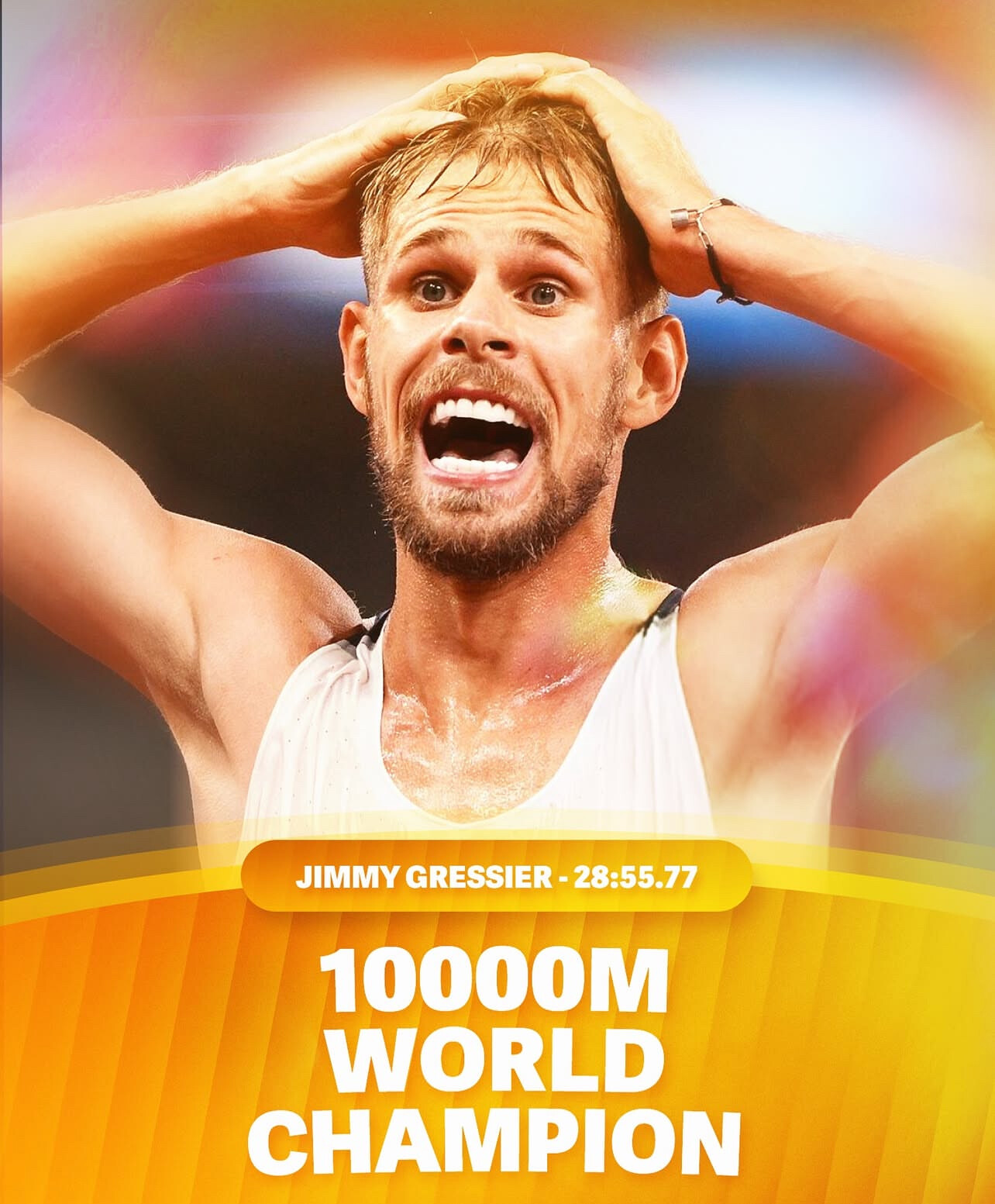
Building Blocks: Cross-Country and U23 Glory
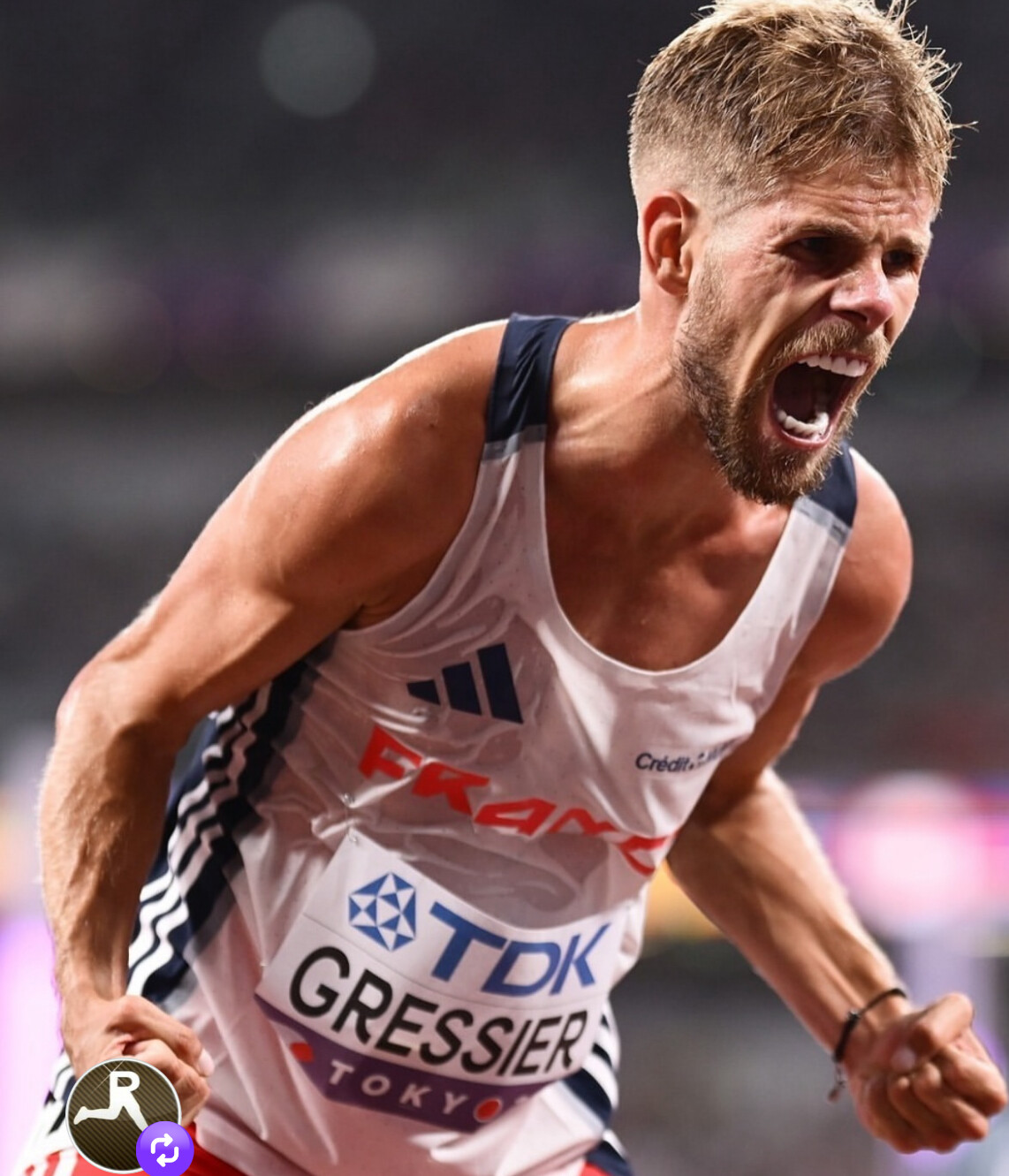
Born May 4, 1997, in Boulogne-sur-Mer, France, Gressier’s rise began on the fields of European cross-country. Between 2017 and 2019, he won three consecutive U23 European Cross-Country Championships, showcasing his toughness in cold, muddy races far from the track’s bright lights.
At the 2019 European U23 Championships, he doubled up to win gold in both the 5,000m and 10,000m, proving his versatility and hinting at bigger things to come.
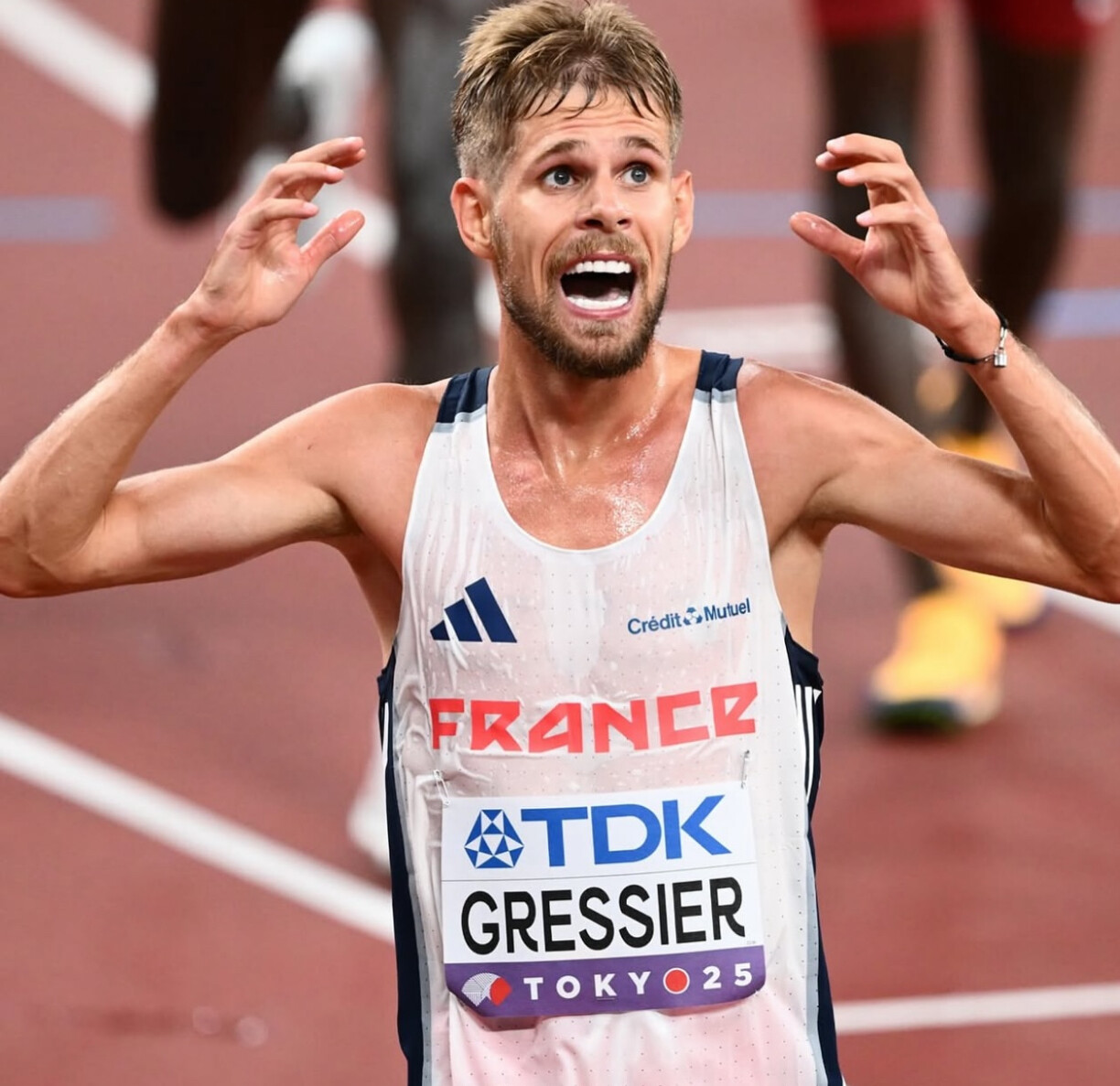
Records on Track and Road
Gressier has rewritten France’s distance running records, and in some cases Europe’s.
• European 5K road record: In 2025, he became the first European to break the 13-minute barrier on the roads, clocking 12:57.
• French national records: He has owned the national bests in both the 5,000m and 10,000m on the track.
• Range: From 3,000m indoors to road races, Gressier has consistently proven his speed and endurance.
These performances made him one of Europe’s most promising distance runners, but until Tokyo he hadn’t converted that talent into senior global hardware.
Close Calls and Lessons Learned
The near misses added to his hunger.
• At the 2021 Tokyo Olympics, he finished 13th in the 5,000m.
• At the 2022 World Championships in Eugene, he placed 11th in the 10,000m.
• At the 2022 European Championships in Munich, he narrowly missed the podium, finishing 4th in the 10,000m.
Each result showed progress, but also left him on the outside looking in when medals were awarded.
The Breakthrough in Tokyo
That changed on a humid night at the 2025 World Championships. The men’s 10,000m was run cautiously, the pack conserving energy for the inevitable burn-up over the final lap. When the bell rang, Gressier positioned himself perfectly. His closing burst in the home straight carried him past Kejelcha by just 0.06 seconds, with Sweden’s Andreas Almgren snatching bronze behind them.
It was a win not just for Gressier, but for European distance running — a reminder that the East African dominance of the 10,000m can be challenged.
Jimmy Gressier celebrates on the biggest stage
Until a few weeks ago, Jimmy Gressier was best known internationally for his celebrations, in particular at the European U23 cross country championshiops. Then he won the Diamond League final at 3000m with a big kick over Grant Fisher. Now he is world champion at 10,000m. He said, “It was a dream, and today I can say it: I am world champion.”
Gressier had shown flashes internationally (5th at the World Road Running Champs in the half marathon), but nothing on the track. He was 13th at last year’s Olympics (one spot behind Nico Young) and only 5th in a tactical European 10,000. He had never medalled at Europeans on the track and had a best finish of just ninth in four previous global finals across the 5,000 and 10,000. But he has run pbs this year in the 1500 (3:32), 3000 (7:30), and 5,000 (12:51), and after his big finish got him the Diamond League win, Gressier said he started to believe anything was possible at Worlds.
He explained: “I surprised myself in Zurich, but not today… I knew I could repeat the same plan, and that’s exactly what happened.” Gressier waited until the final 100m to attack and zig-zagged down the home straight to the title.
What Comes Next
At only 28, Gressier’s career is still entering its peak. With records behind him and now a world title to his name, the Frenchman has options: chasing more global medals on the track, doubling up in the 5,000m, or testing himself further on the roads.
For now, his Tokyo triumph stands as a moment of validation. Years of persistence, hard lessons, and belief came together in a single sprint — and Jimmy Gressier crossed into history.
by Boris Baron
Login to leave a comment
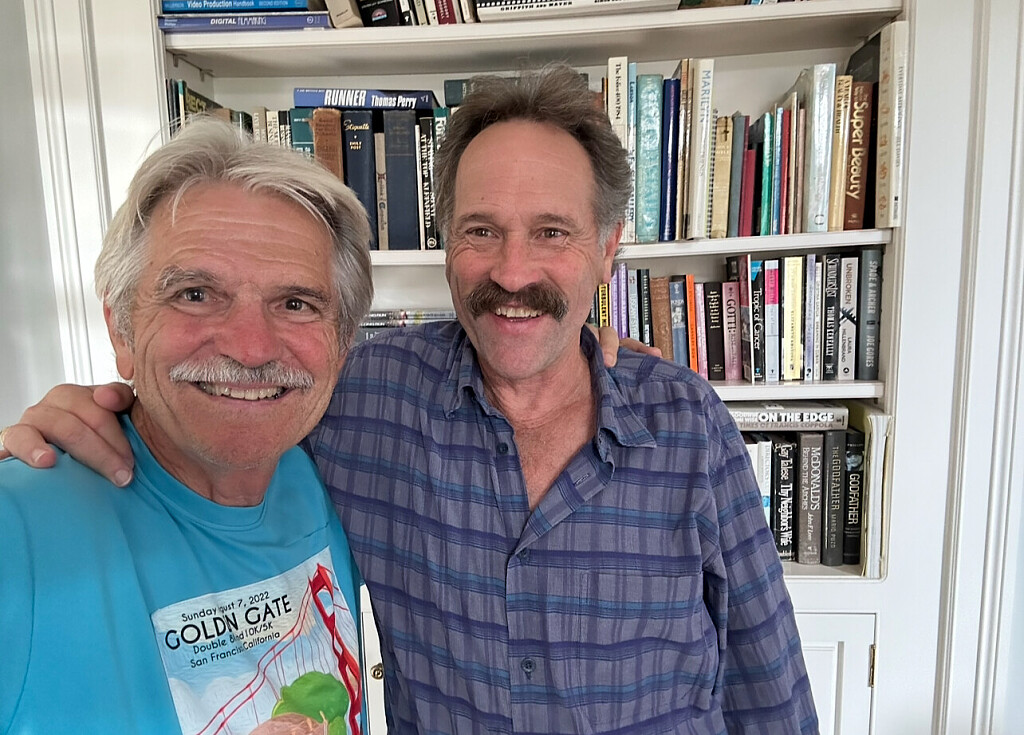
Brock Hinzmann Partners with KATA Running Camp in Eldoret
KATA Running Camp 10 in Eldoret, operated by Ruth Chumo, has a new partner—Brock Hinzmann, a lifelong runner and visionary thinker.
“I told Brock about our KATA Running Camp and Potato Farm project in Kenya,” says Bob Anderson. “He liked that the program is sustainable and wanted to get involved. Not only did his contribution establish a new KATA Running Camp, but he will also share in the sales of KATA potatoes.”

Brock Hinzmann is chairperson for the Silicon Valley Node of The Millennium Project, an international think tank that monitors global trends and helps plan for sustainable alternative futures.
Brock began running in the late 1960s in Oregon’s Willamette Valley—then a hub of U.S. distance running—just as Kenyan athletes were emerging on the world stage. At 16, he ran his first marathon in 2:44:52. His career highlights include a 6th-place finish at the 1983 Honolulu Marathon and his fastest time of 2:19:15 at the Boston Marathon in 1984 (21st place). He continued to run competitively throughout his career, representing his company’s track team and running wherever his international travels took him.
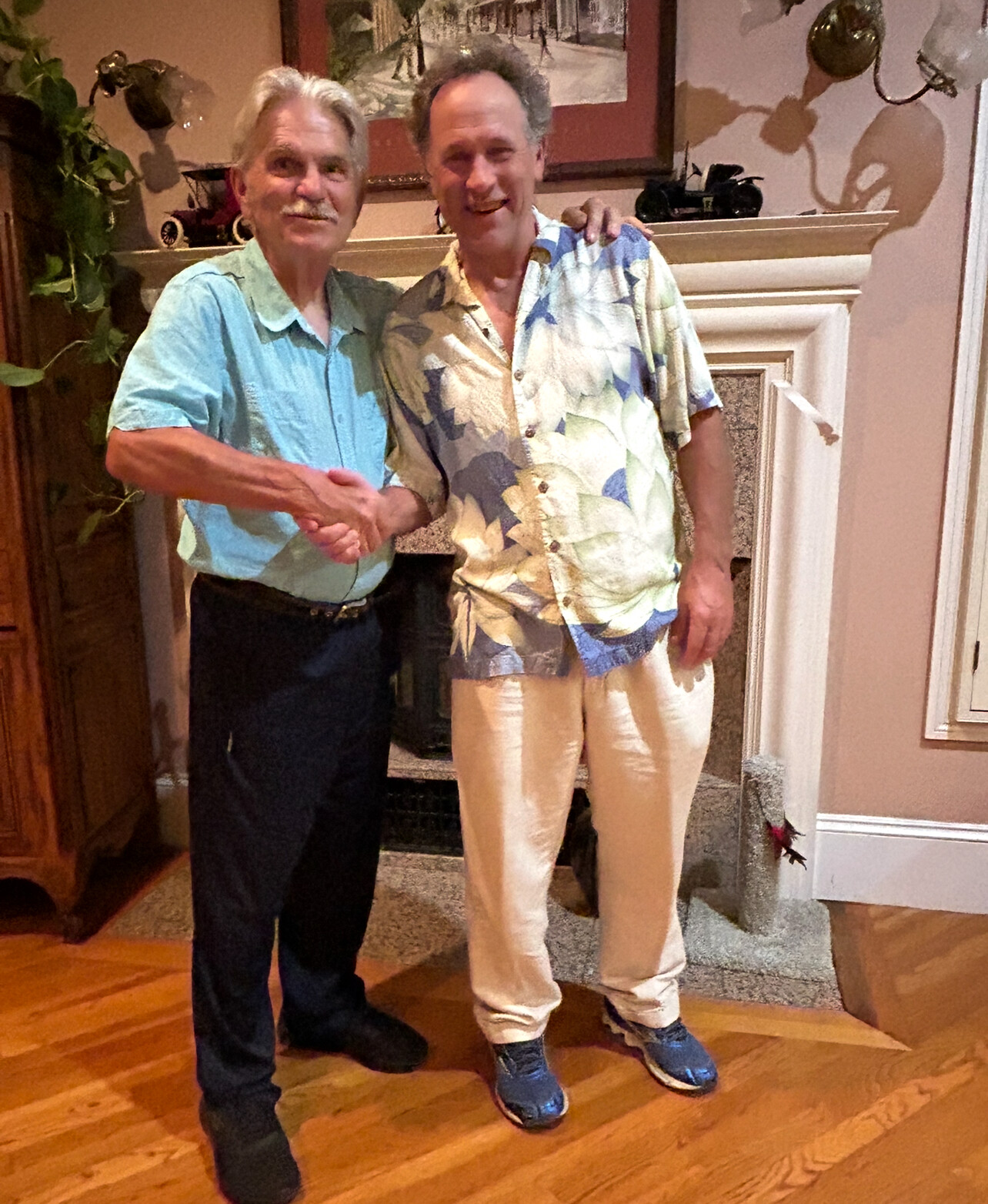
He completed his last marathon in 2018 at age 65, but at 71, running is still part of his life. “I’ve always found runners around the world to be like a tribe—accepting and supportive of each other,” Brock reflects.
For Brock, investing in KATA is more than financial. It is a way of giving back to the running community that inspired him. He encourages everyone to keep running and to travel widely—two passions that continue to guide his life.

by Boris Baron
Login to leave a comment
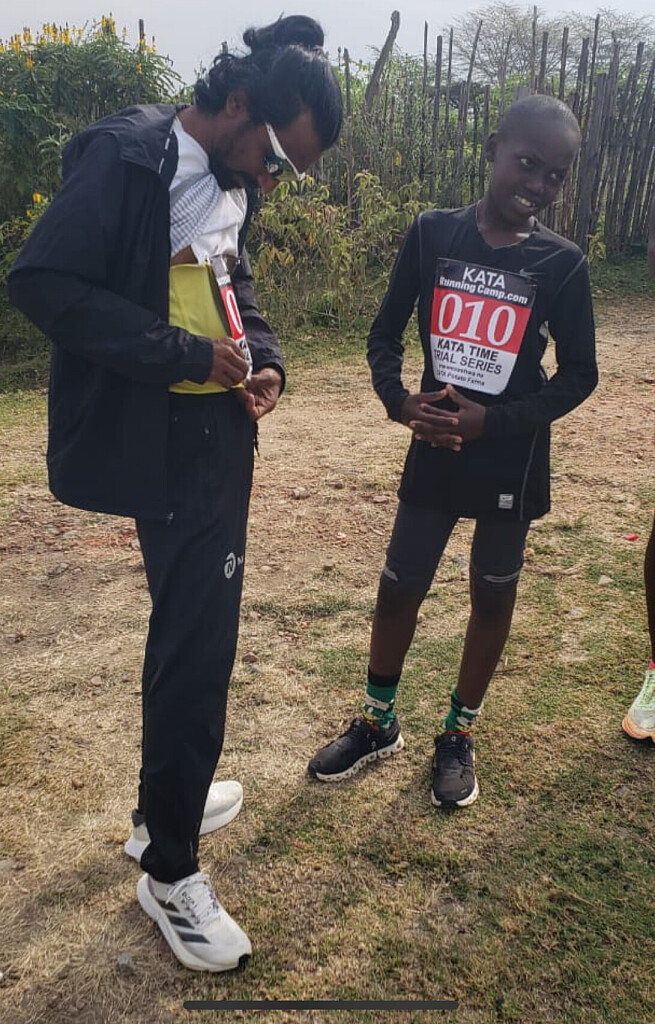
Back-to-Back Time Trials Highlight Depth at KATA Camps 11 & 06
Coach: Paul Kipsiele Koech Dates: 7th & 8th August 2025
Coach Paul Kipsiele Koech’s athletes at KATA Running Camp 11 (Njerian) and KATA Running Camp 06 (Sotik) produced two days of thrilling 10km and category races, showing both raw talent and seasoned experience.
KATA 11 – Njerian Athletics Camp (7th August 2025)
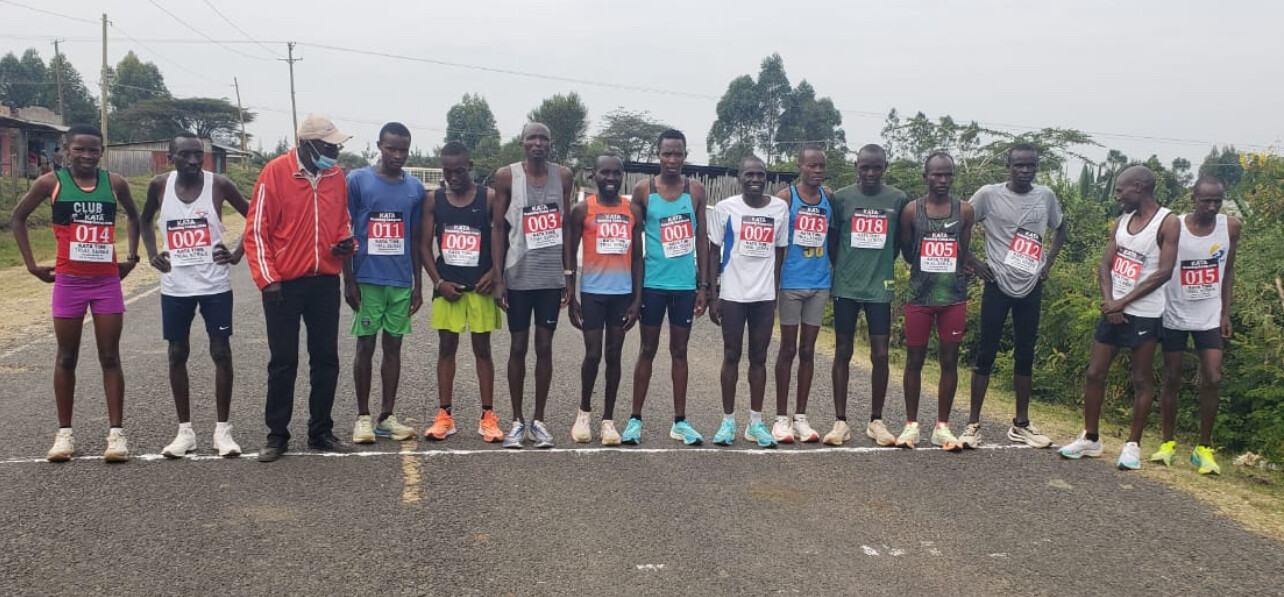
Senior Men – 10km
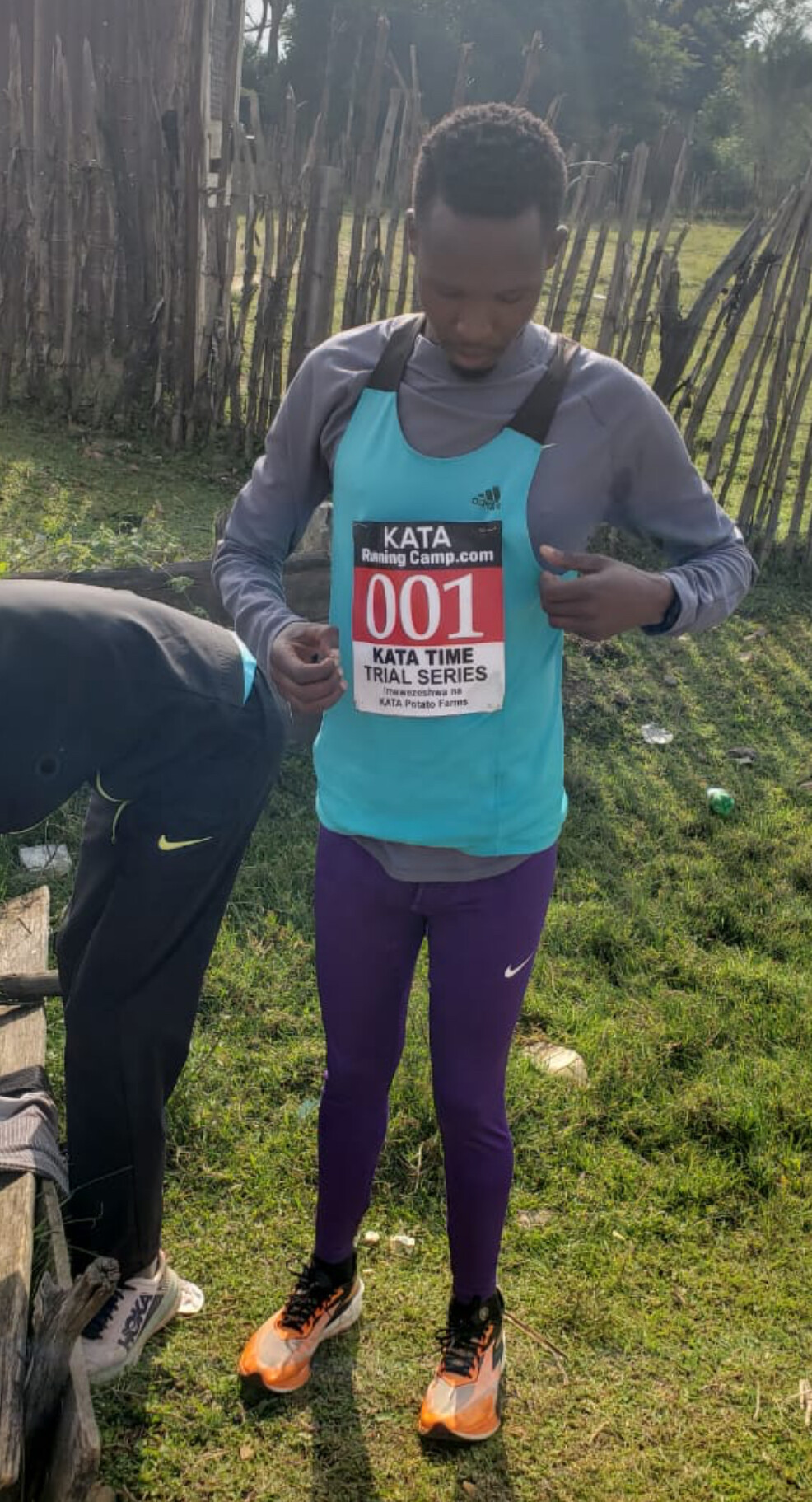
1. 041 – Brian Kipyegon – 29:09.55
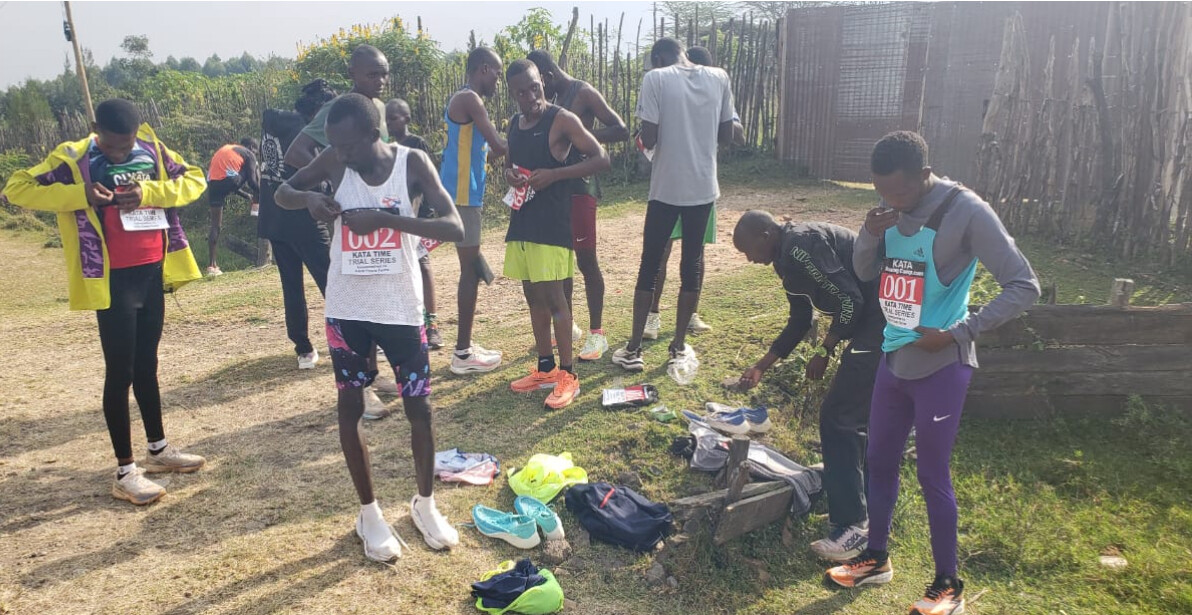
2. 015 – Hillary Kibet – 29:19.81
3. 017 – Charles Rono – 29:22.42
4. 037 – Cosmas Kemboi – 29:32.54
5. 023 – Nathan Koech – 29:35.76
6. 019 – Benard Sigilai – 30:30.98
7. 016 – Gilbert Sang – 30:53.54
8. 034 – Nathan Ngeno – 30:56.33
9. 017 – Emmanuel Kiplangat – 31:11.24
10. 014 – Abraham Saningo – 31:13.44
11. 026 – Denis Cheruiyot – 32:01.17
12. 012 – Stenly Kirui – 32:11.21
13. 020 – Amoi Kipkemoi – 32:13.29
14. 028 – Gideon Kiprotich – 32:38.24
15. 010 – Dominic Sang – 32:53.25
16. 029 – Kevin Kiplangat – 32:58.35
17. 040 – Elijah Selel – 32:59.75
18. 027 – Emmanuel Rono – 33:20.82
19. 018 – Evans Yegon – 33:37.69
20. 020 – Vincent Mutai – 33:40.58
21. 022 – Linox Koech – 33:58.12
22. 035 – Duncan Cheruiyot – 34:21.91
KATA 06 – Sotik Time Trials (8th August 2025)
Men – 10km
1. Benard Ngeno – 30:58
2. Kelvin Kemboi – 31:11
3. Gilbert Korir – 31:31
Masters Men – 10km
1. 013 – Jacob Mutai – 30:12.46 – Year 1986
2. 002 – Daniel Ngeno – 30:24.89 – Year 1981
3. 039 – Benard Korir – 30:32.37 – Year 1987
4. 001 – Peter Bii – 30:38.87 – Year 1973
5. 007 – Philip Kirui – 30:43.47 – Year 1987
6. 004 – Joseah Kosgei – 32:12.76 – Year 1982
7. Daniel Businnenei – 32:53.12 – Year 1981
8. 003 – Christopher – 34:32.44 – Year 1983
9. 006 – Robert Kimutai Koech – 37:32.99 – Year 1962
10. 008 – Simion Towet – 39:52.75 – Year 1971
Masters Women – 10km
1. 005 – Zeddy Chepkoech – 39:59.06 – Year 1978
Senior Women – 10km
1. 021 – Zeddy Chelangat – 32:11.17
2. 023 – Faith Chelangat – 32:44.96
3. 038 – Daisy Chemutai – 33:58.01
4. 033 – Fancy Chepkoech – 34:07.26
5. 010 – Stella Cheruiyot – 34:55.05
6. 030 – Mercy Cherono – 35:18.42
7. 036 – Dorcas Chepkorir – 35:32.87
8. 031 – Salome Chebet – 40:52.65
Coach’s Note:
“Both camps showed remarkable form. The back-to-back format gave me a rare opportunity to compare performance levels across Njerian and Sotik, and both are right on track for the competitive season ahead.” – Paul Kipsiele Koech
by Boris Baron
Login to leave a comment
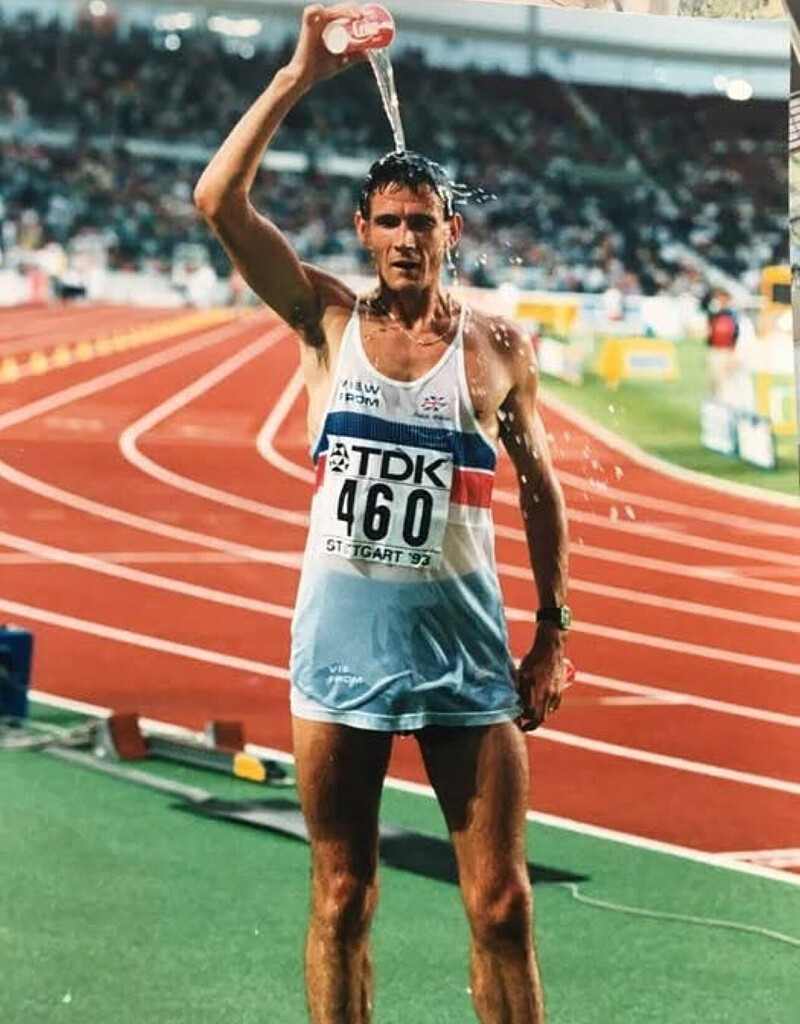
Steve Jones Turns 70: A Look Back at a Marathon Legend
This past week, the legendary Steve Jones celebrated his 70th birthday—a milestone that offers a perfect moment to honor one of the greatest marathoners of all time.
Born on August 4, 1955, in Tredegar, Wales, Steve Jones rose to international prominence during the golden era of distance running. A former Royal Air Force technician, Jones shocked the running world when he won the 1984 Chicago Marathon in a world record time of 2:08:05, breaking the previous record held by Australia’s Rob de Castella. What made the performance even more extraordinary was that Jones ran the race without wearing a watch—and had no idea he was on world record pace.
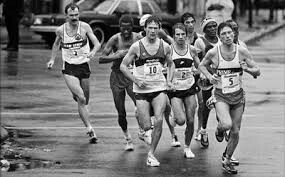
A year later, he returned to Chicago and ran 2:07:13, which remained the British record for 33 years until Mo Farah broke it in 2018. Jones also won the London Marathon in 1985 and claimed victory at the New York City Marathon in 1988, securing his place among the legends of the sport.
Known for his fearless front-running style, Jones never shied away from taking the lead early. He believed in racing hard from the start and letting the rest catch up—if they could. His aggressive tactics and incredible toughness made him a fan favorite around the world.
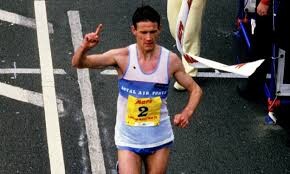
Beyond the road, Steve was a top-class track runner and a formidable competitor in cross country. He set a British record in the 10,000 meters (27:39.14) in 1983 and competed in the 1984 Los Angeles Olympics, placing 8th in the 10,000m final.
Even in retirement, Jones has remained involved in the sport as a coach and ambassador. His legacy lives on in every runner who dares to push the pace and run fearlessly.
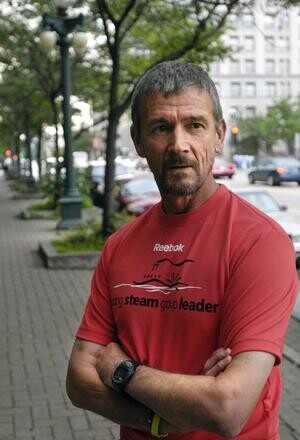
From all of us at My Best Runs, we wish Steve a belated but heartfelt Happy 70th Birthday—and thank you for inspiring generations of runners.
The iconic image of Steve Jones cooling off mid-race is a perfect reminder of his grit, focus, and drive. A true original.
by Boris Baron
Login to leave a comment
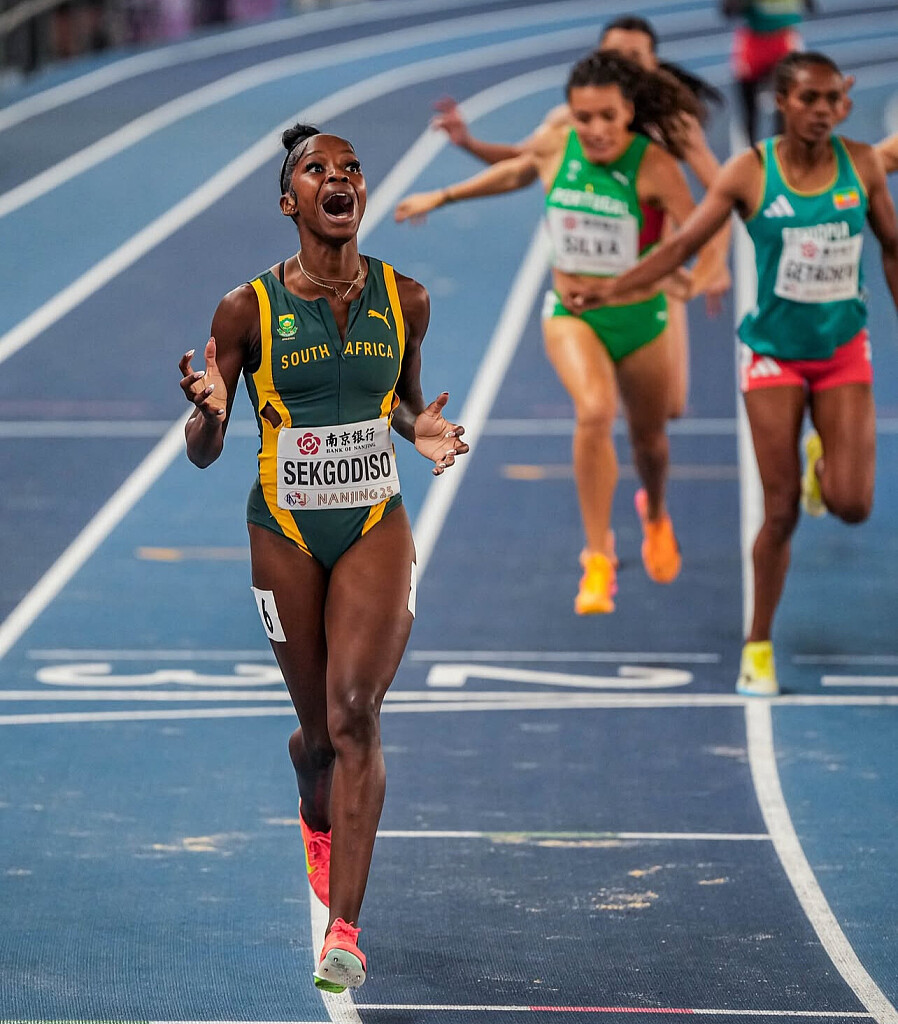
South Africa's Prudence Sekgodiso Closes in on 800m World Lead
Prudence Sekgodiso of South Africa is charging toward the top of the global women’s 800m leaderboard with a sizzling time of 1:57.16, recorded in the 2025 season. As of July 4, this places her second on the current world list—trailing only Ethiopia’s Duguma, who leads with 1:56.64.
Sekgodiso’s breakthrough has sent waves through the athletics world, as seen in a recent viral post by SuperSport celebrating her ascent. The 800m is one of the most fiercely contested events in track and field, and Sekgodiso’s consistency and fearless racing style are positioning her as a serious medal contender ahead of the Paris World Championships and potentially the Olympics.
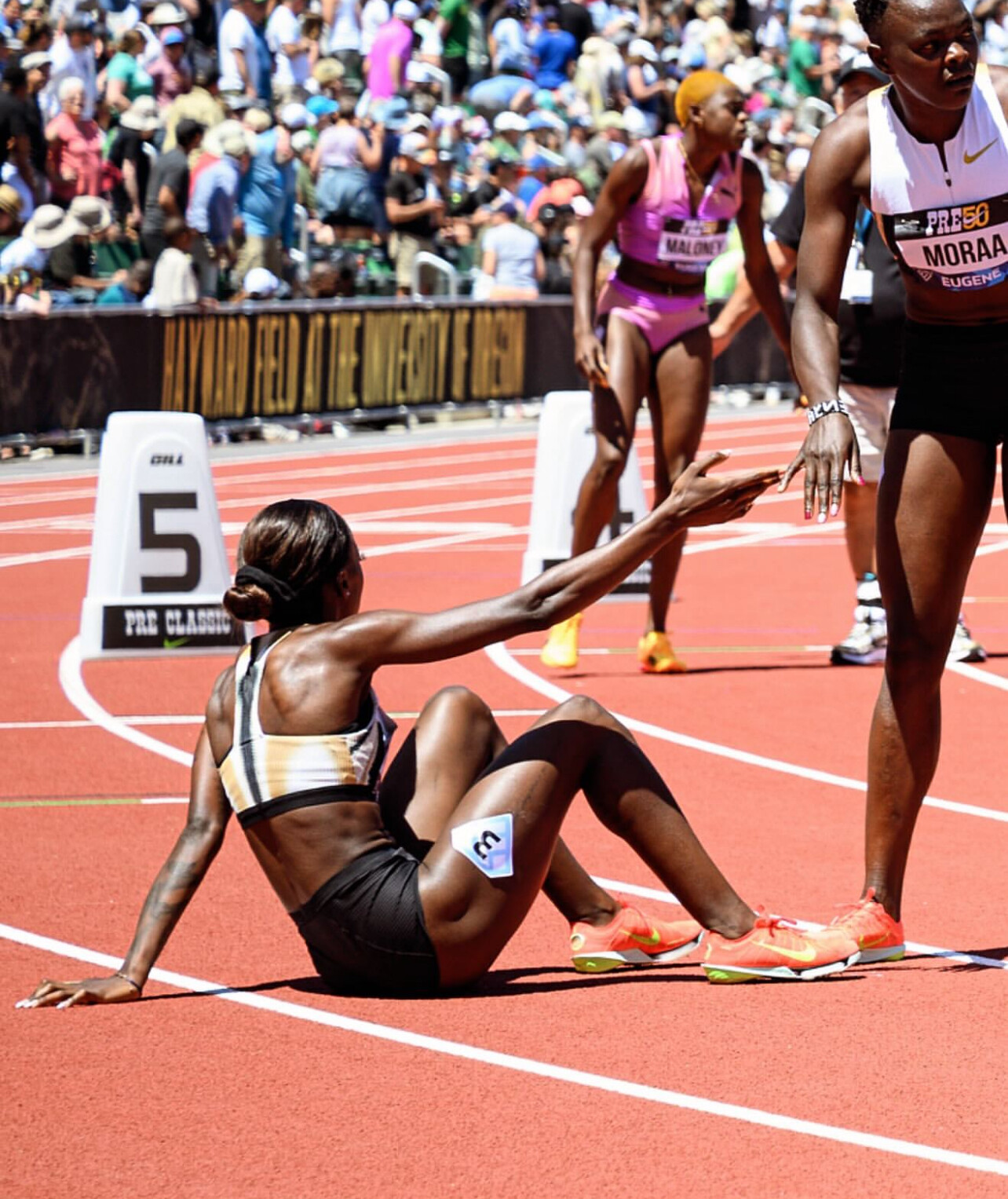
? Top 10 Women’s 800m Times in 2025 (as of July 4):
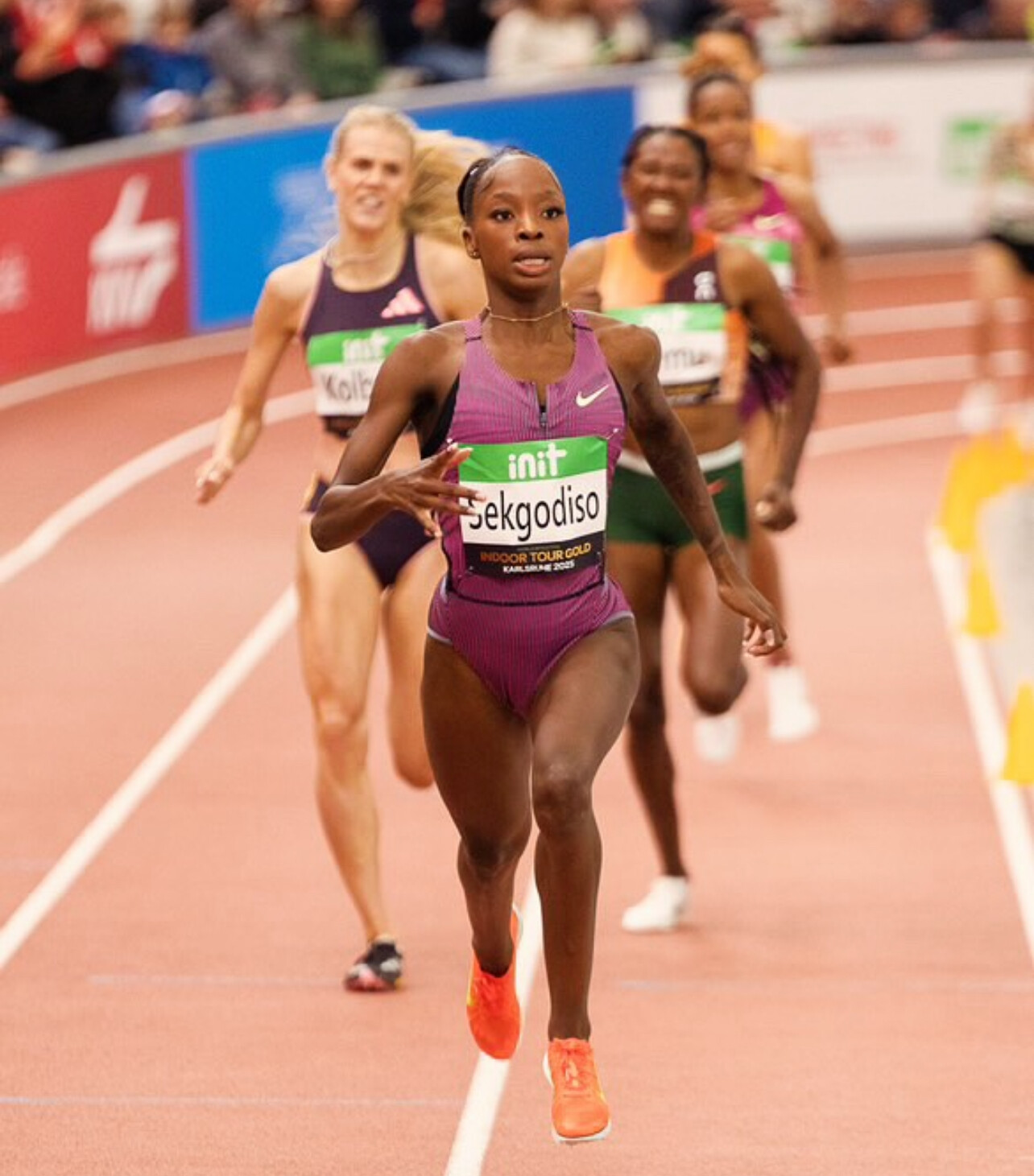
1. 1:56.64 – Duguma
2. 1:57.16 – Sekgodiso
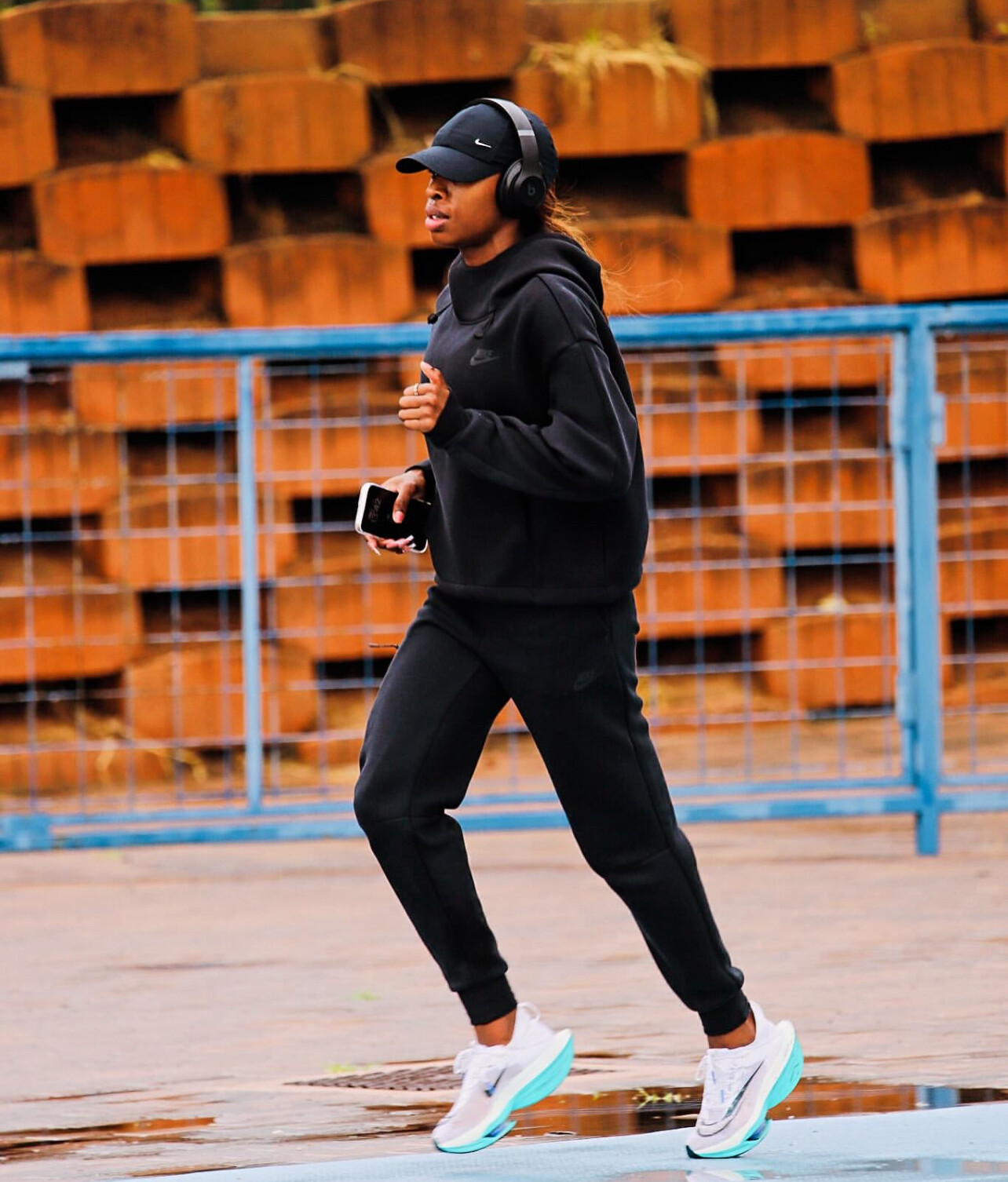
3. 1:57.25 – Werro
4. 1:57.49 – Nowe
5. 1:57.55 – Wiley
6. 1:57.66 – Bell
7. 1:57.81 – Bourgoin
8. 1:57.83 – Billings
9. 1:57.83 – Moraa
10. 1:58.00 – Maloney
How Sekgodiso Measures Up Historically:
The women’s 800m world record still stands at 1:53.28, set by Jarmila Kratochvílová of Czechoslovakia in 1983—a mark that has stood for over 40 years and is widely considered one of the most unbreakable in athletics. Only a handful of women have ever run under 1:55, including:
• Jarmila Kratochvílová (CZE) – 1:53.28 (1983)
• Nadezhda Olizarenko (URS) – 1:53.43 (1980)
• Pamela Jelimo (KEN) – 1:54.01 (2008)
• Caster Semenya (RSA) – 1:54.25 (2018)
Prudence Sekgodiso's 1:57.16 may not yet challenge these all-time performances, but it signals her potential to enter the elite sub-1:56 territory—especially with major races still ahead this season.
South Africa’s Next Middle-Distance Icon?
Following in the footsteps of Caster Semenya, Sekgodiso has reignited South Africa’s presence in the women’s 800m. At just 22 years old, she combines speed, endurance, and confidence, and her upward trajectory is undeniable.
As she continues her climb, all eyes will be on her next race. With every lap, Prudence Sekgodiso is narrowing the gap—not just between herself and the world leader, but also between today’s stars and history’s greats.
by Boris Baron
Login to leave a comment
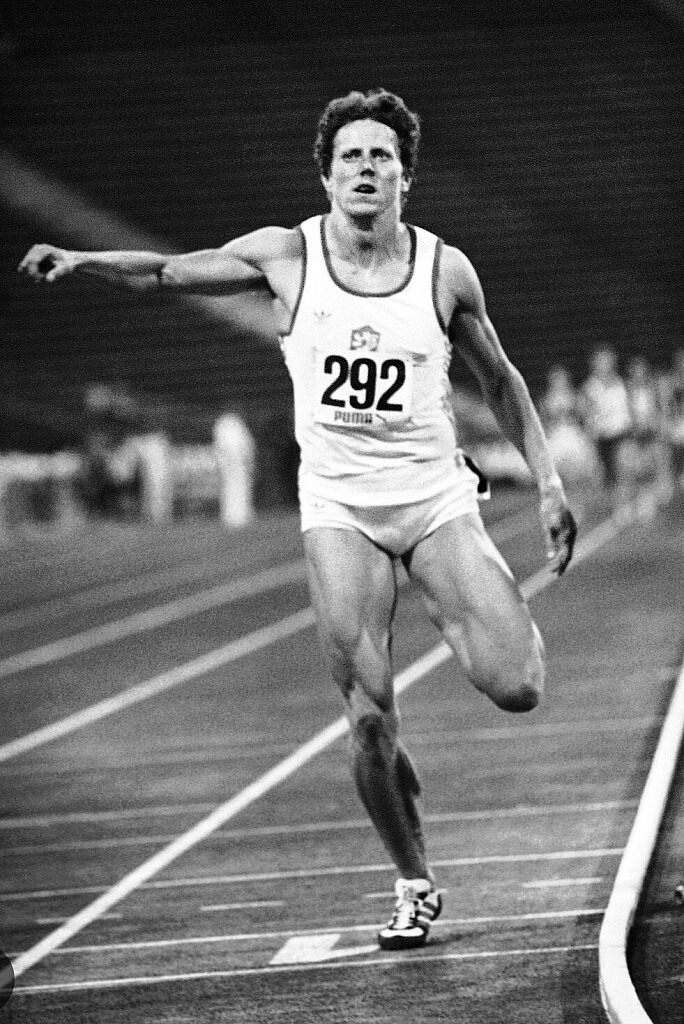
The Untouchable Record: Jarmila Kratochvílová’s 800m Mark Still Stands 42 Years Later — But Should It?
In the fast-evolving world of athletics, records are made to be broken — except, it seems, for one. On July 26, 1983, in Munich, Czechoslovakia’s Jarmila Kratochvílová ran an astonishing 1:53.28 in the women’s 800 meters. Four decades later, that time remains the oldest unbroken individual world record in track and field history.
It has withstood super spikes, altitude training, hyper-focused coaching, and the world’s most gifted middle-distance runners. Olympic champions like Caster Semenya and Athing Mu have come close, but none have truly threatened it. Which begs the question — how did a performance like this come to be? And should it still be recognized?
A Record Born in a Different Era
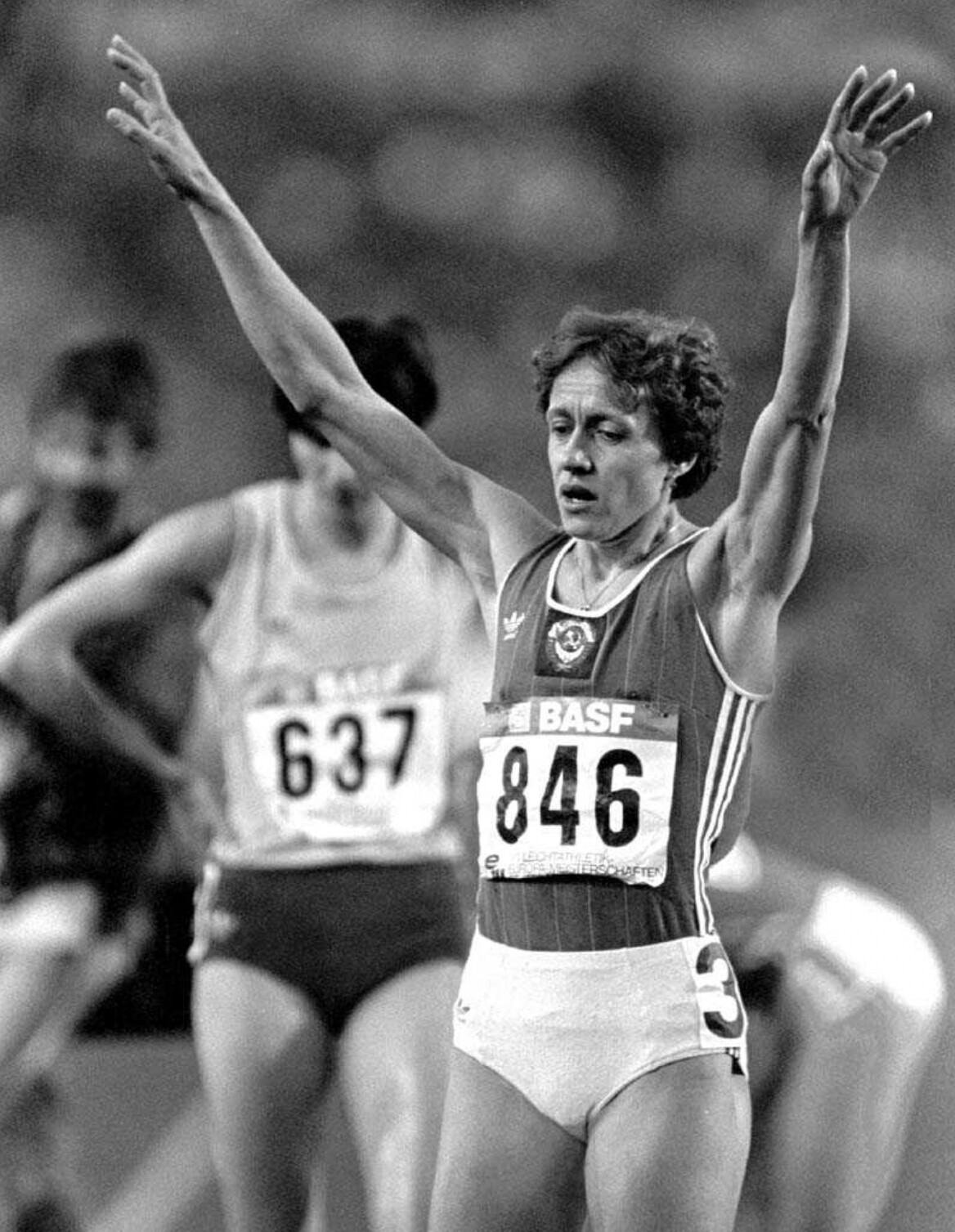
Kratochvílová’s performance came at a time when Eastern Bloc nations, including Czechoslovakia, were deep into state-sponsored sports programs. In that era, the line between elite preparation and banned enhancement was often blurred. Many athletes from that period, particularly from East Germany and the Soviet Union, have since admitted or been linked to systemic doping programs.
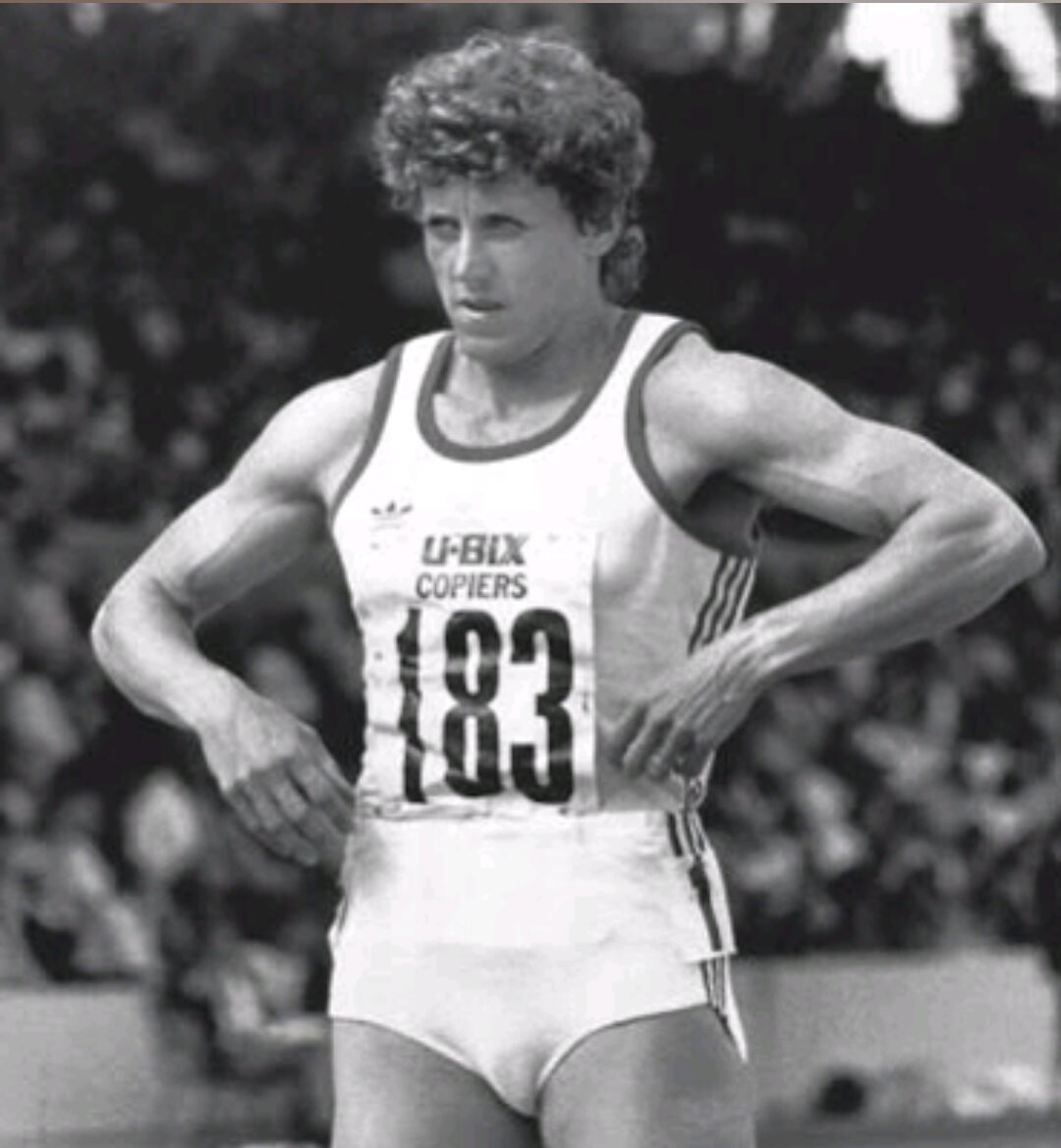
While there has been no formal proof that Kratochvílová used banned substances, the context raises suspicions. Her physical appearance — muscular, powerful, and more commonly compared to male counterparts than to female contemporaries — only added to the speculation. Combined with her unprecedented strength over both 400m and 800m distances, critics argue that the performance is not only unmatched, but possibly unnatural.
Why the Doubts Persist
• Performance Gap: Her time is still more than a second faster than most modern Olympic champions — a massive difference at the elite level.
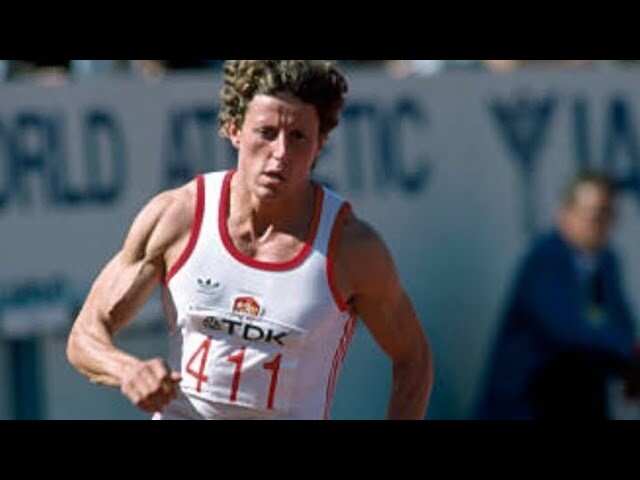
• Era of Doping: Kratochvílová competed during a time when drug testing was primitive and records were often set under questionable conditions.
• Physique & Speculation: Her highly muscular build and deep voice led some to question if she should have been eligible to compete in the women’s category — though gender testing at the time did not flag her.
• Lack of Longevity: After 1983, Kratochvílová’s presence at major championships waned. Some suggest this could point to the unsustainable nature of her peak performance.
Arguments for Letting It Stand
Supporters of the record, including Kratochvílová herself, insist that the performance was clean and the result of hard work and unconventional training. She famously avoided standard intervals and instead focused on long sessions in heavy shoes and rugged conditions. No positive test exists, and the record has survived decades of scrutiny by World Athletics.
Moreover, some point out that breaking a record doesn’t validate its legitimacy — it simply reflects the evolution of training, equipment, and talent pools. If no one has broken it yet, perhaps it’s just one of those rare, generational performances that transcends time.
Should It Be Removed?
There have been proposals — including from World Athletics — to reset all pre-2005 records due to the lack of out-of-competition drug testing during earlier decades. The suggestion faced pushback, especially from record holders who never failed a test.
But the debate continues. Some believe Kratochvílová’s 1:53.28 represents a performance that belongs to a different set of rules — and therefore shouldn’t be part of the same record book as today’s achievements. Others see it as an enduring symbol of what the human body (with or without help) once accomplished.
Final Thought
Whether you view Jarmila Kratochvílová’s 800m world record as a miraculous outlier or a relic of a flawed system, one thing is certain: it has become the ultimate benchmark. Until someone runs faster — cleanly and unquestionably — the debate will rage on. And with every passing year, this 1983 run becomes less of a record and more of a legend.
by Boris Baron
Login to leave a comment
Western States 100 Gears Up for an Epic Showdown Across Sierra Trails
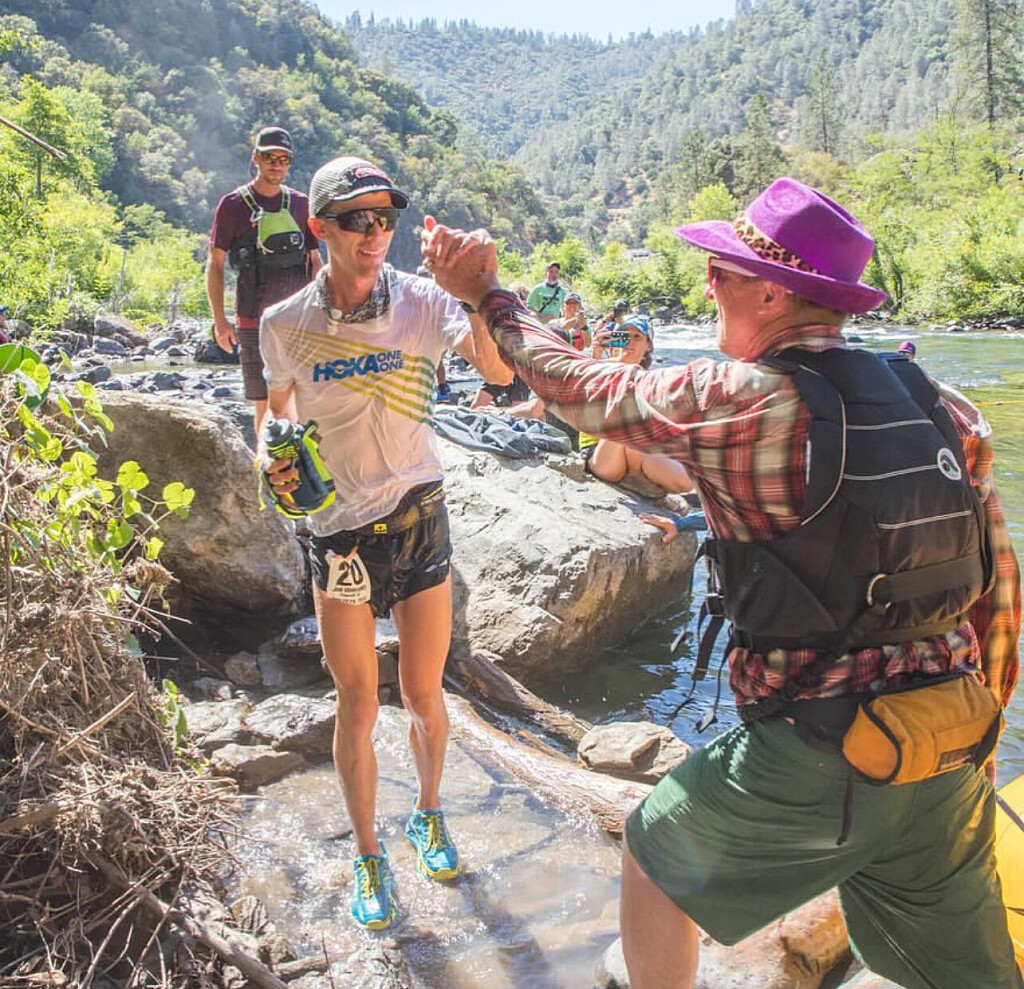
The legendary Western States 100-Mile Endurance Run returns June 28–29, 2025, promising one of the most competitive and compelling editions in its storied history. Known as the world’s oldest 100-mile trail race, this ultra begins in Olympic Valley (formerly Squaw Valley) and finishes 100 rugged miles later at Placer High School in Auburn, California.
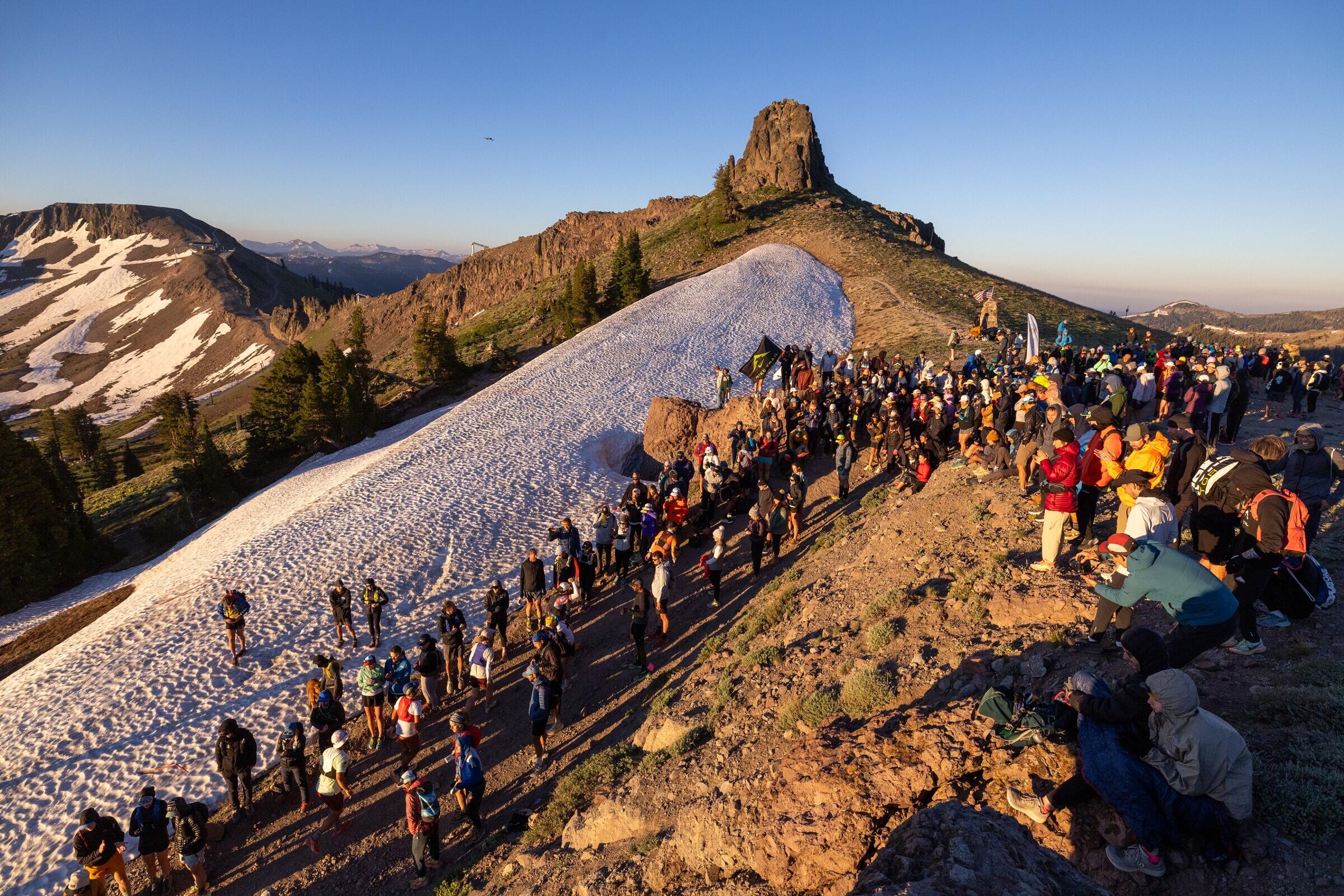
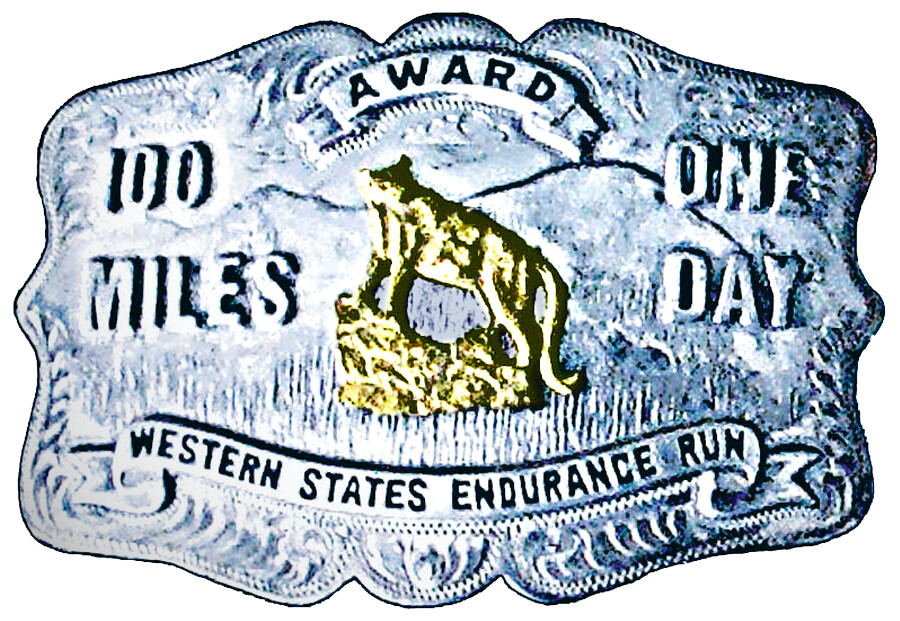
With more than 18,000 feet of climbing and 23,000 feet of descent, the race tests every aspect of a runner’s will and endurance. From snow-capped ridges to sweltering canyon floors, the course traverses remote backcountry, river crossings, and punishing climbs—all under the clock, with the coveted silver belt buckle awaiting those who finish under 24 hours.
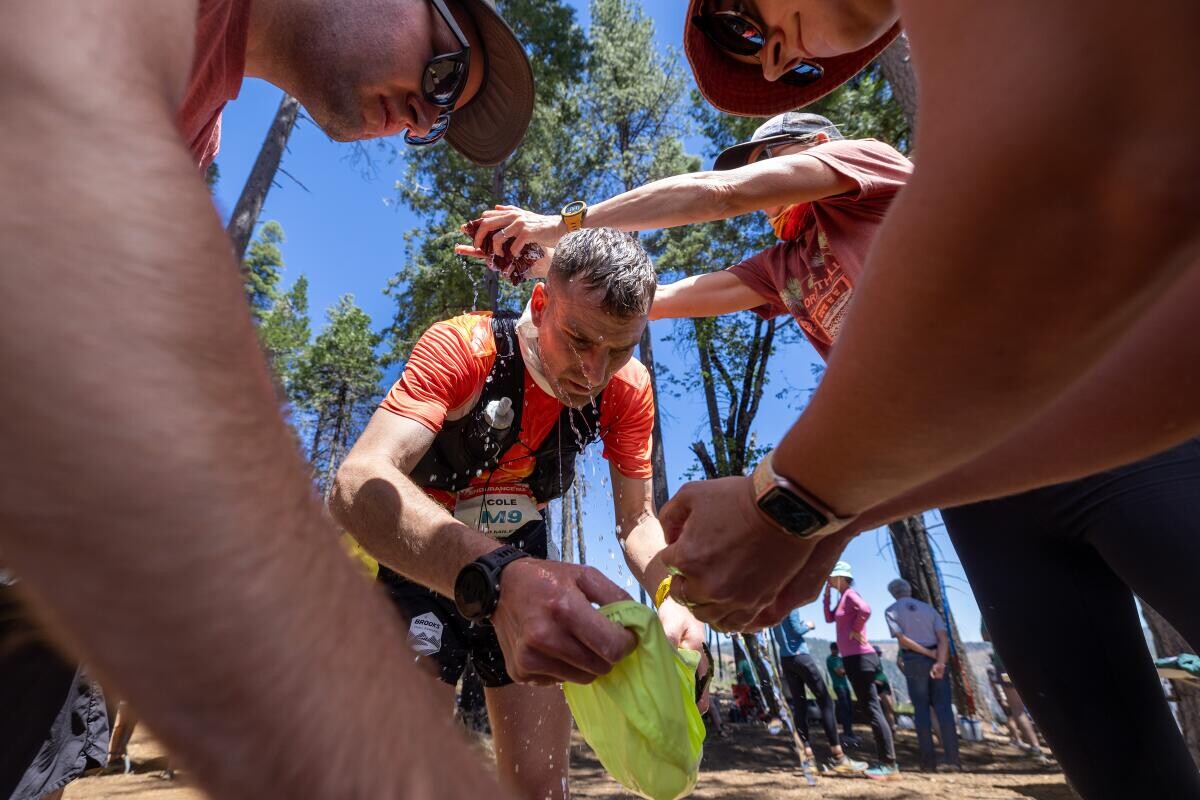
Who’s Racing?

This year’s field is packed with elite talent, resilient veterans, and powerful storylines.
Top Men’s Contenders:
• Rod Farvard (USA) – One of the fastest Golden Ticket winners this season.
• Dan Jones (New Zealand) – Former Olympic Trials marathoner.
• Caleb Olson (USA) – Rising talent on the ultra scene.
• Chris Myers (USA) – Strong performances across the trail circuit.
• Jia-Sheng Shen (China) – Brings international prestige to the field.
Leading Women:
• Emily Hawgood (Zimbabwe) – Regular top-10 finisher with unfinished business.
• Eszter Csillag (Hungary) – One of Europe’s most consistent mountain runners.
• Heather Jackson (USA) – Former pro triathlete turned ultra star, back after a win at Unbound Gravel XL.
• Fu-Zhao Xiang (China) – Dominant at multiple global ultras.
• Ida Nilsson (Sweden) – Former European mountain running champion.
Notable Golden Ticket Winners:
• Riley Brady, Hannah Allgood, Rosanna Buchauer, Hậu Hà, Tara Dower, Abby Hall, Lin Chen, Caitlan Fielder, Nancy Jiang, Fiona Pascall, Johanna Antila
A Field That Crosses Generations
One of the most heartwarming developments this year is the record-setting six athletes aged 70 or older toeing the line.
Among them is Jim Howard, a two-time Western States champion (1981, 1983), who is making an inspiring return at age 70—running with two artificial knees. “I want to go out there one more time and be part of this incredible race,” Howard told Canadian Running.
Also returning is Jamil Coury, founder of Aravaipa Running, looking to build on his strong performance 15 years ago.
The Course
• Start: Olympic Valley (elevation: ~6,200 ft)
• Highest Point: Emigrant Pass (~8,750 ft)
• Finish: Auburn (elevation: ~1,200 ft)
• Snow is often a factor in the early miles, with extreme heat common in the canyons. Aid stations are spaced roughly every 4–8 miles, supported by over 1,500 volunteers.
Runners cross rivers, climb ridgelines, descend technical single-track, and are cheered into the stadium at Placer High—often in the dead of night.
Media and Spectator Access
• Live coverage, tracking, and video will be available on the Western States Endurance Run website.
• Key aid stations will allow crew and spectators, including Foresthill (mile 62) and Robie Point (mile 99).
A Race Like No Other
• One of the five races in the Grand Slam of Ultrarunning
• A UTMB World Series qualifier
• Historic, grassroots feel with world-class competition
Whether you’re cheering for a podium contender, an age-defying legend, or simply following the passion of runners determined to finish within 30 hours, this year’s Western States 100 is poised to deliver drama, beauty, and inspiration.
Let the countdown begin.
by Boris Baron
Login to leave a comment

Western States 100
The Western States ® 100-Mile Endurance Run is the world’s oldest and most prestigious 100-mile trail race. Starting in Squaw Valley, California near the site of the 1960 Winter Olympics and ending 100.2 miles later in Auburn, California, Western States, in the decades since its inception in 1974, has come to represent one of the ultimate endurance tests in the...
more...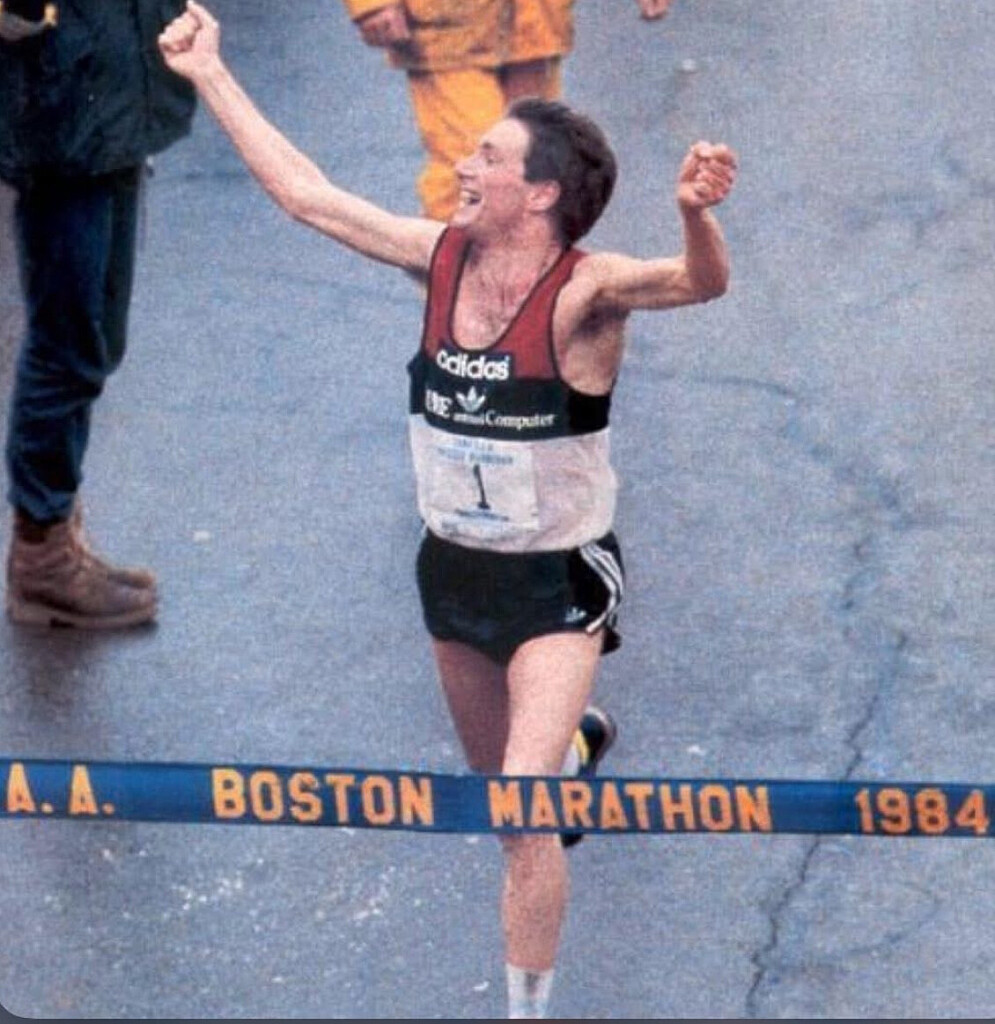
Geoff Smith is a two-time Boston Marathon winner, Olympian, and lifelong contributor to the sport. From collapsing short of victory in NYC to Boston glory—his story is pure grit.
Two-time Boston Marathon winner Geoff Smith is more than a racing legend—he’s a lifelong ambassador for running. Born in Liverpool, England in 1953, Smith’s story is one of extraordinary transformation. From firefighter to Olympian to elite marathoner, and now a mentor and race organizer, his passion for the sport continues to resonate across generations and continents.
From Liverpool Firefighter to Boston Great
Smith’s journey began with the Liverpool Fire Brigade’s athletic team, where his natural talent emerged. By age 26, he had relocated to the United States to attend Providence College in Rhode Island. There, he developed into one of the world’s premier distance runners.
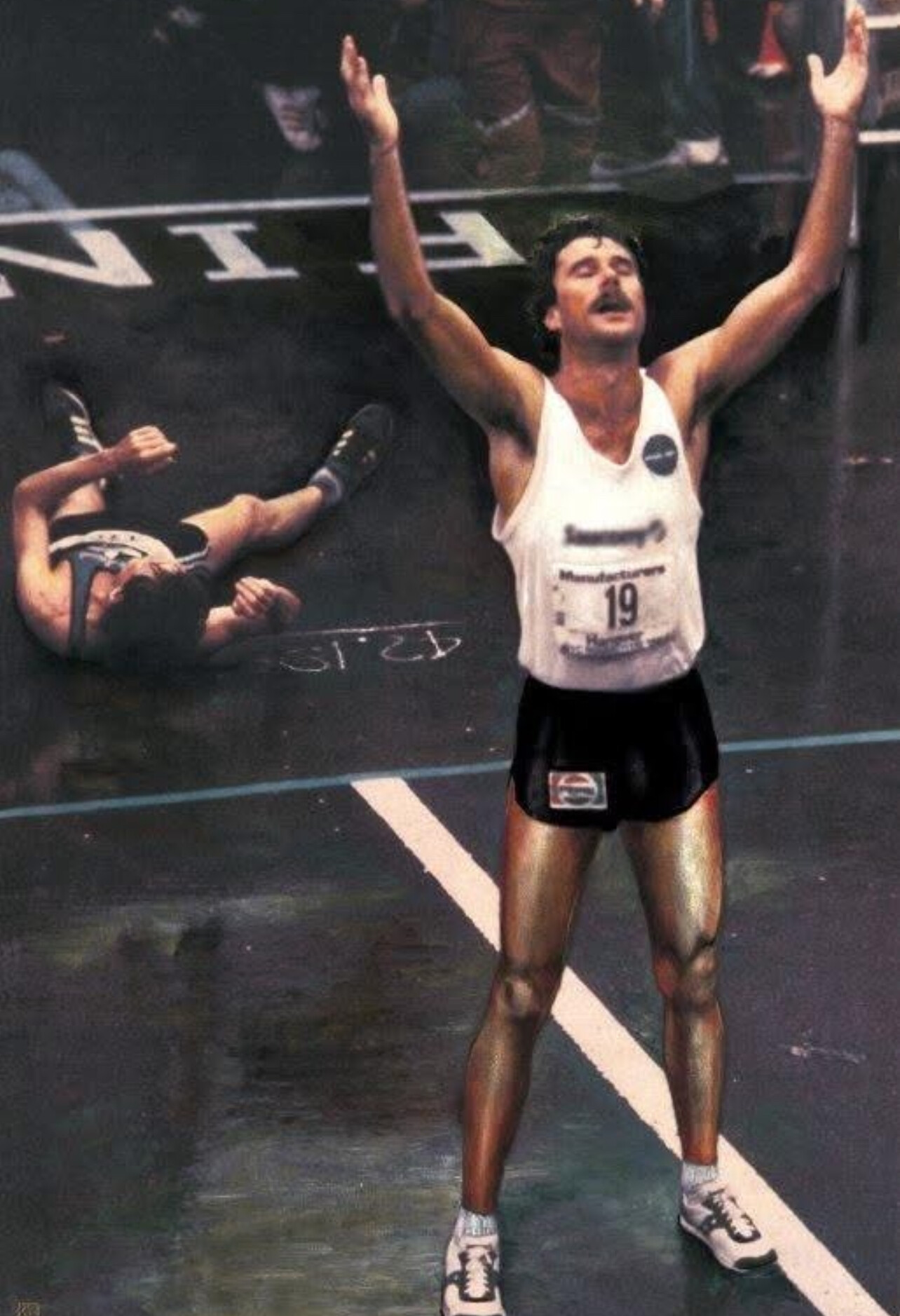
In 1983, he made a dramatic marathon debut in New York City. Leading for most of the race, he seemed destined for victory—until, in the final few yards, Rod Dixon surged ahead. Overwhelmed by exhaustion, Smith collapsed before reaching the finish line. The iconic photograph capturing that heart-stopping moment, with Dixon celebrating and Smith falling short of the line, remains one of the most powerful images in marathon history.
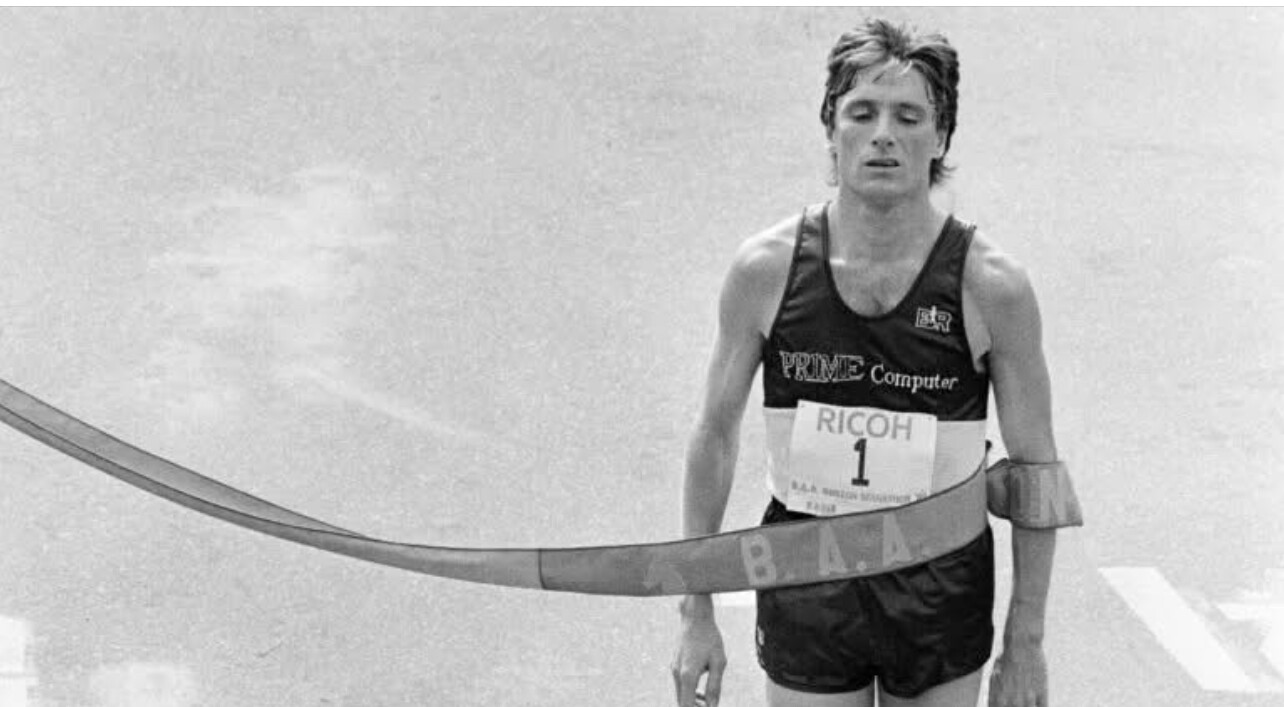
The following year, he captured the 1984 Boston Marathon title with a commanding 2:10:34. In 1985, he defended his title in dramatic fashion, battling severe leg cramps in the final miles to win in 2:14:05. That courageous effort remains one of the grittiest finishes in Boston history.
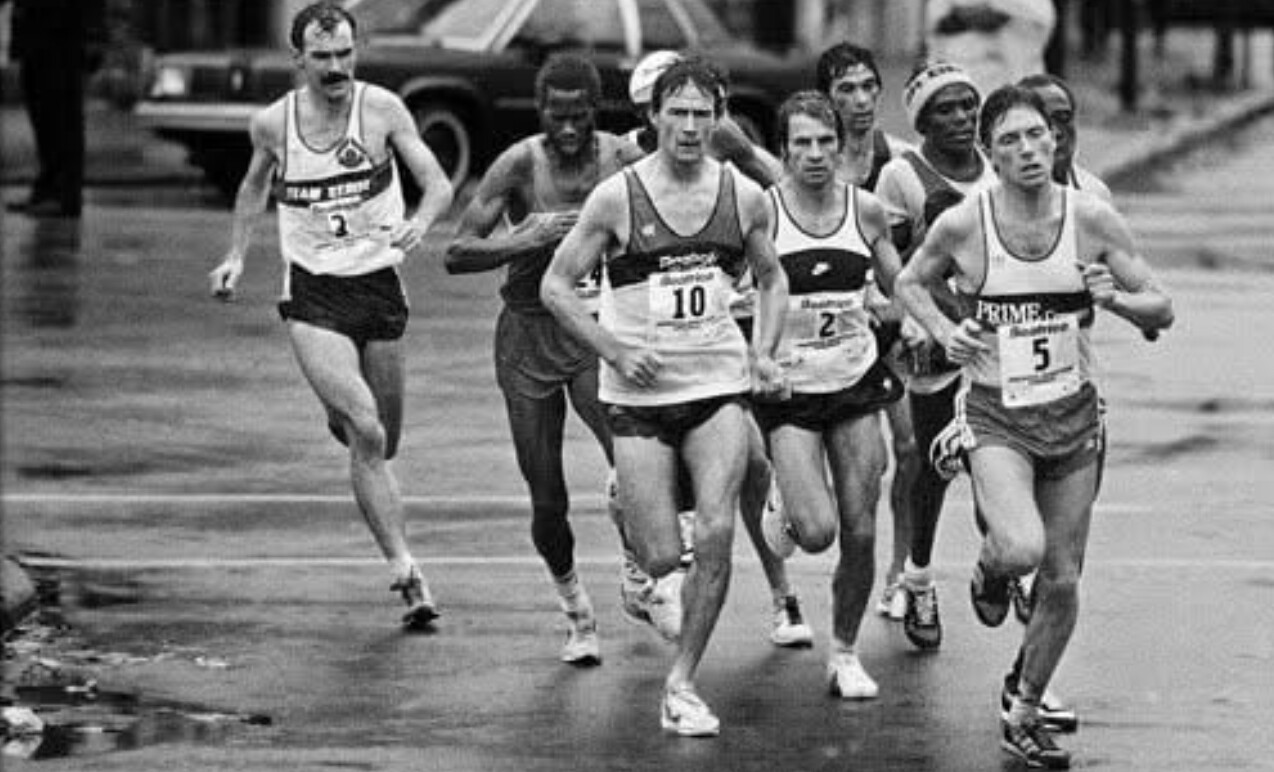
Olympic Pride and International Competition
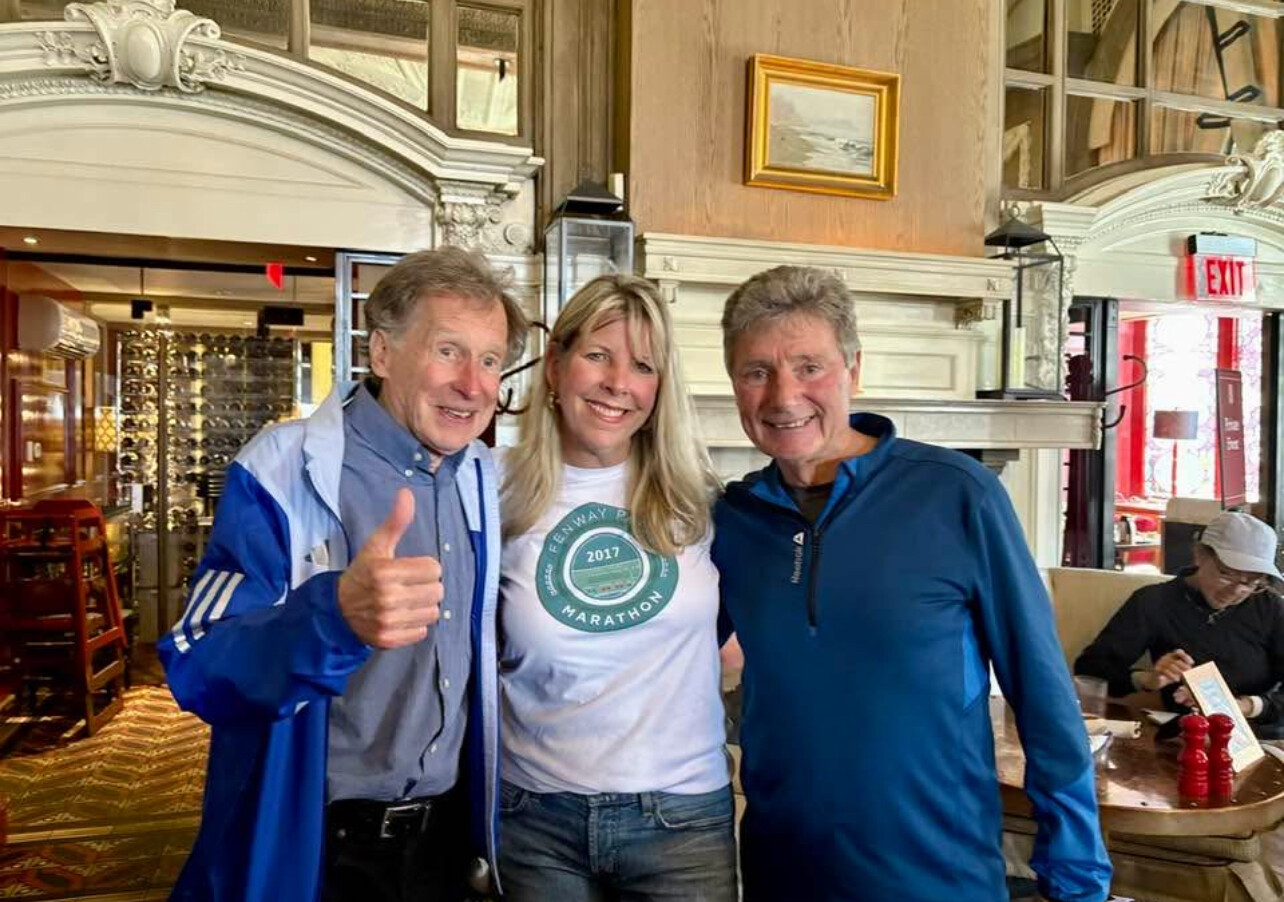
Smith also proudly represented Great Britain in two Olympic Games. He competed in the 10,000 meters at the 1980 Moscow Olympics and returned to the global stage in the marathon at the 1984 Los Angeles Olympics. His Olympic performances helped cement his place among the greatest British distance runners of his era.

A Quiet Force Behind the Scenes

After retiring from elite competition due to injuries—and undergoing bilateral hip replacements—Smith made a remarkable return to the sport. Though no longer racing competitively, he continues to log miles through walking or easy running, staying deeply connected to the running lifestyle.
Now based in Mattapoisett, Massachusetts, Smith remains a respected figure in the New England running scene. Rather than seeking the spotlight, he collaborates with other race directors, using his decades of experience to help source race medals, shirts, and participant bags. His behind-the-scenes work ensures runners have meaningful, memorable race-day experiences.
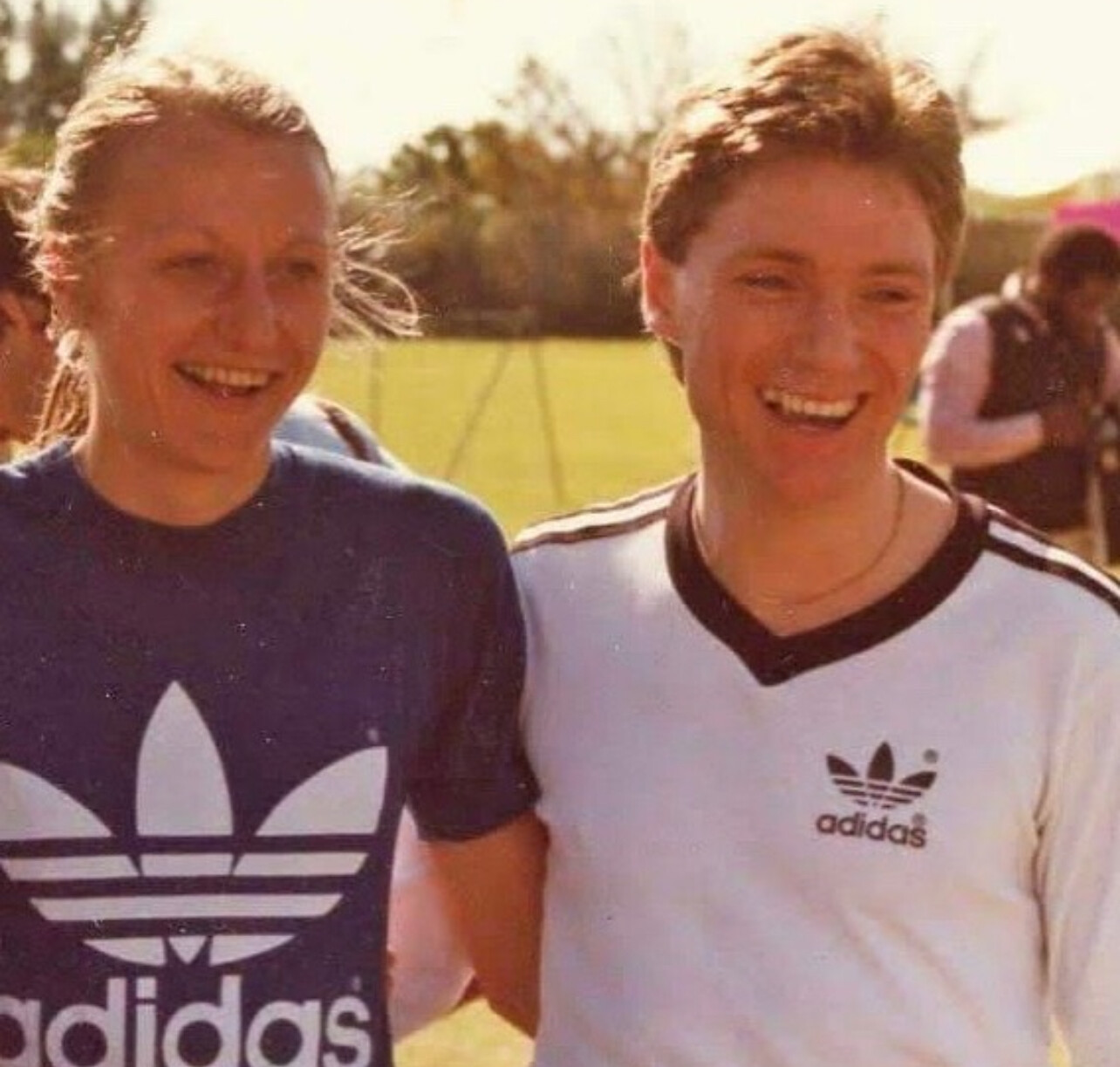
Living Between Massachusetts and Liverpool
While Smith calls Massachusetts home, he spends considerable time in his native Liverpool, keeping strong ties to his roots. Whether he’s supporting local races in New England or visiting family and friends in the UK, his love for the running community never wavers.
Despite facing medical challenges in recent years, Geoff Smith continues to move forward with resilience and determination. His story is a powerful reminder that true champions don’t just break tape—they lift others along the way.
Geoff Smith’s legacy isn’t only written in record books—it lives on in the events he supports, the runners he inspires, and the quiet miles he continues to cover with gratitude and grace.
by Boris Baron
Login to leave a comment
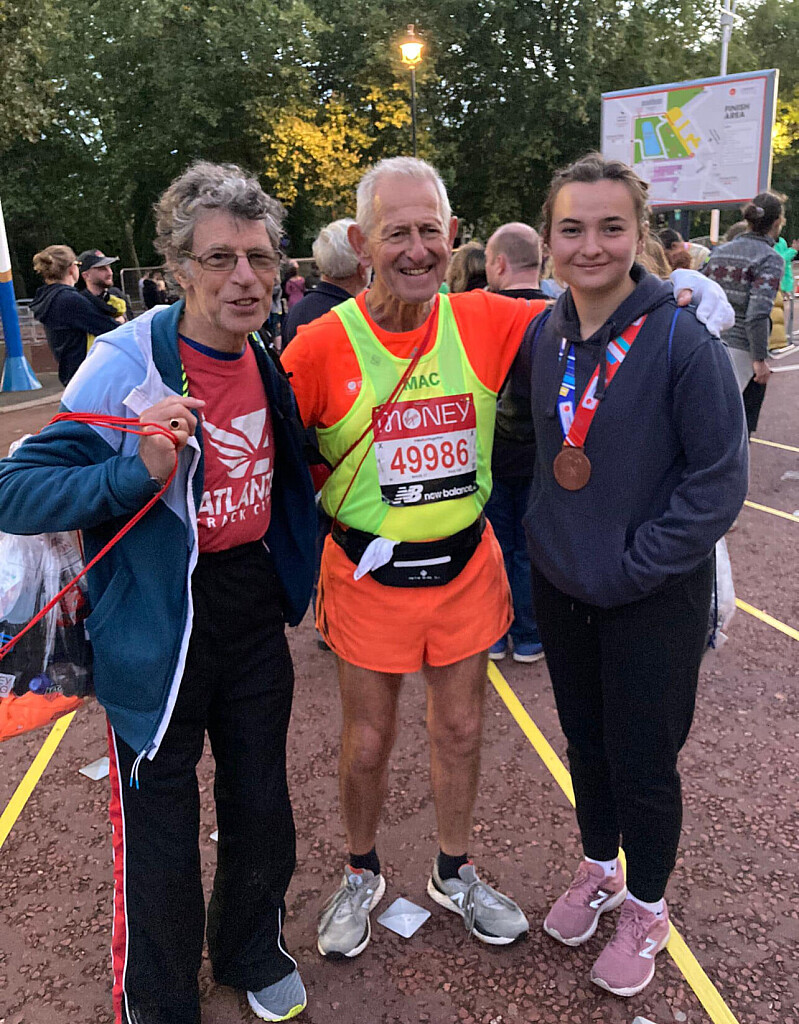
Mac Speake Keeps the Streak Alive at the London Marathon
At 83 years old, Dr. Mac Speake continues to embody the spirit of endurance and dedication. As one of the original “Ever Presents,” Speake has completed every London Marathon since its inception in 1981, a feat achieved by only six individuals as of 2024 .
This year’s marathon was particularly challenging for Speake. Despite a strong start, he encountered difficulties around mile 22, losing balance and requiring assistance from his wife, Ros, and daughter to cross the finish line. Remarkably, he completed the race in 9 hours and 14 minutes, improving upon his previous year’s time by half an hour.
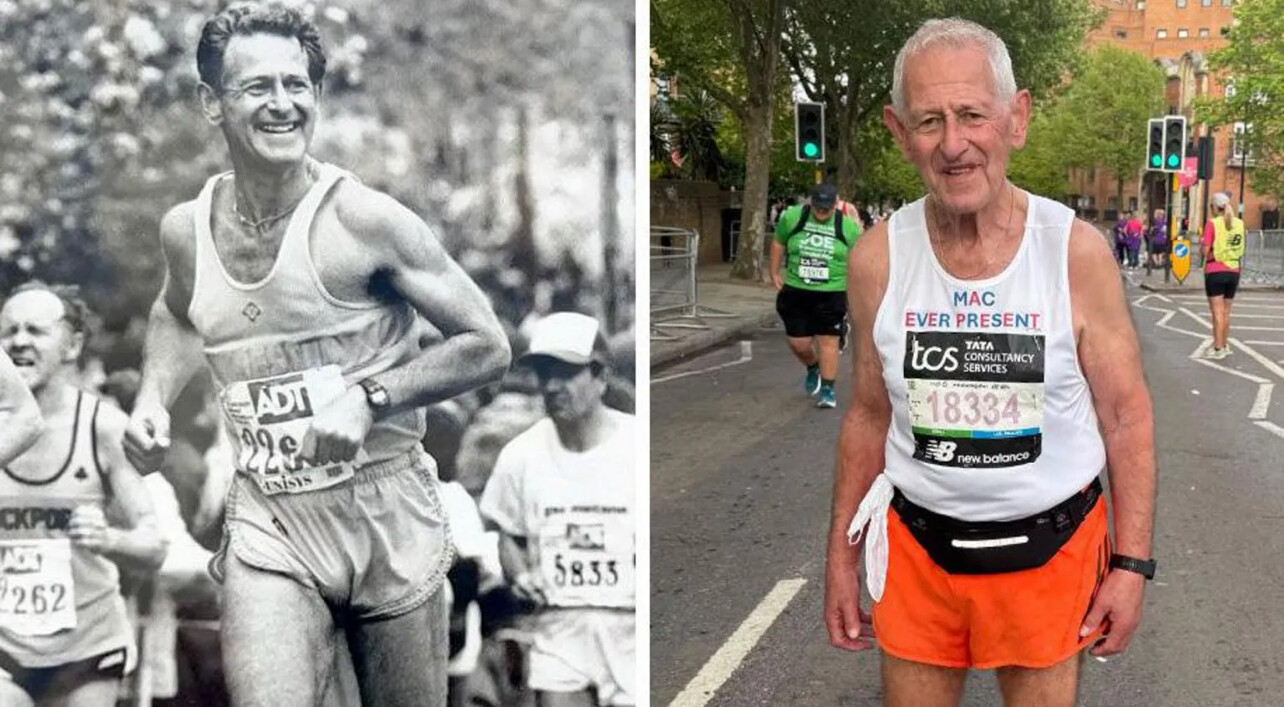
Speake’s marathon journey has not been without adversity. Over the years, he has run with broken bones and battled severe illnesses, including a bout of norovirus that left him vomiting “gallons.” Yet, his commitment never wavered. His personal best of 2 hours and 44 minutes, achieved in 1983, remains a highlight of his running career.
The support of his family, particularly Ros, has been instrumental in his marathon endeavors. Ros has attended every race, except one in 1981 due to a stroke, often recalling the early days when their children watched from the gates of Buckingham Palace. Her concern for Mac’s well-being is palpable, especially after this year’s taxing experience, yet she acknowledges, “I could never stop him from doing it.”
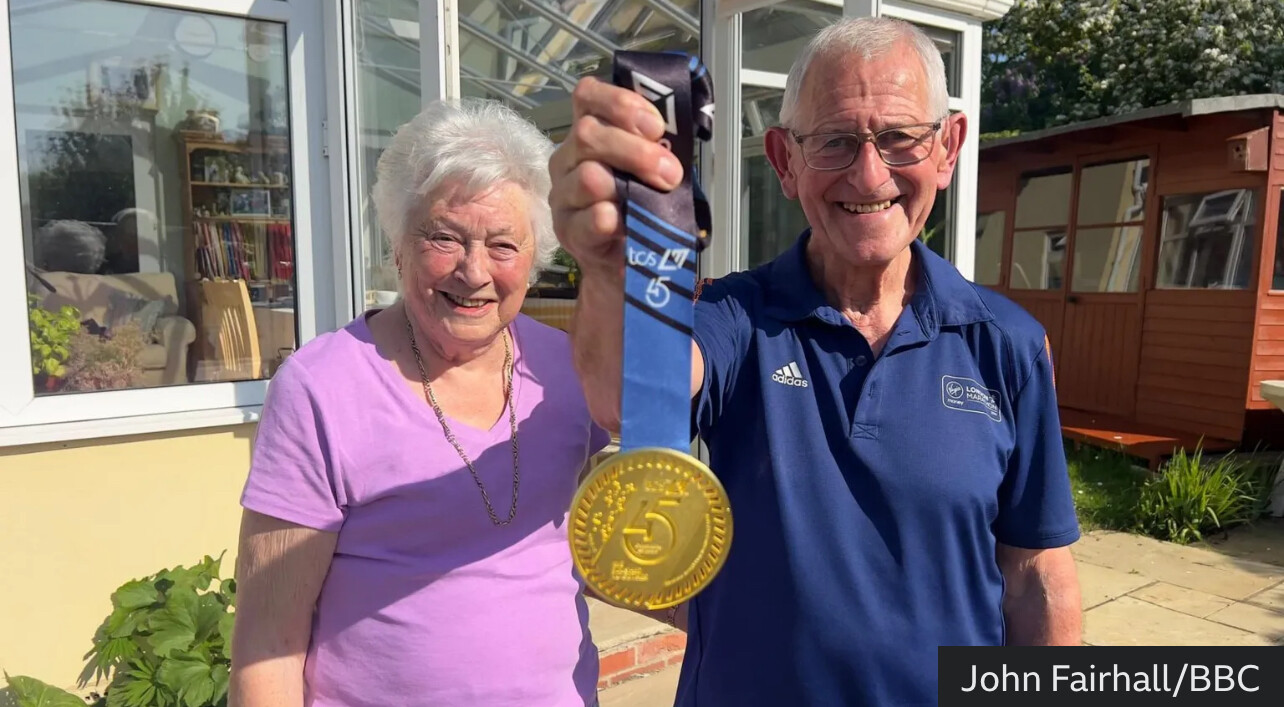
As Speake reflects on his latest marathon, he remains uncertain about participating next year. However, the London Marathon has become an integral part of his life, symbolizing not just a race, but a lifelong commitment to perseverance and the enduring spirit of the running community.
by Boris Baron
Login to leave a comment
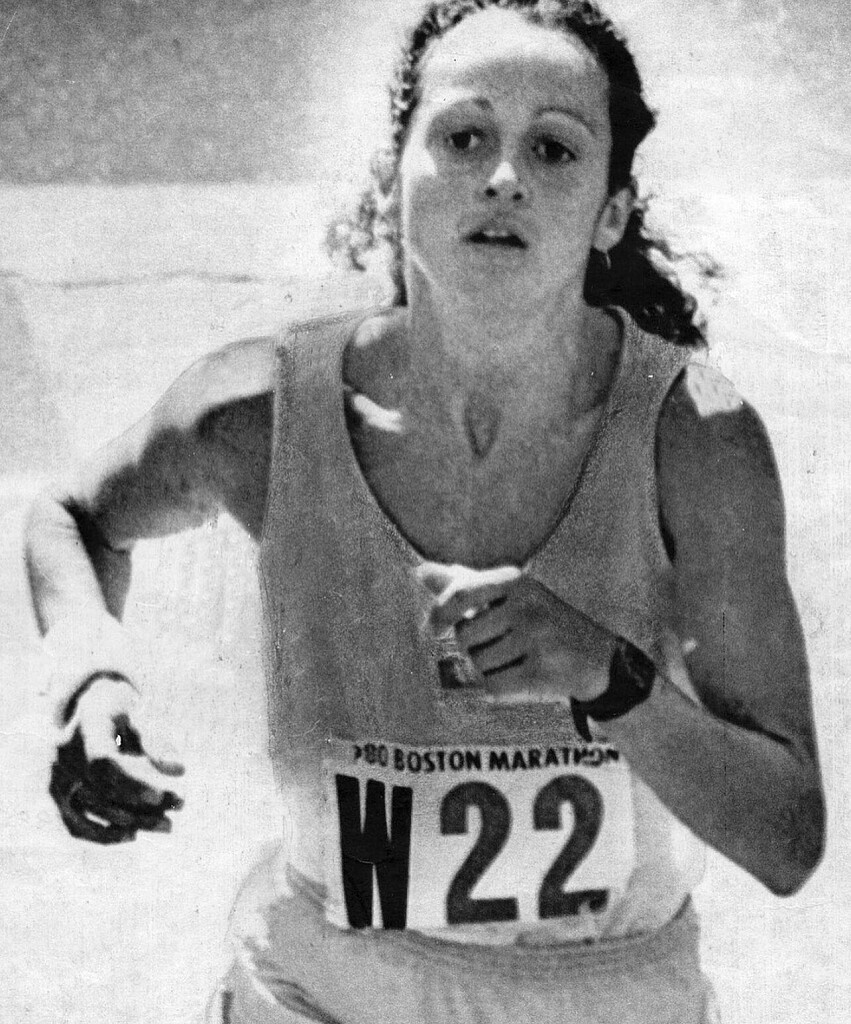
Jacqueline Gareau A Champion Runner Who Found Her True Stride in Life
Jacqueline Gareau’s name is forever etched in marathon history, not just for her victory at the 1980 Boston Marathon but for the incredible grace and resilience she has shown throughout her life. From an elite runner setting records on the roads to a passionate advocate for health and wellness, Gareau’s journey is one of perseverance, redemption, and a deep love for movement.
The 1980 Boston Marathon The Champion Who Was Almost Denied
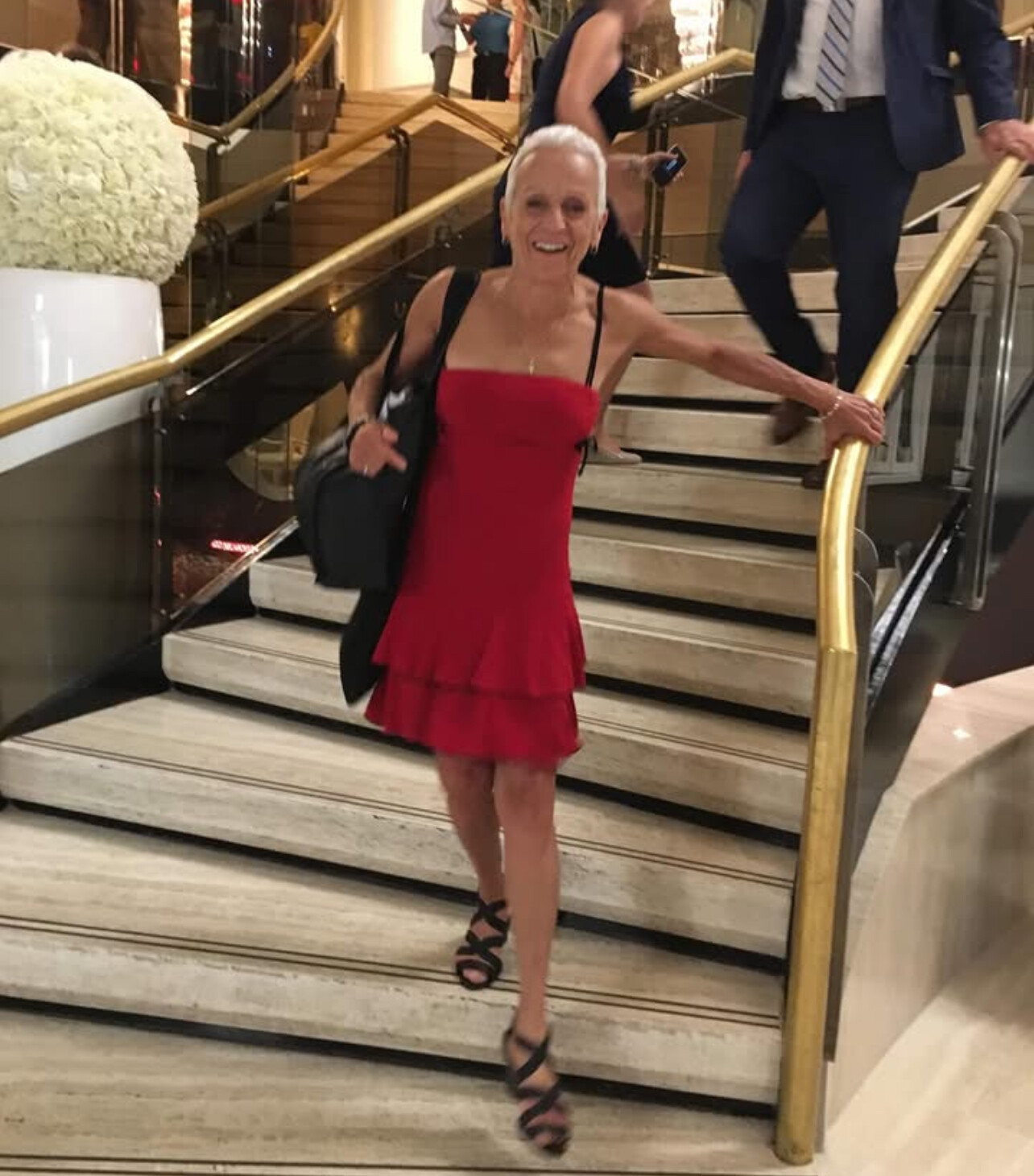
On April 21, 1980, Jacqueline Gareau stood at the starting line of the Boston Marathon, prepared to test herself on the legendary course. She ran with determination, leading the women’s field for most of the race. But when she crossed the finish line, something was wrong—another woman, Rosie Ruiz, had already been declared the winner.

Ruiz’s time of 2:31:56 was shockingly fast, raising immediate suspicions. Unlike other elite runners, she wasn’t sweating, didn’t look fatigued, and had barely been seen on the course. It soon became clear—she had not run the entire race. Instead, she had jumped into the course near the finish line, fooling officials into believing she had won.
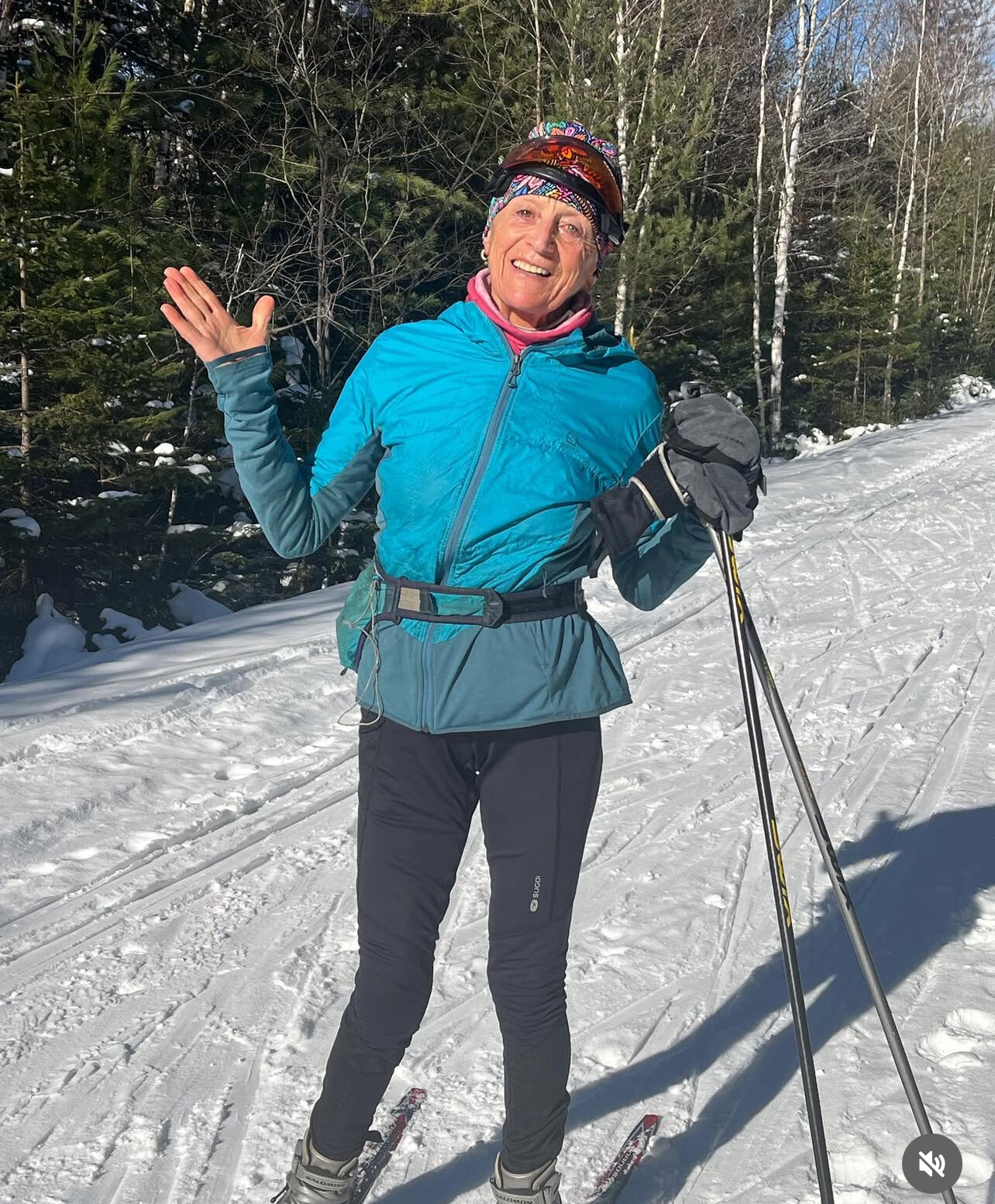
Just over a week later, Ruiz was disqualified, and Jacqueline Gareau was officially recognized as the rightful champion with a time of 2:34:28, a new course record for women at the time.
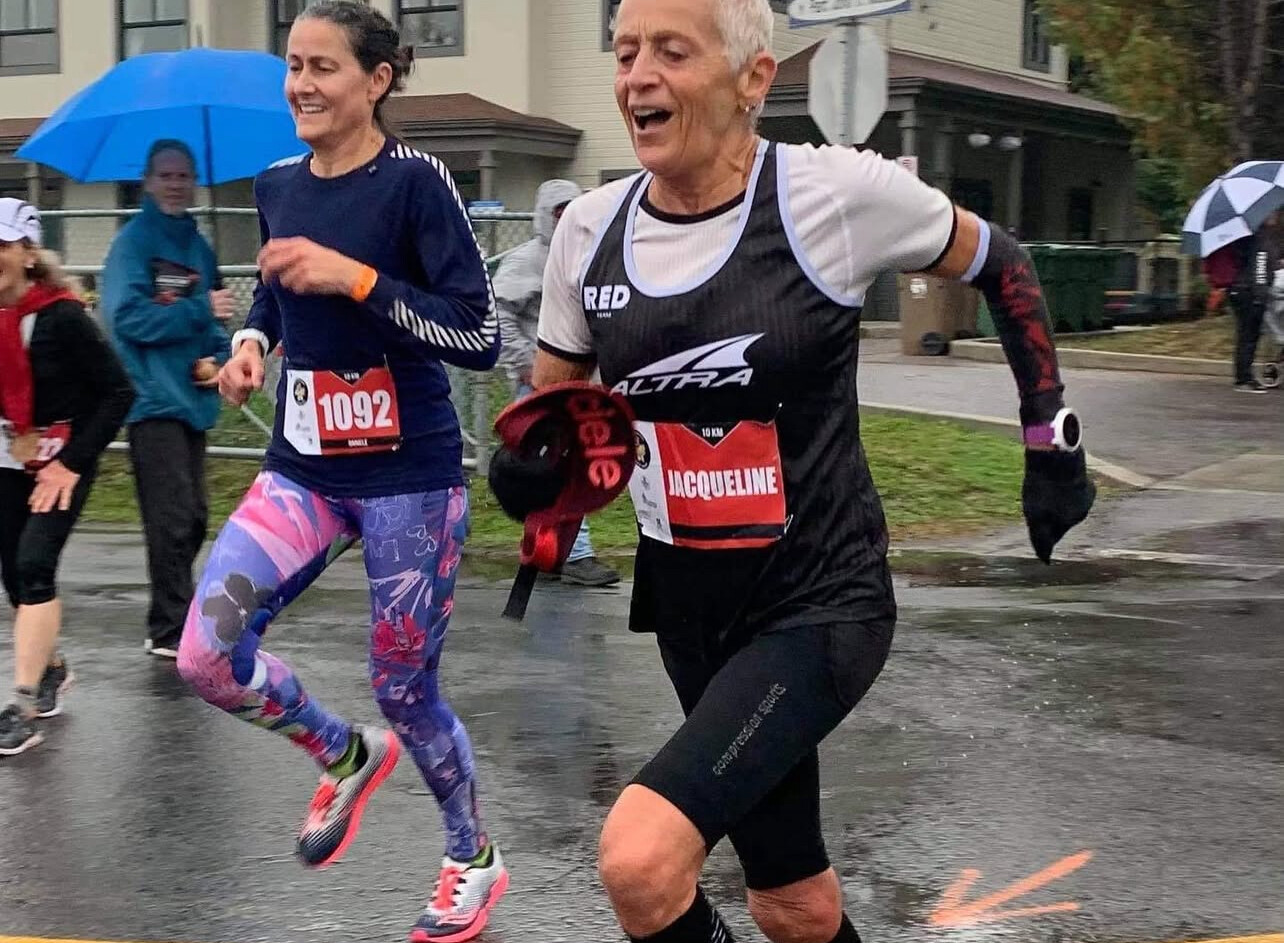
Bob Anderson, then publisher of Runner’s World, saw Gareau shortly after the race and said, “We know who won today.” Those words carried weight, affirming that the running community had never doubted her victory.
A Career of Excellence
Winning Boston was a defining moment, but Gareau’s career was built on more than just one race.
• 1979 – She won both the Ottawa Marathon and Montreal Marathon.
• 1983 – She finished second at Boston with a personal best of 2:29:28.
• 1984 – She represented Canada at the Los Angeles Olympics, competing in the first-ever women’s Olympic marathon.
Her talent and work ethic made her one of Canada’s greatest marathoners, and her story became an inspiration for runners around the world.
From Running to Holistic Wellness
After stepping away from competitive racing, Gareau found a new passion—helping others heal. She became a massage therapist, focusing on injury prevention and recovery. Based in Sainte-Adèle, Quebec, she works with athletes and non-athletes alike, offering therapeutic massage, running form workshops, and public speaking engagements.
Her philosophy is simple but powerful: movement is life. She believes that staying active and listening to the body is the key to longevity and well-being. Her approach blends the discipline of an elite athlete with the mindfulness of a healer, making her a sought-after expert in health and fitness.
A New Passion on the Trails
While she still runs, Gareau has found another love—cross-country skiing. She often hits the trails multiple times a week, sometimes even more than she runs. The sport allows her to stay fit while enjoying nature, something she deeply values. Her love for skiing is another extension of her lifelong dedication to movement and staying active in a way that feels fulfilling.
A Lasting Impact on the Sport
Gareau’s influence extends beyond the finish line:
• Ambassador for Running and Wellness – She partners with brands, promoting footwear that supports natural movement and foot health.
• Speaker and Coach – She gives motivational talks, leads training clinics, and continues to inspire new generations of runners.
In 2005, she was honored as the Grand Marshal of the Boston Marathon, where she was invited to finally break the tape at the finish line—a symbolic gesture recognizing her rightful place in marathon history.
A True Champion On and Off the Course
Jacqueline Gareau’s journey is a testament to the power of perseverance and staying true to oneself. She not only overcame one of the biggest controversies in marathon history but also forged a life beyond running, helping others find balance, health, and strength.
Her story is more than just about winning a race—it’s about finding joy in movement, embracing new passions, and using her experience to uplift others. Whether through running, skiing, or holistic health, Jacqueline Gareau continues to show that being a champion is about so much more than crossing a finish line.
She wrote and sent this photo and said: "Every year, there is a trophy for the best female runner on road in Quebec. The Jacqueline Gareau trophy that I’m proud to give."
by Boris Baron
Login to leave a comment
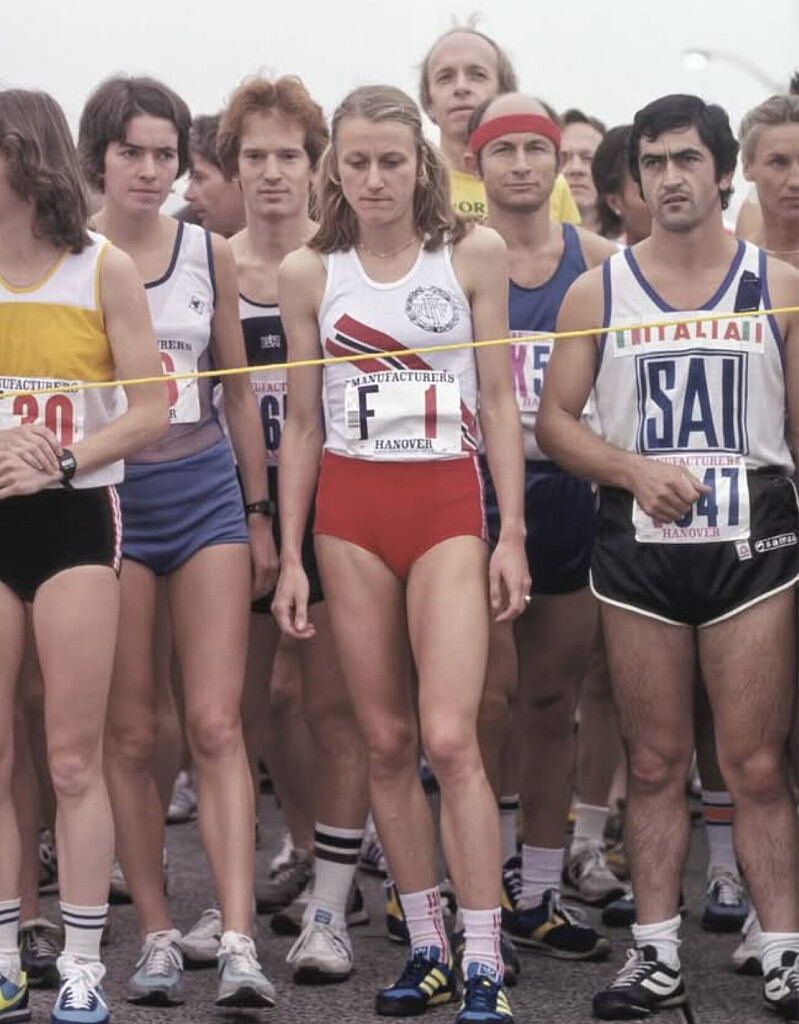
Grete Waitz The Runner Who Changed Marathoning Forever
On a crisp October morning in 1978, an unassuming schoolteacher from Norway stepped up to the starting line of the New York City Marathon. Grete Waitz, a world-class middle-distance runner, had never raced beyond 3,000 meters. That day, she would not only cover 26.2 miles for the first time but also redefine women’s marathoning in a way no one could have predicted.
An Accidental Marathoner
At the time, Waitz was a highly accomplished track athlete, having competed in the 1972 and 1976 Olympics in the 1,500 meters. Her husband and coach, Jack Waitz, believed she had the endurance for the marathon and convinced her to give it a try. The New York City Marathon, then in its third year of running through all five boroughs, was growing in popularity, with nearly 10,000 entrants that year—including 1,240 women, a significant number in an era when women’s distance running was still fighting for recognition.
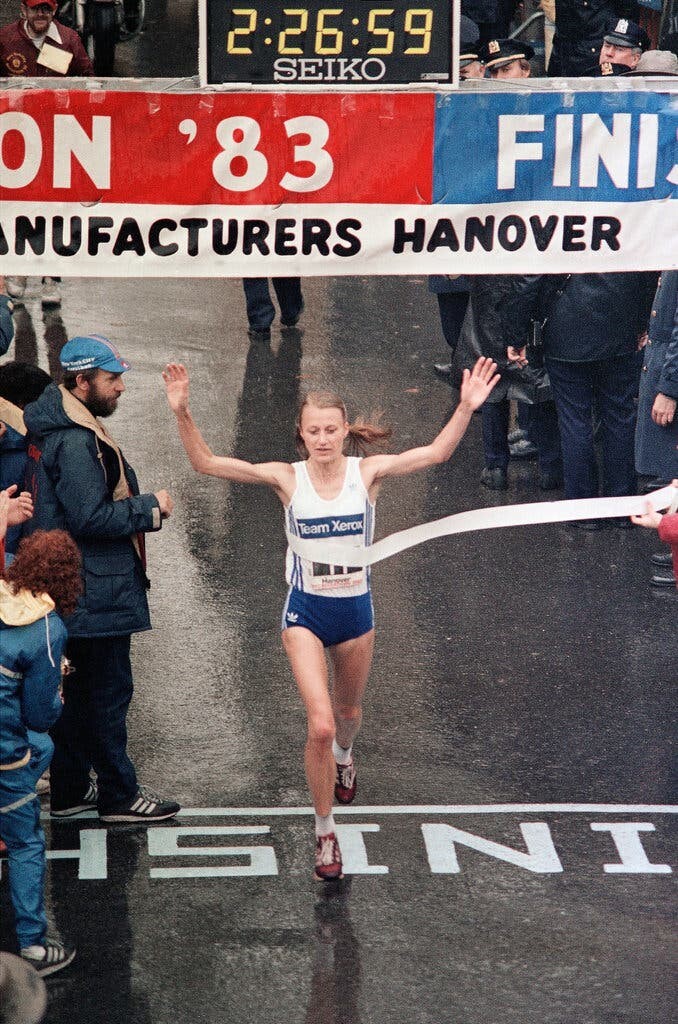
Waitz arrived in New York with no expectations, mostly treating the experience as an experiment. She was given bib “F1,” but that number did not signify any previous success in the marathon—it was merely assigned based on her status as a female elite athlete.
A Race for the Ages
Unlike today’s marathons, where elite runners typically start separately, in 1978, all competitors—professional, amateur, and first-timers alike—began together. The masses surged forward, and Waitz, running with a mix of excitement and nerves, settled into a steady pace.
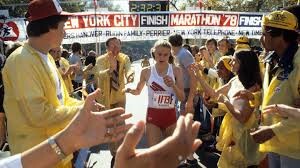
She was strong early on, but by mile 18, she was frustrated. She had no idea what she was doing, she later recalled, and even threw a cup of water at her husband in irritation when he shouted encouragement. Yet, despite her doubts, she was running at a record-setting pace.
As she entered Central Park, fatigue set in, but she powered through, breaking the tape in 2 hours, 32 minutes, and 30 seconds—a world record at the time. When race director Fred Lebow greeted her at the finish line, she collapsed into his arms, exhausted and overwhelmed.
“I’ll never do another one of these,” she famously said. That promise, of course, didn’t last.
A Legacy of Dominance
That win in 1978 was just the beginning. Waitz would return to New York eight more times, winning a record nine titles between 1978 and 1988. She became the face of women’s marathoning, inspiring countless runners and proving that women not only belonged in the sport but could dominate it.
Her influence stretched beyond New York. In 1983, she won the first-ever Women’s World Championship Marathon, and a year later, she took silver in the first Women’s Olympic Marathon at the 1984 Los Angeles Games, finishing behind Joan Benoit Samuelson.
More Than a Champion
While her records and wins made her a legend, Waitz’s true impact came from the doors she opened for female distance runners. Before her era, women’s marathoning was an afterthought. The Boston Marathon had only officially allowed women to compete in 1972, and many still believed that running long distances was dangerous for women. Waitz shattered those myths.
She continued to race into her 40s and later devoted much of her time to coaching and philanthropy. In 2005, she was diagnosed with cancer, but she faced it with the same resilience she showed on the race course.
Jack Waitz: Continuing the Legacy
Grete’s husband and coach, Jack Waitz, played an instrumental role in her career, guiding her training and race strategies. Following Grete’s passing in 2011, Jack has remained deeply involved in the running community. He continues to share his expertise, offering training advice and motivational tips to runners of all levels.
Jack’s ongoing commitment ensures that Grete’s legacy endures, inspiring new generations of runners to pursue their passion for the sport.
A Lasting Inspiration
Grete Waitz passed away in 2011 at the age of 57, but her influence is still deeply felt. She was not just a marathoner; she was a trailblazer who proved that women could race—and win—on the biggest stages.
Today, the New York City Marathon regularly features over 50,000 runners, nearly half of them women, a testament to how far the sport has come since 1978. The shoes are faster, the crowds are bigger, and the elites now start separately, but the legacy of Grete Waitz remains woven into the fabric of the event she helped define.
Her first marathon may have been accidental, but her impact on the sport was anything but.
by Boris Baron
Login to leave a comment
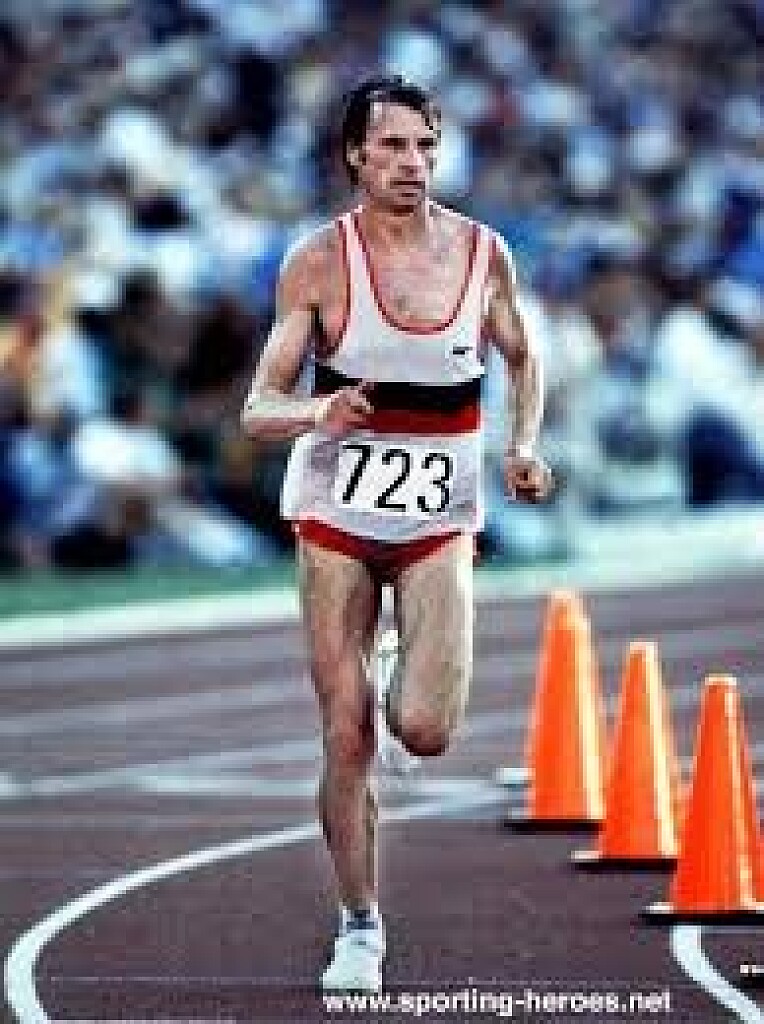
Carlos Lopes: The Endurance Icon Who Redefined Distance Running
Happy 78th birthday to Carlos Lopes, one of the greatest athletes in Portuguese history. From humble beginnings, Lopes defied the odds to become an Olympic champion and world-record holder, leaving an indelible mark on long-distance running.
Born in 1947 in Viseu, Portugal, Carlos Lopes did not follow the typical path of early athletic stardom. Unlike many top runners who emerge in their teenage years, Lopes only took up competitive athletics at the age of 20. It wasn’t until he was 29 that he secured a scholarship, finally allowing him to dedicate himself fully to the sport. Despite this late start, his remarkable work ethic and natural endurance set him apart.
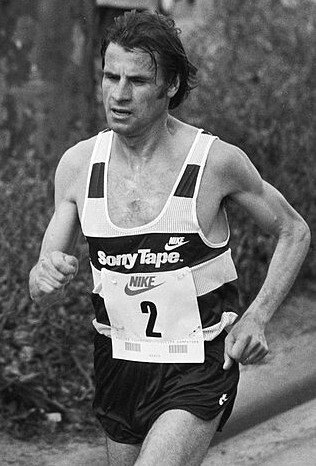
Lopes' tactical intelligence and diesel-like endurance made him a formidable force in cross-country running. He achieved unparalleled success in this discipline, winning three World Cross Country Championships in 1976, 1984, and 1985. His consistency also earned him two silver medals in 1977 and 1983, solidifying his status as one of the best cross-country runners of his generation.
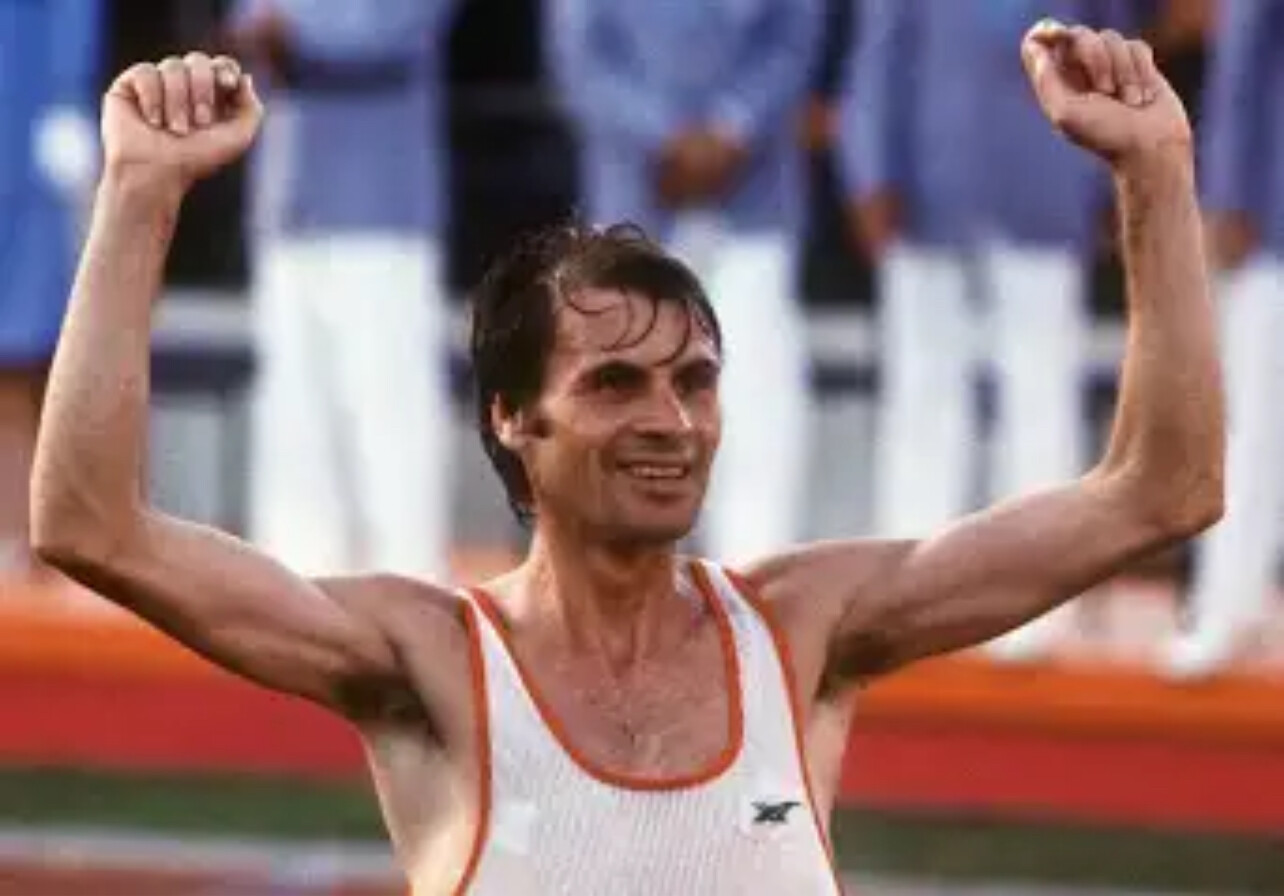
Lopes first made his mark on the Olympic stage in the 1976 Montreal Olympics, where he claimed the silver medal in the 10,000 meters. Eight years later, at the 1984 Los Angeles Olympics, he cemented his legacy by winning the marathon gold medal at the age of 37, setting an Olympic record of 2:09:21. His time stood as the Olympic best for an astonishing 24 years until it was finally broken by Samuel Wanjiru in 2008.
Even as he entered his mid-to-late 30s, Lopes continued to set new standards for long-distance running. At the age of 35, he broke the European record in the 10,000 meters, clocking an impressive 27:24.39. At 38 years old, he achieved the pinnacle of his career by setting a new world record in the marathon (2:07:12), proving that age was no barrier to excellence.
Carlos Lopes remains an inspiration to runners worldwide. His journey from late starter to Olympic champion, his dominance in cross-country, and his record-breaking performances well into his late 30s highlight the power of perseverance, strategy, and raw endurance. His impact on Portuguese athletics is immeasurable, and his achievements continue to serve as motivation for generations of aspiring athletes.
As he celebrates his 78th birthday, we honor a true legend who showed that dedication and resilience can lead to greatness, no matter when the journey begins.
by Boris Baron
Login to leave a comment
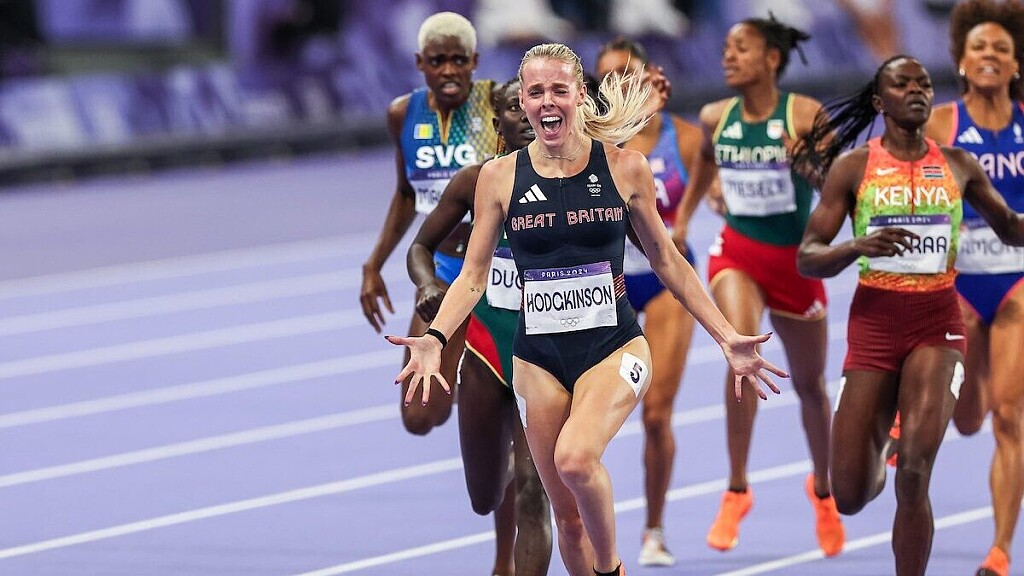
Olympic champion to challenge 41-year-old 800m world record
Launching your own track meet and naming it after yourself is one thing–but Great Britain’s 800m Olympic champion Keely Hodgkinson didn’t stop there. On Wednesday, British Athletics revealed that the inaugural Keely Klassic track meet, set for Feb. 15 in Birmingham, will conclude with Hodgkinson trying to break the 800m world record, which has stood for 41 years.
The record of 1:53.28, set by Czechoslovak athlete Jarmila Kratochvílová in 1983, is the longest-standing world record in athletics. Hodgkinson would need to run more than a second faster than her personal best (1:54.61) to even come close to taking it down. The run will mark Hodgkinson’s season opener and first race back from an injury that cut her 2024 season short.
At the Keely Klassic, Hodgkinson promises “a unique, immersive experience that will combine elite competition with an electrifying atmosphere” and extends the meeting invitation to Great Britain’s world-class track and field athletes.
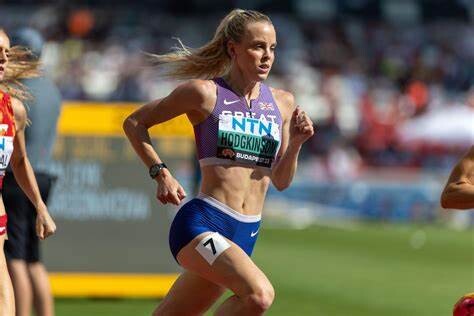
The unveiling comes less than a day after Tuesday’s BBC Sports Personality of the Year (SPOTY) ceremony, where Hodgkinson took centre stage. The 22-year-old is the first track athlete to win since Mo Farah won in 2017, and the first female track athlete to win since 2004. Her win also marks the fourth consecutive year that a woman has won the award–the longest streak in history.
“I’m actually in a bit of shock,” Hodgkinson said upon accepting the trophy. “I’m actually more excited for my coach, to be honest, because I wouldn’t be where I am without his guidance, [which] I’ve had since I was 17.”
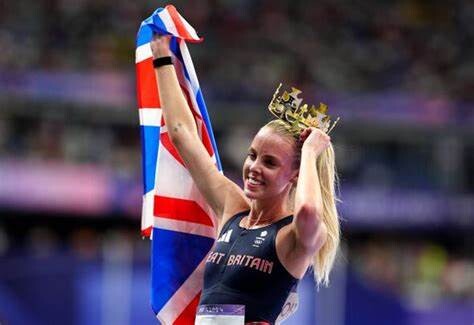
“This year has been absolutely incredible for me,” she continued. “I achieved everything I set out to do on the outdoor track, which is kind of rare, so I’m grateful to be in this position.”
Olympic triathlon champion Alex Yee was also a contender for the award.
Hodgkinson’s coaches, Trevor Painter and Jenny Meadows, were awarded Coach(es) of the Year. Along with the Olympic 800m champion, the pair coaches Olympic 1,500m bronze medallist Georgia Bell.
Mondo Duplantis wins Sport Star of the Year
Pole vaulting legend Mondo Duplantis was also acknowledged at the event, winning World Sport Star of the Year. The Swedish-American world record holder was pitted against fellow sports icons, including gymnast Simone Biles, WNBA player Caitlin Clark and Olympic marathon champion Sifan Hassan.
“So sorry that I can’t be in attendance tonight–I’m back here in the States right now, training for the up and coming season. I know I’m in great company–the biggest legends of all time in sports have won this award. This really means a lot to me.”
by Cameron Ormond
Login to leave a comment
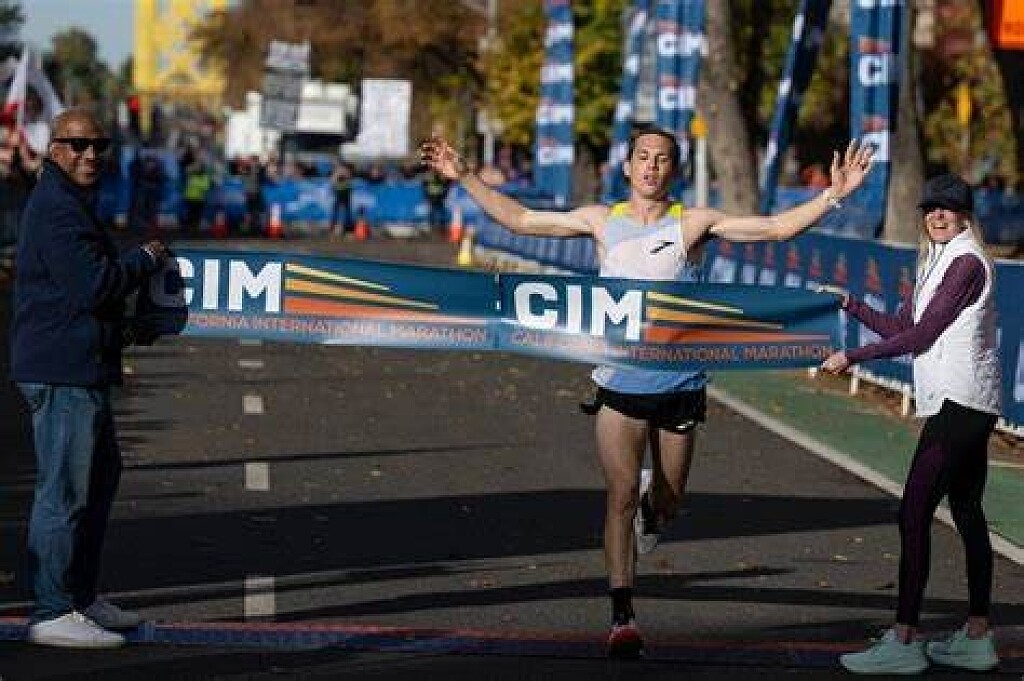
California International Marathon is this weekend and defending champion CJ Albertson and Calli Hauger-Thackery headline the elite field
The 41st annual California International Marathon is this Sunday, Dec. 8 bringing some 10,000 runners and spectators to Folsom and the Sacramento region. Along with the many participants comes a number of road closures the day of the event.
The marathon begins at the intersection of Folsom Auburn Road and Folsom Lake Crossing at 7 a.m.The course continues through Orangevale, Citrus Heights, Fair Oaks, Carmichael, and Sacramento, and concludes at the State Capitol. Road closures include Folsom-Auburn Road from Folsom Dam Road to Greenback Lane, Folsom Lake Crossing Road from East Natoma Street to Folsom-Auburn Road, and Oak Avenue Parkway from Folsom-Auburn Road to Santa Juanita Avenue. Closures begin at 3 a.m. and roads are planned to reopen at 10 a.m. Detours will be clearly marked.
The CIM was founded in 1983 by the Sacramento Running Association, a 501(c)(3) nonprofit organization. The event brings an estimated 10 million dollar to the Sacramento County economy each year.The event is certified and sanctioned by USATF and is a Boston Marathon and U.S. Olympic Trials Marathon qualifier. Learn more at runsra.org. For a complete listing of road closures, schedules, and courses, visit the CIM website or see a summary at the conclusion of this article.
With good weather in the forecast, participants and organizers are excited about this year’s event and according to the Sacramento Running Association the event will feature 2024 Paris Olympian Calli Hauger-Thackery and defending 2023 CIM champion CJ Albertson, alongside a mix of returning veterans and first-time participants, setting the stage for potentially record-breaking performances.
The elite men’s and women’s fields will compete for a combined $100,000 prize purse, with additional bonuses for breaking course records. The current records stand at 2:10:27 for men, set in 1993 by Jerry Lawson, and 2:26:02 for women, set in 2022 by Paige (Stoner) Wood.
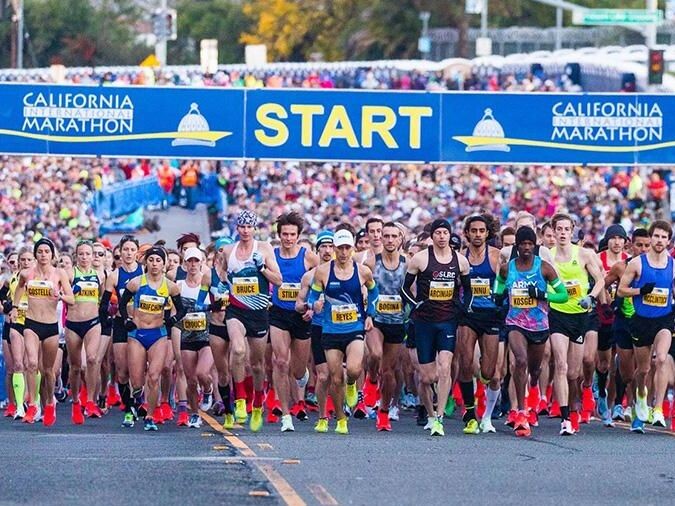
Hauger-Thackery, representing Great Britain at the 2024 Paris Olympics, holds the fastest personal best in the women’s field—2:21:24, achieved at the 2024 Berlin Marathon earlier this fall. She will make her CIM debut, joining her husband, 2:12 marathoner Nick Hauger, who is also competing.
“I’m excited to do this race for many reasons,” Hauger-Thackery said. “The main one being that my husband has had only fond experiences here over the past two years. I’m also excited because my dad raced CIM in the ’90s, and California is my favorite place! CIM has been on my radar for quite some time now.”
Hauger-Thackery will face stiff competition from four other women who have run sub-2:30 marathons: Laura Thweatt of Superior, Colo., with a personal best of 2:25:38; Jackie Gaughan of Boston, 2:27:08; Stephanie Bruce of Flagstaff, Ariz., 2:27:47; and Allie Kieffer of Austin, 2:28:12, who was the 2023 CIM runner-up.
Bruce returns to CIM with a strong record, having placed second in both the 2016 (2:32:36) and 2018 (2:29:21) editions. Since then, she has achieved milestones such as running her personal best of 2:27:47 at the 2019 Chicago Marathon and placing sixth at the 2020 U.S. Marathon Olympic Trials.
“Returning to CIM feels like an awesome homecoming because it was the first marathon I ran postpartum with my two boys in 2016,” Bruce said. “Now, eight years later, I’m coming back after giving birth to my third baby. I love the city, the energy, and the people who make this race so special.”
The men’s field includes three notable returners: defending champion CJ Albertson (Fresno, Calif.), 2023 runner-up Milton Rotich, and 2019 champion Elisha Barno. Joining them is CIM newcomer Tsegay Tuemay Weldlibanos, a 2:09:07 marathoner currently training in Flagstaff, Ariz., who is expected to push the pace.
“To race at CIM is very special for me,” Weldlibanos said. “Many of my teammates have found success here, and I hope to do the same. I want to make my family, team, and coach proud.”
Albertson has enjoyed a standout year, placing fifth at the 2024 U.S. Olympic Marathon Trials (2:10:07), seventh at the Boston Marathon (2:09:53) and Chicago Marathon (2:08:17), and tenth at the New York City Marathon (2:10:57). Another CIM victory will likely require a course record performance.
Barno, who won the 2019 CIM, has a personal best of 2:09:14. Rotich, last year’s runner-up, boasts a 2:08:55 personal best. Both are strong contenders to challenge Albertson and Weldlibanos for the win and the 2:10:27 course record.
“We’re thrilled about the 2024 elite field at CIM,” said Scott Abbott, executive director of the Sacramento Running Association. “This year has a unique homecoming feel, with so many ‘CIM alumni’ returning. It’s further evidence that CIM is a favorite among elite runners. We expect a strategic race between these battle-tested veterans, and we hope to see both course records fall.”
The Sacramento Running Association, a nonprofit organization, is dedicated to encouraging people of all ages and abilities to run. The SRA focuses on developing quality running events that appeal to a wide range of participants.
by Alan Inderkane
Login to leave a comment

California International Marathon
The California International Marathon (CIM) is a marathon organized by runners, for runners! CIM was founded in 1983 by the Sacramento Running Association (SRA), a 501(c)(3) non-profit organization. The SRA Board of Directors is comprised of runners with a combined total of 150+ years of service to the CIM. The same route SRA management created for the 1983 inaugural CIM...
more...
Greeks Pitsolis and Noula win 41. Authentic Athens Marathon 2024
Charalambos Pitsolis finished first in the 41st Authentic Marathon, as he covered the 42,195 meters of the historic course in 2 hours, 18 minutes and 56 seconds.Panagiotis Karaiskos finished in second place (2:19:50) and Giorgos Benis third (2:21.40).
The first woman to finish was Stamatia Noula, who covered the distance in 2 hours, 40 minutes and 19 seconds, followed by Gloria Privilezio (2:41:58) and Panagiota Vlahaki (2:47:24).
The 41st Authentic Athens Marathon (AMA2024) kicked off on Sunday, at 09:00, with 21,000 runners expected to cover the historic route from the Marathon to the Panathenaic Stadium.
This year marks 128 years since the first marathon held during the revival of the Olympic Games.
The 41st “Athens Marathon, the Authentic” is a race inspired by the journey of the hoplite soldier who carried the message of victory to Athens after the Battle of Marathon. In the spring of 1896, in the first modern Games, athletes from five countries lined up at the Marathon bridge, at the starting point, to cross the track to the Panathenaic Stadium. The thread was first cut by the Greek athlete Spyros Louis, in a victory that went down in history symbolizing effort, overcoming physical and mental limits, as well as endurance. The presence of the experienced, also Greek runner, Harilaos Vasilakos, who finished second and together with Louis became the first two winners in the History of the Road Marathon was also important.
In its current form, it has been held since 1983, dedicated to the great Greek doctor, Balkan athlete and pacifist Grigoris Lambrakis.
Login to leave a comment

Athens Marathon
The Athens Classic (authentic) Marathon is an annual marathon road race held in Athens, Greece, normally in early November. The race attracted 43.000 competitors in 2015 of which 16.000 were for the 42.195 km course, both numbers being an all-time record for the event. The rest of the runners competed in the concurrent 5 and 10 kilometers road races and...
more...
MARATHON GROUNDBREAKERS
Since Australia’s Derek Clayton ran history’s first sub—2:10 marathon in Fukuoka, Japan, on 3 December 1967, there have been a total of 4538 sub—2:10 marathons (as of 30 October 2024), 4537 by men, one by a woman.
As with any new ground-breaking performance, Ruth Chepngetich’s 2:09:56 in Chicago on 13 October has forced us to reassess all our past assumptions, or, like many, to doubt the validity of the performance itself. But no matter how we got here, to whatever you want to ascribe it, this is where we are now, 2:09:56 by a woman.
In this new reality, until proven otherwise, Ruth Chepngetich is the new Paula Radcliffe, just as Paula was the new Grete Waitz, one ground-breaker to the next, 1978 to 2003 to 2024.
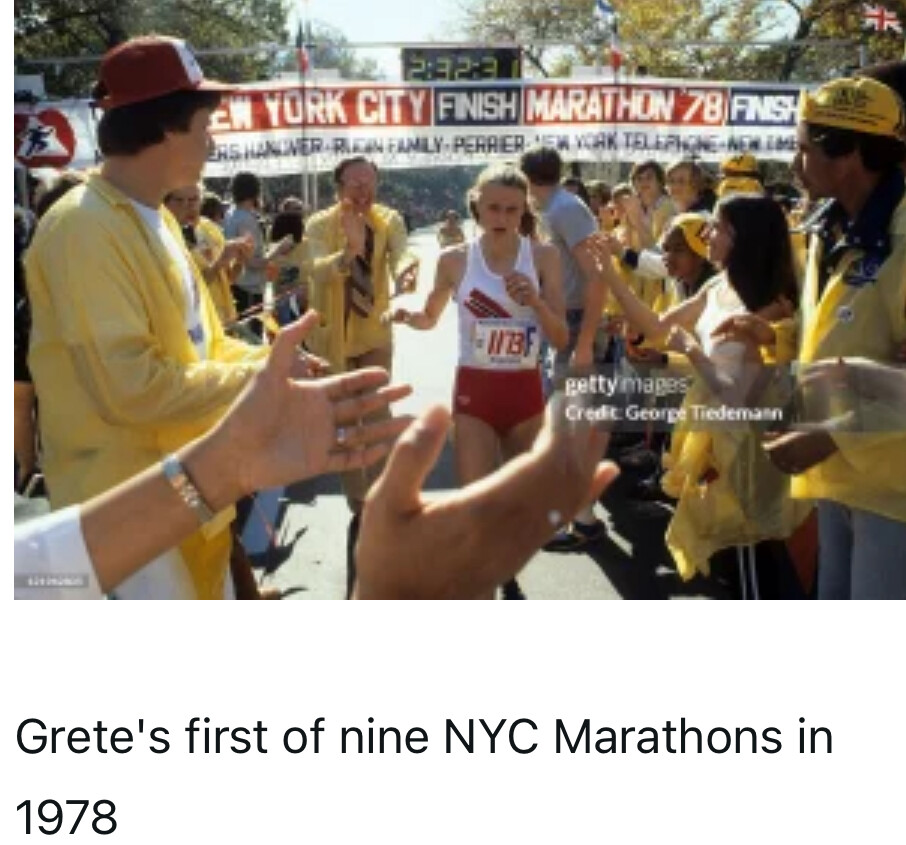
There have been many talented women champions through the years besides those three, including all the pioneers who had to overcome centuries of gender bias that restricted women from even showing their stuff.
But in terms of pure ground-breaking, the 1978 New York City Marathon drew a bright line between what once was and what would be.
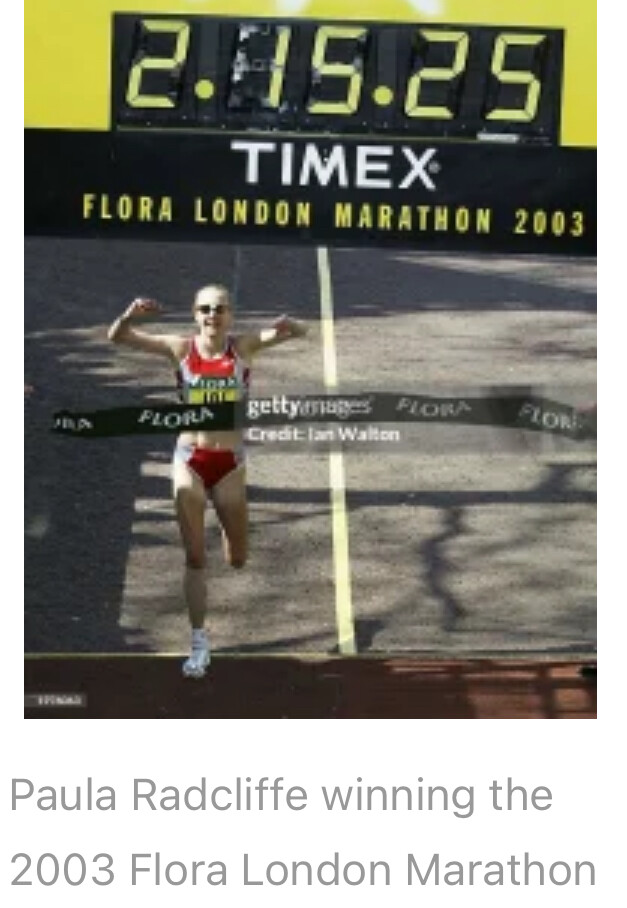
On 22 October 1978, Norway’s track and cross-country star Grete Waitz participated in the marathon for the first time, almost on a whim, as the trip was more of a honeymoon for her and husband Jack after the long track season.
The 2:32:30 world record Grete ran that day was totally unexpected by both the public and Grete herself. She wore bib #1173, wasn’t included on the list of elite women, and came with no specific marathon preparation (not a single run over 13 miles). In fact, she was so upset with husband, Jack, for suggesting she come run the marathon that she threw her shoes at him in the hotel room following her victory.
Still, like almost all debuting marathoners, after a short period of recovery and reflection, Grete concluded she could probably improve next time.
Thus, in New York 1979, following a more careful preparation, Grete ripped nearly five full minutes off her 1978 mark to record history’s first sub—2:30 by a woman at 2:27:33. Her margin of victory over England’s Gillian Adams was 11 minutes (2:38:33). The combination of the mild-mannered former geography teacher from Oslo and the raucous New York City crowds proved transformative, elevating women’s running to heights previously unimagined.
Though Japan’s Naoko Takahashi broke the 2:20 barrier for women in Berlin 2001, after Norway’s Ingrid Kristiansen (2:21:15, London ‘85), America’s Joan Benoit Samuelson (2:21:21, Chicago’85), and Kenyan Tegla Loroupe (2:20:43, Berlin ‘99) all challenged the barrier in the 1980s and ‘90s, it was England’s Paula Radcliffe who established new headlands in the marathon in London 2003 with her 2:15:25.
Nearly two minutes faster than her own 2:17:18 record from Chicago the year before, her 2:15 arced away from Catherine Ndereba’s 2:18:47 from Chicago 2001, completed just one week after Takahashi’s first sub-2:20 in Berlin.
The quality of Paula’s 2:15 can be seen in the 16 years and an entire shoe technology revolution that developed before Kenya’s Brigid Kosgei did Paula one better in Chicago 2019 at 2:14:04. That performance plowed new ground again. And now we have Ruth Chepngetich in Chicago 2024 with history’s first sub-2:10, just a year after Ethiopia’s Tigst Assefa’s first sub—2:12 in Berlin `23 (2:11:53).
Twice before, Chepngetich had come to Chicago with world record intentions. In 2022, she won the race in 2:14:18, just 14 seconds off Kosgei’s record. In 2023 she finished second in 2:15:37. On both occasions she flew through halfway under 66 minutes, only to falter in the second half. Perhaps she was a close reader of Malcolm X.
“There is no better teacher than adversity. Every defeat, every heartbreak, every loss, contains its own seed, its own lesson on how to improve your performance the next time.” – Malcolm x
In simple terms, making innovative strides in athletics requires time, experimentation, and reviewing, similar to how new scientific theories are examined before full acceptance. But women just haven’t been at the marathon game long enough to produce a large enough sample size to define their outer limits with any accuracy. They are barely two generations in since 1978.
Men have been competing for a much longer time with a much larger sample size.
Though Eliud Kipchoge surpassed the two-hour barrier in Vienna in 2019, that was accomplished as an exhibition, not a sanctioned race. In that sense, we are still awaiting the next barrier breaker on the men’s side in the Marathon.
Looking back, England’s Jim Peters stands as the first modern barrier breaker with his 2:18:40 win at the 1953 Polytechnic Marathon between Windsor and Chiswick in West London, England, history’s first sub—2:20.
Next was Ethiopia’s Abebe Bikila, the legendary double Olympic victor in Rome 1960 and Tokyo 1964. His 2:15:17 in Rome still stands as the barefoot marathon world record.
Next came Australia’s Derek Clayton, the first man under both 2:10 and 2:09. His 2:08:34 from Antwerp 1969 lasted for 12 years, holding off challenges throughout the entire Running Boom era headed by Americans Frank Shorter and Bill Rodgers.
Though never world record holders, the two Americans dominated the 1970s boom era, Shorter through the first half, Rodgers the second.
The Eighties were the last decade of international marathon champions: American (Al Salazar, Greg Meyer); European (Steve Jones, Carlos Lopes); Japanese (Toshihiko Seko and the Soh brothers); and Australian (Rob de Castella). Kenya’s Joe Nzau won Chicago in 1983 in a thrilling duel with England’s Hugh Jones when Chi-town was still developing its reputation as a world class event.
Ibrahim Hussein set new records in Honolulu and kick-started the Kenyan marathon revolution
The full East African deluge didn’t begin until 1987 and ‘88 when Kenya’s Ibrahim Hussein (already a two-time and soon to be three-time Honolulu Marathon champion) became Africa’s first New York City and Boston Marathon winner and Ethiopia’s Belayneh Dinsamo set the world record, 2:06:50, in Rotterdam 1988 that lasted over a decade.
The list of marathon stars from other nations scaled back markedly in the 1990s. Mexico had its turn at the top via greats like Dionicio Cerón (1994-`96 London champion), and back-to-back New York Ciy winner German Silva (1994 & 1995).
Moroccan-born American Khalid Khannouchi twice ran a world marathon record, first in Chicago 1999 (2:05:42), then three years later in London 2002 (2:05:38). And who could forget the personable Brazilian, Marílson Gomes dos Santos, who won New York City twice in 2006 & 2008, or Meb in NYC `09 and Boston 2014??
But the United Nations pickings get rather meager after that as East African athletes have had a stranglehold on the sport of marathoning, most dominatingly by Kenya’s Eliud Kipchoge. His run of sustained excellence over 42.2 kilometers was, and is, unprecedented in its longevity, including double gold in Rio 2016 and London 2020. And his last world record of 2:01:09 in Berlin 2022.
Sadly, the current record holder, Kelvin Kiptum, died in a car accident in February 2024 after establishing the 2:00:35 world record in Chicago 2023.
With the 2024 TCS New York City Marathon scheduled this weekend, we don’t expect to see any record performances. Yet, all the above is why we follow the game, isn’t it, to witness the arc of improvement over time, while hoping to discover a new name to remember? It’s as valid a focus as any other in this life.
And despite its many flaws and corruptions, the sport of marathoning retains an innate dignity that many endeavors do not. People may have bruised, battered, and tarnished it in the name of glory and money. But it survives, nonetheless, as a simple reflection of the human drive to achieve more in the quest to discover our best.
Doesn’t always turn out that way, but I don’t think we are done with it quite yet. Onward!
by Toni Reavis
Login to leave a comment
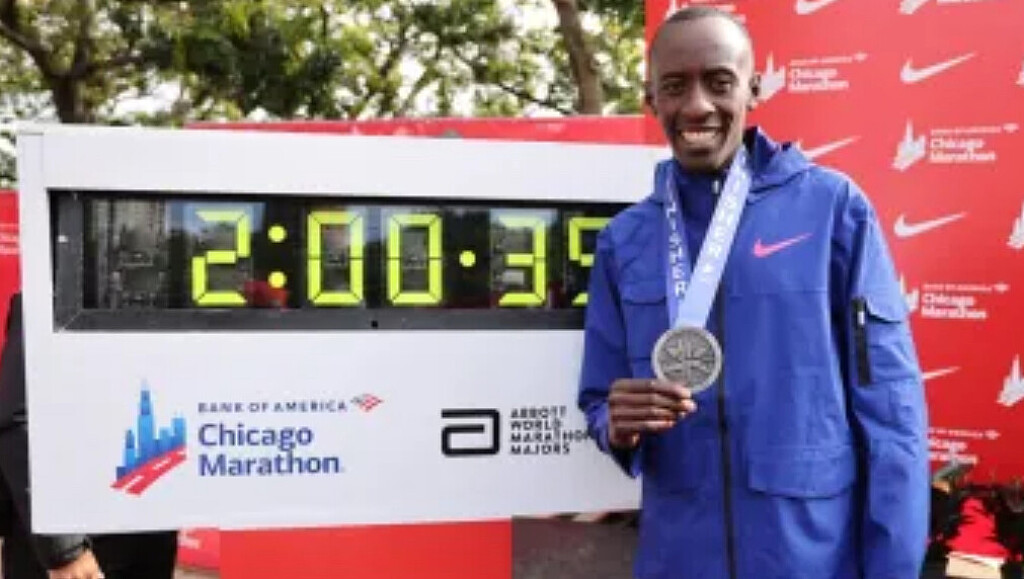
The Chicago Marathon has a strong history
First run in 1977, this Sunday, Chicago hosts its 46th marathon (it lost 2020 to the Covid-19 pandemic; 1987 to sponsorship issues). One of the six Abbott World Marathon Majors, the history of the BofA Chicago Marathon has been one of rising, falling, and rising again.
In 2023, it witnessed its third men’s marathon world record, 2:00:35, gloriously produced by the late Kenyan star, Kelvin Kiptum, who tragically died in a car accident on February 11, 2024 (age 24 years), in Kaptagat, Kenya.
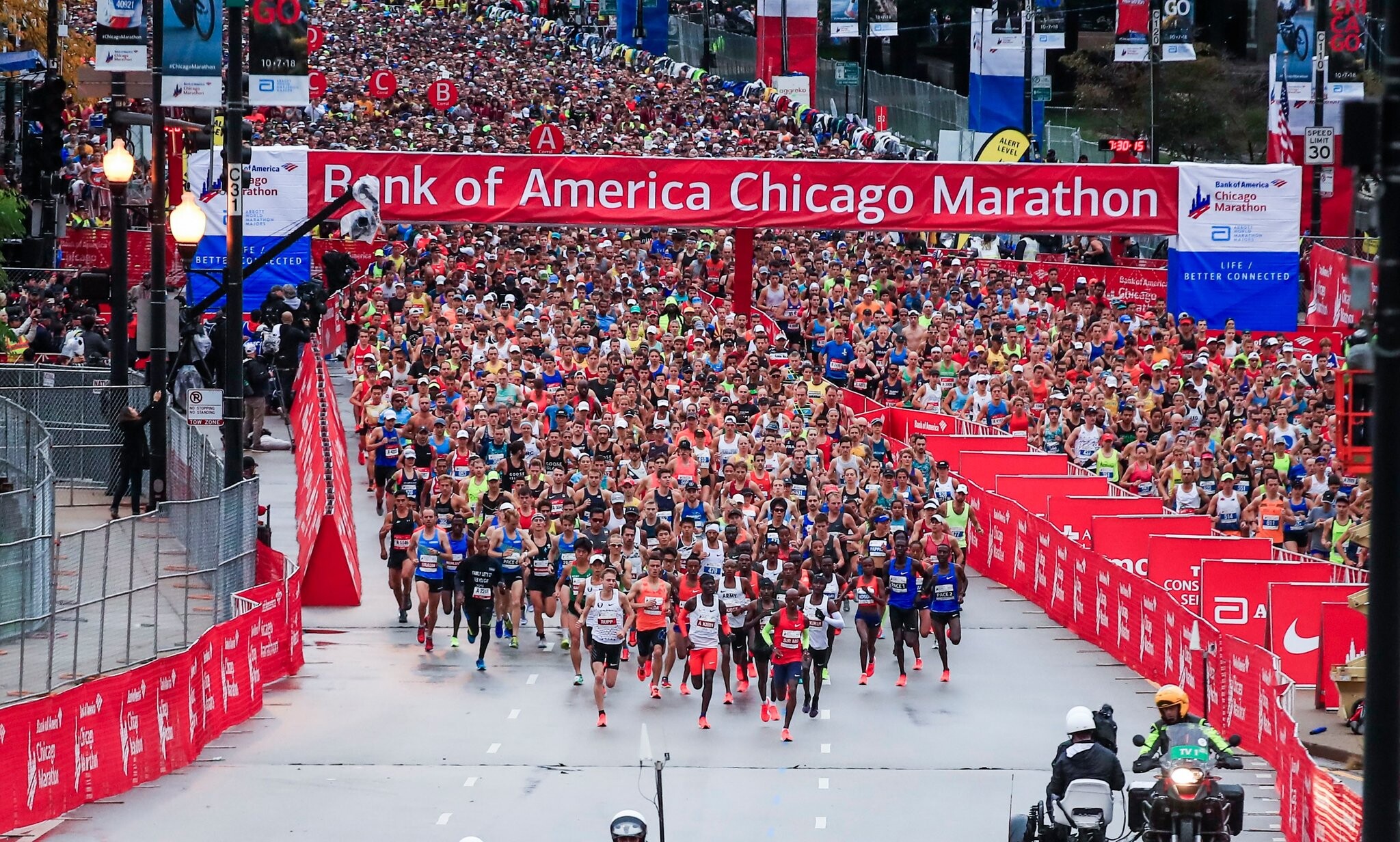
But the roots of the modern Bank of America Chicago Marathon traces back to 1982 when, in its sixth year, known as America’s Marathon/Chicago, the event rebooted, much as New York City 1976 was a reordering for the Big Apple 26-miler.
In America’s bicentennial year, the New York Road Runners expanded their event from four laps of Central Park to all five boroughs. It was a gamble. But in one fell swoop, the event grabbed the public’s attention, took on international importance, and ushered in a new era of urban marathons, even though they had run six previous marathons under the same banner.
In 1982, Chicago’s move from a regional marathon to the big time came about because of two things: one, the $600,000 budget put up by race sponsor, Beatrice Foods, and the hiring of one Robert Bright III of Far Hills, New Jersey to serve as athlete recruiter.
Bob Bright (left) at the Litchfield Hills Road Race in Connecticut with Nike east coast promo man, Todd Miller.
Recommended to the event by Olympians Frank Shorter and Garry Bjorlund, Bright had successfully elevated a modest 15K road race in Far Hills, New Jersey, called the Midland Run, to international prominence in 1980. So loaded was the Midland Run elite field, Sports Illustrated sent a reporter and photographer to cover the event.
What Bright brought to Chicago was zeal and a vision. Before Bright, there had been very little orchestration of competitive marathon racing. The Bright idea was simple: actively recruit a field of international athletes who came ready to run, so elite competition would become the hallmark of the event.
First, a brief history. For many decades, Boston dominated the marathon scene as essentially the only game in town. Yes, there was the Yonkers Marathonin New York, first contested in 1907; the Polytechnic Harriers’ Marathon for the Sporting Life trophy in England, which began in 1909. The Košice Peace Marathon in Slovakia joined the club in October 1924; Enschede and Fukuoka in 1947; Beppu in ’52.
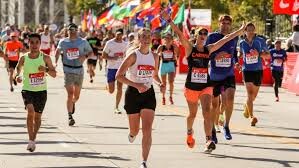
But the Boston Athlettic Association’s attitude from its marathon’s inception in 1897 up to the mid-1980s remained, “We’re running our race on Patriots’ Day starting in Hopkinton, Massachusetts at noon. It will cost you three bucks to enter. See you at the bus line for the ride out to the start.” No bells, no whistles, no invitations.
When New York City debuted in 1970, it spun four laps of Central Park to total its 26.2 miles. But in 1976, with the city in a major financial difficulty amidst America’s Bicentennial, the New York Road Runners boldly took its marathon from the confines of Central Park and expanded it through all five boroughs hoping to attract more tourists.
Race Director Fred Lebow recruited a few big guns upfront to entice press coverage, Olympic gold and silver medalist Frank Shorter along with Shorter’s rival, American record holder from Boston 1975, fellow Olympian, Bill Rodgers. Everyone else filled in from behind, with the City of New York being the true star attraction.
First considered a onetime gimmick, the five-borough experience proved so successful, the NYRRs embraced it as the path forward. Still, the actual races in NYC were never very competitive. Rodgers won by three minutes over Shorter in ‘76, 2:10:10 to 2:13:12. Then dominated for the next three years, as well.
Chicago 1982 would be the first, full–blown, orchestrated marathon race, as Bright had a specific recruitment strategy.
“We wanted six guys who thought coming in that they had a chance to win,” said Bright. “Then we wanted six more behind them who figured they had a shot at the top 10. So, right away we didn’t go after a guy like Alberto Salazar (who was ranked number one in the world after wins in New York City in 1980, a short-course world record in ‘81, and a Boston title in 1982.)
“And if you figure that a top race has a main pack of 10 to 15 athletes, you’re going to double that number in invitations. That guarantees that even if two of every five don’t run well for one reason or another, you still have a big group ready to race.”
Redundancy was the key, the money, the magnet. The total amount taken home by runners from Chicago in 1982 was $130,000.
This was when Boston was still embracing its amateur roots, stiff-arming the new breed of runners looking to get paid for their craft. In New York, Lebow had to keep his payments under the table in order to avoid being billed for city services on race day.
Chicago put up $48,000 in prize money for the men in 1982, with $12,000 going to the winner, 600 for 15th place. The women’s split was $30,000, with $10,000 awarded for the win through $500 for 10th. The remaining $52,000 represented the grease in upfront, under-the-table appearance fees.
“We wanted the money to be respectable, but not overwhelming the first year,“ explained Bright, whose history as a dog sled racer and thoroughbred horse trainer made him one of the best judges of the running animal. “We didn’t want it to appear like the race was store-bought, like the Atlantic City pro race a few years ago, where the money was good, but no one took the race seriously.
“So, we put up $78,000 in prize money, which, to the public, doesn’t sound like all that much. But when you added on the appearance money, it represented as much as any other race handed out.“
For the money on offer, and the prestige of doing well against a field of that caliber – as good as the group assembled at the 1980 Moscow Olympics, according to Sweden’s Kjell Eric Stahl – what came down in Chicago 1982 was a new course record by University of Michigan grad Greg Meyer (2:10:59), along with 22 more sub -2:220s, and nine personal bests out of the first 11 finishers.
The top five women followed suit, led by Northampton, Massachusetts’s Nancy Conz, whose 2:33:33 also represented a new course record for Chicago, some 12 minutes faster than the old mark.
The event treated the athletes well; offered a new opportunity in the fall, competing with New York City; Chicago witnessed its first truly world-class marathon; the sponsor, Beatrice Foods, received enormous visibility for its dollars; and a new professionalism attended the art of marathon orchestration. Chicago was now the new kid on the block, with toys to match anyone’s.
But now the pressure was on, not just to maintain its pace, but to top itself in 1983. The story continues.
by Toni Reavis
Login to leave a comment

Bank of America Chicago
Running the Bank of America Chicago Marathon is the pinnacle of achievement for elite athletes and everyday runners alike. On race day, runners from all 50 states and more than 100 countries will set out to accomplish a personal dream by reaching the finish line in Grant Park. The Bank of America Chicago Marathon is known for its flat and...
more...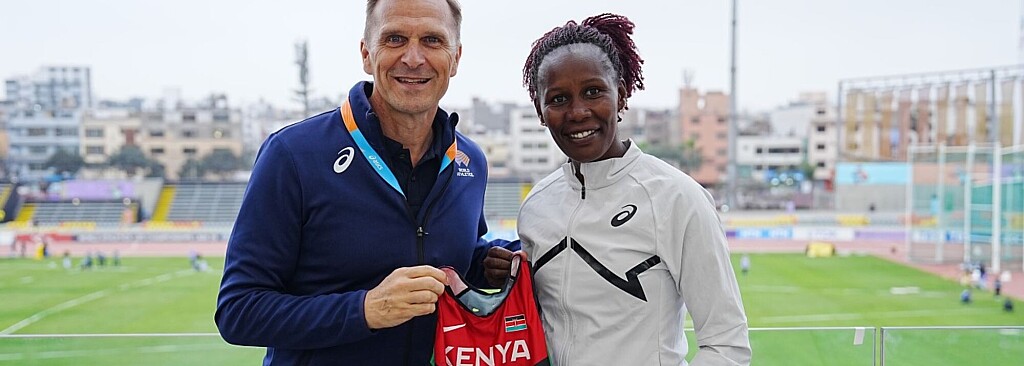
Jepkosgei donates world title singlet to Museum of World Athletics
Kenyan running legend Janeth Jepkosgei made a historic contribution to the Museum of World Athletics (MOWA), donating the singlet she wore on 28 August 2007 when winning the 800m title at the World Championships in Osaka.
It was the first ever world title won by a Kenyan woman in a middle-distance event, paving the way for eight more titles claimed by her successors in subsequent editions up to 2023.
Jepkosgei, who is now head coach of the U20 Athlete Refugee Team, made the donation to the MOWA during the World Athletics U20 Championships Lima 24, presenting her singlet to World Athletics CEO Jon Ridgeon.
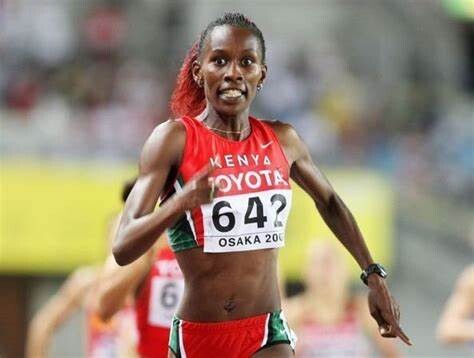
‘Inspiring the sport of running’
“I’m very happy to present my 2007 World Championships singlet to the Museum of World Athletics (MOWA),” said Jepkosgei. “When it is displayed in the online museum and exhibited around the world, I hope it helps to inspire and promote the wonderful sport of running, which, in my role as head coach for the U20 Refugee Team, I know is a powerful force for good.”
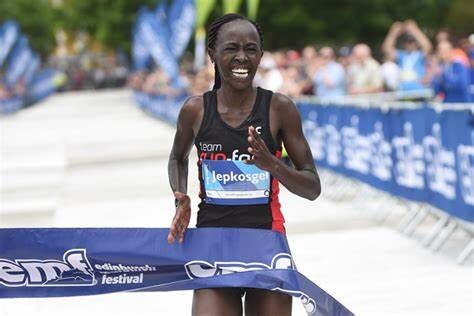
Ridgeon added: “Thank you to Janeth for her work with the Athlete Refugee Team and for the enormous generosity she has shown by donating her 800m world title-winning uniform to our museum’s collection. The support and encouragement of champions like Janeth is crucial to the success of our heritage programme, which helps preserve and promote our sport’s inspiring history to athletes and fans alike.”
From world champion to global role model
Janeth Jepkosgei Busienei, born in 1983 in Kabirirsang village (Rift Valley Province), was one of the most consistent 800m runners of her decade. Her journey began as a hurdler, but after transitioning to middle-distance running, she won the world U20 800m title in 2002.
Known for orchestrating races with fast starts, Jepkosgei stood on a major championship podium every year from 2003 to 2011, earning the 2007 world 800m title, 2008 Olympic silver, and two more world silvers in 2009 and 2011.
Off the track, Jepkosgei was deeply involved in her community, serving as the Kenyan team captain at numerous championships, sponsoring students, and supporting local projects. After the birth of her daughter Becky Olympia Jepchirchir and her retirement in 2016, Jepkosgei became even more involved in the sport’s development by hosting training camps and becoming one of the few female coaches in the athletics world.
She notably discovered young Emmanuel Wanyonyi, whom she coached to his world U20 800m title in 2021, and then mentored alongside her former Italian coach, Claudio Berardelli, to his Olympic title in 2024.
Since 2022, Jepkosgei has also been the head coach of the U20 Athlete Refugee Team (ART), a women-driven programme based near the South Sudan border in East Africa. She has embraced a mentorship role, passing on her vast experience to the next generation, a journey marked by her iconic victory in Osaka in 2007.
A soaring victory in Osaka
In Osaka, Jepkosgei astonished everyone as early as the semifinals, with a world-leading time and Kenyan record of 1:56.17, also the fastest prelim in 800m history.
In the final, she set a blistering pace right from the start, exiting the first turn with a three-metre lead and hitting the 100m mark in 13.0, an unprecedented achievement in a championship.
Neither the efforts of Belarusian Svetlana Usovich, Russian Olga Kotlyarova, Mozambican Maria Mutola, nor Moroccan Hasna Benhassi could keep up with the Kenyan’s solo race, as she easily won in 1:56.04, further improving the best time of the year.
Jepkosgei’s winning singlet will sit alongside the shoes and clothing of other world 800m champions in the Heritage Collection of MOWA, including Ana-Fidelia Quirot, Maria Mutola, Willi Wülbeck, Wilson Kipketer and David Rudisha.
by Pierre-Jean Vazel for World Athletics
Login to leave a comment
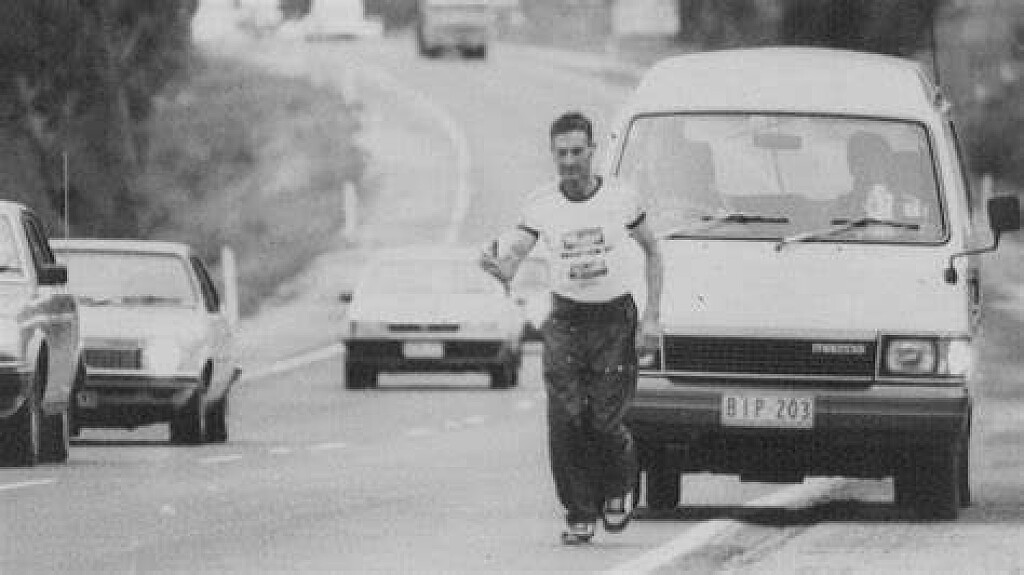
The Legend of Cliff Young: The potato farmer who miraculously won a 544-mile marathon at age 61
At the start of the 1983 Sydney to Melbourne Ultramarathon, Cliff Young quickly fell behind and seemed on track to finish last. But while the others stopped to sleep, Young kept running at his tortoise pace for five days straight — and won.
In 1983, a 61-year-old Australian potato farmer entered the first ultramarathon between Sydney and Melbourne. Few bet on the farmer winning the race.
Not only did Cliff Young have a strange, slow running stride resembling a shuffle, but he’s said to have shown up to the race wearing work boots and overalls. During the event itself, rather than wearing sleek running clothes like the other competitors, Young donned a cotton t-shirt and long trousers, explaining that it was important to reduce his risks of skin cancer.
But Young had a secret weapon.
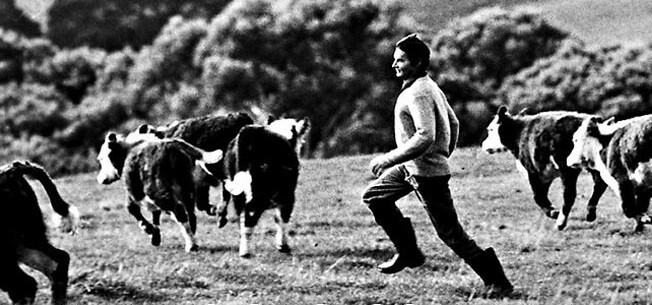
“I grew up on a farm where we couldn’t afford horses or tractors,” Young said in an interview, according to Adventure Journal. “And the whole time I was growing up, whenever the storms would roll in, I’d have to go out and round up the sheep. We had 2,000 sheep on 2,000 acres.”
Rounding up sheep gave Young a taste for long-distance running.
“Sometimes I would have to run those sheep for two or three days. It took a long time, but I’d always catch them. I believe I can run this race.”
In less than six days, Cliff Young ran 544 miles and won the ultramarathon — and broke the previous record by two whole days. His unorthodox style and surprising victory shocked the world. How did a 61-year-old farmer win one of the most challenging races in history?
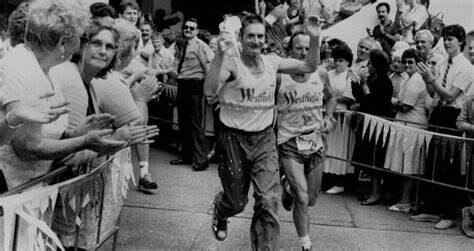
Cliff Young’s Real-Life Tortoise And The Hare Story
From the starting gun, it looked like Cliff Young would be at the back of the pack.
When the ultramarathoners left Sydney, Young quickly fell behind. With his slow signature shuffle, Young could barely match the pace of the other racers. But everything changed the first night of the race.
Although he’d fallen far behind the other runners at the end of the first day, by dawn on the second day Young had a massive lead. The Sydney Morning Herald reports that that was thanks to Young’s trainer, Wally Zeuschner. Known for his tough tactics, Zeuschner reportedly told one athlete that he could take a break when his eyes started bleeding.
In fact, Zeuschner’s eyes helped Cliff Young win the ultramarathon. Young turned in to sleep the first night and Zeuschner set the alarm. But because of his poor eyesight, Young’s trainer set the alarm for 2 a.m., several hours earlier than the planned wakeup call.
When the alarm rang, Young leaped up and began running. It took the groggy racer some time to realize that it was still dark.
Those hours of early morning running put Cliff Young at the head of the pack. And Young turned that accidental advantage into a strategy. Instead of stopping to sleep at night, he kept running.
“I’m just an old tortoise,” Young told reporters during the race, according to The Age. “I have to keep going to stay in front.”
Cliff Young also had an unusual running style. The press dubbed it the “Young-Shuffle,” because Young seemed to shuffle rather than run.
But the shuffle-step gave Young a significant advantage during an ultramarathon. By conserving his energy, Young was able to run longer without rest. His shuffle was also more aerodynamic than other running styles, according to the Sydney Morning Herald.
Not long after the ultramarathon, other runners adopted Young’s signature style. In fact, three subsequent winners of the Sydney to Melbourne ultramarathon took first place using the Young-Shuffle, according to Elite Feet.
Fans and reporters tracked Cliff Young as he inched closer and closer to Melbourne. During days and nights of running, someone asked Young what he planned to do first when he reached the finish line.
“I’m going to the toilet first,” Young declared.
As the days passed, Young remained at the head of the pack. At dawn on the sixth day, Melbourne was in sight. But it would take Young several more hours of running to officially win the race.
When he reached Melbourne, Young barely stopped for the cameras — they had to wait outside while he went to the toilet.
Sharing The Prize Money
In the final leg of the ultramarathon, runner Joe Record thought he might catch Young. As reported by The Age, Record, 41 years old, boasted, “I think I can catch old Cliff. He says he’s a tortoise but I think the old bastard is a hare in disguise.”
But Cliff Young carried the day, reaching Melbourne in the record time of 5 days, 15 hours.
At the end of the race, Cliff Young walked away with $10,000 in prize money. Instead of keeping it for himself, he gave away most of the money to his competitors.
“Joe Record and I had a pact before we ran that if either of us won we would split the prize money between us,” Young told the New Vegetarian and Natural Health magazine in a 1997 interview. “I forgot about Joe and started giving it away left, right and center. I gave $4,000 away to the other runners.”
Luckily, Record didn’t mind when Young handed him $3,000.
Later, when asked about the highlight of the ultramarathon, Young said, “The prize money of ten thousand dollars! Now that’s a helluva lot of potatoes.”
The Legacy Of Cliff Young
When he won the first Sydney to Melbourne ultramarathon, Cliff Young became a hero in Australia. Suddenly, everyone wanted to know about the potato farmer who ran 544 miles.
Reporters pestered Young to learn more about his diet. An avid vegetarian, Young explained how eating grains and fruit powered his runs. “The secret to a long life is preserved pears and jogging,” Young told the Sydney Morning Herald. “It sure beats having a drink in the pub.”
Young also had advice for fellow older runners.
“Get out of your wheelchairs and start doing a few laps, if you can,” he told the New Vegetarian and Natural Health magazine. “If you don’t get any exercise your joints start seizing up like a rusty engine.”
Young never retired from running. He returned to the Sydney to Melbourne ultramarathon the next year, 1984, and came in 7th. In his 70s, Young attempted to run around all of Australia. He only stopped when his support crew member fell ill. In 2003, Cliff Young died at the age of 81.
Cliff Young inspired generations of runners. So did Kathrine Switzer, the first woman to run the Boston Marathon. And don’t forget to check out more uplifting stories from history.
by Genevieve Carlton, Maggie Donahue
Login to leave a comment
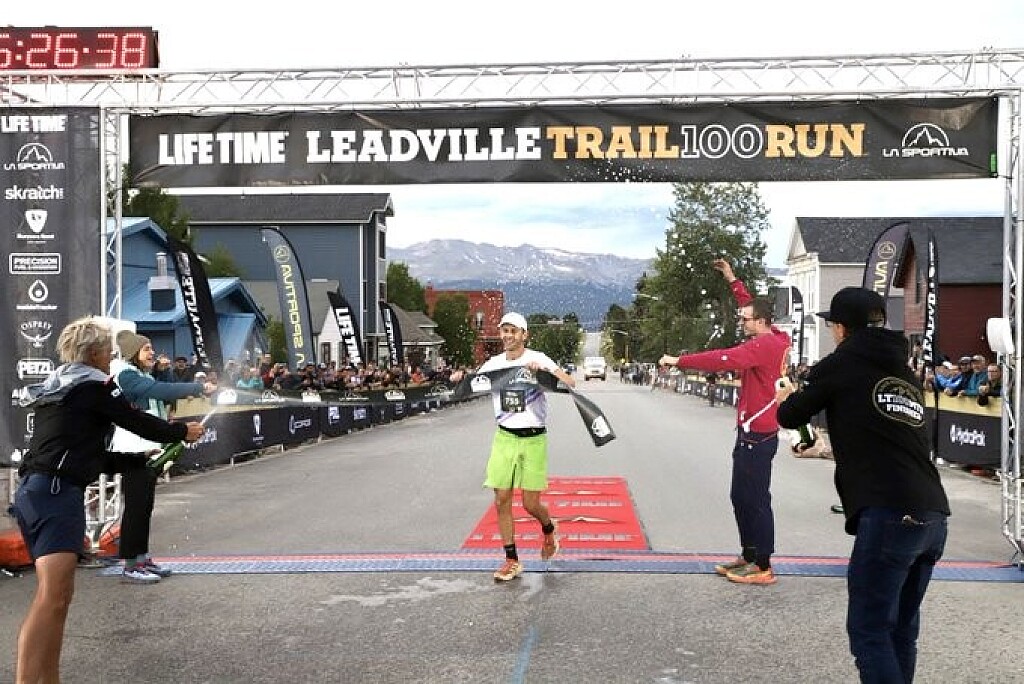
Leadville 100 sees long-standing course record fall
This year's edition of "the race across the sky" saw history-making performances on both the men's and women's sides
Leadville 100, known as the “race across the sky” for its stunning vistas as it traverses the Colorado Rockies, has been a staple in the ultrarunning community since its inception in 1983. This year’s event saw blistering performances in both the men’s and women’s races, with popular coach and author David Roche taking 16 minutes off the long-standing course record, and women’s race winner Mary Denholm recording the second-fastest time ever at the event.
The 100-mile race has runners climbing nearly 4,800 metres of elevation gain over rugged mountain trails, and runners begin and end in Leadville, Colo.
Women’s race
Denholm took off hot and dominated the competition from start to finish. By the halfway point, she had built an insurmountable 50-minute lead. She crossed the finish line in 18:23:51, securing the second-fastest time ever recorded for the women’s race, just short of legendary Ann Trason’s mark of 18:06:24, set in 1994. Denholm was followed by fellow American runners Zoe Rom in 21:27:41, and Julie Wright in 21:48:57.
Alberta’s Ailsa MacDonald and Molly Hurford of Ontario were initially in contention for podium positions, but both faced challenges that saw them taking DNFs. Hurford left the race after suffering a badly sprained ankle, and MacDonald after dealing with unrelenting gut issues.
Men’s race
Like Denholm, Roche set a fast pace from the start and built on his lead throughout the race. His time of 15:26:34 took more than 16 minutes off the previous course record, set by Matt Carpenter in 2005. He was followed in by U.S. ultrarunners Adrian Macdonald in 15:56:34, and Ryan Montgomery in 16:09:40.
Pete Kostelnick, a well-known ultrarunner famous for completing the fastest transcon run of the U.S. in 2016 (42 days, six hours and 30 minutes), made a remarkable return to running earlier this year after recovering from a severe car accident that resulted in multiple pelvic fractures. In May, Kostelnick finished the Cocodona 250, followed by Badwater 135 only a few weeks ago; he finished Leadville 100 in 24:30:18.
Calgary’s Reiner Pauwwe took the 28th overall position (24th man) in 22:16:59.
by Keeley Milne
Login to leave a comment

Leadville Trail 100 Run
The legendary “Race Across The Sky” 100-mile run is where it all started back in 1983. This is it. The race where legends are created and limits are tested. One hundred miles of extreme Colorado Rockies terrain — from elevations of 9,200 to 12,600 feet. You will give the mountain respect, and earn respect from all. ...
more...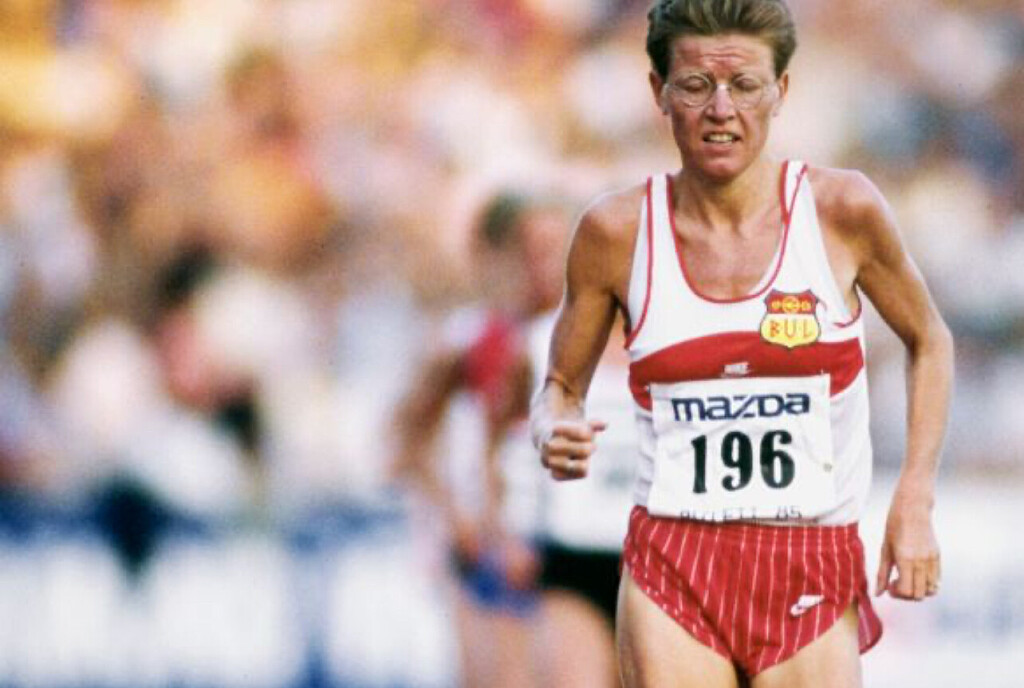
Remembering Kristiansen’s barrier-breaking sub-15-minute 5000m
When Ingrid Kristiansen lined up for the 5000m at the 1984 Bislett Games, she was known as the former international cross country skier who had just become Europe’s fastest ever woman in the marathon.
It was only six weeks previously that the 28-year-old mother from the Viking stronghold of Trondheim had made her major breakthrough in athletics, storming through halfway in the London Marathon in a blistering 1:10:52 en route to a winning time of 2:24:26.
In the process, Kristiansen first peeped out of the considerable shadow of the great Grete Waitz as another formidable Norse to be reckoned with on the global running stage.
The London run elevated her to second spot on the world all-time list, behind the 2:22:43 recorded by Joan Benoit of the US in Boston the previous year, but ahead of Waitz’s Norwegian and European record of 2:25:28.7.
It was only fitting that the burgeoning Kristiansen should claim her first world mark on home ground, in the heart of Norway’s capital city on the hallowed Bislett Stadium track.
That was 40 years ago, on the evening of 28 June 1984.
‘Dead tired… pushed on by the cheers of the crowd’
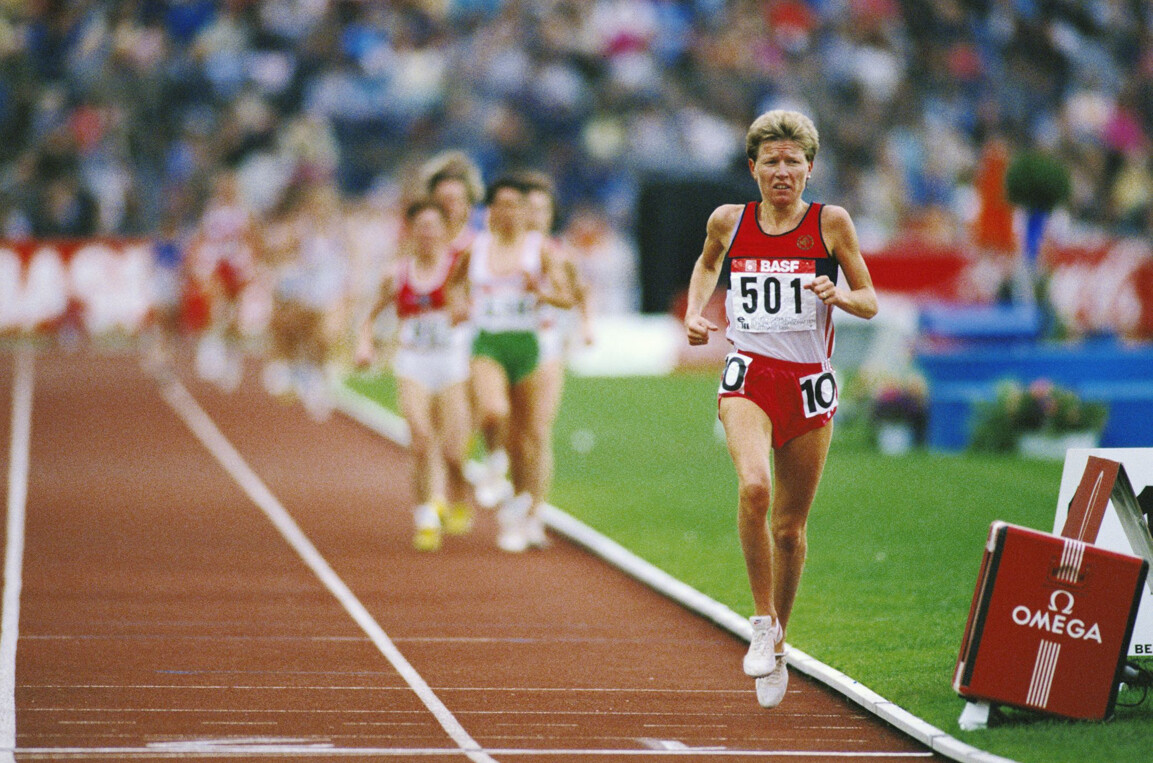
The official world record for the women’s 5000m stood at 15:08.26 – to Mary Decker, or Mary Tabb as she had been when she set the figures on home ground at the 1982 edition of the Pre Classic.
In Apartheid South Africa on 5 January 1984 – and therefore ineligible for recognition – the barefoot Springbok wunderkind Zola Budd had run 15:01.83 in Stellenbosch. By June of the same year, Budd had already become a British citizen and was on her way to being rubber-stamped in the British team for the Los Angeles Olympics.
That night in Oslo, though, Kristiansen’s only rival was the Bislett Stadium clock.
After following Maggie Keyes of the USA through 1000m in 3:02.0, Kristiansen surged clear of the field, reeling off laps of 70-72 seconds.
Passing 3000m in 8:59.8, Kristiansen finished with the flourish of a 68.4 final lap before crossing the line in 14:58.89.
Off marathon training of 170-180km a week, she had become the first woman in history to beat 15 minutes for 5000m.
“I was dead tired during the last two laps but I was pushed on by the cheers of the crowd,” she confessed.
Aurora Cunha, the future three-time world road race champion from Portugal, finished a distant runner up in 15:09.07, followed by Briton Angela Tooby (15:22.50).
Back in sixth was Portugal’s European marathon champion Rosa Mota (15:30.63) – followed by Tooby’s twin sister, Susan (15:44.58), future mother of 2022 world 1500m champion Jake Wightman.
Holding a distance world record triple
Kristiansen was to go quicker over 12.5 laps. At London’s Crystal Palace in 1985, she clocked 14:57.43 but lost the world record to Budd, a clear winner in 14:48.07.
In Stockholm in 1986, however, Kristiansen reclaimed the record with a stunning 14:37.33.
That year she was at her zenith on the track, improving her own 10,000m world record by almost 46 seconds with a 30:13:74 run at Bislett.
Kristiansen was the first runner in history to simultaneously hold world records for 5000m, 10,000m and the marathon.
Returning to the London Marathon in 1985, she brought the women’s 2:20 barrier into sight with a 2:21:06 triumph that stood as a world record for 13 years.
Kristiansen also became the first athlete to claim world titles on the track, on the road and over cross country. Twice a winner of the 15km world road race championship, she won the world 10,000m title on the track in Rome in 1987 and the world cross country crown in Auckland in 1988.
Big heart and big lungs
Many attributed Kristiansen’s phenomenal success to the physiological benefits she had gained from giving birth to her first son, Gaute, in 1983. She felt it was more the edge she had gained from years of competitive cross-country skiing.
“I think it came from my cross-country skiing career,” she asserted. “It gave me a big heart and big lungs, and when I got my legs trained for running I was maybe a little bit ahead of the other runners at the time.”
As a cross-country skiing prodigy, Kristiansen won the European junior title in 1974, was selected as a reserve for the Winter Olympics in Innsbruck in 1976, and finished 15th in the World Championships 20km race in 1978.
She decided to concentrate on competitive skiing for several years after making the Norwegian team for the 1971 European Athletics Championships as a 15-year-old 1500m runner, Ingrid Christensen. But she got bumped off the track in her heat in Helsinki and failed to finish the race.
Her roommate in the Finnish capital was a 17-year-old called Grete Andersen, who finished eighth in the other 1500m heat, missing the cut for the final.
She also made a name for herself in future years: as Grete Waitz, the first of Norway’s barrier-breaking distance-running duo.
by World Athletics
Login to leave a comment
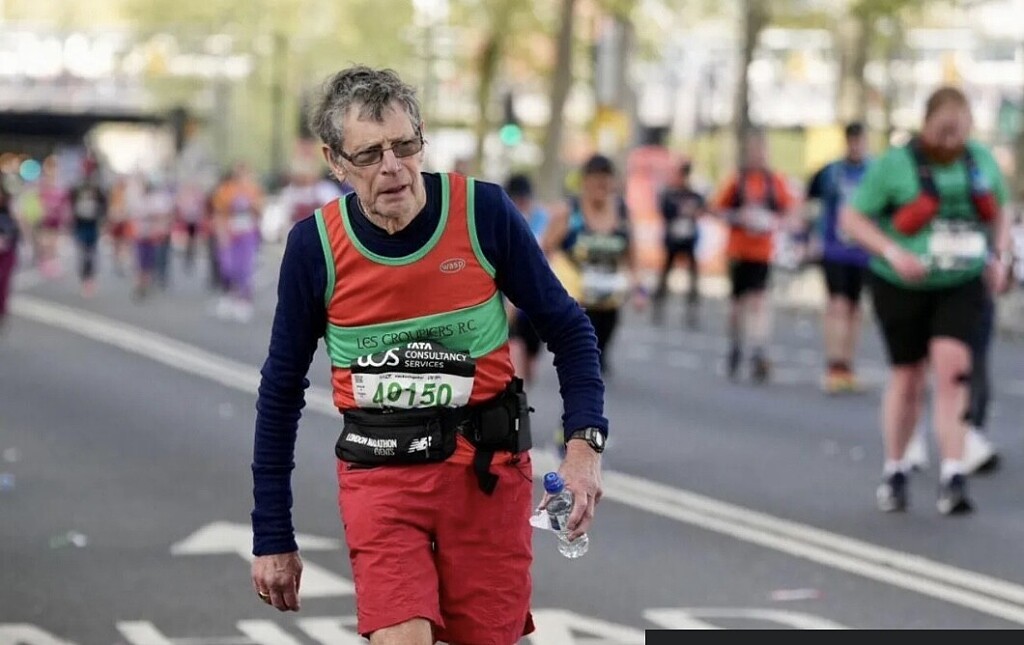
76 year old Jeff Aston has run every London Marathon
There are only six people who can say they have run every London Marathon and Jeff Aston is one of them.
In 1980 he spotted an advert for the event due to take place the following year and decided to go for it.
Now, four decades later, Jeff, 76, from Cardiff, is celebrating completing is 44th and has no plans on stopping.
When he was younger, Jeff enjoyed playing squash and football until the River Taff flooded the courts where he played and he started running around the playing fields.
While leafing through a magazine in 1980, he came across an advert for the first London Marathon, held the following year, and decided to go for it.
"I always wanted to run a marathon when I was a teenager," he said.
"When the first London Marathon came on to the scene, back then it was the biggest marathon in the UK."
Just six months before the event, Jeff started Les Croupiers running club in Cardiff.
Looking back on his first race, when only 7,000 people took part compared with 53,000 now, he remembers the atmosphere: "I remember it was a drizzly and windy day, with the noise of the crowds.
"By then I had run a few marathons and races so I knew what was coming. But it was the first time I had been to such a mass event at that time."
By 1983, Jeff had recorded his best time after completing the course in 2:29:31.
During the pandemic in 2020 the event was open for a select few to take part in the race where they lived.
That year, Jeff raised money for the City Hospice in memory of his late wife Val, who died in 2016 after being diagnosed with cancer.
Jeff signed up for the first London Marathon after seeing an advert in the national running magazine
An "ever-present" runner is someone who has run every London Marathon.
In 1995, organisers recognised these runners by awarding them a special commemorative medal and guaranteed acceptance for future events.
Now, there is only Jeff and five other ever presents left.
In last Sunday's race, Jeff clocked a time of 8:06:27, finishing 61st in his age category.
So why does Jeff take on the challenge every year?
"It's the challenge of the marathon distance that keeps me going. Going back every year and trying to meet your personal best.
"I'm a lot slower than what I was at my peak but I think 'what can I do to be better this year than I was last year?'
"While I still can do it, I will do it."
by BBC
Login to leave a comment
Here Are the Celebrities Running the 2024 Boston Marathon
Zdeno Chara and Meb are a few of the big names toeing the line in Hopkinton this year.Every year, the Boston Marathon attracts celebrities from various fields, from athletes to actors, and this year is no different. Last year, former Boston Red Sox players Brock Holt and Ryan Dempster took to the streets alongside legendary quarterback Doug Flutie, who won the Heisman while at Boston College.
This year, things kick off with former Patriots tight end Rob Gronkowski serving as grandmaster for the race. Gronkowski will also receive the Patriots' Award from the Boston Athletic Association, which honors a “patriotic, philanthropic, and inspirational” individual who “fosters goodwill and sportsmanship.”
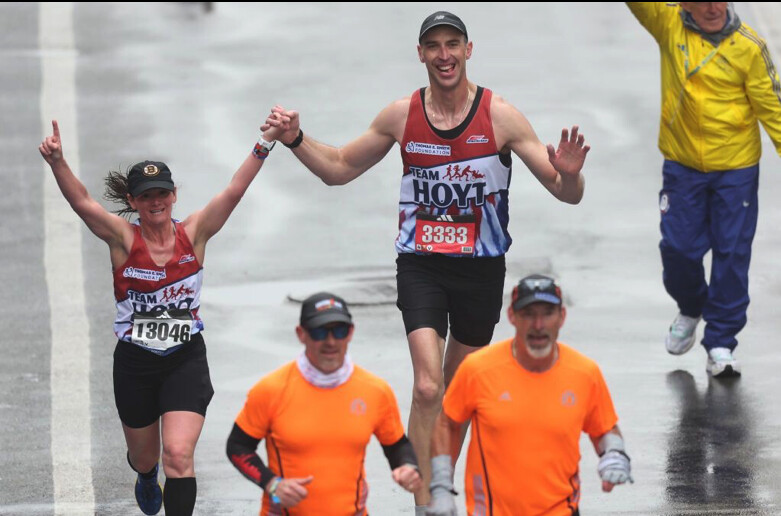
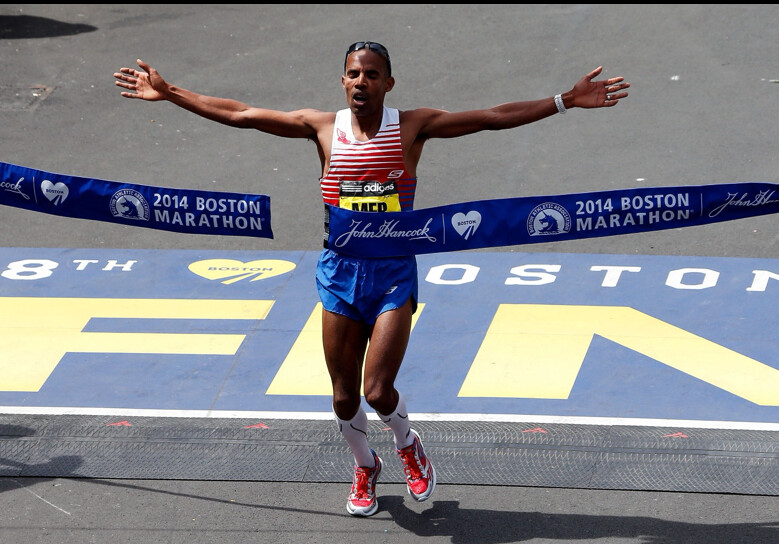
This year, spectators will see not only a few returning faces in the streets but also a few first-timers. So, what notable names can we expect to see lining up in Hopkinton this year for the Boston Marathon? 1
Meb KeflezighiMeb Keflezighi, now with New Balance, announced his return to the race earlier this year. In 2014, Keflezighi became the first American to win the men’s race since 1983.
Keflezighi, 48, will run the race to support his MEB Foundation, which supports “health, education, and fitness worldwide.”
“I will be returning to the streets of Boston, taking on the prestigious race and celebrating my victory from 2014,” Keflezighi said on Instagram. “Together, we can light the path for those in need and show the world the power of compassion and community. Let’s run with purpose and inspire others to join us in spreading kindness and hope.”2
Zdeno CharaChara, the legendary Bruins hockey player who stands a mighty six feet, nine inches and helped bring the Stanley Cup to Boston in 2011, is again running in support of the Thomas E. Smith Foundation and the Hoyt Foundation.
“I’m excited to be running the 2024 Boston Marathon to raise money and awareness for @thomasesmithfoundation & @teamhoytofficial!,” Chara said on Instagram. “These two amazing foundations impact the lives of those living with disabilities through financial and emotional support.”3
Nicolas KieferKiefer’s Boston Marathon run will see the former tennis pro complete the last of the big six, having previously run Berlin, Chicago, London, New York, and Tokyo.
Kiefer, who won silver in the 2004 Olympics, wrote on Instagram that he felt “extremely good” during his final training run before the marathon.4
Chris NikicAt 22, Chris Nikic completed his first Boston Marathon in 2021. He is the first person with Down Syndrome to finish the Hawaii Ironman and all Big Six marathons. Nikic aims to improve his Boston time to 5:35 in 2024, his third time running the race.
“Last long run (20 miles) before @bostonmarathon next weekend and @londonmarathon in 2 weeks,” Nikic said on Instagram on Sunday. “Looking to see if I can do better each marathon.”5
Daniel HummDaniel Humm, the chef behind NYC’s three-Michelin star restaurant Eleven Madison Park, hoped to run the New York Marathon but had to drop out due to an Achilles injury. Instead, he will be running in Boston, hoping to beat his time in the same race last year when he ran a 2:58:53.6
Matt WilpersFamed Peloton instructor Matt Wilpers will be running the marathon as a long-time personal goal and as a way to inspire others as he does during his popular workouts.
“My success is when my athletes are successful, so if I can push them to be stronger, better versions of themselves by going out and leading by example, like, I love this stuff,” Wilpers told Boston.com. “I’ll have fun racing a marathon, I’ll have fun racing a 5K. Whatever it is, this is what I do for fun. And so if this is going to get people excited, let’s go do it.”
by Runner’s World
Login to leave a comment
Tamarack Ottawa Race Weekend: celebrating diversity and improving accessibility
Tamarack Ottawa Race Weekend works hard to create an environment where athletes from all walks of life feel valued, supported and empowered.
Tamarack Ottawa Race Weekend has a rich history of promoting diversity, accessibility and family-friendly participation. Over the years, the event has taken significant steps to ensure that all athletes feel welcome and empowered regardless of their abilities or backgrounds. From creating separate divisions for wheelchair athletes to introducing family-friendly race options and supporting women’s participation, Tamarack Ottawa Race Weekend has consistently championed inclusivity and celebrated the achievements of its diverse participants.
A history of accessibility and inclusivity
From the early years, the race organizers recognized the importance of accessibility and implemented measures to accommodate participants with disabilities. These included accessible washrooms and aid stations and properly cleared routes. By addressing these accessibility touchpoints, Tamarack Ottawa Race Weekend became a pioneer in making running events more inclusive.
1975: Eleanor Thomas became the first female finisher, with a time of 3:27:28.
1979: Lou Mulvihill became the first wheelchair participant in Tamarack Ottawa Race Weekend. The following year, he was joined by four other athletes with disabilities, marking the beginning of the event’s commitment to inclusivity.
1983: Wheelchair athletes were given their own separate division, resulting in increased participation and recognition. Rick Hansen became the first official winner in this category. Additionally, Jacques Pilon, a blind athlete and gold medalist in the 1980 Blind Olympics, participated with a guide runner. Pilon’s inclusion paved the way for individuals living with invisible disabilities.
1998: The Tamarack Ottawa Race Weekend introduced a 2K and 5K run and walk to encourage family participation.
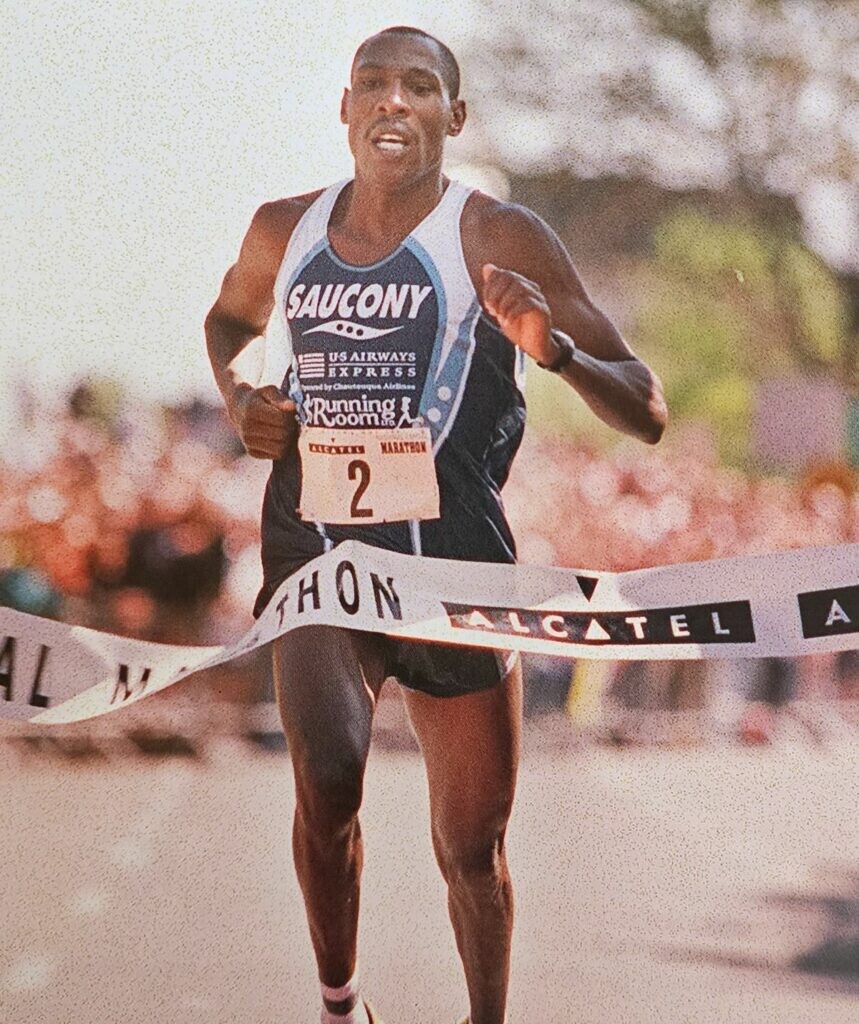
2001: Joseph Nderitu became the first African and person of color to win the marathon, marking the beginning of the elite era.
2011: Visually impaired athlete Ron Hackett completed his first of more than 16 marathons in Ottawa with the guidance of Tim Scapillato. Their successful partnership demonstrated the power of support and collaboration in enabling athletes with disabilities to excel.
2017: Andrew Press and Team LiquidGym spearheaded efforts to make Tamarack Ottawa Race Weekend more accessible for athletes using ALinkers (a mobility device).
2021: Tamarack Ottawa Race Weekend expanded gender categories to include male, female, non-binary and “prefer not to disclose.”
2022: Run Ottawa invited support runners to assist participants with all types of physical disabilities under the Adaptive Athlete Program.
2023: Tamarack Ottawa Race Weekend celebrated 18 visually impaired or blind participants, each accompanied by dedicated guides. The event also extended the Adaptive Athlete program to participants living with invisible disabilities, such as emotional or mental health challenges, allowing them to participate with support runners or guides. The race organizers fostered this inclusivity through partnerships with Achilles Ottawa, an ambassador program connecting visually impaired athletes with supportive runners.
Adaptive-athlete-friendly entry and exit routes were also added in 2023 to ensure barrier-free entry and exit for all participants.
Women in the Ottawa Marathon
The journey toward inclusivity also involves fostering women’s participation in the Ottawa Marathon. In 1975, Eleanor Thomas became the first female finisher, highlighting the drive to provide equal opportunities for all genders.
In 1983, there was a 7:1 ratio of men to women participating in the marathon, by 2023, more than 50 per cent of all registered participants in the Tamarack Ottawa Race Weekend were women.
Inviting and accessible for families
Currently, the Ottawa Kids Marathon and stroller-friendly 2K, 5K and 10K races are part of the race weekend, alongside the marathon and half-marathon. The Kids Marathon program lets children experience running a marathon by completing short segments over a few weeks or months, culminating in their final 1.2K leg on event day.
In 2024, the Ottawa Kids Marathon, 2K and 5K events will remain affordable, unaffected by price increases. This pricing strategy ensures that these family-friendly events are accessible to a diverse range of participants, irrespective of their abilities, ages or financial backgrounds.
Tamarack Ottawa Race Weekend also acknowledges the importance of accommodating families with infants. The event’s organizers have initiated conversations with new parents and other events to discuss ways of removing barriers and improving accessibility for families by considering feeding schedules. While still in the early stages of development, this initiative strives to create a supportive and inclusive environment for families participating in the race weekend.
Enhancements in 2023
The Adaptive Athletes program at Tamarack Ottawa Race Weekend continuously evolves to prioritize inclusivity and accessibility. In 2023, successful initiatives included the establishment of a dedicated tent near the start line for Adaptive Athletes and their support runners/guides/family, provision of secure wheelchair parking and delivery, distribution of cooling towels and water for Adaptive Athletes on the 2K course, a specialized Adaptive Athlete recovery area for post-race relaxation, an accessible race kit pick-up table and specially-designed race bibs to be worn on the back of an Adaptive Athlete and their guide or support runner to raise awareness and encourage understanding among participants.
Additionally, the race organizers collaborated with local organizations and community groups to establish a mentorship program for individuals from underrepresented communities. This initiative aimed to encourage participation in running and provide the necessary support to overcome potential barriers.
The 2023 race weekend featured a dedicated Diversity and Inclusivity speaker session. This panel discussion celebrated athletes’ unique identities and stories by promoting multiculturalism, engaging in conversations about inclusion and showcasing inspiring individuals who have made significant contributions to the running community.
Looking ahead to 2024
Building on the progress made in 2023, Tamarack Ottawa Race Weekend continues its commitment to improving accessibility and diversity in the upcoming year. A key focus for 2024 will be further expanding the mentorship program and establishing partnerships with more local organizations and underrepresented communities.
The organizers will also continue to offer a barrier-free start- and finish-line experience for participants who want that service and will continue to ensure aid stations are set up to be accessible for all athletes.
In 2024, Tamarack Ottawa Race Weekend aims to foster a sense of belonging for all participants by celebrating the intersectionality of identities, such as race, gender, age and ability. Through increased representation, awareness campaigns and ongoing collaboration, Tamarack Ottawa Race Weekend endeavours to create an environment where athletes from all walks of life feel valued, supported and empowered.
by Brittany Hambleton
Login to leave a comment

Ottawa 10K
Ottawa's course is fast, scenic and few elevation changes. Considered to be an excellent course for first timers and should provide an environment conducive to setting a PR. The Ottawa 10K is the only IAAF Gold Label 10K event in Canada and one of only four IAAF Gold Label 10Ks in the world. The Ottawa 10K attracts one of the...
more...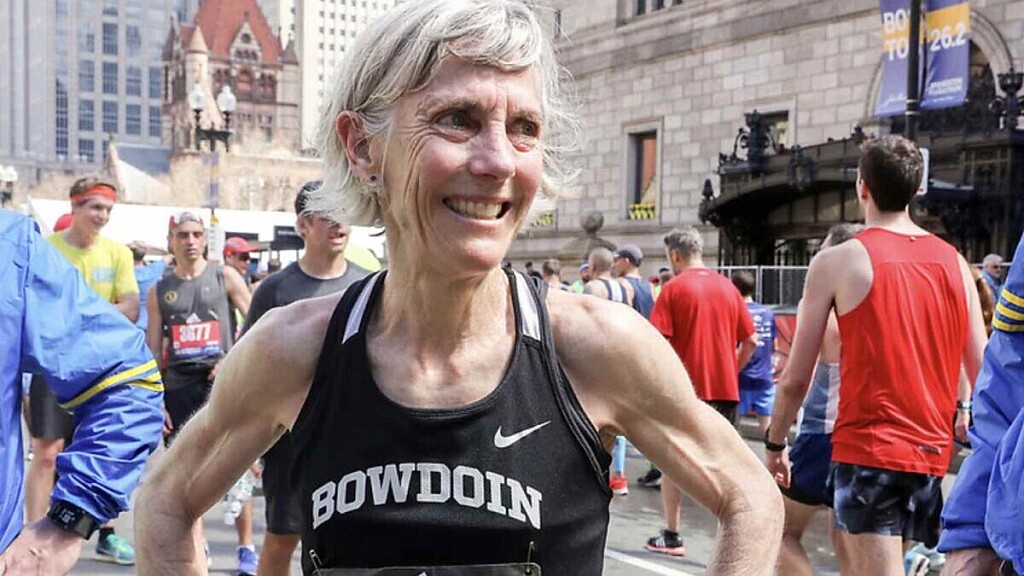
Joan Benoit Samuelson captures World Majors six-star medal at Tokyo Marathon
On Sunday morning, running icon Joan Benoit Samuelson claimed her sixth and final Abbott World Marathon Major star, clocking 3:42:18 at the Tokyo Marathon. The American distance running legend added another remarkable chapter to a storied career that includes wins at the 1979 and 1983 Boston Marathon and the 1985 Chicago Marathon.
The Abbott World Marathon Majors include the Tokyo Marathon, Boston Marathon, London Marathon, Berlin Marathon, Chicago Marathon and the New York City Marathon. In 2022, Benoit Samuelson checked her fifth major off her list, winning her age group at the London Marathon in 3:20:20; her daughter Abby ran as well, finishing just under three hours.
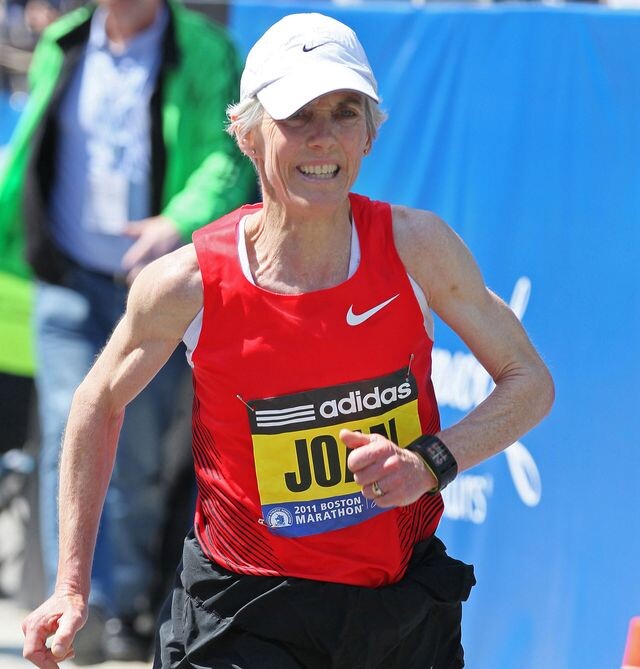
From Cape Elizabeth, Maine, Benoit Samuelson first gained international acclaim when she became the inaugural women’s Olympic marathon champion at the 1984 Summer Games in Los Angeles. Her groundbreaking victory set the stage for a career defined by trailblazing achievements. Benoit Samuelson held the fastest time for an American woman at the Chicago Marathon for 32 years after her 1985 victory, and her time at the Boston Marathon was the fastest time by an American woman at that race for 28 years Her personal best of 2:21:21 is still eighth on the U.S. all-time list.
Benoit Samuelson is the only woman in the world to have run sub-three-hour marathons in five consecutive decades, her first in 1979 and her most recent in 2010. At the 2019 Berlin Marathon, she ran 3:02, nearly becoming the first woman to clock a sub-three in six consecutive decades. In 2019, she ran the Boston Marathon to celebrate her then 40-year-old victory from 1979, wearing the same outfit she had worn four decades before—a backward ball cap and a Bowdoin College singlet (she won her age category, finishing in 3:04:00, only 28:45 minutes slower than her time in 1979).
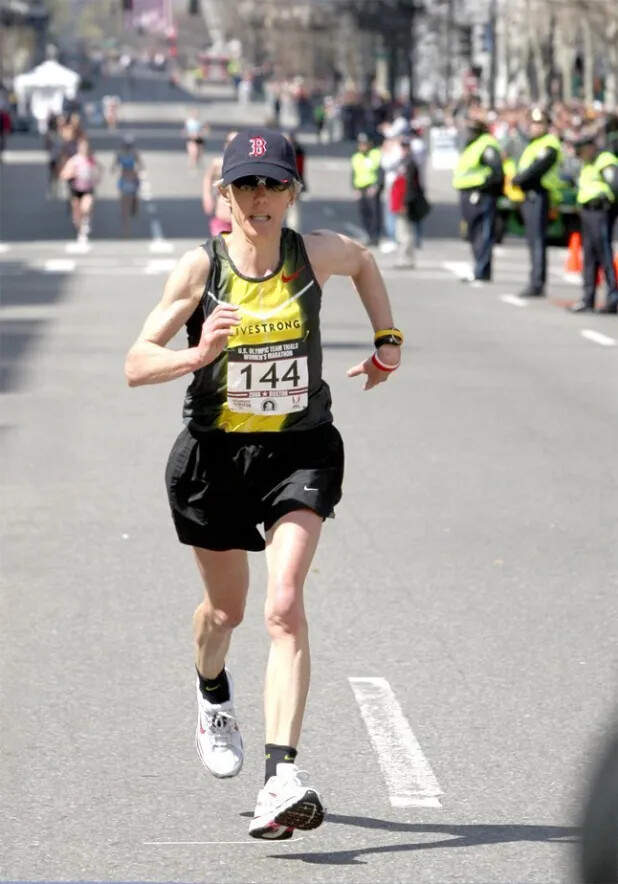
Beyond her accomplishments on the road, Samuelson has been an advocate for women’s participation in sports and has played a pivotal role in advancing opportunities for women athletes. After the 2022 London Marathon, Benoit Samuelson told the media: “I’m blessed to have longevity in this sport. It doesn’t owe me anything, but I feel I owe my sport.”
by Keeley Milne
Login to leave a comment

Tokyo Marathon
The Tokyo Marathon is a world-renowned annual marathon held in Tokyo, Japan. As one of the prestigious Abbott World Marathon Majors, it attracts elite and amateur runners from around the globe. The race holds World Athletics Platinum Label status, recognizing its high competitive standards, top-tier organization, and international appeal. Sponsored by Tokyo Metro, the Tokyo Marathon has grown into one...
more...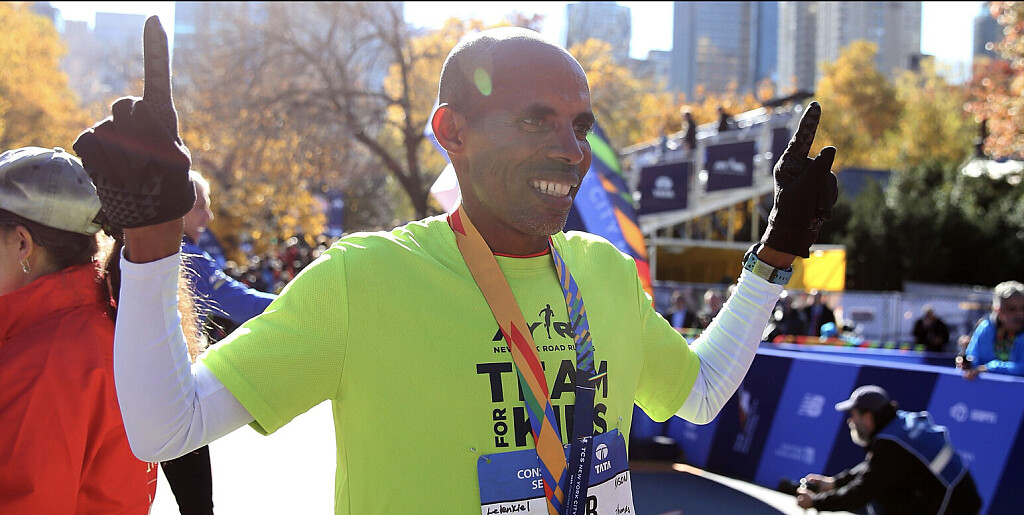
He’s Back! Meb Keflezighi Announces Return to Boston Marathon
Meb will line up to mark the 10th anniversary of his 2014 victory.
After a decade of one of the most famous wins in the Boston Marathon, Meb Keflezighi is returning.
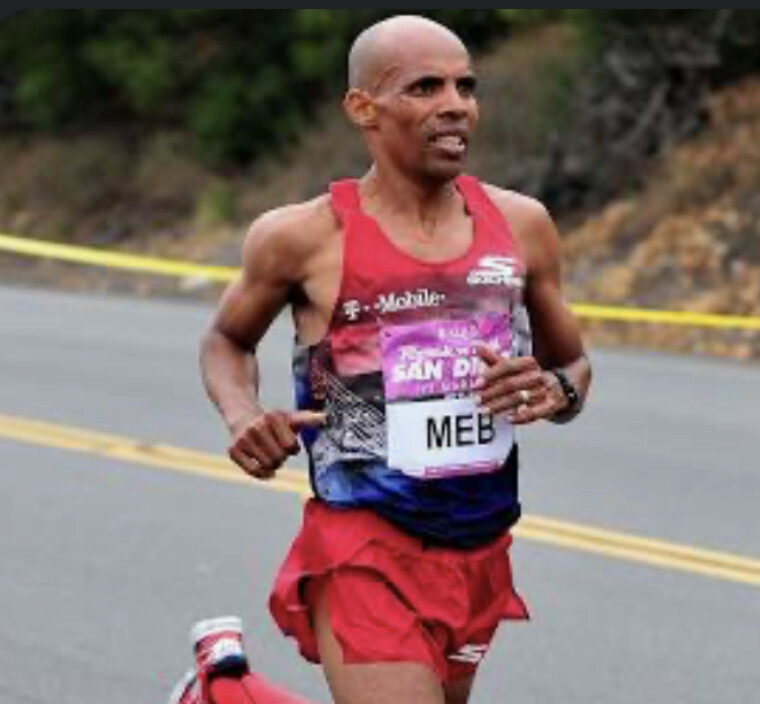
On Wednesday, the two-time World Marathon Major winner and 2004 Olympic silver medalist confirmed that he will compete at the Boston Marathon in April. He is returning to mark the 10th anniversary of his 2014 win, where he became the first American man to win since 1983. It was an emotional year for many, as it was also the first running of Boston since the 2013 bombings.Keflezighi, 48, announced via X that he’ll run the marathon in support of his MEB Foundation, which supports health, education, and fitness worldwide.
“I am lacing my shoes in Hopkinton and running the Boston Marathon on April 15, 2024,” Keflezighi said in the announcement, to a fitting soundtrack. “10 years ago I had the great honor to put the victory for all of us among the 36,000 others who want to make a difference at the streets of Boston. Boston strong.”
Keflezighi has been absent from the race since he ran his last professional Boston Marathon in 2017 before finishing his competitive career at the 2017 New York City Marathon. Along with his Boston win, Keflezighi won New York in 2009 and earned a silver medal at the 2004 Olympic games in Athens, making him the only man to win the Boston and New York marathons and an Olympic medal in the marathon.
Since his big win in 2014, no American has run a time faster than his 2:08:37 effort.
MORE FROM RUNNER'S WORLD ON APPLE NEWS
by Runner’s World
Login to leave a comment
London Marathon to award equal prize money to wheelchair and able-bodied racers
Wheelchair racers at this year’s TCS London Marathon will compete for the same prize money as able-bodied athletes.
In a significant step for disability sports, the annual event will become the first marathon in the world to offer all entrants parity, meaning the winners of each of the elite races will receive $55,000 (£43,410), with the runner-up taking $30,000 (£23,678) and third-place $22,500 (£17,758).
The move comes after organisers increased the prize pot for wheelchair participants by $54,500 (£43,018) to $308,000 (£243,111), the same as that on offer to non-disabled athletes.
Event director Hugh Brasher said: “We are proud of our history in championing participants with disabilities, from introducing our first wheelchair race in 1983 to hosting the IPC World Championships on multiple occasions and providing a pathway from the Mini London Marathon to the London Marathon and beyond for Paralympic legends such as David Weir.
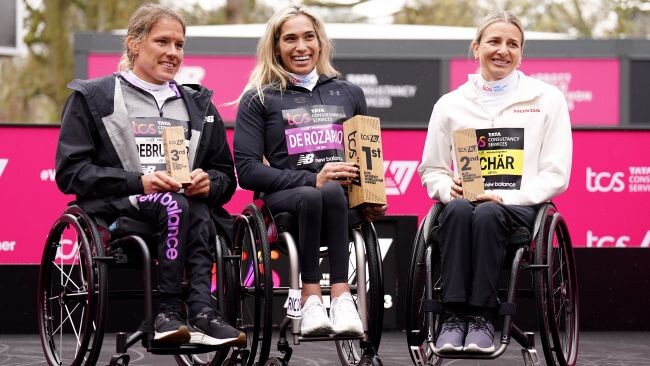
“We are delighted to continue our commitment to disability sport with this landmark move that ensures the prize money available to our elite wheelchair athletes is exactly the same as for those in the non-disabled elite races.
“We have made great strides in recent years towards our ambition to make the TCS London Marathon the most diverse and equitable marathon in the world and this is another important step towards achieving that goal.”
Eight-time winner Weir will take part in his 25th consecutive London Marathon, where he will go head-to-head with Switzerland’s world number one Marcel Hug.
Weir said: “It’s a very exciting year for me and for wheelchair racing. Again London Marathon has set the bar for parity across the racing divisions.
“This is a huge benchmark for disability sport and I hope other races and sporting bodies can take note.”
Reigning women’s wheelchair champion Madison de Rozario also welcomed the decision and its wider implications for para sport and society in general.
Australia’s De Rozario said: “We often say that sport is a mirror to society, but it can also be the starting point for much larger change, and that’s what the TCS London Marathon is doing here.
“This decision doesn’t just affect the athletes lining up in London in April, it has an overflow effect to not just how every other event values athletes with a disability, but how we view the 15 per cent of the global population living with disability.
“Sport has an enormous responsibility to community and the TCS London Marathon is at the forefront of doing that justice. It is setting an entirely new standard and I can’t wait to see what that means for para sport going forward.
“Knowing that a generation of wheelchair racers are going to get to come into a sport and never question their value or their place is beautiful.”
Login to leave a comment
TCS London Marathon
Since its inaugural edition on March 29, 1981, the TCS London Marathon has grown into one of the world's most prestigious road races, blending elite competition with an extraordinary charitable legacy. Founded by former Olympic champion and journalist Chris Brasher alongside Welsh athlete John Disley, the event has been staged every year and has been held in the spring annually...
more...
Michael Bublé claims a near-death running experience in Manitoba
Canadian singing icon and proclaimed King of Christmas, Michael Bublé, claims he had a near-death running experience in Churchill, Man.On Jan. 15, Bublé appeared on The Kelly Clarkson Show, where former American Idol winner Kelly Clarkson asked the singer about a drunken late-night run gone wrong with Canadian actor Barry Pepper while shooting a movie in Canada’s tundra.Bublé said he had just finished filming the 2003 survival drama The Snow Walker and was celebrating with the cast. During the celebration, Pepper and Bublé decided to race down to the beach. But they didn’t realize what was waiting for them there.
“A guy that lived there just started swearing at us and just screaming, I mean, screaming bloody murder,” Bublé said. “We did not realize we were running to our certain death, because there were polar bears all down the beach.”“Sometimes I wonder how close I was to being like a little polar bear lunch,” he joked. “They are the most aggressive—God, but they are so cuddly.” Clarkson went on to reference the cute bears from Coca-Cola commercials.


As this story may not seem “Bublé-vable,” Churchill annually reports more than 300 polar bear incidents or encounters, so much so that they even built a polar bear holding facility (which they call the Polar Bear Jail), which captures and relocates troublesome or dangerous bears. Before it was built in 1983, polar bears that were considered dangerous were shot.Canada is home to two-thirds of the world’s polar bear population, and the Hudson Bay town of Churchill is a common feeding ground. The animals move toward the coast, and sometimes into town, from areas farther inland to hunt seals from the sea ice during the fall when temperatures drop.In 2014, Churchill’s Polar Bear Marathon had to alter the course because the bears got a little too close. Because of the danger from the cold and bears, each runner is assigned a support vehicle that carries food, extra clothing and a bear watcher equipped with a rifle, in case of an emergency.
by Running Magazine
Login to leave a comment
Mary Moraa has returned to training for a grueling 2024 season and is using one of NBA legend Shaquille O'Neal's famous quotes to motivate her
Reigning world 800m champion Mary Moraa is surely on a mission to make history this year as she eyes the Olympic Games in Paris, France scheduled for July 26 to August 11.
As she burns the midnight oil to ensure she makes her dreams come true, Moraa is not leaving her fans out of the mix as she keeps updating them on what she is up to.
In her recent Facebook post, she shared a video of her training at the Nyayo National Stadium and captioned the video with one of NBA legend Shaquille O'Neal’s famous quotes.
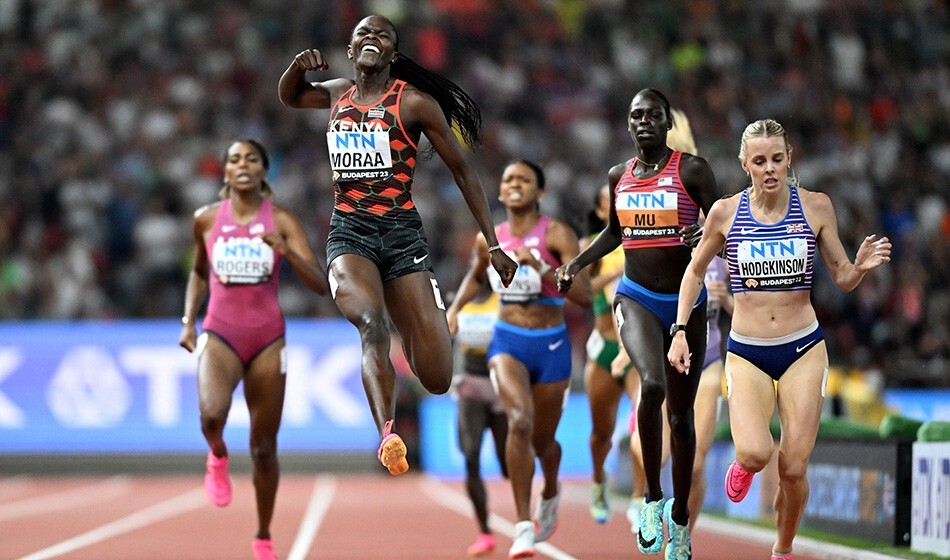
The Commonwealth Games champion said: “Excellence is not a singular act but a habit. You are what you do repeatedly.”
She also added other two photos after returning to training and captioned them saying: “I really enjoyed my first track training session this season with my training regime.”
O’Neal was one of the greatest basketball players and centers of all time and Moraa recognizing him means she is on the right track.
Meanwhile, Kisii Express has made it clear that she wants to clock 1:53, the women’s 800m world record, and she is surely putting in the work.
The world record has surely stood the test of time and the world is banking on Moraa to shatter it. It was set by Jarmila Kratochvílová back in 1983.
On July 26, the Czech athlete took to the Olympiapark Meeting in Munich’s Olympic Stadium and shattered the 800m world record, clocking 1:53.28 to win the race.
by Abigael Wuafula
Login to leave a comment
Mumbai Marathon 2024: Olympic medalist Meb Keflezighi named brand ambassador
Celebrated long distance runner Meb Keflezighi, who won a silver medal in the 2004 Athens Olympics, has been named brand ambassador of the 19th Tata Mumbai Marathon scheduled to be held on Sunday.
The race is a World Athletics Gold Label event and Procam International is the promoter of the event.
Celebrated long distance runner Meb Keflezighi, who won a silver medal in the 2004 Athens Olympics, has been named brand ambassador of the 19th Tata Mumbai Marathon scheduled to be held on Sunday.
The race is a World Athletics Gold Label event and Procam International is the promoter of the event.
“The Tata Mumbai Marathon has been on my bucket list for the longest time, and finally being able to witness Mumbai’s indomitable spirit, is indeed exciting,” Keflezighi, an Eritrea-born American, was quoted as saying in a press release.
“This event inspired a country to run and changed mindsets, that is the true legacy of a sporting event. Mumbai’s incredible energy and enthusiasm, combined with the dedication of its runners, embodies the universal language of endurance. I will only say this… remember to run with purpose, embrace the journey, and move ahead together. In every stride, find the strength to go the distance and make a difference to what you believe in.”
Keflezighi has several record-breaking accolades in his career.
He scripted history when he became the only runner to win an Olympic medal (2004), the New York City Marathon (2009) and the Boston Marathon (2014).
In 2009, Keflezighi became the first American since 1982 to win the New York City Marathon. He has achieved the feat of being in the top 10 in the New York Marathon for a total of eight times in his career.
In 2015, he set a TCS New York City Marathon masters event record with a timing of 2:13:32sec.
In 2014 he won the Boston Marathon (2:08:37), the first American male to do so since 1983, and the first American since 1985.
Since 1930, Keflezighi has held the record for being the oldest winner of the Boston Marathon as he triumphed there when he was 39 years old.
He is also a former USA National 10,000m track record holder.
The Tata Mumbai Marathon will flag off from the iconic Chhatrapati Shivaji Maharaj Terminus on Sunday.
Login to leave a comment

Tata Mumbai Marathon
Distance running epitomizes the power of one’s dreams and the awareness of one’s abilities to realize those dreams. Unlike other competitive sports, it is an intensely personal experience. The Tata Mumbai Marathon is One of the World's Leading Marathons. The event boasts of fundraising platform which is managed by United Way Mumbai, the official philanthropy partner of the event. Over...
more...
Usain Bolt "not worried" about his world records being broken
Although it feels like just a few years ago that Usain Bolt won his third consecutive Olympic double in the 100m and 200m at the 2016 Olympics, it’s been almost seven years since he last competed professionally. Bolt retired as the biggest star in athletics, and still considers himself a fan of the sport.
In a recent interview with World Athletics, the eight-time Olympic champion was asked if he thinks his 100m and 200m world records will fall anytime soon. Bolt replied that he is “not worried” about that possibility.Bolt’s world record marks of 9.58 seconds in the 100m and 19.19 seconds in the 200m were both set at the 2009 World Championships in Berlin.
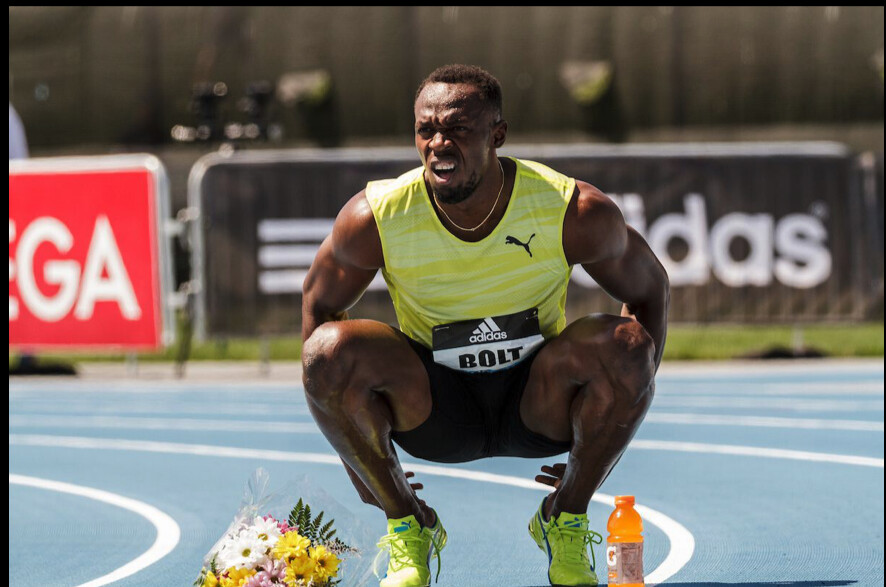

“I’m not worried about any of them,” Bolt said regarding the times. “I think the hundred will be harder (to break) because it’s quicker. If you make a mistake during the race, you’re not going to get it. It’s a lot more technical.” The Jamaican sprinting icon told World Athletics that he knew he was going to break the world record in Berlin, because he was in excellent shape at the time.The 2022 100m world champion Fred Kerley and the current world champion Noah Lyles have been vocal about trying to chase Bolt’s records, but neither has come close.
Lyles, who was named as the 2023 World Athletics Male Track Athlete of the Year after winning three gold medals in Budapest, came within a tenth of a second of the 200m world record at the 2022 World Championships in Eugene, Ore., running 19.31 seconds to win gold and set the American 200m record.
His time made him the third-fastest 200m runner in history behind the two Jamaicans: Bolt’s 19.19 and Yohan Blake’s 19.26.“Jamaica’s Yohan Blake to retire after Paris Olympics” — Canadian Running Magazine
Bolt’s 100m record of 9.58 has gone untouched for 14 years and 4 months, and on May 8, 2024, he will surpass U.S. sprinter Jim Hines to become the athlete who has held the 100m world record the longest. Hines was the first sprinter to break the 10-second barrier in 1968 and held the 100m world record for 14 years, 8 months and 19 days, until another American sprinter, Calvin Smith, lowered his mark by two-hundredths of a second in 1983.
No sprinter has run under 9.75 seconds since 2015. The 37-year-old said he enjoys still being referred to as the fastest man ever, and it’s something he will never get tired of hearing. “It’s a great title to have. It’s something that I enjoy hearing and I enjoy knowing,” said Bolt.
by Running Magazine
Login to leave a comment
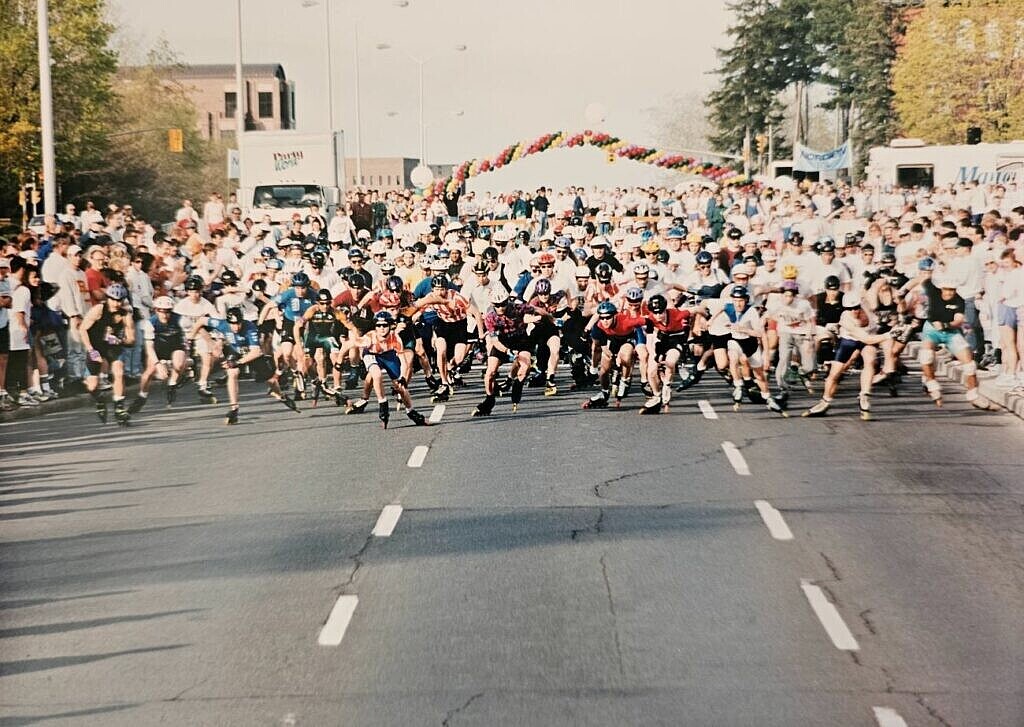
Things you didn’t know about the Ottawa International Marathon
The Ottawa Marathon turns 50 in 2024, and there’s no better way to celebrate than to be a part of Canada’s largest and most historic spring marathon, which will take place on May 26. Through the years, the marathon has seen everything from warm temperatures to course records and Olympic dreams, not to mention all the Boston qualifiers. But there’s a lot you might not know about Canada’s capital city marathon.
1975: Only 3 women ran the first Ottawa Marathon
Ottawa has always been one of Canada’s premier running cities, and on May 25, 1975, a 42.2 km route was designed, starting and finishing at Carleton University. The race’s beginnings were modest, with only 146 runners finishing the inaugural marathon. Compared to recent registration numbers (30,000 plus), it’s next to nothing, but in 1975, it was already Canada’s biggest marathon.
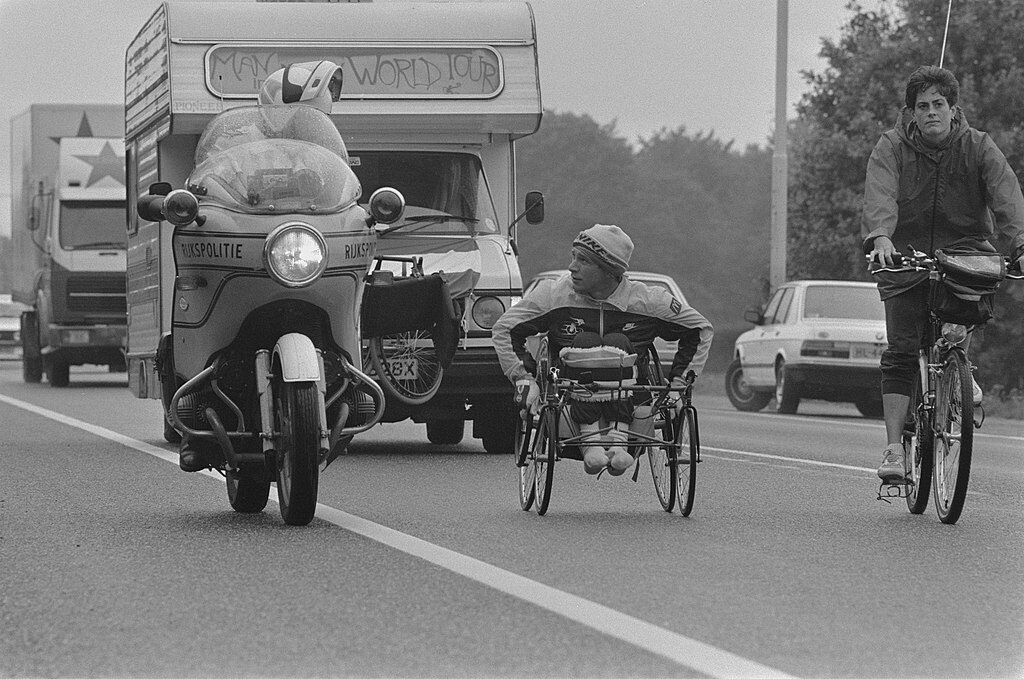
The race was called the National Capital Marathon and was won “by accident” by Quebec middle-distance runner Mehdi Jaouhar, who entered the race with his roommate. Only three of the 146 finishers were women.
1976: The Ottawa Marathon champion had lunch with the Queen
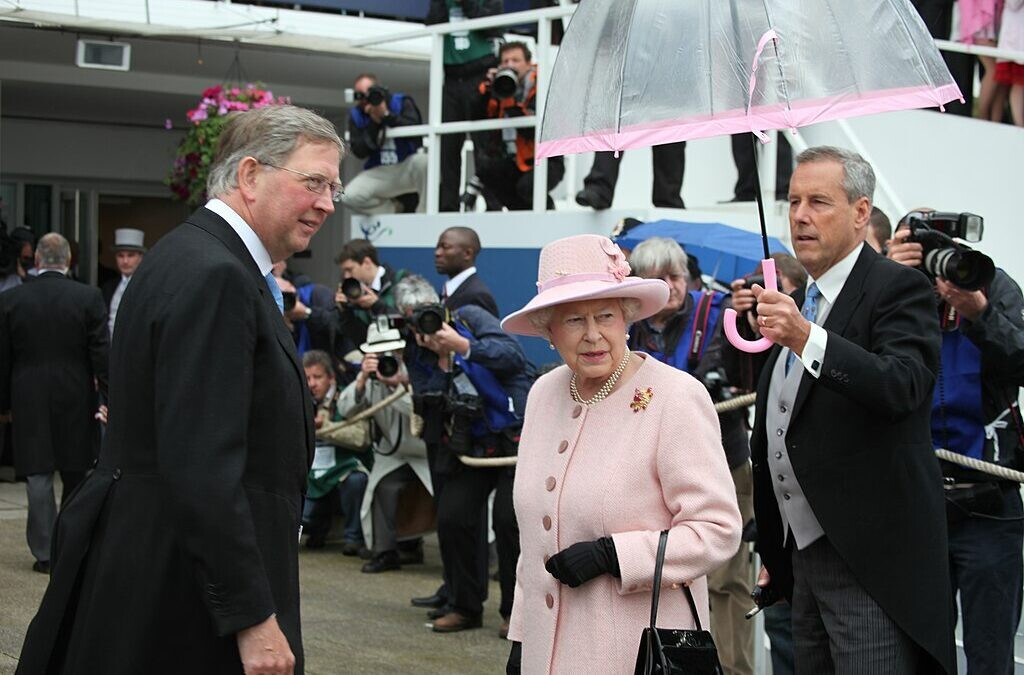
This year was a special one for athletics in Canada, as the country hosted the 1976 Summer Olympics (still the only Summer Olympics our nation has hosted to date). The marathon quadrupled in size from the previous year, and the stakes and competition rose accordingly. The race was selected as the location for the 1976 Olympic Trials for the Canadian marathon team, attracting some of Canada’s top marathoners.
Toronto’s Wayne Yetman set a new course record of 2:16:32, earning a spot on the Canadian Olympic team for Montreal. Also included in his Olympic moment was lunch with Queen Elizabeth. Eleanor Thomas won the women’s marathon for the second year in a row, yet she didn’t take in any water or electrolytes on the course. Thomas was a smoker at the time, and famously said “quitting smoking was harder than running a marathon.”
1983: Man in Motion Rick Hansen raced the Ottawa Marathon
In preparation for his famous Man in Motion World Tour, Rick Hansen won the inaugural wheelchair division at the Ottawa Marathon in 1983. Previously, wheelchair athletes competed in the open field. Hansen was the pioneer of the wheelchair division in Canada after winning gold, silver and bronze medals at the 1980 Paralympic Games. He became the first Canadian Para athlete to win the wheelchair division at the 1982 Boston Marathon.
Between 1985 and 1987, Hansen wheeled more than 40,000 kilometers around the world through 34 countries to raise awareness about people with disabilities. The world tour started and ended on the Port Mann Bridge in Vancouver.
1986: The marathon almost ended
After a major decline in numbers in 1984 and 1985, race organizers and the board of directors voted to cancel the event. The marathon faced new competition with the Montreal Marathon earlier in the spring, and Ottawa was having trouble attracting sponsors. However, after the cancellation announcement new sponsors emerged and organizers were able to move forward and add a 10K race.
The first Ottawa 10K attracted just fewer than 1,000 participants, but by 1988, that number doubled and continues to grow today as the premier event on Saturday of Ottawa Race Weekend.
4: Montreal’s Jean Lagarde won 4 straight marathons between 1993 and 1996
Lagarde had come to Ottawa to cheer on his friend in the marathon, but when he got there, the friend persuaded him to sign up. Lagarde thought, “Why not?” By eight kilometres, Lagarde was out front and on his own, and he held on to win his first of four straight Ottawa Marathons. Lagarde trained for the marathon by running 35 km every Sunday.
Lagarde’s best time in Ottawa was in 1994, when he ran 2:19:00. He also holds another impressive record, winning both the warmest and the coldest Ottawa Marathon to date (25 C and 1 C). Keep in mind that the date of the marathon at the time was the second week of May. He is still the only man to win four consecutive Ottawa Marathons.
Russian-Canadian runner Lioudmila Kortchaguina has also won the marathon four times, holding the record for the most women’s titles. She has raced the Ottawa Marathon more than 20 times, and she was the last Canadian woman to win (in 2007) until Kinsey Middleton won in 2022.
1995: The race weekend had an inline skating race
To boost registration numbers and add a Canadian twist to Ottawa Race Weekend, organizers held the inaugural inline skating 8K at the 1995 Ottawa Marathon. Hundreds of participants signed up with their skates, gloves and helmets to skate a timed portion of the course.
The inline 8K race didn’t last long; it was canceled the next year due to frosty conditions.
1998: Ottawa was the first Canadian marathon to have pace bunnies
Where did pace bunnies come from? Well, the Chicago Marathon was the first race to implement pace bunnies in North America. After Hilda Beauregard of Ottawa participated in the 1997 Chicago Marathon, she noticed that the race had provided pace bunnies in the mass field to help runners achieve their goal times. The runner brought the idea back to Ottawa, and the 1998 Ottawa Marathon became the first Canadian marathon to use pace bunnies.
Every year since, pace bunnies have been a regular component of the marathon, wearing caps with rabbit ears while holding marked signs with the projected finishing time, helping runners hit their goals.
1996: There was a blizzard during the marathon
Though temperatures are typically warm for the Ottawa Marathon, which is in late May, there was snow for the 1996 race. Four thousand runners experienced below-zero temperatures and 35 km/h winds, with snow squalls. The 1996 race still stands as the coldest marathon in the event’s history.
2010: Paralympian Rick Ball achieved a single-leg amputee marathon world record in Ottawa
At the 2010 Ottawa Marathon, Rick Ball of Orillia, Ont., became the first single-leg amputee athlete to run a sub-three-hour marathon. Ball clocked 2:57:48 to break the world record. He held onto that record for seven years, until it was broken in 2017 by Lebanon’s Eitan Hermon at the 2017 Vienna Marathon, who finished in 2:56.53.
49 years of Ottawa Marathons
Ottawa’s Howard Cohen has completed his local race every year since the inaugural marathon in 1975. The retired physician has never missed a race, overcoming various challenges such as the 30 C heat threat that almost canceled the marathon in 2016, enduring a snowstorm in 1996, and even completing the 42.2K race with canes due to a torn hamstring injury.
Cohen has consistently found a way to make it to the start line and cross the finish. At 73, he has participated in the event virtually for the past four years, with his last in-person race dating back to 2019. Cohen was the first runner to register for the 2024 Tartan Ottawa International Marathon virtually, which will mark his remarkable 50th race.
by Marley Dickinson
Login to leave a comment

Ottawa Marathon
As one of two IAAF Gold Label marathon events in Canada, the race attracts Canada’s largest marathon field (7,000 participants) as well as a world-class contingent of elite athletes every year. Featuring the beautiful scenery of Canada’s capital, the top-notch organization of an IAAF event, the atmosphere of hundreds of thousands of spectators, and a fast course perfect both...
more...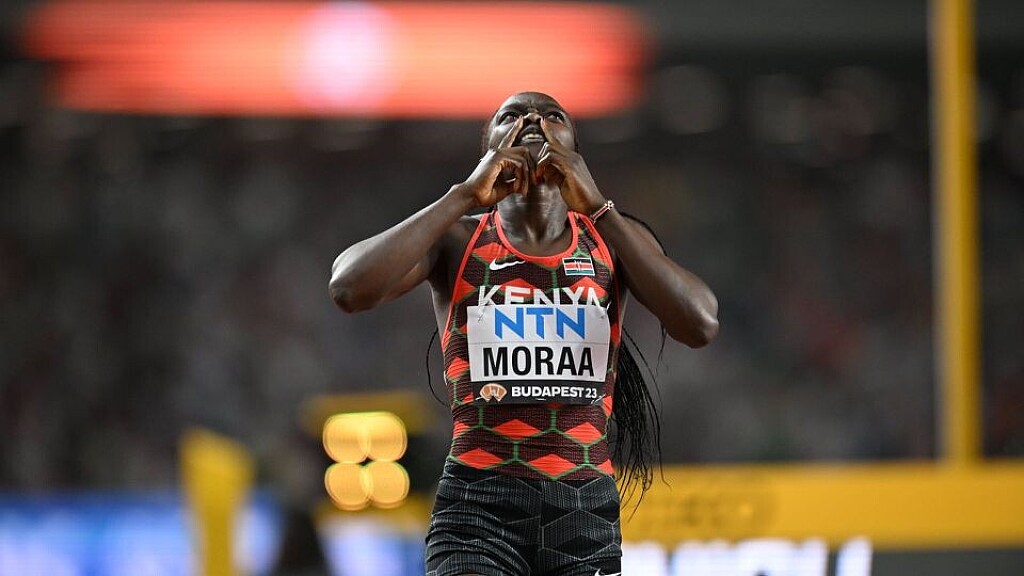
Mary Moraa dreaming of breaking 800m world record soon
Mary Moraa has promised that she will attack the 800m world record very soon.
Reigning World 800m champion Mary Moraa has promised to go for the 800m world record very soon.
In a post on her Facebook page, Moraa shared a throwback photo of herself and double world record holder Faith Kipyegon. She was in awe of Kipyegon’s record-breaking spree and noted that she is an inspiration to many people.
She said: “When you step out in style with the world's middle distance track finest Faith Kipyegon. A great inspiration. Hii 800m World Record tutavunja siku moja...hivi karibuni (We shall one day break this 800m world record…very soon).”
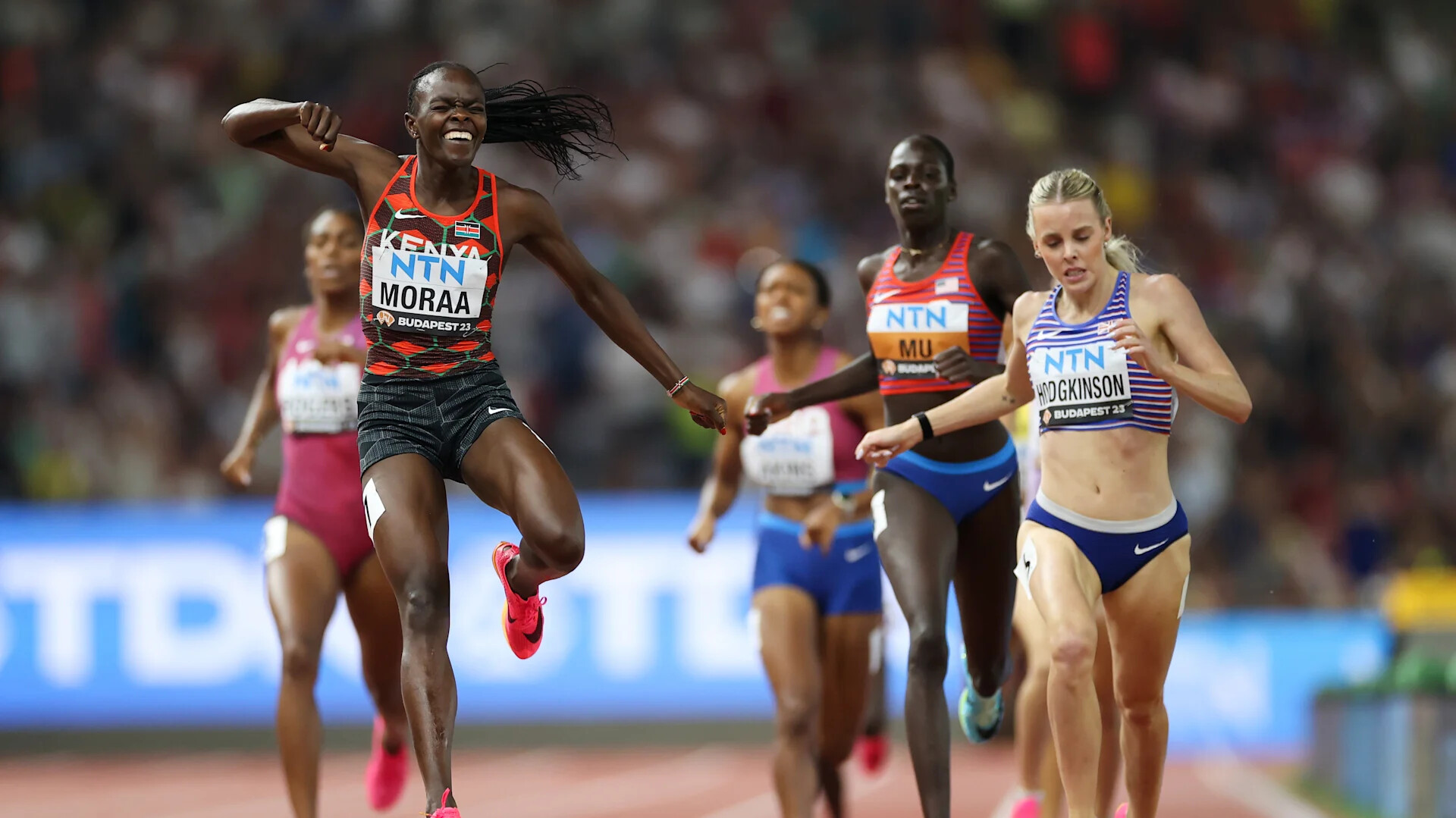
The women’s world record over the 800m stands at 1:53.28 and was set by Jarmila Kratochvílová 40 years ago.
She clocked the time on July 26, 1983, at the Olympiapark Meeting in Munich’s Olympic Stadium and has remained to be the oldest outdoor world record in the book.
On her part, Moraa’s Personal Best time currently stands at 1:56.03, a time she clocked to win the race at the World Championships in Budapest, Hungary.
By winning the title, she became just but the third Kenyan woman to win the 800m on the global stage. She comes after Janeth Jepkosgei and Eunice Sum who won the titles in 2007 and 2013 respectively.
She has also been banked on severally to break the 800m world record and affirming her fans that she would surely go for it is a sign of light at the end of the tunnel.
The reigning Commonwealth Games champion is gearing up for the Olympic Games in Paris, France next year where she hopes to extend her winning streak. This season, she only lost one 800m race, the Prefontaine Classic.
by Abigael Wuafula
Login to leave a comment
America’s Oldest Continuously-Held Ultramarathon Is Only Looking Forward
After 60 years, the JFK 50 Mile Race is sticking to its community-centered approach, and people keep showing up
Mike Spinnler cries nearly every time he recounts memories as a runner and long-time race director of the JFK 50, the oldest continuously run ultra in the country.
Such memories include the time he first ran the iconic Maryland race when he was 12 years old, or the year he cheered on his 60-year-old wife as she crossed the finish, or memories of watching his two sons racing. For him, this race is a member of the family.
In 1993, five years after his tenth JFK finish, Spinnler became the race’s second race director, where he’s been ever since. By then, he’d set the course record (5:53:05) in 1982, and added another win in 1983, for a total of five top-five and six top-ten finishes.
Thirty years later, it’s still his pride and joy. He’ll immerse in the magic of the event again on Saturday, November 18, as more than 1,000 runners take the journey through the historic route that’s so dear to his heart.
“It just keeps growing in its prestige,” he says.
The JFK 50 started in 1963, the same year President John F. Kennedy was assassinated. The president had instituted a public health program to improve the nation’s fitness, supporting the launch of a series of 50-mile races around the country. But as years went on, the only one that stuck around was the JFK 50.
“Kennedy’s mission was this: Improve your physical fitness, improve your lifestyle, improve your country,” says Spinnler. “We heeded his call and have been doing it for 60-plus years.”
The JFK 50 course is located about an hour northwest of Washington D.C., covering traditional lands of the Indigenous Massawomek and Shawandassee Tule (Shawanaki/Shawnee). One of the race’s primary appeals is that it’s a horseshoe-shaped, point-to-point course with three distinct sections: The Appalachian Trail (miles 0-15), the Canal/Tow Path (miles 15-42), and the rolling finish (miles 42-50).
The race starts in Boonsboro, Maryland, follows a few miles of paved roads before connecting with the Appalachian Trail (AT), where the course climbs more than 1,000 vertical feet in five miles, crests to the high point, and follows rocky singletrack before dropping 1,000 vertical feet halfway into the race (mile 14.5), to connect with a flat marathon distance along the C&O Canal Tow Path. The last several miles are rolling country roads, where it finishes at Springfield Middle School in Williamsport.
In 2019, Seth Ruhling, an unsponsored athlete, showed up to the JFK 50, slept in his car the night before, and won the race in a blistering 5:38:11, his debut 50-miler. Within hours of winning, he sealed a sponsorship with The North Face.
Ruhling, 29, now lives and trains in Boulder, Colorado, and he’ll be returning for his second JFK 50. Since Ruhling’s 2019 win, he has made a name for himself with a sixth place finish at the Pikes Peak Marathon in 2021, second place at Montana’s Rut 50K, first place at the Broken Arrow Skyrace 46K, and most recently, sixth at CCC 100K during the week of UTMB in Chamonix, France.
In 2020, JFK 50 was one of the only races in the country that didn’t shut down with the pandemic. Ruhling had planned on racing, but got injured. “I always wanted to go back,” he says.
Ruhling was particularly drawn into this year’s race because of its deep field of registered elites, which had at one point included 2023 Western States winner Tom Evans, Matt Daniels, Adam Merry, and Sean Van Horn—all of whom have since dropped.
His strategy for the mixed course, which requires technical trail chops as well as fast road turnover, is to attack every single section. He says that, while the JFK 50 is known more as a “track race,” it’s a mistake to discount the early trail miles. “The record is going to happen on the towpath, sure, but only if it’s set up with efficient running on the AT section,” he says.
by Outside Online
Login to leave a comment
