

Running News Daily
Running News Daily is edited by Bob Anderson and team. Send your news items to bob@mybestruns.com Advertising opportunities available.
Index to Daily Posts · Sign Up For Updates · Run The World Feed
Articles tagged #Steve Jones
Today's Running News
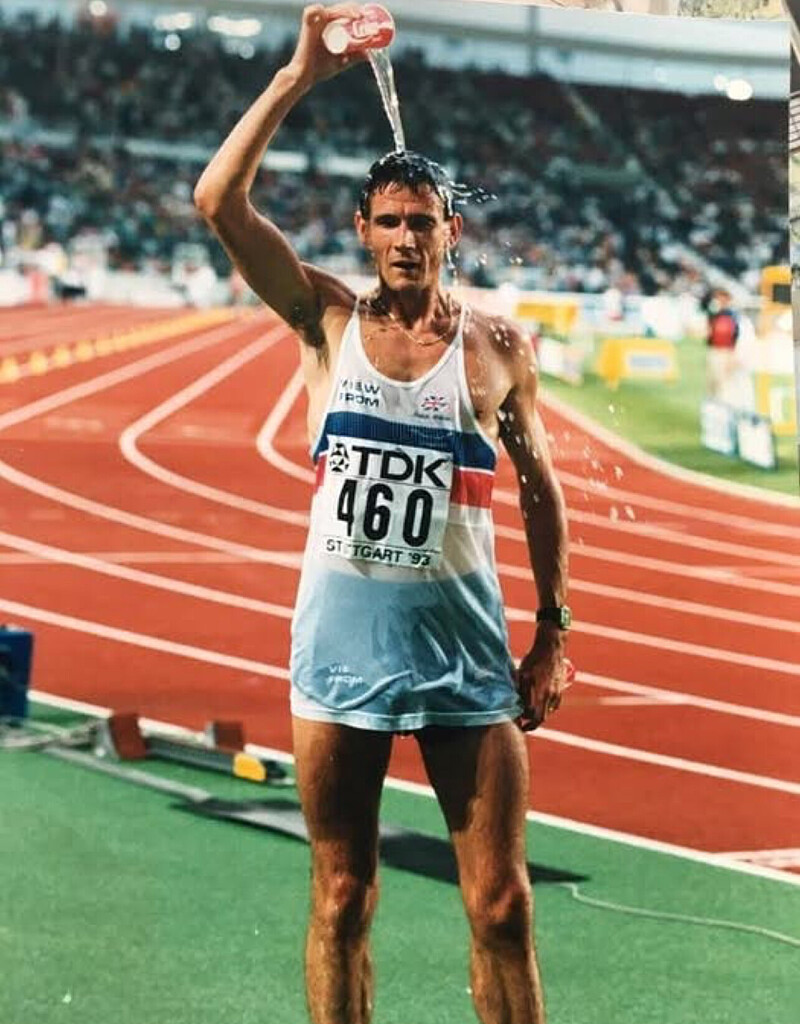


Steve Jones Turns 70: A Look Back at a Marathon Legend
This past week, the legendary Steve Jones celebrated his 70th birthday—a milestone that offers a perfect moment to honor one of the greatest marathoners of all time.
Born on August 4, 1955, in Tredegar, Wales, Steve Jones rose to international prominence during the golden era of distance running. A former Royal Air Force technician, Jones shocked the running world when he won the 1984 Chicago Marathon in a world record time of 2:08:05, breaking the previous record held by Australia’s Rob de Castella. What made the performance even more extraordinary was that Jones ran the race without wearing a watch—and had no idea he was on world record pace.
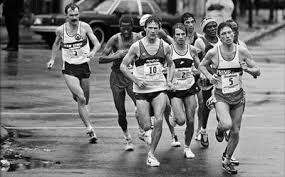
A year later, he returned to Chicago and ran 2:07:13, which remained the British record for 33 years until Mo Farah broke it in 2018. Jones also won the London Marathon in 1985 and claimed victory at the New York City Marathon in 1988, securing his place among the legends of the sport.
Known for his fearless front-running style, Jones never shied away from taking the lead early. He believed in racing hard from the start and letting the rest catch up—if they could. His aggressive tactics and incredible toughness made him a fan favorite around the world.
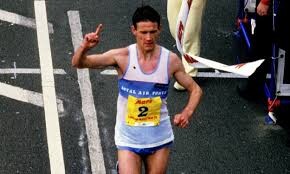
Beyond the road, Steve was a top-class track runner and a formidable competitor in cross country. He set a British record in the 10,000 meters (27:39.14) in 1983 and competed in the 1984 Los Angeles Olympics, placing 8th in the 10,000m final.
Even in retirement, Jones has remained involved in the sport as a coach and ambassador. His legacy lives on in every runner who dares to push the pace and run fearlessly.
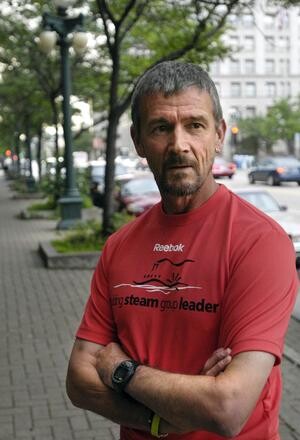
From all of us at My Best Runs, we wish Steve a belated but heartfelt Happy 70th Birthday—and thank you for inspiring generations of runners.
The iconic image of Steve Jones cooling off mid-race is a perfect reminder of his grit, focus, and drive. A true original.
by Boris Baron
Login to leave a comment
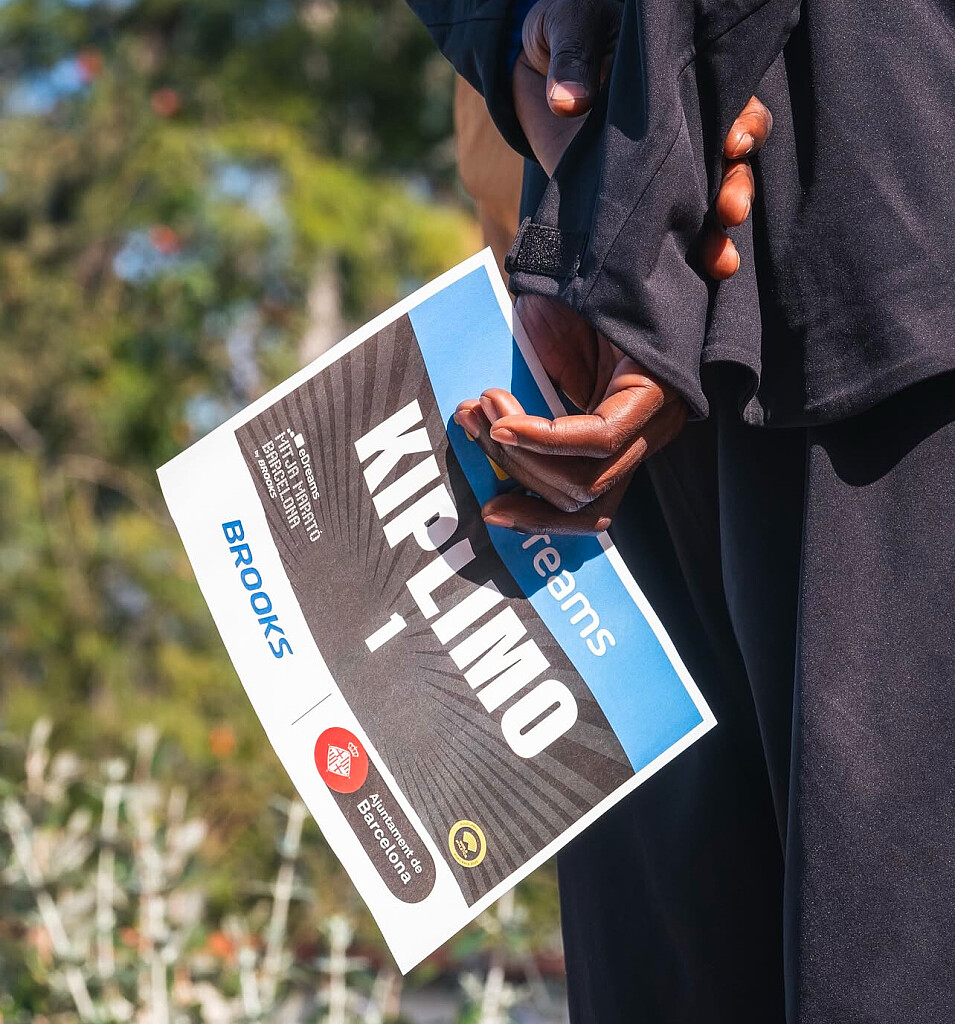
The Evolution of the Half Marathon From Breaking One Hour to a New Era
“It was not that many years ago that breaking an hour for the half marathon was an amazing feat,” says My Best Runs editor Bob Anderson. “And today, we saw that record dip under 57 minutes. That’s running 4:19 mile pace for 13.1 miles. Wow!”
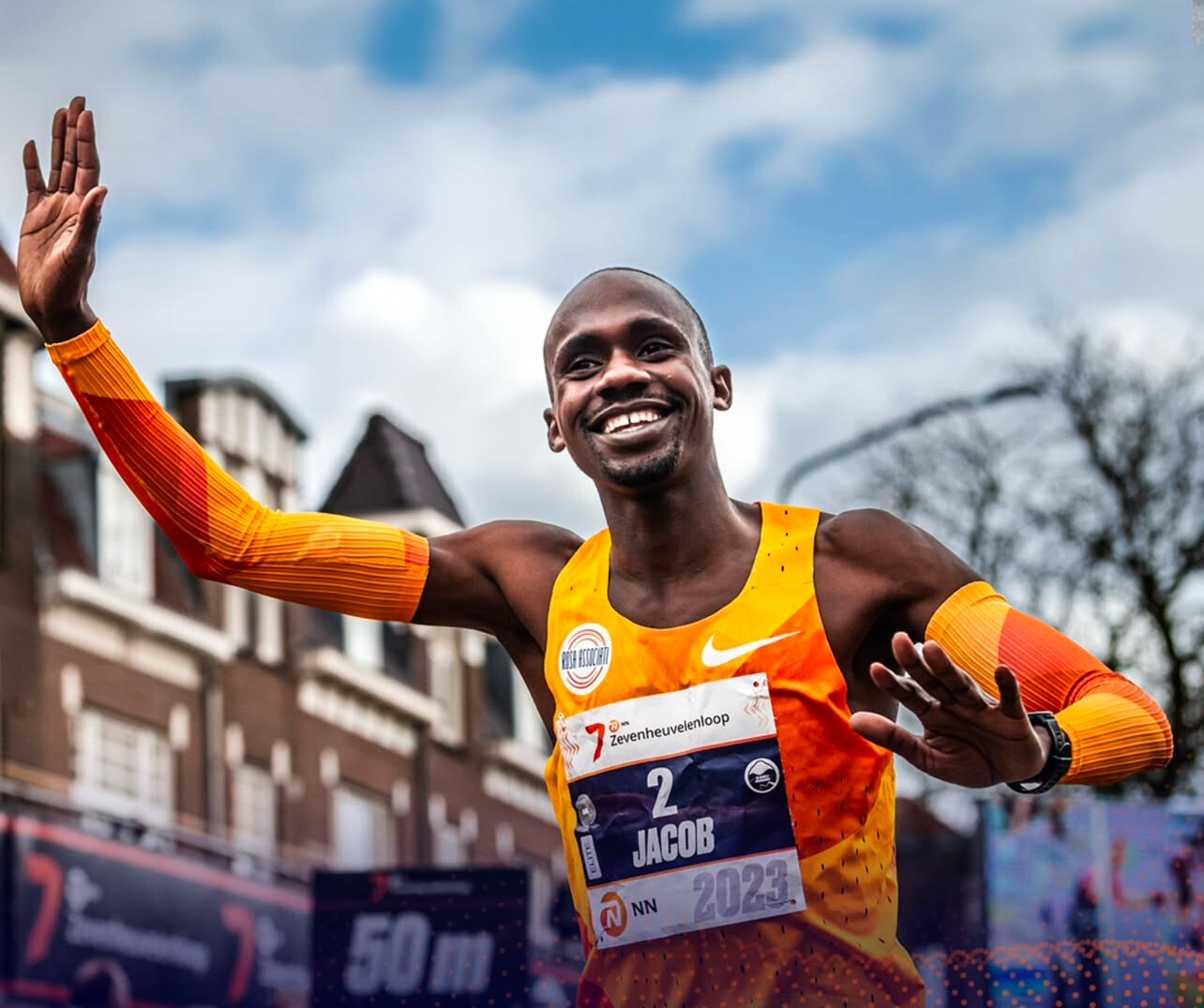
The half marathon, a 21.0975-kilometer (13.1-mile) race, has long been a benchmark of endurance and speed. For decades, breaking one hour in the event was considered an extraordinary achievement. But as training, technology, and competition have advanced, so have the records. On February 16, 2025, Uganda’s Jacob Kiplimo took the event into a new era, becoming the first person to break 57 minutes with a stunning world record of 56:42 at the eDreams Mitja Marató de Barcelona.
The history of the half marathon
The half marathon has been a competitive event since at least the early 20th century, though it did not gain widespread popularity until later. It emerged as a race distance that was more accessible than the full marathon but still required a balance of endurance and speed. Unlike the marathon, which has been an Olympic event since 1896, the half marathon has never been included in the Games, but it has had its own World Championships since 1992.
With the rise of professional distance running and major city half marathons, the event has grown into one of the most participated-in races worldwide. Many view it as a stepping stone to the full marathon, while others appreciate it as a challenging yet more manageable race.
Breaking one hour The milestones
The quest to run a half marathon in under one hour became a defining goal for elite male distance runners. While marathon times had been steadily improving throughout the 20th century, the half marathon saw a more gradual progression.
1960: Australian runner Dave Power ran an unofficial best of 1:01:44.
1974: Ron Hill of Great Britain set a recognized world best of 1:02:22.
1978: Italy’s Marcello Fiasconaro improved the mark to 1:01:49.
1985: Steve Jones of Great Britain ran 1:01:14, bringing the record closer to the one-hour barrier.
1993: Moses Tanui of Kenya became the first man to break one hour, running 59:47.
Once Tanui shattered the one-hour barrier, improvements became more frequent, with Kenyan and Ethiopian athletes dominating the event.
1997: Paul Tergat (Kenya) ran 59:17.
2005: Samuel Wanjiru (Kenya) ran 59:16, then 58:33 in 2007.
2010: Zersenay Tadese (Eritrea) set a long-standing record of 58:23.
2020: Kibiwott Kandie (Kenya) became the first to break 58 minutes, running 57:32.
2021: Jacob Kiplimo (Uganda) set a new record at 57:31.
2024: Yomif Kejelcha (Ethiopia) improved it to 57:30.
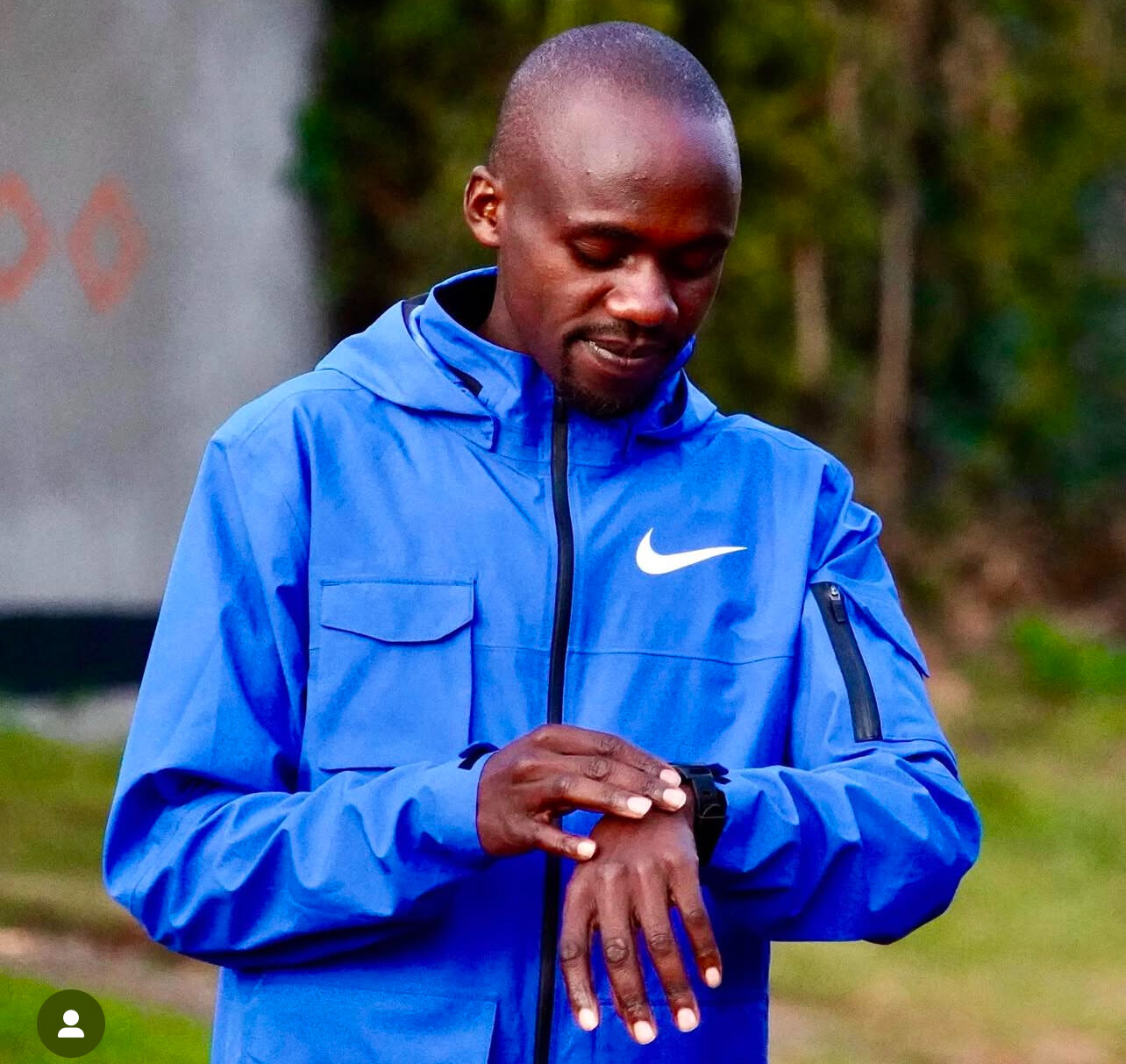
2025: Jacob Kiplimo rewrote history with 56:42.
The women's half marathon world record
On the women’s side, the world record has seen significant improvements as well. Ethiopia’s Letesenbet Gidey currently holds the record, running 1:02:52 on October 24, 2021, at the Valencia Half Marathon. This was a massive leap forward, making her the first woman to break 64 minutes.
Previous records include:
1982: Joan Benoit Samuelson (USA) ran 1:08:34.
2001: Elana Meyer (South Africa) became the first woman to break 67 minutes, running 1:06:44.
2007: Lornah Kiplagat (Netherlands) set a world record of 1:06:25.
2017: Joyciline Jepkosgei (Kenya) became the first woman under 65 minutes, running 1:04:52.
2021: Letesenbet Gidey shattered expectations with 1:02:52.
A new era for the half marathon
With Kiplimo’s record-breaking 56:41, the half marathon has entered uncharted territory. His ability to maintain a 4:19 per mile pace for 13.1 miles is a testament to the evolution of the sport. Advances in training methods, course selection, pacing strategies, and shoe technology have all contributed to these record-breaking performances.
The question now is what comes next. Will someone push the limits even further and run under 56 minutes? Will Kiplimo’s record stand for years, or will it spark another round of breakthroughs?
For now, all eyes turn to Kiplimo’s next challenge: his marathon debut at the London Marathon on April 27, 2025. If his half marathon success is any indication, the world may soon see him make history over 26.2 miles as well.
One thing is certain—the evolution of the half marathon is far from over, and the best may still be yet to come.
by Boris Baron
Login to leave a comment
MARATHON GROUNDBREAKERS
Since Australia’s Derek Clayton ran history’s first sub—2:10 marathon in Fukuoka, Japan, on 3 December 1967, there have been a total of 4538 sub—2:10 marathons (as of 30 October 2024), 4537 by men, one by a woman.
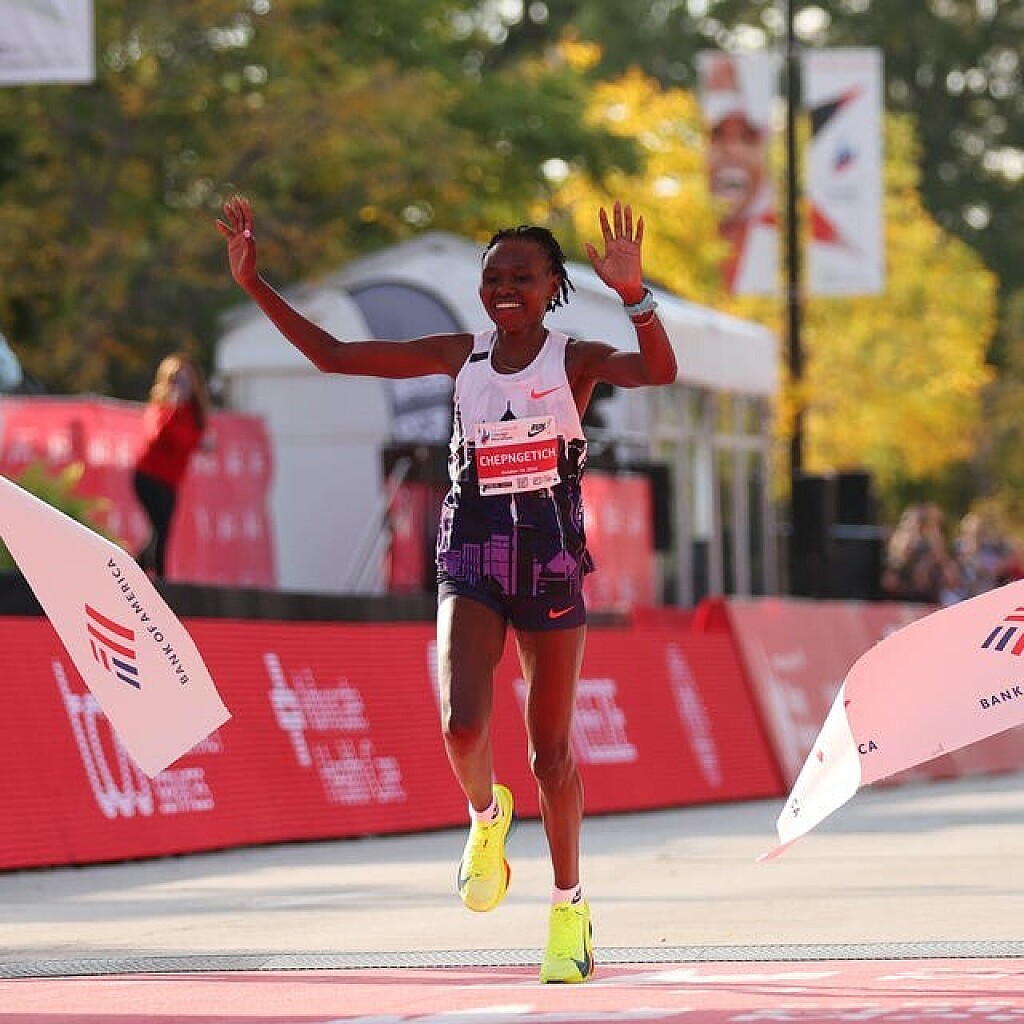
As with any new ground-breaking performance, Ruth Chepngetich’s 2:09:56 in Chicago on 13 October has forced us to reassess all our past assumptions, or, like many, to doubt the validity of the performance itself. But no matter how we got here, to whatever you want to ascribe it, this is where we are now, 2:09:56 by a woman.
In this new reality, until proven otherwise, Ruth Chepngetich is the new Paula Radcliffe, just as Paula was the new Grete Waitz, one ground-breaker to the next, 1978 to 2003 to 2024.
There have been many talented women champions through the years besides those three, including all the pioneers who had to overcome centuries of gender bias that restricted women from even showing their stuff.
But in terms of pure ground-breaking, the 1978 New York City Marathon drew a bright line between what once was and what would be.
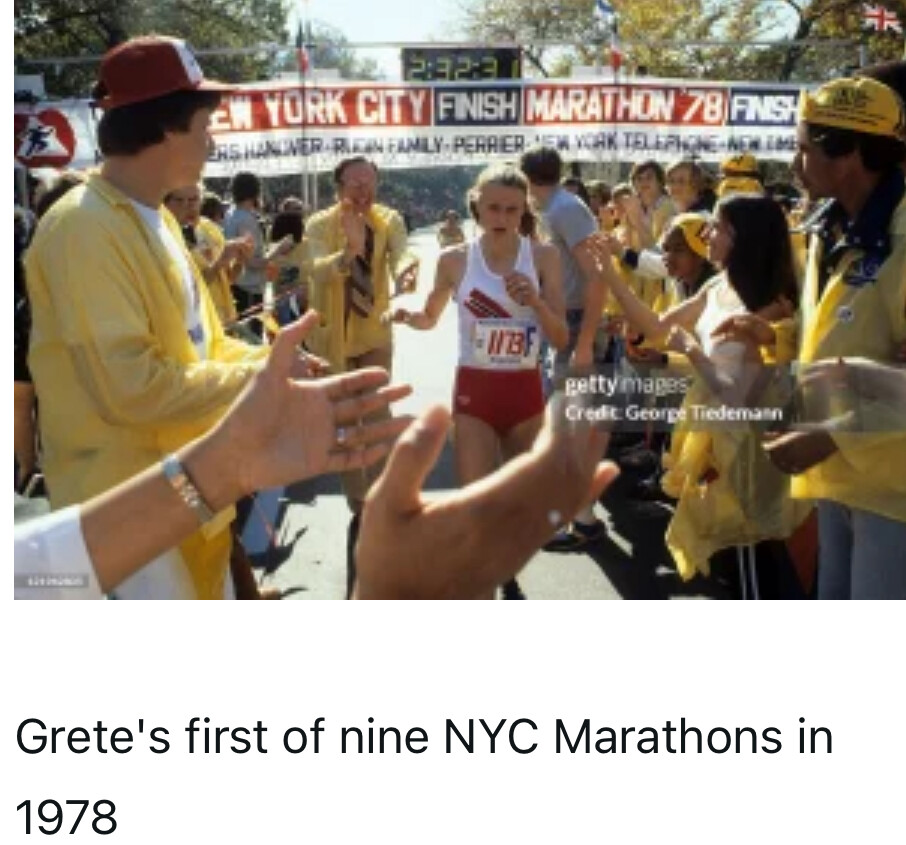
On 22 October 1978, Norway’s track and cross-country star Grete Waitz participated in the marathon for the first time, almost on a whim, as the trip was more of a honeymoon for her and husband Jack after the long track season.
The 2:32:30 world record Grete ran that day was totally unexpected by both the public and Grete herself. She wore bib #1173, wasn’t included on the list of elite women, and came with no specific marathon preparation (not a single run over 13 miles). In fact, she was so upset with husband, Jack, for suggesting she come run the marathon that she threw her shoes at him in the hotel room following her victory.
Still, like almost all debuting marathoners, after a short period of recovery and reflection, Grete concluded she could probably improve next time.
Thus, in New York 1979, following a more careful preparation, Grete ripped nearly five full minutes off her 1978 mark to record history’s first sub—2:30 by a woman at 2:27:33. Her margin of victory over England’s Gillian Adams was 11 minutes (2:38:33). The combination of the mild-mannered former geography teacher from Oslo and the raucous New York City crowds proved transformative, elevating women’s running to heights previously unimagined.
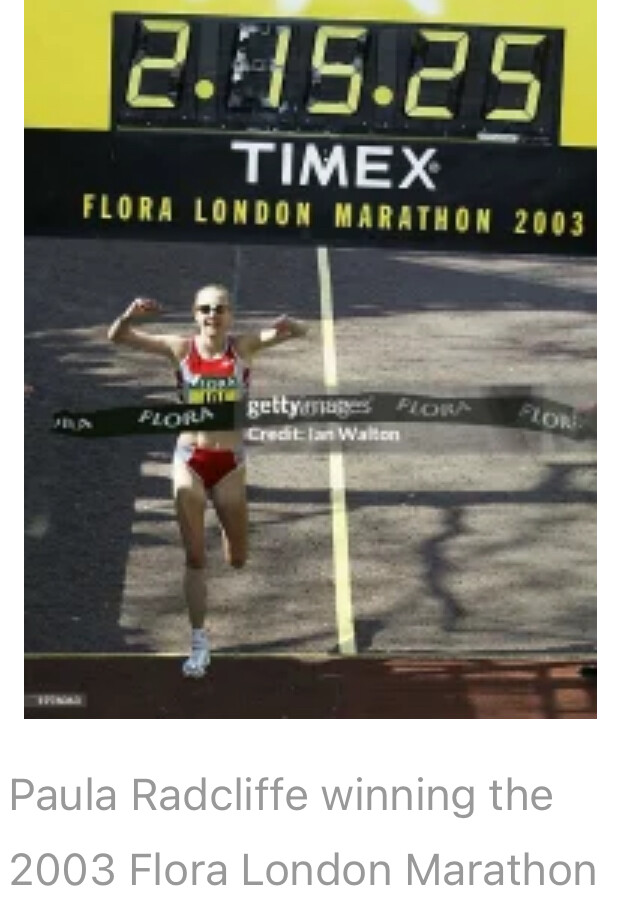
Though Japan’s Naoko Takahashi broke the 2:20 barrier for women in Berlin 2001, after Norway’s Ingrid Kristiansen (2:21:15, London ‘85), America’s Joan Benoit Samuelson (2:21:21, Chicago’85), and Kenyan Tegla Loroupe (2:20:43, Berlin ‘99) all challenged the barrier in the 1980s and ‘90s, it was England’s Paula Radcliffe who established new headlands in the marathon in London 2003 with her 2:15:25.
Nearly two minutes faster than her own 2:17:18 record from Chicago the year before, her 2:15 arced away from Catherine Ndereba’s 2:18:47 from Chicago 2001, completed just one week after Takahashi’s first sub-2:20 in Berlin.
The quality of Paula’s 2:15 can be seen in the 16 years and an entire shoe technology revolution that developed before Kenya’s Brigid Kosgei did Paula one better in Chicago 2019 at 2:14:04. That performance plowed new ground again. And now we have Ruth Chepngetich in Chicago 2024 with history’s first sub-2:10, just a year after Ethiopia’s Tigst Assefa’s first sub—2:12 in Berlin `23 (2:11:53).
Twice before, Chepngetich had come to Chicago with world record intentions. In 2022, she won the race in 2:14:18, just 14 seconds off Kosgei’s record. In 2023 she finished second in 2:15:37. On both occasions she flew through halfway under 66 minutes, only to falter in the second half. Perhaps she was a close reader of Malcolm X.
“There is no better teacher than adversity. Every defeat, every heartbreak, every loss, contains its own seed, its own lesson on how to improve your performance the next time.” – Malcolm x
In simple terms, making innovative strides in athletics requires time, experimentation, and reviewing, similar to how new scientific theories are examined before full acceptance. But women just haven’t been at the marathon game long enough to produce a large enough sample size to define their outer limits with any accuracy. They are barely two generations in since 1978.
Men have been competing for a much longer time with a much larger sample size.
Though Eliud Kipchoge surpassed the two-hour barrier in Vienna in 2019, that was accomplished as an exhibition, not a sanctioned race. In that sense, we are still awaiting the next barrier breaker on the men’s side in the Marathon.
Looking back, England’s Jim Peters stands as the first modern barrier breaker with his 2:18:40 win at the 1953 Polytechnic Marathon between Windsor and Chiswick in West London, England, history’s first sub—2:20.
Next was Ethiopia’s Abebe Bikila, the legendary double Olympic victor in Rome 1960 and Tokyo 1964. His 2:15:17 in Rome still stands as the barefoot marathon world record.
Next came Australia’s Derek Clayton, the first man under both 2:10 and 2:09. His 2:08:34 from Antwerp 1969 lasted for 12 years, holding off challenges throughout the entire Running Boom era headed by Americans Frank Shorter and Bill Rodgers.
Though never world record holders, the two Americans dominated the 1970s boom era, Shorter through the first half, Rodgers the second.
The Eighties were the last decade of international marathon champions: American (Al Salazar, Greg Meyer); European (Steve Jones, Carlos Lopes); Japanese (Toshihiko Seko and the Soh brothers); and Australian (Rob de Castella). Kenya’s Joe Nzau won Chicago in 1983 in a thrilling duel with England’s Hugh Jones when Chi-town was still developing its reputation as a world class event.
Ibrahim Hussein set new records in Honolulu and kick-started the Kenyan marathon revolution
The full East African deluge didn’t begin until 1987 and ‘88 when Kenya’s Ibrahim Hussein (already a two-time and soon to be three-time Honolulu Marathon champion) became Africa’s first New York City and Boston Marathon winner and Ethiopia’s Belayneh Dinsamo set the world record, 2:06:50, in Rotterdam 1988 that lasted over a decade.
The list of marathon stars from other nations scaled back markedly in the 1990s. Mexico had its turn at the top via greats like Dionicio Cerón (1994-`96 London champion), and back-to-back New York Ciy winner German Silva (1994 & 1995).
Moroccan-born American Khalid Khannouchi twice ran a world marathon record, first in Chicago 1999 (2:05:42), then three years later in London 2002 (2:05:38). And who could forget the personable Brazilian, Marílson Gomes dos Santos, who won New York City twice in 2006 & 2008, or Meb in NYC `09 and Boston 2014??
But the United Nations pickings get rather meager after that as East African athletes have had a stranglehold on the sport of marathoning, most dominatingly by Kenya’s Eliud Kipchoge. His run of sustained excellence over 42.2 kilometers was, and is, unprecedented in its longevity, including double gold in Rio 2016 and London 2020. And his last world record of 2:01:09 in Berlin 2022.
Sadly, the current record holder, Kelvin Kiptum, died in a car accident in February 2024 after establishing the 2:00:35 world record in Chicago 2023.
With the 2024 TCS New York City Marathon scheduled this weekend, we don’t expect to see any record performances. Yet, all the above is why we follow the game, isn’t it, to witness the arc of improvement over time, while hoping to discover a new name to remember? It’s as valid a focus as any other in this life.
And despite its many flaws and corruptions, the sport of marathoning retains an innate dignity that many endeavors do not. People may have bruised, battered, and tarnished it in the name of glory and money. But it survives, nonetheless, as a simple reflection of the human drive to achieve more in the quest to discover our best.
Doesn’t always turn out that way, but I don’t think we are done with it quite yet. Onward!
by Toni Reavis
Login to leave a comment
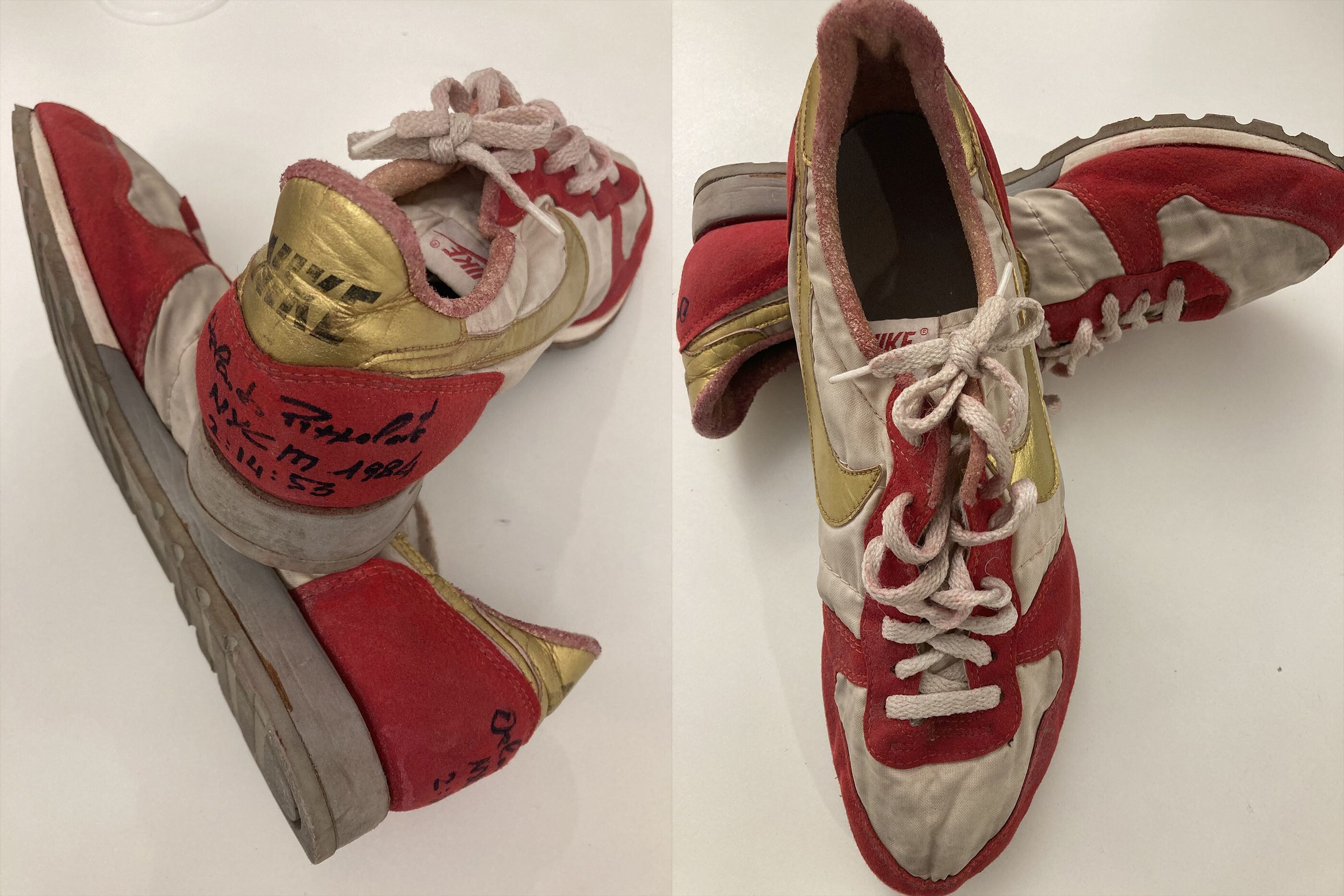
Pizzolato donates 1984 New York City Marathon winning shoes to MOWA
At the end of ABC television’s coverage of the 1984 New York City Marathon, there’s a shot of Orlando Pizzolato sitting on a bench in Central Park, retying his well-worn footwear. “Those shoes may have had it,” remarked anchorman Jim McKay.
Not quite. Some 39 years on, the shoes that took the unheralded Italian to the biggest upset victory in the history of the Big Apple’s big race have been generously donated to the ever-expanding Heritage Collection in the Museum of World Athletics (MOWA).
Whatever unfolds in the 2023 edition of the New York City Marathon this weekend, there’s unlikely to be anything as dramatic as the battle of attrition from which the plucky Pizzolato emerged as the unlikely hero in 1984.
As the Italian and the rest of the 18,000 field assembled for the start, it was difficult to pick out the contours of the Verrazano-Narrows Bridge. Such was the heat haze that had descended upon the Big Apple on the last Sunday in October that year.
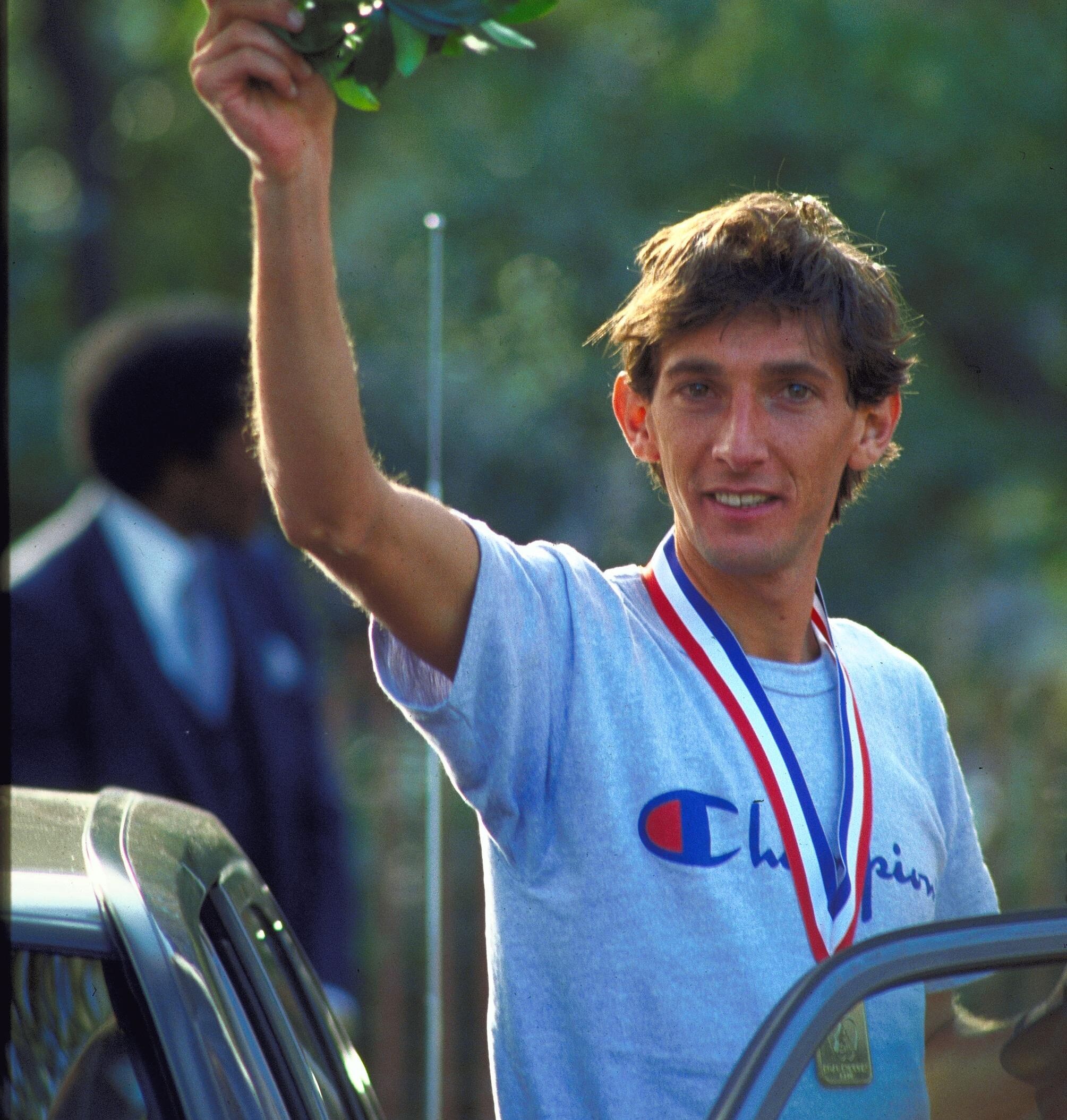
“The weather is going to be a huge factor,” proclaimed Marty Liquori, the great US miler, working as the expert summarizer on the men’s race for ABC Sports. “We’re looking at the hottest and most humid New York Marathon ever.”
The mercury was already pushing 70°F and the humidity was close to maximum.
“That causes two things to happen at the front of the pack,” continued Liquori, runner up to Miruts Yifter in the 5000m at the inaugural World Cup in Dusseldorf in 1977. “The natural front runners get conservative, so the pack stays tighter. The second thing is the hotter it gets, the greater chance there is for an upset.”
“Yes, look out for the man you do not know in this marathon,” predicted McKay, the distinguished Voice of ABC’s Wide World of Sports.
“This man could be for real”
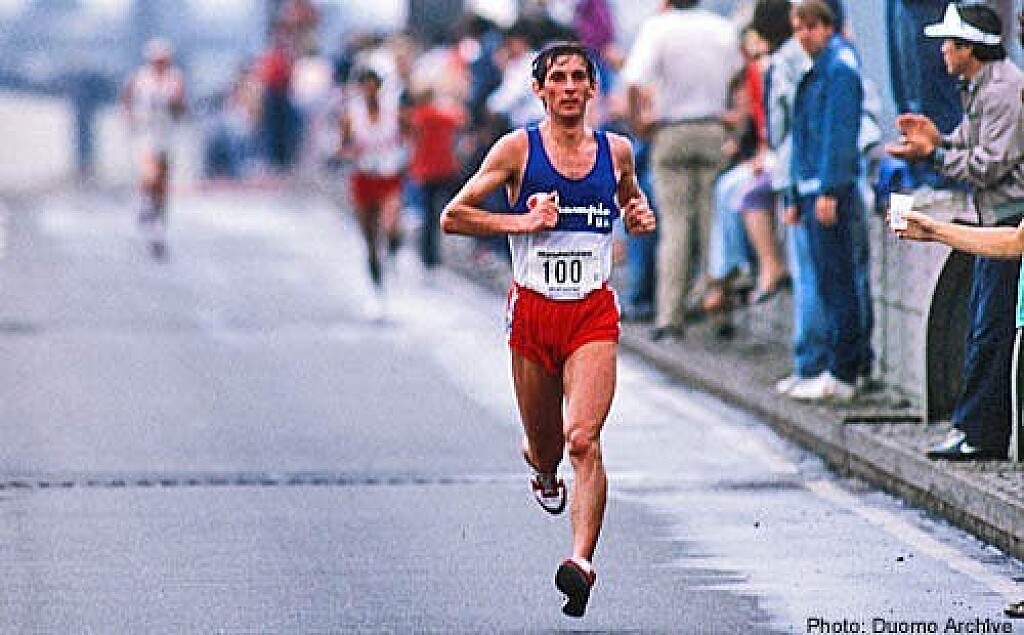
Not a lot of people were looking out for the runner bearing race number 100, clad in the colors of his homeland – blue and white singlet, red shorts.
Pizzolato, a 26-year-old representing the University of Ferrara sports club from the north of Italy, was no Ferrari of a marathoner.
In seven attempts at the classic 26.2-mile distance, he boasted a best of 2:15:28 - more than seven minutes slower than the world record figures of 2:08:05 set by Welshman Steve Jones in Chicago a week before the 1984 New York race.
Pizzolato’s PB came in New York in 1983, the year Rod Dixon made up a half-mile deficit to overhaul Briton Geoff Smith virtually on the finish line in Central Park. The New Zealander’s winning time was 2:08:59. He finished 6min 29sec and 26 places ahead of Pizzolato.
Twelve months later, Dixon, the Olympic 1500m bronze medalist behind Finn Pekka Vasala and the trailblazing Kenyan Kip Keino in Munich in 1972, returned to New York as favorite for the men’s title – and the $25,000 prize and Mercedes Benz that went with it in that first year of open professional running.
“I’m a lot more confident in my own mind, having run successfully in ’83,” he told Liquori in a pre-race interview. “I think I’m rightly the favorite. I’ve trained well and I’ve got confidence in my own ability. I’ll go out and if I strike it right, they won’t catch me.”
Five miles in, given the exceptional conditions, Liquori and four-time winner Bill Rodgers, following the men’s race from ABC’s on-course buggy, felt Dixon was striking it right – 18 seconds down on home runners Pat Petersen and Terry Baker in a pack that included two-time Commonwealth gold medallist Gidamis Shahanga of Tanzania.
Pizzolato was also among the chasing group, seemingly unknown to any of the experts. His first name check came as he overtook Jose Gomez of Mexico to claim pole position, shortly before reaching halfway in 65:03.
“Could this, Marty, be the man they did not know?” McKay enquired.
“This man could be for real,” Liquori replied. “In the hotel I saw Franco Fava, a great steeplechaser from Italy, and he mentioned that it has been so hot in Italy this summer and fall. So, this is one person who is accustomed to the heat.”
Rodgers was not quite so sure. “I think it’s still anybody’s race,” he said. “The guy from Italy looks good. But we’ll have to see later in the race.”
“The Pope, Reagan and then it was me”
The guy from northern Italy was certainly looking good.
While Dixon seemed ill at ease, struggling to cope with the pace and the conditions some 1:15 behind, Pizzolato appeared to be feeling groovy as he crossed the Queensboro Bridge, the subject of Simon and Garfunkel’s 59th Street Bridge Song.
“Orlando looks very good,” Liquori observed. “He looks to have a style that’s fitting for a marathoner. When you’re looking around, taking in the scenery, you know that the running is coming easy.
“One thing should be pointed out. Steve Jones, who set the world record last week, was a very well-established track runner. He was eighth in the 10,000m at the Olympic Games.
“But Orlando has run a minute slower for 10,000m: 28:22. Were he to win this, it would be just about the biggest upset in a major marathon that I’ve seen.”
By the 20th mile mark, it was clear that Pizzolato himself was somewhat upset. The temperature had risen to 74 degrees and the humidity to 96%. His pace slowed to a 5:26 mile.
Briton Dave Murphy was gathering momentum, moving up into second, and Dixon into third.
“Well, I think we’re entering the last chapter of Orlando,” ventured Liquori. “I think I might have got too excited at 18 miles. Maybe it was the Italian in me.”
Soon after, Pizzolato grabbed his chest and slowed to a temporary halt. Three times he stopped, then started up again. “This man is in trouble,” said McKay.
Entering Central Park, with less than three miles to go, Pizzolato stopped for a fourth time. He clutched his chest, glugged half a cup of water and poured the other half over his head.
Dixon was out of the equation at this point, having stepped off the course suffering from cramps. But Murphy had closed to within 15 seconds.
“It’s like the tortoise and the hare,” said Liquori. “Pizzolato’s running-stopping, running-stopping. Murphy is just taking a steady course. It looks like it’s his race.
“For Pizzolato now, the drama now is how much of his soul he’s going to lay down.”
Thrice more, Pizzolato stopped and started, each time taking on fluid and calmly checking out the gap behind him. Somehow, he managed to lay down enough of his soul to bridge over his troubled water.
The finished line approached with Murphy not yet in sight.
“He has pulled it off,” Liquori pronounced. “He has mentally been able to fight through his form having gone to pieces, through having had so many problems.”
“It was very hot,” said Pizzolato, who crossed the line in 2:14:53, 43 sec ahead of Murphy. “I had cramp in my stomach. It was very terrible, but I am very happy.”
The New York Times the next day concentrated on Grete Waitz’s sixth success in the women’s section, praising Pizzolato in passing for having overcome the heat and the late challenge of Murphy in “a men’s competition that the stifling heat and humidity reduced to a battle of attrition.”
Back home in Italy, the reaction was different. “The first story in the news was the Pope,” Pizzolato reported, “then Ronald Reagan’s election. Then it was me.”
Retained title
Twelve months later, the guy from Italy returned to New York and proved he was no flash in the marathon pan.
This time he was the tortoise, running his steady race while Geoff Smith burned himself out at world record pace, then overtaking Djibouti’s World Cup Marathon winner Ahmad Saleh two miles from home to become the Big Apple’s first overseas two-time winner, clocking 2:11:34.
“Last year I won by mistake, probably,” Pizzolato told The New York Times. “This year was more exciting. I was not in confusion in the last 365 yards.
“All the people seemed to know my name and my number. It was like everyone was a friend of mine. It was a great source of power.”
In an era when the fast men of the track came to dominate the men’s marathon – with the likes of Jones, Dixon and Carlos Lopes, the Portuguese runner who won the Olympic title in Los Angeles in 1984 and succeeded Jones as world record-holder in 1985 – Pizzolato was a great source of power and inspiration to the traditional specialists of the event.
He never broke 2:10. His fastest time was 2:10:23, which he recorded while placing sixth in the World Cup Marathon in Hiroshima in 1985. The following year Pizzolato was third in Boston (2:11:43), then overtook a shattered Jones to claim the European Championships silver in Stuttgart (2:10:57) behind his compatriot Gelindo Bordin, and returned to New York taking third place (2:12:13) behind another Italian, Gianni Poli.
These days the two-time Italian king of New York operates a company bearing his name which offers running camps and a consultation service, and which provides scholarships to athletes aged from 16 to 22.
by Simon Turnbull for World Athletics Heritage
Login to leave a comment
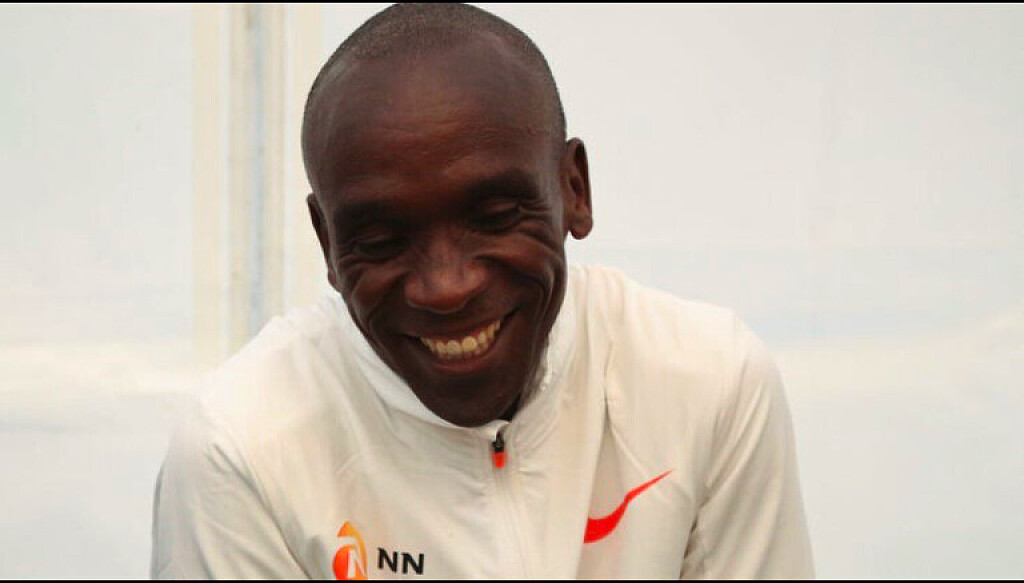
When Will Eliud Kipchoge Slow Down?
What we can learn from the world’s greatest distance runner of all-time while he’s still in his prime
Eliud Kipchoge has expanded the universe of what’s humanly possible in the marathon, and he will forever remain a legend in the sport of long-distance running.
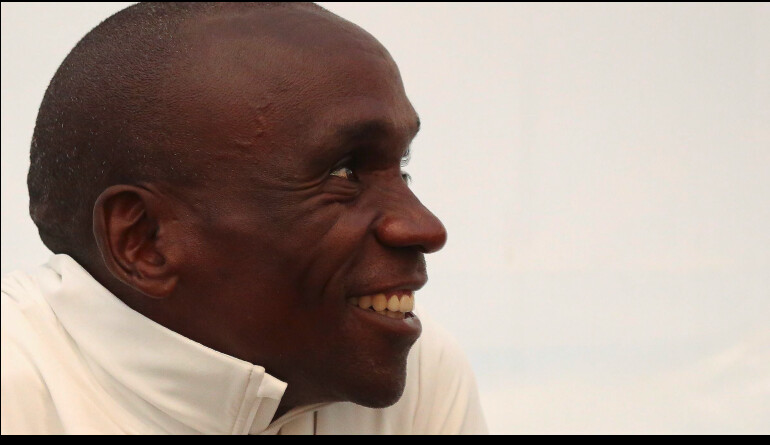
Not only for himself, but especially for those who have come after him. That includes everyone, both elite and recreational runners, who are preparing a marathon this fall or some distant point in the future. His current 2:01:09 world record and his barrier-breaking 1:59:40 time-trial effort in 2019 are legendary feats, both for the current generation of runners and for all time.
The 38-year-old Kenyan marathoner is a once-in-a-lifetime athlete, but time waits for no one, and especially not a long-distance runner. Like all elite athletes, his time at the top is limited, but fortunately, there is still time to immerse in the inspirational examples he’s providing.
Kipchoge recently announced he’ll return to the Berlin Marathon on September 24, where, last year, he won the race for the fourth time and lowered the world record for the second time. It is most likely what will be the beginning of a grand denouement as he goes for another gold medal at the 2024 Olympics next summer in Paris.
Given that he won his first global medal in the City of Light—when, at the age of 18, he outran Moroccan legend Hicham El Guerrouj and Ethiopian legend-in-the-making Kenenisa Bekele to win the 5,000-meter run at the 2003 world championships—it would certainly be one of the greatest stories ever told if he could win the Olympic marathon there next year when he’s nearly 40.
Certainly he’ll run a few more races after the Olympics—and maybe through the 2028 Olympics in Los Angeles—but, realistically, it is the start of a farewell tour for a runner who will never be forgotten.
Don’t get me wrong: I’m not at all writing Kipchoge off. In fact, I am excited to see him run in Berlin and can’t wait to watch next year’s Olympic marathon unfold. But just as we’ve watched Michael Jordan, Tiger Woods, Serena Williams, Shalane Flanagan, Usain Bolt, Allyson Felix, and other elite athletes succumb to the sunsetting of their peak performance level, so too will Kipchoge eventually suffer the same fate.
What I’m saying here is that we still have time to watch and appreciate Kipchoge eloquently working his magic and continue to be inspired in our own running and other pursuits in life. Remember how we marveled at Michael Jordan’s greatest in “The Last Dance” more than 20 years after his heyday? This is the start of the last dance for Kipchoge, who, like Jordan, is much, much more than a generational talent; he’s an all-time great whose legacy will transcend time.
Running has seen many extraordinary stars in the past 50 years who have become iconic figures— Frank Shorter, Joan Benoit Samuelson, Ted Corbitt, Carl Lewis, Steve Jones, Paul Tergat, Catherine Ndereba, Paula Radcliffe, Haile Gebrselassie, Kenenisa Bekele, Mary Keitany, Brigid Kosgei, and Kilian Jornet, to name a few—but none have come close to the body of work and global influence of Kipchoge.
Not only is Kipchoge one of the first African athletes to become a household name and truly command a global audience, but he’s done more than other running champions because of he’s been able to take advantage of this advanced age of digital media to deliberately push positive messages and inspiring content to anyone who is willing to receive it.
Kipchoge has won two Olympic gold medals, set two world records, and won 17 of the 19 marathons he entered, but he’s so much less about the stats and bling and more sharing—to runners and non-runners alike—that “no human is limited” and also that, despite our differences, we’re all human beings faced with a lot of the same challenges in life and, ultimately, hard work and kindness are what put us on the path to success.
How can an average runner who works a nine-to-five job and juggles dozens of other things in daily life be inspired by an elite aerobic machine like Kipchoge?
He is supremely talented, no doubt, but many elite runners have a similar aerobic capacity to allow them to compete on the world stage. What Kipchoge uniquely possesses—and why he’s become the greatest of all-time—is the awareness and ability to be relentless in his pursuit of excellence, and the presence and good will of how beneficial it is to share it.
If you haven’t been following Kipchoge or heard him speak at press conferences or sponsor events, he’s full of genuine wisdom and encouragement that can inspire you in your own running or challenging situation in life. His words come across much more powerfully than most other elite athletes or run-of-the-mill social media influencers, not only because he’s achieved at a higher level than anyone ever has, but because of his genuine interest in sharing the notion that it’s the simplest values—discipline, hard work, consistency, and selflessness—that make the difference in any endeavor.
This is not a suggestion to idolize Kipchoge, but instead to apply his wisdom and determination into the things that challenge you.
“If you want to break through, your mind should be able to control your body. Your mind should be a part of your fitness.”
“Only the disciplined ones in life are free. If you are undisciplined, you are a slave to your moods and your passions.”
“If you believe in something and put it in your mind and heart, it can be realized.”
“The best time to plant a tree was 25 years ago. The second-best time to plant a tree is today.”
Those are among the many simple messages that Kipchoge has lived by, but he also openly professess to giving himself grace to take time for mental and physical rest and recovery. It’s a simple recipe to follow, if you’re chasing your first or fastest marathon, or any tall task in life.
Kipchoge seems to defy age, but his sixth-place finish in the Boston Marathon in April proved he’s human. As much as it was painful to watch him falter, it was oddly refreshing and relatable to see him be something less than exceptional, and especially now that he’s tuning up for Berlin. He has nothing left to prove—to himself, to runners, to the world—but he’s bound to keep doing so just by following the same simple, undaunted regimen he always has.
There will be other young runners who will rise and run faster than Kipchoge and probably very soon. Fellow Kenyan Kelvin Kiptum—who has run 2:01:53 (Valencia) and 2:01:25 (London) in his first two marathons since December—seems to be next in line for Kipchoge’s throne of the world’s greatest runner. But even after that happens, Kipchoge’s name will go down in history alongside the likes of Paavo Nurmi, Abebe Bikila, Emil Zátopek, Grete Waitz, Shorter and Samuelson because of how he changed running and how he gave us a lens to view running without limits.
Berlin is definitely not the end of Kipchoge’s amazing career as the world’s greatest long-distance runner. I fully expect him to win again in an unfathomable time. But the sunset is imminent and, no matter if you are or have ever been an aspiring elite athlete at any level, a committed recreational runner, or just an occasional jogger trying to reap the fruits of consistent exercise, his example is still very tangible and something to behold.
by Outside Online
Login to leave a comment
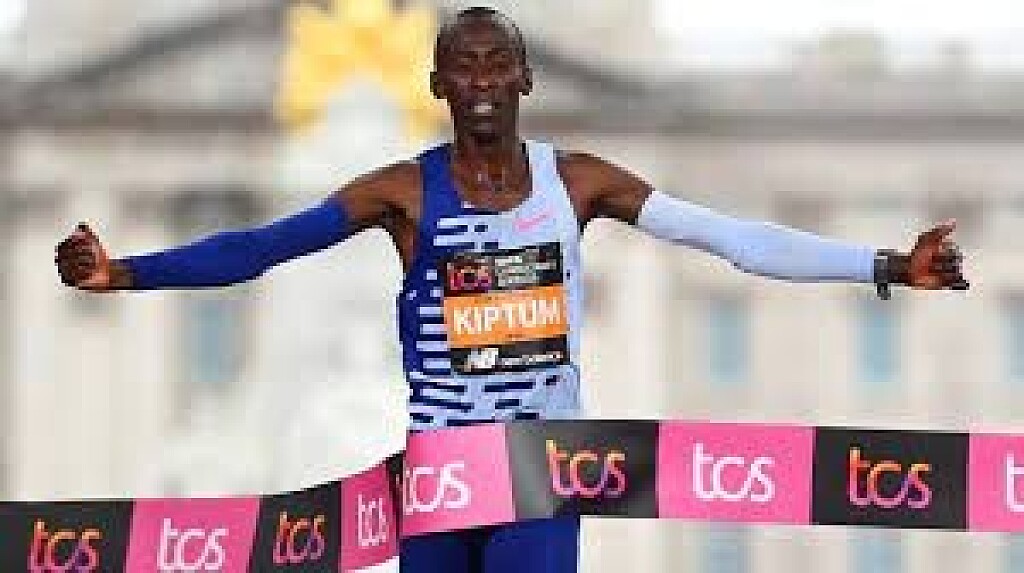
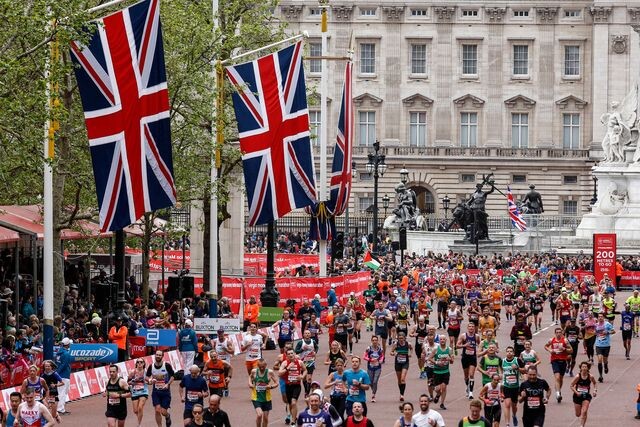
London Marathon 2023: Kelvin Kiptum and Sifan Hassan win with superb runs
Kenya's Kelvin Kiptum smashed compatriot Eliud Kipchoge's course record to win the men's London Marathon in the second-fastest time ever.
The 23-year-old was just 16 seconds outside Kipchoge's world record, finishing in two hours one minute 25 seconds.

Sifan Hassan also produced a remarkable run to win the women's race.
The Dutch Olympic track champion, 30, suffered with a hip injury but battled to win on her debut at the distance.
“It was really amazing,” she says. She never thought she could win, so can’t believe that she did. The crowd are amazing, she says, and every single kilometre she was grateful to be there.
She’s so happy and it’s beautiful to see; she explains she has a pre-existing hip problem, hence the stretching, and because she was fasting she didn’t practise so didn’t know where to stop for drinks.
At 20km she felt she wasn’t tired and was thinking about getting experience for her next marathon and at every moment she was grateful. She didn’t have confidence because she didn’t practise drinking and she found it really tough; she realised she didn’t have to have as much as she should.
Living in the States, she used to set her alarm to watch this race, and now she’s won it she’ll never forget it. She’d been told she’d hurt, but felt much better after 35km than she thought, and when she saw the line she thought it that really it?!
She needs to decide what race she’ll run at the Paris Olympics next summer but she’s so grateful. What an incredible racer and lovely person.
Kiptum produced the fastest marathon debut in Valencia in December, where he finished in 2:01:53 - the third-fastest time in history.
He went faster still on the streets of London, knocking one minute and 12 seconds off Kipchoge's previous course record to beat second-placed compatriot Geoffrey Kamworor by almost three minutes.
Ethiopia's reigning world champion Tamirat Tola was third, while Britain's Mo Farah finished ninth in what he says will be his last marathon.
Emile Cairess, 25, produced a superb run to finish as the first British man home, taking sixth in 2:08:07 on his marathon debut.
It was the third-fastest marathon time by a British man - behind Farah and Steve Jones - and the second fastest by a Briton in the London race.
Four British runners finished in the top 10 in total, with Phil Sesemann eighth and Chris Thompson 10th.
In the women's race, Hassan, who won the 5,000m and 10,000m at the Tokyo Olympics in 2021, appeared out of the race after dropping back early on with a hip problem, but gradually fought back.
She then produced a sprint finish to win in two hours 18 minutes 33 seconds.
Ethiopia's Alemu Megertu was second and Kenya's previously unbeaten Olympic champion Peres Jepchirchir third.
Kenyan world record holder Brigid Kosgei looked to be limping from the start and dropped out after just three minutes, while Ethiopia's defending champion Yalemzerf Yehualaw was fifth.
Sam Harrison, 27, was the first British woman home, clocking a new personal best of 2:25:59 for the 26.2-mile distance as she claimed 11th.
It was the fifth-fastest time by a British woman in the event.
Switzerland's Marcel Hug knocked 50 seconds off his own course record to win a third consecutive London Marathon men's wheelchair race - and fifth in total.
Hug, 37, finished in one hour 23 minutes 48 seconds, well ahead of the Netherlands' Jetze Plat in second, with Japan's Tomoki Suzuki third and the United States' Daniel Romanchuk in fourth.
Britain's David Weir, 43, finished his 24th London Marathon in fifth place.
Australia's Madison de Rozario held off Manuela Schar, of Switzerland, in a sprint finish to win the women's wheelchair race for a second time.
The four women's favourites made it on the Mall together before De Rozario and Schar pulled away.
De Rozario won in one hour 38 minutes 52 seconds, with defending champion Catherine Debrunner, of Switzerland, in third and the United States' Susannah Scaroni fourth.
Eden Rainbow-Cooper, 21, who was third in 2022, was the first Briton home in seventh.
The event has returned to its traditional date in the calendar, in April, for the first time since 2019 after being moved during the Covid-19 pandemic.
More than 47,000 runners are taking part, with huge crowds lining the streets of London despite damp conditions.
Login to leave a comment
TCS London Marathon
Since its inaugural edition on March 29, 1981, the TCS London Marathon has grown into one of the world's most prestigious road races, blending elite competition with an extraordinary charitable legacy. Founded by former Olympic champion and journalist Chris Brasher alongside Welsh athlete John Disley, the event has been staged every year and has been held in the spring annually...
more...
Why B+ Workouts Are Better Than A+ Workouts
An Olympic coach describes why training harder usually doesn’t lead to racing faster.
It’s natural to think that, the harder your workouts are, the faster you’ll race. It’s also wrong to think that.

I’ll illustrate this idea with some personal history. When I ran at the University of Maryland, almost all of our workouts were super hard, nearly race-level efforts. Some guys on the team actually set personal bests in workouts. If you were grading our workouts, you’d give us an A+.
That might sound great, but we consistently underperformed in races. Then, dissatisfied with our results, we would try to run our next workout even harder. We’d arrive at our next race physically and mentally exhausted, and we’d again underperform. Then we would be back at it in practice a few days later, eager to prove to ourselves that we were better than our race results showed. And so on.
A lot of guys had multiple injuries. I managed to stay injury-free but never raced like I thought I should. I graduated from college in 1988 without having qualified for the NCAA cross-country championship.
After college I was fortunate enough to join the Nike Boston club, coached by Bob Sevene. I did most of my workouts with that group while running most other days of the week with a bunch of pros in Providence, Rhode Island. I started realizing there was another way. Bob’s workouts never had me going to the well. We might do 10 kilometers of fast running in a session, but under control. Workouts like three 2-mile repeats at around half-marathon pace, or lots of 800-meter repeats at around 10K pace, were typical. If you were grading these workouts, you’d give them a B+. I remember thinking, “This is too easy.”
A Lightbulb Moment
After about two months of this type of training in the winter of 1988/89, I ran an indoor 3,000-meter race as a tune-up before the U.S. qualifying race for the world cross-country championship. I battled Sydney Maree, an Olympian and former world-record holder, in that 3K. Although Sydney outkicked me, I ran a personal best by 10 seconds. I thought, “Wait, how did I just set this massive 3K PR after almost never running that fast in practice?”
The 12K cross-country race was even more eye-opening. I finished third, behind Olympians Pat Porter and Ed Eyestone. I still can’t believe that result—third in the country, behind two guys who were Olympians, even though less than a year earlier I hadn’t even qualified for the collegiate cross-country championship. I proved that race wasn’t a fluke a month later at the world meet, where I finished 39th and was again third American, beating people like a former 10K world-record holder. I thought, “You don’t go from not making the NCAA meet to placing high at the world championship just because of one more year of maturity. It has to be the training.”
My belief in the value of consistent B+ workouts only grew when I moved to Boulder, Colorado, in the early 1990s and started training with people like Arturo Barrios, who had set world records at 10K and the hour run. I couldn’t believe how easy some of his workouts were for how good he was! I could match him stride for stride in them, and he was more than a minute faster than me at 10K. I also saw that marathoners like Mark Plaatjes and Rob de Castella, both world champions at the distance, and Steve Jones, who once held the marathon world record, almost never did the sort of A+ workouts we did in college. They went about their business week after week, stringing together B+ workout after B+ workout, while staying healthy, mentally fresh, and able to take on the best runners in the world.
Why Be a B+ Trainer
I’m not completely opposed to A+ workouts. I prescribe them in some conditions, as you’ll soon see. In general, though, I think almost all of your sessions should be at that B+ level. A+ workouts are really hard mentally. Just anticipating having to go to the well once or twice a week in training can be exhausting. I’m a big believer in the idea that you have only so much willpower. If you’re using all your fight in training, when you get to a race you’re mentally worn out; you can’t bear down and get the job done.
The second big reason I favor regular B+ workouts is that A+ workouts take a greater physical toll. It’s a lot easier to pull a muscle or tweak a tendon or get really sore from all-out workouts. It’s rare for someone on the New Balance Boston team, the elite group I coach, to miss even one workout because they’re nursing a niggle or are otherwise too beat up from training. It doesn’t matter how big a fitness boost you get from a workout if you can’t make it to the starting line healthy.
Think of A+ and B+ workouts as the difference between what you can do and what you should do. Say you can run 40:00 for 10K. On a really good day, you could probably do a workout of 20 400-meter repeats in 90 seconds with a 200-meter jog between. But it would be a major effort. You’d almost always be better off breaking that workout into two sets of 10 repeats, running 95 seconds per repeat in the first set, taking a five-minute break, and then running 92 or 93 seconds per repeat in the second set.
The B+ version will have you walking away feeling good about yourself and eager for your next workout. The A+ version might really beat you up and lead to the beginning of an injury a couple of days later. And that assumes you finish the workout. You might wind up exhausted after 16 repeats, and then get down on yourself for slowing or cutting the workout short.
Immediately after a B+ workout, you’ll feel tired, and you’ll know you’ve worked hard, but you’ll feel like you could have done one or two more repeats at the same pace without killing yourself. I love it when my team says, “Really, that’s it? I could do more.” That tells me I have them working in that sweet spot. If they say they can’t complete the workout, or if they’re rolling around on the ground after, I asked too much of them.
On the day after a B+ workout, it’s okay to be a little tired, but you shouldn’t be super sore. You shouldn’t be dreading that day’s run because you’re physically and mentally exhausted. You should feel like saying, “I’m happy to take it easy today, but I’m also happy to run.” One of the signs that you’re doing too many A+ workouts is that you’re not looking forward to training. After all, most of us run because we love it.
You’ll see this principle of B+ workouts building on one another in the training schedules of my book, Personal Best Running. Few of the hard sessions should cause you to shudder or wonder if you can complete them. You’ll instead see a steady progression of hard-enough workouts that will advance your fitness week by week while leaving you fresh enough to absorb and enjoy your training.
An Occasional A+ Effort
The schedules within the book do contain the occasional A+ workout. For example, week 9 of the 12-week 10K schedules calls for either a tune-up race or a workout of three miles continuous at 10K pace. The latter is hard! That’s the first half of a 10K, on your own, while deep in serious training. Similarly, you’ll see this on the Tuesday workout in the penultimate week of the mile schedules found in the book. It includes two 800-meter repeats at your mile race pace. If that’s not an A+ workout, I don’t know what is.
Doing a workout that hard once in a great while steels you mentally for racing. I most often have runners do them as an important race approaches, especially if they haven’t raced for a while. For example, in January 2022, Elle St. Pierre and Heather MacLean were scheduled to race the mile at the Millrose Games. It was to be their first race since the Tokyo Olympics five months earlier. I wanted them to experience some of the stress and strain of racing before the big stage of Millrose. Eight days before the meet, I had them start a workout with a 1-kilometer time trial. They both ran 2:34, which is fast enough to win most races at the distance. The following week, Elle won her second consecutive Millrose mile title.
I think there will be some innovation in this area because of super shoes—the plated, higher-stack models with next-generation midsole cushioning. They allow you to run faster while not incurring as much muscle damage. So there might be more frequent A+ workouts in my runners’ future. But there’s still the toll of hammering all of your workouts and being flat mentally when it’s time to race.
It can be tempting to post epic workouts on Strava or elsewhere online. Just remember that they give out medals for races, not workouts.
Adapted with permission from Personal Best Running, by Mark Coogan and Scott Douglas.
by Runner’s World
Login to leave a comment
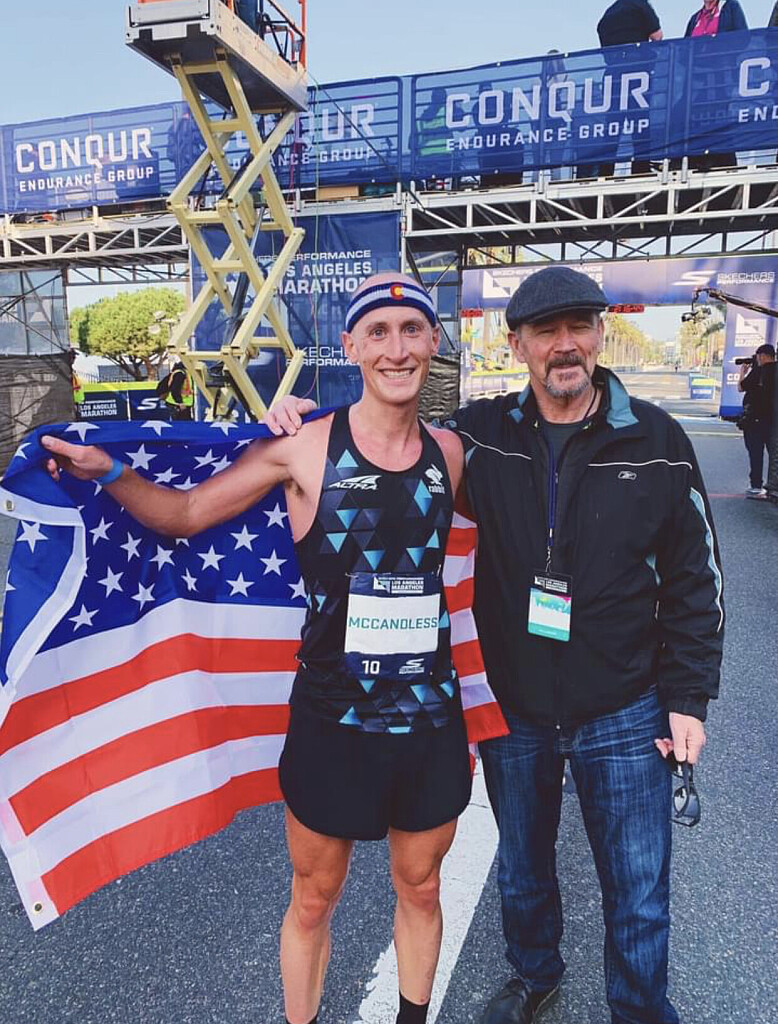
Tyler McCandless says surround yourself with great people and find those mentors that make you a better person.
This month marks one decade - 10 years - of working with my coach Steve Jones. Jonesy is a legend in the sport of running - having set the world record in the marathon in 1984.
But, he's so much more than a legend in running, he's a mentor in my running career and my life. Jonesy has a very pure approach to running, it's truly about the love of the game.

In a decade of working together I've improved every single training cycle and at age 36, I'm not only competing the best I ever have, I'm also loving the sport and the practice of mastering the art of racing the marathon more than ever.
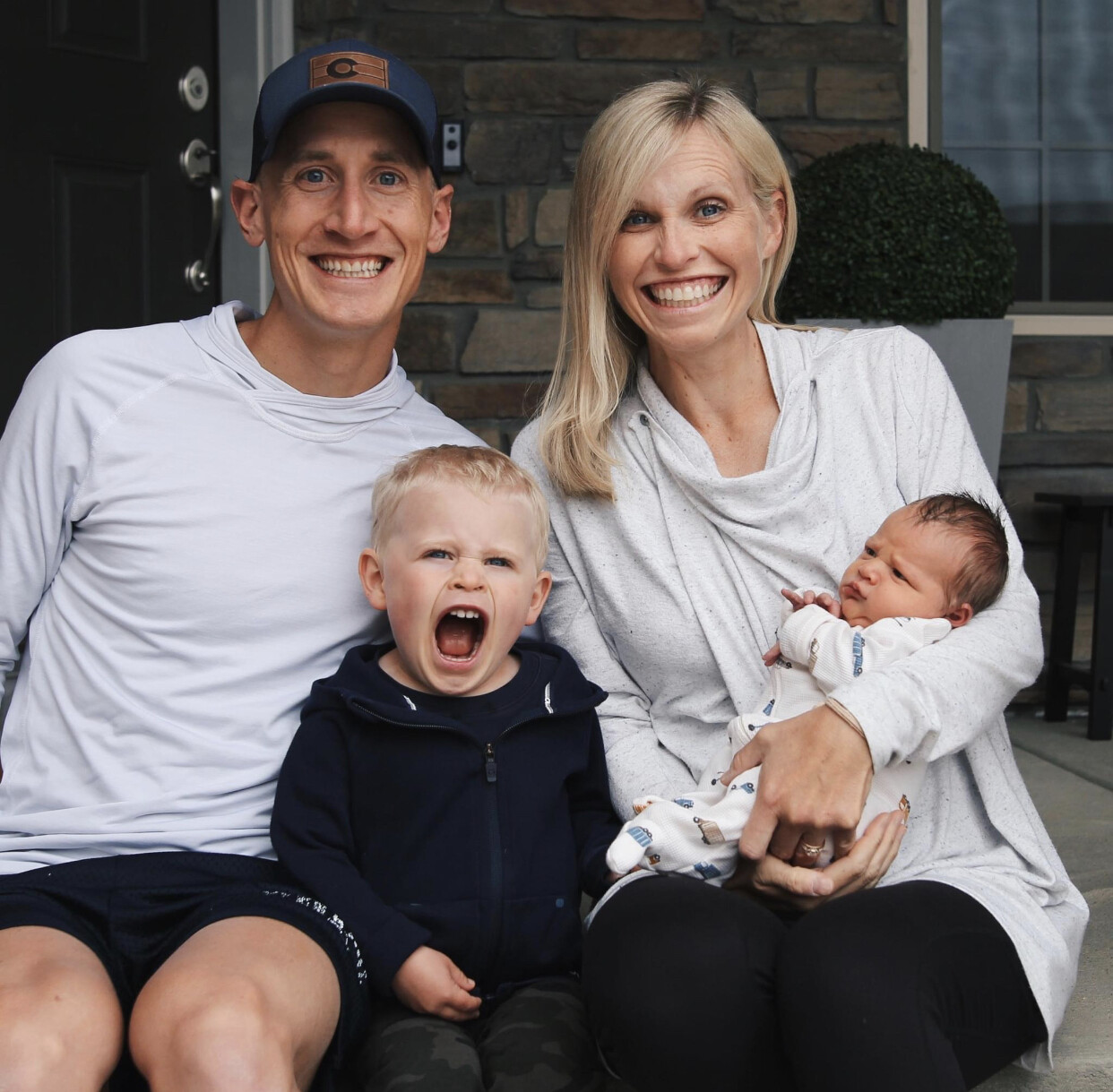
Jonesy is an incredible mentor for me, and I'm very thankful for the mentors I've had in my family life, my corporate career, my academic pursuits and in the sport of running. My advice: surround yourself with great people and find those mentors that make you a better person.
Login to leave a comment

Thinking About Bailing During Your Long Run? Here Are 5 Things You Should Consider
Having a tough day? Whether you should persevere or pack it in depends on several factors.
If you’ve ever found yourself in the second half of a long run debating whether you should cut it short, you’re not alone. Mounting fatigue has a way of inducing that internal discussion among many runners.

Making the right decision for you can be tricky. On the one hand, you’re already really tired, and you have several miles to go; won’t mindlessly sticking it out put you in a hole and compromise your upcoming training and racing? On the other hand, isn’t one of the main points of long runs to get used to keep on keeping on when the desire to stop strikes?
As with most matters in running, the best answer is “it depends.” Here are five things to consider when a long run isn’t going well.
Are you having a specific bodily pain?
Discomfort—mild muscular fatigue or tightness, stomach distress, hot spots on your feet—is typical when you’re going long. These unpleasant sensations seldom merit changing your plan for the day.
A specific bodily pain is another matter. Sara Hall, the second fastest marathoner in U.S. history, says she cuts long runs short under only one condition—if she’s worried about an acute pain or tight spot that might become an injury if she runs through it.
A good rule of thumb here is to assess whether your troublesome spot is making you alter your running form. If so, being a disciplined runner in this instance means ending the run. Continuing with compromised form can not only lead to injury in the noticeable area, but also cause problems elsewhere from you compensating for the trouble spot.
If you don’t have a potentially injurious pain, why do you want to shorten this run?
Probably the most common reasons for considering cutting a long run short are that the run is a much greater mental struggle than it should be and that you feel much more tired than usual. All runners have days like these, thanks to the fact that we’re humans, not machines that can predictably perform the same at, say, 8 a.m. every Sunday.
“People only have so much willpower,” Mark Coogan, a member of the 1996 U.S. Olympic marathon team who now coaches the elite group New Balance Boston, tells Runner’s World. “Life circumstances are part of the training process, so you need to account for them.”
If your family or work life has been particularly stressful lately, a long run can be a good way to reboot mentally. But it can also seem like just another obligation, and slogging away to hit an arbitrary mileage goal for the day can further drain you psychologically. If the run you’re doing isn’t a crucial part of your training plan—more on that below—it’s probably not a good idea to spend lots of precious mental capital on it. Cut the run short, and don’t beat yourself up over doing so.
If you feel okay mentally, but physically worn down almost from the start, you’re probably best off cutting the run short, especially if you have an important race in the next week or two. If you don’t have a race you care about in the next week or two, first try slowing your pace. If doing so doesn’t help, and the run isn’t an especially important one, then it’s okay to go shorter than you planned.
After any of these scenarios, do two things. First, focus on maximizing recovery in the immediate aftermath of your run—consume carbs and protein within an hour of finishing, stay on top of rehydrating, and do some gentle stretching or walking later in the day. Take at least one more easy day than usual before your next challenging run.
Second, review your recent training. Have you upped your mileage and/or intensity lately? Was the long run too soon after a race hard workout? Are you trying to train like you “should” even though your non-running life is currently extraordinarily stressful? Are you following a cookie-cutter training plan that might not mesh with how you recover after long and hard runs?
“My training plans are always written in pencil,” Sara Slattery, who placed fourth in the 10K at the 2008 Olympic Trials and is now the head men’s and women’s cross-country coach at Grand Canyon University in Phoenix, tells Runner’s World. “Each athlete is very different in how they can handle training.”
Elite runners constantly adjust their training, and you’re allowed to as well. You might be someone who does best with three easy days before your toughest sessions, or who thrives on doing long runs on something other than a once-a-week schedule.
What are you training for?
Long runs have a place in all training programs. As legendary coach Bill Squires put it, they put the tiger in the cat.
But prioritizing long runs depends on what you’re training for. If you’re getting ready for a marathon, they’re arguably the most important aspect of your buildup. If your focus this season is a 5K PR, not so much. Slattery and Coogan agree that, if you’re not getting ready for a half marathon or longer, the cut-it-short threshold is lower than if you’re training for a long race. Gutting out a two-hour run when you’re overly tired will likely detract from the harder sessions, like kilometer repeats at 5K pace, that specifically prepare you for shorter distances.
That’s not to say that marathoners should do all long runs as planned regardless of how they feel. “Almost all marathoners already know how to persevere,” Coogan points out.
You don’t need to always prove to yourself you’re not a quitter. In his prime, Coogan trained with some of the best runners in the world of that era, such as former marathon world record-holder Steve Jones. Their typical long runs were 20 to 22 miles. “But if they were tired, they would often just cut off and say, ‘I am only doing 15 today.’ It’s being smart and knowing your body,” Coogan says.
If you’re training for a marathon, what is the goal of this particular long run?
Long runs for marathoners have two main types—putting in time on your feet at an easy to moderate effort, and harder outings that incorporate stretches at around goal marathon pace, or sometimes even a little faster. If you’re struggling on the first kind—a just-get-in-the-work long run—see if backing off the pace helps.
You don’t need to always prove to yourself you’re not a quitter. In his prime, Coogan trained with some of the best runners in the world of that era, such as former marathon world record-holder Steve Jones. Their typical long runs were 20 to 22 miles. “But if they were tired, they would often just cut off and say, ‘I am only doing 15 today.’ It’s being smart and knowing your body,” Coogan says.
If you’re training for a marathon, what is the goal of this particular long run?
Long runs for marathoners have two main types—putting in time on your feet at an easy to moderate effort, and harder outings that incorporate stretches at around goal marathon pace, or sometimes even a little faster. If you’re struggling on the first kind—a just-get-in-the-work long run—see if backing off the pace helps.
by Runner’s World
Login to leave a comment
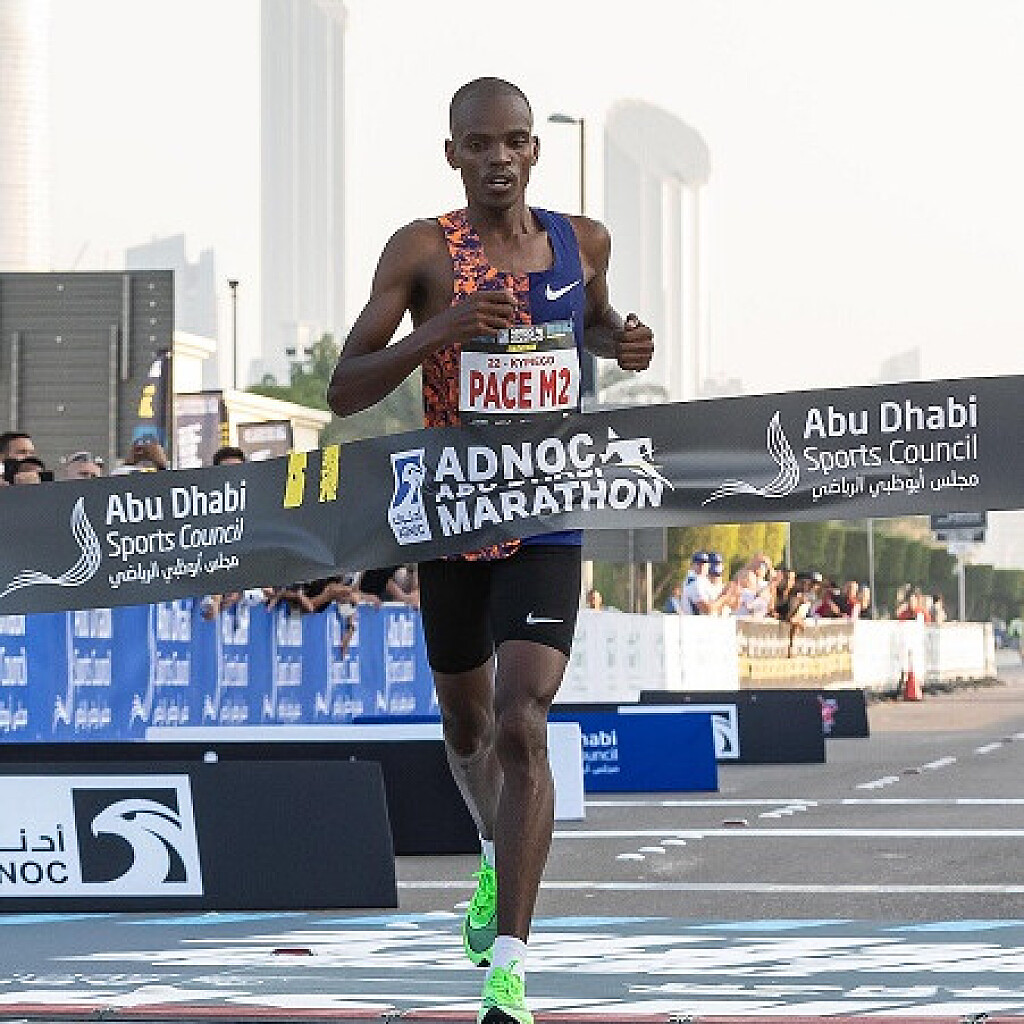
Kenya’s Reuben Kipyego and Ruth Chepngetich will target Chicago Marathon crowns
Reuben Kipyego and Ruth Chepngetich head the fields for the Bank of America Chicago Marathon on Sunday (10), with Sara Hall and Galen Rupp leading US hopes at the World Athletics Elite Platinum Label road race.
After action in Berlin and London in recent weeks, Chicago is the next race in a busy period of major marathons and the Boston event follows just one day later. The weather in Chicago looks set to be warm, with temperatures of around 21°C expected for the start of the elite races at 7:30am local time.
The last edition of the Chicago Marathon in 2019 saw a world record fall as Kenya’s Brigid Kosgei clocked 2:14:04 to take 81 seconds from Paula Radcliffe’s 2003 mark. This time her compatriots Chepngetich, who won the 2019 world title, and Vivian Kiplagat are among the athletes in the spotlight.
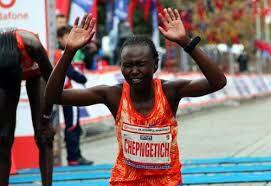
Chepngetich sits fourth on the women’s marathon all-time list thanks to the 2:17:08 PB she set when winning in Dubai in 2019 and she ran a world half marathon record in Istanbul in April with 1:04:02. The 27-year-old was unable to finish the Olympic marathon in Tokyo but is looking forward to her US debut race in Chicago.
“I have never raced in the States and making my debut in such a great race like the Bank of America Chicago Marathon is more than a dream to me,” she said. “I will give all myself trying to run as fast as possible.”
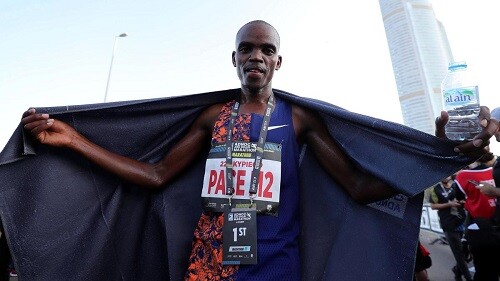
Hall will be among those looking to challenge her. The US athlete beat Chepngetich at last year’s London Marathon, as the pair finished second and third respectively behind Kosgei, and Hall went on to run a PB of 2:20:32 in Arizona a couple of months later. Now she has her eye on Deena Kastor’s 2:19:36 US record, should the conditions allow.
“When I thought about where I wanted to chase the American record, I thought it would be more exciting to do it at home, in the US, and Chicago is such an epic race,” she said.
The other sub-2:25 women in the field are Kiplagat, the USA’s Keira D'Amato and Ethiopia’s Meseret Belete. Kiplagat, who ran her marathon PB of 2:21:11 in 2019, clocked 2:39:18 in Eldoret in June but showed her current form with a personal best performance in the half marathon of 1:06:07 in Copenhagen last month. Like Hall, D'Amato also ran a PB in Arizona in December, clocking 2:22:56, while 22-year-old Belete – who was sixth at the 2018 World Half Marathon Championships and ran a world U20 best of 1:07:51 later that year – has a marathon PB of 2:24:54 set when finishing fourth in Houston last year.
Among those joining them on the start line will be the USA’s Emma Bates, Diane Nukuri and Lindsay Flanagan.
Kipyego ready to turn up the heat
With his PB of 2:03:55 set at the Milan Marathon in May, Kipyego goes into the Chicago race as the second fastest man in 2021. The 25-year-old made his marathon debut in Buenos Aires in 2019, clocking 2:05:18, and later that year he improved to 2:04:40 to win in Abu Dhabi, despite having started the race as a pacemaker. He also seems unfazed by the warmer than expected temperatures, simply replying: ‘No problem’ at the pre-race press conference when asked about the weather.
Ethiopia’s Seifu Tura, meanwhile, explained how he is not as comfortable in the heat but he will go into the race looking to build on the 2:04:29 PB he set when finishing fourth in that same Milan Marathon in May. He also has experience of the Chicago event, having finished sixth in 2019 in 2:08:35.
Rupp leads US hopes as the 2016 Olympic bronze medallist returns to action after his eighth place in the Tokyo Olympic marathon nine weeks ago and third-place finish in the Great North Run half marathon in 1:01:52 last month. Eighth fastest among the entries, his PB of 2:06:07 was set in Prague in 2018 but he will be looking to regain the crown he claimed in 2017.
Kenya’s Dickson Chumba is also a former Chicago winner, having triumphed in 2015, and he set his PB of 2:04:32 in the same city the year before that. The fourth sub-2:05 runner in the field is Kengo Suzuki, who broke the Japanese record with his 2:04:56 to win the Lake Biwa Marathon in February.
Kenya’s Eric Kiptanui is also one to watch. Having helped to pace world record-holder Eliud Kipchoge in the past, the 58:42 half marathon runner made his own marathon debut last year and improved to 2:05:47 to win in Siena in April.
“I was so happy to run 2:06 for my first marathon,” he told NN Running Team. “What it proved to me was, yes, I was in good shape but that I had the mentality to perform over the marathon distance.” Looking ahead to Chicago, he added: “I aim to run 2:03/2:04 but my first priority is to win the race."
Ethiopia’s Chalu Deso and Shifera Tamru have respective bests of 2:04:53 and 2:05:18, while Ian Butler, who is coached by former world record-holder Steve Jones and balances his running with his job as a teacher, is the second-fastest US runner in the field with a PB of 2:09:45 set in Arizona last year.
by Jess Whittington for World Athletics
Login to leave a comment

Bank of America Chicago
Running the Bank of America Chicago Marathon is the pinnacle of achievement for elite athletes and everyday runners alike. On race day, runners from all 50 states and more than 100 countries will set out to accomplish a personal dream by reaching the finish line in Grant Park. The Bank of America Chicago Marathon is known for its flat and...
more...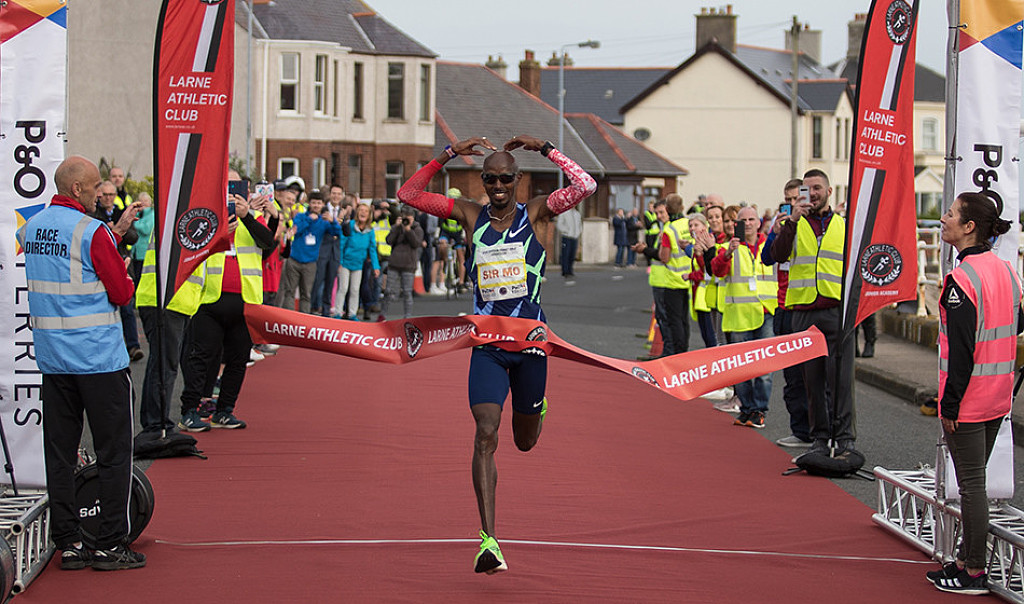
Mo Farah and Lily Partridge were the winners at Antrim Coast Half Marathon
Mo Farah takes first as Marc Scott, Ben Connor, Stephen Scullion and M60 Tommy Hughes impress, while Lily Partridge enjoys women’s win
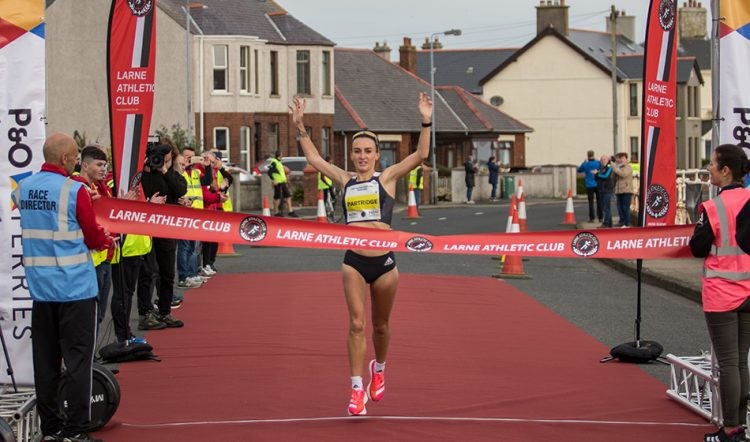
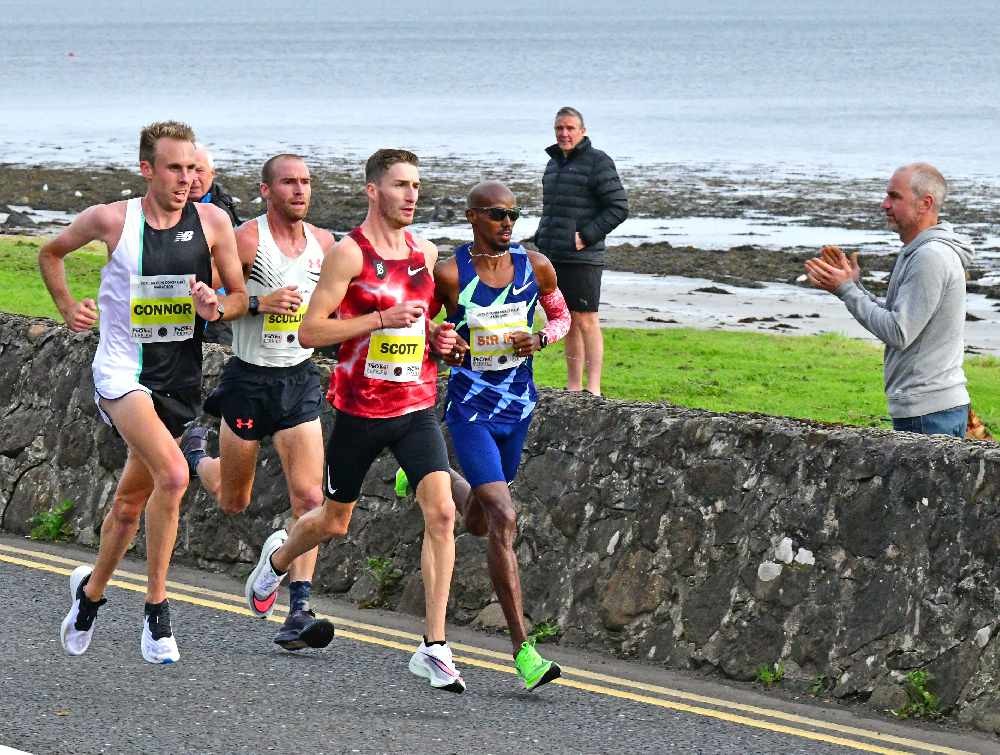
Mo Farah was first across the line in the Antrim Coast Half Marathon on Saturday (Sept 12) in 60:31 but the most eye-catching performances came from those following in his slipstream.
Runner-up Marc Scott was close behind with 60:43 on his debut at the distance to go No.3 on the UK all-time rankings. In third, London Marathon-bound Ben Connor took 16 seconds off his PB with 60:59 to go equal fourth with Steve Jones in fourth on the UK all-time lists.
Stephen Scullion, in fourth, smashed the Northern Ireland record by a big margin with 61:12. Like Connor, the Belfast man is set to run the London Marathon on October 4 too as the popular local athlete took more than two minutes off his best.
Lily Partridge, another London Marathon-bound Olympic hope, impressed as well as she broke away from Sam Harrison to win the women’s race in a Northern Ireland all-comers’ record of 71:36 – around a minute outside her PB but 23 seconds ahead of Harrison (71:58) as Clara Evans was third 72:21 and Becky Briggs, in fourth, ran a UK under-20 record of 72:54.
Perhaps most impressive of all, though, was masters sensation Tommy Hughes, who broke Martin Rees’ world half-marathon record for an M60 with 71:09 (even quicker than the 71:26 originally publicised shortly after he finished).
An Olympian in the marathon back in 1992, the Irish runner Hughes has been on a record-breaking spree recently and continued his great form here.
Ordinarily Farah and others might have been racing in the 40th Great North Run this weekend but with the event cancelled due to coronavirus he came to Northern Ireland instead to run in an event organised by his old friend and fellow athlete from his student days, James McIlroy.
McIlroy put together a fine domestic field for the event and Farah certainly did not have it all his own way as he only broke away from the in-form Scott in the final mile.
Scott has broken the UK 5km road record this summer and took the British 5000m title last week. He was leading in the closing stages but had no answer to Farah’s breakaway surge in the final mile.
A lead quartet of Farah, Scott, Connor and Scullion broke away early and ran together for much of the distance. Behind, Kevin Seaward was fifth in 63:09 followed by Josh Griffiths (63:12), Tom Evans (63:19), Adam Craig (63:28) and Adam Hickey (64:37).
There had been talk of Farah potentially attacking his UK record of 59:32 from Lisbon in 2015 but during media interviews on Friday he said winning the race was the main goal and he did not want to underestimate his rivals and treat it as a time trial.
Runners in this elite-only event, which was sponsored by P&O Ferries, enjoyed decent weather on a picturesque course that proved a great advertisement for athletics in Northern Ireland. The only frustration for fans was the poor quality of the live stream, which made following the race difficult after organisers had, ironically, encouraged spectators to stay at home instead of supporting from the side of the road.
by Jason Henderson
Login to leave a comment

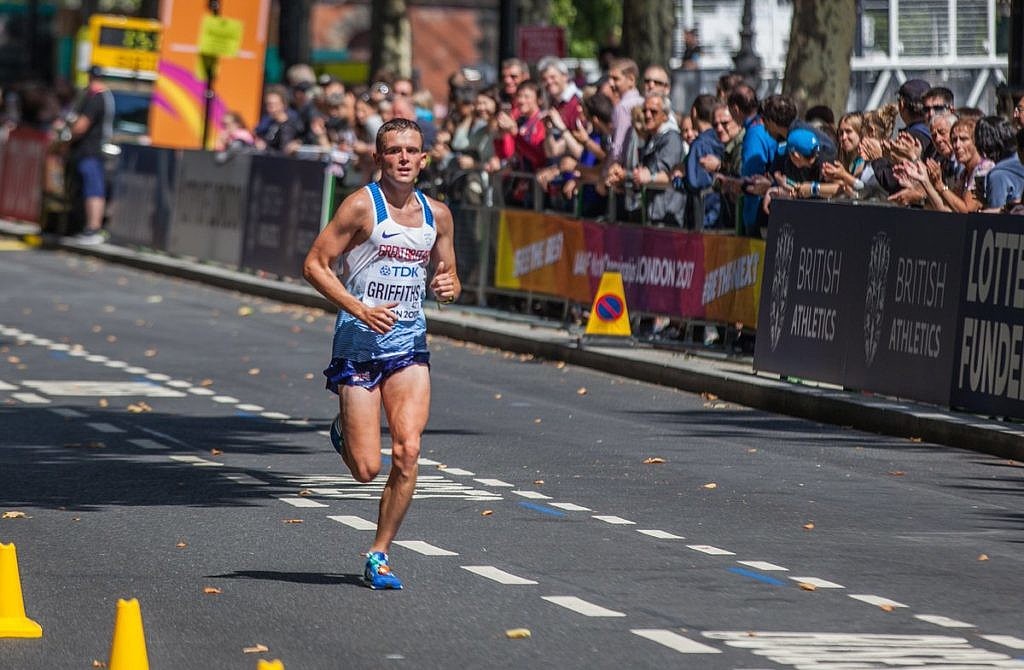
Welsh marathon runner Josh Griffiths will be seeking olympic selection at Scotiabank Toronto Waterfront Marathon
The IAAF Gold Label race (October 20th) is serving as the Athletics Canada Marathon trials for Tokyo 2020 and Josh Griffiths, fresh off his personal best performance in London (2:14:25), has chosen to make his own run for an Olympic berth.
The 25-year-old is presently ranked fifth in Britain behind Mo Farah (2:05:39), Callum Hawkins (2:08:14), Dewi Griffiths (2:11:46) and Jonny Mellor (2:13:25). Like the Canadians he will face in Toronto, he believes a 2:12:30 performance might be enough to cement a place on his national Olympic team. Asked what he is looking for in Toronto he is succinct.
"Just a really good, competitive race," he offers. "Malcolm (Anderson, his manager) said it would be a really good Canadian field, so if I can just get in the mix and, on a good day, see how far I can go with them.
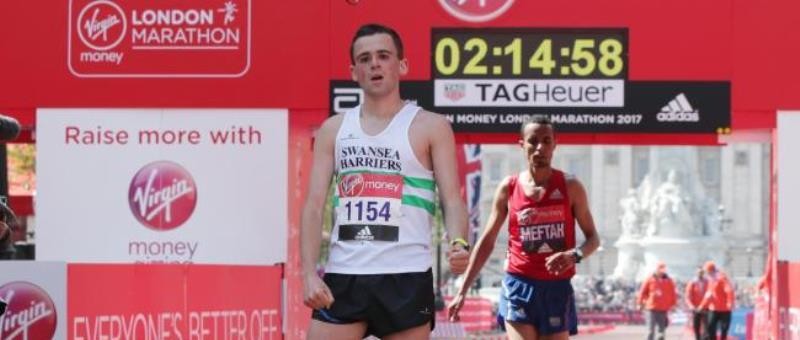
"There's three really good British guys now. Obviously, it all depends on if they all stay fit and if they all choose to do the marathon. All I can do is focus on myself and if I run the best I can then I can’t really ask for more."
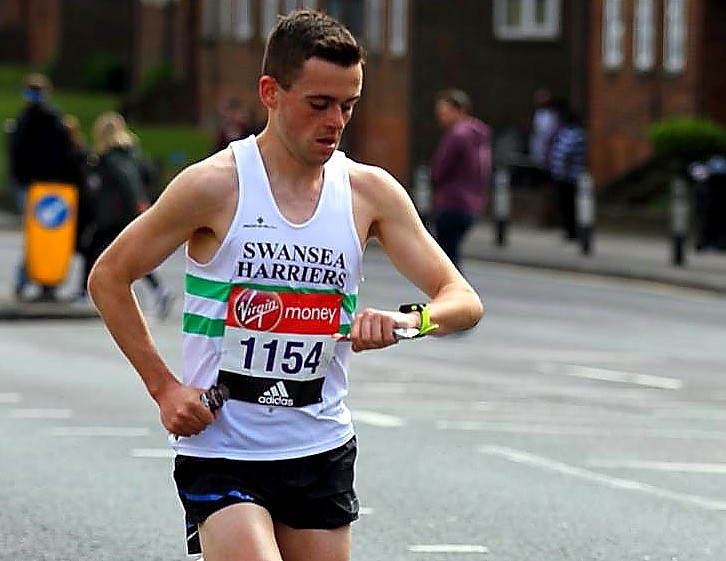
Canadian record holder Cam Levins (2:09:25) will be seeking to run with the international elite and improve upon the record he set a year ago, while fellow Olympians Dylan Wykes and Reid Coolsaet want to be in that 2:12 - 2:13 range that Griffiths is targeting.
Although he represents Swansea Harriers, Griffiths has lived all his life in Gorslas, Carmarthenshire in rural Wales where there are few runners. As a result, he is self-coached and does all his training alone. He supports himself financially by providing an online coaching program as well as some funding from Welsh Athletics and the London Marathon.
"It’s mentally tough getting out the door," he says of the solitude. "Sometimes it’s the hardest part of the run. I just think if it’s going to be that grim in training I am really prepared. If it rains in Toronto, I am prepared for anything.
"The weather is not always great in Wales; it rains a lot. But on those days, you have got to think what the goal is. If I want to run well in Toronto, then I have got to put the work in. I don’t struggle like that. I am in a pretty good position I can run all these amazing races and it’s well worth putting in the work."
The toughness that has characterized so many British runners over the years is epitomized especially by Welsh hero, Steve Jones, who set the world marathon record in the 1984 Chicago Marathon and won the 1992 Toronto Marathon.
"I met Steve a few times but when he was at his peak I wasn’t born yet. I have met him many times since," Griffiths reveals.
"We met at the Welsh track championships a couple of years ago. I went along to watch and so did he. We kind of got to chatting. It was after the London Marathon. He is always supportive."
Like Jones, he recalls his early start in athletics came as a schoolboy where he was exposed to many different sports.
"When I was in university I kind of took it seriously, started working with a good group of athletes in Cardiff. In 2017 I decided to do the marathon to try and qualify for the 2018 Commonwealth Games in Gold Coast Australia. I had to run 2:16 and I managed to run 2:14 which qualified me for Gold Coast and for the World Championships."
In 2011 he visited southern Ontario on a schoolboy rugby trip. At the time he was billeted by families in Coburg, Brantford and Lindsay, Ontario. They also visited Toronto’s tourist sites. There will be little time for site seeing on this trip however as so much is at stake.
"I will be looking to go through halfway just under 66 minutes," he says returning to the reason for his Canadian adventure. "One thing I have learned in the marathons I have done it’s much better to feel good in the second half. I don’t want to go crazy at the start. If there is a good group, then I will work my way through."
by Paul Gains
Login to leave a comment
TCS Toronto Waterfront Marathon
The Scotiabank Toronto Waterfront Marathon, Half-Marathon & 5k Run / Walk is organized by Canada Running Series Inc., organizers of the Canada Running Series, "A selection of Canada's best runs!" Canada Running Series annually organizes eight events in Montreal, Toronto and Vancouver that vary in distance from the 5k to the marathon. The Scotiabank Toronto Waterfront Marathon and Half-Marathon are...
more...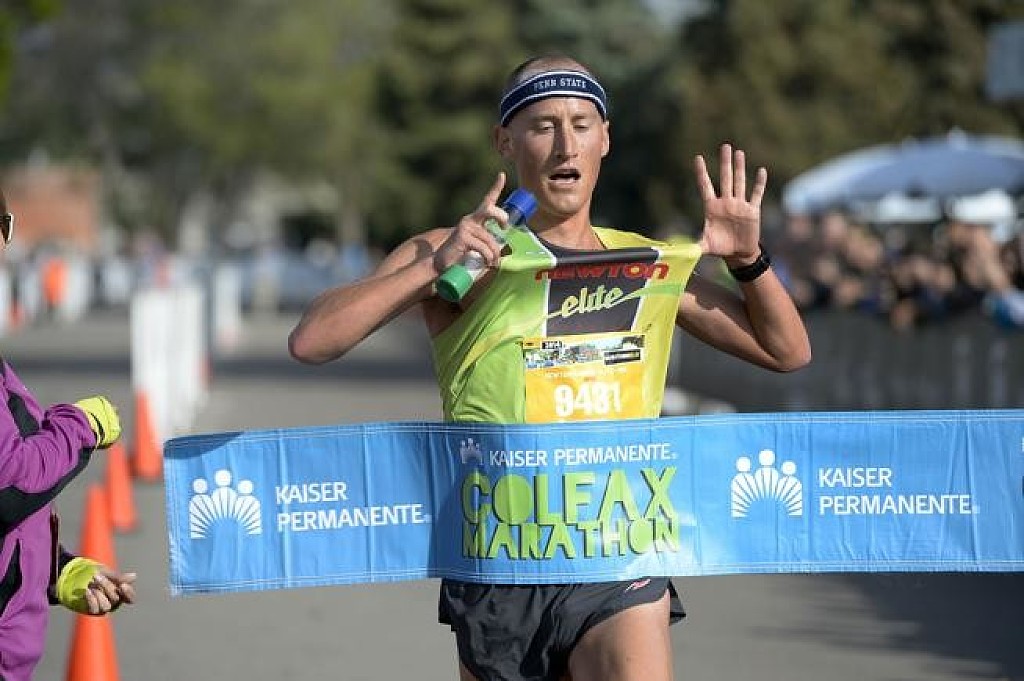
Tyler McCandless says he is in the best shape of his life as he gets set to run the TCS New York City Marathon
I’m excited to announce that I’ll be racing the TCS New York City Marathon on November 3rd!
Not only do I feel that I’m in the best shape of my life beginning this training cycle, I’m fueled with more inspiration and motivation than ever thanks to my incredibly supportive and encouraging wife Kristin McCandless, and our sweet baby Levi.
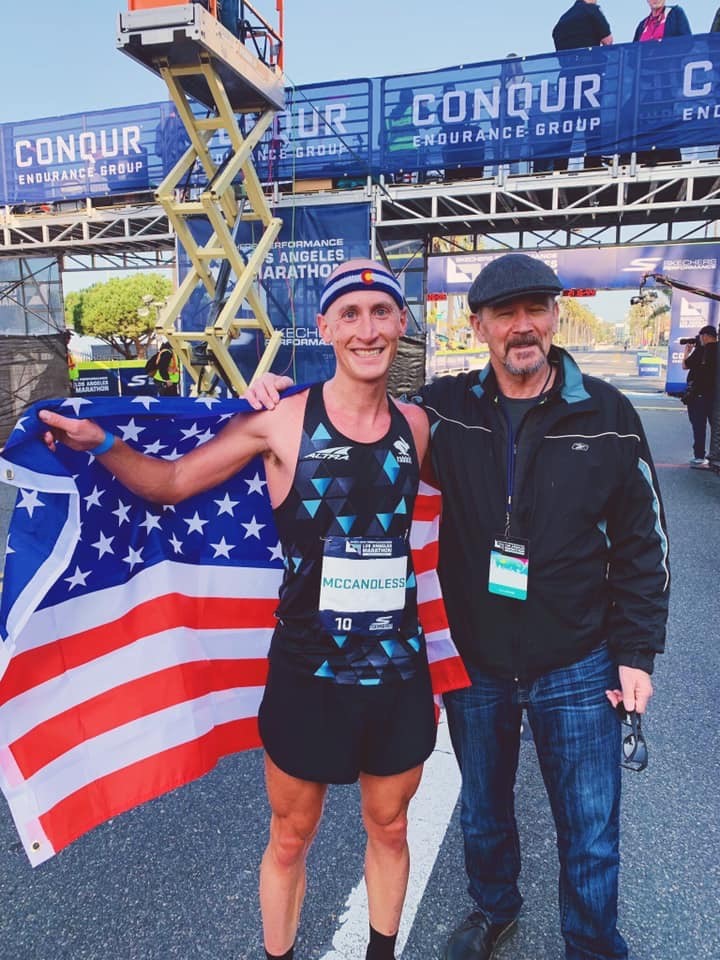
I’m thankful to the New York Road Runners (NYRR) for the opportunity, my coach and former NYC Marathon champion Steve Jones & our team Boulder Harriers for always pushing me past my limits, my sponsors Altra Running & rabbit and my family and friends for all the support and positive mojo.
Marathon training requires a big commitment. However, unlike most “professional athletes” I balance training with trying to be the best husband and father I can be as well as working full-time as an atmospheric scientist.
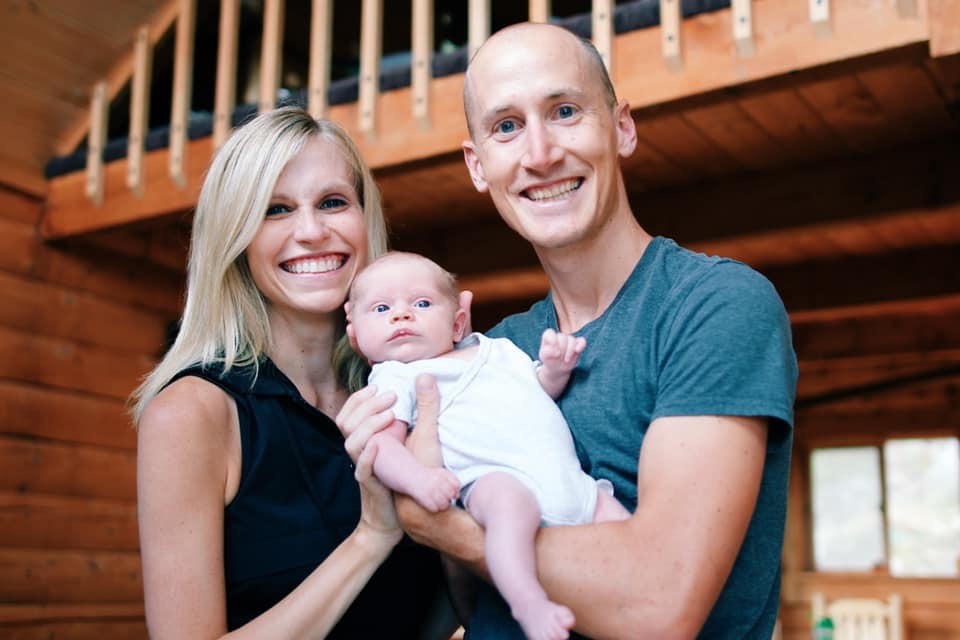
Follow my journey to NYC in a few months, filled with 100+ mile weeks, dirty diapers, publishing scientific research and (hopefully) inspiring you on the way to get out and pursue your dreams too.
by Tyler McCandless
Login to leave a comment

TCS New York City Marathon
The first New York City Marathon, organized in 1970 by Fred Lebow and Vince Chiappetta, was held entirely in Central Park. Of 127 entrants, only 55 men finished; the sole female entrant dropped out due to illness. Winners were given inexpensive wristwatches and recycled baseball and bowling trophies. The entry fee was $1 and the total event budget...
more...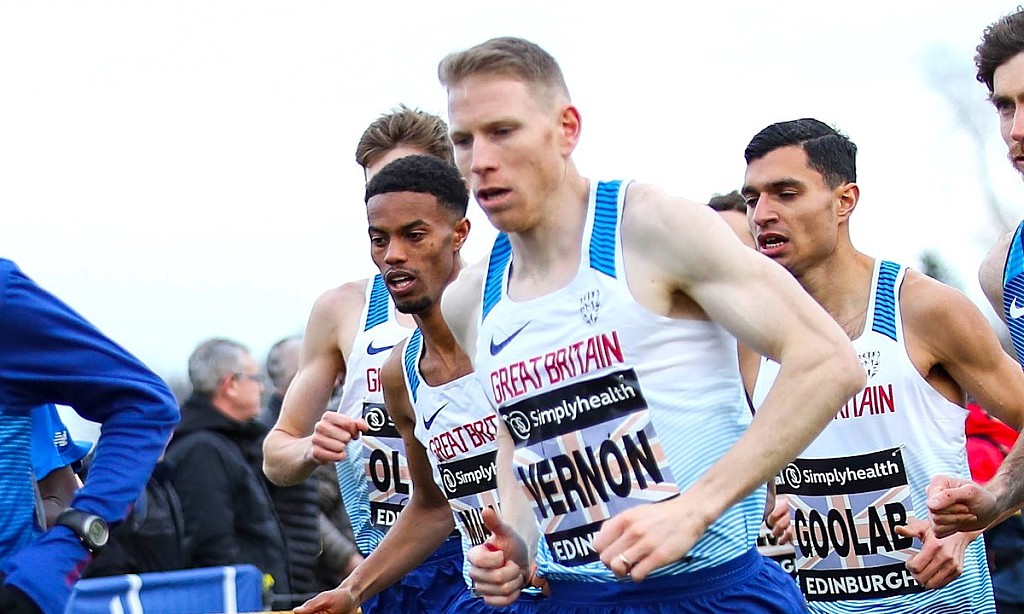
British runner Andy Vernon is set for his debut marathon in New York
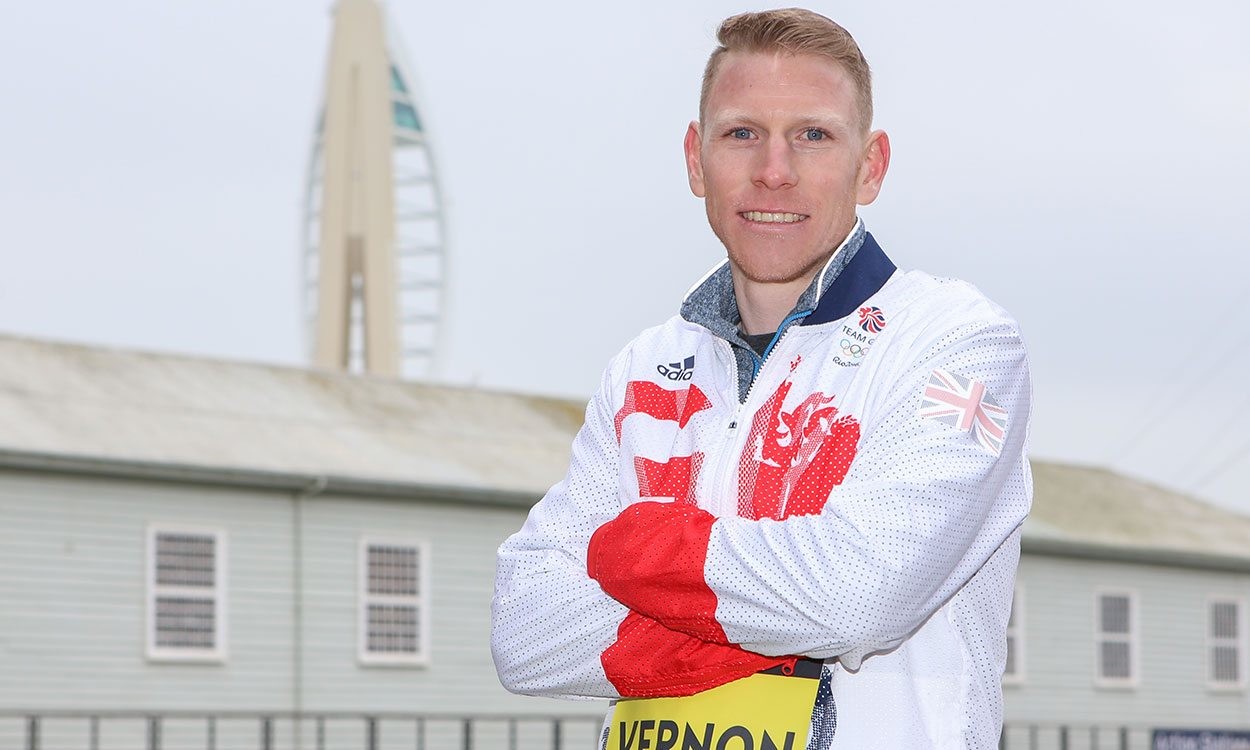
Andy Vernon is amongst a top elite field announced this week for the 2019 TCS New York City Marathon.
After having to withdraw from this year’s London Marathon due to a hamstring injury the AFD man will look to lay down his 26.2 credentials on the stress of New York.
Vernon could be well suited to the hard undulating course and there will keen interest amongst British distance fans to see how the popular athlete runs in his debut marathon. We know his pedigree at cross country and at 10,000m where his has won a European silver medal and has a PB of 27:42 but he remains an unknown quantity at the marathon.
With the IAAF standard now set at 2:11:30 for men and 2:29:30 for women the most Brits will have their eyes on courses that offer the best chance for quick times for Tokyo next year.
However the dual qualification system also recognises a top 10 finish in a World Marathon Major event (which includes NYC Marathon). 10th placed finisher Chris Derrick ran 2:13:08 in 2018 and in 2017 the 10th place finisher ran 2:14:57. Despite the profile of the course these times are well within Vernon’s ability but regardless of times the race clearly affords the opportunity to build critical experience before London 2020.
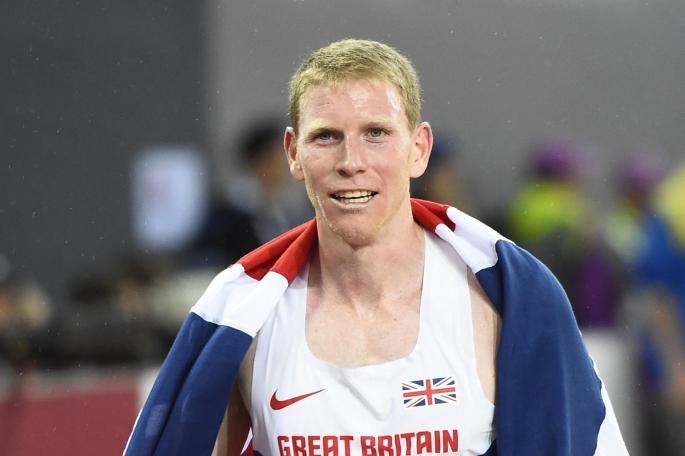
History shows this can be a happy hunting ground for British Athletes. Steve Jones’ winning time of 2:08:20 in 1988 and Paula Radcliffe’s wins in 2004, 2007 and 2008 are testiment to that along with victories for priscilla Welch in 1987 and Liz McColgan in 1991.
In 2018 eight British men went inside 2:30 with Jonny Mellor leading the way in 2:16:09 for 15th place. Three British women ran inside three hours with St Albans Strider Gillian Pease (2:55:14) the fastest.
by
Login to leave a comment
TCS New York City Marathon
The first New York City Marathon, organized in 1970 by Fred Lebow and Vince Chiappetta, was held entirely in Central Park. Of 127 entrants, only 55 men finished; the sole female entrant dropped out due to illness. Winners were given inexpensive wristwatches and recycled baseball and bowling trophies. The entry fee was $1 and the total event budget...
more...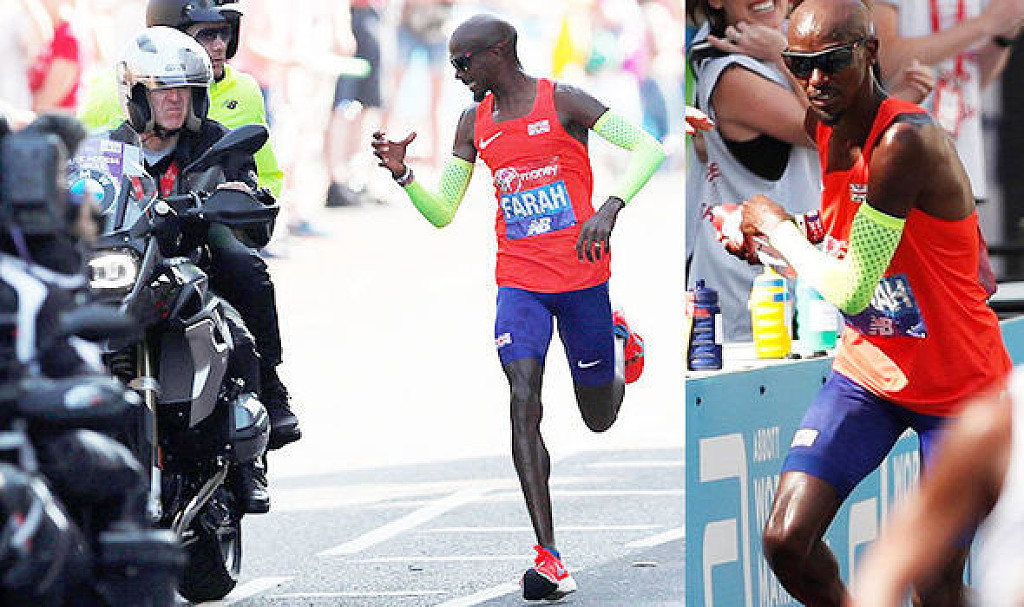
A “knackered†Mo Farah crossed the London Marathon finish line in a time of 2:06:21
Login to leave a comment
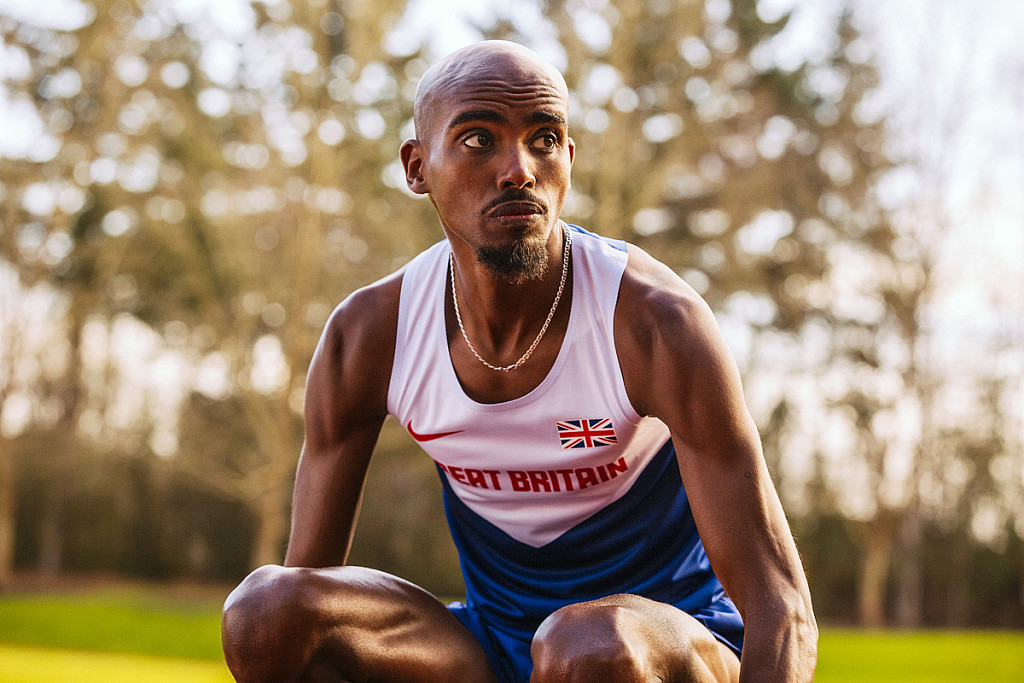
Just six days after Boston is the London Marathon and all eyes will be on Mo Farah
Login to leave a comment
