

Running News Daily
Running News Daily is edited by Bob Anderson and team. Send your news items to bob@mybestruns.com Advertising opportunities available.
Index to Daily Posts · Sign Up For Updates · Run The World Feed
Search Results for Kenya
Today's Running News
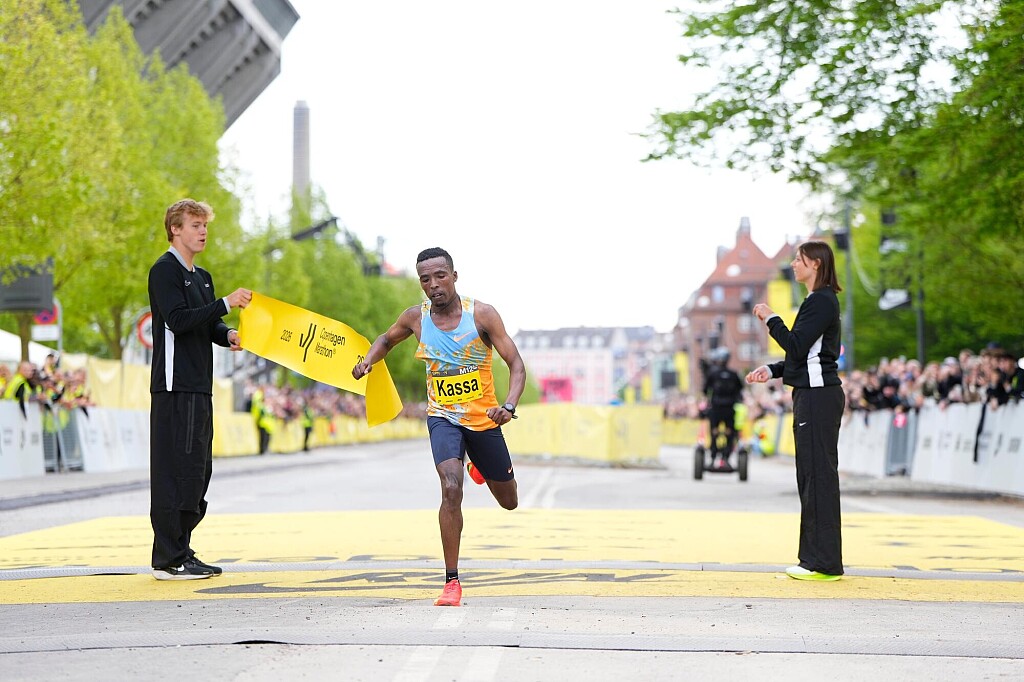


Tadesse Kassa Conquers Copenhagen in Thrilling Marathon Showdown
Tadesse Kassa of Ethiopia produced a commanding performance to claim victory at the Copenhagen Marathon 2026, storming to the finish line in a personal best of 2:08:26 after a fiercely contested battle through the streets of the Danish capital.
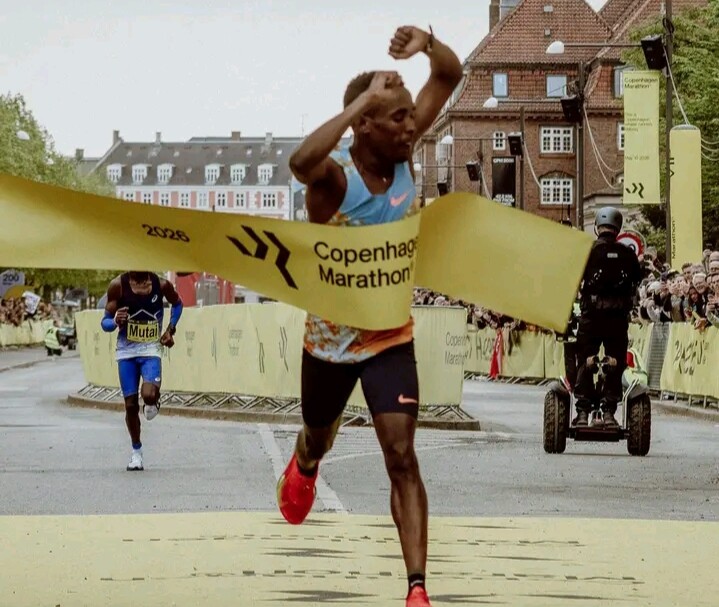
The Ethiopian distance star delivered a composed and tactical race, breaking away in the closing stages to secure a memorable triumph ahead of a world-class field. His victory capped a high-quality men’s race that remained unpredictable deep into the final kilometres, with several athletes still in contention before the decisive surge.
Kenya’s Vincent Mutai pushed hard all the way to the line and settled for second place in 2:08:30, only four seconds behind the winner in one of the closest finishes of the season so far. Ethiopia’s Dejene Weyen completed the podium with a strong run of 2:09:14, ensuring Ethiopia placed two athletes inside the top three.
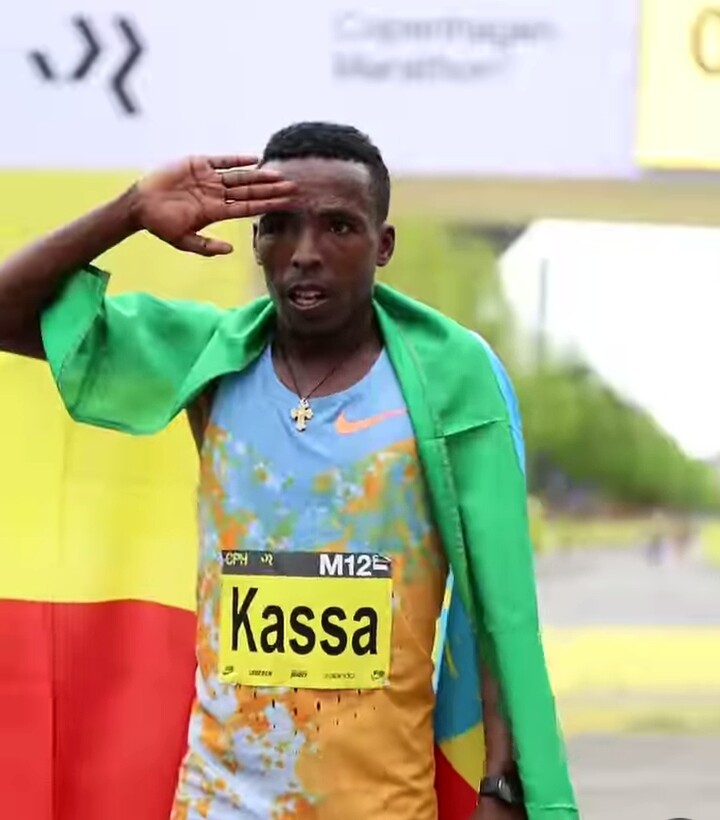
The race unfolded at an aggressive pace from the early stages, with the lead pack refusing to hold back despite the demanding conditions. Kassa, however, remained patient and controlled, waiting for the perfect moment before unleashing his finishing strength near the end of the race.
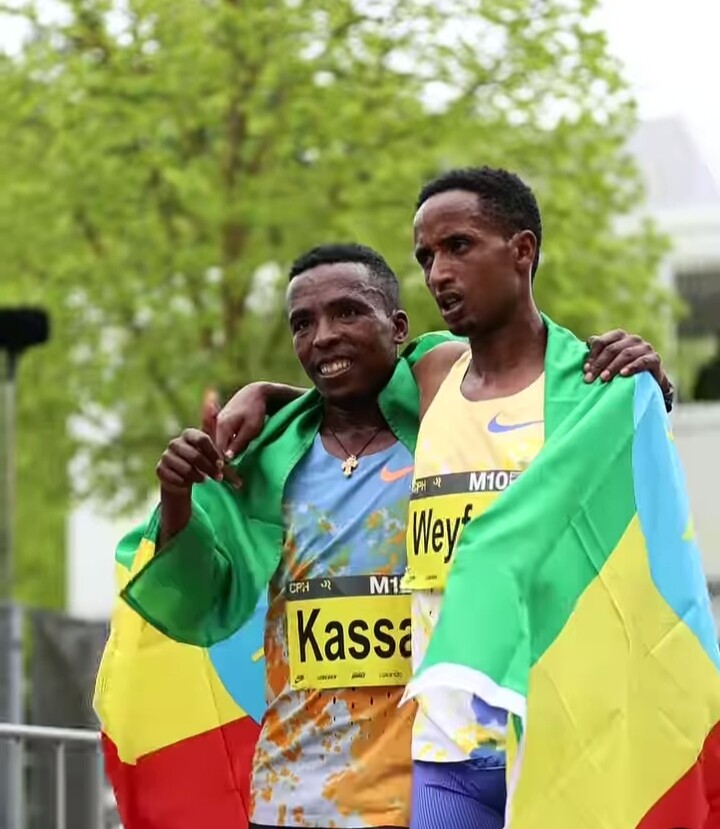
For Vincent Mutai of Kenya, the narrow defeat will still be remembered as a remarkable performance after staying shoulder-to-shoulder with the eventual champion for most of the contest. Meanwhile, Dejene Weyfen of Ethiopia showed impressive consistency to secure a deserved podium finish in a highly competitive field.
Beyond the podium battle, several athletes produced notable performances, with personal bests and season bests highlighting the depth of quality on display in Copenhagen.
Men’s Top 10 Results
1. Tadesse Kassa (Ethiopia) – 2:08:26 PB
2. Vincent Mutai (Kenya) – 2:08:30 PB
3. Dejene Weyfen (Ethiopia) – 2:09:14 SB
4. Merhawi Kesete (Eritrea) – 2:09:16 SB
4. Henok Tesfay (Eritrea) – 2:10:10 SB
6. Tesfaye Demeke (Ethiopia) – 2:11:09
7. Dennis Kipkosgei (Kenya) – 2:12:03
8. Abdenasser Oukhelfen Ben Haddou (Spain) – 2:12:13
9. Omar Hassan (Ecuador) – 2:12:17 PB
10. Robi Syianturi (Indonesia) – 2:12:20 PB
Copenhagen once again delivered a spectacular marathon atmosphere, but this year belonged to Tadesse Kassa of Ethiopia — a man who combined patience, courage and finishing power to write his name into the history of the race.
(05/10/2026) ⚡AMPby Erick Cheruiyot for My Best Runs.

Copenhagen Marathon
The race is special in many ways But one thing is the course around almost every part of Copenhagen. The course goes to Frederiksberg which is a very beautiful part of the city. Theres a fantastic atmosphere in the city, and a lot of spectators along the route. The course is pretty fast, and the field of elite runners is...
more...
Kenyan Stars Dominate Geneva Marathon as Kemboi and Kimutai Lead Commanding Victories
The streets of Geneva, Switzerland witnessed a powerful display of endurance, precision, and rising marathon excellence as Kenyan athletes stamped their authority all over the 2026 Geneva Marathon with commanding performances in both the men’s and women’s races.
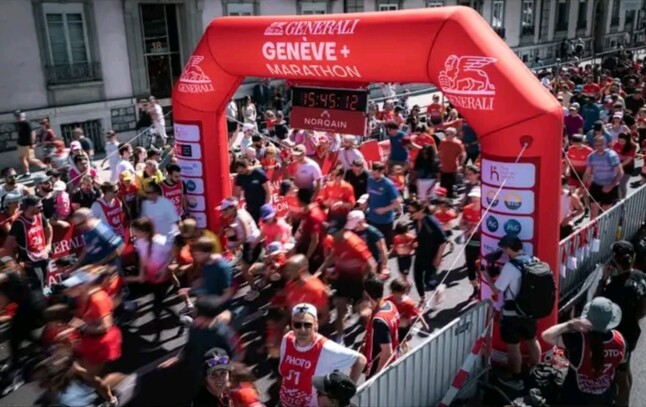
In the men’s elite contest, Collins Kemboi produced the performance of his career to storm to victory in a personal best time of 2:08:52. Running with remarkable composure and tactical intelligence, Kemboi gradually broke away from the lead pack during the latter stages before powering through the streets of Geneva to secure a memorable triumph and his first major international marathon breakthrough.
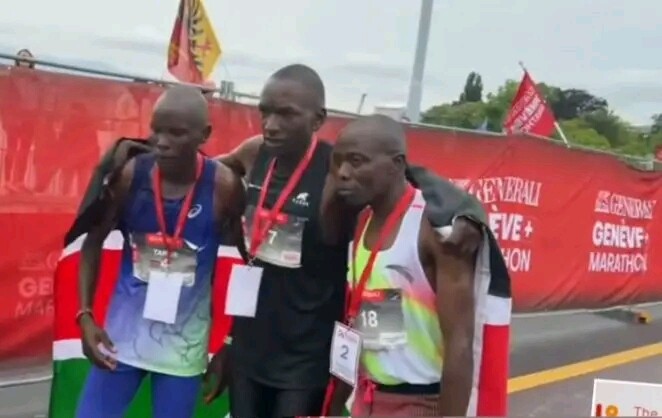
Kenya completed a dominant sweep of the men’s podium as Silas Kiprono Too crossed the line in second place with an impressive 2:09:16, while Tarus Simion Kiplimo delivered another career-defining run to finish third in a personal best of 2:09:53. The trio ensured a complete Kenyan lockout of the podium, underlining the country’s continued supremacy in global road racing.
The women’s race produced equally compelling drama as Patience Jebet Kimutai announced herself on the marathon stage in stunning fashion. Competing over the distance for the very first time, Kimutai displayed maturity far beyond expectation to capture victory in 2:30:45 on her marathon debut. Her controlled pacing and fearless approach proved decisive in one of the most impressive debut performances of the season.
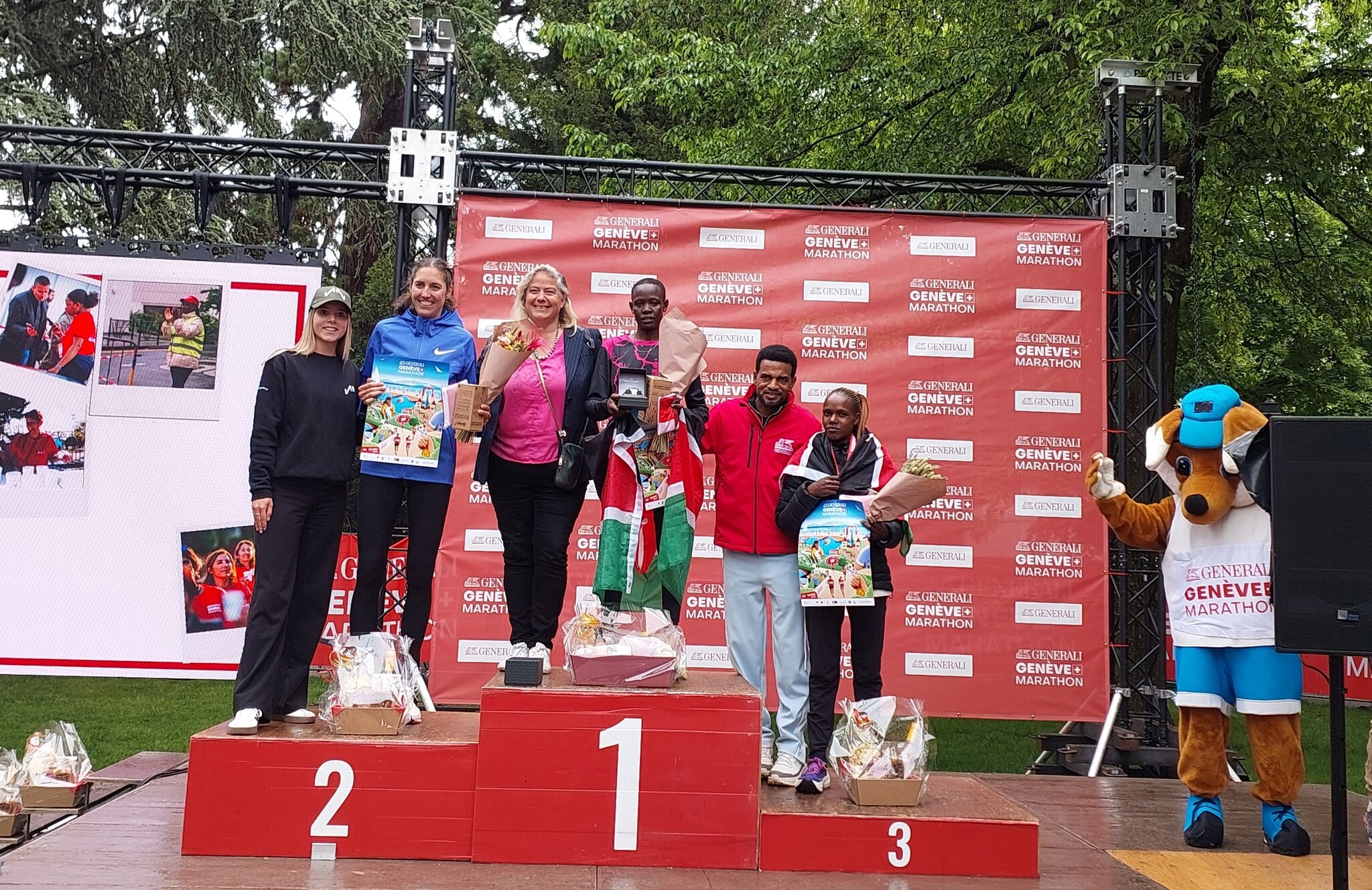
Swiss distance running star Fabienne Schlumpf thrilled the home crowd with a strong second-place finish in 2:31:15 after a determined chase throughout the race, while Jackline Chepkoech completed the podium in third place with 2:31:18, also marking a successful marathon debut.
Beyond the victories and podium finishes, the 2026 Geneva Marathon became another showcase of the remarkable depth currently shaping global marathon running. Personal bests, fearless debuts, and fierce international competition combined to create an unforgettable day in Switzerland, with Kenyan athletes once again setting the standard on one of Europe’s prestigious marathon stages.
(05/10/2026) ⚡AMPby Erick Cheruiyot for My Best Runs.

Harmony Geneva Marathon
The Harmony Geneva Marathon for Unicef is arguably one of the most picturesque city marathons in Europe and unquestionably one of the fastest. The course takes in the countryside nestled between mountains and the shore of Lake Geneva before finishing in the heart of the city in front of the famous Jet d’Eau. Thousands of runners from more than 120...
more...
Shared Sacrifice and Silent Strength: Joyciline Jepkosgei’s Defining London Marathon Moment
The 2026 edition of the London Marathon delivered countless images of courage, endurance, and elite competition, but few moments captured the true essence of marathon running more powerfully than the sight of Joyciline Jepkosgei sharing a bottle of water with her pacemaker, Mariam Chebet, during the heat of battle on the streets of London.
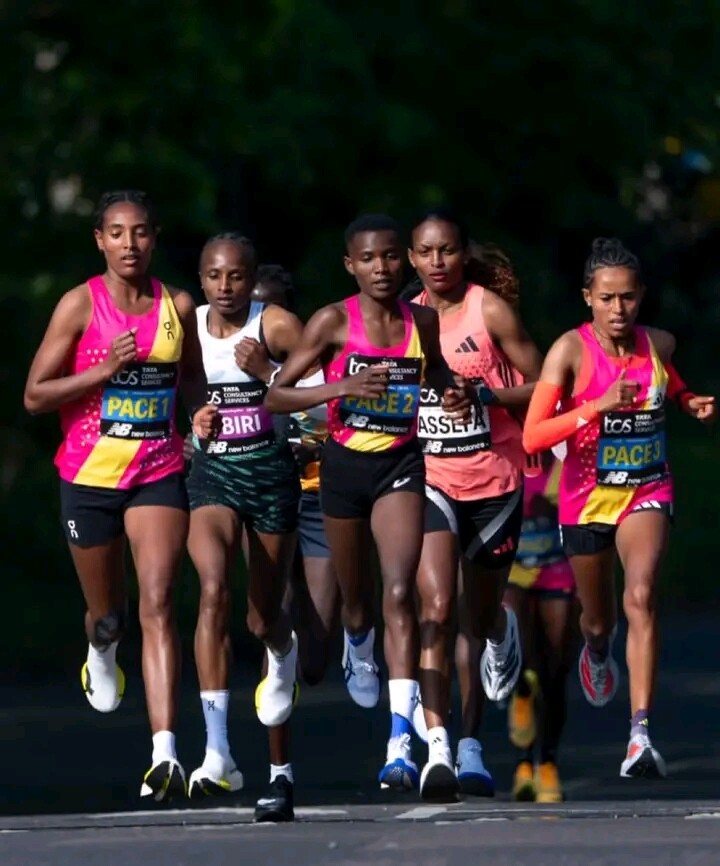
In a sport often defined by ruthless competition and relentless pursuit of victory, the gesture stood out as a quiet reminder that marathon running is also built on trust, teamwork, and shared suffering. As the pace intensified and the physical demands of the race grew heavier with every mile, Jepkosgei and Chebet momentarily revealed the human side of elite athletics — a bond forged through sacrifice, discipline, and collective ambition.
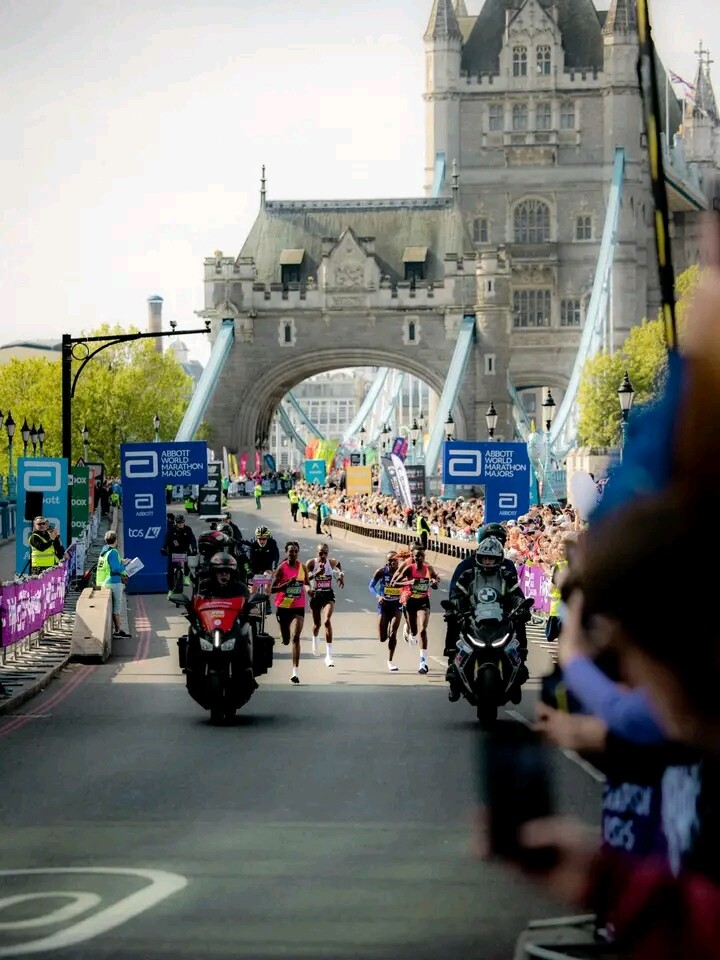
The image quickly became one of the unforgettable highlights of the race, symbolising more than hydration in a tactical contest. It reflected unity in struggle. Pacemakers are frequently viewed only as instruments of speed, tasked with dragging athletes through punishing early splits before stepping aside. Yet Chebet’s role alongside Jepkosgei illustrated the deeper relationship that often exists behind the scenes — one rooted in commitment, rhythm, and mutual belief.
For Jepkosgei, one of Kenya’s most accomplished road runners, the London Marathon once again became a stage where composure and resilience carried equal importance to raw athletic ability. Every movement through the capital’s famous streets revealed the precision and calmness that have made her one of the most respected figures in women’s distance running.
But beyond the elite performances and stopwatch battles, it was that simple exchange of water that resonated deeply with fans across the world. In a race overflowing with pressure and expectation, it became a snapshot of sportsmanship at its purest — two athletes pushing the limits of human endurance while still looking out for one another.
The 2026 London Marathon will be remembered for its world-class racing, electric atmosphere, and historic performances, but moments like these are what truly give the marathon its soul.
(05/10/2026) ⚡AMPby Erick Cheruiyot for My Best Runs.
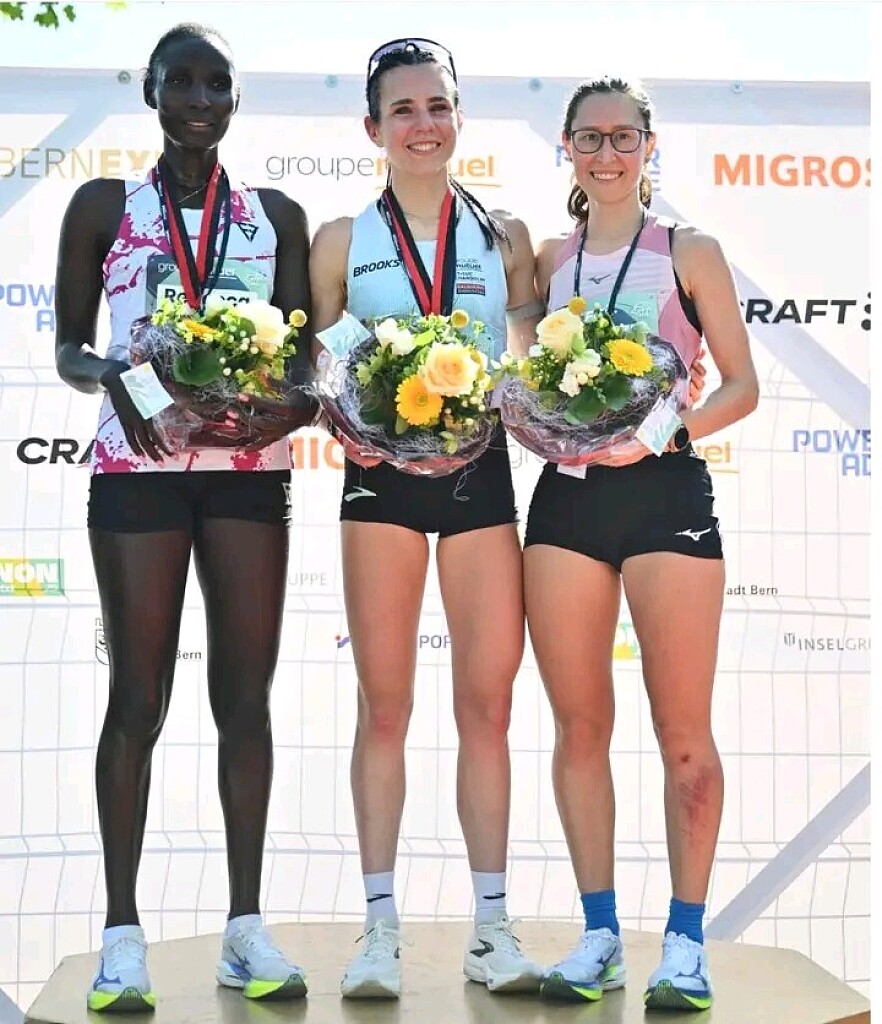
Swiss Stars and Kenyan Powerhouses Illuminate the 44th VON BERN GRAND PRIX
The 44th edition of the VON BERN GRAND PRIX once again transformed the streets of Bern, Switzerland into a spectacular theatre of elite road racing, as both the men’s and women’s 10-mile contests delivered commanding performances, thrilling competition, and unforgettable moments. Widely regarded as one of Europe’s most prestigious road races, the event attracted outstanding international talent alongside some of Switzerland’s finest distance runners.
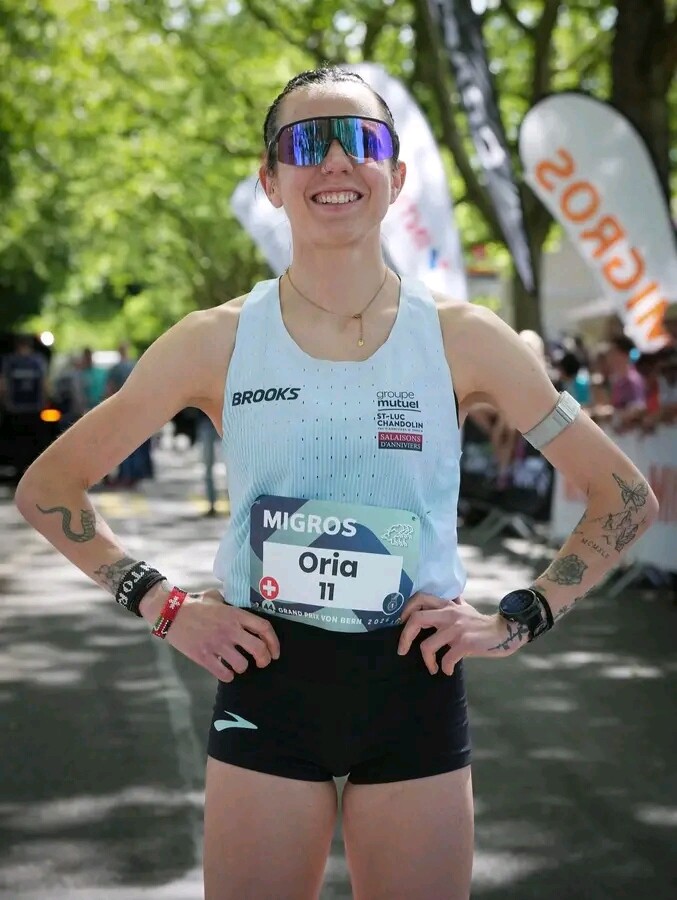
In the women’s elite race, Switzerland’s Liaci Oria produced a dominant display to secure victory in an impressive 55:50. Running with remarkable confidence and control, Oria gradually broke away from the field before storming to the finish line more than a minute ahead of her nearest challengers. Her commanding triumph ignited celebrations among the home crowd and further elevated her growing reputation on the international road racing stage.
Kenya’s Rebecca Chepkwemoi once again demonstrated exceptional consistency with another powerful performance, claiming second place in 57:35. The Kenyan maintained a disciplined pace throughout the demanding course and showcased the endurance and resilience that continue to make her one of the most reliable competitors on the circuit this season.
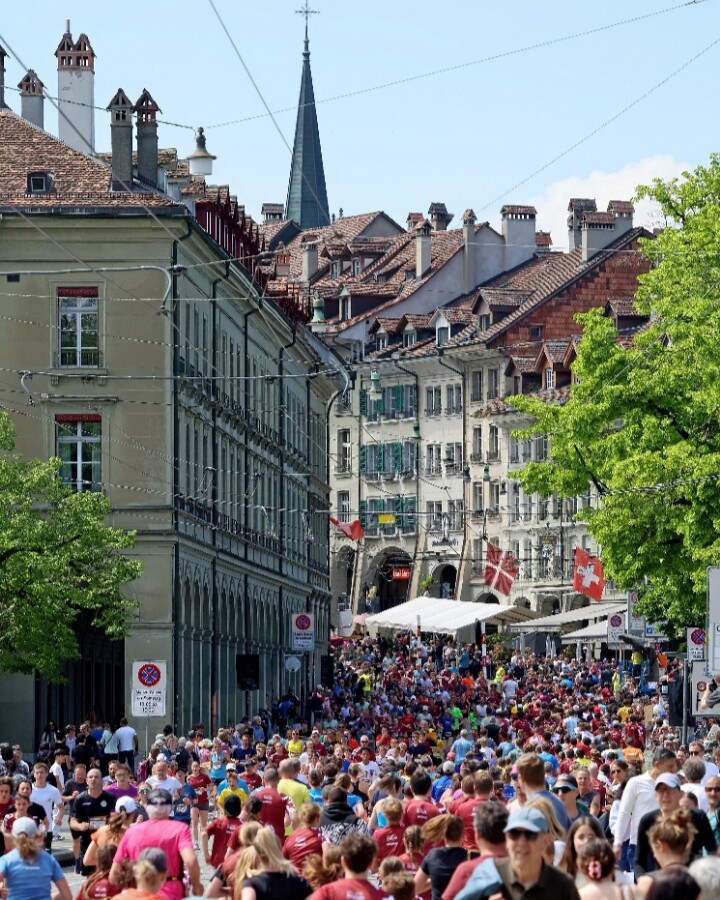
Completing the women’s podium was Switzerland’s Céline Aebi, who delivered a career-defining performance to finish third in 58:07. The result marked her first-ever podium finish in the prestigious 10-mile race, highlighting her steady rise among Switzerland’s emerging long-distance talents.
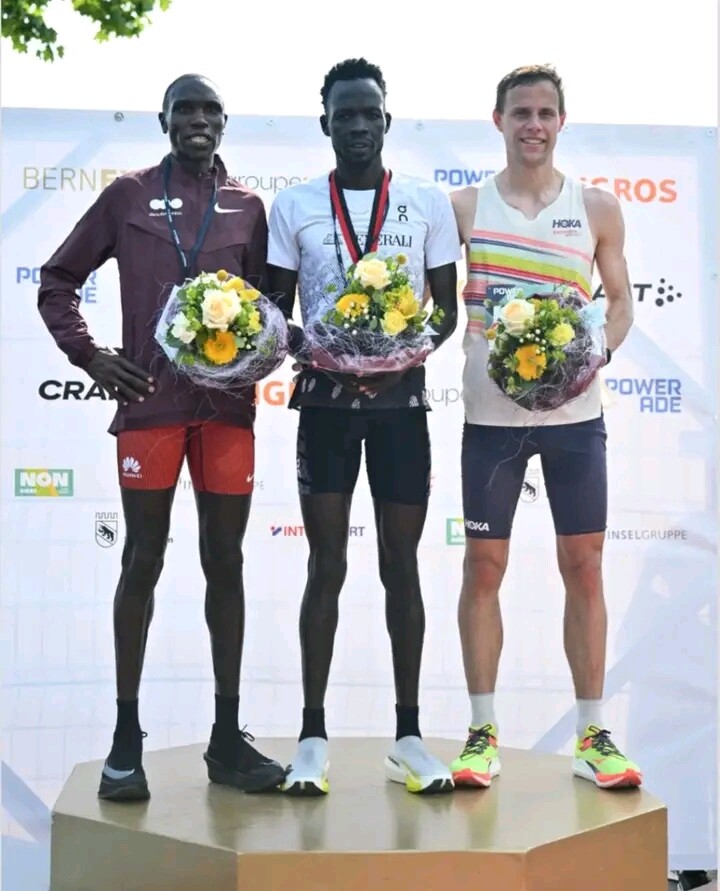
The men’s elite contest also produced an exceptional level of competition, led by Switzerland’s Dominic Lobalu, who captured his third VON BERN GRAND PRIX title in a brilliant 46:58. Lobalu controlled the race with authority and composure, using his strength and tactical intelligence to separate himself from the field and secure another memorable victory on home soil.
Kenyan distance-running star Geoffrey Kamworor once again proved his class and consistency by earning another podium finish, crossing the line in 48:43. The multiple world champion remained competitive throughout the race and delivered yet another strong international performance.
Switzerland’s Dominik Rolli rounded out the men’s podium in 48:59 after a determined and impressive effort against a highly competitive field.
From dominant victories to breakthrough achievements, the 2026 VON BERN GRAND PRIX once again celebrated the very best of elite road racing. With passionate crowds, world-class performances, and unforgettable battles across the streets of Bern, the event further strengthened its reputation as one of the most iconic and respected races on the European running calendar.
(05/09/2026) ⚡AMPby Erick Cheruiyot for My Best Runs.
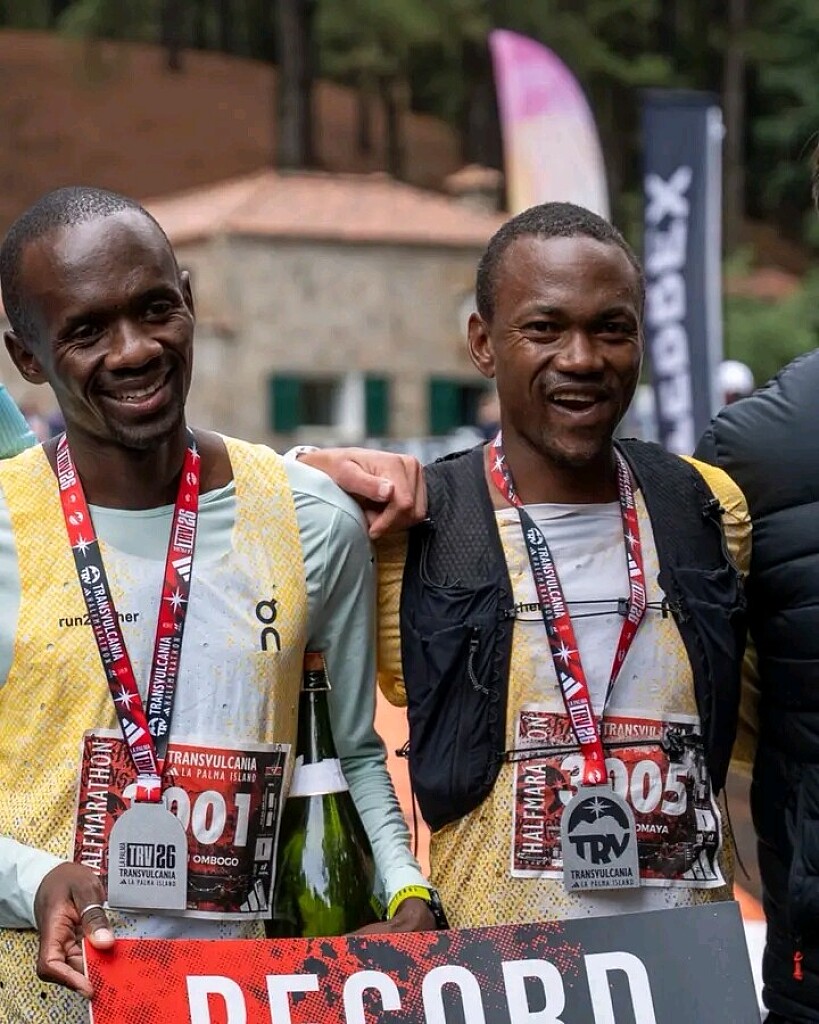
Through Fire and Silence: Kiriago and Gitonga Conquer the Brutal Beauty of Transvulcania
Beneath the lonely lighthouse of Faro de Fuencaliente, where volcanic earth meets the vast Atlantic Ocean, the Transvulcania Half Marathon once again delivered one of the most unforgettable spectacles in mountain running. Part of the 2026 WMRA Mountain Running World Cup, the race carried athletes across the raw and untamed landscapes of La Palma, demanding more than 2,000 metres of vertical gain before the punishing climb finally ended at Refugio El Pilar.
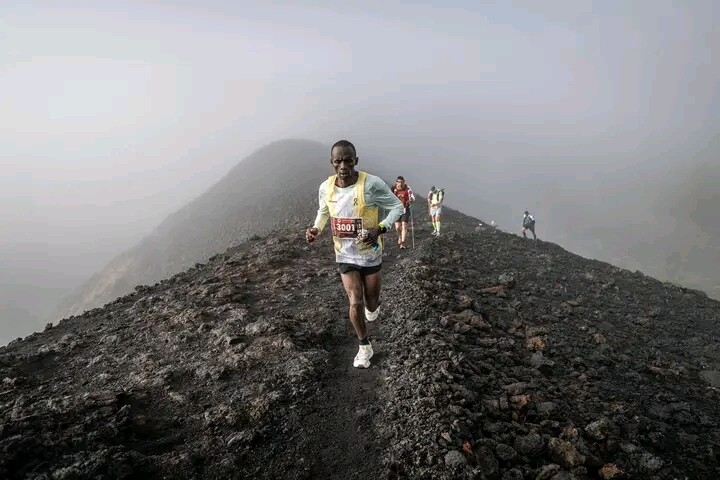
But Transvulcania is far more than a race against distance and elevation. It is a journey through silence, fire and wilderness — a brutal passage across seven volcanoes where black ash trails disappear into the clouds and mist-covered pine forests swallow every sound except breathing, footsteps and wind. Every kilometre tests physical strength, mental resilience and the ability to endure isolation in one of the wildest environments in global mountain running.

In the men’s race, Kenya’s Philemon Ombogo Kiriago mastered the volcanic terrain with remarkable authority to secure victory after a relentless battle through the steep ascents and technical ridges. France’s Anthony Felber produced a strong performance to claim second place, while fellow Kenyan Richard Omaya Atuya completed the podium in third. Sweden’s Linus Hultegard finished fourth ahead of Spain’s Guillermo Ramos Muñoz in fifth position.


Spain’s Daniel Osanz Laborda crossed the line in sixth place, followed by Sweden’s Martin Nilsson in seventh. The home nation continued its strong presence through Álvaro Escuela Perdomo in eighth, Joel Santamaria Peraita in ninth and Sergio Álvarez Febles completing the men’s top ten.


The women’s race produced another commanding display from Kenya as Ruth Gitonga surged to victory across the volcanic ridgelines, showcasing both endurance and composure on the unforgiving course. Her compatriot Joyce Muthoni Njeru secured second place to complete a Kenyan one-two finish, while Great Britain’s Kirsty Skye Dickson claimed third after a determined performance through the high-altitude climbs.
Spain’s Moana Lilly Kehres Kehres finished fourth ahead of Italy’s Benedetta Broggi in fifth. Britain’s Sara Ann Willhoit took sixth position, while Australia’s Lara Hamilton crossed in seventh. Italy’s Camilla Magliano secured eighth place ahead of Canada’s Gabrielle Pilote Fortin in ninth, with Britain’s Natalie Beadle rounding out the women’s top ten.
On La Palma, success is measured by far more than the clock alone. While finishing times remain important, the Transvulcania Half Marathon demands something deeper from every athlete — resilience against brutal climbs, composure on technical volcanic ridges and the mental strength to endure long stretches of isolation high above the clouds. It is a race where endurance meets wilderness, and where every step across fire-shaped landscapes becomes part of an unforgettable journey through one of mountain running’s most extraordinary arenas.
(05/09/2026) ⚡AMPby Erick Cheruiyot for My Best Runs.
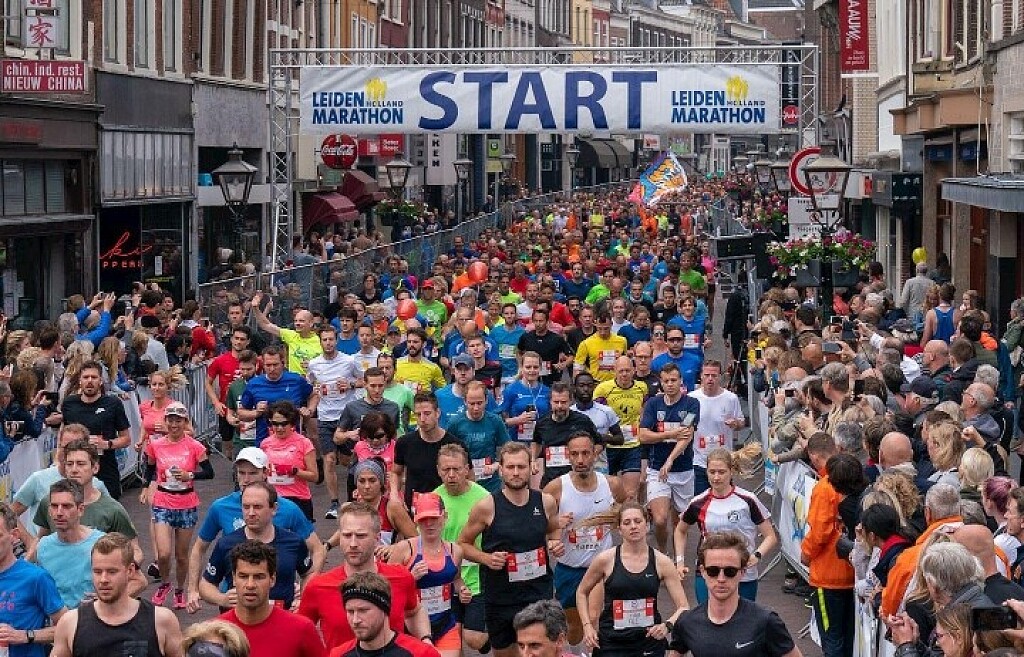
Leiden Marathon Braces for Elite International Distance Running Showdown
The historic Leiden Marathon is set to deliver another electrifying spectacle on 10 May as elite athletes from across the globe converge in the Netherlands for one of Europe’s most anticipated road races. Featuring an exciting blend of established marathon specialists, rising stars, and dangerous debutants, this year’s edition promises high-quality competition and fierce battles across both the men’s and women’s races.
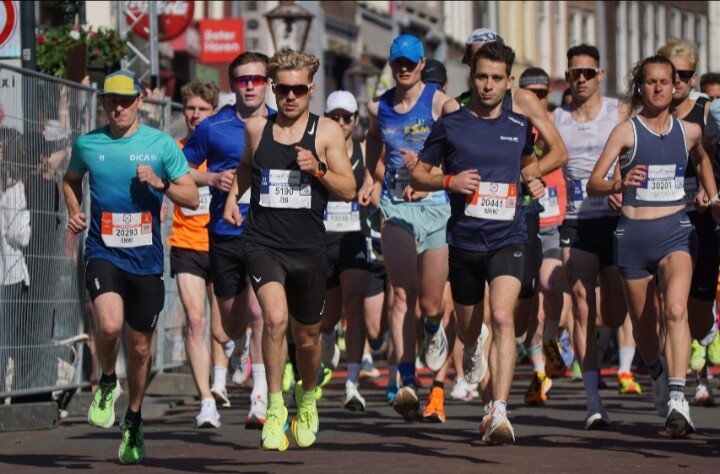
Among the standout names in the men’s field is Kenya’s Simon Waithira, who enters with an impressive personal best of 2:09:05. His consistency and strength over the classic distance position him among the leading contenders for victory. Fellow Kenyan Bernard Chumba also brings significant experience into the race, armed with a lifetime best of 2:10:33 and a reputation for thriving in tactical contests.
Ethiopia’s Asmera Beshir adds further international quality to the lineup. With a personal best of 2:13:22, Beshir possesses the endurance and composure required to challenge for top honours should the race develop into a strategic battle in the latter stages.
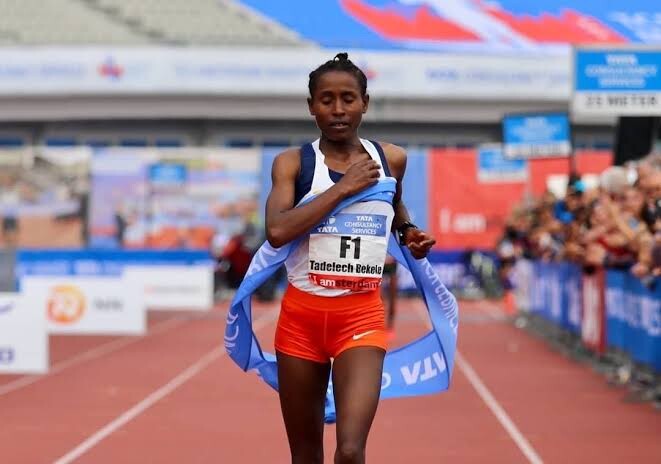
The women’s field is equally loaded with talent and ambition. Ethiopia’s Tadelech Bekele Alemu headlines the race with a commanding personal best of 2:21:40, making her one of the strongest favourites on paper. Her experience and proven ability over the marathon distance could prove decisive on race day.
Compatriot Tigist Worku will be aiming to produce a breakthrough performance as she seeks to lower her current best of 2:36:15, while Kenya’s Beatrice Mutai enters the spotlight with enormous curiosity surrounding her highly anticipated marathon debut. Mutai’s exceptional half marathon best of 1:07:29 suggests she possesses the raw talent to emerge as one of the revelations of the race.
The 2026 Leiden Marathon is set to deliver a celebration of world-class endurance racing, where experience, tactical intelligence, and fearless ambition will collide on the streets of Leiden in pursuit of victory and memorable performances. The elite field already announced has heightened anticipation for the race, with a strong international lineup expected to produce thrilling battles and outstanding performances across both the men’s and women’s races.
(05/09/2026) ⚡AMPby Erick Cheruiyot for My Best Runs.

Leiden Marathon
The Leiden Marathon has a picturesque course that combines the best of the city landscapes and the green countryside in the Green Heart. This one loop course is very flat and fast so get ready to improve your personal best if that is your goal. The Leiden Marathon starts in the heart of ancient Leiden, a 900 years old...
more...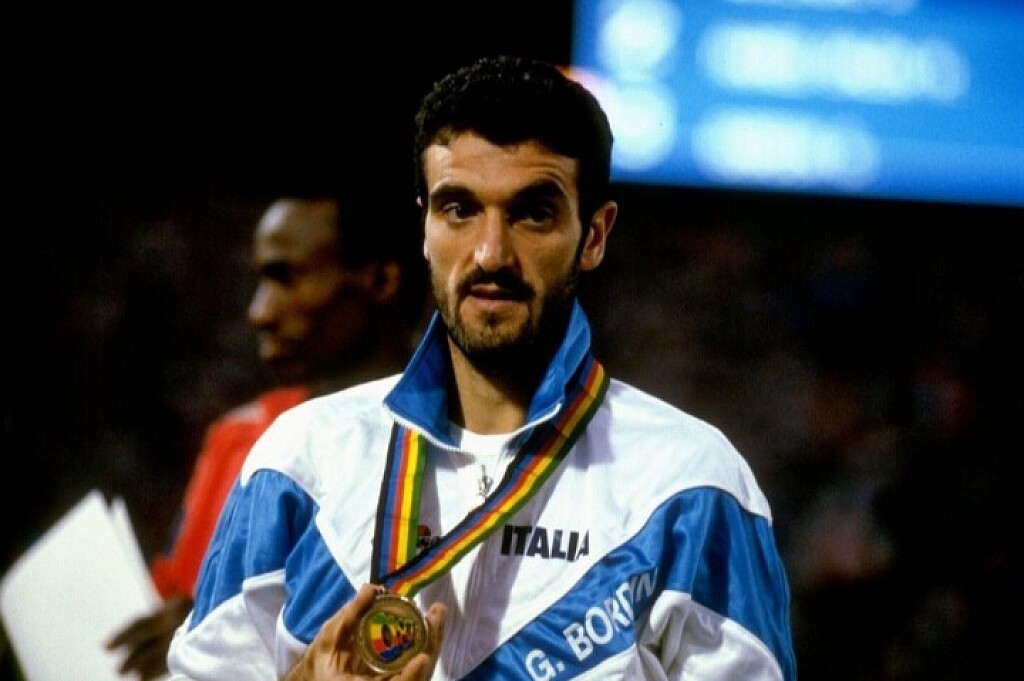
Gelindo Bordin: The Quiet Runner Who Chased Down Immortality
Not every sporting legend arrives wrapped in noise and spectacle. Some emerge gradually, almost unnoticed at first, built not on flamboyance but on resilience, discipline, and an unshakable belief in endurance. That was the essence of Gelindo Bordin — a man whose greatness unfolded not in dramatic declarations, but stride by stride across the unforgiving roads of marathon racing.
Long before Olympic glory found him, Bordin was simply a determined young runner from Vicenza, training with little indication that history was quietly preparing a place for his name. There was nothing theatrical about his rise. His running carried a calm rhythm, patient and controlled, yet beneath that composure lived a relentless competitive spirit waiting for the right stage to reveal itself.
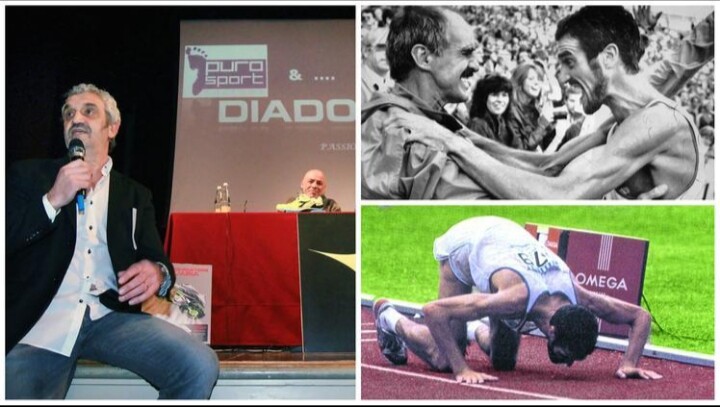
That revelation began in earnest at the 1986 European Championships in Stuttgart. The marathon unfolded like a battle of endurance against fatigue, and Bordin mastered it with remarkable maturity. He did not dominate through reckless aggression; instead, he absorbed the suffering better than everyone else. As rivals faded in the closing stages, the Italian surged toward gold, announcing himself as one of the finest marathon runners of his generation.
A year later came another defining examination at the 1987 World Championships in Rome. The brutal heat transformed the race into a test of survival, punishing every tactical mistake. While others attacked too early, Bordin ran with restraint and intelligence, conserving both energy and composure for the decisive final kilometres. When exhaustion consumed the field after 35 kilometres, he moved forward with clinical precision, earning a hard-fought bronze medal that showcased not only physical strength, but extraordinary patience and tactical discipline.
Yet it was at the 1988 Olympic Games in Seoul where Gelindo Bordin elevated himself from elite athlete to eternal icon.
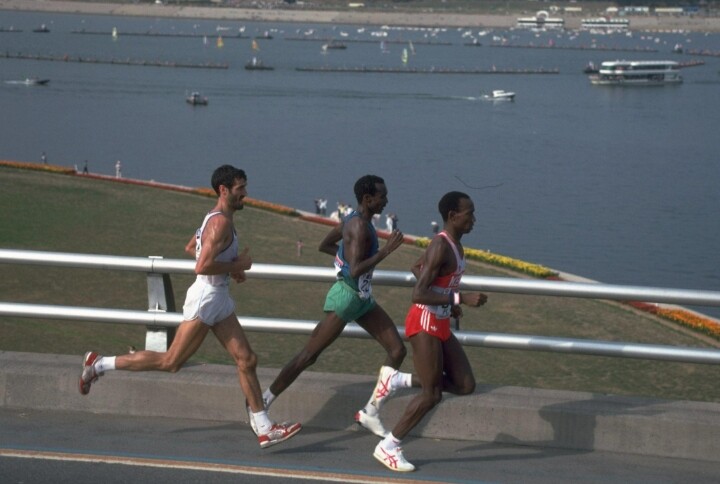
The Olympic marathon began cautiously, with Bordin sitting quietly among the leading pack, unreadable and composed. As the race intensified beyond the halfway mark, the contenders gradually separated themselves from the rest. By the closing stages, only three men appeared capable of winning Olympic gold: Bordin, Kenya’s Douglas Wakiihuri, and Djibouti’s Ahmed Salah.
Then came the moment that seemed to decide the race.
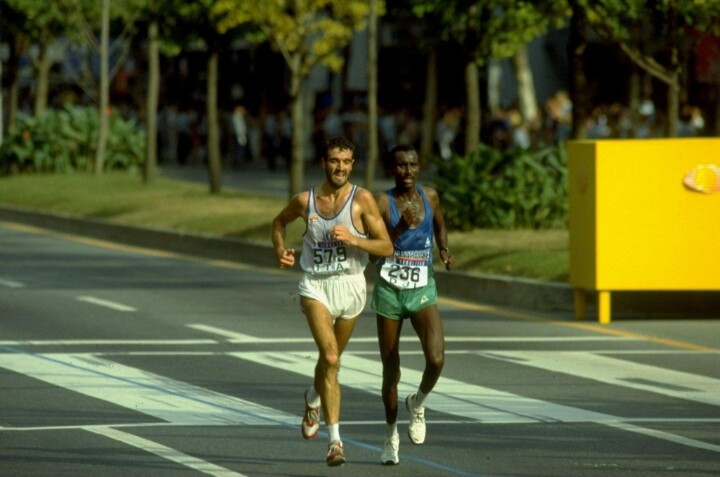
Ahmed Salah launched a ferocious acceleration, dragging Wakiihuri with him and opening a painful gap on the Italian. The marathon appeared settled. Spectators believed Bordin was fading toward bronze, honourable but beaten. The leaders looked gone.
But greatness often reveals itself in the darkest kilometres of a marathon.
Somewhere inside the agony of those final moments, Bordin discovered reserves that defied logic. He began clawing his way back with astonishing determination, reducing the gap metre by metre. First he reeled in Wakiihuri. Then he hunted down Salah himself. And once he surged into the lead, there was no hesitation left in him.
With less than a kilometre remaining, Gelindo Bordin was no longer merely competing for victory — he was running into history.
He crossed the finish line as Olympic champion, becoming the first Italian ever to win Olympic gold in the marathon. It remains one of the most courageous comeback victories the event has ever witnessed, a masterpiece forged through patience, timing, and refusal to surrender.
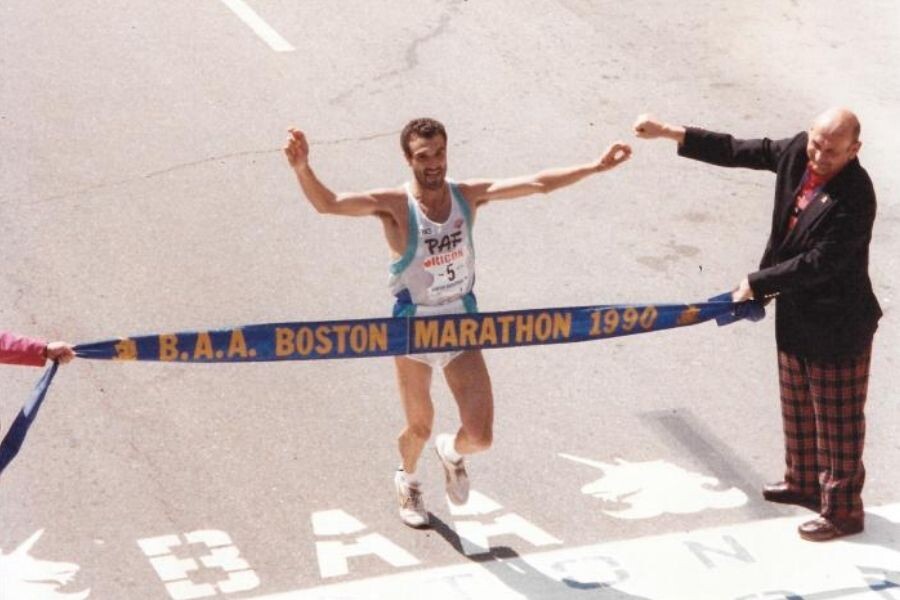
Bordin’s excellence did not end in Seoul. In 1990, he defended his European marathon title, becoming the first athlete in history to achieve that feat. That same year, he conquered the legendary Boston Marathon, a triumph he later described as the second-greatest performance of his career. Battling cold winds and the relentless demands of the Boston course, he delivered another unforgettable display of strength and tactical brilliance.
To this day, Gelindo Bordin remains the only athlete ever to win both the Olympic marathon and the Boston Marathon — a distinction that elevates his legacy into truly rare territory.
Like every great endurance athlete, however, his journey eventually encountered heartbreak. Tokyo brought disappointment. Barcelona in 1992 brought something even more painful: a groin injury that shattered his hopes of defending his Olympic crown midway through the race. Soon after, Bordin stepped away from professional competition.
His retirement carried the same quiet dignity that had defined his running career. He did not leave the sport defeated. He left it complete.
What endures most about Gelindo Bordin is not merely the medals or records, but the spirit behind them. His story is a timeless reminder that patience can become a weapon, that resilience often matters more than spectacle, and that the calmest competitors sometimes produce the loudest echoes in sporting history.
In an era that often celebrates noise, Gelindo Bordin proved that true greatness can still arrive in silence — and run straight into immortality.
(05/09/2026) ⚡AMPby Erick Cheruiyot for My Best Runs.
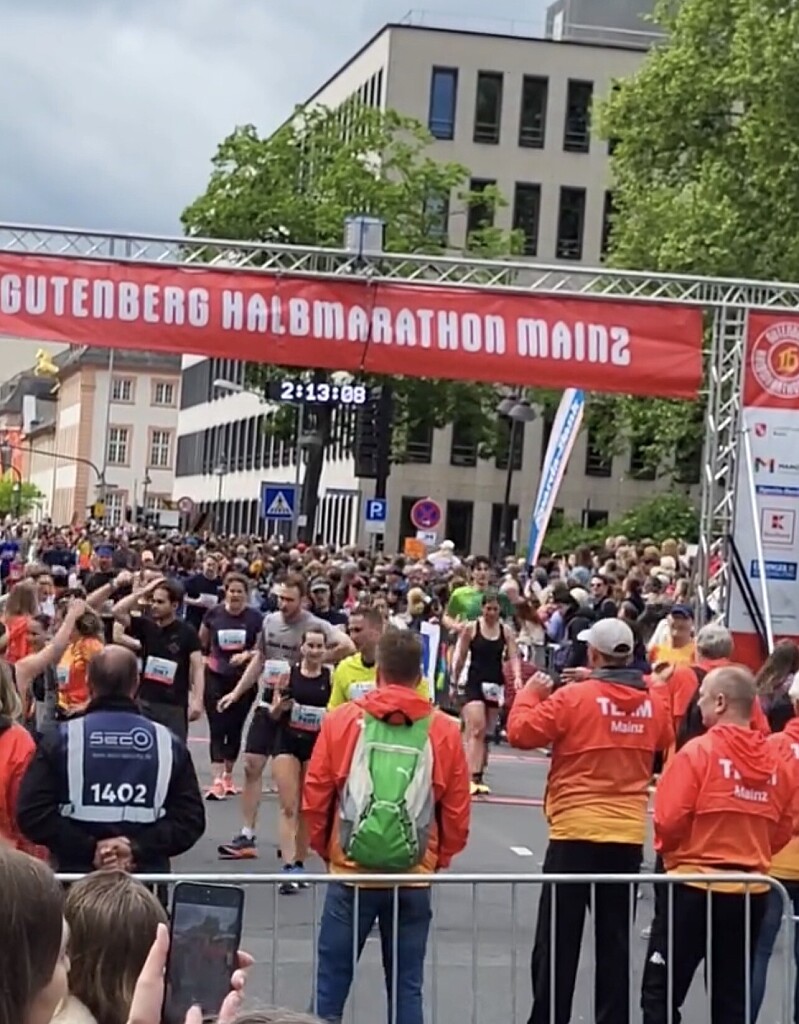
Dennis Kipkogei Headlines Strongest-Ever Field at Gutenberg Mainz Half Marathon
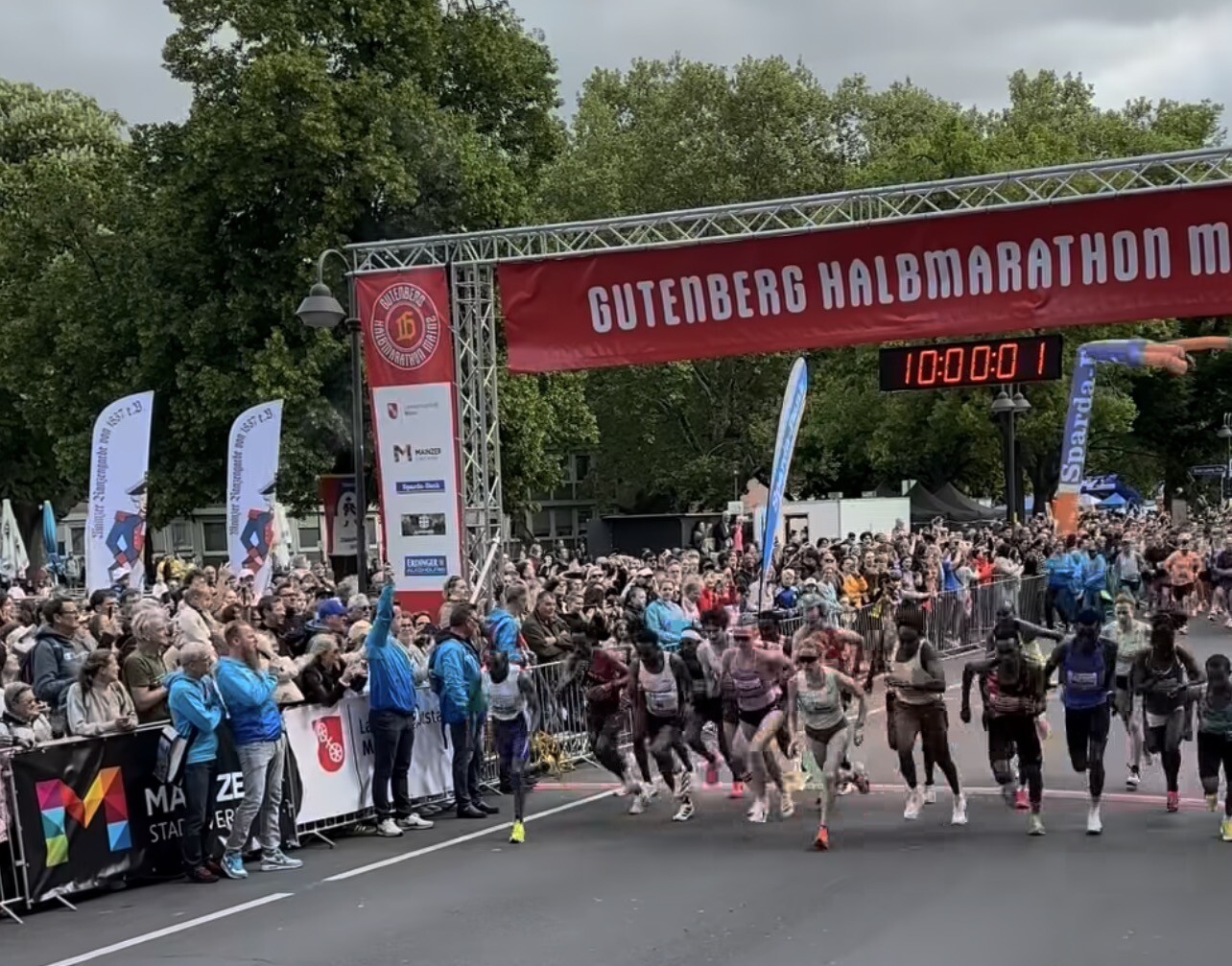
All eyes will be on Kenya’s rising star Dennis Kipkogei at Sunday’s Gutenberg Mainz Half Marathon, where the 24-year-old newcomer could make history in only his second race outside Kenya.
Kipkogei turned heads six weeks ago at the Berlin Half Marathon when he was assigned pacemaking duties for German record holder Amanal Petros. Instead of stepping aside late in the race, the Kenyan surged to the front in the closing stages and nearly claimed victory. His stunning 59:11 personal best from Berlin makes him the fastest man in the Mainz field, and organizers believe the race could produce its first-ever sub-one-hour winning performance.
“We have the strongest field ever assembled in Mainz. Our minimum target is to break both course records. In the men’s race there is a good chance that we will see a sub one hour winning time,” said elite field coordinator Philipp Kopp.
The event itself continues to grow rapidly. In just two years, participation in the half marathon has more than doubled—from 6,156 to 12,960 runners. Race director Jo Schindler has overseen a major transformation of the event, shifting the focus away from the marathon distance and building the race into one of Germany’s premier half marathons.
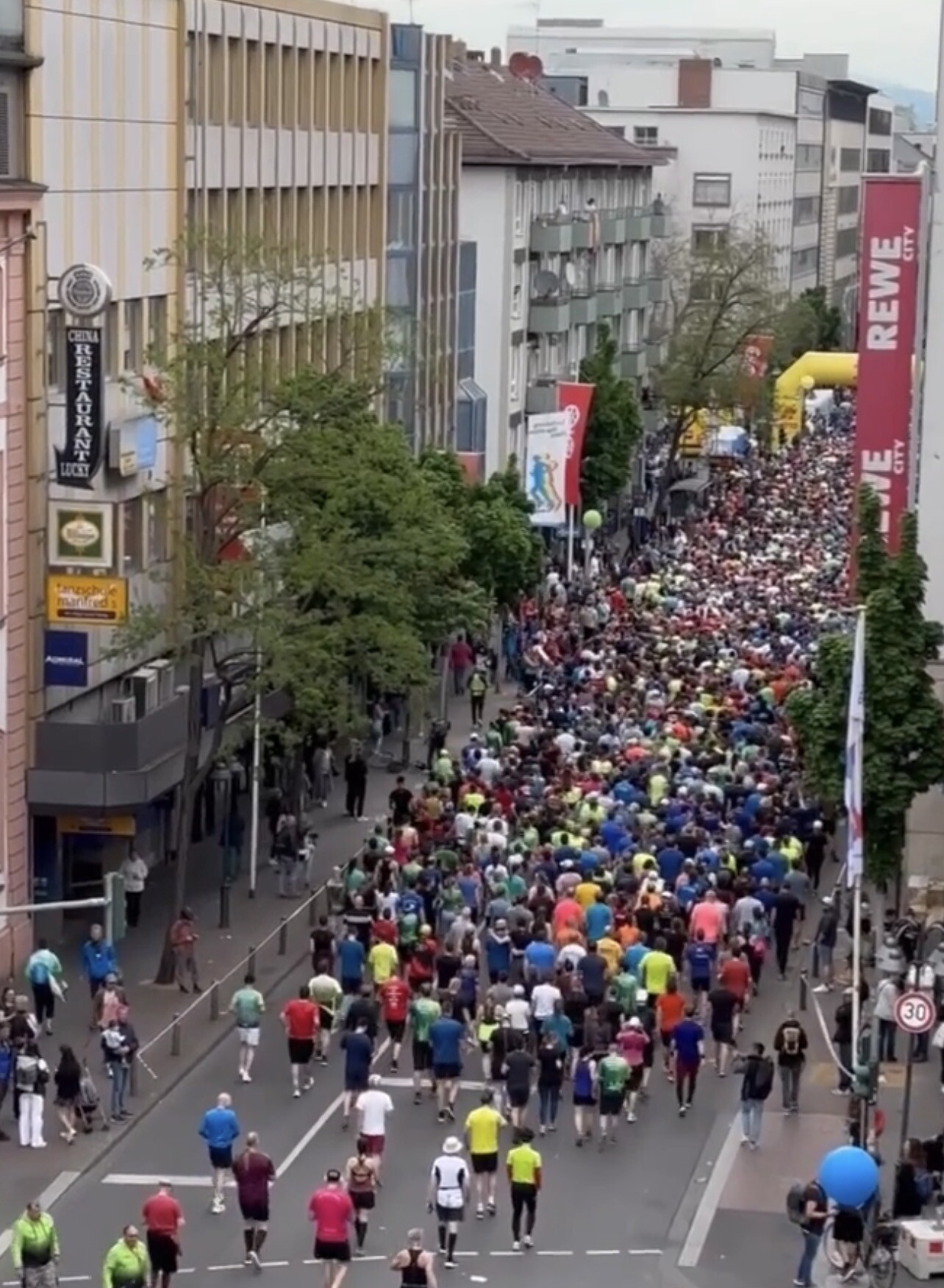
The Gutenberg Mainz Half Marathon is now regarded as Germany’s second-fastest race over the distance behind only Berlin.
Defending champion James Matelong returns after winning last year in a course record 60:50, which still stands as his personal best. But defending his title will be anything but easy. At least six fellow Kenyans in the field have already run faster.
Kipkogei enters as the clear favorite, especially with no pacemaking responsibilities this time around. The Kenyan, who trains under renowned Italian coach Renato Canova, believes another sub-60 performance is within reach.
“My shape is not bad, training was going well as usual,” said Kipkogei. “If weather conditions are fine I intend to run sub 60:00 again.”
Another athlete capable of breaking the hour barrier is Jamal Kiprono, who won the Venlo Half Marathon earlier this year in 59:55.
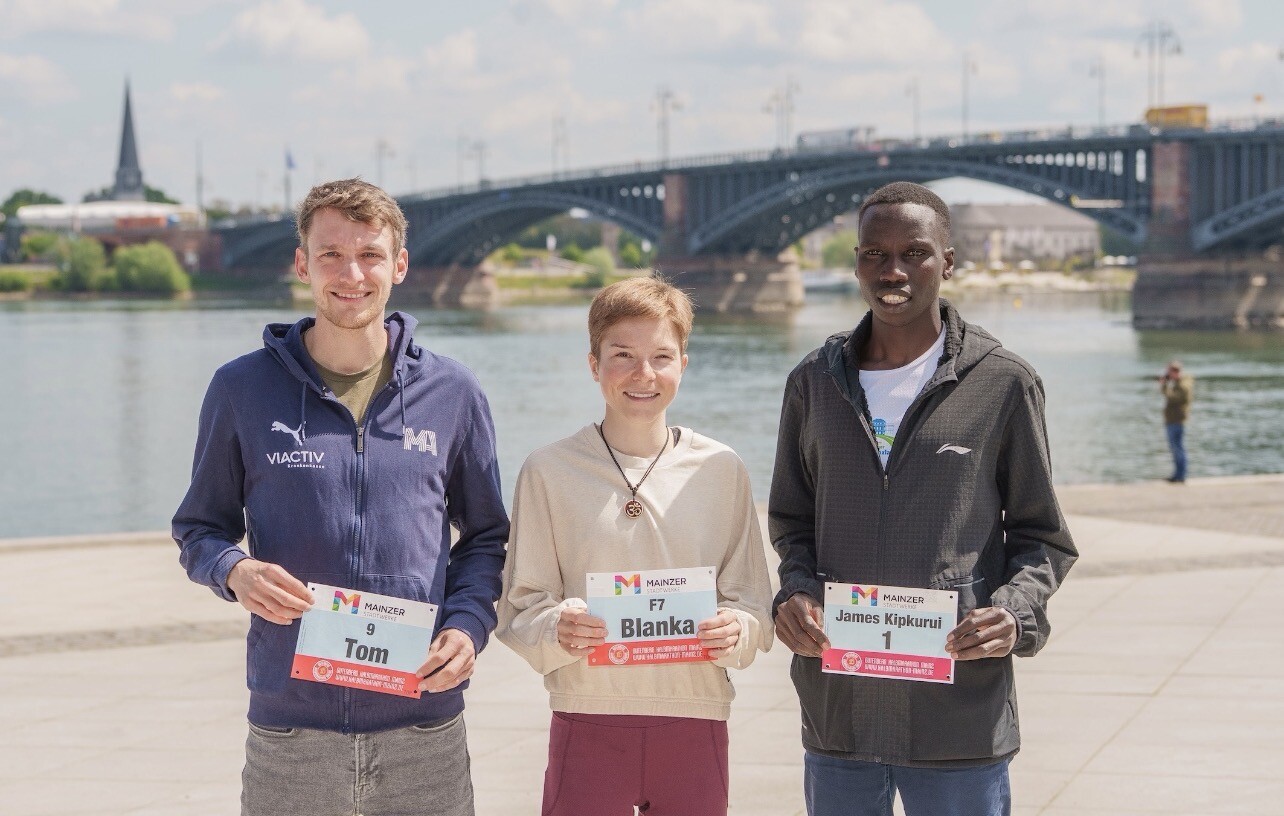
Germany’s top hope will likely be Tom Thurley. Four weeks ago he captured the German Marathon Championship in Hannover with a personal best of 2:11:02. Thurley owns a half marathon best of 63:56 and is targeting another breakthrough performance in Mainz.
“I will try to improve my PB. I know that it is possible to run fast in Mainz,” said Thurley.
The women’s race is equally loaded. Kenya’s Beatrice Cheserek leads the field with a personal best of 66:48, making her one of two women entered under the current course record of 68:52. Cheserek ran her PB while winning the Cardiff Half Marathon in 2022 and recently lowered her marathon best to 2:21:56 with a runner-up finish in Seville.
Fellow Kenyan Orba Chemurgor owns a 67:56 best from Ravenna last year and is another strong contender. Last year’s Mainz runner-up Rency Kogo returns with a personal best of 69:04 from this race.
Germany’s leading woman is Blanka Dörfel. The 24-year-old ran 69:46 in Berlin last year and arrives in Mainz fresh off winning the German 10,000-meter title.
“I prefer road running and look forward to racing in Mainz,” said Dörfel. “I am not quite sure what time I will be able to run. But my watch tells me I can achieve a sub 68:30.”
(05/08/2026) ⚡AMPby Race News Service
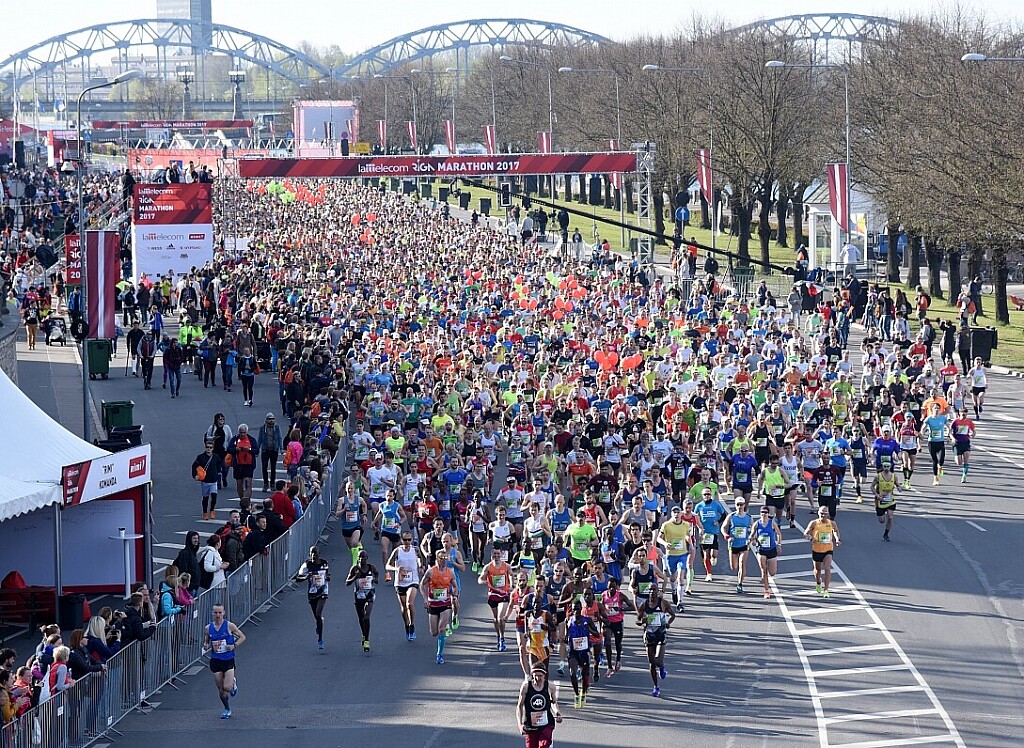
Riga Ready for a World-Class Half Marathon Spectacle as Elite Men and Women Prepare for Epic 21km Battle
The stage is set for an unforgettable day of road racing as the Rimi Riga Marathon prepares to host one of the strongest elite half marathon fields in its history on May 17, 2026. With international stars from Kenya, Ethiopia, Uganda, Tanzania, Germany, and Japan confirmed for the 21km showdown, the streets of Riga are expected to witness a breathtaking display of endurance, tactical brilliance, and raw speed.
The men’s field is packed with proven sub-one-hour performers capable of producing a blistering pace from the opening kilometers. Kenya’s Robert Kiprop Koech and James Kipkogei headline a powerful Kenyan challenge after recording personal bests of 59:51 and 59:31 respectively. Both athletes arrive in Riga carrying the reputation of fearless racers with the ability to dominate fast-paced road contests.
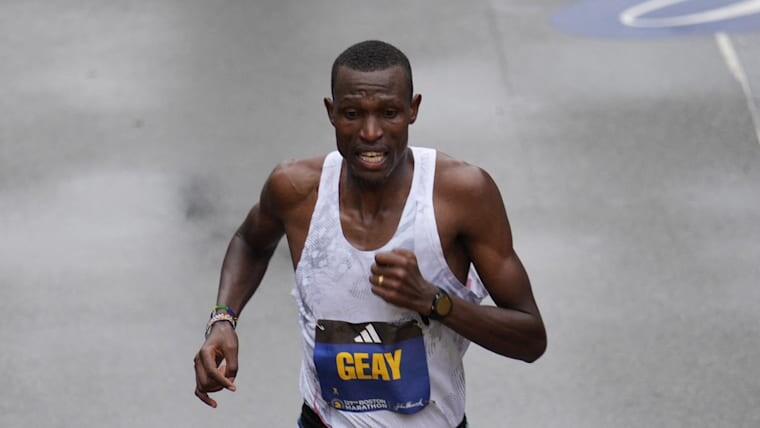
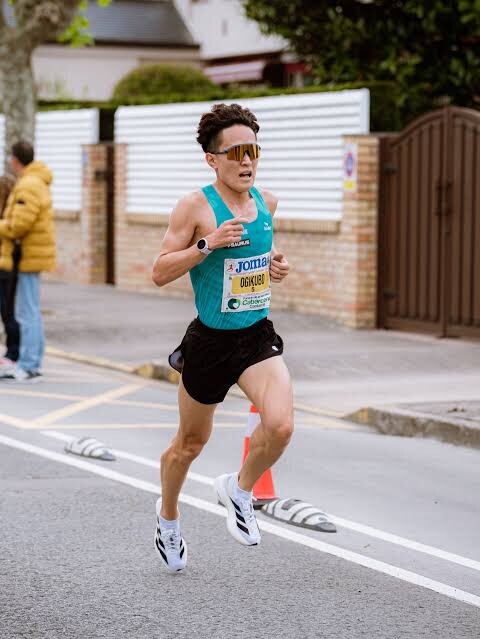
Tanzania’s Gabriel Gerald Geay adds even greater depth to the lineup. With a personal best of 59:18 and years of experience competing against the world’s best, Geay remains one of the strongest contenders for victory. Kenya's Alfred Kipchirchir Mukche and Charles Mbatha Matata are also expected to play major roles, while Japan’s Tomoya Ogikubo brings international flair and tactical discipline to the elite contest.
Equally captivating will be the women’s race, where some of the world’s finest distance runners are preparing for a fierce battle over 21 kilometers. Leading the field is Kenya’s Sharon Lokedi, the two-time Boston Marathon champion whose rise among the sport’s elite has been extraordinary. Renowned for her calm racing style and devastating finishing kick, Lokedi enters Riga as one of the headline attractions of the entire event.
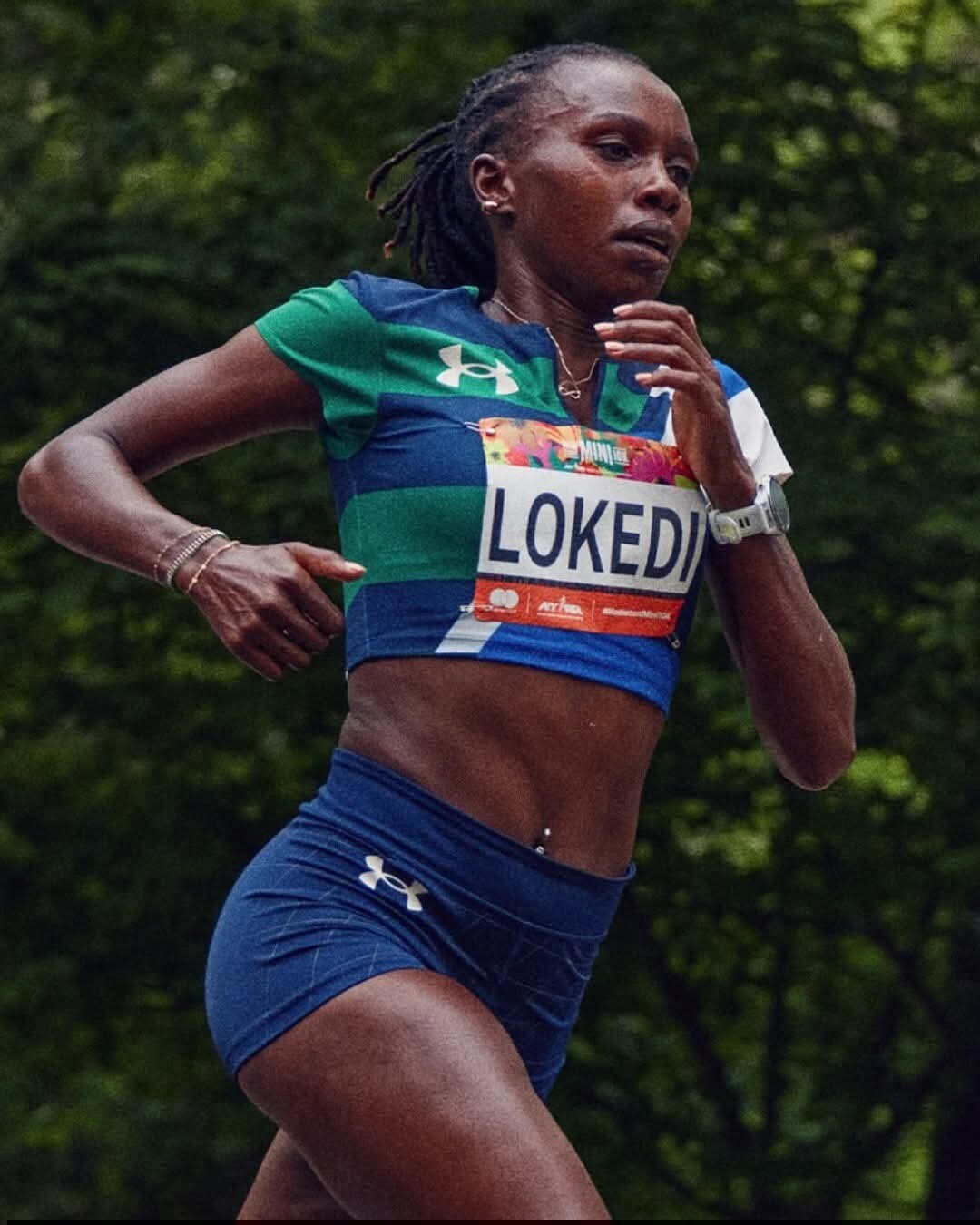
Ethiopia’s challenge will be spearheaded by Ejgayehu Taye, the World Road Running Championships bronze medallist who previously impressed in Riga during the 2023 championships. Her ability to sustain relentless pace deep into races makes her a major threat for the title. Ethiopia will also rely on rising stars Diniya Abaraya and Bertukan Welde, two athletes widely regarded as future stars of global road running.
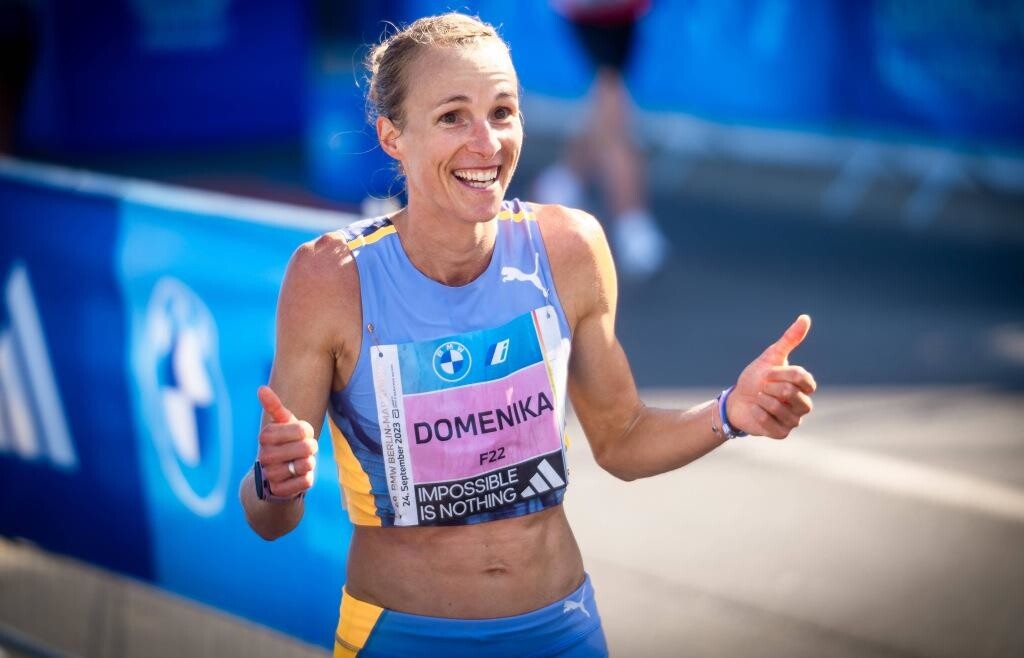
Uganda’s Stella Chesang further strengthens the women’s lineup with her championship pedigree and proven consistency on both the track and roads. Meanwhile, Germany’s Domenika Mayer will carry European hopes as the defending Riga Marathon champion and national record holder. Her experience on the Riga course could provide a crucial advantage against such a deep international field.
With elite champions, global medallists, and emerging talents all converging in Latvia, anticipation for the 2026 Rimi Riga Half Marathon continues to soar. Both the men’s and women’s races promise uncompromising competition where every second will matter, and where victory may only be decided in the dramatic closing stages.
As race day approaches, Riga is preparing not just for another marathon weekend, but for a landmark celebration of world-class road running that could deliver some of the fastest and most memorable performances of the season.
(05/08/2026) ⚡AMPby Erick Cheruiyot for My Best Runs.

Lattelecom Riga Marathon
If you have never been to Riga then, running a marathon or half-marathon could be a good reason to visit one of the most beautiful cities on the Baltic Sea coast. Marathon running has a long history in Riga City and after 27 years it has grown to welcome 33,000 runners from 70 countries offering five race courses and...
more...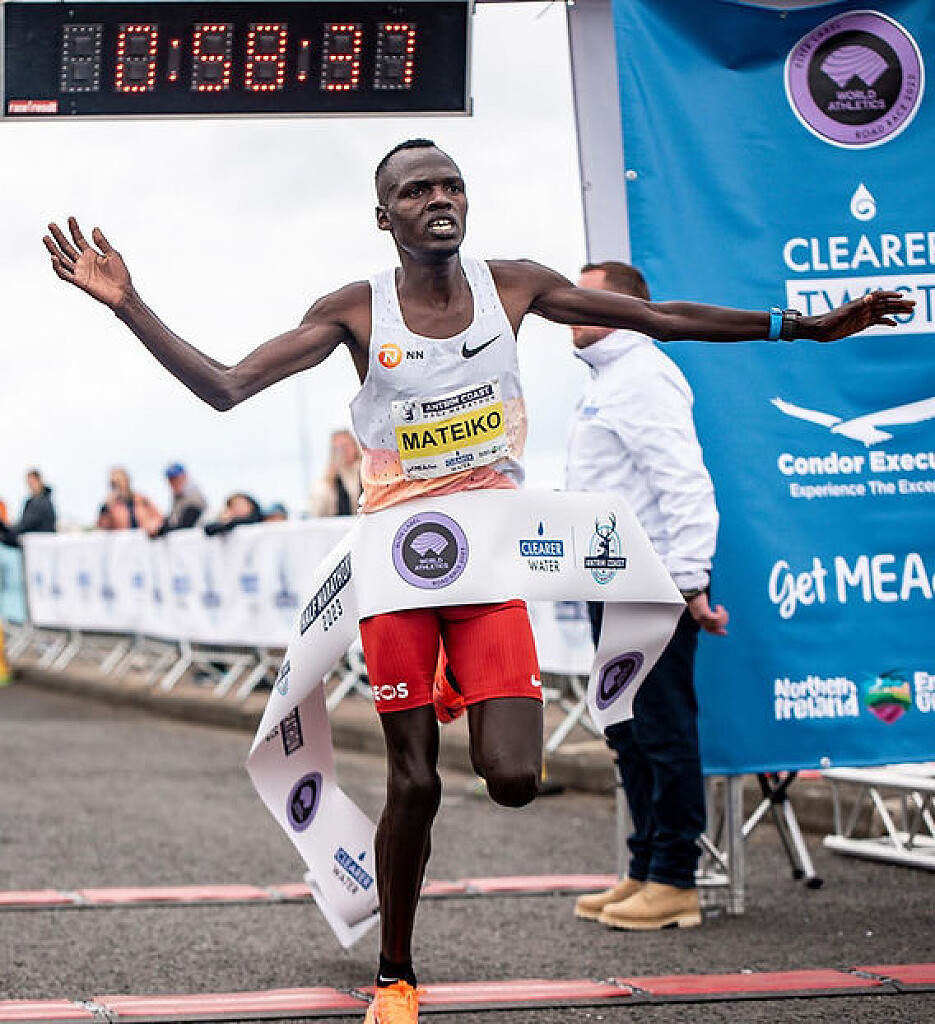
Isaia Lasoi, Mateiko and Azimeraw Lead Loaded Antrim Coast Half Marathon Fields
The stunning Causeway Coast is set for another afternoon of world-class road racing as the 2026 edition of the Antrim Coast Half Marathon unveils a powerful elite field packed with proven speed, championship pedigree and rising stars hungry for a breakthrough performance.
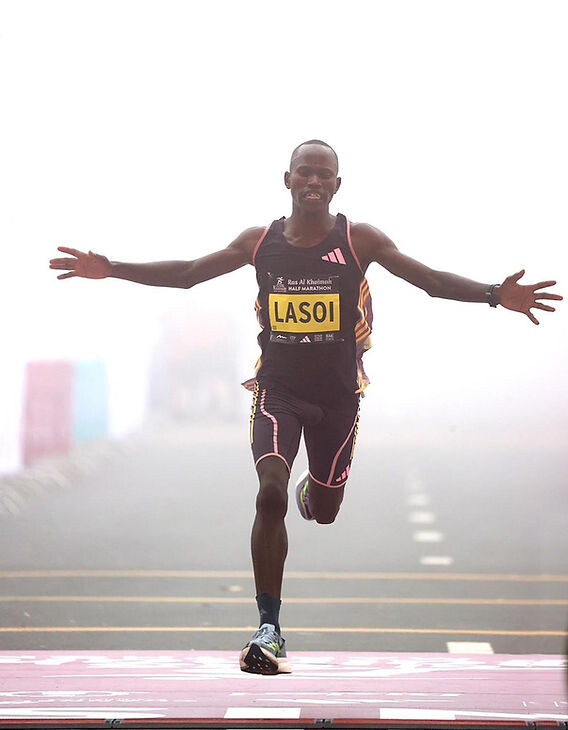
Scheduled for 23 August, the race continues to strengthen its reputation as one of the fastest and most competitive half marathons on the international calendar, attracting some of the finest distance runners from Kenya, Ethiopia and Great Britain.
Leading the men’s field is Kenya’s Isaia Lasoi, who arrives with a blistering personal best of 58:10 — a mark that instantly places him among the favourites for victory. Lasoi’s fearless front-running style and impressive consistency over the distance make him a serious contender on the fast coastal course.
He will face strong opposition from compatriot Daniel Mateiko, the 58:17 performer whose reputation continues to rise on the global road racing scene. Mateiko possesses devastating finishing speed and tactical intelligence, qualities that could prove decisive if the contest develops into a late-race battle.
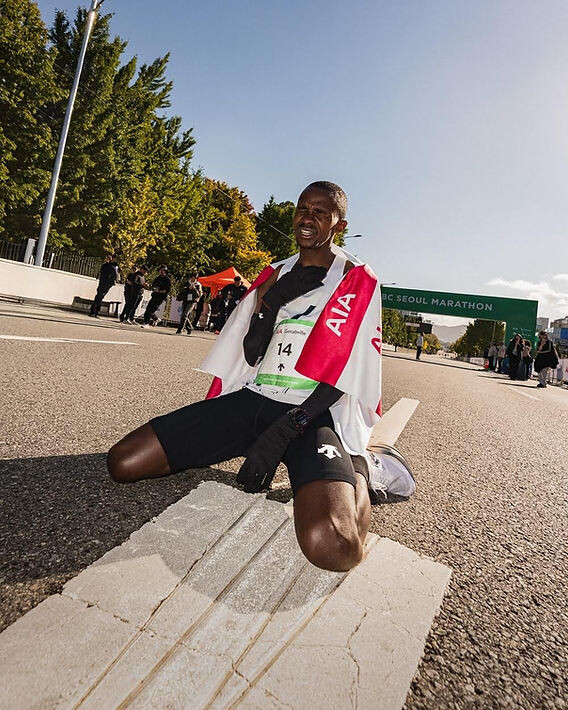
Another major name confirmed is Edward Cheserek, one of the most decorated collegiate athletes in history. Cheserek owns a personal best of 59:11 and remains a dangerous competitor whenever he steps onto the roads. His experience at the highest level adds further depth to an already loaded men’s lineup.
Also entered is Kenya’s promising Little Nick Kitundu, who continues to build momentum in his professional career and will be aiming to produce a career-defining performance against such elite opposition.
The women’s race is equally compelling and could deliver one of the standout performances of the meeting.
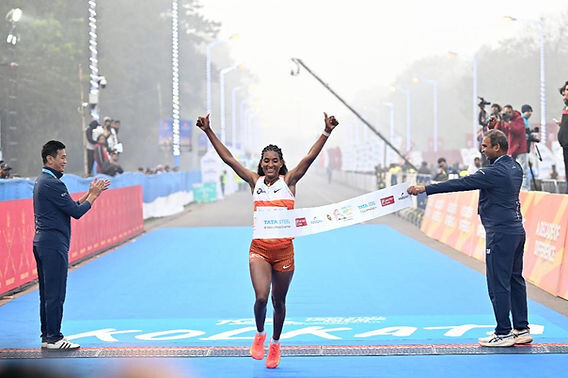
Ethiopia’s Degitu Azimeraw headlines the field with a superb personal best of 1:06:07. Known globally for her strength in the marathon, Azimeraw brings enormous experience and proven championship composure to the Antrim Coast roads. Her transition back to the half marathon distance will be one of the most anticipated storylines of the event.
Kenya’s Mercy Chepwogen is expected to provide a fierce challenge after clocking 1:06:32, establishing herself among the strongest road racers in the region. With both women possessing comparable credentials, the battle for victory could develop into a thrilling head-to-head contest.
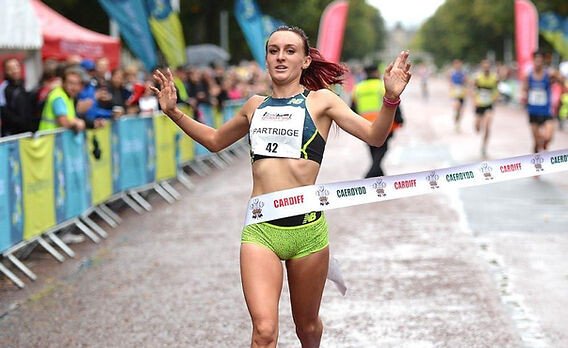
Home hopes will rest on Britain’s Lily Partridge, whose experience and resilience make her a dangerous competitor on familiar roads. The British athlete will undoubtedly enjoy passionate local support as she lines up against the East African stars.
Over recent years, the Antrim Coast Half Marathon has rapidly evolved into one of Europe’s premier road races, combining breathtaking scenery with exceptionally fast racing conditions. The event’s growing international reputation continues to attract elite athletes chasing personal bests, records and major victories.
With multiple sub-59-minute men, proven global contenders and an elite women’s field capable of producing world-class times, this year’s edition promises another unforgettable showcase of distance running excellence along Northern Ireland’s spectacular coastline.
(05/07/2026) ⚡AMPby Erick Cheruiyot for My Best Runs.
MEA ANTRIM COAST HALF MARATHON
The MEA Antrim Coast Half Marathon 2022 has been approved by World Athletics as an Elite Event. The World Athletics certified course takes in some of the most stunning scenery in Europe, combined with some famous landmarks along the route. With it's flat and fast course, the race is one of the fastest half marathons in the world. Starting...
more...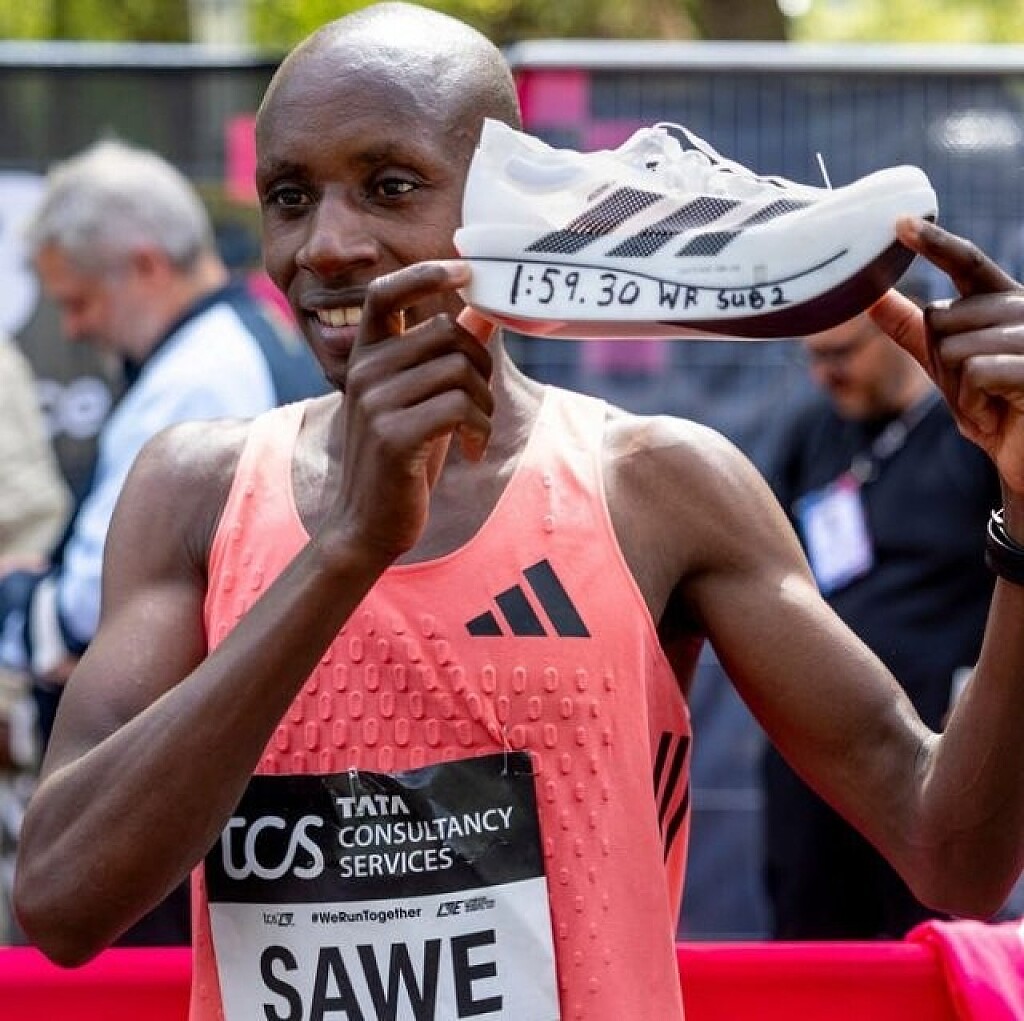
The Day Marathon Running Changed Forever: Sabastian Sawe Crowned April’s Best
Kenya’s Sabastian Sawe has been named the April Athlete of the Month by World Athletics following one of the most extraordinary performances ever witnessed in distance running.
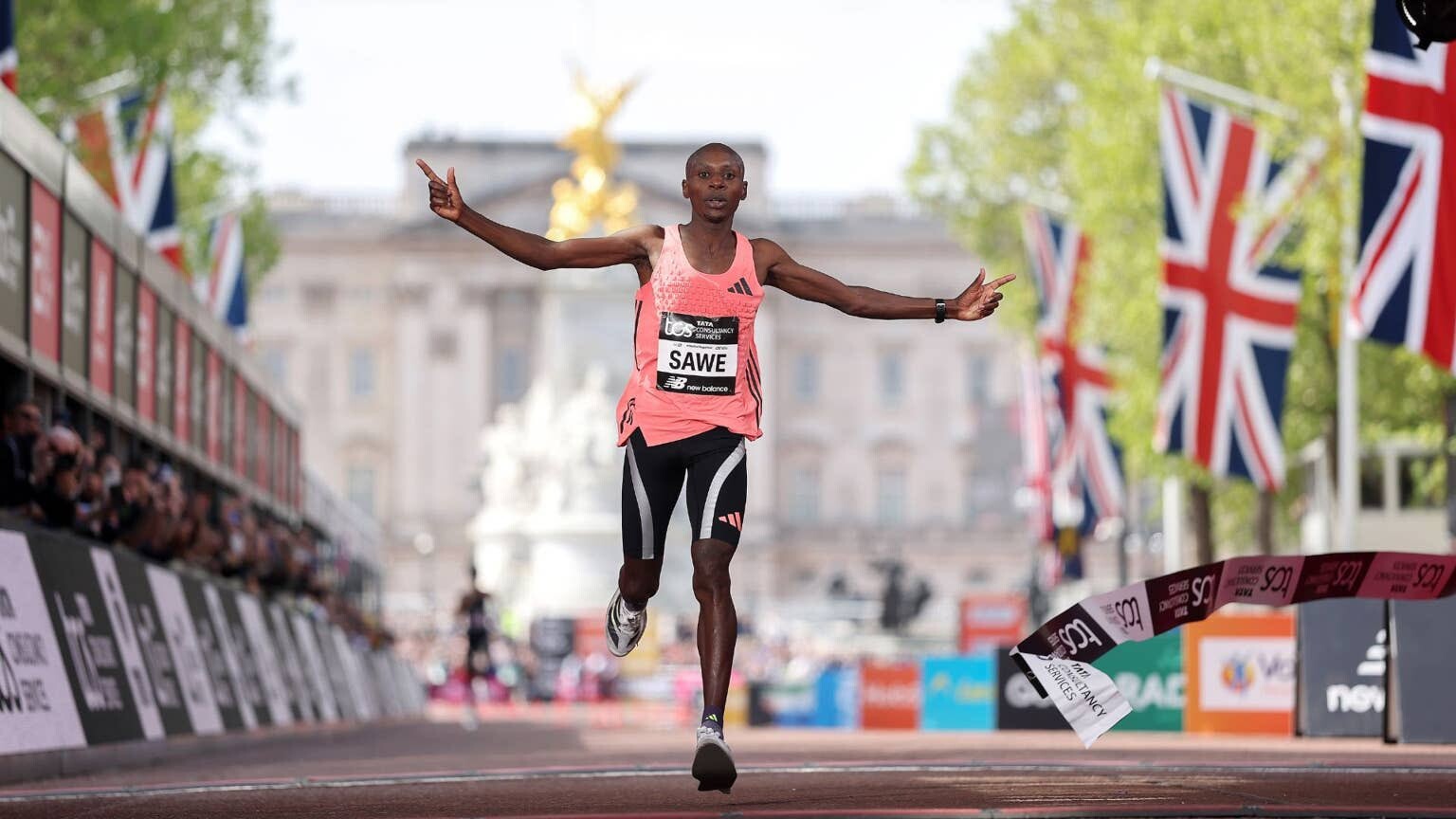
The Kenyan sensation captured global attention after delivering a breathtaking run at the London Marathon, where he shattered the limits of human endurance by clocking an astonishing 1:59:30 to become the first athlete in history to officially break the two-hour barrier in the marathon.
In a race that will forever be remembered as a defining moment in athletics, Sawe combined fearless pacing, remarkable composure and relentless strength across the 42.195km distance to rewrite the record books. The historic performance not only secured him victory on one of the world’s biggest marathon stages, but also elevated him into a new realm of sporting greatness.
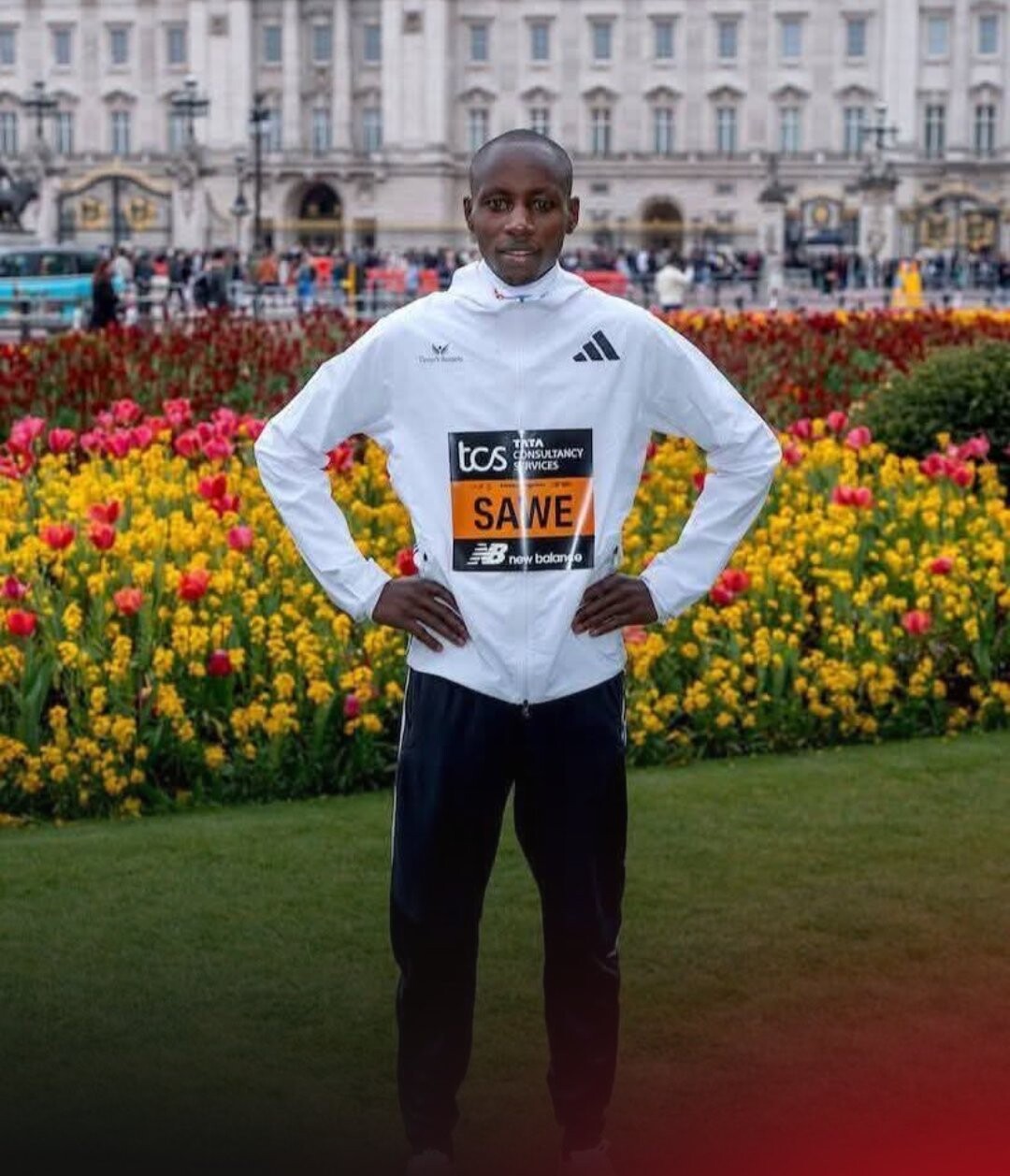
For decades, the sub-two-hour marathon was viewed as one of the final frontiers in athletics — a mark many believed would take years, perhaps generations, to conquer under official race conditions. Yet on the streets of London, Sawe turned what once seemed impossible into reality.
The achievement sparked celebrations across Kenya and throughout the global athletics community, with fans, athletes and analysts hailing the run as one of the greatest endurance performances of all time. His recognition as April Athlete of the Month reflects both the magnitude of the record and the inspiration it delivered to millions around the world.
Sawe’s rise continues to symbolize Kenya’s enduring dominance in long-distance running, adding another remarkable chapter to the nation’s rich marathon legacy. But beyond the medals and records, his performance represented something even greater — the power of ambition, belief and the courage to challenge human limits
At just the right moment, under the eyes of the world, Sabastian Sawe did not simply win a marathon. He changed the history of the sport forever.
(05/07/2026) ⚡AMPby Erick Cheruiyot for My Best Runs.
Breaking2: The Day Nike and Eliud Kipchoge Changed Marathon History Forever
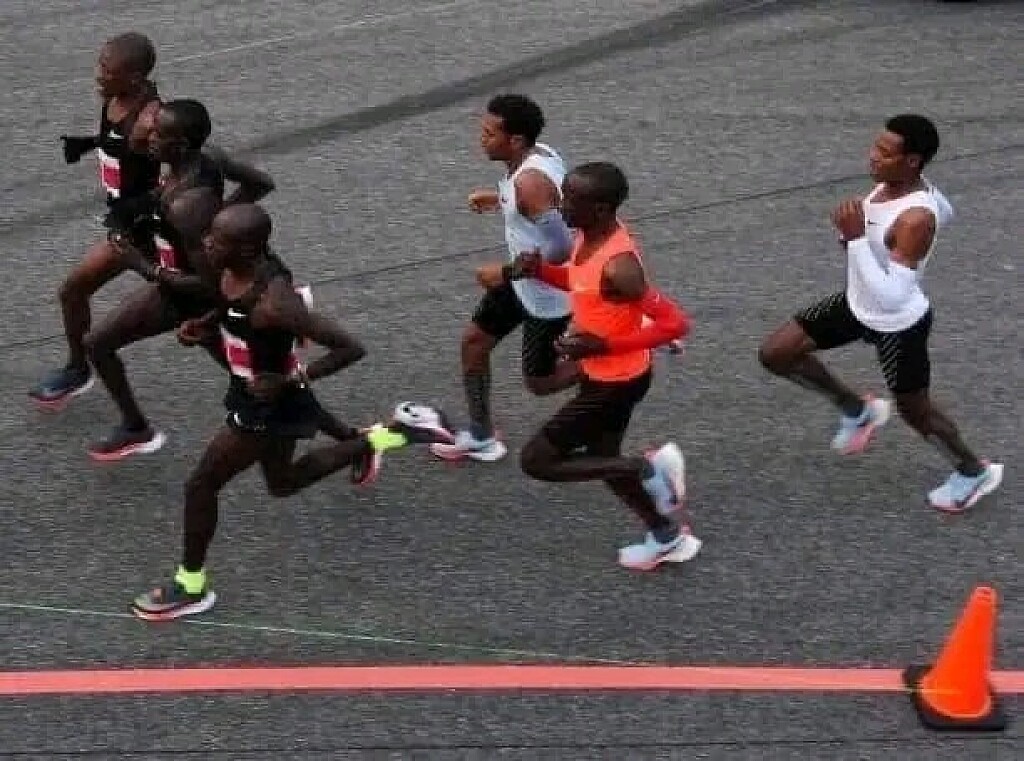
On May 6, 2017, the world witnessed one of the boldest and most revolutionary experiments ever attempted in distance running. Under the ambitious Nike Breaking2 project, three elite athletes lined up with a single mission that many believed was impossible — to run a marathon in under two hours.
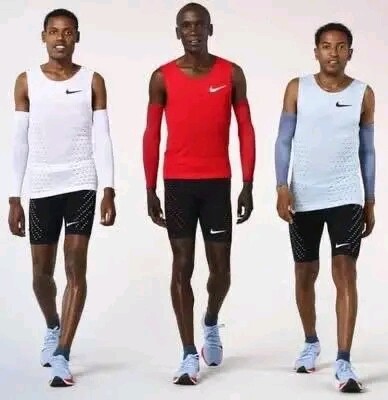
At the time, the official marathon world record stood at 2:02:57, and shaving nearly three minutes from that mark seemed beyond human limits. But Nike was not simply organizing a race. Breaking2 was designed as a complete scientific and athletic operation, bringing together advanced sports technology, physiology, pacing strategy, nutrition, and environmental optimization in pursuit of history.
The challenge took place at the Monza Formula One circuit in Italy, where conditions were carefully selected to maximize speed. Rotating pacemakers shielded the runners from wind resistance, hydration was delivered while moving, and every detail — from temperature and race rhythm to training models and recovery — was analyzed with precision.
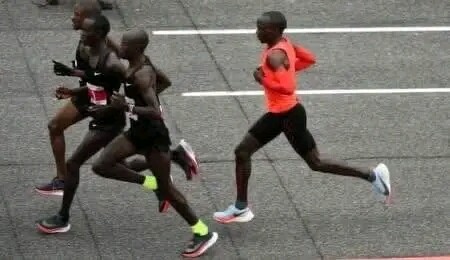
Although the event was not recognized as an official world record attempt because of the rotating pacemakers and mobile aid delivery, it became one of the defining moments in modern athletics.
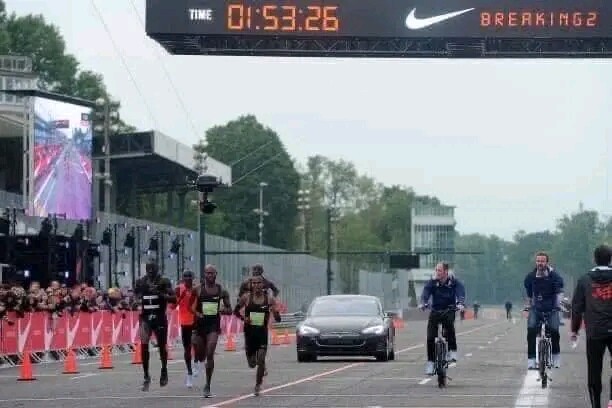
At the center of it all stood Eliud Kipchoge.
The Kenyan superstar produced a performance that stunned the sporting world, crossing the line in an astonishing 2:00:25 — just 25 seconds short of the mythical barrier. Remarkably, he missed the target by roughly one second per mile, proving just how close humanity had come to redefining endurance sport forever.
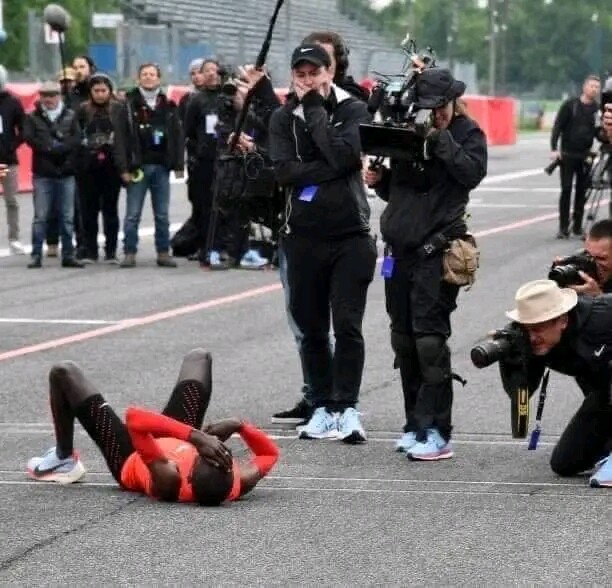
What made Kipchoge’s run even more extraordinary was the calmness and control he displayed throughout the attempt. While the pace demanded near perfection for two straight hours, he maintained remarkable composure, turning the final laps into an unforgettable moment of belief and resilience.
Years later, Kipchoge would finally complete the mission by running under two hours at the INEOS 1:59 Challenge in Vienna, cementing his legacy as the greatest marathon runner of all time. But Breaking2 was the foundation. It was the experiment that shifted human imagination.
The other two athletes in the challenge — Zersenay Tadese and Lelisa Desisa — also delivered courageous performances, though both finished outside the sub-two-hour mark despite all the optimizations provided.
Final Results
1. Eliud Kipchoge — 2:00:25
2. Zersenay Tadese — 2:06:51
3. Lelisa Desisa — 2:14:10
Beyond the stopwatch, Breaking2 transformed the entire sport. The project introduced the revolutionary Nike Zoom Vaporfly Elite, featuring a curved carbon-fiber plate combined with highly responsive Pebax foam cushioning. That innovation sparked the modern “super shoe” era that has since reshaped road racing and distance running worldwide.
For decades, marathon racing shoes were designed to be thin and lightweight with minimal cushioning. Breaking2 changed that philosophy completely. Suddenly, athletes could run with greater energy return, more protection, and increased efficiency without sacrificing speed. The impact has been so profound that marathon performances across the globe have entered an entirely new era.
More importantly, Breaking2 proved something deeper about sport itself: even with cutting-edge technology, ideal pacing, scientific preparation, and world-class talent, running a marathon at such extraordinary speeds remains one of the greatest physical achievements on Earth.
Nine years later, the images from Monza still feel iconic — the clock ticking toward two hours, the pacemakers rotating in formation, and Kipchoge surging toward the finish line with a smile that symbolized possibility itself.
Breaking2 was more than an event. It was the moment marathon running stepped into the future.
(05/06/2026) ⚡AMPby Erick Cheruiyot for My Best Runs.

A New Era for Sport in Kenya: Nike Opens Landmark Flagship Store in Nairobi
In a defining moment for Kenya’s sporting and retail landscape, global powerhouse Nike has officially unveiled its first-ever flagship store in Nairobi—a bold statement of intent that underscores the brand’s growing commitment to East Africa.
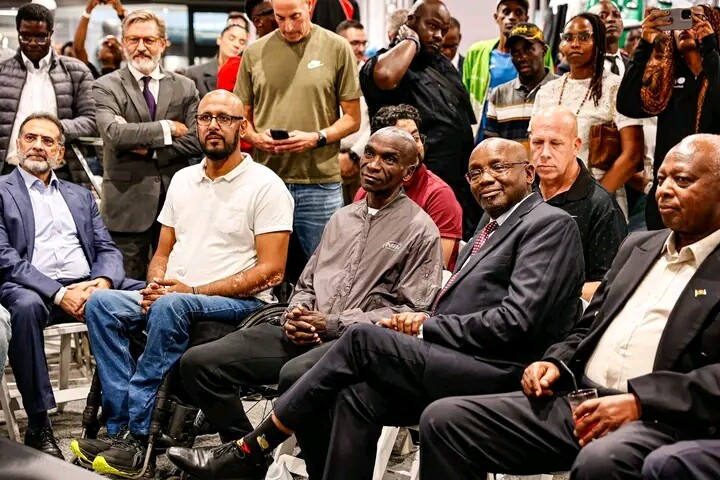
The grand opening was nothing short of symbolic. It brought together some of the most influential figures in Kenyan athletics, led by marathon icon Eliud Kipchoge, whose presence added both prestige and authenticity to the occasion. Also in attendance were Athletics Kenya President Lt. Gen (Rtd) Jackson Tuwei and Team Kenya’s First Deputy President Barnaba Korir—figures central to the country’s athletic success on the global stage.
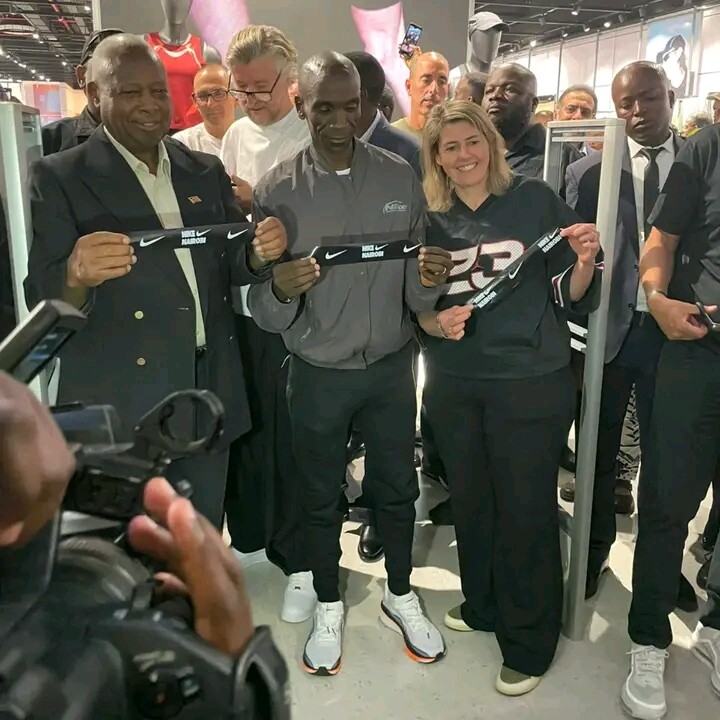
More than just a retail outlet, the new flagship store represents a strategic foothold for Nike in a region globally revered for its distance-running dominance. Nairobi, often regarded as the heartbeat of world-class endurance training, now hosts a space where elite performance meets everyday inspiration. The store is expected to serve not only professional athletes but also a rapidly growing community of fitness enthusiasts eager to align with world-class standards.

Nike’s move signals a deeper investment in Africa’s sporting ecosystem—one that goes beyond sponsorships and into infrastructure, accessibility, and brand presence. By planting its flag in Nairobi, the company is tapping into a rich well of talent, culture, and untapped commercial potential.
For Kenyan athletes and fans alike, this is more than a store opening—it is a powerful acknowledgment of the country’s enduring influence on global sport. And for Nike, it marks the beginning of a new chapter, written from the high-altitude roads and vibrant streets of Nairobi.
(05/06/2026) ⚡AMPby Erick Cheruiyot for My Best Runs.
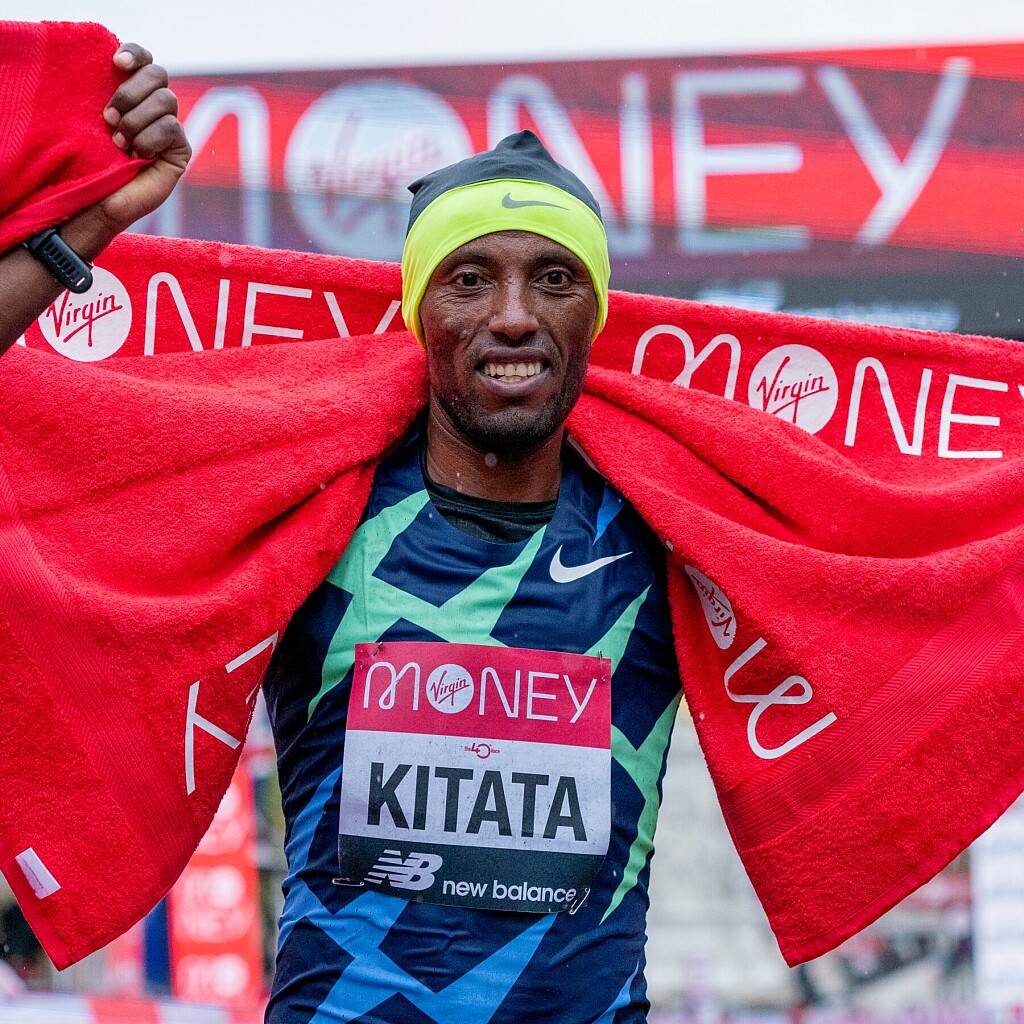
Clash of Continents: Kitata and Kibet Set the Stage for a Thrilling 2026 Ottawa Marathon
The 2026 edition of the Ottawa Marathon 2026 is shaping up to be a compelling showcase of global distance-running excellence, with a deep and fiercely competitive men’s elite field confirmed for May 24 in Ottawa. Headlining the race are Ethiopia’s Shura Kitata and Kenya’s Luke Kibet, two accomplished marathoners whose presence alone elevates the race into must-watch territory.
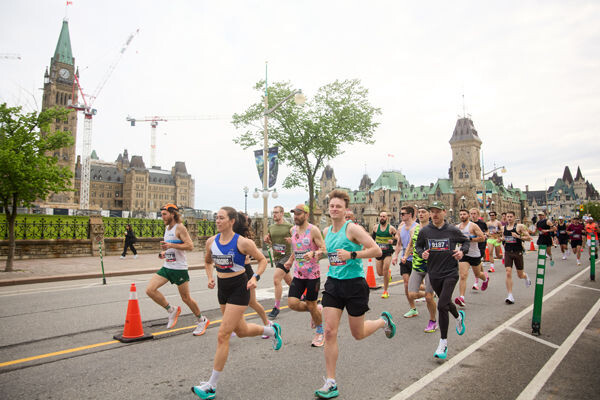
Kitata, boasting a personal best of 2:03:59, arrives as one of the fastest men in the field and a proven performer on the world stage. He shares that impressive mark with compatriot Asrar Hiyrden, underlining Ethiopia’s formidable strength at the front of the race. The East African nation further reinforces its dominance with a wave of depth, including Gebretsadik Abraha (2:06:16), Mulugeta Debasu (2:06:36), Gizealew Ayana (2:06:48), and Afewerk Mesfin (2:07:08), all capable of dictating a relentless early pace.
Kenya’s hopes will largely rest on the experienced shoulders of Kibet (2:08:45), alongside compatriots Elvis Cheboi (2:09:20) and Kipsambu Kimakal (2:09:41). While their personal bests may trail the leading Ethiopians on paper, Kenyan athletes are renowned for tactical intelligence and finishing strength—qualities that could prove decisive over the final kilometers.
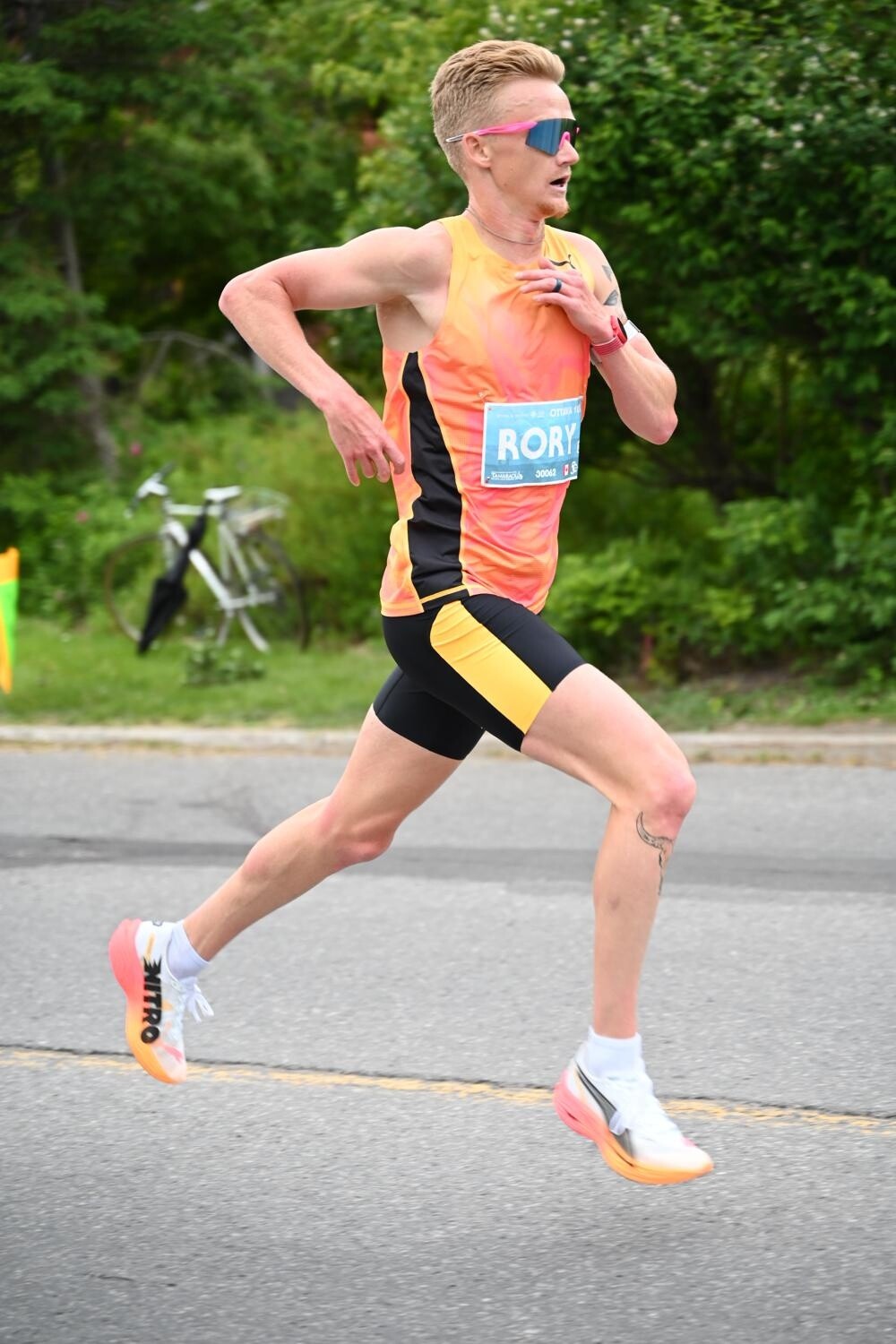
Adding a strong North American presence, Canada’s Rory Linkletter (2:06:04) will carry home expectations, aiming to challenge the East African dominance on familiar roads. The United States is also well represented, with Daniel Mesfun (2:08:24), Ben Rosa (2:09:47), and Elkanah Kibet (2:10:02) all bringing credible credentials into the contest.
With such a tightly packed field of sub-2:10 athletes, the race promises more than just a battle against the clock—it sets the stage for a tactical duel where patience, positioning, and precision will determine the outcome. Whether it unfolds as a fast, record-chasing affair or a strategic showdown decided in the closing stages, the 2026 Ottawa Marathon is primed to deliver drama, depth, and a truly international contest worthy of its growing prestige.
(05/06/2026) ⚡AMPby Erick Cheruiyot for My Best Runs.

Ottawa Marathon
As one of two IAAF Gold Label marathon events in Canada, the race attracts Canada’s largest marathon field (7,000 participants) as well as a world-class contingent of elite athletes every year. Featuring the beautiful scenery of Canada’s capital, the top-notch organization of an IAAF event, the atmosphere of hundreds of thousands of spectators, and a fast course perfect both...
more...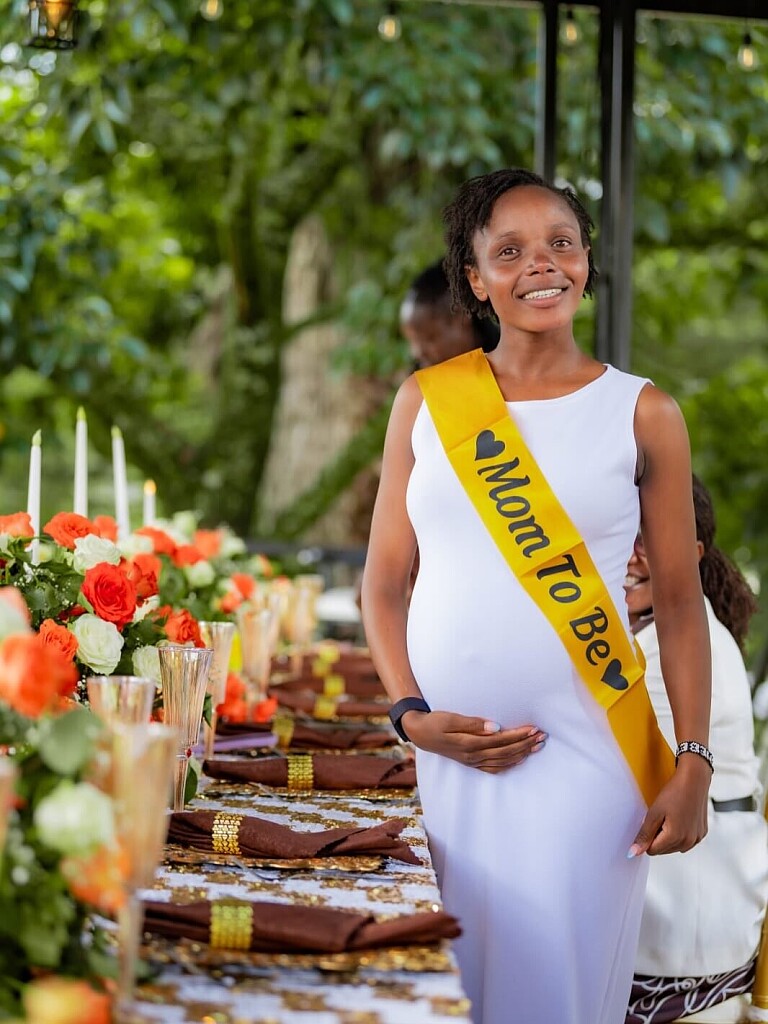
A Champion’s Gentle Lap: Beatrice Chebet Celebrates Life Beyond the Track
In a world where milliseconds define greatness and endurance shapes legacy, Beatrice Chebet has long stood as a symbol of precision, power, and poise. The reigning world record holder in both the 5,000m and 10,000m has conquered the track with unmatched authority—but this time, the celebration was not about medals or records. It was about life itself.
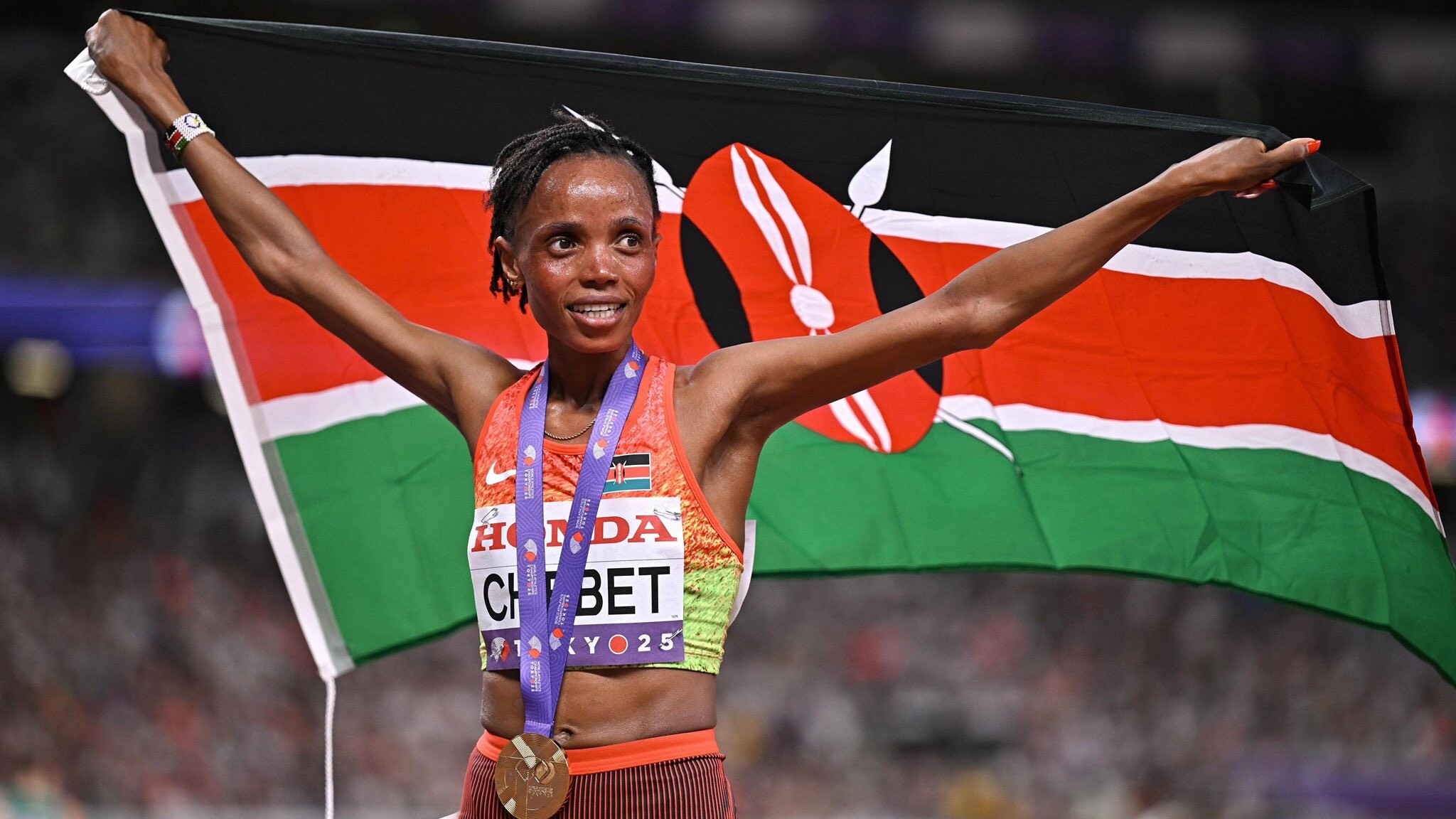
From the roar of the crowd to the quiet rhythm of a heartbeat growing within, Chebet now finds herself in a profoundly different moment—one defined not by competition, but by creation. As the world edges closer to Mother’s Day, her journey takes on an even deeper meaning. It is a transition both powerful and tender, as she is celebrated not only for her medals and milestones, but for this beautifully unfolding chapter of becoming a mother.

Surrounded by close family, friends, and members of her inner circle, Chebet recently stepped into a different kind of spotlight—her baby shower. The atmosphere was a gentle contrast to the intensity of global championships: soft laughter replacing roaring stadiums, warm embraces instead of fierce competition. Adding to the significance of the occasion was the presence of fellow Kenyan greats—Faith Kipyegon and Peres Jepchirchir—both Olympic and World champions, who came to celebrate alongside her in a powerful show of camaraderie and sisterhood within the sport.

Dressed elegantly and glowing with joy, Chebet embraced the occasion with grace, her smile reflecting a deep sense of fulfillment that transcends athletics. For a woman who has spent years pushing the limits of human performance, this chapter represents something even more profound—a new journey into motherhood.
Her rise to the pinnacle of distance running has been nothing short of remarkable. From her early promise on the global stage to rewriting record books, Chebet has carried the pride of Kenya with every stride. Yet, as she prepares to welcome a new life into the world, her story evolves—no longer just about records, but about legacy in its purest form.
The baby shower served not only as a celebration of new beginnings but also as a reminder that even the fiercest competitors cherish life’s quiet, meaningful moments. It painted a picture of balance—between ambition and tenderness, strength and serenity.
As fans across the globe continue to admire her athletic brilliance, this moment adds a new layer to her identity. Beatrice Chebet is not just a record-breaking athlete; she is a woman embracing one of life’s most beautiful milestones.
And while the track will always await her return, for now, she runs a different race—one defined not by time, but by love, hope, and the promise of tomorrow.
(05/05/2026) ⚡AMPby Erick Cheruiyot for My Best Runs.
Battle of Champions: Cherotich, Yavi, Chemutai and Jeruto Headline Xiamen Showdown
On May 23, 2026, the spotlight of the Diamond League shifts to Xiamen, where the women’s 3000m steeplechase promises not just a race—but a confrontation of extraordinary talent, nerve, and precision.
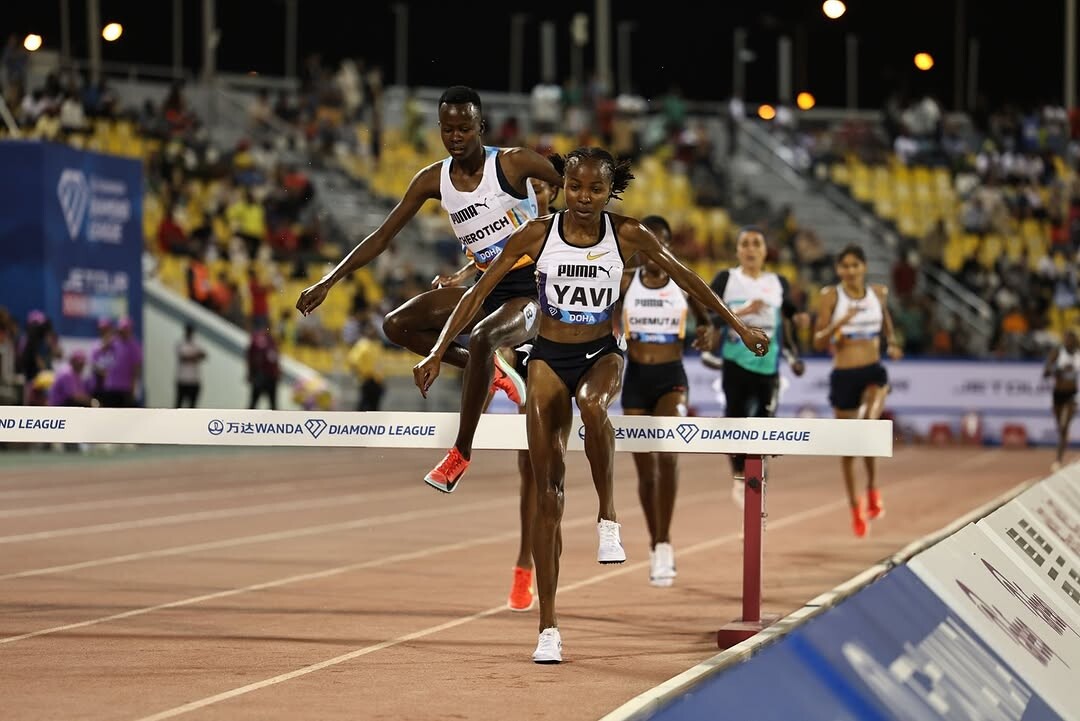
This is no ordinary field. It is a collision of champions from across the globe.
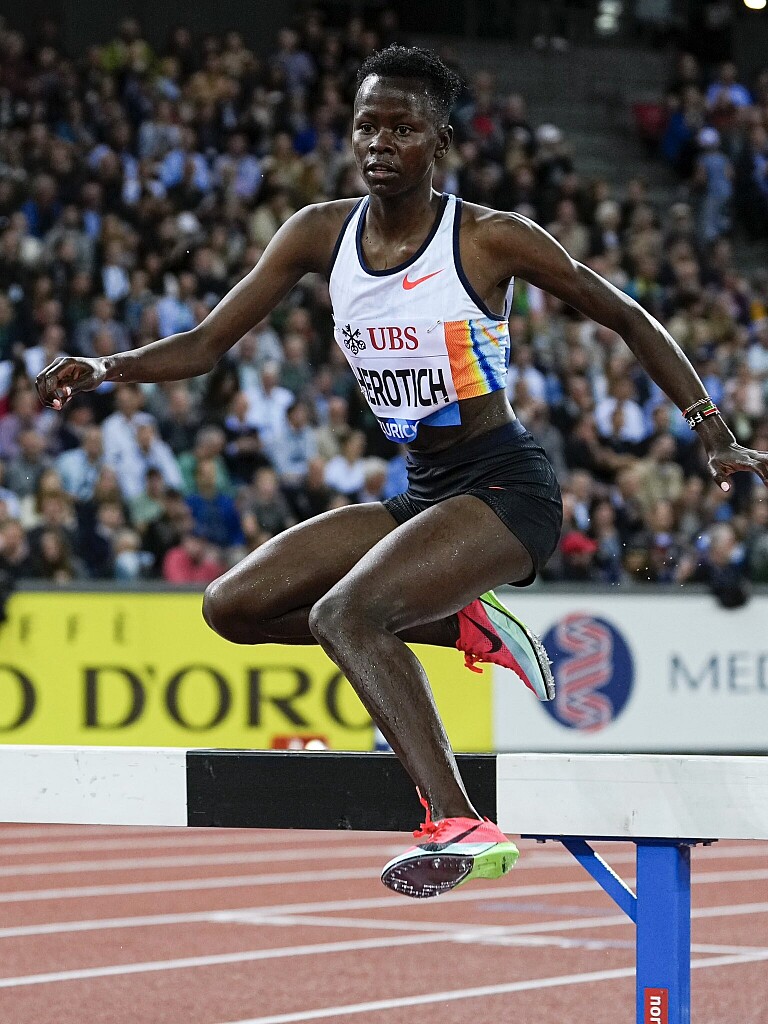
Leading the charge is Faith Cherotich of Kenya, the rising force whose fearless front-running and smooth hurdling have marked her as the next big name in the event. She faces a fierce challenge from Winfred Yavi, representing Bahrain, a tactically sharp competitor with a devastating finishing kick.
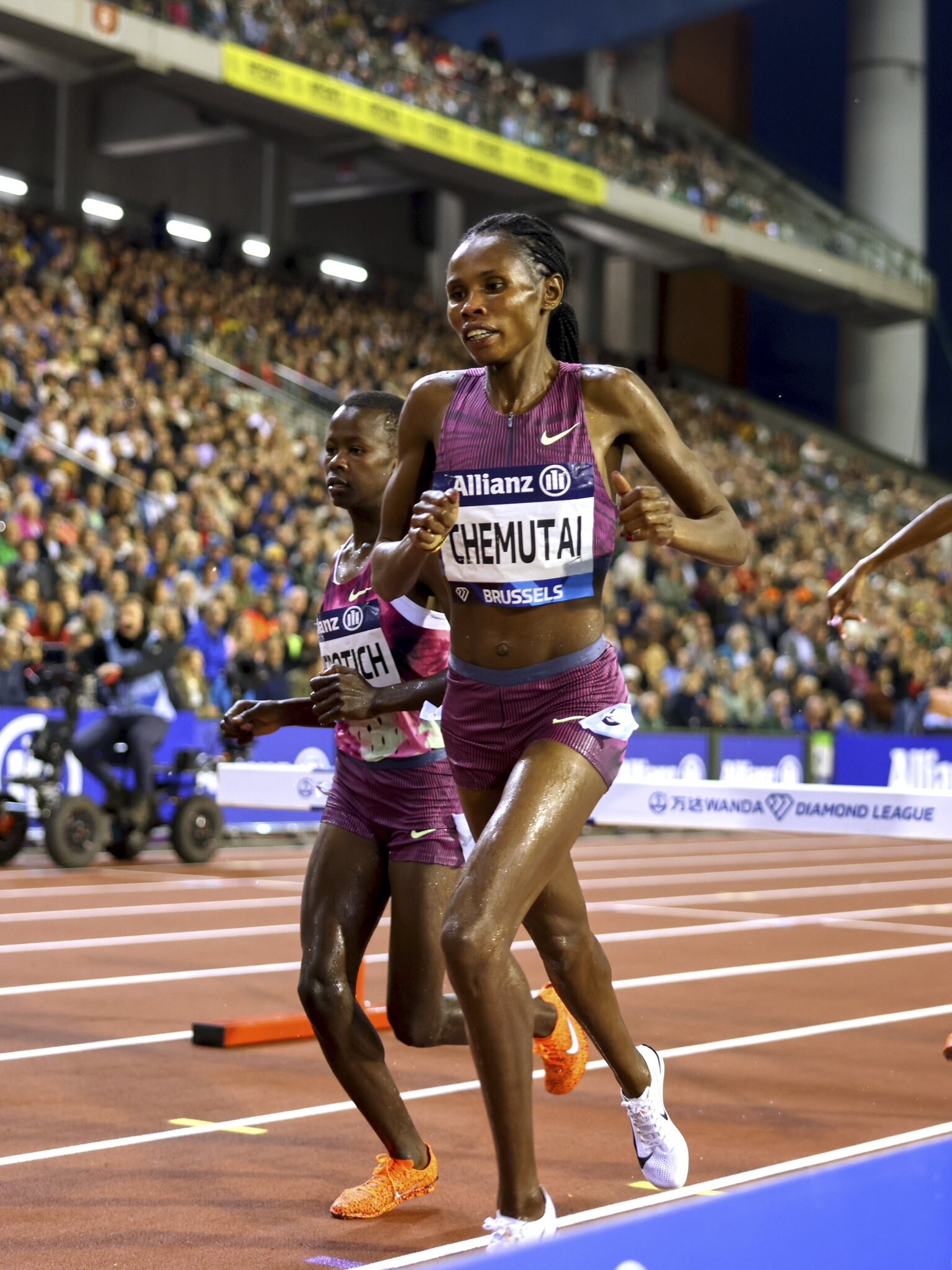
From Uganda comes Peruth Chemutai, the Olympic champion renowned for her composure, timing, and ability to rise in decisive moments. Meanwhile, Norah Jeruto carries the flag of Kazakhstan, bringing championship pedigree and a proven ability to dismantle elite competition on the biggest stages.
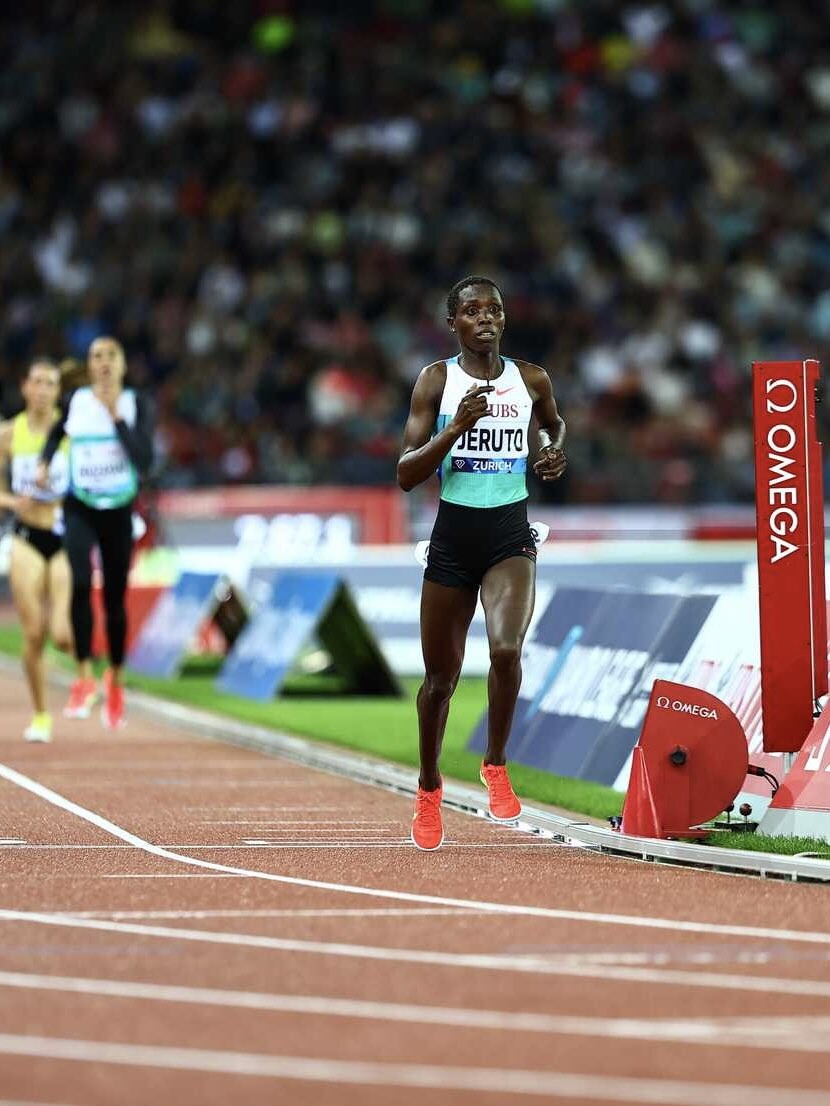
Four athletes. Four nations. One unforgiving event.
The steeplechase is where rhythm meets chaos—where a single mistimed barrier or misjudged water jump can undo even the strongest contenders. At this level, the margins are razor-thin, and the outcome could hinge on the final lap, or even the final leap into the water.
Xiamen’s track will not merely host a race; it will stage a tactical battle. Expect aggressive positioning early on, calculated surges in the middle laps, and a dramatic crescendo as the bell rings. Each contender brings a distinct strength—Cherotich’s boldness, Yavi’s finishing speed, Chemutai’s championship calm, and Jeruto’s relentless consistency.
Calling a winner in such a field is no easy task. If the race turns into a brutal test of endurance, Yavi’s closing strength could prove decisive. Yet Cherotich’s fearless racing style, Chemutai’s experience, and Jeruto’s big-stage mentality ensure that nothing is guaranteed.
One thing is certain: this will be more than a race. It will be a battle for supremacy over barriers, water, and willpower.
The stage is set. The tension is rising. And in Xiamen, only one nation—and one athlete—will stand tallest.
(05/05/2026) ⚡AMPby Erick Cheruiyot for My Best Runs.
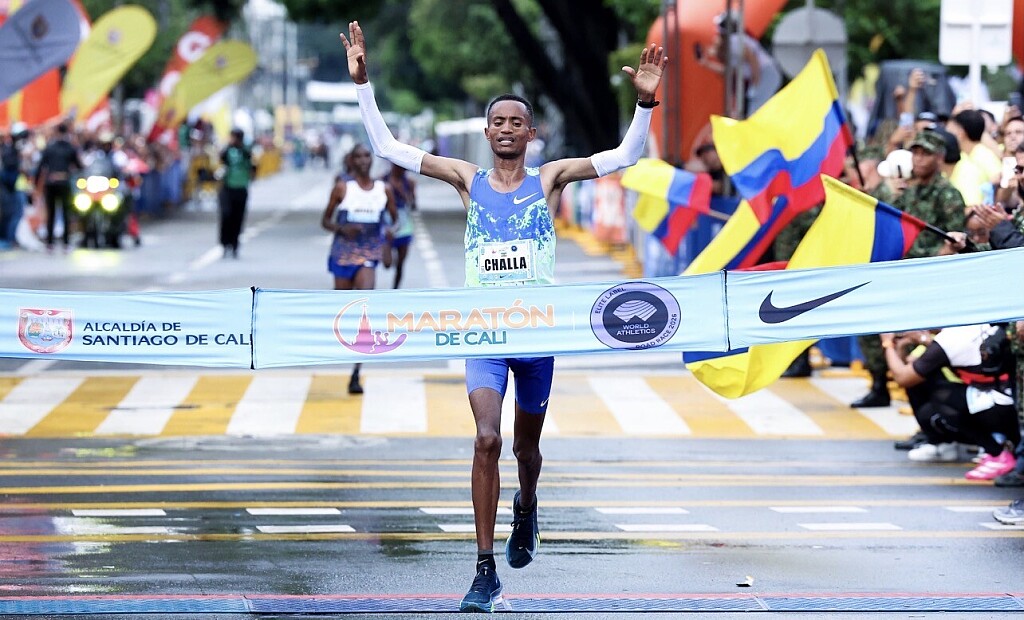
Gossa and Ndiwa Upset Defending Champions at Cali Marathon
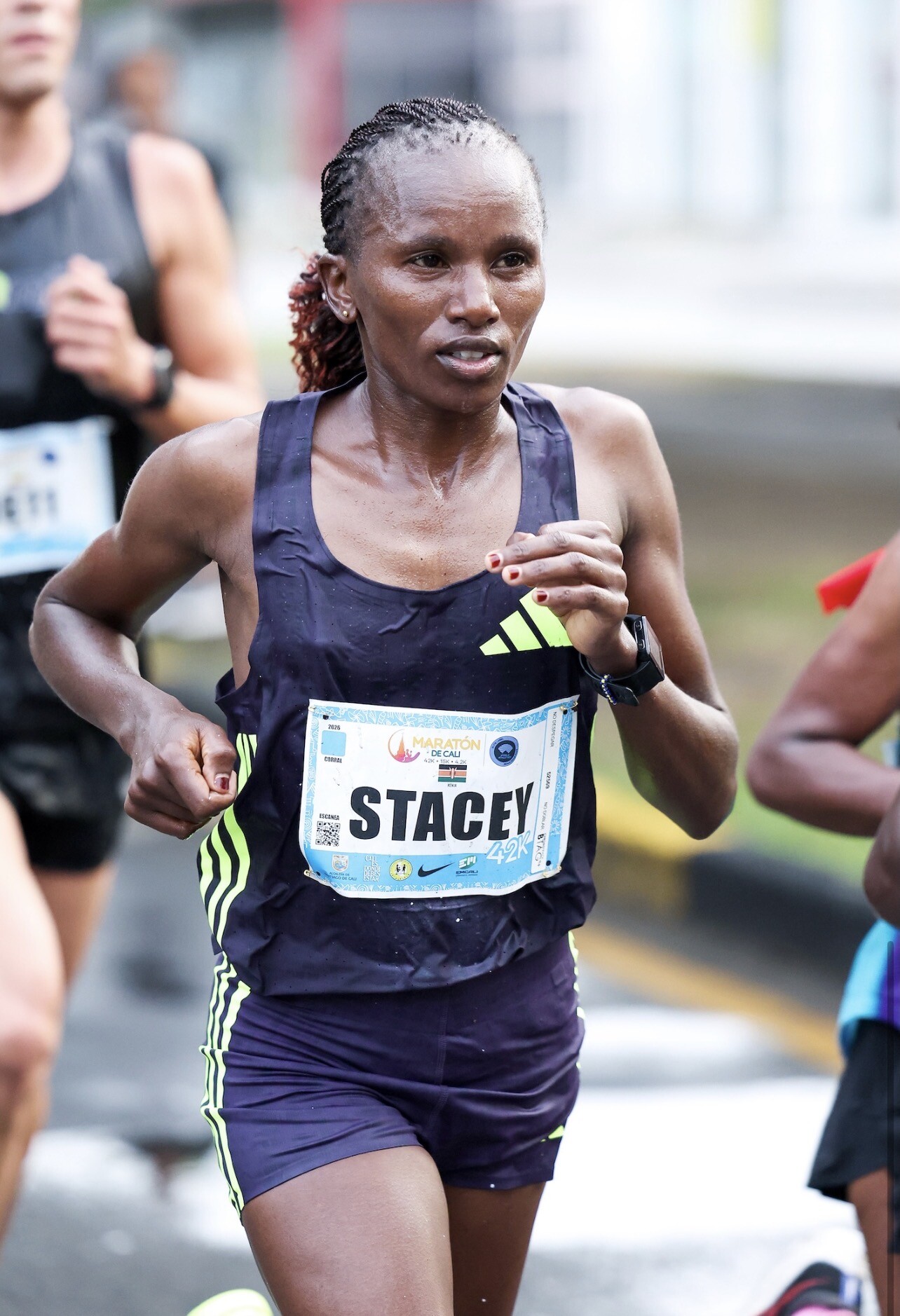
Challa Gossa of Ethiopia and Kenya’s Stacy Ndiwa denied the defending champions at the Cali Marathon in Colombia on Sunday, overcoming tough conditions of heat, humidity, and altitude to take impressive victories.
Warm temperatures above 20°C, high humidity, and an elevation of around 1,000 meters made fast times difficult and ended hopes of course records. Still, the races produced exciting finishes in both the men’s and women’s competitions.
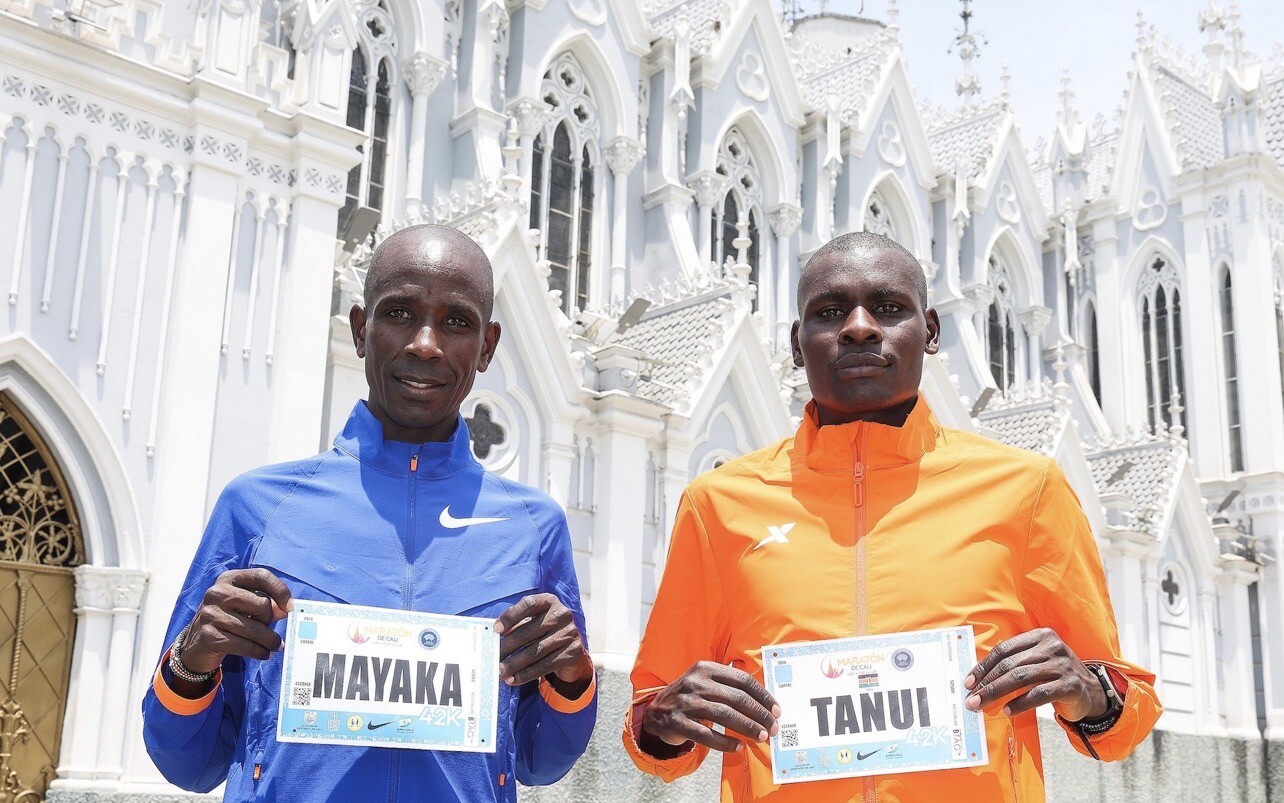
In the men’s race, Challa Gossa surged past defending champion Evans Mayaka with just 250 meters remaining to win in 2:11:49. Mayaka, who set the course record of 2:11:04 last year, finished just five seconds back in 2:11:54, with Ethiopia’s Habtamu Birlew close behind in 2:11:56. The top four runners all broke 2:12 in a tightly contested finish.
The early pace was aggressive, with a group of ten passing 10K in 30:23, well on course-record pace. However, the humid conditions took their toll as the race progressed. By halfway (65:00), a lead pack of six runners and two pacemakers remained, including Mayaka, Birlew, Gossa, and Uganda’s Martin Musau.
After the pacemakers stepped aside and the pace slowed, the leading group stayed together deep into the race. Mayaka made a move shortly after 40K, but could not break clear. Gossa then unleashed his finishing speed in the closing meters to take his first marathon victory.
“The conditions were very difficult, so I stayed with the group and relied on my finishing speed,” said 25-year-old Gossa, who was runner-up in Frankfurt in 2024 and owns a personal best of 2:07:32.
Mayaka admitted the weather played a major role: “After the pacers stopped, I tried several times to increase the pace, but my body was too tired. The humidity and conditions were much harder than last year.”
Kenya’s Eric Kiptanui, who has a 2:05:47 personal best, dropped off the lead group before 15K but ran much of the race alone to finish sixth in 2:16:27.
In the women’s race, Stacy Ndiwa ran a controlled and confident race to win in 2:29:55, pulling away from defending champion Emmah Ndiwa with about 8 kilometers remaining. Emmah Ndiwa finished second in 2:31:01, followed by Gladys Chesir in 2:33:59.
An early lead group of five included both Ndiwas, Chesir, Nazret Weldu, and Ethiopia’s Sadiya Awel. The pace quickened after 10K (34:35), and by halfway (73:18), three runners remained.
As in the men’s race, the second half slowed significantly due to the humidity. Awel briefly lost contact after stopping at a refreshment table at 25K and was unable to regain her position.
Stacy Ndiwa made her decisive move after 35K. “My training had gone well, and I was confident,” she said. “We were on pace early, but I began to tire, so we slowed down. When I saw Emmah struggling, I pushed harder and was able to break away.”
The 33-year-old Kenyan, who finished ninth at the Boston Marathon last year with a personal best of 2:23:29, held her lead comfortably to the finish.
The Cali Marathon continues to grow rapidly, with more than 20,000 athletes from 49 nations registered across all race distances—nearly double the number from its inaugural edition. Over 3,000 runners competed in the marathon, which holds World Athletics Elite Label status.
Men:
Challa Gossa (ETH) – 2:11:49
Evans Mayaka (KEN) – 2:11:54
Habtamu Birlew (ETH) – 2:11:56
Martin Musau (UGA) – 2:11:59
Ezra Kering (KEN) – 2:12:20
Eric Kiptanui (KEN) – 2:16:27
Carlos Mario Patiño (COL) – 2:18:38
Santiago Zerda (COL) – 2:18:38
Women:
Stacy Ndiwa (KEN) – 2:29:55
Emmah Ndiwa (KEN) – 2:31:01
Gladys Chesir (KEN) – 2:33:59
Sadiya Awel (ETH) – 2:34:25
Cynthia Kosgei (KEN) – 2:35:22
Nazret Weldu (ERI) – 2:37:49
Mildrey Echavarría (COL) – 2:40:45
Kellys Arias (COL) – 2:41:50
(05/03/2026) ⚡AMPby Race. News Service
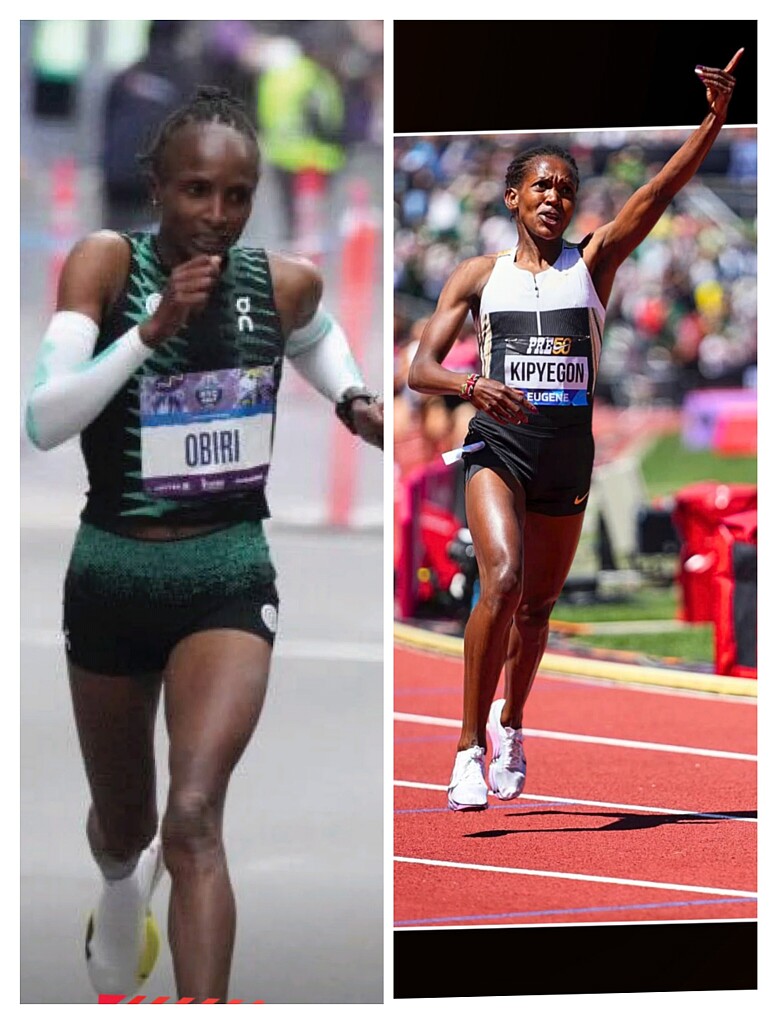
A Marathon Dream in the Making: Obiri Eyes Future Clash with Kipyegon
Kenya’s long-distance powerhouse Hellen Obiri has set her sights beyond the immediate horizon, hinting at a captivating chapter that could redefine women’s road racing. Speaking about her long-term ambitions, the two-time world champion revealed a tantalising vision: a marathon showdown with compatriot Faith Kipyegon after 2028.
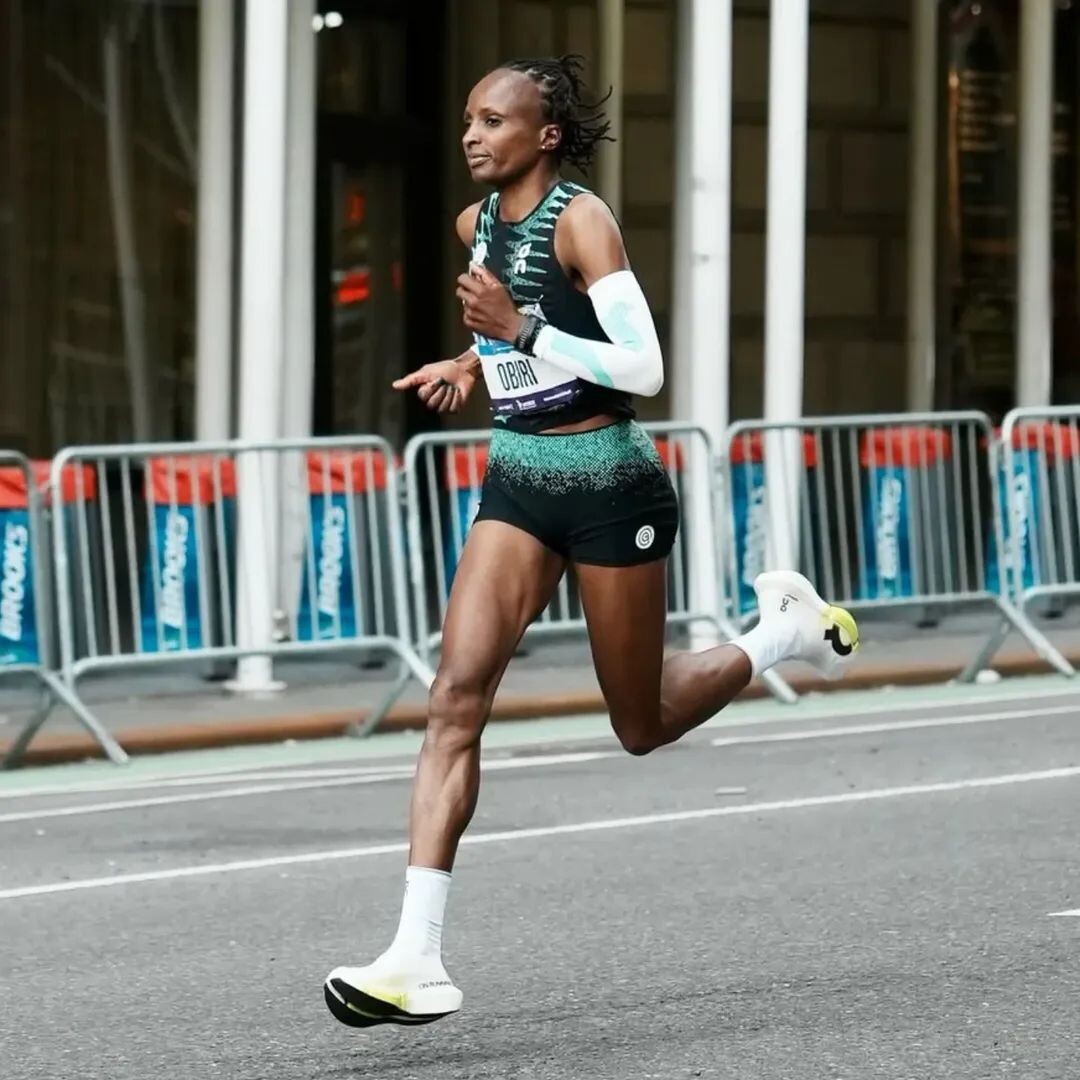
For Obiri, now firmly established among the elite in the marathon ranks, the idea is more than a casual thought—it is a prospect that carries both competitive intrigue and historical weight. “After 2028, I’d like to race Faith in the marathon. It would be a memorable event,” she remarked, offering a glimpse into a future that could unite two of Kenya’s most celebrated athletes on an entirely new stage.
The potential clash is as fascinating as it is symbolic. Obiri, whose transition from the track to the roads has been marked by remarkable success, has already proven her endurance, tactical intelligence, and finishing strength over the 42.195km distance. Kipyegon, on the other hand, has long been the queen of the middle distances, her dominance in the 1500m and beyond built on precision, pace control, and an almost unmatched closing speed.
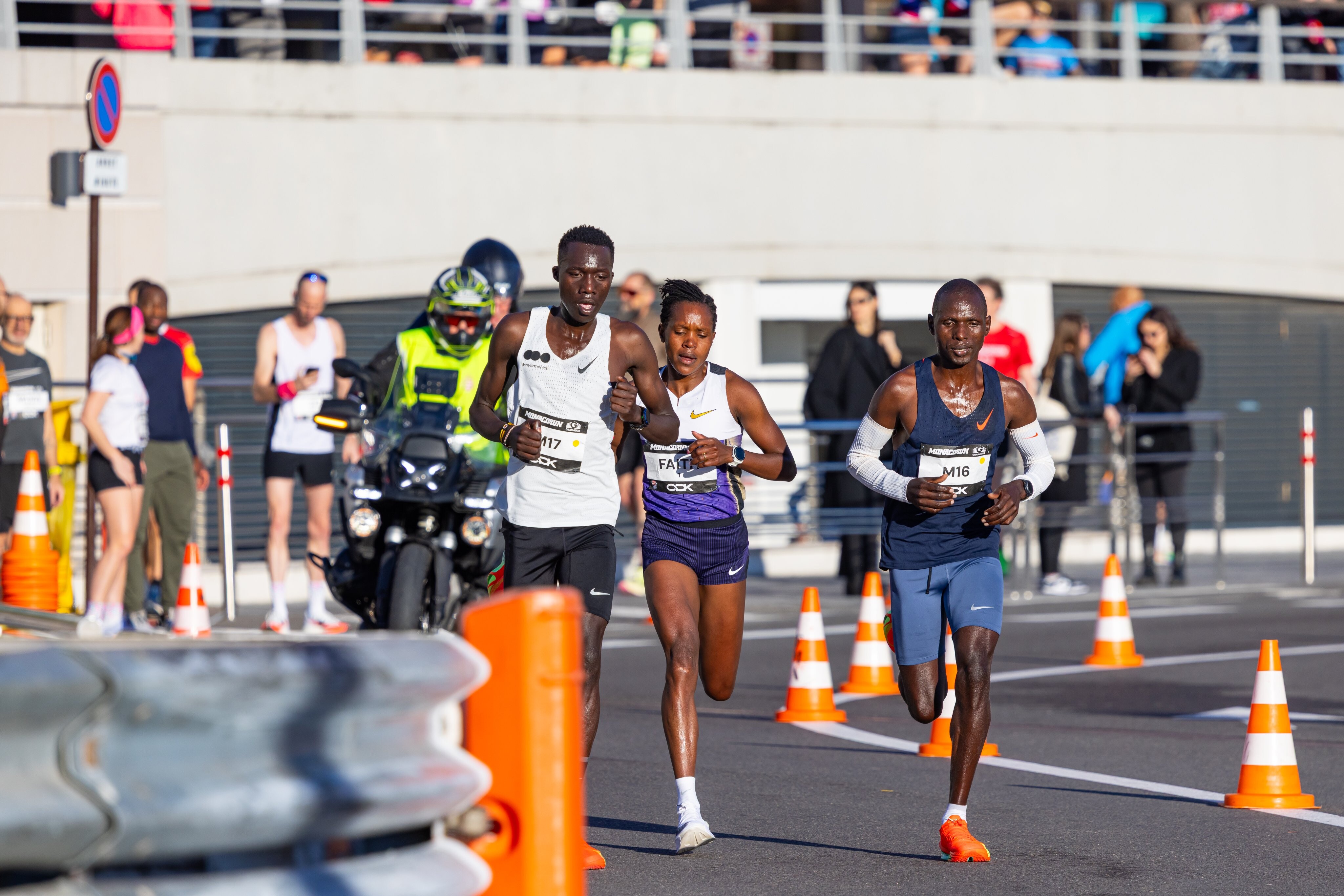
Should Kipyegon eventually make the leap to the marathon—as many anticipate—the meeting would represent more than a race. It would be a convergence of eras, disciplines, and philosophies: the seasoned road specialist against the track legend stepping into new territory.
Beyond the rivalry, such an encounter would underscore Kenya’s enduring supremacy in global distance running. Both athletes have carried the nation’s flag with distinction, inspiring a new generation while consistently pushing the boundaries of performance. A marathon duel between them would not only capture global attention but also elevate the narrative of women’s distance running to unprecedented heights.
For now, the vision remains a future possibility, shaped by timing, transition, and ambition. Yet in Obiri’s words lies the spark of something extraordinary—a race not yet scheduled, but already etched in the imagination of athletics fans.
If it comes to pass, the roads will not merely host a competition; they will bear witness to a defining moment in the sport’s history.
(05/03/2026) ⚡AMPby Erick Cheruiyot for My Best Runs.
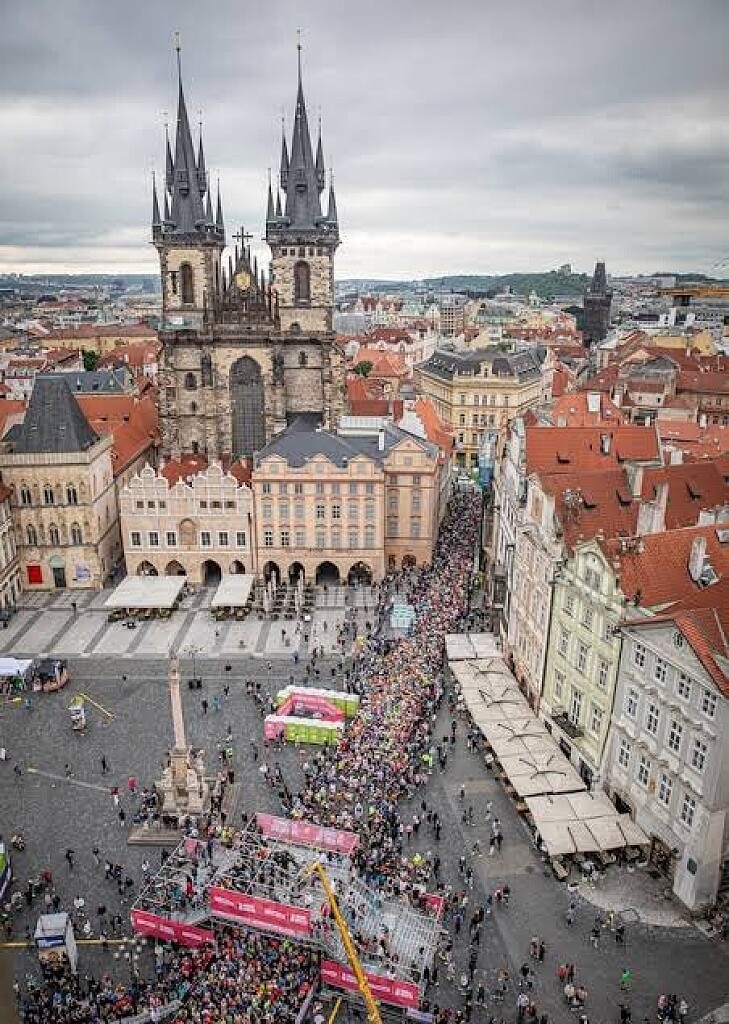
Ethiopia Seals the Men’s Crown, Kenya Sweeps the Women’s Race: A Defining Day at the 2026 Prague Marathon 2026
The historic streets of Prague played host to a marathon spectacle that perfectly captured the balance of power in global distance running—Ethiopia asserting control at the very top of the men’s race, while Kenya delivered a commanding, all-round masterclass across both fields, crowned by a clean sweep in the women’s contest.
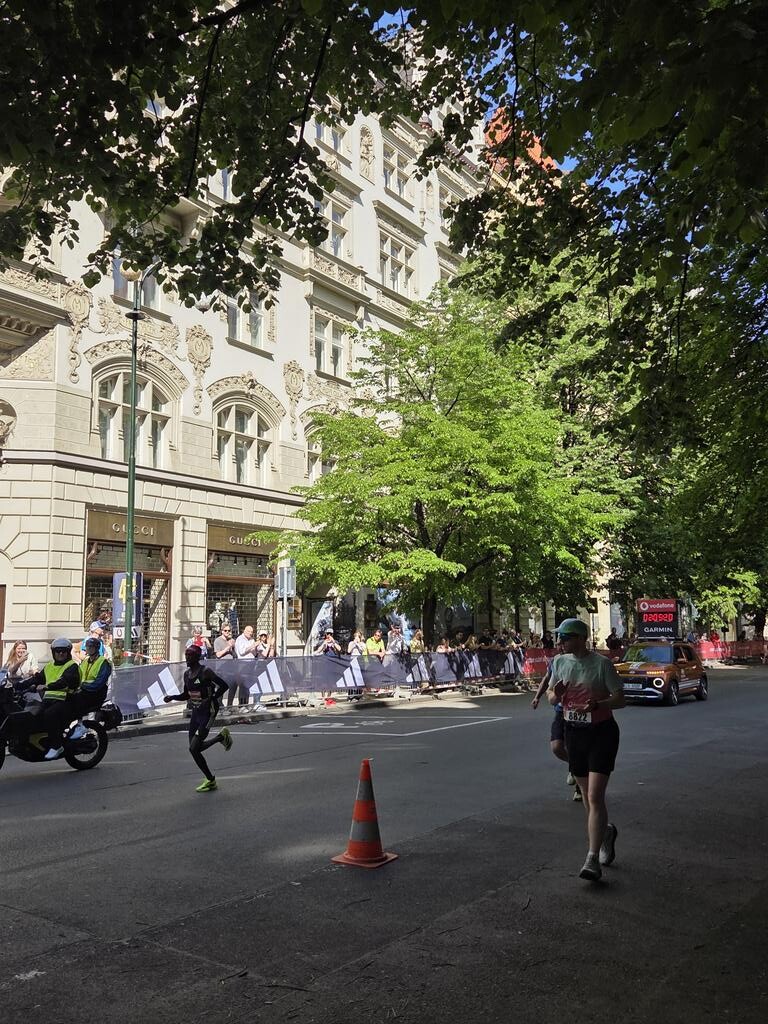
In the men’s race, it was Berehanu Wendemu Tsegu who rose above the field with authority, clocking 2:05:51 to secure a decisive victory. His run was marked by discipline and well-timed surges, ultimately placing him beyond reach as the race unfolded.
Kenya’s charge was led by Felix Kipkoech, who delivered a strong 2:07:45 for second place, while Ethiopia’s Andualem Belay Shiferaw ensured a dual presence on the podium by finishing third in 2:07:59.
Yet beyond the podium, Kenya’s depth told its own compelling story. From fourth position downwards, Kenyan athletes dominated the standings with remarkable consistency. Justus Limo (2:08:33) and Barselius Kipyego (2:08:38) set the tone, followed by seasoned competitors such as Laban Korir (2:09:36) and Emmanuel Ndiwa (2:10:32).
The sequence continued through Boaz Kipkemei in eighth (2:10:38), before Ethiopia’s Jiregna Disasa briefly interrupted the rhythm in ninth (2:11:32). Bethwel Rutto then completed the top ten in 2:11:44, reinforcing Kenya’s overwhelming presence across the elite field.
If the men’s race showcased a shared rivalry, the women’s contest belonged entirely to Kenya.
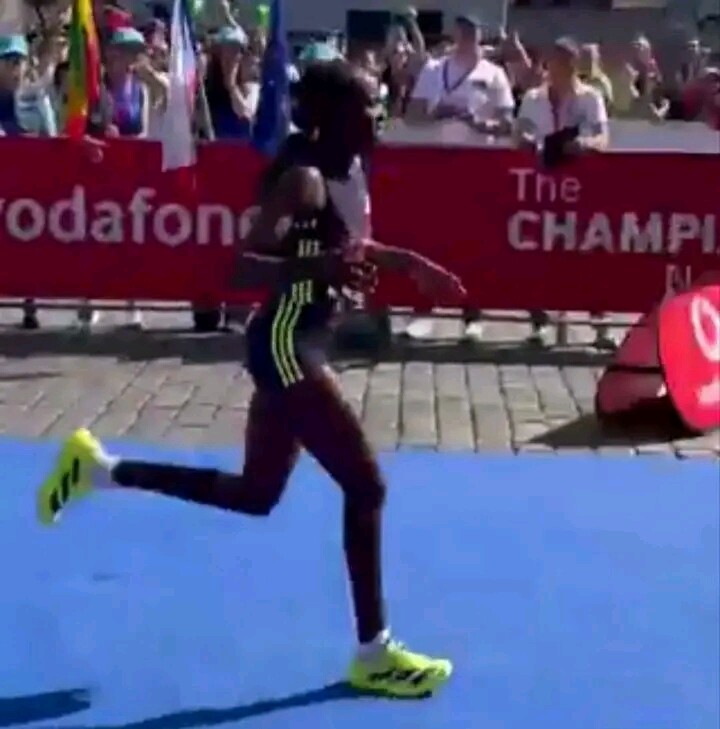
Making a remarkable marathon debut, Millicent Jelimo delivered a composed and confident performance to claim victory in 2:24:19. Her triumph, achieved at the first attempt over the distance, signaled both promise and poise at the highest level.
She was followed home by compatriot Janet Ruguru Gichumbi, who secured second place in 2:26:41, while Angela Jemesunde Tanui completed a dominant Kenyan sweep of the podium in 2:27:45.
Together, the results painted a vivid picture: Ethiopia’s precision securing the men’s crown, while Kenya’s depth and dominance extended across the leaderboard—and reached its peak in a flawless 1-2-3 finish in the women’s race.
In Prague, it was not just about winning. It was about statement-making performances, emerging narratives, and a continued reminder that East Africa remains the epicenter of marathon excellence.
(05/03/2026) ⚡AMPby Erick Cheruiyot for My Best Runs.

Prague Marathon
The Volkswagen Prague Marathon, established in 1995, has evolved into a premier event on the international running calendar, renowned for its scenic course through one of Europe's most picturesque cities. The marathon's route meanders through Prague's historic streets, offering runners views of iconic landmarks such as the Charles Bridge and Old Town Square. The predominantly flat terrain provides an excellent...
more...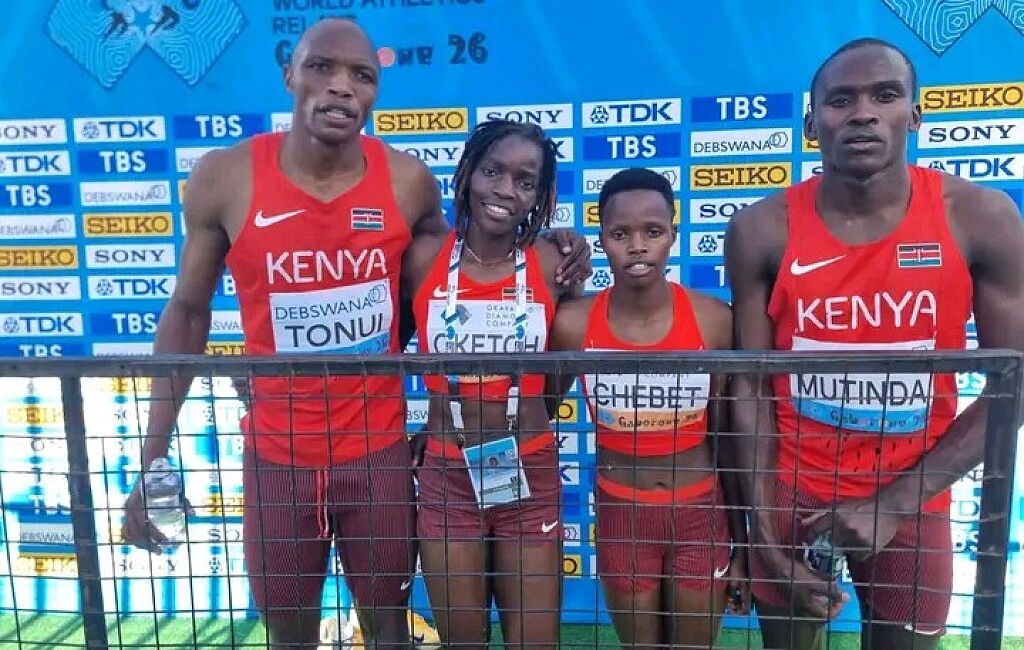
A Statement Before the Final: Kenya Shatters African Record in Mixed Relay Showdown
In a race defined by precision, courage, and rising ambition, Kenya delivered a performance to remember at the World Athletics Relays 2026 in Gaborone. The quartet of Mercy Oketch, George Mutinda, Kevin Tonui, and Mercy Chebet combined brilliance and composure to clock an outstanding three minutes, nine point eight seven seconds, rewriting the African record in the mixed 4x400m relay.
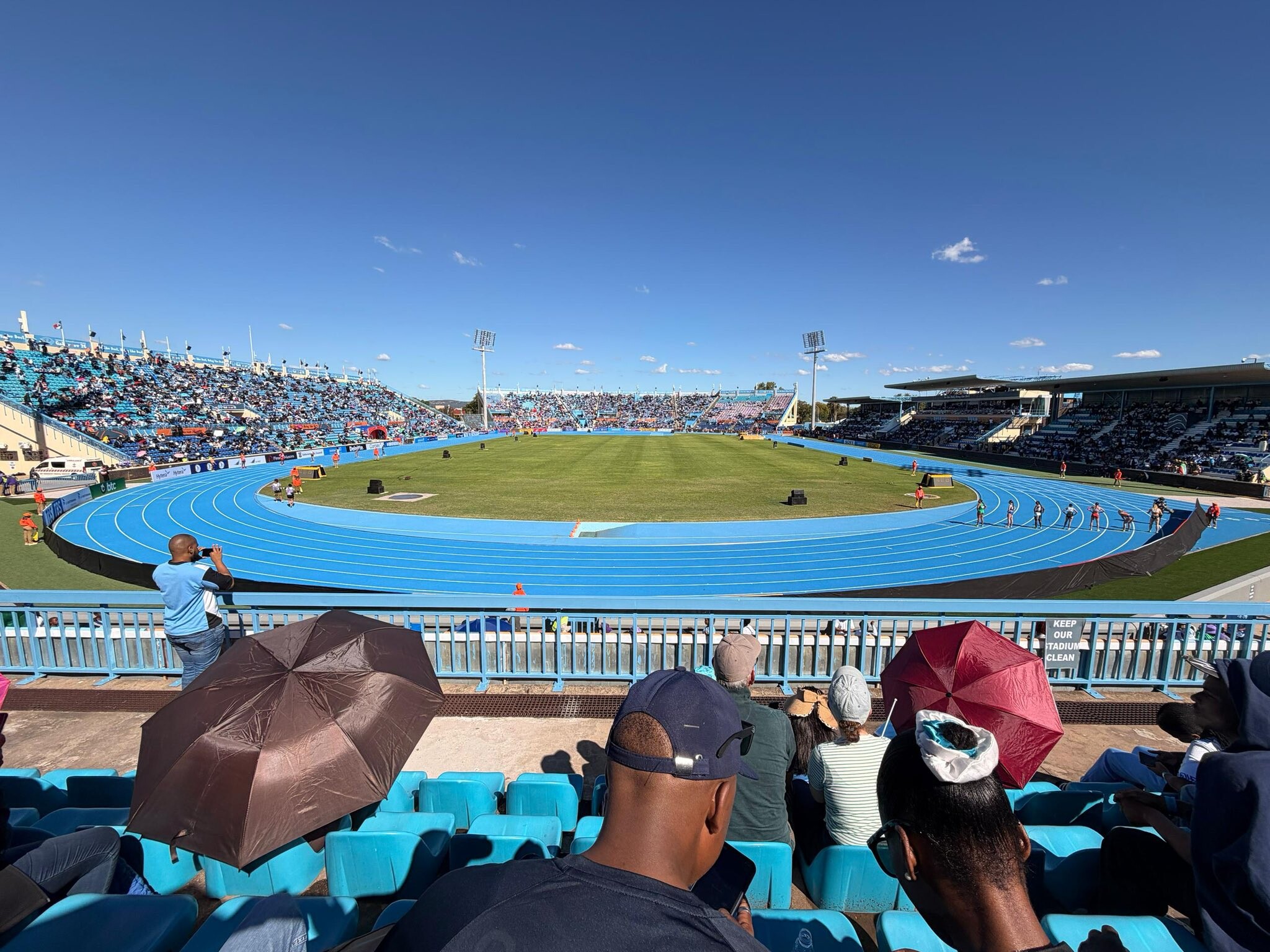
It was more than just a fast race—it was a statement.
Team Kenya did not simply chase the clock; they reshaped expectations of African sprinting on the global stage. Their electrifying run secured second place in their heat, confidently advancing them to the final, while also sealing automatic qualification for the 2027 World Championships.
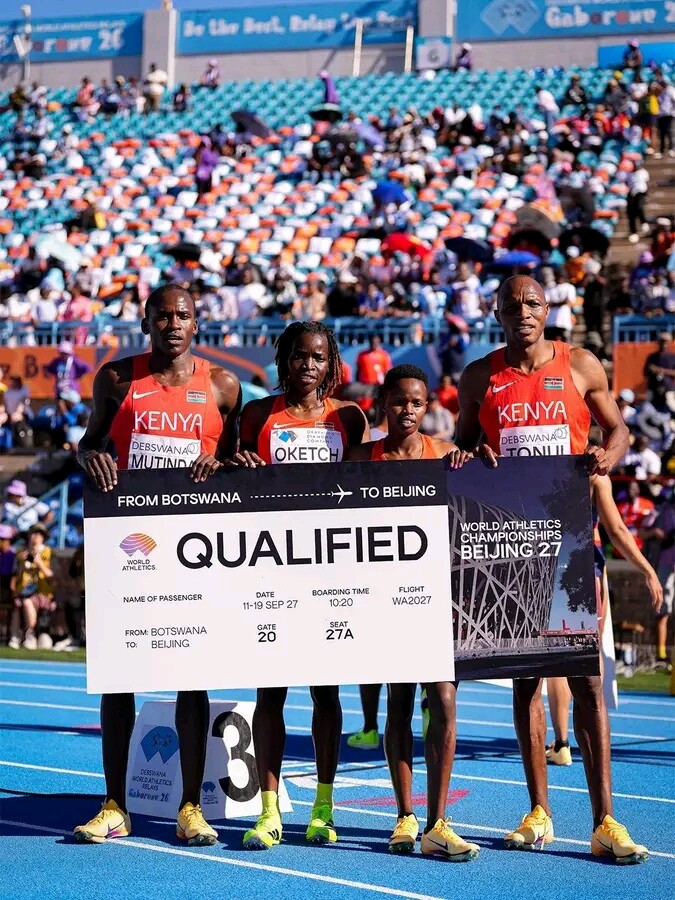
Though they crossed the line behind a dominant Great Britain & Northern Ireland squad, the significance of Kenya’s performance resonated far beyond the finishing order. This was a breakthrough moment—one that signaled a new era.
From the opening leg, Kenya showed intent. Oketch set the tone with a controlled yet aggressive start, keeping the team firmly in contention. Mutinda followed with discipline and balance, maintaining momentum under pressure. Tonui then injected raw power into the race, closing crucial ground before handing over to Chebet, who delivered a determined anchor leg to secure the historic result.
The achievement reflects a shifting identity in Kenyan athletics. Long revered for its dominance in distance running, the nation is now steadily building a formidable presence in sprint relays—an evolution underscored by this record-breaking display.
The mixed 4x400m relay continues to captivate with its blend of strategy, speed, and teamwork. In Gaborone, it offered Kenya the perfect stage to announce its arrival among the world’s elite.
Not a finish line, but a powerful warning—the final still awaits.
(05/02/2026) ⚡AMPby Erick Cheruiyot for My Best Runs.
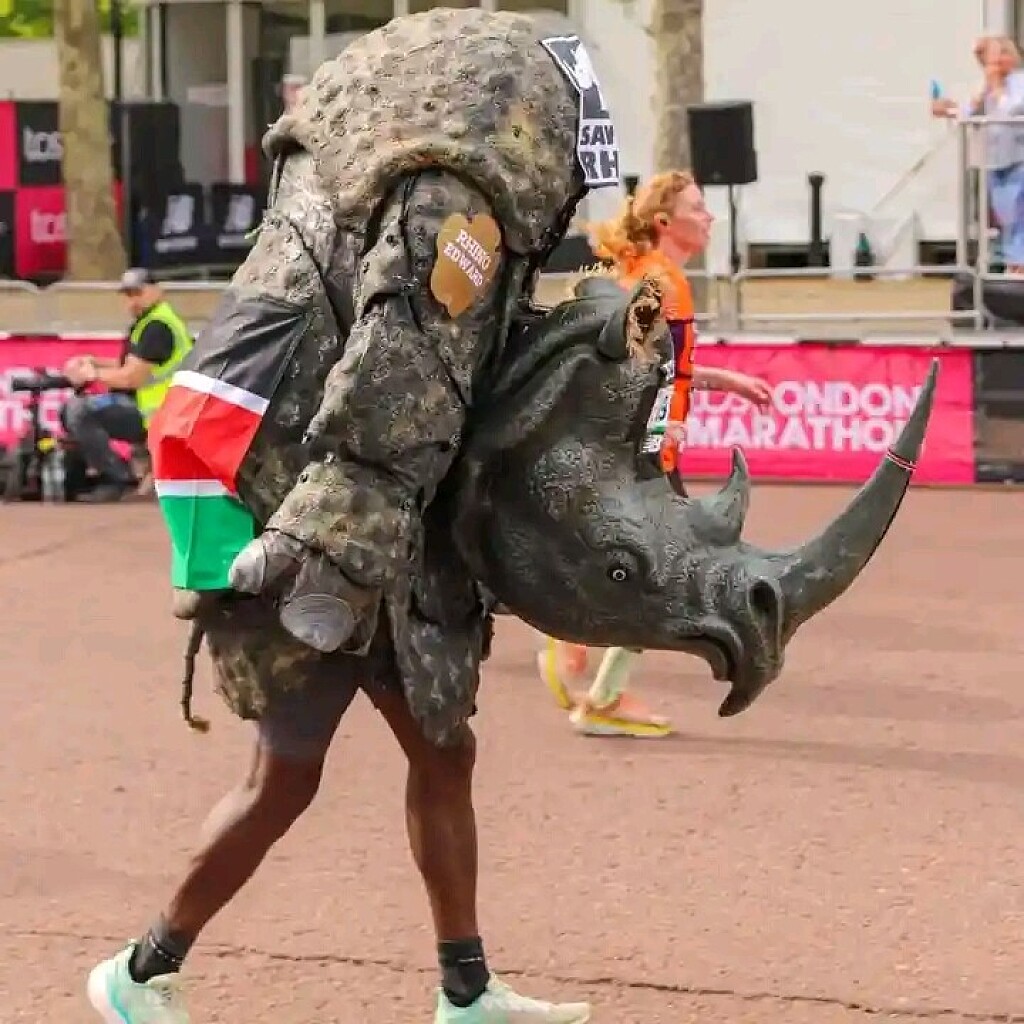
Running for Giants: Edward Ndiritu’s Extraordinary Marathon Mission for Rhino Conservation
In a race defined by speed, precision, and personal bests, one runner chose a different measure of greatness—purpose. At the iconic London Marathon, Kenyan conservationist Edward Ndiritu delivered a performance that transcended time and position, turning every step into a powerful statement for wildlife protection.

Ndiritu, who serves as Head of Anti-Poaching at Lewa Wildlife Conservancy, completed the full 42.2-kilometre course under extraordinary conditions. Clad in a 10-kilogram rhino costume, he ran not just against the clock, but against heat, exhaustion, and the physical strain imposed by the symbolic weight he carried. It was a deliberate burden—one meant to mirror the relentless pressures faced by rhinos in the wild.
The costume itself was more than a visual spectacle. It embodied the harsh realities of poaching, habitat loss, and the ongoing fight to protect one of the planet’s most endangered species. With each stride through the streets of London, Ndiritu transformed the marathon into a moving campaign—drawing attention, sparking conversation, and inspiring action among spectators and supporters worldwide.
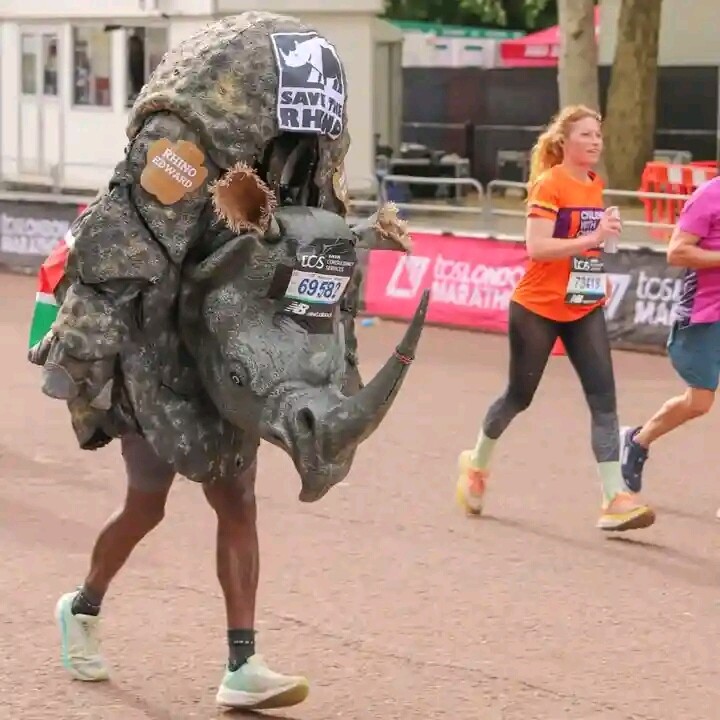
What made the feat even more remarkable was the environment. The London Marathon is already a demanding test of endurance under normal conditions. Adding a heavy, heat-retaining costume elevated the challenge to a different realm altogether. Yet Ndiritu pressed on with unwavering determination, driven by a cause far greater than personal achievement.
His run was not merely about awareness—it was also a call to action. Through this bold initiative, he sought to raise funds to support ongoing conservation efforts, ensuring that anti-poaching units are equipped, wildlife habitats are protected, and future generations can witness rhinos not as relics of the past, but as living symbols of resilience.
In a world where marathon headlines are often dominated by record-breaking performances and elite competition, Edward Ndiritu’s story stands apart. It is a reminder that sport, at its highest level, can be a platform for change—a bridge between human endurance and environmental responsibility.
On that day in London, amid the roar of the crowd and the rhythm of pounding feet, one runner carried more than just ambition to the finish line. He carried a message—urgent, powerful, and impossible to ignore.
(05/01/2026) ⚡AMPby Erick Cheruiyot for My Best Runs.
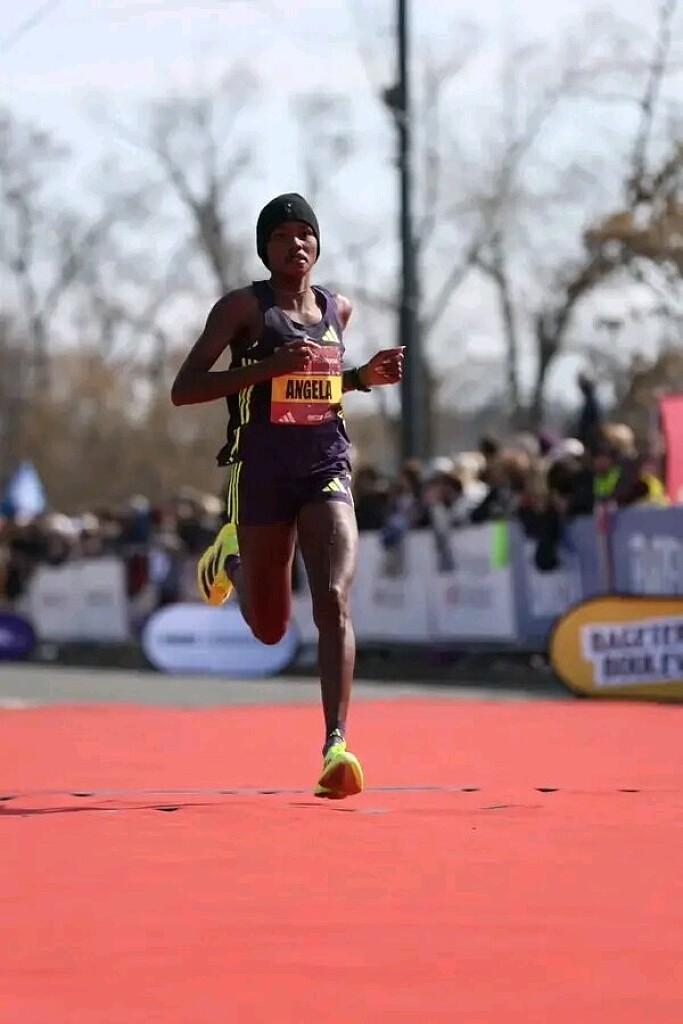
Prague Awaits: Elite Fields Set to Ignite the 31st Vodafone Prague Marathon
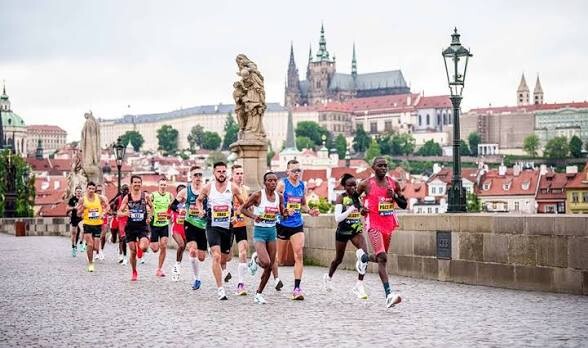
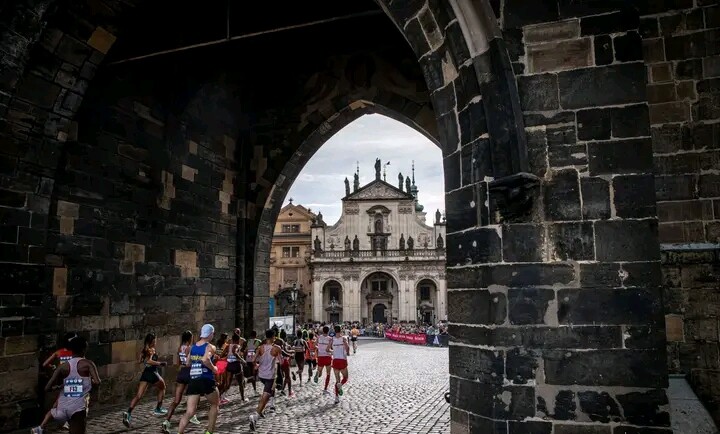
On Sunday, May 3, 2026, the historic streets of Prague will once again transform into a grand stage for endurance, elegance, and elite competition as the 31st edition of the Vodafone Prague Marathon takes center stage. Renowned for its scenic course that winds through centuries of architectural beauty, the race promises not only visual spectacle but also a fiercely competitive contest among some of the world’s finest marathoners.
This year’s elite field reflects the global depth of long-distance running, with East African powerhouses leading the charge. In the women’s race, Kenya’s Angela Tanui arrives as one of the headline acts, boasting an impressive personal best of 2:17:57. Her proven consistency and tactical awareness make her a formidable contender on any course.
She will face stern opposition from Ethiopia’s Muliye Dekebo Haylemariyam, whose 2:18:43 personal best signals both strength and resilience. Adding further intrigue is another Kenyan, Visiline Jepkesho, a seasoned competitor with a personal best of 2:21:37, capable of rising to the occasion on the big stage.
In the men’s race, the pace is expected to be relentless from the outset. Ethiopia’s Andualem Belay Shiferaw leads the lineup with a remarkable 2:04:44 personal best, marking him as one of the fastest men in the field. Kenya’s Justus Kipkorir Limo (2:04:55 PB) is close behind in credentials and will be eager to assert his authority in what promises to be a tactical duel.
Completing the trio of sub-2:05 contenders is Kenya’s Barselius Kipyego, whose 2:04:48 best time underscores the depth of quality assembled for this race. With such finely matched credentials, the men’s contest could evolve into a dramatic battle of pacing, patience, and late-race courage.
Beyond the numbers, the Prague Marathon holds a unique charm. Its relatively flat profile and enthusiastic crowds often create the perfect environment for fast times and breakthrough performances. For some, this race represents a chance to cement legacy; for others, it is an opportunity to announce their arrival on the global stage.
As the runners line up beneath Prague’s iconic skyline, anticipation will give way to action, and the quiet rhythm of preparation will explode into the thunder of competition. On these cobbled streets, where history meets human ambition, the 31st Vodafone Prague Marathon is poised to deliver another unforgettable chapter in the sport’s evolving story.
(05/01/2026) ⚡AMPby Erick Cheruiyot for My Best Runs.
Prague Marathon
The Volkswagen Prague Marathon, established in 1995, has evolved into a premier event on the international running calendar, renowned for its scenic course through one of Europe's most picturesque cities. The marathon's route meanders through Prague's historic streets, offering runners views of iconic landmarks such as the Charles Bridge and Old Town Square. The predominantly flat terrain provides an excellent...
more...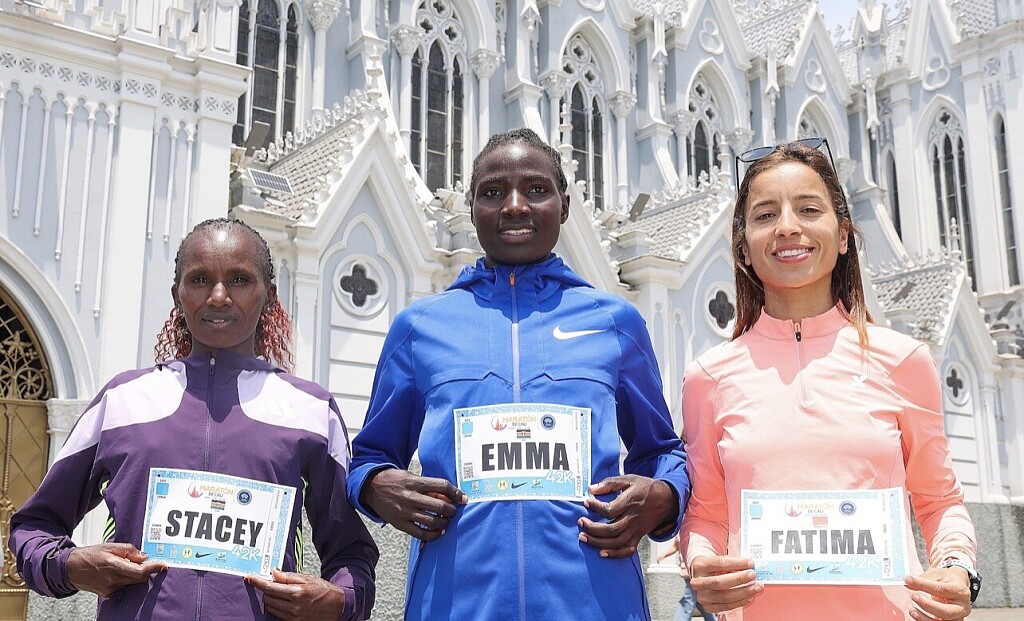
Cali Marathon Draws World-Class Talent in Bid to Become South America’s Premier Race
“Run in Heaven’s Capital.” That’s the bold promise as the Cali Marathon returns this Sunday in southwestern Colombia for its second edition. After a strong debut last year, organizers are aiming higher—positioning Cali as a future major international marathon.
They’ve taken a big step toward that goal with one of the deepest elite fields ever assembled on the continent. Kenya’s Ronald Korir (2:04:22) headlines the men’s race, while Eritrea’s Nazret Weldu (2:20:29) leads the women’s field. Defending champions Evans Mayaka and Emmah Ndiwa are back, but repeating will be anything but easy. No other marathon in South America currently matches Cali’s depth.
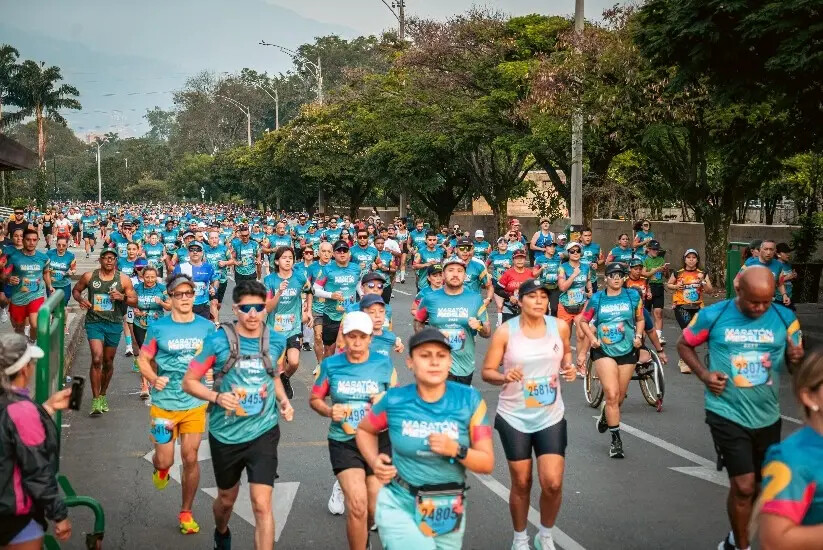
Participation has surged. A total of 20,000 athletes from 49 nations have entered across all distances, nearly doubling last year’s 11,000. The marathon itself will feature 3,000 runners. Race Director Luis Felipe Posso is encouraged but measured: the goal isn’t simply bigger numbers—it’s building a world-class marathon.
“This race has grown incredibly fast,” said Posso. “Now we want to increase the quality and establish Cali as a true destination for marathon runners.”
Even seasoned observers are impressed. Abel Antón, Spain’s two-time world marathon champion (1997, 1999), is in Cali as a guest of honor and noted how quickly the event has developed.
Conditions will play a role. At roughly 1,000 meters altitude with expected humidity and temperatures around 20°C (68°F), fast times are unlikely. But that often leads to compelling racing. Last year proved that, with late-race drama deciding the outcome.
Mayaka and Ndiwa both set Colombian all-comers’ records in 2025—2:11:04 and 2:29:26 respectively. Organizers would love to see those marks fall again, especially a first-ever sub-2:10 on Colombian soil.
Men’s Race
The depth is remarkable. Five athletes have run under 2:06, and eight have broken 2:10. Interestingly, defending champion Evans Mayaka ranks just ninth on paper with his 2:10:00 best—but he proved last year that position on a start list doesn’t decide the race.
Ronald Korir enters as the fastest man in the field. He ran 2:04:44 in Berlin and followed that with a strong 2:05:41 for fourth place in Hamburg. After battling injuries, he’s optimistic.
“It’s been a difficult couple of years, but my training for Cali has gone well,” Korir said. “I believe I can win.”
Ezra Tanui arrives in top form. He swept three marathons in 2025—Doha, JiLin, and Yellow River—and followed that with a 2:05:55 personal best for third in Osaka earlier this year.
“I’m confident,” Tanui said. “I’m not chasing a time—I trust my strength to carry me through.”
Adding to the moment, Kenya’s Abel Kirui—two-time world champion and Olympic silver medalist—will run the final marathon of his career. The 44-year-old owns a personal best of 2:05:04 and remains one of the sport’s most respected figures.
Women’s Race
The women’s field is equally competitive. Morocco’s Fatima Gardadi could thrive in Cali’s conditions. She won bronze at the 2023 World Championships in Budapest and has proven strength in warm-weather racing.
Nazret Weldu returns to competition after giving birth to her daughter in May last year. The Eritrean star, fourth at the 2022 World Championships and winner of the 2024 Vienna Marathon, is focused on competing rather than chasing time.
“I want to be competitive,” Weldu said. “I hope my strength will help me perform well.”
Kenya’s Stacy Ndiwa is another strong contender. The 2024 Los Angeles Marathon champion owns a 2:23:29 personal best and has shown consistency at major races. She is not related to defending champion Emmah Ndiwa, who will also be in the mix despite ranking outside the top tier on paper.
With so many athletes capable of contending, both races could come down to strength, patience, and positioning in the final kilometers—especially in Cali’s demanding conditions.
Elite runners with personal bests
MEN:
Ronald Korir KEN 2:04:22
Abel Kirui KEN 2:05:04
Okubay Tsegay ERI 2:05:20
Eric Kiptanui KEN 2:05:47
Ezra Tanui KEN 2:05:55
Challa Gossa ETH 2:07:32
Martin Musau UGA 2:08:42
Habtamu Birlew ETH 2:09:10
Evans Mayaka KEN 2:10:00
Derlys Ayala PAR 2:10:11
Ezra Kering KEN 2:11:55
Bernard Geay TAN 2:15:47
Mayko Geay TAN Debut
Brian Kwemoi KEN Debut
David Wanjohi KEN Debut
WOMEN:
Nazret Weldu ERI 2:20:29
Gladys Chesir KEN 2:20:30
Stacy Ndiwa KEN 2:23:29
Cynthia Kosgei KEN 2:23:43
Fatima Gardadi MAR 2:24:06
Letebrhan Haylay ETH 2:24:47
Sadiya Awel ETH 2:24:57
Emmah Ndiwa KEN 2:25:15
Rosa Chacha ECU 2:26:43
Nigist Muluneh ETH 2:27:41
Fatiha Benchatki MAR 2:28:29
Marcela Gomes ARG 2:28:58
Veronicah Wanjiru KEN 2:29:03
(04/30/2026) ⚡AMP
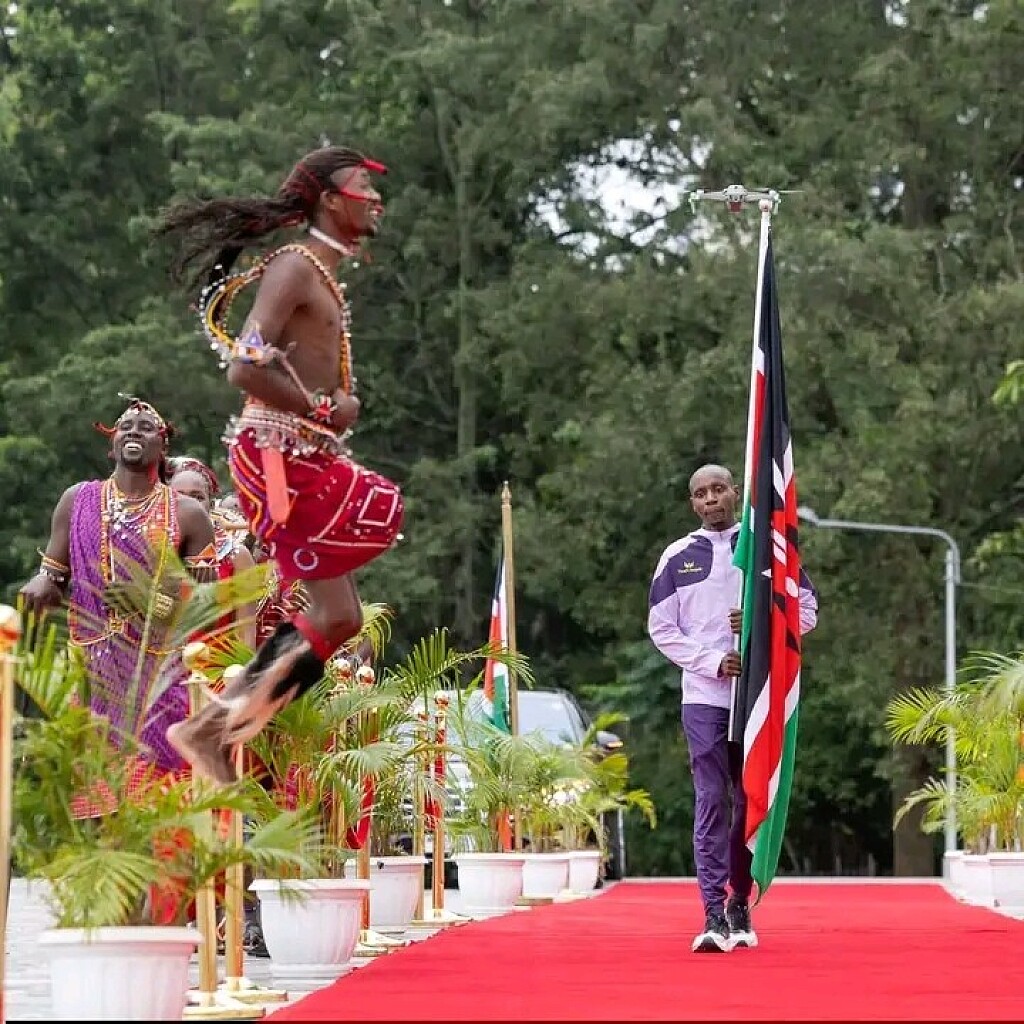
From London Glory to State Honour: Kenya Salutes Its Marathon Trailblazer
Under the proud banner of Magical Kenya — The Origin of Wonder, the country rose in unity to celebrate a moment that has redefined the boundaries of human endurance. This was more than a national celebration—it was history meeting gratitude, as Kenya welcomed home its newest global icon, Sebastian Sawe.
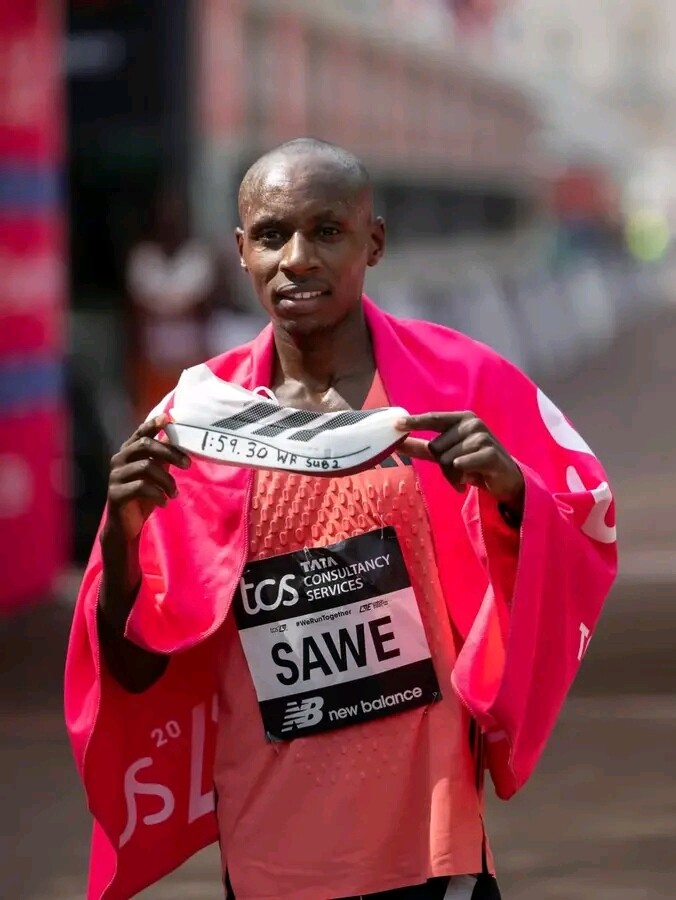
At the London Marathon 2026, Sawe delivered a performance that will echo through generations. On that unforgettable Sunday, he crossed the finish line in a breathtaking 1:59:30, shattering the marathon world record and becoming the first athlete in history to break the two-hour barrier in an official, record-eligible race. It was not merely a victory—it was a moment that altered the very perception of what the human body and mind can achieve.
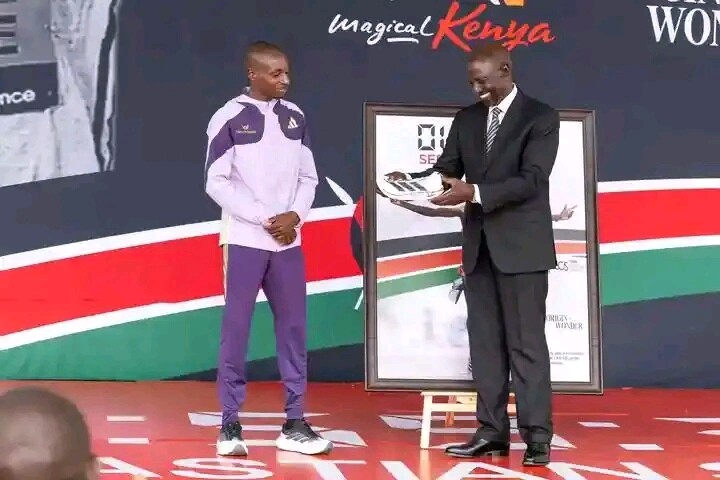
Behind the brilliance of that run was a fusion of preparation, discipline, and innovation. Sawe’s performance was aided in part by the now-iconic Adidas Adizero Adios, celebrated for its lightweight construction, responsive energy-return technology, and minimalist design—qualities that continue to push elite athletes beyond previously accepted limits.

Upon his return, Kenya responded with unmatched pride and admiration. In the vibrant capital of Nairobi, celebrations erupted as citizens gathered to witness the homecoming of a man who had carried the nation’s dreams onto the global stage and returned with history in his stride.
The pinnacle of this state reception came at State House, where Sawe was formally received by Kenya's President William Ruto. In a gesture befitting the magnitude of the achievement, the President honored him with a reward of $61,000 and a car, describing the feat as “a defining moment in the history of human endurance.” It was a powerful acknowledgment of an accomplishment that transcends sport and enters the realm of national and global legacy.
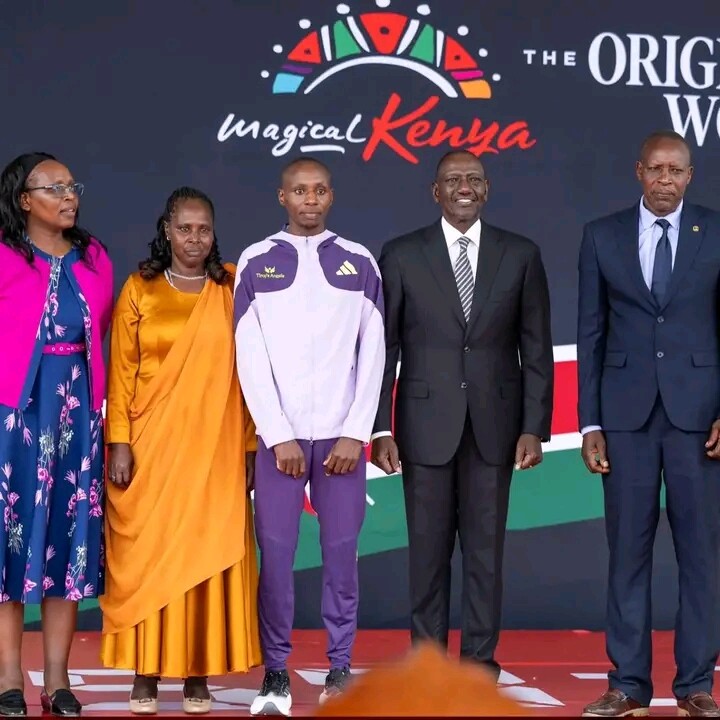
Yet, even in the glow of such extraordinary success, Sawe remains driven by a hunger for more. Far from satisfied, he has already set his sights on lowering the record further—a mindset that perfectly captures the spirit of champions who refuse to see limits where others do.
Kenya’s legacy in distance running has long been unmatched, but this moment stands apart. It is a reminder that greatness is not static—it evolves, it challenges, and it inspires. And in Sebastian Sawe, the world has witnessed not just a record-breaker, but a pioneer of possibility.
As the celebrations ripple across the nation, one truth stands clear: this was not just a victory for Kenya—it was a victory for humanity.
(04/30/2026) ⚡AMPby Erick Cheruiyot for My Best Runs.
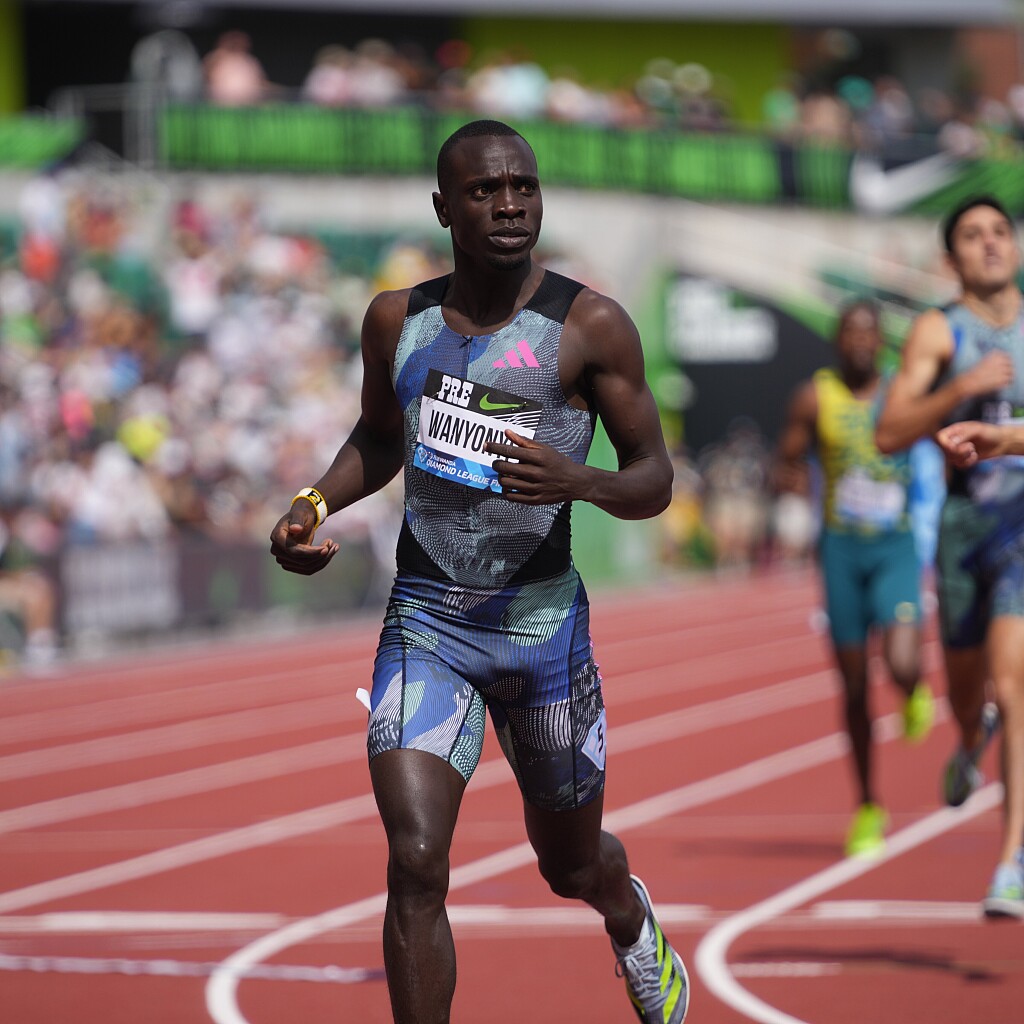
Clash of Titans in Stockholm: Wanyonyi Set for Electrifying 800m Showdown
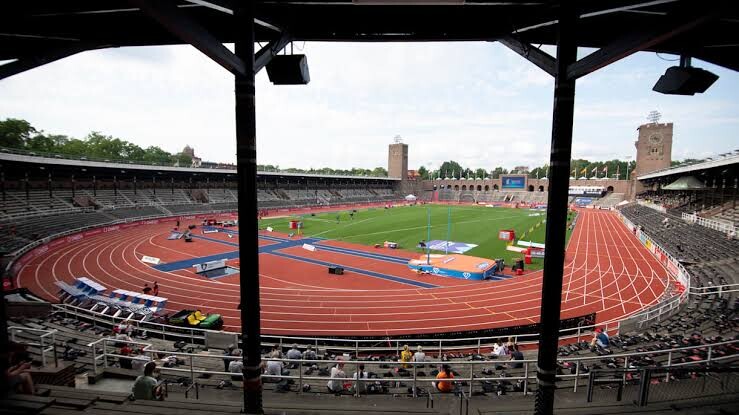
The middle-distance world is bracing for a spectacle of rare intensity as Kenya’s rising star Emmanuel Wanyonyi prepares to headline the 800 metres at the 2026 Stockholm Diamond League on June 7. In what promises to be one of the most compelling races of the season, Wanyonyi will lock horns with two of the event’s most formidable figures—Canada’s Marco Arop and Algeria’s Djamel Sedjati.
This is more than just a race; it is a convergence of contrasting styles, raw speed, and tactical brilliance. Wanyonyi, widely regarded as the future of the 800m, has built a reputation on fearless front-running and a devastating finishing kick. His meteoric rise has not only re-energized Kenya’s middle-distance legacy but also positioned him as a central figure in the next era of global athletics.
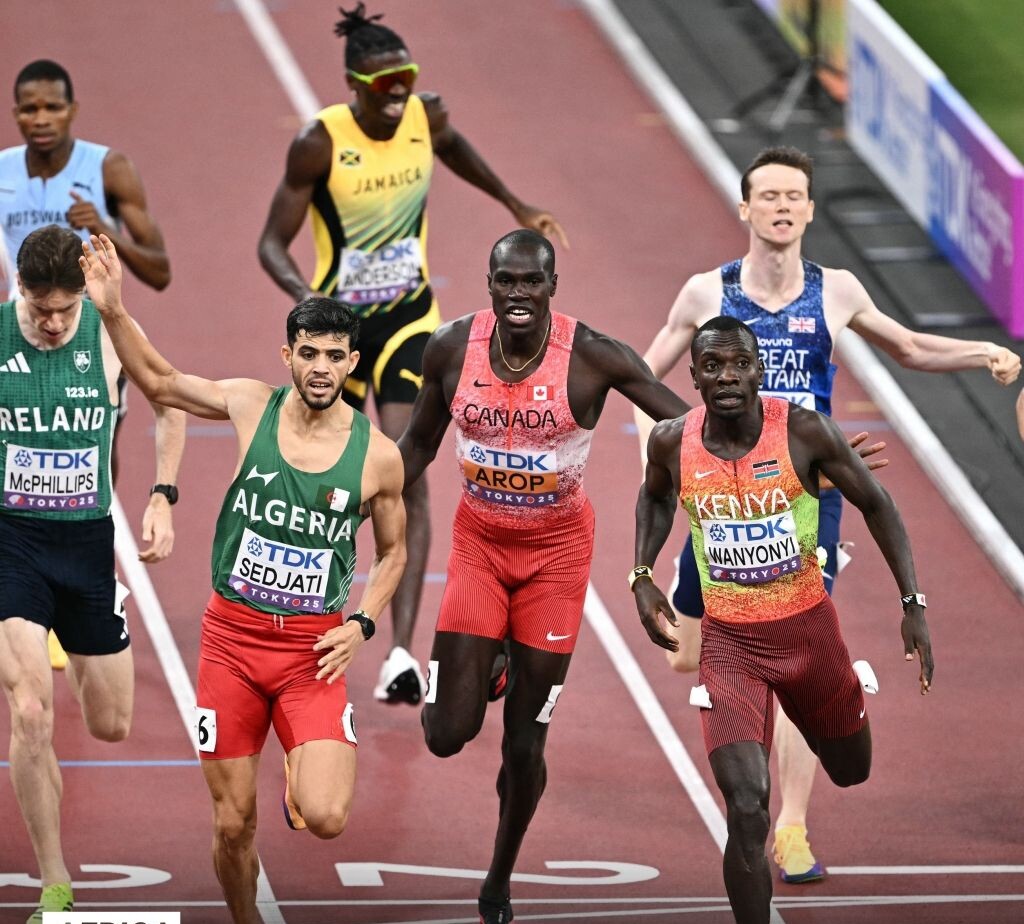
Standing in his path is Arop, a master of race control whose strength and composure often turn tactical battles in his favor. The Canadian’s ability to dictate pace and surge at critical moments makes him a constant threat in championship-caliber fields. Meanwhile, Sedjati brings his own brand of brilliance—fluid, aggressive, and unpredictable—capable of dismantling even the most carefully calculated race plans.
The Stockholm stage has long been synonymous with fast times and historic performances, and this year’s edition is shaping up to uphold that tradition. With three athletes at the peak of their powers, the race could evolve into a high-speed chess match or an all-out assault on the clock.
For Wanyonyi, this is another opportunity to assert dominance on the international circuit and further cement his status among the sport’s elite. For fans, it is a rare chance to witness a generational rivalry unfolding in real time—where every stride, every move, and every second will matter.
On June 7, Stockholm will not just host a race; it will stage a moment that could redefine the rhythm and hierarchy of the 800 metres.
(04/30/2026) ⚡AMPby Erick Cheruiyot for My Best Runs.

A Hero’s Return: Sabastian Sawe Comes Home to a Nation in Awe
There are moments in sport that transcend the finish line—moments that become part of a country’s identity. This was one of them. When Sabastian Sawe touched down on Kenyan soil after his historic triumph in London, he was not just returning home—he was arriving as a symbol of possibility redefined.
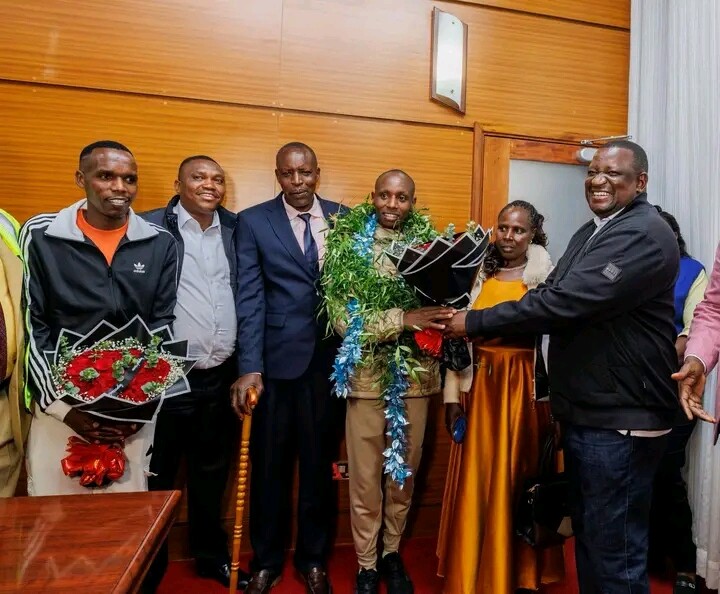
Fresh from rewriting the record books at the London Marathon, Sawe’s name now carries the weight of a new era in distance running. In a performance that will echo through generations, he clocked an astonishing 1:59:30—becoming the first man in history to break the sub-two-hour barrier in a world record-eligible race. With that single, extraordinary feat, he did not just shatter the marathon world record—he dismantled one of sport’s most elusive limits and elevated himself into rarefied air, where legends are not just remembered, but revered.

At the airport, the atmosphere was electric. Flags waved high, chants filled the air, and the pride of a nation was unmistakable. From young aspiring athletes to seasoned supporters, Kenyans turned out in numbers to celebrate one of their own. It was more than a welcome—it was a collective embrace of greatness.
Sawe’s journey to this moment has been built on discipline, resilience, and an unshakable belief in what once seemed impossible. In a country that has long been a powerhouse in long-distance running, his achievement stands out as a defining milestone—one that pushes the boundaries of human endurance and ambition.
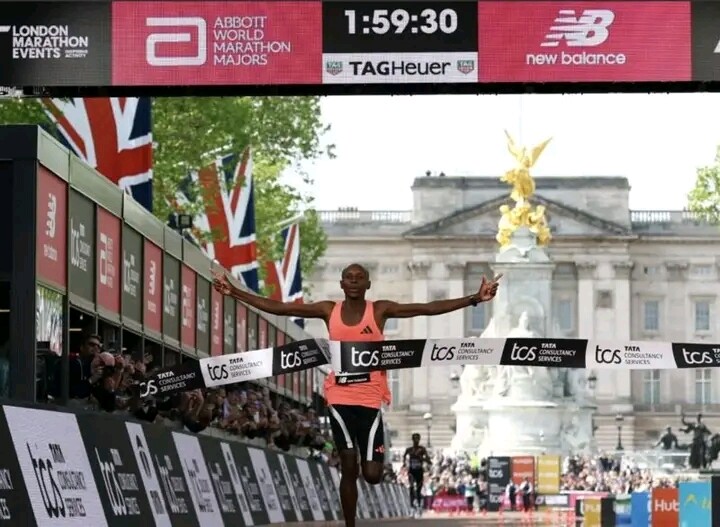
But beyond the record itself, what resonates most is the inspiration it ignites. His victory is not just a personal triumph; it is a reminder to a generation that limits are meant to be challenged. In every stride he took in London, there was a message carried back home: the future belongs to those willing to chase it relentlessly.
Now, as celebrations echo across Kenya, one truth remains clear—this is not just the return of a champion. It is the rise of a new icon, a torchbearer of excellence, and perhaps, the beginning of an even greater legacy.
(04/29/2026) ⚡AMPby Erick Cheruiyot for My Best Runs.

When History Lights Up the World: Adidas Turns Piccadilly Circus into a Monument for Sabastian Sawe
In a moment that fused sport, culture, and global recognition, Adidas delivered a striking honor to Sabastian Sawe—illuminating Piccadilly Circus with a towering billboard that celebrated his historic sub-two-hour marathon performance. It was more than a marketing display; it was a declaration to the world that an extraordinary feat had taken its rightful place in history.
Sawe’s achievement—breaking one of athletics’ most elusive barriers—has already reshaped the limits of human endurance. But this visual spectacle in the heart of London elevated that accomplishment beyond the finish line. It transformed a race into a global cultural moment, projecting the story of discipline, resilience, and ambition onto one of the most visible stages on earth.
From the quiet grind of long-distance training to the electric glow of an international landmark, Sawe’s journey reflects the purest essence of greatness: unseen sacrifice meeting undeniable execution. His performance was not just fast—it was transformative, forcing the world to reconsider what is possible when preparation and belief align.
The choice of Piccadilly Circus was deliberate and symbolic. Known for its commanding digital screens and global foot traffic, it represents visibility at the highest level. To feature a Kenyan athlete in such a space sends a powerful message far beyond sport—it tells every young dreamer that talent, when nurtured with discipline, can transcend borders and command the world’s attention.
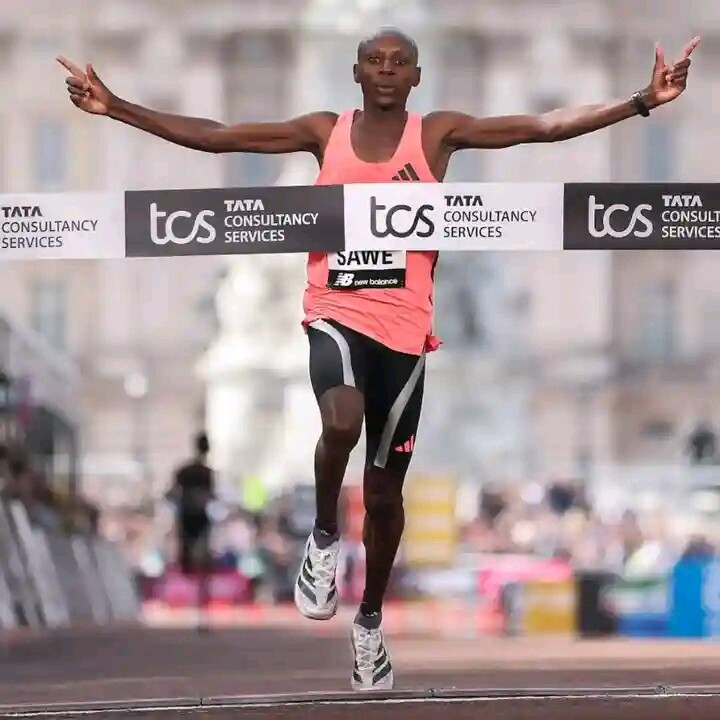
In many ways, this was also a masterstroke in branding. Adidas did not merely congratulate an athlete; it aligned itself with a moment of history. By amplifying Sawe’s triumph, the brand positioned itself alongside excellence, resilience, and the relentless pursuit of greatness—values that resonate far beyond the track.
Sawe’s rise is a reminder that limits are often mental constructs, waiting to be challenged by those courageous enough to defy them. His name is now etched not only in record books but also in the broader narrative of human achievement.
And as the lights of Piccadilly Circus carried his story across the globe, one truth stood clear: when greatness becomes undeniable, the world does more than watch—it celebrates.
Sabastian Sawe did not just run a marathon. He redefined possibility—and in doing so, ran straight into history.
(04/29/2026) ⚡AMPby Erick Cheruiyot for My Best Runs.

When Legends Rise: Assefa and Sawe Claim Their Place in History
the grand theatre of distance running, where endurance meets audacity, two names have now been carved into the highest tier of human achievement. Tigist Assefa and Sabastian Sawe have transcended victory and stepped into immortality, their performances at the London Marathon 2026 earning them official recognition in the Guinness World Records.
It was not merely a race—it was a rewriting of limits.
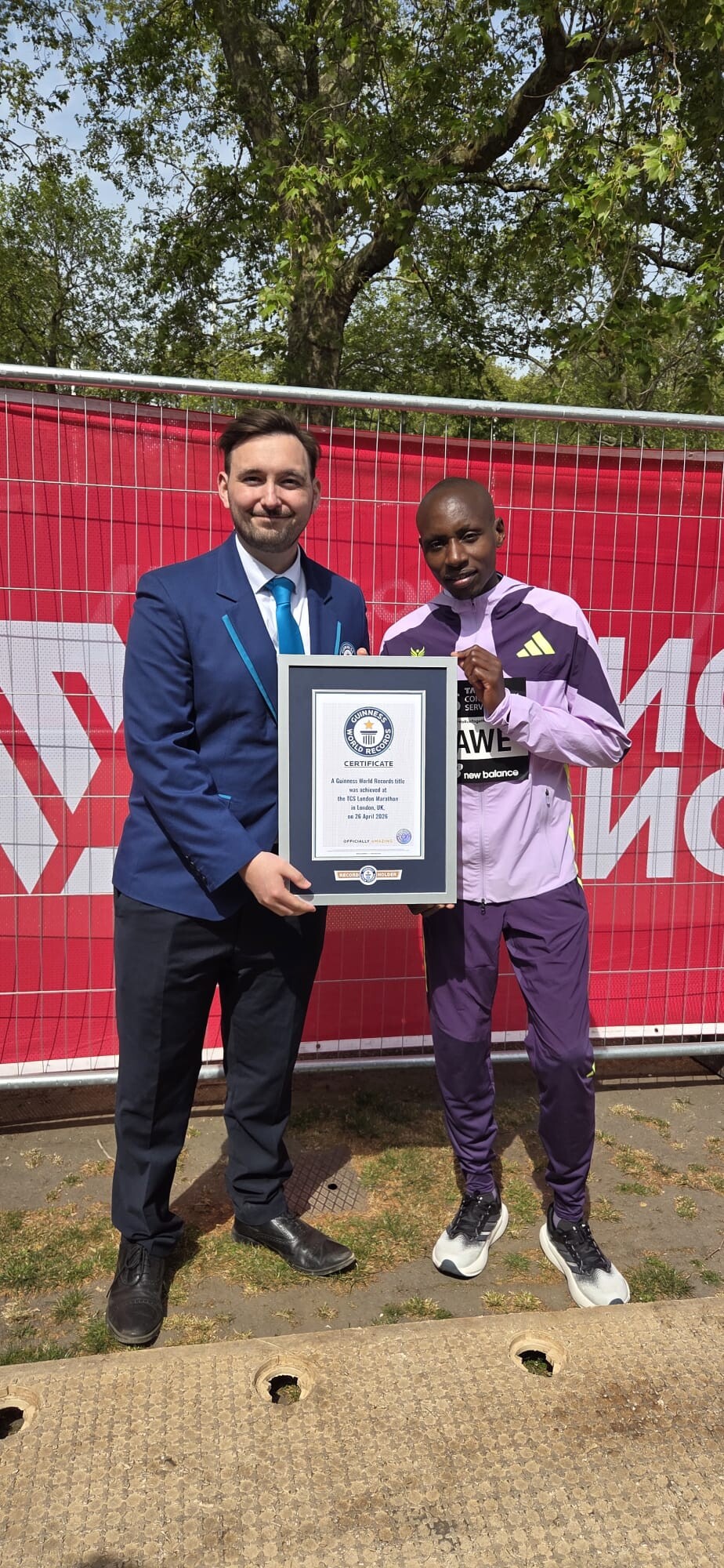
Sawe delivered a performance that defied decades of physiological assumptions. Clocking an astonishing 1:59:30, he shattered the long-standing perception of what the human body can sustain over 42.195 kilometers. The sub-two-hour marathon, once considered an almost mythical frontier, became a reality under race conditions—no pacing formations, no experimental setup—just raw, competitive brilliance. His run was not only fast; it was controlled, precise, and relentlessly efficient, a masterclass in modern marathon execution.
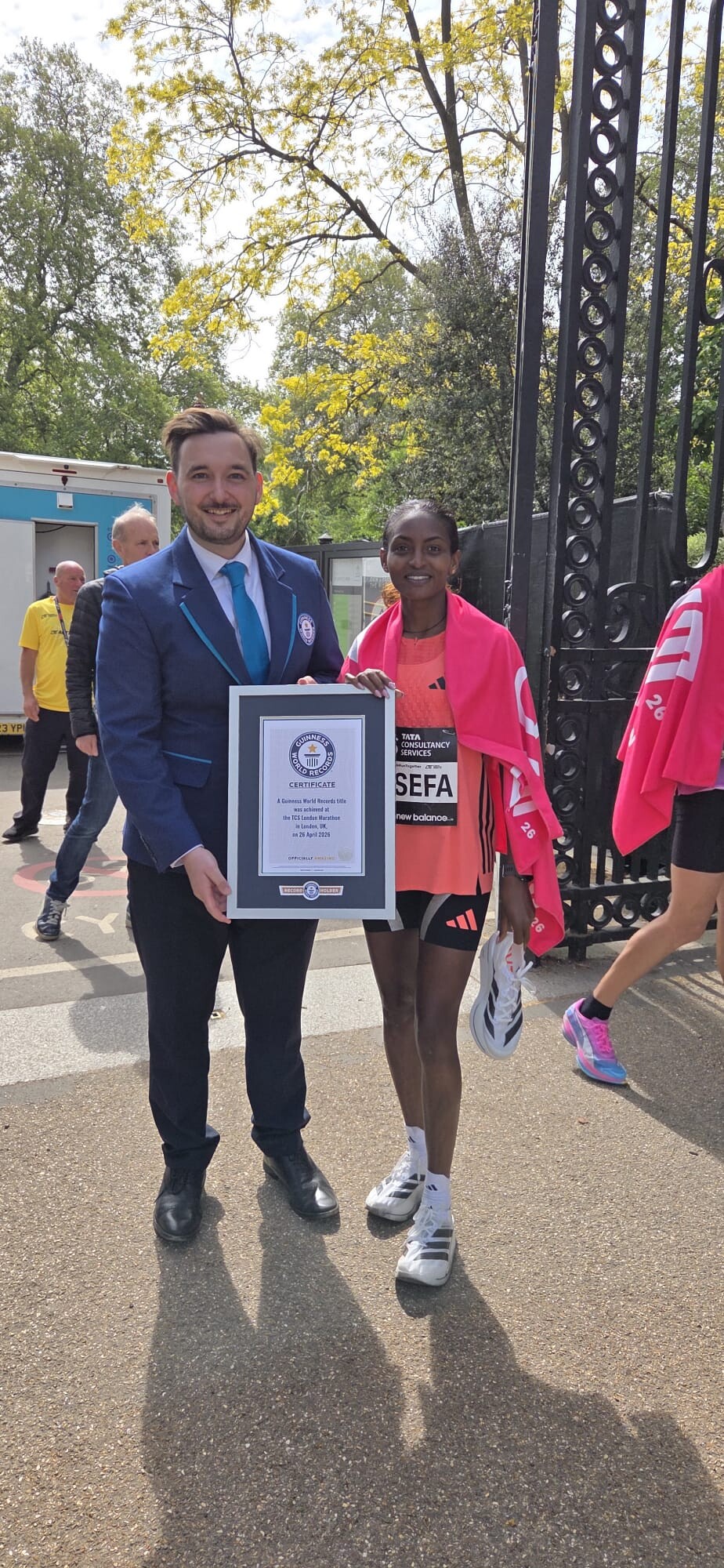
On the women’s side, Assefa produced a run of equal magnitude, though sculpted in a different context. Her 2:15:41 established a new women-only world record, a distinction that strips away the advantage of mixed pacing and places the spotlight squarely on individual strength and strategy. From the opening miles, she ran with authority, balancing aggression with composure, and by the closing stages, her dominance was undeniable. It was a performance defined by clarity of purpose and extraordinary resilience.
Together, these two athletes did more than win races—they expanded the boundaries of possibility. Their entries into the Guinness World Records serve as formal recognition of something deeper: a shift in the narrative of marathon running. Where once there were ceilings, there are now open skies.
What makes this moment particularly compelling is its duality. Kenya and Ethiopia, long-standing rivals and co-authors of distance running greatness, once again stand side by side at the summit. Sawe and Assefa, through different journeys and styles, have arrived at the same destination—global sporting immortality.
In years to come, their times will be chased, analyzed, and perhaps even surpassed. But the significance of this moment will endure. Because records, at their core, are not just numbers. They are declarations—bold statements of how far humanity can go when courage meets preparation.
And on that unforgettable day in London, Assefa and Sawe did not just run fast. They ran beyond history—and into it.
(04/28/2026) ⚡AMPby Erick Cheruiyot for My Best Runs.
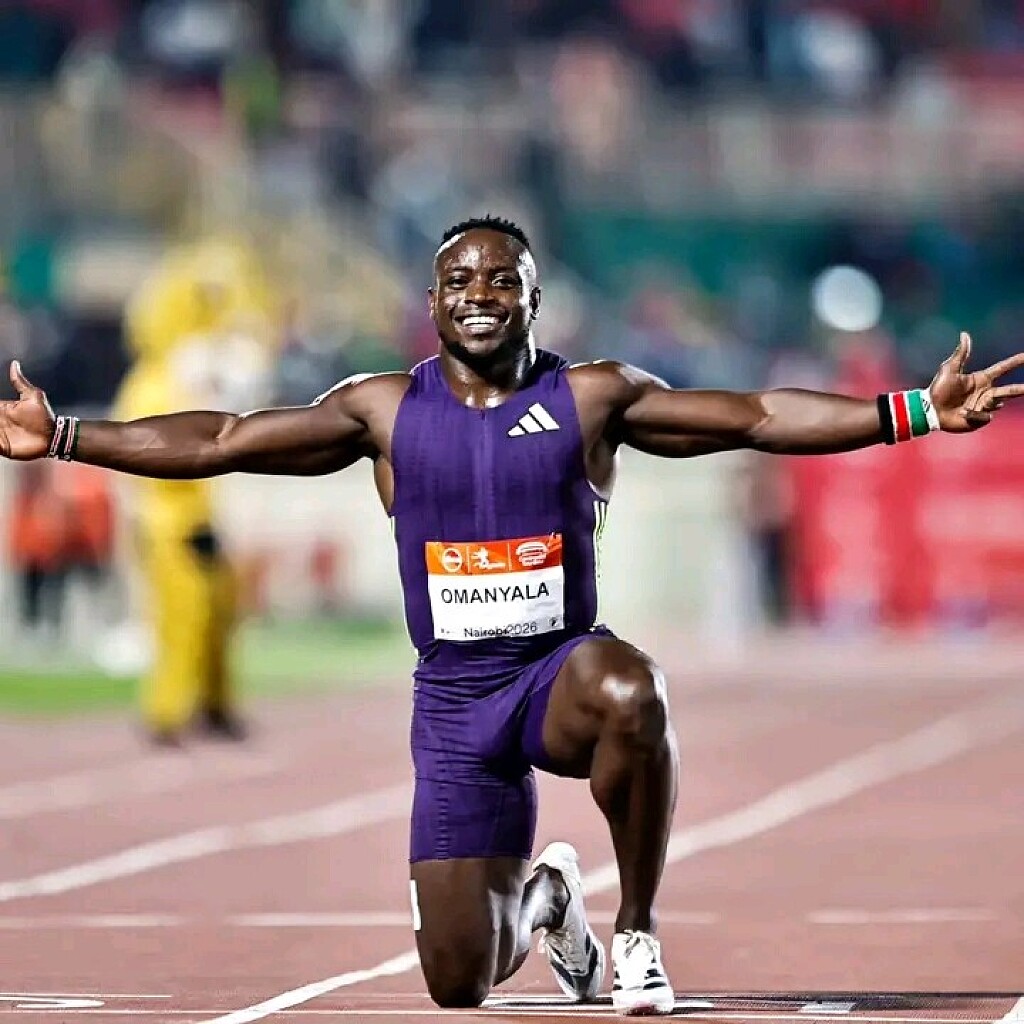
Ferdinand Omanyala: Africa’s Fastest Man Finds Another Gear with Relentless Sub-10 Consistency
Kenya’s sprint king Ferdinand Omanyala is building something truly formidable. With a stunning sequence of performances—9.98, 9.96, and now 9.95 seconds—the African record holder is not just winning races; he’s sending a clear message to the global sprinting elite. This is no longer about isolated brilliance. This is consistency at the highest level, and it’s beginning to look dangerous.
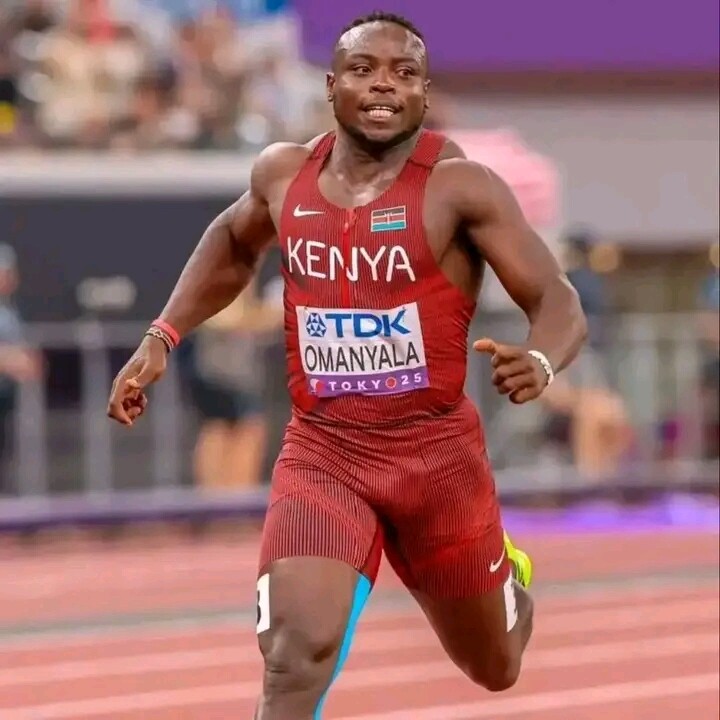
Across three major meets—the Addis Ababa Grand Prix in Addis Ababa (9.98s), the Kip Keino Classic in Nairobi (9.96s), and the Botswana Grand Prix in Gaborone (9.95s)—Omanyala has steadily sharpened his edge. Each race has been a step forward, a fraction faster, a statement louder. The progression isn’t accidental; it reflects precision training, growing confidence, and a sprinter peaking at just the right moment.
What makes this run particularly compelling is the ease with which Omanyala is dipping under the coveted 10-second barrier. In the world of sprinting, consistency at sub-10 is the ultimate currency of greatness. It separates contenders from champions. And right now, Omanyala is stacking performances like a man on a mission—calm, composed, and increasingly dominant.
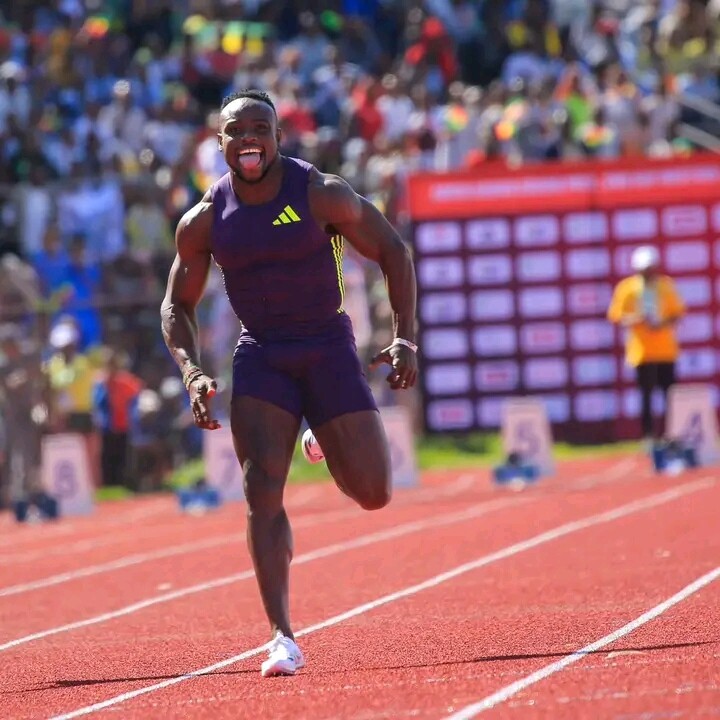
Beyond the times, there’s a presence about him. Explosive out of the blocks, powerful through the drive phase, and composed at top speed, he looks every bit the complete sprinter. His latest 9.95 is not just a season highlight—it’s a warning shot. With each race, he’s tightening his grip on the title of Africa’s fastest man while positioning himself as a genuine global threat.
For Kenya, a nation long celebrated for distance running excellence, Omanyala represents a thrilling shift in narrative. He is rewriting expectations, proving that sprinting greatness can also rise from East Africa. And as the season gathers pace, one thing is becoming increasingly clear: if this trajectory holds, the world will soon have no choice but to reckon with him at the very top.
Sub-10 consistency isn’t just impressive—it’s ominous. And right now, Ferdinand Omanyala is trending exactly where he wants to be: faster, sharper, and closing in on something special.
(04/27/2026) ⚡AMPby Erick Cheruiyot for My Best Runs.
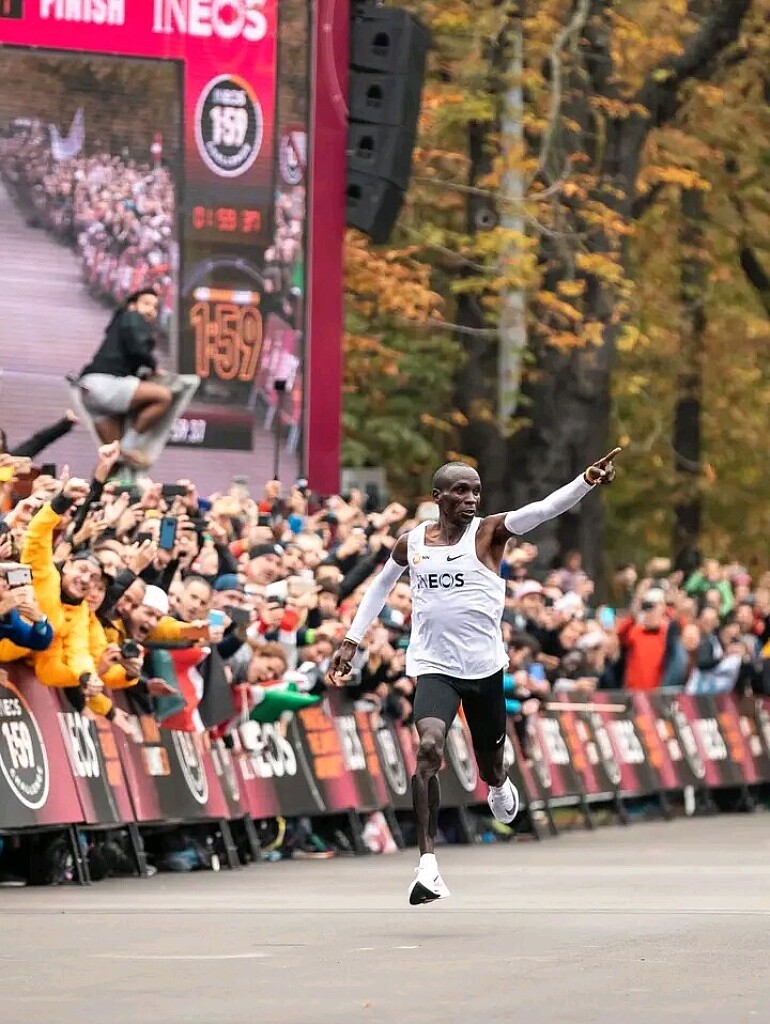
Kipchoge Hails Historic London Marathon as Sawe and Kejelcha Shatter the Two-Hour Barrier
Marathon legend Eliud Kipchoge has led the global athletics community in celebrating a landmark moment in distance running after Sabastian Sawe and Yomif Kejelcha both broke the once-unthinkable two-hour barrier at the London Marathon. Their astonishing performances transformed the streets of London into the stage for one of the greatest days the sport has ever witnessed.
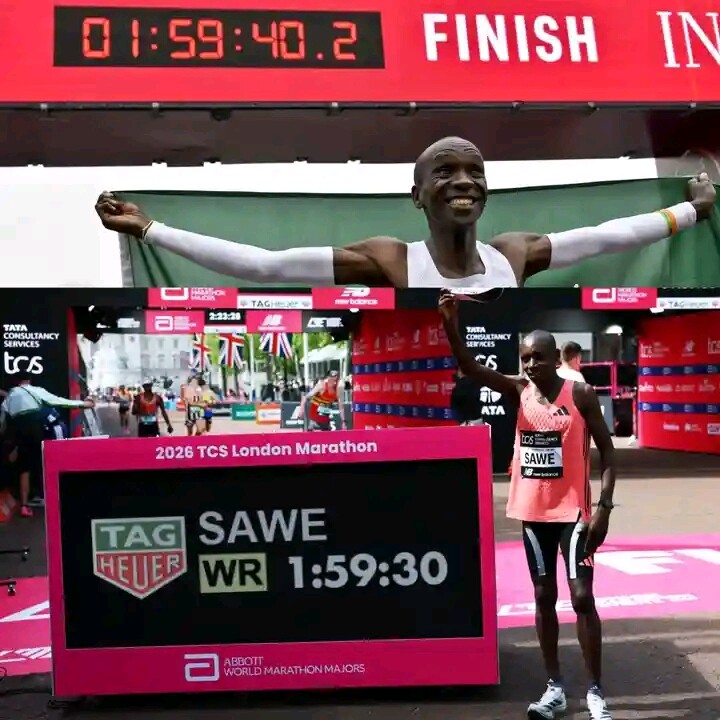
Reacting to the achievement, Kipchoge described the occasion as a defining chapter in marathon history, praising the pair for turning what was once considered impossible into reality. He noted that seeing two athletes dip under two hours in an official city marathon was powerful proof that the limits of human endurance continue to expand when extraordinary talent is matched with progress, preparation, and belief.
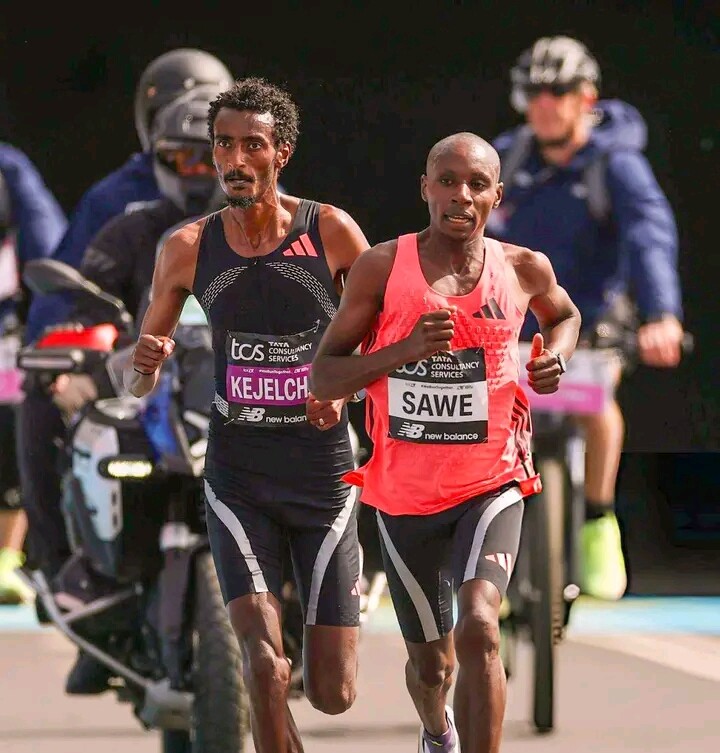
The Kenyan icon, who famously ran 1:59:40 during the INEOS 1:59 Challenge, said it had always been his hope that another athlete would one day carry that dream into a major city marathon and officially conquer the barrier. For Kipchoge, the London breakthrough was not the end of a journey, but the beginning of a new era for the marathon.
Sawe’s triumph and Kejelcha’s fearless run now stand as symbols of a sport entering uncharted territory. Their performances have redefined expectations and raised fresh excitement about how fast the marathon can become in the years ahead.
Kipchoge also used the moment to deliver the message that has inspired millions around the world: No Human Is Limited. With history now rewritten in London, the next generation of runners has been handed a new standard to chase—and a powerful reminder that impossible barriers are meant to fall.
(04/26/2026) ⚡AMPby Erick Cheruiyot for My Best Runs.
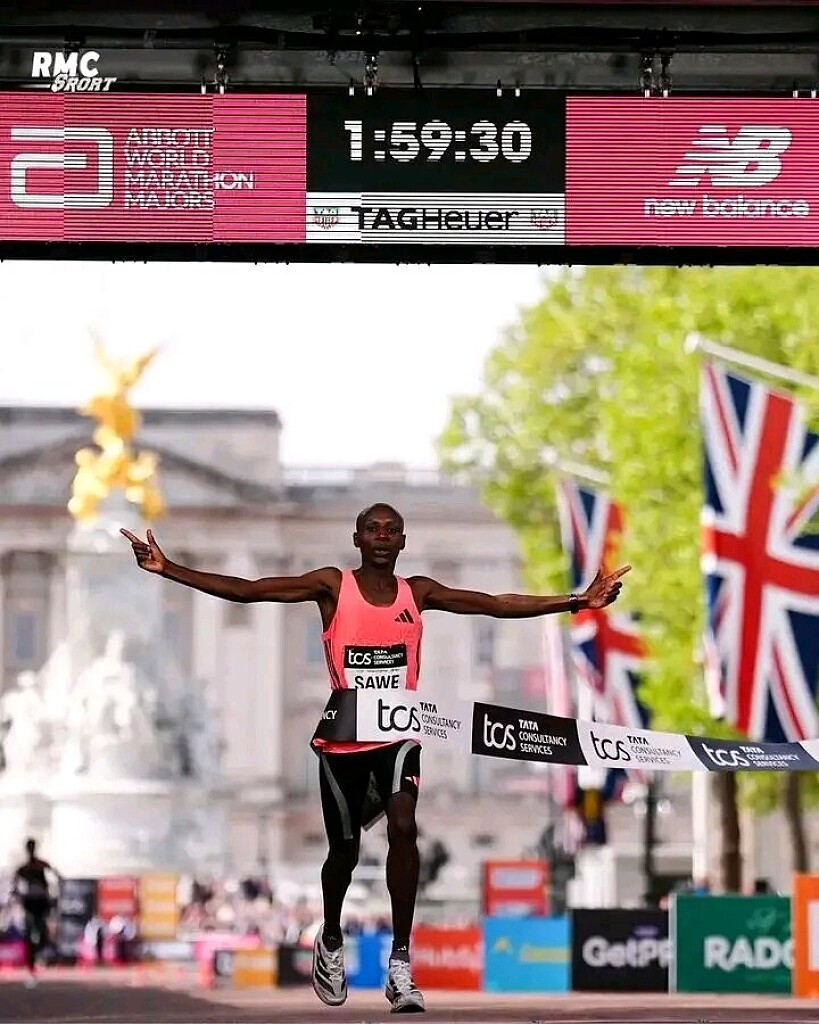
Golden Payday in London: Sebastian Sawe Turns Marathon Glory Into $330,000 Windfall
Sebastian Sawe delivered a performance of immense class and composure at the 2026 London Marathon, storming to victory in the men’s race and securing one of the richest rewards in road racing. With the winner’s purse, bonuses, and world-record incentives combined, the Kenyan star is set to leave the British capital with an astonishing $330,000.
It was not merely a race win—it was a statement. Sawe conquered one of the strongest marathon fields assembled this season, mastering the pace, pressure, and prestige that define London’s famous streets. From the early miles to the decisive closing stages, he ran with the confidence of a man fully aware that greatness was within reach.
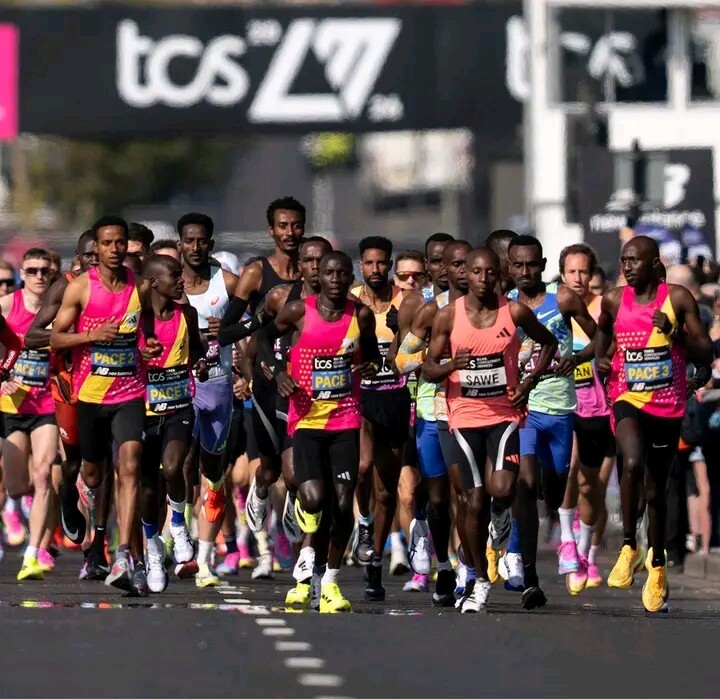
The financial reward only adds another layer to an unforgettable day. Spread across the 26.2-mile journey, Sawe’s earnings equate to roughly $7,857 per mile—a remarkable figure that underlines the scale of elite marathon success at the highest level.
Sebastian Sawe’s magnificent victory could prove just as rewarding financially as it was historically on the road. After delivering a sensational sub-two-hour performance, the Kenyan star is expected to pocket more than Ksh 40 million through a combination of prize money and performance bonuses. The champion’s purse is valued at $55,000, while an additional $150,000 incentive is attached to breaking the 2:02:00 barrier, turning his brilliance into an extraordinary payday.
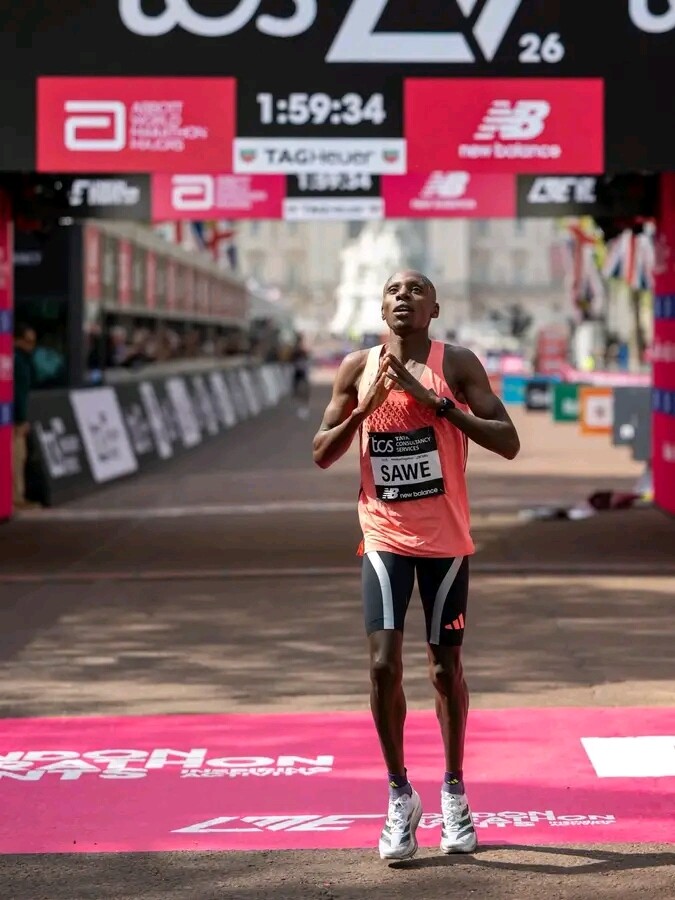
Should his stunning 1:59:30 also qualify for the world-record reward, a further $125,000 would be added to his total earnings. That would lift the combined package to approximately $330,000 — over Ksh 42 million based on 2026 exchange rates. The figure does not yet account for appearance fees or any course-record bonuses, meaning the final sum could be even greater, although taxes and other standard deductions would still apply.
Yet beyond the prize money lies the deeper significance of the moment. London has long been a theatre where legends are made, and Sawe’s triumph places his name firmly among the newest stars of the distance. To win there requires far more than speed; it demands courage, intelligence, and flawless execution.
For Kenyan athletics, it was another proud chapter in a rich distance-running tradition. For Sawe himself, it may prove the race that elevates him from contender to global marathon force.
One race. One unforgettable victory. One life-changing payday. Sebastian Sawe left London with far more than money—he left with history.
(04/26/2026) ⚡AMPby Erick Cheruiyot for My Best Runs.

TCS London Marathon
The London Marathon was first run on March 29, 1981 and has been held in the spring of every year since 2010. It is sponsored by Virgin Money and was founded by the former Olympic champion and journalist Chris Brasher and Welsh athlete John Disley. It is organized by Hugh Brasher (son of Chris) as Race Director and Nick Bitel...
more...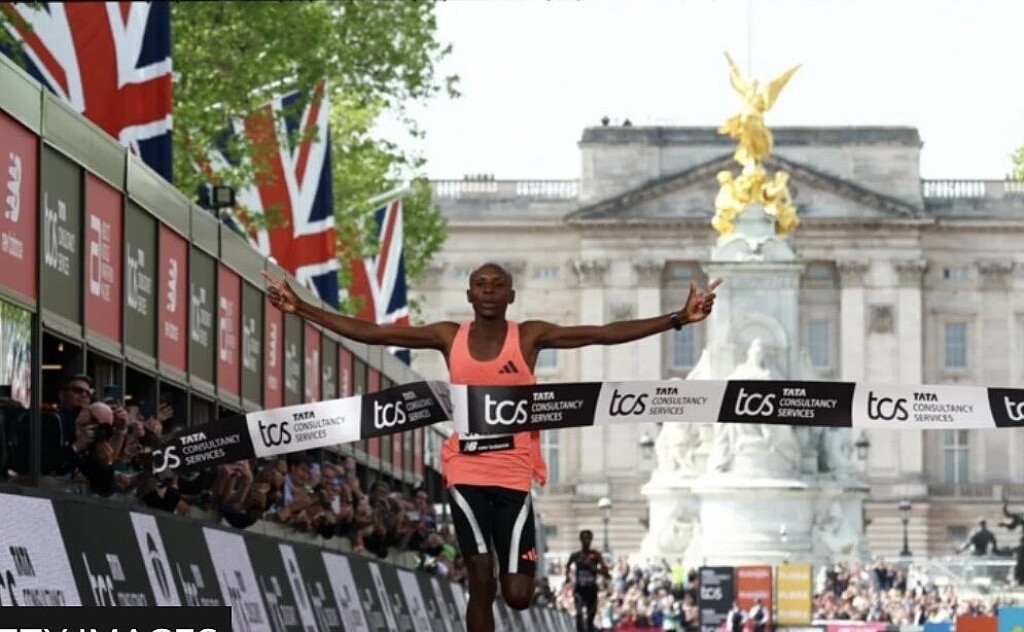
HISTORY REWRITTEN: Sawe Shatters the Two-Hour Barrier in a Marathon Masterpiece
In a moment that will echo through the annals of long-distance running, the defending champion Sebastian Sawe has achieved what generations once believed to be beyond human reach—breaking the two-hour barrier in an official marathon setting at the TCS London Marathon 2026.
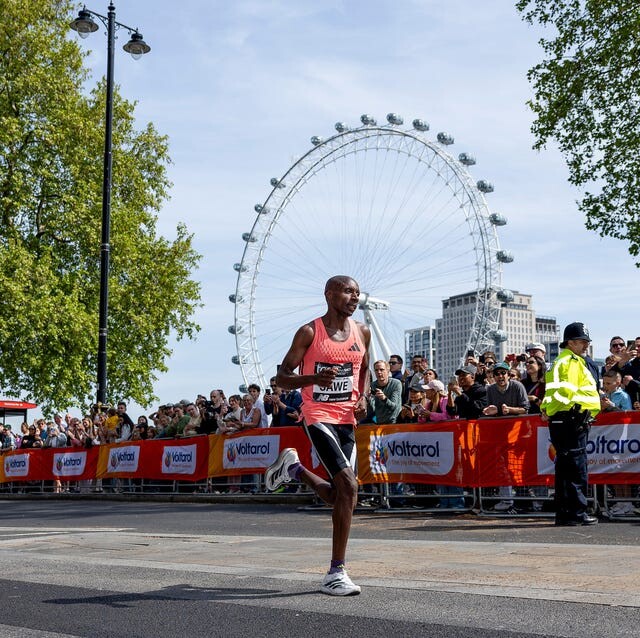
Clocking a breathtaking 1:59:30, the Kenyan star becomes the first man in history to run a sub-two-hour marathon under record-eligible conditions, delivering a performance of extraordinary precision, endurance, and courage. It was not just a race—it was a statement that the limits of human performance continue to be redefined.
The race unfolded at a relentless pace, with Sawe demonstrating remarkable composure and control from the very start. As the kilometers ticked away, it became increasingly evident that something historic was taking shape. Each stride carried the weight of expectation and possibility, and when he finally crossed the line, the stopwatch confirmed the unimaginable had become reality.
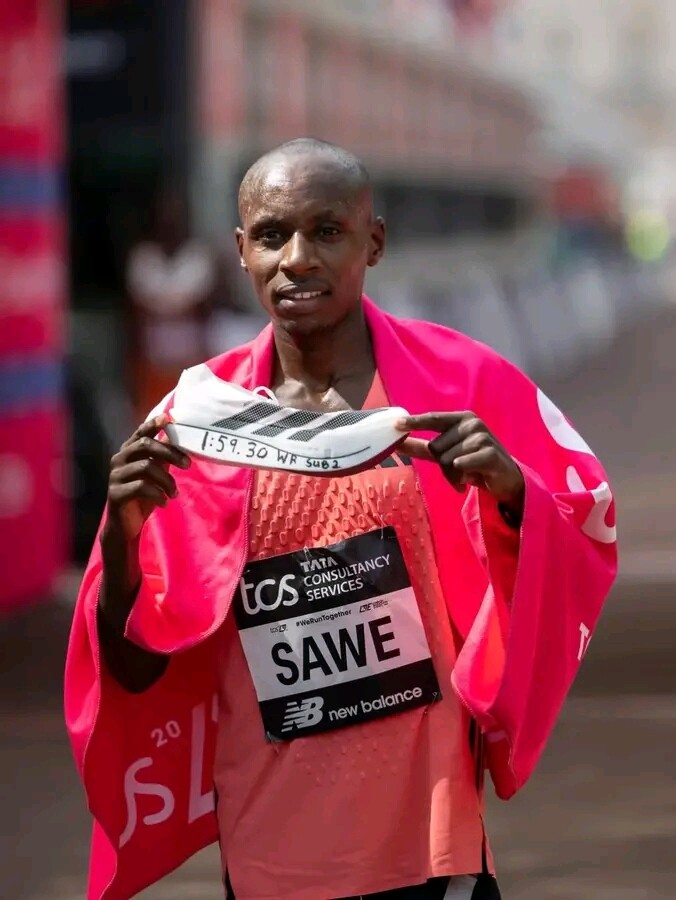
Hot on his heels was Ethiopia’s Yomif Kejelcha, who matched the historic time of 1:59:41, securing a personal best and national record in a performance that would have dominated headlines on any other occasion. Meanwhile, Uganda’s Jacob Kiplimo delivered a sensational 2:00:28, also a personal best and national record, further highlighting the extraordinary depth and quality of this unforgettable race.
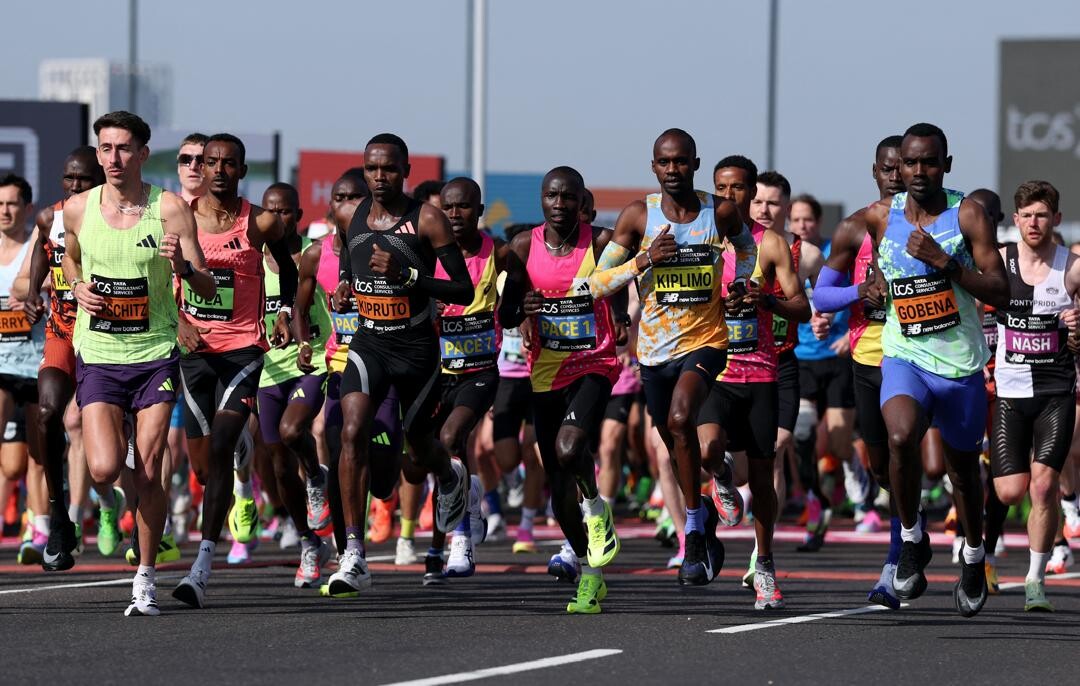
What made this performance even more remarkable was the manner in which it was achieved. The pace never wavered, the rhythm never broke, and the intensity never dropped. Every split reflected surgical precision, as the lead pack worked in perfect harmony before Sawe unleashed his decisive surge in the closing stages. It was a masterclass in controlled aggression—where endurance met absolute mental strength on the grandest stage.
Beyond the numbers and records, this race will be remembered for the statement it sends to the rest of the world: that marathon running has officially entered a new dimension. What was once considered untouchable is now history, rewritten in bold ink. Sawe’s triumph, alongside the extraordinary performances of Kejelcha and Kiplimo, has elevated the sport into a new era where limits are not just challenged—but completely erased.
Top 10 Finishers – 2026 TCS London Marathon (Elite Men)
1. Sebastian Sawe – 1:59:30 (World Record)
2. Yomif Kejelcha – 1:59:41 (PB, NR)
3. Jacob Kiplimo – 2:00:28 (PB, NR)
4. Amos Kipruto (Kenya) – 2:01:39 PB
5. Tamirat Tola (Ethiopia) – 2:02:59
6. Deresa Geleta (Ethiopia) – 2:03:23
7. Addisu Gobena (Ethiopia) – 2:05:23
8. Geoffrey Kamworor (Kenya) – 2:05:38
9. Peter Lynch (Ireland) – 2:06:08 NR
10. Mahamed Mahamed (Great Britain) – 2:06:14 PB
This extraordinary race will be remembered as one of the defining moments in the evolution of marathon running, where human endurance and scientific preparation converged to produce something once thought impossible. It was not only about breaking a barrier, but about completely redefining what the sport can deliver at its highest level, inspiring a new generation of athletes to dream beyond established limits.
As the dust settles on this historic achievement, the legacy of this day will endure far beyond the finishing times. Sebastian Sawe and his closest challengers have etched their names into athletics history, proving that greatness is not a destination but a continuous pursuit. The marathon world now stands transformed, with a new standard set and a new era unmistakably underway.
(04/26/2026) ⚡AMPby Erick Cheruiyot for My Best Runs.
TCS London Marathon
The London Marathon was first run on March 29, 1981 and has been held in the spring of every year since 2010. It is sponsored by Virgin Money and was founded by the former Olympic champion and journalist Chris Brasher and Welsh athlete John Disley. It is organized by Hugh Brasher (son of Chris) as Race Director and Nick Bitel...
more...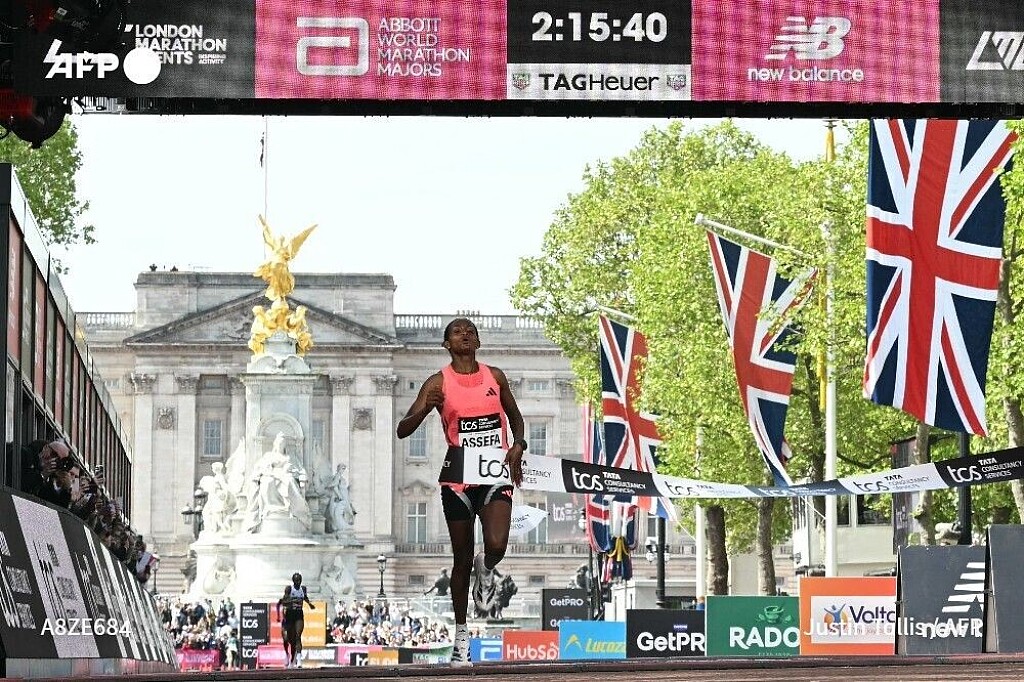
Assefa’s Historic Surge Headlines East African Masterclass in London
The 2026 edition of the London Marathon 2026 delivered a race for the ages, as East Africa once again stamped its authority on one of the sport’s grandest stages. At the center of it all was Ethiopia’s Tigst Assefa, who produced a breathtaking performance to win the women’s race in 2:15:41, breaking her own women-only world record in emphatic fashion.
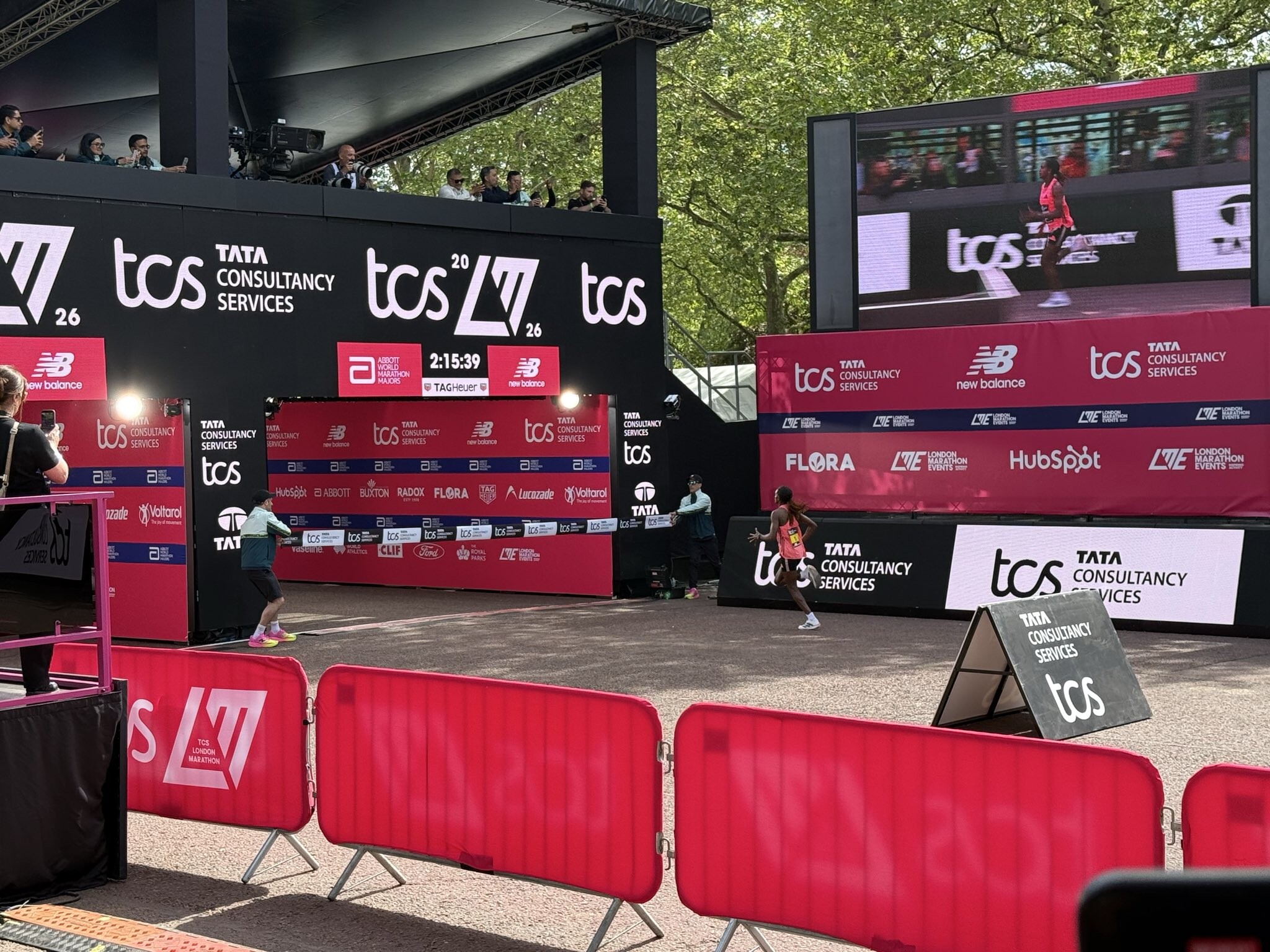
From the gun, the pace was unrelenting. The lead group, dominated by Ethiopian and Kenyan contenders, surged through the early checkpoints with intent, setting the tone for what would become a historically fast contest. Assefa, calm yet decisive, positioned herself perfectly before gradually turning the race into a test of pure strength and precision.
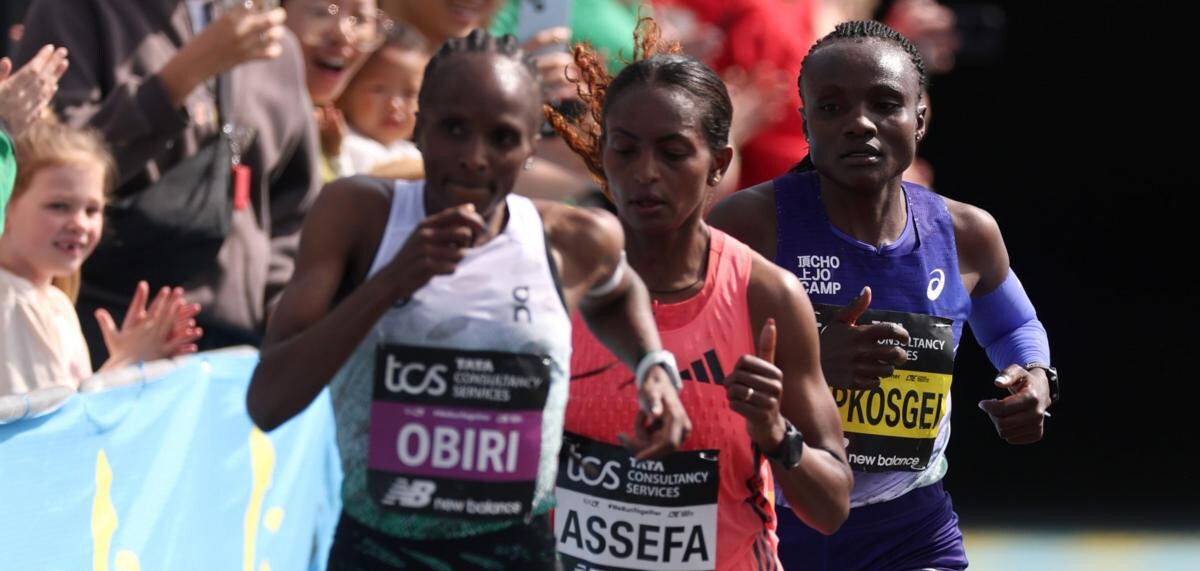
By the latter stages, the Ethiopian star had shifted gears, her stride smooth and efficient as she pulled away under the weight of expectation and the pressure of elite competition. When she crossed the finish line along the iconic streets of London, the clock confirmed what the racing world had begun to suspect—history had been rewritten once more.
Hot on her heels was Kenya’s Hellen Obiri, who clocked an outstanding 2:15:53 to finish second, just 12 seconds adrift in one of the closest high-caliber finishes in recent marathon memory. Fellow Kenyan Joyciline Jepkosgei completed the podium in 2:15:55, only two seconds behind Obiri, underlining the fierce competitiveness at the very top.
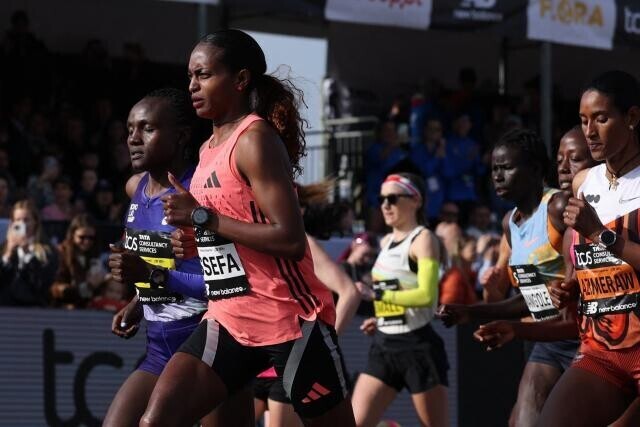
The narrow margins separating the top three told a deeper story—this was not merely a race, but a battle of resilience, tactics, and extraordinary endurance. All three athletes dipped well into elite territory, showcasing a level of depth that continues to define women’s marathon running today.
Top 10 Finishers – Women’s Marathon Final Results
1. Tigst Assefa (ETH) – 2:15:41 WR
2. Hellen Obiri (KEN) – 2:15:53 PB
3. Joyciline Jepkosgei (KEN) – 2:15:55
4. Degitu Azimeraw (ETH) – 2:19:13
5. Catherine Reline Amanang'ole (KEN) – 2:21:20
6. Eunice Chebichii Chumba (BRN) – 2:23:44
7. Eilish McColgan (GBR) – 2:24:51
8. Jucia Paternain (URU) – 2:25:47 NR
9. Rose Harvey (GBR) – 2:26:14
10. Marta Galimany (ESP) – 2:27:38
Beyond the times and records, the race served as a powerful reminder of East Africa’s enduring dominance in long-distance running. With discipline forged at altitude and an unmatched competitive culture, athletes from Ethiopia and Kenya once again transformed London into a theatre of excellence.
As the crowds roared and the finish line drama unfolded, one narrative stood clear: this was a day where greatness met opportunity—and Tigst Assefa seized it to perfection, delivering a performance that will echo through marathon history.
(04/26/2026) ⚡AMPby Erick Cheruiyot for My Best Runs.
TCS London Marathon
The London Marathon was first run on March 29, 1981 and has been held in the spring of every year since 2010. It is sponsored by Virgin Money and was founded by the former Olympic champion and journalist Chris Brasher and Welsh athlete John Disley. It is organized by Hugh Brasher (son of Chris) as Race Director and Nick Bitel...
more...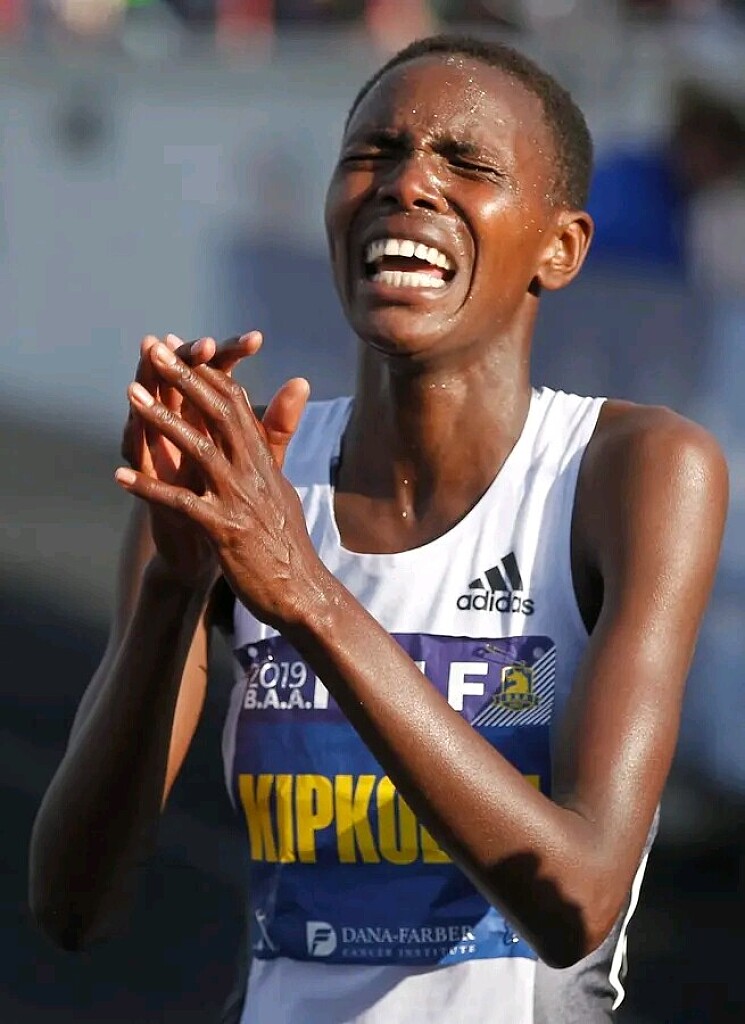
Records Fall and Boundaries Shift: A Day of Brilliance at the 2026 Hamburg Marathon
The 2026 Hamburg Marathon delivered a spectacle of endurance, precision, and historic achievement, as elite athletes transformed the streets of Germany into a stage for record-breaking performances and personal triumphs.
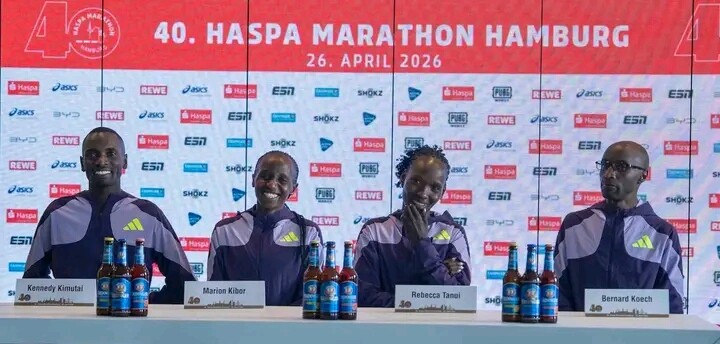
In the women’s race, Kenya’s Brillian Jepkorir Kipkoech produced a run of rare authority, storming to victory in 2:17:05. Her remarkable effort not only secured top honors but also shattered the course record while marking a personal best. From the outset, Kipkoech imposed a demanding pace, stretching the field and ultimately sealing a historic triumph that cements her place among the sport’s elite.
Fellow Kenyan, Rebbeca Tanui, followed with an outstanding performance to finish second in 2:18:25, carving out a personal best through a composed and disciplined race strategy. Ethiopia’s Kasanesh Ayenew Baze completed the podium in 2:19:39, also achieving a personal best in a race defined by relentless pace and high-level competition.
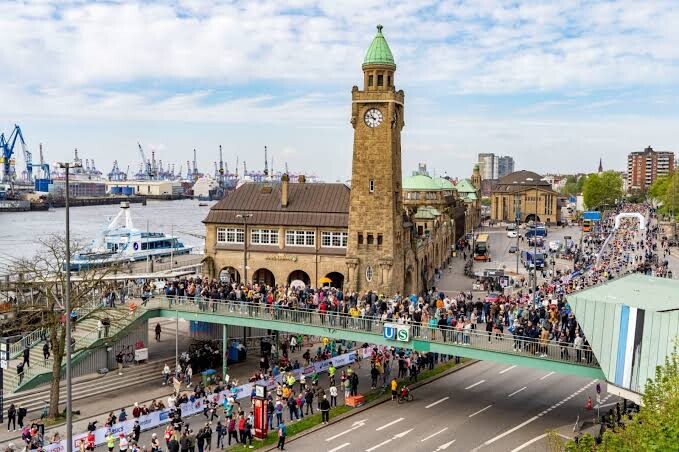
The men’s race delivered its own share of drama and excellence. Morocco’s Othmane El Goumri emerged victorious in a sensational 2:04:24, a performance that earned him both a national record and a personal best. His calculated approach and powerful finishing stretch proved decisive in a field packed with talent.
Germany’s Samuel Fitwi delighted the home supporters with a superb second-place finish, clocking 2:04:45 for a personal best in one of the finest races of his career. Just seconds behind, Kenya’s Kennedy Kimutai secured third place in 2:04:56, also reaching a new personal milestone in a tightly fought contest.
Beyond the podium, the 2026 edition will be remembered for its exceptional depth and quality, with numerous athletes surpassing their previous limits. With ideal racing conditions and a field brimming with ambition, Hamburg once again lived up to its reputation as one of the world’s premier marathon stages—where records fall and greatness is redefined.
(04/26/2026) ⚡AMPby Erick Cheruiyot for My Best Runs.

Haspa Marathon Hamburg
The HASPA MARATHON HAMBURG is Germany’s biggest spring marathon and since 1986 the first one to paint the blue line on the roads. Hamburcourse record is fast (2:05:30), the metropolitan city (1.8 million residents) lets the euphoric atmosphere spill over and carry you to the finish. Make this experience first hand and follow the Blue Line....
more...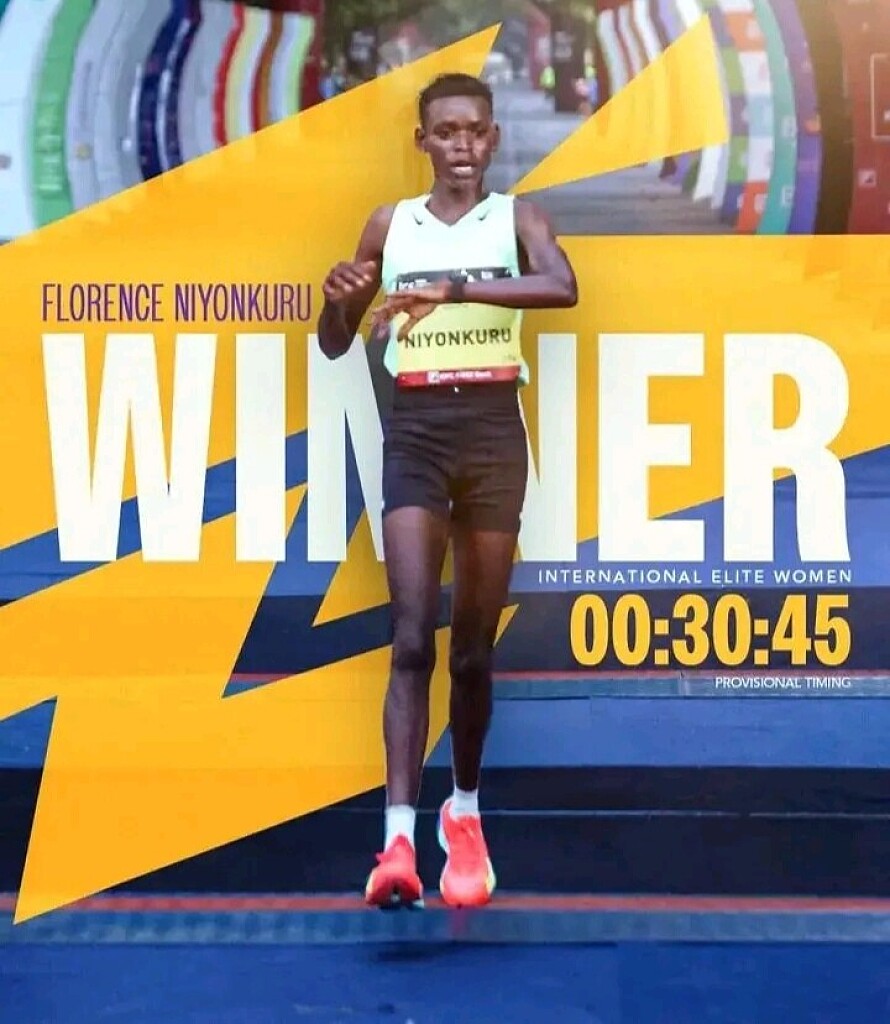
Niyonkuru Conquers Bengaluru: Rwanda’s Star Stuns Elite Field in Commanding 10K Triumph
Rwanda’s rising distance-running force, Florence Niyonkuru, delivered a performance of rare authority and composure to capture the Elite Women’s title at the TCS World 10K Bengaluru, overcoming punishing heat and humidity to seal a memorable victory in 30:45.
On a day when conditions tested even the most seasoned competitors, Niyonkuru ran with remarkable poise through the bustling streets of Bengaluru. Her decisive surge and sustained pace proved too strong for a high-calibre field dominated by East African talent, underlining her growing stature on the global road-running circuit.

Behind her, Kenya’s Brenda Jepchirchir mounted a spirited challenge but ultimately settled for second place in 30:59, while Ethiopia’s Chaltu Dida Diriba completed the podium in 31:03. The trio led a tightly contested race that showcased both tactical awareness and endurance under pressure.
Further down the standings, Ethiopia’s Melal Siyoum Biratu (31:08) claimed fourth, with Kenya’s Judy Jelagat Chepaskwony (31:14) and Janeth Chepngetich (31:15) rounding out a fiercely competitive top six.
Niyonkuru’s sub-31-minute run, achieved in such demanding weather, stands as a defining moment in her career and a significant milestone for Rwandan athletics. More than just a victory, it was a statement—one that signals Rwanda’s growing presence in elite distance running and hints at even greater achievements to come.
As the global athletics calendar unfolds, this commanding display in Bengaluru ensures that Florence Niyonkuru’s name will resonate far beyond this single race, marking her as a formidable contender on the world stage.
(04/26/2026) ⚡AMPby Erick Cheruiyot for My Best Runs.

TCS WORLD 10K BENGALURU
The TCS World 10k Bengaluru has always excelled in ways beyond running. It has opened new doors for people to reach out to the less privileged of the society and encourages them to do their bit. The TCS World 10K event is the world’s richest 10 Km run and has seen participation from top elite athletes in the world. ...
more...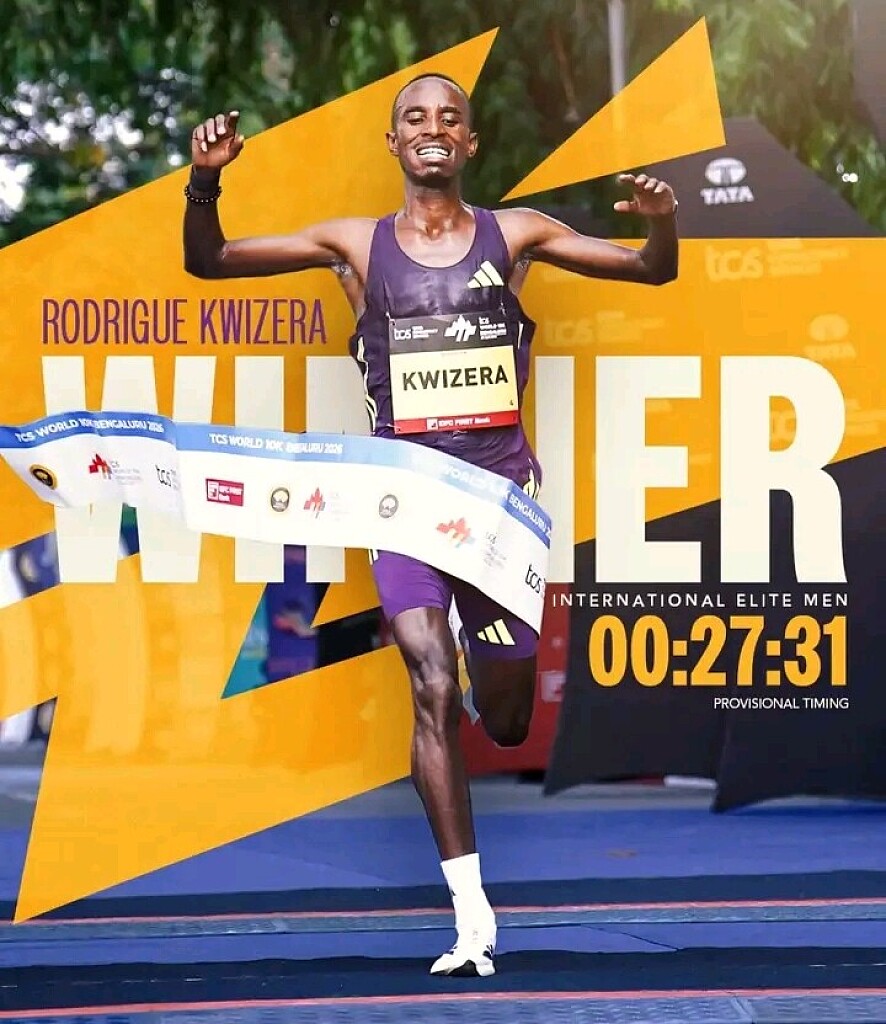
Kwizera Rewrites History in Bengaluru with Commanding Course Record Run
Burundi’s rising distance star Rodrigue Kwizera delivered a performance of rare authority at the TCS World 10K Bengaluru, storming to victory in a blistering 27:31 to set a new course record and underline his growing status on the global road running scene.
On a morning charged with anticipation in Bengaluru, Kwizera wasted little time asserting control. From the early stages, he positioned himself at the front of a tightly packed lead group, dictating a relentless tempo that gradually thinned the field. By the closing kilometers, his composure and strength proved decisive as he surged clear, leaving his rivals struggling to respond.
His finishing time of 27:31 shaved seven seconds off the previous course record of 27:38, which had been set in 2022 by Nicholas Kipkorir. The margin may appear slim on paper, but in elite 10K racing, it represents a significant leap—especially on a course known for its competitive depth and tactical complexity.
Behind him, Harbert Kibet secured second place in 27:39, while Kenya’s Gilbert Kipkosgei Kiprotich completed the podium in 27:43. Eritrea’s Saymon Tesfagiorgis Amanuiel and Tanzania’s Benjamin Fernandi Ratsim rounded out a fiercely competitive top five, all finishing within seconds of each other in a race defined by sustained pace rather than late theatrics.
Kwizera’s triumph is more than just a record-breaking run—it signals the arrival of a major force in road racing. His ability to combine tactical awareness with sustained speed suggests there is still more to come, particularly as he continues to gain experience against the world’s best.
As the dust settles in Bengaluru, one thing is certain: a new benchmark has been set, and Rodrigue Kwizera is the man who now owns it.
(04/26/2026) ⚡AMPby Erick Cheruiyot for My Best Runs.
TCS WORLD 10K BENGALURU
The TCS World 10k Bengaluru has always excelled in ways beyond running. It has opened new doors for people to reach out to the less privileged of the society and encourages them to do their bit. The TCS World 10K event is the world’s richest 10 Km run and has seen participation from top elite athletes in the world. ...
more...
Wanza Shines Bright as Kenyan Women Dominate 5000m at Kip Keino Classic
Diana Wanza announced herself in emphatic fashion at the 2026 Kip Keino Classic, producing a beautifully controlled performance to claim victory in the women’s 5000m and underline her growing status in Kenyan distance running.
On a lively afternoon in Nairobi, Wanza judged her race to perfection. Calm through the early stages and decisive when it mattered most, she surged clear to cross the line in a personal best of 15:28.91, rewarding the home crowd with one of the standout distance displays of the meeting.
Her triumph led a commanding Kenyan sweep of the podium, with Mercy Chepkemoi finishing second in 15:49.85, while Dorcus Chepkwemoi secured third place in 15:55.20 after a strong closing effort.
The depth of local talent was equally impressive, as Joyline Chepkemoi narrowly missed the podium in fourth with 15:55.40, followed by Emmaculate Jepkosgei in fifth at 16:01.75. Joan Chepkirui placed sixth in 16:07.26, while Betty Chepngeno celebrated a personal best of 16:11.12 in seventh. Alice Chemtai completed the top eight in 16:21.23.
Wanza’s rise also carries a story of patient development and disciplined preparation. She is a former alumna of the Kenyan Athletics Training Academy, where she sharpened her talent while balancing life as a student at Kenyatta University back in 2021 and 2022. During that period, she combined academic responsibilities with the demanding routine required to grow as a competitive athlete.
Her journey from academy athlete to Kip Keino Classic champion reflects the value of structured mentorship and perseverance. The foundations laid during her university years are now beginning to bear fruit on the national stage, as she transforms promise into elite performance.
Wanza’s victory was not only a personal milestone but also a reminder of Kenya’s enduring strength in women’s distance running. With world champion Beatrice Chebet expected to return to competition soon, the prospect of Wanza and Chebet racing together offers an exciting glimpse into what could become a formidable partnership for Kenya on the global stage.
If this performance was any indication, Diana Wanza is no longer simply a promising name—she is rapidly becoming a serious force.
(04/25/2026) ⚡AMPby Erick Cheruiyot for My Best Runs.
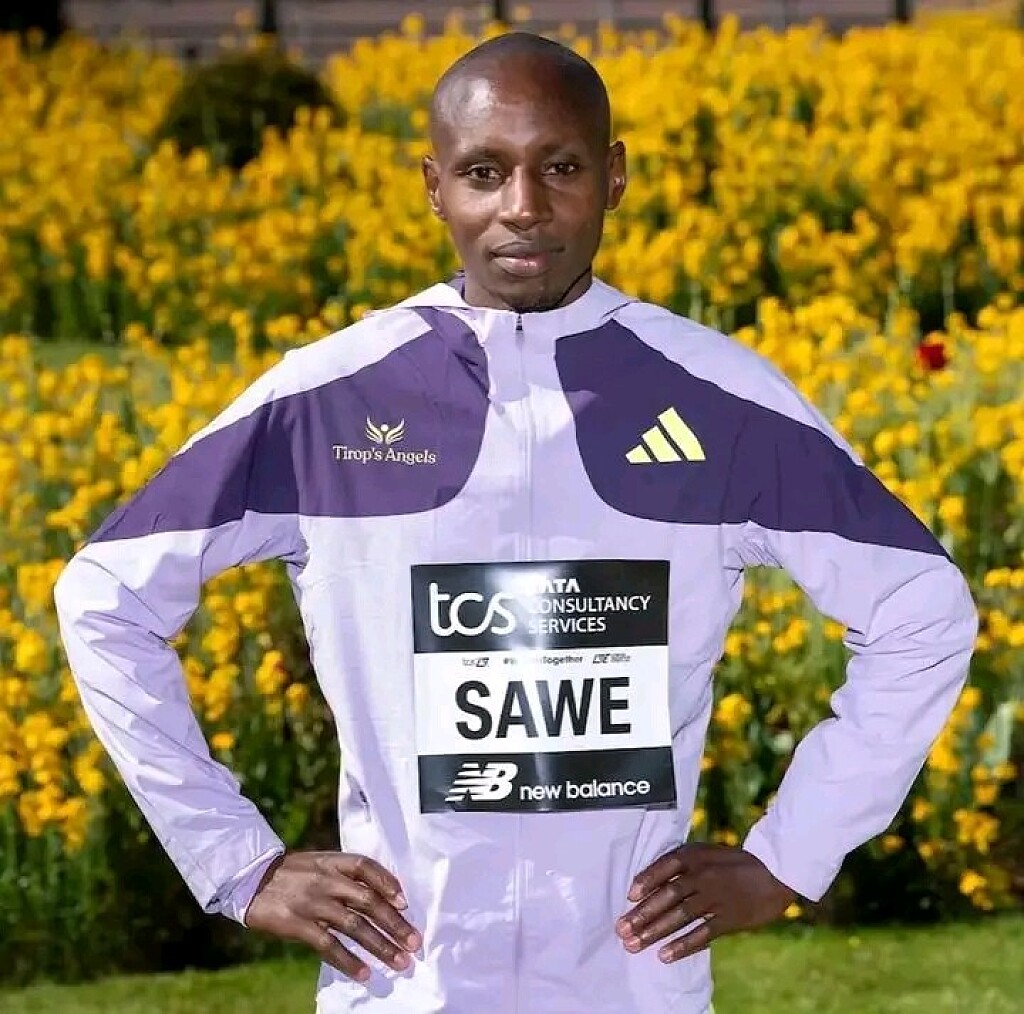
Sawe Braced for Fierce London Test Against World-Class Rivals
Confidence is building around Sabastian Sawe ahead of the 2026 London Marathon, with the Kenyan star making it clear that victory in the British capital will demand something exceptional.
Sawe believes the strength of this year’s field could force the race into historic territory once again.

“I am sure with the quality of athletes coming to London, it will take another fast time to win again,” he said ahead of Sunday’s showdown. “Perhaps the type of effort the great Kelvin Kiptum put in when he set the course record in 2023.”
That benchmark remains one of the defining performances in marathon history. Kiptum’s 2:01:25 course record in London was a masterclass in fearless front-running, and it continues to represent the standard every contender must now measure themselves against.
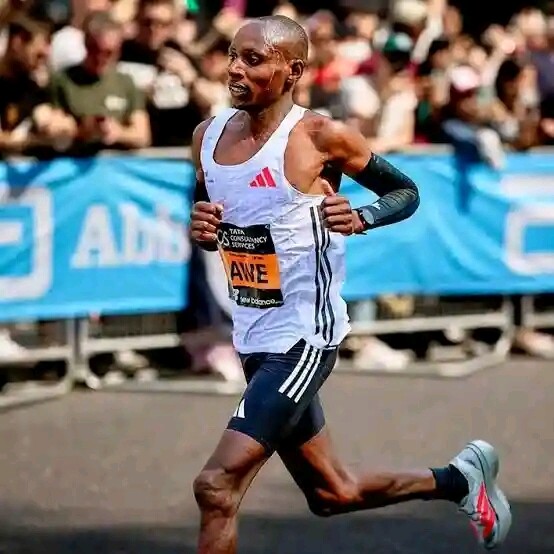
For Sawe, the challenge will be immense—but so will the opportunity.
The Kenyan enters the race as one of the sport’s rising forces, admired for his composure, tactical patience, and devastating finishing strength. Yet London in 2026 offers no room for hesitation, with a world-class field assembled for one of the most anticipated marathons of the season.
Among those standing in his path is Jacob Kiplimo, the Ugandan star whose range and endurance make him a serious threat over the classic distance. Ethiopia’s Yomif Kejelcha also arrives with formidable credentials, while two-time New York City Marathon champion Geoffrey Kamworor brings championship experience and relentless toughness.
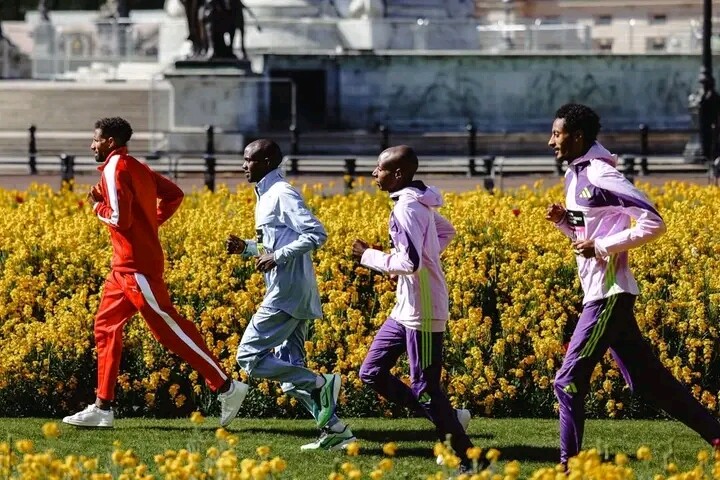
With such names on the start list, the early pace is expected to be uncompromising. London’s flat roads and elite pacemaking have often produced memorable times, and another aggressive race could develop from the opening miles.
The London Marathon will be held on Sunday, April 26, with global attention fixed on the men’s contest. It is a race rich in history, but this year’s edition carries the feel of something more—a collision of generations, ambitions, and raw ability.
For Sawe, lifting the title would be a career-defining achievement. But if the pace ignites and the field commits, London may witness not just a winner, but another performance worthy of the city’s legendary marathon legacy.
(04/25/2026) ⚡AMPby Erick Cheruiyot for My Best Runs.
TCS London Marathon
The London Marathon was first run on March 29, 1981 and has been held in the spring of every year since 2010. It is sponsored by Virgin Money and was founded by the former Olympic champion and journalist Chris Brasher and Welsh athlete John Disley. It is organized by Hugh Brasher (son of Chris) as Race Director and Nick Bitel...
more...
Smiling Through Speed: Gabby Thomas Leaves Nairobi with Momentum and Belief
There was more than victory in Nairobi for American sprint star Gabby Thomas — there was joy, rhythm, and the unmistakable feeling of an athlete discovering her finest form at exactly the right moment.
Fresh from a commanding sprint double at the 2026 Kip Keino Classic, Thomas lit up the Kenyan capital with both her speed and her smile, reminding the world why she remains one of the most dangerous names in global sprinting. Competing at altitude against strong opposition, she delivered two performances built on power, control, and confidence.
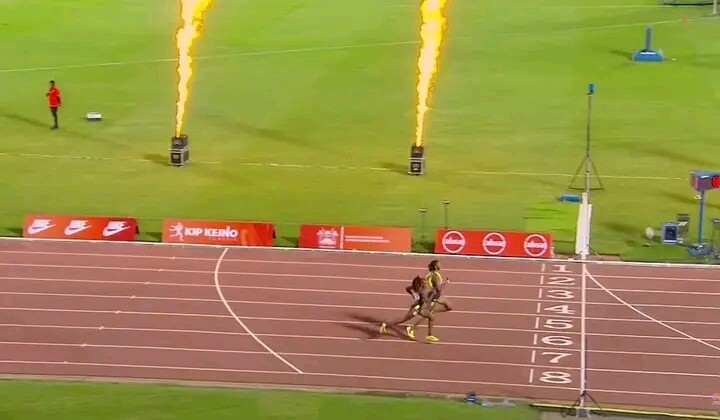
She first captured the 100m title in 11.02, displaying explosive acceleration and smooth execution. Then she returned to the track for the 200m and produced the headline performance of the meet — a world-leading 21.89 that underlined her championship pedigree and elite finishing strength.
But beyond the victories, it was the message behind the performance that stood out most.
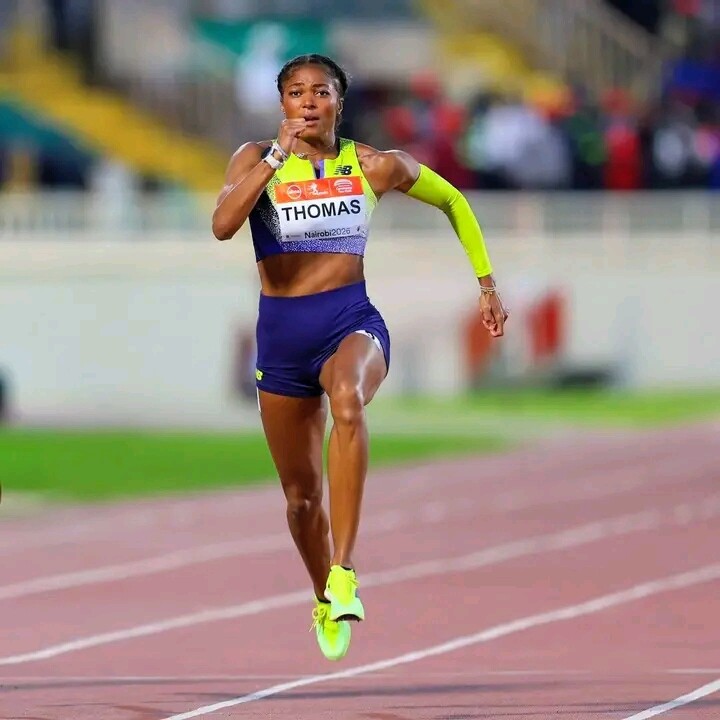
Thomas leaves Nairobi feeling fit, healthy, and fully energized — perhaps the most valuable outcome of all for an athlete preparing for a long and demanding season. After years of consistent growth and rising expectations, she now appears to be blending world-class form with visible happiness, a combination that often creates the very best results.
Her Nairobi campaign brought more than fast times. It also offered valuable race lessons, sharper instincts, and further proof that her preparation is translating perfectly onto the track when it matters most.
Now her focus shifts to Botswana, where the next chapter of her season awaits. She travels there carrying momentum, confidence, and the aura of an athlete building something serious.
Nairobi gave Gabby Thomas trophies.
It may also have given her belief.
And for the rest of the sprint world, that could be the bigger story.
(04/25/2026) ⚡AMPby Erick Cheruiyot for My Best Runs.
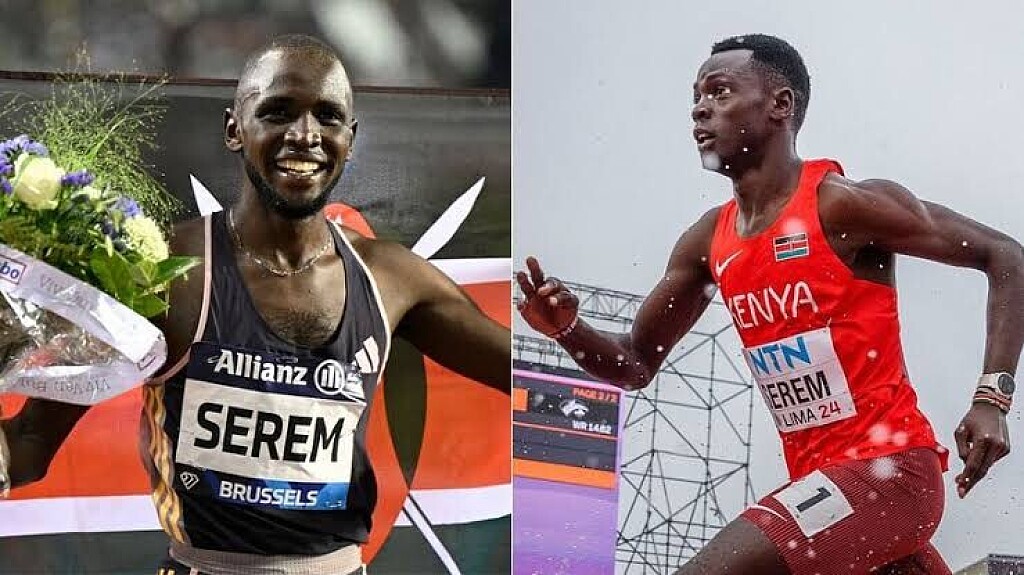
A Champion’s Gratitude: Edmund Serem’s Heartwarming Gesture Before Kip Keino Classic
Today April 24th as anticipation builds for the 2026 Kip Keino Classic in Nairobi, Kenya, one of Kenya’s rising stars has already created a special moment long before stepping onto the track. Emerging steeplechase talent Edmund Serem has flown his father to Nairobi ahead of the prestigious event, setting the stage for an emotional family reunion before one of the nation’s biggest athletics showcases.
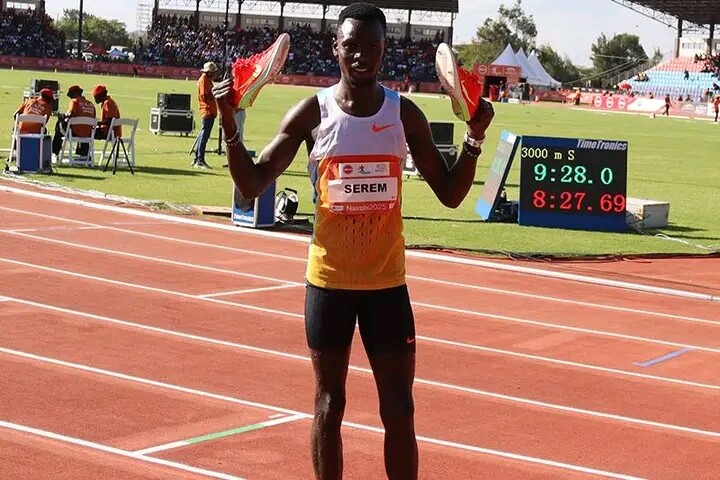
For many athletes, success is measured in medals, records, and podium finishes. But for Edmund, this gesture reflects something deeper — gratitude, family pride, and appreciation for the journey that brought him to this level. Bringing his father to witness the occasion adds powerful meaning to what is already shaping up to be a defining season.

Edmund comes from a household where running excellence is no stranger. He is the younger brother of Amos Serem, another gifted Kenyan athlete who has also made his mark in the 3000m steeplechase. Together, the Serem brothers are preparing to give everything this season as they chase success on both local and international stages.

With talent, hunger, and growing experience, Edmund and Amos represent the next wave of Kenya’s proud steeplechase tradition. Their shared ambition and family bond make them one of the most exciting sibling stories in athletics today.
Now, with the Kip Keino Classic set to bring elite competition to Nairobi, Edmund has the opportunity to shine on home soil in front of family, fans, and the wider athletics world. Competing in Kenya always carries special significance, and with his father in the stands, the motivation will be even greater.
The Kip Keino Classic has become an important platform for East African stars to test themselves against world-class opposition while giving local supporters the chance to celebrate their own heroes. For Edmund Serem, however, this year’s edition may carry a meaning beyond medals and times.
It is about family. It is about legacy. And it is about two brothers, Edmund and Amos Serem, ready to give everything in pursuit of greatness this season.
(04/24/2026) ⚡AMPby Erick Cheruiyot for My Best Runs.
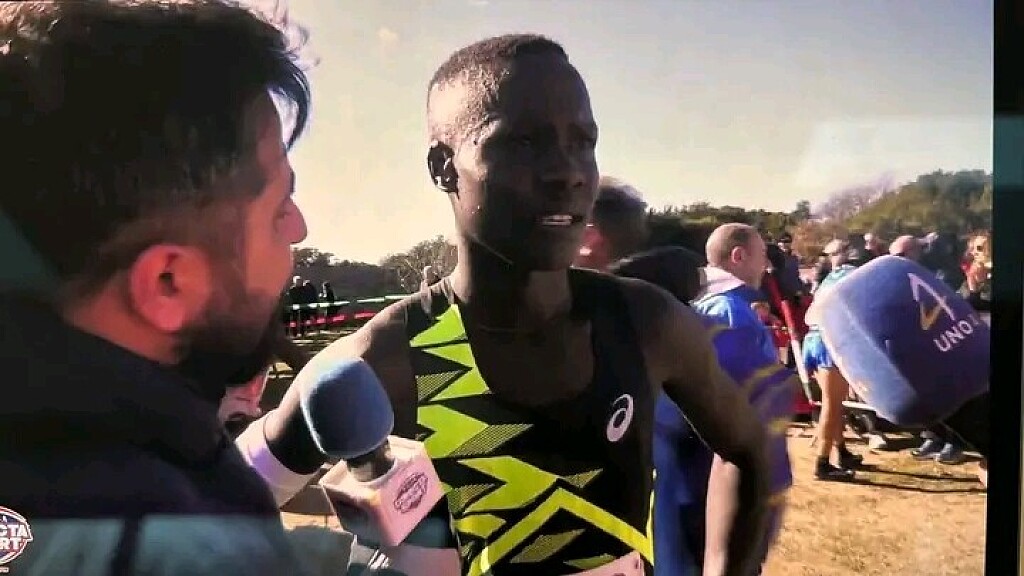
Bengaluru Braces for Fireworks as World-Class Men’s 10K Field Assembles
The stage is set for a thrilling showdown in India as the men’s elite field for the 2026 TCS World 10K Bengaluru promises one of the fiercest road races of the season. With proven speedsters, rising stars, and championship-calibre athletes on the start list, Bengaluru is preparing for a contest where every second could matter.
Scheduled for Sunday, April 26, the race brings together a remarkably deep lineup packed with athletes who have already demonstrated world-class ability over 10 kilometres. Uganda’s Harbert Kibet enters as the fastest man in the field on paper with a personal best of 26:39, placing him among the favourites to challenge for victory.
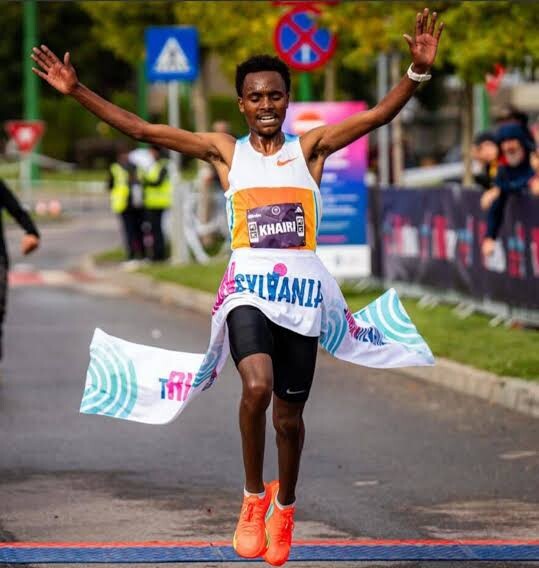
Close behind him are a strong Ethiopian contingent led by Khairi Bejiga (26:51), Gemechu Dida (26:54), and Tadesse Worku (26:56), each capable of dictating the pace and turning the race into a high-speed battle from the gun. Burundi’s Rodrigue Kwizera, also credited with 26:54, adds another dangerous contender with the strength to upset the favourites.
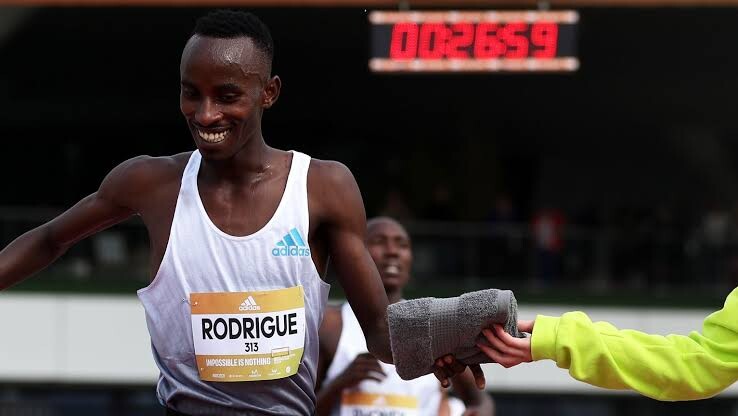
Kenya’s hopes will rest on a talented squad featuring Vincent Kipkorir (27:08), Victor Kipruto (27:10), Vincent Kimaiyo (27:20), and Gilbert Kiprotich, who is set to make his debut. Kenya’s reputation in road racing ensures they can never be overlooked, particularly in tactical races where patience and timing often decide the winner.
Further depth comes from Eritrea’s Saymon Amanuel (27:10), Spain’s Abdessamad Oukhelfen (27:44), and Tanzania’s Gabriel Geay (27:49), whose experience over longer distances could prove valuable if conditions become demanding.
What makes this year’s edition especially intriguing is not just the presence of one standout favourite, but the sheer number of athletes capable of winning. With multiple runners owning sub-27-minute credentials and many others hovering close behind, the race could quickly become a relentless test of pace, endurance, and nerve.
Bengaluru has built a reputation for attracting elite international talent, and the 2026 men’s field only strengthens that legacy. The city’s vibrant atmosphere, passionate crowds, and fast course create the perfect setting for another memorable chapter in the event’s history.
When the gun fires, predictions may count for little. In a field this strong, medals, prize money, and bragging rights will be earned the hard way.
One city. One distance. Endless possibilities.
(04/24/2026) ⚡AMPby Erick Cheruiyot for My Best Runs.
TCS WORLD 10K BENGALURU
The TCS World 10k Bengaluru has always excelled in ways beyond running. It has opened new doors for people to reach out to the less privileged of the society and encourages them to do their bit. The TCS World 10K event is the world’s richest 10 Km run and has seen participation from top elite athletes in the world. ...
more...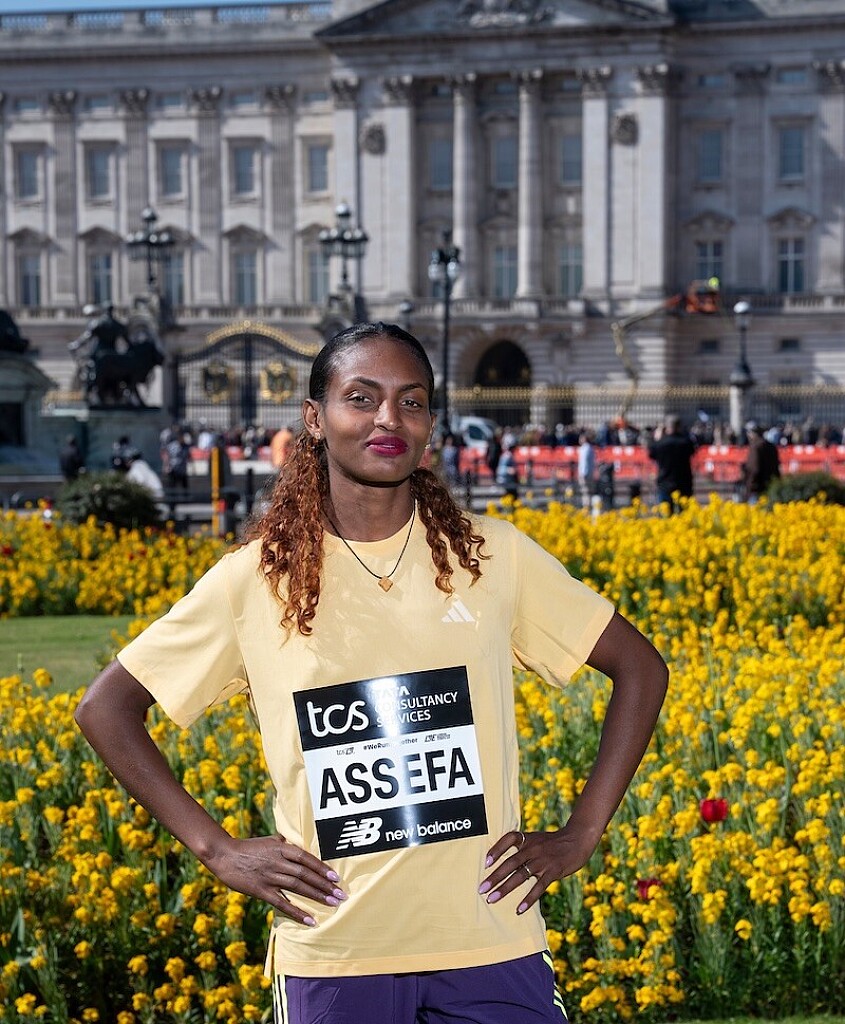
Assefa Eyes Another Historic Run as London Pace Could Decide World Record Bid
Tigist Assefa has set her sights on another landmark performance at the 2026 London Marathon, revealing that stronger pacing in the opening stages could be the key to lowering her women-only world record.
The Ethiopian superstar, who stunned the athletics world with a brilliant 2:15:50 in London last year, returns to the British capital determined to chase history once more when the race takes place on Sunday, April 26, 2026.
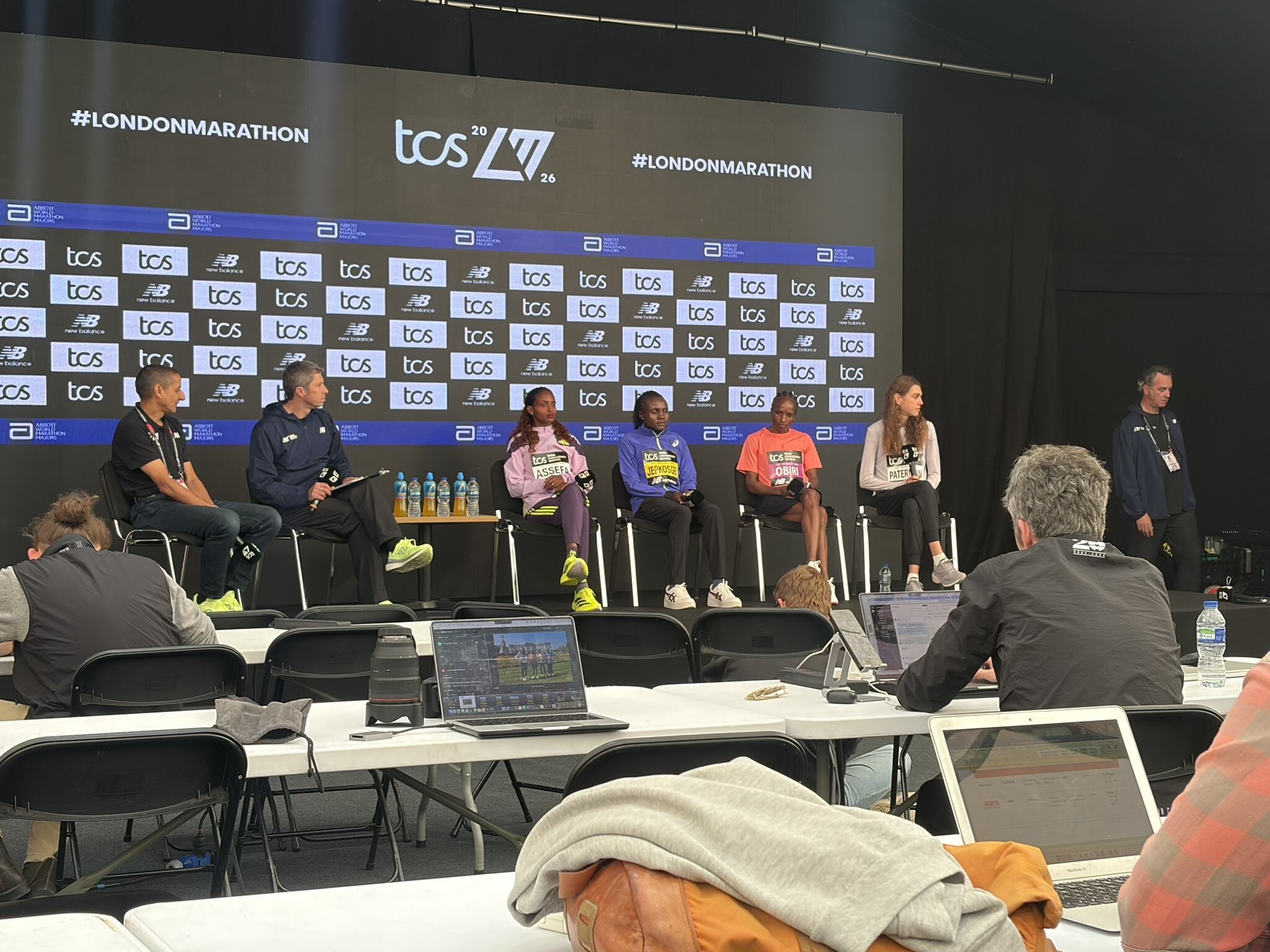
Speaking ahead of the marathon, Assefa expressed gratitude to the organisers and confidence in her preparations.
She said she was delighted to be back in London and believes her training block has gone smoothly enough to put another record-breaking run within reach.
However, the 28-year-old made it clear that elite pacing support could be decisive if she is to improve on last year’s mark. According to Assefa, a sharper tempo through the first half of the race would give her the platform to attack the closing miles even faster than before.
That statement sends a strong warning to the rest of the field: if the pace is right, another historic performance could unfold on the streets of London.
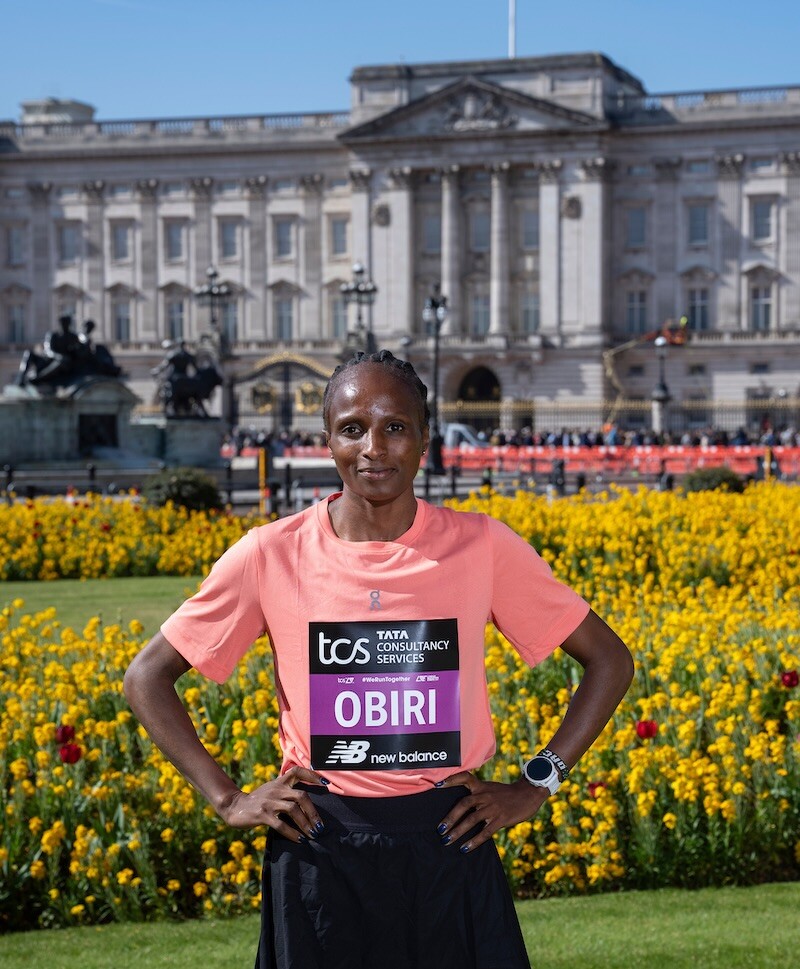
Yet victory will be far from guaranteed. Assefa is expected to face fierce resistance from reigning champion Hellen Obiri and fellow Kenyan star Joyciline Jepkosgei, both proven championship racers with the strength to challenge over the full 26.2 miles.
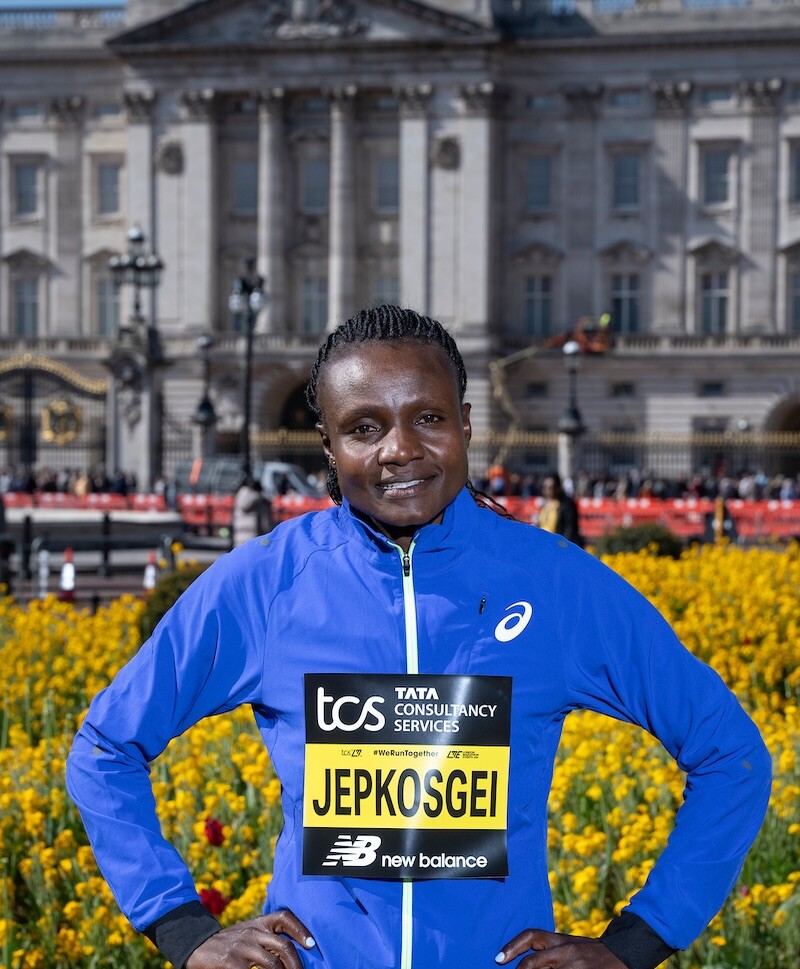
With world-class rivals, record pace ambitions, and one of marathon running’s grandest stages, the women’s race is shaping into one of the most anticipated showdowns of the season.
If the pacemakers deliver, London may witness history once again.
(04/24/2026) ⚡AMPby Erick Cheruiyot for My Best Runs.
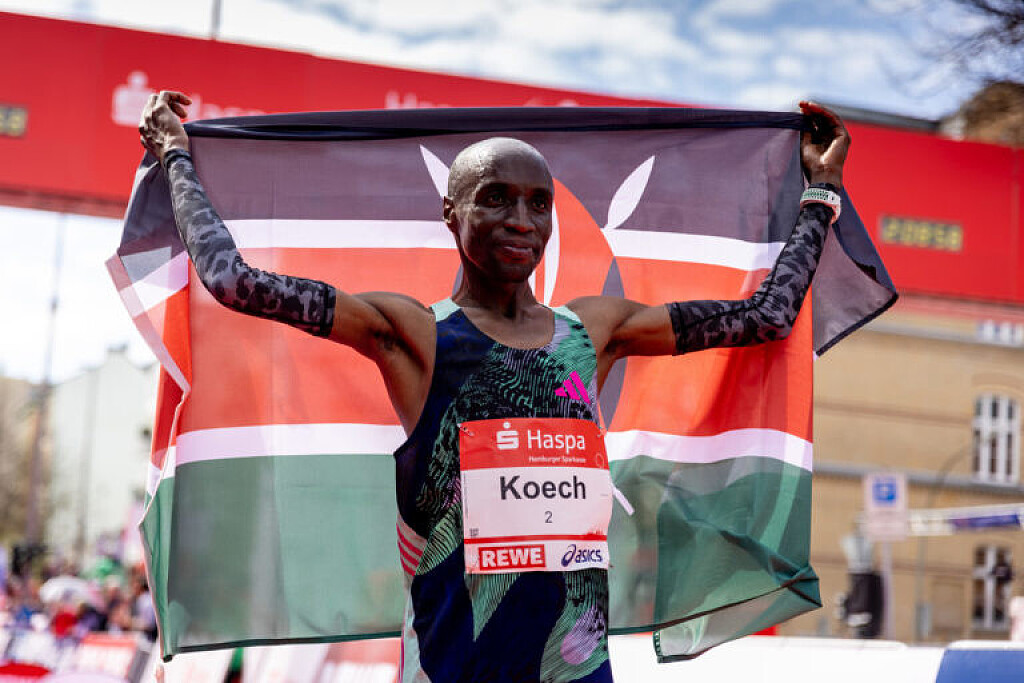
Hamburg Awaits: Elite Fields Set the Stage for a Fast and Fierce 2026 Marathon Showdown
The historic streets of Hamburg are once again poised for a spectacle of endurance and speed as the 2026 Hamburg Marathon returns on Sunday, April 26. Renowned for its flat, fast course and electric atmosphere, the race has steadily built a reputation as one of Europe’s premier marathon battlegrounds—and this year’s elite line-up suggests another thrilling chapter is about to unfold.
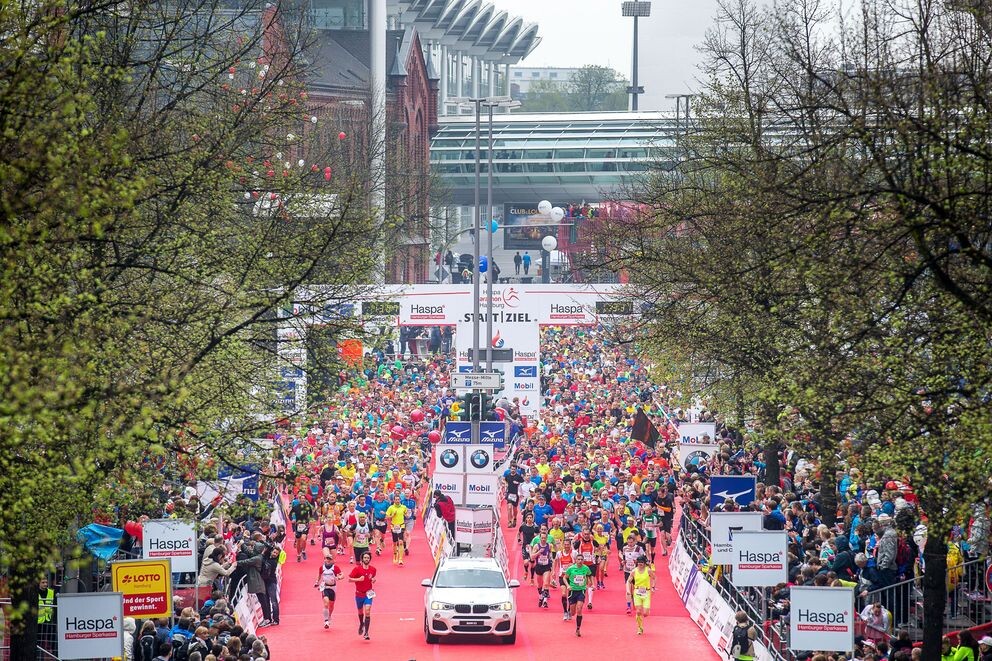
At the heart of the men’s race is Kenya’s Bernard Koech, who arrives with a formidable personal best of 2:04:09. Known for his aggressive racing style and ability to sustain a punishing pace, Koech headlines a field stacked with depth and ambition. Close on his heels is Gashau Ayale, whose 2:04:53 mark signals both consistency and quiet danger.
Germany’s hopes will largely rest on Samuel Fitwi, a rising force who has already clocked 2:04:56, placing him firmly among Europe’s elite. He is joined by compatriot Aaron Bienenfeld, who is set to make his much-anticipated marathon debut—an unpredictable but potentially explosive addition to the race.
Adding further intrigue is Morocco’s Othmane El Goumri (2:05:12), whose racing intelligence often proves decisive in tactical contests, and Ethiopia’s Olympic champion Abdisa Tola, boasting a 2:05:42 best and the pedigree to turn any race into a test of championship grit.
In the women’s field, Kenya’s Rebecca Tanui leads the charge with an impressive 2:21:08 personal best. Her experience and composure make her a formidable contender on a course that rewards rhythm and resilience. She will face stern competition from Ethiopia’s Kasanesh Baze (2:22:06) and Muluhabt Tsega (2:22:21), both of whom bring proven consistency at the highest level.
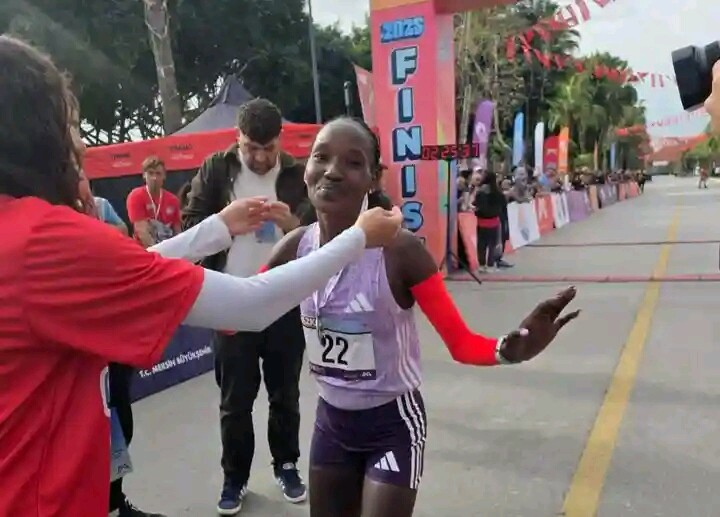
Kenya’s depth is further underlined by Marion Kibor (2:22:35) and Brillian Kipkoech (2:23:56), athletes capable of reshaping the race with bold moves. Meanwhile, Ethiopia’s Aselef Amare adds an element of mystery as she steps up for her marathon debut—an unknown factor that could either challenge the established order or signal the arrival of a new star.
With such a rich blend of proven champions, emerging talents, and daring newcomers, the 2026 Hamburg Marathon promises more than just fast times—it offers a narrative of ambition, rivalry, and breakthrough moments. On a course designed for speed and a stage built for greatness, all eyes will be on Hamburg as the world’s finest chase victory and personal glory.
(04/24/2026) ⚡AMPby Erick Cheruiyot for My Best Runs.
Haspa Marathon Hamburg
The HASPA MARATHON HAMBURG is Germany’s biggest spring marathon and since 1986 the first one to paint the blue line on the roads. Hamburcourse record is fast (2:05:30), the metropolitan city (1.8 million residents) lets the euphoric atmosphere spill over and carry you to the finish. Make this experience first hand and follow the Blue Line....
more...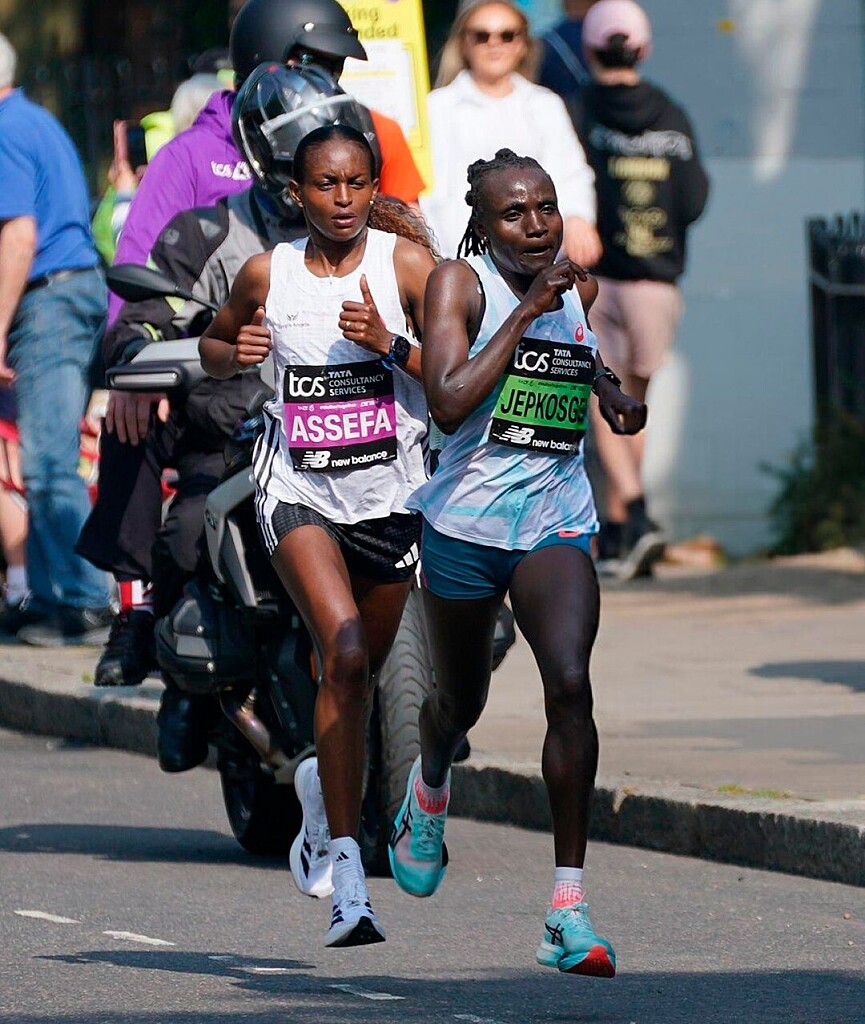
Queens of the Road: A Star-Studded Women’s Field Set to Ignite the 2026 London Marathon
The streets of London are once again poised to host one of the most electrifying spectacles in distance running as the 2026 London Marathon prepares to unfold on Sunday, April 26. With the women’s elite race scheduled for 9:30 AM (GMT), anticipation is building for a contest that promises both tactical intrigue and blistering pace.
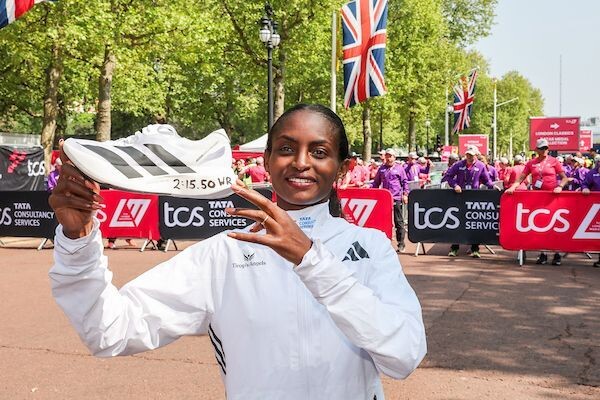
At the heart of the lineup is Ethiopia’s formidable Tigst Assefa, a marathoner whose record-breaking credentials have redefined the limits of the sport. Known for her relentless rhythm and devastating finishing strength, Assefa arrives as a central figure in what could become another historic chapter on London’s fast and flat course.
Kenya’s challenge will be led by the ever-consistent Joyciline Jepkosgei and the immensely versatile Hellen Obiri. Jepkosgei, a proven road racing specialist, brings tactical sharpness and endurance, while Obiri—already a global champion on track, cross country, and the marathon—continues to demonstrate a remarkable ability to adapt and conquer across disciplines.
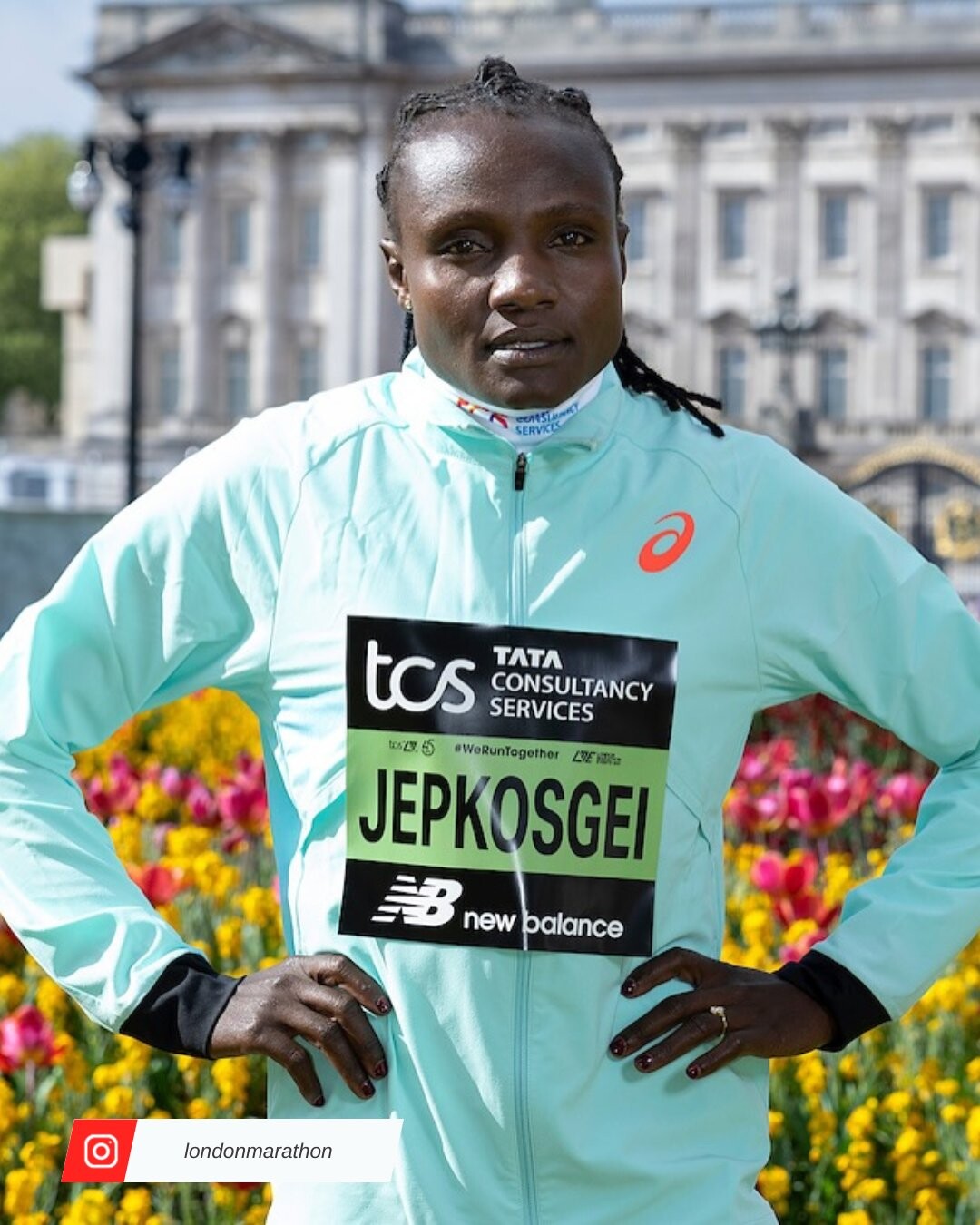
Ethiopia’s depth does not end with Assefa. Athletes such as Megertu Alemu and Degitu Azimeraw add further firepower, ensuring that the East African rivalry remains as fierce as ever. Meanwhile, Kenya’s lineup is bolstered by emerging and experienced names, including Catherine Reline Amanang'ole, adding depth to an already formidable contingent.
The international flavor of the race extends well beyond East Africa. Great Britain’s hopes will rest on athletes like Eilish McColgan, whose transition to the marathon has been closely followed, alongside compatriots such as Charlotte Purdue and Rose Harvey. Their presence ensures a strong home narrative, with the London crowd expected to rally behind its local stars.
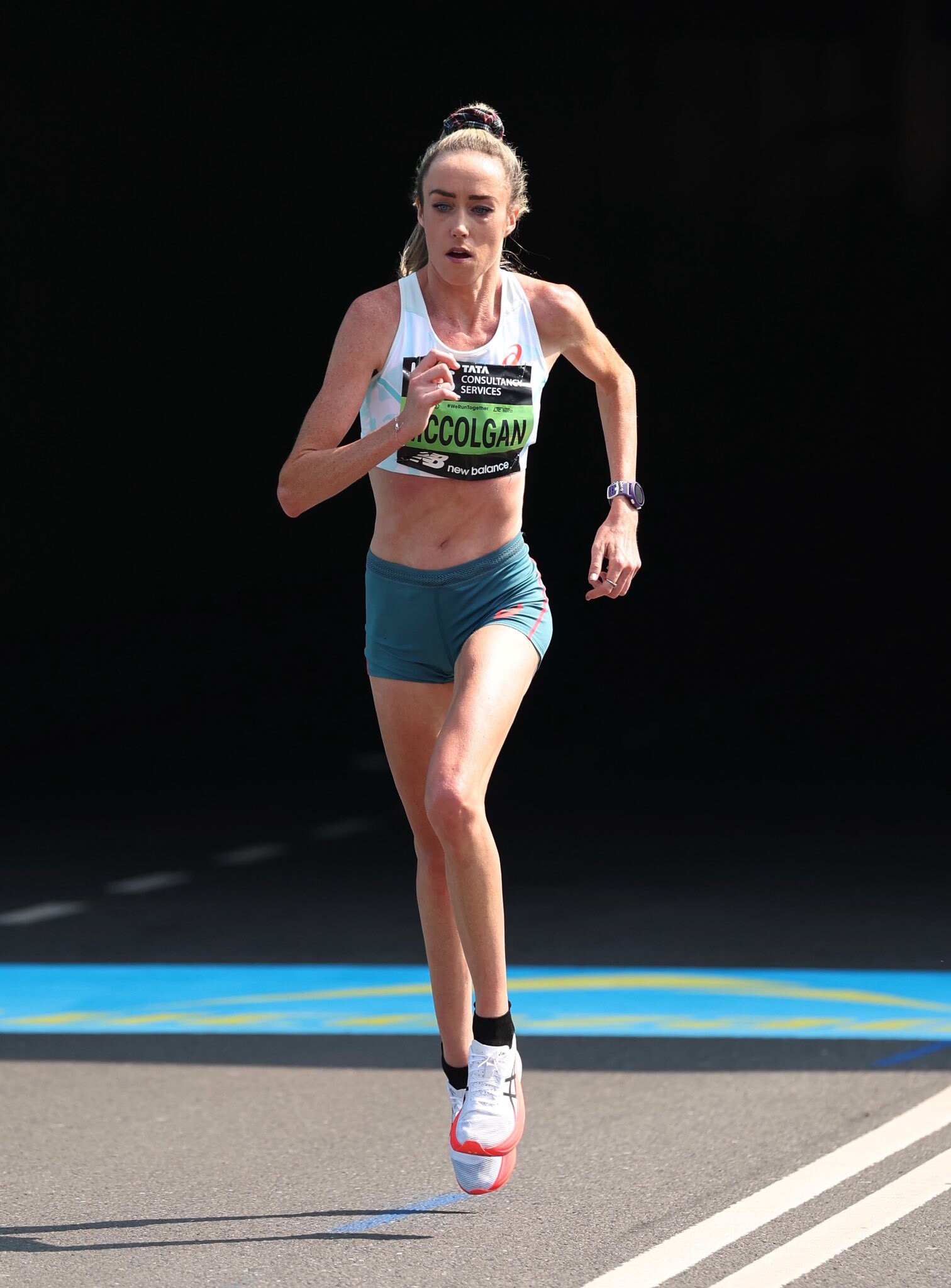
Elsewhere, Spain’s Laura Luengo, Argentina’s Florencia Borelli, and France’s Fadouwa Ledhem add further international intrigue, turning the race into a truly global showdown.
What makes this edition particularly compelling is not just the depth of talent, but the clash of styles—front-runners capable of forcing a punishing pace against tacticians who thrive in championship-like scenarios. London’s course, known for its speed, has often been the stage for record-breaking performances, and with such a loaded field, another fast time cannot be ruled out.
As the countdown continues, the 2026 London Marathon women’s elite race shapes up as more than just a competition—it is a convergence of the world’s finest endurance athletes, each chasing victory, legacy, and perhaps even history.
(04/23/2026) ⚡AMPby Erick Cheruiyot for My Best Runs.
TCS London Marathon
The London Marathon was first run on March 29, 1981 and has been held in the spring of every year since 2010. It is sponsored by Virgin Money and was founded by the former Olympic champion and journalist Chris Brasher and Welsh athlete John Disley. It is organized by Hugh Brasher (son of Chris) as Race Director and Nick Bitel...
more...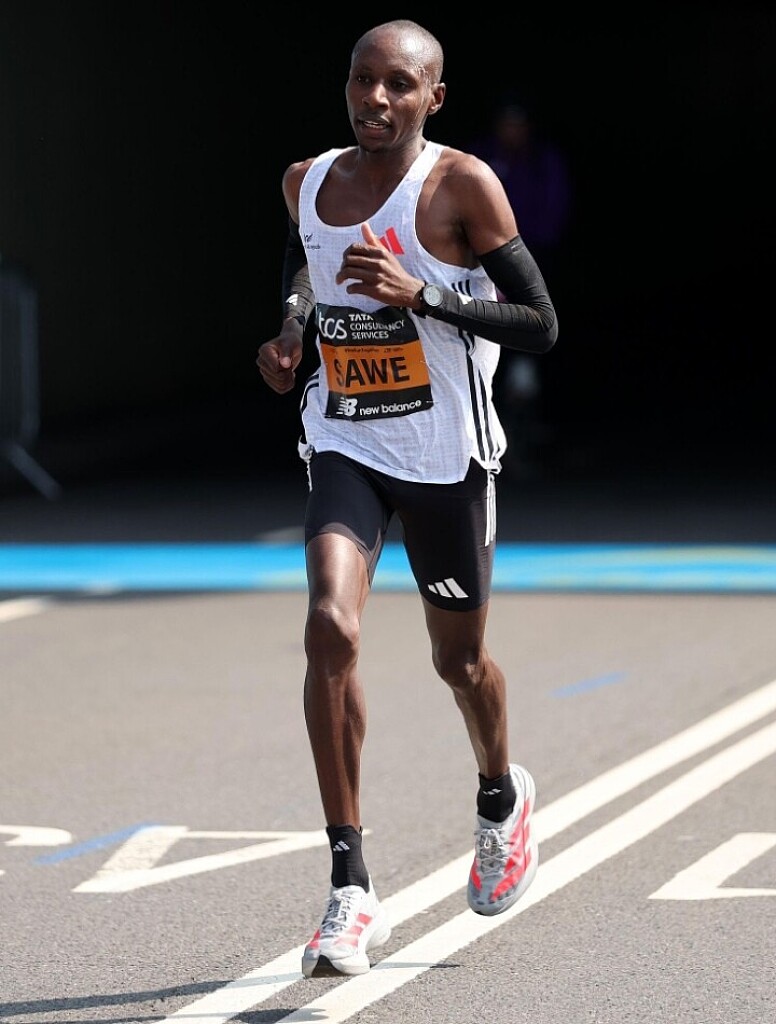
London Beckons: A Marathon of Giants Set to Ignite the Capital
The roads of London are once again preparing to host one of the most anticipated races on the global calendar, as the London Marathon 2026 assembles a men’s elite field of rare depth and quality. On Sunday, April 26, the world’s finest distance runners will converge on the British capital, chasing not only victory but a place in marathon history.
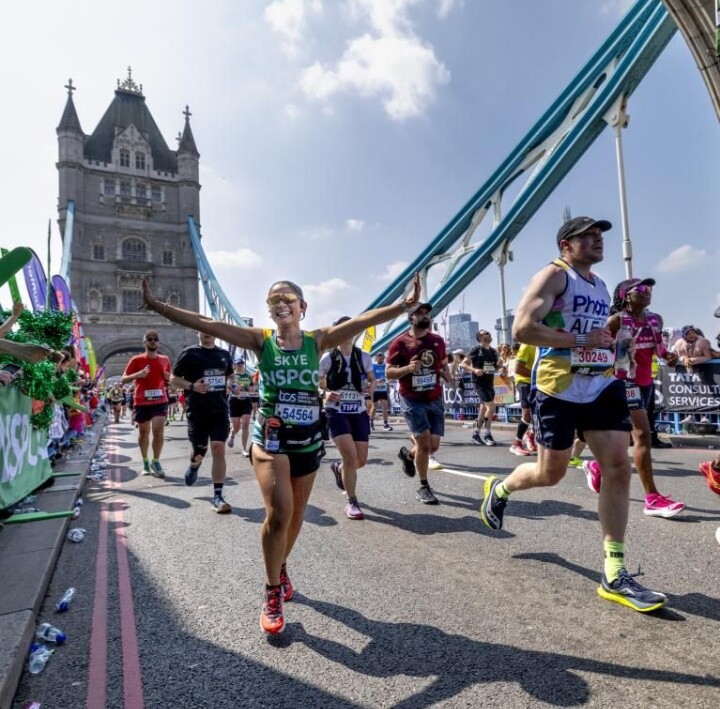
At the center of attention stands Sebastian Sawe, the defending champion whose commanding 2:02:05 personal best marks him as the man to beat. Sawe’s blend of composure and finishing power has already proven decisive on these streets, but this year’s contest promises to push him deeper than ever before.
Lining up against him is a formidable cast. Jacob Kiplimo, better known for his dominance over shorter road distances and cross country, brings a dangerous mix of speed and endurance. His 2:02:23 credentials suggest he is more than ready to challenge for the win if the race turns tactical—or brutally fast.
Ethiopia’s charge is equally imposing. Deresa Geleta and Olympic champion Tamirat Tola headline a contingent rich in pedigree, while Yomif Kejelcha adds intrigue with his much-anticipated marathon debut—an unknown factor capable of reshaping the race entirely.
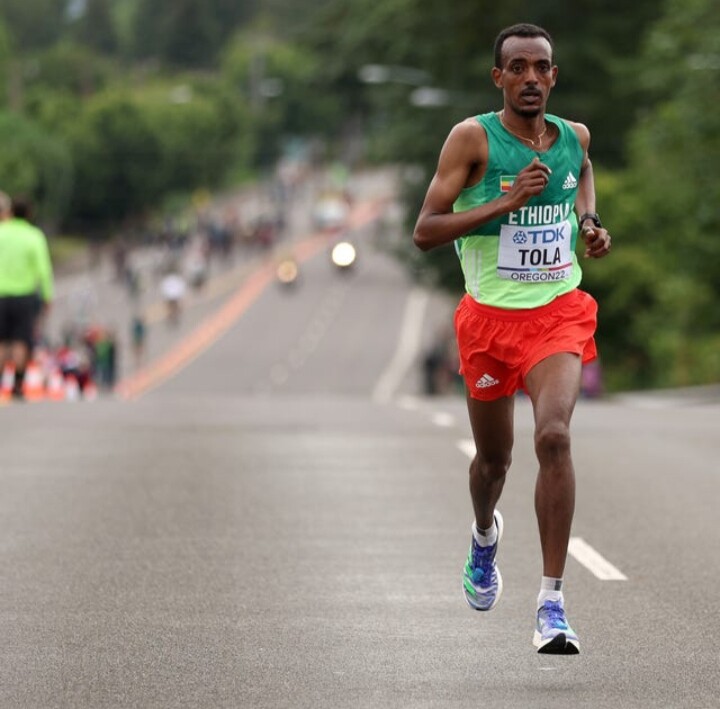
Kenya’s depth remains undeniable. Alongside Sawe are seasoned names like Amos Kipruto and the ever-consistent Geoffrey Kamworor, both of whom possess the experience and resilience required to thrive over 42.195 kilometers. Meanwhile, Uganda’s Joshua Cheptegei continues his transition to the marathon stage, carrying the weight of his track legacy into the ultimate endurance test.
The international flavor extends further, with Japan’s Shunya Kikuchi, France’s Hassan Chahdi, and South Africa’s Adam Lipschitz all aiming to disrupt the established order.
However, the home crowd has been dealt a blow. British hopeful Emile Cairess has been forced to withdraw due to a calf injury, removing a key figure who many believed could spearhead a domestic challenge. His absence shifts the spotlight away from local contention and further intensifies the East African dominance expected at the front.
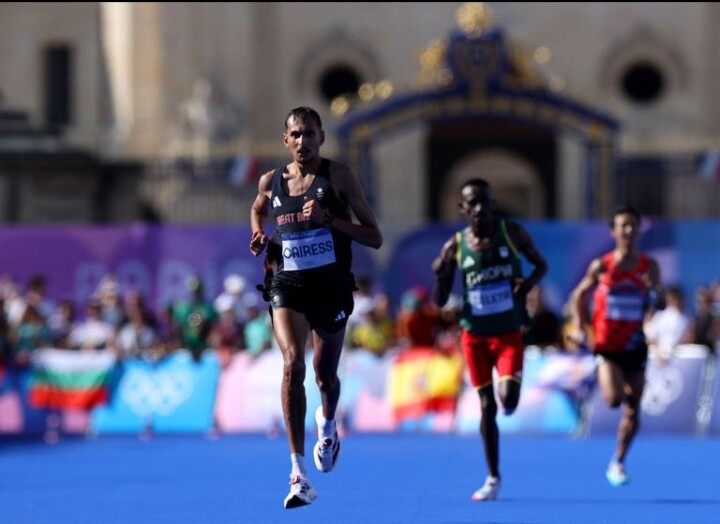
Yet marathons are rarely predictable. The rhythm of the race, the pacing strategies, and the unforgiving demands of the distance often rewrite expectations. What appears stacked on paper can unravel over the final miles along the Thames.
With the race set to begin in the morning hours, anticipation continues to build. Records may be threatened, debuts could dazzle, and champions will be tested to their limits.
In a field this deep, victory will not simply be earned—it will be wrestled from one of the most competitive line-ups the marathon world has seen in recent years.
(04/23/2026) ⚡AMPby Erick Cheruiyot for My Best Runs.
TCS London Marathon
The London Marathon was first run on March 29, 1981 and has been held in the spring of every year since 2010. It is sponsored by Virgin Money and was founded by the former Olympic champion and journalist Chris Brasher and Welsh athlete John Disley. It is organized by Hugh Brasher (son of Chris) as Race Director and Nick Bitel...
more...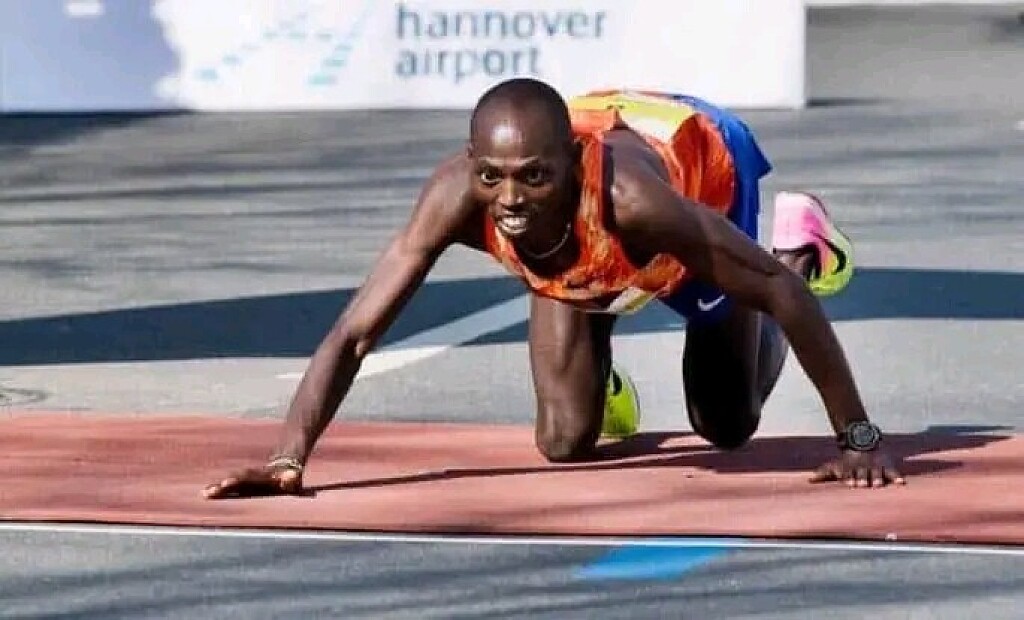
Courage Beyond the Finish Line: The Agonizing Triumph of Michael Kunyaga in Hannover
In the unpredictable theatre of marathon running, where glory and heartbreak often share the same breath, few moments have embodied raw human resilience like the unforgettable ordeal of Michael Kunyaga at the Hannover Marathon 2018.
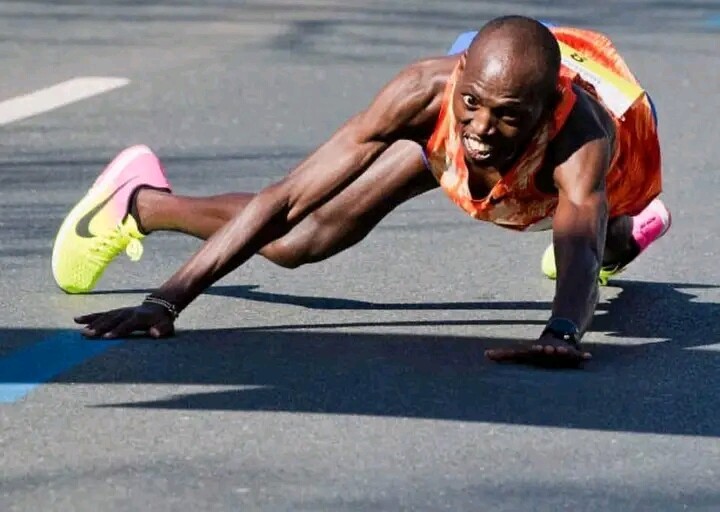
On the streets of Hannover, what began as a display of strength and tactical discipline soon turned into a gripping test of endurance under extreme distress. Kunyaga had run a brilliant race, positioning himself firmly in second place behind Ethiopia’s Seboka Negussa. With the finish line just meters away, the Kenyan appeared certain to seal a well-earned podium finish.
But in a cruel twist that defines the unforgiving nature of the marathon, celebration came a moment too early.
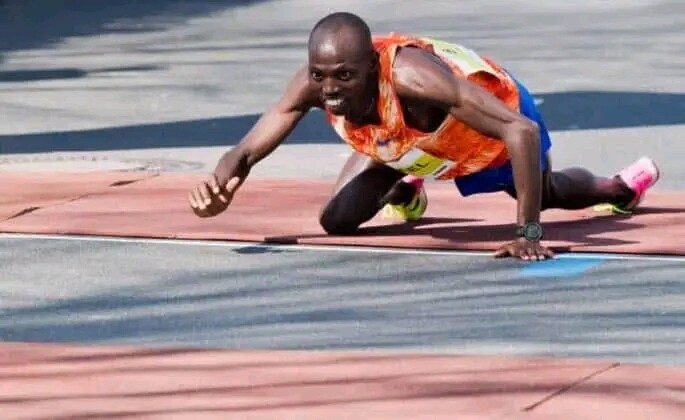
As he acknowledged the roaring crowd, Kunyaga suddenly lost his footing and crashed to the ground. The toll of 42 relentless kilometers surged through his body all at once. Muscles that had carried him with precision now refused to respond. Rising again seemed impossible.
Behind him, danger loomed. A fast-closing rival, fellow Kenyan Duncan Koech, was rapidly approaching, ready to capitalize on the misfortune.
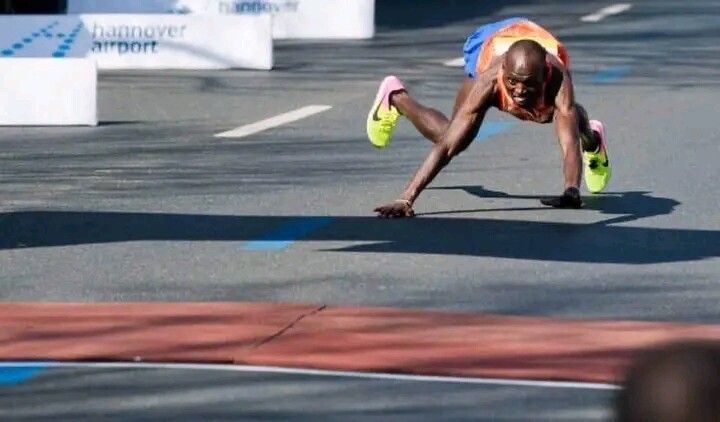
What followed was not just sport—it was survival.
Summoning every last fragment of willpower, Kunyaga refused to surrender. With the finish line still agonizingly distant, he began to crawl. Each movement was labored, each second stretched into eternity, as thousands of stunned spectators watched in silence and disbelief. The scene was both painful and inspiring—a man battling not an opponent, but the limits of his own body.
Meter by meter, breath by breath, he dragged himself forward.
Against all odds, Kunyaga crossed the finish line—just three seconds ahead of Koech—securing second place in one of the most dramatic conclusions the race has ever witnessed.
It was more than a result; it was a statement.
In that defining moment, Michael Kunyaga reminded the world that victory is not always about speed, but about spirit. Like a warrior refusing to fall, he rose—figuratively if not physically—to prove that determination can outlast even the deepest pain.
Long after the times are forgotten, this is the image that endures: a marathoner on the ground, yet unbroken, inching his way into sporting immortality.
(04/22/2026) ⚡AMPby Erick Cheruiyot for My Best Runs.
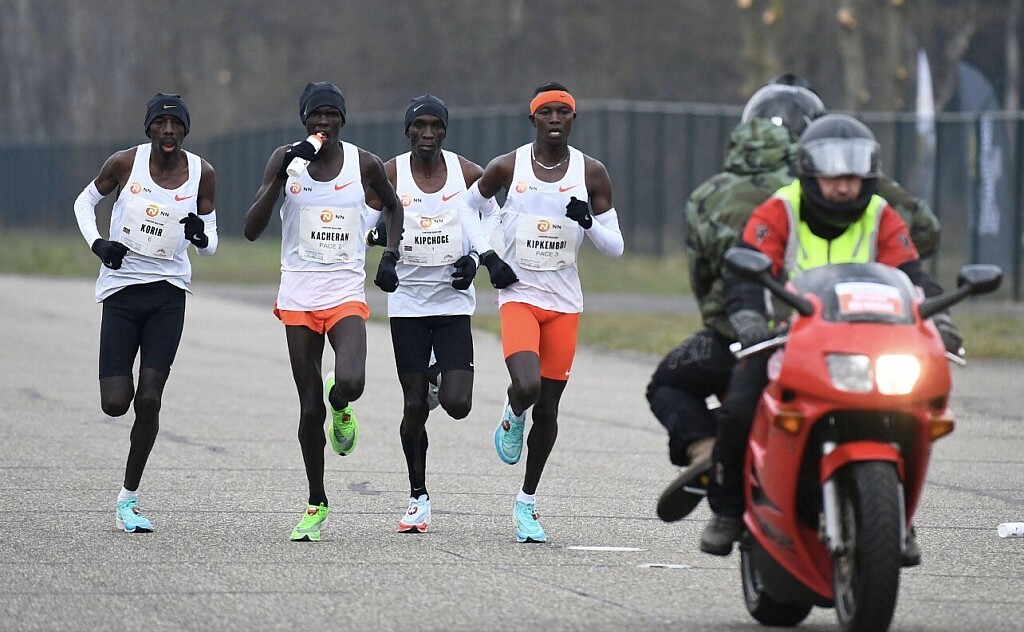
Bernard Koech Targets Third Hamburg Title as Tanui Leads Women’s Field Sunday
The Haspa Marathon Hamburg returns this Sunday with one of the deepest elite fields in Europe, led by two-time champion Bernard Koech and fellow Kenyan Rebecca Tanui.
Hamburg has quietly developed into one of the fastest marathon courses in the world, with course records of 2:03:46 and 2:17:23. Organizers are again expecting a quick race, and the strength of this year’s field suggests those marks could be tested.
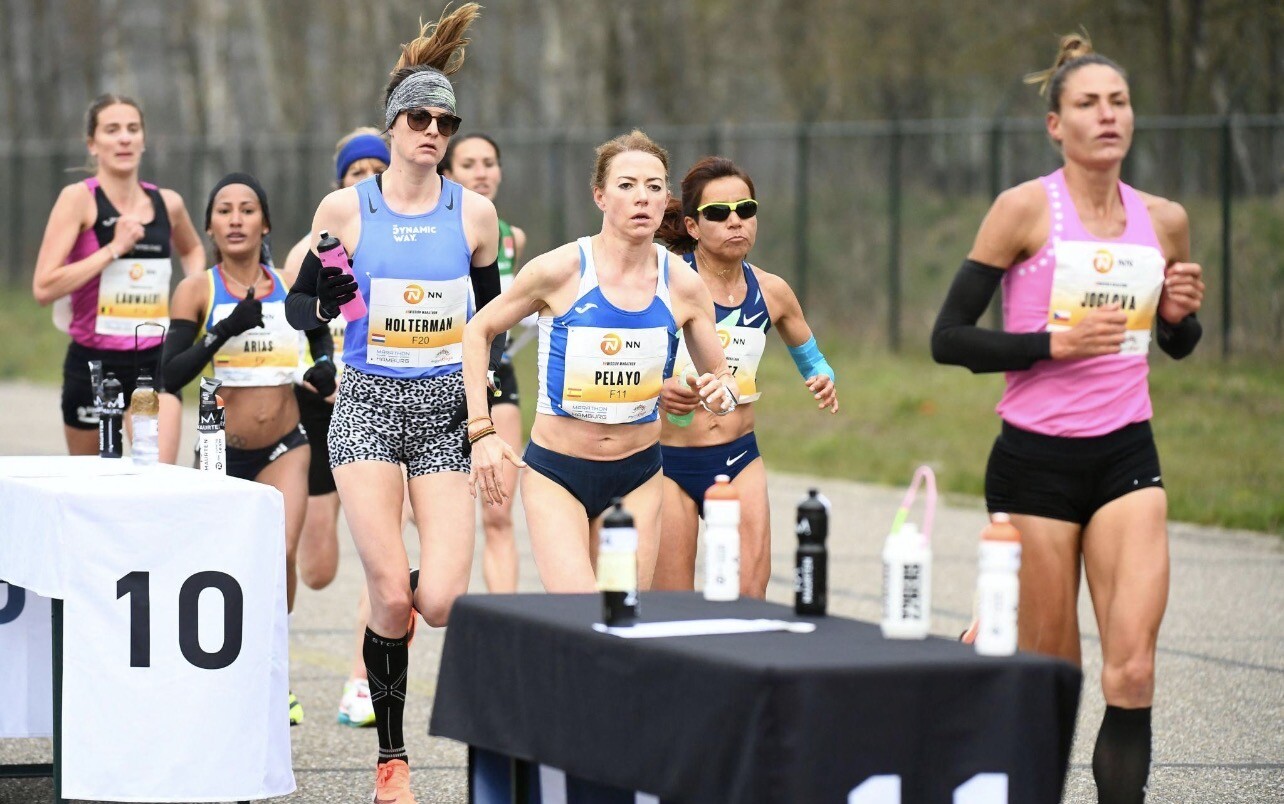
The men’s race features exceptional depth. Six athletes arrive with personal bests under 2:06, while another six have broken 2:07, creating a highly competitive field from front to back.
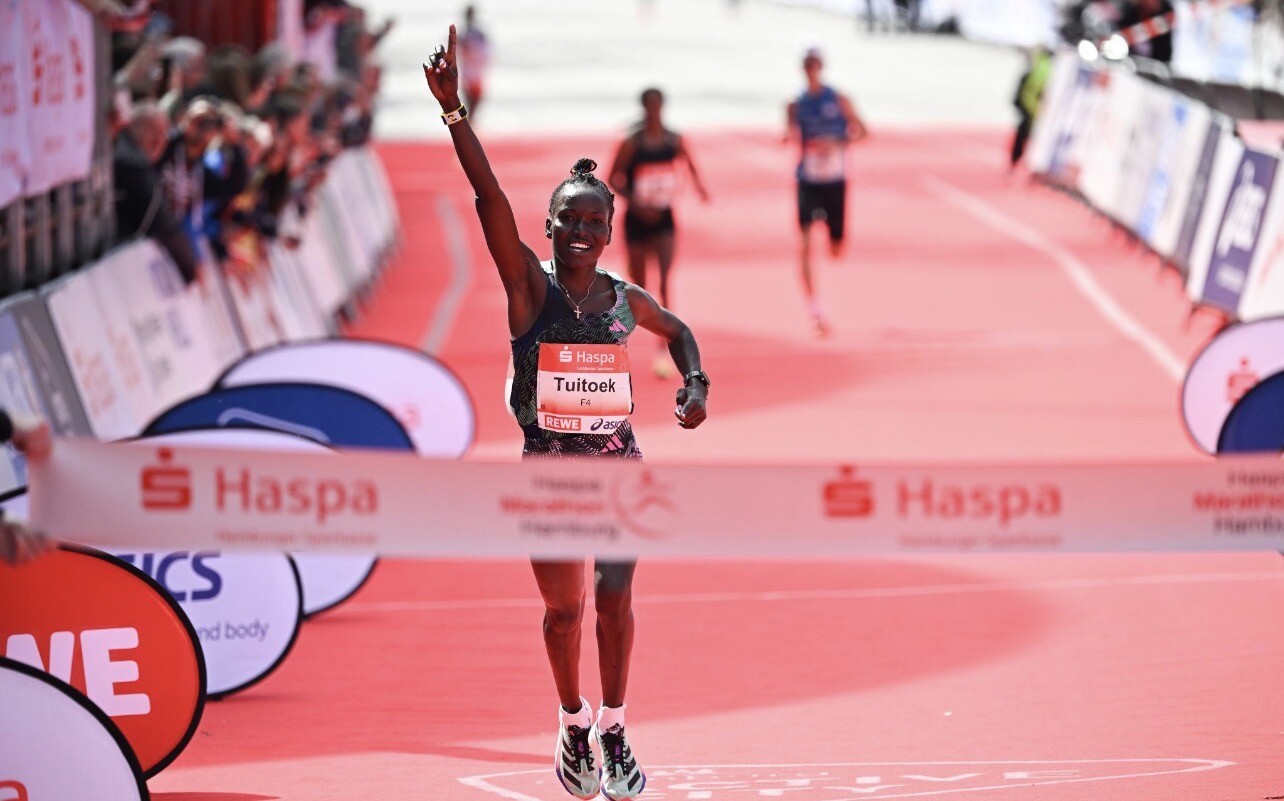
Bernard Koech returns to a course that has suited him perfectly. He won here three years ago, matching his personal best of 2:04:09, and followed that with another victory in 2024 in 2:04:24. Now he is aiming for a third Hamburg title, a rare achievement at this level.
Among those looking to challenge him are Gashau Ayale and Abdisa Tola. Ayale, an Ethiopian-born runner competing for Israel, ran 2:04:53 in Valencia last year and earned a silver medal at the European Championships marathon. Tola, the brother of Olympic champion Tamirat Tola, made an immediate impact in the marathon with a 2:05:42 victory in Dubai in his debut.
Germany’s hopes rest with Samuel Fitwi, whose 2:04:56 personal best makes him the second-fastest German marathoner ever. If his recent training camp in Addis Ababa has gone well, he could be in contention for a podium finish.
In the women’s race, Rebecca Tanui enters as the clear favorite with a personal best of 2:21:08. Following late withdrawals from top contenders Tigist Ketema and Degitu Azimeraw, Tanui has stepped into the leading role.
The Kenyan has built a reputation for consistency, winning three of her last five marathons—Mersin in 2025, Kosice in 2024, and Venice in 2023—while finishing on the podium in the other two.
Her main challengers are expected to come from a trio of athletes with personal bests under 2:23: Ethiopia’s Kasanesh Baze and Muluhabt Tsega, along with Kenya’s Marion Kibor.
With strong depth in both races and favorable conditions expected, Hamburg is set for another fast and competitive edition.
Elite Runners with Personal Bests
MEN:
Bernard Koech (KEN) 2:04:09
Gashau Ayale (ISR) 2:04:53
Samuel Fitwi (GER) 2:04:56
Othmane El Goumri (MAR) 2:05:12
Kennedy Kimutai (KEN) 2:05:25
Abdisa Tola (ETH) 2:05:42
Tsedat Ayana (ETH) 2:06:18
Balew Yihunle (ETH) 2:06:22
Felix Kibitok (KEN) 2:06:28
Shumi Dechasa (BRN) 2:06:43
Mohamed El Aaraby (MAR) 2:06:45
Belay Bezabeh (ETH) 2:06:58
Taresa Tolosa (ETH) 2:07:01
Vincent Nyageo (KEN) Debut
Aaron Bienenfeld (GER) Debut
WOMEN:
Rebecca Tanui (KEN) 2:21:08
Kasanesh Baze (ETH) 2:22:06
Muluhabt Tsega (ETH) 2:22:21
Marion Kibor (KEN) 2:22:35
Brillian Kipkoech (KEN) 2:23:56
Mercy Kwambai (KEN) 2:23:58
Manon Coste (FRA) 2:32:46
Vibeke Jensen (NOR) 2:34:22
Aselef Amare (ETH) Debut
Selamawit Teferi (ETH) Debut
(04/21/2026) ⚡AMPby Race News Services
Haspa Marathon Hamburg
The HASPA MARATHON HAMBURG is Germany’s biggest spring marathon and since 1986 the first one to paint the blue line on the roads. Hamburcourse record is fast (2:05:30), the metropolitan city (1.8 million residents) lets the euphoric atmosphere spill over and carry you to the finish. Make this experience first hand and follow the Blue Line....
more...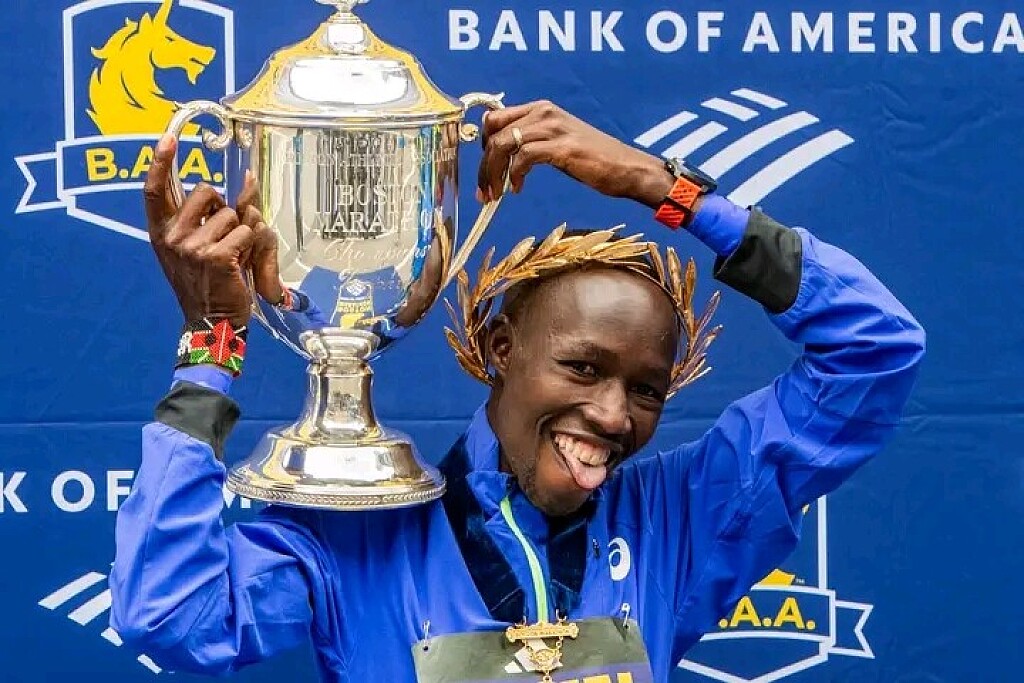
Korir’s Relentless Surge: A Boston Masterpiece That Rewrote History
On a cool 20th of April morning at the Boston Marathon, history did not merely repeat itself—it was emphatically rewritten. Kenya’s John Korir delivered a performance of rare authority and precision, storming to victory in 2:01:52 and erasing a record that had stood untouched for over a decade. In doing so, he eclipsed the legendary 2:03:02 set by fellow Kenyan Geoffrey Mutai in 2011—by a staggering 70 seconds.
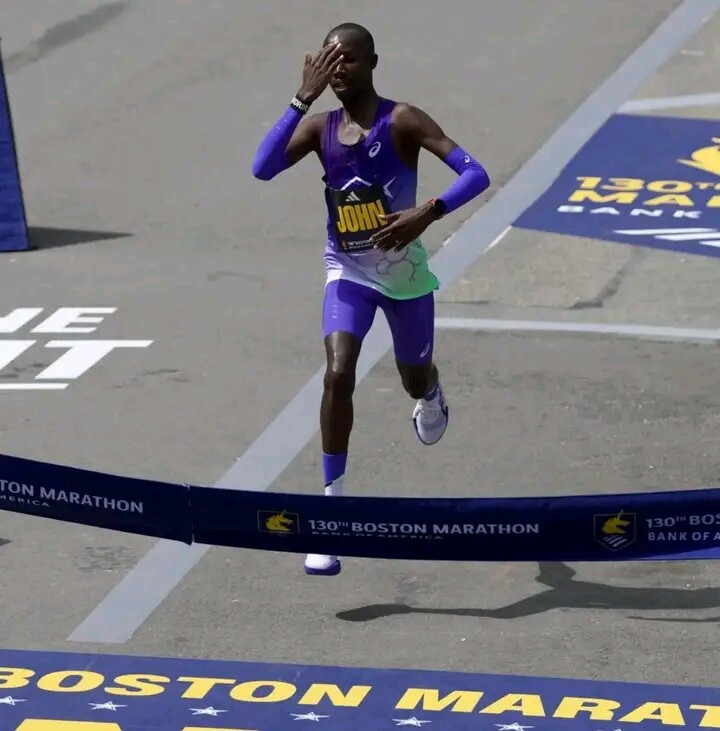
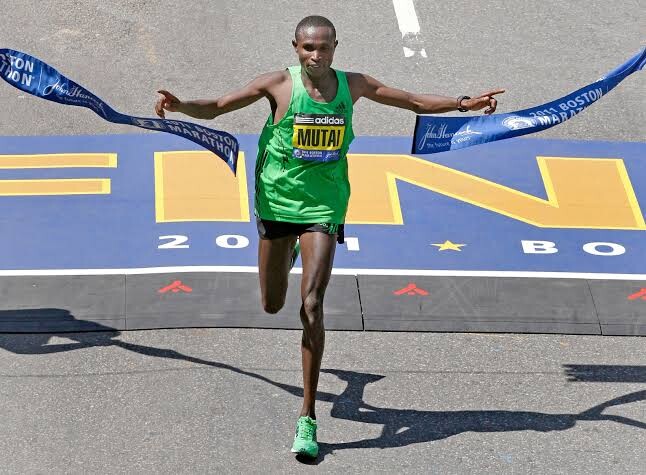
This was no ordinary win. It was a calculated dismantling of one of the most revered course records in marathon history, achieved not through reckless speed, but through a perfectly judged rhythm that crescendoed into a devastating second-half surge.
From the opening kilometers, Korir signaled intent. By 5K, he was already 15 seconds ahead of Mutai’s historic pace, clocking 14:20. Though the margins fluctuated slightly—Mutai briefly edging ahead around 20K—the race remained delicately poised through the halfway mark, with Korir passing in 1:01:50, eight seconds faster than the 2011 benchmark.
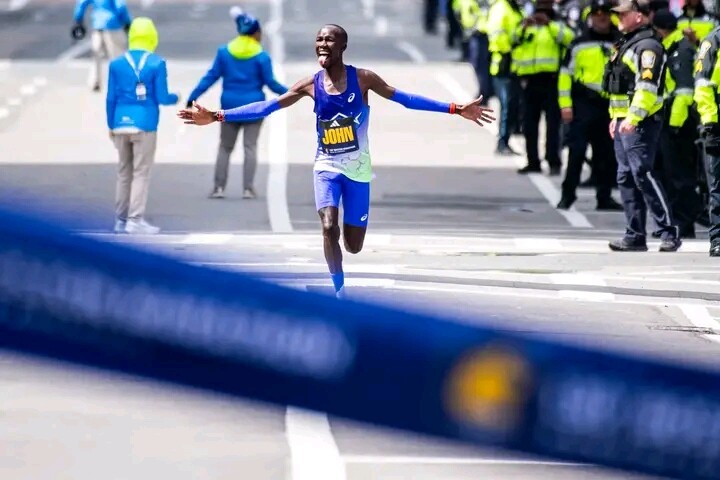
But it was beyond 25K that the race transformed.
With a decisive injection of pace, Korir began to stretch the field and history alike. By 30K, he had carved out a remarkable 45-second advantage over Mutai’s split. What followed was a masterclass in endurance and controlled aggression. At 35K, the gap widened further, and by 40K, Korir was a full minute ahead of the legendary schedule.
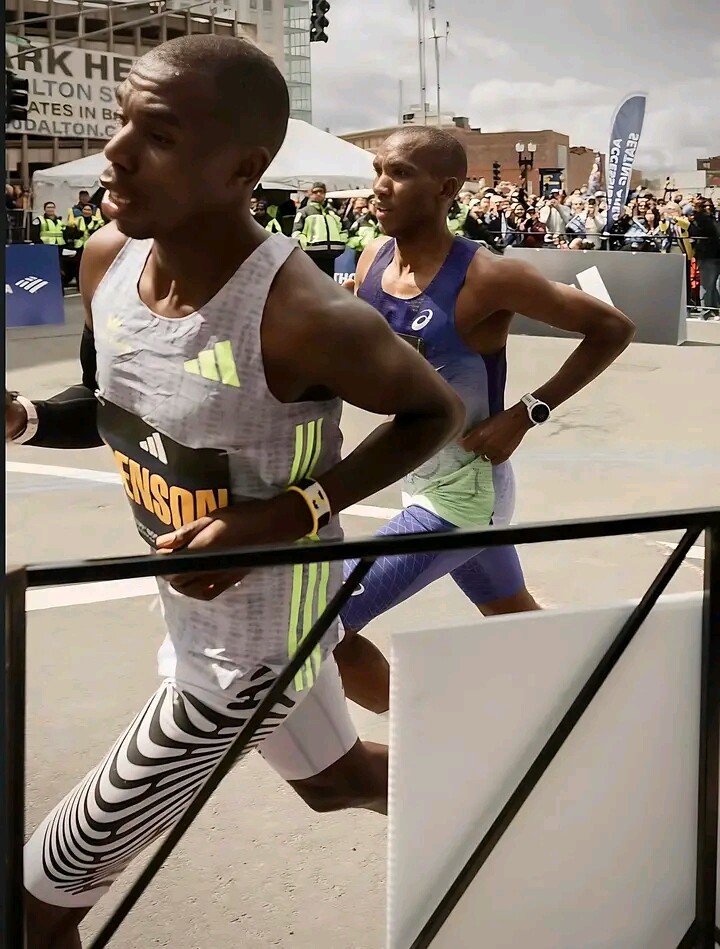
The defining moment came on the unforgiving slopes of Heartbreak Hill. Where races are often lost, Korir surged. His astonishing 4:42 mile over this iconic segment was not just fast—it was defiant. In a section where fatigue typically dictates caution, Korir attacked, turning the course’s greatest challenge into his platform for separation.
From there, the outcome was inevitable.
He crossed the finish line in 2:01:52, sealing the fastest time ever recorded on this storied course and completing the fastest second half in Boston Marathon history—an extraordinary 1:00:02 for the final 13.1 miles.
Context only deepens the brilliance of the performance. Mutai’s 2011 run benefited from a powerful 21 mph tailwind, widely regarded as one of the most favorable conditions the race has seen. Korir, by contrast, navigated a more modest 9 mph assisting breeze. The temperatures were similarly cool in both editions, but the reduced wind advantage in 2026 underscores the sheer quality of Korir’s run.
Step by step, split by split, the data tells a compelling story: this was not a fleeting burst of brilliance, but a sustained, strategic dismantling of a legendary benchmark.
In the end, the numbers speak with clarity—but the performance resonates even louder. John Korir did not just break a record; he redefined what is possible on the demanding roads of Boston, delivering a run that will stand as a new reference point for marathon excellence.
(04/21/2026) ⚡AMPby Erick Cheruiyot for My Best Runs.

Lokedi Reigns Again as Kenya Completes Historic Boston Domination
Kenya delivered a masterclass in marathon excellence at the 2026 Boston Marathon as Sharon Lokedi successfully defended her title, leading an extraordinary clean sweep in the women’s race and reaffirming the nation’s unmatched pedigree in distance running.
With calm authority and flawless execution, Lokedi surged to victory in 2:18:51, retaining her crown in one of the world’s most prestigious road races. Under the pressure of expectation, the Kenyan star rose magnificently, proving once again that champions are defined not only by winning once, but by returning to win again.
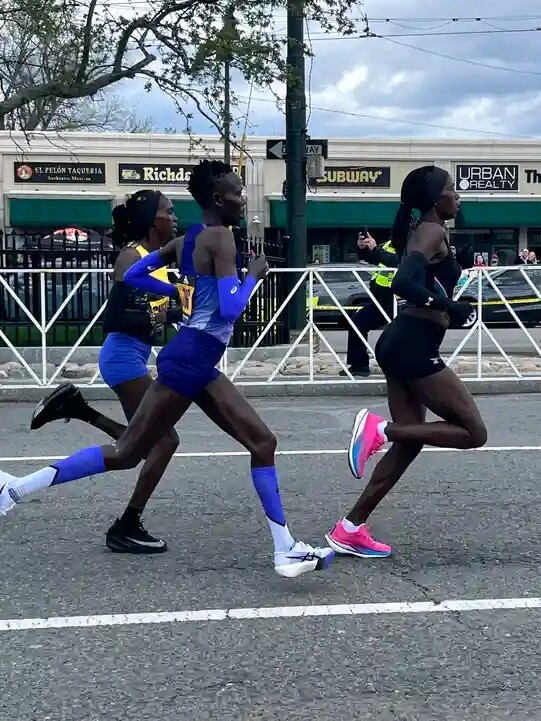
The defending champion successfully retained her title in 2:18:51, the second-fastest winning time ever recorded in Boston. Running with poise and authority, Lokedi controlled the decisive stages before unleashing a powerful late surge that left her rivals behind. It was a victory carved out through strength, tactical intelligence, and elite composure—another magnificent chapter in her growing legacy.
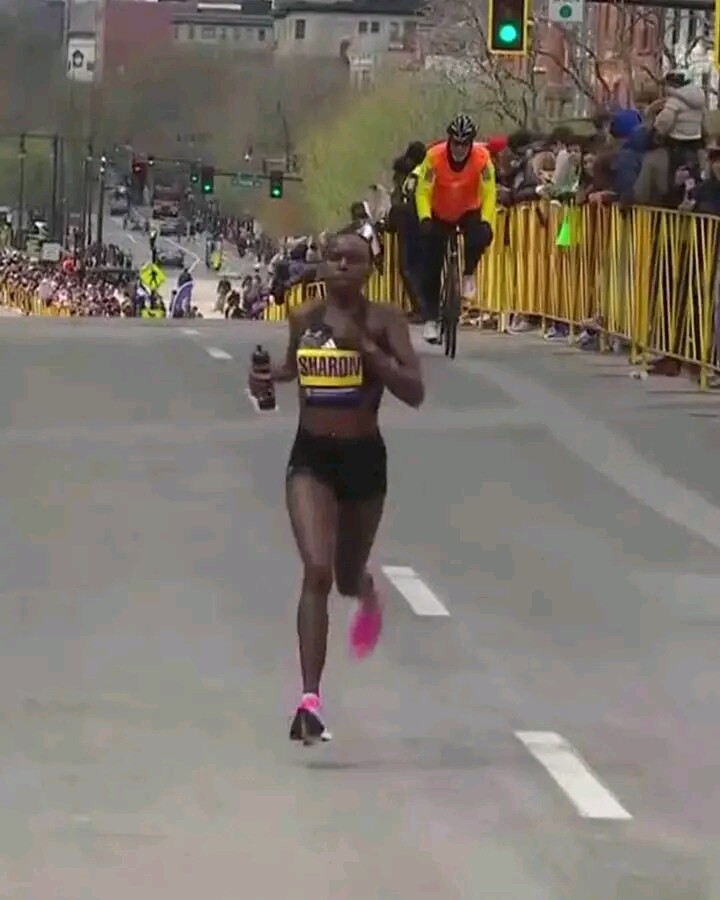
Her triumph was only the beginning of a remarkable Kenyan celebration. Loice Chemnung produced the performance of her career to secure second place in 2:19:35, running with courage and composure from start to finish. Close behind, the experienced Mary Ngugi-Cooper claimed third in 2:20:07, adding yet another major achievement to her distinguished journey in the sport.
Mercy Chelagat completed the stunning display by finishing fourth, ensuring that Kenya dominated the front of the field in emphatic fashion. It was more than just a victory—it was a statement of depth, class, and sustained excellence from a nation that continues to shape the history of long-distance running.
From the early pace battles to the decisive closing miles, the streets of Boston belonged to Kenya. Every stride reflected discipline, resilience, and the relentless spirit that has made Kenyan athletes icons across the globe.
Women’s Professional – Top 10
1. Sharon Lokedi (KEN) – 2:18:51
2. Loice Chemnung (KEN) – 2:19:35
3. Mary Ngugi-Cooper (KEN) – 2:20:07
4. Mercy Chelangat (KEN) – 2:20:30
5. Jess McClain (USA) – 2:20:49
6. Irine Cheptai (KEN) – 2:20:54
7. Workenesh Edesa (ETH) – 2:21:52
8. Annie Frisbie (USA) – 2:22:00
9. Emily Sisson (USA) – 2:22:39
10. Carrie Ellwood (USA) – 2:22:53
At the heart of it all stood Sharon Lokedi—composed, powerful, and untouchable when it mattered most. Her successful title defence now becomes another golden chapter in Boston Marathon history, while Kenya’s clean sweep will be remembered as one of the finest collective performances the race has ever witnessed.
(04/20/2026) ⚡AMPby Erick Cheruiyot for My Best Runs.

Boston Marathon
Among the nation’s oldest athletic clubs, the B.A.A. was established in 1887, and, in 1896, more than half of the U.S. Olympic Team at the first modern games was composed of B.A.A. club members. The Olympic Games provided the inspiration for the first Boston Marathon, which culminated the B.A.A. Games on April 19, 1897. John J. McDermott emerged from a...
more...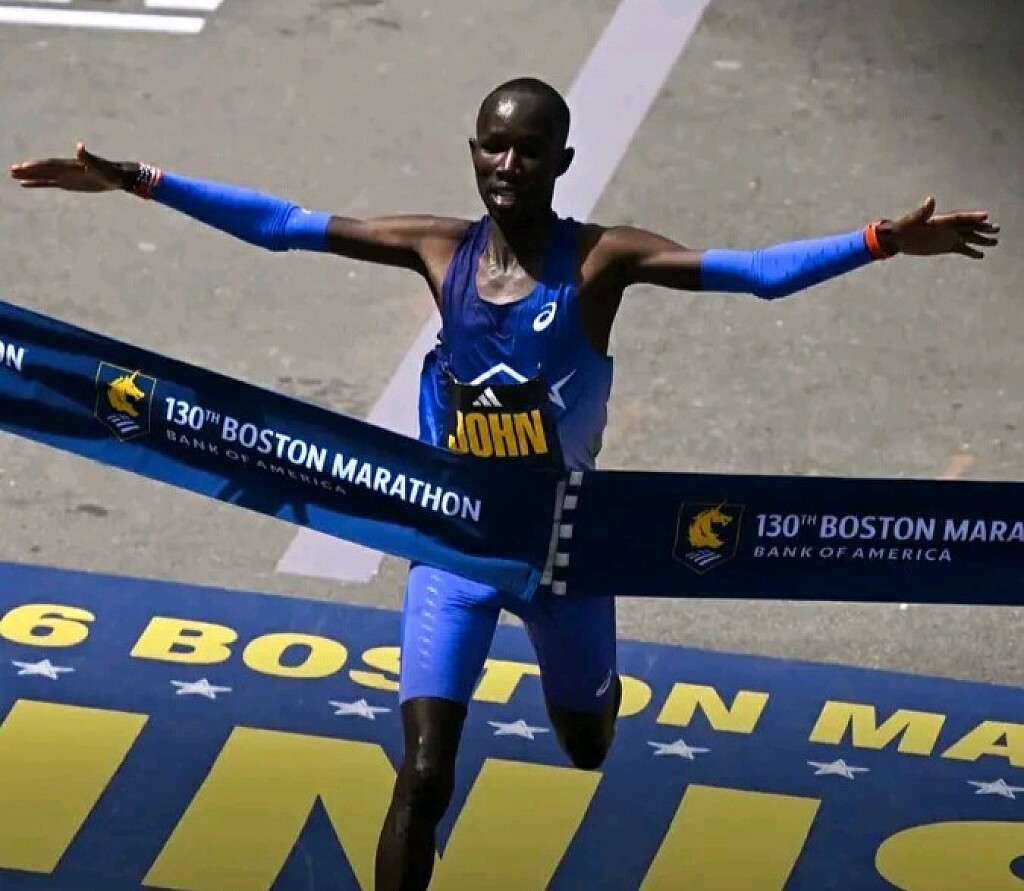
Korir Conquers Boston: Kenyan Star Rewrites Marathon History with Stunning Course Record
John Korir delivered a performance for the ages as he stormed to victory at the Boston Marathon, producing one of the fastest marathon runs ever recorded and etching his name into the sport’s history books.
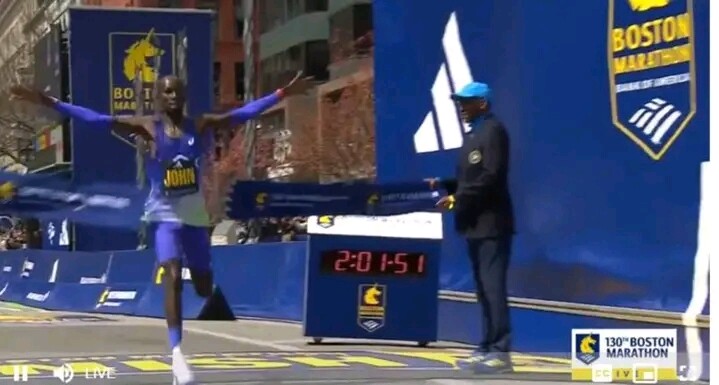
The Kenyan distance star crossed the finish line in a breathtaking 2:01:52, securing the title in emphatic fashion. That sensational mark not only shattered the previous Boston course record of 2:03:02, set by fellow Kenyan Geoffrey Mutai in 2011, but also stands as the fifth-fastest marathon time in history.
Boston is widely regarded as one of the most demanding marathons in the world. Its rolling hills, unpredictable weather, and punishing late-race climbs have tested generations of elite runners. Yet Korir turned the iconic route into his personal stage, blending tactical patience, relentless strength, and devastating speed to deliver a masterclass in endurance.
From the opening miles, the pace signaled something extraordinary. Korir remained calm within the lead group, carefully measuring his effort while others searched for an advantage. When the defining moment arrived, he surged decisively, broke clear of his challengers, and powered toward a historic finish.
Behind him, the battle for the podium was equally intense. Alphonse Simbu, the world championship medalist, produced a superb run to claim second place in 2:02:47, while former champion Benson Kipruto completed a high-quality podium in third with 2:02:50.
Korir’s triumph was about more than victory alone. By lowering one of the most respected records in road racing and defeating a world-class field, he confirmed his status as one of the defining marathoners of this generation. His brilliance was also rewarded financially, with a $50,000 course record bonus in addition to the winner’s prize.
What made the achievement even more remarkable was the extraordinary quality of the field behind him. Boston’s demanding course rarely produces such depth, yet this year’s race unfolded at a relentless tempo as elite contenders chased history from start to finish. Korir’s decisive surge after 25 kilometers broke the contest open, but the battle for the remaining podium places remained fierce, with multiple athletes producing lifetime-caliber performances. The 2026 edition will be remembered not only for a record-breaking champion, but for one of the fastest and most competitive races ever witnessed on the streets of Boston.
Men’s Professional – Top 10
1. John Korir (Kenya) – 2:01:52
2. Alphonce Felix Simbu (Tanzania) – 2:02:47
3. Benson Kipruto (Kenya) – 2:02:50
4. Hailemaryam Kiros (Ethiopia) – 2:03:42
5. Zouhair Talbi (United States) – 2:03:45
6. Tebello Ramakongoana (Lesotho) – 2:04:18
7. Charles Hicks (USA) – 2:04:35
8. Richard Ringer (GER) – 2:04:47
9. Alex Masai (KEN) – 2:05:32
10. Milkesa Mengesha (ETH) – 2:05:35
For the crowds lining the streets and the millions watching around the globe, it was a race of rare quality. For John Korir, it was the day he rose from champion to legend. In Boston, the standard has been raised—and the fastest name now belongs to Korir.
(04/20/2026) ⚡AMPby Erick Cheruiyot for My Best Runs.
Boston Marathon
Among the nation’s oldest athletic clubs, the B.A.A. was established in 1887, and, in 1896, more than half of the U.S. Olympic Team at the first modern games was composed of B.A.A. club members. The Olympic Games provided the inspiration for the first Boston Marathon, which culminated the B.A.A. Games on April 19, 1897. John J. McDermott emerged from a...
more...