

Running News Daily
Running News Daily is edited by Bob Anderson and team. Send your news items to bob@mybestruns.com Advertising opportunities available.
Index to Daily Posts · Sign Up For Updates · Run The World Feed
Articles tagged #bronze medal
Today's Running News
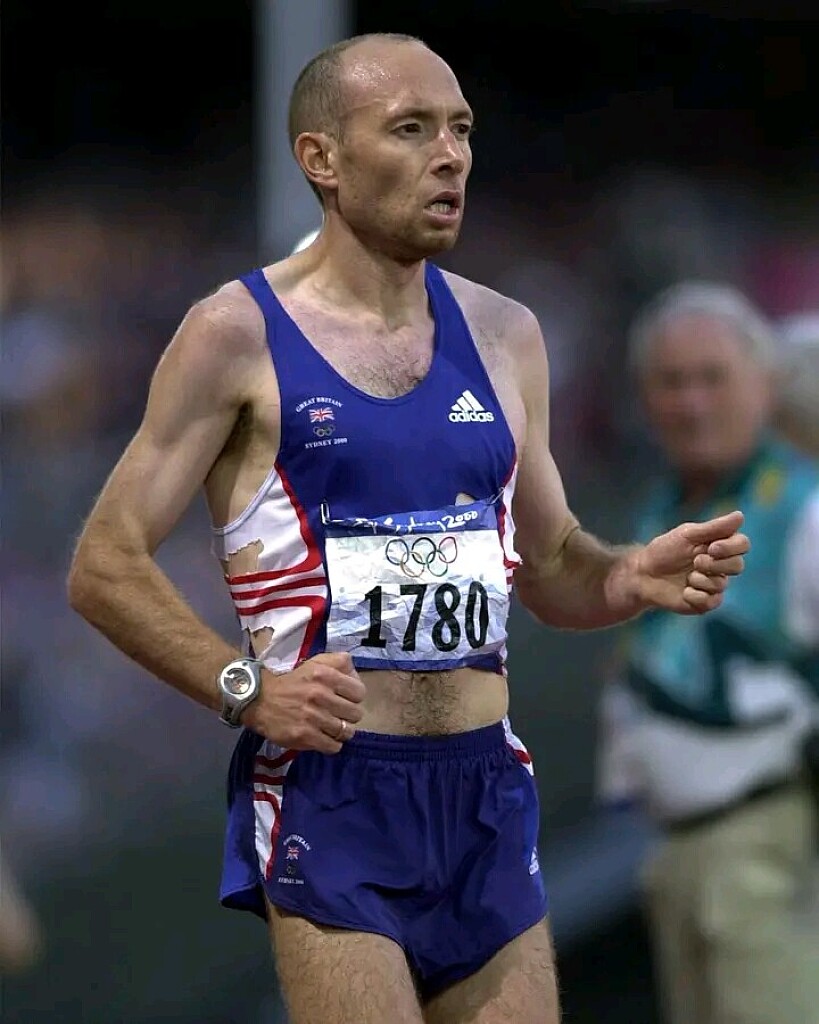


Jon Brown’s Olympic Marathon Heartbreak: Two Fourth-Place Finishes Four Years Apart
Twenty-six years ago yesterday, Jon Brown produced one of the most memorable Olympic marathon performances of his career, narrowly missing out on a medal for Great Britain at the Sydney 2000 Games.
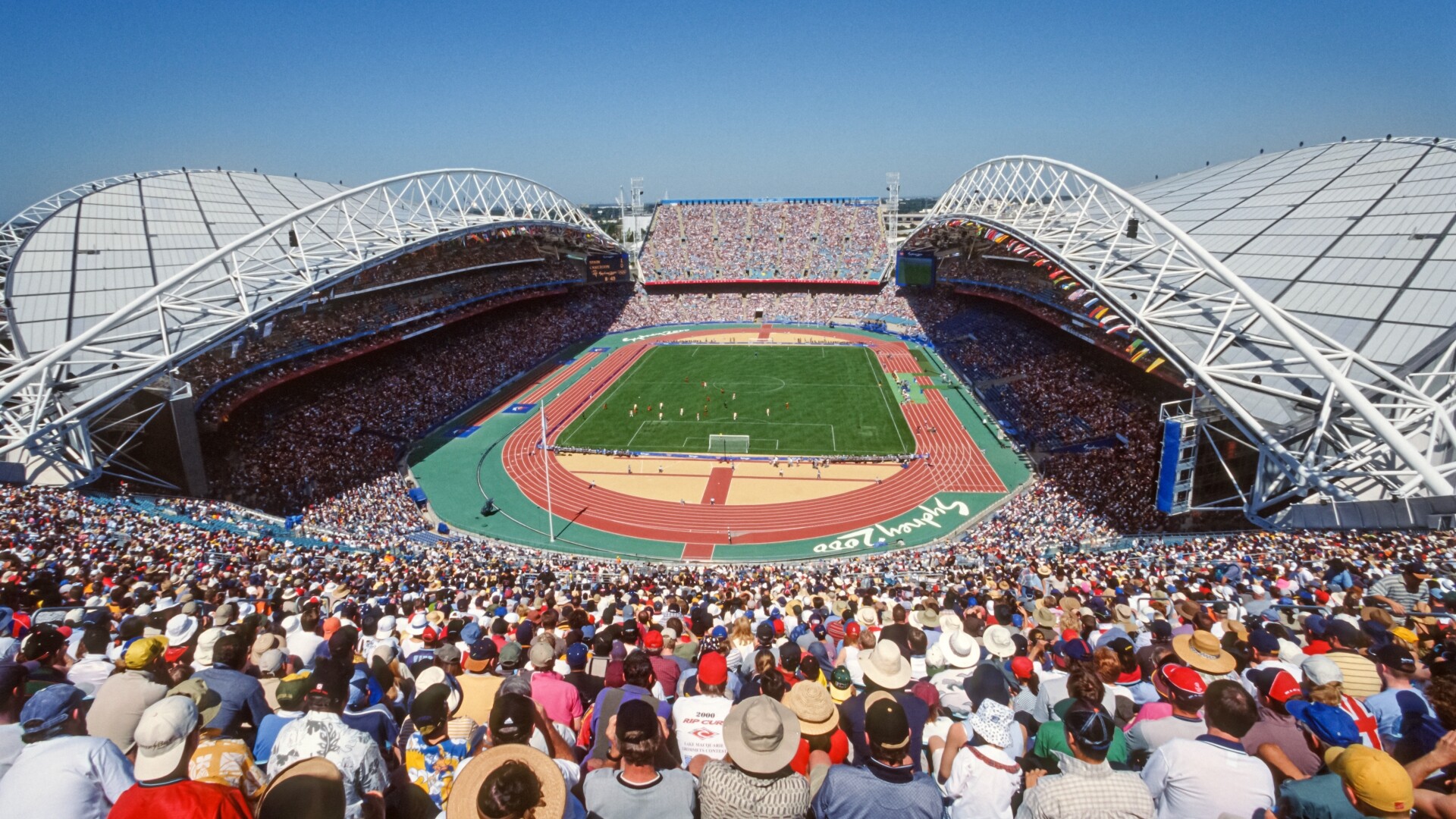
Brown delivered a determined run through the streets of Sydney, crossing the finish line in 2:11:17 to secure fourth place in a fiercely contested Olympic marathon.
The British distance runner came agonisingly close to the podium, finishing just seven seconds behind Ethiopia’s Tesfaye Tola, who claimed the bronze medal in 2:11:10.
For Brown, Sydney was a painful near-miss, but it would also mark the beginning of an extraordinary chapter in his Olympic career.
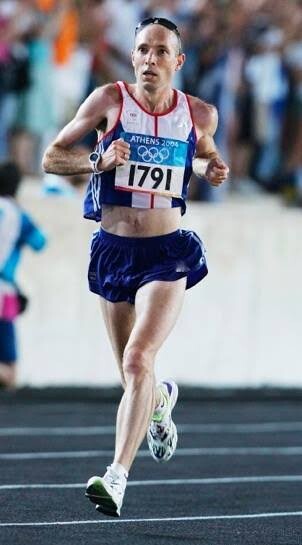
Four years later, at the Athens 2004 Olympic Games, Brown once again found himself within touching distance of an Olympic medal. He completed the marathon in 2:12:26, once again finishing fourth.
His performance in Sydney was particularly impressive given the unique demands of an Olympic marathon. Unlike major city marathons where athletes often have the clock and course records as primary targets, the Olympic race is shaped by tactics, national pride and the pressure of competing on the world's biggest sporting stage.
Brown remained firmly among the leading contenders in Sydney and was ultimately separated from a bronze medal by just seven seconds — a tiny margin after 42.195 kilometres of racing.
His return to the Olympic stage in Athens four years later added another remarkable dimension to his story. To reproduce a fourth-place finish at consecutive Olympic Games required extraordinary consistency, resilience and the ability to perform under immense pressure.
Although the medals continued to elude him, Brown's back-to-back fourth-place finishes established him as one of the most consistent marathoners of his generation. Few athletes experience the heartbreak of finishing just outside the medals once at an Olympics, let alone doing so again four years later.
Two Olympic marathons, two fourth-place finishes and two agonisingly close encounters with the podium — Brown's Olympic record may not include a medal, but it remains a remarkable testament to his longevity and competitiveness at the highest level of distance running.
His story is also a reminder of the brutal margins that define elite sport. After more than two hours of racing, the difference between Olympic glory and fourth place in Sydney came down to just seven seconds.
For Jon Brown, those seven seconds became part of Olympic history — while his performances in Sydney and Athens ensured that his name would remain firmly etched among Britain's outstanding marathoners.
by Erick Cheruiyot for My Best Runs.
Login to leave a comment
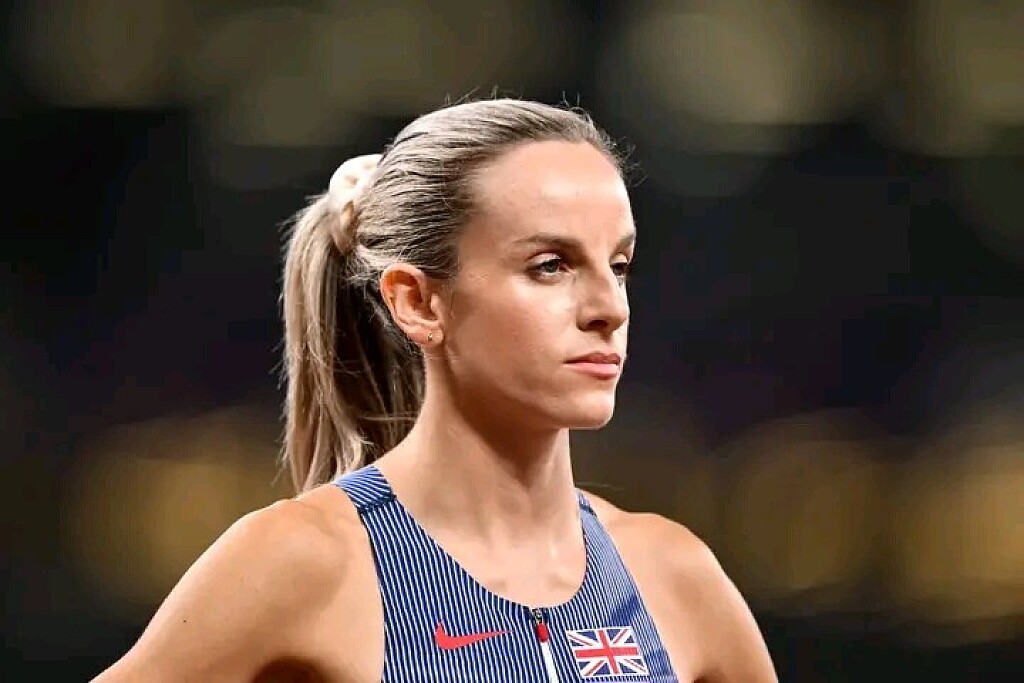
Georgia Hunter Bell: The Dream She Walked Away From Became The Dream She Finally Lived
There was a time when Georgia Hunter Bell believed her athletics journey was over.
The dream that had once consumed her as a young athlete had gradually been replaced by injuries, burnout, disappointment and the realities of adult life. She eventually walked away from track and field, convinced that her competitive career had reached its final chapter.
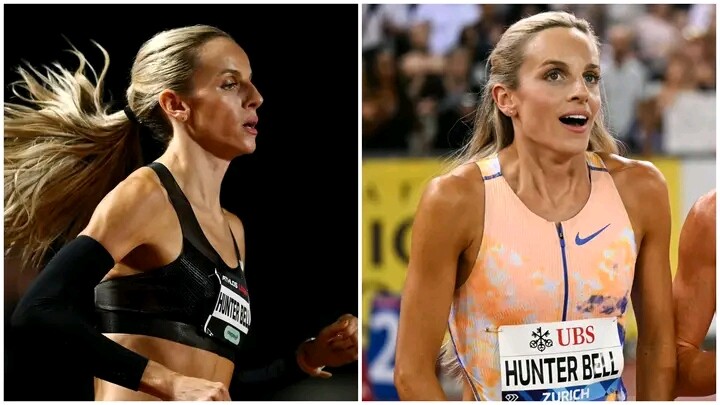
Years later, however, the dream she had abandoned as a young woman would return — only this time, with a story far more extraordinary than she could ever have imagined.
Hunter Bell was a highly regarded junior athlete before moving to the United States to compete for the University of California, Berkeley. But her collegiate years were disrupted by serious injuries and the mental exhaustion that came with constantly battling to remain healthy and competitive.
In 2017, she made the difficult decision to retire from athletics.
For the next six years, her life looked nothing like that of a professional athlete. Living in London, she built a career in the corporate world, working full-time in cybersecurity and artificial-intelligence technology sales.
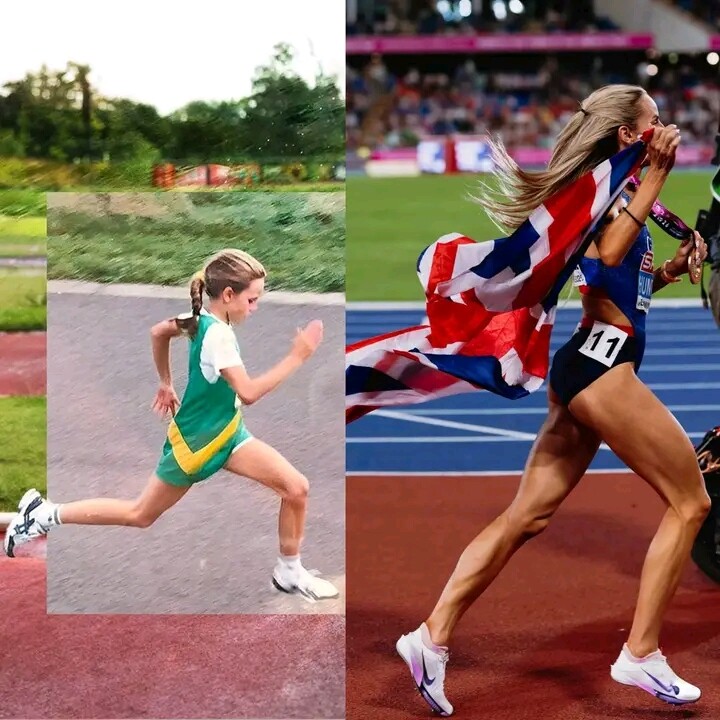
Track and field became a chapter she had seemingly closed.
Then the COVID-19 pandemic changed the rhythm of everyday life.
During the lockdowns, Hunter Bell was not plotting an Olympic comeback or imagining herself standing on a global championship podium. She simply wanted to move again — to improve her physical and mental well-being and rediscover an activity she had once loved.
That journey began with something remarkably ordinary: a local Saturday morning parkrun.
One run became another. Gradually, the feeling she thought she had lost began to return.
The love of running was still there.
She reconnected with her former coach, began entering races again and developed an unconventional training approach that allowed her to build fitness without placing excessive stress on a body that had already endured years of injury. Her programme incorporated substantial cycling alongside relatively low running mileage.
Initially, there was no grand ambition.
She was simply running because she enjoyed it.
But as the performances improved, so did the dreams.
What began as a personal return to exercise eventually became one of the most remarkable comebacks in modern middle-distance running.
Hunter Bell went on to win the British trials and qualify for the Olympic Games in Paris. There, she produced a stunning performance in the women's 1500m, clocking 3:52.61 to claim the Olympic bronze medal and announce herself on the biggest stage in world sport.
And she was not finished.
In 2026, her comeback reached another extraordinary level.
She became a World Indoor Champion, a European Champion and a Commonwealth Games Champion, transforming what had once seemed like a forgotten childhood ambition into a reality far beyond anything she could have predicted.
The athlete who had once walked away from the sport was now collecting major international titles.
But perhaps the most moving part of Hunter Bell's story is not the medals.
It is the journey that came before them.
She has reflected openly on how difficult it can be to hold onto childhood ambitions once adulthood arrives, with careers, financial responsibilities and everyday life often pushing dreams further into the background.
She once believed continuing to pursue athletics after university was unrealistic. Her performances and relationship with the sport had left her questioning whether the dream was still worth chasing.
Yet somewhere along the way, she found her way back.
She returned to the track after work simply because she loved being there. She kept turning up. She contacted her former coach. She entered races.
And slowly, almost without forcing it, the dream began to grow again.
What makes her story so powerful is that her comeback was not built on a perfectly planned route to Olympic success. It started with something much simpler — the decision to run again.
The Saturday morning parkruns, the training sessions after work and the races she entered for the sheer enjoyment of competing eventually led her back to the world's biggest stages.
The little girl who once dreamed of becoming a champion had grown up, stepped away from the sport and built an entirely different life.
But the dream had never truly disappeared.
Sometimes, life does not destroy a dream. It simply takes you somewhere else for a while.
And sometimes, when you find your way back, you discover that the dream waiting for you is even bigger than the one you had as a child.
Georgia Hunter Bell did not simply return to athletics.
She returned to a part of herself she thought she had lost — and turned a childhood dream into a championship reality.
Her journey is a powerful reminder that it is never necessarily too late to return to something you genuinely love.
You never know where the road back might lead.
by Erick Cheruiyot for My Best Runs.
Login to leave a comment
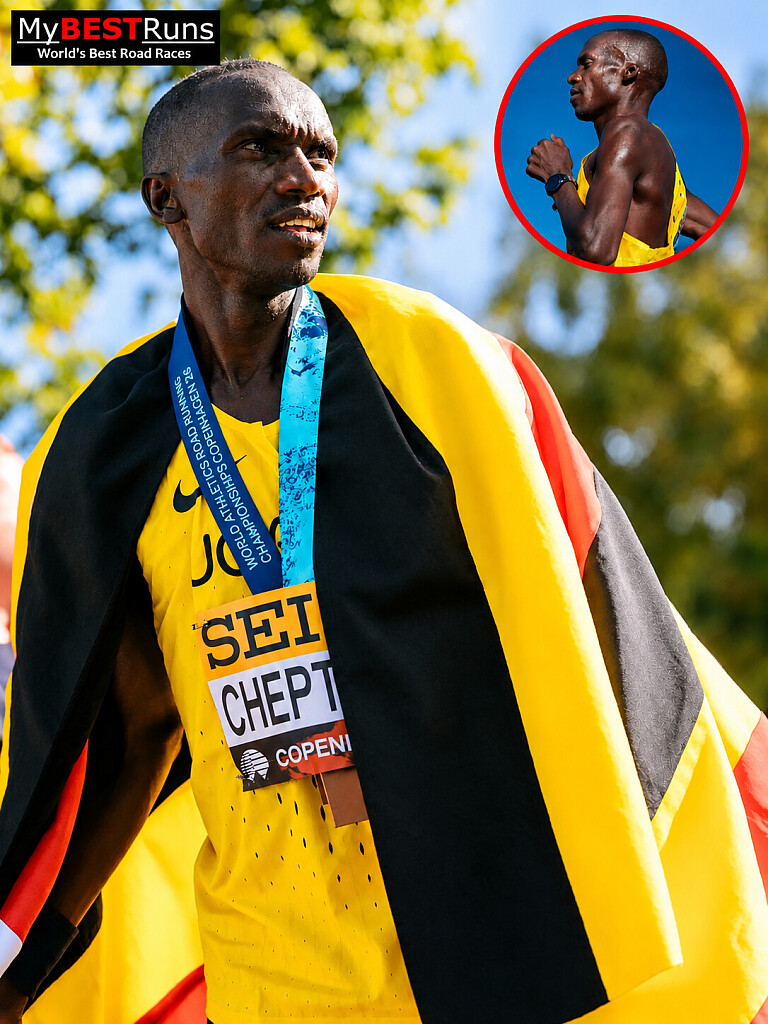
Joshua Cheptegei’s Road To The Marathon Takes Shape After World Half Marathon Bronze
Uganda’s Joshua Cheptegei has added another significant milestone to his remarkable distance-running career, securing bronze at the 2026 World Athletics Road Running Championships in Copenhagen with a personal best of 58:26 over the half marathon.
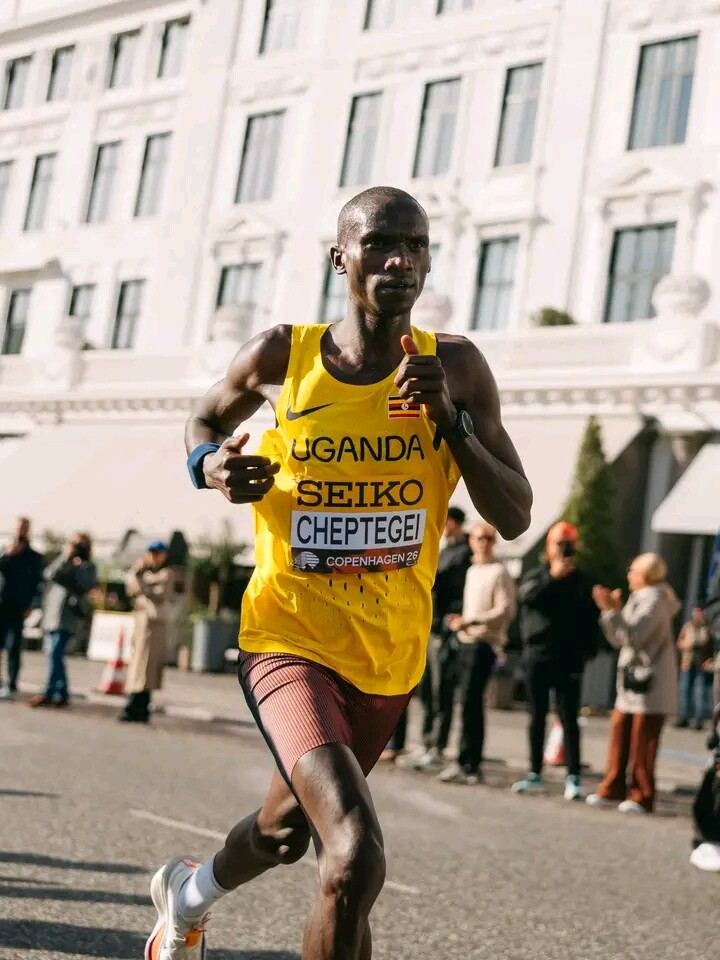
The performance marked a new chapter for the 30-year-old world record-holder, who had previously clocked 59:21 at the 2020 World Half Marathon Championships. In Copenhagen, Cheptegei improved that mark by 55 seconds while claiming his first individual medal on the road at a global championship.
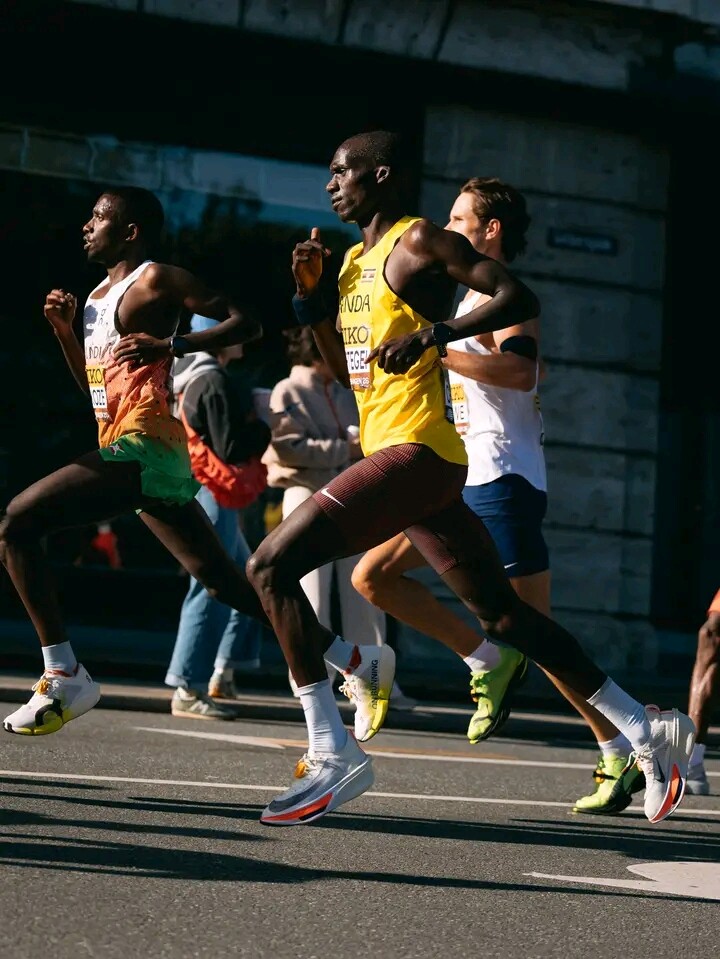
The race was won by Sweden’s Andreas Almgren in a European record of 58:06, with Kenya’s Nicholas Kipkorir taking silver in 58:11. Cheptegei finished 15 seconds behind Kipkorir and 20 seconds behind Almgren, completing a tightly contested podium in which all three athletes broke 58:30.
For Cheptegei, the result carries particular significance because of what he has already achieved on the track. In 2020, he established the men’s 5000m world record of 12:35.36 in Monaco before lowering the 10,000m world record to 26:11.00 in Valencia later that year. Both marks remain the current world records.
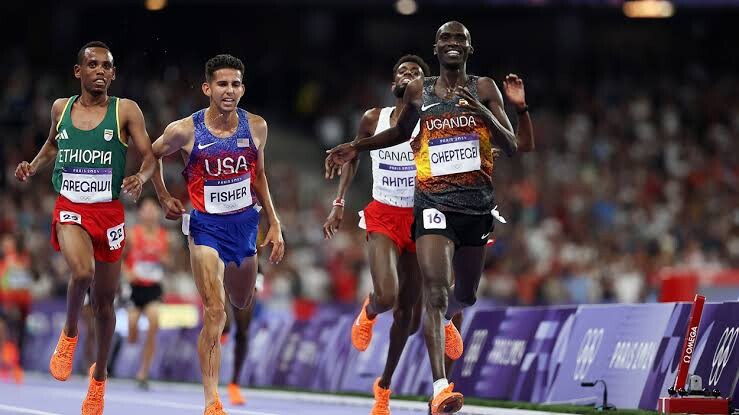
His Copenhagen performance also came during an extraordinary period for the men’s half marathon. Uganda’s Jacob Kiplimo ran 56:42 in Barcelona in 2025, although that performance was not ratified as a world record because the race conditions did not fully comply with World Athletics rules. Kiplimo later set the ratified world record at 57:20 in Lisbon in March 2026, before Ethiopia’s Yomif Kejelcha lowered it again to 56:51 in Buenos Aires in August.
Against that rapidly evolving road-running landscape, Cheptegei’s 58:26 places him among an increasingly competitive generation of athletes moving from the track to the roads. His Copenhagen run was not simply a podium finish; it was the fastest half marathon of his career and a clear demonstration of his continued development over longer distances.
The marathon is already familiar territory for Cheptegei. He made his debut in Valencia in December 2023, finishing 37th in 2:08:59 after going through halfway in 1:00:36. The experience was an important learning step as the Olympic and world champion began exploring the longest Olympic distance.
Now, after returning to the half marathon and producing a substantial personal best, Cheptegei is once again preparing to take on the marathon. The Copenhagen race formed part of his preparations for a marathon in the coming weeks.
The progression is striking. Cheptegei spent years defining an era on the track, setting world records, winning Olympic gold and collecting world titles. Now the challenge is different: adapting that extraordinary speed and championship experience to the demands of 42.195 kilometres.
His bronze medal in Copenhagen therefore feels like more than another entry on an already decorated résumé. It represents another step in the evolution of one of Uganda’s greatest distance runners — from a dominant track champion to an athlete increasingly testing himself against the very best on the roads.
The records that made Cheptegei a track legend remain untouched. But the next chapter of his career is being written on the roads — and Copenhagen may have provided another important glimpse of what could come next.
by Erick Cheruiyot for My Best Runs.
Login to leave a comment
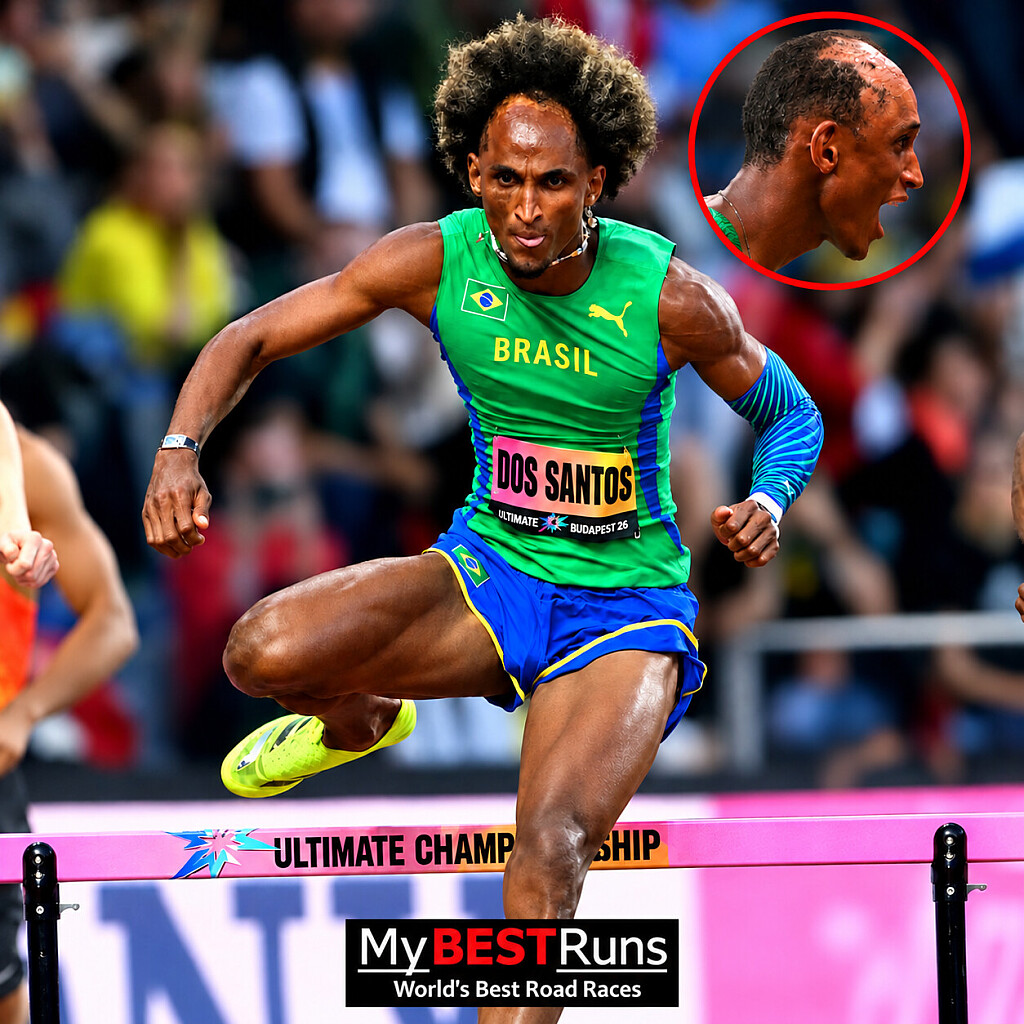
From Childhood Burns to World Records: Alison Dos Santos Turns Scars Into Strength
Alison dos Santos carries visible scars on his forehead and parts of his body, but behind them lies a remarkable story of survival that has become an important part of his journey in athletics.
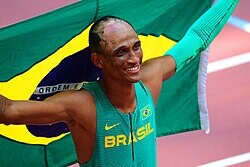
When he was just 10 months old, the Brazilian suffered severe third-degree burns after boiling oil spilled onto him. The accident left permanent scars and could easily have changed the course of his life before it had even begun.
He survived the ordeal, and as he grew older, the scars became a visible reminder of an accident he had endured as a baby. For much of his childhood, they also brought unwanted attention and insecurity. But eventually, athletics gave him something far more powerful: confidence, purpose and an opportunity to define himself through his talent rather than his scars.
That transformation took him all the way to the world's biggest sporting stages.
Dos Santos announced himself among the world's elite 400m hurdlers with an Olympic bronze medal at Tokyo 2020, clocking 46.72 seconds. In 2022, he reached another milestone by becoming world champion, confirming himself as one of the leading figures in an event that had entered an extraordinary era.
Two years later, he added another Olympic bronze medal in Paris, continuing to establish himself among the very best 400m hurdlers on the planet.
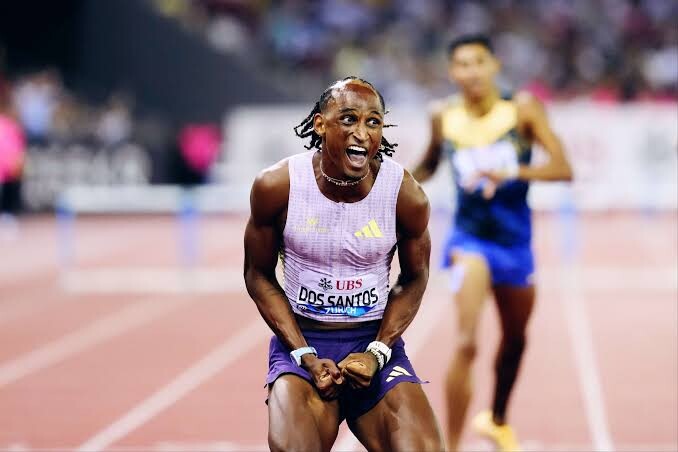
Then came Zürich.
On August 27, 2026, dos Santos delivered the race that changed his place in history. He stormed to 45.80 seconds, breaking Karsten Warholm's five-year-old world record of 45.94 and becoming the first man in history to run under 46 seconds twice.
The moment carried another layer of significance because Warholm was in the race. The Norwegian had established the previous world record in the unforgettable Tokyo Olympic final in 2021, a race in which dos Santos himself had won bronze. Five years later, the Brazilian returned to the same record-breaking narrative — this time as the man rewriting history.
But dos Santos was not finished.
Just over two weeks after his historic run in Zürich, he travelled to Budapest for the inaugural World Athletics Ultimate Championship, where the world's leading 400m hurdlers assembled for another highly anticipated showdown.

On September 13, dos Santos once again stood at the centre of the action. He produced another extraordinary performance, winning the men's 400m hurdles in 45.98 seconds and successfully defending his position at the top of an event filled with heavyweight names.
Rai Benjamin finished second in 46.40, while Warholm took third in 46.78. Dos Santos had once again beaten two of the athletes most closely associated with the modern history of the 400m hurdles.
The 45.98 also made him the first athlete to break 46 seconds twice, while ranking as the third-fastest performance ever recorded in the event at the time. His world record of 45.80 remained firmly at the top.
His latest victory therefore added another remarkable chapter to a season that had already produced a world record and a string of elite performances. Dos Santos has combined speed, consistency and resilience to turn 2026 into one of the defining seasons of his career.
And perhaps that is what makes his story so compelling. The hurdles he clears today are visible to the world, but some of the hardest obstacles he has overcome were faced long before he ever entered a stadium. His scars tell the story of what happened to him as a child; his achievements tell the story of what he chose to become.
The scars never disappeared. Neither did the determination of the boy who survived them.
Today, Alison dos Santos is not defined by the accident that marked his childhood. He is defined by the athlete he became — an Olympic medallist, a world champion, a world-record holder and now the inaugural World Athletics Ultimate champion in the 400m hurdles.
From surviving a devastating accident as an infant to standing on the highest level of his event, Piu has spent his life clearing hurdles — long before he ever started racing over them.
by Erick Cheruiyot for My Best Runs.
Login to leave a comment
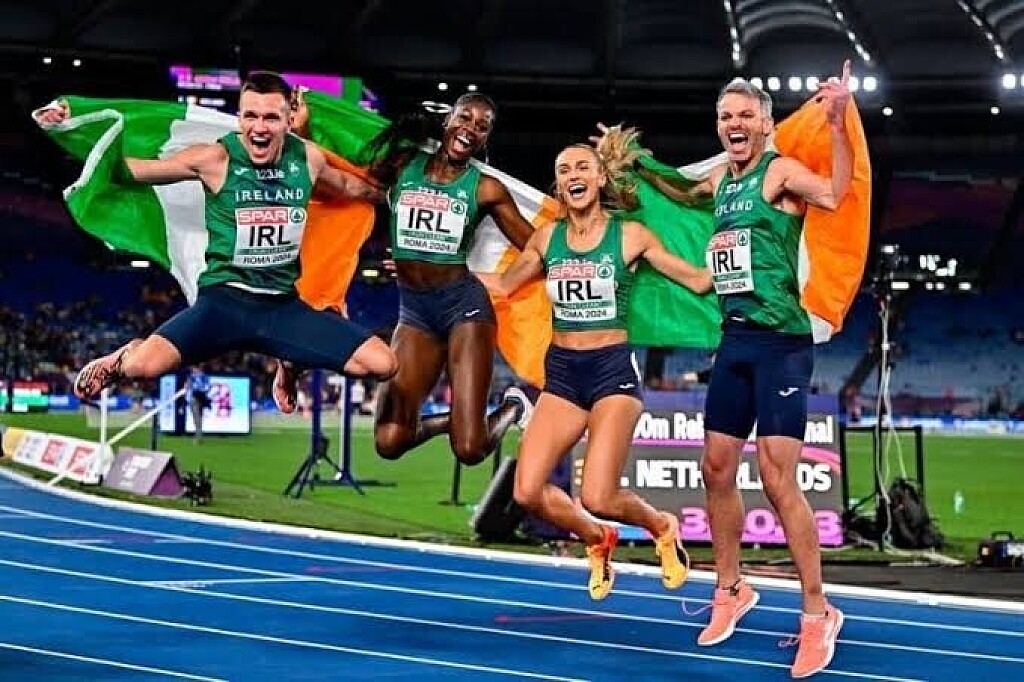
European Athletics Raises Silesia 2028 Prize Money to Record €3.5 Million
European Athletics has announced a record €3.5 million prize-money fund for the Silesia 2028 European Athletics Championships, significantly raising the financial rewards available to athletes competing for continental honours.
The expanded prize pool will cover every one of the 50 event disciplines on the championships programme, with prize money awarded to athletes finishing inside the top eight. The move represents a major commitment to rewarding performances across the full range of championship events.
Individual event winners will receive €30,000, while silver medallists will earn €15,000 and bronze medallists €10,000. Athletes finishing fourth will receive €5,000, with €4,000 for fifth, €3,000 for sixth, €2,000 for seventh and €1,000 for eighth.
The prize-money structure ensures that athletes who reach the final and finish among the leading eight will receive financial recognition for their performances, extending rewards beyond the medal positions.
Relay athletes will also be included in the prize-money programme, although the allocated prize will be shared among members of the respective team.
The Silesia 2028 championships will therefore offer athletes not only the opportunity to compete for European titles and medals, but also a substantial financial incentive throughout the competition. With a record €3.5 million available across the championships, European Athletics is placing greater emphasis on rewarding excellence across all 50 disciplines.
by Erick Cheruiyot for My Best Runs.
Login to leave a comment
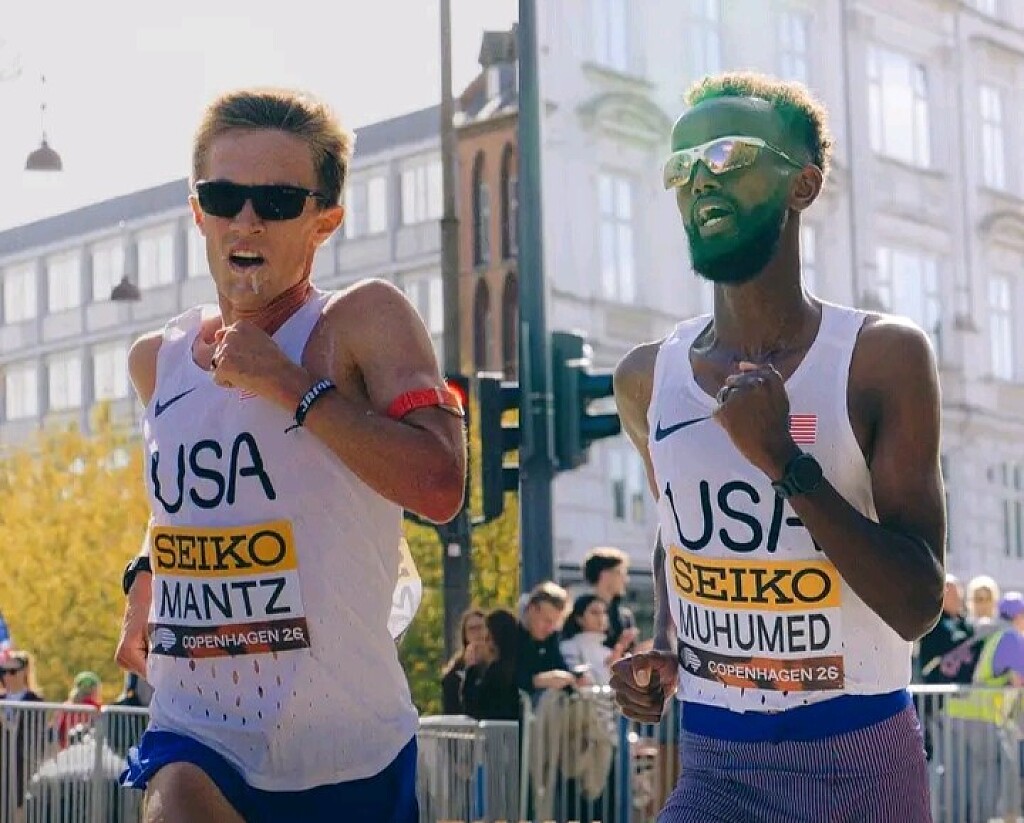
Team USA Makes History With Double Half Marathon Team Medals In Copenhagen
The United States enjoyed a remarkable day at the 2026 World Athletics Road Running Championships in Copenhagen, Denmark, securing team medals in both the men’s and women’s half marathon competitions.
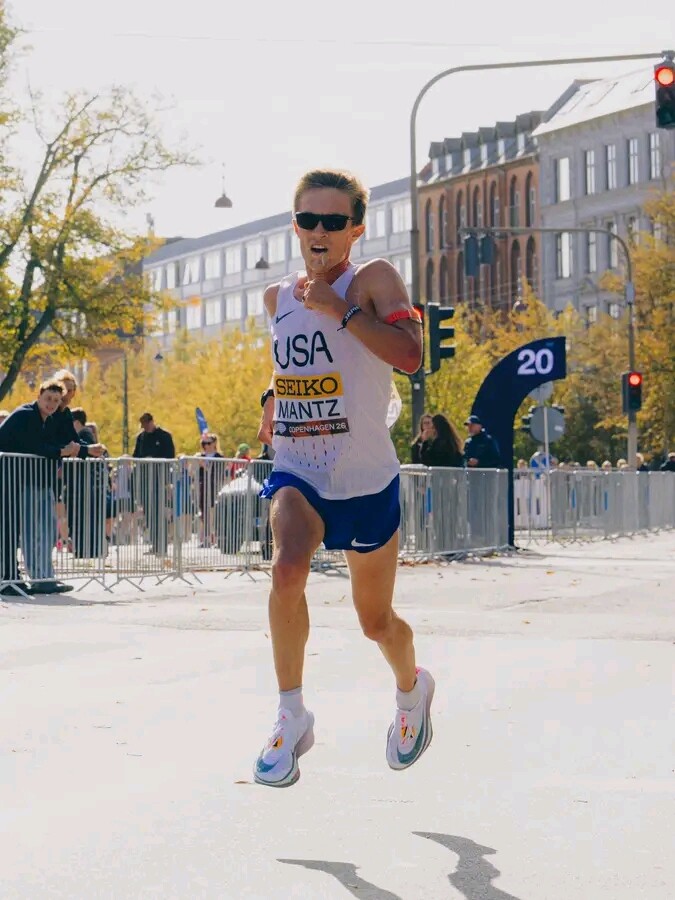
The American men claimed bronze in the team standings, while the women produced a historic performance to win silver and secure Team USA’s first-ever women’s team medal at the World Road Running Championships.
Leading the way for the American men was Conner Mantz, who finished 12th individually in 1:00:08, clocking a season’s best to spearhead the American challenge over the 21.1-kilometre distance.
For Mantz, the performance carried added significance as he continues his comeback from injury. His 1:00:08 season’s best provided a strong return to championship-level competition and an important tune-up as he prepares to take on the New York City Marathon in November.
Mantz’s performance also proved crucial to Team USA’s team medal effort, with his 12th-place finish providing the foundation for the Americans to secure bronze in the men’s standings.
Ahmed Muhumed followed closely in 13th place, crossing the finish line in 1:00:15. The performance marked a significant breakthrough for Muhumed, who lowered his previous best by 48 seconds in a major championship setting.
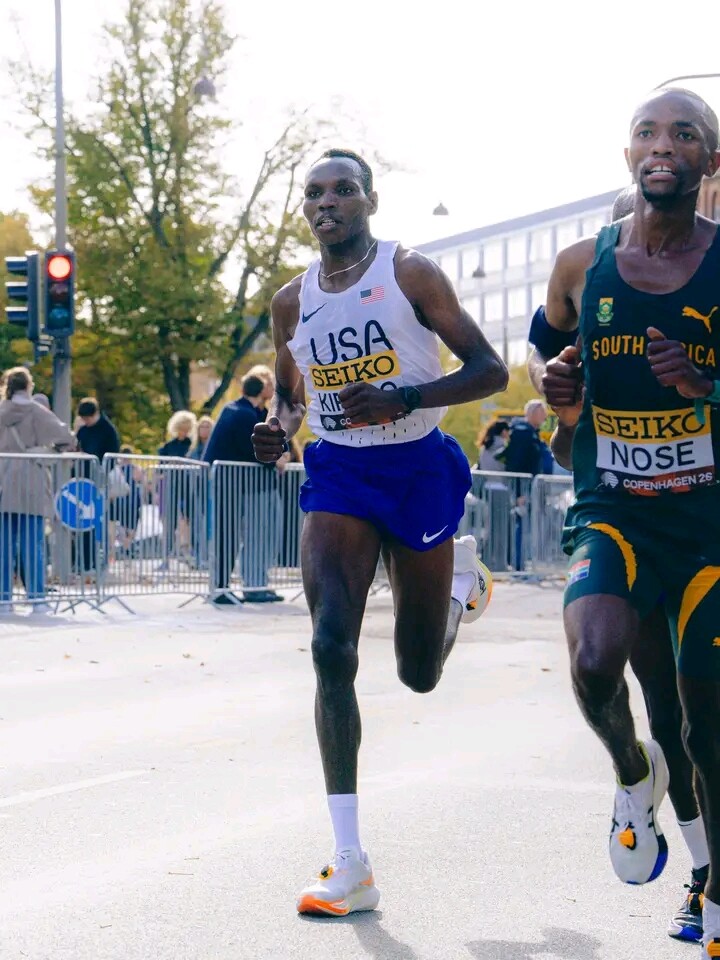
Wesley Kiptoo completed the American scoring trio, placing 23rd in 1:01:11. Kiptoo also produced a season’s best, contributing another important performance to the United States’ team effort.
The combined performances of Mantz, Muhumed and Kiptoo were enough to place the United States third in the men’s team standings, securing a hard-earned bronze medal in Copenhagen.
For Muhumed, the race was one of the biggest breakthroughs of the day, with his 1:00:15 representing a 48-second improvement on his previous best. Kiptoo’s season-best 1:01:11 further strengthened the American challenge and helped convert three individual performances into a place on the global podium.
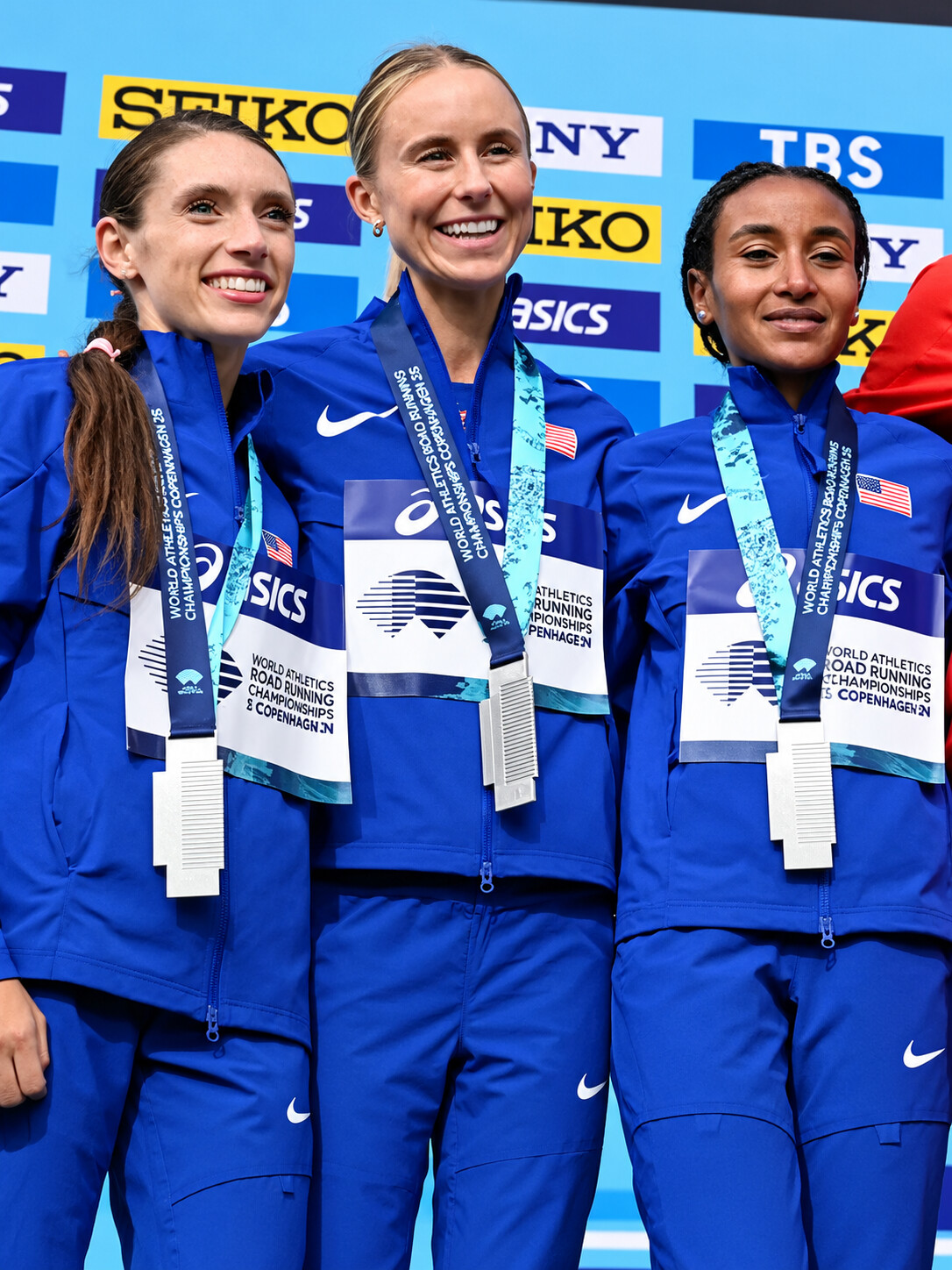
On the women’s side, Team USA made history by placing three athletes inside the top seven, earning its first-ever women’s team medal at the World Road Running Championships.
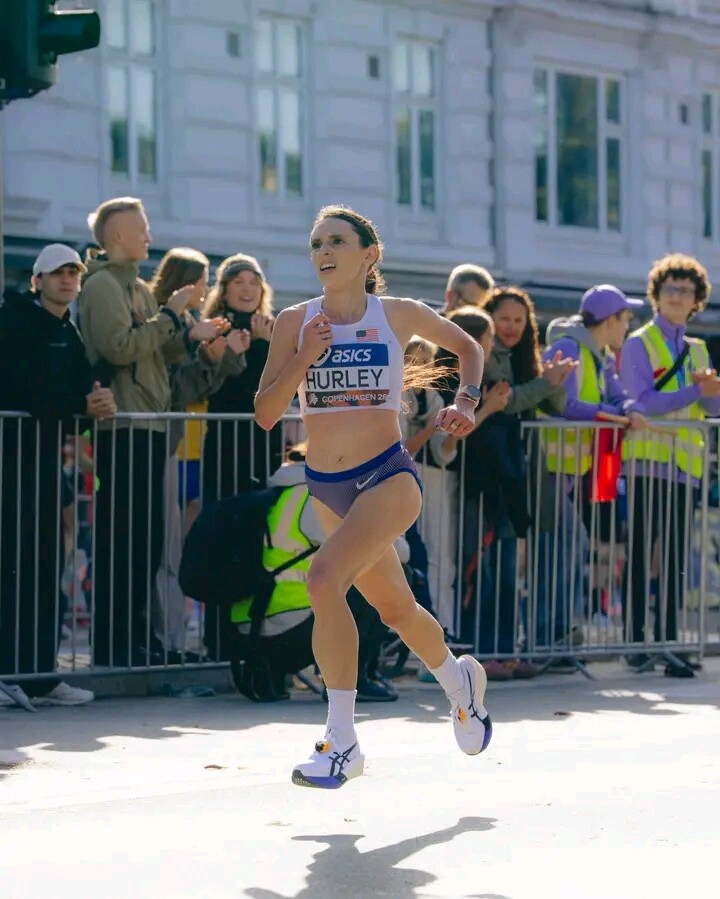
Emma Grace Hurley led the American women with a sensational fifth-place finish in 1:06:23. The performance was a huge personal best, taking more than a minute off her previous best of 1:07:35 and moving her to No. 3 on the U.S. all-time half marathon list.
Hurley also finished as the first American across the line, delivering one of the standout performances of the championship for the United States.
Weini Kelati Frezghi followed in sixth place, clocking 1:06:35 and ensuring that Team USA had two athletes inside the top six. Jessica McClain completed the scoring trio in seventh, stopping the clock at 1:06:53.
McClain’s performance represented another major breakthrough. She entered Copenhagen with a half marathon personal best of 1:08:37 but improved that mark by nearly two minutes, producing a remarkable 1:06:53 and moving to No. 6 on the U.S. all-time list.
With Hurley, Kelati Frezghi and McClain all finishing inside the top seven, the American women combined their individual performances to secure a historic team silver medal.
The achievement gave Team USA a remarkable double podium finish in the half marathon team competitions, with the men taking bronze and the women claiming silver.
Beyond the medals, Copenhagen provided a showcase of individual breakthroughs for the American distance runners. Hurley moved into the top three on the U.S. all-time list, while McClain made an equally significant leap into sixth, as Mantz added another season’s best during his return from injury.
For Mantz, the Copenhagen race now serves as an important stepping stone toward the New York City Marathon in November, giving him a competitive test and a confidence-building performance as he continues his return to top-level racing.
It was a memorable championship outing for Team USA, with strong individual performances translating into two team medals and a landmark first for the American women at the World Road Running Championships.
by Erick Cheruiyot for My Best Runs.
Login to leave a comment
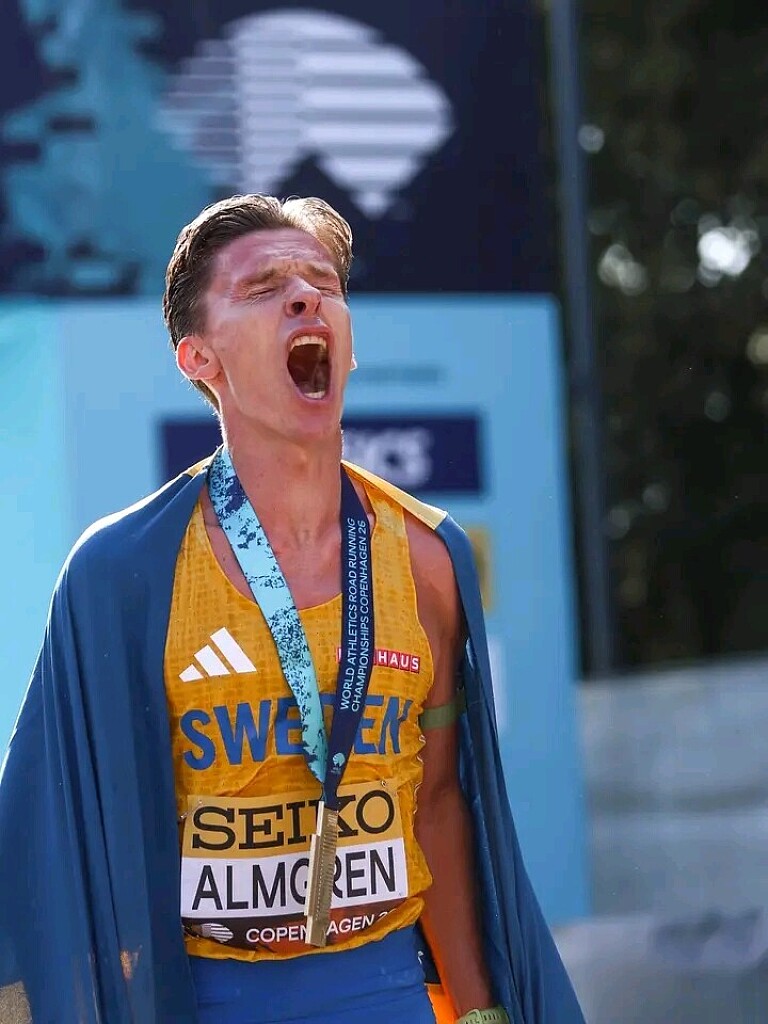
Andreas Almgren Times His Move To Perfection For World Half Marathon Gold In Copenhagen
Sweden’s Andreas Almgren produced a breathtaking finish on the streets of Copenhagen, unleashing a perfectly timed late surge to win the men’s half marathon title at the 2026 World Athletics Road Running Championships in 58:06.
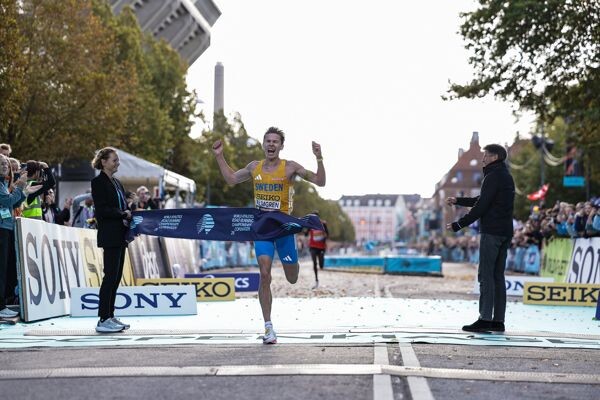
The Swedish star waited patiently through the decisive stages of the race before making his move with roughly 200 metres remaining, accelerating away from the field and producing a devastating sprint down the final straight.
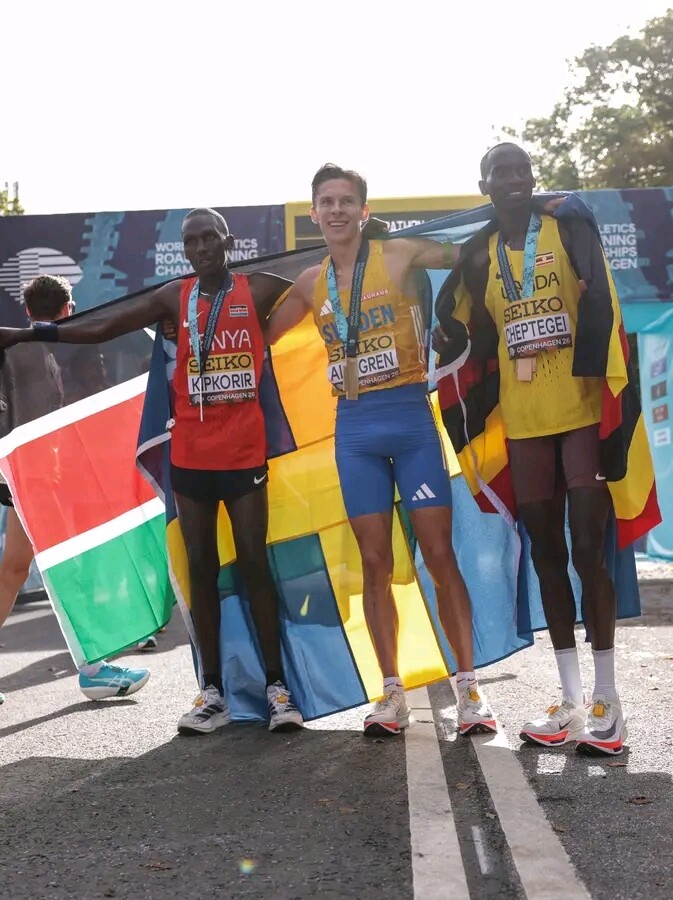
Nicholas Kipkorir had controlled much of the race, dictating the pace and keeping the leading contenders under pressure. Almgren, however, remained close throughout, carefully conserving enough energy for the moment that would ultimately decide the world title.
When the race entered its final stretch, Almgren made his move. The Swede surged hard over the final 200 metres and then outsprinted Kipkorir over the last 100 metres, powering clear to cross the line first in 58:06.
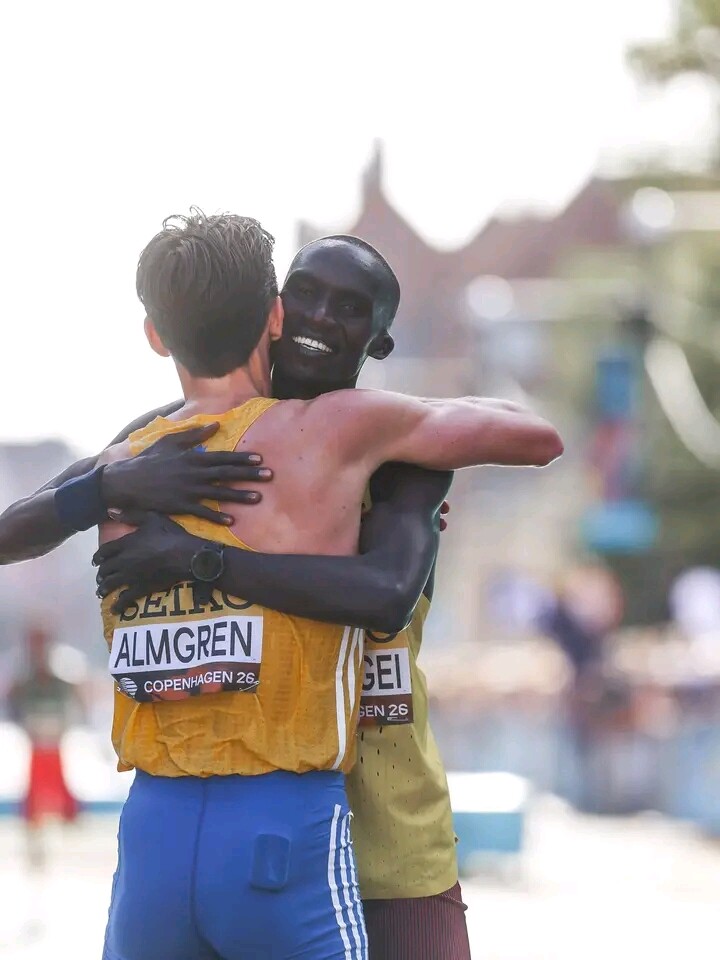
The performance was not only enough to secure the gold medal but also delivered an Area Record, adding another extraordinary achievement to Almgren’s rapidly growing list of accomplishments.
His winning time makes the victory even more significant in the history of the championships. Almgren becomes the first non-African world half marathon champion since Italy’s Stefano Baldini in 1996, ending a remarkable 30-year period in which athletes from Africa had dominated the global title.
For much of the race, Kipkorir appeared to have control, but Almgren refused to be separated from the Kenyan. His patience proved decisive as the race entered its final kilometres, allowing him to remain within striking distance before producing the acceleration that ultimately settled the contest.
Behind the leading pair, Uganda’s Joshua Cheptegei endured a gruelling battle to hold on to third position. The Olympic and world champion was pushed relentlessly in the closing stages and had to dig extremely deep to preserve his place on the podium. Despite the intense pressure from the athletes behind him, Cheptegei held firm to secure the bronze medal in a personal best of 58:26.
Ethiopia’s Tadese Worku also produced a personal best of 58:35 to finish fourth, while Kenya’s Gideon Kipkertich Rono followed in fifth in 58:57. The depth of the field was reflected by the fact that six athletes broke the 59-minute barrier, underlining the exceptional quality of the championship race.
Top 10 Men’s Half Marathon Results
1. Andreas Almgren (Sweden) — 58:06 — AR
2. Nicholas Kipkorir (Kenya) — 58:11
3. Joshua Cheptegei (Uganda) — 58:26 — PB
4. Tadese Worku (Ethiopia) — 58:35 — PB
5. Gideon Kipkertich Rono (Kenya) — 58:57
6. Hani Idriss Hersi (Djibouti) — 59:09 — NR
7. Yemaneberhan Crippa (Italy) — 59:18
8. Alex Nzioka Matata (Kenya) — 59:22
9. Daniel Simtu Ebenyo (Kenya) — 59:42 — SB
10. Othmane El Goumri (Morocco) — 59:53 — PB
The victory further strengthens Almgren’s remarkable 2026 campaign. The 58:06 performance gave the Swede an Area Record as he added the World Athletics Road Running Championships half marathon crown to his résumé, following his 10,000m triumph at the European Athletics Championships. His ability to combine sustained endurance with a devastating finishing kick once again proved decisive on the biggest stage.
For Almgren, the Copenhagen triumph also provides an intriguing glimpse ahead to his next challenge. With his New York City Marathon debut now on the horizon, the world half marathon title represents an important statement as he prepares to make the transition to the marathon. After demonstrating that he can handle the demands of championship racing over 21.1 kilometres while still possessing the speed to produce a decisive late surge, Almgren now turns his attention toward an entirely new distance.
The victory marks Almgren’s first global title, completing a remarkable transformation from European record-holder and leading continental distance runner into a world champion.
It also adds another spectacular chapter to an already outstanding 2026 season. Almgren has consistently demonstrated an exceptional combination of endurance, speed and tactical intelligence, and Copenhagen provided the perfect stage for all three qualities to come together.
With the clock showing 58:06, Almgren not only conquered the world championship field but also rewrote the European record books. His perfectly timed attack in the final 200 metres delivered Sweden a historic world road-running title and created one of the most dramatic finishes of the Copenhagen championships.
by Erick Cheruiyot for My Best Runs.
Login to leave a comment

World Athletics Road Running Championships
Six world champions and 65,000 runners just behind them. In September 2026, the heart of Copenhagen is expected to be the stage for Denmark’s largest-ever participant event. The World Athletics Road Running Championships Copenhagen 26 will take place on September 19-20, 2026. A total of 65,000 participants will join the running festivities behind the world’s fastest female and male athletes...
more...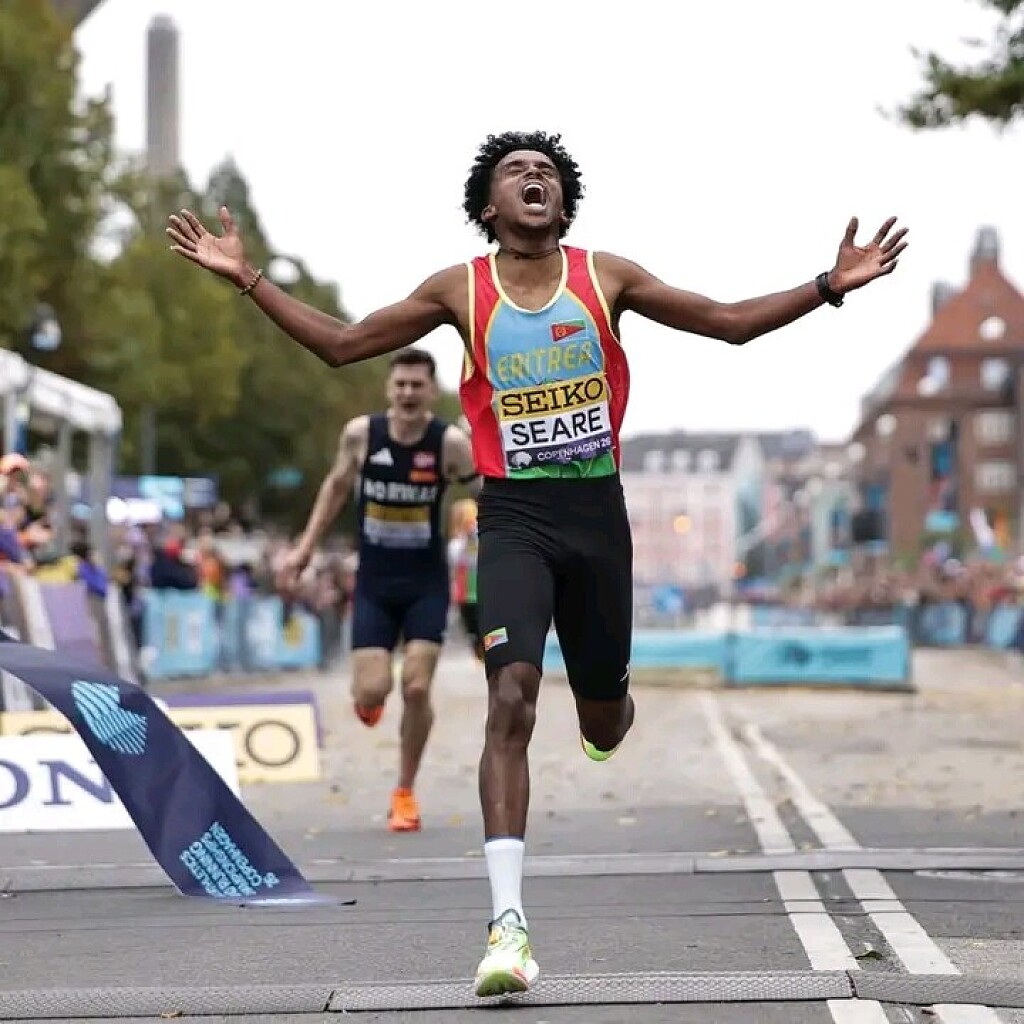
Dawit Seare Stuns Ingebrigtsen In Thrilling Finish To Win World 5km Title In Copenhagen
Eritrea’s Dawit Seare produced a sensational performance on Saturday, September 19, 2026, to claim the men’s 5km world title at the World Athletics Road Running Championships in Copenhagen, defeating Norway’s Olympic champion Jakob Ingebrigtsen in a dramatic battle that went down to the final metres.
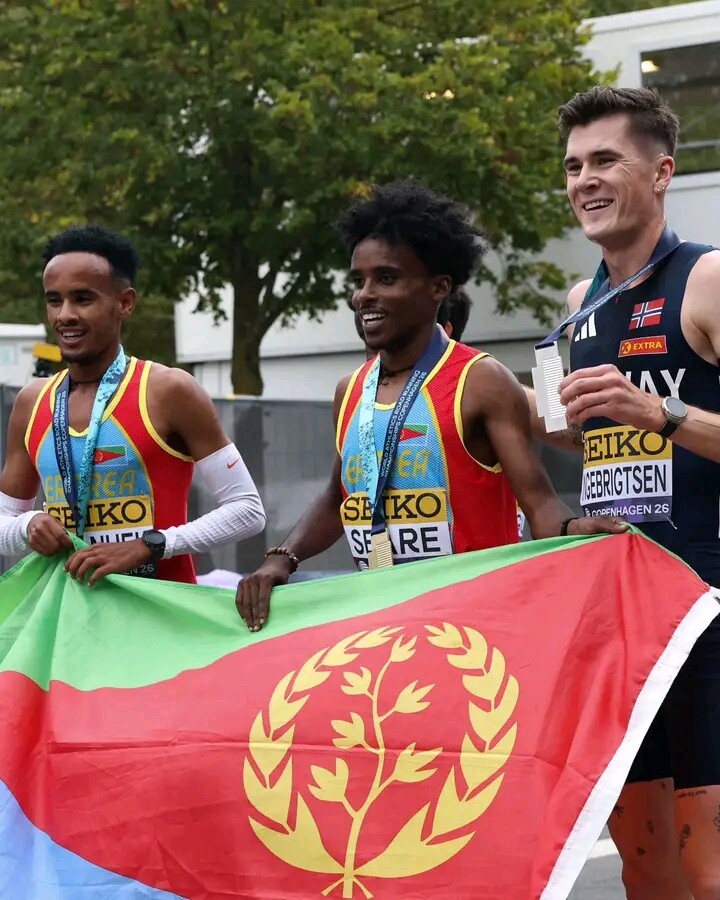
Seare crossed the finish line in a national record of 12:56, with Ingebrigtsen taking silver in a Norwegian record of 12:59. Eritrea completed a remarkable double podium as Saymon Amanuel secured bronze in a personal best of 13:00.
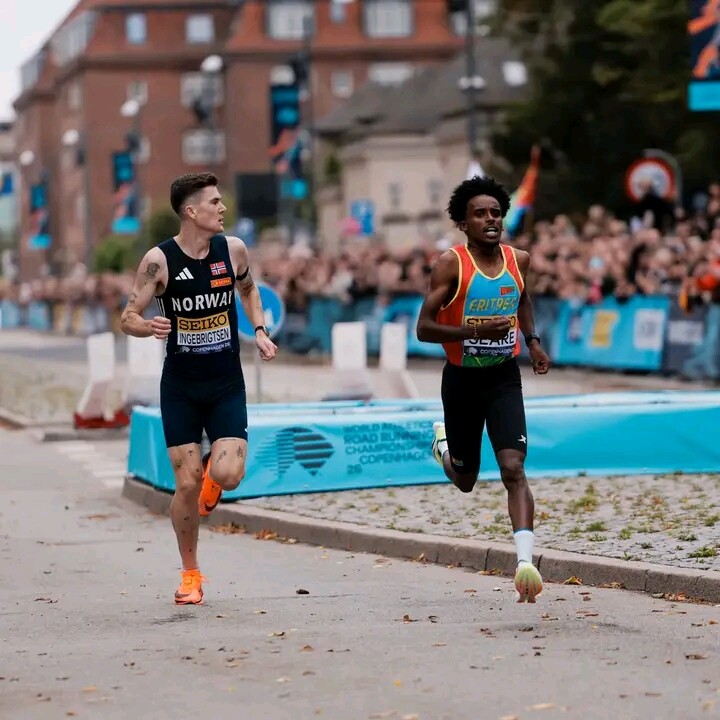
The closing stages produced an extraordinary finish as Seare and Ingebrigtsen engaged in a fierce battle for the world title. With just 150 metres remaining, the lead changed hands three times, underlining the intensity of the contest. Ingebrigtsen briefly surged ahead and appeared to have taken control, but Seare responded with another gear, powering past the Norwegian before the finish line.
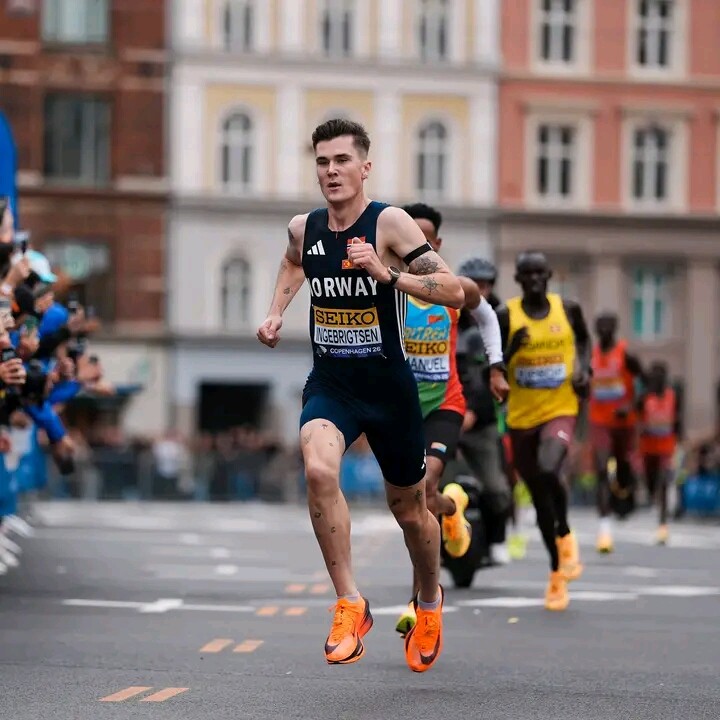
The Eritrean’s decisive acceleration carried him to victory by three seconds, turning what had been a tightly contested race into a remarkable championship triumph. Seare held his composure under immense pressure and produced the strongest finish when it mattered most.
The race had featured a large leading group through much of the early stages before the pace intensified approaching the final kilometres. As the runners entered the decisive phase, Seare remained firmly in contention, positioning himself perfectly for the battle that would ultimately determine the world champion.
For Seare, the victory adds another major achievement to an impressive 2026 season. Having already established himself as the African 5,000m champion, he has now transferred that success to the roads by securing a world title in Copenhagen.
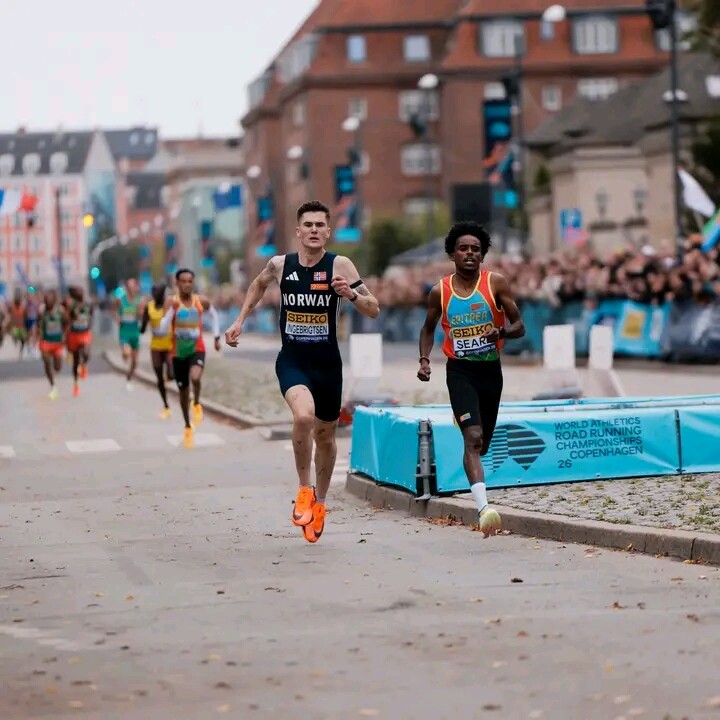
Ingebrigtsen was forced to settle for silver despite producing a national record of his own. The Norwegian’s late surge demonstrated his determination to control the race, but Seare’s response in the final metres proved decisive in one of the closest and most dramatic finishes of the championships.
Eritrea’s success was made even more remarkable by Amanuel’s bronze medal. His 13:00 personal best ensured that two Eritrean athletes stood on the podium, giving the country both gold and bronze in a memorable men’s 5km championship race.
Australia’s Ky Robinson also delivered an outstanding performance, finishing fourth in 13:04 to set an Oceanian record. Uganda’s Keneth Kiprop matched the time in fifth, while Ethiopia placed two athletes inside the top seven through Addisu Yihune and Mezgebu Sime.
Kenya’s Mathew Kipchumba Kipsang finished eighth in 13:11, followed by Burundi’s Egide Ntakarutimana in ninth and South Africa’s Maxime Chaumeton in 10th.
Men’s 5km Top 10 Results
1. Dawit Seare — Eritrea — 12:56 NR
2. Jakob Ingebrigtsen — Norway — 12:59 NR
3. Saymon Amanuel — Eritrea — 13:00 PB
4. Ky Robinson — Australia — 13:04 AR
5. Keneth Kiprop — Uganda — 13:04 PB
6. Addisu Yihune — Ethiopia — 13:07
7. Mezgebu Sime — Ethiopia — 13:08 SB
8. Mathew Kipchumba Kipsang — Kenya — 13:11 SB
9. Egide Ntakarutimana — Burundi — 13:12 PB
10. Maxime Chaumeton — South Africa — 13:13
Seare’s victory capped an unforgettable finish in Copenhagen, where three changes of the lead in the final 150 metres set up a dramatic showdown. In the end, the Eritrean produced the crucial final surge to deny Ingebrigtsen and claim a historic world 5km title in a national-record 12:56.
by Erick Cheruiyot for My Best Runs.
Login to leave a comment
Agathe Guillemot Strikes Gold In Copenhagen As Mirriam Cherop Returns To The Global Podium
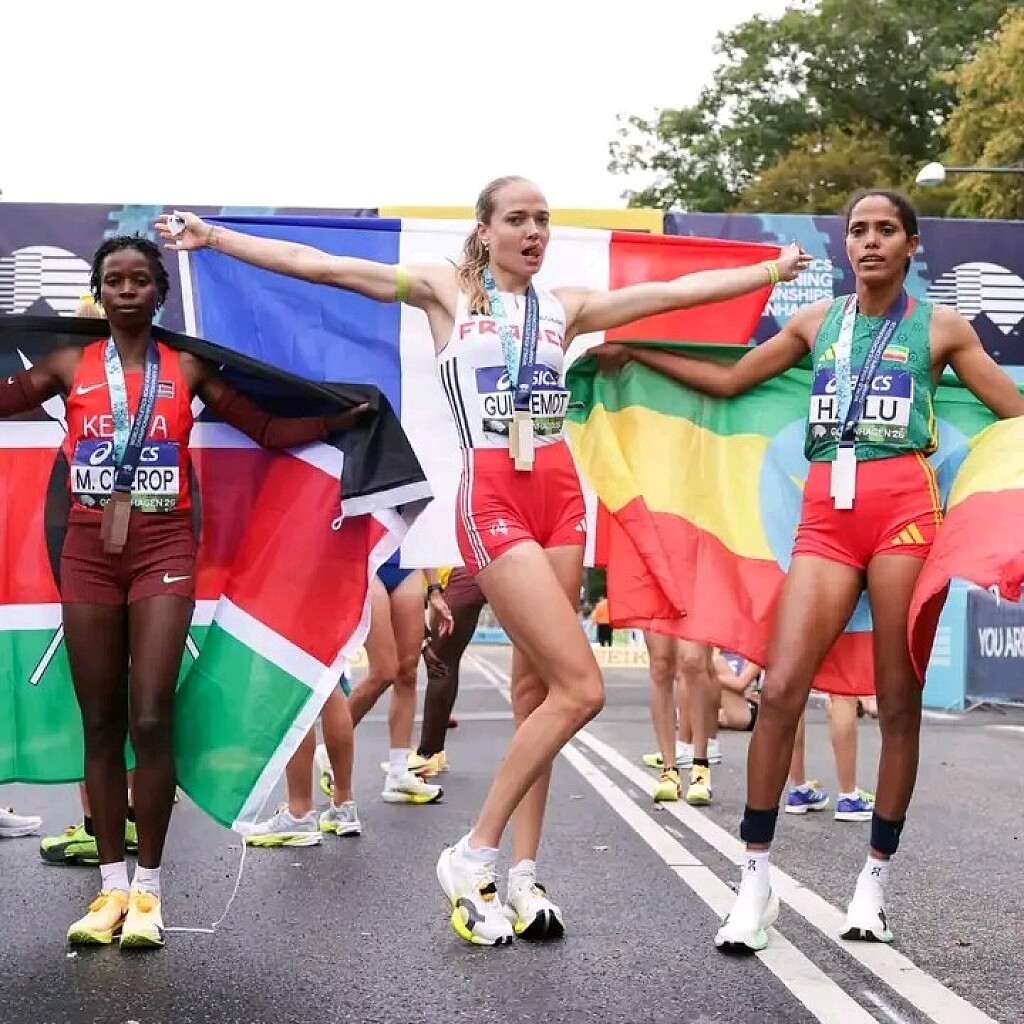
France’s Agathe Guillemot produced a breathtaking final surge to claim the women’s mile title at the 2026 World Athletics Road Running Championships in Copenhagen, securing the first individual global championship gold medal of her career.
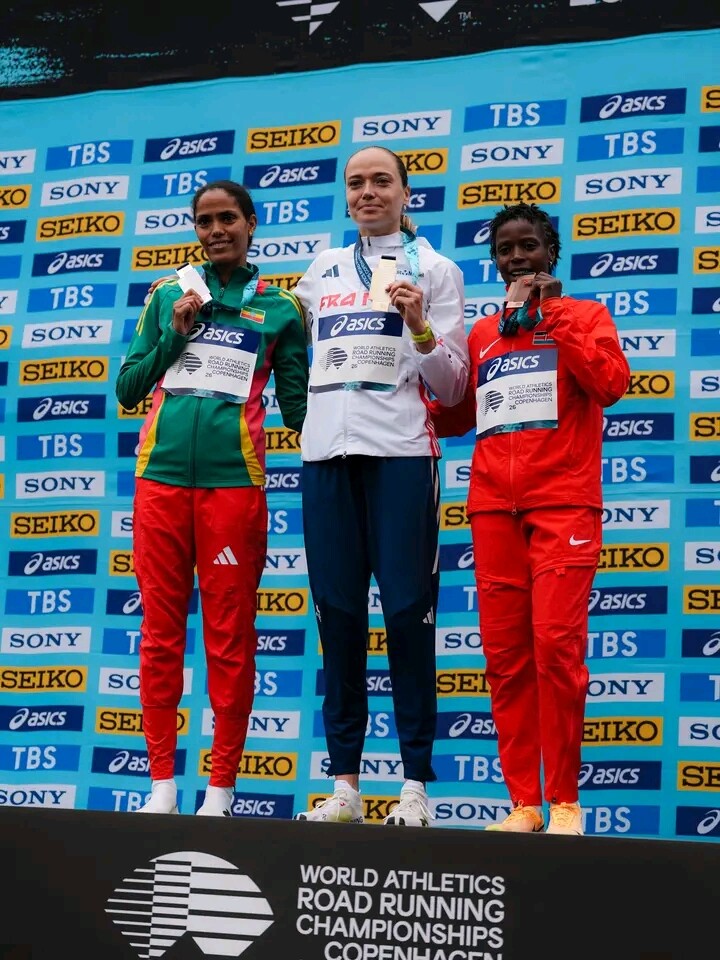
Guillemot remained composed through the early stages of a tightly contested race, staying within the leading group as the athletes patiently waited for the decisive moments. Rather than committing too early, the Frenchwoman conserved her energy and positioned herself perfectly for the closing stages.
As the race entered its dramatic final phase, Guillemot unleashed a powerful acceleration that immediately changed the complexion of the contest. Her devastating finishing speed carried her away from her rivals, allowing her to cross the line in 4:22.74 and celebrate a memorable world championship triumph.
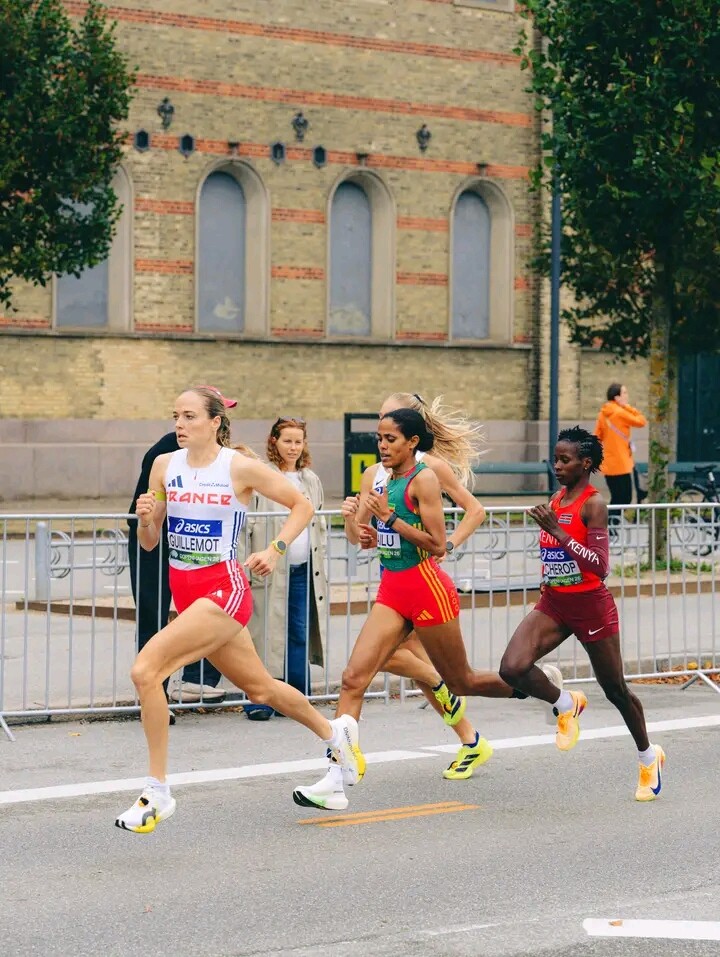
The victory was made even more remarkable by the quality of the performance. Guillemot’s winning time was a world-leading mark and a European record, taking almost half a second off the previous European record and moving her to fourth on the world all-time list.
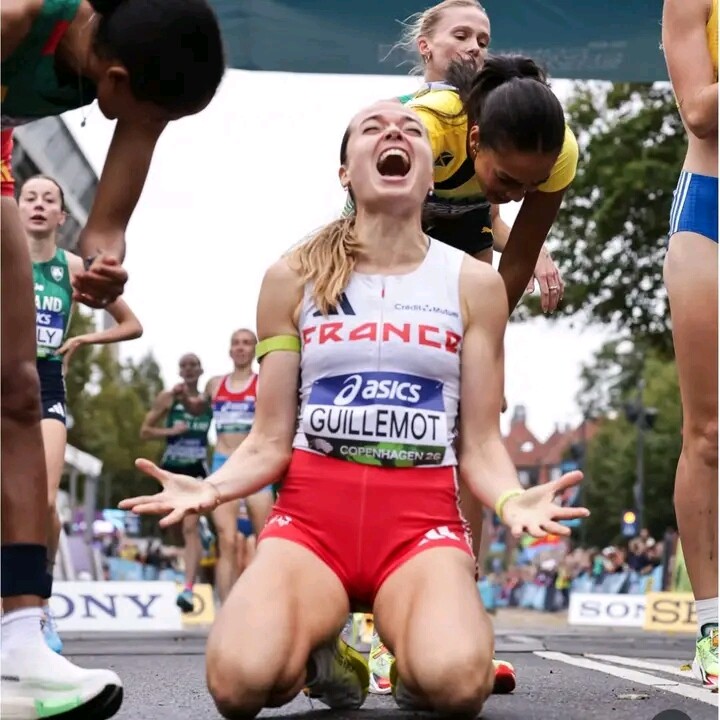
Ethiopia’s Freweyni Hailu delivered another strong championship performance to secure the silver medal in 4:24.35. Hailu remained firmly in contention throughout the race, but she was unable to respond to Guillemot’s explosive finishing burst. It was Hailu’s second consecutive silver medal at the World Road Running Championships after also finishing runner-up in the inaugural edition in Riga in 2023.
For Kenya, Mirriam Cherop produced a performance full of determination and patience to capture the bronze medal in 4:25.71, returning to the global podium eight years after her breakthrough on the world junior stage.
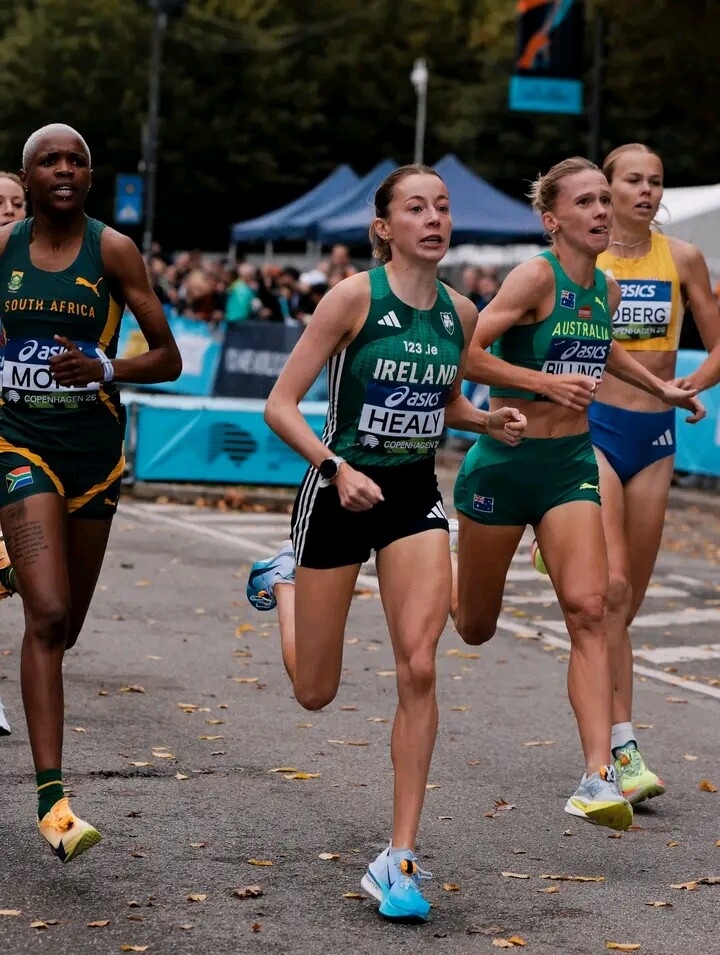
Cherop first announced herself as a major international talent at the 2018 World U20 Championships in Tampere, Finland, where she won silver in the women’s 1500m in 4:10.73. She finished behind Ethiopia’s Alemaz Samuel, with Switzerland’s Delia Sclabas taking bronze.
Now, eight years later, Cherop has added a senior global medal to that junior silver, completing a remarkable journey from the junior podium in Tampere to the senior podium in Copenhagen.
Her bronze in Copenhagen was also a season’s best, underlining the quality of her performance against a world-class field. Cherop remained in medal contention deep into the race before holding her position through the decisive final stages.
The Copenhagen race was a tactical battle for much of the distance, with the leading athletes refusing to make a decisive move too early. The pack stayed closely bunched through 800 metres before the race began to unravel in the closing stages.
Guillemot’s patience ultimately proved decisive. With little more than 20 seconds of racing remaining, the Frenchwoman moved to the front and accelerated hard, quickly creating daylight between herself and the chasing group.
Behind her, Hailu secured silver while Cherop fought her way to bronze, giving Kenya another moment to celebrate on the world stage.
The result represents another important chapter in Cherop’s career. From a World U20 silver medal in Tampere in 2018 to a senior World Road Running Championships bronze in Copenhagen in 2026, eight years have separated two global podium appearances — but the determination to remain among the best has endured.
For Guillemot, meanwhile, Copenhagen provided the perfect ending to a demanding season. The Frenchwoman had already competed at major championships and international meetings across track, cross country and road racing before producing her biggest moment of the year on the streets of Copenhagen.
The home crowd also had reason to celebrate as Denmark’s Annemarie Nissen finished fourth in a personal best of 4:26.78, while Kenya’s Naomi Korir followed in fifth with another personal best of 4:29.15.
In the end, Guillemot’s perfectly timed attack delivered France a world champion, Hailu claimed another global silver, and Cherop completed a remarkable eight-year journey back to the world podium.
From junior silver in Tampere to senior bronze in Copenhagen, Mirriam Cherop’s story has entered another memorable chapter — and Kenya once again has a global medal to celebrate.
Women’s Road Mile Top 5 — Copenhagen 2026
1. Agathe Guillemot (France) — 4:22.74 — World Lead, European Record
2. Freweyni Hailu (Ethiopia) — 4:24.35 — Season Best
3. Mirriam Cherop (Kenya) — 4:25.71 — Season Best
4. Annemarie Nissen (Denmark) — 4:26.78 — Personal Best
5. Naomi Korir (Kenya) — 4:29.15 — Personal Best
The women’s mile in Copenhagen delivered a compelling championship race, combining tactical patience, a dramatic late surge and a closely contested battle for the medals. Agathe Guillemot’s decisive finish secured the world title, Freweyni Hailu added another global silver to her résumé, while Mirriam Cherop completed the podium after a determined performance. With a world-leading time, a European record and a tightly fought medal battle, the race provided a memorable highlight of the World Athletics Road Running Championships.
by Erick Cheruiyot for My Best Runs.
Login to leave a comment

Masai Russell Reigns Supreme in Budapest as American Claims Ultimate Championship Crown
Masai Russell has added another major achievement to her remarkable 2026 season, powering to victory in the women’s 100m hurdles at the inaugural World Athletics Ultimate Championship in Budapest.
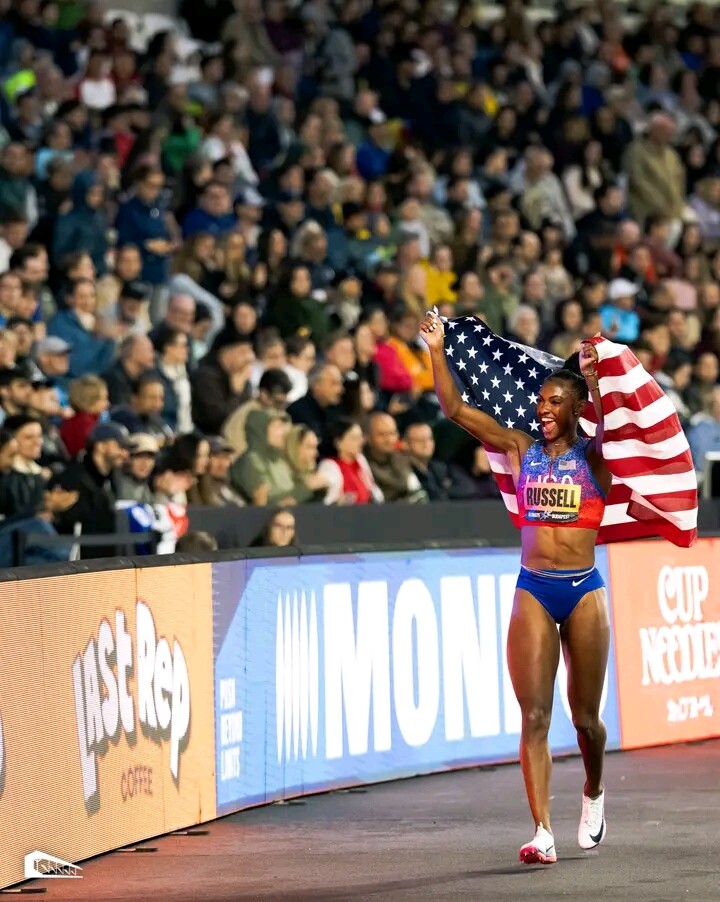
The American produced a brilliant 12.22 seconds to capture the Ultimate Championship title, once again demonstrating her ability to deliver when the pressure is at its highest.
Russell controlled the race from the opening hurdles, attacking each barrier with precision before powering down the home straight to secure a convincing victory. Her performance confirmed why she has been one of the most dominant hurdlers in the world this season.
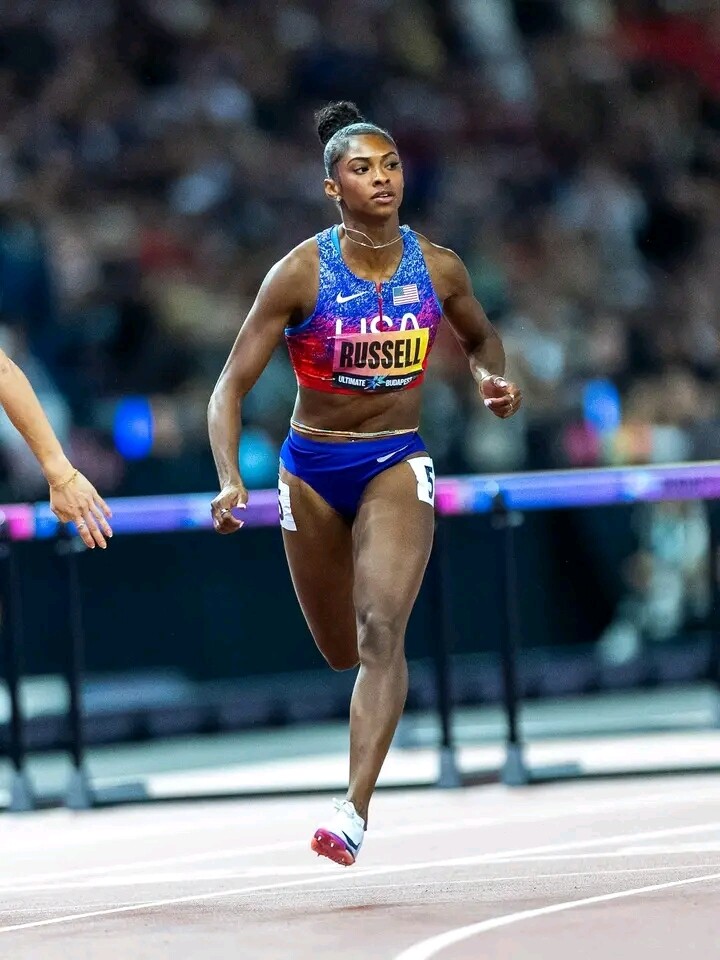
Nigeria’s Tobi Amusan, a former world-record holder and one of the most experienced athletes in the field, mounted a strong challenge but had to settle for second positon in 12.34 seconds.
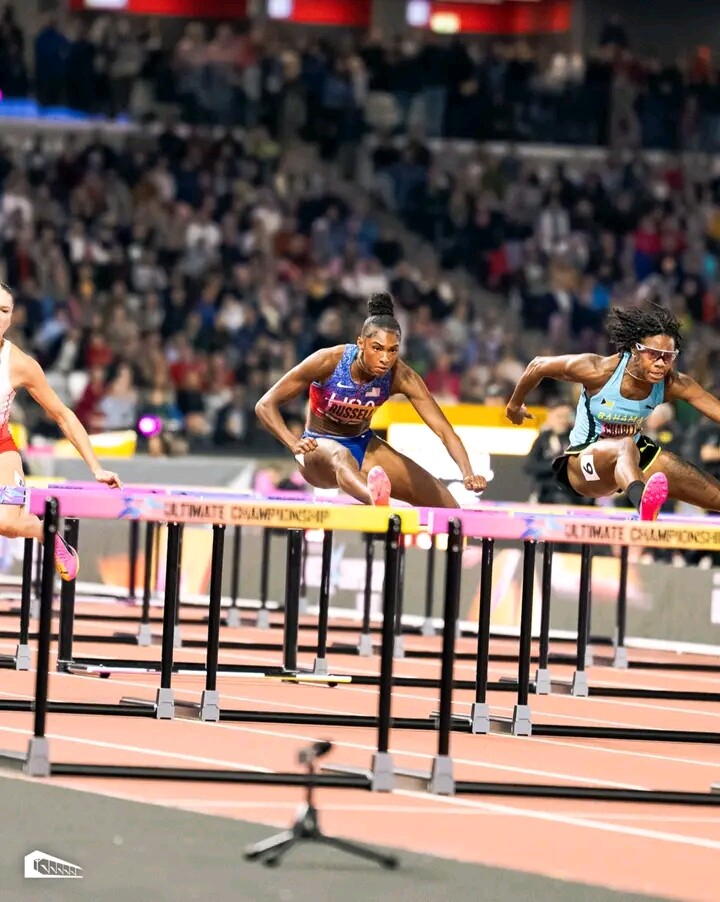
The bronze medal went to the Netherlands’ Nadine Visser, who crossed the line in 12.39 seconds after another impressive championship performance.
Women’s 100m Hurdles Final
1. Masai Russell — United States — 12.22
2. Tobi Amusan — Nigeria — 12.34
3. Nadine Visser — Netherlands — 12.39
Beyond the medals and times, the race produced one of the most memorable images of the championship.
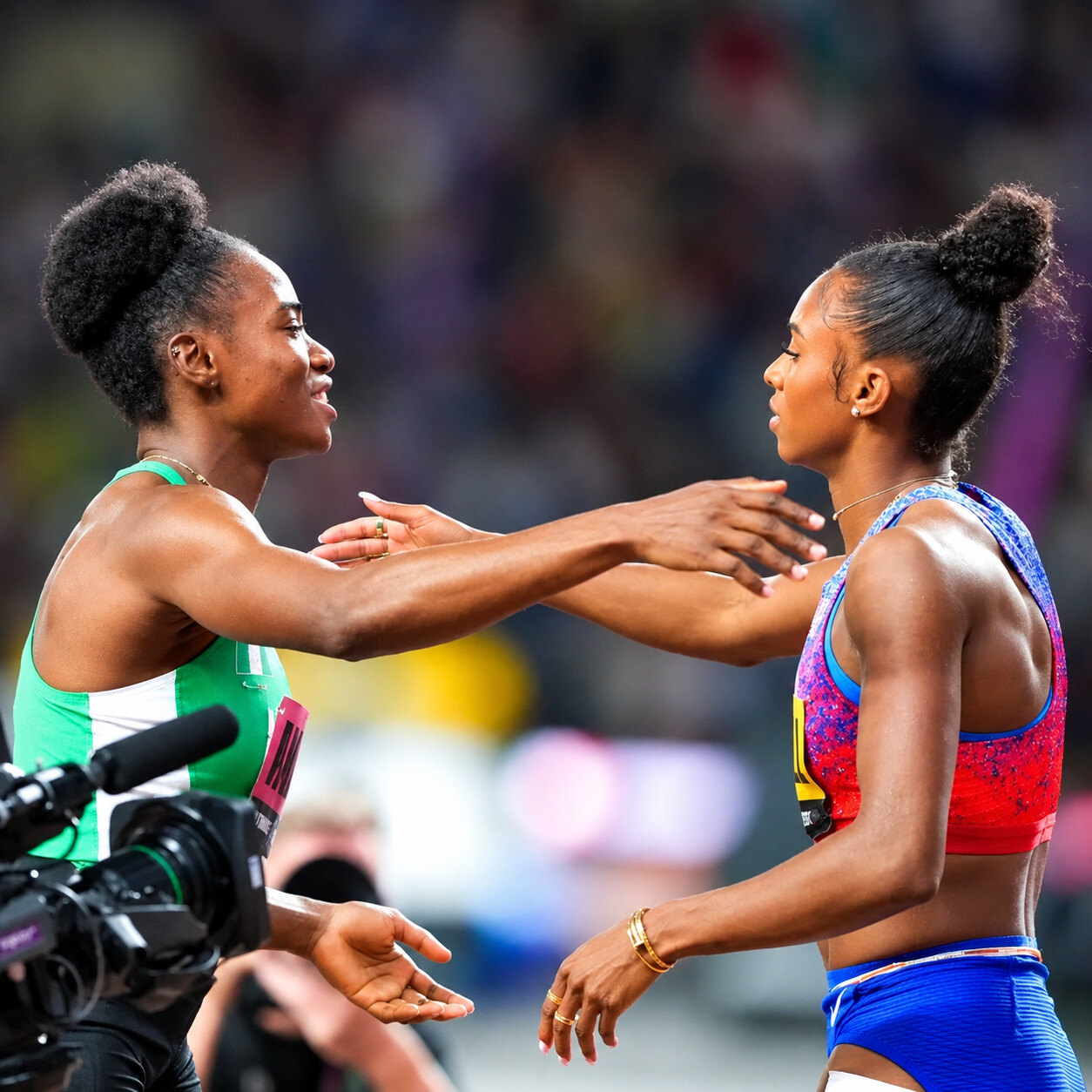
Moments after Russell secured the title, she shared a warm embrace with Amusan, creating a striking scene of mutual respect between two athletes who have played major roles in the evolution of women’s sprint hurdling.
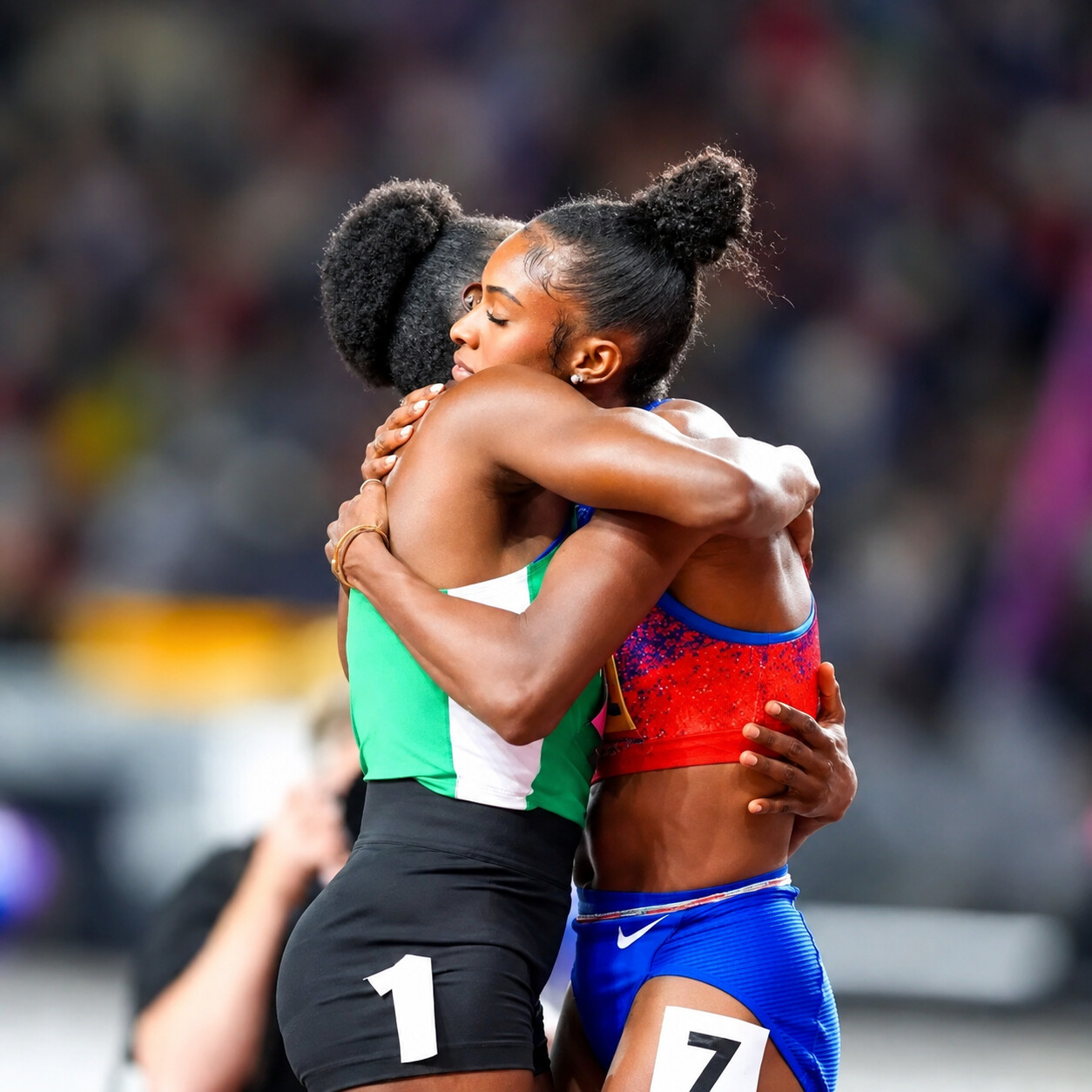
There was no love lost between the former world-record holder and the athlete who has now taken over the top spot. Amusan’s journey helped redefine the event, while Russell has emerged as the new generation’s leading force.
The embrace offered a fitting reminder that elite sport is not only about rivalry and competition. Behind the starting line are athletes who understand the sacrifice, pressure and dedication required to reach the highest level.
For Amusan, the silver medal represents another podium finish at the highest level, while Visser continues to underline her credentials among the world’s elite hurdlers.
But the night belonged to Russell.
With another major title secured and her confidence soaring, the American has made it increasingly difficult for anyone to challenge her position at the top of women’s sprint hurdling.
And perhaps the most fitting image of the night came after the race — the former world-record holder embracing her successor as Russell celebrated becoming the inaugural Ultimate Champion.
Budapest has crowned its first Ultimate Champion, and Masai Russell has once again shown that when the biggest moment arrives, she is ready to answer.
by Erick Cheruiyot for My Best Runs.
Login to leave a comment
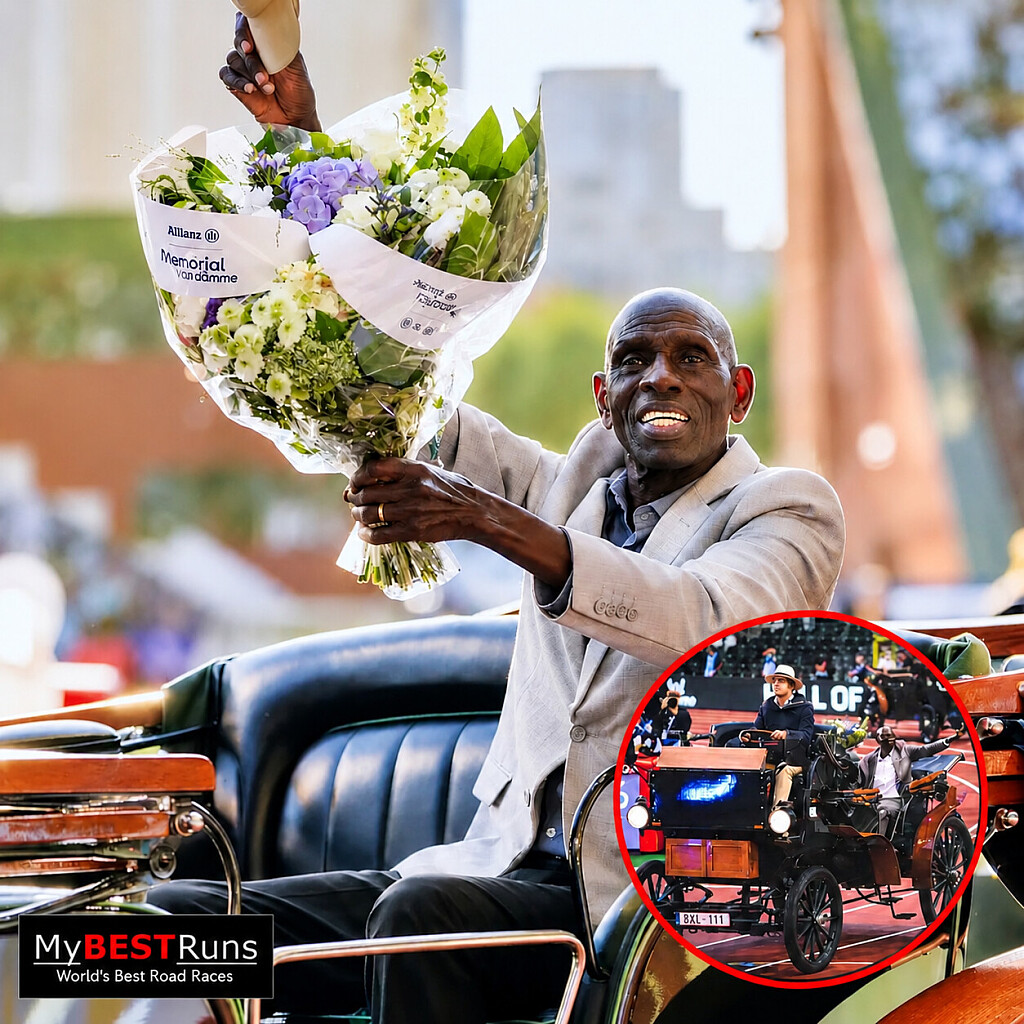
Mike Boit Honoured In Brussels As Kenyan Athletics Pioneer Enters Memorial Van Damme Hall Of Fame
Kenyan athletics legend Professor Mike Boit has received another prestigious recognition, nearly five decades after he etched his name into the history of the Memorial Van Damme in Brussels.
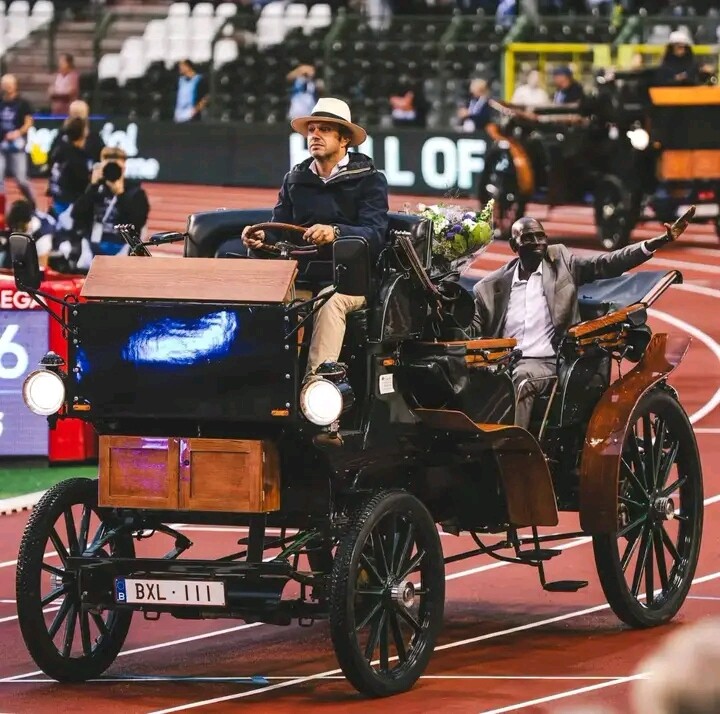
Boit was inducted into the Memorial Van Damme Hall of Fame during the 2026 Diamond League Final in Brussels, joining two global athletics icons, American sprint and long-jump legend Carl Lewis and former high-jump world-record holder Dwight Stones, in the 2026 class of honourees.
The occasion brought Boit back to the scene of one of the defining victories of his illustrious career. In 1977, he won the inaugural Memorial Van Damme 800 metres, becoming part of the meeting's history from its very first edition.
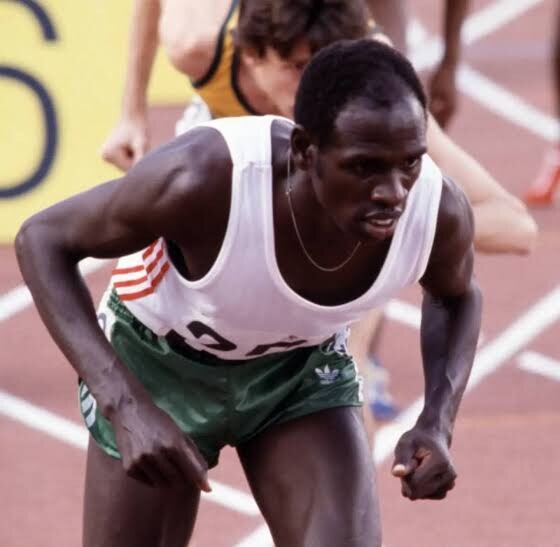
His victory in Brussels was another chapter in a career that had already established him as one of Kenya's pioneering international track stars.
Boit had announced himself on the biggest stage five years earlier at the 1972 Munich Olympic Games, where he won bronze in the 800m. At a time when Kenya was still establishing itself as a major force in international athletics, Boit was among the athletes who helped open the door for the generations that followed.
His influence, however, stretches far beyond his achievements on the track.
After his competitive career, Boit built an impressive academic and professional career in sports science. He earned two master's degrees and a PhD, using his expertise to contribute to the development of sport and the education of future generations of athletes.
That combination of athletic achievement and academic excellence has made him an exceptional figure in Kenyan sport. His journey is one that moves seamlessly from the Olympic podium to the university lecture hall, while his pioneering achievements continue to form part of Kenya's rich athletics heritage.
His induction was marked by a special lap of honour at the King Baudouin Stadium, giving spectators an opportunity to celebrate a man whose name has been intertwined with the history of the prestigious Brussels meeting for almost half a century.
For Boit, the honour represents more than recognition for a single race or medal. It is a celebration of a lifetime of contribution to athletics and sports science, as well as the impact of a pioneer whose achievements helped shape Kenya's growing presence on the international stage.
Nearly 50 years after winning the first Memorial Van Damme 800m, Boit returned to Brussels in a very different role. This time, there was no starting line, no finishing tape and no medal to chase.
Instead, there was a standing ovation and a place among the legends.
From Olympic bronze medallist to pioneering international athlete, from Memorial Van Damme champion to distinguished professor, Mike Boit's remarkable journey continues to inspire.
His name is now permanently associated with the history of one of Europe's most prestigious athletics meetings — a fitting tribute to a Kenyan icon whose influence has extended far beyond the track.
by Erick Cheruiyot for My Best Runs.
Login to leave a comment
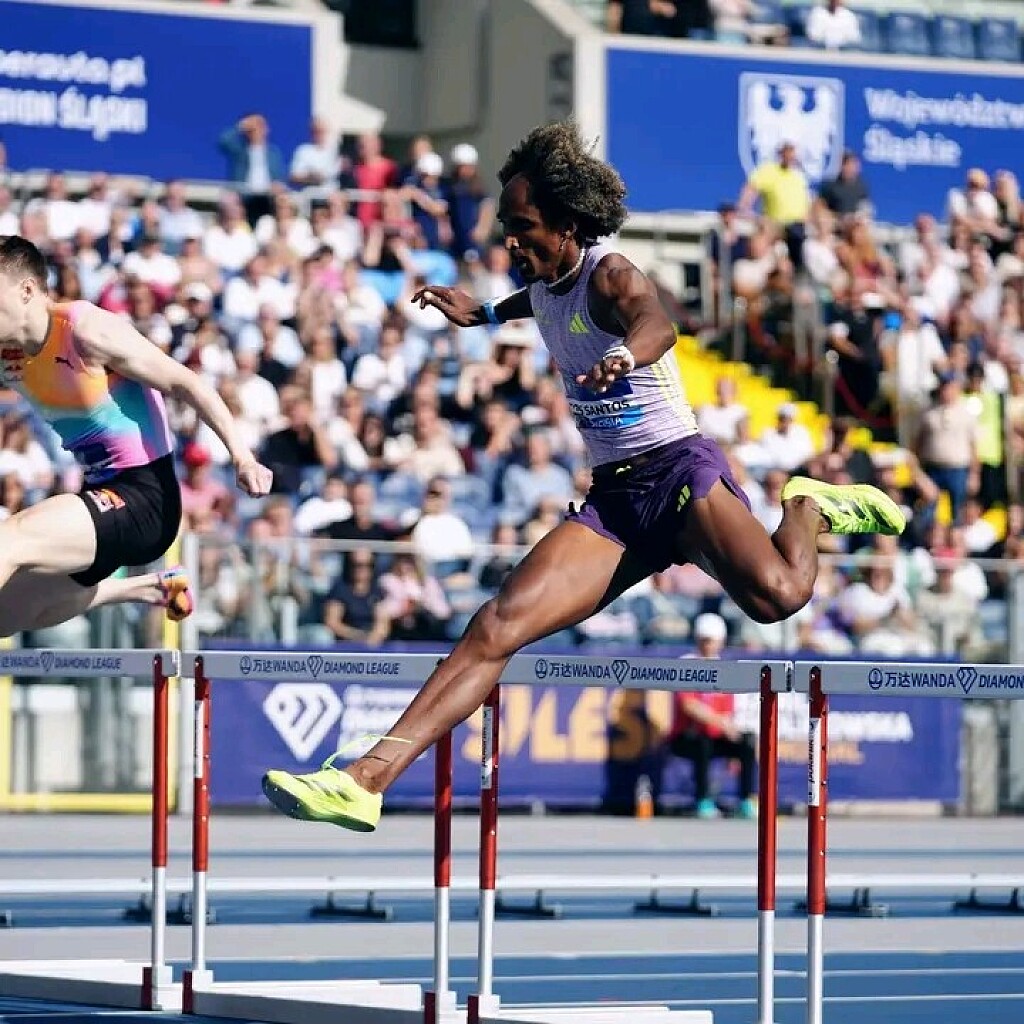
Is This the Greatest Era in Men’s 400m Hurdles History? Dos Santos Takes the Event to Another Level
The men’s 400m hurdles may be experiencing the greatest era in its history, and the numbers now make the argument almost impossible to ignore.
Brazilian superstar Alison dos Santos has taken the event to another level, storming to a sensational 45.80 world record in Zurich and moving to the summit of the all-time performance list.
But perhaps even more remarkable than the world record itself is what it has done to the historical rankings.
Every one of the 10 fastest performances in men’s 400m hurdles history is now owned by just three athletes: Alison dos Santos, Karsten Warholm and Rai Benjamin.
That extraordinary statistic perfectly captures the dominance of the current generation and highlights just how dramatically the event has evolved over the past few years.
Following his stunning performance in Zurich, dos Santos now sits at the top of the all-time list with 45.80, followed by Norway’s Karsten Warholm at 45.94, the time he ran in his historic world-record performance at the Tokyo Olympics in 2021.
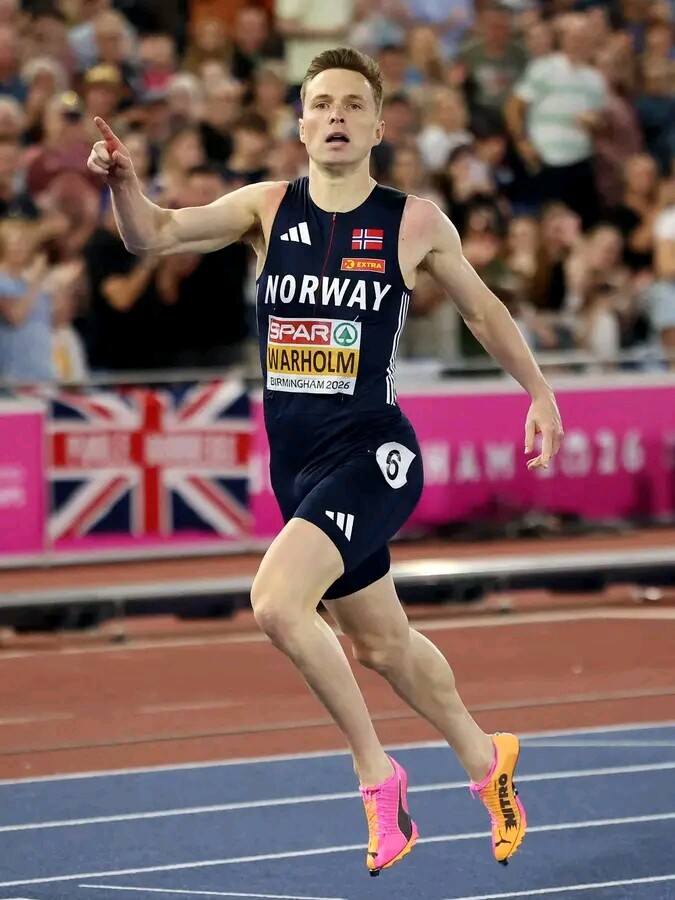
American star Rai Benjamin occupies third with 46.17, also from that unforgettable Tokyo final. Warholm is fourth with 46.28 from 2025, while dos Santos is fifth with his 46.29 from 2022.
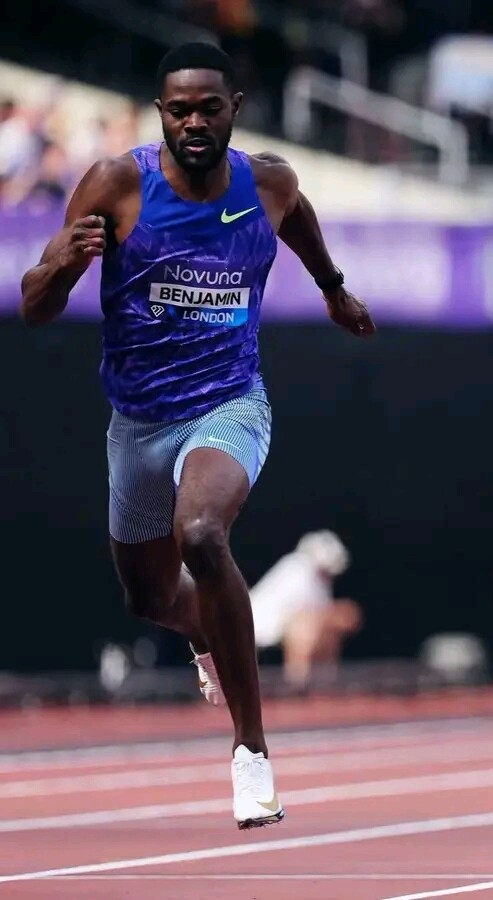
Benjamin appears again in sixth and seventh with 46.46 performances from 2024, while dos Santos takes eighth with 46.48 in 2026. Warholm completes the list with 46.51 from 2023 and 46.52 from 2023.
The distribution is extraordinary. Dos Santos owns three of the 10 fastest performances, Warholm owns four, while Benjamin owns the remaining three.
No other athlete has managed to break into the top 10.
That level of concentration at the very top of an event is a remarkable reflection of the era these three athletes have created.
At the centre of it all is dos Santos, whose 45.80 in Zurich has established a completely new benchmark. The Brazilian's performance did more than secure another historic victory; it pushed the boundaries of what is considered possible over one lap and 10 barriers.
Warholm had previously rewritten the history books in Tokyo when he clocked 45.94, becoming the first man to break the 46-second barrier and finally lowering Kevin Young’s legendary 46.78 world record, which had stood since the 1992 Barcelona Olympics.
Benjamin finished behind Warholm in Tokyo in 46.17, producing a performance that would itself have been considered extraordinary in almost any other era. Dos Santos completed the podium in 46.72, but his bronze medal would eventually prove to be just another chapter in his rise towards the summit.
The Tokyo final remains one of the most spectacular races in Olympic athletics history, but it also marked the beginning of an extraordinary period in which Warholm, Benjamin and dos Santos would repeatedly challenge the limits of the event.
Warholm has four performances inside the current top 10, including his 45.94 world record from Tokyo. Dos Santos has three, highlighted by his new global mark, while Benjamin also has three performances among the 10 fastest ever recorded.
Their remarkable consistency has transformed the 400m hurdles from an event once dominated by isolated historic performances into one defined by sustained excellence and intense rivalry.
For nearly three decades, Kevin Young’s 46.78 appeared almost untouchable. Then Warholm broke through. Benjamin immediately showed that the new standard could be challenged, and dos Santos emerged as another athlete capable of running at an astonishing level.
Now, times below 46 seconds are no longer viewed as an unimaginable frontier. They have become the territory occupied by the very best athletes of this generation.
And dos Santos has just moved that frontier even further.
His 45.80 has given the event a new target, but with Warholm and Benjamin still among the world's elite, the story may not be finished.
The question is no longer whether this generation is exceptional.
It is whether we are witnessing the greatest collection of men's 400m hurdlers ever assembled.
Three athletes now own every position in the all-time top 10.
Ten performances have been produced by just dos Santos, Warholm and Benjamin.
And at the very top stands Alison dos Santos, whose breathtaking 45.80 in Zurich has pushed the men’s 400m hurdles into territory that once seemed impossible.
Three superstars. Ten historic performances. One extraordinary era.
by Erick Cheruiyot for My Best Runs.
Login to leave a comment
Montsho’s Historic 49.56: The Night Botswana Beat Allyson Felix in a Daegu Thriller
29 August 2011 — Daegu, South Korea
Some races are remembered for their times. Others are remembered for what they mean. The women’s 400m final at the 2011 World Championships in Daegu belonged firmly to the second category.
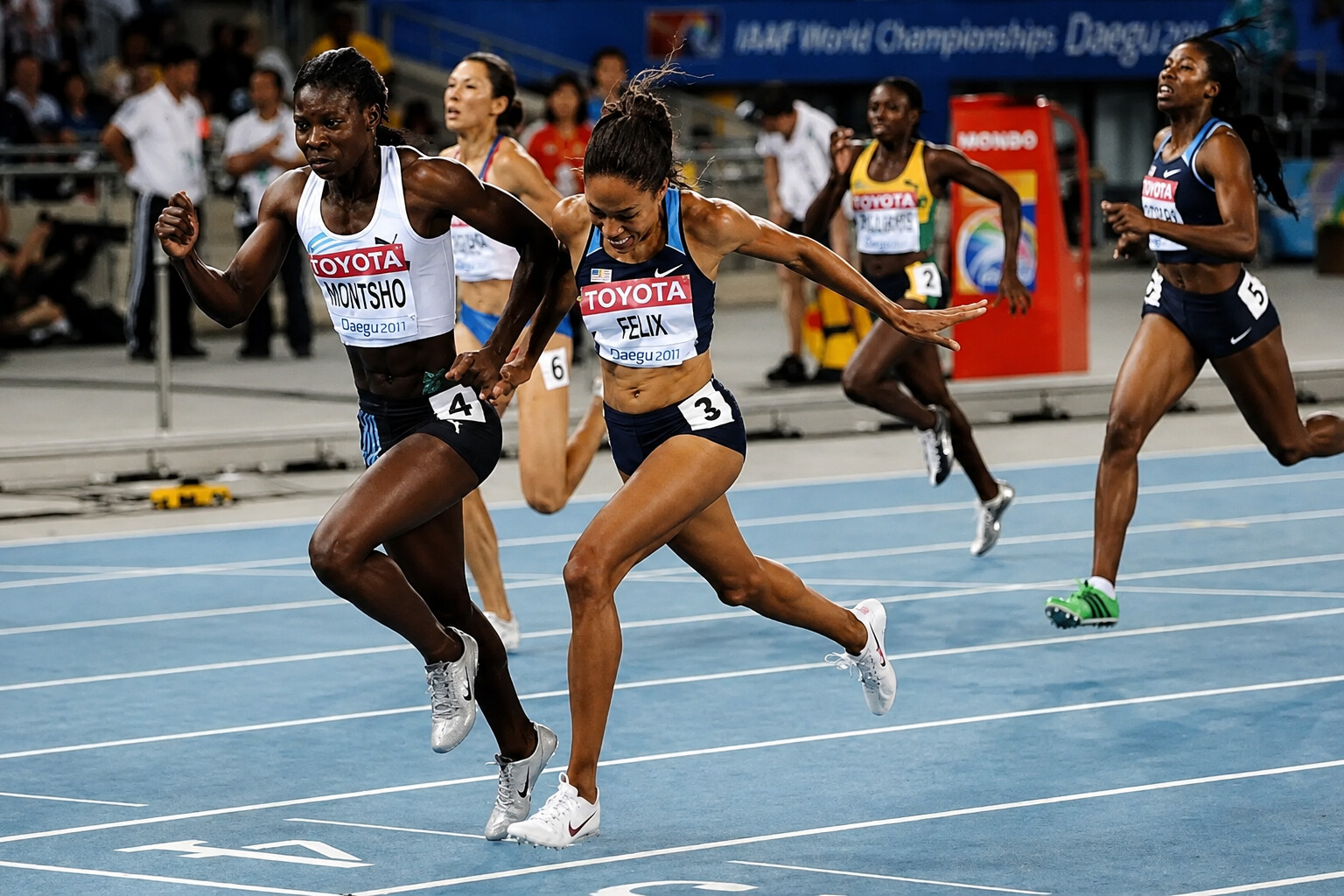
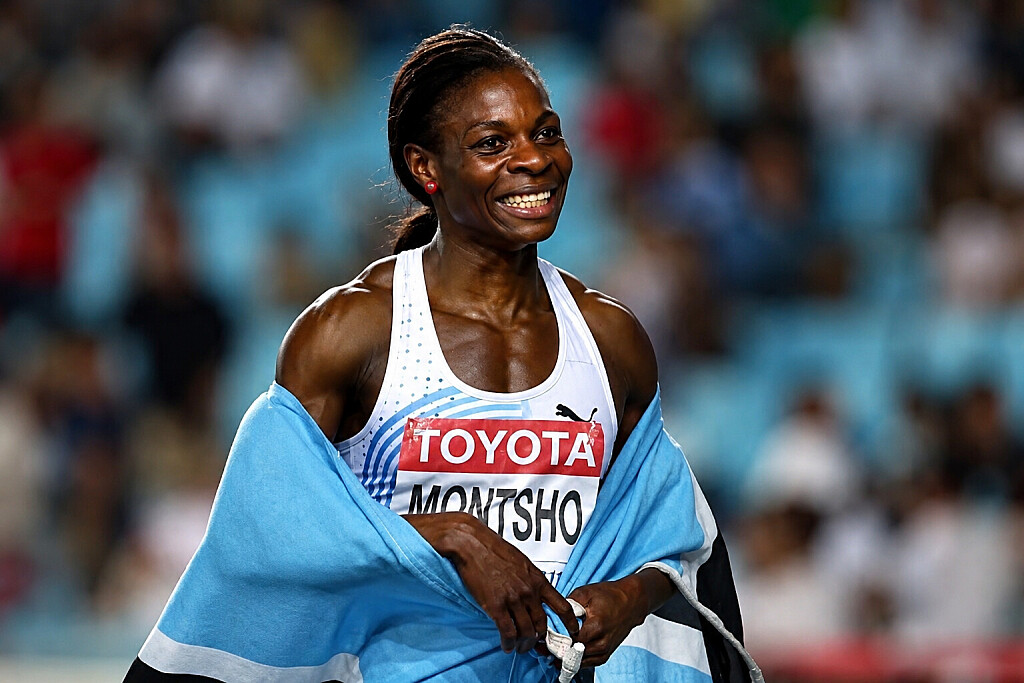
On 29 August 2011, Amantle Montsho produced one of the most important performances in Botswana’s athletics history, edging Allyson Felix by just three hundredths of a second to become the country’s first-ever World Championships gold medallist.
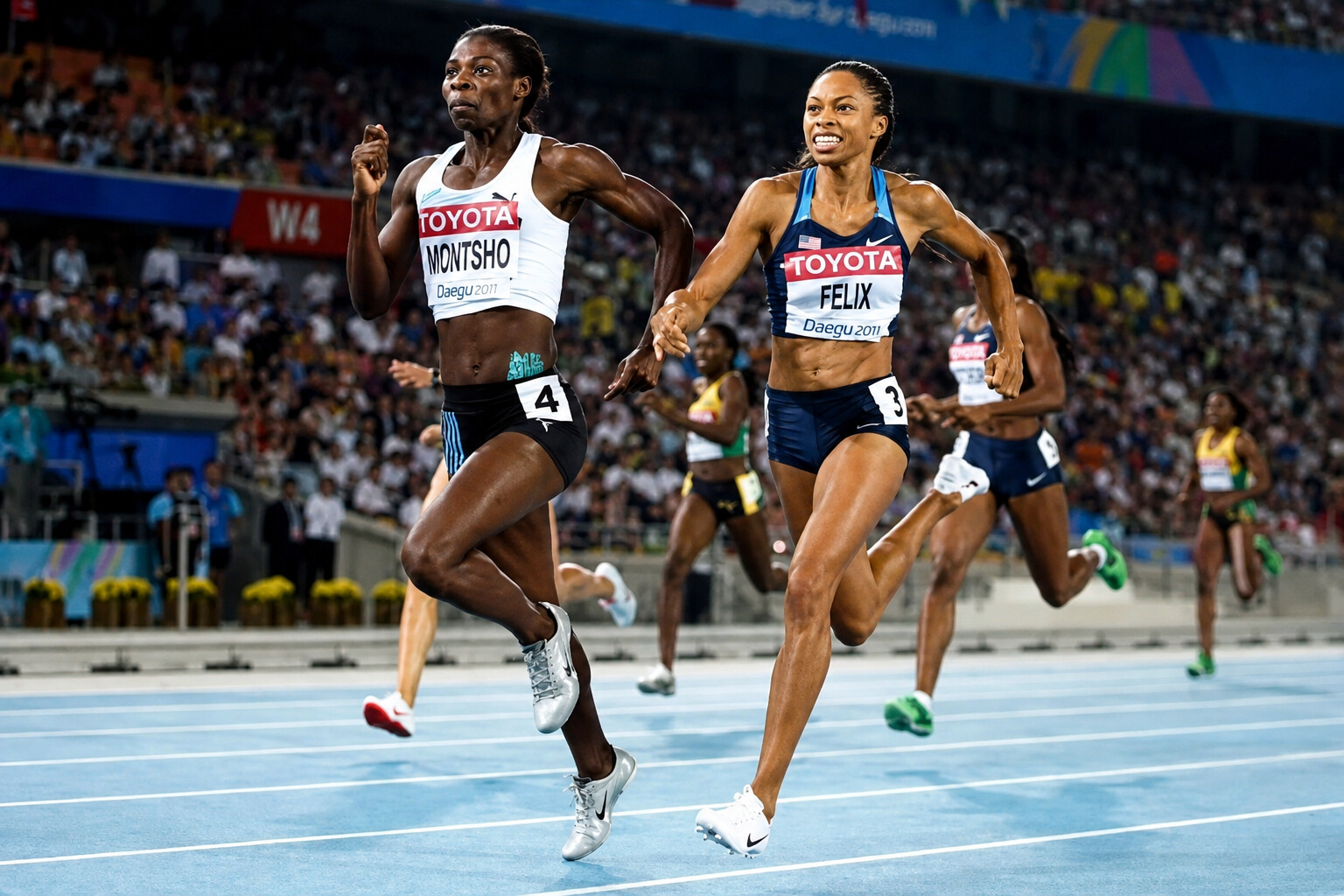
Montsho entered the final as one of the leading 400m runners in the world, having dominated much of the 2011 Diamond League season. But standing between her and global glory was a formidable field that included Olympic and world-class stars such as Felix, Sanya Richards-Ross, Shericka Williams and Anastasiya Kapachinskaya.
From the gun, Montsho attacked the race with purpose. Running in lane four, she carried tremendous momentum through the opening half of the lap and entered the home straight with a narrow advantage. Felix, drawn immediately inside her in lane three, responded brilliantly and began closing the gap as the two charged towards the finish.
The final metres became a straight fight between Botswana and the United States.
Felix threw everything at Montsho in the closing stages, but the Botswana star refused to surrender. She crossed the line in 49.56 seconds, with Felix just behind in 49.59. The margin was only 0.03 seconds, but it was enough to make history.
Montsho's winning time was not only a personal breakthrough but also a Botswana national record. It made her the first athlete from Botswana to win a World Championships gold medal and gave the southern African nation its first-ever World Championships medal in the process.
For Felix, the silver medal came with a remarkable performance of her own. Her 49.59 was a personal best and represented one of the finest 400m races of her career at that point. Despite coming agonisingly close to gold, Felix had pushed Montsho all the way to the finish line in one of the closest major championship 400m finals in history.
Behind the leading pair, Francena McCorory delivered another strong performance. Having already run a personal best of 50.24 in the semi-finals to qualify for the final, the American clocked 50.45 in the championship race. At the time, she crossed the line in fourth behind Kapachinskaya, who ran 50.24.
But the medal standings would later change.
Kapachinskaya was subsequently disqualified as part of a doping case involving violations dating back to the 2008 Olympic Games. As a result, her Daegu result was annulled, and McCorory was officially promoted from fourth to bronze medal position. World Athletics later recognised McCorory among the athletes receiving reallocated medals in 2017.
That change gave the race an additional historical dimension. What began as a breathtaking battle between Montsho and Felix ultimately became a championship podium of Montsho, Felix and McCorory.
More than a decade later, the image of Montsho and Felix racing shoulder-to-shoulder down the Daegu straight remains one of the defining moments of the 2011 World Championships. For Botswana, it was a breakthrough moment that announced Montsho on the biggest stage. For Felix, it was another chapter in a career filled with major championship success.
And for fans of the 400m, it was simply a spectacular race — 49.56 versus 49.59, with only three hundredths separating gold from silver.
by Erick Cheruiyot for My Best Runs.
Login to leave a comment
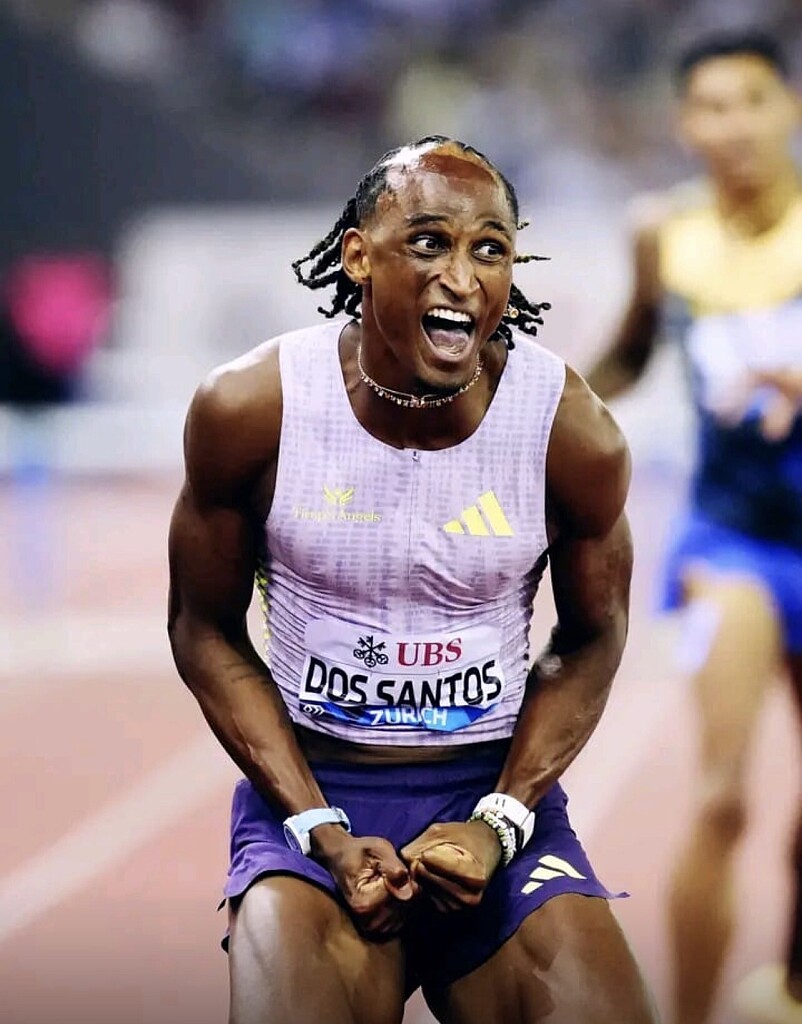
Alison dos Santos Makes History in Zurich, Smashing Warholm’s 400m Hurdles World Record
45.80 seconds. A new world record. A new chapter in the history of the 400m hurdles.
Brazilian star Alison dos Santos produced a breathtaking performance at the Zurich Diamond League on Thursday, storming to 45.80 seconds to shatter the men’s 400m hurdles world record and dethrone one of the greatest records in modern athletics.
Dos Santos delivered a sensational run at Weltklasse Zürich, becoming the first athlete to break the barrier set by Norway’s Karsten Warholm, whose legendary 45.94-second world record had stood since his spectacular victory at the Tokyo 2020 Olympic Games in 2021.
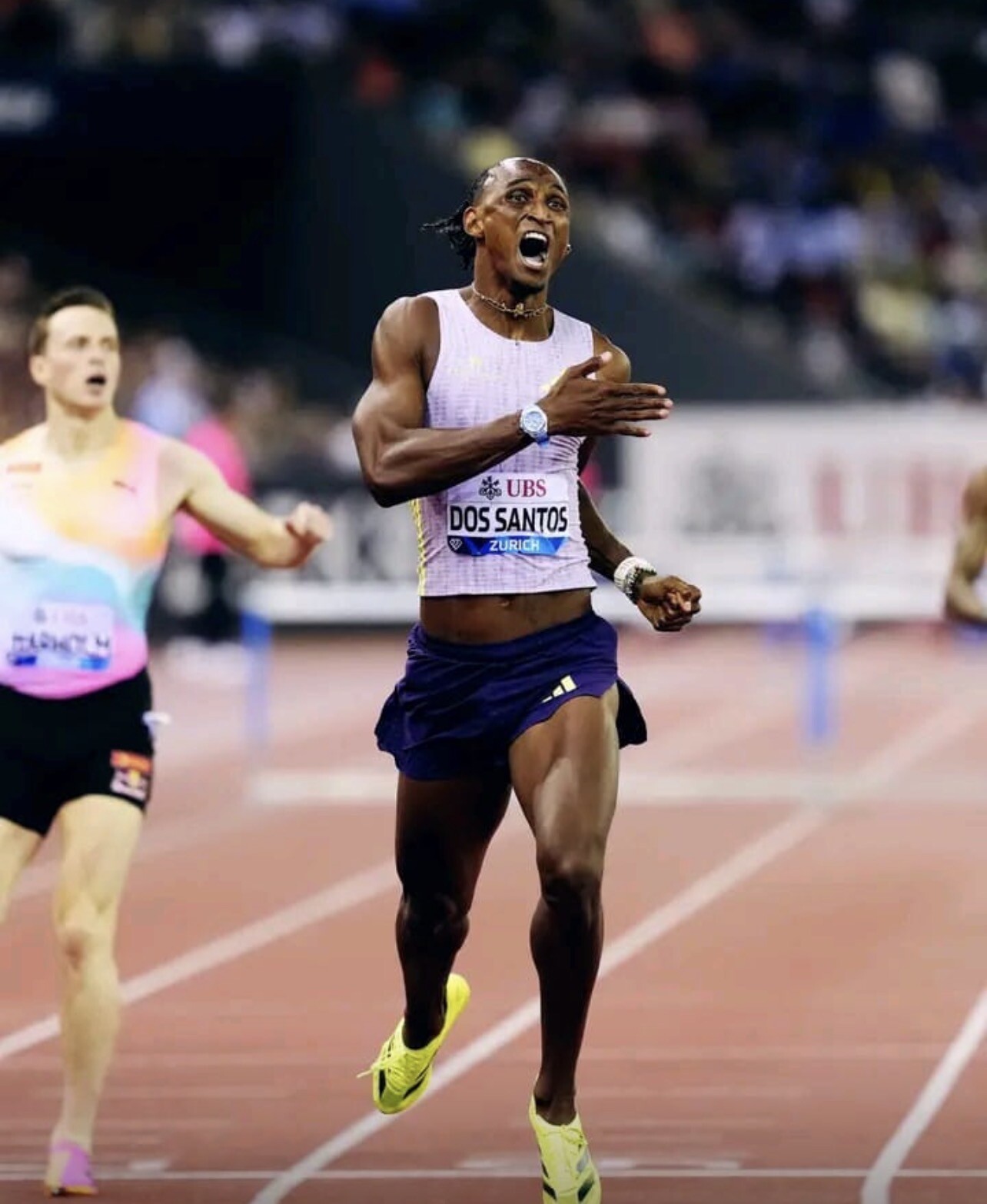
The Brazilian was in complete control from the opening stages, attacking the hurdles with remarkable speed and precision before powering down the final straight. The clock stopped at 45.80, sending shockwaves through the stadium and rewriting the record books.
Warholm, the former world-record holder and one of the sport’s most dominant figures, had to settle for second place in 46.69 seconds. Nigeria’s Ezekiel Nathaniel completed the podium in 47.50.
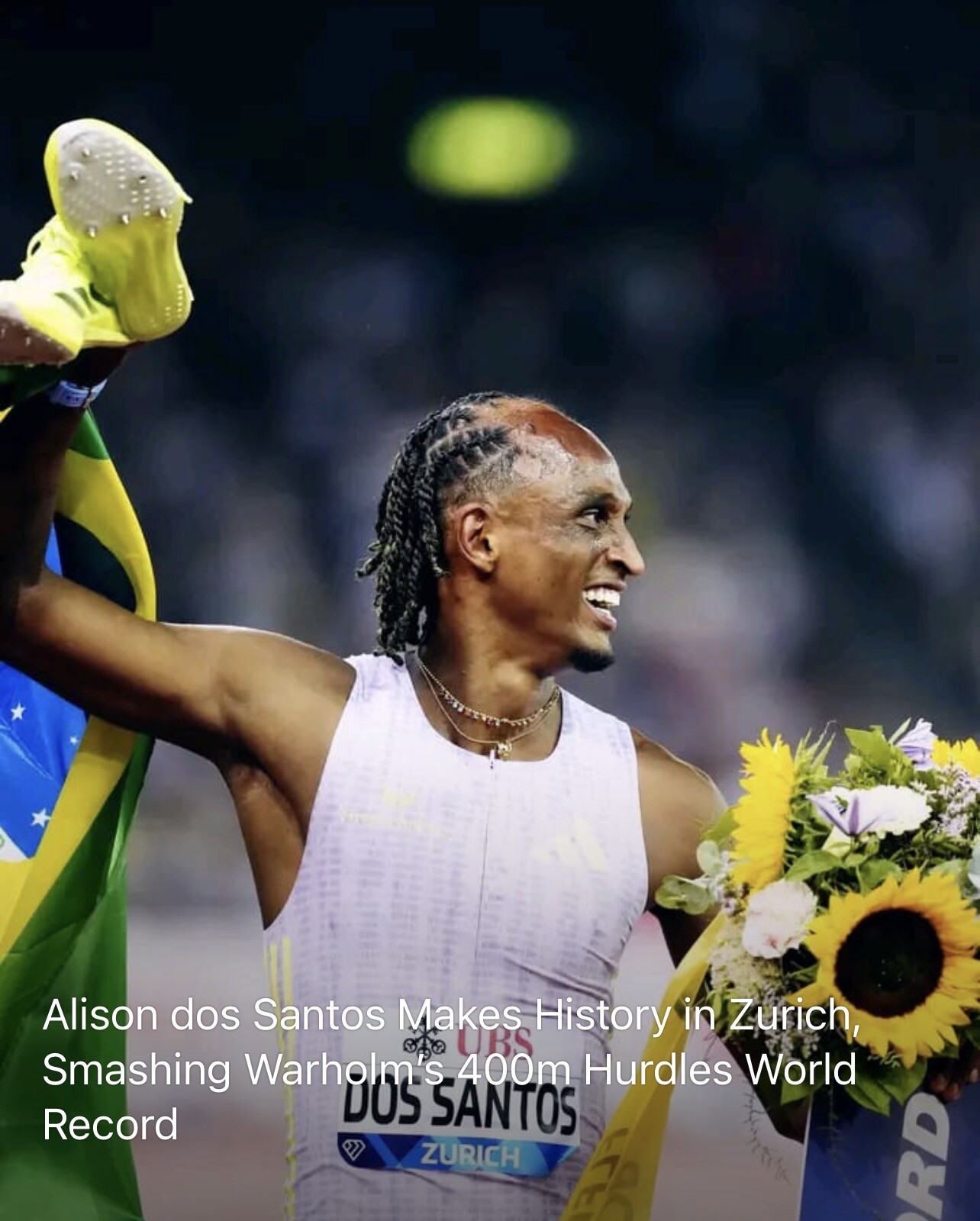
The result adds another extraordinary chapter to the rivalry between Dos Santos and Warholm. The pair have repeatedly pushed each other to new levels, but this time Dos Santos delivered the defining blow, taking down a record that had become synonymous with Warholm’s name.
The 26-year-old Brazilian has now cemented himself among the greatest 400m hurdlers in history. A world champion in 2022 and a two-time Olympic bronze medallist, Dos Santos has spent years chasing the sport’s very best — and in Zurich, he finally claimed its most coveted record.
His breakthrough is even more remarkable given that he entered the Zurich meeting with a personal best of 46.29 seconds in the 400m hurdles. His previous 2026 best had been 46.43, set just days earlier in Silesia, where he also defeated Warholm.
Now, the record belongs to Brazil.
Alison dos Santos — 45.80 seconds.
A new world record, a historic victory and a performance that will be remembered as one of the defining moments of the 2026 athletics season.
by Erick Cheruiyot for My Best Runs.
Login to leave a comment
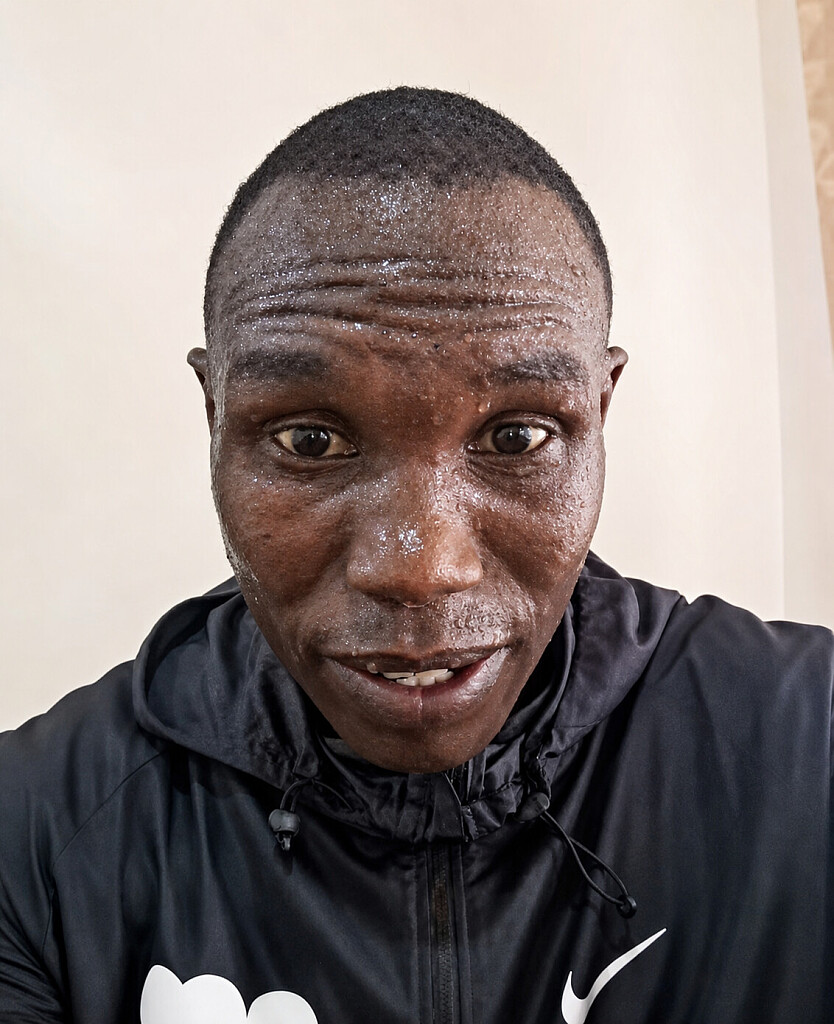
Geoffrey Kamworor Eyes New York Hat-Trick as Kenyan Star Chases Another Major Triumph
Two-time New York City Marathon champion Geoffrey Kamworor is set for another assault on the Big Apple, with the Kenyan distance-running star targeting a historic third victory when the Abbott World Marathon Majors race returns on November 1.
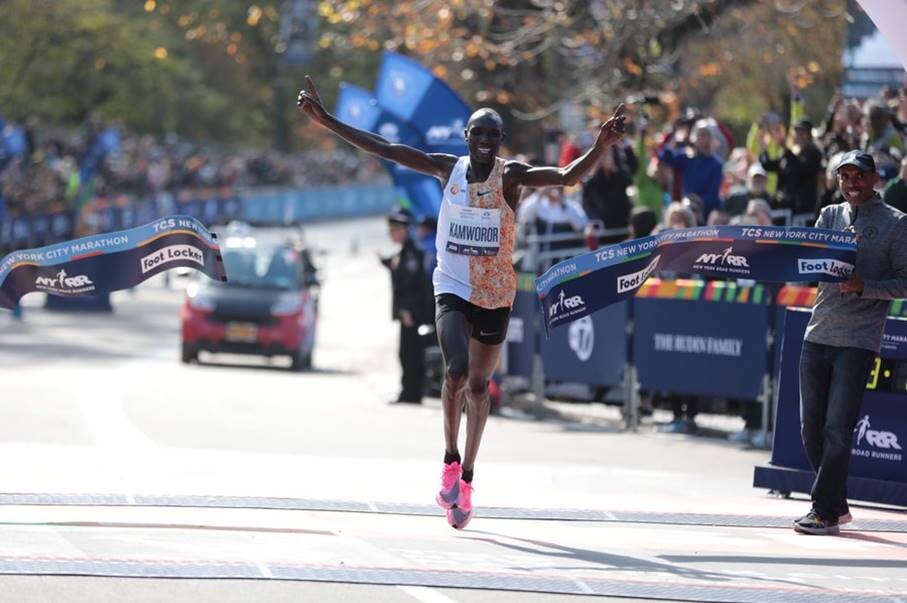
For Kamworor, New York represents much more than another marathon. It is a course where he has already enjoyed some of the defining moments of his illustrious career, and where he will now seek to add another prestigious title to a remarkable collection of achievements.
The 33-year-old has developed a special relationship with the New York course since making his debut there in 2015. On that occasion, he finished runner-up in 2:10:48 behind compatriot Stanley Biwott, who won in 2:10:34.
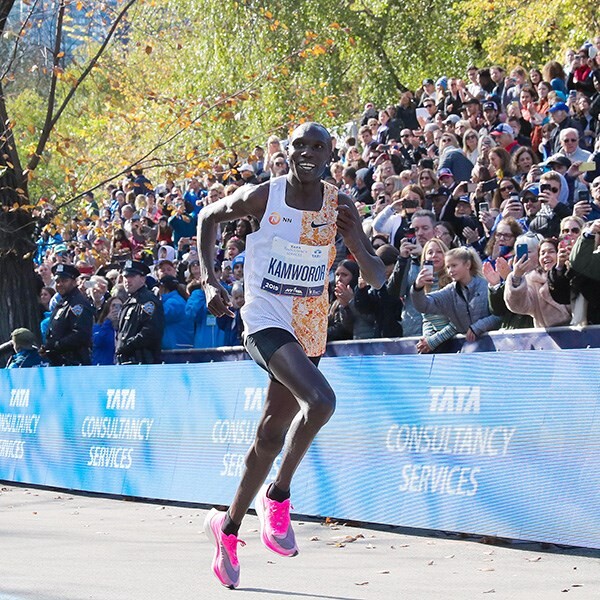
Two years later, Kamworor went one step further.
In 2017, he produced a composed performance to claim his first New York Marathon crown, crossing the finish line in 2:10:53. He held off fellow Kenyan and former world record-holder Wilson Kipsang, who finished just three seconds behind in 2:10:56, while Ethiopia's Lelisa Desisa took third in 2:11:32.

Kamworor returned the following year hoping to defend his title but had to settle for third place. Desisa triumphed in 2:05:59, ahead of Shura Kitata in 2:06:01, while Kamworor clocked 2:06:26.
But the Kenyan refused to stay away from the top for long.
In 2019, he reclaimed the New York crown in emphatic fashion, winning in 2:08:13. Albert Korir followed in second in 2:08:36, with Ethiopia's Girma Bekele completing the podium in 2:08:38.
Those two victories remain Kamworor's only Abbott World Marathon Majors titles, making New York a particularly significant venue in his career.
His latest appearance in the race, however, ended without another podium finish. Returning in 2024, Kamworor placed fifth in 2:08:50 as the Netherlands' Abdi Nageeye won in 2:07:39. Kenya's Evans Chebet was second in 2:07:45, while Albert Korir took third in 2:08:00.
Now, Kamworor is eager to return to the city where he has already tasted victory twice.
“I am very excited to be going back to New York,” Kamworor said, expressing his anticipation ahead of another demanding battle through the streets of the world's most famous city.
For the Kenyan star, the race offers a unique combination of sporting pressure and an atmosphere unlike any other.
“It's always an incredible experience to run the biggest marathon in the world. I'm really looking forward to feeling the energy of the crowd again,” he added.
Kamworor's challenge will be to arrive in New York at his best after a mixed campaign in 2026.
He began the year in spectacular fashion, winning the Ras Al Khaimah Half Marathon on February 14. The Kenyan clocked an impressive 58:14, finishing ahead of Bahrain's Birhanu Balew, who ran 58:23, and compatriot Gideon Rono, who crossed the line in 58:38.
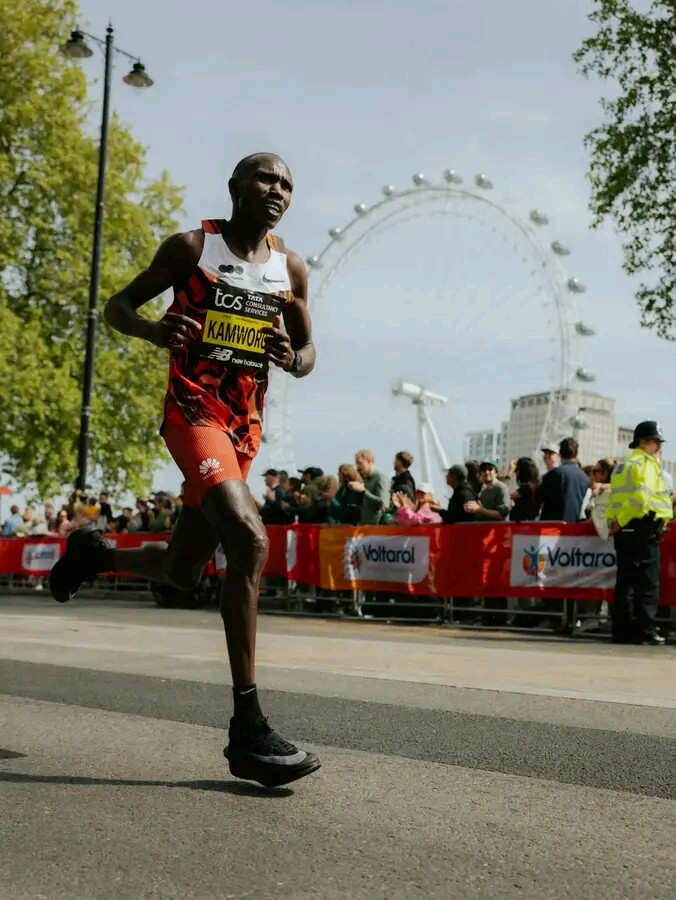
His London Marathon campaign on April 26 proved considerably tougher. Kamworor finished eighth in 2:05:38 in a historic race dominated by Sebastian Sawe, who produced a sensational 1:59:30 to become the first man to break the two-hour barrier in a marathon. Ethiopia's Yomif Kejelcha was second in 1:59:41, while Uganda's Jacob Kiplimo finished third in 2:00:28.
Kamworor will therefore arrive in New York with both experience and motivation on his side. He knows exactly what the course demands, having already navigated its hills, turns and relentless closing stages on multiple occasions.
Beyond the marathon, his career is decorated with major international honours across several disciplines.
Kamworor is a three-time world half marathon champion, winning his first title in Copenhagen in 2014 before successfully defending his crown in Cardiff in 2016 and completing his remarkable hat-trick in Valencia in 2018.
He has also established himself as one of Kenya's finest cross-country runners. He won the world junior cross-country title in Punta Umbria in 2011 before becoming a senior world champion in Guiyang in 2015 and Kampala in 2017. He added a bronze medal at the 2019 World Cross Country Championships in Aarhus.
That versatility has long been one of Kamworor's greatest strengths. From cross country to the half marathon and now the marathon, he has repeatedly demonstrated the endurance, tactical intelligence and competitive resilience required to succeed at the highest level.
Yet New York remains unfinished business.
With two victories already secured and another opportunity waiting on November 1, Kamworor has a chance to strengthen his legacy on one of the sport's most iconic stages.
A third triumph would not only give him a coveted New York hat-trick but would further cement his status as one of Kenya's most accomplished distance runners of his generation.
The Big Apple has already given Kamworor some of the proudest moments of his career. Now, the Kenyan star is returning with one clear ambition — to conquer New York once again.
by Erick Cheruiyot for My Best Runs.
Login to leave a comment

TCS New York City Marathon
The first New York City Marathon, organized in 1970 by Fred Lebow and Vince Chiappetta, was held entirely in Central Park. Of 127 entrants, only 55 men finished; the sole female entrant dropped out due to illness. Winners were given inexpensive wristwatches and recycled baseball and bowling trophies. The entry fee was $1 and the total event budget...
more...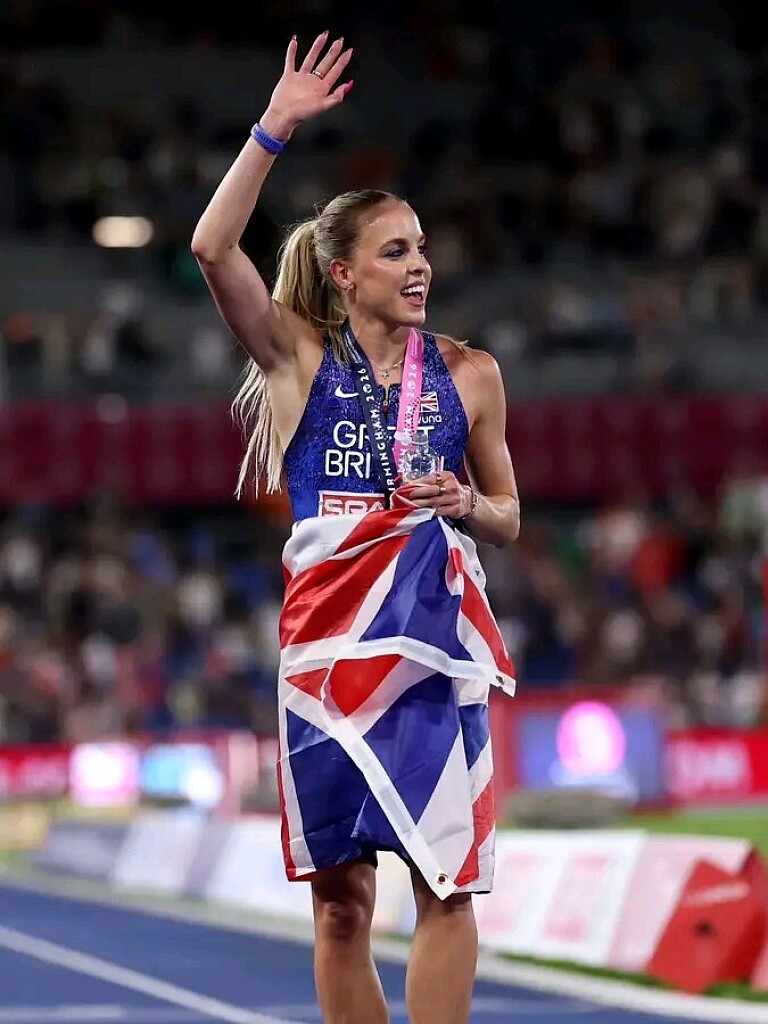
Keely Hodgkinson Withdraws From Zurich Diamond League 800m as Olympic Champion Prioritises Recovery
Olympic champion Keely Hodgkinson has withdrawn from this week’s Diamond League meeting in Zurich, where she was scheduled to headline a star-studded women’s 800m field.
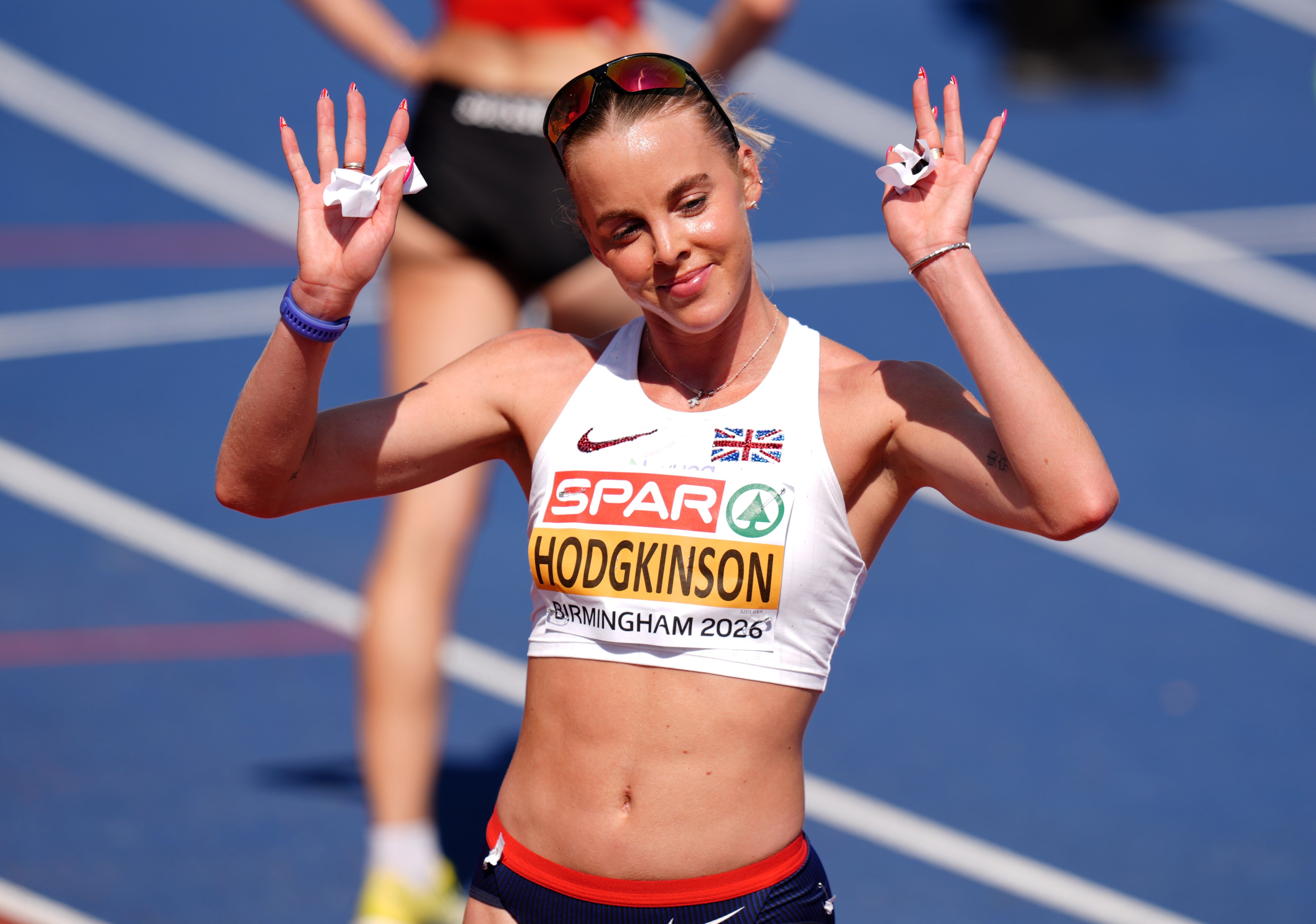
The British middle-distance star confirmed that her body is not yet ready for another race following the European Championships, prompting her and her team to make the decision to skip Thursday’s August 27 meeting and focus on a full recovery ahead of her next outing.
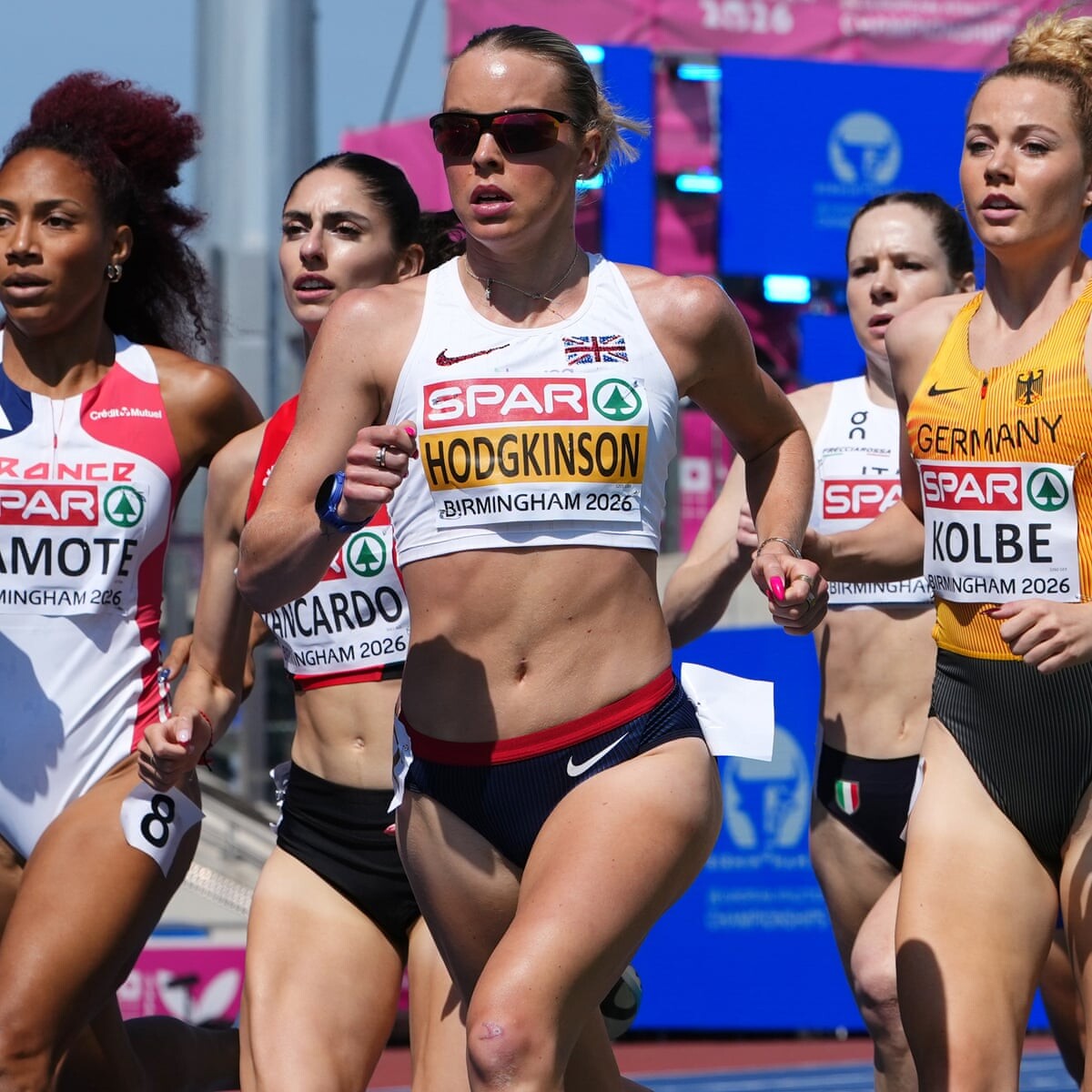
“The body isn't quite ready to race again after the European Championships, so we've made the decision to skip this race and get ready for the next one,” Hodgkinson said.
The decision comes as a disappointment for fans who had been eagerly anticipating Hodgkinson’s return to the track in Zurich, particularly because the race was set to feature a formidable line-up of international 800m talent.
Hodgkinson had been due to face unbeaten European champion Audrey Werro of Switzerland, Commonwealth champion Georgia Hunter Bell of Great Britain, reigning world champion Lilian Odira of Kenya and European bronze medallist Femke Broeders-Bol of the Netherlands.
The meeting had also promised a highly anticipated rematch between Hodgkinson and Werro following the dramatic European Championships in Birmingham, where the Swiss star produced a stunning performance to upset the field and claim the European title.
That result added even more intrigue to their scheduled Zurich showdown, with Hodgkinson expected to have another opportunity to respond on the Diamond League stage. Her withdrawal, however, means that much-awaited battle will have to wait.
Despite missing one of the season’s biggest meetings, Hodgkinson is choosing caution over a rushed return. After the physical demands of championship racing, the Olympic champion believes the right approach is to allow her body sufficient time to recover before stepping back onto the track.
“I’m sad to miss it, hopefully see you next year!” Hodgkinson added.
Her absence will undoubtedly take some of the spotlight away from the Zurich 800m, but the race remains packed with quality. Werro, Hunter Bell, Odira and Broeders-Bol will still provide a compelling contest, with each athlete carrying an impressive championship pedigree into the race.
For Hodgkinson, meanwhile, the focus now shifts away from Zurich and towards making sure she is fully prepared for her next appearance.
The Olympic champion may be missing from Thursday’s start line, but her decision reflects a bigger priority: returning to competition healthy, sharp and ready to perform at her best rather than risking a premature comeback.
And when Hodgkinson does return, the prospect of another clash with Werro—and a renewed battle among the world’s leading 800m runners—will undoubtedly be one of the most anticipated moments of the season.
by Erick Cheruiyot for My Best Runs.
Login to leave a comment
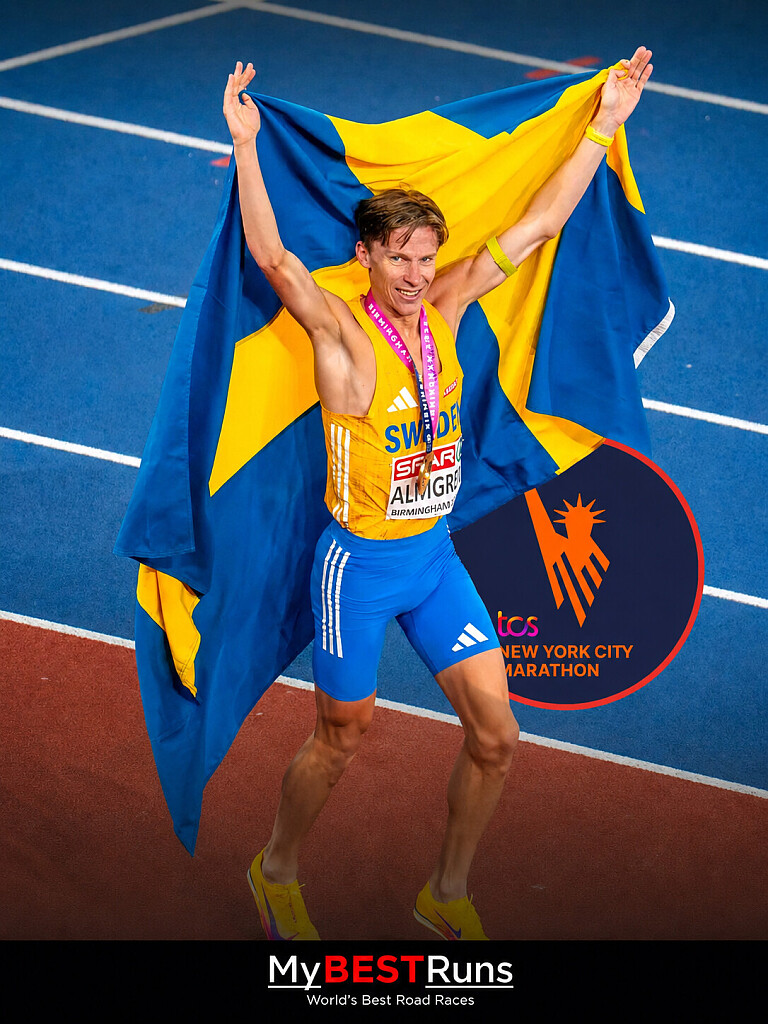
From European Records to 42.195km: Andreas Almgren Takes on New York
Andreas Almgren has spent the past two seasons transforming himself into one of Europe’s most formidable distance runners. Now, the Swedish star is ready to take on an entirely new challenge — the marathon.
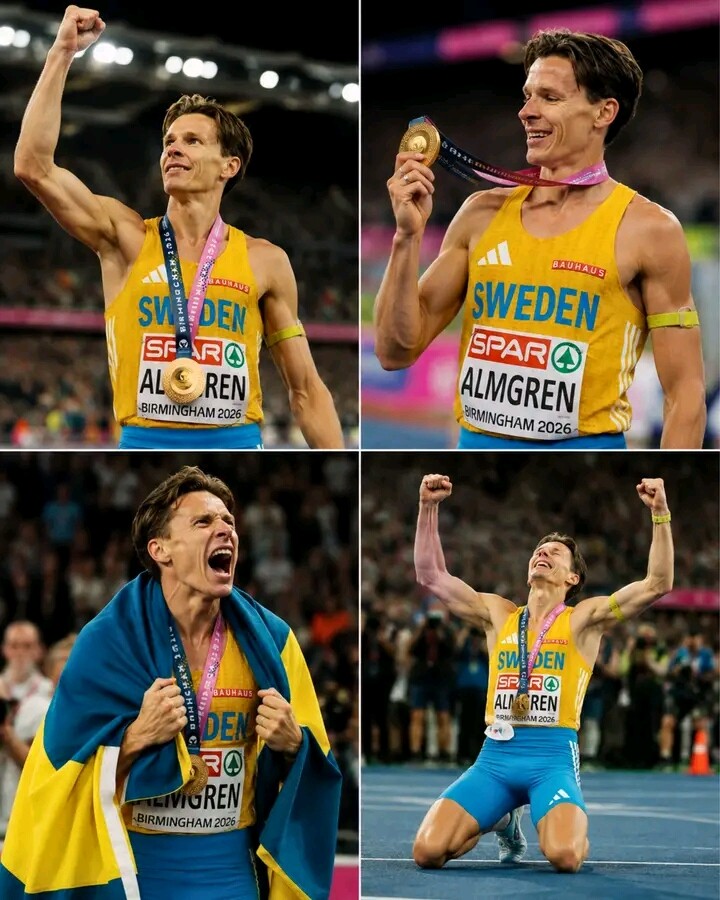
Fresh from a commanding European 10,000m triumph in Birmingham, Almgren has confirmed that he will make his marathon debut at the TCS New York City Marathon on November 1. The decision adds another intriguing chapter to a remarkable rise that has seen him repeatedly rewrite the European record books.
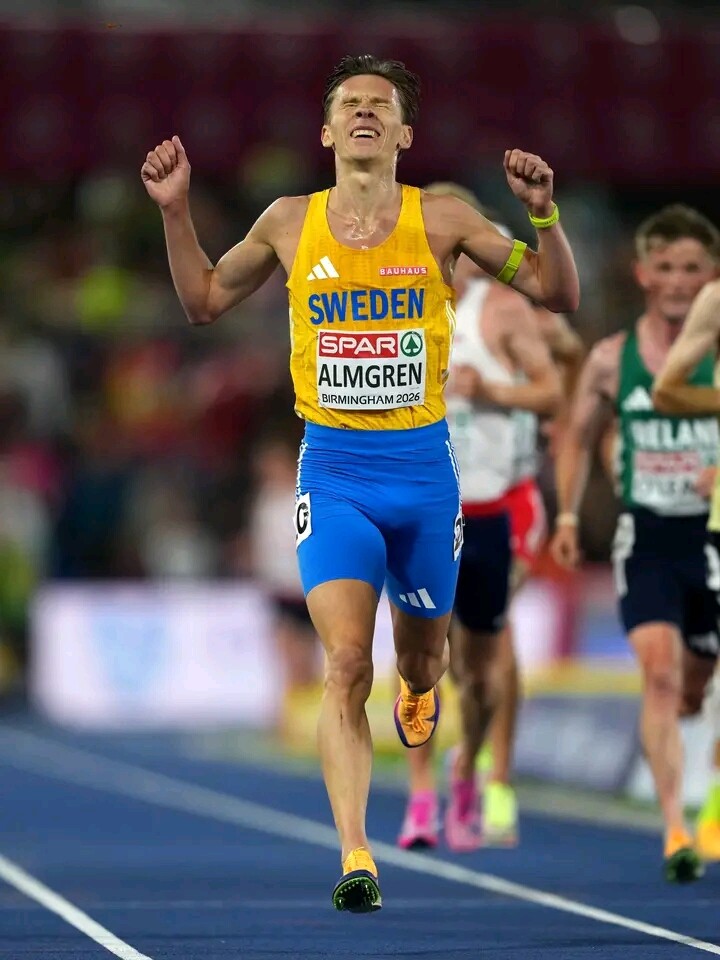
The 31-year-old owns European records of 12:44.27 for 5,000m, 26:45 for 10km on the road and 58:41 for the half marathon — extraordinary marks that underline both his speed and his growing endurance. His 26:45 in Valencia in January 2026 lowered his own European 10km record, while his 58:41 in Valencia last October made him the first European athlete to break the 59-minute barrier for the half marathon.
His latest achievement came in Birmingham, where Almgren produced one of the most dominant performances of the European Championships. He stormed to the 10,000m title in 27:23.44, setting a championship record and adding a major senior title to the World Championships bronze medal he won over the same distance in Tokyo last year.
Yet his choice of New York for his first marathon is what makes the announcement particularly fascinating.
Rather than selecting a traditionally fast, flat course where a debutant can concentrate almost exclusively on the clock, Almgren has chosen one of the most demanding and tactically complex marathons on the calendar. The New York course takes runners through all five boroughs and across five bridges before the finish in Central Park, combining repeated climbs, descents, turns and constantly changing race dynamics.
It is a course that rewards patience, strength and tactical intelligence as much as raw speed. For Almgren, whose career has been built around racing at the highest level rather than simply accumulating fast times, the setting could provide a fascinating test of how his exceptional track and road credentials translate to 42.195 kilometres.
And he will not be entering a quiet debut race. The 2026 field features defending men's champion Benson Kipruto, former champion Geoffrey Kamworor, Dutch star Abdi Nageeye, American contenders Conner Mantz and Zouhair Talbi, as well as several other elite marathoners. Almgren is one of a small group of high-profile athletes making their marathon debuts in New York.
The race will also mark the 50th anniversary of the modern five-borough New York City Marathon course, adding even greater significance to an already prestigious occasion. With Almgren bringing European-record credentials, a fresh continental title and the confidence of a breakthrough period behind him, his first encounter with the marathon promises to be one of the most closely watched stories of the autumn road-racing season.
For a runner who has already conquered the track and rewritten the European road-running record books, New York represents the beginning of another journey.
On November 1, the question will no longer be how fast Andreas Almgren can run 5,000m, 10km or a half marathon.
It will be how far that extraordinary speed and endurance can carry him over 42.195 kilometres through the streets of New York.
by Erick Cheruiyot for My Best Runs.
Login to leave a comment
TCS New York City Marathon
The first New York City Marathon, organized in 1970 by Fred Lebow and Vince Chiappetta, was held entirely in Central Park. Of 127 entrants, only 55 men finished; the sole female entrant dropped out due to illness. Winners were given inexpensive wristwatches and recycled baseball and bowling trophies. The entry fee was $1 and the total event budget...
more...
Can Keely Answer Back? Hodgkinson And Werro Set For Explosive Zurich Rematch
The rivalry between Keely Hodgkinson and Audrey Werro is developing into one of the most compelling stories in the women’s 800m — and it gets another chapter next week.
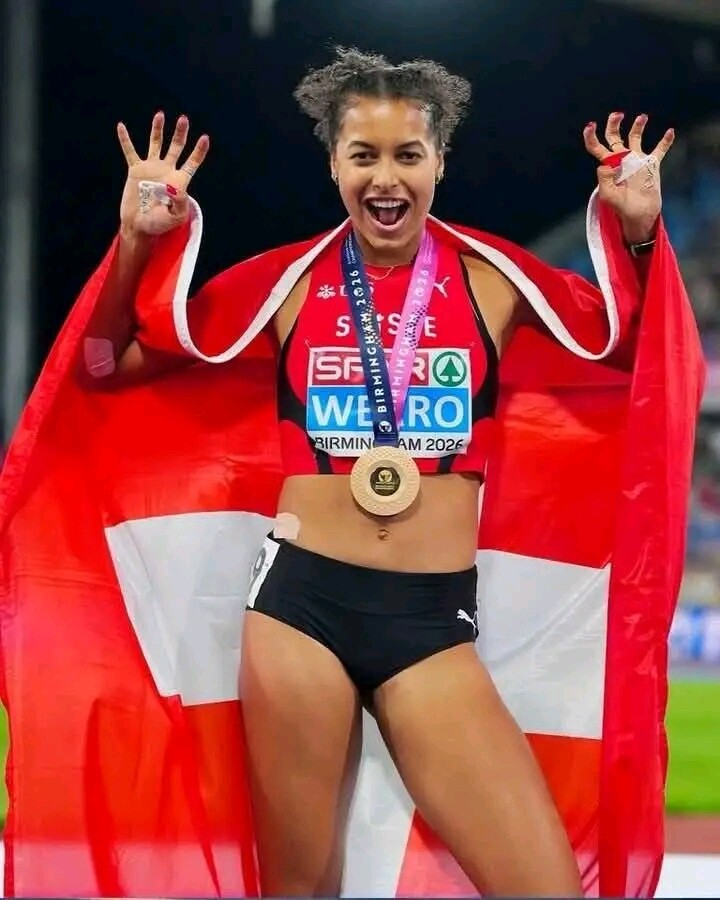
Just days after their dramatic European Championship final in Birmingham, the Olympic champion and the newly crowned European champion will meet again at Weltklasse Zürich on August 27, with the sold-out Letzigrund Stadium ready for another spectacular showdown.
In Birmingham, it was Werro who produced the decisive moment. The Swiss star delivered a sensational front-running performance to win European gold in a championship-record 1:54.81, holding off Hodgkinson, who finished second in 1:55.01. Femke Broeders-Bol completed the podium in 1:55.54, setting a Dutch national record in the process.
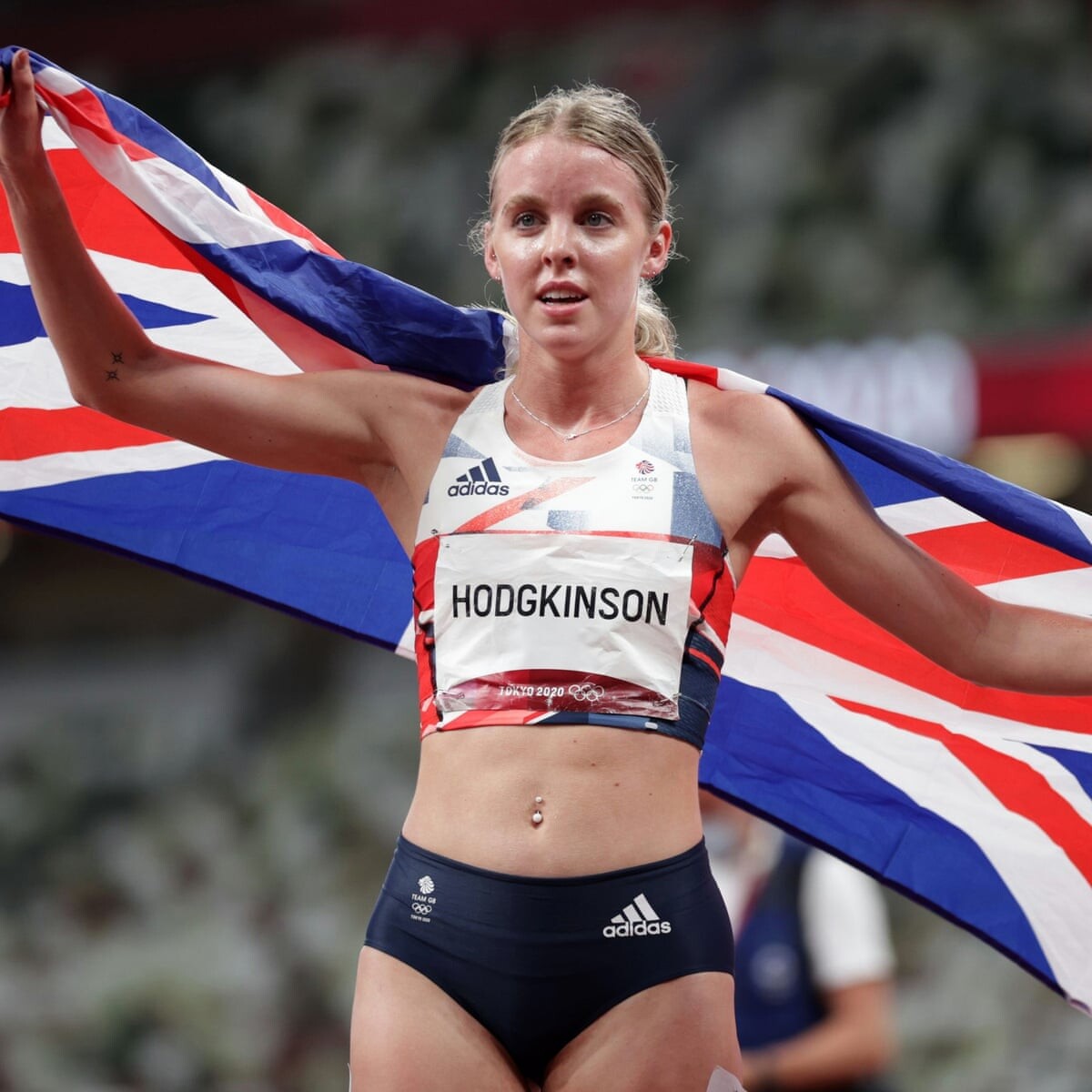
For Hodgkinson, the defeat was a rare setback in an event she has dominated at the highest level. But Zurich offers the perfect opportunity to respond.
And this time, the stage belongs to Werro.
The 22-year-old Swiss star will race in front of her home crowd at the Letzigrund Stadium, where she will arrive with enormous confidence after an extraordinary 2026 campaign. Earlier this season, Werro stormed to 1:53.98 in Stockholm, becoming only the third woman in history to break 1:54 at the time, while Hodgkinson followed her home in a British record 1:54.33.
Werro then went even faster in Paris, producing 1:53.80 — the third-fastest performance in history — further establishing herself as a genuine threat to the event’s all-time hierarchy.
But Hodgkinson knows exactly what it takes to win on the biggest stages. The reigning Olympic champion and former world champion has repeatedly demonstrated her ability to respond when challenged, and Zurich could provide another opportunity to remind the world why she remains one of the most formidable 800m runners of her generation.
Yet this will be far more than a two-woman battle.
Kenya’s Lilian Odira, the reigning world champion, adds another layer of danger to an already stacked field. Odira, Hodgkinson and Georgia Hunter Bell were the gold, silver and bronze medallists in the 800m at the 2025 World Championships in Tokyo, and their rivalry has continued into 2026.
Then there is Georgia Hunter Bell, who arrives in Zurich as the newly crowned European 1500m champion and one of the most versatile middle-distance athletes in the world. Her presence over 800m gives the race another serious contender capable of changing the complexion of the contest.
Femke Broeders-Bol will also be looking to build on her breakthrough European Championship bronze. The Dutch star has made an impressive transition from the 400m hurdles to the 800m this season, and her 1:55.54 national record in Birmingham showed that she is now capable of challenging the very best over two laps.
With Werro’s extraordinary speed, Hodgkinson’s championship pedigree, Odira’s world title credentials, Hunter Bell’s tactical intelligence and Broeders-Bol’s rapidly improving 800m form, Zurich could produce one of the deepest and most anticipated women’s 800m races of the season.
The question is simple:
Can Keely answer back?
Or will Audrey Werro once again prove too strong — this time with the roar of the Swiss crowd behind her?
The answer comes on August 27 at the sold-out Letzigrund Stadium in Zurich.
by Erick Cheruiyot for My Best Runs.
Login to leave a comment
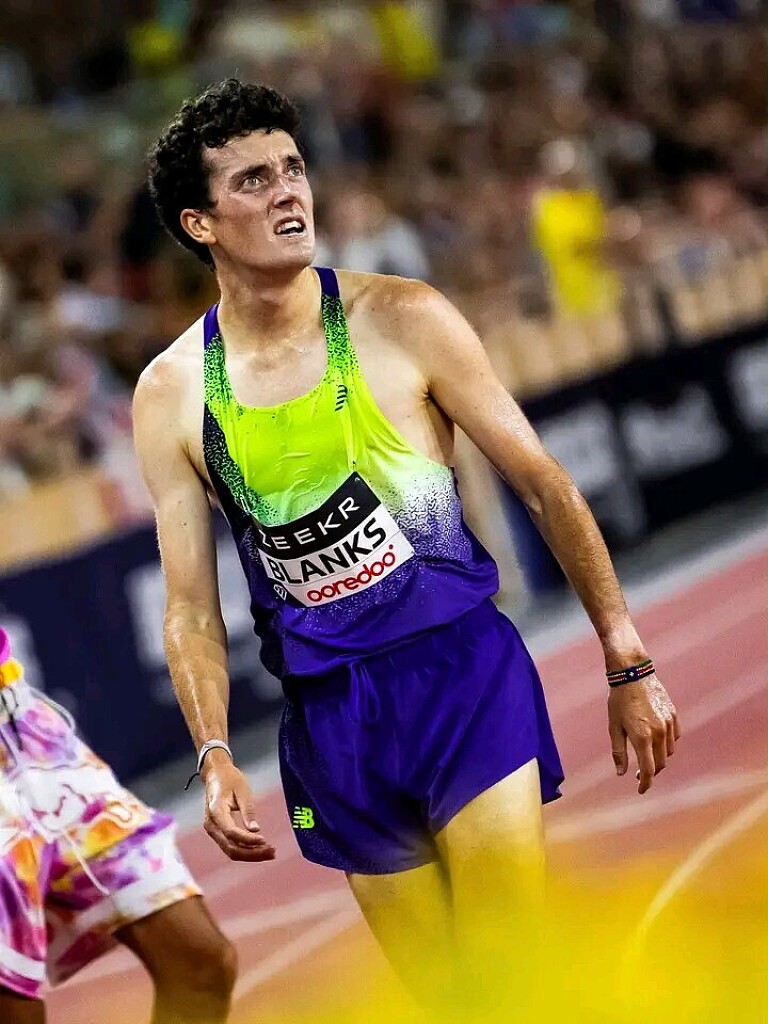
Americans Bring The Heat As Lausanne Diamond League Sets Up A Fierce 5000m Showdown
The Wanda Diamond League returns to action on Friday, August 21, and the men’s 5000m in Lausanne promises to be one of the evening’s most compelling distance races, with a strong American quartet ready to take on a deep international field.
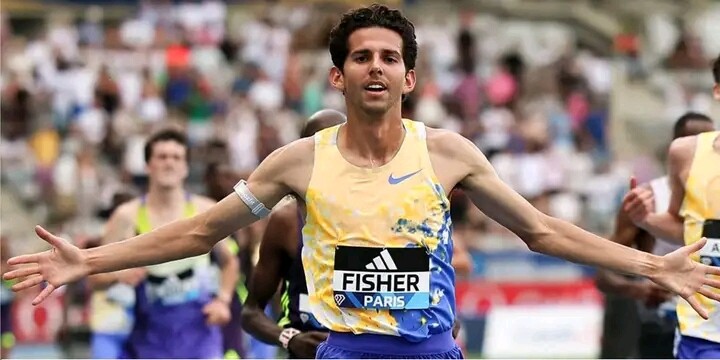
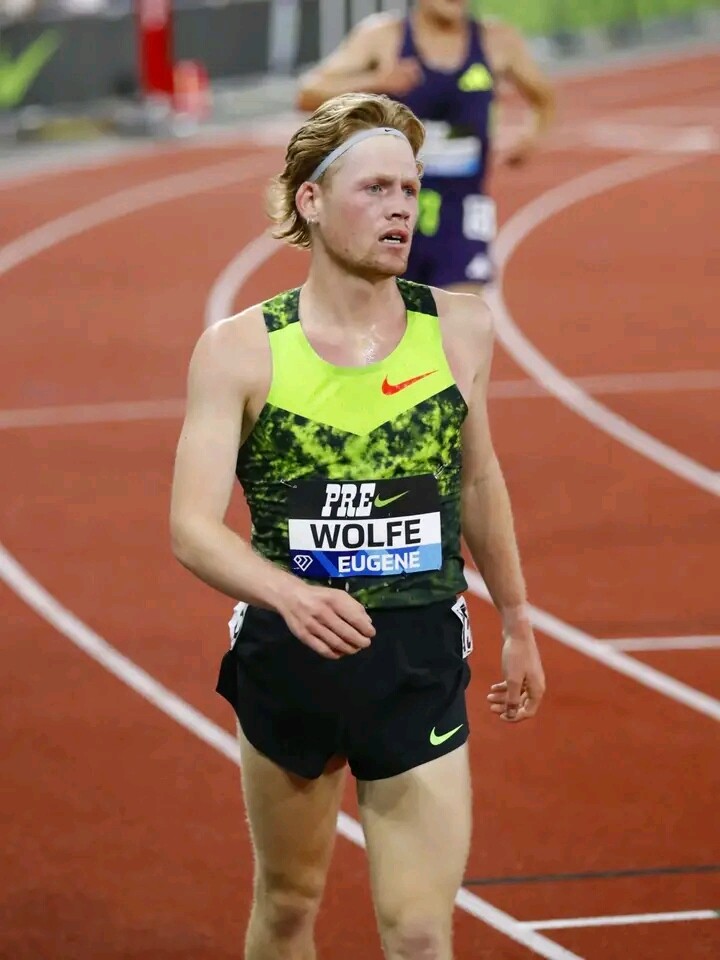
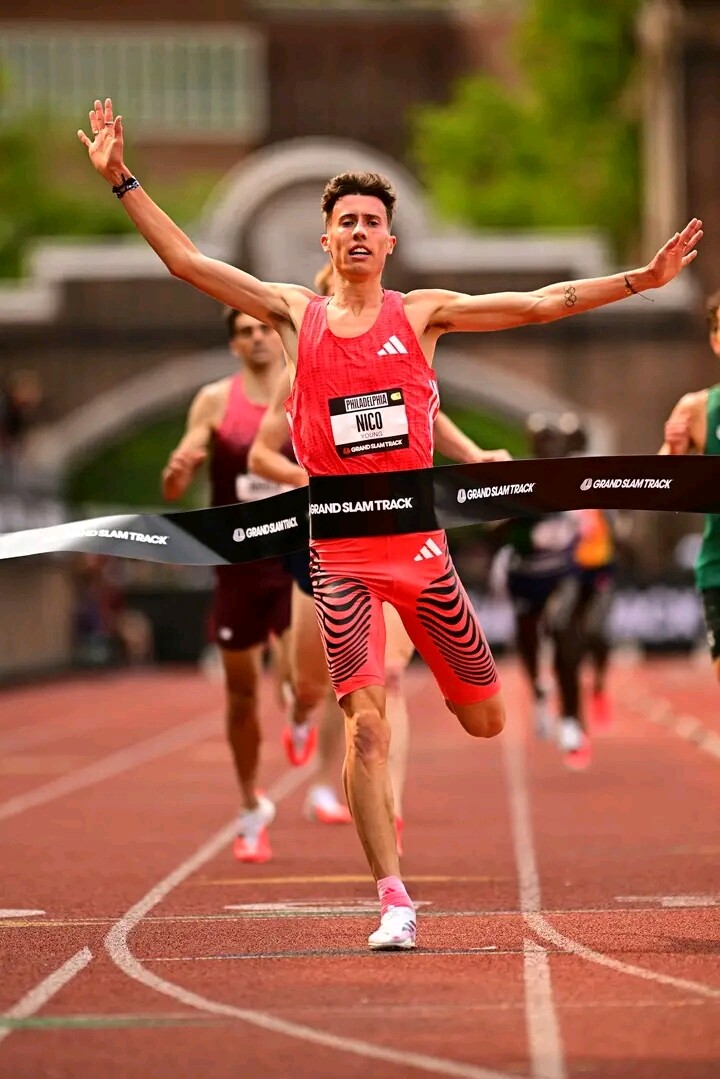
Graham Blanks, Grant Fisher, Parker Wolfe and Nico Young will carry the American challenge at Athletissima, where they will line up against a formidable group featuring athletes from Kenya, Ethiopia, Bahrain, Eritrea, Burundi, Switzerland, Uruguay, Slovenia and Mexico.
The Lausanne meeting marks an important point in the 2026 Diamond League campaign, with the Road to the Final entering its decisive stages ahead of the series finale in Brussels on September 4-5. Lausanne is followed just two days later by the Silesia meeting, before the series heads to Zurich for the final regular-season stop.
Fisher arrives as one of the most established names in the field. The American Olympic bronze medallist has already produced a 12:49.61 season best over 5000m in Oslo and also won the 3000m in Paris earlier this season. His experience at the highest level makes him a major contender when the pace accelerates over the closing laps.
Blanks is another American to watch closely. Ranked among the leading 5000m athletes in the world, he has continued to establish himself as one of the United States’ most exciting young distance runners. World Athletics’ rankings placed him eighth globally in the event as of July 26, with Fisher sixth.
Wolfe and Young add further depth to an American lineup that could make the race particularly tactical. With four athletes capable of competing at a high level, the United States will have several cards to play as the race develops.
But the Americans will have no easy path to victory.
Bahrain’s Birhanu Balew headlines the international opposition and entered the season among the world’s highest-ranked 5000m runners. Kenya will be represented by Jacob Krop, Edwin Kurgat, Cornelius Kemboi, Charles Kiboina, Mathew Kipchumba Kipsang and Laban Kiptoo Kosgei, giving the race a powerful Kenyan presence.
Ethiopia also brings considerable strength, with Khairi Bejiga, Kuma Girma, Shimelis Niguse, Mezgebu Sime and Getnet Wale all listed in the field. Eritrea’s Abderezak Suleman, Burundi’s Egide Ntakirutimana, Switzerland’s Dominic Lokinyomo Lobalu, Uruguay’s Santiago Catrofe, Slovenia’s Žan Rudolf and Mexico’s Eduardo Herrera complete a truly international lineup.
The Lausanne 5000m is therefore shaping up as much more than an American showcase. It is a meeting of contrasting strengths: American depth, Kenyan distance tradition, Ethiopian endurance and a collection of international contenders eager to make their mark on one of the sport’s biggest stages.
With the Diamond League season moving rapidly toward its final stretch, every position and every point carries added importance. The question now is whether the American quartet can convert its collective strength into a victory—or whether the international field will once again prove too deep to control.
One thing is certain: when the Lausanne 5000m gets underway, the pace is expected to be hot, the competition fierce and the final laps unforgettable.
by Erick Cheruiyot for My Best Runs.
Login to leave a comment
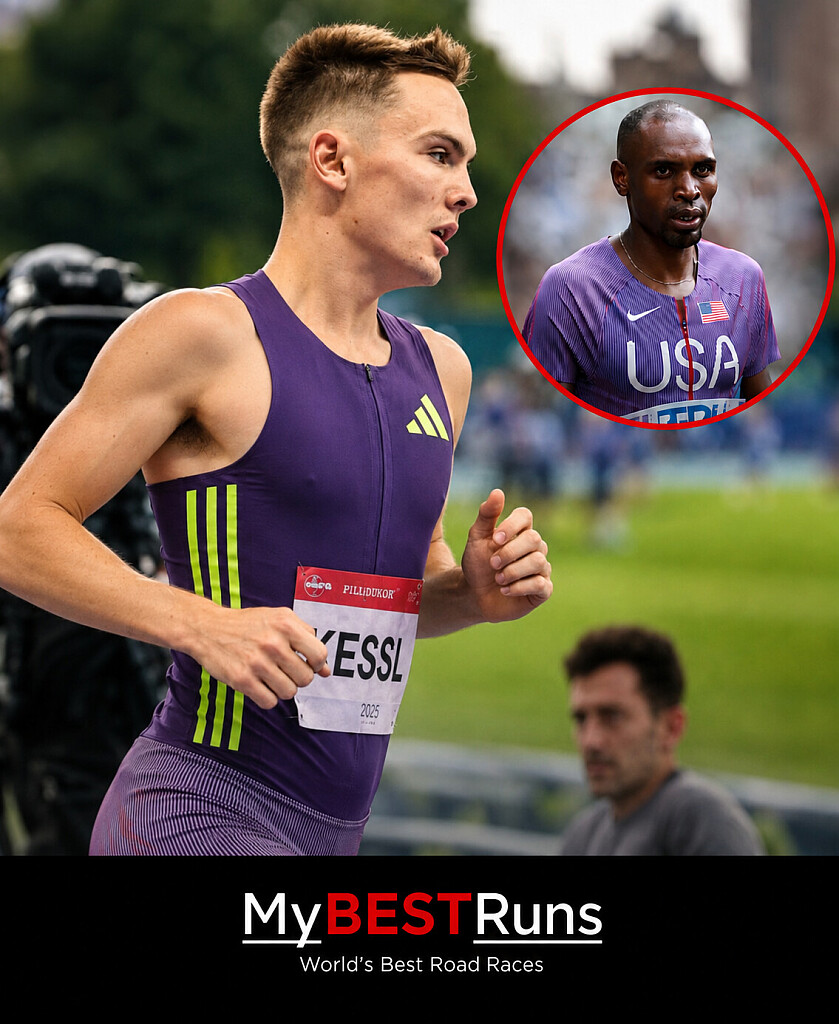
From Fourth to Bronze: Hobbs Kessler Elevated After Koech’s Disqualification
Hobbs Kessler has been officially elevated to third place in the men’s 1,500m from the 2025 U.S. Outdoor Championships, nearly a year after finishing fourth in the original final.
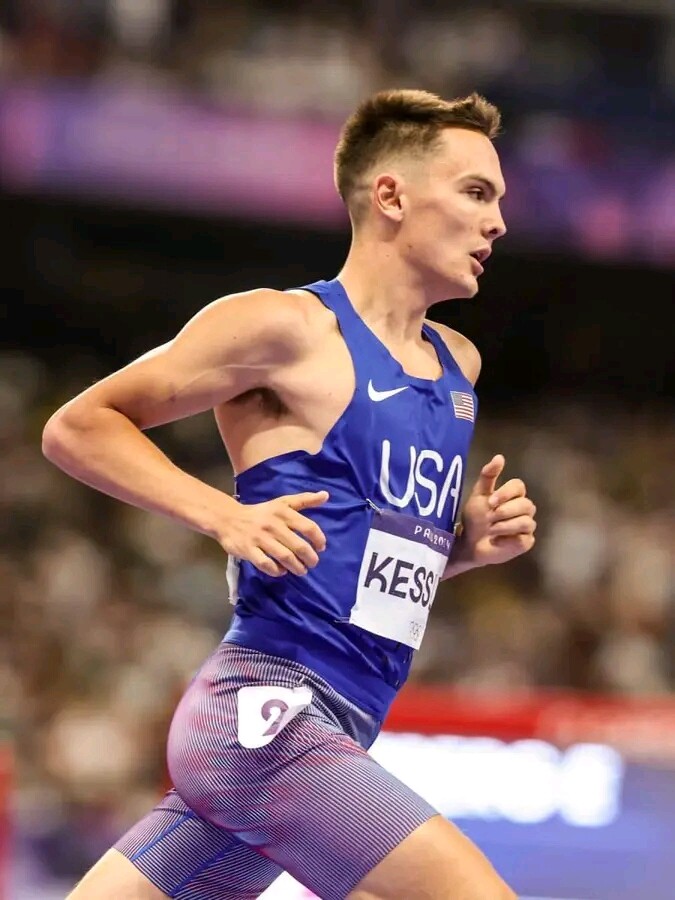
Kessler crossed the line fourth in a tightly contested race won by Jonah Koech. Ethan Strand finished second and Cole Hocker third, with the top three earning places on the U.S. team for the 2025 World Athletics Championships in Tokyo.
The standings have now been revised following USADA’s three-year sanction against Koech. His Athlete Biological Passport showed abnormalities consistent with blood doping, and his results from the specified period were disqualified. Koech did not challenge the case.
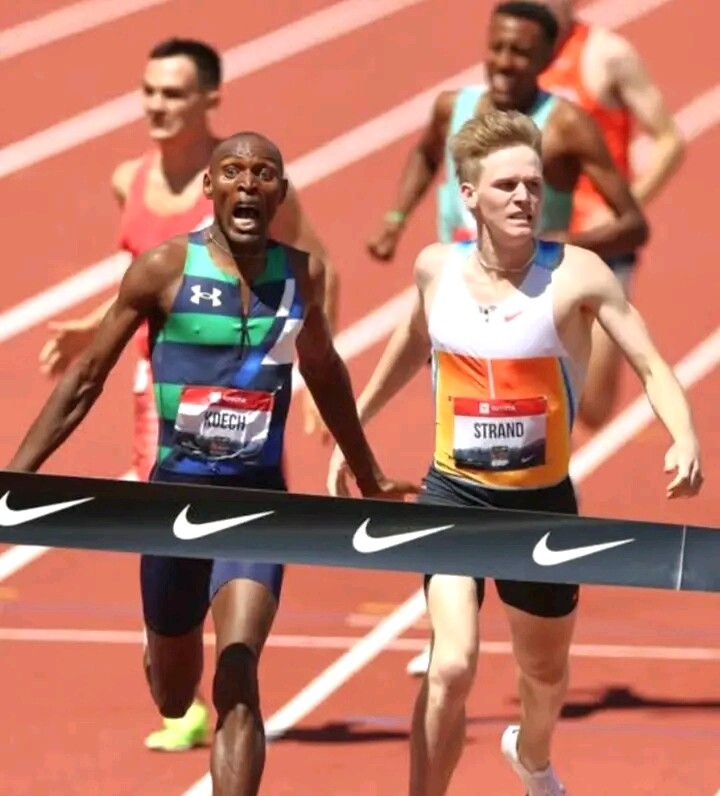
With Koech’s result removed, Strand moves into first place, Hocker rises to second and Kessler is promoted to third.
For Kessler, the revised classification brings an official U.S. championship bronze medal almost eleven months after the race.
However, the change comes long after the 2025 World Championships had already taken place. Kessler was not part of the three-athlete U.S. 1,500m team in Tokyo, and the later adjustment to the results cannot recreate that competition or the circumstances surrounding it.
That is one of the complexities of anti-doping enforcement: results can be corrected and championship records updated after a sanction, but those changes occur after the original competition has passed.
Kessler’s record now reflects a third-place finish, while Koech’s disqualification reshapes the final standings of one of the most closely contested races at the 2025 U.S. Championships.
Koech’s three-year period of ineligibility runs until July 2029.
Nearly a year later, the results have changed — and Hobbs Kessler officially moves from fourth to bronze.
by Erick Cheruiyot for My Best Runs.
Login to leave a comment
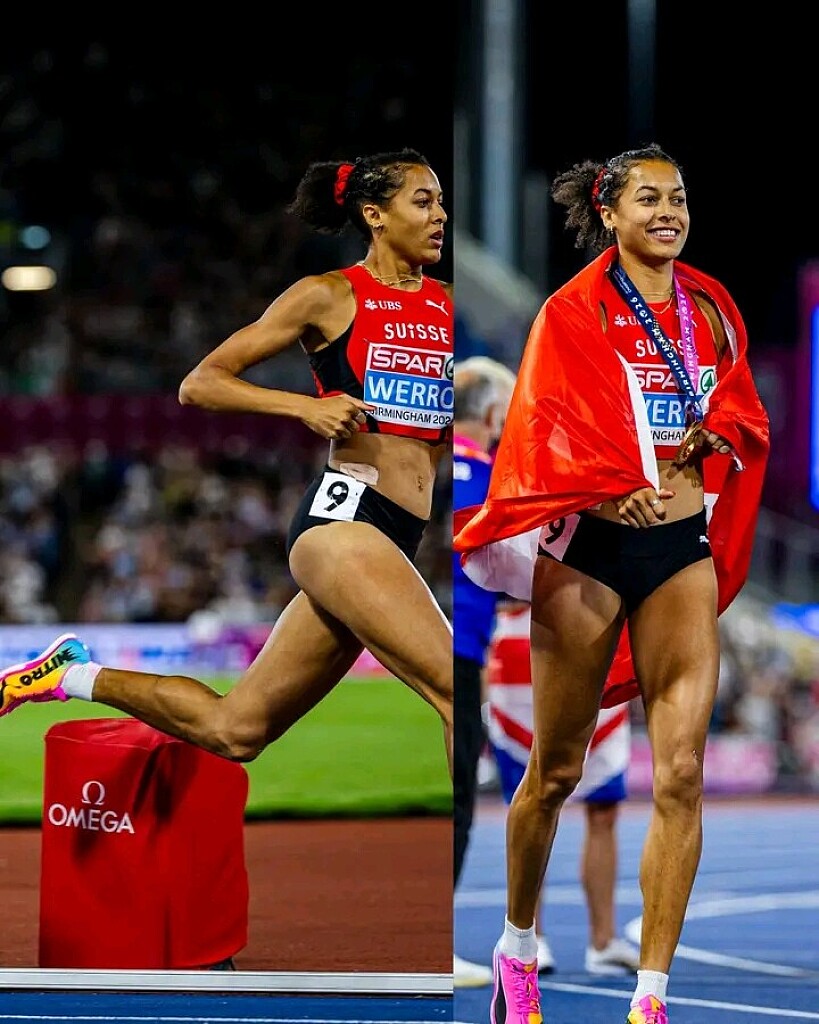
Audrey Werro Rules the European 800m as the Big Three Deliver a Birmingham Classic
Audrey Werro has firmly established herself among the world's leading 800m runners after producing a breathtaking performance to claim European Championship gold in Birmingham, winning one of the most eagerly anticipated finals in recent middle-distance history.
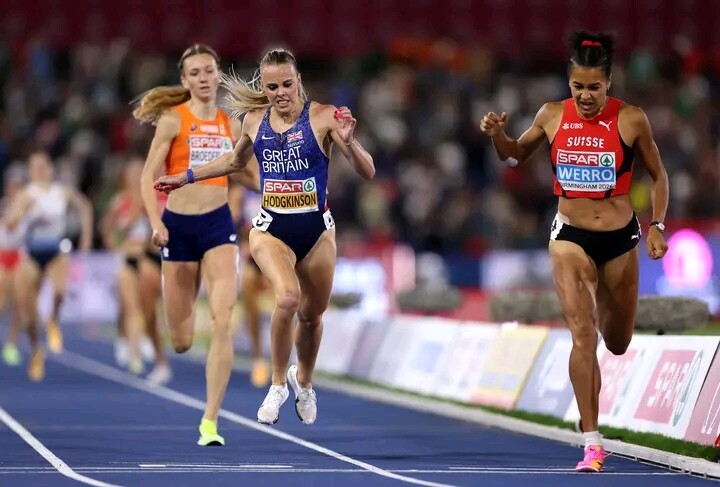
The Swiss star delivered when it mattered most, stopping the clock at a sensational 1:54.81 to set a new European Championships record and hold off Britain's Olympic champion and defending European champion, Keely Hodgkinson, who took silver in 1:55.01.
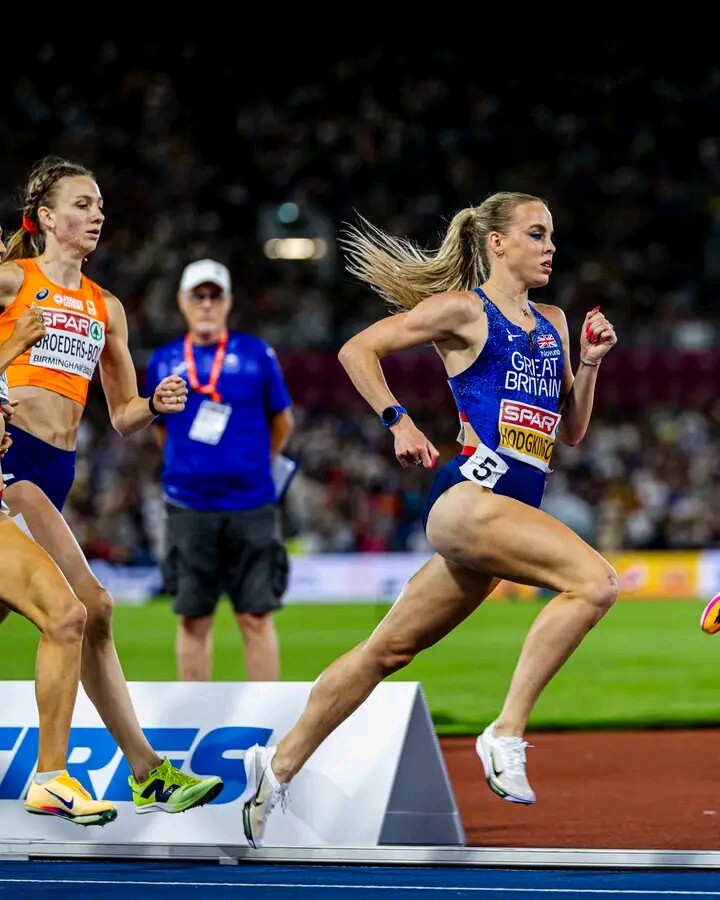
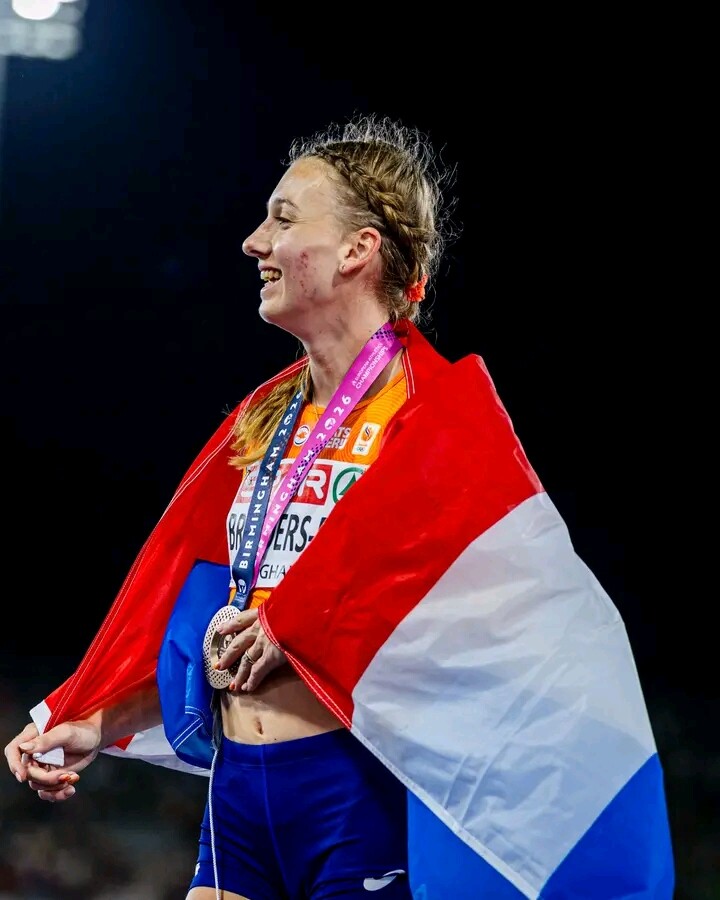
The Netherlands' Femke Broeders-Bol completed an extraordinary podium, charging home to secure bronze in 1:55.54, a time that equalled the Dutch national record.
It was everything the build-up had promised.
For months, anticipation had surrounded the possibility of seeing Werro, Hodgkinson and Broeders-Bol finally line up together in the same major championship final. In Birmingham, the "Big Three" finally came together—and the track wrote its own remarkable story.
Werro won gold. Hodgkinson held onto silver. Broeders-Bol brought home bronze.
The quality of the performances was extraordinary. Werro seized control of the race and displayed remarkable strength and composure through the closing stages. Hodgkinson, propelled by the energy of her home crowd, refused to surrender and fought desperately down the finishing straight, but the Swiss athlete had just enough in reserve to stay clear.
The margin was only 0.20 seconds, underlining just how fiercely contested the final was.
Behind the leading pair, Broeders-Bol produced another outstanding performance to cross the line in 1:55.54, matching the Dutch national record and becoming part of an exceptional three-way battle at the front.
The top three were in a different class from the rest of the field, with all three breaking the 1:56 barrier and finishing almost four seconds ahead of the remainder of the finalists.
For Werro, the victory represents far more than another medal. It is a statement of intent.
The Swiss athlete arrived in Birmingham as one of the fastest 800m runners in the world and leaves the championships as European champion and championship-record holder.
Her triumph is even more remarkable considering the drama that preceded the final. Werro fell during her semi-final after contact with France's Anaïs Bourgoin and initially failed to qualify, before a successful Swiss appeal reinstated her in the final.
Less than 24 hours later, she transformed that setback into one of the defining performances of the championships.
Werro's season has already been extraordinary. She had previously run 1:53.80 in Paris, placing her among the fastest women ever over 800m. Now she has added a European title and championship record to her growing résumé.
For Hodgkinson, the result was undoubtedly a disappointment after arriving in Birmingham with hopes of completing a hat-trick of consecutive European 800m titles. The British star had won European gold in Munich in 2022 and Rome in 2024, but her quest for a third successive title ended with silver on home soil.
Nevertheless, Hodgkinson's 1:55.01 was itself a world-class performance, and she pushed Werro all the way to the line in a race that demanded extraordinary speed, strength and composure.
While the spotlight naturally fell on Werro and Hodgkinson, Broeders-Bol produced a performance worthy of its own headline. Her 1:55.54 secured the bronze medal while simultaneously equalling the Dutch national record, adding another remarkable dimension to an already historic final.
The official results placed Gabija Galvydytė fourth in 1:59.12, followed by Britain's Jemma Reekie in 1:59.15 and Italy's Eloisa Coiro in 1:59.35. Switzerland's Valentina Rosamilia finished seventh in 1:59.42, with compatriot Veronica Vancardo eighth in 2:00.17. France's Anaïs Bourgoin was ninth in 2:00.65, while Clara Liberman completed the field in 2:01.84.
But the night belonged overwhelmingly to the three women at the front.
Three athletes under 1:56. A championship record. A national record. A reigning champion forced to settle for silver. And a new European champion standing proudly at the top of the podium.
The Big Three finally came together in the final, and the story was written—Werro wins gold, Hodgkinson holds onto silver and Broeders-Bol brings it home in bronze.
Who needs fairytales when the track is writing stories like this?
The women's 800m final at the Birmingham 2026 European Championships delivered everything a championship race should: drama, speed, history, heartbreak and a thrilling battle between three exceptional athletes.
And when the story was finally written, Audrey Werro was the woman wearing the crown.
Gold for Werro. Silver for Hodgkinson. Bronze for Broeders-Bol.
A spectacular night for the 800m—and potentially the beginning of one of the most compelling rivalries in women's middle-distance running.
by Erick Cheruiyot for My Best Runs.
Login to leave a comment

European Athletics Champioships
The27thEuropean Athletics Championshipswill be held from 10 to 16 August 2026 at theAlexander StadiuminBirmingham, United Kingdom.[1] This is the first time that a British city will have staged the European Athletics Championships although Birmingham has hosted many high-profile events, including the2007 European Athletics Indoor Championships, the2003and2018 IAAF World Indoor Championshipsand the2022 Commonwealth Games. Alexander Stadium was renovated between 2019 and...
more...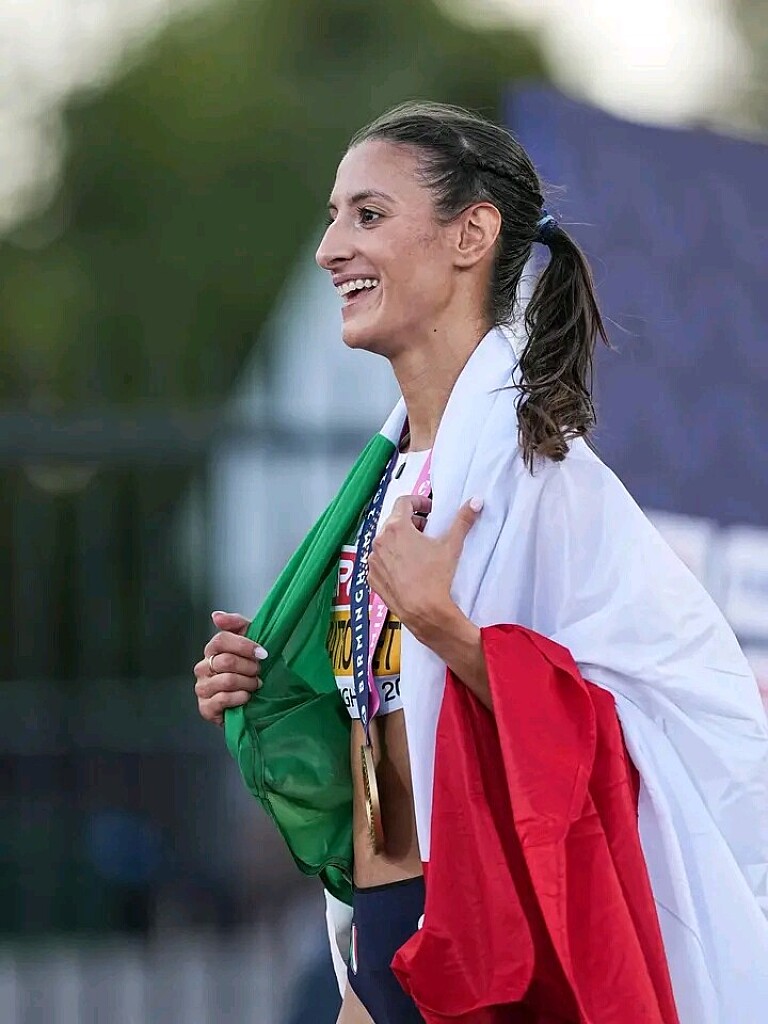
Battocletti’s Blistering Finish Delivers Back-to-Back European 5000m Gold in Birmingham
Nadia Battocletti produced a superb championship performance in Birmingham to retain her European 5000m title for the second consecutive time, powering to gold in 15:37.84 after unleashing a devastating late kick that left her rivals scrambling for the remaining medals.
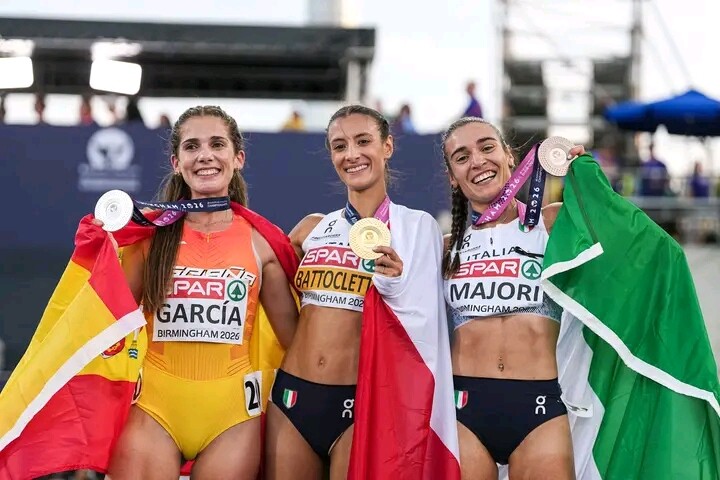
The Italian distance-running star remained composed through the race before turning on the speed when it mattered most. With the field tightly packed heading into the closing stages, Battocletti launched a breathtaking attack over the final 200 metres, producing a surge of exceptional quality that ultimately decided the championship.
The decisive moment came in the final 200 metres, when Battocletti unleashed a ferocious finishing kick that dramatically changed the complexion of the race. With the medals still within reach for several athletes, the Italian surged through the final bend with tremendous purpose, her acceleration proving simply too tough to match. She drove relentlessly down the home straight, opening the crucial gap and powering away from her closest challengers to seal a richly deserved European title.
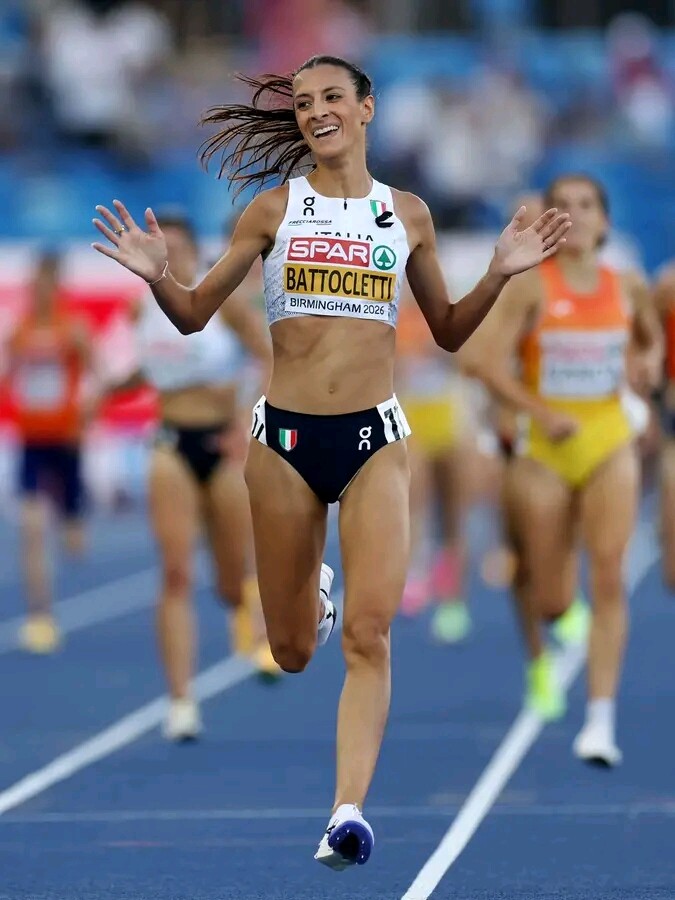
Her closing speed was extraordinary. Battocletti covered the final 400m in 59.2 seconds, including a remarkable 28.2-second final 200m, as she accelerated away from her challengers and powered down the home straight. It was a superb display of strength, speed and championship composure, earning her another European crown in emphatic fashion.
Behind her, Spain’s Marta García fought brilliantly to claim silver in a season’s best of 15:39.98, while Italy’s Micol Majori completed an Italian 1-3 with bronze in 15:40.65.
For Majori, the bronze medal represented a particularly special milestone as she celebrated her first international senior medal on a major championship stage. Her breakthrough performance added another layer to an unforgettable night for Italy.
Ireland’s Sarah Healy narrowly missed the podium, finishing fourth in 15:40.95, just 0.30 seconds behind Majori. Great Britain’s Hannah Nuttall was fifth in 15:41.27, followed by the Netherlands’ Maureen Koster in 15:41.51.
Amina Maatoug of the Netherlands finished seventh in 15:44.03, while Spain’s María Forero completed the top eight in 15:44.25.
Battocletti’s Birmingham triumph now sets up another title defence. The Italian will return to the track on Friday for the women’s 10,000m, where she will once again look to extend her European dominance.
For now, though, the spotlight belongs to Battocletti and that extraordinary finish — a 28.2-second final 200m that transformed a tightly contested 5000m final into another golden chapter in her championship career.
by Erick Cheruiyot for My Best Runs.
Login to leave a comment
European Athletics Champioships
The27thEuropean Athletics Championshipswill be held from 10 to 16 August 2026 at theAlexander StadiuminBirmingham, United Kingdom.[1] This is the first time that a British city will have staged the European Athletics Championships although Birmingham has hosted many high-profile events, including the2007 European Athletics Indoor Championships, the2003and2018 IAAF World Indoor Championshipsand the2022 Commonwealth Games. Alexander Stadium was renovated between 2019 and...
more...
Živa Remic, 16, Stuns The World With Dramatic U20 800m Triumph
Sixteen years old and already a world champion. Slovenia’s Živa Remic produced a sensational performance in the women’s 800m final at the World Athletics U20 Championships, delivering a perfectly timed finishing surge to capture the gold medal in one of the closest races of the championships.
Remic remained firmly in contention throughout the race before unleashing her decisive move in the closing metres. With the medals still up for grabs, the young Slovenian found another gear approaching the line and edged clear at precisely the right moment, stopping the clock at 2:03.03.
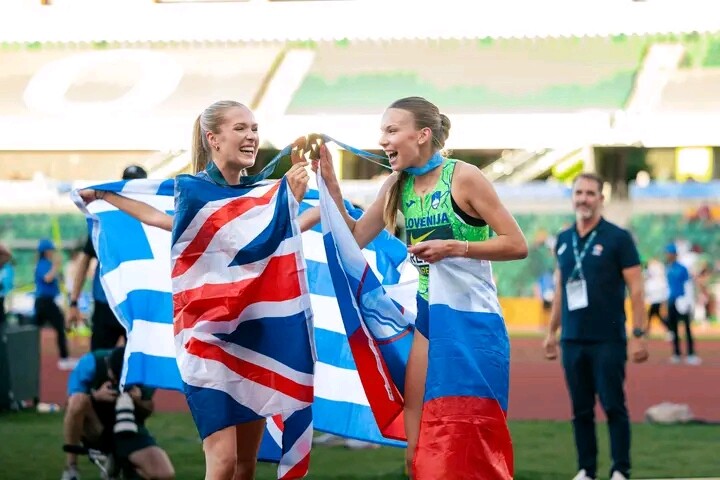
Greece’s Ioulianna Roussou refused to surrender and pushed Remic all the way to the finish. Roussou crossed the line in 2:03.08, just 0.05 seconds behind the champion, turning the final into an extraordinary battle decided by the smallest of margins.
Great Britain’s Shaikira King also produced an impressive performance to secure the bronze medal in 2:03.52, completing a podium separated by less than half a second.
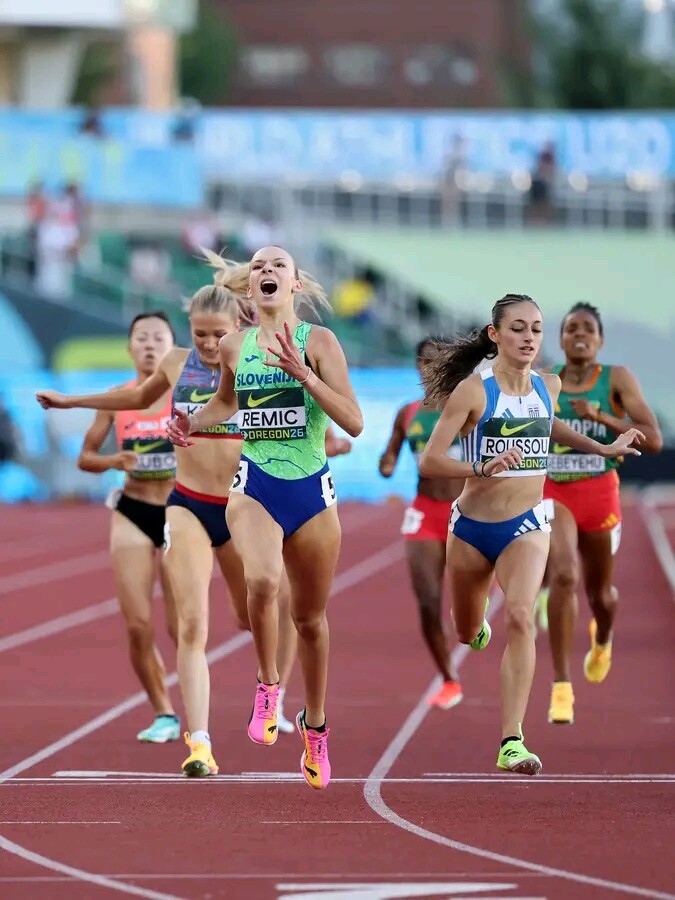
For Remic, the victory represents a major breakthrough on the global stage. At an age when many athletes are still gaining experience at major championships, she has already demonstrated the composure and finishing speed required to win a world title against some of the strongest young 800m runners in the world.
The Slovenian’s victory is even more remarkable considering the depth of talent in the final. Ethiopia’s Habtam Gebeyehu led the African challenge, finishing fourth in 2:03.99, while Japan’s Rin Kubo followed closely in fifth with 2:04.00. Canada’s Chloe Symon was sixth in 2:04.24, with Ethiopia’s Derartu Shibiru seventh in 2:04.81.
American Paige Sheppard finished eighth in 2:06.94, while Poland’s Róża Olchawa completed the final in 2:10.64.
Remic’s triumph also adds another chapter to what is becoming an extraordinary rise in the 800m. The teenager has already shown that she possesses the speed and competitive confidence to challenge at the highest level of junior athletics, and her ability to produce such a composed finish under championship pressure suggests there could be much more to come.
The defining image of the final was Remic surging toward the line while her closest rivals battled desperately behind her. When the clock stopped at 2:03.03, Slovenia had its newest world champion.
At just 16, Živa Remic has already reached the top of the world in her age category. Her golden finish was not only a victory—it was a powerful introduction to a young athlete whose name could become increasingly familiar in international middle-distance running.
by Erick Cheruiyot for My Best Runs.
Login to leave a comment
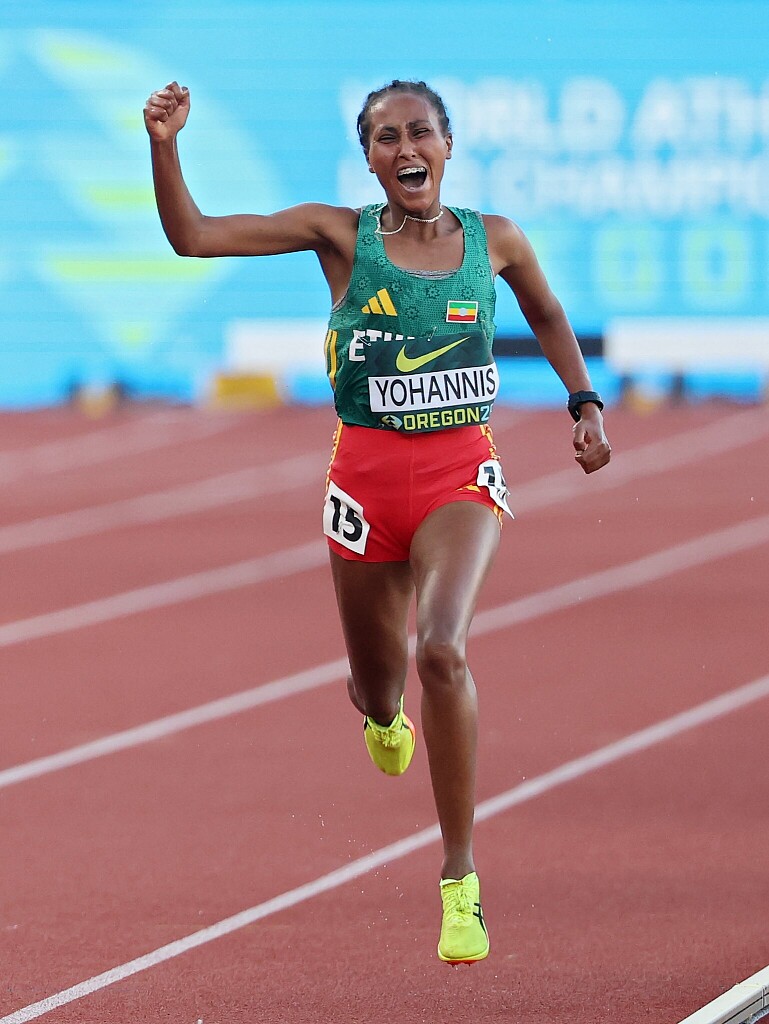
Almaz Yohannis Leads Ethiopian 1-2 in Spectacular World U20 Steeplechase Triumph
Ethiopia produced a spectacular display of emerging talent as Almaz Yohannis was crowned world champion in the women’s 3000m steeplechase at the 2026 World Athletics U20 Championships in Oregon, powering to a commanding victory in 9:15.81.
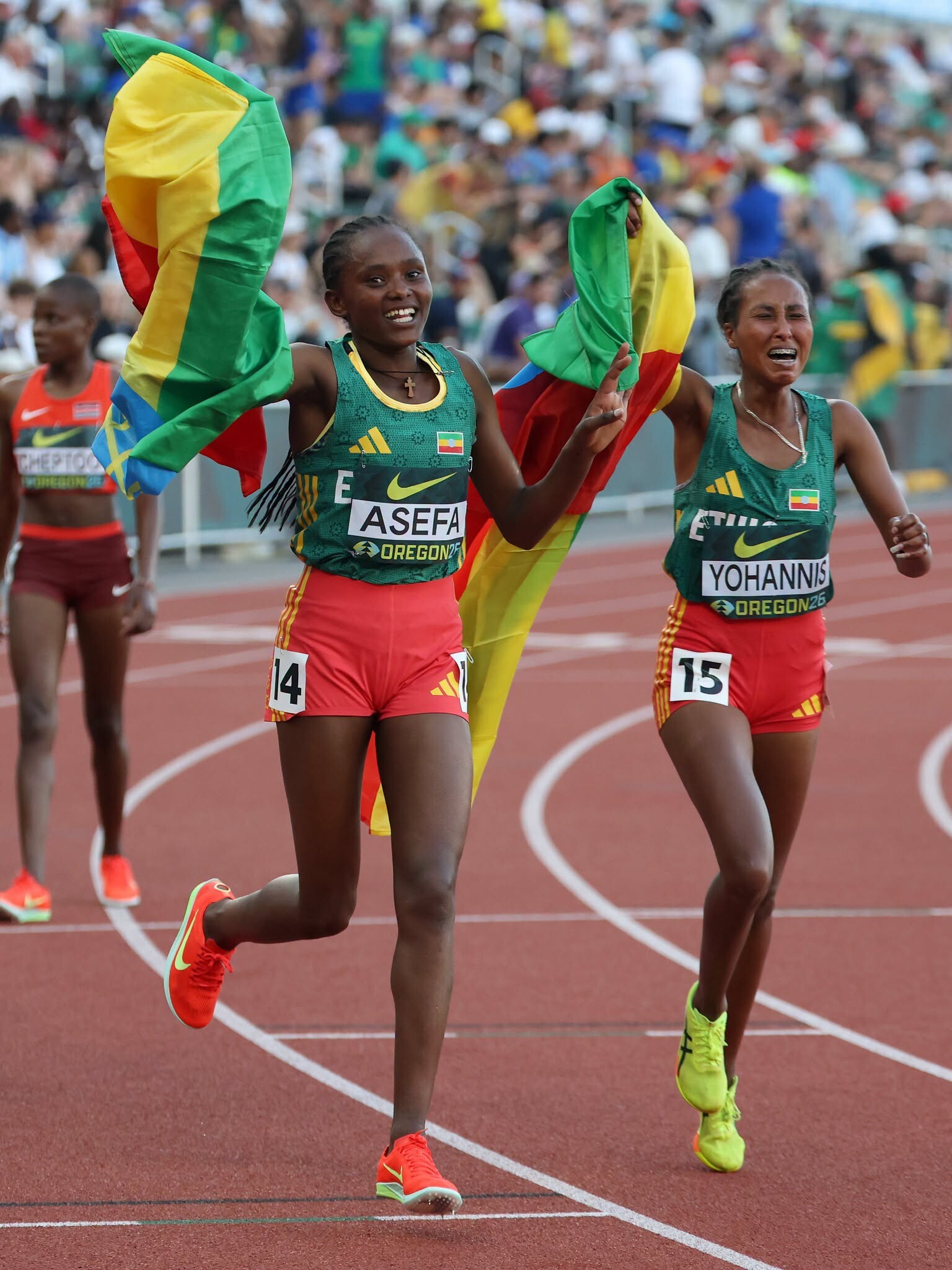
Yohannis delivered a superb performance to secure the gold medal and, in the process, recorded a World U20 Leading time (WU20L), underlining the strength of her performance on the global junior stage.
The young Ethiopian established herself as the athlete to beat, maintaining her composure and strength throughout the demanding eight-lap steeplechase before crossing the finish line well clear of the field. Her winning mark of 9:15.81 provided a fitting reward for a dominant championship performance.
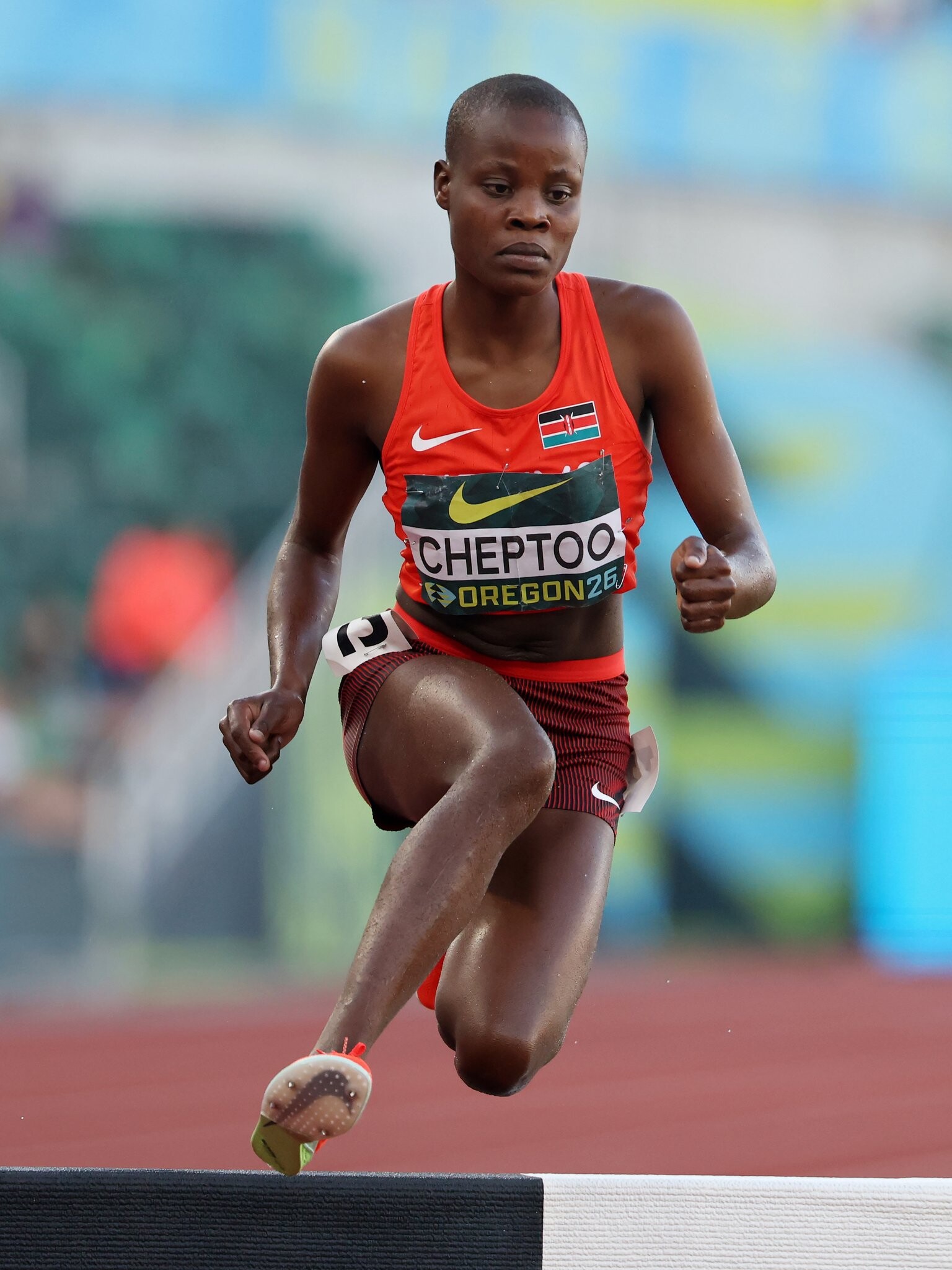
Ethiopia’s celebrations were doubled when Wosane Asefa secured the silver medal in 9:30.50, producing a season’s best (SB) and completing an impressive Ethiopian one-two.
Kenya’s Anatasha Cheptoo ensured there was East African representation on all three steps of the podium, fighting her way to the bronze medal in 9:37.18.
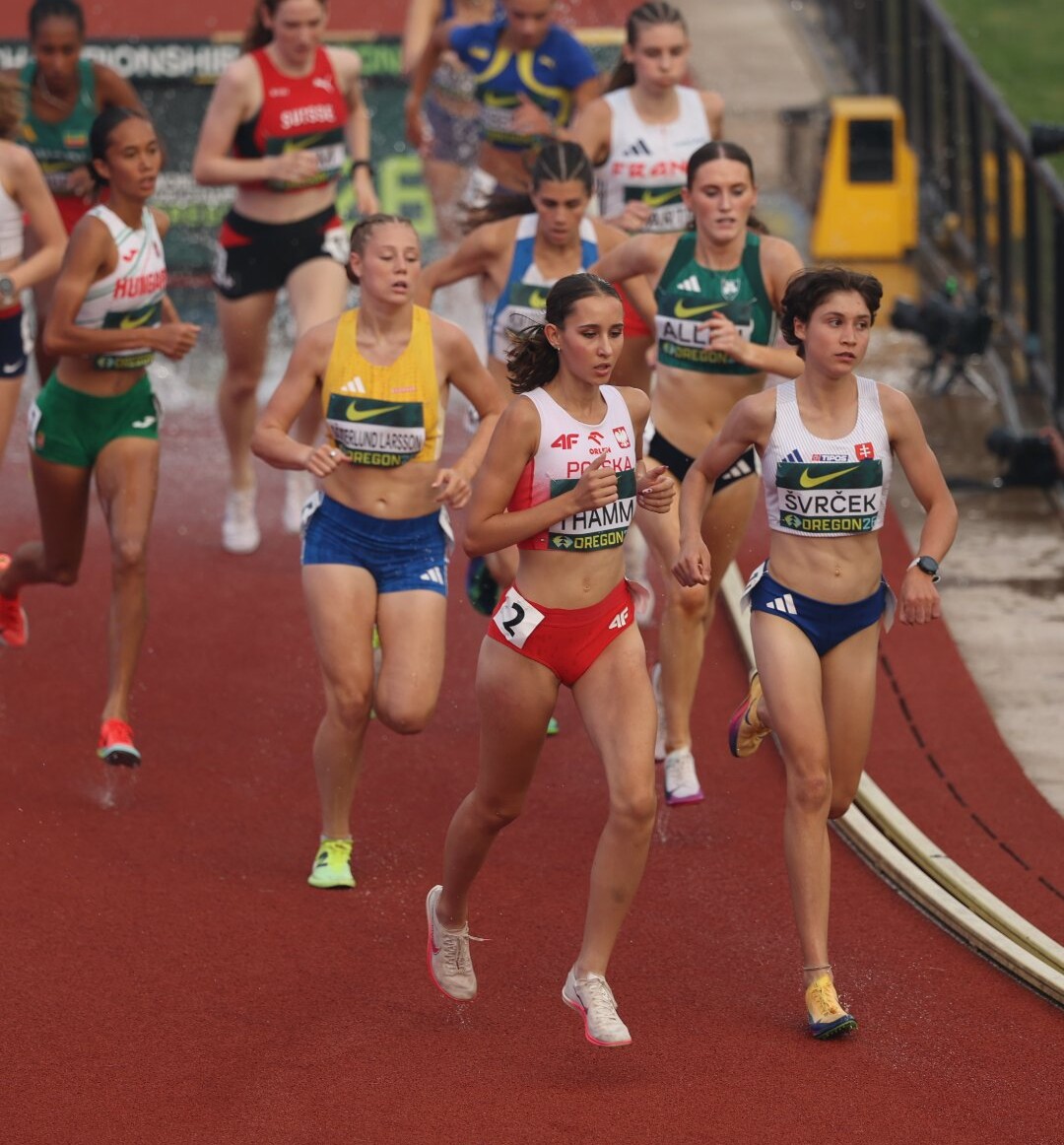
Behind the medalists, Sweden’s Majken Söderlund Larsson finished fourth in 9:48.01, setting a national U20 record (NU20R), while Czech Republic’s Ema Berková followed in fifth with 9:49.06, also recording a national U20 record.
Sweden’s Fanny Szalkai placed sixth in 9:55.06, a personal best, while Greece’s Anna Dafni Almyroudi Stroumpou finished seventh in 10:00.63, another national U20 record.
Egypt’s Malak Abdelghany Abdalla Ibrahim crossed eighth in 10:04.52, also establishing a national U20 record. Slovakia’s Anna Švrček was ninth in 10:05.91, followed by Japan’s Rei Taya in 10:12.37.
Portugal’s Lara Roque finished 11th in 10:15.69, setting a national U20 record, while Poland’s Zuzanna Szymańska took 12th in 10:15.94, a personal best. Great Britain’s Ava James was 13th in 10:18.96, followed by American Sierra Wall in 14th with 10:21.21.
Poland’s Michalina Thamm completed the finishers in 15th place in 10:39.01.
Kenya’s Mercy Chepngeno Koskey, who had also lined up as part of the Kenyan challenge, was unfortunately unable to finish the race.
The final podium therefore belonged to three of East Africa’s rising stars, with Yohannis and Asefa delivering a memorable Ethiopian one-two, while Cheptoo secured bronze for Kenya.
Women’s 3000m Steeplechase — Official Results
1. Almaz Yohannis (Ethiopia) — 9:15.81 (WU20L)
2. Wosane Asefa (Ethiopia) — 9:30.50 (SB)
3. Anatasha Cheptoo (Kenya) — 9:37.18
4. Majken Söderlund Larsson (Sweden) — 9:48.01 (NU20R)
5. Ema Berková (Czech Republic) — 9:49.06 (NU20R)
6. Fanny Szalkai (Sweden) — 9:55.06 (PB)
7. Anna Dafni Almyroudi Stroumpou (Greece) — 10:00.63 (NU20R)
8. Malak Abdelghany Abdalla Ibrahim (Egypt) — 10:04.52 (NU20R)
9. Anna Švrček (Slovakia) — 10:05.91
10. Rei Taya (Japan) — 10:12.37
11. Lara Roque (Portugal) — 10:15.69 (NU20R)
12. Zuzanna Szymańska (Poland) — 10:15.94 (PB)
13. Ava James (Great Britain) — 10:18.96
14. Sierra Wall (United States) — 10:21.21
15. Michalina Thamm (Poland) — 10:39.01
DNF: Mercy Chepngeno Koskey (Kenya)
Yohannis’ victory marked the highlight of a brilliant Ethiopian performance, with her 9:15.81 World U20-leading mark setting the tone for a memorable championship final and announcing another exciting young talent onto the international athletics scene.
by Erick Cheruiyot for My Best Runs.
Login to leave a comment

Ultimate Clash Reloaded: Paris Olympic 1500m Medalists Set for Another Epic Battle in Budapest
The rivalry that captivated the athletics world in Paris is about to be reignited on one of the sport's biggest new stages.
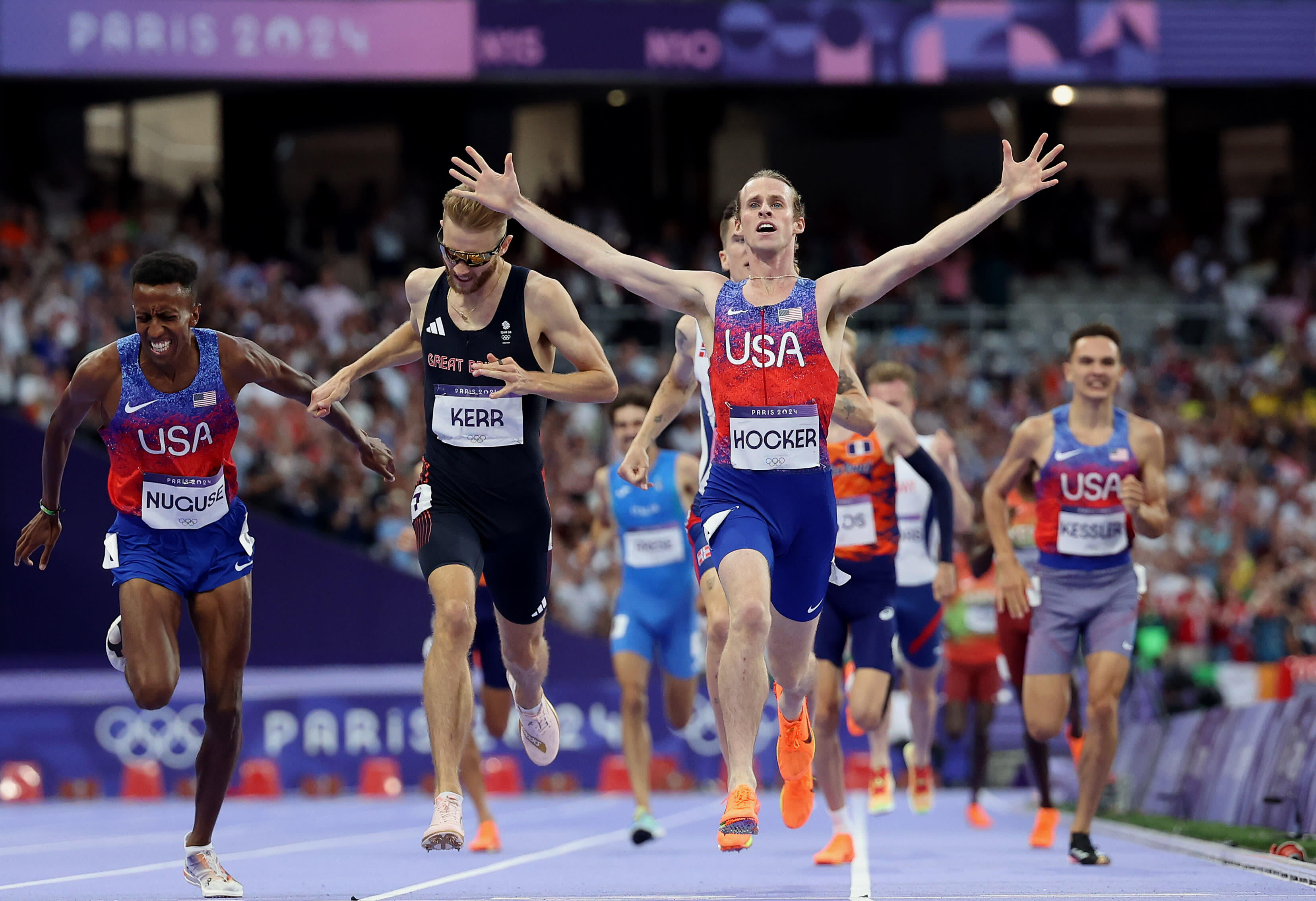
More than two years after producing one of the greatest Olympic 1500m finals in history, Olympic champion Cole Hocker, world mile record holder Josh Kerr, and Olympic bronze medalist Yared Nuguse are set to face each other once again at the inaugural World Athletics Ultimate Championships in Budapest, Hungary, from September 11–13, 2026.
Their unforgettable showdown at the Paris Olympics stunned fans across the globe. Hocker stormed to Olympic gold in a remarkable 3:27.65, smashing the Olympic record in a race that redefined what was thought possible over 1500 metres. Kerr claimed silver after another fearless performance, while Nuguse completed an extraordinary American one-two-three finish by securing the bronze medal.
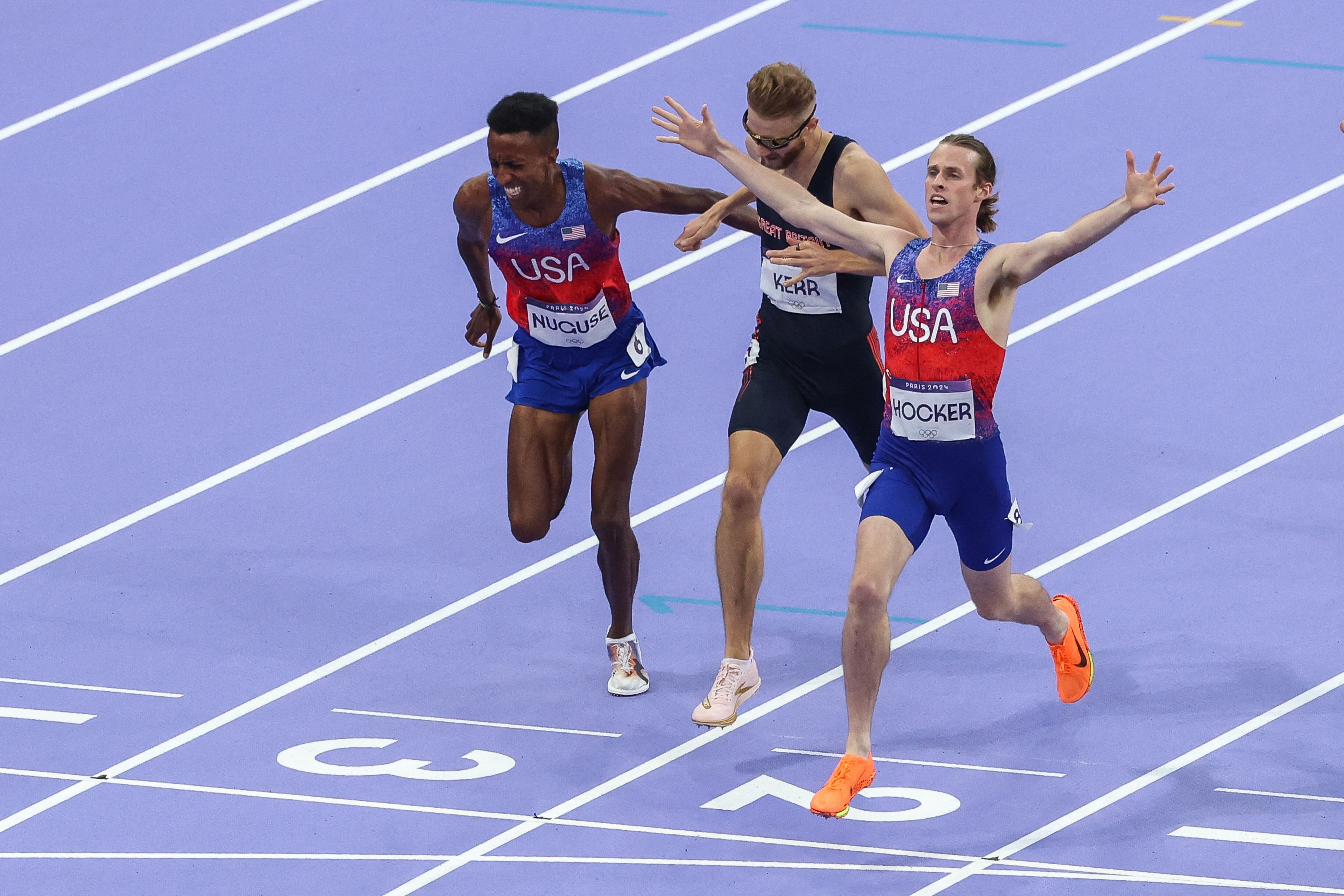
Now, the three medalists return to centre stage with even more at stake.
Hocker arrives in Budapest carrying the confidence of an Olympic champion determined to prove that his triumph in Paris was no one-off. Kerr, meanwhile, enters the championship in arguably the finest form of his career after recently rewriting history in London with a sensational 3:42.66 mile, breaking a world record that had stood for 27 years. For Nuguse, the Ultimate Championships present another opportunity to transform Olympic bronze into the biggest victory of his career.
Unlike traditional global championships, there will be no qualifying rounds, no tactical heats and no margin for error. The men's 1500m will be contested as a straight final featuring only 12 of the world's finest athletes, ensuring every lap is run at championship intensity from the opening gun.
The stakes extend well beyond prestige. The winner will collect a staggering US$150,000 from the event's US$10 million prize fund, adding even greater incentive to what is already shaping up to be one of the most eagerly anticipated races of the year.
The venue itself adds another fascinating chapter to the story. Budapest's National Athletics Centre was where Kerr claimed his world title in 2023, giving the British star fond memories of the track. Hocker will be aiming to reinforce his Olympic dominance, while Nuguse hopes this will finally be the race where he climbs to the top of the podium.
With three proven championship performers, contrasting racing styles and little separating them on talent, the men's 1500m promises to be one of the headline attractions of the inaugural World Athletics Ultimate Championships.
The Olympic champion, the reigning world mile record holder and the Olympic bronze medalist are ready to write the next chapter of one of middle-distance running's greatest modern rivalries.
Budapest awaits. The only question left is: who will emerge as the Ultimate Champion?
by Erick Cheruiyot for My Best Runs.
Login to leave a comment
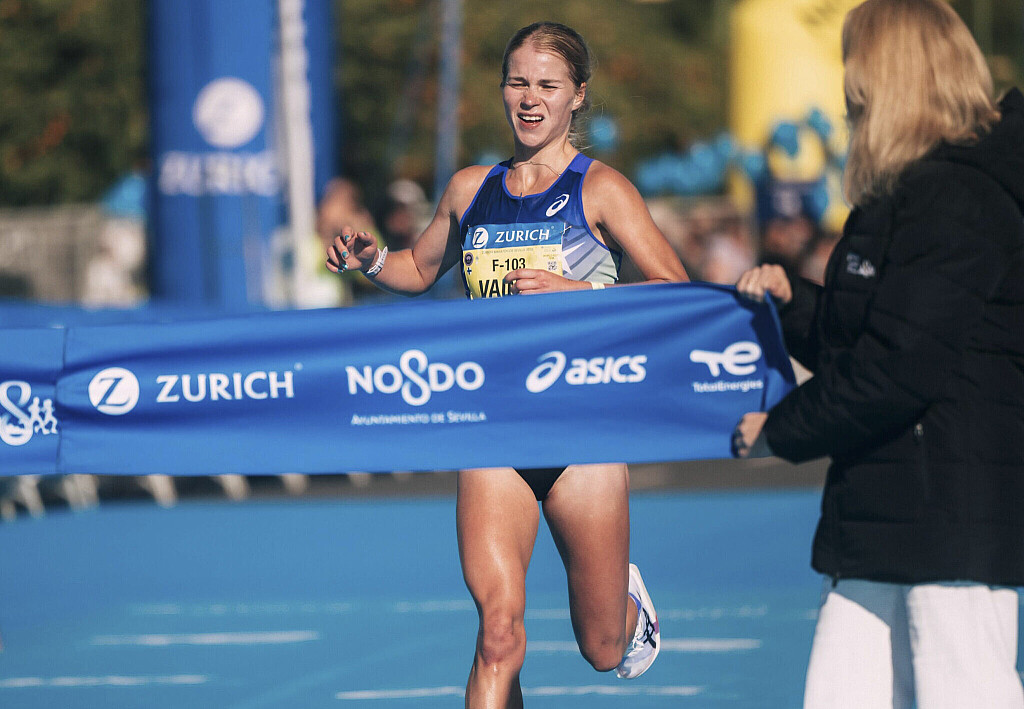
Europe's Elite Women Marathoners Ready for Thrilling Championship Battle in Birmingham
The women's marathon at the 2026 European Athletics Championships is set to be one of the most eagerly anticipated races of the championships, bringing together an exceptional field of experienced championship performers, rising stars, and defending medalists in what promises to be a fascinating battle for European glory.
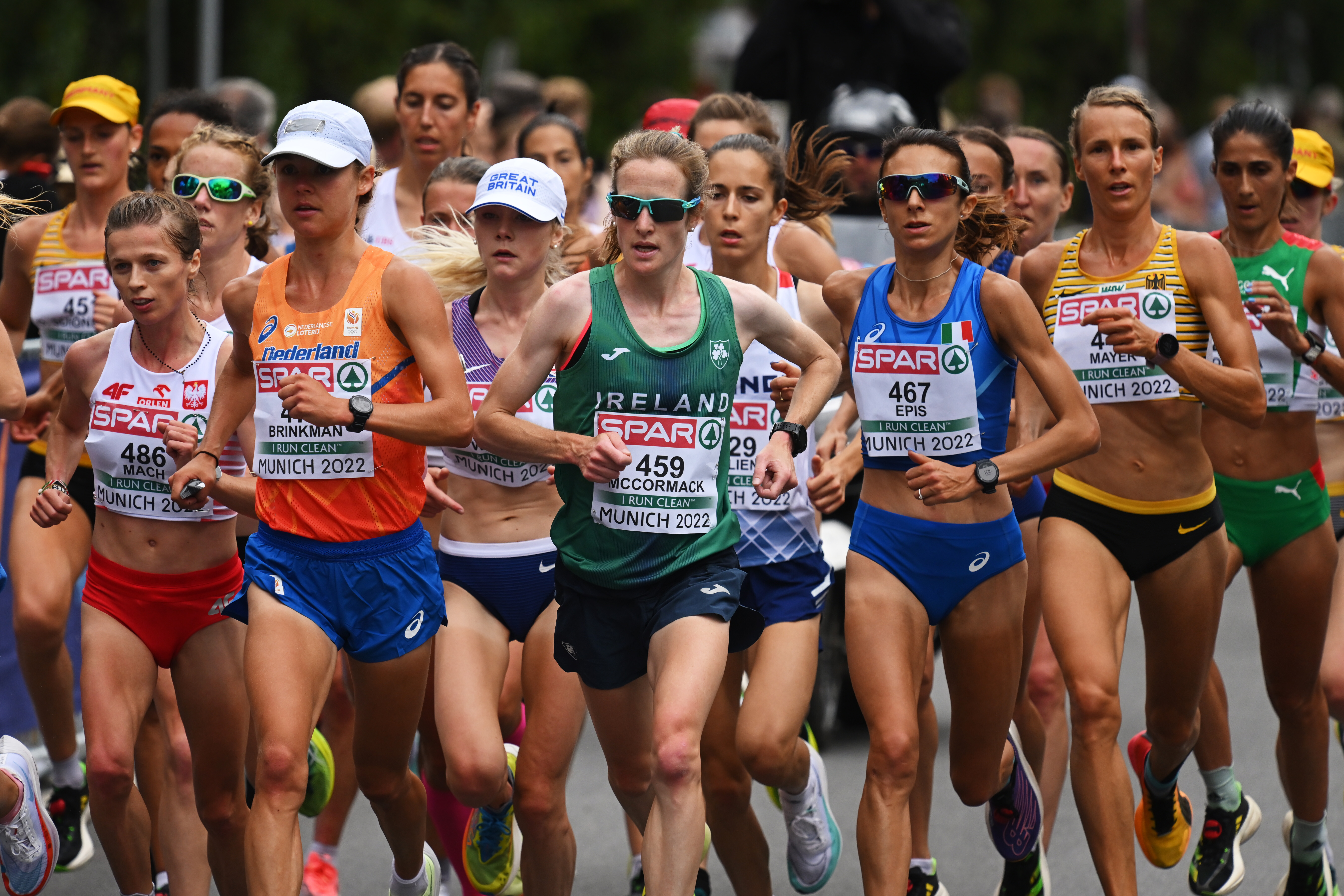
While Finland's Alisa Vainio enters Birmingham as the fastest European woman this season after clocking a brilliant 2:20:39 at the Seville Marathon, she faces stiff competition from some of the continent's strongest marathon nations, including Germany, Spain, Poland, Ireland, and host nation Great Britain.
Vainio's journey to the top has been years in the making. Widely regarded as one of Europe's brightest teenage distance-running prospects, she qualified for the marathon for the Rio 2016 Olympic Games at just 18 years old but was unable to compete because she did not meet the minimum age requirement. Instead of fading from the spotlight, she steadily rebuilt her career and has now matured into one of Europe's premier marathon runners.
Her breakthrough came at the 2025 World Athletics Championships in Tokyo, where she produced a composed and intelligent race in oppressive heat and humidity to finish fifth overall as the first European athlete across the finish line. Just three weeks later, she shattered the Finnish marathon record with a solo 2:23:06 performance at the national championships in Vantaa.
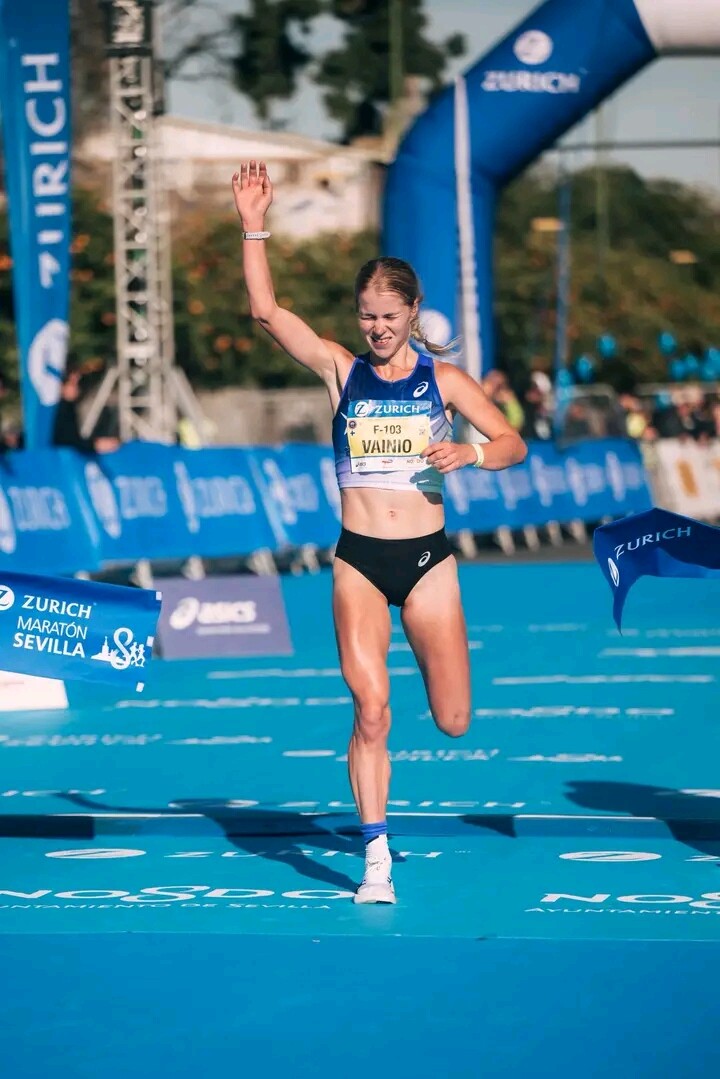
Vainio has continued her remarkable momentum ever since. She completed three additional marathons, highlighted by a commanding victory at the Seville Marathon, where she lowered the Finnish record once again while setting the European-leading mark of 2:20:39, establishing herself as the athlete to beat heading into Birmingham.
Germany arrives with one of the deepest squads in the championship and will be aiming to defend the women's team title won in Munich four years ago. Fabienne Königstein leads the German challenge after setting a personal best of 2:22:17 with a sixth-place finish at the Berlin Marathon. She is joined by the versatile Laura Hottenrott, who added another major achievement to her career earlier this year by winning silver in the uphill race at the European Athletics Off-Road Running Championships.
Spain also boasts an exceptionally strong lineup and is expected to challenge for both the individual and team honors. Fatima Azzahraa Ouhaddou Nafie demonstrated her championship resilience by recovering from a mid-race fall to win the marathon at the 2025 European Running Championships. Laura Luengo brings a personal best of 2:22:31, while Meritxell Soler, Ester Navarrete, and Carolina Robles complete a formidable squad. Impressively, every Spanish athlete in the team owns a lifetime best under 2:25, highlighting the country's remarkable marathon depth.
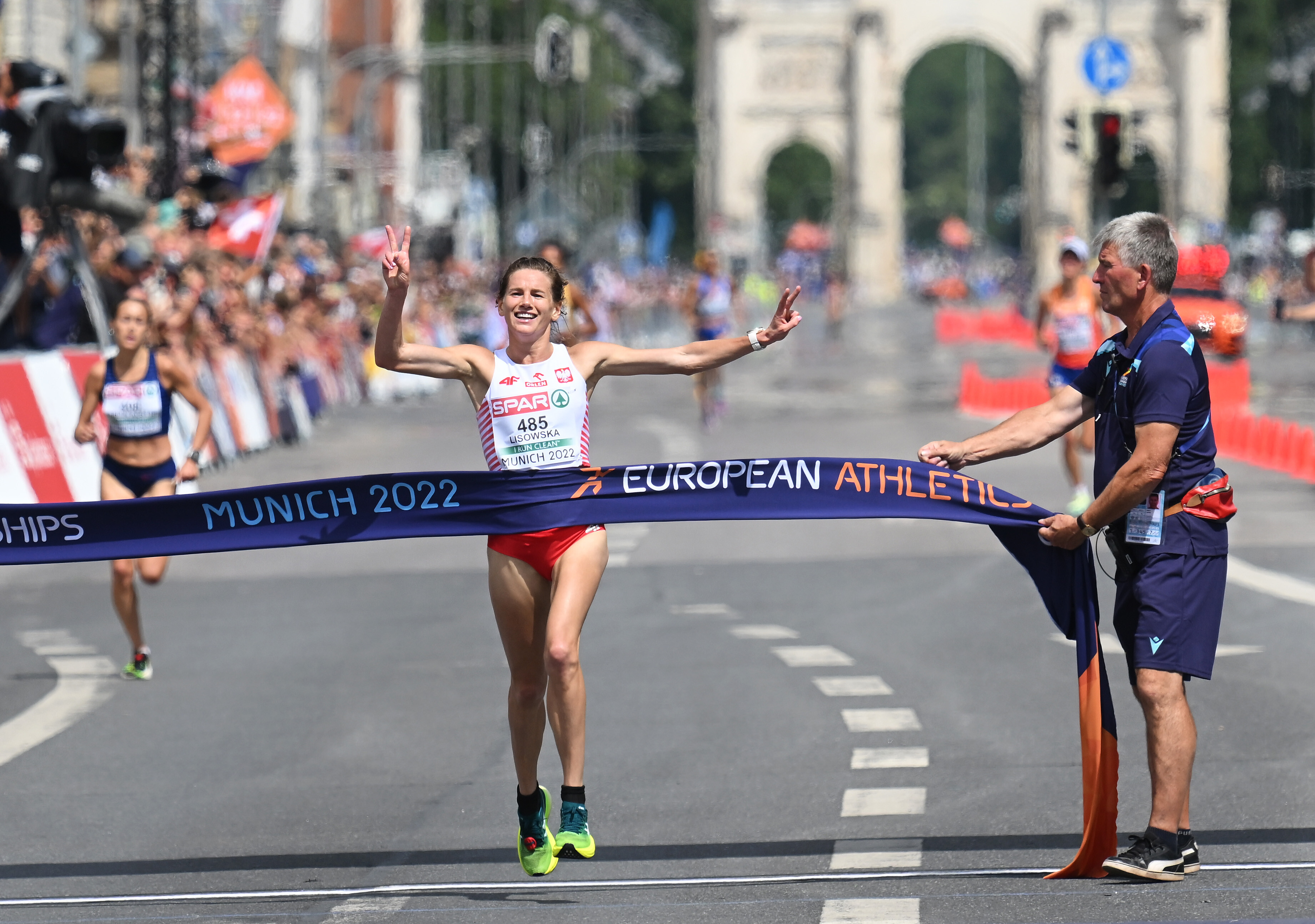
Defending champion Aleksandra Lisowska of Poland cannot be overlooked despite not being among the pre-race favorites. Her surprise victory in Munich four years ago proved that championship marathons often reward tactical brilliance, patience, and resilience rather than raw speed alone. Having already demonstrated her ability to thrive under championship pressure, the Polish star remains a genuine threat in Birmingham.
Ireland's Fionnuala McCormack will also be one of the most compelling athletes to watch. Just weeks before her 42nd birthday, the experienced marathoner continues her pursuit of a first European Championships medal after several near misses during her distinguished career. She finished fourth twice in the 10,000m at previous championships and was seventh in the marathon in Munich before producing another impressive performance with ninth place at the 2025 World Athletics Championships, finishing second among the European athletes behind Vainio.
Host nation Great Britain will be eager to make history on home roads. British women have never won an individual medal in the European Athletics Championships marathon since the event was introduced in 1982. Their hopes rest with Paris Olympians Rose Harvey and Clara Evans, alongside 2023 European cross-country bronze medallist Abbie Donnelly, who made an impressive marathon debut with a time of 2:24:11 in Frankfurt last year.
With proven champions, emerging contenders, experienced veterans, and deep national teams all chasing medals, the women's marathon is expected to deliver one of the most competitive races of the championships. Whether the title is decided by relentless pace, tactical patience, or a decisive late surge, Birmingham is set to provide a memorable contest worthy of the European crown.
by Erick Cheruiyot for My Best Runs.
Login to leave a comment
European Athletics Champioships
The27thEuropean Athletics Championshipswill be held from 10 to 16 August 2026 at theAlexander StadiuminBirmingham, United Kingdom.[1] This is the first time that a British city will have staged the European Athletics Championships although Birmingham has hosted many high-profile events, including the2007 European Athletics Indoor Championships, the2003and2018 IAAF World Indoor Championshipsand the2022 Commonwealth Games. Alexander Stadium was renovated between 2019 and...
more...
Where Greatness Begins: The Day a 15-Year-Old Usain Bolt Changed Sprinting Forever
Long before he became the fastest man in history, before the Olympic gold medals, world records, and global superstardom, Usain Bolt was simply a gifted teenager with extraordinary speed and limitless potential. In 2002, on the track at Kingston's National Stadium in Jamaica, the world witnessed the first chapter of a story that would forever change athletics.
At just 15 years old, Bolt lined up for the men's 200 metres at the World Junior Championships with the weight of expectation resting on young shoulders. Competing before a passionate home crowd, the Jamaican prodigy produced a performance that instantly captivated the athletics world. Crossing the finish line in 20.61 seconds, he became the youngest athlete ever to win the men's 200m title at the championships.
It was far more than a gold medal. It was the moment the world realised that a once-in-a-generation talent had arrived.
Bolt's victory in Kingston marked the beginning of one of the greatest careers in sporting history. Over the years that followed, he rewrote the record books, dominated the Olympic Games and World Championships, and transformed sprinting into a global spectacle through his breathtaking speed, infectious personality, and unrivalled confidence. His legacy continues to inspire young athletes across the globe, many of whom dream of following the same path he once began as a teenager.

This week, that dream comes alive once again as the World Athletics U20 Championships take centre stage at the iconic Hayward Field in Eugene, Oregon. The venue has already witnessed the birth of future superstars. In 2014, it was where Britain's Dina Asher-Smith and Uganda's Joshua Cheptegei captured their first global titles, launching careers that would later produce world championships, Olympic medals, and lasting legacies in athletics.
Twelve years later, another generation arrives in Eugene hoping to create its own defining moment.
Among the brightest young talents is Great Britain's Jake Odey-Jordan, the 200m bronze medallist from Lima who now owns the European U20 100m record after an astonishing 10.01-second performance. He enters the championships eager to build on his growing reputation as one of Europe's most exciting young sprinters.
The United States will look to Tate Taylor, who has already made history as the first American high school athlete to break the 20-second barrier for the 200 metres. Fresh from a Diamond League victory in a sensational 19.75 seconds, he arrives in Eugene carrying the momentum of one of the most remarkable junior seasons ever recorded.
Jamaica, the nation that introduced the world to Usain Bolt, will once again have high hopes through Shanoya Douglas. The talented sprinter has established herself as one of the championship's leading contenders after producing lifetime bests of 10.98 seconds for the 100m and 22.11 for the 200m this season.
History has repeatedly shown that the World U20 Championships are far more than a junior competition. They are often the first chapter in the careers of future Olympic champions, world record holders, and global icons. Every generation arrives with ambitious dreams, but only a select few leave having announced themselves to the world.
No one can say with certainty whether the next Usain Bolt will emerge this week. Greatness cannot be predicted, and legends are never manufactured. Yet every legendary career begins with a single breakthrough performance.
For Bolt, that defining moment came in Kingston in 2002.
Now, under the famous lights of Hayward Field, another group of gifted teenagers stands ready to chase history. Somewhere among them could be the next athlete whose name will inspire the world for years to come.
by Erick Cheruiyot for My Best Runs.
Login to leave a comment
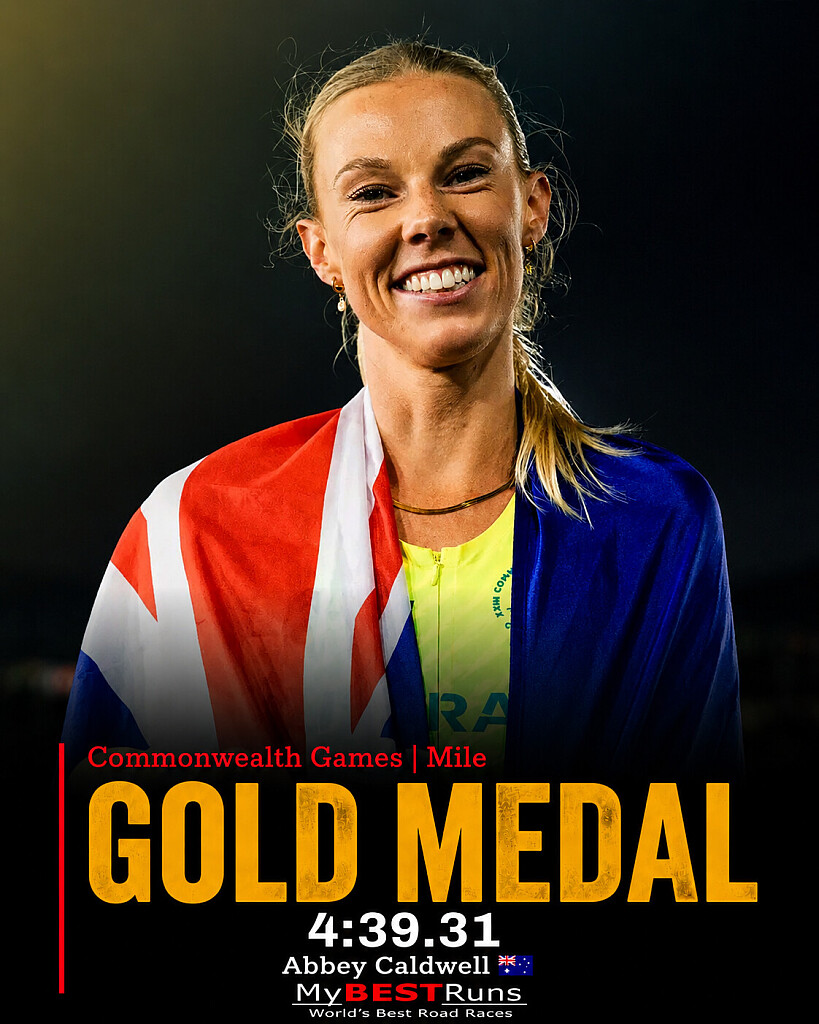
Australia Dominates Commonwealth Games Women's Mile With Historic Podium Sweep as Abbey Caldwell Strikes Gold
Australia produced one of the most memorable moments of the Glasgow 2026 Commonwealth Games, completing a sensational clean sweep of the women's mile as Abbey Caldwell led teammates Jessica Hull and Claudia Hollingsworth across the finish line in a remarkable display of national dominance.
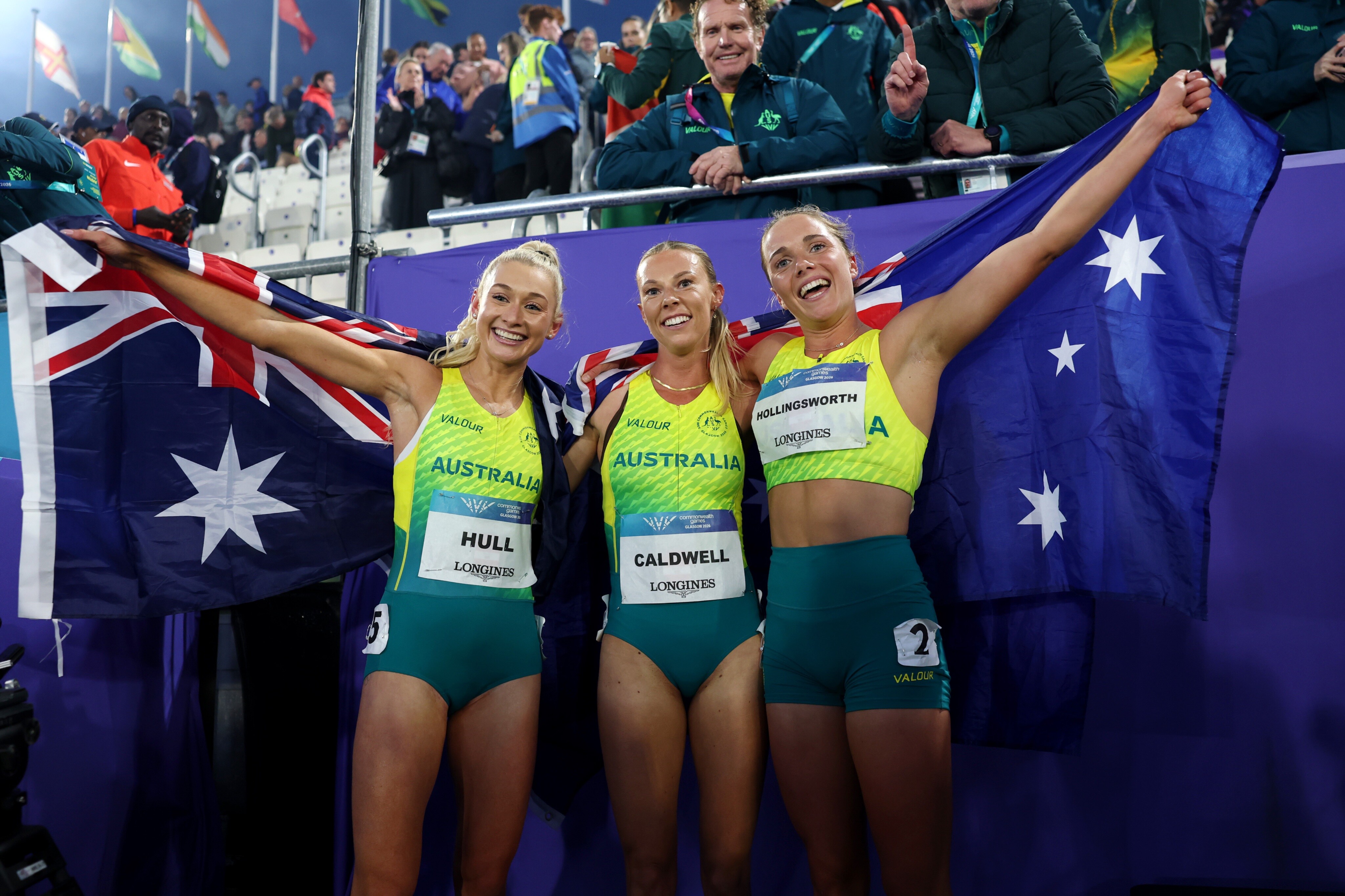
In a race that showcased Australia's incredible middle-distance depth, Caldwell timed her finish to perfection, surging to victory in 4:39.31 to claim the Commonwealth title. Behind her, Jessica Hull continued her outstanding championship campaign by securing the silver medal in 4:39.86, while rising star Claudia Hollingsworth completed the historic podium sweep with bronze in 4:40.20.
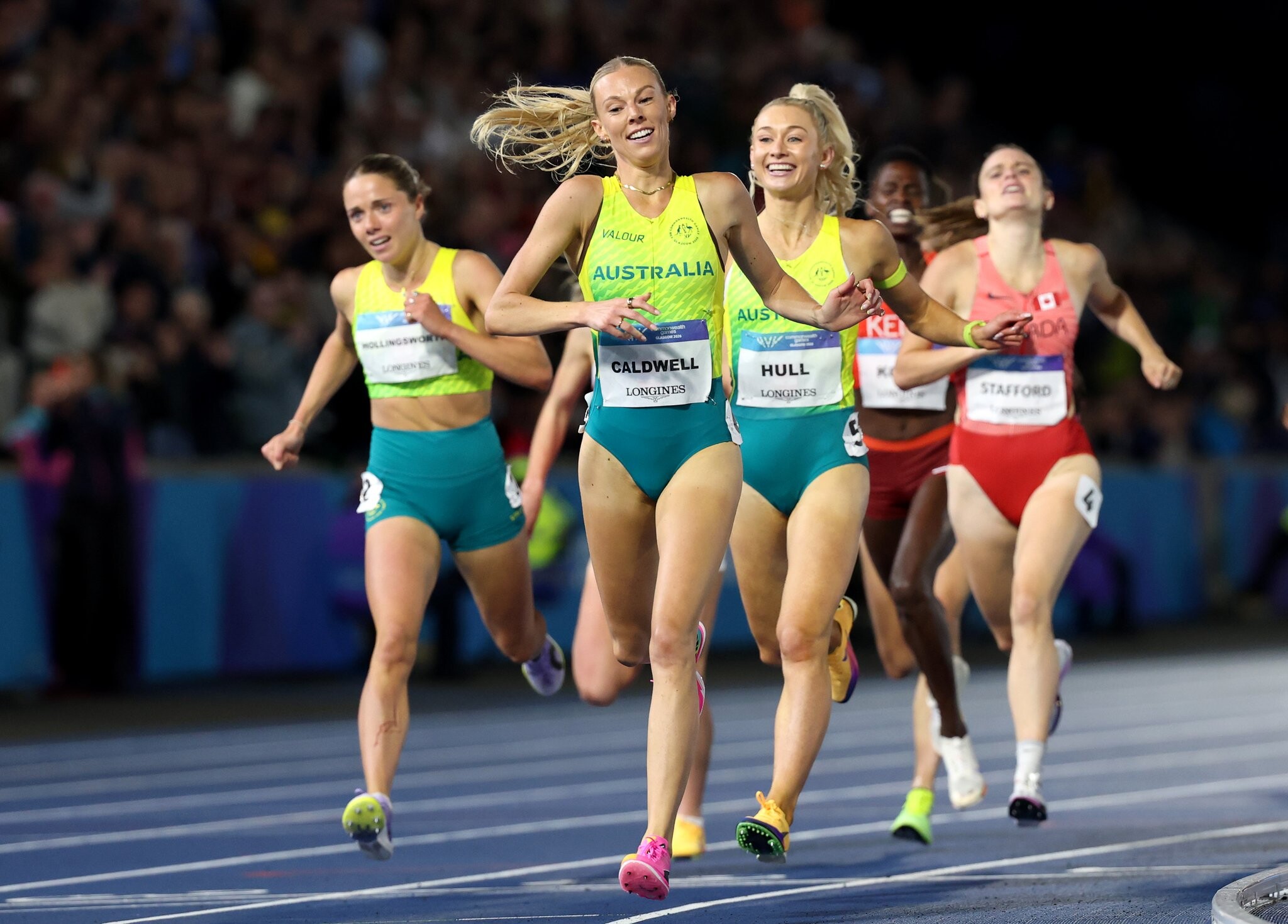
The 1-2-3 finish marked one of Australia's finest achievements in Commonwealth Games middle-distance history, underlining the nation's growing strength on the global stage. With all three medals belonging to Australia, the celebration became a picture-perfect moment that will be remembered for years to come.
For Hull, the silver medal represented another impressive chapter in an already exceptional Games. After earlier standing on the podium in another event, she added a second silver medal to her collection with another composed and determined performance. The Olympic medallist once again demonstrated her consistency at the highest level, remaining firmly among the world's elite middle-distance runners.
Caldwell, however, proved unstoppable on the day. She controlled the decisive stages of the race with confidence before producing a powerful finishing kick that her teammates and the rest of the field could not match. Hollingsworth also delivered under pressure, completing Australia's unforgettable clean sweep with a well-earned bronze medal.
The historic result highlighted the remarkable depth Australia has developed in women's middle-distance running. Rather than relying on a single standout athlete, the nation showcased a trio capable of dominating one of the Games' most competitive events.
As the Australian flags were raised together during the medal ceremony, the moment perfectly captured the team's unity, preparation, and excellence. It was more than just a race victory—it was a statement that Australia has established itself as one of the leading forces in women's middle-distance athletics, with a generation of athletes capable of rewriting history together.
by Erick Cheruiyot for My Best Runs.
Login to leave a comment

The Commonwealth Games
The Commonwealth Games are coming to Victoria - bringing an action packed sports program to our regional cities and delivering a long-term legacy for our future. From 17 to 29 March 2026, Geelong, Bendigo, Ballarat, Gippsland and Shepparton will be on the world stage, attracting millions of viewers and creating thousands of jobs. The multi-city model will...
more...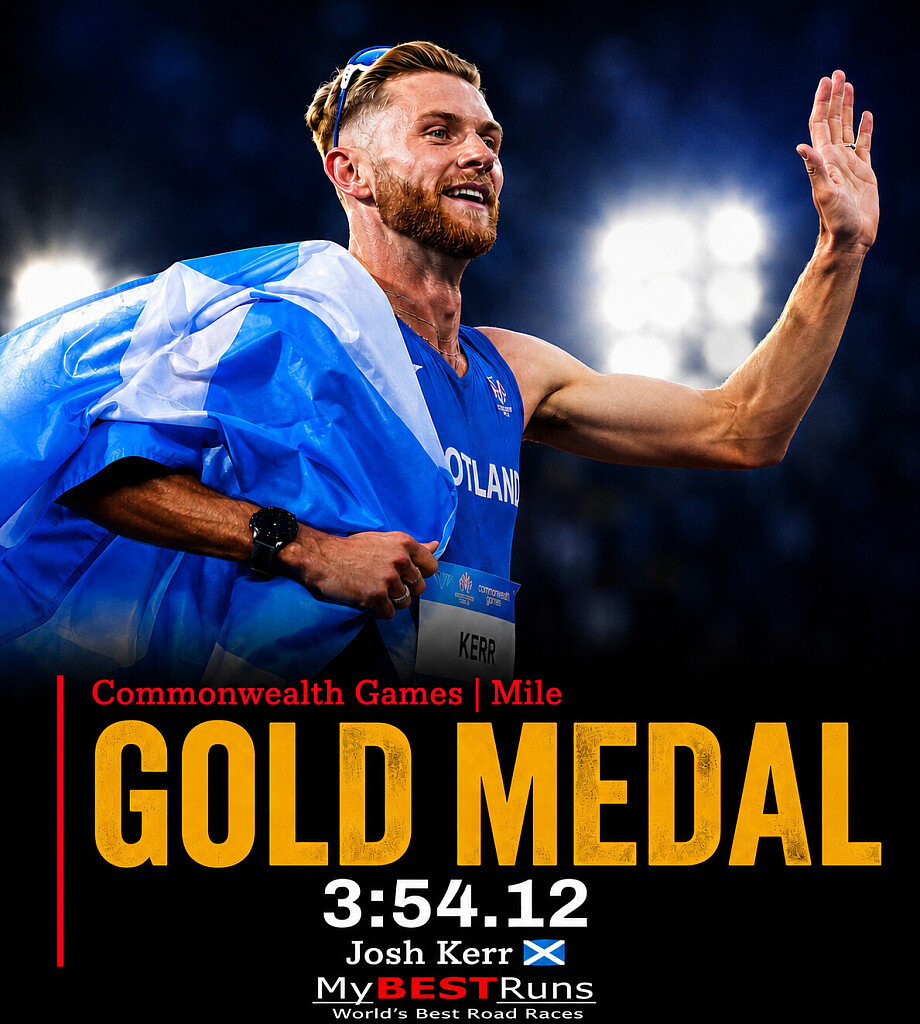
Josh Kerr Delivers Historic Commonwealth Mile Gold On Home Soil
Josh Kerr produced a performance worthy of the occasion as he etched his name into Commonwealth Games history, storming to victory in the men's mile final in front of an ecstatic home crowd in Glasgow.
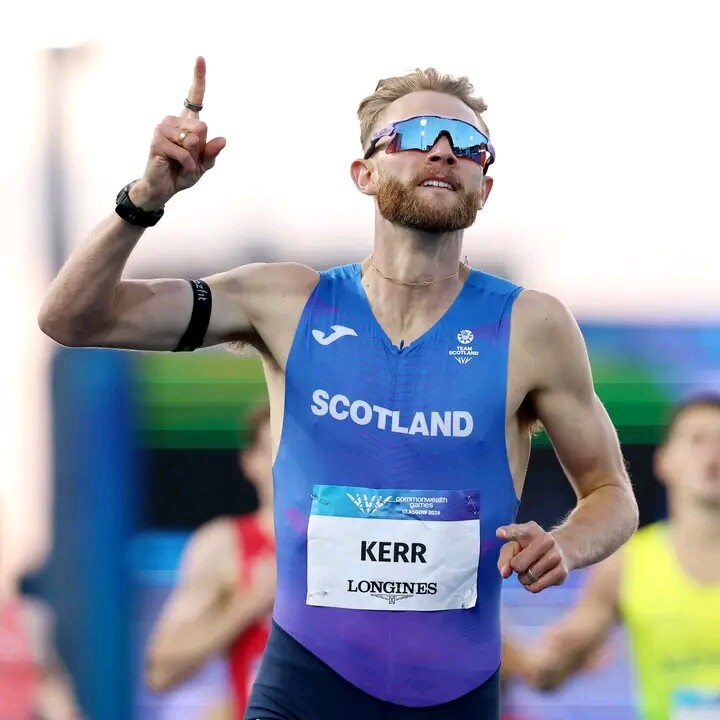
The race marked the long-awaited return of the mile to the Commonwealth Games programme for the first time in 60 years, and there could hardly have been a more fitting champion than the reigning world record holder. Just two weeks after rewriting the record books by breaking the world mile record, Kerr added another remarkable chapter to his career by capturing Commonwealth gold in front of his home supporters. The timing could not have been more perfect—Scotland's king of the mile reigning supreme in his own colosseum as the stadium erupted in celebration.
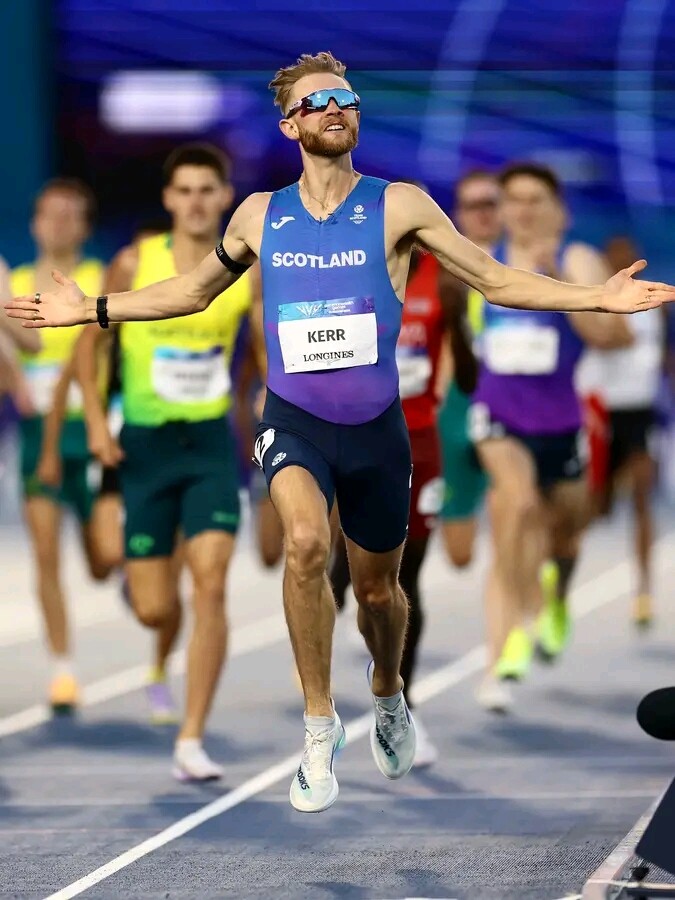
Yet the victory was anything but straightforward. For much of the race, Kerr found himself boxed in and engaged in a physical battle for position as the tightly packed field jostled for control. With precious metres slipping away, it appeared his path to gold might be closing. However, displaying the composure and race intelligence that have made him the world's fastest miler, the Scottish star finally found an opening as the bell rang for the final lap. Once in clear running, he unleashed a devastating finishing kick that no one in the field could match, surging away to claim a memorable victory on home soil.
Kerr crossed the finish line in 3:54.12, raising his arms in triumph as the Glasgow crowd erupted into deafening cheers. It was a performance that perfectly reflected his status as the world's premier miler and one that will be remembered as one of the defining moments of the Glasgow 2026 Commonwealth Games.
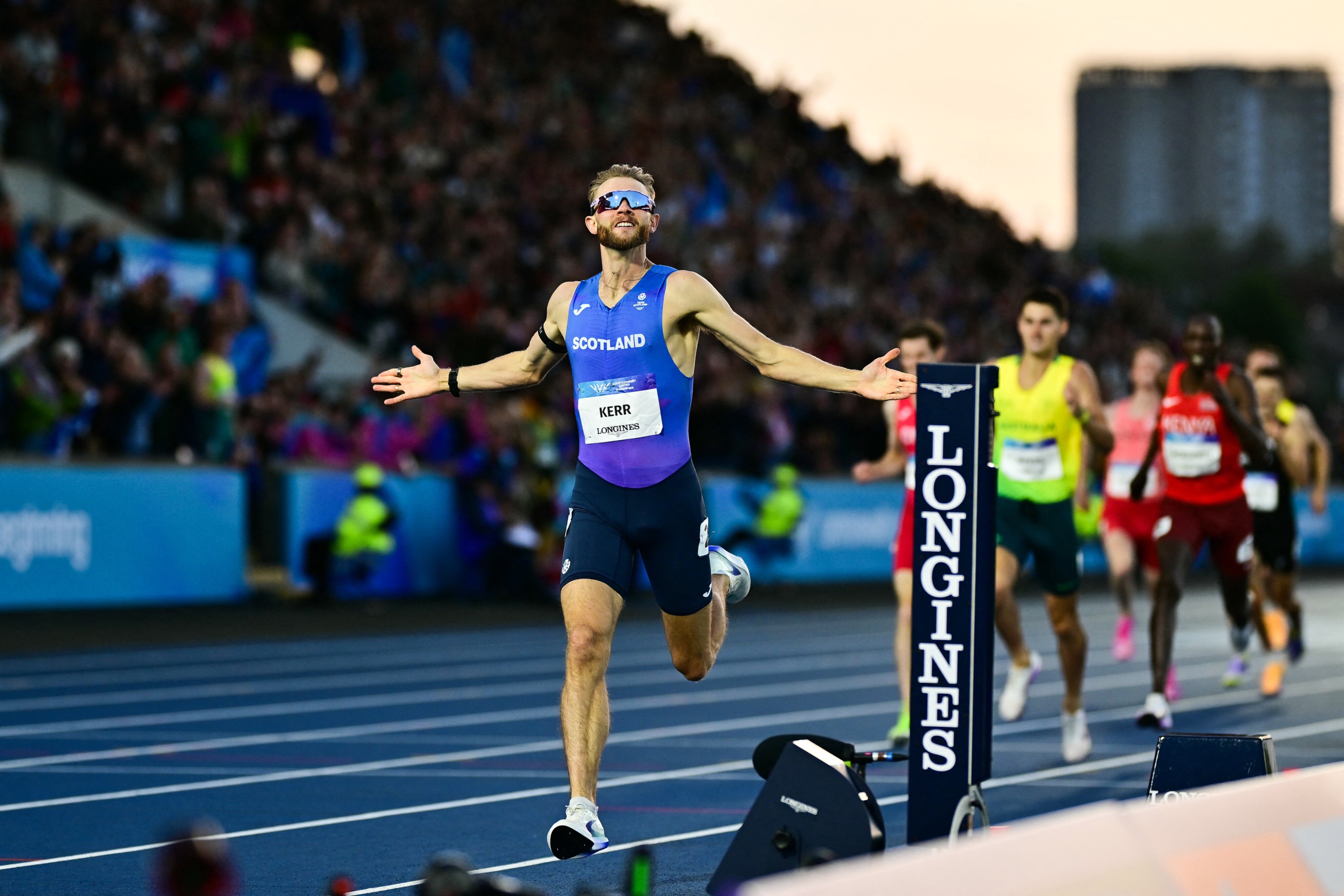
Australia's teenage sensation Cameron Meyers produced a superb closing lap to secure the silver medal in 3:55.26, continuing his rapid rise on the international stage. Kenya's former world champion Timothy Cheruiyot battled courageously throughout the race to earn the bronze medal in 3:55.41, adding another major championship podium finish to his distinguished career.
The battle for the remaining places was equally fierce. Wales' Jake Heyward narrowly missed the podium after clocking 3:55.54, while Australia's Oliver Hoare finished fifth in 3:56.28. Scotland's Jake Wightman delighted the home supporters with sixth place in 3:56.36, and Canada's Foster Malleck finished seventh in 3:56.46.
For Kerr, however, this triumph meant far more than another championship title. Winning the first Commonwealth Games mile in six decades in front of a passionate Scottish crowd created a storybook moment that will live long in the nation's sporting history. Coming just weeks after setting the world record, overcoming adversity during the race, and then producing a breathtaking final-lap surge made the achievement even more extraordinary.
As the Scottish flag waved proudly around the stadium and celebrations swept across Glasgow, one message rang true: who else? The world record holder had once again delivered when it mattered most. On a historic night for Scottish athletics and the Commonwealth Games, Josh Kerr proved that champions are defined not only by records but by their ability to rise to the biggest occasions. On home soil, before his own people, the King of Scotland ruled once again.
by Erick Cheruiyot for My Best Runs.
Login to leave a comment
The Commonwealth Games
The Commonwealth Games are coming to Victoria - bringing an action packed sports program to our regional cities and delivering a long-term legacy for our future. From 17 to 29 March 2026, Geelong, Bendigo, Ballarat, Gippsland and Shepparton will be on the world stage, attracting millions of viewers and creating thousands of jobs. The multi-city model will...
more...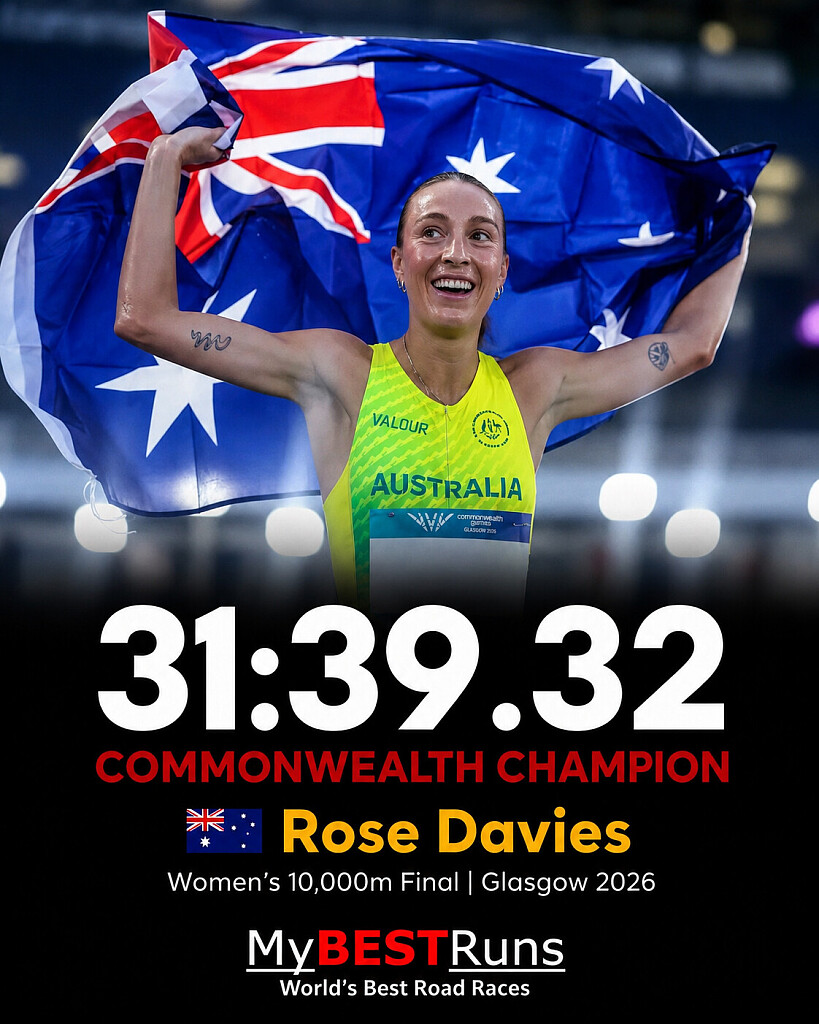
Rose Davies Makes History, Diana Wanza Claims Silver, and Florence Niyonkuru Shines with Bronze in Memorable Commonwealth Games 10,000m Final
Australia celebrated a landmark moment in distance running as Rose Davies produced a brilliant performance to win the women's 10,000m title at the 2026 Commonwealth Games in Glasgow, becoming the first Australian athlete ever to capture Commonwealth gold in the event. Clocking 31:39.32, Davies also recorded a season's best (SB) to crown a remarkable evening and write her name into Australian athletics history.
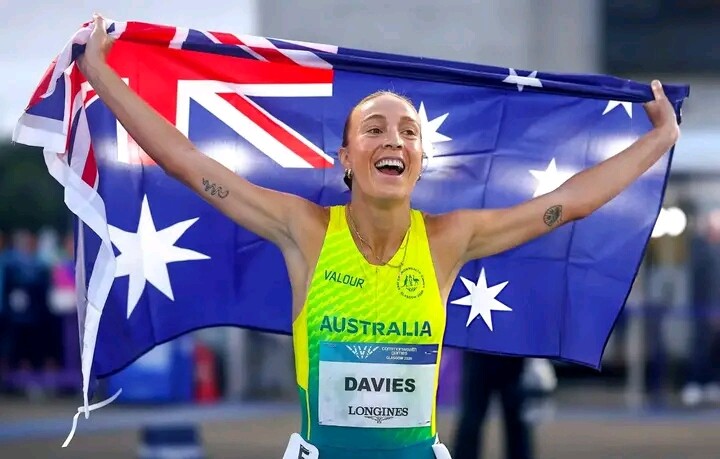
Davies delivered a composed and confident race from start to finish, demonstrating exceptional patience before unleashing a decisive surge in the closing stages to secure a historic victory. Her remarkable triumph not only earned Australia a long-awaited gold medal but also etched her name into the Commonwealth Games record books, adding one of the finest achievements in Australian distance-running history.
Kenya's Diana Wanza produced a courageous and determined performance to secure the silver medal in 31:50.13, further strengthening the nation's proud legacy in long-distance running. Remaining among the front-runners throughout the race, Wanza matched every challenge with grit and composure before crossing the finish line with a well-deserved runner-up finish against an outstanding field.
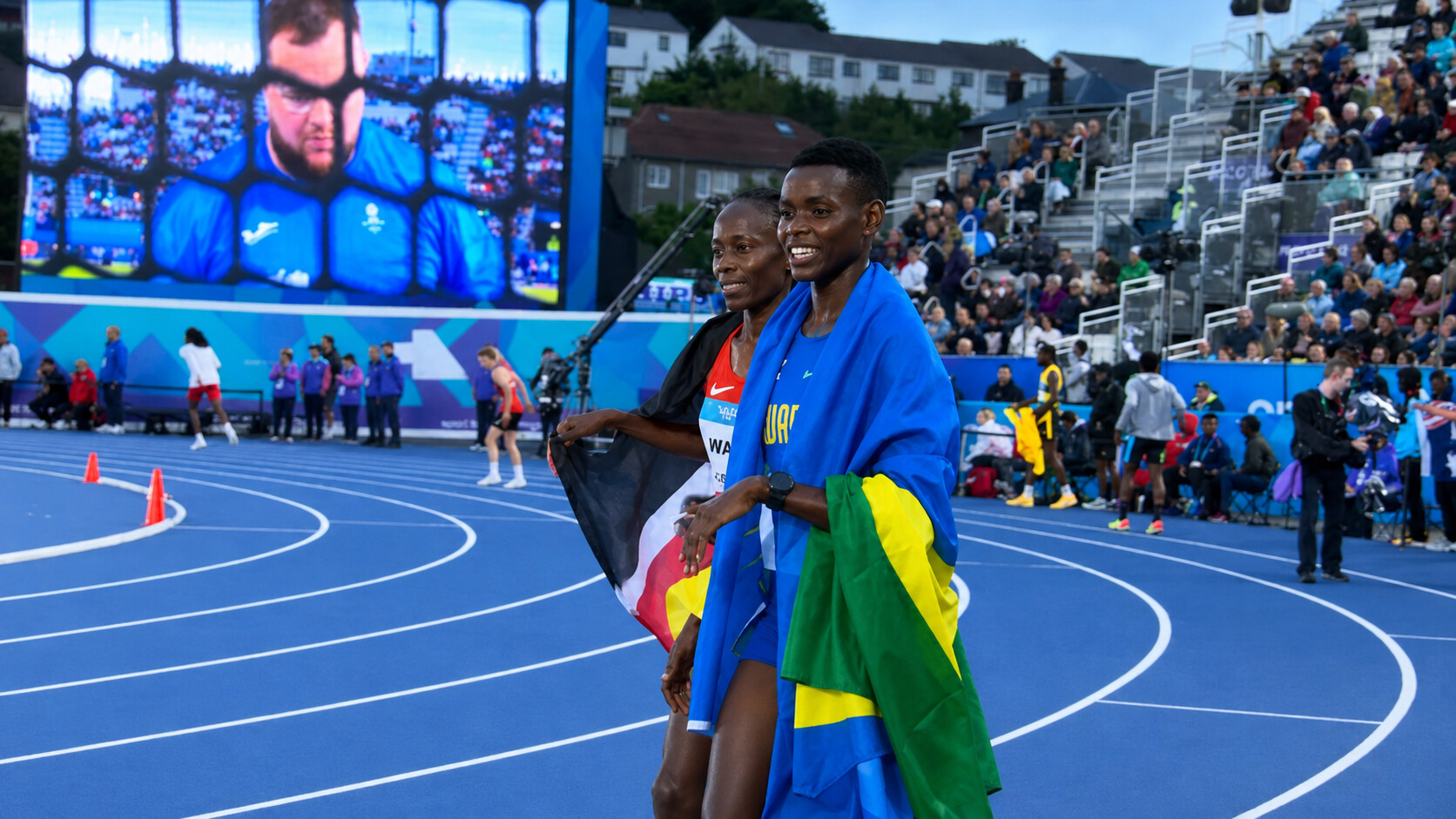
Rwanda's Florence Niyonkuru completed the podium with a superb run to capture the bronze medal in 31:55.47. Her impressive display underlined Rwanda's continued rise in international distance running and rewarded months of hard work with one of the biggest achievements of her career.
The race was fiercely contested from the opening laps, with the leading pack refusing to give an inch as the pace intensified. As the tension built inside the stadium, every lap brought fresh excitement and anticipation from the Glasgow crowd. Davies found another gear when it mattered most, Wanza responded with tremendous determination in pursuit of gold, while Niyonkuru held her composure to secure bronze in a thrilling finish. Behind the medalists, Uganda's Esther Chebet narrowly missed the podium by just 0.23 seconds, finishing fourth in a personal best of 31:55.70, highlighting just how competitive the championship final proved to be.
The depth of the field was reflected throughout the results, with several athletes producing season's bests and personal bests in one of the highest-quality women's 10,000m finals of the Games. Australia's Lauren Ryan finished fifth with a season's best, Uganda's Joy Cheptoyek placed sixth with another season's best, while Scotland's Megan Keith delighted the home crowd with a season's best ninth-place finish. The race showcased the exceptional standard of women's distance running across the Commonwealth.
Women's 10,000m Final – Commonwealth Games Glasgow 2026
1. Rose Davies (Australia) – 31:39.32 (SB)
2. Diana Wanza (Kenya) – 31:50.13
3. Florence Niyonkuru (Rwanda) – 31:55.47
4. Esther Chebet (Uganda) – 31:55.70 (PB)
5. Lauren Ryan (Australia) – 31:59.41 (SB)
6. Joy Cheptoyek (Uganda) – 32:01.92 (SB)
7. Miriam Chebet (Kenya) – 32:12.97
8. Rebecca Chelangat (Uganda) – 32:16.28 (SB)
9. Megan Keith (Scotland) – 32:22.11 (SB)
10. Rebecca Mwangi (Kenya) – 32:36.12
11. Izzy Fry (England) – 32:50.81
12. Poppy Tank (England) – 32:50.83
13. Florence Caron (Canada) – 32:59.51
14. Nthabiseng Letokoto (Lesotho) — 34:52.00 (SB)
The women's 10,000m final perfectly illustrated the depth of talent across the Commonwealth, with three exceptional athletes delivering performances worthy of the podium. While Rose Davies celebrated a groundbreaking victory for Australia, Diana Wanza once again demonstrated Kenya's enduring excellence in distance running, and Florence Niyonkuru's bronze medal highlighted Rwanda's growing presence among the world's elite. Together, they produced a championship race that will be remembered for its quality, intensity, and historic significance.
by Erick Cheruiyot for My Best Runs.
Login to leave a comment
The Commonwealth Games
The Commonwealth Games are coming to Victoria - bringing an action packed sports program to our regional cities and delivering a long-term legacy for our future. From 17 to 29 March 2026, Geelong, Bendigo, Ballarat, Gippsland and Shepparton will be on the world stage, attracting millions of viewers and creating thousands of jobs. The multi-city model will...
more...
Sydney Vaught and Woody Kincaid Reign Supreme as New U.S. 10,000m Champions Crowned
Sydney Vaught announced herself as America's newest national champion with a poised and tactical victory in the women's 10,000 meters at the USATF Outdoor Championships, claiming her first senior national title in a race that demanded patience, precision, and perfect timing.
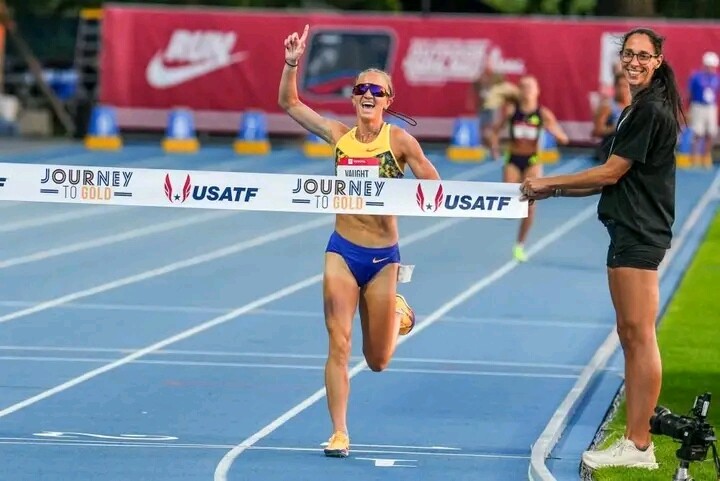
Competing under the lights at New York City's Icahn Stadium, the former University of Arkansas standout mastered a slow-burning championship contest before producing the decisive move when it mattered most. Vaught crossed the finish line in 33:30.60, capping a performance built on tactical awareness rather than raw pace.
Unlike record-chasing races that unfold at relentless speed, this championship final evolved into a battle of positioning and race intelligence. The conservative early tempo kept the field tightly packed for much of the contest, leaving the outcome to be decided over the closing laps. Vaught remained composed throughout, refusing to be drawn into unnecessary surges while carefully conserving energy for the decisive moments.
When the race finally ignited, she responded with authority. Displaying impressive strength and confidence, Vaught surged clear of her rivals in the closing stages to secure a memorable victory and the biggest triumph of her professional career.
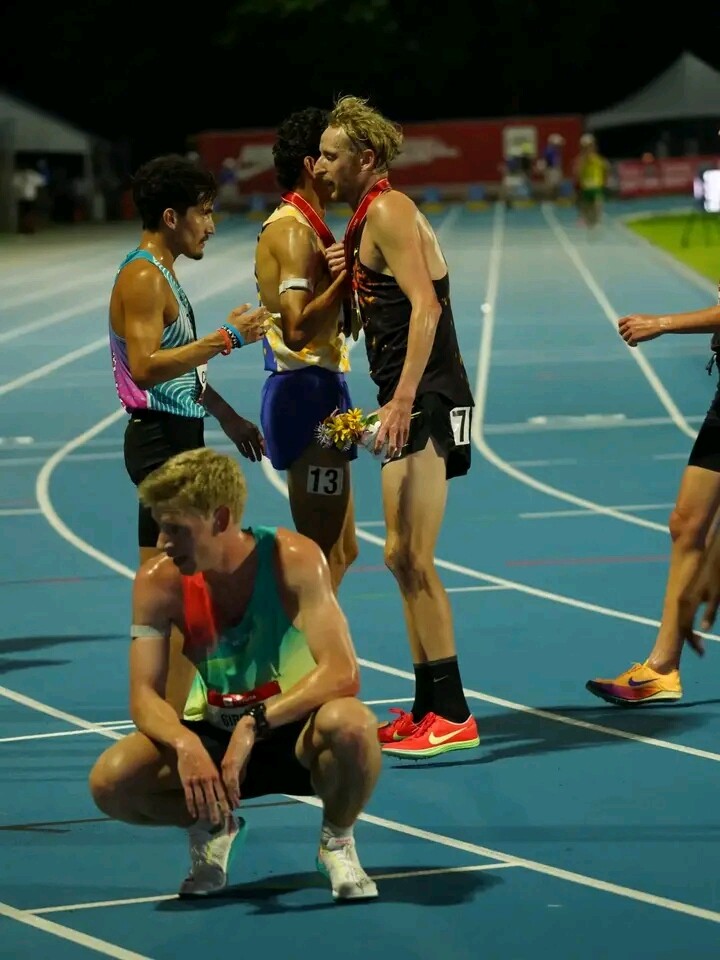
The national crown represents another significant milestone for the former Arkansas Razorback, whose steady progression through the American distance-running ranks has now culminated in a USATF outdoor title. Winning a championship in such a tactical race highlights not only her physical ability but also her growing maturity and composure on the national stage.
The men's 10,000m championship delivered an equally compelling contest, with Woody Kincaid reclaiming his place atop American distance running. The experienced racer outkicked Olympic bronze medalist Grant Fisher in a thrilling sprint to the finish, capturing his third career U.S. outdoor 10,000m title—and his first since 2023.
Kincaid stopped the clock in 30:13.66 after executing his race plan to perfection, remaining patient throughout the tactical affair before unleashing his trademark finishing speed over the final meters. His decisive kick proved too strong for Fisher, allowing the veteran to add another national crown to an already distinguished career.
For Kincaid, the victory marked a return to the summit of the U.S. championships, reaffirming his reputation as one of America's most formidable championship racers. His ability to deliver under pressure once again demonstrated why he remains one of the country's elite distance runners.
Together, Vaught and Kincaid emerged as the standout winners of the opening 10,000-meter finals at the USATF Outdoor Championships, each producing composed tactical performances to secure national gold. While Vaught celebrated a breakthrough first title, Kincaid reinforced his legacy with another championship triumph, setting the stage for an exciting season ahead for American distance running.
by Erick Cheruiyot for My Best Runs.
Login to leave a comment

USATF Outdoor Championships
The 2026 Toyota USATF Outdoor and Para National Championships will be held at Icahn Stadium in New York City fromJuly 23-26, 2026, marking the first time the event is hosted in New York. The event will serve as a premier track and field competition, featuring top U.S. athletes at the Randall's Island Park venue. USATF+3 Key Details for 2026...
more...
Four Legends Who Defined Kenya's Golden Era of the 800 Metres
Kenya's rich history in the 800 metres has produced some of the finest middle-distance athletes the world has ever witnessed. Across different generations, extraordinary talent, resilience and excellence have transformed the nation into a global powerhouse in the two-lap event. From world records and Olympic triumphs to groundbreaking achievements and inspirational coaching, four remarkable athletes stand out as enduring symbols of Kenya's golden era.
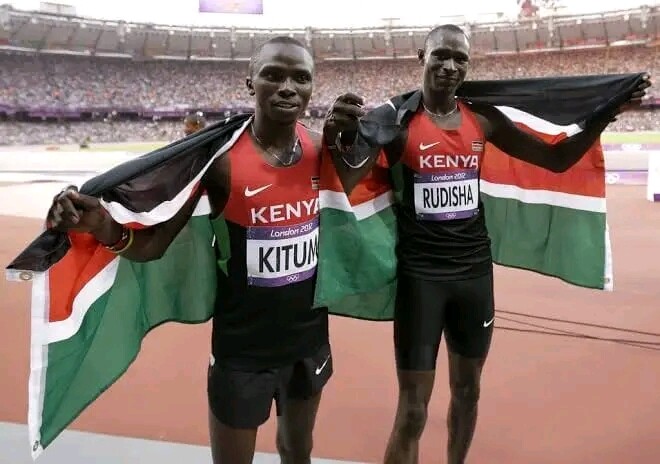
Leading the list is David Rudisha, the undisputed king of the men's 800 metres. His name is synonymous with greatness after redefining what was thought possible over two laps. A two-time Olympic champion and two-time world champion, Rudisha reached the pinnacle of the sport at the London 2012 Olympic Games, where he produced one of the greatest performances in athletics history. His breathtaking world record of 1:40.91, set from the front without the aid of a pacemaker, remains unbeaten and continues to inspire generations of middle-distance runners around the world.
Sharing that unforgettable London final was Timothy Kitum, whose remarkable breakthrough captivated the athletics world. At just 18 years old, he delivered a sensational performance to claim the Olympic bronze medal in a personal best of 1:42.53, a time that still stands as Kenya's national under-20 record. Although he later stepped away from elite competition, Kitum has remained closely connected to the sport, proudly supporting his wife, multiple Olympic champion Faith Kipyegon, as she continues to build one of the greatest careers in middle-distance running history.
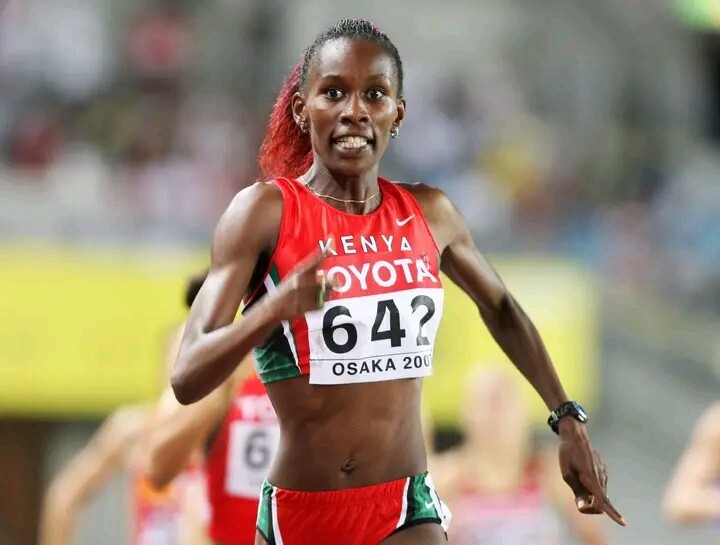
On the women's side, Janeth Jepkosgei broke new ground for Kenyan athletics by becoming the country's first female World Champion in the 800 metres. Affectionately known as the "Eldoret Express," she captured the world title in Osaka in 2007 before adding an Olympic silver medal at the Beijing Games in 2008. Her influence, however, extends well beyond the medals she won. After retiring from competition, Jepkosgei dedicated herself to coaching, helping nurture a new generation of Kenyan middle-distance stars.
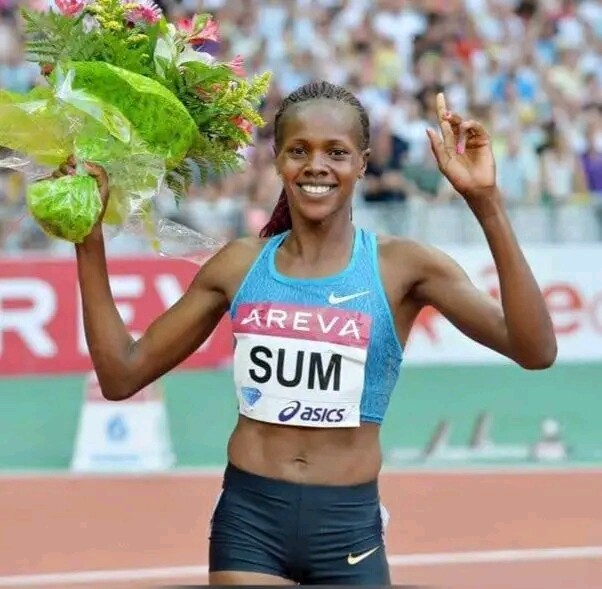
Among those who benefited most from her guidance was Eunice Sum. Under Jepkosgei's mentorship, Sum blossomed into one of the world's finest 800-metre athletes, winning the World Championship title in Moscow in 2013 before adding a bronze medal at the 2015 World Championships. Her rise from promising youngster to global champion stands as a powerful testament to the value of mentorship and the enduring strength of Kenya's middle-distance tradition.
Together, these four icons represent far more than medals and records. They embody the passion, discipline and relentless pursuit of excellence that have made Kenya the benchmark in the 800 metres. Their achievements have inspired generations of athletes, while their legacy continues to shape the future of Kenyan middle-distance running. From world records and Olympic glory to championship titles and coaching excellence, they remain enduring symbols of one of the greatest eras in the history of the 800 metres.
by Erick Cheruiyot for My Best Runs.
Login to leave a comment
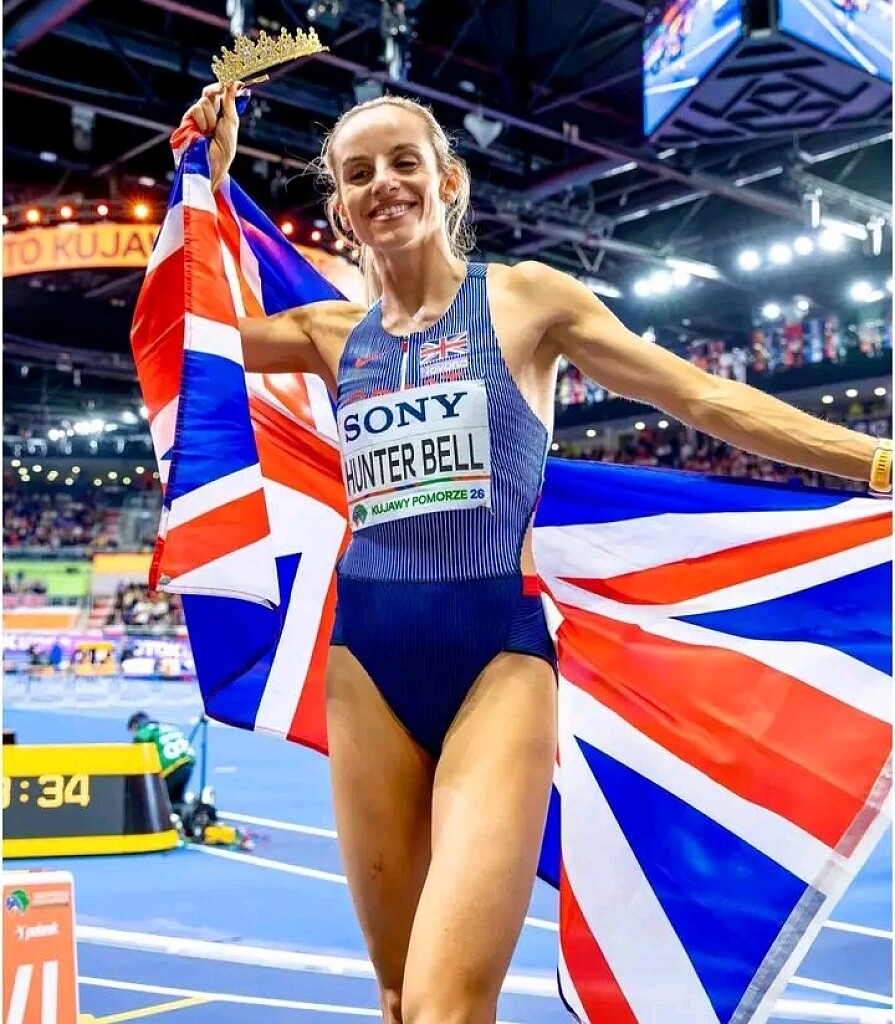
Georgia Hunter Bell Ruled Out Of London Diamond League After Sudden Illness
British middle-distance star Georgia Hunter Bell has withdrawn from Saturday's London Diamond League after being struck by an acute illness in the final days leading up to one of the season's most anticipated meetings.
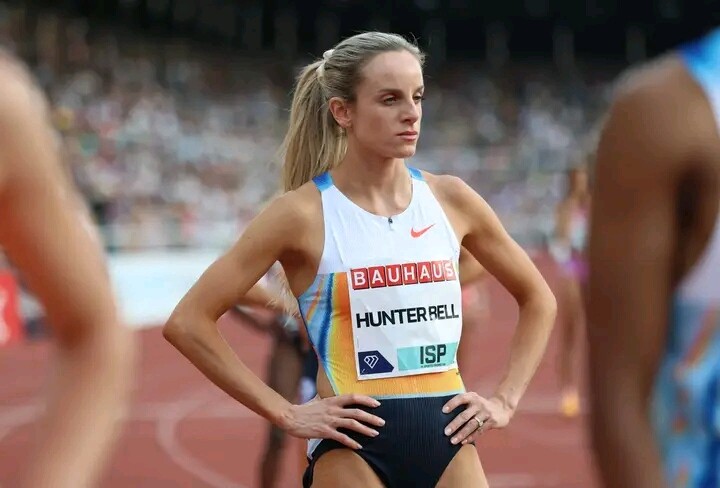
The Olympic bronze medallist had been set to line up in the women's 800m, a race expected to showcase some of the world's finest middle-distance talent. Her withdrawal comes as a significant setback for both the athlete and the home crowd, who were eagerly looking forward to seeing one of Britain's biggest stars compete in front of a passionate London audience.
Describing the decision as an incredibly difficult one, Hunter Bell admitted that missing the London meeting is particularly painful because of the special place it holds in her career.
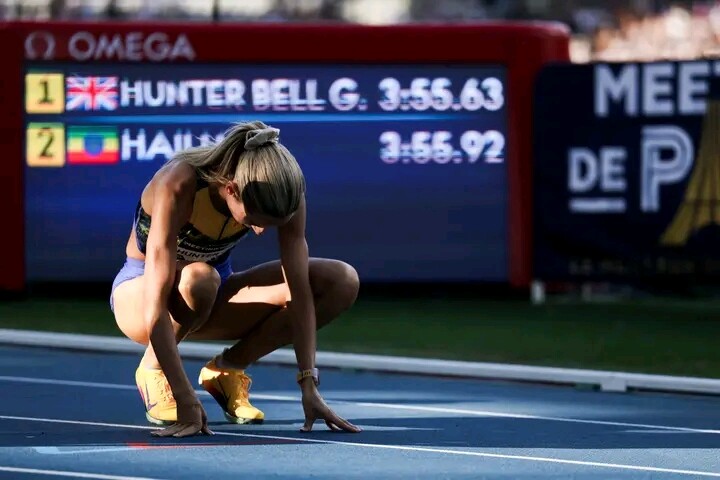
"London is my hometown and this is my favourite race of the whole year. I've been in great shape and the atmosphere is unmatched," she said.
Although she arrived at this stage of the season in excellent form, the British star acknowledged that putting her health first was the only responsible choice.
"I am deeply disappointed, but I need to get healthy before I line up to race again," she added.
Her absence leaves a noticeable void in one of the meeting's marquee events, with fans now having to wait a little longer before seeing the British middle-distance ace back on the track. The athletics community has already rallied behind Hunter Bell with messages of support, wishing her a full and speedy recovery as she focuses on returning to competition at full strength.
The withdrawal reshapes the women's 800m field at the London Diamond League and delays the return of one of Britain's most exciting middle-distance athletes, whose next appearance will now depend on her recovery.
by Erick Cheruiyot for My Best Runs.
Login to leave a comment

From Shark Attack Survivor to New York City Marathon Finisher: Ali Truwit's Extraordinary Journey of Courage and Resilience
Some victories are measured by finish times. Others are defined by the obstacles overcome simply to reach the starting line.
For American Paralympic swimmer Ali Truwit, completing the New York City Marathon represented far more than covering 26.2 miles. It was the culmination of an extraordinary journey of survival, resilience, and unwavering determination that began with a life-altering shark attack just two years earlier.
On a crisp November morning in 2025, Truwit crossed the iconic finish line wearing a carbon-fibre running blade, fulfilling a promise she had made while recovering in a hospital bed after losing her lower left leg. The emotional milestone marked another remarkable chapter in one of the most inspiring comeback stories in modern sport.
The road to that unforgettable finish began only days after Truwit celebrated a major personal achievement. In May 2023, she completed her first marathon in Copenhagen alongside her mother. Just ten days later, while enjoying a graduation trip to Turks and Caicos with former Yale swimming teammate Sophie Pilkinton, tragedy struck.
While the pair were snorkelling, a shark attacked Truwit, severely injuring her left leg. Displaying remarkable courage, the two swam approximately 55 metres back to their boat, where Pilkinton—then a medical student—quickly applied a tourniquet that stopped the bleeding and ultimately saved Truwit's life.
Doctors were forced to amputate her lower left leg on her 23rd birthday.
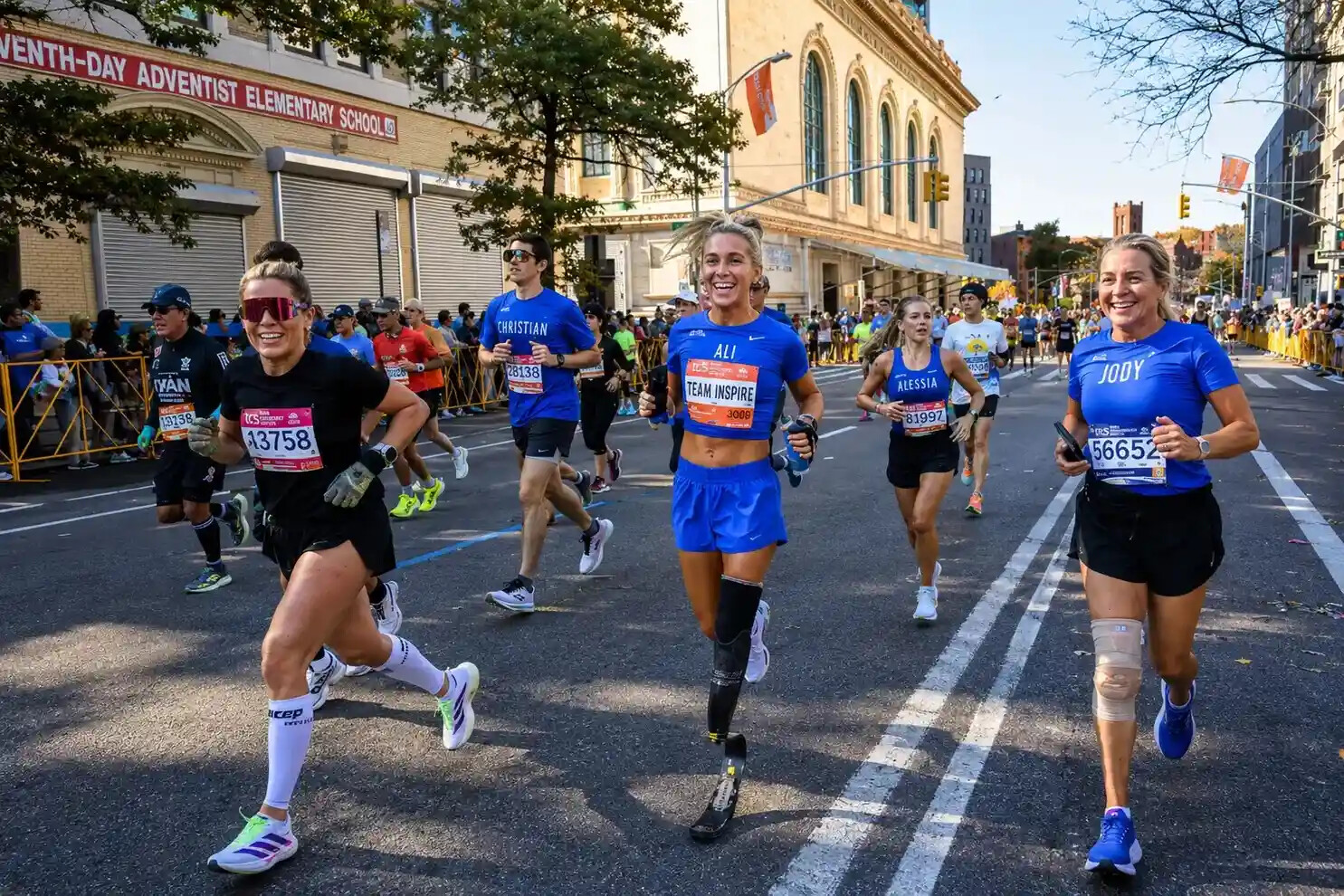
Even in the darkest moments of recovery, Truwit's determination never disappeared. Reflecting on having recently completed her first marathon, she joked with one of the first responders that at least she had managed to run a marathon before the attack. The responder's simple but powerful reply would remain with her throughout rehabilitation: "You'll run another one."
Those words became a source of hope during the long and demanding road back.
Only weeks after surgery, Truwit began learning to walk on a prosthetic limb before gradually returning to the swimming pool. The process was anything but straightforward. The water that had once been her sanctuary became a source of painful memories, yet she refused to allow fear to define her future.
Her relentless work ethic soon produced extraordinary results.
Less than 16 months after the attack, Truwit represented the United States at the Paris 2024 Paralympic Games, producing a sensational performance to claim both silver and bronze medals. Standing on the Paralympic podium was a powerful reminder of how far she had come in such a short period, and she dedicated those achievements to everyone who had helped save her life.
Still, another dream remained unfinished.
The New York City Marathon carried deep personal significance. It was not merely another endurance event but a symbolic return to the city where her life had changed forever. On November 2, 2025, she lined up in Staten Island accompanied by 13 family members and close friends, all proudly representing her nonprofit foundation, Stronger Than You Think. Among them was Pilkinton, the friend whose quick thinking had preserved her life on that unforgettable day in the Caribbean.
Together, they covered every mile of the marathon before celebrating an emotional finish that Truwit later described as being "over the moon."
Completing a marathon on a carbon-fibre running blade presents challenges far beyond those faced by able-bodied runners. The prosthetic demands greater strength from the hips, core, and remaining leg while requiring exceptional balance, coordination, and endurance. Truwit's preparation combined months of disciplined training, patience, and mental resilience as she effectively taught herself how to run again.
Her story extends well beyond medals and marathon finishes.
Inspired by her own recovery, Truwit founded Stronger Than You Think, a nonprofit organisation dedicated to helping individuals overcome physical and financial barriers following limb loss. Recognising that sports prosthetics can cost tens of thousands of dollars and are often not covered by insurance, the foundation provides financial assistance for prosthetic devices, supports water-safety education, and promotes opportunities within Paralympic sport.
The organisation has already helped provide more than 11 prosthetic limbs, delivered nearly $200,000 in direct support, and funded over 4,000 hours of water-safety lessons benefiting more than 700 young people.
Throughout her journey, Truwit has remained refreshingly honest about the emotional challenges that continue to accompany recovery. She has openly acknowledged that healing is an ongoing process and that grief can still come in waves. Rather than portraying an effortless comeback, she has demonstrated that resilience is built through persistence, even on the hardest days.
Her remarkable transformation resonates far beyond elite sport. While few people will ever experience the trauma she endured, countless runners and athletes understand the frustration of injury, disappointment, or rebuilding after adversity. Truwit's journey serves as a powerful reminder that recovery is rarely linear and that courage is often measured by the willingness to keep moving forward despite uncertainty.
Now looking ahead to the Los Angeles 2028 Paralympic Games, Truwit continues to redefine what is possible. She is no longer known simply as the swimmer who survived a shark attack. She has become a Paralympic medallist, marathon finisher, advocate, and symbol of resilience whose story continues to inspire athletes around the world.
Her journey proves that while life can change in an instant, so too can the strength of the human spirit. Sometimes the greatest triumph is not returning to the person you once were, but discovering someone even stronger than you ever imagined possible.
by Erick Cheruiyot for My Best Runs.
Login to leave a comment
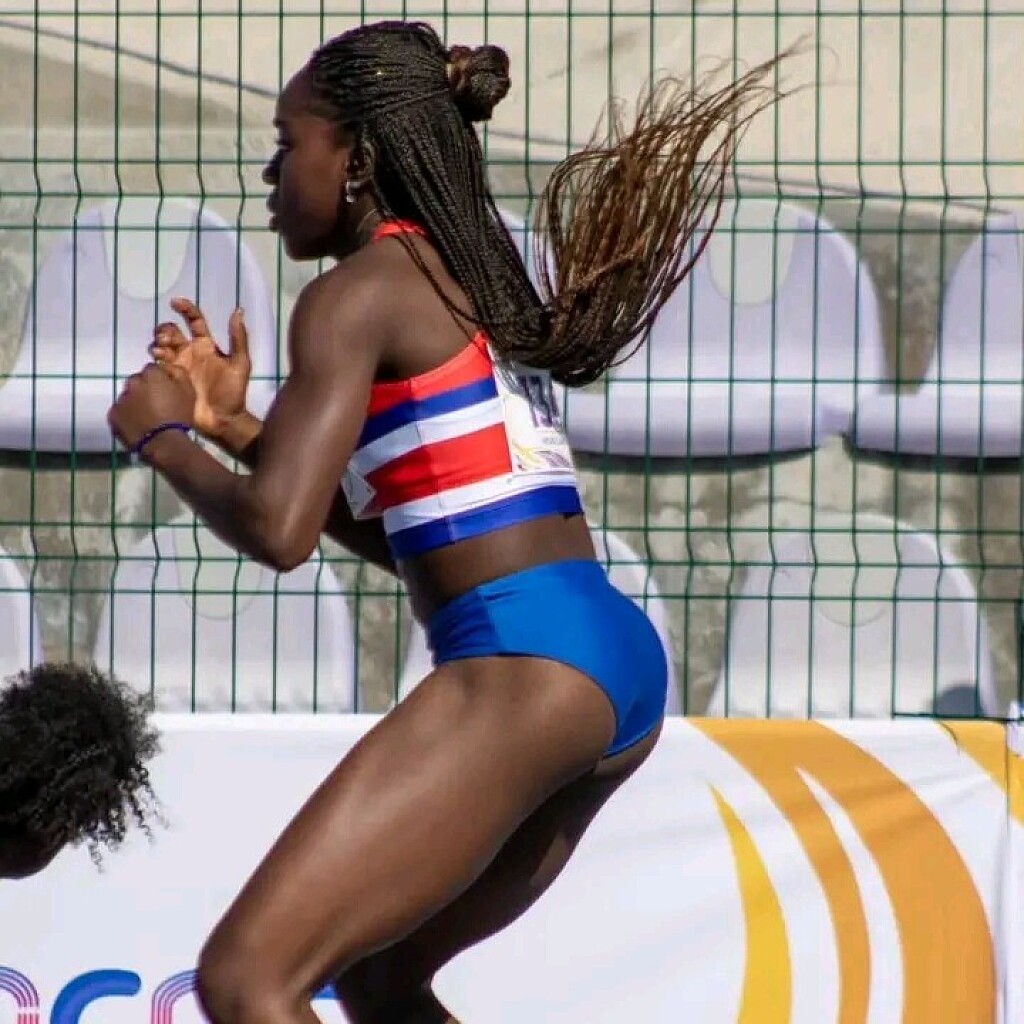
Rihana Mora Rewrites Costa Rican Sprint History with Record-Breaking Bronze at NACAC U18 Championships
Costa Rica has unearthed another exceptional sprint talent, as 17-year-old Rihana Mora Saint delivered the performance of her young career to claim the bronze medal in the women's 100 metres at the NACAC U18 Championships.
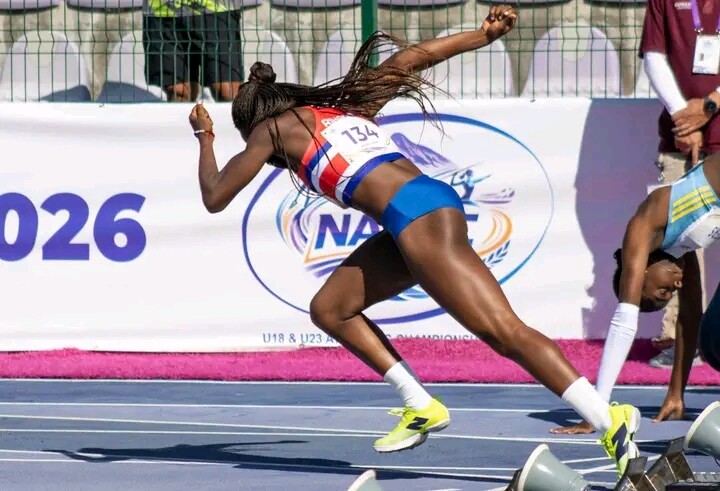
Competing against some of the fastest junior sprinters in the Americas, Mora clocked a sensational 11.59 seconds with a +1.8 m/s tailwind to finish third in the final. She trailed only Bahamas' Jazae Johnson, who stormed to victory in 11.42, and Jamaica's Malayia Duncan, who secured silver in 11.54. Jael Peters of Trinidad and Tobago placed fourth in 11.65, underlining the high quality of the final.
For Mora, the bronze medal was accompanied by an even greater achievement. Her 11.59-second performance established a new Costa Rican Under-18 national record while also marking a lifetime personal best, confirming her status as one of the country's most exciting young sprint prospects.
The significance of her performance extends beyond the junior ranks. Mora now sits just 0.13 seconds away from the Costa Rican senior national record of 11.46, set by Sharolyn Josephs in 2015. At only 17 years old, she is already closing in on one of the nation's most respected sprint marks, highlighting her extraordinary potential.
Throughout the championship, Mora demonstrated remarkable composure, explosive acceleration and outstanding speed against a world-class field, proving she can compete with the very best young sprinters in the NACAC region.
Her latest achievement is not only a personal milestone but also a major boost for Costa Rican athletics. Breaking the national Under-18 record while earning a continental championship medal signals the arrival of an athlete capable of achieving even greater success on the international stage.
With her confidence soaring and her development continuing at an impressive pace, Rihana Mora Saint has firmly established herself as one of the brightest young sprint talents in the Americas. If her current trajectory continues, the Costa Rican record books may soon require another rewrite.
by Erick Cheruiyot for My Best Runs.
Login to leave a comment
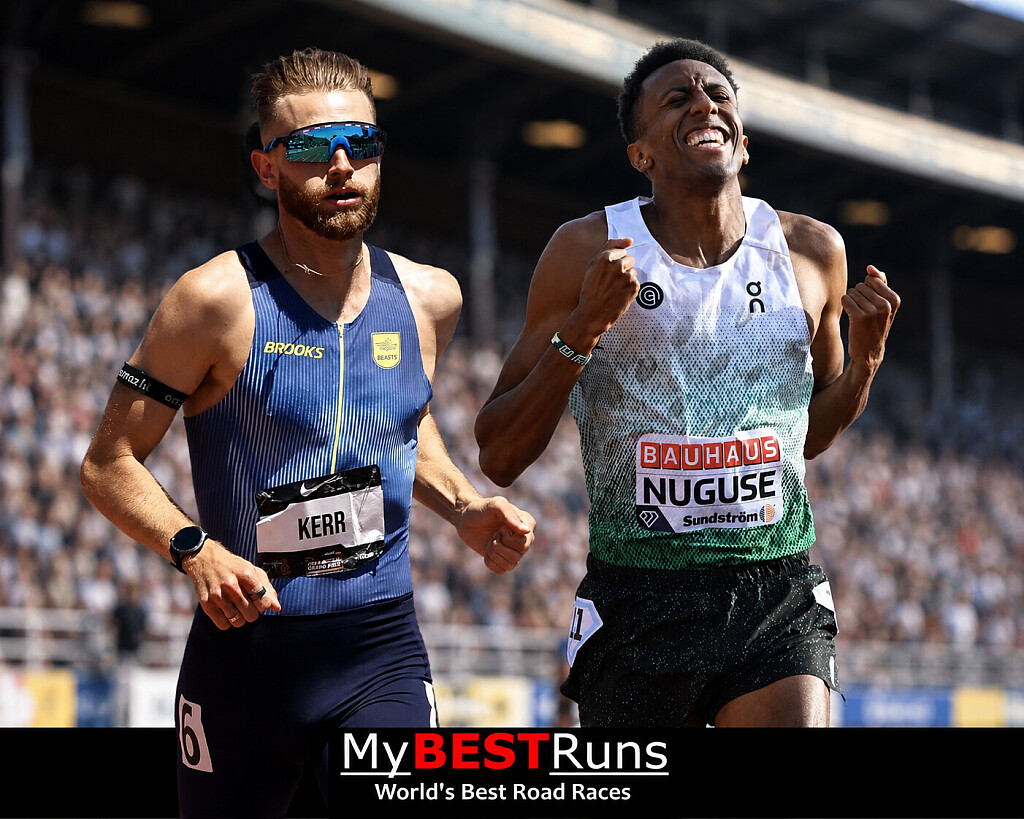
Project 222 Meets Its Biggest Challenge: Yared Nuguse Joins Josh Kerr's Historic Mile Record Chase
The pursuit of one of athletics' most untouchable records has just become even more compelling.
For 27 years, Hicham El Guerrouj's astonishing 3:43.13 mile, set in Rome on July 7, 1999, has stood as the ultimate benchmark in middle-distance running. Generations of world-class milers have chased it, yet none have managed to get within half a second of the Moroccan legend's remarkable performance.
Now, British star Josh Kerr believes that record is finally within reach.
The reigning world champion has spent months preparing for what he calls Project 222—a bold attempt to become the first man in history to break 3 minutes 43 seconds for the mile. The name represents the 222 seconds required to run a 3:42 mile, and every detail of his preparation has been meticulously planned.
From specially designed racing spikes and carefully selected pacemakers to altitude training supported by a chamber installed in his home, Kerr has left nothing to chance. Rather than attempting the feat in a quiet time trial, he has chosen the electric atmosphere of a packed 60,000-seat London Stadium on July 18, hoping the crowd will help carry him into history.
But what was expected to be Kerr's night has suddenly become one of the most anticipated showdowns of the season.
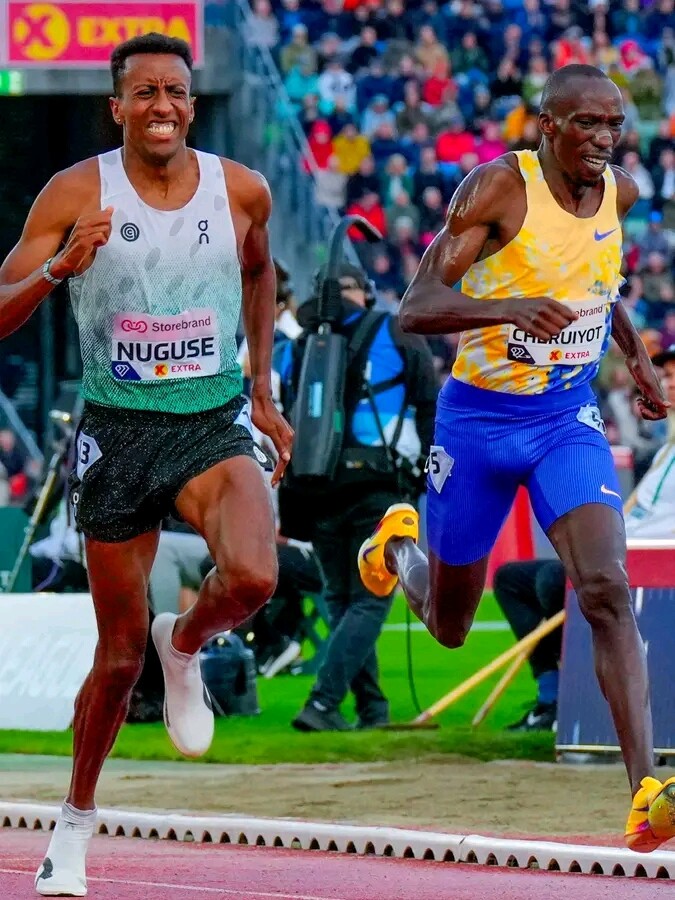
American star Yared Nuguse has officially entered the race, adding another layer of intrigue to an already historic occasion.
On paper, Nuguse holds the stronger credentials over the mile. His personal best of 3:43.97 ranks as the fourth-fastest performance in history, nearly one and a half seconds quicker than Kerr's lifetime best. This season alone, the Olympic bronze medallist has been in outstanding form, claiming two Diamond League 1500m victories before clocking an impressive 3:46.61 mile at the Prefontaine Classic.
Their rivalry has also been fiercely competitive. Nuguse holds a 4-2 advantage over Kerr in regular-season meetings, demonstrating his consistency on the circuit. Yet when championship medals are on the line, the story changes. Kerr has repeatedly found another gear, remaining unbeaten against Nuguse in global championship finals.
That contrast is what makes this race so fascinating.
Kerr arrives with the confidence, preparation and home support to launch an assault on one of athletics' oldest records. Nuguse arrives as arguably the fastest miler in the field based on recent performances, with every intention of spoiling the party.
Whether the mile world record finally falls or survives for another year, London is set to witness far more than a record attempt. It will be a clash between two of the world's finest middle-distance runners, each believing he has what it takes to rewrite history.
On July 18, the stopwatch will decide whether Project 222 becomes reality—or whether Yared Nuguse steals the spotlight in one of the most eagerly awaited mile races of the modern era.
by Erick Cheruiyot for My Best Runs.
Login to leave a comment
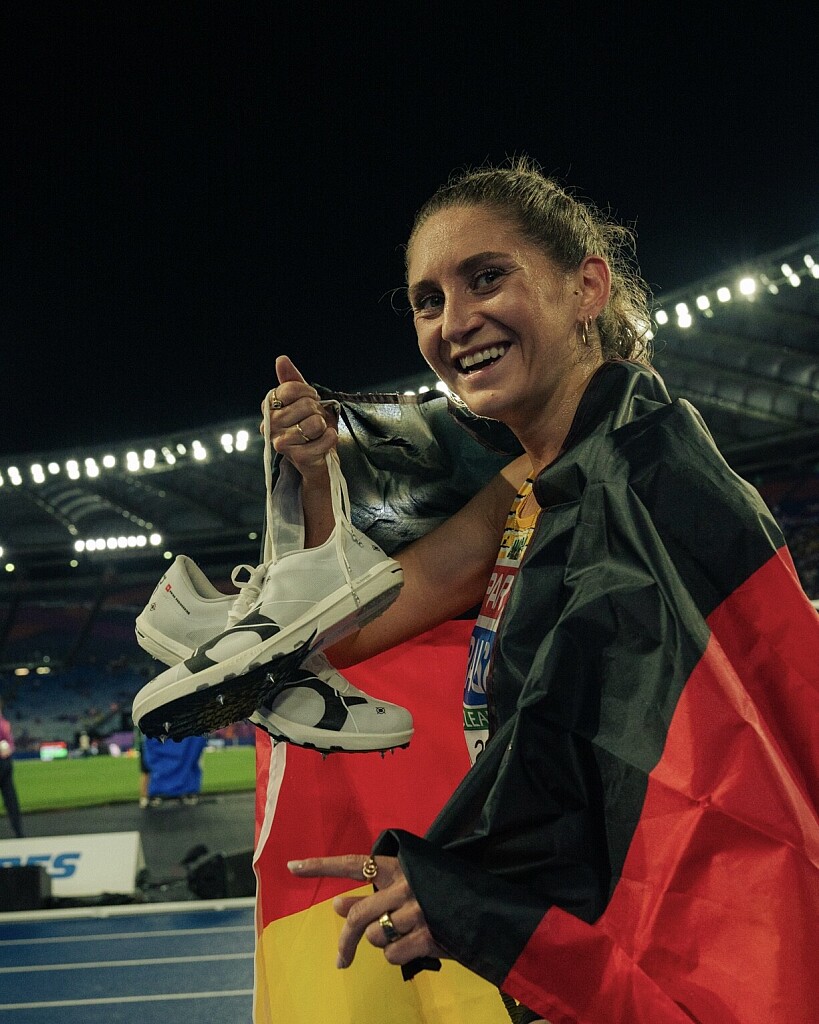
Clash of Olympic Giants Set to Ignite the Women's 3000m Steeplechase at the Prefontaine Classic
One of the most eagerly anticipated races of the 2026 Prefontaine Classic is set to unfold on July 4 at Hayward Field, where an exceptional women's 3000m steeplechase field promises a contest worthy of the global stage.
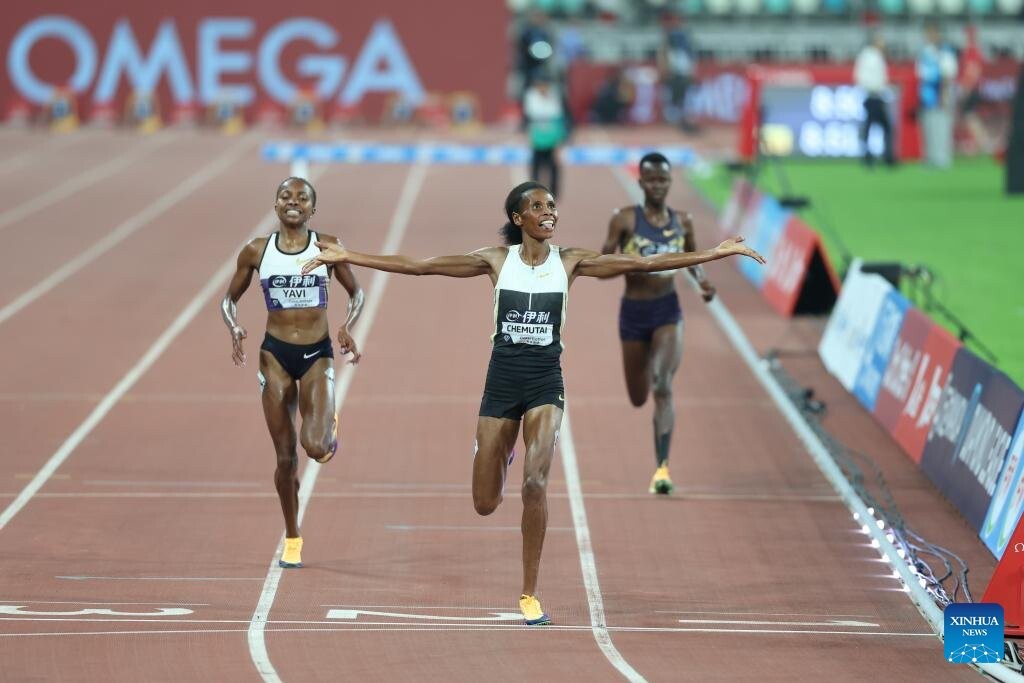
Leading the lineup is reigning Olympic champion Winfred Yavi of Bahrain, whose remarkable personal best of 8:44.32 makes her one of the fastest steeplechasers in history. Standing in her way is Uganda's Olympic silver medalist Peruth Chemutai (8:48.16), alongside Kenya's rising sensation and Olympic bronze medalist Faith Cherotich, who owns an impressive lifetime best of 8:48.71.
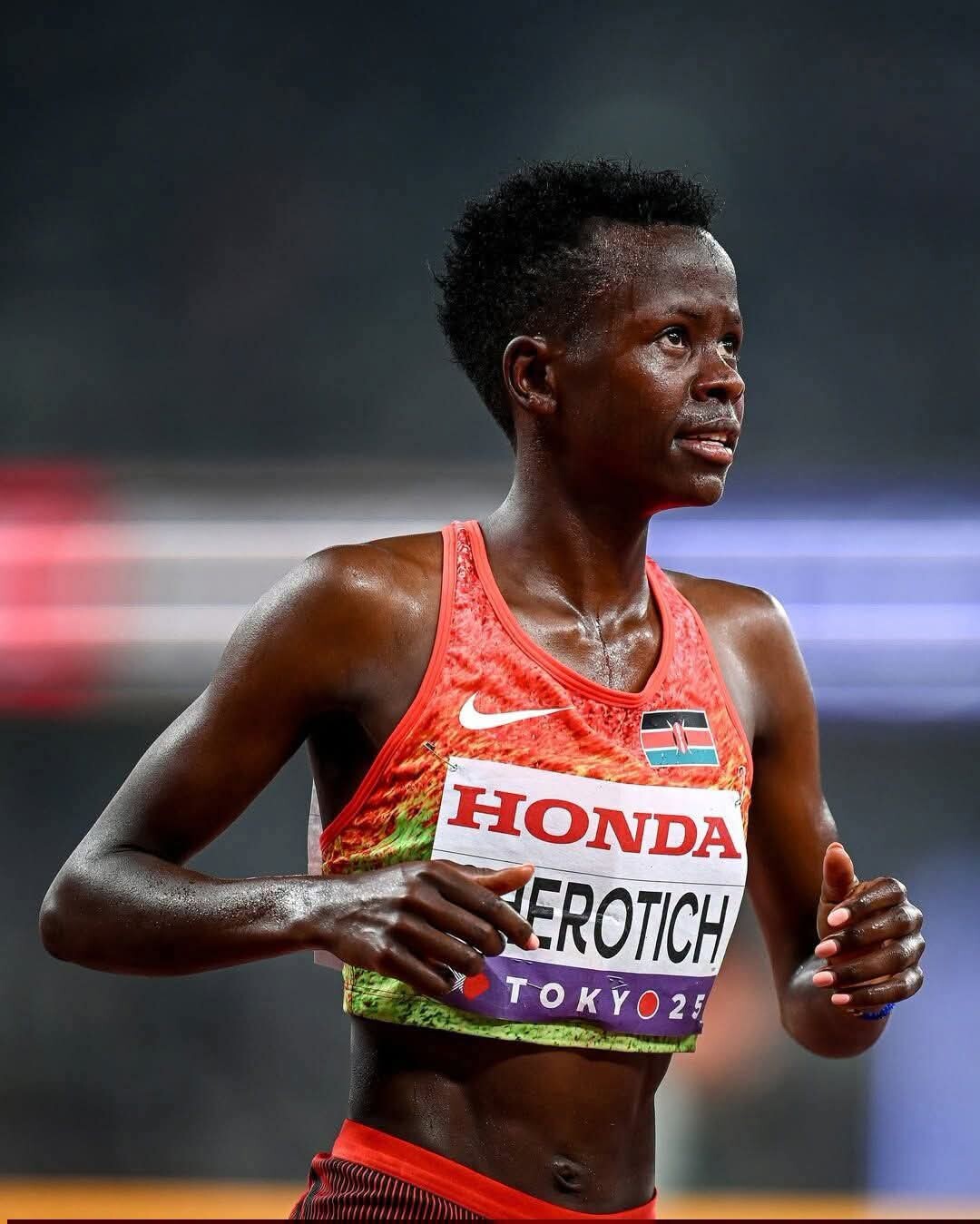
The trio captivated the athletics world with their unforgettable podium sweep at the Paris Olympic Games, and they now renew one of the sport's most exciting rivalries. With all three athletes in outstanding form, the race has every ingredient to produce another historic performance, with the elusive 8:45 barrier once again coming into sharp focus.
The battle, however, extends well beyond the Olympic medalists. Former world champion Norah Jeruto of Kazakhstan adds further quality to an already world-class field, while American icon Emma Coburn returns to compete before a passionate home crowd. Germany's multiple-time European champion Gesa Felicitas Krause also headlines a deep international lineup determined to challenge the frontrunners.
Kenya will also be represented by the talented Doris Lemngole, whose continued rise has added another exciting dimension to the country's strength in the event.
With Hayward Field renowned for producing unforgettable distance races, fans can expect relentless pace, fearless barrier running, and a thrilling contest from the opening lap to the final water jump. The combination of Olympic champions, world-class veterans, and emerging stars makes this one of the standout events of the meeting.
As the world's best steeplechasers gather once again, the stage is perfectly set for another memorable chapter in one of athletics' most captivating disciplines.
by Erick Cheruiyot for My Best Runs.
Login to leave a comment

Prefontaine Classic
The Pre Classic, part of the Diamond League series of international meets featuring Olympic-level athletes, is scheduled to be held at the new Hayward Field in Eugene. The Prefontaine Classicis the longest-running outdoor invitational track & field meet in America and is part of the elite Wanda Diamond League of meets held worldwide annually. The Pre Classic’s results score has...
more...
Jenny Simpson Continues Recovery Journey After Cardiac Arrest, Discharged From Hospital
One of America's most celebrated middle-distance runners, Jenny Simpson, has taken another encouraging step on her road to recovery after suffering a sudden cardiac arrest earlier this month.
The 2011 World 1500m champion and 2016 Olympic bronze medalist was discharged from Duke University Hospital following the medical emergency she experienced during the Sir Walter Running Pop Up Mile on June 17. Simpson will remain in North Carolina, where she will continue her rehabilitation under close medical supervision.
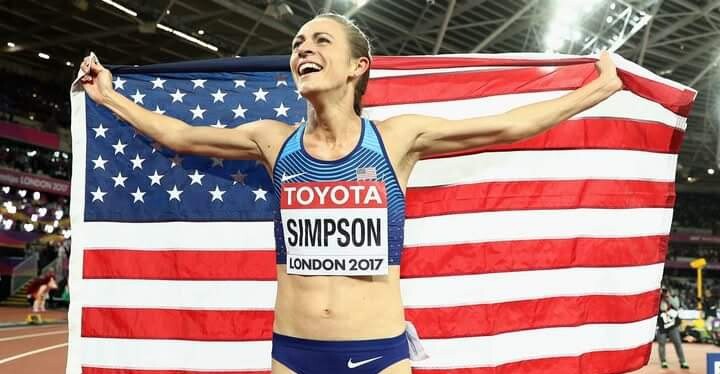
The unexpected incident sent shockwaves through the athletics community, with athletes, coaches and fans from around the world rallying behind the decorated American star with an outpouring of support and well wishes.
Her release from hospital marks a significant milestone in what is expected to be a gradual recovery process. While there is no timeline for a return to competitive running, the latest update offers hope that Simpson is making steady progress after the life-threatening ordeal.
Throughout her illustrious career, Simpson established herself as one of the greatest American middle-distance runners of her generation. Her résumé includes a historic world title in the 1500m in 2011, an Olympic bronze medal at the Rio 2016 Games, and multiple national titles, achievements that have earned her admiration across the global athletics community.
As she focuses entirely on regaining her health, the running world continues to stand firmly behind her, wishing her strength, patience and a full recovery. For now, the greatest victory is not one measured by medals or finish-line clocks, but by each positive step she takes on her journey back to health.
by Erick Cheruiyot for My Best Runs.
Login to leave a comment
Olympic Justice Delayed: Alysia Montaño Finally Earns London 2012 Bronze After 14-Year Wait
Justice has finally caught up with one of the most controversial Olympic races in modern history.
Fourteen years after crossing the finish line in fifth place at the London 2012 Olympic Games, American middle-distance star Alysia Montaño has officially been awarded the Olympic bronze medal following the International Olympic Committee's latest medal reallocation.
This week, the IOC Executive Board approved a revised set of results for the women's 800 metres, bringing another chapter of the event's long-running doping scandal to a close. South Africa's Caster Semenya remains the Olympic champion, while Kenya's Pamela Jelimo is elevated to the silver medal position. Montaño now claims the bronze medal she earned through clean competition.
The decision follows the disqualification of Yekaterina Guliyev, who represented Russia at the London Games under her maiden name, Yekaterina Poistogova. In 2024, the Court of Arbitration for Sport (CAS) ruled that Guliyev had committed anti-doping violations involving banned anabolic steroids. After her appeal was dismissed in May 2025, the IOC officially ratified the revised medal standings this week, making the changes final.
Guliyev's removal means three Russian athletes from the same Olympic women's 800m final have now been stripped of their results for doping offences. Mariya Savinova, the original gold medalist, was disqualified years earlier, while Elena Arzhakova also lost her result following anti-doping sanctions. The race has become one of the clearest examples of how widespread doping robbed clean athletes of their rightful Olympic moments.
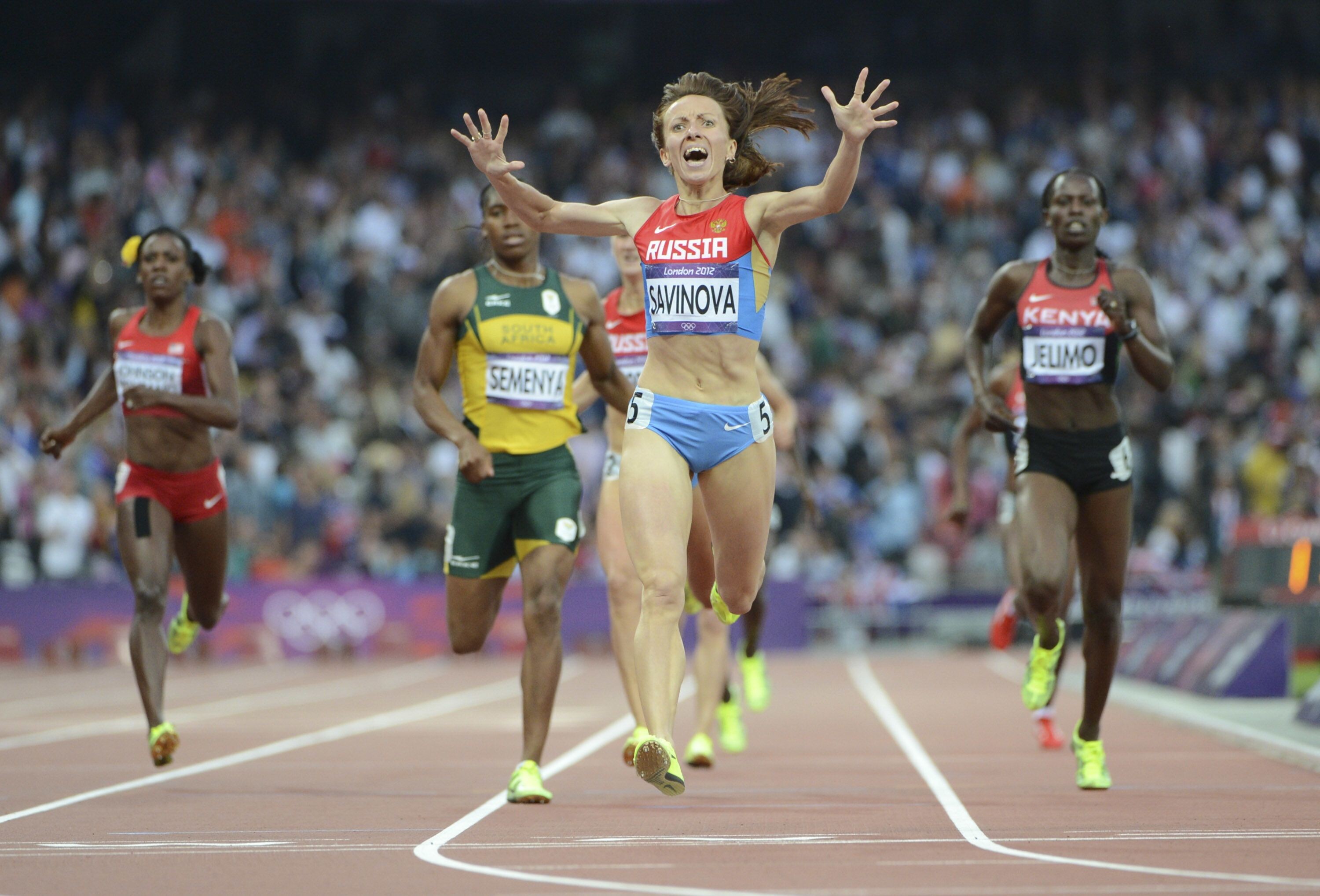
For Montaño, the medal is the reward for a courageous race. She boldly led the field through the opening 400 metres in 56.31 seconds before eventually finishing fifth as four athletes crossed the line ahead of her. Today, only two of those performances still stand.
Her promotion is also historically significant. Montaño becomes the first American woman to win an Olympic medal in the 800 metres since Kim Gallagher claimed bronze at the 1988 Seoul Olympics, ending a wait of more than three decades for the United States in the event.
Although the medal is finally hers, the years that have passed cannot restore the emotions of standing on the Olympic podium before a packed stadium and millions watching around the world. Montaño has often described the delayed recognition as both gratifying and heartbreaking—a victory that arrives without the unforgettable Olympic celebration every athlete dreams of.
Following the IOC's announcement, Montaño shared an emotional message on social media, celebrating the victory while acknowledging the long journey that still lies ahead before she finally receives her medal.
"Integrity and Truth always wins out. The IOC approved the medal reallocation ceremony at LA2028. More work to be done to ensure it's done right, but for now we celebrate one victory at a time. Swipe to see me patiently waiting till LA2028 to get my medal!"
Her message also revealed that the IOC has approved the medal reallocation ceremony to take place during the Los Angeles 2028 Olympic Games, giving Montaño the opportunity to finally receive her Olympic medal on one of sport's biggest stages. While nothing can replace the moment that was taken from her in London, the ceremony will provide long-overdue recognition of her achievement in front of the Olympic community.
Montaño's story serves as another powerful reminder that while anti-doping efforts can eventually correct the record books, justice delayed can never fully replace the memories, opportunities and emotions stolen from clean athletes.
Fourteen years after London 2012, the official results have finally been rewritten. Alysia Montaño is an Olympic bronze medalist at last—not because history changed, but because the truth finally caught up with it.
by Erick Cheruiyot for My Best Runs.
Login to leave a comment
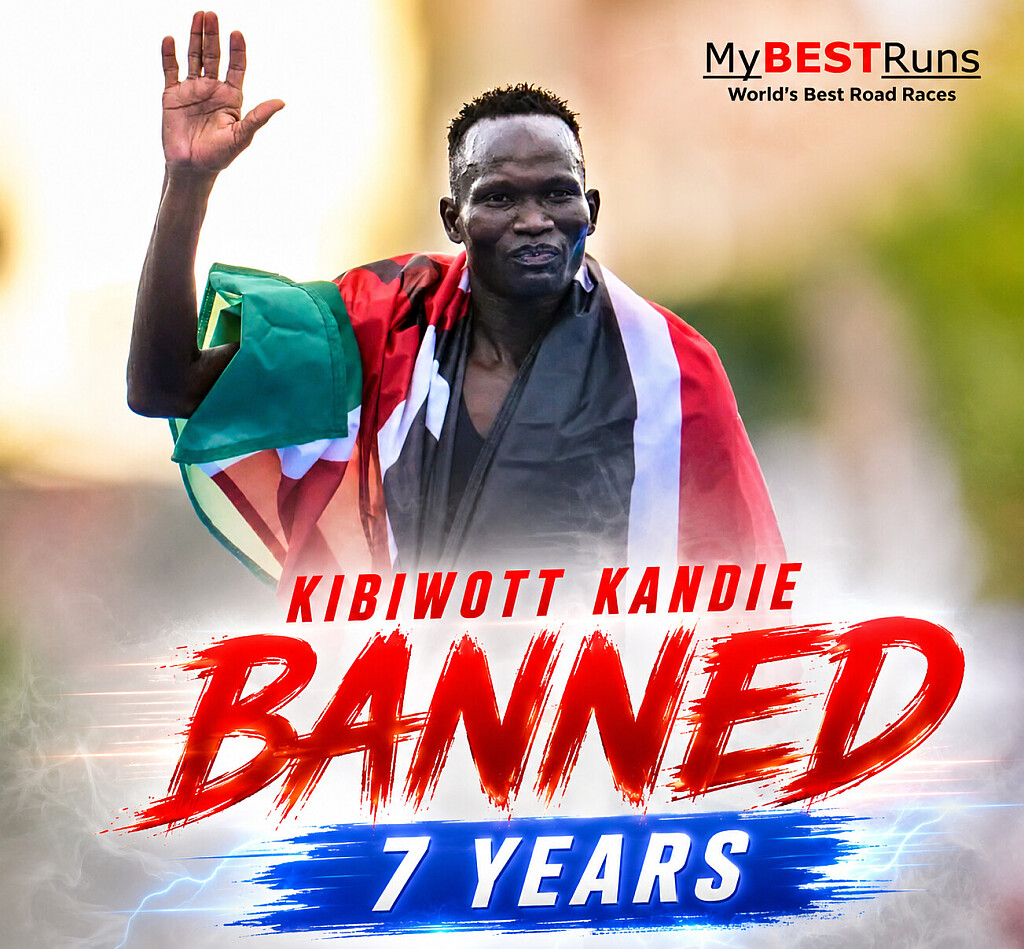
FROM WORLD RECORD TO A SEVEN-YEAR BAN: KIBIWOTT KANDIE'S STUNNING FALL FROM GRACE
Kenyan distance running has been dealt another painful setback after former half-marathon world record holder Kibiwott Kandie was handed a seven-year suspension by the Athletics Integrity Unit (AIU), bringing a dramatic halt to the career of one of the finest road runners of his generation.
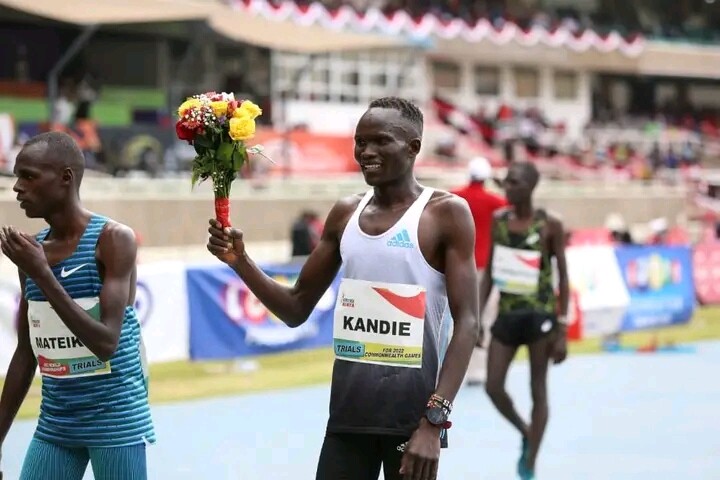
The sanction, which is backdated to 14 March 2025, follows Kandie's admission to two serious anti-doping rule violations: refusing to submit to sample collection and tampering with the doping control process. The ban will keep him out of competition until 13 March 2032. Kandie had initially faced an eight-year suspension, but the penalty was reduced by one year after he admitted the violations and accepted the sanction.
For athletics fans, the news marks a remarkable reversal of fortune.
In December 2020, Kandie captivated the running world with a breathtaking performance at the Valencia Half Marathon, clocking 57:32 to become the first athlete in history to break the 58-minute barrier over the distance. That unforgettable run erased the previous world record by 29 seconds and cemented his place among the greatest half-marathon runners the sport had ever witnessed. His résumé also includes a silver medal at the World Half Marathon Championships and a Commonwealth Games bronze medal, achievements that elevated him into the elite ranks of global distance running.
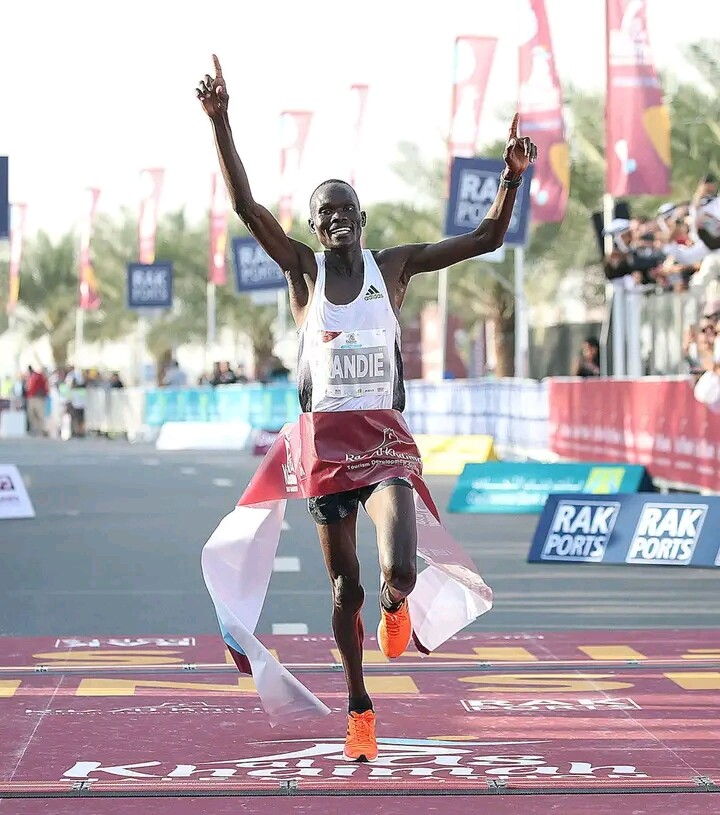
Today, however, those extraordinary accomplishments are overshadowed by one of the most significant disciplinary sanctions handed to a high-profile Kenyan athlete in recent years.
According to the AIU, investigators uncovered evidence that extended beyond a refusal to provide a sample. Their investigation included forensic analysis of phone records and financial transactions, while documents submitted in support of Kandie's explanation were found to be fraudulent, leading to the additional charge of tampering with the doping control process.
The decision once again shines a spotlight on the challenges facing Kenyan athletics. A nation celebrated for producing world-class distance runners has increasingly found itself battling a growing number of anti-doping cases, raising difficult questions about athlete education, accountability, support systems and the long-term protection of the country's proud sporting legacy.
For clean athletes who continue to compete with integrity, every doping case represents more than an individual failure—it threatens public confidence in the sport and unfairly casts doubt on genuine performances.
Kibiwott Kandie's rise inspired millions. His downfall serves as another powerful reminder that talent alone is never enough. In modern athletics, greatness is measured not only by records and medals, but also by integrity, honesty and respect for the rules that protect fair competition.
The road that once made Kandie a global icon has now become a long journey away from the sport—a sobering chapter in one of Kenyan athletics' most remarkable stories.
by Erick Cheruiyot for My Best Runs.
Login to leave a comment
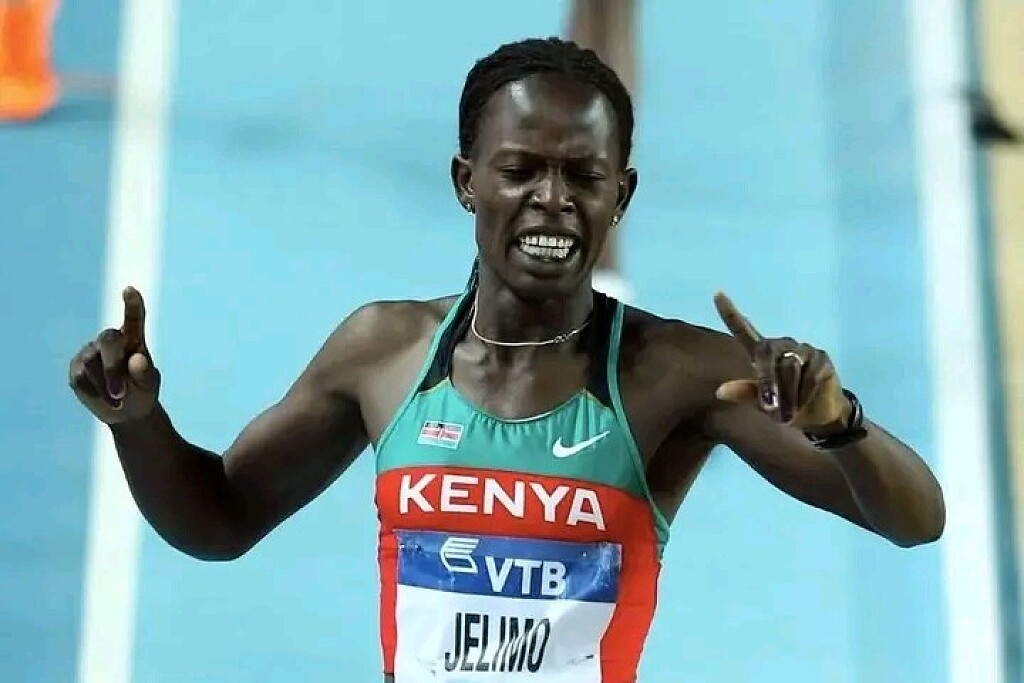
A Silver Worth the Wait: Pamela Jelimo Officially Recognized as London 2012 Olympic Runner-Up
More than a decade after competing on athletics' grandest stage, Kenyan middle-distance star Pamela Jelimo has officially been confirmed as the silver medalist in the women's 800 metres at the London 2012 Olympic Games following a medal reallocation approved by the International Olympic Committee (IOC).
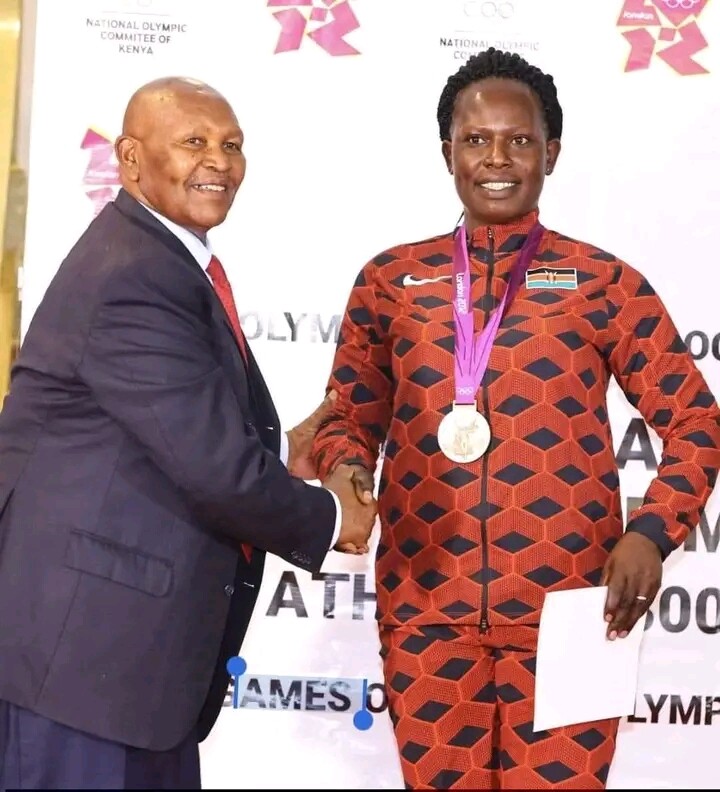
The IOC Executive Board ratified the revised results after the disqualification of Russian athlete Yekaterina Poistogova for an anti-doping rule violation. With all legal processes now concluded, the final standings have been formally updated, bringing long-awaited recognition to athletes who competed cleanly.
The decision elevates Jelimo from third place to the Olympic silver medal position, adding another prestigious chapter to the career of one of Kenya's most accomplished middle-distance runners. While the moment comes years after the race was run, it reinforces the enduring principle that integrity in sport ultimately prevails.
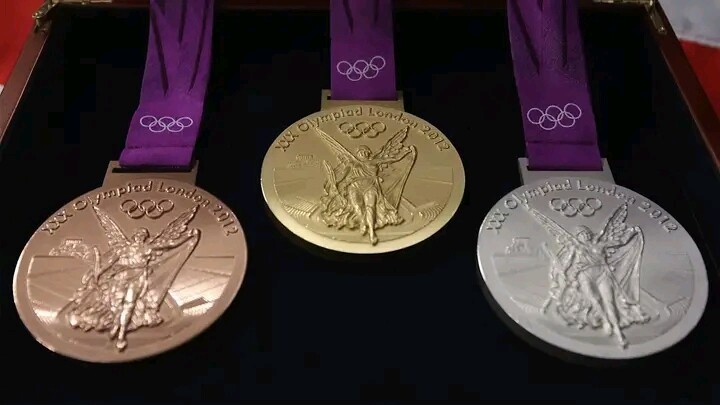
The revised podium now sees American athlete Alysia Montaño promoted to the bronze medal position. Meanwhile, Francine Niyonsaba moves into fourth place, with fellow Kenyan Janeth Jepkosgei Busienei officially ranked fifth.
For Kenya, Jelimo's promotion represents more than a statistical adjustment. It is a belated reward for an athlete whose remarkable talent helped shape a golden era of Kenyan women's middle-distance running. Although the medal upgrade arrives years after the celebrations that followed the London Olympics, its significance remains undiminished.
Jelimo burst onto the international scene as a teenage sensation, capturing global attention with her fearless racing style and dominant performances. Her newly confirmed Olympic silver medal further cements her legacy among Kenya's finest athletes and adds another distinguished achievement to an already impressive career.
The reallocation also serves as a powerful reminder of the ongoing fight for clean sport. While athletes affected by doping violations often endure years of waiting before receiving rightful recognition, the updated results demonstrate the commitment of sporting authorities to preserving fairness and protecting the integrity of competition.
Fourteen years after the London Games captivated the world, justice has finally caught up with the women's 800 metres final. For Pamela Jelimo, the silver medal may have arrived late, but its value and meaning remain as powerful as ever.
by Erick Cheruiyot for My Best Runs.
Login to leave a comment
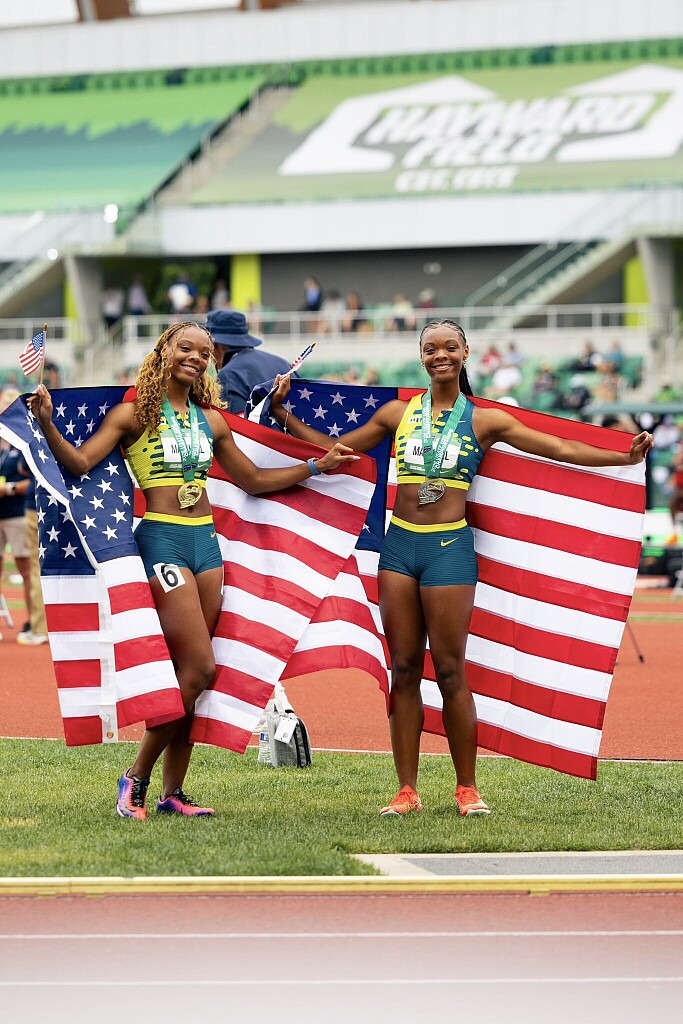
Maxwell Twins Deliver Historic 1-2 Finish in U20 Women's 100m Championship Showdown
The spotlight belonged to one family at the US U20 Championships in Eugene as twin sisters Mia and Mariah Maxwell produced a remarkable sprinting masterclass to secure a memorable one-two finish in the women's 100 metres.
Leading the charge was Mia Maxwell, who powered to victory in an impressive 11.08 seconds with a legal tailwind of 0.8 m/s, confirming her status as one of the brightest young sprint talents in the United States. Displaying exceptional composure and acceleration, Mia separated herself from the field in the closing stages to claim the national U20 title in convincing fashion.
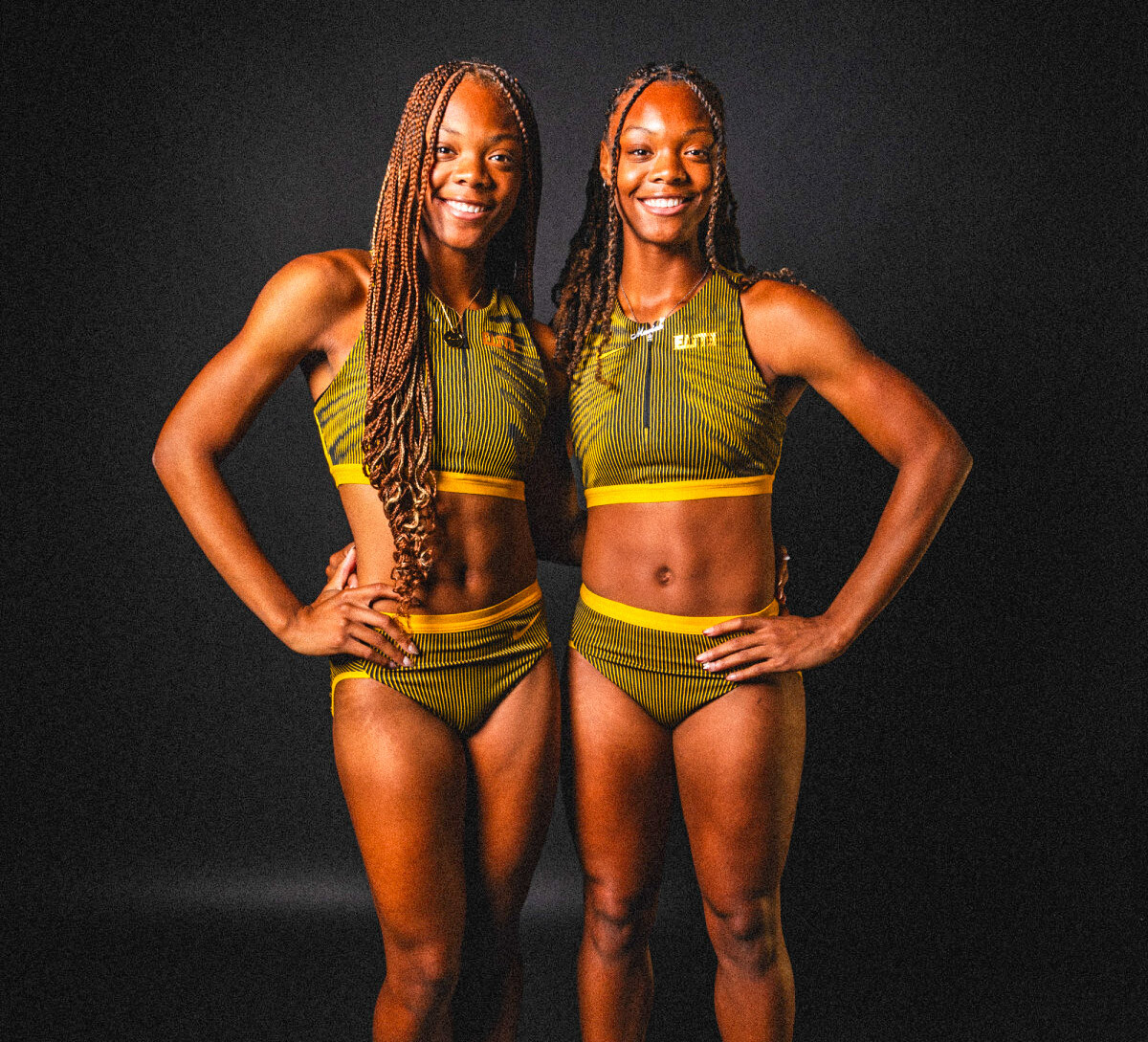
What made the moment even more special was the athlete who crossed the line behind her. Twin sister Mariah Maxwell completed a family sweep by racing to the silver medal in 11.33 seconds, turning the championship final into a celebration of sibling excellence. Their achievement marked one of the most memorable stories of the meet, as the sisters stood side by side atop the results sheet after dominating one of track and field's most prestigious junior competitions.
Rounding out the podium was Ava Kitchings, who delivered a strong performance to secure the bronze medal in 11.39 seconds, ensuring a highly competitive final in front of the Eugene crowd.
The Maxwell twins' extraordinary performance highlighted not only their individual talent but also the growing depth of American sprinting at the junior level. To witness sisters finish first and second in a national championship final is a rare occurrence, and their achievement added a unique chapter to the history of the US U20 Championships.
For Mia, the victory represents another significant milestone in a rapidly developing career, while Mariah's silver medal underscored the family's remarkable presence on the national stage. Together, they transformed the women's 100m final into one of the defining moments of the championships, proving that speed—and success—can truly run in the family.
by Erick Cheruiyot for My Best Runs.
Login to leave a comment
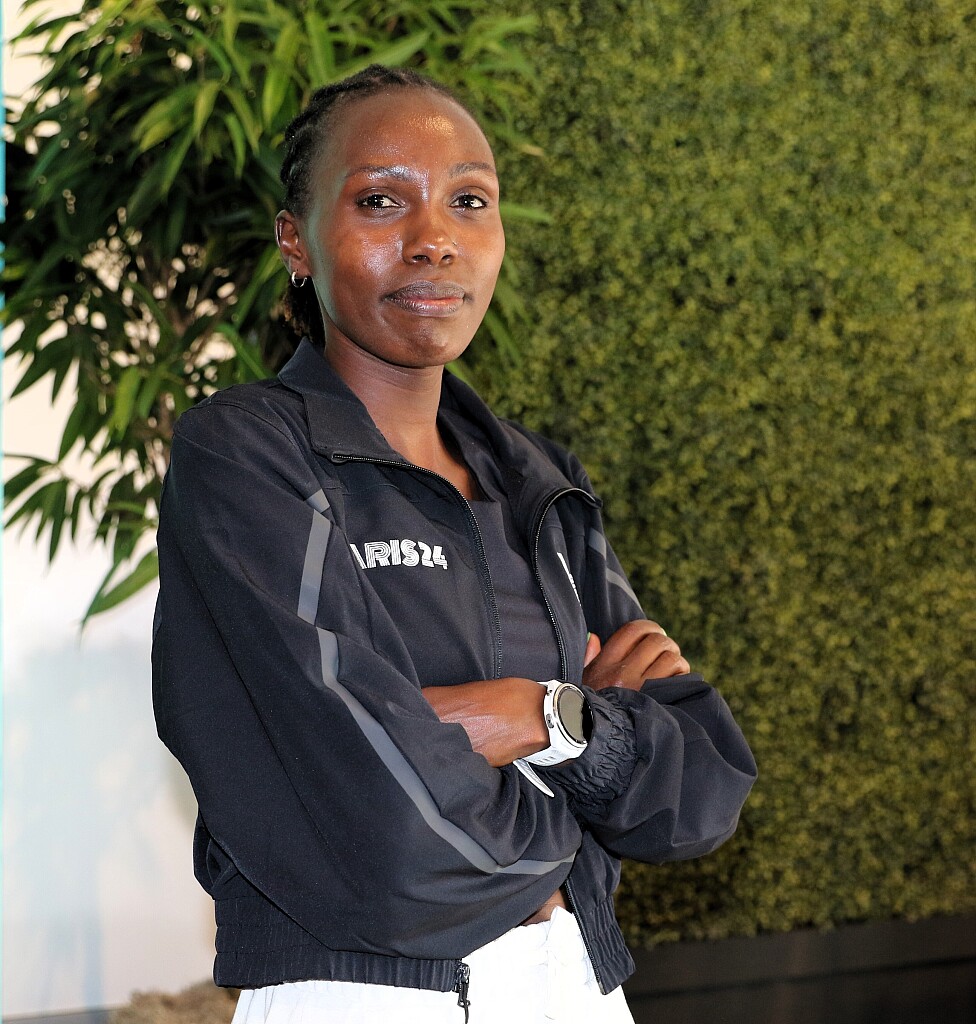
Sharon Lokedi Returns to Boston Seeking Another Triumph at the 2026 B.A.A. 10K
The city of Boston is set to welcome back one of its most celebrated champions as Kenya’s Sharon Lokedi headlines a world-class field for the 2026 B.A.A. 10K presented by Mass General Brigham Cancer Institute on June 21.
Fresh from another remarkable victory at the Boston Marathon in April, Lokedi returns to the streets of Boston and Cambridge carrying both momentum and confidence as she aims to defend the title she captured in dominant fashion last year.
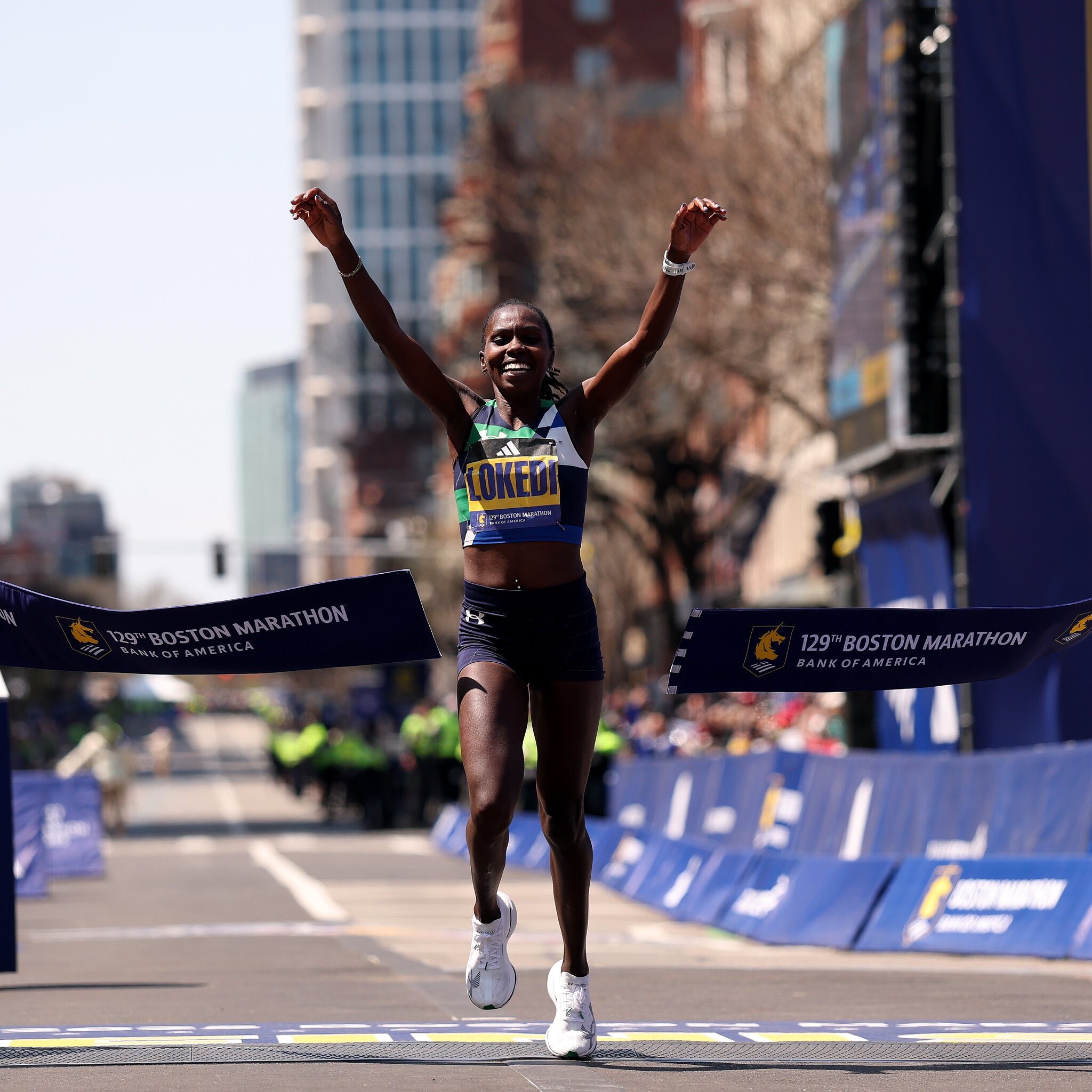
The two-time Boston Marathon champion has developed a special connection with the historic race city. In 2025, she produced a course-record performance of 2:17:22 to win the Boston Marathon before returning this year to claim another victory in 2:18:51, the second-fastest winning time in the event’s storied history. Her success has cemented her status as one of the premier road runners in the world.
Lokedi will be making her first competitive appearance since her marathon triumph and arrives as the reigning B.A.A. 10K champion after clocking 31:39 over the challenging 6.2-mile course in 2025.
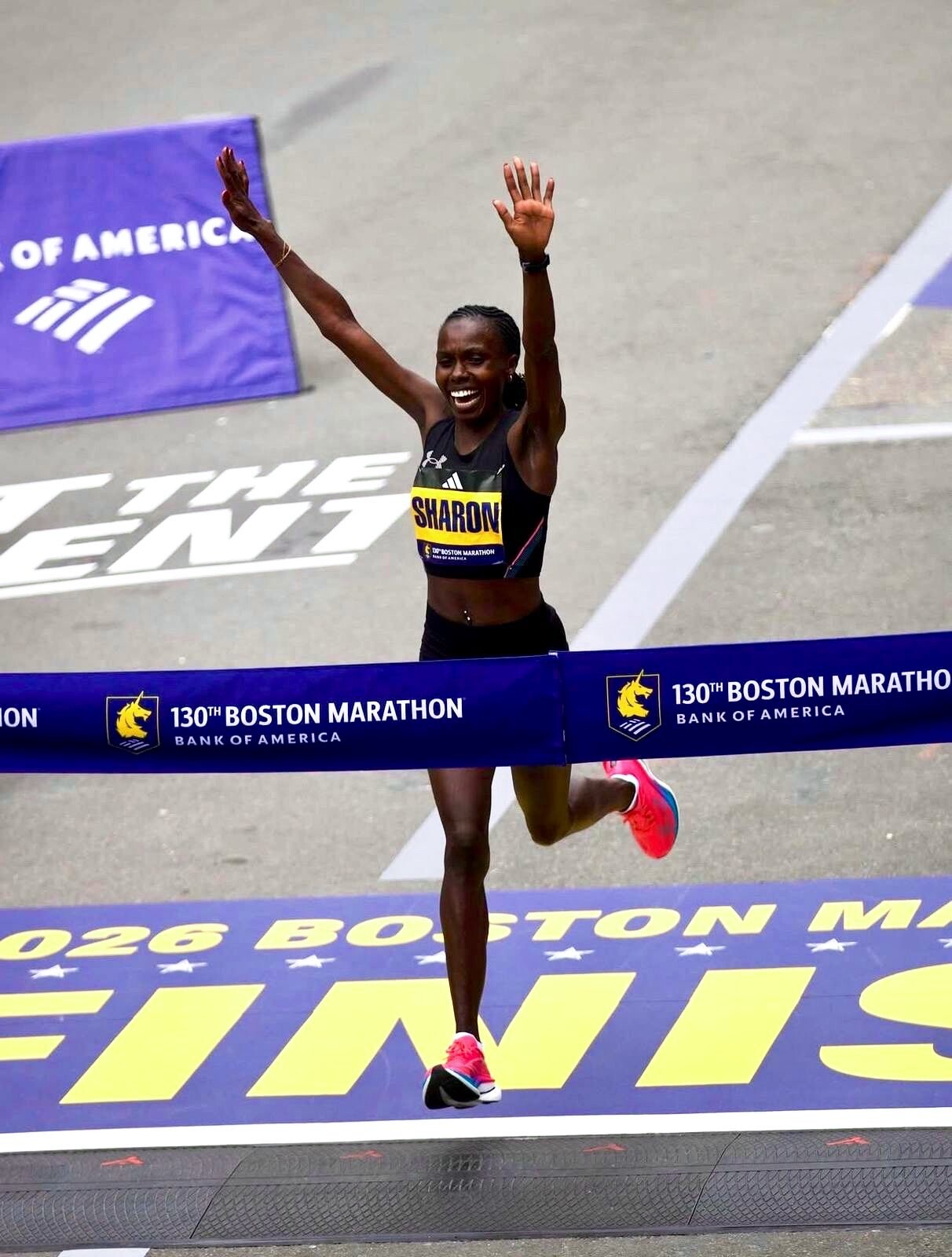
“Boston has become a very special place for me,” Lokedi said ahead of the race. “The atmosphere created by the fans and the community is unlike anywhere else. I’m excited to return and give everything I have to defend my title.”
The women’s race promises to be highly competitive. American Olympian Rachel Smith, who finished second at the Boston 5K in April, leads the domestic challenge. Kenya’s strong contingent includes African 10,000m champion Gladys Kwamboka, former B.A.A. 10K runner-up Stacy Ndiwa, and experienced road racer Viola Cheptoo. British Olympian Jessica Warner-Judd adds further international depth to a field packed with proven performers.
The men’s race is equally impressive, featuring elite athletes from 13 nations.
Ethiopia’s Dawit Seare enters as one of the leading contenders after capturing the 2025 Boston 5K title and bringing the fastest 10K personal best in the field at 27:21. Kenya will be represented by an accomplished group led by Alexander Mutiso, winner of the 2024 London Marathon and runner-up at last year’s New York City Marathon.
Patrick Kiprop also arrives in outstanding form after securing victory at the prestigious BolderBoulder 10K on Memorial Day, while Alex Masai returns looking to continue his strong record in Boston. Masai recently finished ninth at the Boston Marathon and has earned three top-ten finishes at the B.A.A. 10K.
Among the international stars making their mark is South Africa’s Adriaan Wildschutt, who makes his race debut after an impressive season highlighted by victory at the NYC Half Marathon in 59:30. Ethiopia’s Olympic bronze medallist Hagos Gebrhiwet adds further quality to the field, bringing a wealth of championship experience and previous success in Boston.
Canadian national 10K champion Andrew Alexander, two-time U.S. Olympian Hillary Bor, marathon standout Ryan Ford, and reigning USA 25K champion Andrew Colley complete a field stacked with talent and depth.
With defending champions, Olympic finalists, national champions and rising stars all converging on Boston, the 2026 B.A.A. 10K is shaping up to be one of the most competitive editions in recent memory. For Sharon Lokedi, however, the mission is simple: return to the city where she has repeatedly excelled and add another memorable chapter to her growing Boston legacy.
by Erick Cheruiyot for My Best Runs.
Login to leave a comment

B.A.A. 10K
The 6.2-mile course is a scenic tour through Boston's Back Bay. Notable neighborhoods and attractions include the legendary Bull and Finch Pub, after which the television series "Cheers" was developed, the campus of Boston University, and trendy Kenmore Square. ...
more...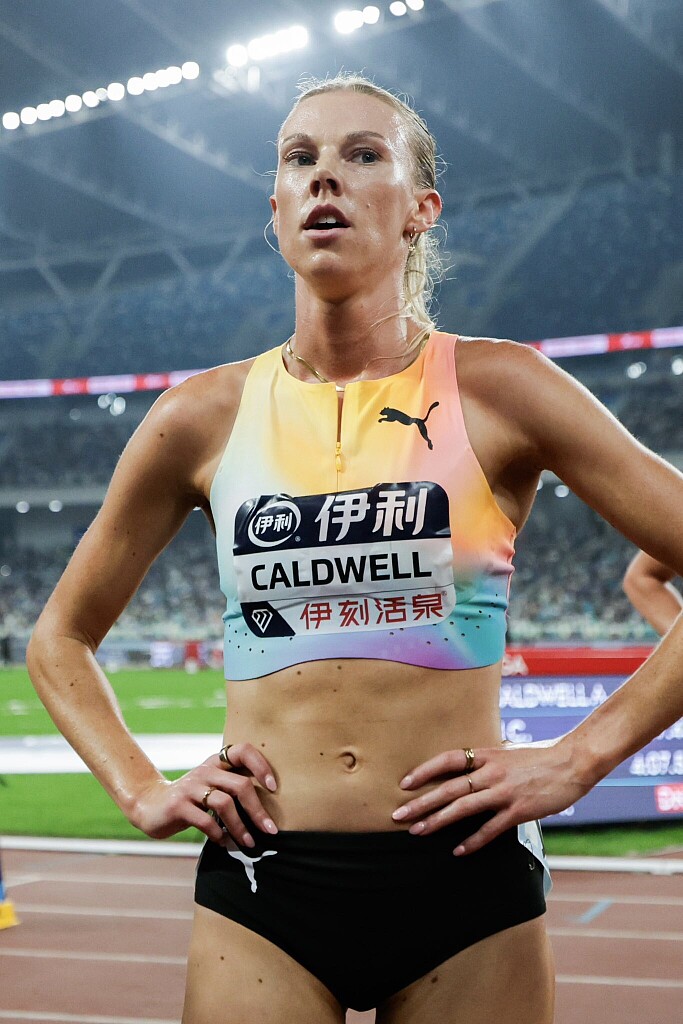
Abbey Caldwell Storms to Maiden Diamond League Triumph in Xiamen
Australian middle-distance star Abbey Caldwell delivered the performance of her career on Saturday night, powering to a sensational victory in the women’s 1500m at the prestigious Diamond League meeting in Xiamen.
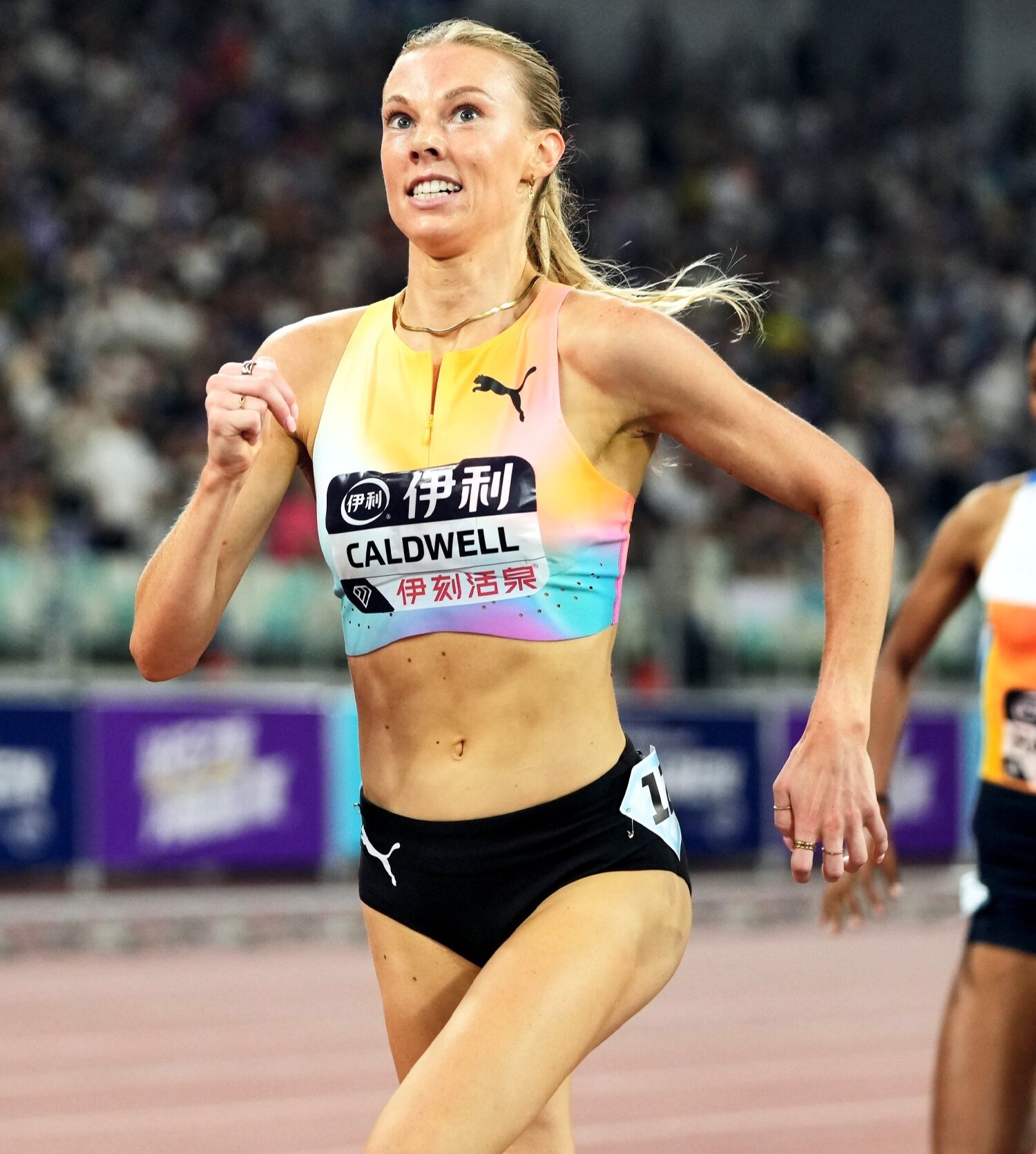
Just weeks after claiming an impressive bronze medal in Shanghai, Caldwell returned to the Chinese circuit with greater confidence, sharper tactics, and an unshakable belief that her breakthrough moment had finally arrived. In a race packed with world-class talent, the Australian produced a fearless and composed display to secure her first-ever Diamond League win in a brilliant time of 3:57.26 — a milestone that instantly elevates her status among the sport’s rising stars.
From the opening laps, the pace was relentless, with the field tightly packed as athletes battled for position. Caldwell remained patient throughout the early stages, carefully conserving energy while keeping herself within striking distance of the leaders. As the bell rang for the final lap, the intensity inside the stadium exploded.
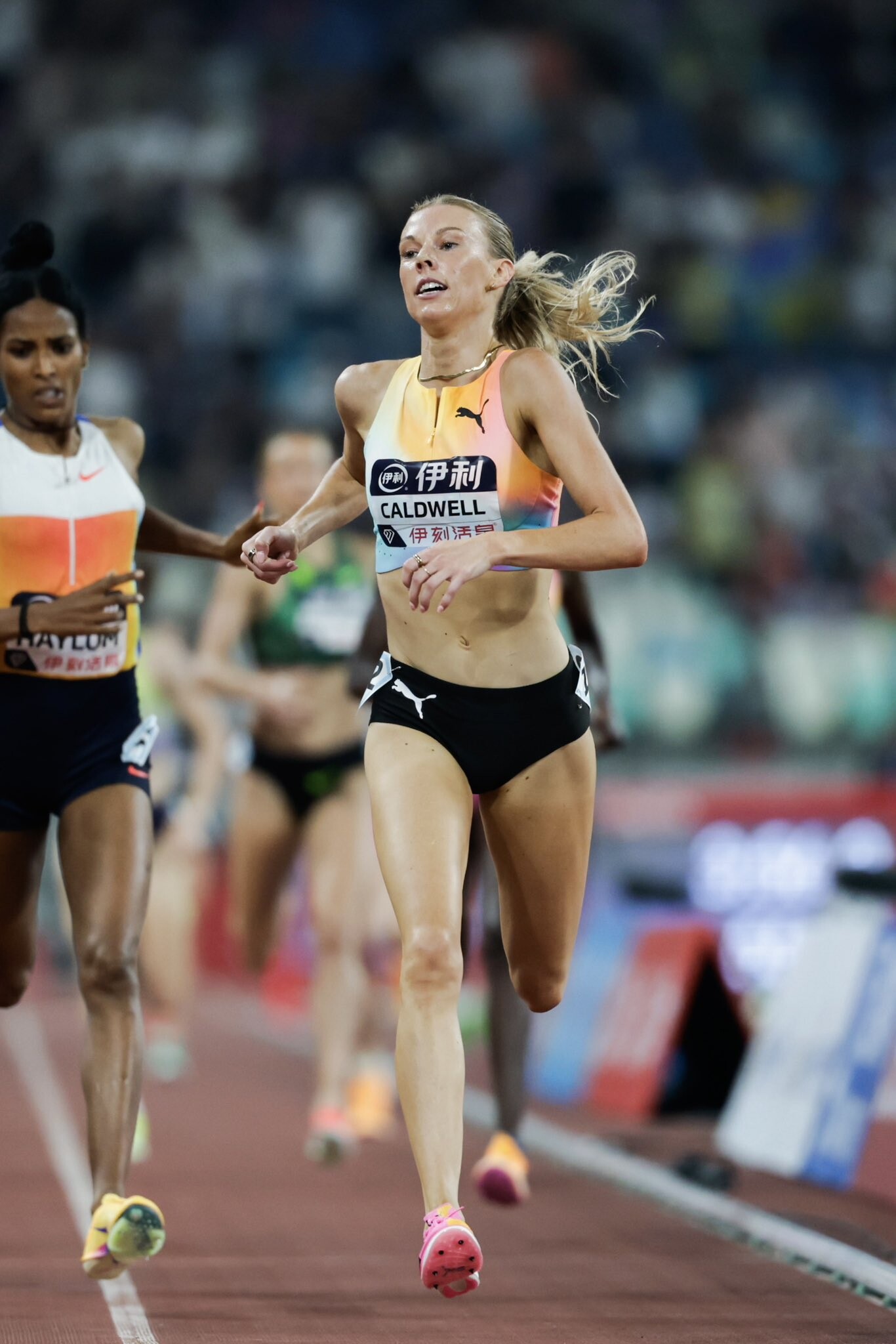
What followed was a defining moment in the young Australian’s career.
Launching a perfectly timed surge down the final stretch, Caldwell unleashed a devastating finishing kick that left her rivals scrambling for answers. With every stride, she looked stronger, more determined, and completely in control as she clocked 3:57.26 to cross the finish line and claim a memorable victory against one of the deepest fields of the season.
The emotional scenes after the race told the full story.
In her post-race interview, Caldwell spoke with visible joy and disbelief, admitting that capturing her first Diamond League title felt surreal after years of hard work, setbacks, and perseverance. Her reaction reflected the magnitude of the achievement — not simply another race win, but the arrival of an athlete ready to compete consistently on the global stage.
The triumph in Xiamen marks a major turning point for Caldwell, whose rapid rise continues to gather momentum in 2026. From standing on the podium in Shanghai to climbing to the very top in Xiamen, the Australian has announced herself as one of the most exciting names in women’s middle-distance running.
by Erick Cheruiyot for My Best Runs.
Login to leave a comment
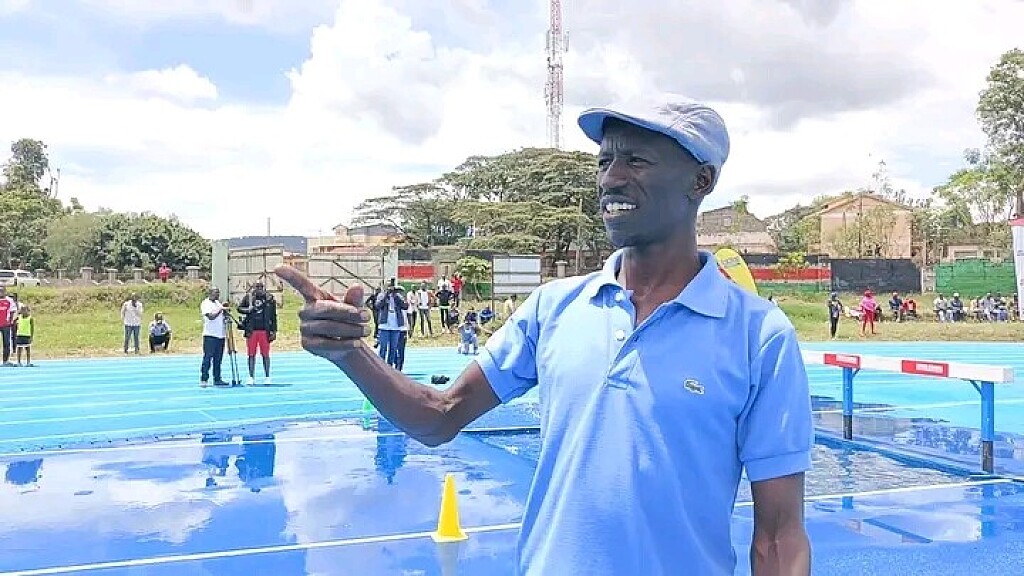
Ezekiel Kemboi at 44: The Enduring Legacy of a Steeplechase Legend
Few athletes have ever dominated the 3000m steeplechase with the brilliance, charisma and longevity of Ezekiel Kemboi. Born on May 25, 1982, in Matira, Kenya, Kemboi grew into one of the most iconic figures the event has ever produced, turning the steeplechase into both a spectacle and an art form.
Inspired by legendary Kenyan steeplechaser Moses Kiptanui and later mentored by Paul Ereng, the 1988 Olympic 800m champion, Kemboi developed the confidence and competitive mentality that would define his extraordinary career.
From the moment he emerged on the international stage, Kemboi brought a fearless approach to the barriers and water jumps. He raced with unmatched courage, often controlling championship finals with tactical intelligence and explosive finishing speed. His style made him one of the most difficult athletes to defeat under pressure.
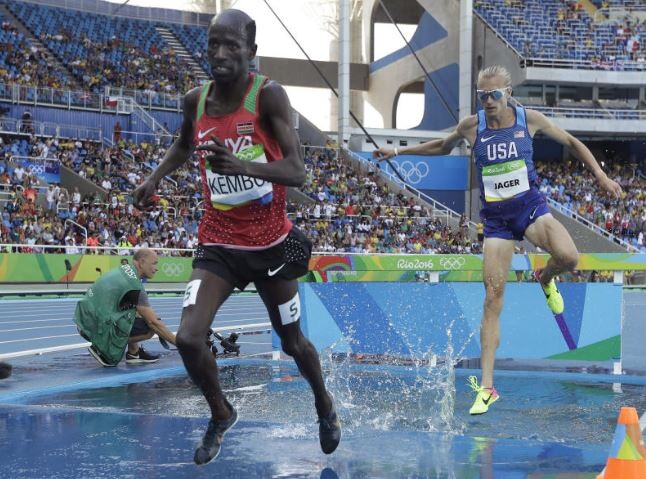
Kemboi became a two-time Olympic champion in the 3000m steeplechase, winning gold in Athens in 2004 before reclaiming the Olympic crown in London in 2012. His ability to remain at the top for nearly a decade separated him from many great champions before him.
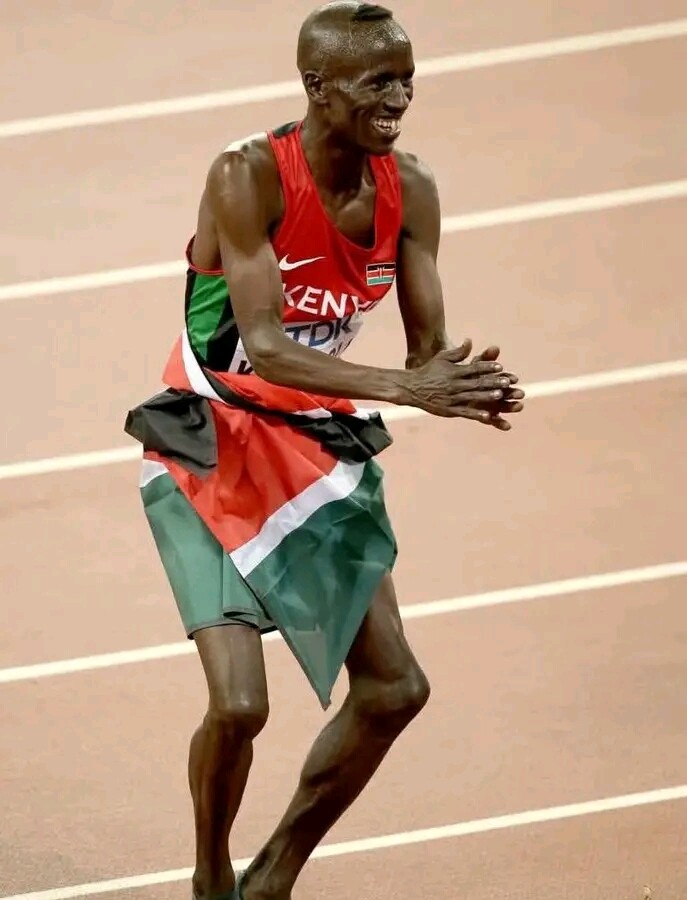
Even more impressive was his dominance at the World Championships, where he won four consecutive world titles in 2009, 2011, 2013 and 2015 — one of the greatest championship streaks in steeplechase history.
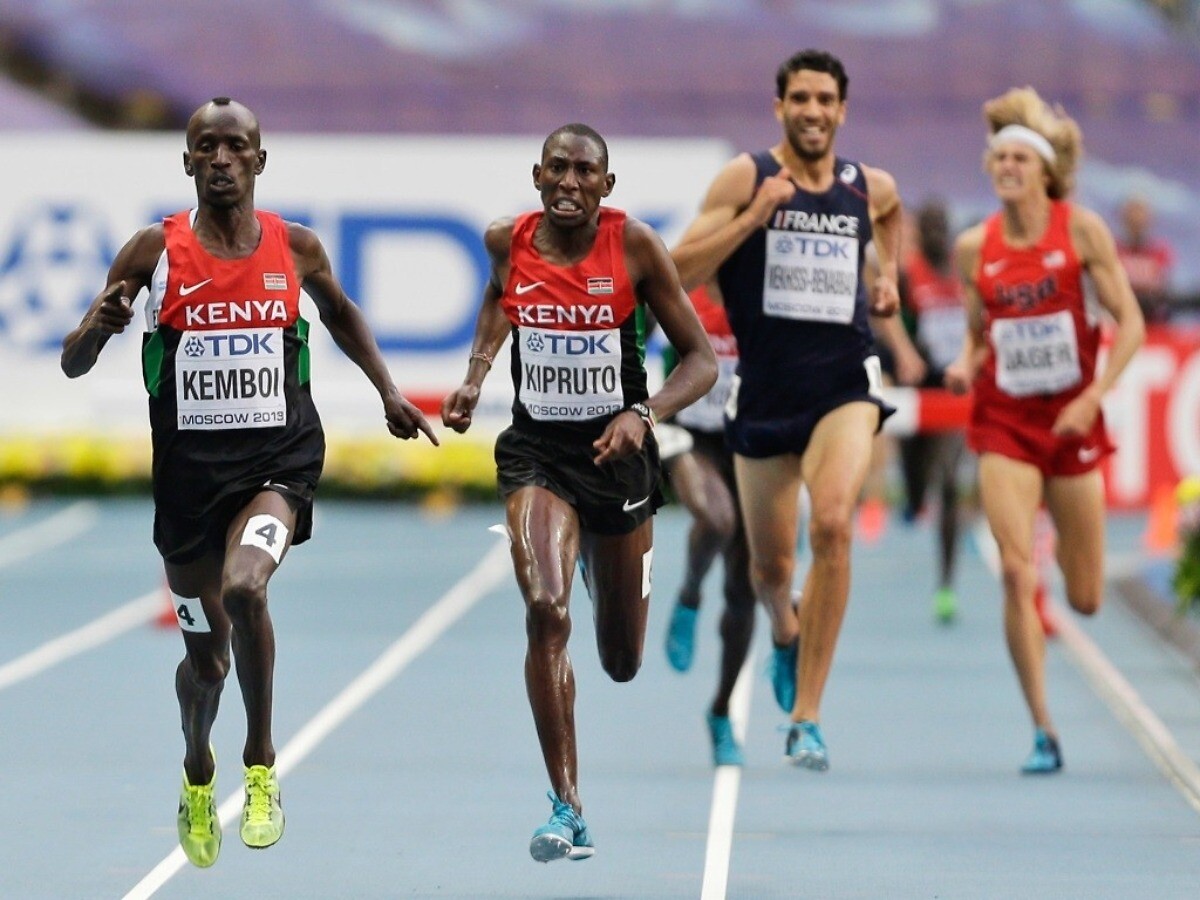
Throughout his remarkable journey, Kemboi collected an astonishing 15 major championship medals:
7 gold medals
6 silver medals
2 bronze medals
He collected those medals across the Olympic Games, World Championships, African Championships and Commonwealth Games, consistently proving himself against the very best athletes in the world. His ability to deliver year after year at the highest level highlighted not only his remarkable talent, but also his resilience, longevity and championship mentality.
Beyond the medals, Kemboi became famous for bringing excitement and personality to the event. His unforgettable finish-line dances became iconic moments in athletics, turning victories into celebrations that fans across the world eagerly anticipated. He showed that a champion could dominate fiercely while still expressing joy and individuality.
Kemboi’s brilliance was also reflected in his incredible speed. His personal best of 7:55.76, set in Monaco in 2011, places him among the fastest steeplechasers in history and remains one of the standout performances ever recorded in the event.
For many young athletes, especially in Kenya, Ezekiel Kemboi’s story continues to serve as a powerful source of inspiration. From a small village in Kenya to Olympic and world glory, he proved that discipline, belief and fearlessness can elevate an athlete to legendary status.
Today, his legacy stands far beyond medals and records. Ezekiel Kemboi transformed steeplechase into a global spectacle and inspired an entire generation to dream bigger every time they approach the barriers.
by Erick Cheruiyot for My Best Runs.
Login to leave a comment
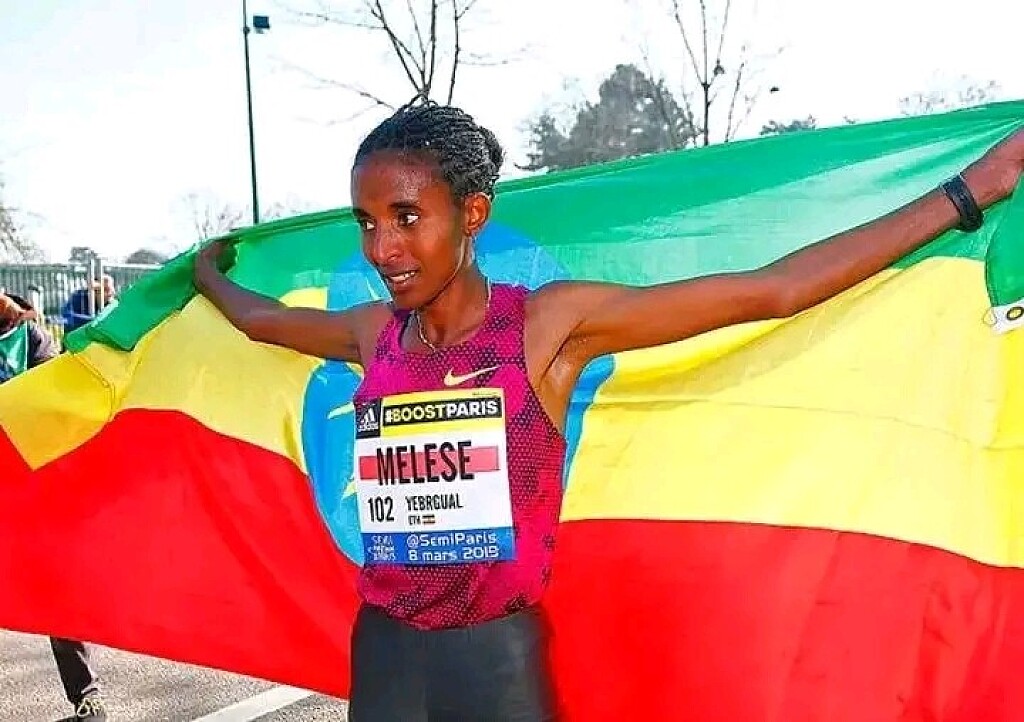
Ethiopian Athletics Mourns the Sudden Death of Marathon Star Yebrgual Melese
The athletics world is mourning the tragic and sudden passing of Ethiopian long-distance runner Yebrgual Melese, who reportedly died while taking part in her regular training session. She was 36 years old.
News of her death has sent shockwaves across the global athletics community, with tributes pouring in for one of Ethiopia’s respected distance runners whose career inspired many both at home and internationally.
Melese built a remarkable reputation through years of consistency and excellence on the roads, proudly representing Ethiopia in major international competitions. Among her achievements was winning a bronze medal in the half marathon at the 2015 African Games in Brazzaville, Congo, further cementing her place among the country’s accomplished long-distance athletes.
She also enjoyed significant success on the marathon stage, finishing second at the 2015 Chicago Marathon and claiming victories at the Shanghai, Prague, and Houston Marathons. Her dominance extended to shorter road races as well, having won the Paris Half Marathon twice alongside victory at the Lisbon Half Marathon. Melese recorded a personal best time of 2:19:36 during her distinguished career.
According to reports from the Ethiopian Athletics Federation, the celebrated athlete had been preparing for the upcoming Ottawa Marathon in Canada before her sudden death during training. Her passing marks a devastating loss not only for Ethiopian athletics but for the entire international running community.
Beyond her achievements, Melese was admired for her dedication, humility, and relentless fighting spirit. She carried the Ethiopian flag with pride on the international stage and earned the respect of fellow athletes and fans around the world through her performances and professionalism.
As messages of grief continue to emerge from across the athletics fraternity, the Ethiopian Athletics Federation expressed deep sorrow over the heartbreaking loss and extended condolences to her family, friends, supporters, and the wider sporting community.
The legacy of Yebrgual Melese will remain alive through the unforgettable moments she created on the roads and marathon courses around the world. May her soul rest in eternal peace.
by Erick Cheruiyot for My Best Runs.
Login to leave a comment
Gelindo Bordin: The Quiet Runner Who Chased Down Immortality
Not every sporting legend arrives wrapped in noise and spectacle. Some emerge gradually, almost unnoticed at first, built not on flamboyance but on resilience, discipline, and an unshakable belief in endurance. That was the essence of Gelindo Bordin — a man whose greatness unfolded not in dramatic declarations, but stride by stride across the unforgiving roads of marathon racing.
Long before Olympic glory found him, Bordin was simply a determined young runner from Vicenza, training with little indication that history was quietly preparing a place for his name. There was nothing theatrical about his rise. His running carried a calm rhythm, patient and controlled, yet beneath that composure lived a relentless competitive spirit waiting for the right stage to reveal itself.
That revelation began in earnest at the 1986 European Championships in Stuttgart. The marathon unfolded like a battle of endurance against fatigue, and Bordin mastered it with remarkable maturity. He did not dominate through reckless aggression; instead, he absorbed the suffering better than everyone else. As rivals faded in the closing stages, the Italian surged toward gold, announcing himself as one of the finest marathon runners of his generation.
A year later came another defining examination at the 1987 World Championships in Rome. The brutal heat transformed the race into a test of survival, punishing every tactical mistake. While others attacked too early, Bordin ran with restraint and intelligence, conserving both energy and composure for the decisive final kilometres. When exhaustion consumed the field after 35 kilometres, he moved forward with clinical precision, earning a hard-fought bronze medal that showcased not only physical strength, but extraordinary patience and tactical discipline.
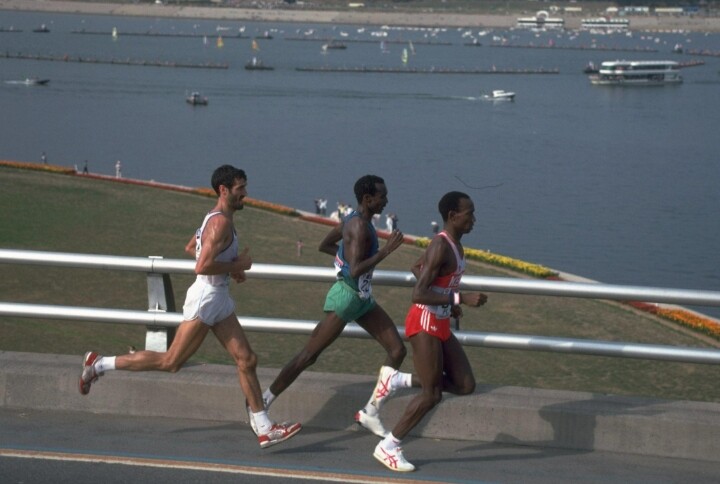
Yet it was at the 1988 Olympic Games in Seoul where Gelindo Bordin elevated himself from elite athlete to eternal icon.
The Olympic marathon began cautiously, with Bordin sitting quietly among the leading pack, unreadable and composed. As the race intensified beyond the halfway mark, the contenders gradually separated themselves from the rest. By the closing stages, only three men appeared capable of winning Olympic gold: Bordin, Kenya’s Douglas Wakiihuri, and Djibouti’s Ahmed Salah.
Then came the moment that seemed to decide the race.
Ahmed Salah launched a ferocious acceleration, dragging Wakiihuri with him and opening a painful gap on the Italian. The marathon appeared settled. Spectators believed Bordin was fading toward bronze, honourable but beaten. The leaders looked gone.
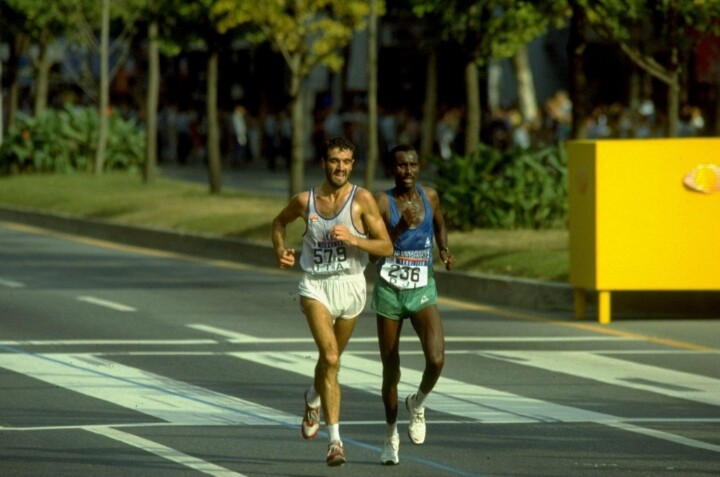
But greatness often reveals itself in the darkest kilometres of a marathon.
Somewhere inside the agony of those final moments, Bordin discovered reserves that defied logic. He began clawing his way back with astonishing determination, reducing the gap metre by metre. First he reeled in Wakiihuri. Then he hunted down Salah himself. And once he surged into the lead, there was no hesitation left in him.
With less than a kilometre remaining, Gelindo Bordin was no longer merely competing for victory — he was running into history.
He crossed the finish line as Olympic champion, becoming the first Italian ever to win Olympic gold in the marathon. It remains one of the most courageous comeback victories the event has ever witnessed, a masterpiece forged through patience, timing, and refusal to surrender.
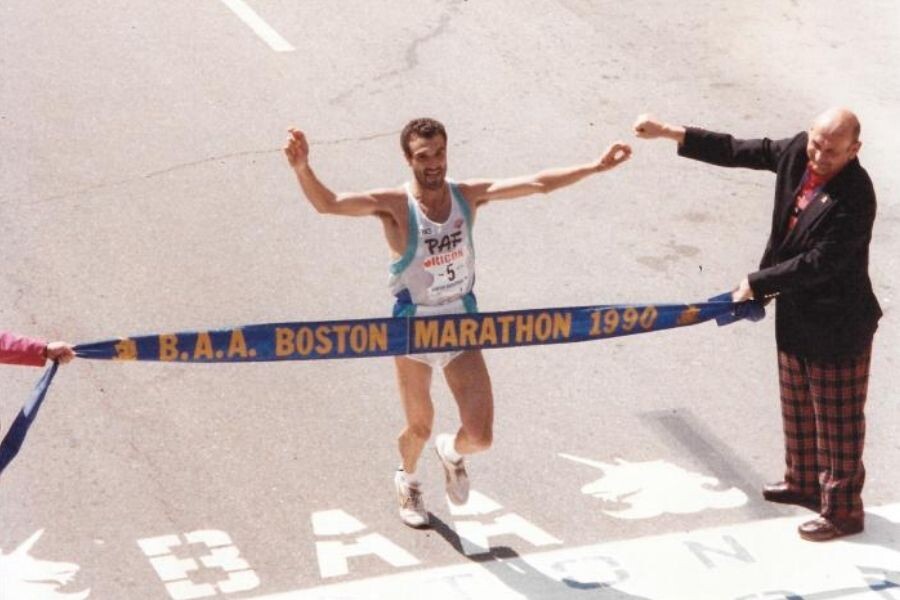
Bordin’s excellence did not end in Seoul. In 1990, he defended his European marathon title, becoming the first athlete in history to achieve that feat. That same year, he conquered the legendary Boston Marathon, a triumph he later described as the second-greatest performance of his career. Battling cold winds and the relentless demands of the Boston course, he delivered another unforgettable display of strength and tactical brilliance.
To this day, Gelindo Bordin remains the only athlete ever to win both the Olympic marathon and the Boston Marathon — a distinction that elevates his legacy into truly rare territory.
Like every great endurance athlete, however, his journey eventually encountered heartbreak. Tokyo brought disappointment. Barcelona in 1992 brought something even more painful: a groin injury that shattered his hopes of defending his Olympic crown midway through the race. Soon after, Bordin stepped away from professional competition.
His retirement carried the same quiet dignity that had defined his running career. He did not leave the sport defeated. He left it complete.
What endures most about Gelindo Bordin is not merely the medals or records, but the spirit behind them. His story is a timeless reminder that patience can become a weapon, that resilience often matters more than spectacle, and that the calmest competitors sometimes produce the loudest echoes in sporting history.
In an era that often celebrates noise, Gelindo Bordin proved that true greatness can still arrive in silence — and run straight into immortality.
by Erick Cheruiyot for My Best Runs.
Login to leave a comment
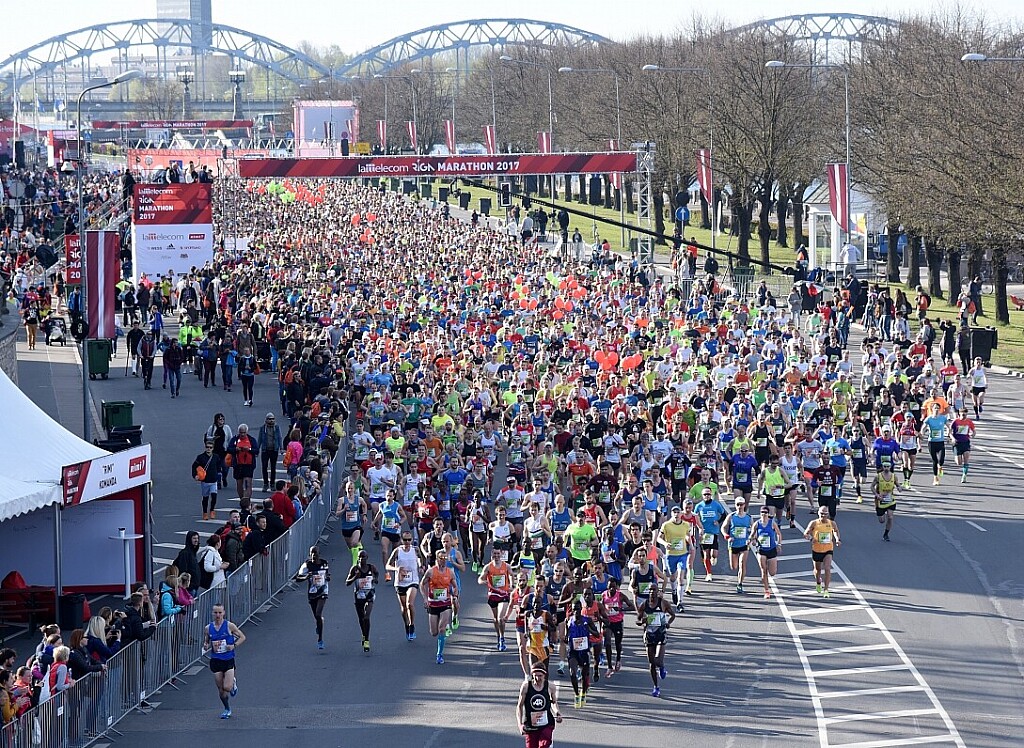
Riga Ready for a World-Class Half Marathon Spectacle as Elite Men and Women Prepare for Epic 21km Battle
The stage is set for an unforgettable day of road racing as the Rimi Riga Marathon prepares to host one of the strongest elite half marathon fields in its history on May 17, 2026. With international stars from Kenya, Ethiopia, Uganda, Tanzania, Germany, and Japan confirmed for the 21km showdown, the streets of Riga are expected to witness a breathtaking display of endurance, tactical brilliance, and raw speed.
The men’s field is packed with proven sub-one-hour performers capable of producing a blistering pace from the opening kilometers. Kenya’s Robert Kiprop Koech and James Kipkogei headline a powerful Kenyan challenge after recording personal bests of 59:51 and 59:31 respectively. Both athletes arrive in Riga carrying the reputation of fearless racers with the ability to dominate fast-paced road contests.
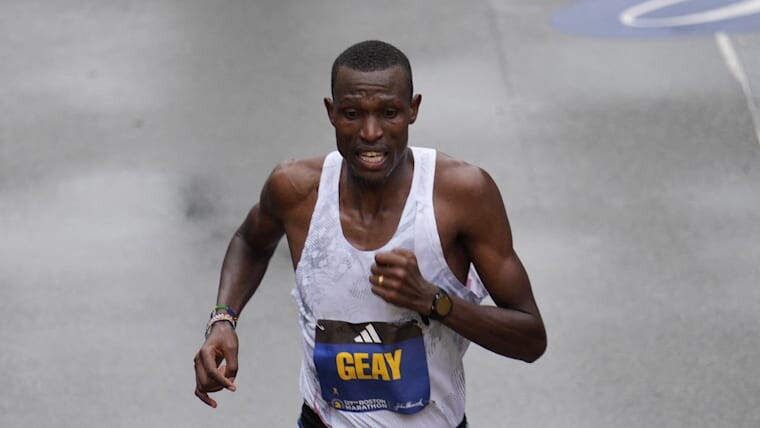
Tanzania’s Gabriel Gerald Geay adds even greater depth to the lineup. With a personal best of 59:18 and years of experience competing against the world’s best, Geay remains one of the strongest contenders for victory. Kenya's Alfred Kipchirchir Mukche and Charles Mbatha Matata are also expected to play major roles, while Japan’s Tomoya Ogikubo brings international flair and tactical discipline to the elite contest.
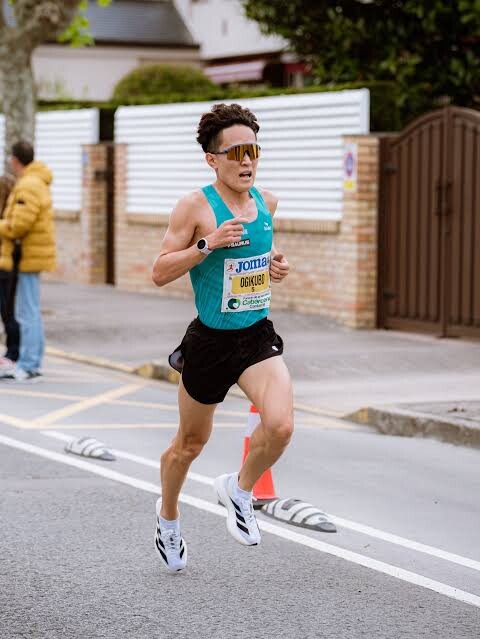
Equally captivating will be the women’s race, where some of the world’s finest distance runners are preparing for a fierce battle over 21 kilometers. Leading the field is Kenya’s Sharon Lokedi, the two-time Boston Marathon champion whose rise among the sport’s elite has been extraordinary. Renowned for her calm racing style and devastating finishing kick, Lokedi enters Riga as one of the headline attractions of the entire event.
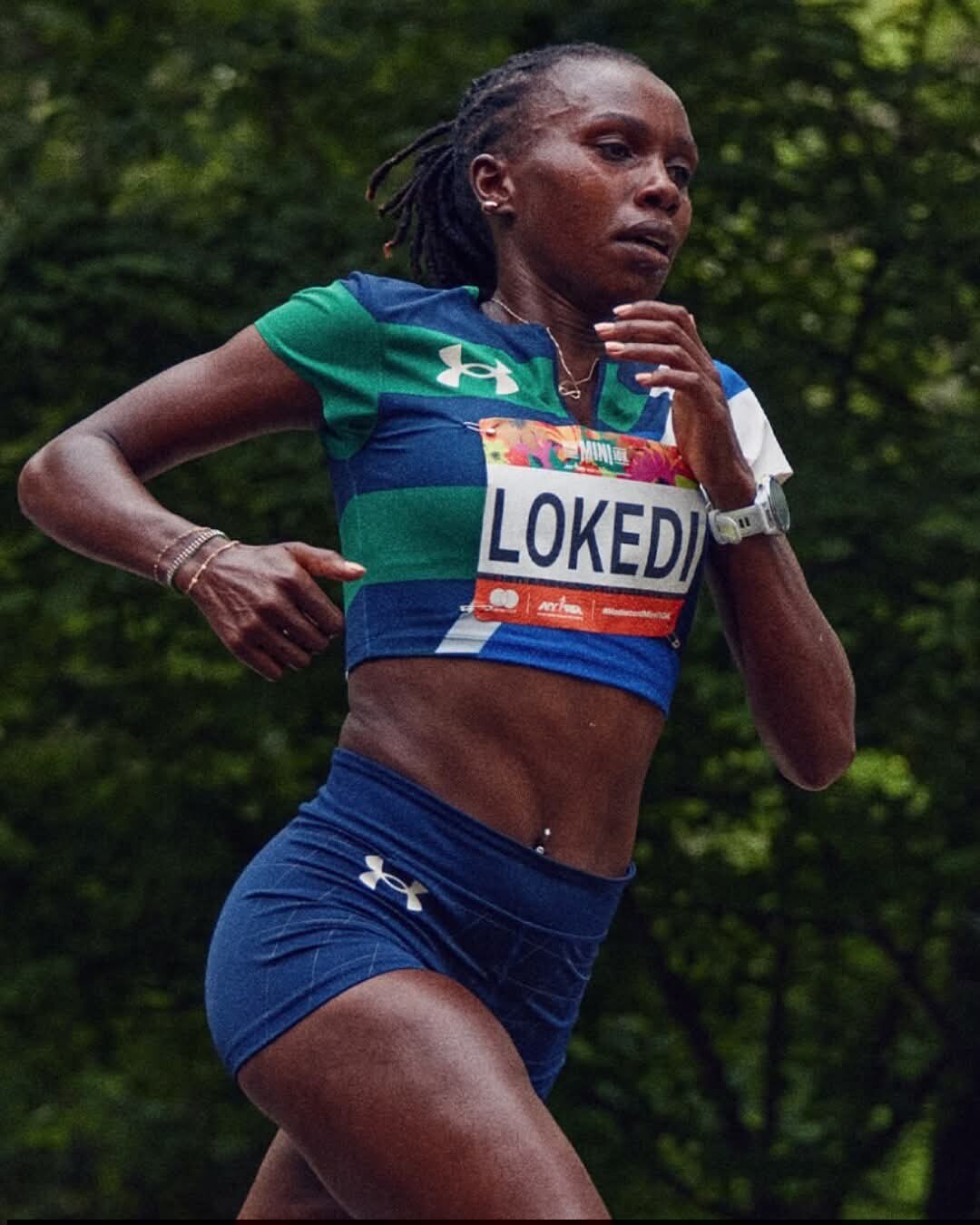
Ethiopia’s challenge will be spearheaded by Ejgayehu Taye, the World Road Running Championships bronze medallist who previously impressed in Riga during the 2023 championships. Her ability to sustain relentless pace deep into races makes her a major threat for the title. Ethiopia will also rely on rising stars Diniya Abaraya and Bertukan Welde, two athletes widely regarded as future stars of global road running.
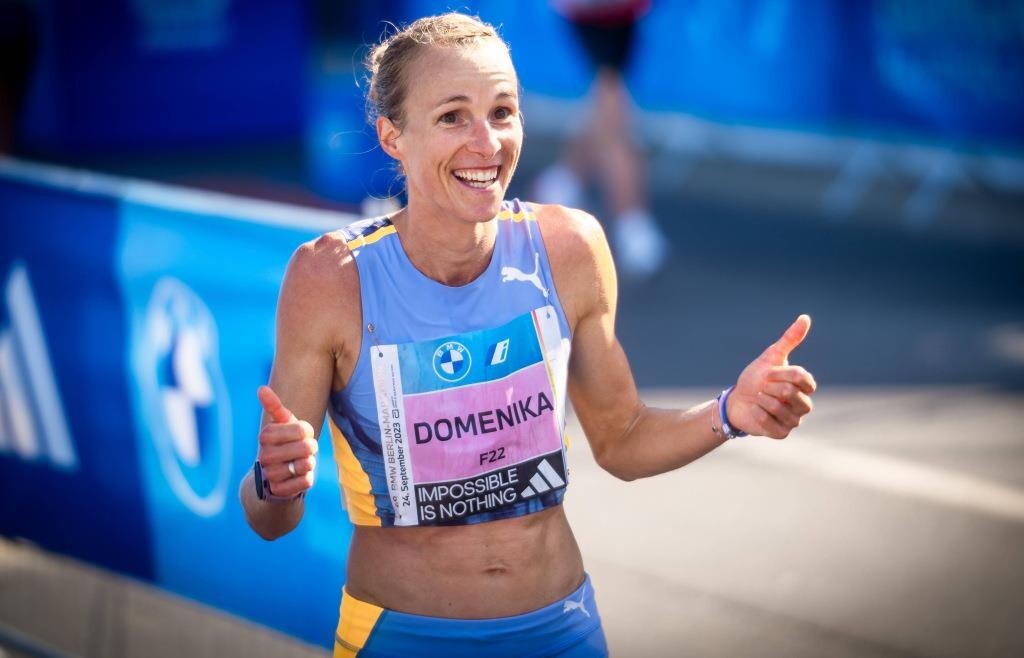
Uganda’s Stella Chesang further strengthens the women’s lineup with her championship pedigree and proven consistency on both the track and roads. Meanwhile, Germany’s Domenika Mayer will carry European hopes as the defending Riga Marathon champion and national record holder. Her experience on the Riga course could provide a crucial advantage against such a deep international field.
With elite champions, global medallists, and emerging talents all converging in Latvia, anticipation for the 2026 Rimi Riga Half Marathon continues to soar. Both the men’s and women’s races promise uncompromising competition where every second will matter, and where victory may only be decided in the dramatic closing stages.
As race day approaches, Riga is preparing not just for another marathon weekend, but for a landmark celebration of world-class road running that could deliver some of the fastest and most memorable performances of the season.
by Erick Cheruiyot for My Best Runs.
Login to leave a comment

Lattelecom Riga Marathon
If you have never been to Riga then, running a marathon or half-marathon could be a good reason to visit one of the most beautiful cities on the Baltic Sea coast. Marathon running has a long history in Riga City and after 27 years it has grown to welcome 33,000 runners from 70 countries offering five race courses and...
more...
Jamaica Edges Ahead as Two-Day Championship Concluded in Style
The curtain fell on an electrifying two-day athletics spectacle during World Relay Championship in Gaborone, Botswana on Sunday, May 3, with the medal table reflecting a gripping contest among some of the world’s sprinting and relay powerhouses.
At the summit, Jamaica emerged as the narrow leader, finishing with two gold medals and one silver to top the standings. Their performances combined authority and flair, reinforcing their enduring legacy as one of the sport’s most dominant forces. From explosive starts to composed finishes, the Jamaican squad delivered when it mattered most, igniting celebrations among their supporters.
Hot on their heels, the United States matched Jamaica’s gold medal tally with two golds, but settled just behind due to a slightly lower overall count, adding a bronze to bring their total to three medals. The Americans showcased their trademark depth and versatility, ensuring the battle for top honors remained intense until the final events.
Botswana seized a memorable moment on home soil, clinching one gold medal to underline its growing stature in global athletics. The hosts’ success was mirrored by Norway, who also secured a gold, highlighting their efficiency and ability to convert opportunities into podium finishes.
Elsewhere, South Africa and Canada built strong campaigns through consistency, each collecting multiple medals without reaching the top step of the podium. Canada’s tally of two silvers and one bronze stood out as one of the most balanced hauls of the competition, while South Africa’s two silver medals kept them firmly in contention throughout.
Spain added both silver and bronze to its account, demonstrating competitive resilience, while Great Britain, Germany, and Australia each claimed a bronze medal to ensure their presence on the table.
Though the championship spanned just two days, it delivered a compelling narrative of rivalry, emerging talent, and national pride. With margins so fine at the top, every race carried weight, and every baton exchange or final stride proved decisive.
As the dust settles on this edition, the medal table not only crowns Jamaica as the standout nation but also sets the stage for even greater battles ahead.
by Erick Cheruiyot for My Best Runs.
Login to leave a comment
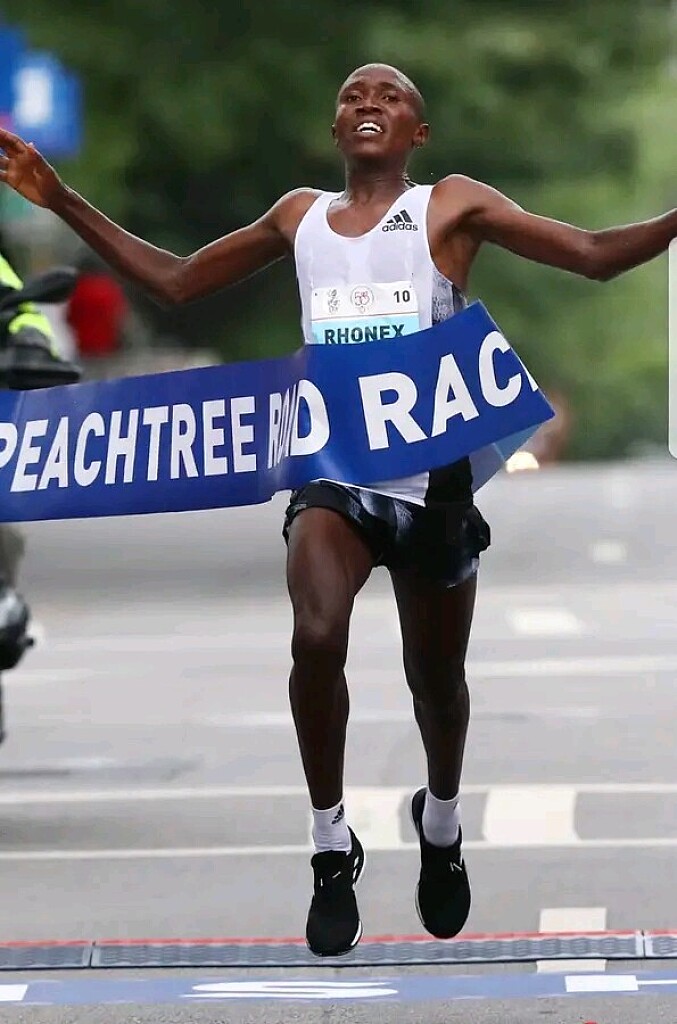
Rhonex Kipruto Wins Partial Appeal as CAS Cuts Ban, but Doping Offence Still Confirmed
Kenyan long-distance runner Rhonex Kipruto has secured a partial legal victory after the Court of Arbitration for Sport reduced his suspension by one year. Yet despite the shorter sanction, the tribunal upheld the central finding that he committed an anti-doping rule violation through blood manipulation.
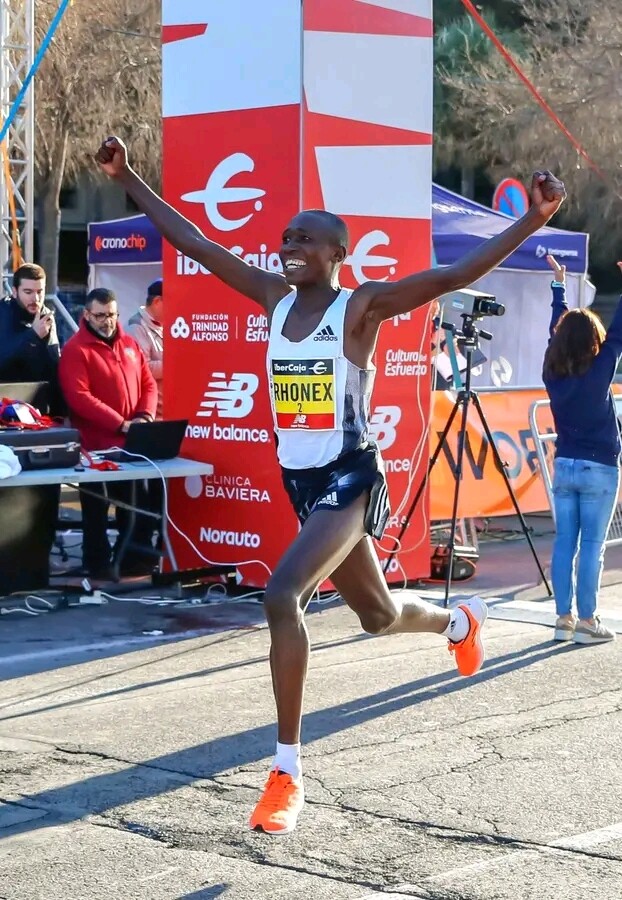
The ruling marks the latest chapter in one of athletics’ most high-profile disciplinary cases. Kipruto had originally been handed a six-year ban in May 2024 by the Athletics Integrity Unit after abnormalities in his Athlete Biological Passport were judged to be consistent with blood doping. Following his appeal, that penalty has now been reduced to five years.
While the revised decision offers Kipruto an earlier route back to competition, it does not erase the sporting consequences already attached to the case. His results during the affected period remain disqualified, including the loss of his road 10km world record and the bronze medal he earned in the men’s 10,000m at the 2019 World Athletics Championships.
The downfall has been dramatic for an athlete once celebrated as one of Kenya’s brightest distance talents. Kipruto rose quickly through the ranks with fearless front-running performances and remarkable speed on both road and track, earning global admiration and the reputation of a future champion.
Instead, his name has become tied to a case that has drawn significant attention across the sport. The CAS decision may soften the length of the punishment, but it firmly reinforces the original conclusion that a serious violation occurred.
For Kipruto, the path ahead is about more than simply counting down the remaining years of his suspension. Any eventual comeback will require renewed discipline, restored credibility, and the difficult task of rebuilding a legacy that once seemed destined for greatness.
by Erick Cheruiyot for My Best Runs.
Login to leave a comment
