

Running News Daily
Running News Daily is edited by Bob Anderson and team. Send your news items to bob@mybestruns.com Advertising opportunities available.
Index to Daily Posts · Sign Up For Updates · Run The World Feed
Articles tagged #Bill Dellinger
Today's Running News
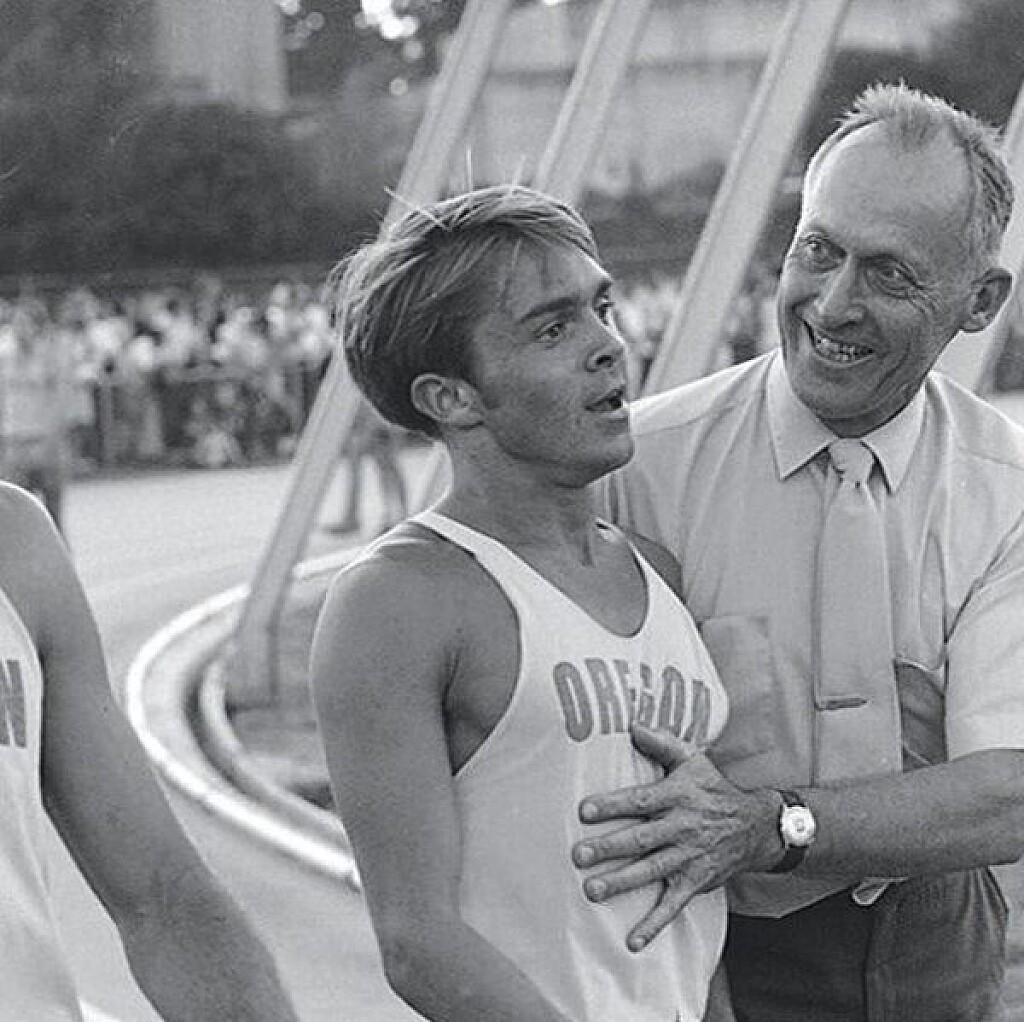


Bill Dellinger, Olympic Medalist and Legendary Coach, Passes Away at 91
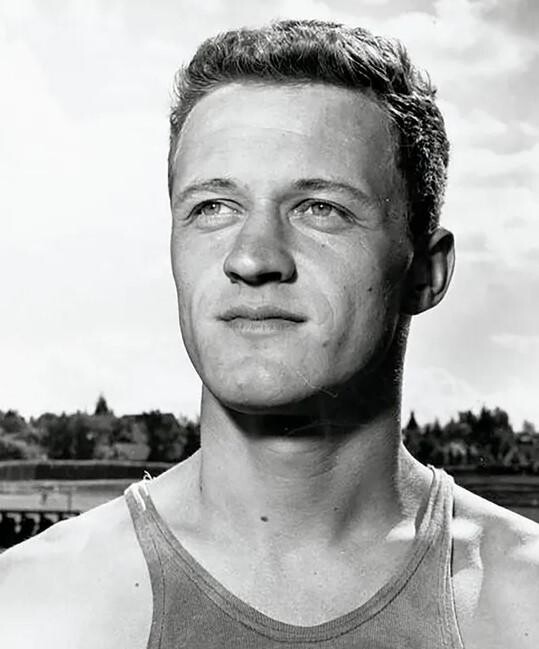
The world of distance running is mourning the loss of one of its greats. Bill Dellinger, a three-time Olympian, Olympic bronze medalist, and one of the most influential coaches in U.S. track history, has passed away at the age of 91 on June 26.
Dellinger’s name is etched into the legacy of American distance running, both for his competitive fire and his ability to mentor champions. A fierce competitor on the track and a quiet architect of greatness on the sidelines, Dellinger leaves behind a legacy that stretches across generations.
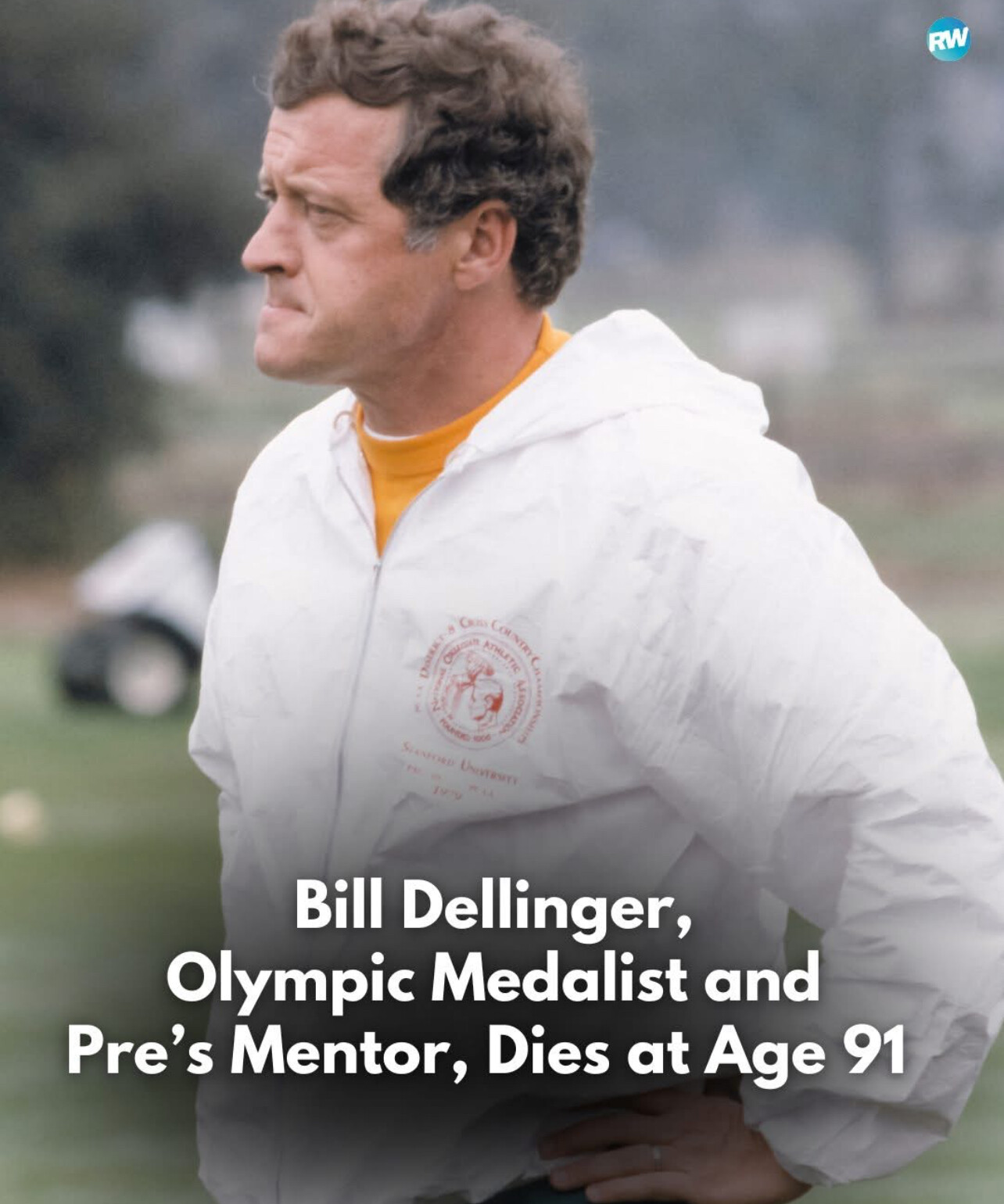
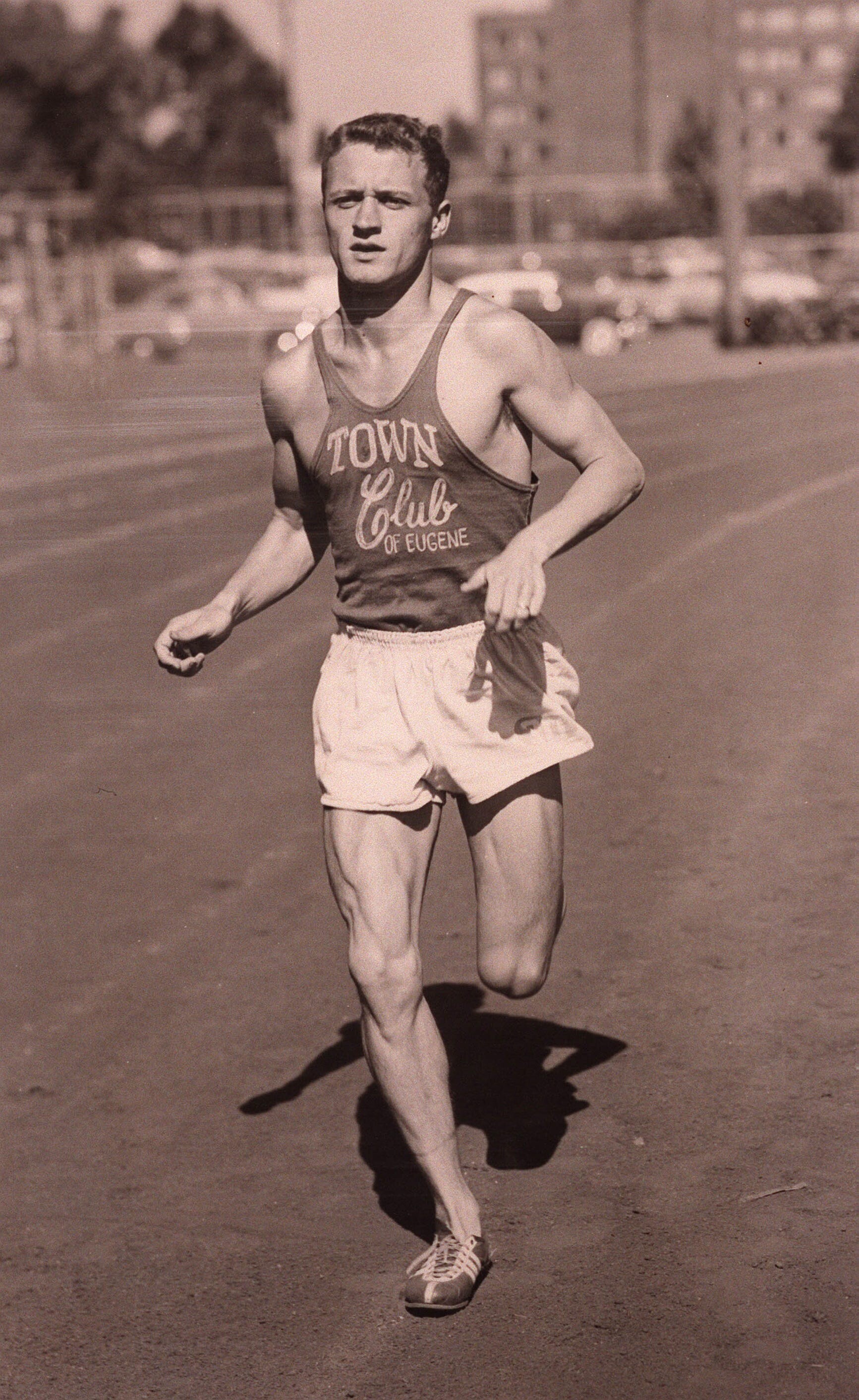
Born on March 23, 1934, in Grants Pass, Oregon, Dellinger rose to national prominence while competing for the University of Oregon under coach Bill Bowerman. He represented the United States in three Olympic Games—Melbourne 1956, Rome 1960, and Tokyo 1964—earning a bronze medal in the 5000 meters in his final Olympic appearance.
But Dellinger’s second act may have been even more impactful.
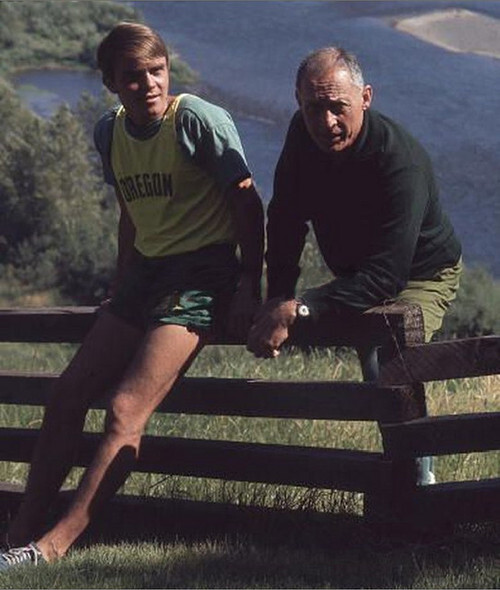
In 1973, he succeeded Bowerman as head coach at Oregon and immediately found himself guiding the nation’s most electric young runner—Steve Prefontaine. Their relationship transcended typical coach-athlete dynamics. Dellinger was more than a tactician; he was a stabilizing force for a fiercely independent and intense young star.
“Dellinger wasn’t just a coach. He was an architect of belief,” Prefontaine once said. “He knew when to push and when to trust.”
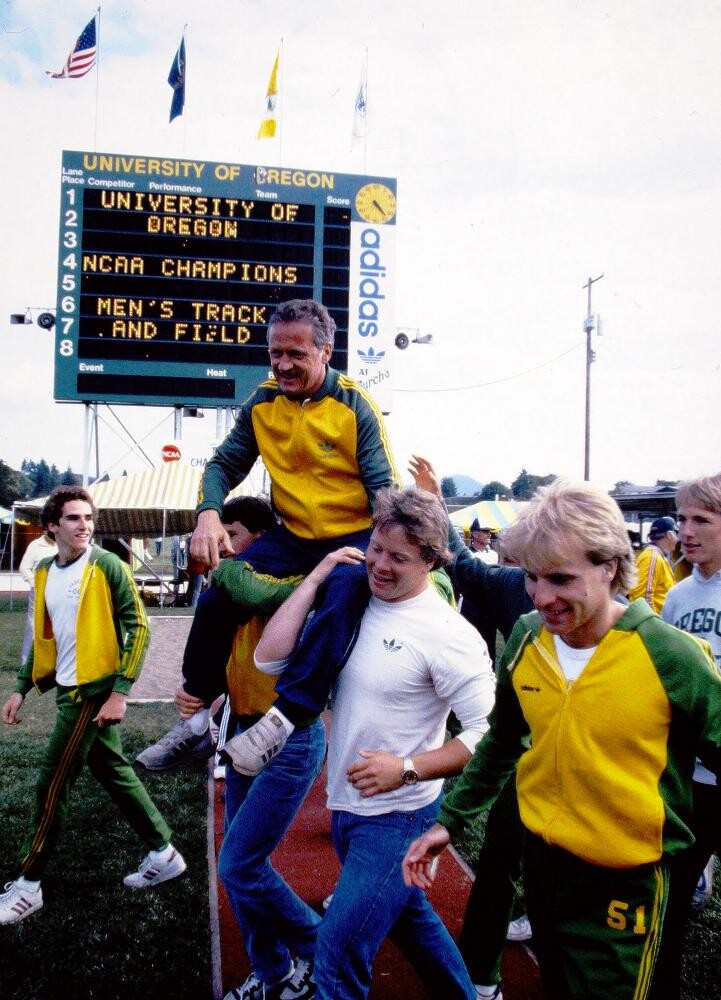
Dellinger coached at Oregon until 1998, mentoring athletes like Alberto Salazar, Matt Centrowitz Sr., Rudy Chapa, and many others who carried the Oregon tradition to global stages. He helped solidify Oregon’s reputation as the mecca of American distance running.
He was known for blending scientific training methods with an intuitive understanding of athlete development. His workouts were tough, his expectations high, but his support unwavering.
A Lifetime of Influence
Dellinger’s contributions to the sport extended well beyond the track. He co-authored training guides, helped shape early Nike culture, and lent his name to the prestigious Dellinger Invitational, one of the top collegiate cross-country meets in the country.
“Bill’s influence on distance running—first as a world-class athlete and then as a masterful coach—was profound,” said Bob Anderson, lifelong runner and founder of Runner’s World and My Best Runs.
“I hadn’t seen Bill in years, but his presence still echoes in the sport today. He inspired a generation and helped build the foundation of what American distance running has become. He may be gone, but he’ll never be forgotten.”
A Final Lap
Dellinger’s passing marks the end of an era, but his life’s work will continue on every time an Oregon singlet toes the line, every time a young coach references his methods, and every time a runner believes they can dig a little deeper.
He didn’t just coach champions—he helped shape the soul of American distance running.
Rest in peace, Coach Dellinger.
by Boris Baron
Login to leave a comment
1964 Olympic 5000m champion Bob Schul has died
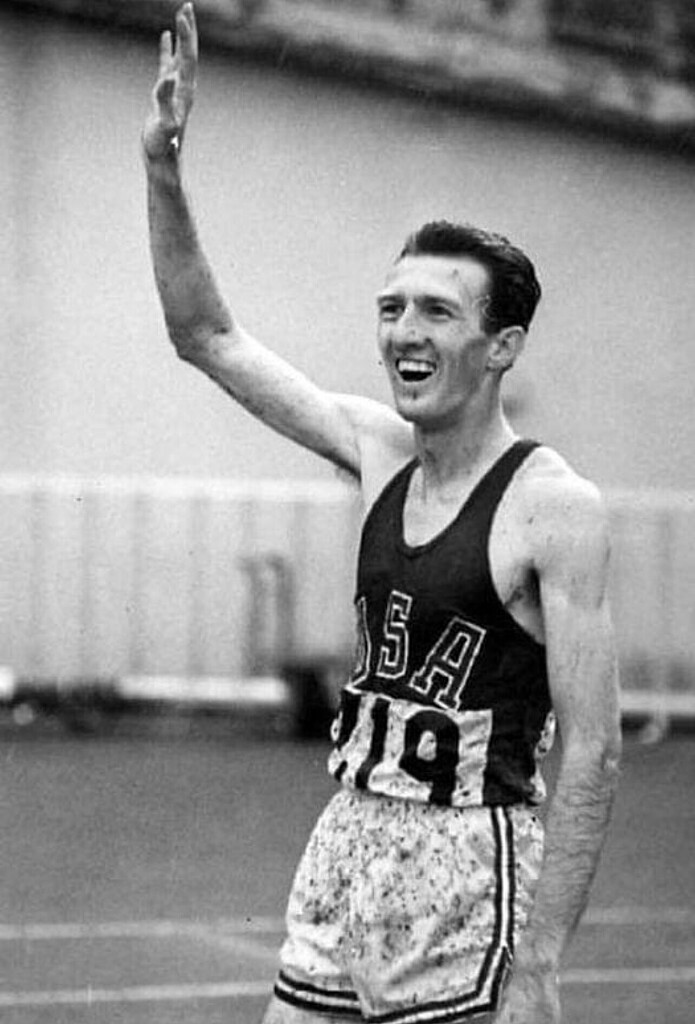
We are deeply saddened to hear that Bob Schul, USA’s 1964 Olympic 5000m gold medallist, died on Sunday (16) at the age of 86.
As well as his Olympic success, Schul set a world best for two miles and was a US record-holder for 5000m and three miles. He remains the only US runner to have won the Olympic 5000m title and was inducted into the USATF Hall of Fame in 1991.
Schul was born in West Milton, Ohio, on 28 September 1937 and he took up running while at school. Despite his early career being impacted by an asthmatic condition, he went on to become a 4:34 high school miler and at collegiate level he ran for Miami University in Oxford, Ohio.
He then served in the US Air Force and was introduced to Hungarian coaching great Mihaly Igloi, who was last year honoured with a World Athletics Heritage Plaque.
He spent the next few years being coached by Igloi as part of the Los Angeles Track Club, which also featured athletes such as Laszlo Tabori, Jim Beatty, Jim Grelle and Max Truex.
Schul secured his first major medal in 1963, claiming 5000m bronze at the Pan American Games. The following year, he improved the US 5000m record by seven seconds to 13:38.0 and set a world best for two miles of 8:26.3.
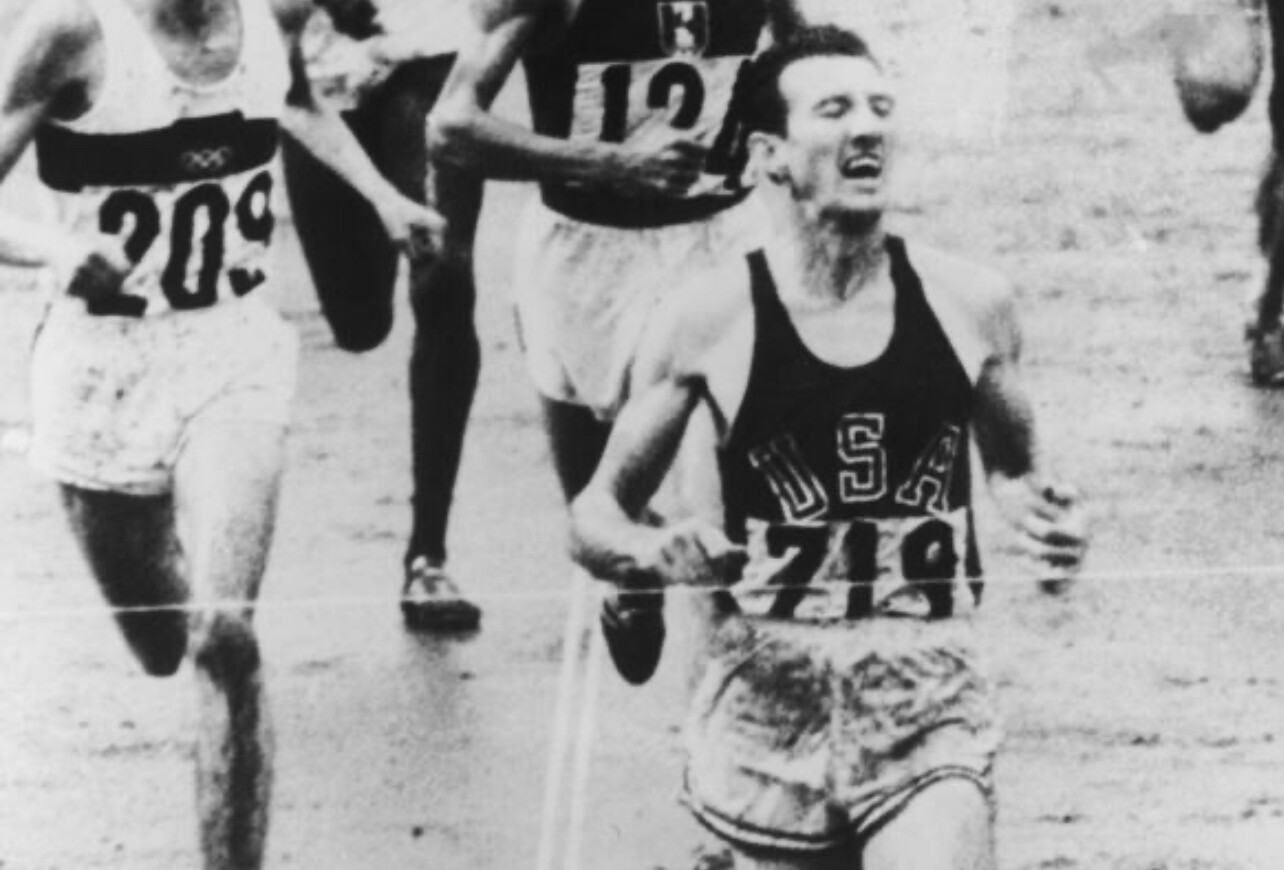
His Olympic triumph came a couple of months later. Schul went into the 5000m final in Tokyo as the world leader and with a superb sprint finish he secured top spot there, too – getting gold in 13:48.8 ahead of Harald Norpoth of Germany and USA’s Bill Dellinger.
Schul had been in fifth place at the bell, with the race led by Michel Jazy of France. Schul was boxed in but found a gap with 300 metres to go. Despite racing on a rain-soaked cinder track, Schul ran 38.7 for that final 300 metres to take him to the title. He won by 0.8 seconds.
“What comes to mind is I was ready,” he told Karen Rosen during a 2019 interview for TeamUSA.org. “My workouts were fantastic. Nobody else did the workouts I did.”
Reflecting on the race in Tokyo, he added: “When we were in the last lap, coming around the turn, everybody was still there – there were probably 10 people. I got boxed in. I couldn’t get out, so I kept moving to the right a little bit, every step I took, and I forced the guys to go wider.
“Finally, I was free, but Jazy was way out there.”
In the end, Jazy – nor any of his other competitors – could respond to Schul’s ferocious kick.
In 1965 Schul set another US record, clocking 13:10.4 for three miles, but then a knee injury took its toll.
Following his own competitive career, Schul went into coaching and continued to run in masters events.
by World Athletics
Login to leave a comment
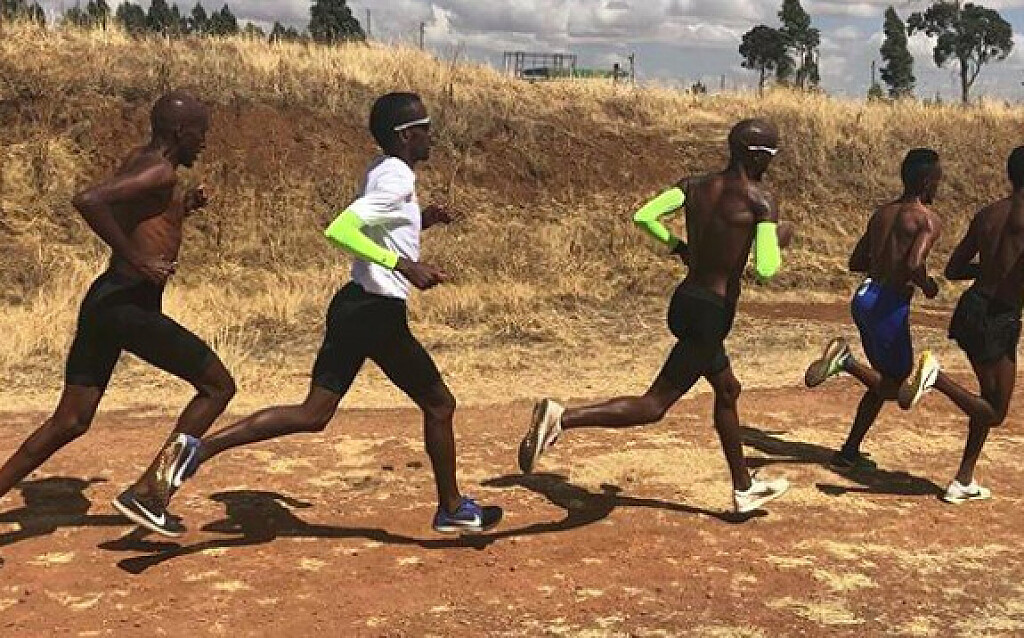
Eight Interval Training Workouts used by World Champions and Coaches
Interval training involves high-intensity repetitions followed by standing, walking or jogging recoveries. Interval training can be of varied length but are usually short and intensive accelerations.
This forms a crucial part of all distance runners – some throughout the year, others closer towards the lead-up to a race. Here are some examples of interval sessions used by elite athletes.
1. Craig Masback who represented the United States in international competitions on several occasions devised his own interval running workouts. He and his roommate ran 6 x 300m followed by a 2min rest. They would then progress to 4 x 1100m with 800m between each set at an aerobic pace where they ran the last 300m at a hard pace. Including warm-up and cool-down they would run a total of 10miles during their session.
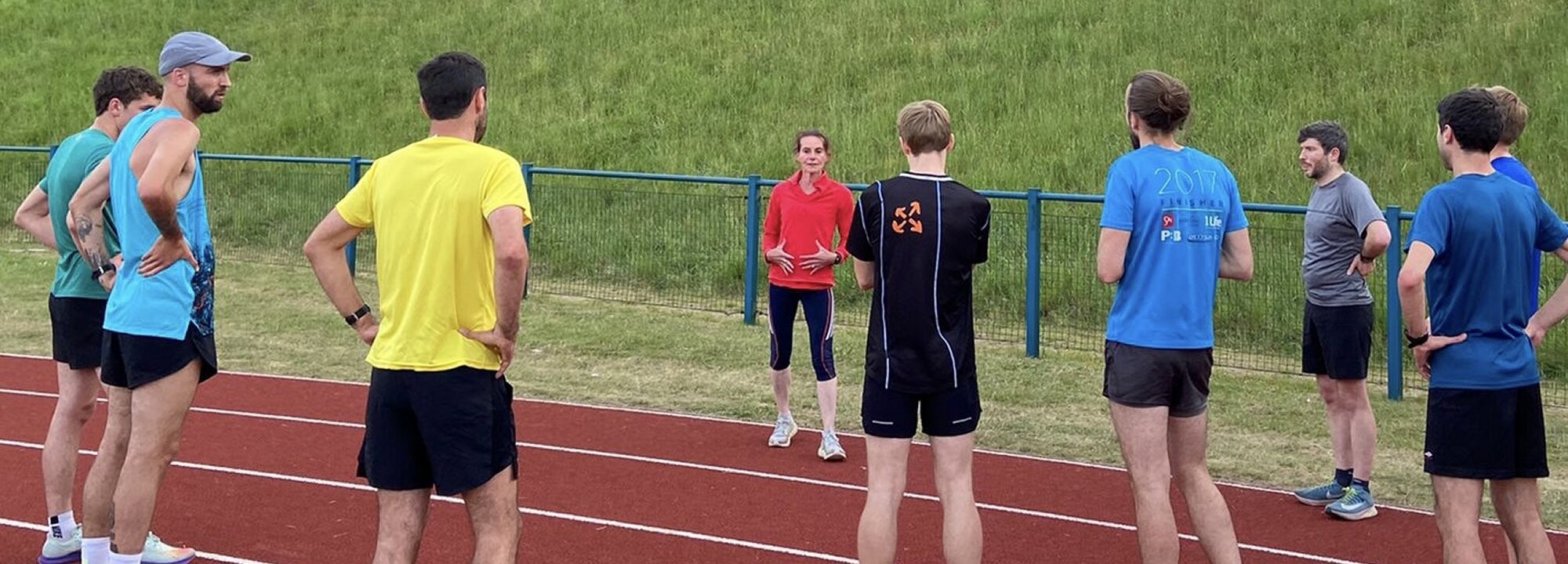
2. Arturo Barrios, a five-time world record holder and Olympic Games runner, had a favorite interval running workout: 10 x 1000m on the track @ slightly faster than 5km race pace, with a slow jog recovery as rest. Barrios used this workout every other week in the lead up to a race with his last session occurring 2 weeks before racing.
3. Silvio Guerra, gold medalist at the South American Games and Olympic Games runner, found that his most important track workout was 8 x 1km with 2mins to 2:30mins recovery depending on weekly workload and time of the season. He recommends this workout as it provides a runner with speed and endurance. He used a 3-mile warm-up that ended with a quick pace followed by 15mins of stretching and striding (10 strides).
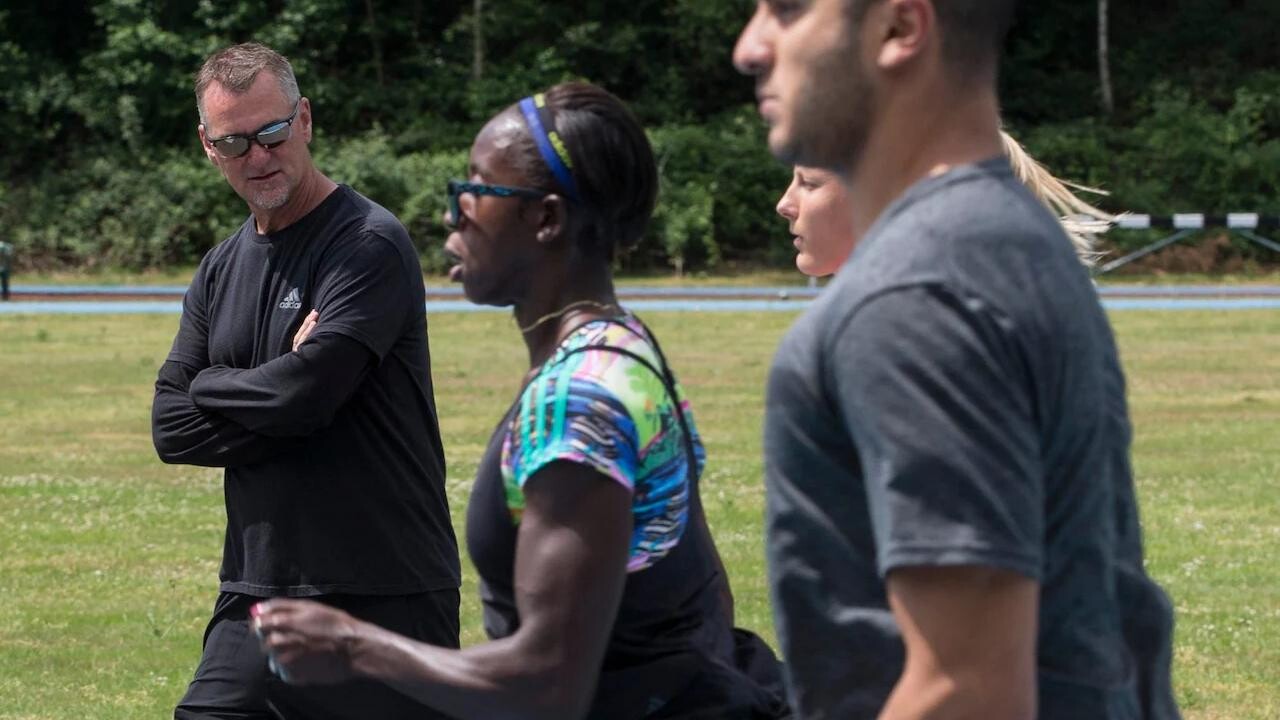
4. Bill Dellinger, a bronze medalist at the 1964 Olympic Games for the 5000m, used advanced interval training to his advantage. He completed 3 miles of alternating 30s and 40s 200m runs with no recovery. The workout finished when he could not keep up with the pace anymore. As a coach he uses the 40-30 with his athletes almost 3 times during winter training with some of his best athletes going for 18 laps continuously. He also used the 800-300, which consisted of running 800m at a runner’s 5km goal pace with a 400m recovery, followed by 300m at mile race pace with a 200m recovery in 40s. The cycle repeated until the athlete could not keep up with the pace anymore.
5. Libbie Hickman, World Champion and Olympic Games runner for the US, used a straightforward 8 x 300m in 48s with a 200m recovery phase. She tries to be in a fairly recovered condition before the start of every 300m also making this her toughest workout. Hickman feels that runners need to have a strong base before trying a workout like this.
6. Marc Davis, a former US record holder for 2 miles, used a fast ladder style workout for his interval training sessions. He ran a hard mile, followed by a 1200m, 800m and 400m. The recovery between each was half the distance of each segment. He ran his workouts close to a 4-minute mile pace and called it the Alberto Salazar special.
7. Adam Goucher, a US national champion runner, used to run 10 x 500m on the track with a 100m recovery between each repeat. Goucher ran his 500m between 1 minute 16 seconds and 1 minute 18 seconds. He calls it ‘Coach Wetmore’s Secret’ and feels that it provides great preparation for a 5km. Goucher recommends bringing the training down to your level by providing adequate recovery so that you are able to finish the session. As you improve and get fitter reduce the recovery time to suit your needs.
8. Rich Kenah, an elite runner who represented the US, uses a 4 x 400m with a 4min jog recovery when he approaches his racing season. His wife Cheri uses a 3 x 1mile workout running them in 4:45. To them, these sessions are key indicators for their current state ‘a great barometer of our fitness’. For example, if Rich can run all 4 sets of 400m in 52.0s, he knows that he is in good shape for a quality 800m race.
The workouts are preceded by a 1-hour warm-up including jogging, stretching, drills and striding. This particular session usually comes after a month of ‘fairly high volume’ during the season.
Conclusion
Interval training is a form of workout that is used by runners and coaches across the world. They help improve your speed and endurance while simulating situations and pain that you are likely to face during your races. There are several ways of doing interval training across a lot of surfaces, therefore there is no one right way to complete this kind of a session. Find what suits your current level of fitness and race distance and to create an interval session for your needs.
by Chelsea Ho
Login to leave a comment
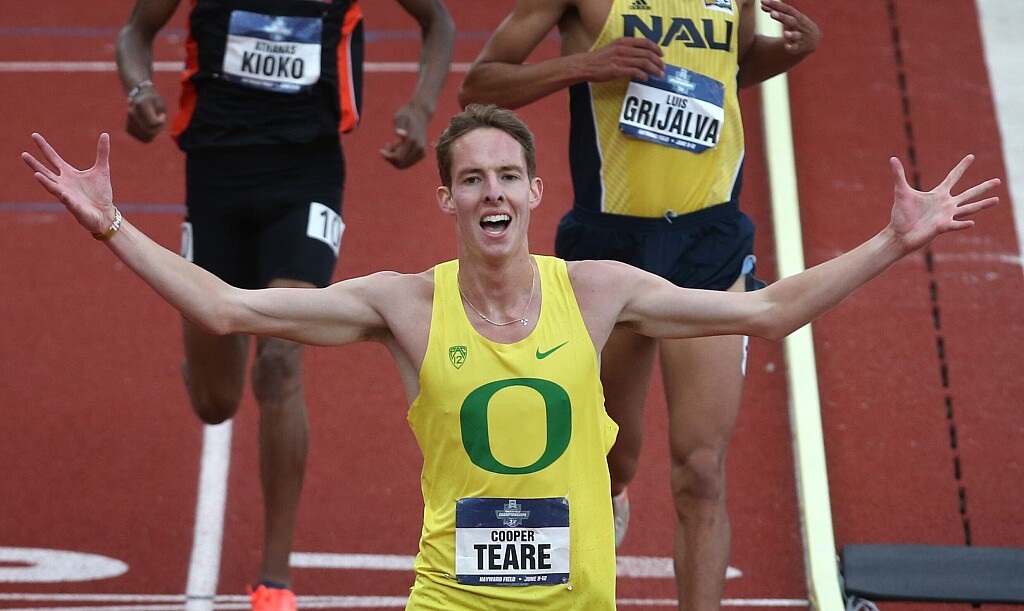
Oregon distance runner Cooper Teare leaves Ducks for pro career with Nike
The Ducks’ star distance runner recently signed a sponsorship contract with Nike and will not return for what would’ve been his senior season of indoor and outdoor track.
“I’ve loved every second of being a Duck,” Teare said. “It was kind of a hard decision but I’m happy I’m with the one I made.”
Teare leaves Oregon as a two-time collegiate record holder (indoor mile and distance medley relay), a two-time NCAA champion (DMR and outdoor 5,000), and three-time school record holder (5,000, mile, DMR).
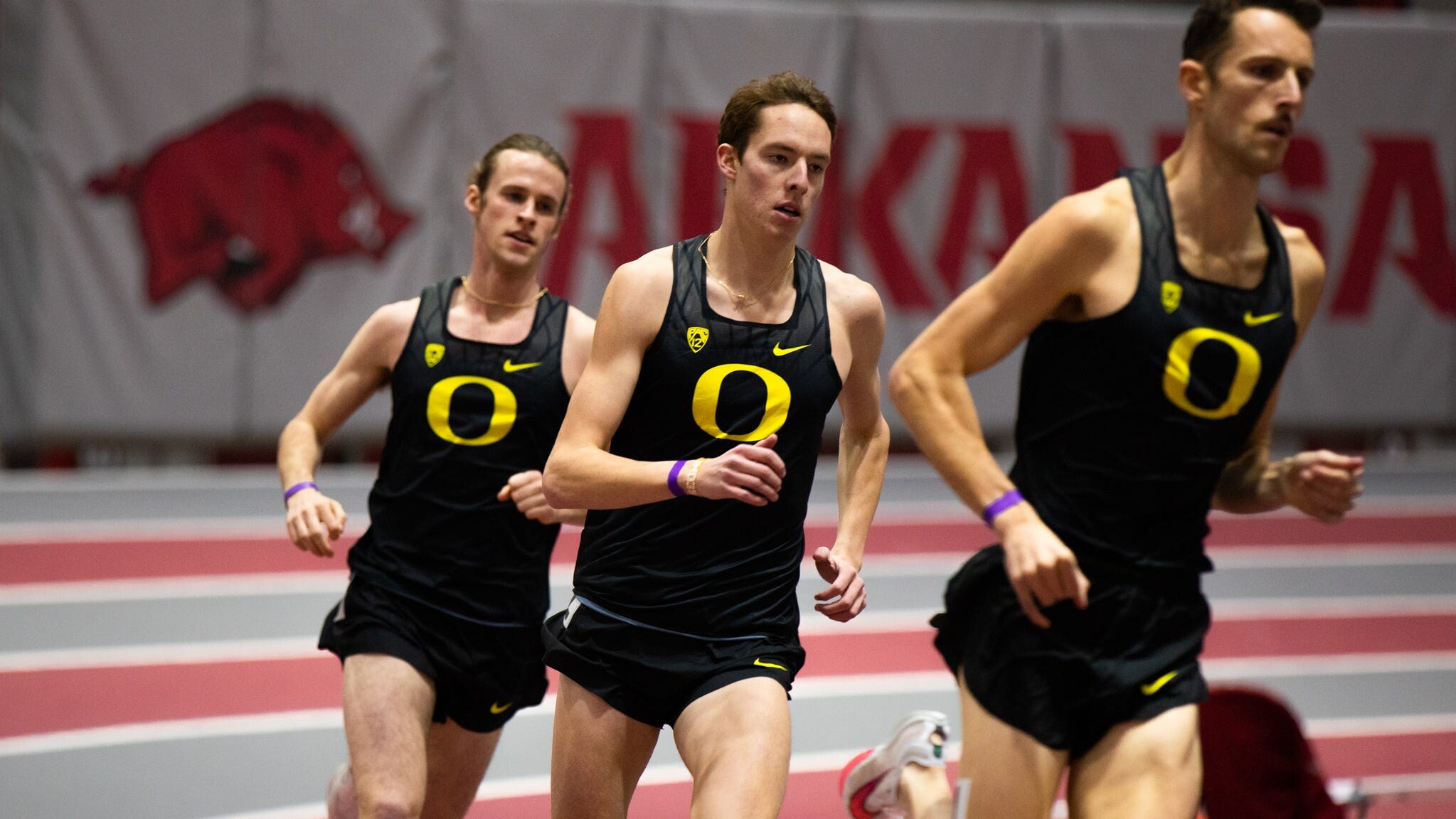
All of those accomplishments came during a memorable junior season in 2021 when Teare and former teammate Cole Hocker spent six months keeping Oregon’s men’s distance program in the national spotlight as they raced together through the U.S. Olympic Track & Field Trials at Hayward Field.
That’s where Teare’s season ended, with a fourth-place finish in the 5,000 meters. Hocker won the 1,500 and finished sixth at the Tokyo Olympics before leaving the Ducks after one season to sign with Nike in September.
Teare said he also had an opportunity to turn pro over the summer, but wanted to run one more cross country season for Oregon as he wrapped up his business degree.
“I’ve sort of been going through the process for months now,” Teare said. “Some people thought I was going to turn pro right after the outdoor track season so it was nice to have a little bit of extra time to go through the motions and talk to the people I had to talk to.”
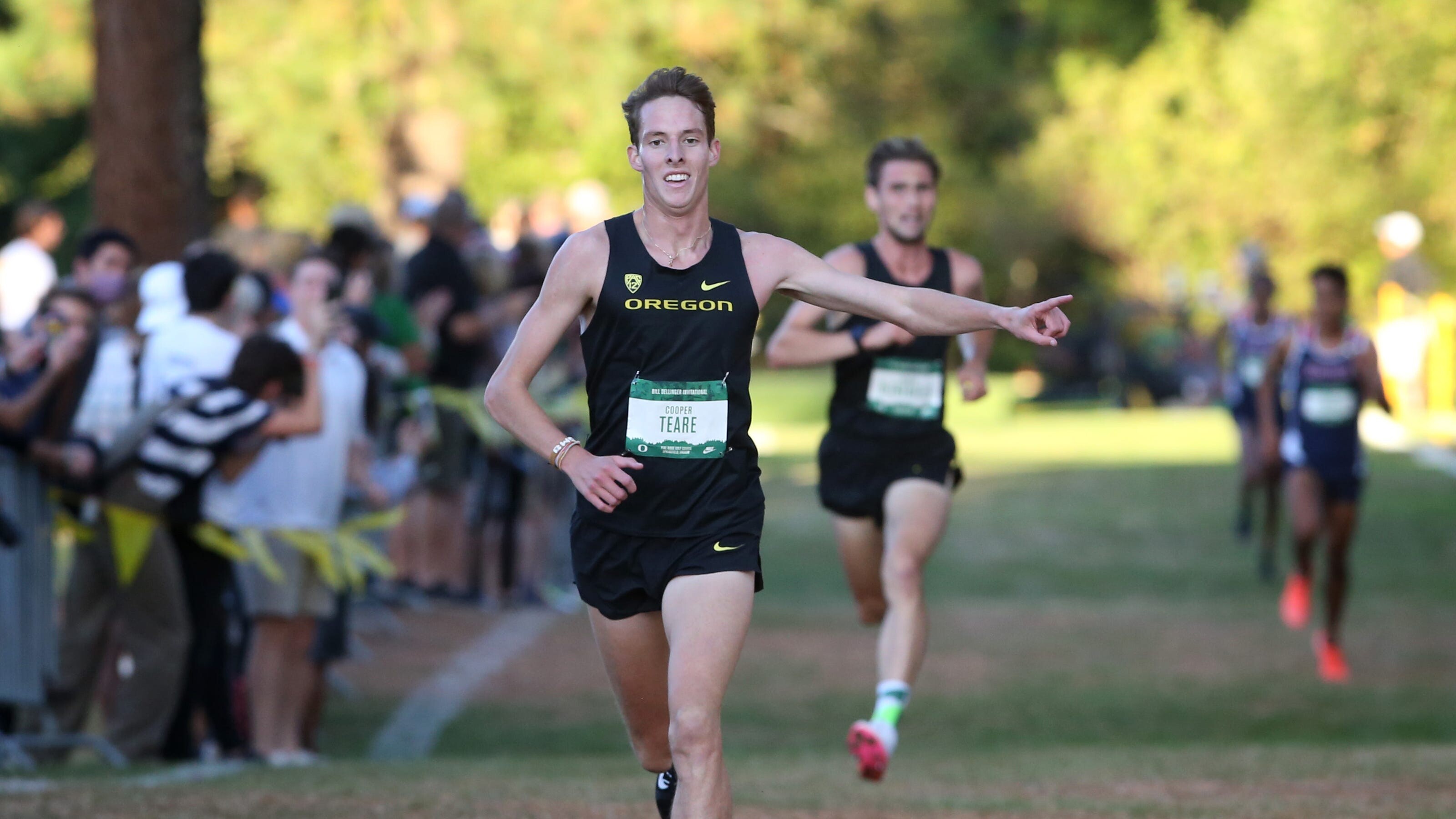
The cross country season opened on a positive note as Teare earned his first collegiate victory at the Bill Dellinger Invitational at Pine Ridge Golf Club in Springfield. He was also the runner-up at the Pac-12 championship meet.
But at the NCAA championships on Nov. 20, Teare’s legs gave out late in the 10,000-meter race and he crawled his way to the end before regaining his balance long enough to collapse across the finish line in 247th place — just three spots out of last.
“I left nothing in the tank and it just wasn’t my day,” said Teare, who was a cross country all-American in 2019 when he finished sixth. He didn’t compete in cross country during the delayed 2020 season.
Teare said it didn’t take long after that race to decide his collegiate days were done.
“That was a hard way to end it off but also I felt it was time to start a new chapter,” he said. “I talked to my coaches and we all got on the same page and everything fell into place and made sense. … I was considering going pro up right up until the start of cross country.
"The nice thing was (Nike) had seen enough of me and I had proven myself to the point where cross country wasn’t going to change much. They were ready to support me no matter what happened.”
His performance at the cross country championships did nothing to dim the track season he had earlier this year, which was highlighted by a collegiate record in the indoor mile at 3:50.39 and winning the outdoor title in the 5,000 when he ran 13:12.27. That is the fastest time ever by an American collegian and second all-time only to Henry Rono’s 1978 record of 13:08.4.
Teare is staying in Eugene to begin his professional career and will continue to be coached by Oregon associate head coach Ben Thomas. Hocker has a similar arrangement and Teare has been able to witness first-hand his training partner’s transition to the pros during the last few months.
“It was kind of nice having Cole as the guinea pig,” Teare said with a laugh. “It’s been kind of cool to see him go about figuring it all out and I think that will make it easier for me as well.”
As Teare wraps up his final days in the classroom, he is mapping out a path to next summer and what it will take to compete in the World Athletics Outdoor Track & Field Championship meet at Hayward Field.
“It doesn’t feel real,” Teare said. “It hasn’t really set in. It’s really hard to get a grasp of, OK, now I’m doing this as my job. I think once I’m done with school here in the next week it’s going to start to feel more real.”
by Chris Hansen
Login to leave a comment
Steve Prefontaine bib sells for $27,000US
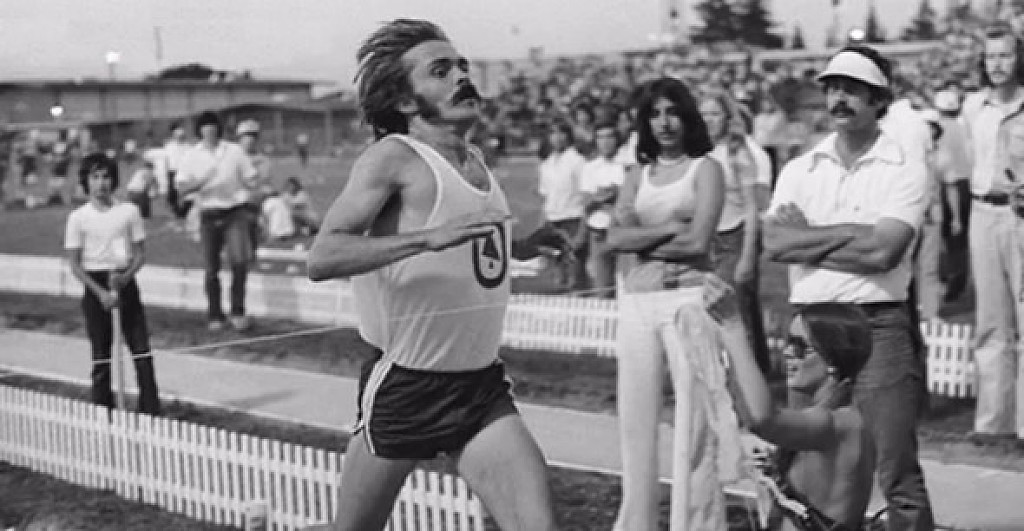
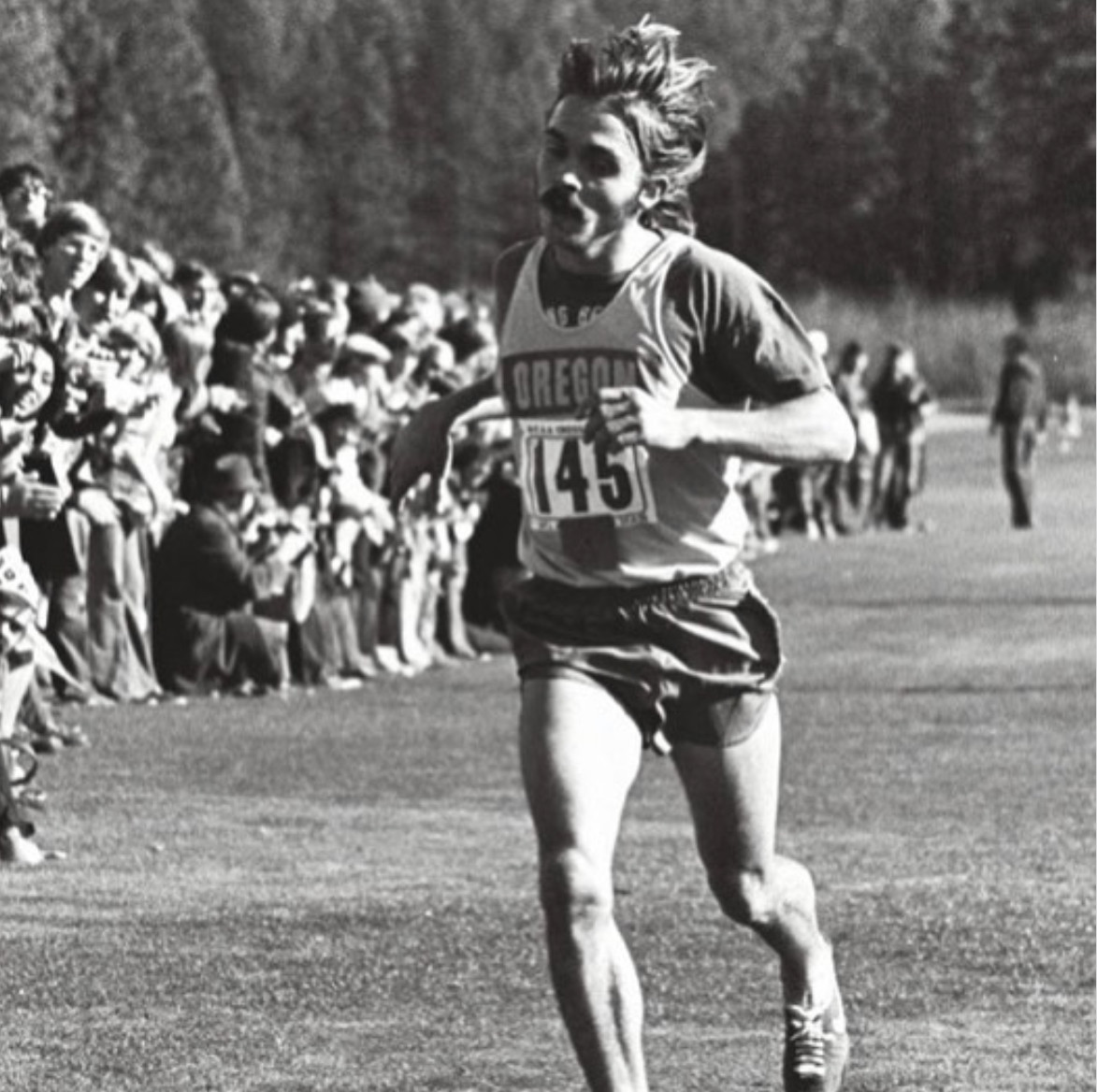
A few weeks ago, Steve Prefontaine’s NCAA-winning race bib from the 1970 NCAA cross country championship was up for sale on Lelands Auctions. On Sept. 27 the bib sold for just under USD $27,000.
The bidding opened at the end of August, starting at $5,000. The first bid of USD $5,500 came on Sept. 20. Several bidders went back and forth over the last couple of days to escalate the price over USD $20,000.
Prefontaine is a running hero to many. He set every American record from 2,000m to 10,000m in the early 70s, before dying in a car accident at the age of 24. His achievements helped ignite the running boom of the 1970s. His three and six-mile records set at the University of Oregon still stand today.
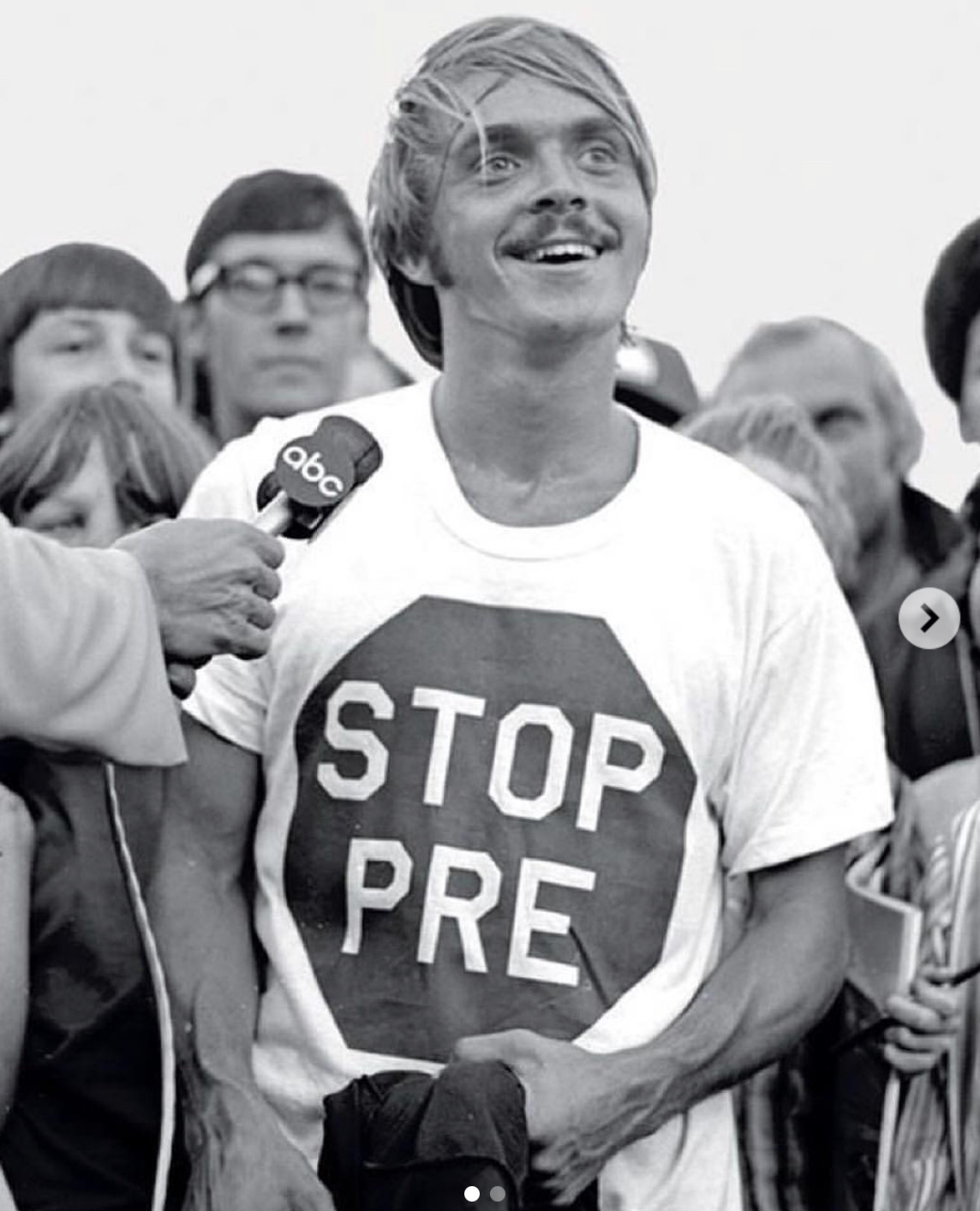
The bib sold is from a cross-country meet on Nov. 23, 1970, at the College of William & Mary in Williamsburg, Va. Bill Dellinger, the coach of Oregon’s track program in the ’70s, gave the bib to a young athlete who was starstruck went he saw Prefontaine but was too shy to ask him to sign it.
“On the back of the bib, our consignor wrote ‘Steve Prefontaine’s number won in 1970 NCAA cross Country Championships held at William & Mary, which he won in record time,’” the Lelands lot description reads.
“On December 1st, just over a week after the race, Prefontaine replied to our consignor with a handwritten letter stating: ‘I slightly remember you standing there with the red cap on you should have said something. I’m glad you found some use for that no. 506, and I hope I can live up to yours and everybody else expectations of me.’”
The winner of the auction will now get to hold on to a unique piece of running history. The bib is a memory of one of the greatest American distance runners ever. Each year, his career and life are celebrated at the Prefontaine Classic, a world-class track event held in Eugene, Ore., in his honor.
by Running Magazine
Login to leave a comment
University of Oregon first ever sub four minute miler passed away on March 31
SADDENED to report the passing of the University of Oregon's very first ever sub 4:00 miler...in fact, the first man to ever break that mythical barrier on U.S. soil.
Australian native and Olympic 800 meter man, Jim Bailey, had until recently, resided in Bellingham, Washington. He was in failing health, and sadly, left us on March 31st at age 92.
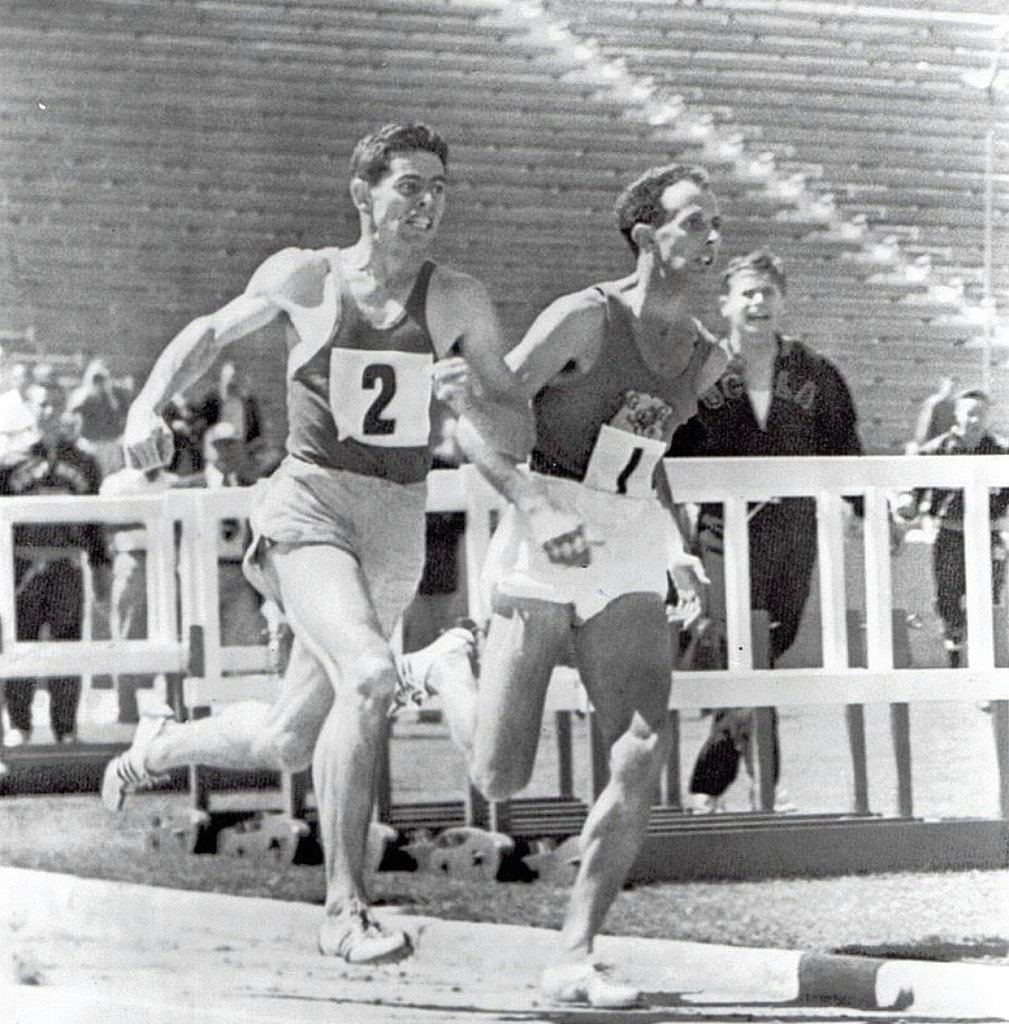
Bailey had won the 1955 NCAA one mile title over his fellow Duck, Bill Dellinger, but was largely considered "an 880 man with a bum knee". On May 5, 1956 (just more than a year prior to Don Bowden becoming the first American sub four minute man) a special race was held in front of 40,000 spectators at the USC UCLA dual meet.
You see, it was an Olympic year (Melbourne Games) and this was to be a tune up race for the second ever sub 4 man and Aussie legend, John Landy...it was being televised immediately after the Kentucky Derby so Americans could see Landy attempt a barrier breaking first on US soil.
Bailey, the former Sydney rugby player, was in the race as 'mere filler'...his best at the time was in the 4:05 vicinity...well, long story short on the last lap Bailey pulls alongside Landy, pats him on the back and said "let's go John"...Landy tried to make a move but couldn't respond, and Bailey eeks out the surprise win, 3:58.6 to 3:58.7... thereby running the very first EVER sub 4:00 in the land of opportunity.
by Mike Fanelli
Login to leave a comment
