

Running News Daily
Running News Daily is edited by Bob Anderson and team. Send your news items to bob@mybestruns.com Advertising opportunities available.
Index to Daily Posts · Sign Up For Updates · Run The World Feed
Articles tagged #cross country
Today's Running News
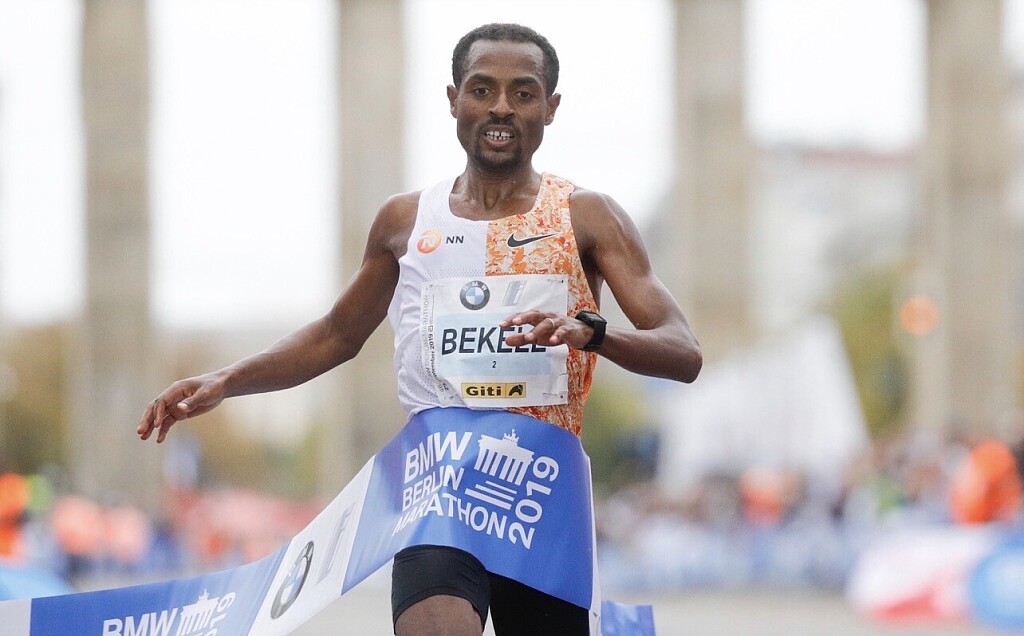


Kenenisa Bekele Returns to Berlin; Alisa Vainio Added to Elite Field
Kenenisa Bekele will run the BMW BERLIN-MARATHON on September 27, race organizers announced today. It will be the legendary Ethiopian’s first race of the year. At 44, Bekele may no longer be among the favorites for victory, but a strong performance remains possible.
Bekele has won the BMW BERLIN-MARATHON twice during his remarkable career, narrowly missing the world record on both occasions. In 2016, he crossed the line in 2:03:03, and in 2019, he clocked 2:01:41. Had he been just two seconds faster seven years ago, he would have become the first runner in history to hold the world records for 5,000 meters, 10,000 meters and the marathon simultaneously.

His return brings one of the greatest distance runners of all time back to Berlin. Bekele’s achievements on the track and in cross-country are extraordinary. He held the world records for 5,000 meters (12:37.35) and 10,000 meters (26:17.53) for approximately 15 years—longer than any other runner in history.
Bekele won 5,000-meter gold at the 2008 Olympic Games and the 2009 World Championships. Over 10,000 meters, he won Olympic gold in 2004 and 2008, along with world titles in 2003, 2005, 2007 and 2009. He also earned 11 individual gold medals at the World Cross Country Championships.
Two and a half years ago, at 41, Bekele nearly produced another extraordinary victory. He led during the closing stages of the London Marathon before finishing second in 2:04:15, setting a world masters record for the 40-plus age group that still stands. He was subsequently selected for the 2024 Olympic Games but finished 39th in Paris. Berlin offers him the opportunity to complete his first marathon since those Games.
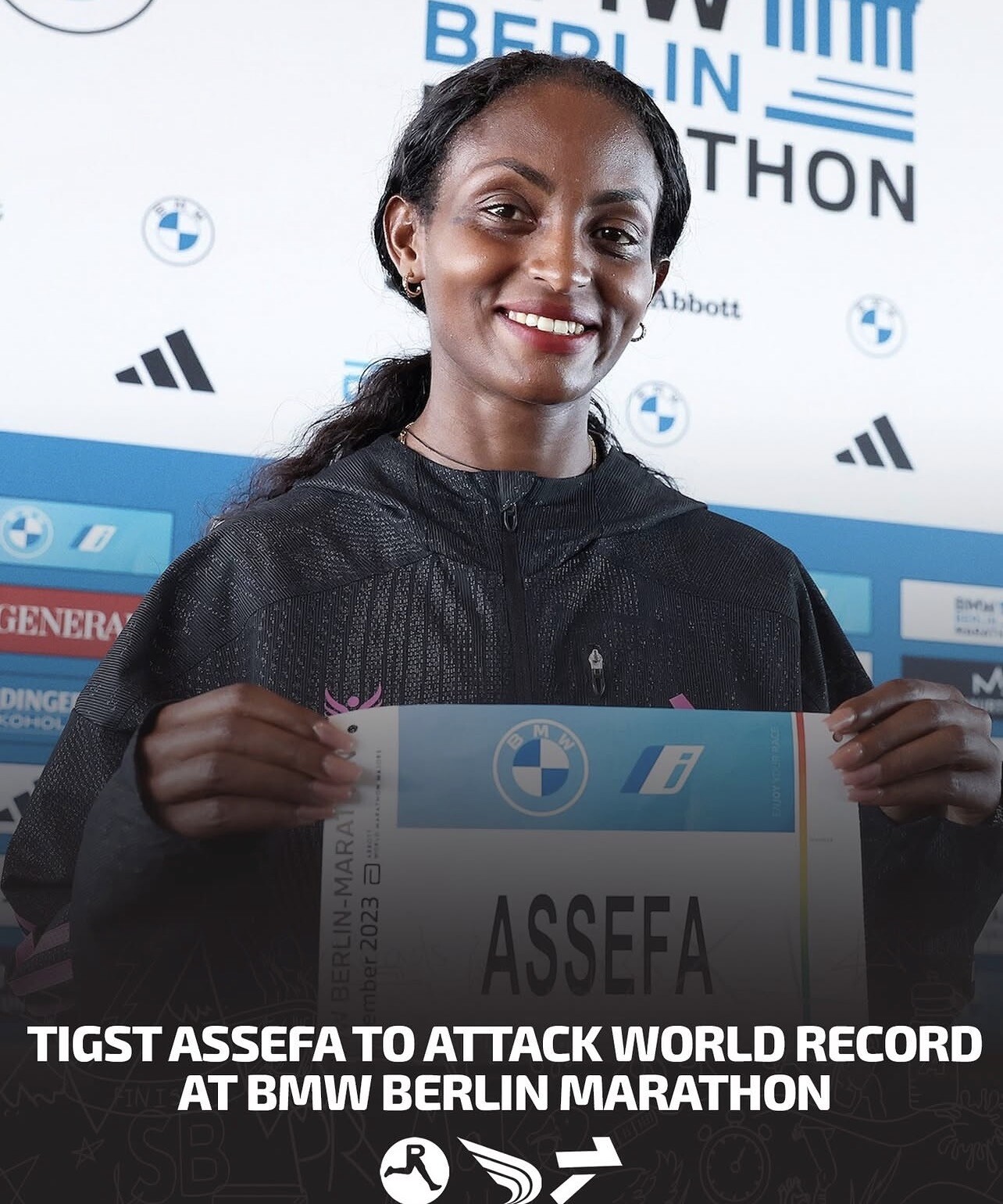
European Champion Alisa Vainio Joins the Field
The women’s elite field has also received a strong late addition: European marathon champion Alisa Vainio.
A month ago, the Finnish runner claimed gold at the European Championships in Birmingham with a commanding performance, setting a championship record of 2:22:26.
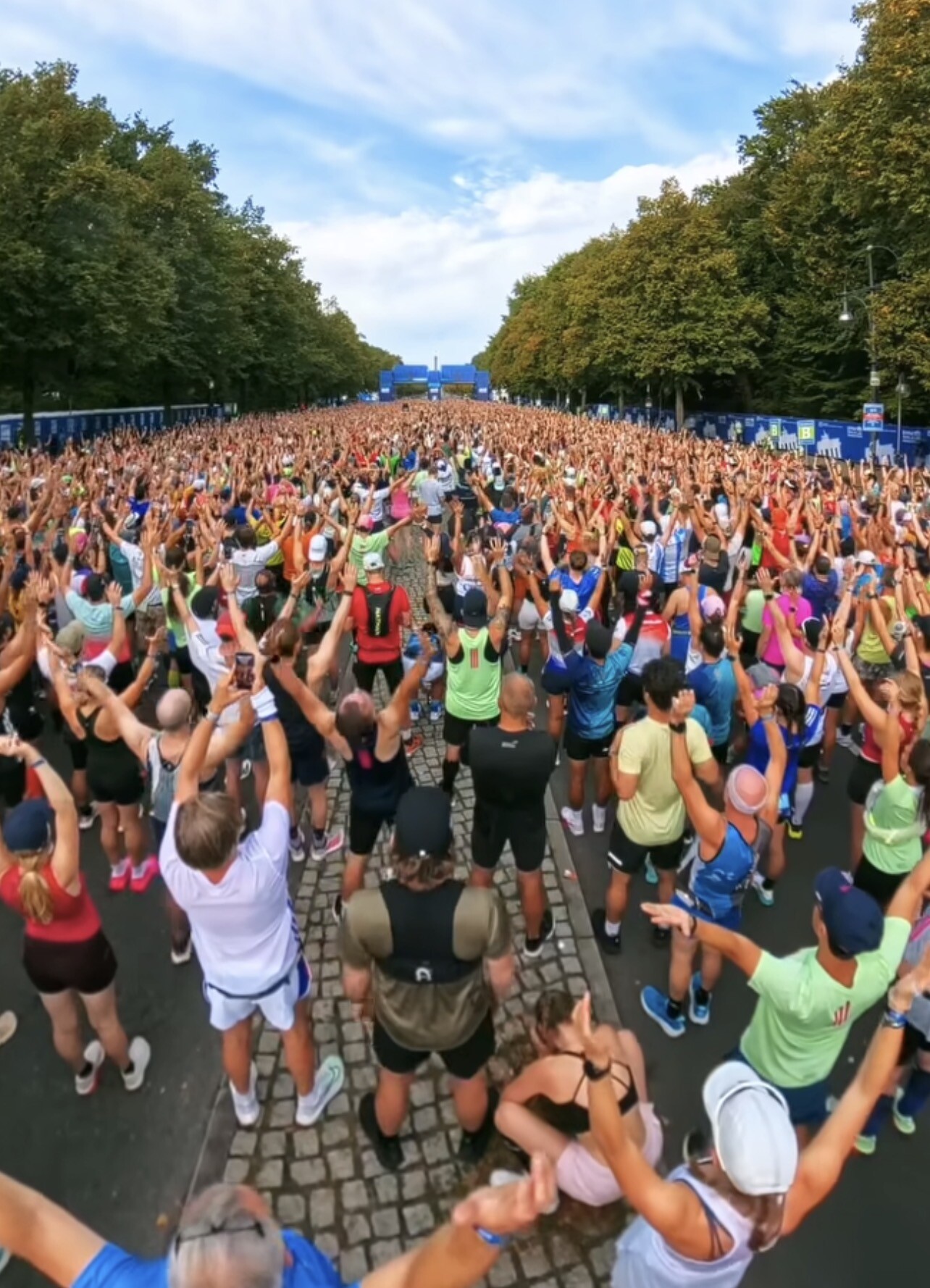
Last year, Vainio was the top European finisher at the World Championships in Tokyo, placing fifth. She then went on to set three consecutive Finnish national records, improving to 2:20:39 with her victory in Seville in February.
That performance made her the fastest Nordic women’s marathon runner in history, surpassing the 2:21:06 set by Norway’s former world record-holder Ingrid Kristiansen.
Fastest Runners on the Start List
Men
|
Athlete |
Country |
Personal Best |
|
Kenenisa Bekele |
ETH |
2:01:41 |
|
Gabriel Geay |
TAN |
2:03:00 |
|
Getaneh Molla |
ETH |
2:03:34 |
|
Guye Adola |
ETH |
2:03:46 |
|
Shura Kitata |
ETH |
2:03:59 |
|
Erick Sang |
KEN |
2:04:30 |
|
Selemon Barega |
ETH |
2:05:00 |
|
Taresa Tolosa |
ETH |
2:05:17 |
|
Tadu Abate |
ETH |
2:05:38 |
|
Asefa Boki |
ETH |
2:05:40 |
|
Kenya Sonota |
JPN |
2:05:59 |
|
Tsubasa Ichiyama |
JPN |
2:06:00 |
|
Kiyoto Hirabayashi |
JPN |
2:06:14 |
|
Yuhei Urano |
JPN |
2:06:23 |
|
Hidekazu Hijikata |
JPN |
2:06:26 |
Women
|
Athlete |
Country |
Personal Best |
|
Tigst Assefa |
ETH |
2:11:53 |
|
Rosemary Wanjiru |
KEN |
2:16:14 |
|
Bedatu Hirpa |
ETH |
2:18:27 |
|
Dera Dida |
ETH |
2:18:32 |
|
Zeineba Yimer |
ETH |
2:18:47 |
|
Bosena Mulatie |
ETH |
2:19:00 |
|
Misgane Alemayehu |
ETH |
2:19:08 |
|
Bekelech Gudeta |
ETH |
2:19:39 |
|
Evaline Chirchir |
KEN |
2:20:33 |
|
Alisa Vainio |
FIN |
2:20:39 |
|
Deshun Zhang |
CHN |
2:20:53 |
|
Gadise Mulu |
ETH |
2:20:59 |
|
Eebbisee Addunyaa |
ETH |
by Race News Service
Login to leave a comment

BMW Berlin Marathon
The story of the BERLIN-MARATHON is a story of the development of road running. When the first BERLIN-MARATHON was started on 13th October 1974 on a minor road next to the stadium of the organisers‘ club SC Charlottenburg Berlin 286 athletes had entered. The first winners were runners from Berlin: Günter Hallas (2:44:53), who still runs the BERLIN-MARATHON today, and...
more...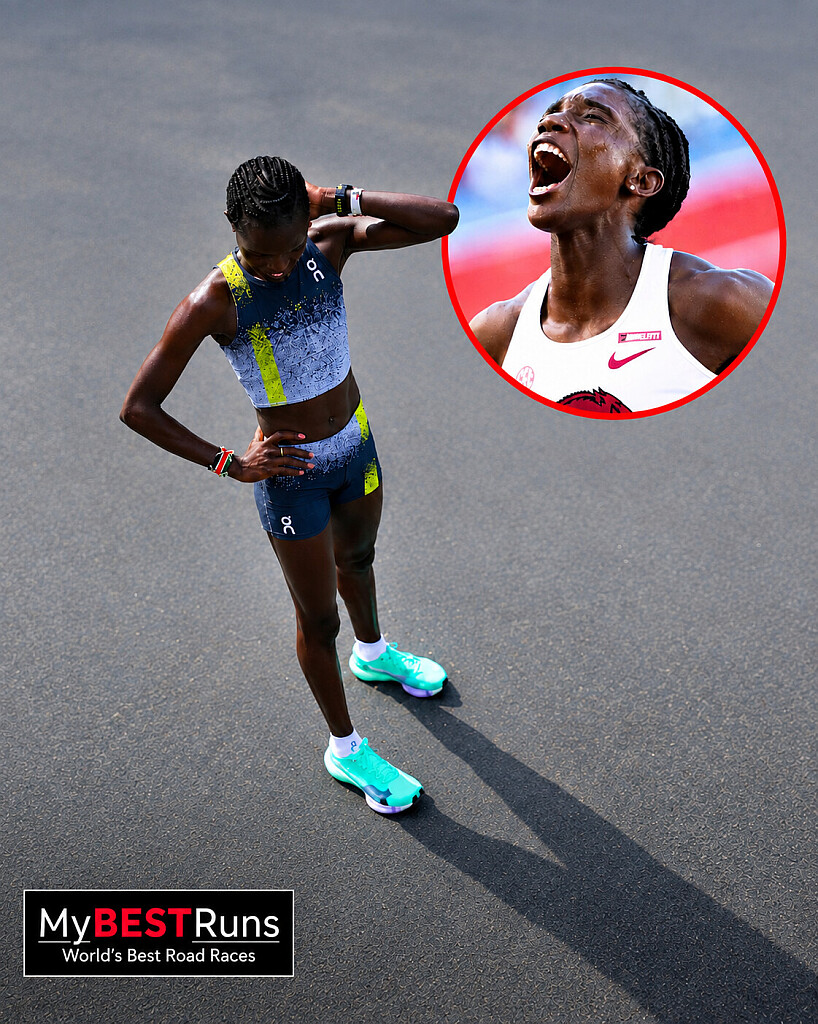
Doris Lemngole Turns Professional With On After Remarkable NCAA Career
Kenyan steeplechase star Doris Lemngole has officially turned professional after signing a contract with Swiss sportswear brand On, marking the beginning of a new chapter for one of the most accomplished young distance runners in the sport.
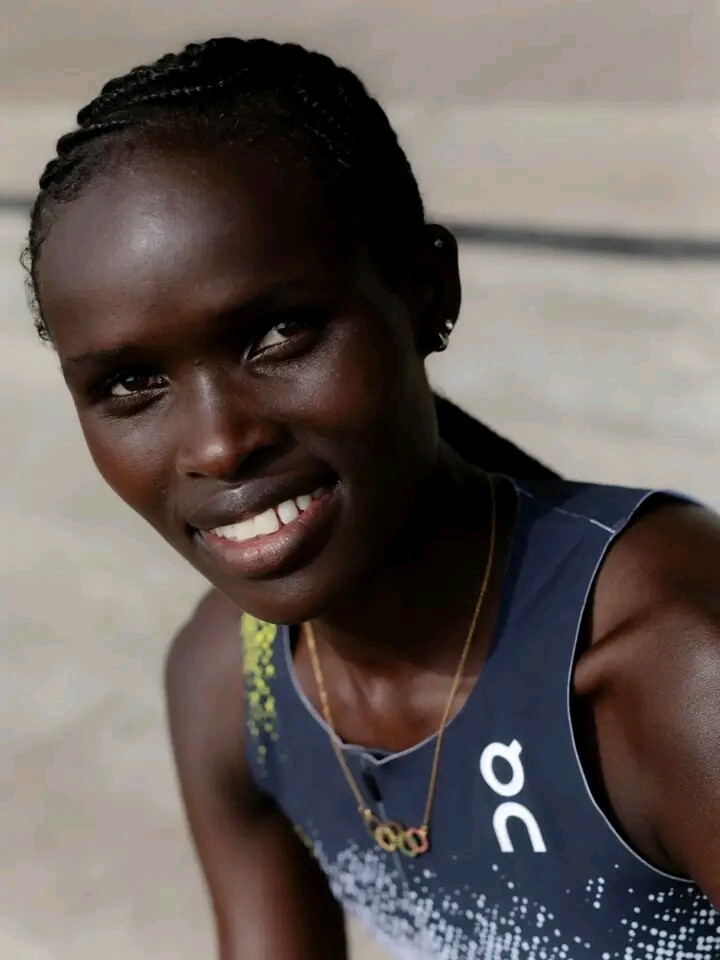
On announced the move on Thursday, September 10, confirming that the 24-year-old has been elevated from the NIL partnership she signed with the brand in August 2025 to its professional athlete roster.
The decision comes after Lemngole completed a spectacular collegiate career at the University of Alabama, where she established herself as one of the most dominant distance runners in NCAA history. She leaves Tuscaloosa as a five-time NCAA champion, a collegiate record-holder and the winner of The Bowerman, the highest individual honor in American collegiate track and field.
Her breakthrough came in the 3,000m steeplechase, an event in which she repeatedly pushed the boundaries of collegiate running. In 2025, she clocked 8:58.15 to become the first woman in NCAA history to break the nine-minute barrier in the event. She also captured consecutive NCAA outdoor steeplechase titles in 2024 and 2025.
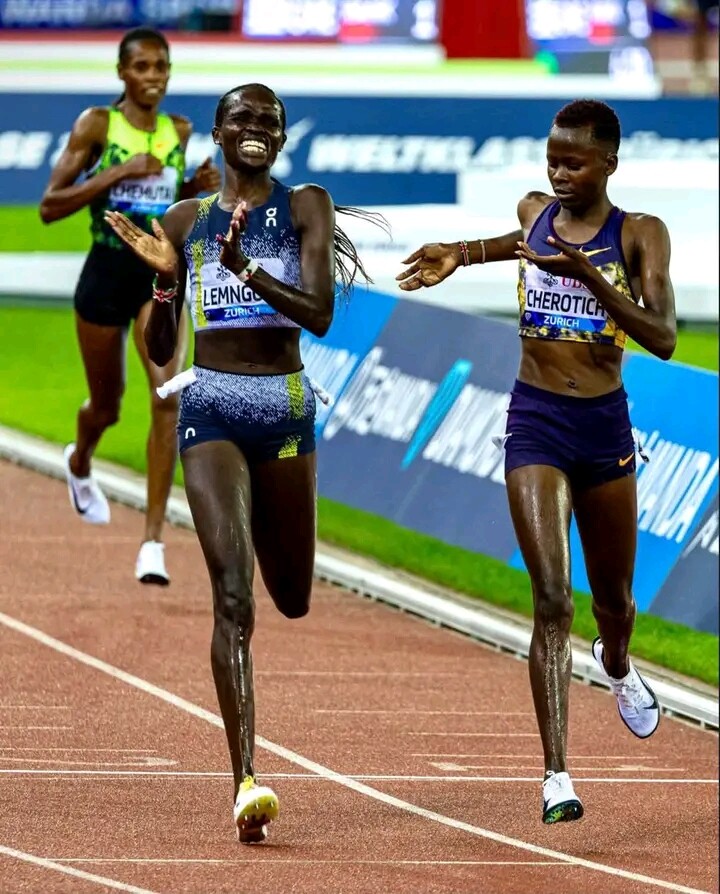
Lemngole was equally impressive over cross country. At the 2025 NCAA Championships in Missouri, she defended her national title in 18:25.4, producing the fastest winning performance in NCAA championship history by a considerable margin. Her consistency and dominance across disciplines ultimately helped her secure The Bowerman in December 2025, making her the first Alabama athlete and first Kenyan to receive the prestigious award.
Her transition from collegiate standout to international contender has been remarkably rapid. Still competing as an Alabama athlete, Lemngole won her Diamond League debut in the 3,000m steeplechase at Athletissima in Lausanne in August 2025 before going on to represent Kenya at the World Championships in Tokyo, where she finished fifth.
Now, just days before her professional announcement, Lemngole produced perhaps the strongest performance of her career. At the Diamond League Final in Brussels on September 4, she stormed to a massive personal best of 8:52.86 for second place in the 3,000m steeplechase. Only five women in history had previously run faster, underlining just how extraordinary the performance was. Faith Cherotich won in a meeting-record 8:51.61, while Olympic champion Winfred Yavi finished third in 8:53.54.
That performance provided a fitting bridge between Lemngole's collegiate dominance and her professional future. She is no longer simply one of the NCAA's brightest talents; she has now established herself firmly among the world's leading steeplechasers.
For On, the decision represents a natural continuation of a relationship that began when Lemngole joined its NIL roster in 2025. The Swiss brand said her ability to dominate at the collegiate level while immediately challenging the world's best made the move to its professional roster a natural progression.
For Lemngole, the signing is about much more than a new contract. It represents the next stage of a journey that has taken her from NCAA champion and record-breaker to Bowerman winner and international title contender.
With her collegiate chapter now complete and a sub-8:53 performance already on the record, the Kenyan has made her intentions clear: **the next challenge is to see just how far she can take her extraordinary talent on the global stage.**
by Erick Cheruiyot for My Best Runs.
Login to leave a comment

26 Years Later, Vivian Cheruiyot Returns To Sydney As A Kenyan Distance-Racing Legend
Twenty-six years ago, a 17-year-old Vivian Cheruiyot arrived in Sydney carrying the dreams of a young Kenyan athlete and the promise of a remarkable future.
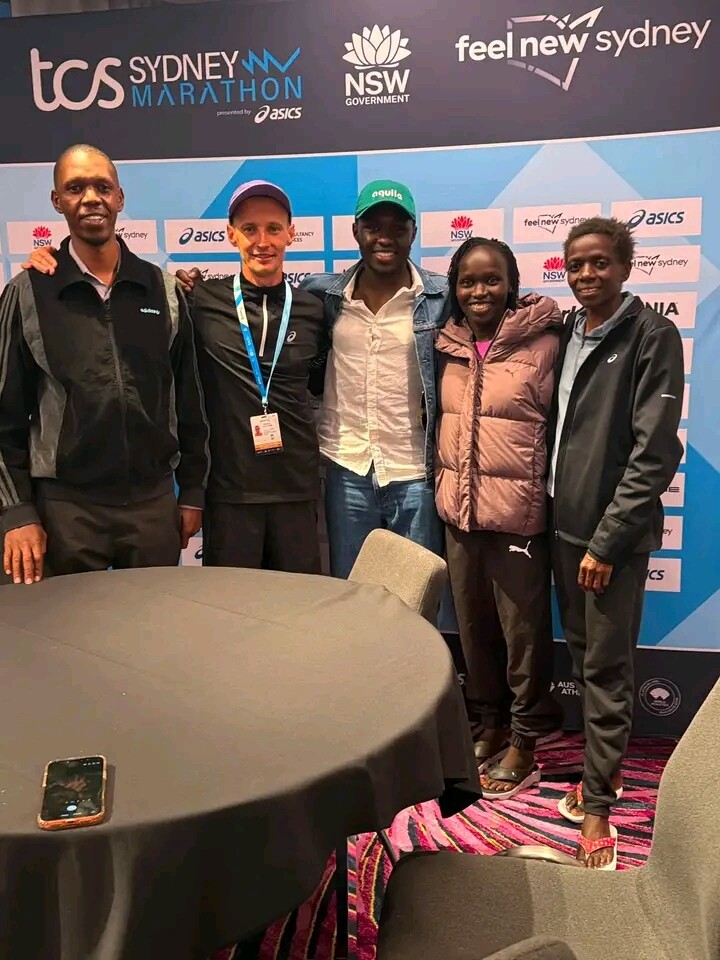
Today, she returns to the same Australian city as something far greater — an Olympic champion, four-time world champion, world cross-country champion, London Marathon winner, Laureus Sportswoman of the Year and one of Kenya’s most accomplished distance runners.
At 42, Cheruiyot will line up for the TCS Sydney Marathon on Sunday, August 30, completing an extraordinary full circle in a career that has stretched across more than two decades and transformed her from a teenage Olympian into one of the defining figures of her generation.
When Cheruiyot first competed in Sydney at the 2000 Olympic Games, few could have imagined the heights she would eventually reach. Still only 17, she advanced to the 5000m final and finished 14th — an experience that became the first chapter of an Olympic journey that would eventually span four Games.
The years that followed brought an extraordinary collection of victories.
Cheruiyot became world 5000m champion in 2009, then produced one of the greatest championship performances of her career in Daegu in 2011, winning both the 5000m and 10,000m titles while also claiming World Cross Country gold earlier that year. She added another world 10,000m title in Beijing in 2015, taking her tally to four senior world championships.
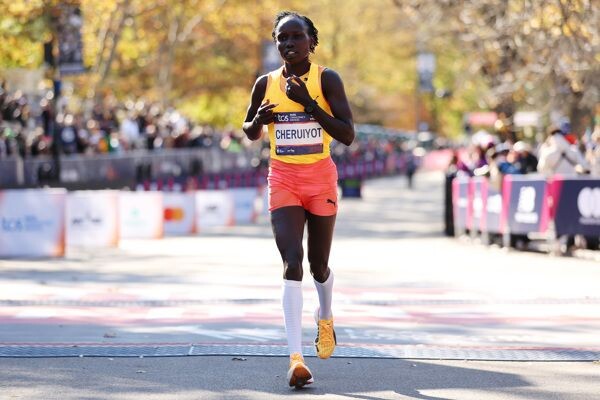
But the Olympic gold medal remained the one prize missing from her collection.
That changed dramatically in Rio in 2016.
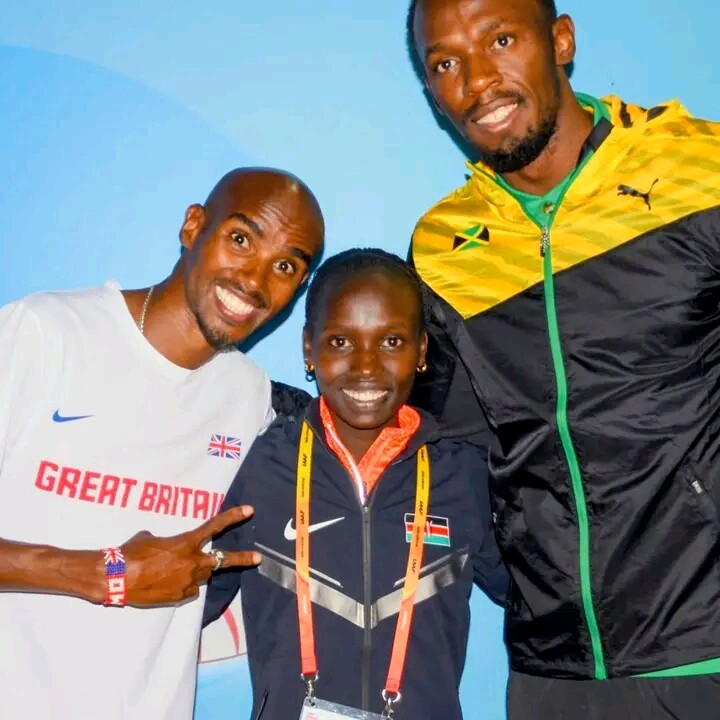
After winning silver in the 10,000m, Cheruiyot returned to the track for the 5000m final and delivered a masterclass in championship racing. She surged away from Ethiopia’s Almaz Ayana in the closing stages to win Olympic gold in 14:26.17, finally completing the collection of major titles she had chased for so many years.
“I said I want to win,” Cheruiyot recalled after that historic victory. “This was my fourth Olympics and I’ve been dreaming about this since the very start.”
Her brilliance was not confined to the track.
After moving into marathon running, Cheruiyot established herself among the world’s best over 42.195km. She finished fourth in her London Marathon debut in 2017 before returning the following year to produce a stunning victory in 2:18:31 — a performance that placed her fourth on the world all-time list at the time and remains her marathon personal best.
She also finished runner-up in the New York City Marathon in 2018 and second in London in 2019, further demonstrating that her extraordinary competitive instinct had successfully followed her from the track to the roads.
Away from competition, Cheruiyot’s story has also evolved with her life. She became a mother, welcomed her daughter Arielle in 2021 and returned to competitive racing in 2023. In 2024, she claimed third place at the New York City Marathon, followed by fifth at the 2025 London Marathon.
Now Sydney offers her another opportunity to write her name into the city’s sporting history.
“I look back on my career with pride. I was able to win almost everything and have been at the top for a long time,” Cheruiyot said ahead of her return.
She also remembers the extraordinary generation in which she competed — an era that included global icons such as Usain Bolt, Tirunesh Dibaba and Meseret Defar.
“I was running in a great era and had a close-up view of athletes like Usain Bolt setting the world alight,” she reflected.
Yet perhaps the most remarkable aspect of Cheruiyot’s return is not simply the passage of time, but her willingness to keep challenging herself.
She arrives in Sydney having put considerable work into rebuilding her fitness, knowing that the marathon demands something entirely different from the explosive championship races that defined her track career.
“I am very excited to go back to Sydney,” she said. “It has been 26 years since I was there, and a lot has changed in my life since then. I hope to have a good run — I have put in a lot of work to regain fitness and hope my body will stand up to the 42km.”
Twenty-six years ago, Sydney introduced the world to a fearless Kenyan teenager chasing an Olympic dream.
Now, the same city welcomes back a woman who went on to conquer the track, cross country and marathon — and to leave an indelible mark on Kenyan athletics.
From teenage Olympian to Olympic champion. From world champion to marathon winner. From rising talent to mother and enduring icon.
Vivian Cheruiyot has come full circle — and Sydney is once again the stage.
by Erick Cheruiyot for My Best Runs.
Login to leave a comment

Sydney Marathon
The Sydney Marathon is a marathon held annually in Sydney, Australia. The event was first held in 2001 as a legacy of the 2000 Summer Olympics, which were held in Sydney. In addition to the marathon, a half marathon, 9 kilometres (5.6 mi) "Bridge Run", and a 3.5 kilometres (2.2 mi) "Family Fun Run" are also held under the banner...
more...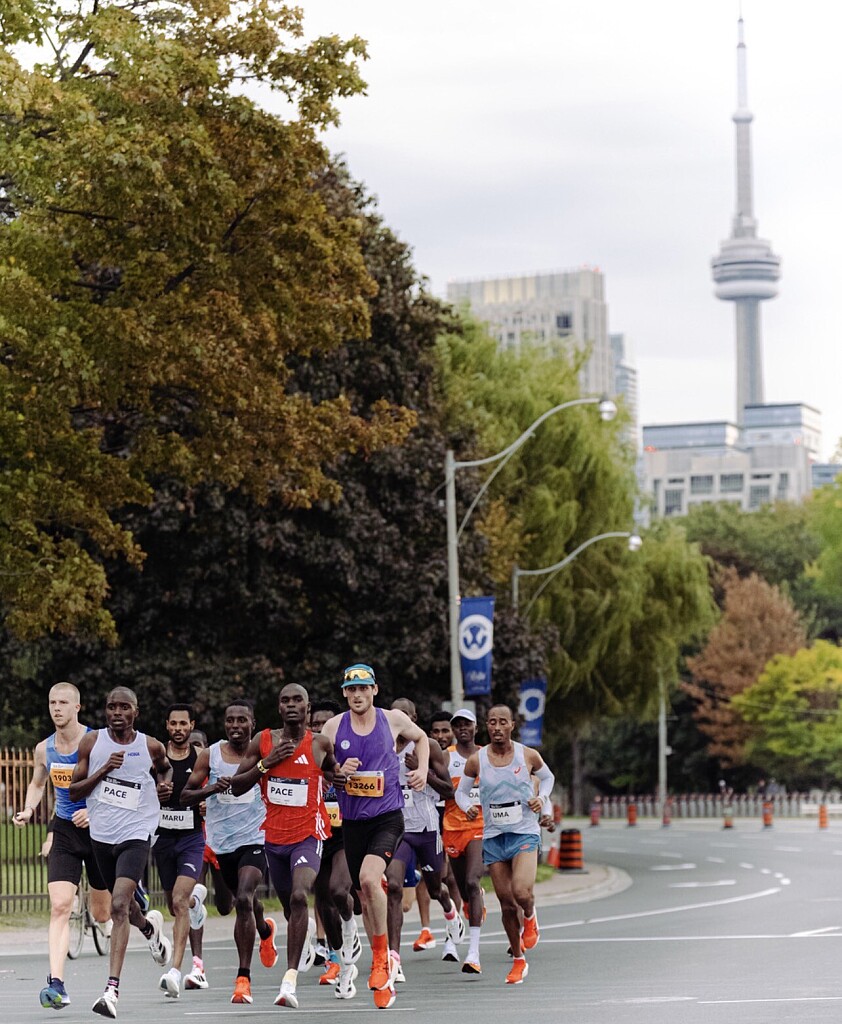
Two London-Area Standouts Set for Marathon Debuts at Toronto Waterfront
Two Canadian distance running stalwarts will make their marathon debuts at the 2026 TCS Toronto Waterfront Marathon October 18. Both make their homes in the London area of southwestern Ontario.
The event is a World Athletics Elite Label race and also serves as the official Athletics Canada Canadian Marathon Championships.
Connor Black and Jeremy Coughler are former training partners and Canadian championship medalists over 10,000m and cross country. They have followed different paths since the retirement of their coach, Dave Mills, although they occasionally meet for long runs while preparing for Toronto.
Coughler still follows a program designed by Mills—a special exception made by his former coach—while Black has worked with two-time Canadian Olympic marathoner Reid Coolsaet for the past two years. Their approaches to the Toronto race could hardly be more different.
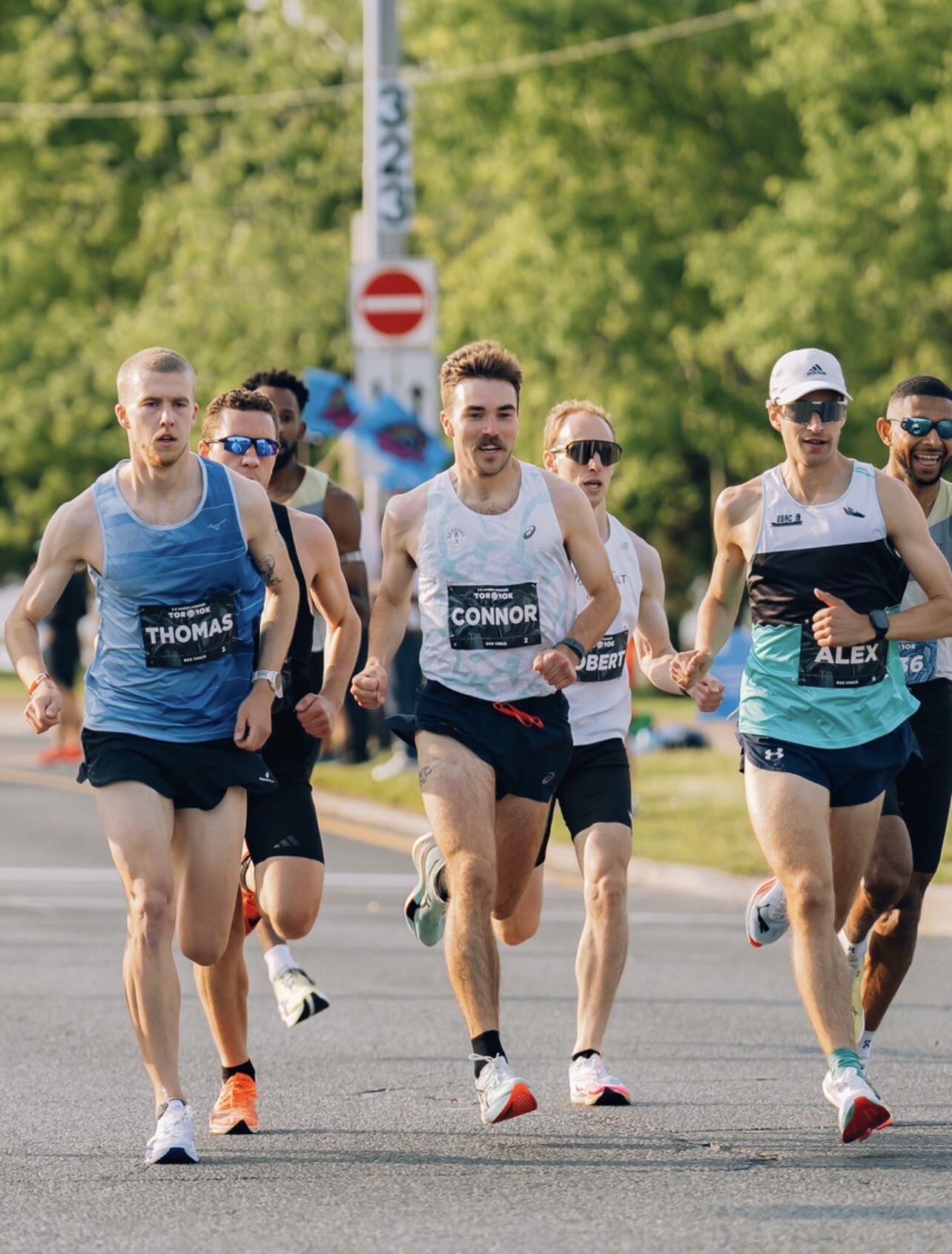
Black, who lives in London—known as “The Forest City”—sees his marathon debut as an important step toward a possible challenge for Canada’s 2028 Olympic team.
“I am 30 years old and I am not making money in the sport, but I still have goals,” Black declares. “My final goal would be to try and make an Olympic team, and I don’t think it’s feasible as an unsponsored track runner targeting the 5K or 10K.
“The marathon is a more even playing field. I can get into any marathon I want, within reason. There are 80 spots in the Olympics. So, if I am going to give it one last shot, it has to be in the marathon.”
At the 2025 Project 13.1 Half Marathon in Congers, New York, Black ran a personal best of 1:03:34 in his first race at the distance. Until then, he had competed primarily over 5,000m and 10,000m. In 2022, he won the Canadian Cross Country Championships.
Black is a secondary school teacher but remains classified as “Long Term Occasional,” meaning he moves from school to school wherever there is an opening.
“Last year I was at Strathroy District Collegiate Institute, which, funnily enough, was where Dave taught for 10 or 15 years,” Black says. “I taught phys ed and math. I can also teach English as a Second Language and biology. I am kind of a Swiss Army knife.”
As he increases his training load for Toronto, completing most of the work by himself, he admits he has reservations about returning to work.
“I am quite nervous to resume teaching,” he reveals. “Recently, my mileage has gone up. When you are starting your build, you are tired. It has been nice having the summer off and being able to focus on training.
“I used to believe you could train like a professional and have a full-time job. I think it’s possible, but if you want to run 200 kilometres a week for the marathon, it is definitely easier and probably better for your performance if you don’t have to work full time.”
Meanwhile, Coughler and his wife, Emma, are chiropractors and partners in Re-Charge Health and Wellness in London’s east end. They are also the parents of a young son, Otto, which means managing their time carefully.
“My wife and I split the work schedule,” Coughler, 30, explains during a day off. “I work Tuesday, Thursday, Friday and Saturday, so I try to do workouts on my days at home—Mondays and Wednesdays.
“If I have something first thing at 7 or 8 a.m., I do a run and then a shakeout between patients or after work. It’s not too bad.”
Running remains important to Coughler, but it is now one of several priorities. He estimates he is running up to 110 kilometres a week, similar to the volume he maintained when finishing third at both the 2023 and 2024 Canadian 10K Championships in Ottawa. He also won the Canada Running Series’ Beneva Spring Run-Off 8K four consecutive years between 2022 and 2025.
Although that mileage is well below what many elite marathoners run, Coughler set a half-marathon personal best of 1:04:33 earlier this year at the Project 13.1 Half Marathon in New York State. The performance earned him eighth place in a strong field. He admits his attitude toward running has changed.
“It’s a shift mentally because I have so much other stuff going on,” he explains. “I am trying to view running as something I do because I love it rather than because it’s my whole life.
“When I was at Indiana University, running was everything. When you run well, it’s great, but when you are not running well, it starts eating you alive.”
With the support and encouragement of Mills, they have mapped out a plan they hope will see Coughler finish his debut in the 2:14 to 2:16 range. He also intends to run more marathons in the future.
“It’s nice knowing there will be a bunch of other Canadian guys who can run around the same time, and that will make it deeper,” he says. “At the front, there are always good Kenyans and Ethiopians running fast. Even if there are a bunch of guys running between 2:12 and 2:20, it would be great.”
The race’s proximity to his home in Thamesford—15 minutes from his practice and about a two-hour drive from Toronto—means Emma, Otto and his parents can accompany him on race weekend. It is one reason he chose the TCS Toronto Waterfront Marathon for his debut.
Coughler is also familiar with the first half of the course, having finished third in the Toronto Waterfront Half Marathon a year ago. Runners in both events follow the same route until the 20-kilometre mark.
Between now and race day, there are many kilometres to be covered. Subject to their schedules and traffic conditions, the two London-area runners will reunite for some workouts.
If all goes well, they will arrive at the starting line ready to join the long list of Canadians who have successfully made the move to the classic marathon distance.
by Paul Gains
Login to leave a comment

TCS Toronto Waterfront Marathon
The Scotiabank Toronto Waterfront Marathon, Half-Marathon & 5k Run / Walk is organized by Canada Running Series Inc., organizers of the Canada Running Series, "A selection of Canada's best runs!" Canada Running Series annually organizes eight events in Montreal, Toronto and Vancouver that vary in distance from the 5k to the marathon. The Scotiabank Toronto Waterfront Marathon and Half-Marathon are...
more...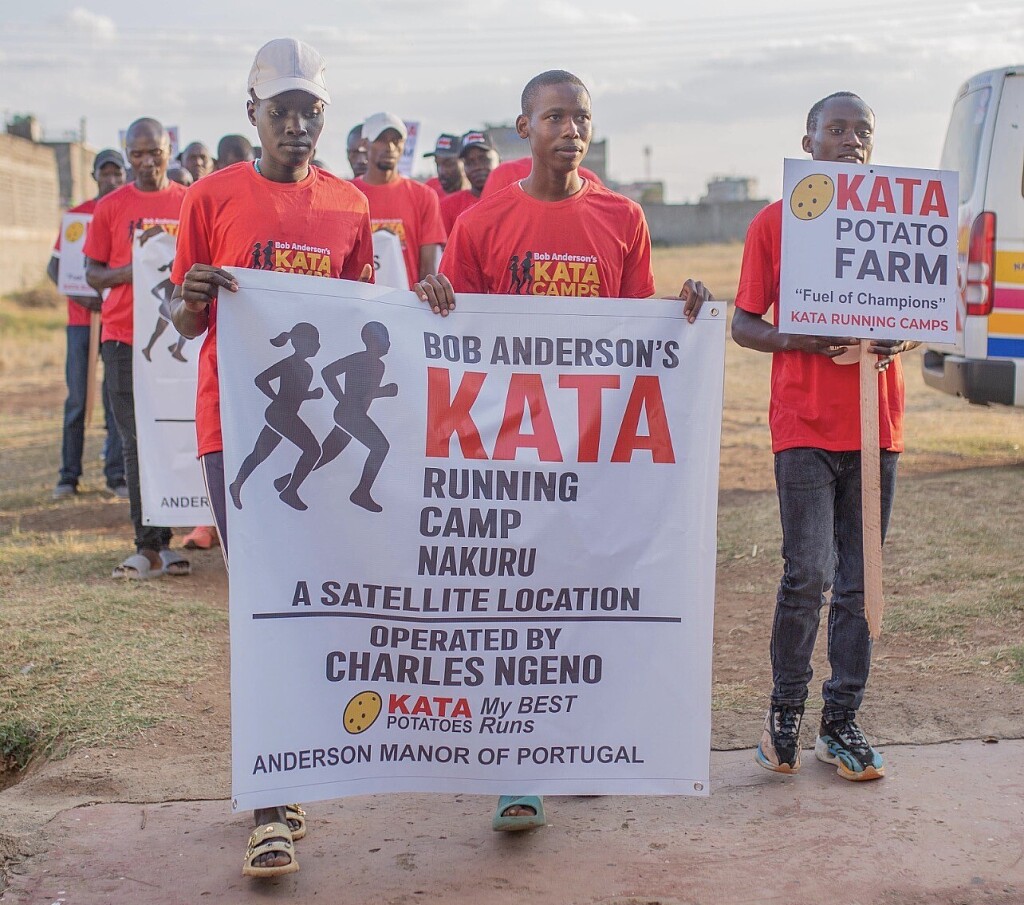
Was KATA’s Vision Too Grand? The 60-Camp Network That Could Have Supported 1,800 Kenyan Runners
KATA had assembled 30 running camps and planned to double that number. Its model used repayable, interest-free startup financing and potato farming to create a self-sustaining national network—but the expected repayments never materialized.
By Robert Kibet
Could a network of 60 self-supporting training camps have transformed life for 1,800 promising Kenyan runners?
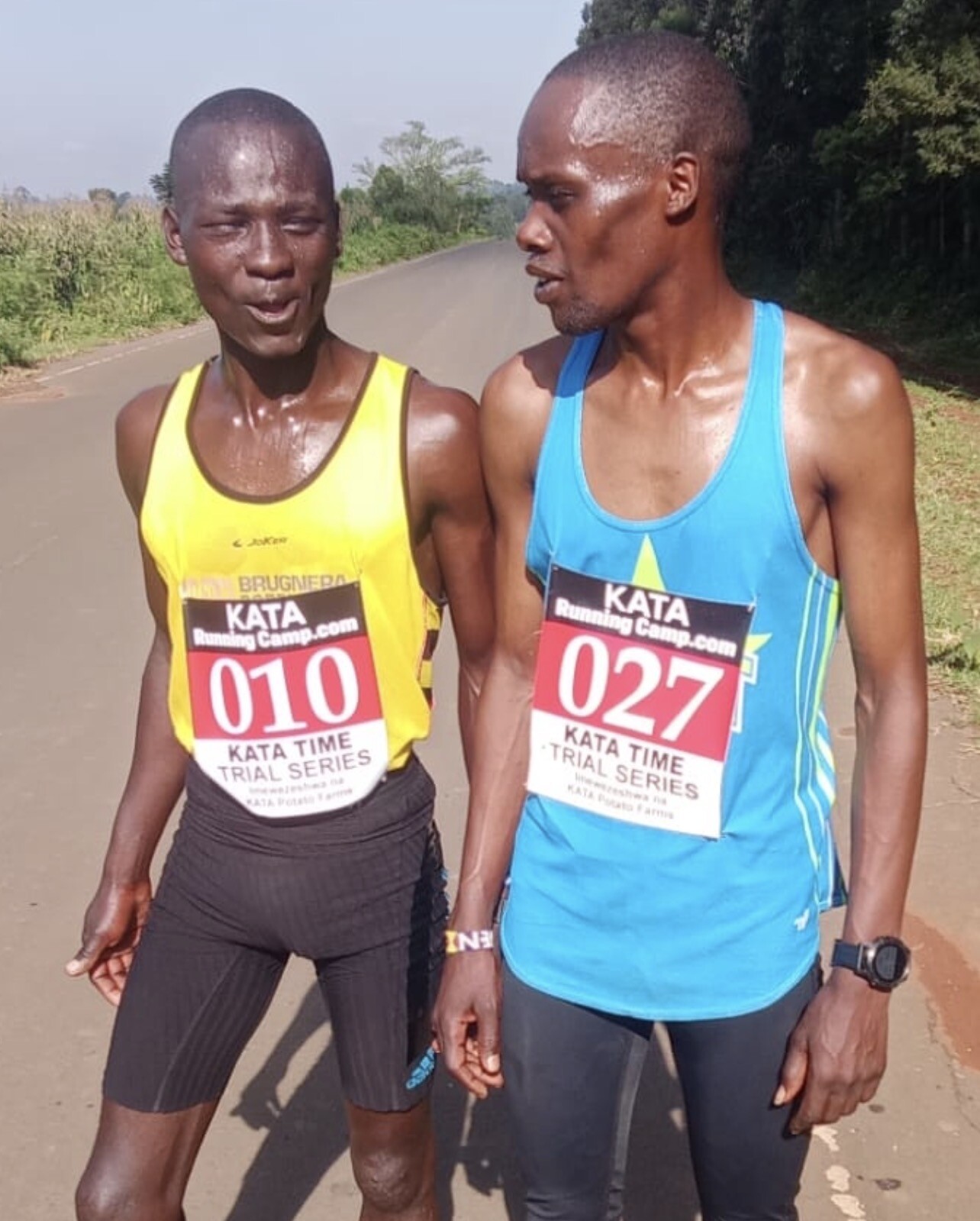
That was the vision behind the Kenyan Athletics Training Academy (KATA) programme created by Bob and Catherine Anderson.
KATA had assembled 30 running camps and planned to expand to at least 60. At 30 athletes per camp, the completed network could have provided accommodation, food and high-level training for approximately 1,800 runners at one time.
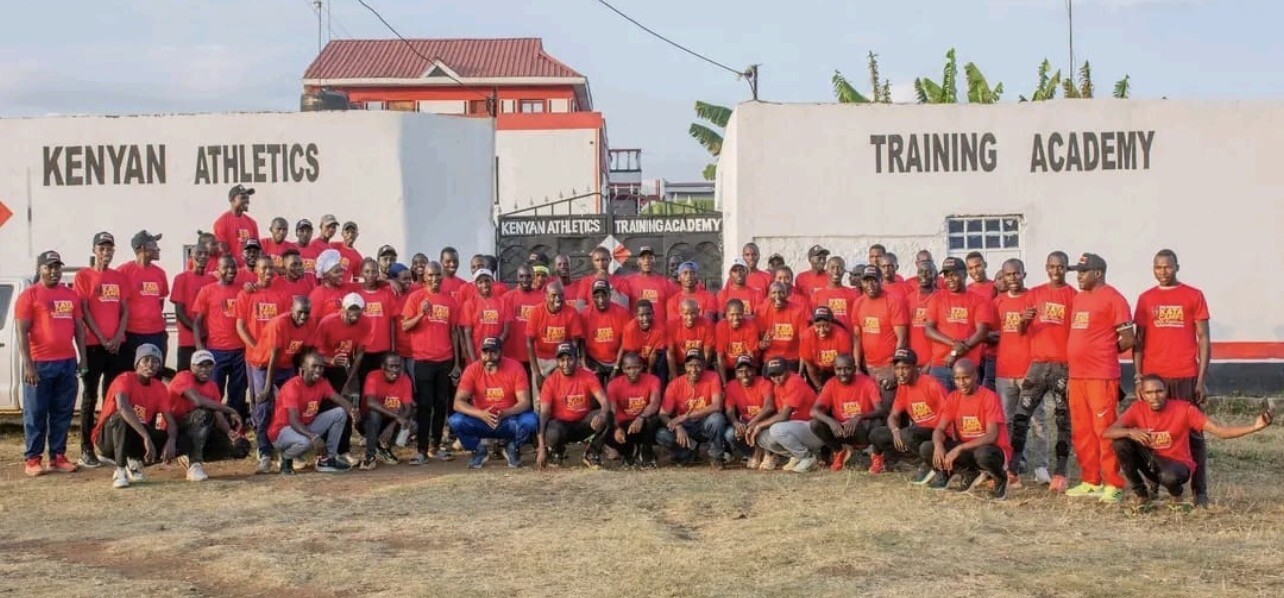
The objective was not simply to produce champions. KATA sought to improve daily living and training conditions for developing athletes while strengthening grassroots coaching.
The programme was ambitious, but it was not intended to depend permanently upon money from the Andersons.

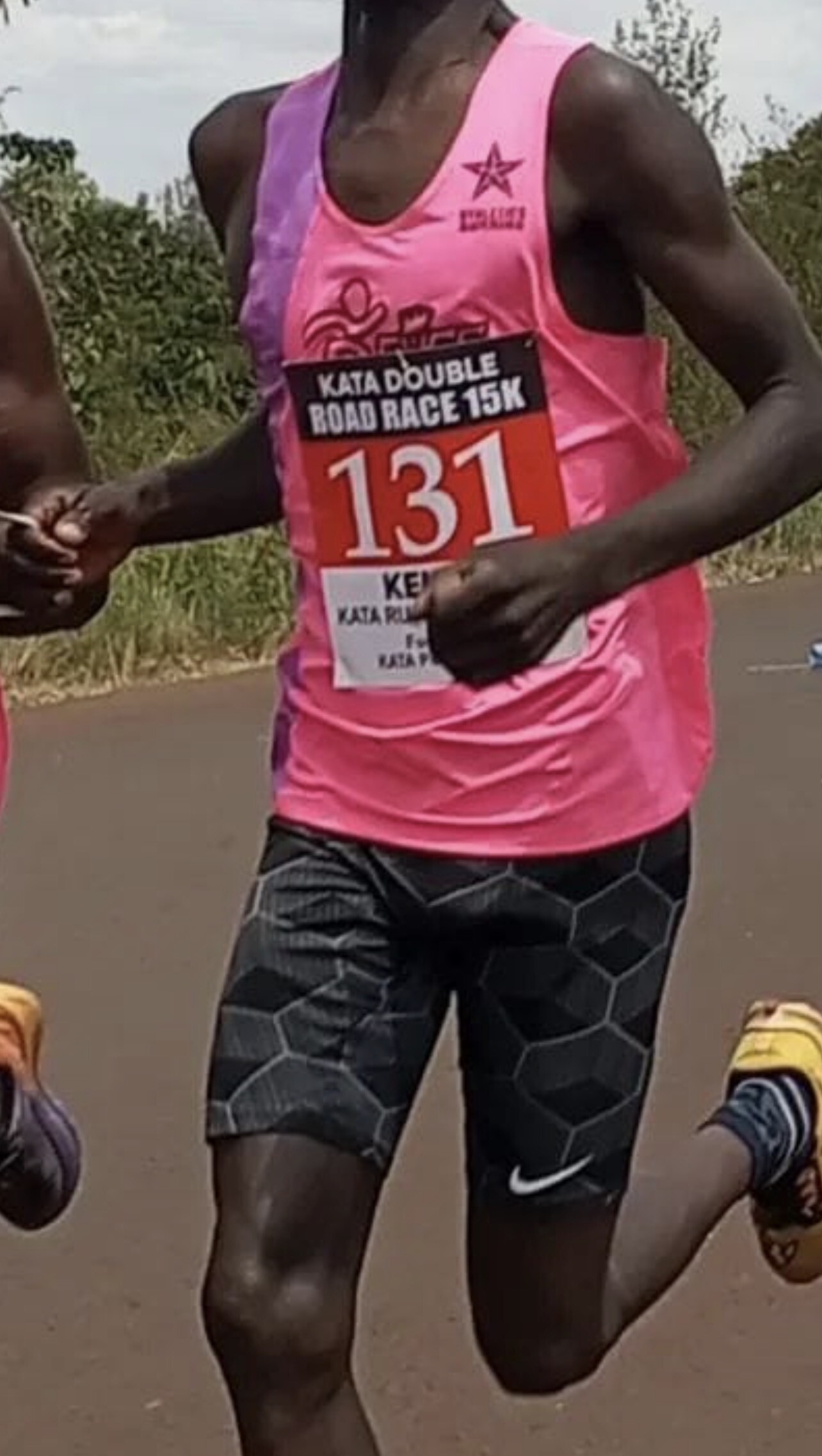
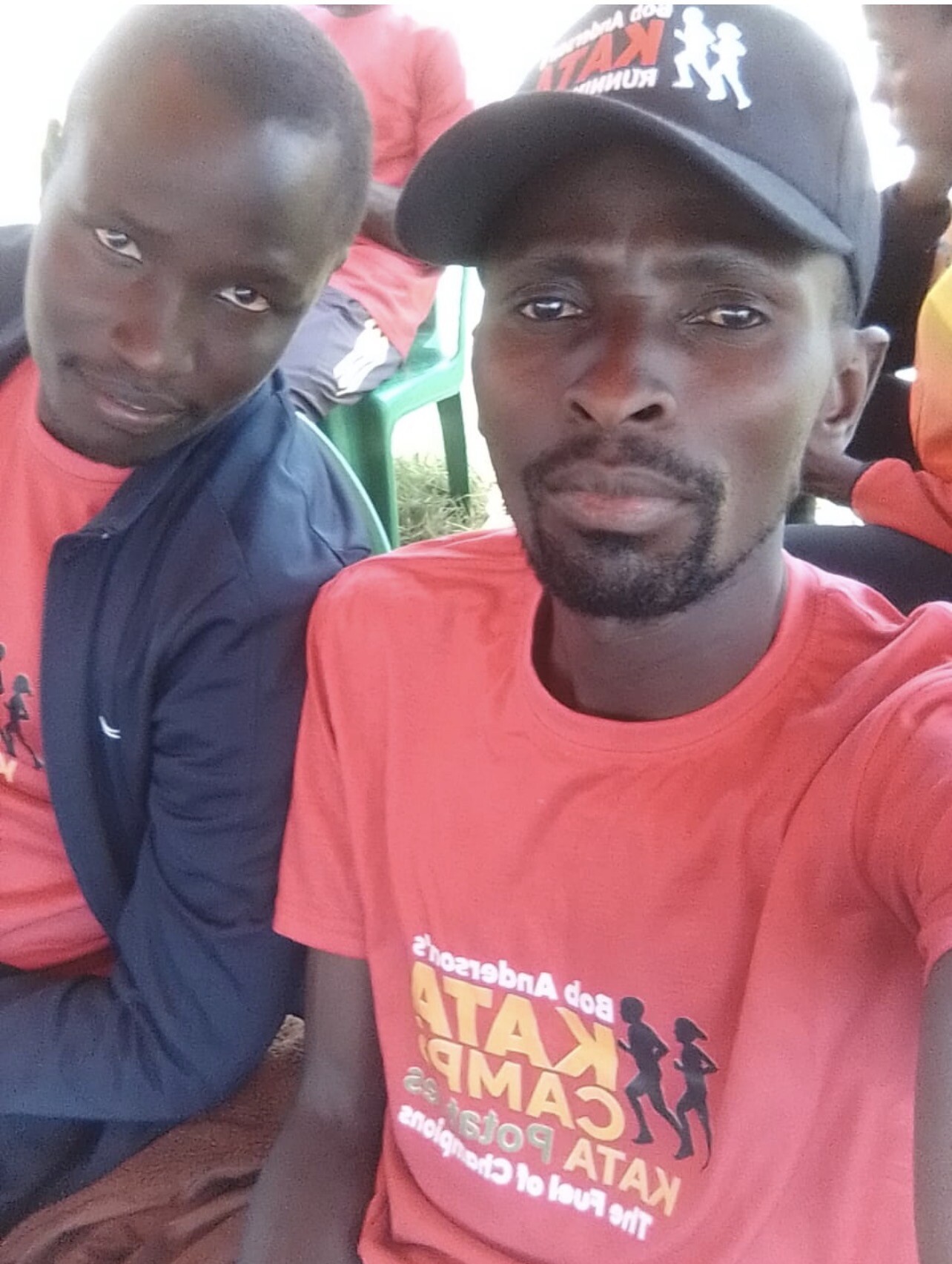
(These eight photographs were among more than 5,000 images sent to KATA founder Bob Anderson and his team as evidence of how the programme was progressing.
The photographs showed why individual coaches and camp operators believed they should receive interest-free loans and become part of the KATA family. Others documented the development of the camps, potato farming activities and the required 10-kilometre time trials held every two months.

In September 2025, athletes from most of the 30 KATA camps travelled to Thika to compete in the KATA Double Road Race, where KSh100,000 in prize money was awarded. At that point, the programme appeared to be working as planned.
The situation changed shortly afterward. Potato harvests were completed and crops were sold, but despite repeated explanations and delays, very little of the money collected was returned to KATA.)

How a camp was supposed to become self-supporting
KATA’s financial model began with two interest-free loans.
The first supplied the capital required to open a running camp. An approved operator could receive as much as KSh500,000 for rent, beds, mattresses, furniture, food and other startup needs.
That money remained a debt to KATA. It was not a gift, grant or donation.
A second interest-free loan financed potato cultivation at a projected cost of approximately KSh100,000 per acre.
The plan called for the harvest revenue to retire both debts—the farming advance and the camp-establishment advance—before the remaining proceeds were used locally.
Potatoes were chosen because they are Kenya’s second-most important food crop after maize and form an industry worth an estimated US$400 million to US$500 million annually.
KATA’s working projection placed gross sales from a successful acre at about KSh400,000. This was a programme estimate rather than a guaranteed or national average result. Actual returns depended upon production, disease, weather and selling prices.
The projected economics of three acres illustrate the plan:
Estimated cultivation loan: KSh300,000;
Projected gross sales: KSh1.2 million;
Repayment of cultivation financing: KSh300,000;
Repayment of camp startup financing: up to KSh500,000; and
Potential balance for athletes and the next season: approximately KSh400,000.
Under this model, one strong three-acre harvest could potentially clear the money advanced to establish the camp and grow the crop. The following season could then help pay for food, housing and training while keeping the farm productive.
“We did not give away startup money,” Anderson said. “We provided interest-free loans that had to be repaid. The potatoes were the engine intended to repay both loans and create continuing income for the athletes.”
From 30 camps to a potential 60
Bob and Catherine Anderson say they invested more than KSh42 million in the wider programme.
Approximately KSh36 million was provided as interest-free financing, with more than KSh6 million spent on Kenyan independent contractors and related operational expenses.
The Andersons did not form a Kenyan company. Their California-based operation directed the programme and retained independent contractors in Kenya for coordination and monitoring.
If 75 percent of participating coaches, farmers and operators had repaid their loans, Anderson believes KATA would have had enough revolving capital to strengthen the 30 camps and expand to 60.
“The money was supposed to keep moving,” he said. “A repayment from one harvest could help establish or strengthen another camp. We would not have needed to start again with new outside money every season.”
A 60-camp network supporting 1,800 runners could also have developed a significant voice within Kenyan athletics.
“KATA was not created to oppose Athletics Kenya,” Anderson said. “But an independent programme improving conditions for 1,800 athletes would naturally have carried influence.”
Anderson has wondered whether that potential might have concerned people who wanted to control opportunities within the sport. He emphasizes that he has no evidence Athletics Kenya attempted to undermine KATA.
Charles Ngeno and claims of high-level access
While developing two proposed KATA camps, coach Charles Ng’eno repeatedly portrayed himself to Anderson as closely connected to leading figures in Kenyan athletics.
On July 22, 2025, Ng’eno wrote:
“I need to brief you tomorrow about good news we discussed with AK PRESIDENT about KATA.”
The message did not explain the “good news,” and no response from the Athletics Kenya president has been provided to confirm that discussion.
Ng’eno also sent photographs appearing to show him attending Athletics Kenya functions, including one in which he sat behind an Athletics Kenya nameplate and another showing him addressing a gathering.
The photographs indicate attendance at athletics-related events. They do not prove that AK supported KATA or authorized Ng’eno to speak on its behalf.
Ng’eno also supplied Anderson with messages addressed to senior athletics official Barnabas Korir.
In one, Ng’eno told Korir:
“You expressed happiness with KATA.”
He further attributed to Korir statements about protecting KATA because of its importance in empowering young people.
The screenshots do not show Korir confirming the statements. It remains unclear whether all the communications were sent, received or answered.
Prominent athletes and coaches
Ng’eno strengthened the appearance of influence by invoking other respected names.
In June 2025, he sent Anderson a message addressed to Faith Kipyegon in which he described himself as her “grassroots coach.” The screenshot contains no response from Kipyegon and does not independently establish the extent of Ng’eno’s early coaching role.
Ng’eno later said prominent coach Bernard Rono had consulted him about KATA and joined the programme.
“We are glad to have him with us at KATA,” Anderson replied. “We have a strong group of operators!”
Anderson says the combined effect of the messages and AK photographs was significant.
“Charles made it appear that he was plugged into the highest levels of Kenyan athletics,” Anderson said. “That gave me confidence that he could build successful camps and bring respected people into the KATA network.”
Whether Ng’eno accurately described those relationships remains unconfirmed.
Two camps appeared to be taking shape
Ng’eno supported his requests for money with budgets, reports, photographs and videos.
After confirming receipt of KSh40,000 in June 2025, he sent a photograph of a truck at a residential property and said he was installing items at the camp.
He later requested financing for nearby land, reported renting a house in Nakuru and sought money for beds and mattresses.
On August 3, Ng’eno submitted figures for the proposed Olenguruone and Nakuru camps. His presentation referred to a combined KSh1.3 million budget and reported KSh531,400 used for farming and camp expenses.
The KSh1.3 million was the proposed allocation—not the amount Anderson ultimately transferred.
Anderson says Ng’eno actually received KSh1,077,500. The funding was intended to establish two camps and cultivate six acres.
A video Ng’eno sent on August 5 appeared to show young athletes training indoors.
“These are the real stars,” he wrote, predicting they could reach the next World Cross Country Championships.
The material led Anderson to believe the camps were progressing.
“I could see athletes training and equipment apparently arriving,” he said. “It looked as though the programme was creating exactly what we intended.
Red flags halted further funding
Ng’eno continued presenting expansion plans, but promised repayments did not arrive.
In November 2025, he told Anderson nearly KSh600,000 would be paid before the end of December, followed by another KSh200,000 in January or February.
Ng’eno also referred to a plot of land allegedly worth KSh1.5 million that could be sold to clear the debt.
At the same time, he continued seeking additional money. When an account was restricted because no repayment had arrived, Ng’eno suggested that funds be sent through his wife’s M-Pesa number or another person.
Anderson refused to bypass the restriction.
In January 2026, Ng’eno made another commitment:
“Yes Bob, I need to start with 400,000 ksh.”
He said he was responsible and “must do payments.” He also attributed the delay to money spent constructing a residential building that would become a KATA camp.
Anderson says the KSh400,000 was not paid.
Ng’eno later attempted to persuade him to finance another six acres with approximately KSh600,000 in additional interest-free funding.
Anderson declined.
“I probably would have sent more if the promised repayments had started,” he said. “Fortunately, each missed date raised another red flag. I stopped after KSh1,077,500.”
What is known—and what remains unverified
The available communications show that Ng’eno:
Claimed to have discussed KATA with the Athletics Kenya president;
Attributed favorable statements about KATA to Barnabas Korir;
Presented himself as connected to leading athletes and coaches;
Supplied budgets and reports for two camps;
Sent images appearing to show camp development and athletes training;
Continued seeking new funding; and
Made several substantial repayment promises.
They do not establish whether Athletics Kenya endorsed or opposed KATA, whether the named officials made the statements attributed to them or how all the money was ultimately used.
There is no current evidence that Athletics Kenya developed or participated in a plan to stop KATA.
There is evidence that Ng’eno’s representations increased Anderson’s confidence in the camps and the wider programme.
Questions for Ng’eno and Athletics Kenya
Ng’eno should be asked:
What did he discuss with the Athletics Kenya president?
Did Barnabas Korir make the statements attributed to him?
What official athletics positions did Ng’eno hold?
How many athletes lived and trained at the two camps?
Was the residential building completed and operated as a KATA camp?
How was the KSh1,077,500 used?
What income was produced by the six acres?
Why were the promised repayments not made?
Did he own the reported KSh1.5 million property?
Athletics Kenya and the officials named in Ng’eno’s messages should have an opportunity to clarify what they knew about KATA and whether their positions were represented accurately.
Grand—but not impossible
KATA’s vision was undeniably large: 60 camps capable of supporting 1,800 runners.
Its financial premise was that repaid loans would become revolving capital. Each successful camp and harvest would help finance the next cycle of athlete support.
“The vision may have been grand, but it was not impossible,” Anderson said. “We already had 30 camps. What failed was the repayment system and our reliance on reports that were not independently verified.”
Whether Ng’eno truthfully described his Athletics Kenya discussions remains unanswered. Whether AK understood KATA’s potential scale is also unclear.
What is clear is that the programme was not offering free startup money. Every camp and agricultural advance was an interest-free loan that had to be returned.
Without those repayments, the revolving system stopped—and the planned network of 60 camps has never became a reality. If only most of the KATA operators had paid back their loan! "When they do things could still get back on track," says Bob Anderson.
by Robert Kibet
Login to leave a comment
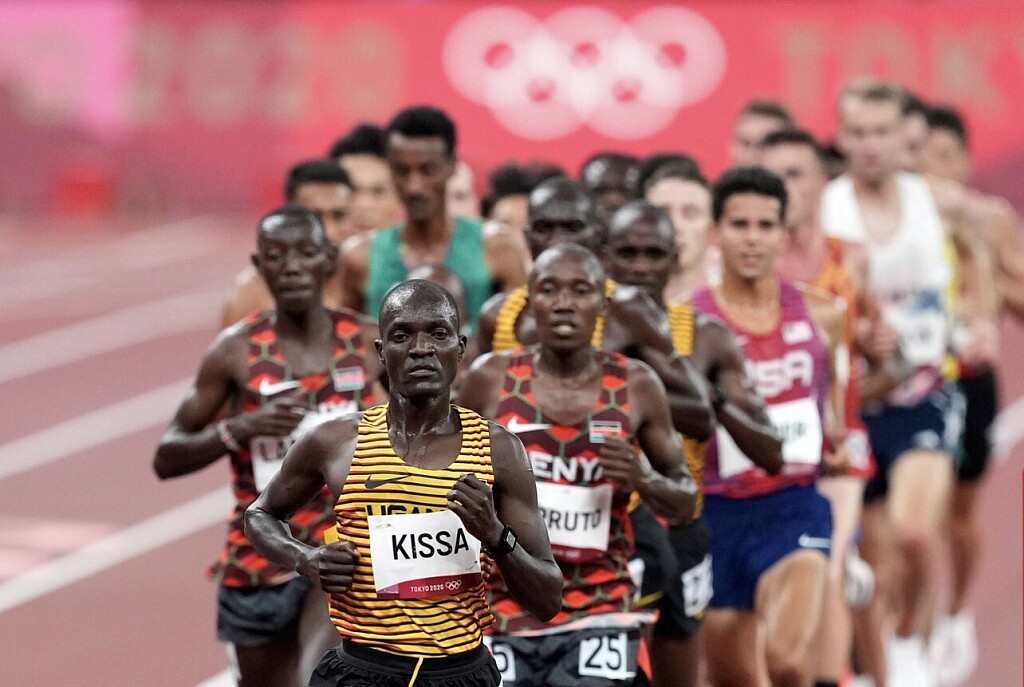
Stephen Kissa Carrying Ugandan Hopes at TCS Toronto Waterfront Marathon
Ugandan long-distance runners have emerged from the shadows of their legendary East African neighbours to earn distinction at the highest level.
Now Stephen Kissa will represent his nation at the 2026 TCS Toronto Waterfront Marathon on October 18 against a strong contingent of Kenyan and Ethiopian athletes. The event is once again a World Athletics Elite Label race.
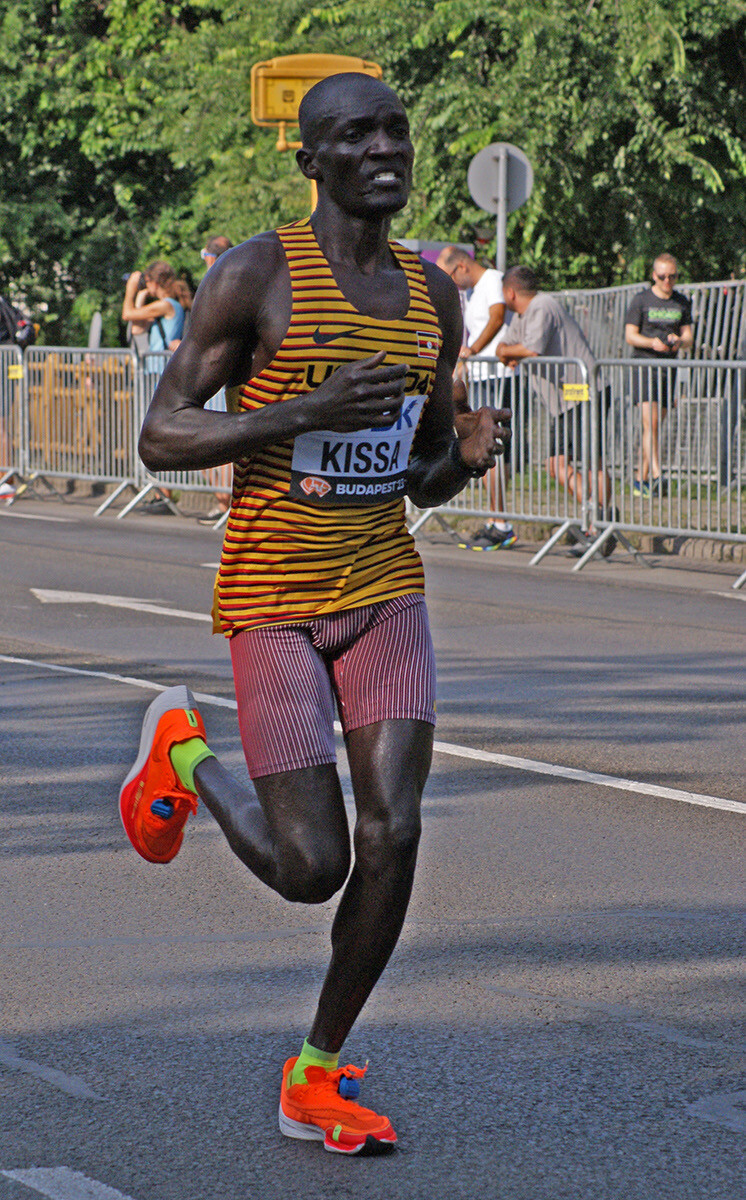
Kissa set a Ugandan national record of 2:04:48 when he finished second in his 2022 marathon debut in Hamburg. That record was only broken this year. He was subsequently selected for Uganda’s 2023 World Championships marathon team, finishing fifth on the streets of Budapest.
He has also represented his country twice at the Olympics and competed at the World Cross Country Championships. With such experience, the 37-year-old is intent on challenging for Toronto’s $25,000 Canadian first-place prize.
“When I come to Toronto, I will do my best,” he declares with a broad smile. “I will be really happy if I can run 2:03 or 2:04.
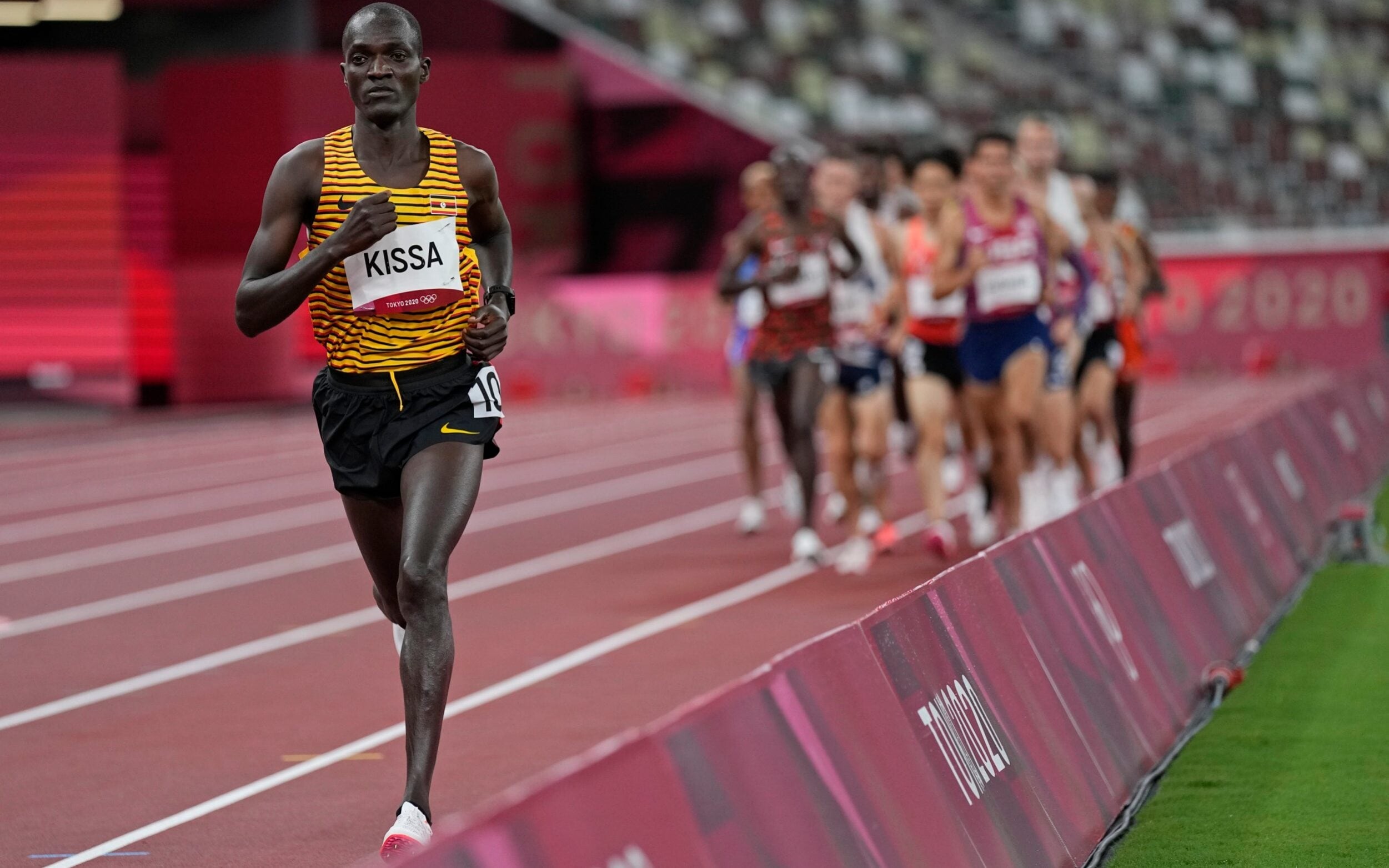
“With training, we have been comparing the past to now, and we have come up with a solution. We do long runs and tempo runs ranging from 25km and 28km to 30km and up to 40km. I am running around 120km a week but will go up closer to 200km.”
Kissa is not the first of his compatriots to compete in the Toronto Waterfront Marathon. Stephen Kiprotich, the 2012 Olympic champion, finished seventh in the 2018 race. Kiprotich remains a national hero in Uganda, and his success has contributed significantly to the nation’s emergence as a distance-running power.
“I was really inspired a long time ago by Stephen Kiprotich,” Kissa admits. “He did some tremendous work, and I can say he is our mentor. We really respect him.
“He has given me advice. He told me, ‘Our sport is not a one-day journey. It is a long journey that takes a lot of patience and commitment. If you have commitment, patience and work hard, you will go far.’”
Kiprotich has been an occasional and welcome visitor to the training camp in Kapchorwa that Kissa calls home for most of the year. It sits at an altitude of 2,500 metres, or 8,200 feet.
From Monday through Saturday, Kissa trains there with a group that includes two-time Olympic champion Joshua Cheptegei, 2023 world marathon champion Victor Kiplangat and 2022 Olympic 3,000m steeplechase champion Peruth Chemutai.
The centre was built by their management company, Global Sports Communications, with a contribution from Cheptegei. The athletes return home to their families on Saturday evenings.
Kissa lives in Kapchorwa’s town centre, about 14 kilometres away, in an area dominated by Mount Elgon, an extinct volcano estimated to be 24 million years old. He lives there with his wife and two young children.
“Right now they are at school,” he says of his children. “They are about to come home for a holiday. That’s when I will meet them. At school, they concentrate on their studies unless there is a problem. Then they will call me.”
The training camp includes a dormitory, dining room, kitchen and recreation room where the group gathers to watch sports. The recent FIFA World Cup generated great interest, and Kissa admits enjoying the play of Spanish winger Lamine Yamal. When asked what he does to relax, he smiles.
“I can play pool. I like that,” he says, adding with a laugh, “Not for money. We also play cards.
“Sometimes, when I have time, I cook chapati. It is made from wheat flour. We also have potatoes and ugali, which is made from corn.”
The group holds a prayer before each workout. Victor Kiplangat is an assistant pastor at a nearby church called Temple of the Most High God, but the others, including Kissa, also take turns leading prayers.
For more than a decade, the group was coached by Addy Ruiter. After the 2024 Paris Olympics, the Dutchman returned home. He continues coaching the athletes remotely through WhatsApp, with an on-site team led by fellow Dutchman Roy Hoornweg.
“Kapchorwa is a hilly, mountainous area,” Kissa explains. “The tempo runs are done on a plateau where it is flat. Our training differs depending on the location. You can’t do long runs in the hilly area, so we go to the plateau. We also have flatlands where we can do long runs and tempo runs.”
Kissa understands that he is approaching the later stages of his running career and must look toward life beyond competition. Still, he laughs when asked how many more years he can compete.
“Maybe 10 years! I will be happy if I can run 2:03 or 2:04,” he says.
“If Toronto goes really well, I will look to invest in assets in town, build apartments and start a business. I can really say thank you for inviting me to Toronto. If it goes well, I will be very proud.”
Kissa won’t be the only Ugandan presence at the TCS Toronto Waterfront Marathon. At the Runner’s Expo on October 16 and 17 at the Better Living Centre, a Uganda Tourism booth will offer information about the Mount Rwenzori Marathon and Great Lakes Safaris.
On the starting line, Kissa can be confident that he has the international experience and talent to compete with anyone. As for his ultimate goals, he is succinct.
“I pray that in the years to come I will stand on the podium at the Olympics or World Championships,” he says. “That is what I am really looking forward to.”
A victory in Toronto would bolster that ambition.
by Paul Gains
Login to leave a comment
TCS Toronto Waterfront Marathon
The Scotiabank Toronto Waterfront Marathon, Half-Marathon & 5k Run / Walk is organized by Canada Running Series Inc., organizers of the Canada Running Series, "A selection of Canada's best runs!" Canada Running Series annually organizes eight events in Montreal, Toronto and Vancouver that vary in distance from the 5k to the marathon. The Scotiabank Toronto Waterfront Marathon and Half-Marathon are...
more...
Geoffrey Kamworor Eyes New York Hat-Trick as Kenyan Star Chases Another Major Triumph
Two-time New York City Marathon champion Geoffrey Kamworor is set for another assault on the Big Apple, with the Kenyan distance-running star targeting a historic third victory when the Abbott World Marathon Majors race returns on November 1.
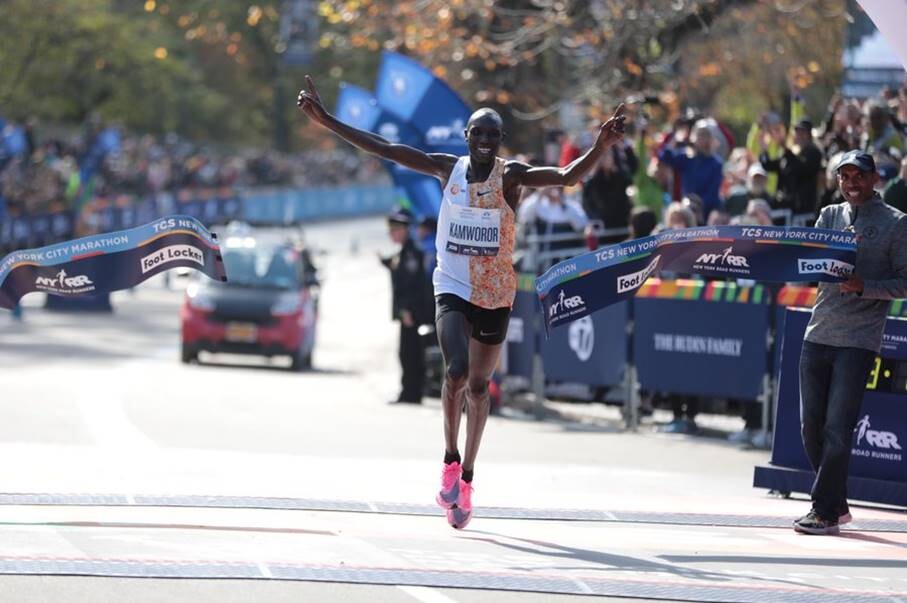
For Kamworor, New York represents much more than another marathon. It is a course where he has already enjoyed some of the defining moments of his illustrious career, and where he will now seek to add another prestigious title to a remarkable collection of achievements.
The 33-year-old has developed a special relationship with the New York course since making his debut there in 2015. On that occasion, he finished runner-up in 2:10:48 behind compatriot Stanley Biwott, who won in 2:10:34.
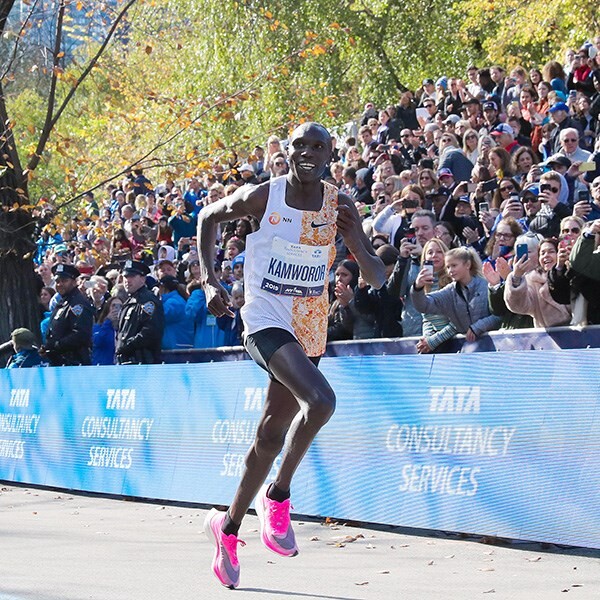
Two years later, Kamworor went one step further.
In 2017, he produced a composed performance to claim his first New York Marathon crown, crossing the finish line in 2:10:53. He held off fellow Kenyan and former world record-holder Wilson Kipsang, who finished just three seconds behind in 2:10:56, while Ethiopia's Lelisa Desisa took third in 2:11:32.

Kamworor returned the following year hoping to defend his title but had to settle for third place. Desisa triumphed in 2:05:59, ahead of Shura Kitata in 2:06:01, while Kamworor clocked 2:06:26.
But the Kenyan refused to stay away from the top for long.
In 2019, he reclaimed the New York crown in emphatic fashion, winning in 2:08:13. Albert Korir followed in second in 2:08:36, with Ethiopia's Girma Bekele completing the podium in 2:08:38.
Those two victories remain Kamworor's only Abbott World Marathon Majors titles, making New York a particularly significant venue in his career.
His latest appearance in the race, however, ended without another podium finish. Returning in 2024, Kamworor placed fifth in 2:08:50 as the Netherlands' Abdi Nageeye won in 2:07:39. Kenya's Evans Chebet was second in 2:07:45, while Albert Korir took third in 2:08:00.
Now, Kamworor is eager to return to the city where he has already tasted victory twice.
“I am very excited to be going back to New York,” Kamworor said, expressing his anticipation ahead of another demanding battle through the streets of the world's most famous city.
For the Kenyan star, the race offers a unique combination of sporting pressure and an atmosphere unlike any other.
“It's always an incredible experience to run the biggest marathon in the world. I'm really looking forward to feeling the energy of the crowd again,” he added.
Kamworor's challenge will be to arrive in New York at his best after a mixed campaign in 2026.
He began the year in spectacular fashion, winning the Ras Al Khaimah Half Marathon on February 14. The Kenyan clocked an impressive 58:14, finishing ahead of Bahrain's Birhanu Balew, who ran 58:23, and compatriot Gideon Rono, who crossed the line in 58:38.
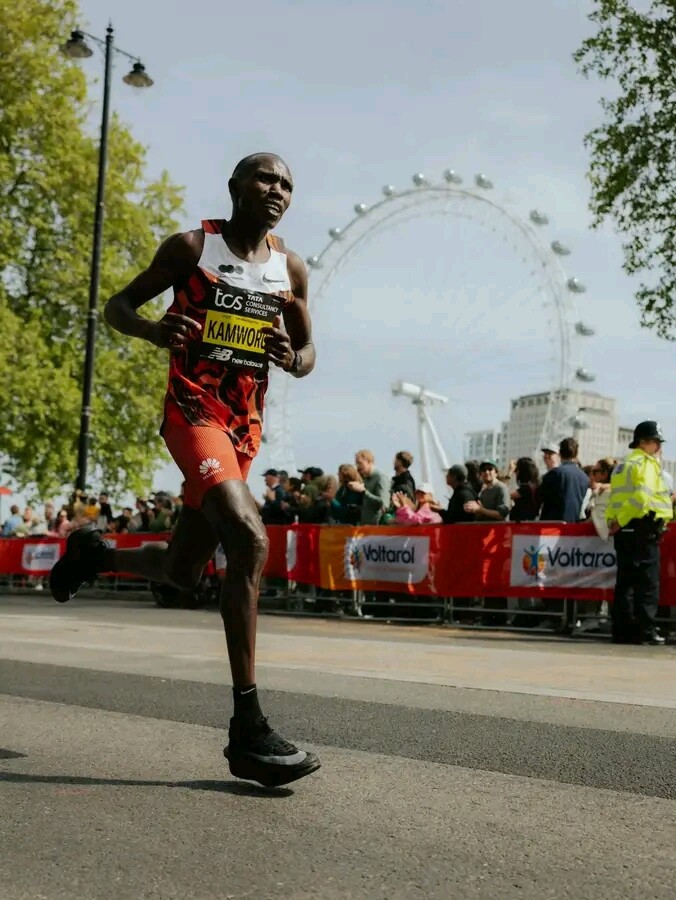
His London Marathon campaign on April 26 proved considerably tougher. Kamworor finished eighth in 2:05:38 in a historic race dominated by Sebastian Sawe, who produced a sensational 1:59:30 to become the first man to break the two-hour barrier in a marathon. Ethiopia's Yomif Kejelcha was second in 1:59:41, while Uganda's Jacob Kiplimo finished third in 2:00:28.
Kamworor will therefore arrive in New York with both experience and motivation on his side. He knows exactly what the course demands, having already navigated its hills, turns and relentless closing stages on multiple occasions.
Beyond the marathon, his career is decorated with major international honours across several disciplines.
Kamworor is a three-time world half marathon champion, winning his first title in Copenhagen in 2014 before successfully defending his crown in Cardiff in 2016 and completing his remarkable hat-trick in Valencia in 2018.
He has also established himself as one of Kenya's finest cross-country runners. He won the world junior cross-country title in Punta Umbria in 2011 before becoming a senior world champion in Guiyang in 2015 and Kampala in 2017. He added a bronze medal at the 2019 World Cross Country Championships in Aarhus.
That versatility has long been one of Kamworor's greatest strengths. From cross country to the half marathon and now the marathon, he has repeatedly demonstrated the endurance, tactical intelligence and competitive resilience required to succeed at the highest level.
Yet New York remains unfinished business.
With two victories already secured and another opportunity waiting on November 1, Kamworor has a chance to strengthen his legacy on one of the sport's most iconic stages.
A third triumph would not only give him a coveted New York hat-trick but would further cement his status as one of Kenya's most accomplished distance runners of his generation.
The Big Apple has already given Kamworor some of the proudest moments of his career. Now, the Kenyan star is returning with one clear ambition — to conquer New York once again.
by Erick Cheruiyot for My Best Runs.
Login to leave a comment

TCS New York City Marathon
The first New York City Marathon, organized in 1970 by Fred Lebow and Vince Chiappetta, was held entirely in Central Park. Of 127 entrants, only 55 men finished; the sole female entrant dropped out due to illness. Winners were given inexpensive wristwatches and recycled baseball and bowling trophies. The entry fee was $1 and the total event budget...
more...
Three Rising Distance Stars Ready to Make Their Marathon Debuts at the 2026 New York City Marathon
The next generation of marathon talent will take centre stage on the streets of New York this November, with Weini Kelati of the United States, Andreas Almgren of Sweden and Kenya’s Patrick Kiprop all set to make their marathon debuts at the 2026 TCS New York City Marathon on November 1.
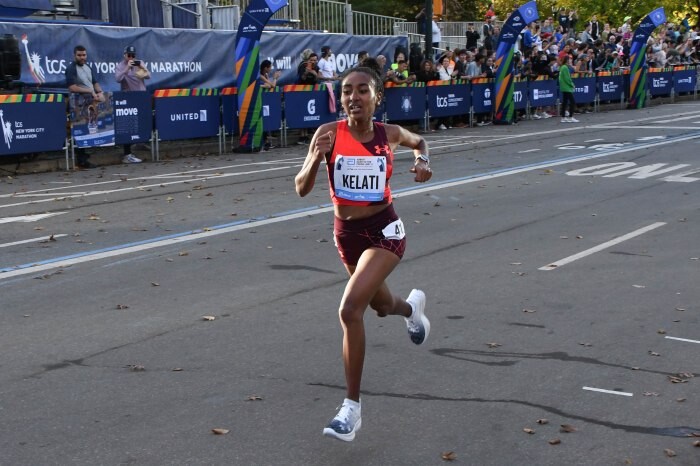
All three arrive in New York with impressive credentials built across track, cross country and shorter road races, creating one of the most intriguing groups of marathon debutants in this year’s field.
Kelati will enter the 26.2-mile challenge after establishing herself as one of America’s leading distance runners. The U.S. Olympian owns a 1:06:04 half-marathon personal best, an American record, and has already demonstrated the combination of endurance and speed required to compete at the highest level. Her transition to the marathon will be closely watched as she begins a new chapter in her career on one of the sport’s biggest stages.

Almgren brings perhaps even more explosive speed to his first marathon. The Swedish star owns a remarkable 58:41 half-marathon personal best, a national and European record at the time it was achieved, while his track résumé includes world-class performances over 3,000m and 5,000m. His ability to sustain that extraordinary speed over 42.195 kilometres will be one of the central questions surrounding his New York debut.
Then there is Patrick Kiprop, who will carry Kenya’s hopes into his first marathon after building an impressive reputation during a decorated collegiate career in the United States.
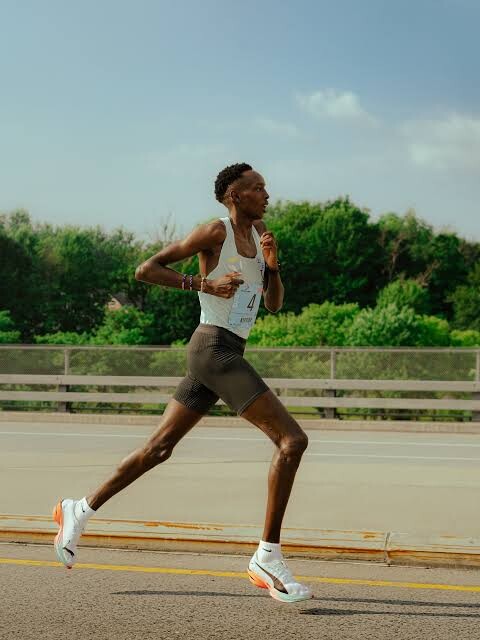
Kiprop enjoyed a standout spell with the Arkansas Razorbacks, collecting five First-Team NCAA All-America honours across cross country, indoor and outdoor track. He became a two-time NCAA South Central Region Cross Country champion in 2022 and 2023 before adding an SEC Outdoor 5,000m title in 2024 and a silver medal in the 10,000m.
He also etched his name into Arkansas history by breaking the university’s 5,000m school record. His American collegiate journey began at Fresno Pacific University, where he was named the Sunbird Male Newcomer of the Year in 2021 before transferring to Arkansas.
Following his collegiate success, Kiprop made the transition to professional running and joined the On Athletics Club Global, placing himself within one of the sport’s leading international training environments. His attention has increasingly shifted toward road racing, with the half marathon becoming an important bridge toward the marathon.
Kiprop has already shown that his speed can translate successfully to the roads, winning the professional division at the prestigious Bolder Boulder 10K. Now, New York presents a considerably bigger challenge and an opportunity to discover how his considerable distance-running ability translates to the full marathon.
For Kelati, Almgren and Kiprop, November 1 will represent more than simply another race. It will be the beginning of their marathon careers.
The New York City Marathon is notoriously demanding, combining multiple bridges, relentless changes in rhythm and a difficult closing stretch through Manhattan. Add enormous crowds and the pressure of a global audience, and the course provides an unforgiving introduction to 42.195 kilometres.
Yet that is precisely what makes these three debuts so fascinating.
Kelati arrives with American-record speed. Almgren brings European-record-level half-marathon credentials and extraordinary track ability. Kiprop brings a decorated NCAA background, Kenyan distance-running pedigree and growing experience on the roads.
None of them needs to prove that they possess speed. New York will determine whether they can transform that speed into marathon strength.
With an already star-studded 2026 field, the arrival of these three rising stars adds another compelling storyline to race day.
The future of marathon running is coming to New York—and on November 1, Kelati, Almgren and Kiprop will discover what they can do over 26.2 miles.
by Erick Cheruiyot for My Best Runs.
Login to leave a comment
TCS New York City Marathon
The first New York City Marathon, organized in 1970 by Fred Lebow and Vince Chiappetta, was held entirely in Central Park. Of 127 entrants, only 55 men finished; the sole female entrant dropped out due to illness. Winners were given inexpensive wristwatches and recycled baseball and bowling trophies. The entry fee was $1 and the total event budget...
more...
Nairobi Makes History the Prize as Kenya Bids to Bring 2029 World Athletics Championships to Africa
Nairobi has formally entered the race to host the 2029 World Athletics Championships, placing Kenya at the centre of a historic contest that could bring the sport’s premier global track and field event to African soil for the first time.
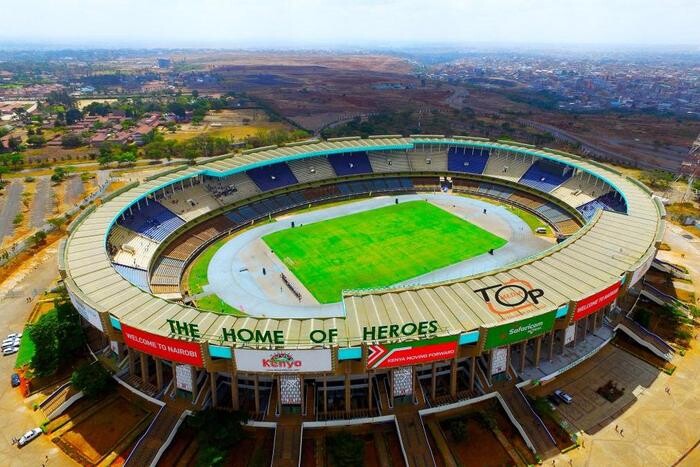
Nairobi has formally submitted its bid to host the 2029 World Athletics Championships, with the Kenyan capital facing competition from London, Rome and Munich. Four cities are now in contention for one historic decision, with World Athletics expected to announce the successful host after the inaugural World Athletics Ultimate Championships conclude in Budapest next month.
For Nairobi, however, this is about far more than securing another major sporting event. A successful bid would break a decades-long geographical barrier: despite Africa’s enormous influence on global athletics, the World Athletics Championships have never been staged on the continent.

A Nairobi victory would bring the World Athletics Championships to Africa for the first time in the event’s 50-year history and stage the global showpiece at an altitude of approximately 1,800 metres. The proposed venue is Moi International Sports Center Kasarani Stadium, which has a capacity of 48,063, while the Kenyan government has committed full backing for infrastructure, security and event delivery. Kenya’s athletics credentials are equally compelling, with 17 current world records and 72 World Championships gold medals, making it the second-most successful nation in championship history.
The significance of Nairobi’s bid is amplified by Kenya’s extraordinary place in the history of the sport. The country has produced generations of world-class distance runners and currently holds 17 recognised world records across middle- and long-distance events.

Kenya is also the second-most successful nation in World Athletics Championships history by gold medals, with 72 titles after the 2025 edition. At the Tokyo 2025 championships, Kenya claimed five gold medals, including victories by Beatrice Chebet in the 5,000m and 10,000m.

The country also has recent experience staging major international athletics competitions. Nairobi hosted the 2017 World U18 Championships and the 2021 World U20 Championships, while Kenya previously staged the 2007 World Cross Country Championships in Mombasa and the 2010 African Athletics Championships in Nairobi.
A Nairobi victory would therefore carry a powerful symbolism: the athletes who have helped define modern distance running on African soil could finally compete for world titles at home, in front of a Kenyan crowd.
The competition, however, will be formidable. London is seeking a return to the city that hosted the highly successful 2017 World Championships, while Rome and Munich bring their own strong European sporting traditions and established event infrastructure.
Yet Nairobi offers something none of its rivals can match — the opportunity to open an entirely new chapter in the history of the championships.
The World Athletics Championships have travelled across Europe, Asia, North America and the Middle East, but Africa has remained the missing continent on the event’s hosting map. Kenya’s bid seeks to change that.
With the formal bid now submitted and the final presentation and defence completed, Nairobi’s campaign enters its decisive phase. September will determine whether the championships finally make their long-awaited debut on African soil.
Four cities. One host. One potentially historic decision.
In September, World Athletics will decide whether the world’s greatest track and field athletes will converge on Nairobi in 2029 — and whether Africa will finally get its moment on the biggest stage of all.
by Erick Cheruiyot for My Best Runs.
Login to leave a comment
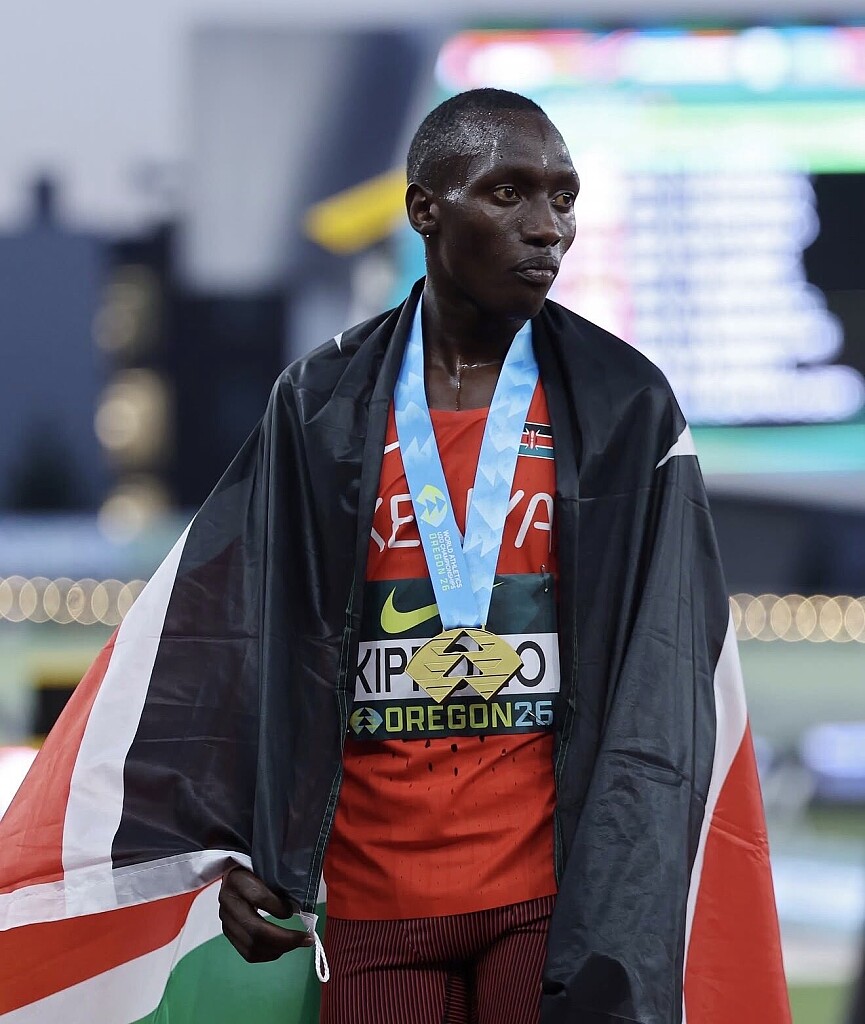
Emmanuel Kiprono Storms to World U20 3,000m Gold in Championship-Record 7:28.28
Kenya’s Emmanuel Kiprono has announced himself as one of the brightest young distance-running talents in the world after producing a sensational solo performance to win the men’s 3,000 metres gold medal at the World Athletics U20 Championships in a championship-record 7:28.28.
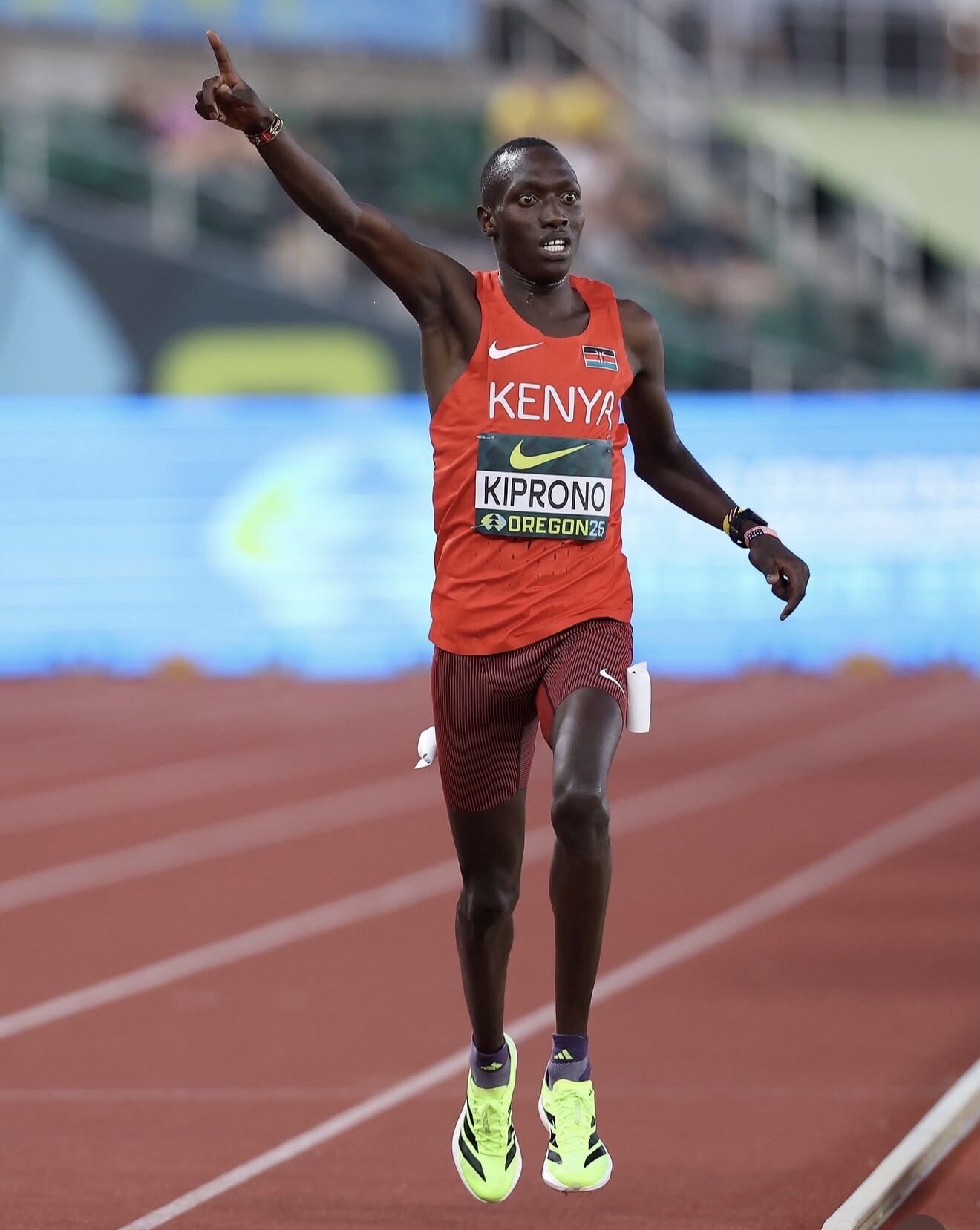
Just 17 years old, Kiprono took control from the opening metres and never looked back. Running completely alone for virtually the entire race, the Kenyan dictated the tempo with remarkable confidence and gradually transformed the final into a one-man race.
Kiprono passed 1,000 metres in 2:26.52, reached 1,600 metres in 3:54.58, and continued his relentless charge through 2,000 metres in 4:55.43. With every lap, the gap behind him grew larger as his rivals struggled to match his extraordinary pace.
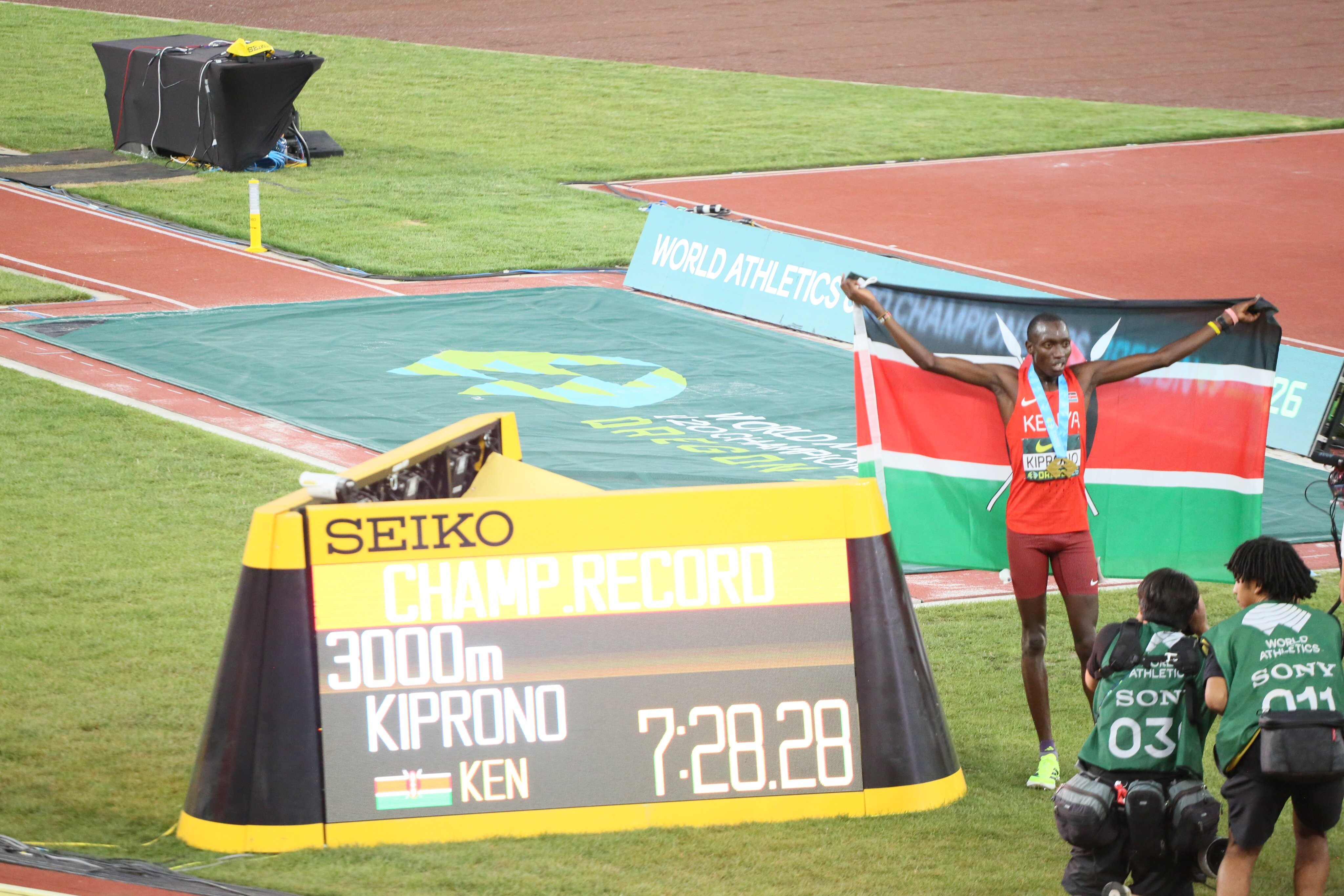
He eventually crossed the finish line in 7:28.28, smashing the championship record and coming agonisingly close to the world U20 record of 7:28.20, set by Ethiopia’s Yomif Kejelcha. Kiprono missed the global junior mark by just 0.08 seconds.
The margin of victory was equally spectacular. He finished 19 seconds ahead of France’s Alois Abraham, who took silver in 7:47.79, while Japan’s Ojiro Honda secured bronze in 7:48.49, setting a Japanese U20 record.
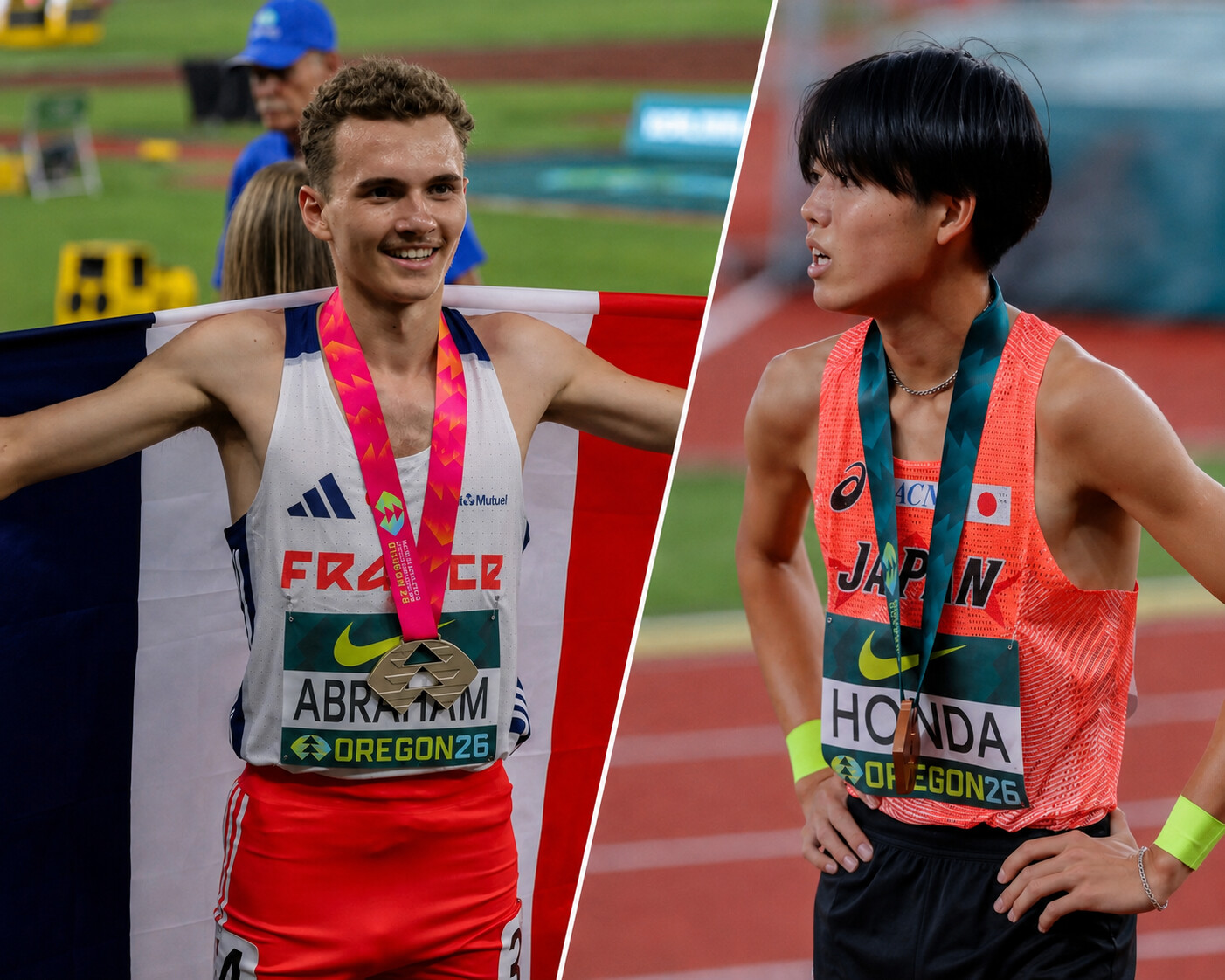
Men’s 3,000m Final
1. Emmanuel Kiprono — Kenya — 7:28.28 (Championship Record)
2. Alois Abraham — France — 7:47.79
3. Ojiro Honda — Japan — 7:48.49 (National U20 Record)
4. Liam Conway — Great Britain — 7:50.10 (Personal Best)
5. Aleksi Ahlfors — Finland — 7:50.56 (Personal Best)
6. Tzu-Chieh Chien — Chinese Taipei — 7:51.18 (National U20 Record)
7. Ilyes Druez — Belgium — 7:51.67 (Personal Best)
8. Sebastian Lörstad — Sweden — 7:51.94 (Personal Best)
9. Edwin Elkana — Kenya — 7:51.94 (Personal Best)
10. Owen Powell — United States — 7:53.35 (Personal Best)
Kiprono’s breakthrough is particularly significant given his performances earlier this year. The 17-year-old finished second in the U20 race at the World Cross Country Championships, establishing himself as one of the leading prospects in the new generation of Kenyan distance runners.
But on the track, he produced something even more extraordinary.
There was no tactical waiting game, no final-lap sprint and no group to shelter behind. Kiprono simply went to the front and challenged himself against the clock. His splits — 2:26.52 at 1,000m, 3:54.58 at 1,600m and 4:55.43 at 2,000m — demonstrate the remarkable consistency and courage behind the performance.
After the race, Kiprono celebrated with the Kenyan flag draped around him before posing beside the SEIKO championship-record display, which showed his historic 7:28.28.
His championship record also came with a tantalising glimpse of what might have been. Had he found even a fraction more in the closing metres, the world U20 record could have fallen as well. Nevertheless, coming within eight hundredths of the mark while running almost the entire race alone makes the achievement all the more remarkable.
Emmanuel Kiprono has not merely won a world junior title — he has made a statement. At only 17, his extraordinary front-running, championship record and near-world-record performance suggest that Kenyan distance running may have another major talent ready to emerge onto the global stage.
by Erick Cheruiyot for My Best Runs.
Login to leave a comment

Back To Where It All Began: Agnes Ngetich Returns To Her Primary School As A World Record Holder
Success has a way of bringing people back to where their journey first began, and for Kenya's Agnes Jebet Ngetich, that journey started in the classrooms of Werep Primary School.
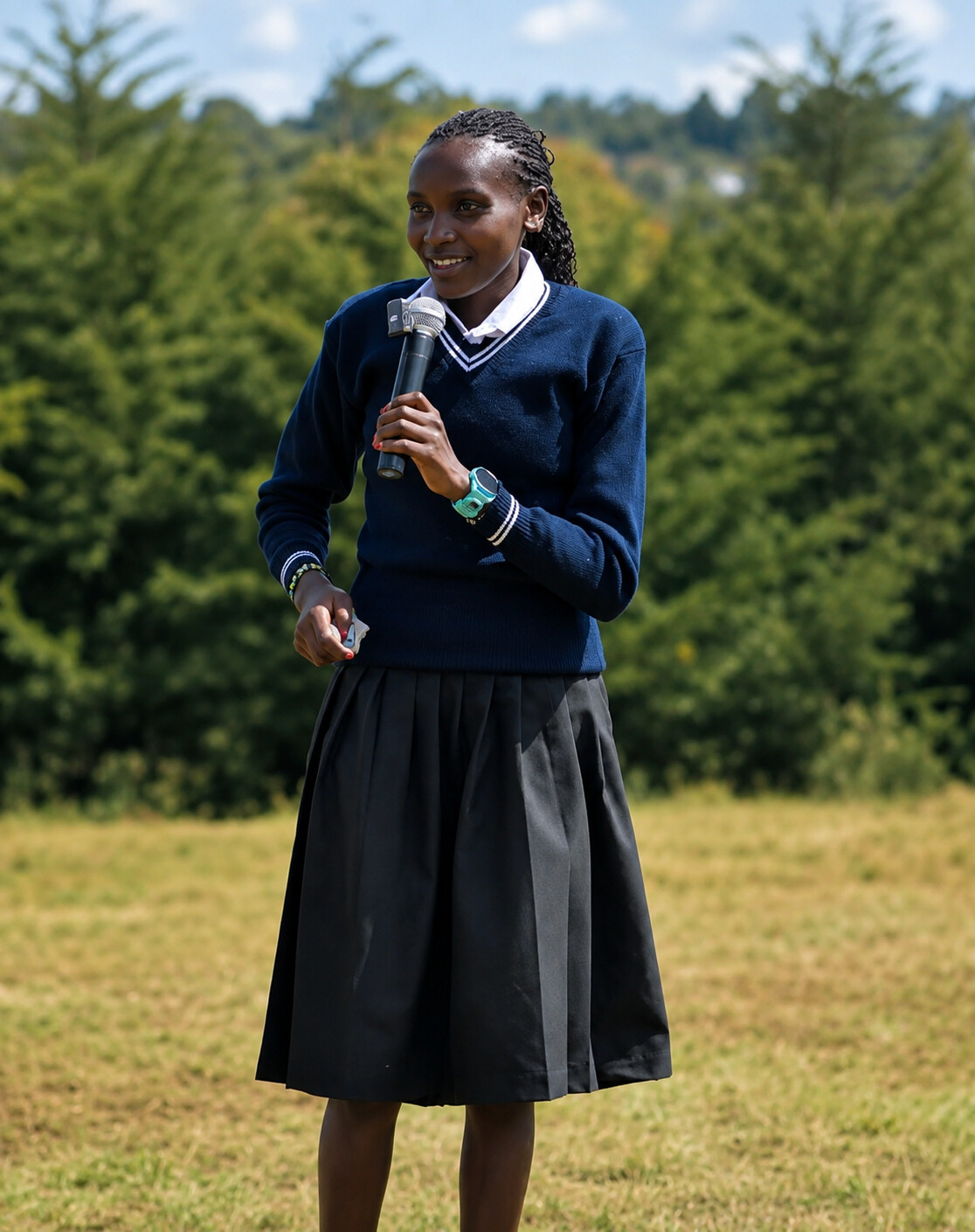
The world champion and world record holder recently made an emotional return to her former school, where she once sat as a young girl with dreams that seemed almost impossible to achieve. In a touching tribute to her humble beginnings, Ngetich briefly wore the Werep Primary School uniform once again, creating a powerful moment that reminded every learner that greatness can emerge from even the most difficult circumstances.
The visit was far more than a nostalgic homecoming. It was an opportunity to give back to the community that shaped her early years. Agnes donated brand-new school uniforms to many pupils, ensuring they can attend school with confidence and pride. More than 200 learners shared a nutritious meal, while schoolgirls received sanitary pads to help them stay in school with dignity and without interruption to their education.

For the children who welcomed one of Kenya's greatest distance runners, the visit transformed dreams into something tangible. Standing before them was someone who had once walked the same paths, studied in the same classrooms, and worn the very same uniform they wear today.
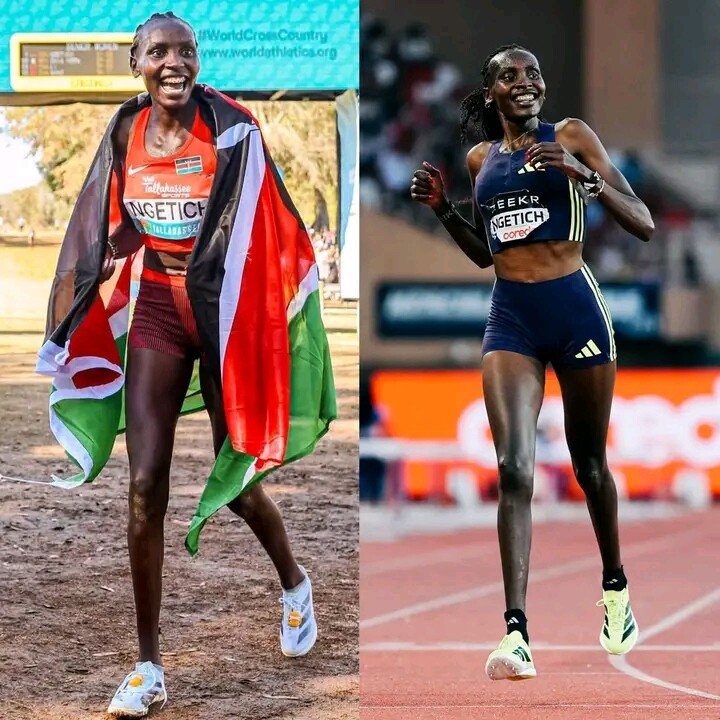
Yet behind the smile of a world champion lies a story of extraordinary hardship.
Born on January 23, 2001, in Elgeyo Marakwet County, Agnes lost her father when she was only 12 years old. His death plunged the family into severe financial hardship, forcing her to leave school on several occasions to help her mother earn a living. She spent countless days burning charcoal and working on local farms so her family could survive.
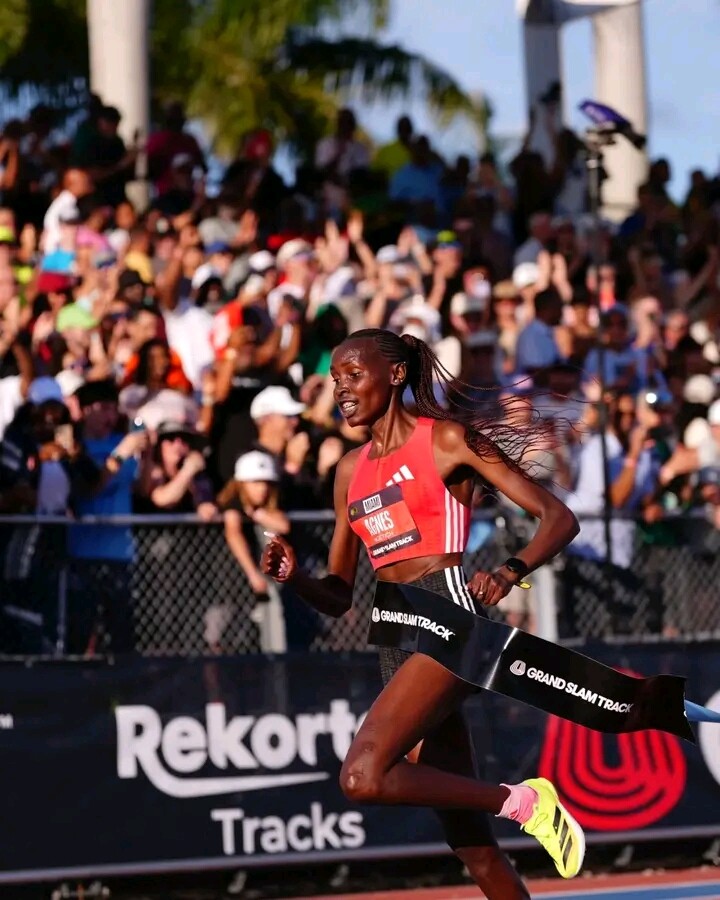
Running was never part of a carefully planned career. At first, it simply offered something many children take for granted—a meal through school competitions. Often racing barefoot and on an empty stomach, Agnes refused to let poverty define her future. In one regional race, she pushed herself so hard that she collapsed from hunger after crossing the finish line, a powerful illustration of the sacrifices she endured in pursuit of a better life.
Her destiny changed when coach Ruth Jepchumba Bundotich noticed her remarkable talent while she was working on a farm. Recognizing a rare gift, she gave the young runner an opportunity to train and develop her potential. That single act of belief opened the door to a future few could have imagined.
Today, Agnes Ngetich stands among the greatest distance runners in history. She became the first woman ever to break the 29-minute barrier for 10 kilometres on the road with an astonishing world record of 28:46. She also holds the women's-only 10km world record of 29:27, captured the 2026 World Cross Country title with a remarkable winning margin of 42 seconds, claimed victory at the 2026 New York Mini 10K while setting a course record, and is the Kenyan half marathon record holder with an outstanding time of 1:03:04.
Despite these extraordinary accomplishments, perhaps her greatest achievement cannot be measured by medals, trophies, or world records.
The success she earned through running transformed her family's future. Agnes has helped her siblings return to school after poverty forced them to drop out, while also giving her mother the security and comfort she had long dreamed of. Her journey has become a testament to how talent, resilience, and opportunity can change not only one life but an entire family.
Today, Agnes trains under head coach Julien Di Maria, widely known as Kip Evans, while continuing to work closely with her long-time mentor, Ruth Jepchumba Bundotich—the coach who first recognized her potential and helped guide her path to international success.
Her return to Werep Primary School was therefore much more than a celebration of athletic achievement. It was a full-circle moment that showed every child in attendance that humble beginnings do not determine one's destiny.
From carrying bags of charcoal to carrying the hopes of a nation, Agnes Jebet Ngetich has become one of Kenya's brightest sporting icons. Her remarkable story reminds the world that champions are not simply born—they are forged through hardship, sacrifice, unwavering determination, and the courage to keep believing when life offers every reason to give up.
For every pupil who watched her proudly wear the school uniform once again, the message was unmistakable: the classroom they sit in today could become the starting point of a journey that one day inspires the entire world.
by Erick Cheruiyot for My Best Runs.
Login to leave a comment

From Childhood Inspiration to Team Scotland: Megan Keith's Extraordinary Rise
Every elite athlete has someone who sparks their belief that greatness is possible. For Scotland's Megan Keith, that inspiration came in the form of Laura Muir, whose achievements helped shape the ambitions of a young runner with dreams of reaching the sport's biggest stages.
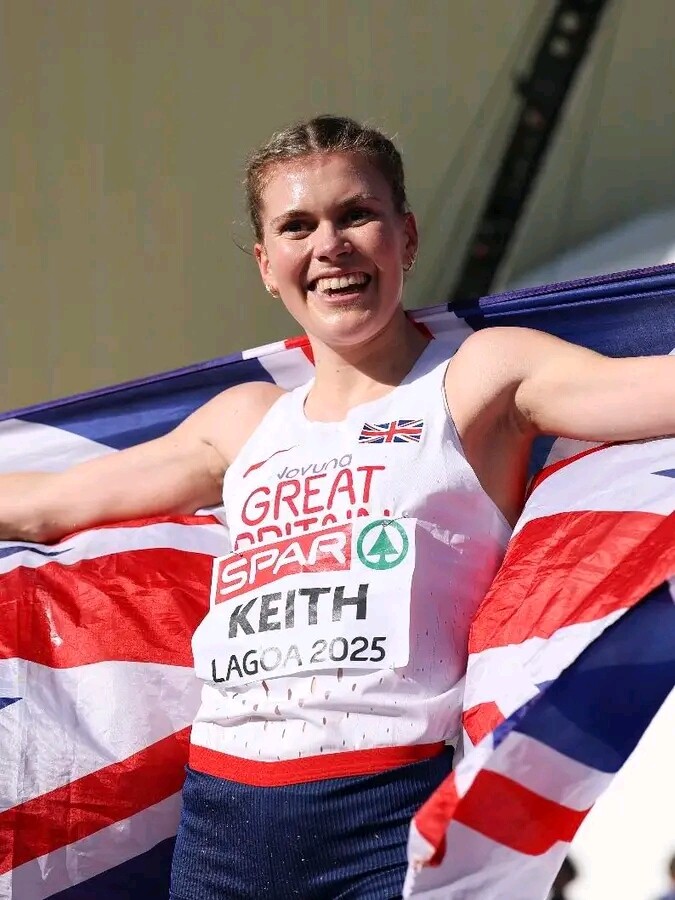
As Keith prepares for her Commonwealth Games debut, the journey feels especially meaningful. The athlete she once watched on television and admired from the sidelines will now stand beside her in Team Scotland colours—a remarkable full-circle moment in her rapidly rising career.
Keith recently shared how surreal it was to hear Muir reflect on competing at the 2014 Commonwealth Games in Glasgow. At that time, Keith was still in primary school, watching Scottish athletics stars from afar and imagining what it would be like to one day follow in their footsteps.
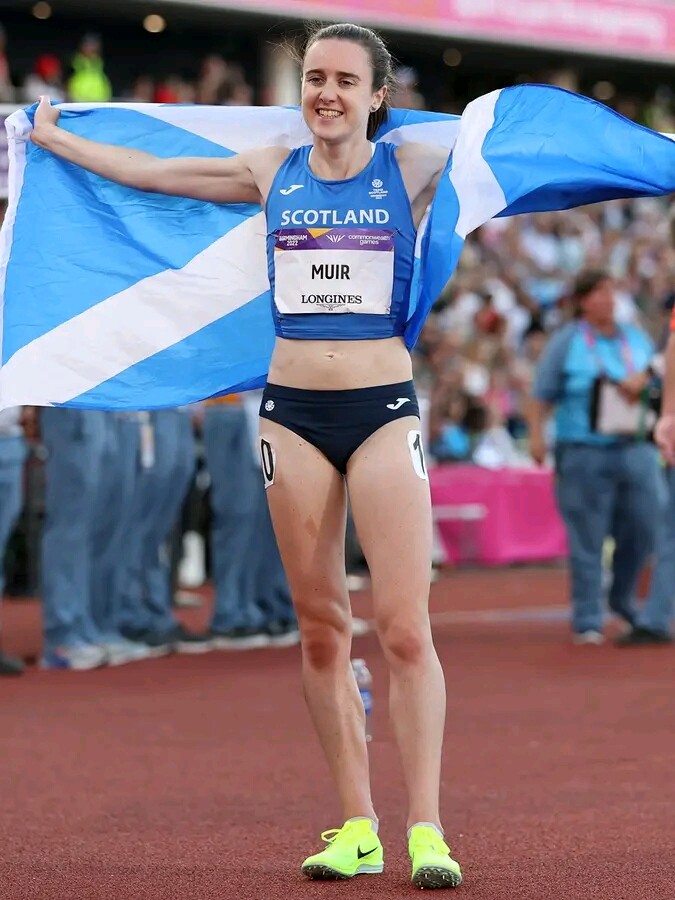
Those early memories extended beyond television screens. Seeing Laura Muir and fellow Scottish middle-distance star Jemma Reekie competing at Scottish cross-country events brought elite athletics closer to home, reinforcing Keith's determination to chase the same dream.
That ambition has translated into extraordinary success.
Despite switching from cross country to track and road racing only four years ago, the 24-year-old has already established herself on the global stage. She has represented her country at the Olympic Games and competed at two World Championships, marking one of the most impressive rises in Scottish distance running in recent years.
Now, another landmark chapter is about to begin. Keith will make her first Commonwealth Games appearance wearing the Team Scotland vest, sharing the stage with the very athlete who inspired her journey.
Her story is a powerful reminder that sporting legacies are built not only through medals and records, but also through the inspiration passed from one generation to the next. Megan Keith's rise from an aspiring young fan to Laura Muir's teammate is proof that dreams, backed by dedication and perseverance, can become reality.
by Erick Cheruiyot for My Best Runs.
Login to leave a comment
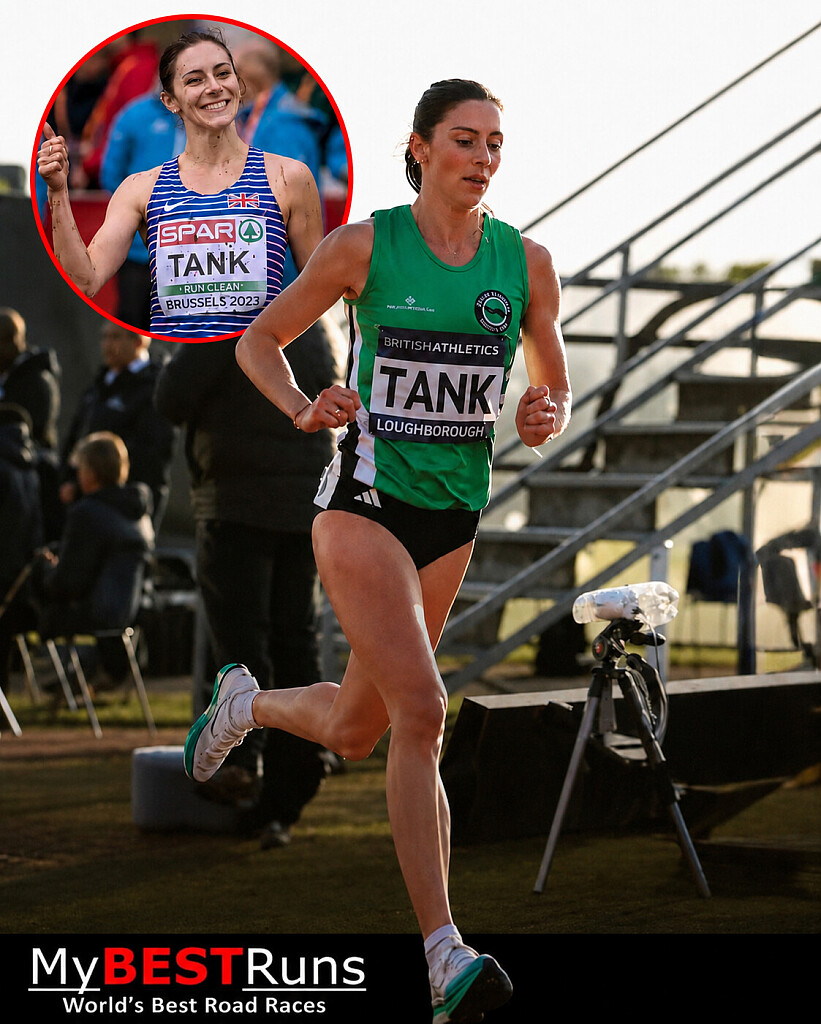
From eBay Shoes to the Commonwealth Games: Self-Coached Poppy Tank's Extraordinary Journey to the England Team
In a sport where many elite athletes benefit from professional coaches, lucrative sponsorships, sports science support, and cutting-edge equipment, Poppy Tank has reached the international stage by relying on little more than determination, discipline, and belief in herself.
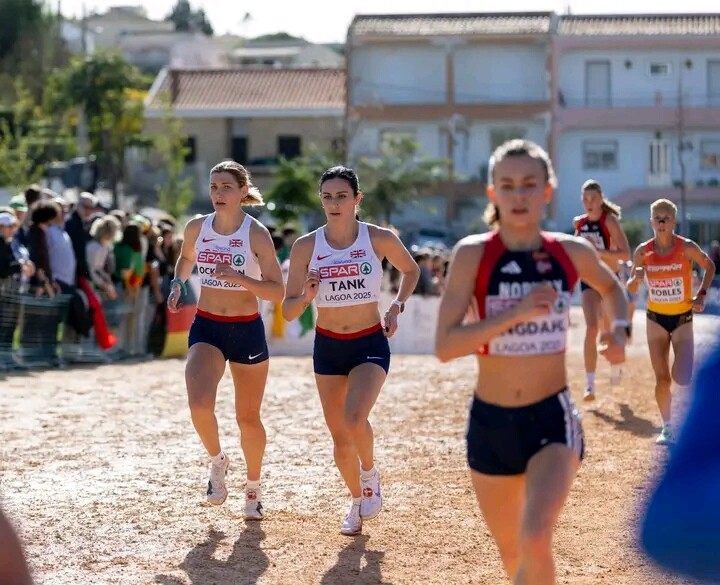
Later this month, the 28-year-old from Plymouth will proudly represent England in the women's 10,000m at the Commonwealth Games in Glasgow. It will be her first appearance at a major track championships, making the achievement even more remarkable considering she has no central funding, no shoe contract, and no dedicated support team.
Tank's journey is one of resilience and self-reliance. Her Instagram biography sums it up in just three words: Self-coached. Unsponsored. Distance runner. Behind those words lies years of sacrifice, careful planning, and relentless hard work.
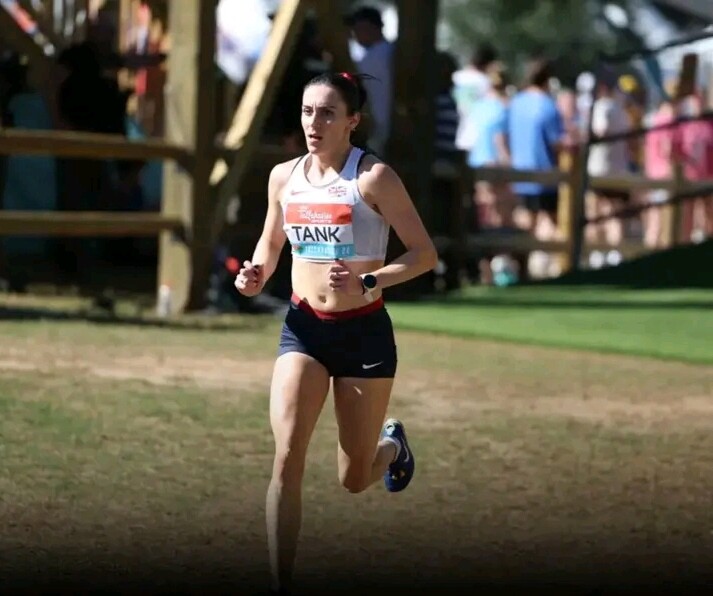
Unlike many of her international rivals, Tank manages every aspect of her athletic career herself. She designs her own training, plans her race schedules, monitors her recovery, and finances virtually every part of her pursuit of excellence.
"I'm self-funded so every spare bit of cash I have I'm spending it on training camps, buying shoes, buying kit, paying for races and accommodation," Tank told BBC Radio Devon. "I have to be very savvy with my shoes. I buy them often off eBay on discount. So I'm very, very good at finding ways of saving money."
While many Commonwealth-level athletes receive free equipment from major sports brands, Tank has become an expert at stretching every pound, purchasing discounted racing shoes online and carefully managing every expense to keep her dream alive.
Her rise through British athletics has been built steadily over several seasons. Tank first established herself as one of Britain's finest endurance runners in cross country, helping Great Britain win team gold at the 2023 European Cross Country Championships before contributing to a team silver medal the following year. She also claimed the British 3,000m steeplechase title in 2023 and represented Great Britain at the World Cross Country Championships, demonstrating her versatility across different disciplines.
Despite those achievements, a place at a major international track championships remained elusive until this summer, when England selected her for the Commonwealth Games.
Away from the track, Tank balances elite sport with an equally demanding academic career. She is pursuing a PhD at the University of Birmingham, where her research focuses on developing better ways to recycle medical implants. Her daily routine often begins with a demanding 12-mile training session before lunchtime, followed by an hour and a half in the gym, all while spending long hours in the laboratory preparing and analysing research samples.
"My supervisor is incredibly supportive of my running," she explained. "But ultimately I still have to go and do the studying."
Her Commonwealth Games selection is the reward for outstanding form during the 2026 season. Tank produced a lifetime best to finish second behind Izzy Fry at the British 10,000m Championships in Loughborough in May, before lowering that mark again just weeks later with an impressive 32:04.36 performance in the Netherlands.
Those performances secured her place on England's team, where she and Fry will both make their Commonwealth Games debuts in the women's 10,000m.
Although Tank heads to Glasgow ranked in the second half of the field on paper, she has never allowed rankings to define her ambitions. Time and again, she has shown an ability to rise to the occasion when it matters most, and she intends to do exactly that on one of the biggest stages of her career.
"It is so much hard work, I couldn't even begin to detail how many hours has gone into this," Tank said. "But when things like this happen where you get selected for your goals, it really, really makes it so worth it."
Her story serves as a powerful reminder that success is not always built on financial backing or world-class facilities. Sometimes, it is forged through unwavering commitment, countless unseen hours of hard work, and the courage to believe in your own process.
When Poppy Tank steps onto the track in Glasgow wearing the England vest, she will represent far more than her country. She will embody perseverance, independence, and the belief that even without sponsorships, professional coaching, or expensive support systems, extraordinary dreams can still become reality.
by Erick Cheruiyot for My Best Runs.
Login to leave a comment
Top European and African Stars Headline tRUNsylvania International 10K Cluj
One of Eastern Europe’s strongest road races takes center stage this Sunday (June 28) as the tRUNsylvania International 10K Cluj, powered by Joma, brings together an exceptional field of elite athletes from Europe and Africa in Cluj-Napoca, Romania.
Run on a fast four-lap circuit through the city’s vibrant center, with the start and finish inside Cluj Arena, the race features numerous athletes capable of producing world-class performances.
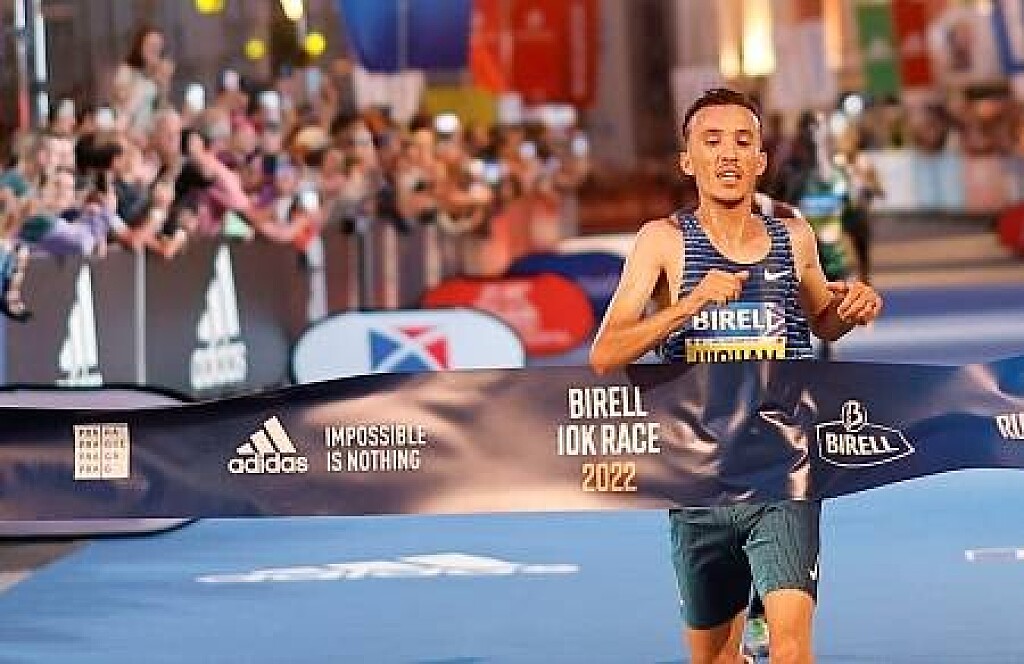
Morocco’s Hicham Amghar leads the men’s field with a personal best of 27:09, set when he won the tRUNsylvania 10K in Brașov two years ago. He will face a deep international lineup that includes Norway’s European 10,000-meter silver medalist Zerei Kbrom Mezngi (27:39), France’s Mehdi Frere (27:44), Dutch marathon standout Filmon Tesfu (27:45), Spain’s Juan Antonio Perez (27:45), Kenya’s Moses Cheruiyot (27:51), Italy’s former national marathon record holder Eyob Faniel (28:10), Algeria’s Abderrazak Charik (28:12), Eritrea’s Seare Weldezghi (28:14), the Netherlands’ Noah Schutte (28:19), Spain’s Yago Rojo (28:21), and Australia’s James Whelan (28:26).
Several of Europe’s top runners will also be chasing qualifying standards for the 2026 European Athletics Championships, adding even more significance to the competition.
The women’s race is equally impressive and may prove to be the highlight of the day.
Uganda’s Joy Cheptoyek, the World Cross Country Championships silver medalist, headlines the field with an outstanding personal best of 30:03. Kenya’s Jackline Chepkoech, the 2021 World Under-20 3,000-meter steeplechase champion, will make her highly anticipated 10K road debut after recording an impressive 8:57.35 on the track.
Belgium’s reigning national 10K champion Julie Voet enters with a 31:54 best, while Ireland’s Fiona Everard follows closely at 31:58. The international field also includes France’s Ines Hamoudi (32:20), Ethiopia’s Meselech Alemayehu (32:20), Spain’s Beatriz Alvarez (32:21 on the track), Ireland’s Niamh Allen (32:25), Israel’s Maor Tiyouri (32:29), Türkiye’s Nursena Ceto (32:34), Hungary’s Lilla Bohm (32:41), and Spain’s Cristina Espejo (32:52).
With championship qualifying marks on the line, a fast course, and one of the deepest international fields ever assembled for a road race in Romania, the tRUNsylvania International 10K Cluj is set to deliver exciting competition and fast times from start to finish.
by Boris Baron
Login to leave a comment
14-Year-Old Luke Surface Shocks the Running World With Historic Middle School Record
The future of American distance running may have just announced itself.
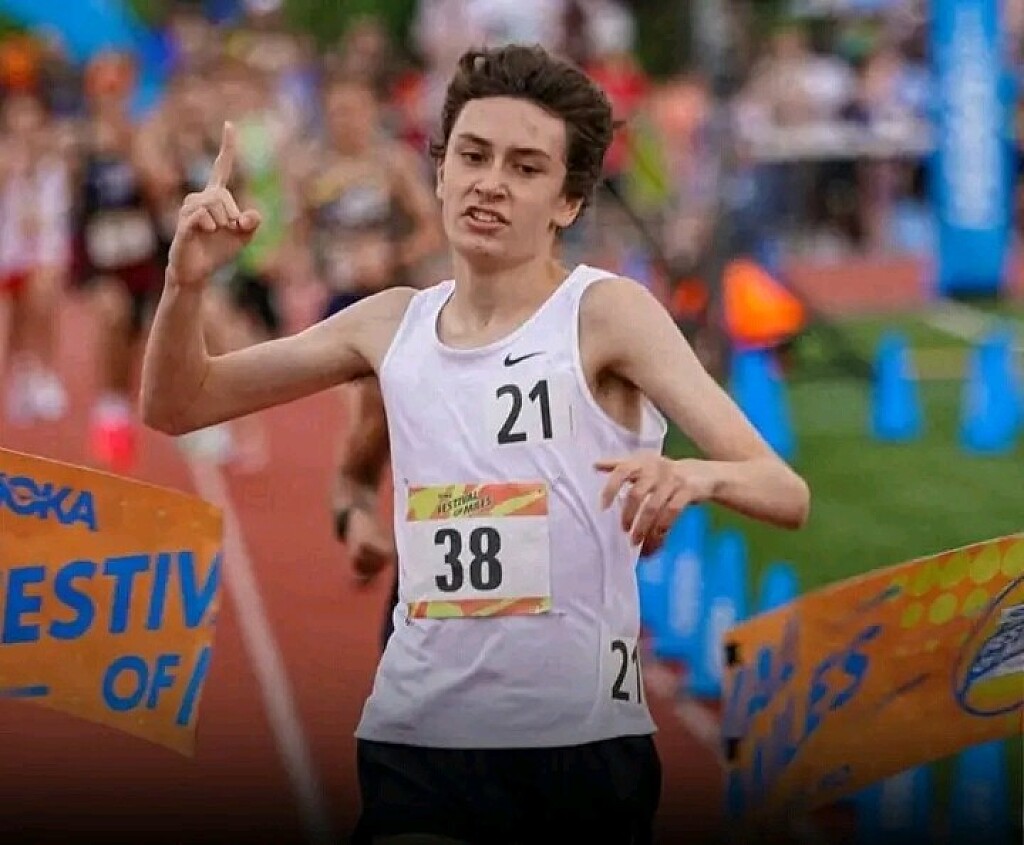
Luke Surface, an 8th-grade student-athlete from North Raleigh Christian Academy in Raleigh, North Carolina, delivered a performance that stunned the track and field community after taking on some of the nation’s best high school runners at Nike Outdoor Nationals.

Competing at the legendary Hayward Field in Eugene, Oregon — one of the most iconic venues in American distance running — Surface lined up in the boys championship 5,000 meters against a field dominated by high school seniors, including several athletes preparing to compete at the NCAA Division I level.
Despite being one of the youngest runners in the race, the 14-year-old held his own against the elite competition, finishing eighth in an incredible 14:25.88. The performance set a new national middle school record, averaging approximately 4:39 per mile for more than three miles.
That kind of time is fast enough to win many high school state championships across the United States and meets qualifying standards for several major NCAA Division I conference competitions — a remarkable achievement for a runner who has not yet entered high school.
But Surface’s historic 5,000m performance was only the latest chapter in a season filled with record-breaking moments.
Earlier in May, he clocked 8:52.03 for 3,200 meters at the NCISAA Division I State Championships in North Carolina, breaking another national middle school record. His converted two-mile time of 8:55.12 surpassed the previous world-best mark for a 14-year-old age group, previously held by Vincent Recupero.
During the previous cross-country season, Surface also made headlines when he ran 15:12 at the adidas XC Challenge, finishing second while competing against runners who were several years older.
Across cross country, two miles, and the 5,000 meters, Surface has continued to prove that his talent is far beyond his age group. While he still has four years of high school competition ahead before reaching the college level, his performances have already placed him among the most exciting young distance runners to watch.
The American high school 5,000-meter record currently stands at 13:32, set by Lex Young in 2023 — a mark Surface is not yet close to challenging. However, his remarkable progression at such a young age has caught the attention of the running world, with many eager to follow how far his extraordinary journey can go.
For now, Luke Surface remains an eighth grader rewriting the record books — and his story is only beginning.
by Erick Cheruiyot for My Best Runs.
Login to leave a comment

WORLD CHAMPION BEATRICE CHEBET CELEBRATES HER GREATEST VICTORY YET — MOTHERHOOD
Kenyan athletics superstar and world champion Beatrice Chebet has officially entered a beautiful new chapter in her life after welcoming a baby boy.

The 26-year-old track sensation, born on 5 March 2000, has built a remarkable legacy as one of the greatest distance runners of her generation. Chebet is a world record holder in the 5000m, 10,000m and road 5km, with a career decorated by historic victories on the biggest stages.
She made history at the 2024 Summer Olympics by winning gold medals in both the 5000m and 10,000m, before achieving the same remarkable double at the 2025 World Athletics Championships. Her medal collection also includes a 5000m silver medal at the 2022 World Athletics Championships and bronze at the 2023 World Athletics Championships.
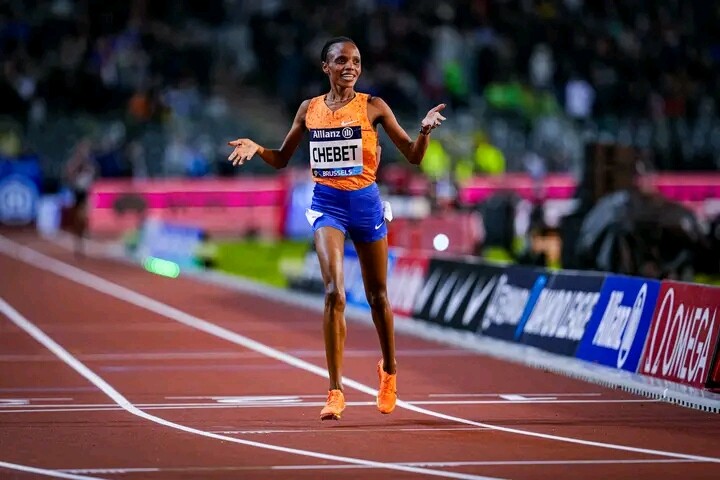
Beyond the track, Chebet has also dominated cross country, becoming a three-time world champion after winning the junior title in 2019 and senior titles in 2023 and 2024. She has also claimed major 5000m victories at the 2018 World U20 Championships, 2022 Commonwealth Games and the 2022 African Championships in Athletics.
Now, the Kenyan star is celebrating a different kind of milestone — becoming a mother.
Sharing the joyful news, Chebet introduced her newborn son with a heartfelt message filled with love and excitement:
“Tiny hands, tiny feet, and a love so big! A beautiful new chapter begins. Welcome to our world our sweet little baby boy!”
The arrival of her son marks a special moment away from competition, as the world champion embraces motherhood while carrying the pride of a nation that has watched her achieve greatness.
Messages of congratulations have poured in from fans and the athletics community, celebrating the new chapter for one of Kenya’s most successful athletes.
As Beatrice Chebet adds motherhood to her list of remarkable achievements, the champion now begins a new journey filled with love, joy, and unforgettable moments with her baby boy.
by Erick Cheruiyot for My Best Runs.
Login to leave a comment
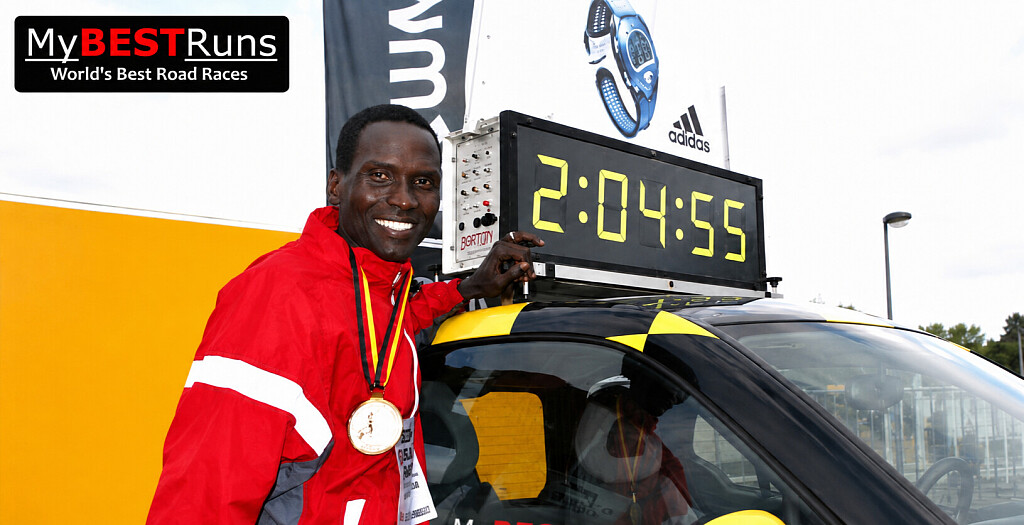
Paul Tergat: The Kenyan Legend Who Redefined Distance Running
On June 17, the athletics world celebrated the birthday of one of the greatest distance runners ever to grace the sport—Kenya’s Paul Kibii Tergat. Born in Baringo County, Kenya, on June 17, 1969, Tergat built a career that transcended generations, leaving an enduring legacy on the track, the roads, and the cross-country circuit.
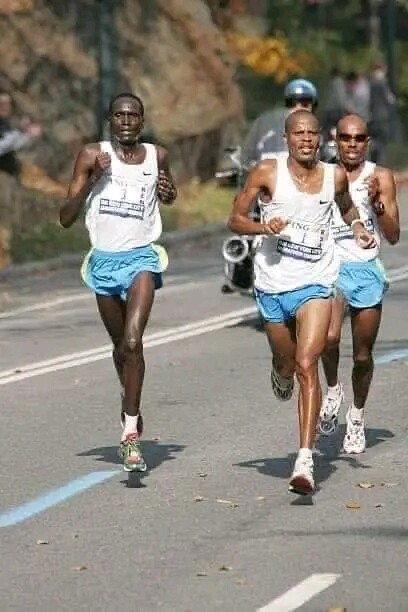
Few athletes in history have demonstrated such remarkable versatility and consistency across multiple disciplines. Whether battling through muddy cross-country courses, chasing medals on the track, or rewriting records on the marathon stage, Tergat established himself as one of the most complete distance runners the world has ever seen.
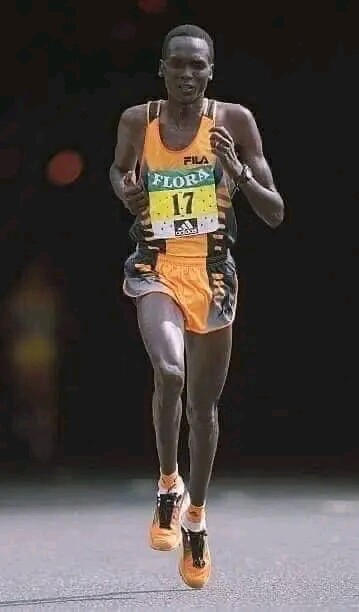
His dominance in cross-country remains one of the sport’s most extraordinary achievements. Between 1995 and 1999, Tergat captured an unprecedented five consecutive World Cross Country Championship titles, a feat that showcased not only his endurance but also his unmatched competitive spirit. From Durham to Cape Town, Turin, Marrakech, and Belfast, he conquered every challenge placed before him, cementing his status as the undisputed king of cross-country running.
Tergat’s brilliance extended to the half marathon, where he claimed back-to-back World Half Marathon Championship titles in Palermo, Italy, in 1999 and Veracruz, Mexico, in 2000. His ability to excel over varying distances highlighted the exceptional range that made him a global icon.
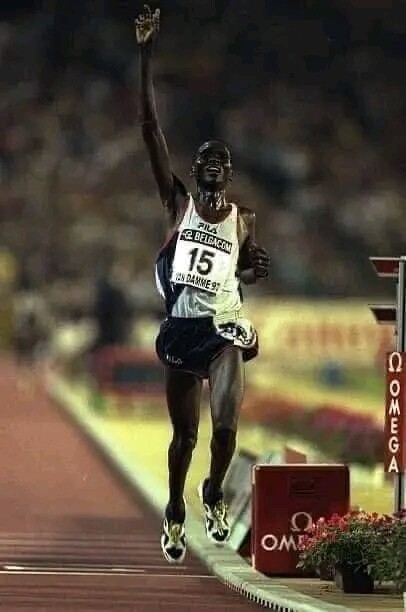
On the track, Tergat was a fierce competitor who regularly challenged the greatest runners of his era. He earned Olympic silver medals in the 10,000 meters at the Atlanta 1996 and Sydney 2000 Games, narrowly missing gold on both occasions. He also collected three World Championship medals over 10,000 meters, proving his consistency at the highest level of international competition.
Yet perhaps Tergat’s most historic contribution came on the roads. In 2003, at the Berlin Marathon, he became the first man in history to run the marathon in under 2 hours and 5 minutes, clocking a groundbreaking world record of 2:04:55. The performance marked a defining moment in distance running and opened a new chapter in the pursuit of marathon excellence.
His personal bests remain a testament to his extraordinary talent:
• 3,000m – 7:28.70
• 5,000m – 12:49.87
• 10,000m – 26:27.85
• Half Marathon – 59:17
• Marathon – 2:04:55
Beyond the medals and records, Tergat inspired a generation of athletes across Kenya and the world. His relentless determination, humility, and commitment to excellence transformed him into far more than a champion runner—he became a symbol of what is possible through hard work and perseverance.
Today, Paul Tergat’s name remains woven into the fabric of athletics history. From his reign as the king of cross-country to his revolutionary marathon achievements, his legacy continues to inspire runners pursuing greatness on every surface and over every distance.
by Erick Cheruiyot for My Best Runs.
Login to leave a comment
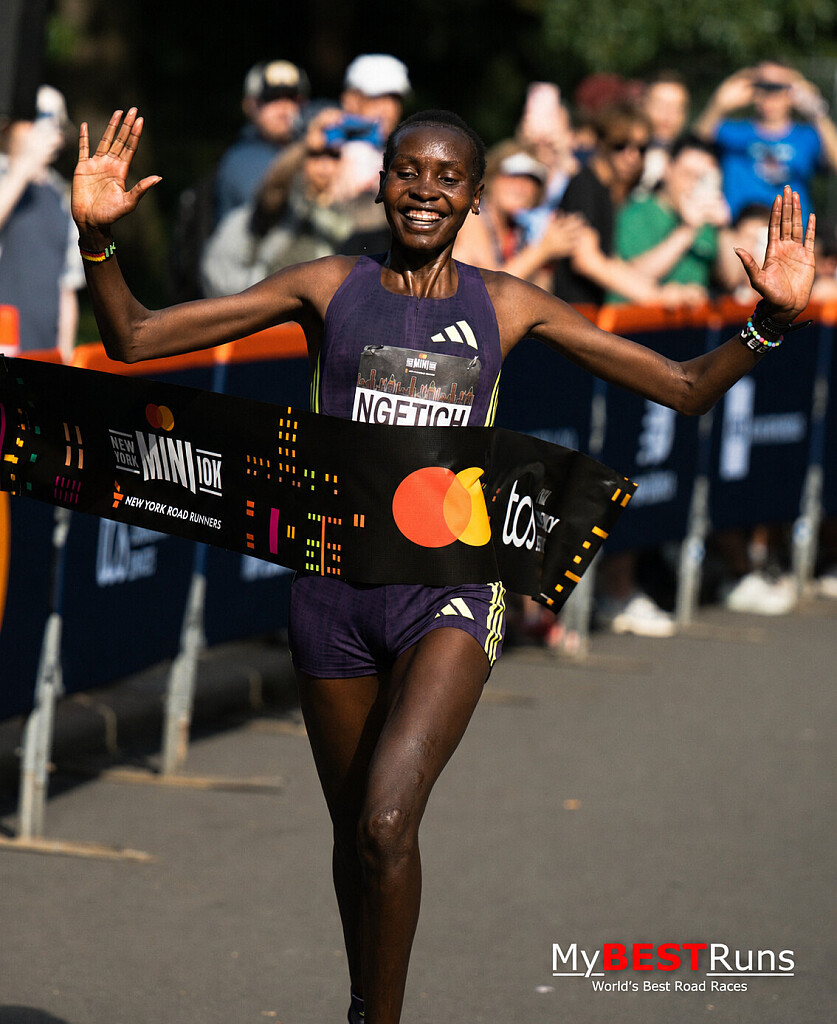
Agnes Ngetich's Remarkable Redemption: From New York Heartbreak to Historic Glory
Kenya’s Agnes Ngetich delivered one of the most commanding performances of the road racing season on Saturday, storming to victory at the 54th Mastercard New York Mini 10K in a breathtaking course-record time of 30:07.
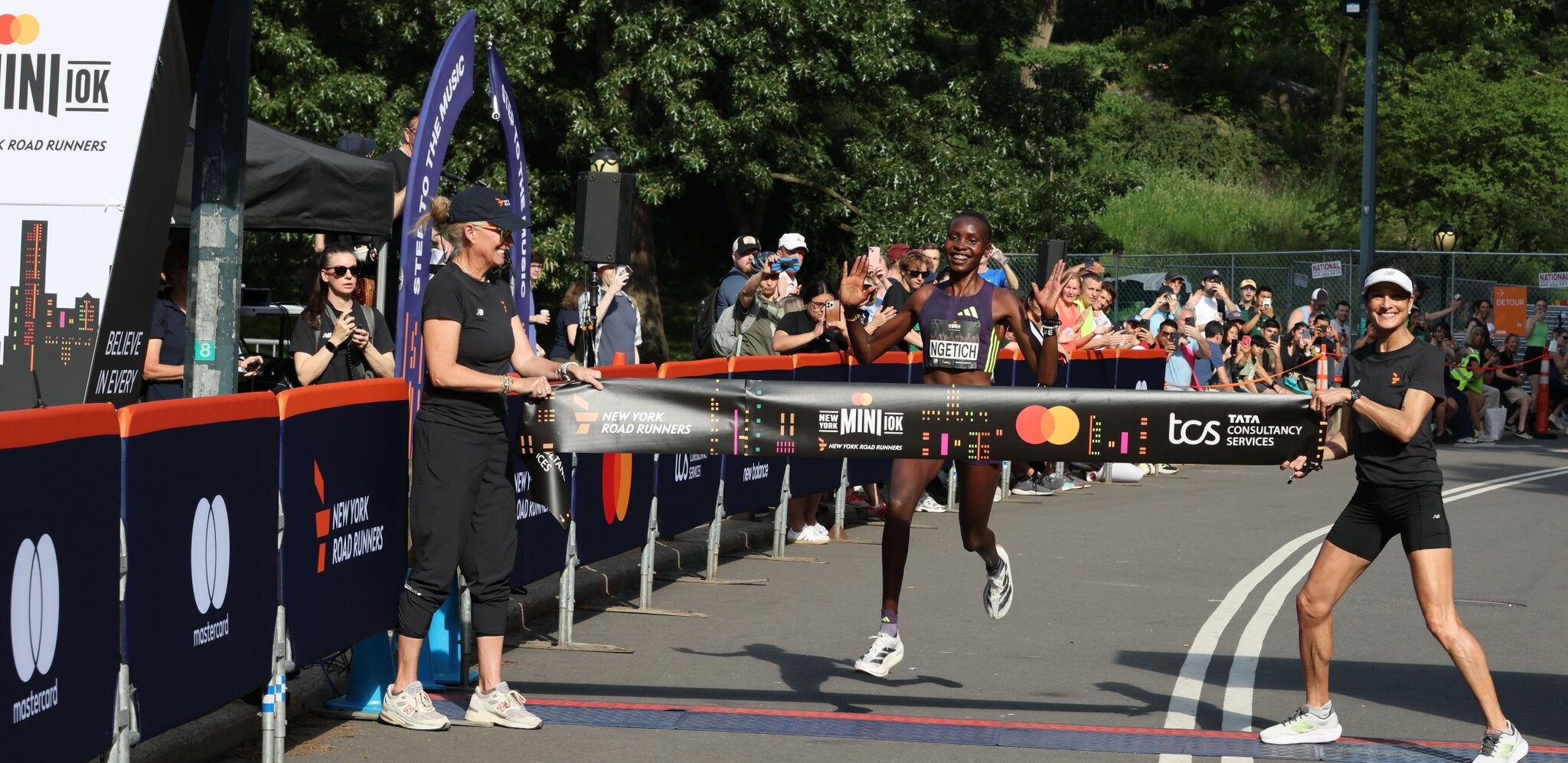
On a warm summer morning in Central Park, Ngetich turned what was expected to be a competitive contest into a solo exhibition of world-class distance running. The Kenyan superstar surged to the front before the second kilometer and immediately separated herself from the field, leaving her rivals with no answer to her relentless pace.
From that moment on, the race became a battle against the clock.
Passing the 5-kilometer mark in a blistering 14:57, Ngetich briefly looked capable of becoming the first woman to break the 30-minute barrier on the iconic course. However, rising temperatures, which climbed to nearly 80°F (27°C) by the finish, slowed her late-race charge. Even so, she crossed the line in 30:07, smashing the previous course record and securing one of the most memorable victories in the event's history.
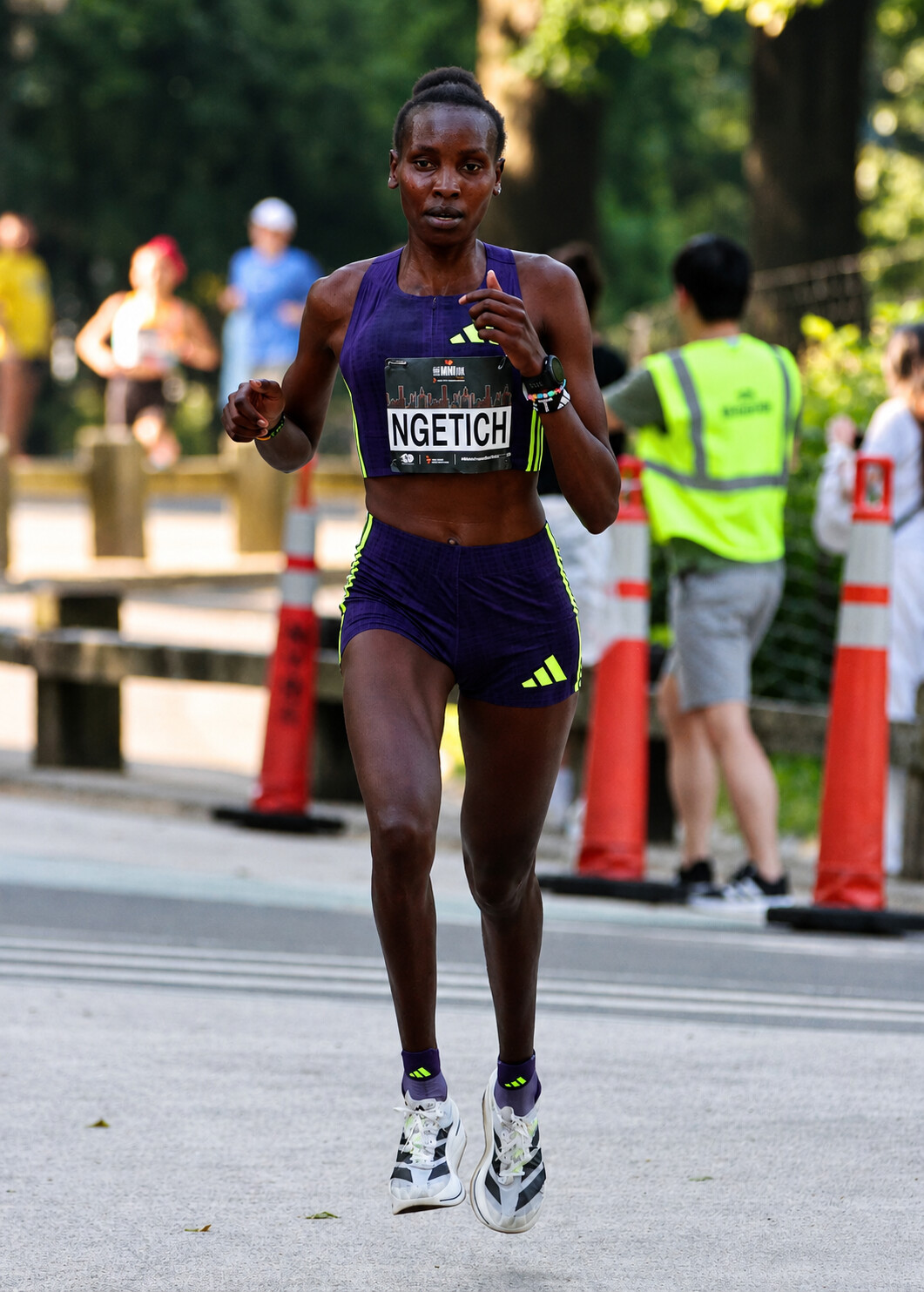
The margin of victory underscored her dominance. Ethiopia’s Tsigie Gebreselama finished a distant second, 46 seconds behind the winner, while reigning champion Hellen Obiri settled for third after fading from contention.
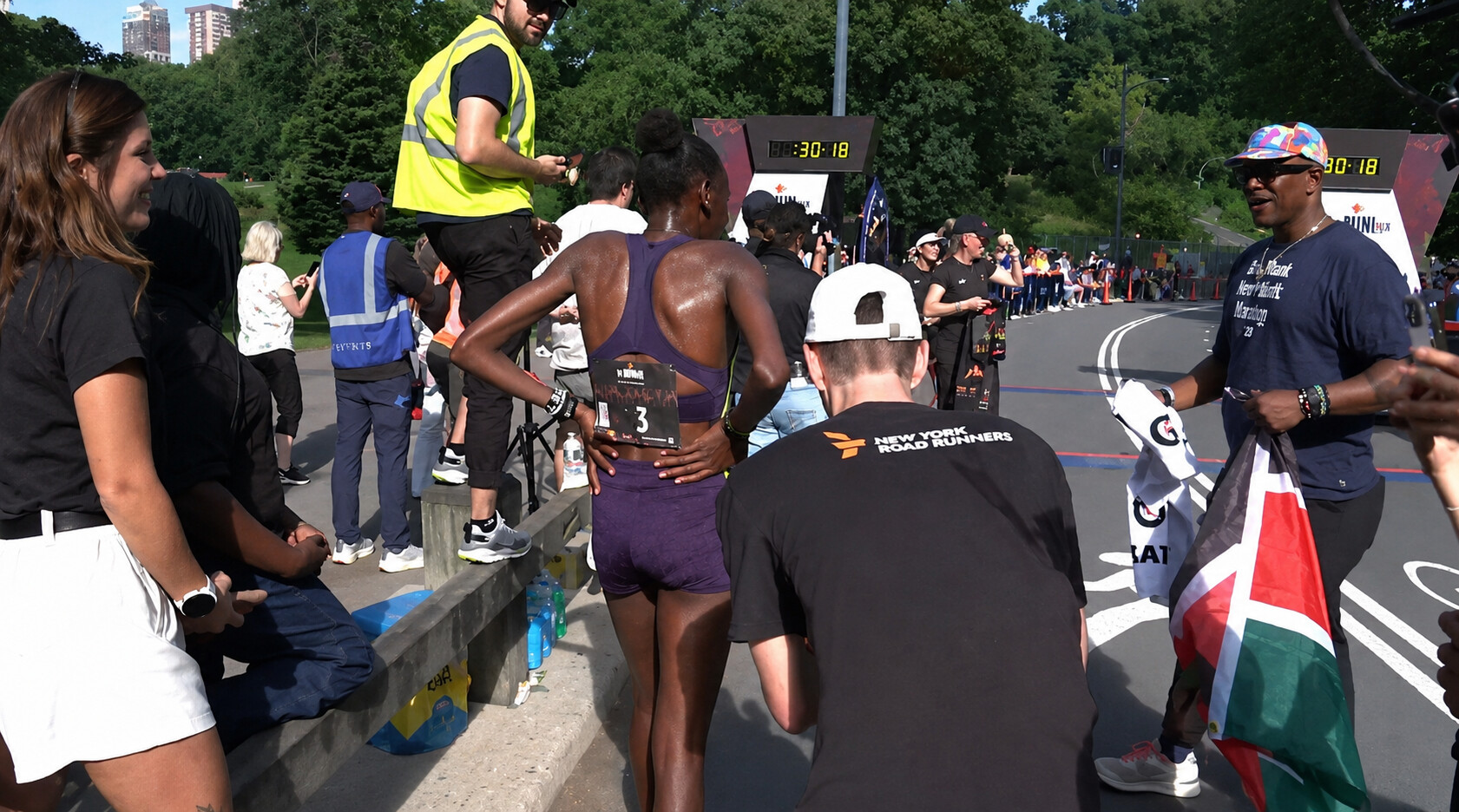
What makes the achievement even more extraordinary is the dramatic contrast to Ngetich’s last appearance in New York.
Just three months ago, the Kenyan endured a nightmare outing at the NYC Half Marathon, where severe cold conditions left her battling hypothermia and struggling simply to reach the finish line. It was a painful experience that raised questions about what might have been on a better day.
Saturday provided a resounding answer.
Instead of fighting the elements, Ngetich embraced them, producing a performance that showcased not only her exceptional fitness but also her resilience and determination. The athlete who left New York disappointed in March returned to rewrite the record books in June.
The victory is the latest highlight in what is rapidly becoming a spectacular season for the 25-year-old. Ngetich has already captured the 2026 World Cross Country title, claimed victory at the prestigious Lille 10K, and continues to hold the women's 10-kilometer world record of 28:46, one of the fastest road performances ever recorded.
Despite the record-breaking run, Ngetich appeared remarkably relaxed after crossing the finish line.
Asked about her experience at the Mini 10K, she offered a response that perfectly reflected her strength on the day.
"It's my favorite race already. I could have run 20K."
Given the way she dismantled an elite field in Central Park, few would doubt her.
For Agnes Ngetich, New York has become a story of redemption, resilience, and record-breaking brilliance—a reminder that champions often return strongest where they once suffered their greatest setbacks.
by Erick Cheruiyot for My Best Runs.
Login to leave a comment

New York Mini 10K
Join us for the NYRR New York Mini 10K, a race just for women. This race was made for you! It’s the world’s original women-only road race, founded in 1972 and named for the miniskirt, and it empowers women of all ages and fitness levels to be active and to look and feel great on the run. Every woman who...
more...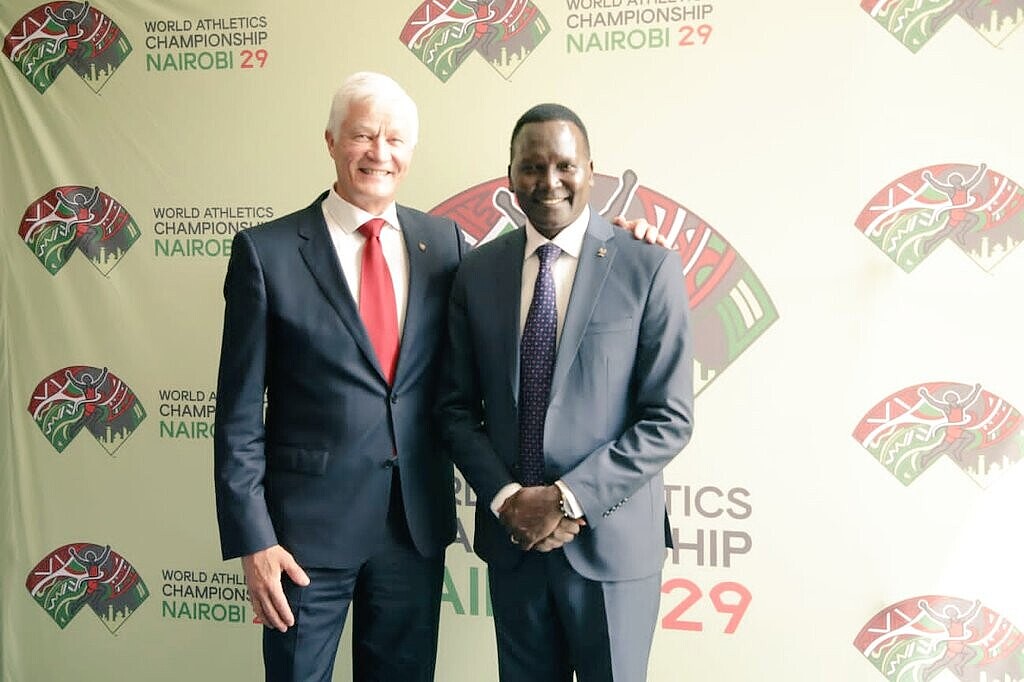
Paul Tergat Backs Kenya’s Ambitious Bid to Host World Athletics Championships
Kenyan athletics icon Paul Tergat has thrown his weight behind Kenya’s ambitious campaign to host the World Athletics Championships in 2029 describing the nation as the true heartbeat of global distance running.
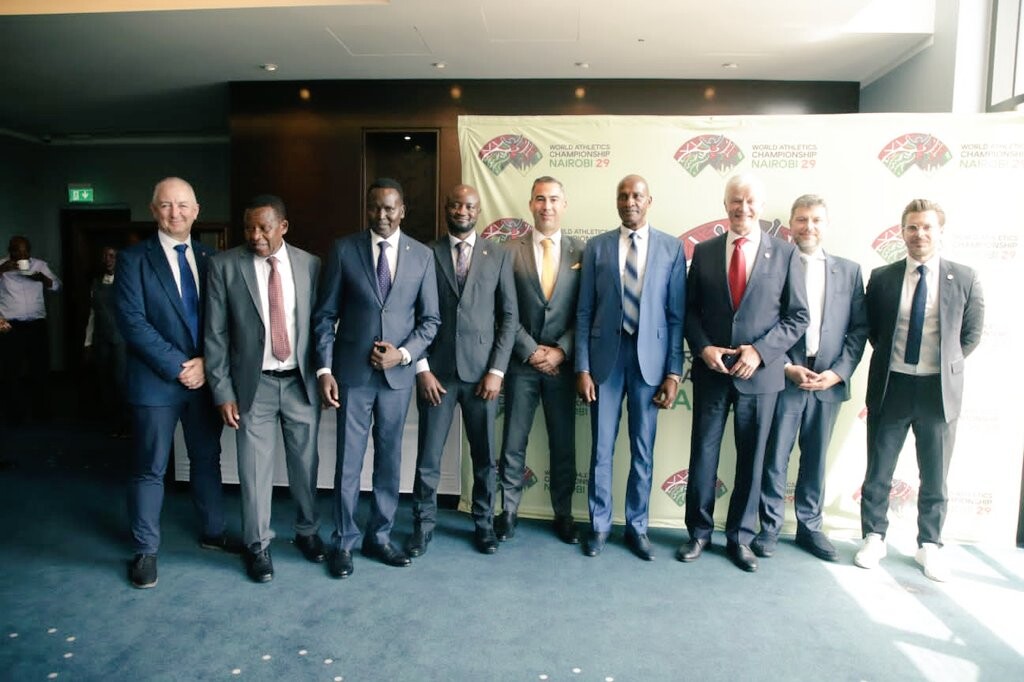
In a passionate message shared on X Space, the former marathon world record holder called on the international athletics community to experience the culture, heritage, and unmatched talent that have made Kenya one of the most dominant forces in the history of the sport.
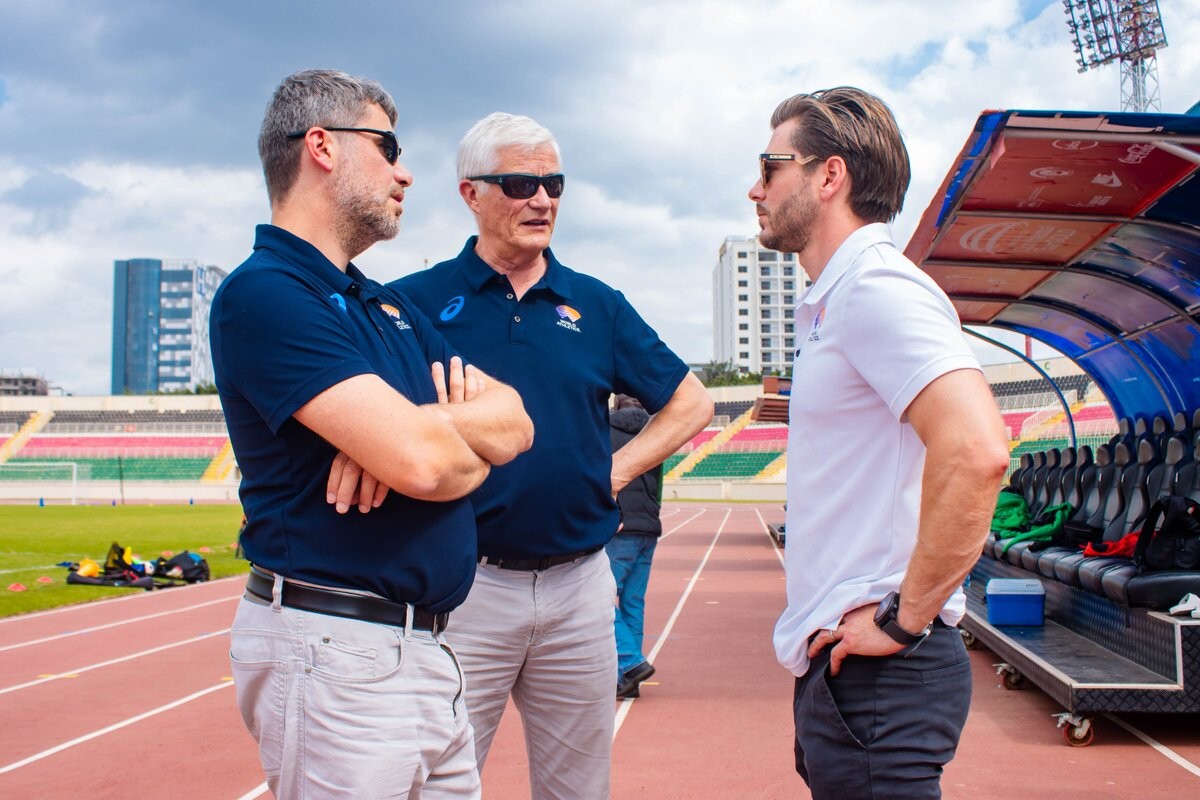
“Kenya is inviting the world to experience running at its source,” Tergat said. “From the soil that produces legends, from communities where athletics is lived, breathed, and passed through generations.”
His remarks arrive at a time when Kenya is intensifying efforts to secure hosting rights for one of athletics’ most prestigious global events — a move that would mark a historic milestone for both the country and the African continent.
Few figures embody Kenya’s running excellence more than Tergat himself. The legendary distance runner became the first Kenyan man to set a marathon world record after producing a groundbreaking performance of 2:04:55 at the Berlin Marathon 2003. His record stood until 2007 and cemented his place among the greatest marathoners in history.
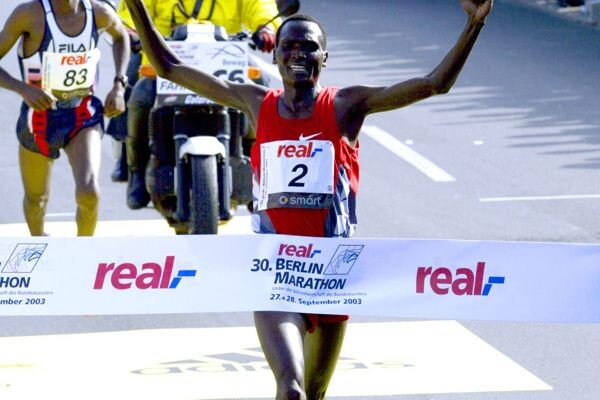
Before conquering the roads, Tergat had already established an extraordinary legacy in cross country running. Between 1995 and 1999, he achieved one of the sport’s rarest feats by winning five consecutive World Cross Country long-race titles, dominating an era filled with elite competition.
On the track, Tergat was renowned for his unforgettable rivalry with Ethiopian great Haile Gebrselassie. The Kenyan star captured Olympic silver medals in the 10,000m at both the 1996 Atlanta Games and the 2000 Sydney Olympics, while also earning silver medals at the 1997 and 1999 World Championships. Many of those races were decided in dramatic final laps, with Tergat and Gebrselassie pushing each other to historic performances.
His success extended beyond the track and marathon scene. Tergat claimed back-to-back IAAF World Half Marathon titles in 1999 and 2000 before later winning the prestigious 2005 New York City Marathon, further solidifying his reputation as one of the most versatile distance runners of his generation.
Away from competition, Tergat has remained deeply influential in Kenyan sport and athletics administration. He previously served as President of the National Olympic Committee of Kenya (NOC-K) and founded the Sports Personality of the Year Awards (SOYA), an initiative that continues to celebrate and recognize sporting excellence across the country.

For decades, Kenya has remained synonymous with excellence in middle- and long-distance running, producing generations of champions who have rewritten world records, conquered Olympic podiums, and elevated the nation’s reputation on the global sporting stage. From the high-altitude training camps of the Rift Valley to packed road races across the world, Kenyan athletics has evolved into more than just sport — it is part of the country’s identity.
Tergat believes hosting the championships would offer the world an opportunity to witness firsthand the environment that shapes elite athletes. Beyond the competition itself, he emphasized the cultural significance of Kenyan running communities, where young athletes grow up inspired by local heroes and where endurance running is deeply woven into everyday life.
The bid also represents Africa’s growing desire to host more major international sporting events. While African athletes have consistently dominated global athletics for generations, the continent has rarely been given the opportunity to stage the sport’s biggest championships. Kenya’s proposal is therefore seen as both symbolic and transformative for athletics worldwide.
Tergat’s endorsement adds significant weight to the campaign. Widely regarded as one of the greatest distance runners in history, the Kenyan legend remains a respected voice within international athletics circles. His support reflects the confidence many within the sport have in Kenya’s ability to deliver a memorable and globally impactful championship.
If successful, the championships would not only showcase elite competition but also spotlight Kenya’s rich sporting heritage, passionate fans, and deep-rooted connection to athletics — offering the world a chance to experience the birthplace of countless running legends.
by Erick Cheruiyot for My Best Runs.
Login to leave a comment
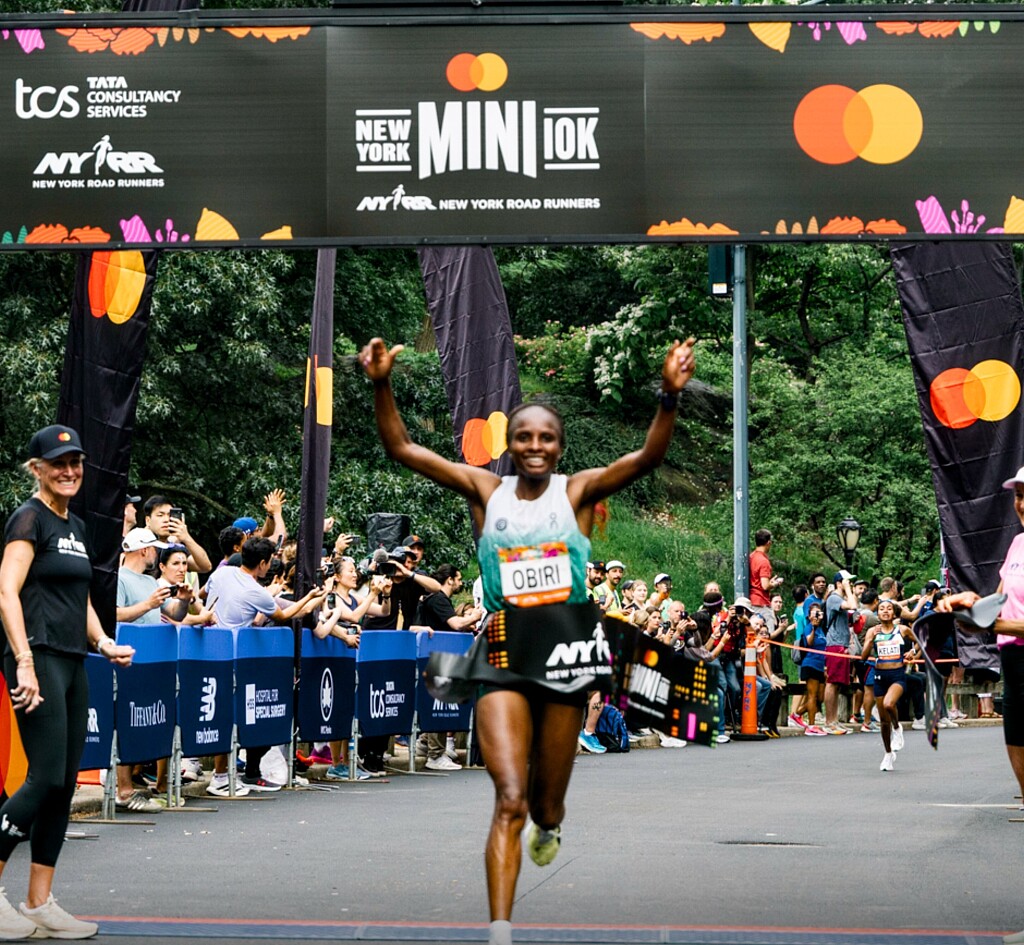
Queens of Distance Running Set for Explosive Showdown at 2026 Mastercard New York Mini 10K
The streets of Central Park are once again preparing for a spectacle of speed, rivalry, and history as the 54th edition of the iconic Mastercard New York Mini 10K returns on Saturday, June 6. Widely celebrated as the world’s original women-only road race, the event has assembled one of the strongest fields ever seen in global road running, headlined by Olympic champions, world record holders, and national icons ready to ignite New York City.
At the center of attention will be Kenya’s marathon queen Hellen Obiri, who returns to defend her crown after establishing herself as one of the most dominant athletes on the New York Road Runners circuit. Obiri already owns an extraordinary NYRR triple crown, having conquered the Mini 10K, the NYC Half, and the New York City Marathon, and now faces another major test against a world-class lineup hungry to dethrone her.
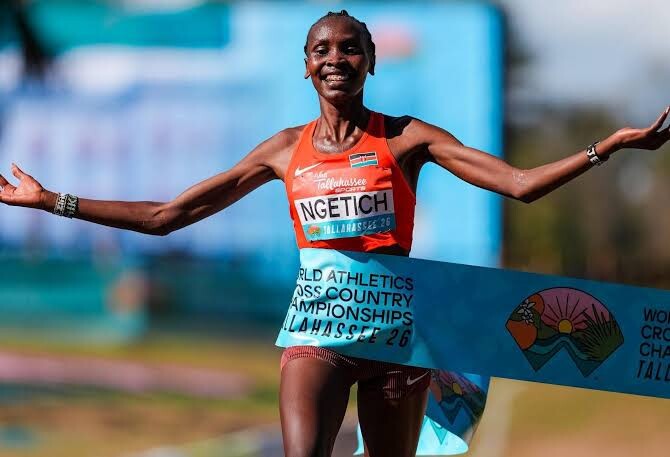
Standing directly in her path is fellow Kenyan sensation Agnes Ngetich, the reigning world 10K record holder whose astonishing 28:46 performance rewrote history and made her the first woman ever to break the 29-minute barrier on the roads. Ngetich arrives in New York carrying immense momentum after capturing victory at the 2026 World Cross Country Championships, and her Mini 10K debut immediately elevates the race into must-watch territory.
The highly anticipated clash becomes even more compelling with the return of Sharon Lokedi. Fresh from cementing her status as a two-time Boston Marathon champion, Lokedi is eager to improve on last year’s runner-up finish in New York. Her recent rivalry with Obiri has already captivated the distance running world, and fans who were left wanting more after their dramatic Boston battle will now witness another thrilling chapter unfold in Central Park.
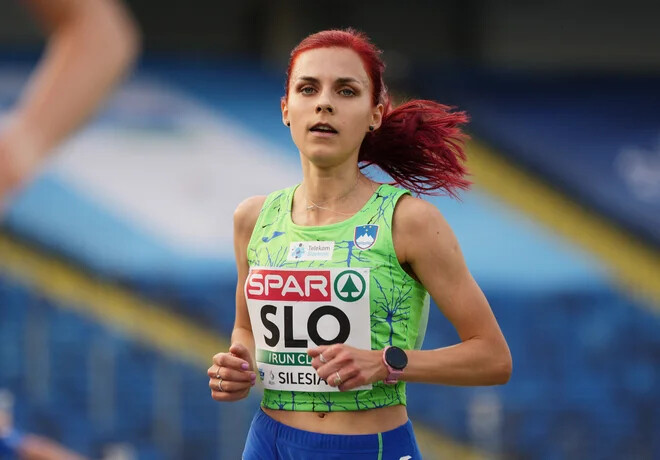
Adding further international firepower is Slovenia’s Klara Lukan, who continues to redefine European distance running standards. Lukan recently became the first European woman in history to run under 30 minutes for 10 kilometers, and her NYRR debut introduces yet another dangerous contender capable of shaking up the podium.
The American challenge is equally formidable. Leading the home contingent is Weini Kelati, the fastest American woman ever over 10 kilometers and the newly crowned American half marathon record holder following her brilliant 1:06:04 run in Barcelona. Kelati’s rise has positioned her among the world’s elite, and racing on home soil could provide the perfect stage for another breakthrough performance.
Jess McClain also enters with confidence soaring after finishing as the top American at the 2026 Boston Marathon while simultaneously breaking the women’s course record. Emma Grace Hurley, the American 8K record holder and two-time national champion, further strengthens the domestic lineup alongside notable names such as Annie Frisbie, Dakotah Popehn, Ednah Kurgat, and Amanda Vestri.
With Olympic pedigree, world records, national milestones, and fierce rivalries all converging in one race, the 2026 Mastercard New York Mini 10K promises far more than a traditional road event. It is shaping up to be a celebration of women’s distance running at its absolute highest level — a race where legends defend their legacy and rising stars chase history beneath the iconic skyline of New York City.
by Erick Cheruiyot for My Best Runs.
Login to leave a comment
New York Mini 10K
Join us for the NYRR New York Mini 10K, a race just for women. This race was made for you! It’s the world’s original women-only road race, founded in 1972 and named for the miniskirt, and it empowers women of all ages and fitness levels to be active and to look and feel great on the run. Every woman who...
more...
Fotyen Tesfay Hailu From Track Star to Marathon Sensation
Ethiopia’s Fotyen Tesfay Hailu has rapidly emerged as one of the most exciting athletes in women’s distance running, combining world-class speed on the track with a marathon debut that instantly placed her among the greatest performers in history.
The 28-year-old Ethiopian captured global attention on March 15, 2026, at the Zurich Barcelona Marathon, where she ran 2:10:51 in her first attempt at the classic distance. The performance moved her to No. 2 on the all-time women’s marathon list and confirmed what many insiders had suspected for years — Tesfay possessed the perfect combination of speed, strength, and efficiency to become a major marathon star.
Before stepping up to the marathon, Tesfay had already established herself as one of the world’s elite distance runners. She owns personal bests of 14:28.53 for 5,000 meters, 29:47.71 for 10,000 meters, and an impressive 1:03:21 for the half marathon. Those performances placed her among the very best female distance runners in the world long before she made her marathon debut.
Tesfay first gained major international attention through her aggressive style on both the roads and track. Unlike some runners who rely heavily on tactical racing, she has consistently shown she is comfortable pushing the pace from the front. That fearless approach translated beautifully to the marathon in Barcelona. Rather than fading late, as many athletes do in a debut, she looked smooth and controlled deep into the race while maintaining one of the fastest paces ever recorded by a woman.
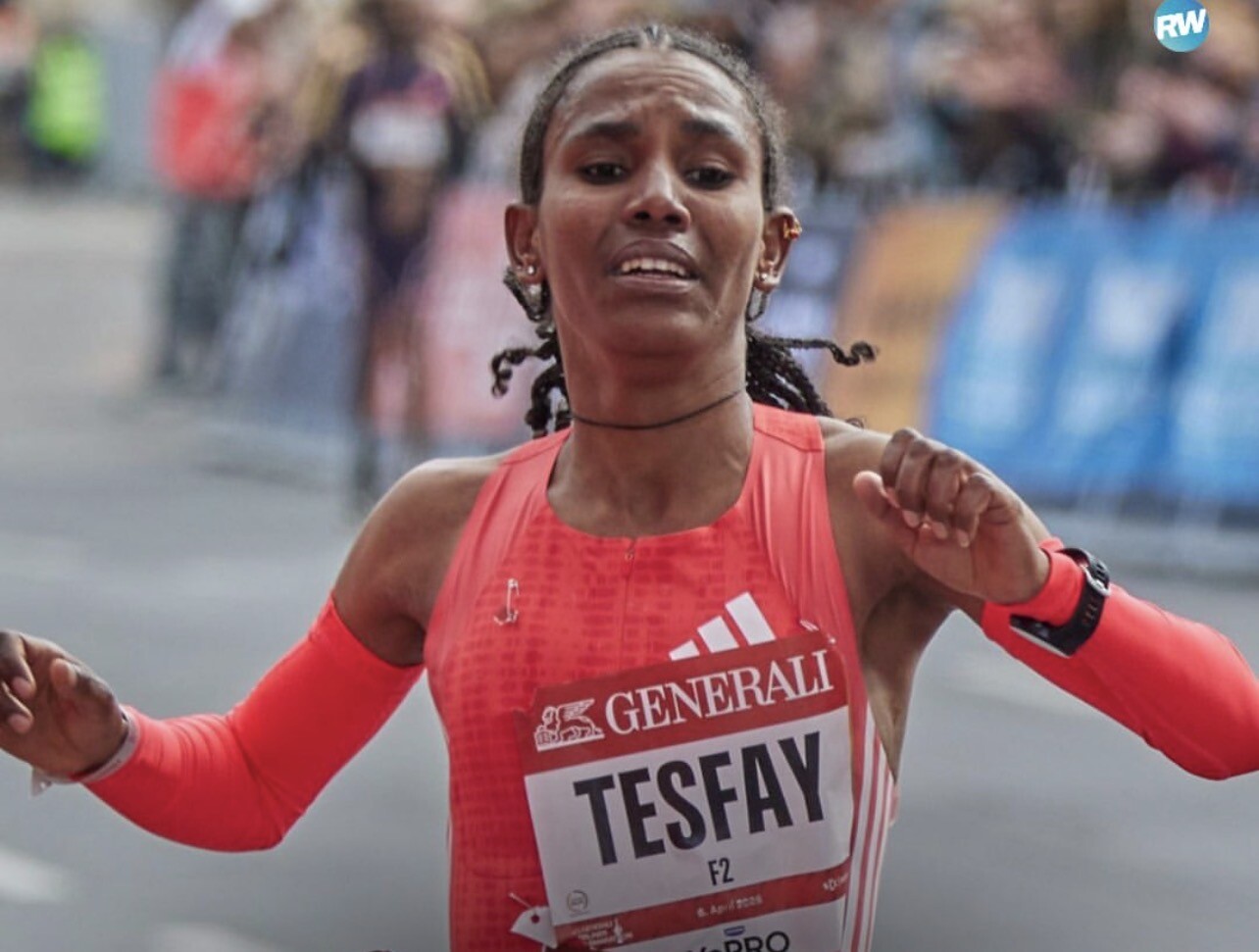
Her marathon breakthrough did not happen overnight. Ethiopia’s deep tradition in distance running has produced countless champions, but Tesfay’s development has stood out because of her versatility. She has demonstrated elite ability on the track, cross country, and roads, proving she can adapt to almost any racing situation.
Observers were particularly impressed by how relaxed she appeared while running at a pace few women in history have ever sustained for 26.2 miles. That has led many in the sport to believe her future performances could be even faster as she gains more experience at the marathon distance.
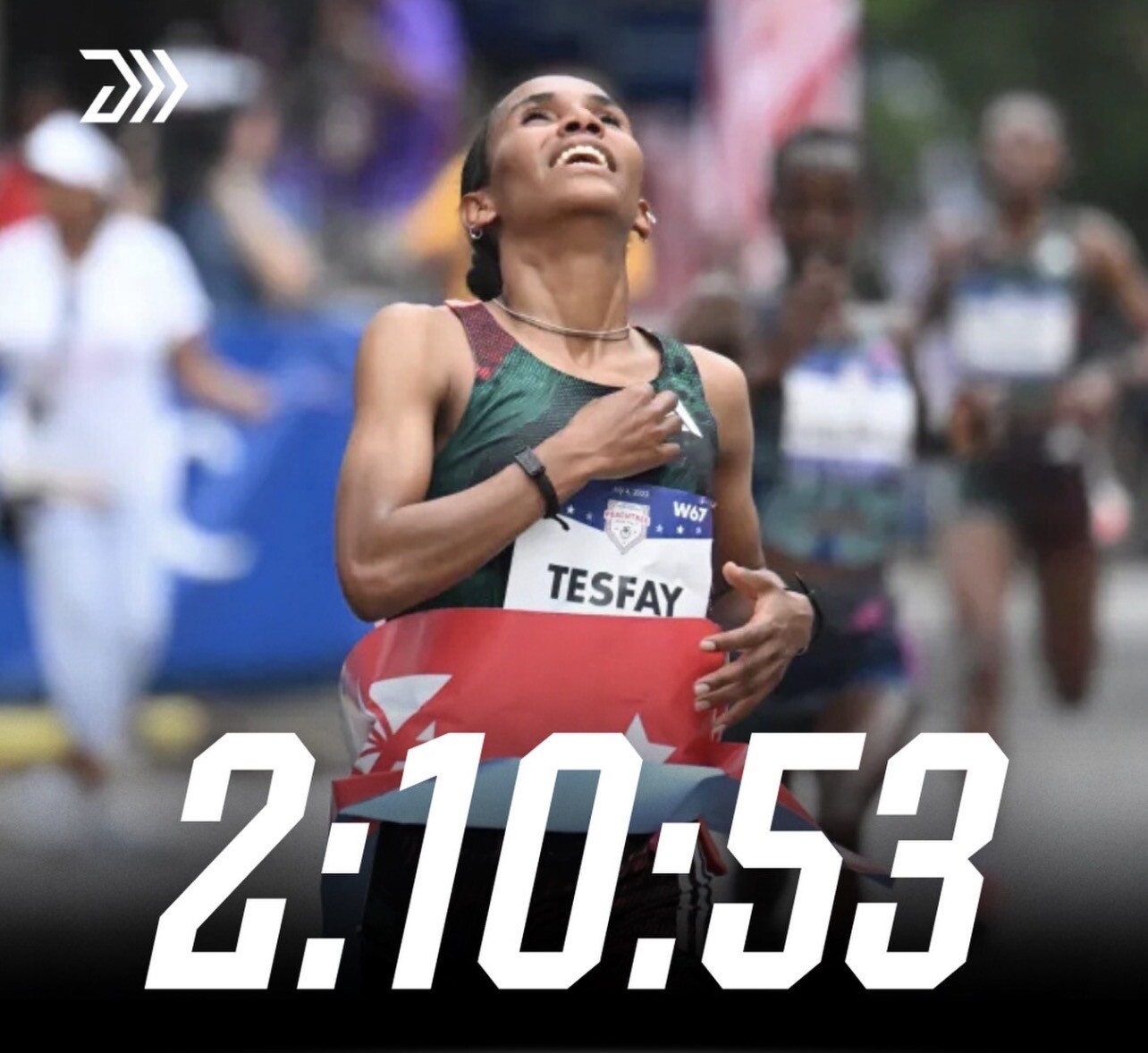
Tesfay’s emergence also comes during a remarkable era for women’s marathon running. Times once considered impossible are now becoming reality, and Tesfay appears positioned to play a major role in pushing the event to even higher levels.
With her combination of track speed, endurance, and calm racing style, Fotyen Tesfay Hailu now looks capable of becoming one of the defining marathon runners of her generation.
by Boris Baron for My Best Runs
Login to leave a comment
Parker Valby Set for Long-Awaited Return as LA Track Fest Gains Star Power
The countdown to one of the most anticipated comebacks in women’s distance running is officially underway. American sensation Parker Valby has been confirmed for her 2026 season debut at Sound Running’s Track Fest in Los Angeles on May 23, setting the stage for a thrilling return to competition.
Valby’s appearance in LA will mark her first race since competing at the 2025 USATF Cross Country Championships, ending a lengthy absence from the racing circuit that has left fans eagerly awaiting her comeback. Even more significantly, it will be her first outdoor track race since representing the United States at the 2024 Summer Olympics in Paris — a milestone that adds even greater intrigue to her return.

Known for her fearless front-running style, remarkable endurance and meteoric rise through the collegiate ranks, Valby enters the 2026 campaign carrying enormous expectations. Her transition from NCAA dominance to the global professional stage has made her one of the most closely watched athletes in American distance running, and Track Fest now becomes the perfect platform for her next chapter.
The women’s field announced for the event promises a fiercely competitive contest. Australia’s Lauren Ryan and Maudie Skyring are both set to line up, bringing international quality and proven championship experience to the race. Germany’s Lea Meyer will also feature, adding further depth to what is shaping up to be one of the standout distance events of the early outdoor season.
With Los Angeles serving as the backdrop, the atmosphere is expected to be electric as fans witness Valby’s long-awaited return to the track. Her comeback not only injects excitement into the American distance-running scene, but also signals the re-emergence of one of the sport’s brightest young talents ahead of a crucial championship year.
As anticipation builds toward May 23, all eyes will now turn to LA, where Parker Valby’s 2026 journey finally begins.
by Erick Cheruiyot for My Best Runs.
Login to leave a comment

Vinny Mauri Shocks Marathon World With 2:05:54 Debut at Glass City Marathon
A stunning performance in Toledo has introduced a new name to the global marathon stage.
Running his first-ever marathon, Vinny Mauri clocked an extraordinary 2:05:54 at the Mercy Health Glass City Marathon, winning the race and breaking the course record by an astonishing 13 minutes.
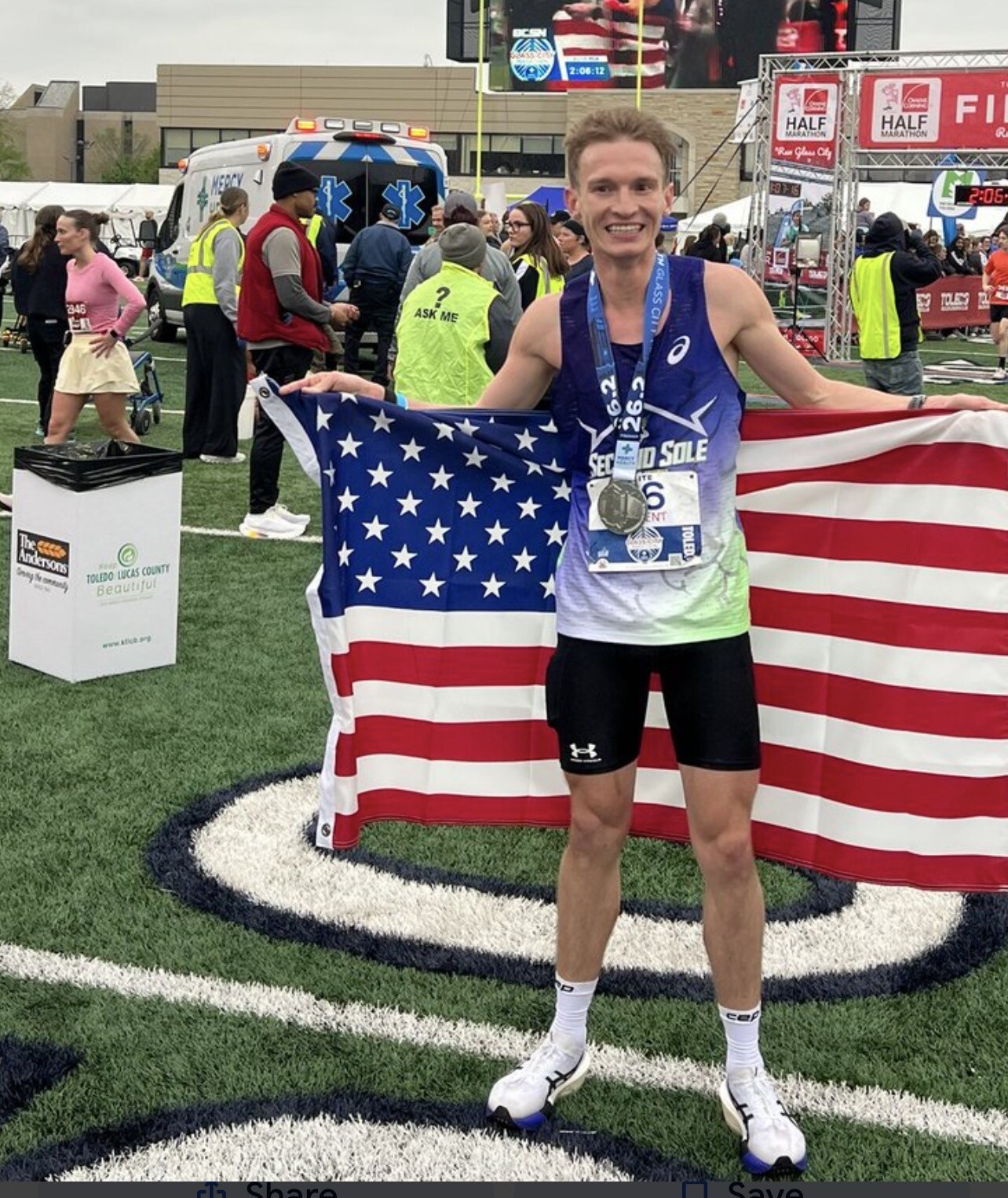
The performance immediately places Mauri among the best American marathoners ever:

Fastest U.S. marathon debut
#3 all-time U.S. performer on a record-eligible course
From NCAA Standout to Marathon Star
Mauri is not a complete unknown—but this level of performance is a major leap.
He competed collegiately at Notre Dame, where he developed into a strong distance runner across track and cross country.
Recent highlights from his NCAA career:
13:34.03 for 5000m (one of the top marks in program history)
7:50.33 for 3000m
3:59.05 for the mile
All-ACC honors in cross country (8K in 23:44)
These are very solid marks—but not typically the kind that predict a 2:05 marathon debut.
A Breakthrough Unlike Most
Most elite marathon debuts are cautious. Athletes test the distance, learn pacing, and aim to finish strong.
Mauri did something entirely different.
From early in the race, he committed to a pace well under 2:06—and held it. Instead of fading late, he surged, turning what could have been a strong debut into one of the most surprising performances in recent U.S. distance running history.
A 13-minute course record improvement underscores just how dominant the run was.
What This Means
This performance raises immediate questions—and excitement.
Has Mauri found his true event in the marathon?
Is this the start of a new American star at the distance?
How fast can he go on a major stage?
At 2:05:54, he is instantly relevant on the world stage.
The Bottom Line
Vinny Mauri came into Toledo as a promising but relatively unheralded distance runner.
He left as one of the fastest American marathoners of all time.
Debuts like this are rare. When they happen, they usually signal something much bigger ahead.
by Boris Baron
Login to leave a comment
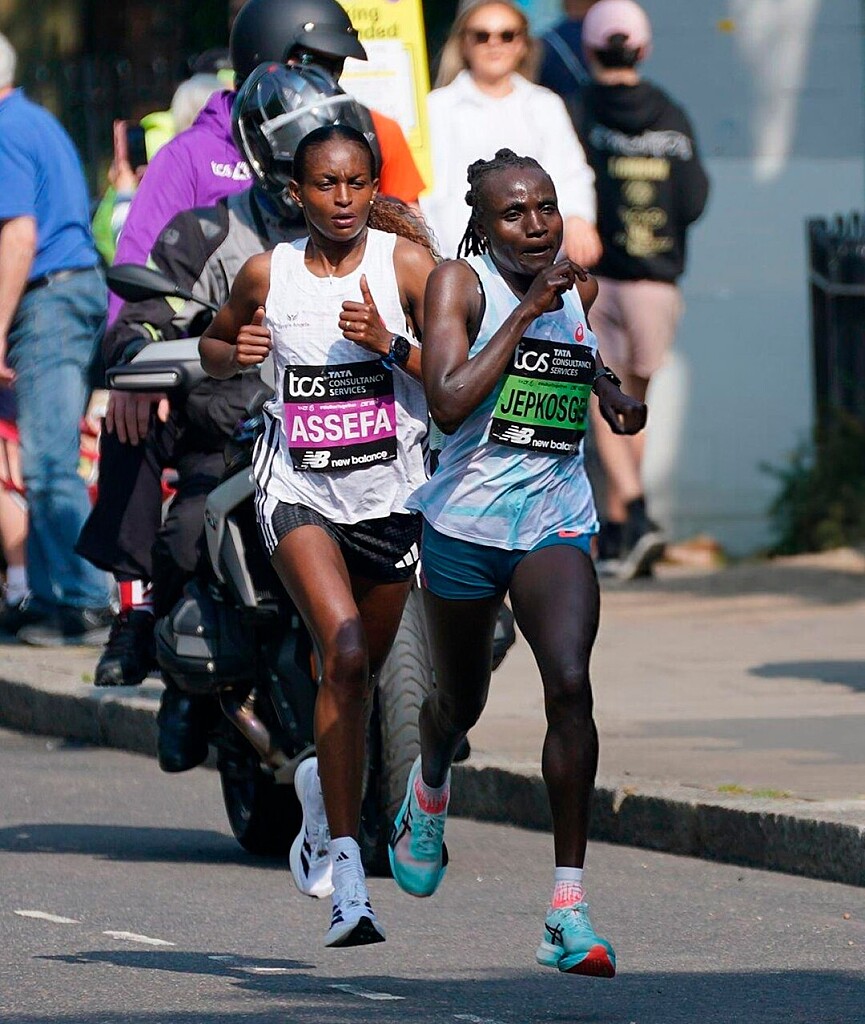
Queens of the Road: A Star-Studded Women’s Field Set to Ignite the 2026 London Marathon
The streets of London are once again poised to host one of the most electrifying spectacles in distance running as the 2026 London Marathon prepares to unfold on Sunday, April 26. With the women’s elite race scheduled for 9:30 AM (GMT), anticipation is building for a contest that promises both tactical intrigue and blistering pace.
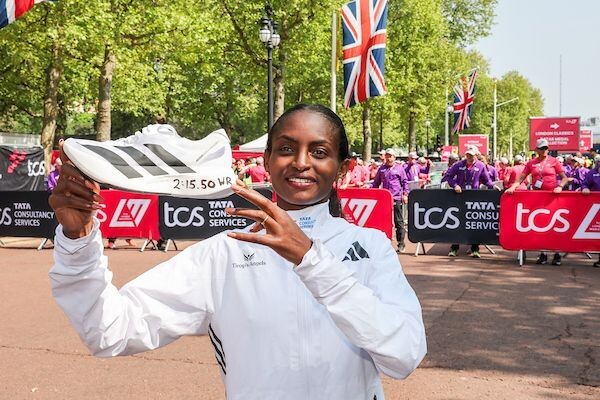
At the heart of the lineup is Ethiopia’s formidable Tigst Assefa, a marathoner whose record-breaking credentials have redefined the limits of the sport. Known for her relentless rhythm and devastating finishing strength, Assefa arrives as a central figure in what could become another historic chapter on London’s fast and flat course.
Kenya’s challenge will be led by the ever-consistent Joyciline Jepkosgei and the immensely versatile Hellen Obiri. Jepkosgei, a proven road racing specialist, brings tactical sharpness and endurance, while Obiri—already a global champion on track, cross country, and the marathon—continues to demonstrate a remarkable ability to adapt and conquer across disciplines.
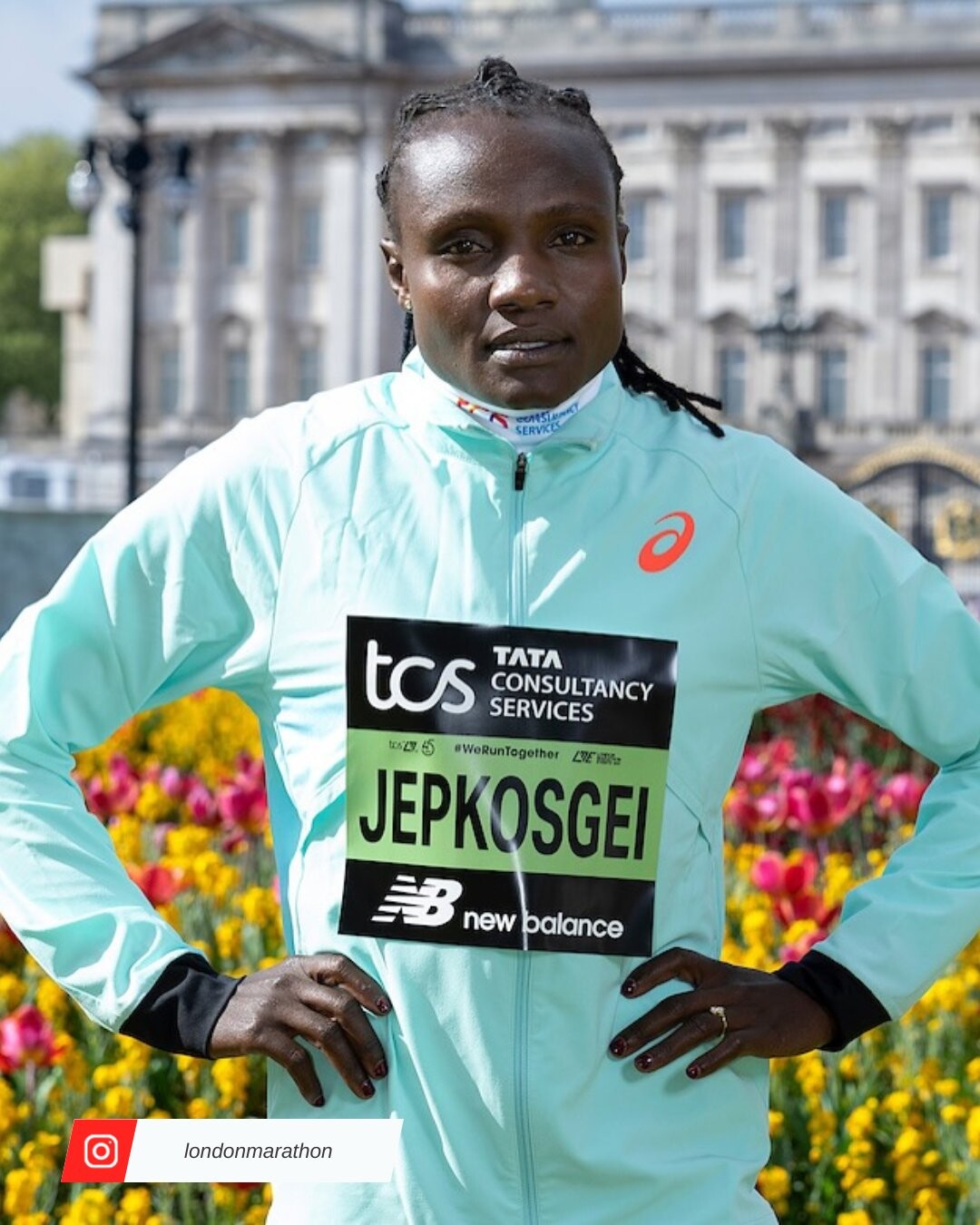
Ethiopia’s depth does not end with Assefa. Athletes such as Megertu Alemu and Degitu Azimeraw add further firepower, ensuring that the East African rivalry remains as fierce as ever. Meanwhile, Kenya’s lineup is bolstered by emerging and experienced names, including Catherine Reline Amanang'ole, adding depth to an already formidable contingent.
The international flavor of the race extends well beyond East Africa. Great Britain’s hopes will rest on athletes like Eilish McColgan, whose transition to the marathon has been closely followed, alongside compatriots such as Charlotte Purdue and Rose Harvey. Their presence ensures a strong home narrative, with the London crowd expected to rally behind its local stars.
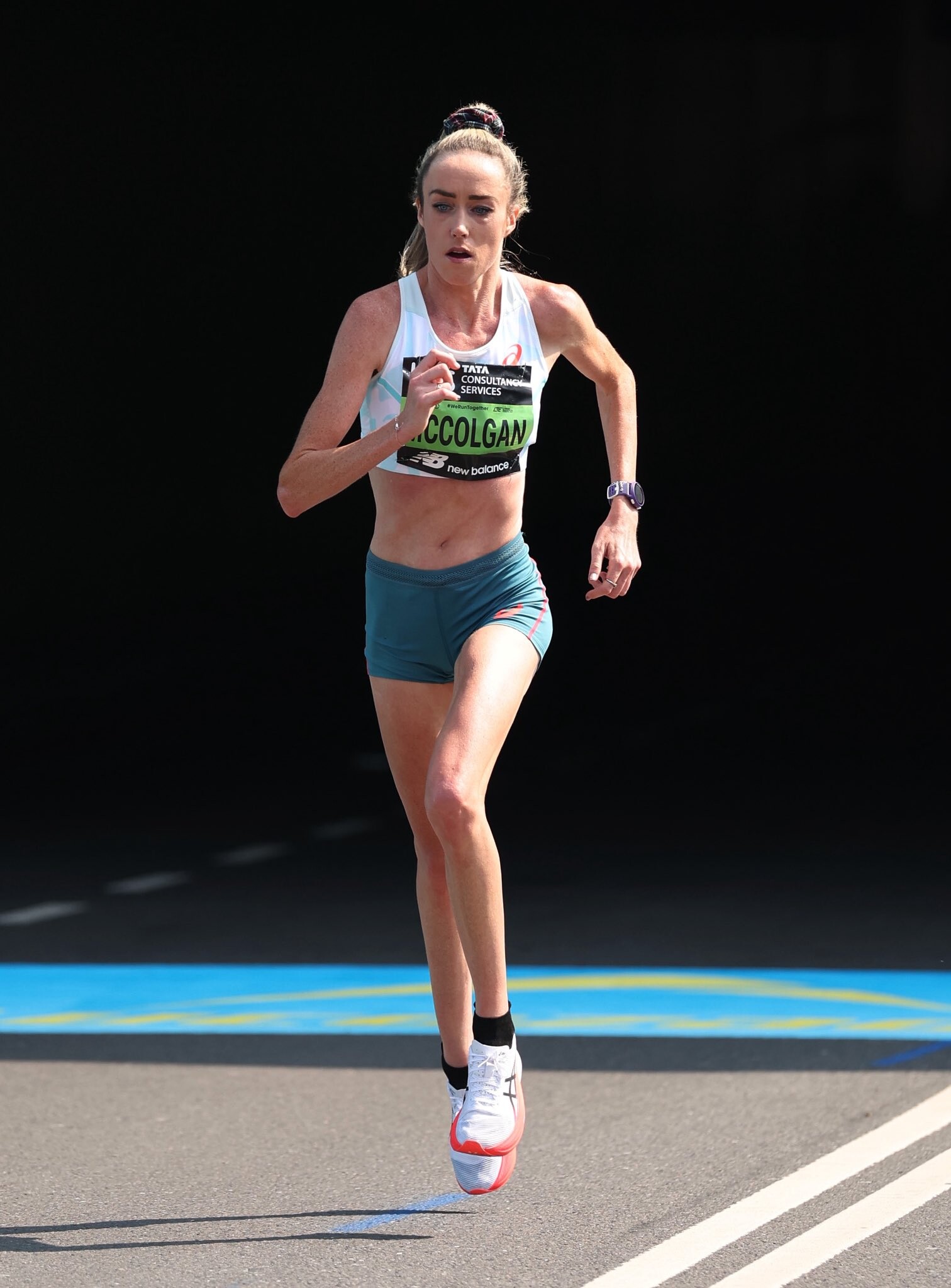
Elsewhere, Spain’s Laura Luengo, Argentina’s Florencia Borelli, and France’s Fadouwa Ledhem add further international intrigue, turning the race into a truly global showdown.
What makes this edition particularly compelling is not just the depth of talent, but the clash of styles—front-runners capable of forcing a punishing pace against tacticians who thrive in championship-like scenarios. London’s course, known for its speed, has often been the stage for record-breaking performances, and with such a loaded field, another fast time cannot be ruled out.
As the countdown continues, the 2026 London Marathon women’s elite race shapes up as more than just a competition—it is a convergence of the world’s finest endurance athletes, each chasing victory, legacy, and perhaps even history.
by Erick Cheruiyot for My Best Runs.
Login to leave a comment

TCS London Marathon
Since its inaugural edition on March 29, 1981, the TCS London Marathon has grown into one of the world's most prestigious road races, blending elite competition with an extraordinary charitable legacy. Founded by former Olympic champion and journalist Chris Brasher alongside Welsh athlete John Disley, the event has been staged every year and has been held in the spring annually...
more...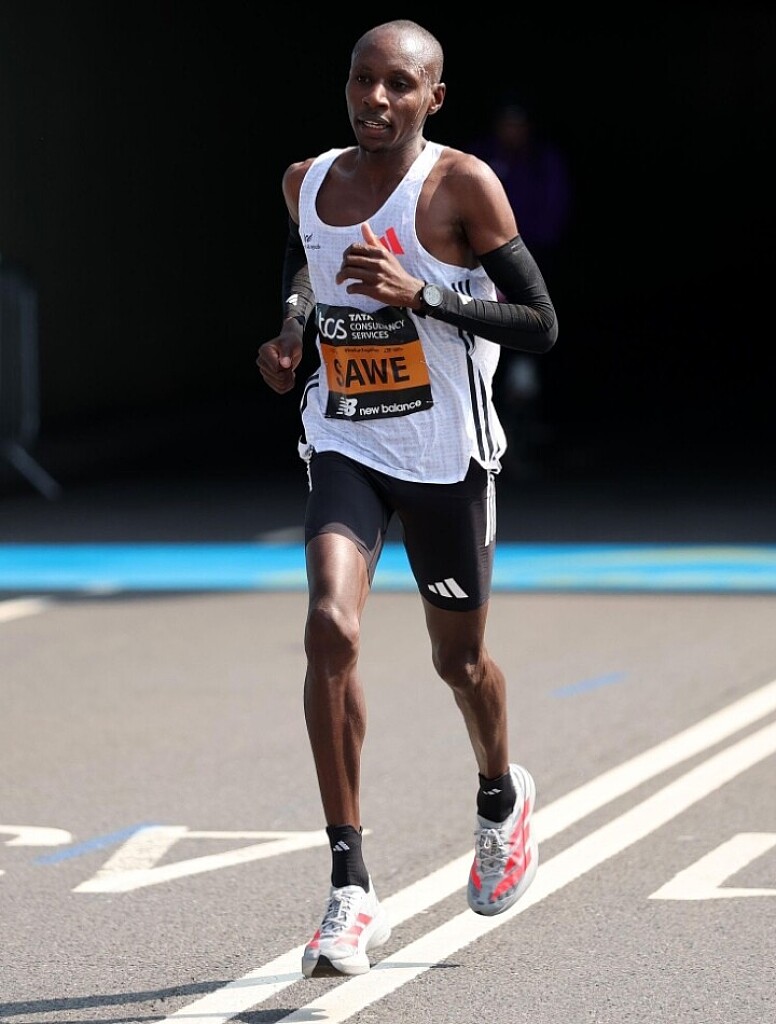
London Beckons: A Marathon of Giants Set to Ignite the Capital
The roads of London are once again preparing to host one of the most anticipated races on the global calendar, as the London Marathon 2026 assembles a men’s elite field of rare depth and quality. On Sunday, April 26, the world’s finest distance runners will converge on the British capital, chasing not only victory but a place in marathon history.
At the center of attention stands Sebastian Sawe, the defending champion whose commanding 2:02:05 personal best marks him as the man to beat. Sawe’s blend of composure and finishing power has already proven decisive on these streets, but this year’s contest promises to push him deeper than ever before.
Lining up against him is a formidable cast. Jacob Kiplimo, better known for his dominance over shorter road distances and cross country, brings a dangerous mix of speed and endurance. His 2:02:23 credentials suggest he is more than ready to challenge for the win if the race turns tactical—or brutally fast.
Ethiopia’s charge is equally imposing. Deresa Geleta and Olympic champion Tamirat Tola headline a contingent rich in pedigree, while Yomif Kejelcha adds intrigue with his much-anticipated marathon debut—an unknown factor capable of reshaping the race entirely.
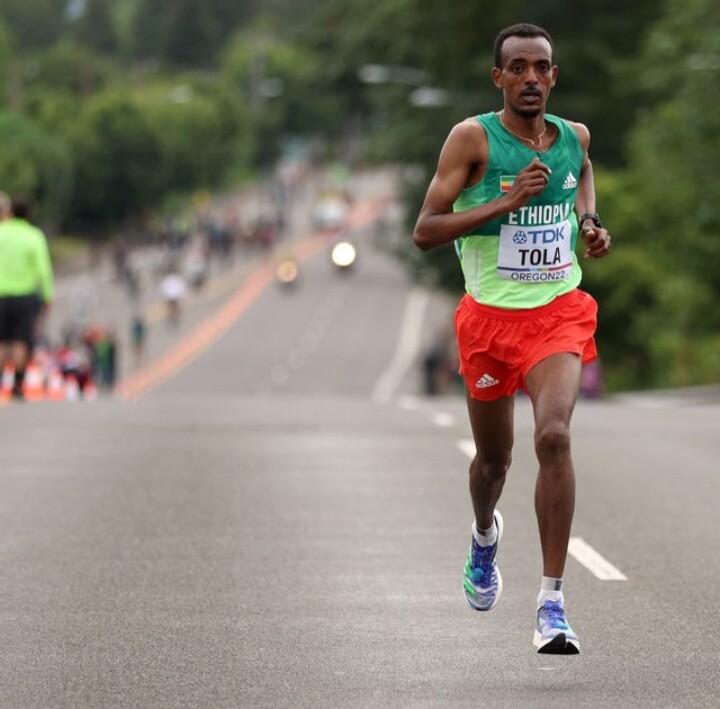
Kenya’s depth remains undeniable. Alongside Sawe are seasoned names like Amos Kipruto and the ever-consistent Geoffrey Kamworor, both of whom possess the experience and resilience required to thrive over 42.195 kilometers. Meanwhile, Uganda’s Joshua Cheptegei continues his transition to the marathon stage, carrying the weight of his track legacy into the ultimate endurance test.
The international flavor extends further, with Japan’s Shunya Kikuchi, France’s Hassan Chahdi, and South Africa’s Adam Lipschitz all aiming to disrupt the established order.
However, the home crowd has been dealt a blow. British hopeful Emile Cairess has been forced to withdraw due to a calf injury, removing a key figure who many believed could spearhead a domestic challenge. His absence shifts the spotlight away from local contention and further intensifies the East African dominance expected at the front.
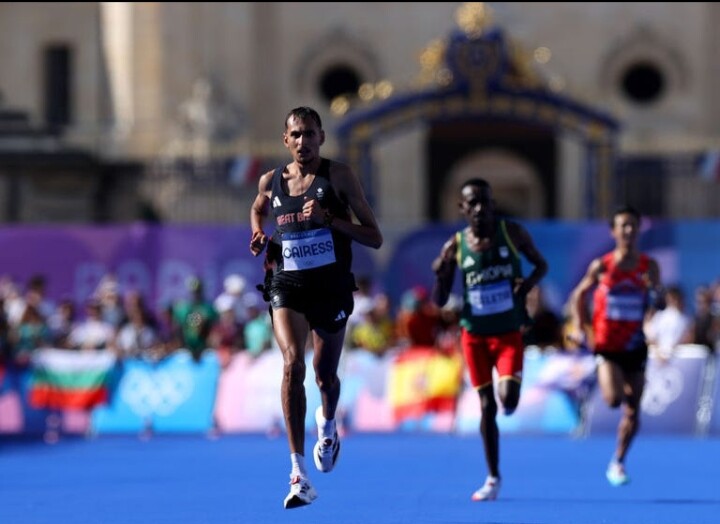
Yet marathons are rarely predictable. The rhythm of the race, the pacing strategies, and the unforgiving demands of the distance often rewrite expectations. What appears stacked on paper can unravel over the final miles along the Thames.
With the race set to begin in the morning hours, anticipation continues to build. Records may be threatened, debuts could dazzle, and champions will be tested to their limits.
In a field this deep, victory will not simply be earned—it will be wrestled from one of the most competitive line-ups the marathon world has seen in recent years.
by Erick Cheruiyot for My Best Runs.
Login to leave a comment
TCS London Marathon
Since its inaugural edition on March 29, 1981, the TCS London Marathon has grown into one of the world's most prestigious road races, blending elite competition with an extraordinary charitable legacy. Founded by former Olympic champion and journalist Chris Brasher alongside Welsh athlete John Disley, the event has been staged every year and has been held in the spring annually...
more...
Igniting the Flame: Faith Kipyegon’s Journey from Barefoot Beginnings to Los Angeles 2028
In the ever-evolving journey of greatness, moments of quiet declaration often carry the loudest echoes. For Faith Kipyegon, a recent message from Los Angeles—the vibrant host of the 2028 Summer Olympics—was more than a passing remark. It was a powerful affirmation of intent.
Standing in the very city where future Olympic dreams will be forged, the Kenyan legend shared that she is “fueling her Olympic fire” ahead of LA 2028. Beneath those words lies a story not just of ambition, but of a remarkable journey—one that began far from the bright lights of global arenas.
Kipyegon’s rise is the embodiment of resilience and destiny intertwined. From running barefoot in her early school days to ascending to the pinnacle of women’s middle-distance running, her path has been nothing short of extraordinary. Born into a family deeply rooted in athletics—with a father who competed in the 400m and 800m, and a sister who excelled in long-distance road racing—her foundation was quietly laid long before the world took notice.
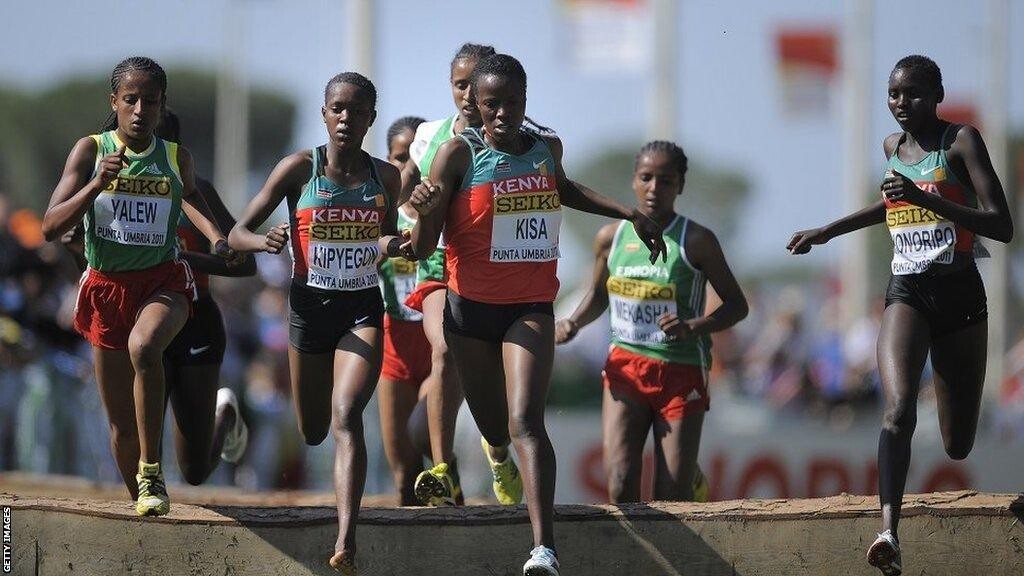
It wasn’t until the age of 15 that she began to seriously pursue athletics as a career. What followed was a rapid and emphatic emergence. She announced herself on the global stage by capturing junior titles at the World Cross Country Championships in Bydgoszcz in 2011 and 2013, alongside victories in the 1500m at both the World U18 and World U20 Championships. These early triumphs signaled the arrival of a rare and generational talent.
Her transition to the senior stage came at the World Championships in Moscow in 2013, where she finished fifth—a performance that hinted at the dominance to come. From that point onward, Kipyegon has established herself as a consistent force at the highest level, earning multiple podium finishes, world championship titles, and setting world records that have redefined the boundaries of women’s middle-distance running, further cementing her status as one of the greatest athletes of her era.
The Olympic stage, however, is where her legacy has reached historic heights. Since making her debut at the 2012 Summer Olympics, she has grown into one of the most decorated middle-distance runners in Olympic history. Her gold medal triumph at the 2016 Summer Olympics announced her arrival as a global force, while her commanding performance at the 2020 Summer Olympics reaffirmed her supremacy.
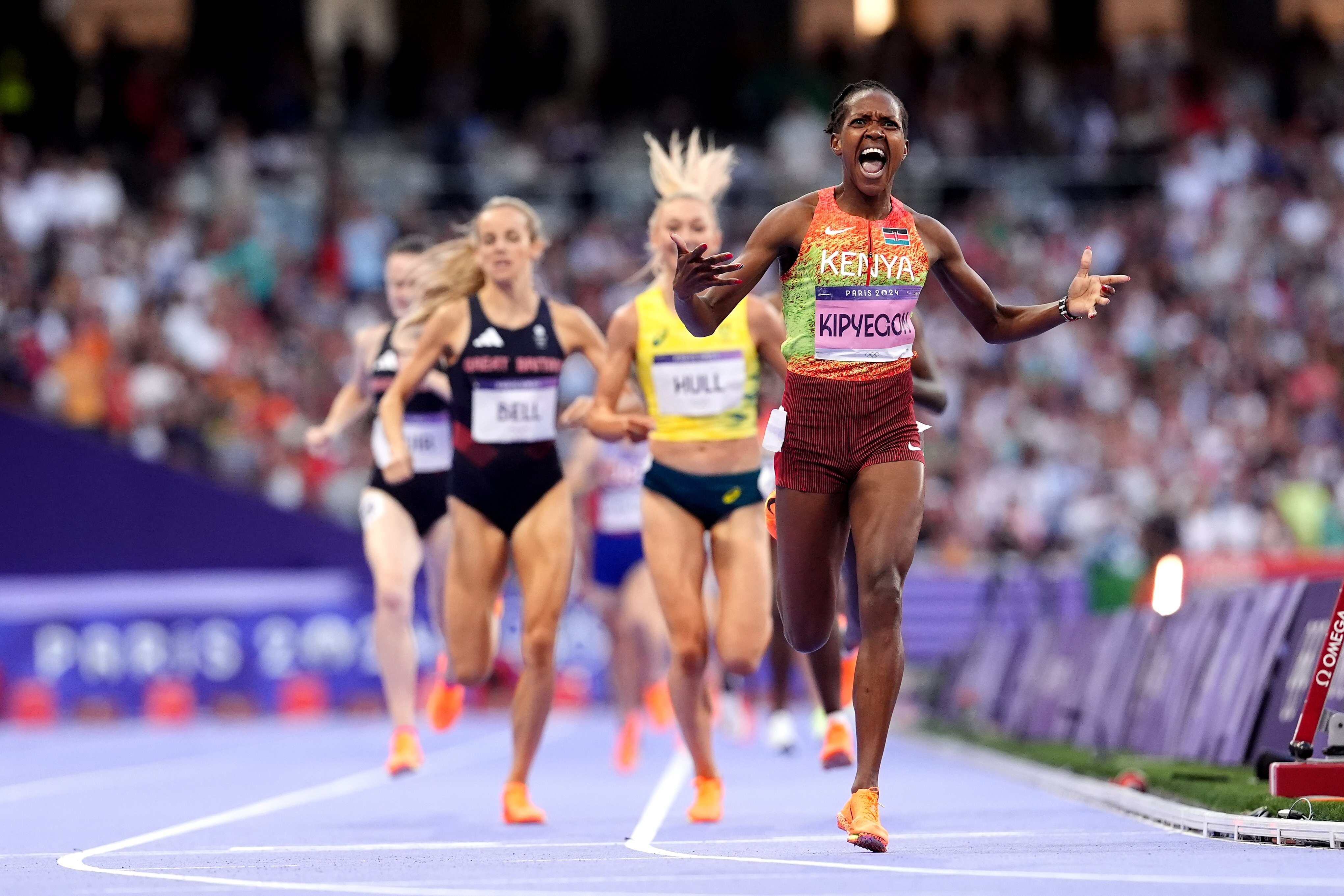
Yet it was at the 2024 Summer Olympics that Kipyegon etched her name permanently into the record books. On the final night of track action at the Stade de France, she produced a breathtaking run in the women’s 1500m, surging to victory in an Olympic record time of 3:51.29. With that performance, she became the first athlete—male or female—to win three Olympic gold medals in the 1500m, a feat that stands as a testament to her enduring brilliance and unmatched consistency.
Despite these extraordinary achievements, what defines Kipyegon is her relentless hunger for more. Her recent reflection from Los Angeles reveals an athlete not content with history, but driven by the possibilities that still lie ahead.

As the countdown to 2028 steadily builds, her presence in Los Angeles feels deeply symbolic—a champion returning to the stage where the next chapter of Olympic history will unfold. For fans and aspiring athletes alike, her journey is a powerful reminder that greatness is not a destination, but a continuous pursuit shaped by discipline, resilience, and vision.
From barefoot beginnings to rewriting Olympic history, Faith Kipyegon’s story continues to inspire across generations. And as the flame prepares to rise once more in Los Angeles, one truth is undeniable—her fire is still burning, brighter than ever, lighting the path toward yet another chapter of greatness.
by Erick Cheruiyot for My Best Runs.
Login to leave a comment
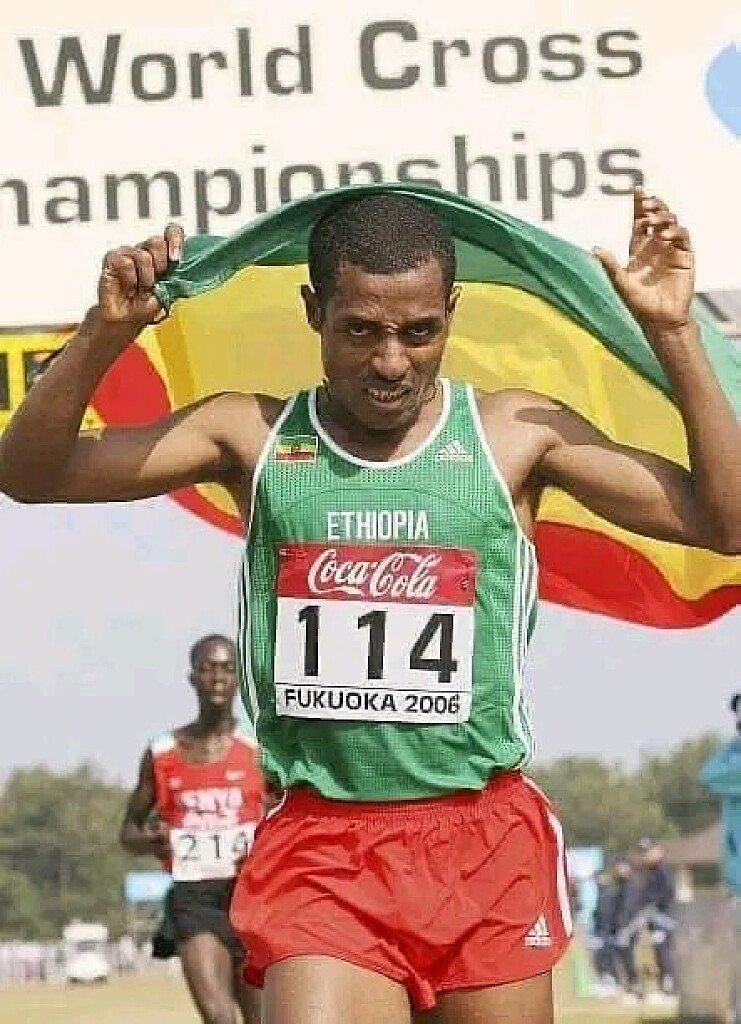
Fukuoka 2006: The Day Kenenisa Bekele Sealed Cross Country Immortality
On April 2, 2006, the global distance running community witnessed a performance that would be etched permanently into the sport’s history. At the World Cross Country Championships in Fukuoka, Japan, Ethiopia’s Kenenisa Bekele delivered yet another masterclass, capturing his fifth consecutive long-course world title and further cementing his status as one of the greatest cross country runners of all time.
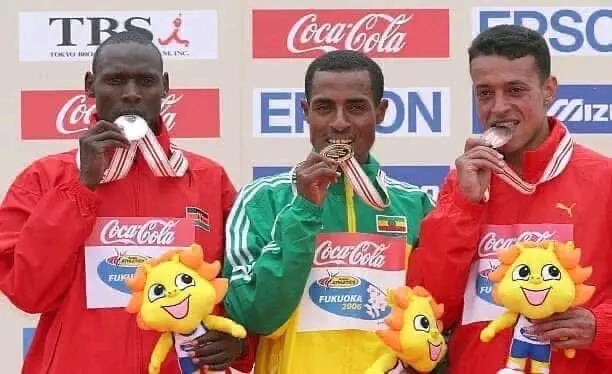
The 12.2-kilometer race unfolded with relentless intensity, as the world’s finest battled across the demanding terrain. Bekele, already a dominant force in the discipline, showcased his trademark combination of patience, precision, and devastating finishing speed. In a tightly contested finish, he surged ahead to claim victory in 35:40, narrowly holding off compatriot Sileshi Sihine, who clocked 35:43, while Kenya’s Martin Mathathi completed the podium in 35:44. The razor-thin margins highlighted the extraordinary depth and competitiveness of the field.
Behind the leading trio, Eritrea’s Zersenay Tadesse ran a strong race to finish fourth in 35:47, leading an impressive team performance. Kenya placed multiple athletes in the top ten, including Mike Kigen, Hosea Macharinyang, and Simon Arusei, demonstrating their usual strength in numbers. Eritrea, however, emerged as the surprise package of the championships. In the team standings, they stunned Ethiopia to take the silver medal, finishing just four points behind a dominant Kenyan squad that secured gold, while Ethiopia settled for bronze.
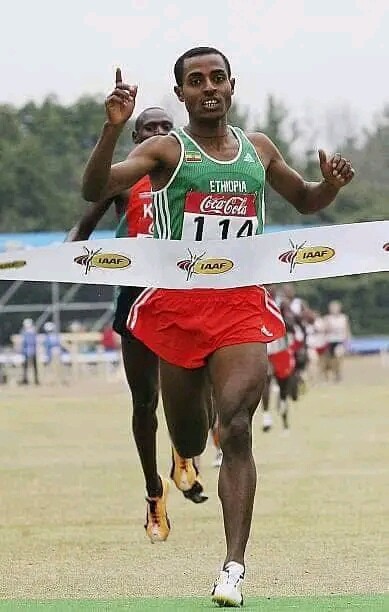
Bekele’s victory in Fukuoka was not an isolated triumph but part of an extraordinary era of dominance. From Dublin 2002 to Fukuoka 2006, he achieved an unprecedented streak, winning both the short and long course titles in each edition—an achievement that remains unmatched. His consistency, versatility, and competitive brilliance elevated him far beyond his contemporaries and redefined excellence in cross country running.
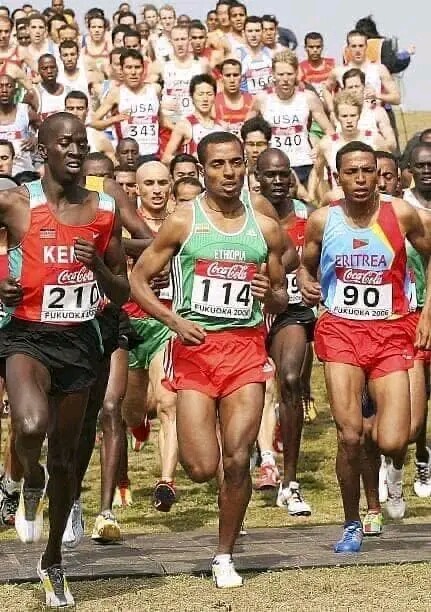
Further down the results, Mexican athletes also left their mark, led by Alejandro Suárez in 28th place (37:05) and Teodoro Vega in 30th (37:06), followed by David Galván (41st, 37:28) and César Javier Jiménez (100th, 39:27). Their performances reflected the global reach of the championships and the diverse talent drawn to the sport’s most demanding stage.
Two decades later, the memories of Fukuoka 2006 remain vivid. It was a race defined not only by fierce competition but by the enduring brilliance of Kenenisa Bekele—a champion whose legacy continues to inspire generations and whose name has become synonymous with greatness in distance running.
by Erick Cheruiyot for My Best Runs.
Login to leave a comment
Chasing the Holy Grail: Jimmy Gressier Targets 5km World Record in Lille
French distance star Jimmy Gressier is preparing to ignite the roads of Lille once again—this time with history firmly in his sights. The reigning world 10,000m champion will line up at the Urban Trail de Lille on April 4, aiming not just for victory, but for his first-ever world record.
Lille has already proven to be fertile ground for Gressier’s brilliance. It was here, just last year, that he stormed to a European 5km record of 12:57, announcing himself as one of the most formidable road runners of his generation. Now, he returns to the same streets with a far more ambitious target: the world record of 12:49, set by Ethiopia’s Berihu Aregawi in Barcelona in 2021.
This attempt marks Gressier’s first competitive outing since the World Cross Country Championships in Tallahassee on January 10. In the months since, he has retreated to altitude in South Africa, immersing himself in disciplined, high-volume training designed to sharpen both endurance and speed. The result, by his own admission, is a body primed for something extraordinary.
Gressier’s approach reflects a level of focus that borders on obsession—a necessary ingredient when chasing times that sit at the very edge of human performance. His routine is stripped of distraction and defined by precision: meticulous nutrition, early nights, relentless hydration, and an unwavering mental commitment to the craft.
“I want to break the world record for the road 5km,” Gressier revealed. “I don’t know if I’ll succeed, but I know I’ll do everything I can to reach the very top. Nothing else can distract me. That’s my mindset. I’m chasing the holy grail.”
The challenge ahead is immense. Aregawi’s 12:49 stands as one of the most demanding benchmarks in road running, requiring not only supreme fitness but near-perfect race execution. Yet Gressier’s trajectory suggests he is ready to test those limits. His blend of aggressive racing, aerodynamic efficiency, and fearless ambition makes him a genuine threat to the record.
As the Urban Trail de Lille approaches, anticipation continues to build. For Gressier, this is more than a race—it is a statement of intent, a bold declaration that he belongs among the sport’s record-breakers. Whether or not the clock yields, one thing is certain: he will leave everything on the road in pursuit of greatness.
by Erick Cheruiyot for My Best Runs.
Login to leave a comment

Lille Urban Trail 10 KM
The Lille Urban Trail is an annual world-class race taking place in Lille. Professional runners, friends wishing to stretch their legs: the Lille Urban Trail welcomes people of all levels for nighttime events to discover the city's most beautiful monuments. Every year in November, the schedule of outings in Lille sees the arrival of one of the most anticipated races...
more...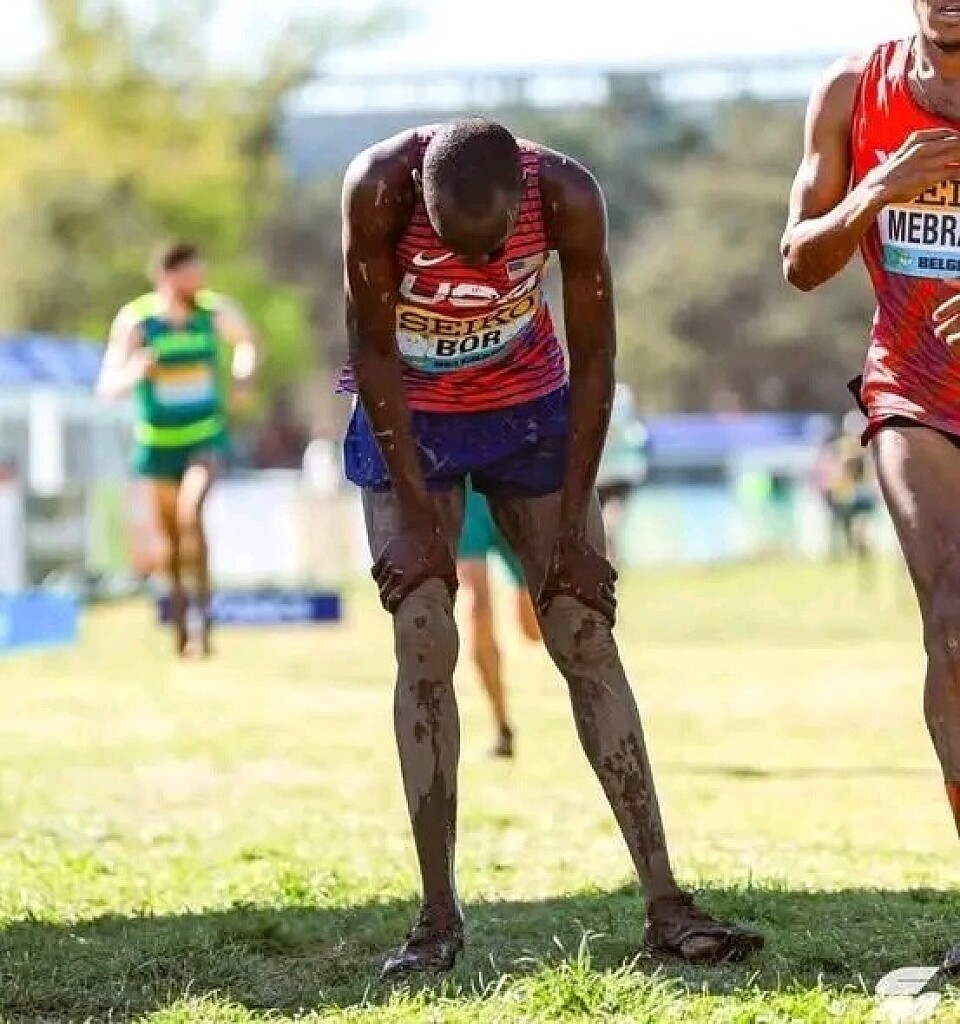
Forged in the Mud: Emmanuel Bor’s Grit Defines the Spirit of World Cross Country
On March 30, 2024, the rugged terrain of Belgrade, Serbia, once again reminded the world why cross country running remains one of the purest tests of human endurance. Amid the mud, relentless pace, and unforgiving conditions of the World Cross Country Championships, Emmanuel Bor of Team USA crossed the finish line in 25th place—far from the podium, yet deeply embedded in the essence of what the sport truly represents.

Cross country is not merely about medals or headlines; it is about resilience carved through suffering, about the quiet battles fought far from the spotlight. In Belgrade, Bor embodied that truth. Each stride across the uneven course reflected years of discipline, sacrifice, and an unyielding commitment to excellence. There are no shortcuts in this arena—no guarantees of glory—only the raw confrontation between ambition and adversity.


“Nothing comes for free,” the old sporting mantra echoes, and in races like these, its meaning is laid bare. The history of greatness is not written solely by champions, but also by those who dare to endure, to push beyond limits, and to honor the pursuit itself. Bor’s performance stands as a testament to that enduring philosophy.
In the grand narrative of cross country, every finisher contributes to the story. And on that day in Belgrade, Emmanuel Bor reminded us that even beyond the podium, there is dignity, purpose, and a quiet kind of greatness reserved for those who refuse to stop chasing their dreams.
by Erick Cheruiyot for My Best Runs.
Login to leave a comment
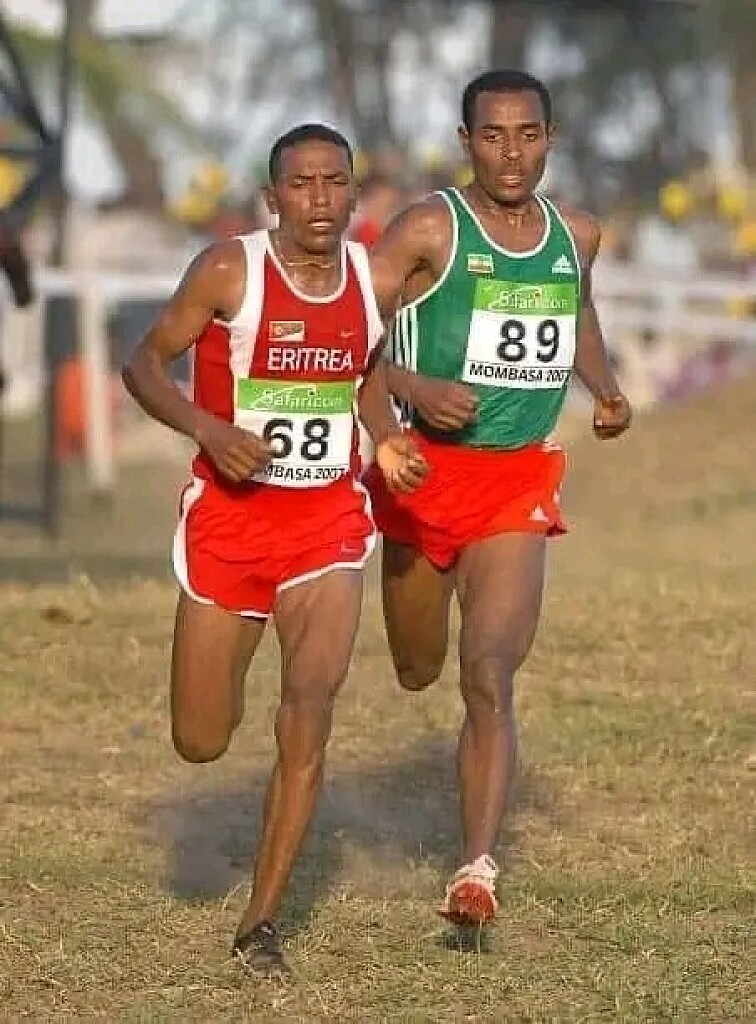
On This Day in Mombasa: The Fall of a King and the Rise of a Warrior
On this day, March 24, 2007, the coastal city of Mombasa bore witness to one of the most dramatic and unforgettable chapters in the history of cross country running at the IAAF World Cross Country Championships. Under the unforgiving tropical heat and humidity, legends clashed, expectations shattered, and a new champion carved his name into greatness.
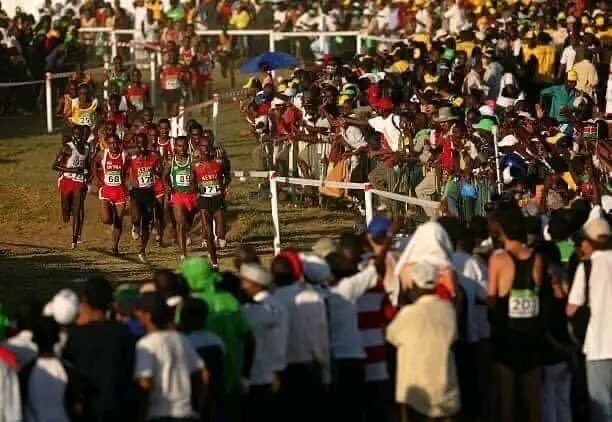
All eyes were firmly fixed on Kenenisa Bekele, the Ethiopian icon who arrived as a five-time consecutive world champion, a man who had turned dominance into routine. For years, Bekele had ruled the muddy fields and grassy plains of cross country with unmatched authority. But on this sweltering Kenyan afternoon, the script took an unexpected and dramatic turn.
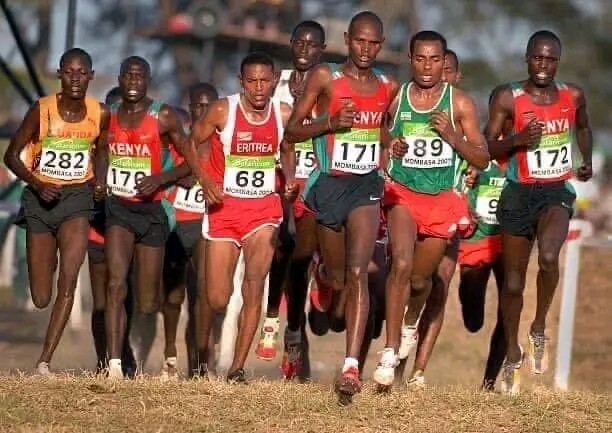
From the early stages of the race, it was clear that conditions were brutal. The heat drained even the strongest athletes, turning the course into a true test of endurance and resilience. Among those undeterred was Zersenay Tadese of Eritrea, a determined and fearless competitor who sensed a rare opportunity.
As the race unfolded, Tadese surged with intent, applying relentless pressure. Bekele, usually composed and untouchable, began to show signs of distress. In a moment that stunned spectators around the world, the Ethiopian legend struggled to respond. A few strides later, after narrowly avoiding a fall, Bekele made the unthinkable decision—he stepped off the course and abandoned the race.
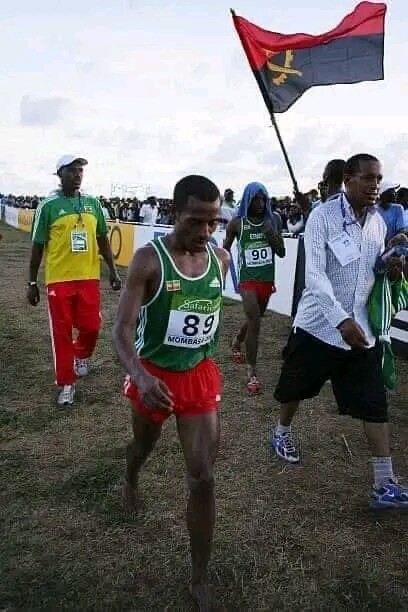
It was a moment that sent shockwaves through the athletics world. The reign of a king had abruptly ended, not with defeat at the finish line, but with surrender to the elements and the intensity of competition.
Seizing the moment with courage and conviction, Tadese powered ahead, unchallenged in the final stages. With strength etched on every stride, he crossed the line in 35:50, claiming a historic and emotional victory for Eritrea. Behind him, Kenya’s own Moses Mosop and Bernard Kiprop Kipyego rose to the occasion, securing silver and bronze medals respectively in front of a passionate home crowd.
What unfolded in Mombasa that day was more than just a race—it was a powerful reminder of the unpredictable beauty of sport. Even the greatest can falter, and in that very moment, new heroes emerge.
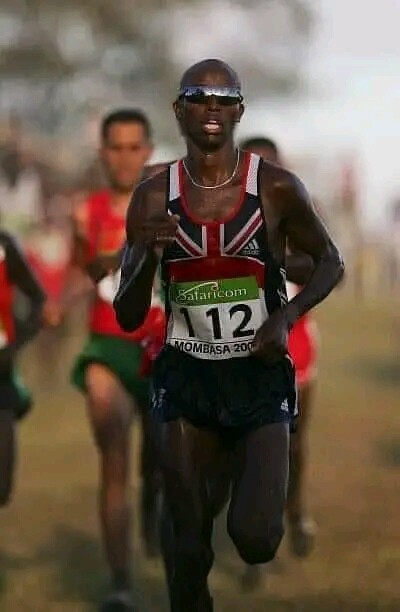
Top 10 Finishers – Senior Men (12 km):
1. Zersenay Tadese (Eritrea) – 35:50
2. Moses Mosop (Kenya) – 36:13
3. Bernard Kiprop Kipyego (Kenya) – 36:37
4. Gideon Ngatuny (Kenya) – 36:43
5. Hosea Macharinyang (Kenya) – 36:46
6. Michael Kipyego (Kenya) – 37:04
7. Tadese Tola (Ethiopia) – 37:04
8. Mubarak Hassan Shami (Qatar) – 37:09
9. Edwin Cheruiyot Soi (Kenya) – 37:27
10. Martin Toroitich (Uganda) – 37:31
Years later, the echoes of that race still linger. It remains a defining moment—where greatness was tested, vulnerability revealed, and history rewritten on the sun-scorched fields of Mombasa.
by Erick Cheruiyot for My Best Runs.
Login to leave a comment
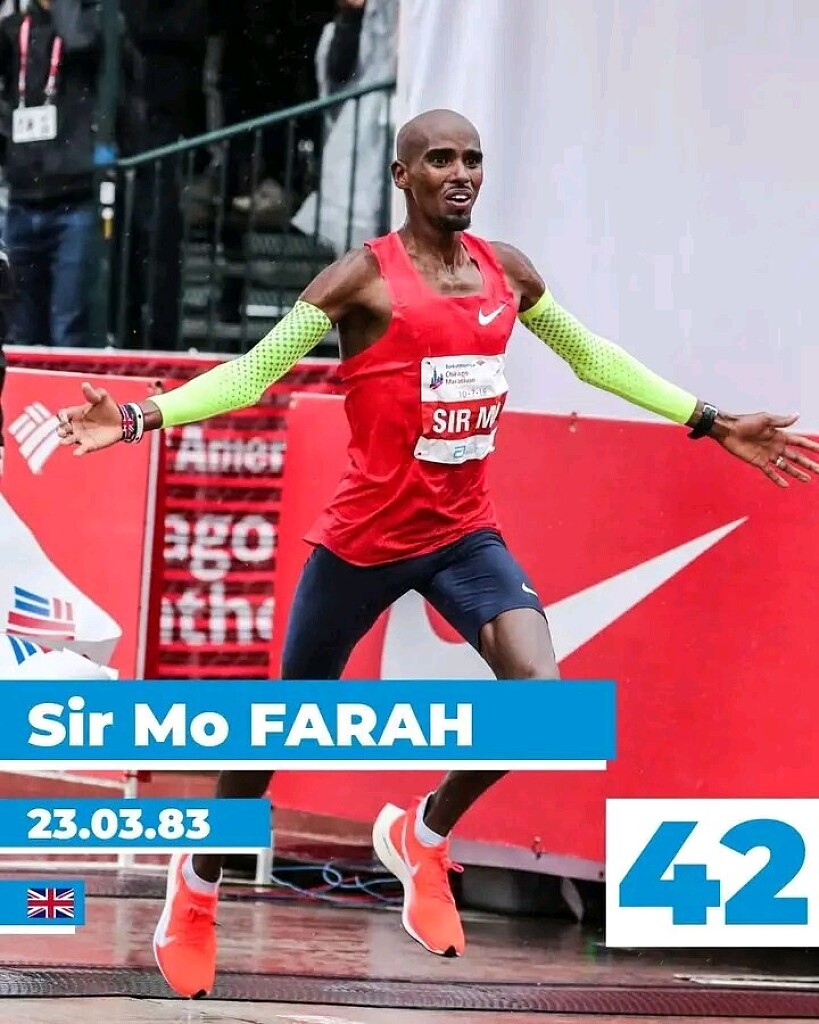
From Lost Beginnings to Olympic Immortality: The Unyielding Rise of Mo Farah
Born on March 23, 1983, in Somalia, Mo Farah did not enter the world with the privileges of certainty or stability. His early years were shaped by separation and sacrifice. At just eight years old, he moved to the United Kingdom, leaving behind not only his homeland but also his twin brother, who remained in Africa due to illness. It was a childhood marked by displacement, language barriers, and the quiet struggle to belong.
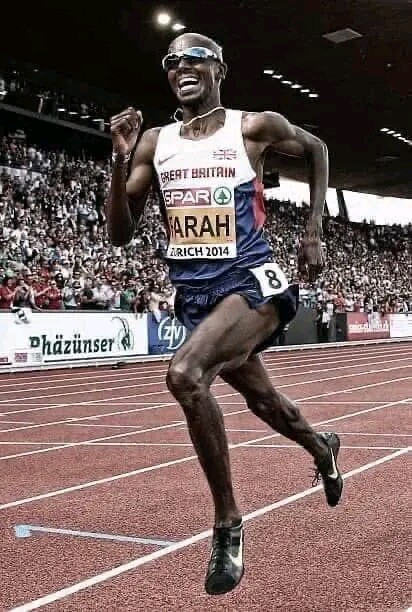
Growing up in London, Farah’s life changed direction thanks to a perceptive physical education teacher who noticed something extraordinary in the young boy: a natural gift for running. What began as a simple discovery soon evolved into a relentless pursuit. Through the muddy, unforgiving courses of cross country, he started carving his identity—step by step, race by race.
By the age of 14, Farah had already claimed his first national school title, a glimpse of the greatness to come. At 18, he rose to continental prominence, securing the European junior crown. Yet, beyond medals, a deeply personal victory awaited him—at 20, he was reunited with his long-lost twin brother, closing a chapter that had shaped much of his early emotional journey.
As the years progressed, Farah transformed from a promising athlete into a dominant force across Europe and the world. At 23, he became the European cross country champion. By 26, he had conquered the European indoor 3000 meters while continuing to shine on the cross country stage. His prime years brought an avalanche of triumphs: European titles in both the 5000m and 10,000m, followed by global dominance.
The turning point in his career came when he made the bold decision to relocate to the United States to train under renowned coach Alberto Salazar. There, Farah reinvented himself. He refined his tactics, strengthened his endurance, and embraced a level of discipline that elevated him from contender to champion.
What followed was nothing short of historic. At the London 2012 Olympics, Farah etched his name into sporting folklore by winning gold in both the 5000m and 10,000m—a feat he repeated at the Rio 2016 Olympics. Four Olympic gold medals. A legacy sealed in endurance and brilliance.
His dominance extended beyond the Olympic stage. He captured multiple World Championship titles, including unforgettable performances in Moscow and Beijing, and continued to reign supreme at the European level. Even as he transitioned to longer distances, Farah’s hunger remained unshaken—setting a European marathon record and later breaking the world hour record with an astonishing 21,330 meters, surpassing the mark set by Haile Gebrselassie.
Yet behind the medals and milestones lies a deeper truth. Farah’s journey was never smooth. There were defeats, injuries, and moments when doubt crept dangerously close. Early in his career, critics questioned whether he had what it took to dominate on the global stage. But instead of retreating, he responded with resilience—choosing effort over excuses, persistence over fear.
Today, as Mo Farah celebrates his 42nd birthday, his story stands as a powerful testament to the human spirit. He was not born a champion—he became one through relentless determination, sacrifice, and an unbreakable will to go further when it mattered most.
His life reminds us that greatness is not defined by where you begin, but by how fiercely you pursue where you want to go. Obstacles are inevitable. Doubt is unavoidable. But those who rise above are the ones who, like Farah, choose to push harder, dig deeper, and never settle for less than their potential.
Because in the end, the path to greatness is not given—it is earned, one stride at a time.
by Erick Cheruiyot for My Best Runs.
Login to leave a comment
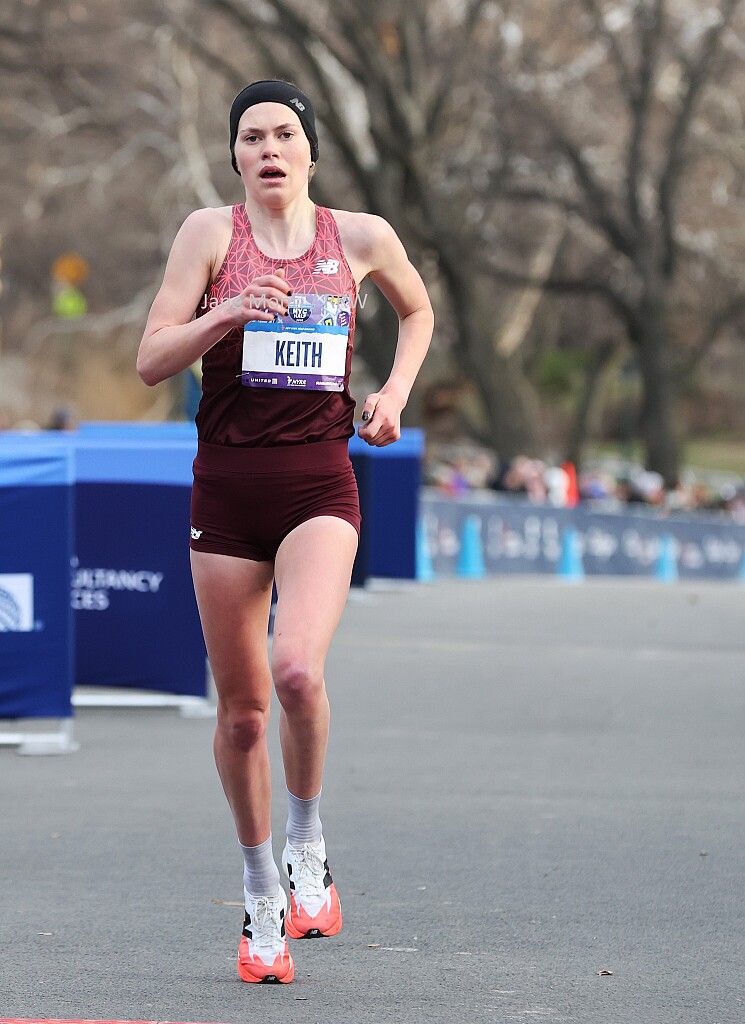
Megan Keith Shines on Half-Marathon Debut with Historic Podium at NYC Half
Scottish distance star Megan Keith delivered a remarkable performance in her first attempt at the half-marathon distance, finishing third at the New York City Half Marathon and setting a new benchmark for debutants in the race’s history.
Competing against a deep international field on the streets of New York, Keith crossed the finish line in an impressive 1:07:13, the fastest time ever recorded by a woman making her debut at the prestigious event. The performance marked a confident and mature step up for the Scottish runner, who adapted seamlessly to the demands of the 21.1-kilometre distance.
From the early miles, Keith positioned herself among the leading group, displaying composure and strength as the race unfolded through the city’s iconic course. As the pace intensified in the latter stages, she remained resilient, holding her form and determination to secure third place on the podium in a highly competitive race.
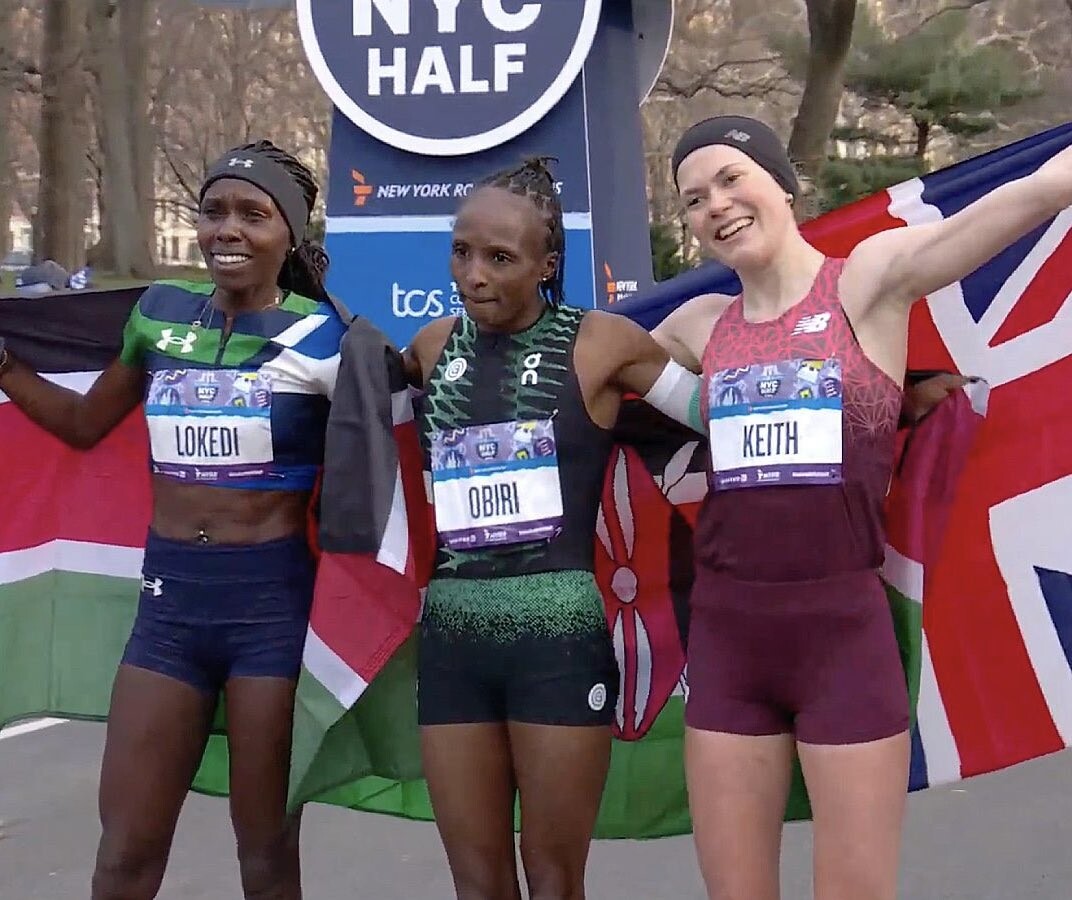
Keith is a Scottish long-distance runner who competes across track, cross country, and road racing, representing both Great Britain and Scotland on the international stage. Over the past few seasons she has steadily established herself as one of the rising talents in British distance running, known for her endurance, tactical awareness, and fearless racing approach.
Her ascent in the sport gathered significant momentum through a series of strong performances in cross country and track competition. Keith developed through the British university and club athletics system, gradually progressing from promising prospect to international contender as she sharpened her competitive edge against elite opposition.
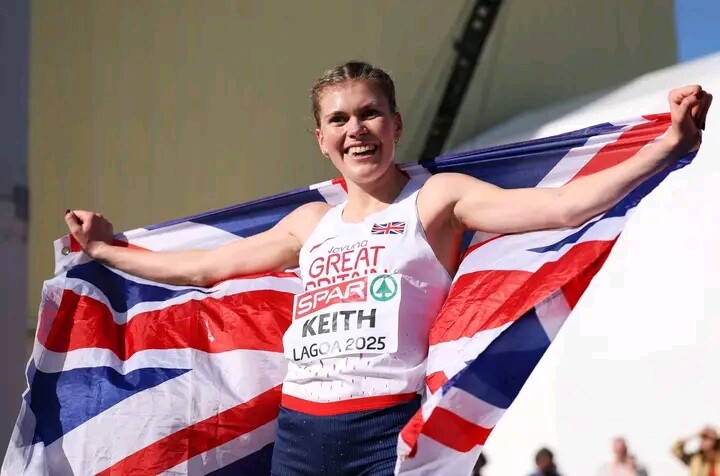
A defining breakthrough arrived in 2023 when she captured the senior women’s title at the European Cross Country Championships. That victory not only confirmed her status among Europe’s most promising distance runners but also highlighted her natural strength over longer distances—qualities that suggested a bright future on the roads.
Her historic debut in New York now adds another milestone to that growing résumé. Blending track speed with endurance built through years of cross-country racing, Keith demonstrated that she possesses the tools required to thrive over the half-marathon distance.
With her combination of resilience, tactical intelligence, and steady progression, Keith is increasingly viewed as a future contender in major international road races and championships. If her performance in New York is any indication, the Scottish star may eventually extend her success even further—potentially stepping up to the marathon distance as her career continues to evolve.
by Erick Cheruiyot for My Best Runs.
Login to leave a comment

All Eyes on Agnes Ngetich as World-Class Field Gathers for New York City Half Marathon
Before dawn breaks over the towering skyline of Manhattan, the city begins to stir with a familiar rhythm. The streets that rarely sleep slowly fill with anticipation — runners stretching under the glow of streetlights, spectators gathering along the sidewalks, and the distant echo of footsteps preparing to turn New York into a theater of endurance. On Sunday, March 15, 2026, the New York City Half Marathon promises more than just another race; it will be a global showcase of speed, courage, and relentless ambition.
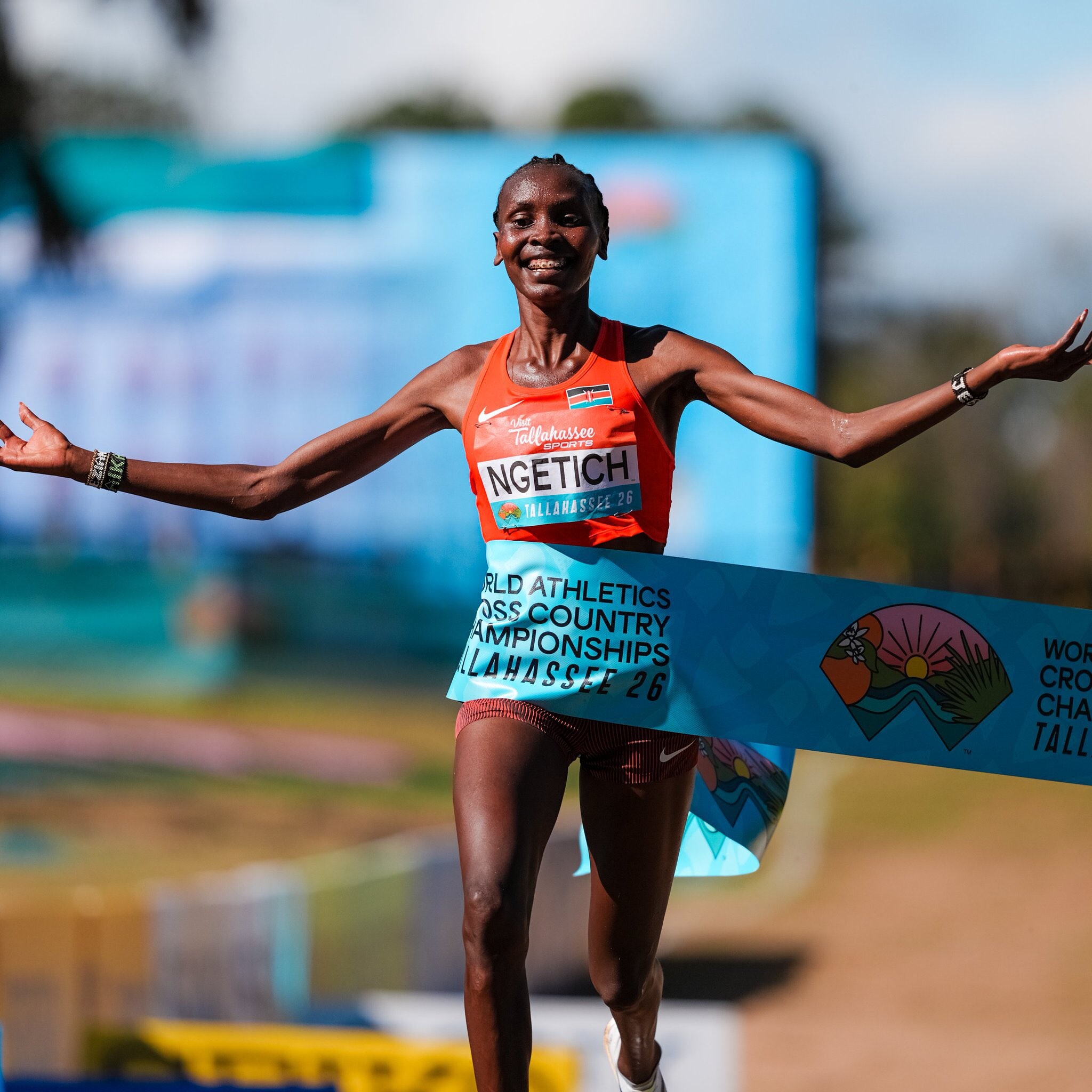
At the center of this unfolding spectacle stands Agnes Jebet Ngetich, the Kenyan long-distance phenomenon whose rise through the ranks of world athletics has been both swift and remarkable.
“Of course Lokedi is there. Of course Obiri is there,” she said with calm confidence while acknowledging the elite competition assembled for the race. “But then I’m there to run my race.”
Those few words reveal the quiet self-belief that has defined Ngetich’s journey.
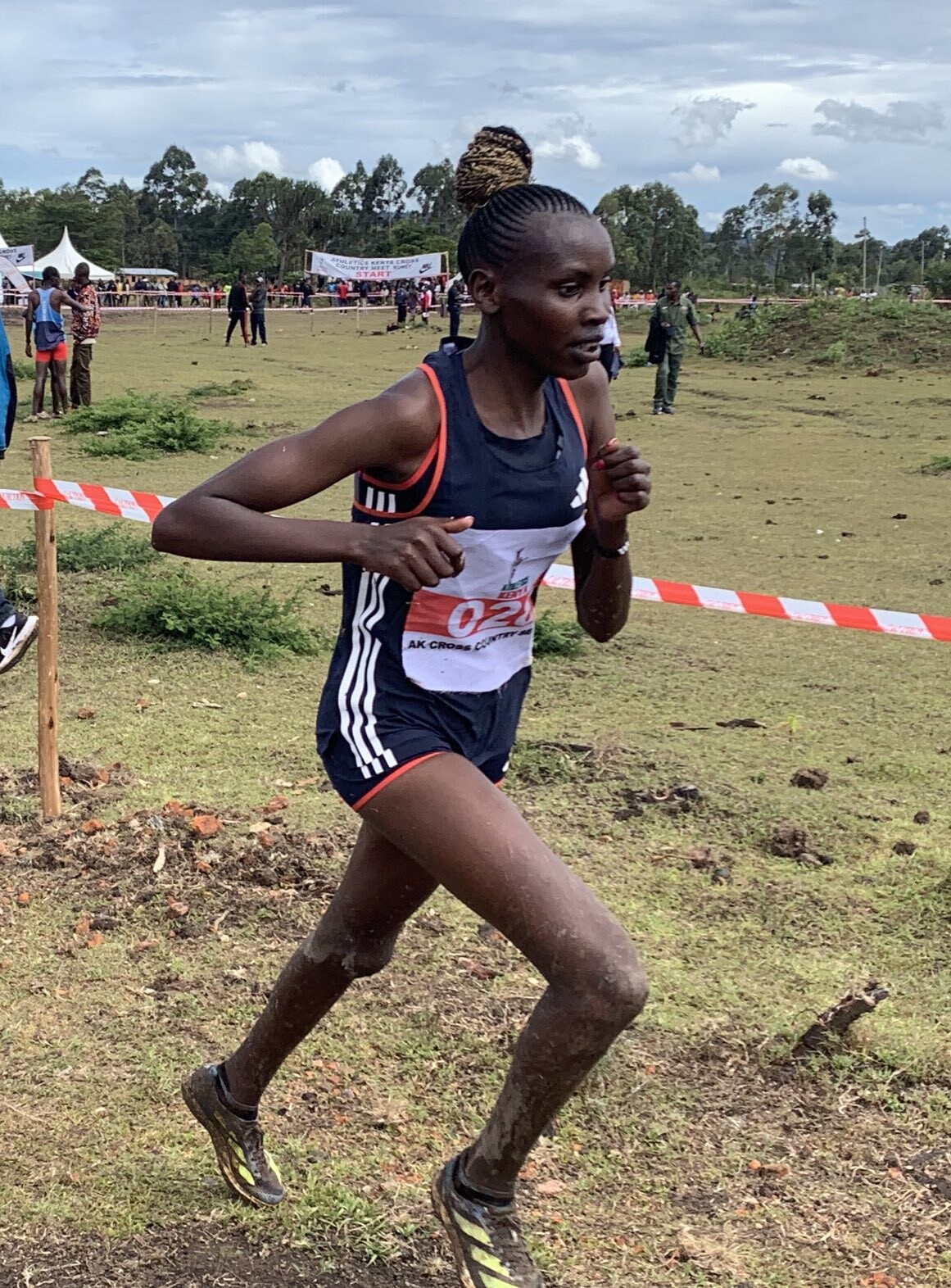
Born on January 23, 2001, in Kenya’s Keiyo District, a region renowned for producing some of the world’s greatest distance runners, Ngetich has steadily transformed from a promising young athlete into one of the most exciting talents in global athletics. Her career has flourished across multiple terrains — from the rugged intensity of cross-country courses to the fast, unforgiving asphalt of the world’s biggest road races.
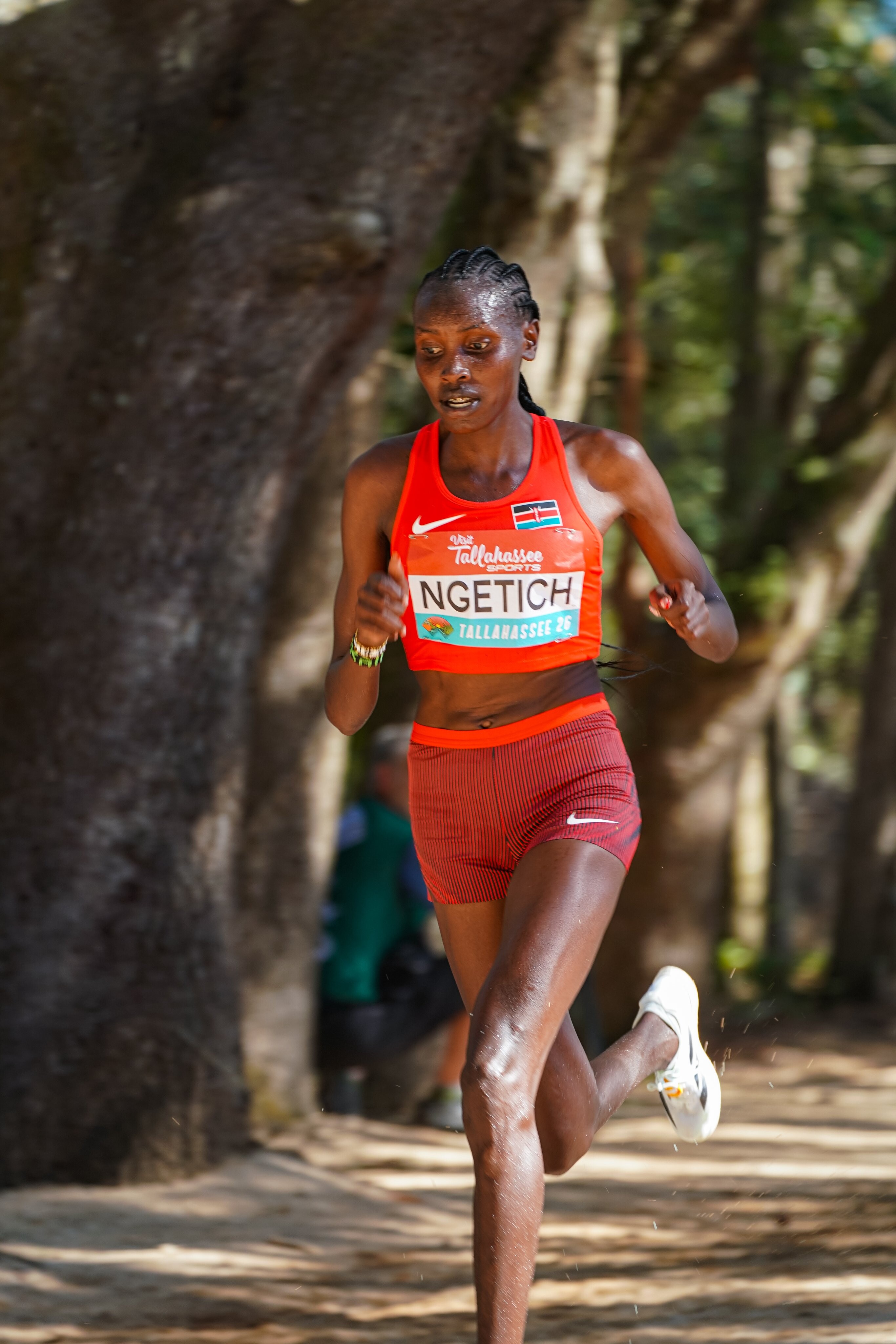
Her breakthrough on the global stage came through cross-country running, where her resilience and strength quickly caught international attention. After earning individual bronze and helping Kenya secure team gold at the World Cross Country Championships in 2023, she continued her upward trajectory with a defining triumph in 2026, capturing the senior women’s world title in Tallahassee, Florida. That victory cemented her reputation as one of the sport’s most formidable competitors.
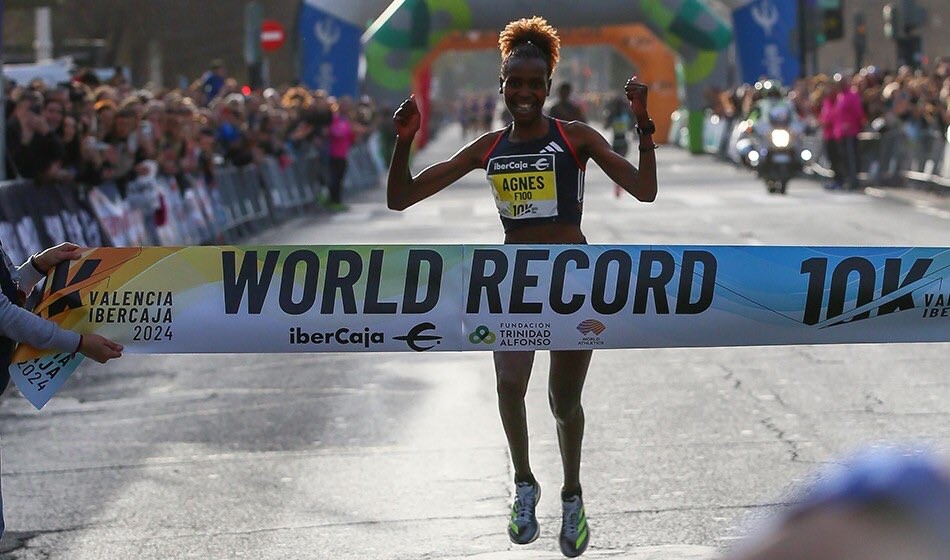
On the roads, Ngetich has been equally spectacular. In January 2024, racing through the streets of Valencia, Spain, she delivered one of the most historic performances in distance running history, becoming the first woman ever to complete a 10-kilometre road race in under 29 minutes, clocking a breathtaking 28:46. She has also recorded one of the fastest half-marathon times ever run by a woman, with a personal best of 1:03:04, further solidifying her place among the sport’s elite.
Yet beyond the records and accolades lies the essence of what makes Agnes Ngetich so compelling. She combines fierce competitiveness with remarkable tactical intelligence, capable of adapting to the unpredictable rhythm of championship racing. Her preparation reflects that balance — long, punishing threshold runs at sunrise, grueling hill sessions that test endurance and character, and carefully structured recovery days designed to sharpen both body and mind.
This disciplined approach has shaped a runner who is not only physically formidable but mentally resilient — a competitor who thrives under pressure and understands that greatness is built one stride at a time.
The challenge awaiting her in New York will be formidable. The women’s elite field assembled for the race is among the deepest of the season, bringing together Olympic medalists, global champions, and emerging stars from around the world.
Women’s Elite Field – New York City Half Marathon (March 15, 2026)
1. Agnes Ngetich – 1:03:04
2. Hellen Obiri – 1:04:22
3. Fantaye Belayneh – 1:04:49
4. Sharon Lokedi – 1:05:00
5. Konstanze Klosterhalfen – 1:05:41
6. Emily Sisson – 1:06:52
7. Calli Hauger-Thackery – 1:06:58
8. Natosha Rogers – 1:07:30
9. Annie Frisbie – 1:07:34
10. Amanda Vestri – 1:07:35
11. Dakotah Popehn – 1:07:42
12. Emily Durgin – 1:07:54
13. Diane Van Es – 1:08:03
14. Sarah Lahti – 1:08:19
15. Susanna Sullivan – 1:08:44
16. Emily Venters – 1:08:48
17. Mercy Chelangat – 1:08:57
18. Lauren Gregory – 1:09:12
19. Lindsay Flanagan – 1:09:17
20. Natasha Wodak – 1:09:41
21. Stephanie Bruce – 1:09:55
22. Julia Paternain – 1:10:16
23. Elena Hayday – 1:10:56
24. Felicia Pasadyn – 1:11:29
25. Erika Priego – 1:15:55
26. Gabrielle Yatauro – 1:15:59
27. Alosha Southern – 1:16:40
28. Megan Keith – Debut
With such a powerful lineup, the race promises to unfold as a thrilling tactical battle through the streets of New York. Yet for Agnes Ngetich, the objective remains simple and unwavering: to run her own race.
As the race unfolds across the vibrant streets of Manhattan, the athletes will surge forward through some of the city’s most iconic landmarks — racing past roaring crowds, through Times Square, and into Central Park, where the final decisive strides will be taken. It is along this unforgettable stretch that champions are often revealed, and where the drama of the New York City Half Marathon reaches its crescendo.
As the morning sun rises over Manhattan and the pack surges forward, Ngetich will carry with her the hopes of a proud running nation and the confidence of an athlete who knows she belongs among the very best. And when the final miles begin to bite and the finish line draws near, she will not simply be chasing victory — she will be writing another chapter in a remarkable journey defined by courage, resilience, and the fearless pursuit of greatness.
by Erick Cheruiyot for My Best Runs.
Login to leave a comment

United Airlines NYC Half-Marathon
The United Airlines NYC Half takes runners from around the city and the globe on a 13.1-mile tour of NYC. Led by a talent-packed roster of American and international elites, runners will stop traffic in the Big Apple this March! Runners will begin their journey on Prospect Park’s Center Drive before taking the race onto Brooklyn’s streets. For the third...
more...
NYC HALF MARATHON 2026 – ELITE MEN READY TO LIGHT UP CENTRAL PARK
The first rays of dawn slice through the towering skyline of New York City, and the streets surrounding Central Park, the iconic venue of the NYC Half Marathon 2026, hum with anticipation. On Sunday, March 15, 2026, fans and runners alike converge on the city’s most famous park, flags waving and cameras clicking, hearts racing in sync with the city’s heartbeat. Volunteers adjust barricades, photographers focus their lenses, and the world’s fastest men stretch with a mix of calm and tension—the calm before the storm. From the leafy loops of Central Park to the bridges spanning the East River, the city seems to hold its breath, ready to witness history.

The air is thick with excitement. Coaches give last-minute instructions; elite athletes exchange polite nods and steely glances, each calculating pace, strategy, and the perfect moment to strike. Sirens echo faintly in the distance, signaling the approaching race vehicles, while the smell of morning coffee mixes with the cool March air. Somewhere high above, the first light glints off glass towers, reflecting the golden promise of competition. In this city of dreams, ambitions, and grit, every step matters—and the men’s elite field of the NYC Half Marathon 2026 is about to prove it.
Race Schedule – Men’s Elite
Date & Venue: Sunday, March 15, 2026 – Central Park, New York City, USA
New York (EDT): 7:00 AM
Kenya (EAT): 2:00 PM (+7 hours from NYC)
Japan (JST): 8:00 PM (+13 hours from NYC)
Thailand (ICT): 6:00 PM (+11 hours from NYC)
Australia Sydney/Melbourne (AEDT): 10:00 PM (+15 hours from NYC)
USA Pacific (PDT): 4:00 AM (−3 hours from NYC)
Champions, Contenders, and Rising Stars
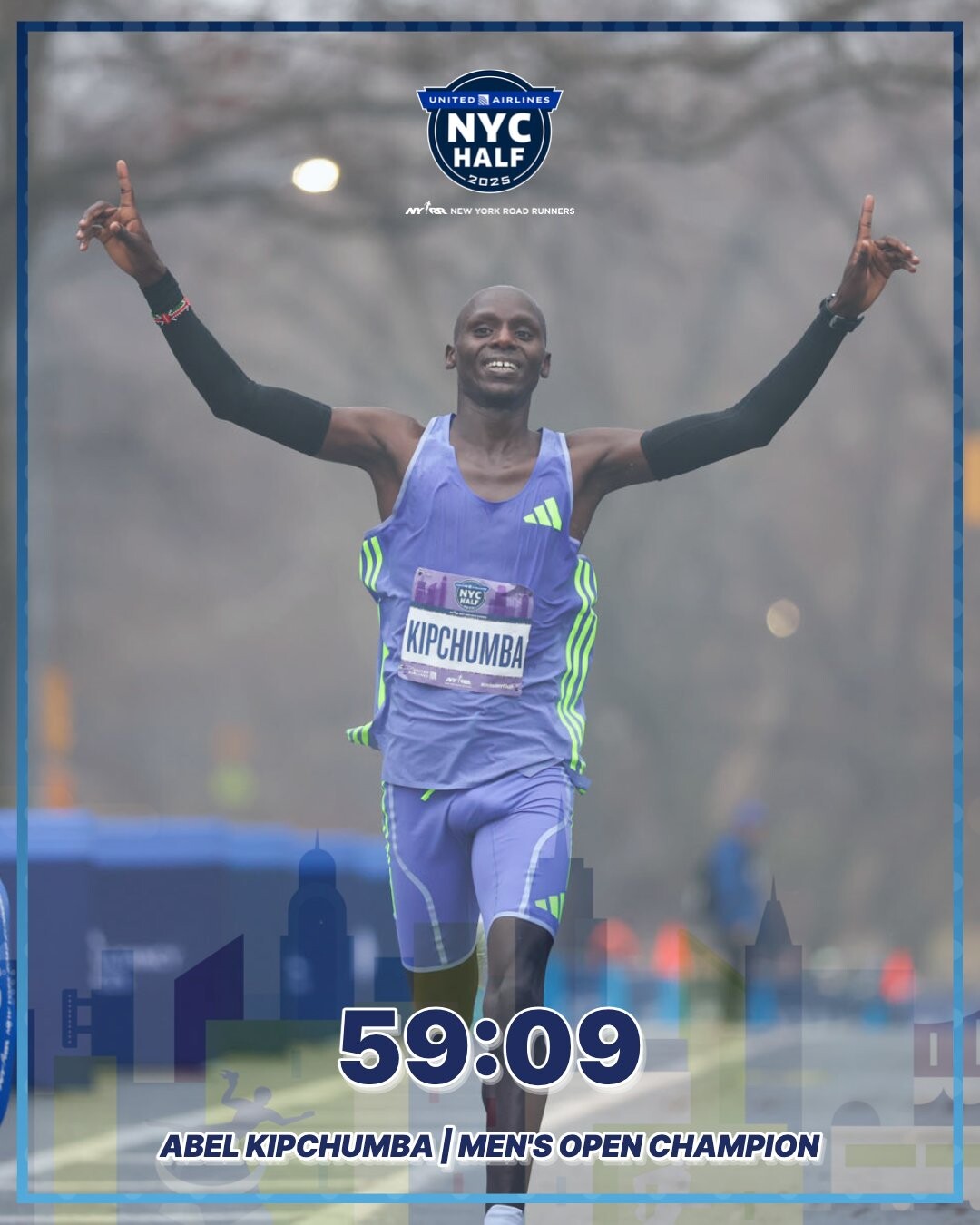
At the heart of this high-stakes drama is Abel Kipchumba of Kenya, last year’s champion, whose lightning-fast 58:07 PB from Valencia 2021 has runners and fans alike holding their breath. Kipchumba returns to defend his crown, but the field has grown stronger, faster, and hungrier than ever.
Challenging him will be Daniel Ebenyo of Kenya, bronze medalist at the 2026 World Cross Country Championships, Grant Fisher of the United States, two-time Olympic bronze medalist making his half marathon debut, and Rory Linkletter of Canada, Canada’s national record holder. Each brings a unique blend of speed, endurance, and tactical cunning that could turn any mile into a decisive moment.
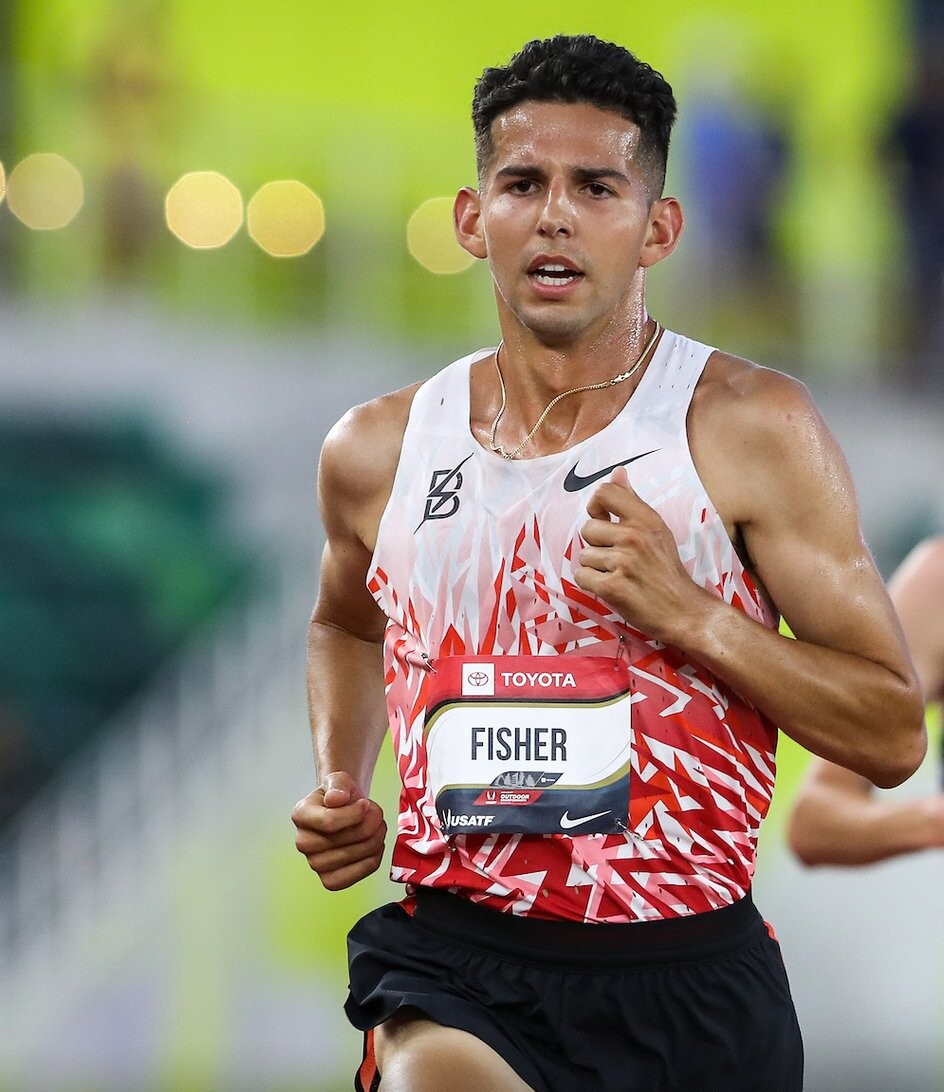
Team USA brings an extraordinary depth of talent, including Galen Rupp, Ryan Ford, Alex Maier, Zouhair Talbi, and Joe Klecker, promising a race filled with high stakes, strategic surges, and perhaps a new record etched into the streets of Manhattan.
Men’s Elite Field – NYC Half Marathon 2026
Athlete
Country
PB / Notable Performance
1. Abel Kipchumba
Kenya
58:07 (Valencia 2021)
2. Daniel Ebenyo
Kenya
59:04 (Manama 2022)
3. Adriaan Wildschutt
South Africa
59:13 (Valencia 2025)
4. Patrick Kiprop
Kenya
59:14 (Houston 2026)
5. Mohammed El Youssfi
Morocco
59:21 (Houston 2026)
6. Alex Maier
United States
59:23 (Houston 2026)
7. Galen Rupp
United States
59:47 (Ostia 2018)
8. Ryan Ford
United States
59:48 (Houston 2026)
9. Sondre Nordstad Moen
Norway
59:48 (Valencia 2017)
10. Rory Linkletter
Canada
59:49 (Houston 2026)
11. Patrick Dever
United Kingdom
1:00:11 (Houston 2025)
12. Zouhair Talbi
United States
1:00:41 (NYC Half 2024)
13. Rui Aoki
Japan
1:00:45 (Ageo 2025)
14. Shunsuke Kuwata
Japan
1:00:48 (Ageo 2025)
15. Tsegay Tuemay Weldlibanos
Eritrea
1:00:50 (Houston 2018)
16. Alex Masai
Kenya
1:00:51 (Houston 2026)
17. Jack Rowe
United Kingdom
1:00:53 (Copenhagen 2025)
18. Joe Klecker
United States
1:01:06 (Houston 2025)
19. Peter Lynch
Ireland
1:01:15 (Houston 2025)
20. Camren Todd
United States
1:01:23 (Houston 2026)
21. Hendrik Pfeiffer
Germany
1:01:28 (Larne 2025)
22. Benjamin Preisner
Canada
1:02:25 (Houston 2025)
23. Jacob Thomson
United States
1:02:26 (Riga 2023)
24. Joel Reichow
United States
1:02:30 (Duluth 2023)
25. Max Turek
Canada
1:02:45 (Boston 2024)
26. Haftu Knight
United States
1:02:47 (Chicago 2025)
27. Matthew Leach
United Kingdom
1:02:57 (Houston 2020)
28. Nick Hauger
United States
1:03:06 (NYC Half 2025)
29. Kieran Tuntivate
Thailand
1:03:19 (South Shields 2025)
30. Turner Wiley
United States
1:04:04 (Hardeeville 2021)
31. Owen Ritz
United States
1:04:34 (RBC Brooklyn Half 2024)
32. Evan Sherman
United States
1:04:51 (Indianapolis 2025)
33. Charlie Lawrence
United States
1:05:07 (Houston 2022)
34. Grant Fisher
United States
Debut
35. Gulveer Singh
India
Debut
The starting gun cracks through the morning calm. The elite men surge forward, every stride a blend of power, precision, and daring. The NYC Half Marathon 2026 at Central Park unfolds like a living story—each mile a chapter, each sprint a dramatic twist. Legends may rise, records may fall, but one thing is certain: Manhattan will witness an unforgettable morning of speed, endurance, and sheer determination.
by Erick Cheruiyot for My Best Runs.
Login to leave a comment
United Airlines NYC Half-Marathon
The United Airlines NYC Half takes runners from around the city and the globe on a 13.1-mile tour of NYC. Led by a talent-packed roster of American and international elites, runners will stop traffic in the Big Apple this March! Runners will begin their journey on Prospect Park’s Center Drive before taking the race onto Brooklyn’s streets. For the third...
more...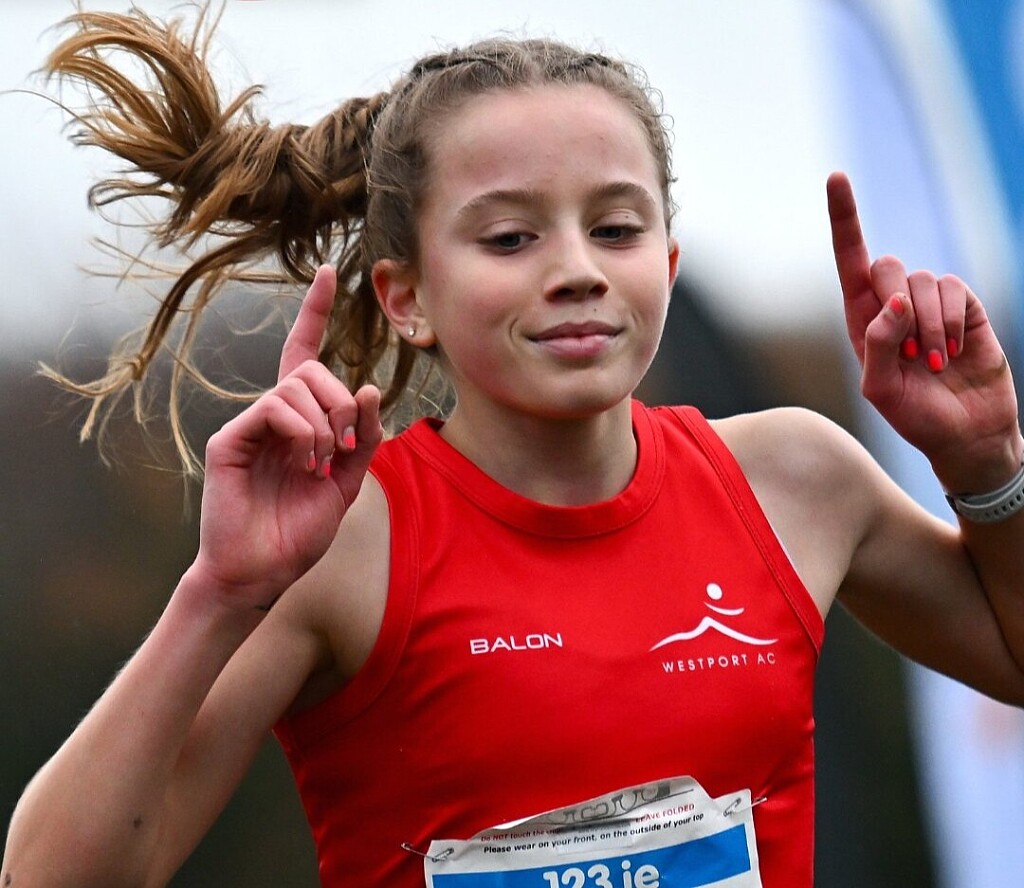
Inspired by Greatness: Irish Teen Sensation Freya Renton Lights Up the London Cross Challenge
At just 15 years old, rising Irish talent Freya Renton delivered a performance far beyond her years, stunning the fields at the London Cross Challenge with a commanding run that left both the under-17 and under-20 competitors trailing in her wake.
The teenager from Westport produced one of the most eye-catching performances of the event, racing to victory in the under-17 category with remarkable authority. Renton finished nearly a full minute ahead of the rest of the under-17 field — a margin that underlined just how dominant her display was on the demanding cross-country course. Even more impressively, her time would also have comfortably secured victory in the under-20 race, where she was still 25 seconds faster than the winner of that older category.
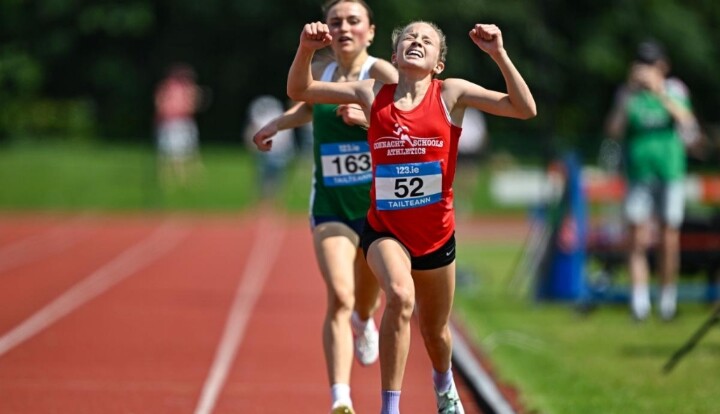
For a runner so young, the composure and strength she showed across the muddy terrain signaled the arrival of a talent with extraordinary potential. Renton’s run was not just a win — it was a statement performance that hinted at a bright future for Irish distance running.
Behind that performance lies inspiration drawn from some of the sport’s most celebrated figures. Renton has openly spoken about the athletes who ignited her passion for running, pointing to two of the sport’s standout middle-distance stars: Kenya’s legendary Olympic champion Faith Kipyegon and Ireland’s European champion Ciara Mageean.
“Both Faith Kipyegon and Ciara Mageean inspired me into running,” the young athlete revealed, highlighting how watching elite runners compete at the highest level fueled her own ambition to follow the same path.
Despite her youth, Renton already carries clear ambitions for the season ahead. The Westport prodigy has set her sights firmly on representing Ireland on the international stage in 2026, with the European Athletics U18 Championships and the European Cross Country Championships standing as her major targets.
If her performance in London is any indication, those dreams may not be far from reality. With natural talent, inspiration from world-class athletes, and a fearless racing spirit, Freya Renton appears to be carving out the early chapters of what could become a remarkable running journey.
For now, the Irish teenager continues to run with the joy and determination of someone chasing a dream — one stride at a time — while the athletics world begins to take notice.
by Erick Cheruiyot for My Best Runs.
Login to leave a comment
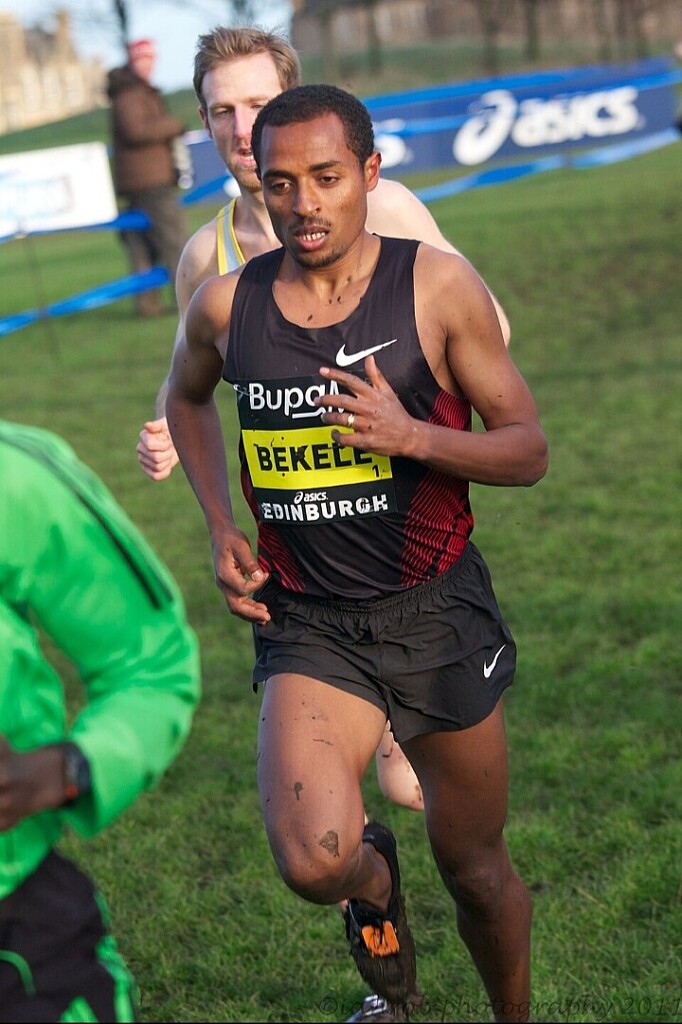
The Relentless Flame: Kenenisa Bekele and the Art of Running Beyond Limits
There are athletes who win races, and then there are rare souls whose movement feels almost like poetry — effortless yet powerful, gentle yet unstoppable. On a warm August evening in Brussels in 2001, under the honey-gold glow of stadium lights, a slender Ethiopian teenager floated across the track with a quiet certainty that something extraordinary was unfolding.
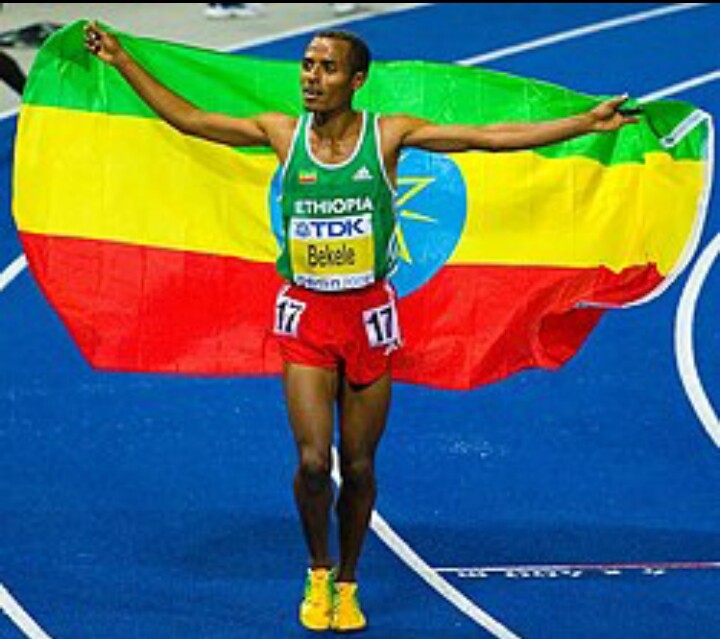
The crowd watched, curious at first, then captivated. When the clock stopped at 7:30.67 for 3000 metres at the Memorial Van Damme, applause filled the air. It was announced as a world junior record, but what lingered was not just the number — it was the feeling. The feeling of witnessing hunger wrapped in grace, ambition wrapped in innocence.
The teenager was Kenenisa Bekele, and even then, you could sense he was not chasing applause. He was chasing possibility.
For three and a half years, that junior record stood as a quiet monument to ambition before Augustine Choge eventually lowered it. Records, after all, are built to fall. Yet the resonance of Bekele’s performance lingered — the unmistakable arrival of a force that would soon redefine distance running.
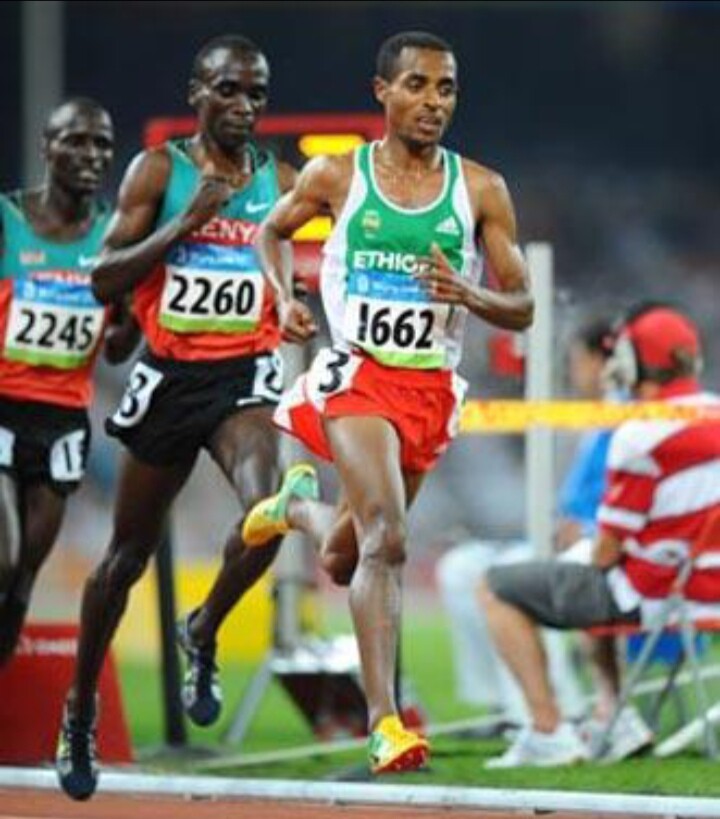
Even before Brussels, his ascent had begun to take shape in unexpected corners of Europe. In the small Dutch town that hosts the Montferland Run, he collected victories in 2000 and 2001 with an almost casual authority. Fifteen kilometres through winter air and narrow streets looked less like competition and more like controlled expression. But nothing about Bekele was ever routine. Beneath the calm exterior was a furnace of ambition.
Then came the terrain where legends are forged — mud, grass, cold wind, and pain — the IAAF World Cross Country Championships. Between 2002 and 2006, Bekele achieved something so extraordinary it borders on myth: he won both the short course and long course titles every single year for five consecutive seasons. No athlete before or since has replicated such dominance. The physiological toll alone should have made it impossible — the explosive intensity of the short race followed by the grinding endurance of the long. Yet he returned each year stronger, hungrier, untouchable.
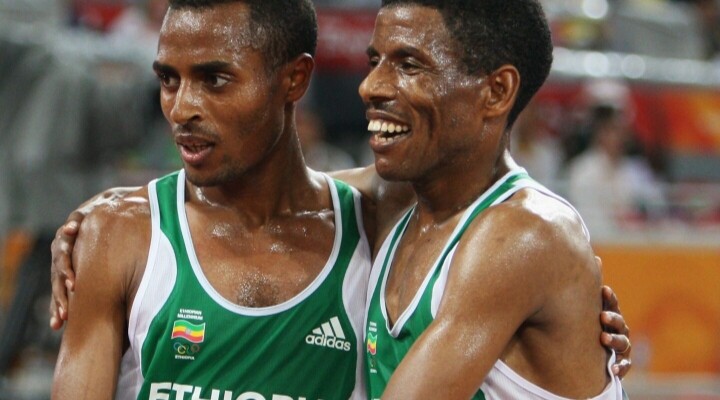
When the short course was discontinued after 2006, he stepped away briefly, then returned in 2008 to claim the long-course crown once more, almost ceremonially, as though closing a chapter he himself had authored. By then his cross-country medal collection had reached staggering proportions — nineteen in total, including eleven senior individual golds. Statistics struggled to contain the scale of his supremacy.
But numbers alone never explained the aura.
On the track, Bekele possessed an almost predatory intelligence. He would sit quietly in the pack, conserving energy with deceptive ease. Then, with laps remaining, something would ignite. At the 2003 Bislett Games in Oslo, he tracked down the Kenyan leader with chilling precision before unleashing a decisive kick to win in 12:52.26. It was not merely speed — it was timing, instinct, and psychological dominance. Rivals knew the surge was coming. They simply could not stop it.
And hovering over his rise was a rivalry that felt almost epic in scale: Bekele against Haile Gebrselassie. The reigning emperor of distance running and the fearless successor. Early encounters favored the veteran, who reminded the young challenger of the existing hierarchy. But by 2003, the balance began to shift. Bekele edged Gebrselassie over 10,000 metres in Hengelo, then continued to outperform him across major championships.
At the 2004 Athens Olympics, Bekele captured 10,000-metre gold while Gebrselassie faded to fifth. Four years later, at the 2008 Beijing Olympics, history repeated itself. The apprentice had become the standard. Even on the roads, including the Great North Run, Bekele would later finish ahead. Their rivalry was not merely competitive — it symbolised the passing of an era.
The year 2004 crystallised his dominance. Within nine astonishing days, Bekele broke the indoor 5000-metre world record, then the outdoor 5000, and finally the 10,000-metre world record — as if impatience with history itself drove him. He swept cross-country titles again, led Ethiopia to team victories, and left Athens with Olympic gold and silver. Distance running had a new gravitational centre, and it was him.
Yet life does not always move in harmony with triumph.
On January 4, 2005, a deeply personal loss entered his world during what should have been an ordinary training morning. Alem Techale — the 1500-metre World Youth Champion of 2003 — was running alongside Bekele in Ararat, a forested, hilly area on the outskirts of Addis Ababa. The two were sharing the familiar rhythm of training when she suddenly collapsed. Bekele immediately carried her to his car and rushed toward the hospital, hoping urgency might change the outcome. But on the way, she passed away. What remained was a silence that no explanation could fully fill — only memories of shared miles, shared dreams, and a companionship that had once felt limitless.
For a time, the noise of competition softened around him. But step by step, he continued — not because pain disappears, but because the human heart has a quiet way of learning to carry both love and loss together.
Because in the end, Kenenisa Bekele’s story is not simply about speed, medals, or records etched into history books. It is about the tenderness hidden inside strength. It is about a young boy who ran with wonder in his spirit, a champion who experienced both luminous joy and quiet sorrow, and a man who kept moving forward with grace. His journey reminds us that greatness is not only measured by how fast someone runs, but by how gently someone keeps going — through seasons of celebration, through moments of silence, through life itself — one faithful stride at a time.
by Erick Cheruiyot for My Best Runs.
Login to leave a comment
Riley Chamberlain Breaks NCAA Mile Record and Proves She Belongs
“It’s taken a mindset shift from just trying to make it there to now being like, ‘No, I belong in it. I will put myself in it and I will race like I belong.’”
Riley Chamberlain shared those words this week on the CITIUS MAG Podcast. Days earlier, she backed them up on the track.

On February 14, 2026, at the David Hemery Valentine Invitational at Boston University, the BYU standout ran 4:20.61 for the mile, breaking the NCAA indoor record and elevating herself into rare territory in collegiate distance running.
The time did more than lower a standard.
It announced arrival.
From Contender to Believer
Chamberlain’s record did not come from nowhere. Her progression at BYU has been steady and deliberate, built on range and aerobic depth. Cross country laid the foundation. Strength over 5,000 meters sharpened endurance. The 800-meter speed remained intact.
In Boston, she combined all of it.
The pace was assertive but controlled. As the decisive laps unfolded, she did not look like an athlete trying to survive the moment.
She looked like one commanding it.
Her 4:20.61 now ranks among the fastest collegiate miles ever run and positions her not just as an NCAA favorite, but as an emerging force beyond the collegiate ranks.
The BYU Culture Effect
Chamberlain spoke on the CITIUS MAG Podcast about BYU’s program culture — what athletes there describe as “high expectations, high love.”
That environment shapes competitors. Daily training alongside elite teammates, including Jane Hedengren, raises standards internally. Sessions demand accountability. Every rep carries weight.
When intensity becomes routine in practice, championship pressure becomes manageable.
Strength Across Distances
What separates Chamberlain from many elite milers is her versatility.
She carries the endurance to race the 5K and the speed to handle the 800m. That range gives her tactical freedom. It allows her to absorb pace and close decisively.
Her Boston performance did not look fragile. It looked repeatable.
Racing With Conviction
The most striking element of the 4:20.61 was composure
Indoor mile racing at that level demands positioning, rhythm, and the courage to commit when margins tighten. Chamberlain’s quote captures the evolution perfectly. She is no longer racing to see if she belongs.
She is racing as if she already does.
The Road Ahead
With NCAA championships approaching and international opportunities within reach, Chamberlain’s breakthrough in Boston on February 14 was not simply a collegiate highlight.
It was a statement.
Records fall. Belief endures.
And right now, Riley Chamberlain has both.
by Boris Baron for My Best Runs
Login to leave a comment
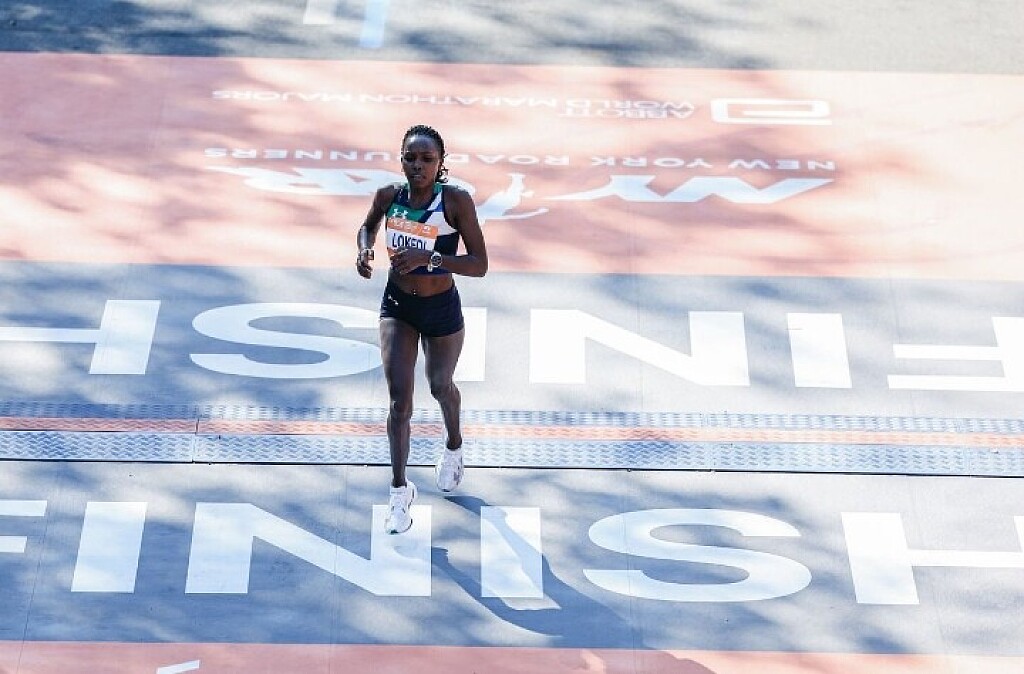
Queens of the Road: A Blockbuster Showdown Awaits at the 2026 NYC Half
There are certain race days that carry a different kind of electricity — the sense that something unforgettable is about to unfold long before the starting gun fires. The women’s field at the 2026 edition of the NYC Half is one of those rare moments. On March 15th, 2026, the world’s best distance runners will charge through the streets of the Big Apple, beginning on Center Drive in Prospect Park and racing all the way into the iconic finish in Central Park. It is a course that blends speed, scenery, and history — and this year, it will host a competition deep enough to resemble a global championship rather than a city half marathon.
From returning champions to record holders and emerging stars, the lineup brings together athletes whose careers are already intertwined with New York’s racing legacy, alongside newcomers eager to create their own defining moments. The combination of proven excellence and rising ambition sets the tone for a contest where tactics, courage, and timing could matter just as much as raw fitness.
Leading the narrative is defending champion Sharon Lokedi, returning to a city that has become a defining chapter of her career. New York has consistently brought out her best — bold racing, fearless moves, and an ability to rise when the competition is strongest. Last year’s course record victory proved she thrives under pressure, but defending a title against an even deeper field presents a completely different challenge. Champions are measured not only by how they win, but by how they respond when everyone is chasing them.
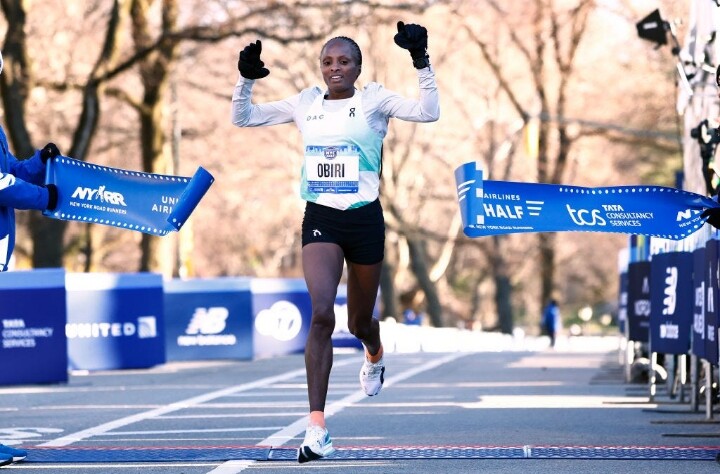
Waiting to test her once again is none other than Hellen Obiri, the reigning New York City Marathon champion and one of the most competitive racers in global distance running. Obiri doesn’t just run races — she reads them, calculates them, and then strikes when it matters most. Every meeting between her and Lokedi adds another layer to what is quickly becoming one of the sport’s most intriguing rivalries. Their battles are rarely predictable, and that uncertainty is exactly what makes this matchup so compelling.
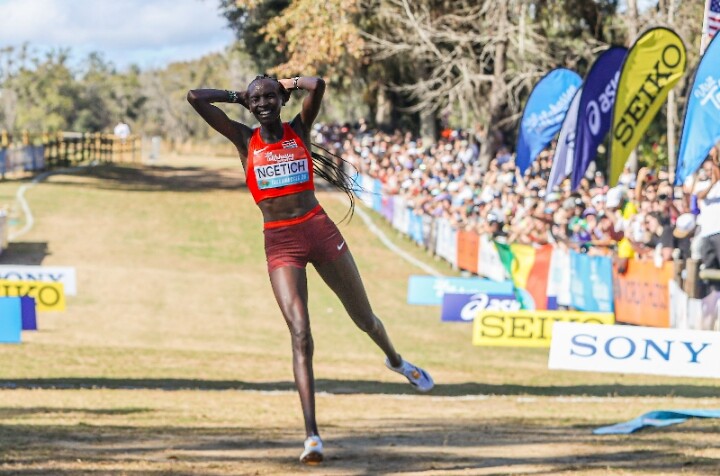
Then comes the wildcard with enormous credentials: Agnes Ngetich. Making her debut with New York Road Runners, she arrives carrying momentum that few athletes in the world can match. A world 10K record holder and the 2026 World Cross Country champion, Ngetich blends raw speed with endurance strength — a combination that can unsettle even the most experienced competitors. With one of the fastest half marathon times ever recorded, she has already proven she belongs at the very top level. Now the question becomes whether she can translate that dominance onto one of the sport’s biggest stages.
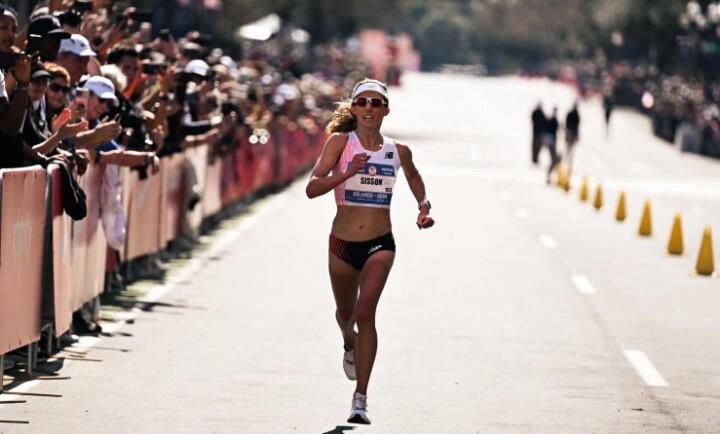
The home crowd will also have a major contender to rally behind in American star Emily Sisson, who leads a strong domestic group determined to challenge the international dominance. Known for her toughness and consistency, Sisson brings both experience and ambition into a race where positioning and patience could be just as important as speed.
What makes this year’s race special is the collective quality of the field. On paper, it resembles a global championship lineup — Olympic medalists, world champions, national record holders, and emerging forces all sharing the same start line. That depth changes the psychology of racing. No one can afford hesitation. No move goes unanswered.
The international range of athletes in this year’s race highlights just how competitive the field has become, bringing together runners from established distance-running powerhouses and emerging nations alike.
Elite Women's Field - Personal Bests and Countries
Agnes Ngetich (Kenya) — 1:03:04
Hellen Obiri (Kenya) — 1:04:22
Fantaye Belayneh (Ethiopia) — 1:04:49
Sharon Lokedi (Kenya) — 1:05:00
Konstanze Klosterhalfen (Germany) — 1:05:41
Emily Sisson (United States) — 1:06:52
Calli Hauger-Thackery (Great Britain) — 1:06:58
Natosha Rogers (United States) — 1:07:30
Annie Frisbie (United States) — 1:07:34
Amanda Vestri (United States) — 1:07:35
Dakotah Popehn (United States) — 1:07:42
Emily Durgin (United States) — 1:07:54
Diane van Es (Netherlands) — 1:08:03
Sarah Lahti (Sweden) — 1:08:19
Susanna Sullivan (United States) — 1:08:44
Emily Venters (United States) — 1:08:48
Mercy Chelangat (Kenya) — 1:08:57
Lauren Gregory (United States) — 1:09:12
Lindsay Flanagan (United States) — 1:09:17
Natasha Wodak (Canada) — 1:09:41
Stephanie Bruce (United States) — 1:09:55
Julia Paternain (Uruguay) — 1:10:16
Elena Hayday (United States) — 1:10:56
Felicia Pasadyn (United States) — 1:11:29
Erika Prieto (Mexico) — 1:15:55
Gabrielle Yatauro (United States) — 1:15:59
Alosha Southern (United States) — 1:16:40
Megan Keith (Great Britain) — Debut
As race day approaches, anticipation continues to build for what could become one of the defining women’s distance races of the season. With champions returning, rivalries intensifying, and new contenders ready to make their mark, the stage is perfectly set for drama on the streets of New York. The energy, the depth, and the unpredictability all point toward something special — the kind of competition that reminds us why elite racing captivates audiences around the world. When the gun goes off at the NYC Half, it won’t just be about times or titles, but about who is ready to rise in the moment and seize it. March 15 promises speed, courage, and unforgettable racing.
by Erick Cheruiyot for My Best Runs.
Login to leave a comment
United Airlines NYC Half-Marathon
The United Airlines NYC Half takes runners from around the city and the globe on a 13.1-mile tour of NYC. Led by a talent-packed roster of American and international elites, runners will stop traffic in the Big Apple this March! Runners will begin their journey on Prospect Park’s Center Drive before taking the race onto Brooklyn’s streets. For the third...
more...
Three Years, Three Records: Kelati Lowered Her Own American Mark Once More
Consistency at the highest level is rare. Reinvention at the highest level is even rarer. Yet for the third consecutive year, Weini Kelati has returned to the half marathon stage and done exactly that—rewritten American history.
On Sunday, February 15, at the electrifying Barcelona Half Marathon, Kelati delivered another masterclass in precision and courage, clocking 1:06:04 to shave five seconds off her own American record. It was not just a fast race—it was a statement. A reminder that progress is built in layers, and Kelati continues to add hers with remarkable patience and poise.
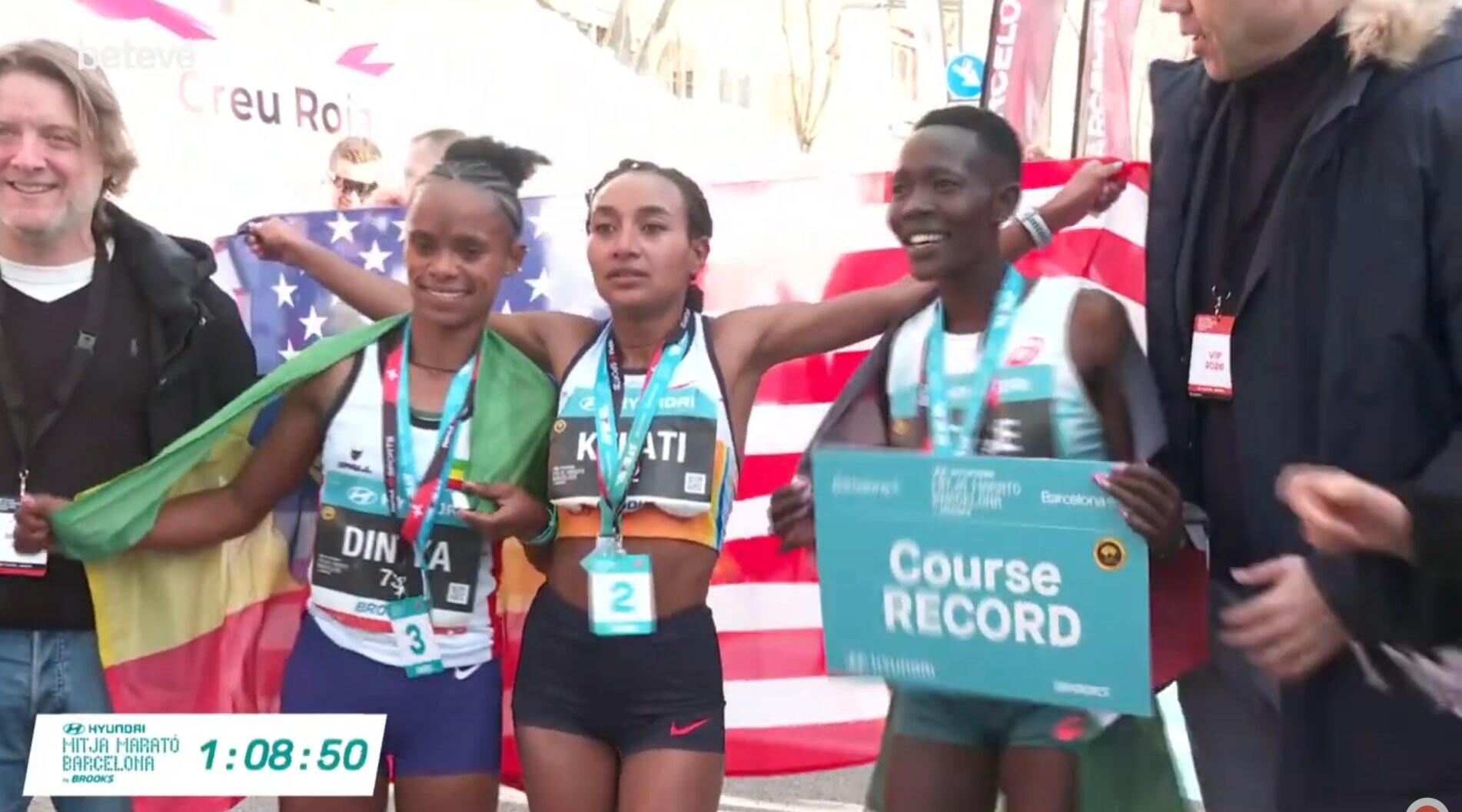
She crossed the line second overall behind Kenya’s Loice Chemnung, who surged to victory in a blistering 1:04:01, setting a new course benchmark. But while Chemnung claimed the win, Kelati once again reshaped the American record books.
From the gun, the race unfolded with clarity and intent. Kelati and Chemnung moved in tandem through the opening kilometers, slicing through Barcelona’s streets with controlled aggression. The first 5K splits—15:22 for Chemnung and 15:29 for Kelati—hinted at the decisive move that would soon follow. As the Kenyan gradually edged away, Kelati resisted the temptation to chase recklessly. Instead, she locked into her tempo, a display of tactical maturity that ultimately paid off.
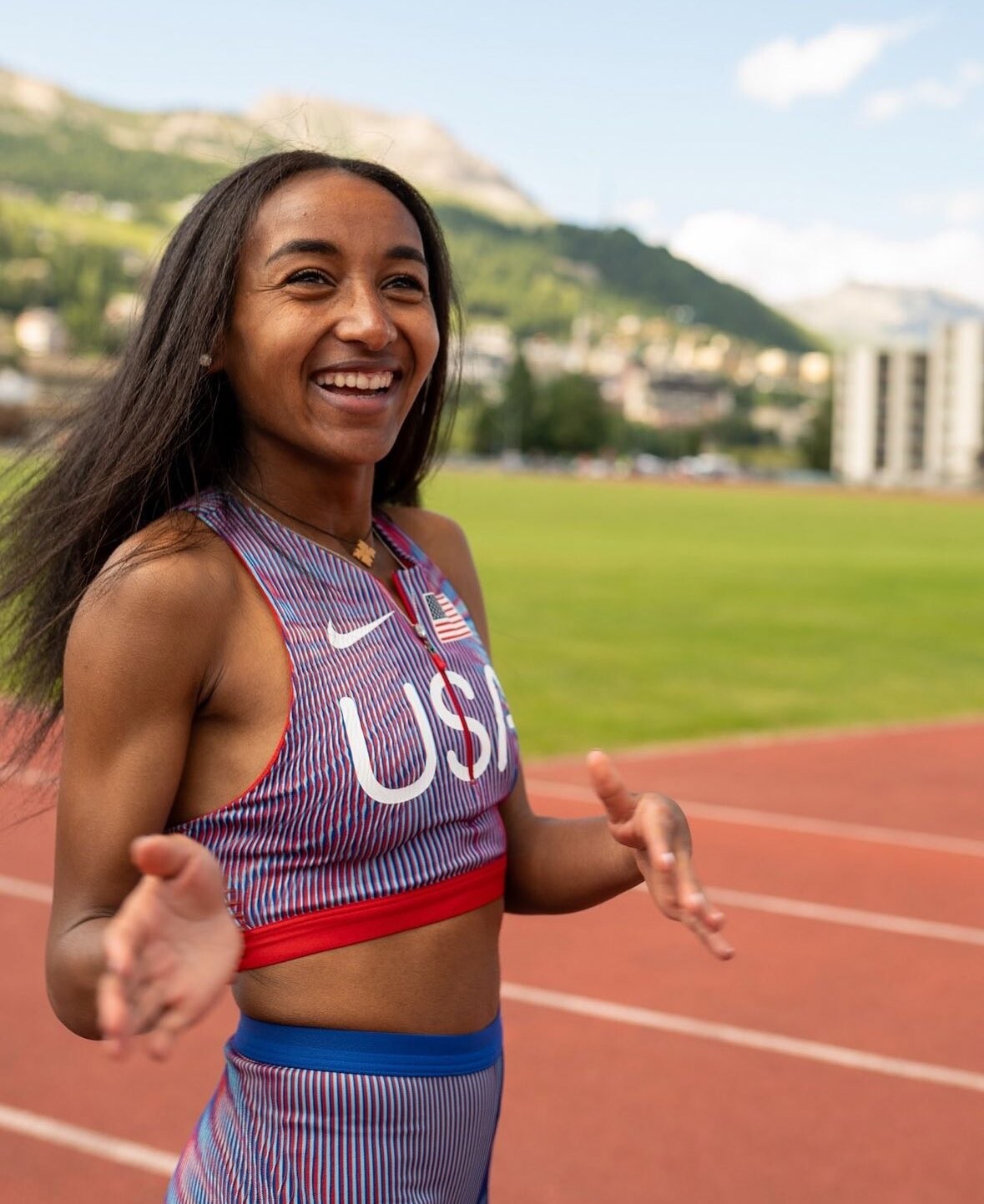
Passing 10K in 30:52 and 15K in 46:29, she maintained her rhythm all the way to Parc de la Ciutadella, where history awaited her yet again. Behind her, fellow American Taylor Roe secured fourth place in 1:06:52, adding further depth to a strong American showing.
What makes Kelati’s achievement even more remarkable is the exclusivity of the performance standard she now commands. In the entire history of U.S. women’s distance running, only four American athletes have ever broken the 1:07 barrier in the half marathon—and two of them managed the feat just once in their careers. Kelati, by contrast, has now dipped under 67 minutes three separate times. That level of repetition transforms a breakthrough into a legacy.
Her Barcelona run also carried the undertone of redemption. Only weeks earlier, she faced a difficult outing at the World Athletics Cross Country Championships, finishing 40th overall. Rather than allowing disappointment to linger, she responded with authority. Sunday’s performance was also her first appearance since signing with Nike, marking the beginning of a new professional chapter with emphatic momentum.
Three consecutive years. Three American records. Three sub-1:07 performances.
Weini Kelati is not merely improving—she is establishing a new standard of excellence, proving that true greatness is not defined by one exceptional day, but by the courage to return and raise the bar again and again.
by Erick Cheruiyot for My Best Runs.
Login to leave a comment
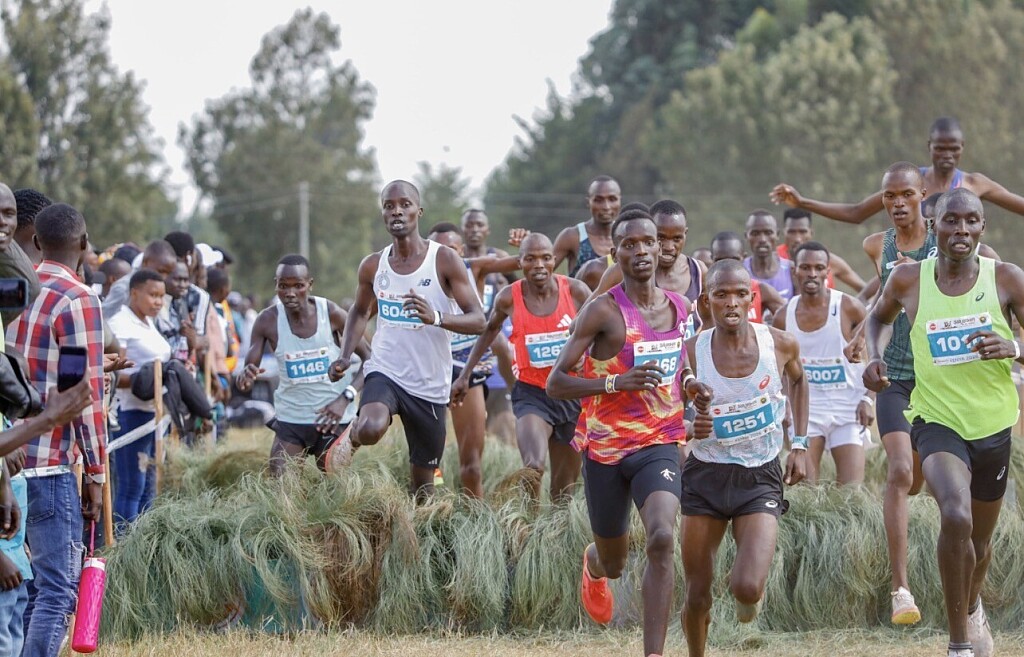
Boston Champion John Korir Wins Cross Country Debut at Sirikwa Classic, Signals Readiness for Title Defense
Boston Marathon champion John Korir stepped outside his comfort zone and delivered a powerful statement, winning his first-ever cross country race at the 5th Absa Sirikwa Classic. What began as a fitness test ahead of his Boston Marathon title defense became a decisive victory on one of Africa’s most demanding cross country courses.
Held at Lobo Village on the outskirts of Eldoret, the World Athletics Cross Country Tour Gold event featured a rugged 10K course defined by rolling grass mounds, sharp turns, uneven footing, and warm midday temperatures approaching 25°C (77°F). The course rewards patience, strength, and tactical awareness — qualities Korir demonstrated in full.
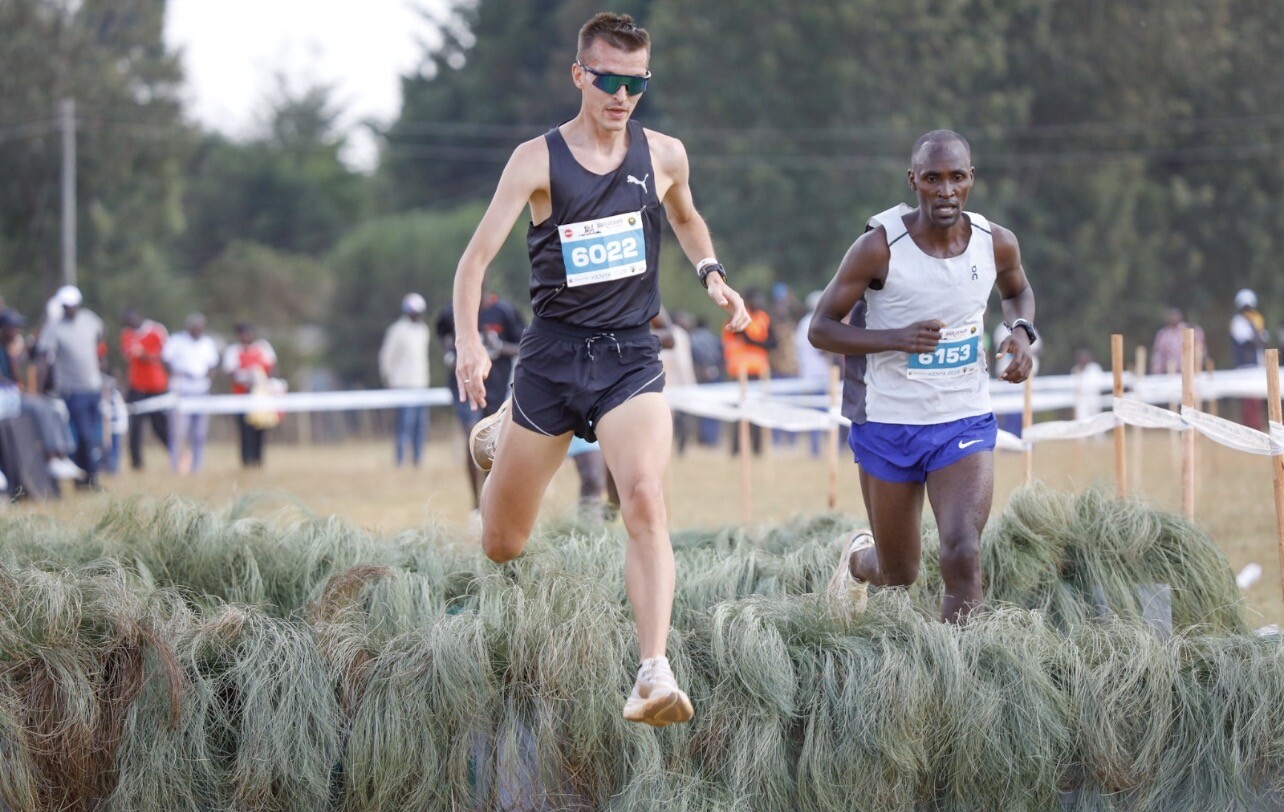
Tactical Patience Against a Proven Champion
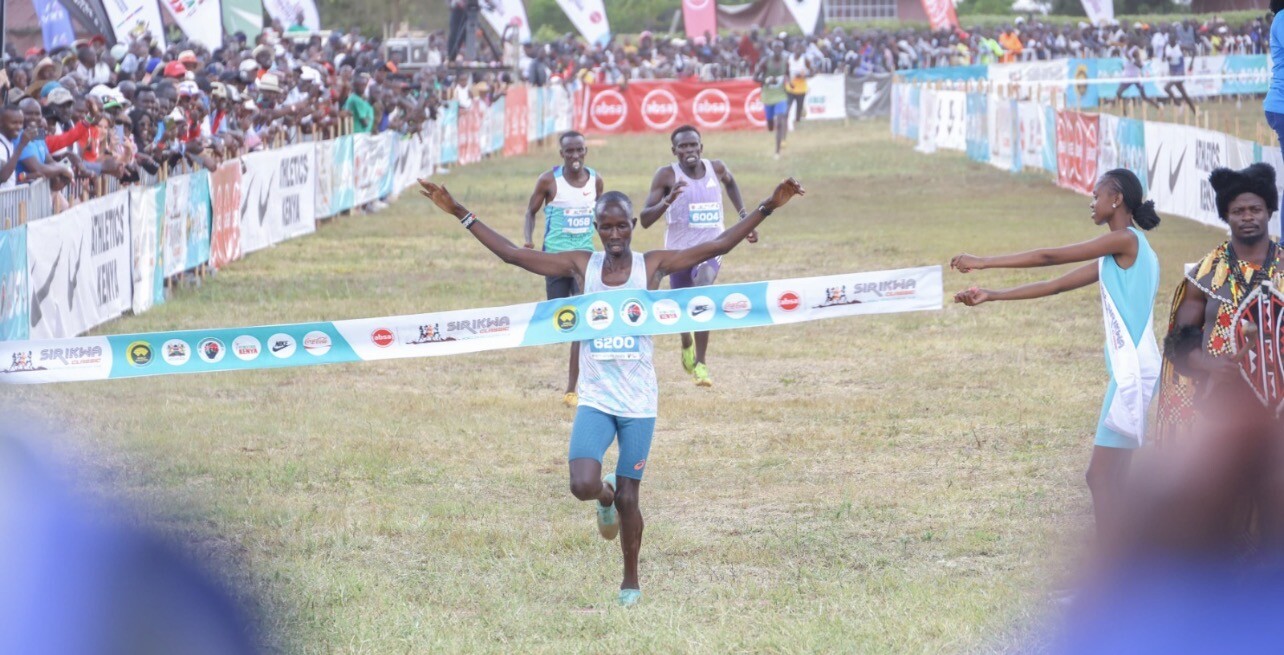
Korir entered the race with measured expectations. Known primarily for his marathon dominance, including his victory in Boston, he viewed the race as an opportunity to assess his conditioning rather than chase victory.
“I came here to see how my shape is as I prepare to defend my title in Boston,” Korir said. “I did not expect to win because cross country is very different from the marathon.”
From the start, the race developed into a compelling duel with two-time defending champion Daniel Ebenyo, one of the world’s premier cross country specialists. The pair ran shoulder-to-shoulder through the early kilometers, navigating the tight corners and punishing hills with careful precision.
Korir conserved energy, allowing Ebenyo to share pacing duties while evaluating how his marathon-trained body responded to the constant rhythm changes required in cross country racing.
“I told them if they take me to six kilometers, then my body will respond — and they would not see me again,” Korir said confidently.
The Decisive Move
Just beyond the 6K mark, Korir executed his plan
Gradually increasing his tempo, he began to separate from Ebenyo, not with a sudden sprint but with a sustained, controlled acceleration. The move reflected the strength developed through marathon training — an ability to maintain pressure over long stretches without breaking rhythm.
Ebenyo, despite his cross country experience, could not match the sustained surge. The gap widened steadily across the final kilometers as Korir powered over the hills with growing authority.
By the final kilometer, the outcome was clear. Korir maintained complete control, crossing the finish line alone to secure his first cross country victory in convincing fashion.
A Clear Signal Ahead of Boston
Korir’s victory serves as an important milestone in his preparation for the Boston Marathon, where he will seek to defend his title against one of the strongest fields in the world.
“I will go back now and sharpen my training before Boston,” Korir said. “Winning here shows me that my body is responding well.”
Beyond his own racing ambitions, Korir remains deeply invested in the future of Kenyan athletics through his Transcend Academy in Cherangany, where he mentors young runners pursuing professional careers.
Marathon Strength Meets Cross Country Toughness
Korir’s performance highlighted the crossover potential between marathon conditioning and cross country success. His patience early, decisive surge mid-race, and controlled finish demonstrated tactical maturity and physical resilience.
The Sirikwa Classic has become one of the premier cross country events globally, regularly attracting Olympic and World Championship contenders. For Korir, victory in Eldoret was not only a personal breakthrough but a clear indication that he is on track to return to Boston in peak condition.
If this performance is any indication, John Korir will arrive at the Boston Marathon not only as defending champion — but as an athlete operating at the height of his powers.
by Robert Kibet for My Best Runs
Login to leave a comment
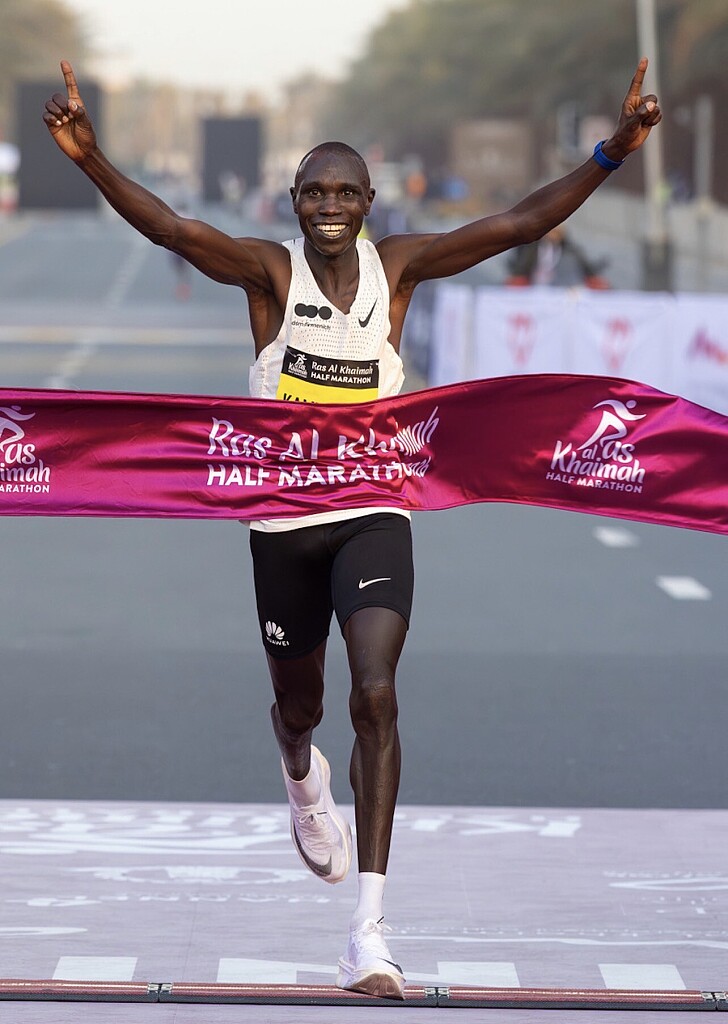
Kamworor Crushes RAK Half Marathon Commanding a 58:14 Victory
Geoffrey Kamworor proved once again that champions are defined not by setbacks, but by their response to them. Thirteen years after his breakthrough senior victory at the Ras Al Khaimah Half Marathon, the Kenyan legend returned to the same roads and delivered a masterclass performance, winning in 58:14—40 seconds faster than his winning time in 2013.
At 33, Kamworor was the oldest athlete in the elite field, yet he controlled the race with the authority of a runner in his prime. Neither the passage of time nor the devastating motorbike accident in 2020, which shattered his tibia and threatened his career, has diminished his competitive fire. Instead, his victory in Ras Al Khaimah confirmed that he remains one of the world’s most formidable distance runners.
From the gun, Kamworor executed a precise and disciplined strategy, running alongside his training partner and pacemaker Edwin Kipsaisak. The opening kilometer was covered in 2:44, followed by a relentless series of splits between 2:45 and 2:49. The sustained pace quickly discouraged any serious challenges from the younger contenders, who found themselves unable to disrupt Kamworor’s rhythm.
When Kipsaisak stepped aside after 8 kilometers, the decisive move had already been made. Kamworor passed 10K in 27:42, firmly in control. His surge between 16 and 17 kilometers, clocked in a punishing 2:42, broke the race open completely. From that point, victory was never in doubt.
“Actually, I knew I was going to win around 14K,” Kamworor said afterward. “I knew I had prepared well. I came here wanting to run a fast time, and Edwin did a great job pacing. It’s great to come back and win even faster.”
Behind him, Birhanu Balew of Bahrain ran strongly to secure second place in 58:23, while Kenya’s Gideon Rono impressed in his debut at the distance, finishing third in 58:38.
Kamworor’s journey back to the top has been anything but easy. Once the dominant force in global distance running—with three consecutive World Half Marathon titles, two World Cross Country championships, and two New York City Marathon victories—his career was nearly derailed in 2020 when he was struck by a motorbike during a solo training run. The injury required multiple surgeries and a lengthy rehabilitation, keeping him away from peak form for nearly three years.
Now fully recovered, Kamworor has returned to elite competition with renewed purpose. He finished second at the London Marathon in 2023 and has his sights set firmly on the marathon once again.
“I’m satisfied that I’m fully recovered now,” he said. “It’s very satisfying to win here again. Now I will go home and prepare for London in April. It will be very tough competition, but that’s what I like. My personal best is 2:04, but I believe I can go faster.”
Looking further ahead, Kamworor has set his ultimate goal on the Olympic Marathon at the 2028 Los Angeles Games. If selected, he would be nearing 36—but history shows that experience can triumph. Portuguese legend Carlos Lopes famously won Olympic marathon gold at age 38.
Women’s Race: Anley Wins Impressive Debut
The women’s race unfolded without an official pacemaker, placing the burden of pace-setting on the athletes themselves. Tanzania’s Magdalena Shauri courageously led much of the race but paid the price in the closing kilometers.
With just two kilometers remaining, Ethiopia’s Asmarech Anley and Melknat Wudu surged past the fading leader. Anley, making her half marathon debut, showed remarkable composure to take the win in 67:22.
“I realized I could win with a kilometer to go,” Anley said. “The times would have been faster with a pacemaker, but it doesn’t matter because I won.
Wudu finished just five seconds behind in 67:27, while Shauri held on bravely for third in 67:32. Anley, the former African Junior 3000m champion on the track in 2023, indicated she plans to gain more experience at the half marathon distance before moving up to the marathon.
Results
Men
1. Geoffrey Kamworor (KEN) – 58:14
2. Birhanu Balew (BRN) – 58:23
3. Gideon Rono (KEN) – 58:38
4. Jemal Mekonen (ETH) – 58:55
5. Samwel Masai (KEN) – 58:59
6. Benjamin Ratsim (TAN) – 59:56
7. Jirata Dinki (ETH) – 59:57
8. Yismaw Dillu (ETH) – 60:05
9. Brian Kibor (KEN) – 60:07
10. Mao Ako (TAN) – 60:20
Women
1. Asmarech Anley (ETH) – 67:22
2. Melknat Wudu (ETH) – 67:27
3. Magdalena Shauri (TAN) – 67:32
4. Jesca Chelangat (KEN) – 67:33
5. Cynthia Chepkwony (KEN) – 67:35
6. Aselef Kassie (ETH) – 67:47
7. Gete Alemayehu (ETH) – 68:43
8. Margret Chacha (KEN) – 68:57
9. Emebet Kebede (ETH) – 69:11
10. Addise Cheklu (ETH) – 70:01
Kamworor’s victory was more than just another win—it was a powerful reminder that resilience, experience, and belief remain the defining traits of greatness. His return to Ras Al Khaimah was not merely a comeback. It was a statement.
by Race News Service
Login to leave a comment
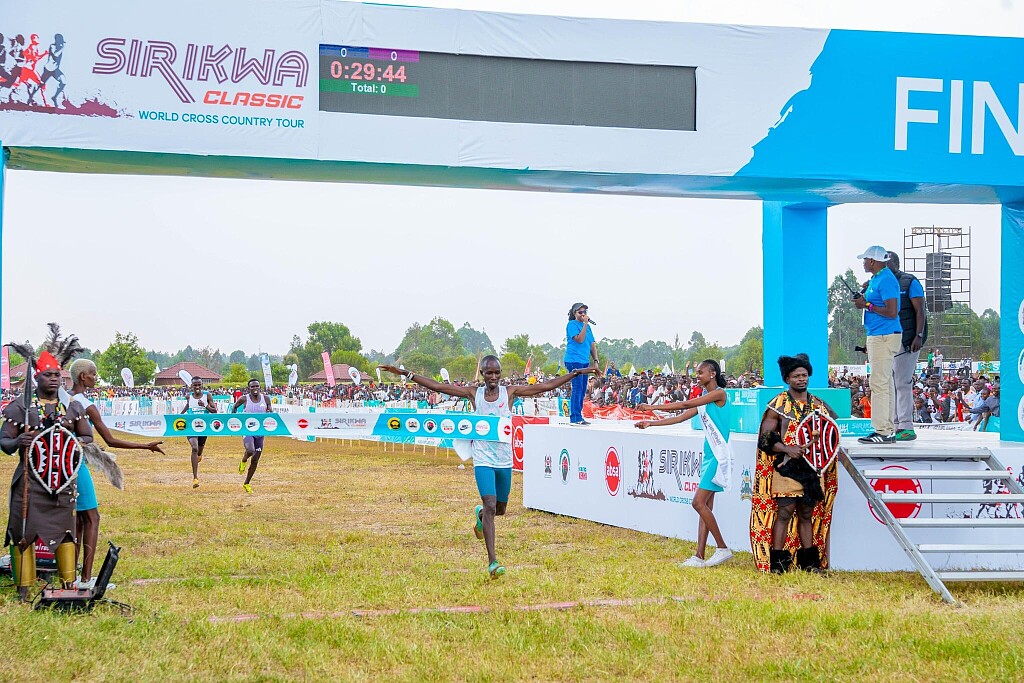
5th ABSA Sirikwa Classic Cross Country 2026: Champions Rise Amid Lobo Village Splendor
Today, the rolling savannahs of Lobo Village, Kapseret, bore witness to another thrilling chapter in Kenyan cross country history as the 5th edition of the ABSA Sirikwa Classic Cross Country unfolded under perfect racing conditions. The air was crisp, the crowd electric, and the athletes delivered performances that will be remembered long after the final stride.
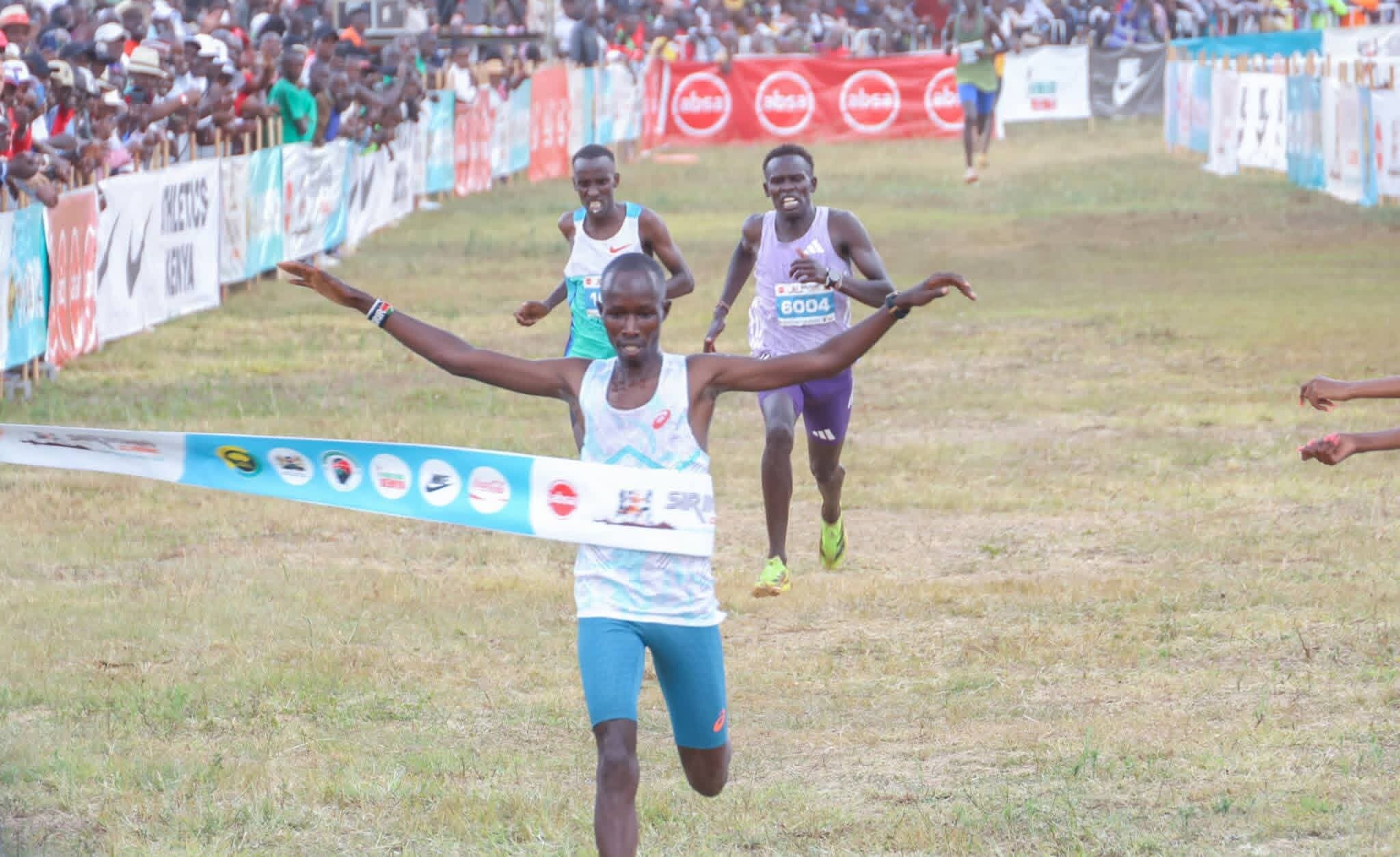

In the Senior Men’s 10km race, the spotlight shone on John Korir, whose finishing kick proved unstoppable. From the urban streets of Boston and Valencia to the grassy expanses of Uasin Gishu, Korir demonstrated the blend of endurance and tactical acumen that has become his trademark. Behind him, Amos Kiprotich claimed second place, staying in striking distance throughout, while Silas Senchura rounded out the podium in third. Defending champion Daniel Simiyu Ebenyo, despite a valiant effort, settled for fifth, proving that even legends face fierce competition in this year’s fiercely contested field.
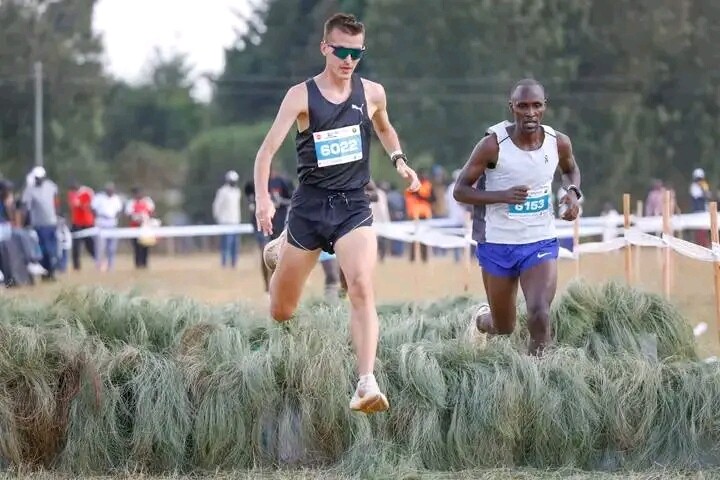
Fresh from his thrilling victory, Korir shared an honest reflection on his performance. “I’m feeling good and I came here to see how my shape is and I’m happy,” he said. “My target is the Boston Marathon and I came here to see how my body would respond. This is my first cross country and I’ve won it and I feel good. I was not expecting to win.” Competing in his first-ever cross country race, Korir not only assessed his form but walked away with a statement victory — a clear sign that his preparations are on track. With confidence growing and momentum building, all eyes now shift to Boston, where he hopes to translate this strong showing into another memorable performance on the global stage.
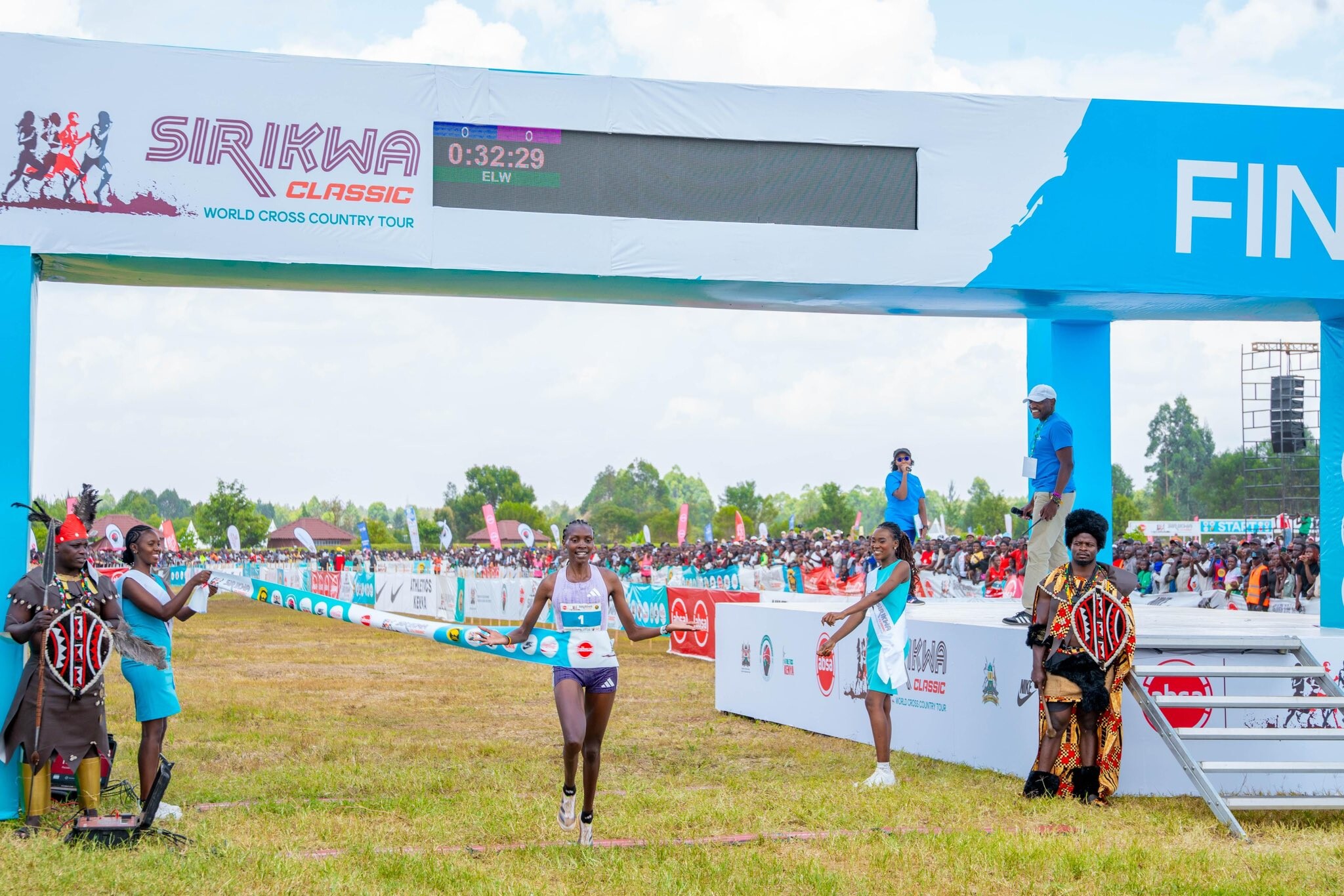
The Women’s 10km race was equally enthralling. Agnes Jebet Ngetich, the defending champion, World Cross Country Champion, and 10km world record holder, once again asserted her dominance with a composed and confident performance at the ABSA Sirikwa Classic Cross Country. Speaking after the race, Jebet reflected warmly on the familiar conditions and the crowd’s electric support. “It’s just like last time. The climate was the same and I loved the atmosphere. Everyone was cheering on me and it gave me the motivation to continue running. I was not feeling lonely because the fans were in every corner,” she said.
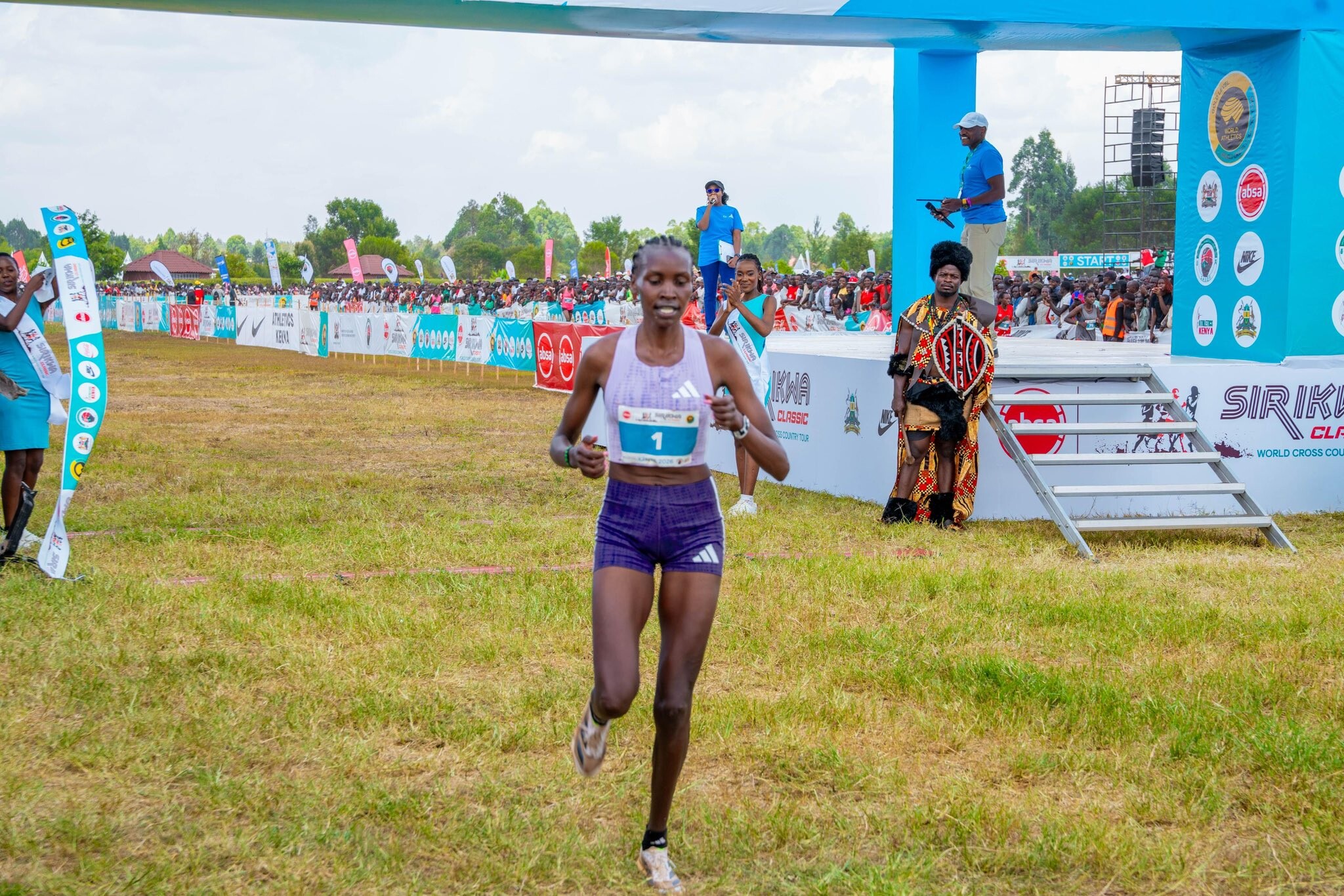

The Kenyan star also touched on her recent success at the World Cross Country Championships, admitting the medal meant a great deal to her. “I had waited for that medal for long and I appreciate that a lot. Cross country is something I’ve loved since I was young,” she added. Hot on her heels, Mercy Chepkemoi sprinted to a well-earned second place, with Catherine Manangole completing the podium in third. For now, Jebet remains open about her next steps: “I don’t have any program at the moment and will speak to my coach to know the way forward,” a statement that leaves fans eagerly anticipating what comes next for the reigning champion.
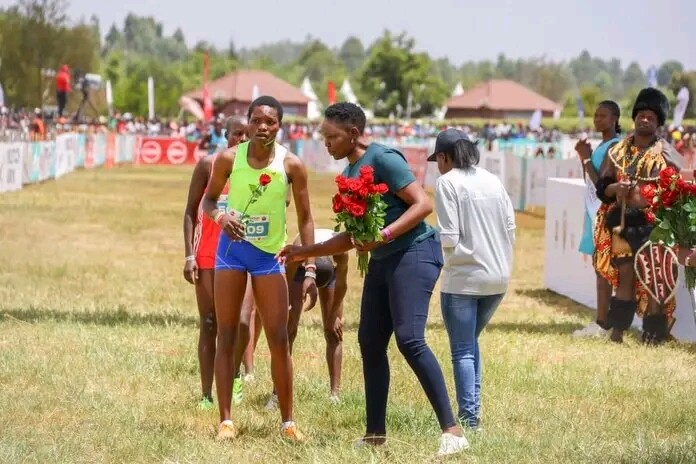
As Valentine’s Day mingled with the rhythms of the race, Lobo Village transformed into a stage of speed, grit, and passion. The love for athletics was palpable in every cheer, every gasp, and every triumphant stride across the uneven terrain. From the men’s tactical battles to the women’s commanding performance, the 5th ABSA Sirikwa Classic Cross Country offered a perfect fusion of drama, inspiration, and world-class competition.
Whether you were trackside or following online, today was a reminder of why Kenyan cross country remains a jewel in the crown of the sport: where champions are made, records are chased, and every finish line tells a story.
by Erick Cheruiyot for My Best Runs.
Login to leave a comment
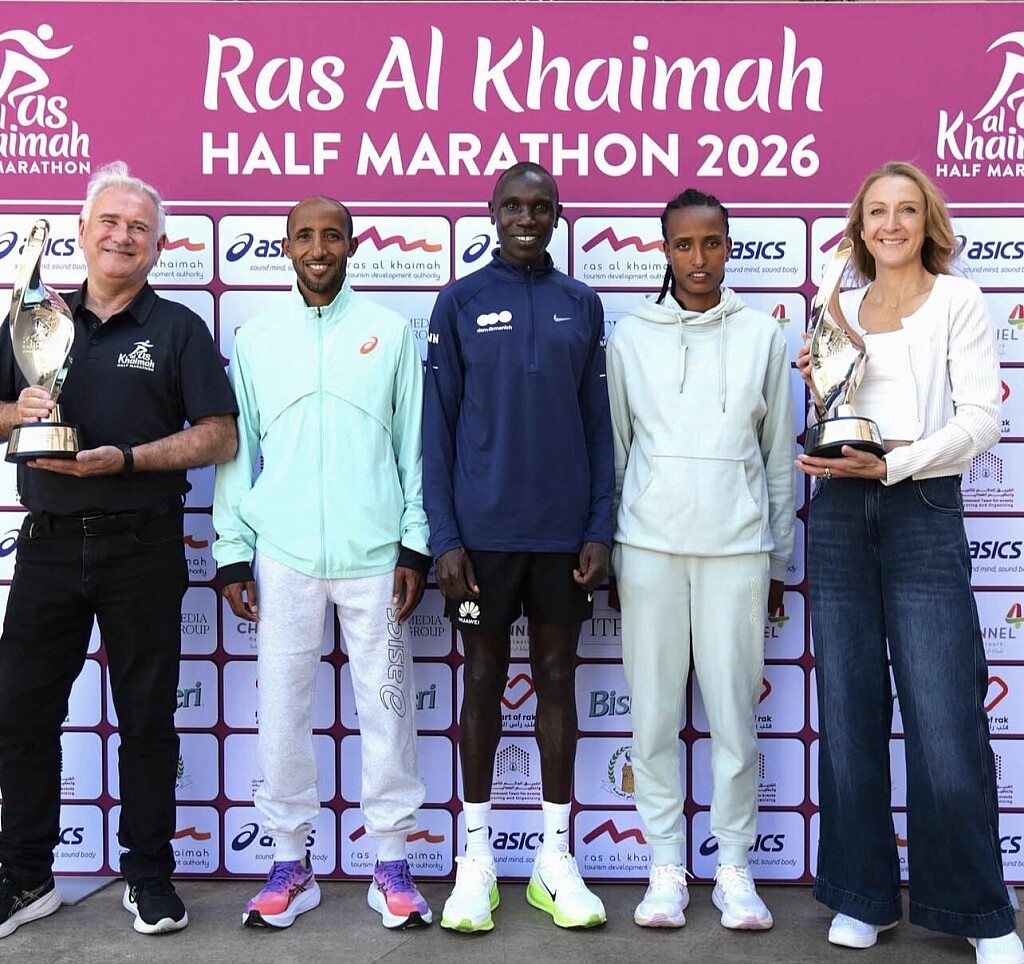
Geoffrey Kamworor Returns to Ras Al Khaimah, Chasing Redemption on the Course That Launched His Career
Thirteen years after announcing himself to the world on the roads of Ras Al Khaimah, Geoffrey Kamworor returns to the Ras Al Khaimah Half Marathon this Saturday with renewed purpose, hard-earned resilience, and the belief that his best running may still lie ahead.
Few athletes in modern distance running have endured such dramatic highs and devastating setbacks. Kamworor’s victory here in 2013 marked his first major senior triumph and began a remarkable stretch of dominance. He went on to win three consecutive World Half Marathon titles and twice captured the World Cross Country Championships, establishing himself as one of the most versatile and formidable distance runners of his generation. His half marathon world record of 58:01, set in Copenhagen in 2019, remains one of the defining performances in road racing history. He also conquered the marathon stage, winning the New York City Marathon twice with commanding authority.
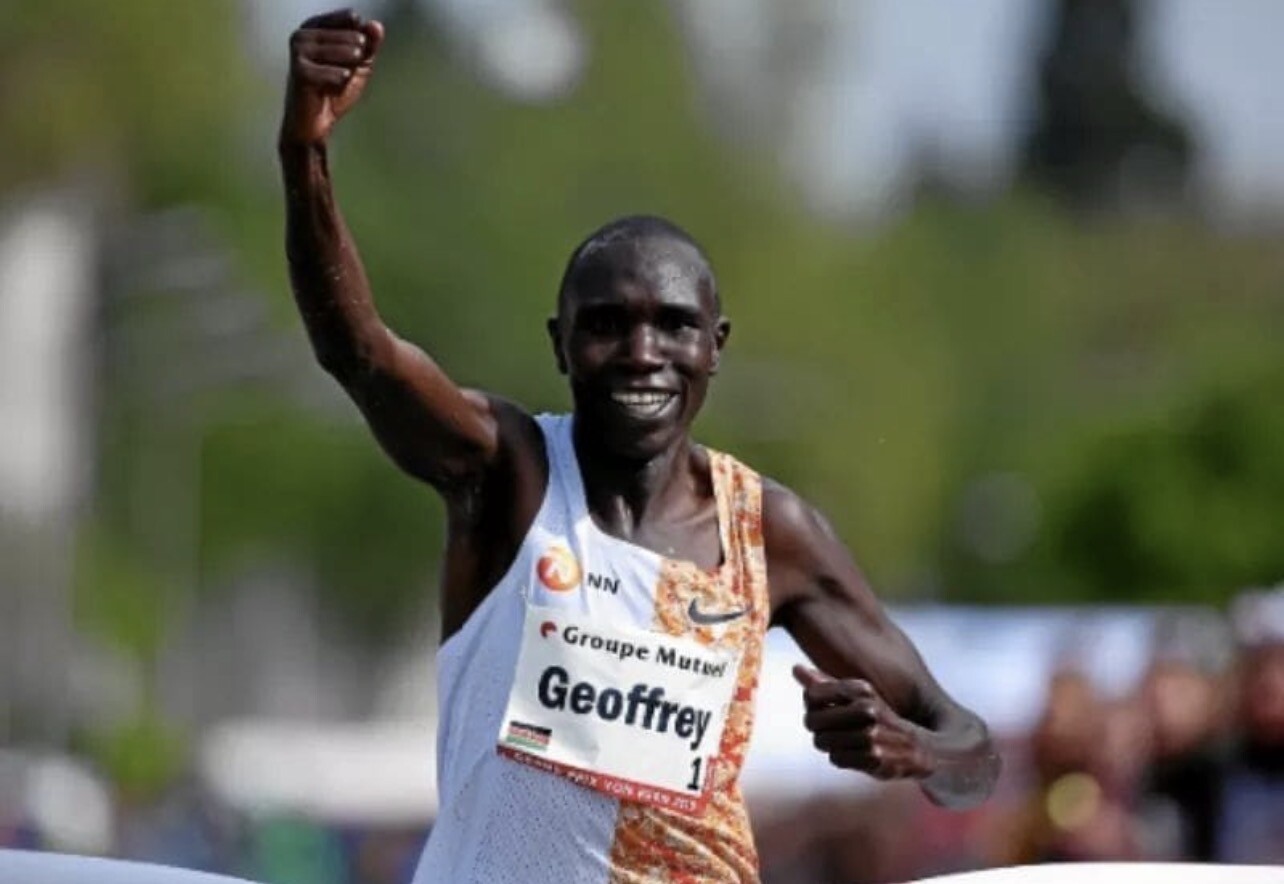
One of Kamworor’s most unforgettable moments came at the 2016 World Half Marathon Championships in Cardiff. After falling at the start and being trampled by competitors, he rose, regrouped, and delivered a stunning comeback victory.
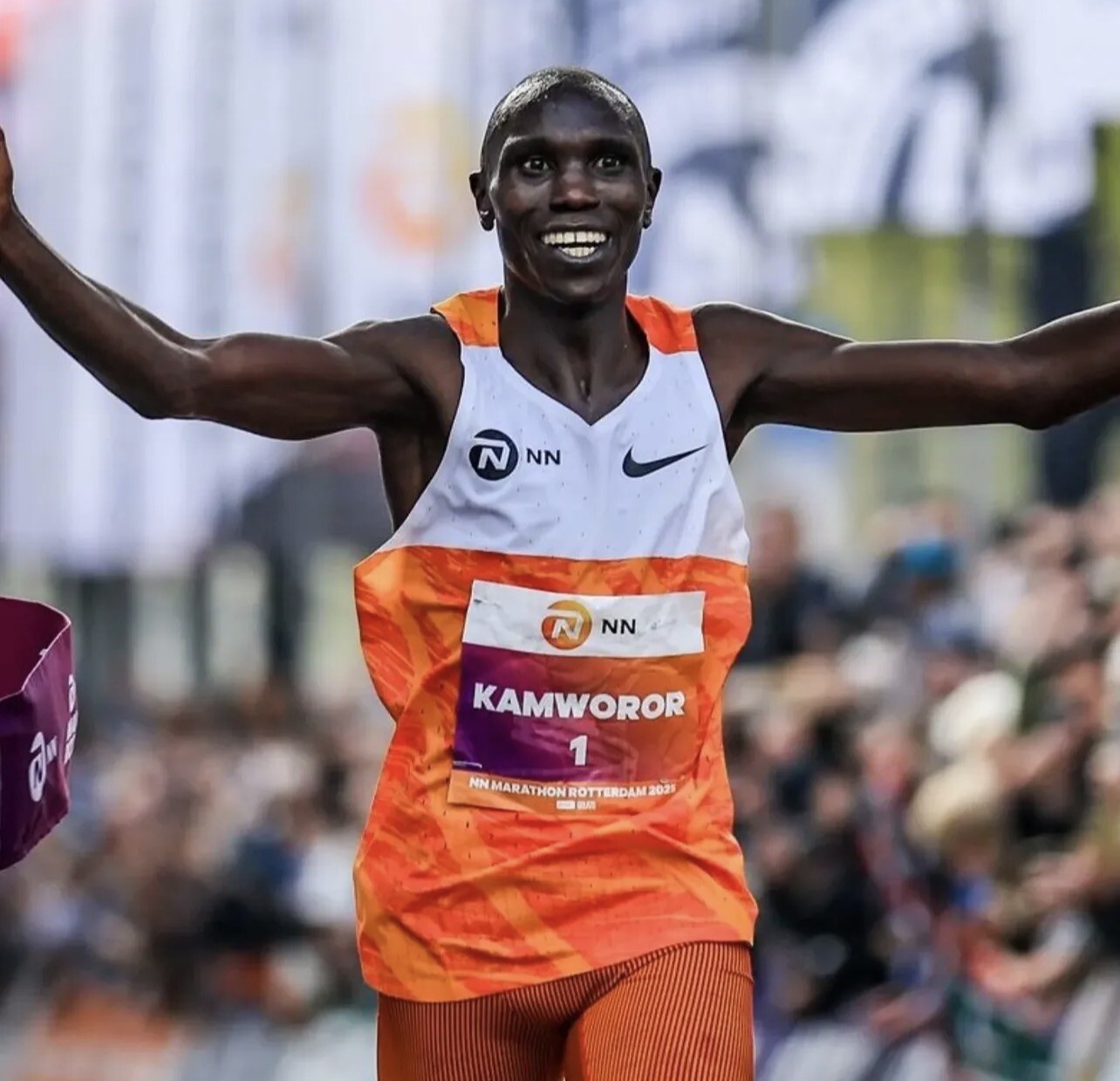
“In Cardiff, it was wet and I slipped at the start,” Kamworor recalled. “Nobody tripped me. It was hard running through the crowd, but the fall made me more determined.”
That determination would be tested even further. In 2020, during the isolation of the COVID-19 pandemic, Kamworor’s career was nearly derailed when he was struck from behind by a motorcycle while training in Eldoret.
“I fractured my tibia and couldn’t run for six months,” he said. “When I started running again, my body was still out of balance and I kept getting injured. It took me over three years to be able to run properly.”
His return has been gradual but encouraging. In 2023, Kamworor stunned observers by finishing second at the London Marathon in a personal best of 2:04:23, proving his resilience on the global stage. He followed that performance with a marathon victory in Rotterdam last year, finishing just ten seconds slower than his London breakthrough.
Now 33, Kamworor brings both experience and renewed confidence back to Ras Al Khaimah.
“I think I’m training as well as ever,” he said. “I remember this flat, fast course from when I won in 2013. I’m just grateful to be back running without problems.”
Age is no barrier for distance runners at the highest level. History offers powerful examples, including Portugal’s Carlos Lopes, who won Olympic marathon gold at 37, and Romania’s Constantina Dita, who claimed Olympic marathon victory at 38. Kamworor hopes to add his own chapter to that legacy.
Strong Rivals Await on a Fast Course
Kamworor will face formidable competition. Ethiopia’s Jemal Mekonen enters with a personal best of 58:33, while Kenya’s Brian Kibor has run 58:39. Ethiopia’s Amedework Walelegn (58:40) and several rising talents add further depth to a field built for speed.
The women’s race is equally compelling, led by Ethiopia’s Wede Kefale, who clocked 65:21 in Copenhagen last year. Kenya’s Gladys Chepkurui (65:46) and Jesca Chelangat (66:13) are among those capable of challenging for victory.
A Race Built on Speed and Records
Since its debut in 2007, the Ras Al Khaimah Half Marathon has earned global respect as one of the fastest half marathons in the world. Sammy Wanjiru’s 58:53 in the inaugural race set the tone, and the women’s race has been particularly historic. Mary Keitany (65:50), Peres Jepchirchir (64:52), and Ababel Yeshaneh (64:31) all set world records here, cementing the race’s reputation.
The flat, fast roads around Al Marjan Island once again promise ideal conditions for world-class performances.
Men’s Elite Field (Personal Bests)
• Geoffrey Kamworor (KEN) – 58:01
• Jemal Mekonen (ETH) – 58:33
• Brian Kibor (KEN) – 58:39
• Amedework Walelegn (ETH) – 58:40
• Antenayeh Dagnachew (ETH) – 59:17
• Yismaw Dillu (ETH) – 59:23
• Birhanu Balew (BRN) – 59:41
• Enos Kales (KEN) – 60:17
• Bayelign Teshager (ETH) – 60:22
• Mao Ako (TAN) – 60:28
• Benson Kiplangat (KEN) – Debut
Women’s Elite Field (Personal Bests)
• Wede Kefale (ETH) – 65:21
• Gladys Chepkurui (KEN) – 65:46
• Jesca Chelangat (KEN) – 66:13
• Magdalena Shauri (TAN) – 66:37
• Gete Alemayehu (ETH) – 66:37
• Cynthia Chepkwony (KEN) – 67:20
• Bertha Gebreslasie (ETH) – 67:26
• Orba Chemurgor (KEN) – 67:56
• Wudinesh Alemu (ETH) – 68:08
• Debash Kelali (ETH) – 68:10
• Annet Chelangat (UGA) – 68:12
• Melknat Wudu (ETH) – 68:53
A Full-Circle Moment
For Kamworor, Saturday’s race represents more than competition—it is a return to the place where his journey toward greatness began. After years of adversity, injuries, and recovery, he now stands once again on familiar ground, ready to test himself against the world’s best.
Whether he wins or not, his presence alone is a powerful reminder of the resilience that defines champions—and of the unfinished chapters still waiting to be written.
by Race News Service
Login to leave a comment

Rak Half Marathon
The Rak Al Khaimah Half Marathon is the 'world's fastest half marathon' because if you take the top 10 fastest times recorded in RAK for men (and the same for women) and find the average (for each) and then do the same with the top ten fastest recorded times across all races (you can reference the IAAF for this), the...
more...
World Cross Country Stars Headline High-Octane Sirikwa Classic
All roads lead to Lobo Village tomorrow, 14th February, as the fifth edition of the Absa Sirikwa Classic promises a thrilling celebration of cross country running. Set against the rugged beauty of Kenya’s high-altitude terrain, the event has steadily grown into one of the most exciting fixtures on the athletics calendar — a stage where endurance meets courage and reputations are tested on unforgiving ground.

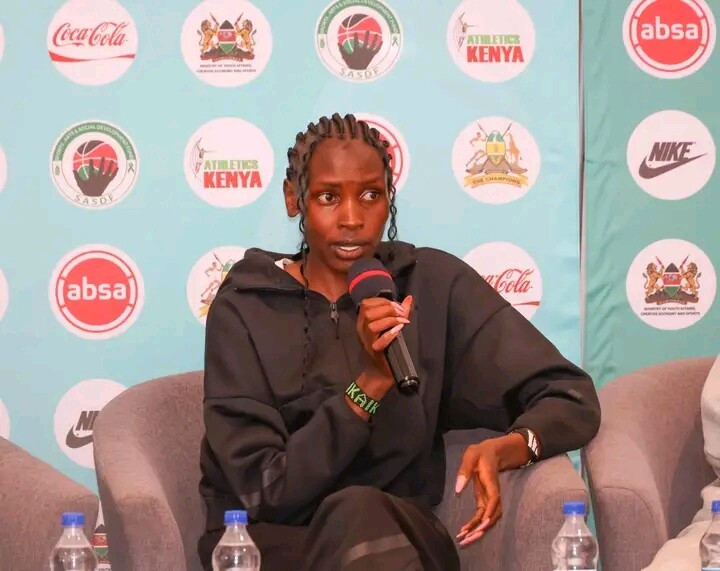
This year’s edition carries an extra spark, with two of Kenya’s finest distance stars ready to command the spotlight: Daniel Simiyu Ebenyo and Agnes Jebet Ngetich — both fresh from the intensity of the World Athletics Cross Country Championships. Having recently flown the Kenyan flag on the global stage, the duo return home sharpened by world-class competition and eager to make a powerful statement on home soil.

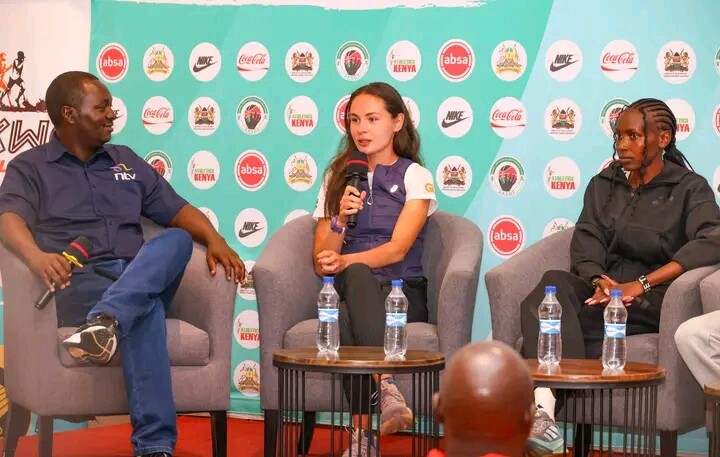
Ebenyo arrives as a man in form and on a mission. The world cross country bronze medallist is known for his fearless front-running and devastating finishing kick. The experience gained from battling the very best in the world has only fueled his hunger. On the rolling and energy-sapping stretches of Lobo Village, his tactical awareness and strength could prove decisive as he seeks to dominate from the front.
On the women’s side, Ngetich brings firepower and elegance in equal measure. The 10km world record holder has shown that her brilliance is not confined to the roads. Fresh from competing against global elites at the World Cross Country Championships, she steps into this weekend’s contest with confidence and competitive sharpness. Her relentless rhythm and smooth stride make her a formidable contender on any terrain.
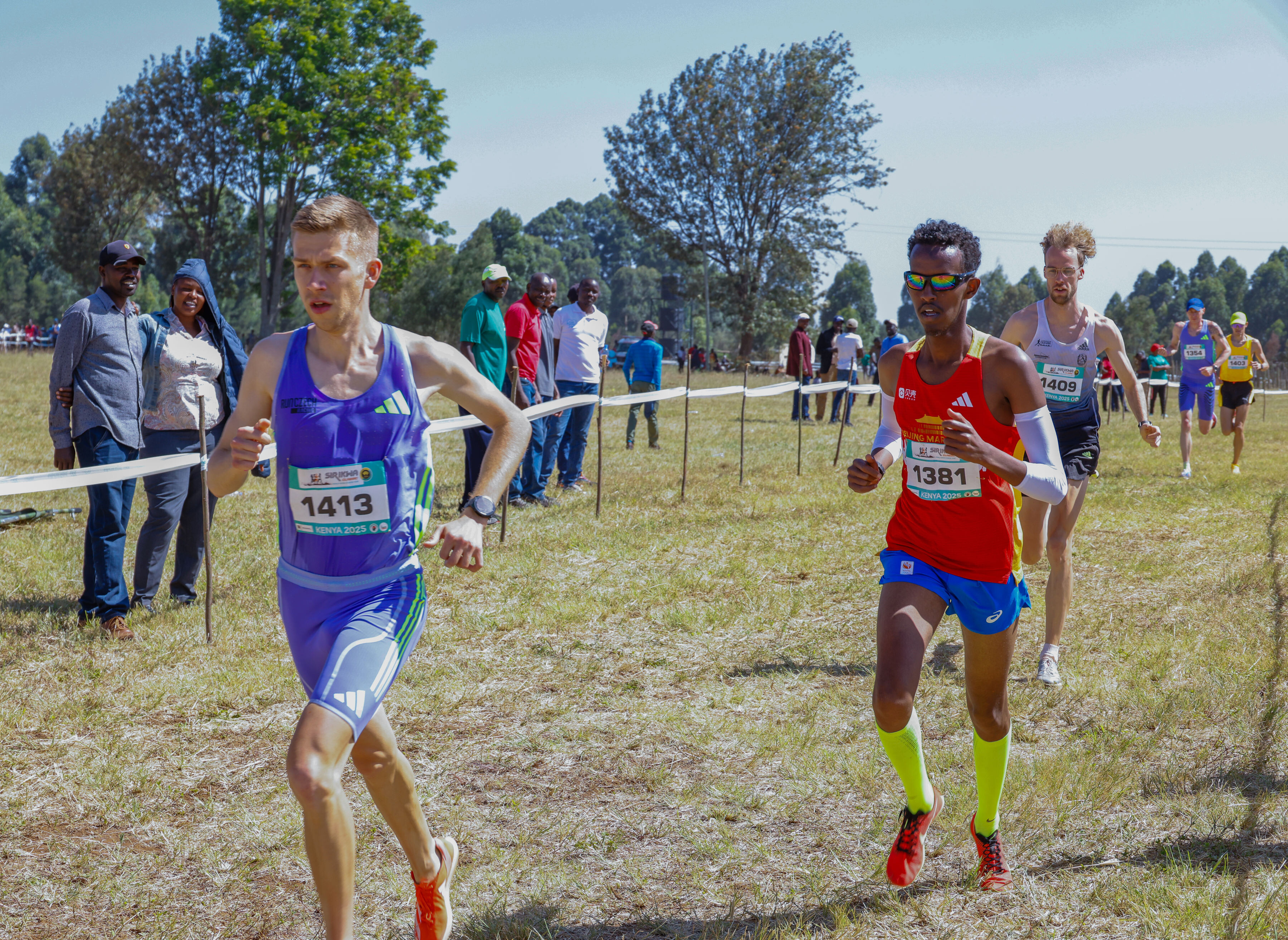
The Absa Sirikwa Classic has consistently attracted international athletes over the years, underlining its strong reputation on the global cross country circuit. The continued presence of foreign competitors adds depth and quality to the field, creating a compelling blend of local excellence and international rivalry. It reflects the event’s established stature as a meeting point for world-class talent on Kenyan soil.
The course itself remains a true test of grit: uneven patches, testing inclines, and stretches that demand both physical strength and mental resilience. Victory here is never accidental; it is earned through discipline, daring, and determination.
As Valentine’s Day dawns, the romance at Lobo Village will not be of roses and chocolates — but of spikes biting into earth, hearts pounding in rhythm, and champions pushing beyond limits. With Ebenyo and Ngetich leading the charge, the fifth Absa Sirikwa Classic is set to deliver drama, speed, and unforgettable moments.
Tomorrow, it will not just be a race. It will be a global clash of endurance and ambition on Kenyan soil.
by Erick Cheruiyot for My Best Runs.
Login to leave a comment
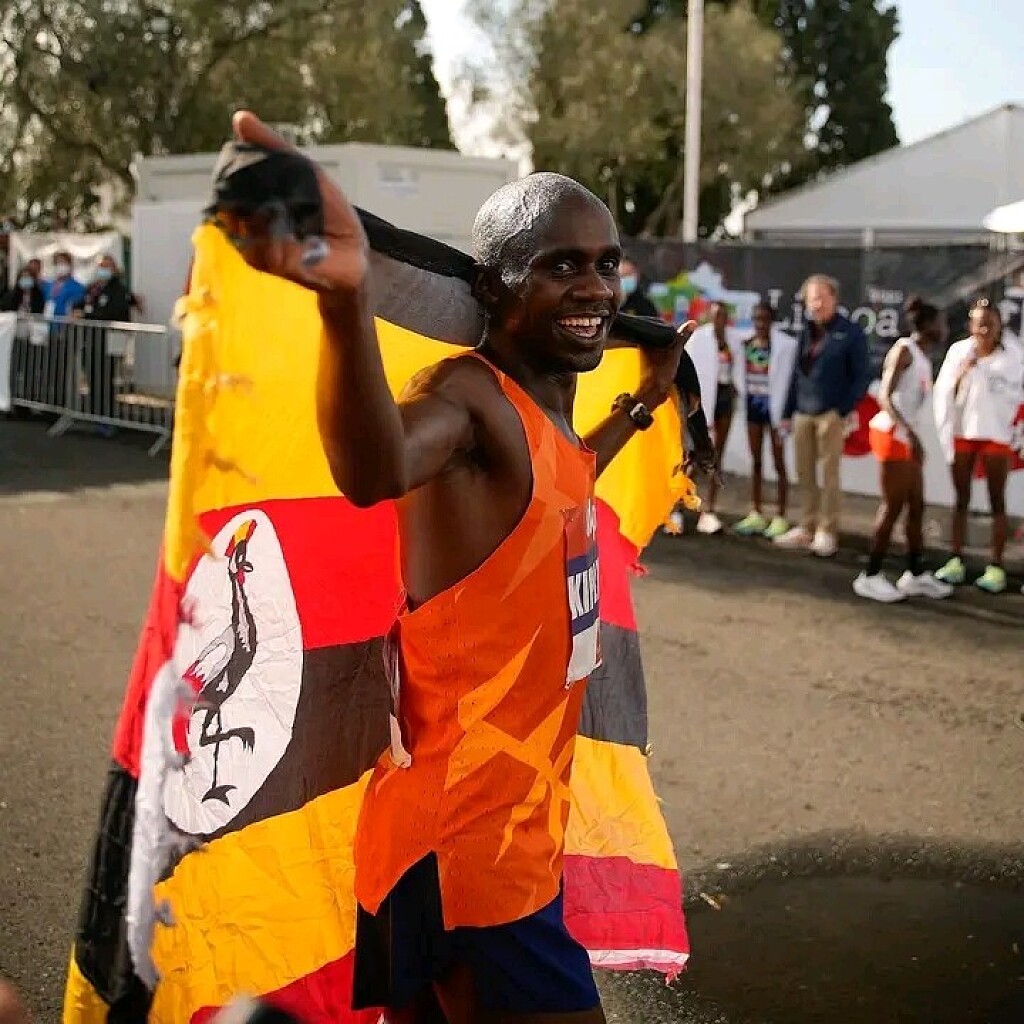
Lisbon Half Marathon 2026: Kiplimo Returns to Defend His Legacy
The streets of Lisbon are set for another historic chapter as Uganda’s Jacob Kiplimo returns to the EDP Lisbon Half Marathon on March 8, 2026 — the very race where he once produced a performance that stunned the world.
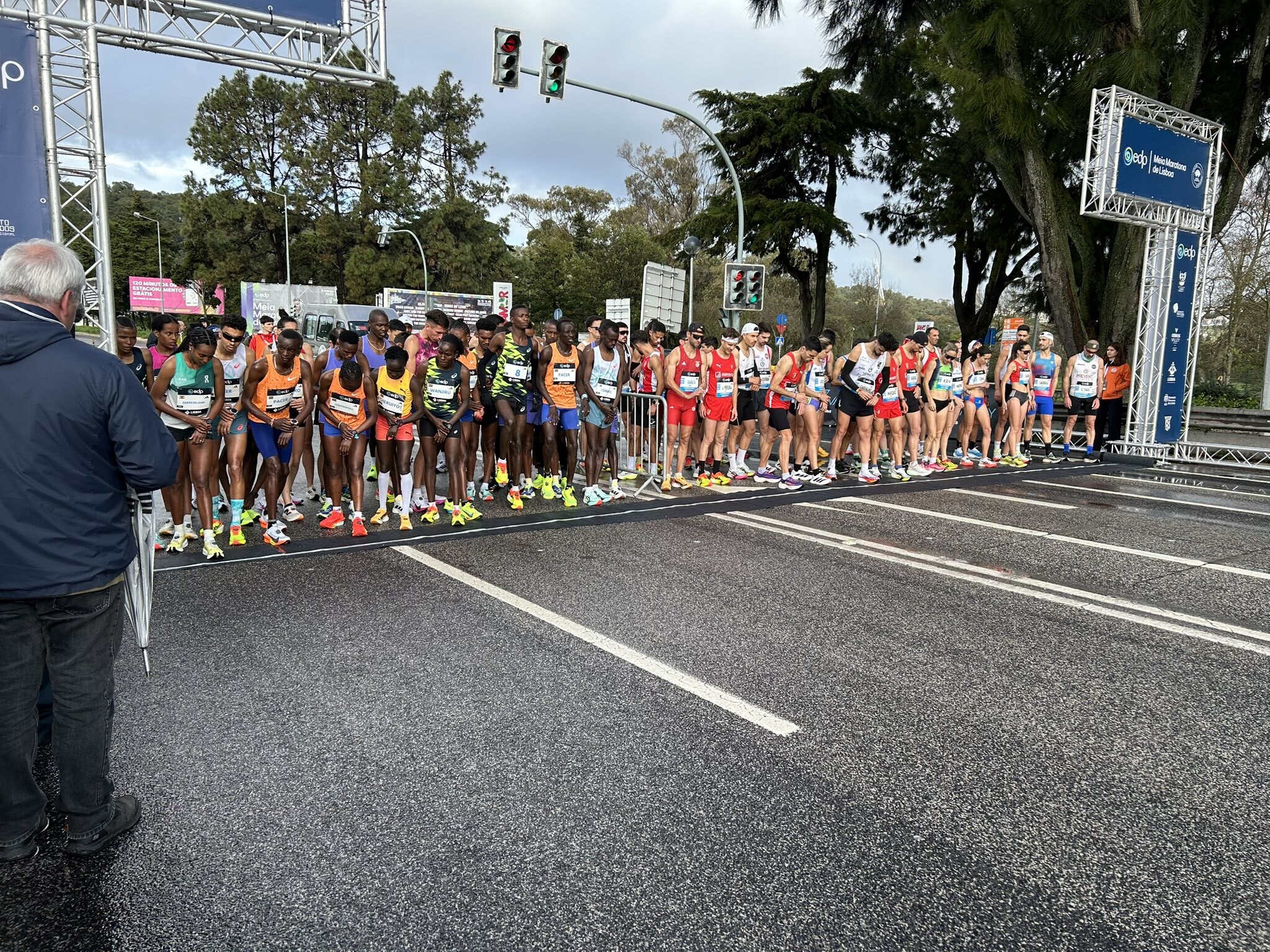
It was on these very streets in November 2021 that Kiplimo produced a sensational 57:31, setting a world record and establishing the Lisbon course mark in emphatic fashion. Although the global record has since been lowered, his performance remains one of the greatest ever witnessed over the distance and continues to define Lisbon’s modern racing history.
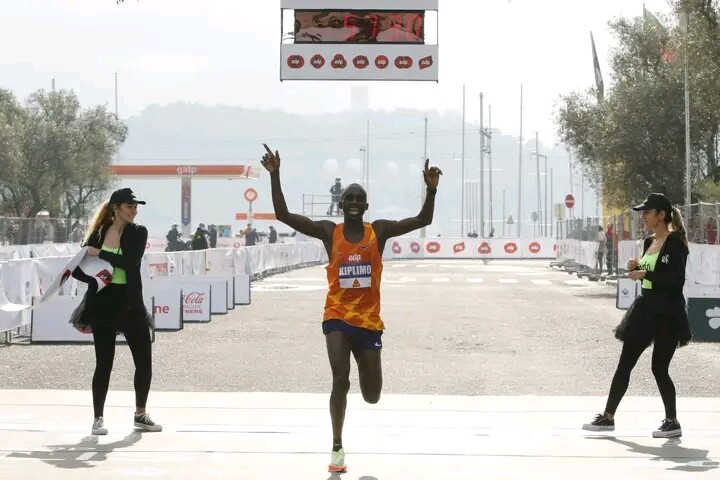
Lisbon holds a special place in his career. The flat, fast course and electric atmosphere provided the perfect stage for brilliance, but it was Kiplimo’s relentless rhythm and fearless pacing that transformed the race into a landmark moment in global athletics. His 57:31 remains the standard by which performances on that course are measured, and his return immediately raises expectations of something extraordinary.
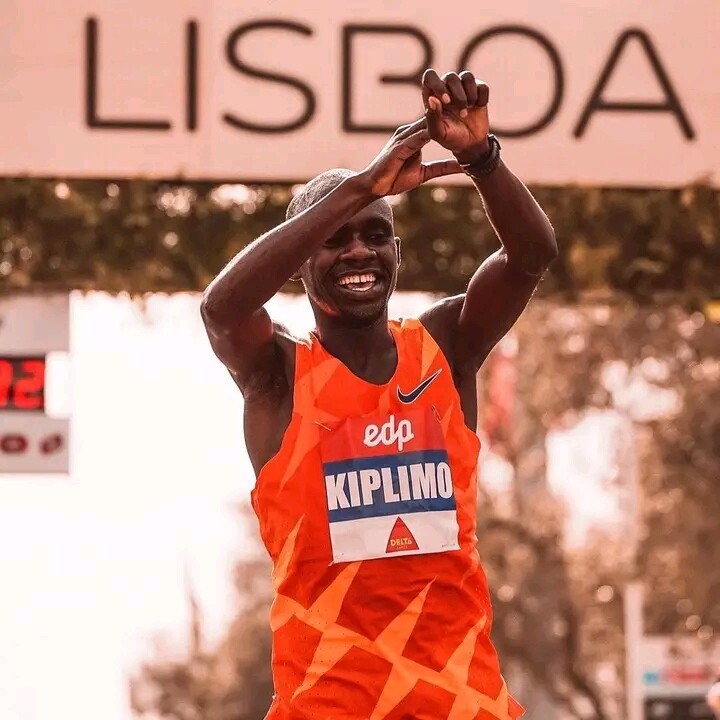
He will arrive in Portugal carrying powerful momentum. Last season showcased his remarkable range and maturity as an athlete. In Barcelona, he blazed to 56:42 in the half marathon, reaffirming his dominance over the distance. He then stepped confidently onto the marathon stage, clocking 2:03:37 in his London debut before conquering Chicago in 2:02:23 to secure a major marathon victory. Those performances revealed not only speed, but tactical intelligence and endurance — qualities that now make him a constant threat in any race he enters.
Already in 2026, Kiplimo has underlined his supremacy by reclaiming the World Cross Country title. That triumph was more than a medal; it was a declaration that his foundation remains strong and his competitive edge sharper than ever. Cross country success often fuels road excellence, and the timing of that victory suggests he is building toward another major statement performance.
As the Lisbon Half Marathon approaches, anticipation is steadily building. Elite contenders will line up with ambition, but the spotlight naturally falls on the Ugandan star whose name is permanently etched into the race’s history. He understands the course, the tempo it demands, and the courage required in the closing kilometers. Experience and confidence now blend with peak condition.
Whether he targets another record or simply asserts control over a world-class field, one certainty remains: when the starting gun fires in Lisbon, the energy will shift. The city will once again become the arena for one of distance running’s most captivating figures.
Jacob Kiplimo is returning to familiar ground — and whenever he does, history tends to follow.
by Erick Cheruiyot for My Best Runs.
Login to leave a comment

EDP HALF MARATHON OF LISBON
EDP Lisbon Half Marathonis an annual internationalhalf marathoncompetition which is contested every March inLisbon,Portugal. It carries World Athletics Gold Label Road Racestatus. The men's course record of 57:31 was set byJacob Kiplimoin 2021, which was the world record at the time. Kenyanrunners have been very successful in the competition, accounting for over half of the total winners, withTegla Loroupetaking the...
more...
Zersenay Tadesse: The Trailblazer Who Put Eritrea on the World Distance Map
Born on 8 February 1982 in Adi Bana, Eritrea, Zersenay Tadesse rose from humble beginnings to become one of the most accomplished long-distance runners of his generation. Through consistency, resilience, and historic performances, he not only dominated the global stage but also reshaped Eritrea’s place in world athletics.
A specialist in long-distance track and road events, Tadesse built an extraordinary career highlighted by his four world titles in the half marathon, a level of dominance rarely seen in the discipline. His name entered the history books on 21 March 2010, when he produced a landmark performance at the Lisbon Half Marathon in Portugal, clocking 58:23 to break the world record by ten seconds and redefine the limits of human endurance over the distance.
Tadesse’s impact extended far beyond records. At the Athens 2004 Olympic Games in Greece, he made history by becoming the first Eritrean athlete to win an Olympic medal, earning bronze in the 10,000 metres behind Ethiopian greats Kenenisa Bekele and Sileshi Sihine. Two years later, in 2006, he achieved another national first by claiming the World Half Marathon Championship title in Hungary, securing Eritrea’s first-ever individual world championship gold.
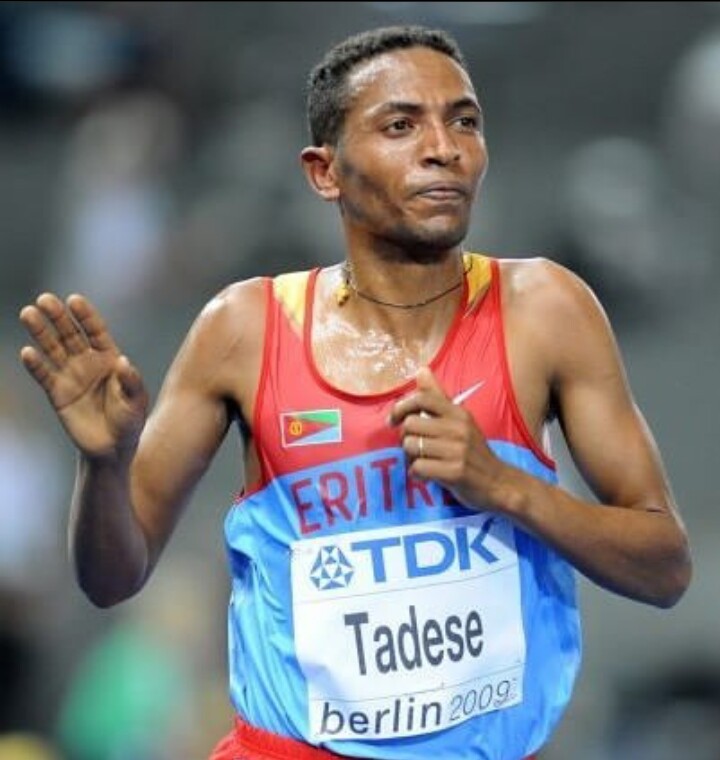
The year 2006 marked a defining chapter in his career. In April, Tadesse finished fourth at the World Cross Country Championships, playing a crucial role in Eritrea’s team silver medal alongside Yonas Kifle, Ali Abdallah, and Tesfayohannes Mesfen, narrowly beaten by Kenya. Later that year, in September, he captured gold at the inaugural IAAF World Road Running Championships over 20 kilometres, further cementing his versatility across surfaces.
December 2006 brought another iconic moment. Racing through the streets of Madrid, Spain, at the San Silvestre Vallecana, Tadesse shattered the 10-kilometre world record, stopping the clock at 26:54 and surpassing the previous mark held by Ethiopian legend Haile Gebrselassie. In 2010, he returned to the same event and claimed victory once again after a late navigation error by race leader Ayad Lamdassem of Spain, showcasing his experience and composure under pressure.
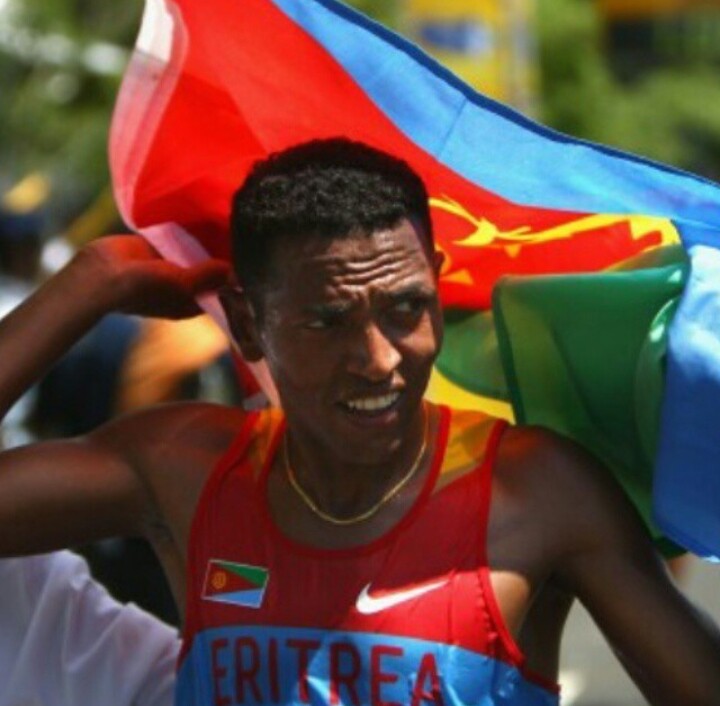
One of the crowning achievements of his career came in March 2007, when Tadesse conquered the World Cross Country Championships in Mombasa, Kenya, defeating Kenyan stars Moses Mosop and Bernard Kipyego on their home terrain in a powerful display of strength and tactical intelligence.
His medal collection reflects years of excellence at the highest level:
Olympic Games: Bronze
World Championships: Silver
World Cross Country Championships: Gold, two silvers, and four bronzes
World Half Marathon Championships: Four golds and one silver
Tadesse’s personal bests underline his remarkable range, from track to road:
3000 m – 7:39.93 | 5000 m – 12:59.27 | 10,000 m – 26:37.25 (Eritrean record) | 10 km road – 26:54 | 15 km – 42:17 | 20 km – 55:21 | Half marathon – 58:23 (world record) | Marathon – 2:08:46.
More than a champion, Zersenay Tadesse is a pioneer. He opened doors for Eritrean athletics, inspired generations, and proved that greatness can emerge from any corner of the world. His legacy is written not only in medals and records, but in the history he made for his nation.
by Erick Cheruiyot for My Best Runs.
Login to leave a comment
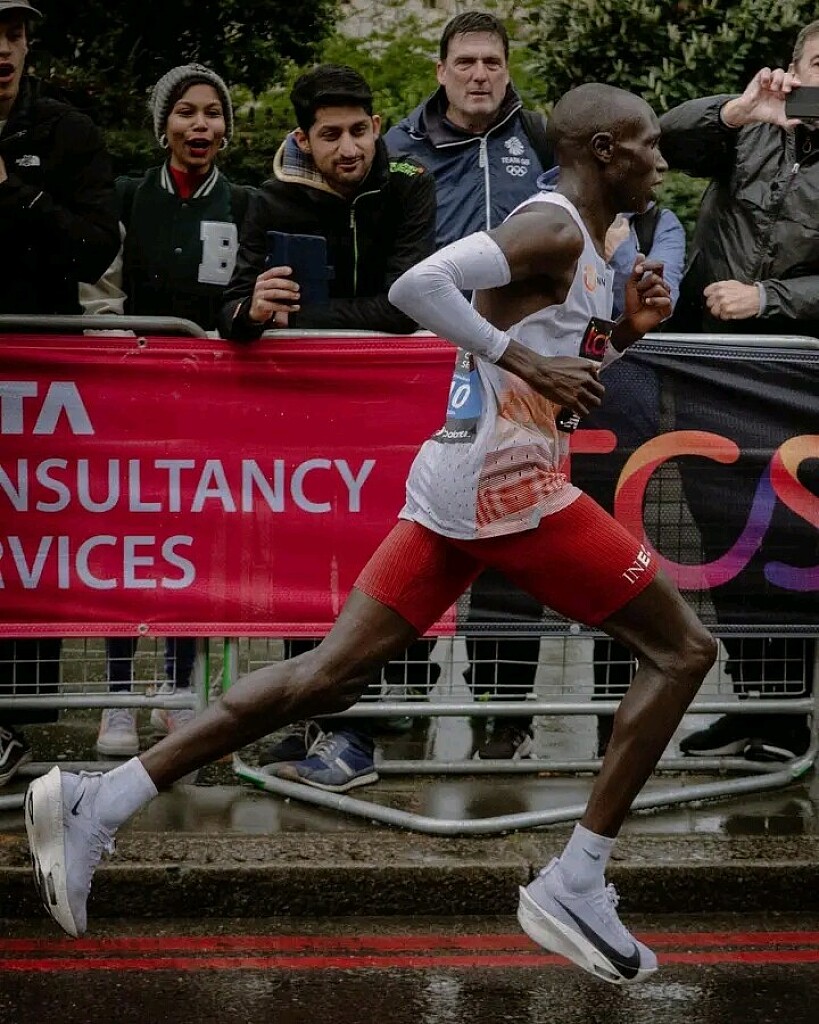
Ras Al Khaimah Awaits as Kamworor and Yeshaneh Return to the Roads That Made Them Legends
The Ras Al Khaimah Half Marathon is set to reclaim the global spotlight as two of the most accomplished distance runners of their generation prepare to headline its 19th edition on Saturday, 14 February. Kenya’s three-time world champion Geoffrey Kamworor and Ethiopia’s former women’s world record holder Ababel Yeshaneh lead a powerful elite field, returning to a race that has played a defining role in both of their careers.
For Kamworor, Ras Al Khaimah is where his rise to the very top truly began. In 2013, the then-emerging Kenyan delivered a stunning breakthrough performance, clocking 58:54 to announce himself on the world stage. More than a decade later, he returns as one of the most decorated half marathon runners in history. His achievements include three consecutive World Half Marathon titles, two World Cross Country crowns, and marathon victories at the New York City Marathon in 2017 and 2019. His 58:01 world record set in Copenhagen in 2019 still places him among the fastest men ever over 21.1 kilometers and makes him the quickest athlete on the 2026 Ras Al Khaimah start list.
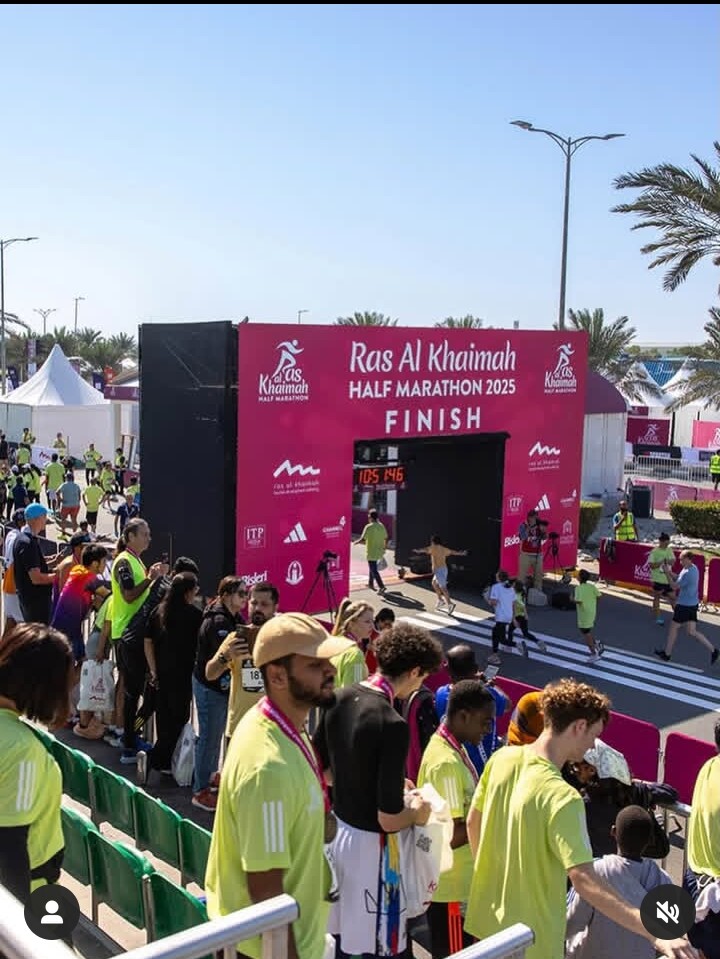
Matching that pedigree on the women’s side is Ababel Yeshaneh, whose name is forever woven into the fabric of this event. Her extraordinary run of 64:31 in 2020 did more than secure victory—it redefined what was thought possible in the women’s half marathon, lowering the world record by 20 seconds against a field of proven champions. That performance remains one of the most iconic moments in the history of the race.
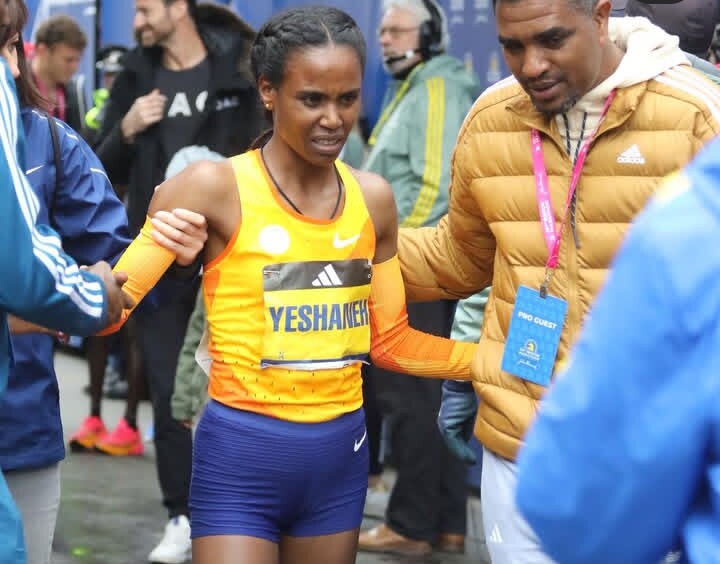
Yeshaneh’s career has been built on consistency and excellence across both track and road. She emerged internationally as a teenager before finishing ninth in the 10,000 meters at the 2013 World Championships in Moscow and competing in the Olympic 5,000 meters final in Rio in 2016. Away from the track, she has claimed half marathon victories in Istanbul and Buenos Aires and earned podium finishes at major city marathons in Boston, Chicago, and New York. Her more recent appearances in Ras Al Khaimah have added further depth to her story, from a non-finish in 2022 to a strong return in 2024, where she placed second in a fast 65:44.
Since its launch in 2007, the Ras Al Khaimah Half Marathon has grown into one of the most respected and fastest races on the global road-running calendar. Its flat, sea-level course and consistently favorable conditions have made it a magnet for the world’s best distance runners, a place where careers are launched, records are challenged, and history is often rewritten. The 2026 edition, once again staged entirely on Al Marjan Island, reinforces the event’s identity as a true proving ground for speed and excellence.
With Geoffrey Kamworor and Ababel Yeshaneh returning to the roads where defining moments of their careers were forged, the 2026 Ras Al Khaimah Half Marathon stands poised for another chapter of elite racing at its highest level. When proven champions and a course built for speed come together, the outcome is never ordinary. On these familiar shores, the world will once again watch as history, ambition, and excellence converge over 21.1 kilometers.
by Erick Cheruiyot for My Best Runs.
Login to leave a comment
Rak Half Marathon
The Rak Al Khaimah Half Marathon is the 'world's fastest half marathon' because if you take the top 10 fastest times recorded in RAK for men (and the same for women) and find the average (for each) and then do the same with the top ten fastest recorded times across all races (you can reference the IAAF for this), the...
more...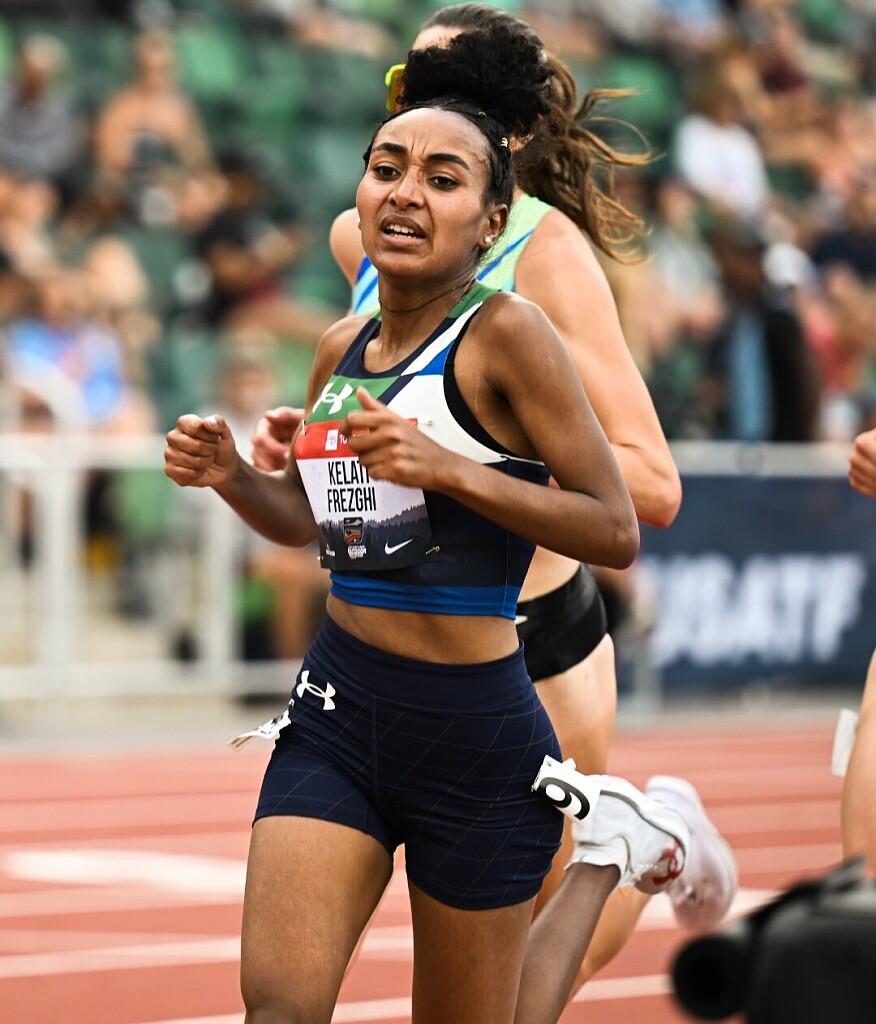
Weini Kelati Takes the Next Step, Signs With Nike Ahead of Barcelona Half Marathon
Weini Kelati’s upward trajectory in global distance running has reached another defining moment. The 2024 Olympian and American half marathon record holder has officially announced that she has signed with Nike, a move that signals both recognition of her rise and confidence in what lies ahead.
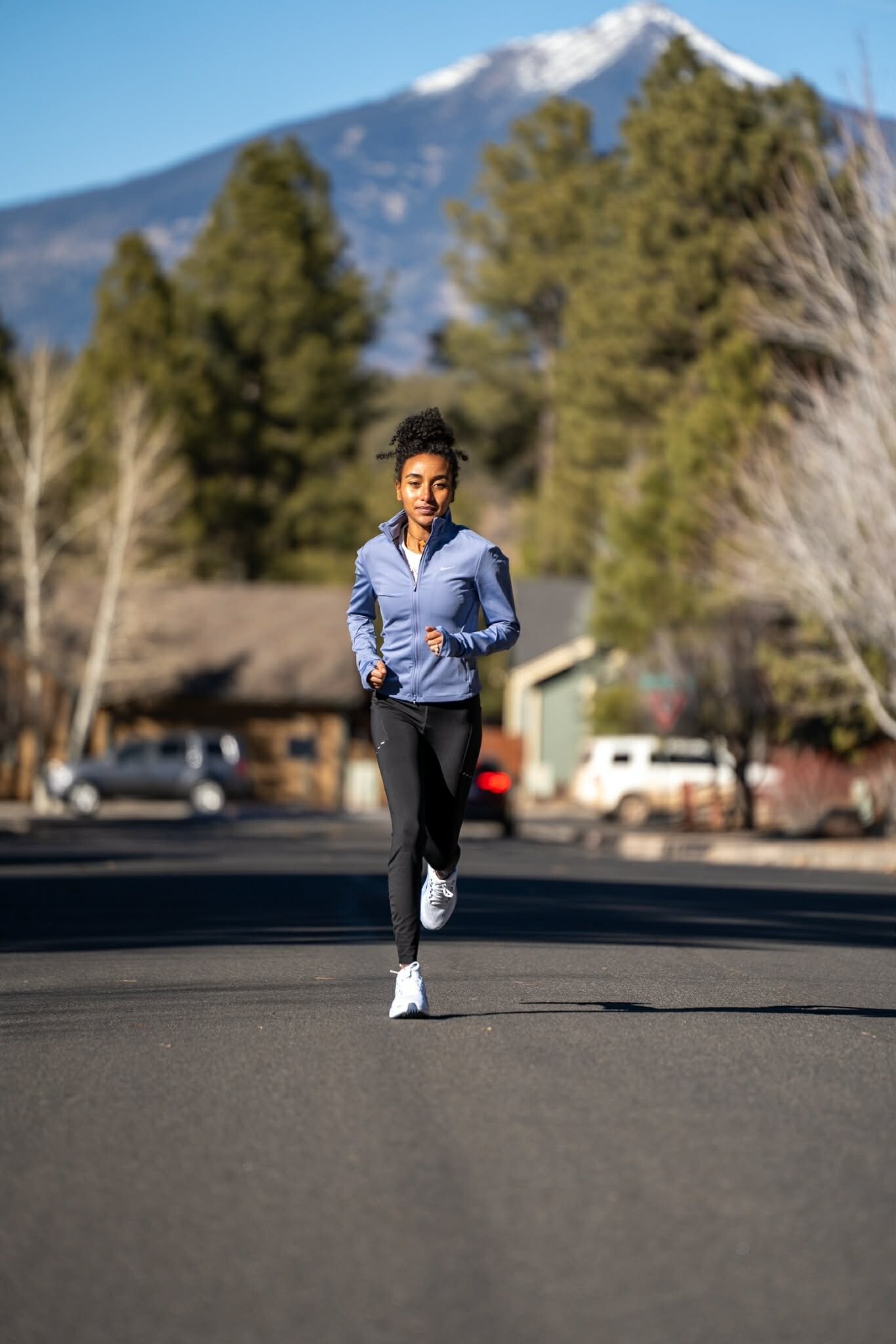
Kelati shared the news on her social media two days ago, writing: "I am excited to announce that I will be continuing my running journey with the support of Nike. I can't wait for this new chapter of my career. Looking forward to incredible years ahead." The statement reflects both her enthusiasm and focus as she steps into this next stage.
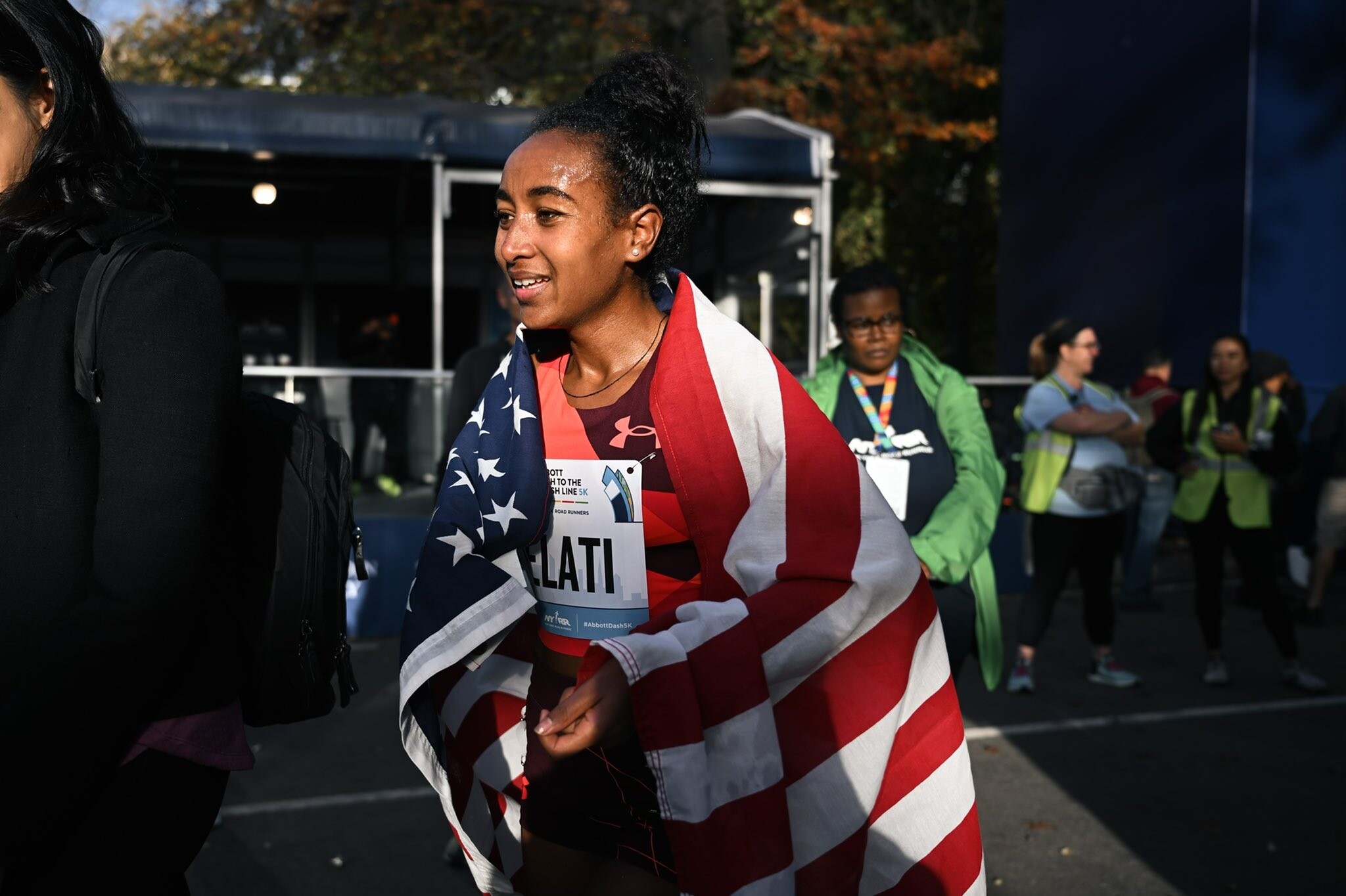
Kelati has steadily built her reputation as one of the most consistent and versatile road racers representing the United States. Most recently, she competed for Team USA at the World Cross Country Championships, adding another major international appearance to a résumé that continues to grow in depth and prestige. Her ability to transition seamlessly between cross country and road racing has become one of her standout strengths.
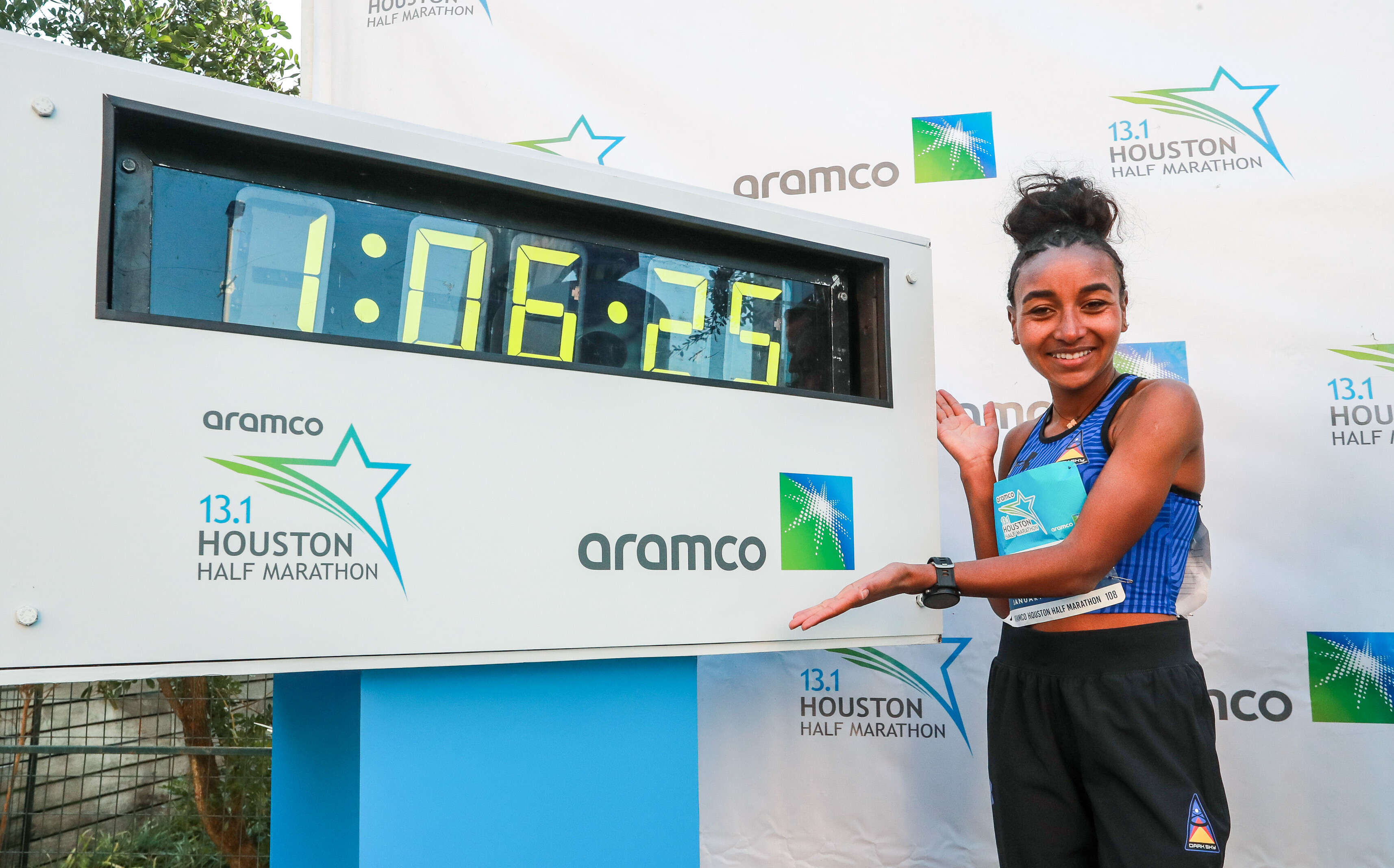
The timing of the announcement aligns perfectly with her competitive calendar. Kelati is set to line up at the Barcelona Half Marathon on February 15, one of Europe’s fastest and most competitive road races. The event offers an ideal stage for an athlete in peak form, and all eyes will be on how she performs against a deep international field.
Kelati enters Barcelona carrying the confidence of history. She holds the American half marathon record with a time of 1:06:09, set at the Houston Half Marathon, a performance that not only rewrote the national record books but also confirmed her status among the world’s elite over the distance. That run showcased her trademark combination of patience, strength, and a devastating late-race surge.
Signing with Nike marks a new chapter, but the story remains familiar: steady progression, big-race composure, and relentless ambition. With her record-breaking form and this new partnership, Kelati’s journey promises to be watched closely by fans worldwide, as she continues to push the limits of American distance running.
by Erick Cheruiyot for My Best Runs.
Login to leave a comment

Aramco Houston Half Marathon
The Chevron Houston Marathon provides runners with a one-of-a-kind experience in the vibrant and dynamic setting of America's fourth-largest city. Renowned for its fast, flat, and scenic single-loop course, the race has earned accolades as the "fastest winter marathon" and the "second fastest marathon overall," according to the Ultimate Guide to Marathons. It’s a perfect opportunity for both elite athletes...
more...
From Florida to Eldoret: World Champions Headline Valentine’s Day Showdown at the 2026 Sirikwa Classic Cross Country Tour
The global cross-country season shifts back to its spiritual home on February 14, as the rolling red-clay hills of Lobo Village in Kapseret, Eldoret, once again host one of the sport’s most anticipated stops on the calendar.
Now in its fifth edition, the Sirikwa Classic has grown from a strong regional race into a true international showcase. As a Gold Label meeting on the World Athletics Cross Country Tour, it regularly attracts Olympic finalists, world medalists, and the next wave of Kenyan stars. This year feels even bigger. Fresh off the world stage, champions arrive carrying momentum — and unfinished business.
Ebenyo Chasing History
The spotlight in the senior men’s 10K falls squarely on Daniel Simiu Ebenyo.
A fan favorite and proven cross-country specialist, Ebenyo returns to Eldoret aiming for something special: a third straight Sirikwa title. A hat-trick on this course would place him firmly among the event’s legends.
He comes in sharp.
Just weeks ago at the World Athletics Cross Country Championships in Tallahassee, Florida, Ebenyo battled through a demanding layout to secure an individual bronze medal — his first global cross-country podium. His 28:45 effort on a tough course confirmed what many already believed: he’s operating at another level.
But nothing comes easy in Eldoret.
Waiting are familiar rivals, including 2025 runner-up Gideon Kipkertich Rono and third-place finisher Nicholas Kipkorir. Expect an aggressive early pace and a rematch that could come down to the final climb.
Ngetich Returns as Queen of the Hills
If the men’s race promises fireworks, the women’s contest may be even more electric.
Defending champion Agnes Jebet Ngetich arrives as arguably the most dominant road and cross-country runner on the planet.
Over the past year, Ngetich has rewritten expectations. She owns the world 10K road record at 29:24 and became the first woman ever to break 30 minutes in a women-only race. Then she doubled down, capturing gold at the World Cross Country Championships in Tallahassee.
Now she returns to Eldoret wearing the target.
Challengers are lining up. Caren Chebet and Miriam Chebet, both top-ten finishers last year, will look to turn this into a tactical fight on home soil. But beating Ngetich on Kenyan terrain is a tall order. When she surges, few can respond.
The Next Generation Takes the Stage
As always, the Sirikwa Classic isn’t just about today’s stars — it’s about tomorrow’s.
The Under-20 races have quietly become talent factories, launching athletes toward global success.
In the U20 women’s 6K, nearly the entire 2025 top ten returns. Defending champion Cynthia Chepkurui renews her rivalry with Joyline Chepkemoi in what could be one of the day’s most unpredictable battles.
The U20 men’s 8K features rising names like Nehemiah Kipng’eno and Andrew Kiptoo Kiprop — young athletes studying the blueprint laid down by Ebenyo and Ngetich: dominate locally, then conquer the world.
Valentine’s Day, Kenyan Style
By the time athletes collect their bibs on February 13, the energy around Lobo Village will feel unmistakable. Coaches shouting splits, spikes crunching over dirt paths, and the thin high-altitude air carrying the buzz of expectation.
This isn’t just another meet.
It’s cross-country at its purest — hills, strength, heart, and pride.
With world medalists leading the charge and hungry juniors ready to break through, the 2026 Sirikwa Classic is shaping up to be a Valentine’s Day duel worthy of Kenya’s distance-running legacy.
Don’t blink. These races rarely wait for anyone.
by Robert Kibet for My Best Runs
Login to leave a comment
Bernard Lagat Appointed USATF General Manager of Youth Programs
Five-time Olympian and eight-time world champion Bernard Lagat has taken on a new mission—this time off the track—after being appointed General Manager of Youth Programs by USA Track & Field (USATF).
One of the most accomplished middle-distance runners in athletics history, the Kenyan-born American will now play a central role in shaping the future of the sport in the United States. In his new position, Lagat will oversee USATF’s wide-ranging youth structure, including flagship competitions such as the Junior Olympics, Youth National Championships, and U20 Championships.
Beyond managing existing programs, Lagat has been tasked with expanding opportunities for young athletes nationwide. His mandate includes the development of new initiatives such as training camps, mentorship pathways, and long-term athlete development programs, aimed at nurturing talent both on and off the track.

Lagat’s appointment comes with strong credentials beyond his legendary racing career. He previously served on the USATF Board of Directors, giving him valuable insight into the organization’s governance and strategic direction. His experience also extends into collegiate coaching, having worked as head cross country coach and assistant track and field coach at the University of Arizona, where he contributed to athlete development at the highest NCAA level.
Widely respected for his professionalism, longevity, and deep understanding of elite performance, Lagat now transitions into a leadership role that aligns with his passion for giving back to the sport. His influence is expected to help bridge the gap between grassroots athletics and the international stage, inspiring the next generation of American runners.
With Bernard Lagat at the helm of youth development, USATF signals a strong commitment to building a sustainable future—guided by one of the sport’s most enduring and respected figures.
by Erick Cheruiyot for My Bestruns.
Login to leave a comment
