

Running News Daily
Running News Daily is edited by Bob Anderson and team. Send your news items to bob@mybestruns.com Advertising opportunities available.
Index to Daily Posts · Sign Up For Updates · Run The World Feed
Articles tagged #Running Shoes
Today's Running News
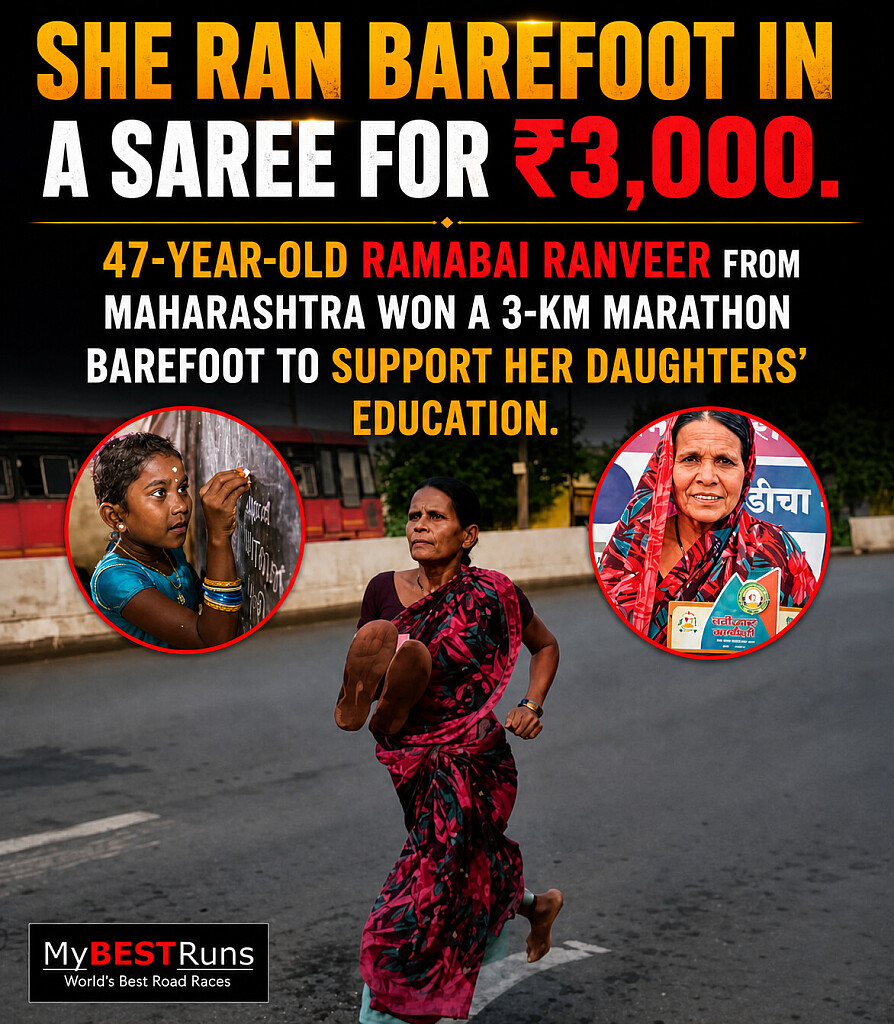


Ramabai Ranveer’s Barefoot Triumph: A Mother’s Race For Her Daughters’ Future
In a race filled with younger runners dressed in tracksuits and equipped with modern racing shoes, 47-year-old Ramabai Ranveer arrived at the starting line in a sari and a pair of simple slippers. What followed was a remarkable display of determination, courage and a mother’s unwavering commitment to her children.

Ranveer, from Ambajogai in Maharashtra’s Beed district, lined up for the three-kilometre Amrit Daud with one clear motivation: to compete for the ₹3,000 first prize and use the money to support her daughters’ education.
The race, organised by a local organisation as part of celebrations marking a milestone for an educational complex in Ambajogai, brought together runners of different ages. The short course stretched from Chhatrapati Shivaji Maharaj Chowk to Bhagyanagar Chowk, creating an unexpected stage for Ranveer’s extraordinary performance.
Not long after the start, her slippers began slipping from her feet. Rather than stopping, she made a quick decision. She removed them, carried them in her hand and continued running barefoot.
Over the cold road and loose stones, Ranveer kept moving, lifting her sari clear of her legs and steadily overtaking runners around her. With every step, she moved closer to the front until she found herself leading the race.
By the time she reached the finish line, the woman who had started the race in ordinary slippers had become its winner—barefoot, determined and cheered on by spectators who had witnessed an unforgettable effort.
But for Ranveer, the race was about far more than winning.
Her husband died in an accident in Mumbai, leaving her to raise their two daughters. She supported the family through farm work before taking a job as a cook at the academy where her elder daughter studies. Her daily life revolves around the kitchen, household responsibilities and helping her daughters prepare for their examinations.
Her elder daughter, Pooja, who encouraged her mother to enter the race, finished second. Even Pooja did not expect her mother to beat the younger field and claim victory.
Pooja is preparing for police recruitment, while her sister Arti is studying for banking examinations. The academy’s director has also waived Pooja’s fees after witnessing her dedication to her studies.
As Ranveer ran, she said, she could picture her daughters’ future ahead of her. Every painful step became part of a larger purpose: giving her children opportunities she had worked tirelessly to create for them.
And the reward at the finish line became even more meaningful.
Instead of the advertised ₹3,000 first prize, Ranveer received ₹5,000. She immediately knew where the money belonged.
“I’m so happy they gave me ₹5,000 instead of ₹3,000. I bought notebooks and pens for my daughter Pooja. The remaining money is for Arti,” she told The Times of India.
The notebooks and pens have already been bought, turning the prize money into something far more valuable than a race victory.
Ramabai Ranveer may have crossed the finish line first, but her greatest victory was never really about the race. It was about two daughters, two dreams and a mother willing to run barefoot over stones to help them reach their future.
Sometimes, the most powerful running shoes are determination, sacrifice and a mother’s love.
by Erick Cheruiyot for My Best Runs.
Login to leave a comment

Josh Kerr's Greatest Victory Wasn't the World Record—It Was Inspiring the Next Generation
Josh Kerr had every reason to celebrate.
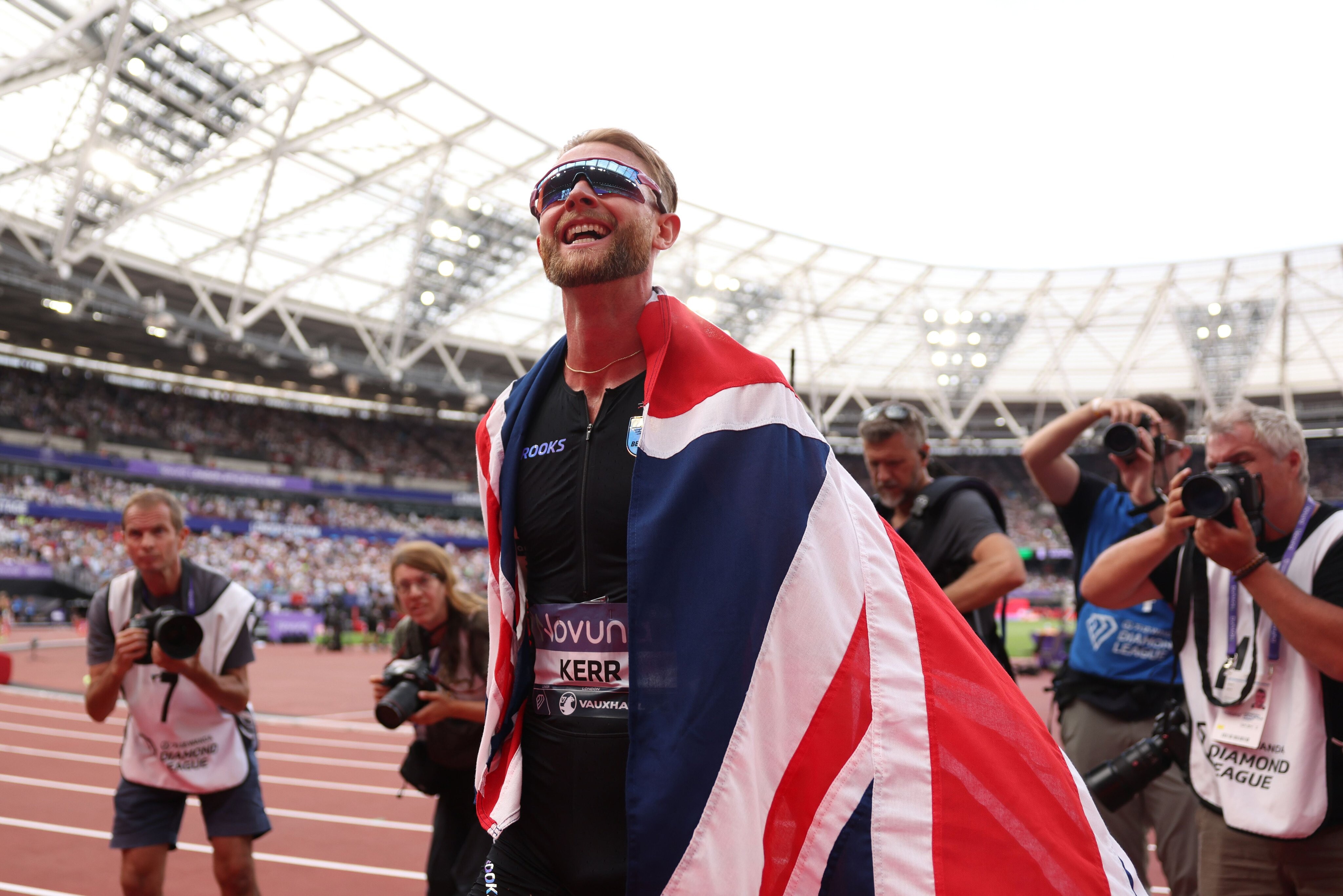
Moments earlier, the British star had delivered the race of his life, storming to a breathtaking 3:42.66 to erase Hicham El Guerrouj's 27-year-old mile world record before a jubilant home crowd at the London Diamond League. Years of sacrifice, relentless training and an unwavering belief in Project 222 had finally paid off, placing his name among the greatest athletes the sport has ever known.
For many champions, that would have been the end of a perfect evening.
For Josh Kerr, it was only the beginning.
Just a couple of hours after rewriting athletics history, Kerr was no longer in the spotlight celebrating his achievement. Instead, he was back on the warm-up track, patiently signing autographs, posing for photos and sharing smiles with young fans who had stayed behind to meet their new hero.
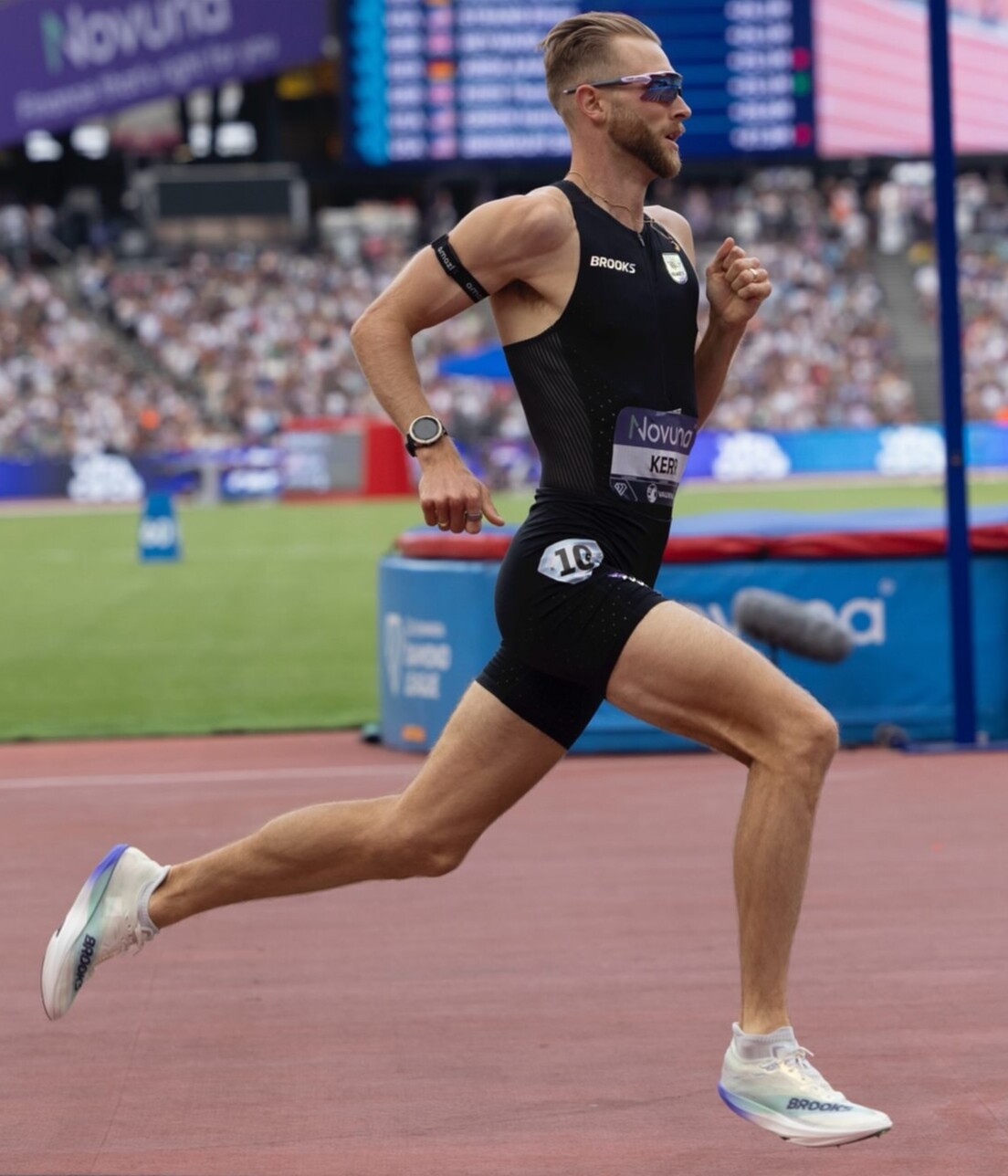
It was a simple gesture, yet one that spoke volumes about the man behind the world record.
The fastest miler on the planet understood that his greatest legacy would not be measured solely by 3:42.66 or by the world record beside his name. It would be measured by the dreams he ignited in the hearts of children who watched him accomplish what many believed was impossible.
Every signature was a reminder that greatness carries responsibility. Every conversation was an opportunity to inspire a youngster to lace up a pair of running shoes, believe in themselves and chase ambitions that seem beyond reach.
Kerr's journey to the top was never an overnight success. It was built through years of discipline, resilience and countless hours of preparation. There were setbacks, doubts and expectations to overcome, but he never stopped believing that one day he could stand atop the sport.
That belief became reality in London.
Yet instead of allowing the world record to define him, Kerr chose to give something back. In doing so, he showed that true champions are remembered not only for how fast they run, but also for how they treat people when the cheering fades.
His unforgettable performance shattered one of athletics' most iconic records. His humility afterwards may prove even more enduring.
Josh Kerr didn't just leave London as the fastest miler in history.
He left as an inspiration to the next generation, proving that the greatest victories are those that encourage others to believe that they, too, can achieve the extraordinary.
by Erick Cheruiyot for My Best Runs.
Login to leave a comment
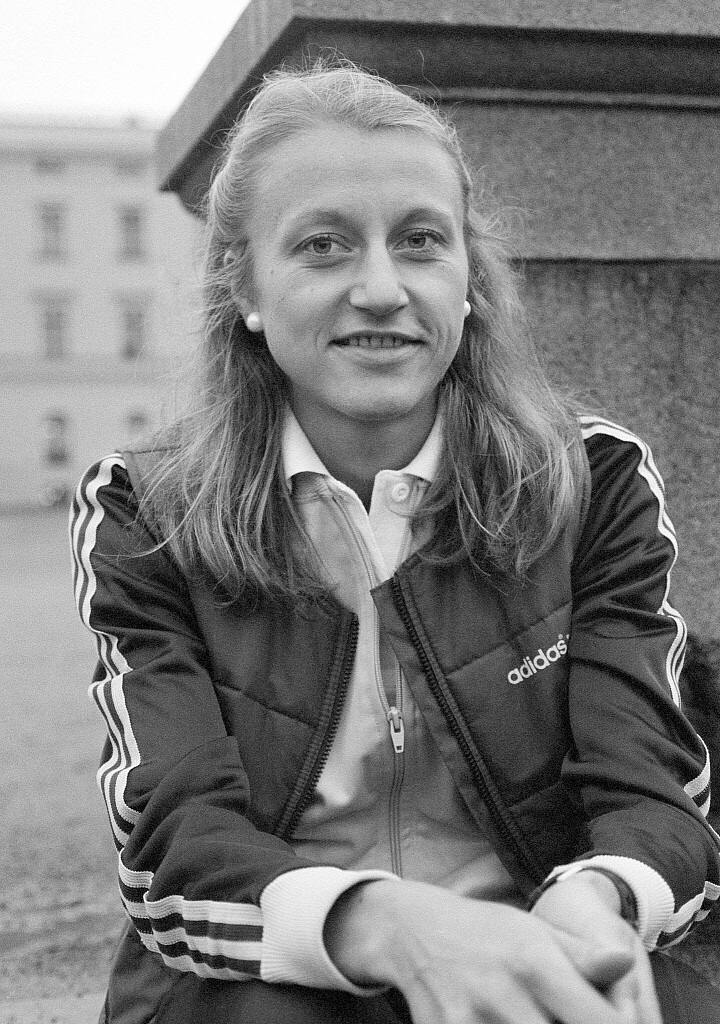
From an Unplanned Marathon to Immortality: The Incredible Story of Grete Waitz's Nine New York City Marathon Victories
When Grete Waitz boarded a flight to New York in October 1978 with her husband, Jack, becoming one of the greatest marathon runners in history was the last thing on her mind.
At just 25 years old, the Norwegian schoolteacher was an accomplished middle-distance athlete and a two-time Olympian over 1,500 metres. She had never raced a marathon, and the furthest she had ever run was only 10 miles in training. The journey to the United States was intended to be more of a holiday than a sporting mission.
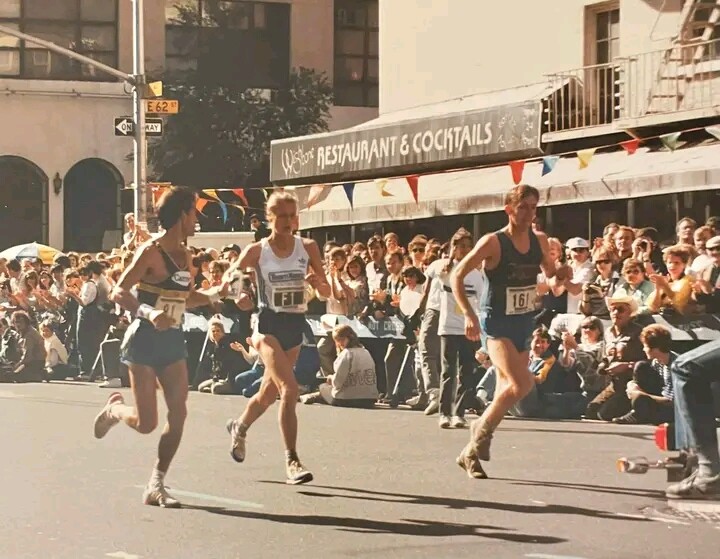
New York City Marathon co-founder Fred Lebow had personally invited Waitz to compete. Privately, he believed her lack of endurance experience would eventually catch up with her and that she would likely fade in the second half of the race. Instead, he unknowingly invited a future legend.
The evening before the marathon reflected just how little pressure Waitz placed on the race. She and Jack enjoyed an elegant dinner in Manhattan, complete with shrimp cocktail, filet mignon, ice cream, and red wine. It was hardly the meal most would associate with preparing for a world-class marathon, but for the couple, the trip was simply another adventure.
Even on race morning, Waitz admitted she barely knew where Central Park was.
Wearing bib 1173, she settled into the race with no expectations. As the miles unfolded, however, the Norwegian newcomer grew stronger while others began to struggle. In the second half, she surged into the lead and never looked back.
When she crossed the finish line in 2:32:30, the athletics world was left in disbelief.
Not only had Waitz won her marathon debut by an astonishing nine minutes, but her performance was also recognized as a new world record at the time, lowering the previous mark by more than two minutes. A woman virtually unknown to marathon running had rewritten the sport's history in a single afternoon.
Yet the finish line brought anything but celebration.
Completely exhausted, battling severe cramps and overwhelmed by the pain of her first marathon, Waitz reportedly threw her running shoes toward her husband and coach, Jack, insisting she would never run another marathon.
Fortunately for the sport, she changed her mind.
Her remarkable victory transformed her career. Inspired by what she had achieved, Waitz left her teaching profession in Norway and dedicated herself fully to long-distance running. What began as a one-time experience evolved into one of the greatest careers the marathon has ever witnessed.
Between 1978 and 1988, she captured an unprecedented nine New York City Marathon titles—a record that still stands as the most victories by any athlete, male or female, in a World Marathon Major. She also became the first woman in history to run under 2 hours and 30 minutes in 1979 and established four marathon world records, helping redefine what women could accomplish over 42.195 kilometres.
Beyond the records and victories, Grete Waitz became a global icon whose humility, determination, and fearless approach inspired generations of runners. She proved that greatness sometimes arrives when opportunity meets courage—even when no one, including the athlete herself, expects it.
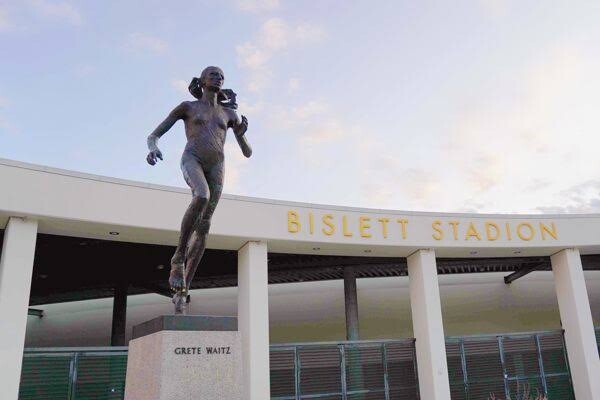
Grete Waitz passed away from cancer in 2011 at the age of 57, but her legacy continues to endure. A statue outside Bislett Stadium in Oslo stands as a permanent tribute to the woman who arrived in New York as a schoolteacher on holiday and left as the athlete who forever changed marathon history.
by Erick Cheruiyot for My Best Runs.
Login to leave a comment
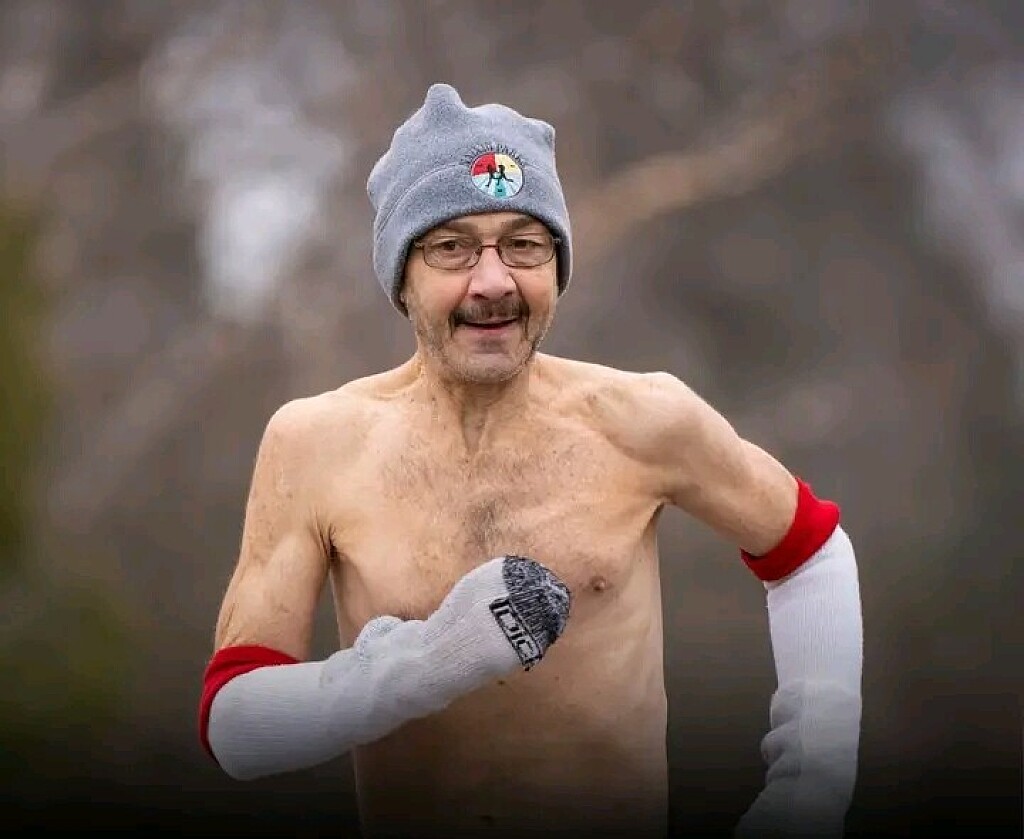
55 Years Without a Day Off: The Extraordinary Running Streak of Steve DeBoer
In a sport where consistency is often measured in training blocks and racing seasons, one man has redefined what dedication truly means.
For more than five and a half decades, Steve DeBoer has done something almost unimaginable: he has run every single day.
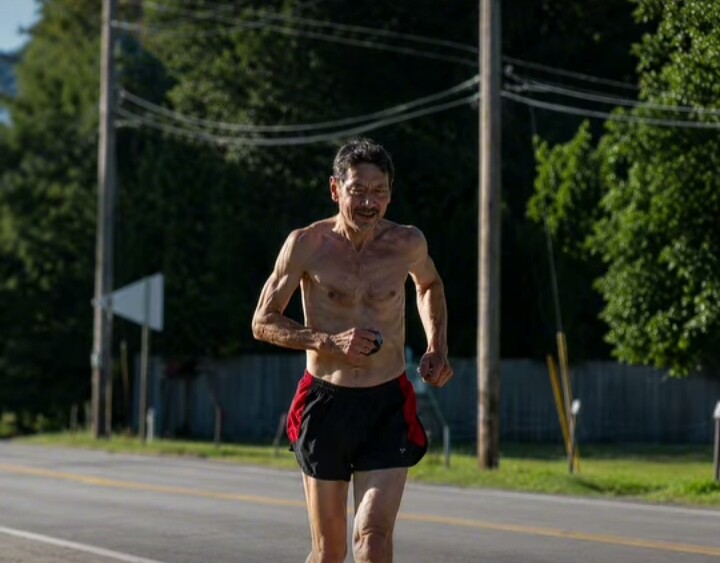
The 71-year-old Minnesotan has maintained a running streak stretching beyond 55 years, accumulating more than 20,400 consecutive days on the move. Through snowstorms, holidays, family commitments, personal challenges, and the countless disruptions that life inevitably brings, DeBoer has never allowed a day to pass without lacing up his running shoes.
What began as a simple ambition during his teenage years has evolved into one of the most remarkable displays of endurance and discipline in the running world.
Ironically, DeBoer's journey started on a basketball court rather than a running track. As a teenager, he took up running in an effort to improve his fitness and secure a place on his school's basketball team. The plan did not work out as hoped—he failed to make the squad—but the experience ignited a passion that would shape the rest of his life.
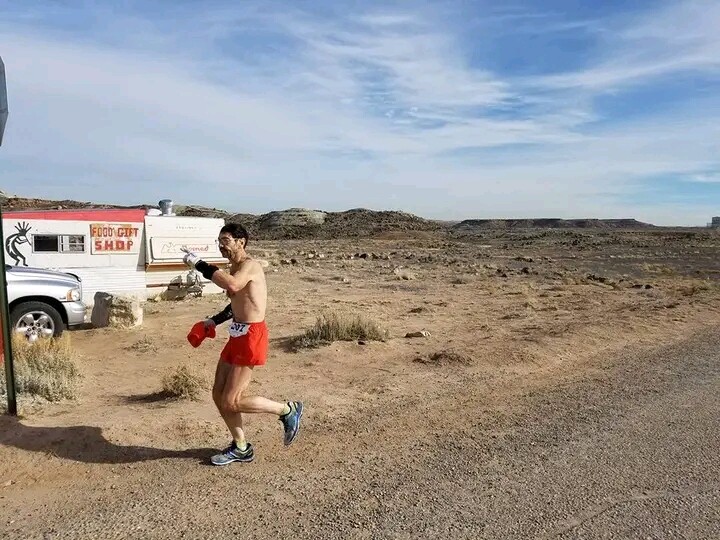
While many athletes eventually move on from their youthful ambitions, DeBoer never stopped.
One day became a week. A week became a month. Months turned into years, and years transformed into decades. What started as a fitness routine gradually became a lifelong commitment built on persistence rather than perfection.
His streak survived the harsh winters of Minnesota, where freezing temperatures and deep snow can discourage even the most dedicated runners. It endured vacations, demanding work schedules, family responsibilities, and the unexpected obstacles that often derail long-term goals.
Yet every day, regardless of the circumstances, DeBoer found a way to keep moving forward.
The numbers alone are staggering. More than 20,000 consecutive days of running represent a level of consistency that few athletes in any discipline can match. For most runners, progress is tracked through personal bests, race victories, or annual mileage totals. For DeBoer, success has been measured in something far rarer—the ability to show up every single day for more than half a century.
And remarkably, he is not finished yet.
Now in his seventies, DeBoer has set his sights on an ambitious new challenge. Before reaching his 80th birthday, he hopes to accumulate enough lifetime running miles to equal the distance from Earth to the Moon.
It is a goal that sounds almost impossible at first glance. Then again, so did running every day for 55 years.
His story serves as a powerful reminder that greatness is not always defined by championships, records, or moments of glory. Sometimes it is built through quiet determination, repeated day after day, year after year, for a lifetime.
After more than 20,400 consecutive days of running, Steve DeBoer has already accomplished something extraordinary. And if history is any guide, there is little reason to doubt that his next milestone may be within reach as well.
by Erick Cheruiyot for My Best Runs.
Login to leave a comment
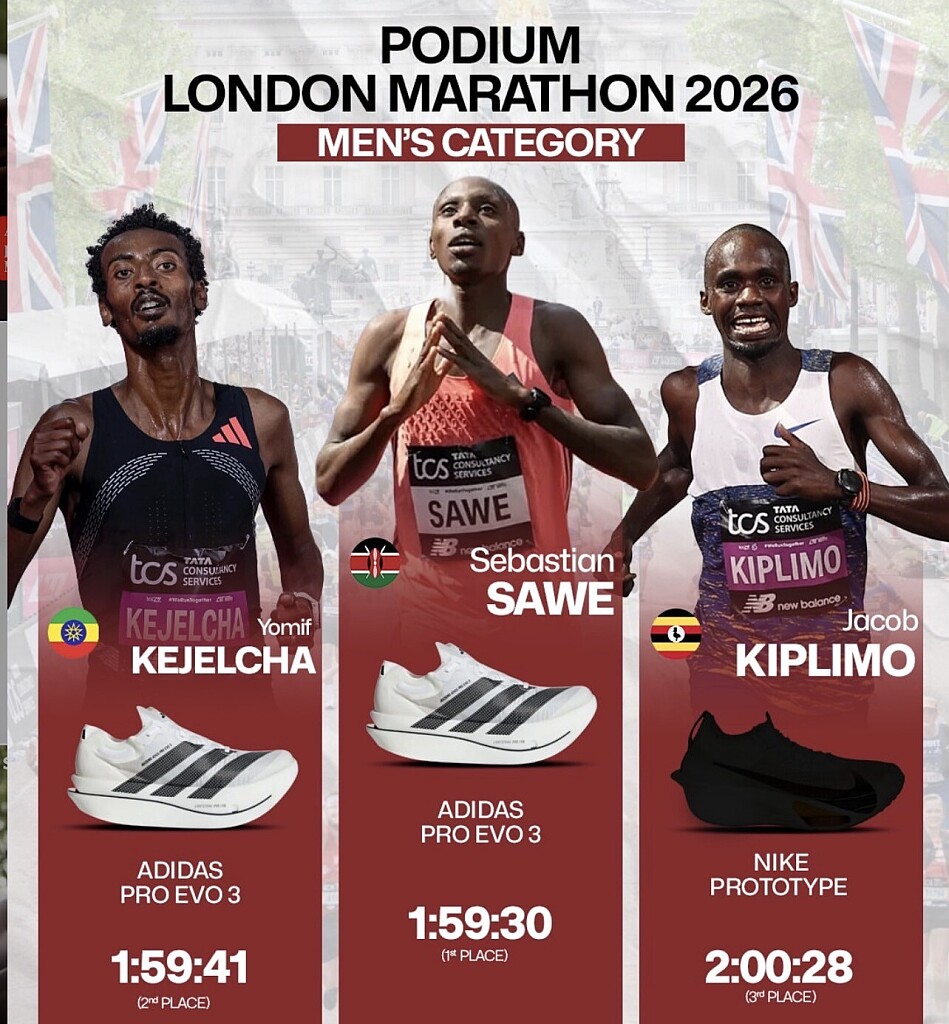
The $630 Shoe That Helped Sabastian Sawe Break Two Hours
At the 2026 London Marathon, Sabastian Sawe delivered one of the most remarkable performances in distance running history—becoming the first athlete to break two hours in an official marathon. But this wasn’t just a victory for the runner. It was a defining moment for Adidas.
On his feet: the Adidas Adios Pro Evo 3, a purpose-built “super shoe” designed with one goal—maximum speed over the marathon distance. Ultra-lightweight and engineered with advanced foam and a carbon-based propulsion system, the Evo 3 represents Adidas’ most aggressive push yet into elite performance footwear.
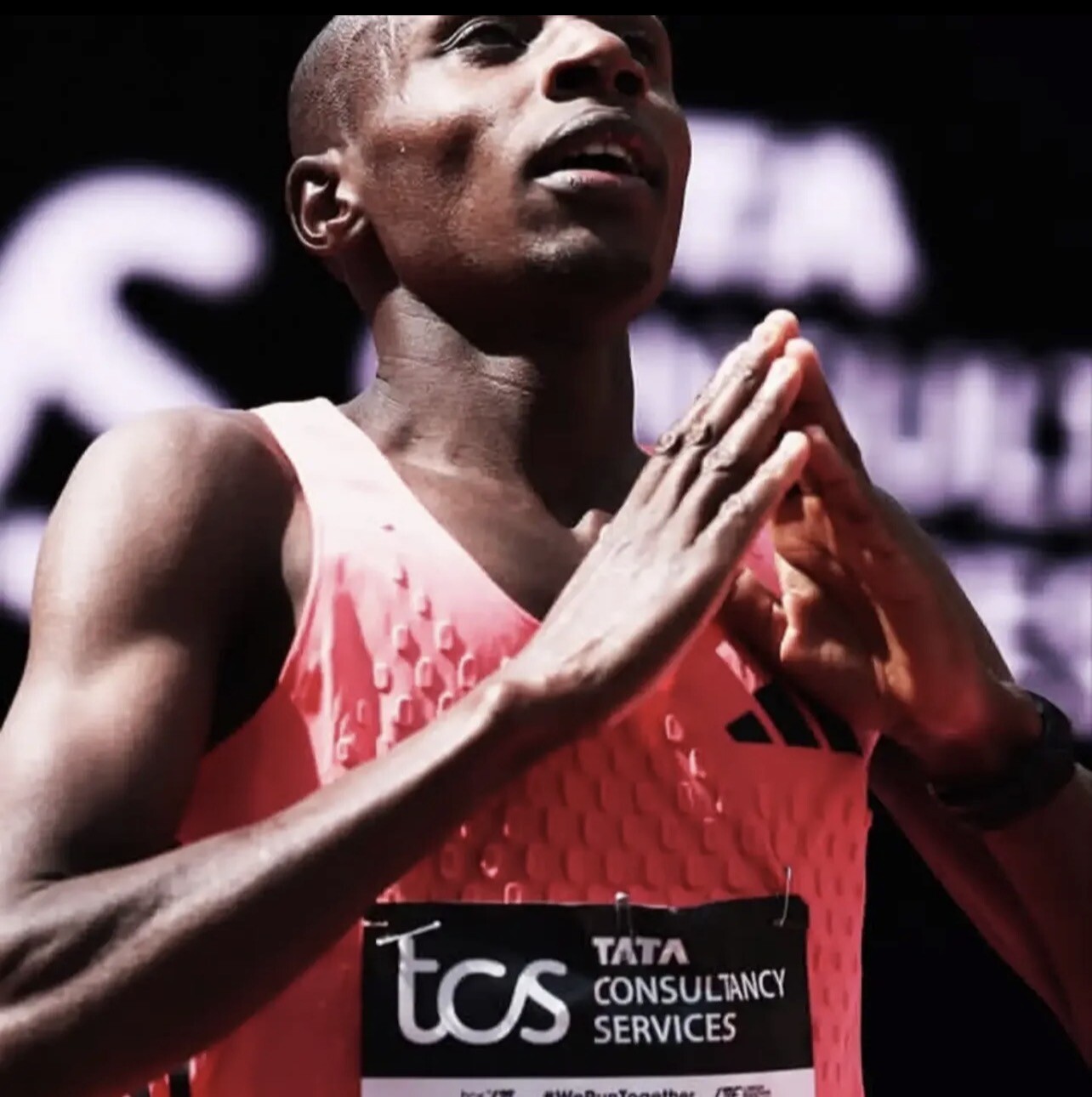
The shoe carries a price tag to match—approximately $630 USD (€580)—making it one of the most expensive running shoes ever produced. Built almost exclusively for race day, it sacrifices durability for performance, delivering every possible advantage to the athlete wearing it.
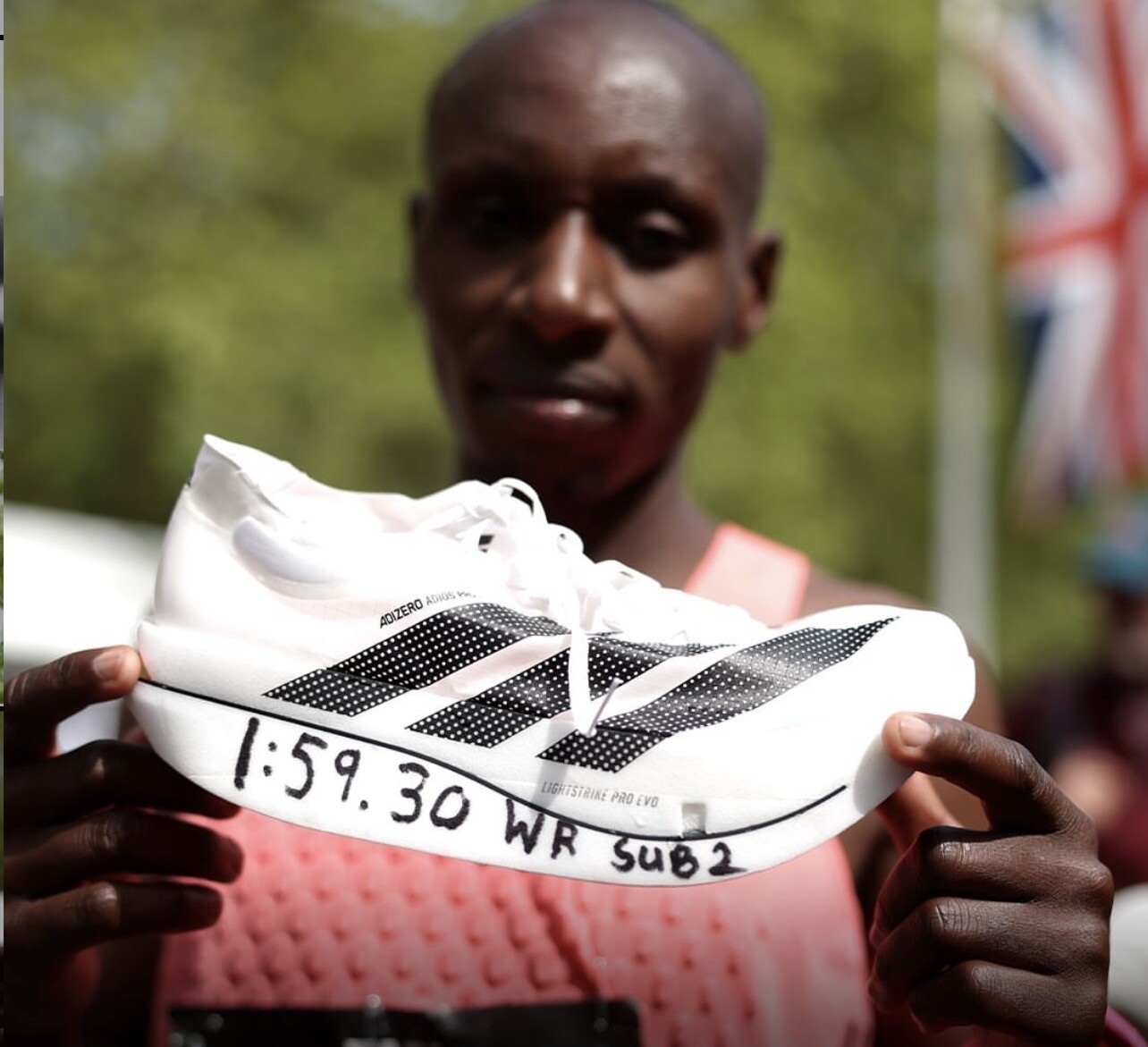
For Adidas, the payoff goes far beyond the finish line. Sawe’s historic run instantly elevated the brand’s position in the global “super shoe” race, delivering exposure that no marketing campaign could replicate. While exact figures have not been disclosed, performances of this magnitude typically trigger significant sponsor bonuses. Industry estimates suggest Sawe could earn between $500,000 and $1 million from Adidas alone, with total earnings from prize money and endorsements likely exceeding $1 million

But for those who have followed the sport for decades, this moment carries even deeper meaning.

“I remember clearly when the marathon world record was 2:08:33, set by Derek Clayton in Antwerp on May 30, 1969, and he held it for 12 years until it was finally broken on December 6, 1981 by Robert de Castella,” says MBR publisher and Runner’s World founder Bob Anderson. “Back then, I never thought I would live to see a sub-two-hour marathon.
Derek set that mark wearing very thin racing flats—nothing like what athletes have today. There were no pacers, no advanced shoe technology, and very little financial reward. He trained up to 200 miles a week and had more guts than anyone I’ve ever known. The biggest financial benefit he ever received from that record was when I later hired him as advertising sales director at Runner’s World—a package worth over $300,000.
Today, that same 2:08 wouldn’t even place in the top ten in many major marathons. The sport has changed dramatically. But what excites me most is seeing just how far it has come—from raw determination and wafer-thin shoes to a combination of talent, science, and technology. Sawe’s run, powered in part by one of the most advanced and expensive racing shoes ever built, is a perfect example of that evolution.”
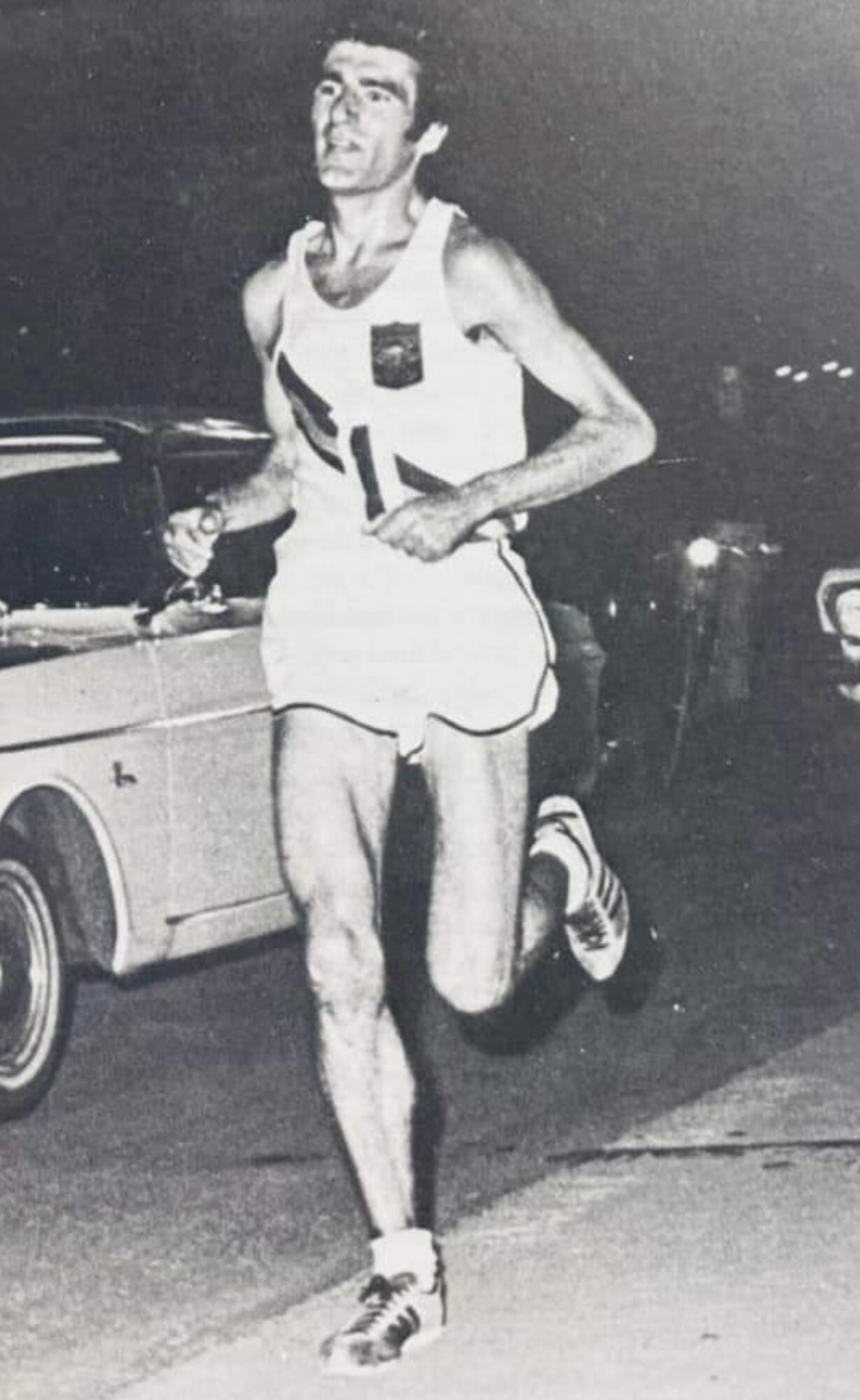
There is one striking connection between then and now. The shoes Derek Clayton wore for his 1969 world record were made by Adidas. More than half a century later, Adidas is once again at the center of a historic breakthrough—this time helping push the marathon beyond what was once thought impossible.
From wafer-thin soles in 1969 to $630 super shoes today, the marathon has entered a new era—and Adidas has been there at both ends of the journey.
by Bob Anderson for My Best Runs
Login to leave a comment
TCS London Marathon
Since its inaugural edition on March 29, 1981, the TCS London Marathon has grown into one of the world's most prestigious road races, blending elite competition with an extraordinary charitable legacy. Founded by former Olympic champion and journalist Chris Brasher alongside Welsh athlete John Disley, the event has been staged every year and has been held in the spring annually...
more...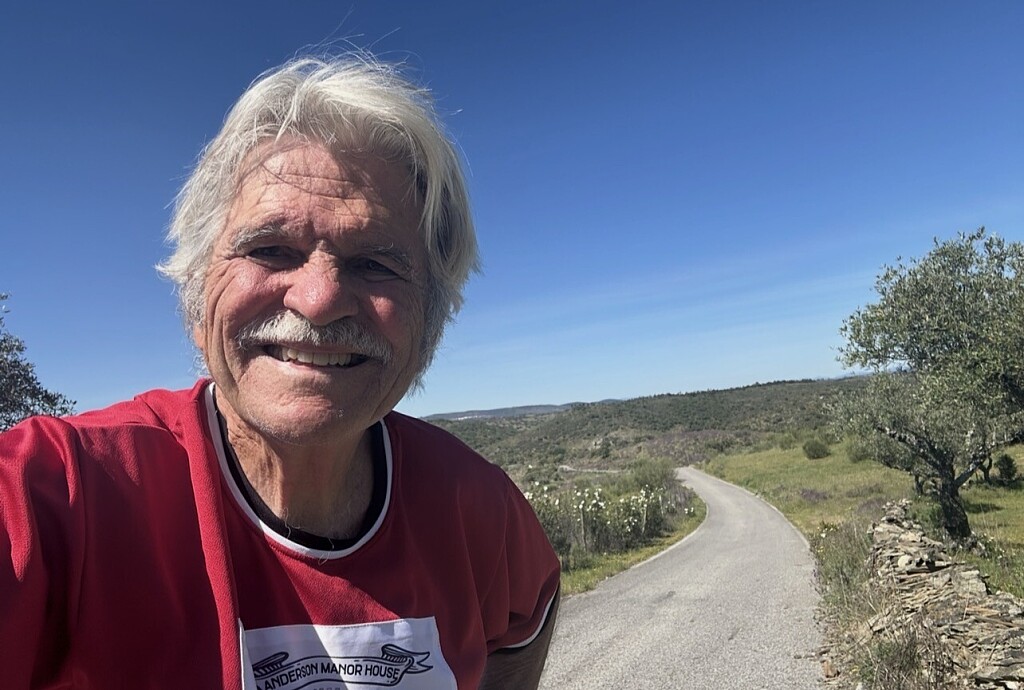
Finding My Way Back One Step at a Time
At our Anderson Manor (second photo) in central Portugal, I recently started something I didn’t plan.
I call it the “Four Day Monforte and Beyond Marathon.”
Not a race.

Not a timed effort.
Just a personal journey—one that has come to mean more to me than most runs I’ve done.
The route connects three nearby villages that are part of daily life here:
• Cegonhas — 6.53 miles
• Malpica — 8.12 miles
• Ladoeiro — 7.2 miles
That’s 21.85 miles point to point.
To complete the marathon distance, I will finish on Tuesday with a 4.35-mile loop heading out toward a local cheese farm, turning around after passing hundreds of cactus plants—one of those unexpected sights you only find in this part of Portugal.
Total: 26.2 miles.
But I’m doing it over four days.
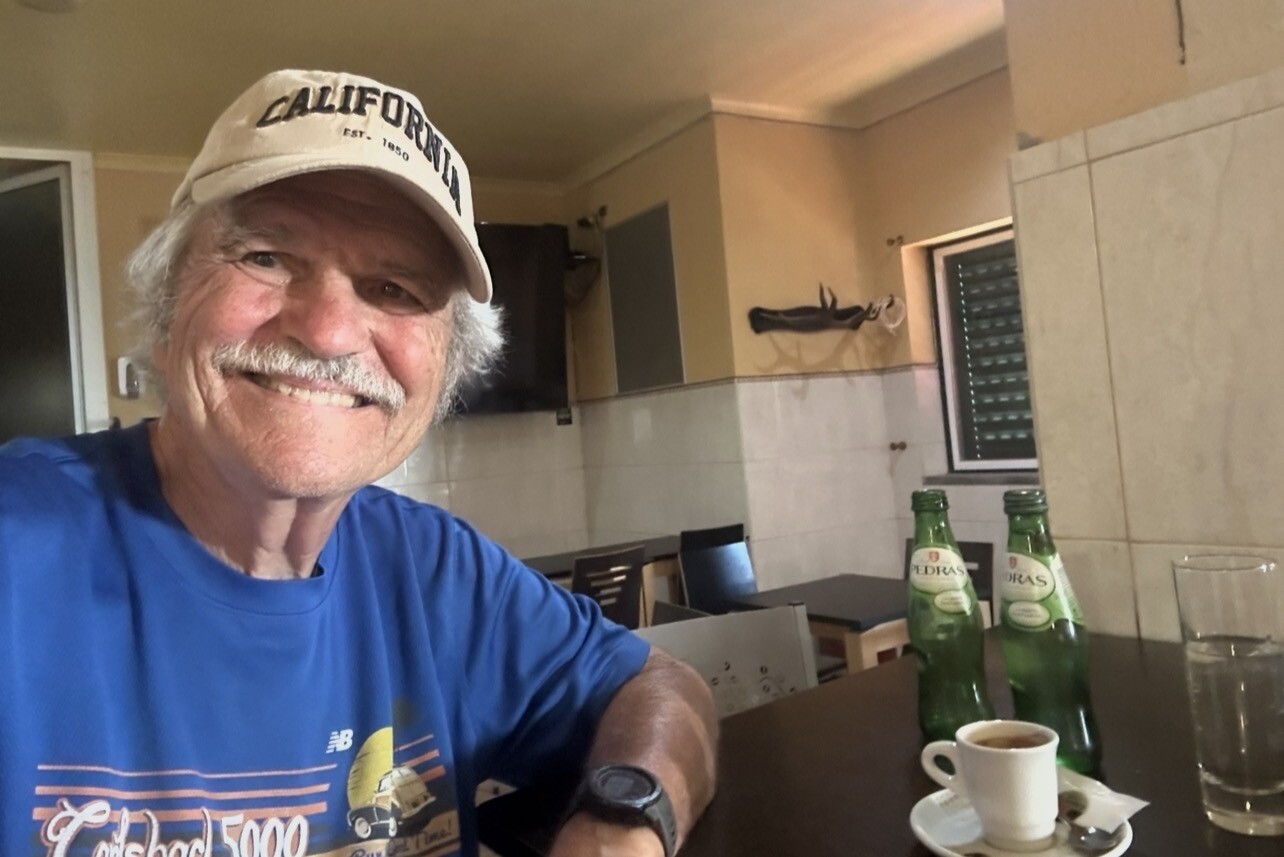
Where I Am Now
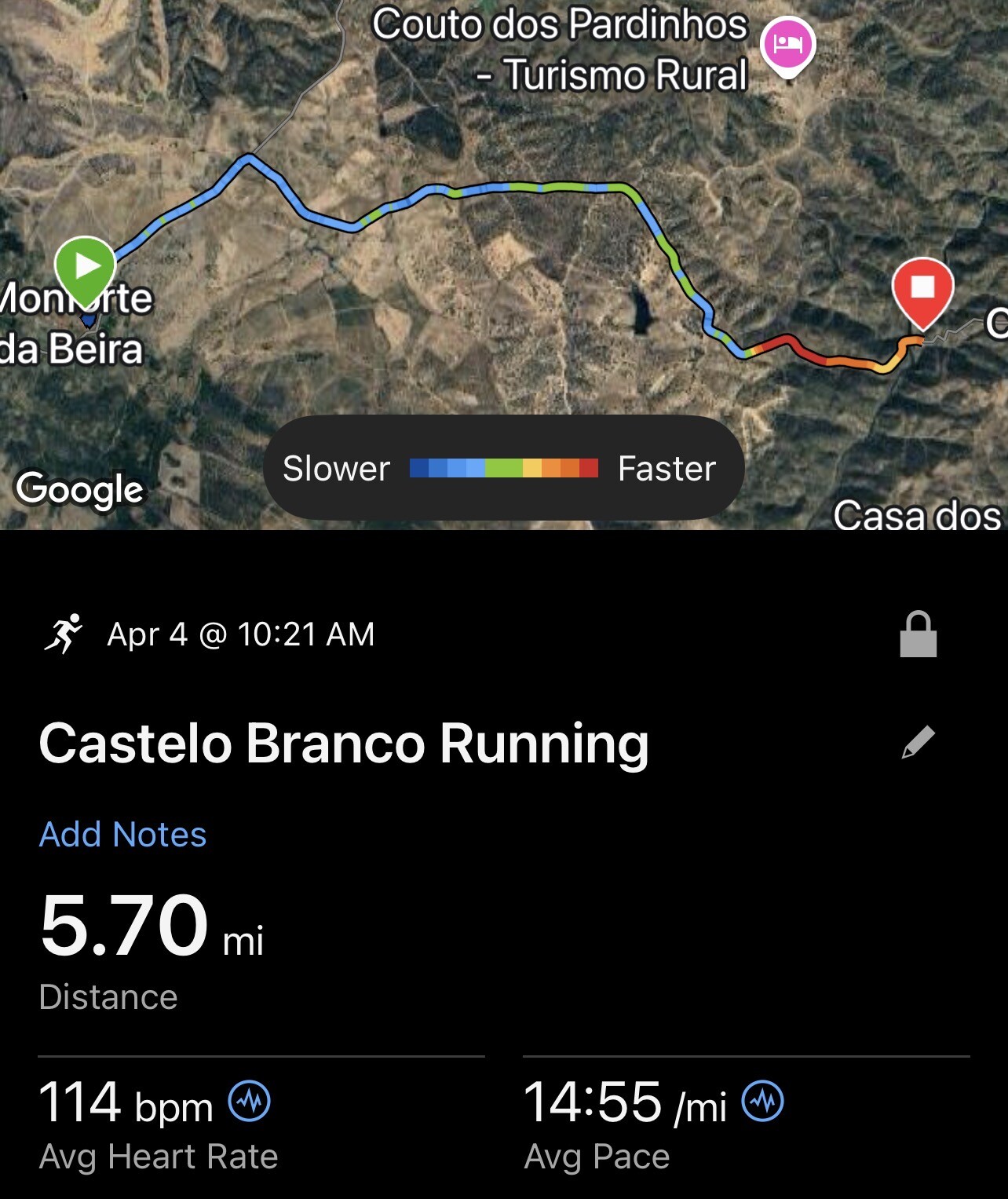
After two days, I’ve completed 14.65 miles.
Ahead of me:
• Monday — the run to Ladoeiro
• Tuesday — I will be finishing up this special marathon with the final 4.35-mile cactus loop
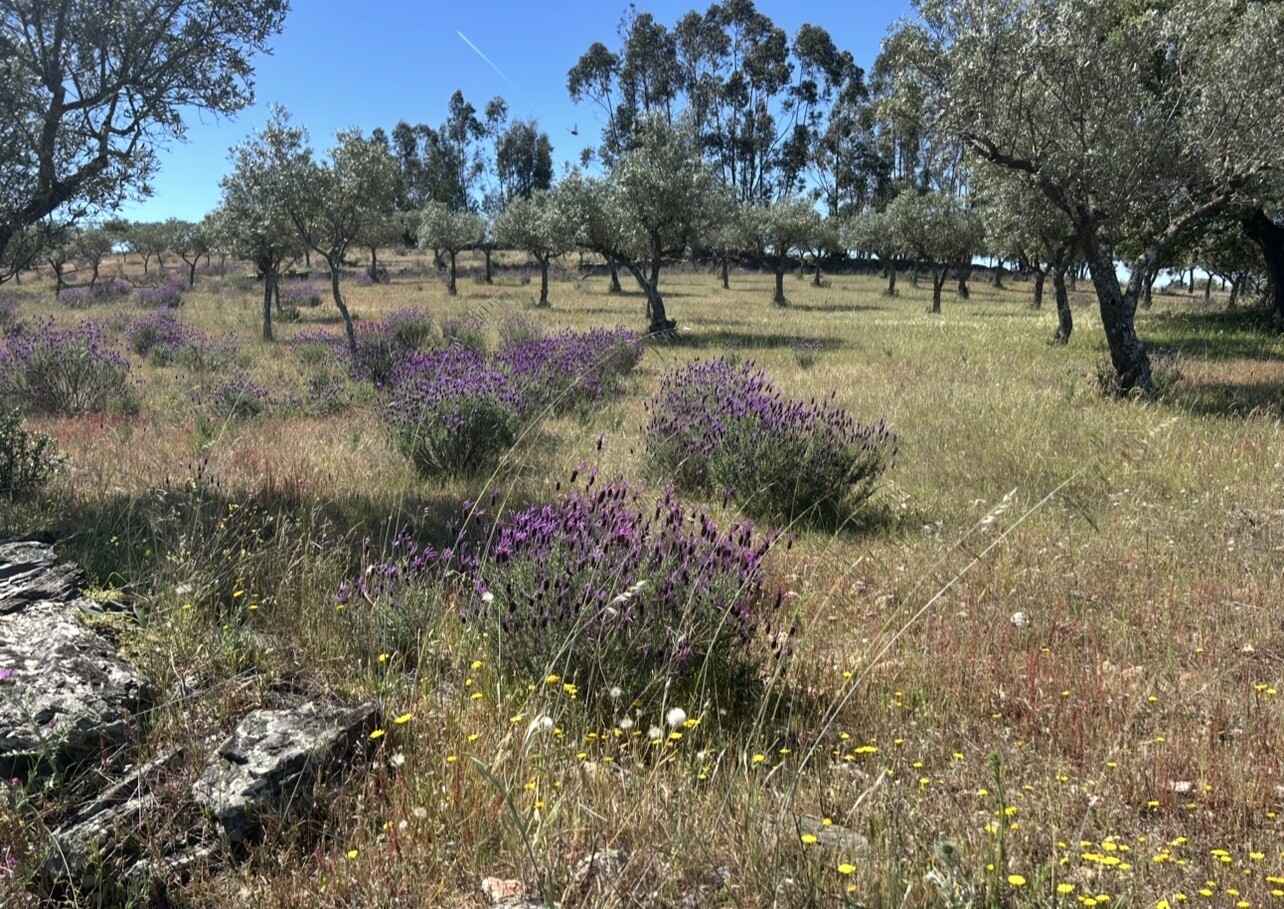
Two days. About 11 miles to go.
My plan on Tuesday is to wear lighter running shoes, just to test the water. I’ve always liked how running feels smoother and more natural in lighter shoes, so this will be another small step forward—listening to what my body tells me.

More Than Just Miles
This run is about something much deeper.
On June 15, 2025, I had a situation with my knee. For at least 30 days, I could hardly walk. Going up and down stairs was difficult. I was mostly limping, and there were times I could barely cover a mile in less than 40 minutes.
But I kept moving.
At my age—or any age—we must keep moving if possible.
Since then, I’ve averaged about 40 miles a week—mostly walking, some running. It’s been steady, but uncertain.
There were moments when I started to think my running days might be over. I started my running journey Feb 16, 1962 and I have never taken this amount of time off ever.
But I didn’t want to believe that.
So I didn’t.
I kept moving. I kept walking. And walking is good—very good. But it’s not running.
Today, during my second leg, I ran 6.8 miles, and just like that, I felt it again—that feeling only running gives you.
I started my running journey Feb 16, 1962 and I have never taken this amount of time off ever. It is good to be back.
A Step at a Time
I’m not rushing this.
It’s one step at a time.
One day at a time.
Even now, I know things can change quickly. But I’m heading in the direction I want to go.
This will be the first time since my knee situation that I’ve covered the marathon distance—even spread out over days.
And I needed this.
The Moments Along the Way
One of the best parts of this journey has nothing to do with the running itself.
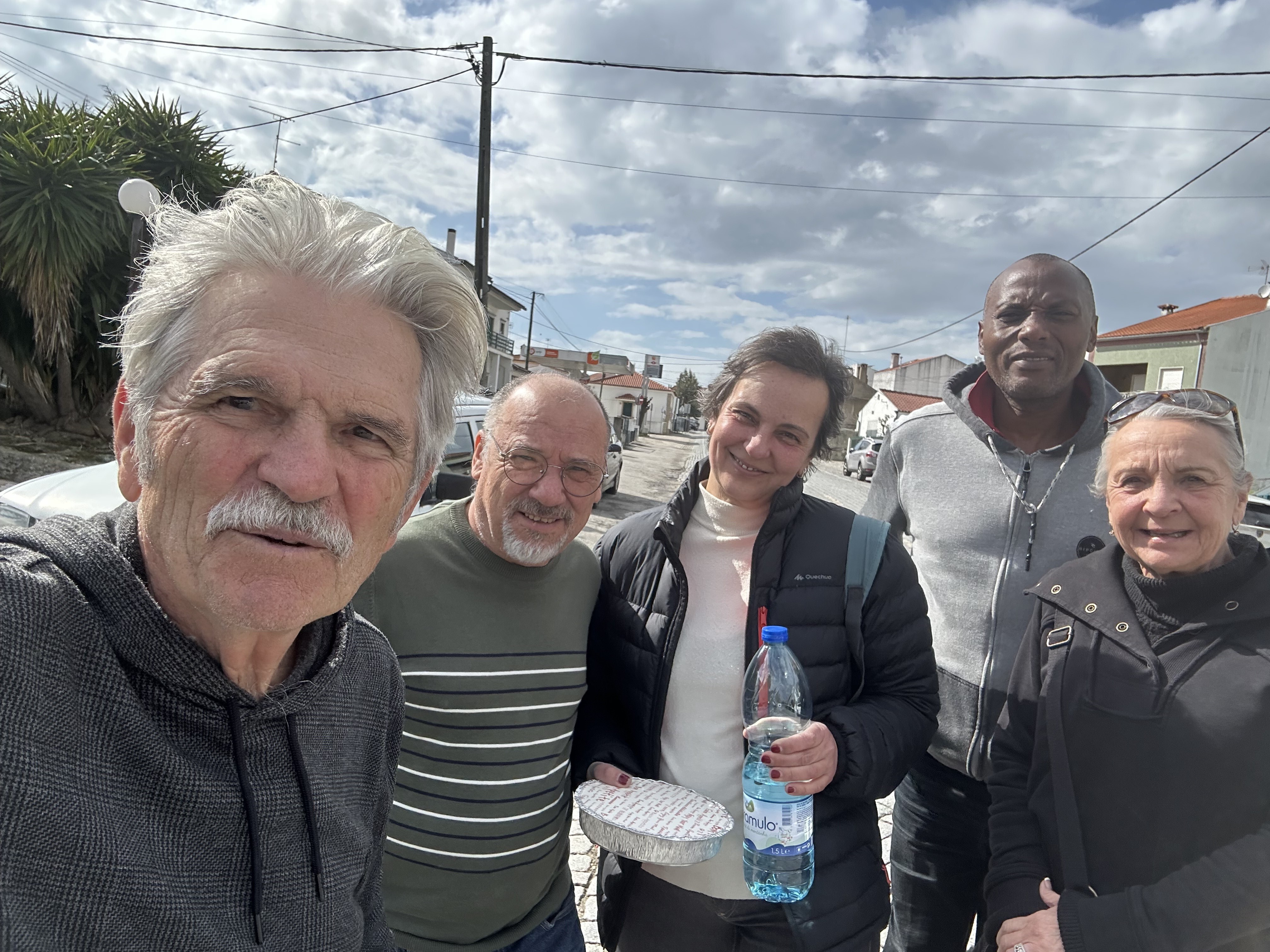
It’s been sharing these moments with my wife, Catherine Anderson.
She meets me in these small villages, and we take time to sit down—have a coffee, drink some water, and just enjoy where we are.
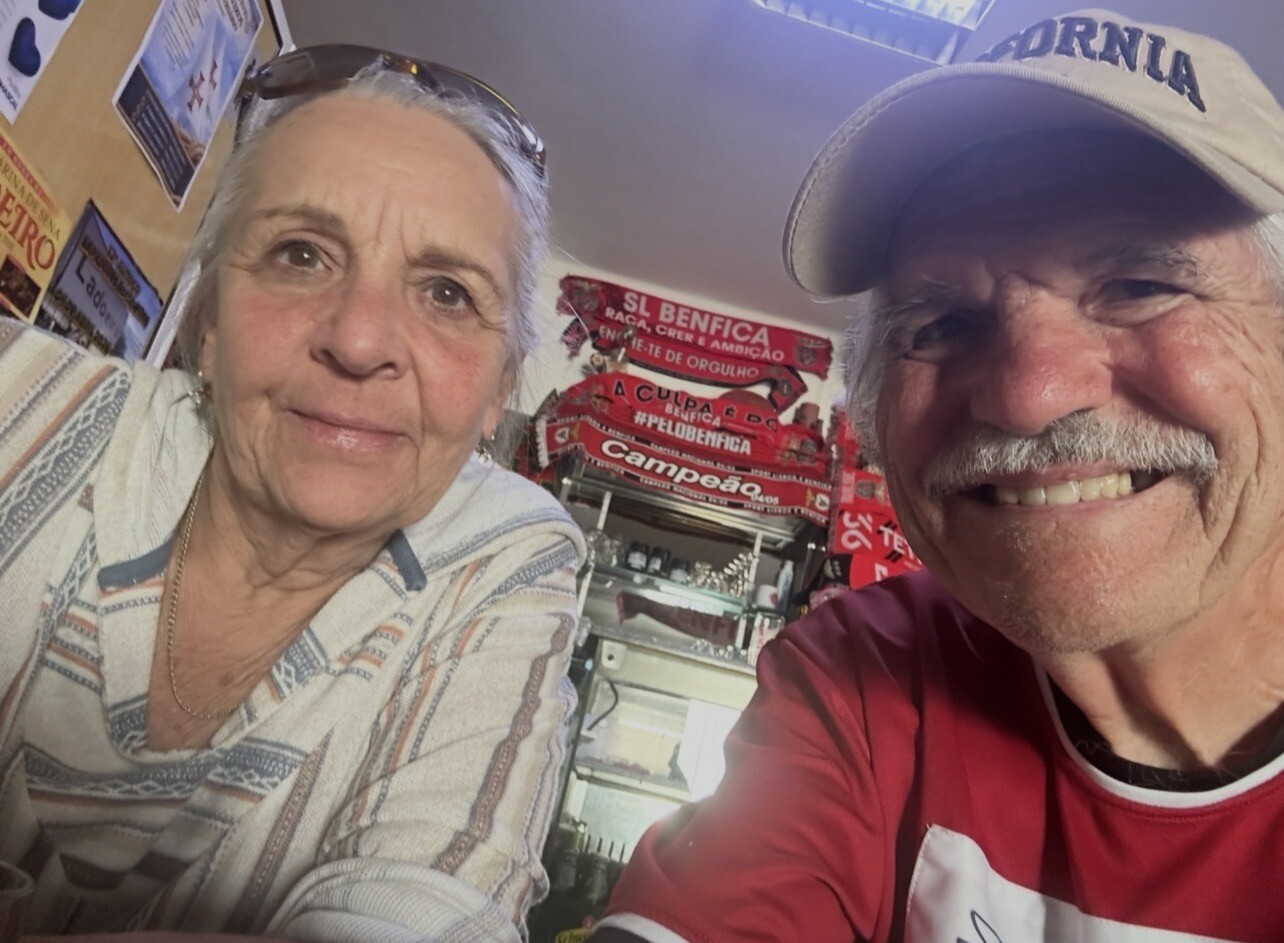
In Cegonhas, they were having a pre-Easter gathering, and we joined them for lunch.
In Malpica, it was simpler—just coffee and sparkling water.
These are the moments that turn this from a run into something I will always remember.
Not a Recommendation—Just My Journey
I’m not recommending this approach.
I didn’t rely on doctors, operations, or medicine. My body has slowly brought me back on its own. It’s been a long journey, and it’s not over.
But I’ve learned something important:
You have to believe in what your body can do.
Redefining the Run
I’ve loved running fast. I still do.
I like running smoother when I’m going faster and wearing lighter shoes.
But right now, at 78 years old, a little out of shape, and about eight pounds heavier than I’d like to be after a long layoff, things are different—and that’s okay.
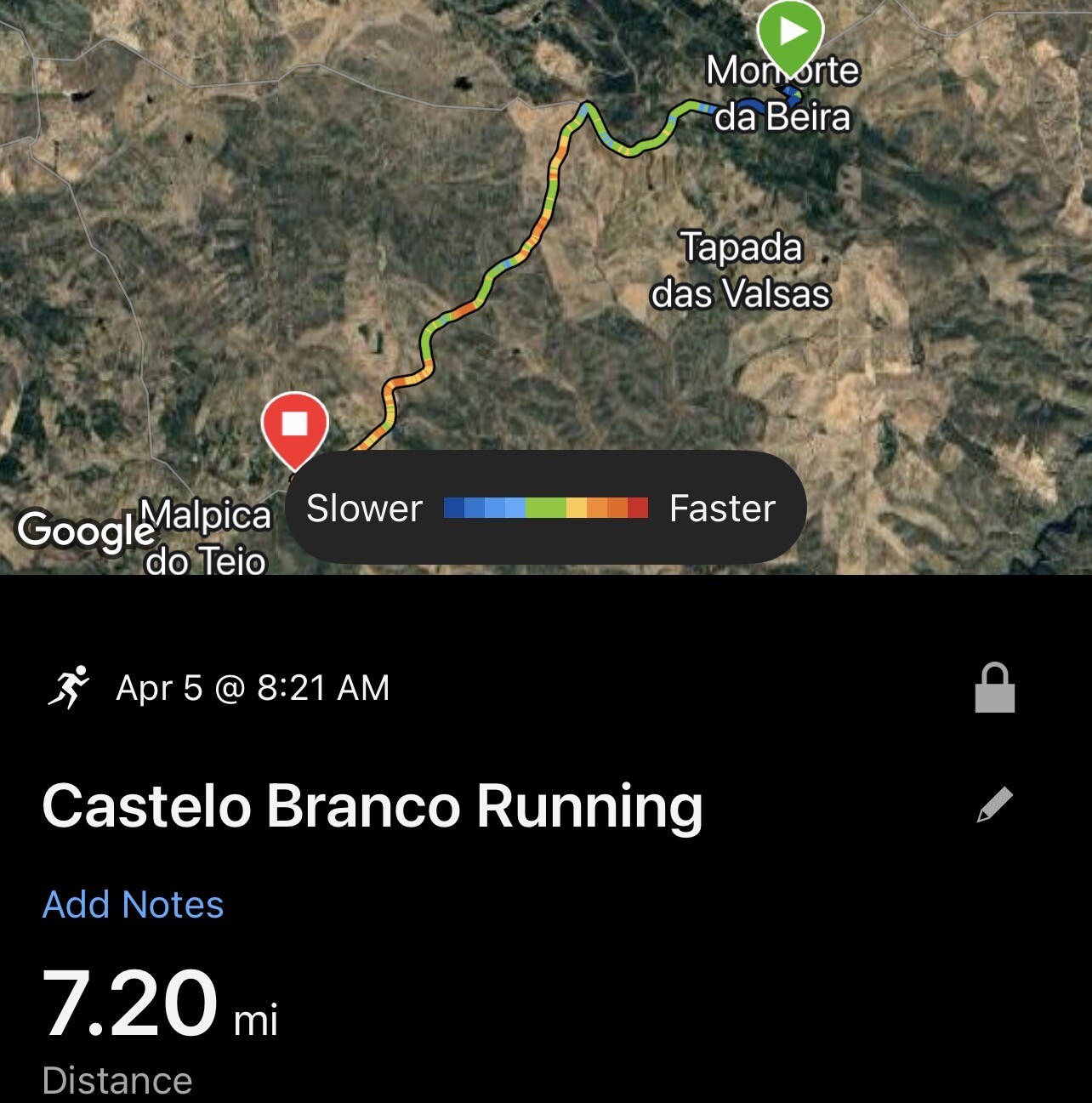
Even running at sub-15-minute pace feels good again.
And I know this is a good start.
In many ways, sub-10-minute miles are actually easier than 15-minute miles—they flow better. But at this stage, any running at any time works for me.
And I will get back in shape.
And I will get my weight back down.
Because it’s still running.
And at heart, I am—and always will be—a runner.
Monforte and Beyond
With two days to go, this journey isn’t finished yet.
One more village.
And on Tuesday, I will finish this special marathon with the final miles.
This one isn’t about finishing fast.
It’s about finishing—period.
by Bob Anderson founder My Best Runs
Login to leave a comment
KATA Time Trial #52 Rewards Grit and Solo Efforts in Thika
KATA Time Trial No. 52 unfolded quietly on the familiar tarmac roads of Thika, but the morning (Jan 21) delivered a series of determined solo efforts and encouraging performances across the distances. With athletes often running alone against the clock, the session tested discipline, pacing, and mental toughness—hallmarks of the KATA training philosophy.
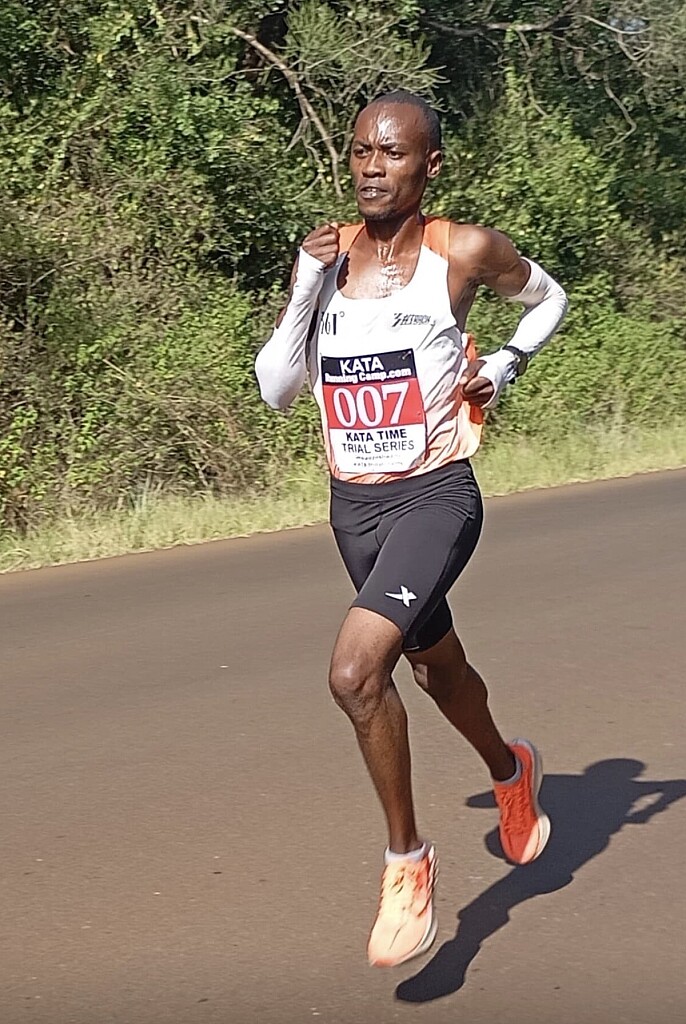
In the men’s 5km, 17-year-old Robin Musa delivered the standout performance of the morning, stopping the clock at 15:37. Running entirely on his own, Musa showed maturity beyond his years, holding his rhythm without the benefit of a pack. His effort drew appreciation from coaches and observers, underscoring his growing potential.
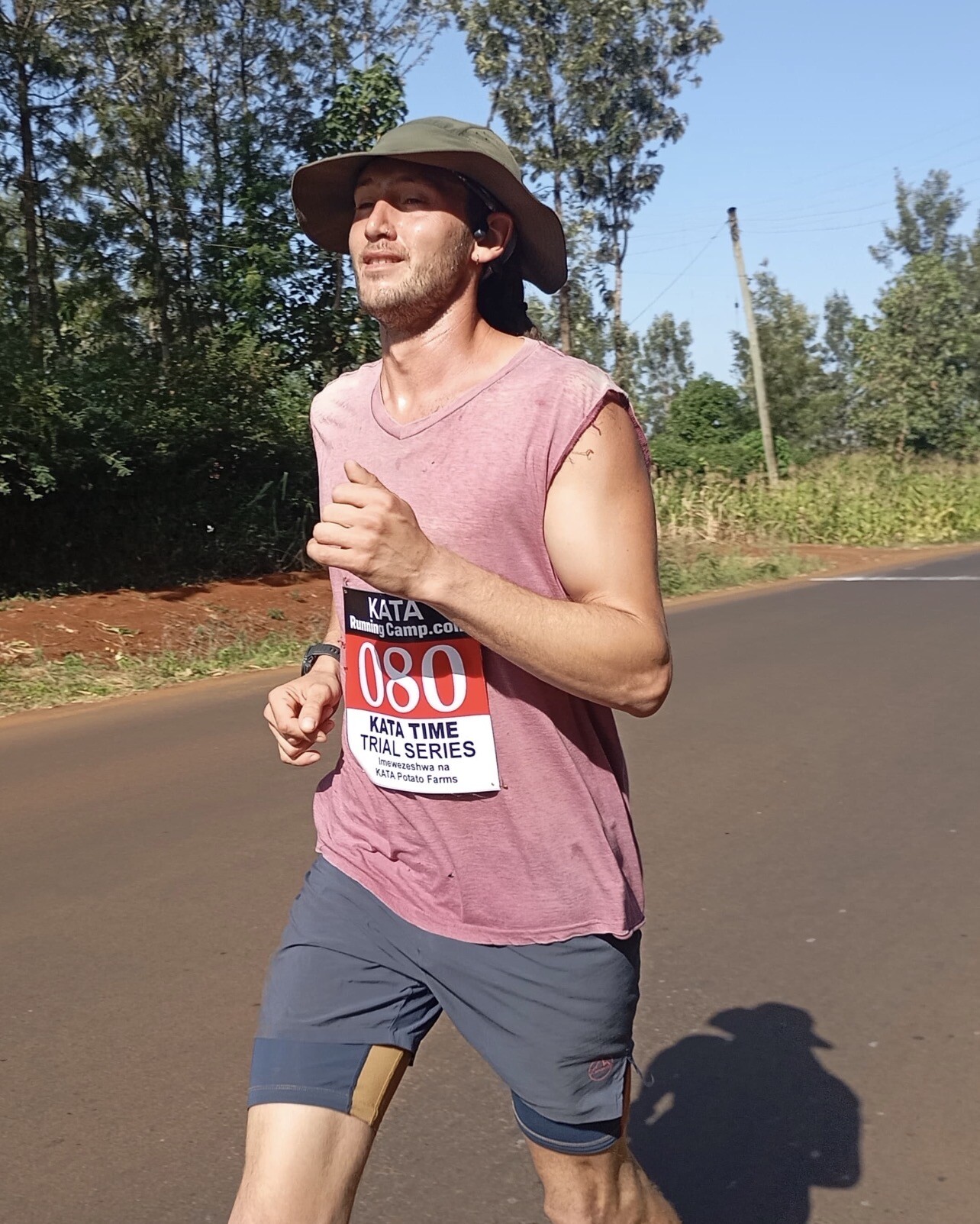
Finishing second was Yedi Kohen, KATA’s paid guest from Israel, who continues his preparation for an upcoming race. Kohen clocked 24:14, running barefoot on the tarmac. Beyond the footwear choice, his relaxed stride and controlled execution reflected steady progress within his training block.
The women’s 5km featured a single competitor, but Regina Sandiki made the most of the opportunity, posting an impressive 19:18. A 400-metre specialist transitioning to longer distances, Sandiki continues to adapt well to endurance training, with her development suggesting a promising future.
The men’s 10km saw Stephen Kangethe take control early and maintain his lead throughout, crossing the line in 28:45. Running much of the race alone, Kangethe demonstrated strength and composure, particularly over the final kilometres. He later noted the challenge of pushing the pace without competition, having opened nearly a one-minute gap on the field.
Second place went to Raphael Karita in 29:43, followed by Peter Njeru, who rounded out the podium with 30:02.
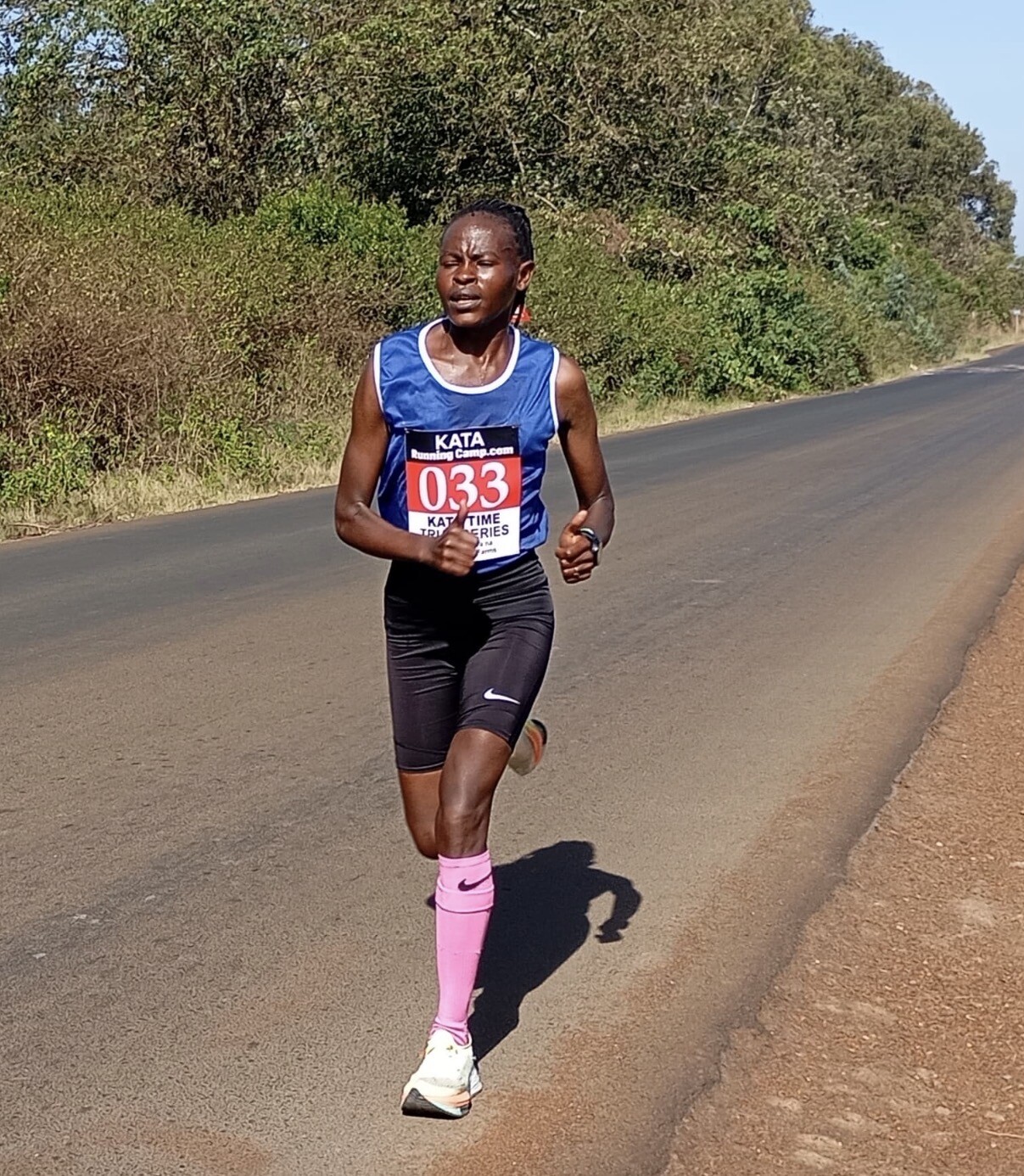
In the women’s 10km, Loise Kiaríe claimed victory with a strong and consistent run, stopping the clock at 33:53. Jacinta Kamau followed in 34:41, while Susan Njuu secured third in 35:37, highlighting solid depth among KATA’s women over the longer distance.
Time Trial No. 52 may have been modest in size, but it reinforced a central truth of KATA’s program: progress is forged through honest effort, whether running in a pack or alone against the clock.
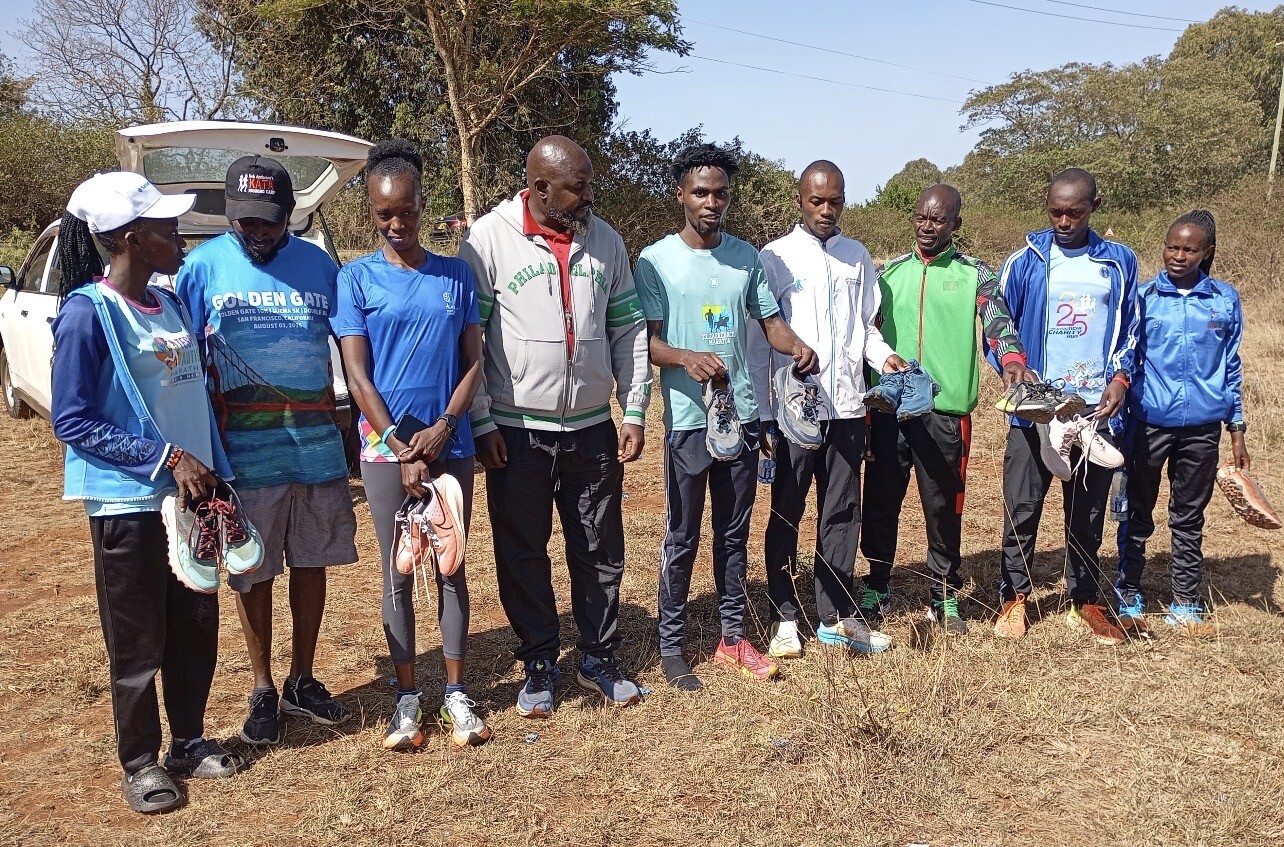
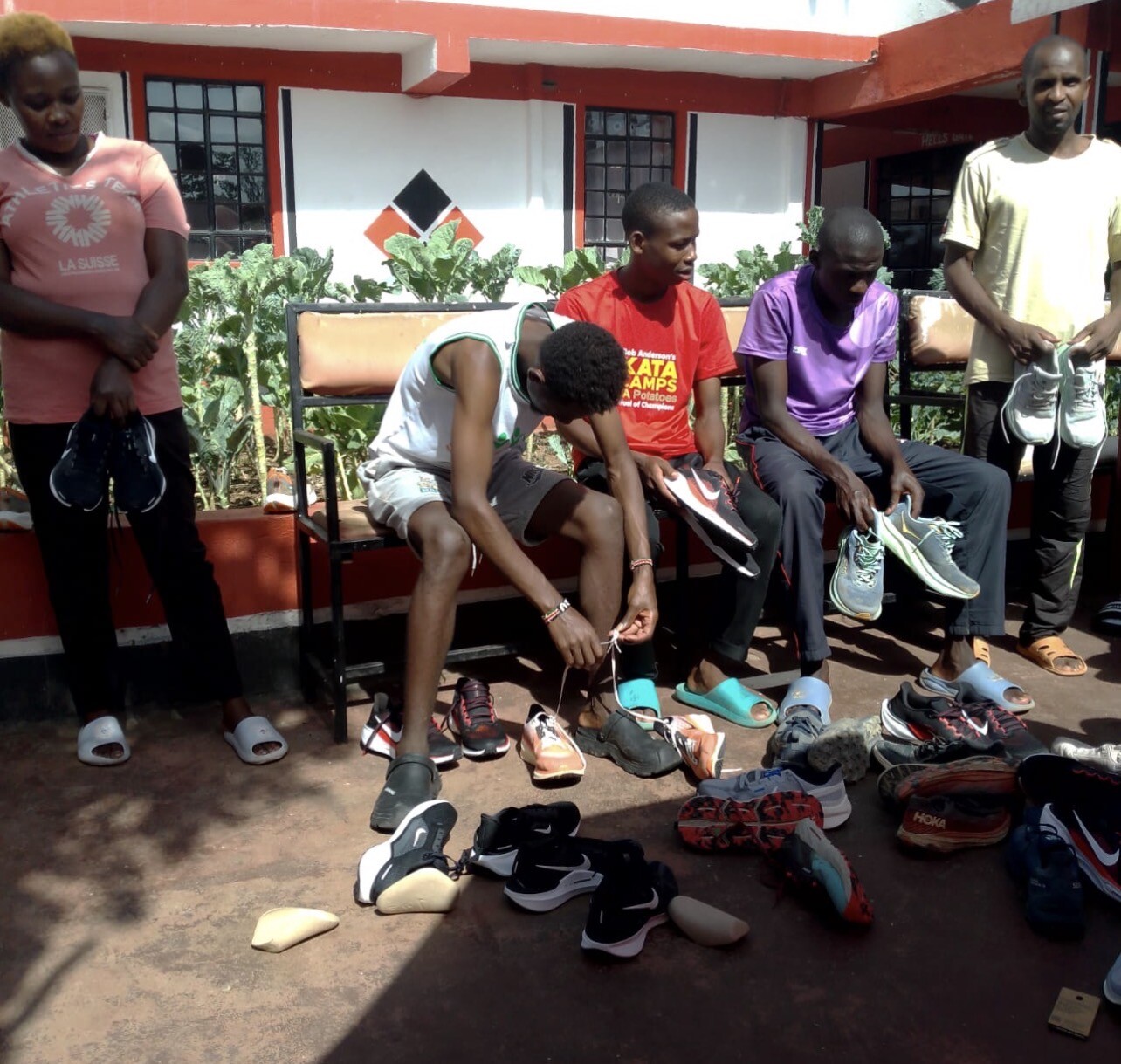
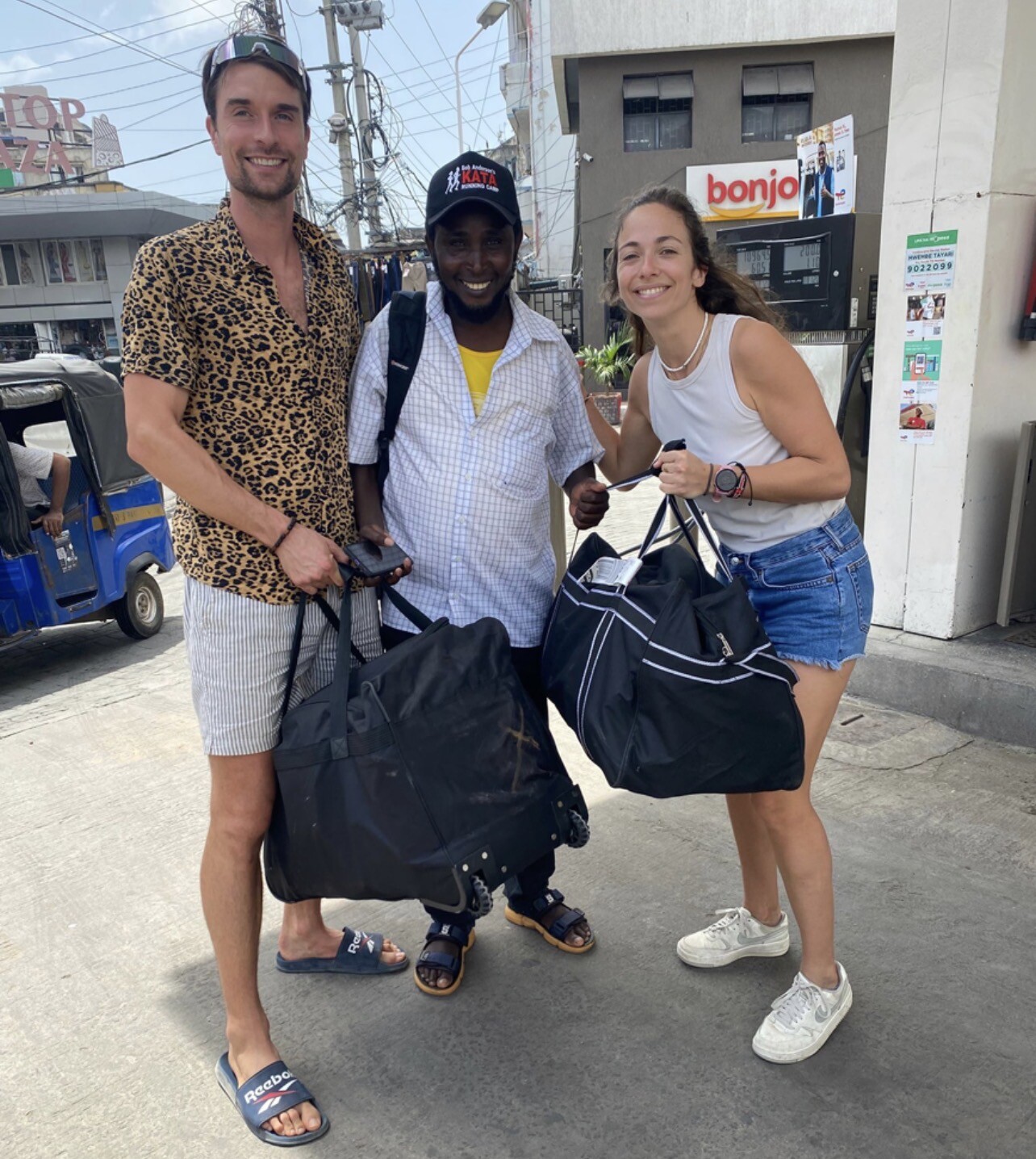
A previous guest from France, Marie Barin donated 30 pairs of running shoes to KATA. The fourth photo shows some of those shoes being handed out as prizes and the next photos shows some being handed out at KATA, The next photo is Dennis picking up the shoes. "This was so nice of Marie and Arthur, her mate, to make such a kind donation," says KATA director Bob Anderson.
Race Results
MEN 5km
1. Robin Musa (17) — Bib 08 — 15:37
2. Yedi Kohen (28) — Bib 80 — 24:14
WOMEN 5km
Out 1. Regina Sandiki (19) — Bib 81 — 19:18
MEN 10km
1. Stephen Kangethe (22) — Bib 07 — 28:45
2. Raphael Karita (27) — Bib 85 — 29:43
3. Peter Njeru (28) — Bib 46 — 30:02
4. James Murithi (29) — Bib 100 — 30:41
5. Bernard Waweru (40) — Bib 39 — 31:26
6. Joel Maina (40) — Bib 32 — 31:42
7. Boniface Mungai (30) — Bib 05 — 32:13
8. Charles Ndirangu (24) — Bib 79 — 32:31
9. Erick Cheruiyot (30) — Bib 40 — 32:35
10. Joseph Nyota (20) — Bib 31 — 33:31
11. Paul Nganga (45) — Bib 30 — 34:14
12. David Muriuki (40) — Bib 44 — 34:25
13. Bernard Gicheha (35) — Bib 76 — 35:37
14. Charles Ndirangu (64) — Bib 82 — 37:32
WOMEN 10km
1. Loise Kiaríe (24) — Bib 33 — 33:53
2. Jacinta Kamau (24) — Bib 36 — 34:41
3. Susan Njuu (40) — Bib 43 — 35:37
4. Jane Wanja (35) — Bib 83 — 36:52
5. Caren Chepkemoi (24) — Bib 70 — 38:22
6. Ruth Macharia (27) — Bib 68 — 43:39
by Boris Baron
Login to leave a comment

KATA Time Trial Series
Welcome to the KATA Monthly Time Trial Held at the Kenyan Athletics Training Academy in Thika, Kenya, the KATA Monthly Time Trial is a unique and inclusive event designed to support runners of all levels in achieving their goals and showcasing their fitness. This event offers both 10K and 5K distances on an accurate, certified course, providing participants with...
more...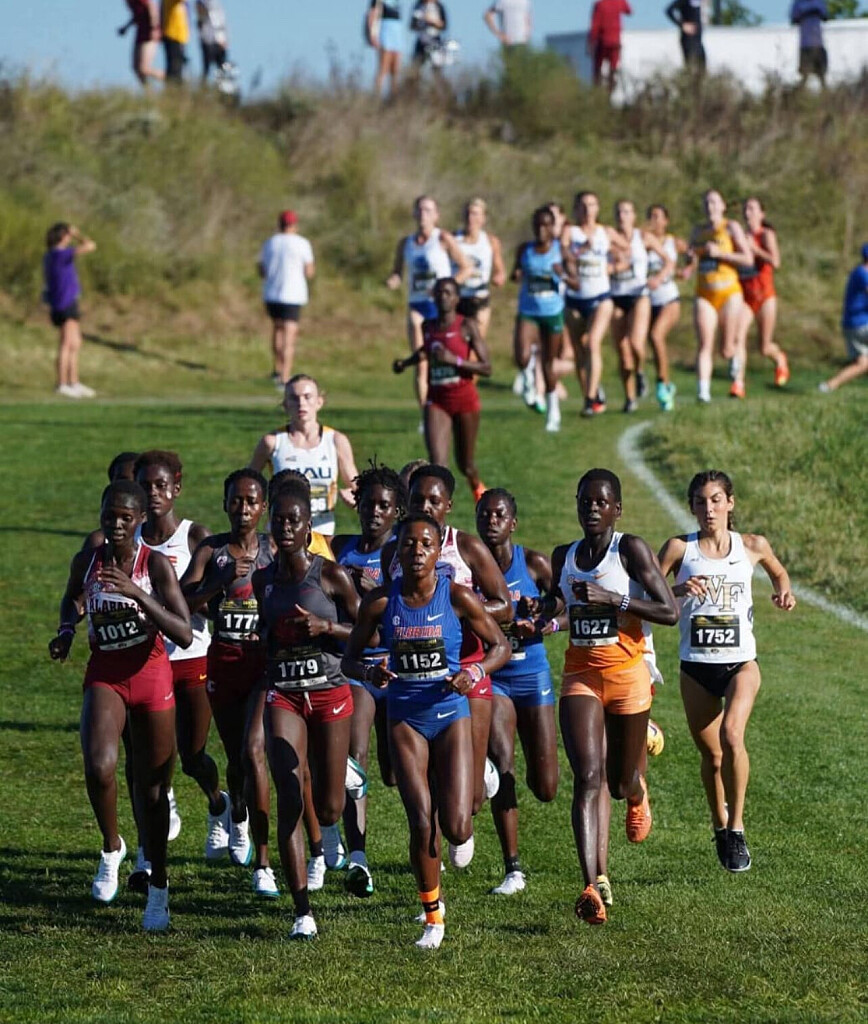
A Record-Breaking Journey: 60 Townhall Athletes Set for NCAA Nationals
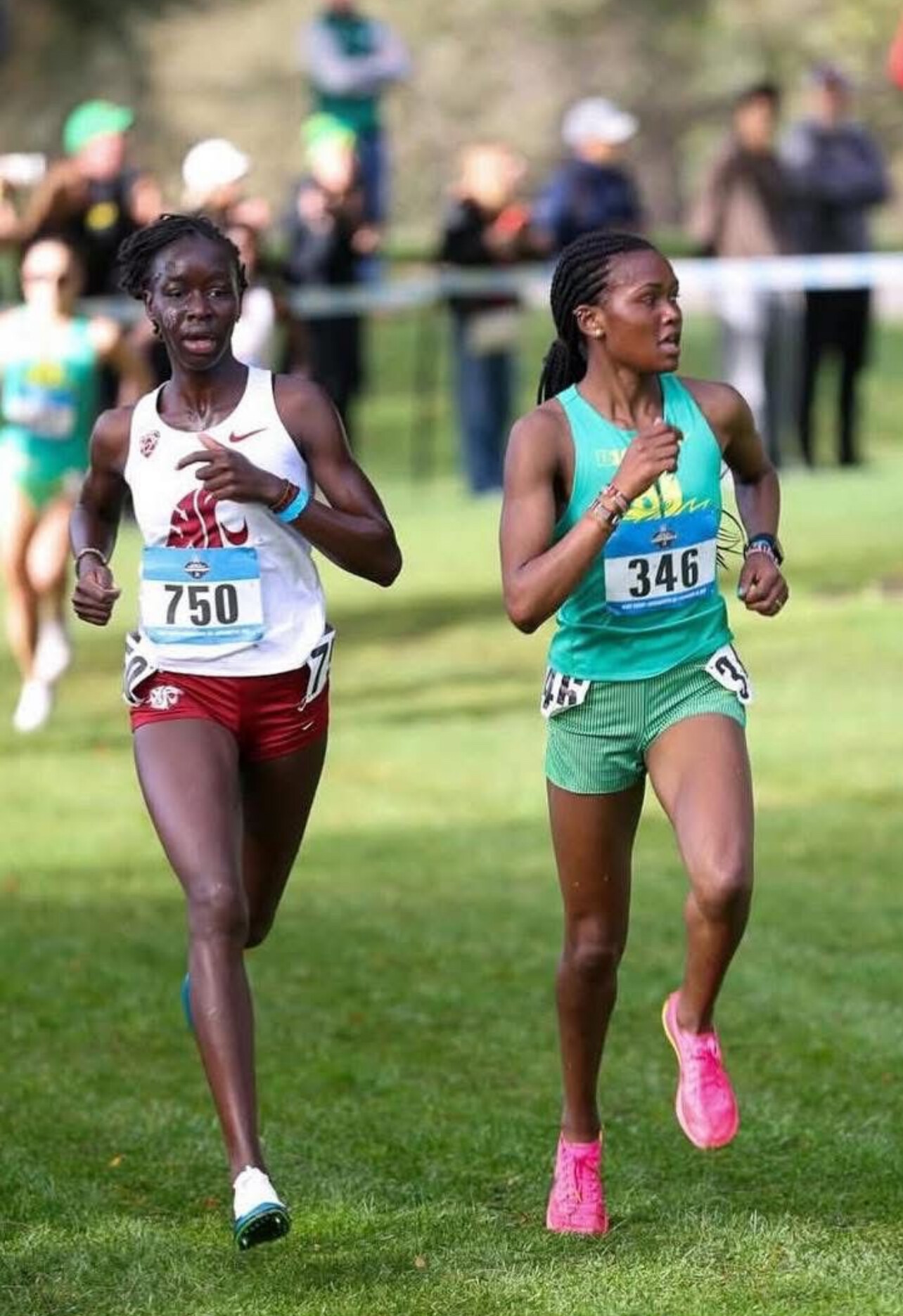
For young runners in Kenya, the dream has always extended far beyond the finish line. It is about opportunity, education, and building a future through running. On November 22, sixty alumni of Townhall Athletics will stand on the starting line at the Gans Creek Cross Country Course in Columbia, Missouri—not only as competitors, but as student-athletes whose journeys blend world-class talent with academic ambition.
Their road to the NCAA National Cross Country Championships was forged through nine regional qualifiers, where Townhall athletes earned advancement both individually and through team berths. Each qualifier represents a story that began on rugged high-altitude trails in Kenya and continued in American classrooms—balancing mileage with lectures, workouts with research projects.
A Pipeline for Talent and Learning
Many of these athletes grew up with limited access to formal training facilities—sometimes even without proper running shoes. Through Townhall Athletics, runners such as Brian Musau, Dennis Kipngetich, and Laban Kipkemboi at Oklahoma State University received structured coaching and the mentorship needed to secure life-changing scholarships.
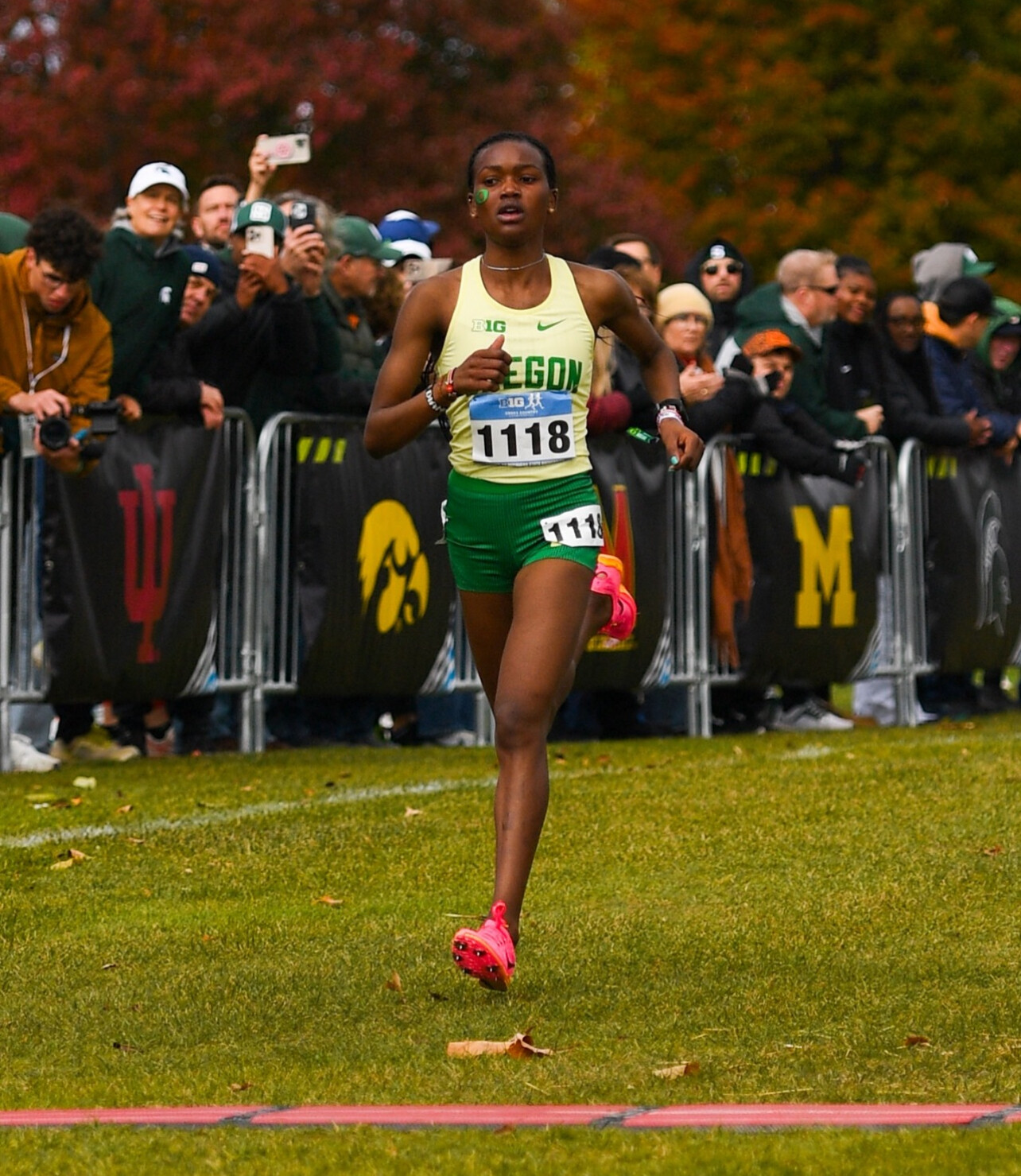
In Florida, Kelvin Cheruiyot, Desma Chepkoech, and Judy Chepkoech have combined tactical racing with strong academic records, while Debora Cherono at Texas A&M has emerged as a respected leader both on campus and on the track.
In the Mountain West Conference, New Mexico’s Evans Kiplagat and Vincent Chirchir continue to show how academic and athletic development go hand in hand. At Iowa State, Joash Rutto and Mercylin Kirwa have built reputations for consistency and endurance, exemplifying the discipline long associated with Kenyan distance running.
Other Townhall standouts, including Meshack Kuiyo at Boise State and Gilbert Rono at Tulane, carry the hopes of their programs while pursuing degrees and competing at the top level of collegiate sport.
Gans Creek: Where Experience Meets Ambition
Gans Creek is known for its rolling hills, long grass straights, and technical curves—terrain that demands smart pacing and a strong finish. For Kenyan athletes who grew up training at altitude, the course offers a blend of familiarity and challenge, providing a perfect stage to showcase endurance, resilience, and race intelligence.
Lining up against top collegiate athletes from across the United States and around the world, Townhall runners bring not only speed but also the mental fortitude and tactical awareness refined through years of structured training back home.
Voices of Support
Kenyan sports leaders continue to stress that athletic success must be paired with education to secure a long-term future.
Barnaba Korir, AK Youth Development Director and NOC-K First Vice President, emphasizes:
“These scholarships are more than athletic opportunities—they are life-changing. Education ensures our youth can thrive long after the final lap.”
Ibrahim Hussein Kipkemboi, Director of the Africa Athletics Development Centre, adds:
“Blending study with sport protects athletes from early burnout and equips them for the future.”
Athletics Kenya President Lt. Gen. (Rtd) Jackson Tuwei reinforces the message:
“The goal is not just fast runners, but well-rounded individuals. Education and athletics go hand in hand for global success.”
Impact Beyond the Course
These sixty qualifiers demonstrate how structured development and academic pathways can open doors for rural youth across Kenya. Their progress validates youth programs, inspires younger athletes, and shows how scholarships allow talent to flourish both on the track and in the classroom.
The Journey and the Finish Line
On race day, athletes such as Rosemary Longisa and Caroline Jepkorir of Washington State University, Evans Tanui of Arizona, and Diana Cherotich of Oregon will carry far more than personal ambition. They will carry the dreams of families, coaches, and communities who believed in them from the start.
Every stride over Missouri’s rolling terrain reflects years of discipline, sacrifice, and the pursuit of excellence—both academic and athletic.
When the final lap is run, results will matter. But so will the journey that brought them here. From dusty Kenyan tracks to the championship stage at Gans Creek, Townhall athletes have shown that with vision, support, and resilience, success in running and life can grow together.
As they race for NCAA glory, they continue to inspire a generation to see that the finish line is not an end—it is, in fact, the beginning.
by Robert Kibet
Login to leave a comment
Building the Future: KATA’s Vision to Become the Powerhouse of Athletics in Kenya
KATA founder Bob Anderson has a bold vision — one that unites athletes, coaches, and farmers under a single purpose: to make KATA the powerhouse of athletics in Kenya and a model for the world.
As of today, KATA operates 31 running camps and 65 potato farms across Kenya. Of these, 31 farms are directly connected to KATA camps, while the remaining farms are independent partners within the broader KATA network. Together, they form a growing agricultural foundation that supports both athletics and community development.
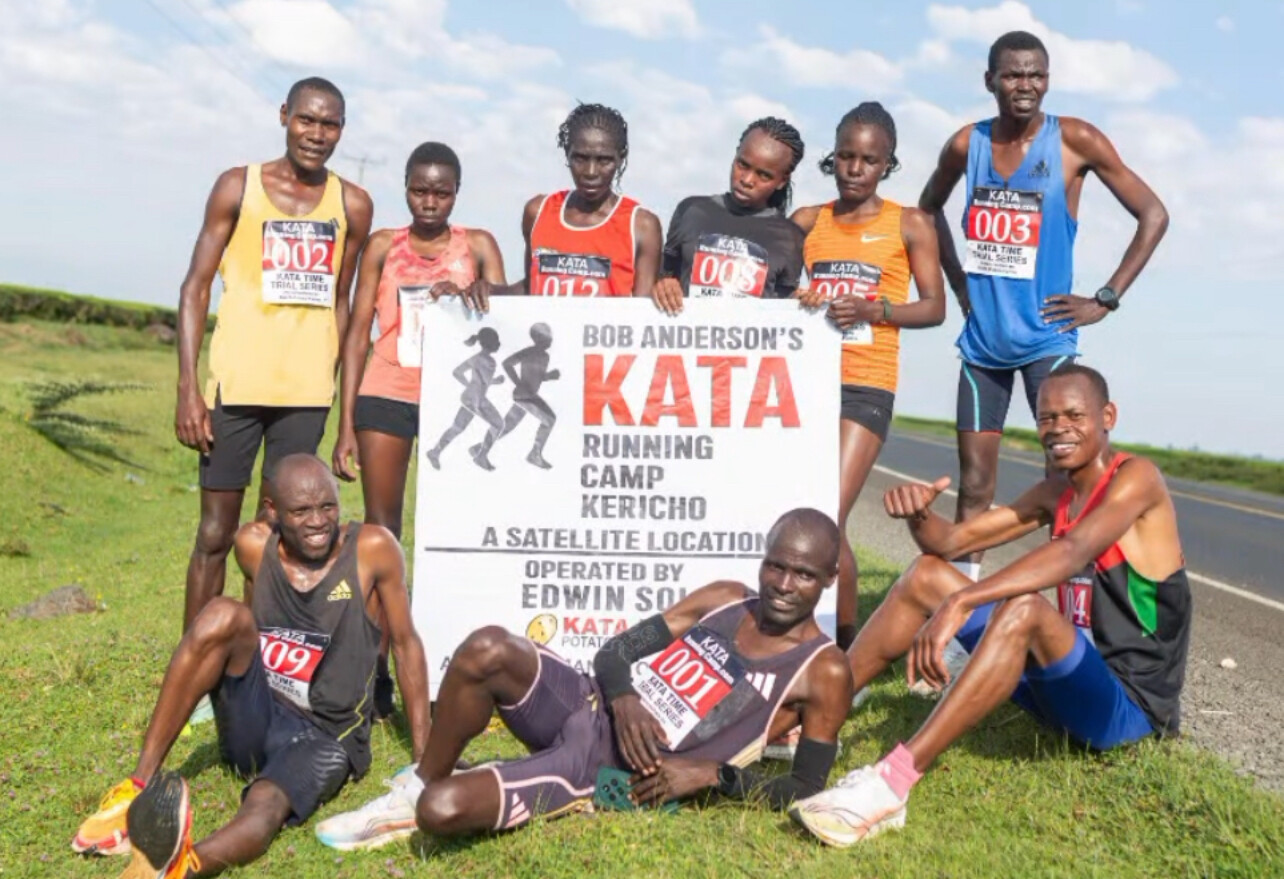
KATA farms currently range in size from one acre to 8.5 acres, combining traditional farming expertise with innovative support for athlete nutrition and sustainability. By the end of 2026, KATA’s goal is to expand to 100 Running Camps and 200 Potato Farms — half directly linked to camps — spanning more than 400 acres of productive farmland.
Another key initiative is the creation of the first KATA Ranch, scheduled for development by early 2026. The ranch will raise 100 or more sheep and goats, providing food, training nutrition, and economic value to the community. A KATA Running Camp will be connected to the ranch, integrating agriculture and athletics into one sustainable ecosystem. The long-term goal is for the ranch to become self-sustaining through the sale of meat and byproducts, ensuring continuous support for KATA programs and local families. Once the first ranch is fully operational, additional ranches are planned for future expansion.
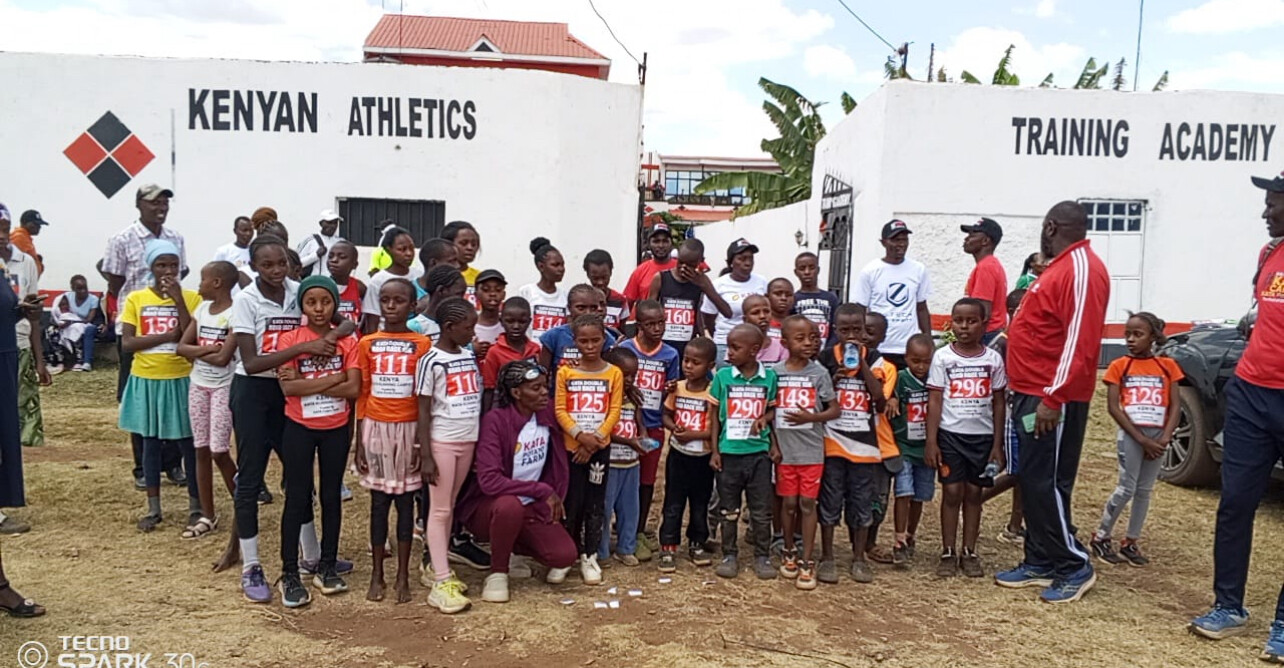
KATA is also preparing to launch a KATA Sports Shop featuring running shoes and gear, and a KATA Market offering healthy, locally sourced food and essentials.
Coming soon and at the heart of KATA’s growth is its flagship product — branded KATA Potatoes, sold at a premium price and marketed as “The Fuel of Champions.” Complementing this is KATA Potato Flakes, an innovative product that reflects KATA’s values of energy, endurance, and excellence.
The KATA Potato Flakes will be sold worldwide as the go-to carbo-loading choice for marathonerspreparing for race day. Just add water from the tap, and in moments, you’re carbo-loading on KATA Potatoes — The Fuel of Champions.
Meanwhile, KATA Thika serves as the local office for Kenya and continues to thrive as the organization’s flagship Running Retreat, offering training stays for athletes from around the world who want to experience the Kenyan way of training — whether for a few days or a few months. The retreat provides access to world-class coaching, structured training, and cultural exchange with Kenya’s elite running community.
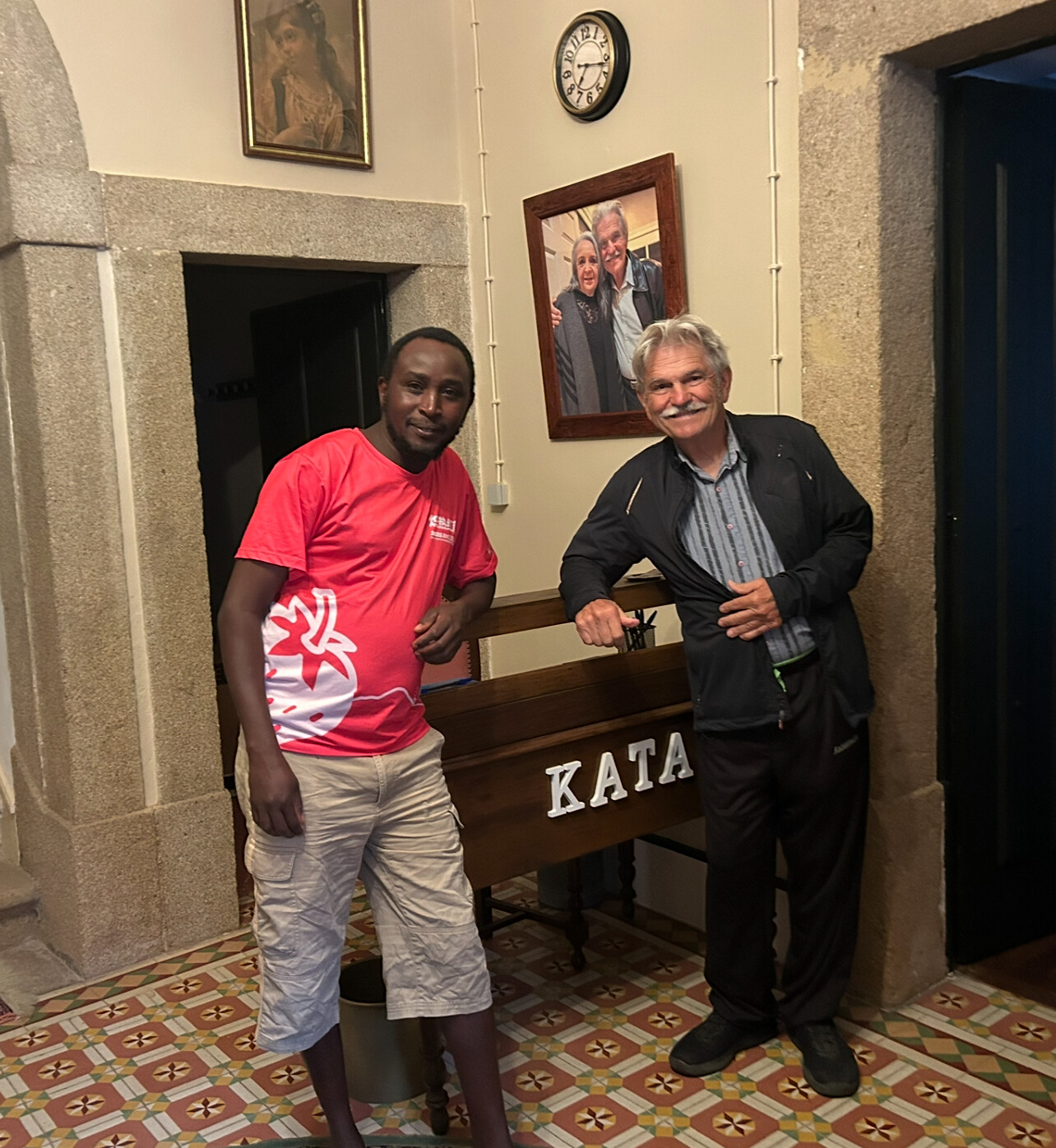
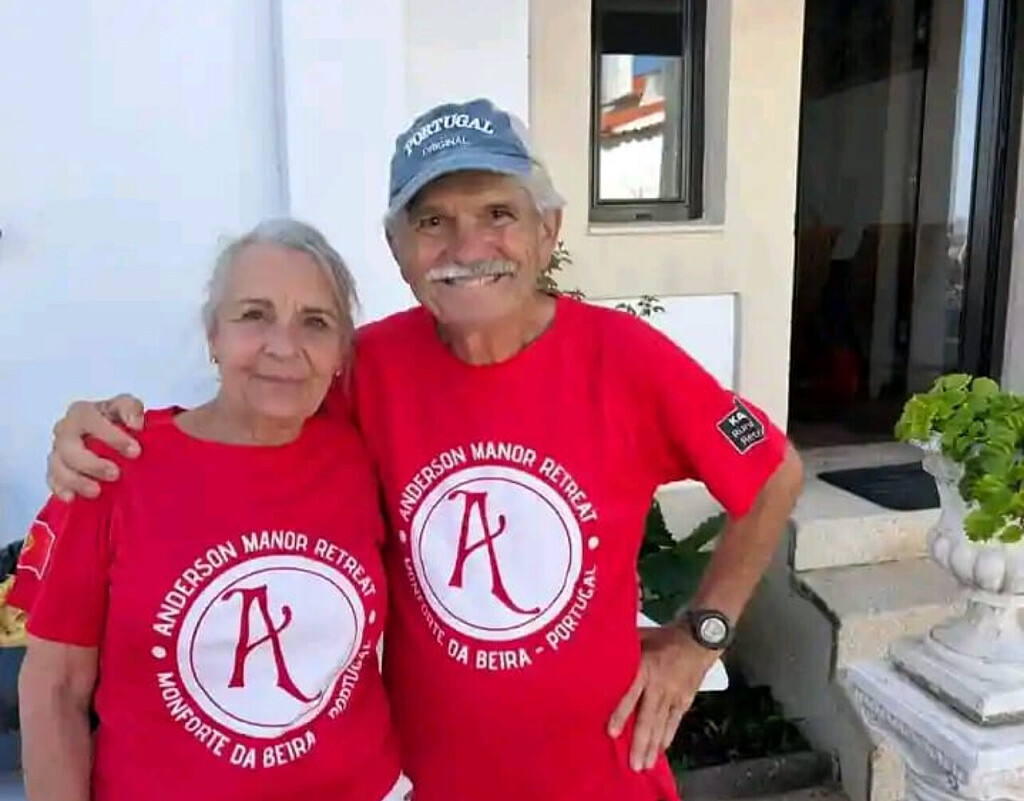
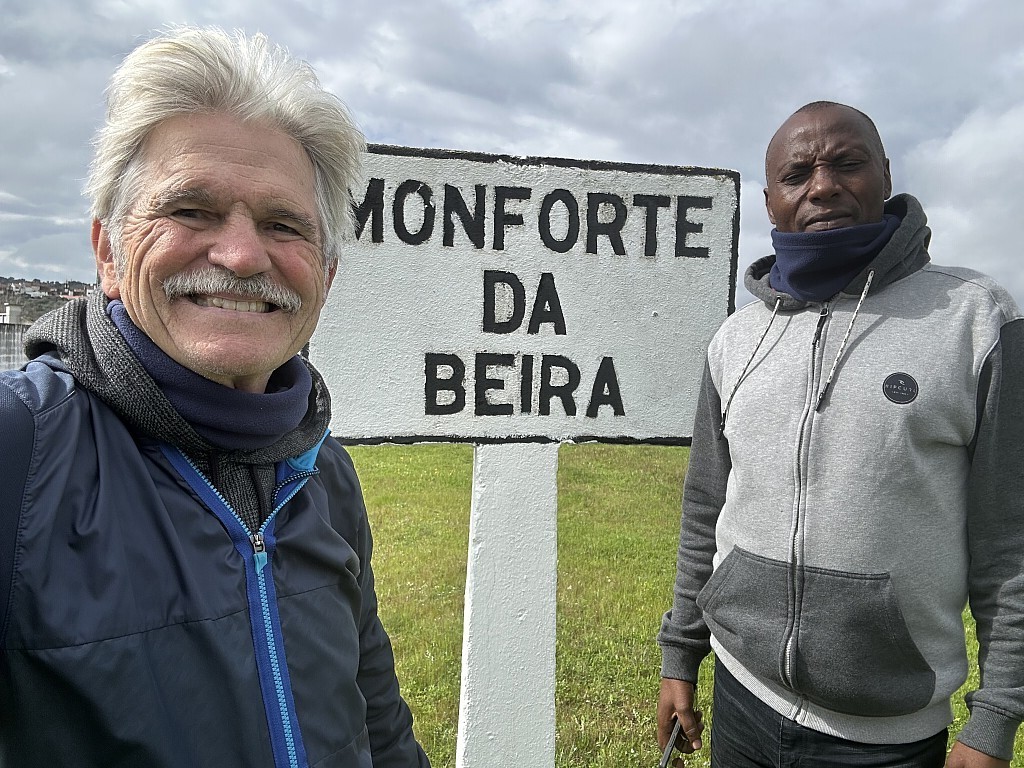
At the global level, KATA International is headquartered at the Anderson Manor in Monforte de Beira, Portugal — a 20,000-square-foot historic estate where the last King of Portugal stayed during his hunting trips in the early 1900s. The manor serves as the base for KATA’s international operations, housing both KATA Portugal and the Anderson Manor Retreat, which welcome athletes, artists, and guests from around the world.
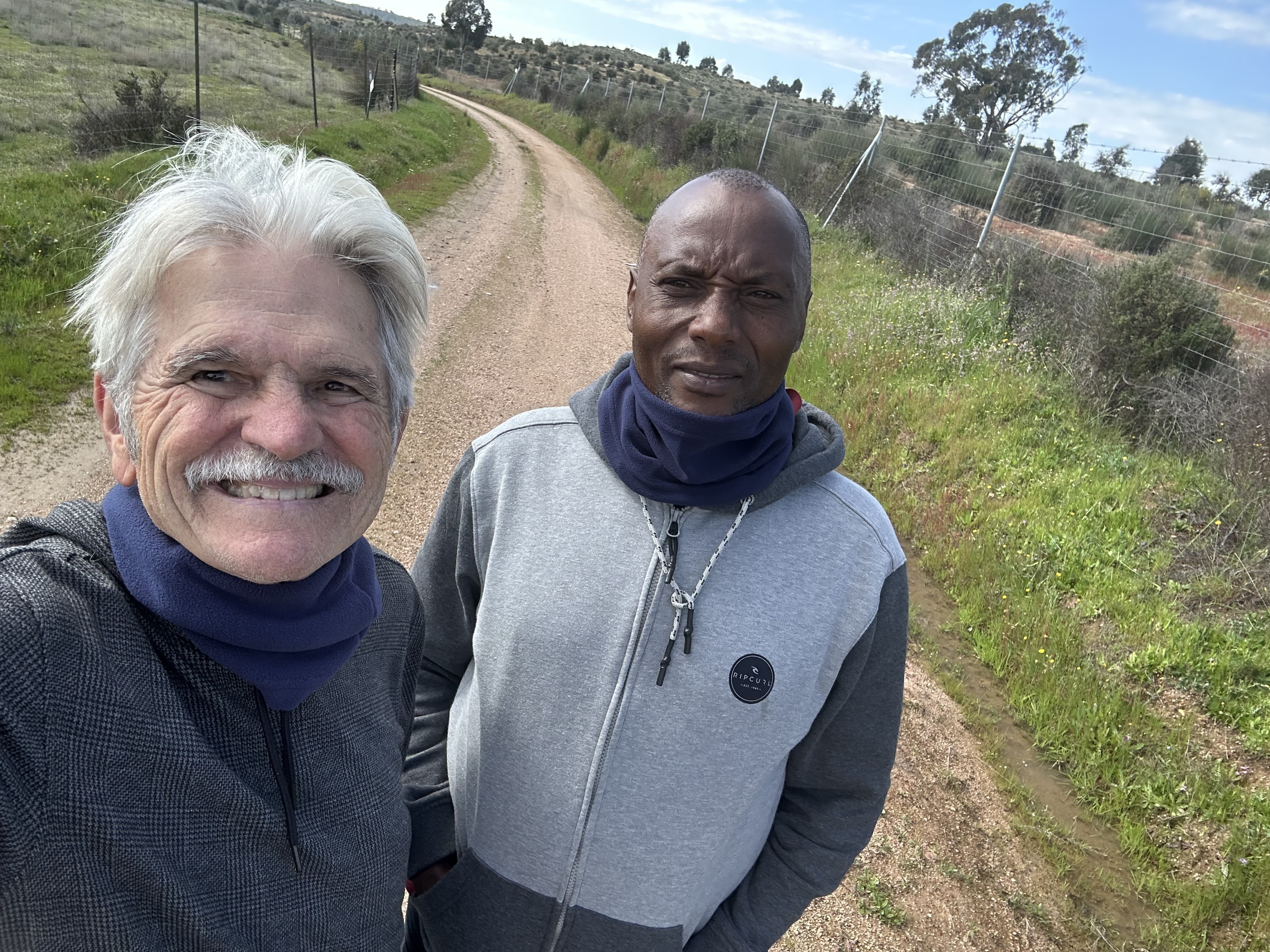
Behind the scenes but very much involved is Bob’s wife, Catherine. (First photo with Bob). Her creative talent adds a great deal to the program. Bob and Catherine have known Coach Dennis since 2021. He has completed two three-month stays at KATA headquarters in Portugal, working alongside Bob. Coach Dennis (4th photo with Bob in Portugsl) was recently promoted to Chief Technical Officer (CTO) and will oversee operations in Kenya.
Development of KATA Portugal began in February 2024, and the project continues to progress strongly. The retreat in Portugal will serve as the European counterpart to KATA Thika, offering athletes a place to train, rest, and connect with KATA’s global mission in a peaceful, historic setting.
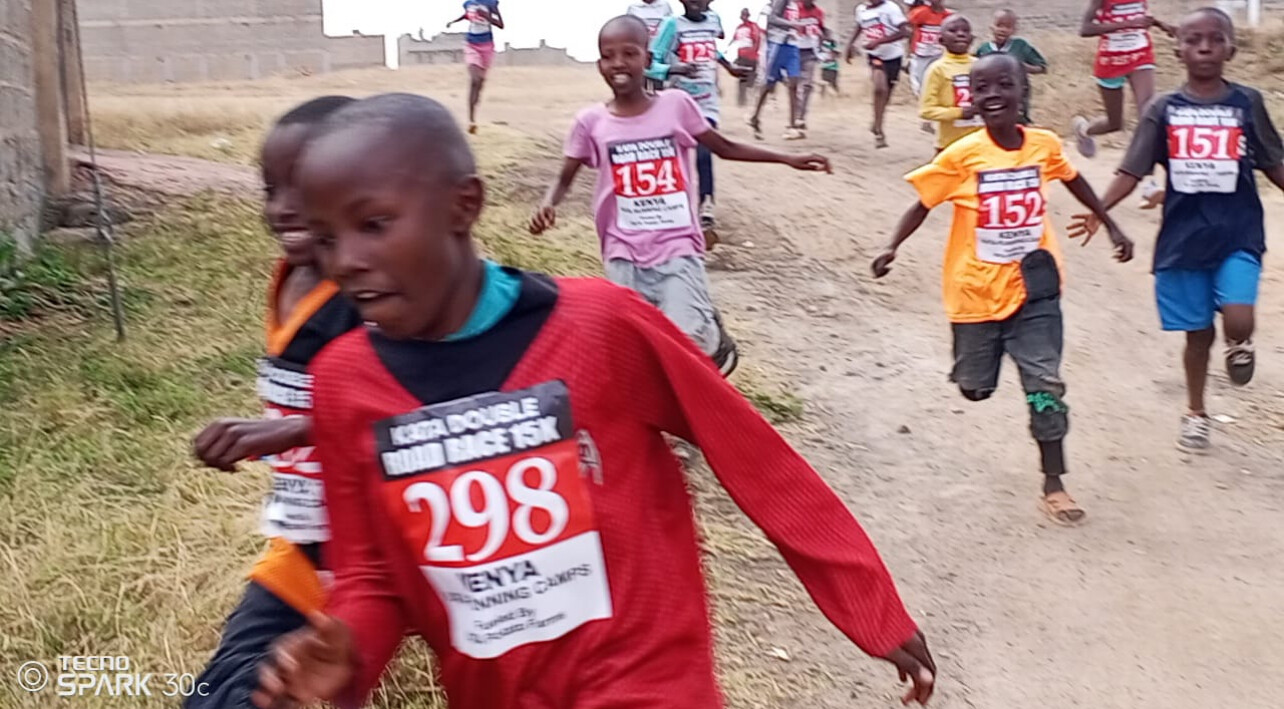
KATA’s vision goes far beyond producing great runners. The mission is to develop world-class athletes, Olympic champions, and future world record holders — combining top-tier coaching, discipline, and holistic training. Already, previous Olympic medalists such as Edwin Soi and Paul Koech are part of the KATA family, operating their own KATA Camps and helping guide the next generation of Kenyan champions.
Anderson also envisions a thriving athletic network of 650 elite runners, 150 youth athletes, and 40+ masters runners, supported by an expanding media presence through My Best Runs and KATA’s social platforms.
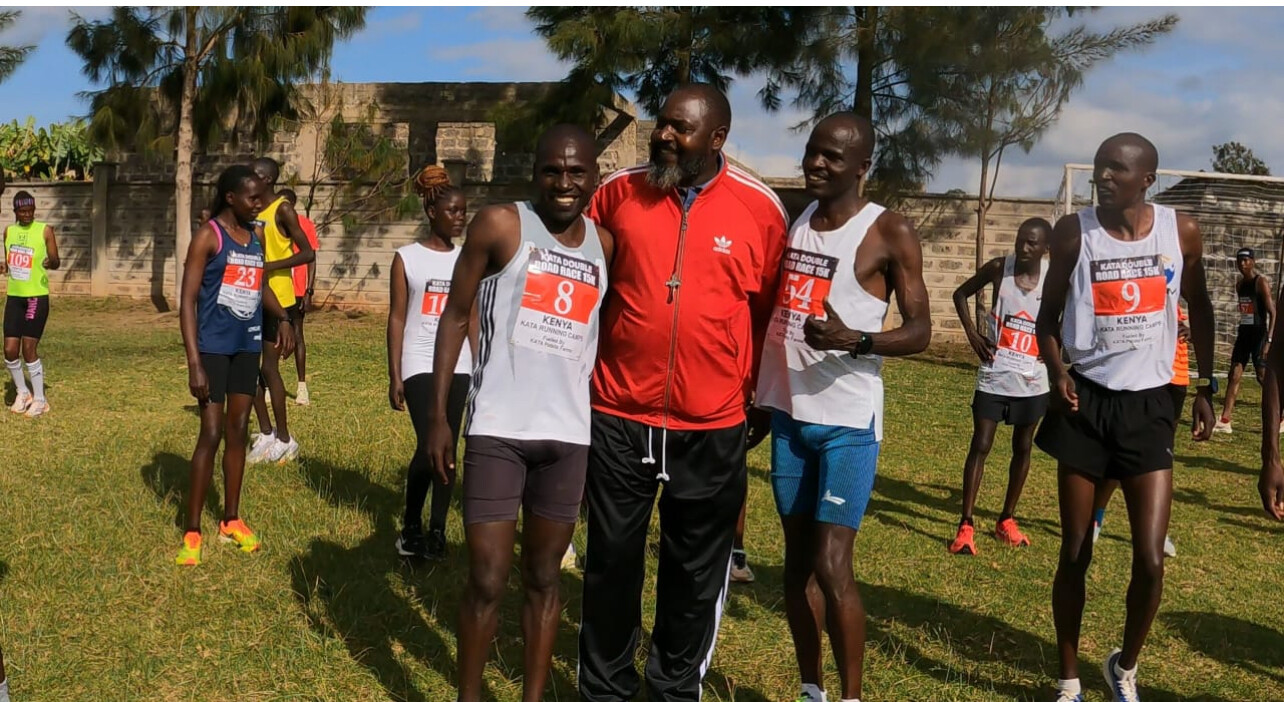
“I want to do something truly special for athletics,” Anderson says. “And it’s the passion and dedication of our athletes, coaches, and farmers that will make this dream a reality.”
“Our KATA family is as strong as its members,” Anderson adds. “As a team, we can make anything happen. In just a short amount of time, we’ve pulled off some amazing things. But our KATA family has only just gotten started. Watch us grow — and join us in helping make a difference.”
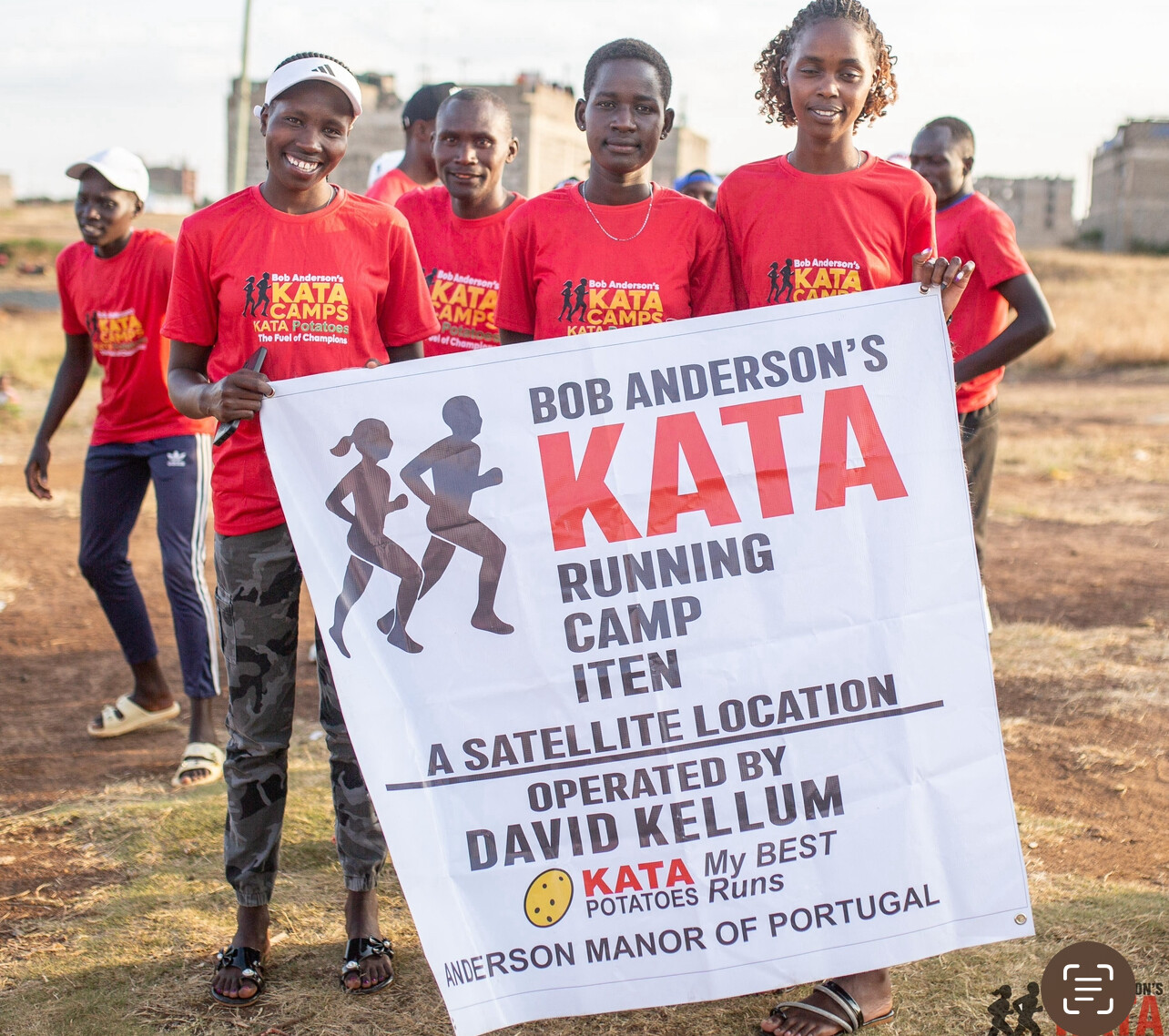
Anderson’s connection to Kenya runs deep. He first visited the country in 1987 and immediately fell in love with its people, culture, and running spirit. Just three years earlier, he had sold the magazine he founded and published for 18 years — Runner’s World, which had grown to a circulation of 2.5 million monthly readers. Runner’s World played a defining role in launching the modern running movement, inspiring millions of runners worldwide.
Although KATA Thika began in 2019, the KATA Running Camps officially launched in May 2025, building upon KATA’s strong foundation in Kenya. Both KATA Thika and KATA Portugal continue to grow as vital pillars in this global vision.
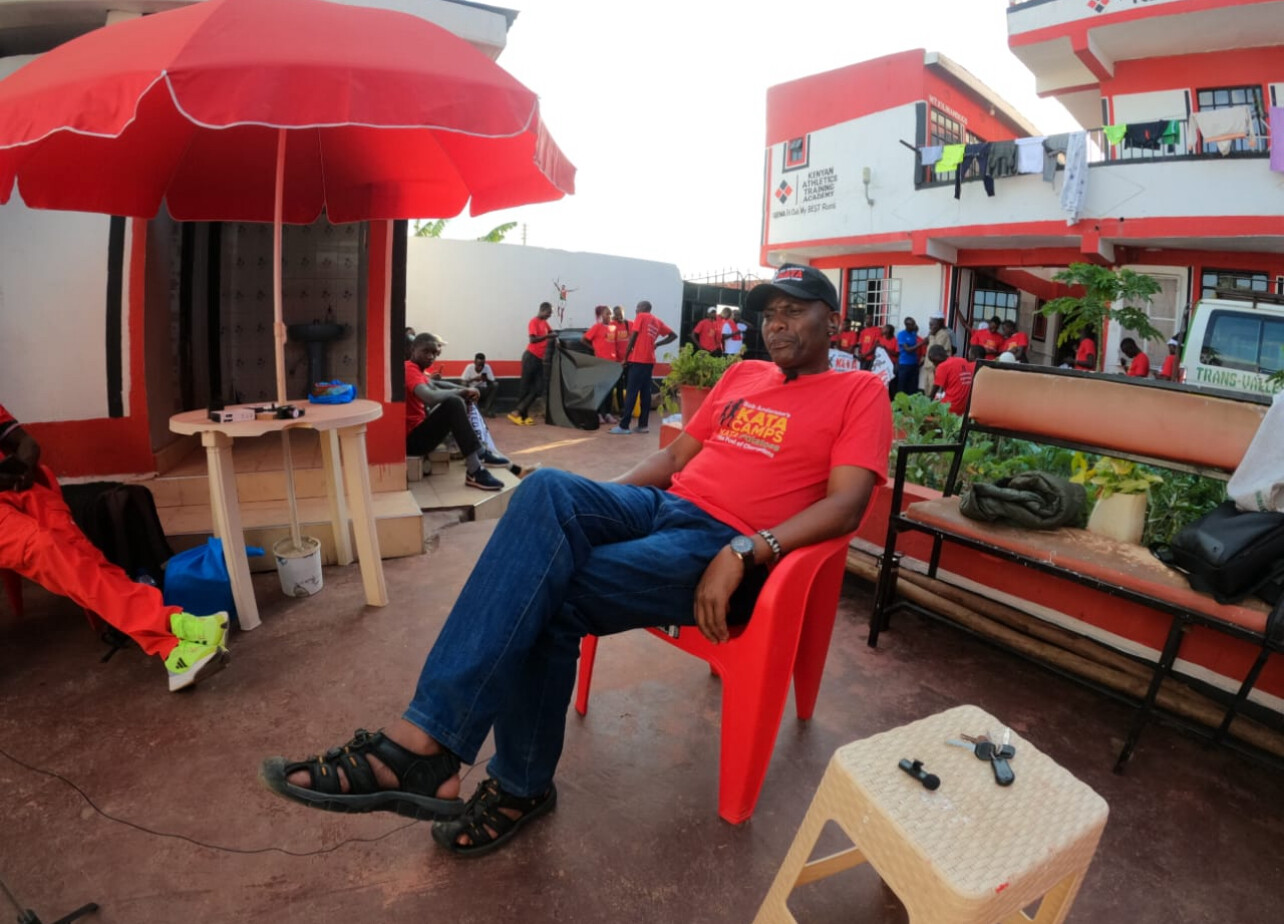
Anderson’s mission is clear: to strengthen the foundation of athletics in Kenya — and after 2026, expand to South Africa, Uganda, Ethiopia, and beyond.
Go KATA — The Fuel of Champions!
by Boris Baron
Login to leave a comment

Dreams in Motion, Roots in the Soil: Emmanuel Kiptoo Langat, the Runner Behind Potato Farming Projects
KERICHO, Kenya - At dawn in Kericho’s highlands, the red dirt roads echo with the rhythmic sound of running feet. Among the lean silhouettes slicing through the mist is Emmanuel Kiptoo Langat (Manuu), a 33-year-old road runner whose journey began in the rugged terrain of Chorwa, a small village in Nakuru County bordering Kenya’s vast Mau Forest. His story is not just about chasing personal bests but also about cultivating resilience—both on the track and in his community.
Roots in Chorwa
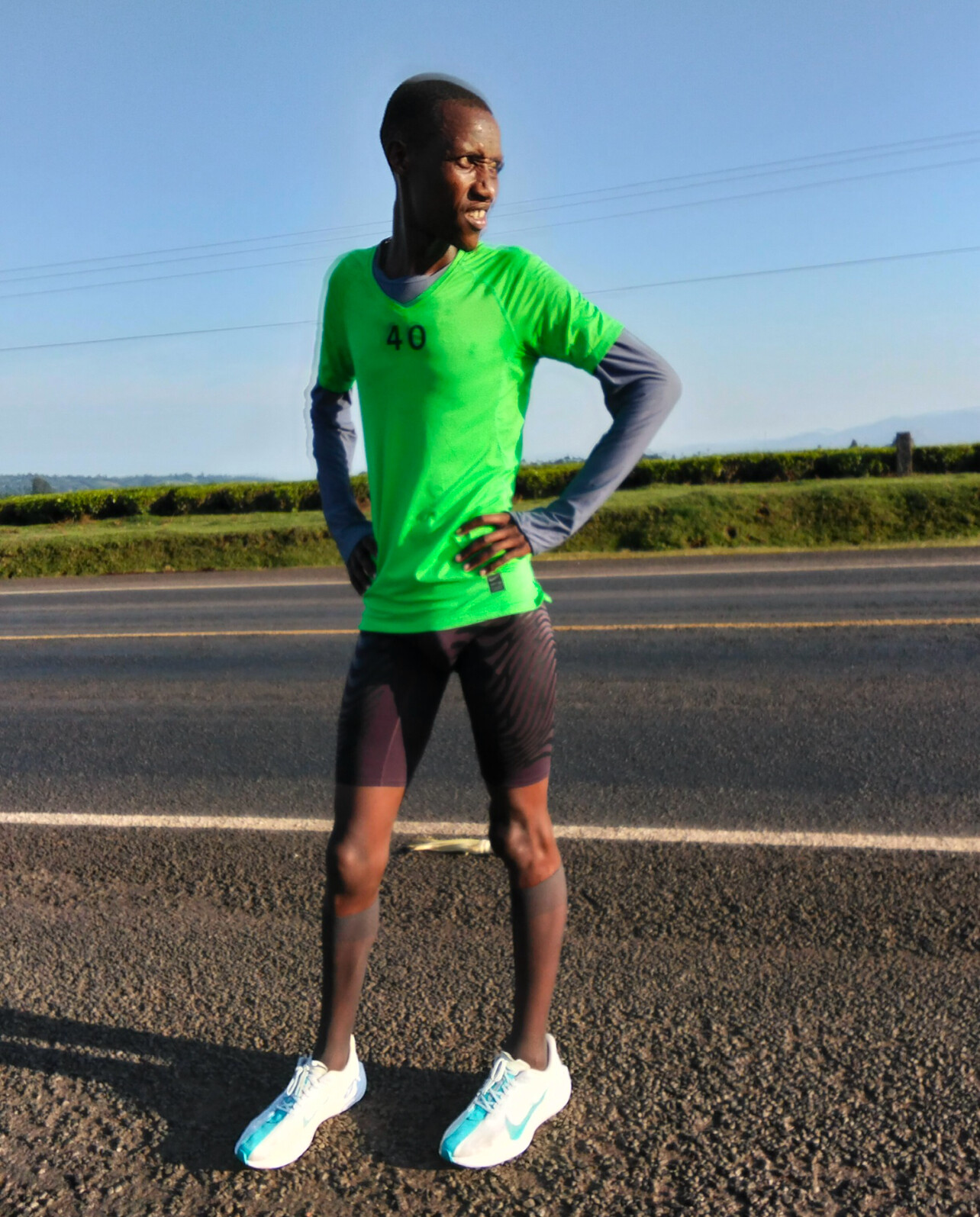
Chorwa is a remote village in Kuresoi, where life is as harsh as it is beautiful. The nearby Mau Forest shelters wildlife and rivers that feed the Rift Valley, but daily survival was a struggle.
“Life there was very hard—even getting food was a problem,” Emmanuel recalls. School added its own challenges: he often ran 10 kilometers each way just to attend class. What began as necessity became passion. “On sports day, I ran all the way to the national level. That’s when I knew I could run.”

His spark was fueled by Olympian Edwin Cheruiyot Soi, who runs a training camp in Kuresoi with support from the Kenya Athletics Training Academy (KATA). “He motivated me to believe running could change my life,” Emmanuel says.
First Strides in Athletics
In 2016, encouraged by a friend, Emmanuel joined a training camp in Kericho. His breakthrough came at a 10,000m race in Kisumu County. “That race gave me hope,” he says. A highlight followed at Nairobi’s Kasarani Stadium in a 5km race: “I enjoyed it so much. I will never forget that day.”
Challenges were constant. Running shoes were scarce, and he often relied on friends for gear. Yet his times speak volumes: 13:20 for 5000m, 28:04 for 10km, and 63:00 for the half marathon—marks that confirm his talent in Kenya’s deep distance-running field.
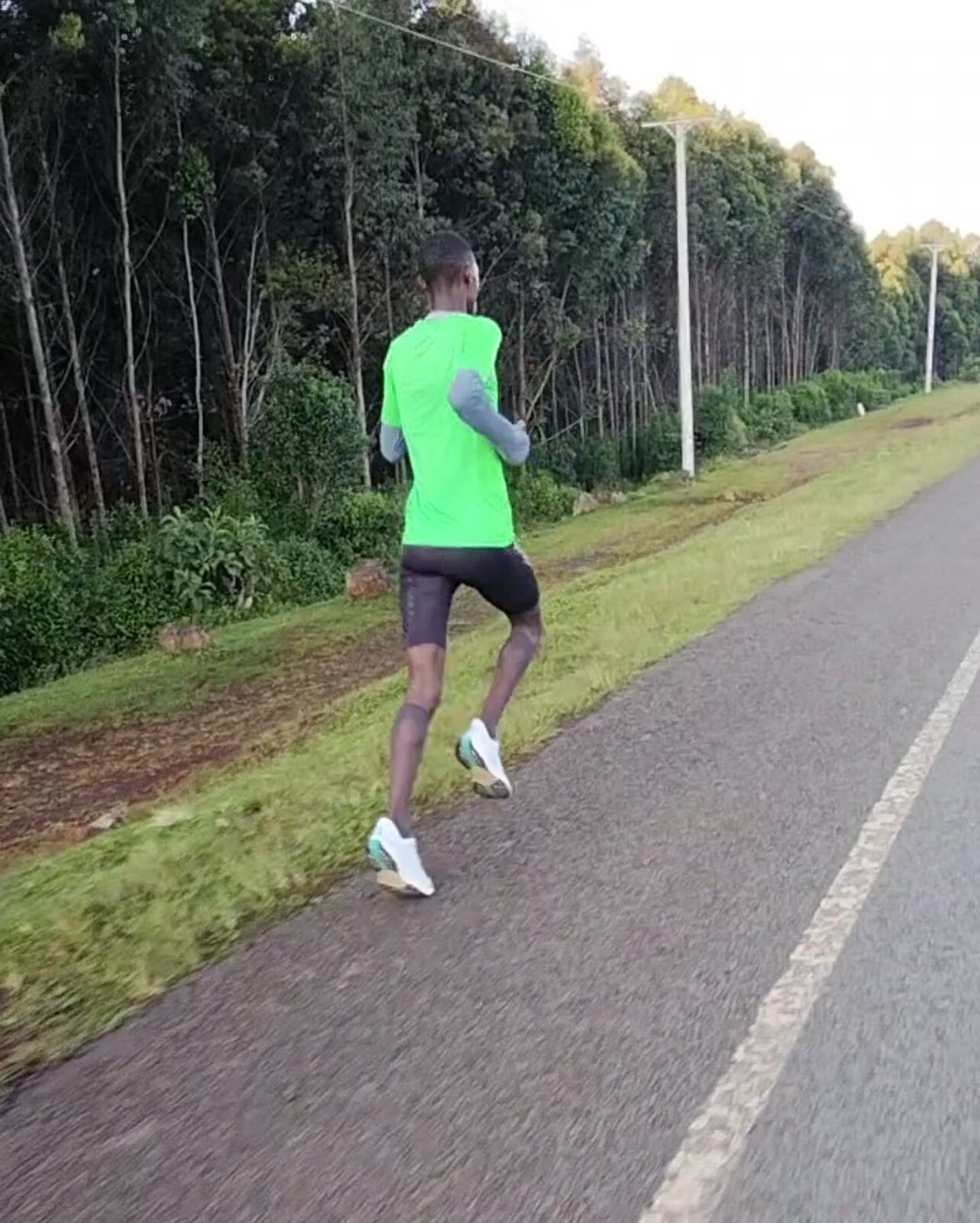
Balancing Running and Farming
While pursuing his running dreams, Emmanuel also supervises the KATA potato farming initiative, a project led by Bob Anderson, founder of Runner’s World magazine and the Kenya Athletics Training Academy.
“When I saw this project, I was happy because it could support many athletes,” he says. Emmanuel oversees planting, harvesting, and distribution—work that helps athletes cover food and camp needs. “It’s unique because it gives us stability, letting us focus more on training and performance.”
For him, farming mirrors running: “From athletics I’ve learned discipline and patience. From farming I’ve learned resilience and the value of hard work.”
A Bridge Between Sport and Sustainability
The synergy between running and agriculture provides athletes with more than meals—it provides a safety net. “Farming gives us a stable source of income beyond running. It offers security for the future,” Emmanuel says.
Transformation Through Running
Running has given Emmanuel confidence, friendships, and economic stability. His family, once burdened by poverty, now supports him wholeheartedly. “They see athletics and farming giving me direction and stability,” he explains.
Giving Back and Inspiring Others
In Chorwa, young runners now look up to Emmanuel as he once looked up to Edwin Soi. His message is simple: “Be disciplined, patient, and never give up, because success in running takes time.”
He hopes to mentor future athletes and be remembered not only as a runner but also as “a supervisor who supported others and a role model who uplifted the community.”
Life Beyond the Track
When not training or supervising farms, Emmanuel relaxes by watching football—he is a devoted Manchester United fan. Yet his heart remains tied to running, each stride reminding him of the Mau Forest, his beginnings, and the community he represents.
The Road Ahea
Emmanuel’s eyes are fixed on improving his half marathon and marathon times. His journey reflects more than athletics—it embodies resilience, sustainability, and shared success.
“Running is not just about speed or endurance,” he says. “It’s about rising from hardship, cultivating dreams like potatoes in the soil, and sharing the harvest with others.”
As the sun sets over Kericho’s hills, Emmanuel prepares for another early morning run—carrying not only his ambitions but also the hopes of a community where sport and sustainability run side by side.
by Robert Kibet
Login to leave a comment

Can Your Finger Length Predict Marathon Potential?
Take a look at your hands—specifically the lengths of your fingers. If your ring finger is noticeably shorter than your index finger, you might be more suited to endurance running than you think.
That’s the takeaway from a new study published in the American Journal of Human Biology, which analyzed data from over 5,000 individuals across 12 countries. The research focused on the 2D:4D ratio—the length of the second digit (index finger) compared to the fourth digit (ring finger). A lower ratio (meaning a relatively shorter ring finger) was associated with a higher ventilatory threshold—the point during exertion when breathing becomes labored.
This doesn’t necessarily mean you have a higher VO₂ max, the gold standard of cardiovascular fitness. But it does mean you might be able to push your body harder and longer before hitting the gasping-for-air stage—an important advantage in endurance events like the marathon.
Hormones Before Birth May Shape More Than We Think
The finger ratio in question is thought to reflect prenatal testosterone exposure, and the ring finger has more hormone receptors than the index finger. That means your fingers may quietly preserve a record of hormone levels you were exposed to in the womb—levels that could influence how your lungs, muscles, and nervous system respond to physical stress.
Even mental traits—like competitiveness or pain tolerance—could be shaped by these early hormone patterns. That could explain why people with a lower 2D:4D ratio might be better at pushing through discomfort during long training sessions or races—not just physically, but psychologically too.
A Clue, Not a Conclusion
It’s important to note the study’s limitations. Most of the participants were already fit—athletes, military recruits, or students—so this isn’t a broad sample of the general population. And the clearest links between finger length and endurance showed up in adults, likely because hormonal influences become more pronounced after puberty.
While it’s not a magic formula for predicting who will qualify for Boston or crack a sub-3:00 marathon, it’s a fascinating insight into how our bodies might be wired for performance long before we ever lace up a pair of running shoes.
And as the author herself put it: knowing your finger ratio might hint at potential—but it won’t get you across the finish line. That still takes consistent training, grit, and determination.
(For the record, she checked her own hands. Marathon running isn’t on her horizon anytime soon.)
by Ashley Fike | Adapted for My Best Runs – June 13, 2025
Login to leave a comment
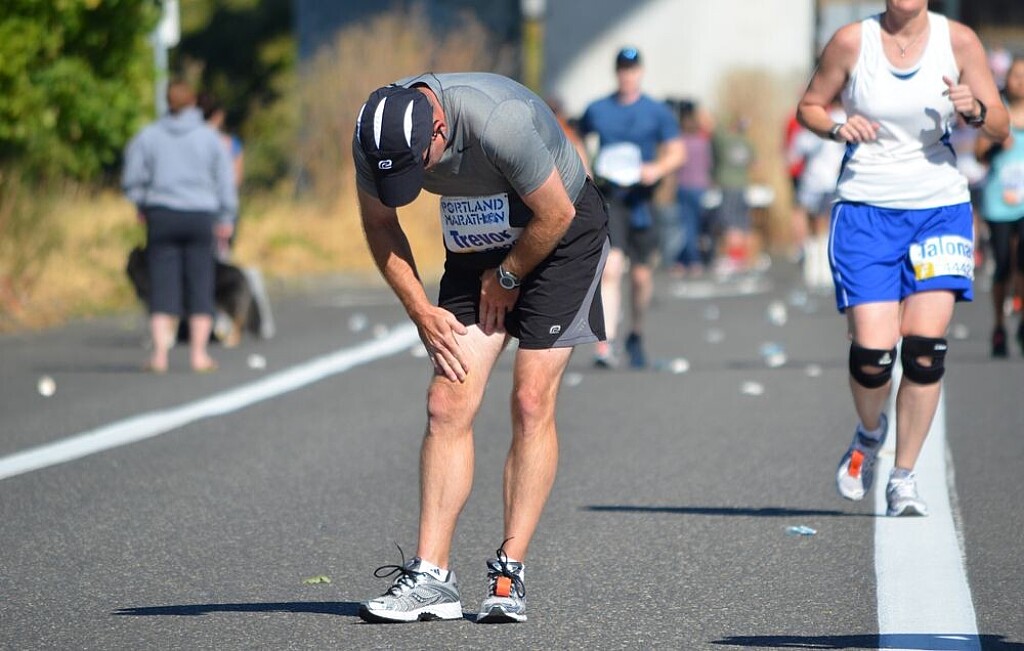
Staying on Track: Expert Advice on Injury Prevention for Long-Distance Runners
As a long-distance runner, you've likely experienced the frustration of an injury that sidelines you from training and competition. Injuries can be a significant setback, but with the right strategies, you can reduce your risk and stay on track. In this article, we'll explore expert advice and tips on injury prevention, covering topics such as strength training, proper running form, recovery, and injury management.
Understanding Common Injuries
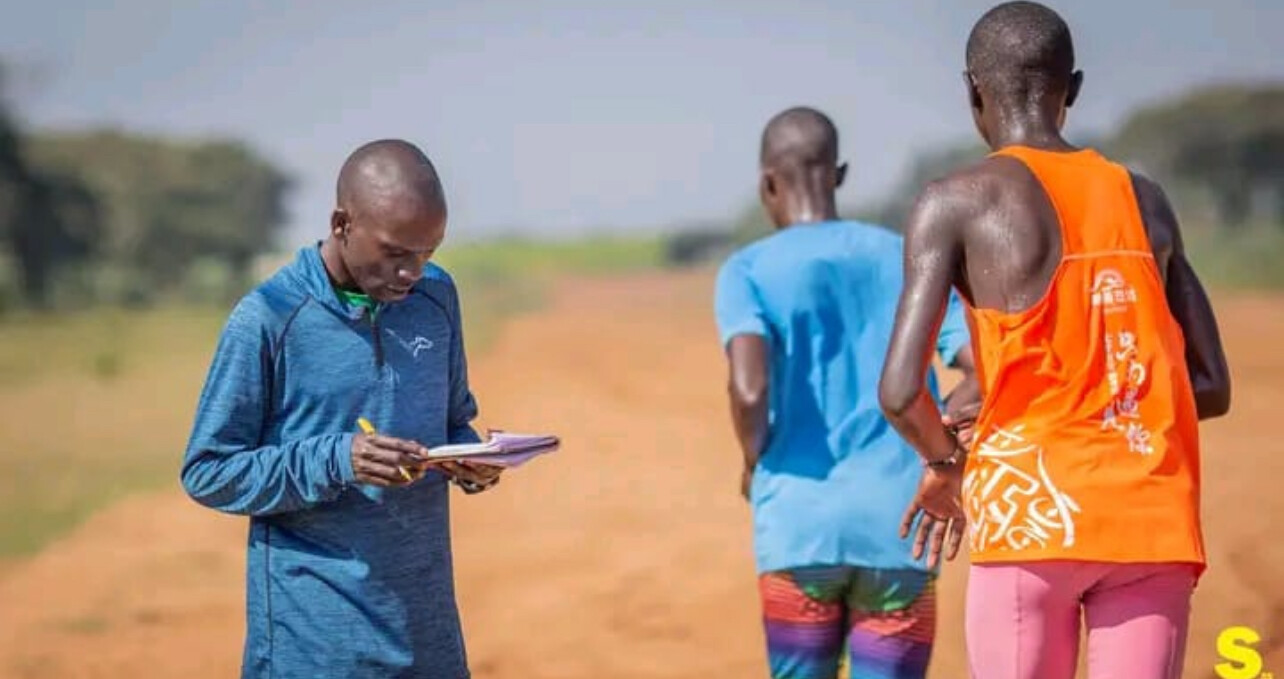
Long-distance runners are prone to a range of injuries, including shin splints, plantar fasciitis, and runner's knee. These injuries often result from overtraining, poor biomechanics, and inadequate recovery. By understanding the causes of these injuries, you can take steps to prevent them.
Strengthening Your Foundation
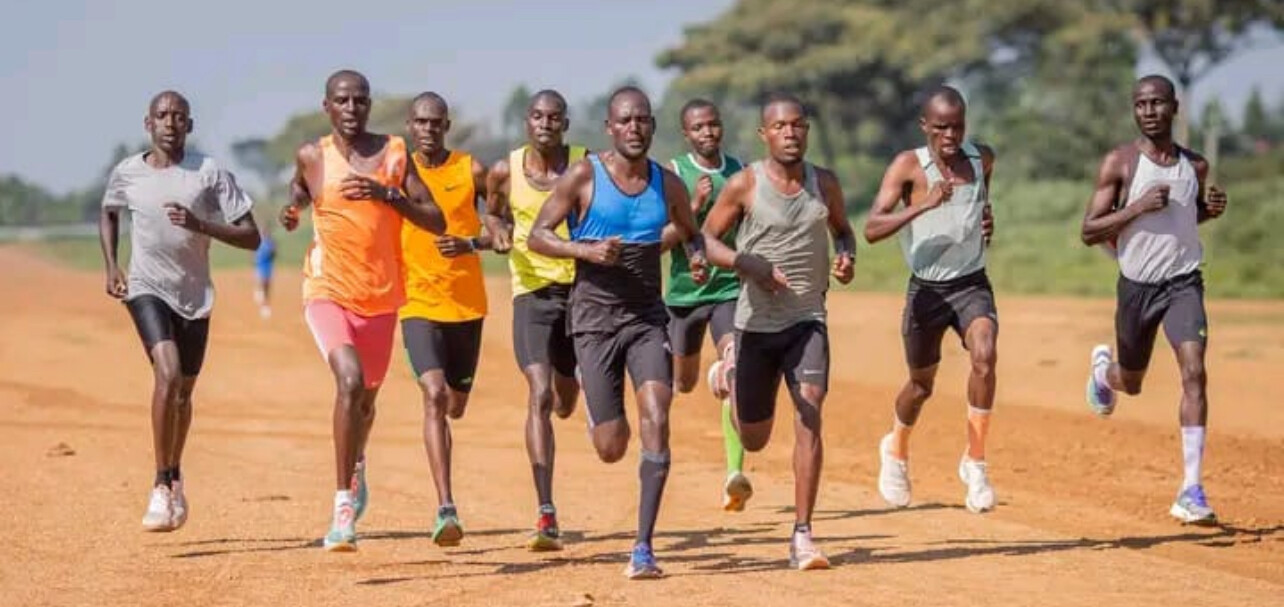
Strength training is a crucial component of injury prevention for long-distance runners. By strengthening your muscles, you can improve your running efficiency, reduce your risk of injury, and enhance your overall performance. Some key exercises to include in your strength training routine are:
- Glute bridges and squats to improve hip and knee stability
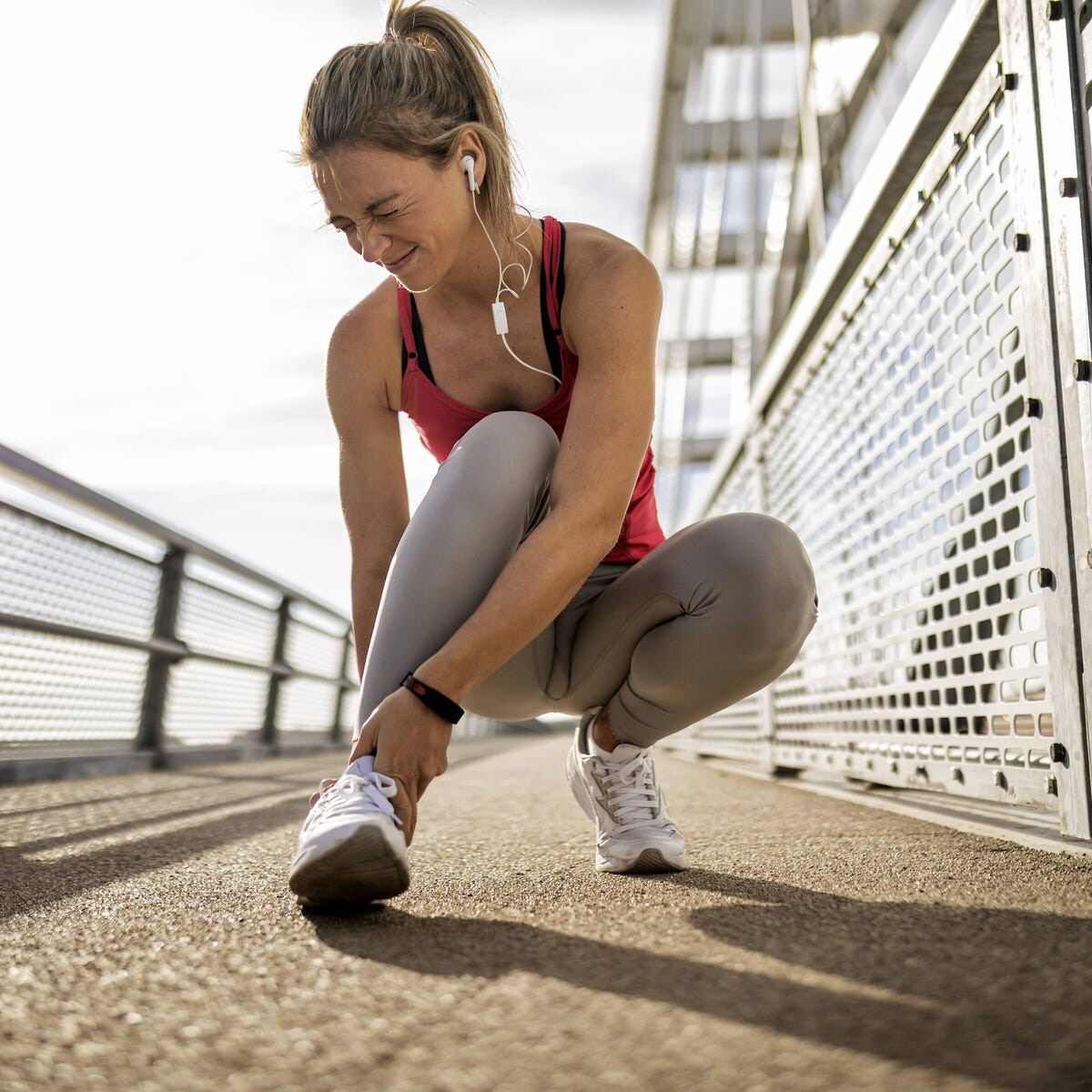
- Calf raises and ankle exercises to strengthen your feet and ankles
- Core exercises to enhance stability and balance
The Right Shoes for Injury Prevention
Running shoes play a critical role in injury prevention. Worn-out shoes can lead to a range of problems, including increased impact on joints, poor foot mechanics, and increased risk of overuse injuries. According to Bob Anderson, a lifetime runner with over 60 years of experience, "Don't risk your running longevity by training in worn-out shoes. Rotating shoes is key - I have multiple pairs that I rotate through, which helps extend the life of each shoe and reduces my risk of injury." By having multiple pairs of shoes and rotating them regularly, you can reduce your risk of injury and ensure that your shoes are always providing the support and cushioning you need.
When choosing running shoes, consider the following factors:
- Support and stability: Look for shoes that provide adequate support and stability for your foot type and running style.
- Cushioning: Choose shoes with sufficient cushioning to absorb the impact of running.
- Fit: Ensure a comfortable fit that doesn't constrict your toes or heel.
Proper Running Form
Good running form can help reduce your risk of injury and improve your performance. Here are some tips to improve your running form:
- Maintain good posture and alignment
- Focus on a midfoot or forefoot strike, rather than heel striking
- Keep your stride length and cadence efficient
- Use your arms to help drive your running motion
Recovery and Injury Management
Recovery is a critical component of injury prevention. By allowing your body time to recover between hard runs, you can reduce your risk of injury and improve your performance. Some key recovery strategies include:
- Stretching and foam rolling to reduce muscle tension
- Rest and recovery days to allow your body to repair and rebuild
- Nutrition and hydration strategies to support your training
Some final thoughts
By incorporating these strategies into your training routine, you can reduce your risk of injury and stay on track to achieving your running goals. Whether you're training for a marathon or simply looking to stay healthy and active, injury prevention is key to success. With the right approach, you can enjoy a long and healthy running career.
by Sally Decker
Login to leave a comment
Can Robots Really Replace Human Hands in Making Running Shoes?
Some people think the answer to making running shoes in the United States is simple: just use robots. Let’s explore this concept, says lifelong runner and publisher Bob Anderson, who recently sparked a lively conversation online after posting, “It’s just not realistic to imagine an American company finding enough labor in the U.S. to make running shoes.”
Anderson’s concern is shared by many runners who are watching shoe prices soar. “At this rate,” he added, “running shoes could cost $400 or more unless companies sacrifice their markup—which could cause other problems.”
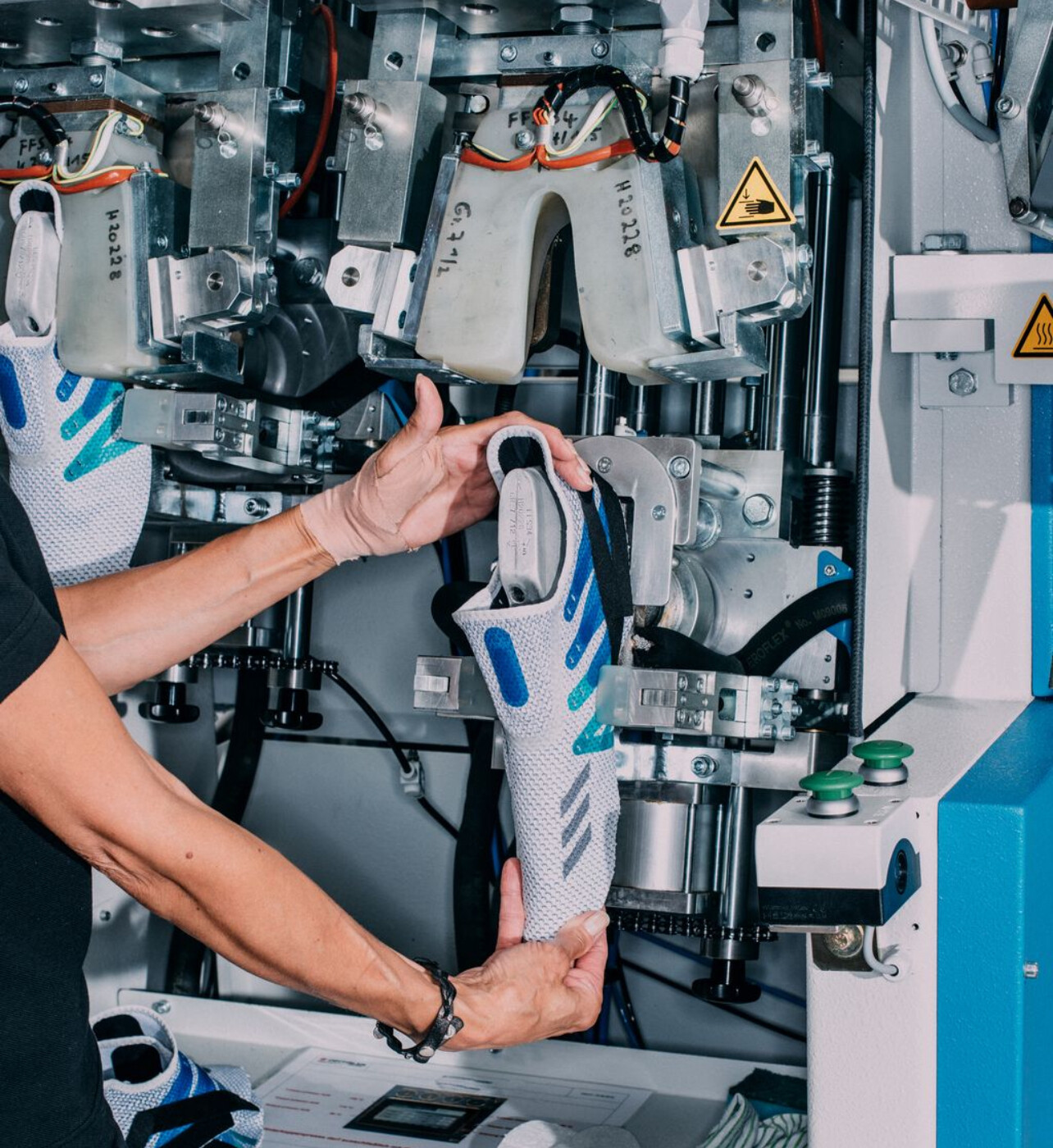
So, could robotics be the solution?
“It’s never too late,” one reader commented on Facebook. “Eventually shoes will be manufactured using robotics. Imagine how inexpensive shoes will be then.”
It’s a logical idea. Automation has changed industries from cars to electronics. But as Anderson and others pointed out in the thread, running shoes are a unique challenge. The materials are flexible, the stitching is complex, and every design has slight variations. Even with advances in AI and robotics, there’s still no fully automated way to produce a quality performance shoe from start to finish.
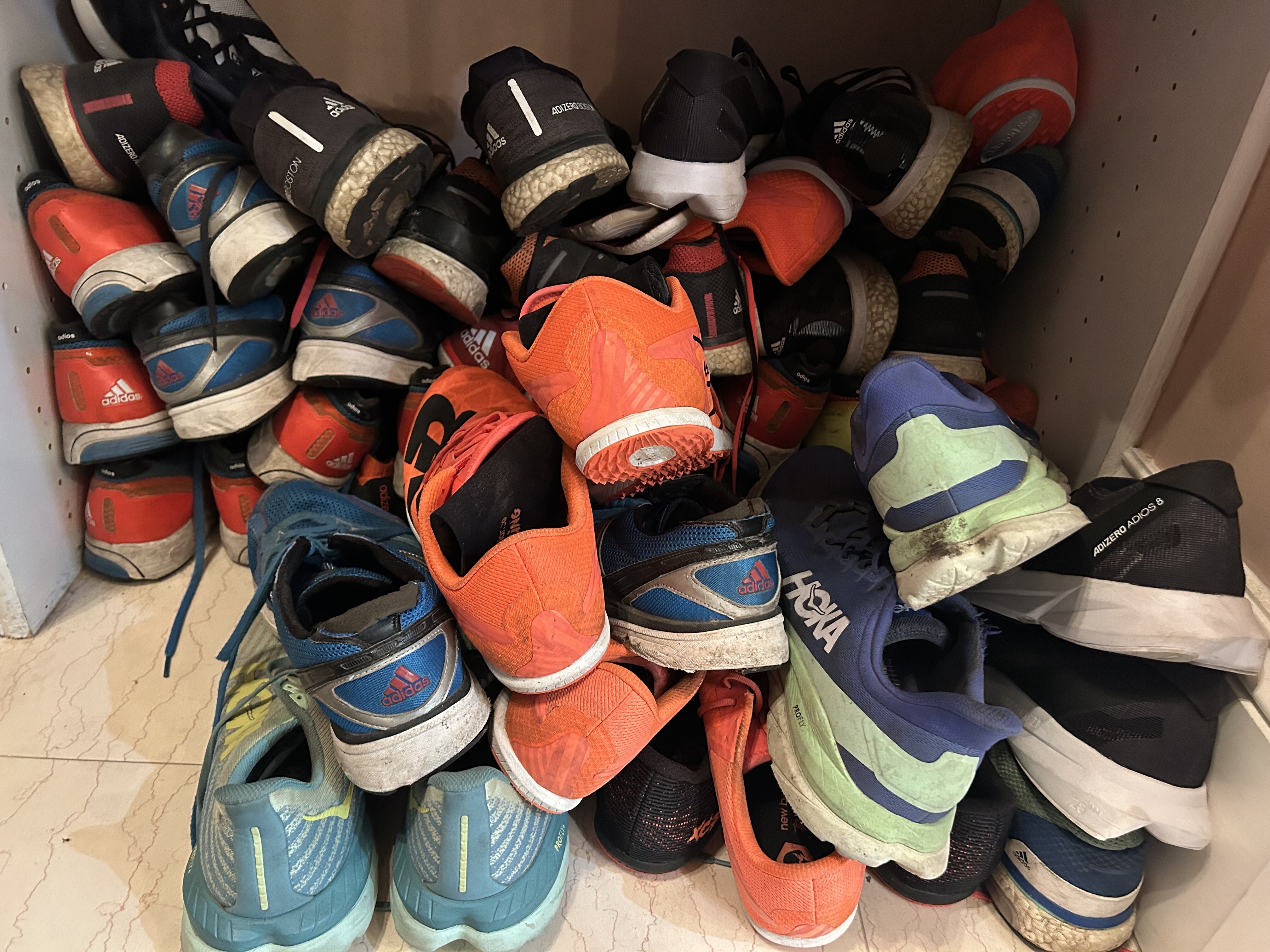
Lan Rupf responded: “Years ago, Steve Jobs wanted to manufacture in Fremont using automation. It couldn’t be done. Same for Elon’s wish. It’s just too expensive and too complex.” Last photo Bob's current shoes.
Let’s talk numbers. A full robotic setup capable of handling key parts of shoe production can cost upwards of $500,000–$750,000 when you factor in software, installation, and maintenance. If each pair of shoes saves $2.50 in labor costs compared to overseas production, a company would need to manufacture 300,000 pairs over five years just to break even. That’s 60,000 pairs per year—and that’s assuming full uptime, perfect output, and no production issues.
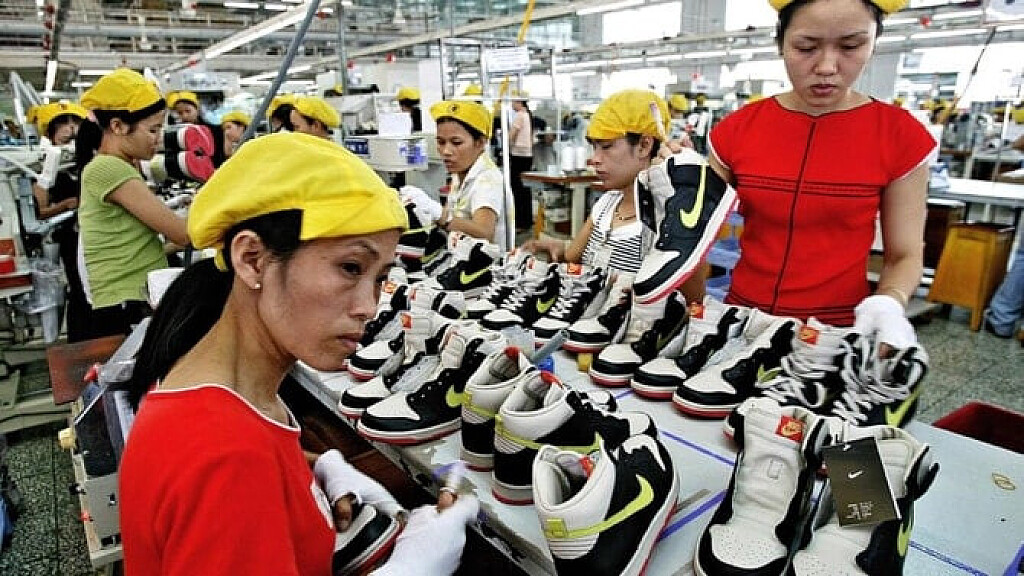
In contrast, factories in Vietnam, Indonesia, and China can produce millions of pairs annually, using skilled human labor that costs under $2 an hour. These workers are often happy to have the job, and the factories are already optimized for efficiency.
Another reader brought up ON Running’s use of robotics to custom-fit shoes, saying “Robotics will be doing many of these jobs.” True—there are steps toward automation happening. But these are limited use-cases, and even ON still relies heavily on human workers in final assembly.
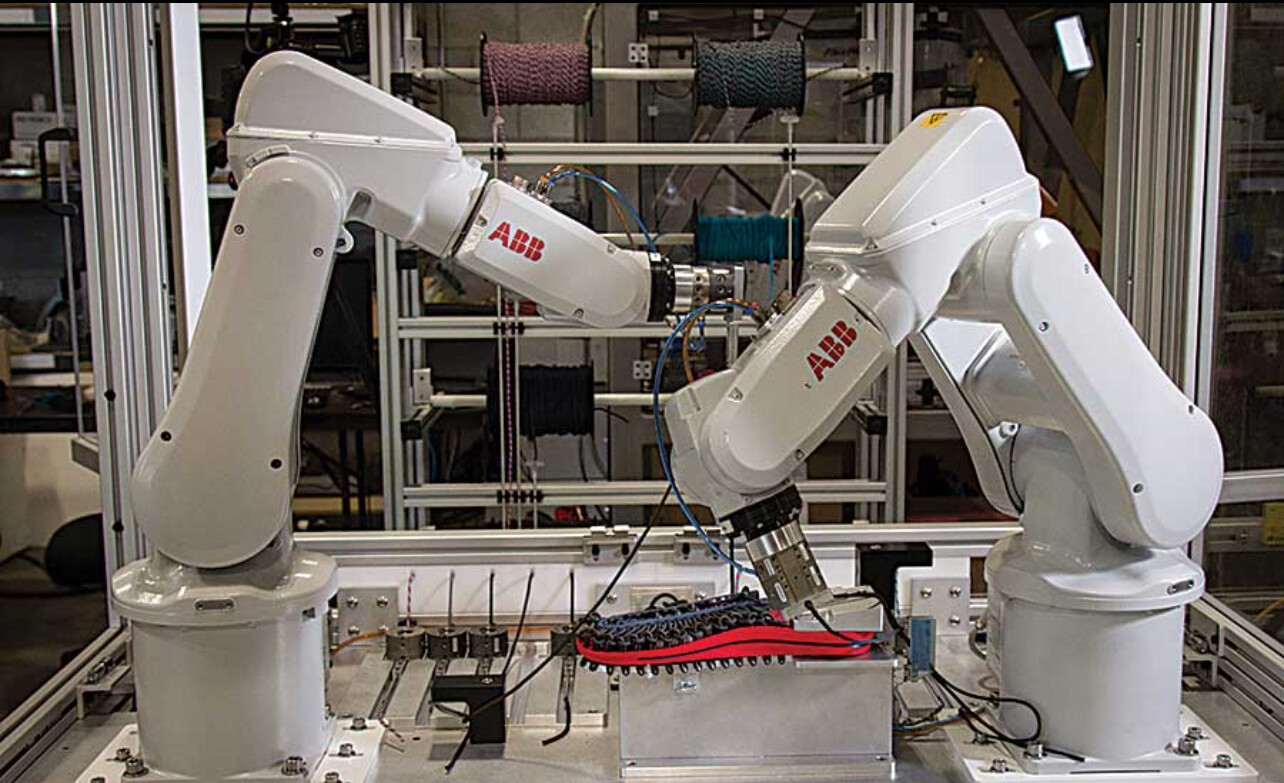
And beyond feasibility, there’s the bigger question: Even if we could automate everything, should we?Rupf warned, “If every job can be done by robots 100%, the majority of people in this world will be out of jobs. The future will be very bleak.”
So what’s the takeaway?
Right now, it’s too late to bring back large-scale running shoe factories to the U.S. using traditional labor, and it’s still too soon for robotics to be the magic solution. The most likely future? A hybrid approach, with robots assisting in certain areas, while skilled human workers overseas continue to handle the core of the work.
But for now, as Anderson concludes, “Don’t expect your next pair of running shoes to be made by a robot—in the U.S. or anywhere else.”
by Boris Baron
Login to leave a comment
 The last photo is my closet. I always have several pairs to pick from. - Bob Anderson 5/2 4:04 pm |
Why Running Shoes Are Getting More Expensive in 2025
American-Made Running Shoes Aren’t Coming Anytime Soon says Bob Anderson and here's why.
“It’s just not realistic to imagine an American company finding enough labor in the U.S. to make running shoes,” says lifetime runner Bob Anderson. “Even in states where companies might pay $10 an hour—half the rate in California—it would be difficult to find many Americans with the necessary skills.”
That reality helps explain why nearly all running shoes are made in Asia—and why prices are climbing. A combination of new tariffs, shifting global supply chains, and rising production costs is pushing the cost of your favorite shoes higher than ever across the United States.
The Impact of ‘Liberation Day’ Tariffs
On April 2, 2025, President Donald Trump announced a sweeping set of tariffs under the banner of “Liberation Day,” aiming to address what he described as unfair trade practices and to bolster domestic manufacturing. These tariffs include:
• A universal 10% tariff on all imported goods, effective April 5, 2025.
• Additional country-specific tariffs, ranging from 11% to 50%, on imports from 86 countries, effective April 9, 2025.
For the footwear industry, these tariffs have significant implications. For example, imports from major manufacturing hubs now face the following cumulative tariffs:
• China: 54%
• Vietnam: 46%
• Cambodia: 49%
• Bangladesh: 37%
• Indonesia: 32%
These increased costs are often passed on to consumers, leading to higher retail prices for running shoes.
Upcoming Changes: June 1, 2025
Further changes are scheduled to take effect on June 1, 2025:
• Increased Flat Fees on Small Parcels: For small parcels shipped from China and Hong Kong, the flat fee per item will increase from $25 to $50.
• Higher Tariffs on Low-Value Shipments: All goods made in China, regardless of order value, are now subject to a 30% tariff or a $25 per-item fee, which will increase to $50 per item after June 1, 2025.
These measures are expected to further impact the cost of imported footwear, potentially leading to higher retail prices for consumers. Brands and retailers may need to adjust their sourcing strategies and pricing models in response to these changes.
Global Manufacturing Landscape
Most major running shoe brands manufacture their products overseas, primarily in Asia. For instance:
• Nike: Primarily manufactures in Vietnam, Indonesia, and China.
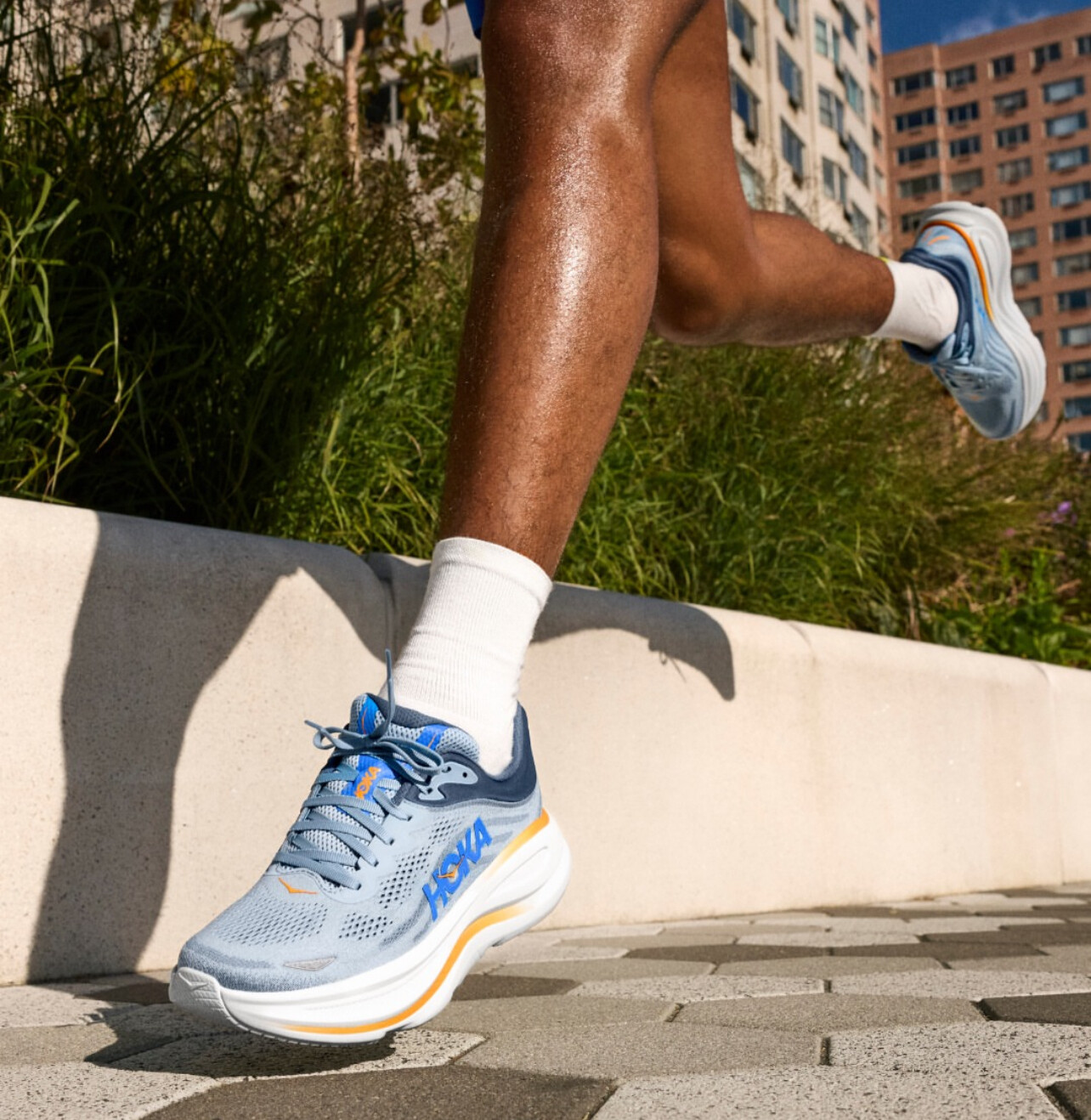
• Adidas: Relies heavily on Vietnam, Indonesia, and China for production.
• New Balance: Assembles some models in the U.S., but many are produced in Vietnam and Indonesia.
• Brooks: Manufactures most of its running shoes in Vietnam and China.
• ASICS: Produces mainly in Vietnam and Indonesia.
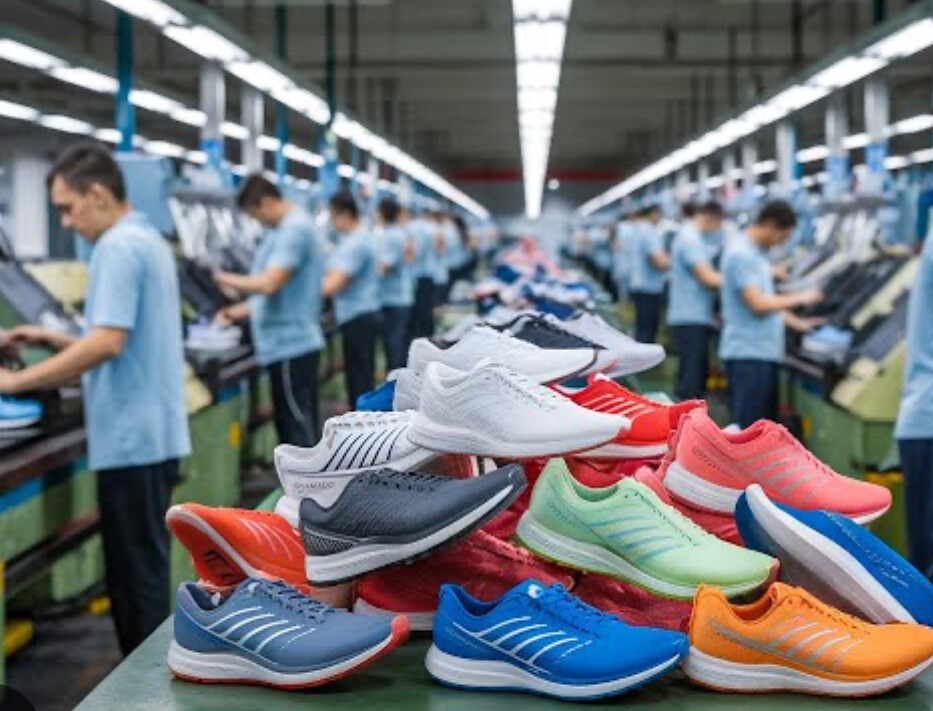
Given the new tariffs, these companies face increased costs, which may be reflected in higher prices for consumers.
Challenges of U.S. Manufacturing
Producing running shoes domestically presents several challenges:
• Labor Costs: U.S. labor is significantly more expensive than in countries like Vietnam or Indonesia.
• Infrastructure: The U.S. lacks the large-scale infrastructure and trained workforce needed for mass shoe production.
• Supply Chain: Many components used in shoe manufacturing are produced overseas, making domestic production more complex and costly.
While some companies, like New Balance, have U.S.-based production, it’s limited and often involves imported components.
The Labor Cost Gap Behind Your Running Shoes
One of the main reasons running shoes are rarely made in the United States is the vast difference in labor costs. In Vietnam—currently the leading producer of running shoes for brands like Nike, Adidas, and New Balance—the average factory worker earns between $200 and $300 USD per month. In Indonesia and Cambodia, wages can be even lower. By contrast, U.S. manufacturing workers typically earn $3,000 to $4,000 per month, not including benefits.
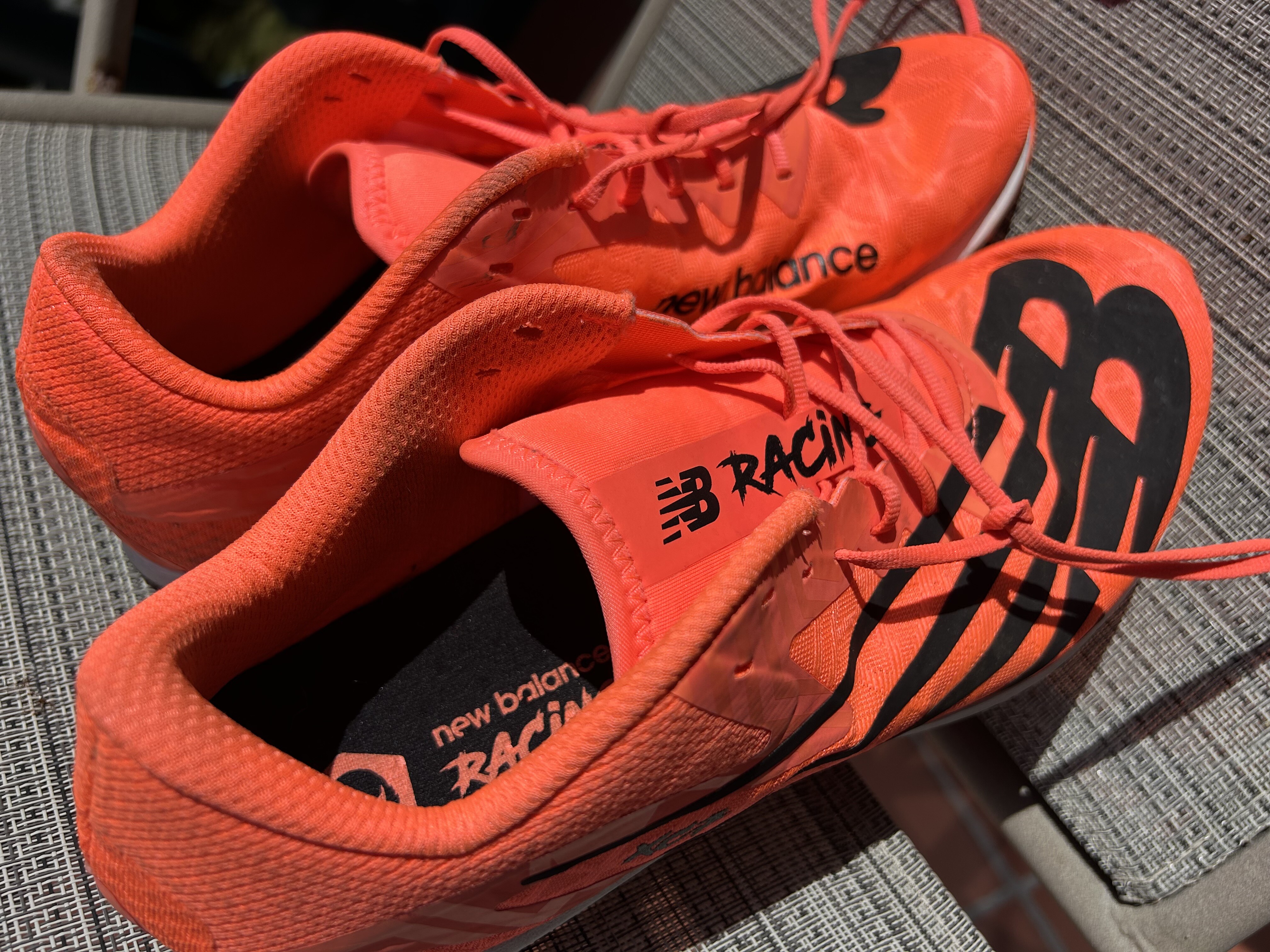
Since running shoes are labor-intensive to make—often requiring 70 to 100 steps in the assembly process—these wage disparities drastically affect the cost of production. That’s why even with new tariffs, it’s still cheaper for most brands to produce shoes overseas than to bring operations back home.
Looking Ahead
The full impact of these tariffs will unfold over time. Consumers may see continued price increases and reduced availability of certain models. Brands may explore alternative manufacturing locations or adjust their product lines to mitigate costs.
As the situation evolves, staying informed will help consumers make educated decisions about their purchases.
by Boris Baron
Login to leave a comment
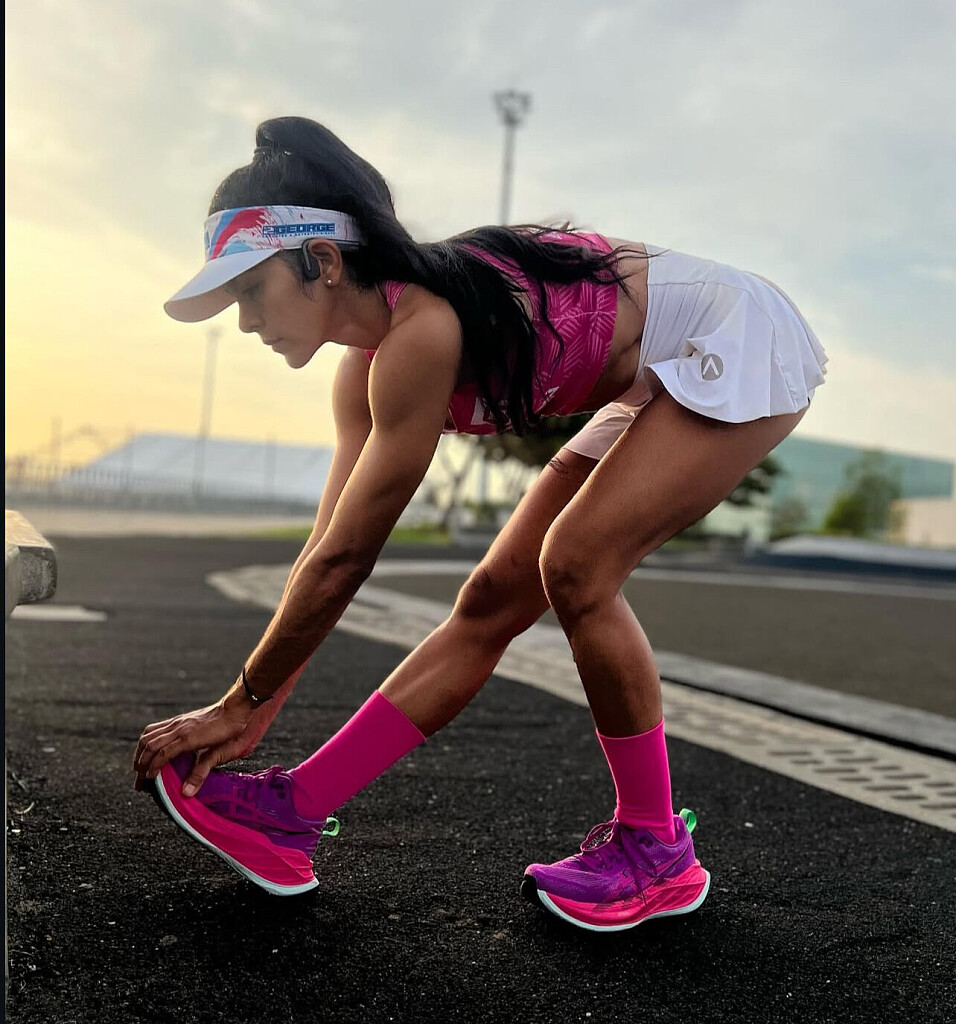
This is How Running Fuels Creativity
Running is often celebrated for its physical benefits, but its impact on mental processes, particularly creativity, is equally noteworthy. Many individuals find that engaging in a run helps clear their minds and fosters innovative thinking. This article delves into the connection between running and enhanced creativity, supported by scientific research and anecdotal experiences.
The Science Behind Running and Creativity
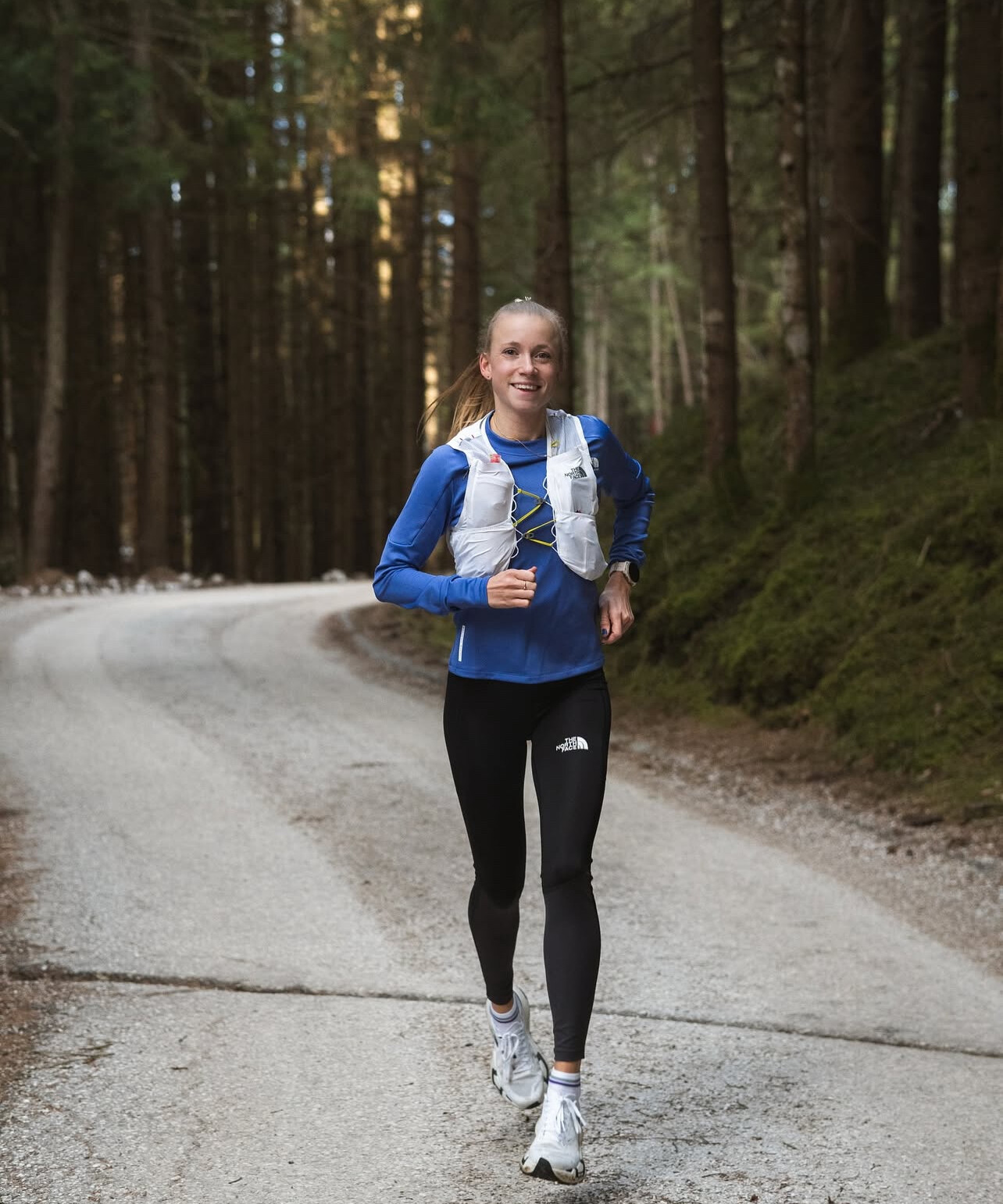
A pivotal study from Stanford University in 2014 revealed that walking can significantly boost creative ideation. Participants exhibited higher levels of creative thinking while walking compared to sitting, suggesting that physical movement stimulates divergent thinking—the ability to generate multiple solutions to a problem .
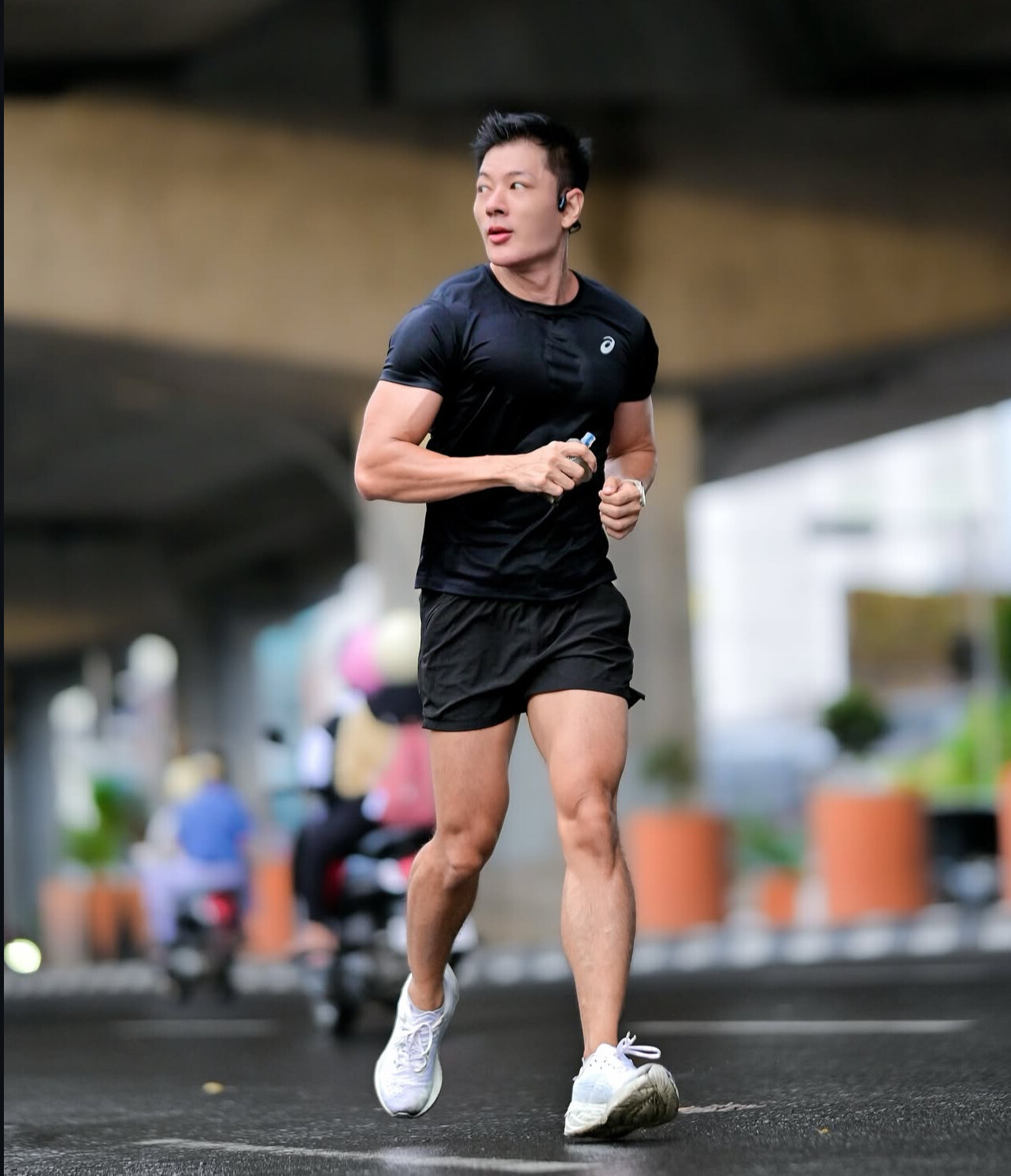
Further research indicates that aerobic exercises like running increase blood flow to the brain, enhancing cognitive functions and stimulating creativity. This heightened brain activity facilitates the formation of new connections, promoting innovative thought processes.
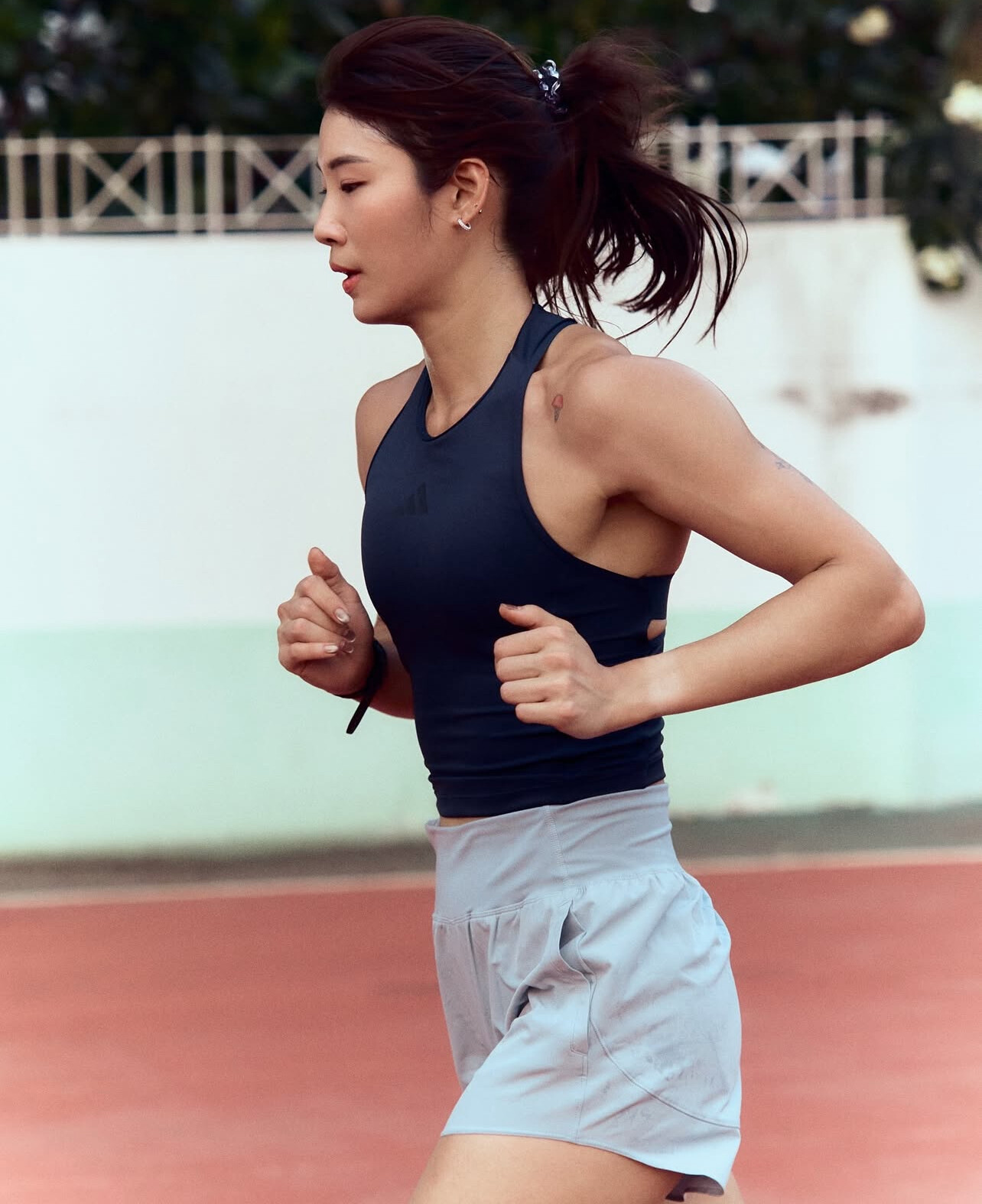
Neurochemical Influences
Running induces the release of endorphins and dopamine, neurotransmitters associated with mood elevation and motivation. These chemicals not only contribute to the well-known “runner’s high” but also play a role in enhancing creative thinking by improving mood and reducing stress .
Practical Implications
Incorporating running into one’s routine can serve as a catalyst for creative thinking. Whether facing a challenging project or seeking inspiration, a run can provide the mental clarity needed to approach problems from new angles. The combination of physical activity and mental relaxation creates an optimal environment for creativity to flourish.
Running offers more than just physical health benefits; it serves as a powerful tool for enhancing creativity. By engaging in regular runs, individuals can tap into improved cognitive functions, mood elevation, and innovative thinking. So, the next time you’re seeking inspiration, consider lacing up your running shoes and hitting the pavement.
by Boris Baron
Login to leave a comment
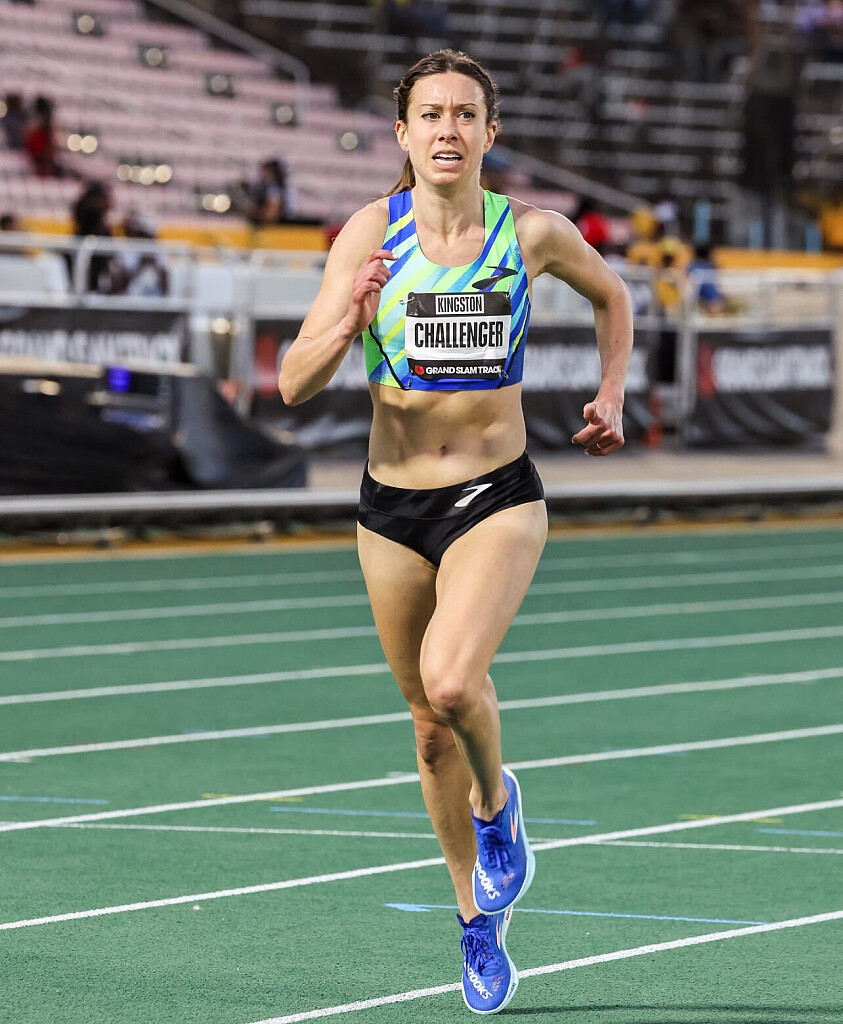
Emily Infeld’s Remarkable Journey in 2025: New Beginnings and Strong Performances
American long-distance runner Emily Infeld has embarked on a transformative phase in her career in 2025, marked by a significant sponsorship change and impressive performances on the track.
Transition to Brooks Running
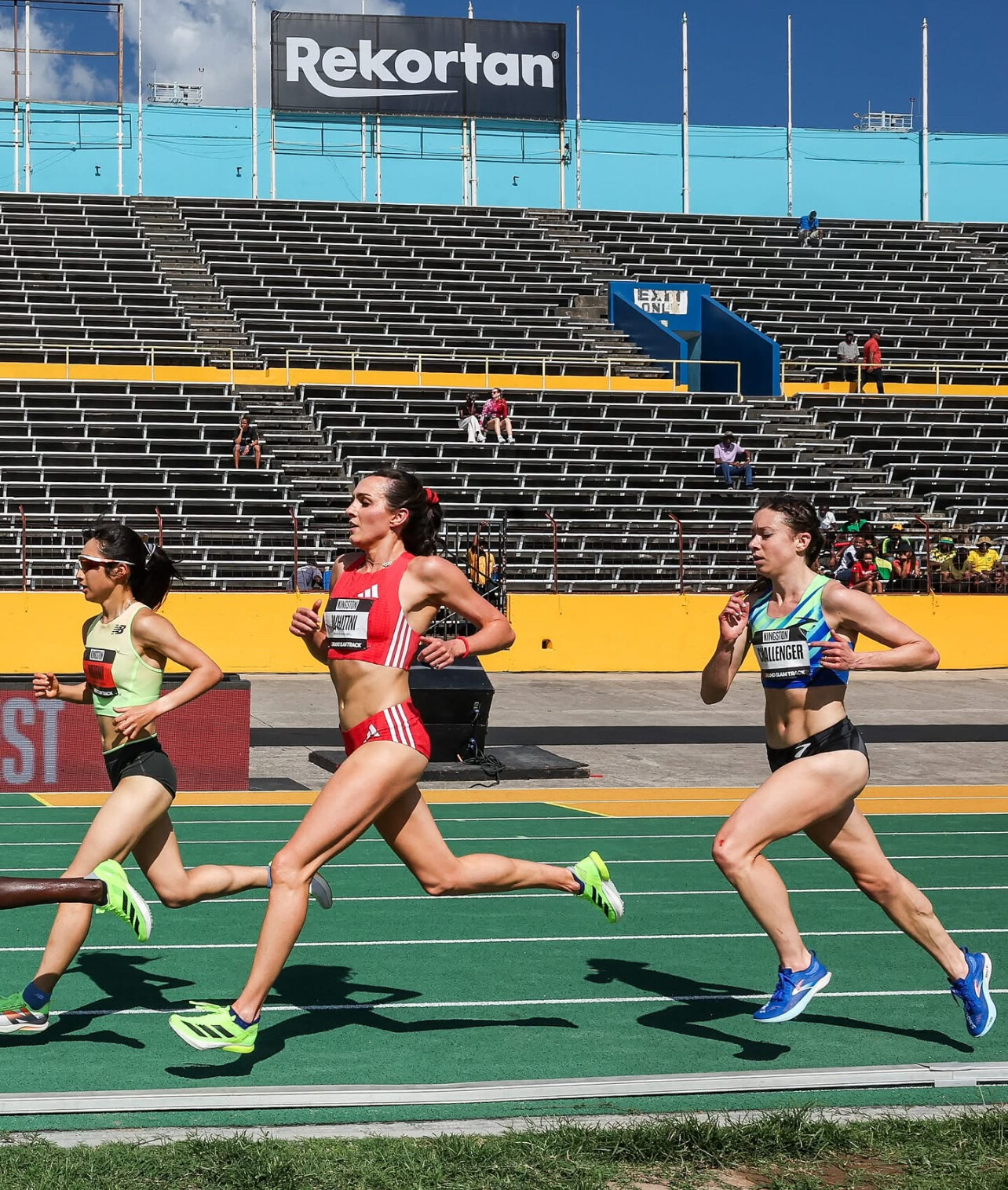
In January 2025, after a 12-year association with Nike, Infeld signed a sponsorship deal with Brooks Running. Reflecting on this new partnership, she shared her enthusiasm:
“My first pair of running shoes was the Brooks Adrenaline. And back in them again, it feels like coming full circle.”
This collaboration signifies a fresh start for Infeld, aligning with her aspirations to explore new challenges in her running career.
Notable Performances in Early 2025
Infeld’s recent race results underscore her resilience and competitiveness:
• The TEN, San Juan Capistrano, CA (March 29, 2025): Competing in the elite women’s 10,000 meters, Infeld secured a sixth-place finish with a time of 30:59.38. This race was particularly competitive, with multiple athletes breaking the 31-minute barrier.
• Grand Slam Track, Kingston, Jamaica:
• 3000 Meters (April 4, 2025): Infeld placed eighth, recording a time of 8:56.66 in a field that featured top international competitors.
• 5000 Meters (April 6, 2025): She achieved a fourth-place finish with a time of 15:26.87, demonstrating her versatility across distances.
Looking Ahead
These performances highlight Infeld’s determination and adaptability as she continues to navigate the evolving landscape of her athletic career. With the support of Brooks Running and a series of strong showings in early 2025, Infeld is poised for continued success in the upcoming track and field season.
by Boris Baron
Login to leave a comment
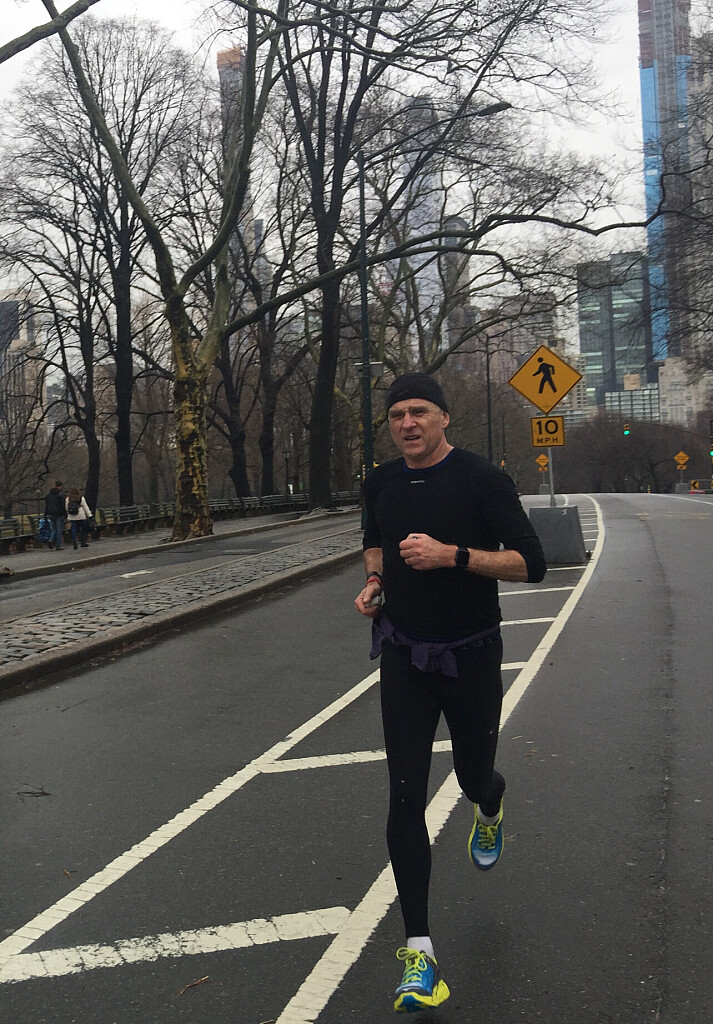
The Magical Feeling of Running in Central Park, NYC
New York City is a place of hustle and movement, where the streets are alive with energy, and the skyline is iconic. But tucked within the towering buildings and endless motion lies a runner’s paradise—Central Park. For those who have had the privilege of running here, the experience is nothing short of magical.
Whether you’re an early-morning jogger, a seasoned marathoner, or someone visiting the city with running shoes packed, Central Park offers an unforgettable running experience that blends nature, history, and the sheer excitement of running in the heart of the most famous city in the world.

A Runner’s Sanctuary in the Heart of NYC
Central Park spans 843 acres in the middle of Manhattan, creating a green oasis amid the urban sprawl. With its rolling hills, shaded pathways, and scenic lake views, it’s the perfect place for runners seeking a retreat from the city’s concrete and congestion.
The park provides a welcoming and diverse running environment—a place where runners of all backgrounds and abilities come together. On any given day, you’ll see world-class athletes training for the New York City Marathon, casual runners enjoying a peaceful jog, and tourists soaking in the beauty of one of the most legendary parks on the planet.

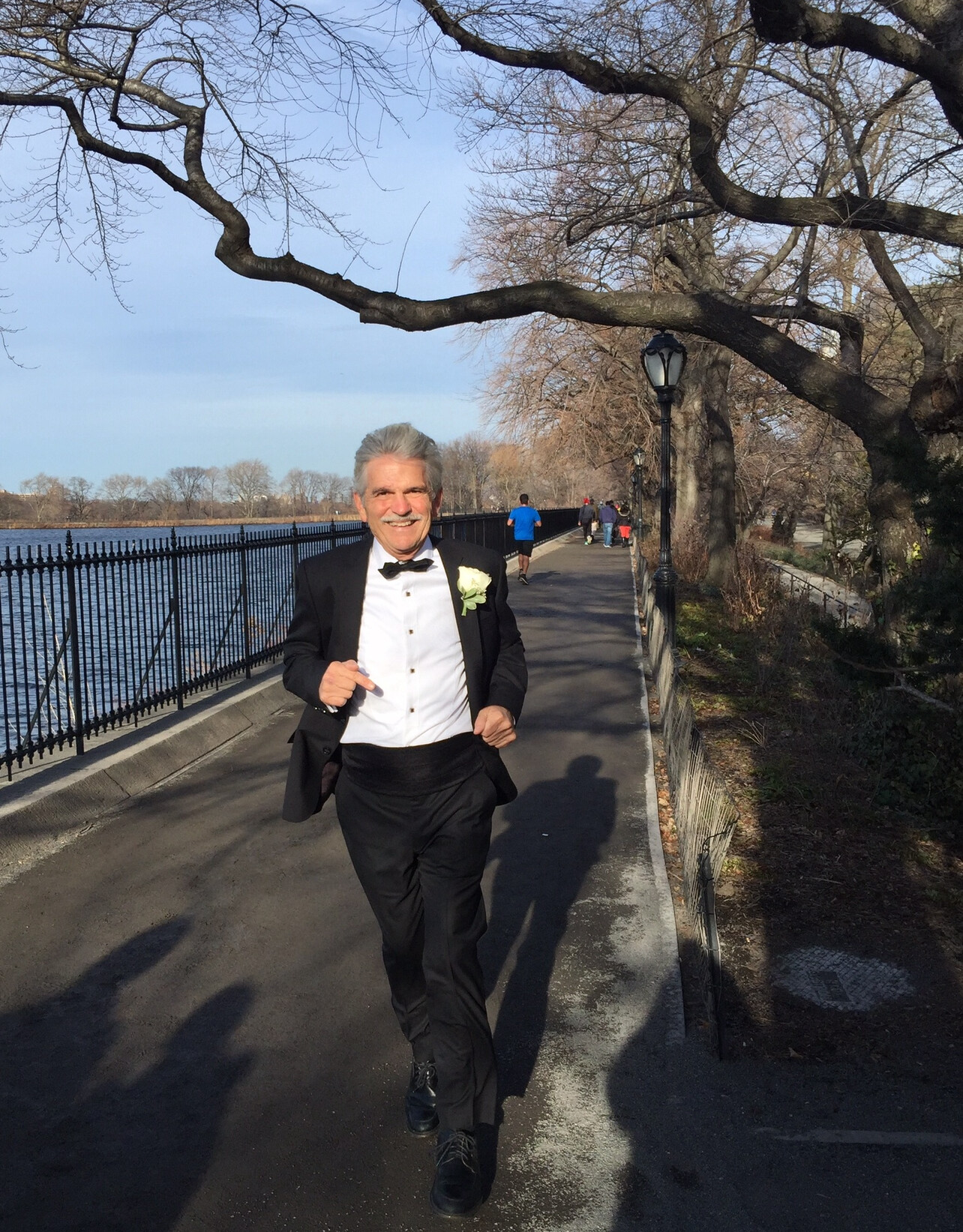
Bob Anderson, the founder of Runner’s World and My Best Runs, has run many miles in Central Park, and it just seemed like the perfect location to marry his wife, Catherine. On New Year’s Eve 2016, they exchanged vows in a treehouse in the park, celebrating their love for each other and for this special place.

Why Running in Central Park Feels So Special

1. The Perfect Blend of Nature and City
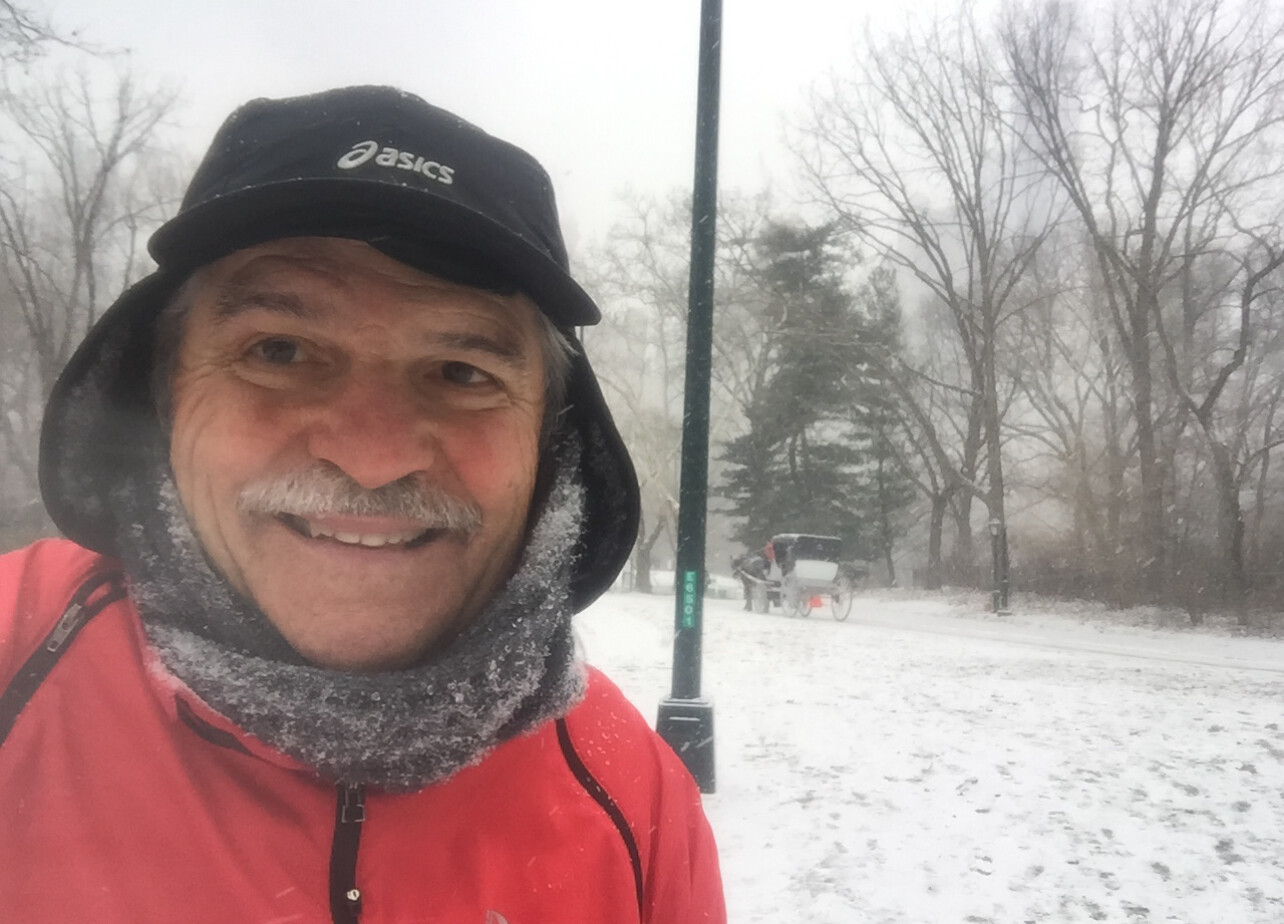
One of the most unique aspects of running in Central Park is the ability to feel completely immersed in nature while still being surrounded by the city skyline. As you glide past tree-lined paths and shimmering ponds, you’ll catch glimpses of the skyscrapers rising above, reminding you that you’re in the heart of one of the most vibrant cities in the world.
Running in Central Park at sunrise is an experience like no other—watching the first rays of light peek through the trees and reflect off the buildings, turning the entire city golden. In the fall, the park transforms into a kaleidoscope of autumn colors, while spring brings blooming cherry blossoms and fresh greenery.
2. Iconic Running Routes
Central Park offers several legendary running routes, each with its own charm:
• The Full Loop (6.1 miles / 9.8 km) – A complete circuit of the park, featuring rolling hills, open views, and famous landmarks.
• The Reservoir Loop (1.58 miles / 2.54 km) – One of the most famous running paths in the world, circling the Jacqueline Kennedy Onassis Reservoir with a stunning skyline backdrop.
• The Lower Loop (1.7 miles / 2.7 km) – A flatter, shorter route perfect for an easy jog or speed workouts.
• The Bridle Path (4.2 miles / 6.8 km total) – A softer dirt trail, ideal for runners who want to reduce impact on their joints.
One of the most well-known sights along the running route is The Lake, which was prominently featured in the classic thriller Marathon Man (1976), starring Dustin Hoffman. While the movie is not about running, Hoffman’s character, Thomas “Babe” Levy, is frequently shown running in Central Park, using it as an outlet for stress and survival. For runners who love cinema, retracing Hoffman’s steps adds an extra layer of history to an already iconic location.
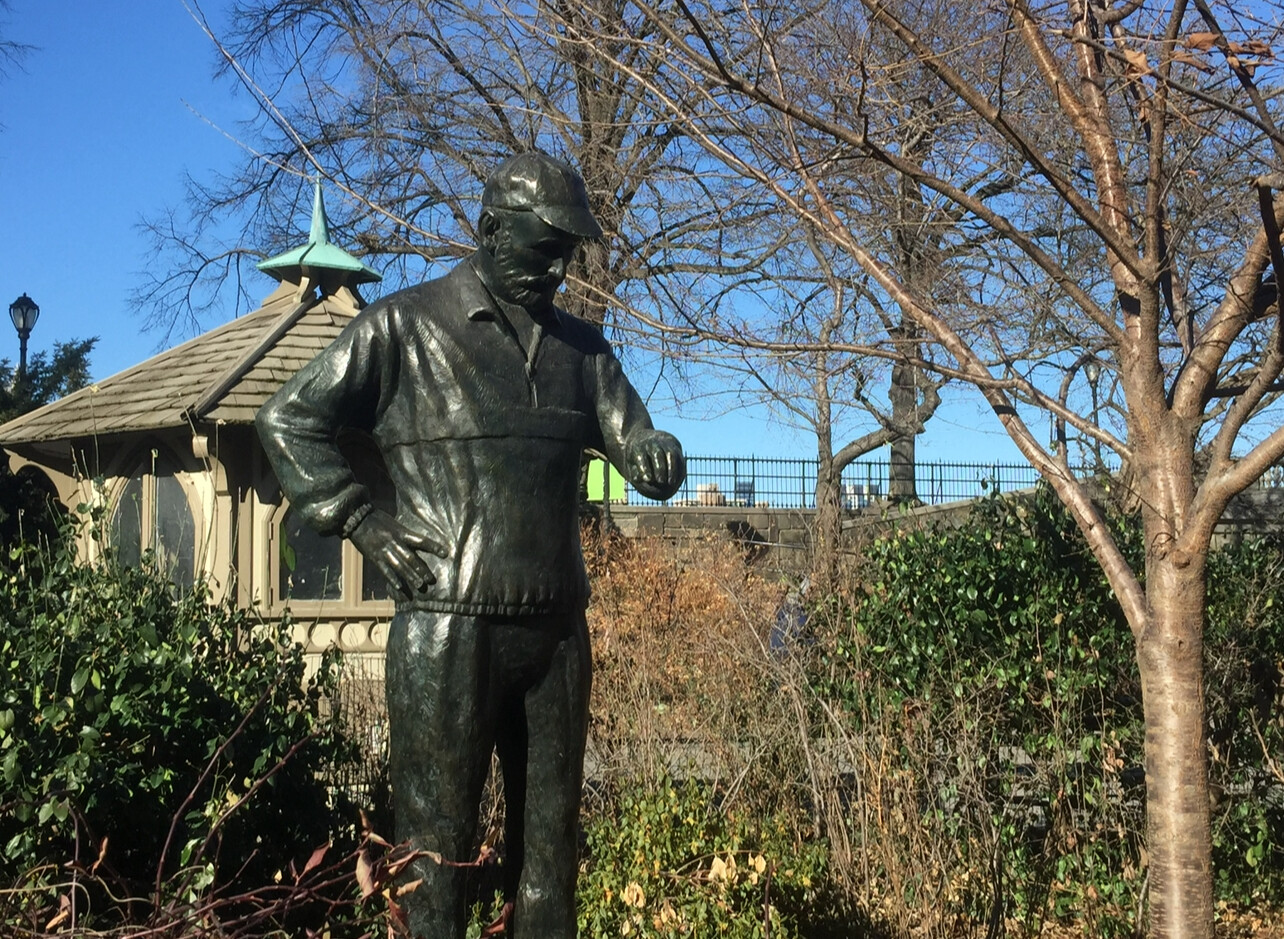
3. The Statue Honoring a Running Legend: Fred Lebow
As you run through Central Park, you’ll pass the Fred Lebow statue, a tribute to the founder of the New York City Marathon. Lebow was instrumental in turning the NYC Marathon into one of the world’s most famous races. The statue, located near the marathon’s finish line, serves as an inspiring reminder of his contributions to the sport.
Many runners stop to touch the statue or take a moment of reflection before completing their final strides—whether it’s during a training run or on race day.
4. A Shared Energy Like No Other
The atmosphere in Central Park is unlike anywhere else. It’s a place where runners from all over the world come to test their limits, find their rhythm, and be part of something bigger.
The community of runners in Central Park is welcoming and diverse. You’ll pass runners speaking different languages, elite marathoners training for their next big race, and even a few familiar faces from the professional running world. On race weekends, the energy is electric, as groups gather to cheer, pace, and celebrate the sport of running.
There’s an unspoken bond among Central Park runners—a shared understanding that this is a place where you come to feel alive.
Running Through History: The Legacy of Central Park
Beyond its beauty and convenience, Central Park has an incredible running history. It has been the training ground for some of the greatest runners in history, from legendary marathoners to track stars preparing for the Olympics.
The park plays a pivotal role in the TCS New York City Marathon, with the final miles winding through its paths before runners cross the finish line near Tavern on the Green. The sense of accomplishment felt when finishing a race in Central Park is something runners cherish forever.
Even if you’re not racing, running here allows you to be a part of that history—to step where champions have run, to push yourself the way so many others have before.
The Best Times to Run in Central Park
• Early Morning (5:30 AM - 8:00 AM): The most peaceful time to run, with fewer crowds and a stunning sunrise over the city.
• Late Afternoon (4:00 PM - 7:00 PM): The golden hour of running, when the sun sets behind the skyline, creating a surreal backdrop.
• Night Runs: Running Central Park at night offers a different kind of magic, with the city lights creating a glowing contrast against the trees.
No matter when you run, Central Park feels alive, providing motivation with every step.
Tips for First-Time Runners in Central Park
• Stick to the right. The running and biking lanes are clearly marked—stay on the right to avoid collisions.
• Hydration stations are available. Water fountains are scattered throughout the park, but in hot months, bring your own bottle.
• Be prepared for hills. While some sections are flat, parts of the park (like Harlem Hill) will test your strength.
• Enjoy the experience. Whether you’re running for speed, endurance, or simply for fun, Central Park is a place to embrace the joy of running.
Why Every Runner Should Experience Central Park
Running in Central Park is more than just a workout—it’s a moment of connection. Connection to nature, to the rhythm of the city, and to the countless runners who have made this park their sanctuary.
It’s a place where you can lose yourself in the run while feeling completely present. Where the city’s chaos fades away, replaced by the steady sound of your footsteps on the pavement.
If you ever find yourself in New York City, put on your running shoes and head to Central Park. Whether you go for a quick jog or a long run, you’ll leave feeling inspired, refreshed, and part of something greater than yourself.
Because running in Central Park isn’t just about exercise—it’s about experiencing one of the most iconic and magical places in the world, one step at a time.
Have you ever run in Central Park? Share your experience in the comments!
by Boris Baron
Login to leave a comment
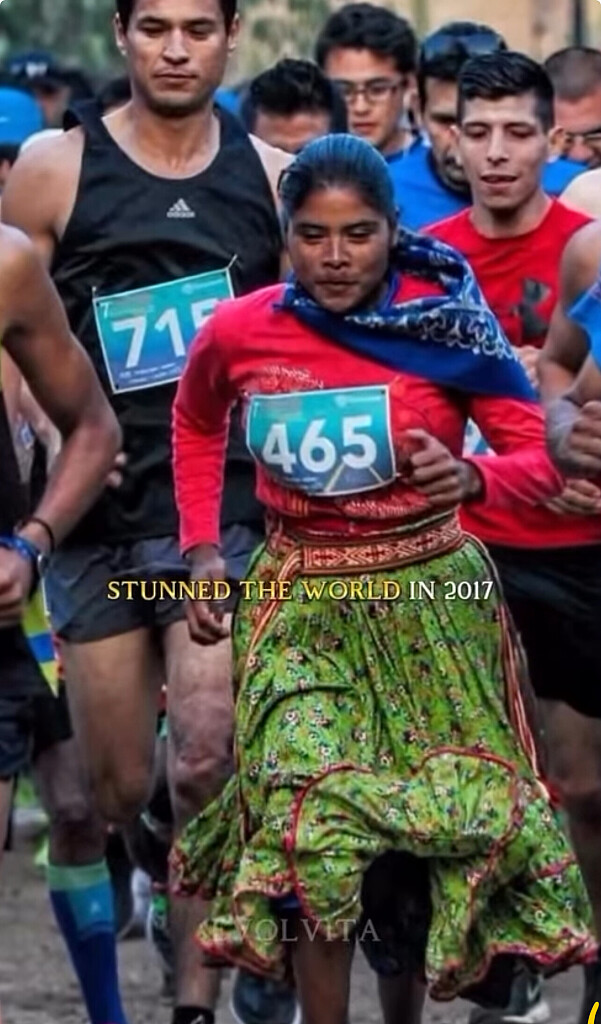
María Lorena Ramírez Running Beyond Boundaries
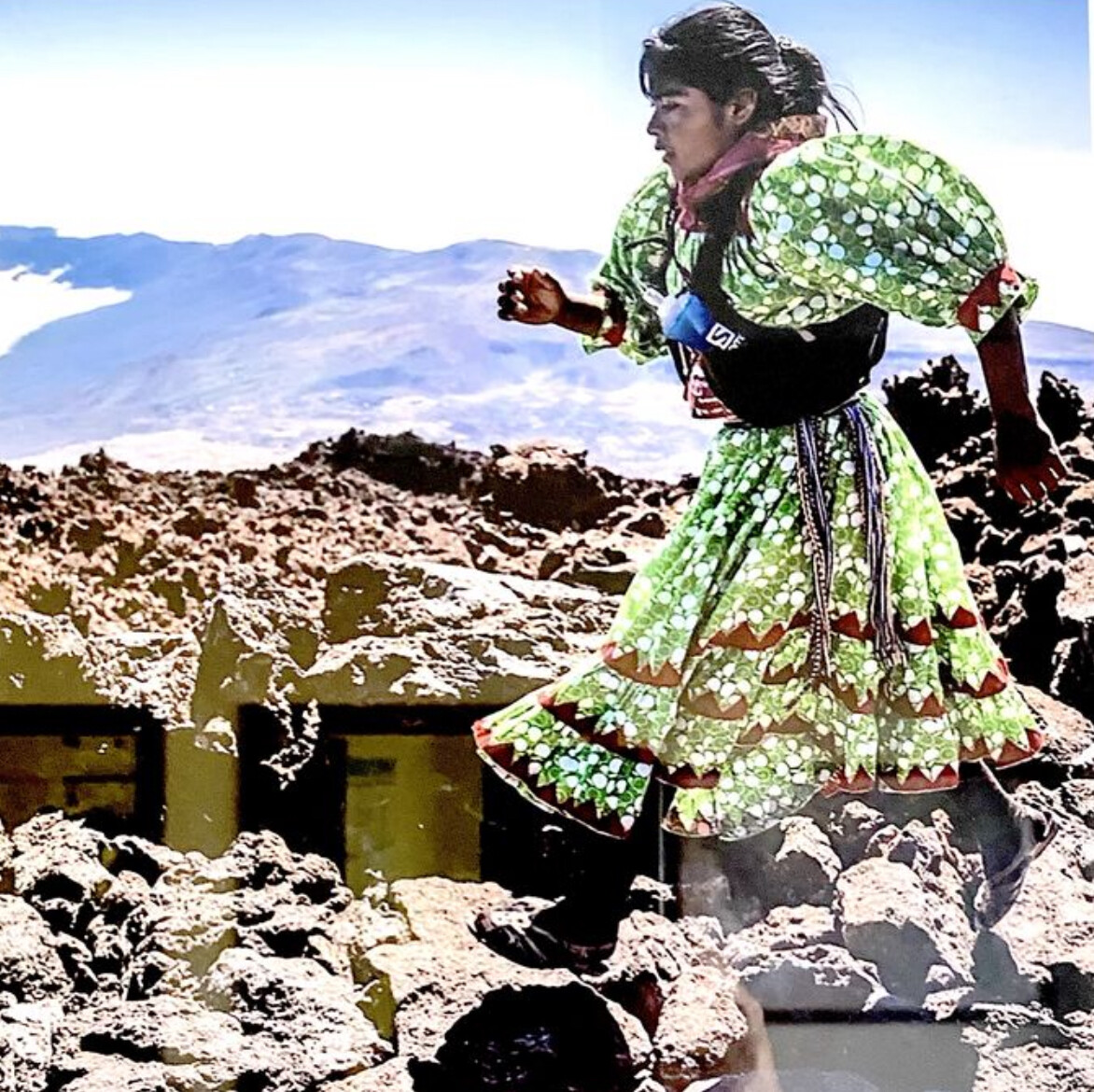
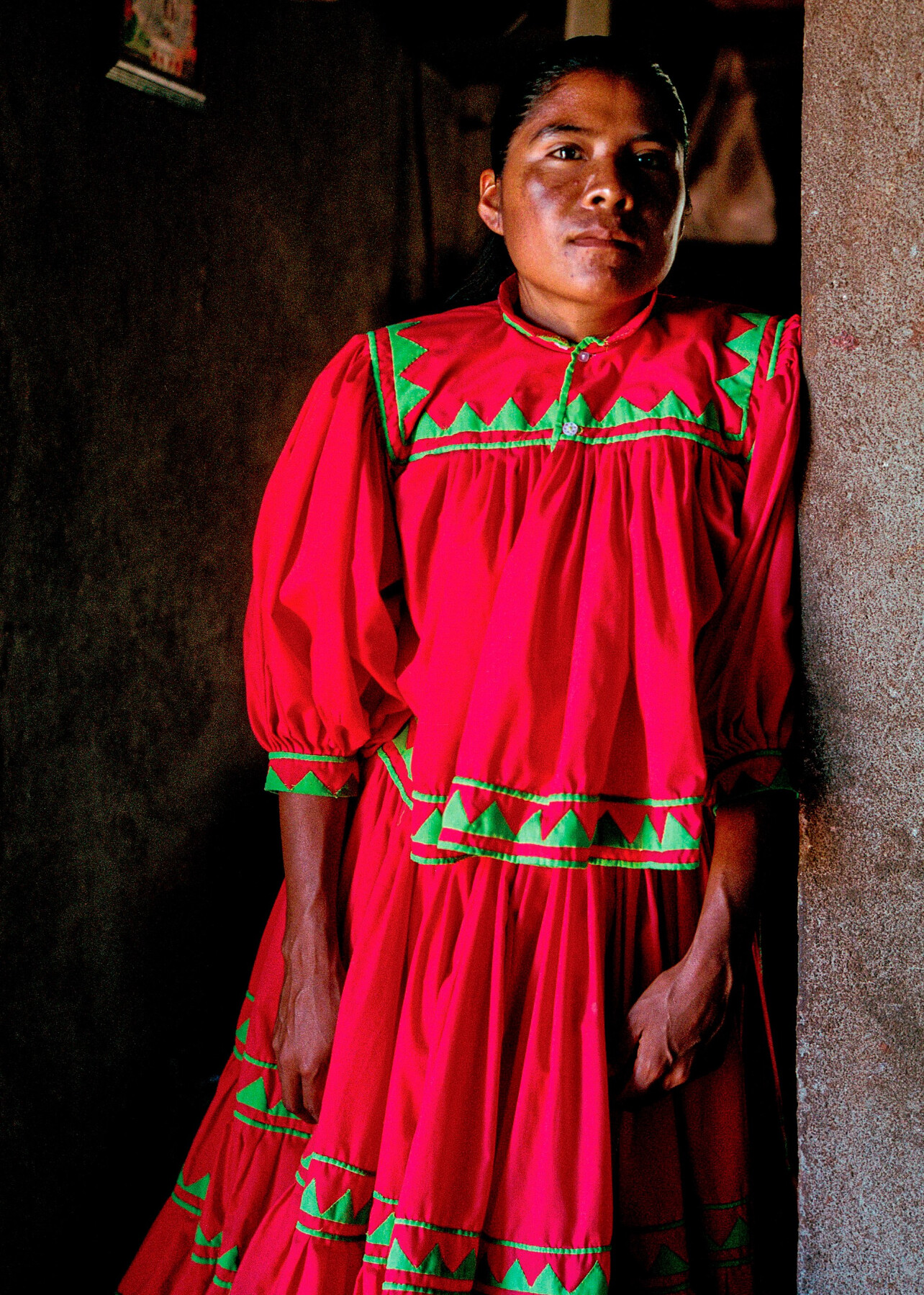
In a world obsessed with cutting-edge gear and high-tech performance, María Lorena Ramírez is rewriting the rules. She runs some of the toughest ultramarathons in the world, not in carbon-fiber shoes or compression gear, but in a traditional skirt and sandals made from old tires. At 30 years old, this indigenous Rarámuri athlete from Mexico’s Copper Canyon continues to defy expectations, proving that true endurance comes from within, not from what’s on your feet.
Winning on Her Own Terms
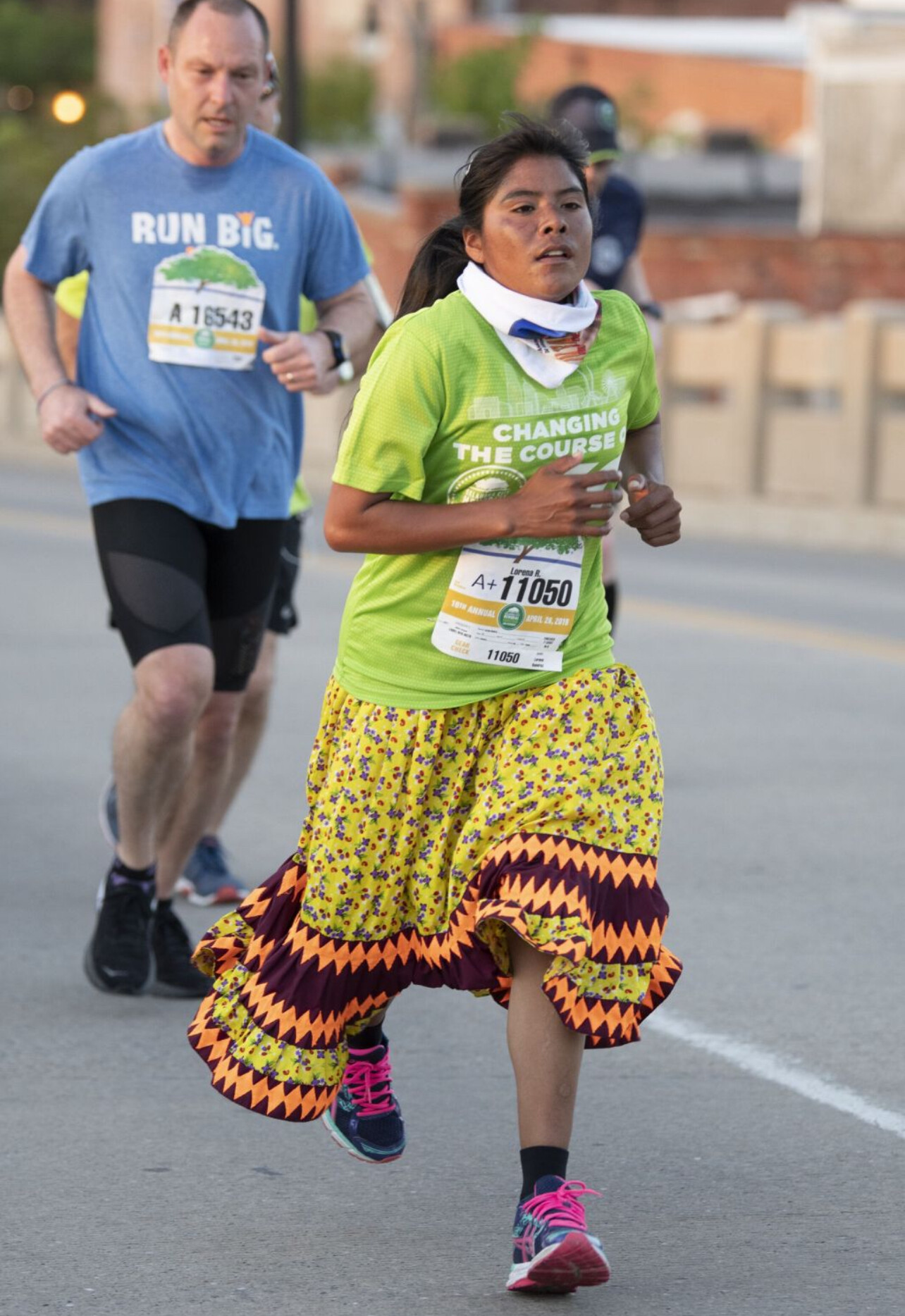
Ramírez first stunned the world in 2017 when she outran 500 competitors from 12 countries to win the UltraTrail Cerro Rojo, a brutal 50K mountain race in Mexico. She didn’t have a sports drink belt, a GPS watch, or cushioned running shoes—just a bottle of water, raw endurance, and the spirit of her ancestors.
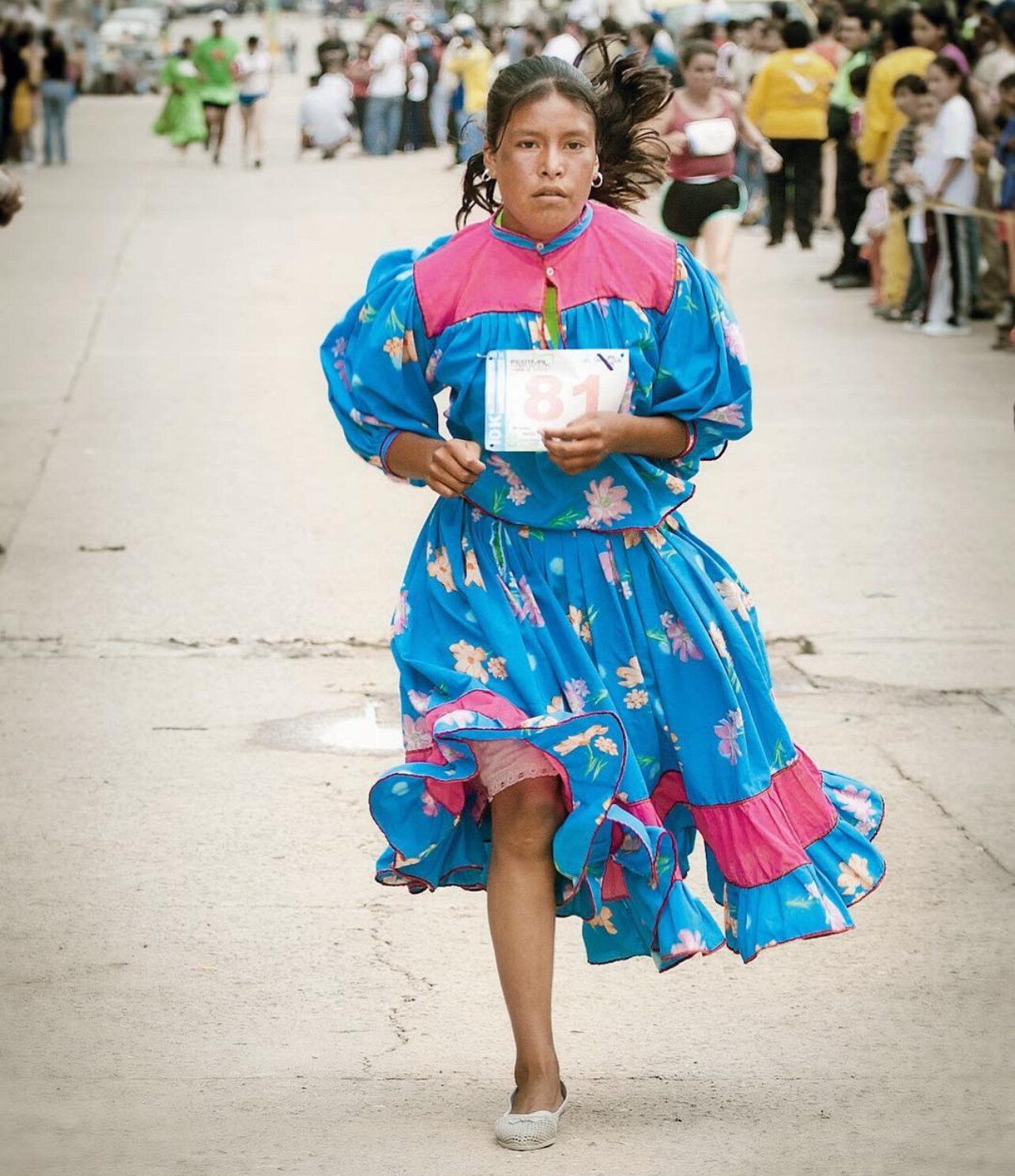
Her success didn’t stop there. Later that year, she competed in the 102K Cajamar Tenerife Bluetrailin Spain, one of the most grueling high-altitude races in Europe. Despite going up against seasoned ultrarunners with professional coaches and sponsorships, Ramírez held her own, reinforcing her status as one of the world’s most remarkable endurance athletes.
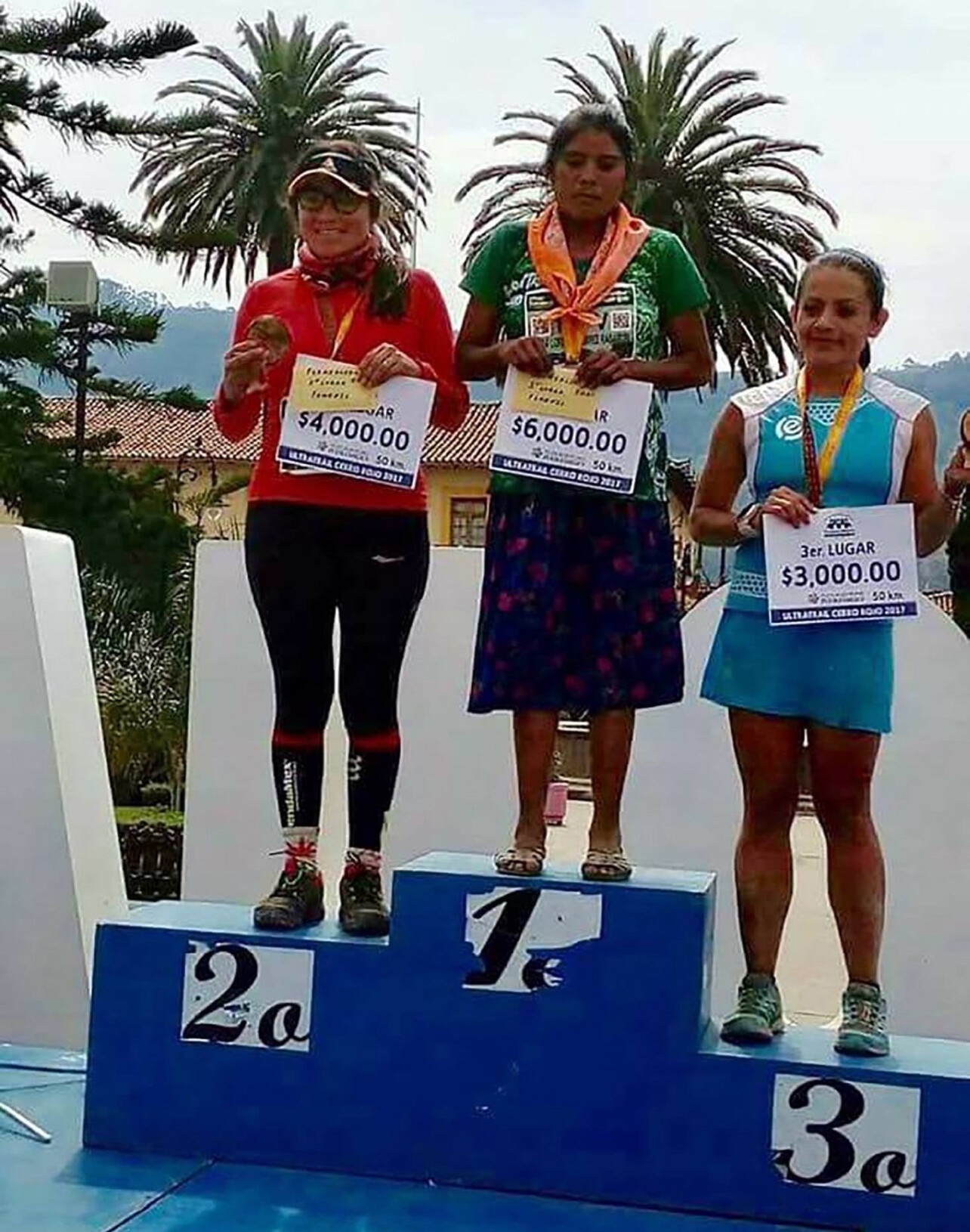
In 2025, she continued her dominance, finishing the Hong Kong Ultramarathon, a 100-kilometer race where she once again ran in her signature traditional attire and huarache sandals.
Training Through Life, Not Workouts
Unlike most elite runners, Ramírez doesn’t follow structured training plans. Her daily life is her training.
She spends her days in the mountains of Chihuahua, running 10–15 kilometers as she herds goats and cattle across steep, rocky terrain. Carrying water, climbing canyons, and trekking for hours are just part of her routine—without even realizing it, she has been building the stamina and strength of a world-class ultramarathoner her entire life.
For the Rarámuri (also known as Tarahumara) people, running isn’t just sport—it’s a way of life. Their name means “those who run fast,” and for centuries, they have run long distances for survival, hunting, and spiritual ceremonies. María Lorena Ramírez is simply continuing a tradition passed down through generations.
Rejecting Modern Running Shoes
Despite international fame, Ramírez refuses to abandon her roots.
When offered modern running shoes, she turned them down, saying:
“The people wearing them were always behind me.”
She has tried sneakers but prefers her handmade huarache sandals because they feel natural and keep her grounded. While others rely on energy-return soles and high-tech support, Ramírez relies on instinct, balance, and the resilience of her people.
A Champion on Her Own Path
María Lorena Ramírez is a reminder that greatness doesn’t come from expensive gear or specialized training—it comes from heart, resilience, and an unbreakable connection to one’s heritage.
She doesn’t run for fame or fortune—she runs because it’s part of who she is. And in doing so, she has redefined what it means to be a runner.
Her story is a testament to the power of the human spirit—a force stronger than any shoe, training program, or sponsorship. Sometimes, the purest strength comes from within—from those who trust their fire, run their own race, and, like Ramírez, leave everyone else in their dust.
Her journey is more than just running—it’s a movement that proves endurance is built on tradition, determination, and the will to keep moving forward.
by Boris Baron
Login to leave a comment
From Barefoot Champion to Marathon Legend: The Journey of KATA Coach Jimmy Muindi
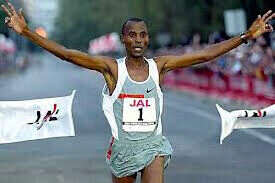
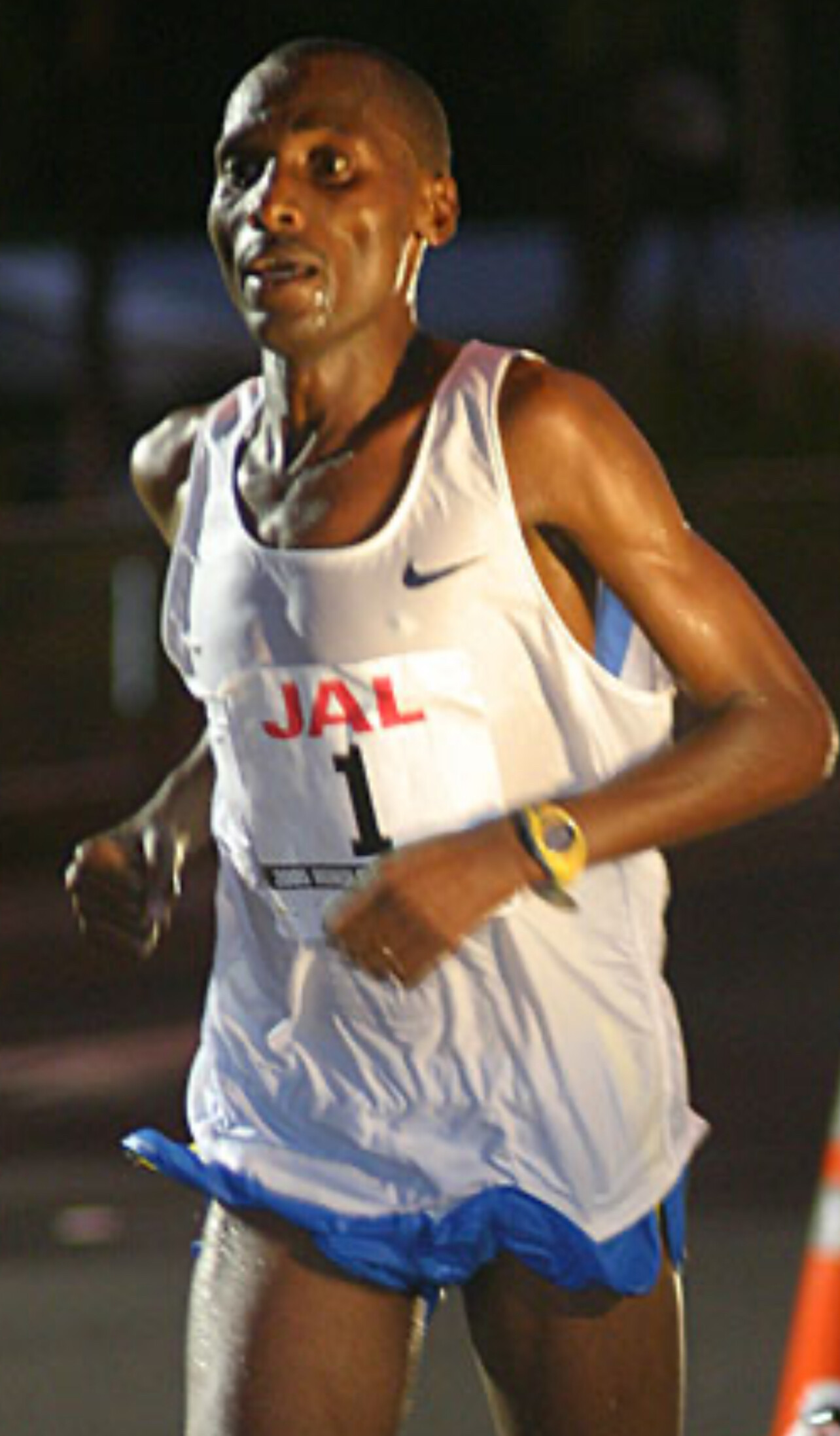
Jimmy Muindi’s journey from a young barefoot runner in Kenya to an elite marathoner is a testament to perseverance, adaptability, and the drive to push beyond limitations. His incredible career includes winning the Honolulu Marathon six times, running a 2:05:24 marathon, and playing a key role in pacing Paul Tergat to a world record 2:04:55 at the 2003 Berlin Marathon.
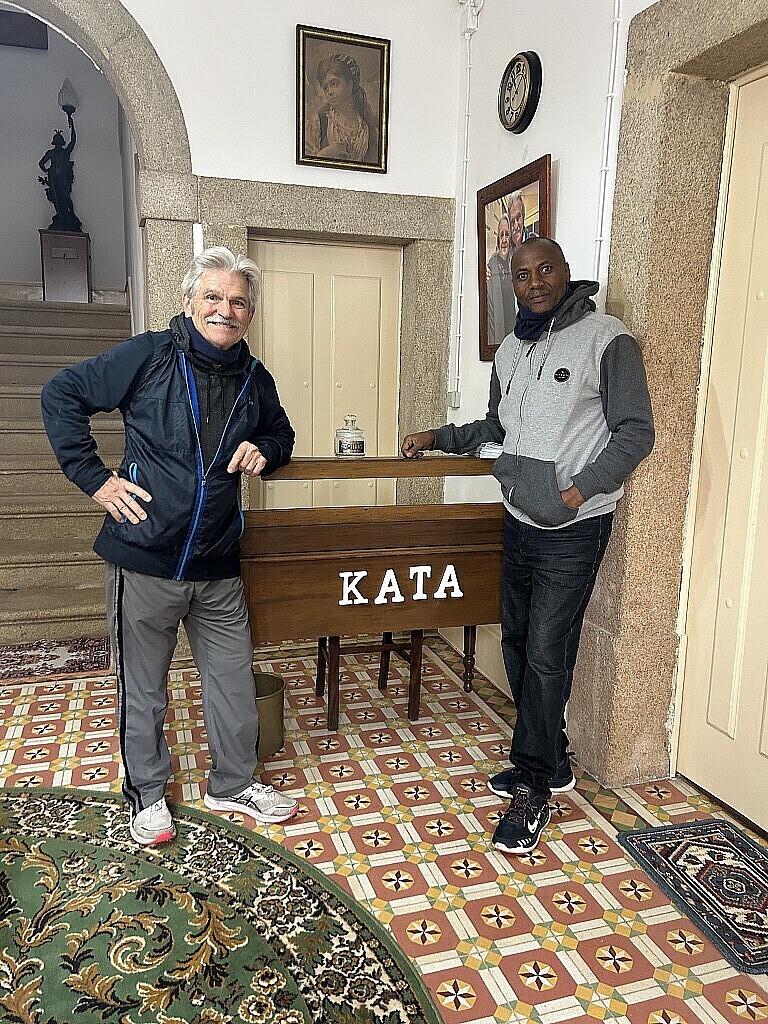
Now, Muindi is bringing his experience to KATA Portugal as a coach, offering training, insights, and mentorship to runners of all levels. His coaching philosophy is deeply rooted in his own experience as a professional runner, ensuring that guests at KATA Portugal will learn from someone who has lived the life of a world-class athlete.
This three-part series will explore Muindi’s remarkable career and his transition to coaching:
• Part One: His journey from humble beginnings to becoming an elite marathoner and record-setting athlete.
• Part Two: His coaching success in Kenya and what he brings to guests at KATA Portugal.
• Part Three: Nutrition and race preparation—why the most important meal for a big race happens two nights before and how Muindi’s personal approach to fueling has helped him perform at the highest level.
Humble Beginnings and Early Inspiration
Born into a family of eight children, Muindi was the firstborn and grew up in modest conditions. Food was scarce, and life was challenging, but his mother, was a runner who competed only in school-level races, became his first source of inspiration. At age 15, his mother encouraged him to start running, recognizing his potential.
Then, in 1988, Muindi’s cousin qualified for the World Junior Cross Country Championships. Seeing someone from his own family reach the international stage ignited his dream. Despite his family’s simple way of life, Muindi was determined to see what he could achieve.
High School Breakthrough and First Steps to Elite Running
Even without structured coaching, Muindi trained on his own and quickly became the best runner in his school. He performed exceptionally well in long-distance events, often lapping other runners in the 10,000 meters. His talent caught the attention of a national coach, who invited him to a training camp—a turning point that would take his career to the next level.
The training camp was six kilometers from Muindi’s home, and without access to transportation or proper gear, he ran there barefoot to train with the coach who recognized his talent. The camp had about 15 to 20 athletes, and when he joined, he could beat everyone except for two runners—both of whom had running shoes and proper training gear.
Determined to improve, Muindi trained at the camp twice per week under the coach’s guidance. On the other days, he trained on his own four times per week, but because he lacked proper training knowledge, he simply ran miles and miles barefoot, unknowingly building his endurance and toughness.
Rapid Improvement and a Life-Changing Connection
The training at the camp was intense. After running six kilometers as a warm-up just to get there, Muindi and the group would do a 6K to 10K hard effort, often running at a 4:00 to 4:30 per kilometer pace at 2,400 feet elevation.
In addition to tempo efforts, they incorporated hill training and track workouts on alternate days. A typical track session included: 4x800 followed by 6x400 and finishing with 4x200.
Muindi made rapid progress. Within two months, he became the best runner in the group, surpassing even those who had more experience and better gear. Recognizing his potential, his coach reached out to Cosmas Ndeti, a rising Kenyan marathoner who was competing internationally, particularly in Japan.
Breakthrough on the World Stage
After meeting Cosmas Ndeti, Muindi’s career took off. Within two months, he became the top junior athlete in Kenya for the 3000m steeplechase and qualified for the World Junior Athletics Championship in South Korea. His rapid rise earned him his first pair of training shoes, a reward that symbolized his status as an emerging talent.
However, when Muindi arrived in South Korea for the World Junior Championships, he faced an unexpected challenge. He was given racing spikes for the first time in his life, but having never worn them before, he struggled to run in them. Instead of risking discomfort or injury, he made the bold decision to compete barefoot, just as he had trained back home.
Against all odds, Muindi won the gold medal, officially launching his international running career.
"So here I was—my first time on an airplane, traveling to South Korea, and winning the gold,” Muindi recalls. “But as a junior, there was no financial benefit. I arrived back home to the same place I left.”
Unlike today, where young athletes receive government incentives for international success, Muindi returned home without financial support. “In today’s world, the government would have given me 1 million KES ($7,700 USD) for that gold medal,” he says. But back then, he had to continue training, hoping his talent would eventually open doors.
A New Opportunity in Yugoslavia
Because of his gold medal, Muindi received a lot of exposure, and just six months later, he was invited to run a half marathon in Yugoslavia. He made the most of the opportunity, finishing second with a time of 1:02:42.
This was not just a breakthrough in racing—it was also Muindi’s first real financial reward from running. “I won $800 USD. Wow, I was excited and had never seen that much money before!” he remembers. This prize money gave him a glimpse of what running could do for his future, motivating him to keep pushing forward.
Honolulu Domination and Marathon Success
Muindi launched his marathon career with a runner-up finish at the 1997 Honolulu Marathon. He quickly made the Honolulu race his race in the years to follow. In an era when Kenyan athletes were dominating distance running, Muindi became a legend in Honolulu – he went on to win the Honolulu Marathon an astonishing six times (1999, 2000, 2003, 2004, 2005, 2007) . In 2004, he set a course record of 2:11:12, a mark that remained unbroken for four years . This string of victories, including three straight from 2003 to 2005, made him inseparable from Honolulu’s running lore. "The course has challenging hills and the weather is hot and humid," he remembers "but the race became part of my life and my family."
His success wasn’t confined to one event, either. Muindi proved his prowess on the global stage by capturing the Rotterdam Marathon title in 2005 with a personal best time of 2:07:50 . He also earned podium and top-five finishes at other major marathons – for instance, placing 3rd at the 2006 Chicago Marathon and 5th at Berlin in 2002 . These achievements against world-class fields reaffirmed his status among the elite marathoners of his era.
Such professional success afforded Muindi not only international experience but also a platform for the next phase of his life. After years of training alongside and against some of the world’s best, Muindi had accumulated a wealth of knowledge about endurance training, strategy, and the “Kenyan way” of running.
Now in his fifties, he has transitioned into coaching, eager to share that hard-earned expertise. He joined KATA in Thika, Kenya – a running academy founded in 2019 by Runner’s World founder Bob Anderson – as one of its expert coaches. In this role, Muindi’s daily lifestyle still revolves around running, from sunrise training runs to mentoring athletes, very much a continuation of the regimen he followed as a pro.
The difference is that today he channels his energy into developing others. His success as a professional runner paved the way for this career: it gave him credibility and a passion he now imparts to up-and-coming runners. In essence, Muindi has parlayed his storied racing career into a thriving vocation as a coach – and his identity as an athlete-turned-coach is a direct product of the triumphs and lessons of his competitive years.
Giving Back: Family and Coaching
Muindi always believed in taking care of his family first. In 1996, using prize money, he bought 10 acres of farmland for his father. Two years later, he built a house for his parents, ensuring their long-term stability. With his family secure, he focused on his own future, purchasing five acres of prime land and building his own house. Today, he uses his land to grow green vegetables, avocados, and raise chickens.
Now, Muindi is giving back to the next generation of runners. He has joined KATA Portugal as a KATA coach, where he shares his expertise and experience, helping others chase their own dreams. His lifestyle today is a direct result of his success as a professional runner, and now he is using that knowledge to guide others.
Coming Next in Part Two
Jimmy Muindi’s success as a professional runner has shaped his coaching philosophy, and now, as a KATA Portugal coach, he is offering world-class training to runners from all backgrounds.
In Part Two, we will explore his coaching success in Kenya and what he brings to guests at KATA Portugal. We’ll take a closer look at the training programs he has developed, the athletes he has worked with, and what runners can expect when training under his guidance.
Stay tuned for the next installment as we dive into Muindi’s transition from elite marathoner to an elite coach and how he is bringing the Kenyan way of training to Portugal.
(photos: 1. Muindi setting the course record in 2004. 2. At KATA with Bob Anderson. 3. Racing in Honolulu 4. Muindi with some of KATA Portugal staff with Bob and Catherine Anderson.
Login to leave a comment
From Boardroom to Finish Line: Anuj Sonpal’s Marathon Journey and Corporate Success
Anuj Sonpal, the dynamic CEO of Valorem Advisors, is a man of many pursuits. For nearly two decades, he has been at the helm of one of India’s leading investor relations firms, guiding companies through the complexities of financial communication and strategic market positioning. But beyond boardrooms and balance sheets, Sonpal has discovered a new passion that challenges his endurance in an entirely different way—marathon running.
Balancing corporate leadership and fitness is no small feat, yet Sonpal has managed to merge the two seamlessly. His transformation from a high-powered executive navigating the fast-paced world of finance to a dedicated long-distance runner is a testament to discipline, resilience, and the power of goal setting.
The Man Behind Valorem Advisors
Founded in 2010, Valorem Advisors has carved a niche for itself in India’s financial ecosystem. The firm specializes in investor relations, capital markets advisory, and strategic corporate communications, helping publicly traded companies enhance their visibility among institutional investors. With a strong focus on transparency and market intelligence, Valorem has played a crucial role in shaping the way businesses communicate with shareholders and financial stakeholders.
Sonpal’s leadership style is rooted in strategic foresight, much like his approach to marathon running. He understands that both require meticulous planning, consistency, and an ability to adapt to ever-changing conditions. His ability to balance the pressures of corporate decision-making with a commitment to fitness is an inspiring example of how professionals can excel in both their careers and personal aspirations.
Marathon Running: A Newfound Passion
While Sonpal always had an appreciation for fitness, marathon running wasn’t initially on his radar. Like many professionals caught up in the demands of work, he found himself prioritizing business over personal health. However, a growing awareness of the impact of stress and a desire for a challenge beyond the boardroom led him to lace up his running shoes.
What began as casual morning jogs soon turned into structured training, and before long, he was preparing for his first official race. His dedication and methodical approach—much like his business strategies—helped him progress rapidly in the sport.
In 2024, he ran his third full Tata Mumbai Marathon, an event that holds special significance for Indian runners. He had set a personal goal to finish under four hours while maintaining a steady, progressive pace throughout.
Later that year, Sonpal achieved a milestone that would solidify his place in the marathon-running community—completing the Berlin Marathon in 3 hours and 23 minutes, his personal best. Running among over 50,000 participants, in near-perfect weather conditions, and with thousands of spectators cheering him on, Sonpal described the experience as “electrifying.”
Pushing Boundaries: The Road to World Marathon Majors
With Berlin checked off his list, Sonpal has now set his sights on a much bigger dream—completing all six of the World Marathon Majors: Berlin, London, Chicago, Boston, Tokyo, and New York City.
Next on his calendar is the Delhi Marathon in February 2025, followed by his third Tata Mumbai Marathon. But the most anticipated race on his schedule is the London Marathon in April 2025, where he aims to build on his Berlin success and push his limits further.
“Marathon running is much like running a business,” Sonpal shares. “It requires patience, consistency, and the ability to push through challenges. There are good days and bad days, but the key is to stay focused and keep moving forward.”
The Intersection of Fitness and Leadership
Running long distances has not only improved Sonpal’s physical fitness but has also reshaped his approach to leadership. The mental endurance required to push through the final miles of a marathon mirrors the resilience needed to steer a company through challenges. The meditative rhythm of long-distance running has become a space for clarity, allowing him to generate new ideas and refine strategies for Valorem Advisors.
Moreover, Sonpal has become an advocate for work-life balance, encouraging his colleagues and peers in the corporate world to prioritize health and fitness. He believes that maintaining an active lifestyle leads to greater energy levels, sharper decision-making, and improved overall well-being—qualities essential for any leader.
A Future Fueled by Passion and Determination
With his continued focus on growing Valorem Advisors and his ambition to complete the World Marathon Majors, Anuj Sonpal exemplifies the power of dedication and perseverance. He is living proof that career success and personal fitness are not mutually exclusive but can complement and enhance one another.
His journey serves as an inspiration to professionals everywhere—showing that with the right mindset, commitment, and strategic planning, anyone can go the distance, whether in business or on the marathon course.
by Boris Baron
Login to leave a comment
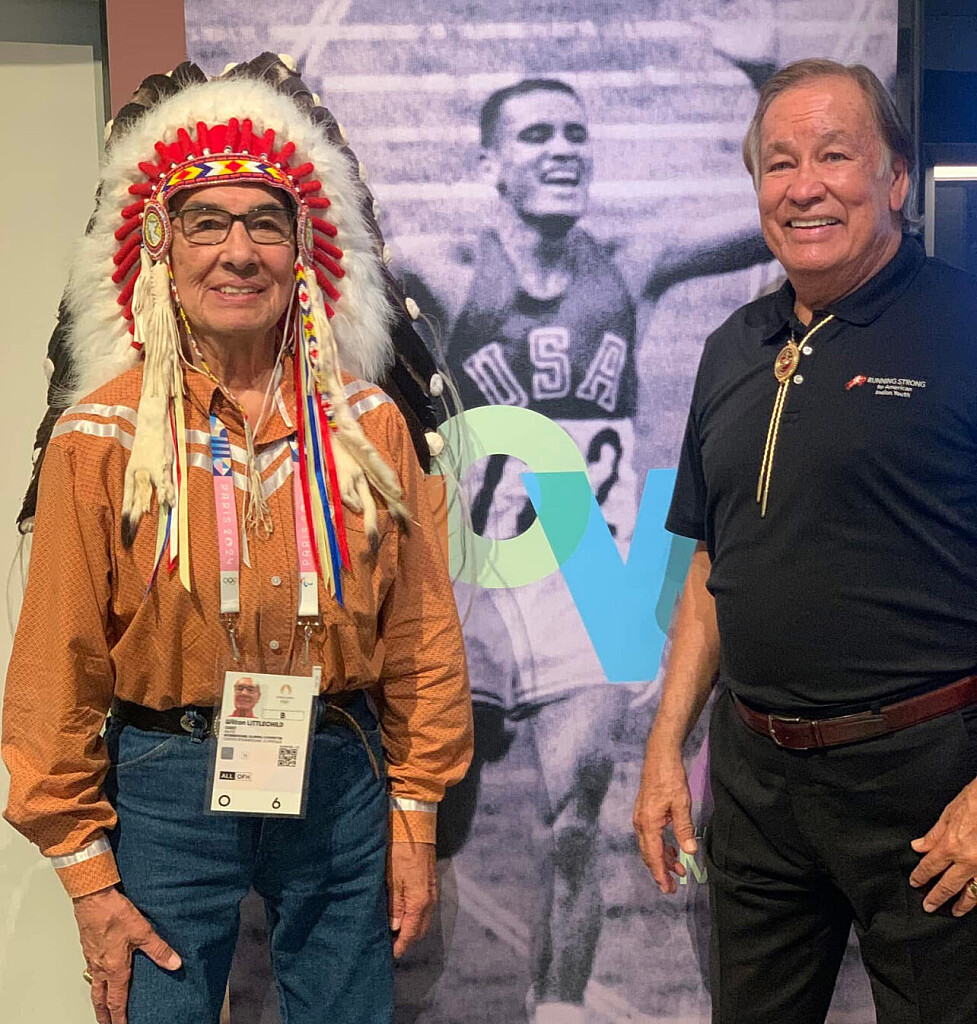
How Much Have Tracks and Shoes Improved 10,000m Times? A Look at Billy Mills’ 1964 Olympic Gold Compared to Today
When Billy Mills won the 10,000 meters at the 1964 Tokyo Olympics, he shocked the world. A relative unknown at the international level, Mills surged past world record holder Ron Clarke in the final stretch to win gold in 28:24.4, setting an Olympic record. It remains one of the most famous upsets in Olympic history.
At the 2024 Paris Olympics, Billy Mills sat in the stands, watching intently as the men's 10,000-meter final unfolded. Sixty years after his historic victory in Tokyo, he witnessed another American, Grant Fisher, battling for the podium.
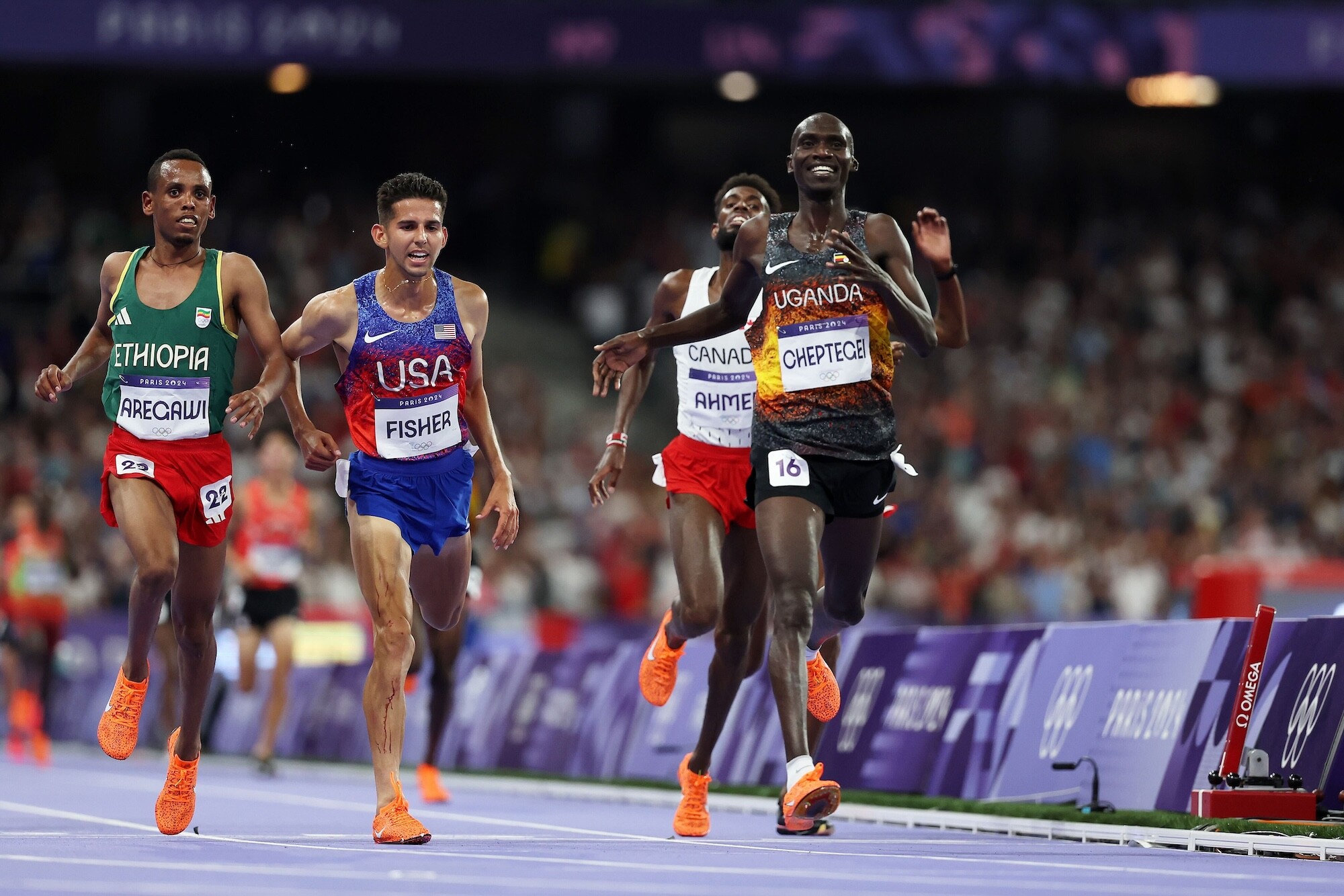
With two laps to go, Fisher was perfectly positioned, matching strides with the East African elites, his long, efficient stride reminiscent of Mills' own finishing kick in 1964.
As the bell rang for the final lap, Fisher surged, momentarily moving into second. Mills, now 86, leaned forward, sensing history. But in the last 100 meters, Fisher was edged out, securing bronze. Mills smiled, knowing how close greatness had come again. Fisher clocked 26:43.46, just one third of a second behind the gold medal winner.
Mills had ran his time on a cinder track, wearing "basic running shoes"—conditions that would be considered primitive compared to today’s high-tech track surfaces and carbon-plated racing shoes. Given all the advancements in running technology, how much faster could Billy Mills have run on a modern track with today’s footwear? And how much have these innovations contributed to the faster times we see today?
The Difference Between Cinder and Synthetic Tracks
One of the biggest changes in distance running over the last six decades has been the transition from cinder tracks to synthetic surfaces. Cinder tracks, composed of crushed brick, coal, or ash, provided uneven footing, absorbed energy from each step, and became soft and unpredictable when wet. Athletes often wore spikes with long, heavy pins to grip the loose surface.
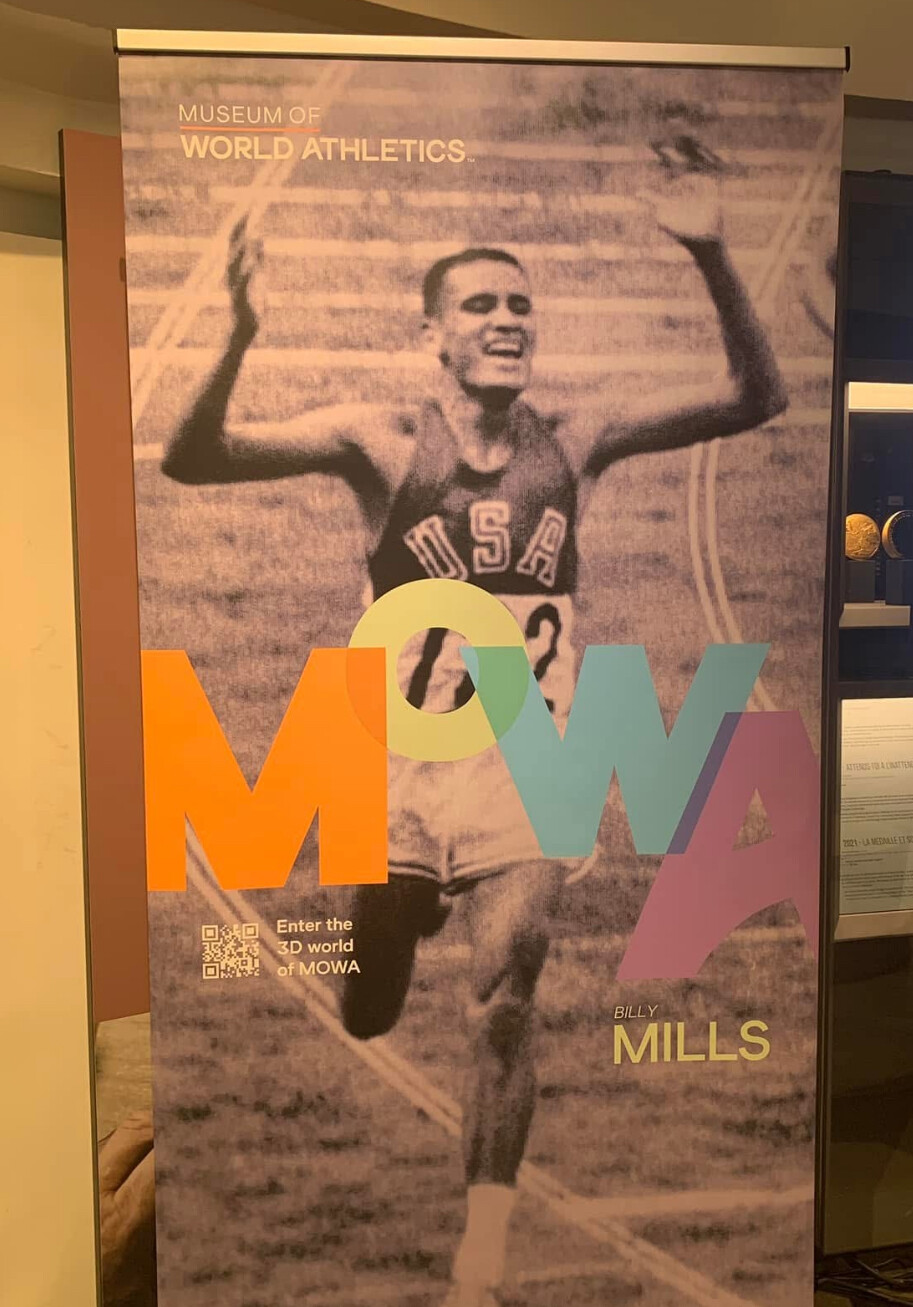
By contrast, modern synthetic tracks, introduced in the late 1960s, offer a firm, springy surface that returns more energy to the runner with each stride. Research suggests that switching from a cinder track to a synthetic track can improve distance-running performance by about 1-2 percent.
For a 10,000-meter race, a 1-2 percent time reduction equates to about 17 to 34 seconds. This means that if Billy Mills had run his race on a modern track, his time could have been anywhere between 27:50 and 28:07 just from the track surface alone.
The Impact of Modern Running Shoes
The second major advancement in distance running has been the development of carbon-plated racing shoes with high-energy-return foams. The latest models, introduced after 2016, are designed to reduce energy loss with each step, making it easier for runners to maintain their pace over long distances. Studies suggest these shoes provide 2-4 percent energy savings, which translates to a 30-60 second improvement over 10,000 meters.
Adding this to the estimated track advantage, Mills’ performance could have been further improved, bringing his potential time down to around 26:50 to 27:30.
Comparing Billy Mills’ Performance to Modern Champions
The current Olympic record for the 10,000 meters was set by Uganda’s Joshua Cheptegei at the 2024 Paris Olympics with a time of 26:43.14. That’s 1 minute and 41 seconds faster than Mills' winning time.
However, when we factor in advancements in track surfaces and footwear, the estimated modern equivalent of Mills’ race suggests he could have run within a minute of today’s best, making him far more competitive by modern standards than his official time suggests.
Other Factors That Have Led to Faster 10,000m Times
While tracks and shoes play a significant role in faster performances, several other factors have contributed to the improvement in 10,000-meter times over the decades:
More specialized training. Today’s distance runners have more scientifically tailored training programs, including altitude training, precise recovery strategies, and improved strength training techniques.
Better pacing and race strategy. Modern races are often assisted by pacemakers who set a steady, fast pace, helping runners conserve energy and stay consistent. In contrast, Mills’ race was a classic tactical battle with surges and slow-downs.
Nutritional and recovery advances. Today’s runners have access to optimized hydration, fueling, and recovery methods that allow them to train harder and more efficiently.
Billy Mills’ Performance in Context
Billy Mills’ gold medal run remains one of the most inspiring performances in Olympic history, not just because of the time he ran, but because of the way he won. His dramatic sprint finish against heavily favored competitors on a slower, less predictable surface showcased his incredible talent, toughness, and racing instincts.
Had he raced under today’s conditions with modern advantages, Mills likely would have been among the best in the world by today’s standards. His story is a reminder that while technology has helped athletes run faster, the heart and determination behind great performances remain unchanged.
The next time you watch an Olympic 10,000-meter race, consider just how much conditions have changed since 1964—and how incredible it was for Billy Mills to win on that cinder track with the tools available at the time. His legacy stands as a testament to the pure competitive spirit of running.
by Boris Baron
Login to leave a comment
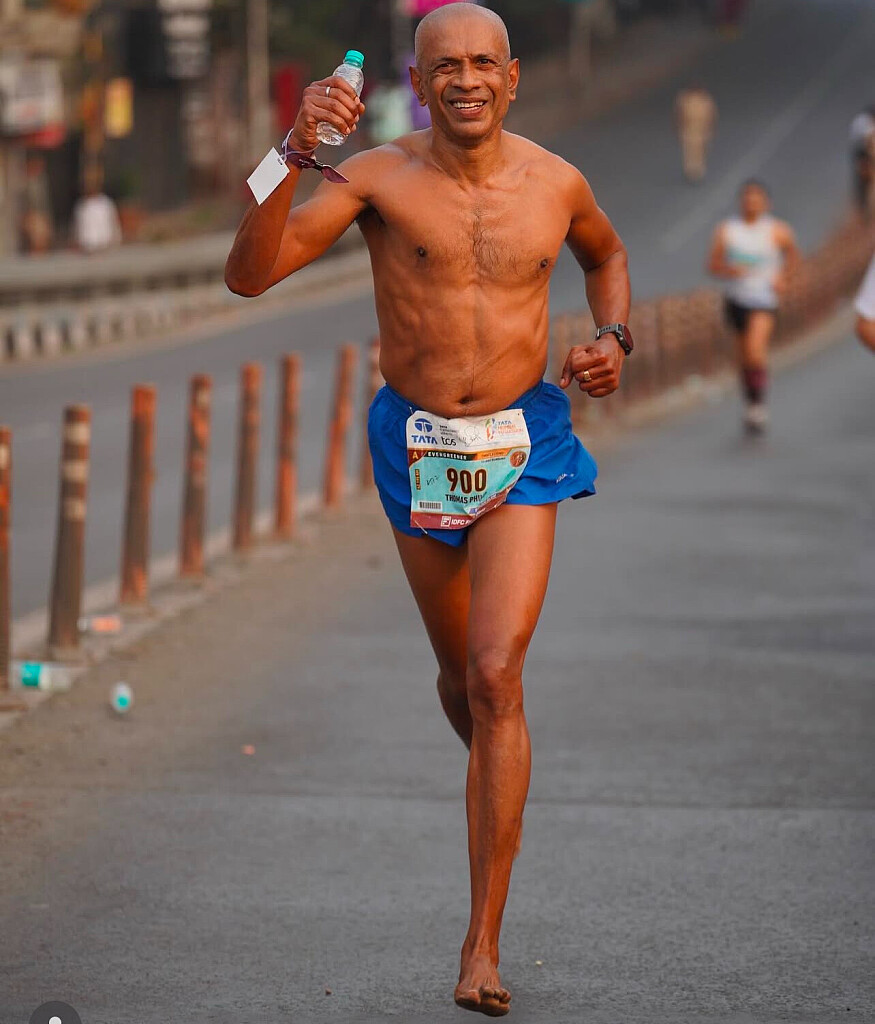
The Indian Running Sensation Making Strides Without Shoes
If you have not heard of Barefoot Bobby yet, it's time to take notice. The 58-year-old runner from Bangalore, India, has captured the imagination of the running world with his unconventional yet inspiring approach to the sport of running entirely barefoot. Bobby's remarkable journey reached a new milestone last Sunday at the 2024 Mumbai Marathon, where he clocked one of the fastest times of his career, finishing in 3:11:47. His incredible performance earned him third place in the competitive men's 55-59 age group.
Bobby, whose real name is Ramesh Patel, began running barefoot nearly 30 years ago, initially as a practical choice due to a lack of access to proper running shoes. Over time, what started as a necessity became his signature style. Running without shoes, Bobby says, keeps him connected to the ground and allows him to feel every stride more naturally.
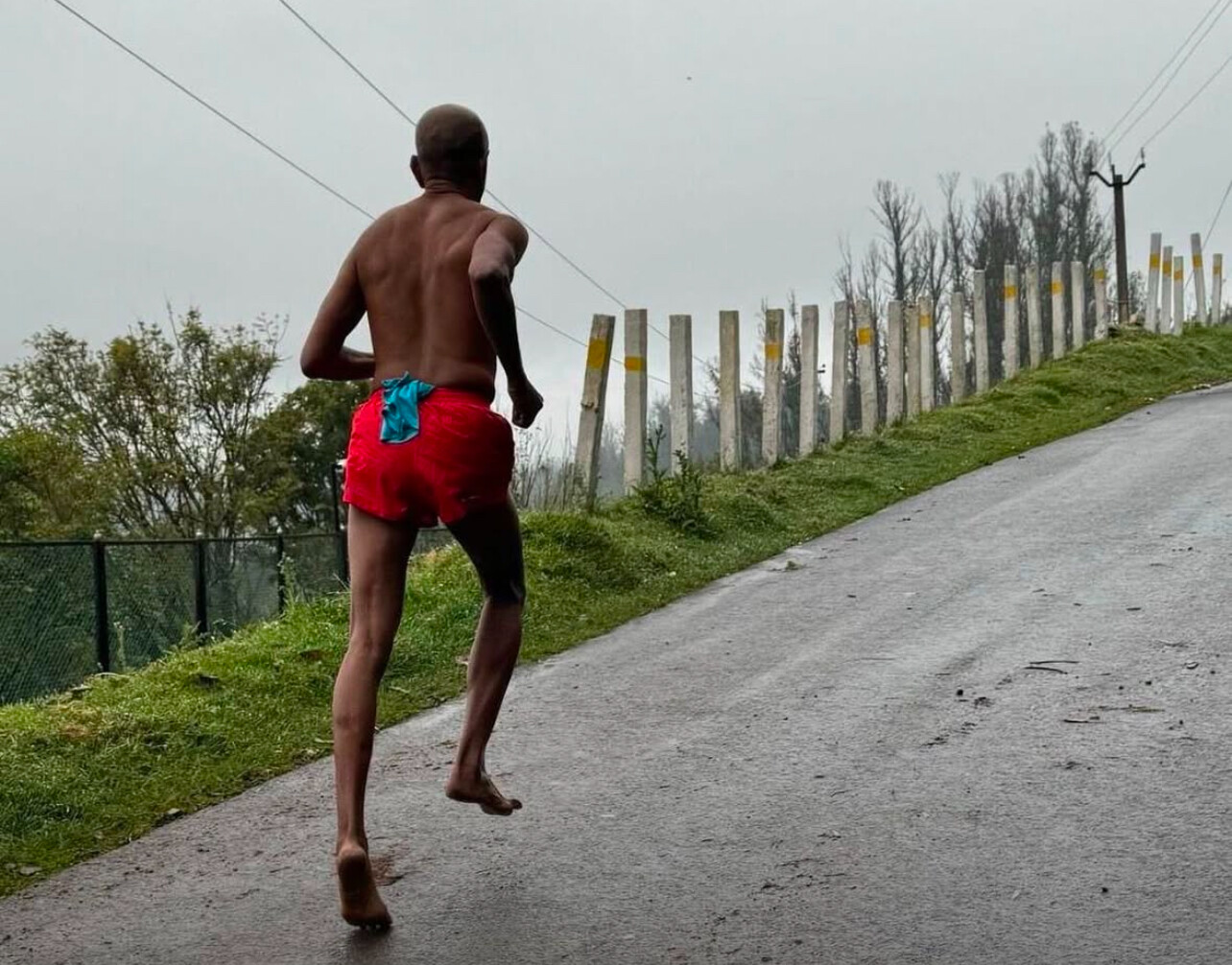
At the Mumbai Marathon, Bobby's effortless stride and unyielding pace drew cheers from spectators along the route. His 3:11:47 finish wasn’t just a personal achievement; it was a testament to his resilience and the strength of his training, which includes long runs on Bangalore's rugged trails.
"I've always believed that running barefoot is a way to honor the simplicity of the sport," Bobby shared after the race. "The road doesn't care if you wear the latest gear or go barefoot. What matters is your passion and dedication."
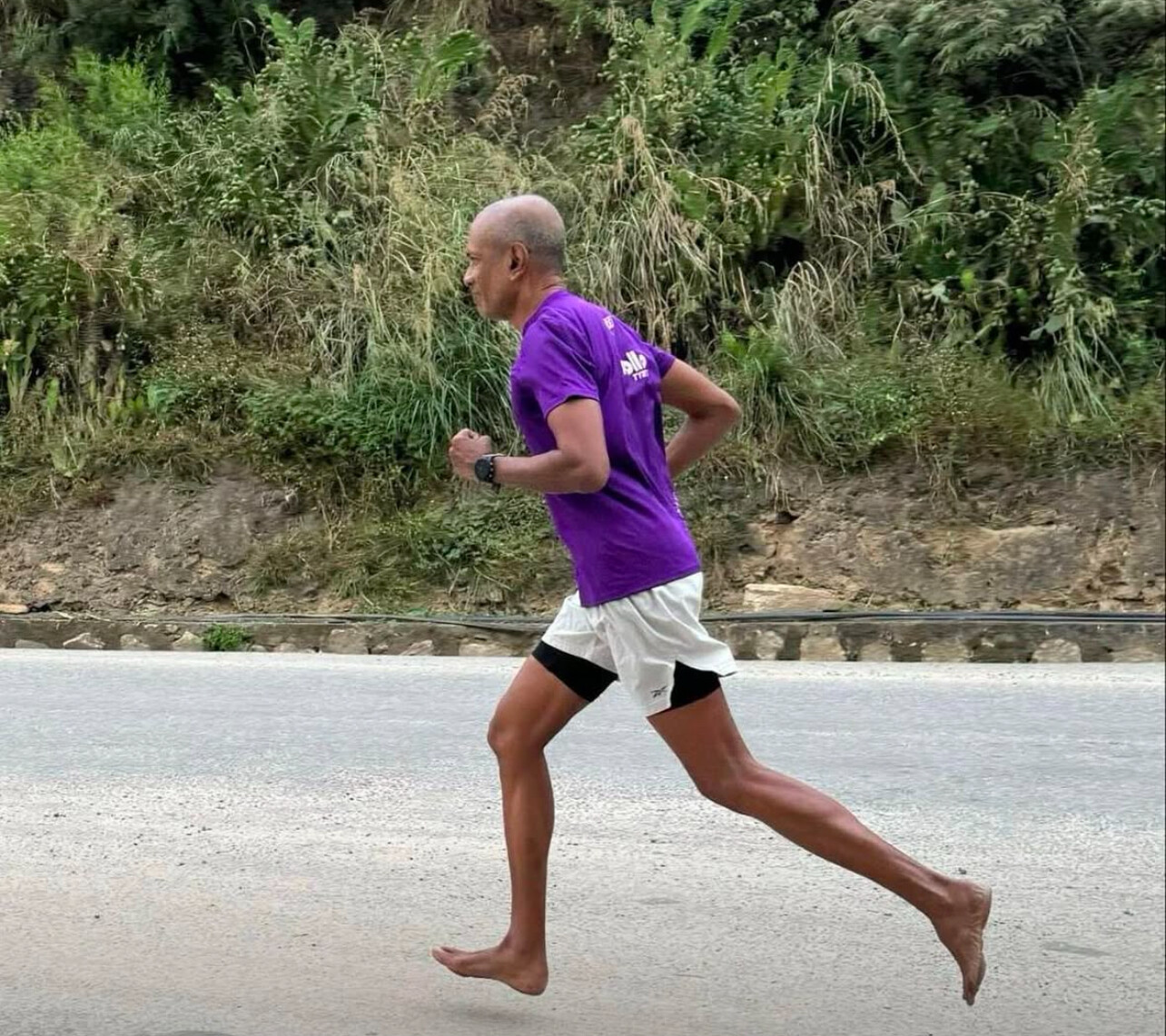
Bobby's story has inspired runners worldwide, proving that innovation and tradition can coexist on the marathon course. At 58, he shows no signs of slowing down, and his sights are set on breaking the 3-hour barrier in the coming years.
Barefoot Bobby's journey reminds us all that running is about more than just physical performance is about heart, determination, and embracing your unique path.
by Boris Baron
Login to leave a comment
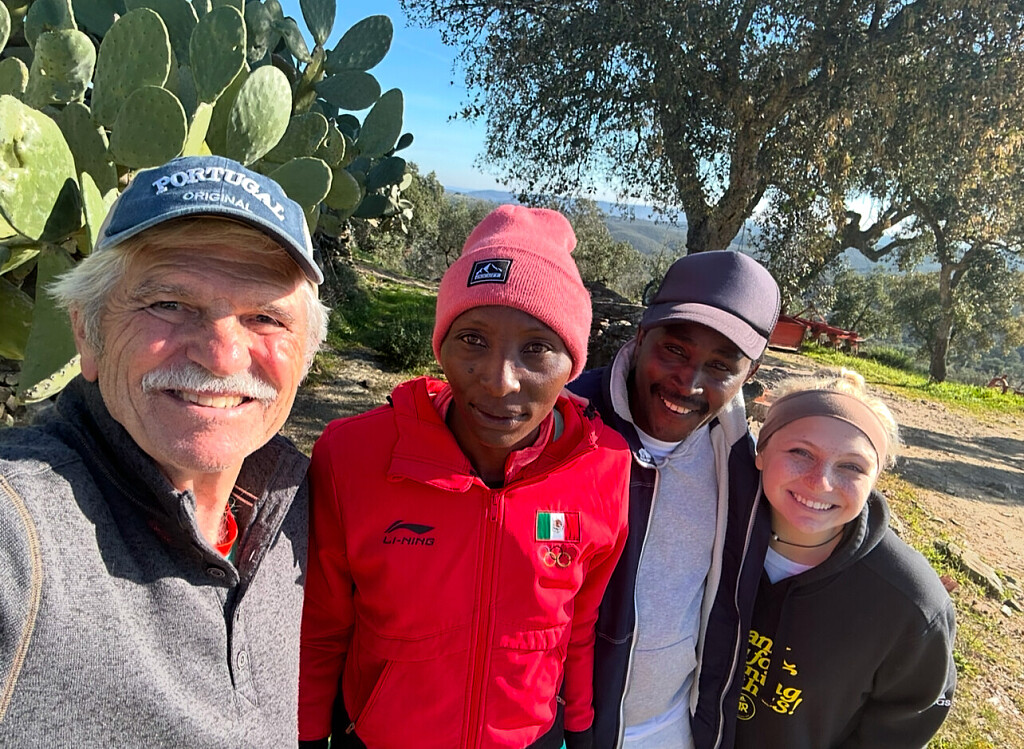
Embracing Challenges as "Situations" in a Lifetime of Running
Bob Anderson laced up his running shoes for the first time on February 16, 1962, setting in motion a journey that has spanned over six decades. Now 77 years old, Bob continues to average 35 miles a week, a combination of running and walking split between his homes in Los Altos, California, and Monforte da Beira, Portugal.
Beyond his personal fitness, Bob is the founder of KATA Running Retreat in Portugal (and KATA Kenya), where runners from around the world train under the guidance of accredited Kenyan coaches, learning the art of running the Kenyan way.
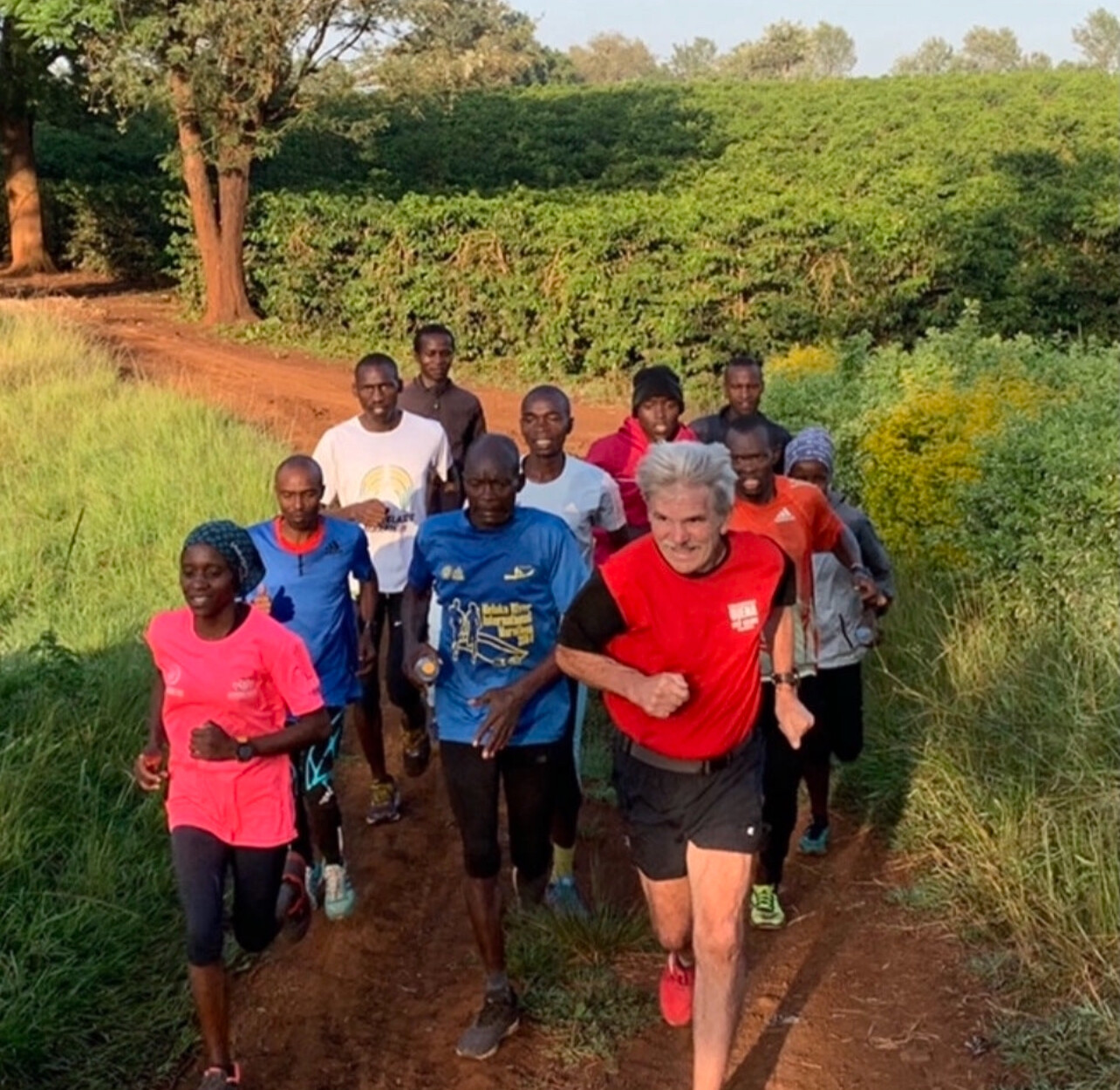
For Bob, running is not just an activity—it’s a way of life. Yet, like any long-term runner, he has faced his share of physical setbacks. What makes Bob's perspective unique is how he approaches these challenges. He refuses to call them "injuries." Instead, he reframes them as "situations," each with its own solution.
Turning Challenges into Opportunities
“I feel it’s more positive to see problems as situations,” Bob explains. “Every situation has a solution. It’s about finding it and moving forward.”
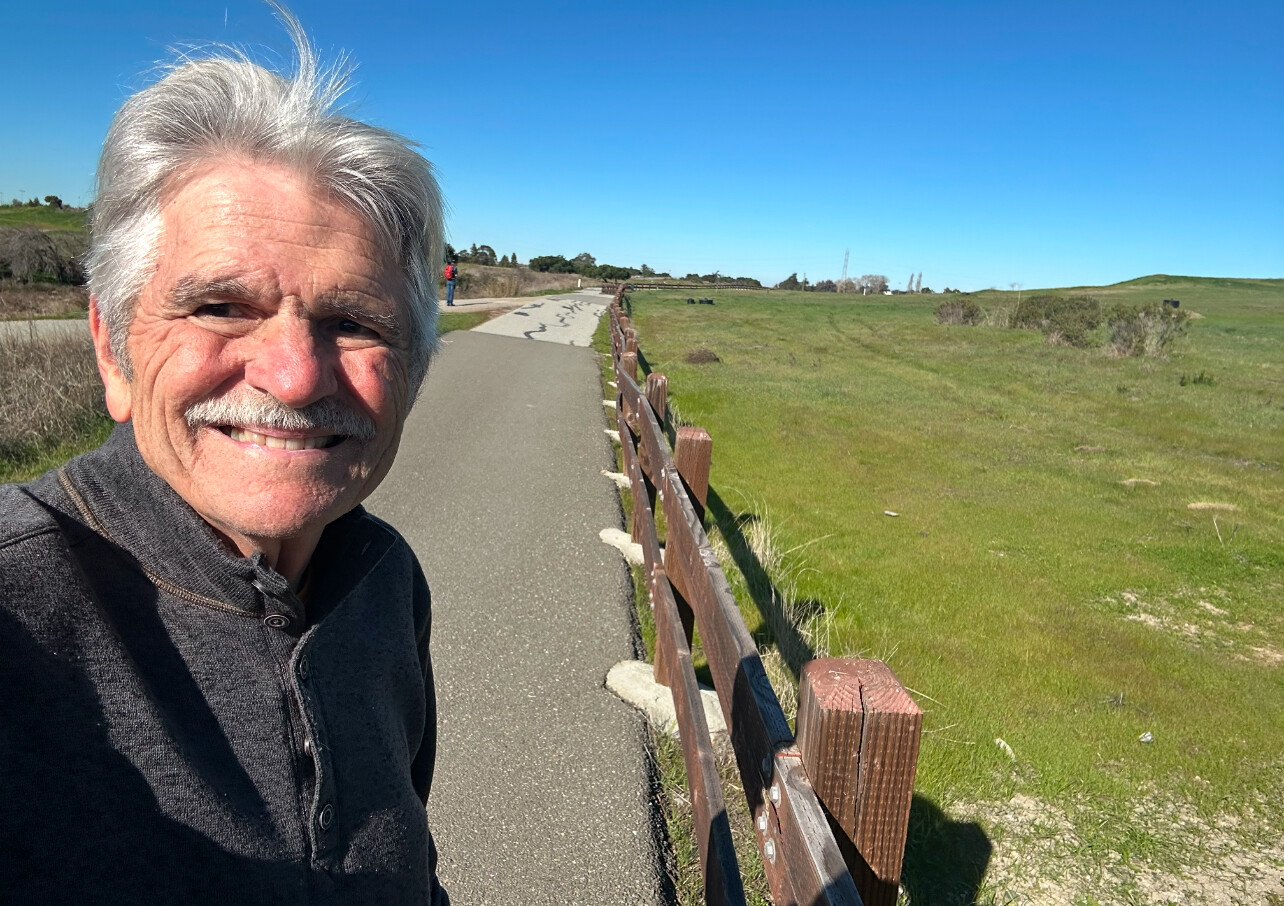
This mindset has carried Bob through countless running-related issues over the years. Most recently, he encountered a tendon situation in his right calf, which he describes as feeling like “an ice pick stuck in my calf.” For many, such a setback could mean frustration or discouragement. For Bob, it was simply another situation to navigate.
The calf issue emerged six weeks ago, temporarily sidelining him from running. “At one point, I could only walk a 32-minute mile,” he recalls. “It was a low point, but I knew I just had to focus on walking instead of running. The solution was to keep moving, even if it wasn’t at the pace I wanted.”
Today, Bob is on the cusp of full recovery. The pain has subsided, and he’s back to building his strength and endurance. “Now, I have to get in shape to get in shape,” he says. It’s a sentiment that many runners recovering from setbacks can relate to: the road back to peak performance often starts with small, deliberate steps.
A Lifetime of Solutions
Over the decades, Bob has faced numerous "situations," from shin splints to plantar fasciitis, and even the natural slowing of pace that comes with age. Yet his ability to adapt, learn, and persevere has kept him running—and walking—well into his 70s. Adding walking to his routine has not only helped him stay active through setbacks but has also introduced a new dimension to his training.
“Walking isn’t just a fallback,” Bob says. “It’s a powerful way to stay connected to the movement and keep your body engaged, even when running isn’t possible.”
Inspiring Others Through KATA
Bob’s passion for running extends beyond his personal journey. At KATA Running Retreat in Portugal, he shares his wisdom with runners of all levels. The retreat offers a chance to train with world-class Kenyan coaches, combining the cultural richness of Portuguese countryside with the legendary endurance techniques of Kenya.
“KATA is about helping runners achieve their personal best,” Bob says. “Whether it’s overcoming a situation, improving your times, or learning to enjoy the process, we’re here to support every step of the journey.”
Moving Forward with Optimism
As Bob continues to recover from his latest situation, he remains optimistic. His story is a testament to the power of resilience, adaptability, and a positive mindset. For him, running is not just about miles or pace—it’s about the journey and the lessons learned along the way.
“At the end of the day, it’s not about being perfect,” Bob reflects. “It’s about showing up, finding solutions, and keeping your passion alive.”
For Bob Anderson, every mile—whether walked or run—is a victory. And every situation is just another step toward the next solution.
The Legacy of KATA
Bob’s vision for running has extended far beyond himself. In 2021, he founded the Kenyan Athletics Training Academy (KATA) in Thika, Kenya, a place where runners from around the world come to train alongside Kenyan athletes. KATA Thika has quickly become a hub for endurance athletes seeking to learn from Kenya’s rich running culture and expertise.
Building on this success, Bob opened KATA Portugal in October 2024. Located at his estate in Monforte da Beira, Portugal, this retreat offers runners the opportunity to train in a serene and inspiring environment while working with world-class Kenyan coaches. Together, the two KATA locations represent Bob’s lifelong commitment to fostering the global running community and empowering athletes to achieve their dreams.
Photos: 1. Bob in Monforte da Beira with coach Dennis, and guests Risper and Jane. 2. Bob on a training run in KATA Kenya 3. Bob getting in miles on the way to lunch in California
https://katarunningretreat.com/
by Boris Baron
Login to leave a comment
Exploring a New City in an Hour: Parkrun’s Global Appeal
What defines the perfect trip to a new city? For some, it’s the thrill of discovering a charming café tucked away from the bustling streets, engaging with locals who share their culture and stories, or enjoying a leisurely activity that lets you experience the city beyond its typical tourist attractions. Imagine if you could achieve all of this—while staying active and seeing a slice of local life—in just about an hour. What’s more, it’s available in over 2,500 locations across more than 20 countries, and it’s completely free.
Enter Parkrun, the global mass-participation 5K running event that has become a staple for both seasoned runners and beginners alike. Founded in London, Parkrun celebrates its 21st anniversary this year, cementing its place as a unique initiative that combines fitness, community, and accessibility. For travelers who are short on time but keen on a meaningful experience, it’s an enticing proposition.
The Parkrun Experience
Participating in Parkrun couldn’t be easier. All it requires is a spare Saturday morning, a comfortable pair of running shoes, and your personalized barcode—a simple phone or watch-based system that tracks your performance across any Parkrun event worldwide. It’s a seamless way to stay active during your travels while engaging with locals and like-minded runners.
Each event follows a similar format: a 5-kilometer route through parks, forests, and scenic trails. Despite its name, Parkrun is inclusive of all abilities—whether you’re running at your fastest pace or enjoying a casual walk. The emphasis is on participation rather than competition. Many runners describe the experience as a celebration of movement and community rather than a typical race.
For travelers, Parkrun offers a chance to explore unique spaces that often lie beyond the standard guidebook recommendations. Whether it's a historic park in London, a scenic trail in Cape Town, or a beachfront route in Sydney, you’ll be immersing yourself in the local landscape.
Building Global Connections
Beyond the physical activity, Parkrun fosters a sense of global connection. Every event is volunteer-led, with locals stepping up to organize, cheer, and support participants. This welcoming atmosphere gives travelers an authentic glimpse into a city’s culture and its people. You may even find yourself sharing post-run conversations over coffee at a nearby café, creating memories and connections that extend far beyond the run.
Regulars often say the most rewarding aspect of Parkrun is its community spirit. While some participants use it to track personal milestones, many simply relish the opportunity to be part of something bigger—a worldwide network of runners, walkers, and volunteers united by a shared goal of inclusivity and health.
Why Parkrun Matters
In a world increasingly focused on well-being, Parkrun has emerged as a pioneering model for combining fitness, mental health, and social inclusion. Studies have shown that running, even at a relaxed pace, can reduce stress, improve mood, and boost overall physical health. The no-cost and no-pressure environment of Parkrun makes it especially appealing to those who might shy away from more competitive or structured events.
For cities, hosting Parkrun events creates an opportunity to bring communities together, revitalize local parks, and promote active lifestyles. It’s no surprise that governments and health organizations often champion Parkrun as a key initiative for public well-being.
A Must-Do for Travel Enthusiasts
For the traveler looking to experience a destination in a unique way, Parkrun is a hidden gem. It’s a blend of fitness, community, and exploration that allows you to see a city from a different perspective. Whether you’re sprinting along a river in Tokyo or jogging through the vibrant greenery of a Dublin park, the experience is both grounding and exhilarating.
So next time you’re planning a trip, consider penciling in a Parkrun on your Saturday morning itinerary. Pack your running shoes, download your barcode, and get ready to explore the world one 5K at a time. Who knows—you might leave with not just a sense of accomplishment but also a story to tell and a friend or two from across the globe.
by Boris Baron
Login to leave a comment
Take the “You vs. The Year 2025” Running Challenge
This challenge can help you meet your fitness and running goals this year.Are you ready to take on 2025? If so, then lace up your running shoes, and let’s get started!
With the new year on the horizon, it’s a good time to set new running goals and a start following realistic plan to meet them. But we all know that New Year’s resolutions aren’t the way to go. They often create unrealistic pressure and guilt-ridden fear of failure. Also, let’s face it, most New Year’s resolutions are broken or forgotten before the end of January. But that doesn’t mean you shouldn’t be eager to achieve your fitness and running goals in 2025.
You vs the Year 2025
What else is there? Here’s a novel challenge that can keep you motivated all year long with built-in steps to success and unlimited opportunities to restart if your running fervor hits a roadblock and stalls out. It’s called You vs. The Year 2025, a challenge to run (or walk) 1,025 kilometers between January 1 and December 31. That’s roughly 637 miles or about 12 miles per week and 365 days of dedication to your fitness and your goals. (That might be a great place to start, but if you want a higher goal, you can make your own adaptation to the program and shoot for 2,025 KM or 1,025 miles or 2,025 miles—or any goal you choose.)To keep you motivated and celebrate your hard work, all participants who complete the challenge will be entered to win the ultimate race weekend package from Brooks, including a race entry stipend for you and a friend, a Brooks eGift card, and $2,000 to use toward travel and lodging.
You can log up to two runs or walks per day, and any kilometers from other challenges throughout the year will count toward your You vs.The Year 2025 total.
Let’s make 2025 your year—one kilometer at a time. Get started today and keep your momentum going all year long.RULESYou must complete 1,025 KM to complete the challenge
Run, Walk, Hike, Indoor Run, and Treadmill workouts are eligible
Workouts must be at least 5 minutes long
A maximum of 2 workouts per day will count toward the challenge
PRIZESParticipants who complete the challenge will earn an exclusive Challenge Completion Badge to showcase their achievement and be entered to win the ultimate race weekend package from Brooks, including a race entry stipend for you and a friend, a Brooks eGift card, and $2,000 to use toward travel and lodging.
Login to leave a comment
What’s Your Why? Our Readers Share Their Biggest Motivators for Getting Out There to Run
We asked runners what motivates them to get out and hit the road—their answers may inspire you.
Why do you run? If you’ve never thought about it before, ask yourself now.
Being intentional about the reason why you run is a crucial part of maintaining motivation, especially if you’re just starting your running journey. Most of us know the research-backed benefits of running, but what is going to be that thing that gets you out the door when you don’t even feel like moving?
While your reason should be unique and personal to you, here’s some inspiration from our dedicated Runner’s World+ members and social audiences on Instagram and Facebook to keep in mind when considering what your why is.
For Myself
“Running is my ‘me time.’ It is time for me to simply run, listen to music, and enjoy the outdoors. It allows me to begin each day with a sense of accomplishment, and along the way I plan my to-do list, calculate finances, and solve problems. I do my best thinking when I am running. It also keeps me focused on my health and I always have at least one half marathon or marathon to train for.”—Jill Pompi (RW+ member)
“Because it’s the only thing in my life that’s just mine.”—April Thomson
“As a mom of three littles, running is my ‘me time.’ Time to fill my own cup; time to work toward a personal goal; time to show my kids that I enjoy movement simply because it helps me be happy, healthy, and strong!”—Marlena Shaw (RW+ member)
“It’s my time—no one asking me for anything. It’s me vs. me. Love the feeling after a long run.”—Spullins JB
“Running is just for me, and I run so I can be my best self. I don’t mean physically. Sure, I love how strong my legs feel when I cross a finish line or that good burn after a long run. But my best self is found when I hit the pavement and process whatever is going on in my life. I have two young kids (ages 3 and 14 months), and I am constantly being poked, pulled, and called. When I lace up my running shoes, the stress melts away and I am a better mother because of it.”—Melissa Hofstrand (RW+ member)
“To escape from reality for a brief moment and enjoy my ME time.”—Yuri Aguilar
“Sometimes to relax, regroup, and shake out anything bothering me… but usually to start my day off just right!”—Erin Carey Ryan
For My Health
“My health, specifically my heart.”—Kati Johnson (RW+ member)
“To maintain my health and challenge myself to reach new running goals.”—Gwen Jacobson (RW+ member)
“To fight bad genetics and hear my grandkids say, ‘Whoa, Grandma!’”—Michele (RW+ member)
“My asthma kept me from doing exercise for so many years. I’m running because I can finally do something I never thought possible.”—Patricia McHugh (RW+ member)
“To save my life. I am type 2 diabetic by way of having PCOS. By the time I was diagnosed with PCOS, I had developed full-blown diabetes. I run now to train for a half marathon I crazily signed up for and to get in shape for my first century ride next year. I will run and bike towards a cure.”—Stephanie Gold (RW+ member)
“I exercise and stay active so that I can be mobile and independent as long as possible as I get older. I choose running because it gives me such a great sense of accomplishment.”—Lisa Bartlett
“I run because last year I got Pulmonary embolisms in my lungs and now I want to improve my health and my lungs and spread awareness!”—Jennifer Cole
“Manage stress and support in quitting smoking.”—Aude Carlson (RW+ member)
“Keeps my AFib under control.”—Todd W. Peterson
“I want to be able to walk well into my old age. I have family members who have significantly lost mobility due to their unwillingness to exercise.”—Amy Watkins (RW+ member)
“To control my type 2 diabetes! It works!”—Mike Shamus
For Someone Else
“I started running after witnessing my mom complete a marathon and was overcome with emotion when she finished. I began running the very next year and completed a half marathon with my mom and have been running ever since. Running does so many things for me. It’s my escape, it keeps me centered, helps me to focus, a confidence builder but more importantly allows me to follow in the footsteps of my mom and continue to honor her. I wear a shirt with a picture of her running our last race together so that she’s running with me. I love to run!”—Chantal (RW+ member)
“My daughter.”—Jesse Sturnfield (RW+ member)
“To keep my sanity. Also, I wanna show my kids if they work hard, don’t give up, and find a love for something, they can accomplish anything in life. When they’re tired, stressed, unhappy, just to channel in and get the work done. They’ve been there when I run my marathons and have shown support and encouragement, and I’ll do the same for them. My daughter joined cross country this year and wants to join again next year. My son is wanting to join as well.”—Angela Yawea
“Because my dad ran. I lost him six years ago and clearing his flat I found his medal from Reading Half Marathon in 1988. Holding it inspired me to change. I have my dad’s and my medal from the same race together.”—Stumpy Taylor
For My Mental Health
“To keep my sanity!”—Libby Meyer (RW+ member)
“It’s my therapy.”—Allie Haight
“Running is my ultimate stressbuster! As a middle-aged tech leader, husband, and father to two preteens, running generates all the right endorphins and energy to ensure I’m on top of my game—all of my games!”—Annu Kristipati (RW+ member)
“Cheaper than therapy.”—Louie J. Frucci
“Running helps me dealing with my anxiety, my mental health, but especially this past year with grief. I lost my dad last year and couldn’t work out for two months. I was able to go back to working out thanks to running. Then I signed up for my first marathon. That was on the one-year anniversary of my dad’s passing. Running is my way to feel my dad close and be able to connect with him.”—Fadela (RW+ member)
“Because it has the power to mute my anxiety and self-doubt.”—Nicholas Kuiper
“Running makes me happy. It reduces my stress and anxiety and improves my mental health. It keeps my cardiovascular system strong.”—Suzanne Reisman (RW+ member)
“To stay calm in the chaos.”—Christine Starkweather
To Feel Powerful & Free
“Because it makes me feel powerful and healthy (sometimes only once it’s over).”—Laura (RW+ member)
“To be a real-life video game character.”—Erin Fan (RW+ member)
“Feels like I’m flying. Powerful and free.”—Tenaya Hergert
“I run because I want to be healthier in my 50s than I was in my 30s! And, also, running makes me feel powerful.”—Laura (RW+ member)
“Running gives me a voice.”—Becky Westcott Capazz
“It makes me feel strong and confident, that I can handle everything else in my day.”—Rebecca Eisenbacher (RW+ member)
“To feel free, manage anxiety, accomplish increasing mileage.”—Barbara Saunders (RW+ member)
“Total freedom. Slap your shoes on and be free.”—coach_shasonta
For Connection
“Running makes me feel strong and is my way of meditating. I also love that I’ve been able to connect with people and make so many new friends through running. I enjoy seeing my fitness progression.”—Gisele Carig (RW+ member)
“For my mental health and human connection with friends.”—lizpowers76
“Refreshes the spirit. BTW: I can no longer run; I train and enter races as a walker. Have made many new friends who accept me for just being there.”—Lewis Silverman
“I have many reasons. I connect with my running partners on some runs. I connect with God on others. I find a sense of accomplishment. I like to test what my body can tolerate.”—Tim Thomas (RW+ member)
“When I’m alone, I run to quiet my mind. It is meditative and rejuvenating. I also run to be social. The running community is the best.”—Andy Romanelli (RW+ member)
“Makes 77 feel young and hanging around with younger runners is a whole lot of fun. Not to mention I’ve been loving going for a run for more than 46 years.”—Barbara Ann Morrissey
Because I Love Racing
“I want to improve my 5K time.”—Courtney Danko-Searcy (RW+ member)
“The feeling I have on race day, within the first mile, that all the training is paying off.”—Mark Hopkins (RW+ member)
“My husband and I started running about six years when my son, who was about 12 at the time, had run over 25 5Ks. It took about a year until we were ready for our first 5K. We love running and training together. Running helps me at the end of a long teaching day, and it just feels so good after! We have since ran many 5Ks, some 10Ks, and two half marathons!”—Suzy Wintjen (RW+ member)
“It’s at the end of Ironman.”—Cheryl Turpin
“First, I began to improve my health, then I got hooked. Fifteen years later I am chasing my Six Star Medal.”—Jorge Mitey (RW+ member)
“It’s something I’ve always done since fifth grade. I got into racing 25 years ago. I love the challenge running gives me to constantly improve and get back out there whenever I’ve been injured or ill; and next month will one year since starting my first running streak! Most of all, I run because I love how it makes me feel. It has gotten me through the worst times in my life. Whenever I’m having a bad day, whether I’ve already gone running or not, I go running. It always calms me and makes feel better.”—Elle Escochea Grunert
So That I Can Indulge
“Because I love carbo loading.” —Bud Bjanuar
“I run so I can eat whatever I want and still be in shape!”—Christi Webb (RW+ member)
“I run to eat poutine.”—Robin Bosse
“So I can drink beer!”—Kathy Davis Ward
“Because I am a chocoholic.”—Chantal Englebert
“Faster than walking and I like tacos.”—Shelly Pedergnana
“I run to eat crispy pata.”—Arrin Villareal
To Get Outside
“Fitness and peace of mind. Also, a great way to explore neighborhoods and the outdoors.”—Sue Padden
“The feel of being outside with my dog. Watching him enjoy the run lets me enjoy the run.”—Stan (RW+ member)
“It’s my time with nature. It’s for me to clear my head and think.”—Assa Burton
“Running is my sanctuary. It’s where I can clear my mind, letting go of stress and finding clarity with each step. The rhythm of my feet hitting the ground is a meditative escape, helping me to focus and recharge. Physically, running keeps me in peak condition, building strength and endurance while boosting my overall health. But what I love most is being outside, feeling the fresh air, and soaking in the beauty of nature. Whether it’s a sunlit trail or a quiet street at dawn, running connects me to the world around me in a way nothing else can.”—Adam Scolatti (RW+ member)
Because I Can
“This is my ‘stock’ answer. I do because I can and I can because I do.”—Chip Kidd
“Because I’m not ready to give up yet.”—Martha Rhine (RW+ member)
“Because I was completely disabled, not able to move, stand, walk, talk, or do anything... stuck in the hospital for 13 weeks. When I was discharged and started to walk a little, I needed something to help me get some kind of life back. Running was it.”—Rob Snavely
“Because I’m 70, and not dead yet.”—Michele Glover
“Because I can. One day I won’t be able to and it’s not today.”—Mike Bravo
“Because one day I’ll be old and everything will hurt, and it’s the one thing in my life that lately makes me happy. When you’re running you forget everything. If you’re still thinking of debt, sadness, breakups, you’re not trying hard enough. Every day you have to push yourself.”—Miryam Hernandez
“Because I still can… at 73.”—Joanne Gile Michaelsen
“Forty-five years, why stop now? Never regret going for a run.”—Leslie Kitching
“Sixty-one years old. Been running since I was 15. Because a day without running is like a day without brushing your teeth.”—Sharon Graeber Hall
To Prove it to Myself or Someone Else
“To prove I can. And prove my mind is more powerful than my body.”—Colton James
“Because I still can, and everyone tells me I can’t!”—Lloyd K Leverett
“To tell people I did.”—Chris S. Charlett
“I’m 55. Basketball days are over. The need to compete is still there, and even if that means competing with myself, running allows me to do that.”—Shawn Davis
Because I Hate How I Feel When I Don’t
“I don’t know, but recently I injured my knee, and I was sad I couldn’t run. Thank god, it healed itself. I think running gives me inner peace.”—Jose Murga
“Because I hate the way my brain itches when I don’t.”—Joe Baron
“Because it’s better than smacking my family upside the head from being over stimulated. [It] helps my mental health.”—heatherbrubaker19
“I don’t like it until it’s over.”—Laurie Stinson Fuller
“So that I am tolerable to my husband!”—Dimitra Zakas
“It’s either that or sending my work computer flying out the window like a frisbee on the regular.”—Ayla Amon
“It feels so good when I stop.”—Sarah Wiley
Login to leave a comment
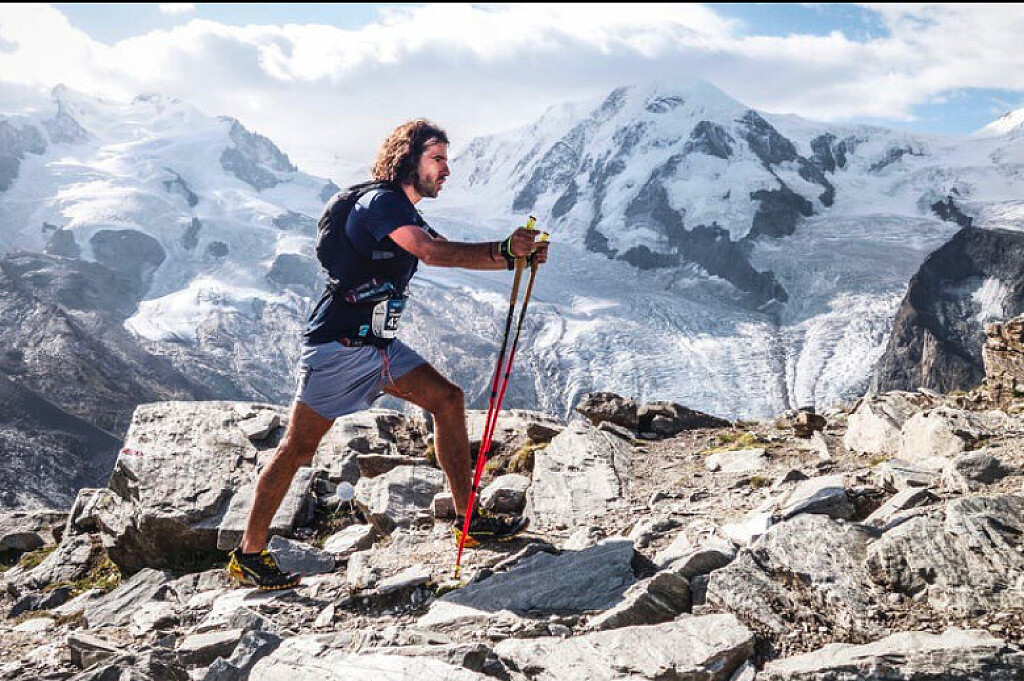
Singer Charles Costa Needed a Reset, So He Ran the Entire Pacific Crest Trail
Charles Costa spent three months running along the Pacific Crest Trail this summer and fall as an act of holistic rejuvenation.
The 39-year-old from London, England, set out with a bold goal of averaging 90 marathons in 90 days as a means to help reset his life-both to revive his stalled music career and to find a more balanced state of mind-but the multi-genre electronic British folk artist with 1 million streams and more than 120,000 monthly Spotify listeners says it turned out to be so much more than that.
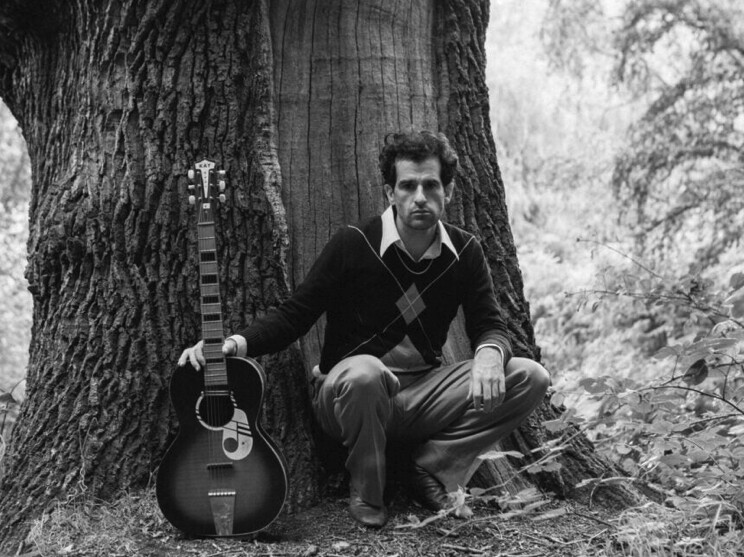
Because of lingering physical and psychological challenges from a brain injury suffered in a catastrophic skiing accident in Austria in 2010, Costa found himself in a delicate position that forced him at times to pause his music career while managing his mental health. Until he found trail running, he routinely battled a variety of mental, emotional and logistical ailments, ranging from uncontrollable anxiety to comprehensive darkness.
After averaging close to 30 challenging miles of running on the PCT per day starting on July 20, Costa admitted he was ready to finish the route, get off the trail, and get back to living a more stabilized
Recovering a Sense of Charles Costa
After the ski accident, Costa had been through numerous types of therapy and was taking what he characterized as "mind-monitoring, mind-maintaining drugs" that wound up consuming his life. In his long rehabilitative process, he eventually discovered that running-and specifically ultra-distance trail running-offered more of a physical, mental, and emotional panacea from lingering pain and mental discontinuity than anything else, and it also gave him a space to process what was going on in his life. It allowed him to get away from it all while being more connected to himself.
Costa said the more he immersed himself in running, the more he wanted to do something special to reinvigorate his life, relaunch his music career while also giving back. He's run numerous trail races in Europe in recent years, including the Montreux Trail Festival 70K last summer and the Swiss Canyon Trail 81K in Switzerland in June. (He placed 54th out of 225 runners in 11 hours, 23 minutes and 7 seconds.) He's also run the 813-mile length of Great Britain from the northern tip of Scotland down to the southwestern tip of England.
Seeking to challenge himself on a long and very difficult task that he hoped would be a transformative life experience, he settled on running the length of the PCT- a three-month, 2,650-mile trail running journey with 489,000 feet of elevation change. But he hasn't been doing it just for himself. Along the way, he's been raising money (about $170,000 so far) and stirring up attention for The Jed Foundation, a nonprofit that protects emotional health and prevents suicide for our nation's teens and young adults, and James' Place, a UK-based charity that provides free therapy and is dedicated to suicide prevention for men.
At the completion of the route, which has taken him from the U.S.-Canadian border and through parts of Washington, Oregon, and California, the British singer-songwriter officially released his first new song in several years and the first under his own name. (He originally performed and recorded under the moniker of "King Charles," a false front of a stage persona that he never really liked and that also contributed to his inability to fully express himself the way he wanted.)
The song is called "Nothing at the Most" and will be included on
Costa, who plays piano, guitar, and cello, has found his run to be a curing activity that has helped untangle his heart and mind and put him back in position to work as a professional musician.
"One thing I love about running is the rhythm of it," he said. "It's the effect that rhythm has on your mind. Days like I'm doing at the moment, it's dawn to dusk. It's up to 12 hours of just pounding the ground. And there are so many different rhythms that you get into. And I think once you're in a rhythm, your mind gets into a different place. You start thinking less. You let more in, especially when you're in beautiful places. You let more in in terms of inspiration. So, I find running very inspiring, especially in the wilderness and in some of these incredibly beautiful places."
The song "Nothing at the Most" is part of a collection of songs filled with the sounds and lyrics he says are meant to represent his journey between longing and lament. It's an intimate, cello-infused chamber-pop ballad with his soulful voice. Costa recorded several songs in the spring with producer Jesse Quin at
Enduring the Trail
As he was nearing the end of the route last week, Costa said his body was tired and a bit broken down but his soul felt re-energized. While he's remained injury-free, he's battled fatigue, blisters, muscle strains, all sorts of weather conditions, and insomnia-all common maladies to multi-day running adventures. He's worn through several pairs of On and La Sportiva trail running shoes and has relied heavily on his lightweight trekking poles, as well as his small but diligent crew that's managed his meals, gear, logistics and more.
Costa says he's listened to a lot of music out on the trail and has occasionally sang out loud to help the miles go by, but he's also made it a point to soak in the peaceful aura of the wilderness. He says it's been a devilishly hard endeavor and is amazed how "there isn't a single flat section" in the entire route.
"I'm holding it together. My muscles and limbs are all still working as they should, but I guess what starts falling apart is the mind," Costa said. "Even though I've been looking forward to the last 20 days and the last 10
Login to leave a comment
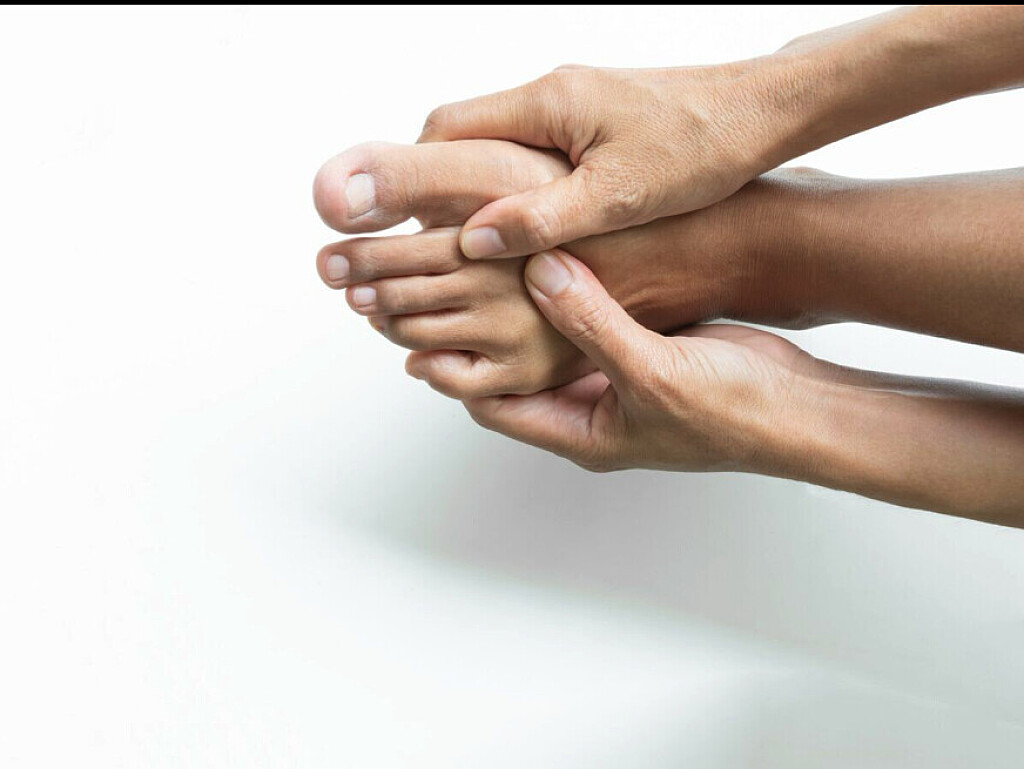
Strong toes, strong stride: the running secret you're overlooking
When was the last time you thought about your toes? These tiny, often-neglected body parts play a massive role in your running performance. While debates about “the perfect shoe” rage on, many experts argue that what’s inside the shoe matters most. Could your toes be the secret to staying injury-free and running stronger?Toe strength equals running power
Your toes may seem insignificant, but they provide stability, balance and propulsion with every step. Strong toes help absorb impact and distribute the load across your foot, reducing strain on your ankles, knees and hips. Weak toes, on the other hand, can lead to instability and overuse injuries, like plantar fasciitis or Achilles tendinitis.Researchers have found that increasing toe strength improves foot arch support and running efficiency. The muscles in your toes, especially the flexor hallucis longus (the muscle under your big toe), act like springs, giving you extra power during push-off.Shoes are not a substitute for strength
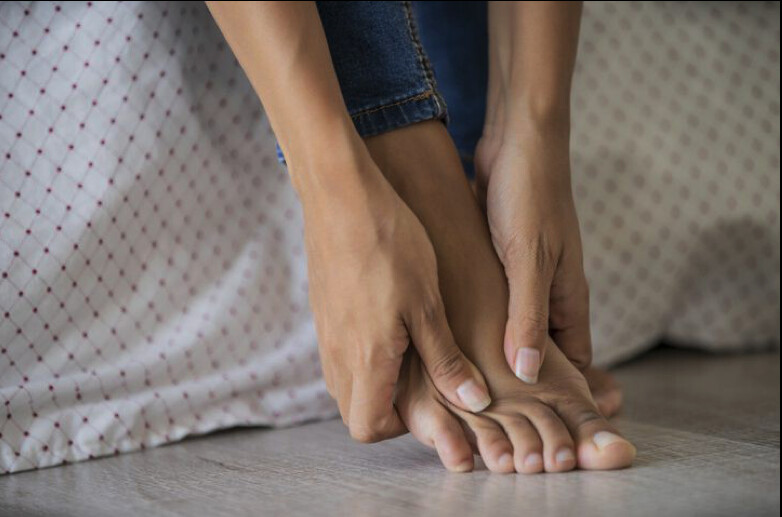
Modern running shoes are marvels of engineering, but they can’t make up for weak feet. In fact, some research suggests that overly-cushioned or restrictive footwear can limit natural foot movement and lead to underdeveloped muscles in your feet and toes. Think of it like this: relying on shoes without training your toes is like putting racing tires on a car with a weak engine.How to strengthen your toes
Want to tap into the hidden potential in your toes? Start with these simple exercises:Toe yoga: Lift your big toe while keeping the others down, then reverse it. This improves muscle co-ordination.
Towel scrunches: Place a towel on the floor and scrunch it with your toes to build strength.
Marble pickup: Use your toes to pick up small objects like marbles—which is surprisingly fun and effective!
Barefoot balance: Practice balancing on one foot in your bare feet to improve stability and strengthen intrinsic foot muscles.
Login to leave a comment

When It’s Time to Replace Your Running Shoes
When this assignment hit my inbox, my first thought was: I am 100 percent going to find out that I need to buy new running shoes. I jog a few times a week and haven’t replaced my Hoka Clifton 9’s since 2023. The chunky, cushioned sole that Hokas are known for has been flattened by months of trail running, and the bright neon yellow exterior has dimmed to a dull mustard.
But they do the job, and I’m a bit frugal, so I’ve stuck with them. But after speaking with a few sneaker experts, I learned I’m not doing myself any favors by holding onto beat-up gear. The more I use them, the greater my risk of an injury.

Here’s why it’s worth replacing your go-to kicks—and how to figure out when to do it.
What Is the Average Lifespan of Running Shoes?
The average running shoe is thought to last about 300 to 500 miles or five to eight months of regular use, but determining your shoe’s true lifespan is more complicated, says Daniel Shull, Run Research Manager at Brooks Running.
Many factors shorten or extend the longevity of your sneakers, including how often you wear them, the kind of terrain and weather you run in, and your stride and strike habits, says Shull.
“Every runner is different, and every shoe is different,” says Arianna L. Gianakos, a Yale Medicine orthopedic surgeon specializing in sports-related foot and ankle injuries.
Trekking through mud, gravel, and puddles can erode your footwear, as can working out in hot or frigid temperatures, says Susan L. Sokolowski, a professor of sports product design at the University of Oregon. She explains if you’re a heavy runner, meaning you land on your foot hard, the foam in the middle of your shoe will break down faster. And if your foot rolls inward or outward, you can wear out a part of your shoe that isn’t built for regular impact, such as the edges or outsole, speeding up your need for
For example, I don’t merely wear my Hokas when I jog. I also wear them when I recreationally hike, bike, and walk my dog all over town. So, while I’d love to think my running shoes last a year, they probably give out much sooner.
Why It’s Important to Replace Running Shoes
When your foot slams onto the ground, your shoe acts as a buffer and absorbs some of the force hitting your foot and ankle, Gianakos says. According to a 2023 review published in Exercise Science and Sports Reviews, shoes influence how your foot interacts with the ground, impacting your performance, speed, comfort levels, and risk of sustaining an injury.
If your sneaker no longer provides the support and cushioning your feet need, you can hurt the joints, tendons, and ligaments in your feet, ankles, and even upper leg, says Gianakos. You can run (pun intended) into a whole host of injuries like plantar fasciitis, tendonitis, stress fractures, and shin splints, she adds.
You may get pain in the ball of your foot (or metatarsalgia), patellofemoral pain syndrome, which causes pain around the kneecap, or iliotibial (IT) band syndrome, a condition that causes pain near the outside of your
So, do a body scan next time you’re out on the trail. Do you notice any foot or ankle aches and knee pains? What about burning sensations on the sole of your foot? How about blisters or calluses? Any of these symptoms may indicate your shoes are shot, says Gianakos.
How to Extend the Life of Your Favorite Pair of Sneaks
First, be mindful of how you store your shoes. You want to keep them in a clean, dry location to prevent mold from growing, says Sokolowski. And don’t store them in a hot, sunny car—UV exposure and heat can cause them to dry out and crack, she adds.
Gianakos recommends having (at least) two pairs of sneakers. That way, you can occasionally switch them out to slow the wear and tear. Another tip: have different sneakers for running in different environments—like “a trail shoe, a road shoe, and even a race day shoe,” says Sokolowski.
And save your running shoes for running only. “The time and amount of steps put on your shoes by walking, standing, and running errands all count towards how long they’ll last,” says Shull.
For all your other day-to-day activities and
Login to leave a comment
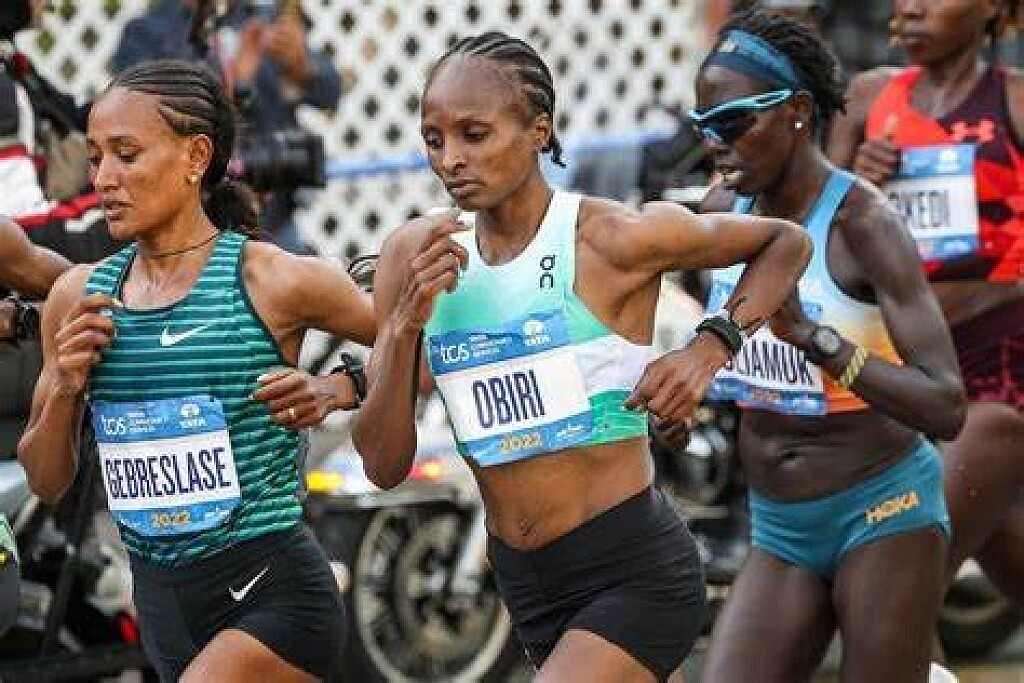
'Women are valued'- Hellen Obiri shares why she prefers staying in the US rather than Kenya
Hellen Obiri is loving it in the US so far as she revealed some of the good things she has experienced that would never have happened to her if she chose to stay in Kenya.
Hellen Obiri has opened up about how her life has changed since she relocated to the US in 2022 with her husband, Tom Nyaundi, and their daughter, Tania.
The two-time Olympic 5000m silver medalist revealed that she has found many opportunities that would never have happened to her if she was still staying in Kenya. Obiri disclosed that in the US, women are valued highly unlike where she grew up, Kenya.
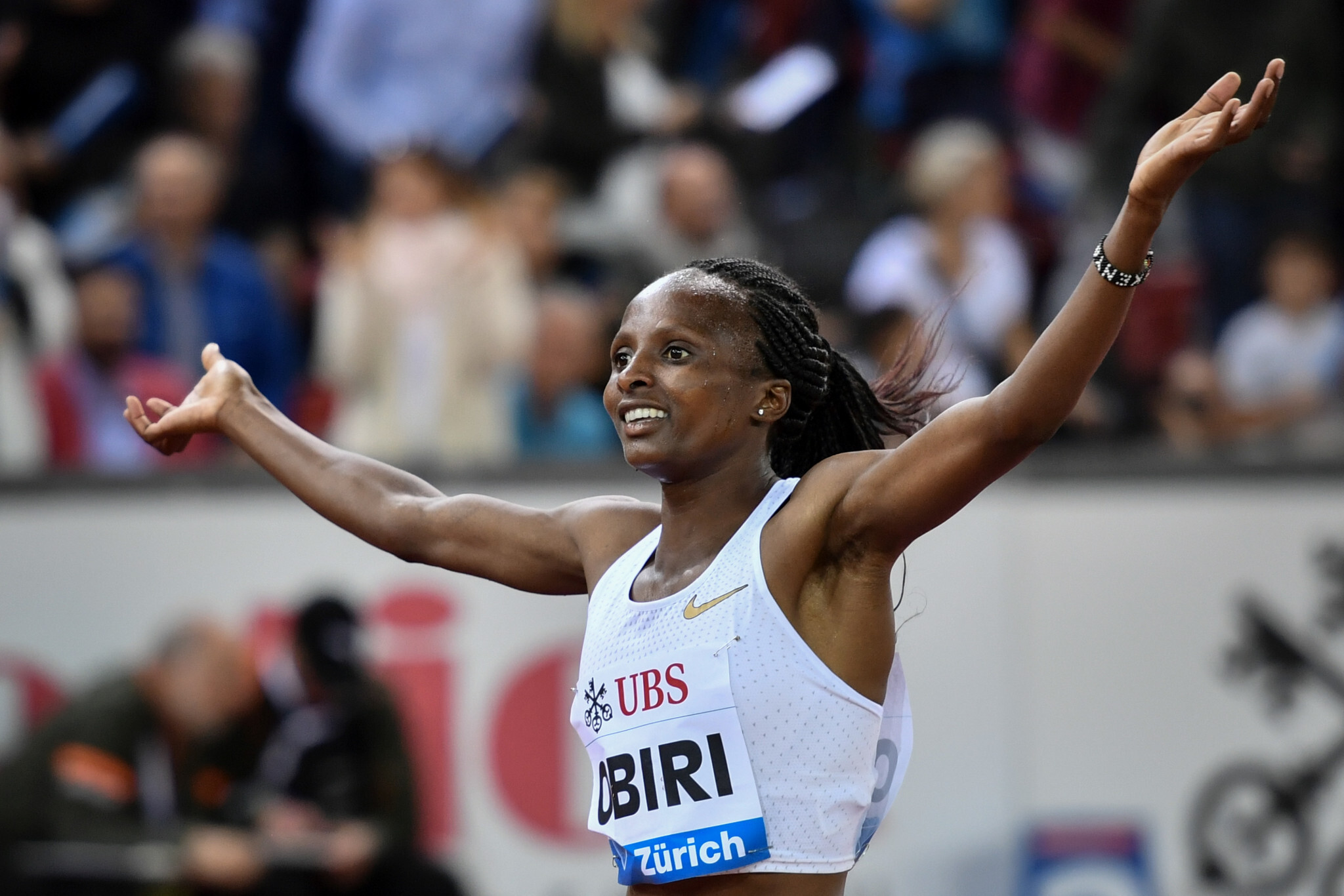
Hellen Obiri lamented that in her village, men are always given a platform but women are advised to stay at home and be humble, a way to protect them but instead, that kills the potential and dreams of many women.
She revealed that relocating has opened her eyes and she now believes that women can do anything and gender does not play any role in what women can do better. She urged women to come through and support each other since that is the only way they are able to grow.
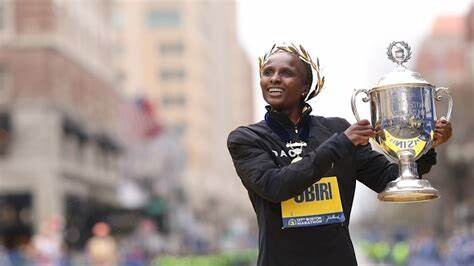
“They say that in life, opportunities knock at your door only once. Had I stayed in Kenya, I could have been in a rural community, even running, but the spotlight is always on men. In the United States, however, women are valued,” Hellen Obiri said as per Foot Boom.
“My mindset expanded greatly while living in the U.S. You feel appreciated and strive to work harder and to grow. Women need to support more women. Today, I feel truly honored.”
She also touched on how signing with On running has been life-changing for her as she looks to make a mark in the world of marathon running. She has been impressive since her debut at the 2022 New York City Marathon where she finished sixth.
Hellen Obiri then proceeded to win the Boston Marathon in 2023 and capped off her season with a win at the New York City Marathon. She opened her 2024 season with a win in the Boston Marathon before claiming the bronze medal in the Olympic marathon. She ended her season with a second-place finish at the New York City Marathon.
“It was shortly after Tokyo. Having the chance to work for a major company is a privilege, a real opportunity for me. I've been wearing running shoes for over ten years, and there’s always a better shoe, a better technology available. How can I help improve these shoes? I ran those marathons as if I were wearing spikes on the track,” Hellen Obiri said.
“It’s incredible because I trust On and believe in the brand's shoes. I won two times in Boston and once in New York, and the Olympic marathon medal while wearing the On Cloudboom Echo. It’s amazing, it’s comfortable and doesn’t cause injuries or discomfort.”
by Abigael Wafula
Login to leave a comment
How to Run a Turkey Trot: Your Panic Training Guide
Whether you forgot to train or signed up at the last minute, we’ve got you covered with quick, effective training tips to get you ready for your Thanksgiving race
If a friend or family member just sent you a link to a turkey trot and you thought, Sure, why not? and signed up with less than a week to the big day, congrats! You’ve found a page with the perfect blend of last-minute race training desperation and can-do attitude.
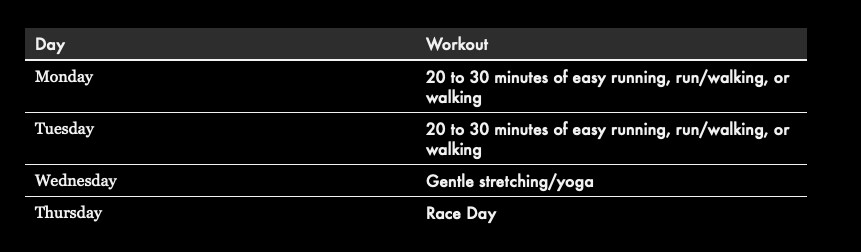

The good news? Sheer willpower can propel you through a few miles of fun. The bad news? At this point, you can’t really train, per se. Let me bring in Erica Coviello, RRCA-certified running coach to explain. “Physiologically speaking, your body needs about 10 days to adapt to any kind of stress so you’d need more than that to influence performance,” she says.
You can, however, prepare. And we’re here to help.
Don’t Panic
First things first: don’t freak out. You can do this. “Turkey trots are distances that the average person should be able to complete, whether running, walking or a combination of the two,” Coviello says.
Most of these races will be between 3 and 6 miles, with a lengthy course cutoff time, meaning it’s totally doable. To be clear, we wouldn’t advise running a marathon or even a half marathon with no training. The risk of injury is too high. But a local turkey trot? As long as you walk or run within your fitness level, it’s safe and super fun to do.
Move a Little (Not a Lot)
If your last running mile was in high school P.E., get out and stretch those legs in the days leading up to the race. “Running a bit during that week before can build your confidence and help ‘train’ your mind, so why not give it a go?” Coviello says. “Done correctly, it can lead to less pain on race day. Correctly as in short, easy runs, maybe with some walking just to get time on your feet and muscle activation if you’re going from zero to 60.”
Try 20 to 30-minute run/walks. You’ll be able to find what cadence works for you at your current fitness level by trial and error. Try a 30-second run followed by a two-minute walk. Repeat the
The key is to not overdo it. Now is not the time to start running 5 miles at a time. Also inadvisable: sprints, timed miles, climbing the stairs to the Philadelphia Museum of Art. Keep your runs joyful and easy, not intense. If you’re unsure what “easy” means, you can judge it by your heart rate, staying below 60 to 70 percent of your max, or by the talk test. (I.e. can you hold a conversation while running with ease?)
“Running too much, too fast, too soon, almost always results in injury or burnout and can lead to a rough race day or poor recovery,” Coviello says.
Last-Minute Turkey Trot Training Pans
Before we go through the “training plans” let me hit you with some tough love. Where have you been for the last three months, dude? If you came here 12 weeks ago to get a real training plan, we’d have you on your way to gravy-covered Thanksgiving race glory. OK, end rant. Just promise me you’ll train for real next year.
Training Plan Length: One Week Level: Mild Panic
Let’s focus on making it to the finish line with all your muscles (and dignity) intact.
Training Plan Length: Three Days Level: Acute Anxiety
You just looked at the calendar and realized you’re racing in three days. Big yikes. You’ve got time for a vibes-based taper.
Training Plan Length: One Day Level: Advanced Chaos
If you just noticed that Thanksgiving is tomorrow and you’re racing in 12 hours, it’s…fine. Maybe it’s a day to drink more water and less Diet Coke. Move your body a little. Find (or buy) some running shoes.
Make Better Choices
During the holidays, it’s so easy to forget the simple steps that help you feel less like a garbage pile. You don’t need a massive diet overhaul to run a turkey trot, but choosing nourishing foods will help you feel better while you’re out there.
Login to leave a comment
How Tempo Run Workouts Can Make You Faster
You won't become a better runner by just staying at the same pace. Here's how to ramp up your training. WHEN YOU FIRST get into running, your routine probably looks something like this: Lace up the best running shoes you own, hit a quick warmup, and then hit the road for a set time, distance, or route. Simply running a few times a week and intuitively speeding up and slowing down might be enough to improve your fitness—at least at first. Once you decide to graduate from a trot around your neighborhood into the world of more serious training, you’ll need to approach your workouts with more intention and specificity.
One common training technique used by hobbyists and world-class runners alike is the tempo run, a protocol where you run at a near-maximal intensity. Using these workouts you’ll increase muscular and cardiovascular endurance, learn to maintain running mechanics at a faster clip, and teach your body to cycle through lactic acid (which is what causes that burning sensation) more efficiently. We tapped Jes Woods, a Nike Running coach and the Head Trail & Ultra Coach at the Brooklyn Track Club, to school you on all things tempo runs so you can better understand how to implement tempo runs into your running routine. We can’t say you’ll be thanking us (at least mid-run)—but you may just become the fastest guy in your local run club. What Is a Tempo Run?
According to Woods, a tempo run is a hard but controlled pace that can be run as intervals, or a steady run spanning one to 10 miles meant to make you a more efficient runner. Tempo runs should feel, “comfortably hard," according to Woods. "If your running buddy asked you a question while running your tempo run, you could answer them if you had to, but it would be pretty annoying.”
Woods says tempo runs can have a variety of loose definitions but, put most simply, they’re threshold runs meant to improve your lactate threshold. “That is, the tipping point between aerobic running (your body has sufficient oxygen) and anaerobic running (your body does not have sufficient oxygen to create the energy you are demanding)," she says. “You want to run at that tipping point without crossing over.”
In short: A tempo run is not easy, and that’s by design. This type of workout is a training tool that pushes you to your limits to increase your cardiovascular capacity, help you acclimate to a faster race day speed, and improve your body’s ability to clear lactate.
How to Do a Tempo Run
Tempo runs areStretches Woods likes: Knee hugs, quad pulls, hamstring scoops, table toppers, lateral lunges and air squats. Do five reps on each side of your body per movement.
Warmup Jog
Never jump straight into your tempo work, even if you've done some dynamic stretching.
“Before any speed run, whether it's fast intervals around the track or hill repeats in the park, an easy jog warm up is mission critical,” says Woods. Run for 10 to 15 minutes at a conversational pace before diving into the workout.
Hit the Road
The classic tempo run is straightforward enough. After you warm up, you’ll aim to run for 20 to 30 minutes at your calculated pace. If you’re new to tempo workouts or at the beginning of a new training cycle, Woods suggests running at your tempo pace in intervals to work up to a longer unbroken run. Here are two interval methods:
Straight-Up Intervals
“Start with five 5-minute intervals at your tempo run pace, with 90 second breaks after each,” says Woods. “That’s 25 minutes of tempo work, but broken into smaller bite-sized chunks. You can gradually increase those tempo intervals over time until you’re holding your tempo pace for“Improving your tempo pace or improving your lactate threshold is like improving your miles per gallon on your car,” Woods says. “You want to be able to travel (run) farther on the same tank of gas (the same energy).”
Any form of running is going to improve your VO2 max, which is a measure of how much oxygen you can utilize during intense exercise. Naturally, a tempo run, an intentionally strenuous running workout, will improve your VO2 max and, therefore, your ability to run faster for longer.
More specifically, your heart rate should be beating between 80 to 90 percent of your max (putting you in what are considered heart rate Zones 3 and 4), which are associated with improving your anaerobic and aerobic capacities. Having endurance in both zones is imperative for running at a high intensity.
Improved Lactate Threshold
Once you enter Zone 4 in your workout, which you’re all but guaranteed to do during a hard run or race, your body taps into your anaerobic system, where it utilizes glycogen and ATP (adenosine triphosphate) for energy. Lactic acid, a byproduct of that process, will begin to accumulate inside your muscles—and it's responsible for the burning sensation
Login to leave a comment
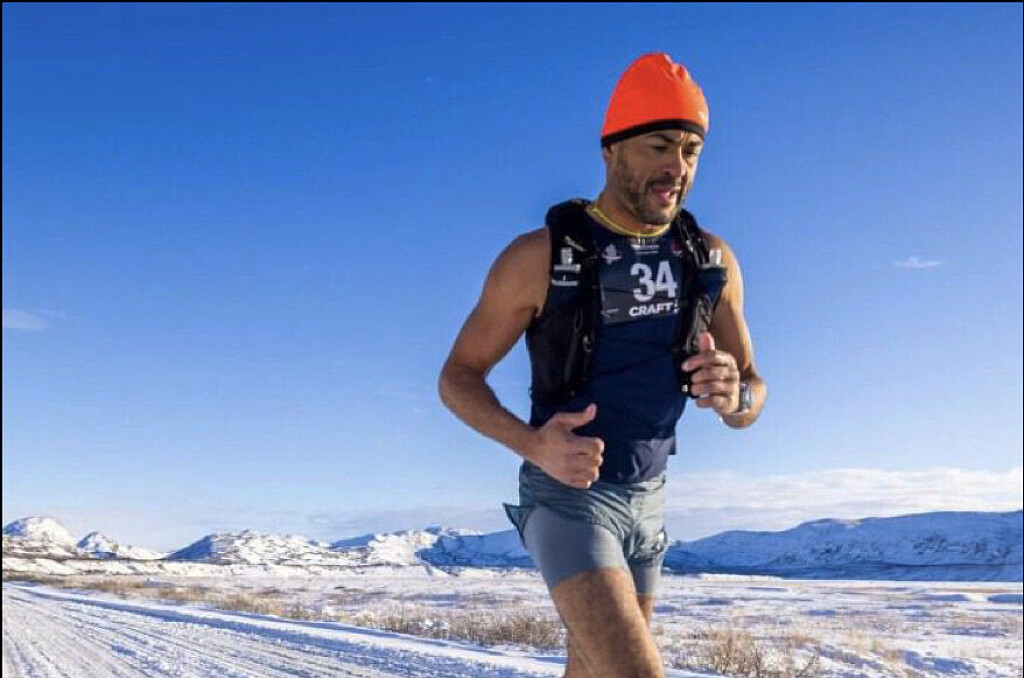
New York man runs marathon in Greenland in a singlet and shorts
Vladimir Aslan likes to test the limits of cold exposure. Last year, we wrote about Aslan, a Ukrainian-American living in New York City, after he ran a half-marathon in northwestern Greenland in -18 C without a shirt. On Oct. 26, Aslan ran the Polar Circle Marathon in Kangerlussuaq (also in Greenland)–a full 42.2 km–this time, wearing a singlet and shorts. (He also wore a hat, knee-high socks and running shoes with spikes, but no gloves.) It was -15 C.
“I was in the last wave at the start. We entered a narrow, icy path and I got stuck with slow-running athletes in front of me,” Aslan told us. “They were trying not to slip on the ice, which was covered by light snow.” That was just the beginning, he says. “The cold and wind numbed my fingers, arms and quads very quickly. There were 41 km of hills to go through ahead.”
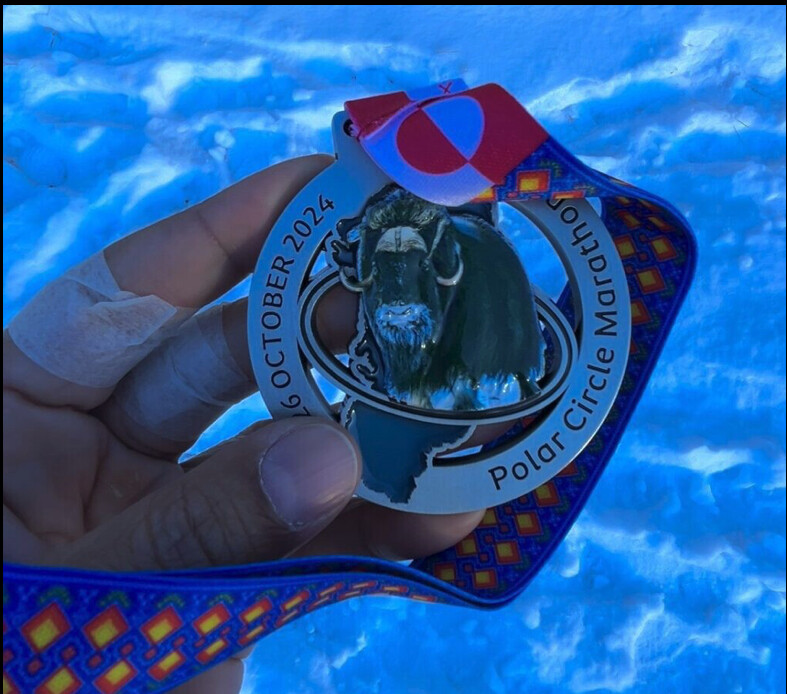
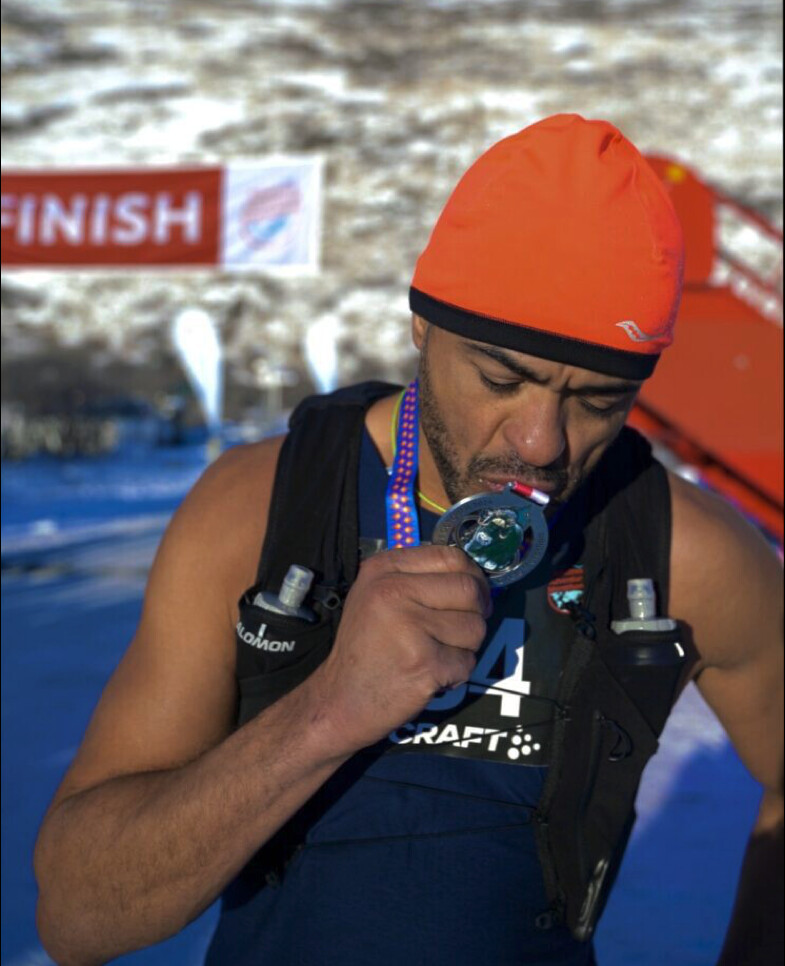
“Despite the risk of falling into a crevass on the icy surface of the Arctic desert, Aslan passed many other runners, ultimately finishing 10th among 126 starters, in 4:15:05. (Six people did not finish the race.) “I started feeling extreme pain in my elbows and knees, and it was slowing me down,” he says. “All 41 km, I was fighting bitter cold, speeding to reach the top 10 elites.”
Last year, Aslan told us he found running in cold weather was an antidote to the stress of life. “I felt rejuvenated,” he said. “I felt alive. I felt clear.” To train, he swims among icebergs, without a wetsuit.
This year, in the marathon, Aslan suffered frostbite on two of his fingers.
This [race] had such a bitter wind, with low air temperature, and the whole 42 km were up and down–hilly, with no flat surface at all. Plus I was exposed to cold for over four hours; it was the longest I have been. It was slowing me down.”
The hills sometimes involved scrambling, usin
So was it worth it? “It’s absolutely worth it, if behind this lies a big goal–to be the first,” Aslan says.
“I got frostbite, because I trained in New York City, where it was very warm, and I didn’t acclimatize properly. But I still performed way better than expected. My goal was to reach the top 20, so I was paying attention to how many were left and how many I passed.”
The race site has detailed and strongly-worded advice for runners about the type of clothing they should wear, and warns it may pull runners who are not dressed appropriately. However, when we reached out to ask about Aslan specifically, the response from Krista Alexandersdóttir, marketing content manager for the race organizer, Albatros Adventure Marathons, was, “We cannot control what runners decide to wear, only guide them and advise them. We have several doctors and race officials on the route that keep an eye on the runners, so it’s very rare that anything serious happens.”
And what’s next for this cold-embracing daredevil? He has left his day job, and is now planning what he says will be a “historic” adventure, as well as trying to fund a film production company. “This marathon was a part of an acclimatization process–getting to know how my body and mind handles it,” he says. We have a feeling it will involve extreme cold, but beyond that, he’s keeping his cards close to his chest.
by Running Magazine
Login to leave a comment
50 Motivational Running Quotes About Racing
Find Inspiration from Running Icons and Legends
Even the most motivated among us occasionally has a challenging time wanting to lace up our shoes and hit the pavement running. Bookmark this page for the next time motivation is waning for you. Read on for inspirational race quotes to pump you up before your next run.
"The miracle isn't that I finished. The miracle is that I had the courage to start." —John Bingham, running speaker and writer
"Fear is gradually replaced by excitement and a simple desire to see what you can do on the day." —Lauren Fleshman, American distance runner
"It doesn't matter whether you come in first, in the middle of the pack, or last. You can say, 'I have finished.' There is a lot of satisfaction in that." —Fred Lebow, co-founder of the New York City Marathon
"When you put yourself on the line in a race and expose yourself to the unknown, you learn things about yourself that are very exciting." —Doris Brown Heritage, women's distance running pioneer
"Good health, peace of mind, being outdoors, camaraderie: those are all wonderful things that come to you when running. But for me, the real pull of running—the proverbial icing on the cake—has always been racing." —Bill Rodgers, winner of four Boston Marathons
"Big occasions and races which have been eagerly anticipated almost to the point of dread, are where great deeds can be accomplished." —Jack Lovelock, environmentalist and futurist
"I also realize that winning doesn't always mean getting first place; it means getting the best out of yourself." —Meb Keflezighi, 2004 Olympic Marathon silver medalist
"Why race? The need to be tested, perhaps; the need to take risks; and the chance to be number one." —George Sheehan, running columnist and writer
RELATED: A Beginner's Guide to Becoming a Runner
"Everyone in life is looking for a certain rush. Racing is where I get mine." —John Trautmann, Olympic runner
"I'm always nervous. If I wasn't nervous, it would be weird. I get the same feeling at all
"My thoughts before a big race are usually pretty simple. I tell myself: 'Get out of the blocks, run your race, stay relaxed. If you run your race, you'll win.'" —Carl Lewis, nine-time Olympic gold champion
RELATED: How to Plan a Running Route Using Map Apps on Your Phone
"I love controlling a race, chewing up an opponent. Let's get down and dirty. Let's fight it out. It's raw, animalistic, with no one to rely on but yourself. There's no better feeling than that." —Adam Goucher, U.S. Nationals 5K race champion
"I'm going to work so that it's a pure guts race at the end, and if it is, I am the only one who can win it." —Steve Prefontaine, legendary American long-distance runner
"Let's just say it and be done with it. Racing hurts. But here's another truth: having put in the effort to prepare for a race and then not giving it your all hurts even more. The first kind of hurt goes away in hours or a day. The second kind of hurt can last a lifetime." —Larry Shapiro, author of Zen and the Art of Running
"Different people have different reasons for racing, but
"Running is in my blood—the adrenaline flows before the races, the love/hate of butterflies in your stomach." —Marcus O'Sullivan, Irish middle-distance runner
"It's just as important to remember that each footstrike carries you forward, not backward. And every time you put on your running shoes you are different in come way than you were the day before. This is all good news." —John Bingham, American marathon runner
"Racing teaches us to challenge ourselves. It teaches us to push beyond where we thought we could go. It helps us to find out what we are made of. This is what we do. This is what it's all about." —PattiSue Plumer, U.S. Olympian
"You didn't beat me. You merely finished in front of me." —Hal Higdon, American writer and runner
"Fast running isn't forced. You have to relax and let the run come out of you." —Desiree Linden
"No marathon gets easier later. The halfway point only marks the end of the beginning." —Joe Henderson, famed running coach
RELATED: Race Day Tips for Running Your First 5K
"No matter how old I get, the race remains one of life's most rewarding experiences." —George Sheehan
"If you feel bad at
"What distinguishes those of us at the starting line from those of us on the couch is that we learn through running to take what the days gives us, what our body will allow us, and what our will can tolerate." —John Bingham, running writer and speaker
"For me, races are the celebration of my training." —Dan Browne, National Champion 5K and 20K runner
"Run when you can, walk if you have to, crawl if you must; just never give up." —Dean Karnazes, ultramarathon runner
"Every race is a question, and I never know until the last yards what the answer will be. That's the lure of racing." —Joe Henderson
"It's amazing how the same pace in practice can feel so much harder than on race day. Stay confident. Trust the process." —Sara Hall, American long-distance runner
"Winning has nothing to do with racing. Most days don't have races anyway. Winning is about struggle and effort and optimism, and never, ever, ever giving up." —Amby Burfoot, American marathon runner
"Your goal is simple: Finish. Experience your first race, don’t race it." —Bob Glover, author of The Runner's Handbook
"Don't dream of winning, train for it!" —Mo Farah, Olympic long
"Nothing, not even pain, lasts forever. If I can just keep putting one foot in front of the other, I will eventually get to the end." —Kim Cowart, runner and journalist
"The real purpose of running isn't to win a race. It's to test the limits of the human heart." —Bill Bowerman, co-founder of Nike
"Our running shoes have magic in them. The power to transform a bad day into a good day; frustration into speed; self-doubt into confidence; chocolate cake into muscle." —Mina Samuels, author of Run Like a Girl
"There is magic in misery. Just ask any runner." —Dean Karnazes
"Run often. Run long. But never outrun your joy of running." —Julie Isphording, American Olympic runner
Login to leave a comment
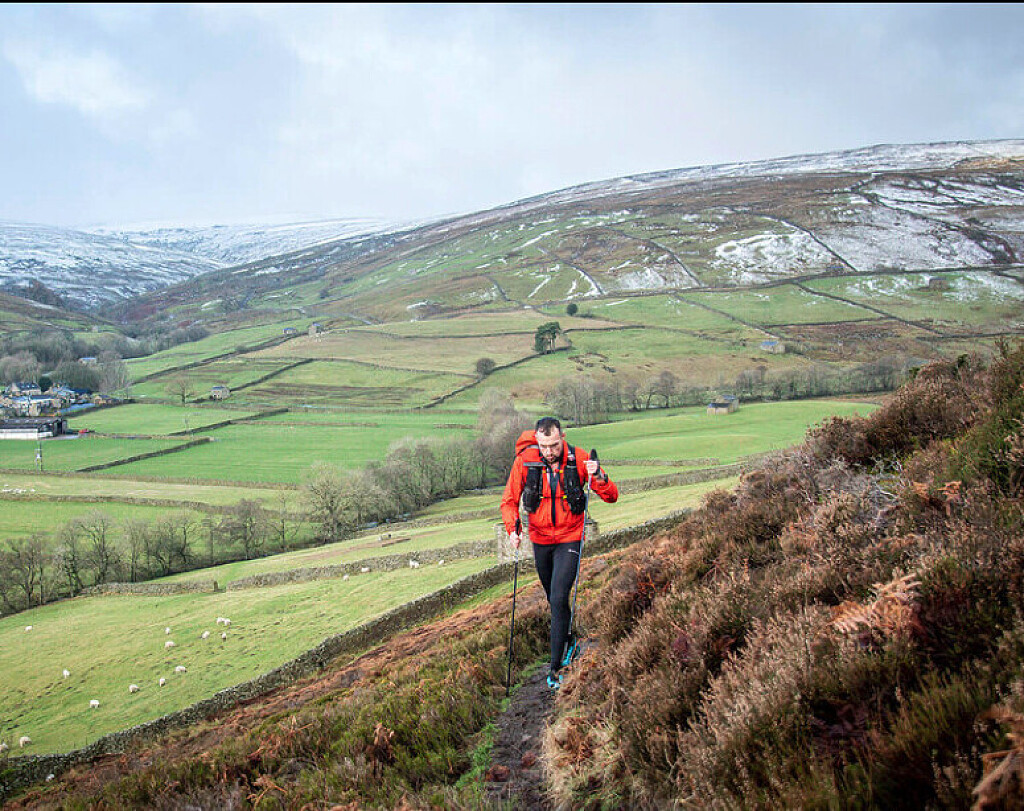
Runners have gone wild in the current boom, increasingly hitting the trails and embracing ultra distances
that immerse us in nature, where mile splits matter far less than the experience of respondents to a 2024 Runner’s World survey have run an ultramarathon.
65%

of those ran their first ultra in the past five years.
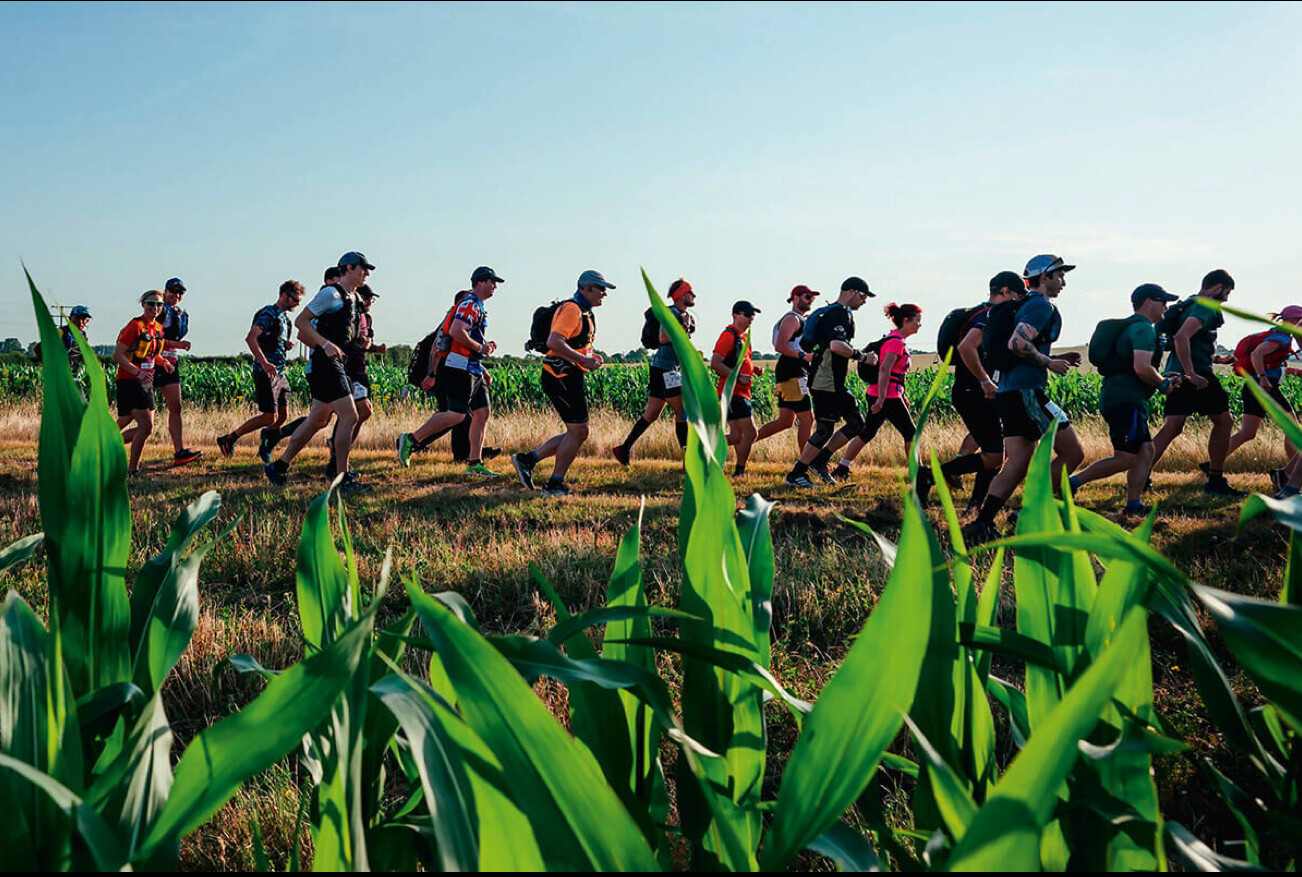
33%
said that they’re planning to run or considering running an ultra in the next two years.
‘It definitely feels more people are running trail and ultra, certainly post-Covid. The scene is really exciting with more races (and more accessible races), more brands, more sport-specific media, more younger, faster runners and more women – but they’re still a minority. Black Trail Runners and others are doing great work to make the scene more diverse. It’d be great to see more diversity, more accessibility and gender equality.’
Damian Hall, author and record-breaking ultrarunner236%
The year-on-year increase in internet searches for the Barkley Marathons from August 2023.
61%
of those surveyed by RW are interested or may be interested in following the big ultra races, such as the Barkley Marathons, Spine and Ultra-Trail du Mont-Blanc. 34%
This year’s increase in registrations for the Ultra-Trail du Mont-Blanc World Series Finals, compared with 2023. Demand is two to three times higher than max capacity.
43
Events in UTMB World Series in 2024, in Asia, Oceania, Europe, Africa and the Americas.
$7.3 billion
The value of the global trail running shoes market in 2022, according to a report by Allied Market Research. Up from $1.38bn in 2016, according to data from Grand View Research.
$12.4 billion
Predicted value of the global trail running shoes market in 2032, according to Allied Market Research.
30%
Year-on-year increase in numbers for the Montane Spine races. ‘The Montane Spine has expanded with more races within the events and more locations. We’ve had to organise other races to keep up with demand because the Montane Spine races continue to consistently sell out. We’re seeing people looking for ultramarathons to help with their mental health.’
Phil Hayday-Brown, founder of the Montane Spine Race
63%
The year-on-year increase in participants at Black To The Trails, with a waiting list operating for 2024’s sold-out event. 58% of runners were people of colour, with 14 of the 19 UK ethnic categories represented; 70% of participants were women.‘The Black Trail Runners community continues to grow daily with thousands of followers in the UK and globally, we’re a registered community and campaigning charity with the mission to increase the inclusion, participation and representation of people of Black ethnicity in trail running. If you want to see a more ethnically diverse sector, you can join us to help us do that – you don’t need to be of Black ethnicity to support the work that we do.’
Sabrina Pace-Humphreys, ultrarunner and co-founder of Black Trail Runners
5,252%
Growth in trail races with 500 or more participants in the 10 years leading up to 2022, according to RunRepeat. 11%
The year-on-year increase in runners on Strava completing at least one ultra, according to 2024 Strava data, growing at the same rate for men and women.
10% year-on-year increase in 50Ks.16% year-on-year increase in 50-milers. 14% year-on-year increase in 100Ks.
1,676% increase in ultra participation between 1996 and 2018, according to a recent report from RunRepeat, with numbers rising from just 34,401 to 611,098.
5,590 races
on the International Trail Runners Association calendar between January and August 2024: a 458% increase from the 1,002 races planned a decade ago.
49%
of respondents to the RW survey who run on trails started trail running within the past five years.
231%
Growth in trail running worldwide in the decade leading up to 2022, according to RunRepeat research. ‘All our events have been sell-outs the last couple of years. The Tolkien Trail Race sells out 500 entries in under an hour, and we’re noticing races fill up quicker and quicker each year. Trail racing has the least barriers to compete, with less emphasis on times than road racing, which can be intimidating. There’s an element of adventure, a test of endurance and the release of being in nature that’s evidently being enjoyed across ages and genders.’
Chris Holdsworth, race director for Pennine Trailsitting the trails and embracing ultra distances that immerse us in nature, where mile splits matter far less than the experience
Login to leave a comment
Which Running Tests Are Worth the Investment?
Experts break down which type of runner is most likely to benefit from tests including a gait analysis, VO2 max, and more.
Running itself is pretty basic—in the best of ways. All you really need is a pair of running shoes to get started. Of course, additional gear can be helpful, not to mention fun to test out and use to boost performance. Investing in certain fitness tests and assessments can also up the fun factor and give you an edge for training and race-day success.
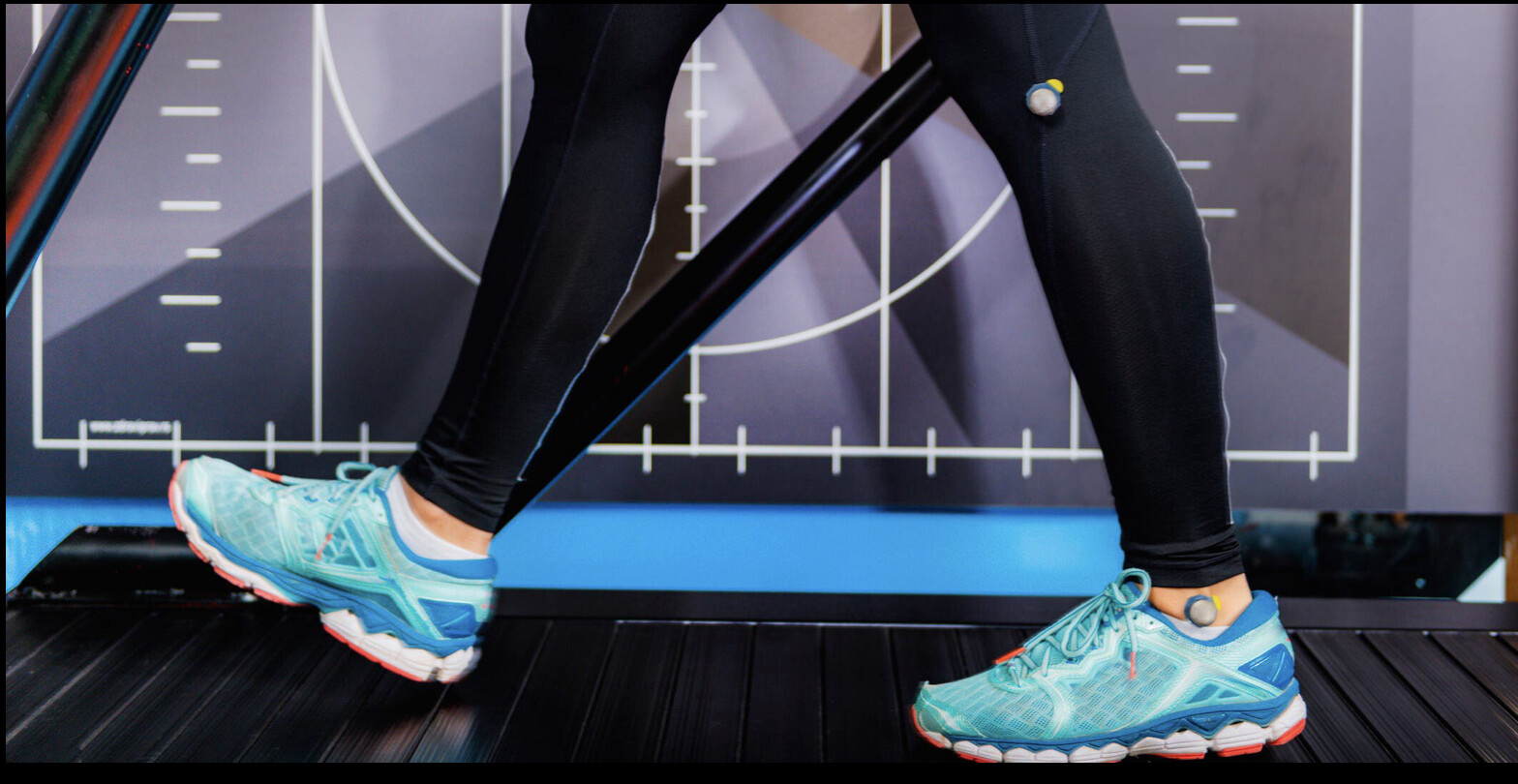
These days, you can find a ton of options in this realm, which can feel overwhelming, but experts caution against getting too caught up in the hype.
“Information and knowledge is a good thing, but sometimes there can be a little bit too much,” says James Robinson, M.D., sports medicine physician at Hospital for Special Surgery. He says that if you’re not having problems (like injuries or pain) and you’re hitting reasonable running goals, you probably don’t *need* any type of fitness test.
One exception: Keep up with your yearly physicals (during which you may have some blood work done) as a baseline. From there, your doctor may also suggest other specific tests (like a DEXA scan, which looks at bone density, for those with osteopenia or a history of broken bones).
That said, keep reading for what runners should know about some of the most popular fitness lab tests out there right now, how each can support your goals, and which type of runner is more likely to benefit from investing in each one.
If you’re chronically injured or looking to improve efficiency...
Consider a gait analysis
A gait analysis—which involves being recorded from different angles while running on a treadmill to look at form, including foot strike and body alignment—is especially useful for runners with chronic injuries like shin splints, patellofemoral pain, or IT band issues, says Robinson.
“The gait analysis can show things in your running mechanics that are making you more prone to injuries and especially certain types of injuries,” says Robinson. This analysis may also ID weaknesses or muscle imbalances and things like overstriding, overpronating, or a low cadence.
Runners looking to improve efficiency may also benefit from this test. “There can be ways to improve your biomechanics to improve your running efficiency,” like working on optimizing hip extension, which is important for minimizing vertical excursion (or too much up and down movement rather than straight ahead).
N’Namdi Nelson, C.S.C.S., an exercise physiologist at NYU’s Sports Performance Center adds that beginners can benefit from a gait analysis: “The activity you’re going to be doing is running, so why not do a running analysis to assess your biomechanics to see exactly what's going on in your gait, and identify things that you may be doing incorrectly and ways that you can improve it?” This will not only set you up for success in the sport of running in terms of performance, but help you avoid injuries before they show up in your stride.
Where to get it: Running labs like at universities and medical centers or at a local physical therapy clinic
Typical cost: Starting at about $150 (or free with your physical therapy appointment, depending on insurance)
If you’re new to running…
Consider a functional movement screening (FMS)
When doing a functional movement screen, a coach or trainer will typically put you through movements (e.g. a single-leg squat, push-up, and step-over) and watch how your body moves. If your hip drops to one side or your knees cave in on that squat, for example, that could indicate weakness in your core stability, Robinson says, which could affect your injury risk in running. The facilitator will then give you specific exercise recommendations to strengthen those weaknesses.
Nelson recommends the FMS for beginners in particular. “It’s going to give us more information as to what’s going on in the body,” he says. “So for example, if we see weakness in certain muscles or a decrease in flexibility in certain joint ranges, then we can try to get ahead of it and try to correct it, decreasing your chances of sustaining some type of running-related injury.”
Where to get it: Some places, like NYU, HSS, and the Columbia RunLab, offer running analyses which combine a gait analysis on a treadmill with a movement screen like the FMS so it’s one stop shopping. Nelson says that having information from both of these inputs—the gait analysis and FMS—can be helpful when making correlations.
You can also often get an FMS at a gym as part of an initial training evaluation, and it can be useful on its own. (If you’re choosing between a gait analysis and an FMS, Robinson argues the former is more beneficial as it’s more specific to runners.)
Typical cost: Included in the above services, with rates changing depending on insurance and/or location
If you’re more experienced and/or get sidelined by cramps…
Consider a metabolic profile test
This type of test typically includes a VO2 max test, lactate threshold evaluation, and metabolic efficiency testing. It involves a finger stick capillary blood test, as well as running on a treadmill at increasing intensity with a mask on to measure how much oxygen you’re consuming, as well as CO2 output and heart rate.
VO2 max measures your aerobic capacity. It can give you a sense of your cardiovascular fitness, which can be helpful as a benchmark to try to improve (often via short, intense intervals).
This test can also help you determine your max heart rate, and training zones based on that
“Lactate threshold is basically the point at which your body starts to go from aerobic to anaerobic and starts to really ramp up its levels of lactate,” says Robinson. “The lactate threshold basically tells a runner the pace at which they could run a short distance, like a 5K or 10K, which can be useful when you’re talking about training paces.”
Importantly, lactate threshold is something you can train and improve, Robinson adds. Knowing your threshold allows you to train in the proper zones to increase it. For example, if your lactate threshold is nine minutes per mile, then training with runs at that pace could help to improve that, Robinson says. (And then if you repeated this test months later, you can see if it improves.)
As for metabolic efficiency, Robinson says this can help you strategize fueling for long races—and it’s also trainable. This test profile measures how many calories you use per hour and the breakdown of fat versus carbohydrate at various exercise intensities.
“We have a lot of fat stores in our body, but our body has very limited carbohydrate stores,” he says. So, if the test reveals that you’re using mostly carbs for long runs, for example, you’ll run out of fuel quickly and knowing this would help you ID exactly how much nutrition you need to bring along.
Robinson says this test is most useful for runners trying to improve efficiency and pace. For example, if you want to run a sub-four-hour marathon, this test can be useful to one, see if you’re able to achieve that goal at your current fitness level, and if not, figure out which zones to train to get there.
The test can also be useful for those who deal with cramping when they run. “Usually cramps are a fueling issue more so than a true dehydration issue,” says Robinson. “So the metabolic profile can be useful for fueling to see why someone might be cramping, or for someone that hits a wall at mile 20 or 21 in the marathon, that could be a fueling issue, and the metabolic profile can definitely help clue you into strategies to help.”
Where to get it: At NYU, this test is called the “Sports Performance” evaluation and includes a gait analysis, stability and mobility screen, and VO2 max, with the option to add lactate threshold testing. At HSS, it’s Metabolic Testing and includes all of the metrics (VO2 max, lactate threshold, metabolic efficiency, and also running economy). You also may be able to find similar tests at other universities, medical centers, and running labs.
If you want to DIY…
Use your wearable data
Robinson acknowledges that many wearables now provide lots of info that you’d get as part of a formal gait analysis, like cadence, vertical oscillation, and stride length, in addition to metrics like VO2 max. “They’re pretty accurate now,” he says, adding that they can be more accessible and less expensive (assuming you’ve already paid for the wearable) than additional testing.
Still, sometimes people need help with interpretation of this data and they don’t know what to do with it on their own. “Seeing an exercise physiologist or a running coach could help them interpret some of the data,” he says.
Typical cost: Free (after the cost of a wearable, which typically starts around $200)
If you’re into lots of data and optimizing health…
Consider a blood panel
As long as you pass your yearly physical, additional blood work probably won’t tell you much more about your running performance, according to Nelson. “You can identify some nutritional deficiencies and things like that that may affect your performance, but those things may also be highlighted in your yearly physical,” he adds.
However, for those really into data and optimization of health and performance, a full blood panel might be helpful, so long as you know what to do with the information (or have someone to interpret the results). This additional screen may look into nutritional biomarkers beyond your typical blood test at a physical, like omega-3 levels, electrolytes like calcium and magnesium, and many other health-related metrics that are related to heart health, immune regulation, and more.
The one biomarker both experts agree is wise to get tested for all runners is vitamin D. “I do recommend that runners get their vitamin D checked regularly because if you are low in vitamin D, then that can put you at risk for bone injuries such as stress fractures, and vitamin D deficiency is extremely common, especially in places where you don’t get as much sunlight,” says Robinson.
Other than that, if you’re having specific issues or have concerns about your overall health, consult with your doctor to see what biomarkers, if any, should be tested.
Where to get it: Your doctor should be able to run additional lab tests if you have a medical need for them, but you can also try a direct-to-consumer service like Function or Inside Tracker.
Typical cost: Free one time a year with most insurance providers (for the basics), but around $500 for the DTC services.
by Runner’s World
Login to leave a comment
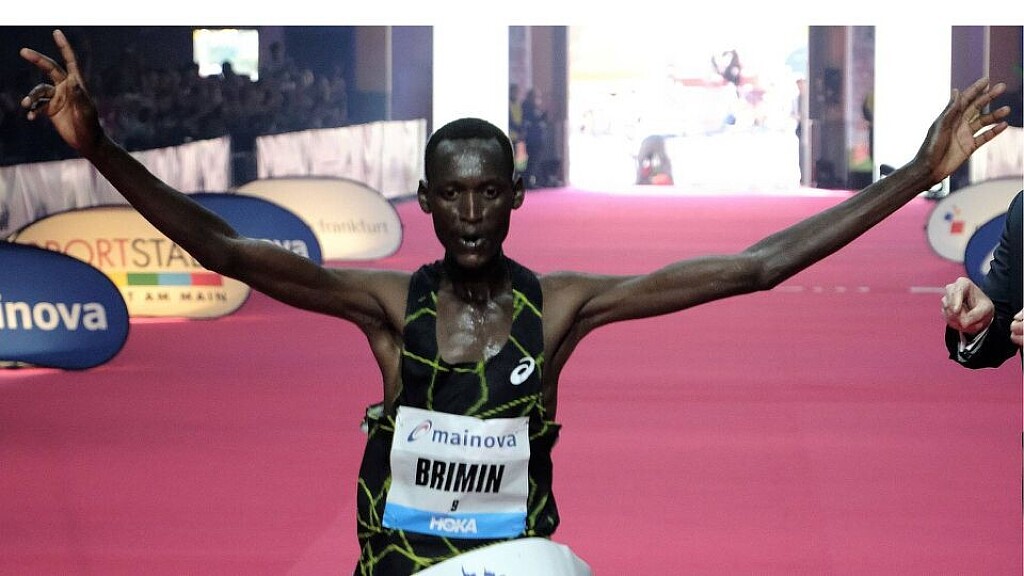
'You will not be an athlete forever'- When double Frankfurt Marathon champion Brimin Misoi explained life on and off the track
A reflection on Brimin Kipkorir Misoi's remarkable journey over the last decade, from humble beginnings as a farmer to marathon champion, overcoming injuries and challenges.
Often, the simplest people harbor the most extraordinary stories.
In the high-altitude village of Kapkitony, Keiyo South, Brimin Kipkorir Misoi, a two-time Frankfurt Marathon champion lives a life that reflects his humility and resilience.
You might mistake him for an ordinary farmer as you pass through his village, spotting him shelling beans or herding cattle.
But beneath the unassuming exterior lies a man who has conquered the world of long-distance road racing despite facing overwhelming hurdles along the way.
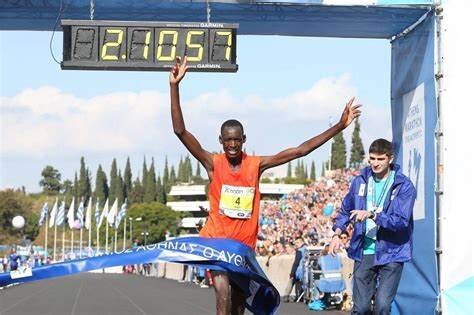
"You will not be an athlete forever," Misoi said with a smile during a January 2024 interview with The Standard.
"That’s why I still farm—because one day, I’ll retire."
At 34, Misoi stands at the peak of his career. His back-to-back victories at the Frankfurt Marathon in 2022 and 2023 have established him as a formidable force in global athletics, yet his journey was far from smooth.
Misoi’s rise to stardom was not a product of instant success; rather, it was built on perseverance, patience, and a will to overcome setbacks.
Misoi began his marathon journey in local Kenyan races known for being some of the most grueling in the world.
"Local races in Kenya are the toughest. Anyone who wins here can win anywhere in the world," he says.
But his early years were marred by injuries and stiff competition from more experienced athletes as his humble beginnings in Kapkitony meant that resources and professional training were hard to come by.
In 2016, he finished 50th in the Kass Marathon and later placed 11th in the same race, a position that almost drove him to quit athletics.
"I was thinking of giving up after finishing 11th in the Kass Marathon, but I couldn’t. My family depended on me, and I came from a humble background. I needed to keep going," recalled the father of three.
Misoi’s fortunes changed in 2017 when he won the Nairobi Standard Chartered Marathon.
That victory marked his breakthrough, paving the way for international opportunities. However, his career remained fraught with challenges. Injuries sidelined him in races like the Lille and Gold Coast Marathons, forcing him to drop out.
Yet, each setback fueled his determination. His relentless pursuit of success culminated in his first Frankfurt Marathon win in 2022, a triumph that he would repeat the following year with a personal best of 2:04:53.
"When I’m at home, I’m just a farmer," Misoi said, his voice imbued with pride.
Farming, for him, is more than a livelihood; it is a connection to his family and community.
"It helps me recover after tough races. It’s also a reminder that life isn’t all about running."
Despite his modest demeanor, Misoi harbors big ambitions as his dream is to wear the Kenyan colors at an international championship.
"If the opportunity to represent Kenya comes, I’ll take it," he says.
Though injuries have haunted his career, Misoi remains optimistic about the future, particularly with advancements in shoe technology that could reduce the risk of injuries.
"Good shoes can make a big difference. Our roads are rough, and when shoes wear out, they put us at risk," he explains.
For now, Brimin Misoi is focused on the races ahead determined to make the most of his athletic career.
Yet, as he shells beans in his village he remains grounded by the reality that one day he will hang up his running shoes and return to the farm where his story first began.
by Festus Chuma
Login to leave a comment
Is FKT Fever Coming to the Himalayas?
American runner Tyler Andrews just set the speed record on Manaslu, running from base camp to the summit while using an ultralight setup. Will more runners flock to the world’s highest peaks to prove themselves?
On September 19, 34-year-old American mountain runner Tyler Andrews ascended Nepal’s 26,781-foot Manaslu in a mind-bending 9 hours and 52 minutes. The time shaved more than two hours off the previous speed record on the peak, set in 2023 by Nepalese climber Pembe Gelji Sherpa. Before that, Francois Cazzanelli, an alpinist and guide from Italy, summited in 13 hours, in 2019.
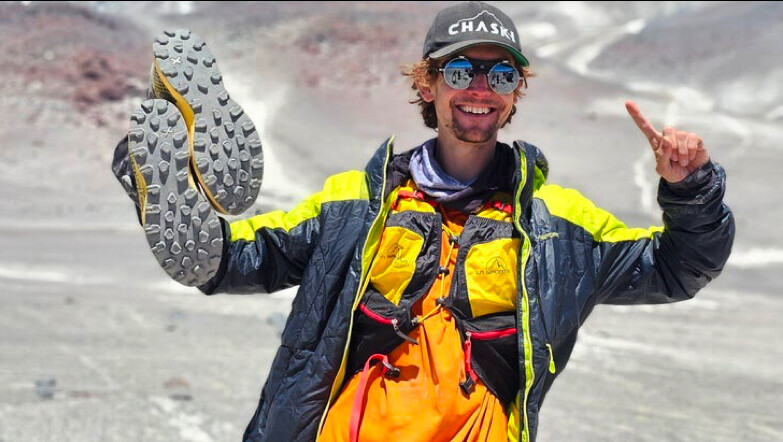

Manaslu is one of the world’s 14 peaks above 8,000 meters. These mountains have traditionally been the realm of mountaineers and professional high-alpine guides, not trail runners.
But Andrews believes that’s about to change. “I think we’re going to start seeing more mountain runners going this way,” Andrews told Outside from Manaslu base camp.
His belief stems in part from his own experience on the peak, and from changing dynamics he’s seeing in the world of ultrarunning and the pursuit of fastest known times. Andrews is part of a new generation of mountain runners seeking out increasingly bigger, more challenging, and more daunting speed records. “If you start with the Colorado fourteeners, then go to the Alps, then the Andes, the natural progression is to the Himalayas and the 8000ers,” he told Outside.
Instead, ascents on Nepal’s highest mountains, including those resulting in speed records, have historically been tracked by the Himalayan Database. But that’s changing, and Andrews is one reason behind the shift. He actually works part-time for Fastest Know Time as Regional Editor for Latin America and the Himalayas. Part of his job is to create routes and then help FKT track records on them.
“I think in the past, the team didn’t want to be trying to verify routes that required rock climbing because you can’t just use a GPS watch to track something that’s vertical,” Andrews says. “But Manaslu is not like that, so tracking it is really no different than other mountains on there, like Cotopaxi or Denali.”
When Andrews returns from Manaslu base camp—he’s currently supporting a friend attempting a ski descent—he will submit his GPX data to Fastest Known Time for approval. He also plans to submit his data to the Himalayan Database.
Manaslu and 26,864-foot Cho Oyu in Tibet are considered the easiest of the 14 8,000-meter peaks. On Manaslu, the nine-mile route from base camp to the summit requires less technical climbing than harder peaks, like K2 or Nanga Parbat. Still, Manaslu isn’t easy. The trail gains nearly 11,000 feet of elevation, requires the use of fixed ropes in many sections, and travels over steep sections of snow and ice. Climbers must also survive in what mountaineers call the “Death Zone”—elevations above 26,000—because there’s not enough oxygen for human beings to survive more than a day or two.
Andrews ran up Manaslu without using supplemental oxygen, and he did so with an extremely lightweight setup. He wore a pair of waterproof trail running shoes designed to shed snow, a puffy jacket, lightweight pants, and a windbreaker. He carried a 30-liter backpack containing bare essentials: harness, helmet, goggles, ice axe, water, snacks, and energy gels.
In 2013 he ran straight up 15,780-foot Mont Blanc, typically a two-day mountaineering ascent, in less than 5 hours while wearing shorts and a t-shirt. In 2017 he ascended Mount Everest twice in the same week.
Jornet’s ascents prompted some trail runners to take on similar challenges, setting off a flurry of mountain-top FKTs, and inspiring a new generation of endurance athletes.
Similarly, Andrews thinks the time is right for athletes to “push back on some of the conventional wisdom” for ascending 8,000-meter peaks. Instead of ascending Manaslu overnight, as is typical (“so you don’t get roasted by the sun”), Andrews did it mostly during daylight, which allowed him to use more conventional footwear, due to the warm temperatures.
Andrews also brought a stationary bike to base camp, which he said was “absurd.” But the device enabled him to get his heart rate higher than he would have while running.
But Andrews cautions that Himalayan ascents aren’t for untested trail runners. “I didn’t just step off the track and onto an 8,000-meter mountain,” he says. Andrews has been mountaineering for 15 years, and much more seriously in the last five. In recent years he’s ascended 22,841-foot Aconcagua in Argentina, 19,347-foot Cotopaxi in Ecuador, and 22,349-foot Ama Dablam in Nepal, among other peaks.
He lives and trains at high altitude, splitting time between Flagstaff, Arizona and Quito, Ecuador. And Andrews has extensive experience running at higher altitudes in the Andes.
Prior to Manaslu, Andrews ran dozens of trails above 16,000 feet in the Himalayas. His FKT on Manaslu was his second attempt on the mountain in two years. He didn’t summit the first time. “I got my ass kicked,” Andrews says. “But I learned a lot.” Both times, he hired expert local outfitter Dawa Steven Sherpa of Asian Trekking to manage logistics.
For 2025 and beyond, Andrews hopes to add more Nepali trails to the Fastest Known Times database. “There’s an absolute smorgasbord of mountain trail running here,” he says. “Really epic beautiful routes that most people do in a few days to a few weeks that
by Outside Online
Login to leave a comment
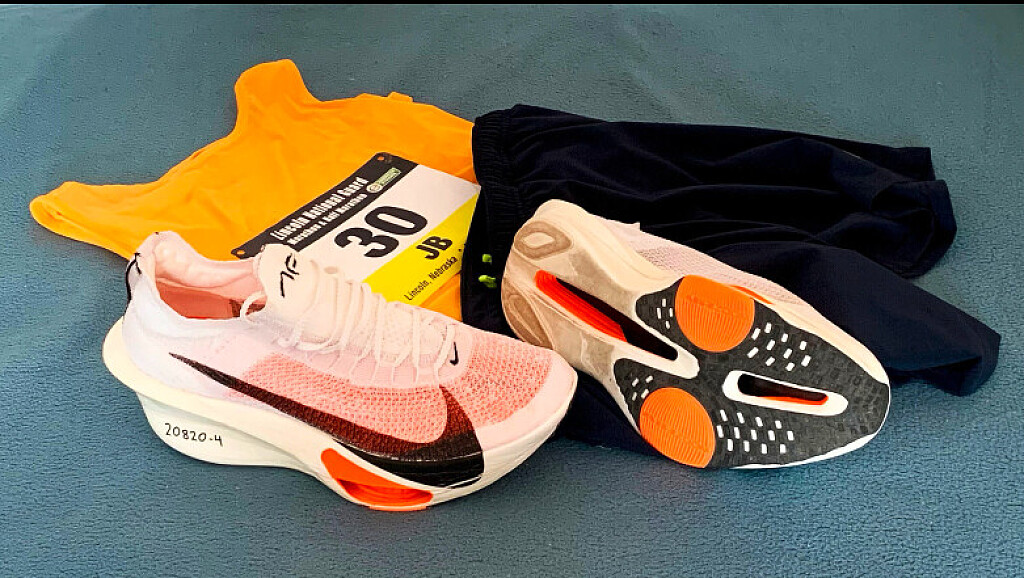
The Best Marathon Racing Shoes (2024)
After a year of testing, we've identified 12 marathon shoes that will boost your performance and make the race more enjoyable
While training undeniably has the biggest impact on your marathon performance, there’s one more thing you can do to ensure you’re ready to give your best on race day: invest in a pair of marathon racing shoes.
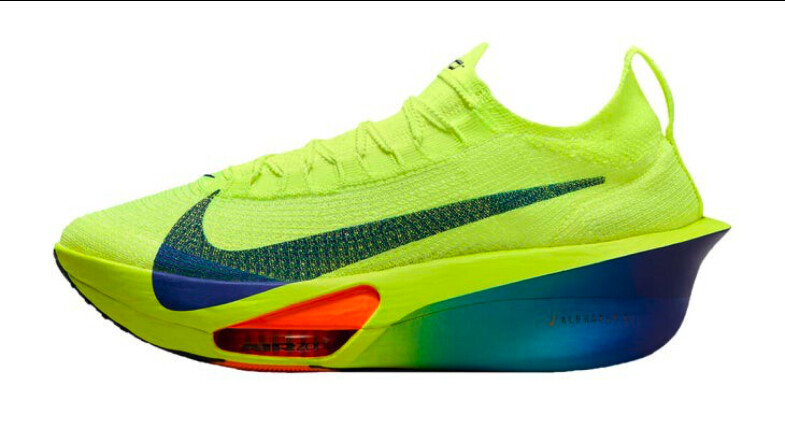
An effective marathon racing shoe can help reduce the repeated impact that miles after miles put on your legs while allowing you to get more energy out of each footstrike. Even more importantly, the right marathon racing shoe will provide you with a platform that is stable and cushioned enough to carry you through 26.2 miles in security and comfort. We’ve spent the last year rigorously testing every option on the market to help you easily pick the perfect pair for you.
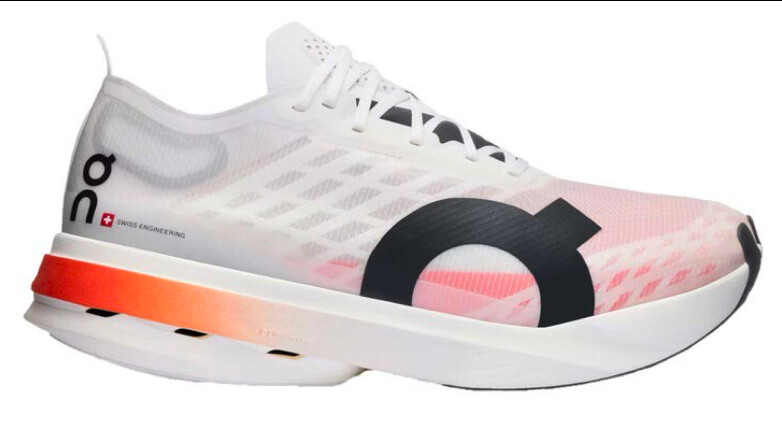
Seven years after the debut of the first super shoe, the thick-stacked, carbon-plated racers are ubiquitous at the front of every marathon and increasingly common among runners in the pack looking to optimize their performance. These shoes have been lab-proven to improve running economy by a few percentage points, making it easier to maintain a faster pace. Runners also report that, when running in a super shoe that complements their stride, they experience less muscular fatigue as well.
These are some of the super shoes that our testers found most comfortable and effective at marathon pace, but your experience may vary (as we found when we had three testers compare 16 super shoes. Every super shoe boasts some sort of ultralight, hyper-responsive foam with an embedded, curved carbon-fiber plate—but each delivers a surprisingly unique ride. You’ll have to experiment to find one that gives you wings.
See our “How to Choose Marathon Shoes” section at the bottom of this article for more guidance on whether you should consider a super shoe and how to select a pair that works for your stride.
Designed specifically for marathons, the Alphafly set a new standard as the fastest marathon shoe ever when Eliud Kipchoge wore them while breaking the 2-hour barrier in a staged marathon, clocking 1:59:40.2 in October 2019.
Now, in its third iteration, the Alphafly 3 continues to dominate as the ultimate marathon racing shoe. Designed with Nike’s Air Zoom Units in the forefoot and a PEBA-based midsole, our more competitive, efficient testers praised the Alphafly 3 for its bouncy, energy-efficient ride.
Subtle adjustments to the shoe’s geometry, including a wider footprint and carbon fiber plate, paired with repositioned Air Zoom Units and strategically sculpted midsole, give the Alphafly 3 a distinctly different feel from its predecessor. These changes effectively address some of the issues found in the Alphafly 2, which many felt was heavy and clunky compared to the original.
The new Alphafly 3 is surprisingly nimble, weighing in as the lightest Alphafly to date. Even running as fast as 5k pace, I found the Alphafly responded quickly, encouraging a fast turnover. That said, it may be too sharp of a tool for some runners, as those who require a stable stance may find it a bit wobbly, especially in the heel.
The redesigned Atomkit 3.0 upper is about as race-y as you can get—extremely light and airy. Though a bit tough to put on because of its tightly woven mesh (like previous models), the new upper is highly breathable and secure, with sawtooth laces that stay tied tight throughout the marathon. You can read our full Alphafly 3 review and how it compared to other racers in our .
A stark contrast to On’s previous carbon fiber racing shoe, the firm-feeling Cloudboom Echo, the Cloudboom Strike is soft, bouncy, and fun to run in. Runners who can maintain their balance on what is a fairly unstable platform are rewarded with a lively, highly cushioned ride that’s comfortable and responsive, making it ideal for long-distance efforts.
The secret to the Strike’s sweet ride lies with the insole. On swapped out the traditional Strobel (a thin layer connecting the upper to the sole) and sockliner for a thick, removable layer of high-energy PEBA foam, thus increasing the amount of performance-enhancing foam underfoot. The result is a legal racer with cushioning that feels like it exceeds the World Athletics’ maximum stack height.
The smooth, ultra-cushioned ride is surprisingly quick for such a thick shoe, responding nimbly even when exceeding 5k pace. The shoe accommodated both long-striding testers and those who prefer to turn over faster.
The Cloudboom Strike fit runs long enough that you might consider sizing down by half a size. However, the one-piece mesh upper, which breathes well and effectively repels moisture, easily cinches down for a secure foot hold. You can read our full Cloudboom Strike review.
The Asics Metaspeed Sky Paris gives runners the best of both worlds—a highly energetic, cushioned feel and a stable ride. Super shoes’s tall, thick midsoles often create a wobbly sensation, forcing your stabilizing muscles to work harder to maintain balance.
The key to the Metaspeed Sky Paris’s stability is its wide base under the forefoot, coupled with an updated, wider carbon fiber plate. This makes the Metaspeed Sky Paris an excellent choice for beginner, intermediate, or unstable runners who want to enjoy the benefits of super shoe technology while still having a supportive, predictable platform. One back-of-the-pack tester noted that the broad base provided a “smooth ride, and the running dynamics worked extremely well with my foot and my own personal gait.”
The shoe’s stability, however, doesn’t compromise its stride-lengthening performance for experienced, efficient marathoners. Testers found that the Metaspeed Sky had the ability to work well for a wide range of runners and paces.
The shoe also has a new, more pliable and comfortable mesh upper and midsole foam that’s approximately 8 percent lighter and, Asics says, has an 8.2 percent better energy return over the previous model. The best part: The shoe got nearly an ounce lighter, making it one of the lightest marathon-racing options. You can read more about the Asics Metaspeed Sky Paris in our .
The groundbreaking adidas Adizero Adios Pro Evo 1 shatters the mold as the lightest super shoe ever made, weighing nearly 2 ounces less than the next lightest super shoe. Yet from the outset, I was amazed that a shoe this light could have this much cushioning.
The Pro Evo 1’s rocker is long and aggressive, curving up to a high toe spring (elevation of the toe box). Initially, at well-below marathon speeds, it felt forced and unnatural. However, once I picked it up to around marathon pace and my toes engaged with the steep curve, I sensed a smooth rolling action that energetically pushed me forward. I believe marathoners averaging seven-minute miles or faster will see the most benefit from these.
Besides being the lightest super shoe on the market, the Evo 1 also claims the title of the most expensive. That, coupled with initial talk of the shoe only working for a single marathon, makes the Evo 1 a big investment. Our test pair, however, lasted nearly 200 miles before the midsole showed signs of wear. While not every runner can expect similar durability, those with an efficient stride should enjoy everything the Evo 1 has to offer much longer than a single marathon. You can read our full review and durability test.
The challenge with super-soft, highly responsive cushioning in super shoes is that they often lack stability, demanding an efficient stride to maintain control as they first squish, then bounce back strongly, magnifying forces—whether propulsive or unbalanced. For runners seeking a more stable carbon fiber shoe without losing the performance benefits, the Brooks Hyperion Elite 4 offers a firmer underfoot feel than most.
Instead of the heavily cushioned sink and trampoline-like bounce of many of today’s super shoes, the nitrogen-infused DNA Flash V2 midsole is extremely responsive, pushing back against the foot immediately and ready to pounce on the pace when needed. That lively firmness, combined with a curved carbon fiber plate embedded in the rockered midsole, gives the Brooks Hyperion Elite 4 a smooth, stable, and forward-propelling ride.
In terms of fit and feel, Brooks nailed the basics. The thin, breathable mesh upper perfectly embodies a racing shoe’s ideal—minimalistic, with a secure midfoot lockdown that makes you feel firmly in control.
These are not for you if you prefer a highly cushioned, springy running experience. However, if you feel bounced around by most super shoes and want a firmer-feeling shoe that offers a good mix of stability and fast-rolling performance, the Brooks Hyperion Elite 4 is the shoe you’re looking for. You can read more about the Brooks Hyperion Elite 4.
With a ride that feels like bouncing on a pogo stick, the Hoka Cielo X1 delivers unmatched spring with every stride. Designed with two layers of über-responsive PEBA foam separated by a winged carbon fiber plate and a severe, heel-to-toe rocker profile, testers marveled at how much fun these shoes were. One tester described running in them as “feeling effortless,” adding, “It almost feels like you’re cheating when you’re wearing these shoes.”
However, a few testers had mixed reactions to the shoe’s prescriptive geometry. The stiff platform and aggressive rocker design seemed most effective for a midfoot strike and within a narrow pace range, specifically around six to eight minutes per mile for our testers.
Another knock concerned the shoe’s stiff, ribbon-like shoe laces. Nearly every tester commented on how difficult it was to get a tight, dialed-in knot. Still, if you can get past the less-than-ideal lacing—or choose to swap them out entirely—and are comfortable in the pace range sweet spot, the ride is worth it and could deliver a fun, fast marathon.
Cielo X1 clocks in at a hefty 9.3 ounces for mens size 9 and for womens size 10, making it the heaviest super shoe on the market. Thanks to the high-energy foam, however, we still found it held its own in the super shoe pack when it came to performance. You can read more about the Hoka Cielo X1.
Unfortunately, there are not a ton of options when it comes to highly cushioned zero drop racing shoes. Fortunately, the only option is a really good one. Now in its second iteration, the Altra Vanish Carbon 2 features three more millimeters of softer, more flexible underfoot cushioning heel to toe. Embedded in the soft, nitrogen-infused, TPE-based midsole is a full-length carbon fiber plate that adds a bit of stabilizing and propulsive stiffness without feeling controlling.
The Vanish Carbon 2’s midsole doesn’t have as dramatic a trampoline sensation as some other marathon racing shoes, but it delivers a smooth, cushioned ride that’s hard to beat. Even as someone who typically struggles with zero-drop shoes, I found the Vanish Carbon 2 enjoyable and surprisingly easy to run in, thanks to the high stack and rockered profile. Testers said the low heel helped increase their cadence and kept them more on their toes.
Despite not having a ton of structure, the lightweight, breathable mesh upper does a surprisingly good job of securing your midfoot while your toes have room to splay in Altra’s signature wide toe box. You can read more about the Altra Vanish Carbon 2.
When it comes to replicating the performance benefits of road super shoes for the trail, shoemakers have struggled to achieve the same level of success. The adidas Terrex Speed Ultra is a standout exception. Designed with one of the most aggressive rockered profiles on a trail running shoe, the Terrex Speed Ultra feels awkward initially, almost like you’re walking downhill.
However, once you get accustomed to the unique profile that wants to push you forward, you’re rewarded with a propulsive ride unlike any other trail running shoe. Inside, the high-performance TPEE (Thermoplastic Polyester Elastomer) midsole incorporates a four-pronged, slightly flexible PEBA-based rod system, providing extra stiffness to the soft foam without creating instability on technical terrain. While it manages well on groomed or rocky sections, like most highly cushioned trail shoes, it’s not designed for prolonged precise technical maneuvering.
Staying true to its race-ready design, the upper is razor-thin and slightly padded to keep weight at a minimum. The quick-drying synthetic material, combined with a gusseted tongue and sawtooth lacing that bites like a threatened rattlesnake, provides excellent midfoot lockdown. The only drawback is the unstructured heel counter, which can cause some heel lift if the laces aren’t pulled extra tight. You can read our full review of the Adidas Agravic Terrex Speed Ultra.
Not everyone wants or needs a super shoe when covering 26.2 miles. Here are some top options without a rigid carbon-fiber plate, sorted with consideration for specific needs and preferences.
Supershoes’ tall, highly cushioned soles create an unstable and wobbly platform, especially for beginner runners who spend more time in contact with the ground than their faster counterparts. Plus their rigid, curved plates dictate how the foot rolls, and are tuned to be optimal for fast, efficient runners.
Puma’s Deviate Nitro 3 combats these issues by combining two foams, a softer one closer to the foot with a firmer one closer to the ground, separated by a semi-flexible carbon-fiber composite plate. This design offers most of the cushioning and propulsive benefits of a super shoe, without the instability or the prescriptive stride control.
What sets the Deviate Nitro 3 apart most, however, is its remarkable ability to deliver a smooth ride at any pace. There’s nothing restrictive about the shoe—it adapts to your running speed and performs effortlessly, making it double as a great everyday trainer as well as a racing shoe.
Keeping comfort in mind, the upper features an engineered knit mesh with moderately padded heel collar. Testers felt the fit was true to size with a small amount of stretch throughout the upper to accommodate foot swelling or irregularities, such as bunions. The stretchy laces received mixed reviews, as one found he needed to keep tightening them to feel secure during the run. You can read our full review of the Puma Deviate Nitro 3.
When the Saucony Tempus first came out, we were blown away by its ability to control the soft, unstable nature of a PEBA midsole without taking away its high-energy, performance-enhancing benefits. Keeping everything the same underfoot, but adding a better fitting, more breathable mesh upper, the Tempus 2 continued to wow us with its supportive, yet lively ride.
The combination of soft, bouncy PEBA foam and a firmer EVA frame that uniquely wraps over and under the high-performance core helps guide the foot into a more stable position, making it perfect for beginners, or any runner, who may struggle with foot alignment, particularly during a long and exhausting marathon. The moderate stack height of 33mm in the heel and 25mm in the forefoot strikes a perfect balance—not so thick and cushioned that you can’t push off effectively, yet not so thin that it compromises comfort. The dual foam midsole, without a plate, provides ample underfoot protection while still allowing for a good sense of ground feel and accommodates any stride pattern.
The main drawback is that it’s relatively heavy for a racing shoe (while light for a trainer). Weighing 9.4 ounces for men and 8.2 ounces for women, it’s the heaviest shoe on our list. However, if you prioritize stability and want to tap into the performance benefits of PEBA in a supportive but not prescriptive shoe, this is still the top choice on the market.
Known for its wide toe box designs, Topo has mastered the balance of offering plenty of space for your toes while ensuring a secure midfoot lockdown. One of only four shoes in this roundup without a plate in the midsole, the Topo Specter 2 delivers a more natural and flexible experience than your stiff-plated super shoe or super trainer. A generous layer of Pebax foam underfoot is tuned firmer than usual, but still delivers its signature bouncy ride. One tester described the midsole as “firm and springy with a lot of response,” adding, “the shoe feels airy and fast with the perfect balance of stiffness versus flex.”
Testers found the Specter 2 incredibly versatile. It delivers the same ease and comfort on easy run days as it does on uptempo runs or races, thanks to its highly cushioned, responsive, and adaptable sole, and low overall weight.
Where the shoe truly stands out, however, is in its fit. One tester said about Topo shoes, “They’ve gone from being one of my least favorite brands to offering some of the best-fitting shoes I’ve tested.” The wide toe box isn’t just for runners with wide feet. Even our runners with regular-width feet appreciated the extra space, once they got used to their toes having room for their natural positioning and splay.
As foams have evolved to be increasingly lighter, marathon racing shoes are getting thicker and more cushioned. Rather than allowing your foot to react to the ground and move naturally, these thick-soled shoes blunt the underfoot feel and dictate how your foot moves through the gait cycle to various degrees. While this works well for some runners, others prefer a more minimalist ride.
If you’re the kind of runner who finds today’s cushioned shoes cumbersome and as restrictive as a stiff suit of armor, look no further. The Topo Cyclone 2 is a free and flexible lightweight racer that lets your foot control the shoe, not the other way around. Testers described the ride as “nimble” and “flexible” with a “slipper-like” feel.
The Cyclone 2’s Pebax midsole delivers the soft feel and springy response of a super shoe, but the comparatively thin stack height (28mm/23mm) keeps the squish and bounce moderate, and lets you feel the ground under the cushioning. You won’t find a plate embedded in the flexible midsole; instead there’s a slight rocker profile to help smooth the transition from stance to toe-off.
We’ve always found Topo Athletic makes some of the best-fitting shoes on the market, and the Cyclone certainly follows suit. A tailored midsection with excellent lockdown gives way to a roomy anatomical toe box. You can read our full review of the Topo Cyclone 2
There are a few factors beginner runners should consider before choosing a carbon fiber shoe. First, most carbon fiber running shoes are designed with fast, efficient runners in mind. Studies have shown that slower runners get less improvement in their running economy from the shoes, and the shoes actually make running harder for a significant number.
If you have developed solid mechanics, you may benefit from a carbon fiber shoe. However, if your form is still a work in progress, the stiffness of the carbon plate and the hyper-responsiveness of the foam could actually magnify poor mechanics, reduce your performance, and increase the risk of injury.
Additionally, every carbon fiber shoe is built differently—the placement and shape of the carbon plate, geometry of the midsole and properties of the foam all are different, model to model. This means no two carbon plated shoes will run exactly the same. It’s important to match your individual gait to a carbon fiber shoe by testing several options for the one that feels the best. In general, beginners should be cautious and make sure they’re fully comfortable in carbon fiber shoes before racing in them.
Our exhaustive testing process involves evaluating every marathon racing shoe on the market, sometimes as long as over a year, with input from more than 20 experienced wear-testers. They each fill out a detailed testing questionnaire evaluating key points such as fit, comfort, cushioning, and speed. The completed questionnaires are compiled and combined with testing feedback from lead tester Cory Smith, who brings over a decade of experience testing running shoes for Outside. Shoes that excel in specific areas are then ranked and categorized in relation to their strengths.
Cory Smith, a former Division One runner at Villanova University, has been running since the mid-1990s. With over a decade of experience testing and reviewing running apparel and shoes for publications like Outside and Runner’s World, he continues to compete as a masters athlete, boasting a masters personal best of 4:31 in the mile at the age of 44. He consistently logs 30 to 40 miles per week on roads, trails, and the track.
.Those looking for a low-profile, flexible ride with some support might consider the Brooks Hyperion 2 GTS, which has a moderate stack height (31.5–23.5mm), responsive cushioning, and gently guides the gait with firmer, raised sidewalls alongside the rearfoot.
After dedicating countless hours to marathon training, it’s just as crucial to invest time and effort into choosing the right running shoe for race day. Unlike your everyday trainer, a marathon racing shoe must strike a balance between providing enough stability to maintain your form over 26.2 miles and offering sufficient cushioning to protect your legs from the constant impact, while not weighing you down or holding you back. Here’s what you must consider when buying the ideal marathon racing shoes.
As running shoes become thicker and softer, they can start to feel unstable and wobbly. This instability forces the stabilizing muscles in your feet and legs to work harder, which can lead to premature fatigue and even injury. To prevent this, it’s crucial to choose a marathon racing shoe that provides a stable enough platform for your stride, ensuring consistent support throughout the race, even when you grow tired and your stride becomes less efficient. Stability is built into a marathon racing shoe by using embedded plates, firmer midsoles, a widened base, and a more structured heel counter and rearfoot hold.
Cushioning refers to the perceived underfoot firmness of a running shoe. While cushioning levels are a matter of personal preference, wearing softer running shoes during the marathon can be beneficial. One 2022 study with 32 recreational runners found that wearing highly cushioned running shoes improved performance by 5.7 percent and reduced oxygen consumption by 3.2 percent during incremental treadmill tests. However, runners must balance cushioning benefits with stability and propulsion needs.
Given the length of the marathon it’s crucial to make sure your marathon racing shoes fit well. Since over the course of the 26.2 miles your feet may swell, you should make sure you have enough room in the toe box to accommodate this swelling. A good general rule of thumb is to make sure you have at least a thumb’s width of space between your longest toe and the front of the shoe. You should be able to wiggle your toes without them bumping up against the front of the shoe. While you want space for your toes to splay, the upper should hold your foot securely around the heel and instep.
While this is a highly debated topic, the current thinking is to limit the amount of time spent training in carbon fiber plated shoes. These shoes are built with a thick, highly cushioned, and unstable platform, and a rigid rocker profile. Unlike more flexible running shoes that allow your foot to move naturally, carbon fiber shoes dictate the way your feet strike the ground and roll forward, potentially altering your natural gait, which can lead to injury. In addition, the powerful bounce magnifies any instability, causing more stress on your muscles, tendons, and joints. Ideally, limit your carbon-plated shoes to race day and a few speed sessions. Super trainers—with the same high-end foams but more flexible plates—can be a great alternative for weekly speed sessions or fast-finish long runs.
The length of marathon racing shoes varies on a runner’s weight, stride efficiency, and model of shoe. Typically, lighter runners who have an efficient stride will realize longer shoe lifespans, while heavier runners who spend more time on the ground will see less. Generally speaking, you should get somewhere around 100 to 200 miles from your marathon racing shoes before the midsole begins to decompress. Visual cues, such as worn down outsole, uneven midsole compression, or holes in the upper, can be your best indicator of it being time to replace your marathon shoes. Outside of that, I’ve found if you start to question whether it’s time to replace your shoes, it’s usually time.
by Outside Online
Login to leave a comment
How to Prepare For Your First Running Event
Are you signed up for your first running race this year? If so, you might be wondering what to do next. Many of us register for a 10k or half marathon in the hopes that doing so will simply motivate (or pressure) us to get to the finish line, and sometimes, it does. But let’s face it, Forrest Gump was just a movie. In real life, without proper preparation, you could wind up injured, unable to finish, or not even make it to the starting blocks, all of which would be really disappointing, to say the least.
Preparing for your first race requires careful planning, from training and getting the right kit to goal-setting and pre-race fuelling. Proper preparation ensures you’re physically ready for the race, have the energy to keep going and can overcome race day nerves, all of which will mean you have a more enjoyable race, and are likely to make it the first of many.
1. Set a goal
Once you’ve chosen a race and signed up, it can be smart to set an achievable goal. This can give you something to focus on during both your training and your race, and that can help you stay motivated, while achieving your goal can also give you a greater sense of satisfaction (for this reason, it’s a good idea to set a secondary goal in case you don’t make your primary goal.
Your goal could be something ambitious, like running a sub three-hour marathon, but it can easily be as simple as just finishing the race. When I did my first triathlon in 2012, I simply wanted to finish and I wanted to do so without walking during any of the running section. I didn’t finish anywhere near the podium, but I managed to achieve my goals and I was really happy with myself.

2. Make a training plan
For injury prevention, it’s obviously vital to make a smart training plan, and to leave yourself enough time before race day to actually execute it. There is no one way to train, and your plan will depend on where you’re starting and where you want to get to, but just as a rough idea, in our first marathon training plan we recommend 12 weeks for seasoned runners, but a full year for novices.
The most important aspect of training to remember is to build up gradually to give your body time to adapt to each increase in load, make ample room for rest and recovery and if possible, work with a coach and train in conditions similar to those you’ll be racing in.
3. Gear up
As you get closer to the big day, you’ll need to start to consider your gear. You’ll need to choose trail running shoes or road running shoes and have trained in them for a while to be sure they’re right for you. If you’ve already put in a ton of miles of them, you may need to replace them with an identical pair a few weeks before the race, and break them in. Once you’ve found the perfect pair of running socks, have a new or nearly new pair set aside for race day.
Use your training months to figure out what clothing you’re most comfortable in, taking into account the expected climate and conditions. Are you happiest in a pair of running shorts or do you prefer running tights? You’ll need a well-fitting running top that’s breathable and doesn’t chafe, and consider whether you want to run with a headband or running hat if you're expecting sunny conditions.
Remember, the general rule for running is light, breathable clothing that wicks moisture, but everyone is different. Reigning UTMB champ Courtney Dauwalter is well-known for running in baggy men’s running shorts and shorts, which isn’t common, but it definitely works for her.
4. Rest up
You’ll spend months slowly ramping up your mileage in order to reach your race distance, but once you get there, you’ll want to start to reduce both your distance and intensity in the final couple of weeks before your race, a practice known as tapering. During this time, you’ll focus on easy runs.
In the final two days before your race, get complete rest and lots of sleep. If you’re not a great sleeper, read our article getting better sleep for some tips on improving your sleep hygiene and routine.
5. Recce your route
Ultra runner Renee McGregor has ranked highly in some pretty rugged races, from Snowdonia to the Himalayas, and when I heard her talk about her accomplishments, she described making the podium in a gnarly race where the majority of participants took a wrong turn. Her advantage? She wasn’t necessarily the fastest runner, but she had checked out the race course ahead of time and knew where to go.
Understanding your route before you take off, if possible, can help you plan for when you’re going to want to slow down, or walk, where you can gain back some time, when and if you’ll need running poles and any tricky sections in a trail race where there’s the possibility of getting off-route.
6. Get in the right headspace
In addition to your physical training, it’s advisable to give your mental state some attention. Running a race can be exhilarating and empowering but it can also be nerve wracking and daunting. In the months leading up to your race, it can be worthwhile practicing mindfulness or meditation, which a 2020 study published in the journal Neural Plasticity found improved coordination, endurance and cognitive function. This could help you in the lead up to the race and in combating race-day nerves.
Know yourself and understand what you’ll need the day before your race and morning of to ensure you’re in the best head space possible. It might be good to minimize social contact and give yourself some quiet time to focus and get in the right headspace.
7. Fuel up
Just like filling up the tank of your car before you set off on a long drive, you’re going to want to make sure your body has plenty of energy stored before a race. For a race that’s not likely to take much more than an hour, you can simply make sure you eat well in the couple of preceding days, but fueling for endurance races can take careful fine-tuning. Following his second-place win at the 2023 UTMB, Zach Miller revealed that for him, managing his sodium levels with salt tablets was the secret to success.
For longer distances, you might want to consider increasing your carbohydrate intake – a practice known as carb loading – to increase your body’s glycogen stores. The best nutritional advice is to focus on well-balanced meals with protein and carbohydrates and not going overboard on refined carbs or fiber, which might wreak havoc on your gut. Learn more in our article on carb loading.
Though you should definitely eat well in the days leading up to your race, if you’re going to be able to eat during the race and are loading your hydration vest up with running gels, then you don’t necessarily need to carb load, but you will want to make sure your stomach can handle gels and take them with plenty of water to avoid the dreaded “runners' trots.”
Ultimately, for longer endurance races, working with a dietician will give you an advantage, since every athlete and every race is different. This will help you avoid the pitfalls of low energy availability and might help you figure out your unique nutritional needs faster.
8. Pre-hydrate
As we explain in our article on hydration tips for runners, hydration for a race doesn’t begin with filling up your hydration pack. Your behavior in the days before a long run can really affect your hydration levels on the big day, so avoid dehydrating foods like caffeine and alcohol.
According to Susan Kitchen, registered dietitian and USA Triathlon Level II and IRONMAN certified endurance coach, if you’re training for a big race, you want to avoid being in the heat unnecessarily in the days leading up to it, unless you're just doing a training run, but sitting outside on the beach sweating, or in a sauna, is not a good idea. Sip plenty of water in the days before your race, too.
9. Make a recovery plan
Chances are, all of your energy and efforts will be focused on that finish line, but the longer the race, the more you’ll want to make a recovery plan, otherwise it’s all too easy to end up having too many celebratory beers, which after a long run can be a bad idea.
Try to plan for at least a couple of days off work following your race to recuperate, hydrate and nourish your body, schedule a massage and engage in some of your favorite recovery activities to reward your body for all its hard work.
10. Set your alarm
The night before race day, make sure you set your alarm nice and early so you have plenty of time to prepare. Chiefly, you’ll want to have time to sip water, eat and give yourself enough digestion time before the starting gun goes.
In our article on what to eat before a half marathon, we explain that nutrition experts recommend runners eat a familiar breakfast around three to four hours before the race start, or a large snack 90 minutes to two hours beforehand. When deciding what time to get up, factor in that meal as well as how much time you need to get to the race plus any other pre-race rituals you want to observe.
by Julia Clarke
Login to leave a comment
Here’s why your friend hates running and how to fix it
The two most likely reasons your friend won't run, and how to fix them.
We all have that friend who refuses to head out for a run; you’ve tried to get them into it, and they give you the same excuses: “It hurts my body” or “It’s too hard.” Although these complaints are valid, they often stem from impatience and a lack of understanding about what makes running fun in the first place. Here are two reasons why you’re friend doesn’t like running, but (likely) won’t admit it.
They’re going too fast
Another reason why people hate running is that they are simply going too fast for their fitness level. When starting out, there’s a huge misconception that you need to push yourself to the limit on every run. Instead, running should feel like a meditative movement. You should be able to have a full conversation. If that requires walking, then that’s where you should start. Zone 2 training, which is recommended as the best way to build aerobic fitness, should feel easy and sustainable—it’s closer to a brisk walk than an all-out sprint. Starting at a comfortable pace, where you can take in your surroundings, is the best way to build endurance. Plus, I promise you, it can make running a more pleasant experience.
Tip: one of the best ways to ease into finding the right pace is by joining a run club. This immerses you in a supportive environment and allows you to meet like-minded individuals at a similar fitness level. Run clubs typically have leaders who set different paces, making it easier settle into a comfortable pace, as opposed to trying to pace yourself on your own.
They don’t have the right equipment
One of the commonest reasons people hate running is because they aren’t properly equipped. Running in old, worn-out shoes or inappropriate clothing can lead to discomfort and injury—especially for beginners who might not know better. Proper running shoes designed for your particular feet are crucial. Imagine trying to play golf in sandals, or surf in Jordans; for running, you need running shoes–not basketball shoes or tennis shoes. Investing in the right shoes can transform a painful, unpleasant experience into an enjoyable one.
While proper shoes are essential, the right clothing can also make a significant difference. Moisture-wicking clothing helps keep you dry and comfortable, and blister-free running socks prevent painful blisters that can make every step a chore.
by Marley Dickinson
Login to leave a comment
How to go from your couch to a 5K
Getting off the couch is the hardest part of running
Getting off your couch and out the door is the hardest part of running. The steps from there might seem overwhelming, especially if you’re running for the first time, but if you focus on taking things slowly and listening to your body, it’ll be easier than you think. Don’t hold yourself back just because it feels tough at first–set that 5K goal and work toward it, even if it means you start by walking. Here’s the best way to get into running to make it enjoyable, safe and rewarding.
Start short and easy
Warm up with a five-minute walk before starting your walk/run–one minute of running, then one minute of walking. Aim to repeat this cycle 10 times. Walk a five-minute cooldown, bringing your entire workout to 30 minutes. Try this three times a week (with at least one day off between runs), keeping it at a conversational pace; take breaks or walk for longer when you need to.
Increase a little each week
Increase your ratio of walking to running every other run (2:1, 3:1, 4:1, etc.), repeating until you reach 20 minutes of workout. Once you complete two 10 minute runs, shorten your warmup and cooldown to two minutes each, so you can continue increasing your runs without exceeding 30 minutes. After completing two sets of 15-minute run, one-minute walk, you can switch things up by trying to eliminate your walk interval and run for a full 2o minutes straight.
Once you feel comfortable running consistently without needing to walk, you can begin to increase your total run volume by 10 per cent each week. This may mean keeping two runs between 20 to 30 minutes, and building up one run as your designated weekly long run. You’ll be hitting that 5K mark before you know it.
Take care of your body
Set a goal to do strength training workouts on your non-run days to support your muscles and joints when you hit the road. Yoga, Pilates and bodyweight exercises are easy techniques to try without even leaving your house. Don’t forget to head to a specialty running shoe store to get new running shoes that are perfect your specific feet–this will make you feel even better when setting out to reach your 5K goal.
by Cameron Ormond
Login to leave a comment
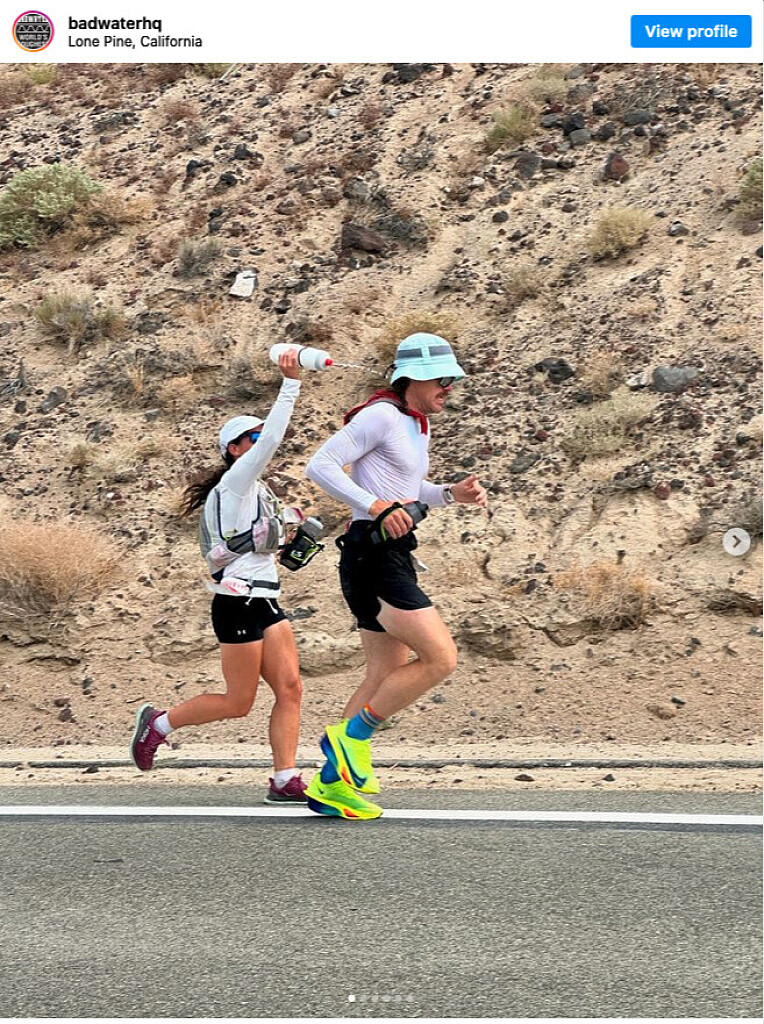
"It’s all about seeing what I can do" – 74 runners cross the finish line after tackling temperatures over 100F in Death Valley ultra
The race is frequently billed as the world's toughest foot race
What is the toughest race in the world? If you're a trail runner, the obscure Barkley Marathons probably comes to mind with its overgrown terrain and mind-boggling 54,200 feet of accumulated vert. But for those whose preferred mode of transport is road running shoes? There's nothing quite like the Badwater 135 which wrapped up yesterday morning in typically grueling conditions.

An impressive 74 runners out of 97 hopefuls who took off from the starting line in Death Valley National Park had crossed the finish line Wednesday morning after running through daytime temperatures as high as 120 degrees Fahrenheit (48.8C) and nighttime lows above 100F (37.7C). A recent heat wave sweeping the western states has been blamed for several deaths in National Parks including one in Death Valley on July 6 when a motorcyclist succumbed to heatstroke.
In addition to extreme heat, these hardy runners encountered higher humidity than normal as they set off during a light rainstorm. The course took them from Badwater Basin, the lowest point in North America, to the trailhead of Mount Whitney at 8,300 feet and over three mountain ranges with a total elevation gain of 14,600 feet.
“For me it’s all about seeing what I can do, you know, testing my own limits, seeing how well I can do these extreme things,” Alabam runner Jessica Jones tells the Associated Press.
In the end, it was Colorado runner Shaun Burke, 37, of Durango who took first place in the men’s division with a time of 23:29:00 while 52-year-old Line Caliskaner of Norway led the women’s division, at 27:36:27 and finished second overall. We're willing to bet these runners had done some serious heat training and had some well-rehearsed hydration strategies in place to survive this course.
Race organizers do not provide aid stations or support during the race, which has been an annual event since 1987. To date, there have been no fatalities at the Badwater 135.
Login to leave a comment
Will super spikes cause records to fall in Paris?
Recent research confirms that high-tech shoes will give runners a significant boost.
Athletics events kick off Thursday at the Paris Olympics, and many, if not all, track competitors will be sporting super spikes—new generation, high-tech running spikes with carbon plates. Will these shoes power athletes to never-before-seen times? Recent research out of the University of Michigan suggests they will, and by a surprising amount.
A game-changing advantage
The 2021 Tokyo Olympics saw record performances on the track, leading fans and exercise physiologists alike to wonder about the impact of super spikes, which at the time were only accessible to a small group of athletes.
A recent study conducted by St. Edward’s University and the University of Michigan has shed light on the significant role these advanced footwear technologies play in boosting running economy—the efficiency with which the body uses oxygen, which is crucial for athletic performance.
Researchers compared the running economy of athletes wearing super spikes to those in traditional track spikes. The results? A notable two per cent improvement in running economy with super spikes, potentially translating to a one-to-one-and-a-half per cent reduction in race times.
For example, for a runner who completes a 10,000m race in 30 minutes, this enhancement could mean shaving off about 25 seconds—an edge that could make an enormous difference in a close race. (The women’s world record for the outdoor 10,000m race, the longest of the track events, is 28:54.14, set by Kenya’s Beatrice Chebet, and the men’s record, set by Uganda’s Joshua Cheptegei, is 26:11.00.)
Levelling the playing field
Super spikes integrate advanced materials like special foams and carbon-fibre plates, making them lighter, softer and more responsive than traditional track spikes. While controversy surrounds their perceived advantage, with some feeling they offer an unfair edge, most (or all) competitors will be wearing them in Paris, suggesting a levelling of the playing field.
Similar technology has been used in running shoes since 2016, and the study also compared super spikes with new-generation running shoes. Despite weighing more, the high-tech shoes provided a comparable boost in running economy to the super spikes.
Are records destined to be broken in Paris?
With the athletics portion of the Paris Olympics Games kicking off Thursday with the men’s and women’s 20K race walk events, the increased availability and use of super spikes are expected to raise the bar for athletic performances. While not every Olympian had access to these technologies in 2020, their proliferation suggests a new track and field standard.
According to researchers, the greater availability of super spikes could lead to a deeper pool of faster times at the Paris Olympics, setting the stage for record-breaking performances. Tune in and be prepared to be on the the edge of your seat.
by Keeley Milne
Login to leave a comment

Paris 2024 Olympic Games
For this historic event, the City of Light is thinking big! Visitors will be able to watch events at top sporting venues in Paris and the Paris region, as well as at emblematic monuments in the capital visited by several millions of tourists each year. The promise of exceptional moments to experience in an exceptional setting! A great way to...
more...
Running helps prevent erectile dysfunction, new study says
For those looking to enhance their bedroom performance naturally, lacing up your running shoes and hitting the pavement could be the ticket. According to recent research in Harvard Health, regular aerobic activity can significantly improve erectile dysfunction (ED) symptoms, offering a safe and effective solution.
Running is a low-risk and inexpensive therapy that not only improves ED but also boosts overall health. Here’s why your love life (and your overall health) may thank you for starting a regular running regime.
A drug-free remedy
When most people think of ED treatments, medications like Viagra and Cialis typically come to mind. A study published in The Journal of Sexual Medicine suggests that aerobic exercise can be just as effective, particularly for men with severe ED. The study reviewed 11 randomized controlled trials involving more than 1,000 men with mild to moderate ED. The findings were clear: men who engaged in 30 to 60 minutes of aerobic exercise three to five times a week experienced notable improvements in their erectile function, compared to those who did not exercise.
Men with severe ED saw an average improvement of 4.9 points on a 6-30 scale (where higher scores indicate better function), comparable to the improvement typically seen with ED medications. Exercise also doesn’t come with the potential side effects associated with these drugs, such as headaches, vision changes and chest pain. The benefits of aerobic exercise for ED are supported by additional research, including a Harvard University study involving more than 22,000 men aged 40-75. This study found that men who ran for one and a half hours or engaged in three hours of rigorous outdoor activity weekly were 20 per cent less likely to develop ED than those who didn’t exercise.
Why running works
Why does exercise have such a positive impact on erectile function? Exercise promotes overall cardiovascular health, which is closely linked to erectile function. Healthy blood flow is essential for maintaining an erection. Regular exercise also aids in reducing weight, lowering blood pressure and improving blood sugar control, all of which are risk factors for ED.
Exercise also improves the function of endothelial cells, which line blood vessels and regulate the exchange between the bloodstream and surrounding tissues; better endothelial function results in improved vascular and erectile health. Physical activity can temporarily boost testosterone levels, which can enhance libido and erectile function. Exercise helps reduce oxidative stress and inflammation, both of which can contribute to ED.
Healthcare providers are increasingly recognizing the value of exercise for managing ED, making it a recommended strategy for those seeking an alternative to medication, and yet another reason to put on your running shoes.
by Keele Milne
Login to leave a comment
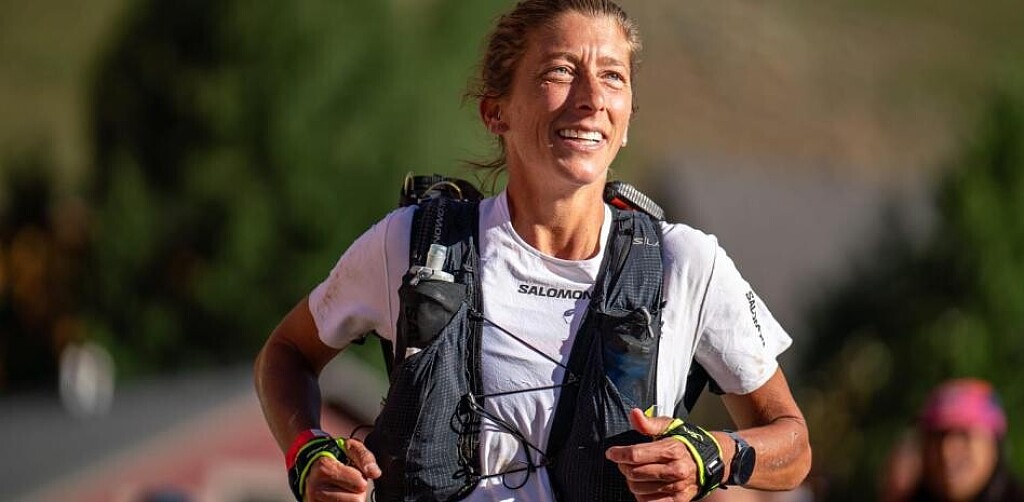
The queen of ultradistance Courtney Dauwalter is set to defend her Hardrock 100 crown
Courtney Dauwalter , the queen of ultra-distance running, will once again put on trail running shoes this Friday to compete in the Hardrock 100 , the prestigious 165-kilometer mountain race with 10,000 meters of positive elevation gain that takes place in the San Juan Mountains in Colorado, United States.
The American runner will try to defend the title she won in 2023, when she won the race with a record time of 26h14:08 , although this year, unlike last year, the race will be run clockwise.
"It's a great race, very tough and difficult. I'm coming back because all my participations here have had very tough moments, and I hope to be able to soften those moments a bit and finish the race without so many difficulties," said Dauwalter in an interview with iRunFar.
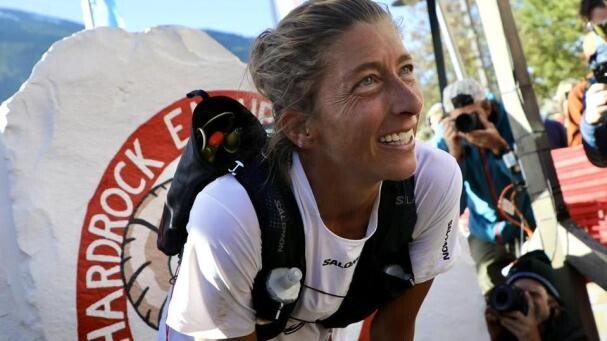
The reigning Transgrancanaria and Mt. Fuji 100 champion will face her main opponents in Germany's Katharina Hartmuth and France's Camille Bruyas , second in the UTMB Mont-Blanc in 2023 and 2021, respectively.
On the men's side, the main figure will be the French runner François D'Haene , who wants to repeat his victory from 2021 and, why not, beat the circuit record belonging to the Spaniard Kilian Jornet (21h36:24).
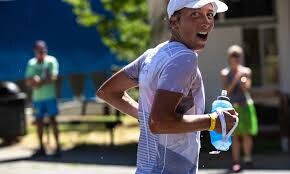
American Zach Miller is on the roster, although he is likely to miss the event due to recent appendix surgery.
The Hardrock 100 begins and ends in the town of Silverton and passes through some of the most spectacular mountain scenery in the United States, home to elk, bears and cougars. The highest point is Handies Peak, at 4,200 meters.
The race will start on Friday 12th July at 6am (2pm in Spain) and can be followed live on YouTube .
by Matias Camenforte
Login to leave a comment

Hardrock 100
100-mile run with 33,050 feet of climb and 33,050 feet of descent for a total elevation change of 66,100 feet with an average elevation of 11,186 feet - low point 7,680 feet (Ouray) and high point 14,048 feet (Handies Peak). The run starts and ends in Silverton, Colorado and travels through the towns of Telluride, Ouray, and the ghost town...
more...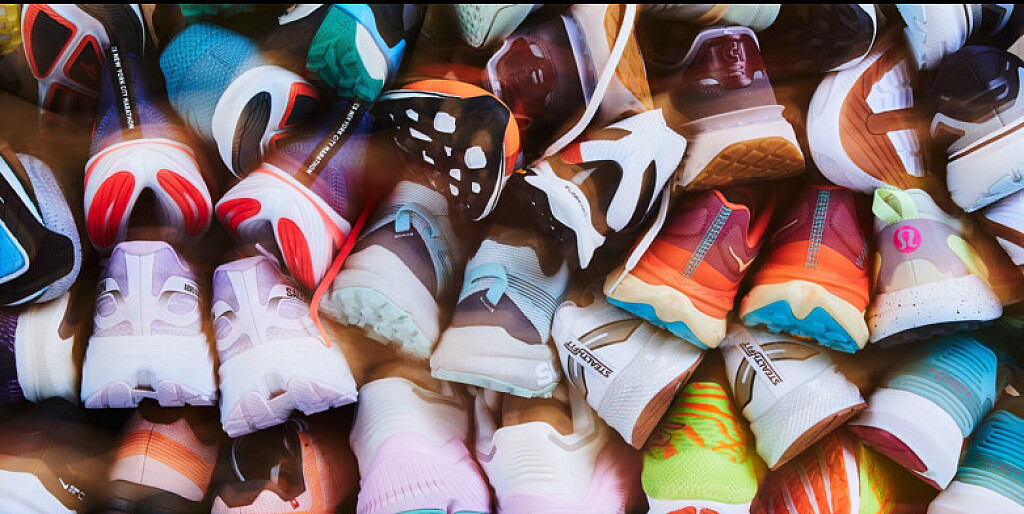
Research Confirms Rotating Running Shoes Could Save You From Injuries—Here’s How Your Body Benefits
Having a shoe collection is not a frivolous obsession. Here’s how you could possibly benefit from having more than one pair of running shoes.
Once you’ve found yourself the perfect pair—you know the ones you want to spend every run in—it’s kind of hard to give them up. However, doing so could actually work to your advantage by keeping you healthy and strong for each run.
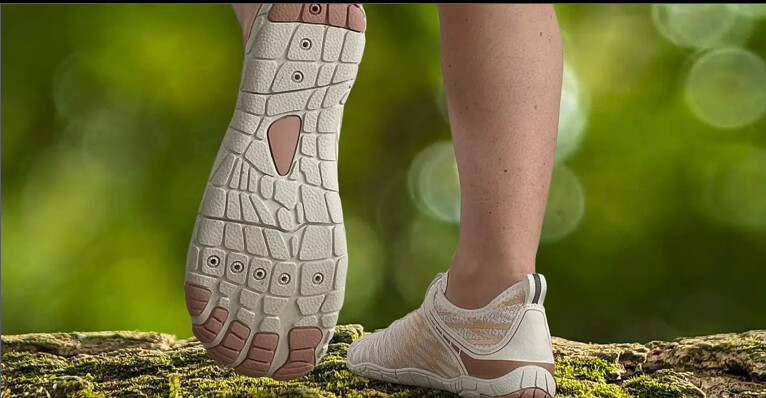
“These days, a lot of people use one shoe for everything, and that puts you at risk for injury,” says Priya Parthasarathy, D.P.M., spokesperson for the American Podiatric Medical Association and partner at USFAS in Silver Springs, Maryland. Running, walking, and weightlifting all require different demands of your feet, so you’ll want to wear different shoes for these activities, she says. Plus, wearing one shoe for all of your workouts can increase the wear on the shoe, so they won’t last as long as you want.
That’s where having a running shoe rotation becomes very helpful. Research and experts back up this idea, and it’s especially helpful to have a shoe rotation if you’re training for a long distance race like a marathon. Here’s what you need to know in order to build a running shoe rotation that meets all of your needs.
Why do you need a running shoe rotation?
Naturally, running places stress on multiple parts of the body, including muscles, bones, and tendons, which can be good for you provided the stress is not too large or frequent that you can’t recover fast enough, says Andrea Myers, D.P.T., who owns a sports performance practice located in Westport and Ridgefield, Connecticut.
”We know from many research studies that different running shoe properties expose the body to different stressors,” Myers says. “We know that minimalist shoes—those with a low or zero drop, flexible sole, and minimal to no stability features—increase the demands on the ankle, foot, and calf muscles, as compared to shoes with a higher drop, which increase the demands at the knee but reduces the demands at the foot and ankle.”
A carefully crafted shoe rotation can possibly offset some of these demands.
To identify characteristics that might contribute to the development of running related injury, a 2013 research study published in the Scandinavian Journal of Medicine and Science in Sport followed 264 runners over the course of 22 weeks. The study found runners who used more than one shoe, a term which they coined “parallel use,” had a 39 percent lower risk of injury. This suggests having more than one pair of running shoes can help you ward off injury.
The reasoning behind it, if you have a cushioned shoe and you let a shoe sit for 24 to 48 hours, the foam in the shoe can de-compress before your next run, says Parthasarathy.
How many shoes do you need in your rotation?
If you’re just starting out, you don’t have to worry about rotating your running shoes, instead, invest in one good pair of running shoes. Parthasarathy recommends finding a shoe with a flexible toe box, firm heel cup, and removable insoles. The one shoe should overall be comfortable to you.
The seasoned recreational runner who runs three to four miles, three days per week, does not need a rotation of four different shoes either, says Myers. Instead, Myers recommends two pairs of shoes that you can rotate every run.
For marathon runners, racking up 35 to 60-plus miles a week with a variety of workouts (easy, long, and speed runs) on their calendars, Myers recommends keeping a shoe rotation of three to four pairs of shoes. This can include one to two pairs of shoes for easy runs and speed workouts, and one pair of shoes for long runs that can handle a variety of different paces. Your long run shoes can also double as a performance trainer, or a lightweight daily trainer, Myers says.
What types of running shoes can you add to your running shoe rotation?
Here are three different types of shoes you can consider adding to your collection, according to Myers:
Daily Trainer: These shoes are primarily for easy running, but can also handle different paces. you can use them to run strides or up-tempo long runs. Good examples of daily trainers include: the Brooks Ghost 15, Saucony Ride 17 or Guide 17, Nike Vomero 17, or Hoka Clifton 9.
Performance Trainer: Best for speed workouts, performance trainers are lightweight shoes that perform best at faster paces and can double as daily trainers as long as you feel comfortable in wearing them for longer distances. Plus, they tend to be more affordable than top-end race performance shoes. A few styles to consider include: Saucony Endorphin Speed 4, Topo Cyclone 2, Mizuno Wave Rebellion Flash 2, and Brooks Hyperion Max.
Racing Shoes: Commonly referred to now as super shoes, racing shoes tend to be more expensive and less durable, considering some shoes have a life expectancy of about 100 to 150 miles. This is why you shouldn’t do the bulk of your training in super shoes, instead you should take them out for a test run or two to ensure they’ll meet all your comfort needs on race day. Saucony Kinvara Pro, Asics Superblast, Adidas Adizero Prime x 2 Strung, and On Cloudeclipse are a few super shoes to consider.
How to find the right shoe to add to your rotation?
Before adding any a shoe to your rotation, you should consider if the shoe is a good fit for your foot arch (flat arch, high arch, or medium arch), running gait (neutral, pronated, or supinated), shoe size, preferred comfort level, and the terrain (treadmill, pavement, or trail) you’ll run on.
“Building a running shoe rotation, especially if you run on different terrains, is important because the shoe wears in different ways,” says Parthasarathy. Meaning where you run will influence some of the characteristics you look for in a shoe. For example, running on hard pavement will require increased cushioning, whereas trail running calls for more stability and traction, she explains.
If you want to change the type of shoe you’re training in, then the recommendation is to ease into the number of miles you try in the new shoe (i.e., don’t go for a long run in a drastically different shoe).
You may experience some soreness if you transition to a different type of shoe, however, you shouldn't experience pain that lasts for days or interferes with your normal running gait pattern on subsequent runs, Myers adds.
Lastly, you’ll want to get rid of your running shoes every so often due to wear and tear that may go unnoticed. ”We recommend you replace your running shoes, especially if you’re doing long distance running every six months or 300 to 500 miles, depending on how hard you are on them,” says Parthasarathy. If you can fold or bend your shoes in half, it’s often an indication the structure of the shoe and cushioning has been broken down, and it’s time for a change, she adds. As mentioned, the new high performance racing shoes tend to have a shorter shelf life when it comes to mileage.
Who should avoid rotating running shoes?
There’s no need to rotate your running shoes if you’re only running a couple of times a week because you’re likely not racking up enough miles to overstress your tissues, says Myers.
Also, don’t rotate running shoes if you have specific biomechanical or orthopedic needs due to injury, foot structure or shape. For example, runners who have arthritis that affects the big toe, a.k.a, hallux limitus, should prioritize running in shoes that can address this condition, which there are few of, Myers says.
by Runner’s World
Login to leave a comment
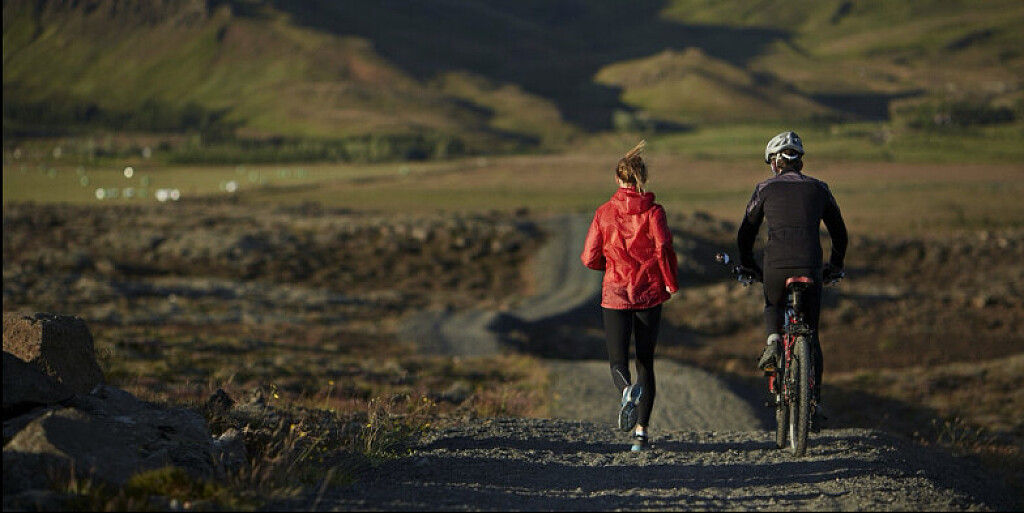
How to Maintain Your Running Fitness When an Injury Has You Sidelined
Follow this expert advice to avoid losing all those aerobic gains.Whether you’re nursing a serious injury, dealing with a nagging illness, or you’re too swamped with a busy schedule, every runner now and then comes up against a setback that keeps them from their regular pavement-pounding routine. A little time off won’t hurt you (in fact, some R&R might be just what the doctor ordered). But trade in your sneakers for the sofa too long and your fitness will quickly take a nosedive.
While a few factors play into exactly when your fitness declines, like your fitness level before you took time off and whether you stop exercising completely, metabolic changes can happen within just two weeks, Jeff Gaudette, owner and head coach at RunnersConnect tells Runner’s World.In 21 days of no activity, older research has found a 7 percent reduction in VO2 max, a marker of your fitness. That might sound negligible, but it could add minutes to your race times, Gaudette says. Newer research published in 2022 backs this up, saying VO2 max can decline as much as 20 percent after 12 weeks.
But good news: Taking a total break from running doesn’t mean you have to wind up totally out of shape. Keep reading for expert tips about the best ways to cross-train, including the best non-weight-bearing exercises to do to keep up your aerobic fitness when you can’t handle impact. Plus, learn exactly what you should put on your calendar for the weeks you need to take off.
One important note: If you are injured and need to stay off your feet, make sure you get your doctor’s clearance before
Recognize When It’s Time to Take a Break from Running
A lot of times, you can run with various aches and pains as long as you’re giving yourself some TLC as you work through them—though it’s always good to check in with a doctor to be sure it’s safe to keep running. But there are, of course, injuries that require time off.
Stress fractures are the most common injuries that sideline runners for extended periods of time, says Anh Bui, D.P.T., C.S.C.S., a former collegiate runner, physical therapist, and biomechanics specialist in Oakland, California. “The other reason someone may need to take time off is tendon ruptures, usually partial, which can require immobilization or surgery,” she says.
How long you have to take off with any injury will vary. Times even vary with a stress fracture, though you can expect to hang up your running shoes for at least a month and a half. “Time off from running depends on the location of the stress fracture and the severity, which we usually determine with an MRI,” says Bui. Fractures in the tibia (i.e., your shinbone) typically require six to eight weeks of rest, for example, while one in the femoral neck (at the top of your thighbone) takes 12 to 16 weeks of rest to heal. (A stress fracture in the latter is rare, accounting for only 3 percent of sport-related stress fractures, but is most common among long-distance runners, according to a 2017 review from the U.K.)
Whatever time off your doc recommends, you have to stick to it, says Bui: “Run on a stress fracture too soon and you’ll risk delaying and complicating the healing process.”
Figure Out the Type of Non-Weight-Bearing Exercise That Works for You
You might think there’s no cardio quite like running. But many other workouts can keep you in good aerobic shape while also going easy on your joints. “The best activities are going to be the ones that mimic running the most,” says Gaudette.
His number-one pick is aqua jogging if you have access to a pool: It gets your heart rate up, mimics the posture and movements of running on dry land, and is non-weight-bearing. “Your pool-running form is like your regular running form, except you have a little more upright posture and lift your knees a little higher with less back kick,” he notes. If a pool isn’t in the cards, time on the elliptical is a close second (in terms of form).
If your doc nixes all weight-bearing exercise, riding a bike or swimming are also good choices, says Gaudette. Cycling in particular helped improve 3,000-meter running performance and hip extensor strength among high-school runners in a 2018 study in the Journal of Strength and Conditioning Research.
And when deciding what activity to fill your schedule for your weeks without running, it’s also important keep in mind what you enjoy, Gaudette adds: “If getting in the pool is logistically difficult or you hate it, but you love biking, then getting on the bike consistently is the better option.” Just be careful to stay seated on the bike: “Cycling is considered to be non-weight-bearing unless you ride out of the saddle,” adds Bui.Consider this more extension list of non-weight-bearing exercises to determine what’s right for you when you can’t run:
Aqua jogging
Cycling
Swimming
Rowing
Seated exercises
How to Schedule Cross-Training to Maintain Your Fitness
Look at the calendar and pencil in the runs you’d normally be doing—noting mileage or time, intensity (whether it’s an easy run or sprint workout, for instance). Then go back over the days and mark in what activity you’ll do in place of the run, aiming to move for the same amount of time you would’ve spent on your feet and hitting the same effort level.
“So, if you run for an hour four days per week and one of those sessions is a harder workout/effort, I’d do the same with your cross training,” advises Gaudette. “Most people should be able to jump into this on week one.”
If you tend to gauge your effort by heart rate, it’s okay to keep that up—but it can be a little tricky because your heart rate can differ depending on the type of exercise you’re doing, says Gaudette. “In the pool, your heart rate is lower due to the water, and on the bike it can be harder to get your heart rate up because you’re not using your arms,” he explains. “RPE works just as well and is easier to adjust to different situations.”
Consider the Importance of Strength Building
You’ll want to add in a couple strength sessions per week, though you might need to take a couple weeks off before you do so; make sure to talk with your PT or doc about when you can start and what exercises to include, says Bui. A physical therapist should offer up moves to help you rehab that you can regularly include in your routine. Keep in mind that if you need to do non-weight-bearing exercises that would include only moves you perform while sitting or lying down.
If you have an injury like a stress fracture, consulting with your medical team is important because “the type of strength exercise you should do depends on the location and severity of your fracture—for instance, squats are not advised for someone on crutches recovering from a femoral neck stress fracture but can be okay for someone with a stable tibial stress fracture,” says Bui. (In any case, it’s best to work with a PT for any type of fracture.)
Working in some plyometrics the last couple weeks before you plan to run again is also a good idea, Bui adds, because it preps your body for the impact of running. But don’t do plyometrics before getting clearance from your doctor.
Bui also recommends scheduling time for mobility work. “Maintaining range of motion is extremely important when you have to be non-weight-bearing,” she explains—especially if you’re using crutches or a boot, which can cause joints to stiffen and muscles to atrophy. Talk with your PT for mobility drills and schedule a little time to work on them daily.
by Runner’s World
Login to leave a comment
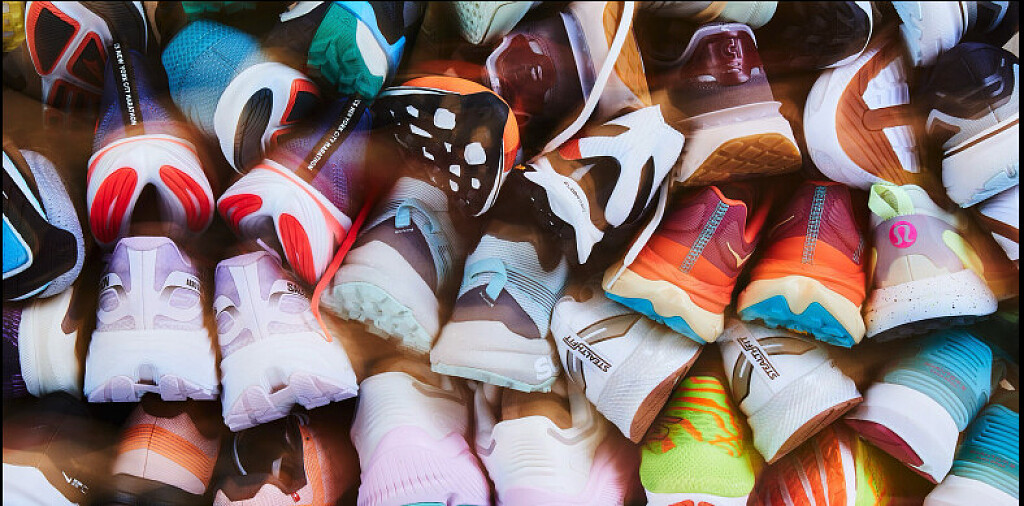
Research Confirms Rotating Running Shoes Could Save You From Injuries—Here’s How Your Body Benefits
Having a shoe collection is not a frivolous obsession. Here’s how you could possibly benefit from having more than one pair of running shoes.
Once you’ve found yourself the perfect pair—you know the ones you want to spend every run in—it’s kind of hard to give them up. However, doing so could actually work to your advantage by keeping you healthy and strong for each run.
“These days, a lot of people use one shoe for everything, and that puts you at risk for injury,” says Priya Parthasarathy, D.P.M., spokesperson for the American Podiatric Medical Association and partner at USFAS in Silver Springs, Maryland. Running, walking, and weightlifting all require different demands of your feet, so you’ll want to wear different shoes for these activities, she says. Plus, wearing one shoe for all of your workouts can increase the wear on the shoe, so they won’t last as long as you want.
That’s where having a running shoe rotation becomes very helpful. Research and experts back up this idea, and it’s especially helpful to have a shoe rotation if you’re training for a long distance race like a marathon. Here’s what you need to know in order to build a running shoe rotation that meets all of your needs.
Why do you need a running shoe rotation?
Naturally, running places stress on multiple parts of the body, including muscles, bones, and tendons, which can be good for you provided the stress is not too large or frequent that you can’t recover fast enough, says Andrea Myers, D.P.T., who owns a sports performance practice located in Westport and Ridgefield, Connecticut.
”We know from many research studies that different running shoe properties expose the body to different stressors,” Myers says. “We know that minimalist shoes—those with a low or zero drop, flexible sole, and minimal to no stability features—increase the demands on the ankle, foot, and calf muscles, as compared to shoes with a higher drop, which increase the demands at the knee but reduces the demands at the foot and ankle.”
A carefully crafted shoe rotation can possibly offset some of these demands.
To identify characteristics that might contribute to the development of running related injury, a 2013 research study published in the Scandinavian Journal of Medicine and Science in Sport followed 264 runners over the course of 22 weeks. The study found runners who used more than one shoe, a term which they coined “parallel use,” had a 39 percent lower risk of injury. This suggests having more than one pair of running shoes can help you ward off injury.
The reasoning behind it, if you have a cushioned shoe and you let a shoe sit for 24 to 48 hours, the foam in the shoe can de-compress before your next run, says Parthasarathy.
How many shoes do you need in your rotation?
If you’re just starting out, you don’t have to worry about rotating your running shoes, instead, invest in one good pair of running shoes. Parthasarathy recommends finding a shoe with a flexible toe box, firm heel cup, and removable insoles. The one shoe should overall be comfortable to you.
The seasoned recreational runner who runs three to four miles, three days per week, does not need a rotation of four different shoes either, says Myers. Instead, Myers recommends two pairs of shoes that you can rotate every run.
For marathon runners, racking up 35 to 60-plus miles a week with a variety of workouts (easy, long, and speed runs) on their calendars, Myers recommends keeping a shoe rotation of three to four pairs of shoes. This can include one to two pairs of shoes for easy runs and speed workouts, and one pair of shoes for long runs that can handle a variety of different paces. Your long run shoes can also double as a performance trainer, or a lightweight daily trainer, Myers says.
What types of running shoes can you add to your running shoe rotation?
Here are three different types of shoes you can consider adding to your collection, according to Myers:
Daily Trainer: These shoes are primarily for easy running, but can also handle different paces. you can use them to run strides or up-tempo long runs. Good examples of daily trainers include: the Brooks Ghost 15, Saucony Ride 17 or Guide 17, Nike Vomero 17, or Hoka Clifton 9.
Performance Trainer: Best for speed workouts, performance trainers are lightweight shoes that perform best at faster paces and can double as daily trainers as long as you feel comfortable in wearing them for longer distances. Plus, they tend to be more affordable than top-end race performance shoes. A few styles to consider include: Saucony Endorphin Speed 4, Topo Cyclone 2, Mizuno Wave Rebellion Flash 2, and Brooks Hyperion Max.
Racing Shoes: Commonly referred to now as super shoes, racing shoes tend to be more expensive and less durable, considering some shoes have a life expectancy of about 100 to 150 miles. This is why you shouldn’t do the bulk of your training in super shoes, instead you should take them out for a test run or two to ensure they’ll meet all your comfort needs on race day. Saucony Kinvara Pro, Asics Superblast, Adidas Adizero Prime x 2 Strung, and On Cloudeclipse are a few super shoes to consider.
How to find the right shoe to add to your rotation?
Before adding any a shoe to your rotation, you should consider if the shoe is a good fit for your foot arch (flat arch, high arch, or medium arch), running gait (neutral, pronated, or supinated), shoe size, preferred comfort level, and the terrain (treadmill, pavement, or trail) you’ll run on.
“Building a running shoe rotation, especially if you run on different terrains, is important because the shoe wears in different ways,” says Parthasarathy. Meaning where you run will influence some of the characteristics you look for in a shoe. For example, running on hard pavement will require increased cushioning, whereas trail running calls for more stability and traction, she explains.
If you want to change the type of shoe you’re training in, then the recommendation is to ease into the number of miles you try in the new shoe (i.e., don’t go for a long run in a drastically different shoe).
You may experience some soreness if you transition to a different type of shoe, however, you shouldn't experience pain that lasts for days or interferes with your normal running gait pattern on subsequent runs, Myers adds.
Lastly, you’ll want to get rid of your running shoes every so often due to wear and tear that may go unnoticed. ”We recommend you replace your running shoes, especially if you’re doing long distance running every six months or 300 to 500 miles, depending on how hard you are on them,” says Parthasarathy. If you can fold or bend your shoes in half, it’s often an indication the structure of the shoe and cushioning has been broken down, and it’s time for a change, she adds. As mentioned, the new high performance racing shoes tend to have a shorter shelf life when it comes to mileage.
Who should avoid rotating running shoes?
There’s no need to rotate your running shoes if you’re only running a couple of times a week because you’re likely not racking up enough miles to overstress your tissues, says Myers.
Also, don’t rotate running shoes if you have specific biomechanical or orthopedic needs due to injury, foot structure or shape. For example, runners who have arthritis that affects the big toe, a.k.a, hallux limitus, should prioritize running in shoes that can address this condition, which there are few of, Myers says.
Login to leave a comment
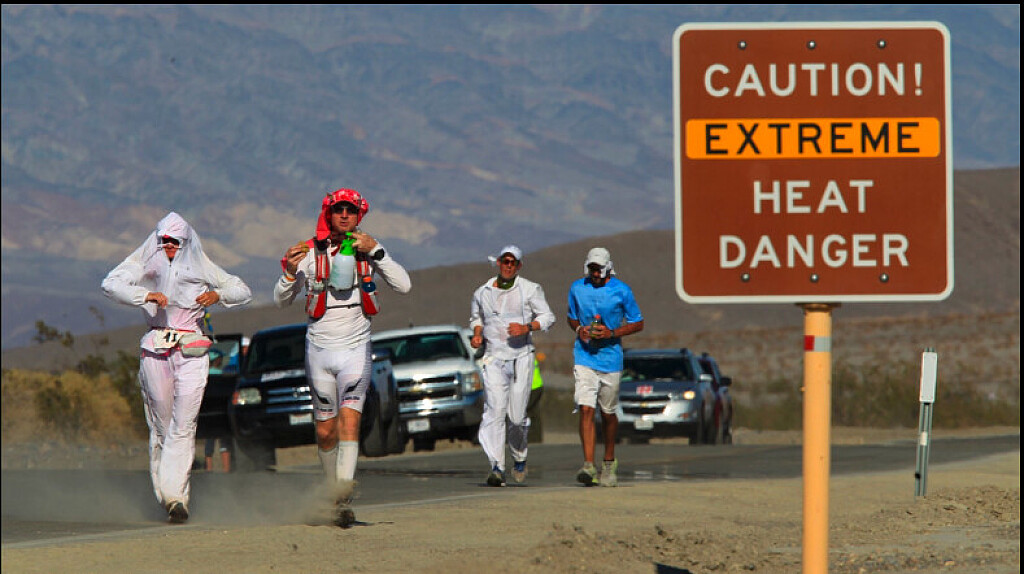
How to Run in the Heat Like the Pros
Over the past decade, training for the heat has gone from a nice-to-have to an absolute necessity for top runners. Professor Chris Minson is attempting to perfect the science.
After a few pleasant hours sitting in the sun watching the Prefontaine Classic in Eugene, Oregon last month, I headed down into the bowels of Hayward Field for a grueling test for running in the heat. Chris Minson, a professor of human physiology at the University of Oregon, had invited me to try the heat adaptation protocol he has developed for elite athletes from the university and from local pro teams like the Bowerman Track Club. I’ve written about Minson’s research several times, so experiencing the protocol first-hand seemed like a good idea… at the time.
Heat is a big deal in sports these days, and it’s only getting bigger. In recent years we’ve had major events like the world track and field championships in insanely hot places, like Qatar, where the marathons had to be started at midnight. But summertime in Eugene (where the Olympic Track Trials will take place later this month) and Paris (where the Olympics will be held) can also be sizzling. Over the past decade, heat preparation has gone from a nice-to-have to an absolute necessity for top athletes. The details of how to prepare remain more art than science, though, so I was interested to see how Minson put theory into practice.
Back in the 1920s and 1930s, scientists developed the first heat adaptation protocols for workers in South Africa’s sweltering gold mines. The gold standard for heat adaptation evolved from that work: spend at least an hour a day exercising in hot conditions, and after 10 to 14 days you’ll see a bunch of physiological changes. Your core temperature will be lower, your blood volume will be higher, you’ll begin sweating and dilating your blood vessels at a lower temperature threshold, you’ll sweat more, and so on. Put it all together and you’ll be able to stay cooler and run faster in hot conditions.
In fact, there’s even evidence that this type of heat adaptation can make you faster in moderate weather, perhaps as a result of the extra blood plasma. In the lead-up to the 2008 Olympics, Minson was working with American marathoner Dathan Ritzenhein, helping him prepare for the expected hot conditions in Beijing. But he started to worry about what would happen if it wasn’t hot: would all the heat training actually make Ritzenhein slower? Minson and his colleagues ran a study to find out; the results, which they published in 2010, suggested that heat adaptation helps even in cool conditions. That’s the study that really kicked interest in heat training into higher gear.
The problem with the classic approach, though, is that training for an hour in hot, muggy conditions is exhausting. If you’re trying to do a hard workout, you won’t be able to hit the splits you want. If you’re trying to do an easy run, it’s going to take more out of you than it usually does, potentially compromising your next hard workout or raising your risk of overtraining. So how do you get the benefits of heat adaptation without tanking the rest of your training plan?
Minson’s Exercise & Environmental Physiology Lab at the University of Oregon, which he co-runs with fellow physiologist John Halliwill, is located in the Bowerman Sports Science Center, a state-of-the-art facility located under the northwest grandstand of Hayward Field. The key piece of equipment, for my purposes, is an environmental chamber that can take you down to 0 degrees Fahrenheit or up to 22,000 feet of simulated altitude, deliver simulated solar radiation, or blast you with wind. For my heat run, Minson set the dials to 100 degrees Fahrenheit and 40 percent humidity.
Earlier that day, Minson had given me a thermometer pill to swallow, which would enable him to wirelessly track my core temperature as the run progressed. “I’ll need that back,” he warned me, poker-faced. Fortunately, he was joking.
Before I entered the chamber, I peed in a cup so that Minson could check my urine-specific gravity, the ratio of how dense your urine is compared to water. I clocked in at 1.025, marginally above Minson’s threshold of 1.024 for mild dehydration. I blame it on having spent a few hours sitting in the sun watching the track meet. Then he checked my weight, so that he’d be able to figure out how much I sweated during the test.
When I stepped into the chamber, wearing nothing but shorts and running shoes, I could feel the blast of heat, but it wasn’t too oppressive—like a really hot day at the beach but under an umbrella. I started with a five-minute warm-up at a slow pace, gradually ramping up until I hit 7:30 mile pace. Then the formal protocol started: 30 minutes at that pace.
The pace was self-chosen; Minson refused to tell me the pace I “should” run. The goal was to settle in at an effort that I could comfortably maintain for half-an-hour, and that would get me hot enough to trigger adaptations—a core temperature of about 101 degrees Fahrenheit is thought to be about right—without overshooting and roasting myself. Most of the elite runners he works with end up choosing paces between 7:00 and 8:00 per mile. I slotted myself in the middle of that range—which, let’s be honest, was a dumb thing to do for an aging non-elite runner.
Still, the running itself felt easy to me. Every five minutes or so, Minson had me rate my perceived effort on the Borg scale, which runs from 6 to 20, and also rate how hot I felt. For this, he used his own 0 to 10 thermal scale.
I started out at the effort of 10 (“very light”) and thermal sensation of 3 (“warm”). After 15 minutes, my effort had crept up to 12 (“somewhat hard”), but my thermal sensation was still 3. By this point I was sweating up a storm, watching with interest as my splatters of sweat made a distinctly asymmetric pattern on the treadmill’s control panel. (Clearly I needed to visit the biomechanics lab down the hallway to sort out my stride asymmetries.)
In the latter part of the test, my sweat rate seemed to drop—not a great sign, since it could signal dehydration. My effort topped out at 13, but my thermal sensation crept up to 4 (“very warm”), then 5 (“slightly hot”), then 6 (“somewhat hot”). I still felt under control, though. Then the test ended, and Minson ushered me off the treadmill, into the next room, and into the hot tub, where he asked me to submerge myself up to my neck. The water was set to 104 degrees Fahrenheit, and it was awful. My thermal sensation immediately spiked up to 8 (“very hot”) and then 9 (“miserably hot”).
The odd thing is that the water was basically the same temperature as I was. My core temperature had crept up to 103.2 degrees towards the end of the run, and hit 103.7 shortly afterward. The water wasn’t warming me up in any significant way, but it was robbing me of the superficial perception of coolness that I got from air currents and the evaporation of sweat. It’s a good reminder of why cooling techniques like ice towels or simply dumping water on your head can be valuable: they can dramatically change your perception of how hot you are.
Sitting in that hot tub wasn’t fun, but it’s a key tool for Minson in his efforts to help athletes adapt to heat without interfering with their normal training. It extends the period of thermal stress without trashing their legs. A half-hour easy run, even in hot conditions, isn’t that draining for a well-trained athlete. At least, it’s not supposed to be.
After I’d had a cold shower and chugged a few bottles of sports drink, Minson went over the results with me. The good news is that I hadn’t seemed very bothered by the heat. I’d sweated out 2.2 pounds of fluid, indicating a fairly high sweat rate of around 2 liters per hour. That suggests that I should already be reasonably well equipped to race in warm conditions.
The bad news, though, was that my numbers didn’t make sense. There are no “wrong” answers on a subjective scale, but mine were puzzling. As the test proceeded and my core temperature drifted over 100 degrees, I kept claiming that I felt merely 3-out-of-10 “warm.” That might mean that I’m immune to heat—but more likely, it suggests that I wasn’t properly attuned to my body’s condition. If you’re running in the heat but you’re totally oblivious to how hot you’re getting, that can be a recipe for disaster.
In fact, my subjective numbers were strikingly similar to those of an elite runner Minson has worked with—one who has struggled in the heat. Minson helped the athlete renormalize his heat perception, so that conditions he originally labeled as 3 out of 10 became a more realistic 5 or 6 out of 10.
The ability to accurately gauge how hot you are is important even in training, because those core temperature pills are about $70 a pop. Once athletes have a sense of how hot they should feel during heat adaptation runs, Minson has them judge their half-hour efforts by feel. If they start getting too hot—above 7 on the Minson Scale—they can turn a fan on in the heat chamber to avoid overheating. There’s no rigid schedule of when they do these heat runs: they fit them in around their other training and racing and travel plans.
In practice, of course, most of us don’t have access to a high-tech heat chamber and temperature-controlled hot tub. But studies in recent years have shown that you can use a variety of approaches to get your core temperature up: hot baths, saunas (Minson has one in his lab, and another in his backyard), overdressing during runs. The big-picture takeaway from Minson’s approach is that you can find ways of getting a heat stimulus without disrupting the rest of your training.
To do that, though, you need to be able to gauge when you’re getting overcooked. When I got back to my hotel room that afternoon, I realized that I was feeling wrung out, as if I’d done a long, hard workout rather than a half-hour jog. I’d missed the mark. I decided to take the next day off, and dreamed that night of Minson’s other recent research focus: ice baths.
by Outside Online
Login to leave a comment
