

Running News Daily
Running News Daily is edited by Bob Anderson and team. Send your news items to bob@mybestruns.com Advertising opportunities available.
Index to Daily Posts · Sign Up For Updates · Run The World Feed
Articles tagged #Aichi Prefecture
Today's Running News
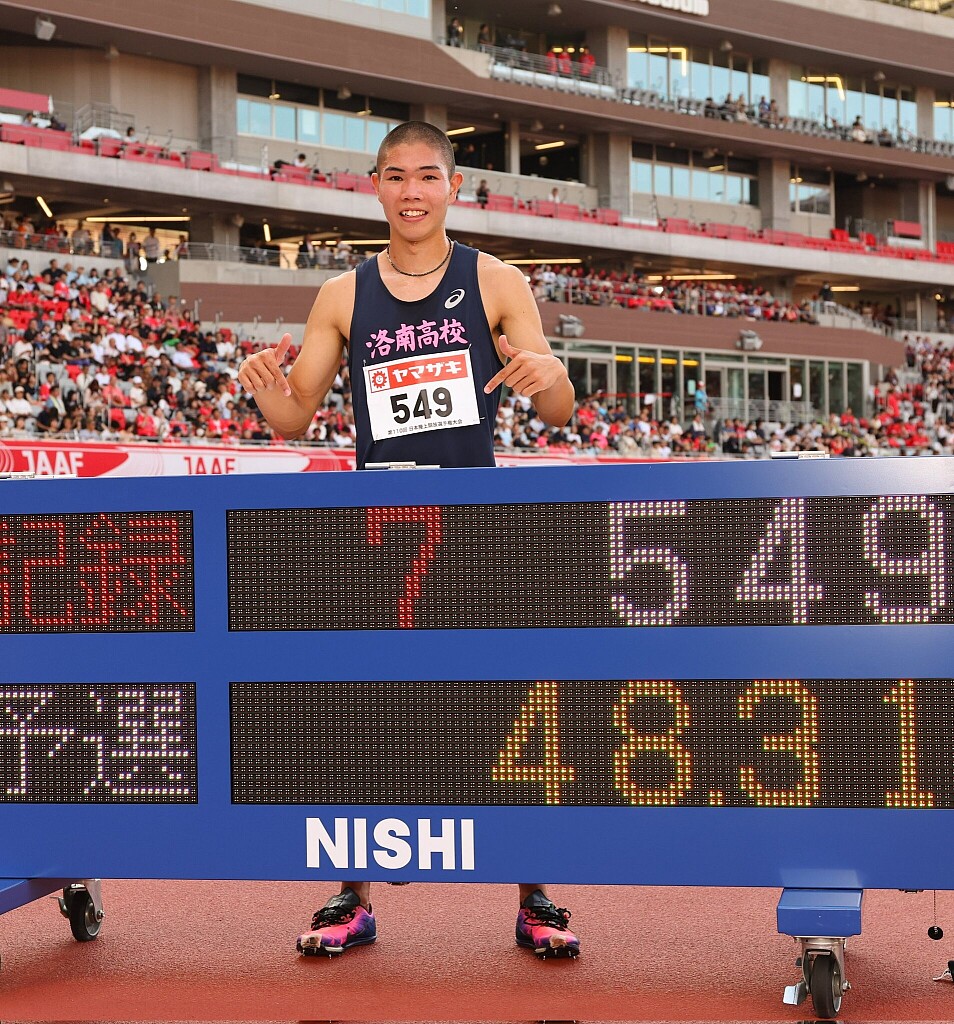


History Rewritten in Aichi: 17-Year-Old Taiju Goto Runs 48.31 to Shatter U18 World Best
Japanese sprint hurdling has witnessed a seismic moment of brilliance as 17-year-old Taiju Goto delivered a performance for the ages at the Japanese Athletics Championships in Aichi Prefecture, rewriting the global U18 record books in spectacular fashion.
In a race that defied expectations and dissolved the boundaries of age-group performance, Goto stormed to a personal best of 48.31 seconds in the 400m hurdles, a time that not only secured him victory in his heat but also sent shockwaves through the senior ranks he was competing against.

Against a field stacked with experienced national-level hurdlers, the teenager displayed remarkable composure, rhythm, and power between barriers, executing a race far beyond his years. His explosive finish down the home straight sealed a statement win and a place in the final, but it was the clock that told the real story.
With this run, Goto has obliterated the U18 world best, becoming the first athlete under 18 years old in history to break the 48.50-second barrier in the event. It is a landmark achievement that elevates him into entirely uncharted territory for junior sprint hurdling.
Beyond age-group dominance, the performance carries even greater statistical weight. His 48.31s now places him 6th on the all-time U20 global list, a staggering feat that underscores just how exceptional this breakthrough truly is when measured against older and more physically developed athletes.
What makes the run even more compelling is the context: Goto did not simply win against his peers—he outperformed senior competitors on one of Japan’s biggest national stages, announcing himself as a generational talent in the making.
As the championships continue, all eyes will now turn to the final, where anticipation builds around whether the teenage sensation can once again rise to the occasion. One thing is already certain—Taiju Goto has stepped into the global spotlight, and he has done so with record-breaking authority.
by Erick Cheruiyot for My Best Runs.
Login to leave a comment
5,000 Runners Arriving Safely Home from Nagoya, Japan Gives Hope to Runners and Organizers Worldwide
Nagoya Women’s Marathon was the first mass participation event in Japan since the Covid-19 pandemic started
- Organisers implemented a range of measures to prevent the spread and transmission of Covid-19
- 2 weeks after the event, which welcomed 4,704 runners in the marathon, there are no reports of Covid-19 infection or suspected cases
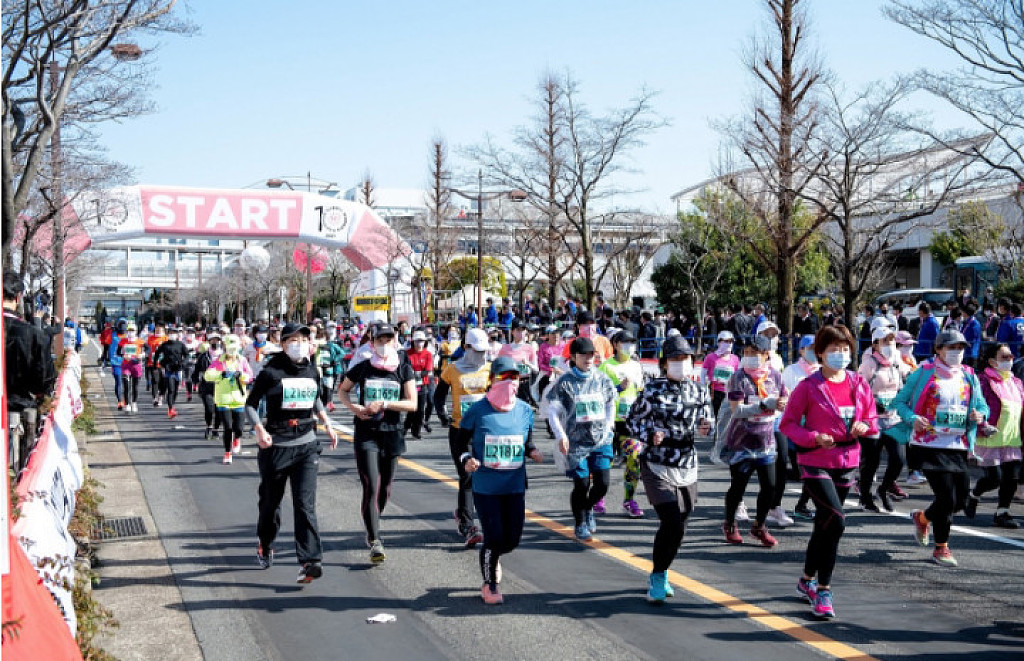
The Nagoya Women’s Marathon 2021, the largest women’s marathon in the world and a World Athletics Platinum Label road race, was held on Sunday, March 14, 2021 as the first mass participation road race to be held in Japan since the Covid-19 pandemic started. From top elite athletes to general runners, a total of 4,704 women runners participated in the race and had a joy of running on the city streets of Nagoya. Another 4,052 ran the accompanying half marathon.
To prevent the spread and transmission of Covid-19, various measures were taken at all event sites throughout the event period. We established the Covid-19 Control Office with medical professionals, local governments of the City of Nagoya and Prefecture of Aichi, and the Japan Association of Athletics Federations (JAAF) within the Marathon Organizing Committee, and formulated and implemented an infection control plan in accordance with the JAAF’s Guidance on Resumption of Road Racing and advice from medical experts and local government officials. We would like to share some of the key measures as below.
At Race Entry
The field was reduced from 22,000 to 11,000 (domestic residents only) at the time of race entry An option was given to all registered participants to switch from in-person racing to virtual racing after a state of emergency was declared by the Japanese government in Aichi Prefecture in January 2021. The state of emergency was lifted on February 28, 2021, and the Nagoya Women's Marathon 2021 was held with the 5,000 participants who chose to run the in-person race. Runners residing outside Japan were accepted at the virtual race due to the international travel restrictions.
Protocols for All
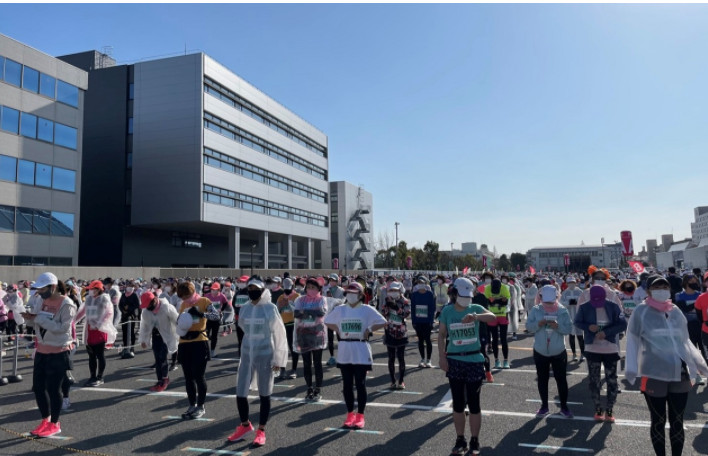
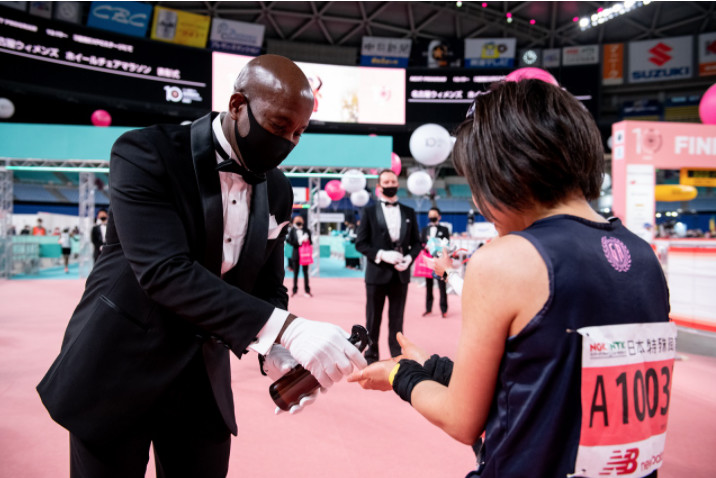
Wear masks at all times (except for runners during competition). Sanitize hands frequently (on arrival, after finish, before and after using the toilet, etc.). Check temperature at home and on arrival (Anyone with a fever of 37.5 degrees Celsius or higher are refused to participate). Monitor, record and submit health condition and body temperature (via a web form) for 7 days prior to race day. Monitor and report any poor health condition or positive Covid case for 14 days after race day.
At Competition
Runners must wear masks before start. Social distancing at the starting blocks (more than 1 m between runners). Gradual start by each starting block. Covered water at water stations to prevent droplets. Individually packaged food at refreshment stations and hand sanitization before taking them. Hand sanitization and face masks distributed after finish. Social distancing at the dressing area and limited use to 15 minutes.
For Volunteers
All volunteers were provided face masks, face shields, and portable alcohol disinfectant, as well as additional equipment (e.g., globes) depending where they are assigned.
At Marathon Expo
Booth setting, flow design, and entry restriction to avoid the ‘Three Cs’ ‘Three Cs’ are high risk situation of COVID-19 transmission defined by Prime Minister's Office of Japan and Ministry of Health, Labour and Welfare: Crowded places with poor ventilation, Close-contact settings and Confined spaces. All visitors were required to provide their name, address and contact information via an admission form at the entrance (for contact tracing purpose).
Crisis Management
Establishment of a crisis management plan for potential scenarios. A private emergency vehicle was stationed for transport of suspected Covid-19 patient.
Course Management
Public announcement on TV and newspapers to discourage cheering and spectating along the roadside.
It has been more than two weeks since the race day, but thankfully we have not received any report of infection or suspected case as of March 29. This year’s race was an extremely challenging event to prepare and coordinate for the realization. We have nothing but deep and sincere gratitude for runners for participation, and volunteers, sponsors and all the concerned personnel for their support. We wish your good health and the earliest possible arrival of end to the pandemic.
by Japan Running News
Login to leave a comment
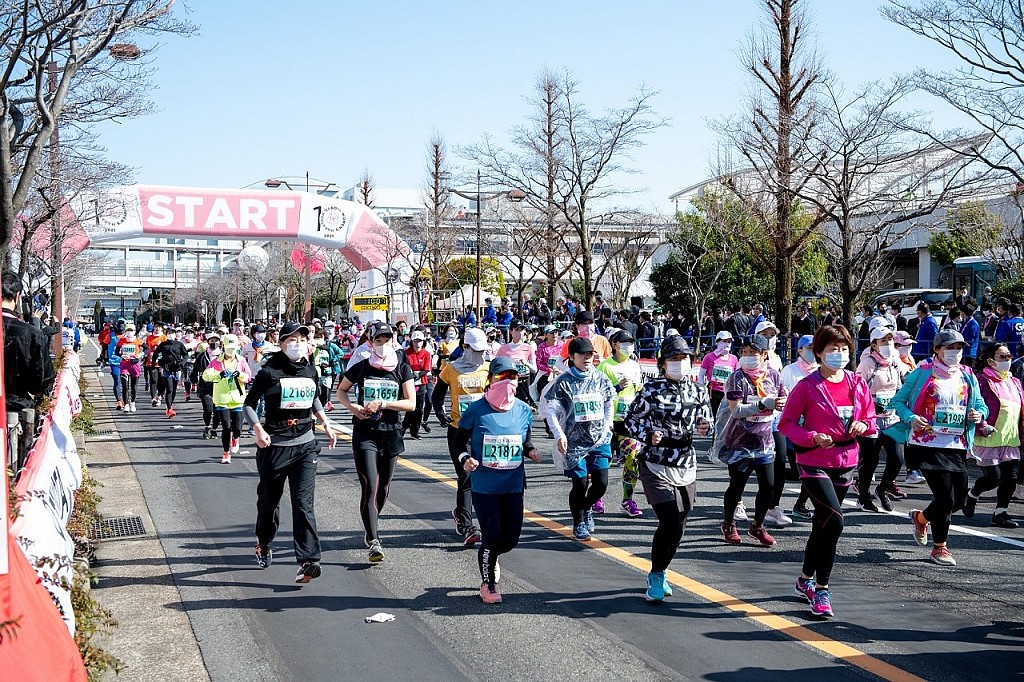
Japan gives hope to runners and organizers worldwide, 4704 runners arriving safely home from Nagoya and no covid cases
The Nagoya Women’s Marathon 2021, the largest women’s marathon in the world and a World Athletics Platinum Label road race, was held on Sunday, March 14, 2021 as the first mass participation road race to be held in Japan since the Covid-19 pandemic started. From top elite athletes to general runners, a total of 4,704 women runners participated in the race and had a joy of running on the city streets of Nagoya. Another 4,052 ran the accompanying half marathon.
To prevent the spread and transmission of Covid-19, various measures were taken at all event sites throughout the event period. We established the Covid-19 Control Office with medical professionals, local governments of the City of Nagoya and Prefecture of Aichi, and the Japan Association of Athletics Federations (JAAF) within the Marathon Organizing Committee, and formulated and implemented an infection control plan in accordance with the JAAF’s Guidance on Resumption of Road Racing and advice from medical experts and local government officials. We would like to share some of the key measures as below.
At Race Entry
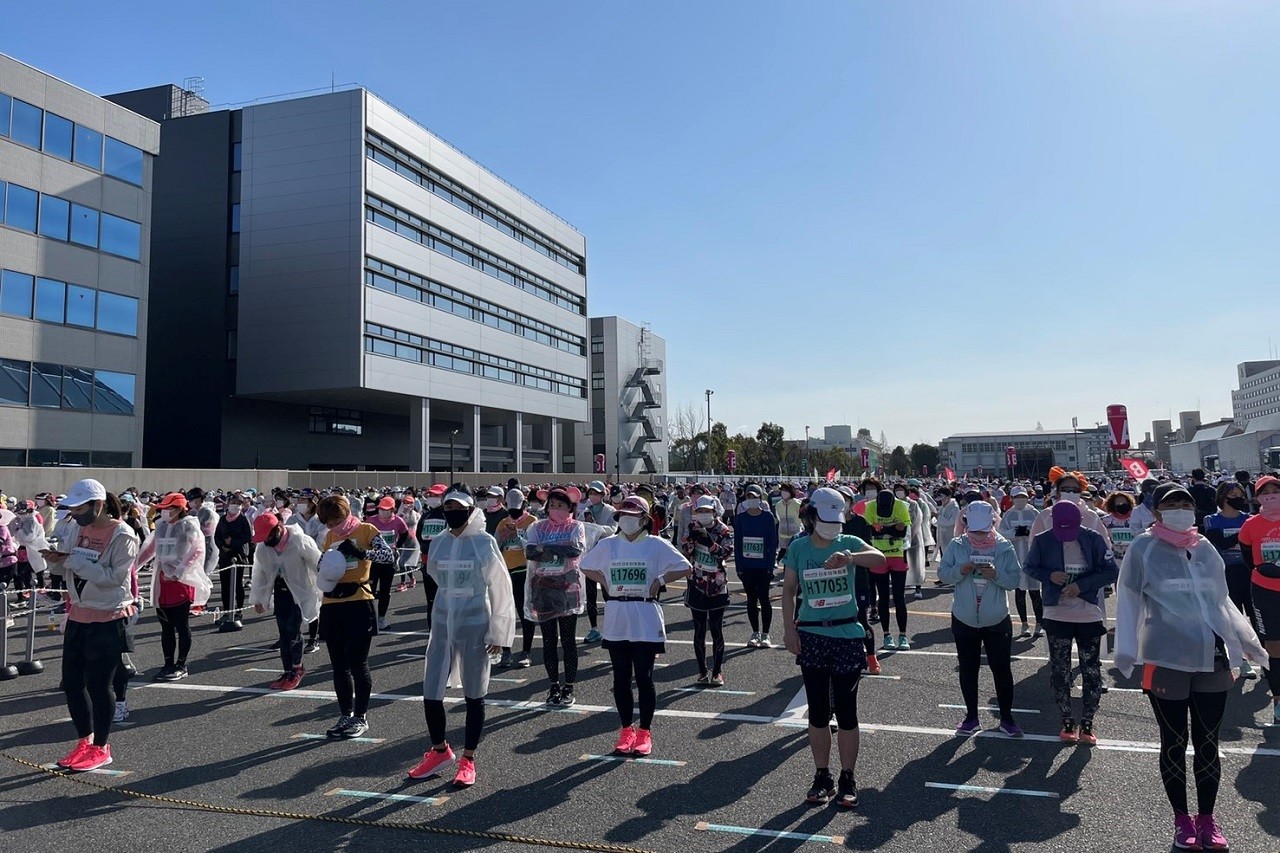
The field was reduced from 22,000 to 11,000 (domestic residents only) at the time of race entry An option was given to all registered participants to switch from in-person racing to virtual racing after a state of emergency was declared by the Japanese government in Aichi Prefecture in January 2021. The state of emergency was lifted on February 28, 2021, and the Nagoya Women's Marathon 2021 was held with the 5,000 participants who chose to run the in-person race. Runners residing outside Japan were accepted at the virtual race due to the international travel restrictions.
Protocols for All
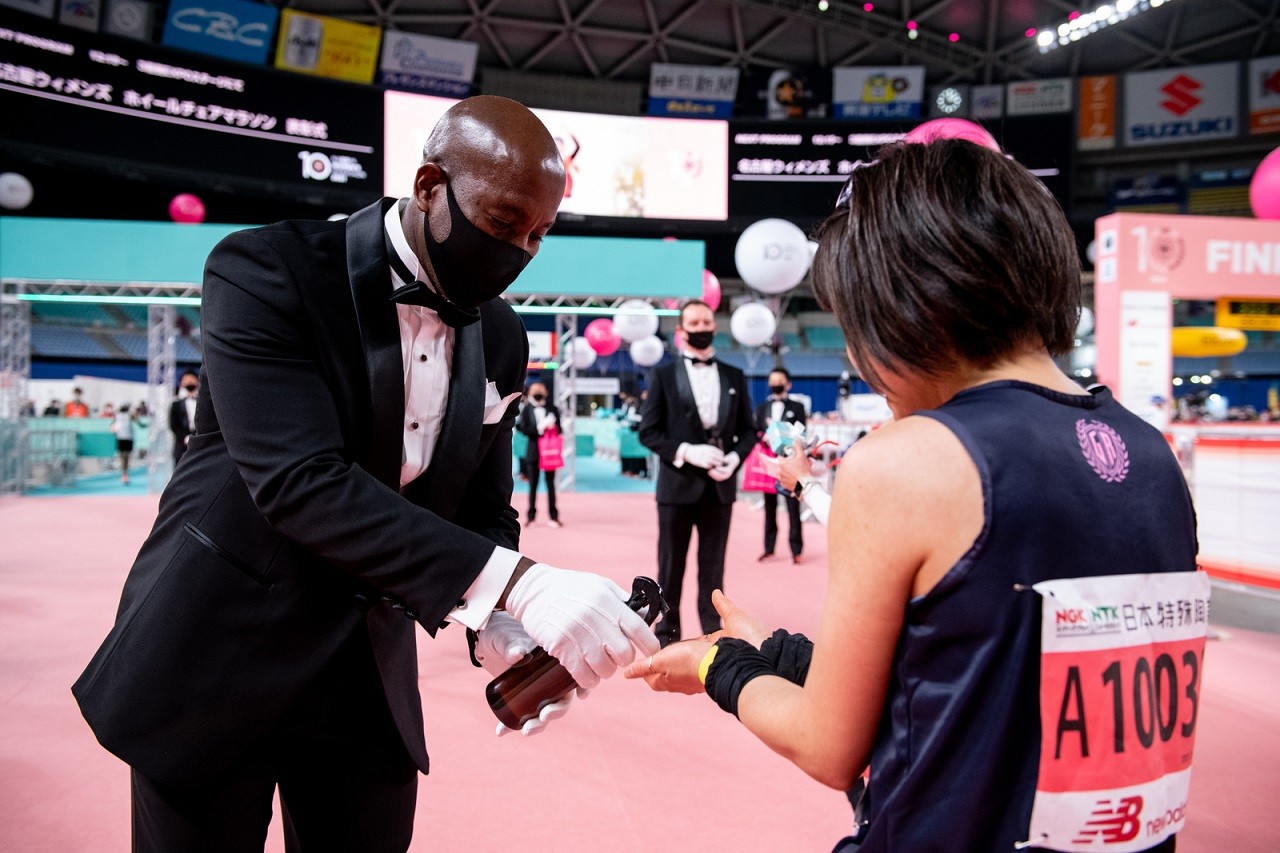
Wear masks at all times (except for runners during competition). Sanitize hands frequently (on arrival, after finish, before and after using the toilet, etc.). Check temperature at home and on arrival (Anyone with a fever of 37.5 degrees Celsius or higher are refused to participate). Monitor, record and submit health condition and body temperature (via a web form) for 7 days prior to race day. Monitor and report any poor health condition or positive Covid case for 14 days after race day.
At Competition
Runners must wear masks before start. Social distancing at the starting blocks (more than 1 m between runners). Gradual start by each starting block. Covered water at water stations to prevent droplets. Individually packaged food at refreshment stations and hand sanitization before taking them. Hand sanitization and face masks distributed after finish. Social distancing at the dressing area and limited use to 15 minutes.
Crisis Management
Establishment of a crisis management plan for potential scenarios. A private emergency vehicle was stationed for transport of suspected Covid-19 patient.
Course Management
Public announcement on TV and newspapers to discourage cheering and spectating along the roadside.
It has been more than two weeks since the race day, but thankfully we have not received any report of infection or suspected case as of March 29. This year’s race was an extremely challenging event to prepare and coordinate for the realization. We have nothing but deep and sincere gratitude for runners for participation, and volunteers, sponsors and all the concerned personnel for their support. We wish your good health and the earliest possible arrival of end to the pandemic.
Login to leave a comment

Nagoya Women's Marathon
The Nagoya Women's Marathon named Nagoya International Women's Marathon until the 2010 race, is an annual marathon race for female runners over the classic distance of 42 km and 195 metres, held in Nagoya, Japan in early March every year. It holds IAAF Gold Label road race status. It began in 1980 as an annual 20-kilometre road race held in...
more...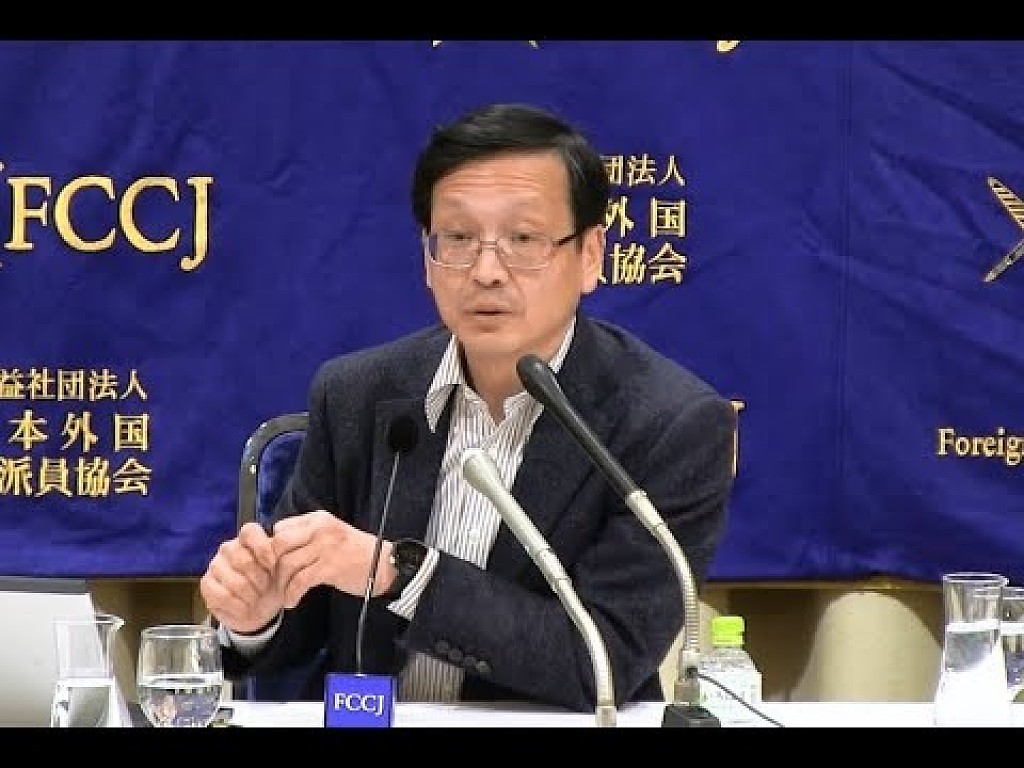
A respected Japanese virologist said that Tokyo Olympics probably couldn’t be held now, under current circumstances, but things could improve by July
A respected Japanese virologist, Hitoshi Oshitani, on Wednesday said if the Tokyo Olympics were tomorrow, the games probably couldn’t be held because of the fast-spreading virus from Wuhan, China.
“We need to find the best way to have a safe Olympics,” Dr. Hitoshi Oshitani said, speaking at the Foreign Correspondents Club of Japan. “Right now we don’t have an effective strategy, and I think it may be difficult to have the Olympics (now). But by the end of July we may be in a different situation.”
The local Tokyo Olympic organizing committee and the International Olympic Committee have repeatedly said over the last few weeks that they are following the advice of the World Health Organization and that the games will go on.
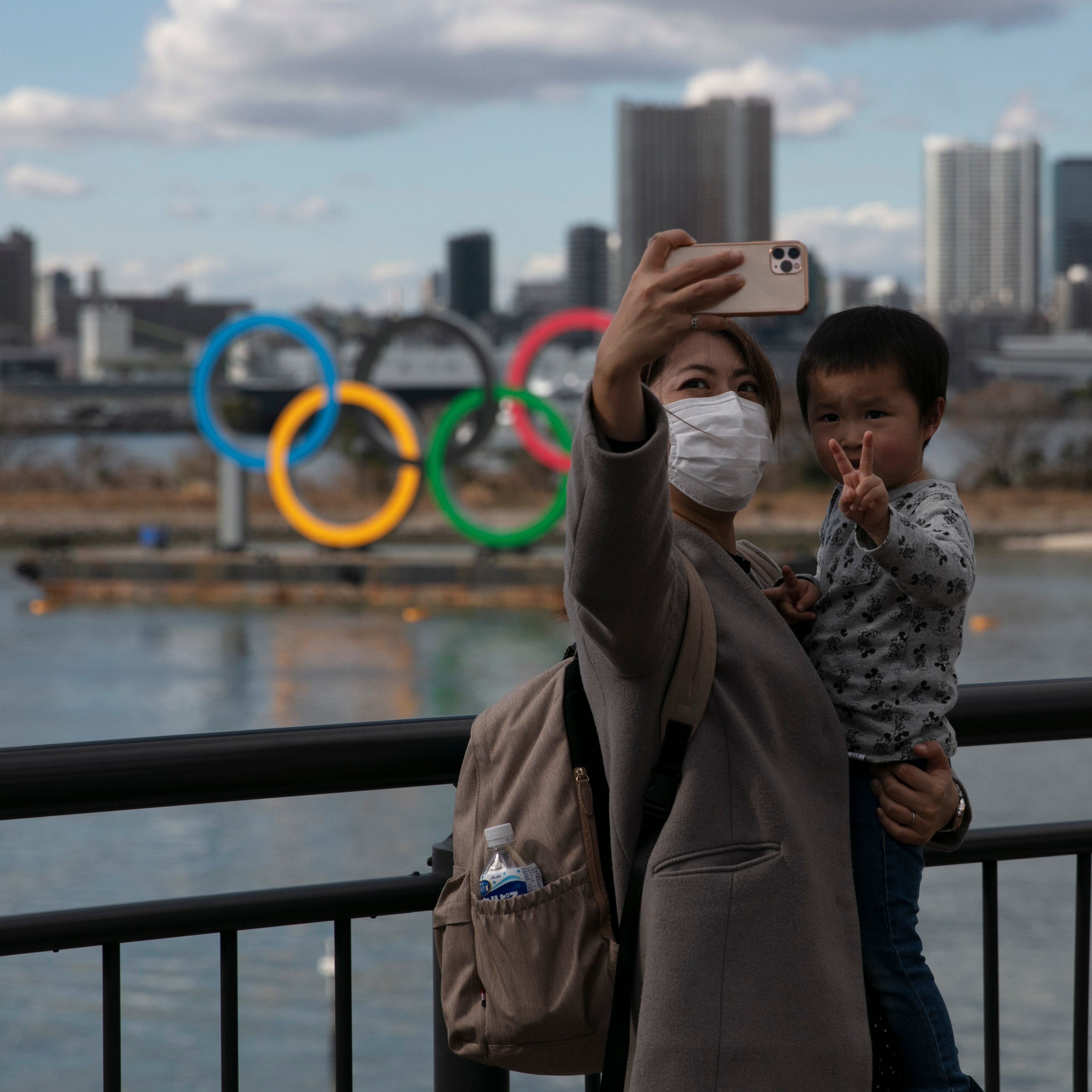
But with every passing day, the impact of the virus seems to spread, and so does the fallout: Olympic qualifying events are canceled or postponed, travel gets difficult, and athletes and families are left wondering. Not to mention sponsors and broadcasting networks that have invested billions of dollars in the Olympics.
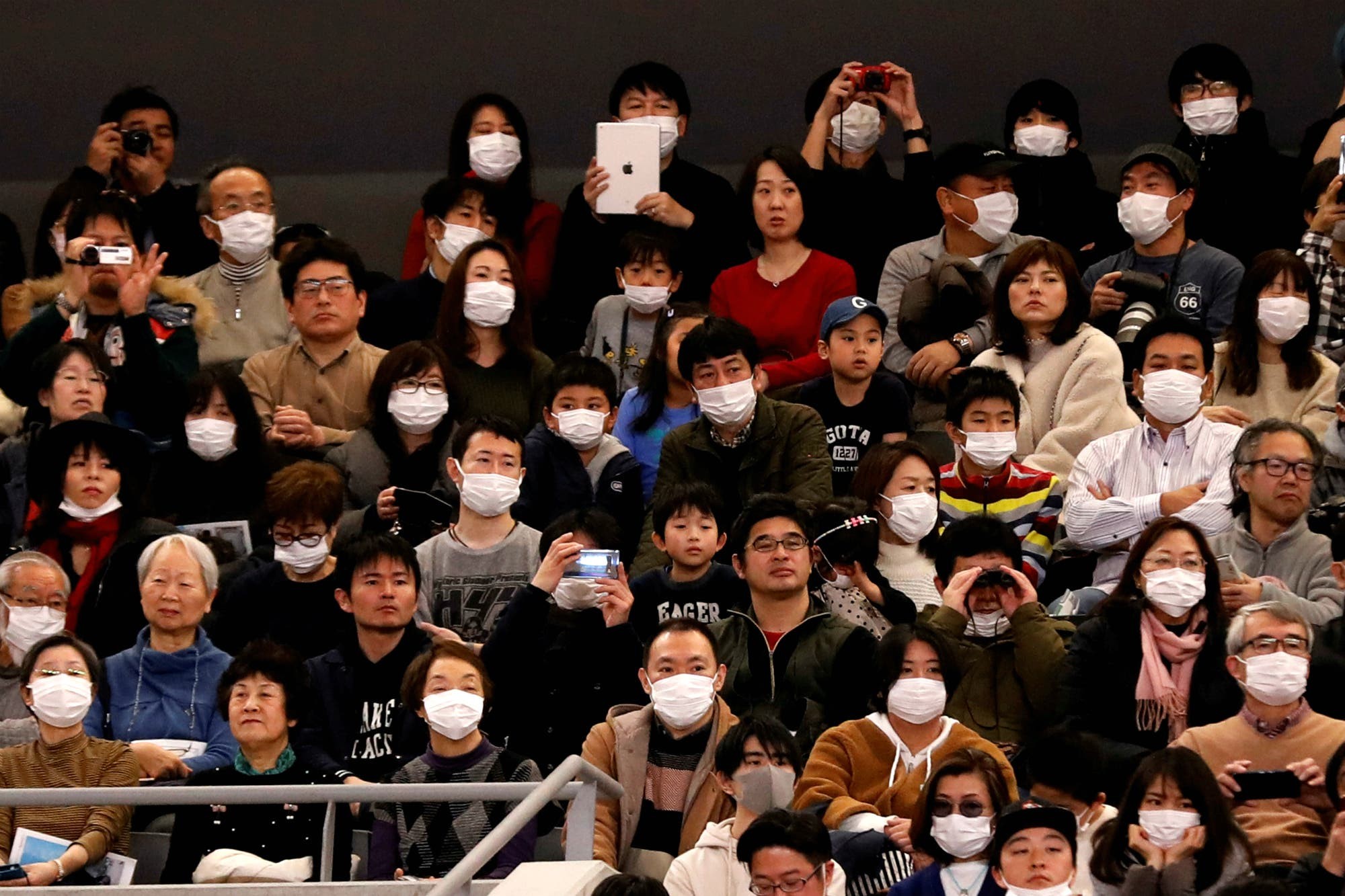
The modern Olympics dating from 1896 have only been canceled during wartime, and in 1980 and 1984 they went on with boycotts.
Oshitani, a former adviser with the WHO who worked on the SARS outbreak almost 20 years ago, was hopeful but sowed some uncertainty about the July 24-Aug. 9 Olympics.
“I’m not sure of the situation in Japan at the end of July,” he said, answering in English. “But probably we will not have large outbreaks in Japan in July.”
Oshitani said he was most concerned about a “Wuhan-type” of outbreak taking place in Africa or other parts of Asia and having cases imported into Japan. He said if that happened “it may get difficult to have” the Olympics. But he also suggested Japan might be able to handle it.
“So what we have to do now is try to prevent such a thing from happening,” he added, saying the Japanese government should support countries so they don’t have “that kind of situation.”
The viral outbreak has infected more than 75,000 people globally. China has reported 2,004 deaths among 74,185 cases on the mainland, mostly in the central province of Hubei. Only one death in Japan has been attributed to the virus.
Earlier in the week, Shigeru Omi, a former regional director of the WHO and an infectious disease expert from Japan, also said he could not be sure about the Olympics.
“Whether the outbreak will last until the Olympic date or not depends upon the virus and the societal effort and joint international community,” he said at a news conference. “Nobody can predict whether we can contain the virus or put an end to this outbreak before the Olympics start. That’s anybody’s guess.”
He added it was not a “big question mark, but there is a question mark.”
In the spotlight are 19 test events that Japan is to hold beginning next month, a chance for organizers to practice in competition mode and an opportunity for potential Olympic athletes to check out Japan.
In a cancellation Wednesday, the Kyodo news agency reported that Mongolia’s archery team had pulled out of a training camp in Japan’s central Aichi prefecture.
Dozens of sports events have been called off around Asia in the wake of the outbreak, including the indoor world track and field championships next month in Nanjing, China, and the Formula One race in April in Shanghai.
Organizers announced last week that next month’s Tokyo Marathon will be limited to elite runners and wheelchair athletes. About 38,000 runners had been expected to participate in one of the world’s largest races.
by Stephen Wade
Login to leave a comment

Tokyo 2020 Olympic Games
Fifty-six years after having organized the Olympic Games, the Japanese capital will be hosting a Summer edition for the second time, originally scheduled from July 24 to August 9, 2020, the games were postponed due to coronavirus outbreak, the postponed Tokyo Olympics will be held from July 23 to August 8 in 2021, according to the International Olympic Committee decision. ...
more...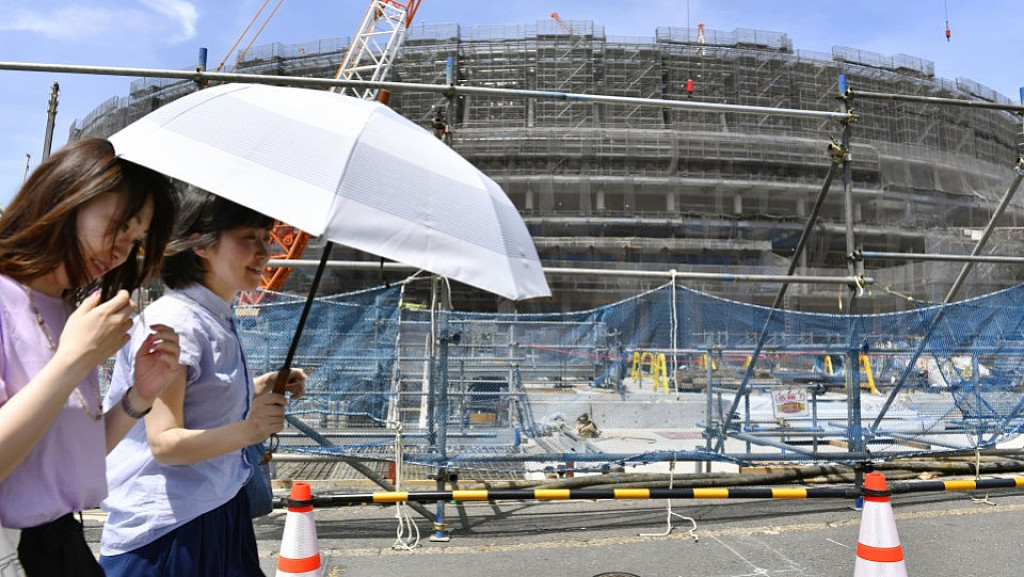
Fears grow over Tokyo 2020 heat threat after 11 die and more than 5,000 taken to hospital
A total of 11 people died and 5,664 people were taken to hospitals in Japan due to heat-related medical issues last week when temperatures rose sharply following the end of the rainy season in most areas, the Japanese Government revealed.
The latest figures have been released at a time when Tokyo 2020 organisers and the Government’s Bureau of Environment are working on measures that can be taken to safeguard athletes, spectators and volunteers during next year’s Olympic and Paralympic Games.
At last week’s beach volleyball test event in Tokyo misting sprays and air-conditioned tents were among the features trialled in order to combat the effects of rising temperatures in the capital.
As temperatures rose to 38 centigrade, the 11 deaths were reported in 11 different areas among Japan's 47 prefectures, Japanese agency Kyodo News reported.
Aichi Prefecture had the most people rushed to hospitals at 392, followed by Osaka Prefecture at 388 and Tokyo at 299.
The number of people sent to hospitals nearly tripled from 1,948 in the preceding week as the rainy season came to an end.
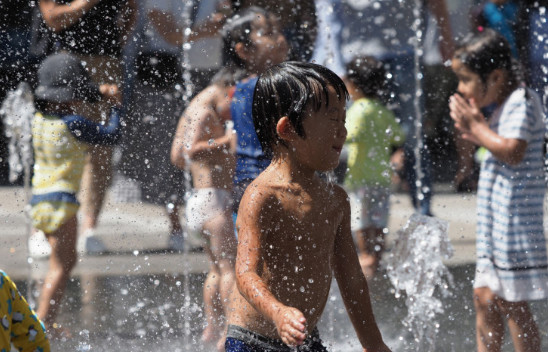
Those aged 65 and older accounted for 52.6 percent of the total in the week to last Sunday (July 28), according to the Fire and Disaster Management Agency.
Of the 5,664 people, 119 displayed severe symptoms that would normally require at least three weeks of treatment as an inpatient, while 1,792 suffered less serious issues, necessitating shorter stays.
As temperatures are likely to remain above the average in Japan in the upcoming week, the Agency urged people to stay hydrated and to take rest occasionally.
While the capital hosted its first Summer Games in the much-cooler month of October in 1964, next year's competition featuring 33 sports and 339 events is due to take place between July 24 and Aug. 9.
Weather-related concerns have mounted since Tokyo was awarded the Games in 2013, especially after a historic heatwave affected Japan's capital last summer, with an area near Tokyo seeing a record temperature of 41.1C.
Tokyo 2020 has admitted the threat posed by the extreme heat and typhoons is considered a "major issue" resulting in the shifting of start times of several events.
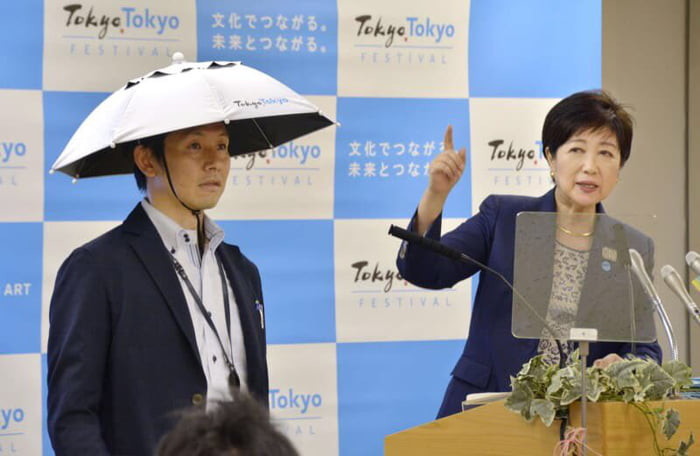
The men's and women's marathons were pushed back one hour to 6am and the men's 50 kilometres race walk will commence at 5:30am.
The organisers are set to provide information about weather conditions and safety precautions through the official mobile app.
They are also considering allowing spectators to bring their own bottled drinks into event venues, a departure from previous Games at which sponsor and security considerations have made such a possibility a no-go.
"This is all aimed at making spectators feel as comfortable as possible, given they have come to see events in a very hot and humid environment," Tokyo 2020 delivery officer Hidemasa Nakamura said last month.
He added that the measures taken would include a "specific focus on the elderly, children and international visitors".
Login to leave a comment
Tokyo 2020 Olympic Games
Fifty-six years after having organized the Olympic Games, the Japanese capital will be hosting a Summer edition for the second time, originally scheduled from July 24 to August 9, 2020, the games were postponed due to coronavirus outbreak, the postponed Tokyo Olympics will be held from July 23 to August 8 in 2021, according to the International Olympic Committee decision. ...
more...