

Running News Daily
Running News Daily is edited by Bob Anderson and team. Send your news items to bob@mybestruns.com Advertising opportunities available.
Index to Daily Posts · Sign Up For Updates · Run The World Feed
Articles tagged #Hokkaido Marathon
Today's Running News
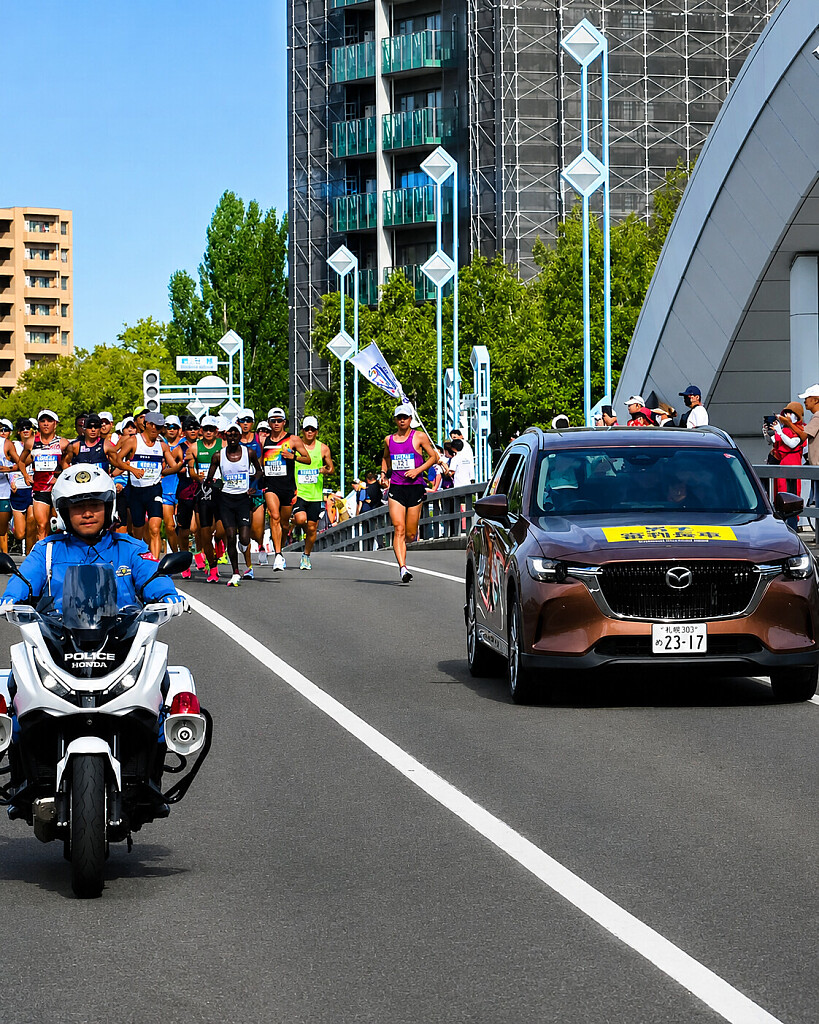


Hokkaido Marathon 2026: A Historic Summer Race Puts Heat Safety First
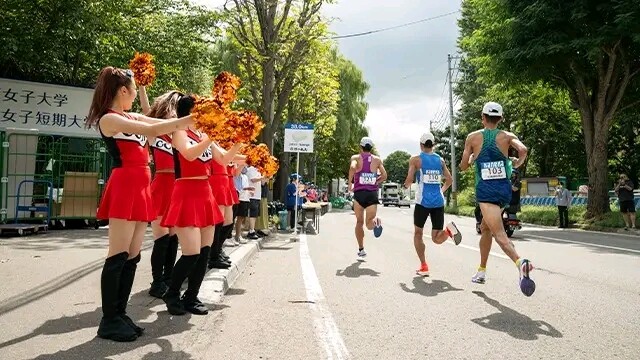
When thousands of runners line up in the heart of Sapporo on Sunday, August 30, 2026, they will be taking part in one of Japan’s most distinctive marathon traditions — a race where the battle is not only against the clock and the 42.195-kilometre distance, but also against the summer heat.
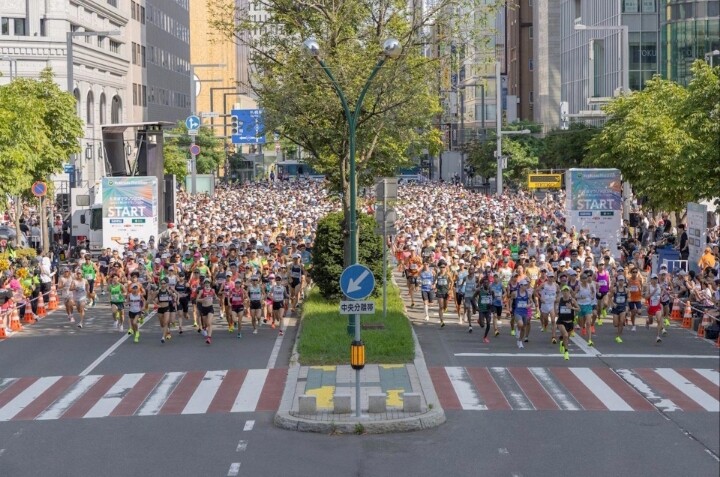
The Hokkaido Marathon traces its roots to 1987, when the inaugural race attracted just 439 entrants. Over nearly four decades, it has grown into a major international marathon, welcoming runners from Japan and around the world while maintaining its unique identity as one of the country’s few major summer marathons.
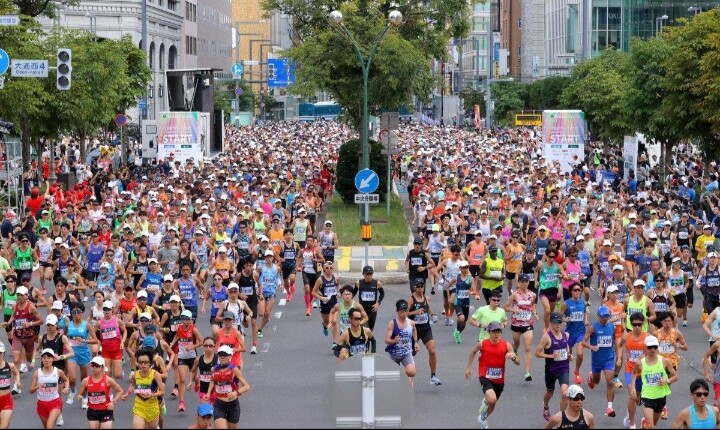
That summer setting is precisely what makes heat management such an important part of the Hokkaido Marathon experience.
The 2026 edition will begin at 8:30 a.m. from Odori Nishi 4-chome, with the course winding through some of Sapporo’s most recognisable landmarks, including Susukino and Hokkaido University. But while the atmosphere will be festive and competitive, organisers are urging athletes to treat heat-related illness with the utmost seriousness.
As one of Japan’s few marathons held during the summer, Hokkaido Marathon carries a heightened risk of heatstroke. Mild heat illness may improve with rest, cooling and appropriate hydration, but severe heatstroke can become life-threatening and demands rapid action to lower body temperature.
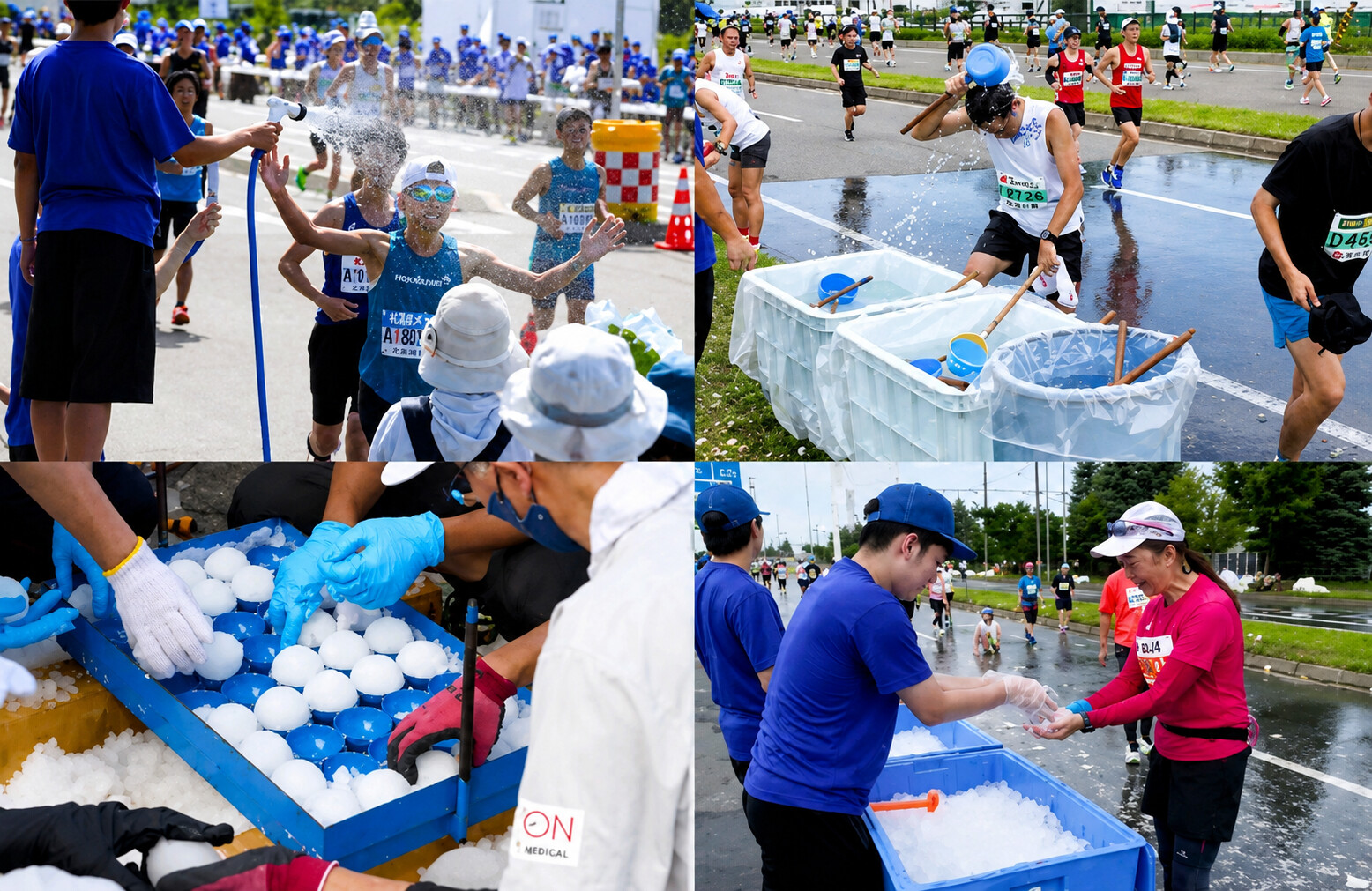
The organisers have therefore placed medical preparedness at the centre of the 2026 event. Since the 2022 Hokkaido Marathon, an ice-bath system has been available for emergency cooling — an approach also used during the marathon and race-walking competitions at the Tokyo 2020 Olympic Games.
If medical staff suspect severe heatstroke accompanied by impaired consciousness, a doctor may assess the athlete, including measuring rectal temperature when necessary. Where appropriate, the runner can be rapidly cooled using an ice bath before being transported to a medical facility.
For competitors, recognising the warning signs early could make all the difference.
Feeling dazed, unusually confused, mentally foggy or unable to remain fully alert during the race should never be dismissed as ordinary fatigue. Runners experiencing such symptoms are being urged not to force themselves forward. They should stop, rest and seek medical assistance.
The same responsibility applies to fellow runners and spectators. Anyone who notices a competitor appearing confused, disoriented or seriously unwell should immediately alert the nearest medical or first-aid team.
Hydration is another critical part of the organisers’ message — but the advice is not simply to drink as much water as possible.
Both insufficient sodium intake and excessive fluid consumption can contribute to hyponatremia, a potentially dangerous drop in blood sodium levels. Runners should therefore pay attention to both fluid and sodium replacement during the marathon rather than relying solely on water.
The race is also expanding its cooling measures in 2026. An ice distribution point will be available at approximately 13.2 kilometres, while new water-dousing points will be introduced at the end of selected aid stations. These facilities are designed to give runners additional opportunities to cool their bodies as the race progresses.
A cooling spray may also be carried and used as another practical measure against the heat.
Such precautions are particularly significant given the Hokkaido Marathon’s history. From its modest beginning in 1987, the event gradually established itself as an important testing ground for athletes preparing to compete in hot-weather conditions. Japanese and international elites have repeatedly used the race to test their endurance and heat tolerance, while the event has also welcomed some of the world's leading distance runners.
Today, the marathon combines that elite tradition with a huge mass-participation atmosphere. What started with fewer than 500 entrants has evolved into an event capable of attracting around 20,000 runners, turning Sapporo into a celebration of distance running each summer.
But the message for 2026 is clear: finishing the marathon is never more important than protecting your health.
For runners chasing personal bests, international athletes seeking victory and recreational participants simply hoping to complete the distance, knowing when to slow down, stop or seek help is part of racing intelligently.
On August 30, the streets of Sapporo will once again provide a spectacular stage for 42.195 kilometres of running. Yet beneath the excitement, the Hokkaido Marathon is sending an equally important message: run hard when your body allows it, cool down when necessary, stay alert to the heat and never ignore the warning signs.
After nearly four decades of history, the Hokkaido Marathon continues to evolve — and in 2026, protecting the runners who make that history possible is firmly at the heart of the race.
by Erick Cheruiyot for My Best Runs.
Login to leave a comment
Hokkaido Marathon
The Hokkaido Marathon, inaugurated in 1987 with just 439 participants, has evolved into one of Japan's premier marathons, attracting nearly 20,000 runners annually. Held every August in Sapporo, Hokkaido, it stands as the nation's only full-scale summer marathon. The race commences and concludes in Sapporo's Odori Park, offering a scenic course that weaves through the city's landmarks, including the vibrant...
more...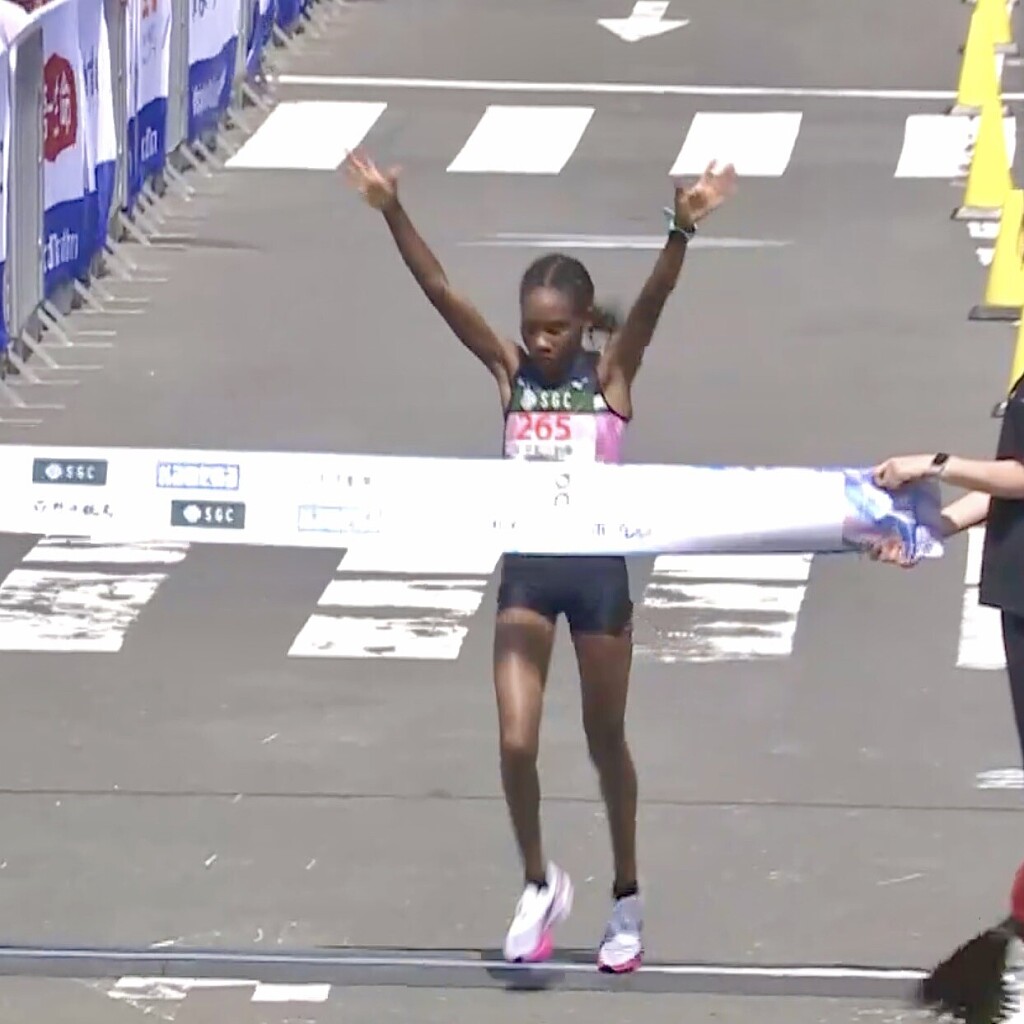
World half bronze medalist Kamulu and Tokyo olympic marathon trials winner Nakamura take humid Hokkaido Marathon
2018 World Half Marathon Championships bronze medalist Pauline Kamulu Kaveke and Tokyo Olympics marathon trials winner Shogo Nakamura survived tough conditions, 22˚C at the start with 82% humidity, sunny skies and almost no wind, to take the 2024 Hokkaido Marathon Sunday in Sapporo.
Both running their debuts, Kamulu and Shiho Tachizako ran steadily around 2:28-flat pace surrounded by a group of amateur men, staying together until just before 30 km when Tachizako started to fade. Kamulu struggled with the hot conditions late in the race and could only watch the clock as sub-2:30 slipped away, looking very tired as she crossed the finish line in 2:31:04.
Tachizako faded to 2:33:47 for 2nd, but even that was good enough to easily beat the rest of the field, with last year's 2nd-placer Ayano Ikeuchi 3rd in 2:35:26 in her third marathon so far this year.
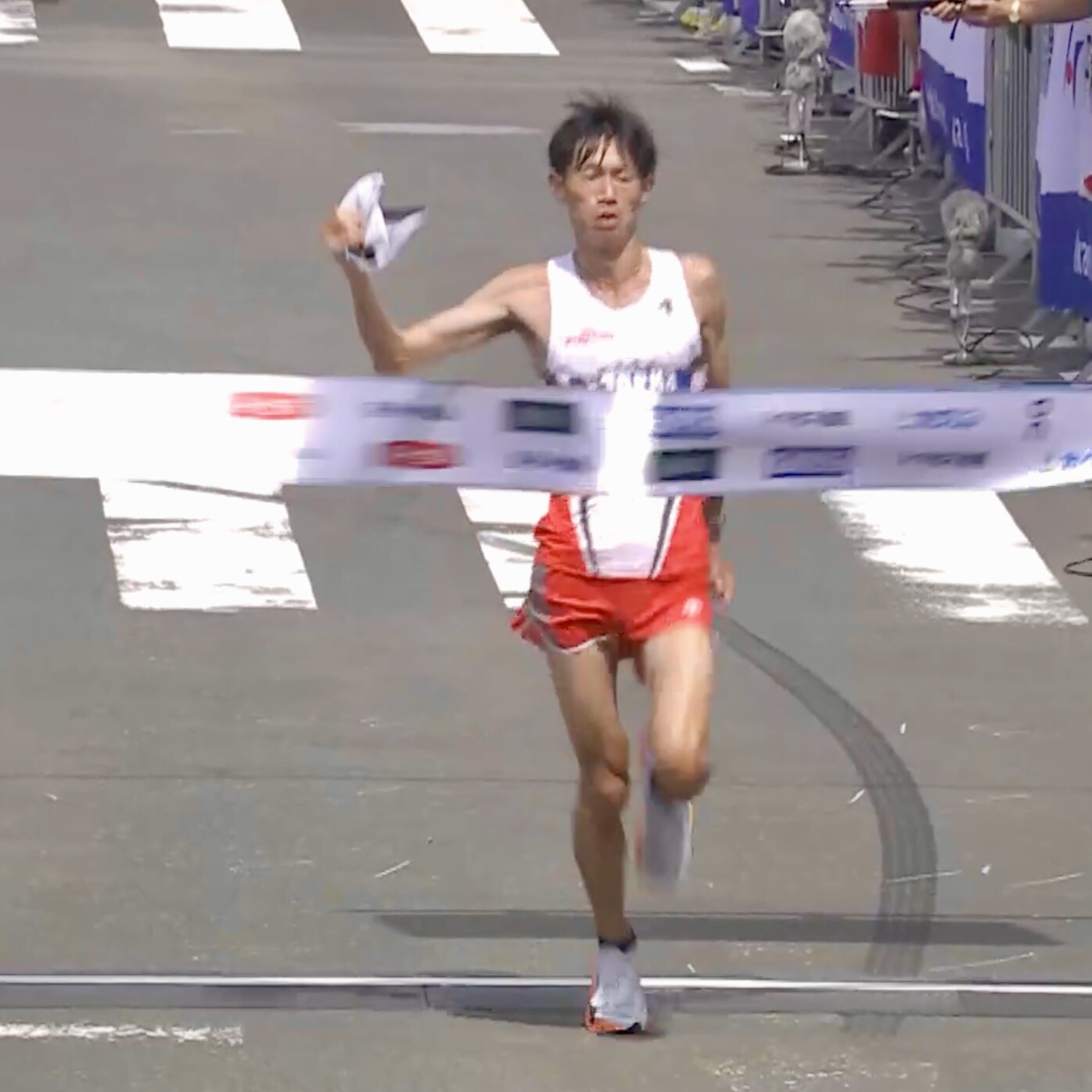
Nakamura had said pre-race that he didn't care about time and was only focused on getting in the win, and that was exactly how he ran, ignoring the early action and staying near the front of the main pack until he made his initial move at 30 km.
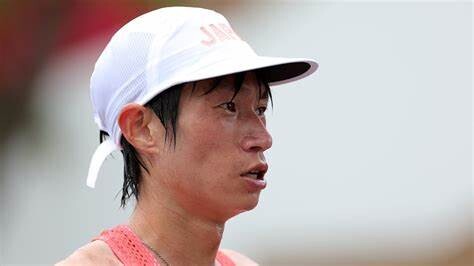
That got rid of the pretenders, with only 2:08~2:10 men Takeshi Soma, Atsumi Ashiwa and Masaru Aoki, and 2:18 amateur Ryuichi Yoshioka getting back on board. Soma countered with an attack after 34 km, but Nakamura quickly reeled him back in and made his real move with 5 km to go.
Yoshioka was the only one to try to follow, but it was all Nakamura the rest of the way, scoring his first win since his Olympic trials victory in 2019 with a 2:15:36 for 1st. Yoshioka was elated in the home stretch with a 2:16:28 for 2nd, a 2-minute PB and the only runner male or female in the top 10 to PB. Nakamura's toughest competition still standing when he dropped his big move, Ashiwa out kicked Soma and Aoki for 3rd in 2:16:40.
Osaka Marathon winner Kiyoto Hirabayashi ran Hokkaido as a training run, jogging in to a 70th-place finish in 2:41:19. The next-fastest man on paper after Hirabayashi with a 2:07:58 win in Beppu-Oita in February, Japan-based Ethiopian Derese Workneh was a DNF near 30 km.
by Brett Larner
Login to leave a comment
Hokkaido Marathon
The Hokkaido Marathon, inaugurated in 1987 with just 439 participants, has evolved into one of Japan's premier marathons, attracting nearly 20,000 runners annually. Held every August in Sapporo, Hokkaido, it stands as the nation's only full-scale summer marathon. The race commences and concludes in Sapporo's Odori Park, offering a scenic course that weaves through the city's landmarks, including the vibrant...
more...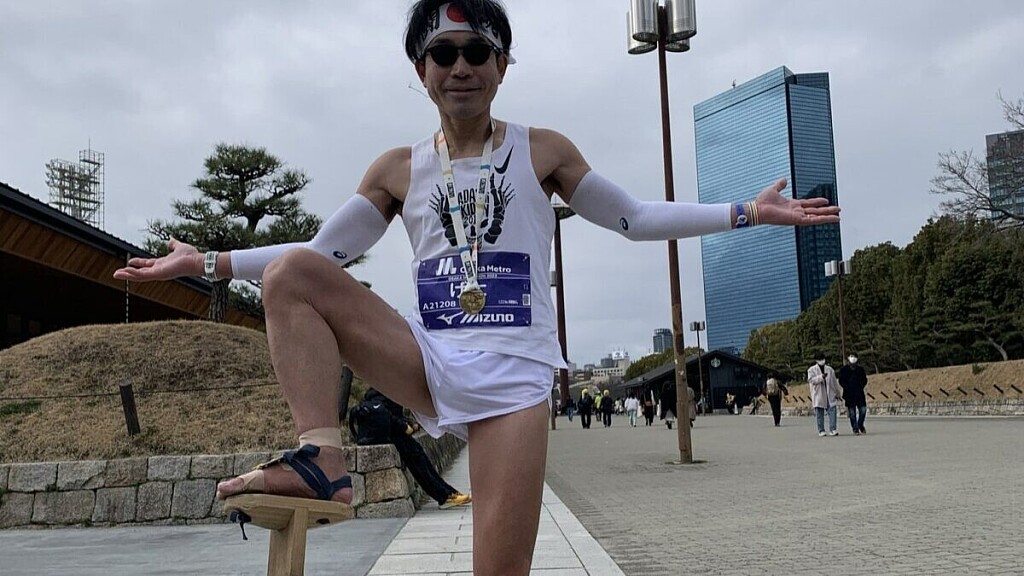
Japanese man runs 3:28 marathon in wooden sandals
Finishing a marathon is hard enough, but one Japanese runner pushed his limits at the 2023 Osaka Marathon, clocking a three-hour and 28-minute marathon while wearing traditional wooden Japanese geta sandals.
Takanobu Minoshima, a 47-year-old runner from Sapporo, averaged a pace of 4:56/km over 42.195 kilometres while wearing the wooden shoes and even had the word “Geta” as his name on his Osaka Marathon bib.
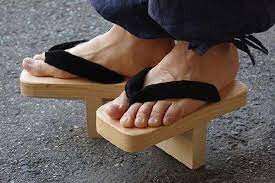
His final finishing time was 3:28:11 for 2,896th place (out of 10,000+ runners), which is only eight minutes shy of the 2023 Boston Marathon qualifying time of 3:20:00 for his M45 to 49 age group.
Geta are traditional Japanese sandals that are often paired with the yukata (robe) for informal occasions, such as summer festivals. The geta has a slab of wood attached to the foot with strings or ribbons and rests on a sturdy piece of wood (that’s a little higher than the maximum stack height allowed by World Athletics!). We have to hand it to him for being able to stay on his feet for an entire marathon while wearing these.
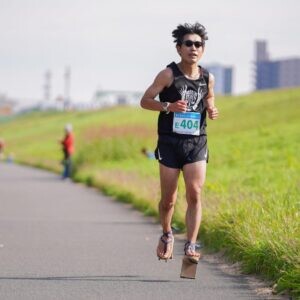
This isn’t the first time Minoshima has raced wearing geta. In 2019, he ran a 100K ultra race in 13 hours and 45 minutes at the Kamalai Shrine 100 in Taiwan. He has a marathon best of 2:59:20 from the Hokkaido Marathon in 2014, when he wore regular running shoes.
by Running Magazine
Login to leave a comment
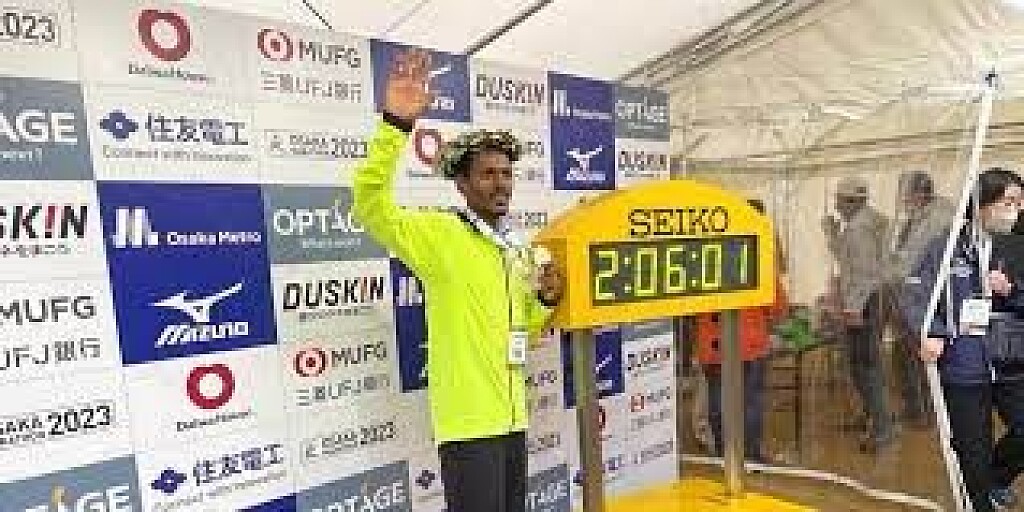
A Record-Breaking Day at the Osaka Marathon
With five 180˚ turnaround points and serious hills in its last 12 km the Osaka Marathon course isn't the fastest around, but that didn't hold back record-breaking runs in both the women's and men's races. Great conditions, 5˚~7˚C, light clouds and very light winds definitely helped.
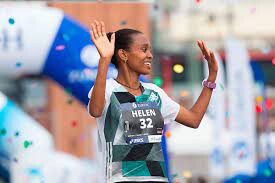
The women's race went steadily on 2:22 pace, an early group of six shaking down to just four, Japan's Momoko Watanabe (Tenmaya), favorite Vivian Kiplagat (Kenya) and Ethiopian duo Helen Bekele Tola and Beyenu Degefa, by 30 km with Australian a few seconds behind. Bekele made the winning break, pulling away to win in a course record 2:22:16. Watanabe, who came into the race with a best of only 2:30:42 PB, led Degefa in the home straight but lost out in the last kick. Degefa was 2nd in 2:23:07 and Watanabe 2:23:08 for 3rd, clearing the 2:24:00 auto-qualifying standard for MGC Race Olympic marathon trials qualification.
Only getting faster with age, the 43-year-old Weightman ran Kiplagat down for 4th in 2:23:15, beating her PB from last fall's Berlin Marathon by 45 seconds. Weightman is also entered to run next weekend's Tokyo Marathon. Misaki Nishida (Edion) and Yuri Karasawa (Kyudenko) also caught Kiplagat, Nishida taking 5th in a PB 2:25:51 to qualify for the Olympic trials and Karasawa running 2:27:27 in her debut but missing qualification by 27 seconds. The pre-race favorite, Kiplagat fell to 7th in 2:28:44.
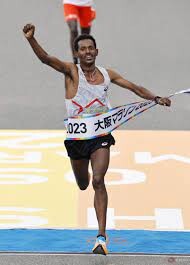
The shinkansen effect was in full effect in the equally well-paced men's race, a quartet led by Tomoki Ota (Toyota) running with almost zero variation through 25 km in 1:15:00 and pulling along a pack of almost 50. After Ota stopped at 25 km the pacing over the next 5 km was a bit shakier, but after hitting 30 km in 1:30:13 and the remaining pacers dropping out Eritrean Merhawi Kesete initiated a series of attacks that saw six different athletes take the lead over the hilliest section of the course. Among them was former Toyo University Hakone Ekiden star Kazuya Nishiyama (Toyota), who made moves to the front twice while on 2:06 pace in his debut.
With 5 km to go Ugandan Victor Kiplangat threw off his hat and surged, pulling South African Stephen Mokoka, Tanzanian Alphonce Felix Simbu and #1-ranked Ethiopian Hailemaryam Kiros with him. Behind them a chase trio of Nishiyama and fellow first-timers Charles Kamau (NTN) and Yohei Ikeda(Kao) congealed, all three of them sub-61 half marathoners and on the cusp of hanging on to a 2:06 debut. Kiplangat, 2:05:09 in Hamburg last fall, did all the work up front, shaking off Mokoka and Simbu but unable to get rid of 2:04:41 man Kiros.
With just 200 m to go Kiros surged, taking the win in a 2:06:01 CR with Kiplangat just 2 seconds back. Simbu was 3rd in 2:06:19, but behind him Kamau closed hard to run down Mokoka for 4th, 2:06:37 in his debut to the veteran Mokoka's 2:06:42. Mokoka had a near-miss on the South African NR, finishing just 9 seconds off Gert Thys' 2:06:33 at the 1999 Tokyo International Marathon.
Both only 24 years old, Nishiyama and the Toshinari Takaoka-coached Ikeda were next in 2:06:45 and 2:06:53, each of them well under the old debut marathon NR of 2:07:31 set by last year's Osaka winner Gaku Hoshi. With Nishiyama having dominated Hakone's First Stage at Toyo and Ikeda having been the top Japanese finisher on its most competitive stage his fourth year the relationship between Hakone success and later marathon performance is clearer than ever. 2021 Olympic team alternate Shohei Otsuka (Kyudenko), another Hakone stage winner, closed hard to take 8th in 2:06:57 and make it three Japanese men under 2:07.
Already qualified for the Olympic marathon trials after a 2:11:41 debut for 2nd at August's Hokkaido Marathon, Yugo Kashiwa (Toyo Univ.) ran the 2nd-fastest collegiate time ever, 2:08:11, for 20th. Like Mokoka, Mongolian Jamsran Olonbayar came painfully short of the Mongolian NR, missing Ser-Od Bat-Ochir's 2:08:50 record by just 8 seconds at 2:08:58 for 29th. Tokyo Olympian Yuma Hattori (Toyota) had his best race since the 2019 trials, finishing 34th in 2:09:47, but will have to try again before the end-of-May deadline to hit a trials qualifier. Further back, visually-impaired T11 WR holder Shinya Wada broke his own best with a new world record of 2:24:29.
Including Nishiyama and Ikeda a total of nine men qualified for October's MGC Race Olympic marathon trials, along with Watanabe and Nishida in the women's race. The top 18 went under 2:08 and top 29 under 2:09, both bettering the numbers at the legendary 2021 Lake Biwa Marathon where 15 men were sub-2:08 and 28 sub-2:09. But this year's Osaka came up short of Lake Biwa's depth further down, with only 35 men sub-2:10 versus 42 at Lake Biwa. But with over 50 men on the entry list at Tokyo next week having run sub-2:10 in the last three years the stage is set for something even wilder there.
by Brett Larner, Japan Running News
Login to leave a comment

Osaka Marathon
Let’s run for fun in the shadow of Osaka Castle, the symbol of the city!This is a fun running event, which welcomes international runners from all corners of the global alongside families, friends and Japanese runners; all running together through the colored leaves of Osaka Castle Park on a crisp autumn morning. The fun and pleasure of running is universal! ...
more...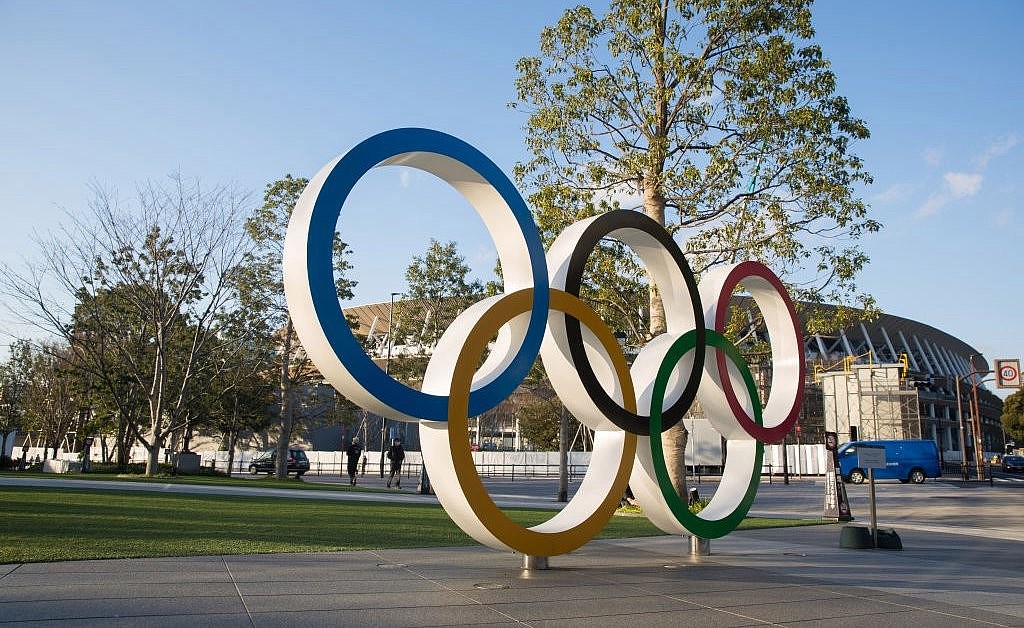
Route approved for relocated marathon at Tokyo olympics
A route has been approved for the Olympic marathon, which is to be held in the northern city of Sapporo to avoid the Japanese capital's summer heat, Tokyo 2020 organizers said Friday. A dummy-run marathon will take place on May 5 to test the circuit, which starts and ends at Sapporo Odori Park in the city center, the organizing committee said.
The controversial decision to relocate the marathon and race-walking events was made in November 2019, before the Games were postponed by a year due to the coronavirus.
The Tokyo Olympics are now due to open in July 2021, and officials are insisting they will go ahead even if the pandemic is not under control.

The marathon will have three laps -- the first much longer, crossing the Toyohira River, while the second and third laps repeat a section of the first.
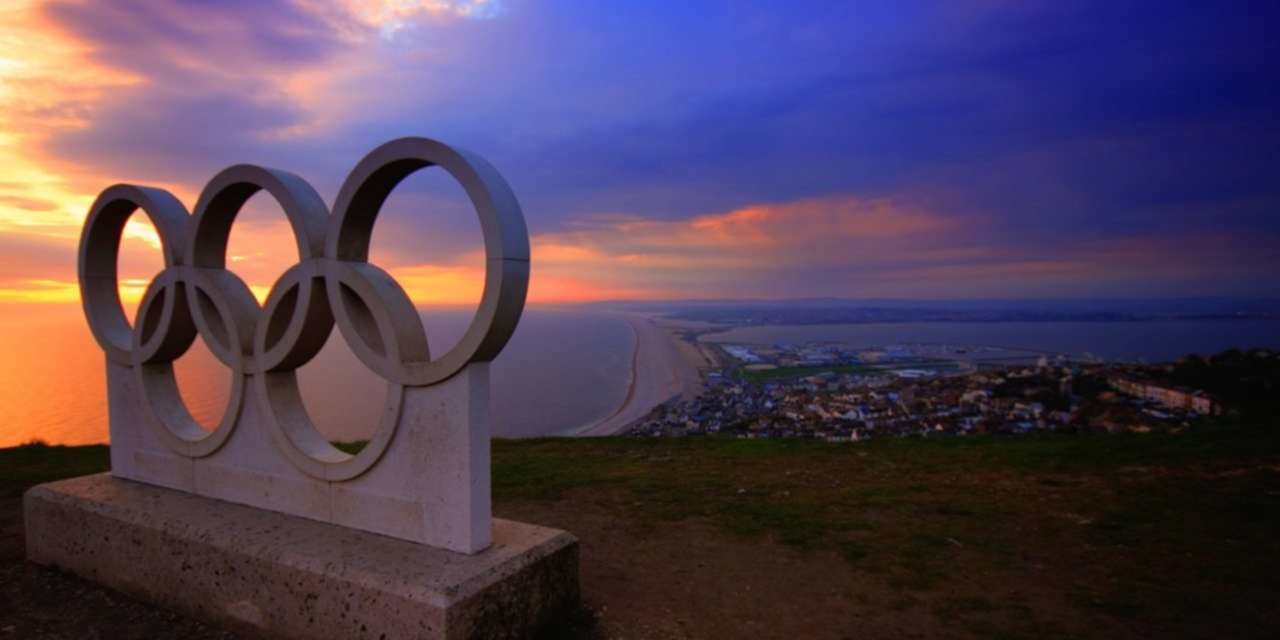
"Sapporo has a rich background in road running, particularly marathon events, and we want to inspire... fans around the world to travel to Sapporo for its future mass races," said Jakob Larsen, competition and events director for World Athletics, which has approved the route.
It is not exactly the same route as the annual Hokkaido Marathon in the city, but "it does follow much of the traditional course", he added.
Olympic officials first proposed moving the marathon after disastrous scenes at the 2019 Doha World Athletics Championships, where dozens of athletes needed medical attention in hot and humid conditions.The Tokyo Olympics are now due to open in July 2021, and officials are insisting they will go ahead even if the pandemic is not under control.
The marathon will have three laps -- the first much longer, crossing the Toyohira River, while the second and third laps repeat a section of the first.
"Sapporo has a rich background in road running, particularly marathon events, and we want to inspire... fans around the world to travel to Sapporo for its future mass races," said Jakob Larsen, competition and events director for World Athletics, which has approved the route.
It is not exactly the same route as the annual Hokkaido Marathon in the city, but "it does follow much of the traditional course", he added.
Olympic officials first proposed moving the marathon after disastrous scenes at the 2019 Doha World Athletics Championships, where dozens of athletes needed medical attention in hot and humid conditions.
It became a major sticking point between Tokyo officials and the International Olympics Committee, but eventually the city gave its grudging support for the move.
Login to leave a comment

Tokyo 2020 Olympic Games
Fifty-six years after having organized the Olympic Games, the Japanese capital will be hosting a Summer edition for the second time, originally scheduled from July 24 to August 9, 2020, the games were postponed due to coronavirus outbreak, the postponed Tokyo Olympics will be held from July 23 to August 8 in 2021, according to the International Olympic Committee decision. ...
more...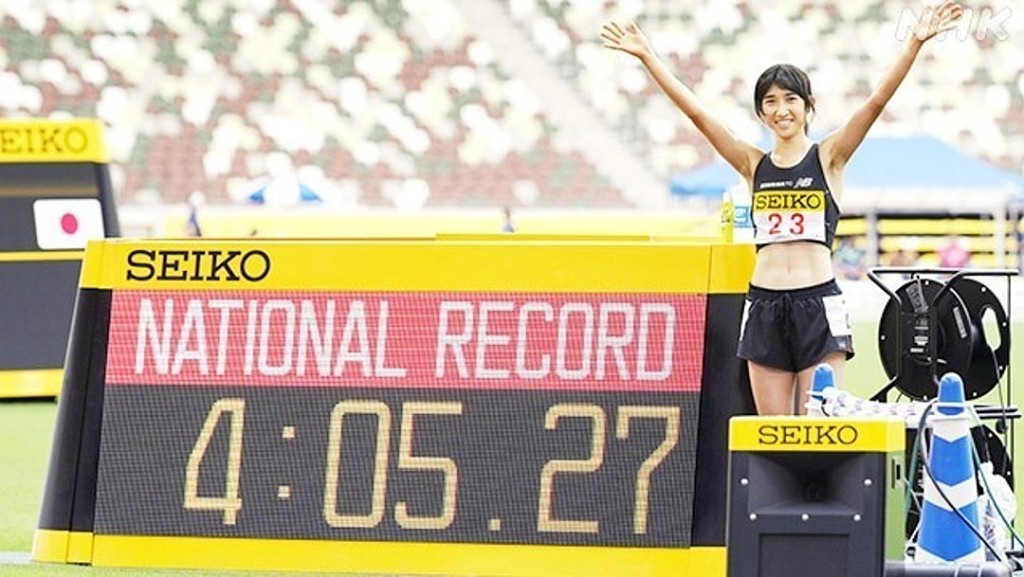
Nozomi Tanaka takes down Japanese 1500m record at Golden Grand Prix in Tokyo
It may not have been the competition that Tokyo’s Olympic Stadium had originally been set to host in August 2020, but Japan’s leading athletes got a taste of the big time at the Seiko Golden Grand Prix, a World Athletics Continental Tour Gold meeting, on Sunday (23).
To help minimise risks, no spectators were present and the fields were entirely made up of domestic athletes. But thousands of fans were still able to tune in via TV coverage and the live stream to watch Japan’s leading athletes in action.
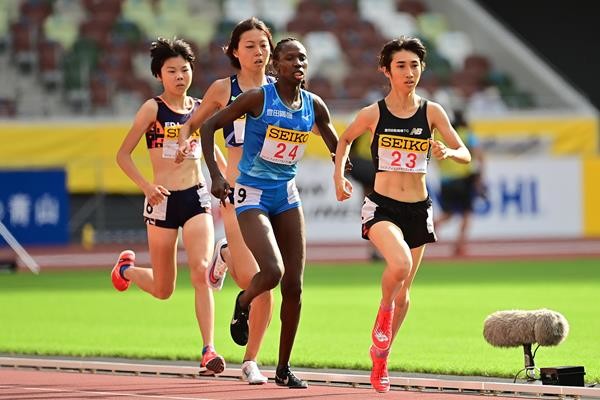
They rose to the occasion, too, especially Nozomi Tanaka. The world U20 3000m champion stepped down in distance to the 1500m and front-ran her way to a national record. The 20-year-old had announced her intentions to break the mark ahead of the race, having come within a second of Yuriko Kobayashi’s 14-year-old mark (4:07.86) with a 4:08.68 clocking in Shibetsu last month.
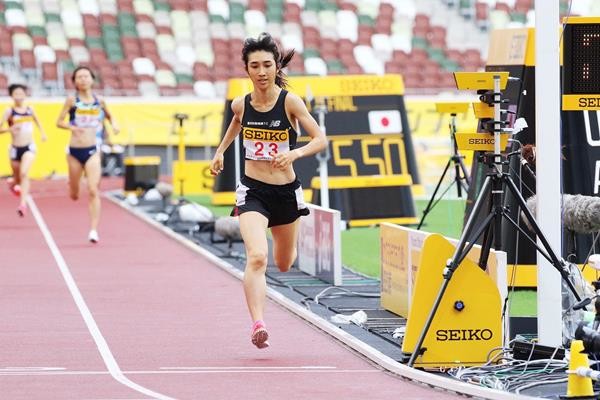
With no pacemakers, Tanaka started conservatively and led the field through the first lap in 66.42. Japanese 800m and 1500m champion Ran Urabe, compatriot Kaede Hagitani and Kenya’s Japan-based Hellen Lobun were the only ones capable of following the early pace.
At 800m, reached in 2:11.91, Urabe moved into second place as Lobun and Hagitani dropped behind. Tanaka continued to wind up the pace, and after hearing the bell ring with 3:02.37 on the clock, she kicked it up another gear and pulled away from Urabe.
Tanaka flew around the final lap in 63 seconds to cross the line in 4:05.27, smashing the national record by two seconds. Urabe finished six seconds in arrears, clocking 4:11.75.
"I thought about all kinds of race plans, but I also knew that if I thought about it too much, I’d get anxious," said Tanaka, whose mother, Chihiro, is a two-time Hokkaido Marathon champion. "So today I decided not to be too conscious of the time and to just run. I’ve been confident with my finish in training, so I just gave everything I had. I realised in the final 100 metres that I was going to break the national record.
"I’m very excited that I finally broke the national record that had been held by Yuriko Kobayashi, who is from my home town," added Tanaka, who is coached by her father, Katsutoshi. "With my performance today I was able to show my appreciation towards to the people who have supported me."
by World Athletics
Login to leave a comment
