

Running News Daily
Running News Daily is edited by Bob Anderson and team. Send your news items to bob@mybestruns.com Advertising opportunities available.
Index to Daily Posts · Sign Up For Updates · Run The World Feed
Articles tagged #Charles Ngeno
Today's Running News
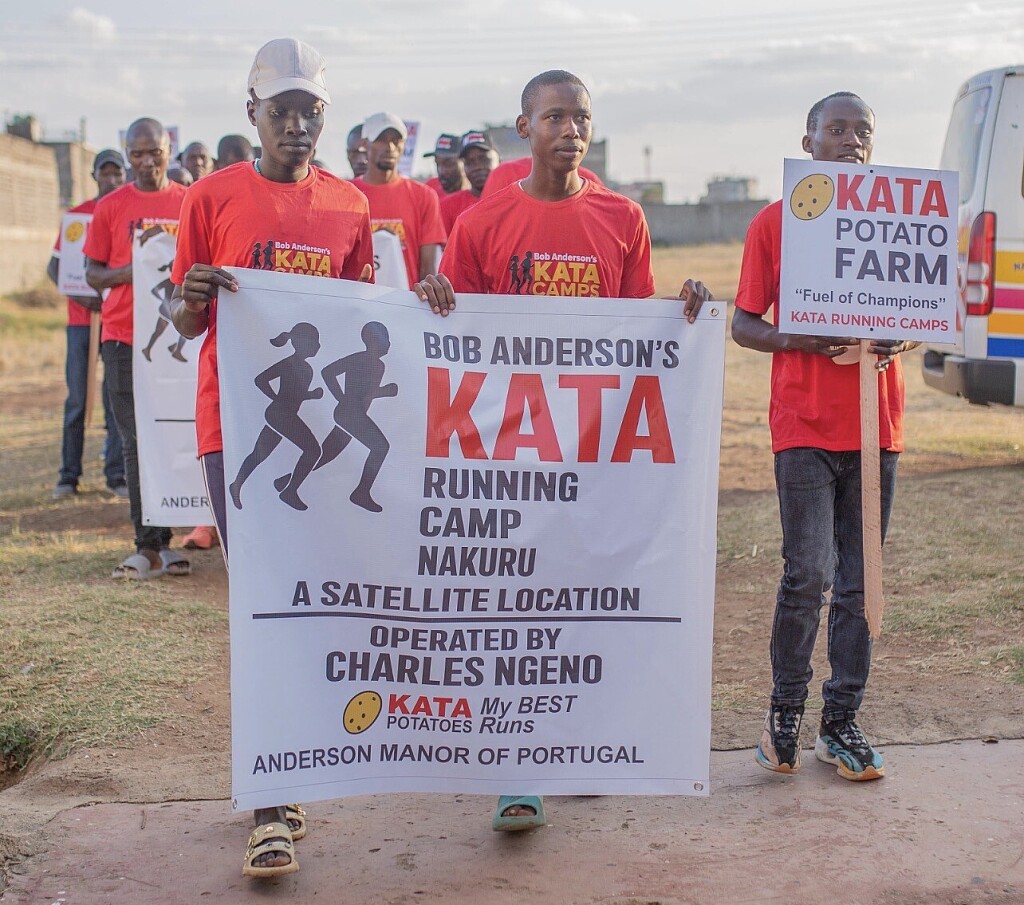


Was KATA’s Vision Too Grand? The 60-Camp Network That Could Have Supported 1,800 Kenyan Runners
KATA had assembled 30 running camps and planned to double that number. Its model used repayable, interest-free startup financing and potato farming to create a self-sustaining national network—but the expected repayments never materialized.
By Robert Kibet
Could a network of 60 self-supporting training camps have transformed life for 1,800 promising Kenyan runners?
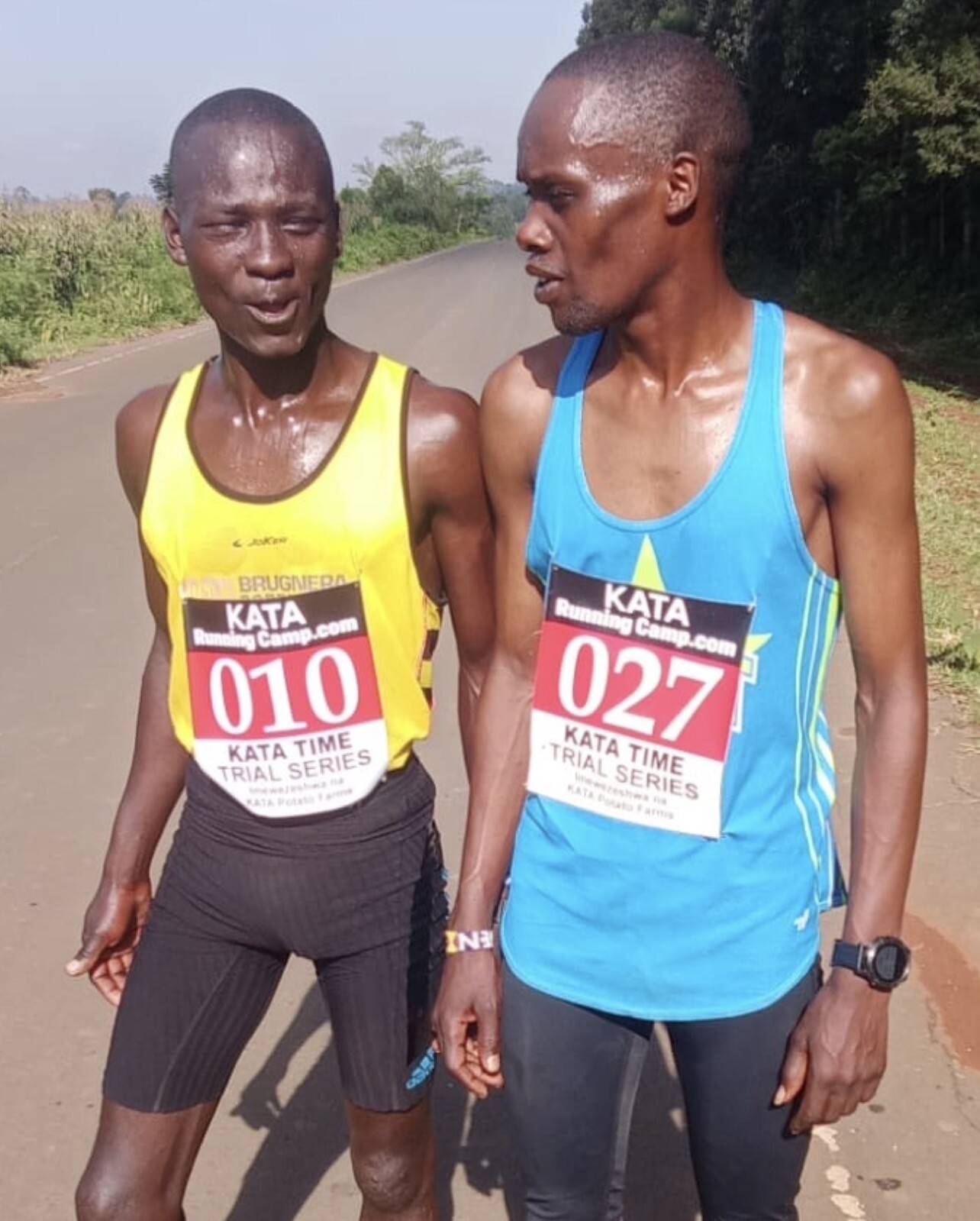
That was the vision behind the Kenyan Athletics Training Academy (KATA) programme created by Bob and Catherine Anderson.
KATA had assembled 30 running camps and planned to expand to at least 60. At 30 athletes per camp, the completed network could have provided accommodation, food and high-level training for approximately 1,800 runners at one time.
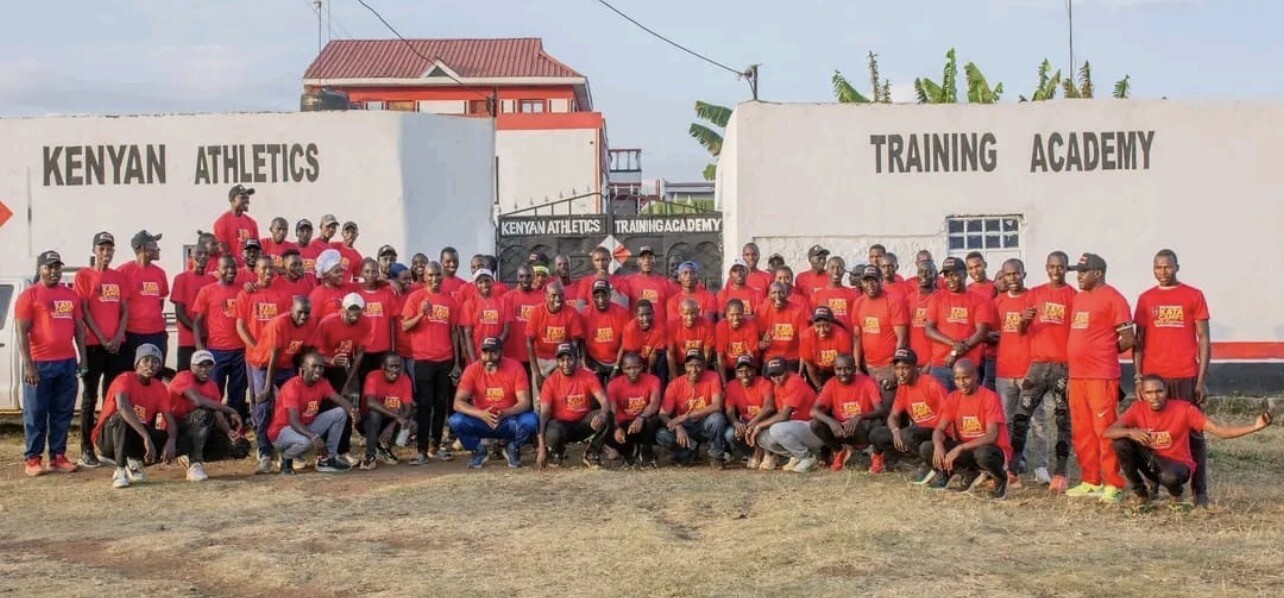
The objective was not simply to produce champions. KATA sought to improve daily living and training conditions for developing athletes while strengthening grassroots coaching.
The programme was ambitious, but it was not intended to depend permanently upon money from the Andersons.

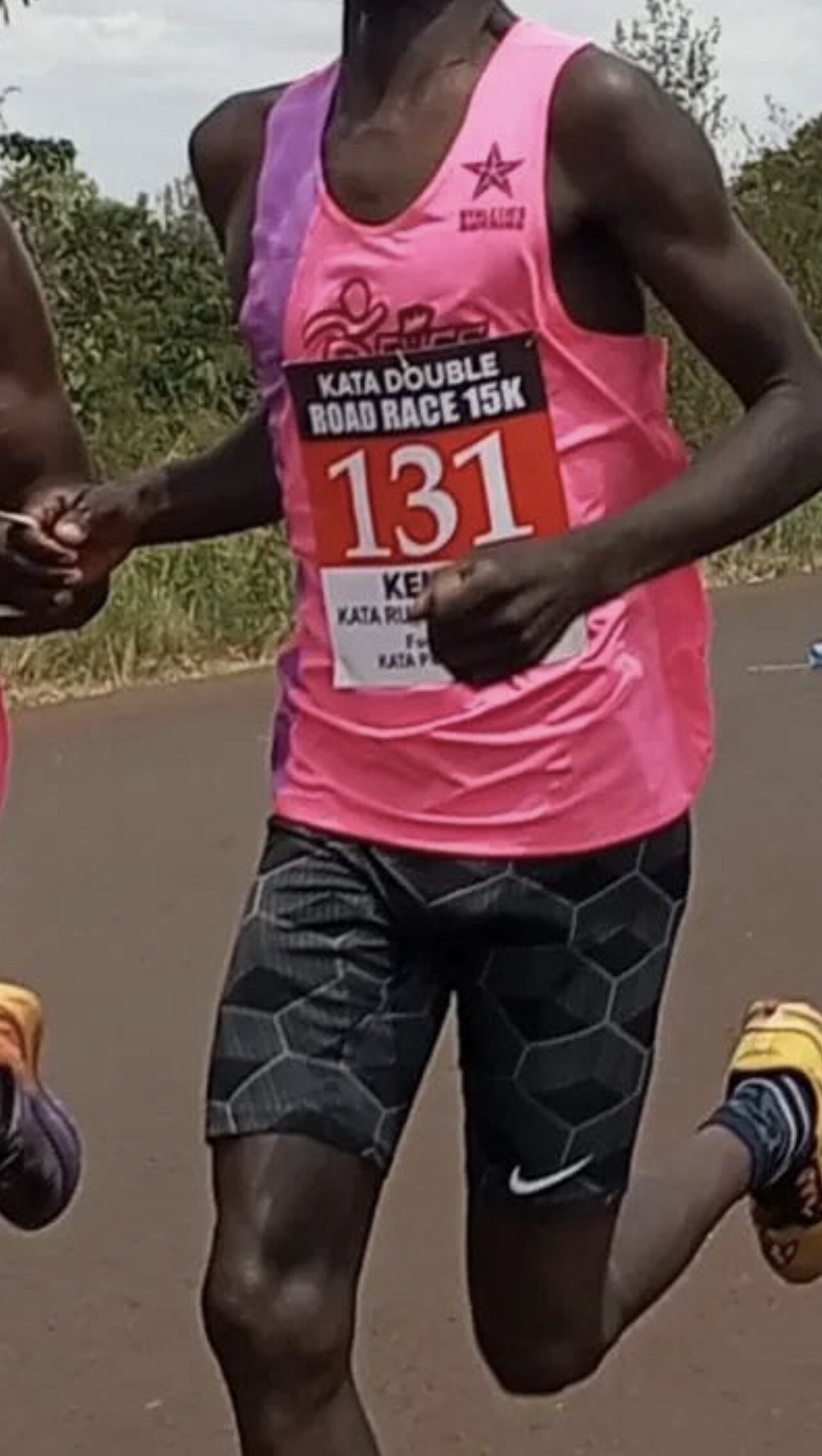
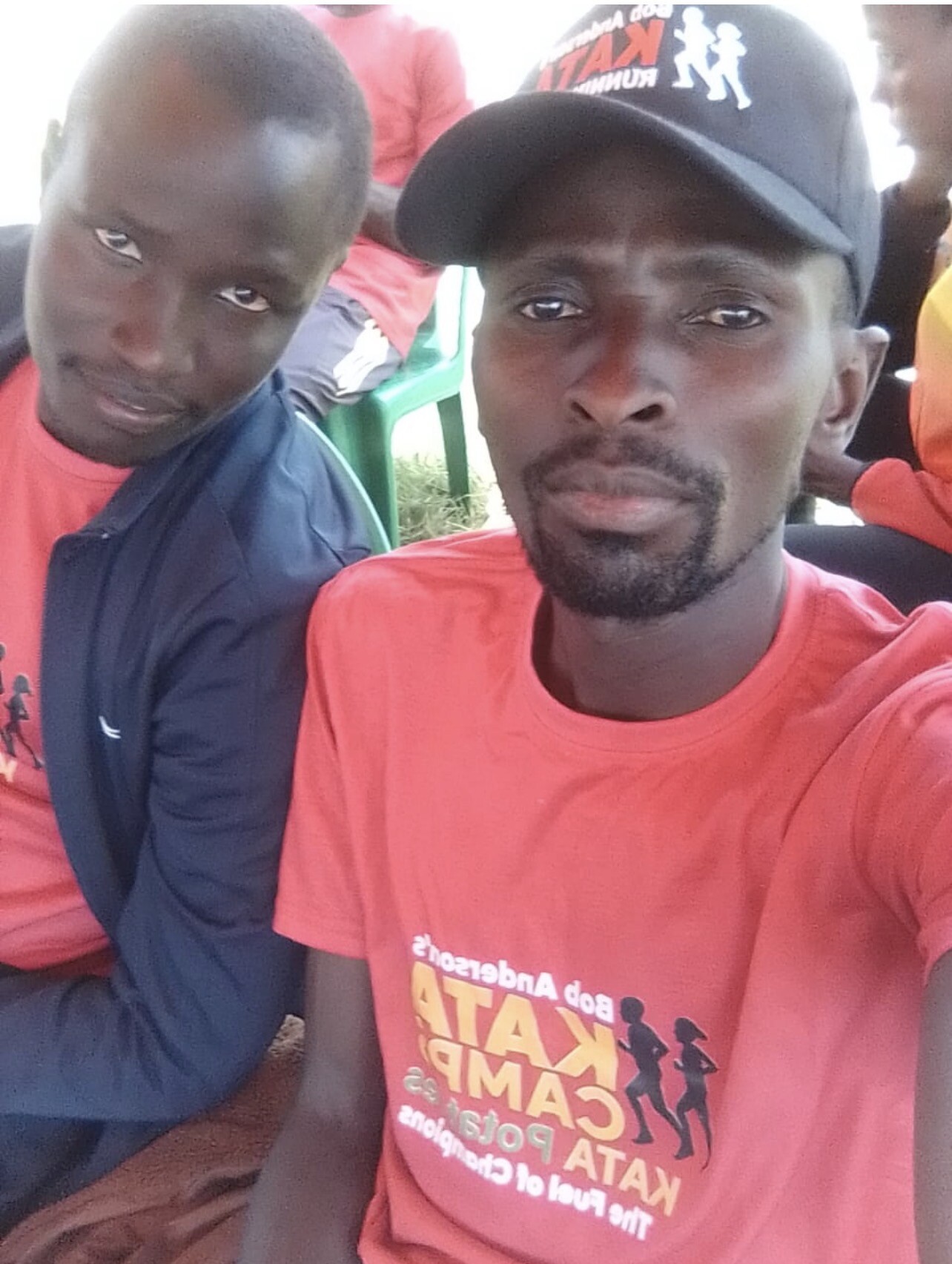
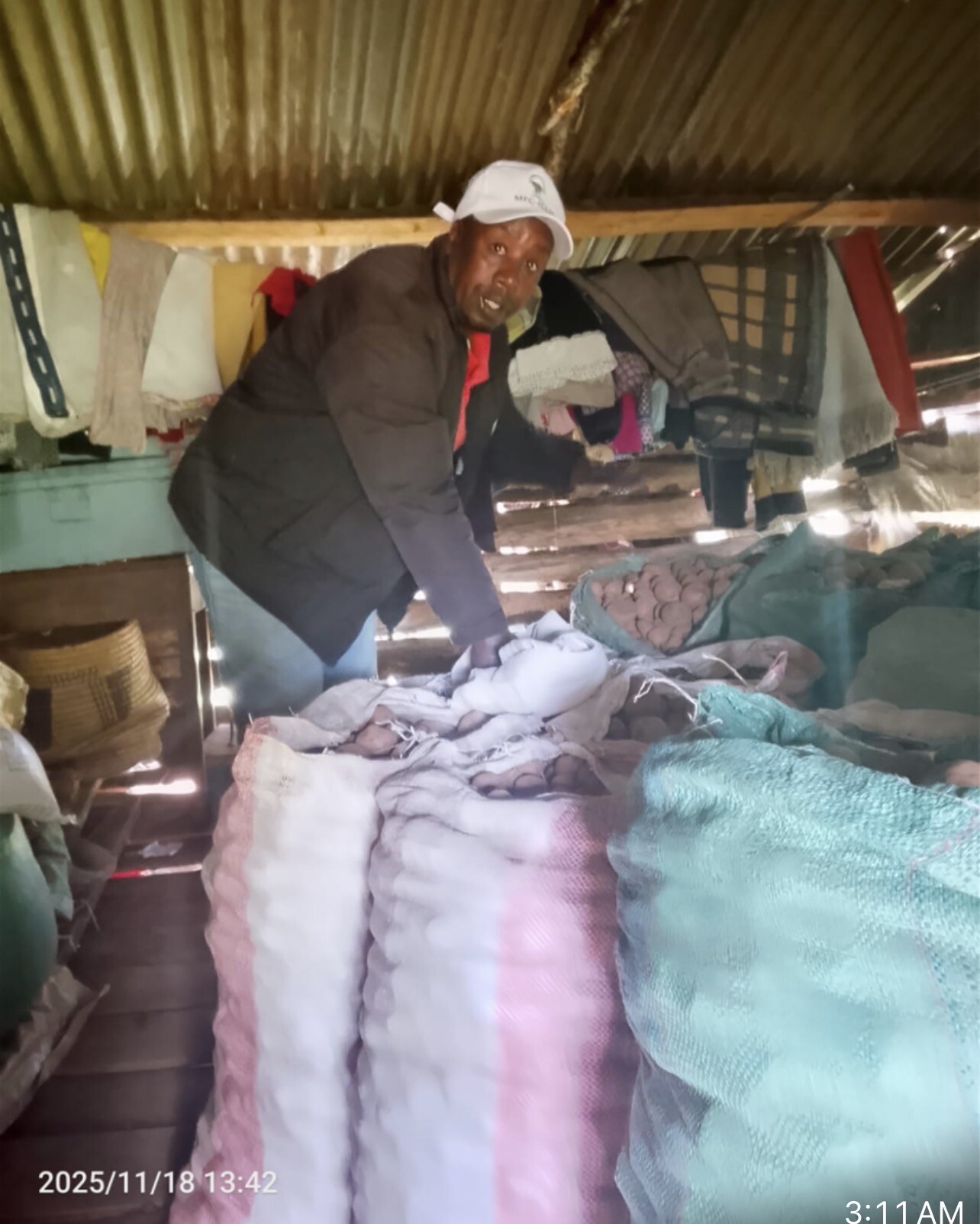
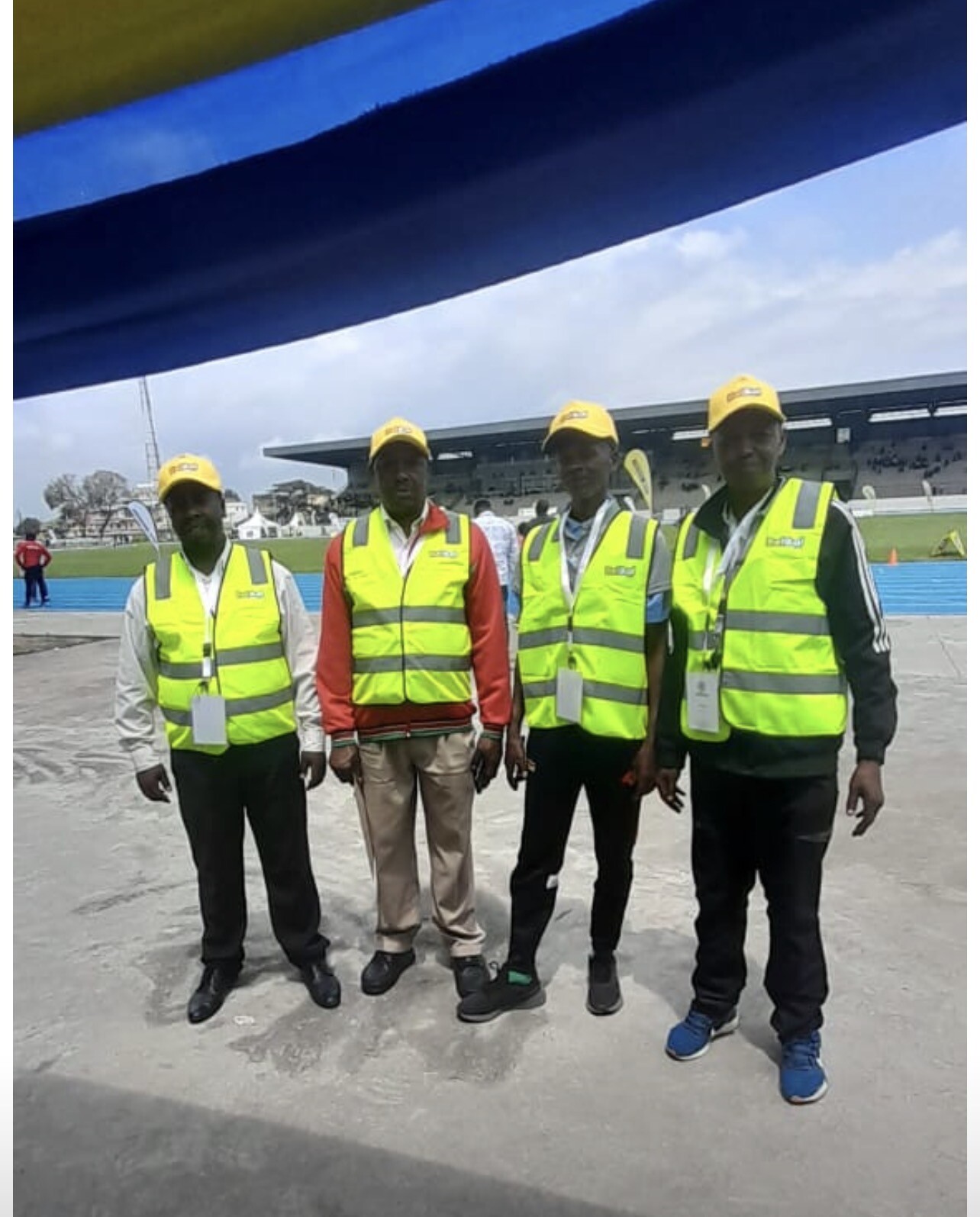
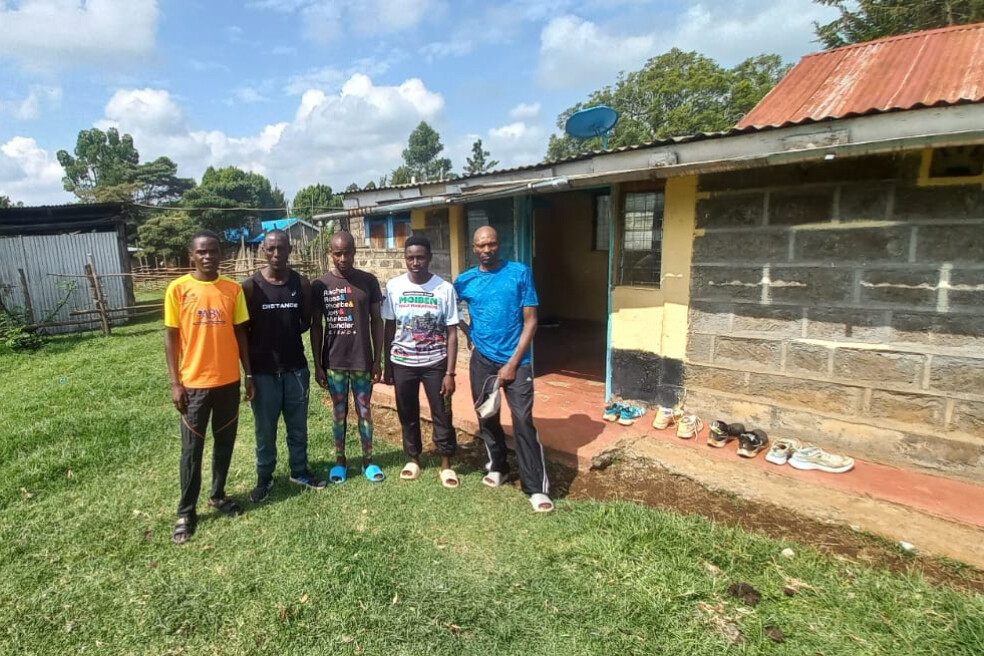
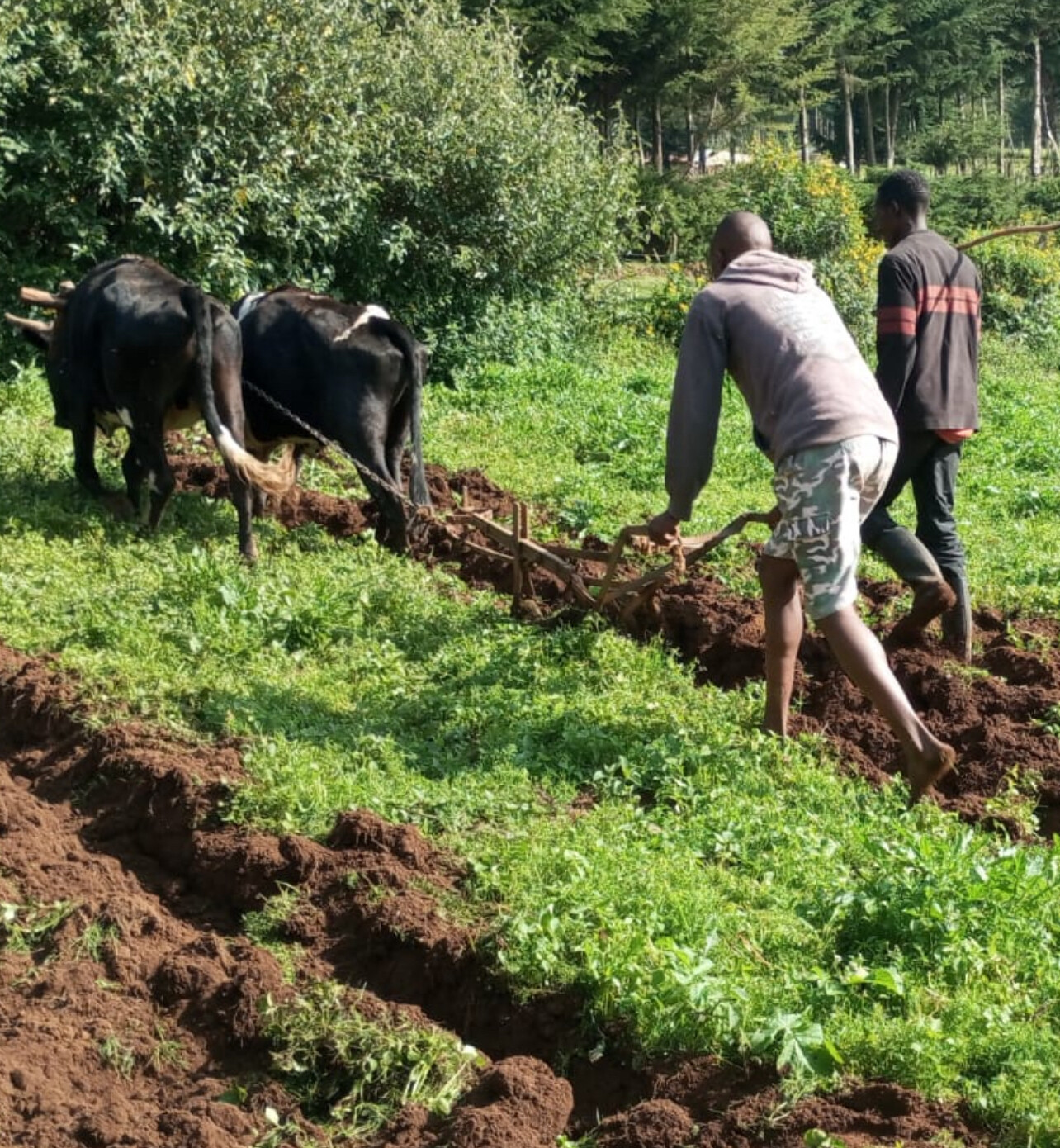
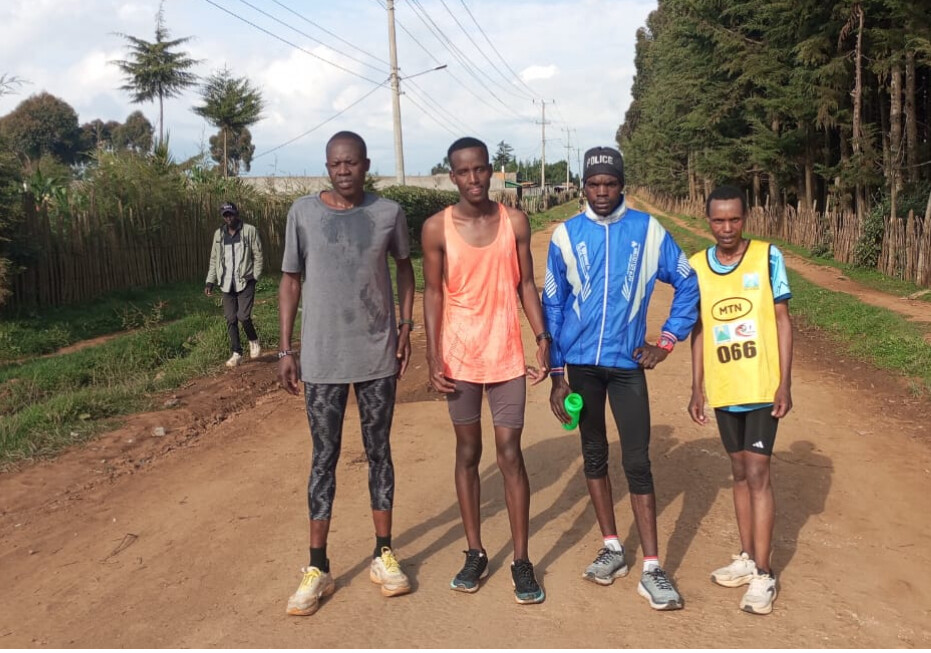
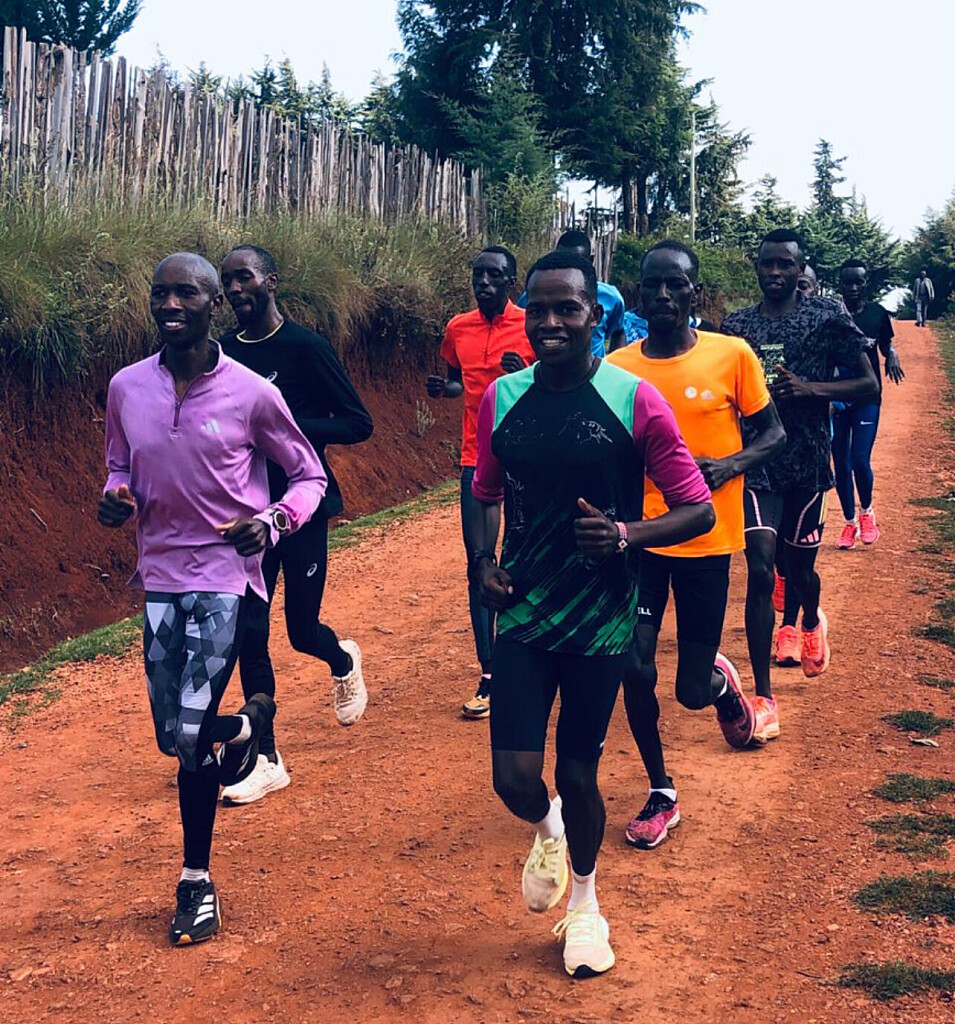
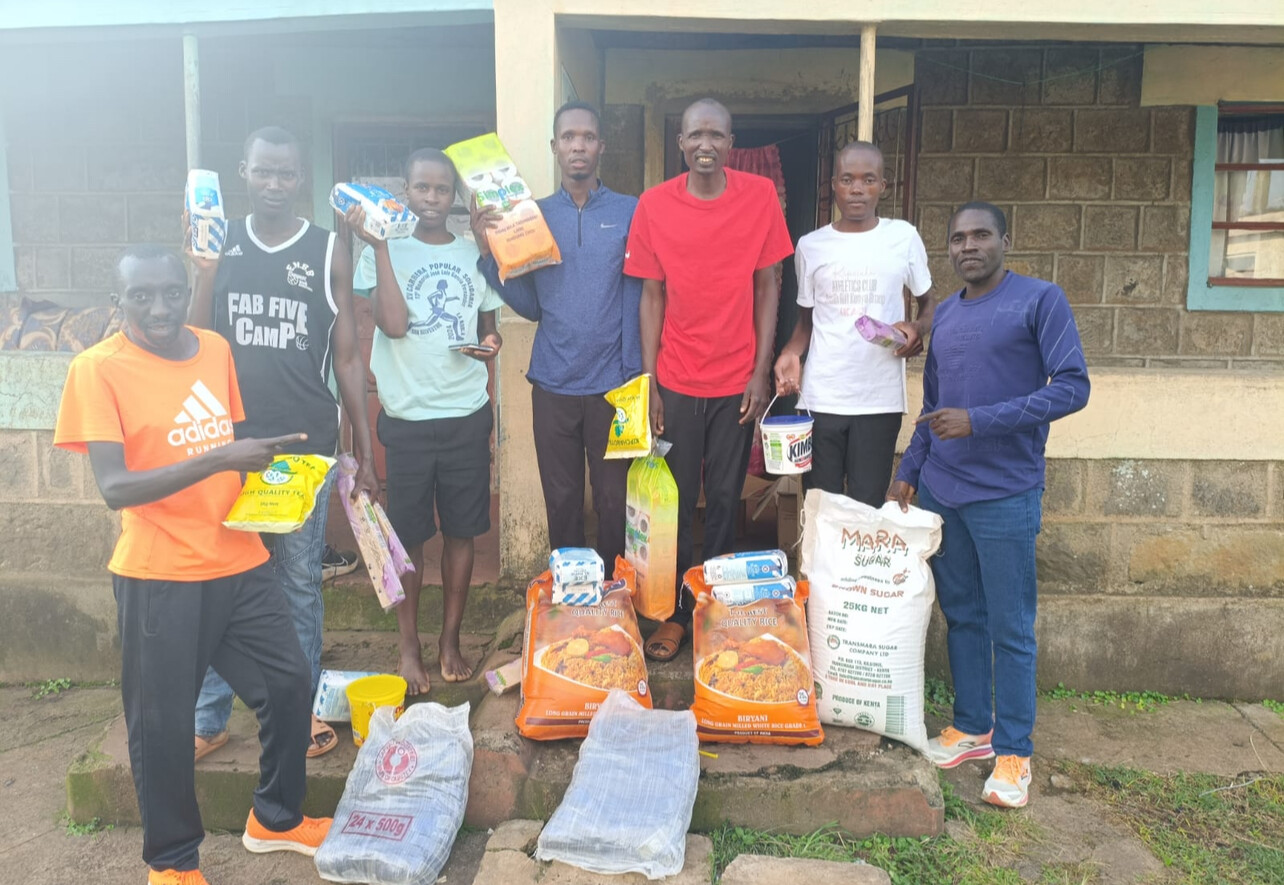
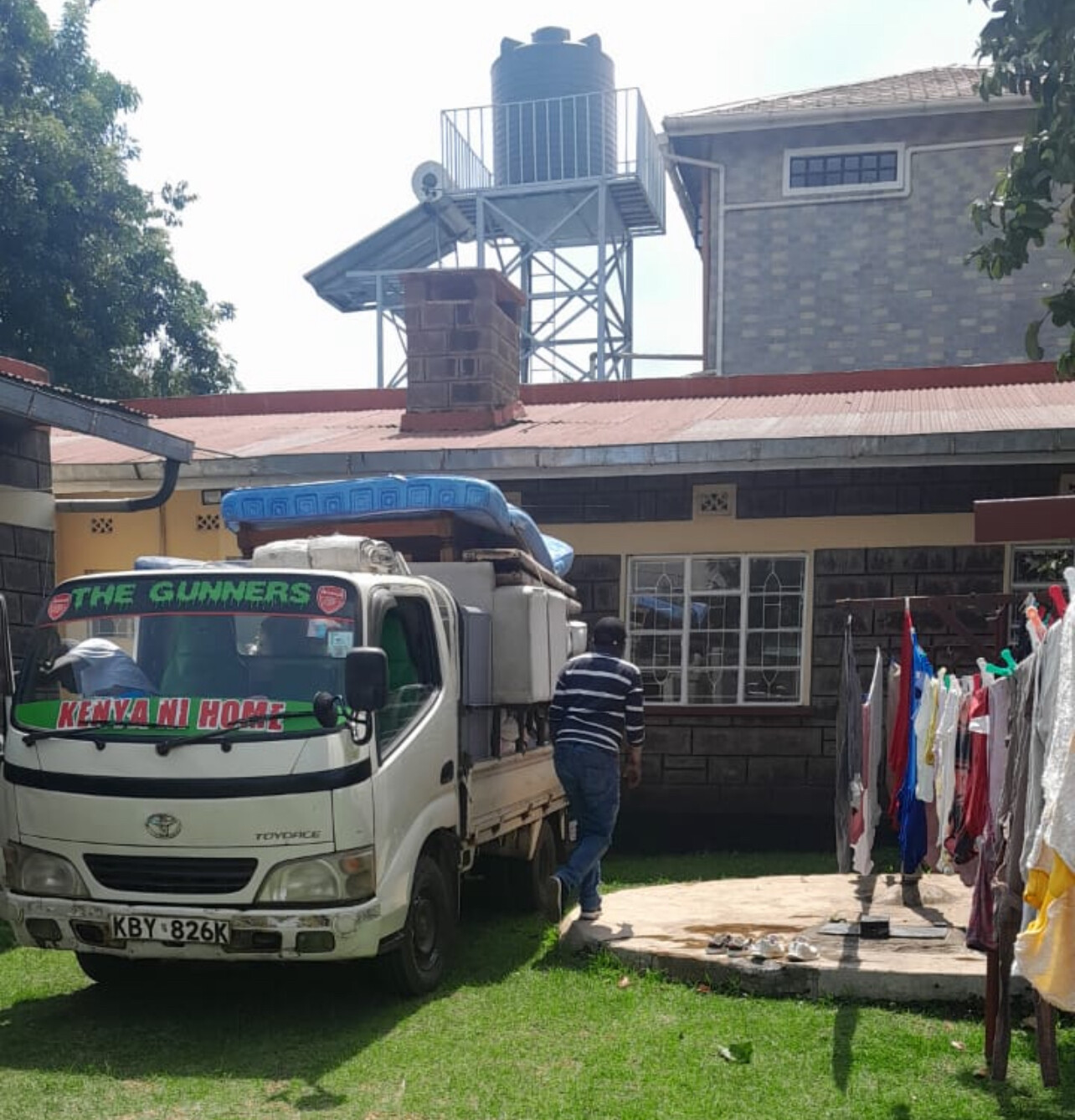
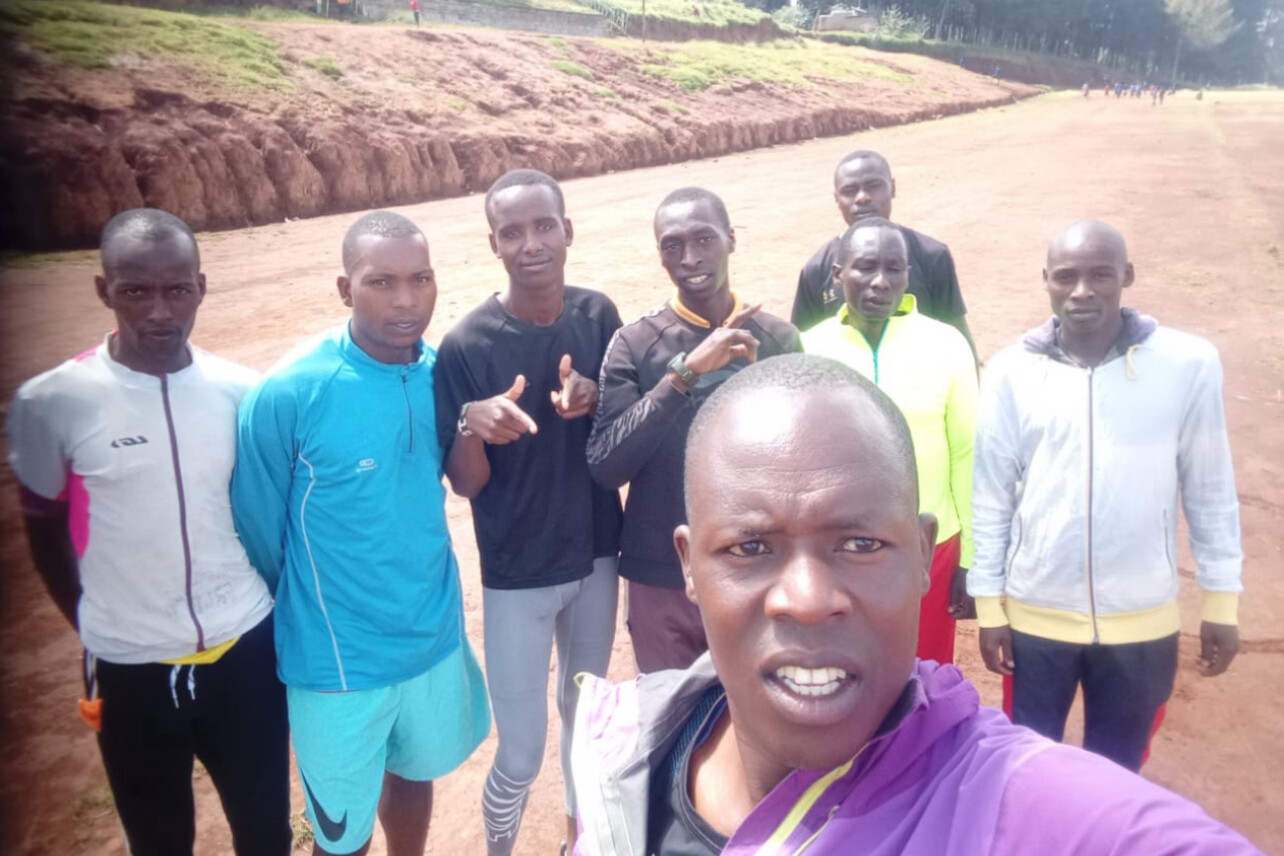
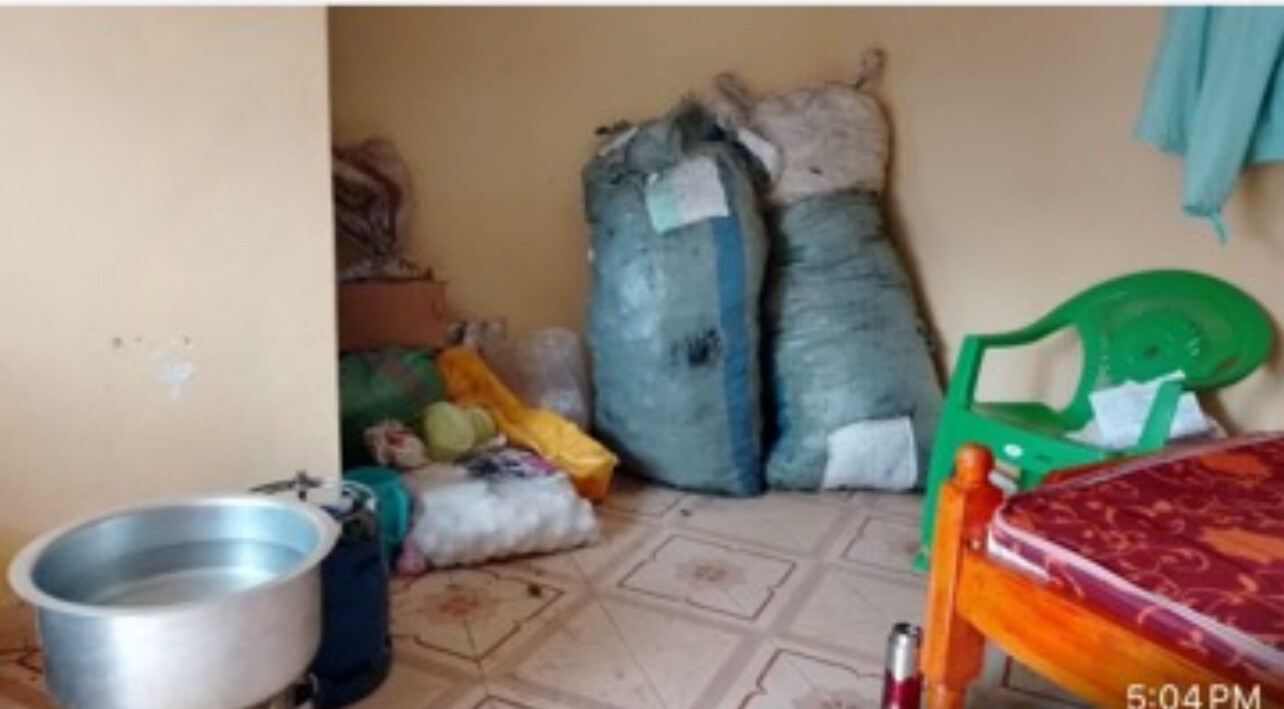
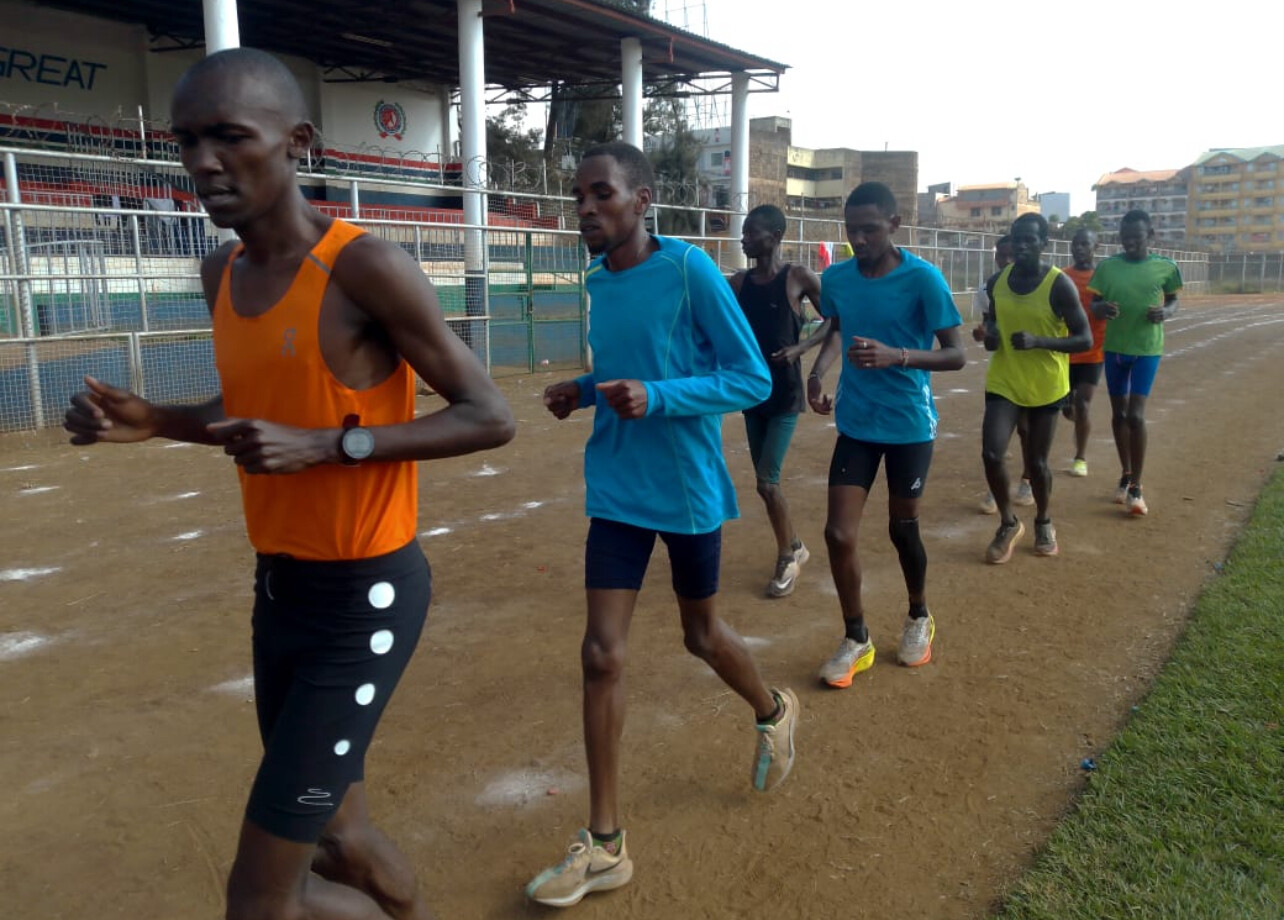
(These eight photographs were among more than 5,000 images sent to KATA founder Bob Anderson and his team as evidence of how the programme was progressing.
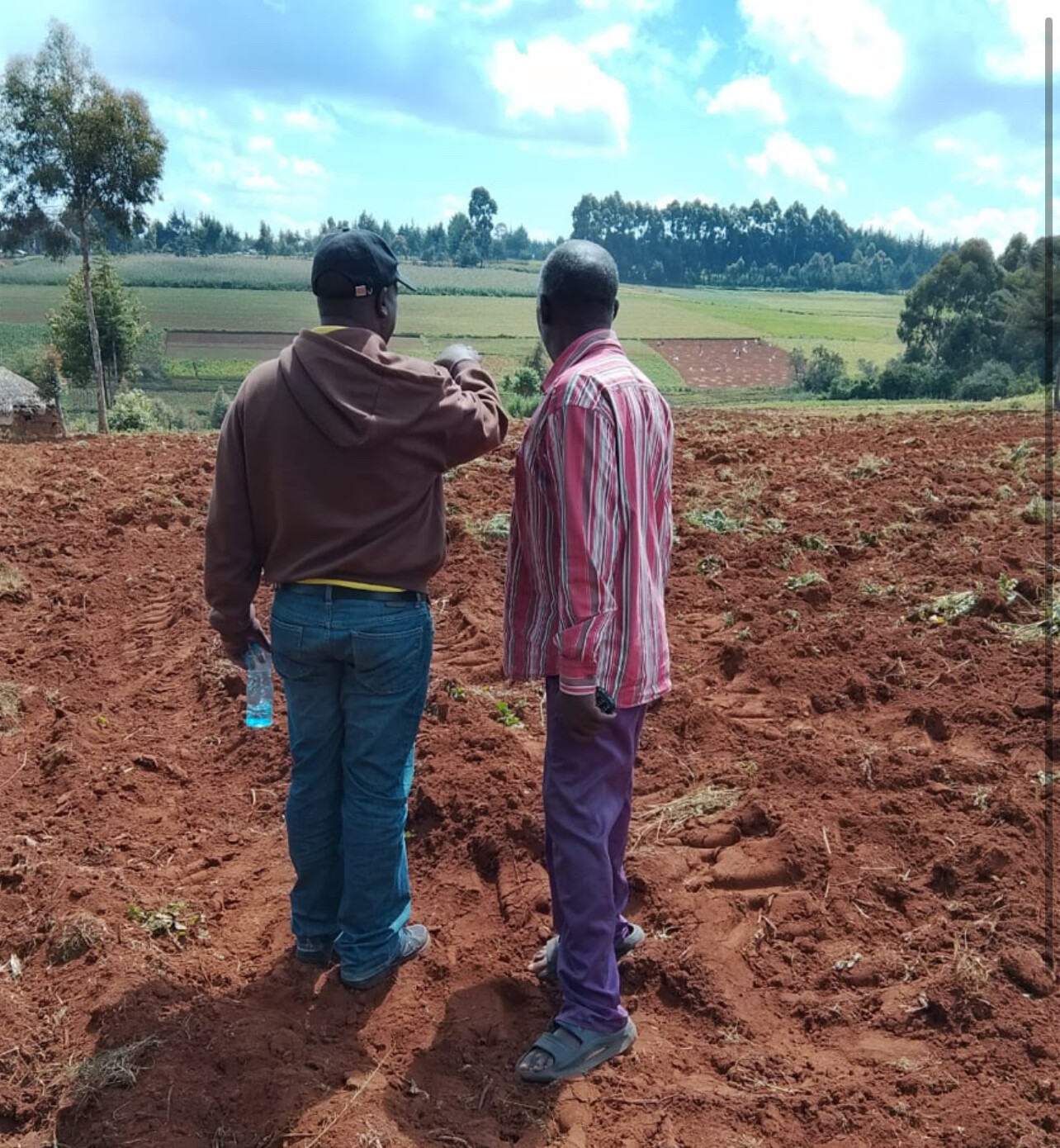
The photographs showed why individual coaches and camp operators believed they should receive interest-free loans and become part of the KATA family. Others documented the development of the camps, potato farming activities and the required 10-kilometre time trials held every two months.
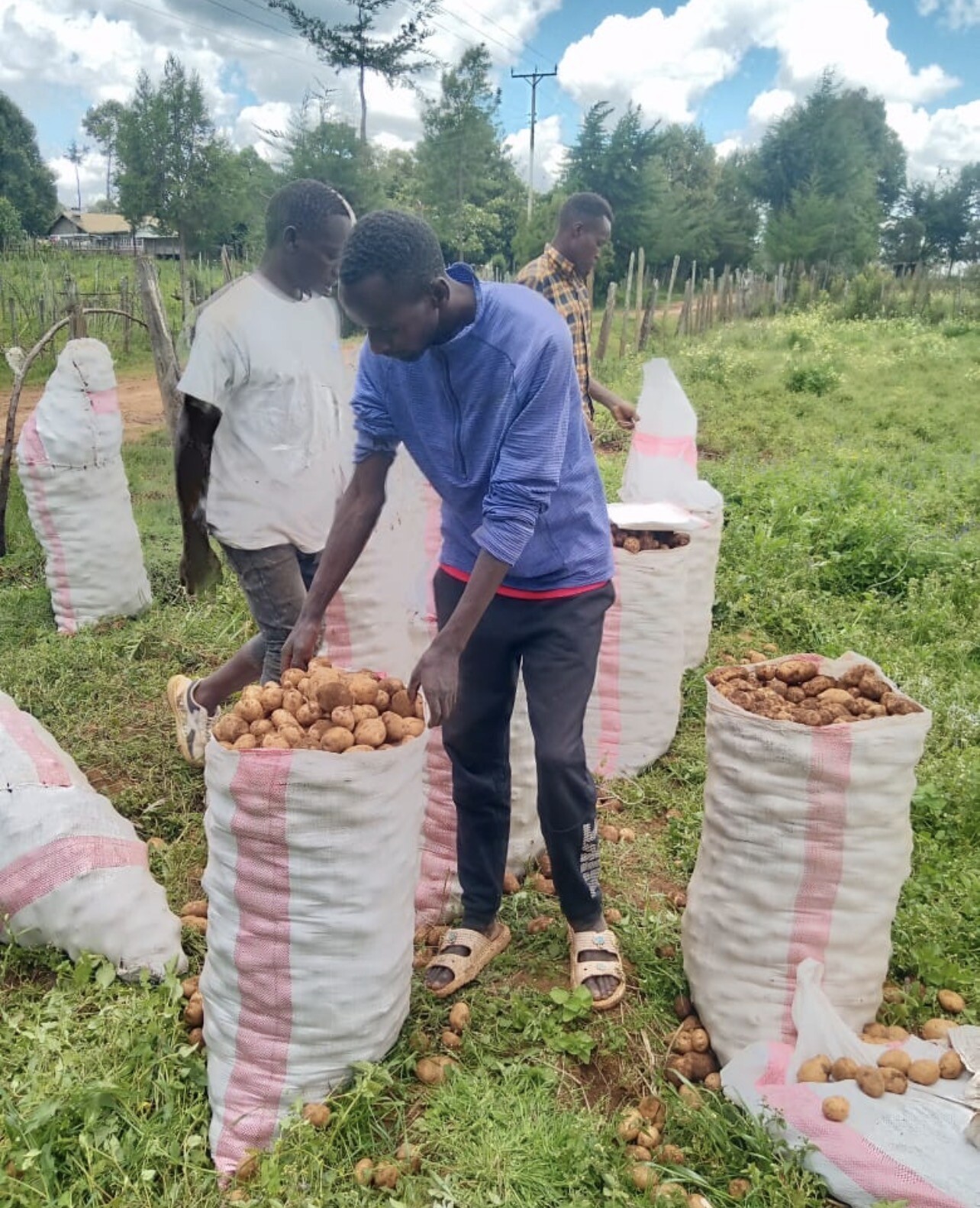
In September 2025, athletes from most of the 30 KATA camps travelled to Thika to compete in the KATA Double Road Race, where KSh100,000 in prize money was awarded. At that point, the programme appeared to be working as planned.
The situation changed shortly afterward. Potato harvests were completed and crops were sold, but despite repeated explanations and delays, very little of the money collected was returned to KATA.)

How a camp was supposed to become self-supporting
KATA’s financial model began with two interest-free loans.
The first supplied the capital required to open a running camp. An approved operator could receive as much as KSh500,000 for rent, beds, mattresses, furniture, food and other startup needs.
That money remained a debt to KATA. It was not a gift, grant or donation.
A second interest-free loan financed potato cultivation at a projected cost of approximately KSh100,000 per acre.
The plan called for the harvest revenue to retire both debts—the farming advance and the camp-establishment advance—before the remaining proceeds were used locally.
Potatoes were chosen because they are Kenya’s second-most important food crop after maize and form an industry worth an estimated US$400 million to US$500 million annually.
KATA’s working projection placed gross sales from a successful acre at about KSh400,000. This was a programme estimate rather than a guaranteed or national average result. Actual returns depended upon production, disease, weather and selling prices.
The projected economics of three acres illustrate the plan:
Estimated cultivation loan: KSh300,000;
Projected gross sales: KSh1.2 million;
Repayment of cultivation financing: KSh300,000;
Repayment of camp startup financing: up to KSh500,000; and
Potential balance for athletes and the next season: approximately KSh400,000.
Under this model, one strong three-acre harvest could potentially clear the money advanced to establish the camp and grow the crop. The following season could then help pay for food, housing and training while keeping the farm productive.
“We did not give away startup money,” Anderson said. “We provided interest-free loans that had to be repaid. The potatoes were the engine intended to repay both loans and create continuing income for the athletes.”
From 30 camps to a potential 60
Bob and Catherine Anderson say they invested more than KSh42 million in the wider programme.
Approximately KSh36 million was provided as interest-free financing, with more than KSh6 million spent on Kenyan independent contractors and related operational expenses.
The Andersons did not form a Kenyan company. Their California-based operation directed the programme and retained independent contractors in Kenya for coordination and monitoring.
If 75 percent of participating coaches, farmers and operators had repaid their loans, Anderson believes KATA would have had enough revolving capital to strengthen the 30 camps and expand to 60.
“The money was supposed to keep moving,” he said. “A repayment from one harvest could help establish or strengthen another camp. We would not have needed to start again with new outside money every season.”
A 60-camp network supporting 1,800 runners could also have developed a significant voice within Kenyan athletics.
“KATA was not created to oppose Athletics Kenya,” Anderson said. “But an independent programme improving conditions for 1,800 athletes would naturally have carried influence.”
Anderson has wondered whether that potential might have concerned people who wanted to control opportunities within the sport. He emphasizes that he has no evidence Athletics Kenya attempted to undermine KATA.
Charles Ngeno and claims of high-level access
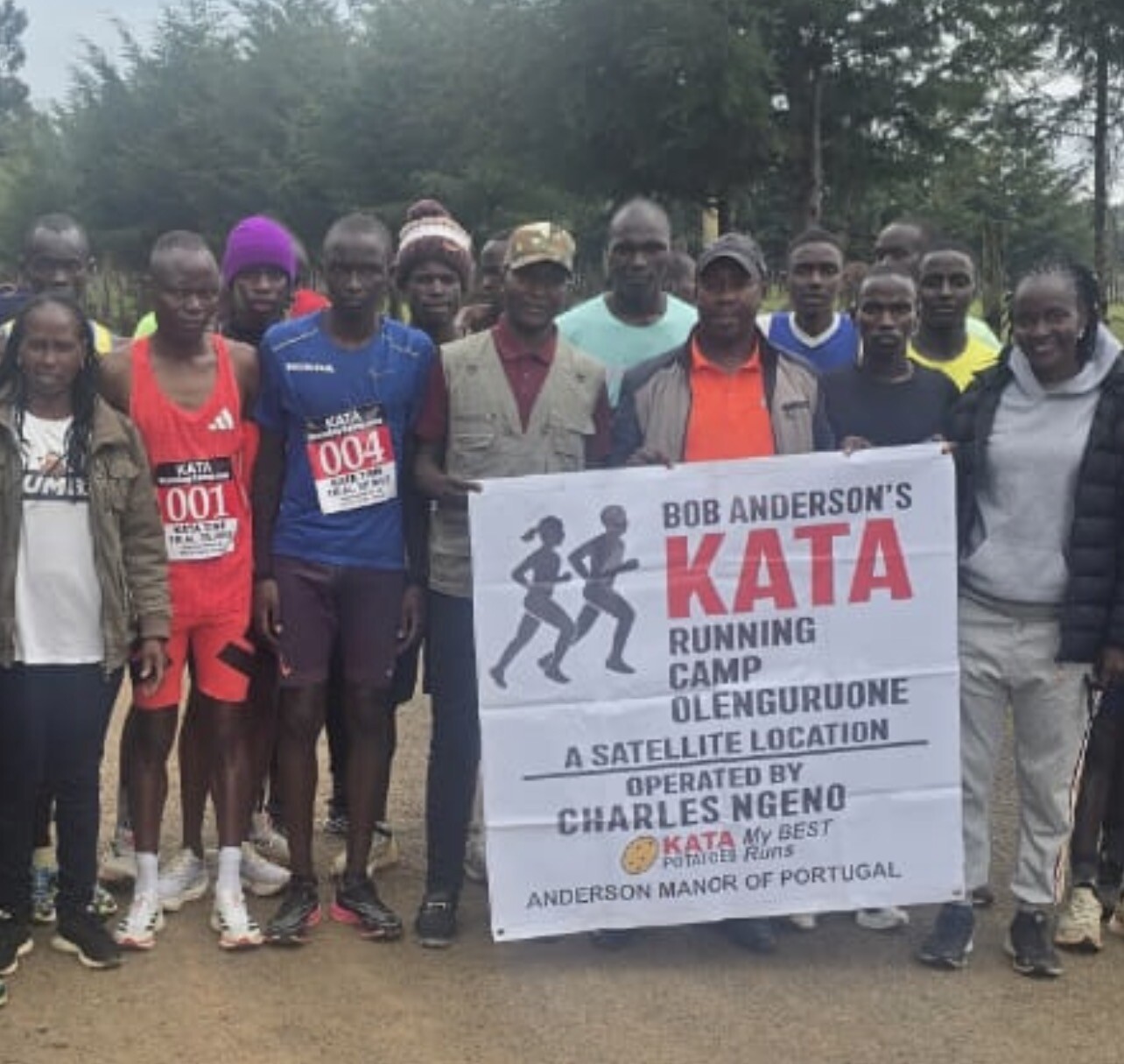
While developing two proposed KATA camps, coach Charles Ng’eno repeatedly portrayed himself to Anderson as closely connected to leading figures in Kenyan athletics.
On July 22, 2025, Ng’eno wrote:
“I need to brief you tomorrow about good news we discussed with AK PRESIDENT about KATA.”
The message did not explain the “good news,” and no response from the Athletics Kenya president has been provided to confirm that discussion.
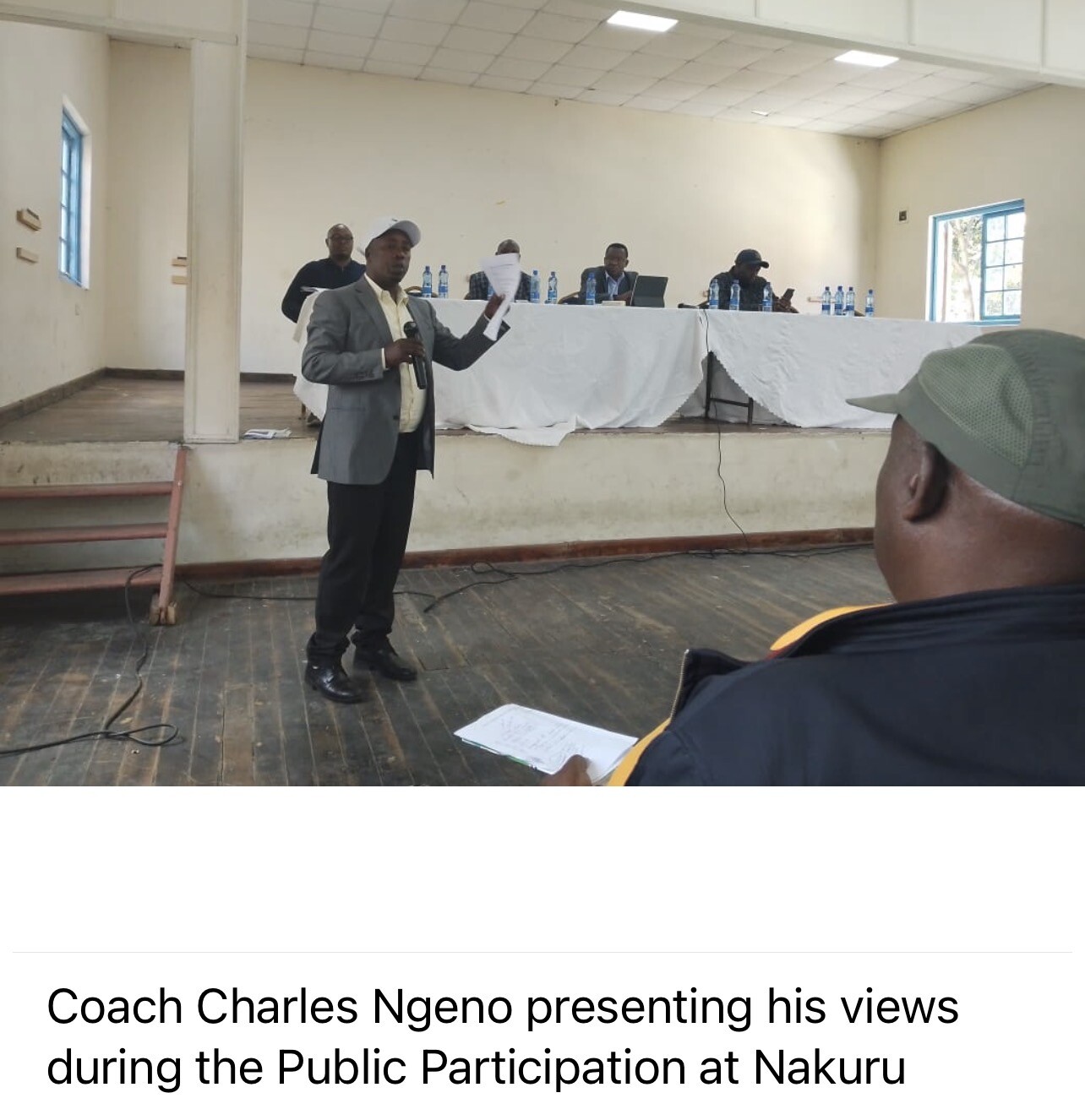
Ng’eno also sent photographs appearing to show him attending Athletics Kenya functions, including one in which he sat behind an Athletics Kenya nameplate and another showing him addressing a gathering.
The photographs indicate attendance at athletics-related events. They do not prove that AK supported KATA or authorized Ng’eno to speak on its behalf.
Ng’eno also supplied Anderson with messages addressed to senior athletics official Barnabas Korir.
In one, Ng’eno told Korir:
“You expressed happiness with KATA.”
He further attributed to Korir statements about protecting KATA because of its importance in empowering young people.
The screenshots do not show Korir confirming the statements. It remains unclear whether all the communications were sent, received or answered.
Prominent athletes and coaches
Ng’eno strengthened the appearance of influence by invoking other respected names.
In June 2025, he sent Anderson a message addressed to Faith Kipyegon in which he described himself as her “grassroots coach.” The screenshot contains no response from Kipyegon and does not independently establish the extent of Ng’eno’s early coaching role.
Ng’eno later said prominent coach Bernard Rono had consulted him about KATA and joined the programme.
“We are glad to have him with us at KATA,” Anderson replied. “We have a strong group of operators!”
Anderson says the combined effect of the messages and AK photographs was significant.
“Charles made it appear that he was plugged into the highest levels of Kenyan athletics,” Anderson said. “That gave me confidence that he could build successful camps and bring respected people into the KATA network.”
Whether Ng’eno accurately described those relationships remains unconfirmed.
Two camps appeared to be taking shape
Ng’eno supported his requests for money with budgets, reports, photographs and videos.
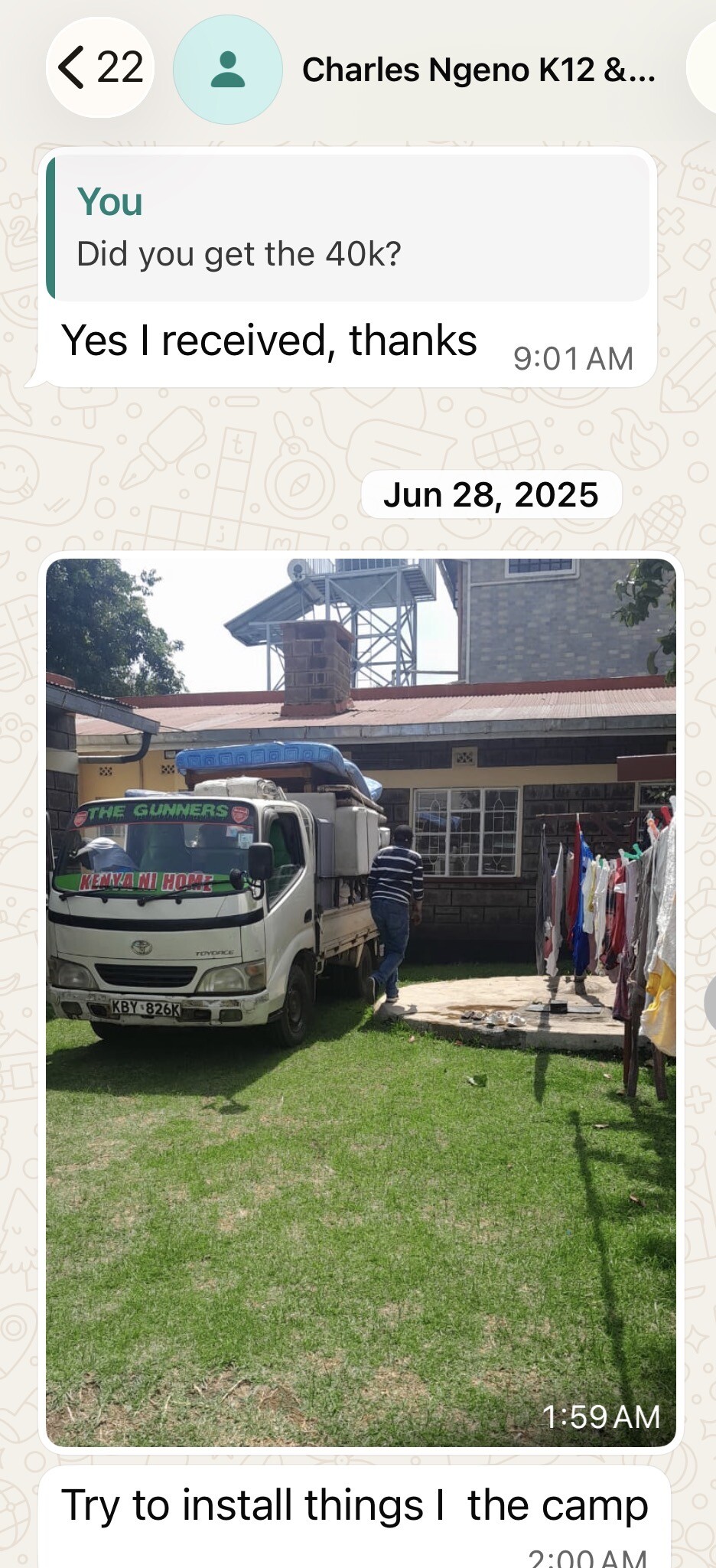
After confirming receipt of KSh40,000 in June 2025, he sent a photograph of a truck at a residential property and said he was installing items at the camp.
He later requested financing for nearby land, reported renting a house in Nakuru and sought money for beds and mattresses.
On August 3, Ng’eno submitted figures for the proposed Olenguruone and Nakuru camps. His presentation referred to a combined KSh1.3 million budget and reported KSh531,400 used for farming and camp expenses.
The KSh1.3 million was the proposed allocation—not the amount Anderson ultimately transferred.
Anderson says Ng’eno actually received KSh1,077,500. The funding was intended to establish two camps and cultivate six acres.
A video Ng’eno sent on August 5 appeared to show young athletes training indoors.
“These are the real stars,” he wrote, predicting they could reach the next World Cross Country Championships.
The material led Anderson to believe the camps were progressing.
“I could see athletes training and equipment apparently arriving,” he said. “It looked as though the programme was creating exactly what we intended.
Red flags halted further funding
Ng’eno continued presenting expansion plans, but promised repayments did not arrive.
In November 2025, he told Anderson nearly KSh600,000 would be paid before the end of December, followed by another KSh200,000 in January or February.
Ng’eno also referred to a plot of land allegedly worth KSh1.5 million that could be sold to clear the debt.
At the same time, he continued seeking additional money. When an account was restricted because no repayment had arrived, Ng’eno suggested that funds be sent through his wife’s M-Pesa number or another person.
Anderson refused to bypass the restriction.
In January 2026, Ng’eno made another commitment:
“Yes Bob, I need to start with 400,000 ksh.”
He said he was responsible and “must do payments.” He also attributed the delay to money spent constructing a residential building that would become a KATA camp.
Anderson says the KSh400,000 was not paid.
Ng’eno later attempted to persuade him to finance another six acres with approximately KSh600,000 in additional interest-free funding.
Anderson declined.
“I probably would have sent more if the promised repayments had started,” he said. “Fortunately, each missed date raised another red flag. I stopped after KSh1,077,500.”
What is known—and what remains unverified
The available communications show that Ng’eno:
Claimed to have discussed KATA with the Athletics Kenya president;
Attributed favorable statements about KATA to Barnabas Korir;
Presented himself as connected to leading athletes and coaches;
Supplied budgets and reports for two camps;
Sent images appearing to show camp development and athletes training;
Continued seeking new funding; and
Made several substantial repayment promises.
They do not establish whether Athletics Kenya endorsed or opposed KATA, whether the named officials made the statements attributed to them or how all the money was ultimately used.
There is no current evidence that Athletics Kenya developed or participated in a plan to stop KATA.
There is evidence that Ng’eno’s representations increased Anderson’s confidence in the camps and the wider programme.
Questions for Ng’eno and Athletics Kenya
Ng’eno should be asked:
What did he discuss with the Athletics Kenya president?
Did Barnabas Korir make the statements attributed to him?
What official athletics positions did Ng’eno hold?
How many athletes lived and trained at the two camps?
Was the residential building completed and operated as a KATA camp?
How was the KSh1,077,500 used?
What income was produced by the six acres?
Why were the promised repayments not made?
Did he own the reported KSh1.5 million property?
Athletics Kenya and the officials named in Ng’eno’s messages should have an opportunity to clarify what they knew about KATA and whether their positions were represented accurately.
Grand—but not impossible
KATA’s vision was undeniably large: 60 camps capable of supporting 1,800 runners.
Its financial premise was that repaid loans would become revolving capital. Each successful camp and harvest would help finance the next cycle of athlete support.
“The vision may have been grand, but it was not impossible,” Anderson said. “We already had 30 camps. What failed was the repayment system and our reliance on reports that were not independently verified.”
Whether Ng’eno truthfully described his Athletics Kenya discussions remains unanswered. Whether AK understood KATA’s potential scale is also unclear.
What is clear is that the programme was not offering free startup money. Every camp and agricultural advance was an interest-free loan that had to be returned.
Without those repayments, the revolving system stopped—and the planned network of 60 camps has never became a reality. If only most of the KATA operators had paid back their loan! "When they do things could still get back on track," says Bob Anderson.
by Robert Kibet
Login to leave a comment

KSh42 Million KATA Programme Dispute: Questions Over Funding Advanced to Coach Charles Ng’eno
KATA founder Bob Anderson says coach Charles Ngeno received KSh1.077 million in repayable, interest-free financing for two running camps and six acres of potatoes, repeatedly discussed repayment and later sought additional funding.
A programme in which Bob and Catherine Anderson say they committed more than KSh42 million to support Kenyan runners is now at the centre of a dispute over money advanced to coach Charles Ng’eno.
Anderson, founder of My Best Runs, the Kenyan Athletics Training Academy and Runners World, says Ng’eno received KSh1,077,500 in interest free loans to establish two KATA running camps and cultivate six acres of potatoes.

Anderson says none of the money has been repaid.
Ng’eno should be given a full opportunity to respond to the allegations and provide his own financial records, contracts, harvest records and explanation of the transactions before publication.
Anderson founded Runner’s World as a teenager and says his motivation for developing KATA came from decades spent in athletics and from seeing the conditions faced by some aspiring Kenyan runners.
“This was never simply a potato farming project,” Anderson said. “The purpose was to establish camps where talented athletes could receive accommodation, food and world-class training. Every shilling provided to establish the camps and grow the potatoes was an interest-free loan that had to be repaid.”
Two loans supporting one objective
According to Anderson, the KATA model combined two forms of repayable financing.
Camp operators could receive interest-free startup loans to cover expenses including rent, beds, mattresses, furniture and initial food supplies. Depending on the camp's requirements, Anderson says this financing could reach KSh500,000.
Separate interest-free loans were used to finance potato production, generally budgeted at approximately KSh100,000 per acre.
The intention was for proceeds from potato sales to repay both the farming costs and the money advanced to establish the running camp.
The funds were therefore not intended to operate as grants that beneficiaries could retain without repayment.
After the loans were cleared, the remaining income was intended to support athletes and help finance subsequent farming seasons.
Anderson says the model was designed to create a revolving system in which money recovered from one camp could eventually help another.

“The idea was to provide the seed capital once and then have the potato proceeds repay everything,” Anderson said. “After the camp and farming loans were cleared, each camp could continue operating without depending upon Catherine and me for more money.”
The financial projections used by KATA were based on anticipated agricultural returns. Anderson says the programme estimated that a well-managed acre could generate about KSh400,000 in gross sales, although actual returns would depend on yields, disease, weather and market prices.
These were projections rather than guaranteed returns.
More than KSh42 million committed
Anderson says he and Catherine committed more than KSh42 million to establishing and operating the wider programme.
Approximately KSh36 million, he says, was provided through interest-free loans to coaches, farmers and camp operators, while more than KSh6 million was spent on independent contractors and related programme expenses.
The Kenyan personnel engaged to coordinate activities and monitor participating farms were independent contractors, according to Anderson, rather than employees.
The Andersons did not establish a company in Kenya, with the programme directed through their California-based business.
The complete financial records covering the wider KATA programme have not been independently reviewed for this article.
The KSh1,077,500 advanced to Charles Ngeno represents only one part of the wider programme.
But Anderson says the failure to recover the money meant funds intended to circulate to other camps and athletes became unavailable.
Athletics Kenya references
Anderson says Ng’eno regularly communicated with him about athletics, farming and the proposed camps.
Among the material provided are photographs appearing to show Ng’eno participating in Athletics Kenya-related meetings, including one in which he is seated behind an Athletics Kenya nameplate and another in which he appears to address a gathering.
Ng’eno also told Anderson that he had discussed KATA with senior Athletics Kenya officials.
According to Anderson, Ng’eno reported that the Athletics Kenya president had praised the programme and believed it could benefit Kenyan athletes.
Those claims have not been independently confirmed.
The photographs show Ng’eno at athletics-related functions but do not establish that Athletics Kenya endorsed KATA or participated in the financing arrangement.
“It gave me confidence,” Anderson said. “Charles presented himself as a senior and respected figure in Kenyan athletics. He talked about discussions with the AK president, and I believed he had the standing to make the camps successful.”
Athletics Kenya has not been accused of receiving any of the disputed money.
KSh1.07 million and requests for more
According to Anderson, the KSh1,077,500 advanced to Ng’eno was intended to cover work toward two camps and six acres of potatoes.
In August 2025, Ng’eno sent what he described as bookkeeping for the Olenguruone and Nakuru camps. The figures referred to a proposed total allocation of KSh1.3 million, including potato projects, rent, bunk beds, mattresses, blankets and food.
The KSh1.3 million was a proposed budget and was not the amount Anderson says Ng’eno ultimately received.
Anderson says he stopped advancing money after repayment dates were missed and other concerns emerged.
“I probably would have sent more because Charles kept presenting new plans,” Anderson said. “Fortunately, one red flag after another was raised, and I cut him off after KSh1,077,500.”
Anderson says Ng’eno later sought approximately KSh600,000 to cultivate another six acres.
Had that request been approved, Anderson's total exposure to Ng’eno could have approached KSh1.7 million.
Ng’eno's own messages about the harvest
WhatsApp correspondence provided by Anderson contains messages attributed to Ng’eno discussing the farming operation and anticipated returns.
In an October 7, 2025 message, Ng’eno said he expected his first harvest to produce more than 150 bags of 50kg potatoes.
“For my first harvest, I'm expecting to have more than 150 bags of 50kg,” he wrote.
In the same exchange, Ng’eno referred to the “agreed loan” and said he was aware of the remaining obligation.
He also promised a “good return” and asked Anderson to proceed with what he described as a final disbursement.
“Please let us make an agreement that this be final dispersal until you experience the delivery of revenue,” he wrote.
In November, the correspondence moved to the practical issue of harvesting and selling the potatoes.
On November 11, Ng’eno told Anderson that some of his other acres were ready for harvesting but said market prices were poor.
“My other acres are ready for harvesting but this is not the time to do so. price is terrible,” he wrote.
He said the crop required spraying against worms and requested KSh15,000.
The following day, Ng’eno referred to potatoes from two acres that he expected to harvest within two weeks.
“Bob. Please send me 15k for Olenguruone camp. Potatoes to be harvested in 2 weeks. 2 acres,” he wrote.
Anderson subsequently asked for information about the number of bags, total weight, and photographs showing where the potatoes were being stored.
Ng’eno said he had secured free storage space and added that his farm manager was working on the ground.
The exchanges establish that the two sides were discussing the loan, potato farming, anticipated harvests and additional funding. They do not by themselves establish the final size of the harvest, sales proceeds or repayment.
Repeated repayment promises
Other correspondence reviewed for this story contains further discussions about repayment.
In November 2025, Anderson says Ng’eno indicated that nearly KSh600,000 would be paid before the end of December, with another KSh200,000 expected in January or February after seeds were sold.
Ng’eno also referred to a plot allegedly worth KSh1.5 million that could be disposed of if necessary to clear the loan.
“Don’t worry about me,” he wrote.
On January 31, 2026, after Anderson asked how much Ng’eno would begin repaying, Ng’eno responded:
“Yes, Bob, I need to start with Ksh. 400,000.”
He added that he was responsible and “must make payments.”
Anderson says the KSh400,000 payment was not made.
Ng’eno also told Anderson that repayment had been delayed because he was constructing a residential building that would become a KATA camp. He offered to show Anderson the building through a video call.
The correspondence shows that repayment was repeatedly discussed. It does not, without the underlying bank records, establish precisely how much money was ultimately generated from the farms or how the funds advanced were used.
A programme built around trust
For Anderson, the dispute goes beyond one borrower.
He says the KATA programme was created after he and Catherine saw the challenges facing some Kenyan athletes and wanted to provide better accommodation, food and training environments.
The agricultural component was intended to give camps an independent source of income.
But Anderson says the experience with Ng’eno and other beneficiaries ultimately forced the programme to stop advancing money.
“This was not simply a case of Charles misleading Catherine and me,” Anderson said. “Fellow Kenyans working with us in good faith also relied on the information and promises he provided.”
Those contractors have not been publicly identified.
Anderson has made broader claims about repayment problems involving other beneficiaries. Those claims require separate verification and should not be treated as established facts without supporting records and responses from those involved.
The questions requiring answers
The Ng’eno case leaves several questions that can be answered only through the underlying records.
How was the KSh1,077,500 used?
How much went into each camp?
Were all six acres planted?
What was harvested?
How much was sold?
Who bought the potatoes?
How much revenue was generated?
Were any proceeds used to repay the loan?
Did the two proposed camps operate, and how many athletes did they support?
Why were the promised repayments not made?
And does the reported KSh1.5 million property exist and was it available to secure or repay the debt?
Ng’eno should also be given an opportunity to respond to the claims concerning his representations about Athletics Kenya and to provide evidence of any discussions with its officials.
For Anderson, the principle behind the programme remains straightforward.
“This money was not donated to Charles,” he said. “It was loaned to establish camps and grow crops. It had to come back so it could help other athletes and camps.”
The dispute is now about whether the funds were used according to the agreements, what income the projects generated and why Anderson says none of the money has been returned.
Until complete financial records, contractual documents and Ng’eno's response are obtained, the allegations should remain clearly identified as contested claims rather than established findings.
by Robert Kibet
Login to leave a comment
 We wanted to help lots of Kenyan athletes and because of Charles the program is on hold. - Bob Anderson 8/22 9:07 pm |

More Than One Million Shillings, Repeated Promises — and Not One Shilling Repaid. - Why I Finally Stopped Sending Money to Kenyan Coach Charles Ngeno
By Bob Anderson, Founder of KATA
I wanted Charles Ngeno to succeed.
That is important to say at the beginning because this didn’t start as a fight. It started with trust.
In June 2025, Kenyan coach Charles Ngeno joined our KATA program. I agreed to loan him money to establish two KATA Running Camps and grow six acres of potatoes in Kenya.
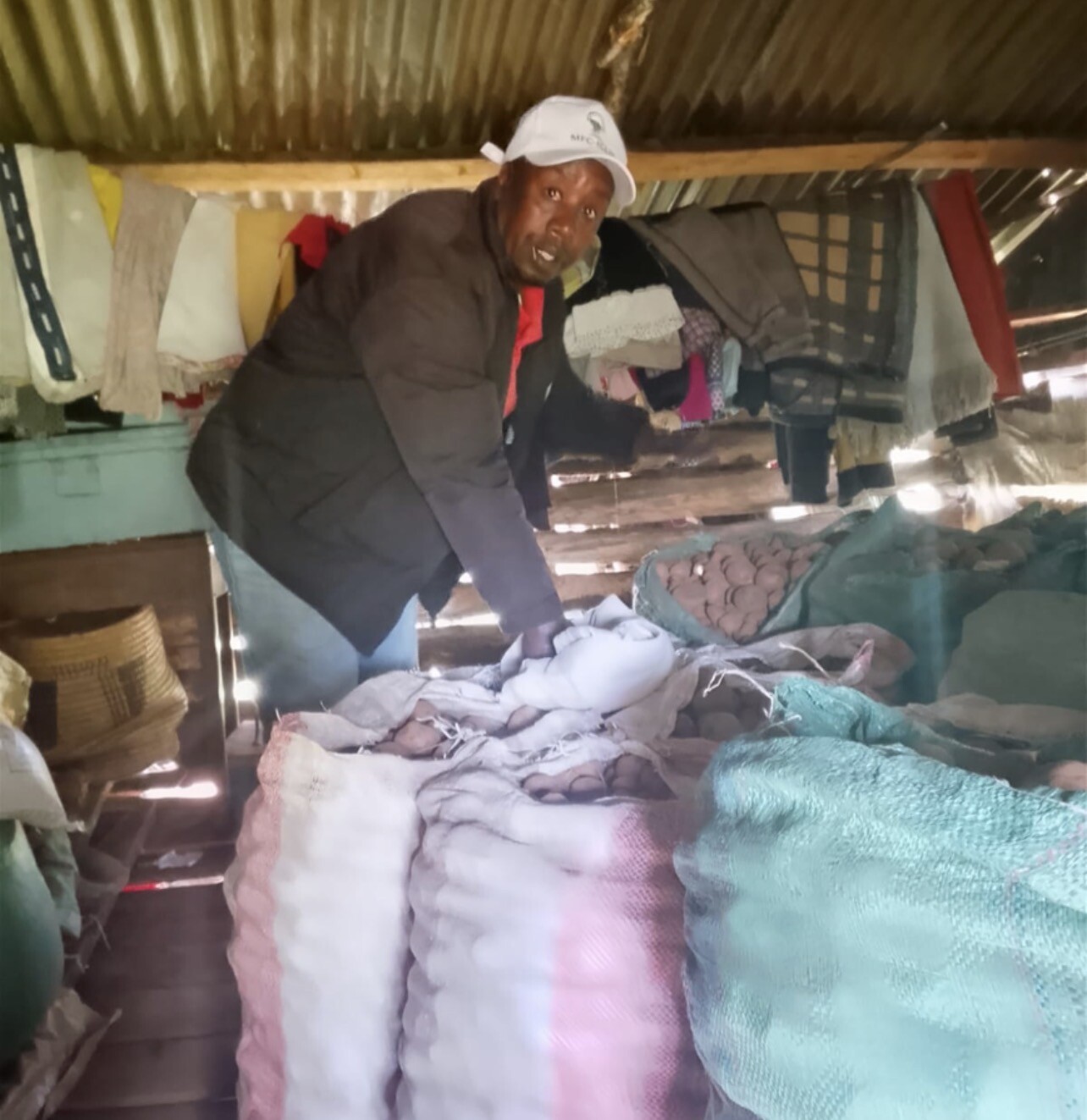
The idea was straightforward. KATA would provide the startup capital. Charles would operate the camps and potato farms. The potatoes would generate revenue, our loan would be repaid, profits would be shared according to our agreement, and the operation could become increasingly self-supporting.
Instead, Catherine and I ultimately advanced Charles 1,077,500 Kenyan shillings.
As of August 12, 2026, according to our records, Charles has repaid:
Zero.
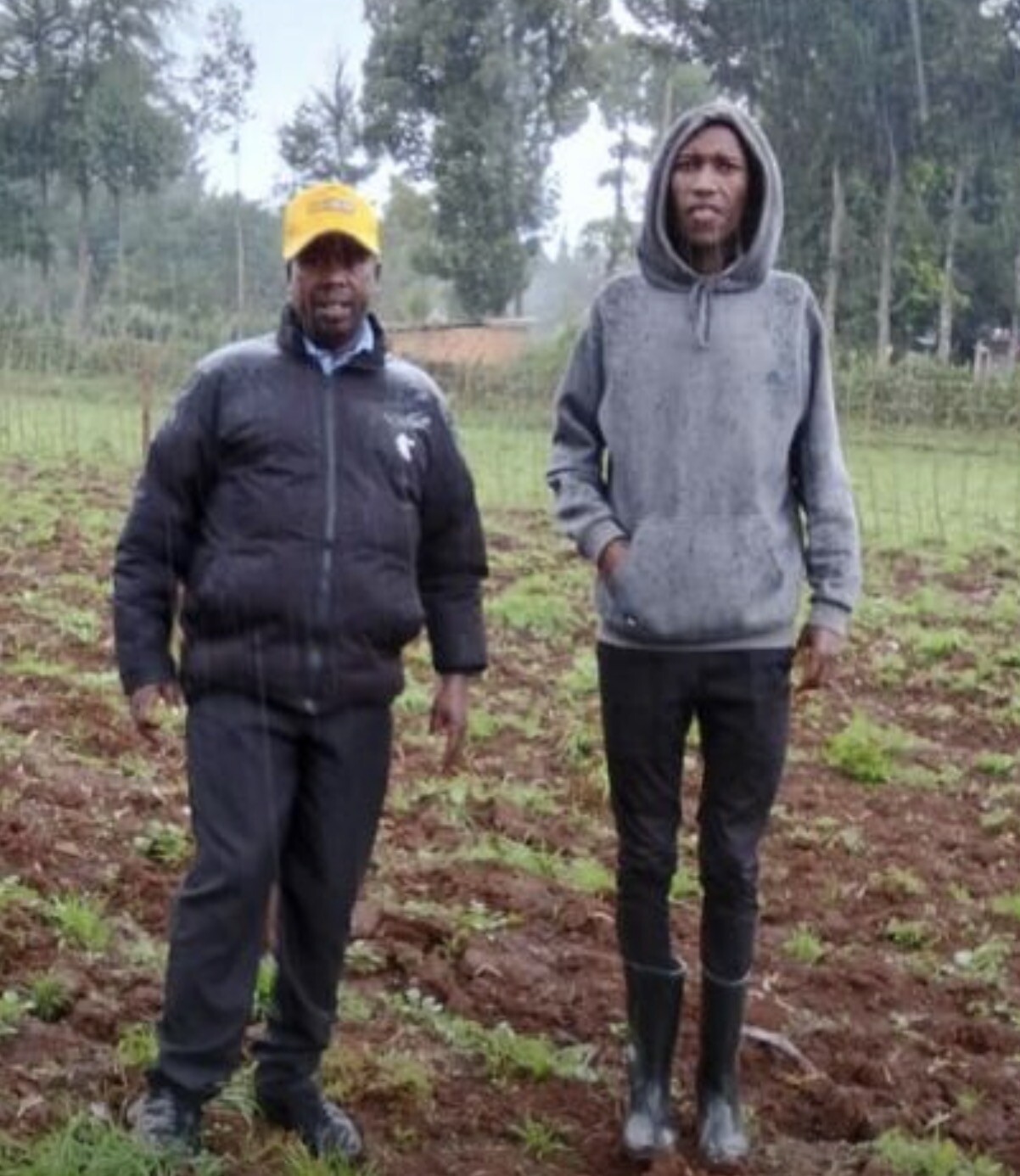
Not one shilling.
And when I asked him again on August 12 when he was going to start paying back the loan, his response included:
“Let’s meet in centuries.”
He subsequently wrote:
“The time will come”
After more than a year of promises, those words told me a lot.
I Was Warned About Charles
Shortly after entering into our agreement, people in Kenya began warning me about Charles.
I listened, but I also listened to Charles.
He called me regularly. We talked at length. He assured me that the things people said about him weren’t true. He presented himself as someone dedicated to helping young Kenyan athletes.
I chose to give him a chance.
Looking back, I believe Charles took advantage of that trust.
The important thing now is not what Charles says about me or what I say about him. It is what the written record shows.
And we have a substantial written record.
Charles Himself Called It a Loan
There should be no confusion now about whether this money was a gift.

It wasn’t.
My WhatsApp correspondence repeatedly describes these payments as loans, and Charles himself used exactly that word.
By September 29, 2025, I wrote to Charles:
“I have sent you 959,000 against your loan of 650k for your two camps and 600k for your six acres.”
Charles did not respond that the money wasn’t a loan.
Quite the opposite.
On October 7, while asking me for another 21,000 KES, Charles wrote:
“Then I will be knowing that my total loan is 1000000ksh.”
Two days later he made it even clearer:
“With this support, my total loan will now stand at Ksh 1,000,000.”
Those are Charles Ngeno’s words, not mine.
The Requests for Money Just Kept Coming
The pattern became remarkably consistent.
Charles would describe progress.
Then he would ask for more money.
On September 15 he told me he had planted the remaining quarter acre and said the 20,000 KES I had just sent had helped him.
Then came:
“Please send me 25k. Now.”
On October 3 he said his Nakuru camp rent was urgent and warned:
“Its very embarrassing to have my KATA camp closed.”
He urged Catherine and me to continue funding him, saying we had completed “90% journey” and shouldn’t stop with only 10 percent remaining.
On October 7 he predicted a very substantial potato harvest:
“Bob for my first harvest I’m expecting to have more than 150 bags of 50kg.”
He added:
“i promise good return.”
On October 21, as harvest approached, there was another request:
“Bob. Please send me 15k for olenguruone camp.”
On October 26, Charles said he needed another 28,000 KES to pay cooks at both camps and top up the Nakuru operation.
I sent it.
Two days later, after telling Charles that KATA existed to train, house and feed athletes and that potato revenue was supposed to support the operation, Charles wrote:
“Bob i do respect you. You really uplift me. I will assure you that all will be well.”
Four minutes later he asked me for another 5,000 KES.
This went on and on.
Eventually I stopped the bleed.
Where Were the Returns?
By October, potatoes were supposedly approaching harvest.
Charles gave me specific projected harvest dates.
He told me his first harvest would produce more than 150 bags of 50 kilograms.
I repeatedly explained how the money was supposed to work.
Potatoes would be harvested and sold. Sale proceeds would first go into the KATA account. The appropriate portion of the original farming loan would be recovered. The remaining profit would then be divided according to our agreement.
I wasn’t trying to take Charles’s livelihood away from him.
The opposite was true.
I wanted the operation to succeed so Charles could make money, KATA could recover its capital, athletes could be supported and the money could be recycled into additional farming.
But when harvest time arrived, getting money back became increasingly difficult.
In November, when I asked when funds would be transferred to our Equity Bank account in Kenya, Charles answered:
“When the potatoes market will show fairness in price.for now all has to wait.”
He later wrote:
“as soon as I sell potatoes, I will ask for bank account.”
But there was another revealing sentence:
“Untill I see there is return, I will sell. Else for now not yet.”
The person who had enthusiastically accepted our money was now deciding on his own when the crop financed by that money would be sold.
I Kept Giving Him the Benefit of the Doubt
This is perhaps the part that bothers me most.
Every time something didn’t add up, I wanted to believe there was an explanation.
When others questioned Charles, he frequently suggested that they were enemies trying to damage him.
At one point, after I asked for basic proof of his camps and potato operation, Charles told me:
“I know who is behind all this.”
He said the person was a “pure enemy” and told me:
“I only expect communication from you directly.”
That should have been another warning sign.
Instead of welcoming independent verification of an operation financed with our money, Charles repeatedly tried to turn questions about documentation into questions about the motives of the people asking them.
I nevertheless continued working with him.
There Was Another History I Should Have Examined More Closely
I also later learned much more about a serious controversy involving Charles a decade earlier.
In 2015, Kenyan media reported allegations by Athletics Kenya officials concerning Charles and young female athletes at the Keringet training camp.
The allegations were extremely serious.
Charles denied them.
Contemporary reporting said Athletics Kenya announced a lifetime ban and ordered the camp closed amid allegations involving manipulation and improper relationships with female athletes.
Charles publicly disputed the accusations and said they were rumors intended to tarnish his name.
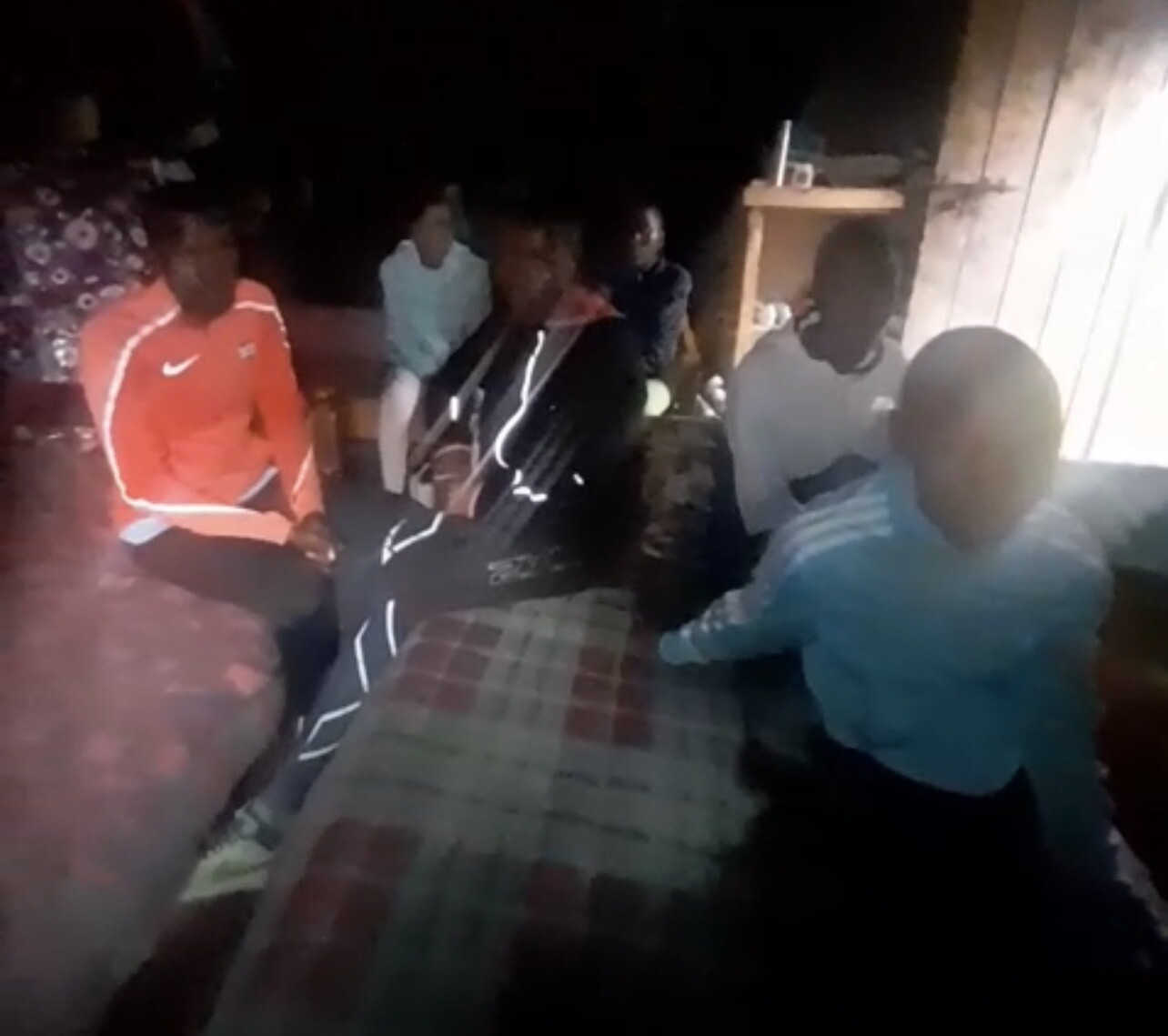
Those allegations should not be presented as proven facts simply because they were published.
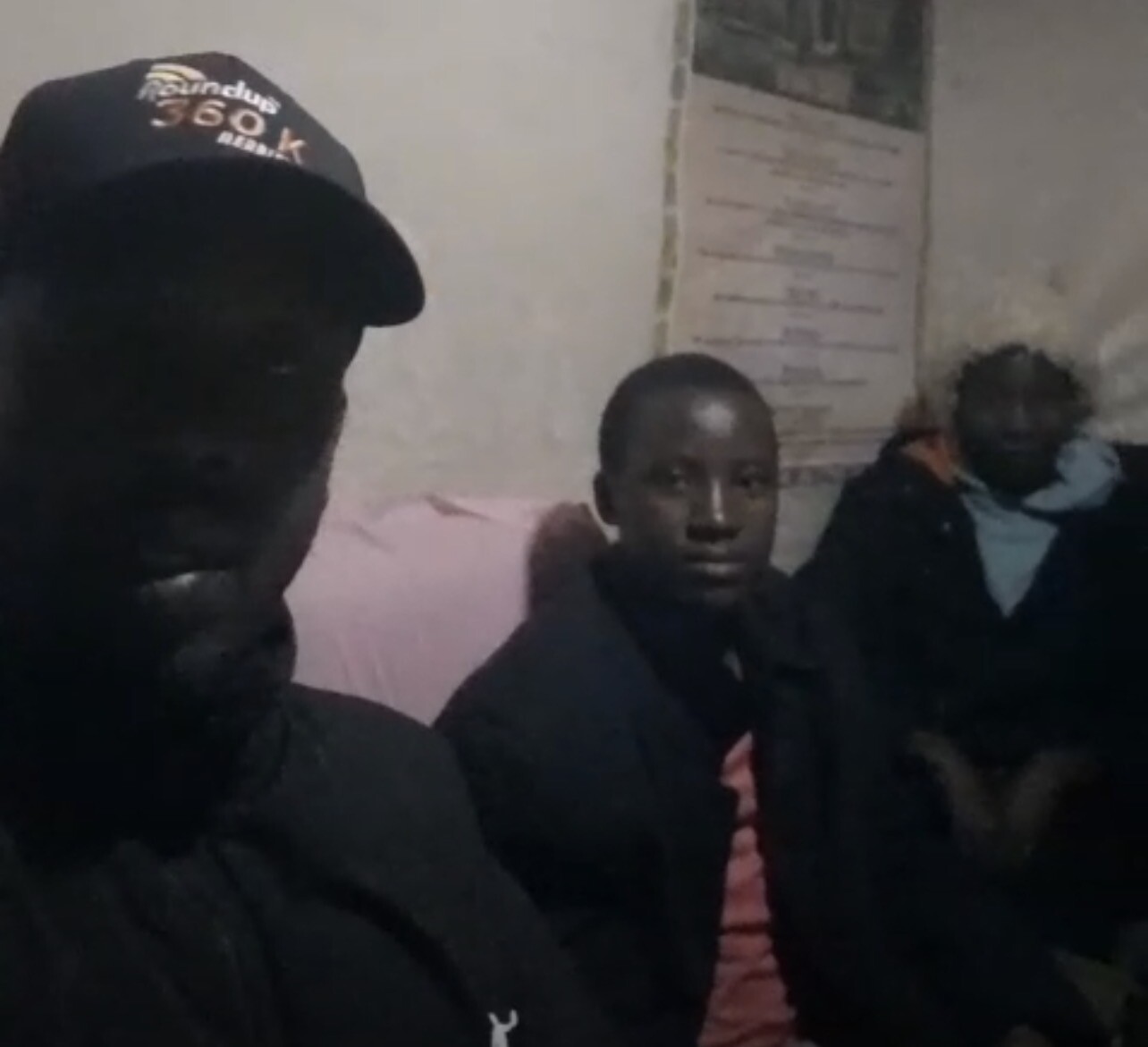
But they were serious enough that I wish I had investigated the entire episode much more carefully before trusting Charles with our money.
Charles has also had genuine accomplishments as a coach, and athletes associated with Keringet have achieved considerable success. That is part of his history too.
None of that, however, answers the question before us today:
What happened to KATA’s 1,077,500 KES, and when will it be repaid?
From Promises to “Let’s Meet in Centuries”
For months I received assurances.
Charles told me:
“I’m promising you will see the Impact.”
He promised a “good return.”
He told me:
“I will assure you that all will be well.”
He acknowledged in writing that the money was a loan.
He told me how much that loan totaled.
He gave us projected harvest dates.
He predicted more than 150 bags from his first harvest.
And at one point he assured me that he would repay 400,000 KES.
That payment never arrived.
Eventually the total amount Catherine and I advanced reached 1,077,500 KES.
According to our records:
Money advanced: 1,077,500 KES
Money repaid: 0 KES
Outstanding: 1,077,500 KES
Then, on August 12, 2026, after I again asked when he was going to start paying back the loan, I got:
“Let’s meet in centuries.”
For me, that was the end of the excuses.
Charles Ngeno Has the Opportunity to Answer
I am publishing this because other people considering financial dealings with Charles deserve to know what happened to us.
But Charles deserves the opportunity to respond as well.
So I am asking him publicly:
Did you receive 1,077,500 KES from us?
Do you acknowledge that this money was advanced under our KATA loan arrangement?
How much money did the six acres of potatoes actually produce?
Where did the proceeds go?
What happened to the two KATA camps we financed?
Why have you not repaid a single shilling?
What happened to the 400,000 KES you said you would repay?
And finally:
When are you going to repay the 1,077,500 KES?
Charles doesn’t need to answer with another promise.
He doesn’t need to tell me that “the time will come.”
And he certainly doesn’t need to tell me:
“Let’s meet in centuries.”
He can answer with something much simpler
A payment.
Until that happens, I believe people dealing financially with Charles Ngeno deserve to see the record and make up their own minds.
We trusted him.
We funded him.
We waited.
Now we are making the record public.
Login to leave a comment
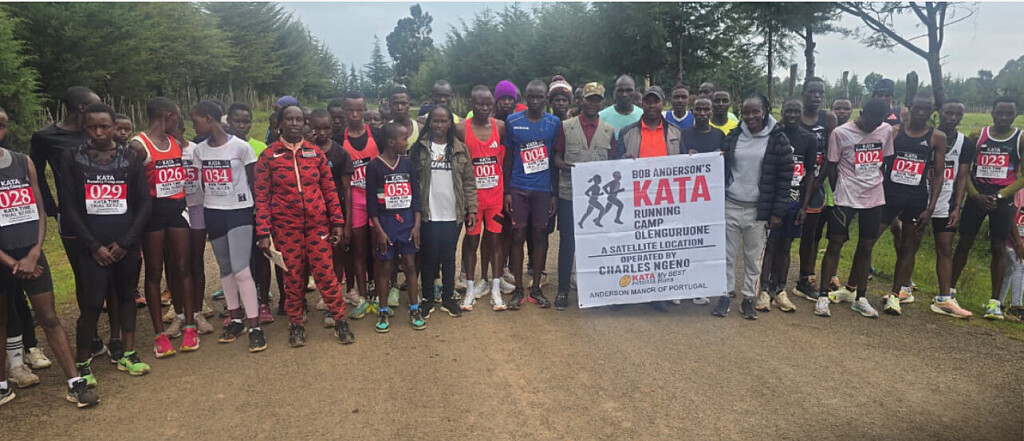
KATA Camp Olenguruone/Nakuru Time Trials Deliver Thrilling 5km Races
Olenguruone/Nakuru, Kenya – August 17, 2025 – The KATA Camp Olenguruone Satellite, operated by Coach Charles Ngeno in partnership with KATA Nakuru Camp, hosted highly competitive 5km time trials that showcased the depth of rising Kenyan talent across both men’s and women’s races.
Men’s 5km Race
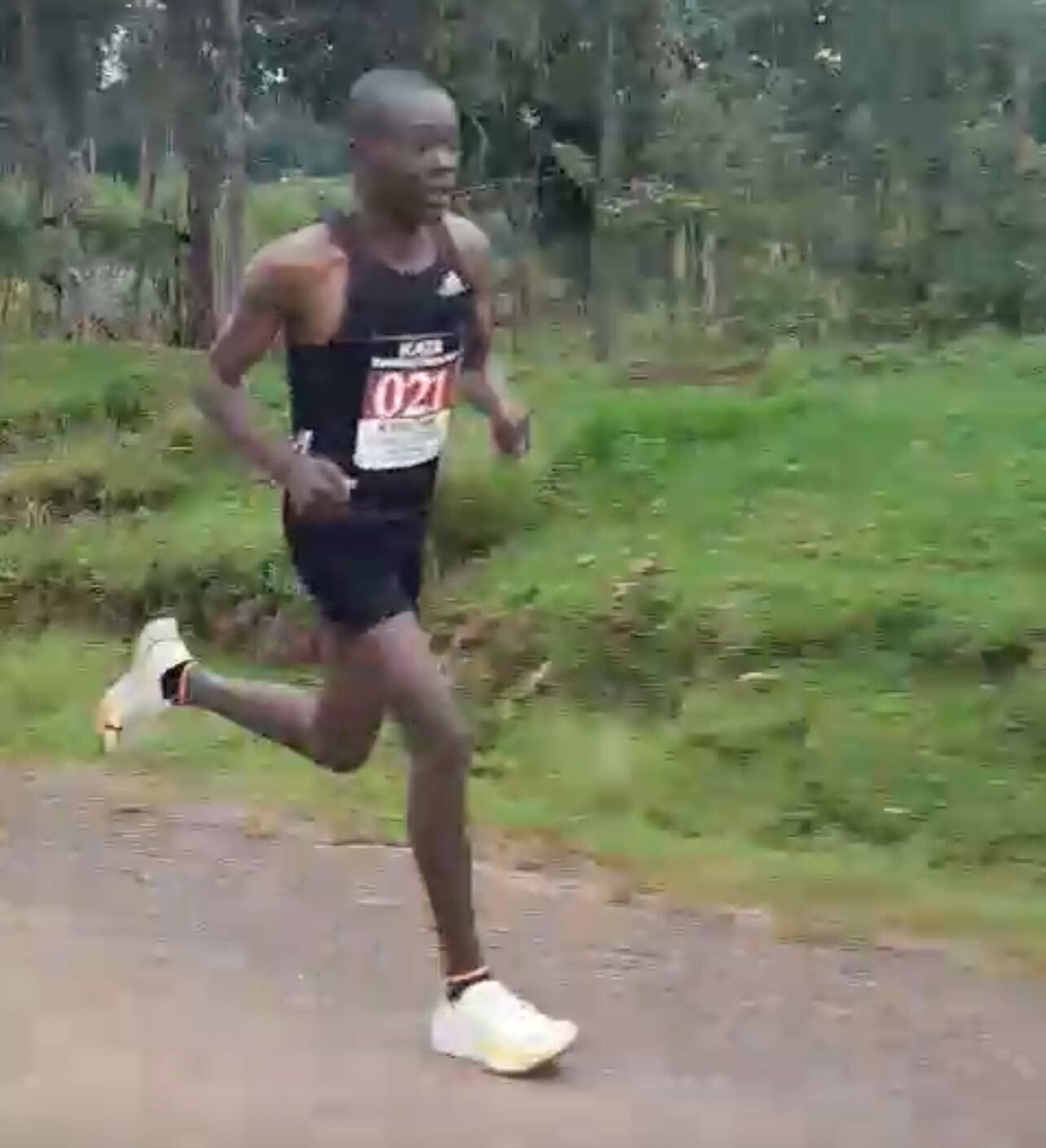
The men’s event was a tightly contested battle from the start, with the lead pack pushing a relentless pace. In the end, it was Vincent Sang (Bib 019) who surged to victory, clocking 13:42.00. He was closely followed by Wonder Kipngeno (Bib 006) in 13:45.03, with Clinton Kimutai (Bib 001)rounding out the podium in 13:50.07.
Just seconds behind, Robert Sigei (Bib 002) finished in 13:53.12, while Jasis Cheruiyot (Bib 021)and Aron Rutto (Bib 023) crossed almost shoulder-to-shoulder in 13:57.06 and 13:57.21respectively. The depth of the field was evident, with all top ten men finishing under 14:11.
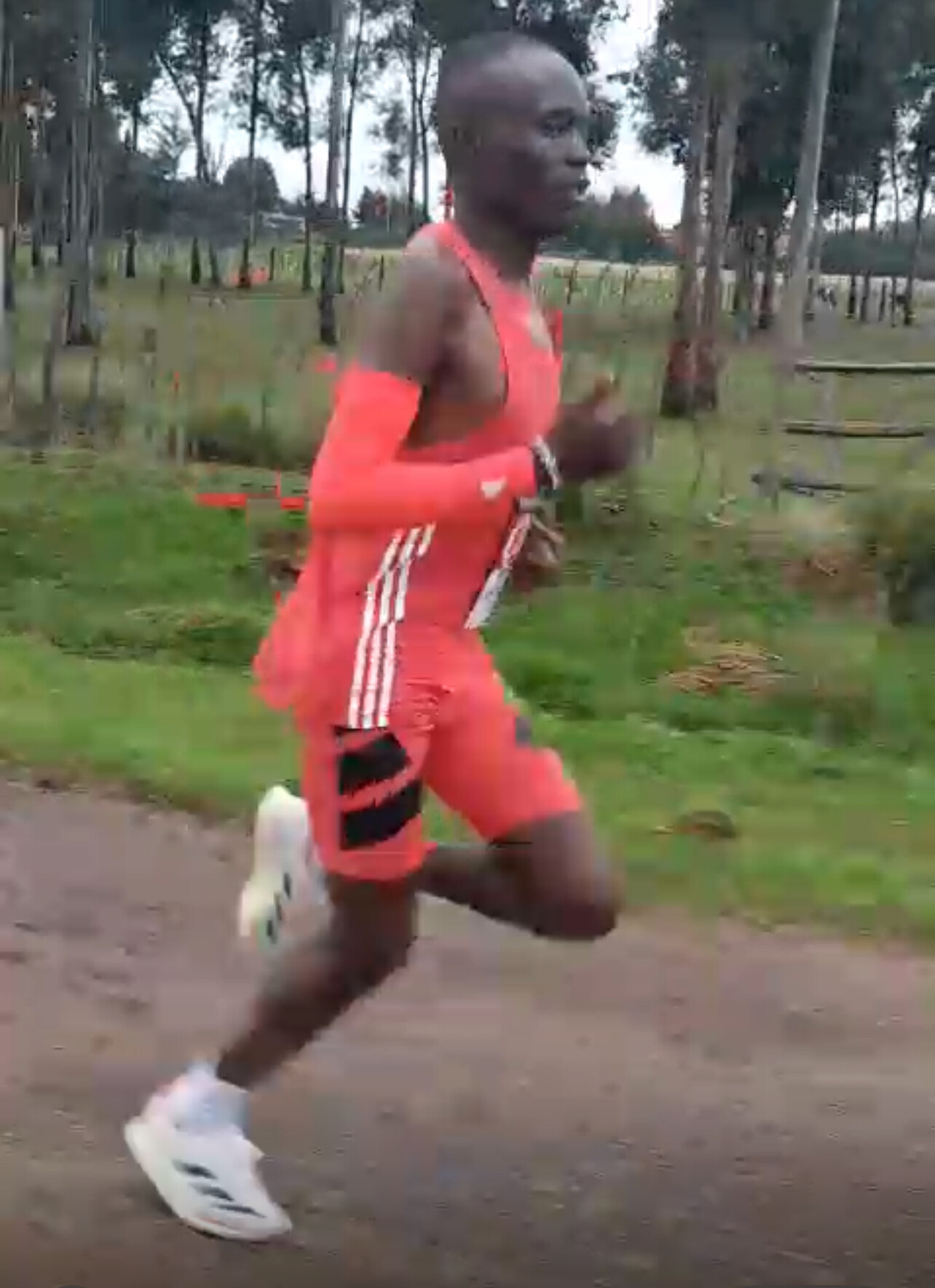
Top 10 Men’s Results (5km)
1. Vincent Sang – 13:42.00
2. Wonder Kipngeno – 13:45.03
3. Clinton Kimutai – 13:50.07
4. Robert Sigei – 13:53.12
5. Jasis Cheruiyot – 13:57.06
6. Aron Rutto – 13:57.21
7. Clinton Kipkurui – 13:58.11
8. Emmanuel Kiprotich – 13:59.36
9. Collins Kiplui – 14:06.07
10. Kelvin Kipkorir – 14:10.04
Women’s 5km Race
The women’s race was equally fierce, with the top three athletes finishing within just three seconds of each other. Mary Chepkoech (Bib 028) took the win in 15:57.01, edging out Ida Chepkoech (Bib 027), who clocked 15:59.11. Faith Chepluru (Bib 026) secured third with 15:59.36, only fractions of a second behind.
Close on their heels, Tabitha Cheropgeitch (Bib 039) finished in 16:00.10, while Deborah Chepkoech (Bib 030) and Abigael Chelanga (Bib 024) battled through in 16:04.22 and 16:05.07. With nearly the entire top 10 within 13 seconds, the women’s field proved both deep and competitive.
Top 9 Women’s Results (5km)
1. Mary Chepkoech – 15:57.01
2. Ida Chepkoech – 15:59.11
3. Faith Chepluru – 15:59.36
4. Tabitha Cheropgeitch – 16:00.10
5. Deborah Chepkoech – 16:04.22
6. Abigael Chelanga – 16:05.07
7. Brenda Cherotich – 16:07.13
8. Irvine Chepkolir – 16:08.01
9. Duti Chemytai – 16:10.09
Building the KATA Legacy
The Olenguruone/Nakuru trial is part of the fast-growing KATA Running Camp initiative, founded by Bob Anderson, which has now launched 30 camps across Kenya. Each camp blends elite training with community support, providing athletes with opportunities to develop their potential while also contributing to KATA’s innovative potato farming model – fueling both champions and local livelihoods.
by Boris Baron
Login to leave a comment
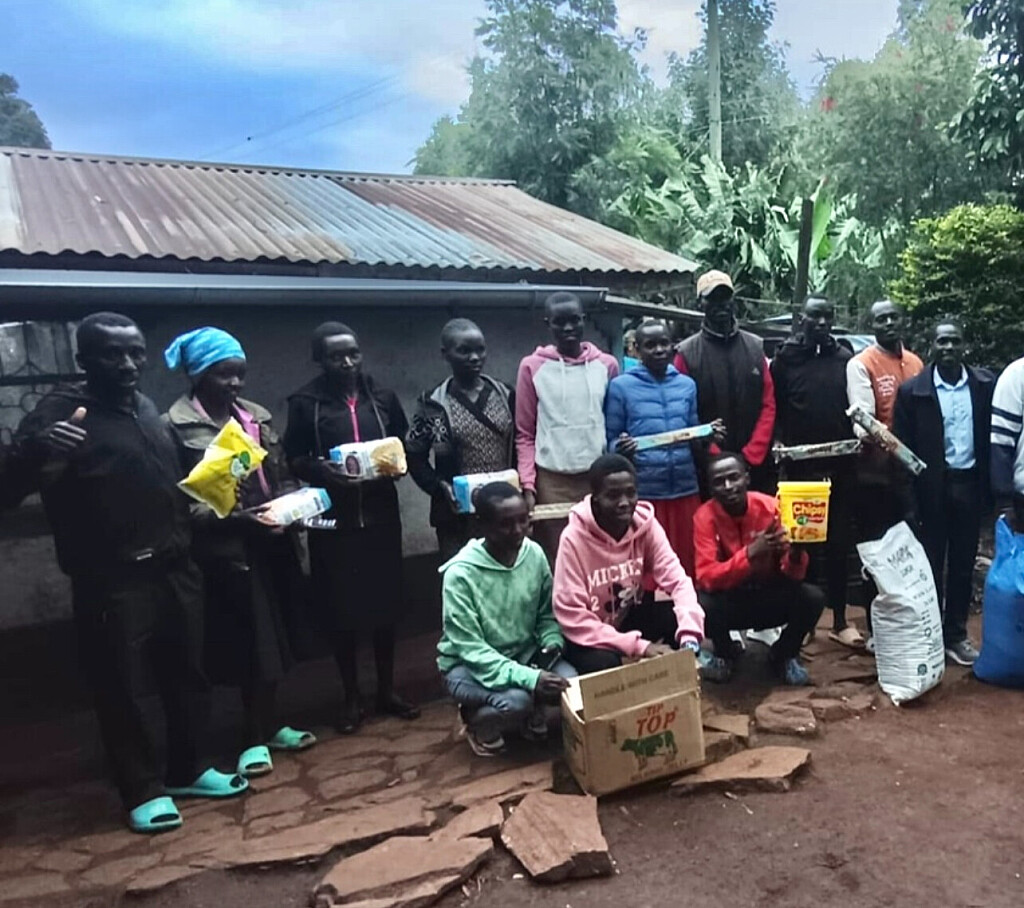
From Dirt Roads to Global Dreams: Inside Kenya’s Fastest-Growing Running Movement
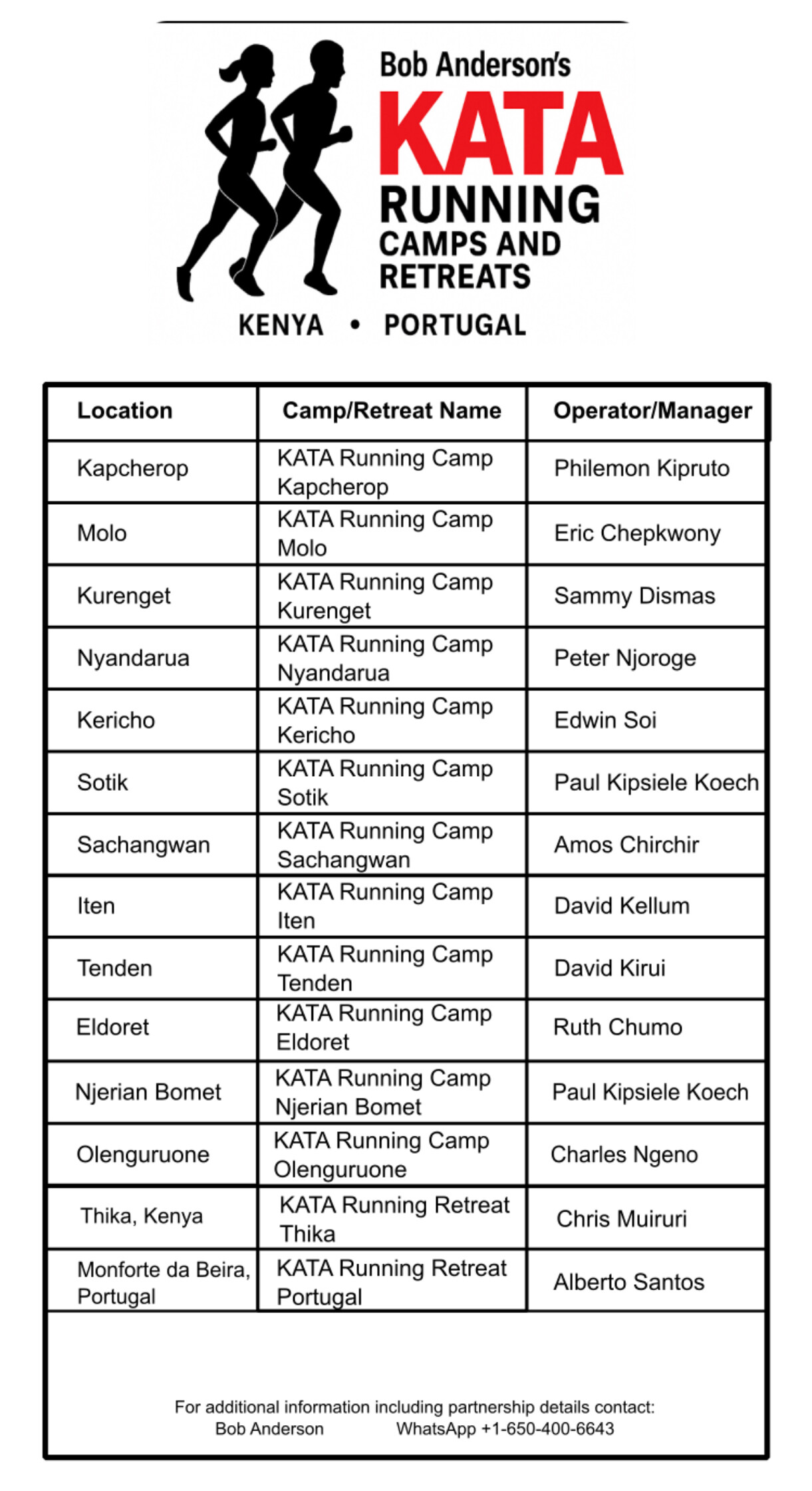
In the heart of Kenya’s Rift Valley and beyond, a quiet revolution in athletics is underway. What began as a modest idea has grown into a dynamic movement that now spans 19 KATA Running Camps and Potato Farms across Kenya—plus two international retreats, including one at the historic Anderson Manor in Monforte da Beira, Portugal.
And it’s happening fast.

“We never planned to expand this quickly,” says Bob Anderson, founder of KATA and a lifelong advocate for long-distance running. “But the momentum of this movement just couldn’t be slowed down. We’ll be confirming one more camp shortly, and additional locations will follow in early 2026.”

KATA—short for Kenyan Athletics Training Academy—is unlike anything else in the world of distance running. It blends elite training with economic empowerment, giving young athletes not only the tools to run fast, but also a system that sustains them—and their communities—beyond the track.
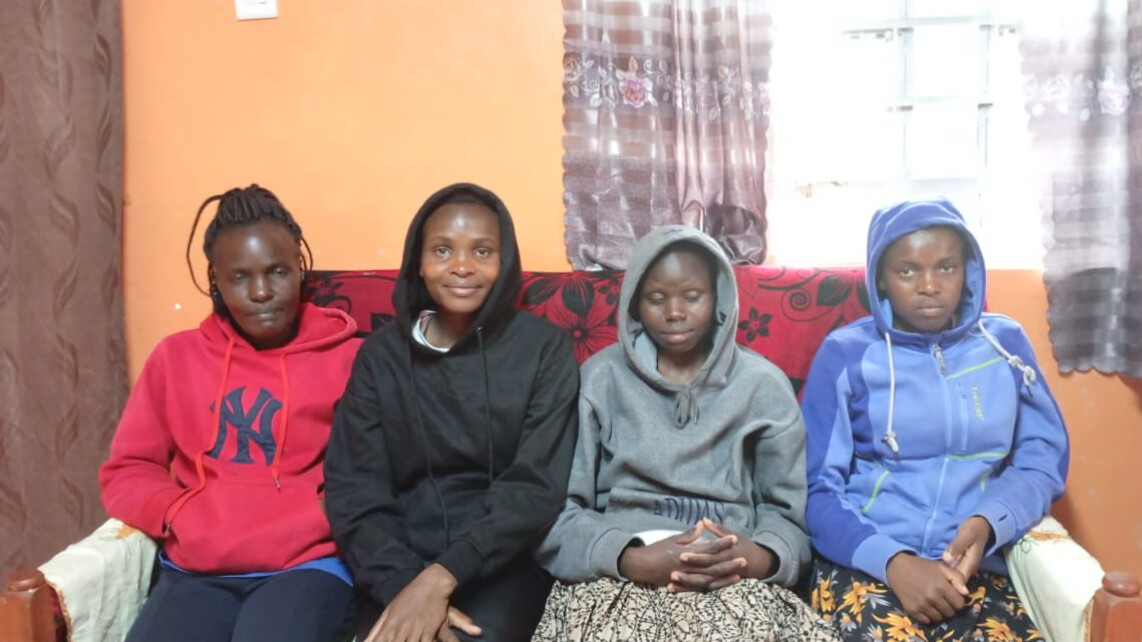
“This is not just sports development,” says Brigid Chebet, a Kenyan journalist who has closely followed the program. “It’s a model of rural transformation through athletics. And Kenya may finally have found a winning formula for generations to come.”
From a Vision to a Movement
KATA was founded by Bob Anderson, an accomplished American runner who created Runner’s World magazine and later My Best Runs. After visiting Kenya in 2014, he was deeply inspired by the raw talent scattered throughout rural communities—athletes with potential but no pathway.
“He saw a path that few others in athletic management had envisioned—a system that not only trains champions but empowers them economically,” writes Chebet.
That system became KATA: a network of running camps, each paired with a three-acre potato farm. Each camp receives an interest-free loan from KATA to establish operations. In exchange, athletes train full-time and contribute 25 hours a week to the farm. Revenue from the potato harvest supports camp expenses, housing, and meals—creating a self-sustaining ecosystem.
A Growing National Network
The first KATA retreat opened in Thika in 2019. Today, the initiative includes 19 camps spread across Kenya, each run by an experienced operator—many of them former elite athletes.
|
Location |
Operator |
|
Kapcherop |
Philemon Kipruto |
|
Molo |
Eric Chepkwony |
|
Kurengat |
Sammy Dismas |
|
Nyandarua |
Peter Njoroge |
|
Kericho |
|
|
Sotik |
|
|
Sachangwan |
Amos Chirchir |
|
Iten |
David Kellum |
|
Tenden |
Philemon Kipruto |
|
Eldoret |
Ruth Chumo |
|
Njerian Bomet |
Paul Kipsiele Koech |
|
Olenguruone |
Charles Ngeno |
|
Kapkembu |
Kipyegon Nehemiah |
|
Gasharrarge |
Job Langat |
|
Kaptagat |
Joseph Ngure |
|
Kiambu |
Julius Gacheru Migwi |
|
Kangundo |
Jimmy Muindi |
|
Moiben |
Hillary Kiplagat |
|
Kiptoror |
Caleb Rut |
In addition to these camps, two retreats serve as international training hubs: the KATA Running Retreat Thika, operated by Chris Muiruri, and the KATA Running Retreat Portugal, operated by Alberto Santos. Guests from around the world come to the two KATA retreats to train the Kenyan Way.
Elite Experience, Grassroots Impact
At the heart of KATA’s success is its leadership team. Olympic medalist Edwin Soi, now managing the Kuresoi Camp, brings both credibility and experience. Legendary steeplechaser Paul Kipsiele Koech, who has run under 8:10 in the 3000m steeplechase over 110 times, oversees two KATA camps/farms.
Veteran coach Charles Ngeno, known for his early work with Olympic champion Faith Kipyegon, now heads the Olenguruone camp, ensuring that young athletes from even the most remote villages receive structured training and economic opportunity.
“The new vision embraces sustainability, resilience, and empowerment,” writes Chebet. “It ensures that our athletes thrive both on and off the field.”
Looking Ahead
Anderson and the KATA team have ambitious plans: confirming one more camp this month and preparing for even more in 2026. The goal is clear—build up to 50 self-sustaining running camps across Kenya and replicate the model in other parts of the world.
“We’re not just chasing medals,” says Anderson. “We’re building lives.”

For partnership opportunities or more information, contact Bob Anderson on WhatsApp: +1-650-400-6643
by Brigid Chebet with Boris Baron
Login to leave a comment
KATA to Launch Eight New Running Camps and Potato Farms Across Kenya by October
Bob Anderson, the visionary founder of KATA (Kenyan Athletics Training Academy) and long-time champion of Kenyan running, and lifetime runner, has announced a bold expansion plan: eight new KATA Running Camps and Potato Farms will open across Kenya by October 1, 2025.
“We want to confirm our next eight camps by August 15,” says Bob Anderson, KATA Director and Founder.
Each new site will combine high-performance athlete training with sustainable agriculture, centering around a 3-acre KATA Potato Farm. The initiative aims to create self-sustaining camps where runners not only train at a high level but also contribute to the farm operations that help support the entire program.
At the heart of every KATA Running Camp is a dedicated operator—often a former elite athlete or experienced coach—who oversees day-to-day operations and athlete development. Our operators are more than just managers; they are mentors, motivators, and community builders. Each operator is carefully selected for their deep understanding of training at altitude, their passion for helping athletes succeed, and their ability to lead with integrity. Many of them have raced at the international level or coached athletes to major victories, bringing invaluable knowledge to the camps. Whether it’s organizing daily workouts, managing food and lodging, or fostering a winning culture, our KATA Running Camp operators are the backbone of our success.
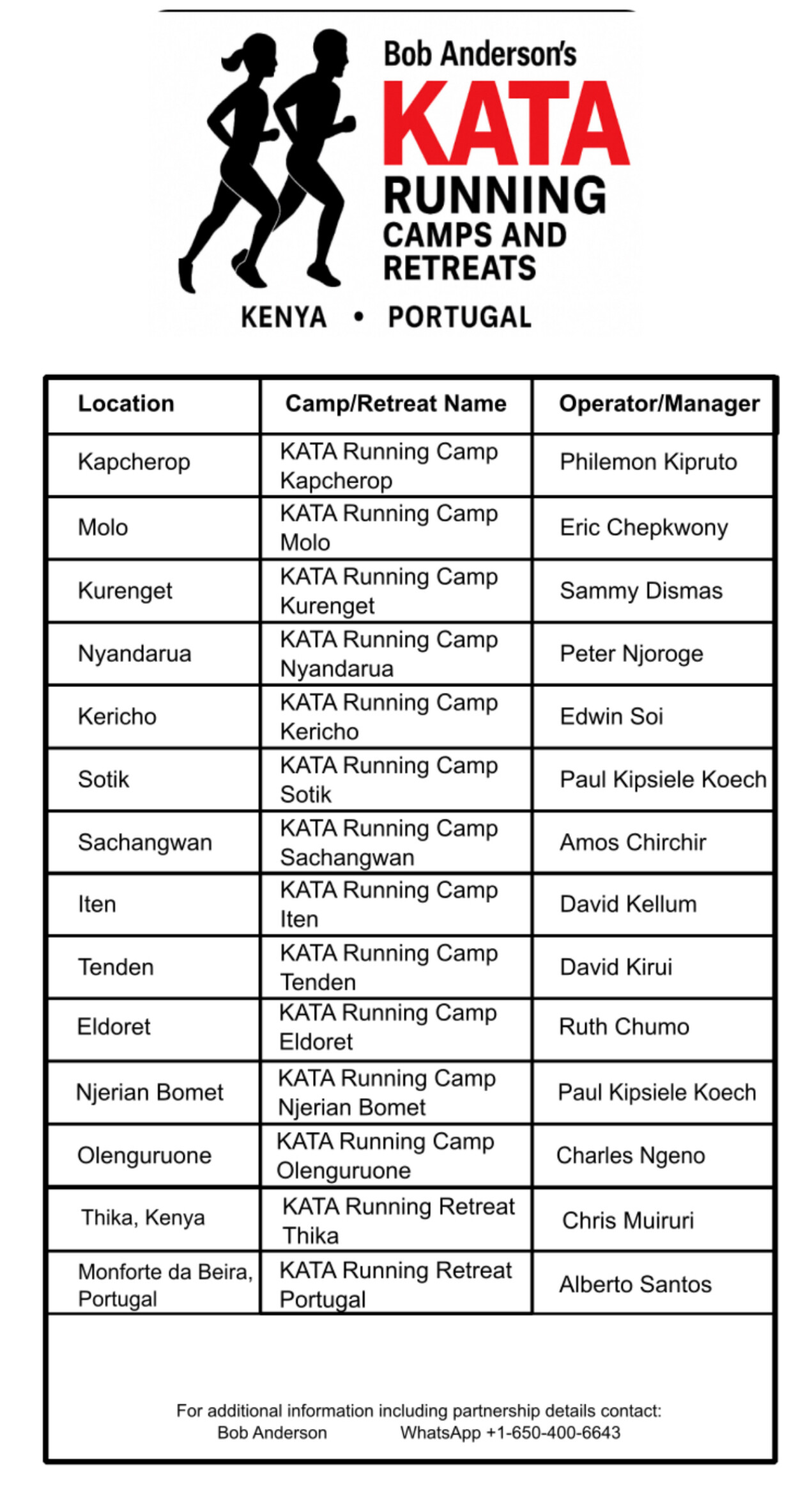
Currently, KATA Running Camps are thriving across Kenya under the leadership of 11 outstanding operators. In Kapcherop, Philemon Kipruto manages a vibrant group of emerging athletes. Eric Chepkwony runs our camp in Molo, and Sammy Dismas leads the program in Kurenget.
Over in Nyandarua, Peter Njoroge is building a strong training culture, while Edwin Soi, Olympic bronze medalist, brings elite-level experience to our Kericho camp. Paul Kipsiele Koech, an iiOlympic medalist, leads not one but two camps—Sotik and Njerian Bomet—where he shares his wealth of knowledge and competitive insight. In Sachangwan, experienced coach Amos Chirchir oversees daily operations and athlete growth, while in the legendary running hub of Iten, former elite runner David Kellum provides mentorship and structure.
David Kirui heads up the team in Tenden, and in Eldoret, Ruth Chumo—a respected coach of both abled and para-athletes—brings technical excellence and inclusivity to her camp. Rounding out our leadership team is Charles Ngeno, who directs the Olenguruone camp and plays a vital role in shaping future champions.
How the Program Works:
Each selected operator will receive:
•An interest-free loan of 350,000 KES as startup capital to establish the camp.
•An additional 300,000 KES interest-free loan to cover the costs of renting and preparing 3 acres of land, fertilizing, spraying, planting, harvesting, and selling the potatoes.
The model is built on long-term sustainability: once established, revenue from the potato farm is expected to fully support each KATA Camp year-round, without additional outside funding.
Work and Training:
KATA athletes must commit to:
•25 hours of farm work per week, in addition to their structured training schedules.
This balance of physical labor and elite coaching is designed to build discipline, character, and community resilience—while helping runners achieve their full athletic potential.
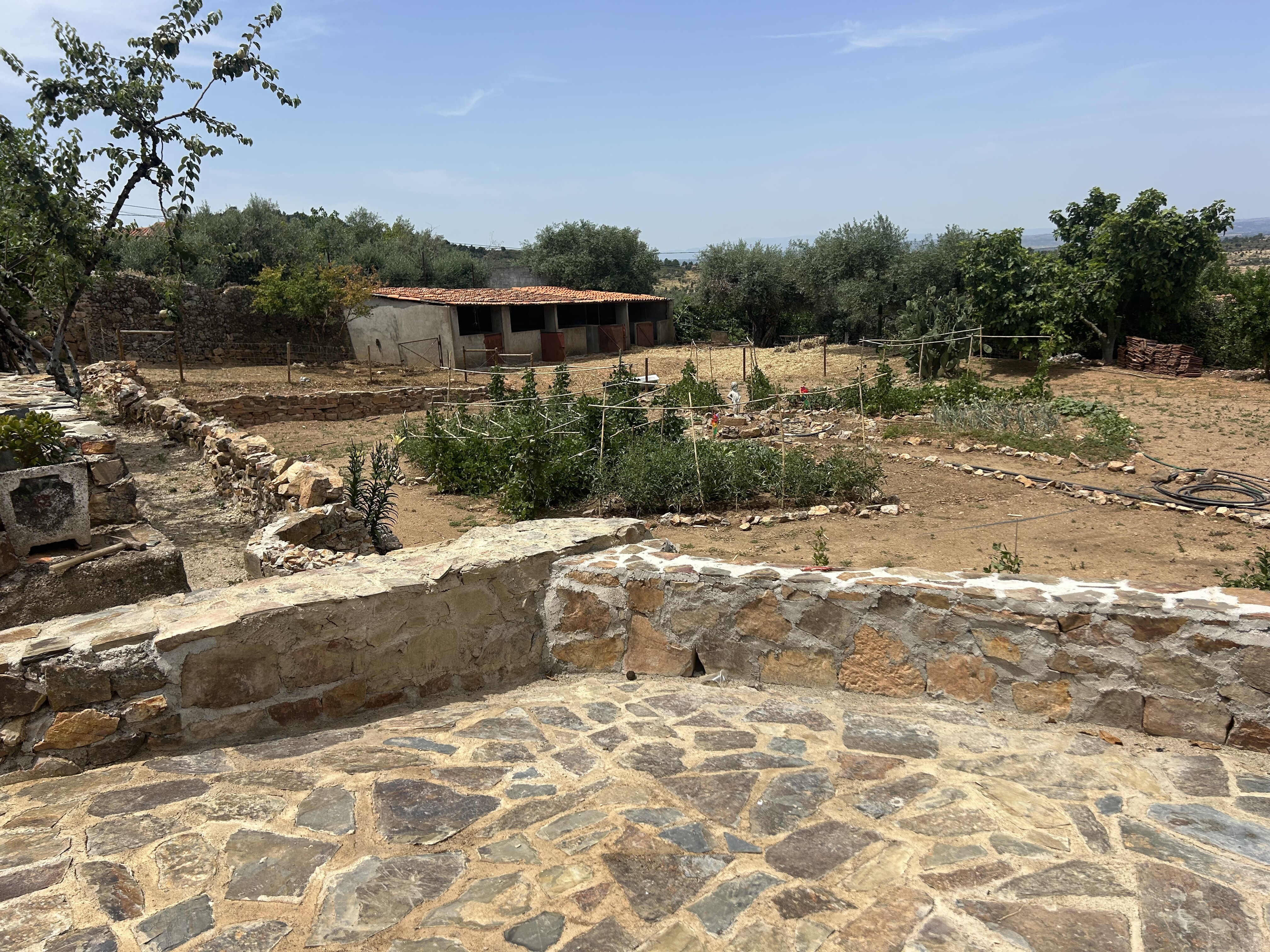
The KATA Running Camps and KATA Potato Farms are headquartered at the Anderson Manor of Portugal, home to the KATA Running Retreat, located in Monforte da Beira in central Portugal. This historic and beautiful estate serves as the ideal European base for KATA. Athletes come here to sharpen their fitness and prepare for peak performances, whether they’re targeting personal bests or major competitions.
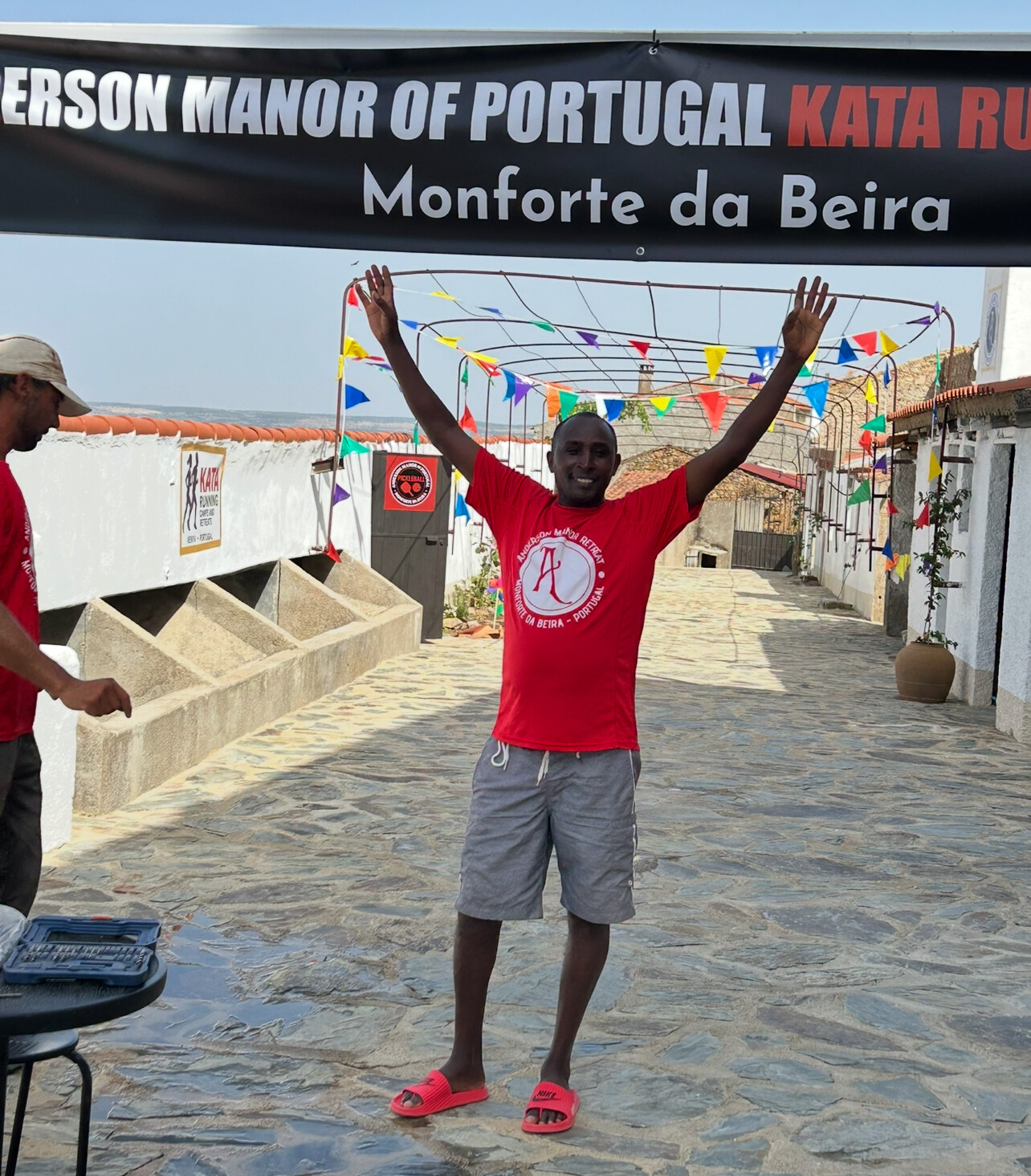
The location is perfect for training—quiet, scenic, and inspiring—and it’s conveniently positioned just 2.5 hours from Lisbon and about 4 hours from Madrid by car. KATA also maintains a local office in Thika, Kenya—site of the original KATA Running Retreat opened in 2019—which supports the growing network of KATA camps across the country.
Interested in Becoming a KATA Camp Operator?
If you’re passionate about athletics, have experience in farming or business management, and want to make a lasting difference in your community, this could be your opportunity.
Contact Bob Anderson directly on WhatsApp (650-400-6643) to apply (text only at this point):
Please include:
•Your full name
•The town where you’d like to establish a KATA camp
•Your background in running, coaching, or athletics
•Experience running a business
•Any potato or farming experience you have
This is more than a training camp. It’s a movement to empower Kenyan runners through purpose, performance, and sustainable agriculture.
by Boris Baron
Login to leave a comment

Too Many Pacers and a Missed Opportunity: Why Faith’s Sub-Four Mile Attempt Fell Short
By Bob Anderson
I watched with high hopes as Faith Kipyegon attempted to become the first woman to break four minutes for the mile—this time on the track in Paris. Nike clearly spent millions putting this event together. The lights, the controlled environment, the precision pacing system, the high-tech spikes—it was all there. Faith is one of the greatest middle-distance runners in history. If anyone could do it, she could. But what unfolded wasn’t the historic breakthrough it could have been. It was, frankly, a case study in poor execution.
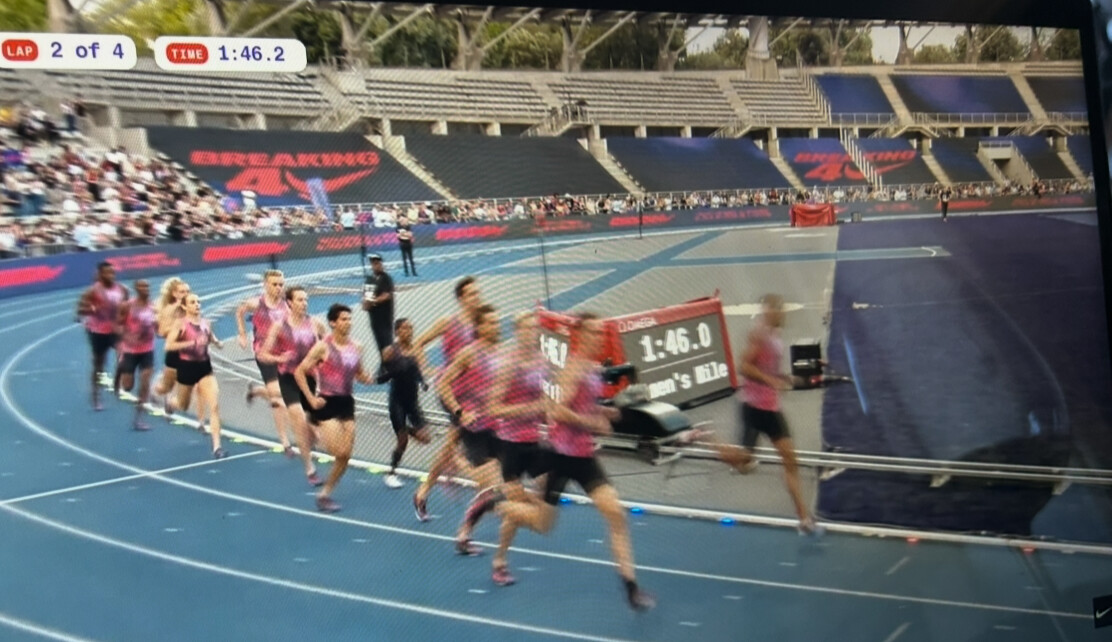
Let’s talk about the pacers. Whoever made the decision to assign thirteen of them made a fundamental error. A great runner doesn’t want five or six athletes stacked in front of her. It’s not just about drafting—it’s about mental clarity, rhythm, and feeling in control. Instead of creating an ideal pacing setup, they created visual and physical chaos. It didn’t feel like Faith was on the hunt for history—it felt like she was caught in someone else’s traffic jam.

The strategy should have been simple: three pacers. That’s it. Three men capable of running 3:58 for the mile. One slightly ahead of her to cut the wind and manage the pace. One at her side to maintain tempo. One behind to steady and support. And critically, with 400 meters to go, they should have faded and let her take the lead—let her own the moment and drive the finish.
This wasn’t a Diamond League race or a championship final. It was a fully staged time trial. Nike had total control over every variable—from the lighting system and pacing software to Faith’s state-of-the-art shoes, designed to give her the maximum mechanical advantage. The shoes themselves—part of Nike’s elite spike line—were made for moments like this. But even the best gear in the world can’t fix a flawed race plan.
Faith needed to feel like the leader. She needed space to surge and the right psychology. Instead, it looked and felt more like a corporate production than a runner-centric event. Too many distractions, too little intuition.
After the race, I reached out to Charles Ngeno, Faith’s former childhood coach and now a KATA Running Camp operator in Olenguruone, Kenya. He said it best:
“Faith is one of the most disciplined and gifted athletes I’ve ever worked with. She has what it takes to run under four minutes. But this wasn’t the way. She needs a setup that gives her space, rhythm, and control—not distraction. I believe she can do it, but next time the race must be for her, not for the cameras.”

He’s right. Faith will have more chances. She’s too talented not to. But next time, I hope the planners listen—to athletes, to coaches, to those who understand what’s required to break barriers. High-tech shoes and flashing lights don’t make history. Precision, psychology, and smart pacing do.
This was a missed opportunity. Let’s not miss the next one.
by Bob Anderson
Login to leave a comment
I still don’t think she would have run under 4 minutes but probably 4:02 or more and it would have been so much better to watch. - Bob Anderson 6/26 1:10 pm |

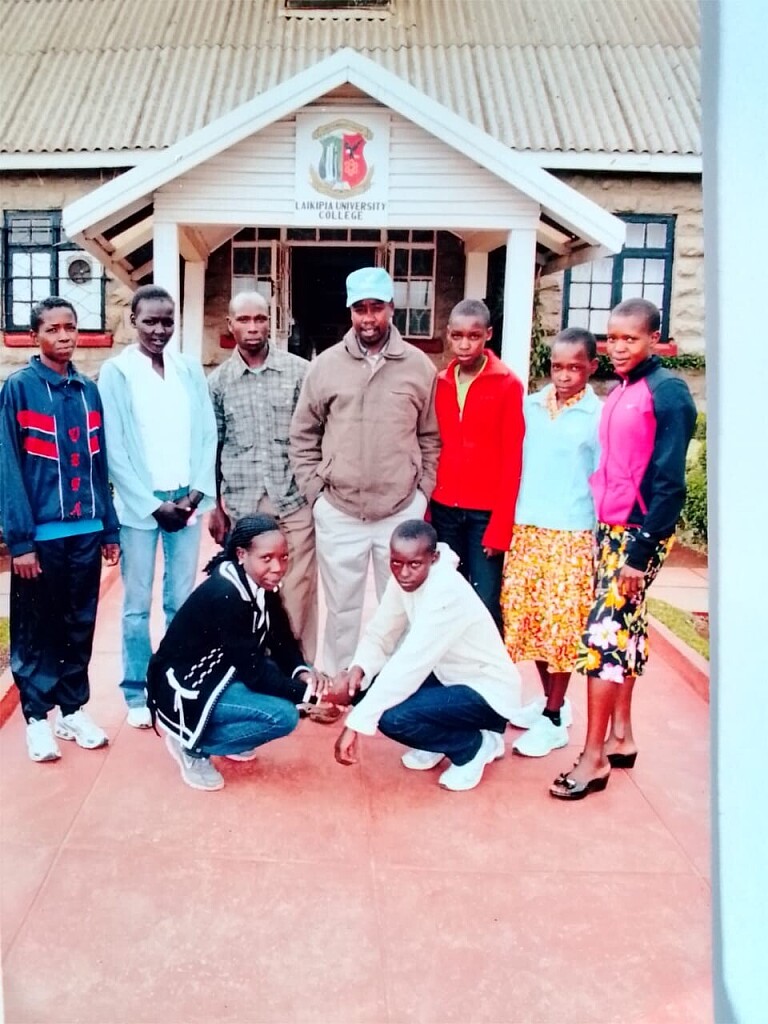
Charles Ngeno Joins KATA to Help Build Kenya’s Next Champions
With more than 15 years of experience coaching distance runners at the highest level, Charles Ngenohas dedicated his life to unlocking the potential of Kenyan athletes. Now, as a KATA Running Camp operator, he brings that expertise to one of the country’s most innovative athletic development programs—combining elite coaching with a sustainable, community-driven model.
“I’m thrilled to join the KATA Running Camp program, where I’ll share my expertise and passion for athletics with talented young runners,” Ngeno says. “With over 15 years of coaching experience and a proven track record of developing world-class athletes, I’m confident in my ability to contribute to the program’s success. I’m excited to work with the KATA team to identify and nurture emerging talent, and to help athletes achieve their full potential. Together, we’ll take Kenyan athletics to new heights and inspire a new generation of runners.”

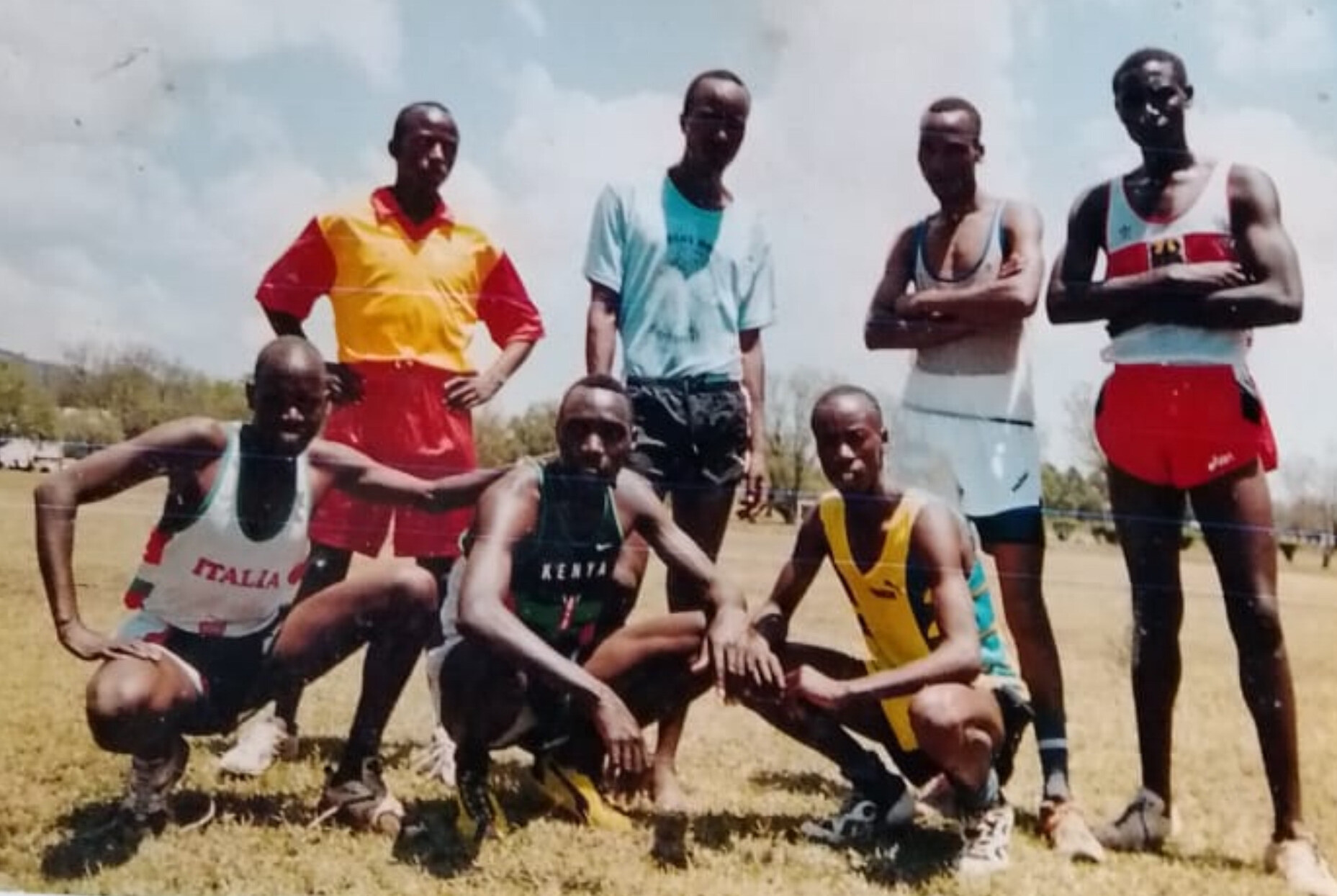
Ngeno’s coaching career has included mentoring both junior and senior athletes—many of whom have risen to national and international prominence. One of the most notable names he worked with early on is Faith Kipyegon, now a two-time Olympic champion and world record holder in the 1500m. Ngeno played a role in her formative development, helping guide her at a key moment in her youth when she was discovered near Keringet Township.
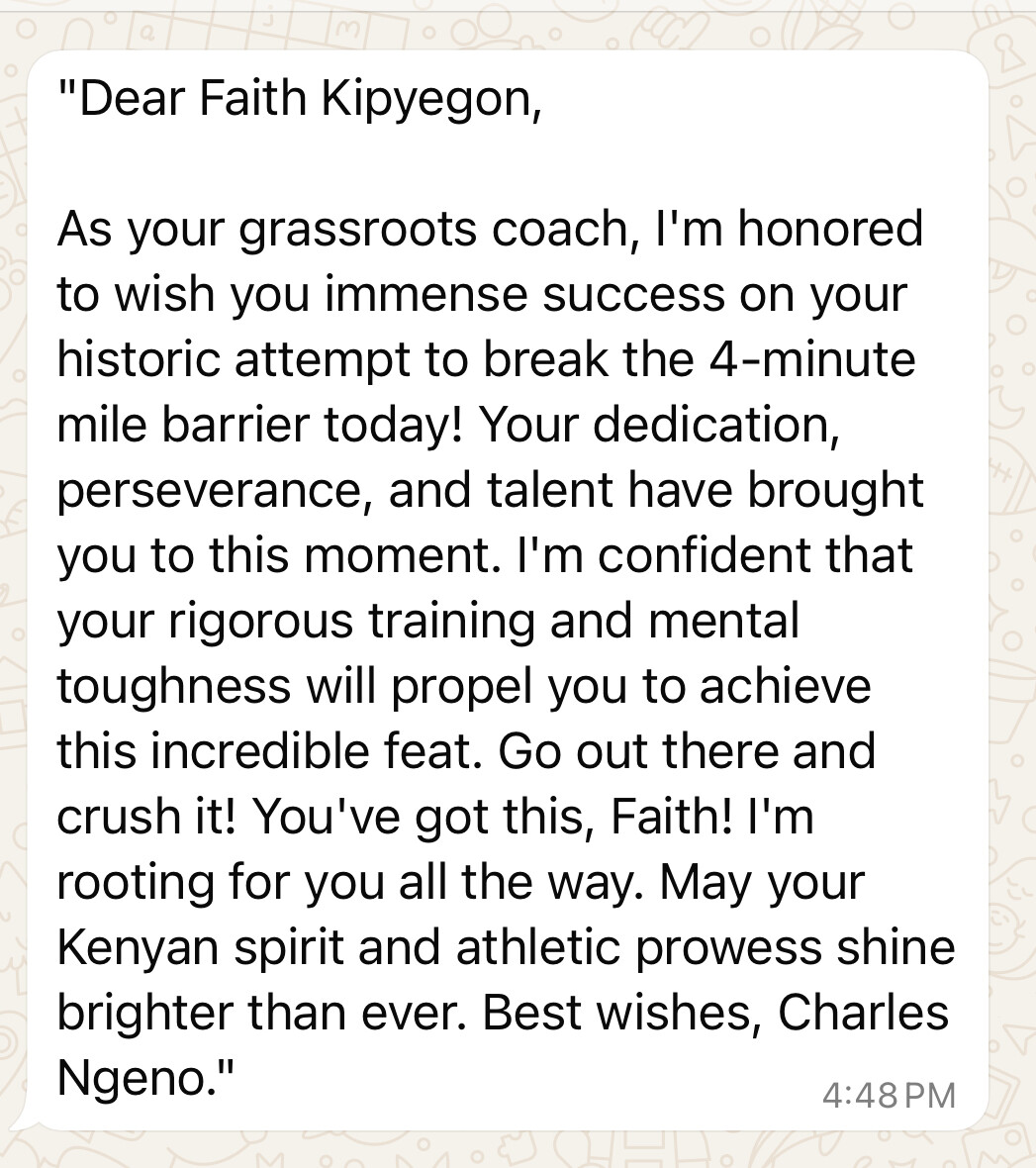
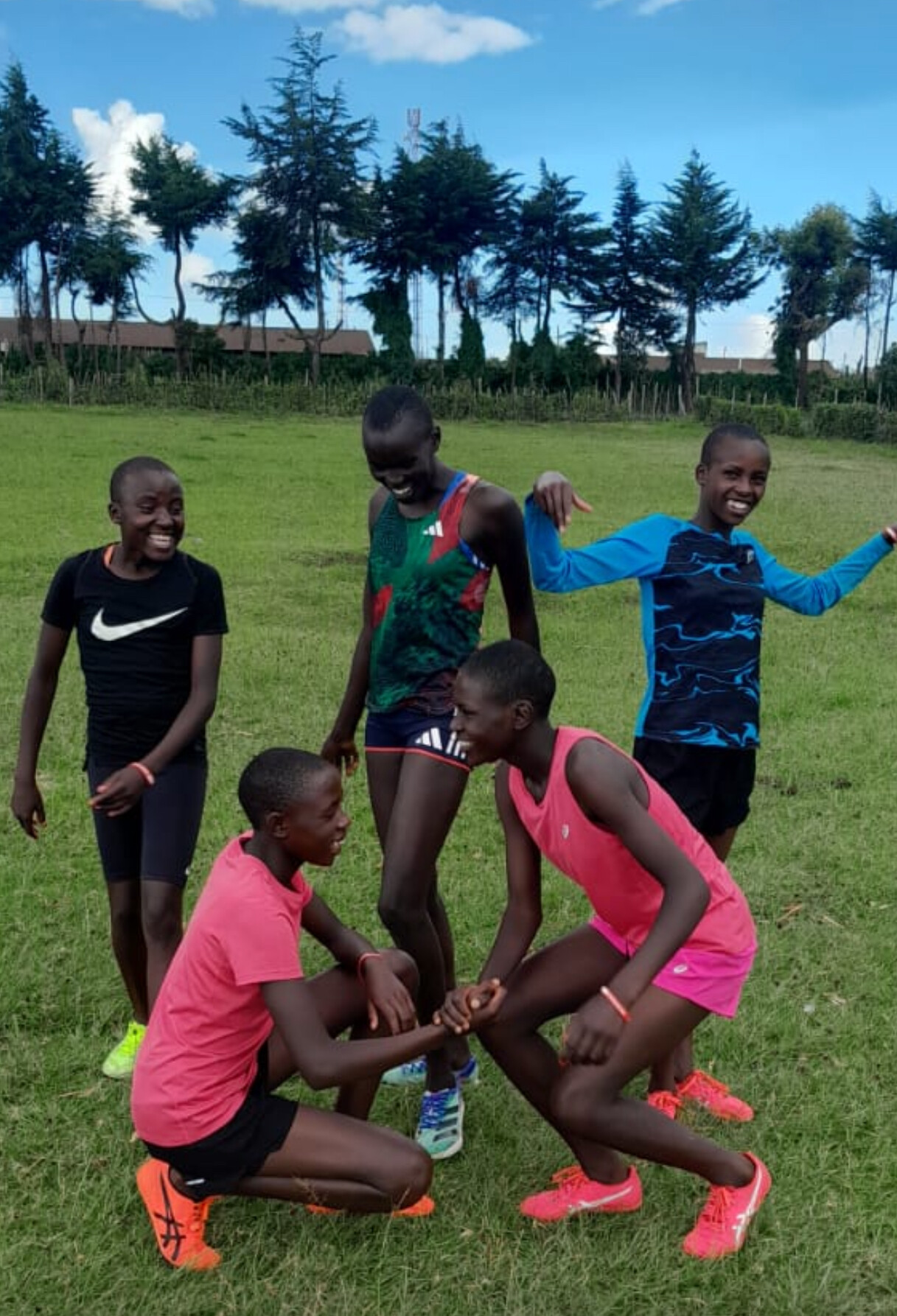
That early influence continues to resonate. Kipyegon is now attempting to do what no woman has ever done—break the four-minute barrier for the mile. The historic run is scheduled for June 26 in Paris as part of Nike’s “Breaking4” project, with the global running world watching closely. Ngeno, meanwhile, is back where his heart has always been: coaching on the ground in Kenya and building future champions.
The KATA model is unlike any other. Each camp is linked with a three-acre potato farm, where athletes work part-time—25 hours a week—in exchange for full room, board, and expert coaching. The combination of structured training and sustainable agriculture allows athletes to focus entirely on their development, while also contributing to the local economy.
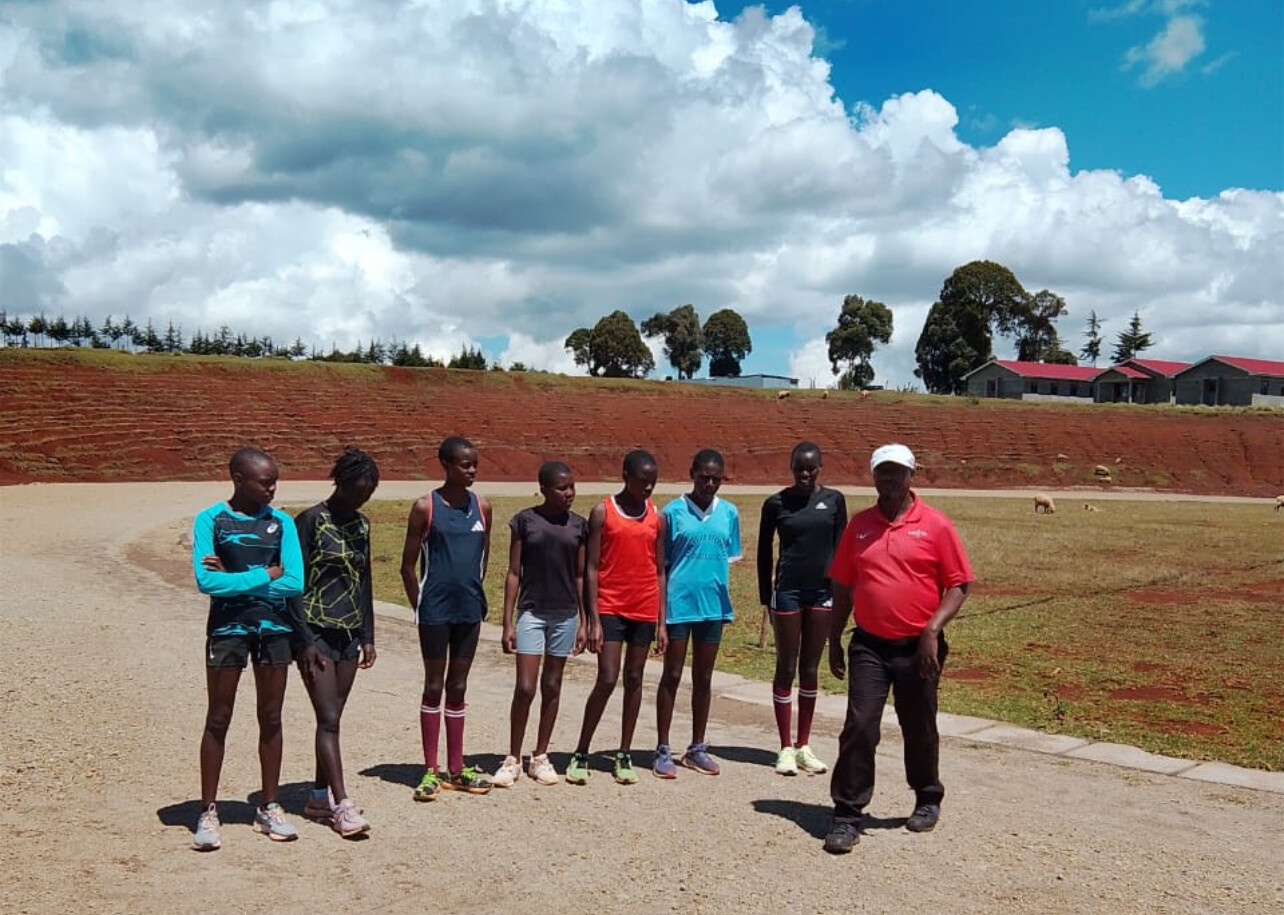
As a camp operator in Olenguruone, Ngeno oversees not only the athletic training but also the day-to-day structure of the farm program. His hands-on approach, deep knowledge, and commitment to discipline and consistency make him the ideal leader for this environment.
“This isn’t just another training camp,” he says. “This is a platform for real opportunity. We’re giving athletes who might otherwise be overlooked the chance to build something—to compete, to grow, and to give back. I’ve seen what’s possible when someone believes in you. I want to be that person for these runners.”

With camps already in operation across Kenya, and more launching every month, KATA is expanding rapidly under the leadership of founder Bob Anderson, who launched the original KATA in Thika in 2019. All camps follow the same guiding philosophy: develop talent locally, create economic opportunity, and prepare runners for the world stage.
Charles Ngeno’s presence adds serious strength to that mission. His career, his values, and his passion align perfectly with the vision of KATA. And for the athletes training under his guidance today, the path forward has never looked more promising.
by Boris Baron
Login to leave a comment
Support Athletes. Uplift Communities. Help Shape the Future of Kenyan Running
.For decades, Bob Anderson—founder of Runner’s World and a lifelong champion of distance running—has believed in the transformative power of athletics. In 2019, inspired by visits to Kenya dating back to 1987, he launched the Kenyan Athletics Training Academy (KATA) in Thika to give promising athletes the opportunity to rise. In 2024, Anderson expanded the vision internationally, opening a second training retreat in Portugal.
Until now, every KATA camp and retreat has been fully funded by Bob himself. But as momentum builds, he’s extending an invitation: become a KATA Partner and help expand this game-changing model—while earning a meaningful return on your investment.
“We’ve proven the model works,” says Anderson. “Now we want visionary partners to help take KATA to the next level. This isn’t charity—it’s an investment in performance, purpose, and people.”
What Is the KATA Partner Program?

The KATA Partner Program offers a ground-floor opportunity to support elite athlete development and rural progress through a unique model that combines world-class coaching with sustainable agriculture.

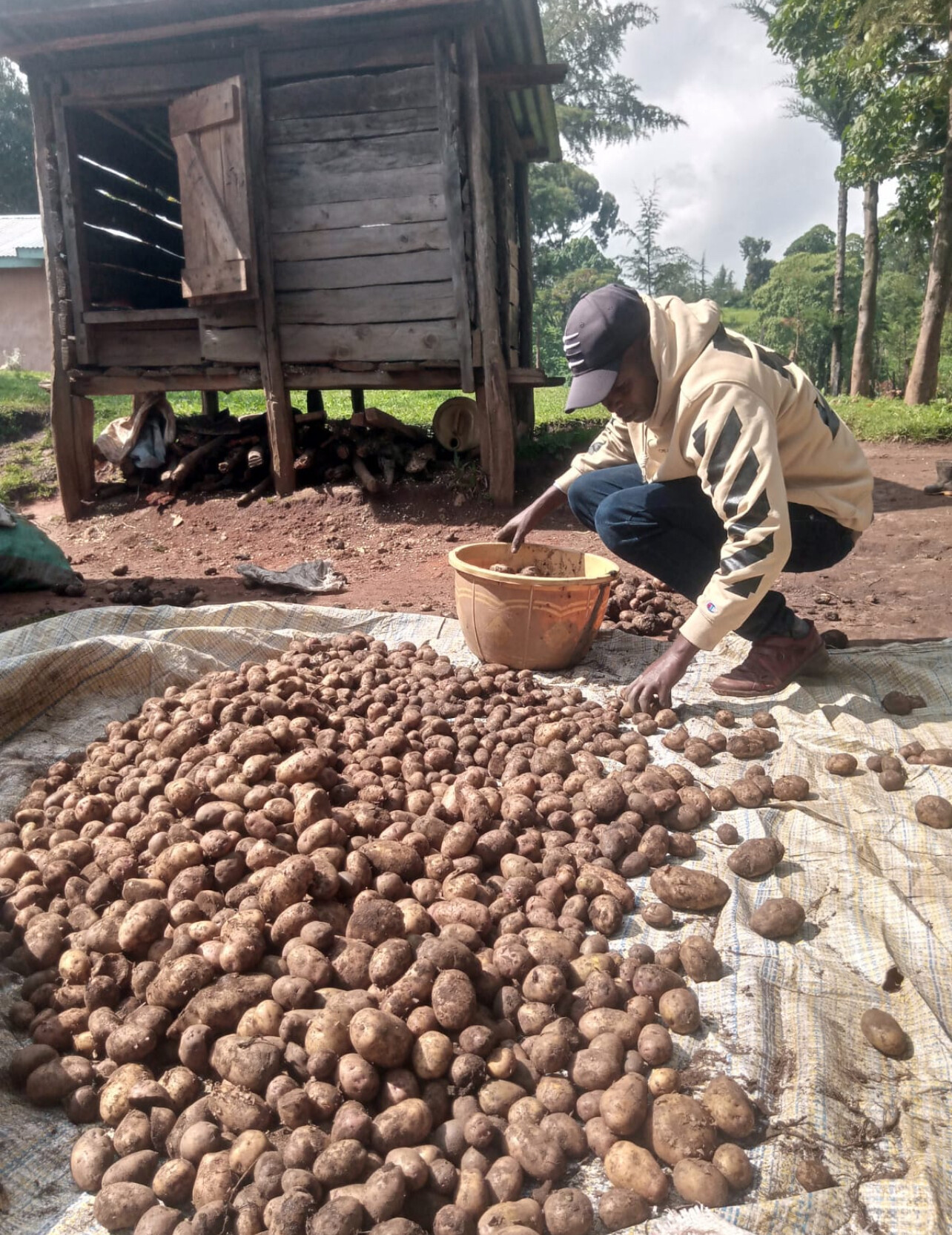
Each KATA Running Camp is paired with a three-acre KATA Potato Farm. Athletes live, train, and work part-time on the farm—25 hours per week—in exchange for full room and board plus expert coaching. In return, they contribute 15% of any prize money they earn back to their camp. The rest is theirs to keep.
As a KATA Partner, you help fund and launch a new camp. In return, you:

• Earn a share of revenue from potato farm sales and athlete prize winnings
• Gain naming rights to the camp (e.g., [Your Name or Organization Name] KATA Running Camp)
• Empower athletes and uplift local communities through long-term partnership
Two Pathways to Partnership
International Partner Program
• One-time KATA membership fee: $5,000 USD in 2025
• Fee increases to $6,500 USD starting January 1, 2026
• Annual dues: $1,000 USD (starting year two)
• Share of revenue:
• 15% of potato farm revenue
• 15% of athlete prize money
Kenyan National Partner Program
• One-time KATA membership fee: KES 900,000
• Annual dues: KES 50,000 (starting year two)
• Each additional acre: KES 100,000 (plus KES 25,000 in annual dues)
• Share of revenue:
• 10% of potato farm revenue
• 10% of athlete prize money
This is not a donation—it’s a purpose-driven investment with a guaranteed revenue share. You’re helping athletes succeed and communities thrive, while building your own legacy.
KATA Handles Everything
Whether you want to be hands-on or prefer a passive role, KATA takes care of:
• Finding and securing land and housing
• Recruiting qualified operators (often Olympic medalists and elite coaches)
• Setting up the farm and camp
• Managing all agricultural operations and logistics
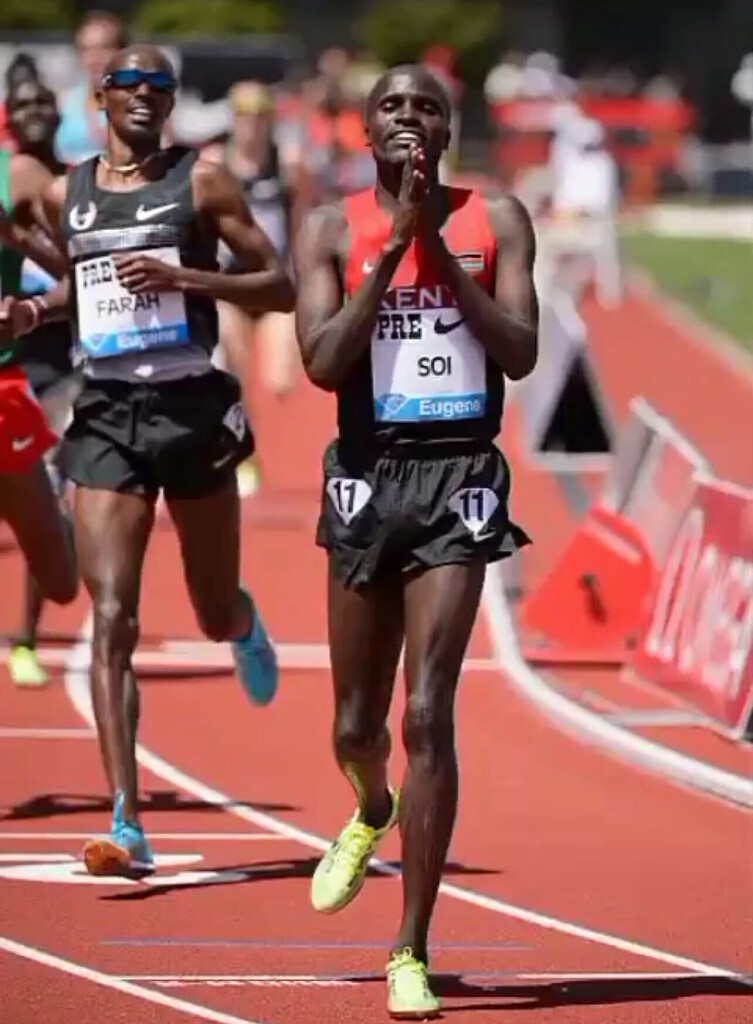
Current camps are operated by respected figures like Olympic medalists Paul Kipsiele Koech and Edwin Soi, coaching veterans such as Charles Ngeno, and long-time team members like Elam Wangerwo, who has worked with KATA since 2014.
Why It Matters
This program isn’t just about running—it’s about changing lives. KATA gives talented young runners the platform to pursue greatness while bringing food security and economic opportunity to rural Kenya.
“If you’ve ever wanted to be part of something that matters—something that delivers both impact and return—this is your moment,” says Anderson.
Join the KATA Movement
To learn more or become a KATA Partner, contact:
Bob Anderson via WhatsApp: +1 (650) 400-6643
The next great Kenyan runner is already out there. Let’s make sure they have a place to grow—on the track and in their community.
by Bob Anderson
Login to leave a comment
