

Running News Daily
Running News Daily is edited by Bob Anderson and team. Send your news items to bob@mybestruns.com Advertising opportunities available.
Index to Daily Posts · Sign Up For Updates · Run The World Feed
Articles tagged #Runners World
Today's Running News
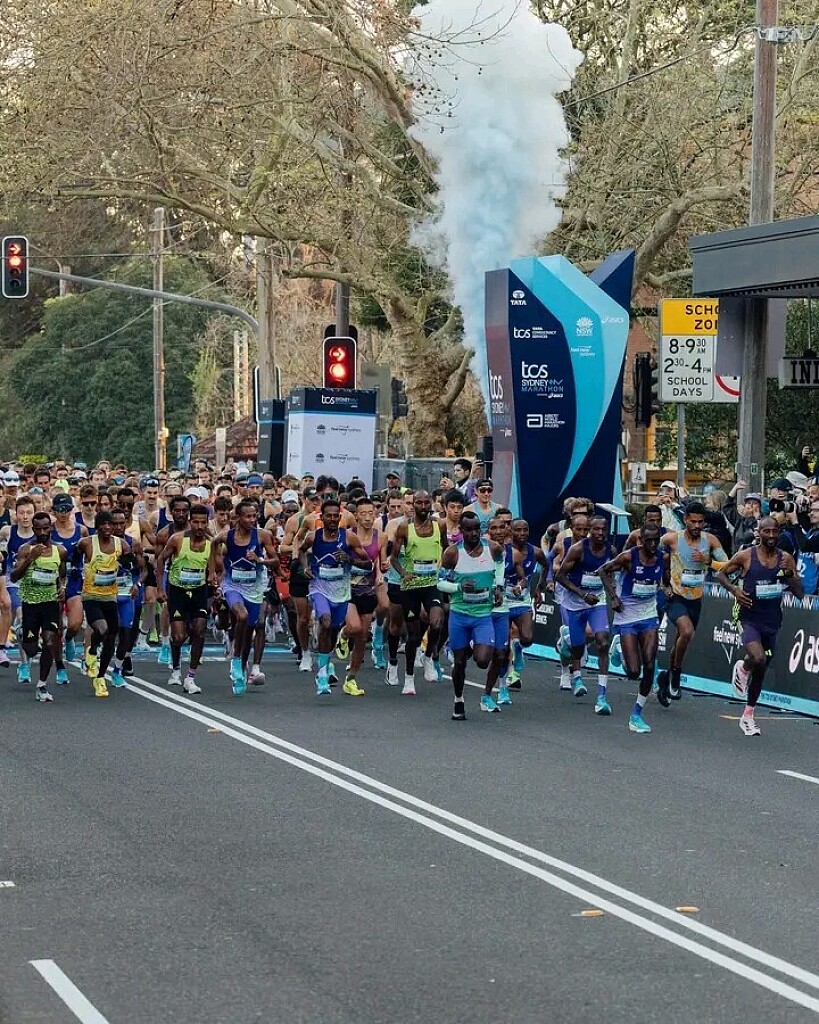


2027 Sydney Marathon Ballot Opens as Runners Worldwide Set Their Sights on Australia’s Iconic Race
The road to one of the world’s most spectacular marathon experiences has officially begun, with entries now open for the 2027 TCS Sydney Marathon presented by ASICS. Runners from across the globe can now submit their applications for a chance to participate in Australia’s largest marathon, an event that combines world-class distance running with the unforgettable scenery of Sydney.
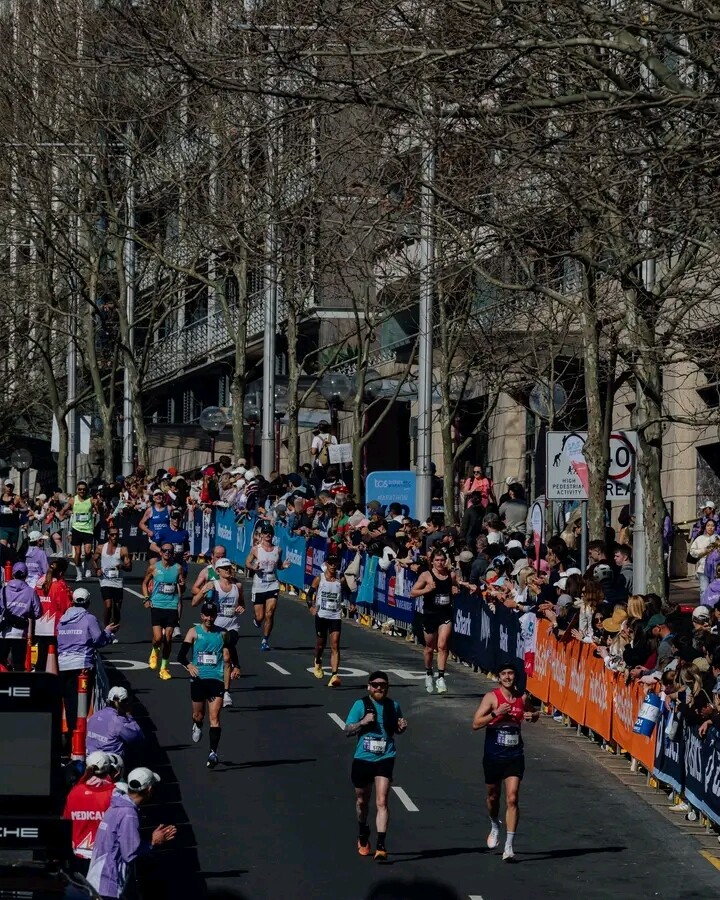
Scheduled for Sunday, August 29, 2027, the race promises to bring together thousands of runners, from passionate recreational athletes to experienced marathoners, for a memorable journey through one of Australia’s most celebrated cities.
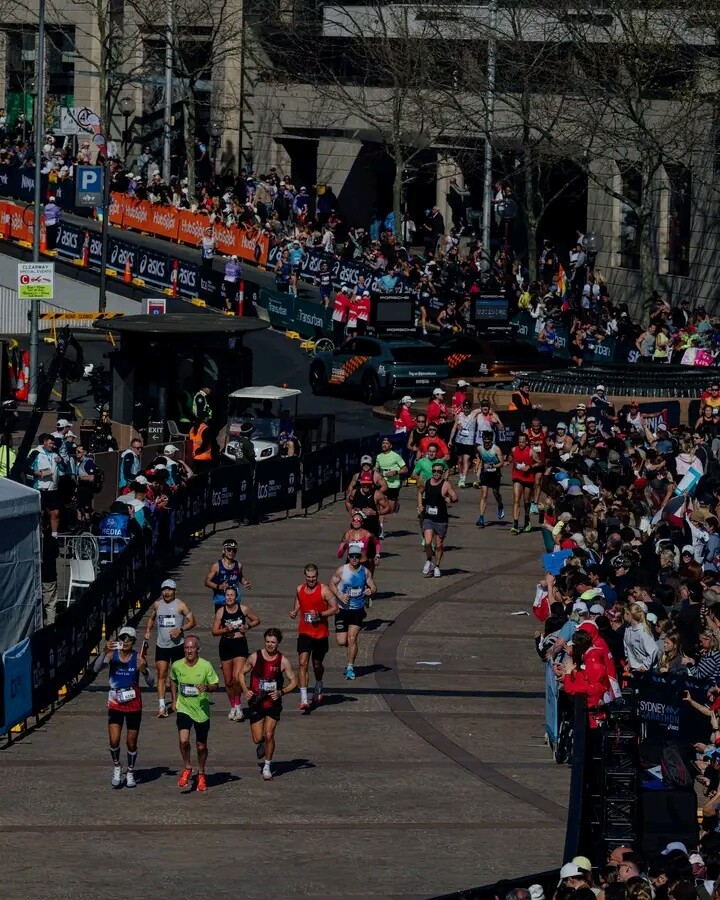
More than a test of endurance, the Sydney Marathon offers participants an opportunity to experience the city’s distinctive atmosphere, vibrant culture and internationally recognised landmarks. The highlight for many runners will be the chance to cross the finish line beneath the iconic sails of the Sydney Opera House, creating a lasting memory at the end of months of preparation and training.
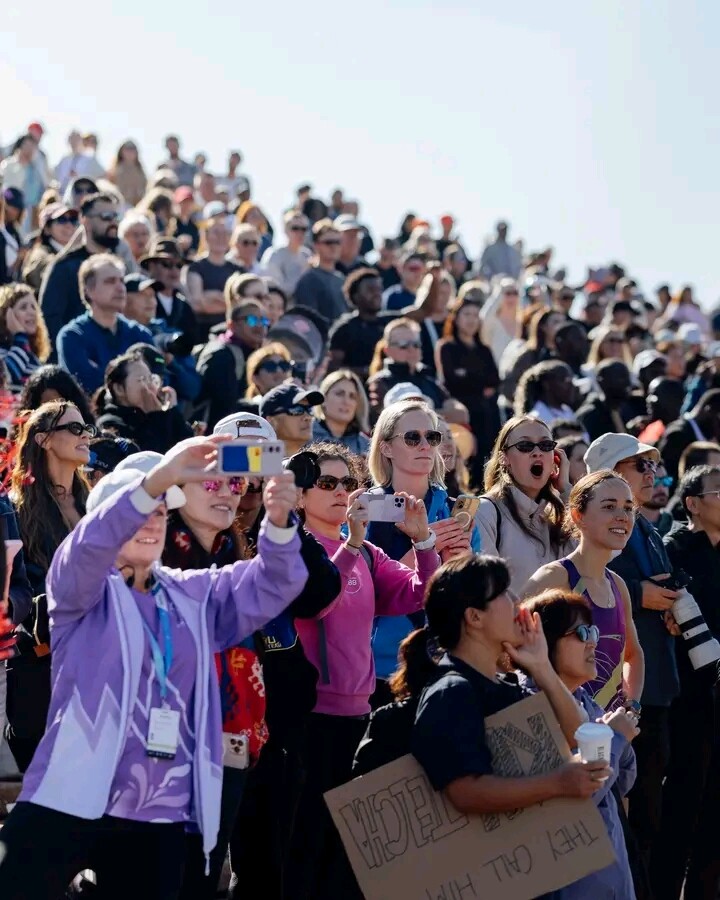
For international participants, the appeal extends well beyond race day. From exploring Sydney’s streets and waterfront to soaking up the atmosphere surrounding the event, the marathon offers an experience that combines sporting ambition with travel and cultural discovery.
Ballot Applications Open Until October 19
Runners hoping to secure a place in the 2027 edition must submit their applications before the ballot closes on Tuesday, October 19, 2026, at 10:00 a.m. Australian Eastern Daylight Time (AEDT).
Unlike a conventional first-come, first-served registration system, the marathon uses a random ballot to allocate places. This means applicants have an equal opportunity in the draw, regardless of when they submit their applications during the ballot period.
Athletes are therefore encouraged to complete their applications before the deadline, ensure that their contact details are accurate and familiarise themselves with the event's important dates.
Applicants will be notified of the outcome on November 3, 2026. Successful applicants will have their registered bank cards charged, with confirmation emails sent afterwards. Runners should ensure that the email addresses provided during registration are correct and check their junk or spam folders if they cannot find the notification.
The organisers have also clarified that they will not respond to individual enquiries about ballot application status between the opening of the ballot and the announcement of results. All ballot outcomes are final, and applicants are encouraged to consult the official frequently asked questions for further guidance.
Duo teams and participants competing in non-elite racing wheelchairs are subject to separate application procedures and should not apply through the general ballot.
An Opportunity to Be Part of Sydney’s Marathon Story
With the ballot now open, runners have the opportunity to begin planning for an event that brings together international participation, personal achievement and the excitement of marathon racing in a world-famous destination.
For those who secure a place, the journey will begin long before the starting gun sounds. Training schedules, long-distance runs and months of preparation will eventually lead to race day, when the streets of Sydney become the stage for thousands of individual stories of determination and achievement.
The 2027 TCS Sydney Marathon is scheduled for August 29, with ballot applicants expected to receive their results on November 3, 2026. Anyone who has not received a notification is advised to wait until after November 6 before contacting the organisers.
For athletes dreaming of racing in Australia, the opportunity to take part in Sydney’s celebrated marathon begins with a ballot application. The race may last only a few hours, but the journey to the starting line—and the memories created along the way—can last a lifetime.
by Erick Cheruiyot for My Best Runs.
Login to leave a comment
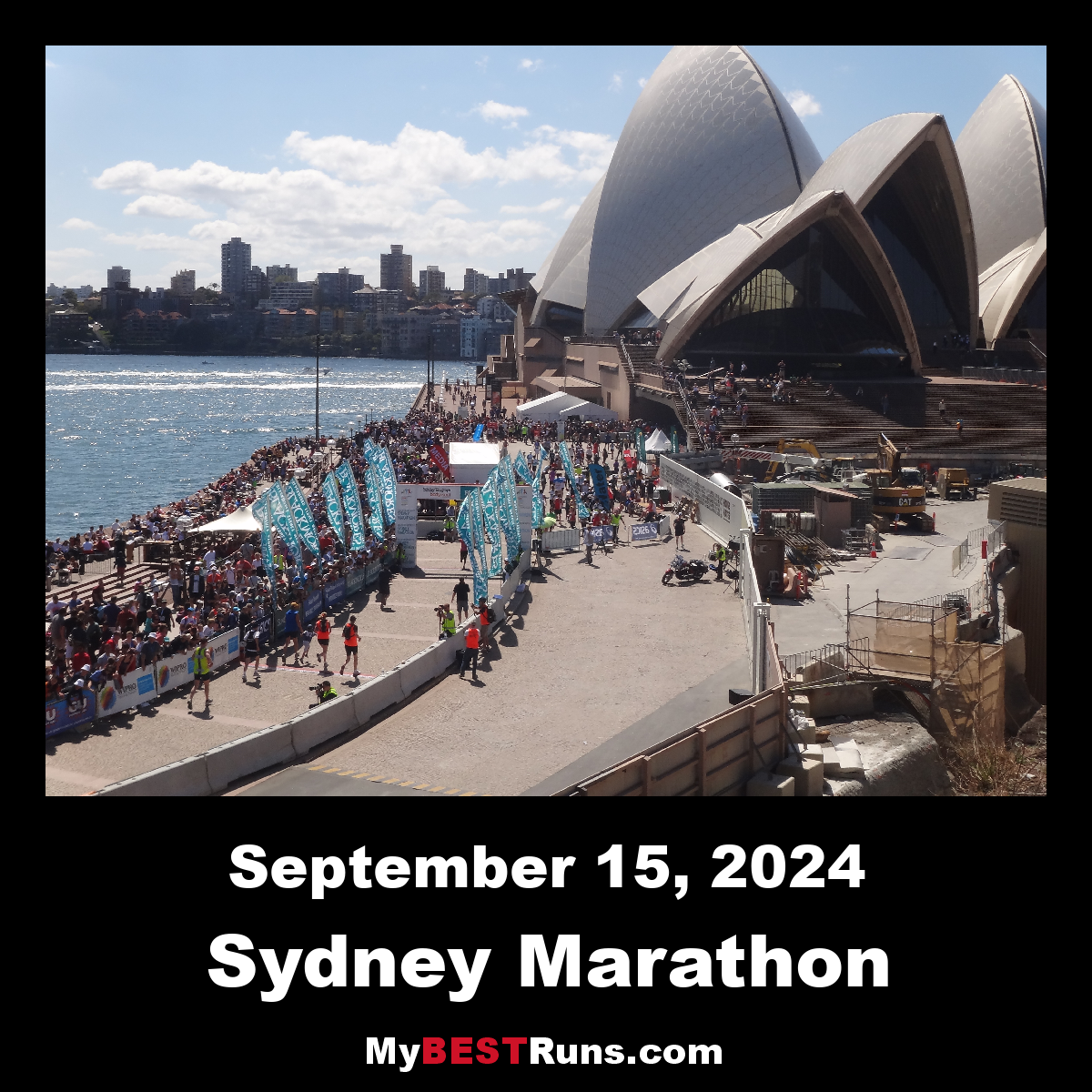
Sydney Marathon
The Sydney Marathon is a marathon held annually in Sydney, Australia. The event was first held in 2001 as a legacy of the 2000 Summer Olympics, which were held in Sydney. In addition to the marathon, a half marathon, 9 kilometres (5.6 mi) "Bridge Run", and a 3.5 kilometres (2.2 mi) "Family Fun Run" are also held under the banner...
more...
KSh42 Million KATA Programme Dispute: Questions Over Funding Advanced to Coach Charles Ng’eno
KATA founder Bob Anderson says coach Charles Ngeno received KSh1.077 million in repayable, interest-free financing for two running camps and six acres of potatoes, repeatedly discussed repayment and later sought additional funding.
A programme in which Bob and Catherine Anderson say they committed more than KSh42 million to support Kenyan runners is now at the centre of a dispute over money advanced to coach Charles Ng’eno.
Anderson, founder of My Best Runs, the Kenyan Athletics Training Academy and Runners World, says Ng’eno received KSh1,077,500 in interest free loans to establish two KATA running camps and cultivate six acres of potatoes.

Anderson says none of the money has been repaid.
Ng’eno should be given a full opportunity to respond to the allegations and provide his own financial records, contracts, harvest records and explanation of the transactions before publication.

Anderson founded Runner’s World as a teenager and says his motivation for developing KATA came from decades spent in athletics and from seeing the conditions faced by some aspiring Kenyan runners.
“This was never simply a potato farming project,” Anderson said. “The purpose was to establish camps where talented athletes could receive accommodation, food and world-class training. Every shilling provided to establish the camps and grow the potatoes was an interest-free loan that had to be repaid.”
Two loans supporting one objective
According to Anderson, the KATA model combined two forms of repayable financing.
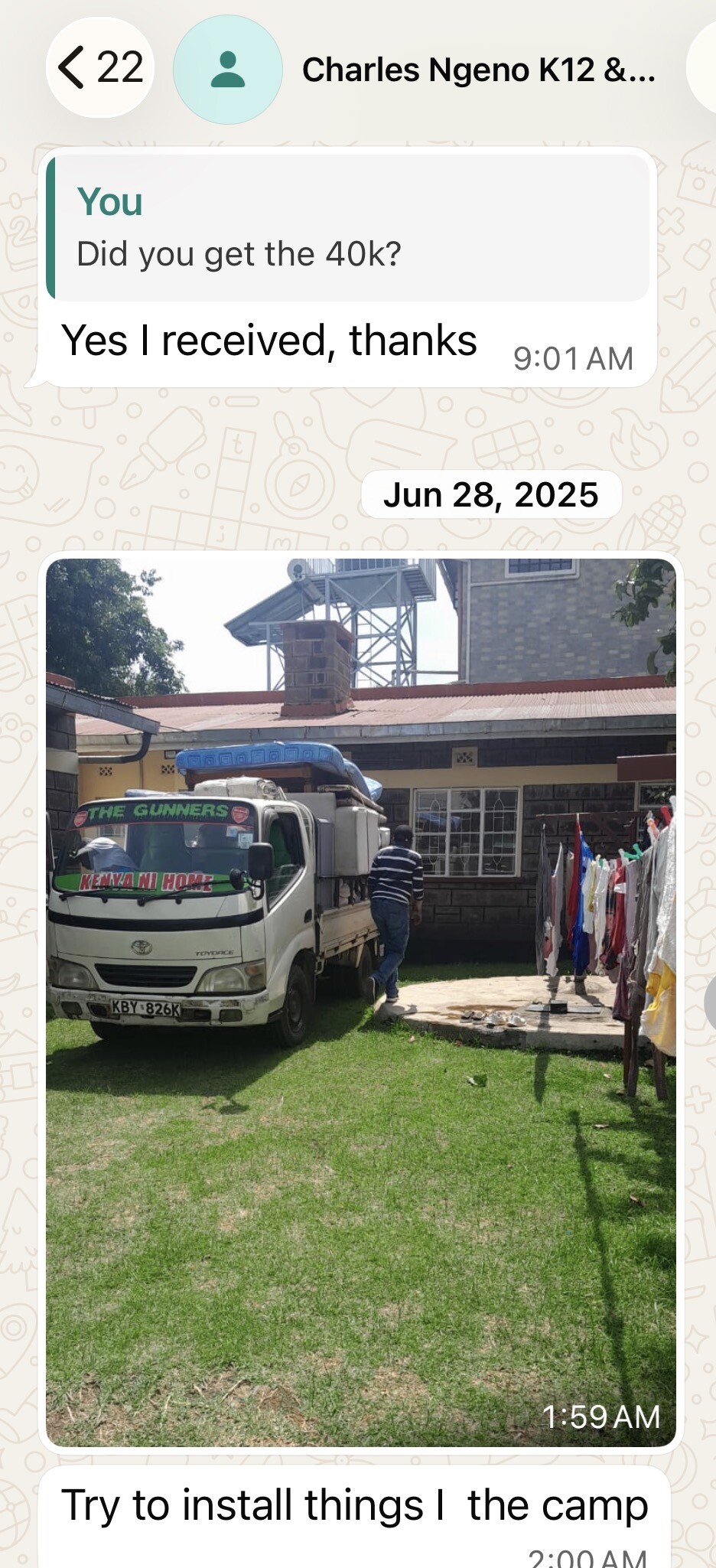
Camp operators could receive interest-free startup loans to cover expenses including rent, beds, mattresses, furniture and initial food supplies. Depending on the camp's requirements, Anderson says this financing could reach KSh500,000.
Separate interest-free loans were used to finance potato production, generally budgeted at approximately KSh100,000 per acre.
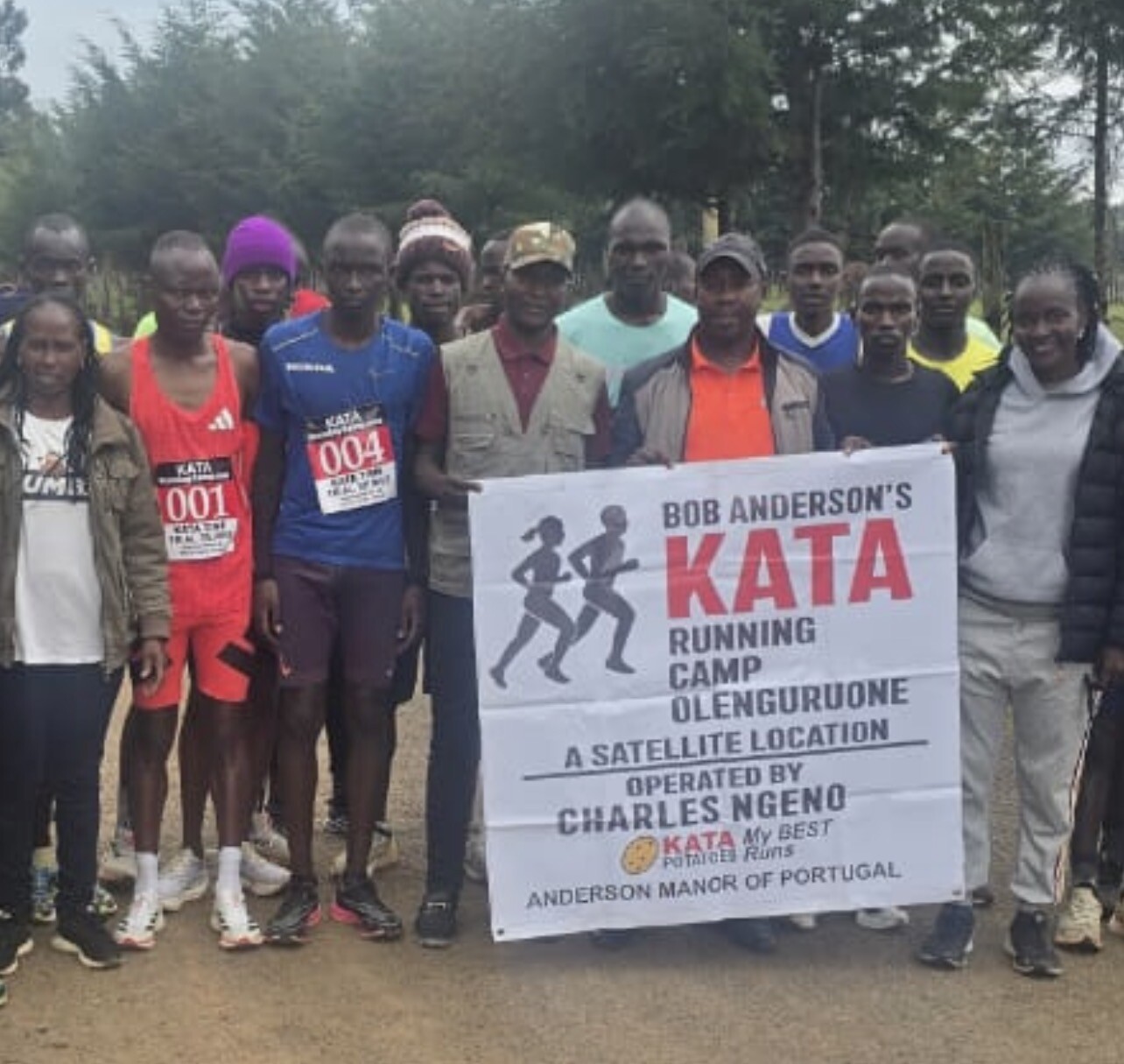
The intention was for proceeds from potato sales to repay both the farming costs and the money advanced to establish the running camp.
The funds were therefore not intended to operate as grants that beneficiaries could retain without repayment.
After the loans were cleared, the remaining income was intended to support athletes and help finance subsequent farming seasons.
Anderson says the model was designed to create a revolving system in which money recovered from one camp could eventually help another.

“The idea was to provide the seed capital once and then have the potato proceeds repay everything,” Anderson said. “After the camp and farming loans were cleared, each camp could continue operating without depending upon Catherine and me for more money.”
The financial projections used by KATA were based on anticipated agricultural returns. Anderson says the programme estimated that a well-managed acre could generate about KSh400,000 in gross sales, although actual returns would depend on yields, disease, weather and market prices.
These were projections rather than guaranteed returns.
More than KSh42 million committed
Anderson says he and Catherine committed more than KSh42 million to establishing and operating the wider programme.
Approximately KSh36 million, he says, was provided through interest-free loans to coaches, farmers and camp operators, while more than KSh6 million was spent on independent contractors and related programme expenses.
The Kenyan personnel engaged to coordinate activities and monitor participating farms were independent contractors, according to Anderson, rather than employees.
The Andersons did not establish a company in Kenya, with the programme directed through their California-based business.
The complete financial records covering the wider KATA programme have not been independently reviewed for this article.
The KSh1,077,500 advanced to Charles Ngeno represents only one part of the wider programme.
But Anderson says the failure to recover the money meant funds intended to circulate to other camps and athletes became unavailable.
Athletics Kenya references
Anderson says Ng’eno regularly communicated with him about athletics, farming and the proposed camps.
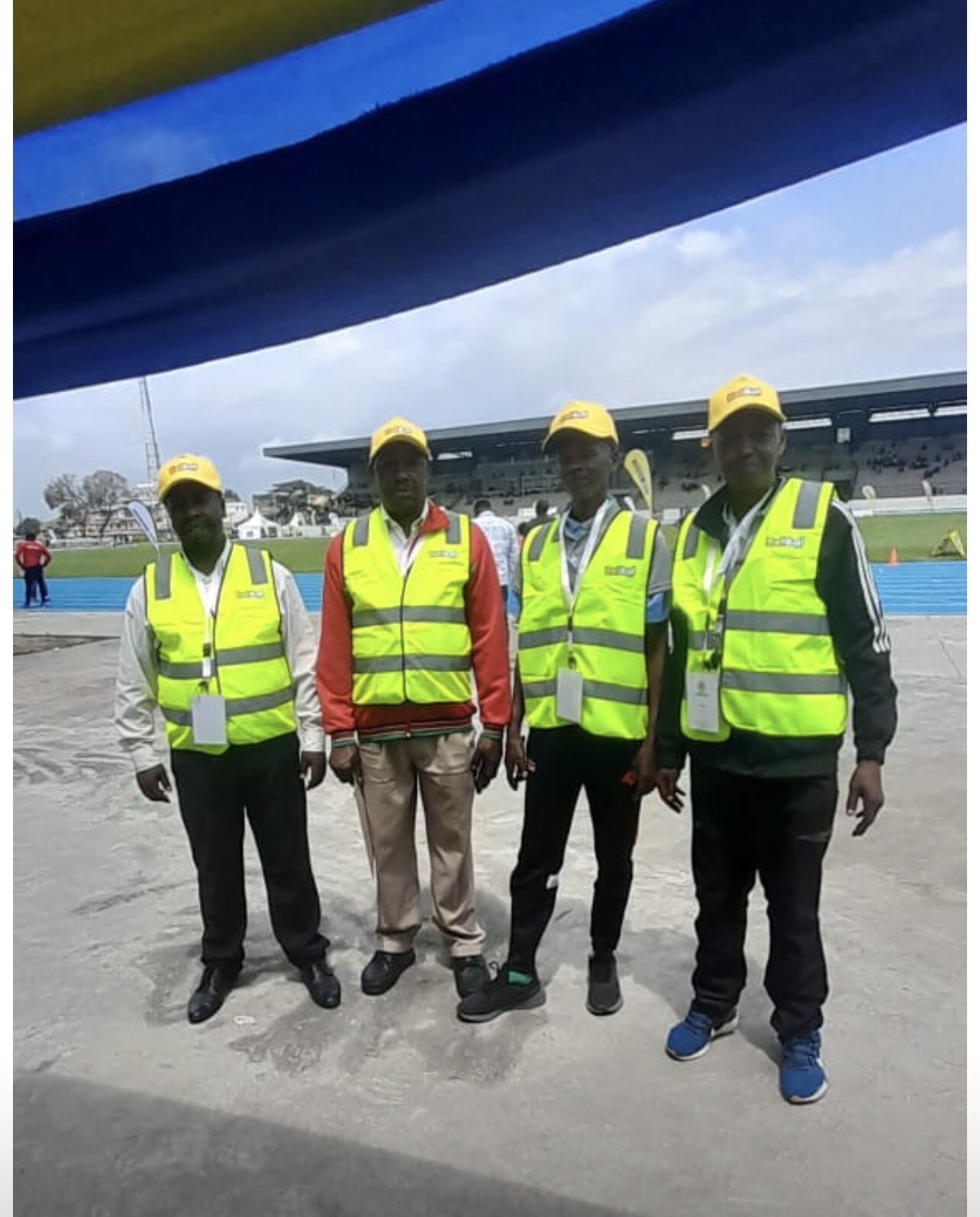
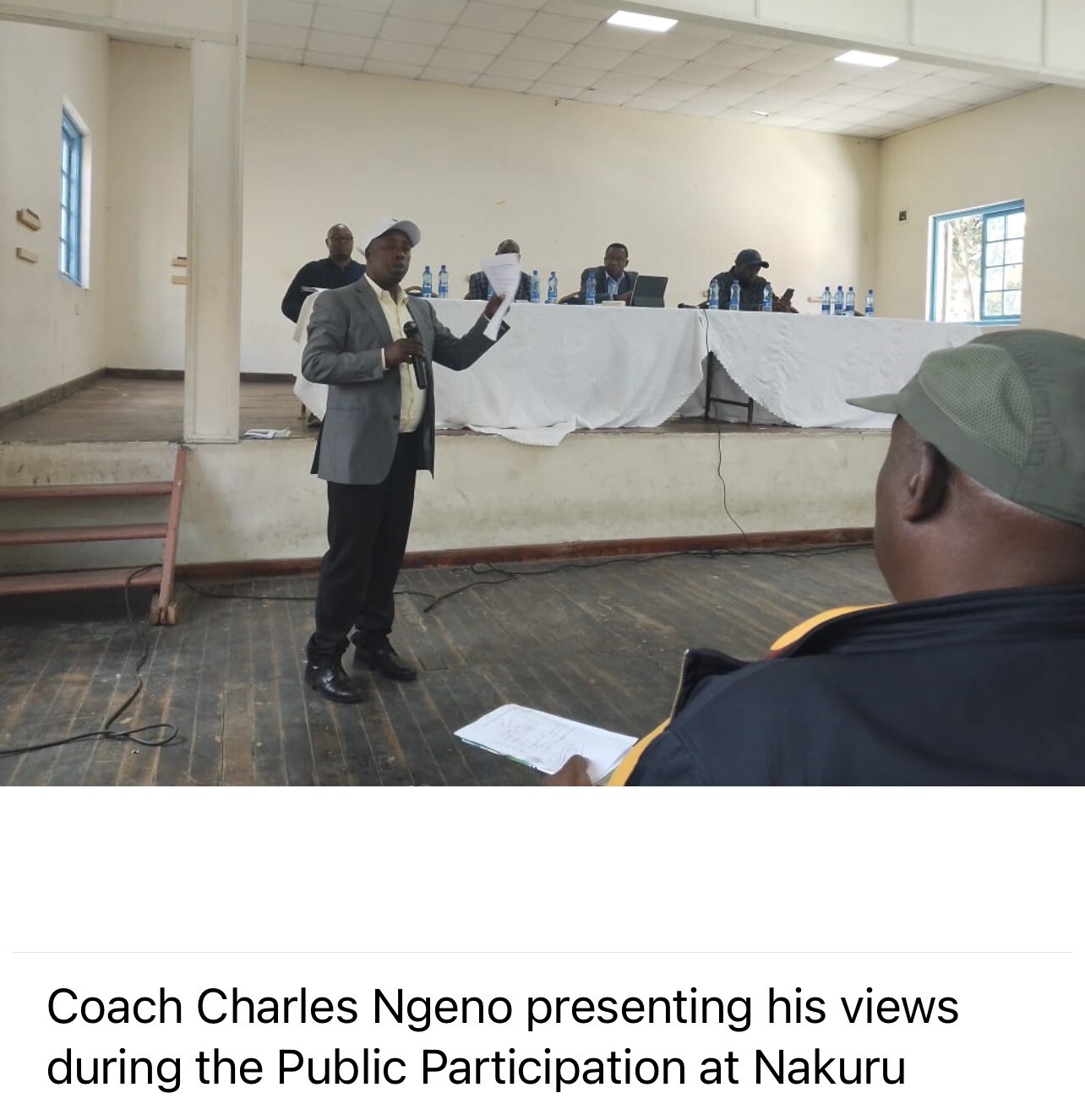
Among the material provided are photographs appearing to show Ng’eno participating in Athletics Kenya-related meetings, including one in which he is seated behind an Athletics Kenya nameplate and another in which he appears to address a gathering.
Ng’eno also told Anderson that he had discussed KATA with senior Athletics Kenya officials.
According to Anderson, Ng’eno reported that the Athletics Kenya president had praised the programme and believed it could benefit Kenyan athletes.
Those claims have not been independently confirmed.
The photographs show Ng’eno at athletics-related functions but do not establish that Athletics Kenya endorsed KATA or participated in the financing arrangement.
“It gave me confidence,” Anderson said. “Charles presented himself as a senior and respected figure in Kenyan athletics. He talked about discussions with the AK president, and I believed he had the standing to make the camps successful.”
Athletics Kenya has not been accused of receiving any of the disputed money.
KSh1.07 million and requests for more
According to Anderson, the KSh1,077,500 advanced to Ng’eno was intended to cover work toward two camps and six acres of potatoes.
In August 2025, Ng’eno sent what he described as bookkeeping for the Olenguruone and Nakuru camps. The figures referred to a proposed total allocation of KSh1.3 million, including potato projects, rent, bunk beds, mattresses, blankets and food.
The KSh1.3 million was a proposed budget and was not the amount Anderson says Ng’eno ultimately received.
Anderson says he stopped advancing money after repayment dates were missed and other concerns emerged.
“I probably would have sent more because Charles kept presenting new plans,” Anderson said. “Fortunately, one red flag after another was raised, and I cut him off after KSh1,077,500.”
Anderson says Ng’eno later sought approximately KSh600,000 to cultivate another six acres.
Had that request been approved, Anderson's total exposure to Ng’eno could have approached KSh1.7 million.
Ng’eno's own messages about the harvest
WhatsApp correspondence provided by Anderson contains messages attributed to Ng’eno discussing the farming operation and anticipated returns.
In an October 7, 2025 message, Ng’eno said he expected his first harvest to produce more than 150 bags of 50kg potatoes.
“For my first harvest, I'm expecting to have more than 150 bags of 50kg,” he wrote.
In the same exchange, Ng’eno referred to the “agreed loan” and said he was aware of the remaining obligation.
He also promised a “good return” and asked Anderson to proceed with what he described as a final disbursement.
“Please let us make an agreement that this be final dispersal until you experience the delivery of revenue,” he wrote.
In November, the correspondence moved to the practical issue of harvesting and selling the potatoes.
On November 11, Ng’eno told Anderson that some of his other acres were ready for harvesting but said market prices were poor.
“My other acres are ready for harvesting but this is not the time to do so. price is terrible,” he wrote.
He said the crop required spraying against worms and requested KSh15,000.
The following day, Ng’eno referred to potatoes from two acres that he expected to harvest within two weeks.
“Bob. Please send me 15k for Olenguruone camp. Potatoes to be harvested in 2 weeks. 2 acres,” he wrote.
Anderson subsequently asked for information about the number of bags, total weight, and photographs showing where the potatoes were being stored.
Ng’eno said he had secured free storage space and added that his farm manager was working on the ground.
The exchanges establish that the two sides were discussing the loan, potato farming, anticipated harvests and additional funding. They do not by themselves establish the final size of the harvest, sales proceeds or repayment.
Repeated repayment promises
Other correspondence reviewed for this story contains further discussions about repayment.
In November 2025, Anderson says Ng’eno indicated that nearly KSh600,000 would be paid before the end of December, with another KSh200,000 expected in January or February after seeds were sold.
Ng’eno also referred to a plot allegedly worth KSh1.5 million that could be disposed of if necessary to clear the loan.
“Don’t worry about me,” he wrote.
On January 31, 2026, after Anderson asked how much Ng’eno would begin repaying, Ng’eno responded:
“Yes, Bob, I need to start with Ksh. 400,000.”
He added that he was responsible and “must make payments.”
Anderson says the KSh400,000 payment was not made.
Ng’eno also told Anderson that repayment had been delayed because he was constructing a residential building that would become a KATA camp. He offered to show Anderson the building through a video call.
The correspondence shows that repayment was repeatedly discussed. It does not, without the underlying bank records, establish precisely how much money was ultimately generated from the farms or how the funds advanced were used.
A programme built around trust
For Anderson, the dispute goes beyond one borrower.
He says the KATA programme was created after he and Catherine saw the challenges facing some Kenyan athletes and wanted to provide better accommodation, food and training environments.
The agricultural component was intended to give camps an independent source of income.
But Anderson says the experience with Ng’eno and other beneficiaries ultimately forced the programme to stop advancing money.
“This was not simply a case of Charles misleading Catherine and me,” Anderson said. “Fellow Kenyans working with us in good faith also relied on the information and promises he provided.”
Those contractors have not been publicly identified.
Anderson has made broader claims about repayment problems involving other beneficiaries. Those claims require separate verification and should not be treated as established facts without supporting records and responses from those involved.
The questions requiring answers
The Ng’eno case leaves several questions that can be answered only through the underlying records.
How was the KSh1,077,500 used?
How much went into each camp?
Were all six acres planted?
What was harvested?
How much was sold?
Who bought the potatoes?
How much revenue was generated?
Were any proceeds used to repay the loan?
Did the two proposed camps operate, and how many athletes did they support?
Why were the promised repayments not made?
And does the reported KSh1.5 million property exist and was it available to secure or repay the debt?
Ng’eno should also be given an opportunity to respond to the claims concerning his representations about Athletics Kenya and to provide evidence of any discussions with its officials.
For Anderson, the principle behind the programme remains straightforward.
“This money was not donated to Charles,” he said. “It was loaned to establish camps and grow crops. It had to come back so it could help other athletes and camps.”
The dispute is now about whether the funds were used according to the agreements, what income the projects generated and why Anderson says none of the money has been returned.
Until complete financial records, contractual documents and Ng’eno's response are obtained, the allegations should remain clearly identified as contested claims rather than established findings.
by Robert Kibet
Login to leave a comment
 We wanted to help lots of Kenyan athletes and because of Charles the program is on hold. - Bob Anderson 8/22 9:07 pm |
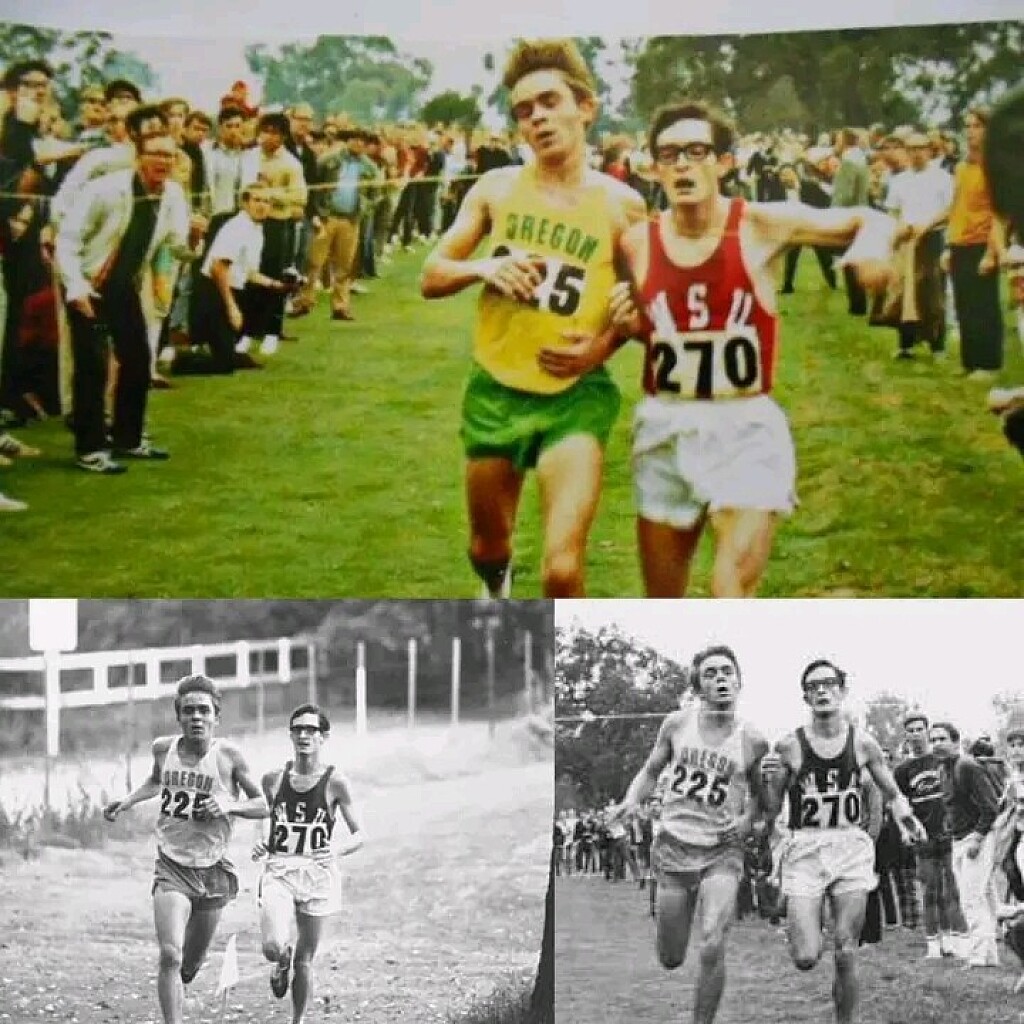
STEVE PREFONTAINE: THE FIRE THAT REDEFINED AMERICAN DISTANCE RUNNING
Steve Prefontaine was more than a gifted athlete—he was the heartbeat of a movement that transformed distance running in the United States. At a time when American runners struggled for global respect, Prefontaine emerged with fearless ambition, relentless confidence, and a refusal to race cautiously. He did not simply compete; he challenged the limits of effort itself.
Born in Coos Bay, Oregon, Prefontaine rose to prominence through sheer willpower and an uncompromising racing philosophy. He believed running was not about waiting for the perfect moment, but about seizing control from the gun. While others conserved energy, he attacked races head-on, forcing competitors into uncomfortable territory. This aggressive style made every race unforgettable and redefined how Americans viewed middle- and long-distance competition.
Prefontaine’s legacy was built not only on results, but on attitude. He raced with emotion, honesty, and pride, insisting that athletes owed their full effort to the sport and to themselves. To him, talent was meaningless without total commitment. That belief resonated deeply with young runners across the country, many of whom saw in him proof that courage could rival pedigree.
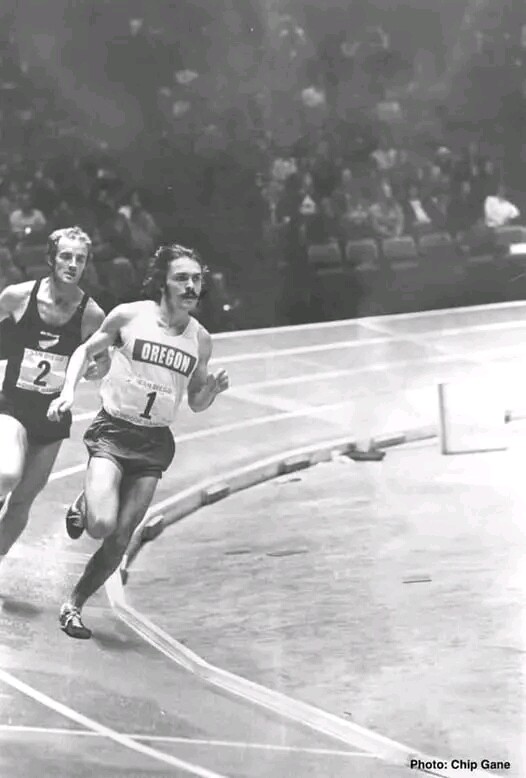
On the track, his performances spoke loudly. From the 1500 meters to the 10,000 meters, Prefontaine set remarkable times that placed him among the world’s elite. His personal bests—achieved in cities like Eugene, Helsinki, Milan, and Stockholm—reflected both his versatility and his willingness to test his limits repeatedly. At one point, he held every American record from 2,000 meters through 10,000 meters, a testament to his dominance and consistency.
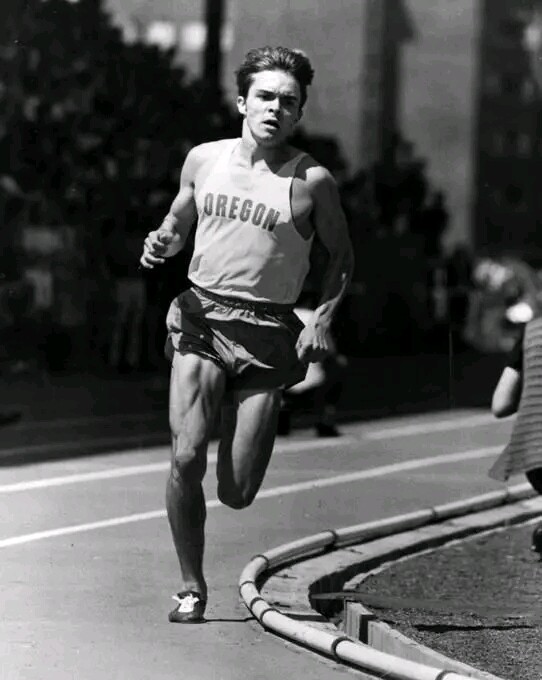
Yet what truly set Prefontaine apart was his influence beyond statistics. He became a voice for athletes, advocating for fairness, recognition, and respect at a time when amateur runners received little support. He helped shift the culture of American athletics toward professionalism and athlete empowerment, laying groundwork that future generations would benefit from.
Prefontaine’s life was tragically brief, but his impact proved permanent. His philosophy—run with courage, race with heart, and give everything—continues to shape the mindset of runners worldwide. Trails, stadiums, and training groups still echo with his spirit, reminding athletes that greatness is measured not only by victories, but by the honesty of one’s effort.
Decades later, Steve Prefontaine remains a symbol of fearless competition and unfiltered passion. He did not chase perfection; he chased truth in performance. And in doing so, he became more than a champion—he became a legacy.
Legends do not fade. They keep running through those they inspire.
by Erick Cheruiyot for My Bestruns.
Login to leave a comment

Prefontaine Classic
The Pre Classic, part of the Diamond League series of international meets featuring Olympic-level athletes, is scheduled to be held at the new Hayward Field in Eugene. The Prefontaine Classicis the longest-running outdoor invitational track & field meet in America and is part of the elite Wanda Diamond League of meets held worldwide annually. The Pre Classic’s results score has...
more...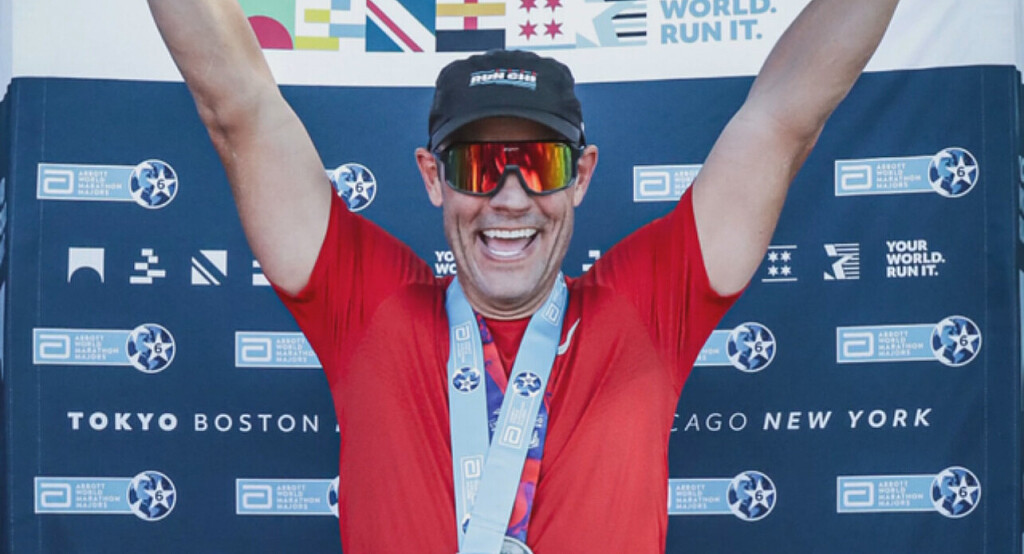
Colorado Runner Completes All Seven World Marathon Majors in One Year
l“My wife thinks I’m crazy,” says 49-year-old Max Fulton
Golden, Colorado — Completing all six Abbott World Marathon Majors is a lifetime goal for many runners. But in 2025, with Sydney officially added as the seventh race, one Colorado man decided to do them all — in a single year.
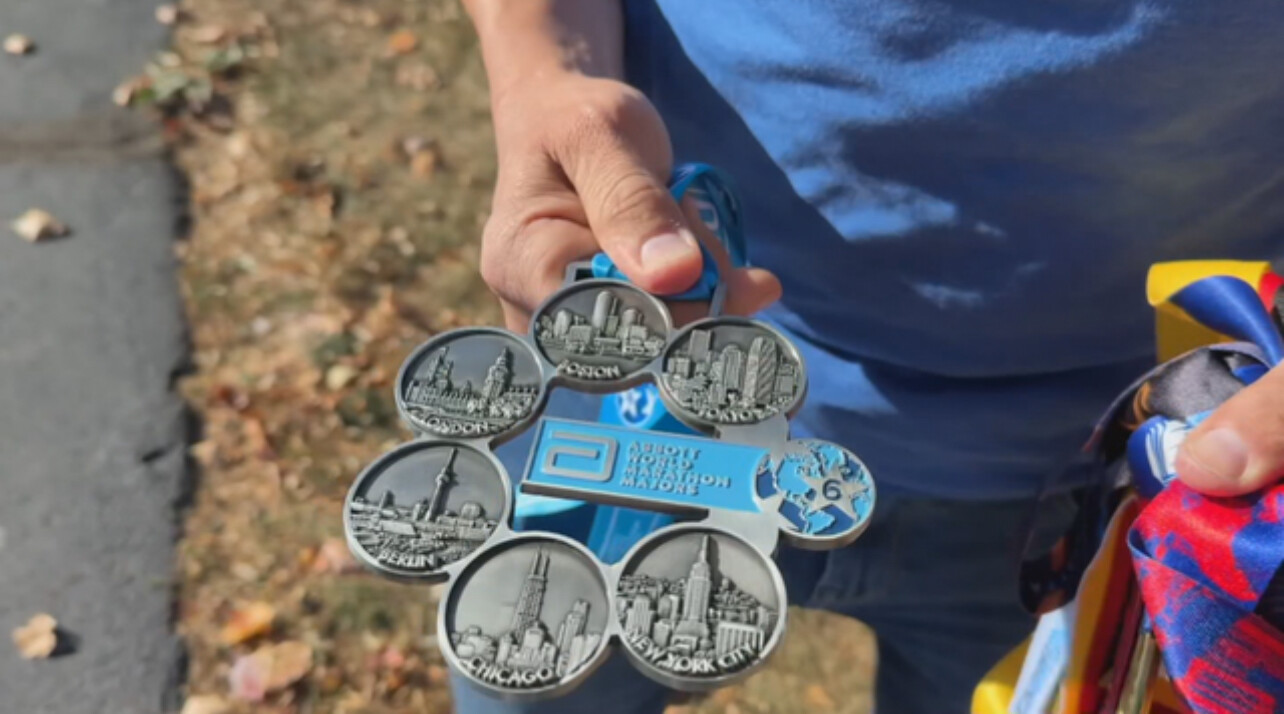
Max Fulton, 49, from Golden, crossed his final finish line last weekend, completing an extraordinary year that took him across the globe to tackle the world’s most iconic marathons: Tokyo, Boston, London, Berlin, Chicago, New York, and now Sydney.
“It was interesting. It was hard,” Fulton said, displaying his seven medals — one from each of the World Marathon Majors. “A lot of people try this and it takes them five or six years to get accomplished. I thought, what if I did them all in one year? And what if I’m the first person to do it?”
Fulton isn’t new to endurance challenges. A veteran ultrarunner, he’s finished the grueling Leadville 100 ten times. But he admits this marathon mission tested more than just his legs. “The hardest part, actually, was getting into all of them,” he said. “Even if you qualify, it doesn’t always guarantee entry.”
He managed it through a mix of qualification times, charity bibs, marathon tours, and lottery wins. Along the way, his family supported his ambitious plan — mostly. “My wife thinks I’m crazy,” Fulton laughed. “My daughter’s probably with her. My son thinks it’s awesome.”
Fulton believes he’s one of fewer than ten runners worldwide to have completed all seven Majors in 2025. For comparison, roughly 20,000 runners have finished all six Majors over their entire lives.
As for what’s next? “Maybe it’s time to spend more time on the bike,” he said — before pausing with a grin. “But Abbott is adding South Africa and Singapore. Maybe I’ll end up running nine of them.”
by Boris Baron
Login to leave a comment
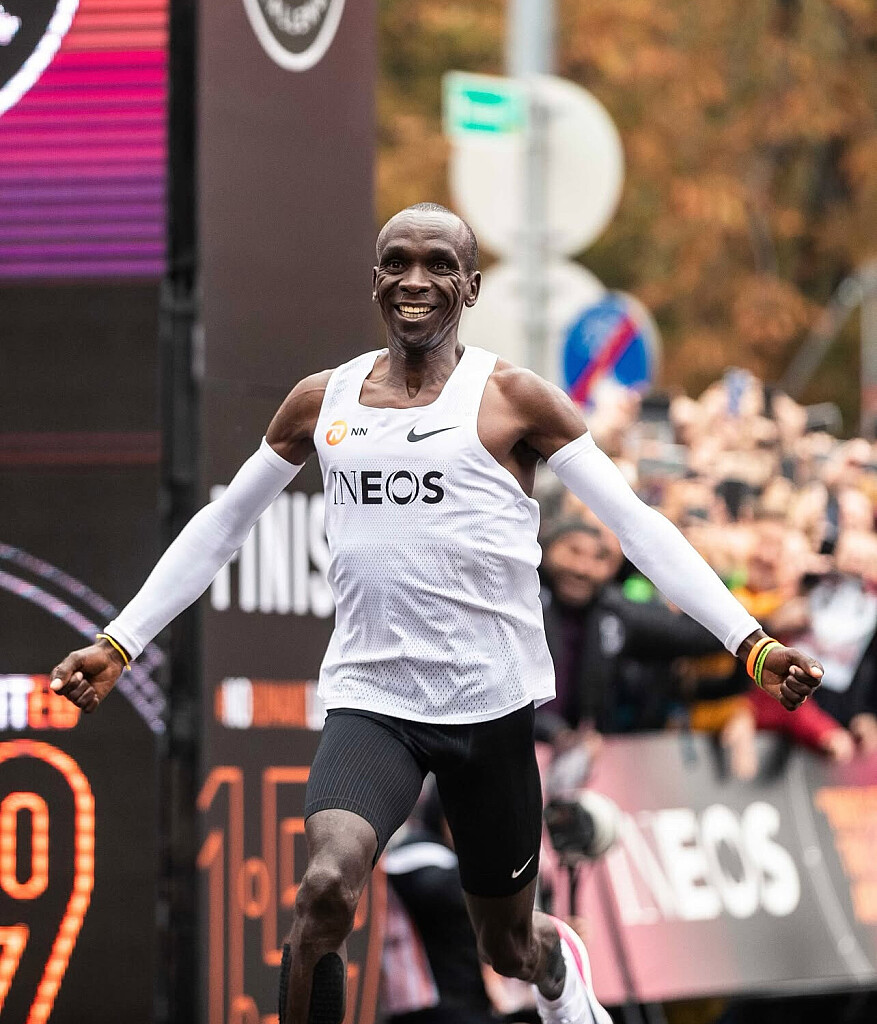
Eliud Kipchoge Launches “Kotcha Run” — Bringing His Training Secrets to Runners Worldwide
Eliud Kipchoge, the marathon icon and global ambassador of distance running, has officially launched a new app — Kotcha Run — designed to share his legendary training methods with runners everywhere.
Developed in partnership with the NN Running Team, the app provides athletes of all levels with access to the very strategies, tools, and insights that have powered Kipchoge’s record-breaking career and two Olympic gold medals.
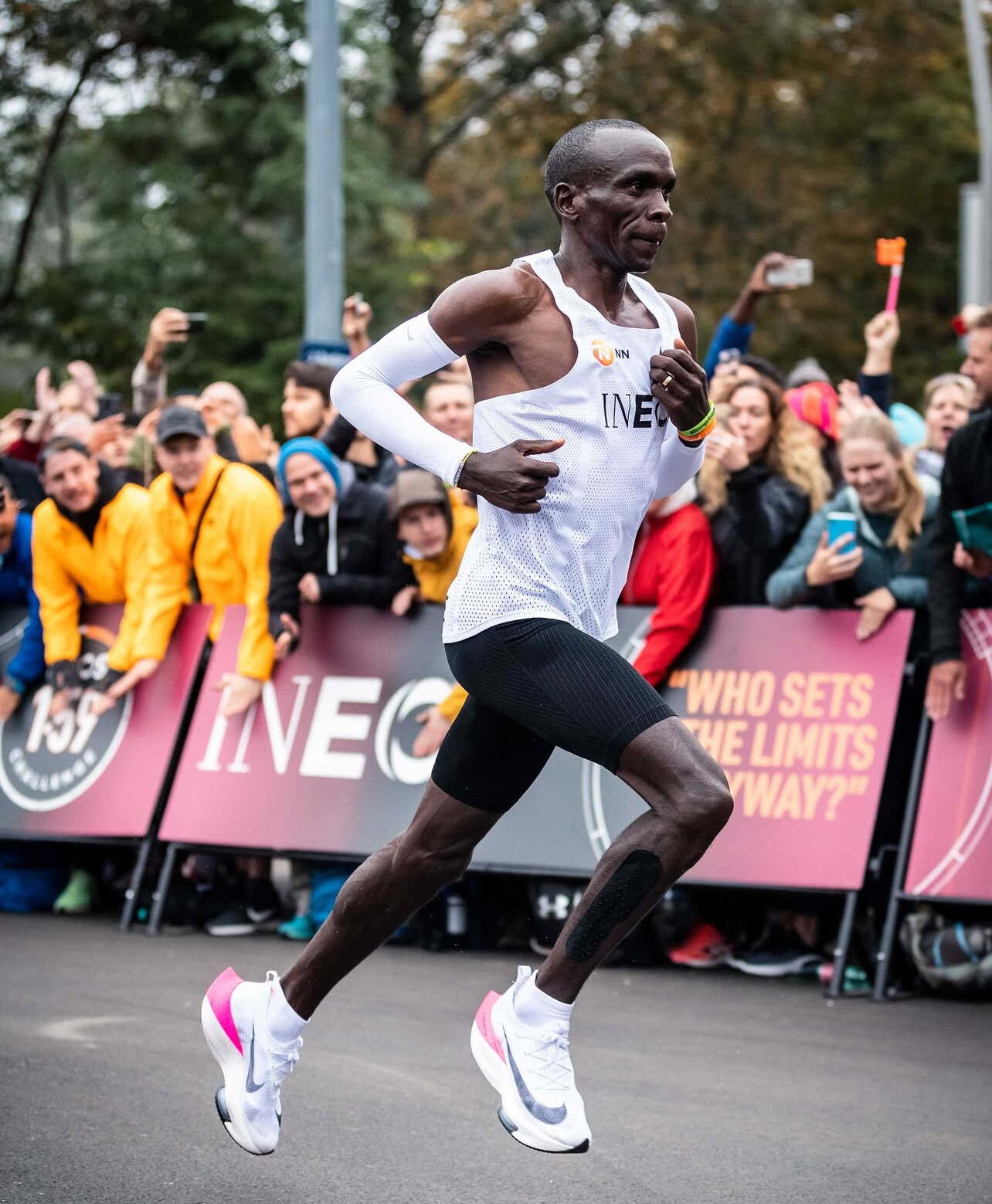
“People always ask me about my secret. Today, I’m offering a way to share it,” Kipchoge explained.
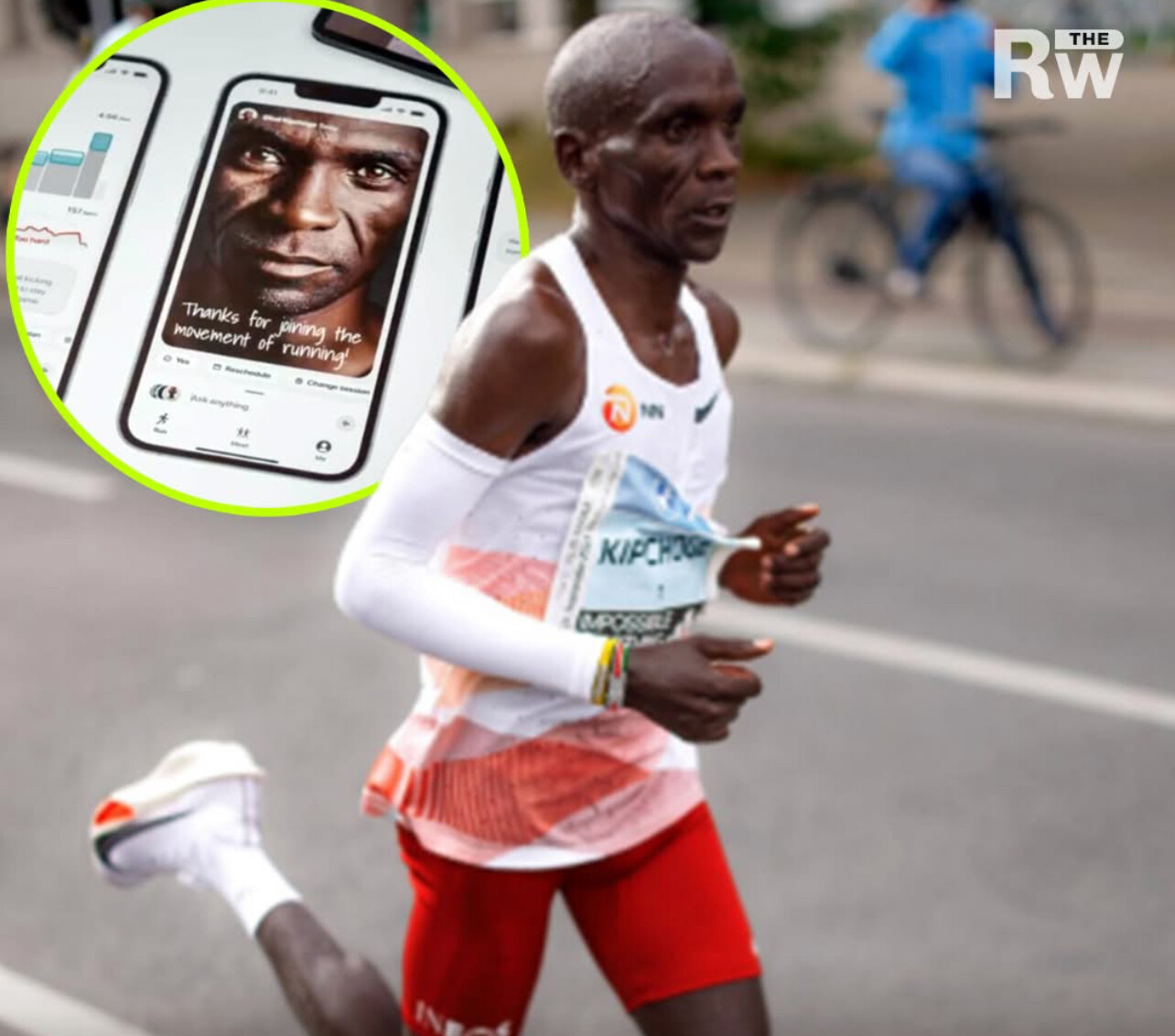
Through Kotcha Run, users can follow customized training programs, explore practical tips, and gain daily motivation directly inspired by the world’s greatest marathoner. Whether you’re preparing for your first 5K or your next marathon, the app helps runners apply Kipchoge’s disciplined yet philosophical approach — centered on patience, consistency, and belief.
Runners can now pre-register on the App Store to be among the first to experience it.
With this launch, Eliud Kipchoge once again proves his commitment to democratizing elite training, helping every runner — from beginner to professional — discover their own “No Human Is Limited” potential.
by Boris Baron
Login to leave a comment
Building the Future: KATA’s Vision to Become the Powerhouse of Athletics in Kenya
KATA founder Bob Anderson has a bold vision — one that unites athletes, coaches, and farmers under a single purpose: to make KATA the powerhouse of athletics in Kenya and a model for the world.
As of today, KATA operates 31 running camps and 65 potato farms across Kenya. Of these, 31 farms are directly connected to KATA camps, while the remaining farms are independent partners within the broader KATA network. Together, they form a growing agricultural foundation that supports both athletics and community development.
KATA farms currently range in size from one acre to 8.5 acres, combining traditional farming expertise with innovative support for athlete nutrition and sustainability. By the end of 2026, KATA’s goal is to expand to 100 Running Camps and 200 Potato Farms — half directly linked to camps — spanning more than 400 acres of productive farmland.
Another key initiative is the creation of the first KATA Ranch, scheduled for development by early 2026. The ranch will raise 100 or more sheep and goats, providing food, training nutrition, and economic value to the community. A KATA Running Camp will be connected to the ranch, integrating agriculture and athletics into one sustainable ecosystem. The long-term goal is for the ranch to become self-sustaining through the sale of meat and byproducts, ensuring continuous support for KATA programs and local families. Once the first ranch is fully operational, additional ranches are planned for future expansion.

KATA is also preparing to launch a KATA Sports Shop featuring running shoes and gear, and a KATA Market offering healthy, locally sourced food and essentials.
Coming soon and at the heart of KATA’s growth is its flagship product — branded KATA Potatoes, sold at a premium price and marketed as “The Fuel of Champions.” Complementing this is KATA Potato Flakes, an innovative product that reflects KATA’s values of energy, endurance, and excellence.
The KATA Potato Flakes will be sold worldwide as the go-to carbo-loading choice for marathonerspreparing for race day. Just add water from the tap, and in moments, you’re carbo-loading on KATA Potatoes — The Fuel of Champions.
Meanwhile, KATA Thika serves as the local office for Kenya and continues to thrive as the organization’s flagship Running Retreat, offering training stays for athletes from around the world who want to experience the Kenyan way of training — whether for a few days or a few months. The retreat provides access to world-class coaching, structured training, and cultural exchange with Kenya’s elite running community.
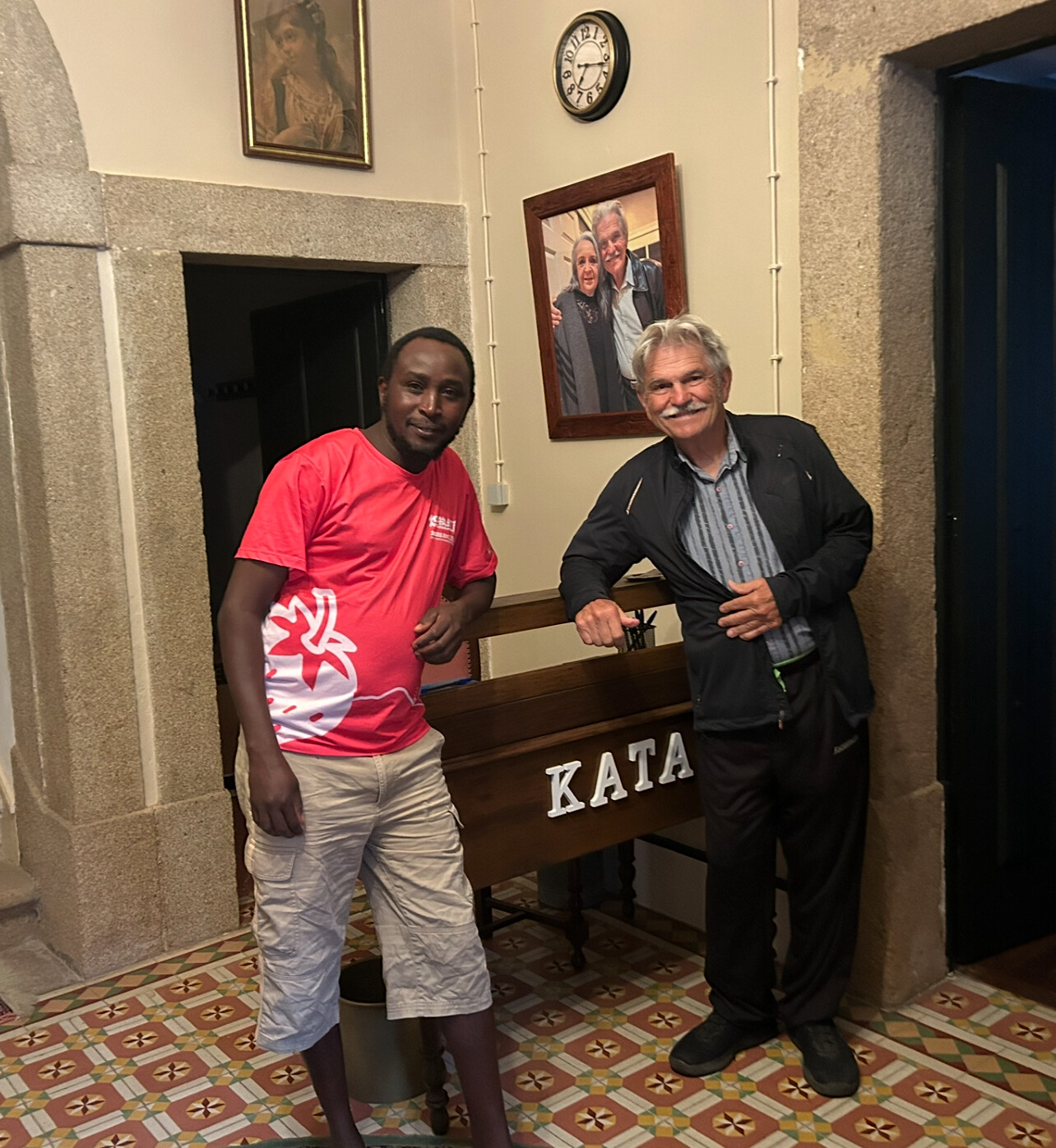
At the global level, KATA International is headquartered at the Anderson Manor in Monforte de Beira, Portugal — a 20,000-square-foot historic estate where the last King of Portugal stayed during his hunting trips in the early 1900s. The manor serves as the base for KATA’s international operations, housing both KATA Portugal and the Anderson Manor Retreat, which welcome athletes, artists, and guests from around the world.
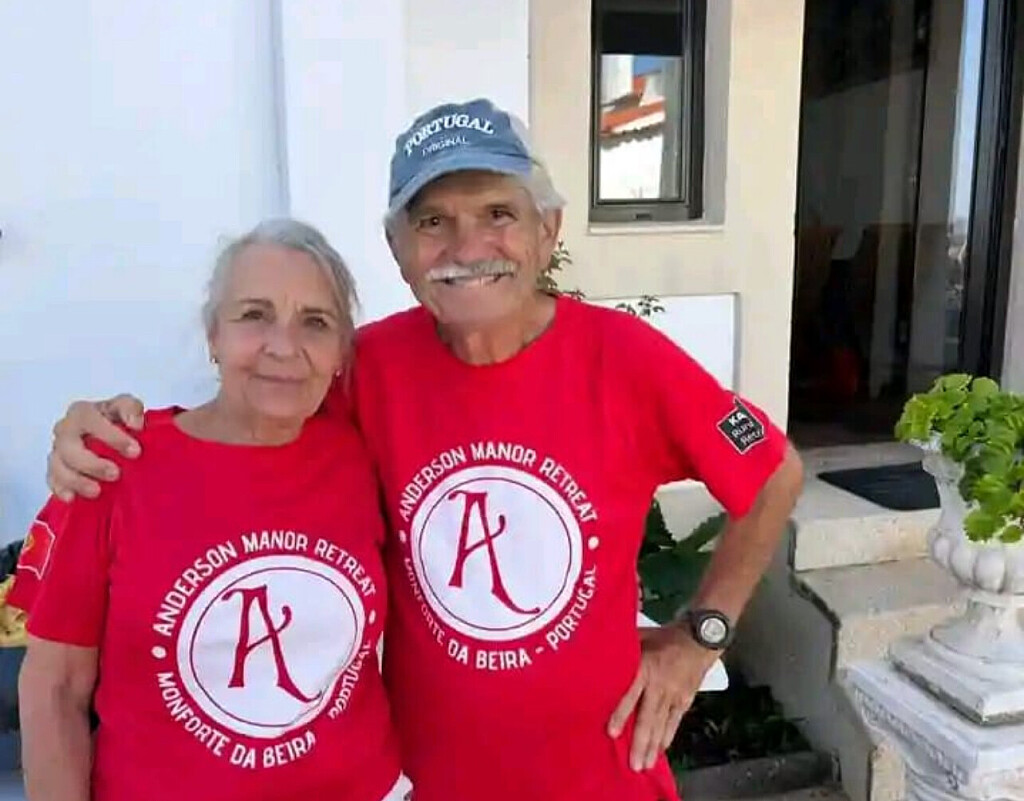
Behind the scenes but very much involved is Bob’s wife, Catherine. (First photo with Bob). Her creative talent adds a great deal to the program. Bob and Catherine have known Coach Dennis since 2021. He has completed two three-month stays at KATA headquarters in Portugal, working alongside Bob. Coach Dennis (4th photo with Bob in Portugsl) was recently promoted to Chief Technical Officer (CTO) and will oversee operations in Kenya.
Development of KATA Portugal began in February 2024, and the project continues to progress strongly. The retreat in Portugal will serve as the European counterpart to KATA Thika, offering athletes a place to train, rest, and connect with KATA’s global mission in a peaceful, historic setting.
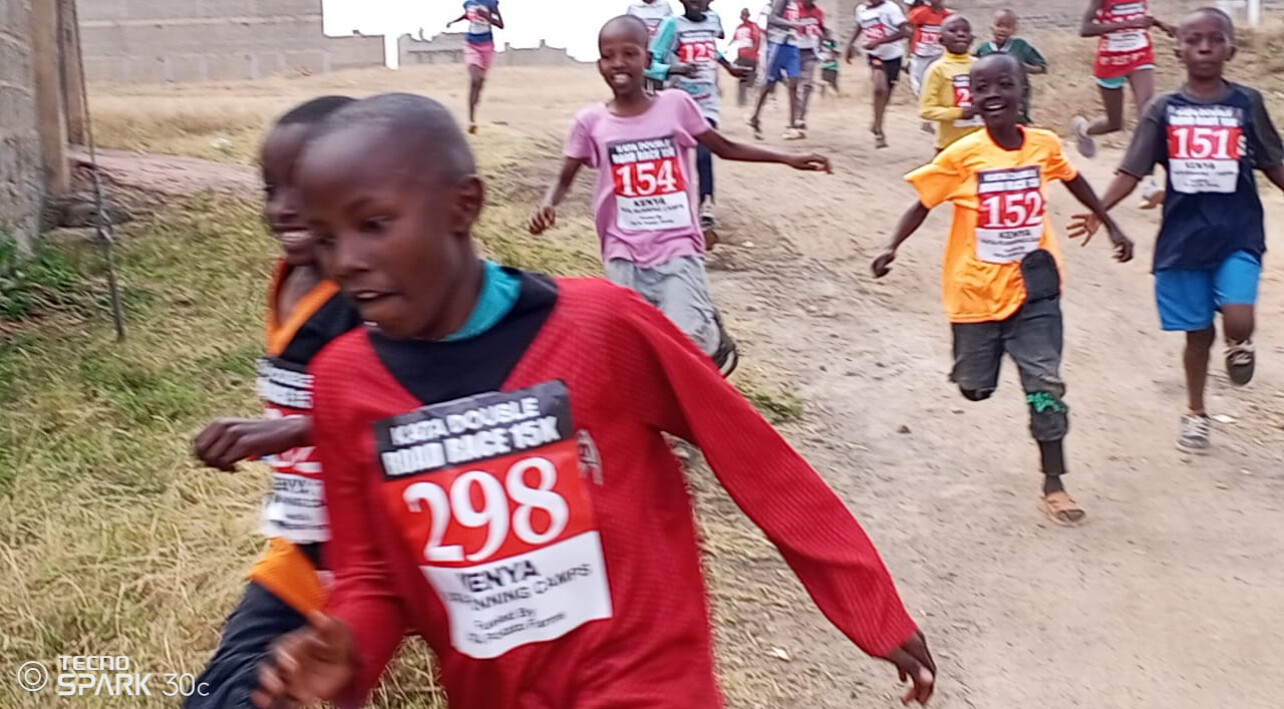
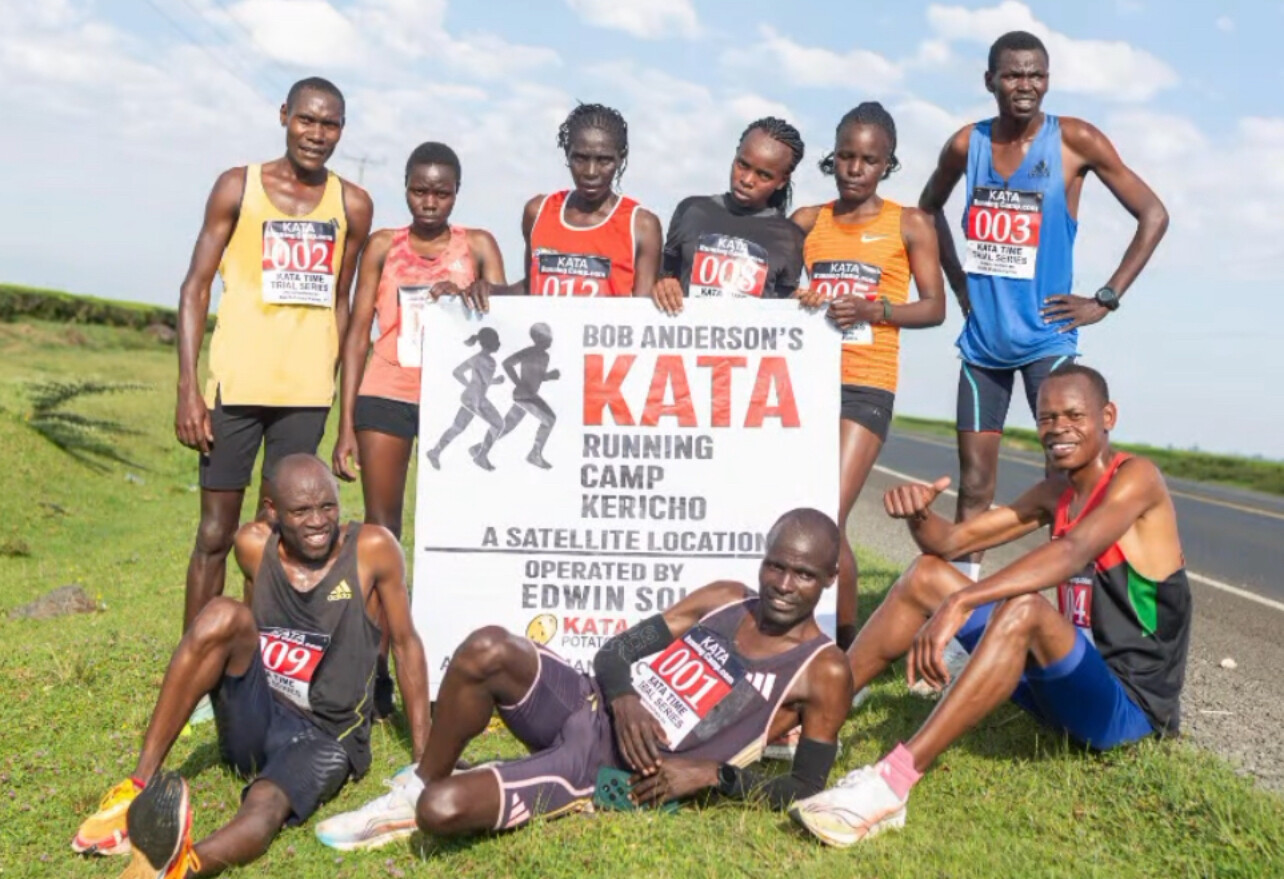
KATA’s vision goes far beyond producing great runners. The mission is to develop world-class athletes, Olympic champions, and future world record holders — combining top-tier coaching, discipline, and holistic training. Already, previous Olympic medalists such as Edwin Soi and Paul Koech are part of the KATA family, operating their own KATA Camps and helping guide the next generation of Kenyan champions.
Anderson also envisions a thriving athletic network of 650 elite runners, 150 youth athletes, and 40+ masters runners, supported by an expanding media presence through My Best Runs and KATA’s social platforms.
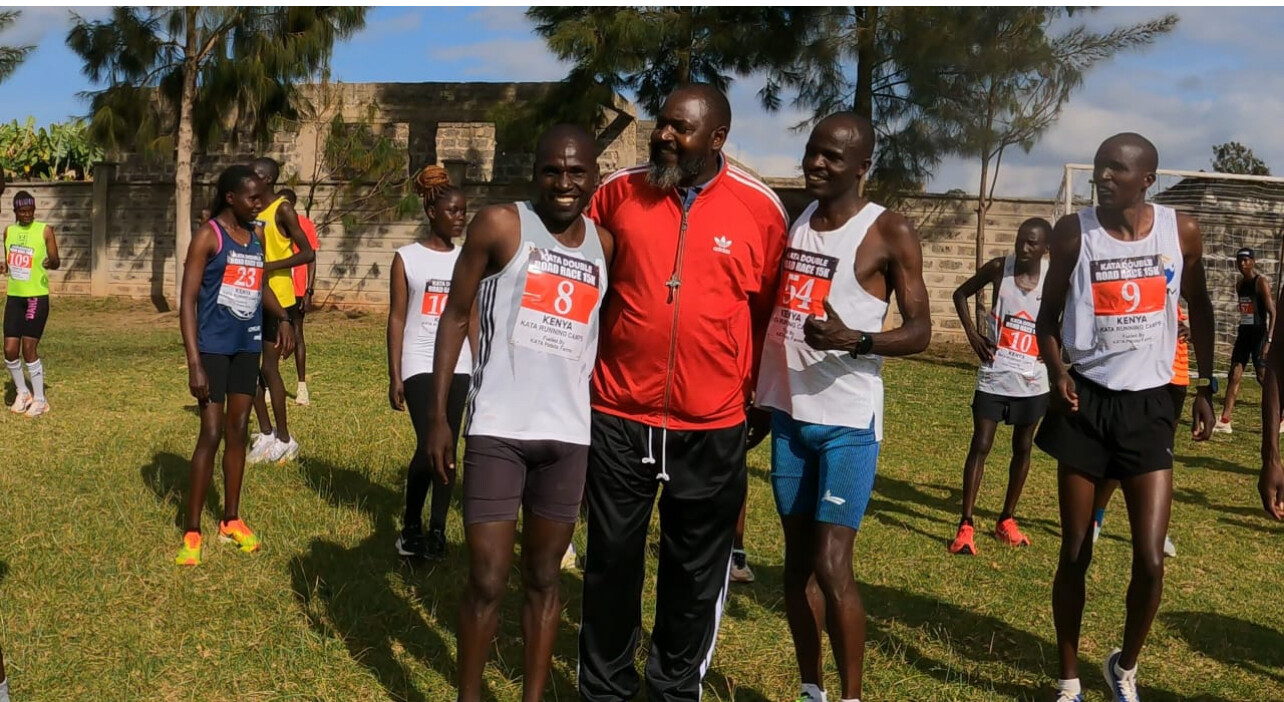
“I want to do something truly special for athletics,” Anderson says. “And it’s the passion and dedication of our athletes, coaches, and farmers that will make this dream a reality.”
“Our KATA family is as strong as its members,” Anderson adds. “As a team, we can make anything happen. In just a short amount of time, we’ve pulled off some amazing things. But our KATA family has only just gotten started. Watch us grow — and join us in helping make a difference.”
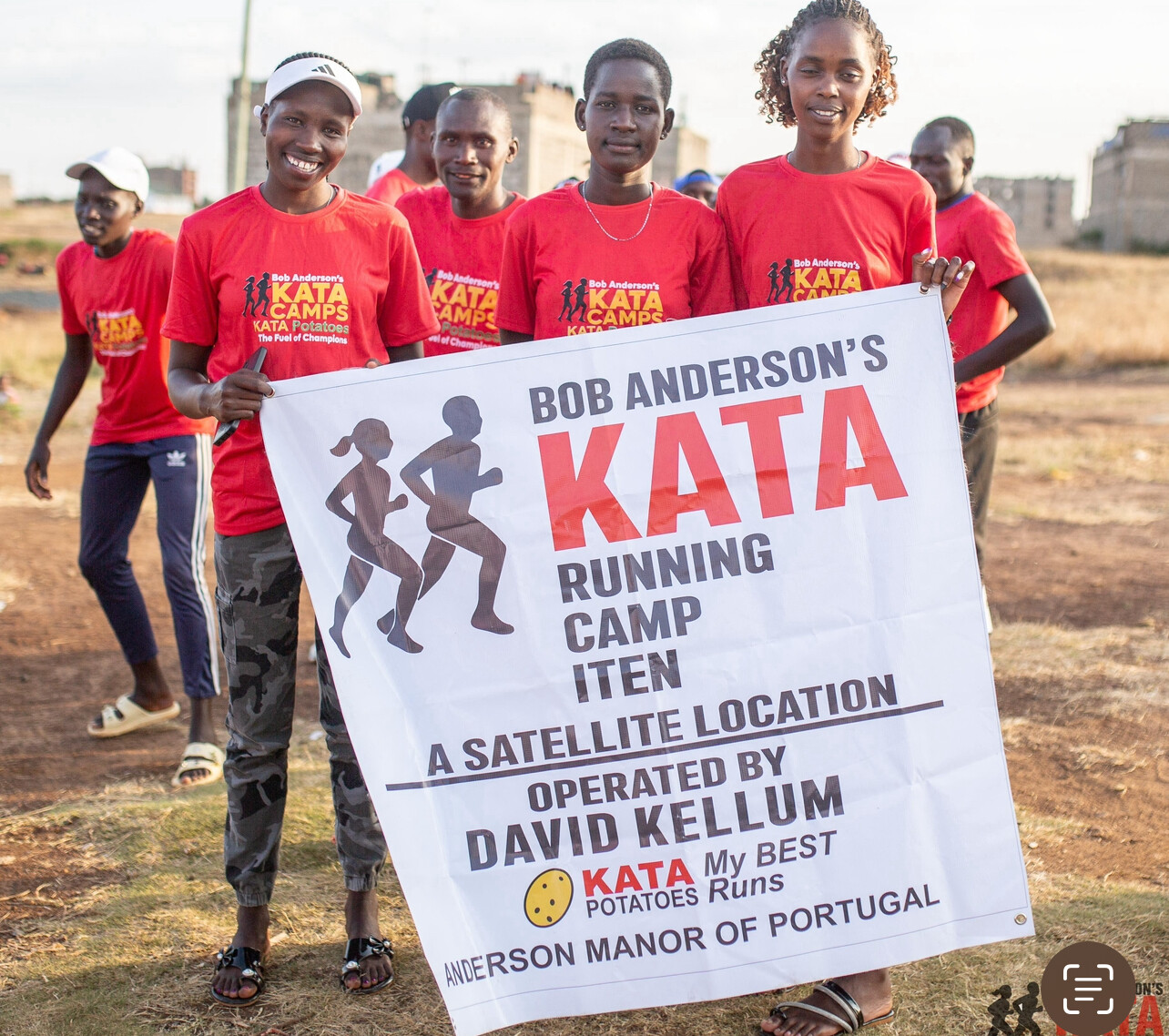
Anderson’s connection to Kenya runs deep. He first visited the country in 1987 and immediately fell in love with its people, culture, and running spirit. Just three years earlier, he had sold the magazine he founded and published for 18 years — Runner’s World, which had grown to a circulation of 2.5 million monthly readers. Runner’s World played a defining role in launching the modern running movement, inspiring millions of runners worldwide.
Although KATA Thika began in 2019, the KATA Running Camps officially launched in May 2025, building upon KATA’s strong foundation in Kenya. Both KATA Thika and KATA Portugal continue to grow as vital pillars in this global vision.
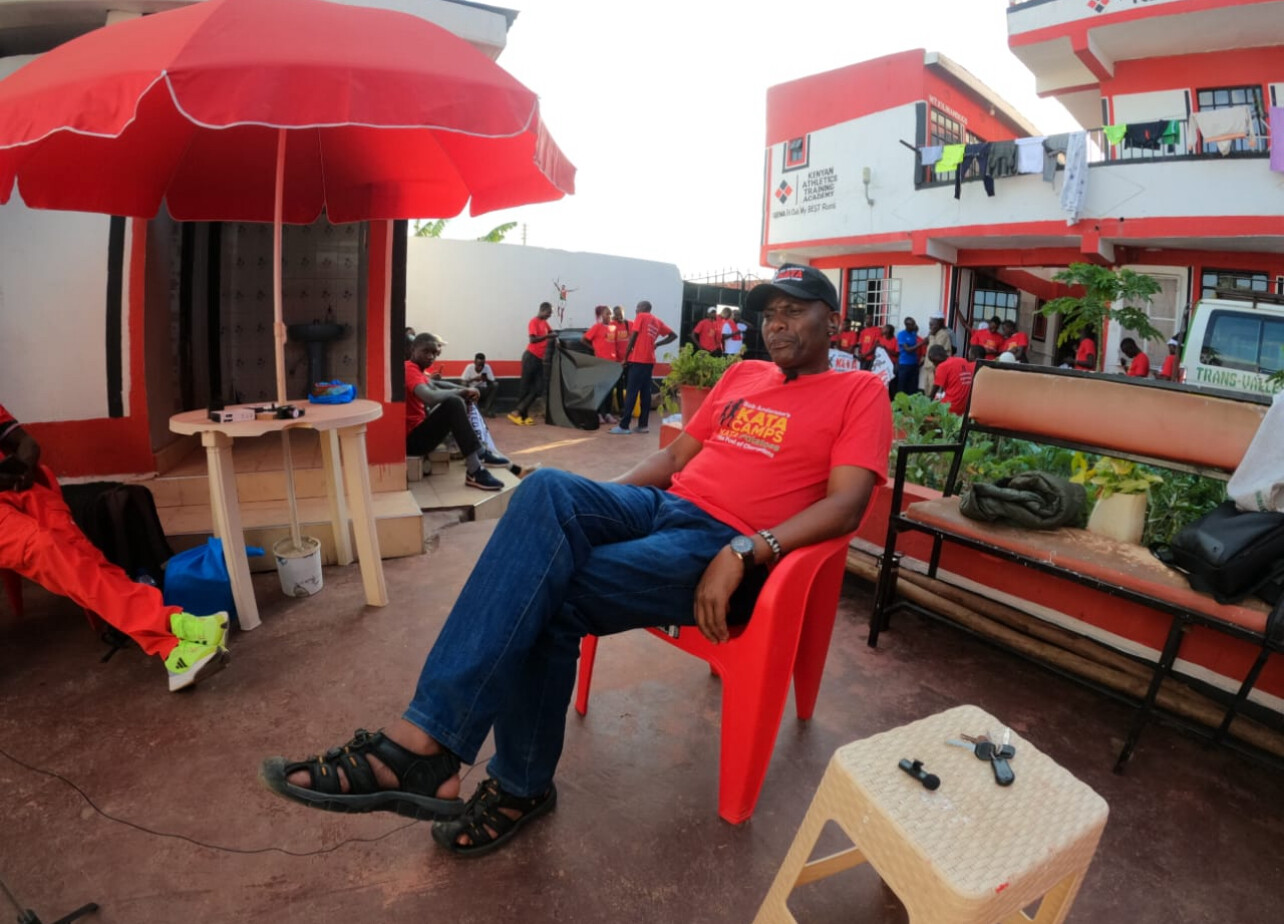
Anderson’s mission is clear: to strengthen the foundation of athletics in Kenya — and after 2026, expand to South Africa, Uganda, Ethiopia, and beyond.
Go KATA — The Fuel of Champions!
by Boris Baron
Login to leave a comment

Jessica Hull Shatters Her Own Mile Record in London — Again Proving She’s World-Class
LONDON, July 20, 2025 — Just when you think she’s peaked, Jessica Hull finds another gear.
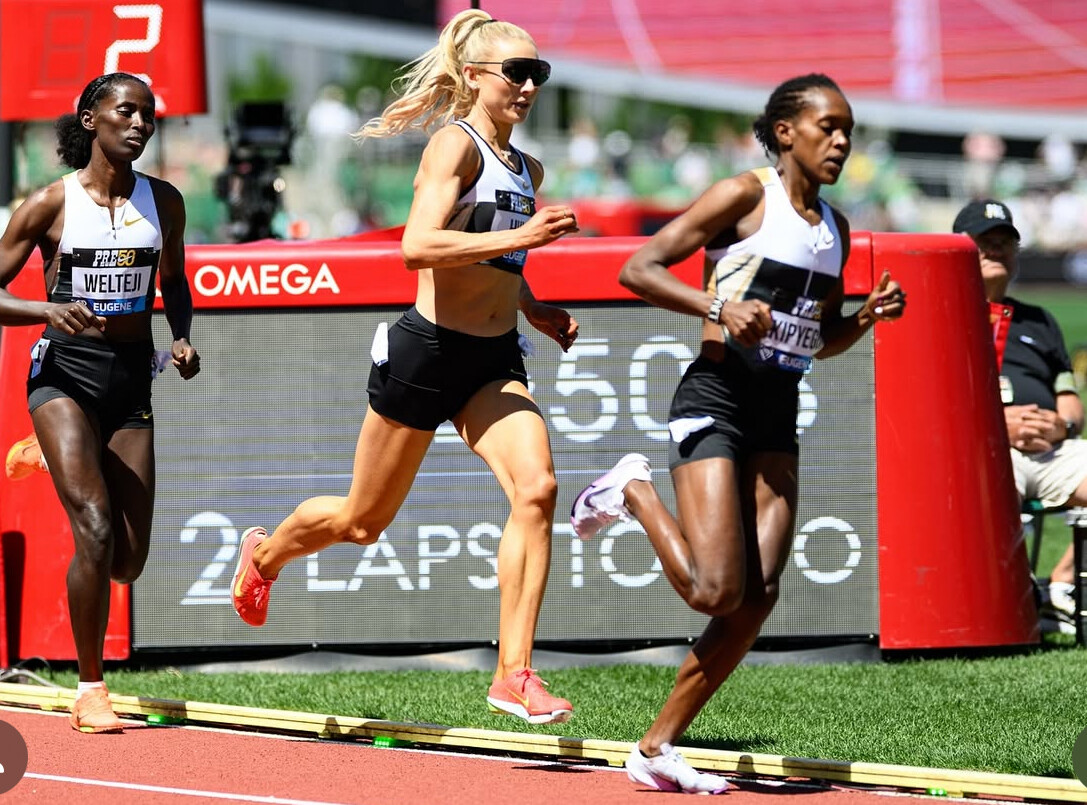
At the London Diamond League, the Australian middle-distance star delivered another brilliant performance, clocking 4:13.68 to finish second behind Ethiopian legend Gudaf Tsegay in the women’s mile. In doing so, Hull broke her own Australian and Oceanian record, reaffirming her status as one of the world’s premier distance runners.

Another Record Falls

Hull had previously lowered the Australian mile record to 4:15.34, and now she’s slashed nearly two seconds off that mark. Her new time of 4:13.68 places her among the fastest women in history over the distance and continues an incredible streak of performances on the global stage.
A Steady Ascent
Born in Albion Park, New South Wales, Hull first gained international recognition at the University of Oregon, where she became a four-time NCAA champion. Since turning professional, she’s:
• Broken national records in the 1500m, 3000m, 5000m, and Mile
• Made finals at multiple global championships
• Become a fixture on the Diamond League circuit
Tactically sharp, mentally tough, and remarkably consistent, Hull has become the face of Australian distance running.
Tokyo Awaits
This latest record could not come at a better time. Hull is peaking just ahead of the 2025 World Athletics Championships in Tokyo, where she will line up among the favorites in the 1500m and possibly the 5000m.
At just 27, she continues to redefine what’s possible—not just for Australians, but for all middle-distance runners worldwide. With the Paris Olympics in the rearview and Tokyo in focus, Jessica Hull is a name we’ll be hearing for years to come.
Follow My Best Runs for more coverage of Jessica Hull and the world’s best distance runners.
#JessicaHull #Australia #WorldAthletics #Tokyo2025 #DiamondLeague #MyBestRuns #MileRecord #Running
by Boris Baron
Login to leave a comment
Run Through History: Ballot Opens for 2026 London Landmarks Half After Record-Breaking 2025
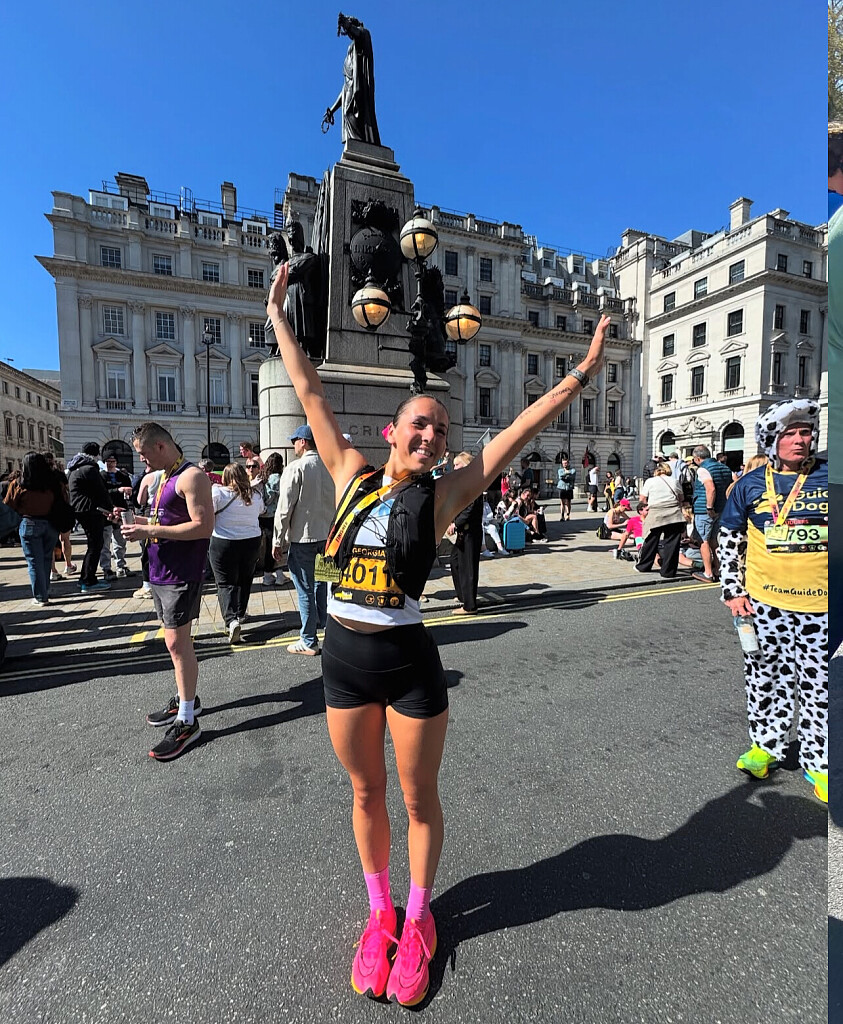
Runners across the globe are now invited to apply for a coveted spot in the 2026 London Landmarks Half Marathon, with the public ballot officially open. Set for Sunday, April 12, 2026, the race promises another unforgettable experience through the heart of London—celebrating both the city’s rich history and the spirit of community that defines this beloved event.
Now in its ninth edition, the London Landmarks Half Marathon (LLHM) has grown into one of the UK’s most popular races, with 20,000 runners expected in 2026. Organizers aim to raise £16 million for charity, continuing the event’s tradition of philanthropy and public engagement.
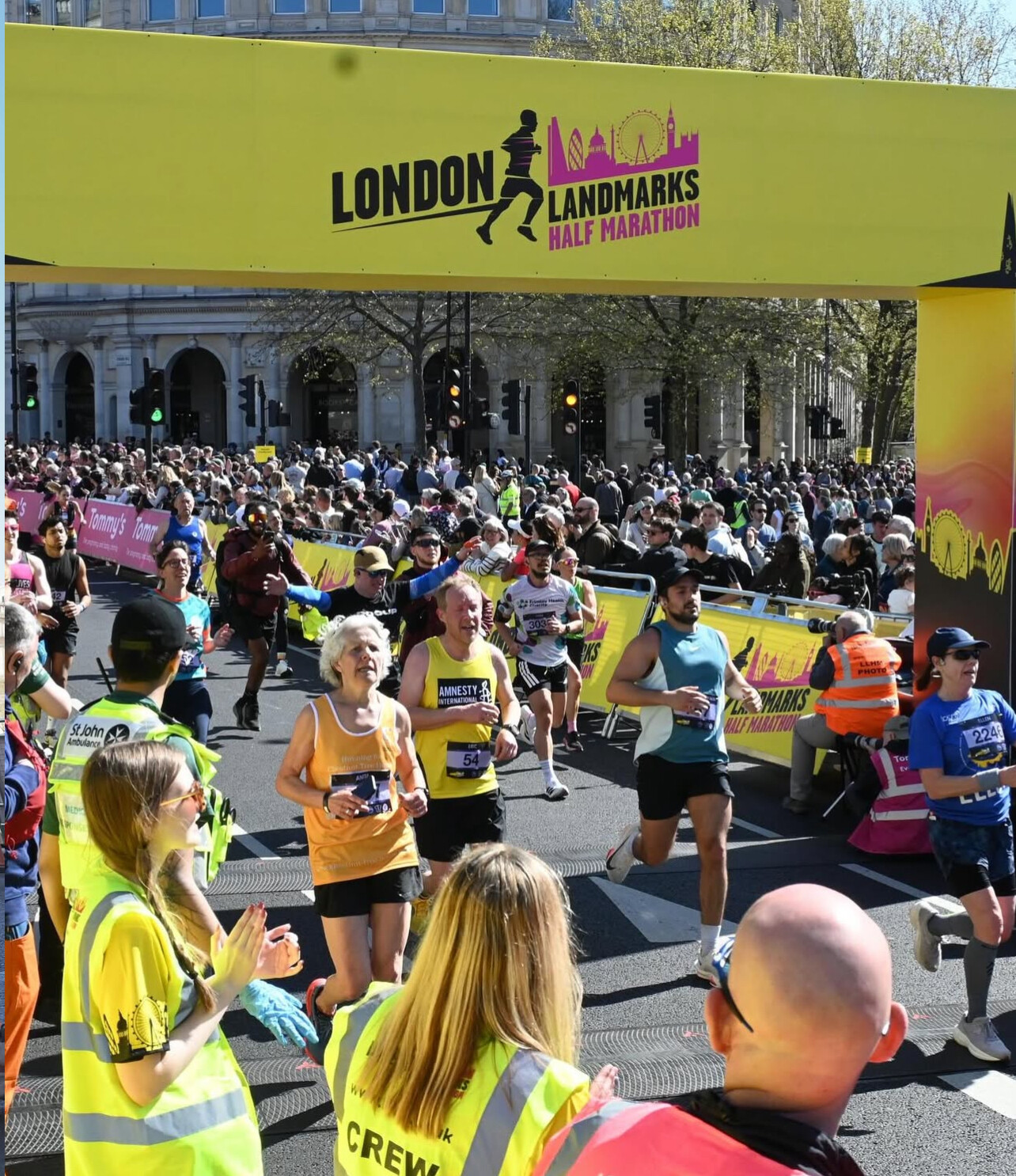
Runners will start near Downing Street, wind past Big Ben, along the Thames Embankment, and through iconic areas like the City of London, Tower of London, and Guildhall Yard—complete with themed cheer stations like the “Roman Reception.” From the “It’s Showtime” West End choir to the cheering Pearly Kings and Queens and the Chelsea Pensioners, this is a race that blends performance and purpose at every mile.
Highlights from the 2025 Event
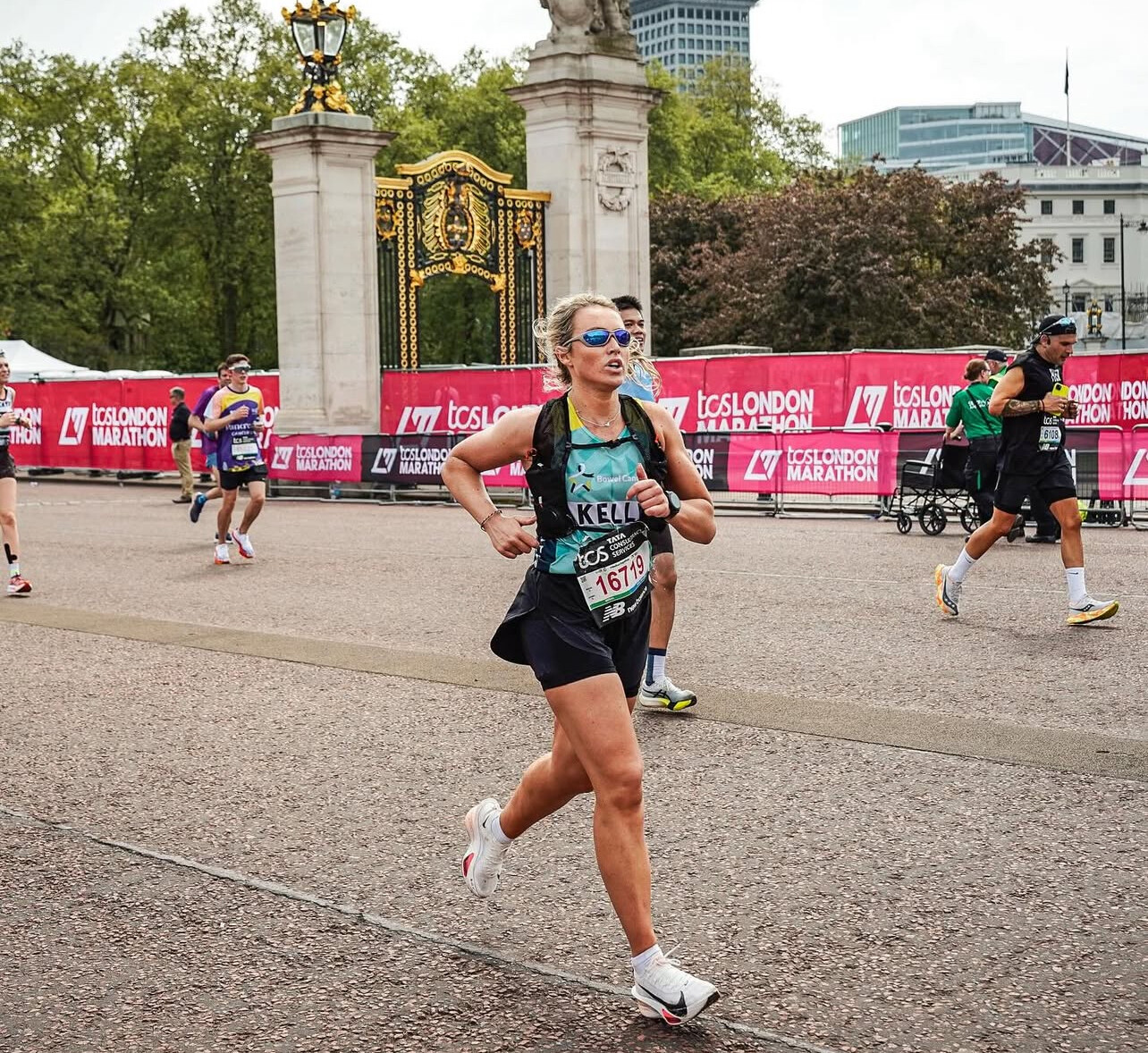
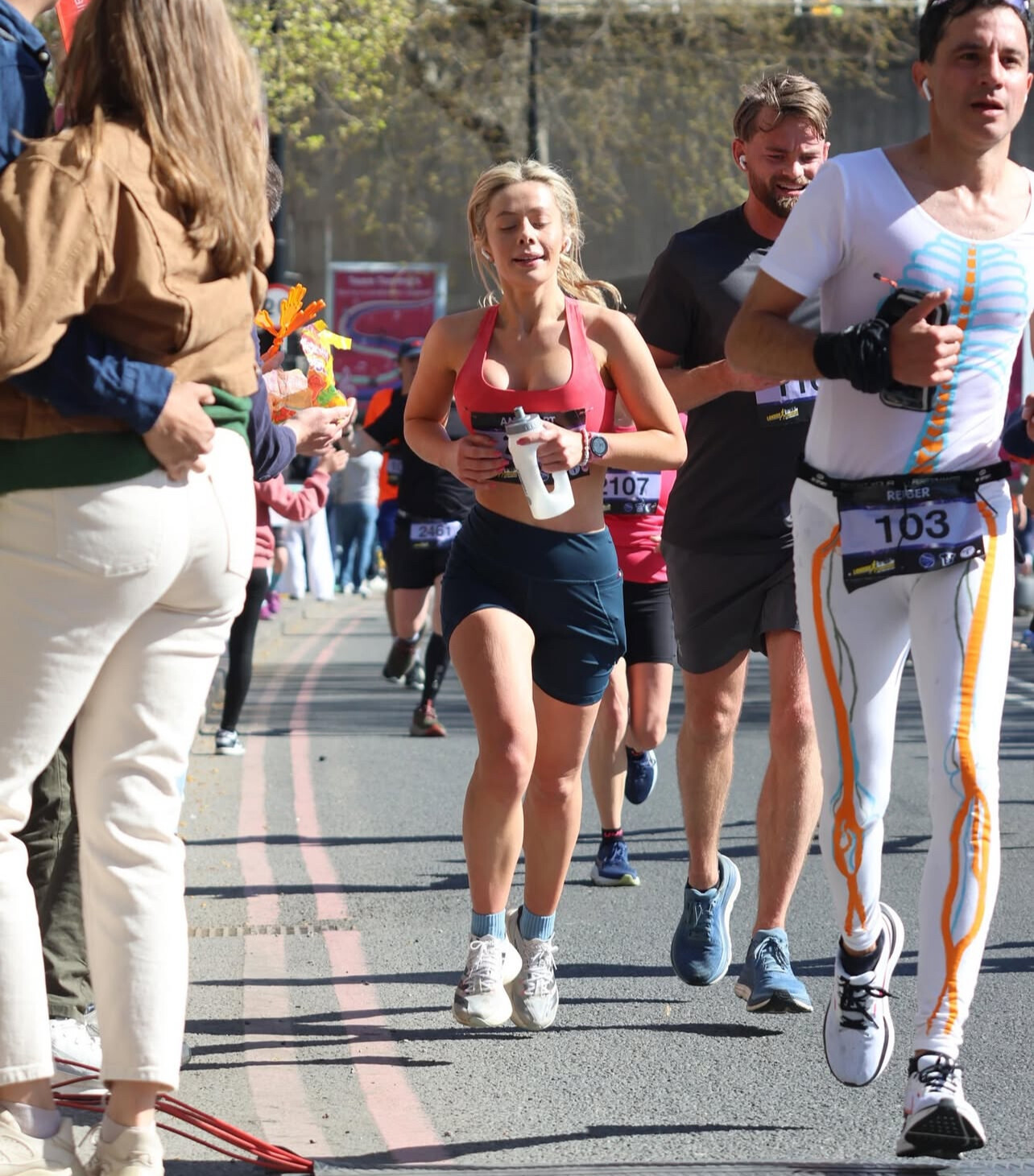
The 2025 edition, held on April 6, delivered unforgettable moments. In the men’s race, Omar Ahmedsurged to victory in 1:03:55, using a late push in the final 5K to hold off stiff competition. The women’s race was equally thrilling, with Alice Wright crossing the finish line in 1:11:42, outpacing a strong domestic field in ideal spring conditions.
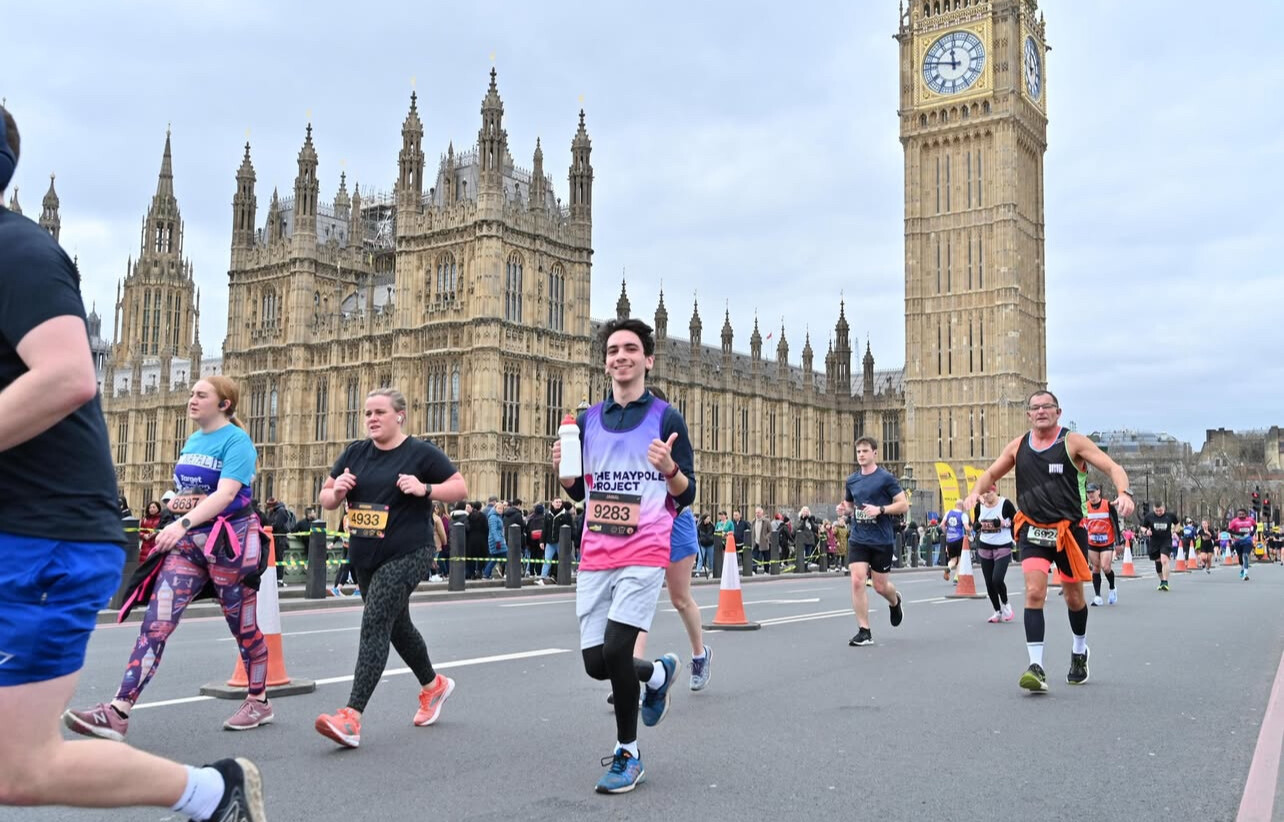
Aside from elite performances, the 2025 event saw over 18,500 finishers, with hundreds of creative costumes and themed charity teams flooding the streets. A record £14.7 million was raised, reinforcing the race’s status as the largest fundraising half marathon in the UK.
Enter the 2026 Ballot
Entries for the 2026 edition can be submitted at www.llhm.co.uk/ballot. The ballot closes at 12 noon on 17 June 2025, and lucky runners will be notified in early July.
With its blend of speed, spectacle, and social impact, the London Landmarks Half Marathon continues to be a bucket-list race for runners worldwide.
by Boris Baron
Login to leave a comment
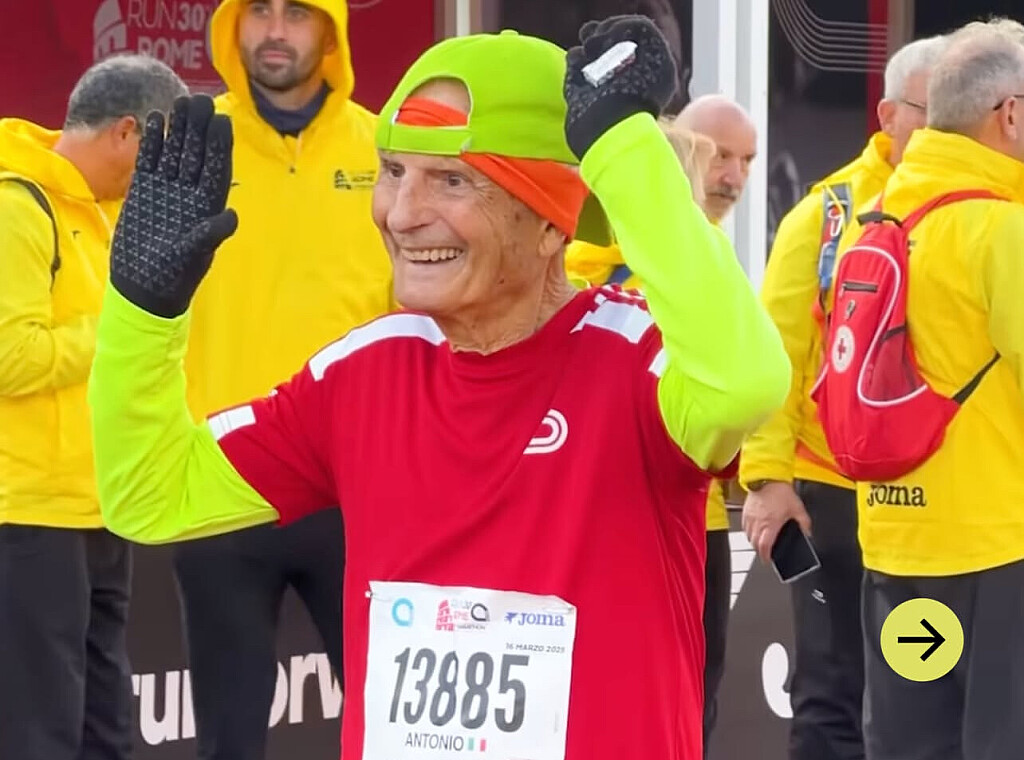
Antonio Rao, 92, Completes 30th Consecutive Rome Marathon in 6:44:16
In an inspiring display of endurance and passion, 92-year-old Italian runner Antonio Rao completed his 30th consecutive Rome Marathon on March 16, 2025. Finishing the 42.195 km course in 6 hours, 44 minutes, and 16 seconds, Rao continues to defy age-related expectations and inspire runners worldwide.
Rao’s marathon journey began in 1995, and he has not missed a single Rome Marathon since. This year’s race marked his third marathon finish in his 90s. Notably, in 2023, he set an Italian men’s 90+ age-group record with a time of 6:14:44, showcasing his remarkable consistency and dedication to the sport.
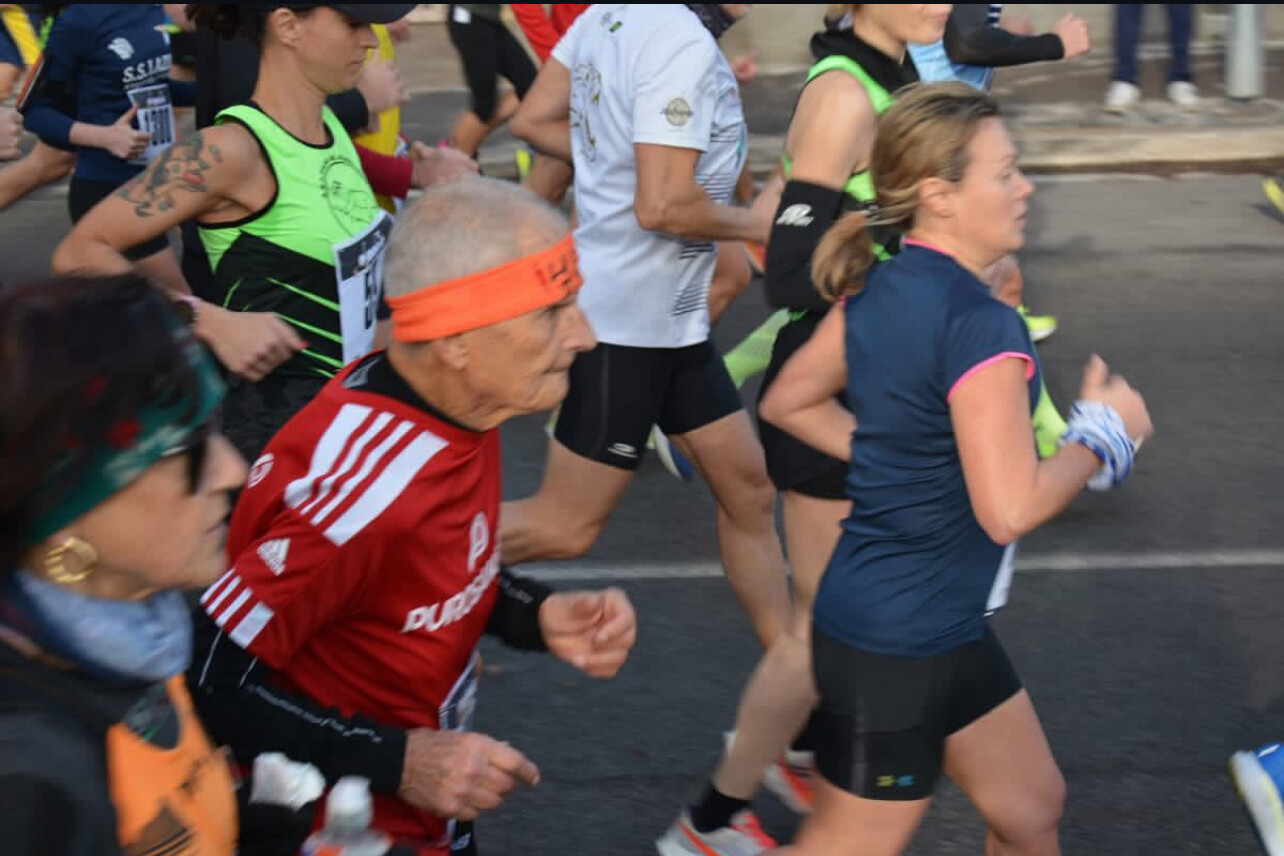
Despite facing health challenges leading up to the race, Rao expressed surprise at his performance: “I haven’t been feeling well lately, and I didn’t think I could finish it,” he admitted. “Instead, I finished with a time 10 minutes faster than last year.”
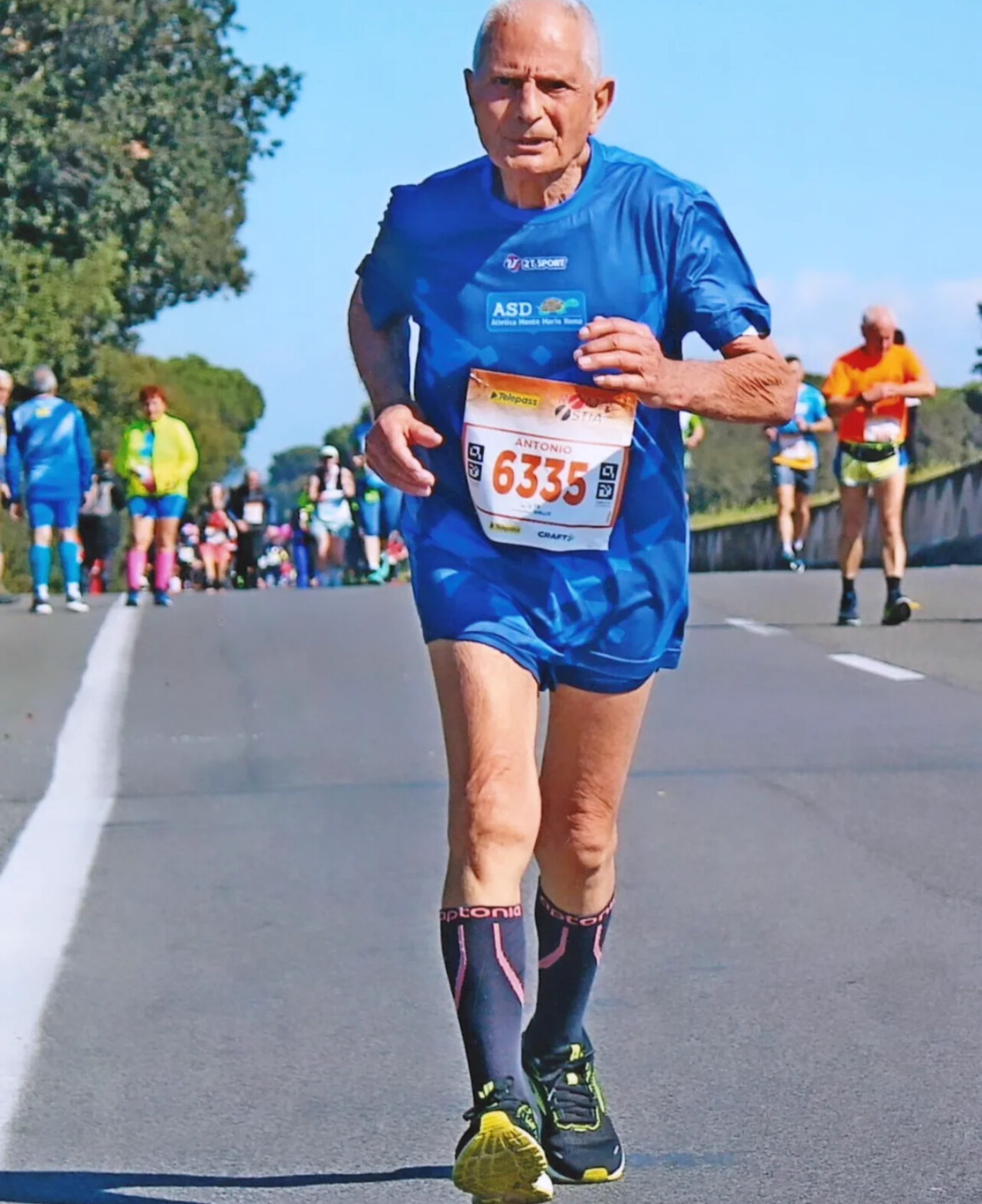
In addition to his marathon achievements, Rao also completed the Roma-Ostia Half Marathon (blue shirt) just weeks prior, finishing in 2 hours and 54 minutes, further demonstrating his unwavering commitment to running.
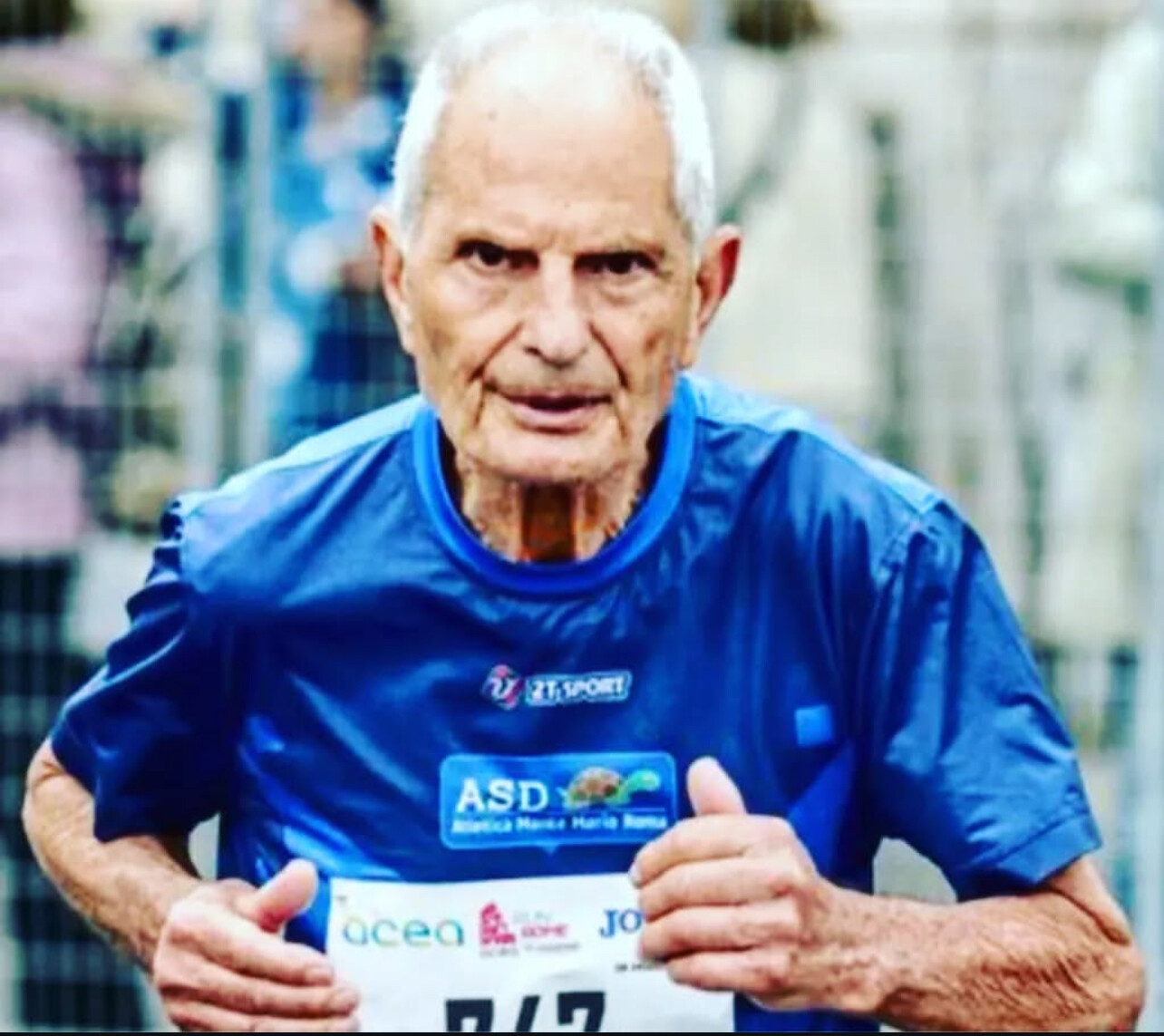
While Rao’s accomplishments are extraordinary, it’s worth noting that Fauja Singh, a British runner of Indian origin, holds the record for the fastest marathon time in the 90+ age group. At age 92, Singh completed the 2003 Toronto Waterfront Marathon in 5 hours and 40 minutes.
Antonio Rao’s dedication to running serves as a powerful reminder that age is no barrier to pursuing one’s passions. His story continues to inspire runners of all ages to stay active and embrace the joy of the sport.
by Boris Baron
Login to leave a comment
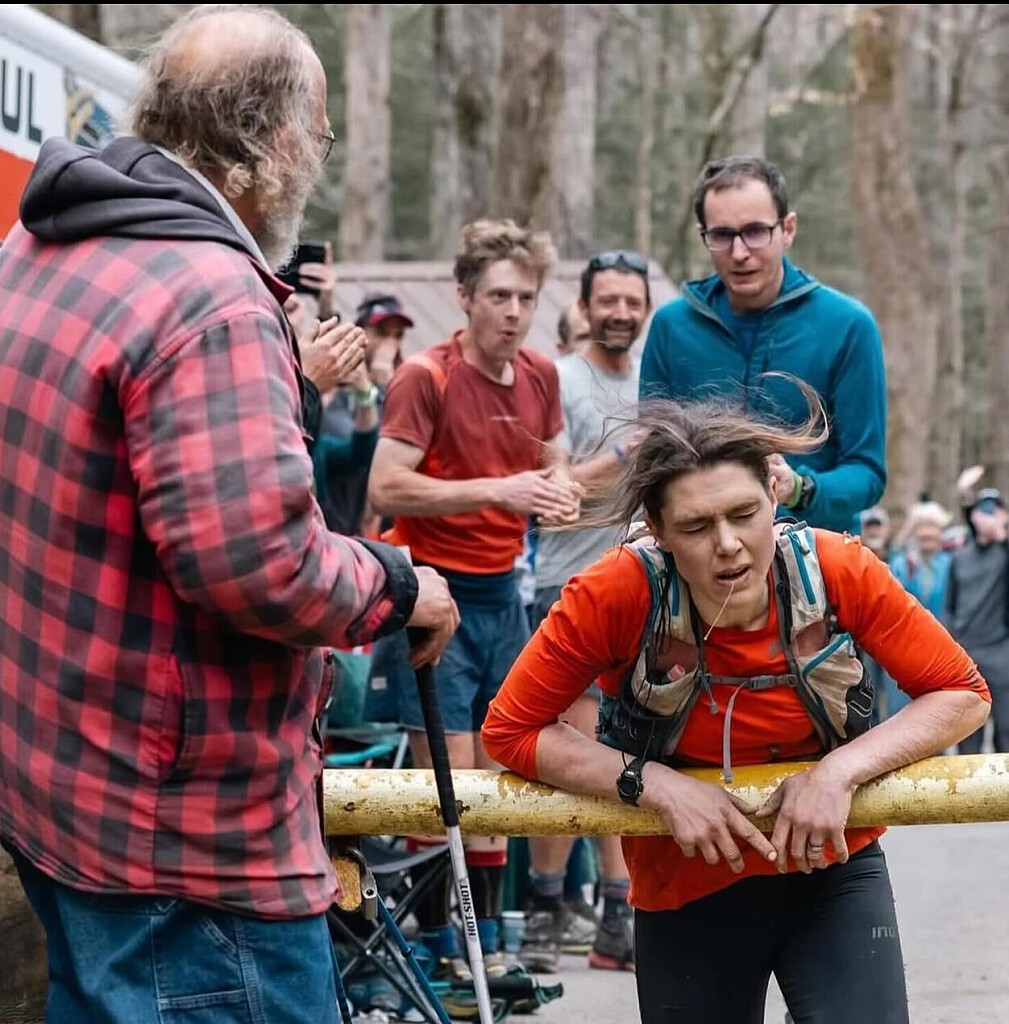
Only one women has ever finished the Barkley Marathons since it started in 1986 - Jasmin Paris
Jasmin Paris cemented her place in ultrarunning history by becoming the first woman to finish the Barkley Marathons in 2024. Known for her endurance and mental toughness, Paris completed the brutal 100-mile course in 59 hours, 58 minutes, and 21 seconds, finishing with just 99 seconds to spare.
A seasoned ultrarunner and former winner of the Spine Race, she battled extreme terrain, sleep deprivation, and navigation challenges to achieve this groundbreaking feat. Her success not only shattered barriers but also proved that women can conquer one of the toughest endurance events ever devised, inspiring runners worldwide.

The Barkley Marathons often called the hardest foot race on the planet has long been a symbol of ultimate endurance in the ultrarunning community Established in 1986 this grueling event challenges participants to complete five approximately 20 mile loops totaling around 100 miles within a 60 hour limit Historically the race has seen a minuscule completion rate with only 15 different individuals finishing between 1986 and 2022

A Surge in Finishers
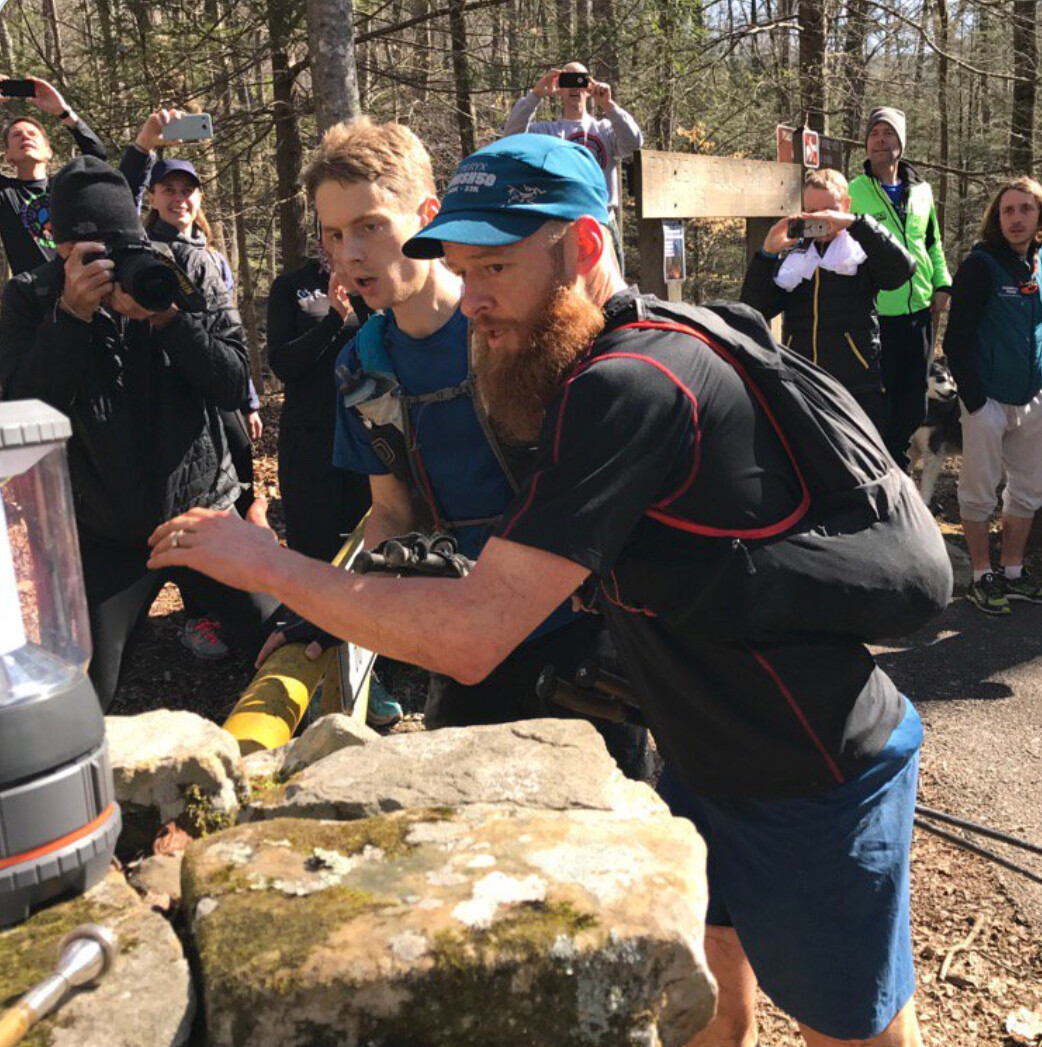
The 2023 edition marked a significant shift Three runners Aurelien Sanchez John Kelly and Karel Sabbe successfully completed the course Kelly who had previously finished in 2017 was joined by Sanchez a debutant and Sabbe who had come close in prior attempts This uptick in completions prompted discussions about the race’s evolving difficulty
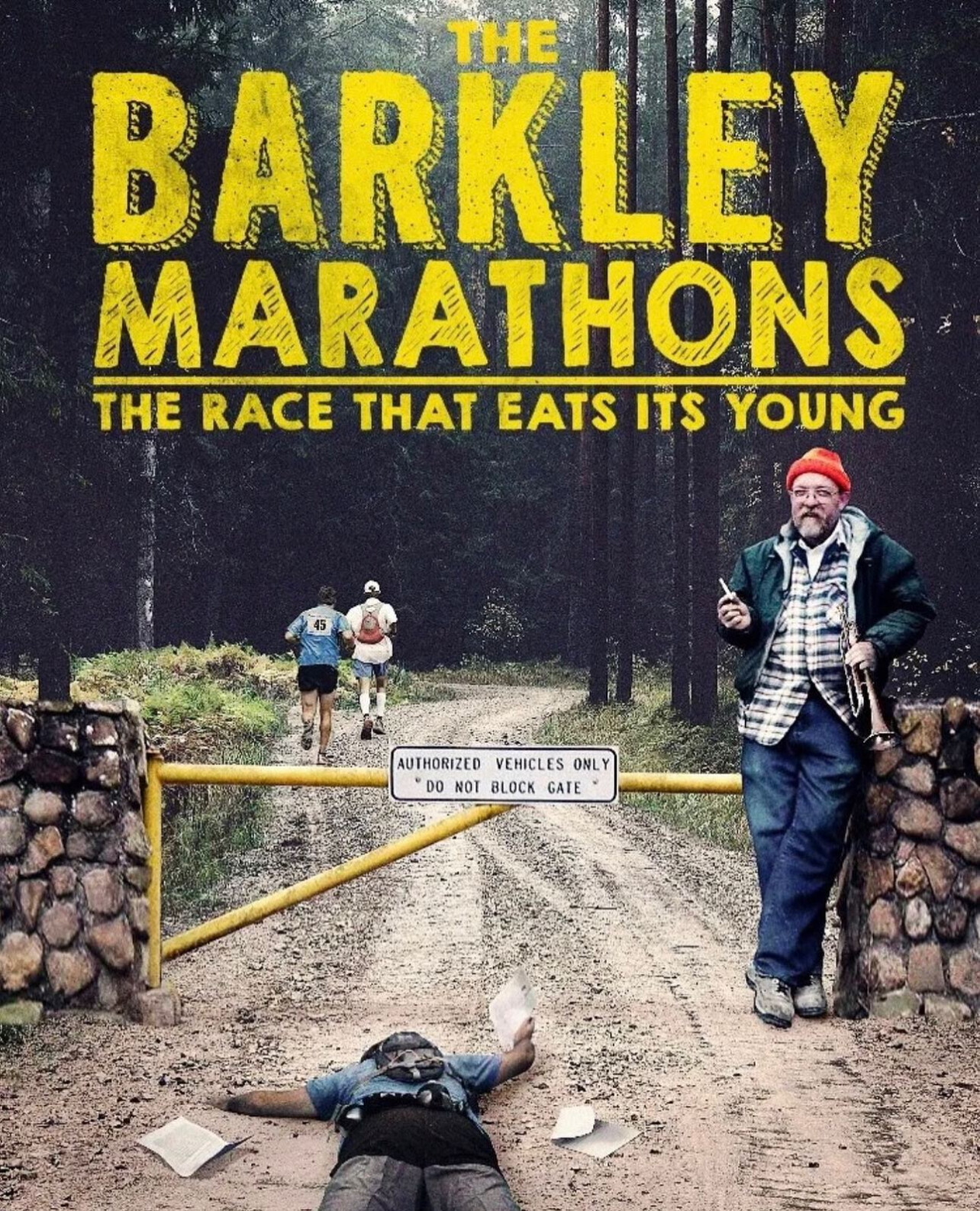
The trend continued in 2024 with an unprecedented five finishers
• John Kelly Secured his third completion reinforcing his status among elite ultrarunners

• Jared Campbell Achieved a remarkable fourth finish showcasing enduring resilience
• Ihor Verys A newcomer who defied expectations with a successful debut

• Greig Hamilton Demonstrated exceptional endurance to join the finishers ranks
• Jasmin Paris Made history as the first woman to complete the Barkley Marathons finishing with just 99 seconds to spare
Paris’s groundbreaking achievement garnered international attention highlighting both her personal triumph and a potential shift in the race’s perceived difficulty
Anticipating the 2025 Edition
The exact date for the 2025 Barkley Marathons remains undisclosed adhering to the event’s tradition of secrecy Historically the race occurs between mid March and early April often aligning with April Fools Day Participants typically receive a 12 hour notice before the start signaled by the blowing of a conch shell by race director Gary Lazarus Lake Cantrell
In light of the recent increase in finishers Cantrell has hinted at making the 2025 course more challenging While specific changes have not been confirmed the goal is to restore the race’s notorious difficulty potentially reducing the number of successful completions

The Barkleys Enduring Challenge
Despite the recent surge in finishers the Barkley Marathons remains an extreme test of endurance navigation and mental fortitude Each year approximately 40 runners are selected to face the unpredictable course with the vast majority unable to complete it As the 2025 edition approaches the ultrarunning community eagerly awaits to see how the race will evolve and who if anyone will overcome its relentless challenges
by Boris Baron
Login to leave a comment
It is amazing that anyone can tackle such a course but they have including the first woman in 2024! - Bob Anderson 3/17 10:21 pm This event is insane and they are going to make the course even harder? - Bob Anderson 3/18 8:40 am |
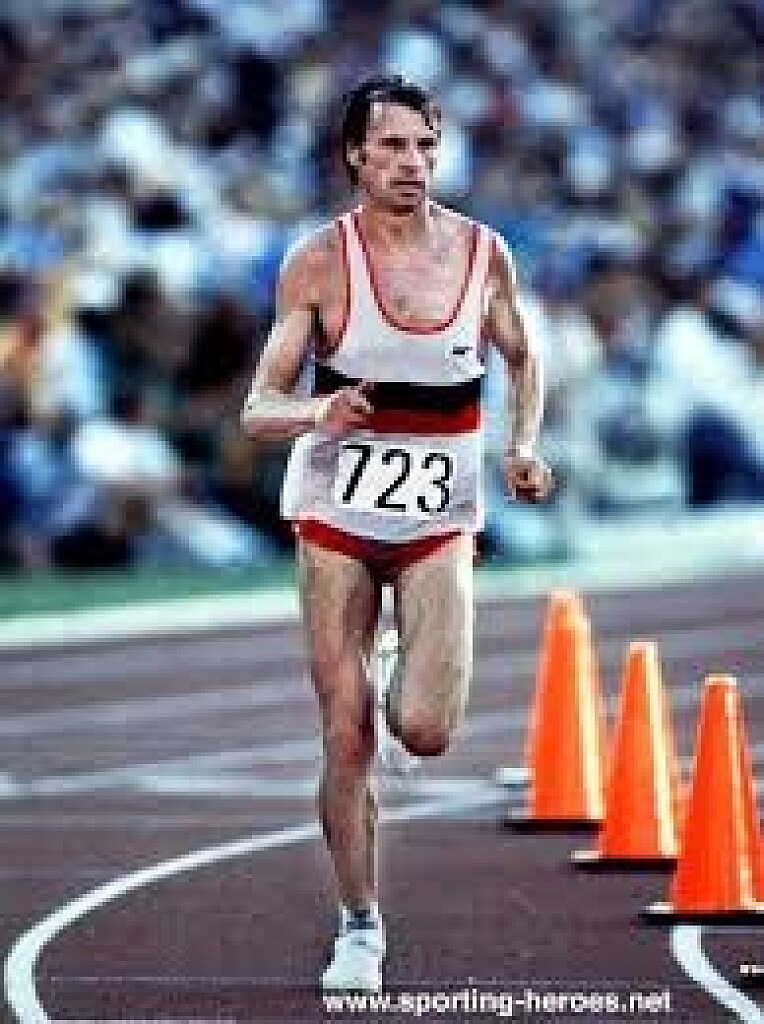
Carlos Lopes: The Endurance Icon Who Redefined Distance Running
Happy 78th birthday to Carlos Lopes, one of the greatest athletes in Portuguese history. From humble beginnings, Lopes defied the odds to become an Olympic champion and world-record holder, leaving an indelible mark on long-distance running.
Born in 1947 in Viseu, Portugal, Carlos Lopes did not follow the typical path of early athletic stardom. Unlike many top runners who emerge in their teenage years, Lopes only took up competitive athletics at the age of 20. It wasn’t until he was 29 that he secured a scholarship, finally allowing him to dedicate himself fully to the sport. Despite this late start, his remarkable work ethic and natural endurance set him apart.
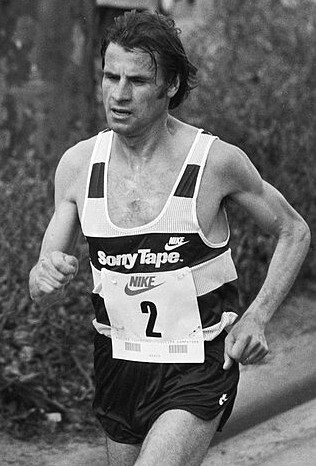
Lopes' tactical intelligence and diesel-like endurance made him a formidable force in cross-country running. He achieved unparalleled success in this discipline, winning three World Cross Country Championships in 1976, 1984, and 1985. His consistency also earned him two silver medals in 1977 and 1983, solidifying his status as one of the best cross-country runners of his generation.
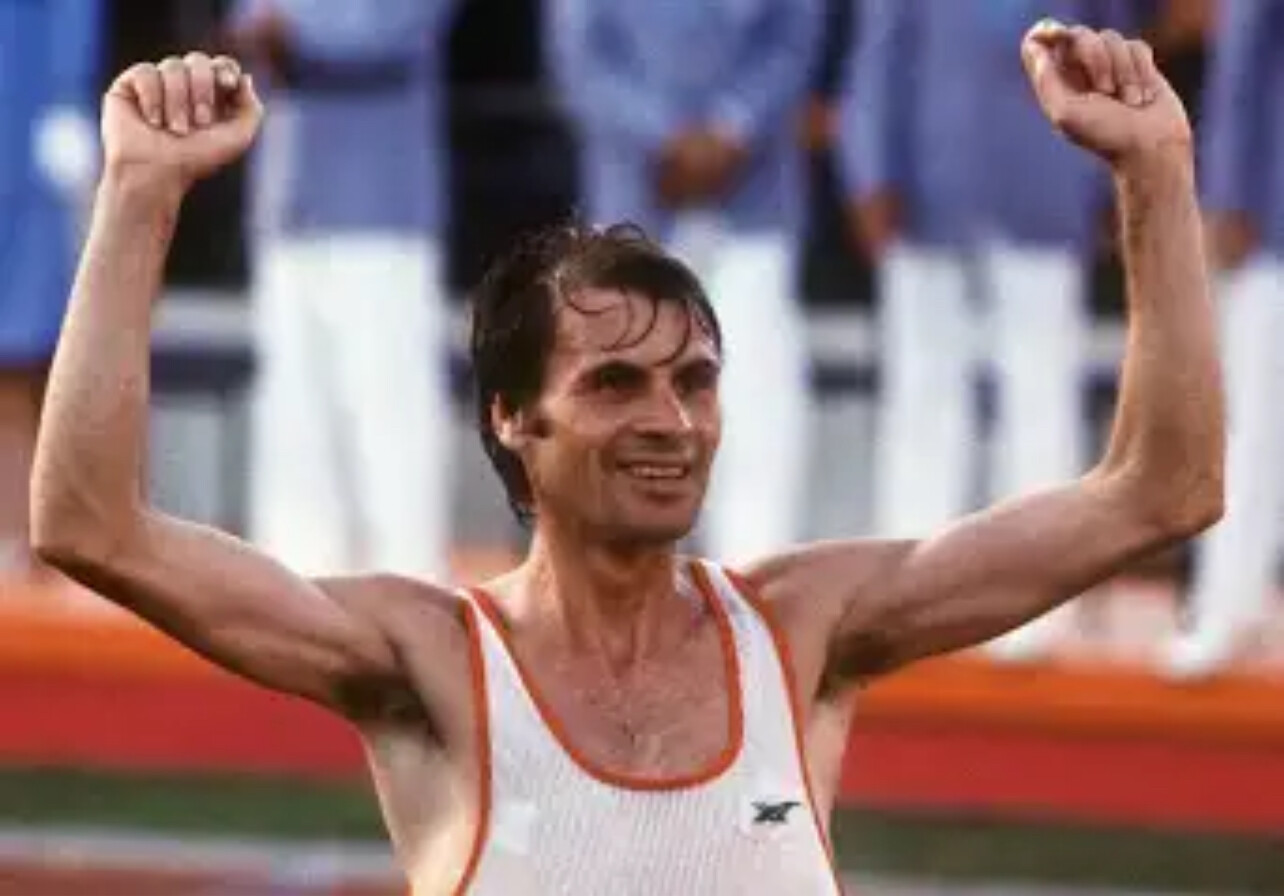
Lopes first made his mark on the Olympic stage in the 1976 Montreal Olympics, where he claimed the silver medal in the 10,000 meters. Eight years later, at the 1984 Los Angeles Olympics, he cemented his legacy by winning the marathon gold medal at the age of 37, setting an Olympic record of 2:09:21. His time stood as the Olympic best for an astonishing 24 years until it was finally broken by Samuel Wanjiru in 2008.
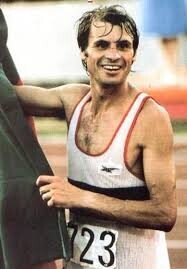
Even as he entered his mid-to-late 30s, Lopes continued to set new standards for long-distance running. At the age of 35, he broke the European record in the 10,000 meters, clocking an impressive 27:24.39. At 38 years old, he achieved the pinnacle of his career by setting a new world record in the marathon (2:07:12), proving that age was no barrier to excellence.
Carlos Lopes remains an inspiration to runners worldwide. His journey from late starter to Olympic champion, his dominance in cross-country, and his record-breaking performances well into his late 30s highlight the power of perseverance, strategy, and raw endurance. His impact on Portuguese athletics is immeasurable, and his achievements continue to serve as motivation for generations of aspiring athletes.
As he celebrates his 78th birthday, we honor a true legend who showed that dedication and resilience can lead to greatness, no matter when the journey begins.
by Boris Baron
Login to leave a comment
The Science of Longevity in Running: How Some Runners Stay Fast for Decades
Running is often thought of as a young person’s sport, but time and time again, we see athletes defying age, continuing to run and even race well into their 60s, 70s, and beyond. Some runners, like My Best Runs founder Bob Anderson, who started running in February 1962 and is still going strong today, prove that longevity in the sport isn’t just possible—it’s achievable with the right approach.
What allows some runners to maintain speed and endurance over the decades while others slow down? The answer lies in science, training adaptations, mindset, and lifestyle choices. This article explores how runners can stay competitive for life—and perhaps even improve with age.
The Science of Aging and Running Performance
Physiologically, runners experience certain changes as they age:
• VO2 max naturally declines at a rate of about 10% per decade after 40. However, regular training can slow this decline significantly.
• Muscle fibers shrink, and fast-twitch fibers deteriorate faster than slow-twitch fibers, impacting speed and power. Strength training and sprint workouts can help counteract this.
• Tendons lose elasticity, and cartilage wear increases, making injury prevention crucial.
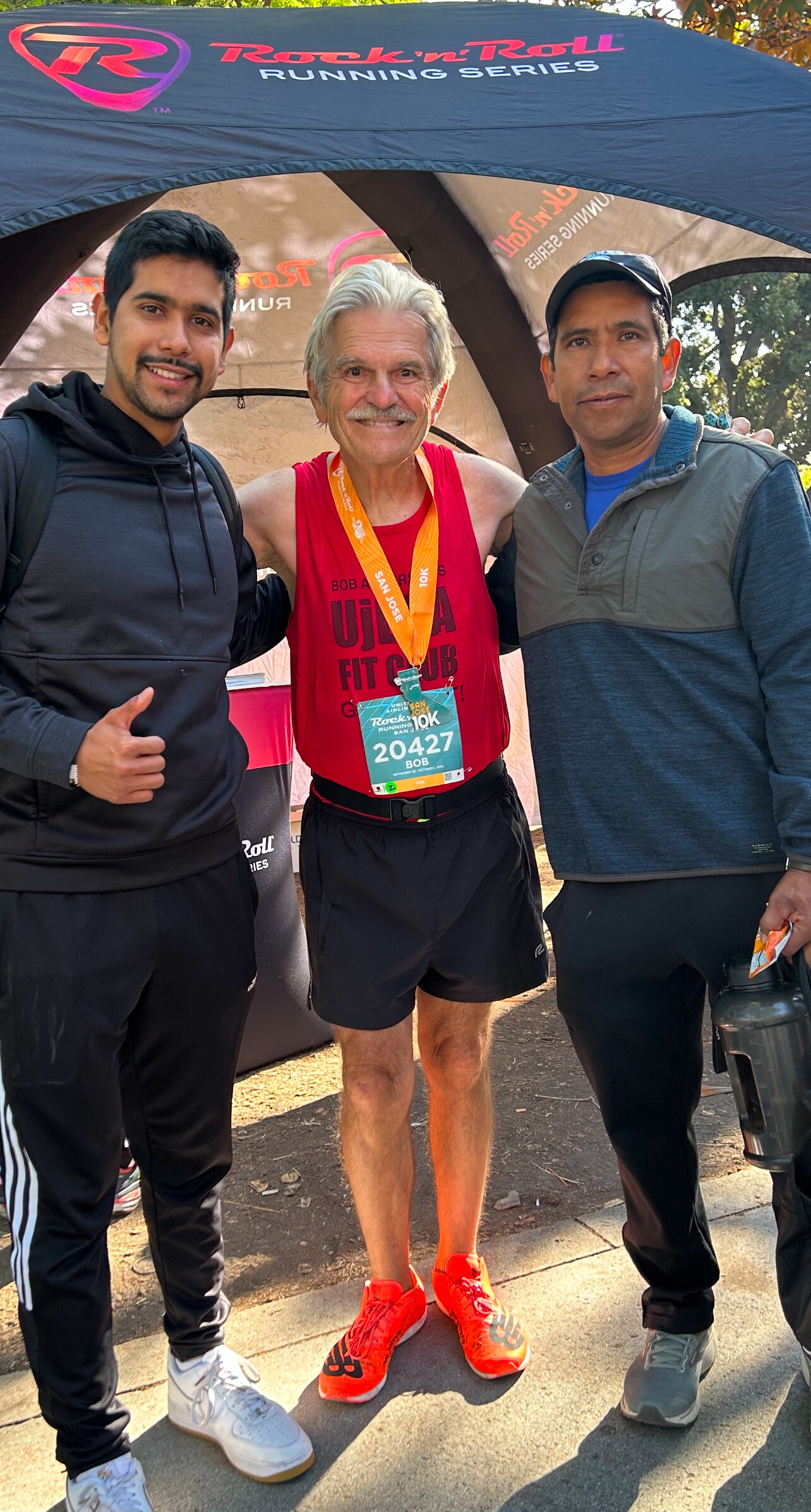
• The body takes longer to recover from hard workouts, making rest, nutrition, and cross-training essential for long-term success.
The good news is that lifelong runners often have stronger hearts, denser bones, and slower biological aging than non-runners. Regular endurance training can reduce the risk of cardiovascular disease, osteoporosis, and cognitive decline.
Training Smart: Adapting Workouts for Longevity
Many runners burn out or get injured because they don’t adjust their training as they age. Here’s how to train smart for decades.
Maintain Speed with Strides and Intervals
Fast-twitch muscle fibers decline faster than slow-twitch fibers, but incorporating short sprints, strides, and intervals helps retain speed. Even just six to eight 100-meter strides at the end of easy runs can keep the neuromuscular system sharp.
Prioritize Strength Training
Strength training two to three times per week can help counteract muscle loss, improve bone density, and prevent injuries. Key exercises include squats, lunges, core work, and hip mobility drills.
Adjust Recovery
Younger runners recover quickly, but for those over 50, rest and active recovery days become more important. Running every day might not be sustainable, but alternating hard workouts with cross-training, such as cycling, swimming, or hiking, can help maintain fitness without overuse injuries.
Keep Mileage Consistent
Aging runners who maintain a consistent but moderate mileage base tend to perform better long-term than those who dramatically reduce or increase mileage. The key is staying active year-round and avoiding long breaks that lead to muscle loss and decreased aerobic capacity.
Nutrition and Recovery: Fueling for the Long Run
Proper nutrition plays a major role in running longevity.
Focus on Anti-Inflammatory Foods
Chronic inflammation contributes to aging and joint pain. Long-term runners benefit from foods rich in omega-3s (salmon, walnuts), antioxidants (berries, leafy greens), and lean proteins (chicken, beans).
Stay Hydrated and Maintain Electrolyte Balance
As we age, our sense of thirst declines, so staying hydrated becomes more critical. Older runners are also more prone to electrolyte imbalances, making magnesium, sodium, and potassium intake vital.
Increase Protein Intake
After 50, the body needs more protein to maintain muscle mass. Aim for 1.2–1.6 grams of protein per kilogram of body weight daily, focusing on high-quality sources like eggs, lean meats, Greek yogurt, and plant-based proteins.
Mental Toughness and Staying Motivated
Longevity in running isn’t just about the body—it’s also about the mind. Many lifelong runners stay motivated by setting new goals, training with a group, and embracing the aging process rather than resisting it.
Bob Anderson, founder of My Best Runs, started running in February 1962 and continues to train and race today. His ability to sustain a high level of performance comes down to consistent training, smart adaptations, and a passion for the sport. His 6:59 per mile pace for 350 miles of racing (50 races totally 350.8 miles over one year) at age 64 is proof that age is just a number when you train right. More recently he ran 49:48 for 10k at age 76.
The Role of Cross-Training and Injury Prevention
Even the most dedicated runners face injuries. The key to longevity is knowing when to rest and when to cross-train.
Some of the best cross-training options for runners over 50 include cycling, swimming, pickleball, hiking, and yoga. Incorporating at least one non-running workout per week reduces injury risk and keeps running sustainable for the long haul.
Gene Dykes and Rosa Mota: Icons of Running Longevity
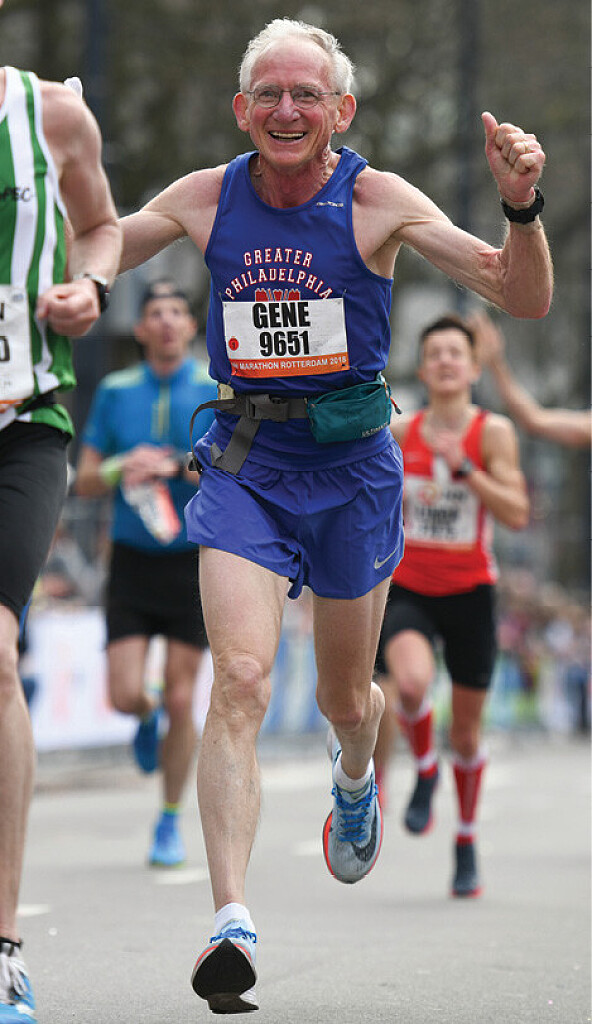
Bob Anderson is not alone in proving that age is just a number. Gene Dykes, one of the most remarkable masters runners in history, has shattered records in his 70s. At age 70, he famously ran a 2:54:23 marathon.
His secret? A high-mileage approach combined with interval training and a love for the sport that keeps him motivated year after year.
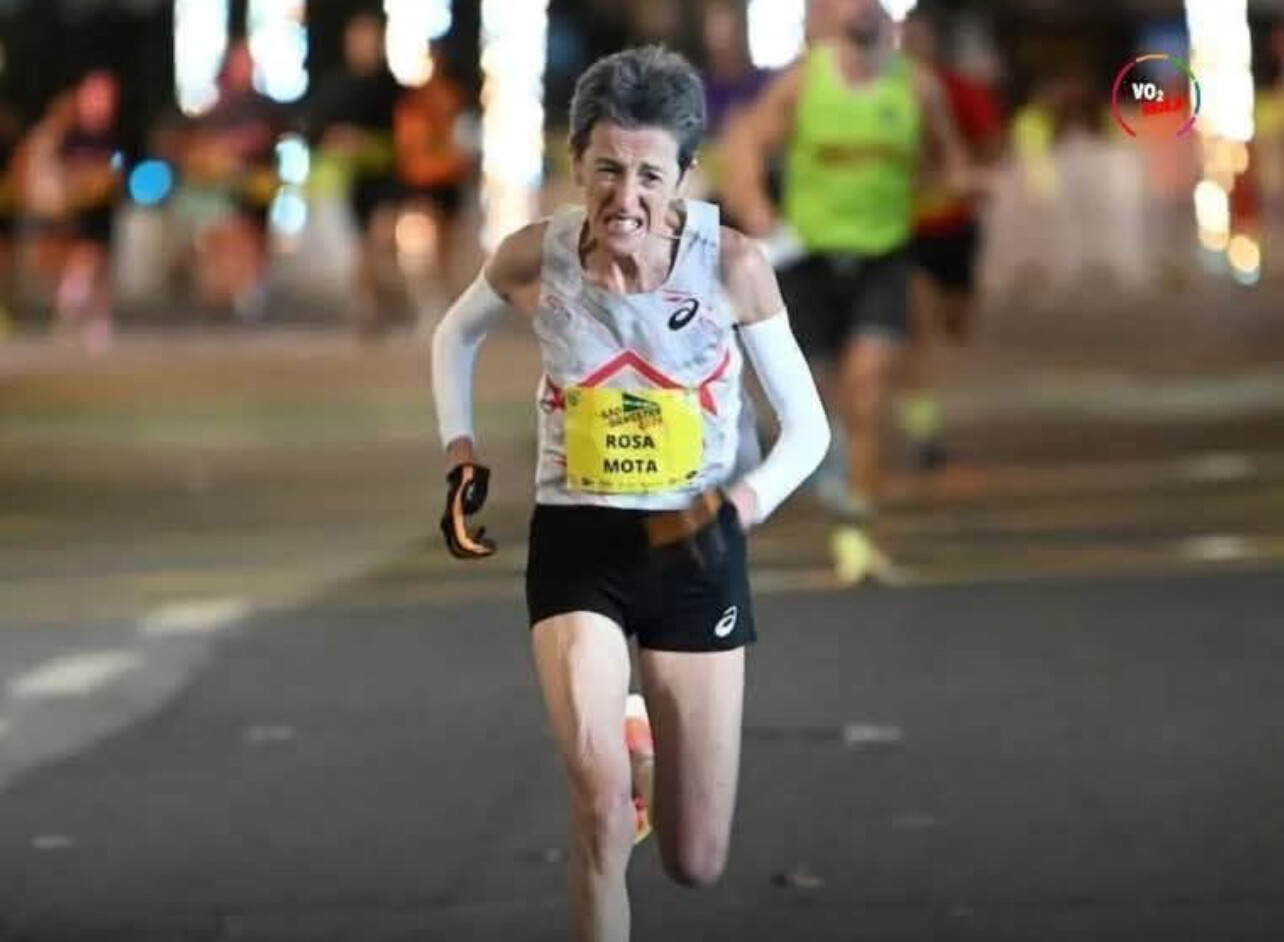
On the women's side, Rosa Mota, the legendary Portuguese marathoner and 1988 Olympic gold medalist, continues to inspire runners worldwide. Even in her 60s, she remains an active ambassador for the sport, showing that passion, consistency, and smart training allow runners to stay competitive for life.
In December 2024, at age 66, Rosa Mota set a new W65 10K world record by completing the San Silvestre Vallecana race in 38:23.
Both Dykes and Mota exemplify the idea that the body can continue to perform at a high level if treated right. Their stories, along with those of runners like Bob Anderson, prove that longevity in running is not just about genetics-it's about persistence, training adaptations, and maintaining the joy of ring.
Final Thoughts: Running for Life
Longevity in running isn’t about fighting age—it’s about embracing the journey, adapting intelligently, and staying passionate. The best runners understand that while paces may slow, the love of the sport grows deeper with time.
Whether you’ve been running since February 1962 like Bob Anderson or are just starting in your 50s or 60s, consistency, smart training, and joy in the process are the real secrets to running for life.
by Boras Baron
Login to leave a comment
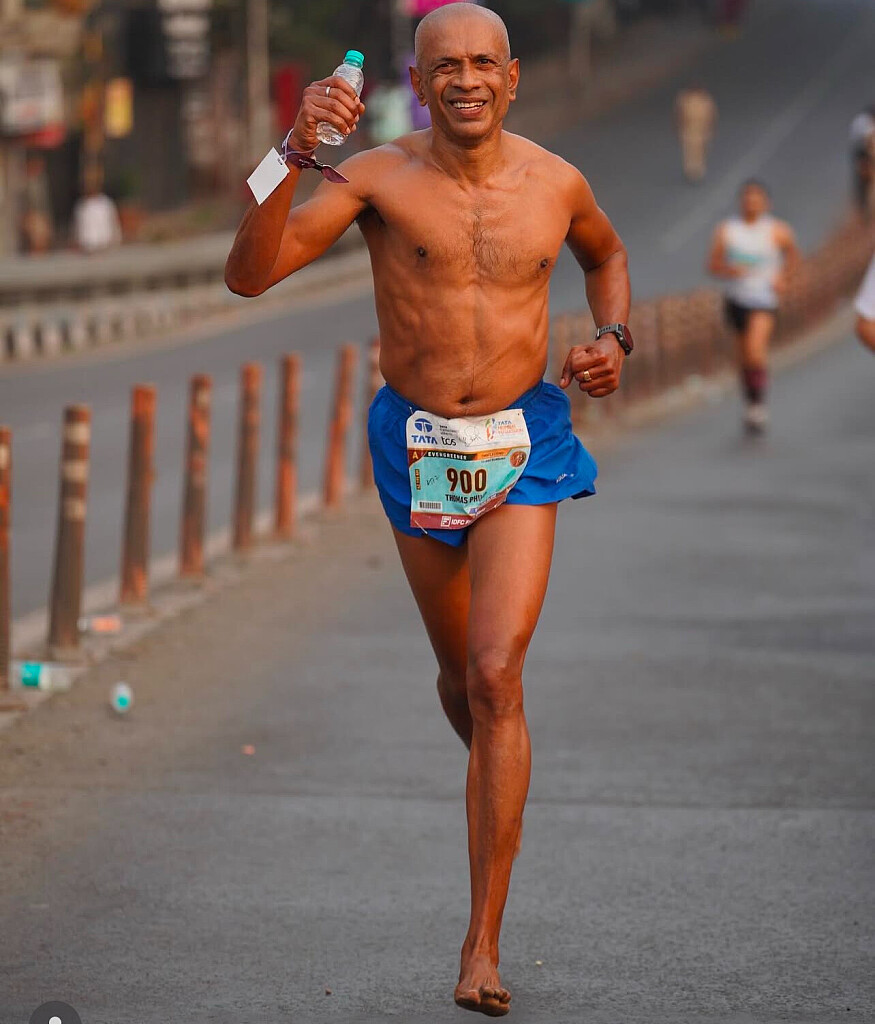
The Indian Running Sensation Making Strides Without Shoes
If you have not heard of Barefoot Bobby yet, it's time to take notice. The 58-year-old runner from Bangalore, India, has captured the imagination of the running world with his unconventional yet inspiring approach to the sport of running entirely barefoot. Bobby's remarkable journey reached a new milestone last Sunday at the 2024 Mumbai Marathon, where he clocked one of the fastest times of his career, finishing in 3:11:47. His incredible performance earned him third place in the competitive men's 55-59 age group.
Bobby, whose real name is Ramesh Patel, began running barefoot nearly 30 years ago, initially as a practical choice due to a lack of access to proper running shoes. Over time, what started as a necessity became his signature style. Running without shoes, Bobby says, keeps him connected to the ground and allows him to feel every stride more naturally.
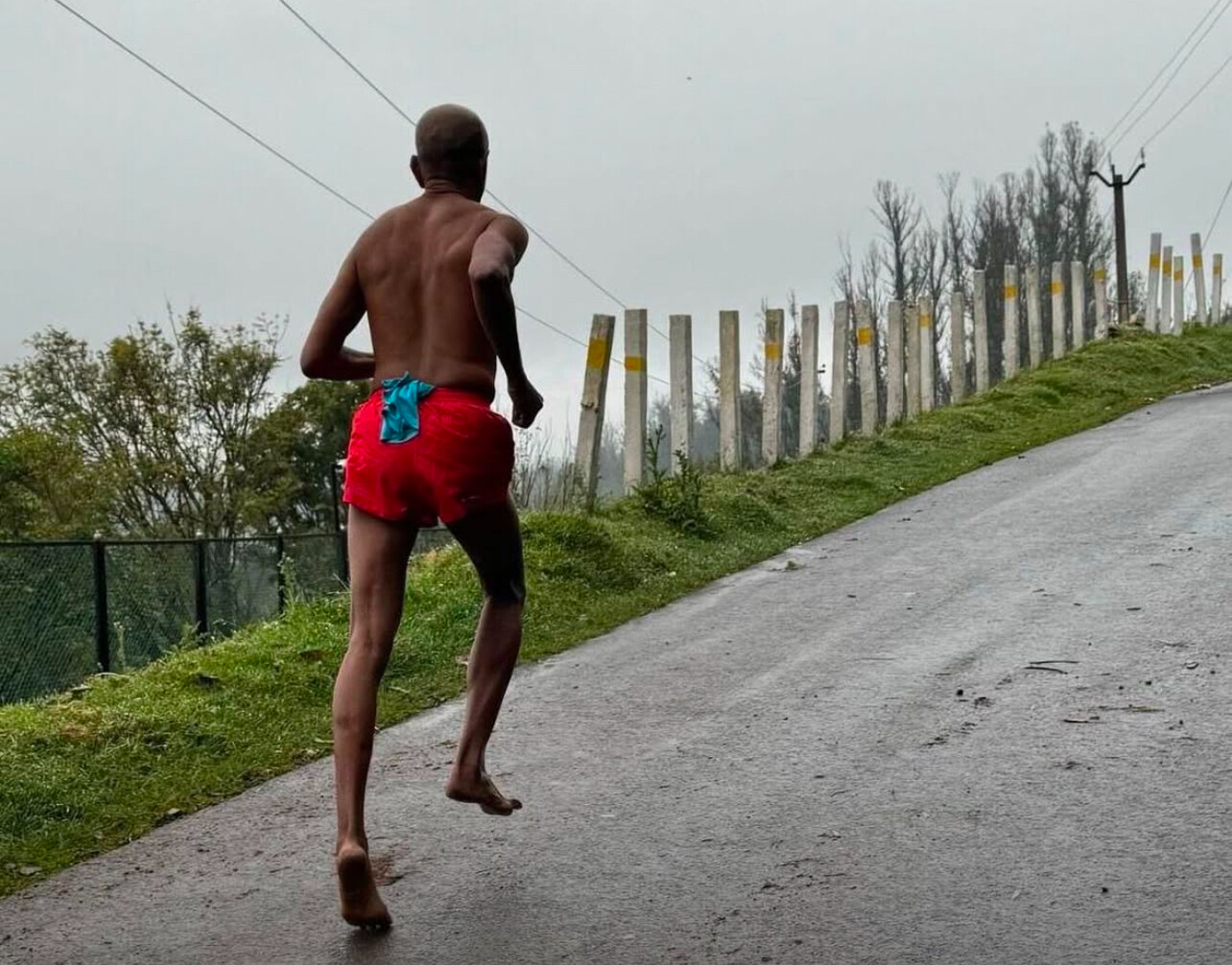
At the Mumbai Marathon, Bobby's effortless stride and unyielding pace drew cheers from spectators along the route. His 3:11:47 finish wasn’t just a personal achievement; it was a testament to his resilience and the strength of his training, which includes long runs on Bangalore's rugged trails.
"I've always believed that running barefoot is a way to honor the simplicity of the sport," Bobby shared after the race. "The road doesn't care if you wear the latest gear or go barefoot. What matters is your passion and dedication."
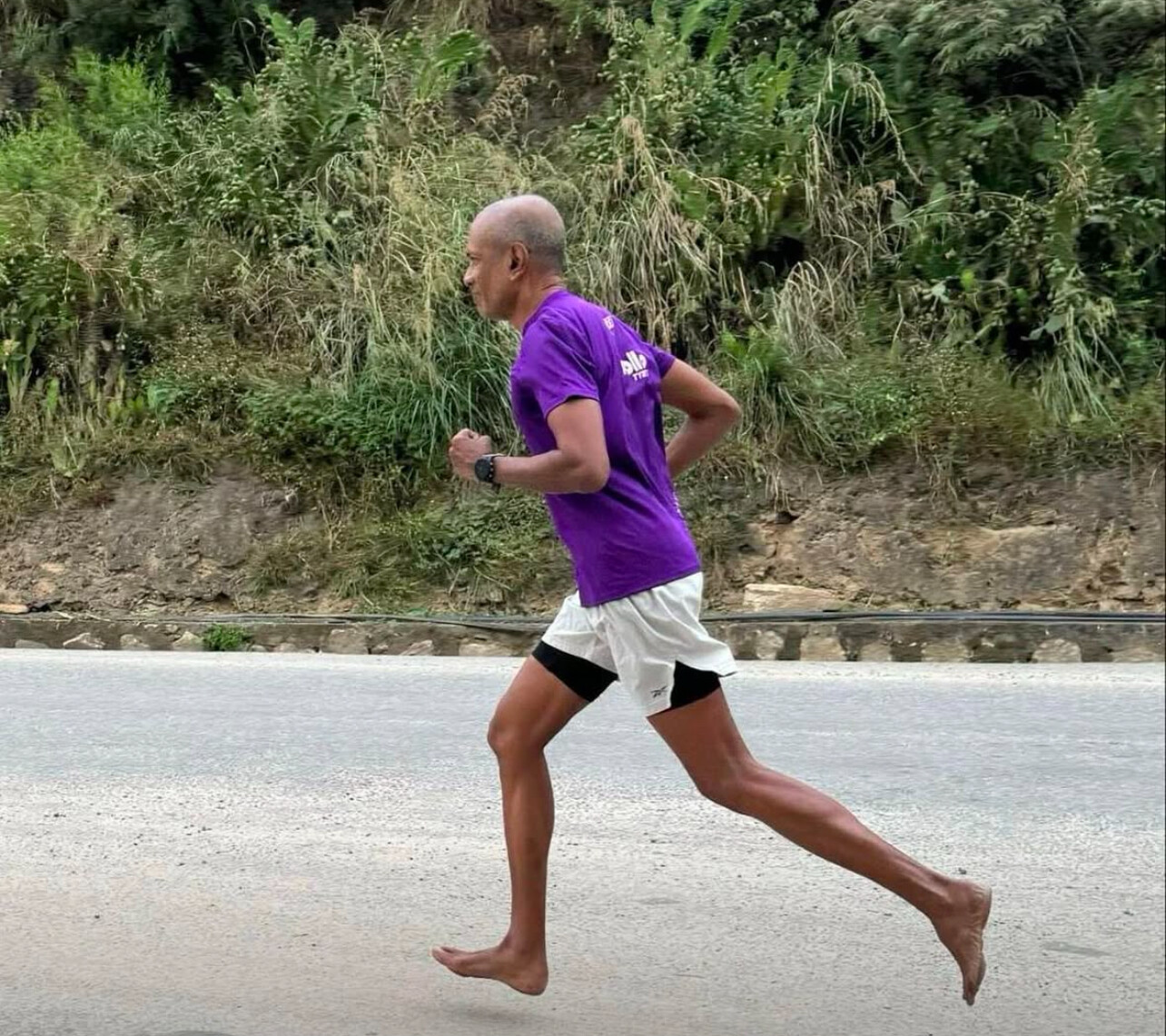
Bobby's story has inspired runners worldwide, proving that innovation and tradition can coexist on the marathon course. At 58, he shows no signs of slowing down, and his sights are set on breaking the 3-hour barrier in the coming years.
Barefoot Bobby's journey reminds us all that running is about more than just physical performance is about heart, determination, and embracing your unique path.
by Boris Baron
Login to leave a comment
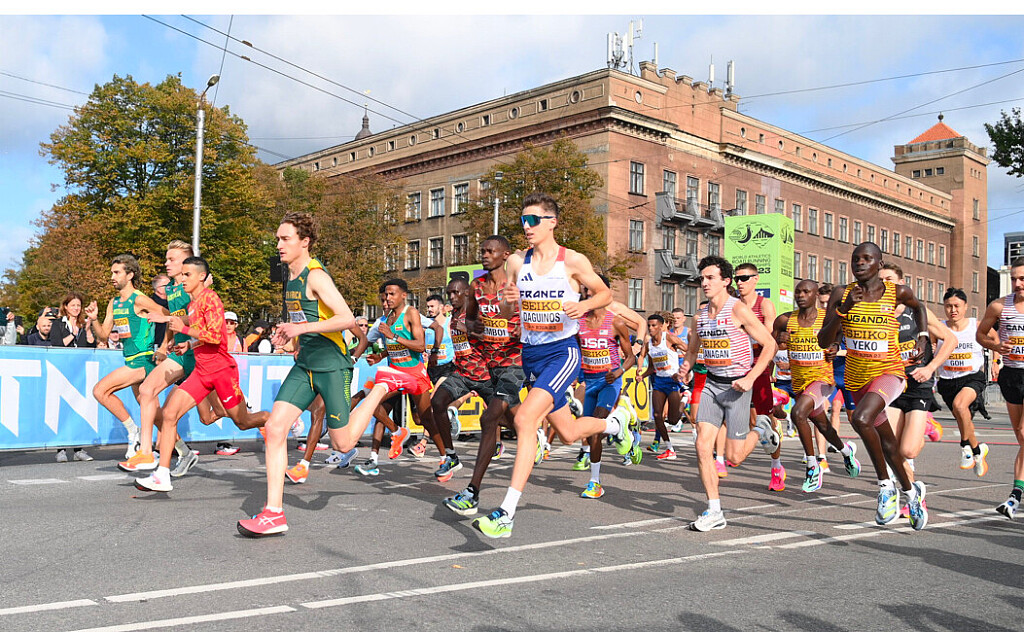
San Diego to Host 2025 World Athletics Road Running Championships
San Diego is set to become the epicenter of the running world as it hosts the World Athletics Road Running Championships from September 26 to 28, 2025.
This prestigious event marks the first time the championships will be held on U.S. soil, bringing together elite athletes and running enthusiasts from around the globe.
Event Overview
The three-day festival will feature a series of races, including the one-mile, 5km, and half marathon events. Each race offers both elite competitions and mass participation opportunities, allowing runners of all levels to experience the thrill of competing alongside world-class athletes.
Race Schedule
Friday, September 26, 2025: One-Mile Race
The event kicks off with the electrifying one-mile race, inspired by New York City's iconic 5th Avenue Mile. Races will be held approximately every ten minutes, catering to various age groups and specialty divisions. The day culminates with the World Championship Women's and Men's Mile races, showcasing top middle-distance runners vying for the coveted title.
Saturday, September 27, 2025: 5km Race
Modeled after the renowned Carlsbad 5000, the 5km event features multiple races throughout the day, each tailored to specific age groups and categories. The format allows participants to compete against their peers, fostering a competitive yet inclusive atmosphere. The day's highlight is the World Championship 5km races for both women and men.
Sunday, September 28, 2025: Half Marathon
The grand finale is the half marathon, uniting 30,000 participants, including elite World Championship athletes and recreational runners. To ensure a smooth start, runners will be released in waves based on seed times, allowing for an enjoyable race experience for all.
Multi-Race Challenges
For those seeking an extra challenge, the championships offer multi-race options:
Triple Crown Challenge: Participate in the one-mile, 5km, and half marathon events over the weekend.
Middle Distance Challenge: Combine the one-mile and 5km races.
Long Distance Challenge: Take on the 5km and half marathon events.
Book End Challenge: Run the one-mile and half marathon races.
These challenges are designed to test endurance and versatility, with adequate rest periods scheduled between races.
Virtual Participation
Recognizing the global running community, organizers offer virtual race options for the one-mile, 5km, and half marathon distances. This initiative allows runners worldwide to participate remotely, fostering inclusivity and broad engagement.
Registration and Additional Information
Runners interested in joining the event can register through the official World Athletics Road Running Championships website. Early registrants may receive exclusive benefits, including discounted pricing and limited-edition training shirts. All participants will receive an official ASICS event t-shirt and a commemorative finisher's medal.
San Diego's Role as Host City
Selected by World Athletics in August 2023, San Diego is honored to host the 2025 championships, highlighting the city's status as a premier global destination for sports tourism. Mayor Todd Gloria expressed pride in showcasing San Diego's vibrant running community and welcoming athletes from nearly 200 countries.
The 2025 World Athletics Road Running Championships in San Diego promise an unforgettable celebration of athleticism and community, uniting runners from around the world in a shared passion for the sport.
Login to leave a comment
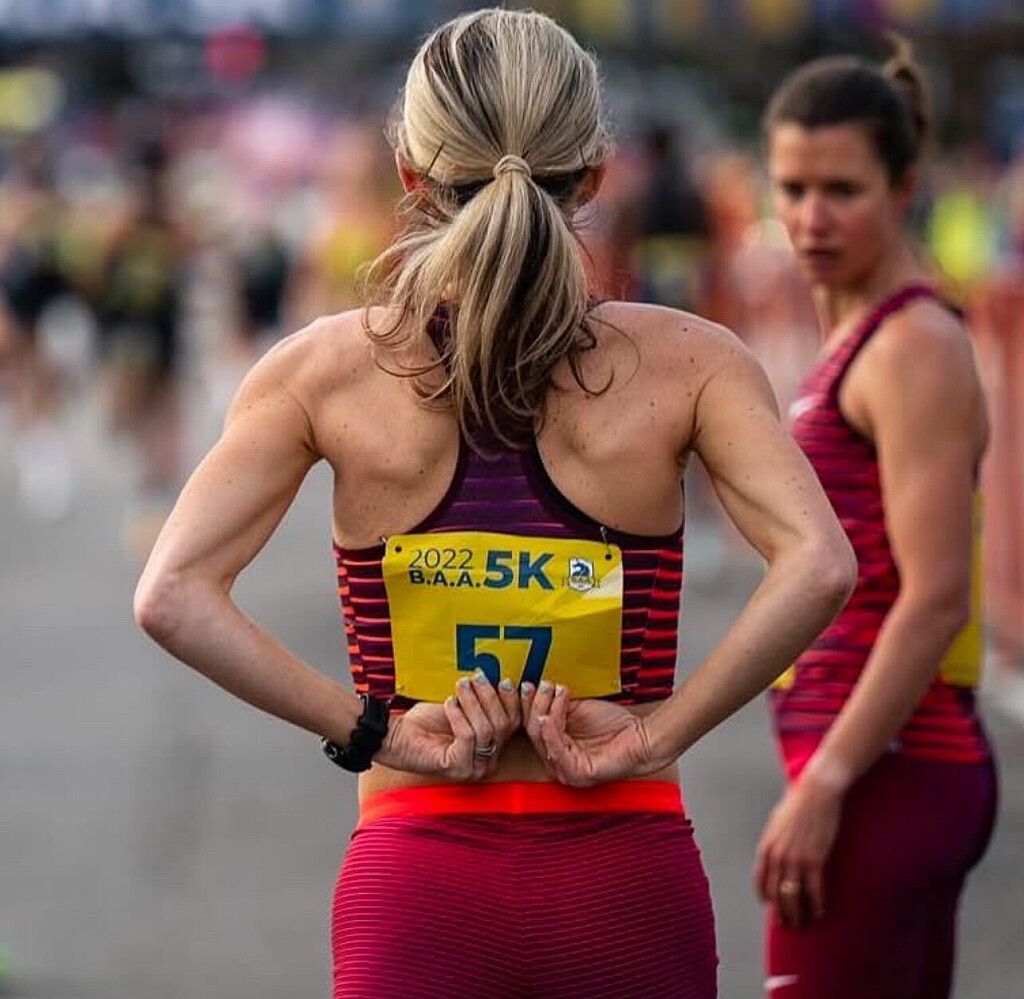
Keira D’Amato Announces Her Return to the Boston Marathon with Passion and Purpose
Keira D’Amato is the American half marathon record holder with a time of 1:06:39 at the 2023 Gold Coast Half marathon on July 1, 2023. She held the American women's record in the marathon with her time of 2:19:12 at the 2022 Houston Marathon, until Emily Sisson set a new record time on October 9, 2022.
Krira, one of the most electrifying american athletes in distance running, has officially announced her return to the Boston Marathon in 2025. In a heartfelt post on Facebook, D’Amato reflected on her lifelong connection to the iconic race, sharing her journey from being a Boston Marathon spectator to an elite competitor, and now, a returning champion with “unfinished business.”
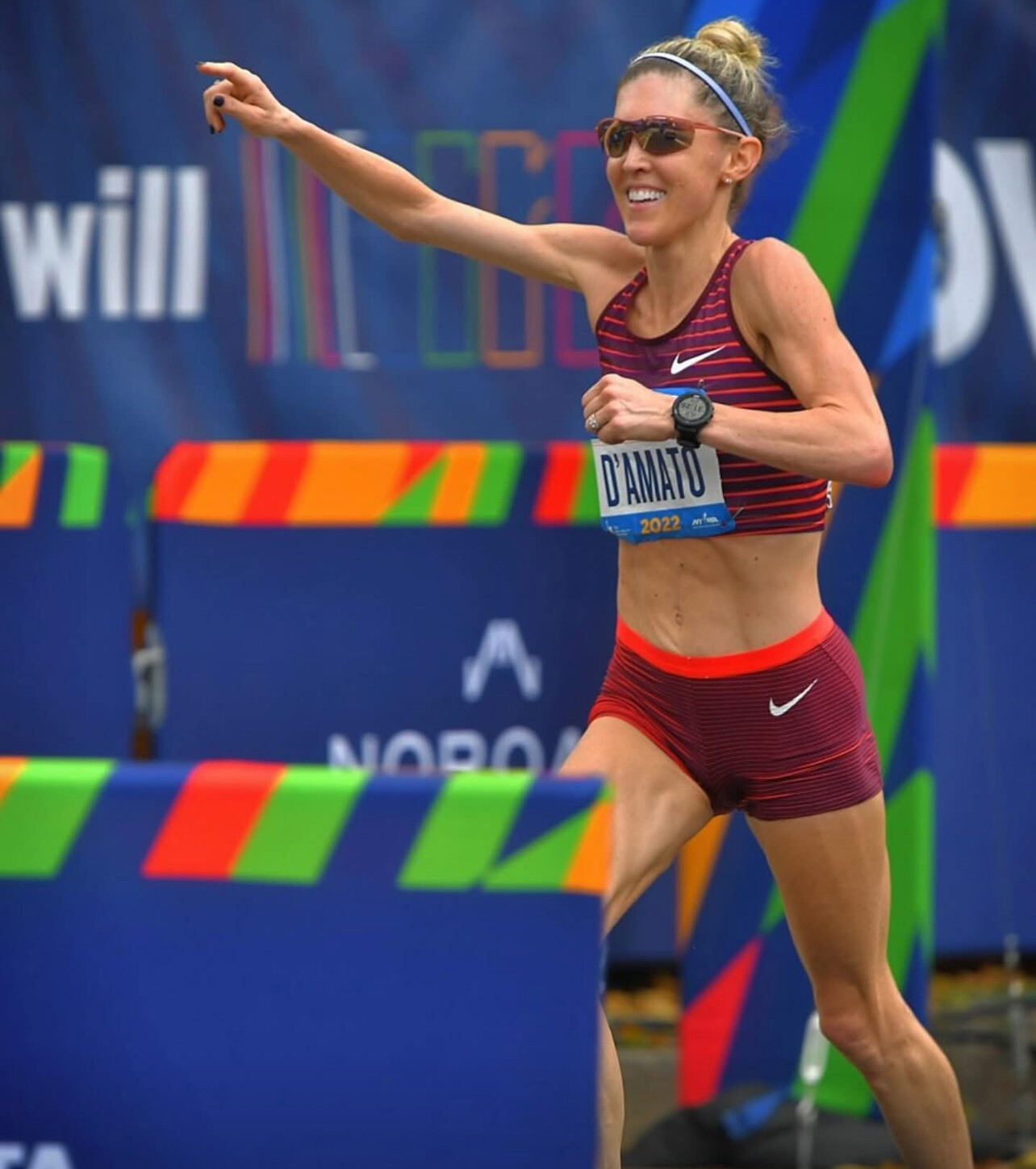
A Lifelong Fan Turned Competitor
D’Amato’s relationship with the Boston Marathon began long before she donned an elite bib. In her post, she reminisced about being a devoted fan of the race, watching the action unfold on TV countless times and cheering passionately along the famed streets of Wellesley. Her early admiration for the event sparked a personal goal—to qualify for Boston, a feat that became a challenging yet transformative chapter in her running career.
“I’ve chased the BQ [Boston Qualifier] dream and come up short,” D’Amato shared. “I built up the courage and strength, and I went after it again and finally dipped under the qualifying standard.”
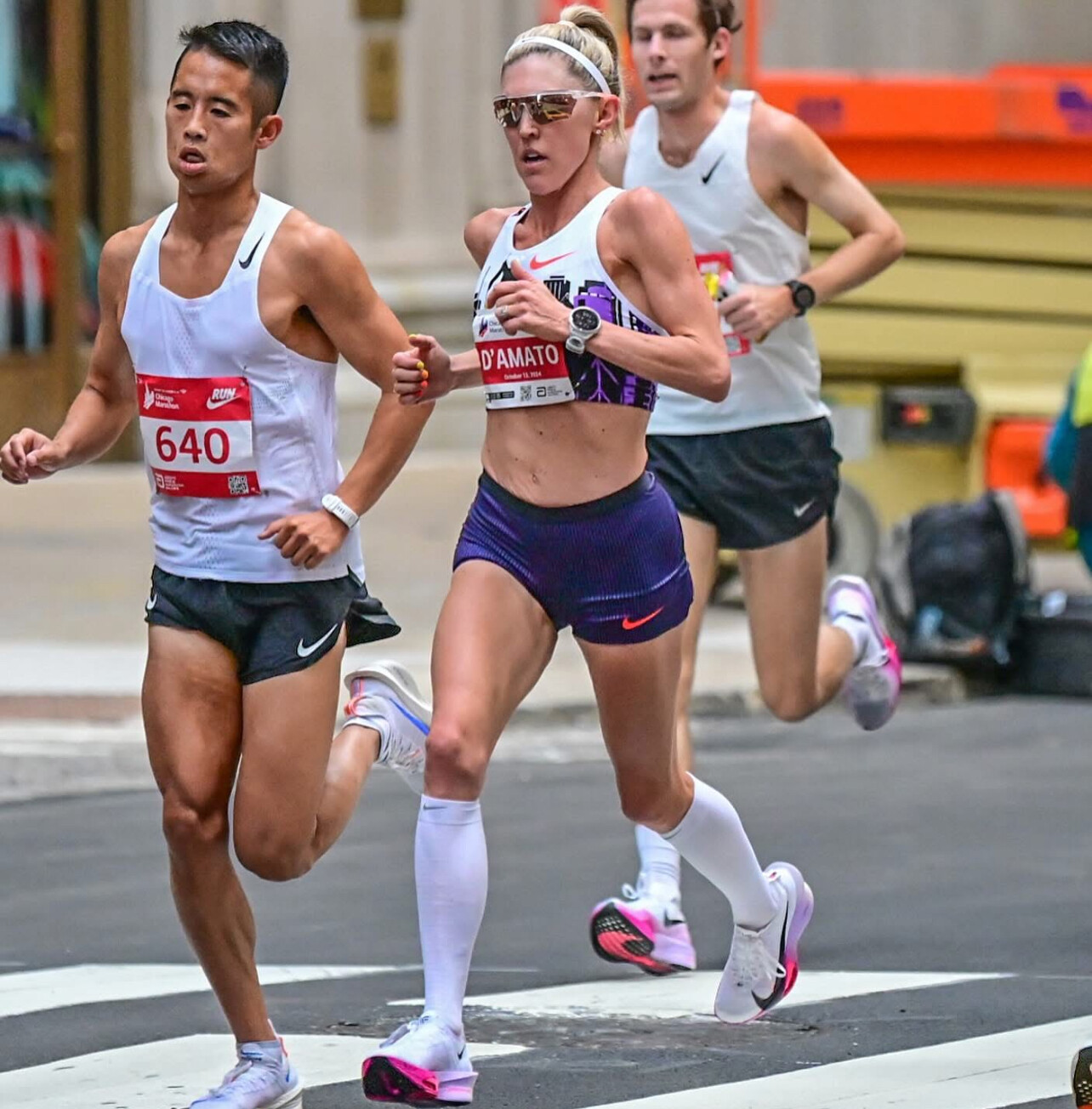
That perseverance paid off in 2018 when she not only achieved her goal but found herself racing in Boston as part of the prestigious elite women’s field.
A Return with “Unfinished Business”
Fast forward to 2025, and D’Amato’s Boston story is far from over. After breaking the American marathon record in 2022 and solidifying her place among the world’s best, D’Amato is now returning to the storied streets of Boston with new goals, fierce determination, and a deep appreciation for what the race means to her.
“Now, in 2025, I’m coming back to Boston with unfinished business,” she declared. “Boston, I’m back.”
The phrase “unfinished business” hints at D’Amato’s competitive fire and her aspiration to leave an even greater mark on the historic course. Whether it’s contending for a podium finish or chasing personal milestones, her return is sure to electrify this year’s race.
A Personal and Historic Connection
The Boston Marathon, steeped in tradition and known for its challenging course and unpredictable conditions, resonates deeply with D’Amato’s own story of resilience and reinvention. Her journey from a recreational runner and working mom to breaking records and competing at the highest levels is a testament to her grit and passion—a perfect reflection of Boston’s spirit.
As she counts down the days to Patriot’s Day, her excitement is palpable, and her story continues to inspire runners of all levels to dream big, face setbacks, and keep striving for their personal bests.
The Countdown to Patriot’s Day
D’Amato’s announcement has sparked anticipation among fans and the running community as the Boston Marathon, slated for Monday, April 21, 2025, promises to be another unforgettable chapter in marathon history. With D’Amato in the mix, the race is sure to deliver thrilling moments and inspire runners worldwide.
Whether she’s racing for victory or personal redemption, one thing is certain: Keira D’Amato’s return to Boston is one to watch.
by Boris Baron
Login to leave a comment

Boston Marathon
Among the nation’s oldest athletic clubs, the B.A.A. was established in 1887, and, in 1896, more than half of the U.S. Olympic Team at the first modern games was composed of B.A.A. club members. The Olympic Games provided the inspiration for the first Boston Marathon, which culminated the B.A.A. Games on April 19, 1897. John J. McDermott emerged from a...
more...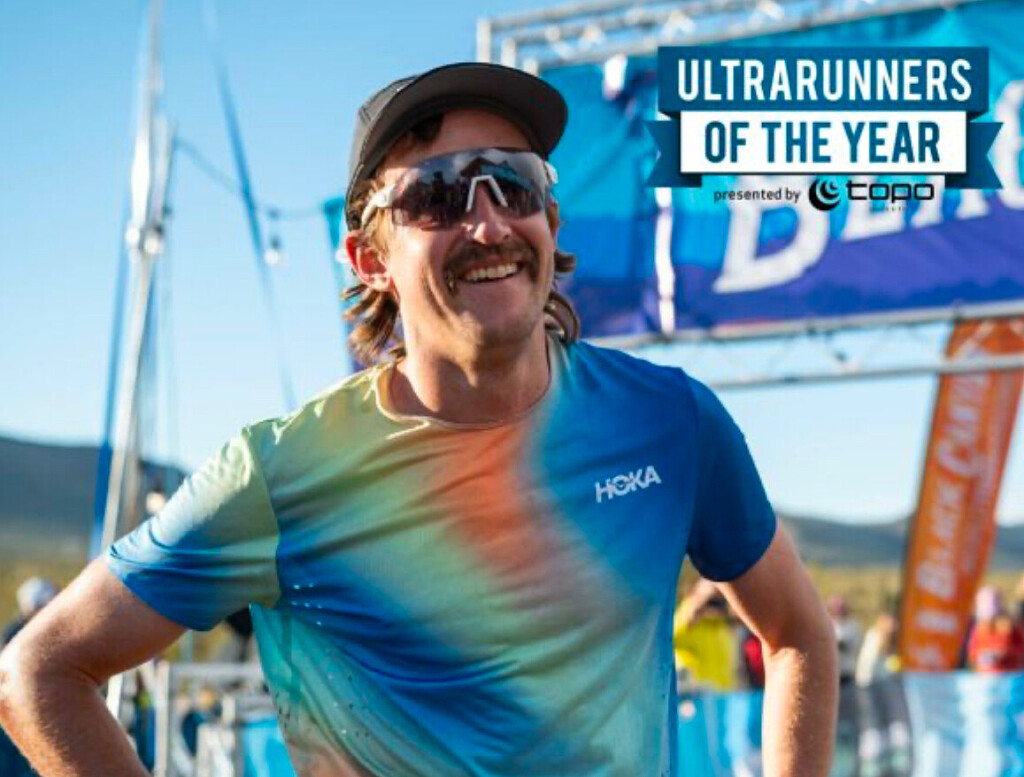
Hayden Hawks Named 2024 UltraRunner of the Year
Hayden Hawks has been named the 2024 UltraRunner of the Year, cementing his status as one of the most accomplished athletes in ultrarunning. The recognition comes after a stellar season highlighted by victories in some of the world’s most prestigious ultra-distance races.
The Cedar City, Utah native delivered standout performances, including a victory at the Courmayeur-Champex-Chamonix (CCC) 101K on Mont Blanc. Known as one of the toughest races in the Ultra-Trail World Tour, the CCC is a proving ground for elite ultrarunners, and Hawks’ 10:20:11 finish solidified his dominance on the global stage.
He also claimed victory at the highly competitive Black Canyon 100K in Arizona, where he not only won but set a new course record with a time of 7:30:18. His season was rounded out with podium finishes at races like the Western States 100, where he placed third in 14:24:31, and the Julian Alps Ultra-Trail in Switzerland, where he finished second.
Hawks lives in Cedar City with his wife, Ashley, and their two children. Balancing a demanding training schedule with family life, he credits his support system for his success, calling his family his “greatest motivation.”
Hawks’ achievements in 2024 highlight his versatility across different terrains and conditions. Whether racing on the mountainous trails of Europe or the arid landscapes of the American West, Hawks has consistently demonstrated his ability to adapt and excel. His Black Canyon course record and CCC triumph underscore his speed, endurance, and tactical prowess.
As the 2024 UltraRunner of the Year, Hayden Hawks has not only etched his name into the sport’s history but also inspired countless runners worldwide to push their limits. With a career that continues to rise, the running community eagerly awaits what 2025 will bring for this ultrarunning star.
Login to leave a comment
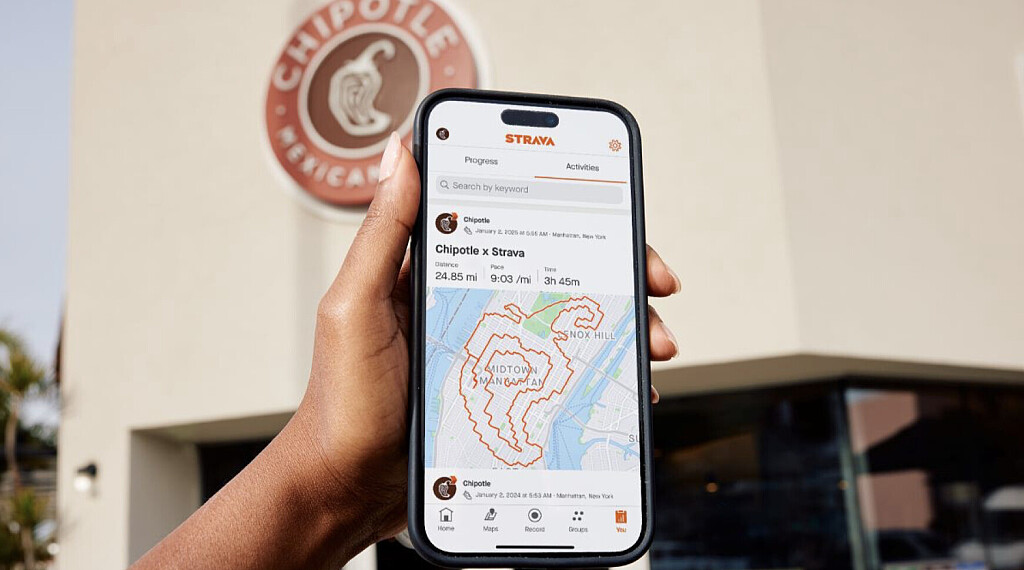
Chipotle ends Los Angeles Strava challenge due to the wildfires
Chipotle’s January Strava challenge, offering runners a chance to win free Chipotle for a year, has come to a halt in Los Angeles as devastating wildfires forced the company to end the city competition early. With more than 180,000 residents evacuated due to fires in the city’s northwest, Chipotle decided it would be best to prioritize safety, and stopped the challenge at 11:59 p.m. PT on Thursday.The challenge was a hit in Los Angeles, which led to the global Strava x Chipotle City Challenge competition before the wildfires began on Jan. 7.
The challenge involves runners worldwide competing to become “Local Legends” by completing the most designated Strava segments during the month. The top individual in each participating city wins free Chipotle for a year, while cities collectively logging the highest mileage earn rewards like buy-one-get-one (BOGO) entrée deals for all residents.

Chipotle issued a statement explaining their decision: “Los Angeles, your health and safety is our greatest priority. Due to the devastating wildfires that are impacting the area, we are ending the Chipotle Los Angeles Segment Challenge at 11:59 p.m. PT on January 9, 2025. The Local Legend who has the greatest number of attempts at that time will be awarded with Lifestyle Bowls for a Year.”
Particles from wildfire smoke and other pollutants can be deadly and impact health. This is particularly concerning for runners, as intense outdoor exercise can aggravate the effects of airborne pollutants.
Brandon Fang of Del Rey, Calif., was named the winner after logging an incredible 284 efforts on the 330-metre segment (93.72 kilometres). On the final day of the challenge, Fang ran 12 kilometres on the segment in the morning, then returned later in the evening to run 50K after hearing about the early cutoff–all to secure a year’s worth of Chipotle.
While the Los Angeles competition came to an end due to the catastrophic fires, it continues in 24 other cities across North America and Europe (including Toronto). Runners in those cities still have a chance to win prizes and contribute to their city’s mileage totals.
Login to leave a comment

The Distance Running Scene in 2024: A Year of Remarkable Achievements
The global distance running scene in 2024 was marked by incredible performances, new records, and innovative approaches to training and competition. From marathons in bustling city streets to ultramarathons through rugged terrains, the year showcased the resilience, determination, and evolution of athletes from all corners of the globe.
The World Marathon Majors—Tokyo, Boston, London, Berlin, Chicago, and New York—continued to be the centerpiece of elite distance running, each event contributing to a year of unprecedented performances and milestones.
Tokyo Marathon witnessed a remarkable performance by Kenya's Ruth Chepngetich, who set a new women's marathon world record with a time of 2:11:24. This achievement sparked discussions about the rapid advancements in women's long-distance running and the influence of technology in the sport.
In the Boston Marathon, Ethiopia's Amane Beriso delivered a dominant performance, winning in 2:18:01. On the men's side, Kenya's Evans Chebet defended his title, highlighting Boston's reputation for tactical racing over sheer speed.
London Marathon saw Ethiopia's Tamirat Tola take the men's crown, besting the field with a strong tactical race. Eliud Kipchoge, despite high expectations, did not claim victory, signaling the growing competitiveness at the top of men’s marathoning. On the women's side, Kenya's Peres Jepchirchir triumphed, adding another major victory to her impressive resume.

The Berlin Marathon in 2024 showcased yet another extraordinary performance on its fast course, though it was Kelvin Kiptum’s world record from the 2023 Chicago Marathon (2:00:35) that remained untouched. In 2024, Berlin hosted strong fields but no records, leaving Kiptum’s achievement as the defining benchmark for men’s marathoning.
The Chicago Marathon was the highlight of the year, where Kenya's Ruth Chepngetich made history by becoming the first woman to run a marathon in under 2:10. She shattered the previous world record by nearly two minutes, finishing in 2:09:56. This groundbreaking achievement redefined the possibilities in women's distance running and underscored the remarkable progress in 2024.
The New York City Marathon showcased the depth of talent in American distance running, with emerging athletes achieving podium finishes and signaling a resurgence on the global stage.
Each marathon in 2024 was marked by extraordinary performances, with athletes pushing the boundaries of human endurance and setting new benchmarks in the sport.
Olympic Preparations: Paris 2024 Looms Large
With the 2024 Summer Olympics in Paris just around the corner, many athletes used the year to fine-tune their preparations. Qualifying events across the globe witnessed fierce competition as runners vied for spots on their national teams.
Countries like Kenya, Ethiopia, Japan, and the United States showcased their depth, with surprising performances by athletes who emerged as dark horses. Japan’s marathon team, bolstered by its rigorous national selection process, entered the Olympic year as a force to be reckoned with, particularly in the men's race.
Ultramarathons: The Rise of the 100-Mile Phenomenon
The ultramarathon scene continued to grow in popularity, with races like the Western States 100, UTMB (Ultra-Trail du Mont-Blanc), and Leadville 100 drawing record participation and attention.
Courtney Dauwalter, already a legend in the sport, extended her dominance with wins at both UTMB and the Western States 100, solidifying her reputation as the GOAT (Greatest of All Time) in ultrarunning.
On the men’s side, Spain’s Kilian Jornet returned to form after an injury-plagued 2023, capturing his fifth UTMB title. His performance was a masterclass in pacing and strategy, showcasing why he remains a fan favorite.
Notably, ultramarathons saw increased participation from younger runners and athletes transitioning from shorter distances. This shift signaled a growing interest in endurance challenges beyond the marathon.
Track and Road Records: Pushing the Limits
The year 2024 witnessed groundbreaking performances on both track and road, with athletes shattering previous records and setting new benchmarks in distance running.
Beatrice Chebet's Dominance: Kenya's Beatrice Chebet had an exceptional year, marked by multiple world records and championship titles.
10,000m World Record: In May, at the Prefontaine Classic, Chebet broke the women's 10,000m world record, becoming the first woman to run the distance in under 29 minutes, finishing in 28:54.14.
Olympic Triumphs: At the Paris Olympics, Chebet secured gold in both the 5,000m and 10,000m events, showcasing her versatility and dominance across distances.
5km World Record: Capping off her stellar year, on December 31, 2024, Chebet set a new women's 5km world record at the Cursa dels Nassos race in Barcelona, finishing in 13:54. This achievement made her the first woman to complete the 5km distance in under 14 minutes, breaking her previous record by 19 seconds.
Faith Kipyegon's Excellence: Kenya's Faith Kipyegon continued her dominance in middle-distance running by breaking the world records in the 1500m and mile events, further cementing her legacy as one of the greatest athletes in history.
Joshua Cheptegei's 10,000m World Record: Uganda's Joshua Cheptegei reclaimed the men's 10,000m world record with a blistering time of 26:09.32, a testament to his relentless pursuit of excellence.
Half Marathon Records: The half marathon saw an explosion of fast times, with Ethiopia’s Yomif Kejelchabreaking the men's world record, running 57:29 in Valencia. The women's record also fell, with Kenya’s Letesenbet Gidey clocking 1:02:35 in Copenhagen.
These achievements highlight the relentless pursuit of excellence by distance runners worldwide, continually pushing the boundaries of human performance.
The Role of Technology and Science
The impact of technology and sports science on distance running cannot be overstated in 2024. Advances in carbon-plated shoes, fueling strategies, and recovery protocols have continued to push the boundaries of human performance.
The debate over the fairness of super shoes reached new heights, with critics arguing that they provide an unfair advantage. However, proponents emphasized that such innovations are part of the natural evolution of sports equipment.
Data analytics and personalized training plans became the norm for elite runners. Wearable technology, including advanced GPS watches and heart rate monitors, allowed athletes and coaches to fine-tune training like never before.
Grassroots Running and Mass Participation
While elite performances stole the headlines, 2024 was also a banner year for grassroots running and mass participation events. After years of pandemic disruptions, global races saw record numbers of recreational runners.
Events like the Great North Run in the UK and the Marine Corps Marathon in the U.S. celebrated inclusivity, with participants from diverse backgrounds and abilities.
The popularity of running as a mental health outlet and community-building activity grew. Initiatives like parkrunand local running clubs played a pivotal role in introducing more people to the sport.
Diversity and Representation
Diversity and representation became central themes in distance running in 2024. Efforts to make the sport more inclusive saw tangible results:
More women and runners from underrepresented communities participated in major events. Notably, the Abbott World Marathon Majors launched a program to support female marathoners from emerging nations.
Trail and ultrarunning communities embraced initiatives to make races more accessible to runners from diverse cultural and economic backgrounds.
Challenges and Controversies
Despite the many successes, 2024 was not without its challenges:
Doping Scandals: A few high-profile doping cases marred the sport, reigniting calls for stricter testing protocols and greater transparency.
Climate Change: Extreme weather conditions impacted several races, including the Boston Marathon, which experienced unusually warm temperatures. Organizers are increasingly focusing on sustainability and adapting to climate-related challenges.
Looking Ahead to 2025
As the year closes, the focus shifts to 2025, which promises to build on the momentum of 2024. Key storylines include:
The quest for a sub-2-hour marathon in a record-eligible race, with Kelvin Kiptum and Eliud Kipchoge at the forefront.
The continued growth of ultrarunning, with new records likely to fall as more athletes take up the challenge.
The evolution of distance running as a global sport, with greater inclusivity and innovation shaping its future.
Conclusion
The distance running scene in 2024 was a celebration of human potential, resilience, and the unyielding pursuit of greatness. From record-breaking marathons to grueling ultramarathons, the year reminded us of the universal appeal of running. As the sport evolves, it continues to inspire millions worldwide, proving that the spirit of running transcends borders, ages, and abilities.
by Boris
Login to leave a comment
Keys to Achieving an Incredible Marathon Finish in Less Than 4 Hours
There is one achievement that everyone who takes part in running events can agree is the bar everyone looks to hit; completing it in under four hours.
There is a lot of preparation that goes into averaging 9:09 for 26.2 miles and it is not an easy feat. Full commitment is needed as it will take a lot, both physically and mentally, to get your body into a position to achieve that lofty goal.
People who have completed half-marathons should be aware that things don’t always translate the same to full marathons. Greg Laraia, a running coach in New York City at Motiv, says it is “a little bit more tricky.”
“You have to rely on nutrition, strength, your mental capacity, and a million other factors that running entails before you can say, ‘hey, I'm just going to go out and run the half marathon in two hours, and then do it again,’” said the coach.
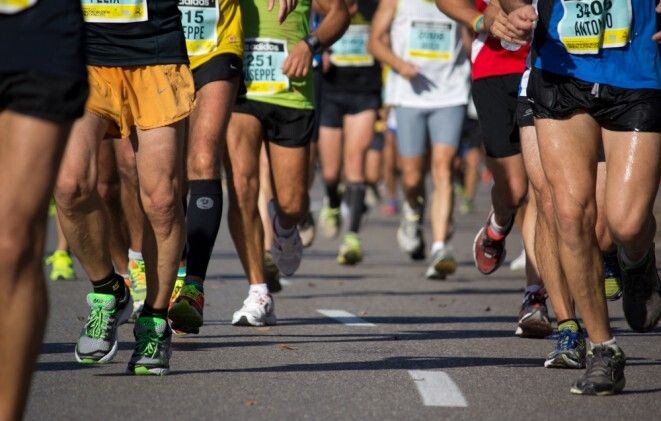
Over at Runners World, Caitlin Carlson revealed what coaches and running professionals recommend to help break the 4-hour mark while running a marathon. For starters, it takes some self-reflection.
Going back and looking at previous races to see where you may have fallen short is key to reaching that next level. Is the necessary work, such as speed and strength training or mobility and recovery work, being put in?
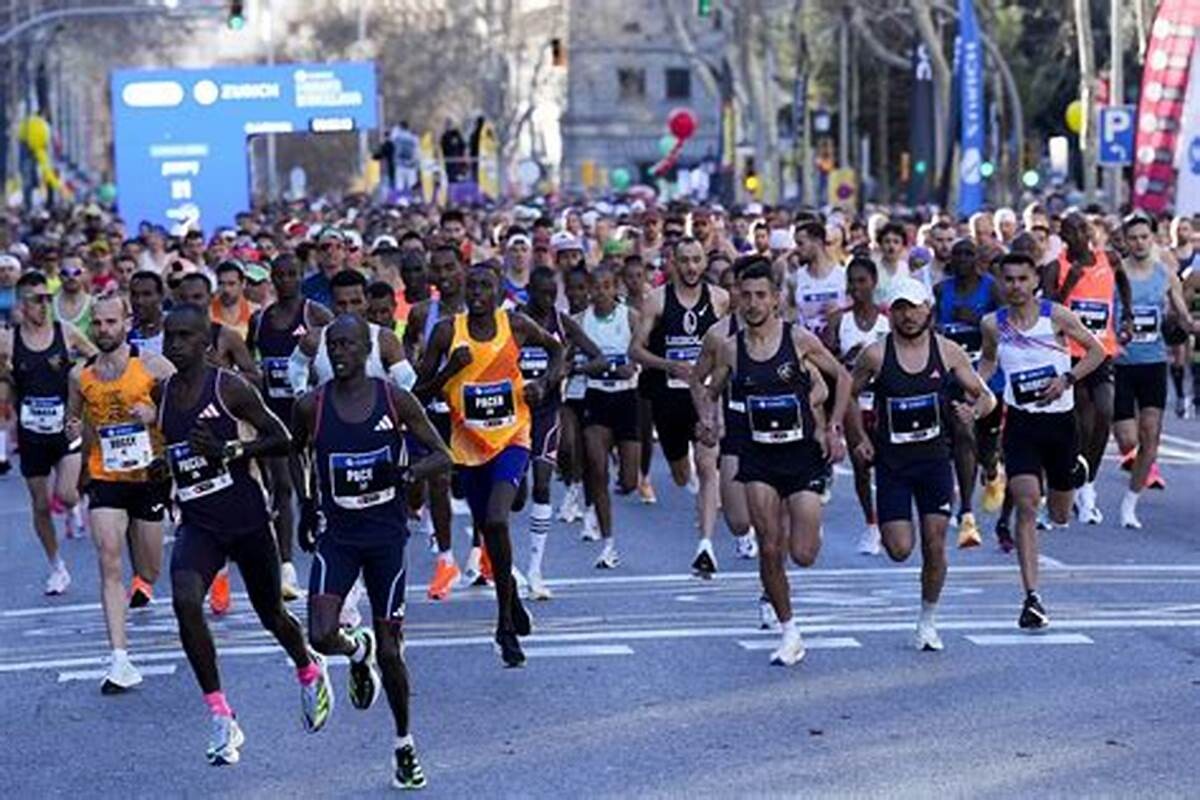
If there are pieces missing, those are easy low hanging fruits where you can add those things in and you should notice a big difference,” Laraia says.
During preparation, it is imperative to put your body through different levels of effort. Sometimes while training, people will get stuck in a rut of wanting to challenge themselves a little bit when it comes to pacing, but not too much.
This is where professionals separate themselves from amateurs and casual runners. They have a distinct plan every week, knowing that mixing in easier days with tougher ones will get your body where it needs to be.
“I was in my early 20s for the first two and I really didn’t know what I was doing training and fueling-wise, thus, both races went terribly with horrible zonks at miles 18 to 20,” said Marie Gundersen Ishpujani, who broke the 4-hour mark at the 2011 New York City Marathon in her third attempt.
It is a good way for a person to learn just how much their body is capable of. The same can be achieved by pushing beyond 20 miles in training leading up to the marathon.
How can you complete a sub-4 hour marathon if you aren’t training those distances? But, this is where having a coach helps because novices to the sport could actually hurt themselves if they are not preparing correctly.
“If you’ve done three or four marathons and you’re trying to get this sub-four-hour marathon, your body’s probably pretty strong and pretty physically able to handle the 22 and 24 miles,” said Jimmy Anderson, who is 51 years old with 27 marathons under his belt; 25 of which he broke the 4-hour mark in.
Last but certainly not least, recovery needs to be optimized. There are many different things people can do to ensure their body gets back to as close to 100 percent healthy as possible and is ready to perform on marathon day.
Cold plunges are enjoyed by some, while foam rolling and stretching are incorporated by others.
by Kenneth Teape
Login to leave a comment

Ethiopian and Kenyan runners win titles at 2024 Beijing Marathon
BEIJING -- Ethiopia's Lemi Berhanu Hayle and Kenya's Vicoty Chepngeno claimed the men's and women's titles, respectively, at the 2024 Beijing Marathon on Sunday.
Hayle crossed the finish line first in 2 hours, 9 minutes and 16 seconds, just 14 seconds ahead of runner-up Bethwel Kibet Chumba of Kenya. Chinese runner Chen Tianyu finished third in 2:09:48.
The women's race saw Chepngeno, who clocked 2:21:56, stand atop the podium, while Rahma Tusa of Ethiopia and another Kenyan runner Angela Jemesunde Tanui were in the second and third place, respectively.
In order to enhance the overall race experience for runners, the organizers moved the start line 100 meters north on the eastern side of Tiananmen Square for a more streamlined start this year.
The marathon route, which spans from Tiananmen Square to the Beijing Olympic Park, remains a favorite for runners worldwide. Despite a cap of 30,000 participants, a record 182,949 runners from 43 countries and regions applied within the first three days of registration last month.
Login to leave a comment

Beijing Marathon
The Beijing Marathon is an annual marathon held in Beijing, People's Republic of China. The race was first held in 1981 and has been held every year since. The race begins at Tiananmen Square and finishes at the National Olympic SportsCenter stadium. Beijing Marathon is now a full marathon only marathon race. At the 2009 edition of the race, 4897...
more...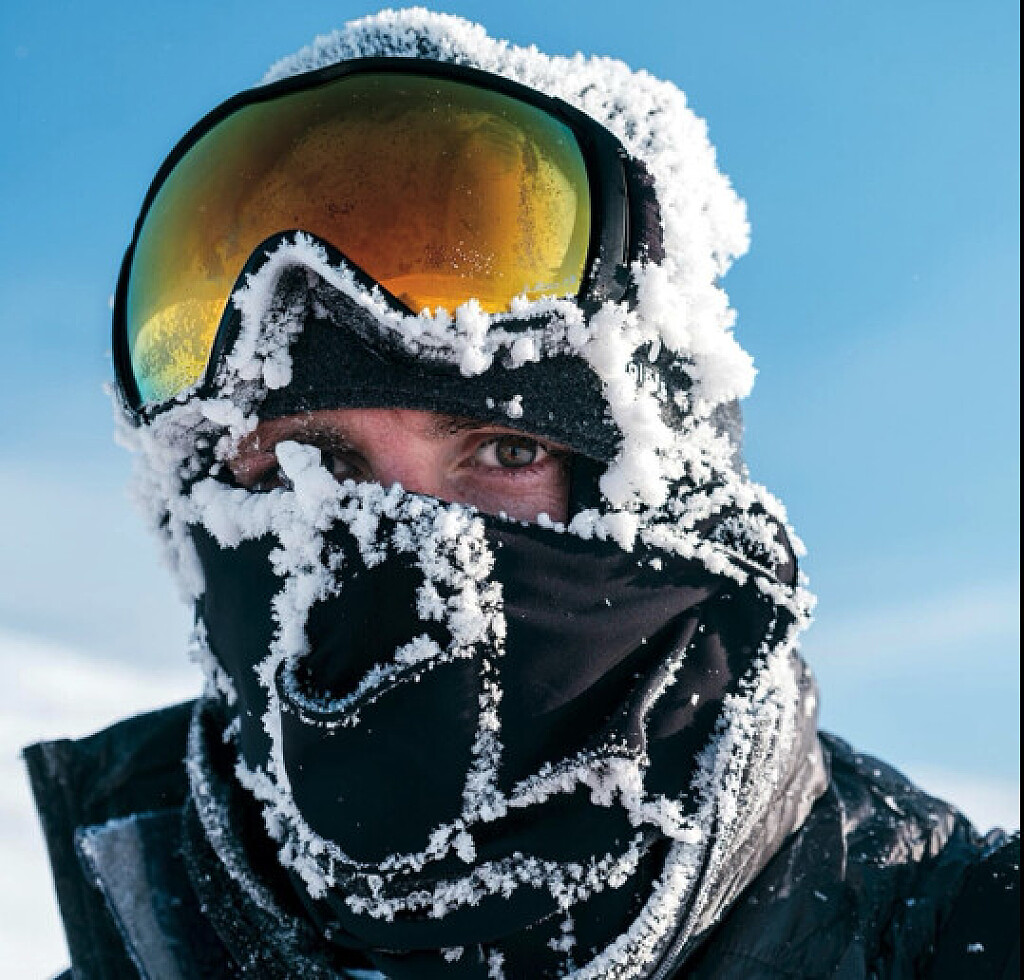
A cold, hard look at extreme winter races
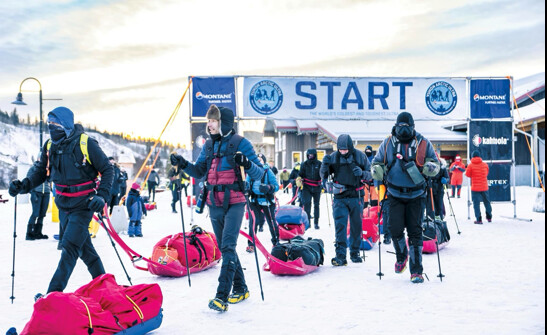
Winter is when races careen from the cosy, coddling courses of autumn into a forbidding tundra that both terrifies and exhilarates. It’s in this frozen landscape that the most extreme races are forged—competitions that take things to unsettlingly unconventional extremes, like sporting the scariest name or boasting the largest field of hungover revellers.
From a race season positively steeped in superlatives, here’s a sampling of extreme cold-weather races that boast the most—for reasons silly and chillingly serious—and strategies for making the most of them.
THE WILDEST
Polar Bear Marathon
Nov. 23, 2024
Churchill, Man.
Distances: 21.1 km, 42.2 km, 50 km
albertmartens.com
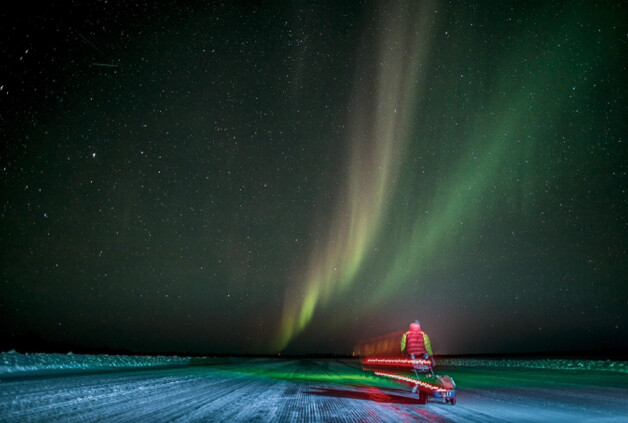
An event where vehicles tail runners in case a polar bear wanders onto the course truly deserves the title of winter’s wildest race. Beginning from Churchill, Man., the course takes participants along the coast of Hudson Bay for a challenge that balances breathtaking beauty with physical and mental rigour.
“A few times there have been polar bears right on the road where they run,” says race director Albert Martens. “However, we do provide safety for the runners, escorting them with a vehicle. Often the Canadian Rangers are out and assist us, as well.”
As challenging as this event is, the joys of the race aren’t to be outdone by the hardships. “One of the highlights of the run is the beautiful sunrise at the start overlooking Hudson Bay, and the post-marathon banquet, where the runners get to know each other better,” says Martens. He adds that one of the “swag bag” items runners receive is a polar bear carved out of soapstone. Although signups for this year’s event were set to close Oct. 1, it’s a race worth keeping in mind
THE BOOZIEST
Santa Will Run for Beer 5K-ish
Dec. 7, 2024
Bethlehem, Pa.
Distance: “5K-ish”
runsignup.com/Race/PA/Bethlehem/SantaWillRunforBeer5Kish
When it comes to combining Santa and suds, this race really raises the bar. Suit up in your best Kris Kringle costume and simultaneously work up and quench your thirst as you race between more than a dozen drinking establishments. The order you hit the bars in is up to you, but you’ve got three hours to stop at them all before raising a celebratory glass with your fellow runners at Molly’s Irish Grille and Sports Pub.
Speed counts—the first 24 runners at each location get a free beer—but so does presentation, so don’t skimp on style when putting together your Santa look. “Don’t go easy on your costume,” suggests Rochelle Romeo Kane, managing director of Run Lehigh Valley, which organizes the race. She also recommends mapping out your “beer strategy” beforehand: “Are you more of a ‘run fast and hit the close bars’ or ‘go for the early long-haul’ kind of runner? Either way, come with your plan and know it will change!” Runners must be at least 21, but it’s a race that
THE JOLLIEST
Santa Shuffle Fun Run & Elf Walk
Dec. 7, 2024
British Columbia: Abbotsford, Chilliwack, Langley
Alberta: Edmonton, Calgary
Saskatchewan: Regina
Manitoba: Winnipeg
Ontario: Hamilton, Kemptville, Kingston, Ottawa, Sudbury, Thunder Bay, Toronto, Whitby
Quebec: Montreal
Prince Edward Island: Charlottetown
Nova Scotia: Halifax
Newfoundland and Labrador: St. John’s
Additional virtual events
Distances: 1 km, 5 km
santashuffle.ca
What started in 1990 as a fundraiser by Running Room members to support Salvation Army programs in Edmonton has become a countrywide celebration of seasonal giving, as legions of speedy Santas are unleashed from start lines coast to coast. Santa Shuffle races, which continue to benefit the Salvation Army, boast the most Santas in Canada’s winter-running scene, but also pull in plenty of reindeer, elves and assorted festive fashionistas. Clever costuming pays at the events, with prizes for the best individual, group and pet get-ups (see the event website for details).
THE PRICIEST
Antarctic Ice Marathon
Dec. 13, 2024
Union Glacier, Antarctica
Distances: 21.1 km, 42.2 km
icemarathon.com
With a registration fee approaching $30,000, the Antarctic Ice Marathon isn’t a race you’ll enter on a whim, but the experience it offers is as rich as its price tag, and it’s sure to earn a spot on many runners’ bucket lists. You’ll be whisked by jet from Punta Arenas, Chile, to Union Glacier in the Antarctica interior, within a few hundred kilometres of the South Pole. Although aid stations, snowmobile support and medical personnel will be available, completing either the event’s marathon or half-marathon will take plenty of self-motivation; as race organizers point out, there won’t be any crowds to cheer you on—not even penguins venture this far south. Runners should also note this race can be as unpredictable as it is unforgettable. “The Antarctic Ice Marathon presents a unique challenge with its extreme cold and unpredictable weather,” says race director Becca Pizzi. “We advise runners to prepare for low temperatures and be ready for sudden shifts in conditions. Proper layering and mental resilience are key to tackling this unforgettable race.”
THE HEAD-POUNDINGEST
The 18th Hangover Hike
Jan. 1, 2025
Dewsbury, England
Distances: 15 km, 27 km, 34 km
ldwa.org.uk/TheIrregulars/W/2112/hangover-hike.html
An event that gives a refreshingly honest nod to the realities of New Year’s revelry, the Hangover Hike in northern England encourages hikers and runners to get an early and (mostly) sober start to 2025. The New Year’s Day run/hike around the rural roadways, hills and hiking trails of the town of Dewsbury (about 15 km south of Leeds) will ease participants into the challenge ahead with tea and toast at registration. The event’s three hikes—15 km with just over 300 m of ascent, 27 km with about 520 m of climb and 34 km with almost 550 m of ascent—start and end at The Leggers Inn. The Irregulars group of the Long Distance Walkers Association, which organizes the event, puts it succinctly: “A brisk walk or run, a breath of fresh air, a wee dram en route and a hair of the dog at The Leggers. What better way to start the new year?”
THE LOOPIEST
Frozen Falcon
Jan. 12, 2025
Falcon Beach, Man.
Distance: As far as you can go in eight hours
ontheedgerunning.com/home/frozenfalcon
Looped courses can help take the sting out of daunting distances by breaking down the kilometres into bite-sized chunks. The Frozen Falcon’s 6.5-km course at Falcon Trails Resort in southeastern Manitoba is the perfect length to keep your run manageable without it becoming monotonous, but be aware of the course’s unique challenges: “This race is run on groomed trails, however, after a few laps the snow can become a little like sugary mashed potatoes,” cautions race director Joel Toews. “Get working on that lower-leg strength! Also, you’re going to head into the yurt each loop, where there is food and a wood stove. It’s pretty cosy, so don’t get sucked into the comfort. Get back out there as soon as possible.”
THE SCARIEST-SOUNDING
Hypothermic Half Marathon
Vancouver: Jan. 19, 2025
Edmonton: Feb. 2, 2025
(A planned second Edmonton event was not confirmed before publication.)
Kelowna, B.C.: Feb. 9, 2025
Halifax: Feb. 16, 2025
Calgary: Feb. 23, 2025
Winnipeg: Feb. 23, 2025
Additional virtual events
Distances: 10 km, 21.1 km
hypothermichalf.com
The Hypothermic Half Marathon is no walk in the park, but this intimidating-sounding series of winter races has a bark that’s worse than its frostbite. That’s due in large part to the warmth and hospitality shown by volunteers and supporters during and after the races. There are other ways to stay toasty at the Hypo Half, however—at last year’s event in Edmonton, local runner David Eliuk sported 120 T-shirts in a bid to set a new world record for the most T-shirts run in a half-marathon. He achieved the feat, but was bested by American Dan Harvey—who donned 127 shirts at an event a few months later—before Eliuk’s record could be ratified.
THE LONGEST
Montane Yukon Arctic Ultra
Feb. 2–14, 2025
Teslin, Yukon
Distances: 340 km, 640 km
arcticultra.de/home
This race could be a contender for the most extreme in several categories—winds whip up with unfathomable force while temperatures can plummet to -40 C—but its length is what really makes it a standout. Starting from the village of Teslin and finishing in the town of Faro, the ultra’s shorter race totals 340 km, while the main event (including a 150-km route out and back from Faro) adds up to an eye-watering 640 km. Competitors can tackle these either on foot or skis or by mountain bike.
“Many races with these kinds of distances are organized in stages,” says race director Robert Pollhammer. “In our race, athletes are on the go day and night, sometimes up to an average of 20 hours per day.” He cautions that sleep deprivation can be dangerous in such an extreme environment and emphasizes the importance of having a strong race strategy.” While cautioning that the race isn’t for everyone, he says, “If you like the cold, the vastness of nature and being in a race with a family-like atmosphere, the
THE LARGEST (LATITUDINALLY)
6633 Arctic Ultra
Feb. 27 to March 8, 2025
Eagle Plains, Yukon
Distances: 120 miles (193 km), 380 miles (612 km)
6633ultra.com
Canada’s most northerly winter foot race, the 6633 Arctic Ultra (named for the latitude of the Arctic Circle in the Yukon—66 degrees, 33 minutes north) tests the ambitious and adventurous in a gruelling trek across two Canadian territories. Beginning in Eagle Plains, Yukon, runners who tough it out will cross the Arctic Circle to finish lines in the Northwest Territories hamlets of Fort McPherson (193 km) and Tuktoyaktuk (612 km).
Blistering wind and cold make the 6633 one of the most physically punishing races on Earth—but the competition’s mental challenge is greater still, according to race co-director Stuart Thornhill. “The mental fatigue experienced and resilience required cannot be underestimated,” Thornhill says. “Our athletes experience long periods of isolation in the dark and extreme cold, leading to extreme hallucinations.” Sticking to script, he says, is key to success at the 6633: “Those who make it through have a plan which they follow, eating when they need to, sleeping when they need to. They don’t get caught up racing someone else and breaking their plan. I have seen people who have been at the back of the pack for most of the race and have come in the top three finishers, because they stuck to what worked best for them.”
THE SPICIEST
Chilly Half Marathon
March 2, 2025
Burlington, Ont.
Distance: 21.1 km
raceroster.com/events/2025/84601/2025-chilly-half-marathon
The Chilly Half Marathon is a cold-weather race that throws some serious heat. While most of the events on this list aren’t really built for racking up personal bests, the course through downtown Burlington and along Lake Ontario’s western shore is perfect for burning rubber. “This will be the 29th year of the fun, fast, flat race that welcomes 4,000 runners to downtown Burlington,” says Kelly Arnott, co-CEO and co-owner of race organizer VR Pro Inc.
An event that marks the start of the spring road-running season in eastern Canada, the Chilly Half is just as popular for its post-race revelry as for its scenic, zippy course. Spectators and runners can shake off the March chill by coming together for a bowl of piping hot chili. “If it is a chilly day, we will warm you up with a bowl of hot Stagg Chili following the great race,” says Arnott.
THE MOST ENDURING
Around the Bay Road Race
March 30, 2025
Hamilton
Distances: 5 km, 10 km, 15 km, 30 km, additional virtual events
bayrace.com
Launched in 1894—three years before the Boston Marathon—Hamilton’s storied Around the Bay Road Race is North America’s oldest long-distance running event. More than a testing ground for generations of runners, Around the Bay is itself something of an endurance feat. Despite some challenging obstacles (in recent years organizers have had to switch up the course due to renovation and construction projects in the city), the 30K run around Hamilton Harbour remains a cultural focal point for the local community and favourite destination race for runners worldwide. Race-day weather has been known to swing wildly from warm and sunny one year to blizzard-like the next, so the best way to prepare is to be consistent in training, suggests race director Anna Lewis. “Keep to your training schedule even on bad weather days, because you never know what the weather will be like on race day,” she says, adding that wisely managing effort is also key to negotiating tougher terrain near the end of the race. “Don’t go out too fast, so
FROZEN FEATS
Here are some extreme winter exploits that have earned a place in the Guinness Book of World Records.
Coldest marathon
By its name alone, the Siberian Ice Marathon seems a convincing contender for the world’s coldest marathon—and it’s not just hype. Temperatures as low as -39 C were recorded at the 2001 race in Omsk, Russia. While it’s the coldest marathon recognized by Guinness, organizers of the Pole of Cold Marathon in Oymyakon (also in Siberia) reported the mercury crashing to -55 C at its most recent event on Jan. 12, 2024.
Fastest half-marathon barefoot on ice/snow
Not content to set this record by running a bone-chilling half-marathon barefoot in 1:50:42, Josef (Joska) Šálek added an extra dash of shivery showmanship by running the distance in nothing but shorts. The Czechian set the record on a course in his home country on Feb. 18, 2024.
Fastest marathon by a female dressed as Santa
From snowmen to ice-cream cones, there’s no end to the cold- and winter-centric costumes runners will don to break records, but most of these attempts are made in spring or fall. Hand it to British runner
WINTER RACE TIPS FOR FIRST-TIMERS
Don’t dress just for the start line
As tempting as it is to bundle up while waiting for your race to start, things can heat up pretty quickly once you’re on the move, and overheating can sap your performance and enjoyment of the race. If temperatures are dry and above freezing, dressing as though it’s 10 C warmer than it really is will keep your engine running cool as you hit your stride. On colder, windier days, dress in layers that can easily be discarded or passed off to a supporter on the sidelines.
Show up fully charged
The energy demands on your body when racing in colder temperatures aren’t significantly different from those of any other time of year, so there’s no need for drastic changes to your pre-race fuelling. The same can’t be said of your running tech, however. Plummeting temperatures can be a big drain on the battery capacity of your watch, headlamp and heart rate monitor, even during shorter races. Make sure the devices you rely on are fully charged; don’t assume the GPS that saw you to the end of a summer 5K on a 15 per cent
Login to leave a comment
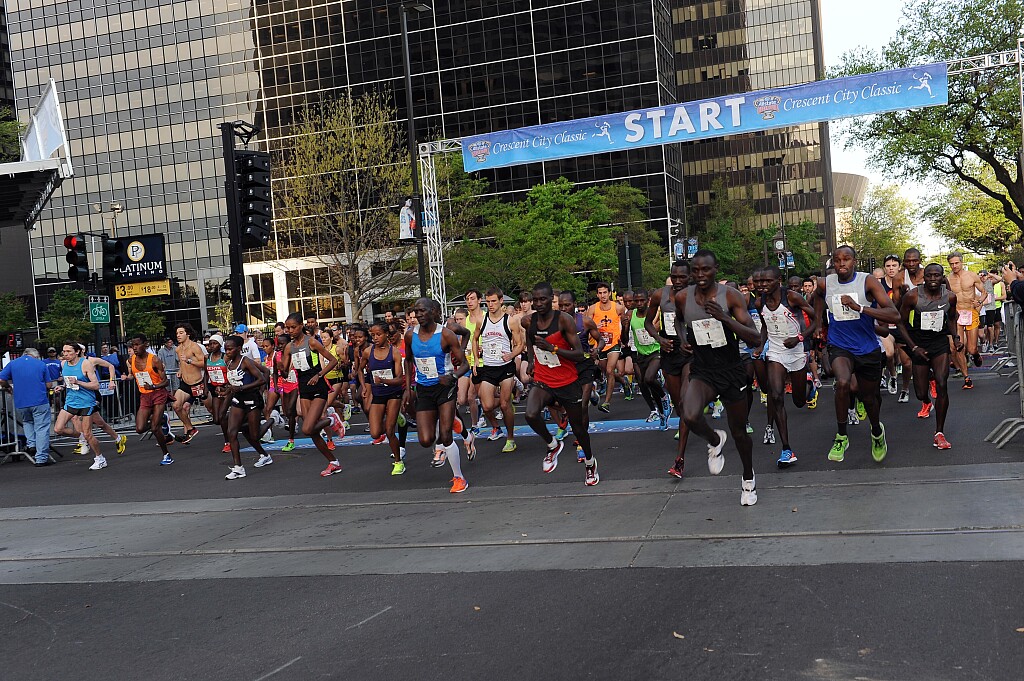
Why 10k is the perfect distance, according to these running experts
The Greek messenger Pheidippedes has a lot to answer for. Had his journey of glory been over the far more user-friendly distance of 10k rather than the 40k it was, there’d likely be so many more runners.
Back in 490BC he ran from the coastal town of Marathon back to Athens to report a Greek victory over Persia, and then promptly collapsed and died (in his defence, he had run 240km beforehand, so was understandably exhausted).
From his memorable final 40k – the distance from Marathon to Athens – the modern-day 42.2k (26 miles, 385 yards) marathon developed, and has become the go-to event for tens of thousands of runners worldwide.

What makes 10k so perfect – by Saga Exceptional’s resident running expert
I’ve been running for more than 50 years and can confirm that taking part in marathons comes at a high price.
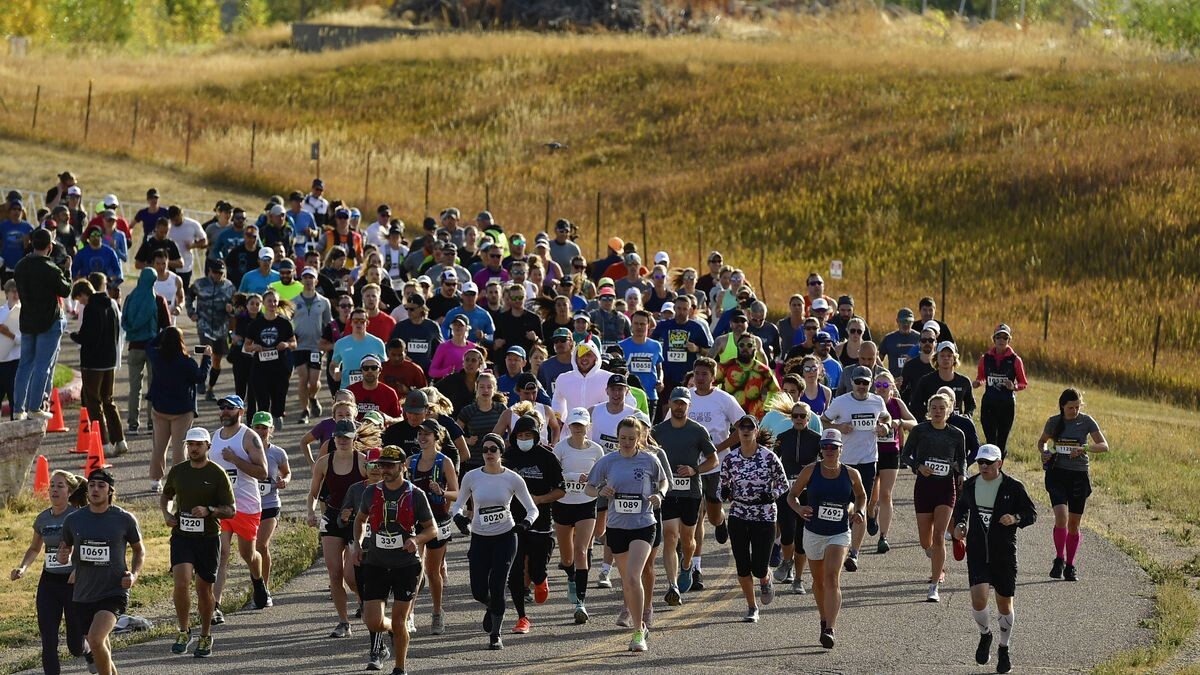
Running that kind of distance can take a heavy toll on your body, as well as time – which is where 10k events come in. The distance offers all the glory and kudos of the marathon – as well as the camaraderie, buzz and general excitement – but none of the significant muscle damage. And many experts believe that 10k can be the perfect distance for older runners.
Marathon races such as London, Berlin and New York grab all the headlines and yes, on the surface they do appear exciting, tempting even. You find yourself watching the London Marathon on TV and saying: ‘That’ll be me next year.’ But, as any finisher will tell you, there’s a cost.
As a runner, I’ve completed many 10k races – all the way from the incredible Borobudor race in Indonesia, which finishes at the foot of an ancient temple, to a more apparently mundane sounding (but it isn’t) Southend 10k, which finishes by the mile-long pier.
As such, I can say with no word of exaggeration, that a 10k can match a marathon in many departments – and even outdo it in others. I once ran the Crescent City Classic in New Orleans and then the spent the rest of the day running around the city taking in all the sights. Try doing that after a marathon!
There are some fabulous 10k races around. The Asics London 10k on July 9, for example, takes in all the classic sights from Big Ben to Piccadilly Circus. They deliver everything a big city marathon can offer. Or you can choose a local event, of which there are hundreds up and down the country every weekend. Everybody is welcome, the atmosphere is always great, and should you get the bug, well, there’s always another one next week. Plus, your body won’t mind.
by Paul Larkins
Login to leave a comment

Crescent City Classic 10k
The Crescent City Classic isannual 10-kilometer race held in New Orleans, Louisiana,United States. Mac DeVaughn founded the Classic and held the first race in 1979. The race was originally held in the Fall, but the race is now held the Saturday before Easter. The Classic is New Orleans’ (and the region’s) premier 10k road race, and one of the oldest...
more...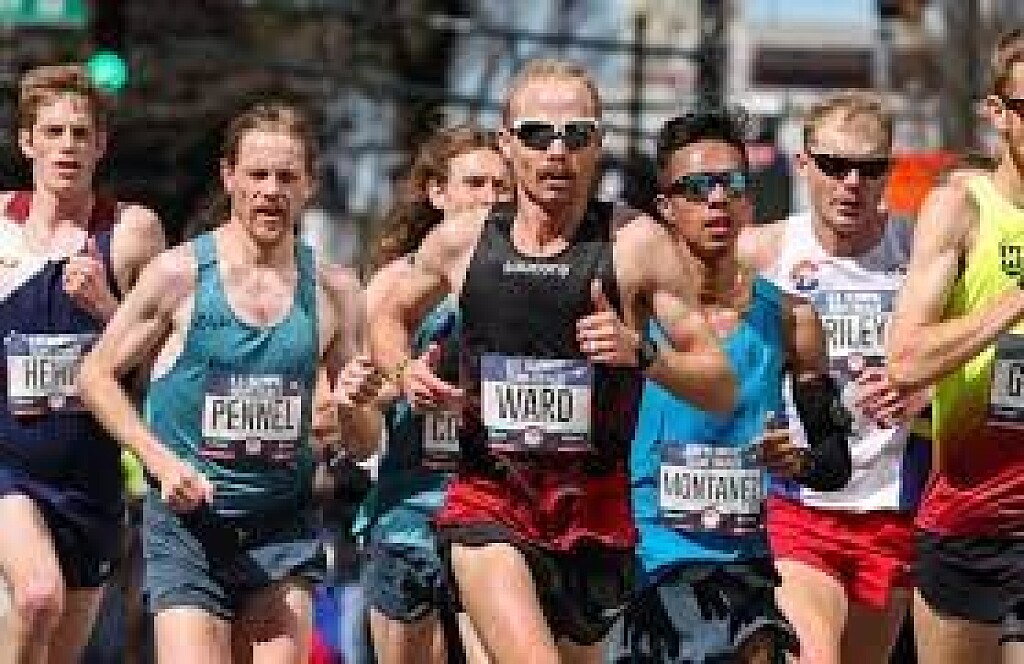
U.S. Olympic Marathon Trials unveil huge prize pool
We are less than a week away from one of the most exciting pre-Olympic qualification events: the 2024 U.S. Olympic Marathon Trials (on Feb. 3). Not only will the top three men and women have the opportunity to represent Team USA in the marathon at the 2024 Paris Olympics, they will also share a large portion of the USD $600,000 prize pool.
The winners of the men’s and women’s races will each take home $80,000, while the second and third-place finishers will receive prizes of $65,000 and $55,000, respectively. The total prize purse for Orlando 2024 has increased by $120,000 from the $480,000 that was at stake in the 2020 U.S. Olympic Marathon Trials in Atlanta four years ago.
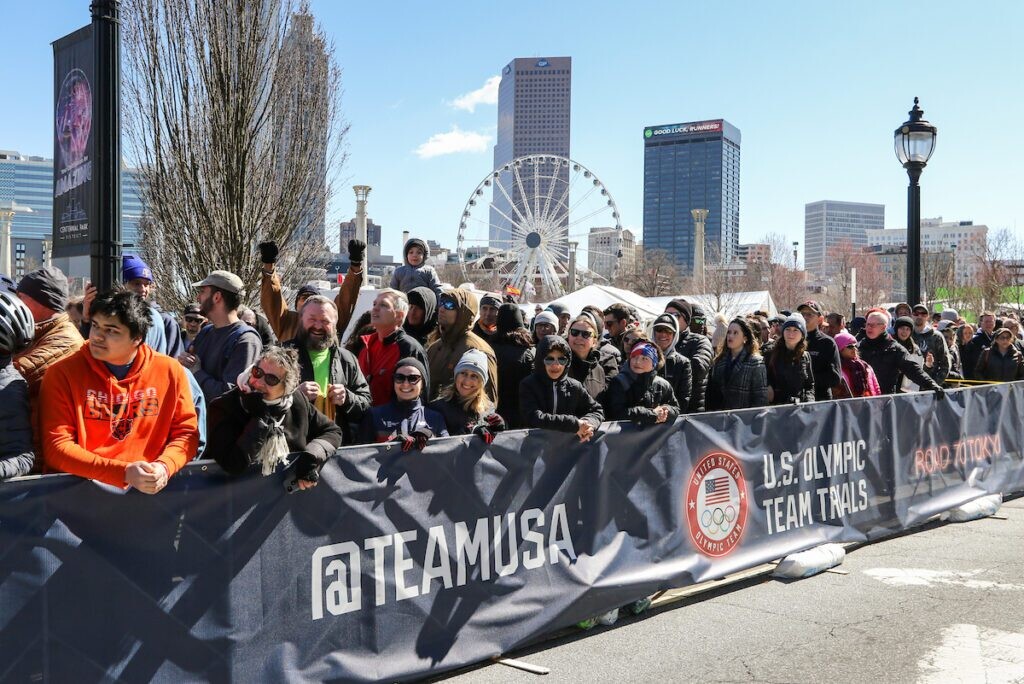
Beyond the top three, the prize money is distributed as follows: $25,000, $20,000, $15,000, $13,000, $11,000, and $9,000 for the fourth through ninth positions. The 10th-place finisher will receive $7,000. The 2024 U.S. Olympic Marathon Trials will be broadcast live on Saturday, Feb. 3, at 10 a.m. ET on Peacock, with additional coverage on NBC at noon from Orlando. The NBC broadcast will also stream on NBCSports.com and the NBC Sports app (subscription required).
Last year, USATF and the City of Orlando organizing committee faced some criticism when they initially announced the race would start at noon. Eventually, after pressure from athletes and coaches who were concerned about the heat, the start time was adjusted to 10:10 a.m. ET for the men and 10:20 a.m. for the women. There was also some scrutiny for not announcing prize money earlier. In previous editions, the prize purse was released at least a year before the event.
According to a Runners World article, agents and coaches had feared that the lack of news about the prize purse indicated a potential reduction in payouts for top finishers compared to previous years, but that proved not to be the case.
More than 225 men and 173 women qualified for the 2024 U.S. Olympic Marathon Trials. However, the total number of participants will be lower, since only 380 have registered. Since the registration deadline, several qualified athletes have withdrawn due to injury or for other reasons.
by Marley Dickinson
Login to leave a comment

2028 US Olympic Trials Marathon
Most countries around the world use a selection committee to choose their Olympic Team Members, but not the USA. Prior to 1968, a series of races were used to select the USA Olympic Marathon team, but beginning in 1968 the format was changed to a single race on a single day with the top three finishers selected to be part...
more...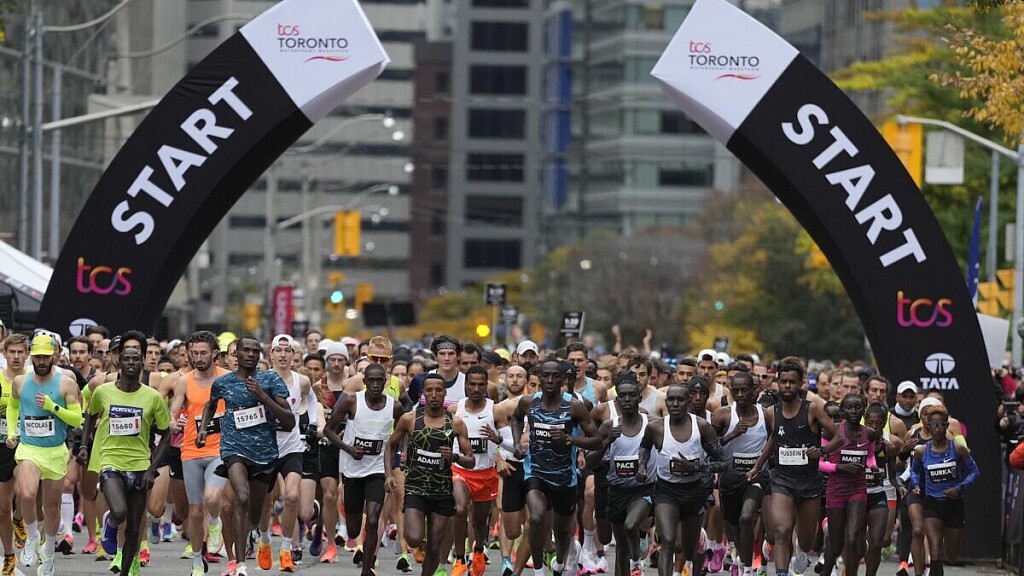
TCS Toronto Waterfront Marathon extends warm welcome to canceled Twin Cities Marathon athletes
The TCS Toronto Waterfront Marathon is extending a helping hand to several elite runners who were affected by the last-minute heat cancellation of the 2023 Twin Cities Marathon last Sunday.
Although Canada’s largest marathon had been sold out for months, marking the first time in the race’s history that the marathon has reached full capacity this early. There ended up being several withdrawals in the men’s and women’s elite fields two weeks before the Oct. 15 race day.
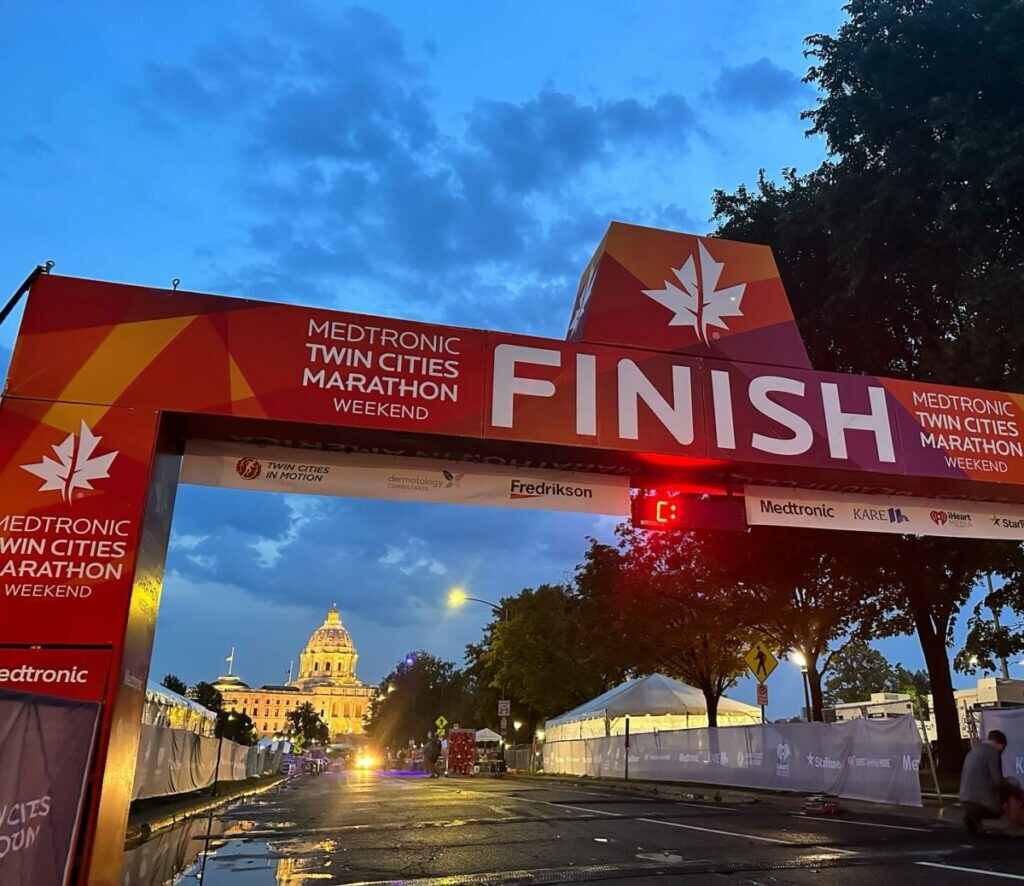
Jim Estes, the manager of the elite program at the Twin Cities Marathon, reached out to TCS Toronto Waterfront Marathon race director Alan Brookes, exploring the possibility of accommodating some of the elite runners. Brookes shared that he and Jim have a close relationship and have worked on elite teams at Chicago and Houston marathons. “We ended up extending three spots to athletes who did not get the chance to run the marathon in Minnesota,” says Brookes.
This period is crucial for U.S. marathoners, as many are shooting to qualify for U.S. Olympic Marathon Trials in Orlando next February. The fall marathon season represents a final opportunity to secure a qualification spot there or to chase an Olympic qualifying time of 2:08:10 (men) and 2:26:50 (women) before the trials.
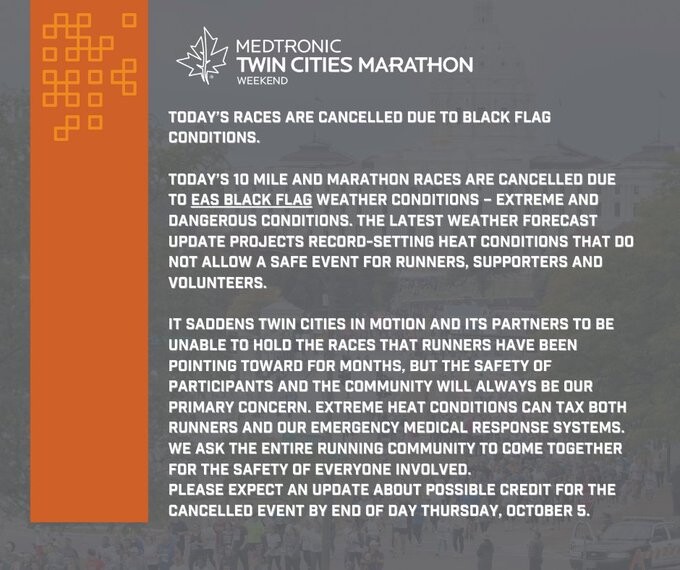
Toronto was not the only marathon to offer invitations. The McKirdy Micro Marathon in Valley Cottage, N.Y., the Indianapolis Monumental Marathon and the Philadelphia Marathon have also offered spaces in their elite fields for athletes originally slated to compete in Twin Cities.
The Twin Cities Marathon was set to host nearly 8,000 runners on Oct. 1 but ended up being abruptly canceled just two hours before its 7 a.m. start due to soaring temperatures. Despite the short notice, many runners who had traveled to Minnesota decided to go ahead with their race on their own. The temperature in Minneapolis–Saint Paul, Minn., reached a high of 27 C (80 F) by 11 a.m. on Sunday.
Eli Asch, the race director of Twin Cities, defended their decision to cancel the race in an interview with Runners World, stating, “We saved lives.” However, Asch did not confirm whether the race would provide refunds or offer credits to the 20,000 registered participants but said the race’s intention is to be “as generous as possible.”
by Marley Dickinson
Login to leave a comment
TCS Toronto Waterfront Marathon
The Scotiabank Toronto Waterfront Marathon, Half-Marathon & 5k Run / Walk is organized by Canada Running Series Inc., organizers of the Canada Running Series, "A selection of Canada's best runs!" Canada Running Series annually organizes eight events in Montreal, Toronto and Vancouver that vary in distance from the 5k to the marathon. The Scotiabank Toronto Waterfront Marathon and Half-Marathon are...
more...
2024 U.S. Olympic Marathon Trials to start at 12 noon
USA Track and Field (USATF) caused a stir on social media on Tuesday after announcing in an email addressed to athletes that the 2024 Olympic Marathon Trials would begin at 12 noon, due to broadcasting rights. The marathon trials are scheduled to take place in Orlando, Fla., on Feb. 3, 2024.
The late start time has already caused worry for many coaches and athletes due to the potential for high temperatures. In February, the average temperatures in Orlando range from a low of 13 C to a high of 23 C, but in recent years, it has not been uncommon for temperatures to soar to 30 C–which would be detrimental to performance and potentially unsafe for elite marathoners.
According to Runners World, the email sent to athletes mentions that the Local Organizing Committee (LOC) in Orlando has extensive experience in planning and executing high-level events and has contingencies in place for any potential challenges, including weather-related ones.
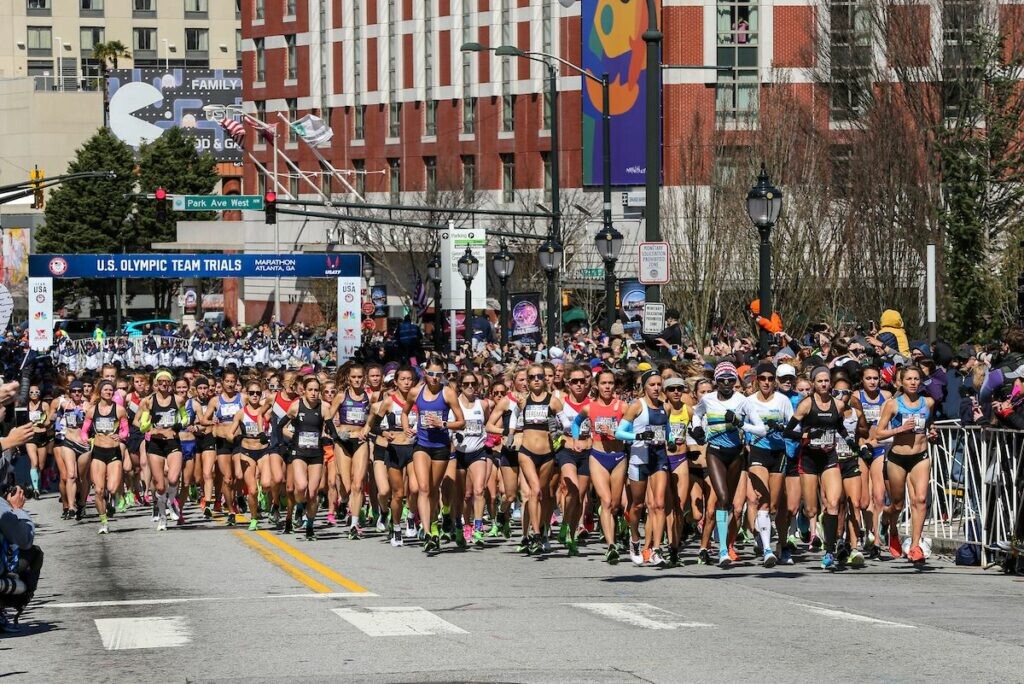
The decision to set the start time at noon is believed to be influenced by executives at NBC, the network broadcasting the event. The email highlights that the race will be televised live on NBC for three hours, providing coverage of the men’s and women’s runners and races.
The Paris Olympic marathon, which is also expected to be warm, is scheduled for Aug. 10–the middle of summer in the French capital. But both the men’s and women’s races are set to begin at 8 a.m. local time. This disparity in start times has added to the concerns raised by the late start for the U.S. Trials in Orlando.
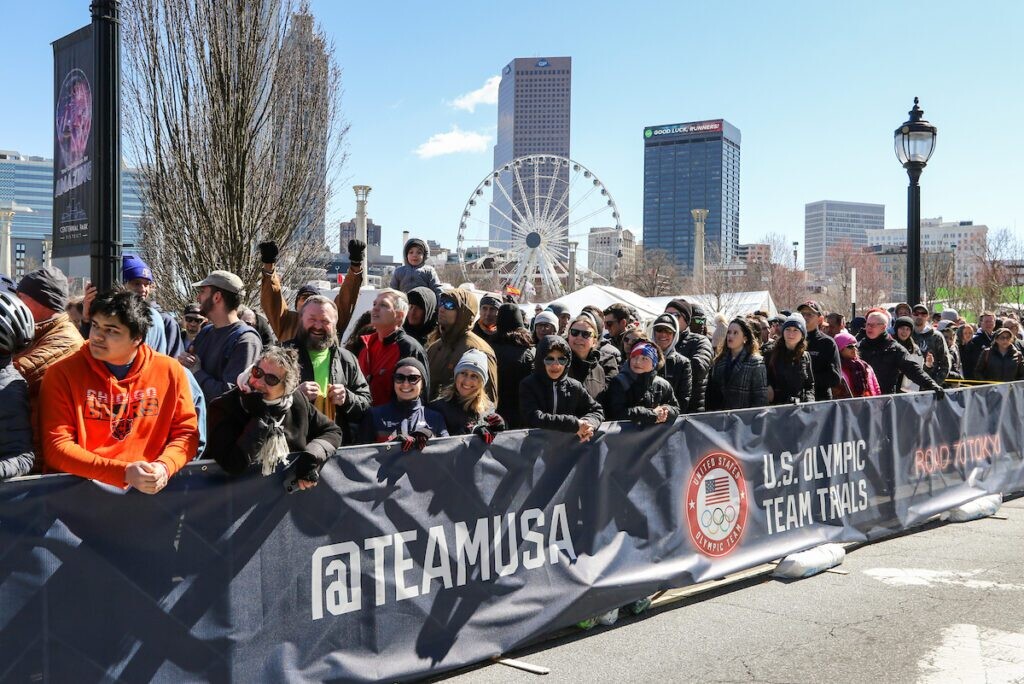
The U.S. Olympic Marathon Trials serves as the selection race for the men’s and women’s Olympic teams that will compete at the Summer Games in Paris. The top three finishers who also meet World Athletics’ qualifying standards will go on to represent Team USA at the Olympics.
Some athletes and coaches have expressed concern, while others seem to be looking forward to it. 2018 Boston Marathon champion Des Linden tweeted: “Warmer temps should slightly minimize the pace of super shoes and reward smarter racing. Count me in!”
U.S. ultrarunner Camille Herron said “We are seven months out from the Olympic Marathon Trials. No excuses to not be prepared for a potentially hot day in Florida.”
Renowned U.S. marathon coach Kevin Hanson, who currently has 13 athletes (eight women and five men) qualified for the U.S. Trials, stressed his disappointment that athletes’ health is not taken into consideration. “There is no amount of TV coverage that is worth the health of our athletes,” Hanson tweeted.
This isn’t the first time USATF has faced criticism for its handling of extreme heat during events. At the 2021 Olympic Track and Field Trials in Eugene, Ore., where temperatures were forecasted to reach highs of 40 C, several events were rescheduled for safety. However, the heptathlon was not, and athlete Taliyah Brooks collapsed on the track due to the heat and later filed a lawsuit against USATF.
In the 2016 Olympic Marathon Trials in Los Angeles, which began at 9 a.m., some athletes struggled on an unusually warm day, with temperatures reaching the mid-70s Fahrenheit. Shalane Flanagan, who placed third in 2:29:19, collapsed at the finish line, and the organizing committee and USATF later faced criticism for not providing adequate water on the course for the athletes.
by Marley Dickinson
Login to leave a comment
2028 US Olympic Trials Marathon
Most countries around the world use a selection committee to choose their Olympic Team Members, but not the USA. Prior to 1968, a series of races were used to select the USA Olympic Marathon team, but beginning in 1968 the format was changed to a single race on a single day with the top three finishers selected to be part...
more...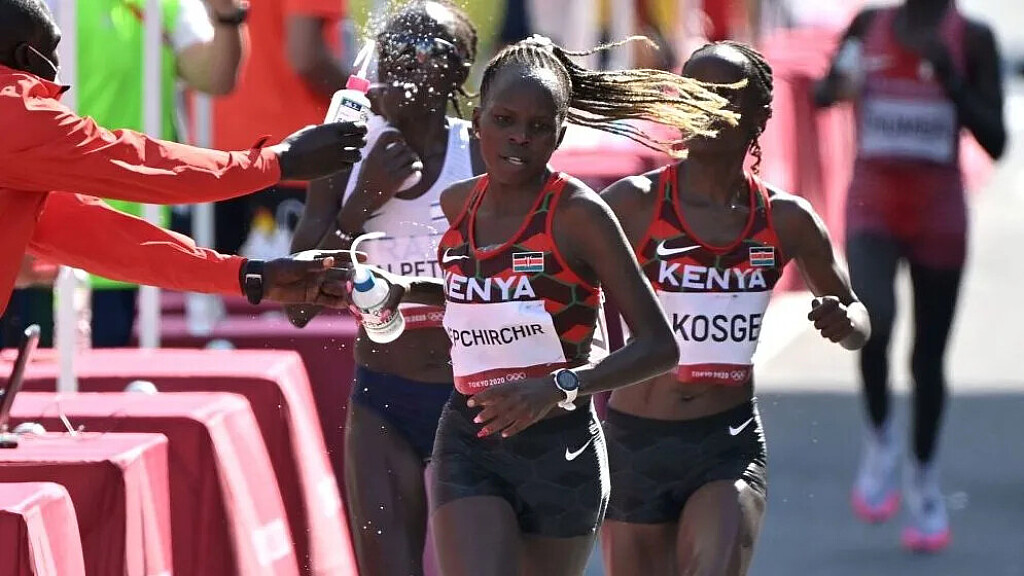
Peres Jepchirchir named chief guest for Great Ethiopian Run
Reigning Olympic marathon champion Peres Jepchirchir is the guest of honor for this years’ edition of the Sofi malt Great Ethiopian Run International 10km road race set for Sunday in Addis Ababa, Ethiopia.
The race will see up to 500 elite athletes compete in both men and women categories with more than 40,000 participants expected to run in three waves of red, green and yellow which symbolises the Ethiopian flag.

Ethiopian athletics legend Haile Gebrselassie, who is a two-time Olympic 10,000m champion started the race 20 years ago with the first edition taking place in 2001. Local athletes have dominated all editions since then.
Jepchirchir, who is also the Boston Marathon champion, is excited to be gracing the race in what will be her first visit to Ethiopia.
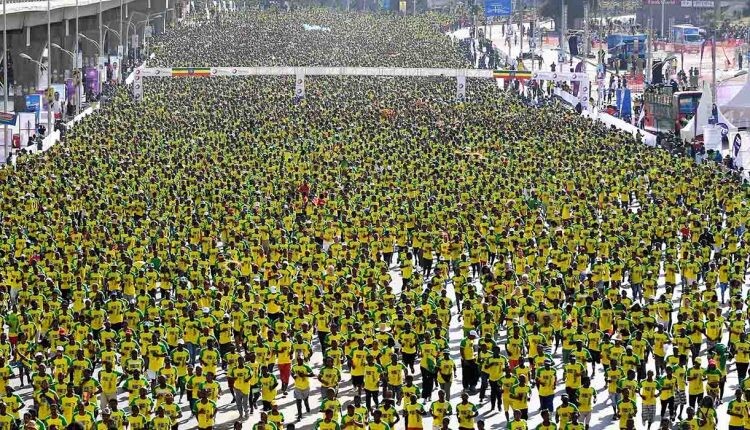
“I’m glad to be invited for the Great Ethiopian Run International 10km road race as a guest of honour and I would love to meet with Haile and get some tips from him. I have not been to Ethiopia and I’m looking forward to also interact with my competitors and share one or two things concerning the sport,” said Jepchirchir.
Race General Manager Dagmawit Amare told Nation Sport the race is a symbol of unity and they are happy to host another event.
“Every year in November, is the month that we are proud to be Ethiopians and in the past 21 years, the race has brought joy and unity in athletics. This year we expect more than 40,000 participants including 500 elite athletes from Uganda, Kenya, and Eritrea,” said Dagmawit.
According to the Runners World, the race held in Addis Ababa annually is possibly one of the best in the world where there is a mix of elite and fun runners.
The Great Ethiopian Run also organizes Hawassa Half Marathon, Women 5km race in March, Europe Day children races in May and Entoto Park Predator Run, which is held every month in Addis Ababa, IFH Relay Races and Great Bokoji Run.
Also invited for the event is two-time Boston Marathon champion Moses Tanui. He is expected to hold discussions for a partnership between Great Ethiopian Run and the Eldoret City Marathon, which is his brainchild.
by Bernard Rotich
Login to leave a comment

the Great ethiopian 10k run
The Great Ethiopian Run is an annual 10-kilometerroad runningevent which takes place inAddis Ababa,Ethiopia. The competition was first envisioned by neighbors Ethiopian runnerHaile Gebrselassie, Peter Middlebrook and Abi Masefield in late October 2000, following Haile's return from the2000 Summer Olympics. The 10,000 entries for the first edition quickly sold out and other people unofficially joined in the race without...
more...
Nagoya open again to runners worldwide
In 2023 women runners from around the world will once again have the chance to run in the world’s largest women’s marathon: Nagoya Women’s Marathon, Japan. This follows from the easing of Japanese Covid travel restrictions.
The Nagoya Women’s Marathon is pleased to announce the reopening of overseas entries for the 2023 event, scheduled for Sunday, March 12, 2023, in Nagoya, Japan. This is in response to the Japanese government’s decision to lift restrictions on new entries of international tourists as of today, October 11, 2022, after nearly 2.5 years of strict border control due to the Covid-19 pandemic.
Specifically, the visa exemption arrangements, which had been suspended during the pandemic, are resumed, the ban on individual travel (without a travel agency) is lifted, and the daily arrival cap of 50,000 is removed. Although all travelers and returnees, regardless of nationality, will still be required to provide either a certificate of three doses of COVID-19 vaccination or a negative result of a pre-departure COVID-19 test, the country has become dramatically easier to visit for international tourists.
The race organizer welcomes this significant relaxation and hopes that in March next year, the women runners living abroad will be able to come to Japan and run Nagoya’s proud wide streets without worry. The race has been held even during the pandemic, in 2020, 2021, and 2022 without cancellation by scaling back and implementing various infection protection measures. Unfortunately, however, international non-elite runners could only participate in the virtual “Nagoya Women’s Online Marathon” due to the border restrictions on international tourists.
The organizer is delighted to encourage international runners who have wanted to participate in the event in Nagoya over the past three years but were unable to, and runners who have supported the event by running the online marathon instead, to take this opportunity to enter.
The Nagoya Women’s Marathon is a global festival for women runners, dedicated to welcoming all women who love running, from the world’s top female athletes to fun runners and first-time marathon challengers.
All finishers will receive an exclusively designed Tiffany & Co. pendant, handed one-by-one by a member of the Omotenashi (Hospitality) Squad dressed in tuxedos. An online marathon will also be held for those who prefer participating virtually. Applications will be accepted on a first-come, first-served basis until Wednesday, November 30 at 23:59 Japan time, and the capacity for overseas runners is 3,500, including the in-person and virtual races.
by AIMS
Login to leave a comment

Nagoya Women's Marathon
The Nagoya Women's Marathon named Nagoya International Women's Marathon until the 2010 race, is an annual marathon race for female runners over the classic distance of 42 km and 195 metres, held in Nagoya, Japan in early March every year. It holds IAAF Gold Label road race status. It began in 1980 as an annual 20-kilometre road race held in...
more...
You Might Be Surprised By All the Major Health Benefits of Chia Seeds
These seeds might be tiny but they pack a mighty dose of nutrients.
You might remember the television commercials hawking a fuzzy green clay pet to the catchy tune of ch-ch-ch-chia! What caused the terracotta puppy to sprout green? A sloppy paste of wet chia seeds. Very few of us at the time considered the seeds something that could add a nutritional boost to our diets, and instead, just something that made a novelty product fun to see. But now these tiny chia seeds have reached superfood status, as they pack a serious nutritional punch. And, in this case, one that is not overhyped.

Read on to find out about chia seeds’ benefits and why you would be wise to sprinkle more into your life.
Chia Seeds’ Origin
Chia is a small, subtlety flavored seed that comes from an annual herbaceous plant, Salvia hispanica L., a member of the mint family native to Mexico and Central America. Once a food prized by the ancient Aztec armies, chia was cultivated by Mesopotamian cultures, but then essentially disappeared for centuries until the middle of the 20th century, when it was ‘rediscovered.’
The Health Benefits of Chia Seeds
Don’t let their small stature fool you: chia seeds have a large nutritional impact. In fact, a 1-ounce serving (about 2 1/2 tablespoons) of chia seeds contains:
138 calories
5 g protein
9 g fat
1 g saturated fat
5 g omega-3 fat
12 g carbs
10 g fiber
“Chia seeds are a convenient and nutrient-dense food that can help runners meet their nutritional needs,” says Dana Norris, M.S., R.D., C.S.S.D, dietitian of Eleat Sports Nutrition. “That’s because they provide protein, omega-3 fatty acids, fiber, and many other nutrients like magnesium, calcium, phosphorus, and potassium.”
Here, what you’ll gain from eating chia seeds:
1. Mega-healthy fat
Some people still consider high-fat foods like chia as the enemy, but they’re our allies in health when they possess the right types of fat. Only about 11% of the fat present in chia seed is saturated, with the rest being health-benefiting monounsaturated and polyunsaturated.
In the case of chia, the most notable polyunsaturated fat is alpha-linolenic acid (ALA), a type of omega-3 fatty acid that is deemed essential and therefore must be obtained from the diet. An analysis of data from 41 studies that was published in the journal BMJ linked a high intake of alpha-linolenic acid to a 10% lower risk of all-cause mortality, an 8% lower risk of death from cardiovascular disease and an 11% reduced risk of death from coronary heart disease, compared with lower consumption levels.
Other research has also suggested that this plant-based omega-3 fat can be protective against developing heart disease. Mechanisms aren’t yet fully known, but it might be that this fat helps lower inflammation in the body.
The omega-3 content of chia could also be one reason why some research suggests that consuming it daily could help drive down blood pressure numbers. But this benefit has only been demonstrated in those with existing hypertension and may not occur in healthy runners who don’t have troubling blood pressure levels.
Also beneficial: Chia seeds provide a 3-to-1 ratio of omega-3 to omega-6 fatty acid. “The standard American diet tends to be much higher in omega-6s than omega-3s, which can increase inflammation,” notes Norris. “So eating these seeds is a great way to consume more omega-3s and help improve this fat ratio in your diet.”
2. Filling fiber
A mere tablespoon serving of chia seeds delivers about 4 grams of fiber. That is significant considering that many people struggle to reach their daily quota—men typically require about 38 grams of fiber, while women should aim for 25 grams. “So a daily serving or two of chia can make it a lot easier for runners to get enough fiber for better health,” Norris says.
The findings of a study published in the journal The Lancet suggests that high-fiber eaters (those who consume at least 25 grams a day) have a 15% to 30% lower risk of heart attack, stroke, type 2 diabetes, colorectal cancer, and cardiovascular-related death compared to people who eat much less fiber.
“Dietary fiber helps to regulate the digestive system, feeds the good bacteria in the gut, promotes satiety (the feeling of fullness), positively impacts cholesterol levels, and helps manage energy levels throughout the day,” Norris tells Runners World.
A good portion of the fiber in chia hails from the soluble form of this carbohydrate. When exposed to liquids in your digestive tract, this soluble fiber forms a gelatinous coating that can slow down the digestion of your meals and snacks. There are a few benefits of this: For starters, this helps bulk up your stool and guard against constipation and diarrhea. It can also help you better manage blood sugar levels, which can make your energy more stable and lower the risk for certain metabolic conditions, like type 2 diabetes.
Slower digestion may also improve satiety to help with overall calorie intake regulation. In the best-selling book Born to Run, author Christopher McDougall reported that the Tarahumara indigenous group in Mexico, who are known for their world-class running endurance, often consume a chia drink before endless runs to help quell hunger. Just keep in mind, it’s probably not a good idea not to experiment with consuming chia before an important run in case this fiber causes you gastro problems.
3. Bone-building micronutrients
With about 15% of the daily need for calcium in a 2-tablespoon serving, chia seeds are a viable non-dairy source of calcium. “Chia seeds can be a helpful way for athletes to increase their calcium intake, especially if they do not consume dairy products,” says Norris. She adds that magnesium and phosphorus are two other micronutrients in chia that also work to improve bone health.
Additionally, you get iron in chia seeds, a mineral necessary for helping transport oxygen to your working muscles, and, in turn, something that is vital for maintaining peak performance. Though the form of iron in chia and other plant-based foods is not as well absorbed as that in meats, you can help partially remedy this by consuming the seeds with a source of vitamin C, such as berries, which improves absorption rates.
There is also a healthy amount of manganese in chia, which the National Institutes of Health says is involved in protein and carbohydrate metabolism and proper immune system functioning.
4. Disease-fighting antioxidants
Nutrition analysis has revealed that chia seeds deliver a range of useful antioxidants including caffeic acid, rosmarinic acid, myricetin, and quercetin. Antioxidants are compounds that roam the body looking for cell-damaging free radicals to knock out. And in doing so, are thought to help reduce the risk for a number of chronic diseases, including cancer. But we don’t yet have any data to link specific antioxidants in chia seeds with disease prevention.
But there’s still an important benefit to these chia-backed compounds. “The antioxidants in chia seeds benefit muscle recovery as they help reduce inflammation in the body, which can be caused by strenuous exercise,” adds Norris.
5. A surprising amount of protein
As more people pivot to plant-based proteins, it’s helpful to know that chia seeds are a fairly good source. You get about 2 to 3 grams in each tablespoon. That makes them more protein-dense than most nuts, including almonds. In fact, a study in the Journal of Agricultural and Food Chemistry determined that chia seeds supply a healthy balance of essential amino acids making them helpful in muscle recovery and muscle building for athletes.
Just know that other plant foods like tofu, beans, and tempeh still make it easier to meet overall protein needs if following a meat- and dairy-free diet, considering they contain a higher total amount of macronutrient.
How to Eat More Chia Seeds
Chia seeds come in both black and off-white, but there is little flavor difference and no proven major nutritional advantages of choosing one over the other. Unlike flax, chia does not need to be ground for its nutrients to be properly absorbed in your body.
Eating more chia can be as simple as sprinkling it over your oatmeal, yogurt, cottage cheese, steamed or roasted vegetables, and fruit salads. Norris points out that you can also blend them into your smoothies for a nutritional boost and incorporate them into homemade energy bars and balls.
The high amount of soluble fiber in chia forms a gel when mixed with water—a quirk that you can take advantage of to create better-for-you puddings and jams. For instance, for a nutritious chocolate pudding blend together 1/2 cup milk, 1/2 cup plain yogurt, 1 tablespoon cocoa powder, 1 teaspoon honey, 1 teaspoon vanilla extract and 1/2 teaspoon cinnamon. Pour into a jar and stir in 3 tablespoons chia seed. Seal shut and chill until thickened, about 2 hours. Or make a thirst-quenching, hydrating chia fresca by stirring together 1 cup water, 2 teaspoons chia seeds, juice of 1/2 lemon or lime and 2 teaspoons honey or agave syrup. Let sit for a few moments to thicken slightly.
The same gelling quality lets you create a substitute for eggs for baking. For each egg called for in a recipe, mix 1 tablespoon chia seeds with 3 tablespoons water and let sit for about 10 minutes, or until a goopy texture has formed. You can then use this to create a binding effect in a recipe much as an egg would.
Made by finely grinding up whole chia seeds, you can also add chia powder to baked goods like muffins and cookies, as well as the batter for your Sunday pancakes. Use it instead of breadcrumbs in recipes such as meatloaf or stir it into a pot of simmering oats.
by Runner’s World
Login to leave a comment
How can I stay injury free when I’m marathon training?
Sports Injury Fix Director and resident running expert Mike James, has spent over 20 years as a Physio treating and training runners worldwide. He is also a competitive runner who has completed over 100 marathons and 50 ultra-marathons, so when he talks, we tend to listen. We asked him to give Run Mummy Run his top tips for staying injury free while training.
The last twenty years has seen a remarkable increase in people lacing up their shoes and getting bitten by the running bug. The mythical marathon distance of 26.2 miles remains the ultimate challenge for many.
Regardless of age and ability, running related injuries are common, and despite having a generally low level, mid-range dynamic nature, a relatively high incidence is observed.

So, how can we prevent, or reduce the risk of encountering such problems?
Here are my top tips….

Goal Setting
This should be the first thing any Marathoner does. Ask yourself, what do I want to achieve? Some people are entering the race to raise money for charity, others aim to set a PB. Every aspect of the coming 4-8 months will be determined by your goals.
Choose the right training regime
The running world is now saturated with programmes, from off-the-shelf to bespoke 1:1 regimes. If you choose one that pushes too hard based on your current level you may increase injury risk. Yet if you choose a regime that doesn’t push you enough and the finish line may never materialise. If possible, speak to an established coach with a high success rate of marathon finishers and go for the tailored approach.
Prepare for the training regime
I see many runners picking up niggles simply by failing to prepare for a regime. They choose their race and training regime and jump straight into it. Unfortunately, for many, there is a gap between their current ability and the level needed even to commence a 20-24-week regime. Plan backwards, and add weeks as needed to build a sufficient level of fitness in preparation for your actual training regime.
Get Strong!
Research suggests that strength work can potentially reduce injuries by almost 50%. Performing two sessions weekly in the off season, with a once weekly maintenance session in season appears effective. A general approach, largely able to be performed at home should suffice. Runner’s Strength Training Regime
Manage existing aches and pains
Very few runners are lucky enough to avoid the usual niggles associated with such high load and high frequency training. This can be the trigger for exacerbating niggles into larger problems. Seek advice from a therapist, explain your plans and work together to address these issues to allow you the best chance of completing the training ahead.
Time Management
For many runners, finding the balance between work, family, social and training commitments can be the hardest factor. Even with the most supportive loved ones and colleagues, it can be difficult to fit everything in. Try to plan novel ways to maximise training without affecting other aspects of you life. Finding this balance may not directly reduce injury risk, however, those struggling to find a balance, are more likely to cram sessions, over train, deviate from plans and limit recovery, factors which can all lead to injury.
Plan your season and races
I advocate using other races as preparation. I generally feel that these should be used as organised training sessions to practice using new kit, feeding strategies, pacing etc and as break from the monotony of training. Be careful not to become involved in a race with another competitor who undoubtedly has different seasons goals to yourself.
Pick the right team
The endurance world is packed with people who support and encourage each other. Grow a network of therapists, athletes, coaches, friends and loved ones that you can turn to when needed. This includes a race day support team to cheer you on!
Prepare for everything
Use your time to practice training in conditions that reflect the race course if possible. Practice different hydration and feeding strategies and kit and prepare for contingency plans in case things go better or worse than planned on race day.
Be consistent, but flexible
Consistency is the key to endurance sport success. Stick to your plans, commit to the regime. However, life gets in the way sometimes and other commitments can side track you. Don’t chase the missed sessions, don’t cram extra miles into subsequent sessions. If you are training correctly 80% of the time, then you will almost certainly achieve your goals. It is better to line up at the start line, slightly “undercooked” than “overcooked”.
Recover
This is often the single biggest factor that is neglected and ultimately leads to injury. It is the fine balance between stressing the body and allowing it to recover. Eat well, sleep well, hydrate and enjoy down time with friends and family – you will be earning it. Much debate exists regarding the effectiveness of tools such as foam rollers / trigger point devices, tapes, massage, compression clothing, cryotherapy and heat, and yes there will always be a large placebo effect to consider. But as long as you are training and recovering well, then these tools can help.
And remember……… whatever your goal, whatever your level, however many marathons you have completed……enjoy it, it’s fun!
by Run Mummy Run
Login to leave a comment
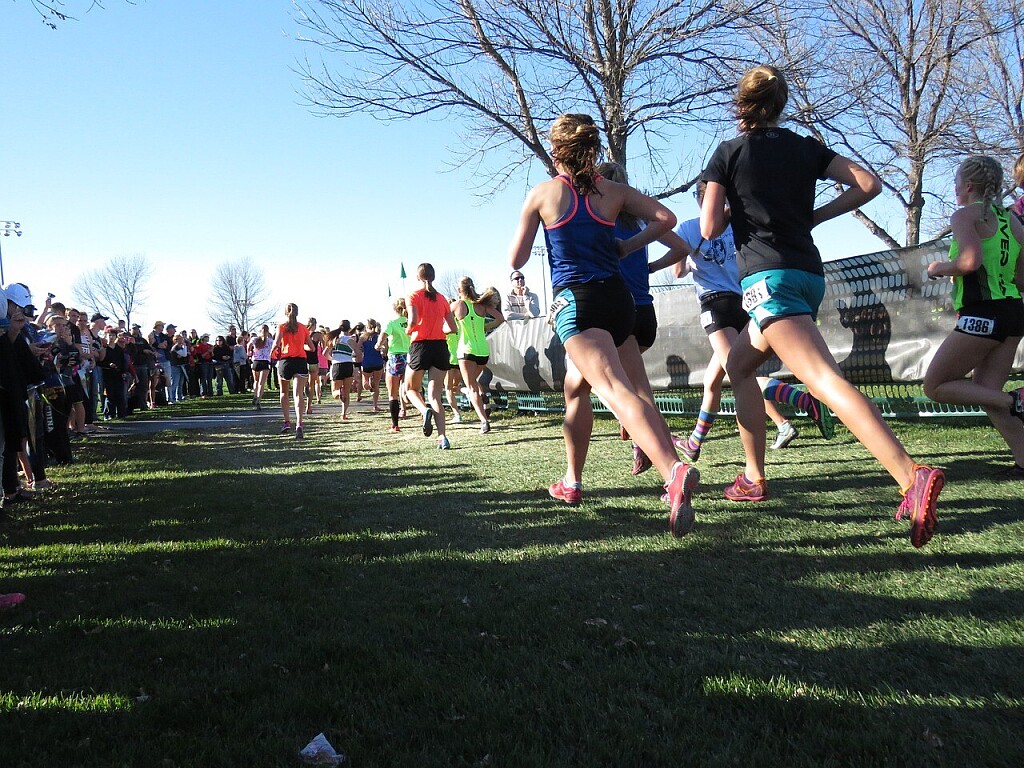
What are the Fastest Marathons in the UK?
The marathon distance is something that many runners aspire to. It’s a lot more taxing than a half marathon and requires serious mental and physical resilience to complete. Most people can run a 5k or 10k without a lot of training. It’s even possible to get around a half marathon on minimal training, although it won’t be a pleasant experience! But if you want to bag a coveted marathon medal, you’ll need to train hard and long.
Chasing a PB
Completing a marathon isn’t enough for some runners, since they are intent on chasing a personal best. If you fall into this category, a fast marathon course is essential. After all, you have zero chance of achieving a PB if you enter the Snowdonia Marathon, which includes 1,685 metres of ascent. You’re also likely to end up with very sore calves and quads!
Luckily, there are a few flat marathons for runners hoping to smash their personal records over a 26.2-mile course. And if you can’t face the idea of all that training, visit OnlineCasinos and find an online casino where you can place a bet on one of the pro athletes who will be out to break a record or two. OnlineCasinos lists casinos with the best welcome bonuses and rates them too.
Read on to discover which marathon races are the flattest, with the best PB potential.
Edinburgh Marathon

Edinburgh has a flat and very fast course and Runners World voted it the fastest marathon in the UK. If you are chasing a PB, this is the race for you.
Edinburgh Marathon is extremely popular, with both casual runners and elite runners. It attracts more than 30,000 runners each year and is the second-largest marathon after London, so it is a good idea to get your entry in early if you want to compete.
One of the great things about Edinburgh is that the support is excellent. Some less popular marathons have large sections with few spectators, which makes it hard for any runners who are struggling. In a typical year, tens of thousands of people line the route to cheer runners on, and it makes a big difference!
Another reason to sign-up for Edinburgh is that the course is very scenic and takes in a lot of the most famous parts of the Old Town. You will pass Greyfriars Bobby, run along the Royal Mile, and go through the Prince’s Street Gardens. It’s a fantastic course!
Manchester Marathon
Manchester Marathon has a fantastic reputation for being fast, flat, and very well supported. This one takes place in the spring and is an excellent race to target if you don’t get a place at London. In 2015, Manchester Marathon was voted the Best Marathon in the UK for the second time, which goes to show just how amazing this race is. It’s also the fourth most popular marathon in Europe, in a strong field that contains the Rome Marathon, Paris Marathon, and Berlin Marathon.
Why is Manchester so popular? Aside from the speed of the course, with no horrific hills to sap your will to live, there is entertainment around the course, with bands and singers there to keep tired legs going. In addition, the race finishes in Man United’s home at Trafford Park, which is sure to appeal to footy fans.
If you do enter Manchester, keep an eye out for Olympians, as the course usually attracts some of the world’s best elite runners.
Blackpool Marathon
The seaside resort town of Blackpool is famous for its promenade light displays, but it is equally famous for the annual Blackpool Marathon. The course is fast and flat, and you can score a PB running down the iconic promenade.
The Blackpool Marathon is a two-lap course, which might not appeal to everyone. But it attracts thousands of runners and there is lots of support along the course. You get to run along the famous Golden Mile, with amusement arcades on one side and the sea on the other. The course then takes runners out to Lytham St Annes, where there is a turnaround point, all the way back through Blackpool to Cleveleys, before heading back into town again.
Enter this race if you fancy making a weekend of it. You can run the marathon while the rest of your family chills on the beach or blow their pocket money in the arcades.
Milton Keynes Marathon
MK Marathon starts in the city centre, but soon winds out into the countryside. It’s a great race for novices new to the marathon distance, but equally, because the course is fast and flat, the Milton Keynes marathon also attracts more experienced runners.
As well as lovely scenery along the route, which takes runners through country parks, woodland, and past lakes, you can look forward to a fantastic stadium finish. The race is limited to 3,000 runners, so the route won’t be too crowded if you dislike having to fight through the crowds, but there is still plenty of atmosphere to keep runners motivated.
This event is also a qualifier for London and Boston if that’s important to you.
Yorkshire Marathon
The Yorkshire Marathon is one of the newer full-distance races on the racing calendar, with the first event taking place in 2013. Not surprisingly, thanks to a fast course, this marathon has proven popular and each year, the event grows bigger and more prestigious.
The route is very scenic. It winds through some historic parts of York before meandering out into the adjacent villages, along pretty country lanes. There is plenty of entertainment and support along the route, which will distract you from the pain of the last six miles.
If the Yorkshire Marathon is on your bucket list, make sure you enter early, as places usually sell out quickly.
Other flat marathons for PB chasers include Chester Marathon, Abingdon Marathon, and the most iconic of them all, London Marathon. And if a marathon is a step too far, why not enter a half-marathon instead?
Login to leave a comment

USATF’s relationship with Nike under criminal investigation
A grand jury is reportedly investigating the financial relationship between Nike and U.S.A. Track and Field. According to a report by Runner’s World, the U.S. Attorney’s Office for the District of Columbia has requested documents pertaining to USATF, its board of directors and three businesses, including Nike, Indianapolis marketing firm Matchbook Creative and New York media and commercial rights advisory firm Bevilacqua Helfant Ventures LLC.
The Runners World report outlines the Nike-USATF deal behind the investigation, which was announced in 2014 and started in 2017. The deal, which was thought to be worth more than $400 million, was meant to extend through to 2040 and pay USATF roughly $19 million per year.
This new agreement was a significant bump from their previous deal, in which Nike paid $10 million to the organization annually. The RW report says this new deal took USATF’s marketing budget from $12 million in 2014 to $22 million in 2019, according to 2019 tax filings made by the organization.
Bevilacqua Helfant Ventures LLC is also named on the subpoena because it is owned by the two former Nike employees who negotiated the deal, Chris Bevilacqua and Adam Helfant.
According to a 2016 Washington Post investigation, commission expenses were to be paid out to the firm for its part in the negotiations for the deal every year until 2039. The firm earned more than $900,000 in 2018 and 2019 from USATF, according to RW.

The third company named on the subpoena is Matchbook Creative, which has ties to USATF CEO Max Siegel. USATF is a client of the marketing firm, and the 2016 WP investigation reported that before it became Matchbook Creative, the firm was previously called a Max Siegel Company. The RW report also noted that employees at Matchbook previously had emails ending with @maxsiegelinc. RW goes on to detail Siegel’s earnings throughout the last seven years, which have been criticized as excessive for the CEO of a non-profit organization.
In 2019 he reportedly earned $1.197 million, over $400,000 more than the CEO of the U.S. Olympic and Paralympic Committee, Sarah Hirshland, despite the fact that USATF earnings were $33.7 million compared to the U.S. Olympic and Paralympic Committee earnings, which were $193.6 million. Meanwhile, all but the country’s top athletes are struggling to make a living without major sponsorships or support from USATF.
The size of the Nike/USATF deal, along with the significant payouts being made to the other entities named on the subpoena, has made some uncomfortable, and USATF critics are welcoming the investigation. You can read more about the investigation here.
by Brittany Hambleton
Login to leave a comment
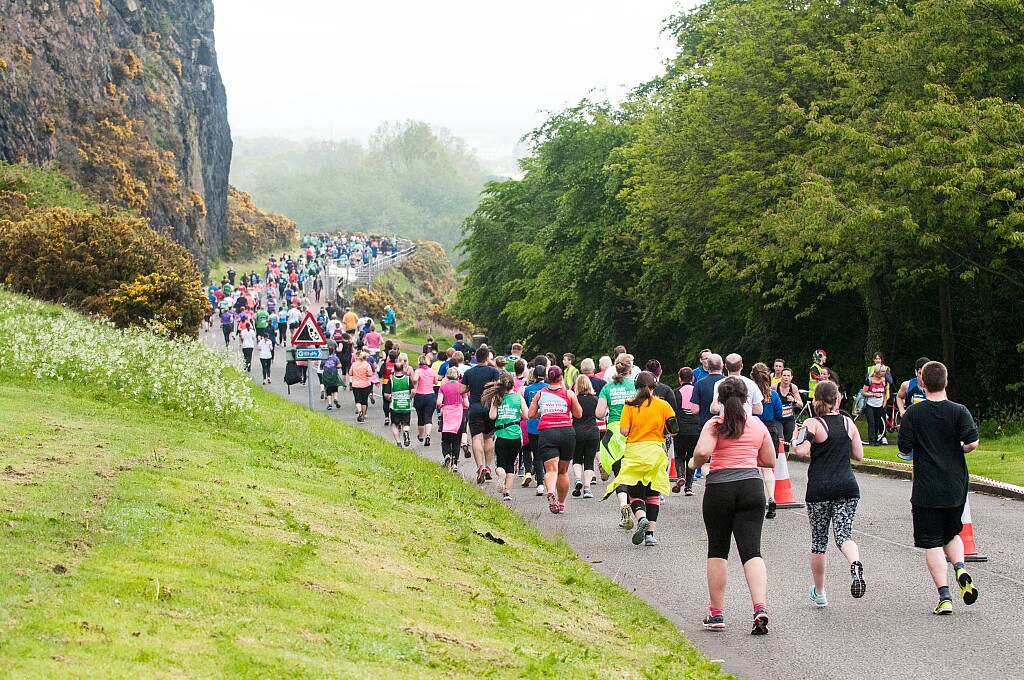
Run the fast and flat Edinburgh Marathon - voted the fastest in the UK by Runners World and be part of Scotland's biggest running festival on May 2022
The Edinburgh marathon is one of the best events on the long-distance running calendar, and organisers were proud to announce it’s back in full swing following a COVID-19 hit year. A date is set, and crowds will be back running the course through the Scottish capital following the relaxation of UK coronavirus rules in the summer. Organisers, runners and fans are excited to see the return of what is a real favourite and one of the world’s most scenic marathons. It’s also another sign that Scottish sport is heading full steam towards recovery.
The Edinburgh Marathon Festival, with its full marathon, half marathon, relay, 10k, 5k and junior 5k, 2k, 1.5k and 1k, will take place in the gorgeous and historic city on 28 and 29 May 2022. Last year’s event took place, but it was a virtual run with entrants from all over the world mapping out a course and distance near them and logging their routes and times on the EMF site. The runners raised money for charity, completed personal bests, run with family members or in memory of loved ones. It wasn’t the kind of festival atmosphere we have come to love about the Edinburgh Marathon, but it was a memorable experience.
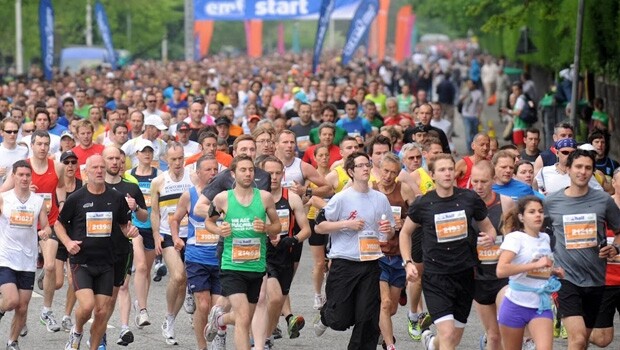
You don’t have to run long distances to enjoy the weekend, of course. There are many ways you can get closer to the action if you are unable to enter. Armchair fans can watch the marathon live on TV and place bets on the outcome, choosing their favourite distance runner and conducting a sportsbook review to see which bookie is offering the most generous odds on them recording the fastest time.
In addition to the marathon winner betting, the leading bookies also have several eye-catching specials, including a podium finish, winning nation, best finishing Brit and more. There’s something for all fans of online gambling to enjoy. The Edinburgh marathon is an exciting run but landing a profit from the occasion is an even more thrilling experience.
Why everyone loves the Edinburgh marathon
The last two Edinburgh marathons have been virtual events which was a huge blow for the event, the charities involved and the businesses in Edinburgh that enjoy the financial boost of having runners, fans and volunteers arrive in the city from across the globe. It has been a difficult two years for the city in general, but the wait will make the return of the Edinburgh marathon even more interesting.
Why is there so much excitement in the air ahead of the spring return, and why does the Edinburgh marathon hold a special place in the hearts of professional runners, amateurs and fundraisers? There are many reasons for EMF’s popularity. For the pros in town to record a personal best time and have a crack at the course record or even the world record, Edinburgh is great because it is one of the flattest courses on the circuit. It lends itself well to runners with pace and has thrown up some eye-catching times over the years. That has been true of both the marathon and the half marathon.
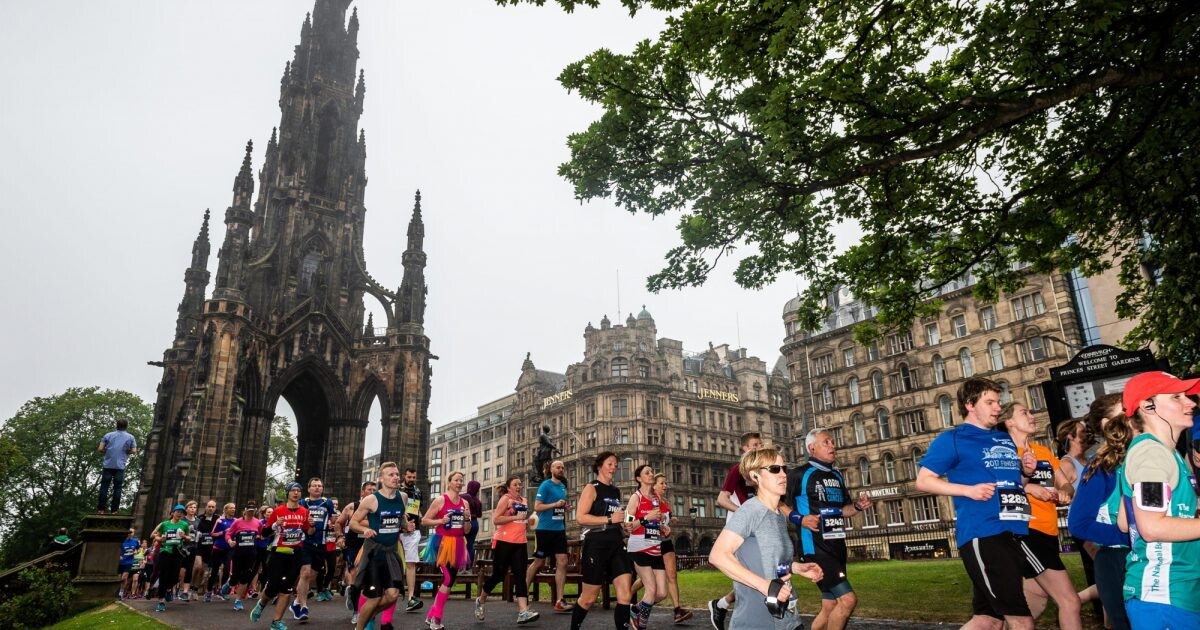
The course record was set by Joel Kiptoo of Kenya when recording an astounding 2.13.33. The fastest female ever to complete the Edinburgh marathon was Zinaida Semenova from Russia, who posted an as-yet unbeaten time of 2.33.36. Will either of those records be broken this year? It’s certainly possible as runners seem to get faster every season. The last Briton to win the race was Phil Nicholls in 2011. Since then, we’ve had one Ethiopian champion and seven Kenyan winners. Another attraction of the EMF is the scenery of the course. The marathon takes in some of Edinburgh’s most famous landmarks and locations from both the Old Town and the New Town. It isn’t all for the tourists, though. The course covers much of the city, allowing followers to see the splendour of the parliament buildings as well as some of the city’s poorest areas. It is the best way to see the true Edinburgh in all its glory.
When entering the marathon, half marathon or one of the other races, you’ll start in Holyrood Park, then take in the likes of Grassmarket, Princes Street, Easter Road and Meadowbank Stadium.
Login to leave a comment

Spanish UTWT race launches campaign to get trail running into the Olympic Games
The organizing team of the Penyagolosa Trails race in Castellón, Spain, has launched a campaign titled Make Trail Olympic in an attempt to get the International Olympic Committee (IOC) to add off-road running to the 2028 Summer Games in Los Angeles. Organizers of the race, which is a stop on the Ultra-Trail World Tour, have written a manifesto in which they include eight reasons why trail running deserves a spot in the Olympic program, and they have also created a petition that they hope will sway the IOC.
The Penyagolosa Trails team introduced this campaign on Thursday, three years to the day that they hosted the Trail World Championships on their home course in Spain. In their manifesto, the team notes that trail running not only deserves to be included in the Olympics, but that it meets the IOC’s requirements for a sport to be added to the Games.

Trail running “is present in more than 75 countries and five continents,” the manifesto reads, adding that the sport has an established world championship system, which as another important note for the IOC. They add that trail running represents the “core values” of the Olympics, which are “excellence, friendship and respect.”
On the more technical side of the Games, doping control is mentioned. “Trail running fights against doping through the global anti-doping system based on the intrinsic value of sport, which is often referred as ‘sportsmanship,'” the manifesto says. “Anti-doping programmes are designed to protect the health of athletes and provide them with the opportunity to pursue excellence without the use of prohibited substances or methods.”
One of the most important parts of the manifesto (and perhaps the point that would have the most impact on the IOC if they view this petition) quickly dives into the popularity of the sport. As the authors explain, there are millions of trail runners worldwide, and the sport has seen tremendous growth in recent years. This growth isn’t slowing down, and trail running sees more and more new members each year, as well as new deals with major athletic brands.
he U.S. is a country where trail running is extremely popular, which is why the team from Penyagolosa Trails say the 2028 Games will be a perfect time to add the sport to the Olympic program. “The United States has a great history in organizing ultra-trail races,” the manifesto says, “and California hosts the world’s oldest 100-mile race, which in turn is one of the most prestigious: the Western States Endurance Run.”
It might be a long shot to get another running event into the Olympics, but the Penyagolosa Trails organizers make some valid points. It’s certainly fun to imagine an Olympic trail race, and if that one day becomes a reality, it will no doubt contribute to the already booming sport. To view the full manifesto and to sign the petition to have trail running added to the Olympics, click here.
by Running Magazine
Login to leave a comment
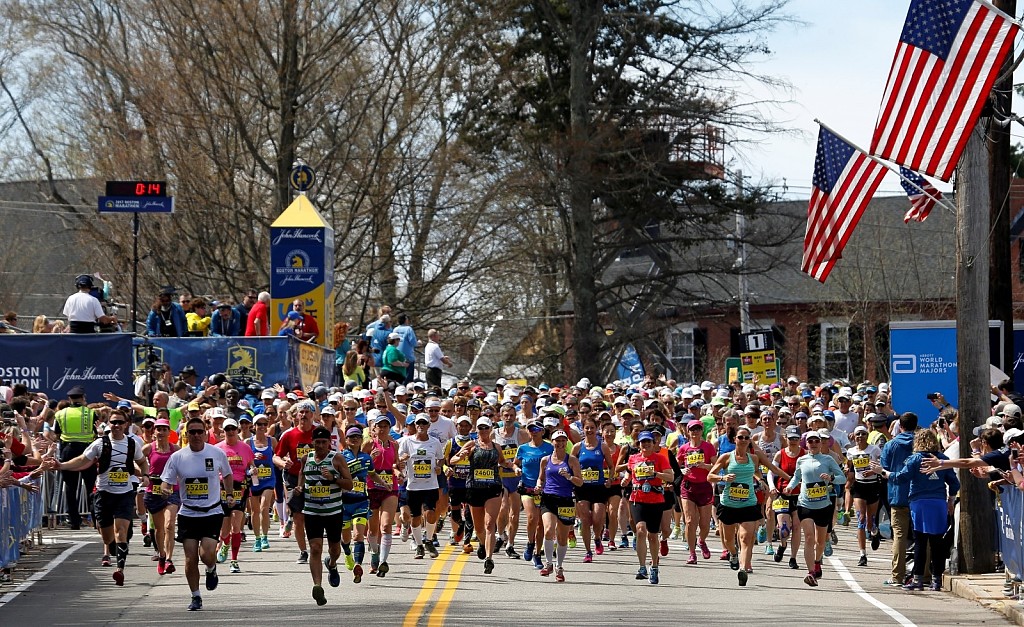
Adidas and Boston athletic asocciation extend official sponsorship through 2030
The Boston Athletic Association (B.A.A.) announced today that the organization has extended its longstanding official sponsorship with adidas through 2030. The Patriots’ Day announcement marks more than 40 years of partnership between the athletic organizations.
“adidas has been an official sponsor of the Boston Marathon for more than three decades, and we are delighted to extend our partnership, furthering our dedication to community initiatives as well as athletic performance,” said Tom Grilk, President and C.E.O of the B.A.A. “adidas has supported all aspects of our organization, from mass participatory events to the B.A.A.’s running club and High Performance team. Our collective missions align in the promotion of health and fitness, and this extension solidifies our combined commitment to the sport and running in the community.”
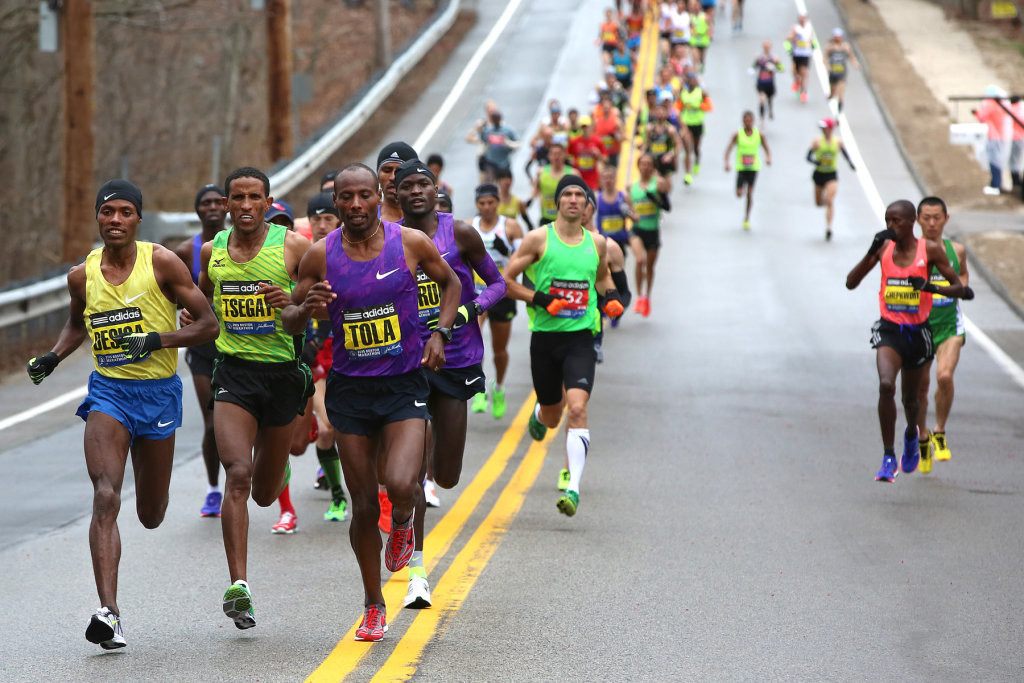
adidas has been a sponsor of the Boston Marathon since 1989, increased its support to include the B.A.A. Running Club in 1991, and since 1994 has sponsored all B.A.A. running events, clinics and youth programming, and initiatives including the B.A.A. 5K, the B.A.A. 10K, and the B.A.A. Half Marathon. Together, the B.A.A. and adidas have developed year-round programming designed to promote health and fitness among Boston-area youth, which has yielded participation from more than 35,000 students.
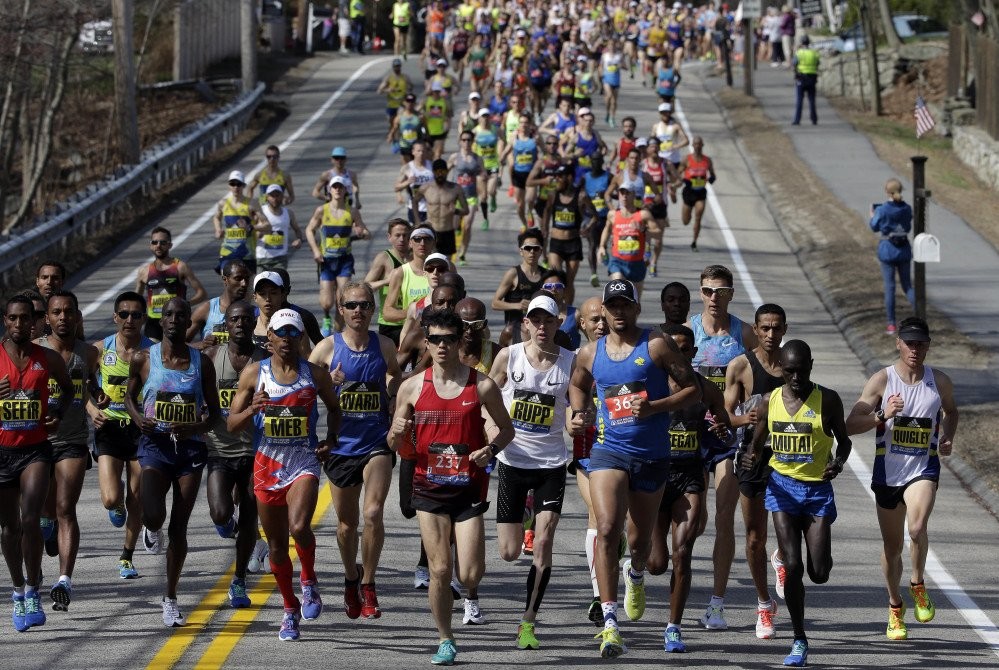
“Adi Dassler founded adidas inspired from the passion for running and for supporting and enhancing athletic performance. Our partnership with the B.A.A. allows us to bring to life our belief, that through sport we have the power to change lives,” said Alberto Uncini Manganelli, General Manager of adidas Running, Global.
In addition to being the official athletic footwear, apparel, and accessory sponsor of the Boston Marathon, adidas will continue to support all of the B.A.A.’s road races, the organization’s running club and High Performance Team, and many youth events. The B.A.A. and adidas are committed to developing new community initiatives, programs, and events that provide opportunities for athletes and runners of all abilities.
“The B.A.A. and Boston Marathon are synonymous with athletic excellence for the athletes, and a role model for touching people in their journey of physical and mental betterment, and driving a positive impact to communities. In this journey we are extremely proud to support the B.A.A. and athletes from across the globe with their pursuit of athletic achievement and we look forward to advancing our commitment to and celebration of the running community,” said Uncini Manganelli.
The B.A.A. and adidas announced the sponsorship extension on Patriots’ Day, the traditional date of the Boston Marathon and America’s most historic running day. In honor of Patriots’ Day, the B.A.A. and adidas have unveiled the 2021 adidas Boston Marathon Celebration Jacket, which is a badge of honor for runners worldwide. The smooth woven construction includes a breathable mesh lining and reflective details shine bright through low-light conditions. The product is made with Primeblue, a high-performance recycled material made in part with Parley Ocean Plastic. For the 125th anniversary, the jacket’s design focuses on the traditional Boston Marathon colors of blue and yellow. Special elements, including a special edition 125th Boston Marathon logo, are highlighted in a gold metallic embroidery to celebrate the anniversary year. The 125th Boston Marathon Celebration Jackets will be available for purchase beginning on Friday, May 7.
adidas is a global leader in the sporting goods industry. Headquartered in Herzogenaurach/Germany, the company employees more than 62,000 people across the globe and generated sales of €19.8 billion in 2020.
Registration for the 125th Boston Marathon opens Tuesday, April 20 at 10:00AM ET, through the B.A.A.’s online platform Athletes’ Village. Registration for qualified athletes will remain open through 5:00PM ET on April 23. The selection process will remain consistent with prior years: applications and qualifying times submitted between April 20 and April 23 will be verified and ranked by the B.A.A. based on the amount of time an athlete has run under their respective qualifying standard. Applicants will be notified of acceptance or non-acceptance once the B.A.A. has verified all applications in early May.
Login to leave a comment
Boston Marathon
Among the nation’s oldest athletic clubs, the B.A.A. was established in 1887, and, in 1896, more than half of the U.S. Olympic Team at the first modern games was composed of B.A.A. club members. The Olympic Games provided the inspiration for the first Boston Marathon, which culminated the B.A.A. Games on April 19, 1897. John J. McDermott emerged from a...
more...
From going solo on balconies to running underwater for 42.2K, people have run the wildest and amazing ever run marathons
Running a marathon is a goal held by many people. It’s a big accomplishment that requires a lot of time and effort to complete, making it a worthwhile and rewarding pursuit. While running a marathon is impressive enough as it is, some people decide to take the classic race to the next level and add twists to it. There are many races and runs out there that fall under this category, but here are five of the best out-of-the-box marathons ever completed.
Underwater Marathon

In 2003, a British man called Lloyd Scott navigated the depths of Loch Ness in Scotland and worked through a 42.2K underwater marathon course. Prior to this run, Scott had completed several marathons on dry land wearing a 120 lbs deep-sea diving suit, and he finally decided to head underwater in 2003. Raising money to support children with leukaemia, Scott spent 12 days in Loch Ness, and he eventually made it to the marathon finish line.
Car marathon

In 2016, Ross Edgley (another British athlete) completed a marathon while pulling a car. In a challenge he dubbed the “World’s Strongest Marathon,” Edgley towed the 3,000 lbs Mini Countryman behind him along a Formula One race track in the U.K. The 42.2K slog took him more than 19 hours, but he made it to the finish line in one piece.
The Everest Marathon
While Scott´s and Edgley´s marathons are possible to recreate, they would take a lot of time and planning to get organized. One wild race that anyone can run (assuming you can get to the start line) is the Tenzing Hillary Everest Marathon on the world’s tallest mountain. Running a marathon is tough enough at sea level, but this race takes runners to new heights, and it starts at Mount Everest Base Camp (which has an elevation of more than 5,000m). There are also half-marathon and 60K options offered.
Balcony marathons
Before COVID-19, running a marathon on a balcony would have sounded ridiculous, but when the pandemic hit, many runners worldwide did just that. Lockdowns and quarantines forced people to stay indoors, but runners refused to let that stop them from getting in their daily mileage. One man ran 50K around his apartment in China, another runner covered 42.2K on his balcony in France and so many other people ran marathons in their backyards.
Kipchoge´s sub-two-hour marathon
Yes, Eliud Kipchoge‘s run at the INEOS 1:59 Challenge in 2019 was a regular marathon, but it was incredible, and it deserves a spot on this list. With his run, Kipchoge became the first person to break the two-hour barrier in the marathon, and he smashed it with a 1:59:40 showing.
by Ben Snider-McGrath
Login to leave a comment
In a virtual way, Bill Romito completes 34th straight Boston Marathon
Leeds resident Bill Romito, 66, completed his virtual Boston Marathon on Tuesday, running 21 laps around Look Park in Northampton.
It was Romito’s 34th straight Boston Marathon and 214th marathon overall. He finished in 5 hours, 27 minutes, 15 seconds.
“I told myself I’d finish under 5:30 and I did,” Romito said. “Very happy about that. I’d have to say the last 8 miles were tough because of the warm weather.”
Romito is a member of the Quarter Century Club of the Boston Marathon, which was formed in 2001 to honor the achievements of Johnny Kelly. There were 82 active runners in the club as of Monday, which was the first day of the virtual 124th Boston Marathon. The event ends next Monday for runners who qualified for the 2020 edition and who signed up for the virtual event. About 30,000 runners typically participate in the Boston Marathon, which was canceled due to the COVID-19 pandemic. About 17,000 runners worldwide have signed up for the virtual run.
Romito said on Monday that road races “are more social events for me. I just miss the camaraderie of being with the some of the other local runners I don’t see that often.”
Romito said several friends lined Look Park throughout his run. He said he was thankful for their support.
by Mike Moran
Login to leave a comment
Boston Marathon
Among the nation’s oldest athletic clubs, the B.A.A. was established in 1887, and, in 1896, more than half of the U.S. Olympic Team at the first modern games was composed of B.A.A. club members. The Olympic Games provided the inspiration for the first Boston Marathon, which culminated the B.A.A. Games on April 19, 1897. John J. McDermott emerged from a...
more...
NYRR the nations largest nonprofit running association, announced on July 21 that it is laying off 11 percent of its workforce and furloughing another 28 percent, as the coronavirus continues to wreak havoc on the running industry
New York Road Runners is reportedly laying off 11 percent of its workforce and furloughing another 28 percent.
Runners World reports 26 people were let go and 65 were furloughed.
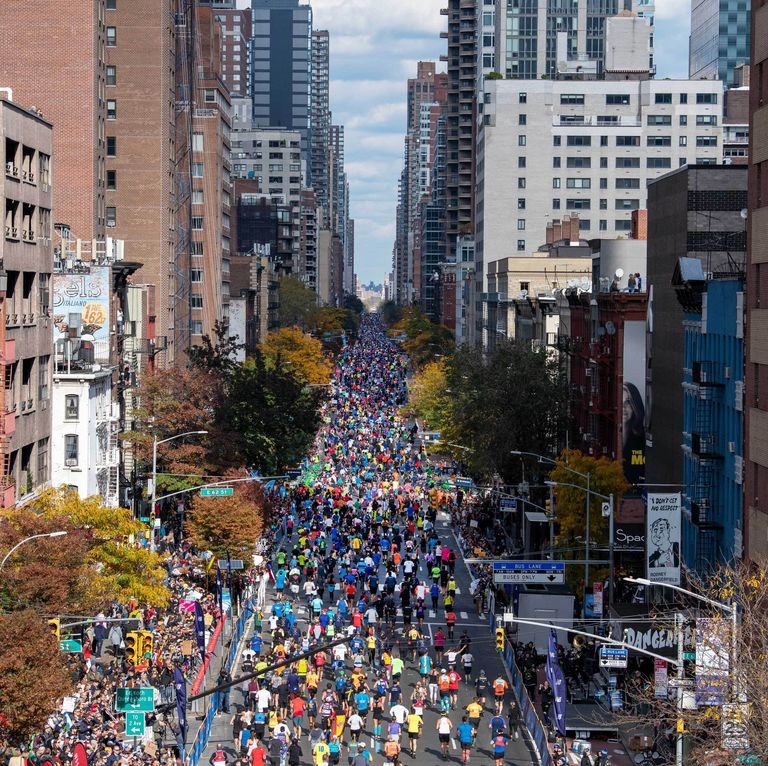
The moves affect 91 of the organization’s 229 employees—65 were furloughed and 26 were let go.
Since the pandemic began in March, NYRR officials have had to cancel more than 20 races, including the New York City Marathon in November, which was to have been its 50th anniversary.
Every year NYRR hosts some of the largest races in the world. In addition to the marathon, it holds the NYC Half, the women’s Mini 10K, and the Brooklyn Half, as well as dozens of smaller events at all distances throughout the five boroughs of New York City and in New Jersey. It also brings running to thousands of people every year outside of racing, with programming for children, seniors, and athletes with disabilities.
NYRR was a recipient of a PPP loan of between $2 million and $5 million when COVID-19 first hit, which, combined with budget cuts, allowed the organization to keep employees for five months.
This comes less than a month after the group announced it had to cancel this year's New York City Marathon due to the pandemic.
It's one of 20 races that have been canceled since March.
Top executives are taking a 15 percent pay cut and the president and CEO is taking a 20 percent cut.
New York Road Runners is the nation's largest nonprofit running association.
Login to leave a comment
Eliud Kipchoge said that he was incredibly happy to see the world running as one at the Run as One virtual team marathon
Imagine running on the same team as Olympic icons Eliud Kipchoge, Kenenisa Bekele, Geoffrey Kamworor...
Well that's exactly what happened this weekend as normal people across the world ran with Olympic champions in the 'Run as One' worldwide virtual relay marathon.
Teams of four completed a marathon by running 10.5k each, and just by entering you were in with a chance to run alongside some of the biggest names in sport.
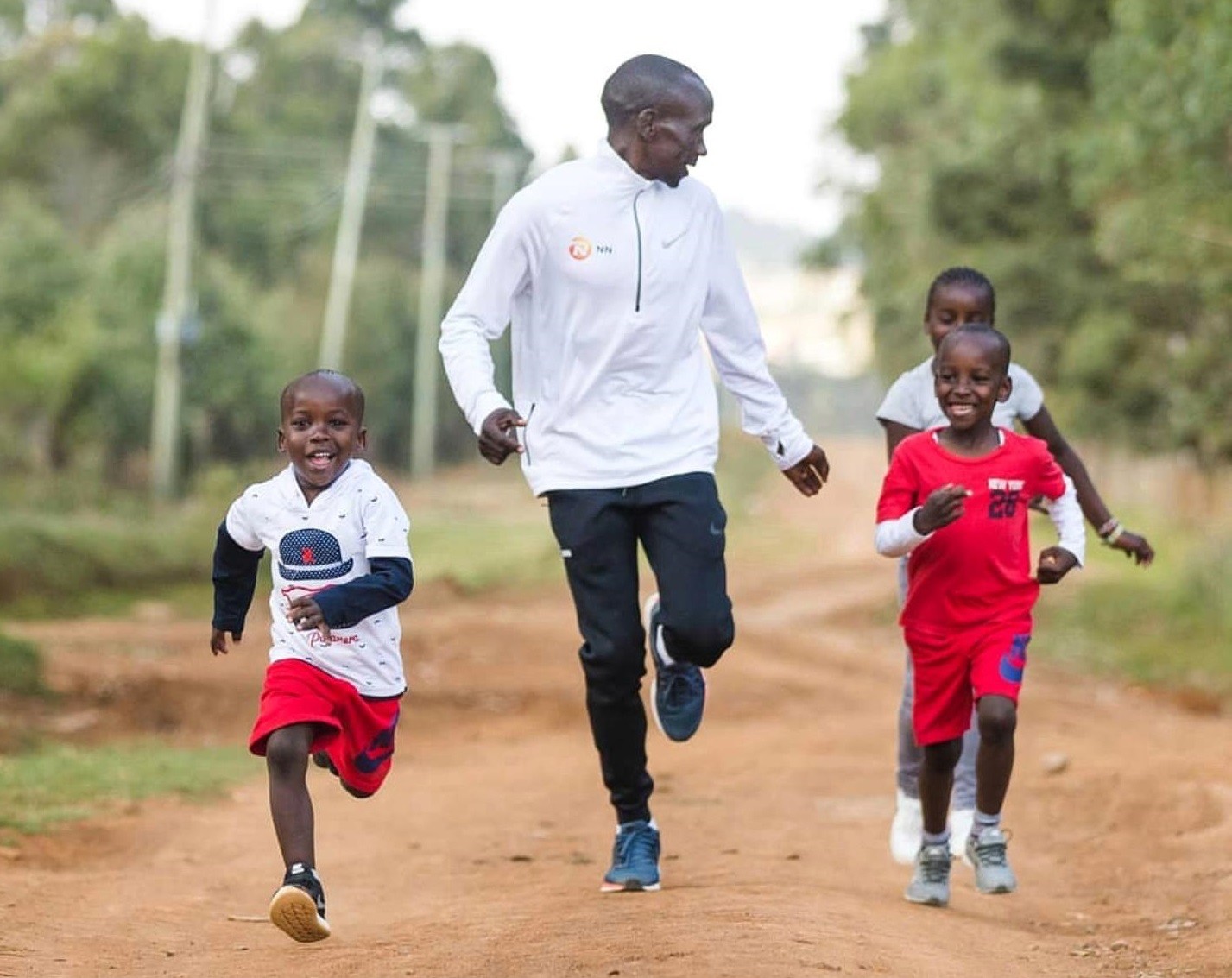
But it wasn't just running superstars who stepped up, Tottenham Hotspur football club, Olympic triathlon gold medallist from Germany Jan Frodeno and Spanish sky runner/ultramarathon/daredevil Kilian Jornet also got involved.
The event was organised by NN Running Team, an international team of elite long-distance runners managed by a company in the Netherlands.
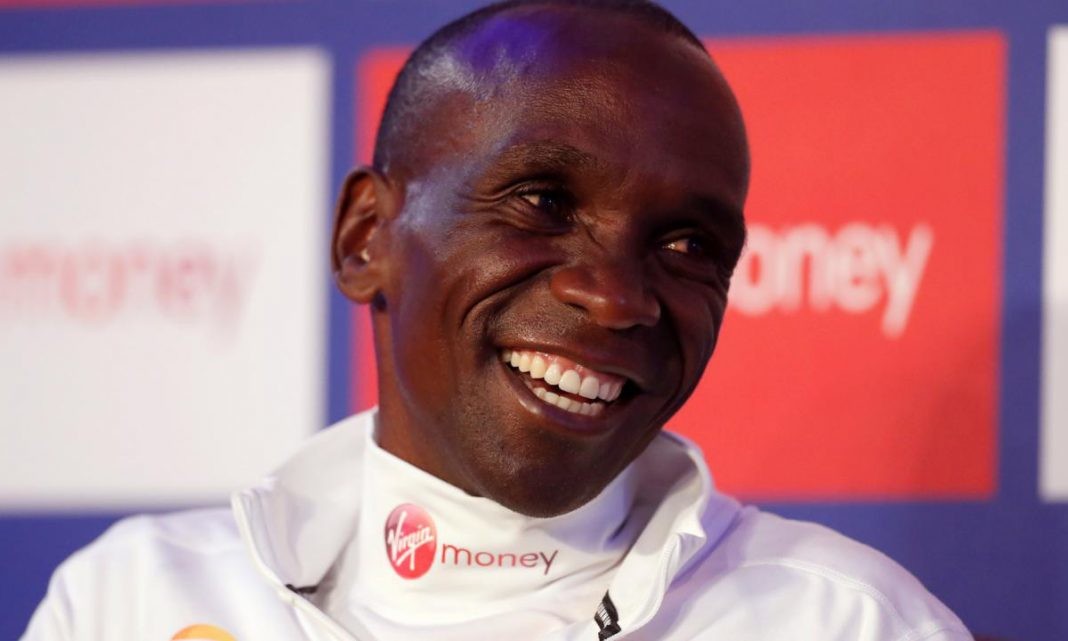
Kipchoge, whose historic sub-two hour run in Vienna last October broke new ground, teamed up with amateur runners from Brazil.
The Kenyan ran 10.5k in 31:28 seconds, not the fastest time on the leaderboard, but this event was about much more than running fastest or coming first.
"It makes me incredibly happy to see the world running as one this weekend," said Kipchoge the day before his run.
"Today I ran for my Brazilian team," he posted on Instagram after his 10.5km run, "but together we have all run as one. Runners from all over the world have joined us and showed how ours is a running world."
"Good luck everybody who is taking part today," said Kipchoge as he signed off on Sunday with many more runners still to come.
Another world-record holder and three-time Olympic champion Kenenisa Bekele ran with Joris, Stephen, Andy and Tharkun from the Netherlands.
The Ethiopian ran his 10.5km in 32:57 on his own track that he built in Sululta, 25 minutes outside the Ethiopian capital Addis Ababa.
The 5000m and 10,000m World record-holder built a six-lane all-weather track which is home to many athletes training and dreaming of Olympic glory.
They call it Bekele's ‘field of dreams’.
"It was a great pleasure to run my 10.5k as part of the MA RA TH ON challenge on my own track in Sululta," he posted.
It was hardly any surprise that half-marathon world record holder Geoffrey Kamworor put in the fastest time, going 10.6 km in 30:08s.
This time Eliud Kipchoge wasn't there to greet him at the finish line like he did at the 2019 New York marathon, but Kamworor was pleased with the run.
The Kenyan ran with a team from the USA.
Kilian Jornet does many things - like ultramarathons and literally running up and down mountains.
He is said to hold the fastest known time for the ascent and descent of Mount Everest for example.
For most of us, running 10.5km is a struggle, but when Jornet's Strava App told him that he had only run 10.49km making his entry invalid, he said ok:
I'll start again.
"It’s been actually pretty fun this MA RA TH ON!" Jornet posted, despite having to do it twice.
"Today I did my relay to join my teammates @davidnilssons@mustafamohamed79 and @fra_puppinho to finish this challenge among more than 100.000 runners worldwide. Thanks guys!"
by Ken Browne
Login to leave a comment
Ultrarunner Gary Robbins ran 100 miles on treadmill in virtual race to raise money for the B.C. Search and Rescue Association
This past weekend, Gary Robbins went for a run on his treadmill, and he didn’t stop for almost 26 hours. He ran in the Aravaipa Strong virtual race, competing in the 100-mile event, and his run doubled as a fundraiser for the B.C. Search and Rescue Association. Running for 26 hours is hard enough, but Robbins made it even tougher on himself and climbed around 17,500 feet in addition to running 100 miles.
His challenge has raised over $15,000 for the B.C. Search and Rescue Association, and donations can still be made to support the cause.
The British Columbia Search and Rescue Association is a non-profit society that represents 79 search and rescue groups across B.C. Across the province, 2,500 volunteers are available in over 80 communities 24/7, collectively putting in 100,000 hours of work each year.
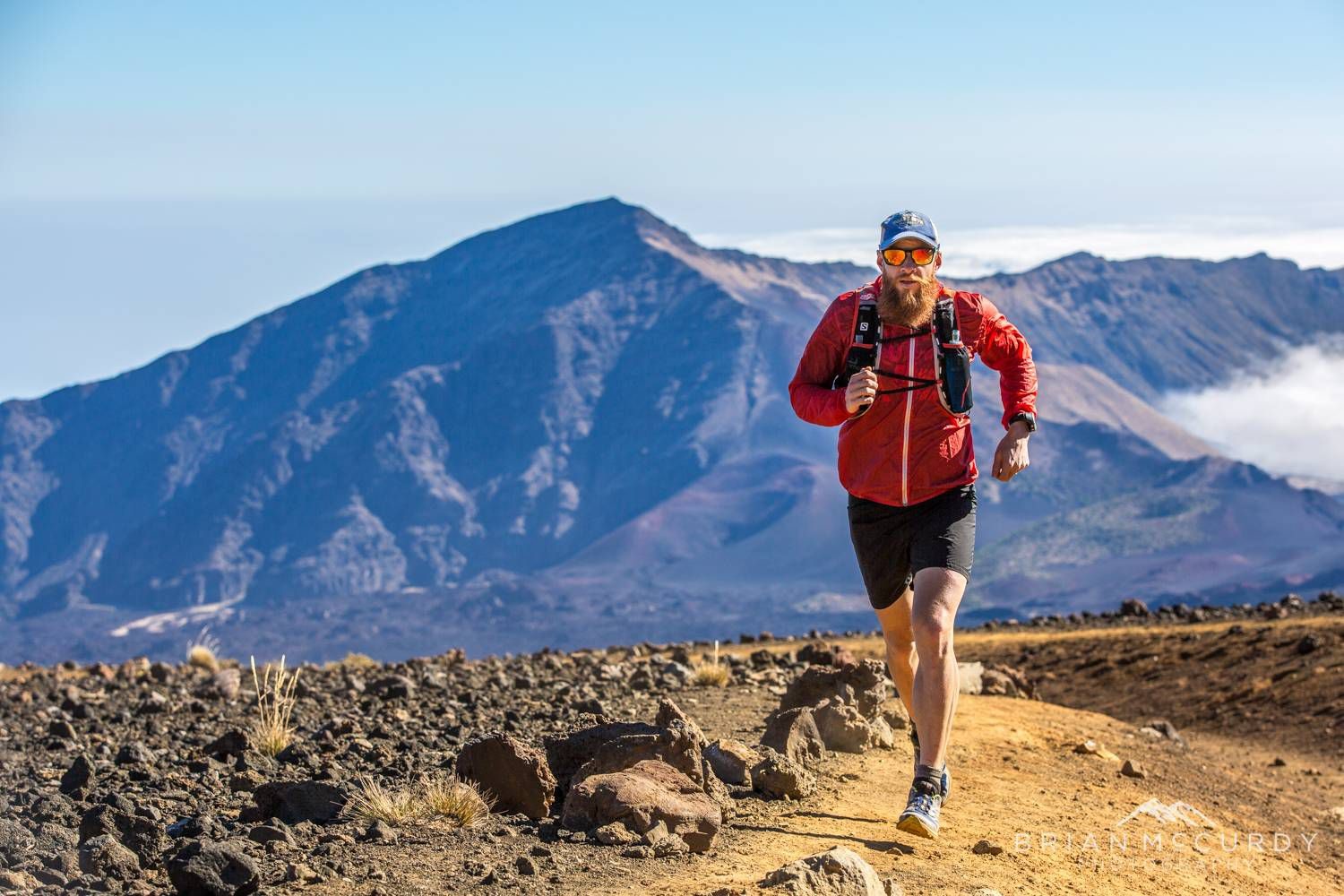
These groups have an incredible rate of success, with 95 per cent of subjects found or rescued within the first 24 hours of a call. The Search and Rescue Association gets some support from the provincial government, but it relies on donations to stay active.
Robbins hoped to raise $5,000 for the non-profit, but he has tripled that goal and the total now sits above $15,000.
Robbins’ official time for the 100-mile run was 25:53:42. Although this is almost 10 hours slower than the winner of the 100-mile Aravaipa Strong event (American Sarah Emoto won the virtual race in 16:15:46), Robbins likely had a much harder run than any of the other competitors as it included 17,500 feet of elevation.
Robbins is no stranger to ultramarathons, and before the coronavirus outbreak he was gearing up for another shot at the Barkley Marathons this year. Even with a history of ultrarunning, Robbins struggled with the treadmill run.
“Happy to have gotten through this so that I never have to think about anything like this again,” he tweeted. “It was challenging in all the ways I thought it’d be and lots more ways I hadn’t envisioned. My body is completely wrecked.” His wife, Linda Barton-Robbins, also tweeted post-race, saying that her husband couldn’t even make it up their stairs at home.
The Aravaipa Strong virtual race took place from April 17 to 26, and runners could choose from seven distances, starting with 5K up to 100 miles. The races featured over 2,000 runners worldwide from 29 different countries. Ten per cent of the proceeds from the race were donated to the COVID-19 Solidarity Response Fund.
by Ben Snider-McGrath
Login to leave a comment
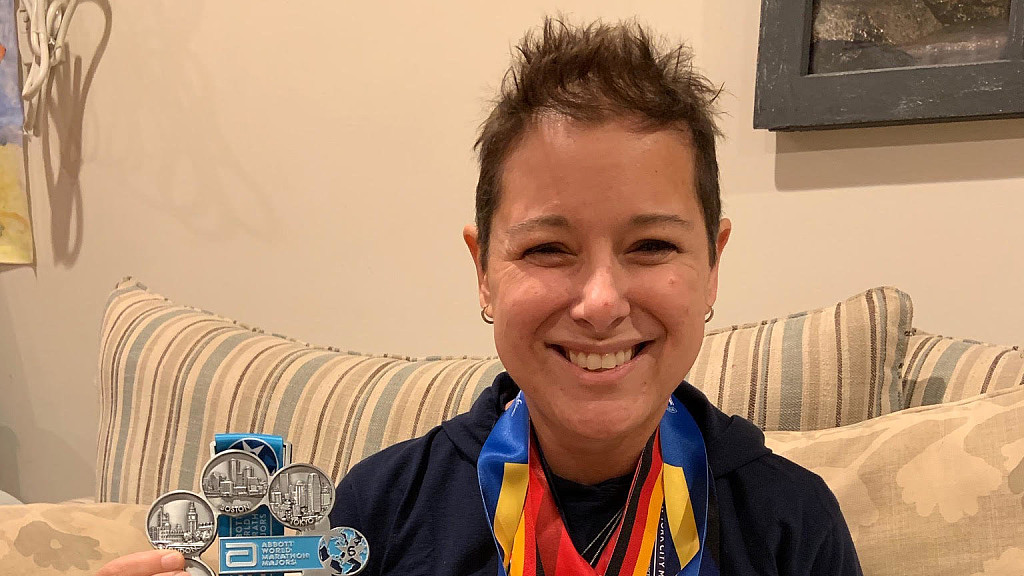
Renee Seman ran six of the world’s major marathons after she learned she had breast cancer
When Renee Seman learned she had Stage 4 breast cancer in 2014, she set a goal for herself: to use her remaining time to run marathons. Six of them, in fact, in New York, Chicago, Boston, Berlin, Tokyo and London.
Together, they constitute the Abbott World Marathon Majors, a collection of the most distinguished marathons in the world. Since 2006, only about 6,500 people have completed all six, the organization said, including Ms. Seman, who finished her final race, the London Marathon, in April.
“She knew that it was incurable from the moment it was diagnosed, and she was determined to make the most of her time,” Ms. Seman’s husband, David Seman, 48, said of her illness last week.
“It almost increased her focus and determination,” he said.
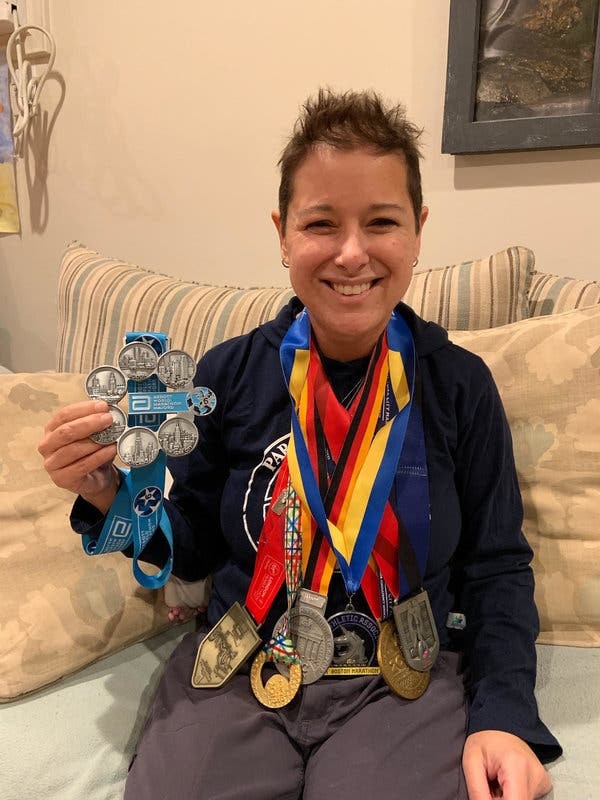
Ms. Seman, who died on Jan. 29, Mr. Seman said, ran all six races after receiving her diagnosis, drawing the attention and support of runners and cancer survivors. A profile about her in Runners World was published shortly before last year’s London Marathon. In addition to her husband, she is survived by her 6-year-old daughter, Diane. They live on Long Island.
It isn’t uncommon for patients facing a terminal diagnosis to make bucket lists of goals they want to accomplish before they die, said Melissa Ring, the director of regulatory and compliance at the National Hospice and Palliative Care Organization.
“People will take a look back at their life when there is an initial shock of a terminal diagnosis,” said Ms. Ring, who has worked in hospice and palliative care for over 20 years.
Ms. Seman started running to become healthy before having her first child, her husband said. She started by running 5Ks and 10Ks, and was training for a half-marathon in Brooklyn when she received her diagnosis, she told Runner’s World.
After learning she had cancer, Mr. Seman said, she thought of only two things: spending as much time as possible with her daughter, and earning the Abbott World Marathon Majors’ Six Star Finishers medal.
In 2019, Ms. Seman ran her last two marathons, in Tokyo and London, eight weeks apart. This required her to train as much as she could while undergoing chemotherapy.
Ms. Seman did not pause or panic. Instead, after Berlin, she began working with Daphne Matalene, 46, a running coach.
“Even when you are super healthy and super trained it still takes a lot out of you,” said Ms. Matalene, who has run five of the six marathons. “Renee was totally undeterred by that. Her goal was not to win; it was not even to run her fastest.”
Ms. Matalene came up with a training regimen that worked around Ms. Seman’s treatment schedule. Ms. Seman would run easy miles in the morning and then have chemotherapy treatment in the afternoon. Days later, once she had recovered, she would do a long run of 12 to 16 miles.
Many runners who try to complete the six races are dealing with health issues or recently had a health scare, said Lorna Campbell, a spokeswoman for the Abbott World Marathon Majors.
by Sandra E. Garcia
Login to leave a comment

Tokyo Marathon
The Tokyo Marathon is a world-renowned annual marathon held in Tokyo, Japan. As one of the prestigious Abbott World Marathon Majors, it attracts elite and amateur runners from around the globe. The race holds World Athletics Platinum Label status, recognizing its high competitive standards, top-tier organization, and international appeal. Sponsored by Tokyo Metro, the Tokyo Marathon has grown into one...
more...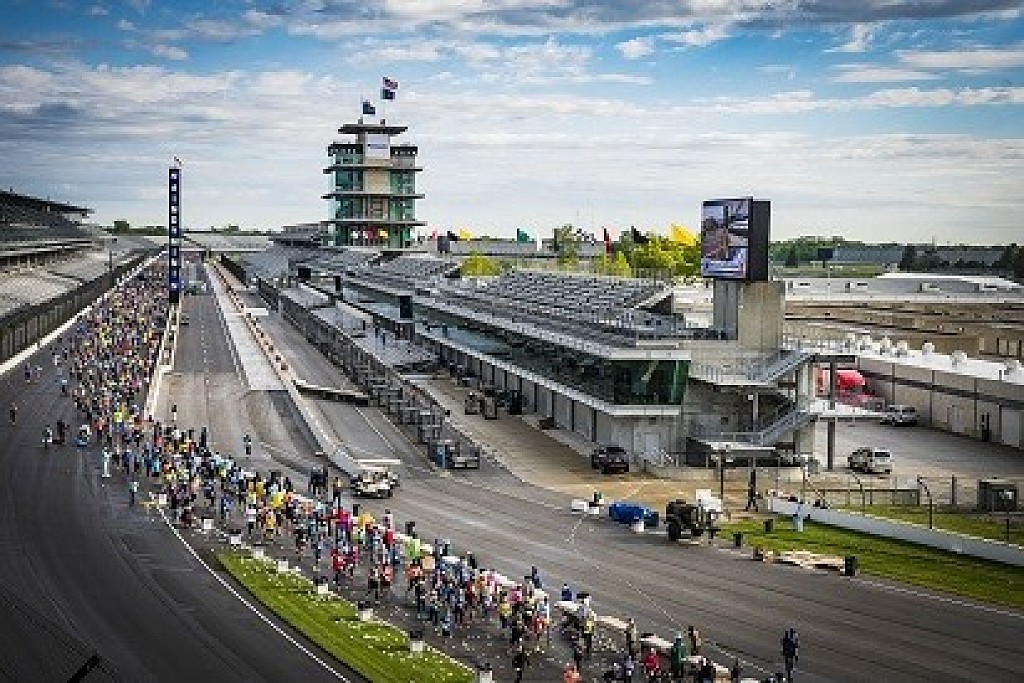
The 500 Festival, today announced that registration is open for the 2020 OneAmerica 500 Festival Mini-Marathon
The 500 Festival, a nonprofit organization providing life-enriching events and programs that celebrate the spirit and legacy of the Indianapolis 500, today announced that registration is open for the 2020 OneAmerica 500 Festival Mini-Marathon, as well as the Delta Dental 500 Festival 5K. Set for Saturday, May 2, the 2020 OneAmerica 500 Festival Mini-Marathon will mark the race’s 44th running.
Named one of “America’s Most Iconic Races” by Runners World, the OneAmerica 500 Festival Mini-Marathon is one of the nation’s largest half marathons (for the past 20 years) and annually attracts participants from all 50 states and 15+ countries around the world. Known as The Greatest Spectacle in Running, the race starts and finishes in downtown Indianapolis and includes a lap around the Indianapolis Motor Speedway, home of the Indy 500.
The flat, fast course is packed with thousands of the nicest volunteers you’ll ever meet, 16 course aid stations and nearly 500 course entertainers.
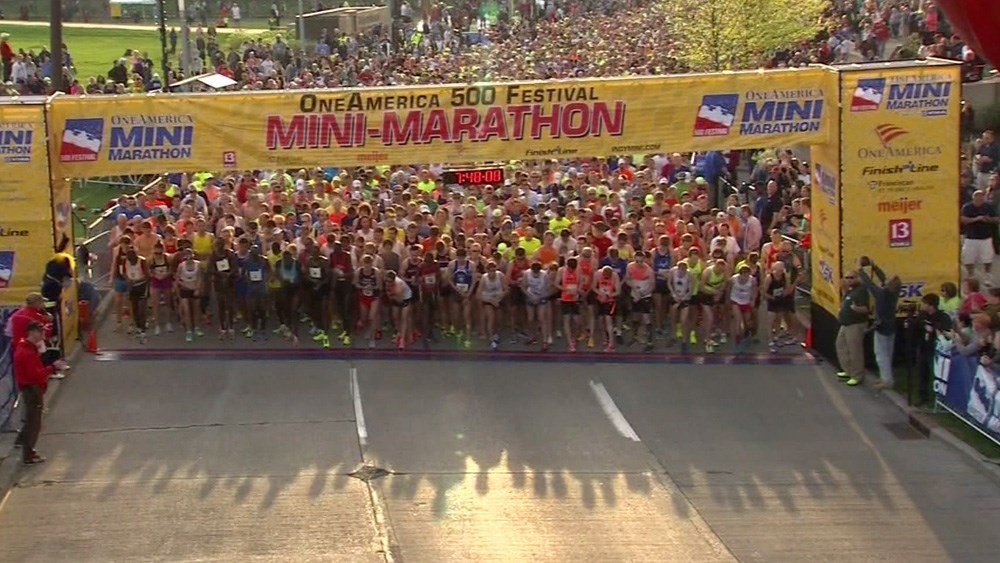
The OneAmerica 500 Festival Mini-Marathon is a long-standing tradition for Indianapolis to kick off the month-long celebration of May, leading up to the Indianapolis 500.
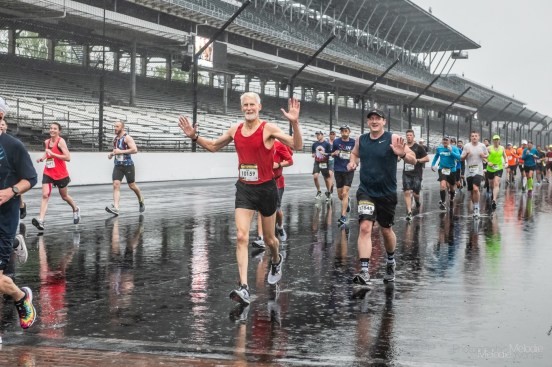
New for 2020, participants will be able to experience two iconic sporting venues during their race weekend! The 500 Festival Mini-Marathon Expo will be located at field level inside Lucas Oil Stadium, home of the Indianapolis Colts and Indy Eleven.
In addition to packet pickup and essential race-day resources, the Mini-Marathon Expo is filled with vendors from the health and fitness community, with a mix of local and national brands.
Login to leave a comment

OneAmerica 500 Festival Mini-Marathon
The mission of the 500 Festival is to produce life-enriching events and programs while celebrating the spirit and legacy of the Indianapolis 500 and fostering positive impact on the city of Indianapolis and state of Indiana. As an organization providing multiple events and programs, many of which are free to attend and impact over 500,000 people annually, our mission to...
more...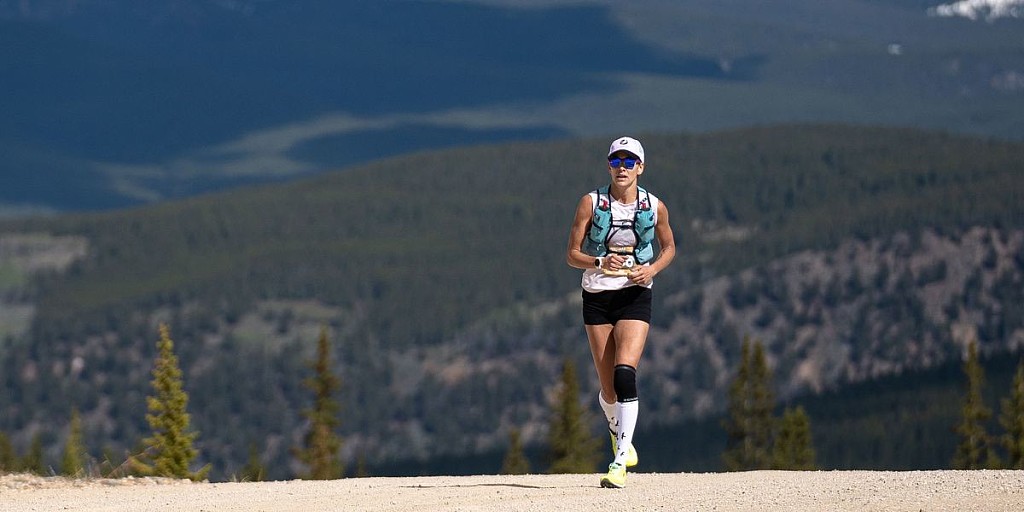
Kara Goucher says the Leadville Trail Marathon was the hardest thing she'd ever done
Former elite US marathoner Kara Goucher was the fifth female across the finish line and first in her 40-49 age group at Leadville Trail Marathon in the Colorado Rockies. “Without a doubt, the hardest thing I’ve ever done in my life,” she tweeted–quite a statement from a two-time Olympian, world championship silver medallist, and two-time Boston Marathon third-place finisher.
Goucher has blogged about the experience of transitioning from the roads to the trails on her sponsor Oiselle’s blog, where she also dispenses advice to those considering (or executing) a similar transition.
It seems road running and trail running are, well, quite different. For one thing, terrain and weather conditions play havoc with road runners’ expectations regarding time and pace, which are mostly beyond anyone’s control. (Goucher’s time was 3:54:07.)
"I pushed beyond any limit I ever have, thanks for making me find out what I’m made of when the going gets rough!” Goucher said in another tweet. Goucher told Runners World that she was vomiting repeatedly from altitude sickness throughout the race.

Tara Richardson of Glenwood Springs, Colo., Jana Willsey of Denver and Corinne Shalvoy of Castle Rock went 1, 2 and 3 for the top three females while Joshua Lund of Boulder, Pat Cade of Leadville and Chad Trammell of Anchorage stood on the men’s podium (which also happened to be the M30-39 podium).
The course runs through old mining roads and trails, reaching a maximum elevation of 13,185 feet (4,019m). This was the race’s 19th year.
by Anne Francis
Login to leave a comment

Leadville Trail Marathon
Run through the historic mining district’s challenging old mining roads and trails, and hit a high of 13,185 feet at Mosquito Pass during the Blueprint for Athletes Leadville Trail Marathon or Heavy Half Marathon. The views will leave you breathless, if you’re not already. This exciting race is hosted in the Historic Mining District located on the east side of...
more...
Does the step rate for runners really matter? Not as much as previously thought
Since the 1980s, when running coach Jack Daniels noted that the step rate for runners in the 1984 Olympics was about 180 per minute, it’s been widely touted as a means to reduce injury or improve speed, said Geoff Burns, an elite marathoner and University of Michigan doctoral student in kinesiology.
“It’s one of the few biomechanical measures we have that is a gross system-level output for running,” he said.
To find out what determines cadence and how much cadence really matters, Burns had the top 20 elite male and female runners record their cadence during the 100K International Association of Ultrarunners World Championship in 2016.
While the average number of steps per minute was 182, the number of steps per minute per mile varied enormously by individual.
“Some ran at 160 steps per minutes and others ran at 210 steps per minute, and it wasn’t related at all to how good they were or how fast they were,” Burns said. “Height influenced it a little bit, but even people who were the same height had an enormous amount of variability.”
The main takeaway for runners is that cadence is highly individual, and your body knows what’s optimal, said Burns, a third-year Ph.D. student in Professor Ronald Zernicke’s lab. This means runners shouldn’t necessarily try to manipulate cadence to reach the 180 steps, but rather, monitor cadence as their running progresses.
“It’s a barometer and not a governor,” he said. “There’s no magical number that’s dogmatically right for everybody.”

For years, many coaches and practitioners thought that cadence should remain constant as speed increases, which required longer steps. Burns says longer steps takes more energy, and his study found that cadence naturally increased four to five steps per minute per mile as runners ran faster.
Other findings surprised Burns, as well. First, step cadence was preserved through the race, even during the torturous “ultra shuffle” near the end–when racers shuffle across the finish line, barely lifting their feet.
Burns assumed that exhausted runners would take shorter, choppier steps. But surprisingly, when researchers controlled for speed, cadence stayed constant.
Another unexpected finding is that by the end of a race, cadence varied much less per minute, as if the fatigued runner’s body had locked into an optimal steps-per-minute turnover. It’s unclear why, Burns said, but this deserves further study.
An ultramarathon is anything longer than a traditional marathon of 26 miles. As a semi-pro ultramarathoner, Burns spends about two hours a day running and another two hours a day on conditioning–in addition to his doctoral work.
“It’s a really unique symbiotic relationship,” he said. “My running informs my research and helps me not just ask novel questions and gain insight and perspective into the craft, but also helps me refine how I prepare for races.”
In summary: To go faster, either one or the other has to increase. But, for elite runners, one of those two rarely changes. Top-level distance runners typically run at a high number of steps per minute – between 180-200 – no matter what speed they're going; simply varying the length of their stride to run faster or slower.
by Geoff Burns
Login to leave a comment
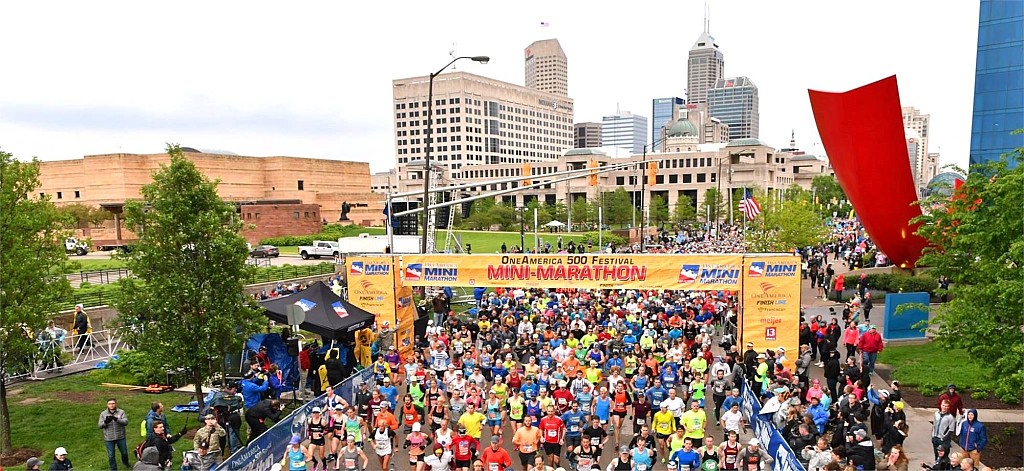
The OneAmerica 500 Festival Mini-Marathon has been named Best Half Marathon in America in 2018
The half marathon category received the most nominations for this year’s edition of The BibRave 100. Voters cited the OneAmerica 500 Festival Mini-Marathon’s lap around the Indianapolis Motor Speedway as a highlight.
In addition, the race weekend experience also received top marks. One voter said, “It highlights what makes Indianapolis great, and this race screams ‘Hoosier Hospitality.’”
Named one of “America’s Most Iconic Races” by Runners World, the OneAmerica 500 Festival Mini-Marathon is one of the nation’s largest half marathons (for the past 20 years) and annually attracts participants from all 50 states and 15+ countries around the world.
Known as The Greatest Spectacle in Running, the race starts and finishes in downtown Indianapolis and includes a lap around the Indianapolis Motor Speedway, home of the Indy 500. The flat, fast course is packed with thousands of the nicest volunteers you’ll ever meet, 16 course aid stations and nearly 100 course entertainment acts. The OneAmerica 500 Festival Mini-Marathon is the 500 Festival’s largest fundraiser. Race registrations help support the 500 Festival’s free youth programs and events.
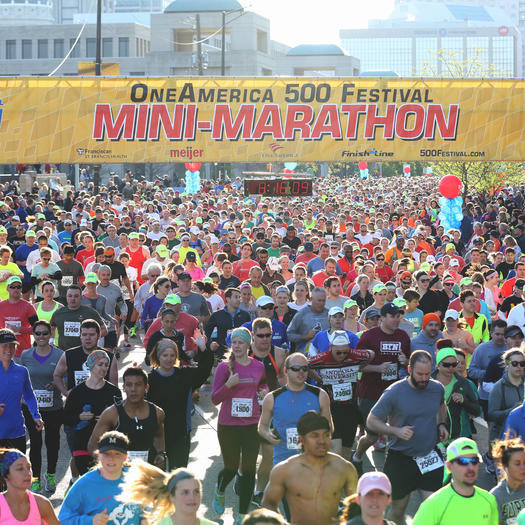
A definitive List of the Best Races in America. The #IndyMini also earned awards for Exceptional Race Management and Awesome Medals and Bling. In addition, the 500 Festival 5K was listed among the nation’s top 15 5K races.
The 500 Festival was presented with these honors during an awards ceremony held at The Running Event, a conference and retail trade show for the running industry taking place in Austin, Texas.
Login to leave a comment
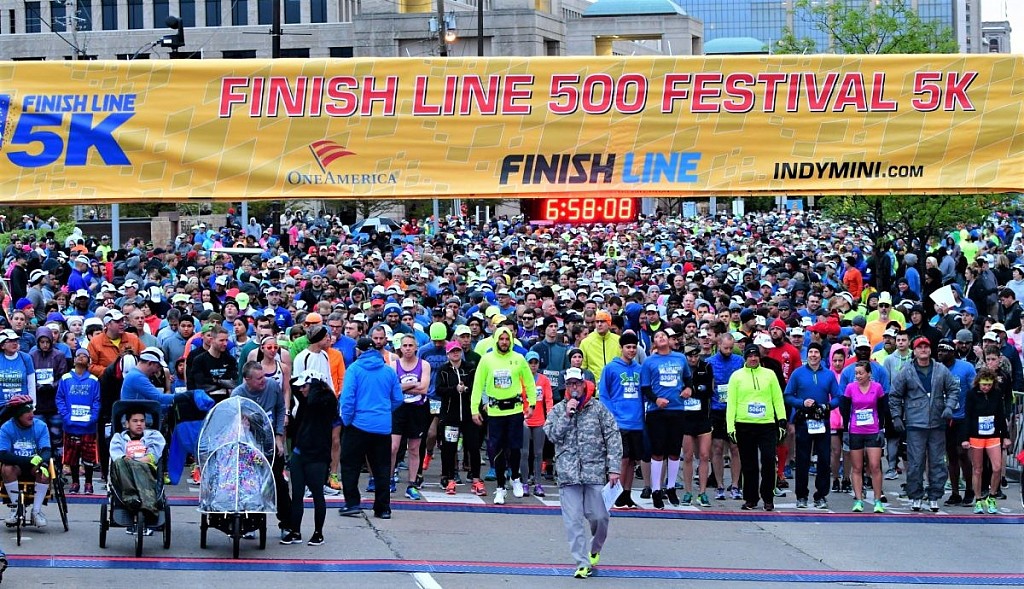
Registration Opens for the 500 Festival Mini-Marathon 2019
Login to leave a comment
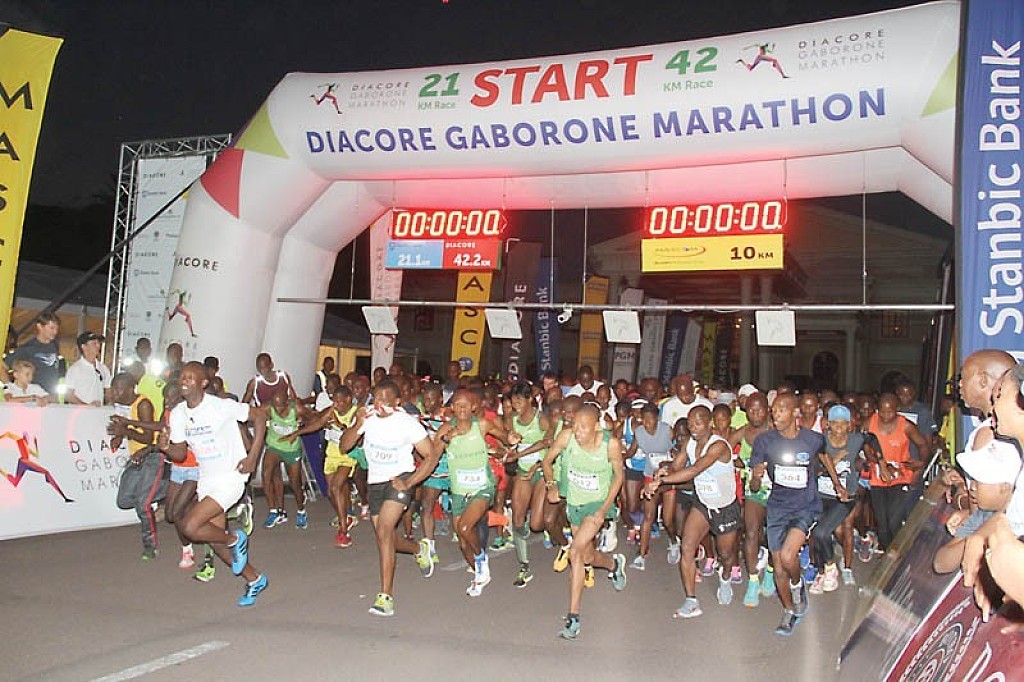
The Diacore Gaborone Marathon is now offering a 1 Million Pula Prize
Login to leave a comment

Hearst takes over Rodale, publisher of Runner's World
Login to leave a comment
