

Running News Daily
Running News Daily is edited by Bob Anderson and team. Send your news items to bob@mybestruns.com Advertising opportunities available.
Index to Daily Posts · Sign Up For Updates · Run The World Feed
Articles tagged #Kelvin kiptum
Today's Running News


Marathon Majors Course Records: Where Speed, History And The Course Collide
The world’s biggest marathons are united by prestige, elite fields and unforgiving 26.2-mile battles, but their course records tell very different stories. From Tokyo to Sydney, each course has its own character, while London and Chicago have become synonymous with extraordinary speed.
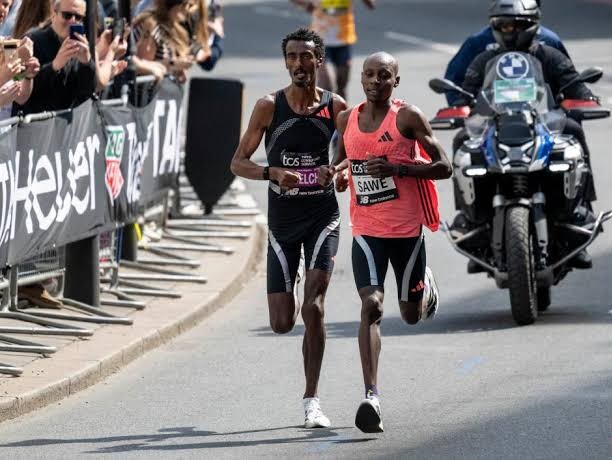
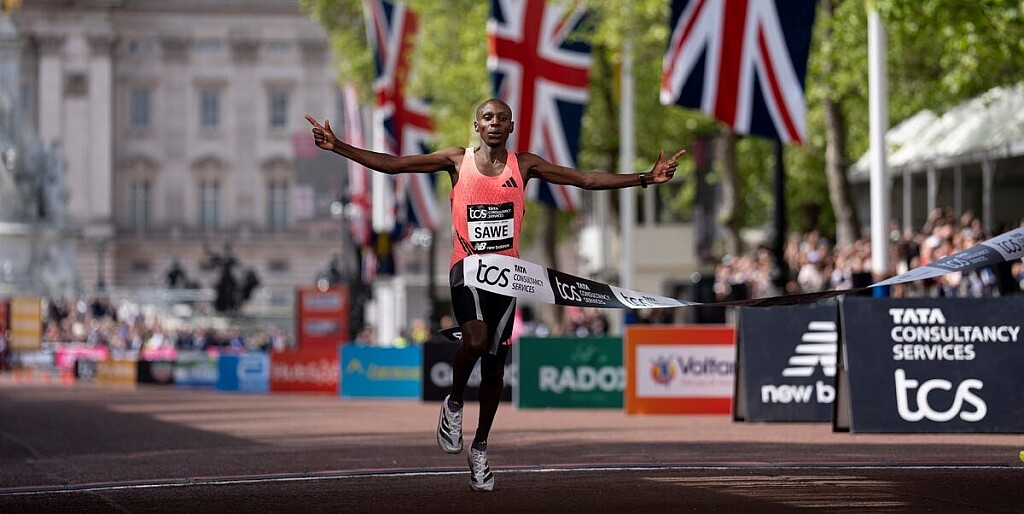
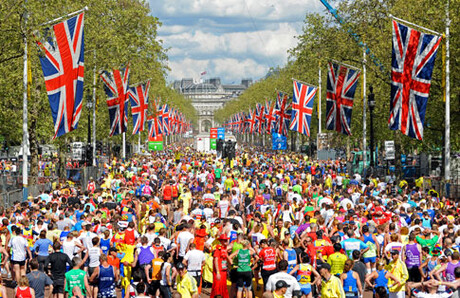
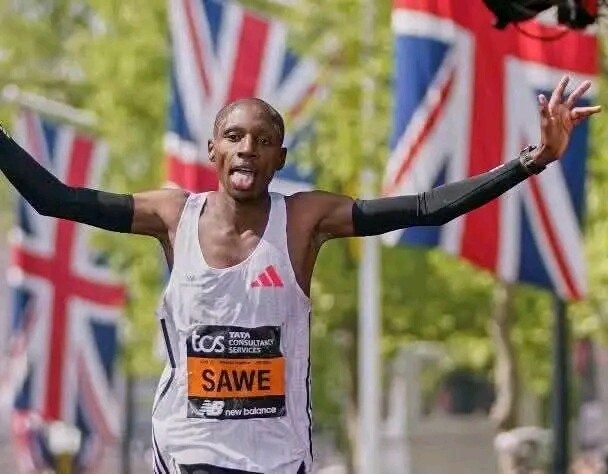
At the top of the men’s list stands the London Marathon, where Kenya’s Sabastian Sawe produced one of the greatest performances in road-running history. Sawe clocked 1:59:30 in April 2026, becoming the first athlete to officially break the two-hour barrier in a marathon. His performance also lowered the world record from Kelvin Kiptum’s previous mark of 2:00:35.
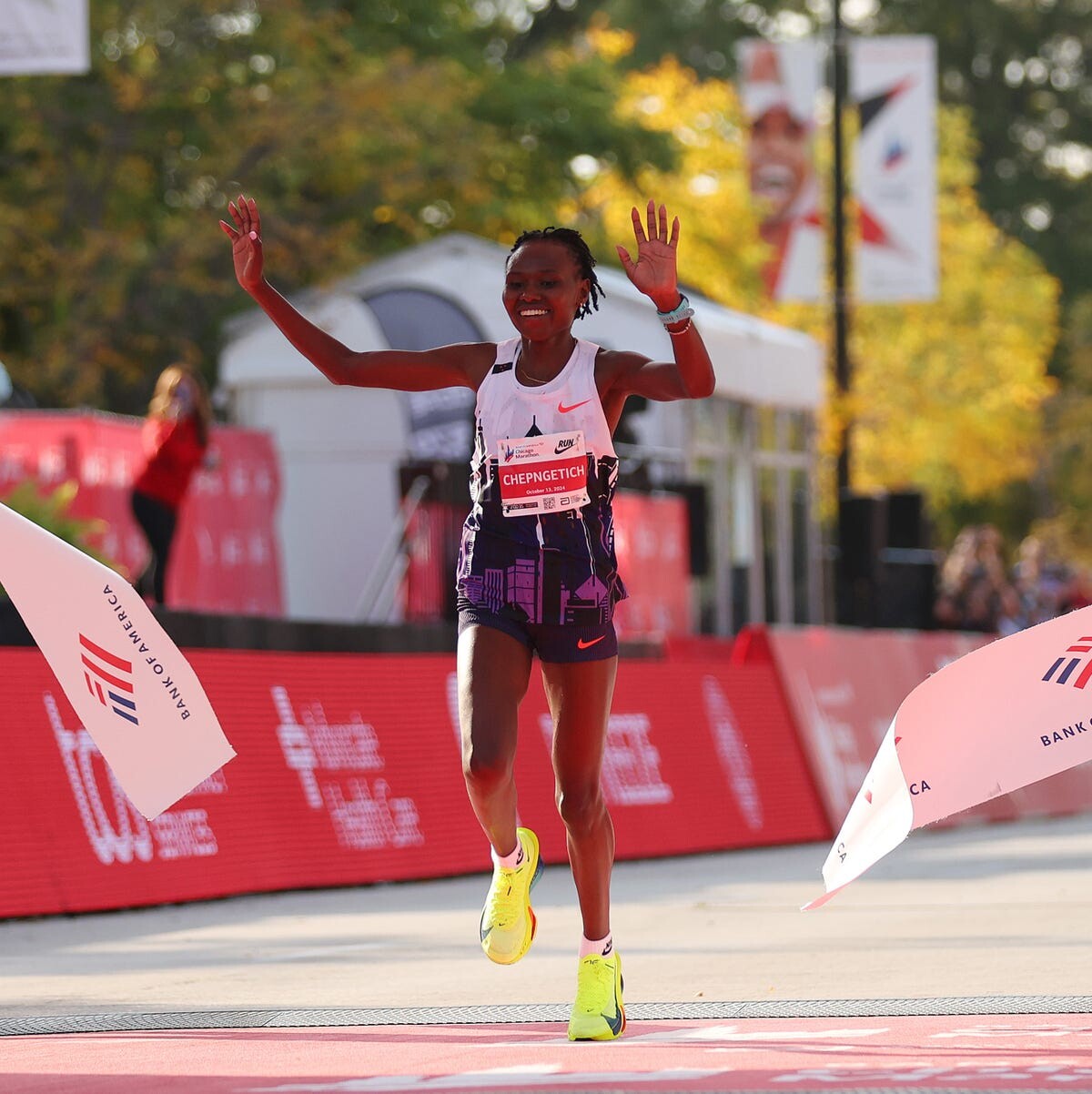
Chicago, meanwhile, owns one of the most remarkable records in women’s marathon history. Kenya’s Ruth Chepngetich ran 2:09:56 in 2024, becoming the first woman to break the 2:10 barrier. The performance remains a landmark in the event’s history and gives Chicago a special place among the fastest marathon courses in the world.
The men’s Chicago record is 2:00:35, set by the late Kelvin Kiptum in 2023. That performance stood as the world record until Sawe’s extraordinary 1:59:30 in London in 2026.

Then there is Berlin, perhaps the most celebrated world-record factory in marathon history. Kenya’s Eliud Kipchoge holds the men’s course record at 2:01:09, while Ethiopia’s Tigist Assefa owns the women’s mark at 2:11:53. Berlin has hosted numerous men’s world records over the years, underlining its reputation as one of the fastest marathon courses on the planet.
The elevation figures help explain why the courses produce such different performances. Berlin has relatively modest elevation changes, creating a fast and rhythm-friendly route. Other Majors present considerably greater challenges.
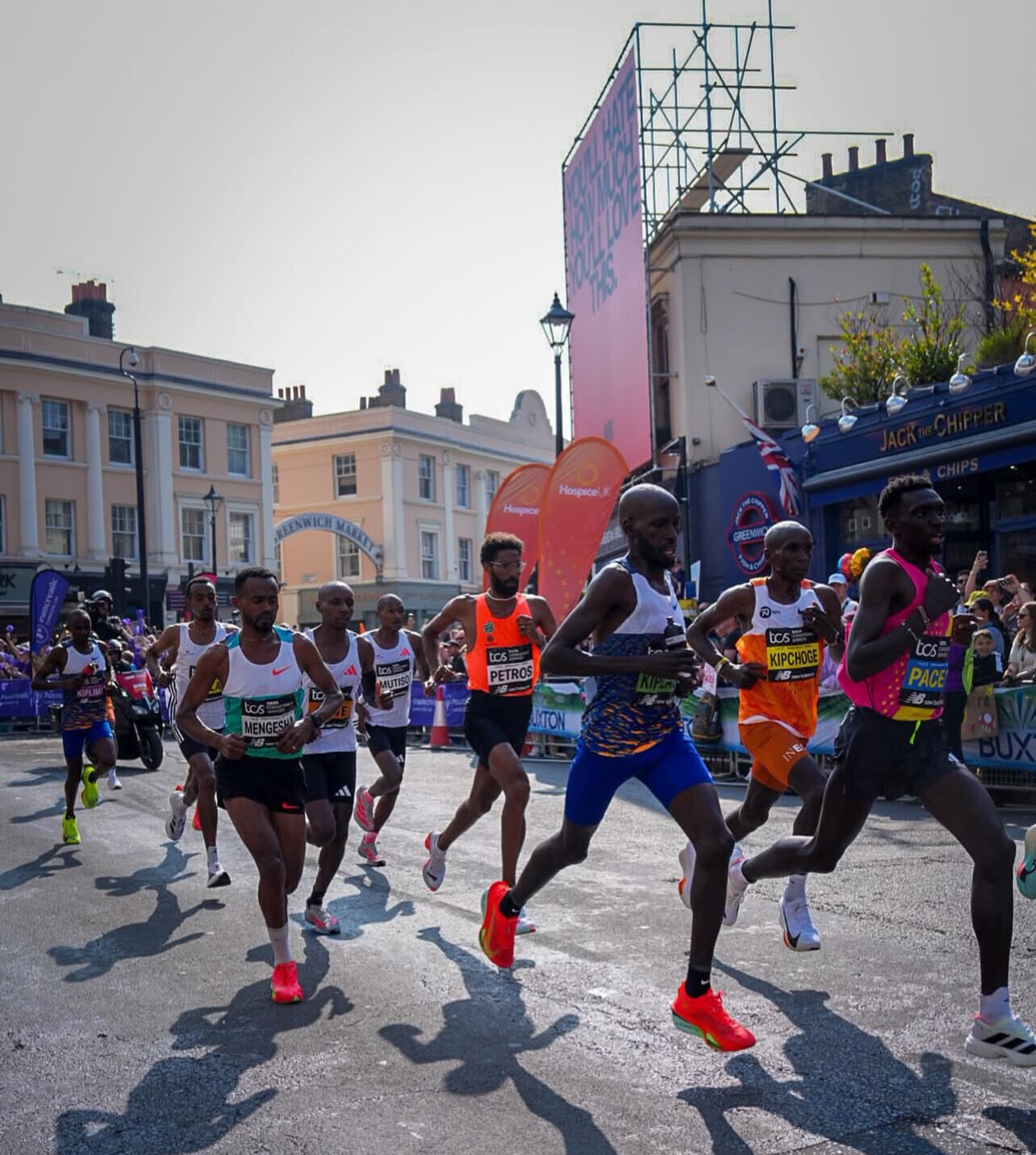
Boston, for example, climbs 248 metres but descends 388 metres. Its famous point-to-point layout and net downhill profile make it exceptionally fast in places, but its course does not qualify for official world-record purposes because the elevation drop exceeds the limit permitted by World Athletics.
New York City is a completely different proposition. With approximately 246 metres of climbing, it is among the toughest Major Marathon courses, demanding strength and tactical patience rather than simply raw speed. Its records therefore carry a different kind of significance, earned on a course that tests athletes through bridges, climbs and a demanding closing stretch into Central Park.
Tokyo offers another fast but distinctive challenge, with Benson Kipruto holding the men’s course record in 2:02:16. Brigid Kosgei’s 2:14:29 remains the women’s course record, illustrating the exceptional standard required to rewrite the record books in the Japanese capital.
And then there is Sydney, the newest addition to the Abbott World Marathon Majors family. Its course has already produced outstanding performances, with Addisu Gobena’s 2:04:42 listed as the men’s course record and Sifan Hassan’s 2:18:22 as the women’s mark in the graphic. With its demanding elevation profile, those performances underline just how quickly the Sydney course has established itself among the world’s major marathon stages.
What makes these records fascinating is that they cannot be judged by the clock alone. A 2:01 on a fast, record-legal course is a completely different achievement from a 2:04 on a demanding route, while Boston’s unique course rules mean that even exceptionally fast performances cannot enter the official world-record conversation.
For decades, marathon greatness was largely measured by who could run fastest. Today, the Majors show that where the time is run can be almost as important as the time itself. From Sawe’s historic sub-two-hour breakthrough in London to Chepngetich’s barrier-breaking run in Chicago and Berlin’s remarkable record history, these performances represent different chapters of marathon history—and the next chapter could be written at any Major.
by Erick Cheruiyot for My Best Runs.
Login to leave a comment
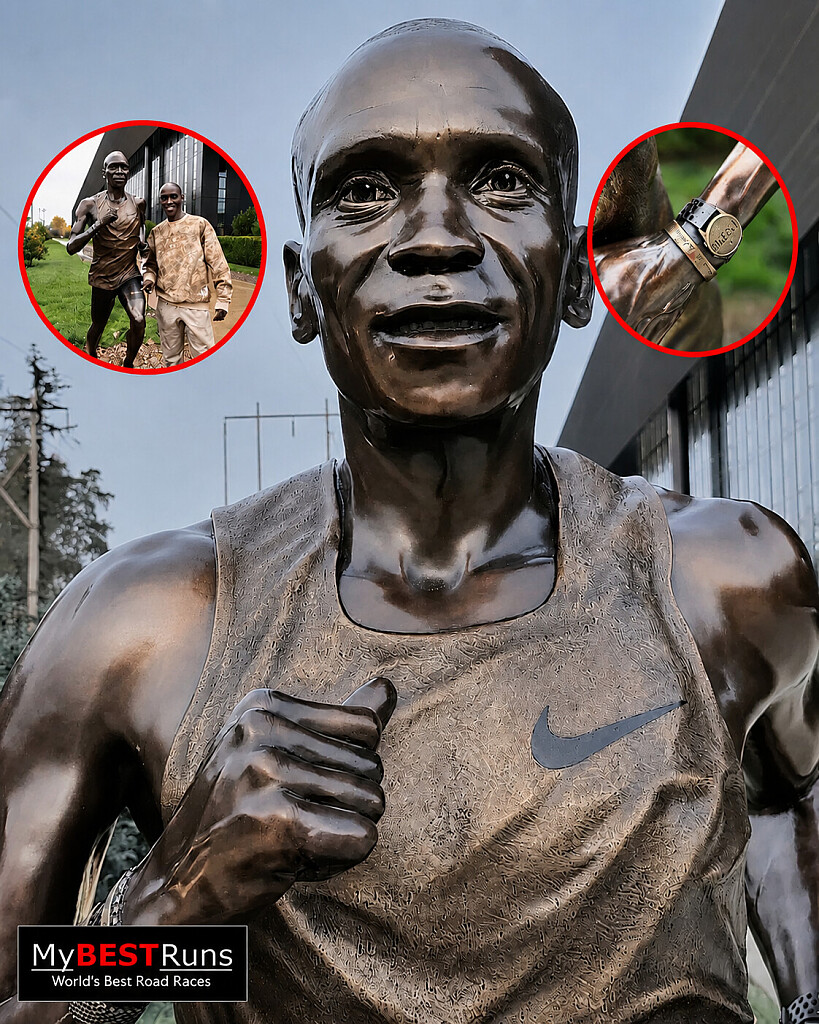
The Statue That Predicted History: How Kipchoge’s ‘No Human Is Limited’ Became Reality
Inside Nike’s World Headquarters in Beaverton, Oregon, a bronze figure stands frozen in motion.
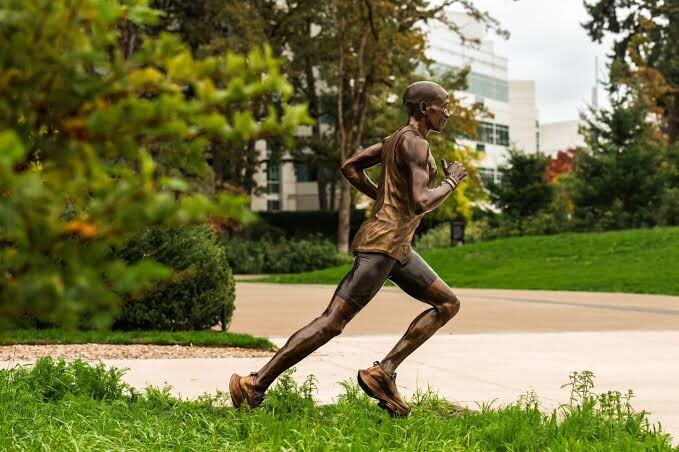
It is Eliud Kipchoge — captured in his unmistakable running posture, every detail carefully sculpted to resemble the Kenyan marathon legend at full stride. But this is more than a statue. It is a permanent reminder of a barrier that once seemed beyond human reach.
Created by Oregon artist Alison Caswell and commissioned by Nike, the life-size bronze sculpture was unveiled in October 2023 as part of the company’s celebration of its 20-year partnership with Kipchoge. Nike described the statue as a tribute to his signature gait and unique running style.
Look closely, however, and the sculpture tells an even deeper story.
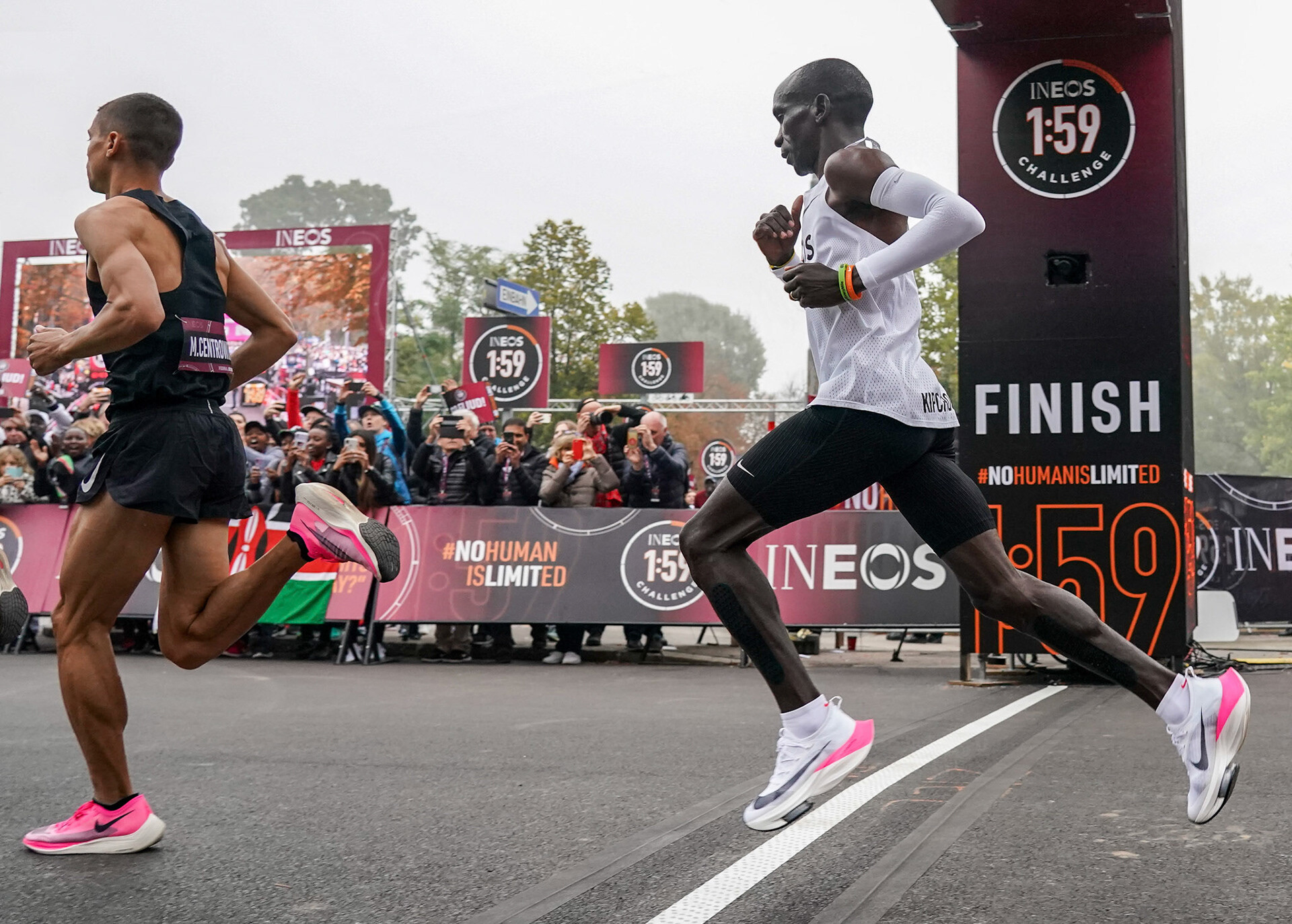
The watch on Kipchoge’s wrist displays 1:59:40, recalling the extraordinary morning of October 12, 2019, when he became the first person to run the marathon distance in under two hours during the INEOS 1:59 Challenge in Vienna.
His official recorded time was 1:59:40.2.
The achievement came under specially controlled conditions, with 41 pacemakers rotating in formations around him and extensive logistical support designed specifically for the attempt. Because it was not a standard record-eligible marathon, the performance was not recognized as an official world record. But its significance went far beyond the record books.
On the statue's left wrist is another detail that carries perhaps even greater meaning.
The wristband bears Kipchoge's famous philosophy:
“No human is limited.”
Those four words became synonymous with his pursuit of the impossible. In Vienna, they were no longer simply a slogan. Kipchoge had demonstrated that a boundary which had appeared almost untouchable could, under the right circumstances, be broken.
Four years later, the bronze figure remained in place at Nike's headquarters — but the marathon world had changed dramatically.
In October 2023, Kelvin Kiptum lowered the official men's marathon world record to 2:00:35 in Chicago, bringing the sport closer than ever to the barrier Kipchoge had already conquered unofficially in Vienna.
Then came April 26, 2026.
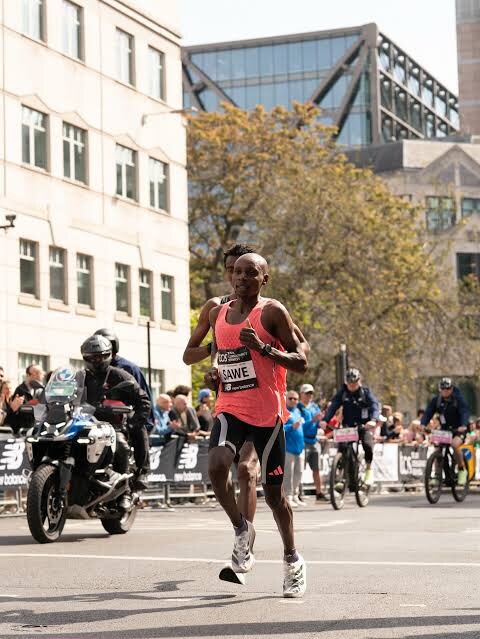
On the streets of London, Kenya's Sabastian Sawe entered territory that had previously belonged only to Kipchoge's extraordinary exhibition achievement.
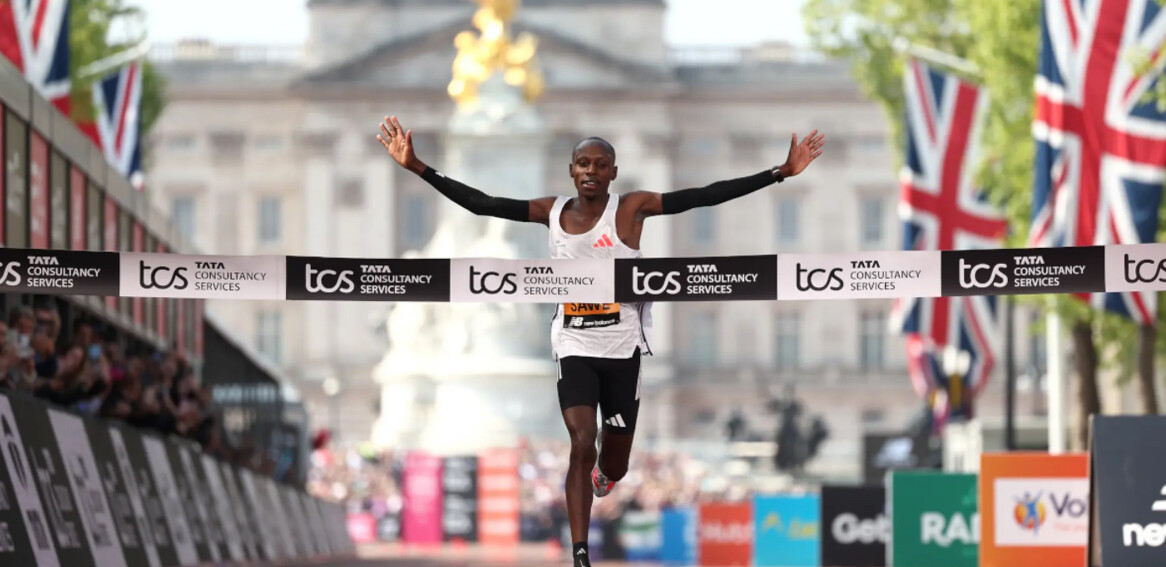
Sawe won the London Marathon in 1:59:30, becoming the first man to officially complete a record-eligible marathon in under two hours. He also erased Kiptum's world record by 65 seconds. World Athletics subsequently ratified the performance as the official men's marathon world record.
And remarkably, Sawe did it in an ordinary competitive marathon — not on a specially designed course, not with rotating pacemakers, and not under the unique conditions of the 2019 INEOS challenge.
The symbolism is difficult to miss.
When Nike unveiled Kipchoge's statue in 2023, the 1:59:40 engraved on its wrist represented a moment when humanity had first stepped beyond the two-hour marathon barrier.
Today, that number represents something different.
It is no longer the fastest anyone has ever run 42.195 kilometres.
Instead, it has become part of the history that led to something even greater: the first officially recognized sub-two-hour marathon.
Kipchoge opened the door in Vienna.
Kiptum pushed the official world record closer.
And Sawe eventually walked — or rather, ran — through the door.
The bronze statue in Beaverton has not moved. Its watch still points to 1:59:40, and its wristband still carries the words “No human is limited.”
But the meaning of those words has grown.
What once looked like a statement of belief now reads like a prediction.
The statue was built to celebrate what Kipchoge had already achieved.
History has since given it another purpose: to remind the world that yesterday's impossible can become tomorrow's starting point.
by Erick Cheruiyot for My Best Runs.
Login to leave a comment
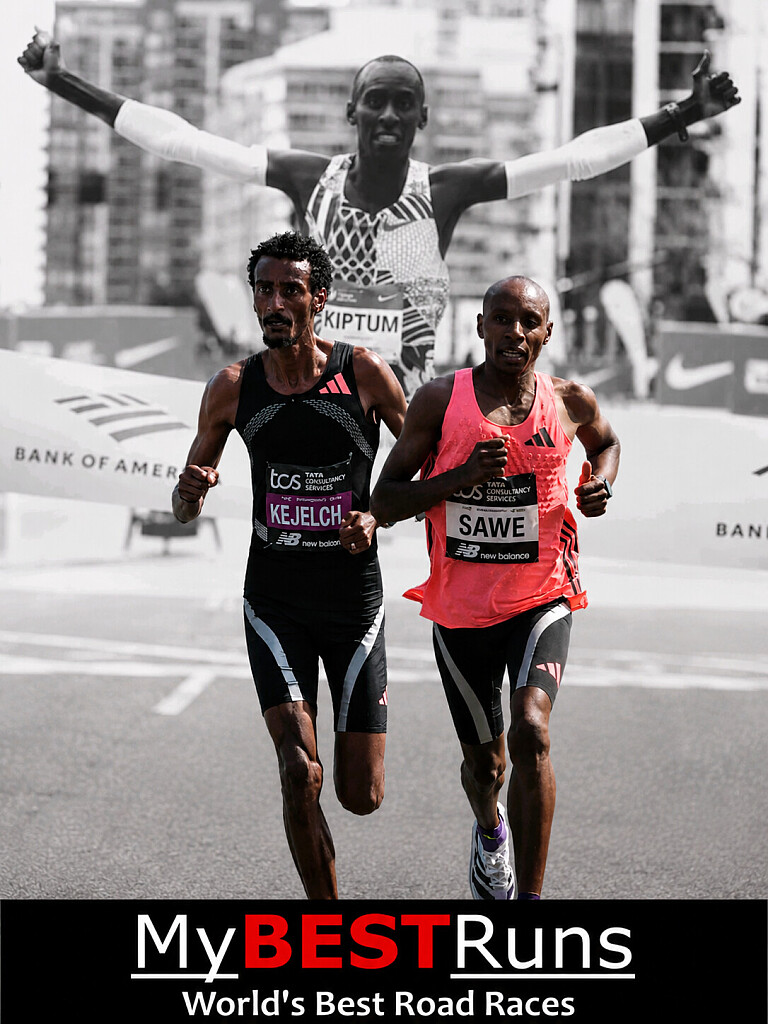
Kelvin Kiptum's World Record Is Gone. His Legacy Never Will Be
Records are made to be broken. Legacies are not.
On October 8, 2023, the streets of Chicago witnessed one of the greatest performances in marathon history. At just 23 years old, Kenya's Kelvin Kiptum stormed to a world record of 2:00:35, redefining what many believed was possible over 42.195 kilometres.
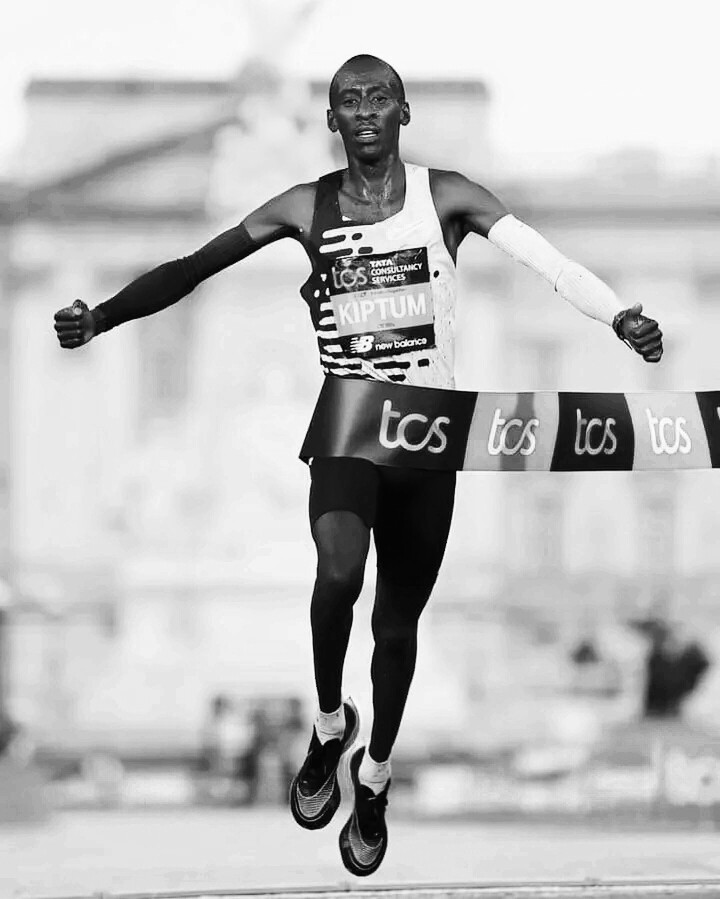
It was a performance that stunned the sporting world. Yet, no one could have imagined it would become his final masterpiece.
Just four months later, tragedy struck. Kiptum lost his life in a road accident at the age of 24, only five days after World Athletics officially ratified his world record. His marathon career lasted just three races, but it was nothing short of extraordinary. He won all three, remained unbeaten over the distance, and left behind a standard that inspired a new generation of marathon runners.
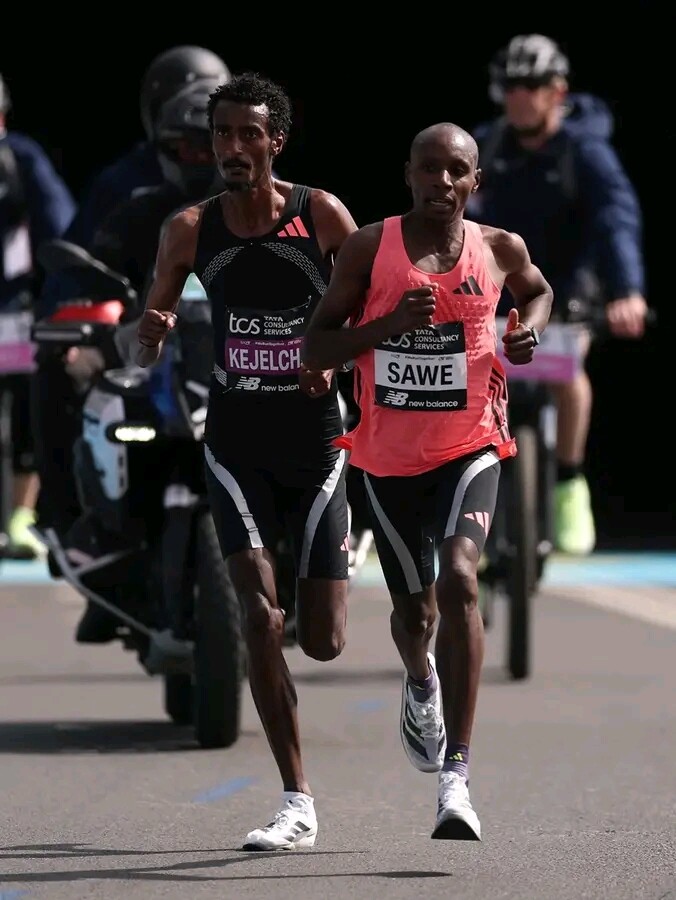
Then came another historic chapter.
At the London Marathon, a new world record was born. Sabastian Sawe delivered a sensational 1:59:30 to become the first man to officially break the two-hour barrier in a record-eligible marathon. Yomif Kejelcha followed with an extraordinary 1:59:41 on his marathon debut, while Jacob Kiplimo completed a remarkable podium in 2:00:28. In one unforgettable afternoon, Kiptum's world record was surpassed, signalling yet another leap forward in the evolution of marathon running.
But while the record books have changed, Kiptum's place in history has not.
His greatness was never defined solely by the time on the clock. It was defined by the belief he inspired. Kiptum proved that a young athlete training on the rugged roads of rurals around the world, competing sparingly and still shaping his own coaching journey, could challenge the very limits of human endurance. His achievements expanded what athletes believed was possible and helped usher the marathon into a new era.
His influence continues to resonate throughout the sport. Ruth Chepngetich dedicated her memorable 2024 Chicago Marathon victory to his memory, while Sawe's historic world-record performance came nearly two and a half years after Kiptum's unforgettable run in Chicago.
Time has moved forward. New records have been set. New champions have emerged.
Yet Kelvin Kiptum's name remains permanently etched in marathon history—not simply because he once held the world record, but because he changed the way the world viewed the marathon.
His world record is gone. His legacy never will be.
by Erick Cheruiyot for My Best Runs.
Login to leave a comment
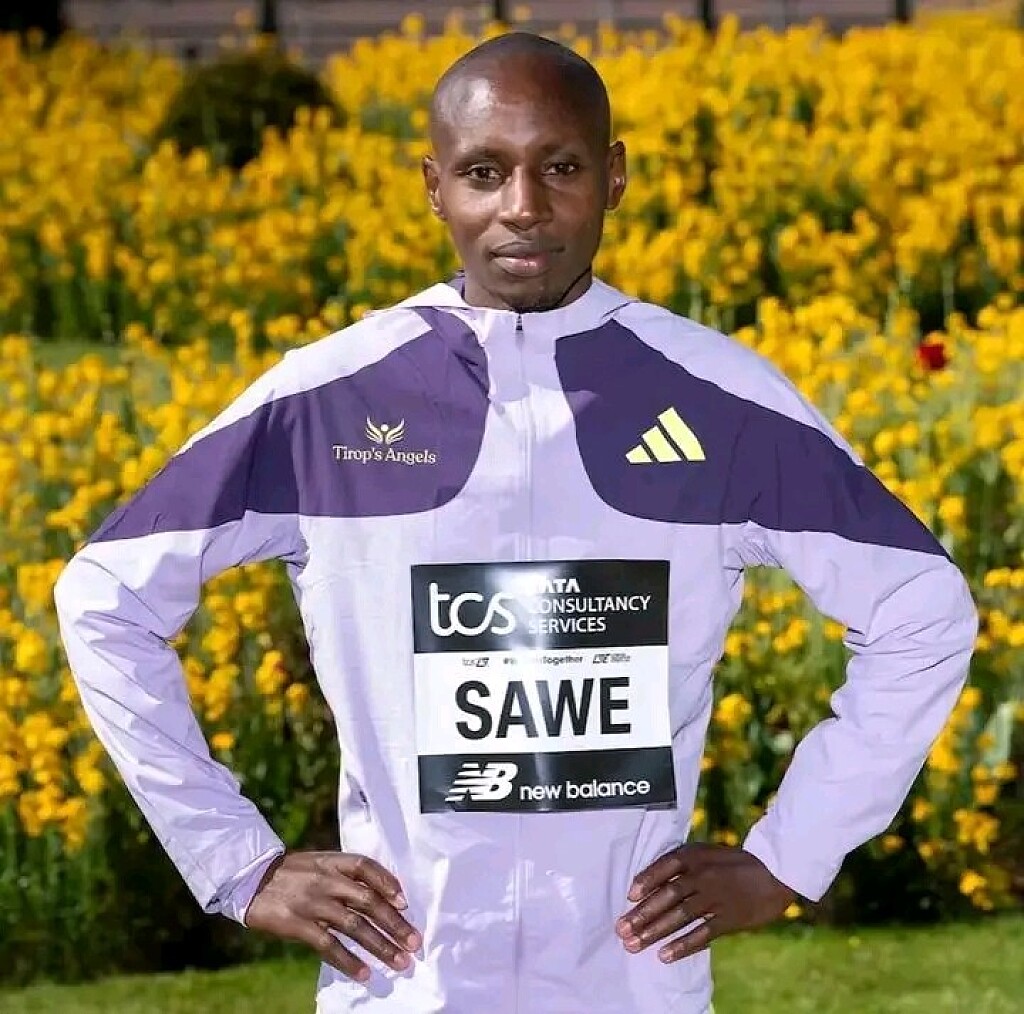
Sawe Braced for Fierce London Test Against World-Class Rivals
Confidence is building around Sabastian Sawe ahead of the 2026 London Marathon, with the Kenyan star making it clear that victory in the British capital will demand something exceptional.
Sawe believes the strength of this year’s field could force the race into historic territory once again.

“I am sure with the quality of athletes coming to London, it will take another fast time to win again,” he said ahead of Sunday’s showdown. “Perhaps the type of effort the great Kelvin Kiptum put in when he set the course record in 2023.”
That benchmark remains one of the defining performances in marathon history. Kiptum’s 2:01:25 course record in London was a masterclass in fearless front-running, and it continues to represent the standard every contender must now measure themselves against.
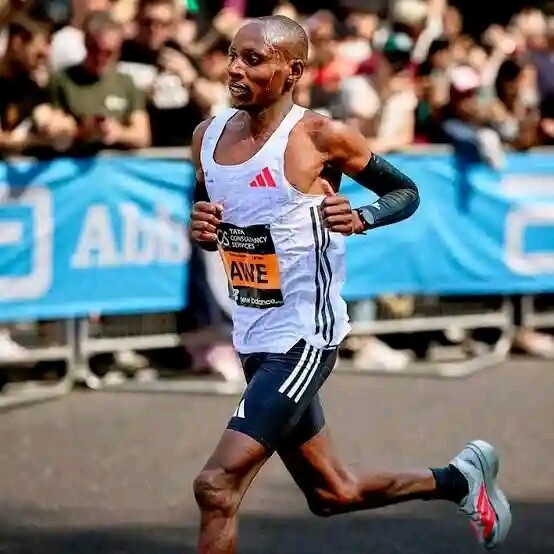
For Sawe, the challenge will be immense—but so will the opportunity.
The Kenyan enters the race as one of the sport’s rising forces, admired for his composure, tactical patience, and devastating finishing strength. Yet London in 2026 offers no room for hesitation, with a world-class field assembled for one of the most anticipated marathons of the season.
Among those standing in his path is Jacob Kiplimo, the Ugandan star whose range and endurance make him a serious threat over the classic distance. Ethiopia’s Yomif Kejelcha also arrives with formidable credentials, while two-time New York City Marathon champion Geoffrey Kamworor brings championship experience and relentless toughness.

With such names on the start list, the early pace is expected to be uncompromising. London’s flat roads and elite pacemaking have often produced memorable times, and another aggressive race could develop from the opening miles.
The London Marathon will be held on Sunday, April 26, with global attention fixed on the men’s contest. It is a race rich in history, but this year’s edition carries the feel of something more—a collision of generations, ambitions, and raw ability.
For Sawe, lifting the title would be a career-defining achievement. But if the pace ignites and the field commits, London may witness not just a winner, but another performance worthy of the city’s legendary marathon legacy.
by Erick Cheruiyot for My Best Runs.
Login to leave a comment

TCS London Marathon
Since its inaugural edition on March 29, 1981, the TCS London Marathon has grown into one of the world's most prestigious road races, blending elite competition with an extraordinary charitable legacy. Founded by former Olympic champion and journalist Chris Brasher alongside Welsh athlete John Disley, the event has been staged every year and has been held in the spring annually...
more...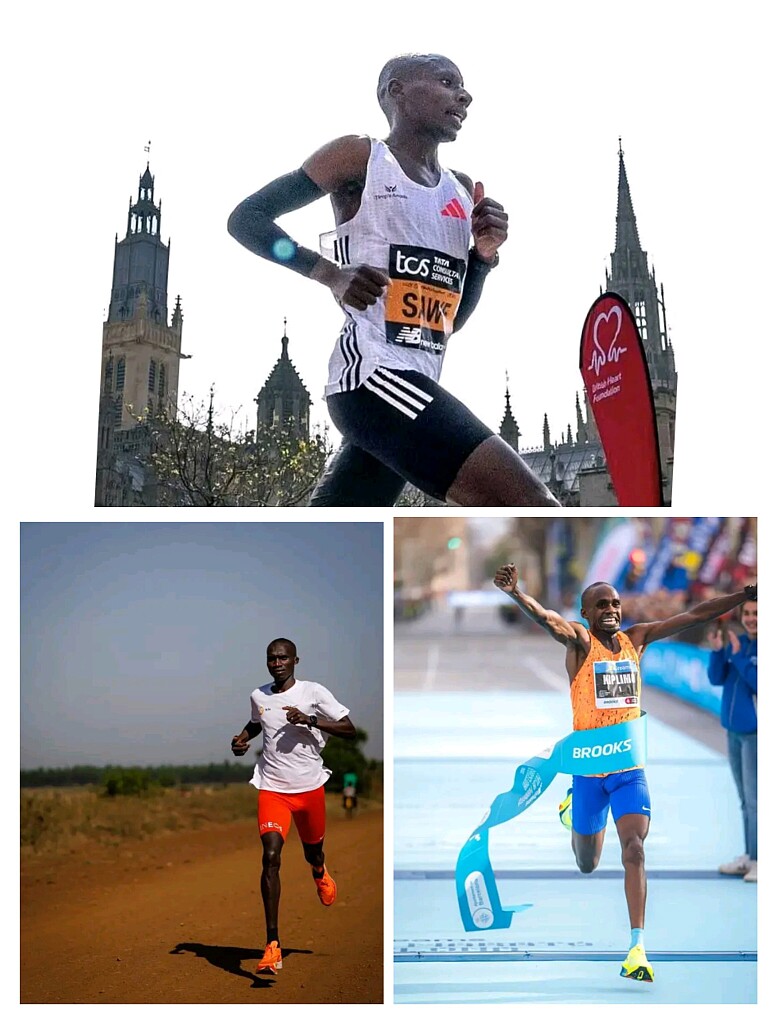
London Marathon 2026: Record Pace, Relentless Rivals, and a Race on the Brink of History
The countdown to the London Marathon on April 26, 2026, carries a rare sense of anticipation—one built not just on elite competition, but on the genuine possibility of history being rewritten. At the heart of it all stands the late Kelvin Kiptum’s extraordinary course record of 2:01:25, a mark that redefined the limits of marathon running and now faces a formidable, collective assault.
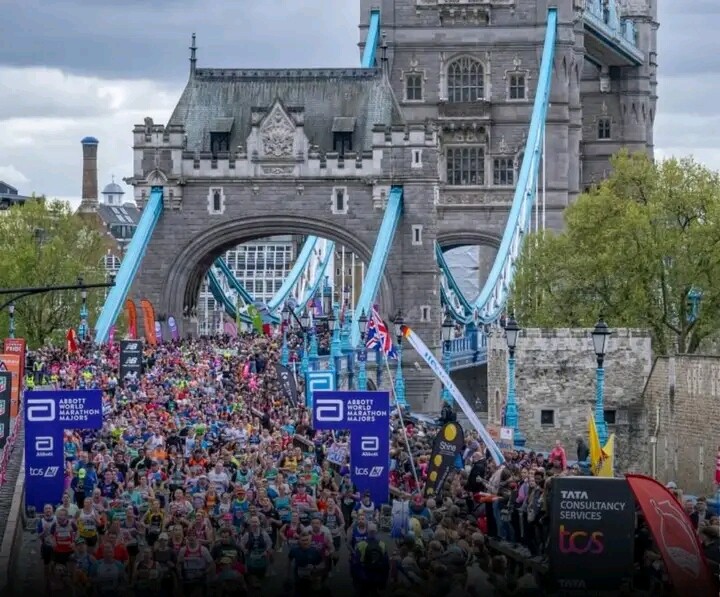
This year’s race brings together a field of exceptional depth and ambition, where three of the sport’s most dynamic figures—Sabastian Sawe, Jacob Kiplimo, and Joshua Cheptegei—headline a cast capable of turning pace into legend.
Sawe returns as the defending champion and the man everyone is chasing. His dominant victory in 2025, delivered in 2:02:27—the second-fastest time in London Marathon history—announced his arrival as a true force over 42.195 kilometres. Yet, even he recognises the scale of the challenge ahead. Against such a stacked field, victory alone may not suffice; it could take something far greater, perhaps even a course record, to secure back-to-back triumphs.
Pushing him every step of the way will be Kiplimo, whose evolution into the marathon continues to gather momentum. After an outstanding runner-up finish on his London debut, he has since refined his endurance and sharpened his edge, lowering his personal best to 2:02:23. Now, he returns not merely as a contender, but as an athlete with unfinished business—one determined to convert promise into dominance.
Then there is Cheptegei, the world record holder over 5,000m and 10,000m, whose transition to the marathon is steadily taking shape. With a personal best of 2:04:52 recorded in Amsterdam, the Ugandan star arrives in London with growing confidence and a clear objective: to translate his track supremacy into marathon greatness on one of the sport’s grandest stages.
Beyond this leading trio, the race is further elevated by the presence of Olympic champion Tamirat Tola and the immensely talented Yomif Kejelcha, ensuring that the pace will be honest, the pressure unrelenting, and the margin for error almost nonexistent.

What makes this edition truly compelling, however, is the delicate alignment of conditions required for greatness. London’s flat and fast course has long been a theatre for remarkable performances, but records are never guaranteed. Weather, pacing, and race dynamics must converge perfectly. Go out too aggressively, and the final miles can unravel even the strongest; hesitate, and the opportunity for history slips away.
Yet, if the rhythm is right and the courage to push the limits prevails, Kiptum’s towering mark may finally come under serious threat. The ingredients are all in place: a world-class field, fearless competitors, and a shared understanding that this is more than a race—it is a moment.
As the streets of London prepare to host another spectacle, one question echoes louder than ever:
Will April 26 deliver a champion—or a performance that redefines what is humanly possible?
by Erick Cheruiyot for My Best Runs.
Login to leave a comment
TCS London Marathon
Since its inaugural edition on March 29, 1981, the TCS London Marathon has grown into one of the world's most prestigious road races, blending elite competition with an extraordinary charitable legacy. Founded by former Olympic champion and journalist Chris Brasher alongside Welsh athlete John Disley, the event has been staged every year and has been held in the spring annually...
more...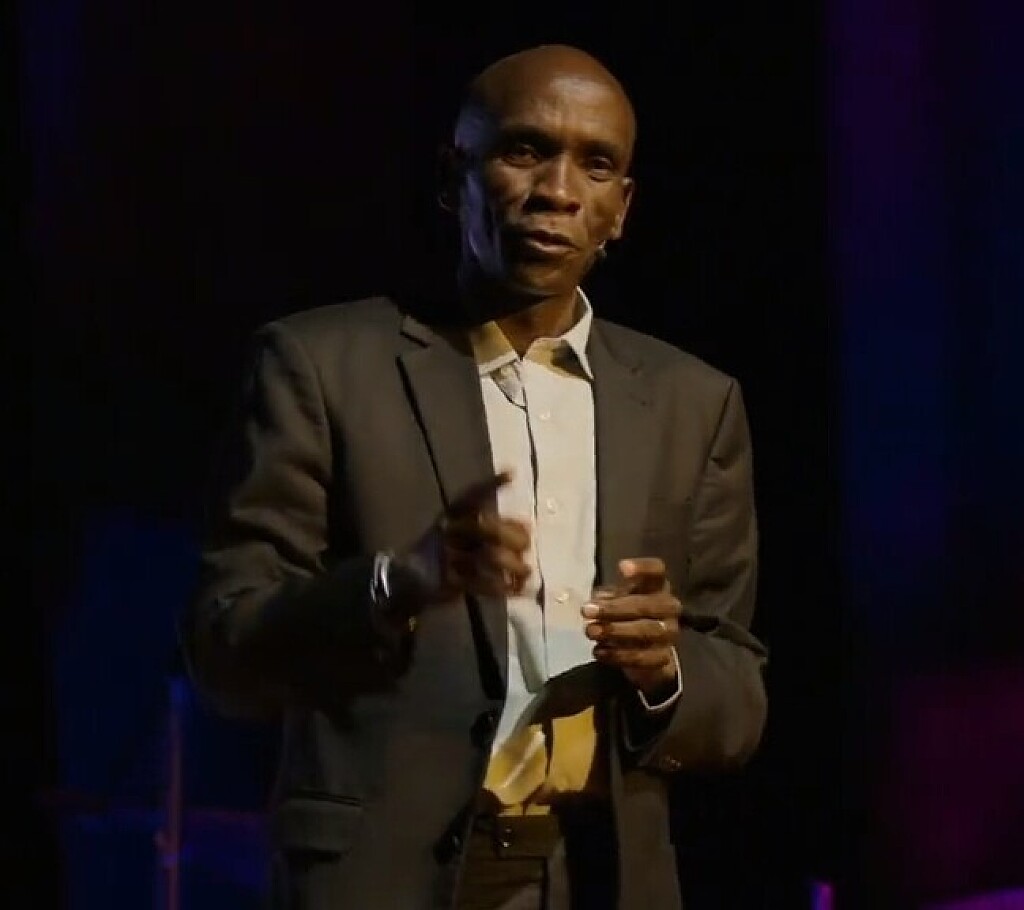
“I Was Down to My Knees” — Kipchoge Opens Up on Cruel Rumours After Kiptum’s Fatal Crash
The death of marathon world record holder Kelvin Kiptum sent shockwaves through the global athletics community in February 2024. Tributes poured in from across the world as athletes, officials and fans mourned the loss of one of distance running’s brightest talents.
But for fellow Kenyan legend Eliud Kipchoge, the tragedy was followed by an intensely painful personal ordeal — a wave of online rumours that falsely attempted to link him to the accident that claimed Kiptum’s life.
A tragic night in Elgeyo-Marakwet
Kiptum, who held the marathon world record at the time, died on February 11, 2024, following a road accident in the Kaptagat area of Elgeyo‑Marakwet County in western Kenya.
He was travelling with his Rwandan coach Gervais Hakizimana, who also lost his life in the crash. The devastating incident brought an abrupt end to a career that had risen at breathtaking speed.
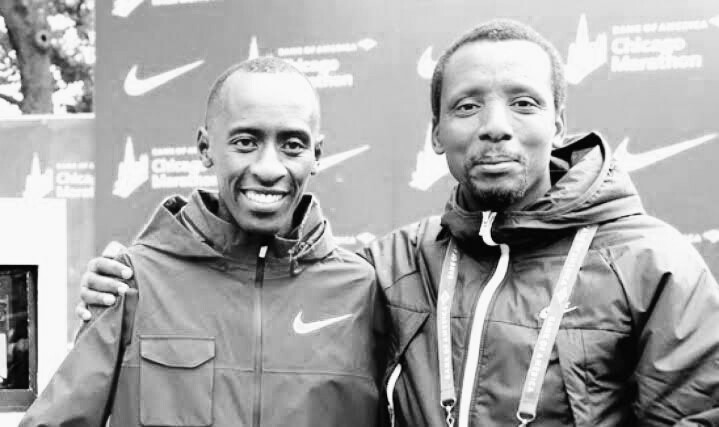
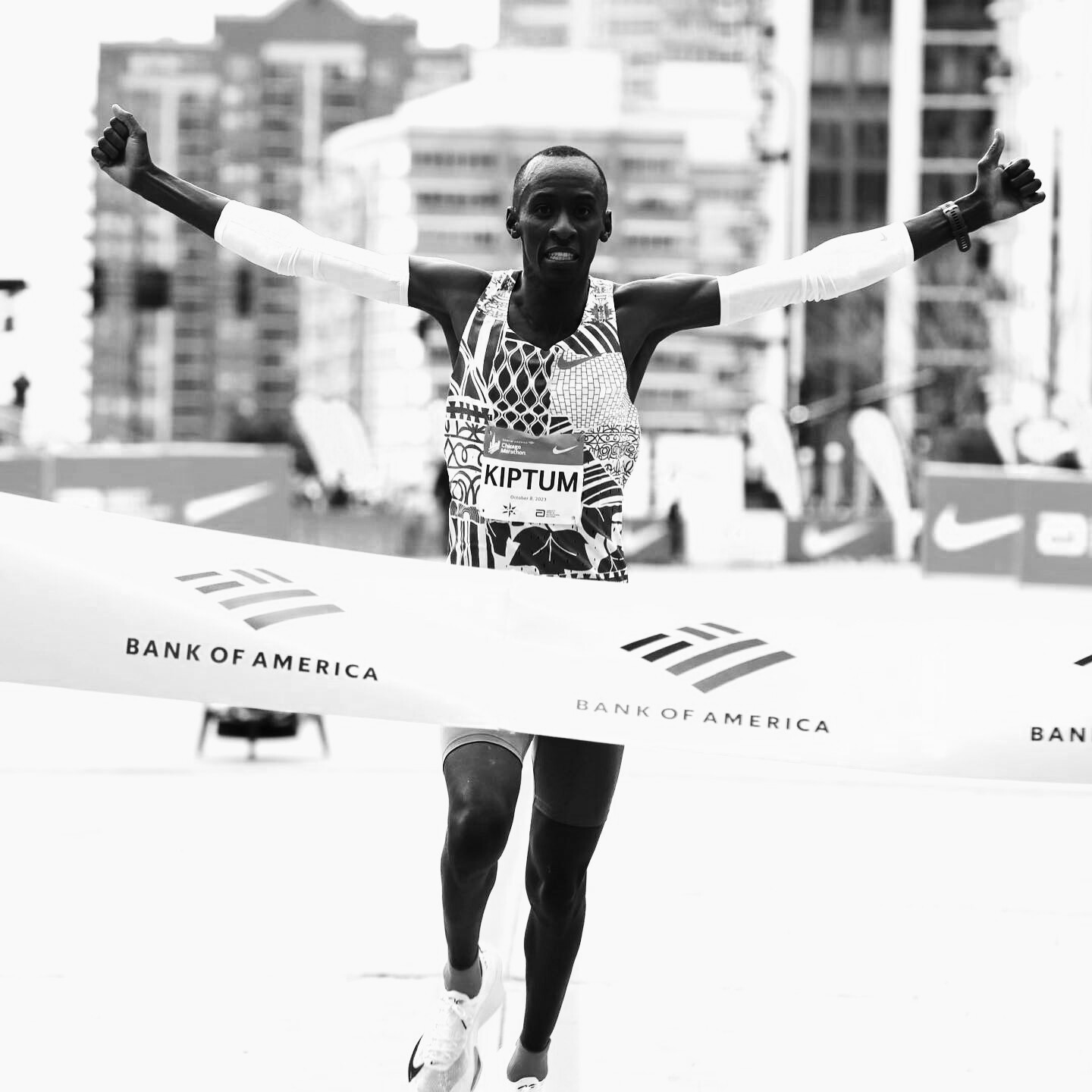
Only months earlier, Kiptum had stunned the athletics world at the Chicago Marathon, clocking a remarkable 2:00:35 to set a new marathon world record — a performance that cemented his status as one of the most extraordinary long-distance talents of his generation.
The moment Kipchoge heard the news
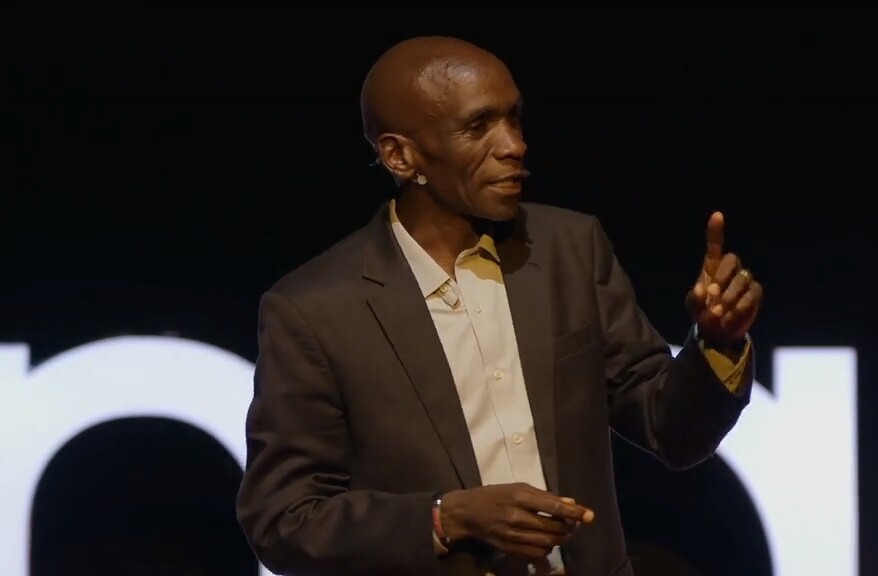
In a deeply emotional interview shared on the Engage Talk YouTube platform, Kipchoge recalled the moment he first learned of the tragedy.
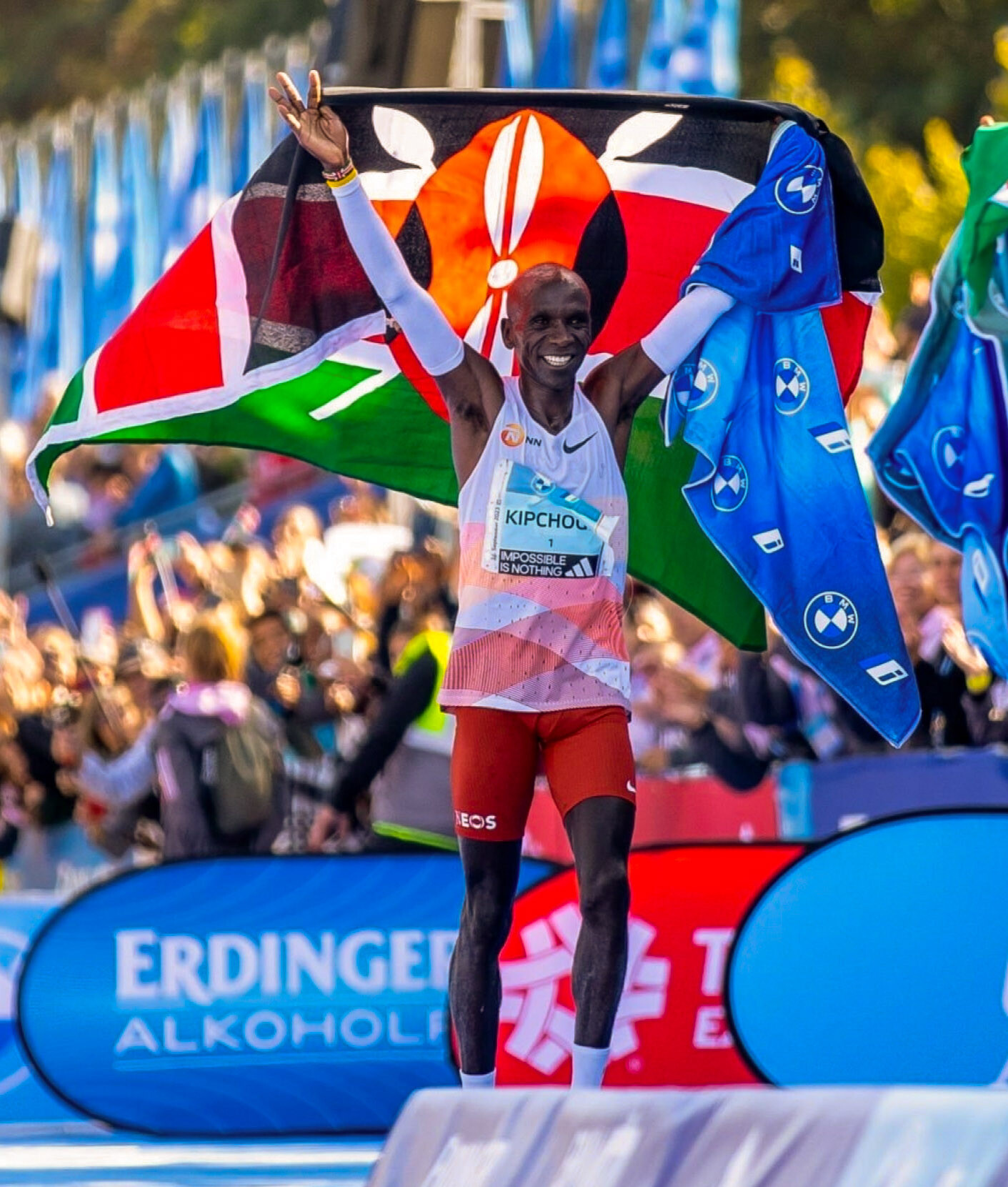
The two-time Olympic marathon champion explained that he had just returned home from a training session when someone at the gate informed him that Kiptum had died in a road accident. Shocked by the news, he immediately checked his phone — only to discover a different kind of storm unfolding online.
Within hours of the crash, social media had become flooded with baseless rumours accusing Kipchoge of being somehow connected to the incident.
The accusations, he said, left him devastated.
“Social media was everywhere saying Eliud killed Kiptum in a road accident. I was really down… down to my knees,” Kipchoge said during the interview.
Threats and fear for his family
The false claims quickly escalated into a wave of online hostility, with Kipchoge revealing that threats were directed not only at him but also at members of his family.
For safety reasons, the family was forced to change parts of their daily routine. Kipchoge explained that his sons had previously cycled to school, a normal routine in their community, but the arrangement had to be altered after the threats emerged.
He also expressed disappointment that some of the accusations circulating online took on an ethnic tone — something that deeply troubled the athlete, who has long spoken publicly about unity and national harmony in Kenya.
Silence from many, support from a few
The episode also revealed an unexpected reality for one of the most celebrated athletes in the world.
Despite having millions of followers across social media platforms, Kipchoge said only a small number of people reached out to check on him during the difficult period.
It was a stark reminder, he noted, that genuine support often comes from close relationships rather than public admiration.
A career defined by greatness
Kipchoge’s legacy in distance running remains unmatched. He won Olympic marathon gold medals at the 2016 Rio Olympics and the 2020 Tokyo Olympics, cementing his place among the greatest marathon runners in history.
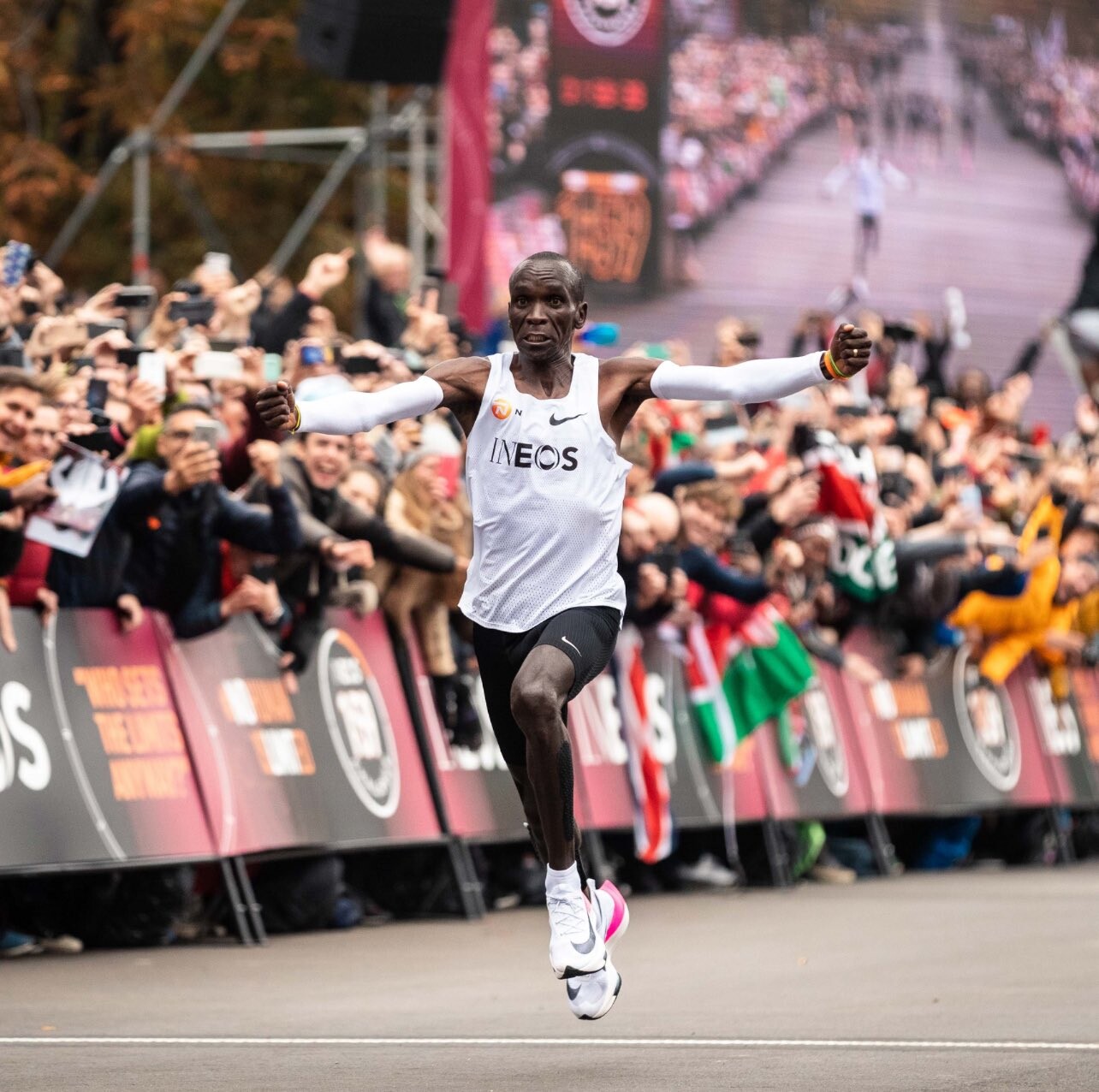
In 2019, he also achieved one of the most iconic moments in sport by becoming the first person to run a marathon distance in under two hours during the INEOS 1:59 Challenge in Vienna, completing the run in 1:59:40 during the special exhibition event.
A painful lesson in resilience
Looking back, Kipchoge described the aftermath of Kiptum’s death as one of the most emotionally testing moments of his life.
The experience, he said, reinforced the importance of resilience and the value of strong personal relationships when navigating moments of crisis.
While the loss of Kelvin Kiptum remains a deep wound for the athletics world, Kipchoge’s reflections reveal another side of the tragedy — the unseen emotional toll that misinformation and online hostility can inflict, even on the strongest of champions.
by Erick Cheruiyot for My Best Runs.
Login to leave a comment
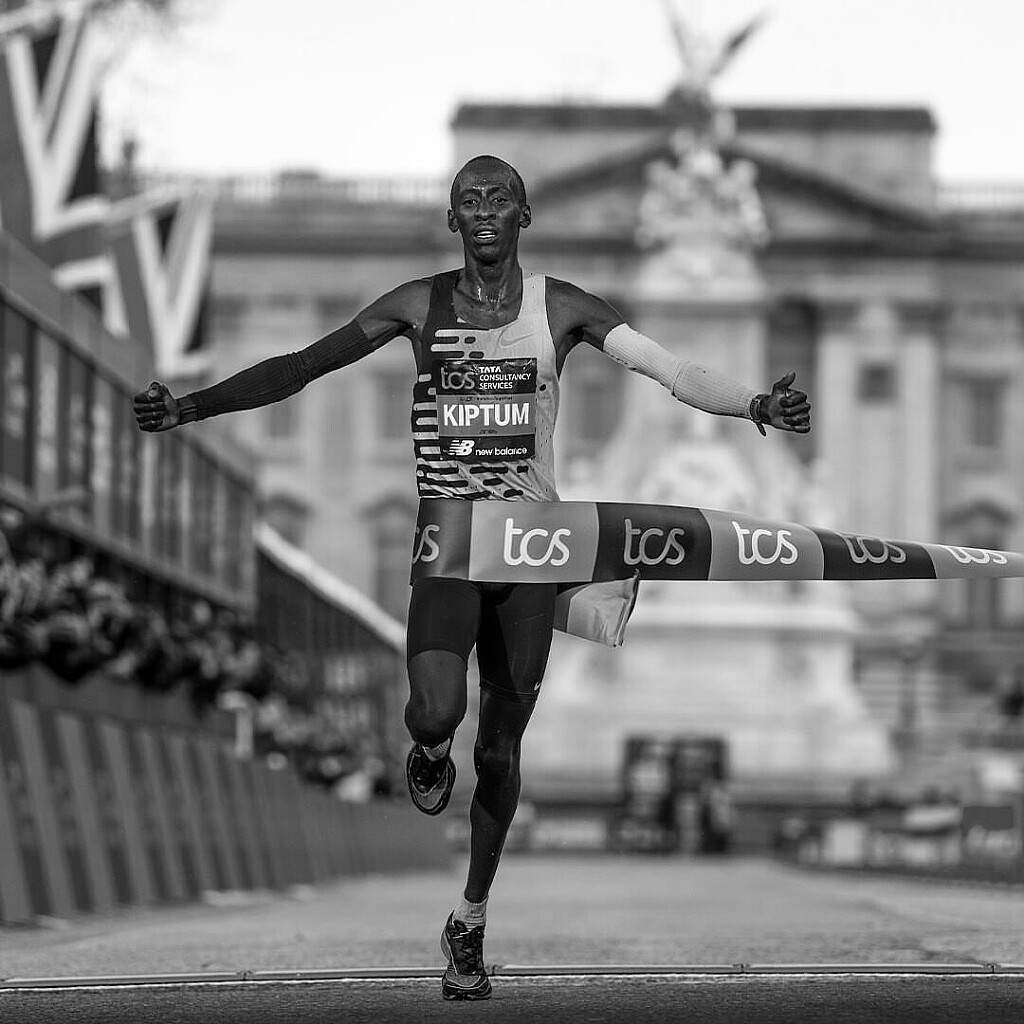
Forever in Stride: Remembering Marathon World Record Holder Kelvin Kiptum
February 11 marks a solemn anniversary in the world of athletics — a day that forever changed distance running. On this day in 2024, Kenya and the global sporting community lost one of the brightest stars the marathon had ever seen: Kelvin Kiptum Cheruiyot.
Born on December 2, 1999, in Kenya’s Rift Valley, Kiptum rose from humble beginnings to redefine the limits of human endurance. In a career that lasted less than two years at the elite marathon level, he accomplished what many athletes spend a lifetime chasing — and still fall short of achieving. By the time of his passing, he was the reigning marathon world record holder and the world’s top-ranked men’s marathon runner.
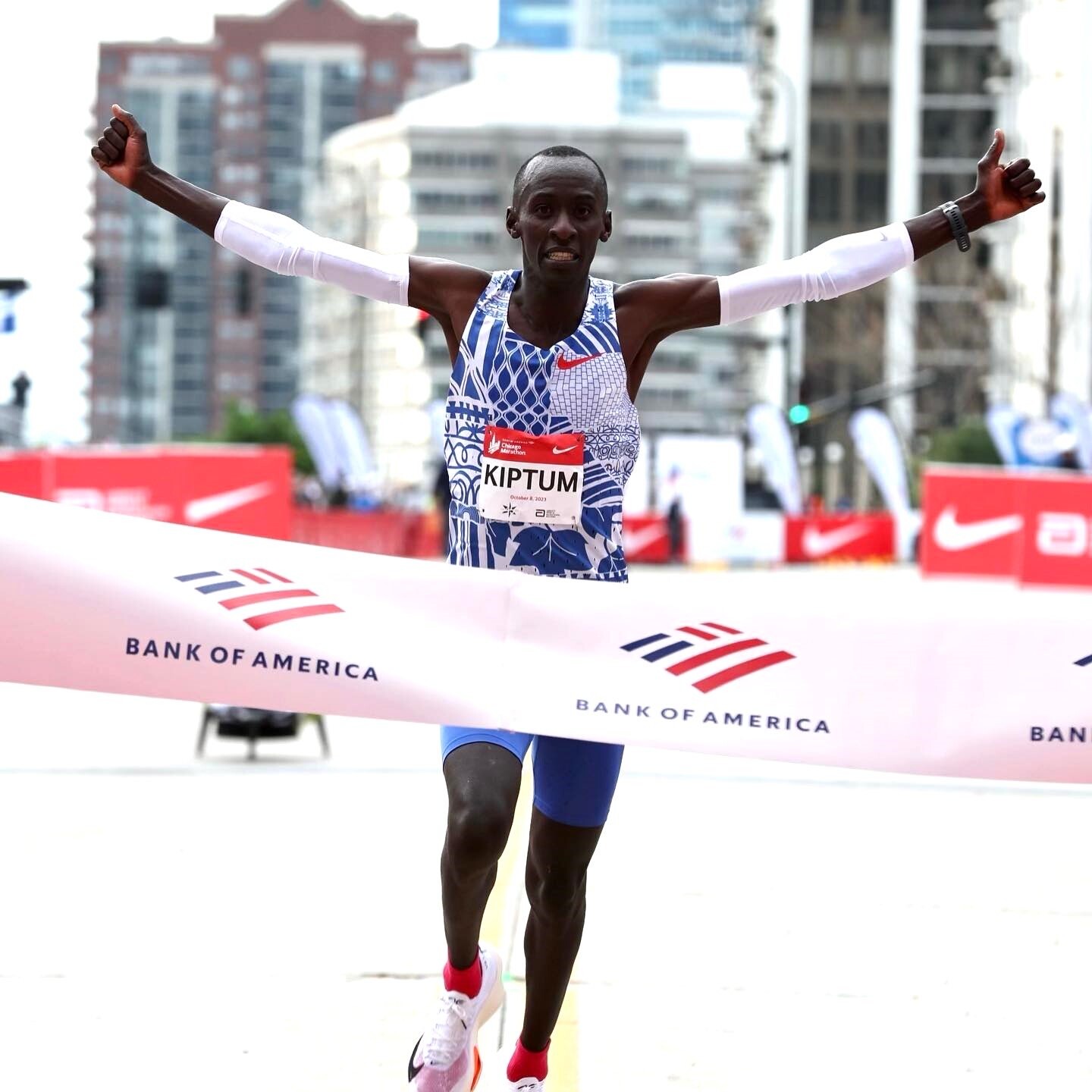
What made Kiptum extraordinary was not just his victories, but the historic fashion in which he achieved them.
He made his marathon debut in December 2022 at the Valencia Marathon — and immediately stunned the athletics world. Clocking 2:01:53, Kiptum recorded the fastest marathon debut in history at the time. He became only the third man ever to run under 2 hours and 2 minutes, delivering one of the fastest times ever seen over 42.195 kilometers. It was a statement performance — bold, fearless, and controlled.
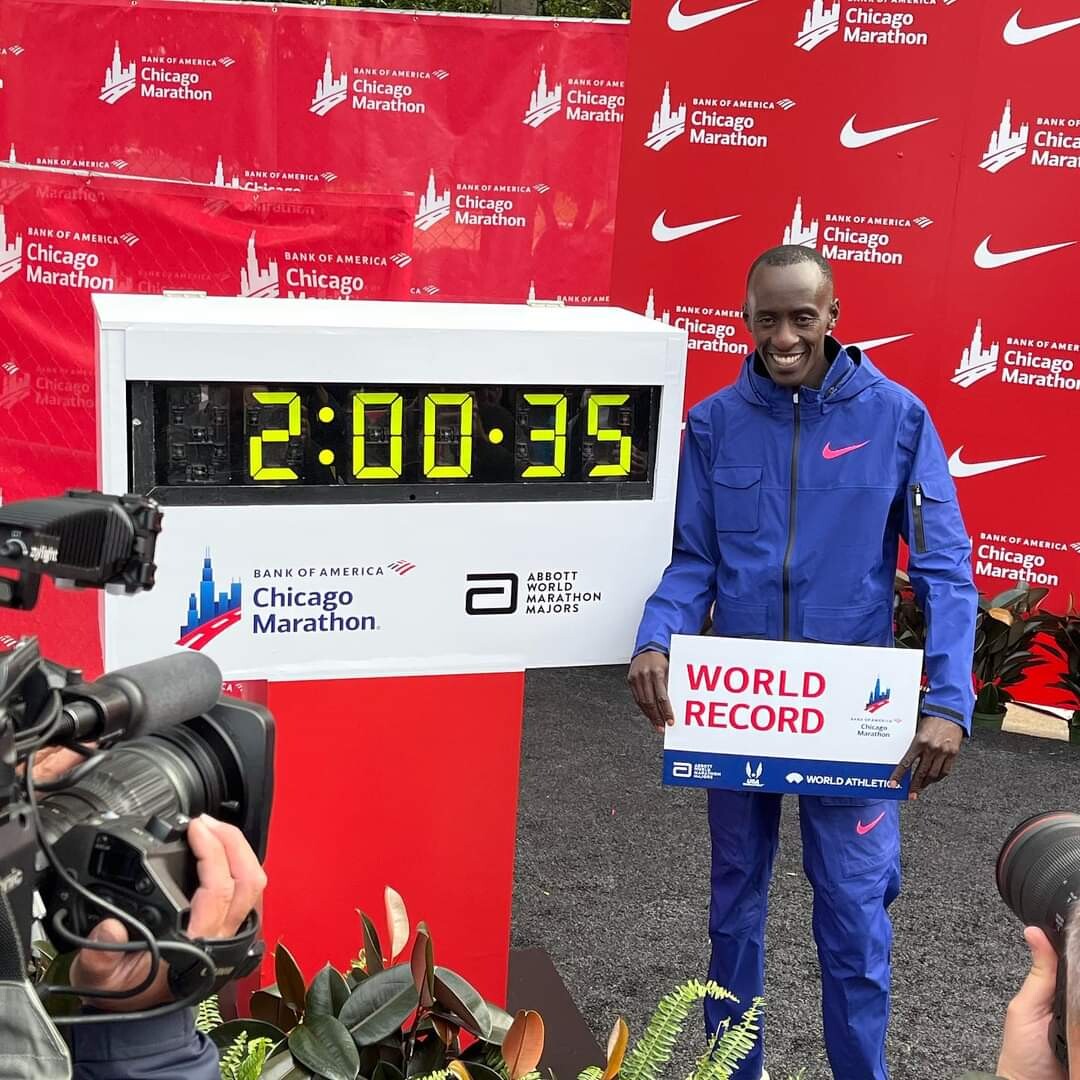
Four months later, he returned on an even bigger stage at the 2023 London Marathon, one of the prestigious World Marathon Majors. There, Kiptum elevated his performance to another level. He crossed the finish line in 2:01:25, the second-fastest marathon time in history at that moment, missing the world record by just 16 seconds. His negative split — a faster second half — showcased rare strength and tactical brilliance.
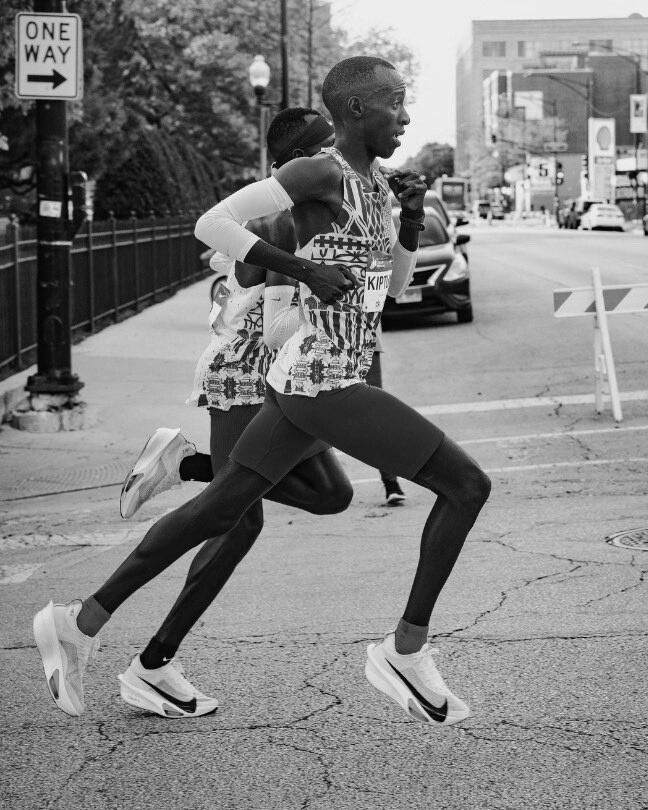
But it was in Chicago, in October 2023, where Kiptum etched his name permanently into history.
At the 2023 Chicago Marathon, he delivered a run for the ages. Displaying unmatched endurance and rhythm, Kiptum surged away in the latter stages and stopped the clock at 2:00:35. With that performance, he shattered the marathon world record by 34 seconds. The mark was officially ratified by World Athletics on February 6, 2024 — just five days before his tragic death.
Incredibly, all three of his marathon appearances resulted in victories. Two of them came at World Marathon Majors — London and Chicago — and each of his races produced times under 2:02. As of 2026, Kiptum still holds three of the seven fastest marathon times in history, a testament to the magnitude of his brief yet monumental career.
His dominance was not only statistical — it was symbolic. Kiptum represented a new era of marathon running, pushing the sport closer to what once seemed impossible: a sub-two-hour official marathon. Many believed he was destined to become the first man to break that barrier under record-eligible conditions.
Tragically, that dream was cut short.
On February 11, 2024, Kiptum and his coach lost their lives in a car accident near Kaptagat, Kenya — a high-altitude training haven known for producing world-class distance runners. According to local authorities, he lost control of his vehicle, veered off the road, and struck a tree. He was just 24 years old.
The shock reverberated far beyond Kenya. Tributes poured in from athletes, federations, and fans worldwide. In him, the world had seen not just a champion, but a generational talent whose ceiling had not yet been reached.
Kelvin Kiptum’s story is one of brilliance compressed into a short span of time — three marathons, three victories, a world record, and a legacy that continues to inspire. Though his journey ended too soon, his strides in Valencia, London, and Chicago remain immortal in the record books.
On this day, we remember not only the times he ran, but the hope he carried — the belief that limits are meant to be challenged.
Kelvin Kiptum ran into history. And history will never forget him.
by Erick Cheruiyot for My Best Runs.
Login to leave a comment
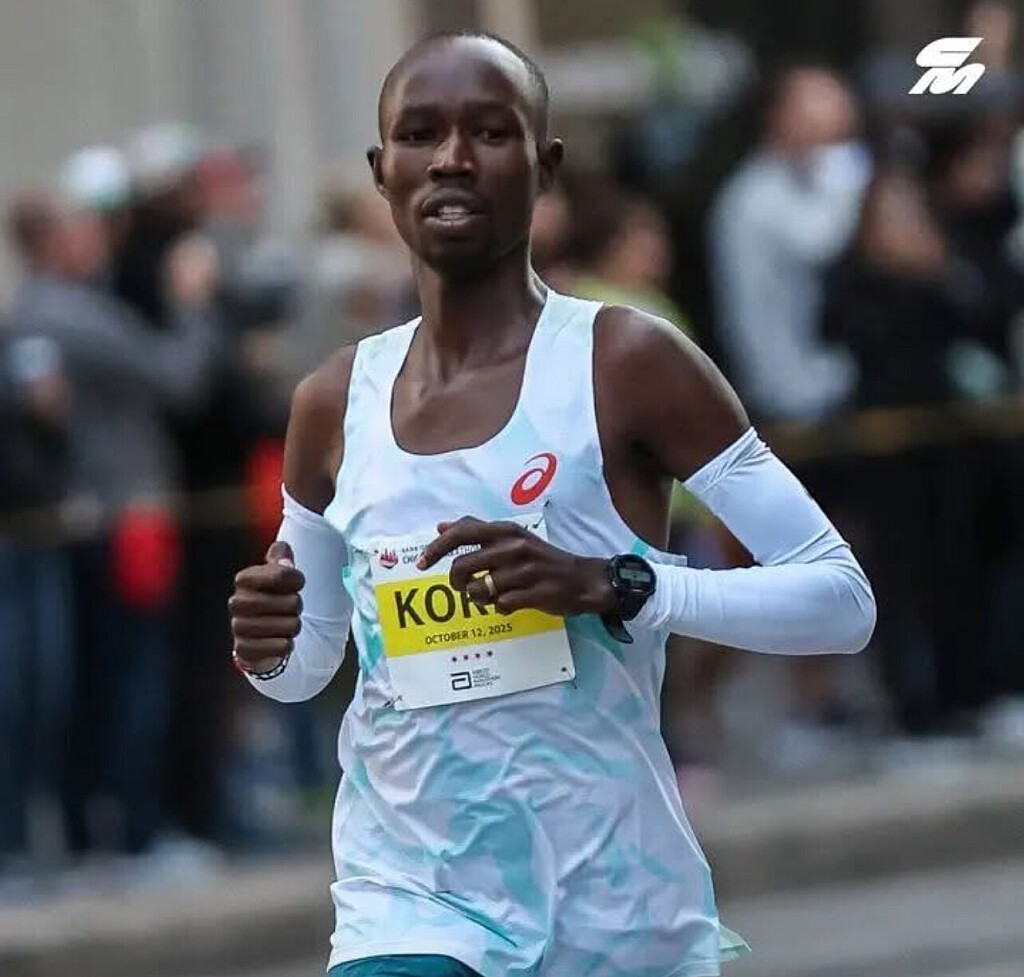
John Korir Set for Valencia Marathon Showdown After Boston Glory and Chicago DNF
The streets of Valencia—long known as a launchpad for marathon breakthroughs—will welcome another major storyline this Sunday as Boston Marathon champion John Korir lines up for one of the fastest races in the world.
Korir, who claimed the 2024 Boston Marathon title, heads to Spain looking to reset his momentum after a disappointing DNF at the Chicago Marathon. Valencia, however, has a reputation for revitalizing careers and producing history-making performances. It was here that Kelvin Kiptumastonished the running world with his 2:01:53 debut, and where Sebastian Sawe delivered his own blazing introduction to the distance.

This year’s edition will test Korir against another powerhouse field.

A Clash With Sisay Lemma and a Deep Kenyan Contingent
Leading the opposition is Sisay Lemma, the Ethiopian star and one of the most consistent marathoners on the international circuit. Lemma, who has repeatedly delivered world-class marks, will be targeting a major statement run in Valencia.
The Kenyan challenge will be formidable as well, with a trio of established athletes joining Korir on the start line:
• Hillary Kipkoech – former track standout making waves on the roads
• Edward Cheserek – the 17-time NCAA champion continuing his marathon evolution
• Justus Kangongo – a proven performer capable of big breakthroughs
Each arrives with something to prove—and Valencia’s flat, rapid course has a way of rewarding ambition.
Why Valencia Matters
The Valencia Marathon has earned its reputation as the fastest marathon outside of the World Marathon Majors, regularly producing:
• Course records
• National records
• Top-10 all-time performances
• Breakout debuts for emerging stars
For Korir, the race presents the perfect environment to reestablish his position among the world’s elite and build momentum heading into the 2025 season.
What’s at Stake
A strong performance would reinforce Korir’s Boston victory as a sign of lasting form—not a one-off moment. With Olympic selections and global rankings in play, every second in Valencia matters.
As fans await Sunday’s race, one question stands out:
Will the City of Running deliver yet another defining chapter in marathon history?
My Best Runs will have full coverage and results as the race unfolds.
by Boris Baron
Login to leave a comment

VALENCIA TRINIDAD ALFONSO
The Trinidad Alfonso EDP Valencia Marathon is held annually in the historic city of Valencia which, with its entirely flat circuit and perfect November temperature, averaging between 12-17 degrees, represents the ideal setting for hosting such a long-distance sporting challenge. This, coupled with the most incomparable of settings, makes the Valencia Marathon, Valencia, one of the most important events in...
more...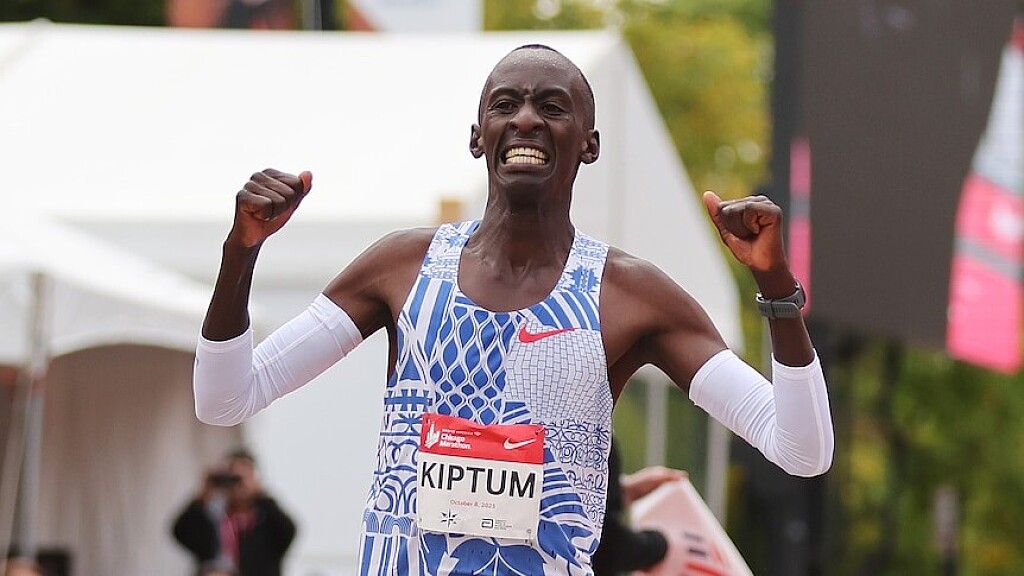
Chicago’s Marathon Legacy — From Kiptum’s Perfection to Kiplimo’s Power
Two years apart, on the same streets of Chicago, two East African greats delivered marathon performances that will be remembered for generations.
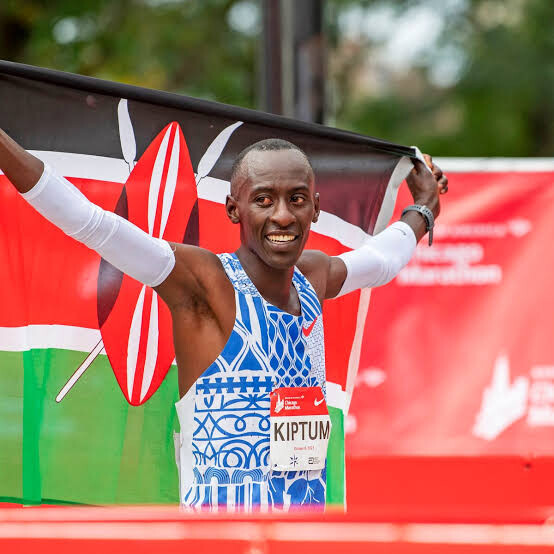
In 2023, Kenya’s Kelvin Kiptum stunned the world with his 2:00:35 world record, a run that redefined endurance and perfection.
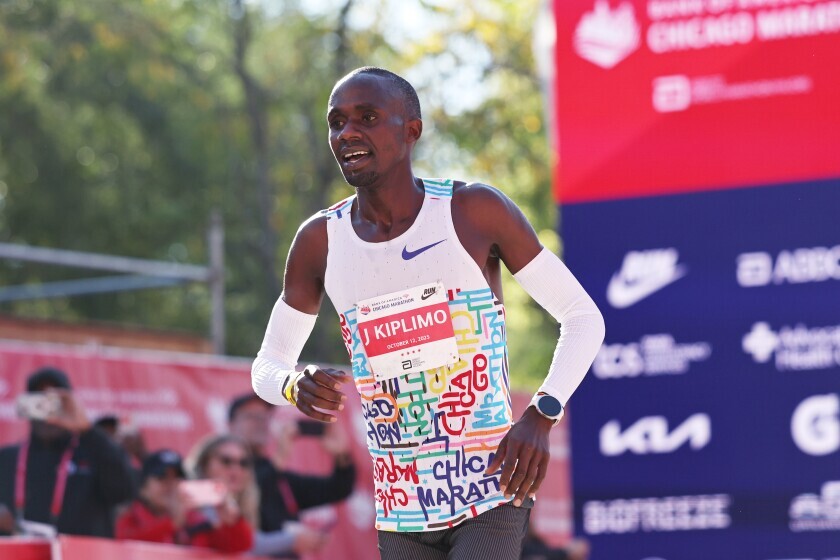
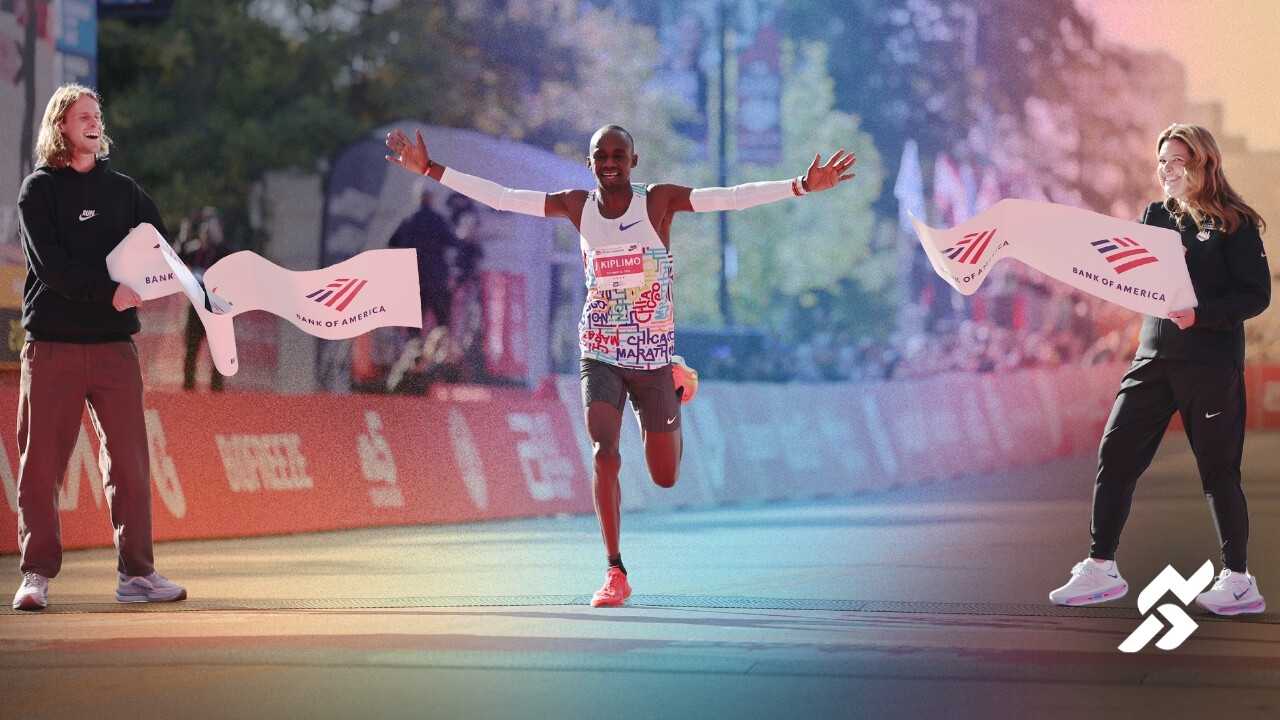
In 2025, Uganda’s Jacob Kiplimo, already the half marathon world record holder, returned to Chicago for his second career marathon and clocked 2:02:23 — his personal best and the seventh-fastest marathon ever run.
Split by Split — The Chicago Comparison
|
Distance |
Kiptum (2023) |
Kiplimo (2025) |
Difference |
|
5 km |
14:26 |
13:58 |
−28 sec |
|
10 km |
28:42 |
28:25 |
−17 sec |
|
15 km |
43:09 |
42:40 |
−29 sec |
|
20 km |
57:39 |
57:05 |
−34 sec |
|
Half |
1:00:48 |
1:00:16 |
−32 sec |
|
25 km |
1:12:04 |
1:11:12 |
−52 sec |
|
30 km |
1:26:31 |
1:25:31 |
−60 sec |
|
35 km |
1:40:22 |
1:39:52 |
−30 sec |
|
40 km |
1:54:23 |
1:55:10 |
+47 sec |
|
Finish |
2:00:35 (World Record) |
2:02:23 |
+1:48 |
How They Ran
Kelvin Kiptum (2023):
Kiptum ran one of the most perfectly executed marathons in history. After a steady opening half in 1:00:48, he unleashed a ferocious negative split of 59:47, the fastest second half ever recorded. His closing 10K in 27:52 sealed a new world record and forever changed how we think about the marathon.
Jacob Kiplimo (2025):
After finishing second in his marathon debut at the 2025 London Marathon, Kiplimo arrived in Chicago more prepared — and fearless. From the start, he attacked the course, opening in 13:58 for 5K, the fastest ever in Chicago. Through 30K, he was over a minute ahead of Kiptum’s world-record pace. Although he slowed slightly in the final 10K, his 2:02:23 finish was the fastest ever by an Ugandan and the 7th-fastest marathon in history.
âš–ï¸ The Contrast
• Strategy: Kiptum’s patience vs. Kiplimo’s aggression.
• Halfway: Kiplimo led by 32 seconds at 21.1K.
• Closing Power: Kiptum’s final 7K (13:51 split) remains unmatched.
• Outcome: Kiplimo’s performance wasn’t a world record, but it confirmed his place among the greatest marathoners of his generation.
Legacy and Continuation
Tragically, Kelvin Kiptum was killed in a car accident in Kenya in February 2024, just months after his world-record run. His passing shocked the running world and ended the career of a man many believed would one day break two hours on a record-eligible course.
When Jacob Kiplimo returned to Chicago in 2025, it felt like a continuation of that story — a symbolic passing of the torch. Running on the same course where Kiptum made history, Kiplimo carried forward the East African legacy of excellence, courage, and speed.
Final Thoughts
Kiptum’s 2:00:35 remains the marathon’s gold standard — calm, controlled, and utterly brilliant.
Kiplimo’s 2:02:23 showed fearless front-running and a promise of what’s still to come.
Two men. Two races. One city.
Chicago — where the modern marathon’s greatest chapters continue to be written.
- - -
The 9 Fastest Men’s Marathons of All Time (as of Oct 13, 2025)
|
Rank |
Name |
Time |
Venue |
|
1 |
Kelvin Kiptum (KEN) |
2:00:35 |
Chicago 2023 |
|
2 |
Eliud Kipchoge (KEN) |
2:01:09 |
Berlin 2022 |
|
3 |
Kenenisa Bekele (ETH) |
2:01:41 |
Berlin 2019 |
|
4 |
Sisay Lemma (ETH) |
2:01:48 |
Valencia 2023 |
|
5 |
Sebastian Sawe (KEN) |
2:02:05 |
Valencia 2024 |
|
6 |
Benson Kipruto (KEN) |
2:02:16 |
Tokyo 2024 |
by Bob Anderson
Login to leave a comment
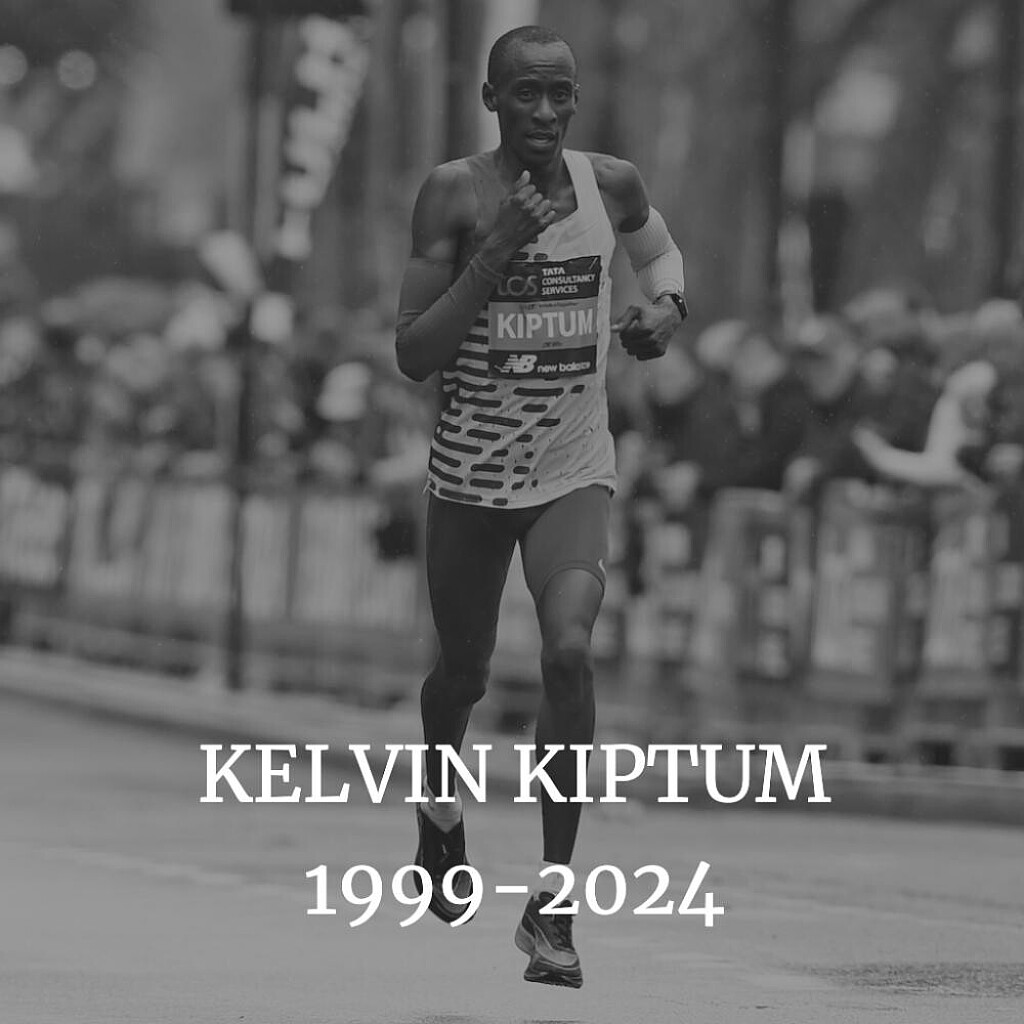
Kelvin Kiptum: The Man Who Ran Into History and Never Returned
It’s been exactly one year since Kelvin Kiptum did what many believed was impossible — he shattered the marathon world record in Chicago, stopping the clock at 2:00:35.
On October 8, 2023, the 23-year-old Kenyan didn’t just win a race — he redefined the limits of human endurance.
As the world prepares for this year’s Chicago Marathon, it’s impossible not to feel the silence he left behind.
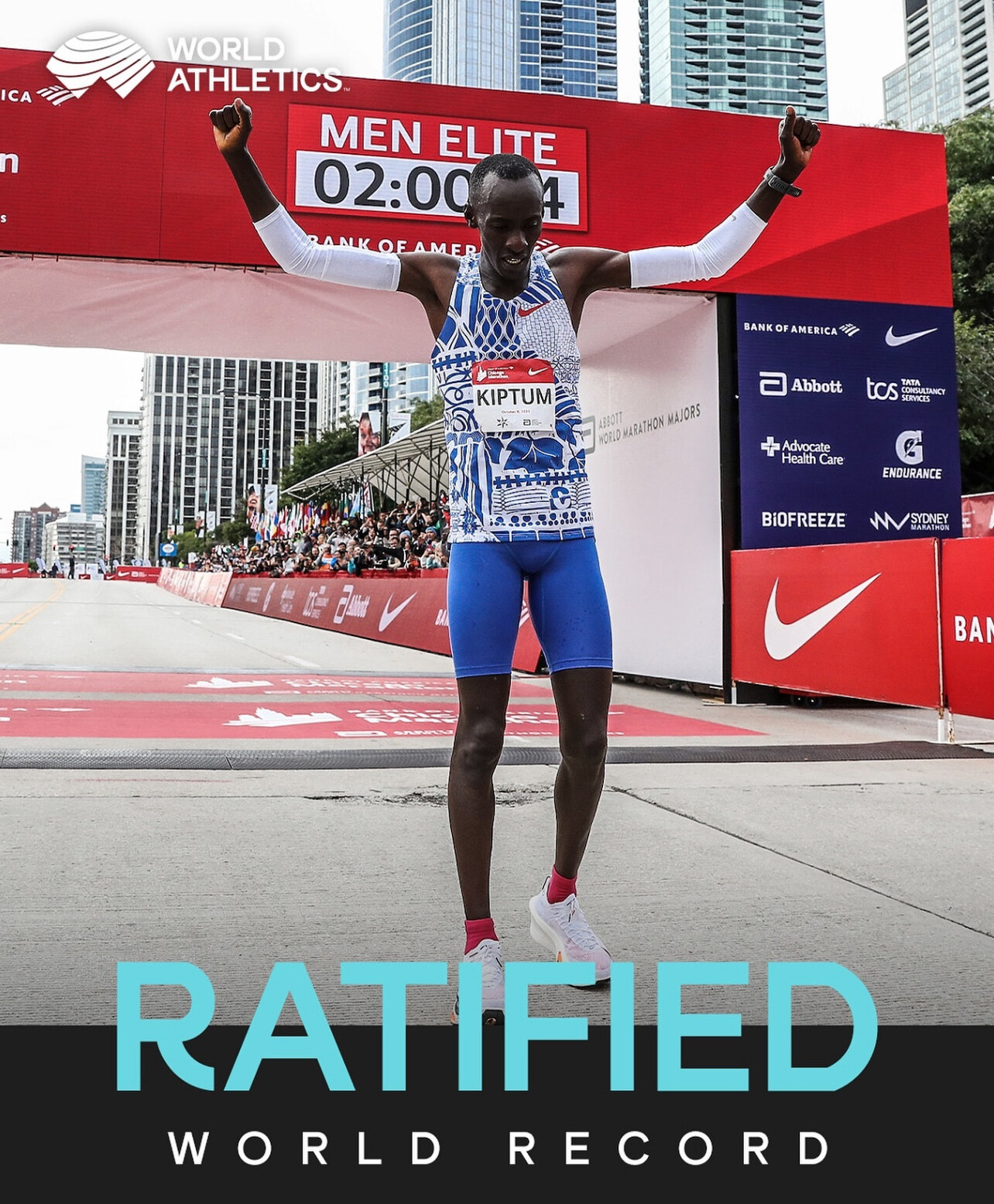
That crisp Sunday morning, Kiptum delivered a performance that stunned the running world. Gliding through Chicago’s streets with unrelenting rhythm, he dropped the field, surged mile after mile, and erased Eliud Kipchoge’s seemingly untouchable world record of 2:01:09 by 34 seconds.
It was only his third marathon. He had never lost one.
Chicago had seen greatness before — but never like this.
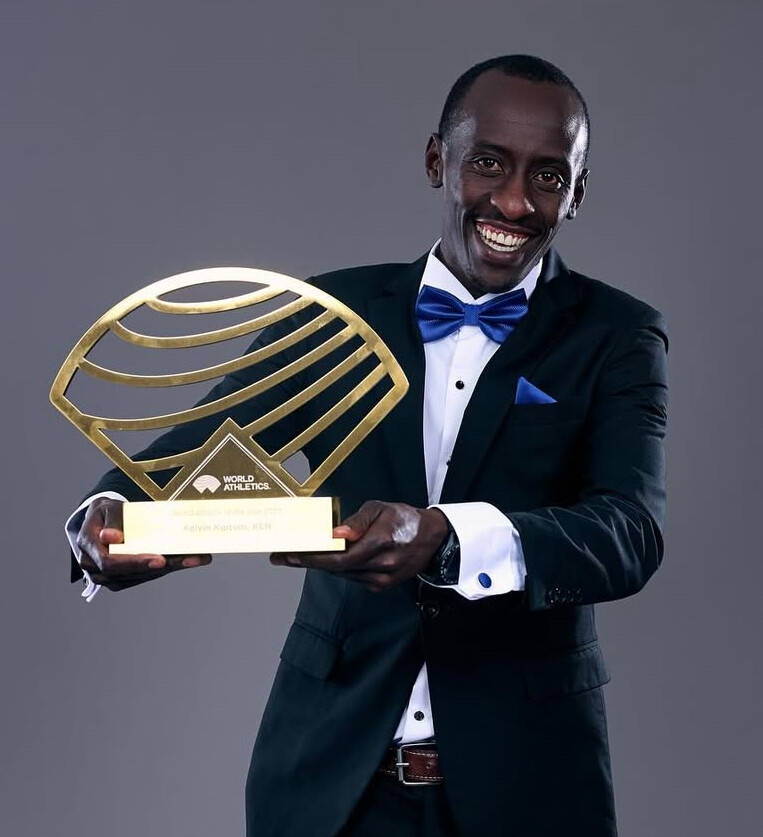
And then, just months later, he was gone.
In February 2024, Kiptum and his coach, Gervais Hakizimana, were killed in a car crash on a quiet road in Kenya. The sport lost more than a record-breaker; it lost a phenomenon — a man who seemed destined to become the first human to run under two hours in an official race.
That dream — carried in Kiptum’s quiet confidence and thunderous stride — vanished that night. His record, ratified only days before his death, stands as both a triumph and a tombstone.
But legends don’t end with tragedy — they echo.
As the 2025 Chicago Marathon approaches, the course remembers. Every stretch of asphalt, every cheer from the crowd, every runner chasing a personal best this weekend — they all run in the shadow of Kiptum’s greatness.
Because Kelvin Kiptum didn’t just run a race.
He ran into history — and never returned.

His Legacy Lives On
Across Kenya and beyond, his story continues to inspire a new generation of runners — from the dirt roads of the Rift Valley to the streets of Chicago, Boston, and Berlin. Athletes like Benson Kipruto, Evans Chebet, and countless others now carry his fire forward, chasing their own dreams with the same fearless rhythm that once shook the marathon world.
Kelvin Kiptum’s stride may have stopped, but his impact will keep moving — every time someone dares to believe that impossible is only a pace away.
by Boris Baron
Login to leave a comment
The Windy City Awaits: Who Will Write the Next Chapter of Chicago’s Marathon Magic?
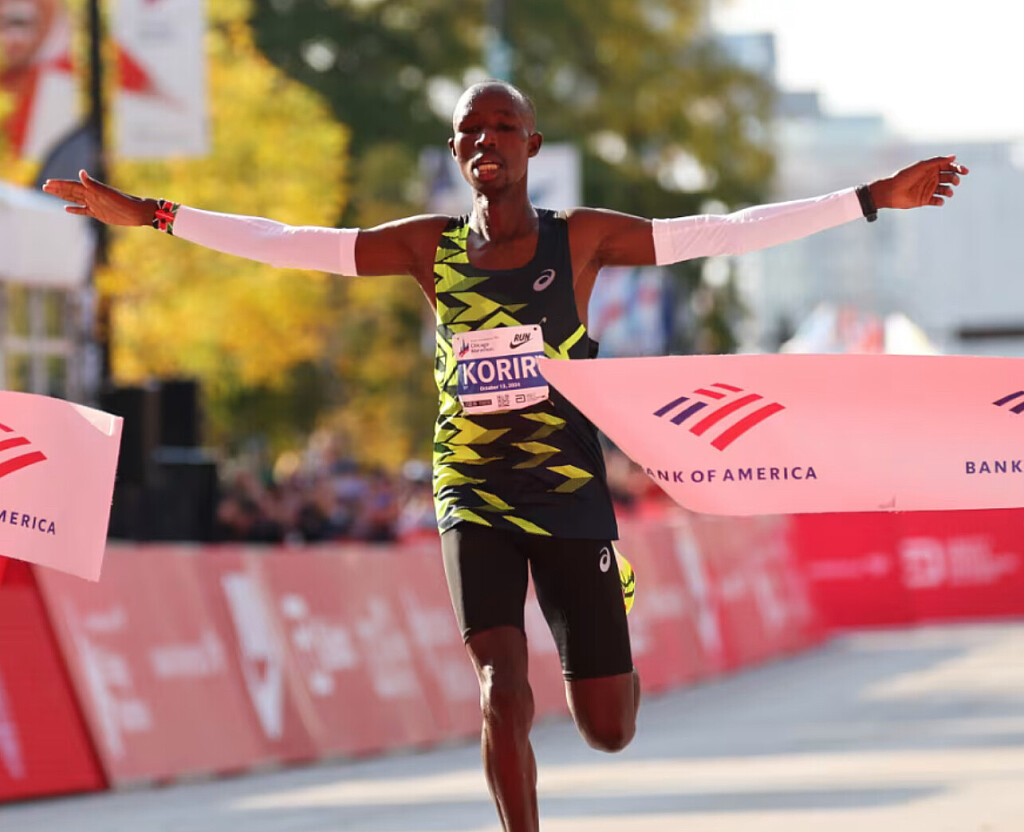
All eyes will be on Grant Park this Sunday, as the 47th Bank of America Chicago Marathon ushers in another chapter in the city’s storied marathon legacy. Known for its flat, fast terrain and unforgiving margins, Chicago has become a proving ground where legends are made—and in 2025, the stage is again set for brilliance.
Course & Records: Anchors of Expectation
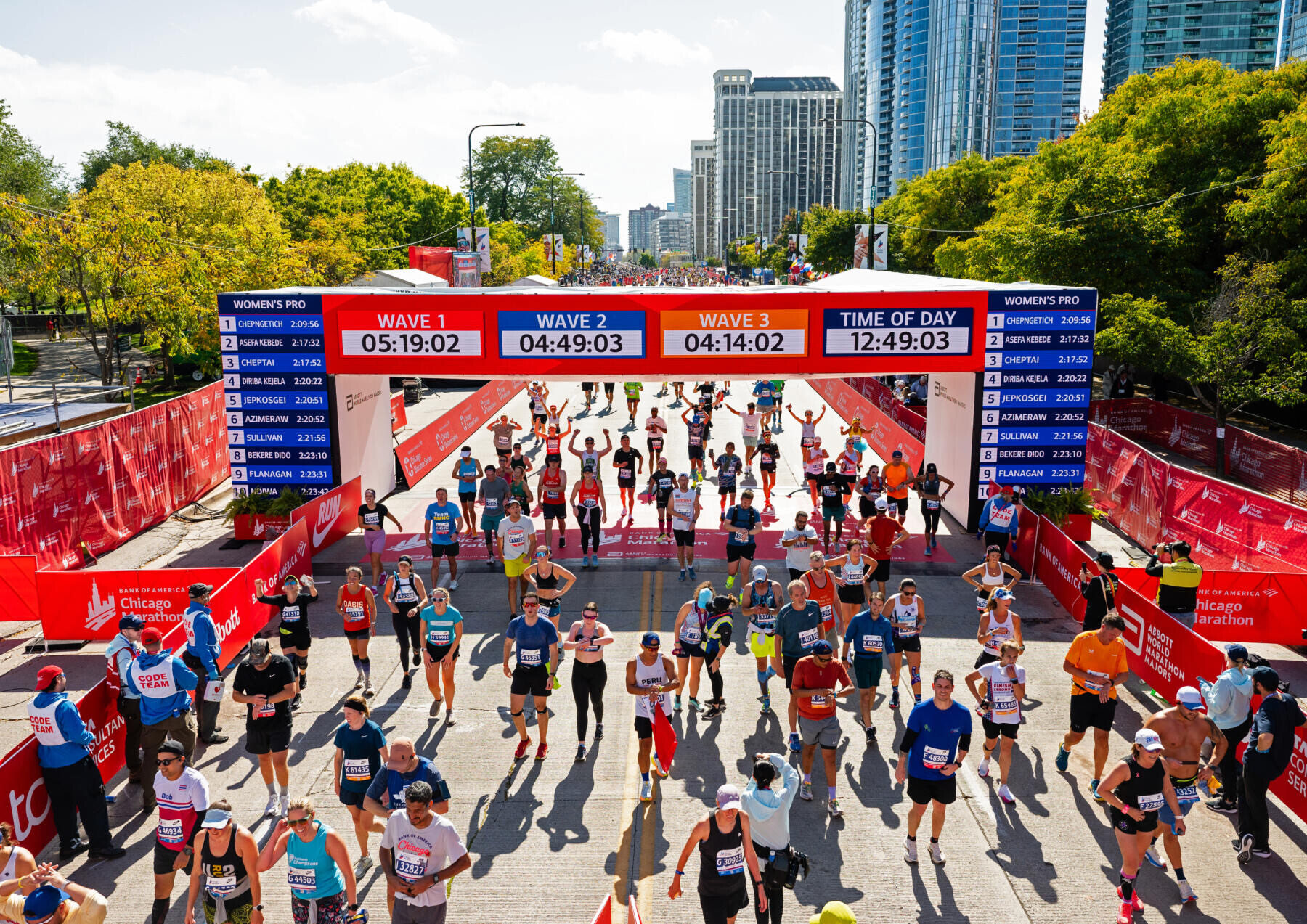
Chicago is no stranger to history. It is here that Kelvin Kiptum set the men’s world record of 2:00:35 in 2023.
On the women’s side, Ruth Chepngetich broke the world record with a stunning 2:09:56 in 2024.
These records are constant reminders of what’s possible on Chicago’s streets.
Africa’s Power Surge
The men’s field overflows with elite contenders. Reigning champion John Korir (PB 2:02:44 in Chicago 2024) returns after a dominant Boston win, aiming to defend in style.
He’s flanked by Timothy Kiplagat (2:02:55), Amos Kipruto (2:03:13), and Cybrian Kotut (2:03:22).
Uganda’s half-marathon world record holder Jacob Kiplimo (PB 2:03:37) makes another full marathon attempt with major expectations.
Ethiopia counters with Huseydin Mohamed Esa (2:04:39) and other seasoned performers, keeping the East African narrative strong.
Women’s Field: Depth, Debuts & Tactics
In the women’s race, Ethiopia’s depth dominates. Megertu Alemu (2:16:34), Hawi Feysa (2:17:00), Bedatu Hirpa (2:18:27), and Haven Hailu Desse (2:19:17) all bring serious credentials to Chicago.

They’ll be challenged by Kenya’s Mary Ngugi-Cooper (2:20:22), while rising stars Loice Chemnung(marathon debut) and Ejgayehu Taye (track standout) add intrigue to the field.
Continental Ambitions & Local Heroes
Bashir Abdi (Belgium, 2:03:36) carries Europe’s hopes. His pacing discipline and championship experience make him a dark horse in the chaotic front pack.
On the North American front:
• Galen Rupp (2:06:07), a former Chicago champion, seeks to recapture relevance.
• Conner Mantz (2:07:47) and CJ Albertson (2:08:17) represent fresh American ambition.
• Rory Linkletter (2:08:01) brings Canadian presence to the mix.
What to Watch & Final Word
Expect fast early splits, bold moves, and surges that test everyone’s guts. The men’s race may hinge on who can ride the early pace without crashing. The women’s battle may be tactical, with late kickers deciding the outcome.
If Chicago’s history teaches us anything, it’s that when speed meets strategy, anything can happen. As the gun fires in Grant Park, we’ll see whether tradition holds or new legends are born.
by Robert Kibet
Login to leave a comment
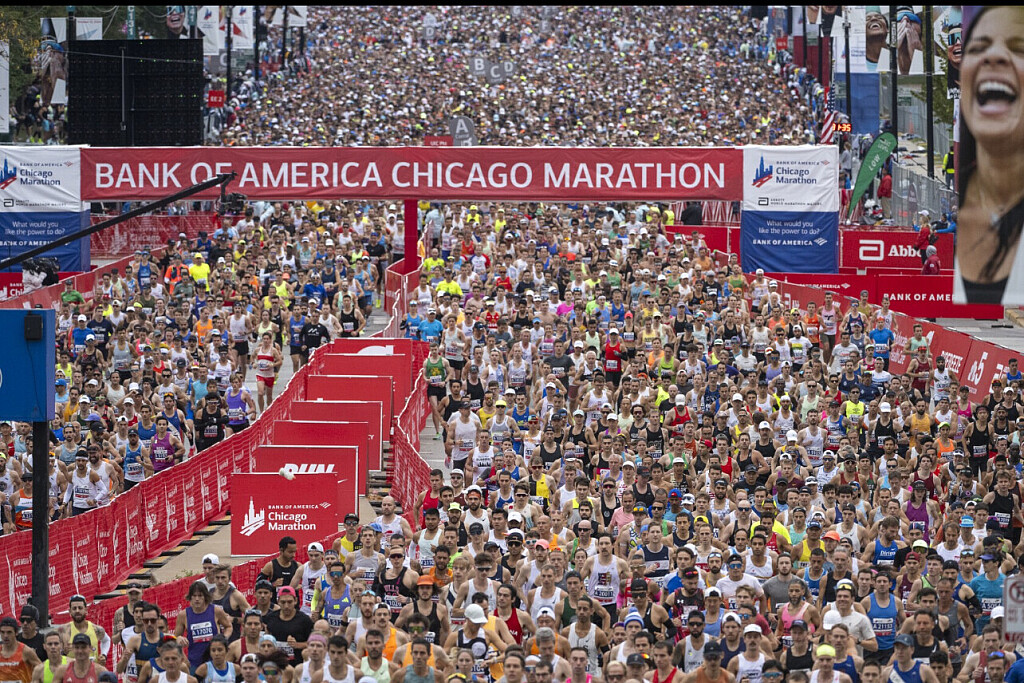
World-Class Fields Ready for the 2025 Chicago Marathon on October 12
The 2025 Bank of America Chicago Marathon, set for Sunday, October 12, promises to once again showcase one of the deepest elite fields in marathon history. Known for its fast, flat course and ideal racing conditions, Chicago has become a global stage for record-setting performances — and this year’s edition may be one of the most competitive yet.
Men’s Elite Race: Korir Returns to Defend His Title
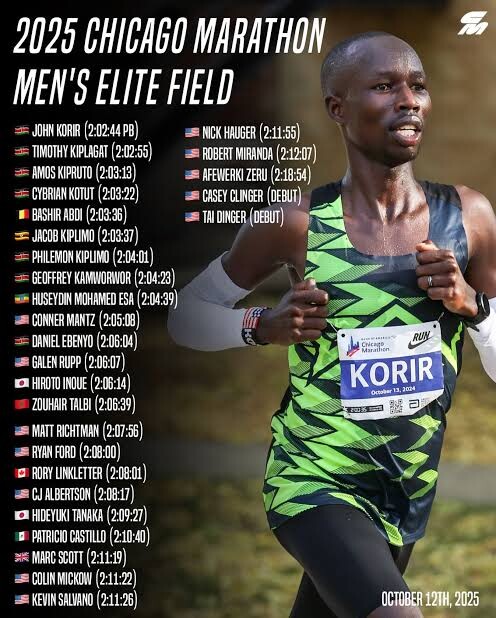
Leading the men’s lineup is John Korir of Kenya, the 2024 champion, who ran an impressive 2:02:44 personal best last year. He’ll face a formidable field featuring Timothy Kiplagat (2:02:55), Amos Kipruto (2:03:13), CyBrian Kotut, and Olympic bronze medalist Bashir Abdi.

The men’s race includes a deep roster of sub-2:05 performers, joined by rising Kenyan and Ethiopian talent and top Americans Conner Mantz and Galen Rupp, who will be aiming to challenge the American record. Mantz, who continues to build momentum on the global stage, has called Chicago “the perfect course for fast running.”
Other top contenders include Jacob Kiplimo, Philemon Kipkemo, and Geoffrey Kamworor, all proven half-marathon specialists stepping into the marathon distance with high expectations.
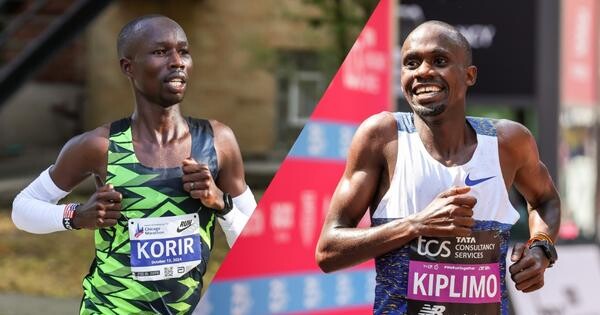
Women’s Elite Race: Ethiopia’s Depth on Display

The women’s field is equally world-class. Megertu Alemu (2:16:34) leads the entries, followed by Hawi Feysa (2:17:00) and Irine Cheptai (2:17:51). Ethiopia’s strength in depth continues with Bedatu Hirpa (2:18:27) and Haven Hailu Desse (2:19:17).
Kenya’s Mary Ngugi-Cooper, who has been consistently among the top finishers in major marathons, brings experience and resilience to the field with her 2:20:22 personal best.
Among the notable international names are Calli Hauger-Thackery of Great Britain (2:21:24), Lindsay Flanagan (2:23:31), Florencia Borelli (2:24:18), and Dakotah Popehn (2:24:40). The debut of Kenya’s Loice Chemnung and Ethiopia’s Ejgayehu Taye, both stepping up from world-class track careers, adds further intrigue.
Records and Legacy
Chicago’s reputation as one of the fastest courses in the world continues to draw elite fields. The men’s course record of 2:00:35, set by the late Kelvin Kiptum in 2023, remains one of the most remarkable performances in marathon history. On the women’s side, Sifan Hassan’s 2:13:44, also from 2023, stands as the course record.
Both records were set in near-perfect conditions — something runners and fans alike will be hoping for again this October.
An Event with Global Reach
The Chicago Marathon remains a cornerstone of the Abbott World Marathon Majors, drawing more than 50,000 runners from over 100 countries. In 2025, organizers anticipate record participation and strong community engagement across the city’s 29 neighborhoods.
Since its founding in 1977, the race has evolved from a local road event into a global showcase for endurance and diversity. Beyond the elite races, the marathon generates millions for local charities and stands as one of the city’s largest annual sporting celebrations.
Looking Ahead
As the elite men and women prepare for the start line, the question is not whether Chicago will be fast — but how fast.
With Korir defending his title, Alemu chasing sub-2:16 territory, and several debutants looking to make their mark, the 2025 Chicago Marathon could once again deliver performances that shape the global marathon conversation.
The 47th edition of this iconic race will begin at 7:30 a.m. (CT) from Grant Park, with live coverage expected worldwide.
Chicago’s streets are ready. The world will be watching.
by Boris Baron
Login to leave a comment

Bank of America Chicago
Running the Bank of America Chicago Marathon is the pinnacle of achievement for elite athletes and everyday runners alike. On race day, runners from all 50 states and more than 100 countries will set out to accomplish a personal dream by reaching the finish line in Grant Park. The Bank of America Chicago Marathon is known for its flat and...
more...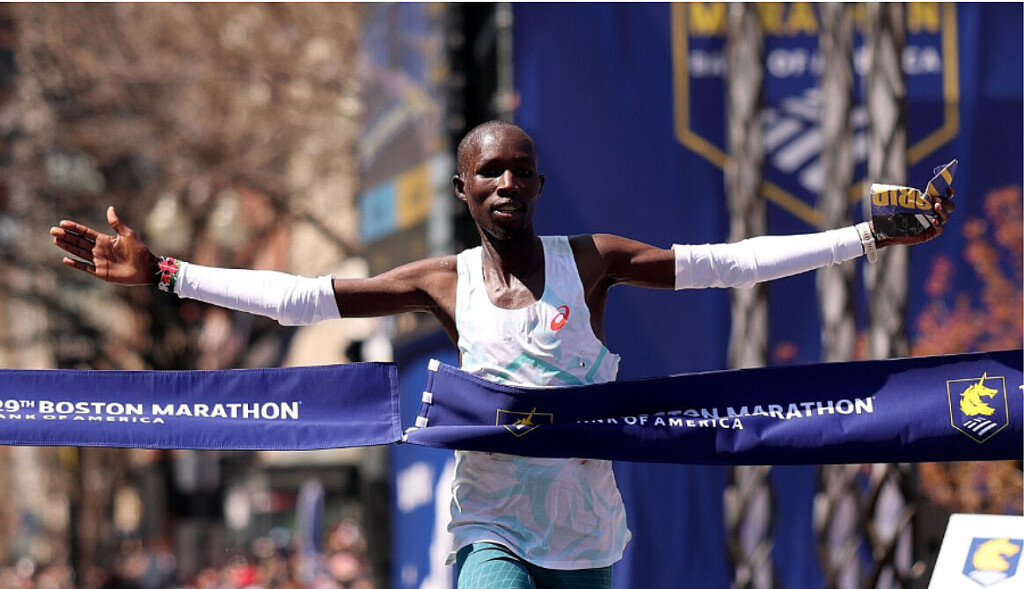
John Korir Aims to Break Kelvin Kiptum’s World Record at the 2025 Chicago Marathon
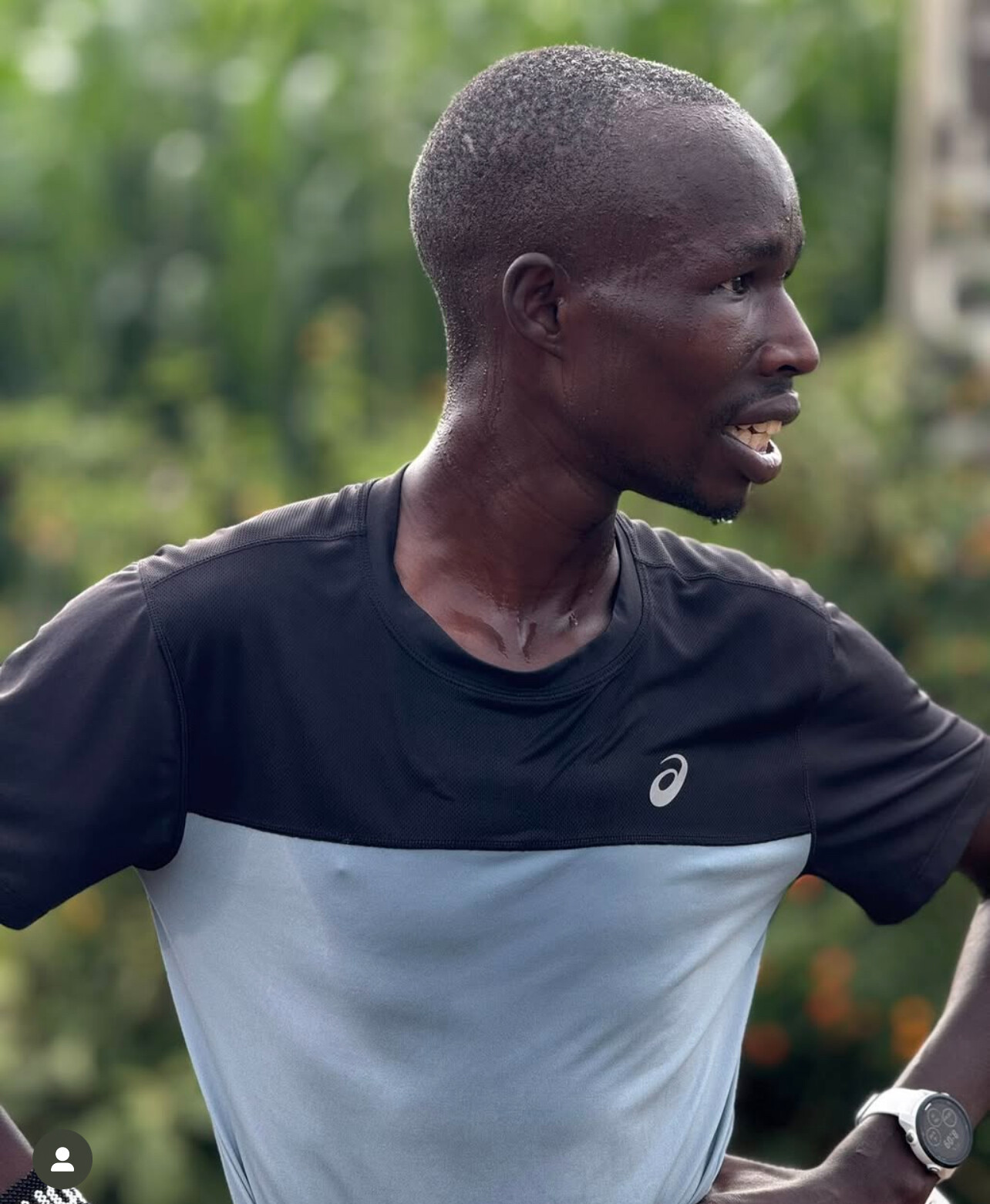
Reigning Boston Marathon champion John Korir is preparing for the race of his life — an attempt to break the late Kelvin Kiptum’s marathon world record of 2:00:35, set on the streets of Chicago in 2023.
Korir, 28, will return to defend his title at the Chicago Marathon on October 12, but this time with a bold target in mind: a new personal best of 2:00:30. Achieving it would not only secure back-to-back victories in Chicago but also eclipse Kiptum’s mark by five seconds.
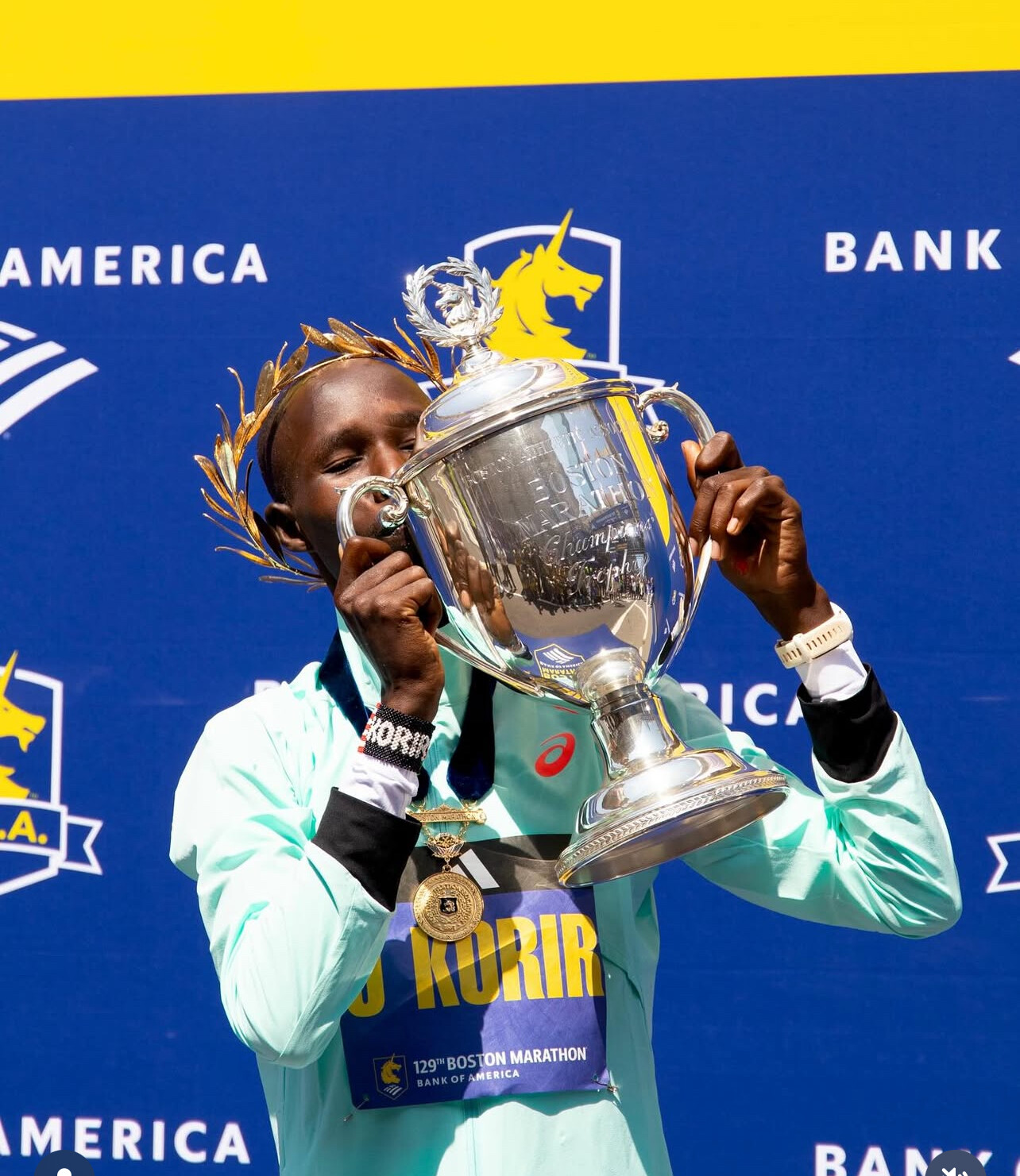
“The target my coach and I have set for ourselves in Chicago is to lower my personal best and clock 2:00:30,” Korir told The Star. “My body is in good shape, I am injury-free, and I feel great.”
Chicago’s course is renowned for producing fast times — flat, competitive, and recognized by the International Olympic Committee as a “historical world record course.” Korir believes its layout, combined with his current form, offers the perfect stage for a record-breaking run.
His 2025 season has already been outstanding. In April, Korir won the Boston Marathon in 2:04:45, becoming, alongside his brother Wesley Korir (the 2012 Boston champion), the first siblings ever to claim Boston titles. In July, he added another victory at the Boilermaker 15K, clocking 42:44 ahead of a strong field that included Hillary Kipkoech and Abbabiya Simbassa.
In last year’s Chicago Marathon, Korir set his current personal best of 2:02:44, leading Ethiopia’s Mohamed Esa (2:04:39) and Kenya’s Amos Kipruto (2:04:50) to the podium. This year, he expects even fiercer competition but remains focused on the ultimate goal.
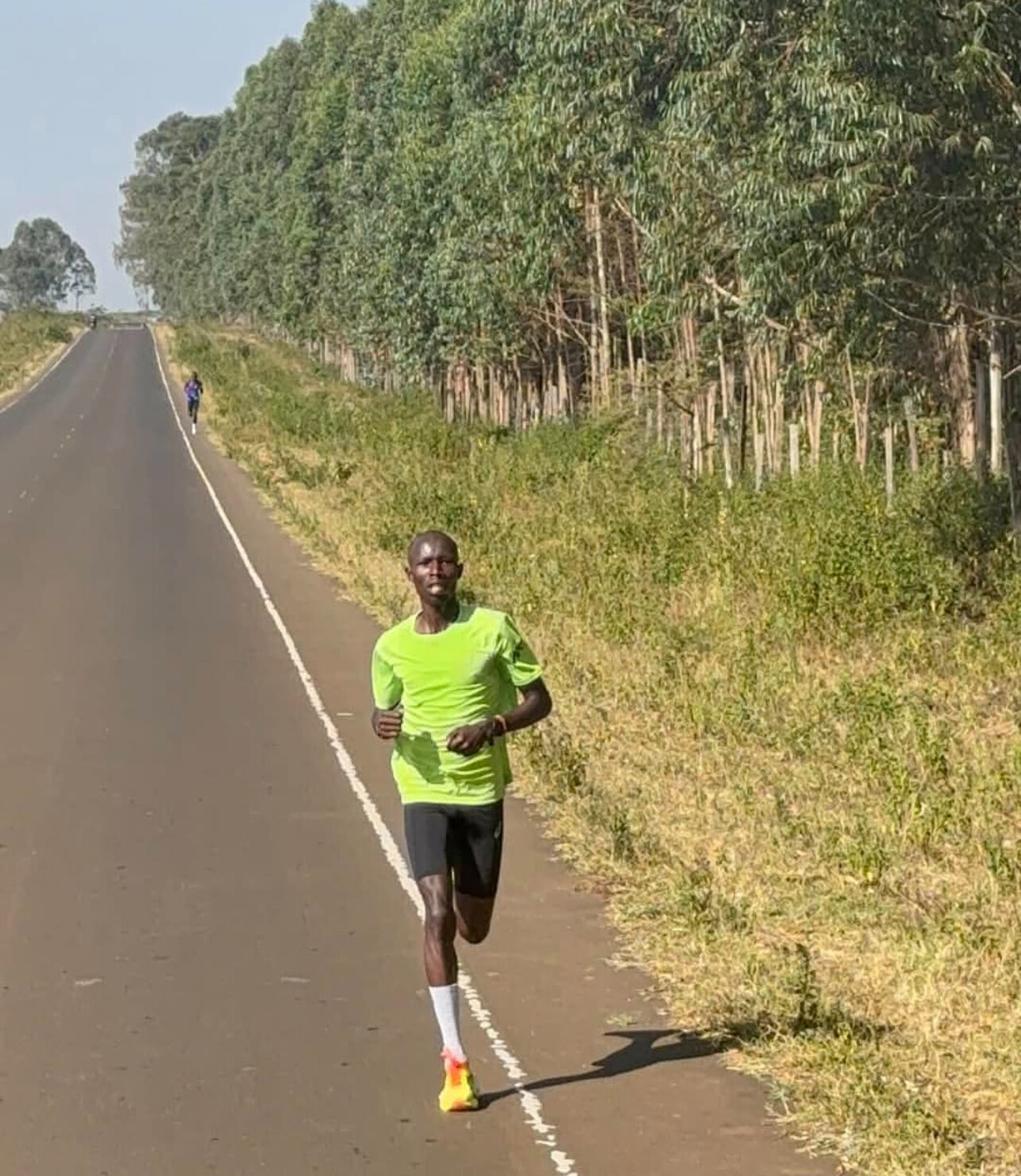
“All eyes will be on me because I am the defending champion,” Korir said. “My coach and my brother keep telling me I can do it, and I believe I can.”
If Korir succeeds, he will not only defend his Chicago crown but also become the first man in history to run under 2:00:30 in a record-eligible marathon.
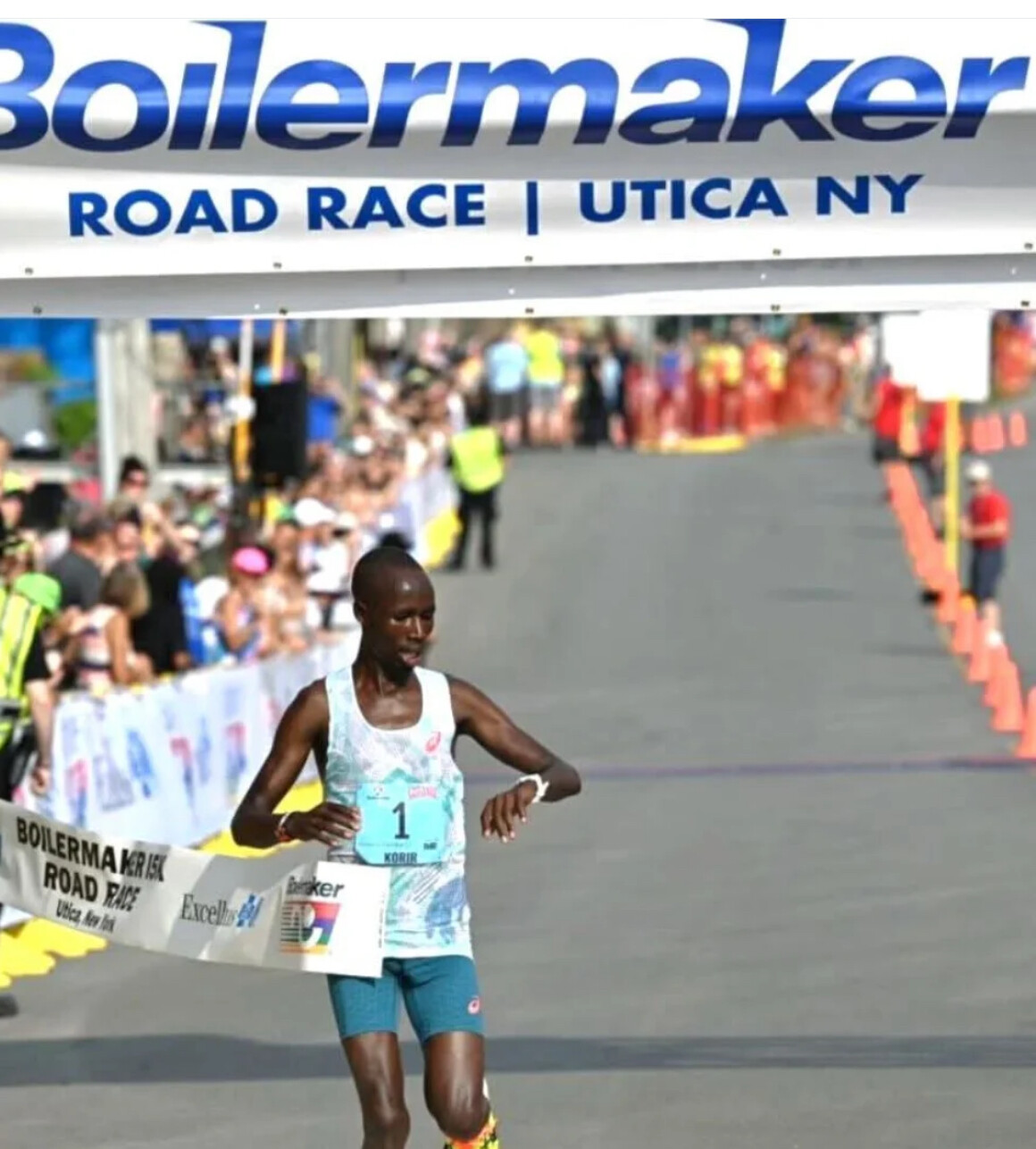
by Boris Baron
Login to leave a comment
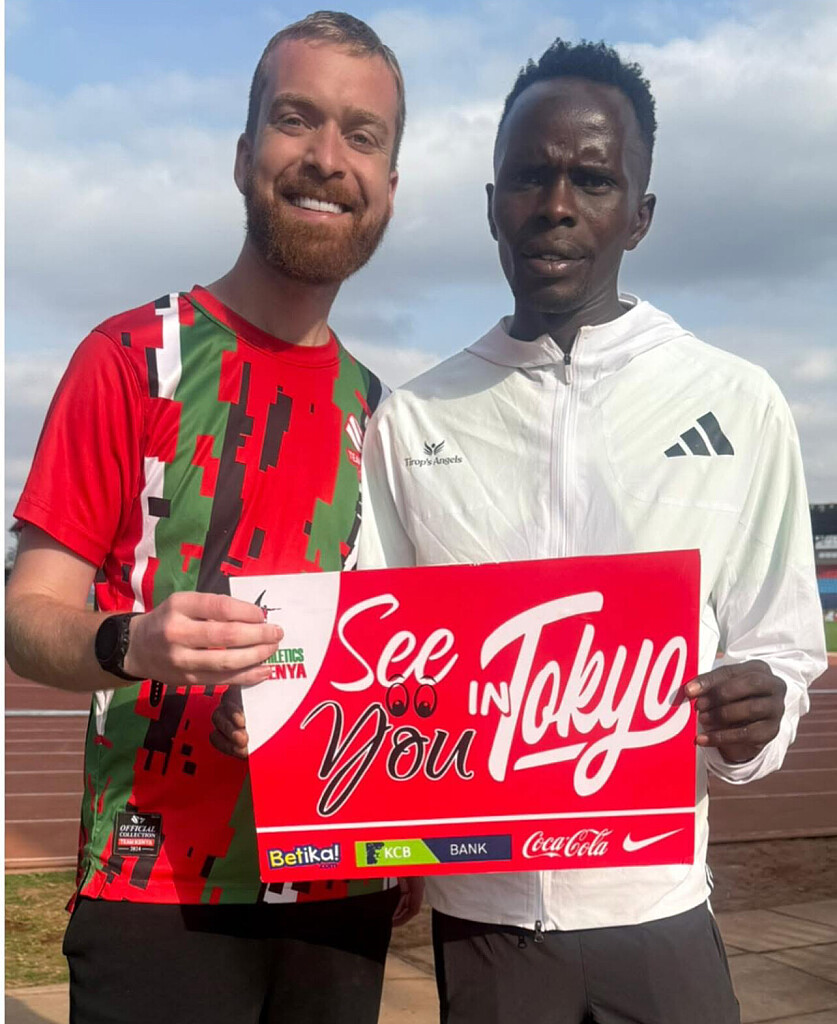
Jordan Guenther: The American Superfan Who Has Become a Beloved Part of Kenyan Athletics
In a sport often defined by national pride, few stories cut across borders like that of Jordan Guenther, an American who has become one of the most recognizable and beloved supporters of Kenyan athletics. Despite not being a coach, manager, or official, Guenther has carved out a unique space within the global running community—one built entirely on passion, consistency, and genuine admiration.
You might spot him at major championships in Paris, Budapest, or Eugene—not just in the stands, but shoulder to shoulder with the likes of Faith Kipyegon, Kelvin Kiptum, and Ruth Chepngetich, proudly wearing Kenyan gear and cheering louder than anyone.
From Fan to Family
Jordan’s journey into the heart of Kenyan athletics started simply—as a fan. But his actions quickly separated him from the crowd. He didn’t just cheer from afar. He learned Swahili. He wore the team colors. He showed up—again and again.
At the 2023 World Championships in Budapest, Faith Kipyegon, arguably the greatest female middle-distance runner in history, gifted him a race kit with her name printed on the bib. It was more than a gesture—it was an embrace.
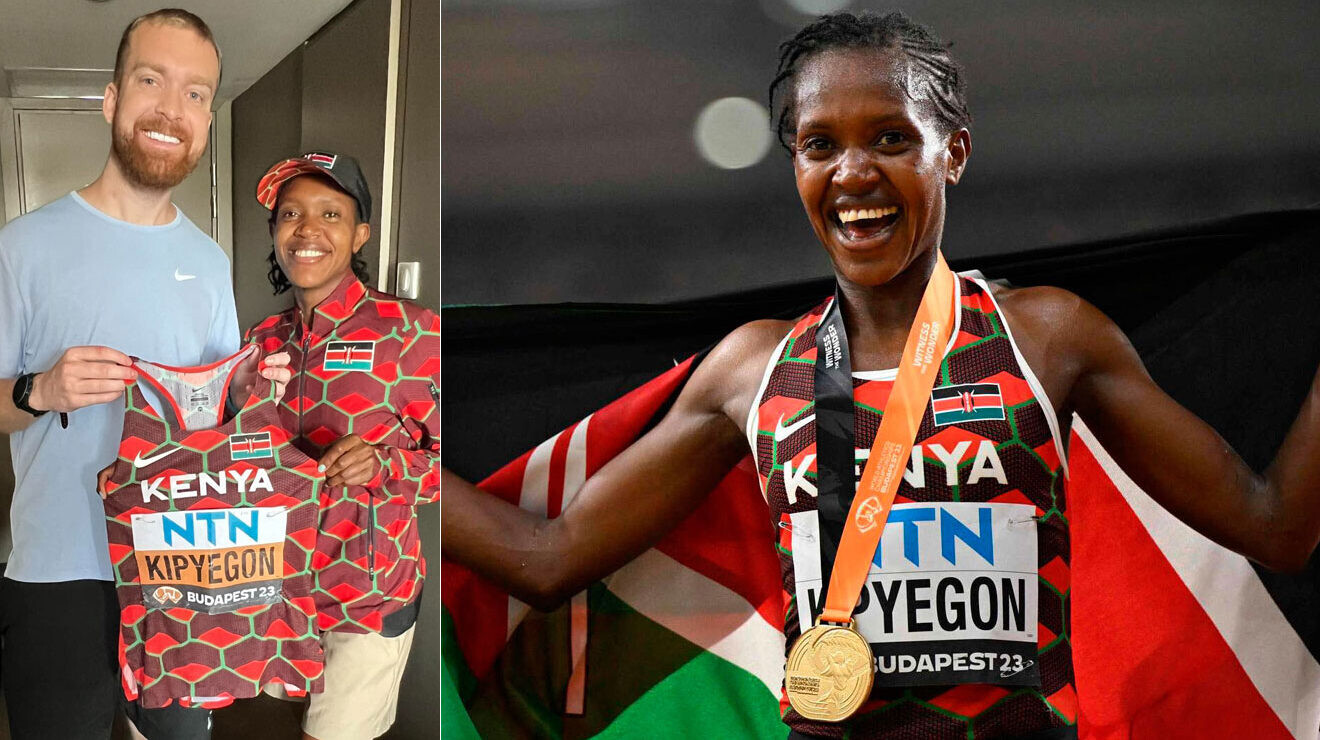
“He’s one of us,” said a Kenyan fan at the time. “More Kenyan than some Kenyans.”
The sentiment was echoed by many in the athletics community. Guenther was affectionately nicknamed “Kipchumba”, meaning “son of Kip” in Swahili, and his growing bond with Kenyan athletes became a story of its own.
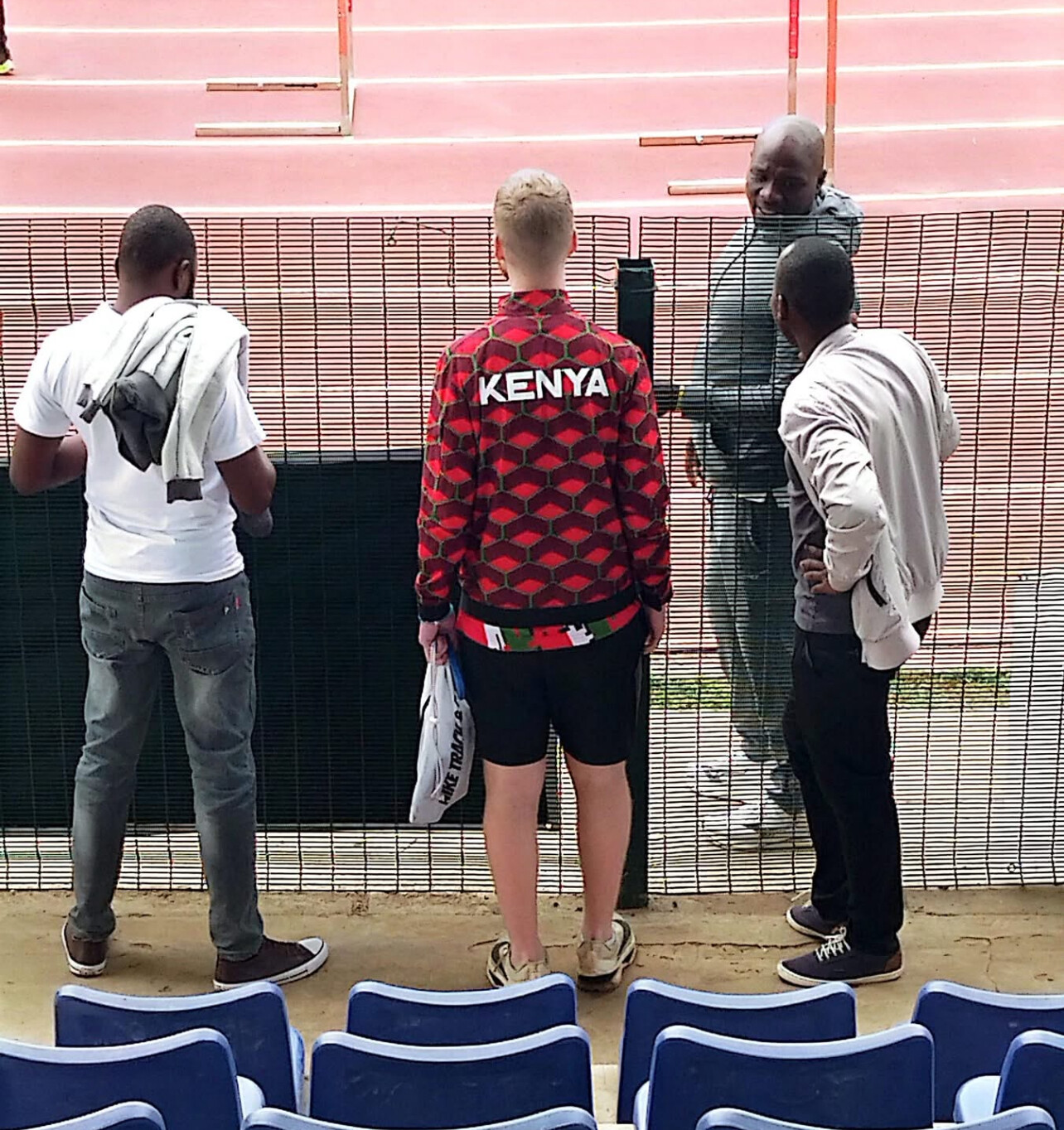
A Constant Presence
Guenther has attended countless major events around the world, often at his own expense. He has been spotted:
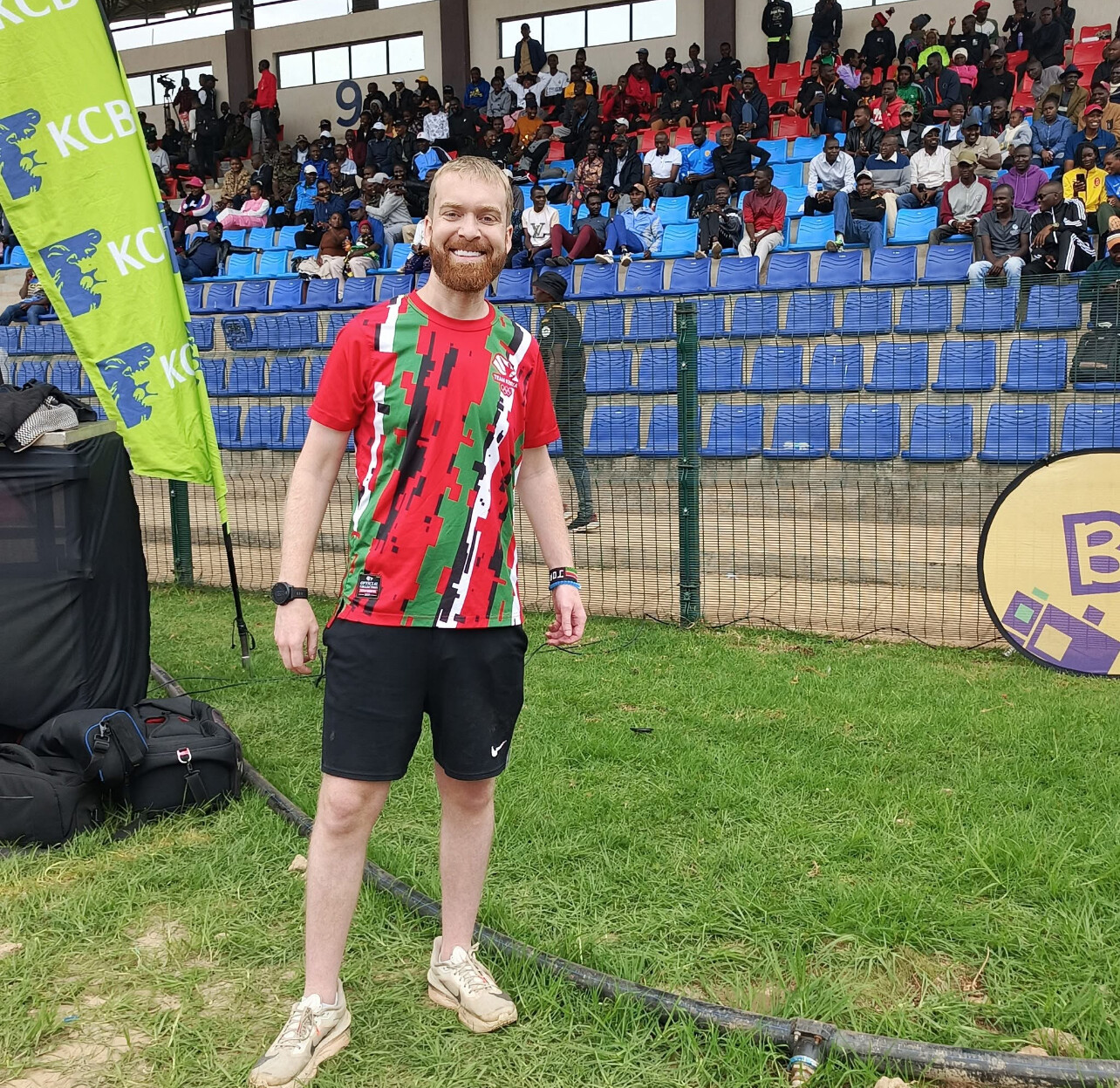
• Hosting pre-marathon meals with top stars like Benson Kipruto and Joyciline Jepkosgei
• Posing for photos in full Kenyan tracksuits
• Traveling to Paris, Monaco, and Nairobi to support athletes not just in competition—but in spirit
His unwavering dedication has made him a symbol of what sports fandom can be: personal, respectful, and deeply felt.
Behind the Scenes
Despite the growing attention, little is publicly known about Jordan’s background or source of income. He maintains a low profile online and is not affiliated with any official athletic federation. What is clear is that his commitment is real and lasting—and that athletes trust him.
The Kenya Tourism Board even highlighted Guenther in promotional materials, recognizing his unique role in promoting the country’s sports culture on a global stage.
“He doesn’t do it for the cameras,” said one coach. “He does it because he cares.”
Why It Matters
In a world where sports often feel transactional, Guenther represents something purer. His story is a reminder that connection doesn’t require contracts—it requires consistency. And that love for a team, a country, or a culture can transcend boundaries.
At a time when global athletics is searching for new audiences and deeper engagement, the story of Jordan Guenther offers a blueprint: show up, give respect, and let your actions speak louder than your voice.
Jordan Guenther may not hold a title, but he holds the respect of some of the greatest athletes in the world. And in the global family of distance running, he’s not just a fan—he’s one of the tribe.
by Boris Baron
Login to leave a comment
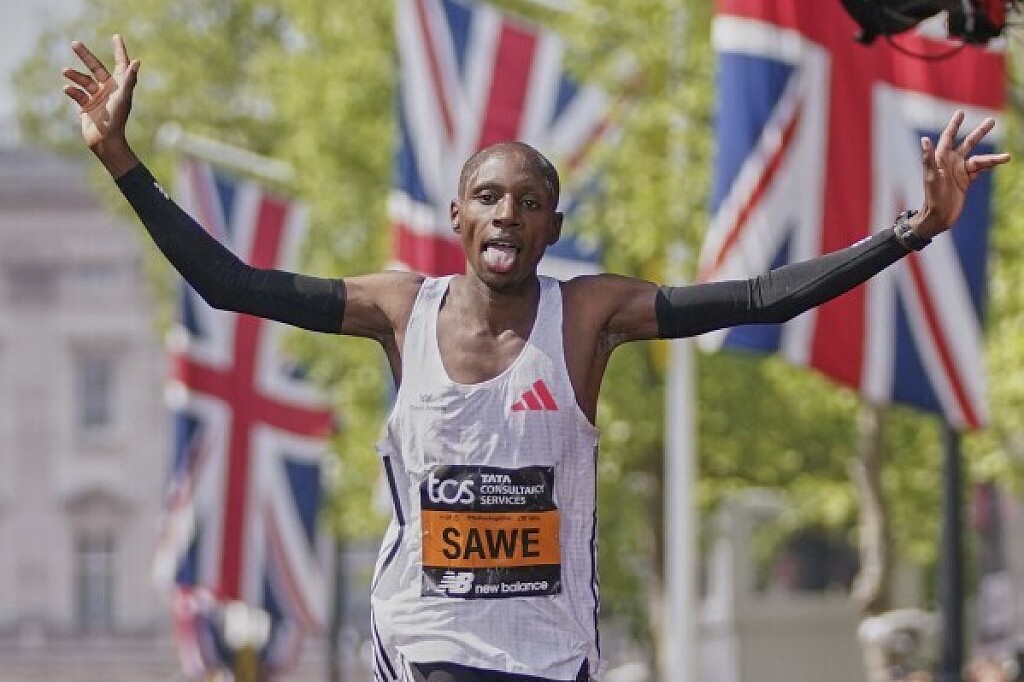
Sebastian Sawe Chooses Berlin Over World Championships, Eyes Fast Time on Record-Breaking Course
Kenya’s marathon sensation Sebastian Sawe has confirmed he will compete in the 2025 Berlin Marathon this September, opting out of the World Athletics Championships in Tokyo.
The decision comes after a remarkable start to Sawe’s marathon career, where he has already posted two of the fastest times in history. He won his debut in Valencia in December 2024 with a world-leading 2:02:05, then followed it up with another dominant victory at the 2025 London Marathon, clocking 2:02:27.
Many had expected Sawe to headline Kenya’s men’s team for the marathon at the World Championships in Tokyo on September 15. However, with the Berlin Marathon scheduled just six days later, the 30-year-old confirmed he is focusing solely on Berlin.
“I am preparing for Berlin,” Sawe stated, noting that while he aims to run a fast time, chasing a world record is not currently the goal. “It’s too early to talk about a world record. It takes time and clear planning to achieve it.”
The Berlin course is renowned as the fastest in the world, with 13 world records set on its streets. The current men’s marathon world record is 2:00:35, set by the late Kelvin Kiptum at the 2023 Chicago Marathon. Kiptum broke the previous record of 2:01:09 set by Eliud Kipchoge—who himself has won Berlin five times.
Like Kiptum, Sawe burst onto the marathon scene with a historic debut. Their similarities have drawn comparisons, especially with Sawe’s smooth transition from half marathon success to world-class marathon victories.
All eyes will now be on Berlin to see just how fast Sawe can go on a course that has repeatedly rewritten the marathon history books.
by Boris Baron
Login to leave a comment

BMW Berlin Marathon
The story of the BERLIN-MARATHON is a story of the development of road running. When the first BERLIN-MARATHON was started on 13th October 1974 on a minor road next to the stadium of the organisers‘ club SC Charlottenburg Berlin 286 athletes had entered. The first winners were runners from Berlin: Günter Hallas (2:44:53), who still runs the BERLIN-MARATHON today, and...
more...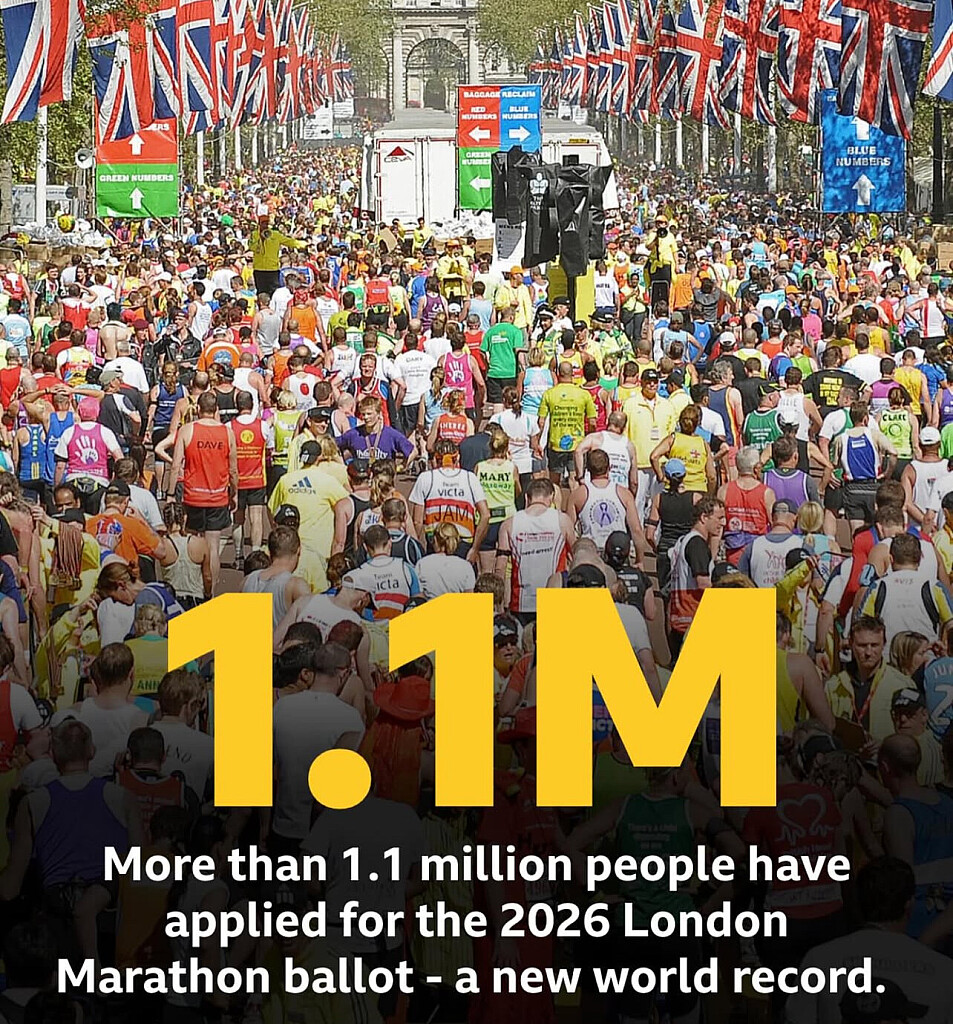
London Marathon Sets New Record with Over 1.1 Million Applications for 2026
The London Marathon continues to captivate the global running community, as organizers announced a record-breaking 1,133,813 applications for the 2026 race. This figure represents a 36% increase from the previous year’s record of 840,318 applications for the 2025 event, underscoring the marathon’s unparalleled appeal .
“This is an absolutely staggering total which reaffirms London as by far the most popular marathon on the planet,” said Hugh Brasher, CEO of London Marathon Events. “Marathon Day is always an extraordinary and inspirational day when we celebrate the very best of humanity.”
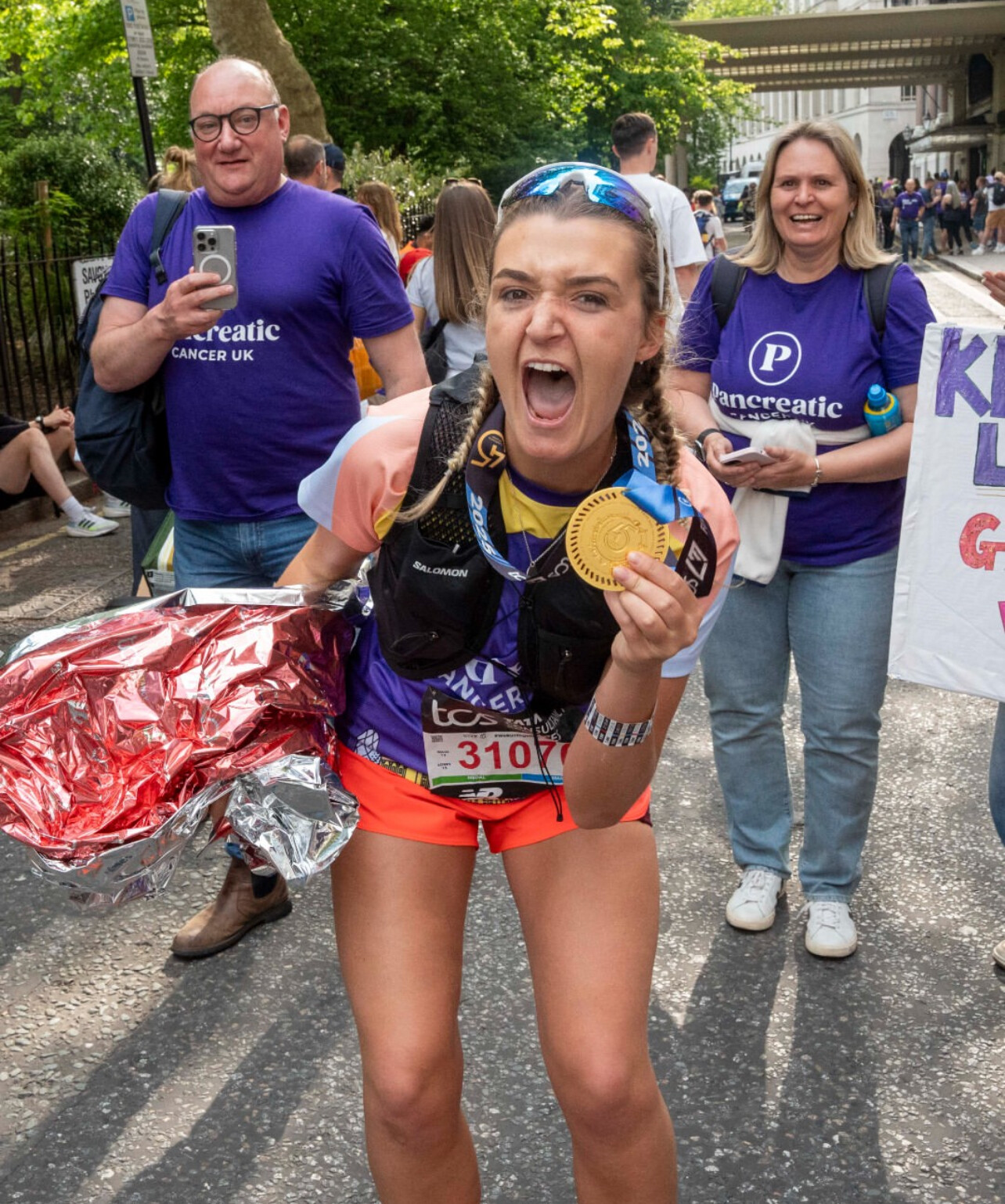
The 2025 edition of the marathon further cemented its legendary status. A record 56,640 runners crossed the finish line, setting a new world record for the highest number of finishers in a marathon. This achievement surpasses the previous record of 55,646 set by the New York City Marathon in 2024 .
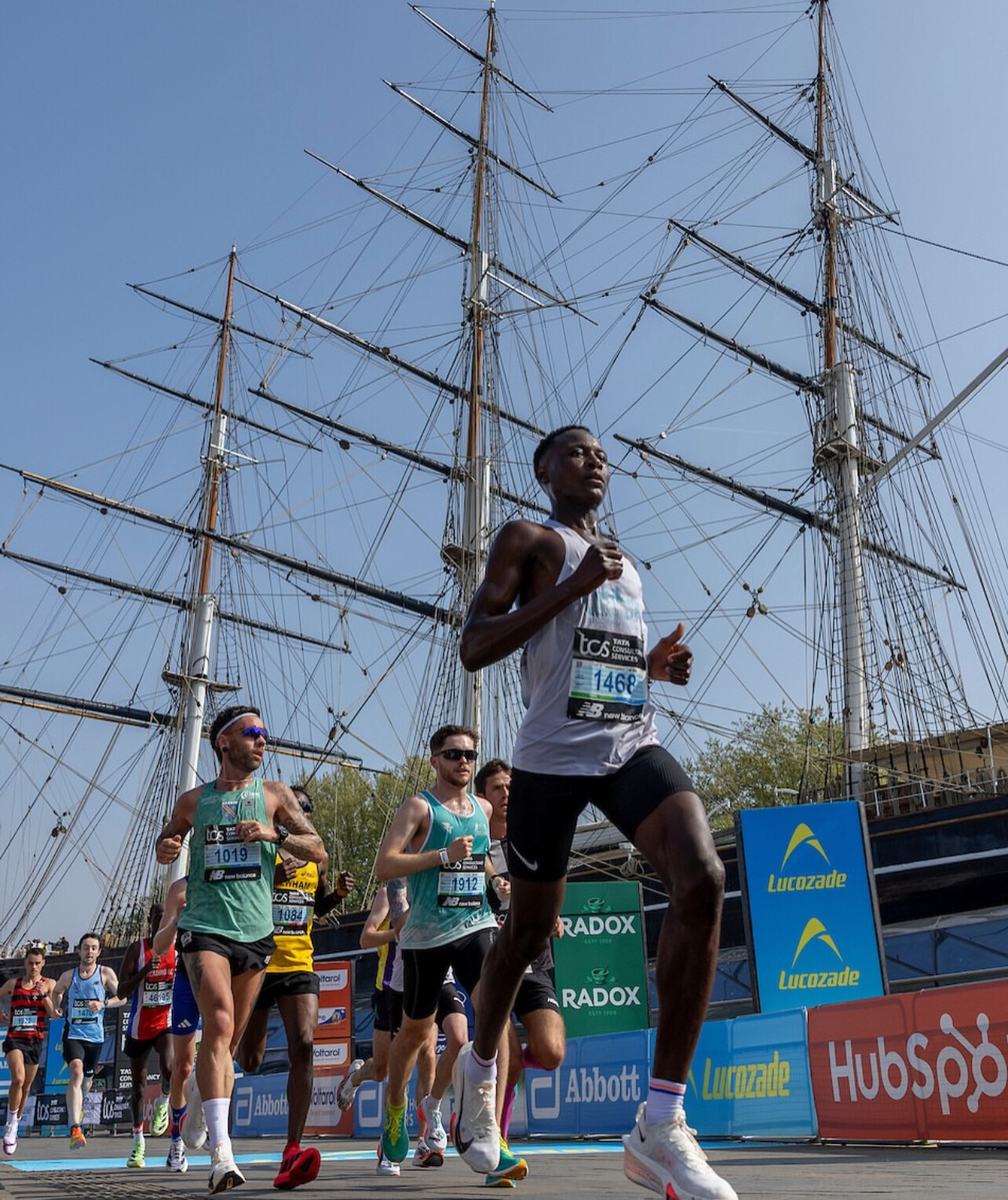
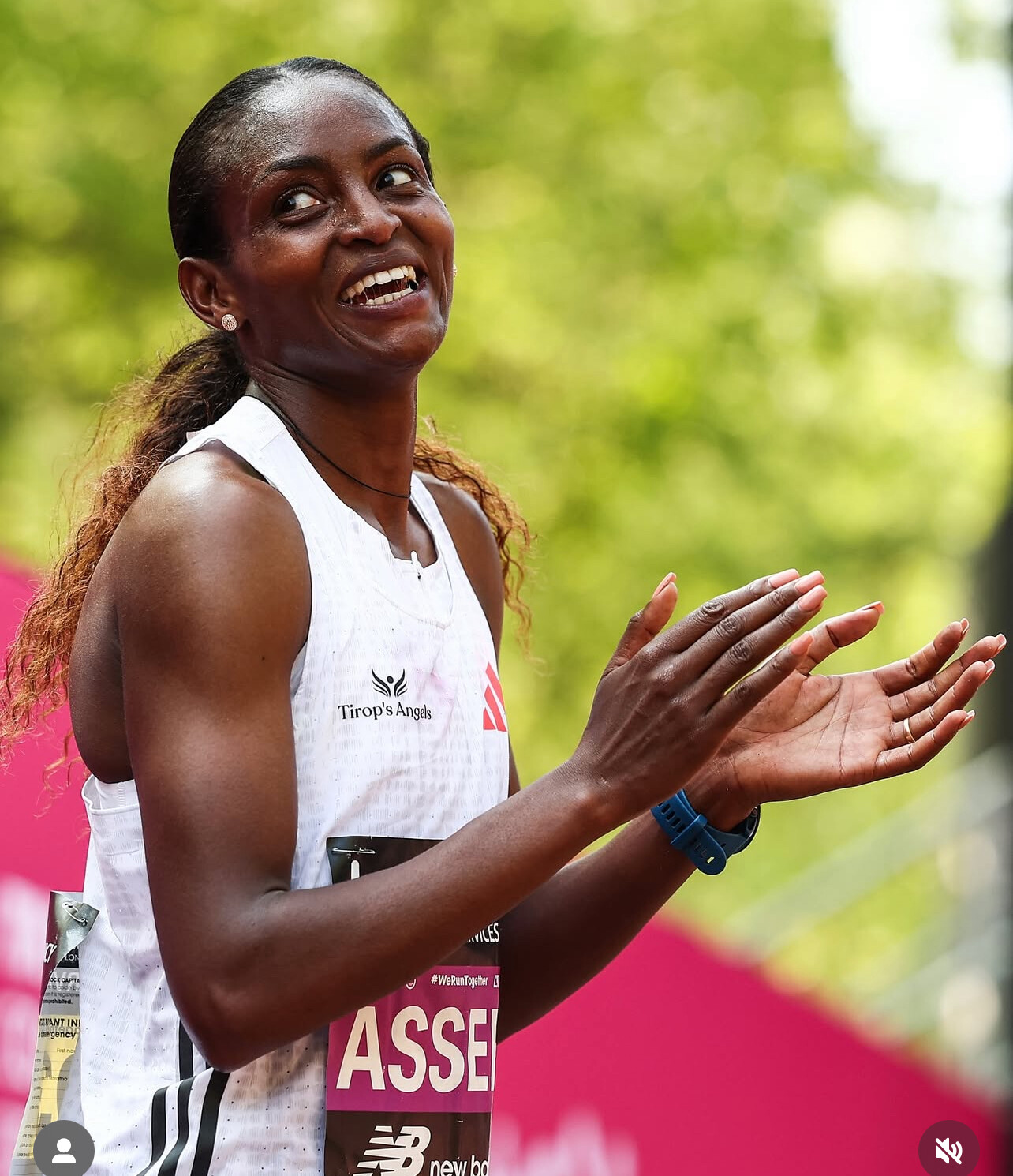
In the women’s elite race, Ethiopia’s Tigst Assefa delivered a historic performance, completing the course in 2:15:50. This time set a new women’s-only marathon world record, surpassing the previous mark of 2:16:16 established by Peres Jepchirchir in 2024 .

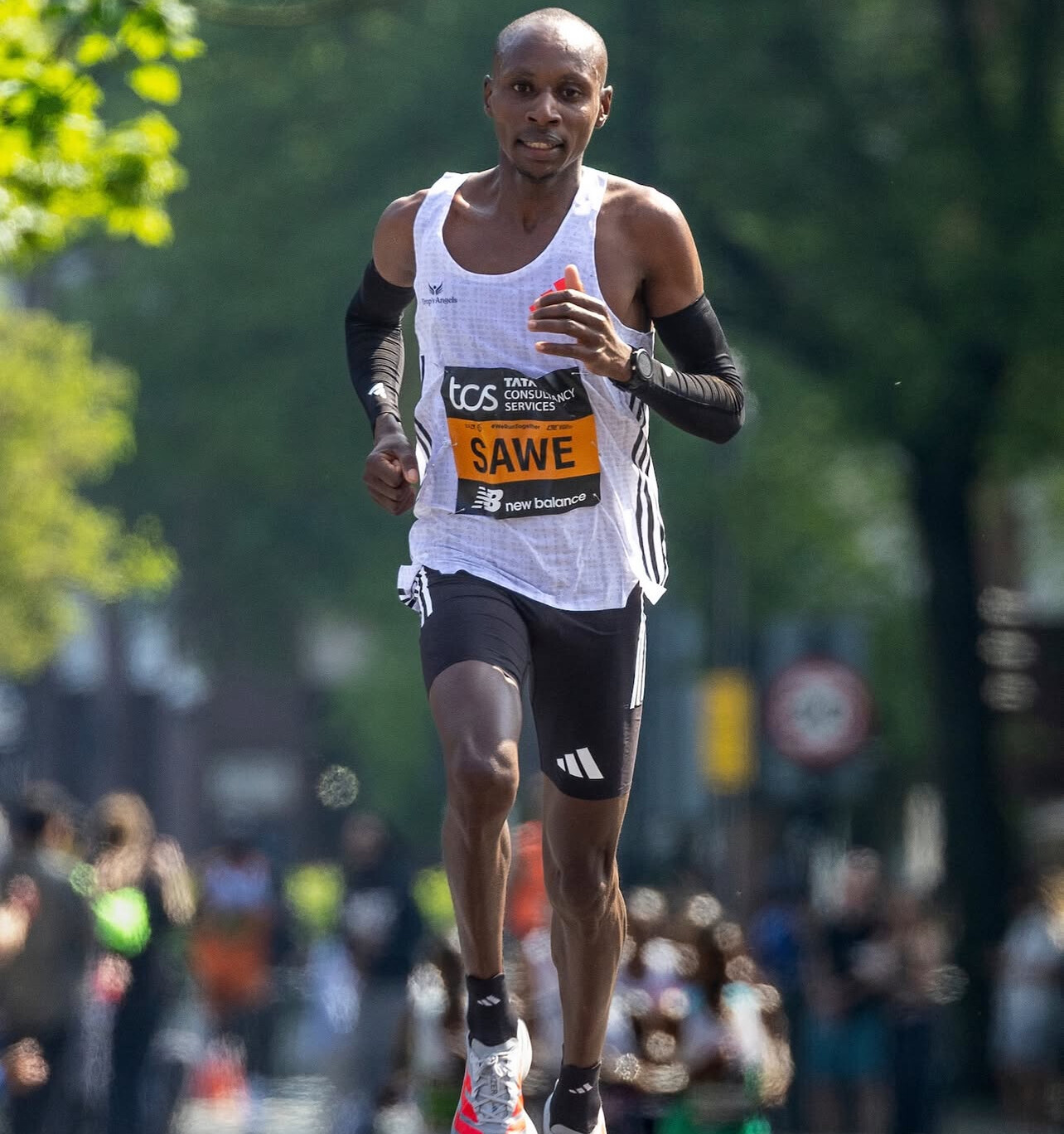
The men’s elite race saw Kenya’s Sabastian Sawe claim victory with a time of 2:02:27, the second-fastest in London Marathon history, trailing only Kelvin Kiptum’s 2:01:25 set in 2023 .
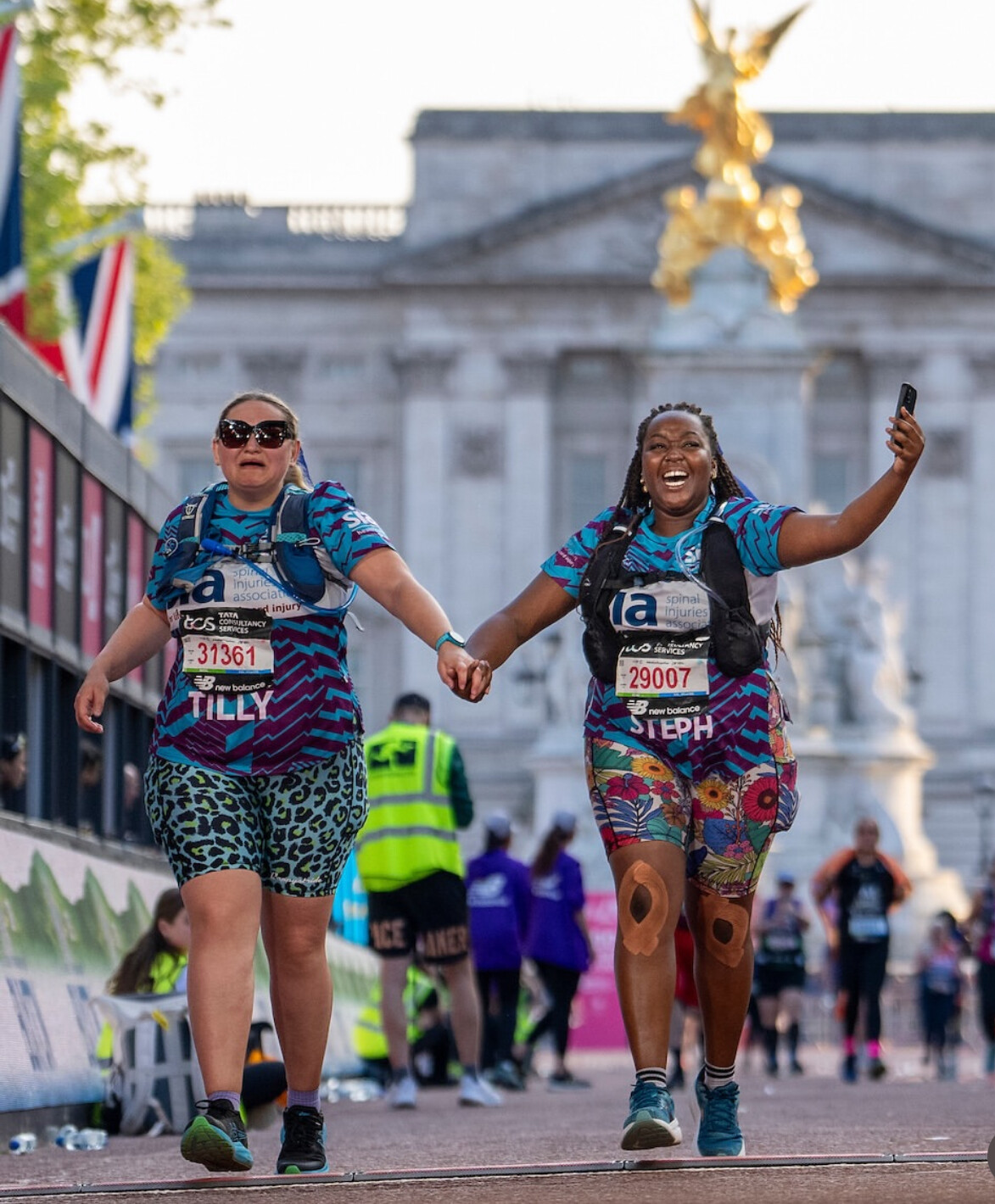
Beyond athletic achievements, the 2025 marathon also made a significant philanthropic impact. Participants raised over £75 million (approximately $99.9 million USD) for various charities, reinforcing the event’s status as the world’s largest single-day fundraising event .
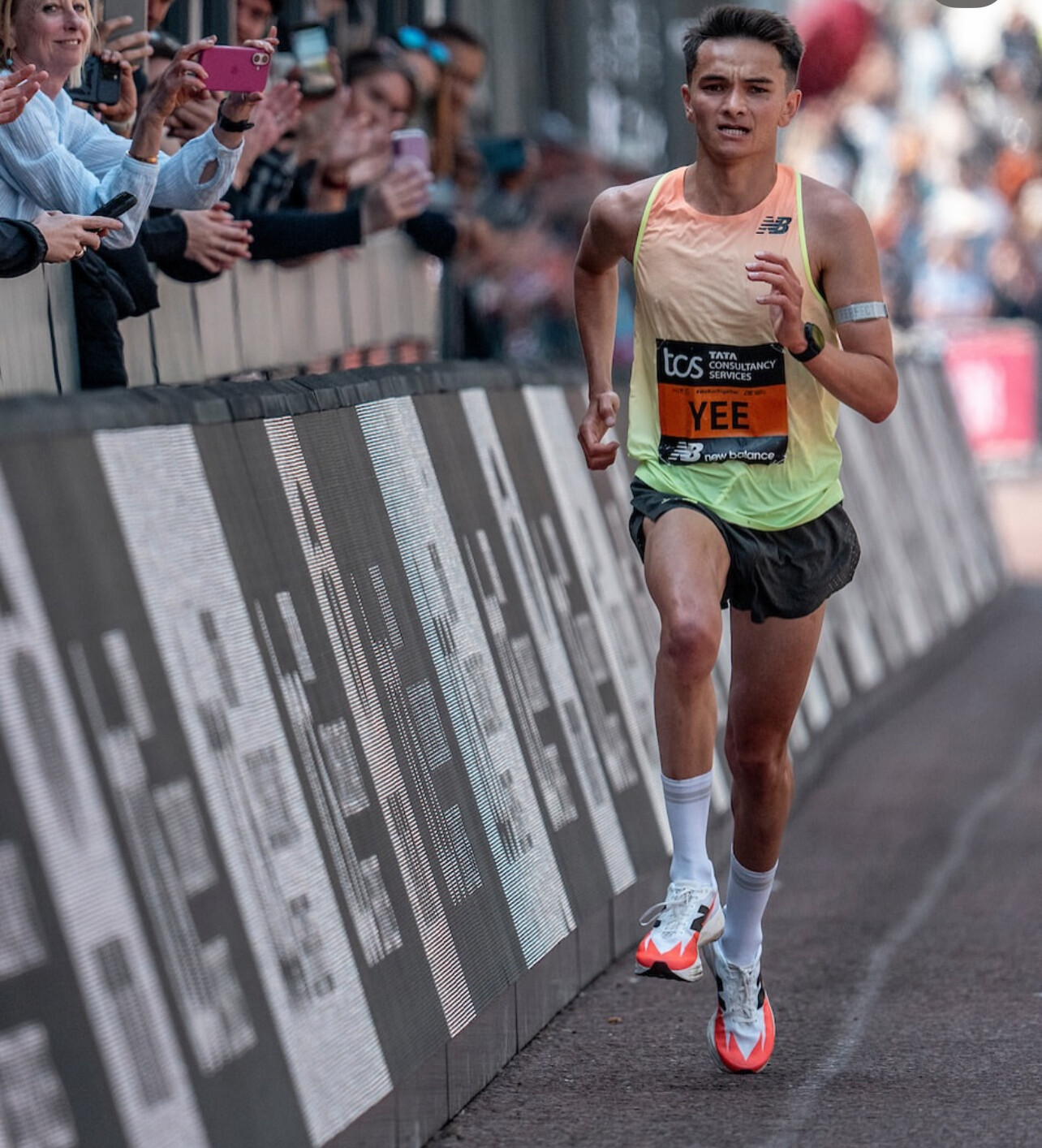
With its blend of elite competition, mass participation, and charitable fundraising, the London Marathon continues to set the standard for global marathon events.
by Boris Baron
Login to leave a comment
Jacob Kiplimo Ready to Make Marathon Debut in London After Record-Shattering Half Marathon
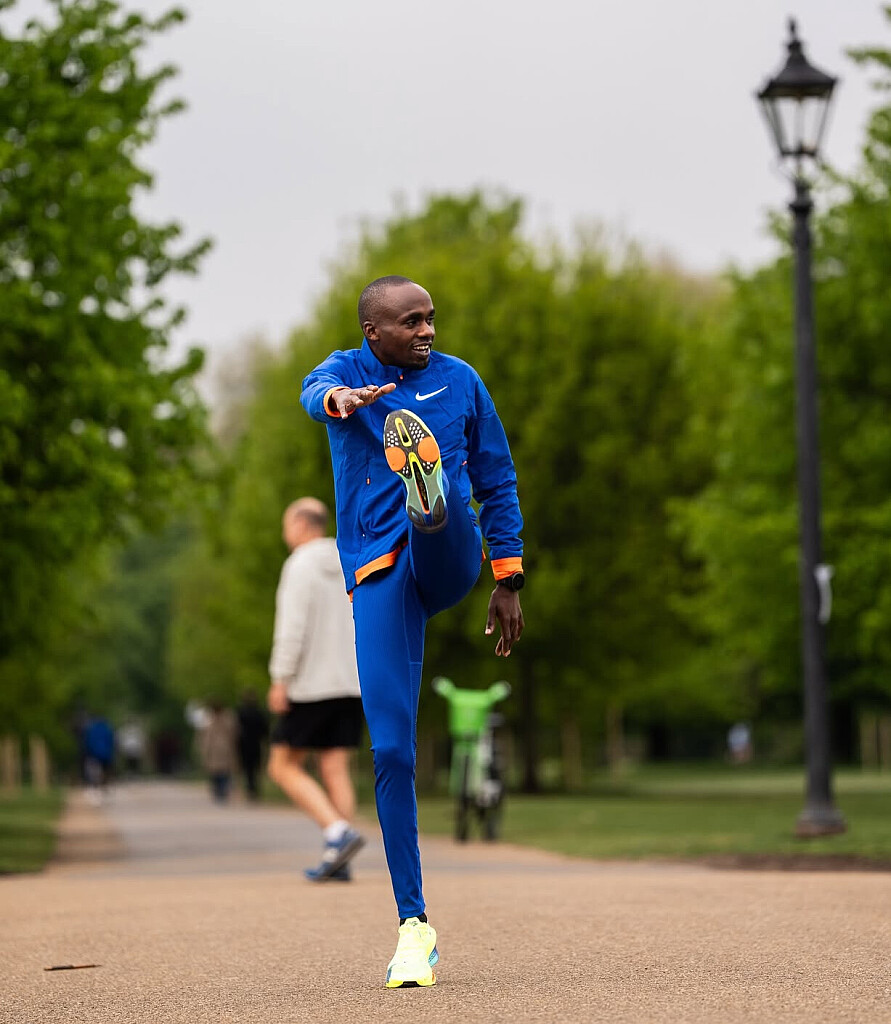
Earlier this year in Barcelona, Jacob Kiplimo delivered one of the most jaw-dropping performances in distance running history. The 24-year-old Ugandan covered 13.1 miles in a stunning 56:42 — a half marathon time 48 seconds faster than the previous world record.
Now, just two months later, Kiplimo is in London for his much-anticipated marathon debut. The buzz is growing louder: could he break the marathon world record? Could he even challenge the two-hour barrier in an official race? London Marathon event director Hugh Brasher believes we could be about to witness something historic.
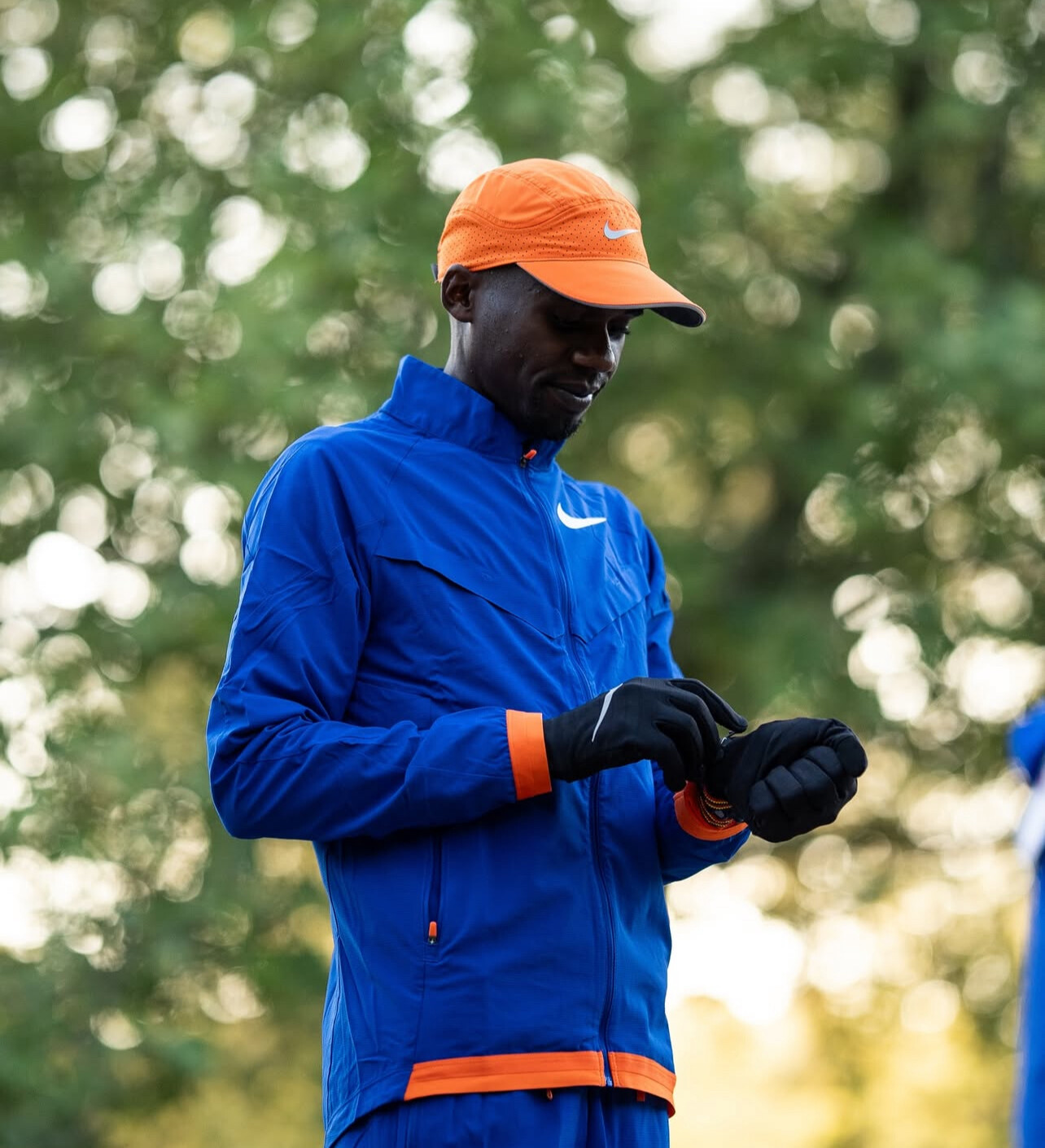
“I think it’s going to be the most fascinating debut ever,” Brasher said. “Is it feasible he could take Kelvin Kiptum’s record as the fastest debutant? Without a doubt. Could he eventually become the first man to run under two hours? Yes. But let’s see what happens on Sunday.”
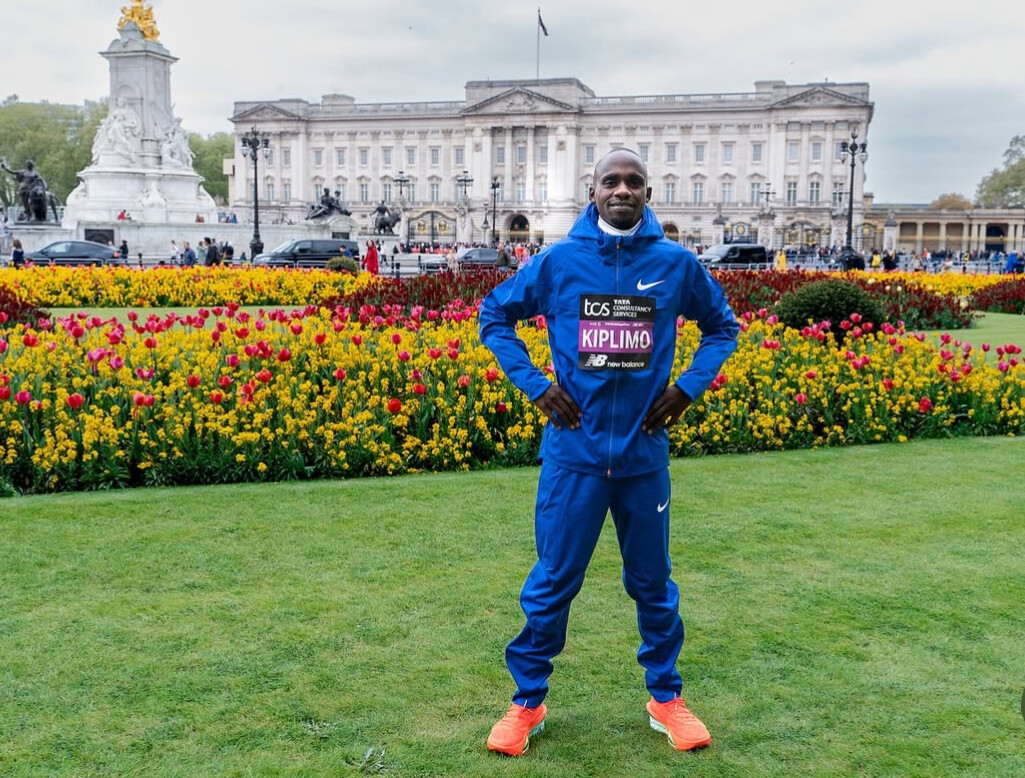
Kiplimo’s story is remarkable. Growing up on a farm 1,500 meters above sea level on the slopes of Mount Elgon, he found inspiration in his older half-brothers — Robert Chemonges and Victor Kiplangat — both of whom would go on to become world-class marathoners.
“We were helping our brothers, the big brothers,” Kiplimo said. “We would see them training and I told them: ‘I want to become like you.’ So I just kept training.”
By 15, Kiplimo had been spotted and brought to Italy to prepare for the Rio Olympics. Although he exited in the 5,000m semifinals, the experience launched his international career. His early times were already astonishing: 13:19 for 5,000m and 27:26 for 10,000m — all before the supershoe era.
While his track career was hampered by the lack of a blazing sprint finish, Kiplimo found his true strength on the roads. He went on to win two senior world cross country titles, along with Olympic and World Championship bronze medals in the 10,000m.
Sunday’s London Marathon will be his toughest test yet. He will face one of the strongest fields ever assembled: Eliud Kipchoge, Olympic champion Tamirat Tola, defending champion Alexander Mutiso, and Sebastian Sawe — who ran 2:02:05 to win Valencia, the second-fastest marathon debut in history. British eyes will also be on Olympic triathlon champion Alex Yee, aiming for a 2:09 debut.
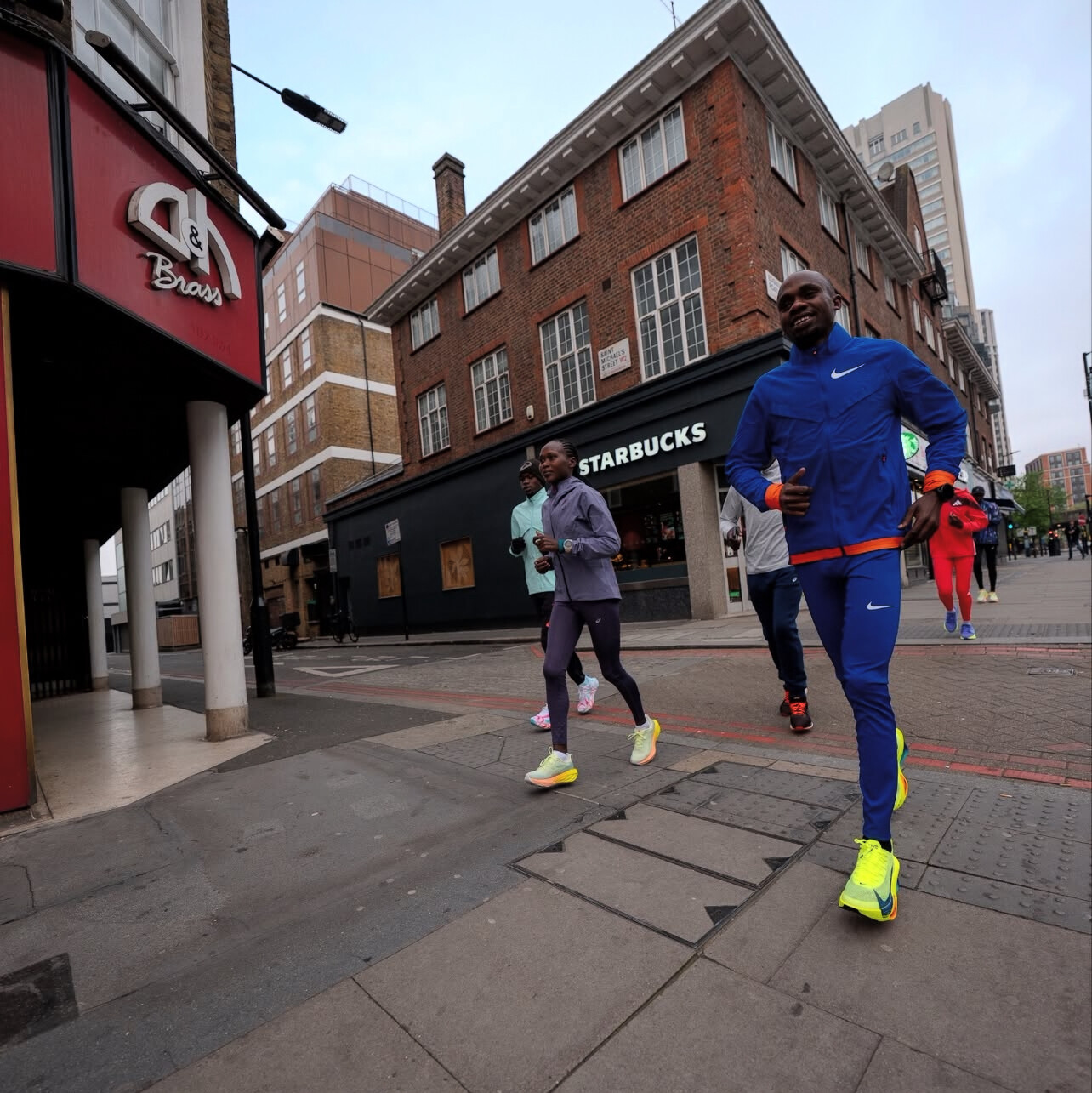
Kiplimo says he is ready. He has built up his weekly mileage from 75–90 miles during his track days to 125–135 miles for the marathon.
The lead pack is expected to hit halfway in around 61 minutes, setting up a possible negative split. With a favorable tailwind forecast in the second half — though temperatures could be on the warm side — conditions could be ideal for something special.
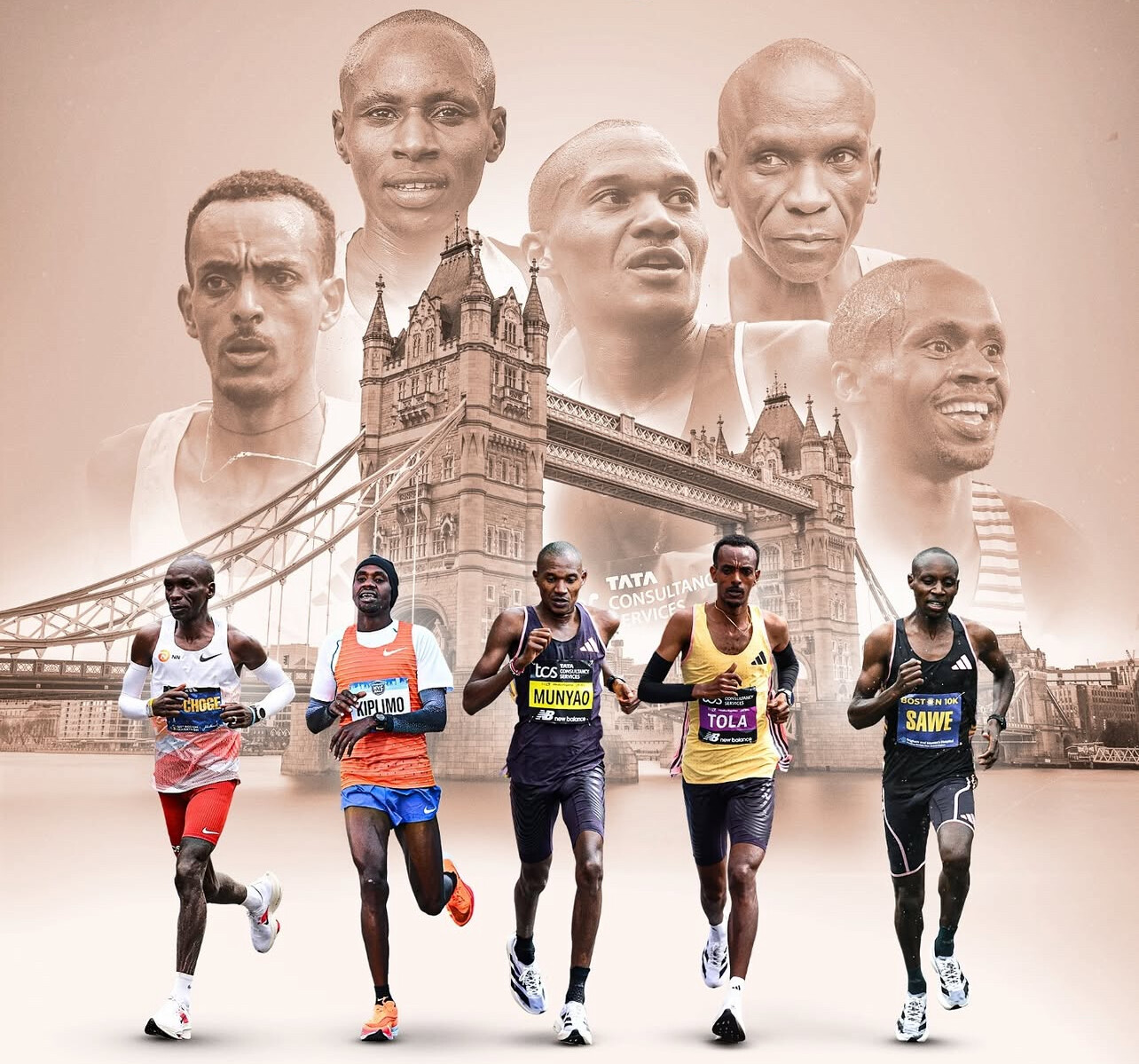
Kiplimo has already shown he can rewrite history. On Sunday, the world will be watching to see if he can do it again.
by Boris Baron
Login to leave a comment
TCS London Marathon
Since its inaugural edition on March 29, 1981, the TCS London Marathon has grown into one of the world's most prestigious road races, blending elite competition with an extraordinary charitable legacy. Founded by former Olympic champion and journalist Chris Brasher alongside Welsh athlete John Disley, the event has been staged every year and has been held in the spring annually...
more...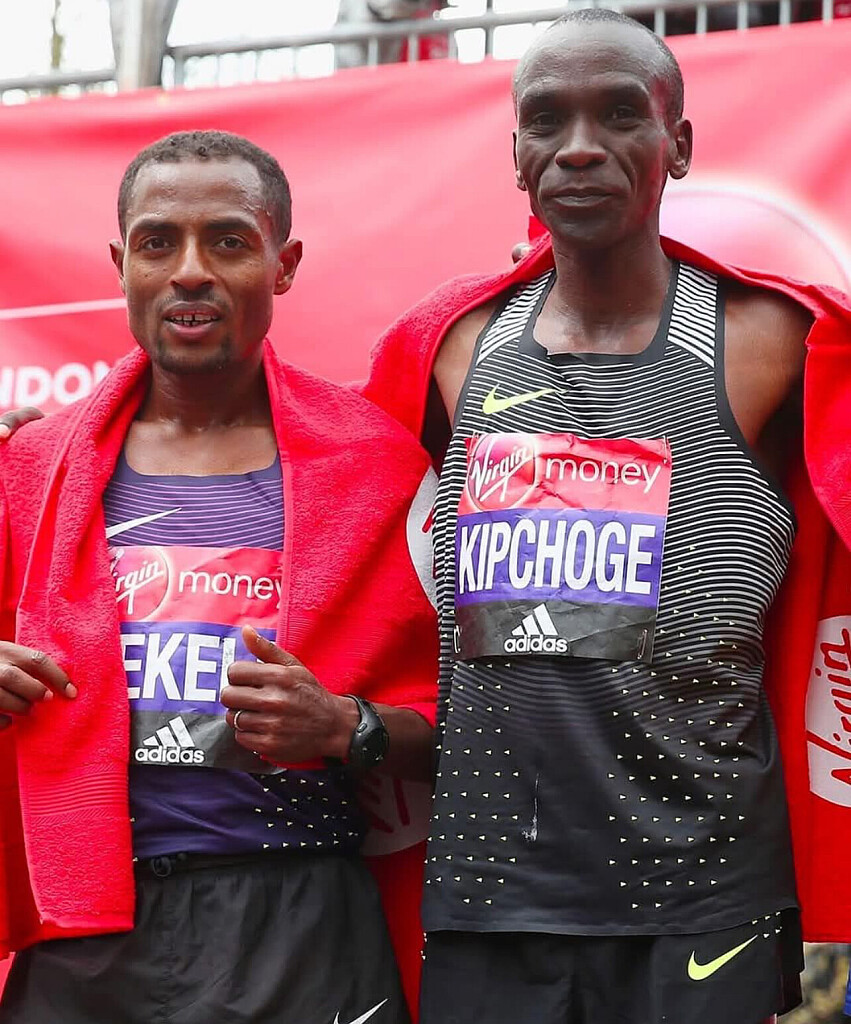
2025 London Marathon: Will This Be the Year of the Sub-Two Hour Marathon?
The anticipation for the 2025 London Marathon has reached new heights with the announcement of one of the strongest elite marathon fields ever assembled. This year’s race could witness history: the first-ever sub-two-hour marathon in an official competition. With world-class talent toeing the line and conditions often favorable in London, I'm excited to see how this race unfolds.
Leading the conversation is Jacob Kiplimo, the half marathon world record holder with an astonishing 56:42 recently. Kiplimo didn't need pacers during his world record run. He just went for it clocking unbelievable splits. One of his 10k split would be his best time ever for that distance. And no one had ever run 15k under 40 minutes before. But the marathon is twice the distance. What will his strategy be for London? Will he use his blistering speed over the full 42K and go out on his own or will he stay with the pack for at least the half way point? Going to be interesting to see what that split will be. I am thinking 59 minutes or even faster. Kiplimo might not only win but push the clock into uncharted territory. But there will be so much talent on the starting line.
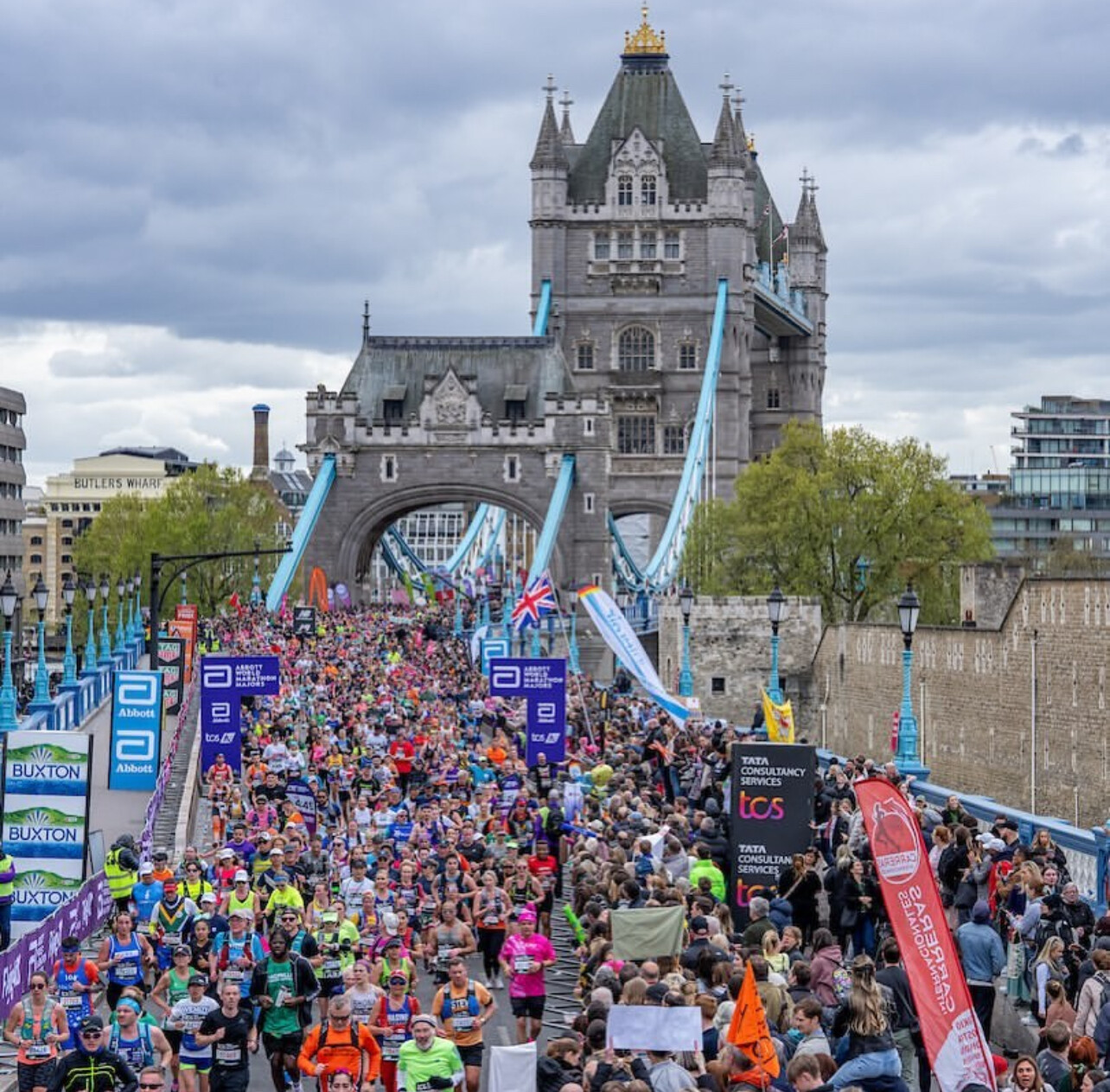
The Favorites: Kiplimo, Bekele, and Kipchoge Lead the Charge
While Kiplimo's marathon debut grabs headlines, legends like Kenenisa Bekele and Eliud Kipchoge are far from conceding victory.
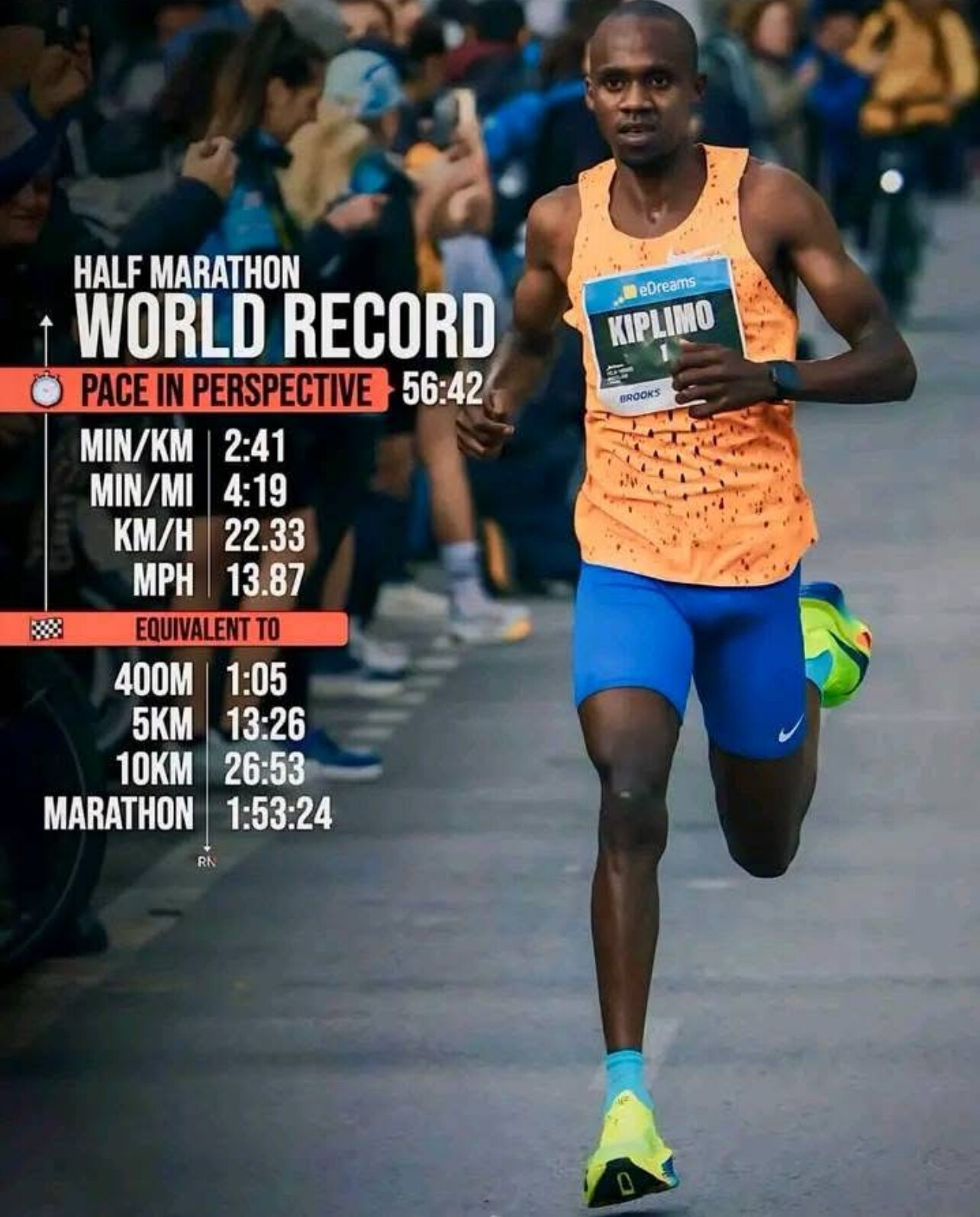
Jacob Kiplimo from Uganda enters London as the favorite, thanks to his incredible speed. The big question is whether he can maintain that pace for twice the distance.
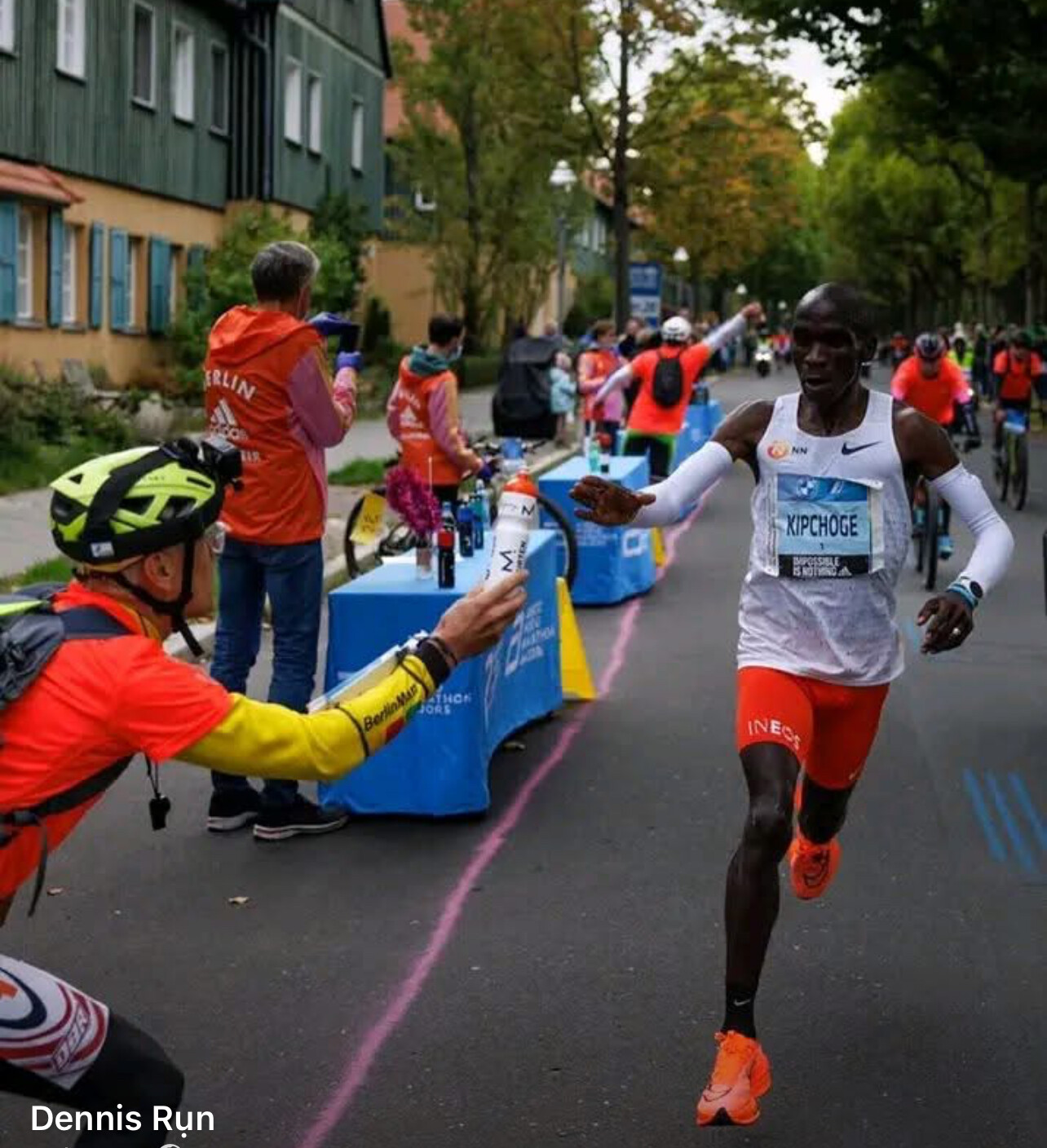
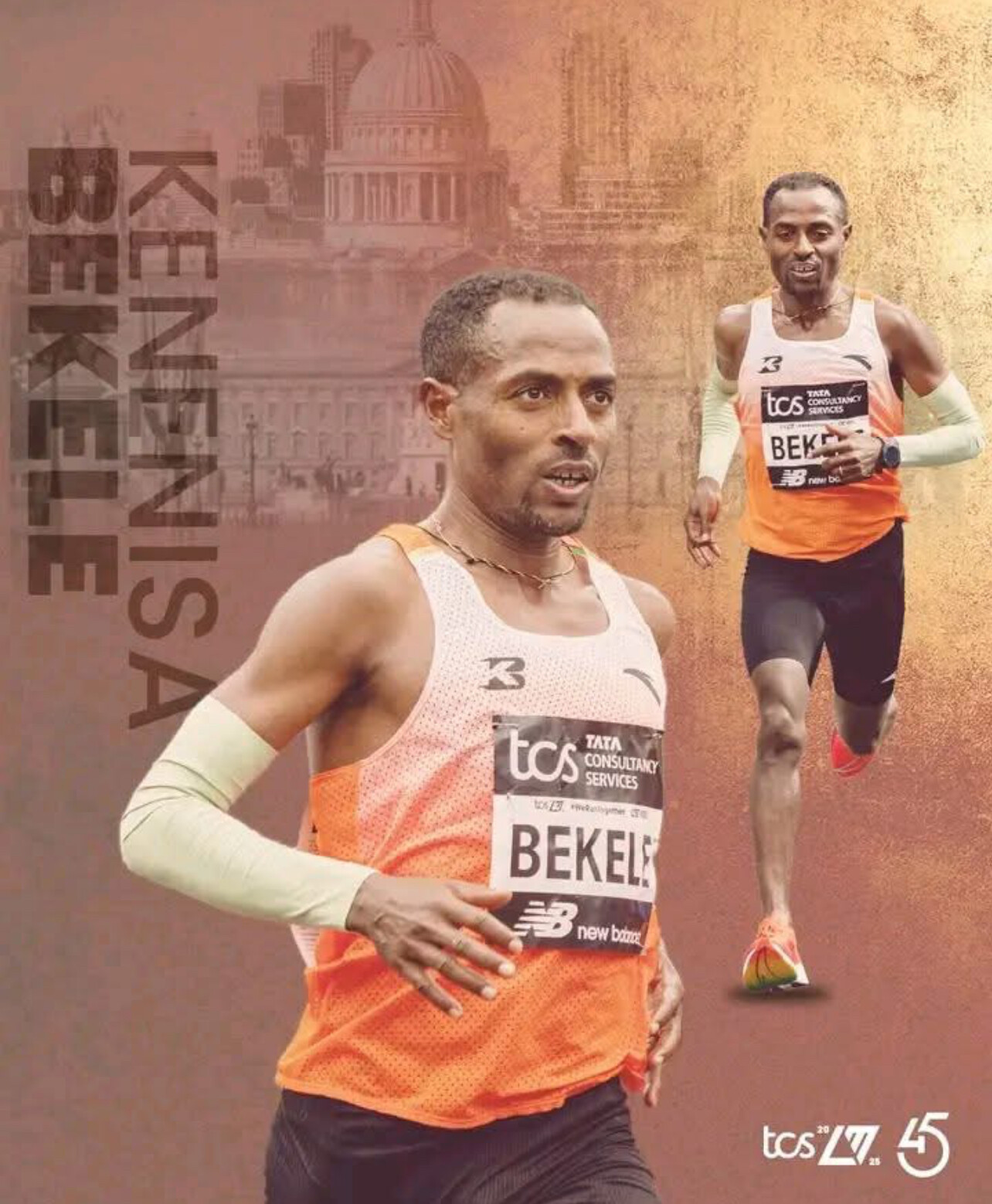
Kenenisa Bekele, with a personal best of 2:01:41, proved last year he’s still elite, setting the Masters world record (2:04:15) in London. Bekele is chasing both victory and history, knowing his window for breaking the two-hour barrier is narrowing.

Eliud Kipchoge returns to London, where he’s won four titles. At 40 years old, Kipchoge remains focused, though he now races in the shadow of Kelvin Kiptum's world record of 2:00:35, set at the 2023 Chicago Marathon.
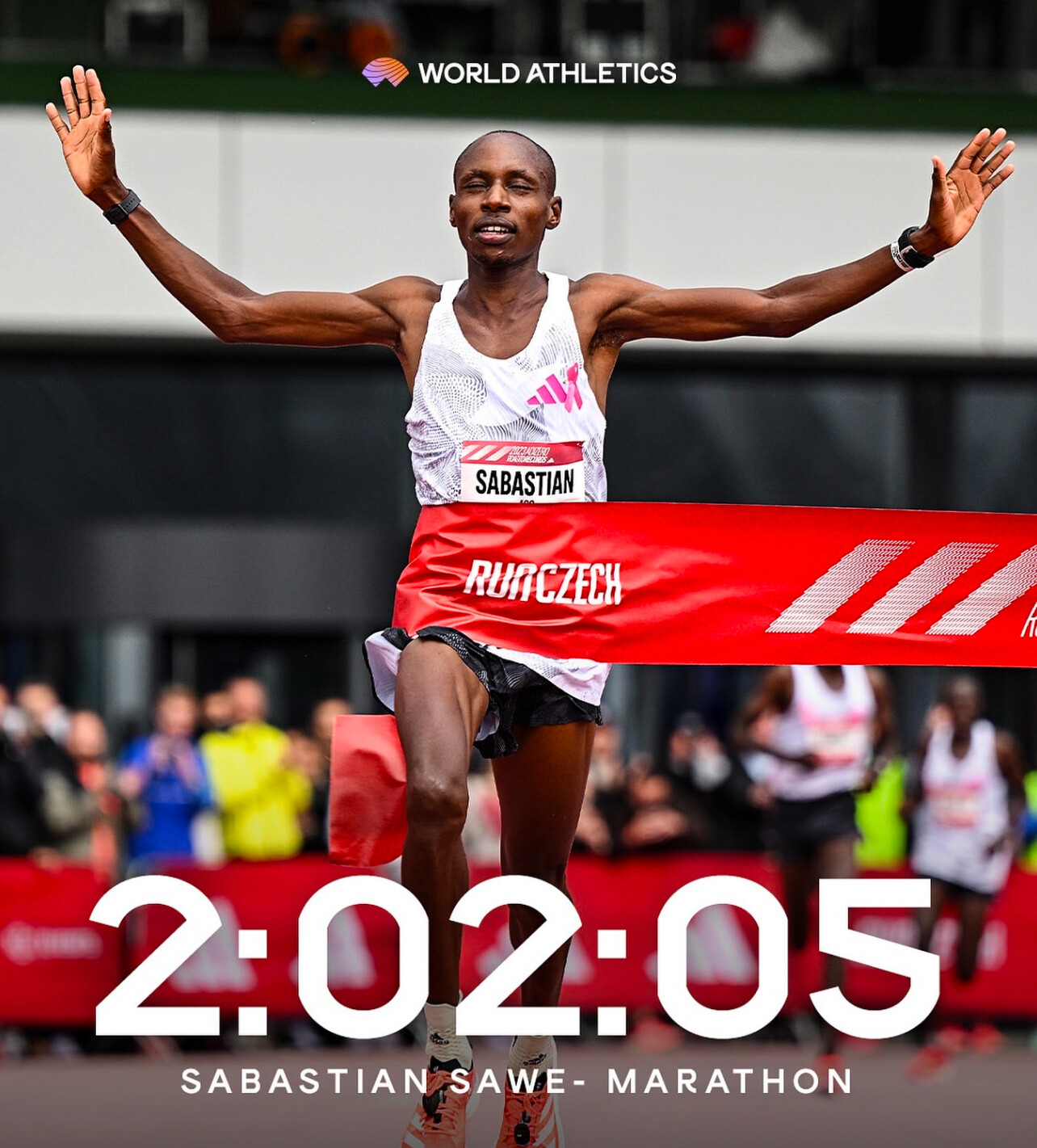
Rising Stars and Seasoned Champions
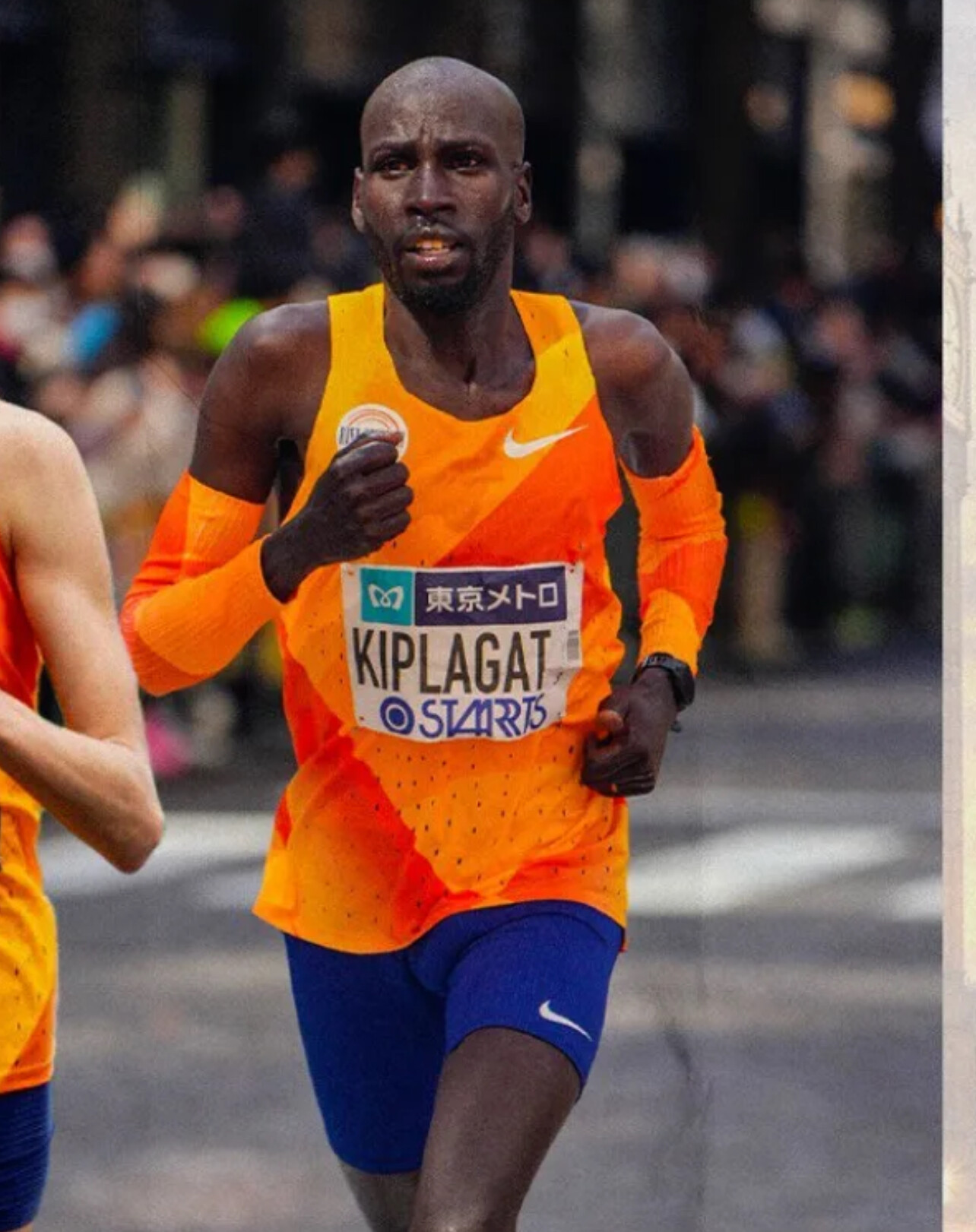
Beyond the favorites, an incredible field promises an unforgettable showdown.
Sabastian Sawe, with a personal best of 2:02:05, stunned the world by running the fastest debut marathon ever in Valencia. His aggressive racing style could drive the pace.
Timothy Kiplagat, clocking 2:02:55, thrives in fast-paced races and could be a dark horse if the leaders falter.
Alex Mutiso, the defending London Marathon champion with a best of 2:03:11, returns to prove his 2024 victory was no fluke.
Tamirat Tola, the reigning Olympic marathon gold medalist, has shown he can deliver under pressure, with a personal best of 2:03:39.
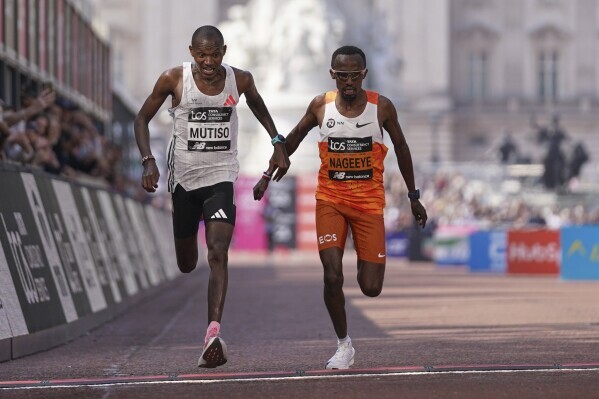
Abdi Nageeye, the 2021 NYC Marathon champion and Olympic silver medalist, is known for tactical brilliance and boasts a best of 2:04:45.
Breaking 2: Is It Possible in London 2025?
The two-hour barrier remains the sport’s ultimate milestone. While Kelvin Kiptum’s world record of 2:00:35 came heartbreakingly close, an official sub-two-hour marathon has yet to be achieved.
What makes London 2025 the perfect stage?
Stacked Field: With Kiplimo, Kipchoge, and Bekele pushing each other, the pace will be relentless.
Course Familiarity: The London course is flat, fast, and historic, where many records have fallen.
Optimal Conditions: London in April often provides the perfect cool weather for fast times.
Pacemakers: Expect world-class rabbits tasked with keeping the leaders on sub-2 pace through 30K.
A Race for the Ages
On April 27, 2025, I'll be watching closely. Will Jacob Kiplimo make history in his debut? Can Bekele turn back the clock? Will Kipchoge find one more magical performance? And—perhaps most importantly—will the sub-two-hour barrier finally fall in an official race?
One thing is certain: London 2025 promises a marathon showdown like no other.
I'm marking my calendar. History is calling.
by Bob Anderson
Login to leave a comment
TCS London Marathon
Since its inaugural edition on March 29, 1981, the TCS London Marathon has grown into one of the world's most prestigious road races, blending elite competition with an extraordinary charitable legacy. Founded by former Olympic champion and journalist Chris Brasher alongside Welsh athlete John Disley, the event has been staged every year and has been held in the spring annually...
more...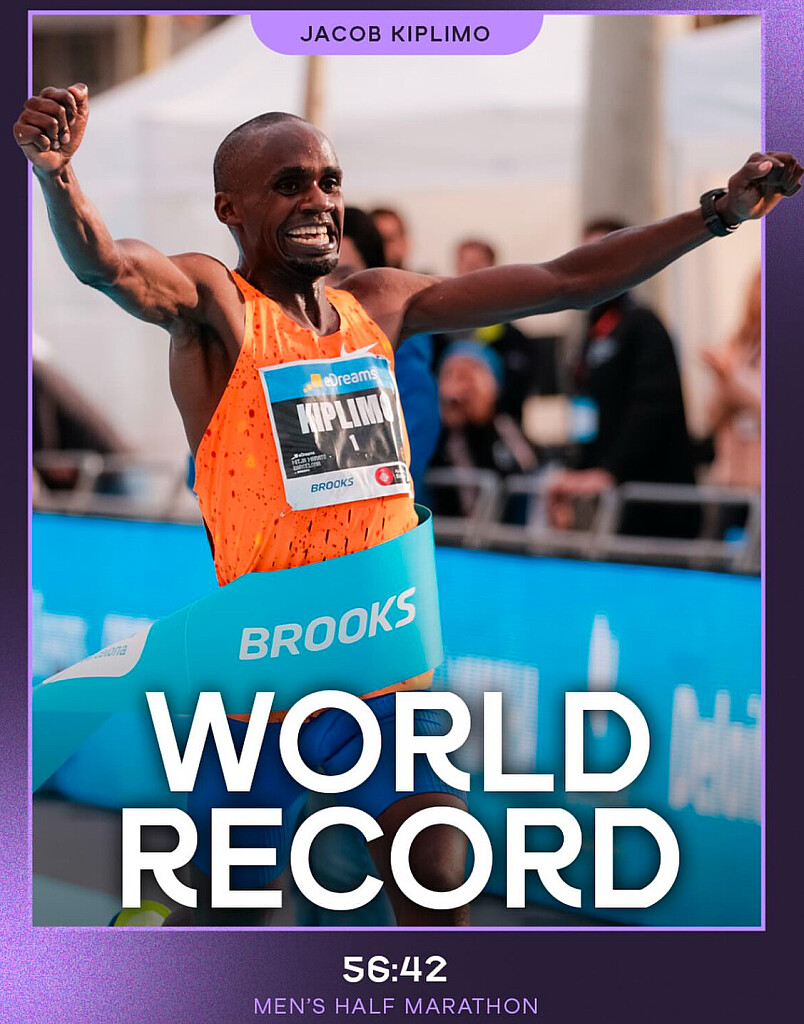
The Rush to Discredit Greatness – Why Do We Doubt Record-Breaking Performances?
When news broke that Jacob Kiplimo had run an astonishing 56:42 half marathon, the immediate reaction on social media was a mix of awe, skepticism, and outright accusations of cheating. Many simply couldn’t believe that a human could run that fast.
By Bob Anderson, Editor of My Best Runs
I understand why people might be shocked. This was not just a fast race—it was arguably the greatest distance running performance ever. Kiplimo’s time shattered previous records and redefined what we thought was possible over 21K. But should disbelief automatically lead to accusations?
The reality of record-breaking feats
Throughout history, incredible performances have often been met with doubt. In 1954, Roger Bannister’s sub-4-minute mile seemed superhuman, but today, elite high schoolers chase that mark. When Eliud Kipchoge broke the two-hour marathon barrier (albeit in a controlled environment), people debated how much was due to pacing, shoes, or course setup.
Now, with Kiplimo’s 56:42, we see the same pattern. Questions arise:
Was the course accurate? This will be verified before the record is ratified.
Did he use performance-enhancing drugs (PEDs)? As far as we know, he has passed every drug test, and accusations without evidence are unfair.
What about Nike’s super shoes? Yes, he wore them, but these shoes are legal under World Athletics regulations.

These are reasonable questions to ask, and the governing bodies will do their due diligence. But what’s frustrating is the knee-jerk reaction of immediately assuming foul play.
The culture of doubt in modern running
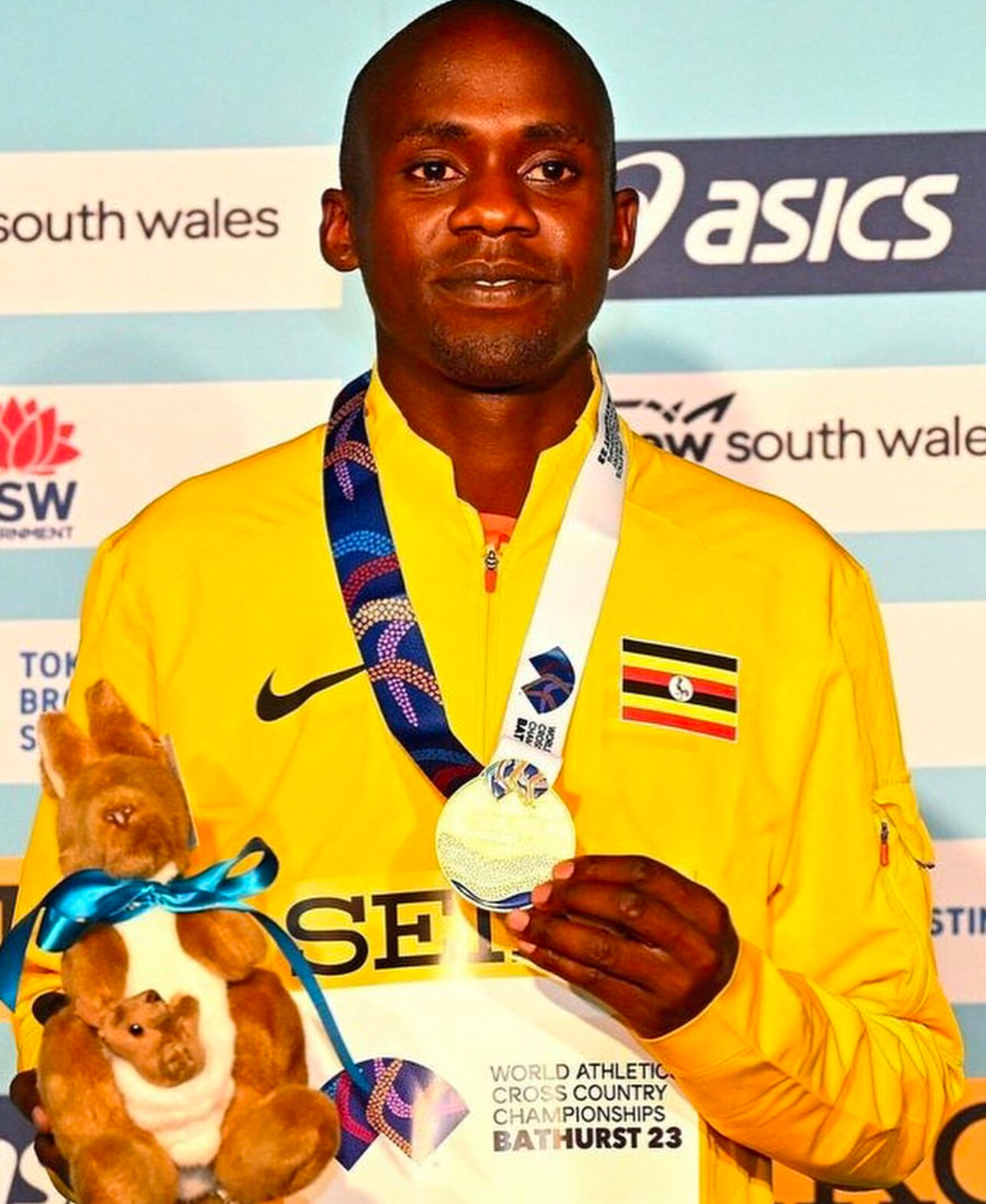
Why do some past champions and fans rush to discredit new performances? Some of it comes from personal experience—many former elite runners trained incredibly hard, and when they see times they never thought possible, it’s natural to wonder what changed. Some of it also comes from a real history of doping scandals in the sport, from Ben Johnson to Lance Armstrong to the Russian state-sponsored program.
But there’s another factor—social media. Unlike in Bannister’s era, when skepticism was confined to private conversations, today’s doubts explode instantly across the internet. A single tweet suggesting “this must be doping” spreads like wildfire, often without evidence.
Jacob Kiplimo is no stranger to records
Let’s not forget that this is not Kiplimo’s first world record. He has been at the top of the sport for years, previously holding the half marathon world record at 57:31 before Kelvin Kiptum broke it. He has consistently performed at the highest level, winning Olympic and World Championships medals. Are the same people suggesting he cheated back then too? Or is it only now, when the record has taken a dramatic leap, that they feel the need to discredit him?
Innocent until proven guilty
In sports, as in life, we must be careful about making baseless accusations. If evidence emerges that Kiplimo cheated, that’s one thing. But until then, we should celebrate an incredible performance and let the process of verification take its course.
To those quick to assume wrongdoing, I ask—what if you’re wrong? What if Kiplimo is simply that good? Greatness should inspire us, not immediately make us suspicious. Until proven otherwise, this was a historic day for distance running—one that deserves recognition, not reckless doubt.
by Bob Anderson
Login to leave a comment

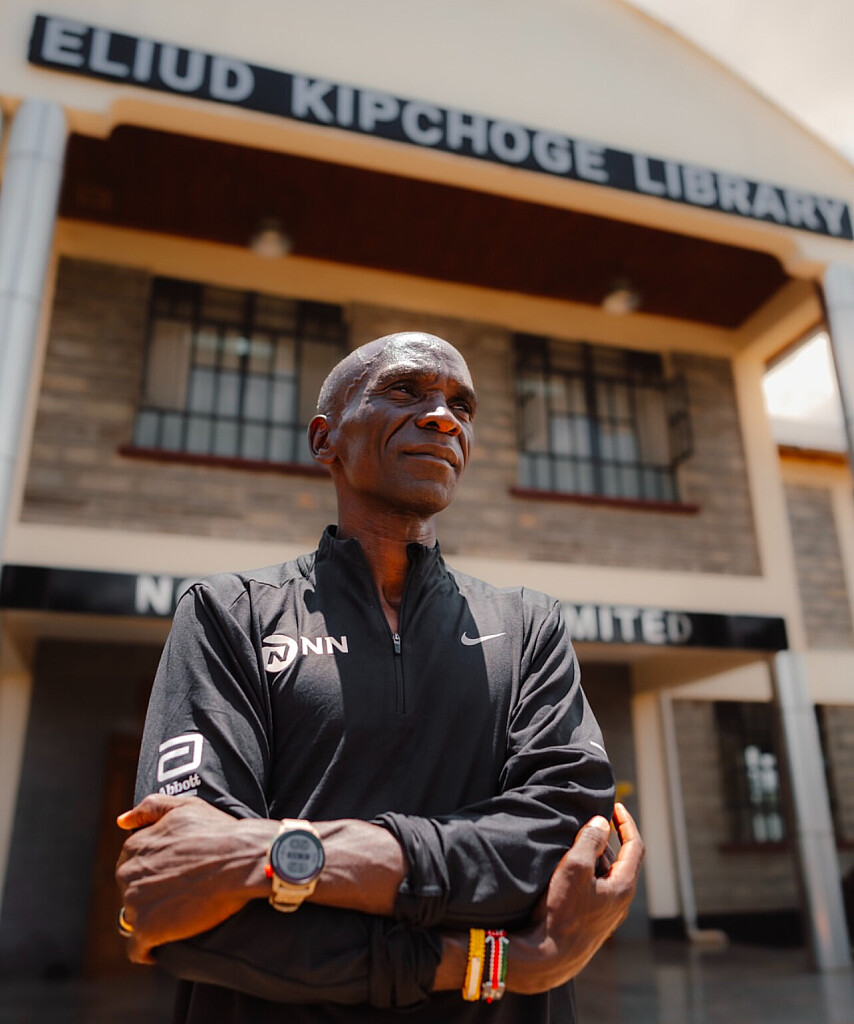
False Accusations Impact Eliud Kipchoge's Reputation and Earnings
In February 2024, the running community was shaken by the tragic death of marathon world record holder Kelvin Kiptum in a car accident. In the aftermath, baseless rumors emerged on social media, falsely implicating fellow Kenyan marathoner Eliud Kipchoge in the incident. These unfounded allegations led to a wave of online harassment directed at Kipchoge, tarnishing his reputation and potentially impacting his earnings.
Impact on Kipchoge's Reputation
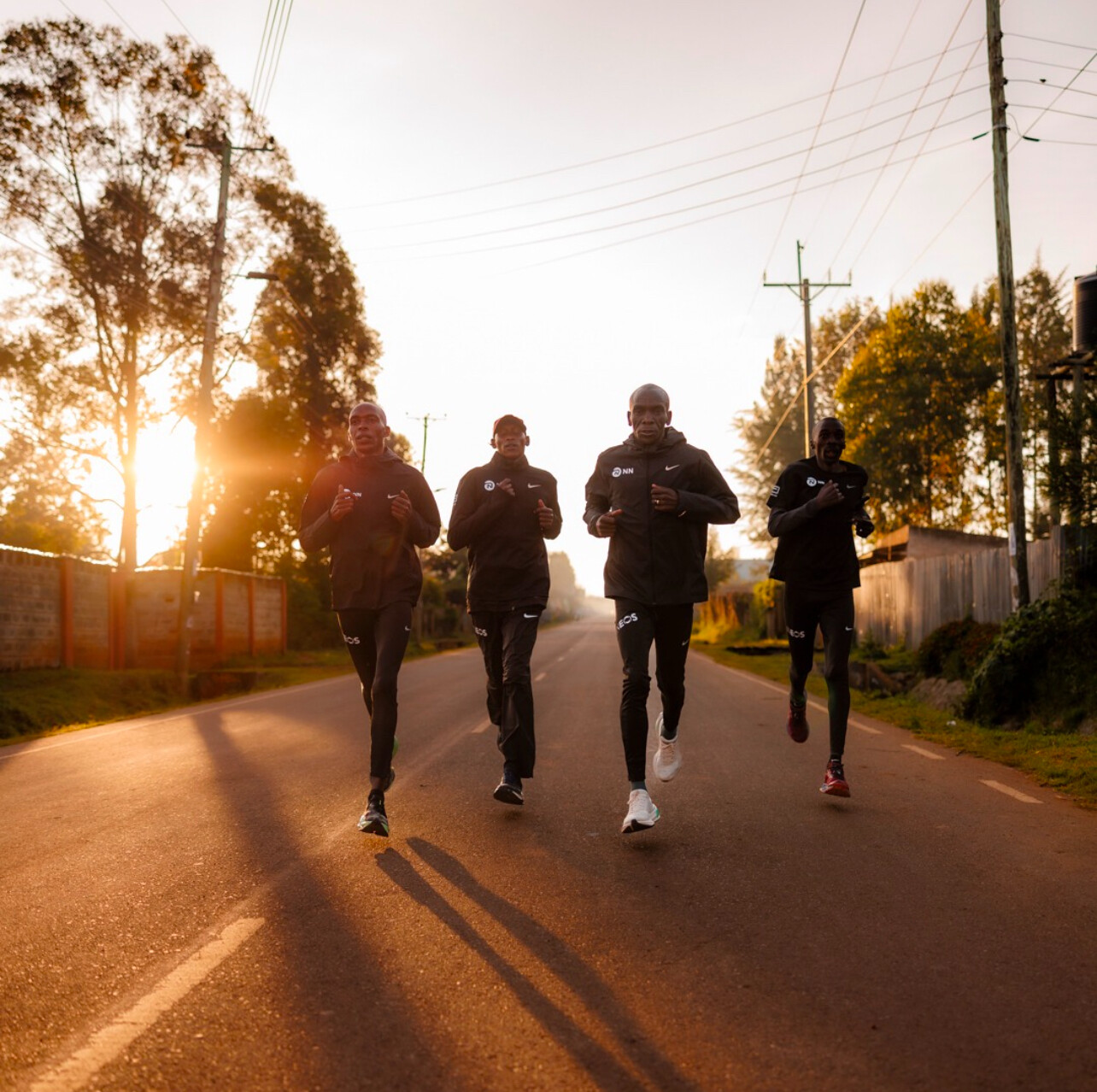
Eliud Kipchoge, renowned for his discipline and sportsmanship, faced significant challenges due to the spread of misinformation. The false accusations not only subjected him to personal distress but also threatened to undermine the public's perception of his integrity. In an interview, Kipchoge expressed his anguish, stating that the harassment forced him to take measures to protect his family. He emphasized that the claims were baseless and deeply affected his personal and professional life.
Financial Implications
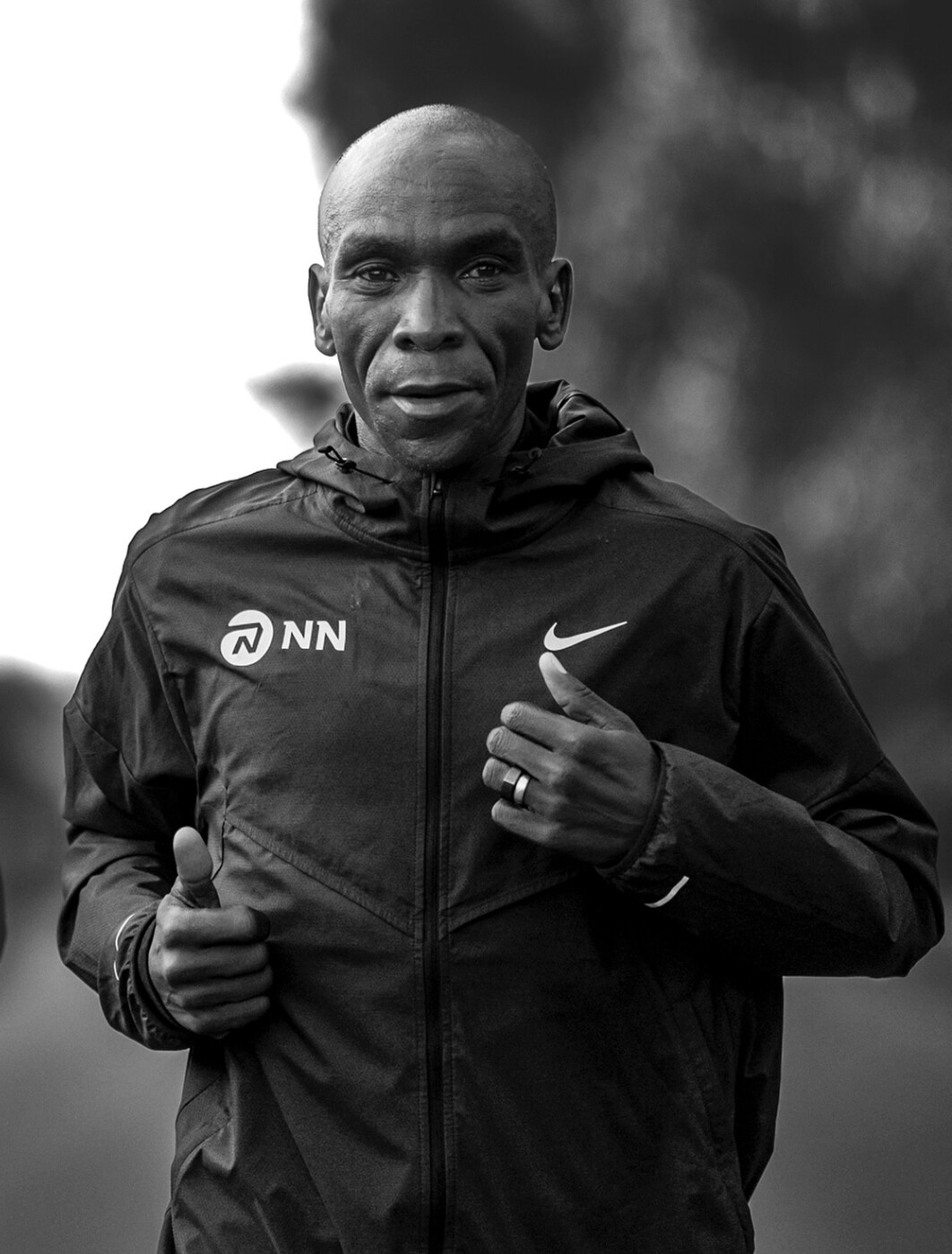
While exact figures are not publicly disclosed, the reputational damage from such allegations can have substantial financial repercussions. Endorsement deals, appearance fees, and sponsorships are often contingent upon an athlete's public image. Negative publicity, even if unfounded, can lead to reduced opportunities and financial losses. For instance, in 2015, Kipchoge himself noted that doping claims could harm the reputations and earnings of Kenyan runners, highlighting the sensitivity of sponsors and event organizers to athletes' public perceptions.
Addressing the Misinformation
In response to the false allegations, Kipchoge took steps to clear his name and restore his reputation. He publicly addressed the rumors, asserting his innocence and expressing his commitment to the sport's integrity. Such proactive measures are crucial in mitigating the damage caused by misinformation. Brands like Nike have demonstrated that transparent communication and reaffirming core values can help restore public trust after controversies.
The spread of false information had a tangible impact on Eliud Kipchoge, affecting both his personal well-being and professional standing. This incident underscores the broader implications of misinformation in the digital age, highlighting the need for responsible communication and the protection of individuals' reputations.
by Boris Baron
Login to leave a comment
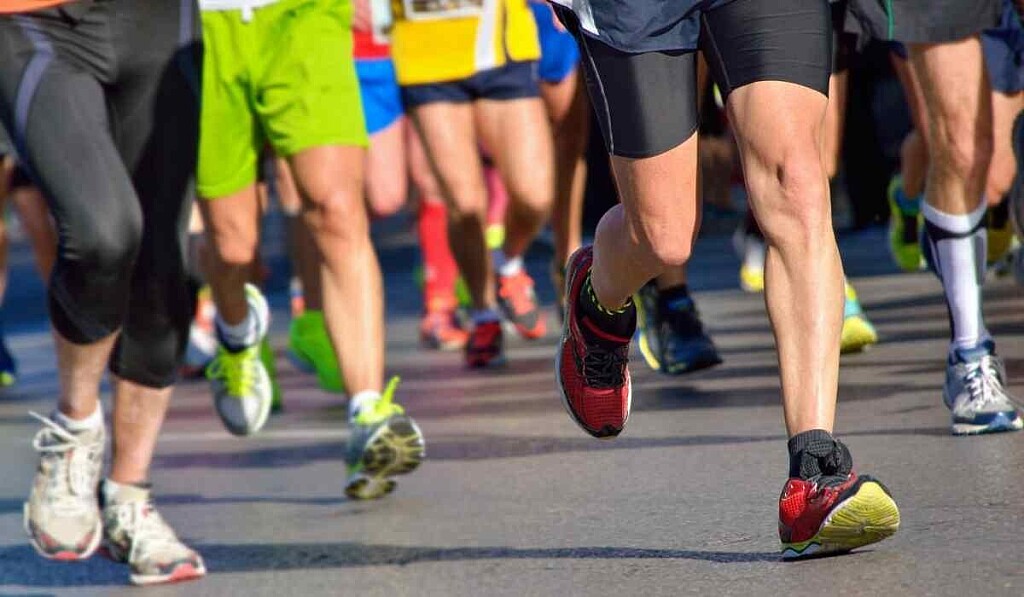
The Science Behind Negative Splits
In the world of distance running, pacing is paramount. One strategy that has garnered attention for its effectiveness is the negative split—running the second half of a race faster than the first. This approach not only conserves energy but also positions runners to finish strong, often leading to personal bests.
Starting a race conservatively allows the body to warm up thoroughly, optimizing muscle efficiency and oxygen utilization. As the race progresses, a well-timed increase in pace can capitalize on this preparedness. Physiologically, this method helps in managing glycogen stores and delaying the onset of fatigue, enabling a stronger finish.

Training Techniques to Master Negative Splits
Progression Runs: Begin at a comfortable pace and gradually increase speed throughout the run. For instance, on a 10-mile run, start at a relaxed pace for the first 5 miles, then incrementally quicken your pace in the latter half.
Tempo Runs with a Fast Finish: Maintain a steady tempo pace for a set distance, then accelerate in the final segment. This trains the body to handle increased effort when fatigued.
Interval Training: Incorporate intervals that encourage finishing faster. For example, run 800-meter repeats where the second 400 meters is faster than the first. This not only builds speed but also instills the discipline to negative split.
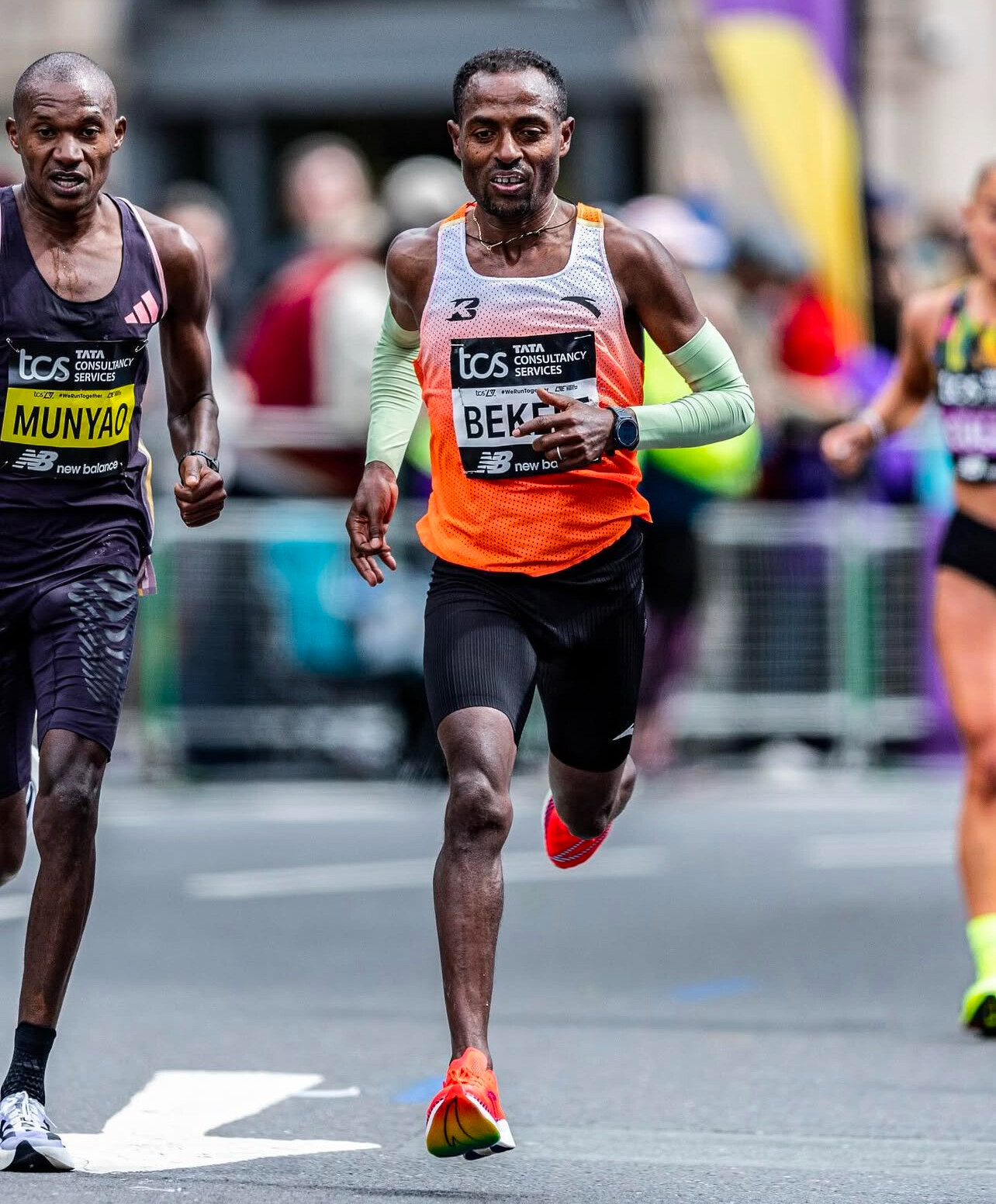
Controlled Long Runs: During long runs, practice starting slower than your target race pace and finishing the last few miles faster. This simulates the fatigue of a race and conditions the mind and body to push through.
Elite Runners Embracing Negative Splits
Many elite runners have successfully employed negative splits in their racing strategies:
Eliud Kipchoge: During the 2016 Olympic Marathon, Kipchoge ran the first half in 1:05:55 and the second half in 1:02:49, securing the gold medal with a significant negative split.
Kelvin Kiptum: In the 2023 Chicago Marathon, Kiptum set a new world record by running the first half in 60:48 and the second half in 59:47, showcasing a remarkable negative split.
Kenenisa Bekele: In his 5000-meter world-record run, Bekele progressively increased his speed, running each kilometer faster than the previous one, exemplifying the negative split strategy.
Implementing Negative Splits in Your Racing Strategy
To effectively incorporate negative splits into your racing:
Start Conservatively: Begin slightly slower than your goal pace to conserve energy.
Mid-Race Assessment: Regularly check in with your body and adjust your pace as needed, ensuring you have the energy to increase speed in the latter stages.
Strong Finish: Aim to progressively quicken your pace in the final miles, capitalizing on your conserved energy.
By mastering the art of negative splits, runners can race smarter, harnessing their energy efficiently to achieve stronger finishes and personal bests.
by Boris Baron
Login to leave a comment
The Distance Running Scene in 2024: A Year of Remarkable Achievements
The global distance running scene in 2024 was marked by incredible performances, new records, and innovative approaches to training and competition. From marathons in bustling city streets to ultramarathons through rugged terrains, the year showcased the resilience, determination, and evolution of athletes from all corners of the globe.
The World Marathon Majors—Tokyo, Boston, London, Berlin, Chicago, and New York—continued to be the centerpiece of elite distance running, each event contributing to a year of unprecedented performances and milestones.
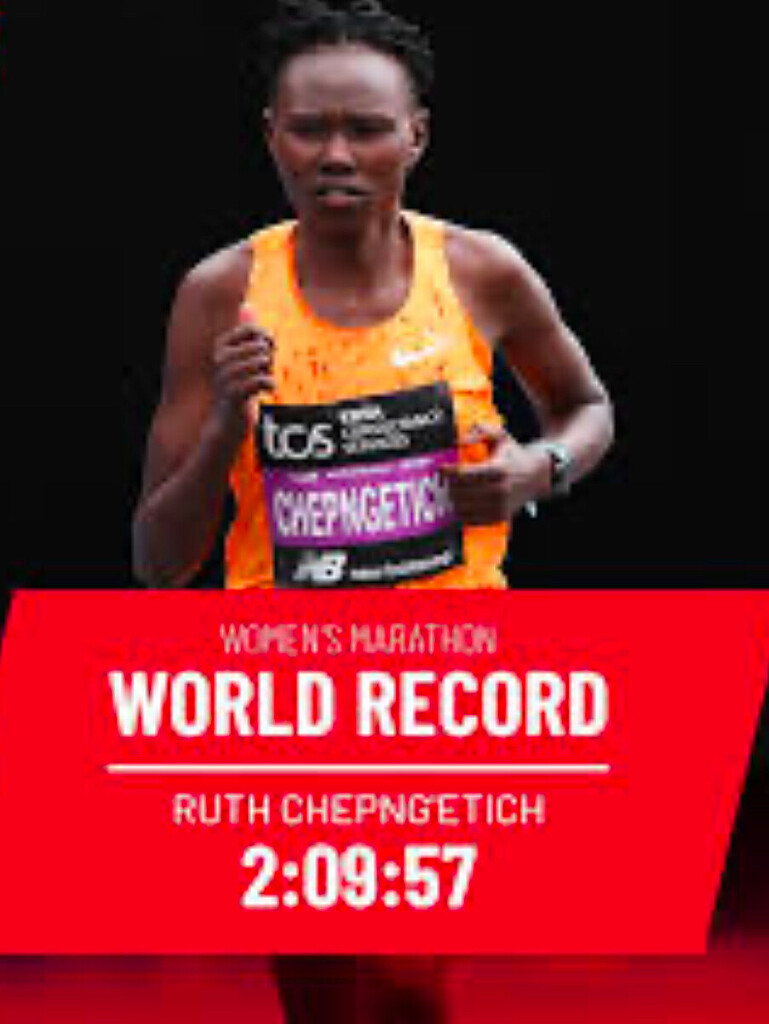
Tokyo Marathon witnessed a remarkable performance by Kenya's Ruth Chepngetich, who set a new women's marathon world record with a time of 2:11:24. This achievement sparked discussions about the rapid advancements in women's long-distance running and the influence of technology in the sport.
In the Boston Marathon, Ethiopia's Amane Beriso delivered a dominant performance, winning in 2:18:01. On the men's side, Kenya's Evans Chebet defended his title, highlighting Boston's reputation for tactical racing over sheer speed.
London Marathon saw Ethiopia's Tamirat Tola take the men's crown, besting the field with a strong tactical race. Eliud Kipchoge, despite high expectations, did not claim victory, signaling the growing competitiveness at the top of men’s marathoning. On the women's side, Kenya's Peres Jepchirchir triumphed, adding another major victory to her impressive resume.
The Berlin Marathon in 2024 showcased yet another extraordinary performance on its fast course, though it was Kelvin Kiptum’s world record from the 2023 Chicago Marathon (2:00:35) that remained untouched. In 2024, Berlin hosted strong fields but no records, leaving Kiptum’s achievement as the defining benchmark for men’s marathoning.
The Chicago Marathon was the highlight of the year, where Kenya's Ruth Chepngetich made history by becoming the first woman to run a marathon in under 2:10. She shattered the previous world record by nearly two minutes, finishing in 2:09:56. This groundbreaking achievement redefined the possibilities in women's distance running and underscored the remarkable progress in 2024.
The New York City Marathon showcased the depth of talent in American distance running, with emerging athletes achieving podium finishes and signaling a resurgence on the global stage.
Each marathon in 2024 was marked by extraordinary performances, with athletes pushing the boundaries of human endurance and setting new benchmarks in the sport.
Olympic Preparations: Paris 2024 Looms Large
With the 2024 Summer Olympics in Paris just around the corner, many athletes used the year to fine-tune their preparations. Qualifying events across the globe witnessed fierce competition as runners vied for spots on their national teams.
Countries like Kenya, Ethiopia, Japan, and the United States showcased their depth, with surprising performances by athletes who emerged as dark horses. Japan’s marathon team, bolstered by its rigorous national selection process, entered the Olympic year as a force to be reckoned with, particularly in the men's race.
Ultramarathons: The Rise of the 100-Mile Phenomenon
The ultramarathon scene continued to grow in popularity, with races like the Western States 100, UTMB (Ultra-Trail du Mont-Blanc), and Leadville 100 drawing record participation and attention.
Courtney Dauwalter, already a legend in the sport, extended her dominance with wins at both UTMB and the Western States 100, solidifying her reputation as the GOAT (Greatest of All Time) in ultrarunning.
On the men’s side, Spain’s Kilian Jornet returned to form after an injury-plagued 2023, capturing his fifth UTMB title. His performance was a masterclass in pacing and strategy, showcasing why he remains a fan favorite.
Notably, ultramarathons saw increased participation from younger runners and athletes transitioning from shorter distances. This shift signaled a growing interest in endurance challenges beyond the marathon.
Track and Road Records: Pushing the Limits
The year 2024 witnessed groundbreaking performances on both track and road, with athletes shattering previous records and setting new benchmarks in distance running.
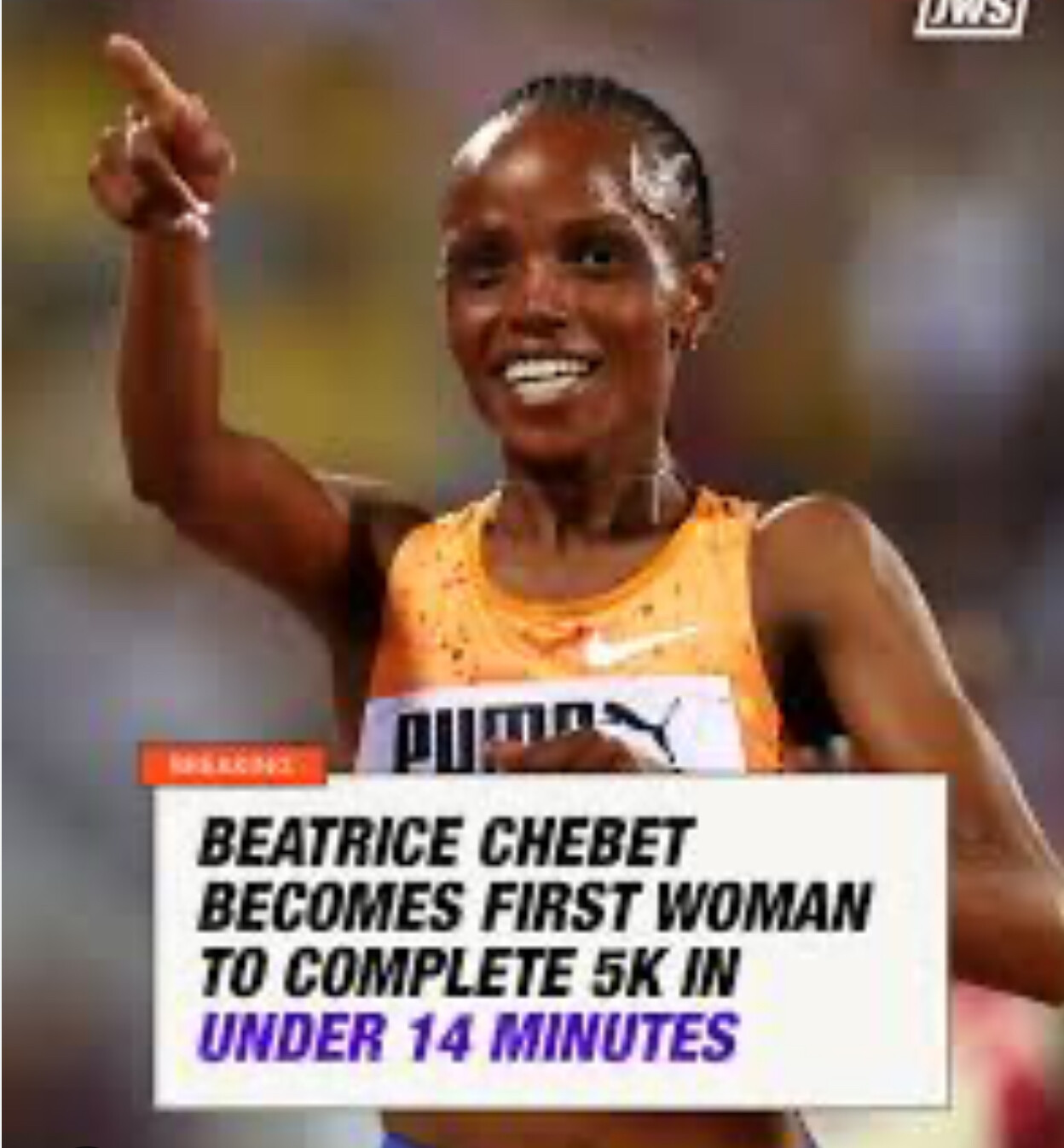
Beatrice Chebet's Dominance: Kenya's Beatrice Chebet had an exceptional year, marked by multiple world records and championship titles.
10,000m World Record: In May, at the Prefontaine Classic, Chebet broke the women's 10,000m world record, becoming the first woman to run the distance in under 29 minutes, finishing in 28:54.14.
Olympic Triumphs: At the Paris Olympics, Chebet secured gold in both the 5,000m and 10,000m events, showcasing her versatility and dominance across distances.
5km World Record: Capping off her stellar year, on December 31, 2024, Chebet set a new women's 5km world record at the Cursa dels Nassos race in Barcelona, finishing in 13:54. This achievement made her the first woman to complete the 5km distance in under 14 minutes, breaking her previous record by 19 seconds.
Faith Kipyegon's Excellence: Kenya's Faith Kipyegon continued her dominance in middle-distance running by breaking the world records in the 1500m and mile events, further cementing her legacy as one of the greatest athletes in history.
Joshua Cheptegei's 10,000m World Record: Uganda's Joshua Cheptegei reclaimed the men's 10,000m world record with a blistering time of 26:09.32, a testament to his relentless pursuit of excellence.
Half Marathon Records: The half marathon saw an explosion of fast times, with Ethiopia’s Yomif Kejelchabreaking the men's world record, running 57:29 in Valencia. The women's record also fell, with Kenya’s Letesenbet Gidey clocking 1:02:35 in Copenhagen.
These achievements highlight the relentless pursuit of excellence by distance runners worldwide, continually pushing the boundaries of human performance.
The Role of Technology and Science
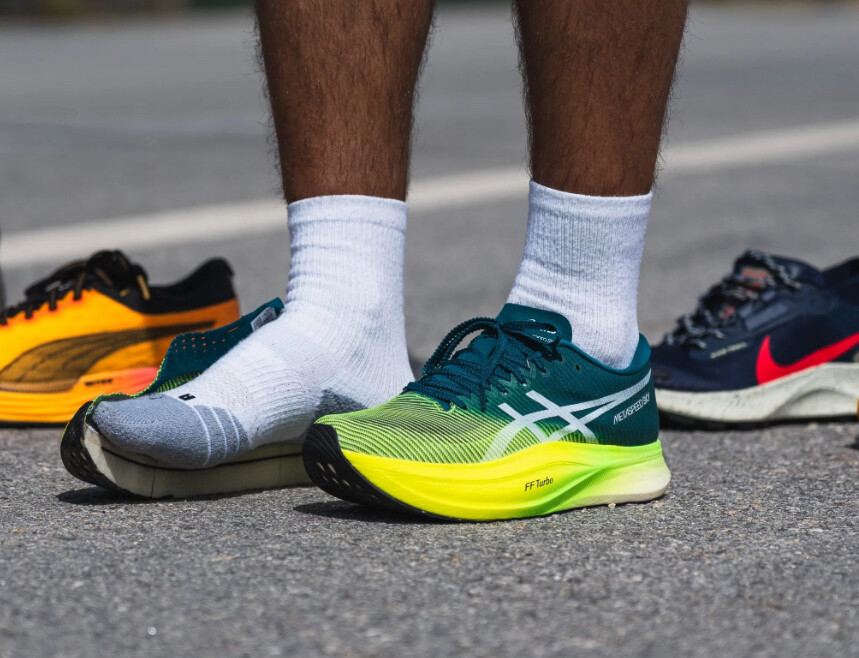
The impact of technology and sports science on distance running cannot be overstated in 2024. Advances in carbon-plated shoes, fueling strategies, and recovery protocols have continued to push the boundaries of human performance.
The debate over the fairness of super shoes reached new heights, with critics arguing that they provide an unfair advantage. However, proponents emphasized that such innovations are part of the natural evolution of sports equipment.
Data analytics and personalized training plans became the norm for elite runners. Wearable technology, including advanced GPS watches and heart rate monitors, allowed athletes and coaches to fine-tune training like never before.
Grassroots Running and Mass Participation
While elite performances stole the headlines, 2024 was also a banner year for grassroots running and mass participation events. After years of pandemic disruptions, global races saw record numbers of recreational runners.
Events like the Great North Run in the UK and the Marine Corps Marathon in the U.S. celebrated inclusivity, with participants from diverse backgrounds and abilities.
The popularity of running as a mental health outlet and community-building activity grew. Initiatives like parkrunand local running clubs played a pivotal role in introducing more people to the sport.
Diversity and Representation
Diversity and representation became central themes in distance running in 2024. Efforts to make the sport more inclusive saw tangible results:
More women and runners from underrepresented communities participated in major events. Notably, the Abbott World Marathon Majors launched a program to support female marathoners from emerging nations.
Trail and ultrarunning communities embraced initiatives to make races more accessible to runners from diverse cultural and economic backgrounds.
Challenges and Controversies
Despite the many successes, 2024 was not without its challenges:
Doping Scandals: A few high-profile doping cases marred the sport, reigniting calls for stricter testing protocols and greater transparency.
Climate Change: Extreme weather conditions impacted several races, including the Boston Marathon, which experienced unusually warm temperatures. Organizers are increasingly focusing on sustainability and adapting to climate-related challenges.
Looking Ahead to 2025
As the year closes, the focus shifts to 2025, which promises to build on the momentum of 2024. Key storylines include:
The quest for a sub-2-hour marathon in a record-eligible race, with Kelvin Kiptum and Eliud Kipchoge at the forefront.
The continued growth of ultrarunning, with new records likely to fall as more athletes take up the challenge.
The evolution of distance running as a global sport, with greater inclusivity and innovation shaping its future.
Conclusion
The distance running scene in 2024 was a celebration of human potential, resilience, and the unyielding pursuit of greatness. From record-breaking marathons to grueling ultramarathons, the year reminded us of the universal appeal of running. As the sport evolves, it continues to inspire millions worldwide, proving that the spirit of running transcends borders, ages, and abilities.
by Boris
Login to leave a comment
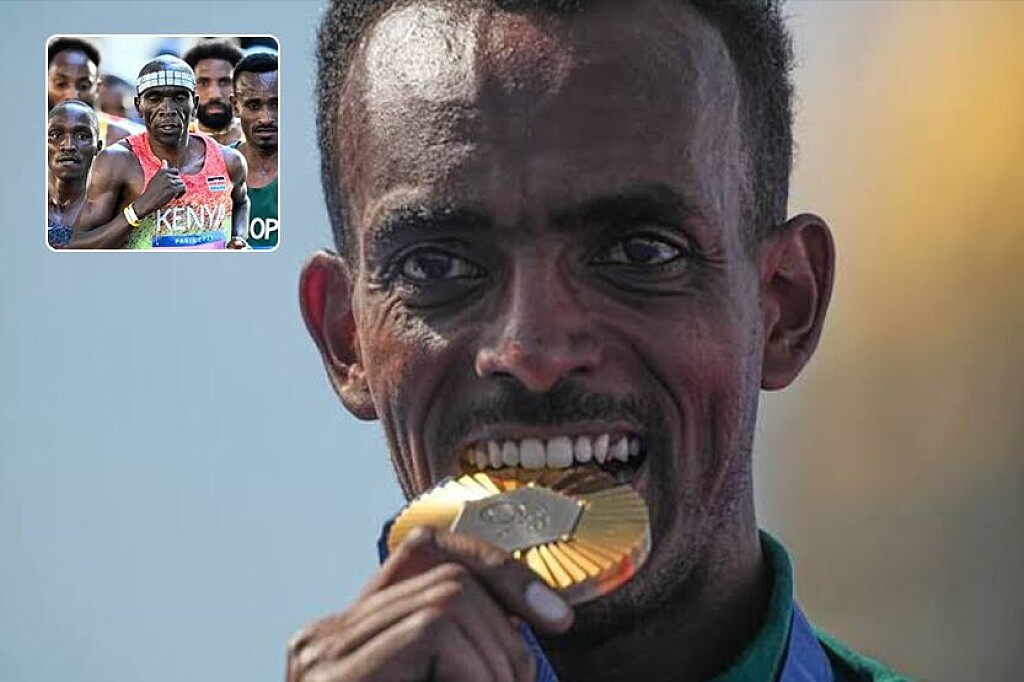
'I was thinking about him' - How Eliud Kipchoge fueled Tamirat Tola to Olympic title following late Ethiopian marathon team inclusion
Tamirat Tola on how constantly thinking about Eliud Kipchoge's threat helped him clinch the 2024 Olympic marathon title in Paris following his late inclusion into the Ethiopian team for the games.
Olympic marathon champion Tamirat Tola admits marathoner Eliud Kipchoge was his biggest headache heading into the Paris Olympics and was thinking about him following his late inclusion to the Ethiopian team.
The 2022 world marathon champion had just two weeks to prepare for the Olympics after his late inclusion, thanks to the injury sustained by compatriot Sisay Lema.
Tola, 33, said while he considered other marathoners as worthy opponents, it was Kipchoge he feared the most if his past achievements were anything to go by.
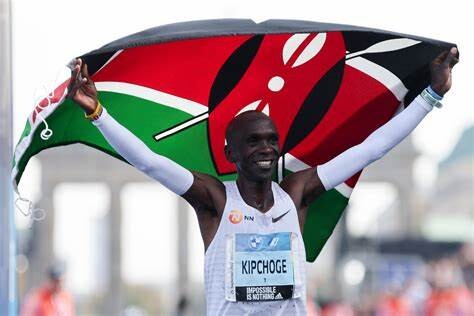
"When I got to Paris, I was thinking about how I could challenge (Eliud) Kipchoge and other athletes. I knew the main contenders. There were lots of talented athletes. But I reminded myself that I had worked hard. And when I got in front in the final kilometres, I knew I could win,” Tola told World Athletics.
Kipchoge is the 2016 and 2020 Olympic marathon champion, and was the world record holder in the marathon from 2018 to 2023, until that record was broken by Kelvin Kiptum at the 2023 Chicago Marathon.
Despite being a late entrant into the Ethiopian team, Tola said he was mentally prepared for the rigorous exercise having trained with his team mates for three months.
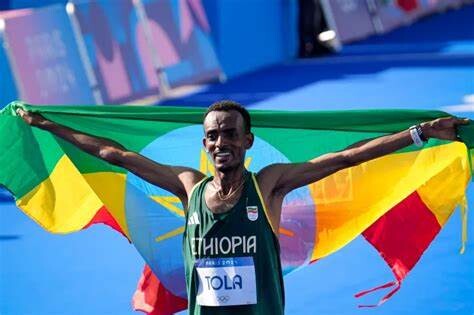
“For three months together with Kenenisa Bekele, Sisay Lemma, Deresa Geleta and I prepared for the national team. At that time my coach said, ‘prepare with them, and if you are not needed for Paris then go to do the New York City marathon’. When I heard the news that I was on the team, I was really excited for the following two weeks," Tola observed.
Tola who is the 2023 New York City marathon champion presumed that he had the blessings of Lemma and this too, gave him confidence to put his best foot forward. "For Sisay, it wasn’t an easy decision because it was for our country. We discussed it with him and he said, ‘It won’t be easy for me to run injured in Paris, so you go."
by Evans Ousuru
Login to leave a comment
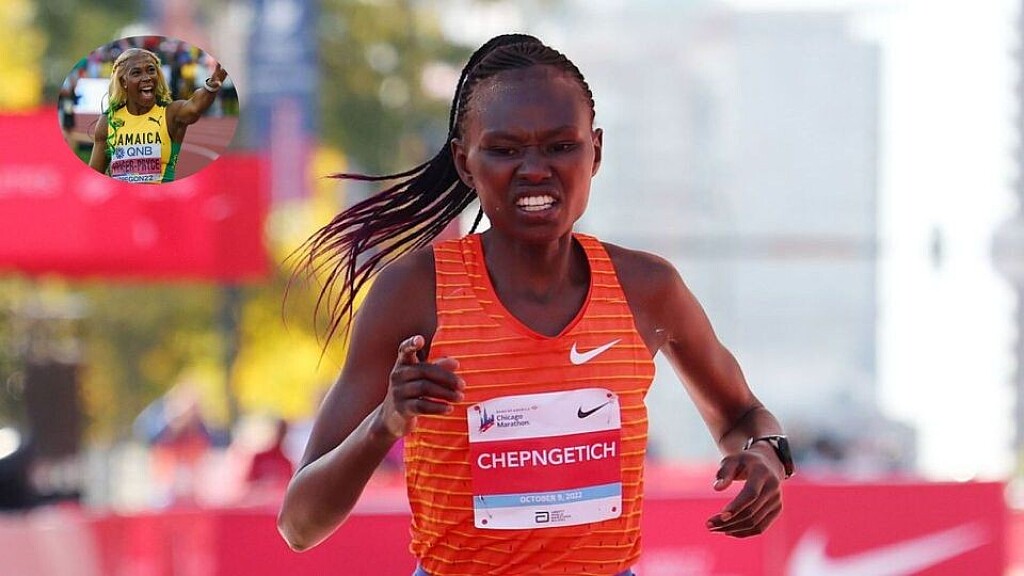
'Shelly-Ann Fraser-Pryce motivates me' - When Ruth Chepng’etich opened up about her inspiration & family sacrifices
Ruth Chepng’etich once stated that Shelly Ann Fraser-Pryce inspired her journey, reflecting her motivations and record-breaking marathon achievements.
New women’s marathon record holder Ruth Chepng’etich has long been one of the most dominant forces in long-distance running.
From clinching the World Championship in 2019 to winning gold at the 2021 and 2022 Chicago Marathons, the Kenyan runner has proven her mettle time and again on the global stage.
Earlier this year, in an exclusive interview with Athletics Weekly, Chepng’etich opened up about her admiration for Jamaican sprinting legend Shelly Ann Fraser-Pryce.
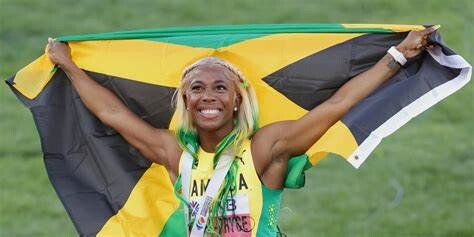
“Shelly Ann (Fraser-Pryce), she motivates me, inspires me, to do a lot. Shelly Ann, I think she started a long time ago, before me, so I'm following (in) her footsteps. Like her, I want to run for long, run smart, and fall and get up,” Chepng’etich shared.
Fraser-Pryce, widely regarded as one of the greatest sprinters of all time, has not only inspired Chepng’etich’s approach to competition but has also served as a role model for longevity in athletics.
Chepng’etich expressed a desire to emulate the sprinter's perseverance and adaptability, striving to push boundaries in her own discipline of marathon running.
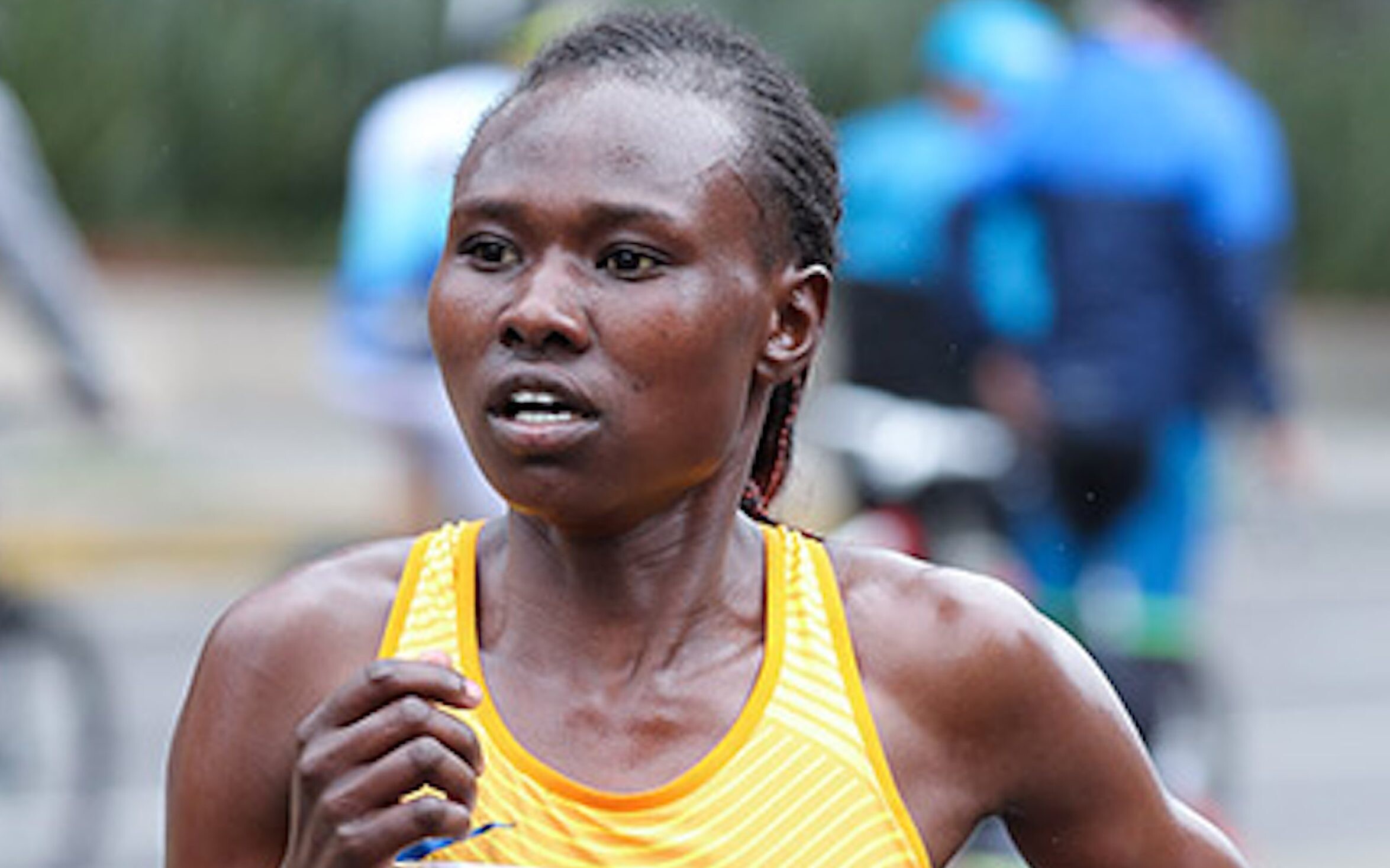
The Kenyan champion also credited her family as a source of motivation, particularly her daughter.
“I think about my daughter, I am pushing so much because of my daughter. My daughter is motivating me to work harder. I have to work hard for her to study. Mothers have a lot to do, so it is not easy. Our children are motivating us to work harder. We want to show them the way in how life goes,” she added.
Chepng’etich’s remarkable journey reached new heights at this year’s Chicago Marathon, where she set a jaw-dropping world record time of 2:09:56, becoming the first woman ever to run a marathon in under 2 hours and 10 minutes.
Her incredible performance not only shattered the previous record of 2:11:53 held by Tigst Assefa but also firmly established her as one of the greatest marathon runners in history.
Reflecting on her world-record performance, Chepng’etich expressed both pride and a sense of accomplishment.
“I feel so great, I'm proud of myself. This is my dream that has come true. I've fought a lot, thinking about the world record, and I have fulfilled it,” she said after the race.
She attributed her success to meticulous preparation, favorable weather, and unwavering determination.
Chepng’etich dedicated her record-breaking run to the late Kelvin Kiptum, a fellow Kenyan marathoner who set a men's world record at the Chicago Marathon last year.
“The world record has come back to Kenya, and I dedicate this world record to Kelvin Kiptum,” she said.
Her achievement is awaiting ratification by World Athletics, but it has already resonated worldwide as a testament to the indomitable spirit of Kenyan runners.
Chepng’etich’s feat not only cements her legacy but also reinforces Kenya's stature as a powerhouse in distance running.
Her admiration for Fraser-Pryce and the motivation she draws from her daughter underscore her commitment to excellence both on and off the track.
by Festus Chuma
Login to leave a comment

Hassan and Tebogo named World Athletes of the Year
Olympic champions Sifan Hassan and Letsile Tebogo have been announced as World Athletes of the Year at the World Athletics Awards 2024 in Monaco.
Following a vote by fans, Hassan and Tebogo received top honors on an evening that saw six athletes crowned in three categories – track, field and out of stadium – before the overall two winners were revealed.
Tebogo was confirmed as men’s track athlete of the year, with Sydney McLaughlin-Levrone receiving the women’s honour. Hassan claimed the women’s out of stadium crown and Tamirat Tola the men’s, while Mondo Duplantis and Yaroslava Mahuchikh were named field athletes of the year.
This year’s Rising Stars were also celebrated, with Sembo Almayew and Mattia Furlani receiving recognition.

World Athletes of the Year for 2024
Women’s World Athlete of the Year: Sifan Hassan (NED)Men’s World Athlete of the Year: Letsile Tebogo (BOT)
Women’s track: Sydney McLaughlin-Levrone (USA)Women’s field: Yaroslava Mahuchikh (UKR)Women’s out of stadium: Sifan Hassan (NED)Men’s track: Letsile Tebogo (BOT)Men’s field: Mondo Duplantis (SWE)Men’s out of stadium: Tamirat Tola (ETH)
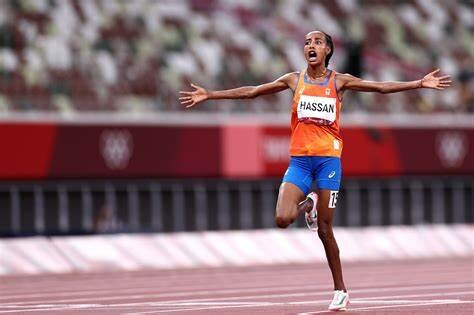
Women’s Rising Star: Sembo Almayew (ETH)Men’s Rising Star: Mattia Furlani (ITA)
“At the end of what has been a stellar year for athletics, we are delighted to reveal our list of World Athletes of the Year – both in their respective disciplines and overall,” said World Athletics President Sebastian Coe. “This group of athletes represents the very best of our sport and has this year redefined what is possible in terms of athletic performance.
“Our 2024 cohort set new standards in heights, speed and distance, including six world records and a host of Olympic and national records between them.
“I congratulate all our award winners, and all of the athletes nominated for these honors, and I thank them for inspiring us all with their performances this year.”
World Athletes of the Year Hassan and Tebogo both won gold and claimed multiple medals at the Paris 2024 Olympic Games.
Dutch star Hassan’s medal treble in Paris was capped by her winning the final athletics gold medal of the Games with her triumph in the marathon in an Olympic record of 2:22:55. That performance came just 37 hours after Hassan claimed bronze in the 10,000m, and six days after her first medal in the French capital – also bronze – in the 5000m.
As a result, she became the first woman to win medals in the 5000m, 10,000m and marathon at the same Games, and the first athlete since Emil Zatopek, who won all three men’s titles in Helsinki in 1952.
Tebogo also made history in Paris when he won the 200m, as he claimed a first ever Olympic gold medal in any sport for Botswana. He ran an African record of 19.46 – a time that moved him to fifth on the world all-time list – and that performance followed his sixth-place finish in the 100m final. He went on to form part of Botswana’s silver medal-winning men’s 4x400m team.
He dipped under 20 seconds for 200m a total of nine times in 2024, with those performances topped by his Olympic title-winning mark which remained the fastest of the year.
His fellow track athlete of the year, McLaughlin-Levrone, improved her own world 400m hurdles record twice, to 50.65 and 50.37, and claimed Olympic gold in that event as well as in the 4x400m. Tola, who joined Hassan in being named out of stadium athlete of the year, won the Olympic marathon title in Paris in an Olympic record.
World records were set by both field athletes of the year. Mahuchikh cleared 2.10m to improve the world high jump record before winning Olympic gold, while Duplantis revised his own world pole vault record three times, eventually taking it to 6.26m, and won the Olympic title.
"Thank you to the fans, to everybody who voted," said Hassan, who was in Monaco to receive her two awards. "I never thought I was going to win this one. This year was crazy. It’s not only me – all the athletes have been amazing. I’m really grateful. What more can I say?"
Standing alongside Hassan on the stage at the Theatre Princesse Grace, Tebogo said: "It feels amazing to know that the fans are always there for us athletes. It was a great year.
"This means a lot," he added. "It’s not just about the team that is around you, there are a lot of fans out there that really want us to win something great for the continent. It was a real surprise to hear my name because I didn’t expect this."
Almayew and Furlani named Rising Stars of 2024
Not only did Sembo Almayew and Mattia Furlani achieve great things as U20 athletes in 2024, they both also secured success on the senior stage.
Almayew finished fifth in the 3000m steeplechase final at the Paris Olympics, going close to her own national U20 record with her 9:00.83 performance, before she travelled to Lima where she won the world U20 title, setting a championship record in the process. With that win, the 19-year-old became the first ever Ethiopian world U20 women’s steeplechase champion.
Furlani improved the world U20 long jump record to 8.38m at the European Championships on home soil in Rome to secure silver, and he won two more senior major medals at the World Indoor Championships, where he got another silver, and the Olympic Games, where he claimed bronze.
In Glasgow – at the age of 19 years and 24 days – Furlani became the youngest athlete ever to win a world indoor medal in the horizontal jumps.
Knight wins President’s Award
The winner of the President’s Award was also announced in Monaco on Sunday (1), with Nike co-founder Phil Knight receiving the honour in recognition of his constant inspiring support for athletics and the development of the sport.
The President's Award, first awarded in 2016, recognises and honours exceptional service to athletics. Past winners of the award include the Ukrainian Athletics Association, British journalist Vikki Orvice, Swiss meeting director Andreas Brugger, Jamaican sprint superstar Usain Bolt, the Abbott World Marathon Majors, and 1968 men’s 200m medallists Tommie Smith, Peter Norman and John Carlos for their iconic moment on the podium in Mexico.
“Phil Knight’s passion for athletics is pretty much lifelong,” said Coe. “He developed an almost father-son relationship with his coach, the legendary Bill Bowerman, whose training approach was a departure from the orthodoxies of the day and who not only guided Knight’s career on the track but became a central figure when Phil took his first tentative steps in the running shoe business that became the dominant global force Nike.
“His love of athletics runs through Nike. It is a business created and driven by runners, with Phil never afraid to be the front runner.”
Knight said: “Thank you, Seb Coe, for the ultimate honour of the President’s Award, given by World Athletics. I am in great company, with Tommie Smith and John Carlos, and Usain Bolt. Obviously, I didn’t run as fast as those guys, but I am in such high company that I am thrilled by the award. Track and field has always been an important part of Nike – it has always been a central part of who Nike is.
“I do think running will continue to grow. Not only does Seb and his team do a great job promoting the sport, but it is a sport that not only is enjoyable, but it is probably the best fitness activity you can do. So, for me to win this honour, it is very meaningful.”
During the ceremony, a moment was taken to remember last year’s men’s out of stadium athlete of the year Kelvin Kiptum, the marathon world record-holder who died in a road traffic accident in February, as well as other figures from the sport who have passed away in 2024.
by World Athletics
Login to leave a comment
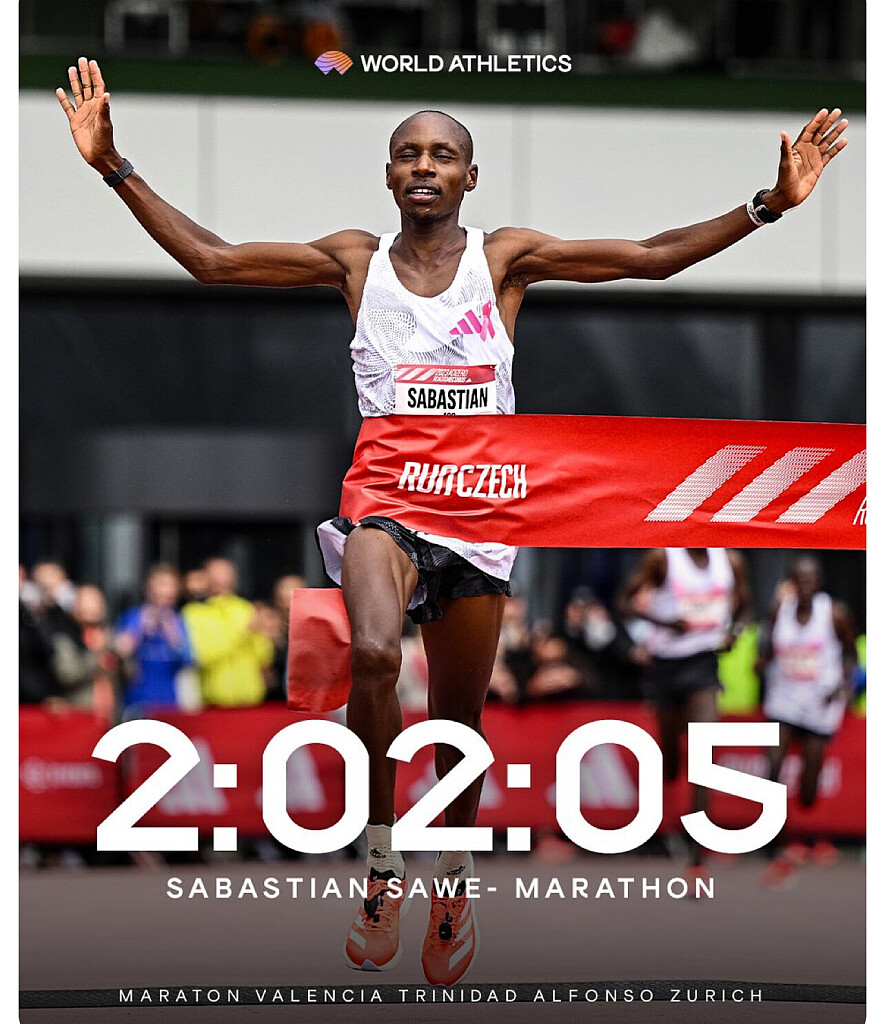
Marathon world lead for debutant Sawe in Valencia
Kenya’s Sabastian Sawe set a world lead on his marathon debut, while Ethiopia’s Megertu Alemu also captured a solid victory at the Valencia Marathon Trinidad Alfonso – a World Athletics Elite Platinum Label event – on Sunday (1).
Sawe’s winning time was 2:02:05, just 12 seconds off the fastest ever debut set by his compatriot Kelvin Kiptum two years ago and a mark that moves him to fifth on the world all-time list, while Alemu ran 2:16:49, just 15 seconds outside her lifetime best.

The men’s event had been billed as a thrilling showdown between experienced specialists such as Sisay Lemma, Deresa Geleta and Kenenisa Bekele, versus some promising debutants including Sawe and Hillary Kipkoech. Perfectly paced by a trio of pacemakers – Kenya’s Samwel Mailu, Erick Sang and Vincent Nyageo – the leading men went through the opening 5km in 14:31. That cadence was maintained until the leading pack reached the 10km checkpoint in 29:04 and 15km in 43:39. By then, nine athletes remained at the helm including all the favourites, Geleta and Lemma running closest to the pacemakers.
The halfway mark was passed in 1:01:17, 42 seconds slower than last year’s split when Lemma set the course record of 2:01:48. Unlike last year, when he performed conservatively over the first half, Bekele was running quite bravely as the 42-year-old travelled in third or fourth place. But some two kilometres later, the multiple Olympic and world champion began to lose ground and by the 28th kilometre the relentless 2:55/km rhythm whittled down the leading pack to five: Kenya’s Mateiko and Sawe plus Ethiopia’s Geleta, Lemma and Birhanu Legese.
Once the last pacemaker dropped out with the clock reading 1:33, Lemma began to falter to lose any chance of retaining his title. At the front, Mateiko and Geleta broke away from Sawe and Legese, those pairs separated by 30 metres inside the 32nd kilometre. It was Mateiko, who was not able to finish the Chicago 2023 and London 2024 marathons, who seemed to decide the victory was in his favour shortly afterwards as he became a lonesome leader. The three-time Valencia half-marathon podium place finisher had built a five-second gap on Sawe and Geleta, while Legese could not maintain that pace and travelled in fourth place way back.
Mateiko’s getaway proved to be short-lived as he was reeled in by Sawe and Geleta at the 36th kilometre, when the predicted final time remained at 2:02:35. It was then that the eventual winner found another gear to speed away easily from Mateiko and Geleta, who finished fifth at the Paris Olympics. Sawe, who has completed all his nine half marathons under the 60-minute barrier, upped his pace to the 2:48/2:50 range to gradually extend his lead. By the 40km point he clocked 1:55:42, 20 seconds ahead of Geleta, while a tired Mateiko travelled another 35 seconds in arrears.
Sawe showed a magnificent display of solo running over the closing kilometres, going faster and faster as the end was approaching to finally finish unopposed in a world leading performance of 2:02:05, including a 14:06 closing five kilometres.
Geleta, the Seville Marathon winner, improved his career best to 2:02:38 for second place, while Mateiko slowed dramatically over the final stages but still managed to finish the distance at the third time of asking in 2:04:24, holding off a late challenge from Tanzania’s 2017 world bronze medallist Alphonce Simbu.
Simbu achieved a perfectly balanced two halves (1:02:13/1:02:25) to finish fourth in a PB of 2:04:38, two seconds clear of the 42-year-old Swiss athlete Tadesse Abraham, who clocked a lifetime best and national record of 2:04:40 for fifth. In a race of an incredible depth, 10 men ducked under the 2:05 milestone while Bekele dropped out shortly after the 31st kilometre.
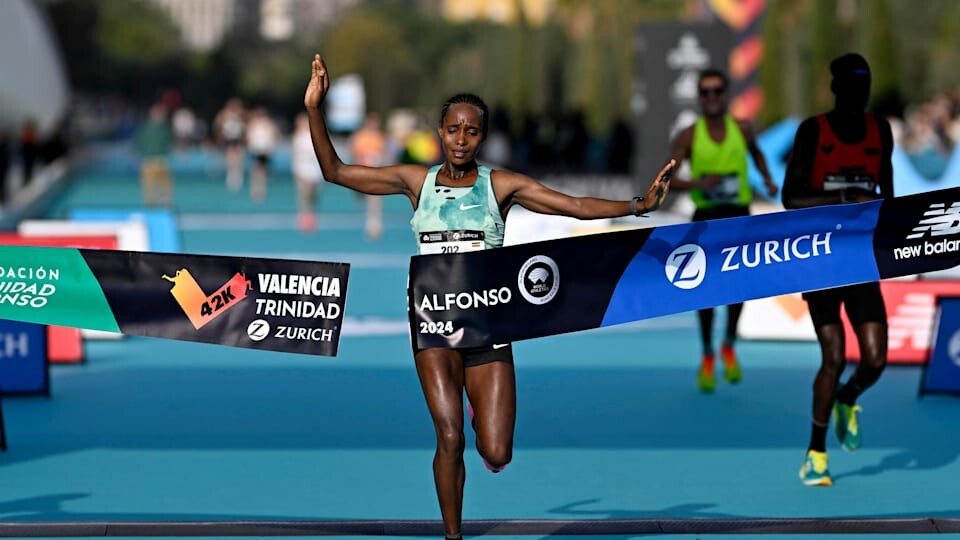
Sawe, the world half marathon champion, has won seven out of his nine half marathon appearances, topped by a 58:02 time in Rome in 2022. His two defeats came in Valencia, so Sunday’s performance marks his first victory in the city.
The winner, whose two halves were timed at 1:01:18 and 1:00:47, said: “Honestly, I had built up very good for this debut and was quite confident of doing well. It’s an amazing day, I’m so happy to be here and win in Valencia, which is so beautiful.
“I was used to running the half marathon event, I was comfortable during the first half, then I was close to the helm of the race and I thought I could go faster and I just did it. I dedicate this win to the victims of the Valencia floods, I pray for them.”
Alemu confirms she is the strongest
Following the withdrawal of Ethiopia’s course record-holder Amane Beriso due to a stress fracture, the women’s contest kicked off at the scheduled 3:12 rhythm on an attempt to lower the current 2:14:58 course record set in 2022. The opening five and 10 kilometres were covered in 16:02 and 32:03, respectively, and by then all the favourites stayed in the leading pack, with Alemu joined by her compatriot Tiruye Mesfin, Uganda’s Stella Chesang and Kenya’s Evaline Chirchir. The clock read 47:56 for the 15th kilometre and that cadence proved to be too quick for Mesfin and Chirchir, that pair running 18 seconds in arrears by then.
Running alongside lots of male athletes, Alemu and the Paris Olympics eighth-place finisher Chesang went through halfway in 1:07:15, well on schedule to break Beriso’s record, with Mesfin and Chirchir some 300 metres back timed at 1:08:06 but quick enough to set respective career bests. Chesang’s resistance came to an end some 1:11 into the race when she just could not stay with Alemu’s pace. The Ethiopian managed to maintain her speed until the 30th kilometre, which she reached in 1:35:55, but from then on the 27-year-old dropped her rhythm as she timed 16:48 for the following two five-kilometre sections (30-40km) and her chances of a course record clearly vanished.
Even so, Alemu’s win was never in jeopardy as she strengthened gradually her advantage on Chesang to 40 seconds by the 30th kilometre and a massive 1:21 at the 40km checkpoint, while Mesfin easily got rid of Chirchir just before reaching the 25th kilometre. At the tape, Alemu posted her second quickest ever time thanks to a 2:16:49 clocking, while the runner-up Chesang broke the 2:20 barrier for the first time in a national record of 2:18:26. Mesfin completed the classy podium, also improving her lifetime best by 12 seconds with 2:18:35.
“I know I can do a better mark but I’m happy to win today,” said Alemu. “Between 35 and 40 kilometres I wasn’t feeling good, so I decided to reduced my rhythm. At the finish line, all the people were clapping and that was really special. I can feel today it’s a different day for Valencia.”
It is only in recent weeks that event organisers were able to confirm that the race would go ahead. At the end of October, the province of Valencia was hit by extreme floods, claiming the lives of 229 people. The natural disaster lasted for more than two weeks, causing substantial damage in the area. Organisers confirmed that all the proceeds from the sponsors, the organisation’s own funds and the runners will be donated to one or more projects for the reconstruction of the affected areas.
Leading results
Women1 Megertu Alemu (ETH) 2:16:492 Stella Chesang (UGA) 2:18:263 Tiruye Mesfin (ETH) 2:18:354 Evaline Chirchir (KEN) 2:20:335 Majida Maayouf (ESP) 2:21:436 Chimdesa Kumsa (ETH) 2:21:547 Laura Luengo (ESP) 2:22:318 Isobel Batt-Doyle (AUS) 2:22:599 Moira Stewartova (CZE) 2:23:4410 Sara Hall (USA) 2:23:45
Men1 Sabastian Sawe (KEN) 2:02:052 Deresa Geleta (ETH) 2:02:383 Daniel Mateiko (KEN) 2:04:244 Alphonce Simbu (TAN) 2:04:385 Tadesse Abraham (SUI) 2:04:406 Chimdessa Debele (ETH) 2:04:447 Maru Teferi (ISR) 2:04:458 Hillary Kipkoech (KEN) 2:04:459 Samuel Fitwi (GER) 2:04:5610 Sisay Lemma (ETH) 2:04:59
by World Athletics
Login to leave a comment
VALENCIA TRINIDAD ALFONSO
The Trinidad Alfonso EDP Valencia Marathon is held annually in the historic city of Valencia which, with its entirely flat circuit and perfect November temperature, averaging between 12-17 degrees, represents the ideal setting for hosting such a long-distance sporting challenge. This, coupled with the most incomparable of settings, makes the Valencia Marathon, Valencia, one of the most important events in...
more...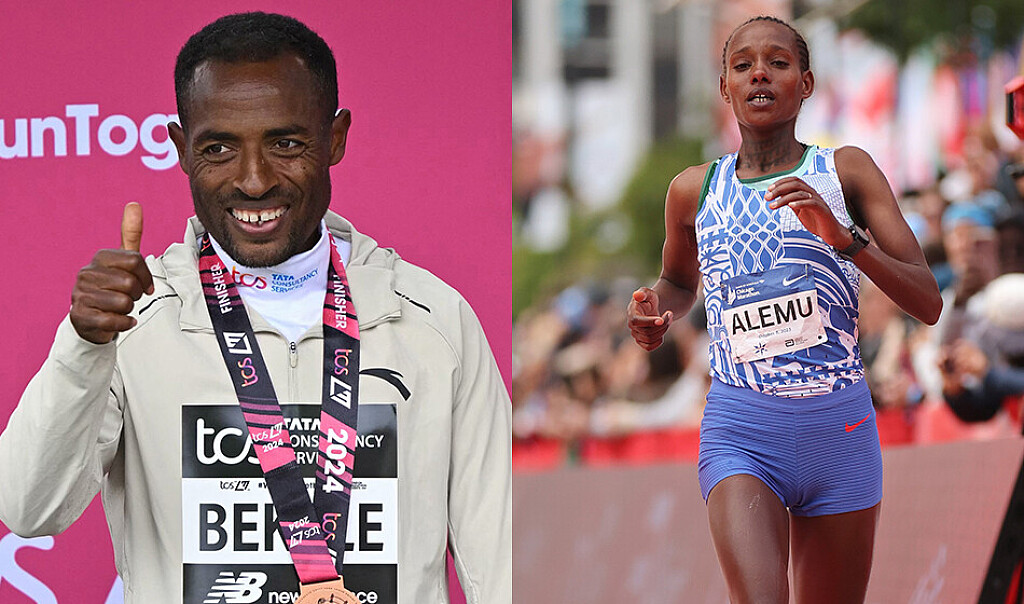
Kenenisa Bekele and Alemu Megertu lead Valencia line-ups
The Spanish city hosts star-studded fields, with athletes hoping to run extremely quick times on the traditionally fast course.
Some of the greatest marathon runners in the world will once again descend on Valencia on Sunday (December 1), just two months on from the horrific floods that devastated the region.
Given the severity of the damage on Valencia – it saw two months of rain in as many days at the end of October – there was uncertainty about whether the event would even take place.
Organisers decided that the Valencia Marathon would go ahead in the end, with a moment of remembrance occurring before the start of the elite races.
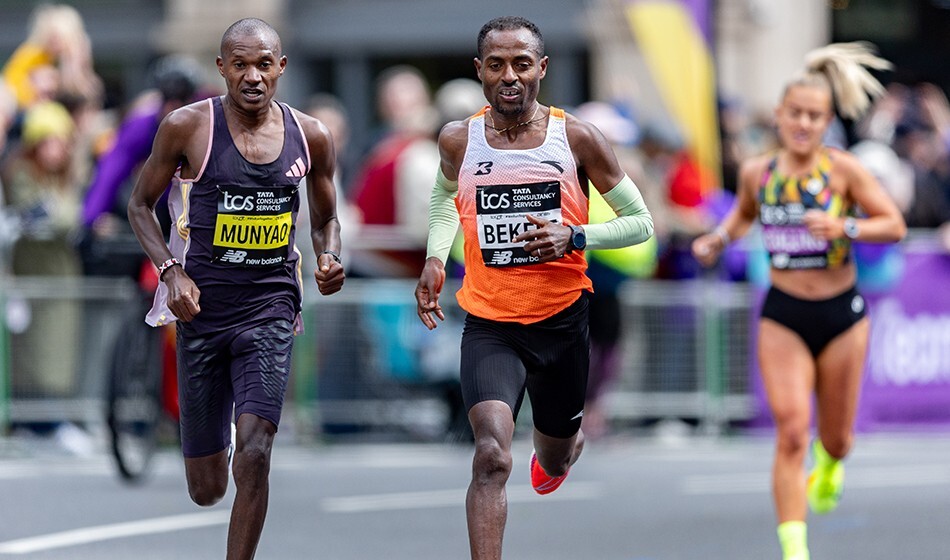
“It will be a hug to this wounded city and a promise of recovery, a moment in which sport becomes hope and help for those who need it most,” organisers said.
“This year, the record we want to beat is that of solidarity, the record of a marathon that will remind each one of us of the power of being together. The immense strength of the collective as a society, and of sport, as a vehicle for reconstruction and recovery.
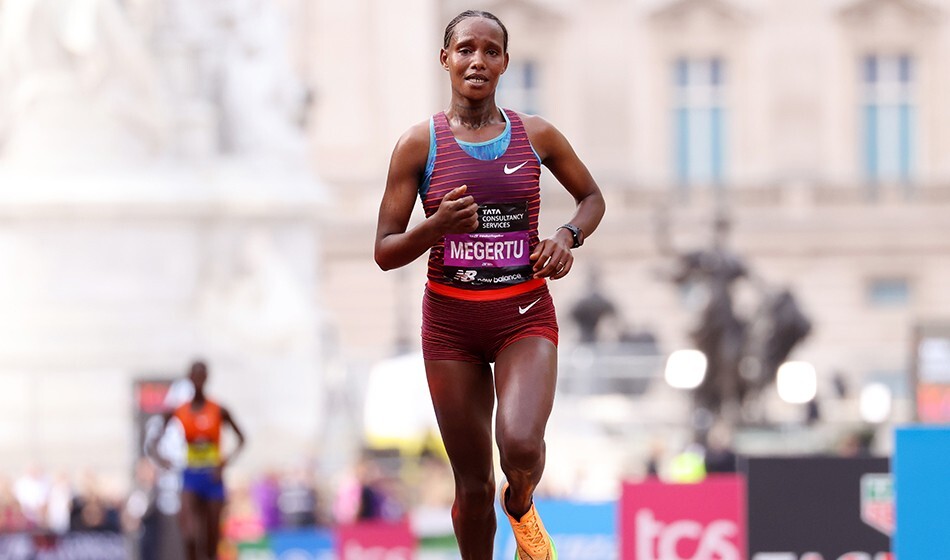
“We want that Valencia Marathon, your race, be a symbol of support for every family that has suffered, for every street and every corner of Valencia that is in the process of reconstruction.”
People lining the streets can look forward to watching some scintillating action, with a myriad of stars taking to the streets of the Spanish city.
A stacked men’s field is led by Kenenisa Bekele and Sisay Lemma.
Bekele, a triple Olympic and five-time world track champion, is the third fastest marathon runner in history, with his personal best of 2:01:41 set back in Berlin five years ago.
The 42-year-old also created in history at last year’s Valencia Marathon, after he became the first athlete aged over 40 to run a sub-2:05 marathon, clocking 2:04:19.
At this year’s London Marathon, Bekele lowered that mark by four seconds, before going on to finish 39th for Ethiopia in the Olympic marathon in Paris.
On paper, Lemma – the reigning champion in Valencia – is the one to beat once again.
Last year, the 33-year-old clocked 2:01:48 in his victory, going fourth on the all-time list over 26.2 miles behind Bekele, Eliud Kipchoge and the late Kelvin Kiptum.
Lemma also secured the Boston marathon crown back in March and is a two-time major marathon champion, after his victory in London three years ago.
The athlete who might be most likely to challenge Lemma is Sabastian Sawe, who is the world half-marathon champion and making his debut over 26.2 miles in Valencia.
The Kenyan’s first ever marathon carries a lot of anticipation and expectation, given the 28-year-old’s personal best in the half-marathon is a blistering 58:05, which he set in Copenhagen back in September.
Double Tokyo Marathon champion Birhanu Legese and the 2021 Berlin Marathon winner Guye Adola will also be ones to watch.
The British challenge is led by Ross Braden, who boasts a personal best of 2:14:32 from London two years ago and has clocked 2:19:49 this season. Dan Nash and Norman Shreeve are also among the British men in action.
Expect a pulsating battle in the women’s field, with Ethiopian Megertu Alemu the stand-out name, following the withdrawal of her compatriot Amane Beriso through injury.
Alemu, who’s placed second and third at the London Marathon in the last two years respectively, has a best of 2:16:34, which has her 14th on the all-time list.
You should also be aware of Hiwot Gebrekidan and Tiruye Mesfin, who are the second and third quickest athletes in the women’s field, with respective bests of 2:17:59 and 2:18:47.
Sara Hall flies the flag for the US and goes into Valencia off the back of fifth and 15th place finishes at the US Olympic Marathon trials and Boston.
Clara Evans will be hoping to improve her PB of 2:25:01, which was set in Valencia last year, after finishing top British woman at the Olympics with 46th place in Paris.
Evans is fresh from setting a Welsh half-marathon record of 69:00 in Valencia too.
She is joined by fellow Brits Becky Briggs and Alice Wright among others.
Ireland’s Fionnuala McCormack finishes off a spectacular season in the Spanish City, with the 40-year-old having finished 28th in the Olympic marathon – her fourth Games – in Paris.
Another fascinating storyline is that of Alice Braham, who is aiming to get near her personal best of 2:35:20 from 2008.
The 48-year-old became the oldest British female to run a marathon in under 2:40 in Berlin, clocking an incredible 2:39:42 on the streets of the German capital.
Braham recently spoke exclusively with AW, opening up about how she got into running, overcoming adversity and her top tips for others over 26.2 miles.
by Tim Adams
Login to leave a comment
VALENCIA TRINIDAD ALFONSO
The Trinidad Alfonso EDP Valencia Marathon is held annually in the historic city of Valencia which, with its entirely flat circuit and perfect November temperature, averaging between 12-17 degrees, represents the ideal setting for hosting such a long-distance sporting challenge. This, coupled with the most incomparable of settings, makes the Valencia Marathon, Valencia, one of the most important events in...
more...
Valencia marathon participants promised millions if they break Kelvin Kiptum's record
The 2024 Valencia marathon will take place this weekend as runners return to one of the fastest courses in the world.
It is in Valencia that the late Kelvin Kiptum introduced himself to the world by running the fastest-ever time clocked by a debutant after he used 2:01:53 in 2022.
Valencia Marathon 2024 start list
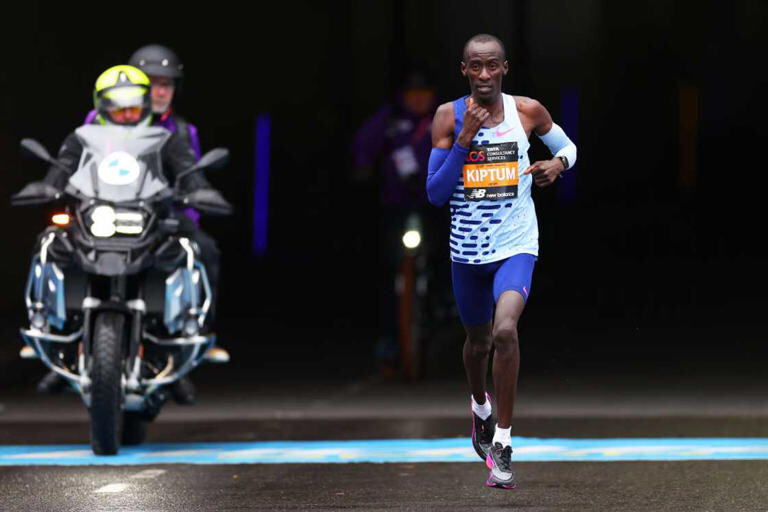
This year, 2023 champion Sisay Lemma will headline the stacked list. The Ethiopian will be looking to win a second marathon this year after winning in Boston in March.
His time of 2:01:48 to win in Valencia last year is the sixth-fastest time in history, making him an overwhelming favorite on Sunday.
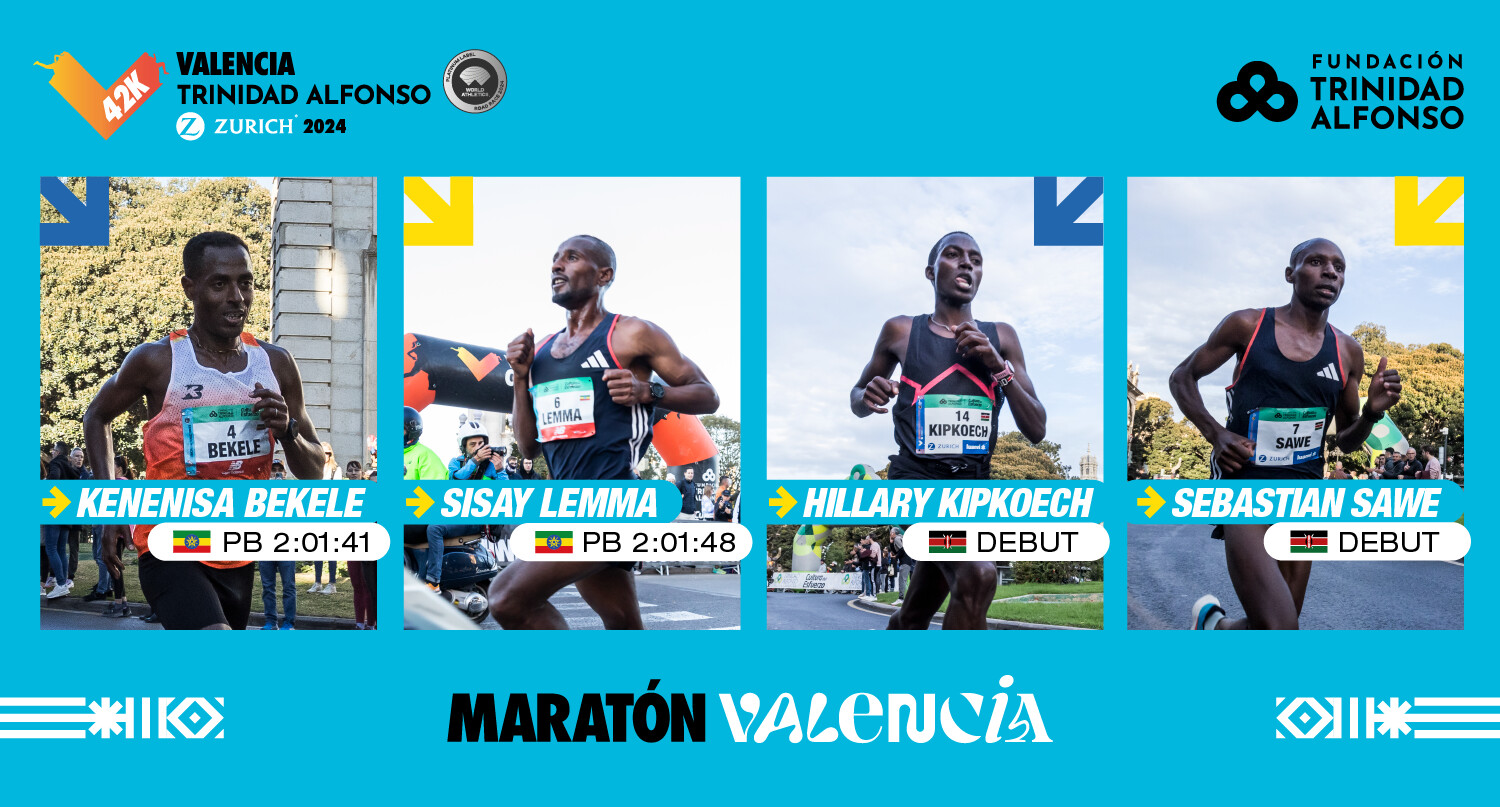
Kenenisa Bekele will also be part of the start list. Bekele is the third-fastest marathoner in history. The 42-year-old finished a distant 39th at the 2024 Paris Olympics, and redemption will be on his mind.
Others include world half marathon champion Sebastian Sawe and two-time Tokyo marathon winner Birhanu Legese.
The organizers have made the race sweeter by introducing a raft of monetary awards if certain records are broken.
Valencia Marathon 2024 prize money
Athletes who break the course record of 2:01:48 (men's) and 2:14:58 (women's) will win €30,000 (approximately 4 million Kenya shillings).
Meanwhile, athletes who break the men's and women's marathon world records will get a whooping €1,000,000 (approximately 135 million Kenya shillings).
What is the men's marathon world record?
The late Kiptum is the current world record holder. He clocked 2:00:35 to win the 2023 Chicago Marathon.
The website indicates that the women's time the participants need to beat is 2:11:53 despite Ruth Chepng'etich lowering it to 2:09:56 last month in Chicago. Chepng'etich's record is, however, yet to be ratified by World Athletics.
The 2:11:53 mentioned therein is the former world record set by Ethiopian Tigst Assefa. Evaline Chirchir is the only Kenyan registered in the women's race.
by Richard Nutakor
Login to leave a comment
VALENCIA TRINIDAD ALFONSO
The Trinidad Alfonso EDP Valencia Marathon is held annually in the historic city of Valencia which, with its entirely flat circuit and perfect November temperature, averaging between 12-17 degrees, represents the ideal setting for hosting such a long-distance sporting challenge. This, coupled with the most incomparable of settings, makes the Valencia Marathon, Valencia, one of the most important events in...
more...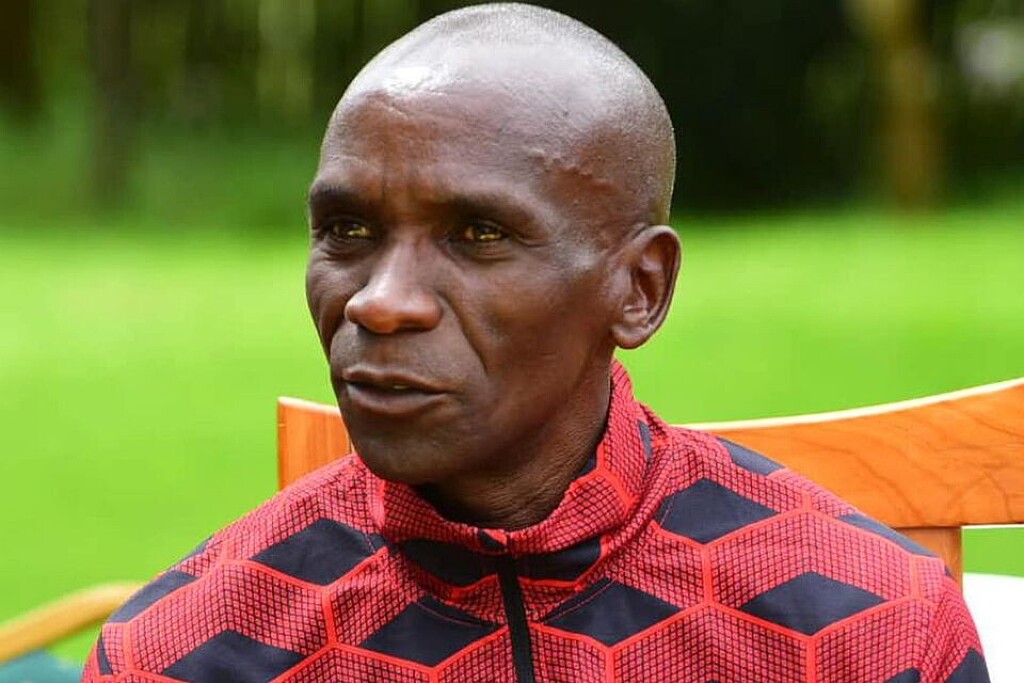
Eliud Kipchoge at 40: Records broken, medals won, history made…what more is left for marathon GOAT?
Marathon legend Eliud Kipchoge turns 40 on Tuesday and as he celebrates his landmark birthday, Pulse Sports rolls back the years in a career filled with many highs and some all-time lows.
They say life begins at 40 but for Kipchoge, he has been living the dream since his 20s.
Kipchoge turns 40 on Tuesday, November 5 and as he begins a new chapter in his life, the last two decades have been marked with remarkable success on track and roads.
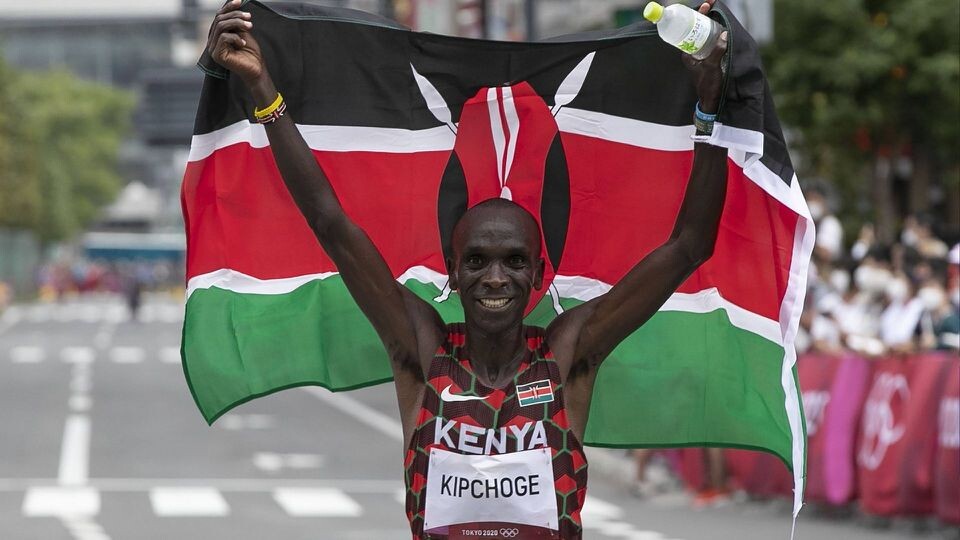
The two-time Olympics champion is the undisputed greatest marathoner of all-time, having won 15 of the 20 marathons he has participated in since he made the transition to from track to road in 2013.
Kipchoge has also won gold in Cross-Country, after claiming a junior title in 2003, the same year he won 5,000m gold at the World Championships in Paris.
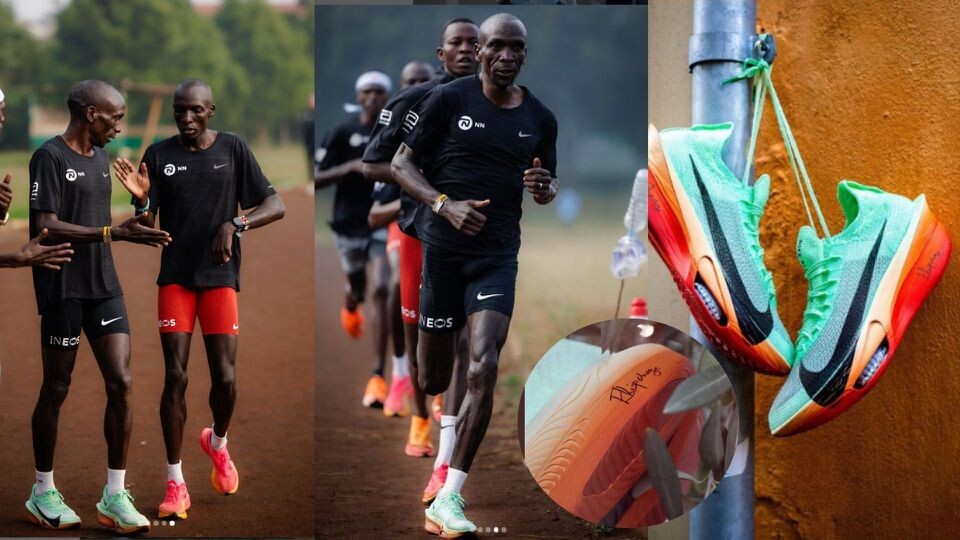
However, his years on track were not as storied as what he has achieved in marathons.
Major marathon success
In marathons, he has won five titles in Berlin, where he also broke two world records, while he has been to London five times and won on four occasions.
From the six major marathons (Tokyo, Boston, London, Berlin, Chicago, and New York), Kipchoge has been to five of them, with only New York where he is yet to run. He has won at four of them with only Boston proving tough after a sixth-place finish last year.
History maker
When the history of marathons is written, Kipchoge’s name will hog most of the chapters as he has made running a global phenomenon.
His ‘No human is Limited’ mantra has made everyone get encouraged not just to run but to succeed in their professions while he is the first man to run a marathon under two hours.
While it was not a competitive race, Kipchoge’s INEOS 1:59 Challenge in October 2019 proved that it is possible to clock under two hours in 42km, having run 1:59:40 in Vienna.
World records broken
Kipchoge was running in Vienna one year after breaking his first marathon record, having clocked 2:01:39 in Berlin in September of the previous year.
He had shaved off an astonishing 1 minute and 18 seconds from the 2:02:57 set by Kenyan compatriot Dennis Kimetto at the same venue four years earlier, proving that a sub-2:02 was possible.
That was his third win in Berlin and on his fourth appearance in the German capital, he lowered his own world record, running 2:01:09. His record lasted one year before compatriot Kelvin Kiptum broke it in Chicago last year (2:00:35) but the GOAT had already made his mark.
Role model to rivals & youngsters
Throughout his career, Kipchoge’s biggest strength has been how he kept up with younger and hungrier runners who were looking to dethrone him from the throne.
The veteran has never backed away from a challenge, even if there was an emerging threat, and most of the time, he came out on top.
Kipchoge sets an example for runners by the way he lives his life, how disciplined he is, his strict training regime and how keenly he follows his diet.
It is no wonder he has rarely suffered injuries in his long career, which draws parallels with football superstar Cristiano Ronaldo, who has enjoyed a long largely injury-free career due to how he looks after himself.
Bouncing back from setbacks
Kipchoge’s other strength is how he deals with disappointment. He does not let a bad race or bad words put him down.
Like every other athlete, he has suffered losses but always comes back strong. His failed attempt to break sub-2-hour mark in Monza in 2017 did not see him lose hope as he returned two years later and did it in Vienna, while finishing eighth in London in 2020 was answered back with Olympics, Berlin and Tokyo Marathon wins, with a world record in between.
After a sixth place in Boston in April 2023, he was on the winner’s podium in Berlin five months later, showing how resilient he is.
Even when many said he was finished after 10th place in Tokyo, he still came back to feature at the Paris Olympics and while he was not successful, he has not let it put him down.
Dealing with hate & cyberbullying
The year 2024 has thrown Kipchoge into a whole new territory, as a man who was so loved in Kenya quickly turned into a figure of hate in his own country.
It started in October 2023 when he took time before congratulating Kiptum for breaking his world record. It elicited vile comments on social media and it reached a whole new level when the world record holder died in February.
Kipchoge received abuses and threats that left him fearing for his life and that of his family, having been accused of having a hand in the death, and to his shock, even those whom he thought were friends and colleagues felt the same towards him.
He, however, took it on the chin and went about his business, featuring in two races this year although it is not known if it might have affected his performance.
What does the future hold?
Kipchoge’s strong mentality has seen him bounce back from all these setbacks and as he celebrates his 40th birthday, he is back in camp training for his next race.
A number of runners have shown that it is still possible to do it in their 40s and knowing Kipchoge, he must be backing himself to defy age and continue making marathon history.
Happy birthday, Eliud.
by Joel Omotto
Login to leave a comment
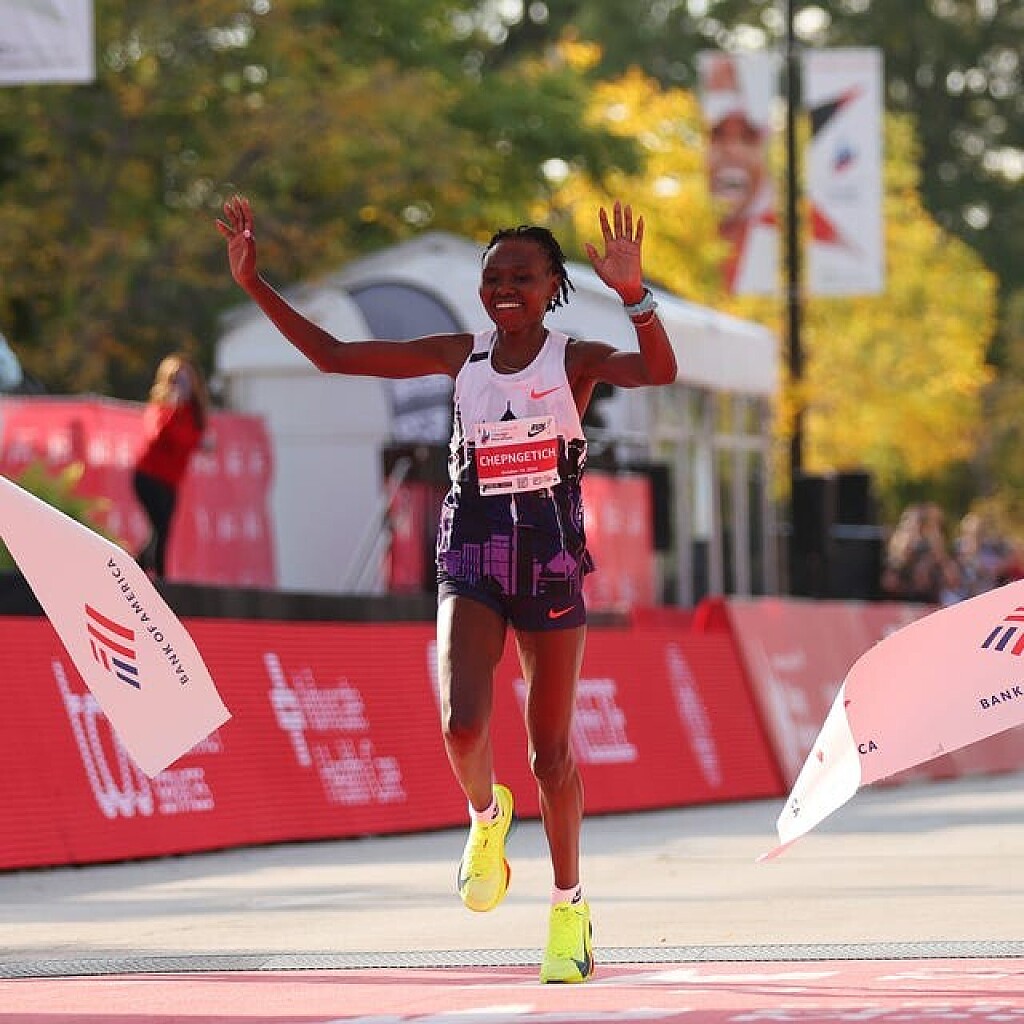
MARATHON GROUNDBREAKERS
Since Australia’s Derek Clayton ran history’s first sub—2:10 marathon in Fukuoka, Japan, on 3 December 1967, there have been a total of 4538 sub—2:10 marathons (as of 30 October 2024), 4537 by men, one by a woman.
As with any new ground-breaking performance, Ruth Chepngetich’s 2:09:56 in Chicago on 13 October has forced us to reassess all our past assumptions, or, like many, to doubt the validity of the performance itself. But no matter how we got here, to whatever you want to ascribe it, this is where we are now, 2:09:56 by a woman.
In this new reality, until proven otherwise, Ruth Chepngetich is the new Paula Radcliffe, just as Paula was the new Grete Waitz, one ground-breaker to the next, 1978 to 2003 to 2024.

There have been many talented women champions through the years besides those three, including all the pioneers who had to overcome centuries of gender bias that restricted women from even showing their stuff.
But in terms of pure ground-breaking, the 1978 New York City Marathon drew a bright line between what once was and what would be.
On 22 October 1978, Norway’s track and cross-country star Grete Waitz participated in the marathon for the first time, almost on a whim, as the trip was more of a honeymoon for her and husband Jack after the long track season.
The 2:32:30 world record Grete ran that day was totally unexpected by both the public and Grete herself. She wore bib #1173, wasn’t included on the list of elite women, and came with no specific marathon preparation (not a single run over 13 miles). In fact, she was so upset with husband, Jack, for suggesting she come run the marathon that she threw her shoes at him in the hotel room following her victory.
Still, like almost all debuting marathoners, after a short period of recovery and reflection, Grete concluded she could probably improve next time.
Thus, in New York 1979, following a more careful preparation, Grete ripped nearly five full minutes off her 1978 mark to record history’s first sub—2:30 by a woman at 2:27:33. Her margin of victory over England’s Gillian Adams was 11 minutes (2:38:33). The combination of the mild-mannered former geography teacher from Oslo and the raucous New York City crowds proved transformative, elevating women’s running to heights previously unimagined.
Though Japan’s Naoko Takahashi broke the 2:20 barrier for women in Berlin 2001, after Norway’s Ingrid Kristiansen (2:21:15, London ‘85), America’s Joan Benoit Samuelson (2:21:21, Chicago’85), and Kenyan Tegla Loroupe (2:20:43, Berlin ‘99) all challenged the barrier in the 1980s and ‘90s, it was England’s Paula Radcliffe who established new headlands in the marathon in London 2003 with her 2:15:25.
Nearly two minutes faster than her own 2:17:18 record from Chicago the year before, her 2:15 arced away from Catherine Ndereba’s 2:18:47 from Chicago 2001, completed just one week after Takahashi’s first sub-2:20 in Berlin.
The quality of Paula’s 2:15 can be seen in the 16 years and an entire shoe technology revolution that developed before Kenya’s Brigid Kosgei did Paula one better in Chicago 2019 at 2:14:04. That performance plowed new ground again. And now we have Ruth Chepngetich in Chicago 2024 with history’s first sub-2:10, just a year after Ethiopia’s Tigst Assefa’s first sub—2:12 in Berlin `23 (2:11:53).
Twice before, Chepngetich had come to Chicago with world record intentions. In 2022, she won the race in 2:14:18, just 14 seconds off Kosgei’s record. In 2023 she finished second in 2:15:37. On both occasions she flew through halfway under 66 minutes, only to falter in the second half. Perhaps she was a close reader of Malcolm X.
“There is no better teacher than adversity. Every defeat, every heartbreak, every loss, contains its own seed, its own lesson on how to improve your performance the next time.” – Malcolm x
In simple terms, making innovative strides in athletics requires time, experimentation, and reviewing, similar to how new scientific theories are examined before full acceptance. But women just haven’t been at the marathon game long enough to produce a large enough sample size to define their outer limits with any accuracy. They are barely two generations in since 1978.
Men have been competing for a much longer time with a much larger sample size.
Though Eliud Kipchoge surpassed the two-hour barrier in Vienna in 2019, that was accomplished as an exhibition, not a sanctioned race. In that sense, we are still awaiting the next barrier breaker on the men’s side in the Marathon.
Looking back, England’s Jim Peters stands as the first modern barrier breaker with his 2:18:40 win at the 1953 Polytechnic Marathon between Windsor and Chiswick in West London, England, history’s first sub—2:20.
Next was Ethiopia’s Abebe Bikila, the legendary double Olympic victor in Rome 1960 and Tokyo 1964. His 2:15:17 in Rome still stands as the barefoot marathon world record.
Next came Australia’s Derek Clayton, the first man under both 2:10 and 2:09. His 2:08:34 from Antwerp 1969 lasted for 12 years, holding off challenges throughout the entire Running Boom era headed by Americans Frank Shorter and Bill Rodgers.
Though never world record holders, the two Americans dominated the 1970s boom era, Shorter through the first half, Rodgers the second.
The Eighties were the last decade of international marathon champions: American (Al Salazar, Greg Meyer); European (Steve Jones, Carlos Lopes); Japanese (Toshihiko Seko and the Soh brothers); and Australian (Rob de Castella). Kenya’s Joe Nzau won Chicago in 1983 in a thrilling duel with England’s Hugh Jones when Chi-town was still developing its reputation as a world class event.
Ibrahim Hussein set new records in Honolulu and kick-started the Kenyan marathon revolution
The full East African deluge didn’t begin until 1987 and ‘88 when Kenya’s Ibrahim Hussein (already a two-time and soon to be three-time Honolulu Marathon champion) became Africa’s first New York City and Boston Marathon winner and Ethiopia’s Belayneh Dinsamo set the world record, 2:06:50, in Rotterdam 1988 that lasted over a decade.
The list of marathon stars from other nations scaled back markedly in the 1990s. Mexico had its turn at the top via greats like Dionicio Cerón (1994-`96 London champion), and back-to-back New York Ciy winner German Silva (1994 & 1995).
Moroccan-born American Khalid Khannouchi twice ran a world marathon record, first in Chicago 1999 (2:05:42), then three years later in London 2002 (2:05:38). And who could forget the personable Brazilian, Marílson Gomes dos Santos, who won New York City twice in 2006 & 2008, or Meb in NYC `09 and Boston 2014??
But the United Nations pickings get rather meager after that as East African athletes have had a stranglehold on the sport of marathoning, most dominatingly by Kenya’s Eliud Kipchoge. His run of sustained excellence over 42.2 kilometers was, and is, unprecedented in its longevity, including double gold in Rio 2016 and London 2020. And his last world record of 2:01:09 in Berlin 2022.
Sadly, the current record holder, Kelvin Kiptum, died in a car accident in February 2024 after establishing the 2:00:35 world record in Chicago 2023.
With the 2024 TCS New York City Marathon scheduled this weekend, we don’t expect to see any record performances. Yet, all the above is why we follow the game, isn’t it, to witness the arc of improvement over time, while hoping to discover a new name to remember? It’s as valid a focus as any other in this life.
And despite its many flaws and corruptions, the sport of marathoning retains an innate dignity that many endeavors do not. People may have bruised, battered, and tarnished it in the name of glory and money. But it survives, nonetheless, as a simple reflection of the human drive to achieve more in the quest to discover our best.
Doesn’t always turn out that way, but I don’t think we are done with it quite yet. Onward!
by Toni Reavis
Login to leave a comment
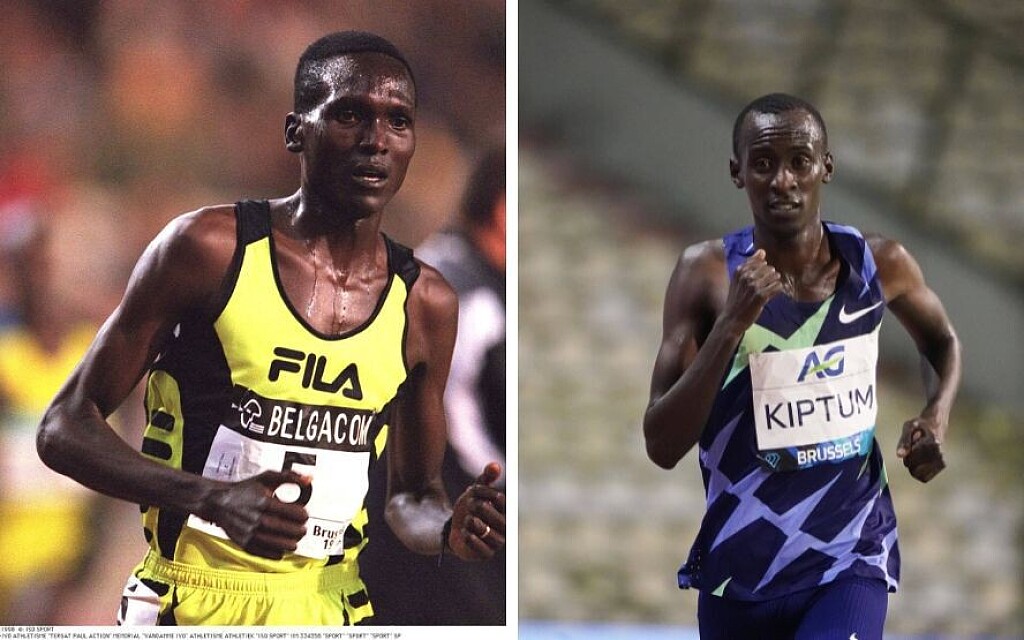
A look into the men's marathon world record progression from legendary Paul Tergat to the late Kelvin Kiptum
Kelvin Kiptum’s untimely passing leaves his sub-two-hour marathon goal unfulfilled, but the evolution of marathon times, Kenyan dominance, and technological advancements signal the likelihood of sub-two-hour marathons becoming common.
The men’s marathon has experienced major shifts and if not for the untimely passing of Kelvin Kiptum, the world could have seen a sub-two-hour marathon this year.
The late Kelvin Kiptum had plans to shatter his own world record at the NN Rotterdam Marathon earlier this year but unfortunately, the world might never know the Kenyan’s full potential.
However, with the emergence of super shoes and strong athletes will definitely see the shift in times and very soon, the world might witness runners posting very fast times and sub-two-hour marathons might just be the order of the day.
Kenyans have been so dominant in the long-distance races and out of the nine fastest times from 2003, there is only one Ethiopian who has managed to penetrate through Kenyan dominance. Paul Tergat broke the world record in 2003 and since then, times have changed drastically with the late Kelvin Kiptum now having the world record.
1) Paul Tergat (2003)
It is not a surprise that Paul Tergat paved the way for Kenyan dominance as long as the marathon is concerned. Tergat proved to Kenyans and the whole world at large, that anything is possible and from his performance, marathon running became Kenya’s business.
At the 2003 Berlin Marathon, Paul Tergat clocked a stunning 2:04:55 to win the race and his time was the first world record for the men's marathon ratified by World Athletics.
Haile Gebrselassie threatened Kenya’s dominance in the marathon with his two world records over the distance. He first shattered the world record at the 2007 Berlin Marathon, clocking a stunning 2:04:26 to cross the finish line.
The legendary marathon runner then proceeded to shatter his own world record at the 2008 Berlin Marathon, clocking an impressive 2:03:59 to cross the finish line. However, his reign was not for long as another Kenyan rose to prominence.
The Berlin Marathon seemed to be a suitable course for breaking the world record as Patrick Makau shattered Haile Gebrselassie’s record at the 2011 edition of the event. Makau clocked a blistering 2:03:38 to cross the finish line.
Another Kenyan, Wilson Kipsang proceeded to shatter Patrick Makau’s world record at the 2013 Berlin Marathon. Wilson Kipsang clocked a stunning 2:03:23 to cross the finish line in one of the most historic showdowns.
Wilson Kipsang’s world record did not stay for long as a year later, Dennis Kimetto completely destroyed the record, becoming the first man to clock under two hours and three minutes to win a marathon.
Competing at the 2014 Berlin Marathon, Dennis Kimetto clocked 2:02:57 to win the race with his world record being one of the most long-standing records before Eliud Kipchoge’s rise to the top.
6) Eliud Kipchoge
In his prime, Eliud Kipchoge was undoubtedly one of the most consistent marathon runners and it was just a matter of when he would break the world record.
Eliud Kipchoge made his dream a reality at the 2018 edition of the Berlin Marathon where he clocked an astonishing 2:01:39 to cross the finish line and take top honours in the race, becoming the first man to clock under two hours and two minutes.
Eliud Kipchoge was not done with his dominant exploits as he proceeded to claim top honours at the 2022 Berlin Marathon in a new world record time of 2:01:09.
7) Kelvin Kiptum
The late Kelvin Kiptum was a rare talent and he would be the one to define marathon running following his resilience and hard work. In his debut at the 2022 Valencia Marathon, Kelvin Kiptum clocked the fastest time ever by a debutant. He crossed the finish line in a time of 2:01:53.
The world class marathoner then proceeded to claim the win at the London Marathon, clocking a personal best time and the second-fastest time then. He clocked 2:01:25 for a win.
Kelvin Kiptum was not done writing history as he shattered Eliud Kipchoge’s world record at the 2023 Chicago Marathon. He clocked 2:00:35 to win the race and before his demise, Kiptum was actually looking to run under two hours in the 42km distance.
by Abigael Wafula
Login to leave a comment
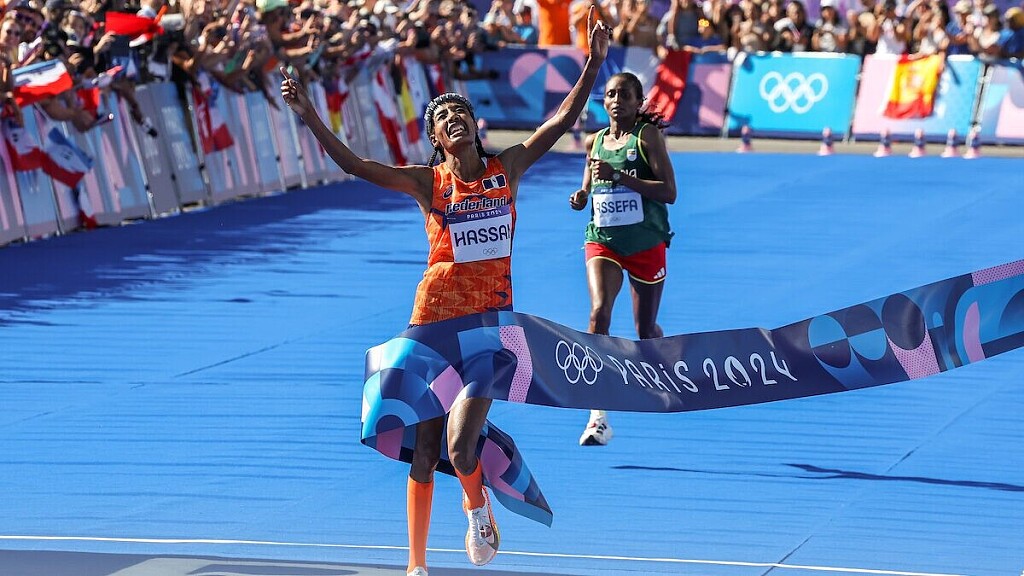
Sifan Hassan and Ruth Chepngetich headline nominations for Female Athlete of the Year
Who do you think deserves top honors—the Olympic champion or the new women's world record holder?
Two of the world’s most dominant marathoners, Sifan Hassan of the Netherlands and newly-minted world record holder Ruth Chepngetich, are among the nominees for the World Athletics Female Athlete of the Year (Out of Stadium) award.
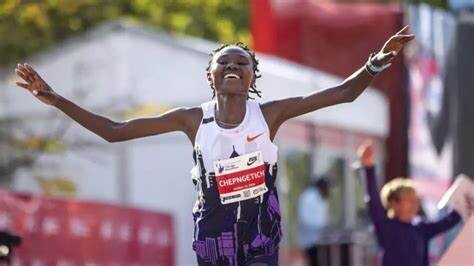
Hassan’s distance running triple at the Paris Olympic Games made her a guaranteed candidate, where she won two bronze medals on the track (5,000m/10,000m) and capped off her historic run with a gold medal in the women’s marathon, setting a new Olympic record. Chepngetich made history of her own, becoming the first woman to break 2:10 in the marathon with her stunning 2:09:56 performance at the 2024 Chicago Marathon earlier this month.
The other nominees for the women’s out-of-stadium award include Kenyan distance star Agnes Jebet Ngetich, who set world records in the 5K and 10K on the roads, and who ran the second-fastest half-marathon in history at the Valencia Half Marathon on Sunday (63:04, a Kenyan national record); Ethiopian Sutume Kebede, the Tokyo Marathon champion, and second-place in Chicago; and Tigist Ketema of Ethiopia, who took wins at the 2024 Berlin Marathon and in Dubai.
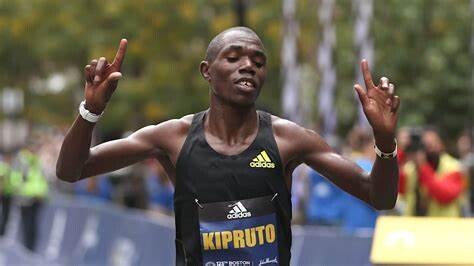
Men’s nominees
On the men’s side, the nominees feature a similarly competitive field. Olympic champion Tamirat Tola, who set a new Games record on the tough Paris course, and his compatriot Yomif Kejelcha, who just broke the men’s world record in the half-marathon by one second at the 2024 Valencia Half. Other nominees for the award include Kenya’s Benson Kipruto, the Tokyo Marathon champion and Olympic bronze medalist; Ugandan Jacob Kiplimo, the world cross-country champion; and Ecuador’s Brian Daniel Pintado, who won Olympic gold in the men’s 20km race walk.
A World Athletics panel compiled the list of nominees. The two finalists for each award will be determined through a three-way voting process that runs until Nov. 3. The World Athletics Council vote accounts for 50 per cent of the decision, while the World Athletics Family (including athletes, coaches and officials) vote accounts for 25 per cent, and the remaining 25 per cent comes from a public vote on Facebook, X (formerly Twitter), and Instagram. Fans can cast their votes by liking posts on Facebook and Instagram or by retweeting on X.
In 2023, the out-of-stadium award went to Kenyan marathoner Kelvin Kiptum on the men’s side, following his remarkable 2:00:35 performance at the 2023 Chicago Marathon. Ethiopian marathoner Tigist Assefa won the women’s award with her marathon record-breaking run in Berlin.
World Athletics revamped the awards system for 2024, introducing overall World Athlete of the Year titles for both women and men, alongside three specialized awards for track events, field events, and out-of-stadium events. This new approach allows for a more recognition of the diverse athletic accomplishments throughout the year.
by Marley Dickinson
Login to leave a comment
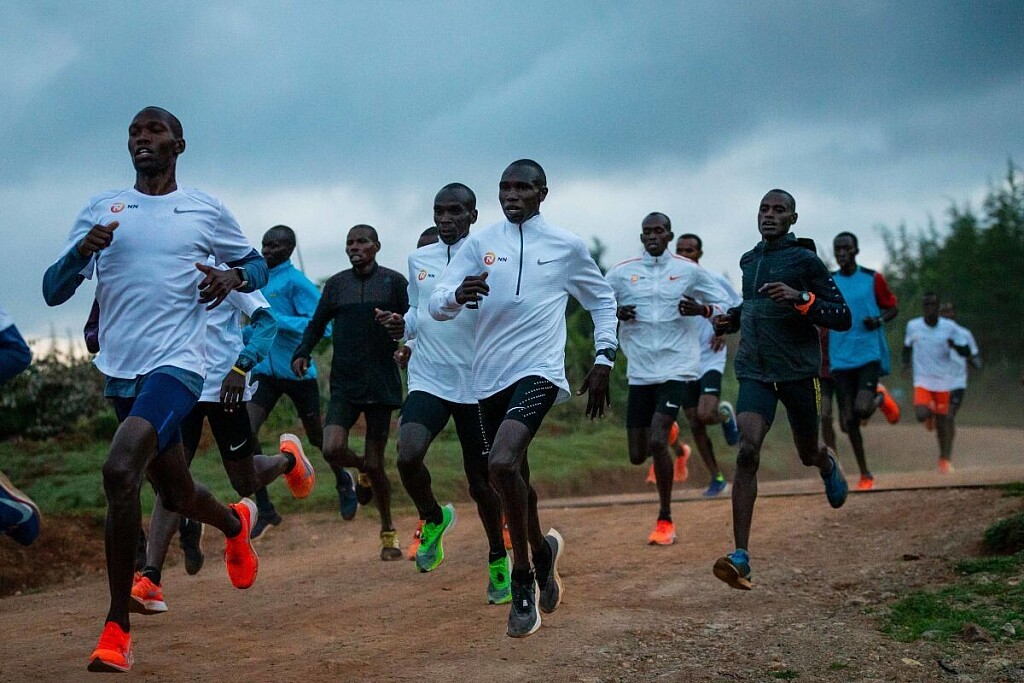
'He's the man to watch'- Eliud Kipchoge predicts bright future for training partner in road running
Eliud Kipchoge believes has singled out one of his training partners and noted that he has a bright future in road running and could be the next big star, despite still mastering marathon racing.
Marathon legend Eliud Kipchoge believes his training partner Daniel Mateiko is the next big thing when it comes to road running.
The former world marathon record holder observed that Daniel Mateiko has a bright future ahead of him and despite not having mastered marathon running yet, the youngster is surely following in Eliud Kipchoge’s footsteps.
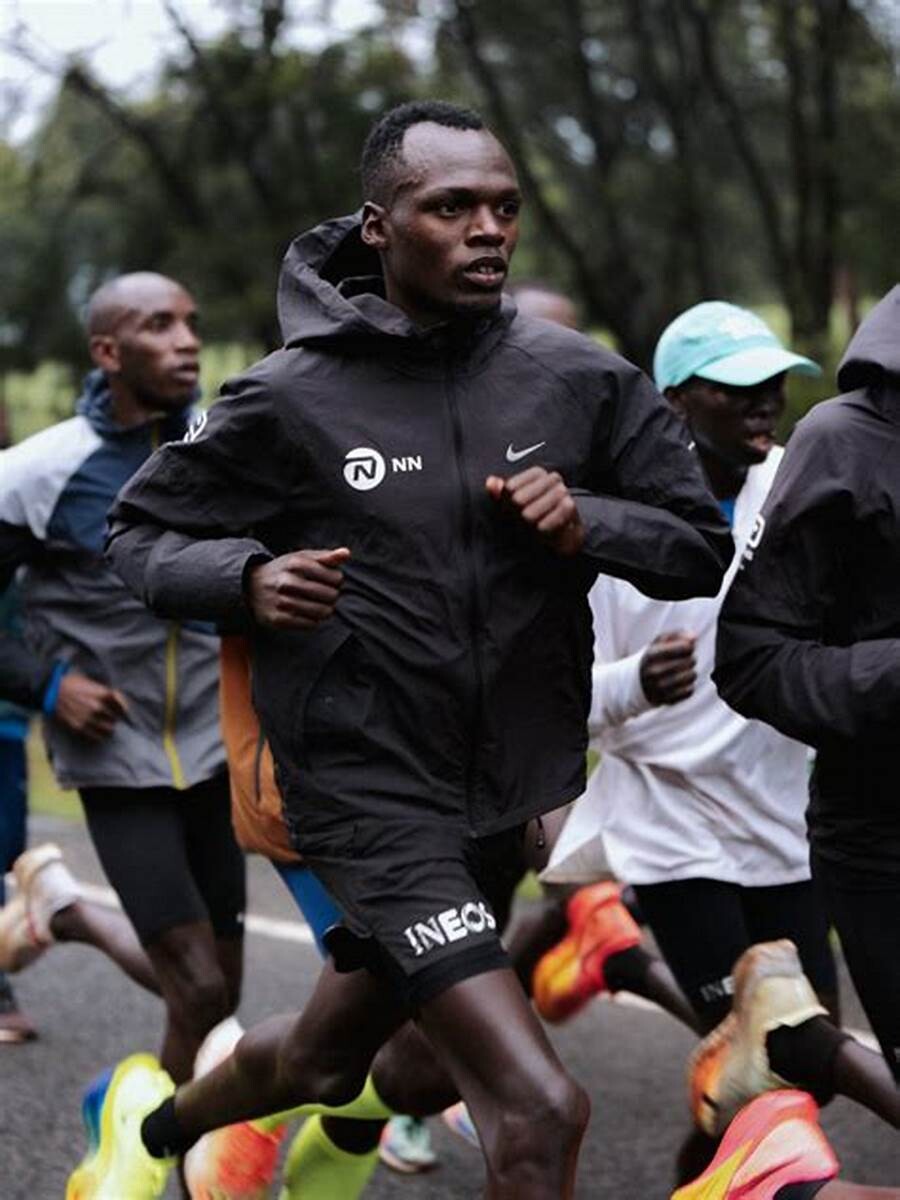
In an interview with Runner’s World, Eliud Kipchoge pointed out that Daniel Mateiko has all it takes to dominate and once he hits the ground running, people will be left dumbfounded in the stands.
“[He has] a huge, huge, future ahead of him. I’m putting all my money in Mateiko as the future,” Kipchoge said. “He’s the man to watch, actually, on the road,” Eliud Kipchoge said.
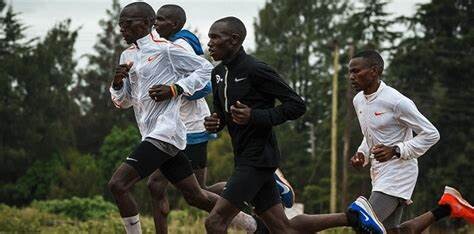
Meanwhile, Daniel Mateiko is one of the top half marathoners in the world with his personal best time of 58:26 he ran to finish third at the Valencia Half Marathon in 2021.
He is slowly following in the footsteps of his mentor, five-time Berlin Marathon champion Eliud Kipchoge, and he made his full marathon debut at the 2023 Chicago Marathon where he failed to finish the race but certainly had one of the best runs up to the 30km mark.
Before his full marathon debut, Daniel Mateiko was in action at the 2023 London Marathon as he helped pace the late Kelvin Kiptum to a course record of 2:01:25. This season, Mateiko hoped for a great outing at the London Marathon but also failed to finish the race.
However, he has attained a series of wins, like representing the country at the Paris Olympic Games in the 10,000m. However, Mateiko did not embrace his full potential as he could only manage an 11th-place finish in 26:50.83.
Before then, the 26-year-old had raced at the Prefontaine Classic where he won the race to secure a ticket to the Olympics and he had also won the Ras Al Khaimah Half Marathon prior to the London Marathon.
by Abigael Wafula
Login to leave a comment
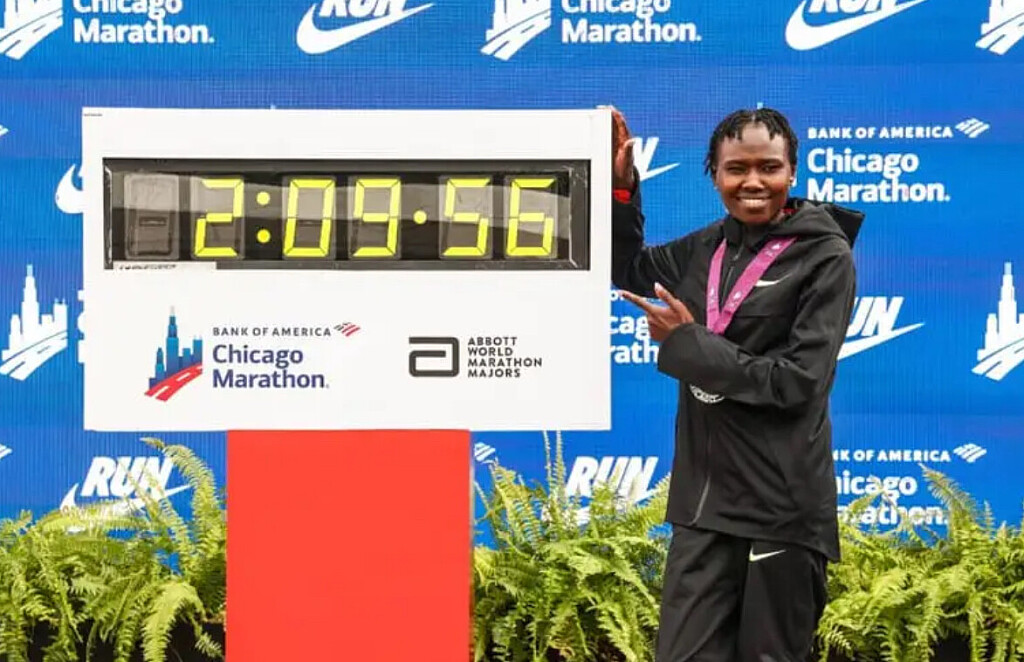
Another look at the new women’s marathon record set in Chicago today
30-year-old Kenyan Ruth Chepngetich destroyed the women’s marathon world record today (13 Oct. 2024) at the 46th Bank of America Chicago Marathon. Her time of 2:09:56 ripped 1:57 from the previous mark set in Berlin 2023 by Ethiopia’s Tigst Assefa (2:11:53).
At this point, the athletics record book feels like it ought to be written in No. 2 Ticonderoga pencil. That’s how fast records fall in this age of technological and nutritional advances. This is especially true at the longer distances where such advancements create greater margins.
Still, Ruth Chepngetich’s new world record stands out as history’s first women’s sub-2:10, and first sub-5:00 per mile pace average. But Tigst Assefa’s 2:11:53 mark set last year in Berlin had us all cradling our heads, as well. That performance cut 2:11 off Brigid Kosgei‘s 2:14:04 record from Chicago 2019, which shattered Paula Radcliffe‘s seemingly impregnable 2:15:25 set in London 2003.
In each case: Radcliffe’s, Kosgei’s, Assefa’s, and now Chepngetich’s record have caused mouths to gape in the immediacy of their efforts. But nothing should surprise us anymore.
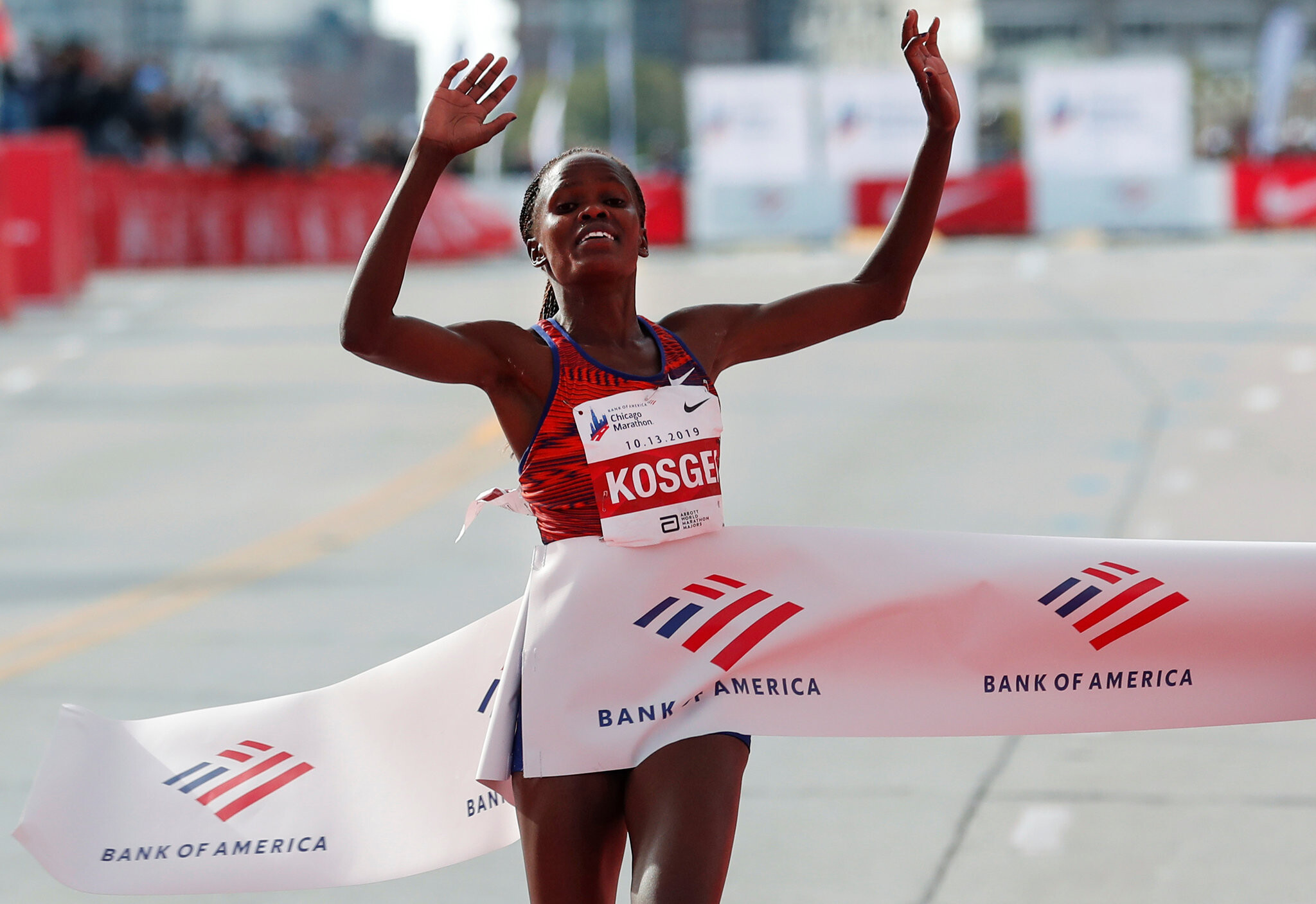
Racing is often a self-fulfilling prophecy determined by one’s build-up. Ruth Chepngetich said in her TV interview she came into Chicago off a perfect three-months of training after her disappointing ninth-place finish in London in April (2:24:36). Two previous wins in the Windy City (2021 and 2022) and a runner-up in 2023 meant Ms. Chepngetich arrived well seasoned on this course, with a keen understanding of what training was required to produce such a record run.
Of course, sadly, no record in athletics can be free of skepticism considering the industrial level of PED use that is uncovered, seemingly, every other Tuesday. Though understandable, cynicism should not be one’s default reaction.
To maintain any allegiance to the game, to follow it with any interest at all, we have to celebrate each record at face value. Just as rabid fans have to acknowledge some records to be ill-gotten, cynics accept that many special runs are exactly as they appear, above reproach.
Besides, when you break down Ruth’s 5k splits, each one from 5k to 35k was slower than the previous 5k. Not until the split from 35k to 40k (15:39) did she run faster than the split before (15:43 from 30 to 35k)
5k – 15:0010k – 30:14 (15:14)15k – 45:32 (15:18)20k – 60:51 (15:19)25k – 1:16:17 (15:26)30k – 1:31:40 (15:32)35k – 1:47:32 (15:43)40k – 2:03:11 (15:39)Fini – 2:09:56
1st half – 64:162nd half – 65:40
So congratulations to Ruth Chepngetich and her team for a marvelous run through a beautiful city. Now, let’s see how long this mark stays on the books before the No. 2 Ticonderoga pencil gets pulled out again.
BY THE NUMBERS
There have been 26 women’s world records set in the marathon since Beth Bonner‘s 2:55:22 in New York City in 1971. Over the ensuing 53 years, the average percentage change from one record to the next has been 1:26%. See WOMEN’S WORLD RECORD PROGRESSION.
Today’s record by Ruth Chepngetich, 2:09:56 (just one second slower than Bill Rodgers‘ American men’s record in Boston 1975!), lowered Tigst Assefa’s 2:11:53 mark by a healthy 1.5%. And Assefa’s time cut Brigid Kosgei’s 2:14:04 by 1.65%.
These latest records are still taking significant chunks off their predecessors and doing so in quick order. That suggests women are far from slicing everything they can from even this new record.
Yet, when comparing the women’s marathon world record to the men’s (2:00:35, set by Kelvin Kiptum in Chicago 2023), we see a differential of 7.2%. That is by far the best women’s record vis-à-vis the men’s throughout the running spectrum. Second place on that list is Florence Griffith-Joyner‘s 10.49 100m in relation to Usain Bolt‘s 9.58, a percentage difference of 8.675%.
The traditional rule of thumb has been a 10% gap between men’s and women’s records. But there are so many factors in play, it is difficult to make any definitive statement that explains one event, much less one athlete from another. I guess that’s why we keep watching.
by Toni Reavis
Login to leave a comment
Bank of America Chicago
Running the Bank of America Chicago Marathon is the pinnacle of achievement for elite athletes and everyday runners alike. On race day, runners from all 50 states and more than 100 countries will set out to accomplish a personal dream by reaching the finish line in Grant Park. The Bank of America Chicago Marathon is known for its flat and...
more...
Chepngetich smashes world marathon record in Chicago with 2:09:56
Kenya’s Ruth Chepngetich took almost two minutes off the world record* at the Bank of America Chicago Marathon, winning the World Athletics Platinum Label road race in 2:09:56 on Sunday (13).
Not only did she obliterate Tigist Assefa’s world record of 2:11:53, set in Berlin last year, Chepngetich also notched up her third Chicago Marathon victory and chopped more than four minutes off her previous best of 2:14:18, set when winning her in 2022.

On a good day for Kenyan runners, John Korir took the men’s title in 2:02:43, the second-fastest time ever recorded in Chicago behind the world record of 2:00:35 set by the late Kelvin Kiptum last year.
Chepngetich’s intent was clear from the start. She breezed through the first 5km in 15:00 and had Ethiopia’s Sutume Asefa Kebede for company, and then reached 10km in an astonishing 30:14 with Kebede still just two seconds behind.
Chepngetich continued her relentless pace and hit the half-way mark in an incredible 1:04:16, the fifth-fastest clocking in history for the half marathon distance and putting her on course for a sub-2:09 finish. Kebede had started to drop behind, but she was still operating well inside world record pace, reaching the half-way point in 1:04:30, three minutes ahead of Joyciline Jepkosgei.
The gap between Chepngetich and Kebede continued to grow throughout the second half. The pace of both women dropped, Kebede’s more so than Chepngetic, and by 30km (1:31:49) the Kenyan had a lead of almost two minutes over her Ethiopian rival.
Chepngetich’s next 10km was covered in 31:22, which was her slowest of the race so far, but still remarkably quick and enough to increase her leading margin to more than six minutes. With little more than two kilometres left to run, she was still well inside world record pace, the likelihood of breaking it increasing with every step.
Spurred on by her memories of the 2022 race, when she missed out on the world record by just 14 seconds, Chepngetich powered through the final stages and crossed the line in 2:09:57, becoming the first woman to break 2:10. Remarkably, only nine athletes went quicker in the men’s race today.
“I feel so great. I’m very proud of myself. This is my dream. I fought a lot, thinking about the world record. The world record has come back to Kenya, and I dedicate this world record to Kelvin Kiptum.”
Kebede held on for second place in 2:17:32 while Kenya’s Irine Cheptai came through for third place in 2:17:52.
By contrast, the men’s race got off to a relatively conservative start before Korir broke away and sped up in the second half en route to a dominant win with huge negative splits.
A lead pack of 10 men ran together through the first 10km in 29:27, and they were still one big group as they passed through the half-way point in 1:02:19, putting them on course for a 2:04:38 finish.
Korir, along with fellow Kenyans Daniel Ebenyo and Amos Kipruto, continued to push the pace into the second half. By 30km, reached in 1:28:18, the lead group was down to seven men. But soon after, Korir increased his pace and broke free from the pack, creating a gap of 29 seconds by the time he reached 35km.
His leading margin continued to grow, and by 40km his lead was 92 seconds over Kipruto and Ethiopia’s Huseydin Mohamed Esa. Korir sped up in the final kilometres and crossed the line in 2:02:43, having covered the second half in 1:00:24. Esa was second in 2:04:39 and Kipruto third (2:04:50).
Login to leave a comment
Bank of America Chicago
Running the Bank of America Chicago Marathon is the pinnacle of achievement for elite athletes and everyday runners alike. On race day, runners from all 50 states and more than 100 countries will set out to accomplish a personal dream by reaching the finish line in Grant Park. The Bank of America Chicago Marathon is known for its flat and...
more...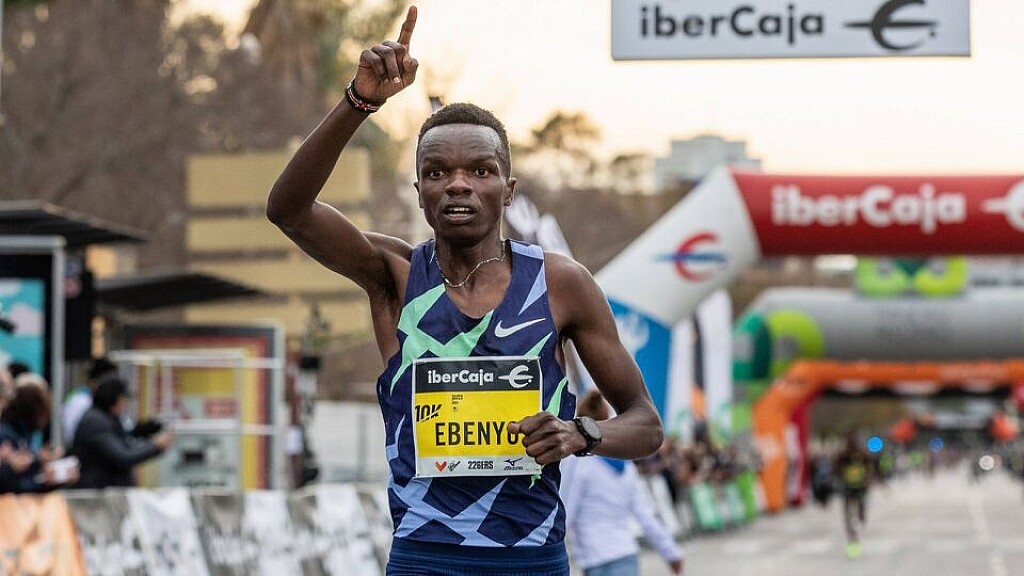
Daniel Ebenyo set to channel late Kelvin Kiptum in Chicago Marathon debut
Ebenyo is eager to impress at this year's Chicago Marathon after missing out on the 2024 Paris Olympics games.
World silver medalist in the men's 10,000m, Daniel Ebenyo is looking to impress at his year's Chicago Marathon on Sunday, October 13.
Ebenyo is making is first appearance in a race since heartbreakingly missing out on the 2024 Paris Olympic games.
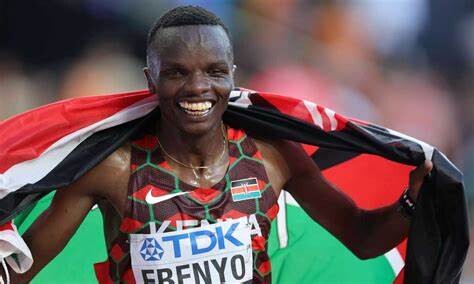
Seen as one of the favorites to represent team Kenya in Paris owing to his exploits in the 2023 World Championships and World Road Running Championships, Ebenyo failed to earn a ticket to feature at the Olympics.
The commonwealth games silver medalist is out to right a wrong with this year's Chicago Marathon, drawing inspiration from last year's Chicago Marathon hero and world record holder, the late Kelvin Kiptum.
"It was last year when Kiptum broke the world record here (Chicago). And my dream since I started running was to start my marathon debut in Chicago which is fine and I'm looking forward for better result," Ebenyo told Citius Mag.
The Chicago Marathon debutant expressed happiness at being able to run again having missed out on the Olympics.
"No, I was never sad because I know this is sport and anything can happen and I am happy to race again," he added, when questioned on whether he was saddened by missing out on the Olympics.
Ebenyo has revealed that he does not plan to return to track and field any time soon as he shifts his focus.
"No for the track I think I'm done, going for the track now is only for the training. Because I need to focus on one at a time," revealed Ebenyo when questioned on whether he planned on returning to to the track.
"It's a bit crazy but I hope that everything shall be well and I hope for a beautiful start," he added on his Marathon debut.
Ebenyo is one to watch in this years' Chicago Marathon with his 12th ranking and a time of 59:30 in the half marathon.
by Stephen Awino
Login to leave a comment
Bank of America Chicago
Running the Bank of America Chicago Marathon is the pinnacle of achievement for elite athletes and everyday runners alike. On race day, runners from all 50 states and more than 100 countries will set out to accomplish a personal dream by reaching the finish line in Grant Park. The Bank of America Chicago Marathon is known for its flat and...
more...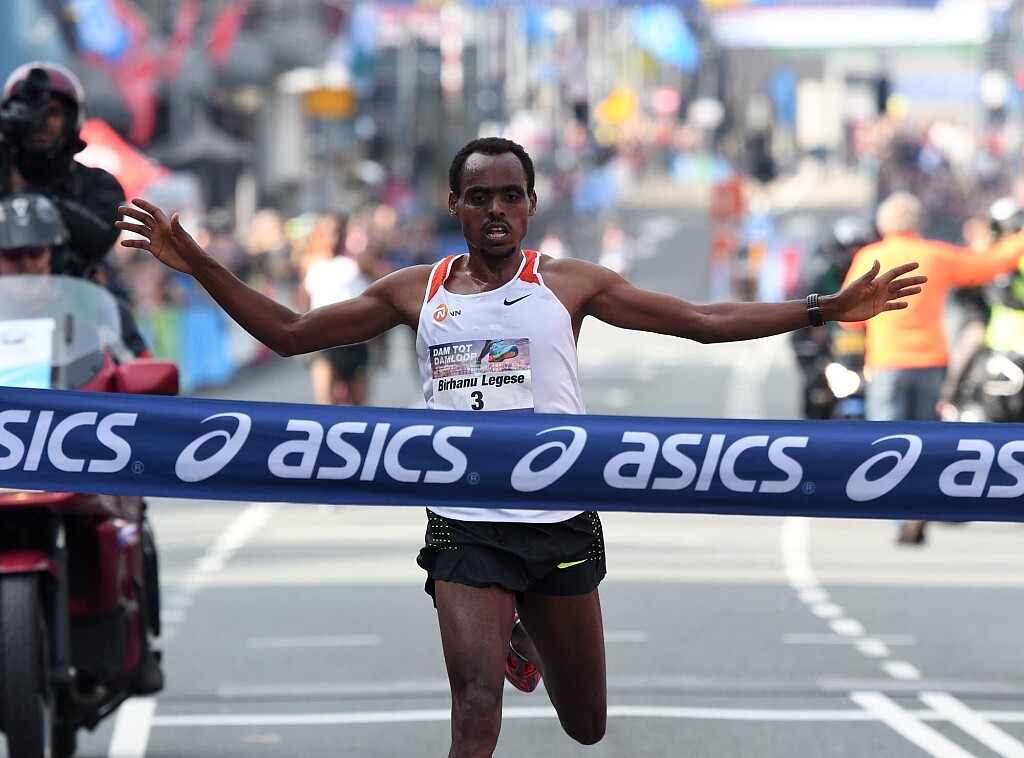
Legese and Chepngetich lead Chicago Marathon fields
Ruth Chepngetich heads to the Bank of America Chicago Marathon on the hunt for a hat trick, while Birhanu Legese is the fastest in the men’s field for the World Athletics Platinum Label road race on Sunday (13).
The women’s race features a clash between Chepngetich, her Kenyan compatriot Joyciline Jepkosgei and Ethiopia’s Sutume Kebede – three sub-2:17 runners who form part of a field that includes another six women to have dipped under 2:20.
Chepngetich, the 2019 world marathon champion, won in Chicago in 2021 and 2022, and followed that with a runner-up finish to Sifan Hassan last year. She clocked 2:14:18 on that occasion, while her PB of 2:14:18 set in Chicago in 2022 makes her the fourth fastest women’s marathon runner in history.
She ran 2:24:36 for her most recent marathon, in London in April, and placed ninth, but then clocked 1:05:58 to win the 21k Buenos Aires half marathon in August.
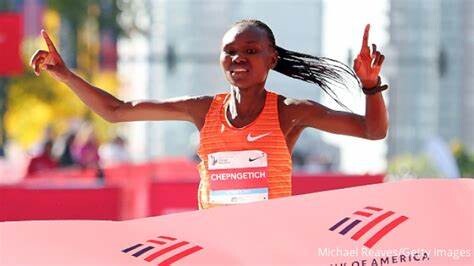
Jepkosgei, who won the London Marathon in 2021 and New York City Marathon in 2019, finished fourth in Chicago last year in 2:17:23.
She improved by one place when returning to marathon action in London in April, setting a PB of 2:16:24.
It’s Kebede who leads this season’s top list, thanks to the PB of 2:15:55 she set to win the Tokyo Marathon in March. That puts her at No.8 all time and she will be hoping to make the most of the fast course in Chicago.
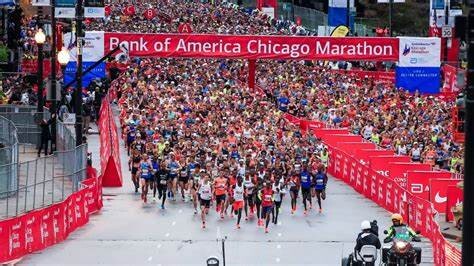
“After seeing what my teammate Kelvin Kiptum did last year, I want to come to Chicago to do something great,” said Kebede, who finished 15th in last year’s race.
Kiptum, who was part of Kebede’s training group, died in a road traffic accident in February, just four months after he set his world marathon record of 2:00:35 in Chicago. This year, the event will honour Kiptum’s legacy with a moment of silence at the start line.
Joining Chepngetich, Jepkosgei and Kebede on that start line will be three more women with PBs under 2:18 – Ethiopia’s Degitu Azimeraw, Ashete Bekere and Hiwot Gebrekidan – plus Kenya’s Irine Cheptai, who ran 2:18:22 in Hamburg in April.
The field also features the second and third fastest ever US women’s marathon runners, Keira D’Amato and Betsy Saina, who have also dipped under 2:20. They are joined in this competitive field by their compatriots Sara Hall and Emma Bates.
Ethiopia’s Legese leads the men’s field with the PB of 2:02:48 he ran in Berlin in 2019. That performance puts him sixth on the men’s world marathon all-time list but since then his highest marathon finish has been a third place, achieved in Rotterdam with a 2:05:16 run in April.
The two-time Tokyo Marathon champion will want to return to winning ways when he heads back to Chicago, where he placed 10th when making his World Marathon Majors debut in 2018, but he faces tough opposition.
Six other men in the field have PBs faster than 2:06, including Kenya’s Amos Kipruto, Vincent Ngetich and John Korir, and Ethiopia’s Dawit Wolde, Amedework Walelegn and Mohamed Esa.
Kipruto, the 2019 world bronze medallist, and Ngetich have matching PBs of 2:03:13. Kipruto won the London Marathon in 2022 and trains with Benson Kipruto, who won that year’s Chicago Marathon, while Ngetich was second in the Berlin Marathon last year, five places ahead of Kipruto. He was also third at this year’s Tokyo Marathon.
Korir ran his PB of 2:05:01 when finishing third in Chicago in 2022, while Wolde ran 2:03:48 in Valencia last year, Esa has a best of 2:05:05 from Amsterdam in 2022 and Walelegn clocked 2:04:50 in Rotterdam in April, finishing runner-up – one place ahead of Legese.
Looking to join them at the front of the field will be Kenya’s Daniel Ebenyo, the world 10,000m and half marathon silver medallist who makes his marathon debut. The 29-year-old ran a 59:30 half marathon in Berlin in April, 26 seconds off his PB set in Manama in 2022.
Ethiopia’s Jemal Yimer Mekonnen, who finished fourth in the half marathon at last year’s World Road Running Championships behind runner-up Ebenyo, is back in marathon action after his win in Seoul in March.
Among the athletes racing on home soil are USA’s Zach Panning, CJ Albertson and Brian Shrader.
Elite fields
WomenRuth Chepngetich (KEN) 2:14:18Sutume Kebede (ETH) 2:15:55Joyciline Jepkosgei (KEN) 2:16:24Degitu Azimeraw (ETH) 2:17:58Ashete Bekere (ETH) 2:17:58Hiwot Gebrekidan (ETH) 2:17:59Irine Cheptai (KEN) 2:18:22Keira D'Amato (USA) 2:19:12Betsy Saina (USA) 2:19:17Sara Hall (USA) 2:20:32Emma Bates (USA) 2:22:10Buze Diriba (ETH) 2:23:11Sara Vaughn (USA) 2:23:24Susanna Sullivan (USA) 2:24:27Gabi Rooker (USA) 2:24:35Lindsay Flanagan (USA) 2:24:43Stacey Ndiwa (KEN) 2:25:29 Lauren Hagans (USA) 2:25:56Annie Frisbie (USA) 2:26:18Jackie Gaughan (USA) 2:27:08Dominique Scott (RSA) 2:27:31Diane Nukuri (USA) 2:27:50Makena Morley (USA) 2:30:25Anne Marie Blaney (USA) 2:30:43Amy Davis-Green (USA) 2:33:09Aubrey Frentheway (USA) debut
MenBirhanu Legese (ETH) 2:02:48Amos Kipruto (KEN) 2:03:13Vincent Ngetich (KEN) 2:03:13Dawit Wolde (ETH) 2:03:48Amedework Walelegn (ETH) 2:04:50John Korir (KEN) 2:05:01Mohamed Esa (ETH) 2:05:05Jemal Yimer (ETH) 2:06:08Kyohei Hosoya (JPN) 2:06:35Toshiki Sadakata (JPN) 2:07:05Tatsuya Maruyama (JPN) 2:07:50Yuichi Yasui (JPN) 2:08:48Jorge Castelblanco (PAN) 2:09:24Zach Panning (USA) 2:09:28Brian Shrader (USA) 2:09:46CJ Albertson (USA) 2:09:53Tomoki Yoshioka (JPN) 2:10:03Reed Fischer (USA) 2:10:34Nathan Martin (USA) 2:10:45Colin Mickow (USA) 2:11:22Kevin Salvano (USA) 2:11:26Jacob Thomson (USA) 2:11:40Turner Wiley (USA) 2:11:59Shadrack Kipchirchir (USA) 2:13:02JP Flavin (USA) 2:13:27Charlie Sweeney (USA) 2:13:41Ben Kendell (USA) 2:15:49Phil Parrot-Migas (CAN) 2:15:53Aaron Gruen (USA) 2:15:56Daniel Ebenyo (KEN) debutPeter Lynch (IRL) debutAlex Maier (USA) debutAlex Masai (USA) debut
by World athletics
Login to leave a comment
Bank of America Chicago
Running the Bank of America Chicago Marathon is the pinnacle of achievement for elite athletes and everyday runners alike. On race day, runners from all 50 states and more than 100 countries will set out to accomplish a personal dream by reaching the finish line in Grant Park. The Bank of America Chicago Marathon is known for its flat and...
more...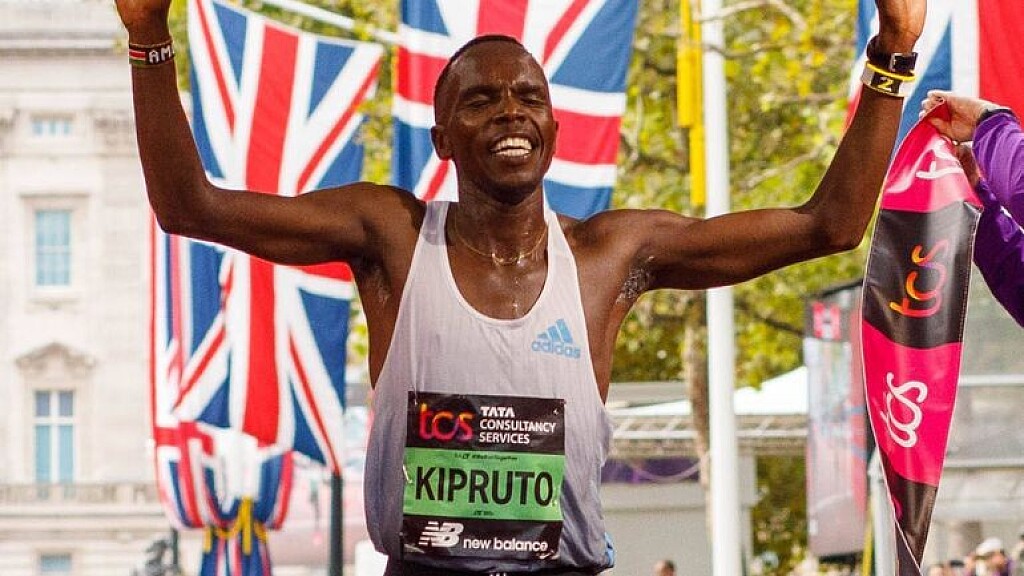
Amos Kipruto eyes comeback victory at Chicago Marathon after injury struggles
Amos Kipruto will be seeking a comeback victory at the 2024 Chicago Marathon honoring late friend Kelvin Kiptum after injury setbacks.
The 2022 London Marathon champion Amos Kipruto is gearing up for a return to the world stage at the 2024 Chicago Marathon aiming for a victory that could re-establish his position among the elite long-distance runners.
After a year hampered by injuries and personal struggles, the Kenyan athlete is determined to make a statement on the streets of Chicago this Sunday, October 13.
For Kipruto, this race is not just another competition—it marks the end of a long road to recovery.
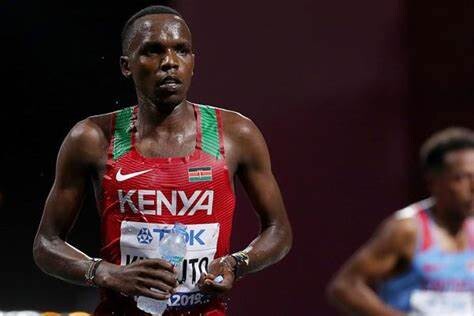
The bronze medalist from the 2019 World Marathon Championships revealed that an injury in early 2024 kept him sidelined for much of the season, forcing him to withdraw from races, including the London Marathon, where he had hoped to defend his 2022 title.
"I was supposed to race in London [2024], but it was late. I tried to treat it, but I decided to be patient and focus on the treatment," Kipruto explained in an interview with Olympics.com.
"Now, I am focused on the next race. I am back and injury-free."
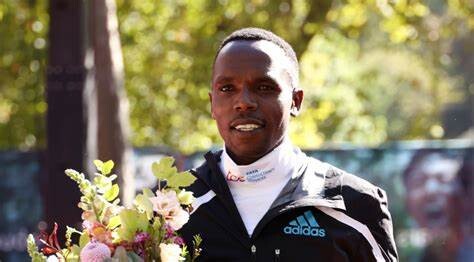
A testing year and the mental toll
Kipruto’s journey back to fitness has not been easy and the athlete candidly shared how his physical setbacks also affected him mentally.
“In 2020, I got a tendon tear injury and I went through some low moments,” he recalled.
“It was difficult. I felt like I had more to prove after winning in London, but the injuries and the uncertainty that followed were challenging.”
The challenges, however, were not something Kipruto faced alone. He credits his coach, Claudio Berardelli, and his management team for keeping his spirits high during the difficult times.
"My coach Claudio and the management supported me, and gave me hope that I will be back. They kept telling me to be patient and that my time would come again."
A special race with extra motivation
The Chicago Marathon is set to be Kipruto's first major marathon race since his 2023 Berlin Marathon disappointment, where he was unable to reclaim the form that had made him a champion in London.
However, Kipruto enters this race not just with a desire to win, but with added emotional motivation.
The Kenyan star will also be running in honor of the late Kelvin Kiptum, the 2023 London Marathon winner, who passed away unexpectedly after his victory.
https://www.instagram.com/p/C_9jrc0K-Fq/?utm_source=ig_web_copy_link&igsh=MzRlODBiNWFlZA==
Kiptum’s death shook the running community, and Kipruto, a close friend and fellow Kenyan, wants to use the race as a tribute.
"This race is special for me," Kipruto said.
"I want to honor Kelvin’s memory with a strong performance. He was a friend and an inspiration to many."
Eyes on a personal best and redemption
While Kipruto has already secured his spot on Kenya’s 2024 Olympic team, this race will be critical in demonstrating that he is still a force to be reckoned with.
"My goal is to try to run a personal best,” he said.
“I want to show the world that I am still the kind of athlete who is capable of winning a major marathon.”
The Chicago Marathon will be Kipruto’s first competitive race on American soil, and he’s fully aware of the expectations.
"I have a big challenge and a big task ahead of me. I know I must work hard so that I can prove that I can still [win]," he said confidently.
After a quiet season filled with rehabilitation and only one documented 10km race in Gabon in June, Kipruto is ready to reclaim his place at the top.
As he lines up on Sunday, the world will be watching to see if the Kenyan star can cap off his season with the redemption he seeks.
"I'm going into the race fresh and focused.I know I’ve had setbacks, but now it's time to show the world I am back."
by Festus Chuma
Login to leave a comment
Bank of America Chicago
Running the Bank of America Chicago Marathon is the pinnacle of achievement for elite athletes and everyday runners alike. On race day, runners from all 50 states and more than 100 countries will set out to accomplish a personal dream by reaching the finish line in Grant Park. The Bank of America Chicago Marathon is known for its flat and...
more...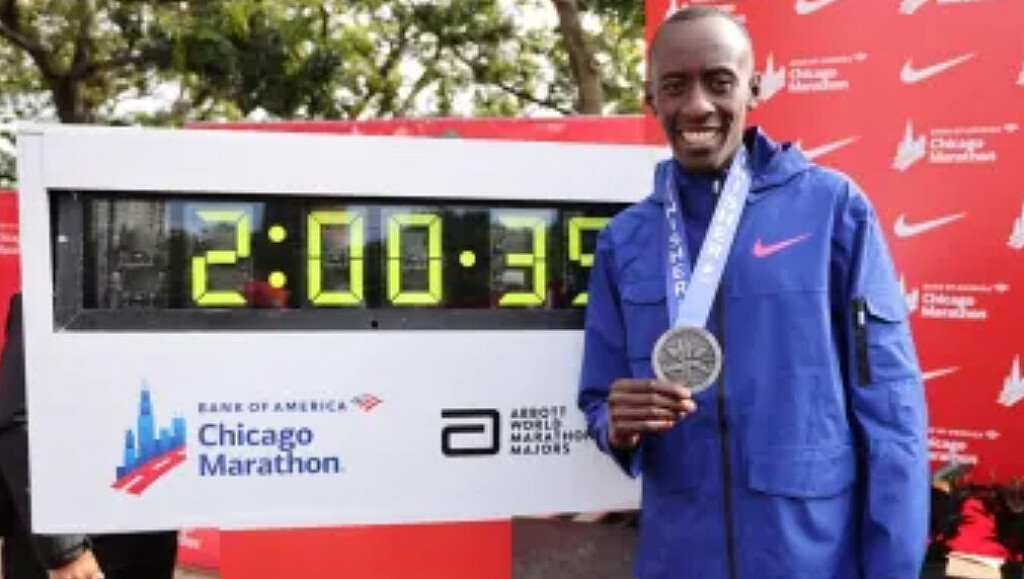
The Chicago Marathon has a strong history
First run in 1977, this Sunday, Chicago hosts its 46th marathon (it lost 2020 to the Covid-19 pandemic; 1987 to sponsorship issues). One of the six Abbott World Marathon Majors, the history of the BofA Chicago Marathon has been one of rising, falling, and rising again.
In 2023, it witnessed its third men’s marathon world record, 2:00:35, gloriously produced by the late Kenyan star, Kelvin Kiptum, who tragically died in a car accident on February 11, 2024 (age 24 years), in Kaptagat, Kenya.
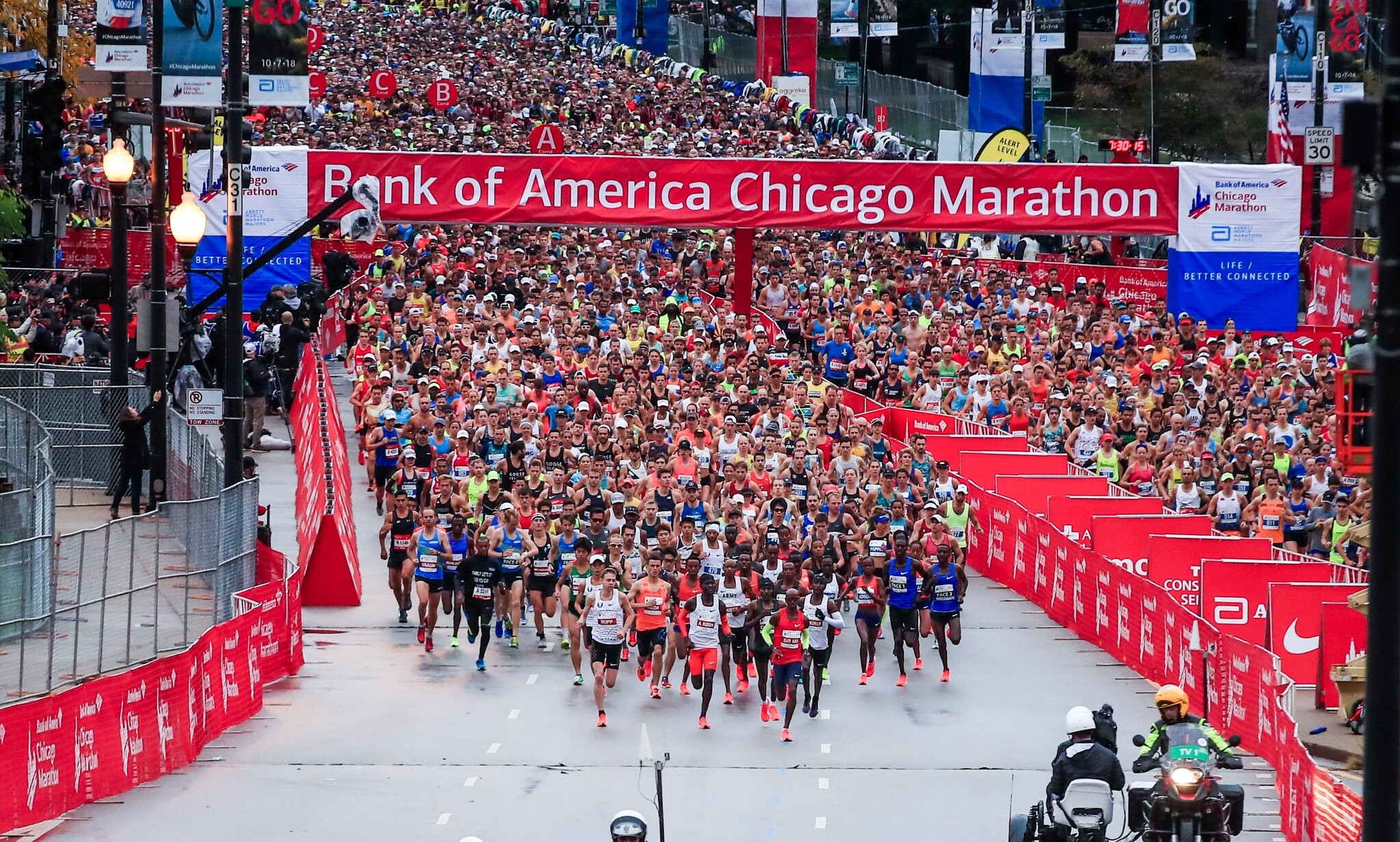
But the roots of the modern Bank of America Chicago Marathon traces back to 1982 when, in its sixth year, known as America’s Marathon/Chicago, the event rebooted, much as New York City 1976 was a reordering for the Big Apple 26-miler.
In America’s bicentennial year, the New York Road Runners expanded their event from four laps of Central Park to all five boroughs. It was a gamble. But in one fell swoop, the event grabbed the public’s attention, took on international importance, and ushered in a new era of urban marathons, even though they had run six previous marathons under the same banner.
In 1982, Chicago’s move from a regional marathon to the big time came about because of two things: one, the $600,000 budget put up by race sponsor, Beatrice Foods, and the hiring of one Robert Bright III of Far Hills, New Jersey to serve as athlete recruiter.
Bob Bright (left) at the Litchfield Hills Road Race in Connecticut with Nike east coast promo man, Todd Miller.
Recommended to the event by Olympians Frank Shorter and Garry Bjorlund, Bright had successfully elevated a modest 15K road race in Far Hills, New Jersey, called the Midland Run, to international prominence in 1980. So loaded was the Midland Run elite field, Sports Illustrated sent a reporter and photographer to cover the event.
What Bright brought to Chicago was zeal and a vision. Before Bright, there had been very little orchestration of competitive marathon racing. The Bright idea was simple: actively recruit a field of international athletes who came ready to run, so elite competition would become the hallmark of the event.
First, a brief history. For many decades, Boston dominated the marathon scene as essentially the only game in town. Yes, there was the Yonkers Marathonin New York, first contested in 1907; the Polytechnic Harriers’ Marathon for the Sporting Life trophy in England, which began in 1909. The Košice Peace Marathon in Slovakia joined the club in October 1924; Enschede and Fukuoka in 1947; Beppu in ’52.

But the Boston Athlettic Association’s attitude from its marathon’s inception in 1897 up to the mid-1980s remained, “We’re running our race on Patriots’ Day starting in Hopkinton, Massachusetts at noon. It will cost you three bucks to enter. See you at the bus line for the ride out to the start.” No bells, no whistles, no invitations.
When New York City debuted in 1970, it spun four laps of Central Park to total its 26.2 miles. But in 1976, with the city in a major financial difficulty amidst America’s Bicentennial, the New York Road Runners boldly took its marathon from the confines of Central Park and expanded it through all five boroughs hoping to attract more tourists.
Race Director Fred Lebow recruited a few big guns upfront to entice press coverage, Olympic gold and silver medalist Frank Shorter along with Shorter’s rival, American record holder from Boston 1975, fellow Olympian, Bill Rodgers. Everyone else filled in from behind, with the City of New York being the true star attraction.
First considered a onetime gimmick, the five-borough experience proved so successful, the NYRRs embraced it as the path forward. Still, the actual races in NYC were never very competitive. Rodgers won by three minutes over Shorter in ‘76, 2:10:10 to 2:13:12. Then dominated for the next three years, as well.
Chicago 1982 would be the first, full–blown, orchestrated marathon race, as Bright had a specific recruitment strategy.
“We wanted six guys who thought coming in that they had a chance to win,” said Bright. “Then we wanted six more behind them who figured they had a shot at the top 10. So, right away we didn’t go after a guy like Alberto Salazar (who was ranked number one in the world after wins in New York City in 1980, a short-course world record in ‘81, and a Boston title in 1982.)
“And if you figure that a top race has a main pack of 10 to 15 athletes, you’re going to double that number in invitations. That guarantees that even if two of every five don’t run well for one reason or another, you still have a big group ready to race.”
Redundancy was the key, the money, the magnet. The total amount taken home by runners from Chicago in 1982 was $130,000.
This was when Boston was still embracing its amateur roots, stiff-arming the new breed of runners looking to get paid for their craft. In New York, Lebow had to keep his payments under the table in order to avoid being billed for city services on race day.
Chicago put up $48,000 in prize money for the men in 1982, with $12,000 going to the winner, 600 for 15th place. The women’s split was $30,000, with $10,000 awarded for the win through $500 for 10th. The remaining $52,000 represented the grease in upfront, under-the-table appearance fees.
“We wanted the money to be respectable, but not overwhelming the first year,“ explained Bright, whose history as a dog sled racer and thoroughbred horse trainer made him one of the best judges of the running animal. “We didn’t want it to appear like the race was store-bought, like the Atlantic City pro race a few years ago, where the money was good, but no one took the race seriously.
“So, we put up $78,000 in prize money, which, to the public, doesn’t sound like all that much. But when you added on the appearance money, it represented as much as any other race handed out.“
For the money on offer, and the prestige of doing well against a field of that caliber – as good as the group assembled at the 1980 Moscow Olympics, according to Sweden’s Kjell Eric Stahl – what came down in Chicago 1982 was a new course record by University of Michigan grad Greg Meyer (2:10:59), along with 22 more sub -2:220s, and nine personal bests out of the first 11 finishers.
The top five women followed suit, led by Northampton, Massachusetts’s Nancy Conz, whose 2:33:33 also represented a new course record for Chicago, some 12 minutes faster than the old mark.
The event treated the athletes well; offered a new opportunity in the fall, competing with New York City; Chicago witnessed its first truly world-class marathon; the sponsor, Beatrice Foods, received enormous visibility for its dollars; and a new professionalism attended the art of marathon orchestration. Chicago was now the new kid on the block, with toys to match anyone’s.
But now the pressure was on, not just to maintain its pace, but to top itself in 1983. The story continues.
by Toni Reavis
Login to leave a comment
Bank of America Chicago
Running the Bank of America Chicago Marathon is the pinnacle of achievement for elite athletes and everyday runners alike. On race day, runners from all 50 states and more than 100 countries will set out to accomplish a personal dream by reaching the finish line in Grant Park. The Bank of America Chicago Marathon is known for its flat and...
more...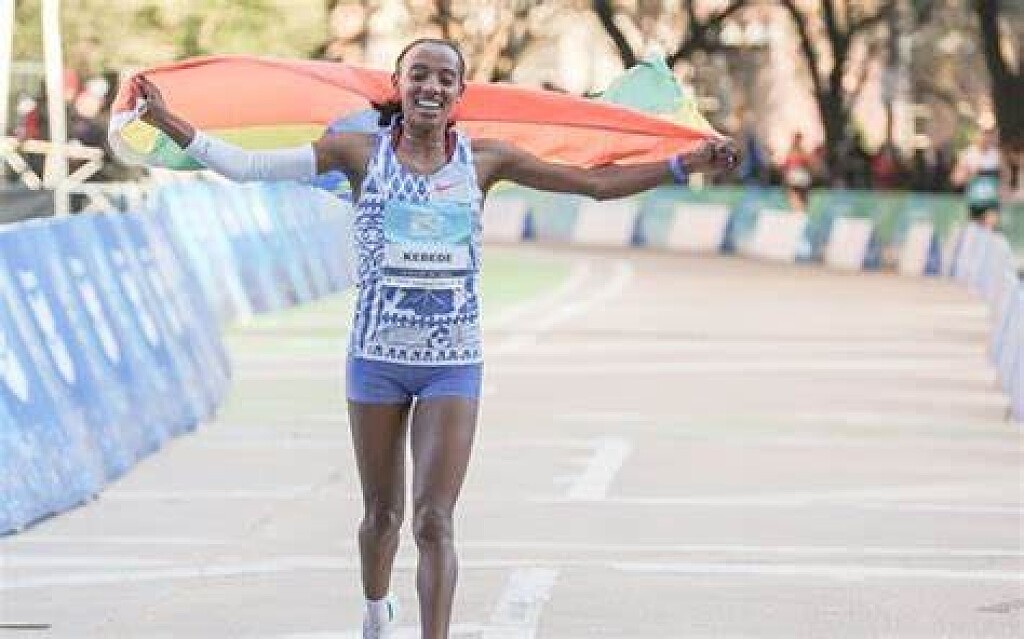
Sutume Kebede: Inspired by former training teammate Kelvin Kiptum's historic win ahead of 2024 Chicago Marathon
After missing selection the for Paris 2024 Olympics, the reigning Tokyo women's marathon champion - and fastest marathoner this year - is set to compete in Chicago on Sunday October 13th. You can watch the race on the Olympic Channel via Olympics.com.
As a world-leading marathoner, Sutume Kebede has accumulated training volumes of up to 700 hours weekly on forest paths and dirt roads around the world.
But there are some brief stints of her workouts that have stayed with her over the last few months.
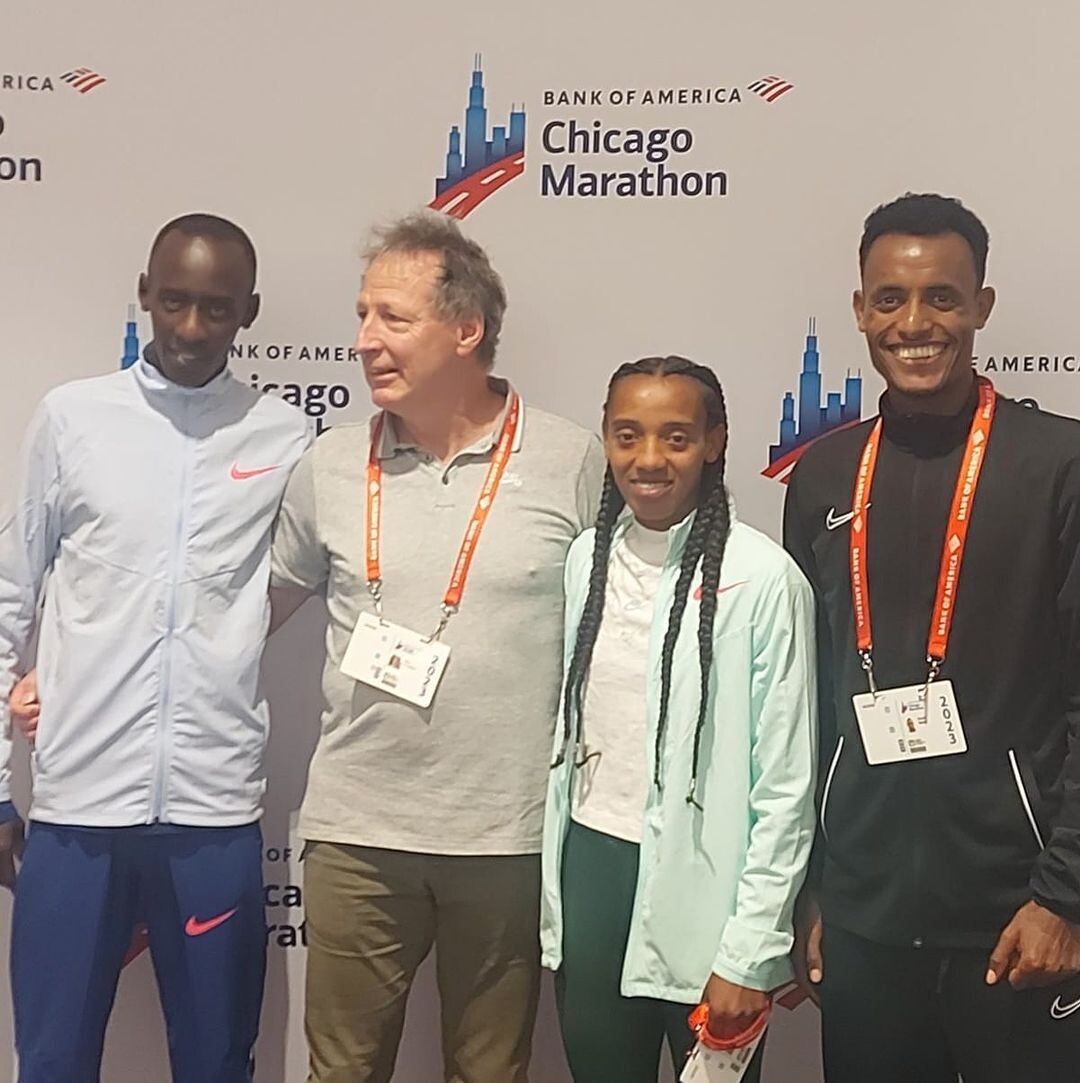
The Ethiopian chose Chicago, where she trained last year in a group that included the late world marathon record holder Kelvin Kiptum. It was a routine experience that is now etched forever in her memory.
She is hopeful that the utterly incredible run that changed the men’s marathon can inspire her to achieve her greatest marathon win.
“After seeing what my teammate Kelvin Kiptum did last year, I want to come to Chicago to do something great,” she said on setting her sights on winning a first World Marathon Majors in the U.S.
The fastest woman over the marathon distance this year headlines the Chicago Marathon on Sunday October 13, looking to continue making history with every stride.
Sutume Kebede looks to extend her strong form in Chicago after Tokyo win
When Kebede chose to race competitively, she looked up to one of the greatest track distance runners ever, Tirunesh Dibaba. She based herself at the legend’s Athletics Training Academy, training as a 5000m and 10,000m athlete.
And when she was ready for the international stage, the budding Ethiopian runner, who grew up as one of ten siblings, decided to forego the track and head straight to the roads.
In May 2015, the then 21-year-old achieved the world's best performance in the 25km with a time of 1:21:55, which was also an Ethiopian record.
This was a pivotal moment that gave her the courage to stay on the roads and make her debut at the Dubai Marathon in 2016.
A few years, and lots of half marathons and several marathons later, Kebede, now 29, has carved her name among the best marathoners. She is coached by her husband Birhanu Mekonnen, a retired roadrunner who prematurely ended his career to fully support hers. She is always quick to credit him as one who helped her reach this position.
Kebede has achieved a new level this year. She ran the fastest women’s half marathon on US soil when she won in Houston last January, beating a strong field that included Olympic silver medallist Hellen Obiri. Her unexpected victory of 1:04.37 set her up for her biggest win yet.
She returns to Chicago to run again, though with a heavy heart, but at the pinnacle of her career after winning the 2024 Tokyo Marathon in 2:15:55, the eighth-fastest woman of all time.
“I am extremely happy to come back to Chicago and run on a course that has proven to be very fast,” said Kebede, who is motivated to try again in Chicago, where she last met Kiptum. They were both managed by Marc Corstjens at Golazo Talent. The flashbacks of their training sessions around the Windy City and their ensuing races are still very fresh in her mind.
It’s been a year of highs and lows for the East African runner. As the fastest woman marathoner this year, she was banking on being an automatic pick for the Paris 2024 Olympics. But after missing out on selection, she opted to give the Chicago Marathon another shot. She was 15th last year when Olympic champion Sifan Hassan raced to the second-fastest time of the year.
"All the races I've won bring me joy, but my victory in the Tokyo Marathon, one of the world's major marathons, stands out as a highlight,” she told Ethiopian press.
She will face a strong field led by the two-time Chicago Marathon winner Ruth Chepngetich, runner-up last year, and 2021 London champion Joyciline Jepkosgei, who is coached by her husband Nicholas Koech and trains with American Betsy Saina. Saina is among the local stars tipped to shine alongside former American marathon record holder Keira D’Amato.
The races will also be broadcast live on Olympics.com in a number of territories.
by Evelyn Watta
Login to leave a comment
Bank of America Chicago
Running the Bank of America Chicago Marathon is the pinnacle of achievement for elite athletes and everyday runners alike. On race day, runners from all 50 states and more than 100 countries will set out to accomplish a personal dream by reaching the finish line in Grant Park. The Bank of America Chicago Marathon is known for its flat and...
more...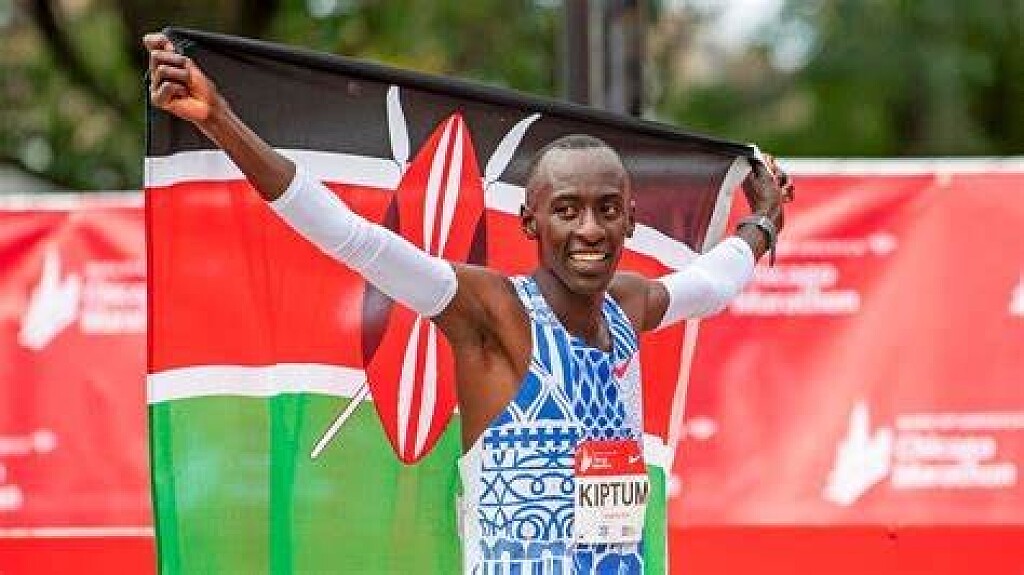
Chicago Marathon plans to honor late record-holder Kiptum
The Chicago Marathon plans to honor the late Kenyan marathon runner Kelvin Kiptum at next month's race, a year after he smashed the men's world record in the Windy City.
Kiptum was aged only 23 when he put on a performance for the ages to break the tape in two hours and 35 seconds. He died in a car accident four months later, cutting short his promising career.
Organizers have planned a moment of silence at the starting line to honor Kiptum and a brief exhibit celebrating his career at the pre-race expo, with memorial stickers available for all participants.
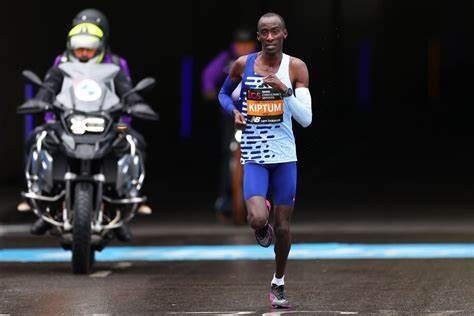
"He's still prevalent in everyone's thoughts," Race Director Carey Pinkowski told Reuters. "He's with us and it's our plan to celebrate his life."
While the Chicago race is known for its flat course and fast times - six world records have been set there - Kiptum's achievement nonetheless was astonishing as he became the first man to run a record-sanctioned marathon faster than 2:01.
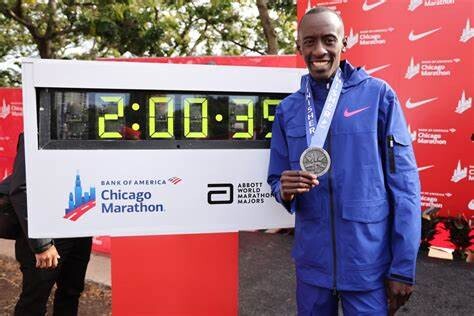
Pinkowski was at the finish when Kiptum crossed the line in Chicago and said the race was etched forever in his memory.
"I was so impressed by his biomechanics and his ability was just effortless, it was like something I've never seen before. And I've seen a lot of the greats," said Pinkowski.
It was the second of two major titles for Kiptum, who won in London in a course record of 2:01:25 earlier in 2023, and the Kenyan ran much of the second half of the Chicago marathon by himself, with the chasing pack well behind him.
"It was him against history, him against the stopwatch, him against the clock, and, he just ran," said Pinkowski. "I knew he was a magnificent athlete. In my opinion, the best I've ever seen."
The 2024 Chicago Marathon will take place on Oct. 13.
by Amy Tennery
Login to leave a comment
Bank of America Chicago
Running the Bank of America Chicago Marathon is the pinnacle of achievement for elite athletes and everyday runners alike. On race day, runners from all 50 states and more than 100 countries will set out to accomplish a personal dream by reaching the finish line in Grant Park. The Bank of America Chicago Marathon is known for its flat and...
more...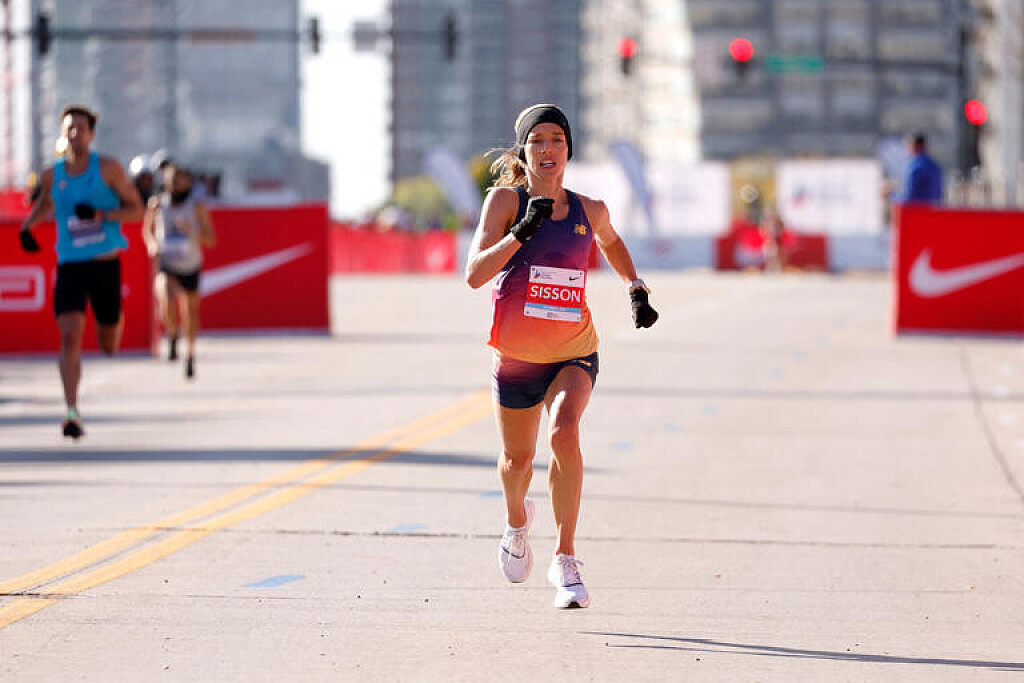
Could the women's American marathon record fall at this year's Chicago Marathon?
The 2024 Bank of America Chicago Marathon on Oct. 13 poses an exciting opportunity for elite runners to capture record-breaking times -- and this year is no different. Could a women's record fall during the race?
The lineup, which was released earlier this summer, is highlighted by two of the "10 fastest women of all time" and the the second and third fastest American women of all time.
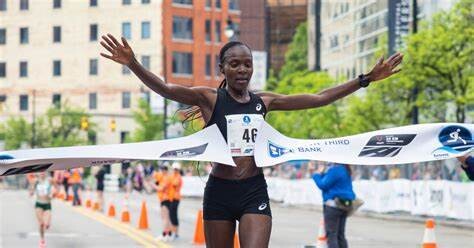
“We are accustomed to making history at the Bank of America Chicago Marathon,” Executive Race Director Carey Pinkowski said in a statement. “With some of the fastest athletes in the world joining us this fall, we are hopeful to build on the tradition of great performances this year.”
For the Americans, Keira D'Amato and Betsy Saina headline the country's best.
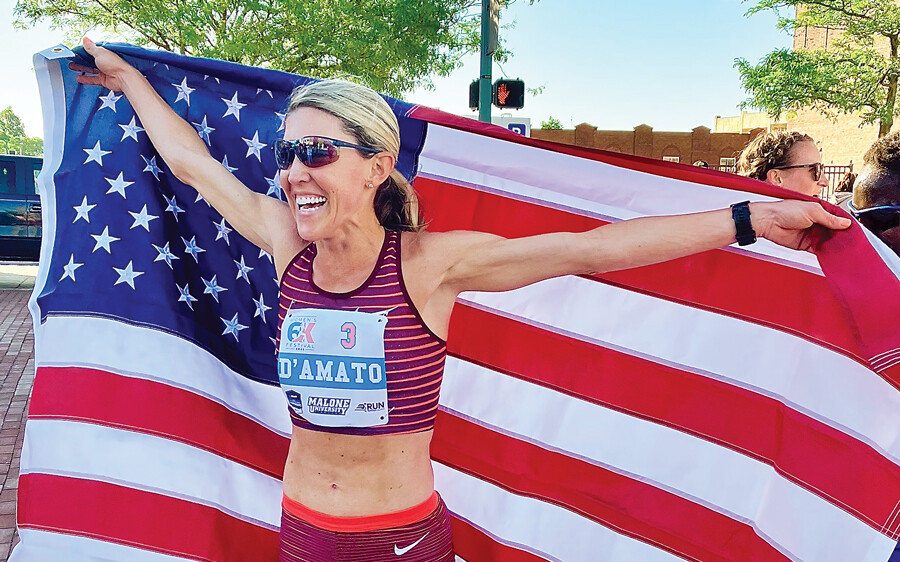
D'Amato, the former American marathon record holder, will return to the starting line after being part of the broadcast team for the past two years.
“I have a special history with the Chicago Marathon,” said D’Amato who finished fourth in 2021. “The past two years I’ve run my mouth in the lead vehicle for NBC. I’m excited to get back to running my legs.”
D'Amato first broke the American marathon record in 2022 in Houston, topping a time that had stood for 16 years.
Emily Sisson broke that same record shortly after during the 2022 Chicago Marathon. D'Amato was among the long line of legendary female runners celebrating Sisson at the Chicago finish line that year.
Saina, who placed fifth in this year’s Tokyo Marathon, will look to record her first Chicago finish after dropping out of the race in 2019 due to illness. She's run the third-fastest marathon time of any American woman, one spot behind D'Amato.
Sara Hall and Emma Bates are also in the field for the Americans. Hall's best time of 2:20:32 comes from Chandler in 2020. Bates ran her best time in 2022 at the Boston Marathon with a 2:22:10 finish.
Among the most notable names at the starting line will be Sutume Kebede, of Ethiopia, who holds the fastest marathon in the women's field and whose finish at the 2024 Tokyo Marathon made her the eighth fastest of all time.
“I am extremely happy to come back to Chicago and run on a course that has proven to be very fast,” Kebede, who had a disappointing finish in the 2023 Bank of America Chicago Marathon, said in a statement. “After seeing what my teammate Kelvin Kiptum did last year, I want to come to Chicago to do something great.”
Kenya's Ruth Chepngetich will also return to the start line in October. She won the race in both 2021 and 2022 while finishing runner-up during last year's 2023 race. Her 2:14:18 from the 2022 Chicago Marathon stands as the fourth-fastest time by a woman in history.
Here is the lineup for the women's elite division.
Bank of America Chicago Marathon Professional Field – Women’s Open Division
The Chicago Marathon is not immune to seeing record-breaking times.
Kenya's Kelvin Kiptum obliterated the men's marathon world record at the 2023 Chicago Marathon, running it in 2 hours and 35 seconds. He overcame Eliud Kipchoge's previous record by 30 seconds with his time. Tragically, Kiptum later died shortly after in a car accident in February. He was 24.
At the 2022 Chicago Marathon, Emily Sisson defeated the women's American marathon record in 2 hours, 18 minutes and 29 seconds. She finished second place in the race to Kenya's Ruth Chepngetich, who ran 2:14:18; the second-fastest marathon time by a woman in history.
Let's not also forget Joan Benoit Samuelson broke the women's American marathon record in 1985 with a time of 2:21:21. The time still stands as the seventh-fastest time by an American woman today.
Three of the four fastest marathon times in women's history were run at the Chicago Marathon. Will spectators see another on Oct. 13?
by NBC Sports Chicago Staff
Login to leave a comment
Bank of America Chicago
Running the Bank of America Chicago Marathon is the pinnacle of achievement for elite athletes and everyday runners alike. On race day, runners from all 50 states and more than 100 countries will set out to accomplish a personal dream by reaching the finish line in Grant Park. The Bank of America Chicago Marathon is known for its flat and...
more...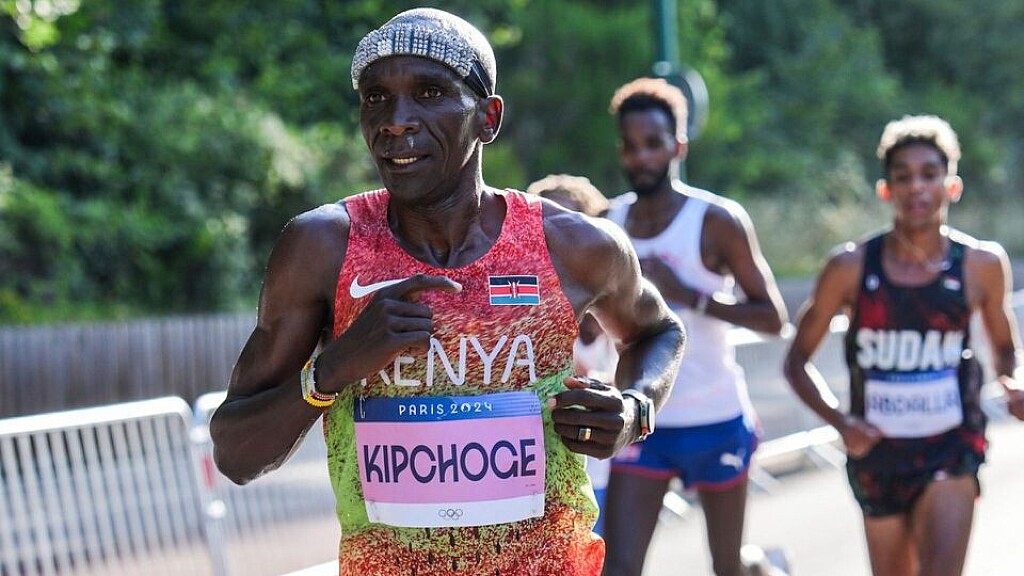
Eliud Kipchoge hints at retirement after 'worst marathon' at Paris Olympics
Eliud Kipchoge has hinted at ending his illustrious marathon career following a major setback at the Paris Olympics on Saturday.
Eliud Kipchoge hit the streets of Paris in the men’s marathon hoping to win his third Olympic title on Saturday morning.
However, the script did not go as planned as Kipchoge failed to finish the race. He was off to a great start but conditions worsened and he started trailing.
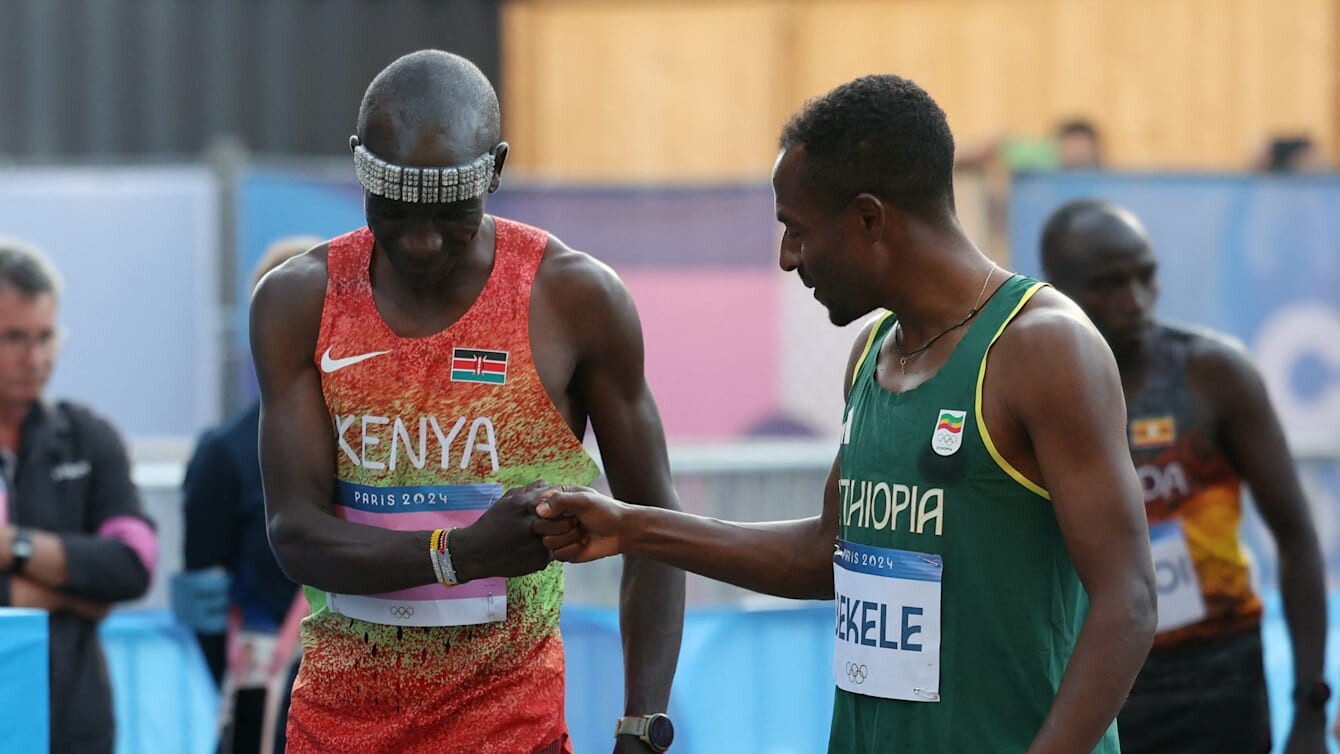
At some point in the race, the two-time Olympic champion was seen holding his left hip as though in pain but he kept going. It was until the 31km mark that Kipchoge could not continue with the race.
The five-time Berlin Marathon champion stood and waited for the last athlete Ser-Od Bat-Ochir to pass before he officially pulled out of the race.
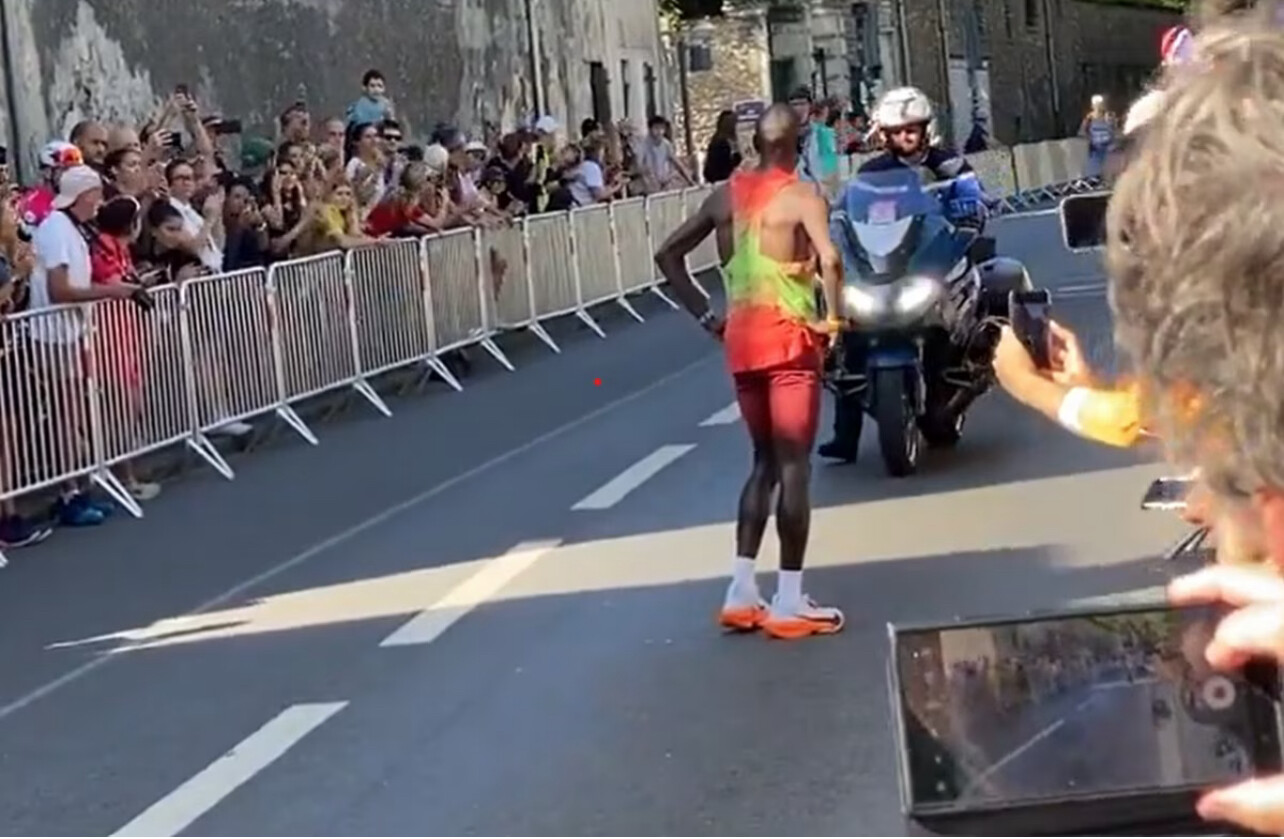
Following the setback, the four-time London Marathon champion told Olympics.com that the race was his worst marathon. Kipchoge had never recorded a DNF [Did not finish] until Saturday's race.
"This is my worst marathon. I have never done a DNF (did not finish). That’s life. Like a boxer, I have been knocked down, I have won, I have come second, eighth, 10th, fifth – now I did not finish. That’s life,” he said.
Kipchoge started his season on quite a low note, finishing 10th at the Tokyo Marathon won by Benson Kipruto. He hinted at not being mentally okay following threats to his life and that of his family after Kelvin Kiptum’s death.
At the Paris Olympics, Kipchoge was aiming to become the first marathoner to win three Olympic gold medals. He started his winning streak at the 2016 Rio Olympic Games before defending his title at the delayed 2020 Tokyo Olympics.
The marathon legend then hinted at calling time on his illustrious career.
“It is a difficult time for me. You will see me in a different way, maybe giving people motivation, but I will not run," he said.
"I don't know what next. I need to go back [home], sit down, try to figure my 21 years of running at high level. I need to evolve and feature in other things.”
by Abigael Wagula
Login to leave a comment

Paris 2024 Olympic Games
For this historic event, the City of Light is thinking big! Visitors will be able to watch events at top sporting venues in Paris and the Paris region, as well as at emblematic monuments in the capital visited by several millions of tourists each year. The promise of exceptional moments to experience in an exceptional setting! A great way to...
more...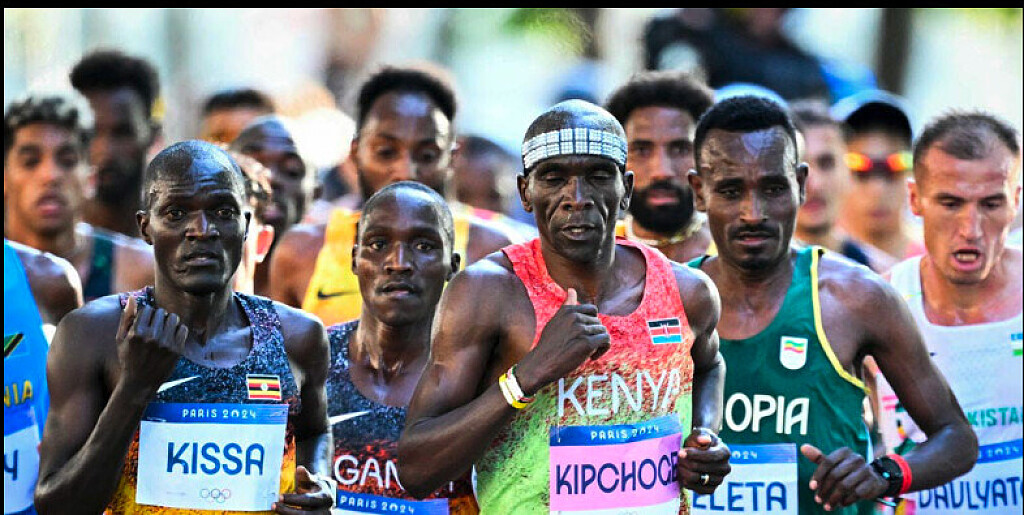
Eliud Kipchoge Drops Out of the 2024 Olympic Marathon
It may be the two-time gold medalist’s final Olympic Games.
In what may be his final Olympic Games, Eliud Kipchoge of Kenya dropped out of Saturday’s men’s marathon around the 31K mark. Today’s race was Kipchoge’s chance to be the first man to win the Olympic marathon three times in a career. His other Olympic marathon wins came in the Rio Olympics in 2016 and Tokyo in 2021.

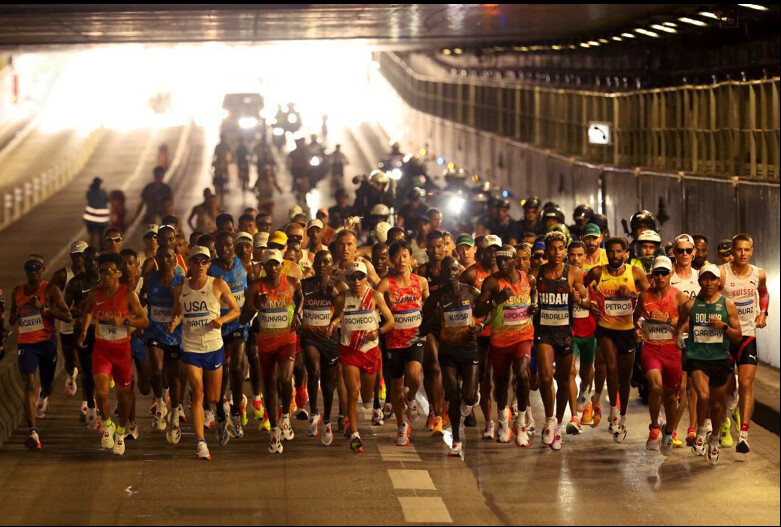
“I will be the happiest on earth to win an Olympic medal for the third time, back-to-back-to-back,” Kipchoge said about the race prior to the Games on Olympics.com. “It’s about making history, it’s about inspiring a generation.”
Wearing a cooling headband for what was going to end up being a warm day, the race started relatively cool in the lower 60s on a clear day in Paris. Kipchoge hung with the lead pack for the first 15K until the notoriously challenging Paris Olympic Marathon hills started claiming victims.
After reaching Versailles and turning back to head toward Paris, Kipchoge was more than a minute off the lead pack, not within the top 50 runners. He split 25K to the 30K mark—the segment of the course from Chaville to Meudon with the steepest uphill and downhill—a little over 21 minutes, putting him more than 8 minutes off the lead pack. He was out of contention but gutting it out toward the finish line, buoyed by the Olympic crowd.
Journalist Michelle Katami found Kipchoge after the race, where he described his final few kilometers of the race. “I walked for about 2 kilometers, there were about 300 people walking with me. That’s why I don’t have my shirt, shoes. I gave them all out. Seeing that support is what motivates me.”
Win or not, Kipchoge’s extensive career has earned him G.O.A.T. status in the running world. He’s eclipsed the world record mark twice—both times at the Berlin Marathon—and became the only man ever to run under 2 hours in a non-record eligible marathon attempt in Vienna back in 2019.
For a period, Kipchoge was untouchable at the distance. He won 10 marathons in a row from 2014 to 2019. He finally showed himself as human at the 2020 London Marathon (a race he’s still won four times), when he finished a surprising 8th. He bounced back by winning the marathon in the 2021 Tokyo Olympics, then winning both the Tokyo Marathon and Berlin Marathon in 2022.
Some recent marathons have been a step back for Kipchoge. He was 6th overall in his first Boston Marathon in 2023 but returned to form with a Berlin win later that year. Earlier this year Kipchoge placed 10th in the Tokyo Marathon.
He’s openly spoken about the strain he has taken after the tragic passing of the new marathon world record holder Kelvin Kiptum in a car crash in February 2024. He told the BBC that he was was subjected to online abuse wrongly linking him to Kiptum’s death.
“I was shocked that people (on) social media platforms are saying, ‘Eliud is involved in the death of this boy,’ That was my worst news ever in my life. I received a lot of bad things; that they will burn the (training) camp, they will burn my investments in town, they will burn my house, they will burn my family. It did not happen but that is how the world is. What happened has (made) me not trust anybody. Even my own shadow, I will not trust."
And on the track, he has two other Olympic medals, both in the 5,000 meters, with silver in 2008, and bronze in 2004.
by Runner’s World
Login to leave a comment
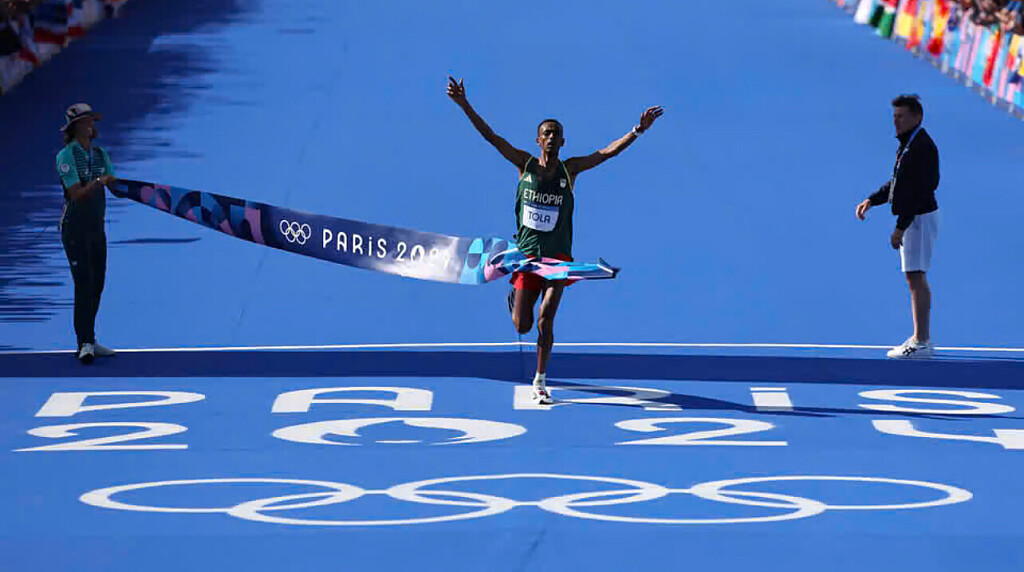
Ethiopian Tamirat Tols wins the Olympic Marathon in Paris
The Ethiopian Tamirat Tols has dominated the streets of Paris this morning, with the Hotel des Invalides glinting in the background he crosses the line in an Olympic record time of 2:06.26 and takes in the adulation with his nation’s flag draped over his slight shoulders. What a run!
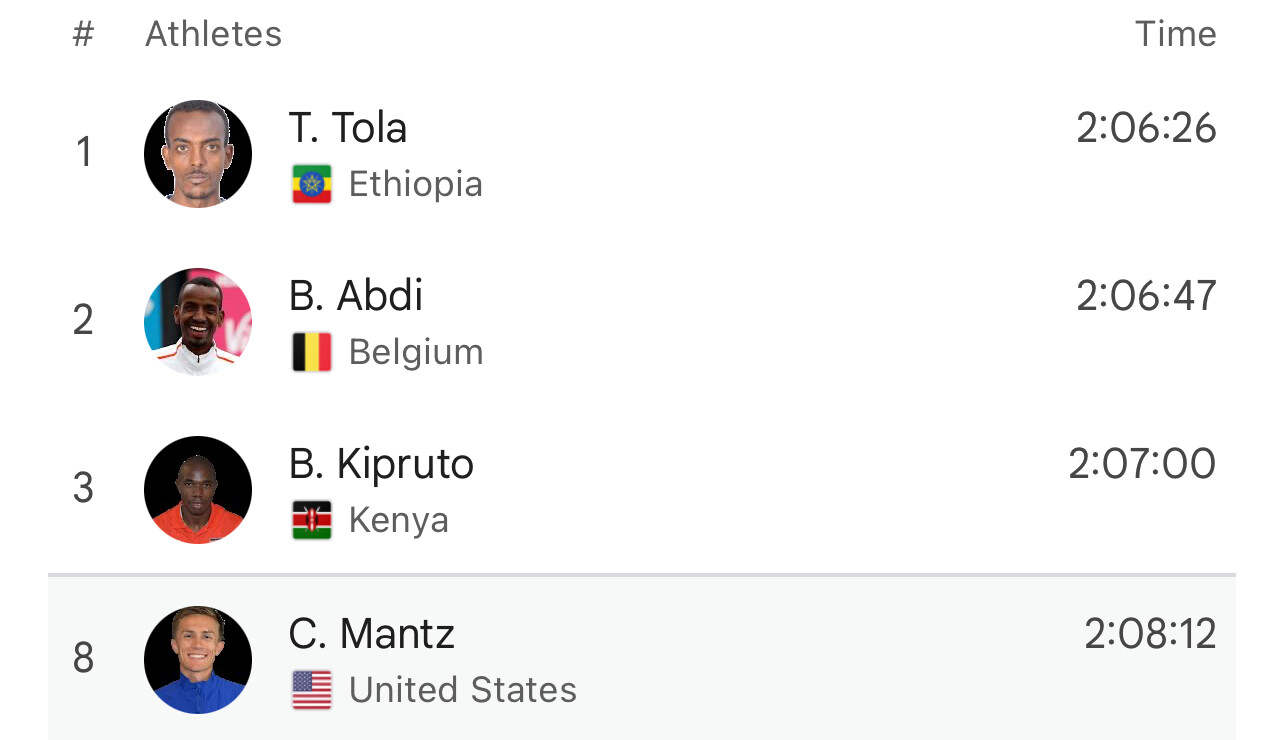
Belgium's Bashir Abdi took silver and Kenya's Benson Kipruto took bronze.
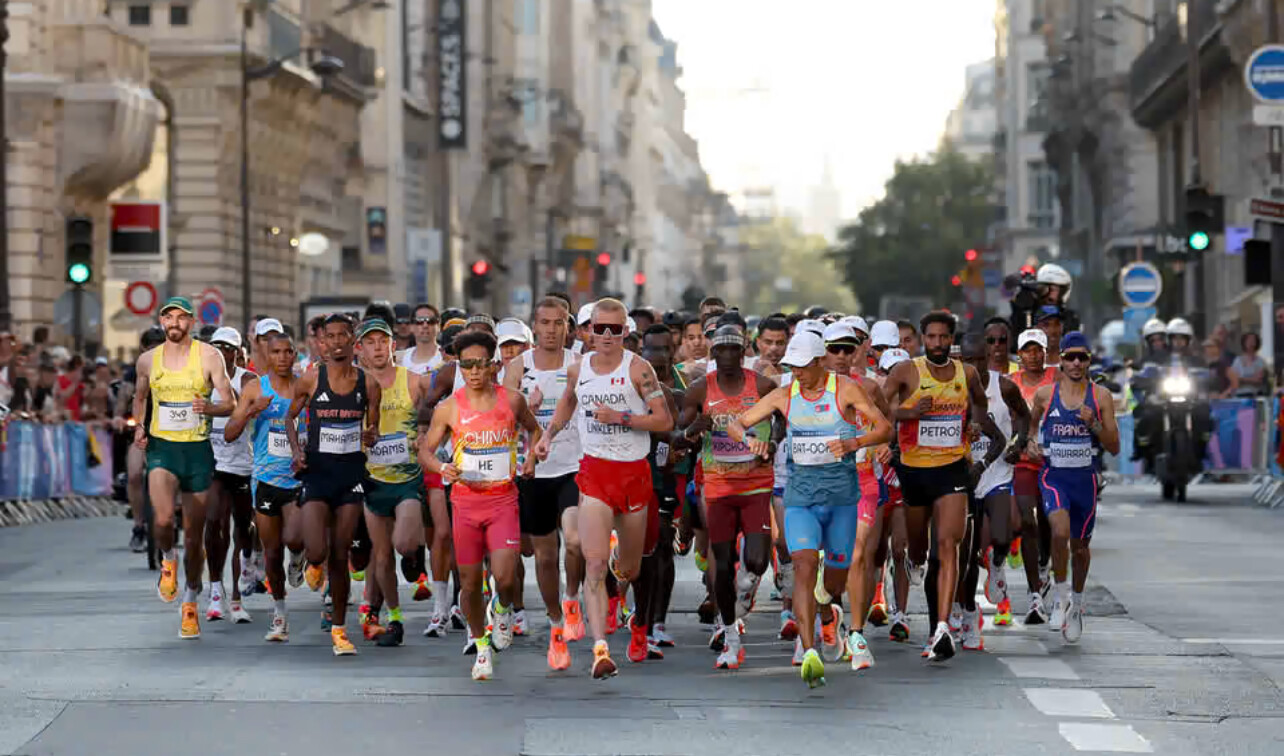
The marathon course began outside Paris' city hall, Hotel de Ville, and passed along sights such as Palais Garnier opera house, Place Vendome, the Louvre museum, the Trocadero and the Eiffel Tower and the Palace of Versailles. It ended with a scenic home straight in the shadow of the 17th-century hospital Esplanade des Invalides.
The race took on the air of the Tour de France at times, with multiple steep climbs amid a notably hilly course that was billed as one of the most difficult in Olympic history. The first climb took place around the 10-mile mark. A second hill a couple of miles later also had an impact, but it was the hill at the 18-mile mark that proved hardest, with a 13.5% incline at one point.
One of the notable runners who struggled was Kipchoge. He is one of the best marathon runners of all time, but he endured a tough race that even saw him almost a full minute behind the leaders at the halfway stage and reduced to walking up the hill at Mile 18.
He bowed out of the race soon after.
It comes after one of the most difficult years of Kipchoge's career after he suffered significant online abuse following the death of his compatriot Kelvin Kiptum. Kipchoge suffered sleepless nights for some time after, resulting in him finishing in 10th at the Tokyo marathon in March -- his worst-ever result as a professional.
The course did not phase Tola, though. He delivered a dominant display that saw him pull clear before the halfway mark and never let up.
Tola only previous Olympic medal was a bronze in the men's 10,000 metres at Rio 2016. It is also his second major marathon victory after winning last year's New York City marathon.
Login to leave a comment
Paris 2024 Olympic Games
For this historic event, the City of Light is thinking big! Visitors will be able to watch events at top sporting venues in Paris and the Paris region, as well as at emblematic monuments in the capital visited by several millions of tourists each year. The promise of exceptional moments to experience in an exceptional setting! A great way to...
more...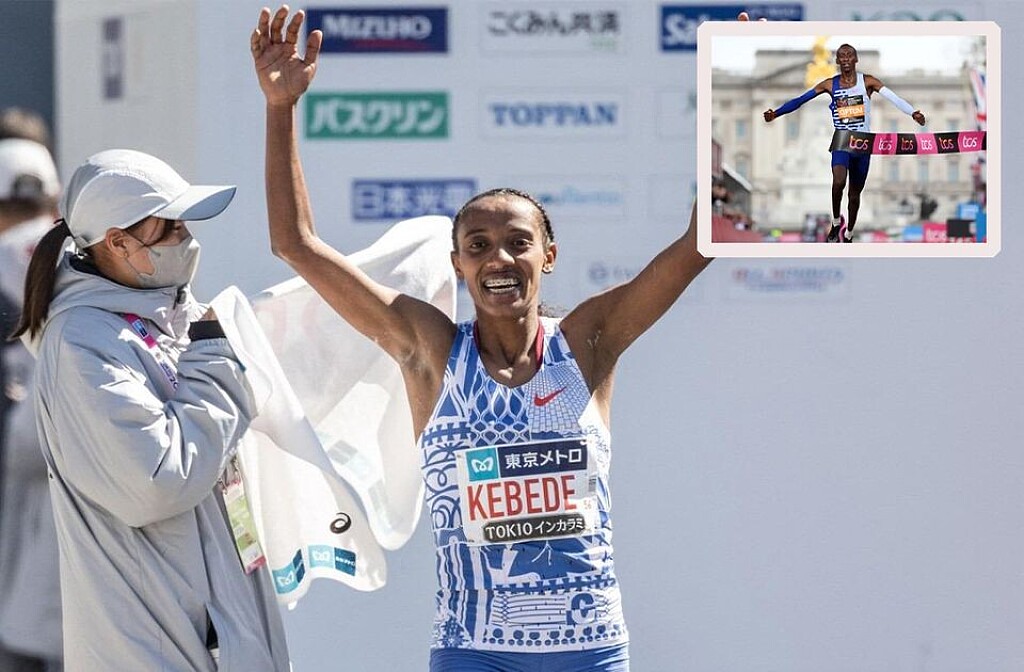
Why Ethiopian marathon star wants to clinch Chicago Marathon victory in honor of Kelvin Kiptum
The reigning Tokyo Marathon holder has explained why she will be doing everything to win in Chicago to honor the fallen former marathon star Kelvin Kiptum.
This year’s fastest women’s marathoner, Sutume Kebede of Ethiopia, has revealed her real motivation ahead of the 46th Bank of America Chicago Marathon.
Kebede's remarkable 2:15:55 victory in the 2024 Tokyo Marathon makes her the eighth fastest woman of all time.
This achievement came just two months after she set the record for the fastest half marathon ever completed in the United States at the Aramco Houston Half Marathon in January, with a winning time of 1:04:37.
Kebede is part of a training group that once included the late Kelvin Kiptum, who was tragically killed in a car crash this past February, just four months after setting the marathon world record at the 2023 Bank of America Chicago Marathon.
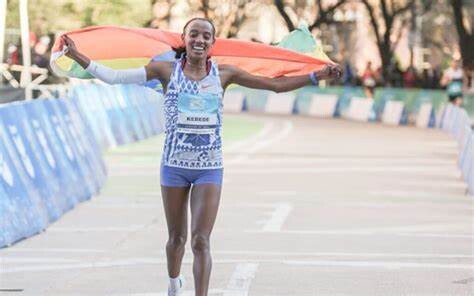
Returning to Chicago with a strong motivation to win, Kebede expressed her excitement: “I am extremely happy to come back to Chicago and run on a course that has proven to be very fast.”
Kedebe has revealed her real motivation to make amends from last year’s shortcomings.
“After seeing what my teammate Kelvin Kiptum did last year, I want to come to Chicago to do something great.” Kebede had a disappointing finish in the 2023 Bank of America Chicago Marathon, but she is determined to make a significant impact this year.
Kebede will face fierce competition, including the fourth fastest woman in history, Ruth Chepngetich of Kenya.
Chepngetich, the 2021 and 2022 Chicago champion, was runner-up last year and is eager to reclaim her title. Another top contender is fellow Kenyan Joyciline Jepkosgei, a TCS London and TCS New York City Marathon Champion who placed fourth in the 2023 Chicago Marathon.
Joining these East African stars are the second and third fastest American women of all time. Former American marathon record holder Keira D’Amato, who has been part of the broadcast team for the past two years, will return to the start line this year.
D’Amato, who finished fourth in Chicago in 2021, is eager to compete again. Betsy Saina, who placed fifth in this year’s Tokyo Marathon, will also compete, aiming for her first Chicago finish after dropping out in 2019 due to illness.
The 46th Bank of America Chicago Marathon promises to be an exciting race, with some of the fastest women in the world vying for the coveted title.
by Mark Kinyanjui
Login to leave a comment
Bank of America Chicago
Running the Bank of America Chicago Marathon is the pinnacle of achievement for elite athletes and everyday runners alike. On race day, runners from all 50 states and more than 100 countries will set out to accomplish a personal dream by reaching the finish line in Grant Park. The Bank of America Chicago Marathon is known for its flat and...
more...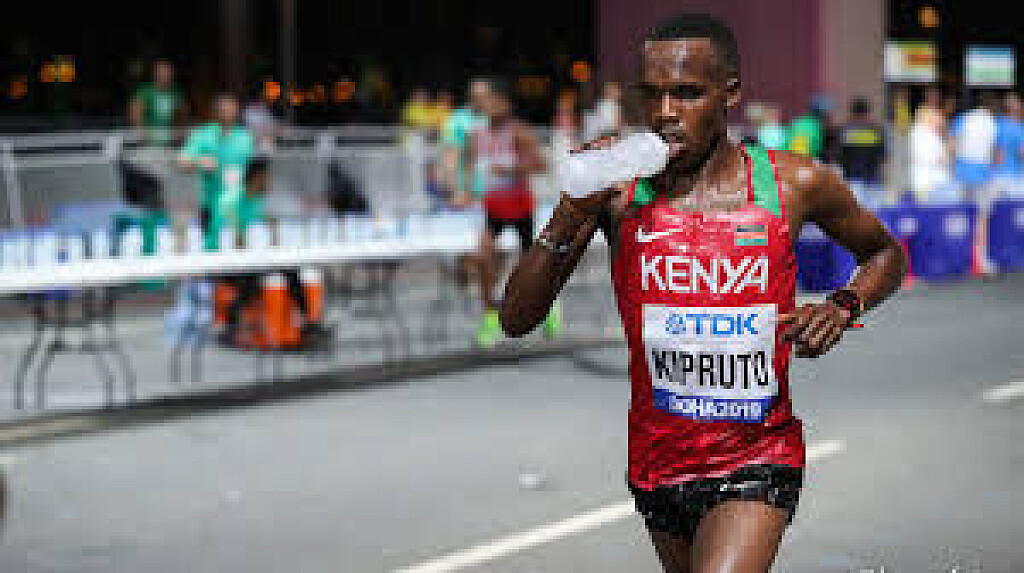
World champions to headline 2024 Chicago Marathon
As we inch toward the fall road racing season, the 2024 Chicago Marathon is the first Abbott World Marathon Major (AWMM) to announce its men’s and women’s elite list. Last year’s elite races in Chicago saw two course records and one world record set by the late Kelvin Kiptum—something that will be hard to beat. But the 2024 field does not lack talent or potential, with former world champion and fourth-fastest marathoner in history Ruth Chepngetich headlining the women’s field and world 10,000m silver medallist Daniel Ebenyo making his marathon debut in the men’s field.
The men’s race
Ebenyo has had a successful career on the track, winning multiple medals at World Championships and Commonwealth Games, but never individual gold. He is currently ranked by World Athletics as the top 10,000m runner in the world, holding a personal best of 26:57.80, which he set in 2023. The 28-year-old was not selected for the 10,000m by the Kenyan Olympic team for Paris 2024 after an eighth-place finish at the Kenyan Trials.
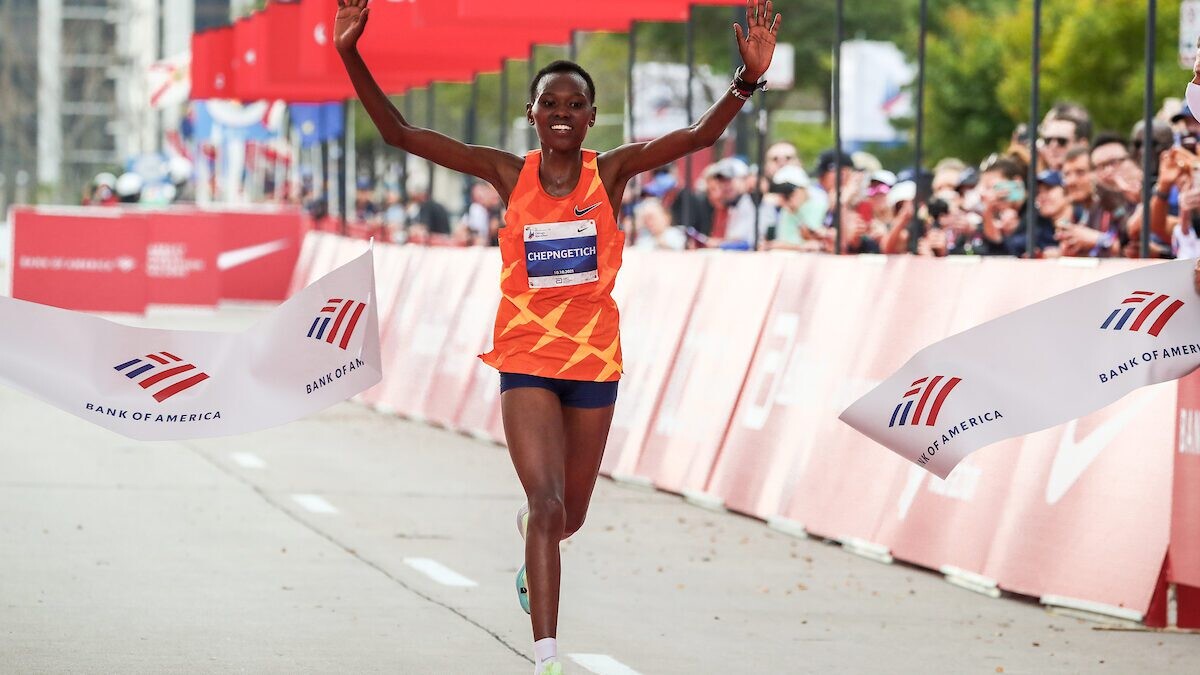
Although the Kenyan star has had success on the track, he has also flourished in his short career on the roads, winning silver in the half-marathon at the inaugural World Road Running Championships in Riga, Latvia. He holds a personal best of 59:04 for the half distance and a world best over 25 km (1:11:13).
Ebenyo’s potential over 42.2 km will be hard to predict; many people had high expectations for three-time world 10,000m champion Joshua Cheptegei of Uganda, but he struggled in his marathon debut last December in Valencia, clocking 2:08:59 for 37th place.
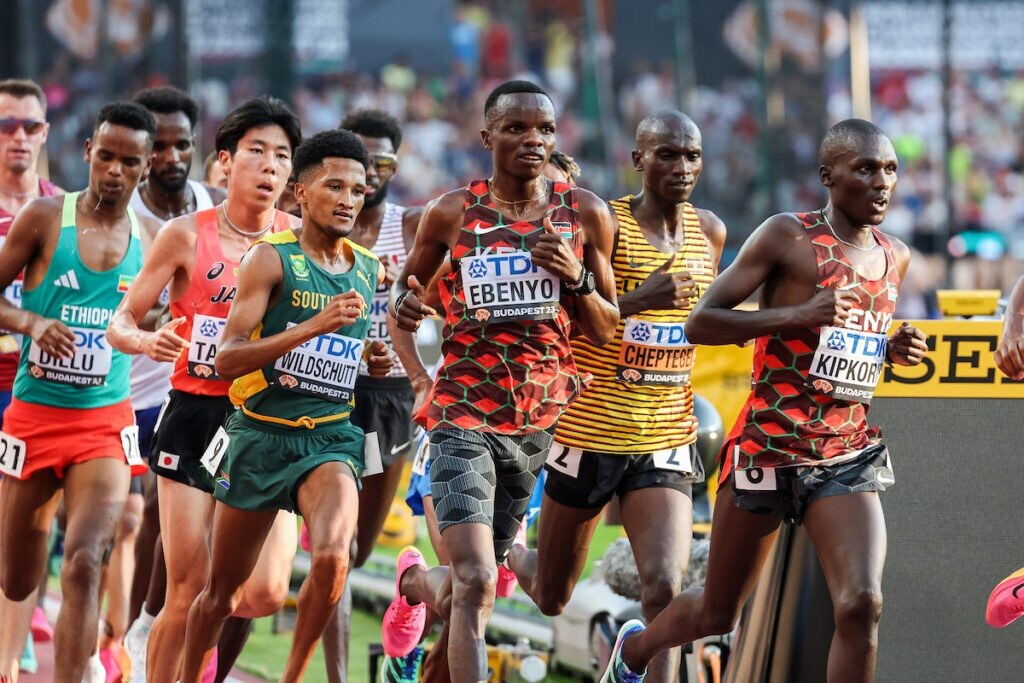
Joining Ebenyo in the men’s field is 2022 London Marathon champion Amos Kipruto, who has the fastest personal best in the field (2:03:13 from the 2022 Tokyo Marathon). Kipruto has podiumed at three of the six AWMMs and is known as one of the best tactical marathoners in the world. Chicago will be Kipruto’s first marathon since his seventh-place finish in Berlin last year.
The lone Canadian in the men’s field is Phil Parrot-Migas of London, Ont. This will be the third marathon of his career. He holds a personal best of 2:15:53, set in Hamburg in April.
The women’s field
At the 2022 Chicago Marathon, Chepngetich was on a world-record pace until the final kilometre, ultimately missing it by 14 seconds (2:14:18). This capped off her second-straight Chicago victory, following in the footsteps of her compatriot, Brigid Kosgei. Last year, Chepngetich was second to Sifan Hassan’s course record-setting run, in 2:15:37. Her personal best is the fastest in the field by a minute and a half, and with her experience on the flat and fast course, she’s going to be a tough athlete to beat come Oct. 13.
Besides Chepngetich, there’s a strong American contingent, consisting of three of the country’s top five fastest marathoners: Keira D’Amato, Sara Hall and Betsy Saina. D’Amato had a rough go at the 2024 U.S. Olympic Trials, and was unable to finish, due to injury. Months later, she announced a coaching change and a planned move to Utah to train under distance running guru Ed Eyestone, the coach of U.S. Olympic marathoners Conner Mantz and Clayton Young. D’Amato, who will turn 40 in October, told Runner’s World she made the switch because she wanted a different perspective on her training and a chance to learn from someone new.
Saina comes into the race as the strongest American athlete, placing in the top five of her last three marathons, including a win at the 2023 Sydney Marathon. Sydney is currently a candidate to be added as the seventh AWMM, joining Tokyo, Berlin, London, Boston, Chicago and NYC.
by Marley Dickison
Login to leave a comment
Bank of America Chicago
Running the Bank of America Chicago Marathon is the pinnacle of achievement for elite athletes and everyday runners alike. On race day, runners from all 50 states and more than 100 countries will set out to accomplish a personal dream by reaching the finish line in Grant Park. The Bank of America Chicago Marathon is known for its flat and...
more...
Korir targets improved display at Boilermaker 15k
Two-time Los Angeles Marathon champion John Korir returns to the Boilermaker 15K road race on Sunday, itching to go one step better after finishing second to Ethiopia’s Jemal Yimer last year.
Korir will use the race to gauge his body ahead of the Chicago Marathon on October 13.
“I am heading there to win the race after missing out last year,” said Korir. “I am well prepared. This will be a big event for me.”
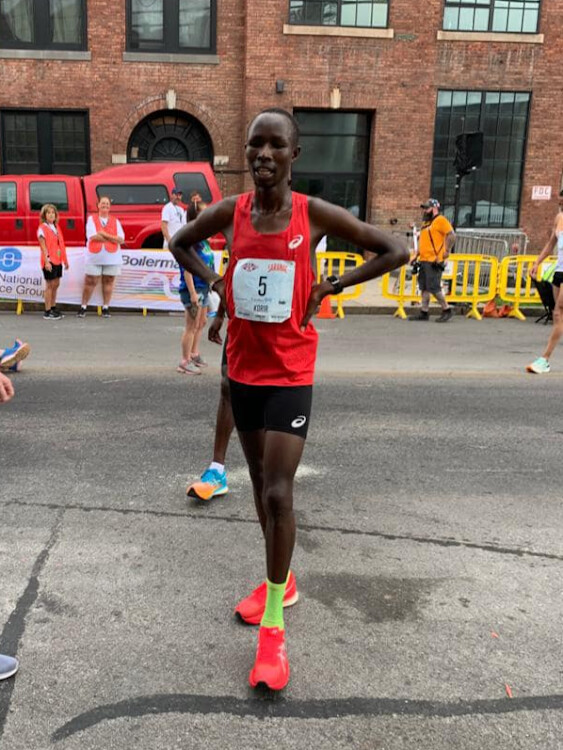
Korir, a younger brother to former Boston Marathon champion Wesley Korir, added: “I will use it as part of my speed work and endurance training for the Chicago Marathon. Chicago is no joke but a real battle for the title since it attracts top marathoners.”
Korir spoke at the Eldoret International Airport on Wednesday morning as he started his journey to the USA.
Last year, Korir finished second in 42:13 behind Yimer (42:06) as Kenya’s Charles Langat completed the podium in 42:28.
At the Chicago Marathon, Korir finished fourth in 2:05:09 in a race won by the late Kelvin Kiptum in a world marathon record time of 2:00:35.
The then defending champion, Benson Kipruto, was second in 2:04:02 as Belgium’s Bashir Abdi completed the podium in 2:04:32.
In 2022, Korir was third in 2:05:01 behind Kipruto (2:04:24) and Ethiopia’s Seif Tura 2:04:49.
by Emmanuen Sabuni
Login to leave a comment

Boilermaker 15k
The Boilermaker 15K is the premier event of Boilermaker Weekend. This world krenowned race is often referred to as the country's best 15K. The Boilermaker 15K is recognized for its entertaining yet challenging course and racing's best post-race party, hosted by the F.X. Matt Brewing Company, featuring Saranac beer and a live concert! With 3 ice and water stops every...
more...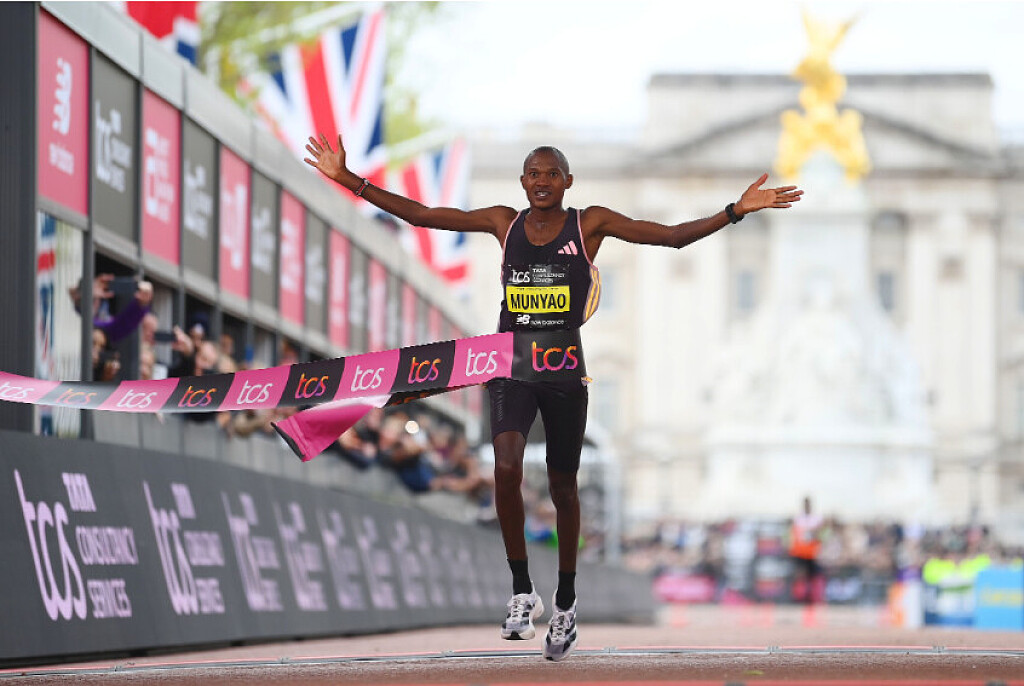
Kepchirchir breaks women-only world marathon record in London
Olympic champion Peres Jepchirchir smashed the women-only world record by 45 seconds at the TCS London Marathon, winning the World Athletics Platinum Label road race in 2:16:16* on Sunday (21).
In what was widely regarded as one of the deepest and highest-quality women’s fields ever assembled, the three-time world half marathon champion sprinted away from world record-holder Tigist Assefa, 2021 London winner Joyciline Jepkosgei and last year’s runner-up Megertu Alemu – all of whom finished inside 2:17 – to notch up her third victory in a World Marathon Majors race.
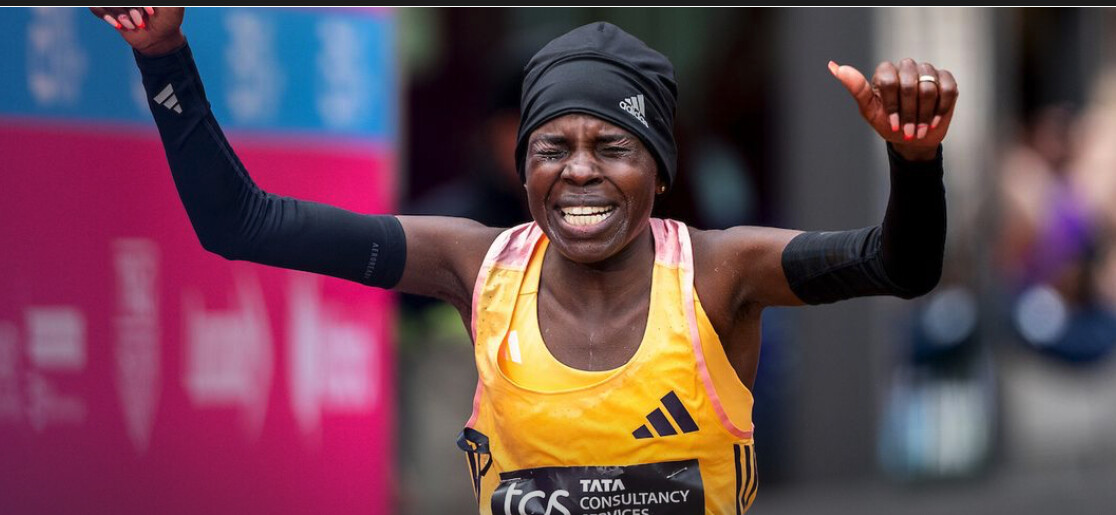
Jepchirchir’s compatriot Alexander Mutiso Munyao made it a Kenyan double, winning the men’s race in 2:04:01 to defeat Ethiopian distance legend Kenenisa Bekele by 14 seconds.
No secret had been made of the fact that breaking Mary Keitany’s women-only world record of 2:17:01 was the big target for the women’s race. With that at the forefront of their minds, a lead pack comprising all the big contenders soon detached themselves from the rest of the field and blazed through the first 5km in 15:44 – comfortably inside 2:13 pace.
They maintained that tempo through 10km, covered in 31:26, and at this point they were 67 seconds ahead of Ethiopia’s Tsige Haileslase, the closest challenger to the lead pack.
The front group – which included Assefa alongside past London winners Jepkosgei, Yalemzerf Yehualaw and Brigid Kosgei – got to 15km in 47:37. Soon after, Sheila Chepkirui – the runner-up in Berlin last year – started to drift off the pack.
Not long after passing the drinks station at the 20km point, 2019 world champion Ruth Chepngetich lost contact with the leaders. It meant that just seven women remained in the pack as they reached the half-way point in 1:07:04 – the second-fastest half-way split ever recorded in London, and putting them on schedule to smash the women-only world record by almost three minutes.
Kosgei was the next to drift back, and with the pacemakers having done their job, it left six women out in front: Jepchirchir, Assefa, training partner and Dubai marathon champion Tigist Ketema, 2022 London winner Yehualaw, 2021 London champion Jepkosgei, and 2023 London runner-up Megertu Alemu.
The sextet ran together through 25km (1:19:38) and 17 miles, but Ketema and Yehualaw were unable to hold on for much further and started to lose contact, leaving four women – Assefa, Jepchirchir, Jepkosgei and Alemu – to battle it out for the three podium places.
The difference between 25km and 30km, 16:18, was the slowest 5km section of the race. The lead quartet was either starting to feel the effects of their early efforts, or they were starting to bide their team for an anticipated surge in the closing stages.
With 1:44 on the clock, the four leading women managed to navigate their way around the two lead vehicles that had been forced to stop due to a wheelchair racer who was experiencing some technical difficulties.
Assefa and Jepchirchir both took turns testing the waters by making subtle surges to see how their opponents would respond, but their overall pace continued to drop and they reached 35km in 1:52:48, putting them on course for a 2:16 finish.They passed 40km in 2:09:13, still running side by side. It was clear that no one else other than these four would be claiming places on the podium, but predicting a winner – and, indeed, the athlete who’d miss out on the podium – was still impossible with less than two kilometres to go.
As the clock ticked to 2:15, with little more than a minute of running left, Alemu was finally dropped. Seconds later, Jepchirchir unleashed her trademark finish to leave behind Jepkosgei and Assefa.
The diminutive Kenyan charged through the finish line in 2:16:16, finishing seven seconds ahead of Assefa. Jepkosgei (2:16:24) and Alemu (2:16:34) followed soon after, making this the first marathon in which four women have finished inside 2:17.
Jepchirchir will now turn her attention to defending her Olympic title in Paris in less than four months’ time where she’ll aim to become the first ever back-to-back women’s marathon gold medallist in the history of the Games.
The men’s race played out in similar fashion with a surprisingly large group remaining together into the second half before the final few contenders were left to battle it out in the closing stages.The late Kelvin Kiptum’s world (2:00:35) and course (2:01:25) records were not being targeted by the elite men, but a lead pack of 12 nevertheless set off as a respectable pace, going through 5km in 14:35 and 10km in 29:03.
They remained together through 15km (58:20) with the likes of Munyao, Bekele, 2022 world champion Tamirat Tola and 2021 Chicago winner Seifu Tura all in the lead pack.
They reached half way in 1:01:29 with 10 men still running together, more than 80 seconds ahead of Britain’s Emile Cairess, who was running alone in 13th place. France’s Hassan Chahdi soon drifted off the lead pack, and eight men were in the pack at the 30km point (1:27:20).
With 1:30 on the clock, big changes started to happen. The lead pack was down to five men: Munyao, Bekele, Tola, Ethiopia’s Dawit Wolde and compatriot Milkesa Mengesha. Less than 10 minutes later, Tola and Wolde had dropped back, leaving Bekele, Munyao and Mengesha as the lead trio. Mengesha lasted five more minutes before he, too, succumbed to the pace, unable to stick with Munyao and the 41-year-old Bekele.
Just before the clock ticked over to 1:55, Munyao finally dropped multiple world and Olympic gold medallist Bekele, who was visibly struggling to match the Kenyan’s pace.
Munyao maintained his lead to the finish, eventually winning in 2:04:01 to Bekele’s 2:04:15, the fastest time ever by an athlete over the age of 40.
With several of the leading contenders dropping out in the closing stages, Cairess came through to take third place in 2:06:46 ahead of fellow Briton Mahamed Mahamed, who clocked 2:07:05, both setting huge PBs.
by World Athletics
Login to leave a comment
TCS London Marathon
Since its inaugural edition on March 29, 1981, the TCS London Marathon has grown into one of the world's most prestigious road races, blending elite competition with an extraordinary charitable legacy. Founded by former Olympic champion and journalist Chris Brasher alongside Welsh athlete John Disley, the event has been staged every year and has been held in the spring annually...
more...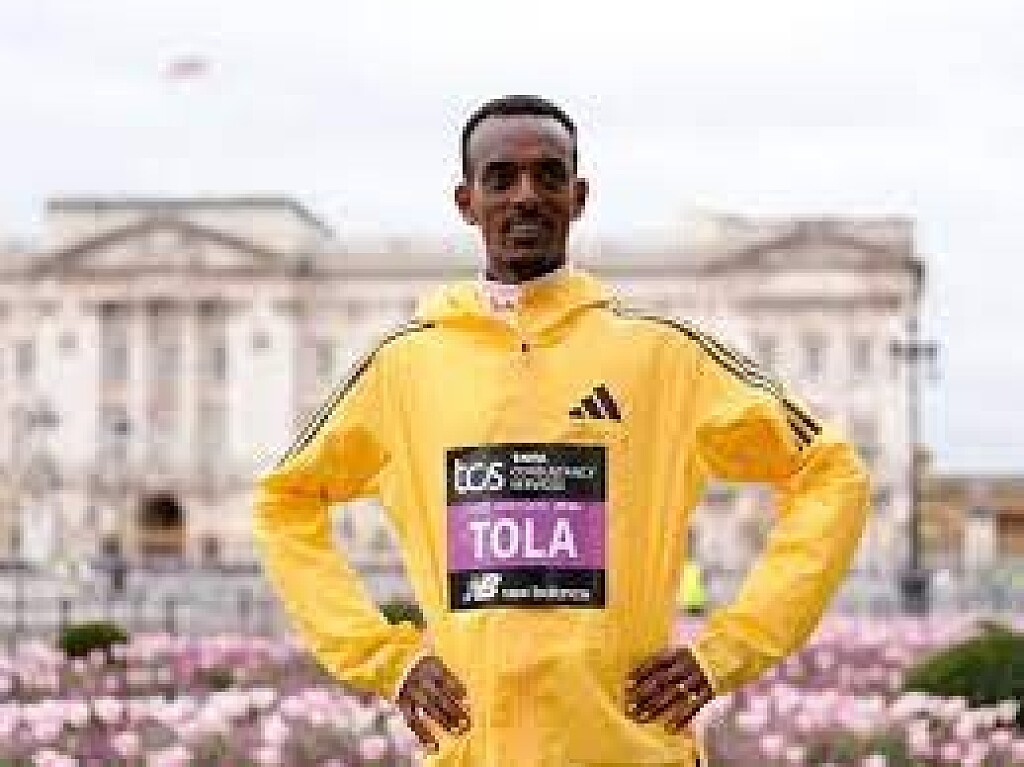
Tamirat Tola aims to follow New York success with victory in London Marathon
Tamirat Tola feels a carefully planned build-up will give him every chance of adding the London Marathon title to his success in New York.
The 32-year-old Ethiopian – world champion from 2022 in Oregon – clocked a new course record of two hours, four minutes and 58 seconds when he won in Manhattan during November last year.
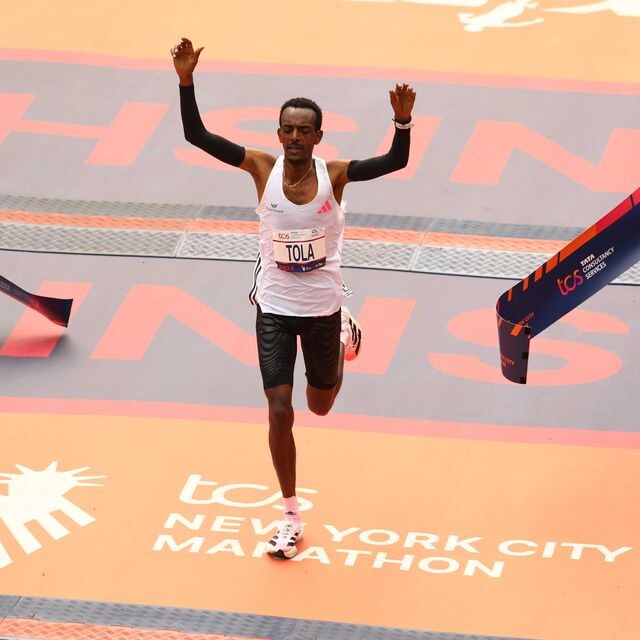
Tola hopes his meticulous preparations will allow him to again hit top form as he aims to be the first over the finish line on the Mall on Sunday afternoon, having come third last year.
Tamirat Tola of Ethiopia is the men's open-division winner, setting a course-record time of 2:04:58. #TCSNYCMarathon pic.twitter.com/VZRtRRrZxa
— TCS New York City Marathon (@nycmarathon) November 5, 2023
“(Winning in) London is not easy, but I worked hard to win New York and my training has all been OK since then, so I am ready,” said Tola, who also took the 2023 Great North Run title.
“Everything is good with what my coaches have prepared for me to win, so we can hope for a good result on Sunday.”
The late Kelvin Kiptum, who was killed in a car accident in February at the age of 24, set a new London Marathon record with victory last year.
While that mark of 2hrs 1min and 25secs is unlikely to be tested on Sunday, Tola is still confident of a swift pace.
“If we go together to help each other, then we will run with a better time,” Tola said.
“It depends on a pacemaker, but it is OK for me to go fast, and if it is a normal (pace) then that is also OK for me.”
Emile Cairess will lead Britain’s hopes in the elite men’s race, having finished sixth on his debut last year.
Cairess is aiming to better the Olympic qualifying mark to join training partner Phil Sesemann in the Team GB squad for Paris.
The 26-year-old, though, also has one eye on a long-term target of breaking Sir Mo Farah’s six-year-old British marathon record, which was set in Chicago.
“I have a time in my head. I will be trying to run maybe about three-minute kilometres,” Cairess said.
“Mo’s British record is something I definitely want to beat in the near future, but I am not looking at that this weekend.”
Scottish marathon record-holder Callum Hawkins will make his return in London following a number of injury setbacks, which included ankle surgery after the Tokyo Olympics.
Marc Scott, winner of the Great North Run in 2021, is set for a marathon debut, along with Mahamed Mahamed.
Login to leave a comment
TCS London Marathon
Since its inaugural edition on March 29, 1981, the TCS London Marathon has grown into one of the world's most prestigious road races, blending elite competition with an extraordinary charitable legacy. Founded by former Olympic champion and journalist Chris Brasher alongside Welsh athlete John Disley, the event has been staged every year and has been held in the spring annually...
more...