

Running News Daily
Running News Daily is edited by Bob Anderson and team. Send your news items to bob@mybestruns.com Advertising opportunities available.
Index to Daily Posts · Sign Up For Updates · Run The World Feed
Articles tagged #10 kilometers
Today's Running News
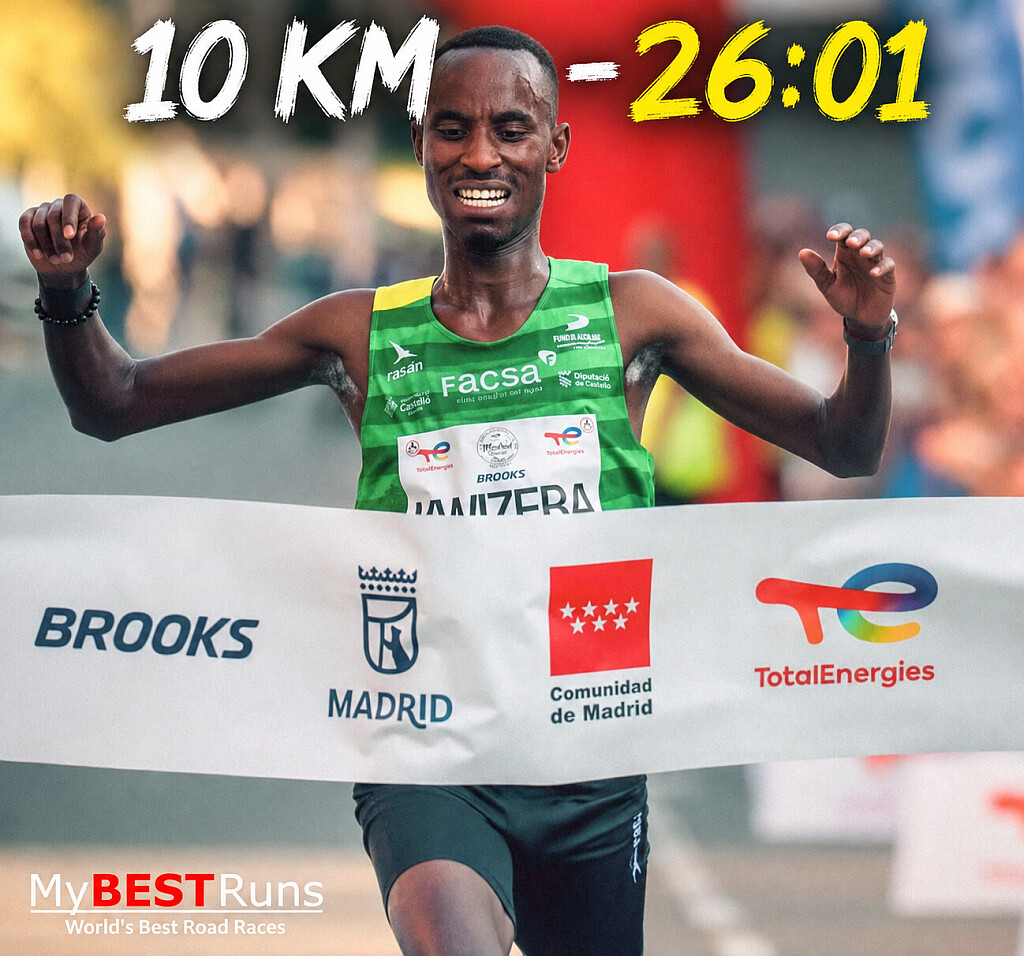


Kwizera Rewrites the Limits of Speed with Historic 26:01 in Madrid
The athletics world was left in disbelief on Sunday as Burundi’s Rodrigue Kwizera produced a performance for the ages, storming to an astonishing 26:01 over 10 kilometers at the Madrid Vintage Run in Spain.
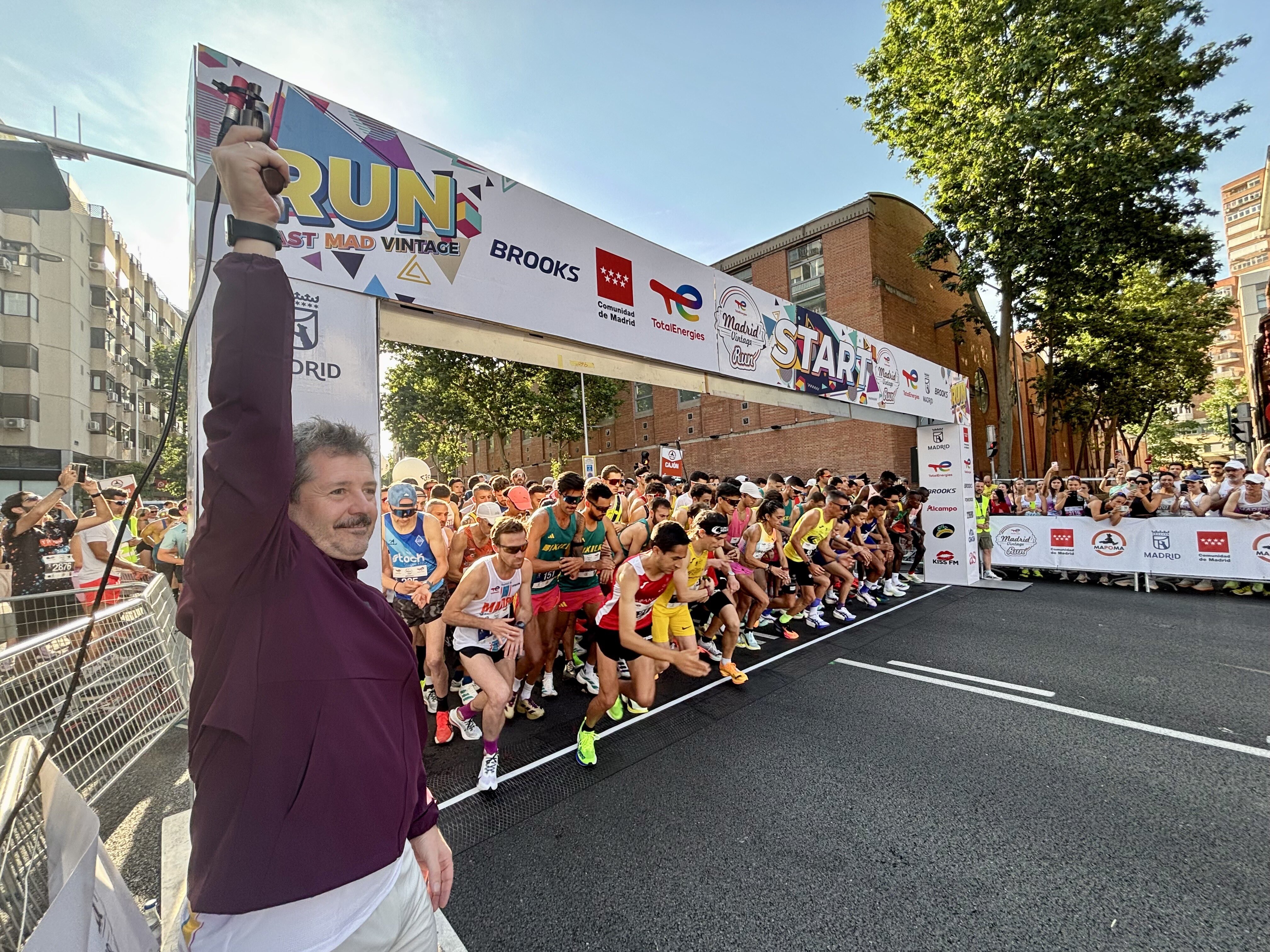
Covering the distance at a remarkable average pace of 2:36 per kilometer, Kwizera delivered the fastest 10K ever recorded by a human being, eclipsing not only every road performance in history but also every track performance over the distance. The breathtaking run immediately captured global attention and reignited discussions about the evolving boundaries of endurance running.
The 26-year-old's extraordinary effort was significantly quicker than the current official world record of 26:31, set by Ethiopia’s Yomif Kejelcha in February 2025. However, despite surpassing that mark by an incredible 30 seconds, Kwizera’s performance will not be ratified as an official world record.
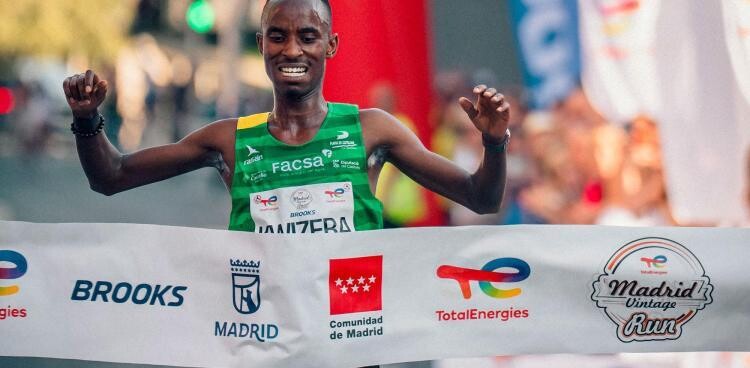
According to competition regulations, the Madrid Vintage Run course does not meet the requirements for world-record eligibility. The route features a substantial net elevation drop of more than 160 meters and exceeds the allowable separation between the start and finish points, giving runners an advantage that falls outside World Athletics record standards.
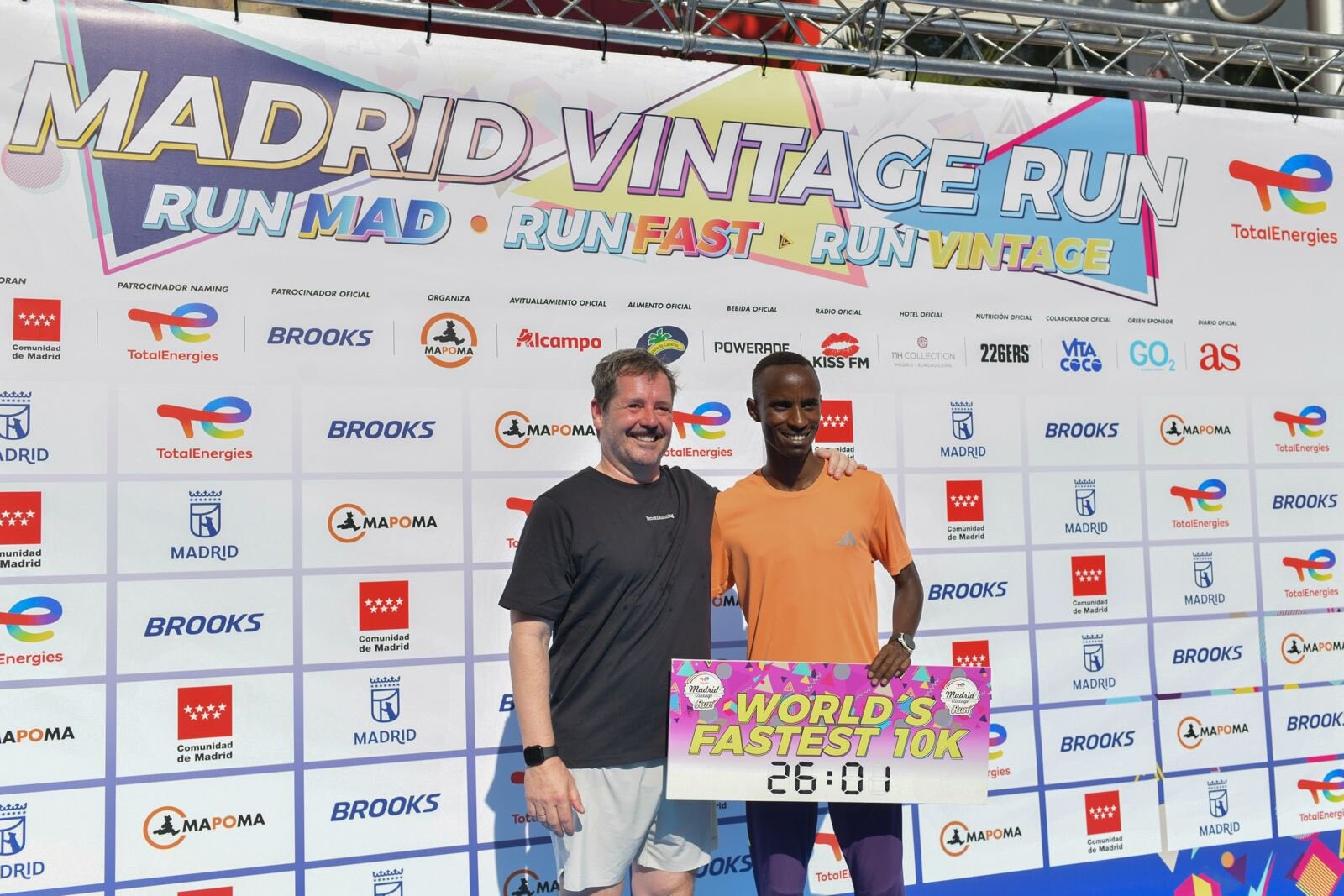
Nevertheless, the performance remains one of the most remarkable displays of distance running ever witnessed. Regardless of its official status, no athlete has ever covered 10 kilometers faster, making Kwizera’s run a landmark moment in the sport.
What adds even more intrigue to the achievement is the contrast with his previous official personal best. Before arriving in Madrid, Kwizera’s recognized 10K best stood at 26:54. To lower that mark by 53 seconds at an elite level is almost unheard of, underlining the magnitude of what unfolded on the streets of the Spanish capital.
From the opening kilometers, Kwizera settled into an aggressive rhythm and never relented. As he surged toward the finish line, spectators realized they were witnessing a performance that would be discussed for years to come. The final clock reading of 26:01 confirmed a run unlike anything the sport had seen before.
While the mark will not enter the record books as an official world record, it has undoubtedly secured its place in athletics history. On a day when speed, endurance, and ambition converged perfectly, Rodrigue Kwizera delivered a performance that pushed the limits of human potential and produced one of the most extraordinary 10K runs ever recorded.
by Erick Cheruiyot for My Best Runs.
Login to leave a comment
Queens of Distance Running Set for Explosive Showdown at 2026 Mastercard New York Mini 10K
The streets of Central Park are once again preparing for a spectacle of speed, rivalry, and history as the 54th edition of the iconic Mastercard New York Mini 10K returns on Saturday, June 6. Widely celebrated as the world’s original women-only road race, the event has assembled one of the strongest fields ever seen in global road running, headlined by Olympic champions, world record holders, and national icons ready to ignite New York City.
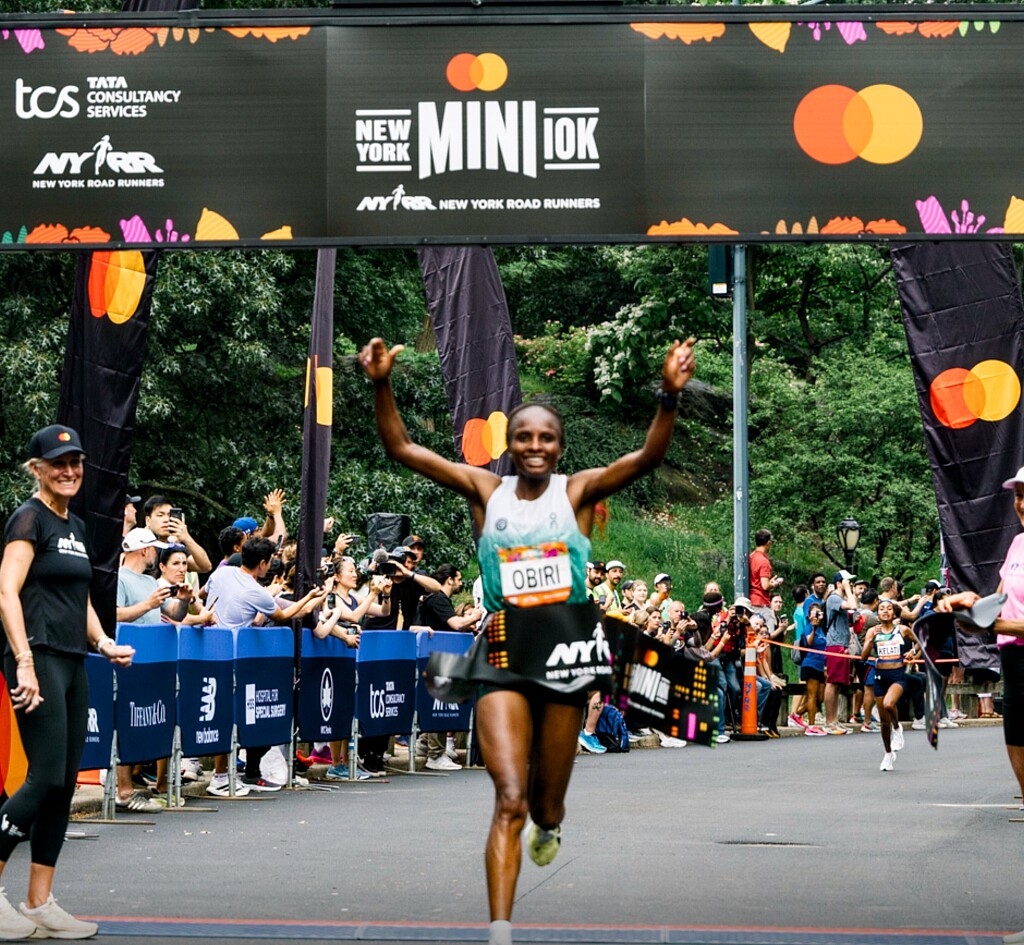
At the center of attention will be Kenya’s marathon queen Hellen Obiri, who returns to defend her crown after establishing herself as one of the most dominant athletes on the New York Road Runners circuit. Obiri already owns an extraordinary NYRR triple crown, having conquered the Mini 10K, the NYC Half, and the New York City Marathon, and now faces another major test against a world-class lineup hungry to dethrone her.
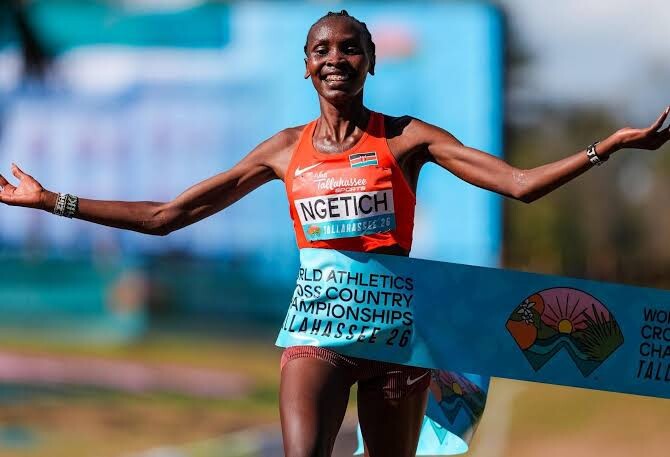
Standing directly in her path is fellow Kenyan sensation Agnes Ngetich, the reigning world 10K record holder whose astonishing 28:46 performance rewrote history and made her the first woman ever to break the 29-minute barrier on the roads. Ngetich arrives in New York carrying immense momentum after capturing victory at the 2026 World Cross Country Championships, and her Mini 10K debut immediately elevates the race into must-watch territory.
The highly anticipated clash becomes even more compelling with the return of Sharon Lokedi. Fresh from cementing her status as a two-time Boston Marathon champion, Lokedi is eager to improve on last year’s runner-up finish in New York. Her recent rivalry with Obiri has already captivated the distance running world, and fans who were left wanting more after their dramatic Boston battle will now witness another thrilling chapter unfold in Central Park.
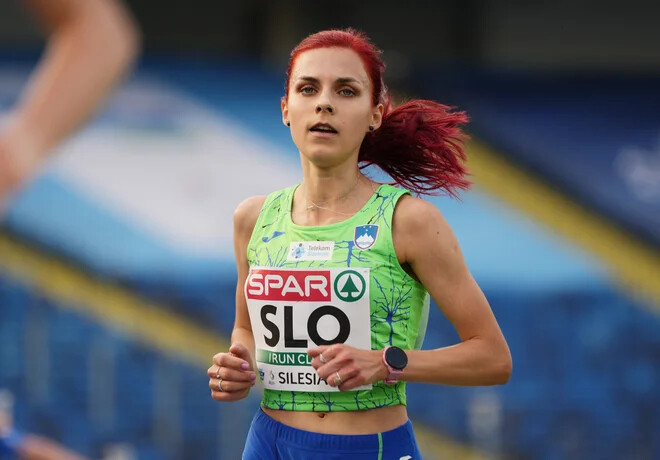
Adding further international firepower is Slovenia’s Klara Lukan, who continues to redefine European distance running standards. Lukan recently became the first European woman in history to run under 30 minutes for 10 kilometers, and her NYRR debut introduces yet another dangerous contender capable of shaking up the podium.
The American challenge is equally formidable. Leading the home contingent is Weini Kelati, the fastest American woman ever over 10 kilometers and the newly crowned American half marathon record holder following her brilliant 1:06:04 run in Barcelona. Kelati’s rise has positioned her among the world’s elite, and racing on home soil could provide the perfect stage for another breakthrough performance.
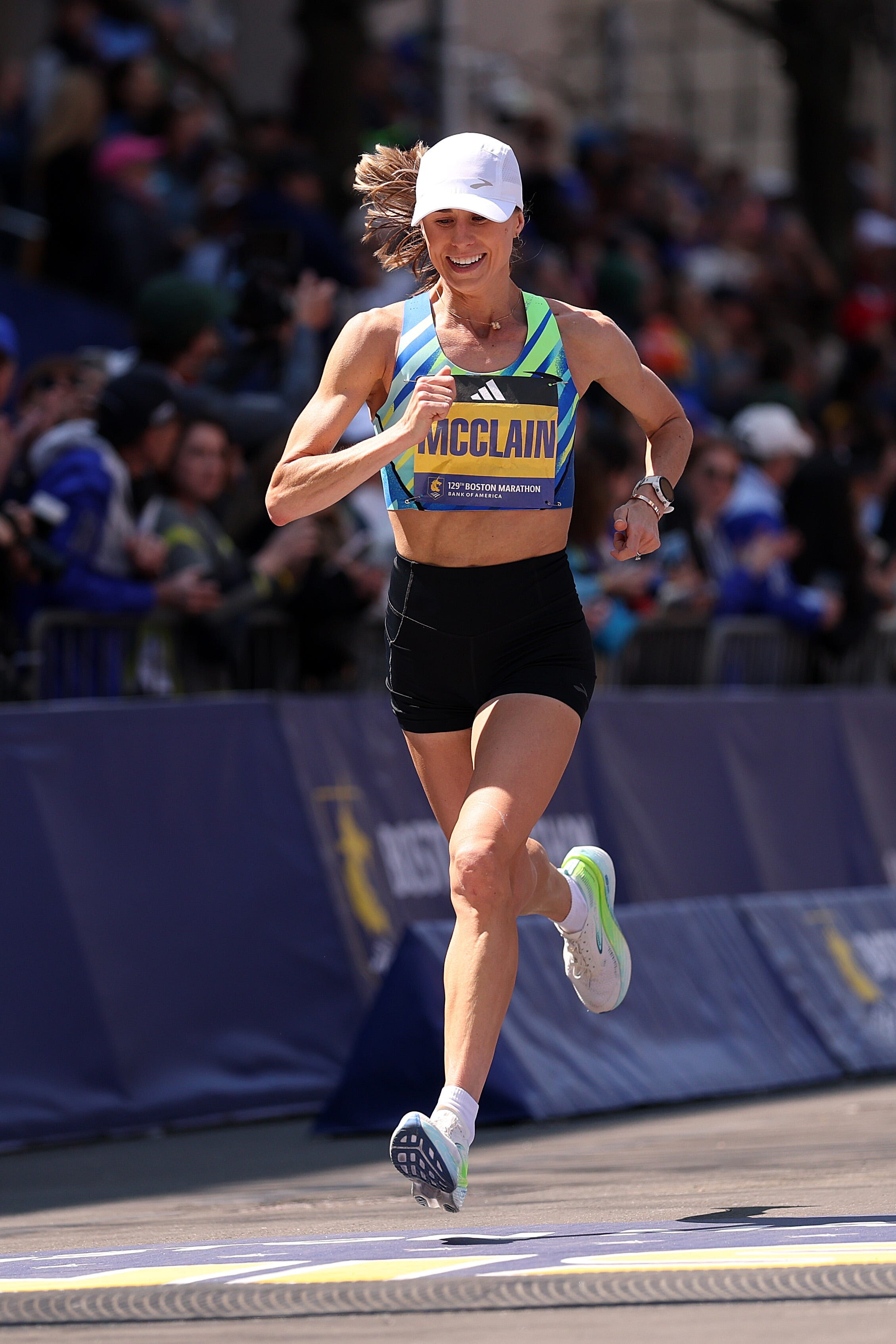
Jess McClain also enters with confidence soaring after finishing as the top American at the 2026 Boston Marathon while simultaneously breaking the women’s course record. Emma Grace Hurley, the American 8K record holder and two-time national champion, further strengthens the domestic lineup alongside notable names such as Annie Frisbie, Dakotah Popehn, Ednah Kurgat, and Amanda Vestri.
With Olympic pedigree, world records, national milestones, and fierce rivalries all converging in one race, the 2026 Mastercard New York Mini 10K promises far more than a traditional road event. It is shaping up to be a celebration of women’s distance running at its absolute highest level — a race where legends defend their legacy and rising stars chase history beneath the iconic skyline of New York City.
by Erick Cheruiyot for My Best Runs.
Login to leave a comment

New York Mini 10K
Join us for the NYRR New York Mini 10K, a race just for women. This race was made for you! It’s the world’s original women-only road race, founded in 1972 and named for the miniskirt, and it empowers women of all ages and fitness levels to be active and to look and feel great on the run. Every woman who...
more...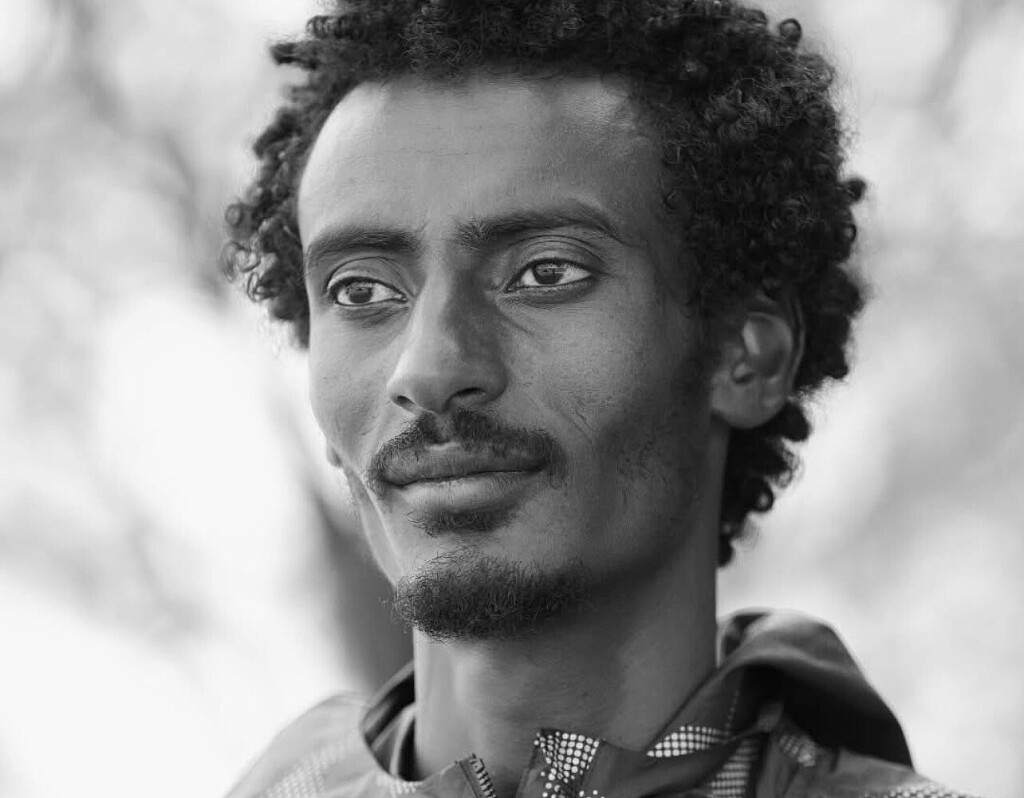
Where Should Yomif Kejelcha Run His Second Marathon — And Can He Break 1:59?
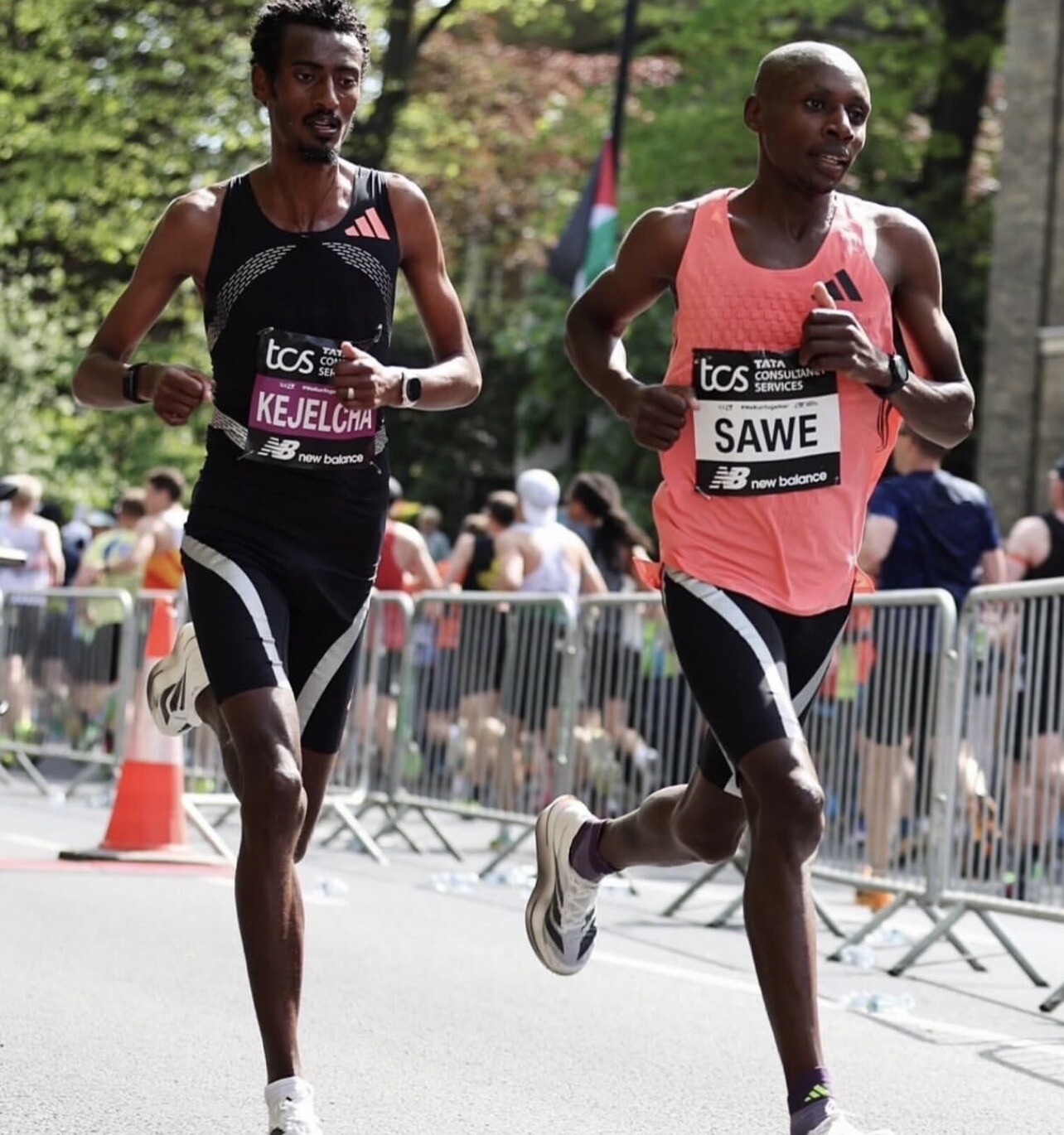
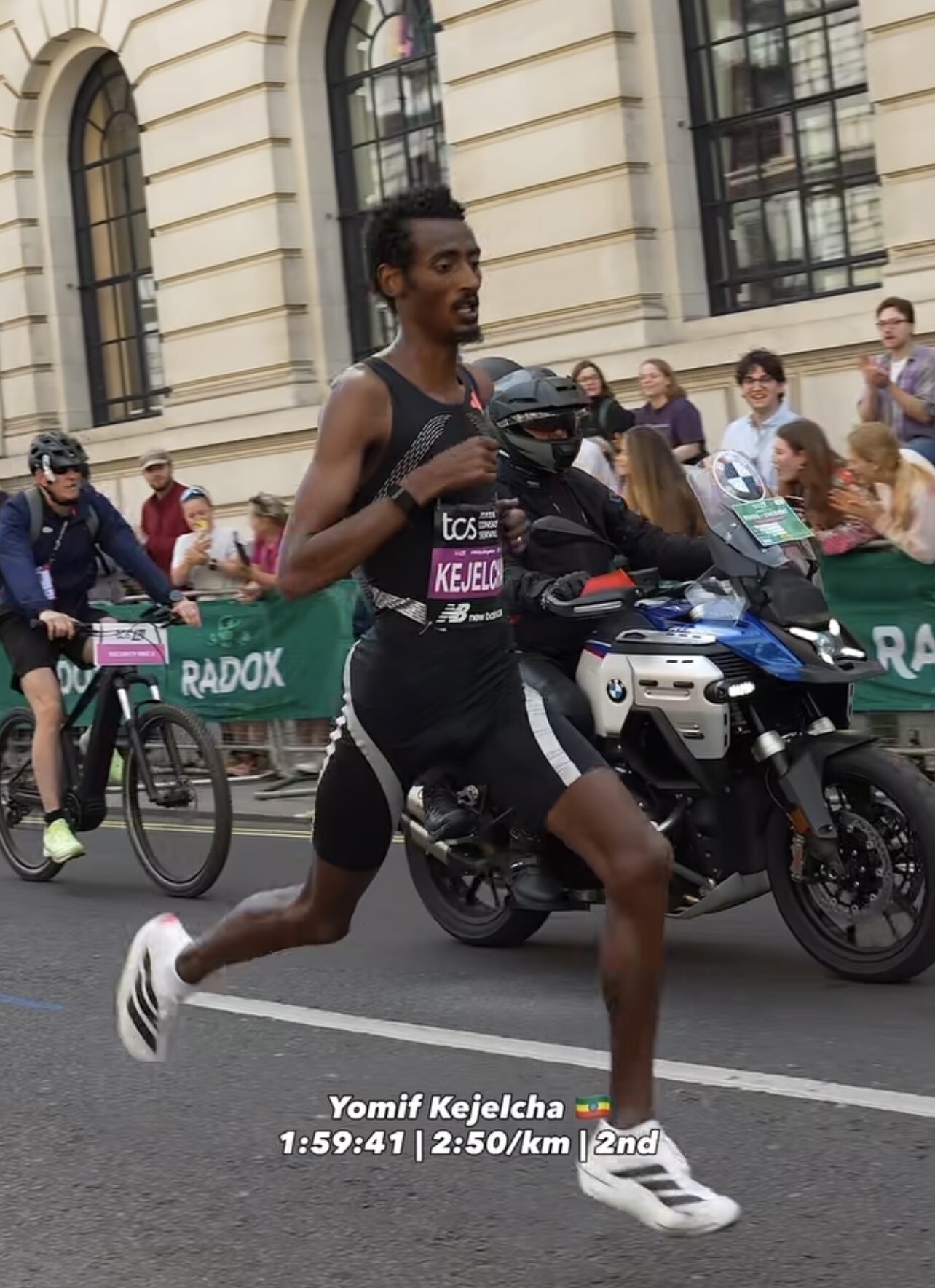
London changed marathon history forever as Sabastian Sawe and Yomif Kejelcha became the first two men ever to officially break the two-hour barrier for the marathon. Sawe won in 1:59:30, while Kejelcha stunned the world by running 1:59:41 in his marathon debut.
Now the focus shifts to the next question:
Where should Kejelcha run his second marathon?
And perhaps even more intriguing:
Can he become the first man to officially run under 1:59?
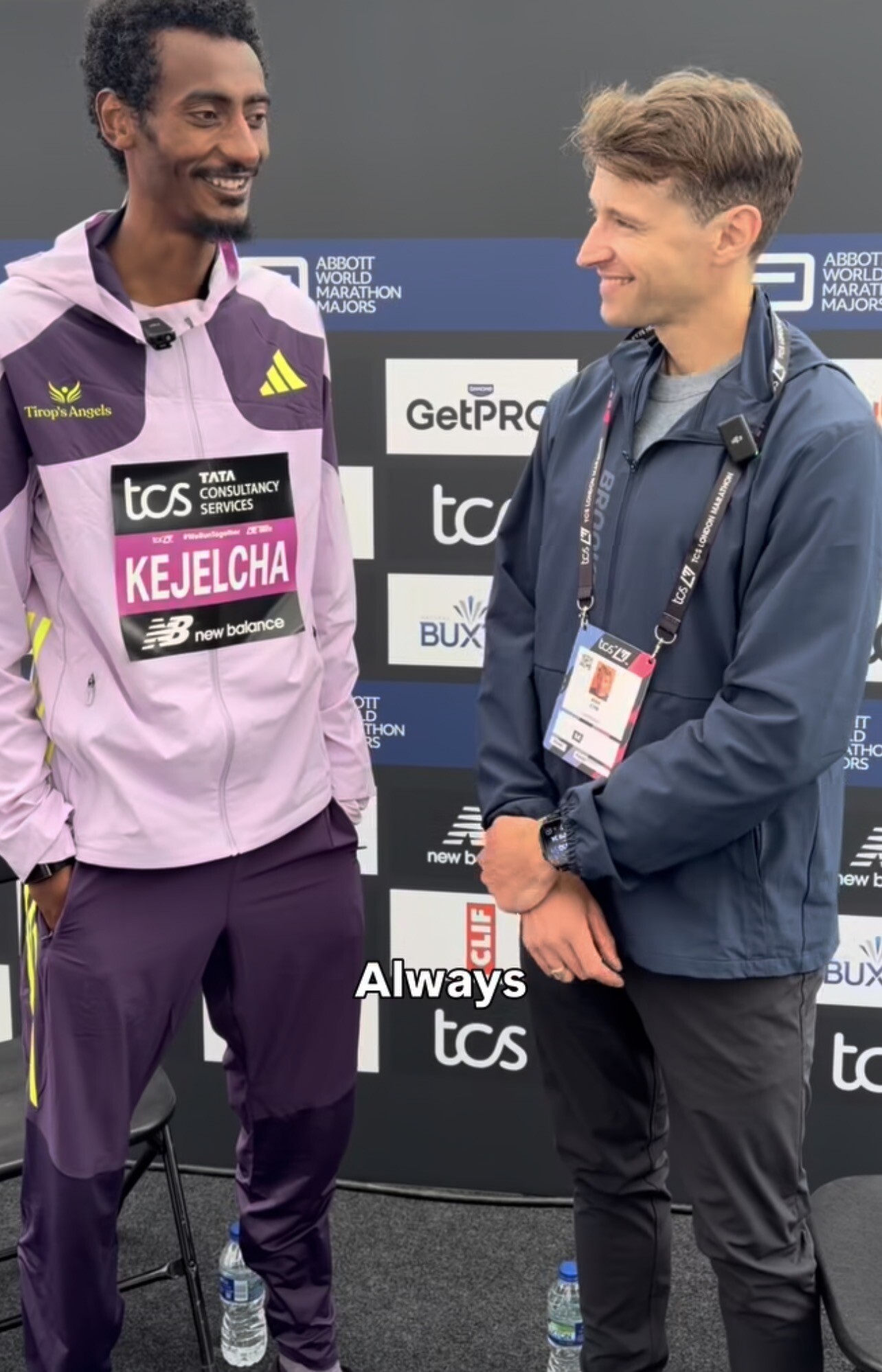
“Not to take away from Sawe’s amazing 1:59:30 marathon in winning London, but Kejelcha in second place clocked 1:59:41 in his first marathon ever. I think Yomif under perfect conditions can run under 1:59,” says Bob Anderson, lifetime runner and My Best Runs editor.
That possibility suddenly feels very real.
Kejelcha has long been considered one of the most naturally gifted distance runners in the sport. Before moving to the marathon, the Ethiopian star built a remarkable résumé that included world-class performances from 1500 meters through the half marathon. His 57:30 half marathon performance in Valencia confirmed that he possessed a rare combination of speed, efficiency, and endurance.
Those qualities are essential for what may become the next great frontier in distance running.
Breaking 1:59 would require sustaining approximately 4:32 per mile for the entire marathon distance. That demands not only endurance, but extraordinary efficiency and the ability to remain relaxed while running at near-impossible speeds.
Very few athletes in history have appeared capable of that challenge.
Kejelcha now looks like one of them.
What makes his London performance even more extraordinary is that it came in his first attempt at the distance. Most elite marathoners require several races to learn the rhythm of fueling, pacing, and surviving the final 10 kilometers. Kejelcha immediately looked comfortable at a pace no one had ever officially sustained before.
That suggests there may still be room for improvement.
The question now becomes strategy.
Berlin immediately stands out as a logical option for his second marathon. No course in history has produced more marathon world records. Flat roads, cool temperatures, elite pacing, and ideal racing conditions have made Berlin the gold standard for fast marathoning.
If Kejelcha wants to make an immediate attack on history, Berlin would seem the obvious choice.
But there may be reasons to wait.
The Berlin Marathon comes only five months after London, and Kejelcha’s team may decide that patience is the smarter path. A debut marathon at world-record pace places enormous stress on the body, and carefully managing recovery could be critical to his long-term development.
Valencia may ultimately be the most intriguing possibility.
The Spanish race has rapidly become one of the fastest marathons in the world, producing countless personal bests and breakthrough performances. Kejelcha already has history there after running his half marathon world record, and the course appears perfectly suited to his smooth, efficient running style.
Chicago could also enter the conversation, though weather and wind conditions there can be less predictable.
Another option is Sevilla in early 2027, a race increasingly recognized for its fast course and ideal winter conditions.
Tokyo would provide prestige and global attention, but Berlin and Valencia are still generally viewed as superior venues for historic time attempts.
If Kejelcha’s goal is simply to win major marathons, he already has the ability to compete anywhere in the world.
But if the goal is to break 1:59, every detail matters:
weather,
pacing,
wind,
temperature,
fueling,
race timing,
and course design.
The difference between 1:59:41 and 1:58:59 may ultimately come down to only a few seconds per mile.
Still, London fundamentally changed how the running world views the limits of the marathon.
For years, an official sub-two-hour marathon felt impossible. Now the sport is already looking beyond that barrier.
At just 27 years old, Yomif Kejelcha may only be beginning his marathon career.
And after what happened in London, the possibility of a sub-1:59 marathon no longer feels unrealistic.
It feels possible.
by Boris Baron for My Best Runs
Login to leave a comment
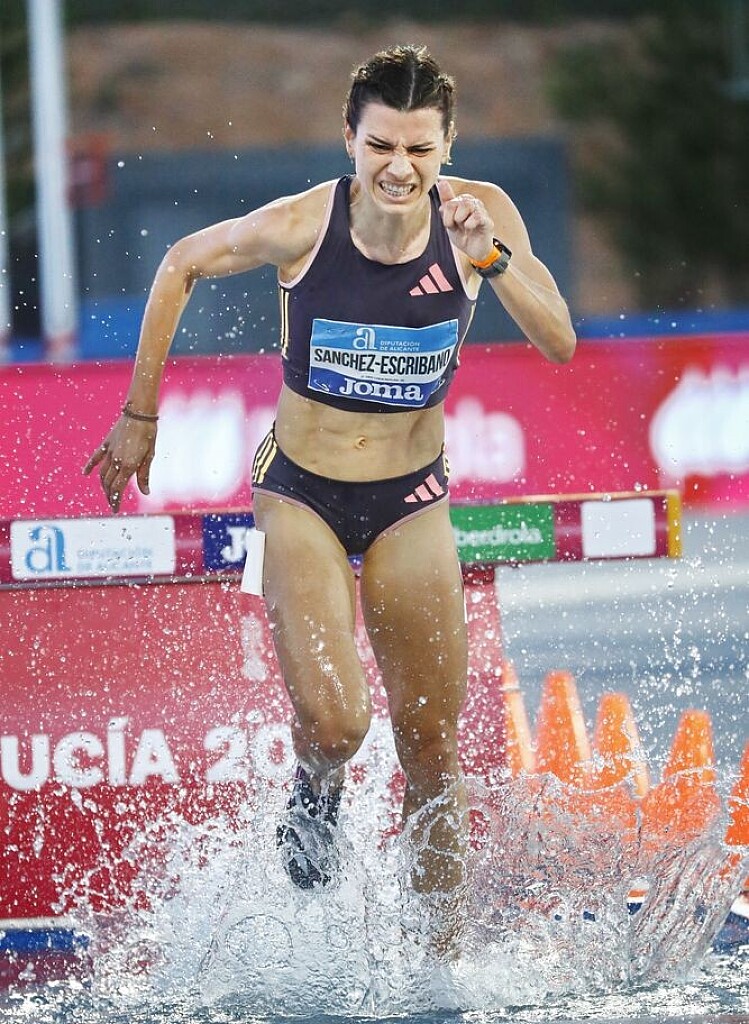
Back with Purpose: Irene Sánchez-Escribano’s Inspiring Return to Racing
After a year defined by change and new beginnings, Irene Sánchez-Escribano has made a compelling return to competitive running in 2026, reminding the athletics world of both her class and resilience. Following a successful 2024 season, the Spanish star stepped away from racing in 2025 to embrace motherhood — a decision that marked a deeply personal chapter in her life and career.
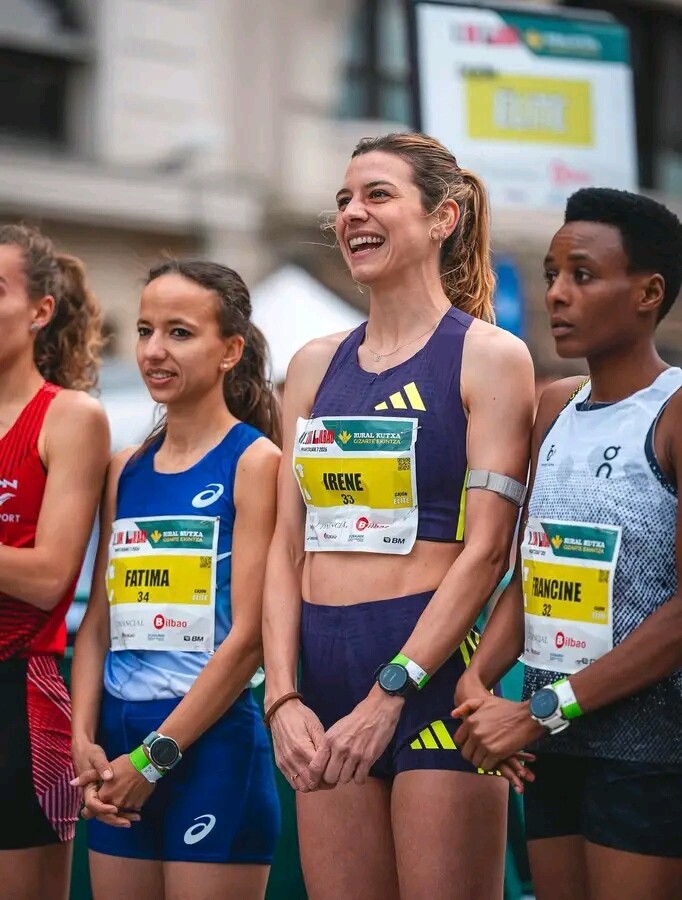
Now back on the roads, Sánchez-Escribano signaled her resurgence with a strong performance at the 10K Bilbao Rural Kutxa on March 7, 2026. Clocking 32:35, she delivered a result that speaks volumes about her steady rebuilding process and enduring competitive edge. While not yet at her personal best level, the run stands as a clear indication that she is firmly on the path back to top form.
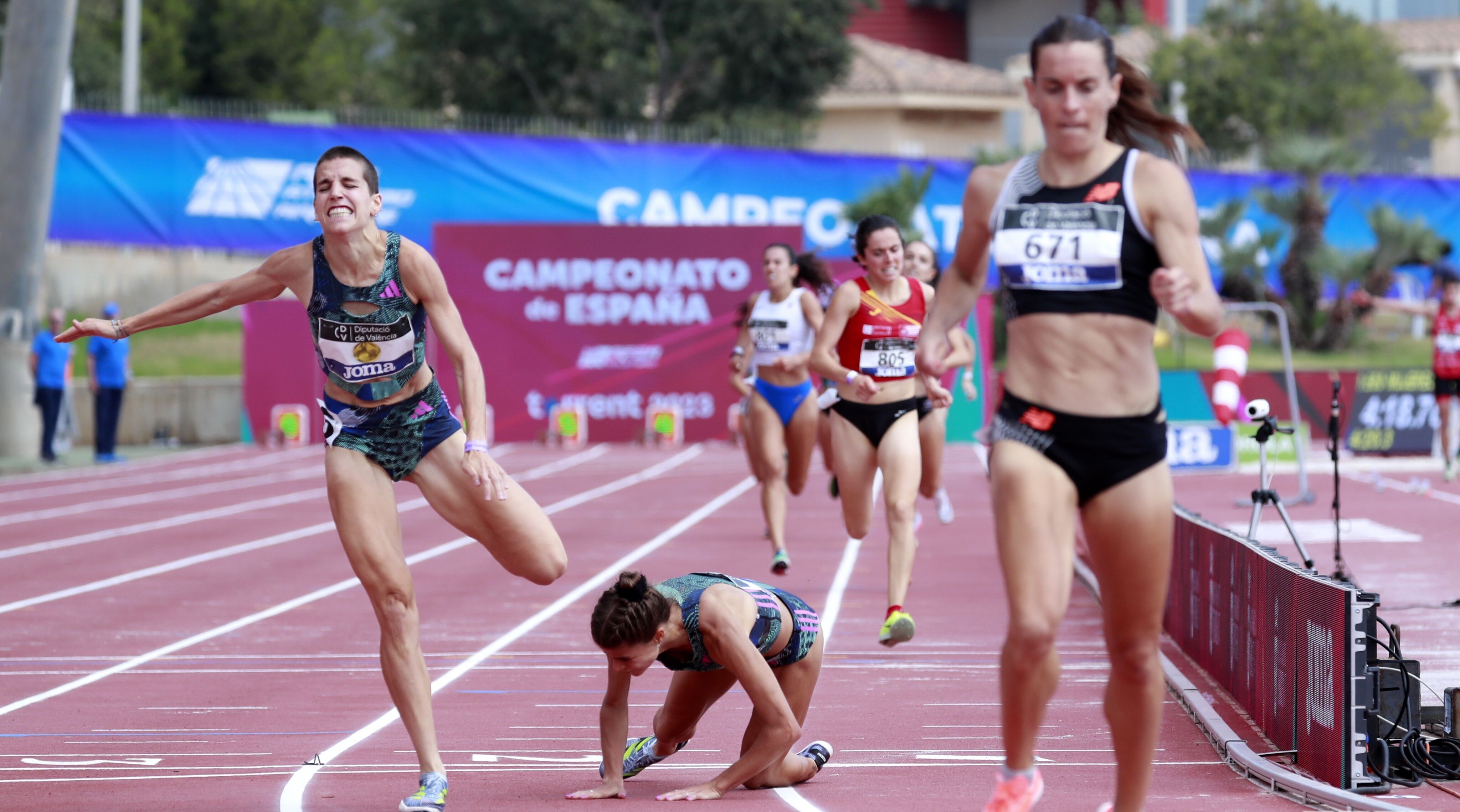
What makes her return particularly compelling is the level she had reached prior to her break. In 2024, she established herself among Europe’s elite distance runners, setting impressive personal bests of 31:35 for 10 kilometers on the road and 1:09:10 in the half marathon. These performances, combined with her proven pedigree in the steeplechase, highlight her versatility and strength across disciplines.
Her transition back into racing is not just about times and results — it is about rediscovering rhythm, confidence, and competitive sharpness. Athletes returning from maternity often face a unique set of physical and mental challenges, making each race not just a performance, but a statement of perseverance.
As the 2026 season unfolds, Sánchez-Escribano’s journey will be one to watch closely. With a solid foundation already re-established, it is only a matter of time before she begins to threaten her personal bests once again. More than just a comeback, this is the continuation of a career shaped by determination, adaptability, and quiet strength — qualities that now define her more than ever.
by Erick Cheruiyot for My Best Runs.
Login to leave a comment
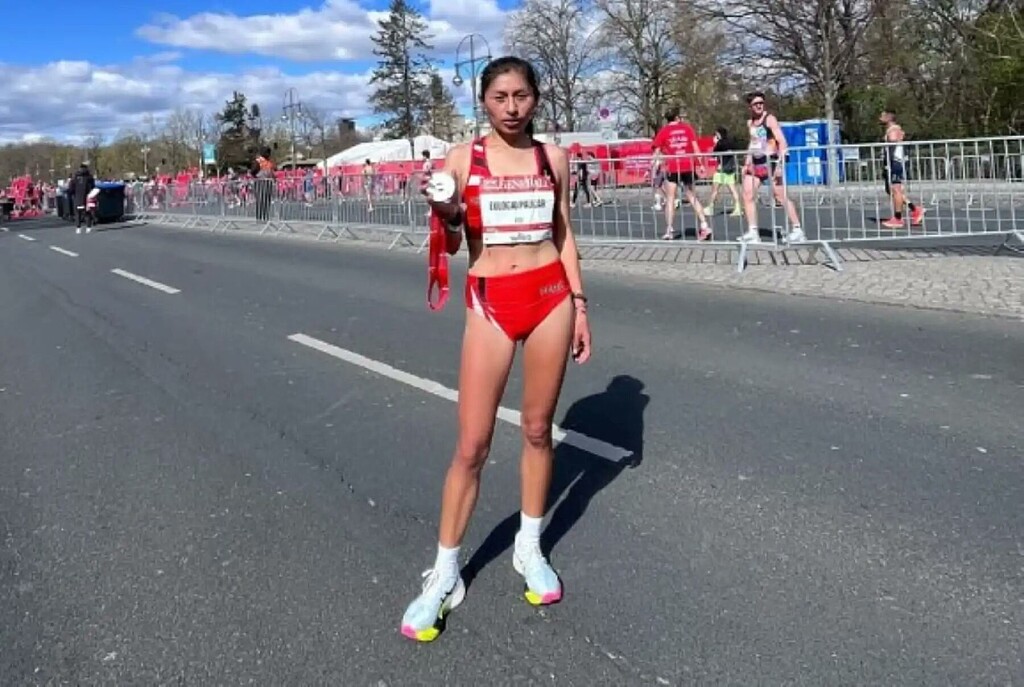
A Star is Born in Berlin: Sheyla Eulogio Paucar Powers Perú into the Record Books
At the prestigious Berlin Half Marathon, a new name surged into global recognition as Sheyla Eulogio Paucar delivered a performance that blended courage, precision, and historic significance. The young Peruvian clocked an outstanding 1:10:03 to finish 18th overall, a result that not only elevated her standing on the international stage but also rewrote her nation’s record books. In doing so, she secured the third-fastest half marathon time ever recorded by a South American woman, placing herself among the continent’s most elite distance runners.
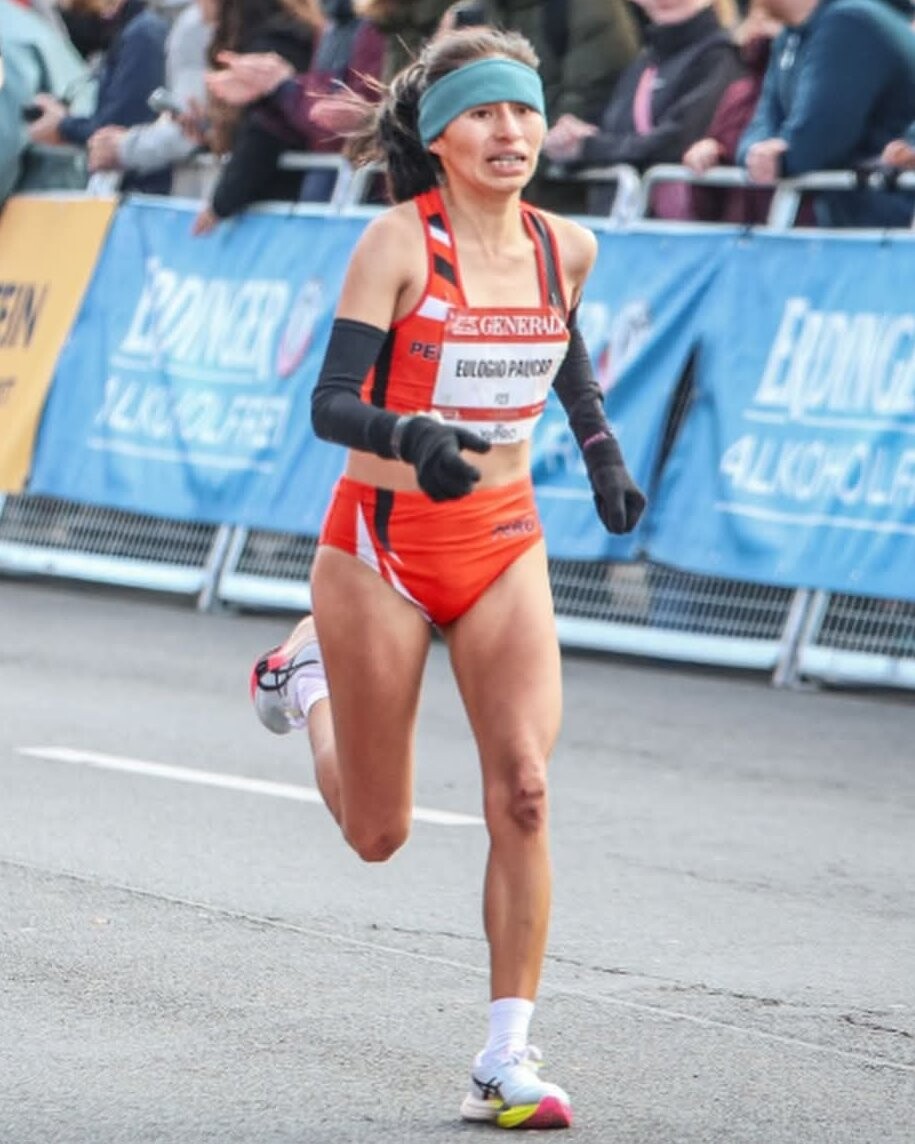
From the opening kilometers, Eulogio demonstrated remarkable composure, settling into a strong and consistent rhythm that reflected both tactical awareness and physical strength. She passed 5 kilometers in 16:24 and reached 10 kilometers in 32:46, maintaining an impressive 3:17 per kilometer pace. By 15 kilometers, she remained firmly in control at 49:17, before pushing through the final stretch to cross the line in 1:10:03. Her disciplined execution and ability to sustain pace under pressure revealed a maturity far beyond her years, marking her as one of the brightest emerging talents in global distance running.
Her breakthrough performance now places her firmly within the all-time greats of South American women’s half marathon running. The continental rankings are led by Florencia Borelli with 1:09:21, followed closely by Daiana Ocampo at 1:09:22. Eulogio’s 1:10:03 now stands third, ahead of a strong wave of Peruvian excellence including Zaida Ramos (1:10:05), Gladys Tejeda (1:10:14), Zarita Suárez (1:10:19), Luz Mery Rojas (1:10:32), Saida Meneses (1:10:44), Jovana de la Cruz (1:10:56), and Silvana Pereira (1:11:15).
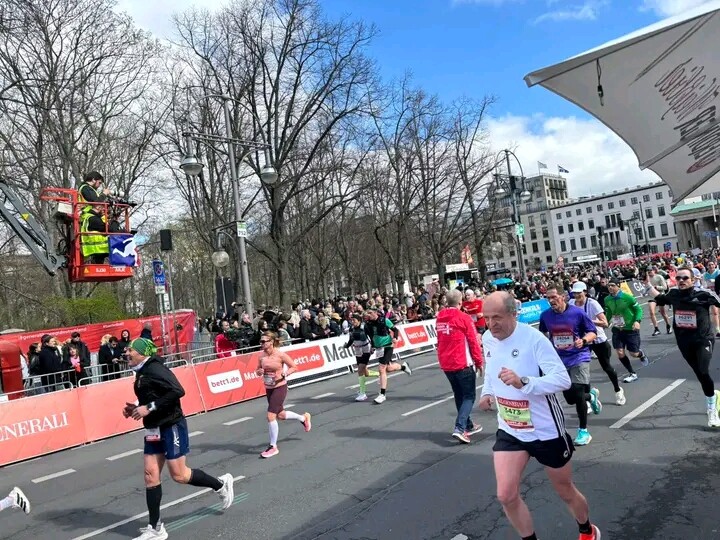
What makes this achievement even more compelling is its broader meaning. This was not just a fast race—it was a defining moment for Peruvian athletics. Eulogio’s rise signals a generational shift, where fearless young athletes are stepping onto the world stage with the belief and ability to challenge long-standing benchmarks. Her performance in Berlin serves as a powerful reminder that greatness is not only inherited through legacy but forged through bold ambition and relentless pursuit.
In one unforgettable run, Sheyla Eulogio Paucar did more than set a national record—she ignited a movement. And as Perú continues to rise in the world of distance running, her name will stand as a symbol of what is possible when talent meets opportunity on the grandest stage.
by Erick Cheruiyot for My Best Runs.
Login to leave a comment
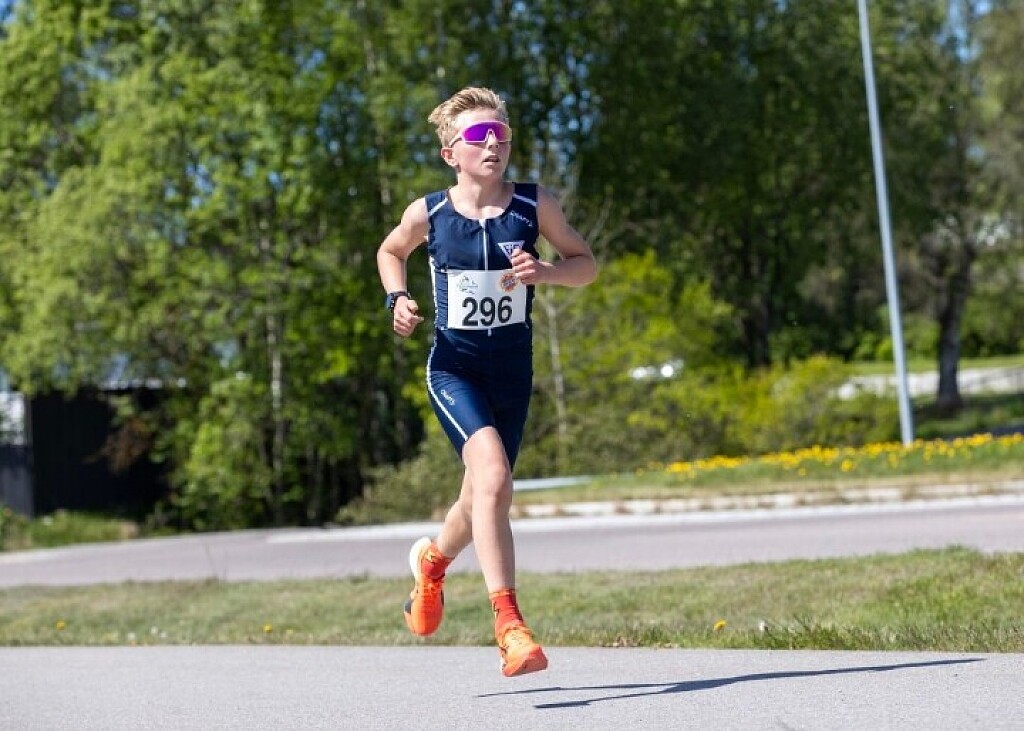
Age Is Just a Number: Oliver Stauning Joranger Runs a Stunning 36:04 10K at Just 12
At only 12 years old, Oliver Stauning Joranger from Norway has produced a performance that feels almost beyond belief. Stopping the clock at 36 minutes and 4 seconds for 10 kilometers, at a remarkable average pace of 3:36 per kilometre, the young talent has delivered something truly special.
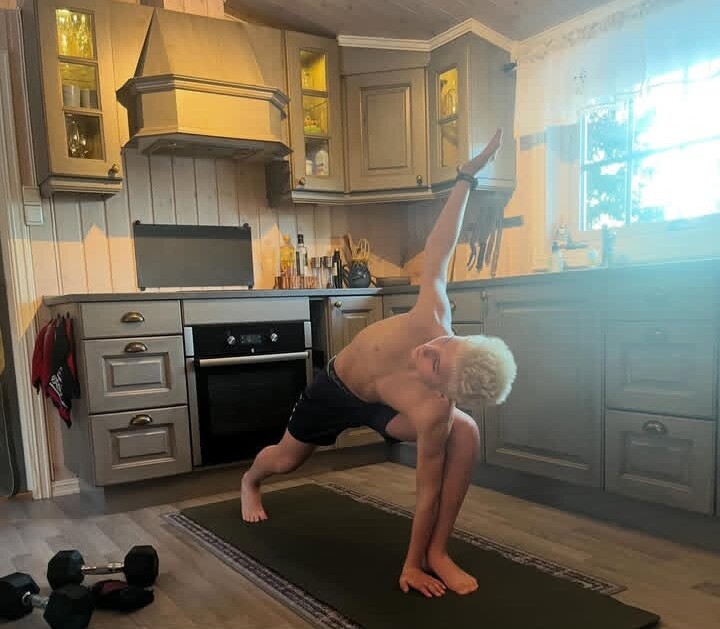
To understand how impressive that is, you have to look at the rhythm. Running 3:36 per kilometre is a pace that challenges many experienced adult runners. Yet this young athlete maintained it across the full 10K distance — a race that demands endurance, patience, and strong mental focus. This was not just speed. It was control, maturity, and composure.

The 10K is unforgiving. Start too fast and you pay the price later. Start too slow and you miss the opportunity. For a 12-year-old to judge that balance so well speaks volumes about both his natural ability and the discipline behind his preparation. Talent may be the spark, but dedication is the fire.
Norway has become a respected name in global distance running, and performances like this show that the next generation is already rising. While it is still early in his journey, this run sends a powerful message — potential has no age limit.
At the same time, moments like this should be celebrated wisely. Youth athletics is about steady growth, enjoyment, and long-term development. The beauty of this achievement lies not only in the time itself, but in what it represents for the future.
A 12-year-old running 36:04 for 10K is not ordinary. It is incredible. It is stunning. It is inspiring.
Oliver Stauning Joranger has proven one simple truth: age is just a number.
by Erick Cheruiyot for My Best Runs.
Login to leave a comment
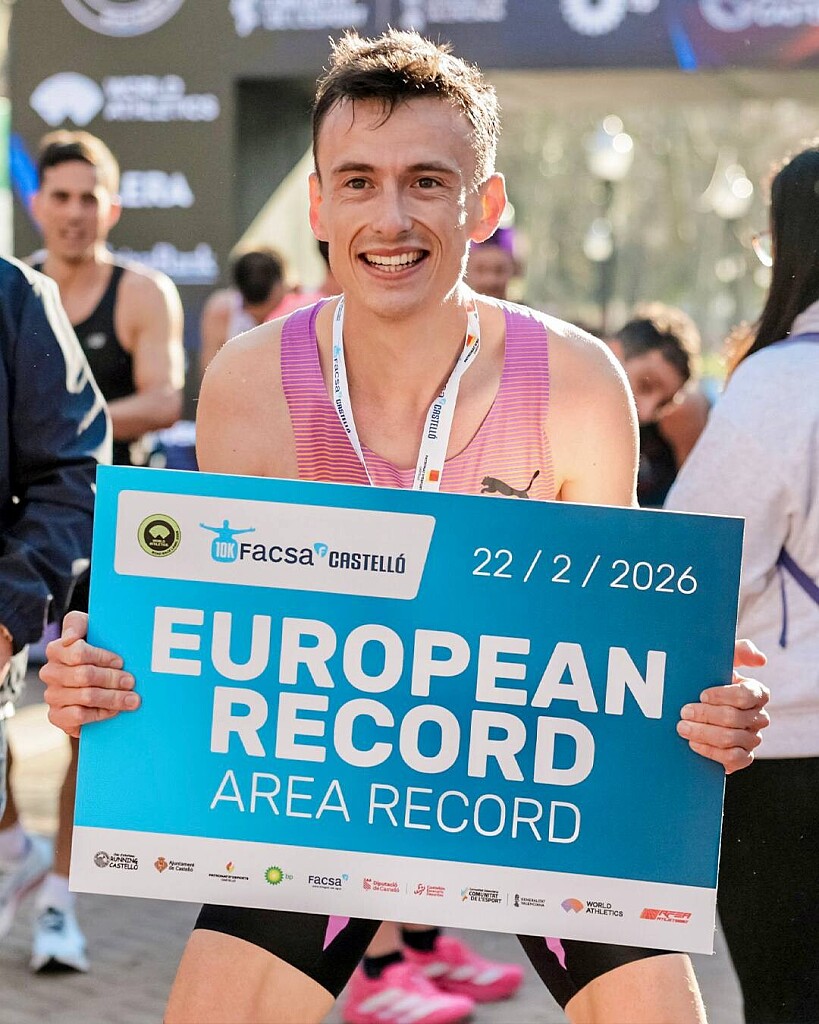
A Continental Earthquake in Castelló: Europe’s Fastest Day Ever
On Sunday, February 22, 2026, under radiant Mediterranean skies in Castelló, Spain, the energy was electric as Europe’s finest lined up for the prestigious 10K Facsa Castelló. Known for its lightning-fast layout and flawless organization, the event once again proved why it is regarded as one of the quickest 10K circuits in the world. What unfolded was more than a race — it was a defining chapter in European distance running.
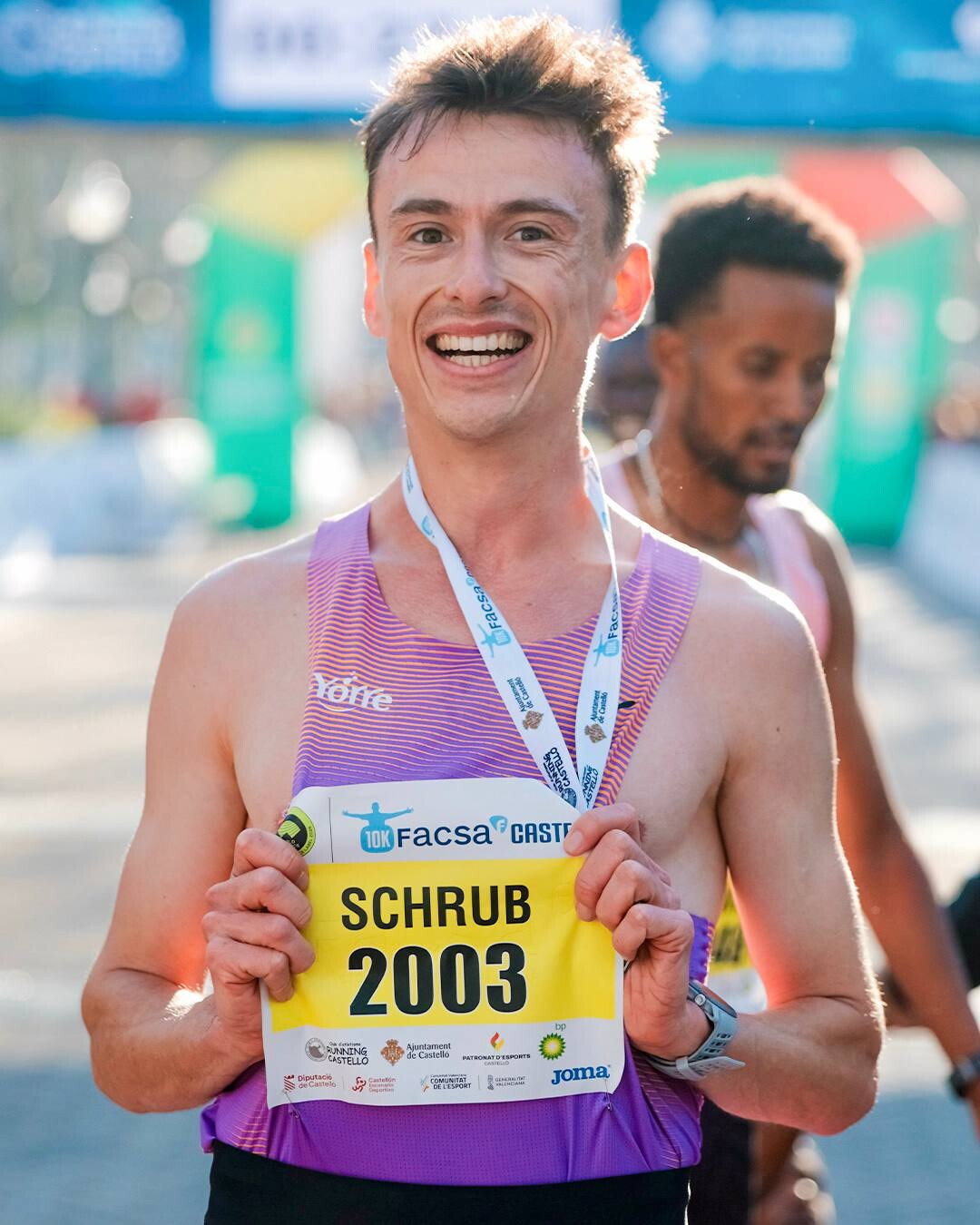
France’s Yann Schrub delivered a performance of rare brilliance, storming to 26:43 to become the fastest European man ever over 10 kilometers on the roads. In doing so, he erased the previous continental record of 26:45 set earlier this year by Sweden’s Andreas Almgren in Valencia. The significance of Schrub’s run extends beyond the two-second improvement — he demolished the long-standing psychological barrier of 27 minutes, redefining what European athletes can now believe is possible.
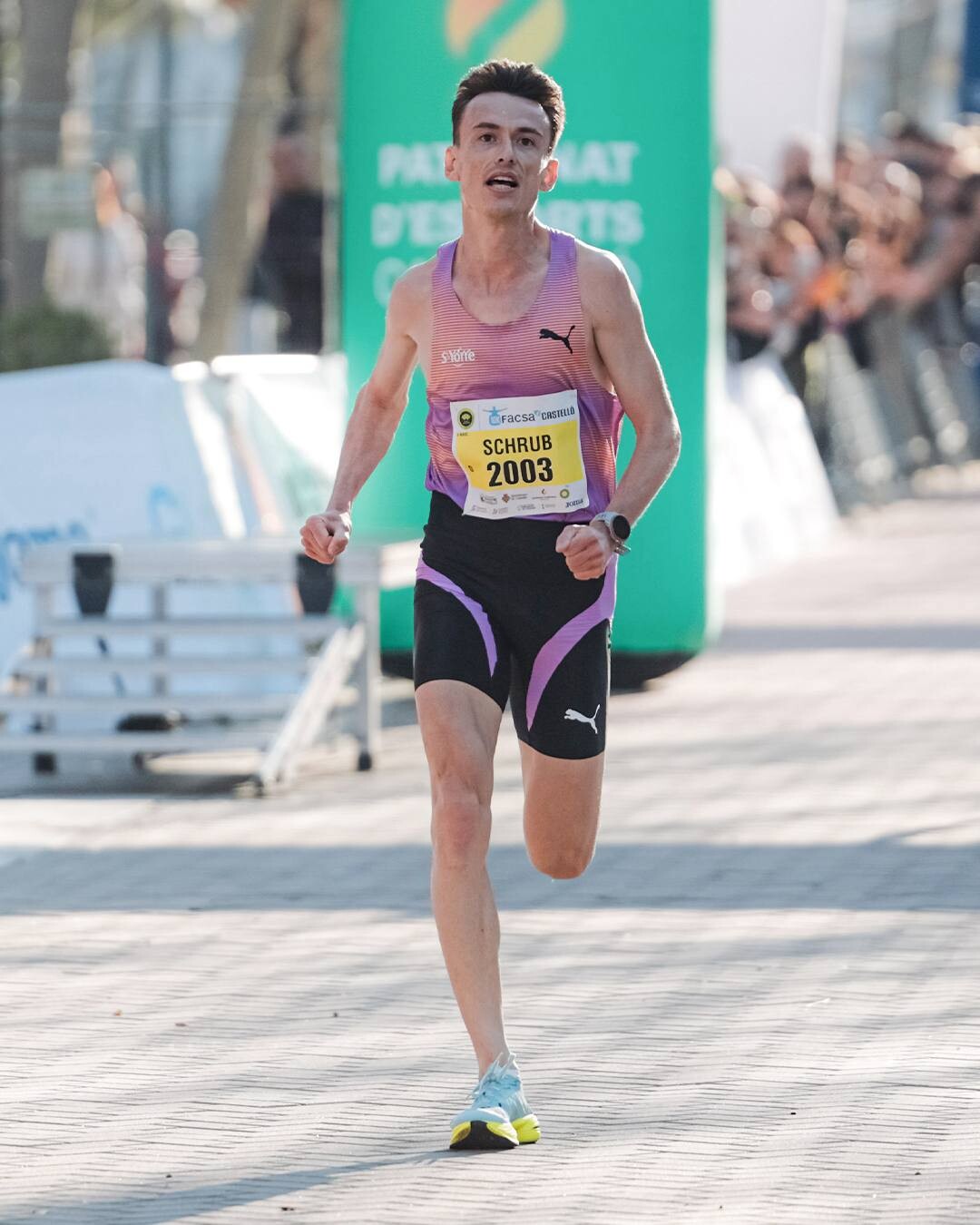
Composed in the early stages and relentlessly precise over the closing kilometers, Schrub executed his race with tactical maturity and fearless ambition. His record crowns a remarkable spell of form, coming just weeks after his national indoor 3000m record of 7:29.38 in Metz. Two national records in rapid succession, followed by a European record on the roads, confirm that the Frenchman is operating at an exceptional level.
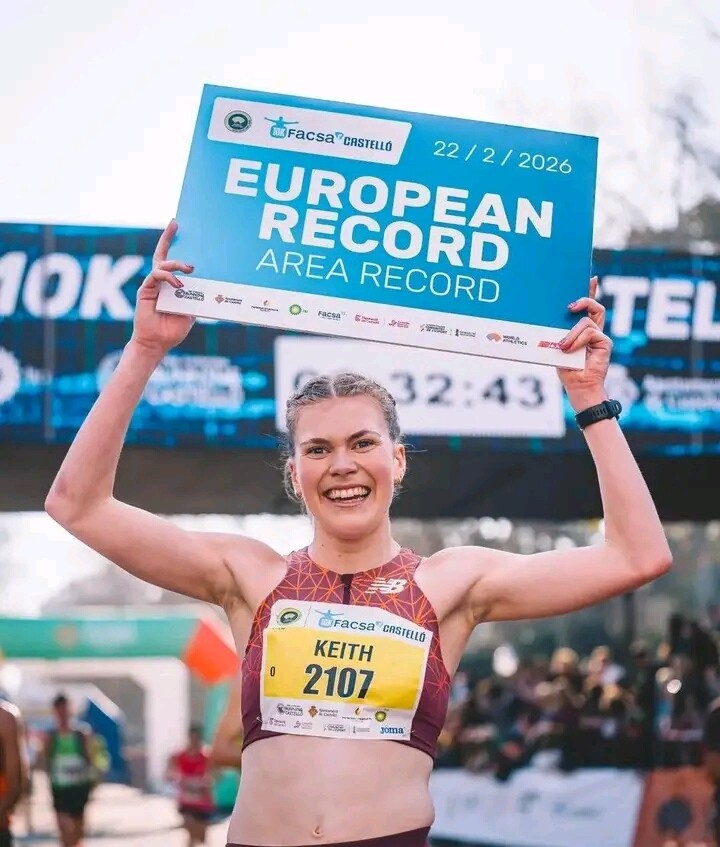
The women’s race brought equal drama and historic significance.
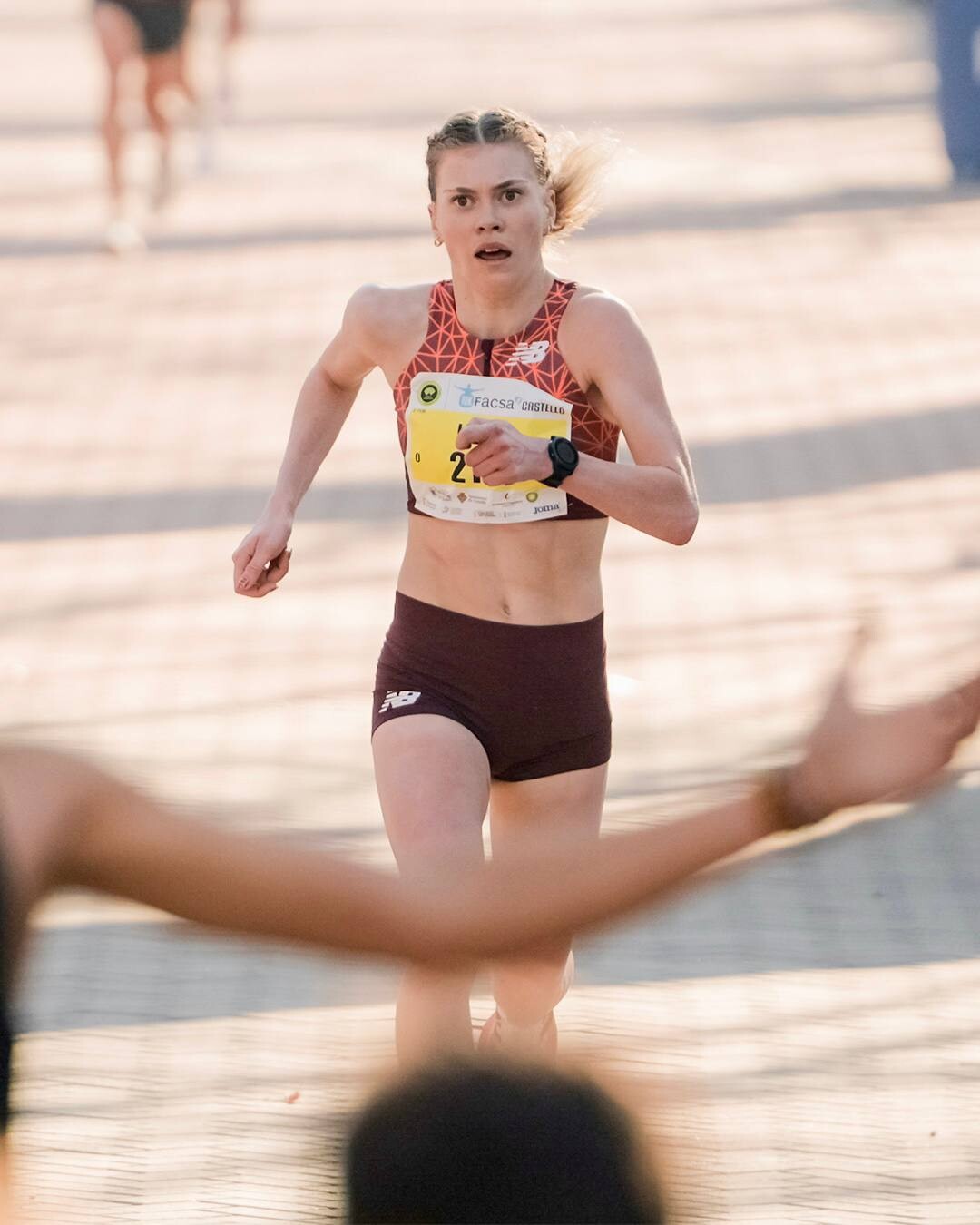
Great Britain’s Megan Keith surged to 30:07, slicing one second off the previous European record of 30:08 set last month by compatriot Eilish McColgan in Valencia. Keith finished fourth overall in a fiercely competitive field, her record forged through bold pacing and uncompromising intensity, while McColgan placed sixth in 30:35 — highlighting the extraordinary depth within British women’s distance running.
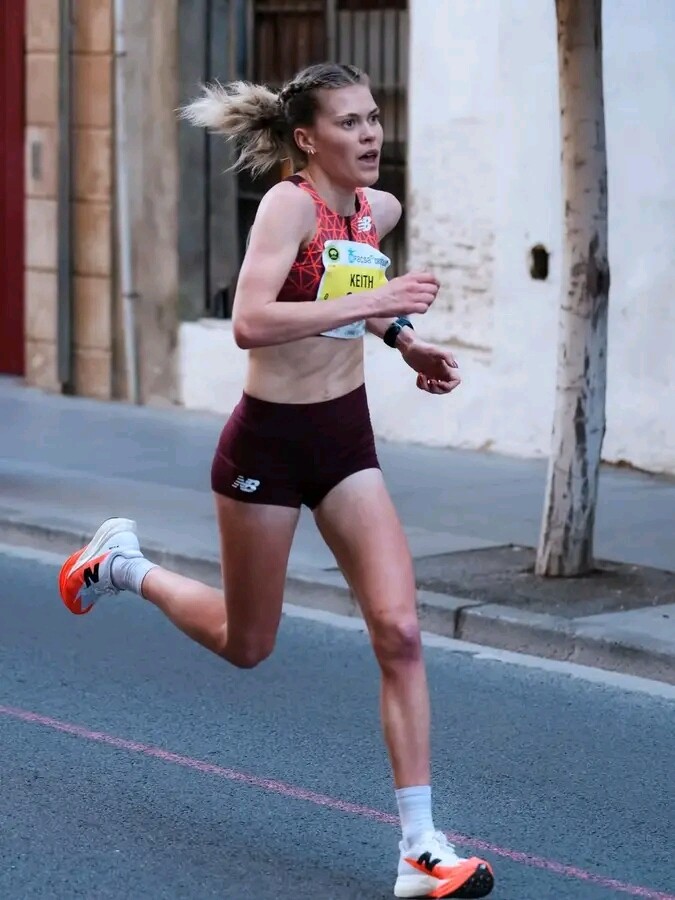
Keith’s run was not just about the stopwatch — it was a statement of courage, precision, and ambition, finished in fourth place overall against a field brimming with world-class talent. With every stride, she demonstrated that the ceiling in women’s distance running is no longer fixed, that European women are stepping onto a stage where every second is a declaration, and every finish line is a new possibility. Her performance, daring and decisive, ensured that Castelló would be remembered not only as the stage of record-breaking speed for men but as a triumphant milestone for women who continue to redefine the sport.
As the final finishers crossed the line and the Mediterranean breeze drifted through Castelló’s streets, it became clear that February 22, 2026 would stand as a landmark date. Records were not merely broken — they were elevated to new dimensions. Sub-27 is no longer a European aspiration; it is a standard. Thirty minutes is no longer a ceiling; it is a battleground. At the 10K Facsa Castelló, Europe did not just chase history — it outran it.
by Erick Cheruiyot for My Best Runs.
Login to leave a comment

10k Facsa Castello
The 10K FACSA Castelló is one of Spain’s fastest and most prestigious road races, drawing elite and amateur runners from around the world. Held in Castellón de la Plana, this race has grown exponentially, earning a reputation for its flat, high-speed course and exceptional organization. It holds a World Athletics Road Race Label, placing it among the top road races...
more...
Nearly $1 Million US at Stake as Marathon Heavyweights Clash in South Korea
On Sunday, February 22, 2026, the streets of Daegu, South Korea, will host one of the richest marathons in the world. The Daegu Marathon, staged in one of Asia’s most established athletics cities, offers $200,000 USD to each of the men’s and women’s champions, placing it among the most lucrative payouts in global road racing.
The elite prize structure extends ten deep in both divisions, creating a combined international prize purse of $842,000 USD — $421,000 per gender. Prize money descends from $200,000 for first place to $7,000 for tenth, with additional domestic awards and performance bonuses further enhancing the overall package.
With nearly one million dollars in elite prize money on the line, Daegu has assembled a field worthy of the stakes.

Elite Women: Sub-2:19 Firepower
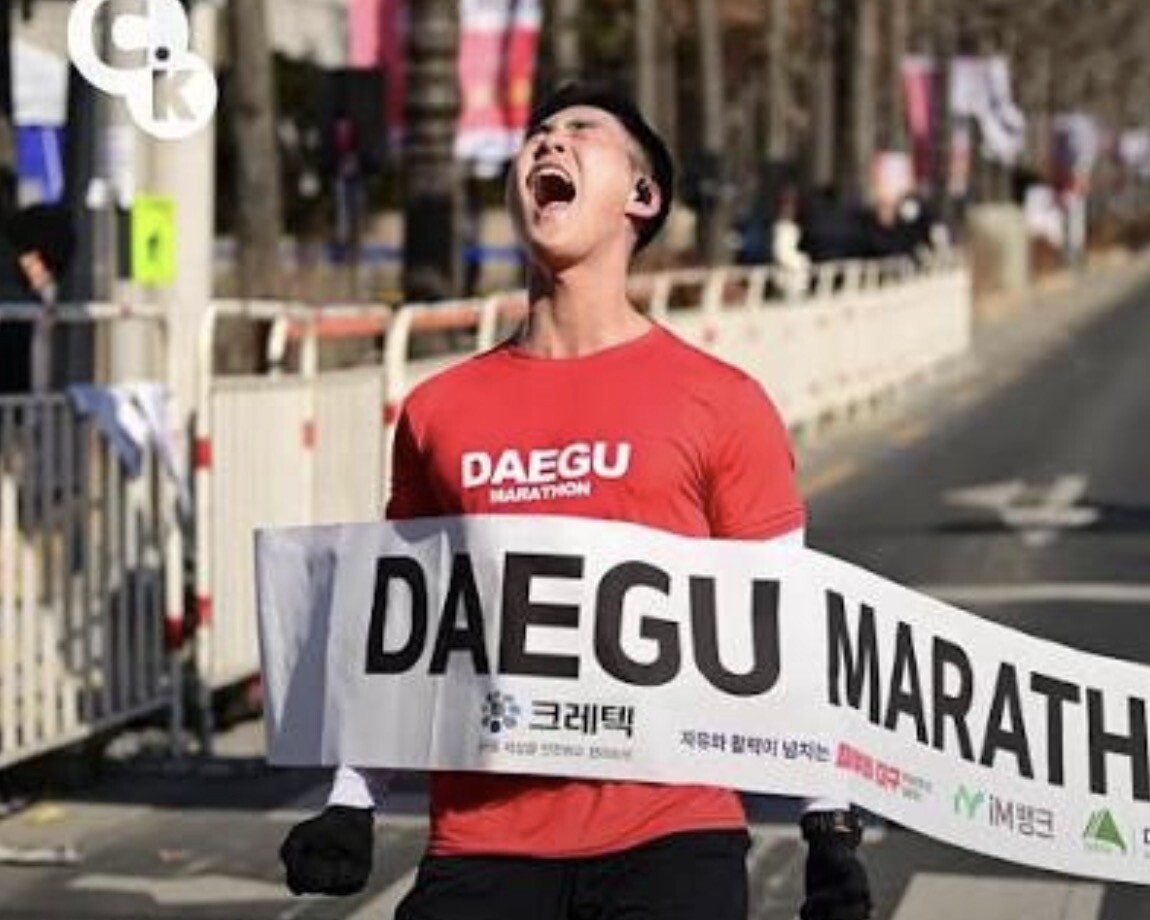
The women’s race features three Ethiopians with personal bests under 2:19, immediately signaling record-level intent.
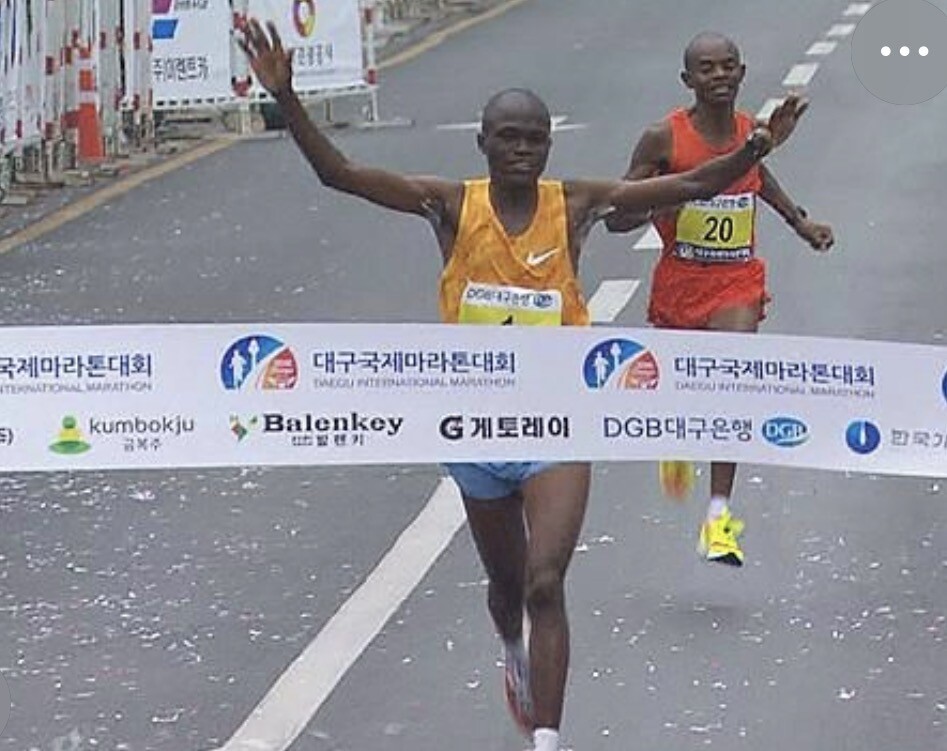
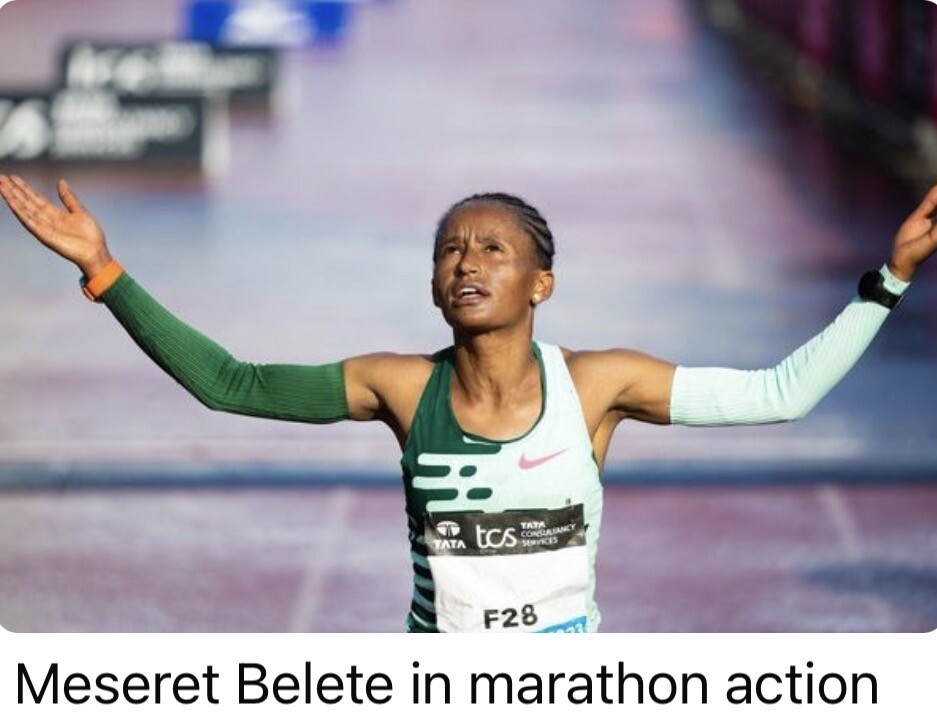
Defending champion Meseret Belete returns with a lifetime best of 2:18:21 and the confidence of past success on this course. Ruti Aga, the 2024 winner, owns the fastest PB in the field at 2:18:09 and brings extensive championship experience. Dera Dida Yami, the 2023 Dubai Marathon champion (2:18:32), strengthens Ethiopia’s tactical options on a flat, rhythm-friendly layout.
Kenya’s Lilian Kasait Rengeruk introduces intrigue. Known globally for her half-marathon speed, she presents a potential late-race threat if she manages the marathon distance conservatively through 30 kilometers. Should she remain within contact entering the final stretch, her finishing speed could prove decisive.
South Korea’s Choi Jung-yoon (PB 2:32:20) carries the hopes of the home crowd inside Daegu Stadium, where the race both begins and concludes. Her performance will be closely watched as a measure of domestic progress against the dominant East African contingent.
Men’s Elite: Proven Champions and Record Credentials
The men’s race features equal depth and experience.
Tanzania’s Gabriel Geay, defending champion and former course record holder, arrives with a 2:03:00 personal best. His strength lies in sustained high tempo, making him especially dangerous if the early pace remains controlled but honest.
Ethiopia’s Chimdesa Debele Gudeta (2:04:44) and Kenya’s Stephen Kiprop (2:07:04) round out a field capable of maintaining sub-2:05 rhythm deep into the race. Tactical discipline will likely determine whether the contest becomes a time trial or a strategic battle over the final 10 kilometers.
Domestic favorite Jeon Su-hwan (2:17:00) will seek to elevate his performance on home soil, testing himself against one of the strongest international lineups of the season.
Course, Conditions, and Championship Stakes
Daegu’s late-February climate typically delivers cool, stable conditions ideal for distance racing. The circular course, starting and finishing at Daegu Stadium, features extended straightaways and minimal elevation change — characteristics that reward even pacing and negative splits.
With $200,000 awaiting each winner and $842,000 distributed across the elite fields, the 2026 Daegu Marathon represents more than a standard tour stop. It is a high-stakes confrontation in South Korea where world-class credentials, tactical precision, and endurance will determine who leaves Daegu not only victorious — but significantly rewarded.
by Robert Kibet for My Best Runs
Login to leave a comment

Daegu International Marathon
Daegu International Marathon brings together varied groups of people with passion for running. With a sincere hope to host a meaningful event for everyone, Daegu International Marathon will amplify the love of running for all and promote a healthy life through running. On behalf of 2.6 million Daegu citizens, we welcome all of you and hope your race in Daegu...
more...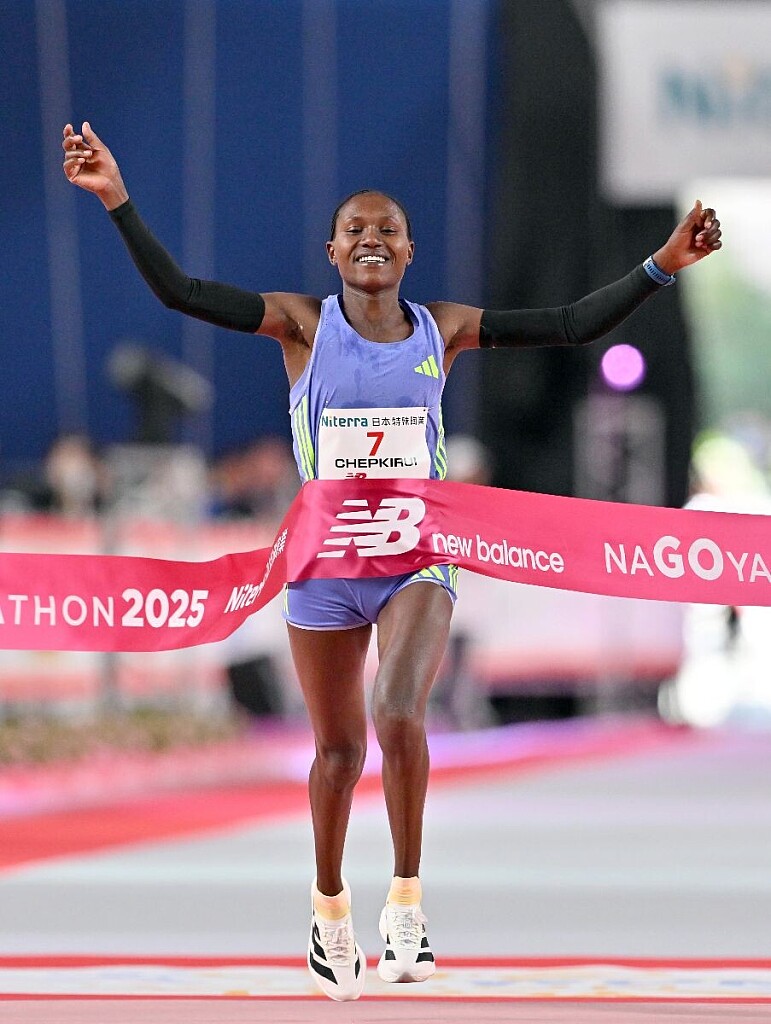
Chepkirui, Desta and Maeda Set the Stage for a High-Stakes Showdown at the 2026 Nagoya Women's Marathon
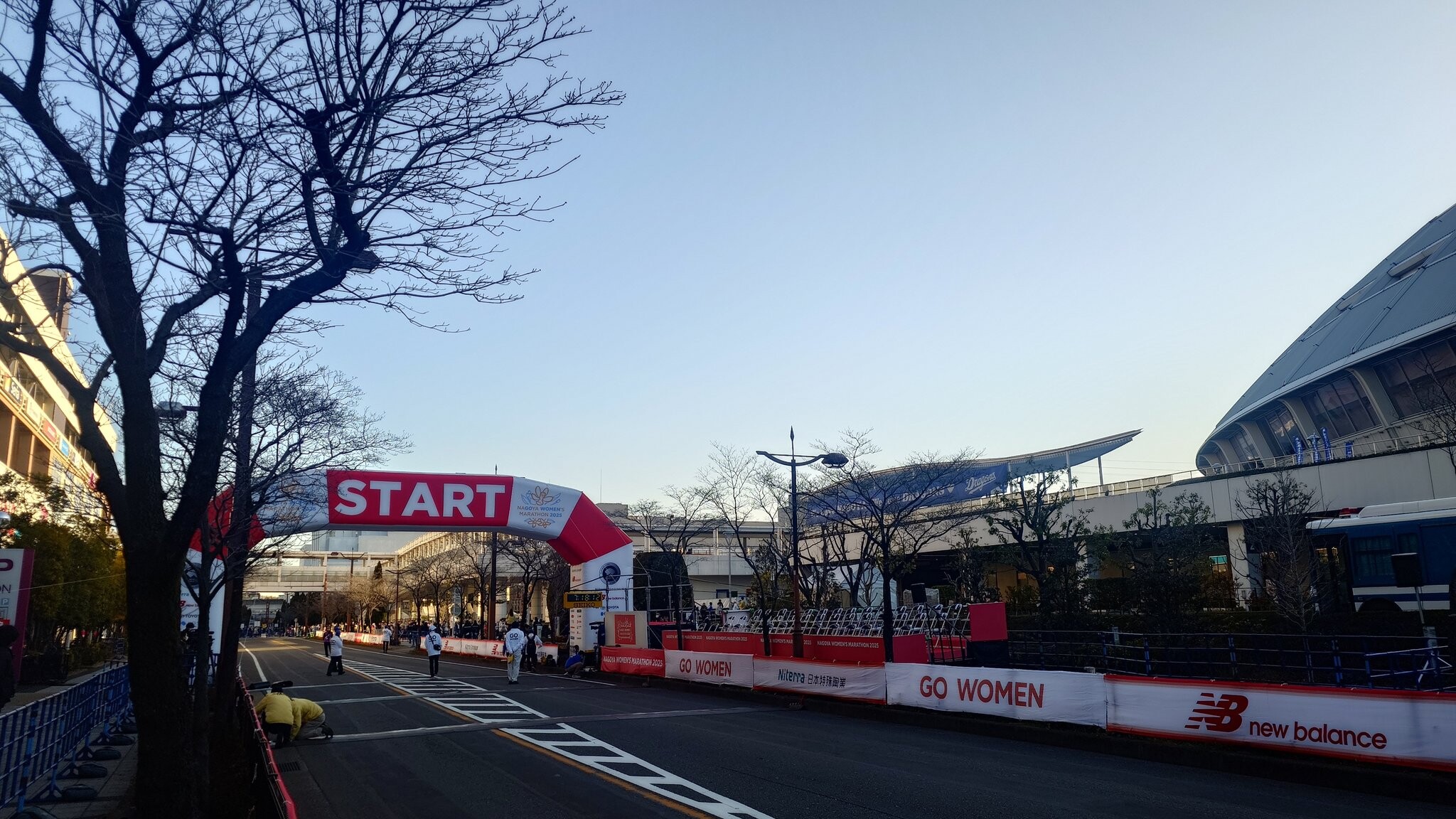
When the elite field assembles in Nagoya, Japan on March 8, the script already feels charged with anticipation. Last year’s top three — Sheila Chepkirui, Sayaka Sato, and Eunice Chebichii Chumba — are all returning. Yet despite that familiar podium, the 2026 edition appears poised to revolve around a sharper, potentially faster duel featuring Chepkirui, Ethiopia’s Aynalem Desta, and Japanese national record holder Honami Maeda.
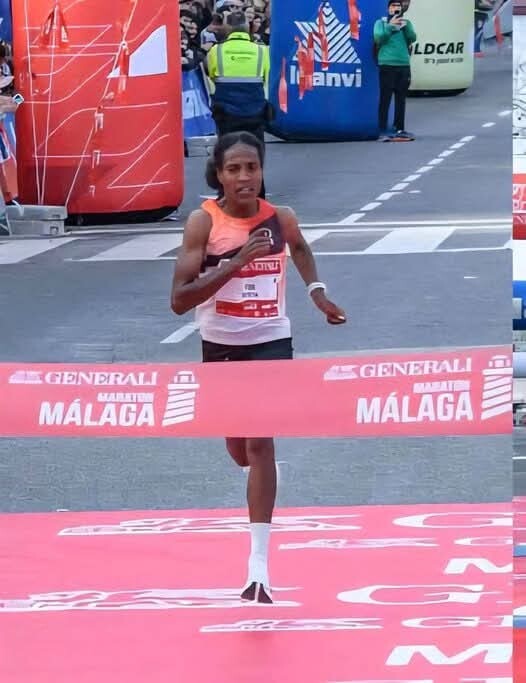
On paper, the margins are razor-thin. Chepkirui boasts a 2:17:49 personal best from Berlin in 2023, while Desta delivered a 2:17:37 performance in Amsterdam last autumn — the most recent sub-2:20 among the leading contenders. Maeda’s 2:18:59 national record at the Osaka International Women’s Marathon in 2024 confirmed her place among the world’s elite, even if her recent racing schedule has been relatively quiet. Her 1:10:07 at the Houston Half Marathon last month offered a glimpse of solid conditioning, though history shows she does not need a flashy buildup to produce something special; when she broke the national record, she arrived without a headline-grabbing tune-up.
If the early pace is ambitious — somewhere in the 2:18 range — it could quickly narrow the contest to those three. Sustaining that rhythm through the final 10 kilometers demands both proven endurance and the courage to commit early. Desta’s freshness gives her a compelling edge, Chepkirui’s championship composure makes her dangerous, and Maeda’s ability to rise on home soil cannot be underestimated.
However, Nagoya has often rewarded patience as much as aggression. Should the tempo settle closer to 2:20, the race could expand into a layered battle. Chumba remains a consistent performer at the highest level, while Selly Chepyego Kaptich and Sato sit comfortably within the 2:20–2:22 bracket and would welcome a more measured first half.
There is also quiet intrigue behind the front line. Women-only half marathon national record holder Rino Goshima returns after a 2:26:08 debut here last year and will be aiming to convert her raw speed into a more complete marathon performance. Meanwhile, 2023 World University Games half marathon gold medalist Hikaru Kitagawa arrives buoyed by a 1:10:29 personal best in Marugame earlier this month — a signal that her upward trajectory may continue over 42.195 kilometers.
Adding further unpredictability is a wave of ambitious debutants. Wakana Kabasawa and Yuna Takahashi both enter the marathon distance fresh off sub-1:09:30 half marathon personal bests this season. With that foundation of speed, it would be no surprise to see them commit to at least a 2:20 tempo from the outset.
Ultimately, the shape of the race will be decided by intent. If the leaders choose to be bold, Nagoya could witness a relentless, high-quality confrontation among three women separated by mere seconds in ability. If caution prevails, the contest may unfold as a tactical chess match, with a larger group poised to strike late. Either way, the 2026 Nagoya Women’s Marathon promises not just depth — but genuine, sustained drama from start to finish.
by Erick Cheruiyot for My Best Runs.
Login to leave a comment

Nagoya Women's Marathon
The Nagoya Women's Marathon named Nagoya International Women's Marathon until the 2010 race, is an annual marathon race for female runners over the classic distance of 42 km and 195 metres, held in Nagoya, Japan in early March every year. It holds IAAF Gold Label road race status. It began in 1980 as an annual 20-kilometre road race held in...
more...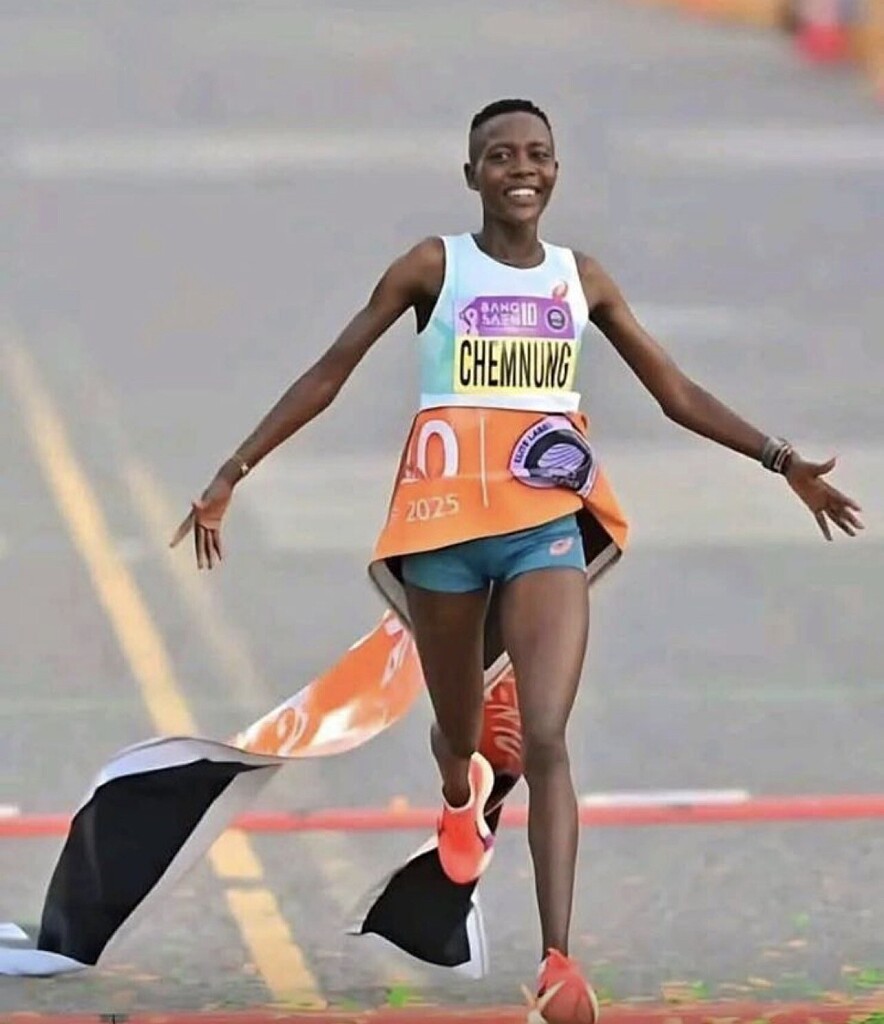
From Barcelona to Boston: Loice Chemnung’s Next Move Is Already in Motion
Hours after delivering one of the fastest performances ever recorded at the Barcelona Half Marathon on February 15, 2026, Loice Chemnung was not reflecting on what she had accomplished. Instead, her focus had already shifted forward—to Boston.
In a virtual interview with My Best Runs from Nairobi on February 16, Chemnung confirmed that her immediate priority is the Boston Marathon on April 20, 2026. Her decisive mindset reflects an athlete who views success not as a destination, but as a stepping stone.
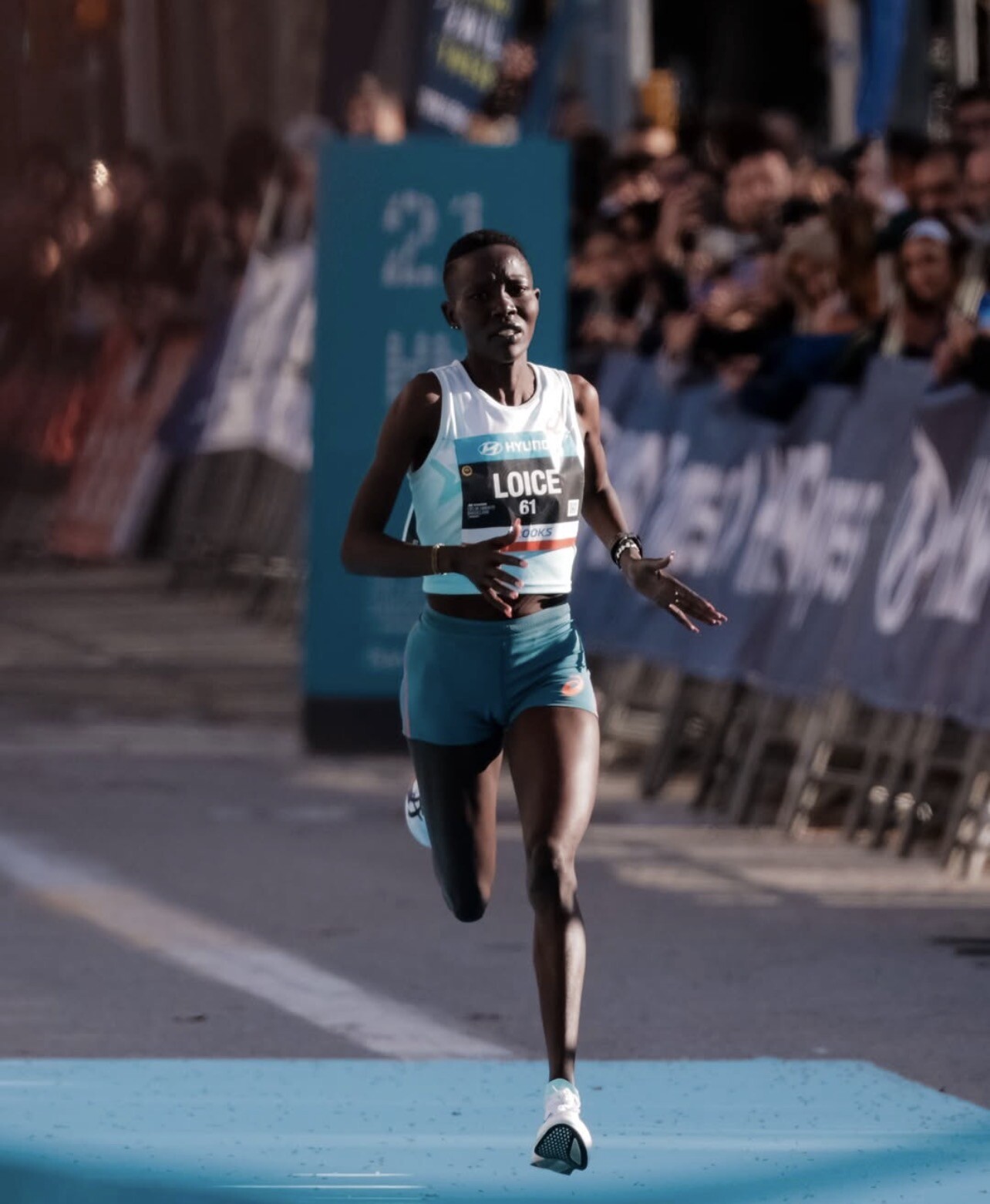
Chemnung’s 1:04:01 performance in Barcelona was more than a course record—it was a statement. It confirmed her position among the world’s elite distance runners and demonstrated a level of composure and execution that signals readiness for even greater challenges. Her ability to sustain pace, maintain control, and finish strongly on a fast, exposed course highlighted both physical preparation and mental discipline.
Her marathon credentials are already formidable. She holds a personal best of 2:18:23, set at the 2025 Chicago Marathon, a breakthrough race that elevated her into the top tier of international marathoners. She also carries positive memories of Boston, having won the Boston 10K last year in 31:39, gaining valuable familiarity with the city and its demanding running environment.
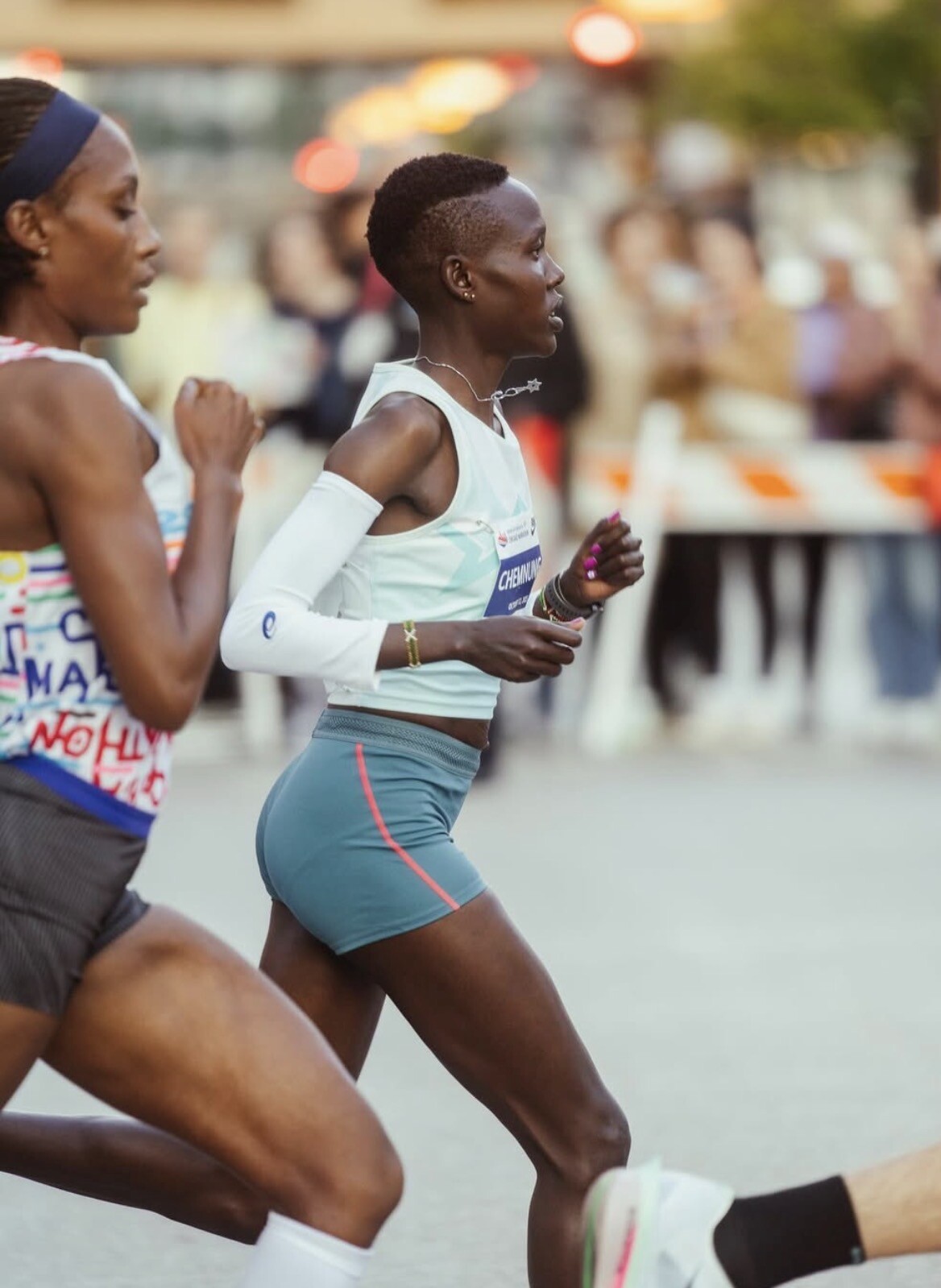
Her approach in Barcelona reflected clarity and intent.
“I was planning for a PB and if conditions allowed to run sub 65,” she said.
Passing 10 kilometers in 30:09, Chemnung committed early to her goal while maintaining control. When the field thinned and she found herself alone during the coastal stretch, she did not deviate from her plan.
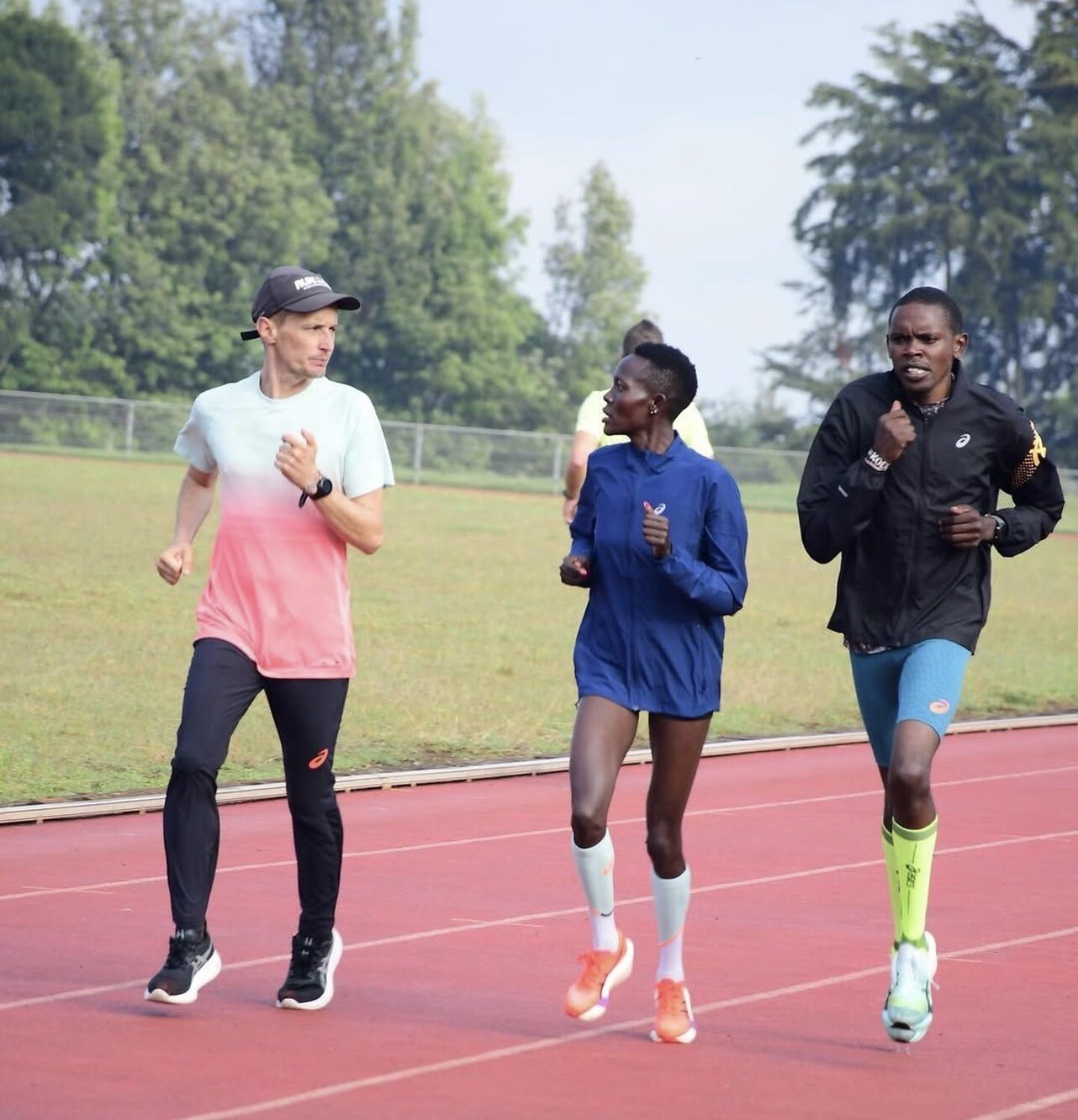
“I just maintained my rhythm and focused on what I am capable of achieving,” she explained.
That emphasis on rhythm is central to her philosophy. Even as fatigue and environmental factors threatened momentum, she relied on disciplined pacing rather than emotional reaction. For Chemnung, preparation is the foundation of performance.
“I can observe that preparation is key to good running,” she said.
Boston, however, presents a different challenge. Unlike Barcelona’s flat, rhythm-friendly profile, Boston is defined by rolling terrain, early downhill segments that punish the legs, and the decisive Newton Hills late in the race. Success there depends not only on fitness, but on strength, restraint, and strategic awareness.
Chemnung understands the shift required.
“Focus shifts to Boston Marathon on April 20th,” she said. “I will focus mainly on endurance, speed endurance to build on a marathon.”
That focus on endurance and speed endurance reflects the demands of championship-level marathoning. It means longer sustained efforts, strength development, and preparation for the unpredictable dynamics that define Boston.
With a personal best of 2:18:23, Chemnung enters Boston with the capability to compete at the highest level. Yet Boston has rarely been a race defined solely by time. It rewards resilience, patience, and the ability to respond when the race evolves.
What stands out most about Chemnung is not just her performance, but her mindset. Within hours of a career-defining run, her attention had already turned to the next challenge. That forward-looking focus is often what separates contenders from champions.
Barcelona confirmed her precision. Boston will test her strength.
On April 20, Loice Chemnung will arrive not as an outsider, but as an athlete whose trajectory is clearly ascending—and whose best performances may still lie ahead.
by Robert Kibet for My Best Runs
Login to leave a comment

Boston Marathon
Among the nation’s oldest athletic clubs, the B.A.A. was established in 1887, and, in 1896, more than half of the U.S. Olympic Team at the first modern games was composed of B.A.A. club members. The Olympic Games provided the inspiration for the first Boston Marathon, which culminated the B.A.A. Games on April 19, 1897. John J. McDermott emerged from a...
more...
Almgren Returns to Castelló: European Record Holder Targets Another Historic Run at 10K Facsa Castelló
Few races in the world carry the reputation for pure speed that the 10K Facsa Castelló has built. Scheduled for Sunday, February 22, 2026, in Castelló, Spain, this race has become one of the premier destinations for athletes chasing fast times, personal bests, and global recognition over 10 kilometers.
Flat, fast, and perfectly organized, Castelló has earned its place among the elite road races worldwide. The course, which winds through the streets of this coastal Spanish city, offers ideal conditions for record-level performances. Over the past decade, Castelló has consistently produced some of the fastest 10K times ever recorded.
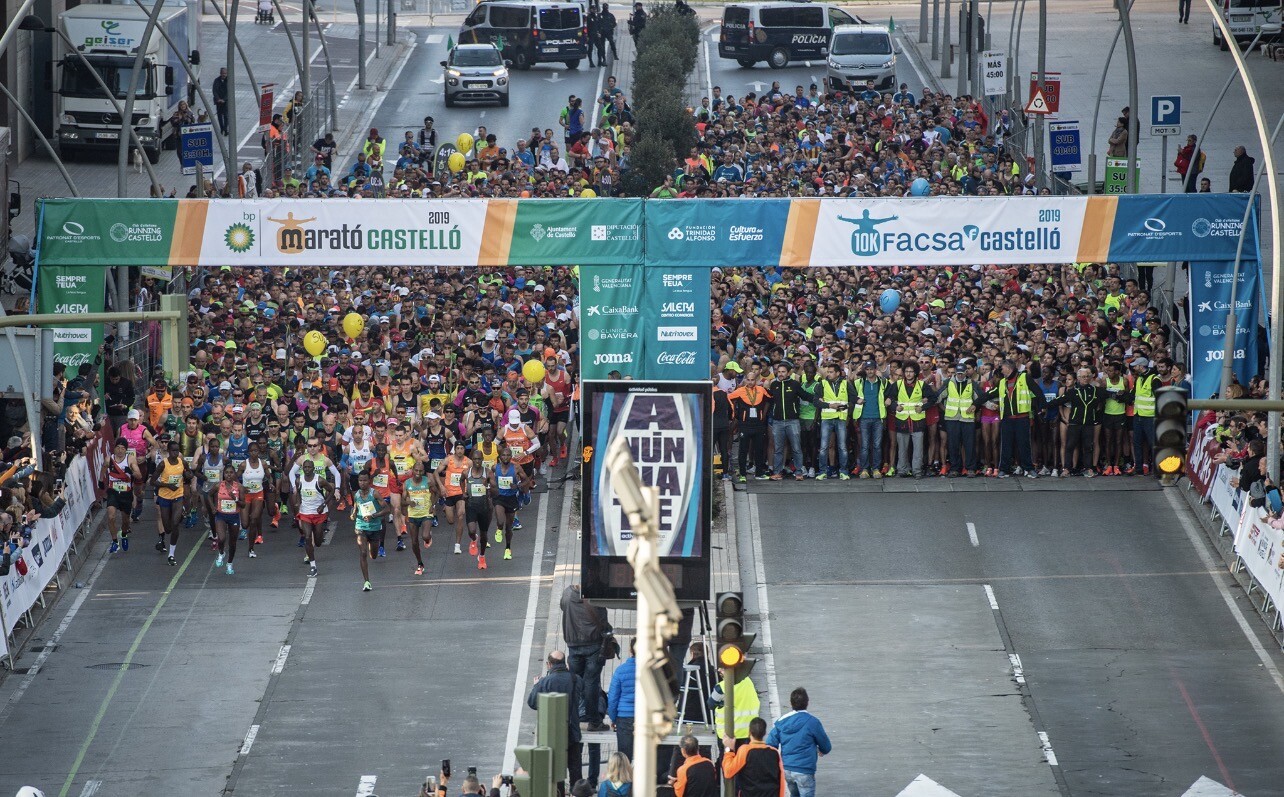
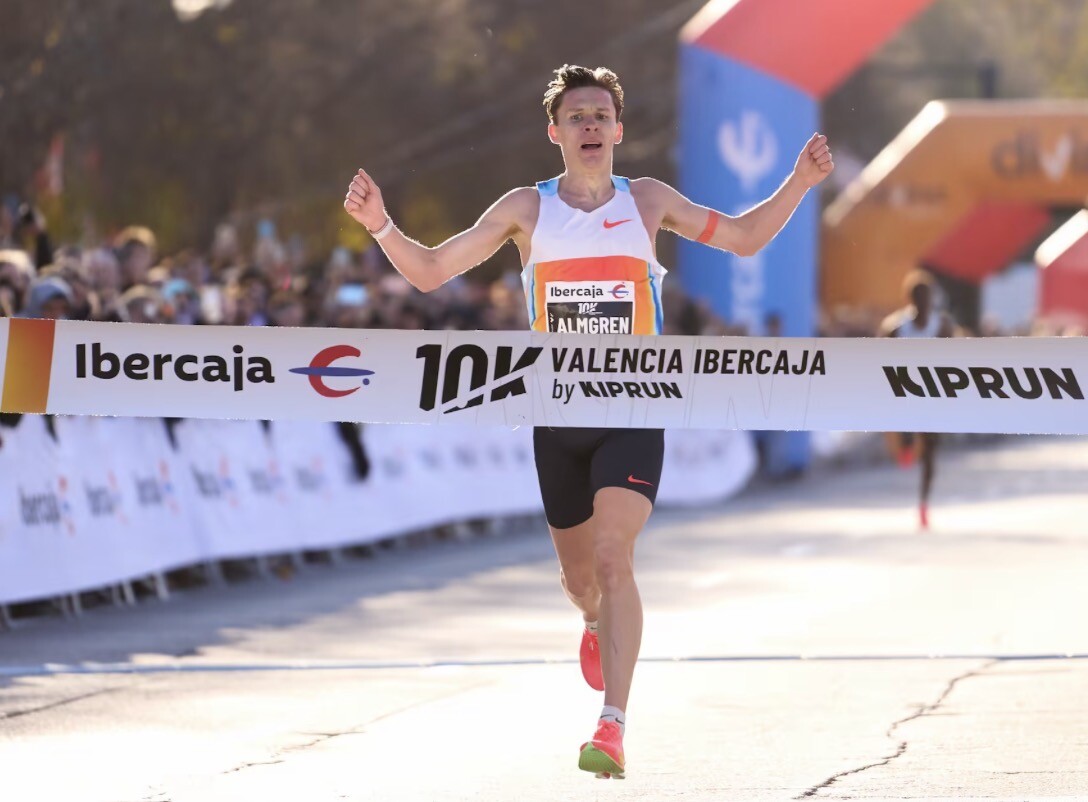
This year, the race welcomes one of Europe’s greatest distance runners at the peak of his powers. Multiple European record holder Andreas Almgren of Sweden has confirmed his return to Spanish soil, where he has produced the finest performances of his career. His presence instantly elevates the 2026 edition and positions Castelló once again as a potential stage for history.
A Course Designed for Speed
The 10K Facsa Castelló course is known for its simplicity and precision. With wide roads, minimal turns, and near-sea-level elevation, it provides ideal conditions for athletes to maintain rhythm and maximize efficiency. Cool February temperatures typically create near-perfect racing conditions, allowing runners to sustain aggressive pacing from start to finish.
The race has already secured its place in history. In 2020, Kenya’s Rhonex Kipruto stunned the athletics world with a remarkable 26:24 performance, at the time the fastest 10K ever recorded, firmly establishing Castelló as one of the fastest road racing venues on the planet. Athletes arrive knowing this is a place where limits are tested—and often broken.
Almgren’s Spanish Success Story Continues
For Almgren, Spain has become synonymous with breakthrough performances. In October, he delivered one of the most significant moments in European distance running history when he clocked 58:41 in Valencia, becoming the first European athlete ever to break the 59-minute barrier for the half marathon.
He returned to Valencia again last month and produced another extraordinary performance, lowering his own European 10K record and confirming his place among the world’s elite road racers. His ability to combine endurance, efficiency, and closing speed has transformed him into one of the most dangerous competitors at any distance from 10K to the half marathon.
Now, he returns to Castelló with confidence, momentum, and the proven ability to deliver record-breaking performances on Spanish roads.
A Global Stage for Fast Times
The 10K Facsa Castelló has earned worldwide respect not only for its course but for its ability to attract elite international talent. The race has become a preferred destination for athletes targeting personal bests, national records, and global recognition.
Almgren’s participation signals both ambition and intent. His recent performances have redefined what European athletes can achieve and demonstrated that he can challenge the very best in the world.
As race day approaches, anticipation continues to build. Castelló has already witnessed history. With Andreas Almgren returning in record-breaking form, it may be ready to witness it again.
On February 22, 2026, one of the fastest courses in the world will once again test the limits of human performance—and Andreas Almgren may once again be at the center of it.
Login to leave a comment
10k Facsa Castello
The 10K FACSA Castelló is one of Spain’s fastest and most prestigious road races, drawing elite and amateur runners from around the world. Held in Castellón de la Plana, this race has grown exponentially, earning a reputation for its flat, high-speed course and exceptional organization. It holds a World Athletics Road Race Label, placing it among the top road races...
more...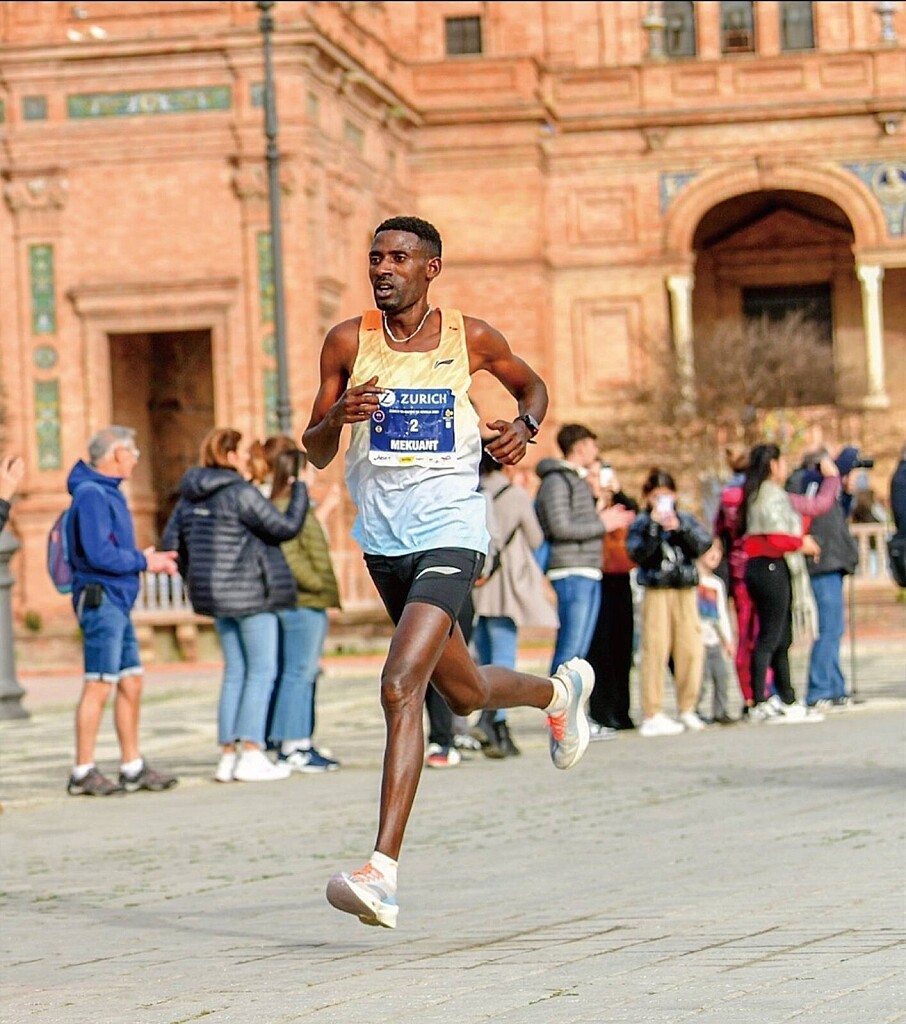
A Tactical Marathon Showdown: Elite Entrants Eye Hong Kong Glory
The Standard Chartered Hong Kong Marathon returns on Sunday, January 18, 2026, shaping up as one of the most intriguing early-season tests on the global marathon calendar. Established in 1997 and now a World Athletics Gold Label event, the race has built its reputation not on record-chasing, but on tactical nuance—where patience, positioning, and timing often trump raw speed.
That dynamic makes this year’s edition especially compelling, as a deep and accomplished elite field converges on a course known for demanding smart racing.
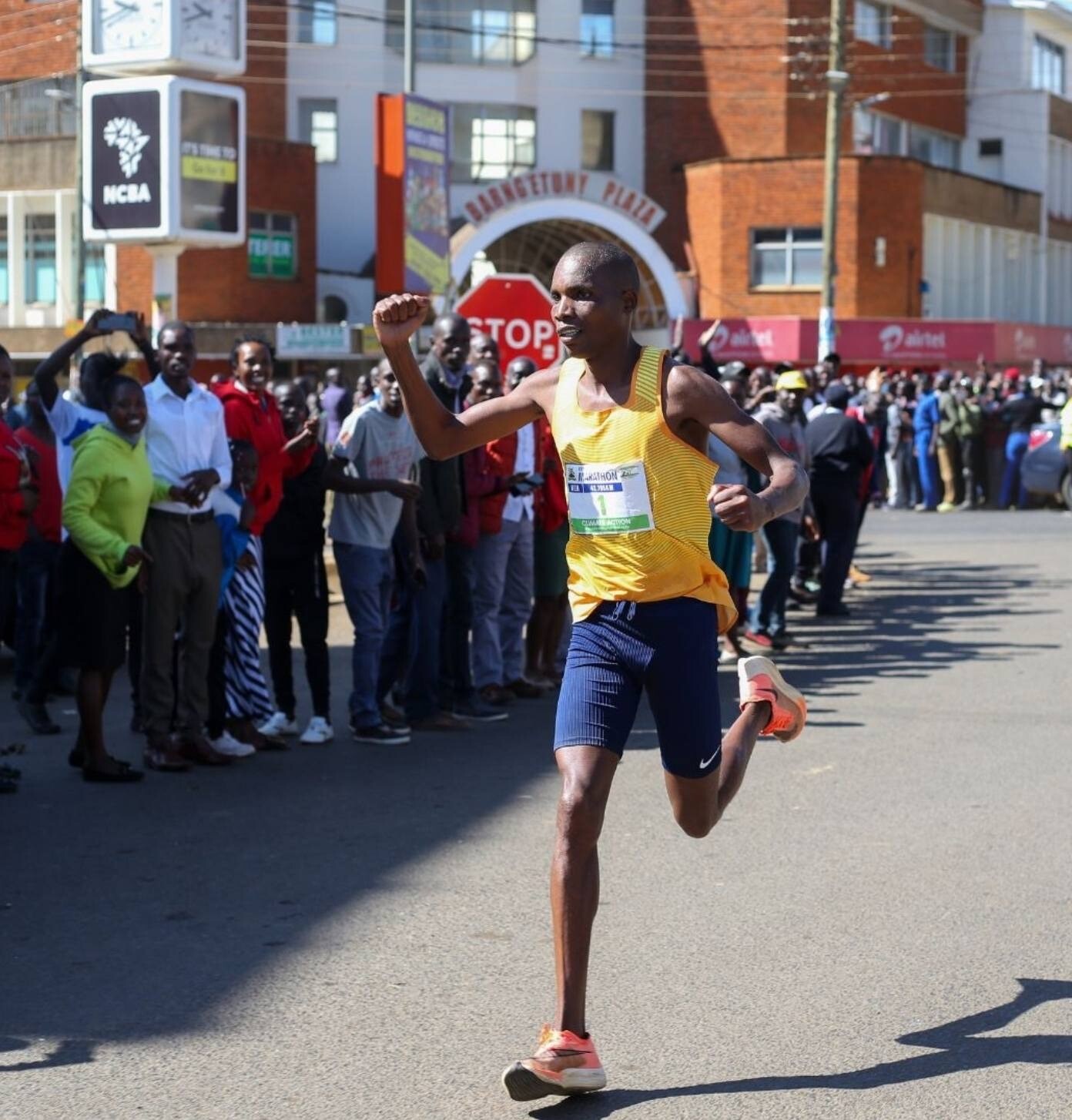
Leading the men’s start list is Ethiopia’s Gebre Mekuant Ayenew, whose personal best of 2:04:46 positions him as the clear favorite on paper. By global standards, Ayenew ranks among the sport’s upper tier—an athlete capable of world-class times if conditions allow.
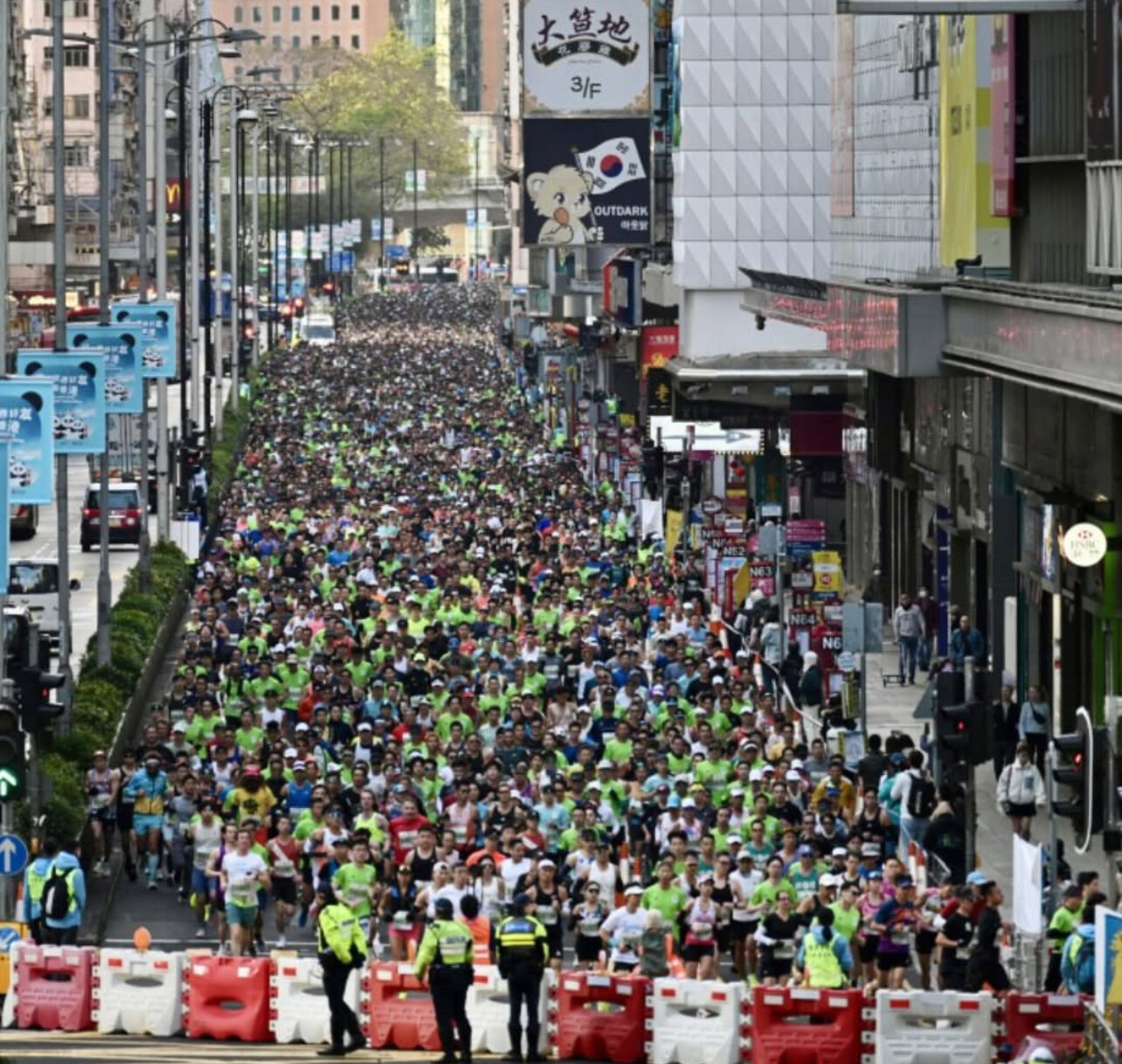
But Hong Kong rarely rewards straight-line speed alone. The urban course, winding from Nathan Road to Victoria Park, features sharp turns, rolling sections, bridges, and the ever-present factor of subtropical winter humidity. These elements routinely transform the race into a chess match, where tactical awareness becomes as decisive as fitness.
Kenya’s contingent arrives with depth and experience, forming a formidable counterbalance. Victor Kipchirchir (2:05:43) stands out as the most immediate threat. Known for measured pacing and a strong finish, Kipchirchir is well-suited to a race that rewards restraint before aggression.
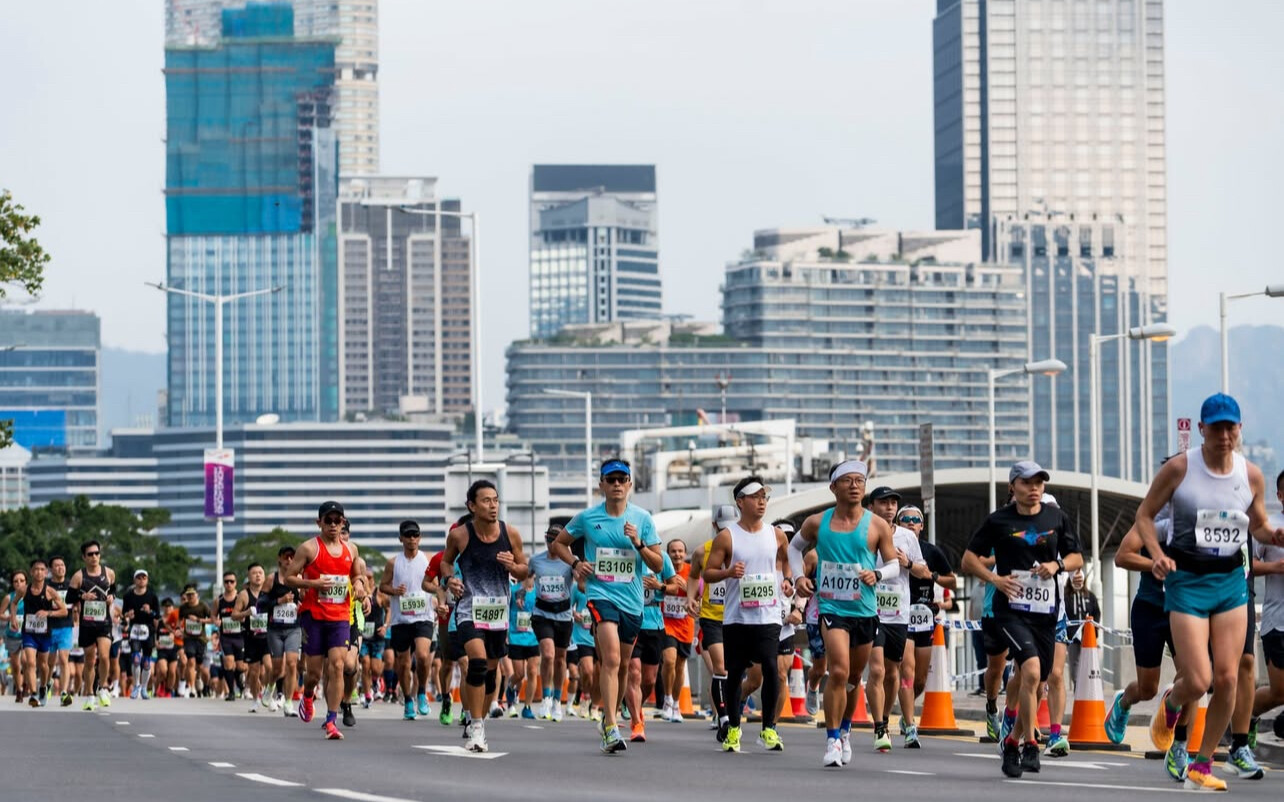
Backing him are Silas Kiprono Too (2:06:32), Kipkemoi Kiprono (2:06:45), Reuben Kiprop Kerio(2:07:00), and Simon Kipkosgei (2:07:07). Collectively, they offer tactical versatility and the ability to apply pressure during the critical middle stages—often where Hong Kong races are won or lost.
Ethiopia counters with its own depth. Abdi Fufa Nigassa (2:05:57), Gebru Nguse Redahgne(2:05:58), Yitayal Atnafu Zerihun (2:06:21), and Melaku Belachew Bizuneh (2:06:30) complete a formidable lineup. While their personal bests suggest the potential for fast running, Hong Kong history suggests that tactical surges and energy management often dictate the podium.
International intrigue comes courtesy of Yuki Kawauchi (JPN, 2:07:27), one of the sport’s most unpredictable racers. Renowned for his aggressive, fearless approach, Kawauchi has a habit of disrupting conventional pacing and forcing rivals into uncomfortable decisions. He is joined by Ghazouany Mohamed (MAR, 2:09:01) and Han Il Ryong (PRK, 2:09:42), underscoring the truly global character of the field.
Recent history provides useful perspective. In 2025, winning times hovered around 2:11–2:12, with Kenyan runners dominating the podium. The 2024 edition was similarly measured, reinforcing the course’s tactical reputation. Against that backdrop, the 2026 start list represents a notable shift: several contenders arrive with sub-2:06 credentials, raising the possibility of a quicker race—if the lead pack commits to pushing the tempo.
Still, the course demands respect. Early aggression has often been punished, while disciplined positioning and energy conservation through the mid-race sections have proven decisive. Misjudgment can lead to dramatic fade-outs over the final 10 kilometers; patience, on the other hand, often opens the door to late-race surges and podium-deciding moves.
That tension sets up a fascinating strategic question: will Ethiopia attempt to control the race through collective pacing, or will Kenya counter with tactical pressure and well-timed attacks? And could Kawauchi’s trademark aggression fracture the rhythm entirely?
With personal bests tightly clustered and tactical variables at play, Hong Kong once again promises a marathon where intelligence and restraint may outweigh even the fastest résumés.
As the 2026 marathon season gets underway, all eyes turn to January 18 when Hong Kong’s streets will host a contest shaped by history, strategy, and split-second decisions—another reminder that here, the smartest runner often wins.
by Robert Kibet for My Best Runs
Login to leave a comment

HONG KONG MARATHON
The Hong Kong Marathon, sponsored by Standard Chartered Bank, is an annual marathon race held in January or February in Hong Kong. In addition to the full marathon, a 10 km run and a half marathon are also held. Around 70,000 runners take part each year across all events. High levels of humidity and a difficult course make finishing times...
more...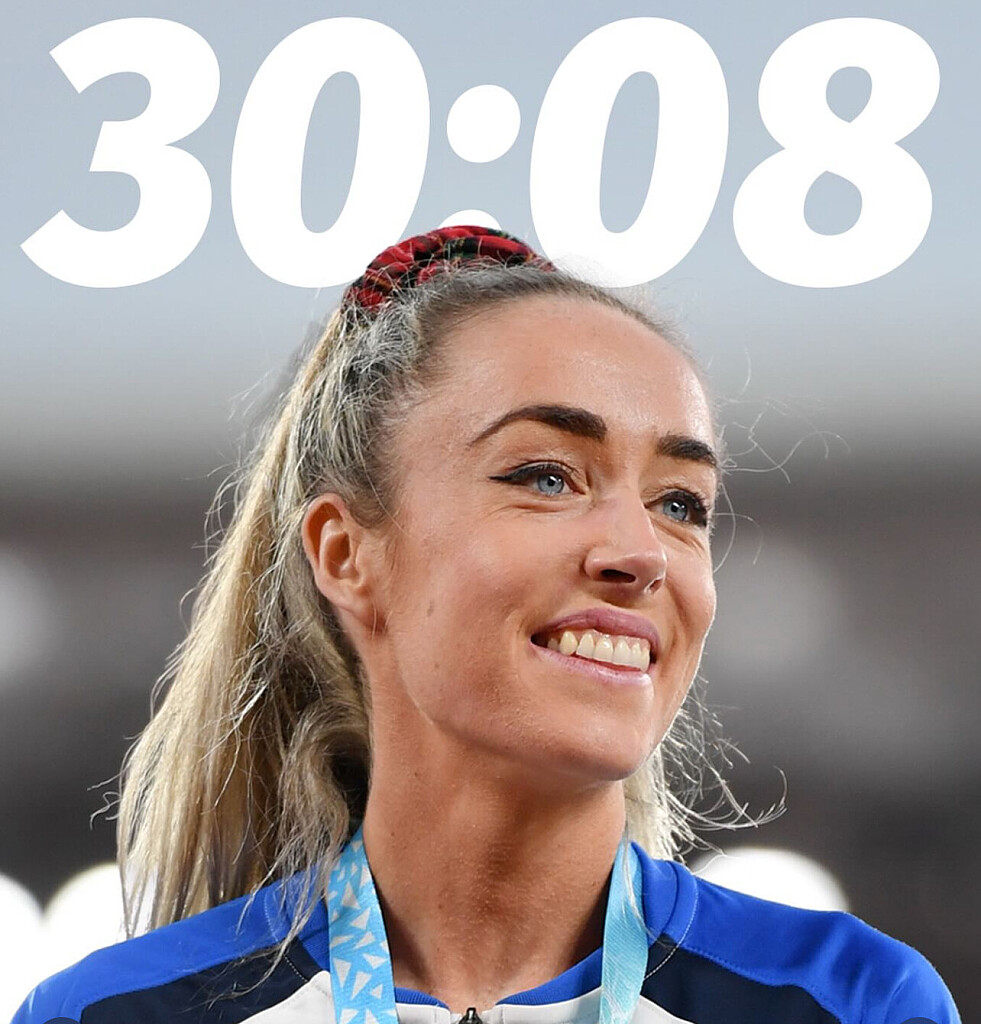
Eilish McColgan Reclaims European 10K Record in Valencia
VALENCIA, SPAIN — January 12, 2025 — Eilish McColgan once again asserted her place at the top of European road running, reclaiming the European 10K record with a superb 30:08 performance at the 10K Valencia Ibercaja.
Raced on the fast, flat streets of Valencia, the event has become the global benchmark for elite 10K racing. McColgan’s performance was a reminder that when conditions, competition, and preparation align, records are there to be challenged—and reclaimed.
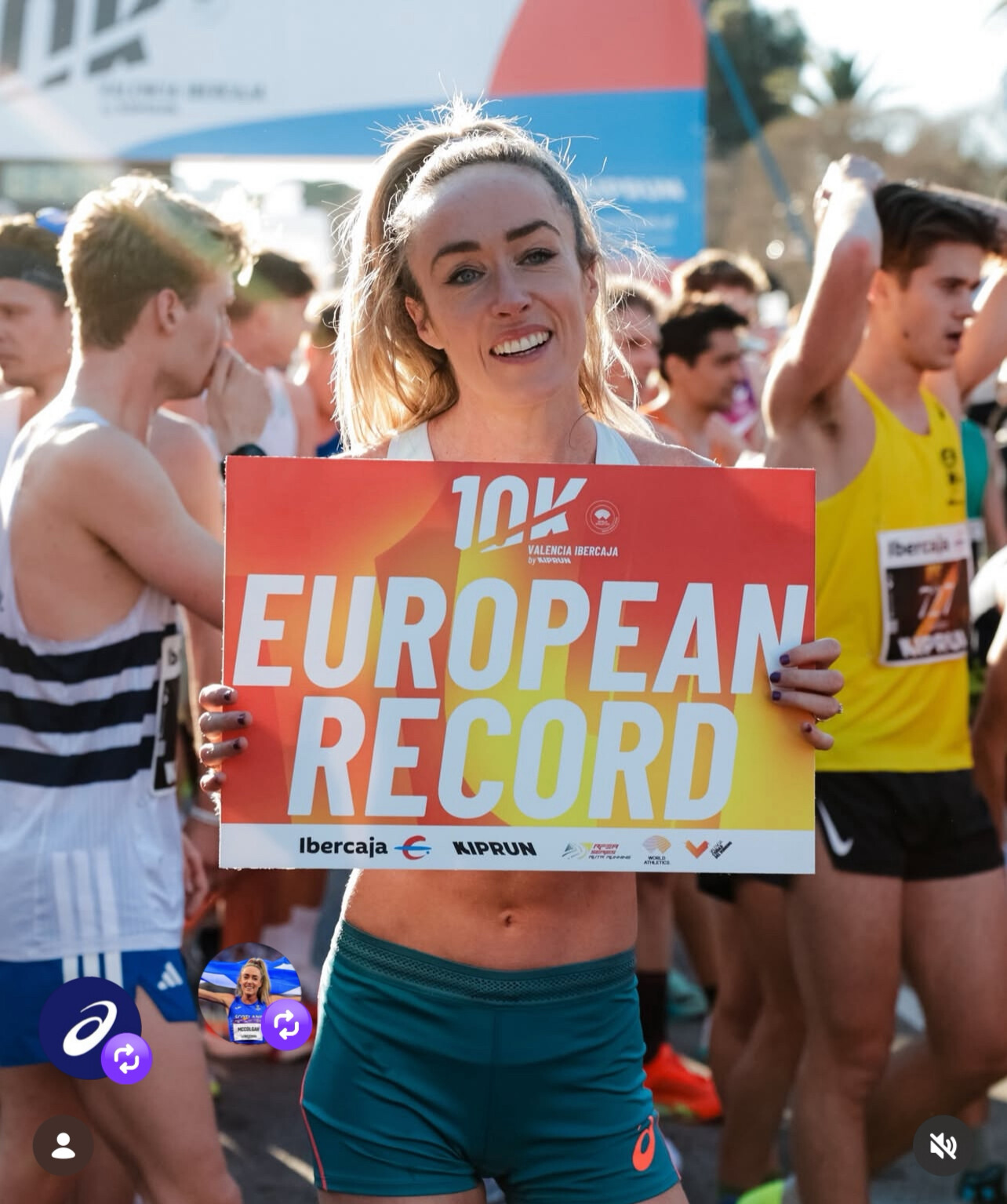
McColgan’s 30:08 shaved two seconds off the previous European record, which had been set just one week earlier by Belgium’s Jana Van Lent. The quick succession of record-breaking performances highlights how rapidly standards are rising in women’s road racing, particularly at the 10K distance.
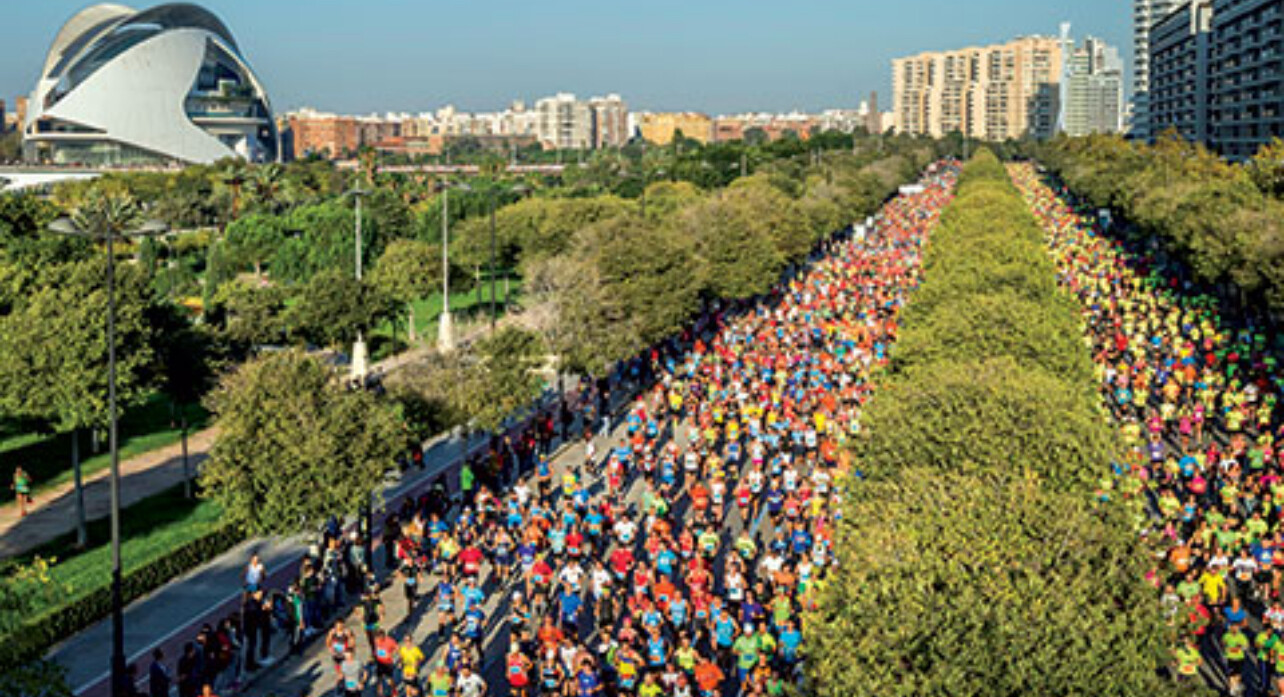
This was not unfamiliar territory for McColgan. She previously held the European 10K record, and Valencia offered the ideal setting to take it back. The course, known for its wide roads, gentle turns, and near-perfect winter conditions, has repeatedly proven itself as the place where limits are tested and redefined.
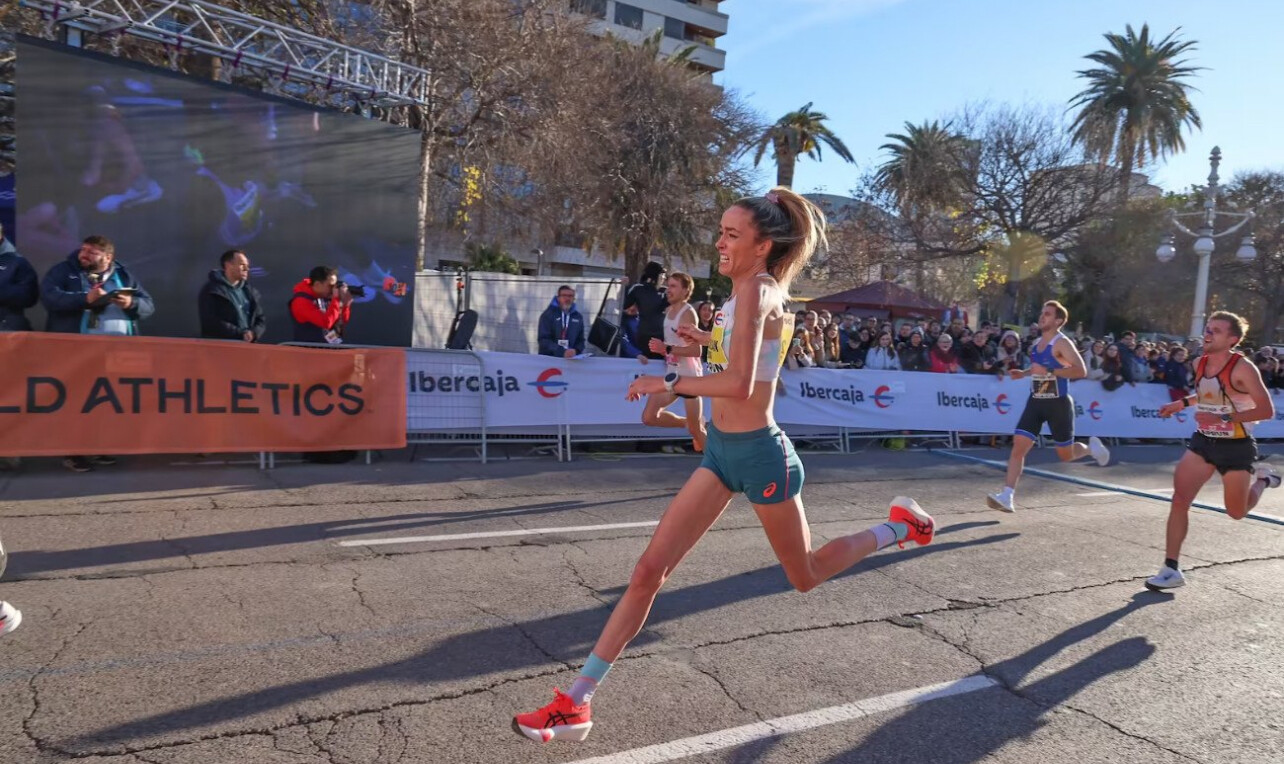
From the opening kilometers, McColgan ran with calm authority. She settled quickly into her target rhythm, maintained control through the middle stages, and continued to press without hesitation. There was no dramatic late surge—just sustained, efficient speed from start to finish. It was a performance built on precision and confidence.
Her time places her firmly among the fastest women ever over 10 kilometers on the road and reinforces her reputation as one of Europe’s premier distance runners. More importantly, it reflects a broader shift in women’s road racing, where records are no longer distant milestones but moving targets.
Valencia’s role in that shift continues to grow. The race now attracts extraordinary depth, not just at the front but throughout the field, creating an environment where athletes are pushed to run at their absolute limits. A strong performance here carries global significance.
For McColgan, this run adds another defining chapter to an already distinguished career. For European distance running, it signals a new era—one where excellence must be defended constantly, and where even continental records can be rewritten in a matter of days.
If Valencia has taught us anything, it is this: when runners want an honest test of where they stand, this is where they come.
Race details:
• Race: 10K Valencia Ibercaja
• Date: January 12, 2025
• Location: Valencia, Spain
• Result: Eilish McColgan — 30:08 (European Record)
by Boris Baron
Login to leave a comment
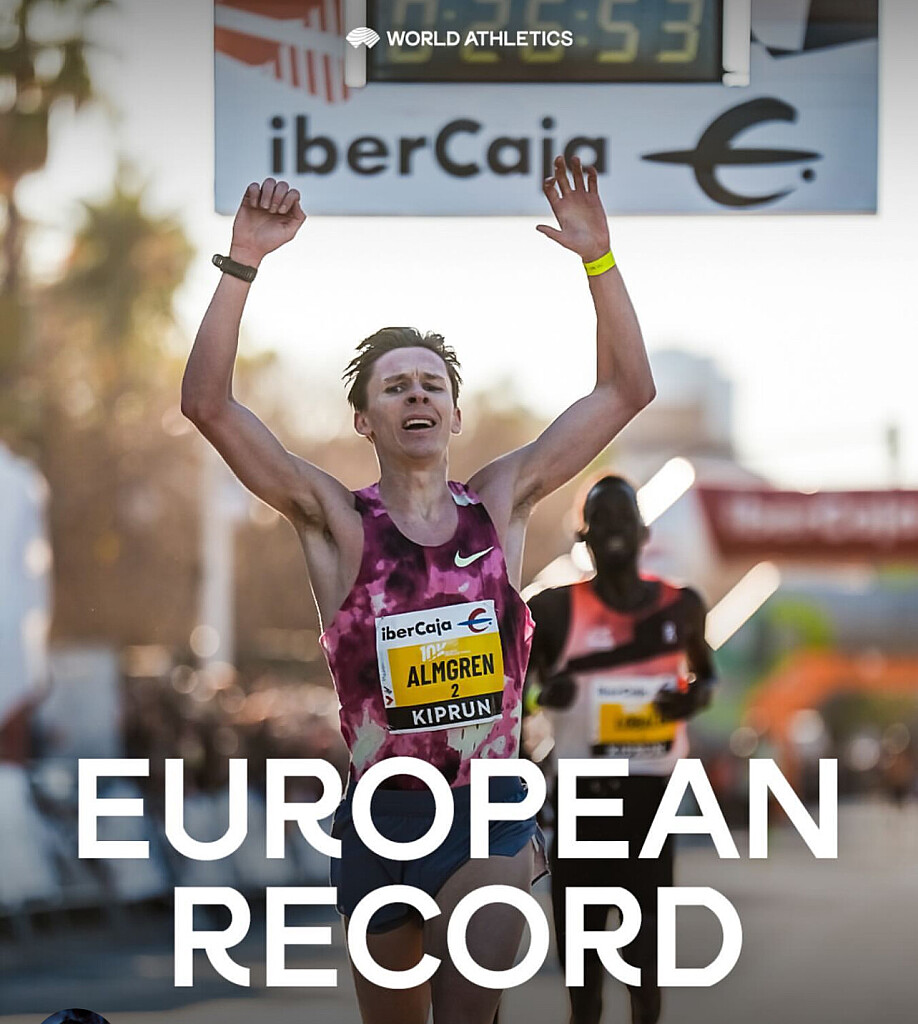
Andreas Almgren Smashes European 10K Record With Stunning 26:44 in Valencia
European distance running reached a historic milestone on January 11, 2026, as Andreas Almgren delivered one of the greatest road performances ever recorded on the continent, clocking 26:44 for 10 kilometers at the 10K Valencia Ibercaja in Valencia, Spain.
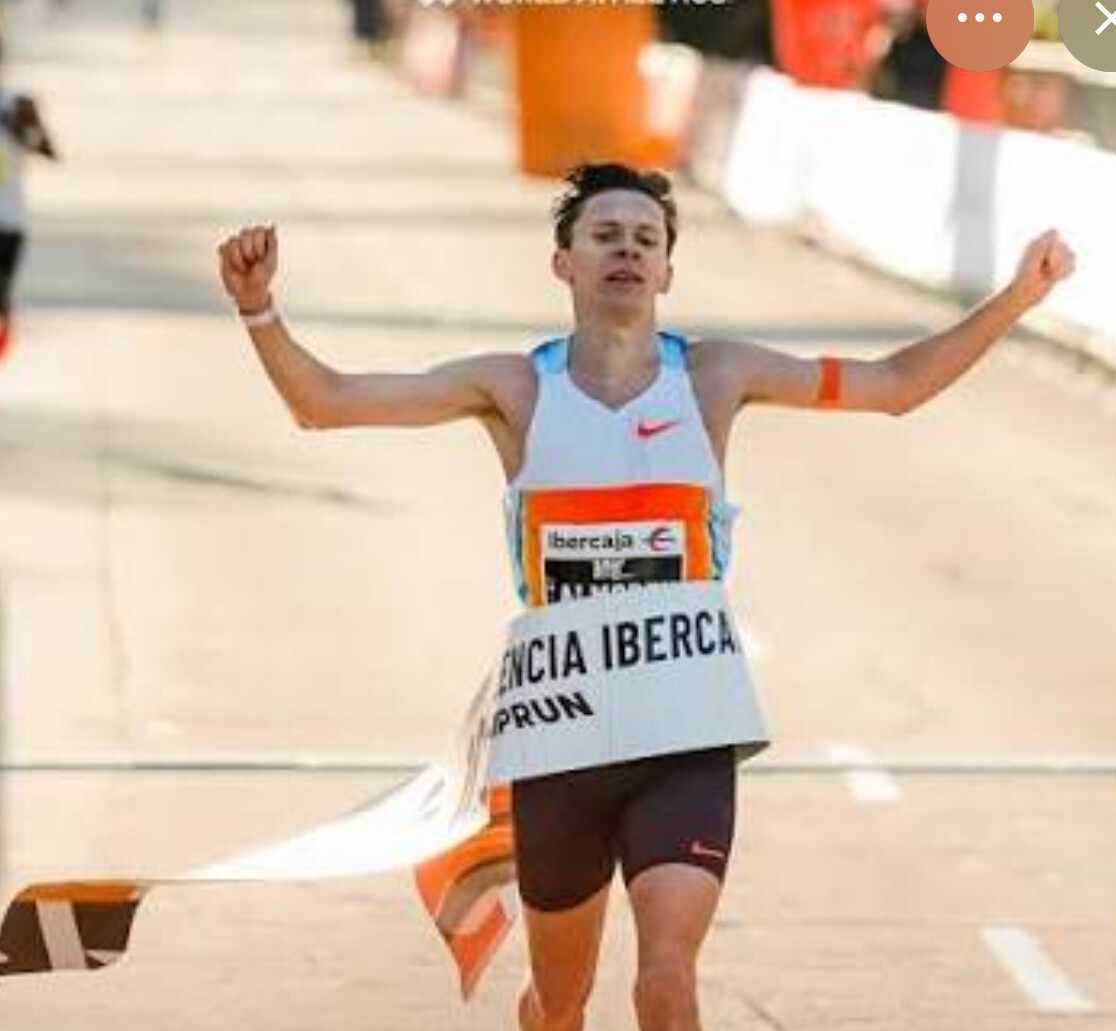
Run at an astonishing average pace of 2:40 per kilometer, Almgren’s performance set a new European record and placed him firmly among the world’s all-time greats at the distance. When he crossed the finish line, he collapsed to the pavement—an unmistakable image of a runner who had gone all the way to the edge.
A Race Run on the Limit
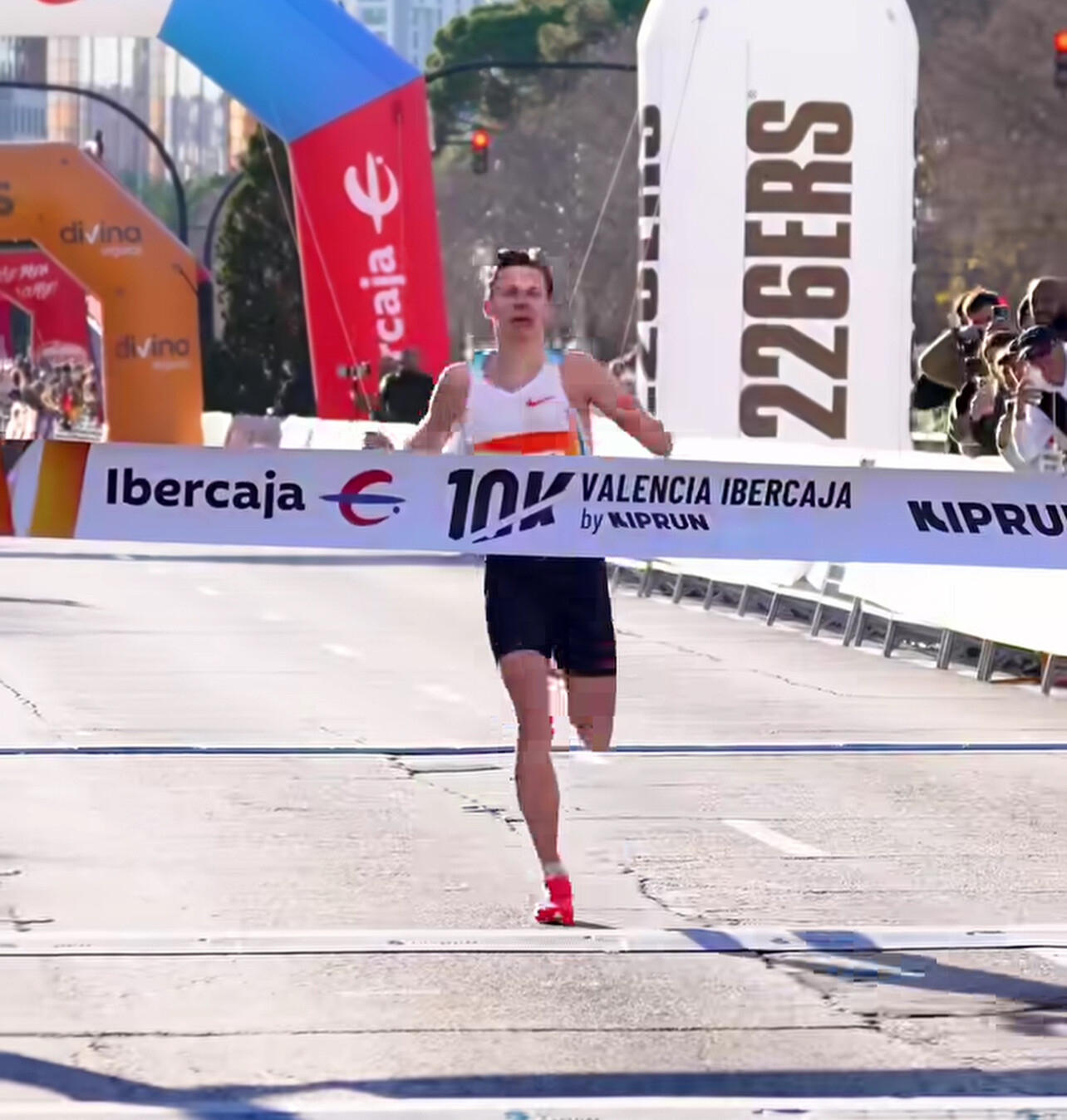
This was not a cautious record attempt. Almgren raced aggressively from the start, locking into a pace few athletes in the world can sustain. His effort was defined by precision and courage:
• First 5K: approximately 13:22
• Second 5K: nearly identical
That kind of balance at such speed is extraordinarily rare, even among global medalists.
Why Valencia Matters
Valencia has become one of the fastest road-running venues in the world, known for ideal winter conditions, smooth courses, and elite competition. Still, even on a fast course, 26:44 is a time that demands perfect execution. Almgren didn’t just take advantage of the setting—he maximized it.
A New Benchmark for Europe
By breaking 27 minutes, Almgren joined one of the most exclusive clubs in distance running. Only a handful of athletes worldwide have ever run that fast over 10 kilometers on the road.
For European distance running, this was more than a record—it was a shift in belief. The gap to East African dominance has been narrowing for years, but performances like this show that Europe is now capable of competing at the very highest level.
Years in the Making
Almgren has long been regarded as one of Europe’s most gifted talents, excelling on both the track and the roads. This performance, however, marks a clear breakthrough—proof that his development has reached full world-class maturity, combining speed, strength, tactical awareness, and mental toughness.
Collapsing after the finish was not a sign of distress. It was confirmation of a race run to perfection—nothing held back.
What This Means Going Forward
Records redefine expectations. Almgren’s 26:44 will change how European runners view the limits of the 10K and will resonate well beyond the continent as the sport looks toward upcoming World Championships and Olympic cycles.
This was not just a fast race.
It was a statement.
Final Word
On a January morning in Valencia, Andreas Almgren didn’t just run the fastest 10K ever by a European—he redefined what European distance running can be.
Runs like this don’t happen often. When they do, the sport moves forward.
by Boris Barron
Login to leave a comment

10k Valencia Trinidad Alfonso
Around the corner we have one more edition of the 10K Valencia Ibercaja, organized one more year by the C. 10K VALENCIA Athletics premiering the running season in Valencia. It is a massive urban race with more than 3,000 registered annually of 10 kilometers, where the maximum duration of the test will be 1 hour 40 minutes (100 minutes). The...
more...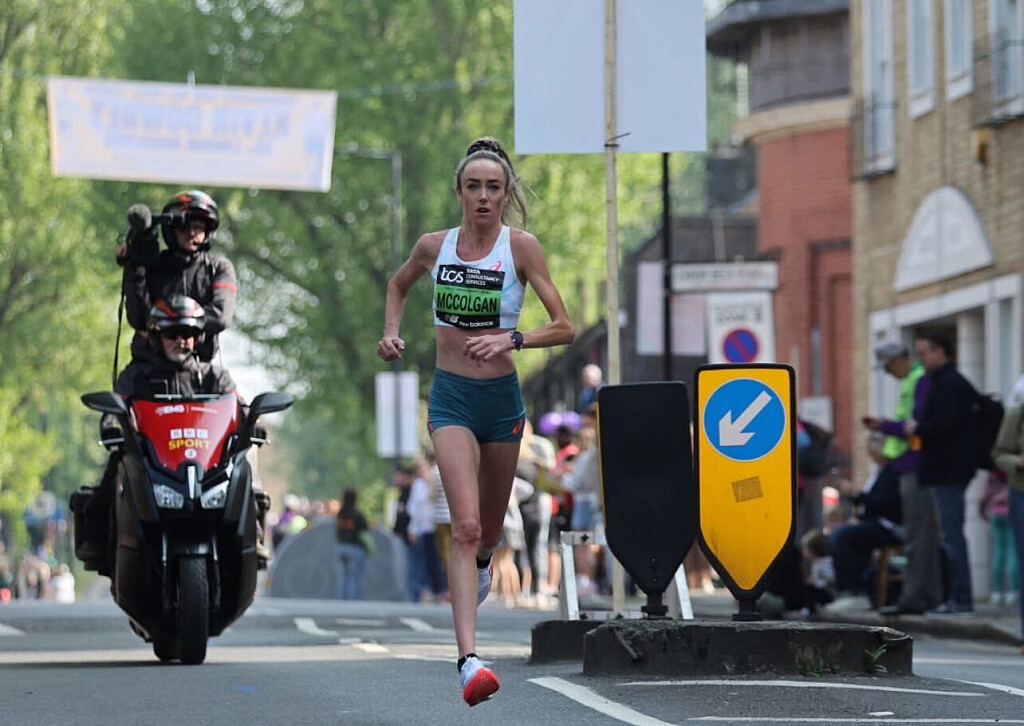
Eilish McColgan Targets Her Own European Record at Valencia 10K
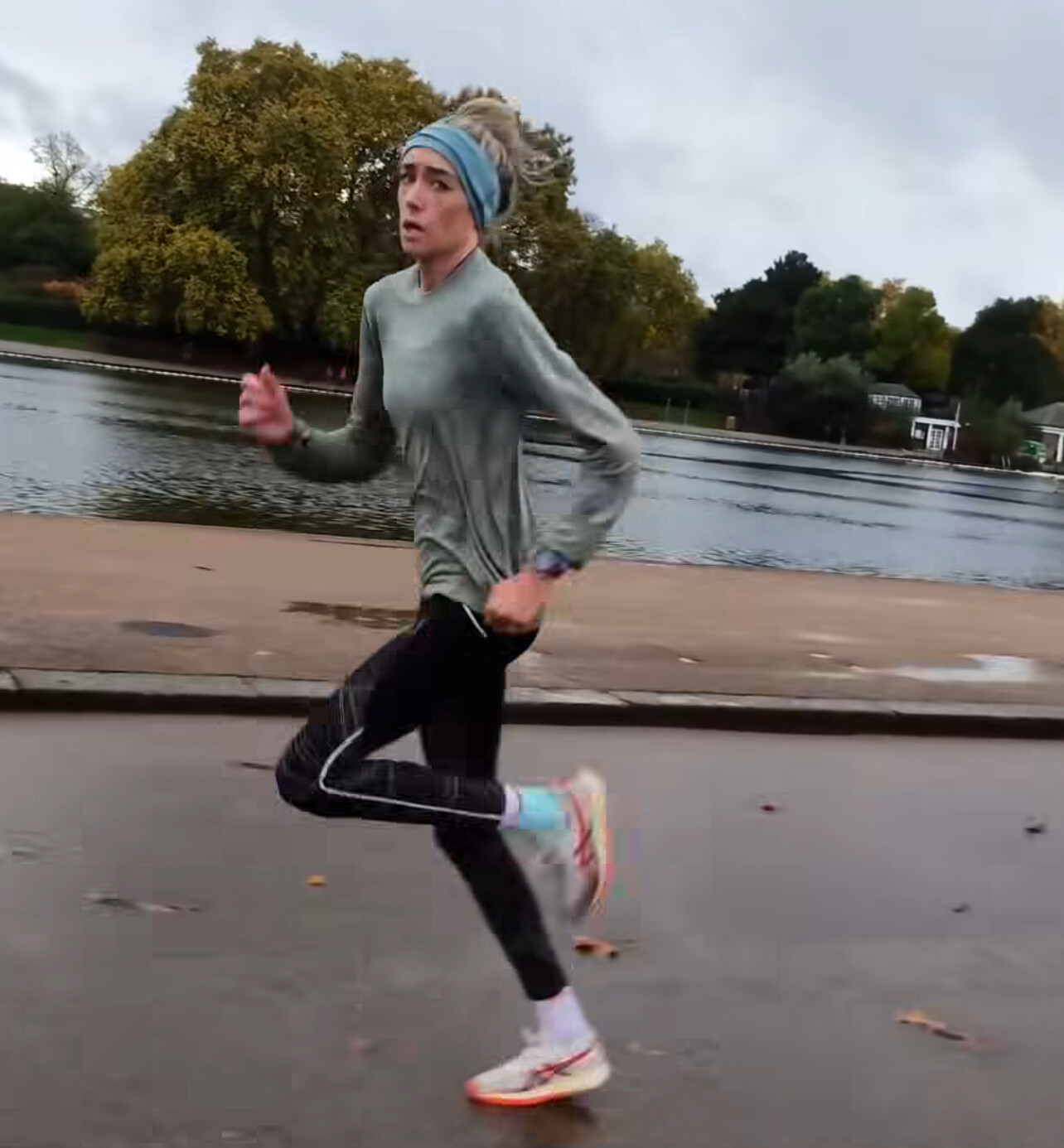
On Sunday, January 11, Britain’s Eilish McColgan returns to one of the fastest road courses in the world with a clear objective: to run faster than ever before. McColgan will headline the Valencia 10K, aiming to improve the European 10K record of 30:19 that she already owns.
Valencia has become synonymous with speed. Flat, wide roads, cool January temperatures, and deep elite fields have turned the Spanish city into a global magnet for record-seekers. For McColgan, it is the ideal setting to push the limits again.
A Record Already Redefined
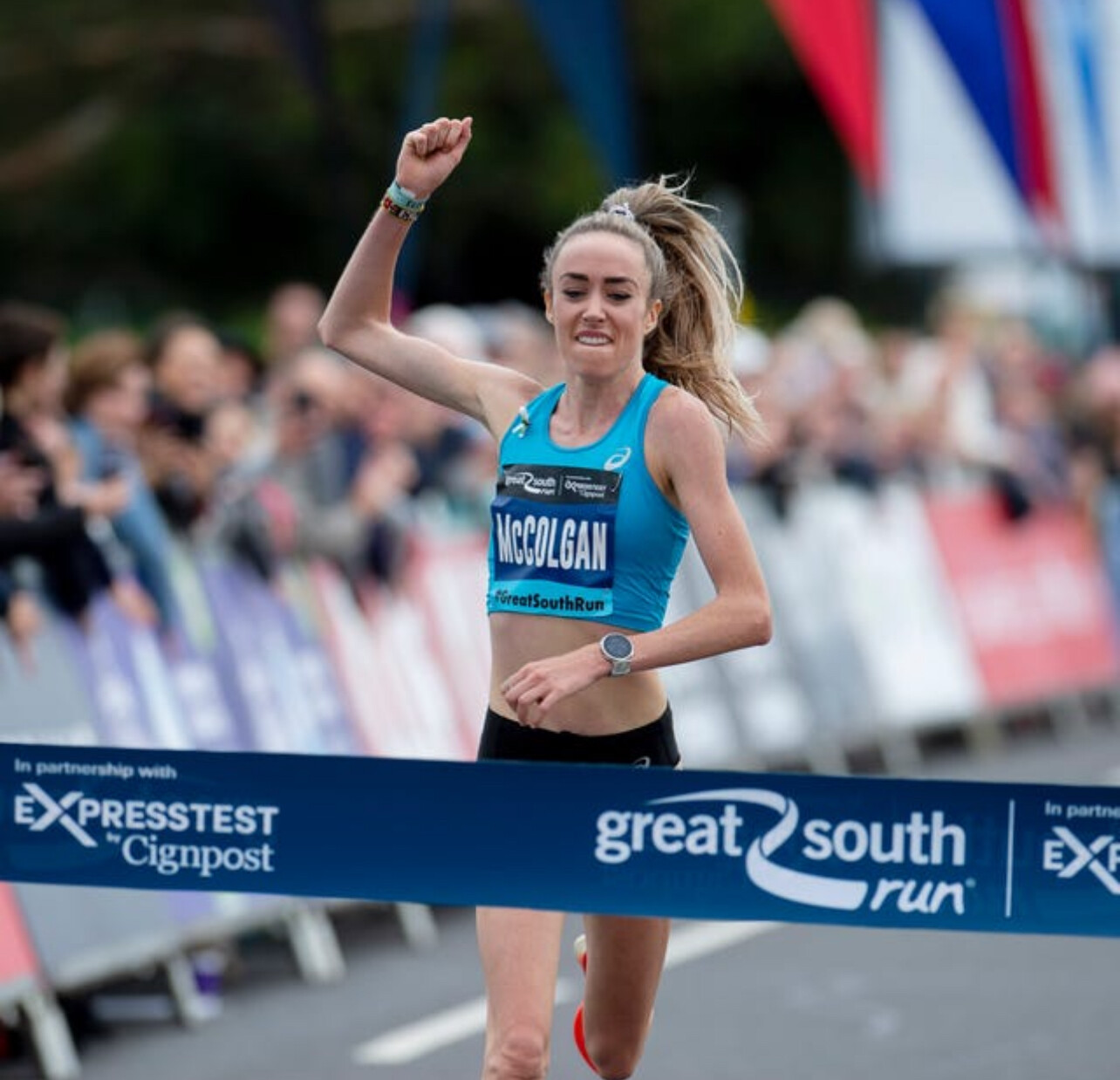
McColgan’s 30:19 shattered expectations when she set it, establishing a new benchmark for European women over 10 kilometers on the road. The performance was not only a record, but a statement—proof that European distance running continues to close the gap with the very best in the world.
Now, with another year of high-level racing behind her, McColgan believes there is more to come.
“I know I’m capable of faster,” she has said in recent interviews, pointing to consistent training blocks and renewed confidence as key factors heading into 2025.
Why Valencia?
The Valencia 10K has earned its reputation honestly. Year after year, the race produces world-class times across both the men’s and women’s fields. The course is famously flat, the pacing is precise, and the atmosphere—lined with knowledgeable, enthusiastic fans—helps pull athletes through the toughest late stages of the race.
For runners chasing records, few places offer better conditions.
Momentum Into 2025
McColgan enters the new season with momentum. Her track credentials as a former European champion at 10,000 meters translate perfectly to the road, where rhythm, strength, and controlled aggression are essential. Valencia’s fast early kilometers often allow athletes to settle into pace quickly—critical for anyone targeting historic times.
A faster run than 30:19 would not only lower her own European record, but also reaffirm McColgan’s position among the world’s elite road racers.
A Race to Watch
With top international competition expected and pacing designed for fast times, the women’s race promises to be one of the highlights of the early road-racing calendar. Whether McColgan rewrites the record books again or simply pushes the boundaries of what is possible, all eyes will be on Valencia.
One thing is certain: when Eilish McColgan toes the start line on January 11, she won’t be running conservatively.
She’ll be running for history.
by Boris Baron
Login to leave a comment
10k Valencia Trinidad Alfonso
Around the corner we have one more edition of the 10K Valencia Ibercaja, organized one more year by the C. 10K VALENCIA Athletics premiering the running season in Valencia. It is a massive urban race with more than 3,000 registered annually of 10 kilometers, where the maximum duration of the test will be 1 hour 40 minutes (100 minutes). The...
more...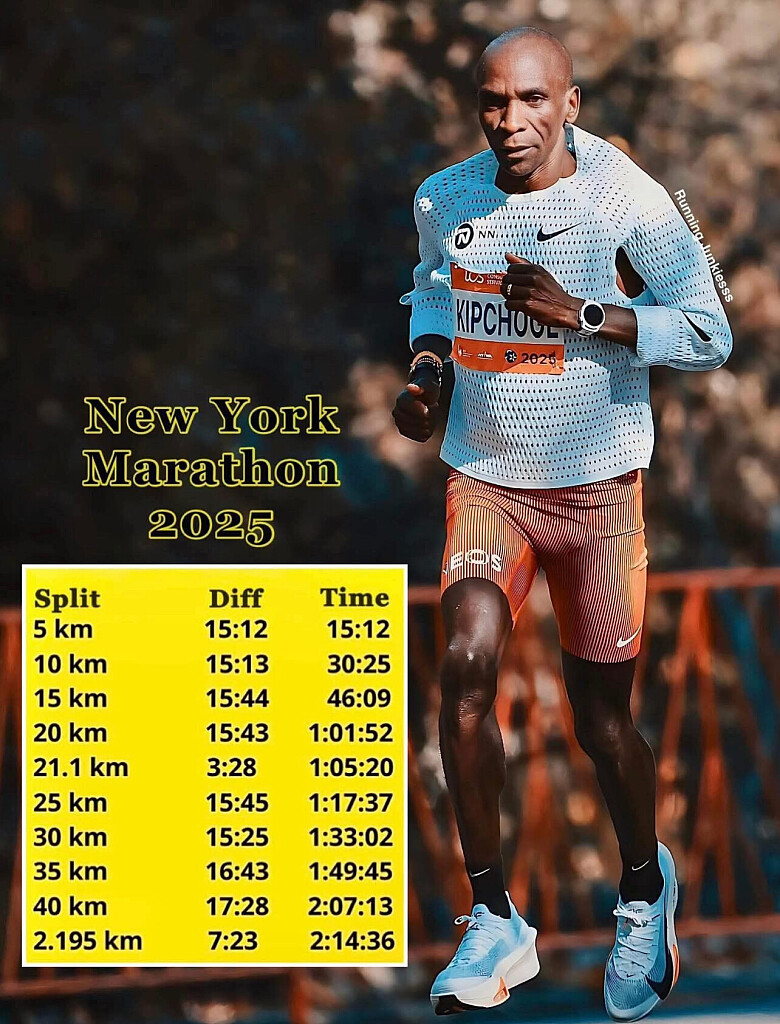
Eliud Kipchoge Finishes the 2025 New York City Marathon in 2:14:36
Eliud Kipchoge, the greatest marathoner of all time, took on the challenging streets of New York City for the first time — and finished strong in 2:14:36. Known for his smooth efficiency and calm composure, Kipchoge tackled the hilly and tactical course with trademark focus, staying consistent through the early stages before the pace slowed slightly in the latter half.
His early splits showed controlled aggression: 15:12 at 5K, 30:25 at 10K, and 1:05:20 at halfway. Through 30K, he was still moving well in 1:33:02, but the final 10 kilometers through Central Park tested even the marathon master, bringing him home in 2:14:36.
Though not among his fastest times, this was a run filled with purpose and legacy. For Kipchoge, New York was never about breaking records — it was about embracing one of the sport’s most iconic stages and completing his journey across all six World Marathon Majors.
At 40 years old, the Kenyan legend has now conquered every major marathon city, further solidifying his place as the face of modern distance running. "Many at age 40 have run much faster but this is still very respectable," says KATA founder Bob Anderson.
by Boris Baron
Login to leave a comment
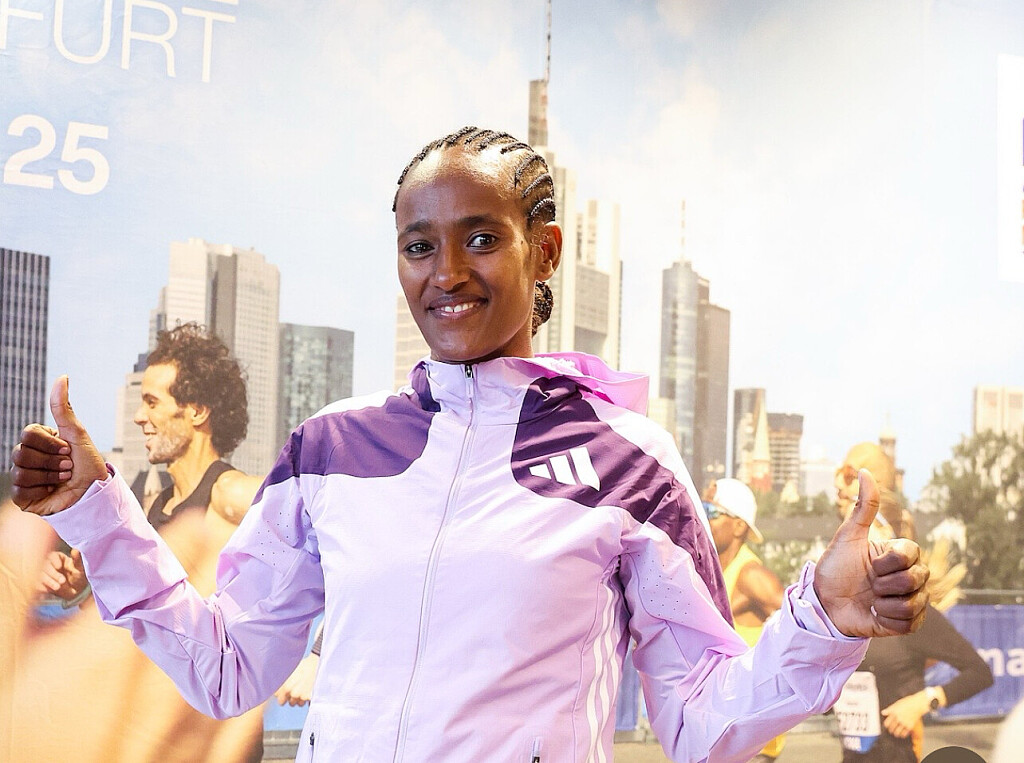
Buze Diriba Eyes Greater Heights After Frankfurt Marathon Triumph
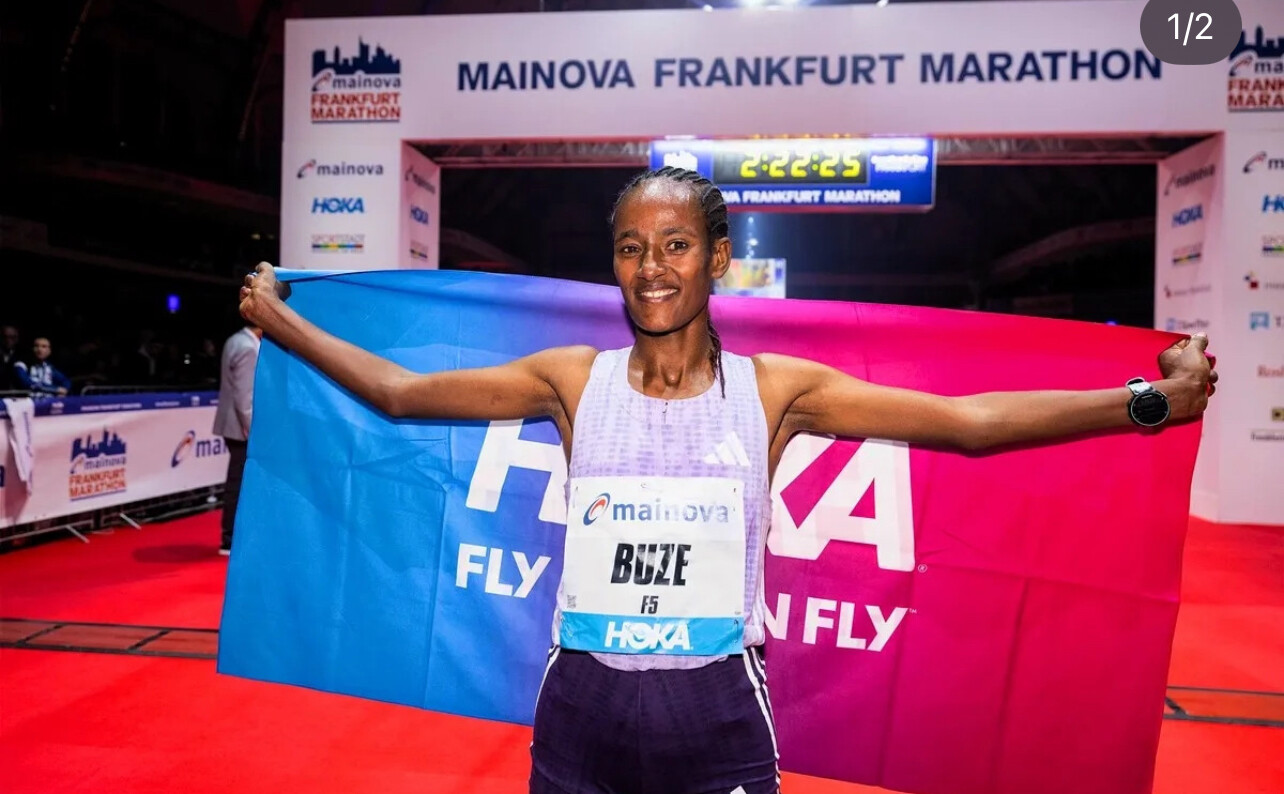
Ethiopia’s Buze Diriba could be the next major star in women’s marathon running, judging by her performance at the Mainova Frankfurt Marathon. On Sunday, the 31-year-old captured the biggest win of her road-running career, dominating the race from start to finish and clocking a personal best of 2:19:34 — making her the fifth-fastest woman in Frankfurt’s history.
Despite strong headwinds and the loss of her pacemaker with 10 kilometers to go, Diriba maintained control. “If that hadn’t happened and the wind hadn’t been so strong, I would have run 2:16 today,” she said after earning the €30,000 winner’s prize. “Next time I’ll aim to run around 2:16.”
Ambitions Beyond Frankfurt
Diriba’s breakthrough in Frankfurt could mark the beginning of a new chapter. “I want to run in the World Championships and Olympic Games and win titles,” she said. Her goal is clear — to join the elite ranks of Ethiopia’s greatest distance runners.
She trains under Gedemu Dedefo in Addis Ababa, one of the most powerful marathon training groups in the world. The camp includes Olympic and World Championship silver medalist Tigst Assefa, Chicago Marathon champion Hawi Feysa, and Olympic marathon champion Tamirat Tola.
A year ago, Feysa used Frankfurt as her own launchpad to stardom, setting a course record of 2:17:25. Diriba came to this year’s edition determined to challenge that mark. “It helps me to have such strong training partners — it makes me stronger,” she explained. “I know I’ll need to run under 2:15 in the future to reach world-class level.”
From Arsi to the World Stage
Diriba hails from Asela, in Ethiopia’s famed Arsi region — the same area that produced legends such as Haile Gebrselassie. Her parents are farmers, and as a child she helped with chores before running to school each morning, “only about 20 minutes away.”
She began running competitively at 16, inspired by Ethiopian Olympic champions Meseret Defar and Tirunesh Dibaba. At 18, she captured the World Junior 5,000m title (2012), signaling her potential as a future great.
“Since then, Gemedu Dedefo has been my coach,” Diriba said. Now a mother of two young daughters, she credits her husband Guta Wami for keeping the household running while she trains and competes.
A Family of Runners
Athletic talent runs deep in the Diriba family. Her younger brother Boki Diriba, 21, is already making his mark, finishing 10th at the 2023 World Cross Country Championships and running 2:07:13 for sixth in Hamburg this April.
With Buze and Boki both rising fast, the Diriba name could soon become one of the most recognized in international road running — a new family dynasty emerging from Ethiopia’s storied highlands.
by Race News Service
Login to leave a comment
Conner Mantz Breaks American Record as Kiplimo and Feysa Capture Chicago Marathon
The 2025 Bank of America Chicago Marathon delivered one of the most thrilling editions in its storied history on Sunday, October 12. Under cool, calm conditions ideal for fast running, Conner Mantz not only etched his name into American distance running history but did so amid dominant victories by Jacob Kiplimo and Hawi Feysa on the world stage.
Mantz Makes U.S. Marathon History
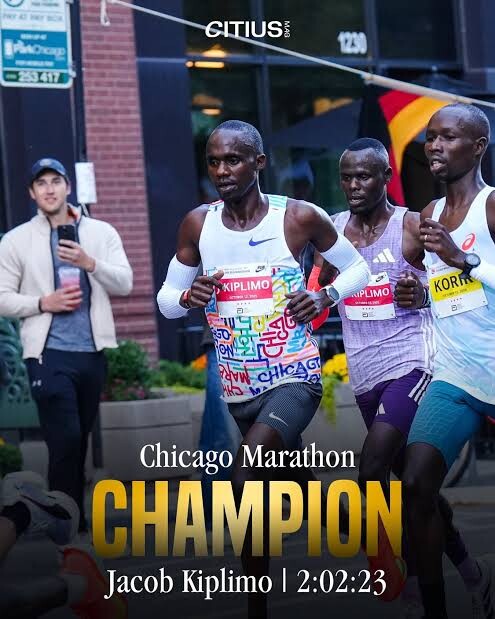
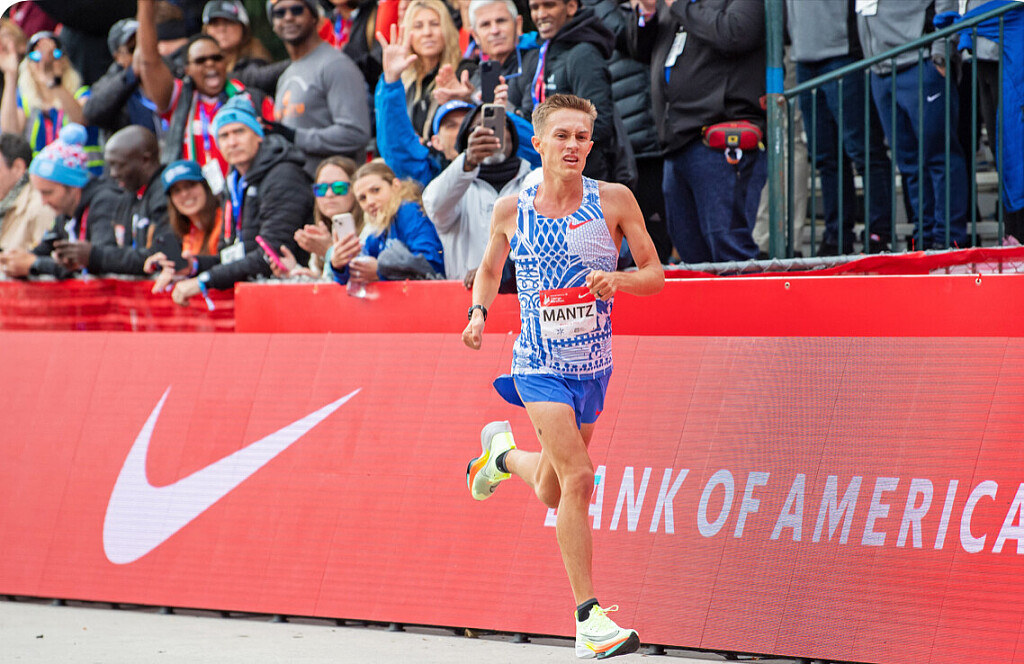
American marathon fans have waited more than two decades for this moment. Running with remarkable composure and confidence, Conner Mantz clocked an astonishing 2:04:43, smashing the long-standing U.S. men’s record of 2:05:38 set by Khalid Khannouchi in 2002—ironically, also in Chicago.
Mantz placed fourth overall in a deep international field but was the clear headline story for American distance running. The record capped off a remarkable season that already included a U.S. half-marathon record (59:17 in Houston) and a strong 2:05:08 run in Boston earlier this year.

“This has been my goal since I first ran Chicago,” Mantz said after the race. “To come back here and do it—it’s a dream realized.”
His coach, Ed Eyestone, called it “a masterclass in discipline and pacing,” noting that Mantz hit every target split almost to the second.
Kiplimo Commands the Men’s Race
While Mantz captured American hearts, Uganda’s Jacob Kiplimo controlled the overall competition from start to finish. The world half-marathon record holder surged decisively at 30 kilometers and never looked back, winning in 2:02:23—the fastest time ever run on U.S. soil.
Kenya’s Amos Kipruto finished second in 2:03:54, and compatriot Alex Masai placed third in 2:04:37, rounding out a podium that showcased both experience and emerging talent.
Kiplimo’s victory solidifies his status as one of the sport’s brightest stars, adding a major-marathon title to his growing résumé that already includes world titles in the half marathon and cross country.
Feysa Dominates Women’s Field
In the women’s race, Ethiopia’s Hawi Feysa claimed her biggest career win in spectacular fashion. She broke away in the final 10 kilometers to take the title in 2:14:56, a personal best by more than two minutes.
Feysa’s countrywoman Megertu Alemu took second in 2:17:18, while Magdalena Shauri of Tanzania earned third in 2:18:03. Feysa’s victory margin and commanding finish underscored her potential as a future global contender.
“I felt strong all the way,” she said afterward. “Today, Chicago gave me my best race.”
A Day for the Record Books
The 47th edition of the Chicago Marathon reaffirmed the city’s status as one of the fastest marathon courses in the world. With ideal weather, roaring crowds, and a record-breaking performance by Conner Mantz, the event once again proved to be a defining stage for greatness.
For Mantz, the day marked not just a new national standard but a signal to the world that American marathoners are back in the global conversation.
As he crossed the finish line, arms raised in disbelief, it was clear: October 12, 2025, will be remembered as the day an American finally ran with—and among—the very best.
by Boris Baron
Login to leave a comment
Bank of America Chicago
Running the Bank of America Chicago Marathon is the pinnacle of achievement for elite athletes and everyday runners alike. On race day, runners from all 50 states and more than 100 countries will set out to accomplish a personal dream by reaching the finish line in Grant Park. The Bank of America Chicago Marathon is known for its flat and...
more...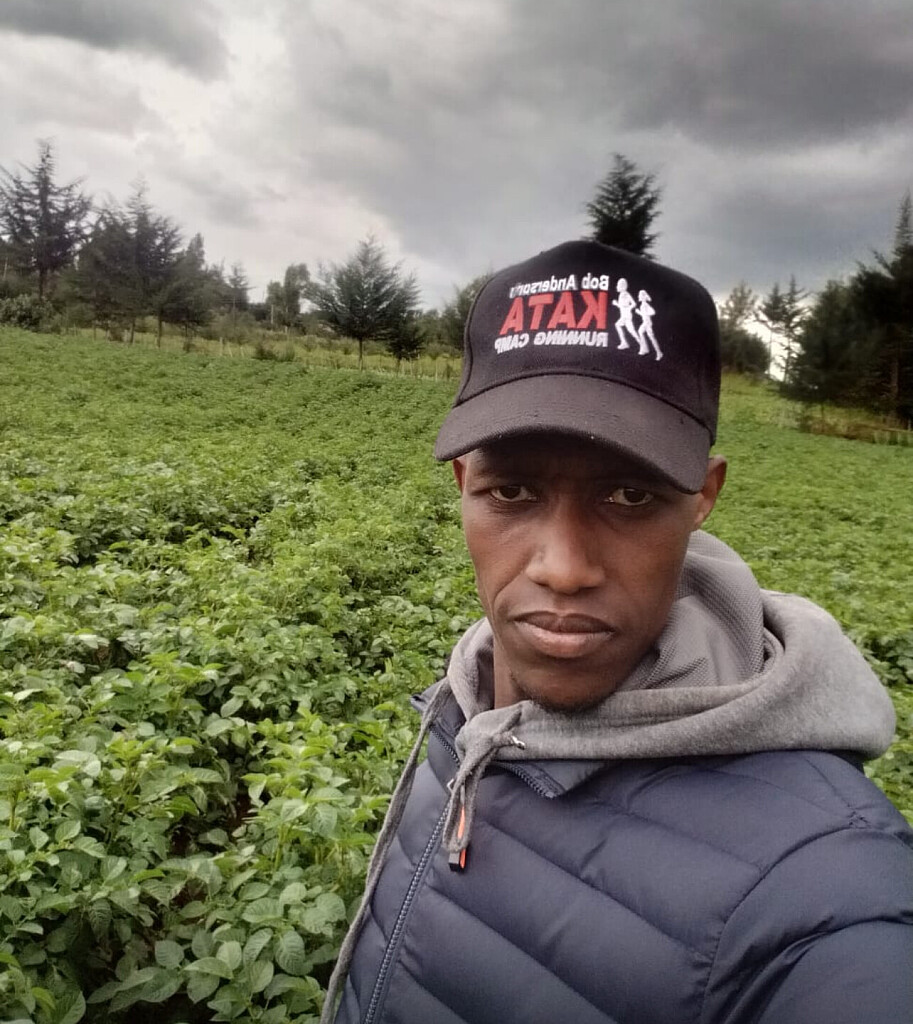
Dreams in Motion, Roots in the Soil: Emmanuel Kiptoo Langat, the Runner Behind Potato Farming Projects
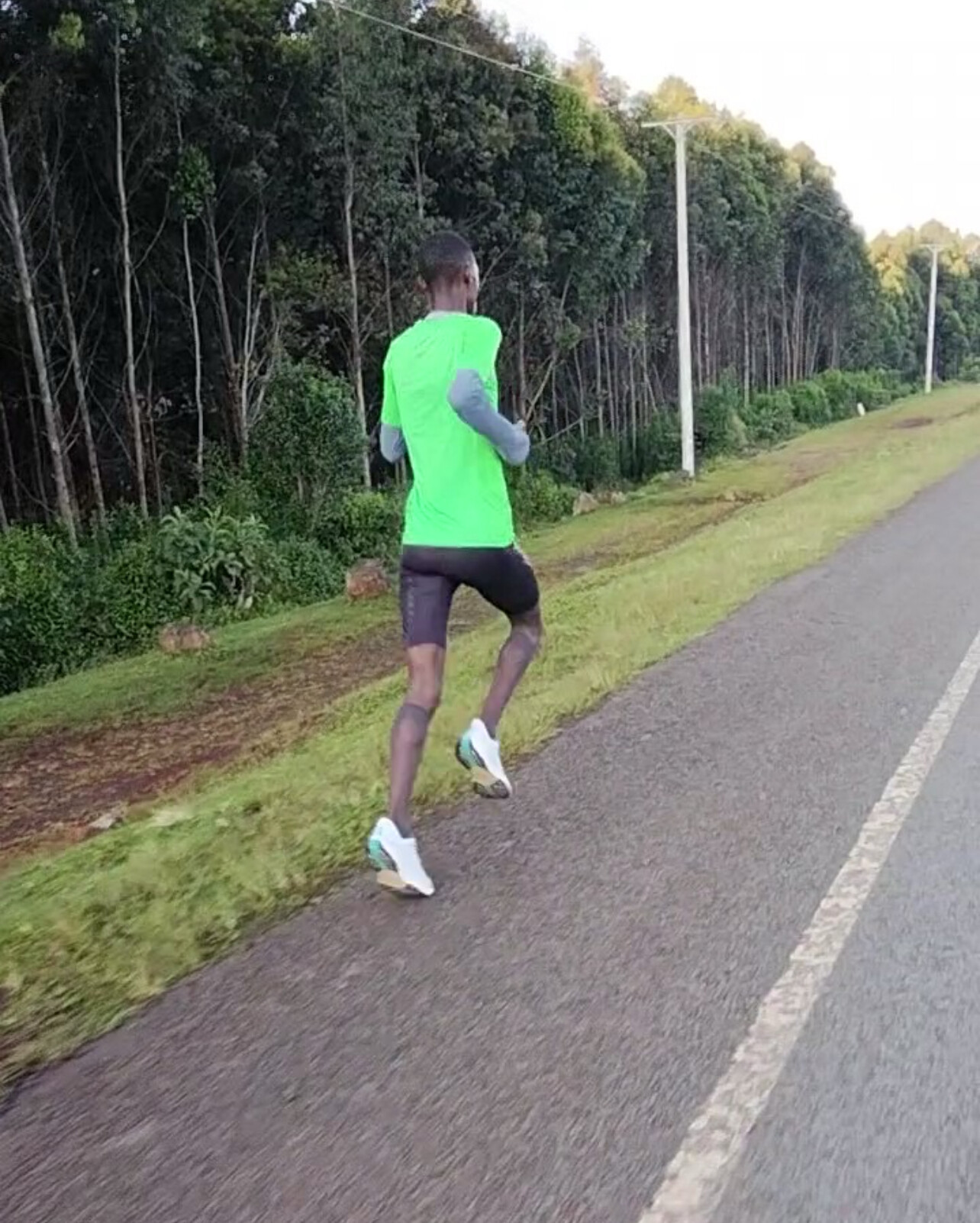
KERICHO, Kenya - At dawn in Kericho’s highlands, the red dirt roads echo with the rhythmic sound of running feet. Among the lean silhouettes slicing through the mist is Emmanuel Kiptoo Langat (Manuu), a 33-year-old road runner whose journey began in the rugged terrain of Chorwa, a small village in Nakuru County bordering Kenya’s vast Mau Forest. His story is not just about chasing personal bests but also about cultivating resilience—both on the track and in his community.
Roots in Chorwa
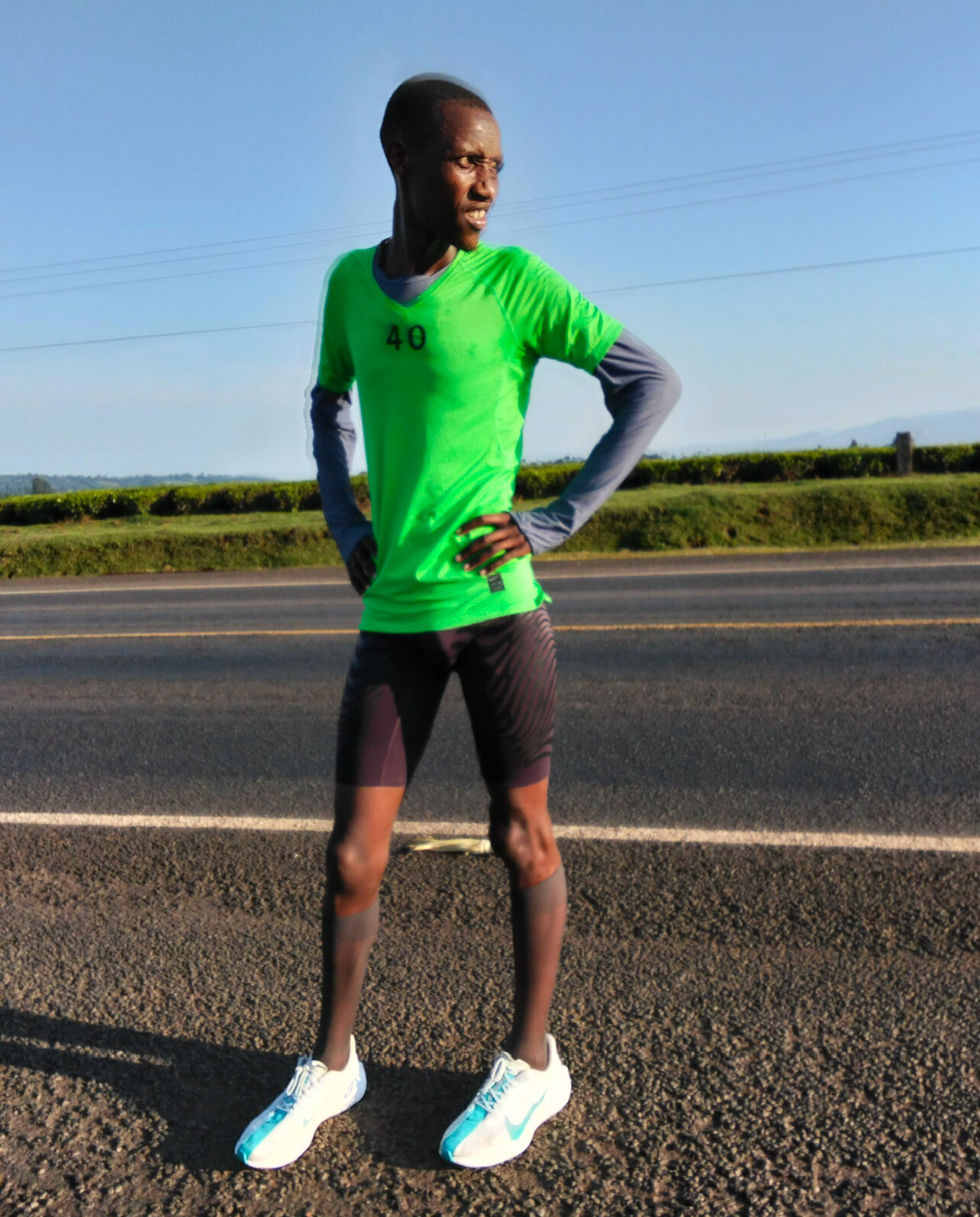
Chorwa is a remote village in Kuresoi, where life is as harsh as it is beautiful. The nearby Mau Forest shelters wildlife and rivers that feed the Rift Valley, but daily survival was a struggle.
“Life there was very hard—even getting food was a problem,” Emmanuel recalls. School added its own challenges: he often ran 10 kilometers each way just to attend class. What began as necessity became passion. “On sports day, I ran all the way to the national level. That’s when I knew I could run.”

His spark was fueled by Olympian Edwin Cheruiyot Soi, who runs a training camp in Kuresoi with support from the Kenya Athletics Training Academy (KATA). “He motivated me to believe running could change my life,” Emmanuel says.
First Strides in Athletics
In 2016, encouraged by a friend, Emmanuel joined a training camp in Kericho. His breakthrough came at a 10,000m race in Kisumu County. “That race gave me hope,” he says. A highlight followed at Nairobi’s Kasarani Stadium in a 5km race: “I enjoyed it so much. I will never forget that day.”
Challenges were constant. Running shoes were scarce, and he often relied on friends for gear. Yet his times speak volumes: 13:20 for 5000m, 28:04 for 10km, and 63:00 for the half marathon—marks that confirm his talent in Kenya’s deep distance-running field.
Balancing Running and Farming
While pursuing his running dreams, Emmanuel also supervises the KATA potato farming initiative, a project led by Bob Anderson, founder of Runner’s World magazine and the Kenya Athletics Training Academy.
“When I saw this project, I was happy because it could support many athletes,” he says. Emmanuel oversees planting, harvesting, and distribution—work that helps athletes cover food and camp needs. “It’s unique because it gives us stability, letting us focus more on training and performance.”
For him, farming mirrors running: “From athletics I’ve learned discipline and patience. From farming I’ve learned resilience and the value of hard work.”
A Bridge Between Sport and Sustainability
The synergy between running and agriculture provides athletes with more than meals—it provides a safety net. “Farming gives us a stable source of income beyond running. It offers security for the future,” Emmanuel says.
Transformation Through Running
Running has given Emmanuel confidence, friendships, and economic stability. His family, once burdened by poverty, now supports him wholeheartedly. “They see athletics and farming giving me direction and stability,” he explains.
Giving Back and Inspiring Others
In Chorwa, young runners now look up to Emmanuel as he once looked up to Edwin Soi. His message is simple: “Be disciplined, patient, and never give up, because success in running takes time.”
He hopes to mentor future athletes and be remembered not only as a runner but also as “a supervisor who supported others and a role model who uplifted the community.”
Life Beyond the Track
When not training or supervising farms, Emmanuel relaxes by watching football—he is a devoted Manchester United fan. Yet his heart remains tied to running, each stride reminding him of the Mau Forest, his beginnings, and the community he represents.
The Road Ahea
Emmanuel’s eyes are fixed on improving his half marathon and marathon times. His journey reflects more than athletics—it embodies resilience, sustainability, and shared success.
“Running is not just about speed or endurance,” he says. “It’s about rising from hardship, cultivating dreams like potatoes in the soil, and sharing the harvest with others.”
As the sun sets over Kericho’s hills, Emmanuel prepares for another early morning run—carrying not only his ambitions but also the hopes of a community where sport and sustainability run side by side.
by Robert Kibet
Login to leave a comment
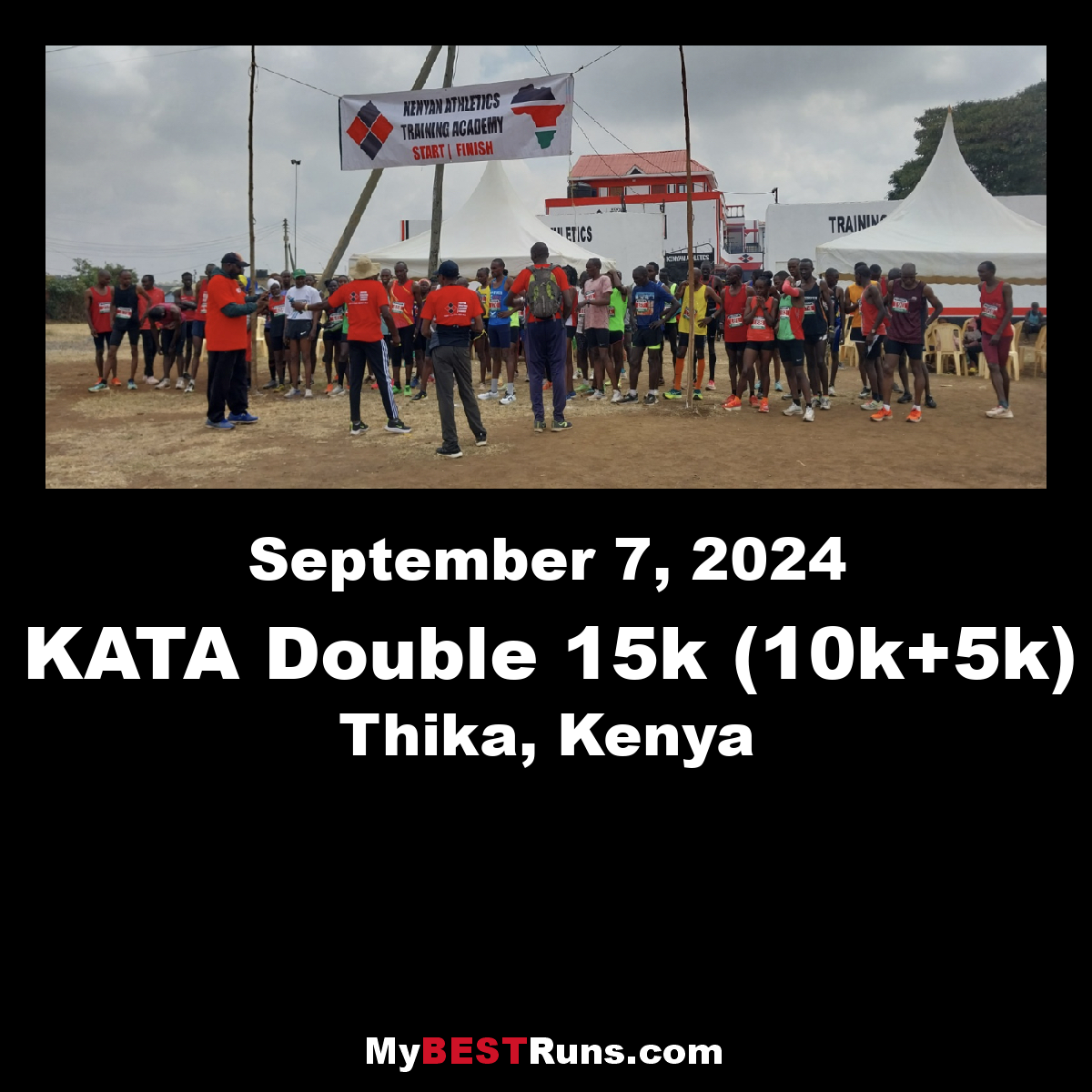
KATA Thika to Host Annual Double Road Race: A Celebration of Athletics and Sustainability
THIKA, Kenya – August 21, 2025: Thika is preparing to host one of Kenya’s most unique running events—the annual Double Road Race, set for September 20 at the Kenya Athletics Training Academy (KATA) headquarters.
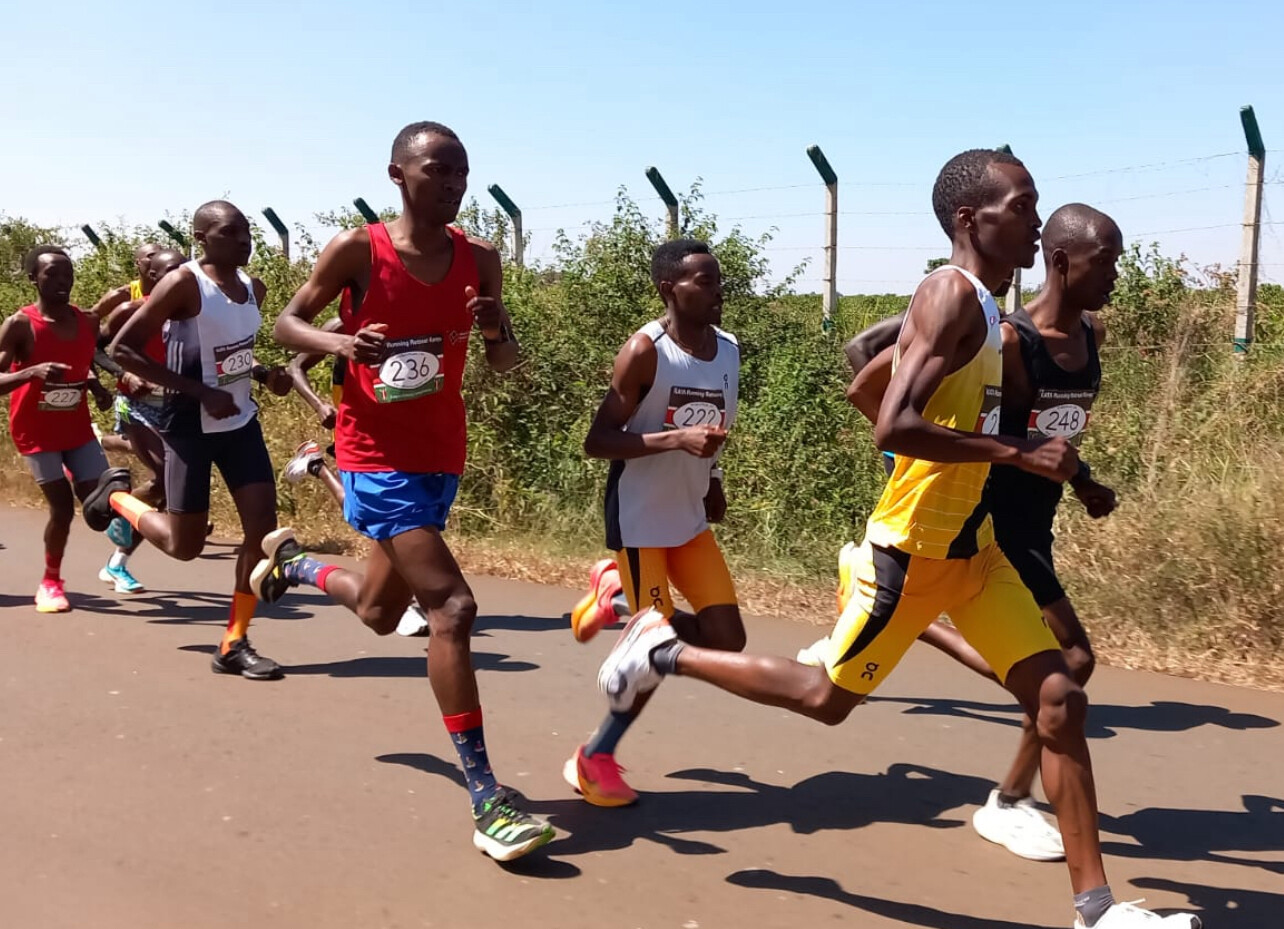
Unlike any traditional race, the Double Road Race is contested in two stages. Athletes first run 10 kilometers, take a short recovery break, and then return to the course for a 5-kilometer dash. The winners are determined by their combined times, making the race a true test of speed, stamina, recovery, and mental toughness.
This innovative format has drawn athletes of all levels—juniors, elites, and masters—creating an inclusive competition with more than 100,000 KES in prize money, co-sponsored by Bob Anderson, founder of My Best Runs and creator of the Double Road Race.
The event’s roots go back more than a decade when Anderson envisioned a new kind of challenge that would push runners beyond traditional limits while giving young talent a chance to shine. Since then, the Double Road Race has become a signature event for KATA, which is led in Kenya by manager Christopher Muiruri.
“This race was started to provide a platform where athletes could test themselves differently,” Muiruri explains. “It has grown into a hallmark of KATA’s calendar, attracting runners from across the country.”
Beyond the racing, the event highlights KATA’s pioneering model of sustainable athletics development. Under Anderson’s vision, more than 30 KATA camps across Kenya have been supported to grow potatoes, creating a revenue stream to sustain training environments. At KATA Thika, athletes themselves manage the farm, producing crops that help fund camp operations.
“This initiative ensures that camps can sustain themselves long-term without relying solely on external funding,” says Muiruri. “It also teaches athletes the value of hard work both on and off the track.”
Head coach John Matheri emphasizes that the Double Road Race is more than just a competition. “It allows juniors, elites, and masters to showcase their talent. Results are posted globally on My Best Runs, giving athletes exposure and opportunities for sponsorships or coaching.”
The unique two-stage format makes strategy critical. Athletes must pace themselves in the 10K, recover quickly, and then summon every ounce of energy for the 5K. (the 5k starts one hour and 45 minutes after the start of the 10k.) Few races demand such balance of endurance and resilience, making the Double Road Race one of the toughest—and most rewarding—events in Kenya.
For Muiruri, the event embodies KATA’s broader mission. “We are creating a platform where athletics and sustainability meet. Our athletes not only excel on the track but also contribute to a model that ensures our camps thrive for years to come.”
As the September 20 date nears, anticipation is building for a day that will bring together athletes, coaches, and running fans in Thika. With its unique format, community spirit, and connection to sustainable farming, the Double Road Race at KATA Thika promises to be a celebration of innovation and Kenyan running at its finest.
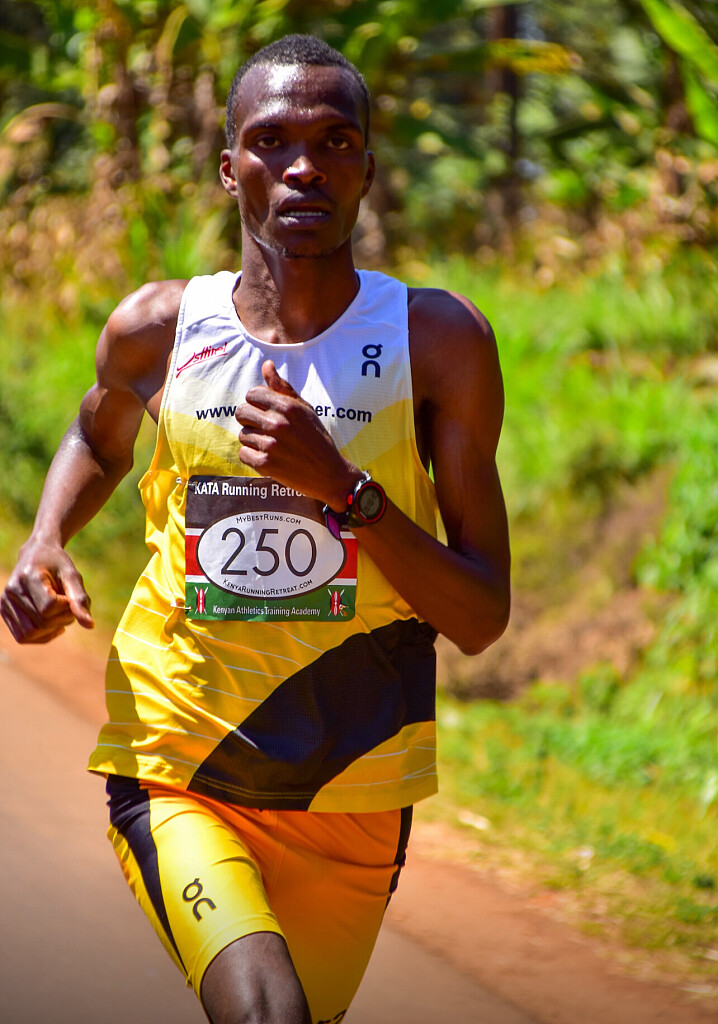
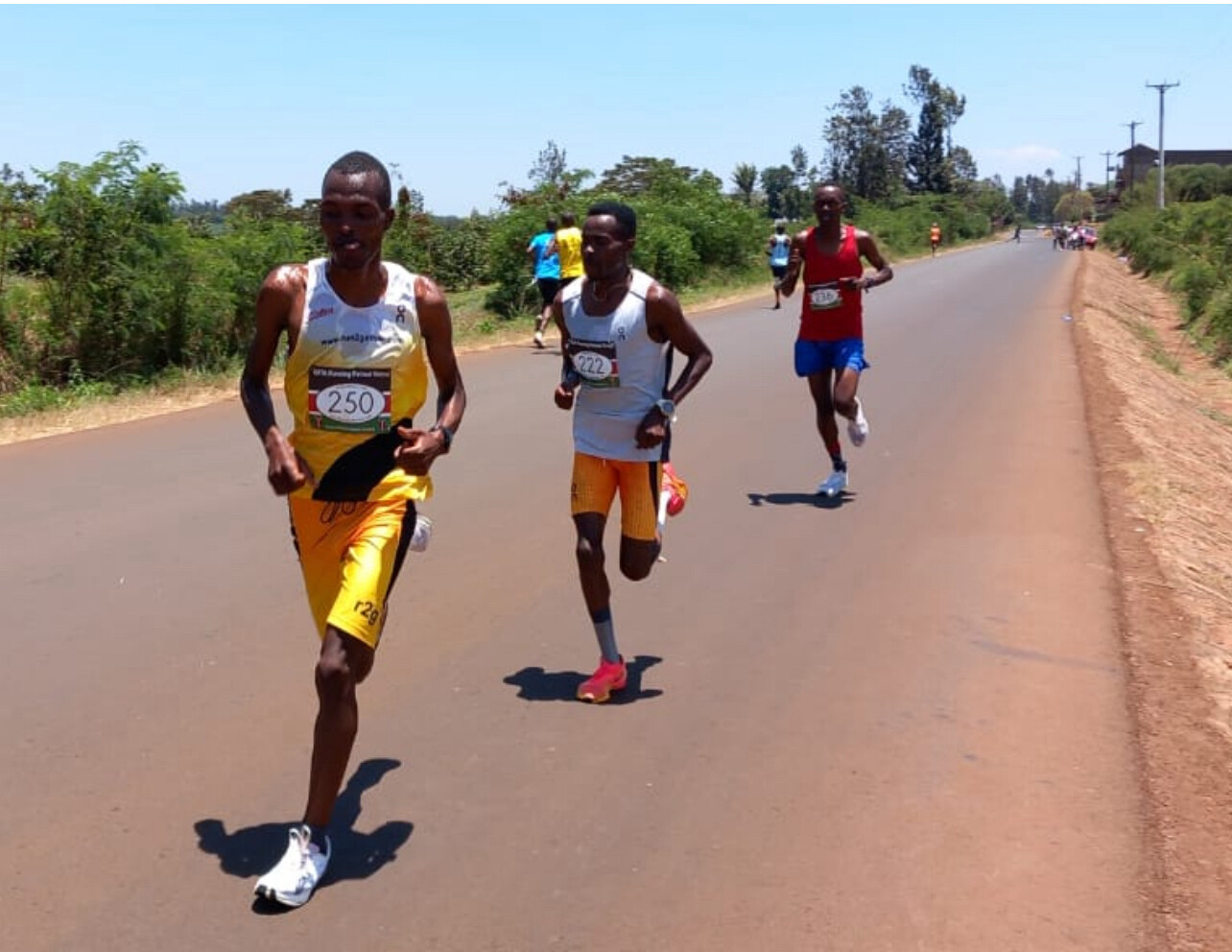
At the the event last year a world record was broken. Shadrack (bib 250) clocked 28:33 for the 10k leg and then came back and ran 14:01 for the 5k leg. Total time 42:34 is the time to beat.
Whether competing for victory or cheering on emerging talent, this event is sure to leave a lasting impression on everyone involved.
by Robert Kibet.
Login to leave a comment
KATA Double Road Race 15K
5th Annual KATA Double Road Race 15K Set for September 20, 2025, at KATA Thika The 5th Annual KATA Double Road Race 15K will be held on September 20, 2025, at the Kenyan Athletics Training Academy (KATA) in Thika, Kenya. The event includes a 10K leg, a break, followed by a 5K leg — a format designed to challenge runners...
more...
Biwott and Hirpa Dominate 2025 Paris Marathon with Commanding Victories
The 2025 Schneider Electric Paris Marathon, held on Sunday, April 13, showcased remarkable performances from East African athletes, with Kenya’s Benard Biwott and Ethiopia’s Bedatu Hirpa clinching the men’s and women’s titles, respectively.
Men’s Elite Race
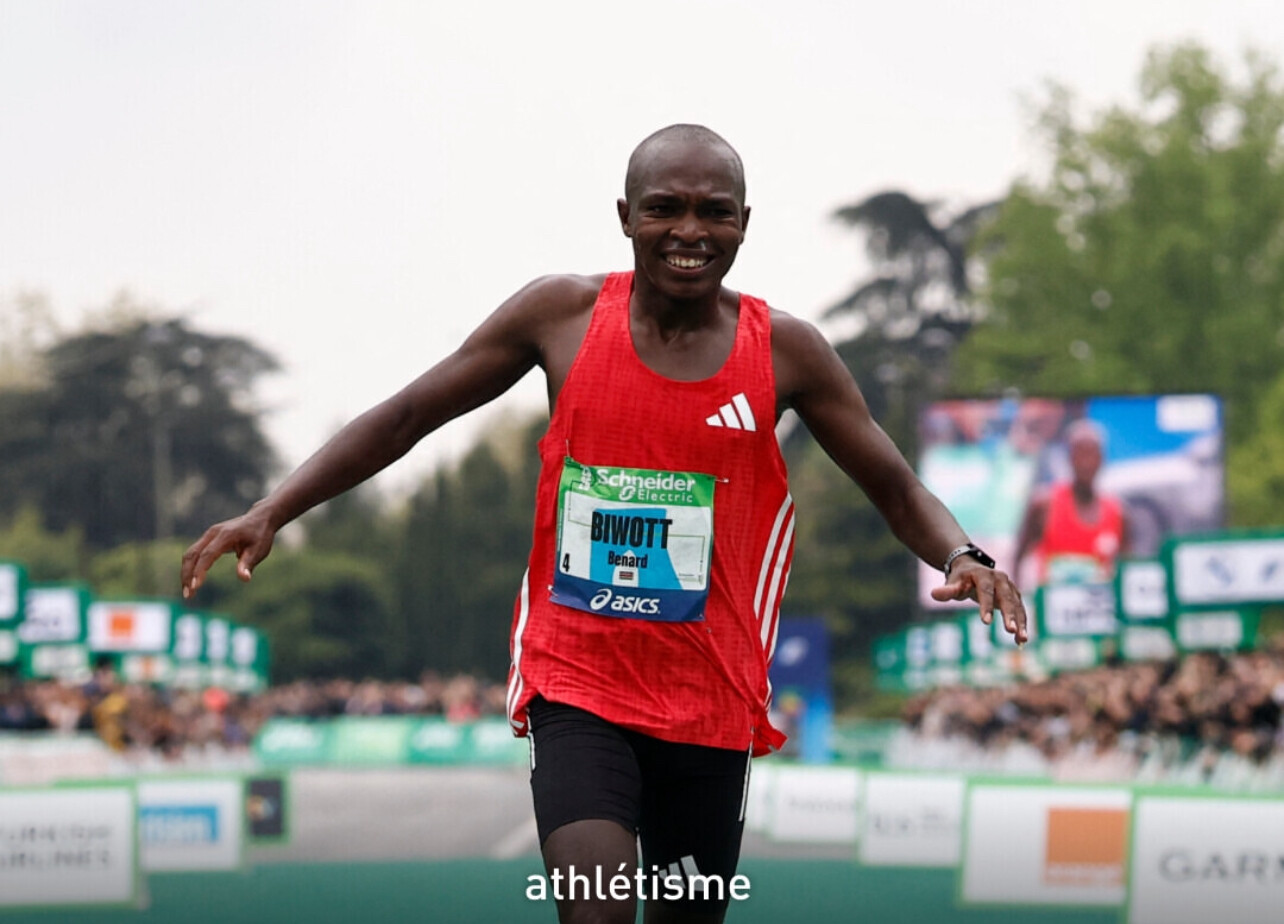
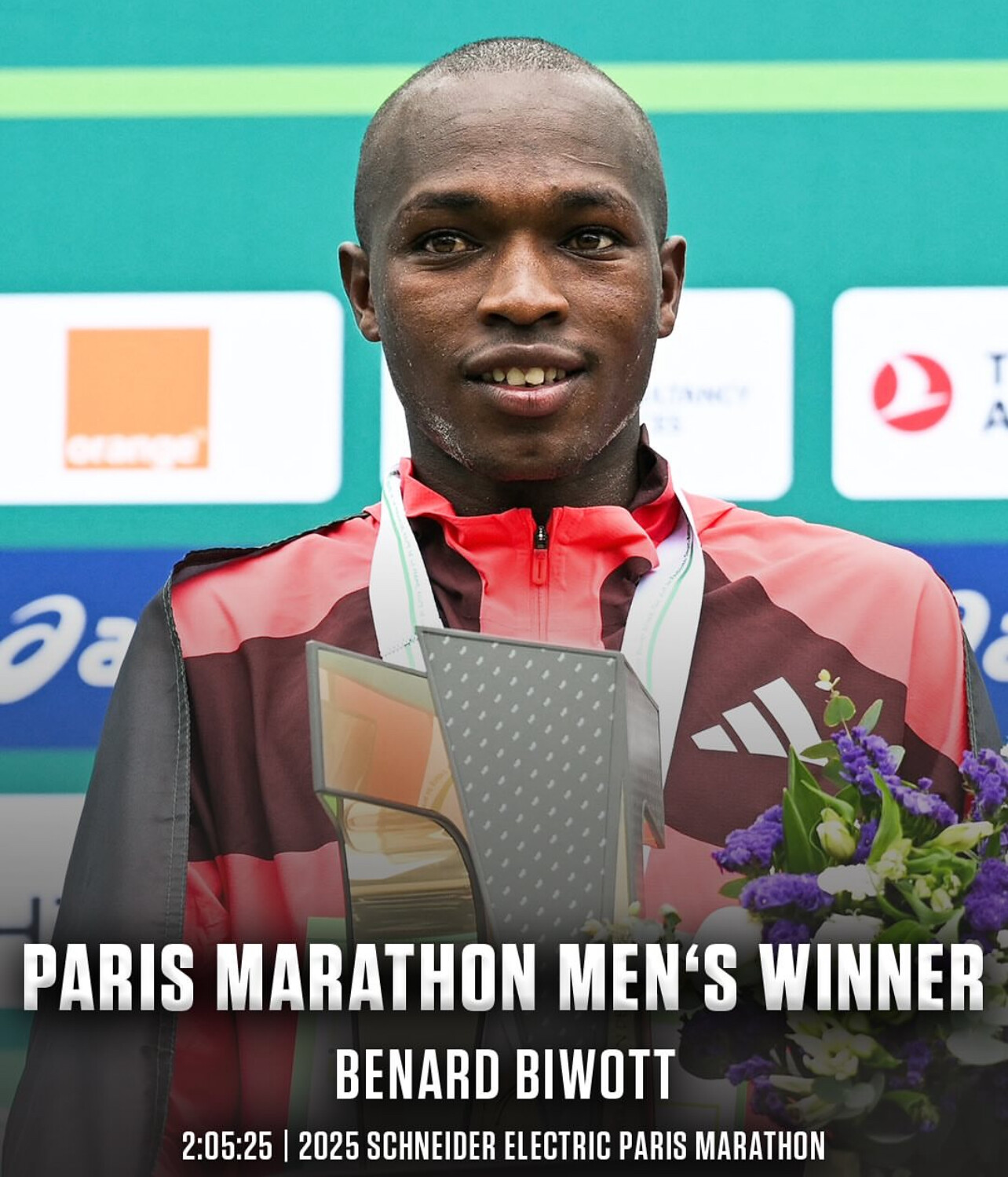
Benard Biwott, 22, delivered an impressive performance, breaking away from a lead group of nine runners with approximately 10 kilometers remaining. He crossed the finish line in 2:05:25, improving upon his marathon debut time from Frankfurt last October by 29 seconds. Djibouti’s Ibrahim Hassan secured second place in 2:06:13, followed closely by Kenya’s Sila Kiptoo, who finished third in 2:06:21.
Top 10 Men’s Results:
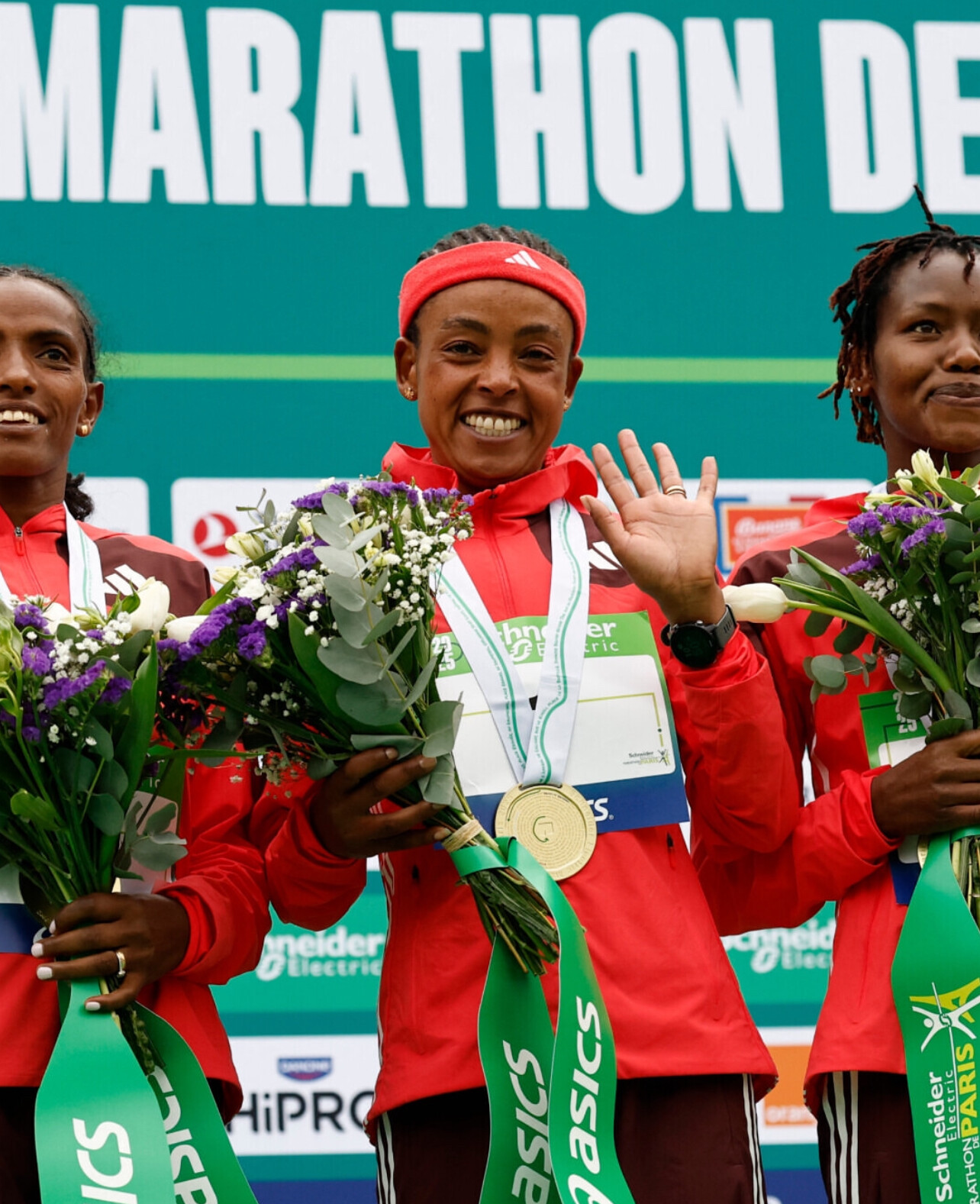
1. Benard Biwott (KEN) – 2:05:25
2. Ibrahim Hassan (DJI) – 2:06:13

3. Sila Kiptoo (KEN) – 2:06:21
4. Enock Kinyamal (KEN) – 2:06:32
5. Dominic Ngeno (KEN) – 2:06:37
6. Dinkalem Ayele (ETH) – 2:07:54
7. Tsedat Ayana (ETH) – 2:08:19
8. Edwin Kibichy (KEN) – 2:08:29
9. Timothy Kibet (KEN) – 2:08:38
10. Haile Zeru (ETH) – 2:09:02
Women’s Elite Race
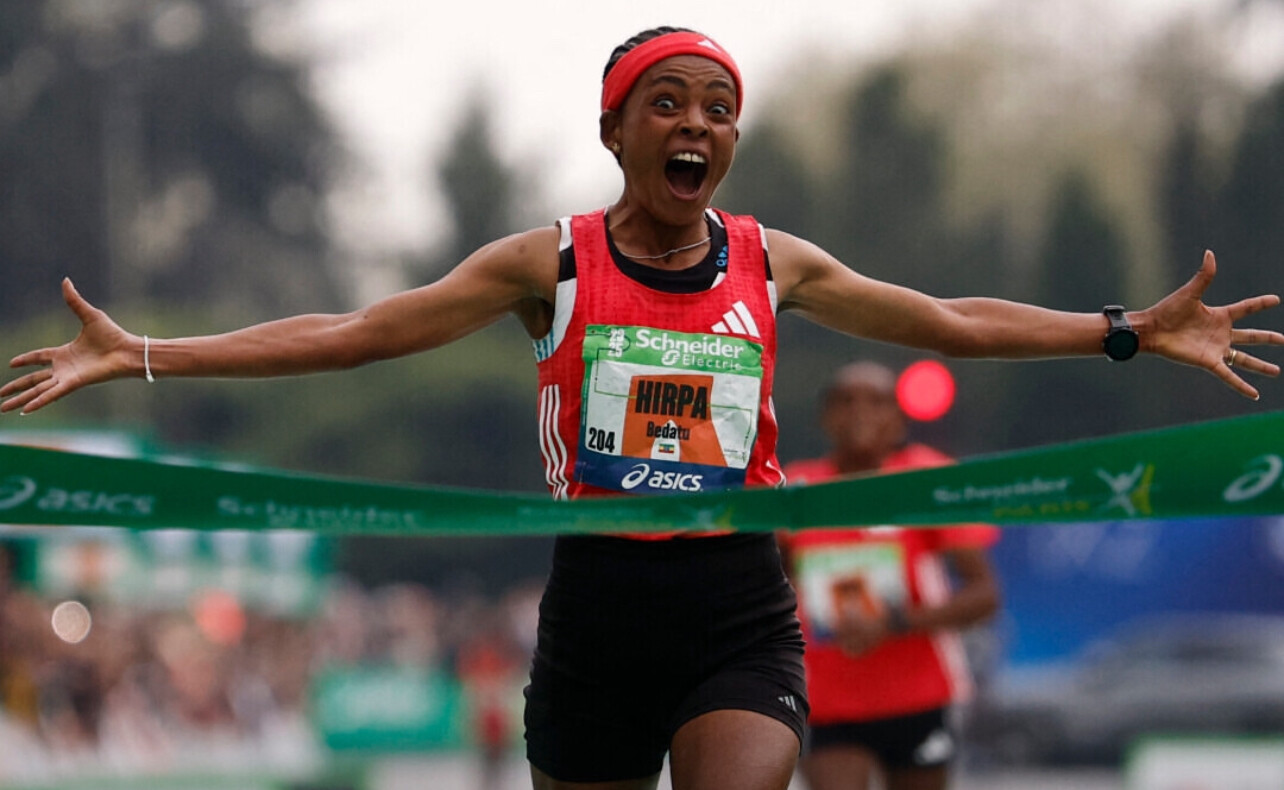
In a thrilling finish reminiscent of their encounter at the Dubai Marathon earlier this year, Ethiopia’s Bedatu Hirpa edged out compatriot Dera Dida to win the women’s race. Hirpa completed the course in 2:20:45, just four seconds ahead of Dida. Kenya’s Angela Tanui secured third place with a time of 2:21:07.
Top 10 Women’s Results:
1. Bedatu Hirpa (ETH) – 2:20:45
2. Dera Dida (ETH) – 2:20:49
3. Angela Tanui (KEN) – 2:21:07
4. Magdalena Shauri (TAN) – 2:21:31
5. Kasanesh Baze (ETH) – 2:24:35
6. Janet Ruguru (KEN) – 2:24:36
7. Kidsan Alema (ETH) – 2:25:22
8. Judit Jeptum (KEN) – 2:25:30
9. Agnes Keino (KEN) – 2:26:09
10. Zerihun Alemtsehay (ETH) – 2:27:39
Notable Masters Performances – Men
• Yohan Durand (FRA): At 40 years old, Durand finished 17th overall with a time of 2:14:44, showcasing his enduring competitiveness.
• David Gosse (FRA): Also 40, Gosse secured 18th place, clocking in at 2:19:35, demonstrating the depth of talent among masters athletes.
Notable Masters Performances – Women
• Jane Fardell (AUS): At 42, Fardell achieved a time of 2:53:16, placing 17th among women and highlighting her sustained excellence.
• Charline Heu (FRA): Aged 41, Heu completed the marathon in 2:53:39, securing 18th place and underscoring the competitive spirit of masters runners.
The 2025 Paris Marathon highlighted the dominance of East African runners, with both the men’s and women’s podiums featuring athletes from Kenya and Ethiopia. The event continues to be a significant fixture in the international marathon calendar, attracting top talent from around the world.
by Boris Baron
Login to leave a comment

Schneider Electric Paris Marathon
The Schneider Electric Marathon de Paris offers a unique opportunity to make the city yours by participating in one of the most prestigious races over the legendary 42.195 km distance. The Schneider Electric Marathon de Paris is now one of the biggest marathons in the world, as much for the size of its field as the performances of its runners....
more...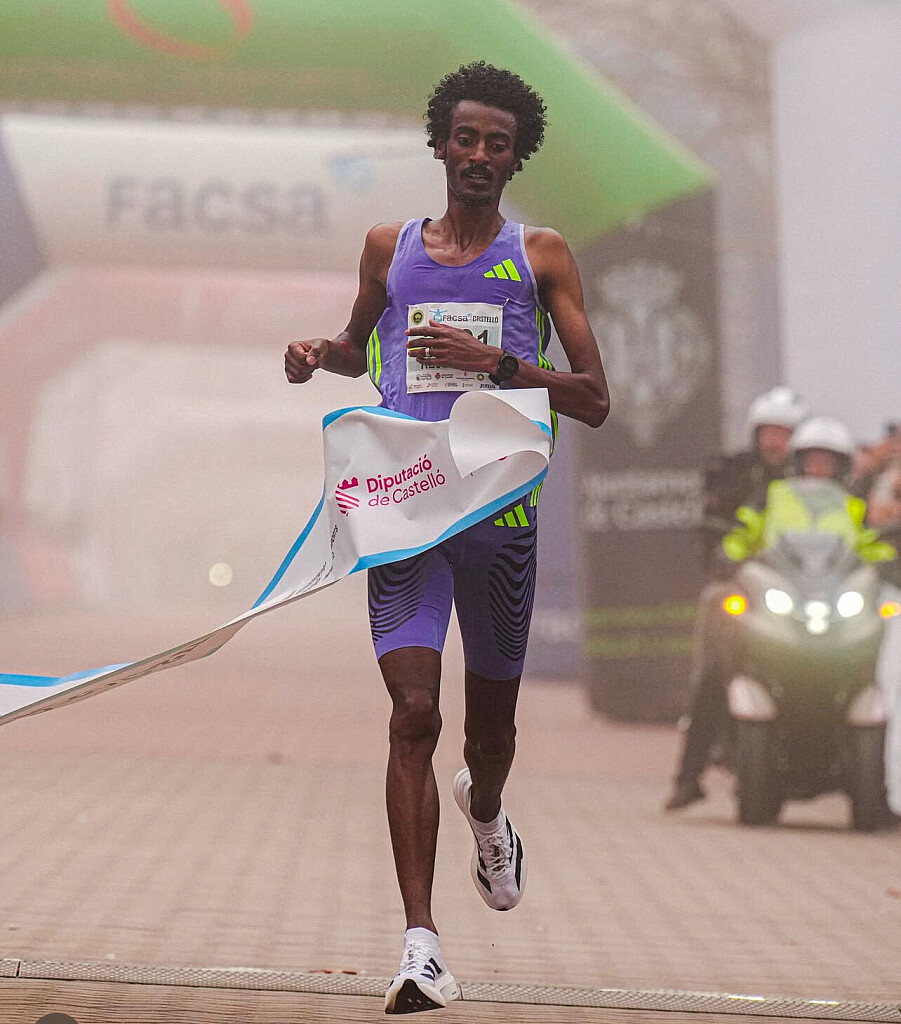
Yomif Kejelcha Runs Second Fastest 10K Ever on Road with 26:31 at Castellón
Yomif Kejelcha delivered a stunning performance at the Castellón 10K, clocking a personal best and course record time of 26:31. The Ethiopian star, known for his versatility across middle and long-distance events, continues to prove why he is one of the most formidable runners in the world today.
A Performance for the Ages
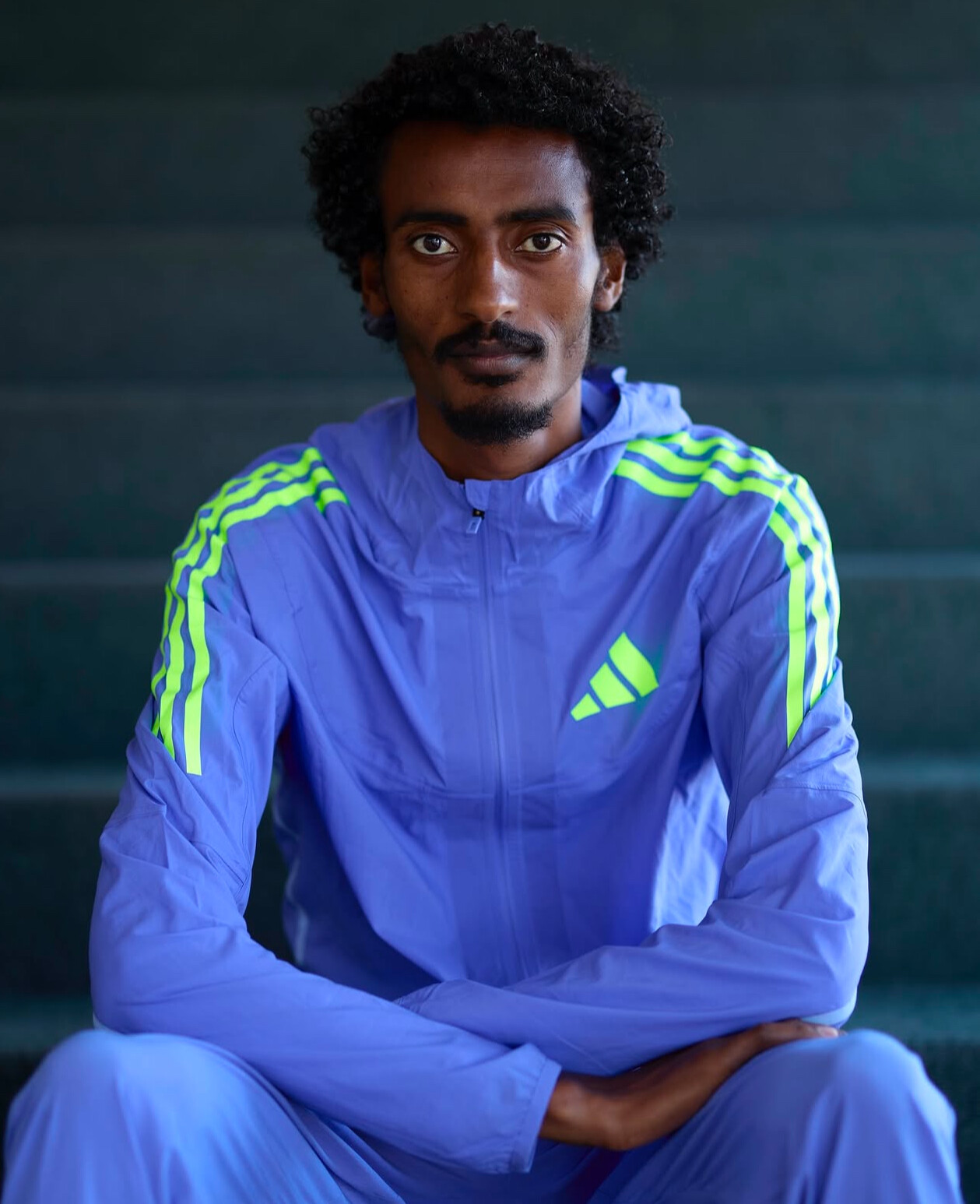
Kejelcha’s time of 26:31 is the second fastest ever recorded for 10 kilometers on the road, trailing only Rhonex Kipruto’s world record of 26:24 set in Valencia in 2020. He showcased his incredible endurance and speed, setting a blistering pace from the start and maintaining it through the streets of Castellón. His performance not only secured him the win but also solidified his place among the all-time greats in road racing.
The previous course record stood as a benchmark for elite performances, but Kejelcha demolished it with authority. His ability to transition between track and road racing at such a high level highlights his exceptional talent and training.
The Evolution of Yomif Kejelcha
Kejelcha has long been a dominant force in distance running. A two-time World Indoor Champion in the 3000m, he has also excelled on the track with a 12:46.79 personal best in the 5000m and a fo former indoor world record of 3:47.01 in the mile. His progression to longer road races has been remarkable, and this latest achievement suggests he is just getting started in rewriting records on the roads.
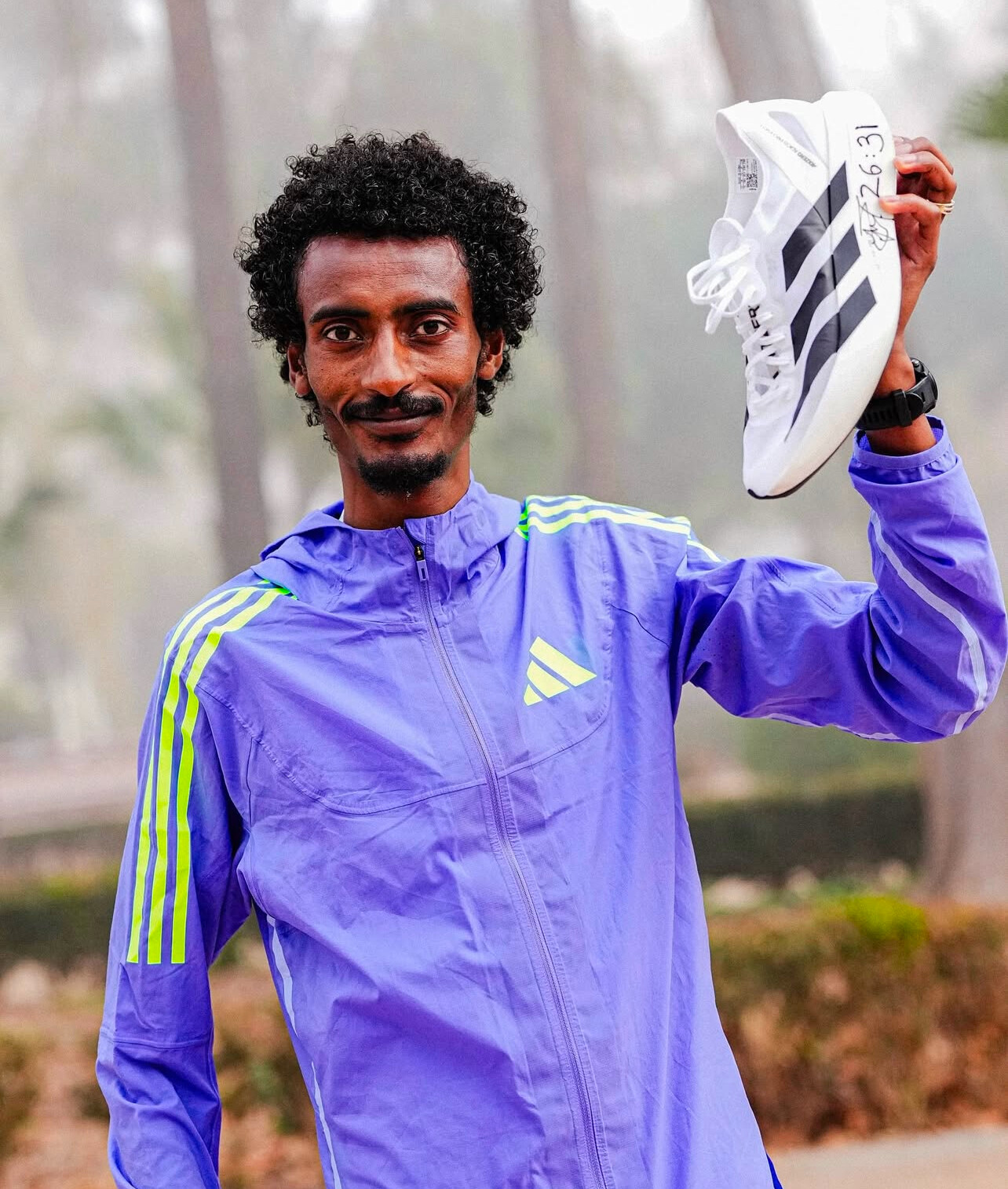
With this performance, Kejelcha joins again an elite club of sub-27-minute 10K road runners, a testament to his endurance and tactical brilliance. The road racing scene has seen unprecedented speed in recent years, with top athletes pushing the boundaries of what’s possible, and Kejelcha’s performance is yet another milestone in that progression.
What’s Next for Kejelcha?
With his new personal best, Kejelcha will undoubtedly be a contender in upcoming major road races and championship events. Whether he continues his focus on the 10K or makes an even stronger push into the half marathon and marathon distances remains to be seen, but one thing is certain—he is a runner to watch.
The Castellón 10K has witnessed history, and Yomif Kejelcha has once again shown why he is one of the premier distance runners in the world. His 26:31 finish not only sets a new course record but also raises the bar for what’s possible in road racing.
Top 10 Men's 10K Road Race Performances
As of February 2025, here are the top 10 fastest men's 10K road race times:
26:24 – Rhonex Kipruto (Kenya), Valencia, Spain, January 12, 2020
26:31 – Yomif Kejelcha (Ethiopia), Castellón, Spain, February 2025
26:33 – Berihu Aregawi (Ethiopia), Laredo, Spain, March 11, 2023
26:37 – Yomif Kejelcha (Ethiopia), Laredo, Spain, March 16, 2024
26:38 – Joshua Cheptegei (Uganda), Valencia, Spain, December 1, 2019
26:44 – Leonard Patrick Komon (Kenya), Utrecht, Netherlands, September 26, 2010
26:48 – Jacob Kiplimo (Uganda), Valencia, Spain, January 14, 2024
26:49 – Sebastian Sawe (Kenya), Herzogenaurach, Germany, April 29, 2023
26:50 – Kibiwott Kandie (Kenya), Herzogenaurach, Germany, April 30, 2022
26:51 – Nicholas Kimeli (Kenya), Brașov, Romania, September 25, 2022
Note: The above times are based on official records as of February 2025.
by Boris Baron
Login to leave a comment
10k Facsa Castello
The 10K FACSA Castelló is one of Spain’s fastest and most prestigious road races, drawing elite and amateur runners from around the world. Held in Castellón de la Plana, this race has grown exponentially, earning a reputation for its flat, high-speed course and exceptional organization. It holds a World Athletics Road Race Label, placing it among the top road races...
more...
Joyciline Jepkosgei Confirmed for Ras Al Khaimah Half Marathon 2025: A Star-Studded Event on the Horizon
The 18th edition of the Ras Al Khaimah Half Marathon, set for February 1, 2025, on the picturesque Al Marjan Island, promises to uphold its reputation as one of the most prestigious road racing events in the world. The announcement that Joyciline Jepkosgei, one of the finest distance runners of our time, will compete has further heightened anticipation for this world-class race.
The Ras Al Khaimah Half Marathon Legacy
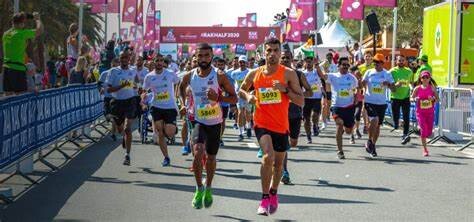
Since its inception in 2007, the Ras Al Khaimah Half Marathon has been a magnet for elite runners, earning its title as a “Who’s Who” of distance running. The inaugural men’s race, won by Sammy Wanjiru, set the stage for the event’s legacy, as Wanjiru went on to claim Olympic marathon gold. The flat, fast course and perfect winter conditions of Ras Al Khaimah continue to attract world-class athletes, making it one of the fastest half marathons globally.
Joyciline Jepkosgei: A Distance Running Icon
Joyciline Jepkosgei’s career is a testament to her exceptional talent, resilience, and determination. Born on December 8, 1993, in Kenya, she was a late bloomer in the sport, only hitting her stride in her twenties. However, once she found her rhythm, Jepkosgei became a dominant force in distance running.
Her breakthrough came in 2017 at the Prague Half Marathon, where she set not one but four world records in a single race. Jepkosgei clocked 30:04 for 10 kilometers, 45:37 for 15 kilometers, 61:25 for 20 kilometers, and an astonishing 64:52 for the half marathon, becoming the first woman in history to break the 65-minute barrier.
Jepkosgei’s achievements didn’t stop there. She transitioned seamlessly to the marathon distance, winning the New York City Marathon in 2019 with a time of 2:22:38, and claiming victory again in 2021 in 2:22:39. Her ability to excel across distances makes her one of the most versatile and respected athletes in the sport.
Anticipation Builds for the 2025 Edition
Jepkosgei’s confirmation adds star power to the 2025 Ras Al Khaimah Half Marathon. The Kenyan runner’s presence not only elevates the race’s competitive level but also draws global attention to the event. With her remarkable speed, endurance, and strategic acumen, Jepkosgei is undoubtedly a favorite to challenge the course record and potentially set new benchmarks.
The Ras Al Khaimah Half Marathon’s course, known for its flat and fast terrain, offers ideal conditions for elite runners aiming to achieve personal bests. Al Marjan Island’s scenic backdrop and the event’s world-class organization further enhance the race’s appeal.
Other Elite Runners to Watch
While Joyciline Jepkosgei is a headline name, the Ras Al Khaimah Half Marathon traditionally attracts a stellar lineup of elite athletes. Past editions have seen record-breaking performances from world champions and Olympic medalists, making the competition fierce and thrilling. Fans can expect announcements of other top-tier participants as the race date approaches, further intensifying the excitement.
A Must-Watch Event
The 2025 Ras Al Khaimah Half Marathon is shaping up to be an unforgettable spectacle, with Joyciline Jepkosgei leading the charge. Her presence, combined with the event’s history of record-breaking performances, ensures a thrilling competition for both participants and spectators.
As the countdown begins, the running world eagerly anticipates another chapter in the storied legacy of this iconic race. With Jepkosgei in the mix, the Ras Al Khaimah Half Marathon reaffirms its status as a premier event in the global athletics calendar.
by Boris Baron
Login to leave a comment
Rak Half Marathon
The Rak Al Khaimah Half Marathon is the 'world's fastest half marathon' because if you take the top 10 fastest times recorded in RAK for men (and the same for women) and find the average (for each) and then do the same with the top ten fastest recorded times across all races (you can reference the IAAF for this), the...
more...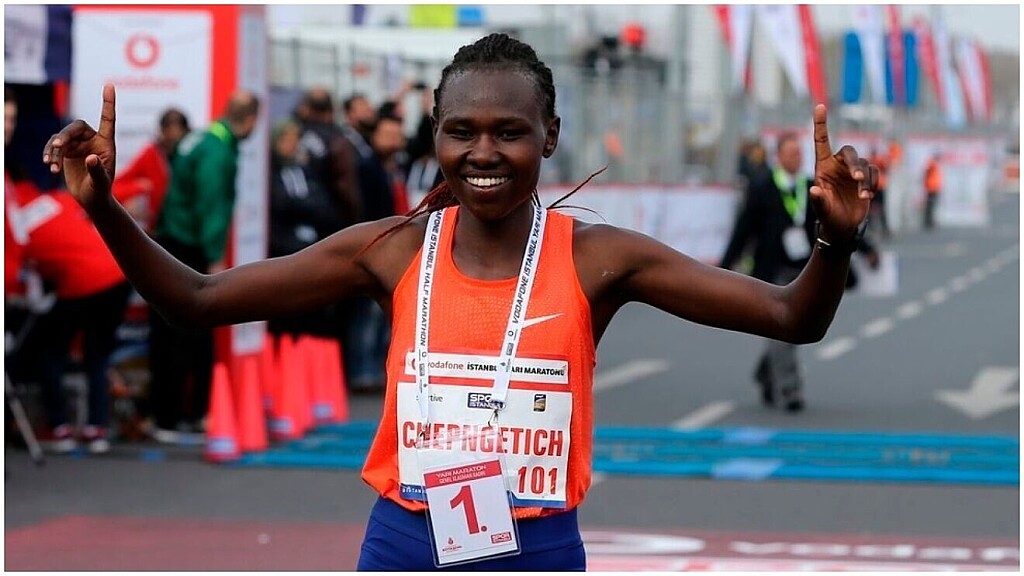
Ruth Chepngetich leads the female participation in the San Silvestre Vallecana
The Nationale-Nederlanden San Silvestre Vallecana is once again dreaming of breaking records. Like the historic 2018, the end-of-year classic features a superlative squad, with great athletes who arrive in Vallecas with ambition and in excellent physical condition, the perfect mix that can lead athletics fans to experience a day for the history books on December 31.
In 2018, Kenyan Brigid Kosgei became the first athlete to break the 30-minute barrier at the Vallecana. Since then, the mark obtained remains unchanged as the top of the Nationale-Nederlanden San Silvestre Vallecana. But this year, an old acquaintance of the race, Kenyan Ruth Chepngetich, has decided to put the finishing touch to a 2024 to remember, and leave a mark of her quality on the streets of Madrid.
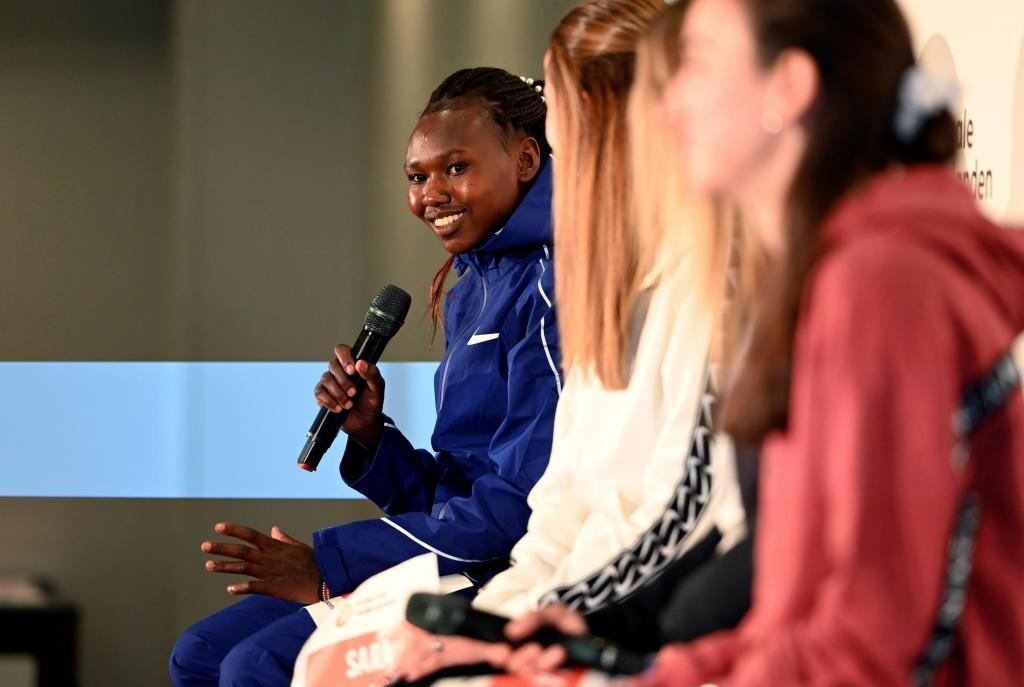
At the Chicago Marathon, Ruth Chepngetich lowered the world marathon record by almost 2 minutes (2:09:56), in a feat that left the athletics world speechless. After this heroic feat, Chepngetich arrives as the great female star of this Nationale-Nederlanden San Silvestre Vallecana, with the desire to achieve the victory that eluded her in her previous presence in the event (in 2020, when she was defeated by Yalemzerf Yehualaw) and challenge Kosgei's record.
In addition to her stratospheric marathon record, Chepngetich has a golden record with a world marathon title, and a triple of victories in the emblematic Chicago Marathon, as well as a best time in 10 kilometers on the road of 30:29, which she hopes to blow up in the Vallecana.
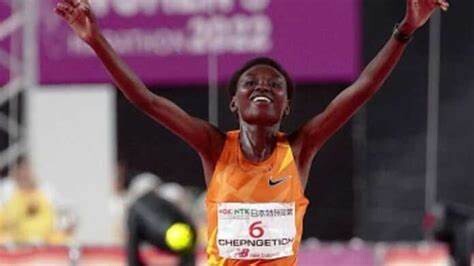
Alongside her, Ethiopian Adawork Aberta, from the always competitive NN Running Team, will seek to follow in the footsteps of other compatriots and team members who have triumphed in Vallecana, such as Yalemzerf Yehualaw herself. The 28-year-old athlete's best result was a seventh place in the Seville Marathon with 2:23:39 and has a personal best in 10K of 32:27. Meanwhile, the Mexican of Kenyan origin, Risper Besabwa, sixth in the 2023 Pan American Games in the marathon, will seek her personal best in 10K, which she has with 31:43, achieved in New Orleans (United States).
by As.com
Login to leave a comment

Saint Sylvester Road Race
The Saint Silvester Road Race (Portuguese: Corrida Internacional de São Silvestre) is a long-distance running event, the oldest and most prestigious street race in Brazil. Regarded as the main international event in Latin American athletics, the Brazilian competition is held yearly in the city of São Paulo on December 31. São Paulo's race was originally known as a "marathon", although...
more...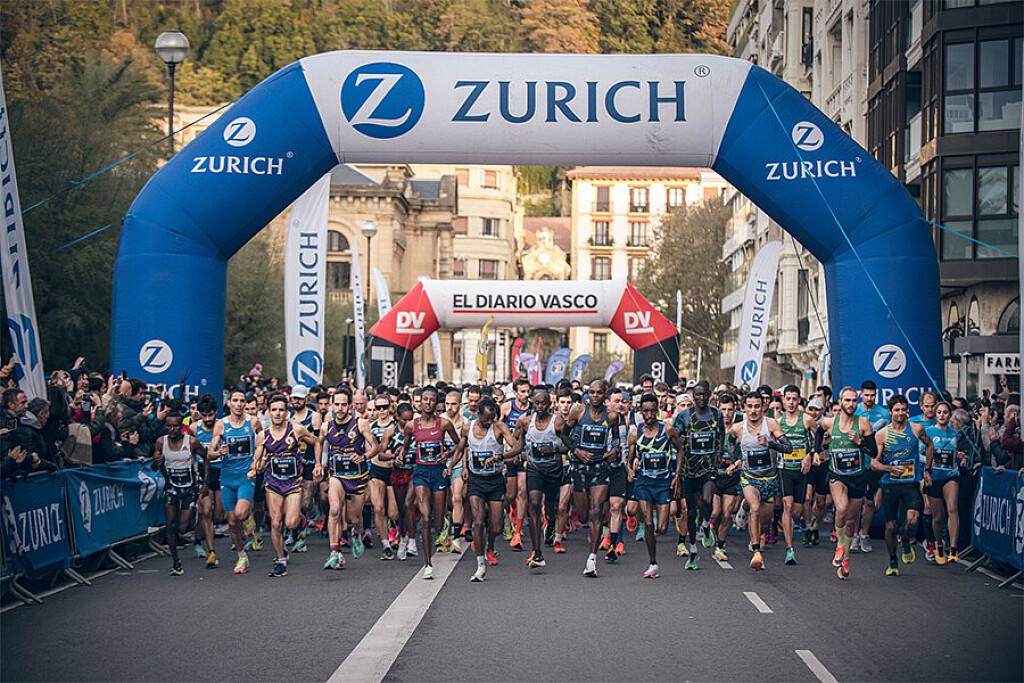
This Sunday's San Sebastian marathon is canceled due to the alert for strong winds
The organization of the Zurich San Sebastian Marathon scheduled for this Sunday has announced that the race is suspended in all distances (10 kilometers, 21 kilometers and 42) "due to the extreme weather alerts issued by the competent authorities".
"The forecasts announce gusts of wind from the south-southeast that can exceed 120km/h in exposed areas of the Cantabrian slope, especially in the east, which poses a serious risk to the safety of participants, volunteers, spectators and all the personnel involved in the organization," says the organization of the sports event in a statement.
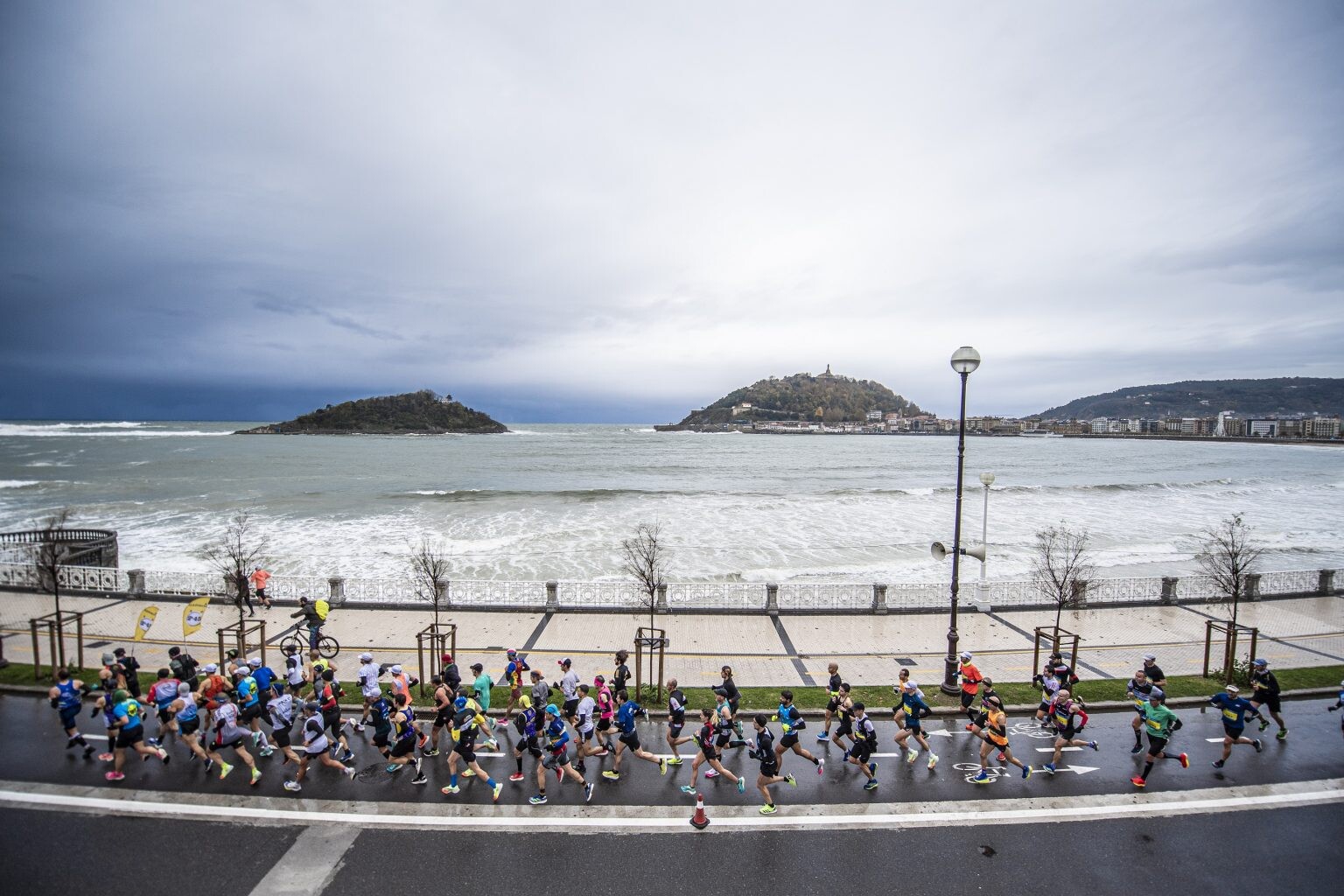
"Our main commitment is to guarantee the integrity and well-being of all the people involved in this event, and unfortunately, in these circumstances, we cannot ensure a safe environment for its development," he says.
The decision has been taken "following a ban by emergency services, meteorology and local authorities, and responds to the need to prioritise safety above any other consideration", it adds.
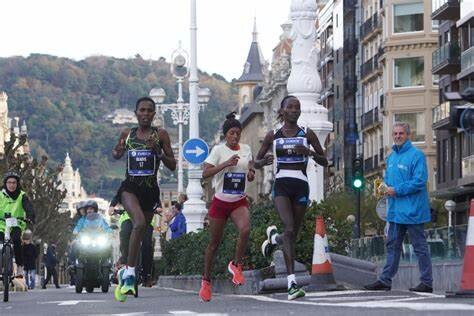
The Vasco Government has activated the orange alert for tomorrow due to strong winds in Gipuzkoa.
The race had exhausted the 3,000 bibs made available to the athletes to compete in this event, the second oldest marathon held in Spain.
In the coming days, the organization announces that it will contact all registrants to provide detailed information on the steps they need to take.
by Newsroom Infobae
Login to leave a comment
Zurich San Sebastian Marathon
More than 6,500 runners have raced in previous editions in the centre of San Sebastian on an urban route at sea level. Take part in this prestigious race and enjoy the beauty, cuisine and culture of one of the world’s most beautiful cities. In 2016, 64% of participants improved their PB....
more...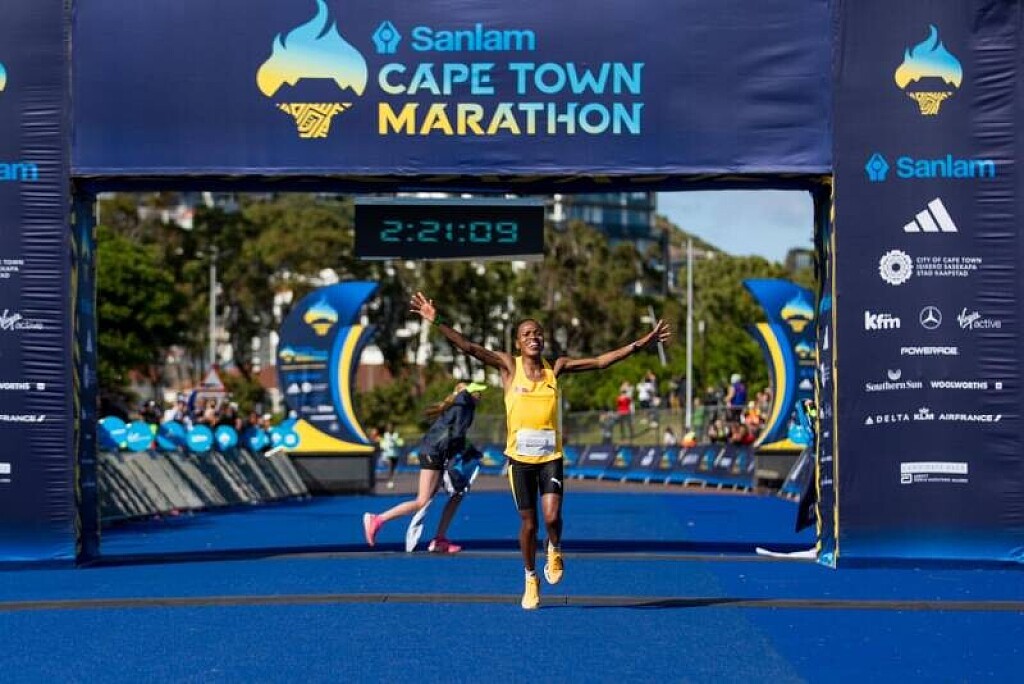
Glenrose Xaba Shatters South African and Sanlam Cape Town Marathon Records on Debut
There was delight for South Africa as Glenrose Xaba shattered the National and Sanlam Cape Town Marathon records, on marathon debut; on Sunday, 20 October. The current South African 5 000 and 10 000 meter, as well as the 10 kilometer road record holder, clocked an impressive time of 2 hours, 22 minutes, and 22 seconds, to shave 1 minute and 40 seconds off the course record (2 hours, 24 minutes, and 2 seconds) as well as a further second off Gerda Steyn’s previous best marathon time for a South African (2 hours, 24 minutes, and 3 seconds).
The 2024 men’s champion, Abdisa Tola also broke the course record – though his impressive feat was somewhat overshadowed by the South African Air Force Gripen fly over which Xaba’s performance received.
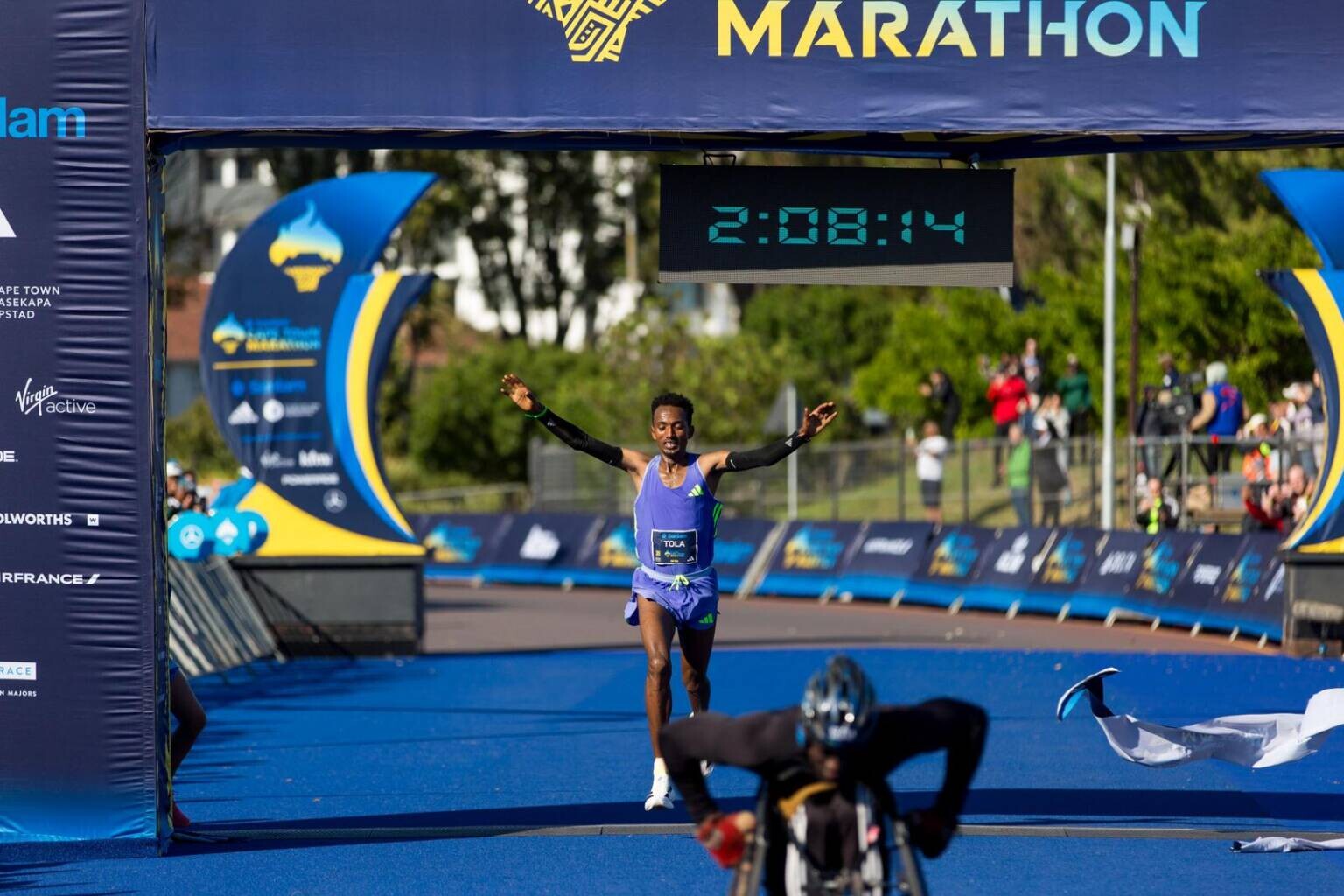
Xaba was joined on the start line by 16 800 fellow starters as well as the deepest ever field assembled for a marathon on African soil. Sadly, the Cape Doctor, as the Mother City’s prevailing summer south easterly wind is known, did not get the memo. The rest of the city pulled together though and the crowds countered the winds with raucous cheers along the route. Their applause, the support of the City of Cape Town local government, and the new record times will all aid the Sanlam Cape Town Marathon’s cause in its bid to become an Abbott World Marathon Majors event in the coming years.
The goal of Abbott World Marathon Majors status, in 2026, may still be on the horizon but Xaba’s dreams came true on the blue carpet in the shadow of the DHL Stadium. She and her fellow elite women had started fast, with the pace setters maintaining a tempo better than the record pace. Fellow South African pre-race favorite, Cian Oldknow, opted not to go with the pace makers and was out of contention for a podium place early in the piece.
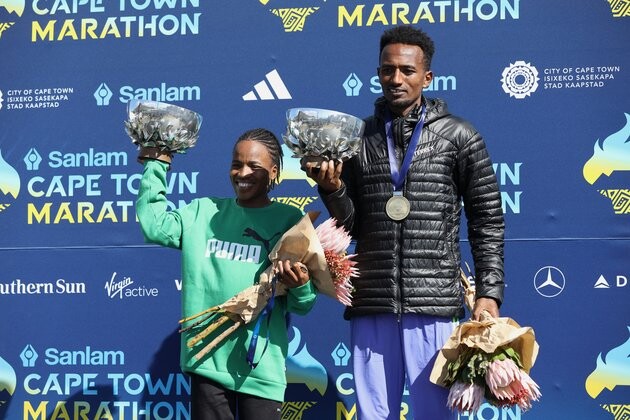
One by one the women dropped from the group, but Xaba and Mare Dibaba Hurssa, in particular, ensured the pace never eased off. It was a surprise when the defending champion, Tsige Haileslase, was distanced near the 30 kilometre mark. This was the first sure sign that records would tumble.
Coming into the final 10 kilometers only Kenyna’s Pascalia Chepkogei remained in contention with the South African and the 2015 World Marathon Champion. After stretching their legs on the downwind gallop through Sea Point the top three turned for home with 4 kilometers to go. This U-turn meant they would run the closing kilometers into a headwind, which suited the powerful style of Xaba. She distanced Chepkogei and finally Dibaba Hurssa, to enter the finishing straight alone.
Soaking up the applause, Xaba crossed the line with both the South African and Sanlam Cape Town Marathon records comfortably secured. “I didn’t want to say before the race, but my goal had been the course record,” Xaba smiled. “I didn’t want to put extra pressure on myself. Even if I had finished in 2:26 I would have been happy, because this was my first marathon. But I’m honestly shocked to have broken the course and national record. I’m humbled to have taken Gerda [Steyn]’s South African record.”
Reflecting not only upon her rival’s stellar debut but also on Ruth Chepngetich’s World Record breaking run in Chicago, the week before, Dibaba Hurssa said: “The women’s marathon is getting really, really, fast. I hope that this generation will keep setting faster times and that the generation to come are inspired by them to run even quicker.”
“I was feeling really strong and my training had made me very relaxed coming into the race,” Xaba noted. “From kilometers 5 to 25 I felt good, the first 21 kilometers were basically a tempo run for me. Then for a bit until the 33 kilometer mark I had to stay strong, focused, and brave because I dropped off the front group slightly. Once I worked my way back, I felt good again and was able to push to the finish.”
“I want to thank my manager, my coaches, and my team at Caster Semenya Training Group!” the 2024 Sanlam Cape Town Marathon champion concluded.
Xaba’s margin of victory was 15 seconds over Dibaba Hurssa. Chepkogei was third, 28 seconds off Xaba’s winning time. Viola Chepngeno and Emmah Cheruto Ndiwa, both of Kenya, completed the top five places. Oldknow finished thirteenth, 20 minutes down.
In the men’s race the battle for victory went into the final kilometers too. It had seemed from early in race that the battle for victory would be fierce, but only a fast second half ensured that the course record was broken. Having set the previous best men’s time in 2018 Stephen Mokaka was the chief pace maker for the 2024 race.
He took a strong lead group through the first 25 kilometers in 1:16:47 before the attacks splintered the field. South African favorite, Melikhaya Frans was the first to surge as they passed through Observatory. His move pulled five Ethiopians clear, these included the eventual winner as well as Gaddisa Tafa Dekeba, Mitku Tafa Dekeba, Adeladlew Mamo Gebreyohannes, and Adane Kebede Gebre.
Over the next 5 kilometers the men from the mountainous nation worked Frans out of the lead group and then whittled it down to just Mitku Tafa Dekeba, the defending champion Kebede Gebre, and Tola. “Once we passed the 33 kilometer mark I knew the three of us would be battling for victory,” Mitku Tafa Dekeba reflected. “At that point I was happy it would be an Ethiopian 1, 2, and 3.”
Mitku Tafa Dekeba was the first of the three to suffer as they rounded the final bend and began the headwind slog along Beach Road in Sea Point towards the Green Point finish line. This left Kebede Gebre and Tola in a two-way tussle for the title. Striding into the wind the younger Tola brother, whose elder brother Tamirat Tola was crowned Olympic Marathon Champion in Paris, was able to dig deep and surge clear.
With the win secured Tola was able to enjoy the finish line and celebrate his new course record. Crossing the line in 2 hours, 8 minutes and 16 seconds the 24 year old did enough to shave 15 seconds off Mokaka’s six year old benchmark. Kebede Gebre had to be content with second, 16 seconds back. Mitku Tafa Dekeba completed the all-Ethiopian podium ahead of Edward Konana Koonyo, of Kenya. Frans was the first South African home in fifth.
“I earned what I trained really hard for today,” Tola acknowledged. “A lot of hard work went into this run. It was a beautiful race and I’ll certainly be back to defend my title.”
by Seamus Allardice
Login to leave a comment
Cape Town Marathon
The Sanlam Cape Town Marathon is a City Marathon held in Cape Town, South Africa, which is sponsored by Sanlam, the City of Cape Town and Vital Health Foods. The marathon is held on a fast and flat course, starting and finishing in Green Point, near the Cape Town Stadium. Prior to existing in its current format, the Cape Town...
more...
12,000 runners on the course at the 20th Einstein Marathon
In the best conditions, around 6,000 athletes took to the track for the 20th Einstein Marathon on Sunday. The weekend before, 6,000 children and young people took part in the youth runs in the Donaustadion. The winner of the marathon course for men was Oliver Tzioppe from Erlangen in 2:34:20.9 hours. In the women's race, Hristina Kozareva from Varna won in 3:01.50.3 hours.
This year, teams from 240 companies from the Ulm region and far beyond took part in the 20th Einstein Marathon. 4,600 participants took part in the Beur half marathon. There were 890 registrations for the Sparkasse Marathon. Along the route, which led through Ulm, Neu-Ulm and along both banks of the Danube, numerous friends and family members cheered on the runners who more or less easily ran the 5,000 meter, 10,000 meter, half marathon and marathon distances .
The Nordic walkers ran the half marathon or the 10 kilometers. For most people, the time was secondary, what was more important was being there and a personal triumph when the goal at Münsterplatz was achieved.
Login to leave a comment
Einstein Marathon
Ulm Einstein Marathon takes place annually in the fall. On the agenda, there are of course the mandatory Einstein Marathon and the half marathons, but also the leisure runs over shorter distances (10 km and 5 km). In addition for those of you who don't run we also offer the Half Marathon for inline, handbike and power walking classes. The...
more...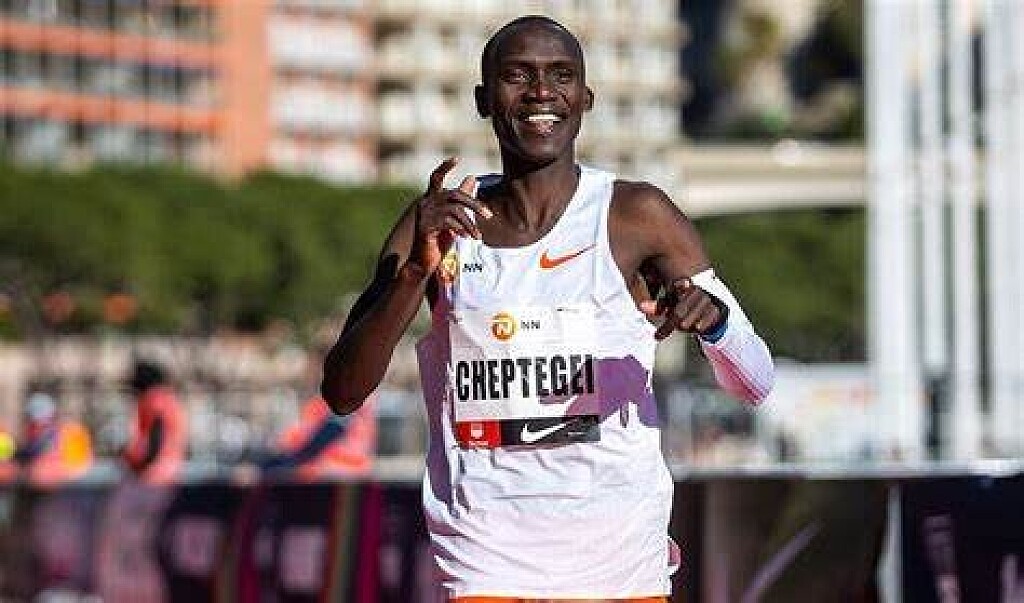
Olympic Champion Cheptegei at the start of Dam tot Damloop
Strong field of participants at the 38th edition of Dam tot Damloop.
Olympic Champion Joshua Cheptegei will be at the start of the Dam tot Damloop on Sunday 22 September. The champion in the 10,000 meters smashed the Olympic record in Paris this summer and has now been set by sports organization Le Champion for the Dam tot Damloop.Last year's Kenyan winner Mathew Kimeli, Muktar Edris (ETH) and Isaac Kipkemboi (KEN) are formidable opponents and make this year's field very strong.
In the women's race, the battle will be between Kenyan Cintia Chepngeno and Ethiopians Dibabe Beyene, Biri Abera and Mebrat Gidey.The 27-year-old Cheptegei has a well-stocked trophy cabinet and there is a good chance that many more titles will be added, as the Ugandan runner indicated earlier this year that he wants to shift his focus from the track to road races.
With both the current world record in the 5,000 and 10,000 meters, he is also the absolute favorite for the 38th edition of the Dam tot Damloop. Cheptegei about his participation: 'This year was very successful for me with winning gold at the last Olympic Games. After spending some time with my family, I am happy to return to racing in the, for me, familiar streets of Amsterdam and Zaandam.
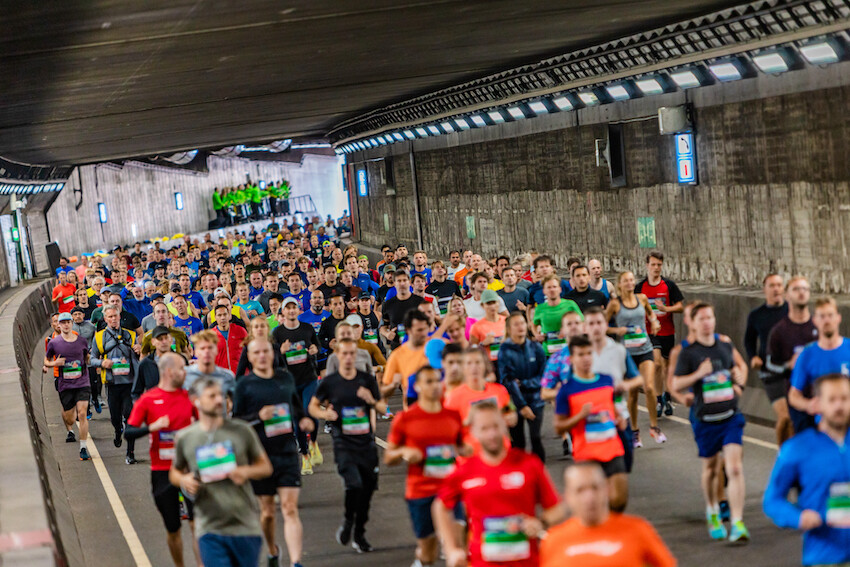
I have already run the Dam tot Damloop three times, the last time was in 2018 when I won. I'm going for the title again.'CompetitionIn 2018, he won the running event that starts in Amsterdam and finishes in Zaandam in 45.15 minutes. Competition will mainly come from Kenyan Kimeli, who made her debut last year and won in 45.20 minutes. Together with the Ethiopian former world record holder in the 5,000 meters Edris and the Kenyan Kipkemboi, the race will be hard.
In the women'srace, Chepngeno and Beyene will compete with Abera and Gidey. Chepngeno's fast legs are fine, the Kenyan recorded the 10 kilometers in Valencia in 30.08 minutes this year.
Dam tot DamloopThe 10 English Miles of the Dam tot Damloop is extremely popular this year.
Within a few weeks, the registration was completely sold out.
At the moment there are only starting tickets available for the Damloop by night, which will take place on Saturday evening 21 September. Registration is open until Monday 9 September. A total of 65,000 runners will be in action during the Dam tot Damloop.
by Hardloopnieuws
Login to leave a comment
Dam tot Damloop
On Sunday, 50,000 runners can join the Dam tot Damloop. The unparalleled atmosphere, the tunnel, one of the world's largest business streets and the fact that starting and finishing in two different cities make this event so special. The distance is 10 English Mile, which also includes a number of world top runners each year. In addition, the Mini Dam...
more...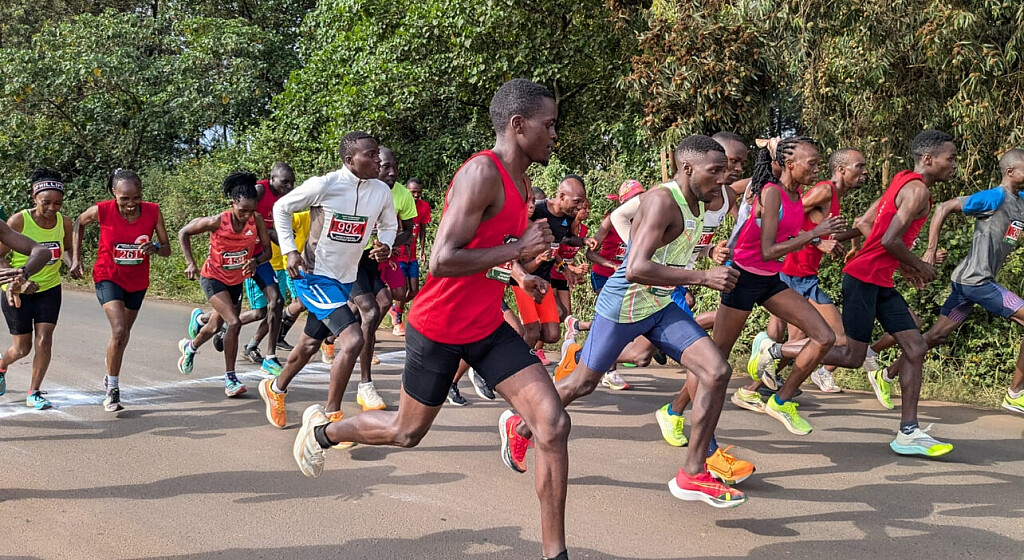
The KATA 36th monthly Time Trial in Thika Kenya produced some good times
The 36th monthly KATA (Kenyan Athletics Training Academy) time trial was held on the road near Thika, Kenya. 31 athletes registered for either thr 10k or 5k. Plus we had over 50 kids run the 2k.
The men 5km race was very impressive. Bernard msau sprinted to victory and stopped the clock at 14:14, setting a meet record and a personal best time. Raphael karita posted a personal best time of 14:16 finishing second in a tight race.
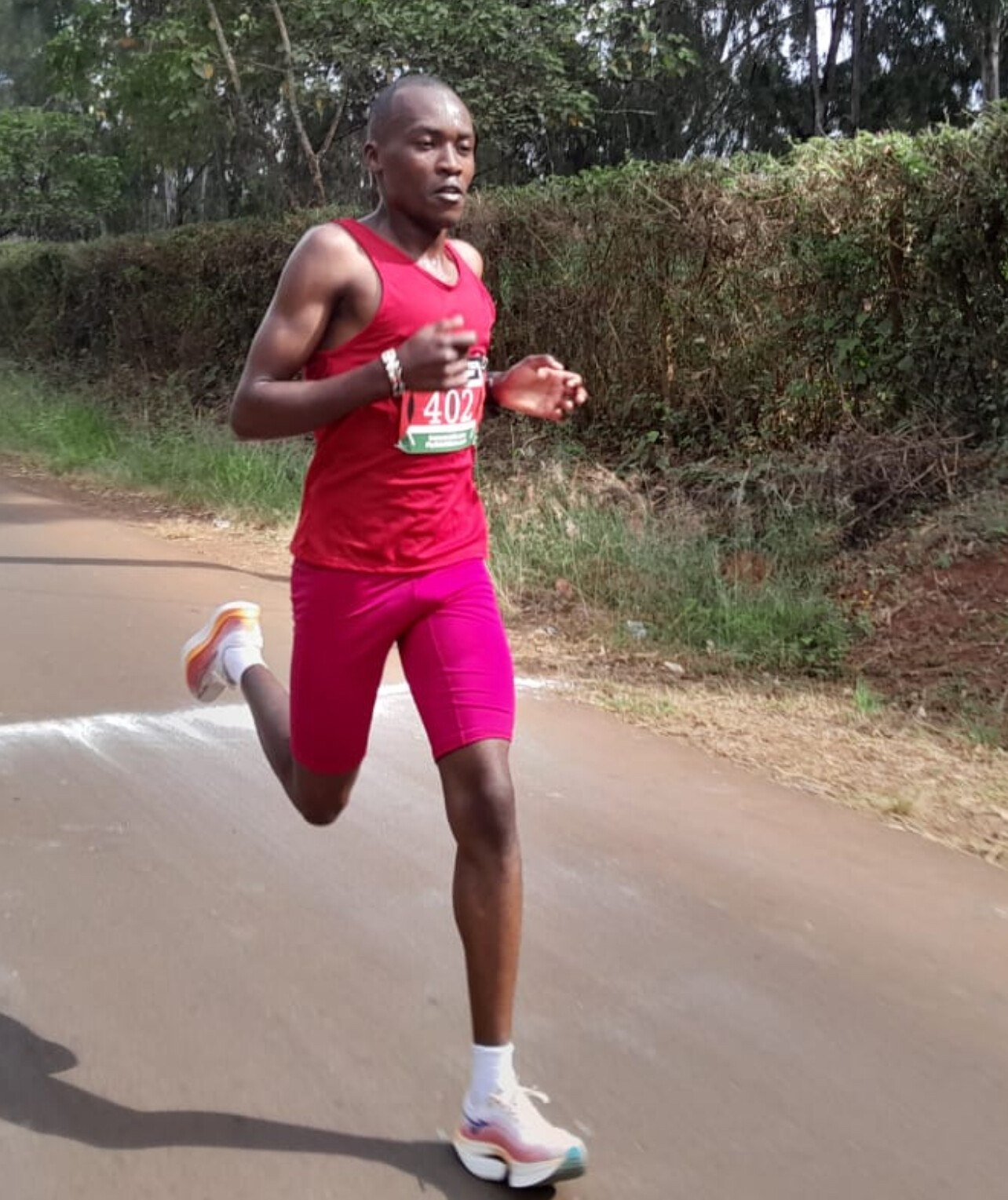
Charles ndirangu finished in third place and also posted a personal best time of 15:23.
Stephen ngigi one of our new athletes finished in third place in 10 kilometers in a personal best time of 30:37 lowering his previous time by 10 seconds. He is very promising in training and by the look of his performance, he is the man to watch.
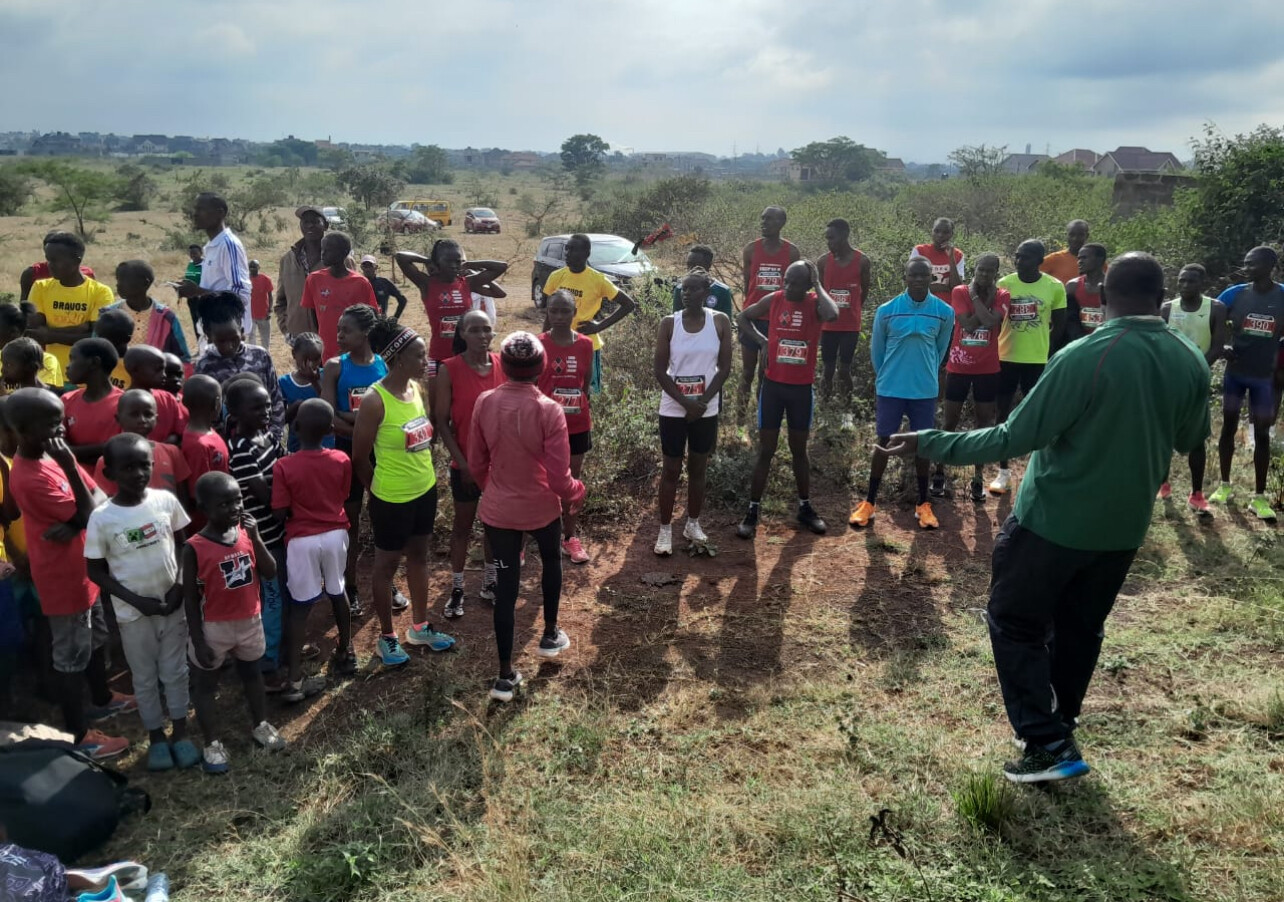
One of our main objectives at KATA is to develop young talents within our community. Other than our normal athletes, today's time trial was graced by young athletes who have shown interest in the sport. They did two kilometers. They were up to the task. The best time recorded for the boy was 7.14 while the girl managed 8.42. More will be joining us during the double race on the 14th of September.
The next KATA event will be thr 4th Annual KATA Double Road Race 15k (10k+break+5k) on Saturday Sept 14. The second leg (5k) starts one hour 45 minutes after the start of the 19k. Times from the two legs are added together for scoring.
The world record for this event are: For men 43:11 set by Julius Kosgei (Kenya) May 5, 2015 in Pacific Grove Ca USA. He clocked 29:11 for the 10k leg and 14:11 for the 5k leg. For women 48:45 set by Risper Gesabwa (Kenya) Dec 21, 2014 in Pleasanton, Ca USA. She clocked 32:55 per the 10k leg and 15:49 for the 5k leg.
At the third annual KATA Double Bernard Musau clocked 44:32 (third fastest time ever). At the same event Miriam Chepkemoi clocked 51:33 the fifth best time ever.
Results from todays time trial:
5km WOMEN
1 Karen chepkemoi 22 276 17:33
2 Jacinta kamau 22 273 17:53
3 Lilian musenya 23 277 18:44
5km MEN
1 Bernard msau 26 323 14:14
2 Raphael karita 24 286 14:16
3 Charles ndirangu 23 379 15:23
4 Gabriel kahura 41 279 15:29
5 Shedrack kiprotich 23 385 15:52
6 Amos chirchir 23 453 15:59
7 John makeri 26 452 16:02
8 William mbugua 21 256 17:39
9 Alex kamau 22 149 19:34
10 Fredrick mwenda 18 240 20:04
10km Women
1 Karen waithira 36 398 35:08
2 Virginia wanjiru 22 255 35:36
3 Susan njuu 36 269 35:47
4 Veronica Wakuraya 25 392 39:09
5 Sheila mbaku 54 261 41:13
6 pennina mugure 53 331 47:27
7 Lucy muritu 39 275 48:34
10km MEN
1 Hillary Komen 33 382 29:56
2 John Njuguna 29 287 30:27
3 Stephen ngigi 20 402 30:37
4 Charles chege 16 268 31:09
5 Peter wanyoike 28 281 31:11
6 Kenneth gichoya 27 282 31:30
7 Shedrack kiprotich 23 262 32:21
8 Charles mwangi 17 65 32:26
9 Bernard giceha 33 267 33:44
10 David muriuki 28 390 33:45
11 Zachary kirika 22 278 41:12
Login to leave a comment
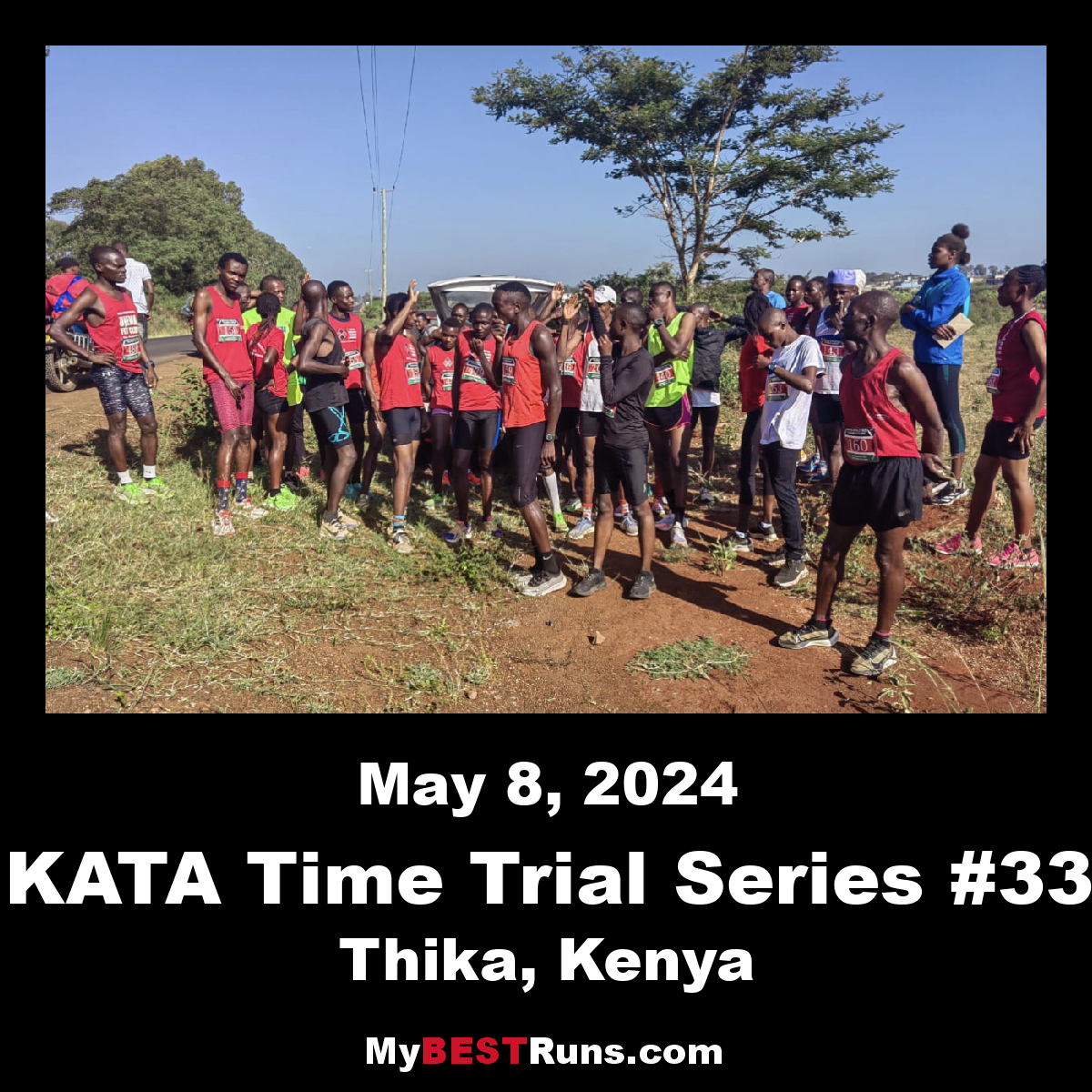
KATA Time Trial Series
Welcome to the KATA Monthly Time Trial Held at the Kenyan Athletics Training Academy in Thika, Kenya, the KATA Monthly Time Trial is a unique and inclusive event designed to support runners of all levels in achieving their goals and showcasing their fitness. This event offers both 10K and 5K distances on an accurate, certified course, providing participants with...
more...
Should you run 42.2 kilometers in marathon training?
For distances shorter than the marathon, “over-distance” training is effective, and in the past, runners would typically run even the marathon distance in preparation for a marathon race. Running 42 kilometers takes quite a toll on your body; professional marathoners typically only race two or three marathons in a year, and take at least two very easy weeks to properly recover afterward. So if endurance runners typically run farther than race distance to build stamina and make their 5K, 10K, or half-marathon feel easier, should your weekly long run be over 42.2 km when training for the full marathon?
Marathon training plans are all pretty similar when it comes to the long run: it should definitely be less than a marathon in distance. Studies have shown weekly long runs of 75-165 minutes in length to be effective, while others go by volume, suggesting building the run up to 32 kilometers. Building mileage is a slow process, and should be done in 10 per cent increments between weeks.
What about those last 10 kilometers on race day? A combination of adrenaline, motivation, and tapering in the weeks leading up to your competition will carry you to the finish line. Research shows that competition improves endurance performance physiologically and psychologically, meaning your muscles can handle more fatigue while racing.
Running slower than your race pace during your longest run is also key for facilitating recovery. Since ramping up intensity and mileage at the same time is much harder on your body, it’s recommended to focus on speed during other workouts throughout the week. The ideal training for all distance runners can be broken down into a long run, two or three interval sessions and two or three low-intensity days. Overall, 80 per cent of your total volume should be completed at a low intensity.
Keep in mind that if you are approaching marathon distance at target race pace during your long run, you are essentially racing a marathon on a weekly basis. In an ideal world, this would make you get better, but the recovery cost means your training will be compromised.
Studies suggest completing long runs at a pace that is 30-60 seconds slower per kilometer than your marathon race pace. For beginners, this is a comfortable pace that still allows you to hold a conversation. These steady runs provide a foundation for building endurance, allowing you to improve your aerobic capacity and progress your pace over time. On workout days with lower volume, you can increase intensity by incorporating faster intervals or by progressing a medium-long run to end at your goal marathon or even half-marathon pace.
If you put in the work during training, your body will be capable of the most incredible things on race day.
by Cameron Ormond
Login to leave a comment
Race day for newbies
A beginner's guide to feeling like a pro at your first race.
For experienced runners, “race day” is a familiar term consisting of a particular routine, diet and lots of emotions. For beginners, race day can be overwhelming and may make you feel stressed or even helpless. Every runner has a different routine developed over numerous races, experimenting with what works and doesn’t work for them. But beginners have to start from scratch to get their first race day under their belt. Here are a few tips to keep in mind heading into the competition.
Prepare beforehand
Road races typically take place in the morning, calling for an early wake-up. Being nervous or excited can make getting to sleep the night before pretty difficult, so remember that banking sleep throughout the week prior is the most important for getting you rested and recovered.
Check the weather and choose what to wear the night before; it’s better to be over-prepared, with extra layers and a change of clothes for after the race. You can’t outrun the sun: don’t forget your sunscreen, hat and sunglasses, even on a cooler day. Longer layers or gloves that you don’t mind tossing away mid-run will allow you to be more comfortable on a brisk morning, especially while standing around waiting for the starting gun to go off. Most races provide food post-race, but it doesn’t hurt to pack a snack just in case!

Pick up your race kit
With registration, you’ll receive a race kit, a package that includes your bib number and a timing chip that you safety-pin to your shirt. Your bib number is an important piece of identification for time tracking and emergencies. Some events offer race kit pickup the day before or a few days before the competition, allowing you to worry about one less thing when race day comes around.
Arrive early
If you plan to pick up your kit on the morning of your race, give yourself a bit of extra time. Stressing about parking and rushing to use the washroom before getting on the start line are the last things you want to be doing. Aiming to arrive 60 minutes prior to your race should give you plenty of time to get settled in while still leaving room for a good warmup.
For big-city marathon events, you may want to give yourself up to an hour and a half to accommodate for slow-moving crowds and long lines for the porta potty.
Warmup
More often than not, beginners focus on building distance and consistency in preparation for their first race. At these lower intensities, warm-up isn’t usually a major part of their routine. On race days, however, warmup becomes especially important because the intensity of the race will be much greater than your daily runs. Additionally, commuting to the race venue the morning of, or even the day before if it’s particularly far, can cause your legs to feel heavier or stiffer than usual.
A warmup as simple as a light five-minute run and a few dynamic stretches, such as leg swings, hamstring scoops and skipping with arm circles can make all the difference in activating your muscles pre-race.
Fueling
Figuring out what meal to eat and how close to the race you can stomach it is a continuous learning curve for runners. Try to adjust your body in the weeks leading up to the race to handle food within two hours of your run so that you can avoid racing on an empty stomach. Plan for a carbohydrate-focused meal such as oatmeal, yogurt or toast about three to four hours before your race, and add a light snack, such as a granola bar or banana, about two hours out.
Don’t forget to keep sipping water throughout the morning prior to the race to stay hydrated. Experimenting with coffee on race day is probably not the best idea; only drink it if you know your stomach can handle it!
Personalizing your race
Listening to music, wearing a watch or carrying a water bottle are all completely up to you; whatever will make you run faster or more comfortably. Most events have water stations scattered along the course to keep you hydrated throughout. Having an energy gel or two on hand may also give you the boost you need by replenishing your carbohydrate stores, especially for distances over 10 kilometers.
by Cameron Ormond
Login to leave a comment
Chris Balestrini: Run Your Way, for the Canadian 50K record holder, running is a reward at the end of a challenging day
Chris Balestrini does it all: trail running, road running and track running. “Pretty much all types of running,” he laughs. “I guess I could say, I’m an outdoor enthusiast.” That downplays his accomplishments: Balestrini is a New Balance-sponsored athlete who holds the Canadian 50-kilometer record, but also runs a smoking fast 10K (29:22). He just finished second at the Vancouver Marathon. And he’s getting his PhD while training as a pro athlete.
“My first memory of running was Grade 3 cross country,” he says. “I remember I wanted to be on the team because all my friends were on the team. I absolutely did not love running at that point.”
A stress fracture early in his high school running career led him to cycling, and he grew to love life on two wheels. But the time commitment for being a pro cyclist was too much once he entered university, so he made the shift back to cross-country running. The engine he built from cycling and the strength built from a few years off to let his bones recover and develop allowed him to make the cross-country team at Western University (but just barely); then he was off and running.
“From there, my love of running kind of came back and grew,” Balestrini says. “I realized that, maybe if I keep if I keep pursuing this, I can do something positive with it.”
Running even lends itself to chasing a doctorate degree, he says: “With running, there’s quite a bit of flexibility in training, when you’re doing experiments and when you’re writing,” he says. “You can find those nice parts of the day to get out and run, compared to when I was in medical school, and it was much more time-consuming. Then, it was harder to fit in training. Sometimes we’re sleeping at the hospital two to three nights a week, and working quite often. So you really have to prioritize running to make it happen. Luckily, I always viewed running as the the treat at end of the day, not something I had to do. That helped my mental health and my energy levels in the hospital. Viewing running as a reward makes a big difference in your outlook.”
He was good at short distances, but as a cyclist, longer durations were intriguing—and that’s where the 50k came in. “From my background in road cycling, the races were always longer than two and a half hours, which is the marathon time,” he says. “I naturally looked at the trails and got my feet a little wet going into the 50K races, then started looking at the 50-milers. The Squamish 50 miler was my debut in that distance last summer and I enjoyed being out all day. I enjoy the more the undulating terrain and not knowing exactly if you’re on pace. On the road, you have splits every kilometer and you have a more strict race plan. If you’re falling off, then it might be a bad day. But on the trails, you can have a bad 10 kilometers and then come back in the next stretch. And I think that really appealed to me, because it’s more of a long-term battle within your body, and also your mind, as well as with the competitors on the course.”
“When I’m looking for a race, I typically want it to be competitive,” he adds. “I want to be able to have not only the course push me, but to have competitors push me too, to explore those deep dark places within yourself.”
“I think “run your way” means to run any surface, any distance, and just go out and put forth your best effort,” Balestrini says. “In the last five years, I’ve raced a 1,500m on the track. I’ve raced marathons. I’ve raced 50-milers on the trails. And when I when I think about those events, I’ve gained experience and I’ve gained happiness. I think it’s important to not pigeonhole yourself into to one event or one distance, or even one type of running, and to just explore everything that running has to offer.”
by Molly Hurford
Login to leave a comment
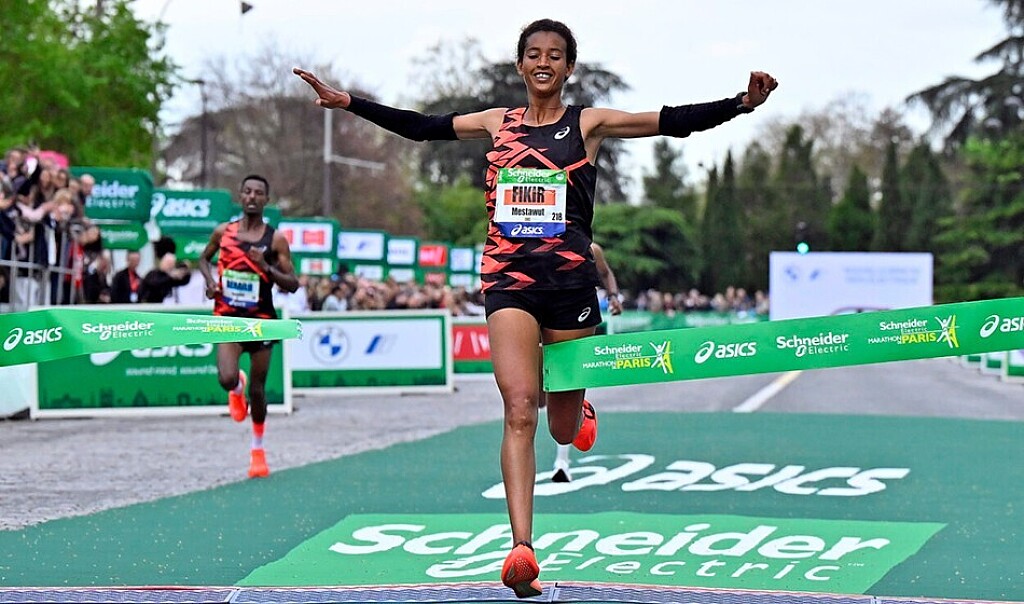
Marathon debutante Fikir leads Ethiopian double in Paris
Mestawut Fikir excelled on her debut at the distance by winning the Schneider Electric Paris Marathon in 2:20:45, while compatriot Mulugeta Uma made it an Ethiopian double by taking the men’s title in 2:05:33 at the World Athletics Elite Label road race on Sunday (7).
In a close finish, Fikir won by three seconds from fellow Ethiopian Enatnesh Tirusew, who was also making her marathon debut. Kenya’s Vivian Cheruiyot, the 2016 Olympic 5000m champion and four-time world champion on the track, was third in 2:21:46 in what was the 40-year-old’s first marathon in five years.
Uma won the men’s race by 15 seconds from Kenya’s Titus Kipruto. Elisha Rotich, the course record-holder and 2021 winner, was third this time in 2:06:54.
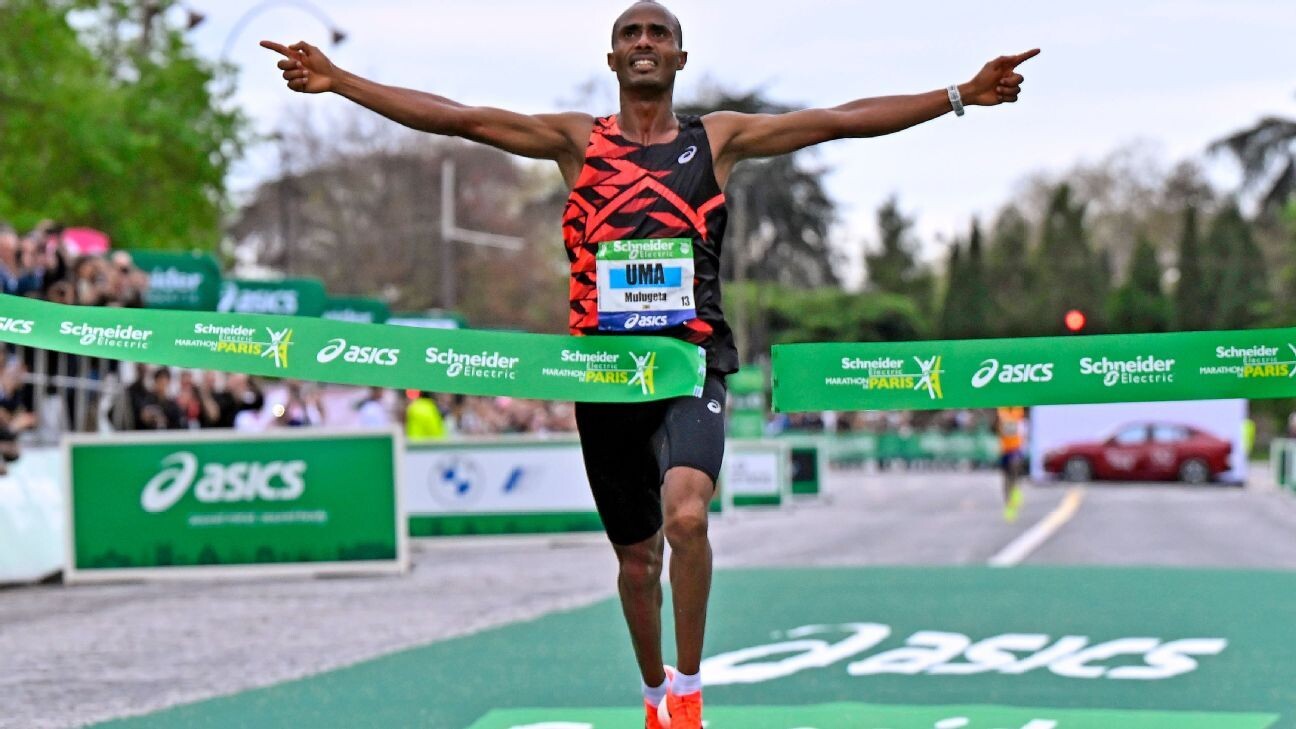
A pack of about 10 women ran together during the early stages, with Ethiopia’s Rahma Tusa leading them through 10km in 33:23. That pack had reduced to six women by the time they reached half way in 1:10:11, with Tusa still leading from Tirusew and Fikir while Cheruiyot bided her time at the back of the pack.
By 30km, Cheruiyot had fallen about 20 seconds behind the leaders with Tusa still pushing the pace out in front. But the long-time leader started to fade a few kilometers later as Fikir and Tirusew made a break.
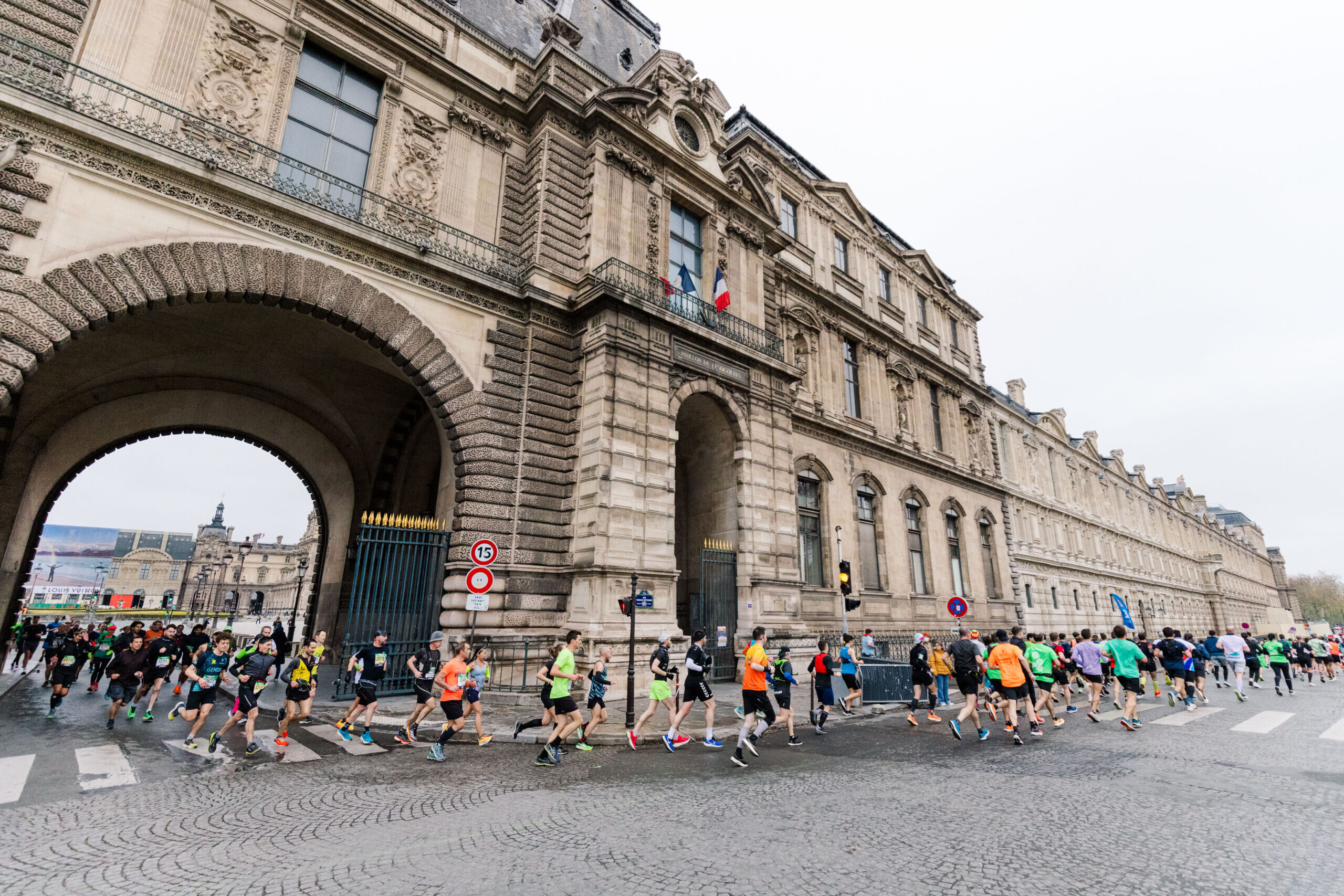
The Ethiopian duo continued to run side by side through the closing kilometers while Cheruiyot rallied back and made her way up into third place. In the final push, Fikir broke away from her compatriot to win in 2;20:45, while Tirusew claimed second place in 2:20:48. Cheruiyot crossed the line 58 seconds later.
The men’s race played out in similar fashion, the large lead pack going through 10km in 29:08 and half way in 1:02:09, at which point they were on track to challenge Rotich’s course record of 2:04:21.
The pack became strung out over the course of the next 10 kilometers with Kipruto leading them through 30km in 1:28:27, closing followed by Uma and his fellow Ethiopians Deso Gelmisa and Dejane Megersa.
Kipruto continued to lead through 35km, at which point he had just three others for company: Gelmisa, Uma and Kenya’s Bethwell Kipkemboi. Uma then started to pick up the pace and overtook Kipruto with just a few kilometers to go. Further back, Rotich was making his way through the field.
Uma continued to extend his lead over Kipruto in the closing stages and he went on to win in a PB of 2:05:33, finishing 15 seconds ahead of Kipruto. Rotich passed a fading Kipkemboi to take third in 2:06:54.
by World Athletics
Login to leave a comment
Schneider Electric Paris Marathon
The Schneider Electric Marathon de Paris offers a unique opportunity to make the city yours by participating in one of the most prestigious races over the legendary 42.195 km distance. The Schneider Electric Marathon de Paris is now one of the biggest marathons in the world, as much for the size of its field as the performances of its runners....
more...
Konstanze Klosterhalfen will run in the Paderborn Easter Run
The traditional Paderborn Easter Run is celebrating its 76th edition on Saturday. Konstanze Klosterhalfen has signed up at short notice and will almost meet the assembled German marathon elite over 10 kilometers.
Among the men, Simon Boch is chasing the first 27s. Station two of the 2024 R5K tour awaits the U20 and U23 talents over 5 kilometers.
What a line-up at the Paderborn Easter Run: With the marathon aces Katharina Steinruck (Eintracht Frankfurt), Fabienne Königstein (MTG Mannheim) and Deborah and Rabea Schöneborn (both SCC Berlin), the 10-kilometer race was on Holy Saturday (March 30th). already well staffed. Konstanze Klosterhalfen (TSV Bayer 04 Leverkusen), currently the best German runner on this route and the 5,000-meter European champion in Munich 2022, has now announced her participation.
Konstanze Klosterhalfen has her eye on the Olympic standard of 30:40 minutes for the 10,000 meters on the track and wants to show that this mark is already within her reach on the road. Her current best time on the road, set on March 16th when she won in Laredo (Spain), is 31:07 minutes. However, the 27-year-old is only number two on the star list behind the Kenyan Purity Gitonga (PB 30:57 minutes) - although she was significantly slower in her recent triumph in Dresden in 31:40 minutes.
The fastest German runner in the elite field over 10 kilometers is Simon Boch (LG Telis Finanz Regensburg). He narrowly missed his first time of 27 minutes three times in 28:01 and 28:02 minutes respectively. In the wake of the favored Kenyans Vincent Kimutai Towett (PB 27:42 min) and Victor Kiptoo Kimutai (PB 27:52 min), the mark in Paderborn could finally be due. With Velten Schneider (VfL Sindelfingen), the fourth place in the DM also mixes with the road runners over the obstacles. His best time of 29:01 minutes from last year shows that he is in good hands there.
SECOND STOP ON THE R5K TOUR 2024
The prospect of a race under the eyes of the German running elite is certainly a special motivation for the young talents. They will start their five-kilometer lap in Paderborn at 11:00 a.m. in the second race of the R5K Tour 2024 , before the aces led by running star “Koko” Klosterhalfen start their ten kilometers on the super-fast Paderborn course at 12:20 p.m .
There are also well-known names on the start list at the second stop of the R5K tour 2024 to Dresden ( we reported ): Tristan Kaufhold (SSC Hanau-Rodenbach) and Linda Meier (LAV Stadtwerke Tübingen), two running talents, are starting in Paderborn, who will be in the 2023 The opening season of the R5K tour celebrated overall victories in the U20. While the Hessian can defend his title in the U20 this year, the Tübingen native has moved up to the U23. There she will meet again Sonja Lindemann from LG Wedel Pinneberg, with whom she had a duel for the U20 overall victory in the R5K tour in 2023.
MIDDLE DISTANCE RUNNERS VERSUS LONG DISTANCE RUNNERS
The female U20 and U23 are strong in this year's R5K tour for young running talent in Germany. At the start of the second race of the racing series initiated by German Road Races (GRR) together with the German Athletics Association (DLV), there are two other runners, Vanessa Mikitenko (SSC Hanau-Rodenbach) and Carolina Schäfer (TG Schwalbach), alongside Linda Meier In 2023, they competed for Germany at the U20 European Championships in Jerusalem.
This also applies to U20 European Championship participant Jan Dillemuth (Königsteiner LV), who is competing in the U23 in Paderborn: “The meeting of middle distance runners like him with runners who otherwise concentrate on long distances is also what makes the five kilometers so appealing race as part of the R5K tour,” says Christian Stork, head of organization for the Paderborn Easter Run. And so it will be particularly exciting to see how last year's winner Tristan Kaufhold will present himself, who, as the German U20 champion over 10 kilometers, improved the German best time for under 20 year olds to 29:40 minutes.
by Christian Ermet
Login to leave a comment

Paderborner Sterlauf
It is well known that the fascination of running has steadily increased in recent years.But the Paderborn Easter Run has been around for 72 years. It is the oldest street race in Germany, organized by the SC Grün-Weiß Paderborn, enjoys even after so many decades of growing popularity and belongs to many already traditional Easter.There are even runners and helpers...
more...
Hirabayashi claims surprise Osaka win
Kokugakuin University junior Kiyoto Hirabayashi won the Osaka Marathon in his marathon debut Sunday with the seventh-fastest time in history for a Japanese runner.
Hirabayashi crossed the finish line in 2 hours, 6 minutes, 18 seconds at Osaka Castle Park, 4 seconds ahead of Ugandan runner-up Stephen Kissa, in the second-to-last race of Japan's Olympic team selection series.
"I'm just happy," said the 21-year-old known as a collegiate ekiden road relay star. "I thought things were going better than I expected. My focus was to win, and I'm glad about the time, too."
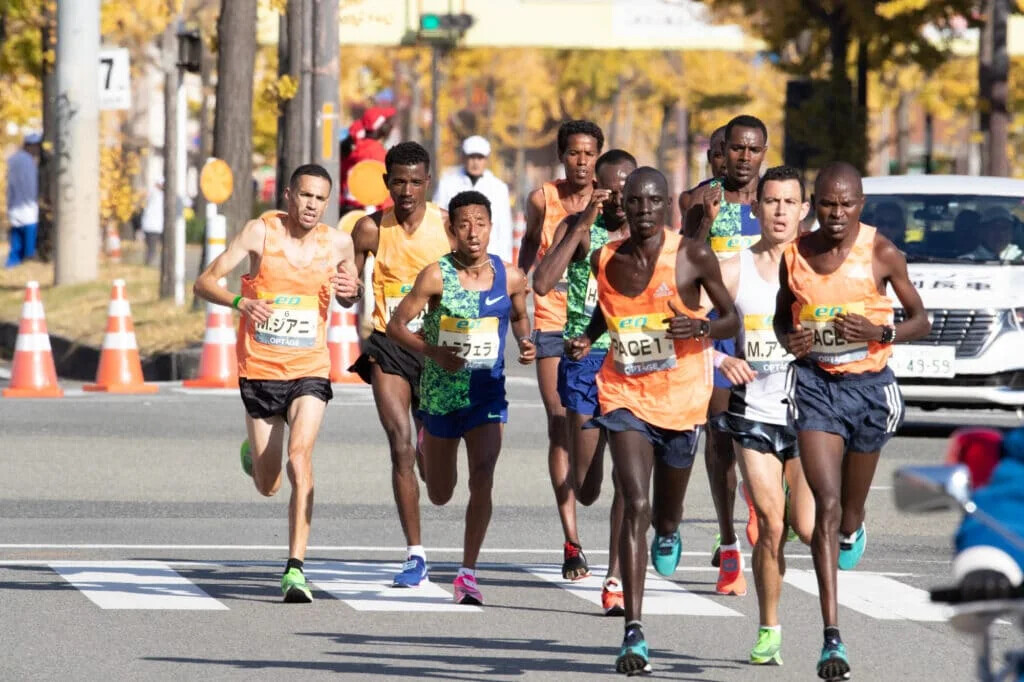
The leading pack was reduced to about 10 runners after Paris Olympics-bound Naoki Koyama upped his pace past the 29-kilometer mark.
Hirabayashi bided his time before hitting the front with around 10 kilometers to go.
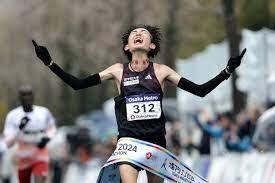
Kissa stayed close to the university runner, but Hirabayashi pulled away in the final 800 meters.
"I don't think this is my highest point. I want to train more and improve," Hirabayashi said.
Japan has three spots in this summer's Olympic men's marathon. Koyama and Akira Akasaki have already earned their berths by placing first and second, respectively, in last October's Marathon Grand Championship in Tokyo.
Koyama was third in Sunday's race in 2:06:33 as part of his Olympic preparations.
Suguru Osako, who was third in the MGC, will take the final spot for the Olympics if no runner in the March 3 Tokyo Marathon clocks 2:05:50 or faster, the time set by Japan's athletics governing body.
"Koyama ran as part of his tune-up, and he broke 2:07 as he aimed to," said Toshihiko Seko, who is in charge of athlete development at the Japan Association of Athletics Federations.
"Hirabayashi had an amazing run," the former Olympic marathoner said. "The way he ran has made me think he'll be our marathon superstar at the Los Angeles Olympics (in 2028)."
by Kyodo Knews
Login to leave a comment

Osaka Marathon
Let’s run for fun in the shadow of Osaka Castle, the symbol of the city!This is a fun running event, which welcomes international runners from all corners of the global alongside families, friends and Japanese runners; all running together through the colored leaves of Osaka Castle Park on a crisp autumn morning. The fun and pleasure of running is universal! ...
more...
Running For 12 Hours Straight Taught Me Real Confidence
You’re stronger than you think.
When I hear people say, “You can do it!” I’m usually skeptical.
People tend to say that when they have nothing else more encouraging to say. So that kind of positive affirmation — while appreciated — does not exactly provide the substantial and “real” encouragement I’m looking for.
Nowadays, when I find myself lacking in self-confidence, or when I’m feeling like a big failure as a writer because my short stories and essays keep getting rejected by publications, I find myself thinking about that fateful morning in early 2018 — when I first started to get into trail running.
It took me 12 hours to finish my first 25-kilometer mountain race.
For those unfamiliar with trail running, 12 hours is a long, long time to finish 25K. The race’s cut-off time is 8 hours — which is already generous. Yet, I didn’t make it.
Nevertheless, that 12-hour 25K run taught me what real confidence is.
It was the Mount Ugo Marathon, which had qualifying points for UTMB. The UTMB, set in the French Alps, is one of the biggest and most prestigious mountain races in the world. To qualify, a runner has to gather enough points from difficult, qualifying races — like the Mount Ugo Marathon.
The Marathon offered 50K and 25K distances. And since it was my first time, I joined the 25K.
We started at the base of a mountain in Kayapa, Nueva Vizcaya. The first few kilometers were paved roads. Then it turned into dirt roads and eventually trails. Over mountain ranges, it was 10 kilometers of almost vertical uphill.
I’d lift each leg over the other and feel my ankles threaten to rip from the constant battle against gravity. I no longer bothered to look up because the damn mountain just kept going on and on. And I cursed myself for not having more uphill training.
Eventually, we reached a more forgiving part of the trail — flat enough that I could jog it. And I started gaining speed and momentum.
When I hear people say, “You can do it!” I’m usually skeptical. People tend to say that when they have nothing else more encouraging to say.
At the turning point for 25K runners (the 50K runners had a different route), a race official told me I was running 11th. I was excited. I thought if I maintained my pace and outran another runner, I’d be part of the top 10! Not a bad way to finish my first half-marathon.
I reached an intersection that had no marks or ribbons. I was confused. And I kind of assumed trail races would be like roads; you just keep going, and you’ll eventually find the right way because the signs will be so obvious. This is a big mistake because, I would later learn, mountain trails don’t work that way at all!
But I wanted to get that Top 10 so bad that I simply picked a path, hoped it was the right one, and gunned through.
I thought I’d turn back if I didn’t see any markings/ribbons after five minutes of running. But then I saw one! So I kept going.
A few mountains later, the ribbons suddenly stopped appearing. I started getting nervous.
Am I on the right path?
But the ribbon indicated this trail path. There were no intersections so far.
Should I keep going? Maybe there’s another ribbon ahead.
I’d later learn I followed some old markings from the previous year’s race. I guess the race organizers didn’t thoroughly remove all markings in that area since it was supposedly far from the designated route. If only I studied the course map, I’d have known something was wrong. But I didn’t, so I kept running through the previous race’s 50K route.
Back then, I didn’t have a smartphone. I had an old Nokia from my dad; the kind that can only call and text. And the signal was bad. So I had no way of knowing where I was via GPS, and I also couldn’t call someone for help.
I decided to reach the peak of the closest mountain I could find.
Maybe if I can get an overview of the place, I’ll have a better idea of where I am.
I reached the mountain’s summit and stared at a panorama of rice fields and cows. No houses or humans in sight. I knew then that I was very much lost.
At that point, I’d been running for over five hours in the mountains. The sun was high above, painful on the skin. I’d traveled so far from the race route that I’d run out of food and water. I only had one last bottle of Gatorade left. And not a single morsel of food.
The fatigue was growing underneath my muscles. My legs felt like chunks of cement blocks; they felt so heavy I could barely lift them.
I thought of Bear Grylls and whether I had to drink my pee while waiting for rescue.
I took a sip of my dwindling Gatorade and tried to push the panic away; those thoughts attack you when you’re in a vulnerable state. Thoughts that I might end up dying on that mountain of hunger or thirst or wild buffaloes. Or that they’d find me delirious, babbling about cows and rice fields, after days of searching.
I started walking back, slowly. I climbed one hill after another. Midway up the last hill, I sat on the trail. My legs couldn’t walk anymore. Like, literally. People often say, “I can’t walk anymore” — even if, with enough willpower, they still can. But for the first time, regardless of willpower, I felt that my legs couldn’t take another step. So I sat in the middle of that trail.
My calves cramped for the third time and I screamed in pain.
The pain came along with the panic. Am I going to go Bear Grylls from here?
Freaking Bear Grylls. Why did I have to think of the man in the middle of a crisis?
I focused on my breathing to calm myself. I have to survive. So I rested for a bit. And slowly, while conserving my energy, I made my way back up, one super slow step after another.
When I finally returned to the intersection where I first got lost, some race officials were there. They were sweepers — race marshals who were going through the route to support laggards and slowpokes like me. At that point, more than eight hours had passed. The sweepers pointed me in the right direction. And I limped until I reached the final Aid Station, which was 10 kilometers away from the finish line.
My body had never felt so broken, so tired, so truly and utterly exhausted.
At the aid station, I thought I saw a bunch of angels — helpful, smiling volunteers who fed me fruits and nuts and marshmallows and chocolates. They gave me water and electrolyte drinks. They sprayed my legs with something that helped ease the cramps. It was one of the happiest moments in my life.
After I recovered enough to speak, I said to one of the volunteers:
“I don’t think I can walk the next 10 kilometers. When does the sweeper transport arrive?”
The transport was used to ferry people who could no longer finish the race on their own feet.
“The last transport just left,” the volunteer replied. “Another truck would arrive in four hours to sweep the 50K runners who’ll drop out.”
I took a deep breath. Four more hours. What do I do? Wait?
I’ve already lost the race. Even if I reached the finish line now, I’d still be a non-official finisher. But how do I go home and not feel super bad about the failure of my first 25K? Then a small thought came:
Why don’t I try limping my way down? Maybe the transport will arrive earlier and they’ll be able to pick me up along the way. Or if not, another sweeper will pass me by and help me.
Since the volunteers at the aid station couldn’t leave their posts to assist me, I decided to see how far I could go.
I filled my running vest with food and my bottles with electrolyte drinks. I bid farewell to those angels at the aid station, and then, finally, I dragged my feet and started limping.
I limped my way to the finish line after 12 hours.
I avoided the finish line itself. I was embarrassed to have people see my race bib and know that I was actually from the 25K, not the 50K, and that it took me 12 hours to reach the finish line. But apparently, the race director knew about this lost 25K runner after the sweepers reported it. And he kindly welcomed me and congratulated me for finishing — even if it wasn’t an “official” finish.
I made it back on my own two feet.
And that’s when I realized it: I did it even though I thought and fully believed I couldn’t.
I did it, even when I felt like giving up. I did it, even when I didn’t believe in myself.
So whenever I face something that destroys my self-confidence, I often return to that memory.
When I feel like giving up, or I’m spent and exhausted, and my brain and body are telling me I can’t do it anymore — I push myself to take one more tiny step. Just a little step forward, to see how far I can go.
Because I have done it before and succeeded. And I’m confident I can do it again.
Login to leave a comment
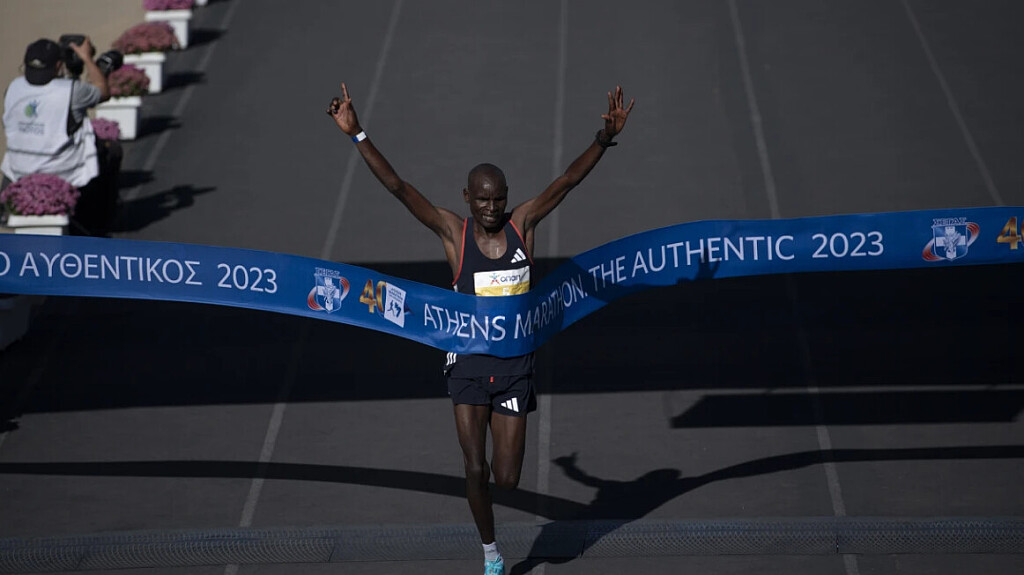
Kenya's Edwin Kiptoo wins 40th Athens Marathon with new course record
Edwin Kiptoo of Kenya set a new course record at the 40th Athens Marathon in 2:10:34 on Sunday, slicing three seconds off of the previous record of 2:10:37 set by fellow Kenyan Felix Kipchirchir Kandie in 2014.
"I was not well prepared for the race. I did not expect to break the record. I thank my family for giving me ample time to prepare for this marathon," said the 30-year-old who shook off his main challengers over the second half of the course and ran the last 10 kilometers alone.
Kiptoo's compatriots Rhonzai Lokitam Kilimo and Felicien Muhitira of Rwanda finished second and third in the men's event. Moroccan Soukaina Atanane finished first in the women's category in 2:31:52, followed by Kenya's Caroline Jepchirchir and local Gloria Privileggio.
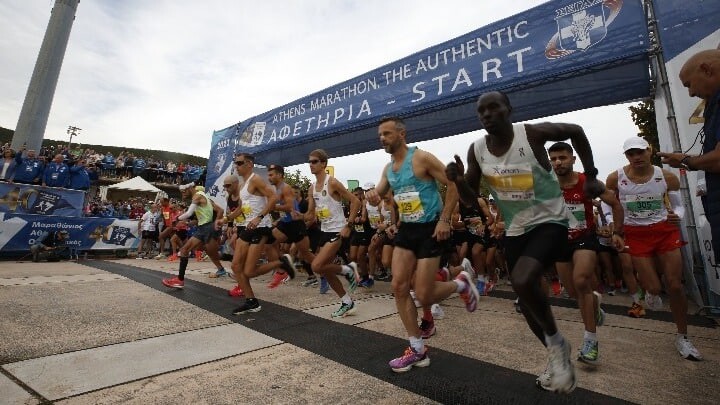
The event attracted some 70,000 runners from 140 countries and regions in the 42km course, as well as the 10km, 5km and kids' races, setting a record high of participants, according to the Hellenic Athletics Federation. The 42km classic course from Marathon city to Athens follows in the footsteps of ancient soldier Pheidippides who inspired the race.
The Athens Marathon has a relatively hilly route, which somehow makes it almost impossible for runners to set a world record here, with the course rising almost continuously between the 17th and 32nd kilometers before descending most of the rest of the way.
Login to leave a comment
Athens Marathon
The Athens Classic (authentic) Marathon is an annual marathon road race held in Athens, Greece, normally in early November. The race attracted 43.000 competitors in 2015 of which 16.000 were for the 42.195 km course, both numbers being an all-time record for the event. The rest of the runners competed in the concurrent 5 and 10 kilometers road races and...
more...
Should you warm up before your marathon?
Two-time Canadian Olympic marathoner, Reid Coolsaet, insists that a warm-up is a good idea, but it's important to not go overboard.
Most runners understand the purpose of warming up before a race, but the question remains: should you be doing a warm up before your marathon?
The warm up is a crucial activity to prep your muscles for the demanding marathon ahead. By increasing your core body temperature, a warm up speeds up the supply of oxygen to your hardworking muscles, promoting optimal performance. Additionally, this procedure boosts blood flow to the working muscles, priming them for the effort and effectively reducing the risk of injury.
While warming up is essential, it’s important to be mindful of the energy it requires. For shorter races like 5K or 10K, running out of energy is not a concern, given the race’s briefness. However, when you’re gearing up for a marathon that spans three-to-four hours, conserving energy and glycogen (stored carbohydrate) is vital.
Two-time Canadian Olympic marathoner and head coach of CoolsaetGo, Reid Coolsaet, advocates for a warm up but emphasizes not overdoing it. He suggests running enough before the race to hit your race pace off the start line. “You want to run enough before the race to hit your race pace off the start line,” says Coolsaet. “Five to 10 minutes of running and a few strides is plenty.”
He notes that many marathon runners find themselves running at around warm-up pace for the first five or 10 minutes into the race. “Going beyond a 10-minute warm up may prove counterproductive, as it could lead to regrets later on, especially around the 40-kilometer mark,” says Coolsaet.
Another thing Coolsaet mentioned is to leave enough time between your warm up and the start of the race to navigate the porta-potty lines. GI issues can be a runner’s worst nightmare, especially only 10 kilometers into the race.
So don’t overlook the importance of a warm up, as it can be a gateway to ensuring that your body is primed to take on the distance and conquer your personal best. Get your muscles ready, conserve energy and tackle those 42.2 kilometers like a champion!
by Marley Dickinson
Login to leave a comment
Two new races announced for fans on final day of Budapest 2023 World Athletics Championships
Two new races have been announced for fans and running enthusiasts on the final day of the World Athletics Championships in Budapest.
Scheduled to be held on August 27, a distance of 2,023 meters has been planned for one while the other spans 10 kilometers.
The race begins and ends at Heroes' Square - the start and finish of the official marathon events - with participants having the opportunity to run along Andrássy Avenue and other landmarks such as the Opera House and Budapest's UNESCO World Heritage sites.
An entry fee of HUF 2,000 (£4.52/$5.84/€5.30) is needed to register for the shorter distance while the 10km race requires a fee of HUF 5,000 (£11.30/$14.60/€ 13.25).

Registration for the race will open shortly, with all participants set to receive a medal, an ASICS t-shirt and a competition package when they cross the finish line.
The Budapest 10k Mass Race, as it is officially named, will start at 10.30AM followed by the 2,023m race at 12.30PM.
The National Athletics Center, the main venue for the World Championships, held a test event last weekend with over 5,000 fans attending.
Budapest 2023 chief executive Balázs Németh said athletes and competitors were "amazed by the venue".
"This is a wonder! The athletics center was finally full of life, we got a taste of the World Championships atmosphere, and I think the competitors and spectators were amazed by the venue," Németh said, as reported by Athletics Weekly.
"We now have six weeks - even more hard work than before - of organizing the event before we start on August 19, just 41 days from now.
"The last two days have only reinforced my conviction that this is not something anyone should miss."
The World Championships is scheduled to start on August 19.
by Vimal Sankar
Login to leave a comment

World Athletics Championships Budapest 23
From August 19-27, 2023, Budapest will host the world's third largest sporting event, the World Athletics Championships. It is the largest sporting event in the history of Hungary, attended by athletes from more than 200 countries, whose news will reach more than one billion people. Athletics is the foundation of all sports. It represents strength, speed, dexterity and endurance, the...
more...
Cheptegei, Kiplimo To Renew Their Rivalry At United Airlines NYC Half
Standing in Times Square this morning, Jacob Kiplimo and Joshua Cheptegei looked like any other tourists visiting one of this city's most famous landmarks. Their hands thrust into their jacket pockets to ward off the late winter cold, the two Ugandans took in the sights while engaging in friendly conversation and taking a few selfies. Neither had ever been to New York City.
But on Sunday at the 16th edition of the United Airlines NYC Half, America's largest half-marathon with about 25,000 finishers, they will return to their more familiar roles as rivals. Kiplimo, 22, the reigning World Athletics half-marathon and cross country champion, and Cheptegei, 26, the reigning Olympic and World Athletics 10,000m champion, will face each other again just 29 days after the World Athletics Cross Country Championships in Bathurst, Australia. There --in hot, humid and windy conditions-- Kiplimo won the gold medal in a last-lap breakaway relegating Cheptegei, who was the event's reigning champion, to the bronze medal position. Both are savoring the chance to race head to head again, but their rivalry is clearly a friendly one.
"I'm happy to be competing together with Joshua," said Kiplimo, the world record holder for the half-marathon, with a relaxed smile. He beat Cheptegei in 2020 World Athletics Half-Marathon Championships where he was the surprise gold medalist and Cheptegei finished fourth in his first and only half-marathon. He added: "On Sunday we're going to try our best, I'm going to try my best."
Cheptegei said, "absolutely, yes," when asked if he was motivated to race against Kiplimo. "I would really give everything to win," he told Race Results Weekly. "But you never know what goes in the race."
According to the respected statistics website Tilastopaja Oy, Cheptegei has a 6-0 record over Kiplimo in track races at 5000m and 10,000m. In the half-marathon, Kiplimo won in their only meeting, and at the World Athletics Cross Country Championships they are tied 1-1. Cheptegei was the gold medalist in Aarhus, Denmark, in 2019 where Kiplimo took the silver.
But their biggest rival on Sunday just might be the course. When the race debuted as a summer event back in 2006, the course went from Engineers' Gate in Central Park to a stretch of the West Side Highway just north of Battery Park in lower Manhattan. Runners enjoyed a total elevation loss of 30 meters, and in the final 10 kilometers the athletes were often helped by a tailwind as the prevailing winds in New York City come from the north and west. But in 2018 New York Road Runners changed the course to encompass more of the city's residential neighborhoods, and it now goes from Prospect Park in Brooklyn to Central Park in Manhattan. The opening nine kilometers feature several significant hills, including a steep climb up the Manhattan Bridge where the runners cross from Brooklyn to Manhattan.
"I saw in the TV that some is a little bit tough," Kiplimo said of the course. He added: "I think it will be very difficult, but actually for me it's not so difficult because we'll just be running up and down. It's almost the same (as) World Cross."
Cheptegei, who has reached the point in his track career that he has begun thinking about his marathon debut, didn't seem too worried about the course and was already looking ahead to a possible run at the TCS New York City Marathon which also has a hilly course.
"They haven't told me so many things about the course," Cheptegei said. "They told me about the New York full marathon course, where the race is mostly decided, especially on the climb." He continued: "About Sunday, really excited to run my second half-marathon. I've really thought about it, and maybe in the future when I go to marathons maybe New York can be my final destination."
Both men said they had recovered well since their race in Bathurst, and Cheptegei said he had picked up some additional fitness.
"I think I had a lot of time to recover," he said. "I had to continue with my training because I was sure that I was actually going to be invited for the New York Half-Marathon. Everything has been going along well. My shape is actually better than cross country so I hope that I can run a good half-marathon."
NYRR is offering a $120,000 prize money purse for Sunday's race. Twenty-thousand dollars will be paid to the winners in the open male and female categories, while the wheelchair winners will receive $4,000. There is special prize money for NYRR members in the male, female and non-binary categories ($1500 for each category winner).
This year's United NYC Half comes three years after the 2020 race was abruptly cancelled at the outset of the pandemic. The 2021 edition of the race was also cancelled, and in 2022 the race was held at nearly full capacity with 22,335 finishers recorded. NYRR's new president and CEO, Rob Simmelkjaer, was clearly excited to oversee his first major event since becoming the organization's head in December, 2022.
"We can't wait to welcome 25,000 runners to the starting line," said Rob Simmelkjaer, who pronounces his last name SIM-el-care. He continued: "People are running more now than ever before."
The 2023 United Airlines NYC Half will be broadcast locally by WABC-TV channel 7 as part of their Sunday morning news broadcast. The pro races, which begin at 7:00 a.m. local time, can be streamed on both the NYRR's Facebook (https://twitter.com/nyrr) and Twitter (https://twitter.com/nyrr) pages, and will also be available via the ESPN app and the WABC website (https://abc7ny.com/)
by David Monti
Login to leave a comment
United Airlines NYC Half-Marathon
The United Airlines NYC Half takes runners from around the city and the globe on a 13.1-mile tour of NYC. Led by a talent-packed roster of American and international elites, runners will stop traffic in the Big Apple this March! Runners will begin their journey on Prospect Park’s Center Drive before taking the race onto Brooklyn’s streets. For the third...
more...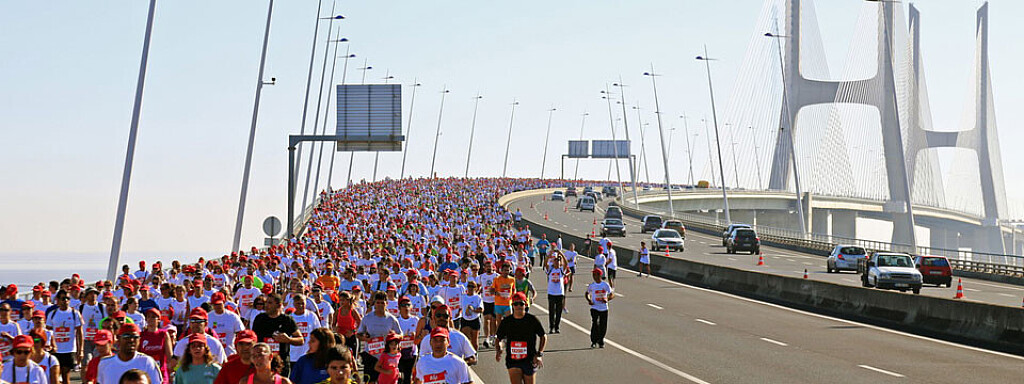
The 2023 edition of the Lisbon half marathon, will feature a squad capable of record breaking times
In a statement, Maratona Clube de Portugal, responsible for organizing the race scheduled for March 12, says that Kenyan Rhonex Kipruto and Ethiopian Girmawit Gebrzihair “promise their best records ever in Lisbon”.
In addition to Kipruto, holder of the third best time ever (57.49 minutes), world record holder for the 10 kilometers and winner of the New York half marathon in 2022, the race in the Portuguese capital will feature 11 more athletes with times below the hour, including Rodgers Kwemoi (58.30), Hagos Gebrhiwet (58.55) and Sabastian Sawe (58.58).
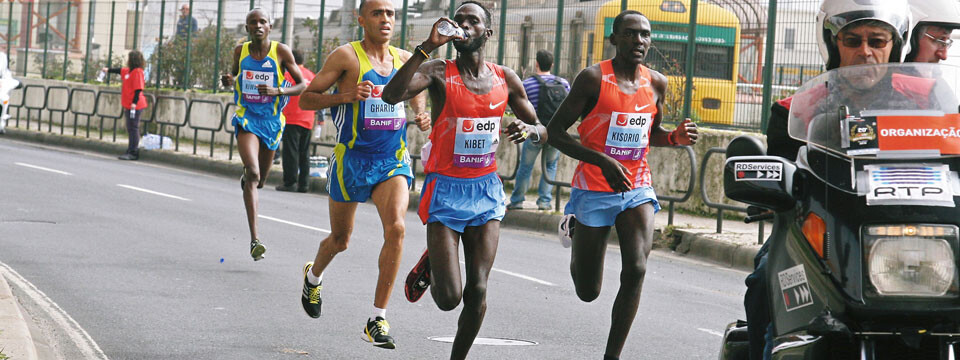
The Lisbon half marathon, which crosses the 25 de Abril Bridge, is the race that “holds” the world distance record (57.31 minutes), set by the Ugandan Jacob Kiplimo, in the 2021 edition.
In the women's race, in which the world record belongs to the Ethiopian Letesenbet Gidey (1:02.52 hours), the peloton will have three athletes with personal bests faster than the best time of the Lisbon race (1:06.06, by the Ethiopian Tsehay Gemechu), two of them within the historic top 10 in the distance.
The president of Maratona Clube de Portugal envisions “an exceptional race”: “We have a truly impressive group of athletes, both male and female, which could lead to the race record being beaten once again”.
Carlos Móia, considers that the fact that the limit number of registrations has already been reached – 15,000 in the half marathon and 15,000 in the 10 kilometer race - is “an evident sign of the confidence and relevance that the race assumes in the annual race calendar”.
Login to leave a comment

EDP HALF MARATHON OF LISBON
EDP Lisbon Half Marathonis an annual internationalhalf marathoncompetition which is contested every March inLisbon,Portugal. It carries World Athletics Gold Label Road Racestatus. The men's course record of 57:31 was set byJacob Kiplimoin 2021, which was the world record at the time. Kenyanrunners have been very successful in the competition, accounting for over half of the total winners, withTegla Loroupetaking the...
more...
Why B+ Workouts Are Better Than A+ Workouts
An Olympic coach describes why training harder usually doesn’t lead to racing faster.
It’s natural to think that, the harder your workouts are, the faster you’ll race. It’s also wrong to think that.

I’ll illustrate this idea with some personal history. When I ran at the University of Maryland, almost all of our workouts were super hard, nearly race-level efforts. Some guys on the team actually set personal bests in workouts. If you were grading our workouts, you’d give us an A+.
That might sound great, but we consistently underperformed in races. Then, dissatisfied with our results, we would try to run our next workout even harder. We’d arrive at our next race physically and mentally exhausted, and we’d again underperform. Then we would be back at it in practice a few days later, eager to prove to ourselves that we were better than our race results showed. And so on.
A lot of guys had multiple injuries. I managed to stay injury-free but never raced like I thought I should. I graduated from college in 1988 without having qualified for the NCAA cross-country championship.
After college I was fortunate enough to join the Nike Boston club, coached by Bob Sevene. I did most of my workouts with that group while running most other days of the week with a bunch of pros in Providence, Rhode Island. I started realizing there was another way. Bob’s workouts never had me going to the well. We might do 10 kilometers of fast running in a session, but under control. Workouts like three 2-mile repeats at around half-marathon pace, or lots of 800-meter repeats at around 10K pace, were typical. If you were grading these workouts, you’d give them a B+. I remember thinking, “This is too easy.”
A Lightbulb Moment
After about two months of this type of training in the winter of 1988/89, I ran an indoor 3,000-meter race as a tune-up before the U.S. qualifying race for the world cross-country championship. I battled Sydney Maree, an Olympian and former world-record holder, in that 3K. Although Sydney outkicked me, I ran a personal best by 10 seconds. I thought, “Wait, how did I just set this massive 3K PR after almost never running that fast in practice?”
The 12K cross-country race was even more eye-opening. I finished third, behind Olympians Pat Porter and Ed Eyestone. I still can’t believe that result—third in the country, behind two guys who were Olympians, even though less than a year earlier I hadn’t even qualified for the collegiate cross-country championship. I proved that race wasn’t a fluke a month later at the world meet, where I finished 39th and was again third American, beating people like a former 10K world-record holder. I thought, “You don’t go from not making the NCAA meet to placing high at the world championship just because of one more year of maturity. It has to be the training.”
My belief in the value of consistent B+ workouts only grew when I moved to Boulder, Colorado, in the early 1990s and started training with people like Arturo Barrios, who had set world records at 10K and the hour run. I couldn’t believe how easy some of his workouts were for how good he was! I could match him stride for stride in them, and he was more than a minute faster than me at 10K. I also saw that marathoners like Mark Plaatjes and Rob de Castella, both world champions at the distance, and Steve Jones, who once held the marathon world record, almost never did the sort of A+ workouts we did in college. They went about their business week after week, stringing together B+ workout after B+ workout, while staying healthy, mentally fresh, and able to take on the best runners in the world.
Why Be a B+ Trainer
I’m not completely opposed to A+ workouts. I prescribe them in some conditions, as you’ll soon see. In general, though, I think almost all of your sessions should be at that B+ level. A+ workouts are really hard mentally. Just anticipating having to go to the well once or twice a week in training can be exhausting. I’m a big believer in the idea that you have only so much willpower. If you’re using all your fight in training, when you get to a race you’re mentally worn out; you can’t bear down and get the job done.
The second big reason I favor regular B+ workouts is that A+ workouts take a greater physical toll. It’s a lot easier to pull a muscle or tweak a tendon or get really sore from all-out workouts. It’s rare for someone on the New Balance Boston team, the elite group I coach, to miss even one workout because they’re nursing a niggle or are otherwise too beat up from training. It doesn’t matter how big a fitness boost you get from a workout if you can’t make it to the starting line healthy.
Think of A+ and B+ workouts as the difference between what you can do and what you should do. Say you can run 40:00 for 10K. On a really good day, you could probably do a workout of 20 400-meter repeats in 90 seconds with a 200-meter jog between. But it would be a major effort. You’d almost always be better off breaking that workout into two sets of 10 repeats, running 95 seconds per repeat in the first set, taking a five-minute break, and then running 92 or 93 seconds per repeat in the second set.
The B+ version will have you walking away feeling good about yourself and eager for your next workout. The A+ version might really beat you up and lead to the beginning of an injury a couple of days later. And that assumes you finish the workout. You might wind up exhausted after 16 repeats, and then get down on yourself for slowing or cutting the workout short.
Immediately after a B+ workout, you’ll feel tired, and you’ll know you’ve worked hard, but you’ll feel like you could have done one or two more repeats at the same pace without killing yourself. I love it when my team says, “Really, that’s it? I could do more.” That tells me I have them working in that sweet spot. If they say they can’t complete the workout, or if they’re rolling around on the ground after, I asked too much of them.
On the day after a B+ workout, it’s okay to be a little tired, but you shouldn’t be super sore. You shouldn’t be dreading that day’s run because you’re physically and mentally exhausted. You should feel like saying, “I’m happy to take it easy today, but I’m also happy to run.” One of the signs that you’re doing too many A+ workouts is that you’re not looking forward to training. After all, most of us run because we love it.
You’ll see this principle of B+ workouts building on one another in the training schedules of my book, Personal Best Running. Few of the hard sessions should cause you to shudder or wonder if you can complete them. You’ll instead see a steady progression of hard-enough workouts that will advance your fitness week by week while leaving you fresh enough to absorb and enjoy your training.
An Occasional A+ Effort
The schedules within the book do contain the occasional A+ workout. For example, week 9 of the 12-week 10K schedules calls for either a tune-up race or a workout of three miles continuous at 10K pace. The latter is hard! That’s the first half of a 10K, on your own, while deep in serious training. Similarly, you’ll see this on the Tuesday workout in the penultimate week of the mile schedules found in the book. It includes two 800-meter repeats at your mile race pace. If that’s not an A+ workout, I don’t know what is.
Doing a workout that hard once in a great while steels you mentally for racing. I most often have runners do them as an important race approaches, especially if they haven’t raced for a while. For example, in January 2022, Elle St. Pierre and Heather MacLean were scheduled to race the mile at the Millrose Games. It was to be their first race since the Tokyo Olympics five months earlier. I wanted them to experience some of the stress and strain of racing before the big stage of Millrose. Eight days before the meet, I had them start a workout with a 1-kilometer time trial. They both ran 2:34, which is fast enough to win most races at the distance. The following week, Elle won her second consecutive Millrose mile title.
I think there will be some innovation in this area because of super shoes—the plated, higher-stack models with next-generation midsole cushioning. They allow you to run faster while not incurring as much muscle damage. So there might be more frequent A+ workouts in my runners’ future. But there’s still the toll of hammering all of your workouts and being flat mentally when it’s time to race.
It can be tempting to post epic workouts on Strava or elsewhere online. Just remember that they give out medals for races, not workouts.
Adapted with permission from Personal Best Running, by Mark Coogan and Scott Douglas.
by Runner’s World
Login to leave a comment
These super simple exercises to become a better runner
There comes the point where it is not enough to go running 5 or 10 kilometers and try to make it faster than the previous time, you are looking to become a better runner.
If you want to become a better runner, make sure you acquire a reliable technique and do the proper training before you start adding kilometers to your training routine. Set a schedule and look for different ways to motivate yourself to maintain consistency, rain, shine or sunshine.
Last but not least, you will have to practice to improve your endurance and your speed, using techniques such as uphill slope races, continuous races, and athletic track training. Regardless of the level you have, you can be a better runner if you make training a priority.
1.- Single-leg squat
As a runner, you need to have strong and healthy legs to be able to run many kilometers more efficiently.
Squats are one of the best ways to strengthen your legs. And although sometimes it can be hard to stop running for a day for strength training, the benefits of these exercises are well worth it.
The squat is a multi-joint exercise that strengthens the hamstrings, hips, quadriceps, and glutes. It is a simple exercise to do. However, it is essential to know the proper technique of this exercise to make it as effective as possible, especially in this case, it will be with only one leg.
The method of single-leg squats
During this exercise, as its name says, you must do it with one foot. You can start with the one you want, you can place the foot that will be in “rest” it in front of your body, as in the image below.
Keep in mind not to bend your back: it has to be straight. Pull out the chest with the shoulders back.
Unlike a squat with both legs, in this case, your leg should be at a mid-point for balance, the leg that “rests” also helps maintain stability.
Keep your back as straight as possible, bend the knee until you are seated: the buttocks go backwards. The back is slightly inclined forward, and the knee does not have to pass the length of the foot.
Once in this position, you should feel that your glutes and thighs are working. The most important thing is to keep the body firm and not loose balance.
To return to your initial position, anchor your feet on the floor to avoid any imbalance and push up with your legs. You can contract the buttocks during the rise to make the exercise more effective.
In the beginning, it can be complicated, mainly to go down, for not having the balance and strength necessary, but do not worry, you will improve with practice. As you progress, you can add discs or dumbbells to add difficulty.
5 reasons why you SHOULD include them in your routines
1. To help with the strength of your hip.
The hip plays a super important role in your runner body since it prevents your body from “moving” while you run. But by working your hip, you can direct your movements more effectively.
2. To improve your posture.
Now you know! The posture of a runner is everything, and squats help your trunk stay straight while you run.
By having an adequate posture, your performance will improve. Checked.
3. To gain strength in your glutes.
Did you hear that the squats are perfect for your glutes? It is accurate, and the physical work that you can develop in that part of your body is essential to improve your running technique.
4. To improve strength in your legs.
Who does not want strong legs? Especially when running, they are our biggest asset as runners, and with squats, you can strengthen them, and improve your coordination to develop a more efficient stride.
5. To help improve your stride.
Yes, according to what the previous point says, performing squats allows your legs to assimilate the effort to take a more efficient stride, and if you develop these exercises with slurs, your benefit will be better.
How often to do squats?
Three to five series, of 5 to 10 repetitions twice a week.
2.- Heel raise
The exercise of elevation of heels aims to train the calves, which are an essential part of the leg’s muscle group. It is a little forgotten part of the body, as far as the time dedicated in training, but indispensable for the proper functioning of the inferior trunk.
To execute this exercise correctly, some kind of step is necessary. A resistant platform of at least 6 inches that allows you to do the exercise comfortably. It is a movement that must be carried out slowly and concentrating the effort in this area of the body.
One important aspect must be taken into account before performing the exercise. Correctly doing the movement requires balance and practice. We recommend, in the first sessions, to execute it with your own weight, without dumbbells. It is easy to lose balance and work both legs equally. We usually tend to make more effort with one of the two legs, you should avoid it.
Undoubtedly the calves are one of the most involved muscles in the race. The heel elevation is an exercise that enhances the stride but also protects the runner from many injuries.
In your weekly routine, you must not miss a heel raise exercise in one of its variants.
When we hit the ground with the foot, the ankle maintains its stability thanks in large part to the calves. They prevent the footfall from sinking and help to perform a more effective and explosive impulse phase.
Stronger calves will allow us a better technique, something fundamental to improve the training. Another aspect of working the calves is their protective effect against sprains of the ankle or possible inflammations or lesions of the Achilles tendon. A running workout involves thousands of impacts on the ground, something that can affect the joints in the Achilles tendon. Strengthening calves with this exercise will minimize injuries that may affect the area.
The method of the heel raise
Standing on a raised platform, support the metatarsal, leaving the heel protruding and falling slightly.
If we want to increase the intensity, we can put a bar on the shoulders, although I advise you to hold dumbbells with your hands.
Maintain a straight position and begin to raise the calves little by little, extending the ankle. Try not to lose balance and control the movement at all times.
Safety tips when performing heel raises:
It is very common to suffer a small rupture of the calf by overloading it with this exercise. At first, it will be enough to do it without weight, paying attention to the technique and marking the rise and fall correctly. Nor should rebounds be made when we get down.
When you put your feet on the elevated platform, try not to be too close to the edge, because you are going to overload the area of the fingers and the exercise will not be so effective for the calves. The feet should be half in and half out.
Main benefits of heel raise to become a better runner
Strengthens the calve’s musculature: as we have said before, this exercise focuses mainly on working the calves. Thanks to the heel raise, the calves will be strengthened, which will generate better balance in the legs.
Ideal for runners: it is an exercise that enhances the momentum of the stride, in addition to protecting the runner from many other injuries. For this reason, it is an essential movement for runners. You will gain resistance and explosiveness.
With this exercise, you will tone the lower extremities and gain strength in the calves. Also, it is an ideal movement to recover after an injury in the ankle joint.
How often to do heel raises?
Three to five series of 5 to 10 repetitions twice a week.
3.- Three-dimensional hops
You can’t deny that at some point in your childhood you jumped just for fun. It was a pretty fun game that you could share with your friends. At some point in life, we stop practicing it, without realizing that now, as runners, we can benefit from it more than we imagine.
Jumping burns approximately 10 calories per minute and is an excellent activity to finish a running session, or even to relieve stress. What are you waiting for to start doing it! Go back to that time of your childhood and exercise.
This type of jump is based on increasing calf strength, as well as adding explosiveness. In general, jumping and other plyometric activities make the tendons more efficient to absorb and transmit energy.
The impact of the jump also stimulates bone growth and should protect against stress fractures.
The calf is a kind of spring when we talk about running or jumping. The three-dimensional jump is an exercise that offers a different way of exercising and strengthening the muscle and tendons since the movement is made to the sides and not only upwards as a typical leap. This increases endurance, it also builds movement ability and general agility.
Three-dimensional jumps are made with both feet, they are of low intensity, and it is a safe exercise that does not cause injuries.
The method of Three-dimensional hops
These are short, low and fast jumps, to all sides, forward, back, sides, and in a rotating motion.
Basically, it is about jumping and landing in each of the directions as specified in the previous paragraph. You can do it with both feet, which is equal to two contacts. If you do it with one foot equals one contact, so you do half for each leg.
Jump from side to side, as if there was an imaginary line.
You should not bend your knees to take more momentum, remember that they are short jumps, try to make them fast.
In the case of jumps with rotation, your chest should always remain static.
Benefits to become a better runner
1. It will help improve your cadence and stride.
2. You will burn calories.
You can burn up to 300 calories per 30-minute session.
3. Tone your body.
It is a very effective exercise since it works your whole body and also strengthens it. That is the reason boxers do it all the time.
4. Help with your concentration.
Jumping, even for experienced runners, is not easy, so it will allow you to have a demanding level of concentration, while you begin to master it.
5. It gives you muscular resistance.
As it is a continuous exercise, your resistance will improve considerably, while you gain strength.
6. Improve your aerobic conditioning.
At first, it will be challenging to hold the jump, but you will see how little by little your breathing improves and you will stand more time, and you will even get to do it faster.
7. Increase your power.
By working your legs, you will improve your stride, and with it, your power and speed.
8. It is a super practical exercise.
You can basically jump anywhere.
9. It allows you to work your entire body in one exercise.
Legs, torso, shoulders, arms, abdomen, are the parts of the body that you can exercise.
10. It’s fun.
We assure you that in addition to working your body, you will have fun as in the old days.
How often do Three-dimensional hops?
Unlike the previous exercises, the series and repetitions are different.
Beginner: 80-100 standing contacts
Intermediate: 100-120 standing contacts
Advanced: 120-140 standing contacts
You must jump quickly and keep your feet on the ground the shortest time possible.
Do this 2-3 times per week.
Finally, improving your cadence for running is a great way to improve.
by Runners On Fire
Login to leave a comment
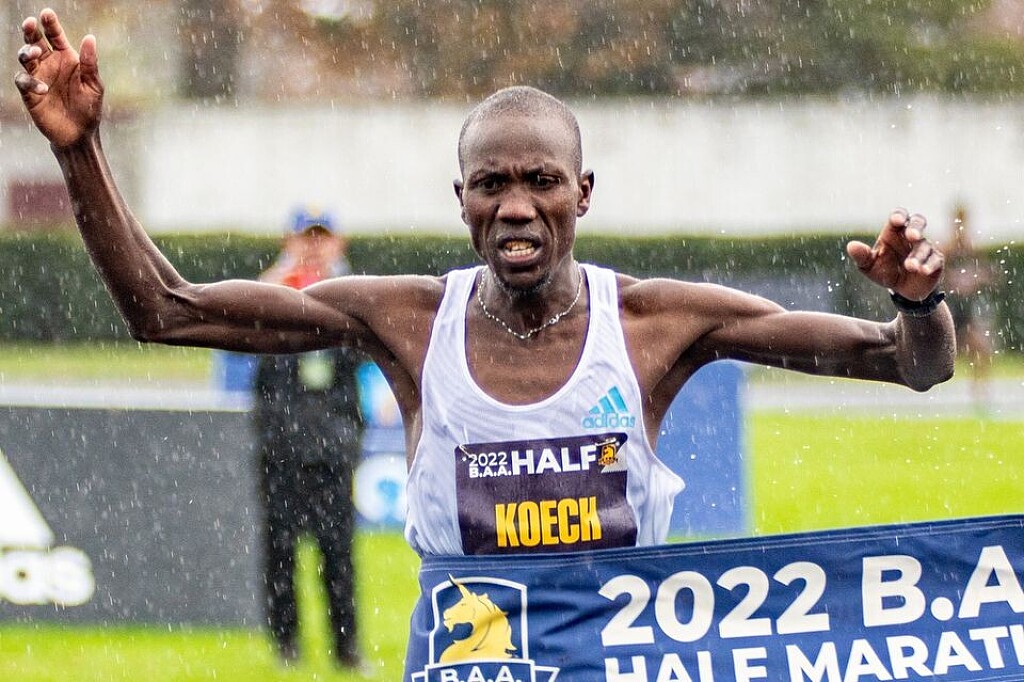
The 2022 B.A.A. Half Marathon returned to Franklin Park this morning as more than 6,300 athletes completed the 13.1-mile challenging course
At the front of the field, Kenyans Geoffrey Koech and Viola Chepngeno prevailed as men’s and women’s open division champions.
Despite sporadic rain throughout the morning, participants covered the challenging course through Boston and Brookline with smiles and enthusiasm.
With a ferocious sprint into White Stadium, Chepngeno claimed the women’s open win in 1:10:40, just three seconds in front of Ethiopia’s Bosena Mulatie. Chepngeno, Mulatie and Hiwot Gebrekidan (Ethiopia) ran a majority of the race together, but it was ultimately the B.A.A. Half Marathon debutant in Chepngeno having the best finish of all.
“I’m happy. So, so happy,” said a smiling Chepngeno. “The rain was cold. But I am happy so much!”
Gebrekidan was third in 1:11:09, with B.A.A. High Performance Team member Erika Kemp finishing as the top American, seventh in 1:12:13. Team USA Olympians Molly Huddle and Molly Seidel placed 12th (1:13:29) and 16th (1:16:22), respectively.
As a pack of a dozen runners led the men’s race through 10K, it was Koech taking the reigns at mile 9. While Tsegay Kidanu (Ethiopia), Zouhair Talbi (Marocco), and Teshome Mekonen (USA) did their best to keep close, it was Koech who stormed out of Franklin Park Zoo in front and wound up winning in 1:02:02. Kidanu and Talbi rounded out the podium in 1:02:10 and 1:02:15, while Mekonen placed fourth in 1:02:28 as the top American finisher. This was Mekonen’s first race as an American citizen.
“The race was good, I am happy in Boston,” noted Koech, who said he came into the race briming with confidence. When did he know he had victory sealed? “The last 5K, all of the twisting [turns before the finish].”
(From Let's Run) Teshome Mekonen was born and raised in the Tigray region of Ethiopia but has been based in the US since 2020 and gained his citizenship in August (we’ll have more on his story next week on LetsRun.com). Only four Americans have ever run faster than Mekonen’s pb in the half (60:02), and while that time dates from 2018, it’s also worth noting that Mekonen raced Conner Mantz at the NYC Half in March of this year and beat Mantz by a minute.
He’s clearly one to watch for the 2024 Olympic Marathon Trials, though his two marathons so far haven’t gone very well (2:22 in New York last year, 2:13 in Ottawa this year). His performance today was solid — though 62:28 is over two minutes off his pb, the hills and rain slowed most of the field. For reference, men’s winner Geoffrey Koech ran 62:02 today but 60:01 at the Cardiff Half in October.
After crossing the finish line in Boston today, Mekonen crossed his arms above his head in a similar gesture to the one made by Feyisa Lilesa at the 2016 Olympic marathon. Mekonen said his gesture was to bring attention to his home region of Tigray, which has been at the center of a civil war between Tigray and the Ethiopian federal government over the last two years. While there was positive news last week with leaders from each side agreeing to a truce, getting humanitarian aid to the area has still been a problem and Mekonen has been unable to communicate with his family and friends in the region.
“In Tigray, still everything is no food, no medicine, no bank, no electricity,” Mekonen said.
Mekonen said right now he’s already started training for his next marathon, which will come on January 15 in Houston.
“My [training] program, everything is marathon [right now],” Mekonen said. “This [race] is like time trial.”
Mekonen said he’s hoping to run 2:08 in Houston and finish in the top three.
Quick Take: Molly Seidel — “I’m just in such a drastically better place than I have been for a long time”
Molly Seidel’s time today of 76:22 was, by her standards, poor — at her best, she can easily maintain that pace for a full marathon. But Seidel was still in good spirits. For the first time in a long time, she feels she is in a good place with her body and her mental health. Today’s race was a chance to lay down a marker of where she’s at right now, but she expects to get a lot faster in the coming months.
“While it’s frustrating to come out and not be anywhere near the front pack, it’s nice knowing that I’m just in such a drastically better place than I have been for a long time,” Seidel said.
It has been a rough year for Seidel. After the high of a bronze medal at the Olympics and American course record in the New York City Marathon last year, Seidel has faced a number of challenges in 2022. She dropped out of the Boston Marathon with a hip injury that wound up as a sacral stress fracture. She has also struggled with disordered eating and was forced to withdraw from the New York Mini 10K earlier this year because she was waiting to receive a TUE for Adderall, which she had been taking to manage her ADHD (she no longer takes the drug). But, thanks to the help of her family, her coach Jon Green, and the rest of her support team, Seidel said she is feeling the best — mentally and physically — that she has for a long time.
The stress fracture sidelined Seidel until October, and even once she resumed training, it was mostly cross-training due to an ankle issue that flared up. But she is back to full training now and says she has hit 110 miles the last couple of weeks.
“I’m like one of those steaks that’s raw and you throw it on the grill and fast-sear it,” Seidel joked.
Quick Take: Molly Huddle’s comeback continues — though it’s different racing now as a mom
Molly Huddle had already raced twice since giving birth to daughter Josephine in April, both at 10 kilometers (33:59 at the Lone Gull 10K on September 25 and 33:32 at the Boston 10K for Women on October 8). Today was another step forward on her comeback and the longest race she’s done so far.
Huddle said her time of 73:29 was slower than she hoped but knew it would be tough after 10 miles — which is exactly what happened. Huddle already has another half lined up in Houston in January and hopes that with two more months of training under her belt, she will be able to feel stronger in that race.
“This [race today] will bring me along, for sure,” Huddle said. “I think the next half will be a lot faster.”
Huddle also thinks she’ll feel stronger once she stops breastfeeding Josephine — she had to pump milk today 20 minutes before her warmup.
Huddle is returning to a faster marathon scene in the United States than the one she left when she took her maternity break. The American record has been broken twice this year and now stands at 2:18:29 to Huddle’s occasional training partner Emily Sisson.
“It’s crazy,” Huddle said. “The women are running so fast and it’s so deep up front. From the 2:18 to 2:22 range, we have a lot of women. I’m just hoping to PR. Mine is 2:26 the last time I ran. That was pre-supershoe era.”
Huddle will be 39 by the time of the 2024 Olympic Marathon Trials and right now would not be among the favorites to make the team — even in her prime, Huddle was always better at the shorter distances on the roads. She admitted she’d need to catch some breaks to have a shot at the Olympic team in 2024 but isn’t completely counting herself out.
“Marathons have a lot of variables, so I’d need a few to go in my favor and against somebody else,” Huddle said. “But you never know. The marathon, I think I have a shot.”
Login to leave a comment
B.A.A. Half Marathon
Dana-Farber and the Jimmy Fund have partnered with the B.A.A. in the Half Marathon for 13 years as the race’s presenting sponsor. Through this relationship, team members have collectively raised more than $5 million to support groundbreaking cancer research, and enabled Dana-Farber scientists and clinicians to positively impact the lives of cancer patients around the world. Dana-Farber runners often participate...
more...
Aleksandr Sorokin wants to become the first man to run 200 miles in 24 hours
On Sept. 17, the world’s fastest ultrarunner, Aleksandr Sorokin of Lithuania, demolished his previous 24-hour world record from a year ago, running 319.61 kilometers at the IAU 24-hour European Championships in Verona, Italy. There is no doubt that Sorokin’s record will stand the test of time, but the 40-year-old ultrarunner says he’s not done yet with the 24-hour distance.
After breaking Yiannis Kouros’s long-standing 24-hr record of 303.506 km a year ago, with 309 km, Sorokin has once again redefined human performance, beating his old mark by more than 10 kilometers.
No runner has ever covered 200 miles (321.86 km) in 24 hours, but Sorokin has come the closest, with his most recent record of 319.61 km. “I have unfinished business with the 24-hour distance,” he says. “There’s much more to come.”
Ten kilometers is a significant improvement for Sorokin in a year, but he says he hasn’t changed much in his training. “Nothing has changed, but little by little, my body has become faster,” he says. “We’ve added a little more mileage this time around, too.”
Three to four weeks out from the European championships, Sorokin’s peak training weeks were between 360 and 380 kilometers (an average of 50-plus kilometers per day).
“My training for these ultra races is no secret,” Sorokin says. “My coach and supporters motivate me to achieve my goals and work hard.” Sorokin has a public Strava profile where he uploads all his training in the lead-up to each race.
In a 2021 interview with Sorokin, he spoke about how winning European championship gold for Lithuania was his ultimate goal when he began running in 2013. Sorokin holds seven world records on the track and road: 100,000m (track), 100 miles (road), 100 miles (track), six-hour run, 12-hour run (track), 12-hour run (road), 24-hour run (road).
The Lithuanian distance runner has no races planned for the immediate future but he is excited for what is yet to come. “I think running 200 miles in 24 hours is possible,” says Sorokin. “There are many factors that need to go your way—like good weather and a fast course.”
In January, Sorokin became the first runner to break the 11-hour barrier for 100 miles in 10 hours, 51 minutes and 39 seconds at the Spartanion Race race in Tel Aviv, Israel.
by Running Magazine
Login to leave a comment
‘We Are Here Because of Him’: The Runner Who Defied Apartheid
In the dying days of South Africa’s apartheid regime, pioneering Black runners helped transform the Comrades Marathon into the race it is today, one that reflects the country around it.
On a balmy Sunday morning in late August, Kgadimonyane Hoseah Tjale stood below a stadium full of roaring fans on the finish line of the Comrades ultramarathon, clutching a small air horn.
He had been here before. In the 1980s and early 1990s, Tjale racked up four podium finishes at the Comrades, a 56-mile race between the South African cities of Pietermaritzburg and Durban. Today, it is the largest ultramarathon in the world, attracting a field of up to 20,000 runners, throngs of spectators and millions of live television viewers.
The story of how the Comrades became the race it is today is bound up in the story of Tjale and other pioneering Black runners of his generation. In the dying days of South Africa’s apartheid regime, they helped transform the race from a poky, amateur affair into an enormous event that looks much like the country around it.
They did so from one of the most uneven playing fields in the modern world.
Back at the race for the first time in 29 years, Tjale marveled as the top finishers sprinted past him. In his days, nearly every top runner was white. Now, all the top men were Black, wearing the jerseys of big corporate running clubs that paid for them to attend training camps. The 2022 men’s race winner, a university security guard named Tete Dijana, earned around $42,000 in prize money and bonuses. It was equivalent to about a decade of his salary.
“There was none of that in our times,” said Tjale, a retired delivery driver who was living in a shack north of Johannesburg when he ran his final Comrades race in 1993, when the race did not offer a cash prize.
(First photo) The start of the Comrades Marathon at the Pietermaritzburg City Hall. Credit...Rogan Ward for The New York Times
Tjale had been invited back by the Comrades’ organizers to sound a horn marking the cutoff for a special medal given to runners who finish in less than six hours. In the car from the airport two days before, Tjale asked one of them why they had invited him.
Tjale had been invited back by the Comrades’ organizers to sound a horn marking the cutoff for a special medal given to runners who finish in less than six hours. In the car from the airport two days before, Tjale asked one of them why they had invited him. He’d never won the race, after all.
But for Comrades runners, the reason was obvious.
“We are here because of him,” said Freddie Wilson, a runner from Johannesburg, as he waited to take a photograph with Tjale at the race expo. His voice shook with emotion.
Like many Black South Africans, Wilson grew up watching Tjale on TV. His family didn’t have a television, but on Comrades Sunday they would crowd with others in their neighborhood into the lounge of a family who did and spend the entire day watching the race.
Wearing a bucket hat and running with a distinctive, lopsided gait, Tjale was a revelation in the front pack. From inside a country whose government was purpose-built to stifle the ambitions of Black South Africans, here was a Black man doing something audaciously ambitious, for the whole country to see.
(Third photo) Spectators running with Tjale in a Comrades Marathon during the 1980s.Credit...The Comrades Marathon Association
“He was our great,” Sello Mokone, who has run the Comrades 18 times, said. “The moment we saw a Black guy doing this, we knew we could do it too.”
At his peak, Tjale could run 56 miles at a pace of just over six minutes a mile. He racked up dozens of wins at ultramarathons, including at South Africa’s other famous ultra, the 35-mile Two Oceans. Twice, he almost defeated the Comrades’ white folk hero, a floppy-haired blond man named Bruce Fordyce, who won the race nine times between 1981 and 1990.
Bob de la Motte, a white runner who finished second to Fordyce three times, said that Tjale “was the better athlete.”
But while Fordyce focused full-time on the Comrades, living off money from speaking gigs and corporate sponsorships, Tjale worked as a delivery driver, running 15 miles from the crowded workers’ hostel where he lived to his job. On weekends, he ran every local race he could find, from 10 kilometers to 100 kilometers (6.2 miles to 62.1 miles), for prize money to supplement his income.
“He was lucky,” Tjale said of their rivalry.
Tjale grew up in the 1960s in a rural area near the city of Polokwane, formerly known as Pietersburg. He dropped out of school after eighth grade. A few years later, he moved to Johannesburg to work as a live-in gardener for a white family. There, he clipped hedges during the day and washed the family’s dishes after dinner. In between, sometimes, he went for a jog.
In the late 1970s, his running caught the attention of his employer, who helped him buy a pair of sneakers and join a running club. He began entering races, and soon, winning.
It was an auspicious moment to take up distance running. At the time, South Africa was subject to widespread international sports boycotts, which kept the country out of most major events. The nation was desperate to get back in, and in the mid-1970s, the apartheid government announced it would desegregate a minor sport, running.
Amid a global boom in running, entries at races like the Comrades began to tick upward. And South Africa’s single state-run TV station began broadcasting the Comrades live in the early 1980s. Millions watched Black runners like Tjale and white competitors like Fordyce share bottles of water and sling their arms over one another at the finish line.
“In the Comrades, everyone needed help at some point, and people always gave it,” said Poobie Naidoo, another elite South African distance runner from the 1980s, who is of Indian heritage.
But the moment runners like Tjale and Naidoo stepped off the course, they returned to an apartheid reality. In 1979, not long after his first Comrades, Tjale was arrested on his way to work for not having documents showing he was allowed to be in a white part of the city. He spent a night in jail.
“On the road was the only place I sometimes felt like apartheid wasn’t there,” Tjale said.
In 1989, both Tjale and Fordyce participated in a 100-kilometer world championship. Because of the timing, Fordyce skipped the Comrades, and Tjale ran it on tired legs. Another runner, Sam Tshabalala, became the race’s first Black champion. Tjale, meanwhile, ran his final Comrades in 1993, quietly finishing 51st.
In 2016, Tjale, a reserved man with an easy laugh, retired to a 20-acre farm he bought near Polokwane. It was one of the first times since he married in the 1970s that he and his wife had been able to live together, and they spent quiet evenings on their couch cracking jokes and watching soap operas.
He didn’t think much more of the Comrades, besides occasionally turning down invites to events the race hosted. “I was done with that thing,” he said simply.
But this year, a Comrades Marathon Association board member named Isaac Ngwenya called with a plea. Would Tjale come and let himself be honored. He agreed and last weekend boarded a plane for Durban.
Tjale arrived to a race radically transformed from the one he left. At the Comrades expo, thousands of runners — most of them Black — milled around, trading training stories. The night before the race, more than 300 people slept in the Pietermaritzburg Y.M.C.A., where race organizers put up entrants who could not afford accommodation.
“It’s something I can show my son, and myself — that I did this thing,” said Cynthia Smith, a security guard, as she stretched out on her foam mattress.
On the start line at Pietermaritzburg City Hall the next morning, more than 13,000 runners sang an old migrant laborers’ song called Shosholoza, whose title means “go forward.” The gun popped, and they surged into the winter morning.
“It’s like living your entire life in a single day,” Tommy Neitski, a 42-time finisher, said of the race’s mass appeal. It’s also like seeing all of South Africa in a day, on a course that winds its way past shacks and boutique hotels, sugar cane fields and gritty industrial towns.
Tjale arrived at the finish line at Durban’s Moses Mabhida Stadium to sound the six-hour horn. Waiting in a V.I.P. lounge, he ran into Jetman Msuthu-Siyephu, winner of the 1992 race. They spent the morning trading memories.
As the day wore on, the two men watched the salt-streaked runners pour in by the thousands, dissolving in joy and exhaustion as they stumbled over the finish line. Tjale couldn’t stop smiling.
“When we go,” he said to Msuthu-Siyephu, “we will have left something for this world.”
by Ryan Lenora Brown (New York Times)
Login to leave a comment

Comrades Marathon
Arguably the greatest ultra marathon in the world where athletes come from all over the world to combine muscle and mental strength to conquer the approx 90kilometers between the cities of Pietermaritzburg and Durban, the event owes its beginnings to the vision of one man, World War I veteran Vic Clapham. A soldier, a dreamer, who had campaigned in East...
more...
Should you warm up before your marathon?, Two-time Canadian Olympic marathoner Reid Coolsaet says a warmup is a good idea, but you don't want to overdo it
Most runners understand the purpose of warming up before a race, but should you be doing a warm up before your marathon?
The warm-up is intended to prepare your muscles for performance by increasing your core body temperature, which speeds up the supply of oxygen to your muscles. This procedure increases blood flow to the working muscles, so they are ready for the effort, and reducing the risk of injury.
A warm up requires energy, and for shorter races like 5K or 10K, running out of energy is not a concern, since the race is too short to risk running out of glycogen (stored carbohydrate). But when you’re preparing to race for three-to-four hours, it’s vital to conserve as much energy and glycogen as you can.
Two-time Canadian Olympic marathoner (2012 and 2016) and head coach of CoolsaetGo Reid Coolsaet says a warm up is a good idea, but don’t overdo it.
“You want to run enough before the race to hit your race pace off the start line,” says Coolsaet. “For most, five or 10 minutes of running and a few strides is plenty.”
Most runners will be running at their warm-up pace for the first five or 10 minutes into the marathon as it is.
“If you go out for anything longer than 10 minutes, it is likely that you will regret that 20-minute warm up at kilometer 40.”
Another thing Coolsaet also mentioned is to leave enough time between your warm up and the start of the race to negotiate porta-potty lines. The last thing you want is to have GI issues only 10 kilometers into the race.
by Marley Dickinson
Login to leave a comment
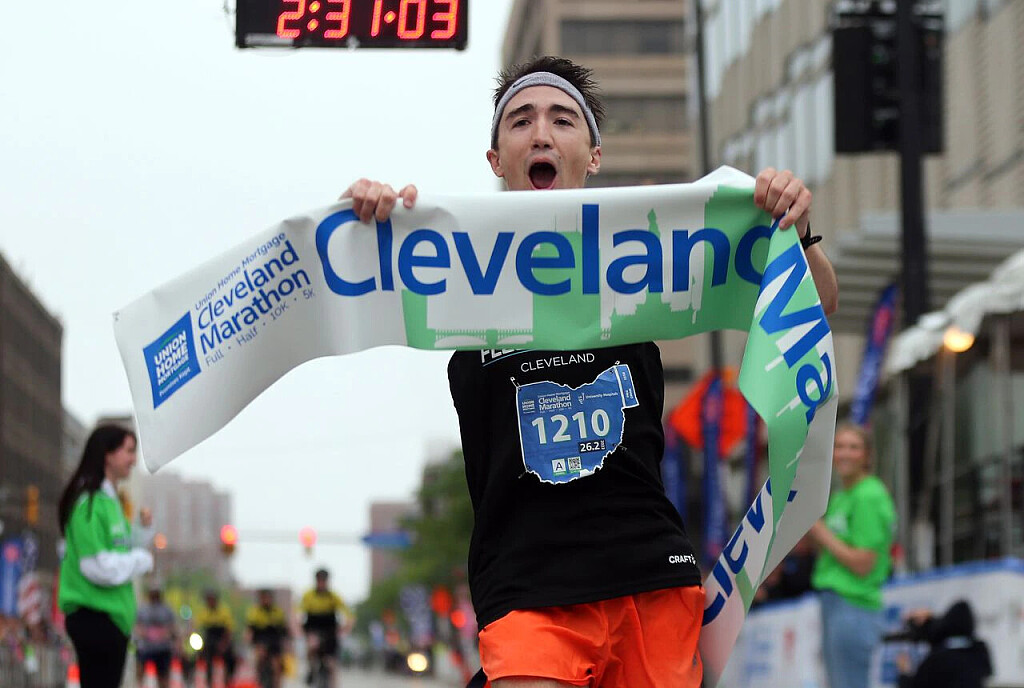
Successfully defending his 2021 victory, Jeremiah Fitzgerald wins the 2022 Cleveland Marathon
Lakewood native Jeremiah Fitzgerald finished the 2022 Cleveland Marathon the same way that he did in 2021: in first.
Fitzgerald successfully defended his win from 2021 by crossing the finish line on Sunday with a time of 2 hours, 31 minutes and three seconds. He finished more than seven minutes faster than Josh Baker of Solon, who took second (2:38.28).
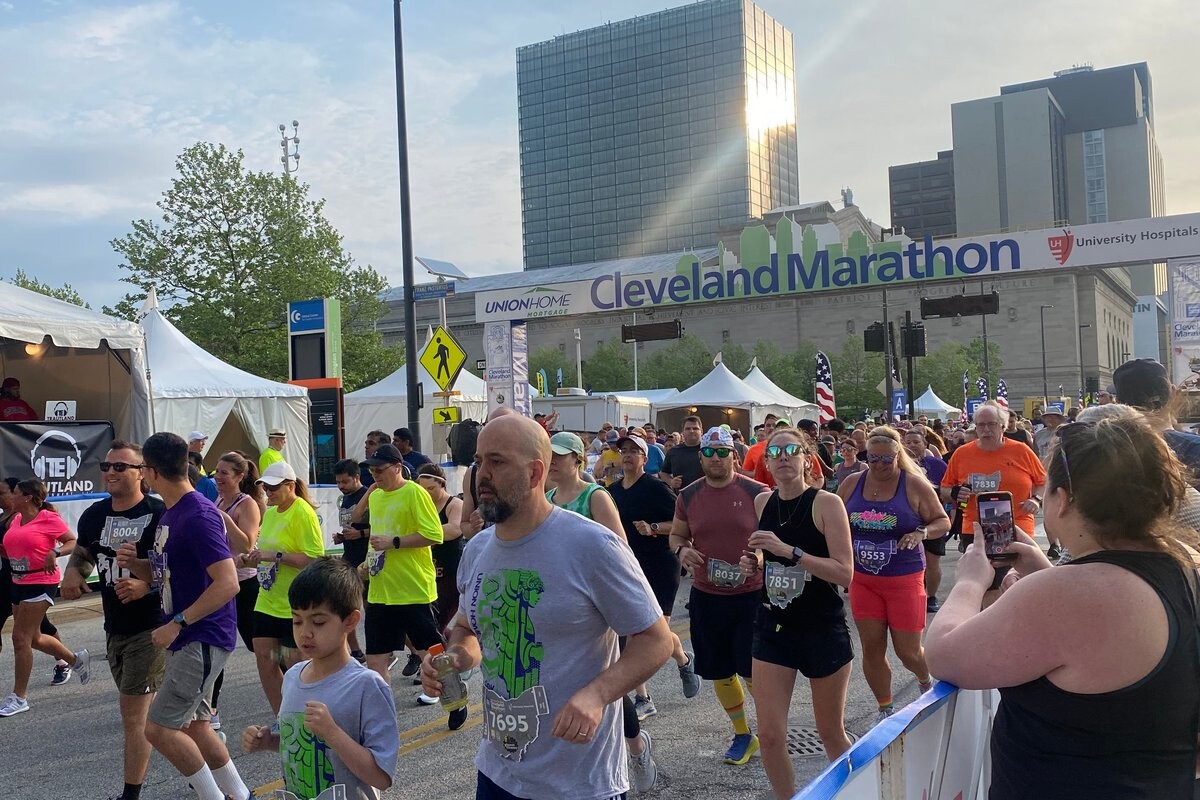
Hudson native Ashton Swinford was the fastest woman in the marathon on Sunday, finishing in 2:46.46. Her time was good enough for fifth in the field as well.
Zach Case (2:38.51) finished third and Kenneth Sullivan (2:40.12).
Fitzgerald had a lead of almost four minutes after the first 10 kilometers and completed the first half of the marathon in 1:15.11.
by Tim Bielik
Login to leave a comment

Cleveland Marathon
The Cleveland Marathon features a relatively flat and fast course, great volunteer support and a scenic view of downtown Cleveland and its major landmarks. The course has been designed for our athletes to enjoy views of Browns Stadium, the Rock and Roll Hall of Fame, Lake Erie and many other Cleveland highlights. The Cleveland Marathon began in 1978 in an...
more...
Acceptance and commitment therapy: mental flexibility training for runners, what's more important for runners — mental flexibility or mental toughness?
Acceptance and commitment therapy (ACT) has long been used to treat anxiety, depression and other stress-related mental health issues, but athletes are increasingly turning to the strategy to improve their mental performance in competitions. While mental toughness is often regarded as being necessary for athletic performance, ACT promotes mental flexibility instead, which many experts argue is more effective on game (or race) day.
Mental toughness vs. mental flexibility
The concept of mental toughness is fairly straightforward: having a strong mind means you can push through pain and adversity to accomplish a goal. Whether you’re fighting lactic acid buildup as you sprint to the finish line in a mile race, or you’re hitting the wall at kilometer 35 of a marathon, a mentally-tough runner will be able to get through the hard parts to still cross the finish line under their goal time.
As most runners know, this often isn’t the way things go. Even a very mentally tough runner will still have a race that won’t go to plan, whether that’s caused by factors that are within or outside of their control. Runners who have a high degree of mental toughness will still, at least sometimes, fall short of their goals.
This often leaves runners frustrated, wondering why they couldn’t just “tough it out” or “push through the pain,” or even wondering if they were really as mentally tough as they thought they were. These thoughts can lead to a downward spiral of negative self-talk, potentially impacting future workouts and races.
Mental flexibility, just as it sounds, is a far less rigid way of thinking. Rather than trying to ignore your thoughts, feelings and emotions, it encourages you to stay in contact with the present moment by welcoming all sensations, both positive and negative, in order to continue to pursue your goal. These feelings, however, don’t control you. A mentally flexible runner does not allow their short-term emotions (like the negative thoughts that creep in during the last 10 kilometers of a marathon) to dictate how they choose to act.
Acceptance and commitment therapy

Mental flexibility has its roots in ACT, which encourages people to embrace their thoughts and feelings, rather than trying to fight them, ignore them or feel guilty about them. This is important for runners because let’s face it: things aren’t always going to go the way you planned.
In times of high stress or hardship (like the last mile of a 5K or the middle of a hard workout), it’s easy to believe our thoughts and emotions are facts, but they are really just a reflection of how we are feeling, not reality. By acknowledging negative thoughts and emotions during a tough workout or race, you can put yourself back in the driver’s seat, effectively removing the control they have over you.
For example, you’re part-way up a tough climb during a workout or race and you think to yourself “I’m not good at hills.” Your brain is telling you this because in the moment, running up that hill feels very hard. If you believe that thought as a fact, you’ll be more likely to stop trying or give up. ACT teaches you to address that negative thought and create some distance from it, which puts you back in control and helps you to keep going.
Stay present, and let your values guide you
So how do you improve your mental flexibility? Just like with physical training, mental training takes time, consistency and patience. For runners, there are two key ways you can use ACT to improve your mental performance:
Stay present. One of the hallmarks of race-day anxiety is the tendency to focus on the future. You’re feeling tired now, so how will you make it to the finish line later? The temperature is hotter than you expected, and what if you can’t handle the heat? Part of ACT is focusing on the moment you’re in and not worrying about what’s to come. In other words, tackle a race one kilometer at a time, instead of thinking about how much farther you have to go.
Be clear on your values. As runners, we tend to fixate heavily on our running goals, and while having goals is a good thing, they can sometimes cause us to lose focus on why we’re actually out running. Are you only on the startline because you want to run a new PB, or is it really because you want to challenge yourself, be a part of something bigger than you or have a great experience?
Your values are the foundation of your goals, but are far less rigid. Focusing on those values will help you redirect your mind when your performance goals go sideways and allow you to put your result into perspective. Doing so will not only decrease your pre-race anxiety and help you enjoy the experience more, but it will prevent one bad workout or race from affecting future performances.
The bottom line
All of us will have moments during runs, workouts and races when things get hard and negative thoughts begin to cloud our brains. Being mentally flexible will help you to acknowledge those thoughts and emotions (rather than trying to ignore them) without allowing them to take over. This will reduce your anxiety and ultimately help you perform better.
by Brittany Hambleton
Login to leave a comment
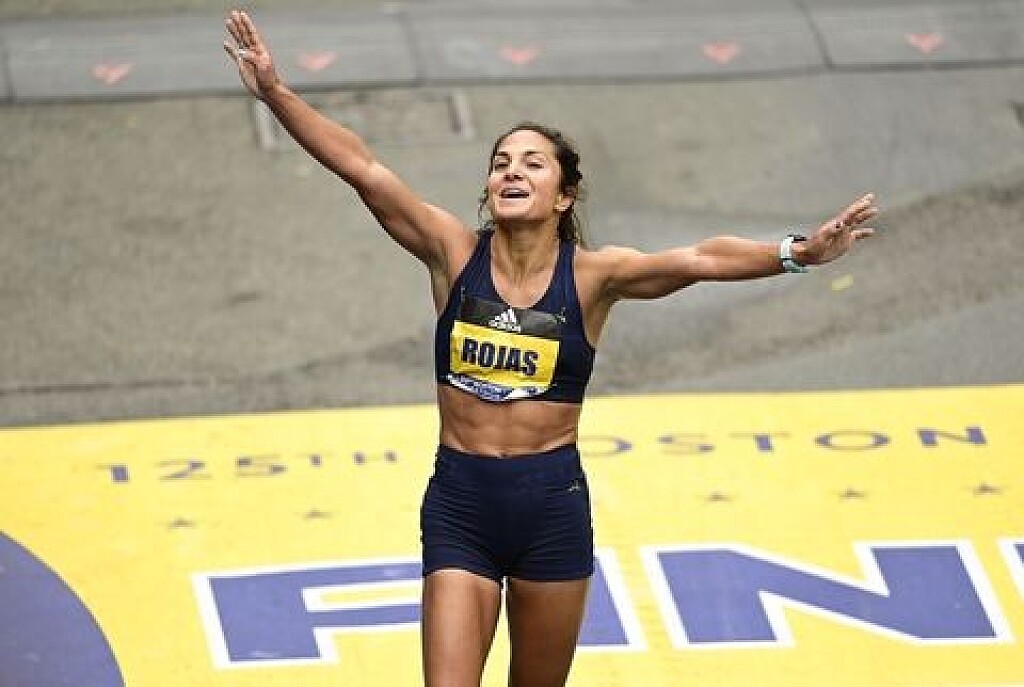
Nell Rojas was so ready for Boston and ended up sixth setting a PR and finishing first American while Shalane Flanagan finishes her 4th major
The top US woman at the Boston Marathon was Nell Rojas from Boulder, Colo., placing sixth overall in a personal best 2 hours, 27 minutes, 12 seconds. It was her fourth Marathon.
She paced the pack for the first 10 kilometers, which was not part of her plan.
“I was expecting this one to go out fast and to just be able to hang on to the back of the pack,” said Rojas. “I never lead, so that was interesting for me.”
Despite being the top US finisher, Rojas believes she has plenty of room for improvement, citing downhills and staying relaxed in the pack as weaknesses.
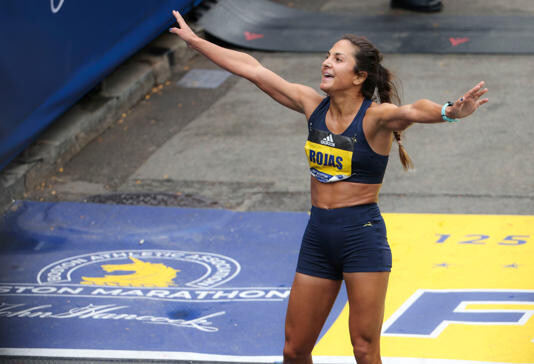
“I learned a lot,” said Rojas. “I think that now that I know the course I can alter my training accordingly and run faster next time.”
Rojas who finished ninth at the 2020 Olympic Trials in 2:30:29, ran for the University of Northern Arizona and spent much of her mid-20s focusing on triathlons before transitioning back to distance running in 2018. Before Monday, her personal best in the marathon was 2:28:06.
Rojas is a coach in Boulder, where she developed a running and strength training program for all ages alongside her father, Ric Rojas.
Nell credits her father with being a role model athletically.
“Just growing up with that inspiration, trying to follow in his footsteps has been super helpful,” she said. “He has been my biggest supporter and cheerleader.”
The second American finisher was Elaina Tabb of Allison Park, Pa., She finished 12th in 2:30:33 in her first major marathon. Much of Tabb’s prior experience came in the half-marathon, where she placed 64th in the 2018 World Championships. She finished 24th at the 2021 Olympic Trials in 10,000 meters.
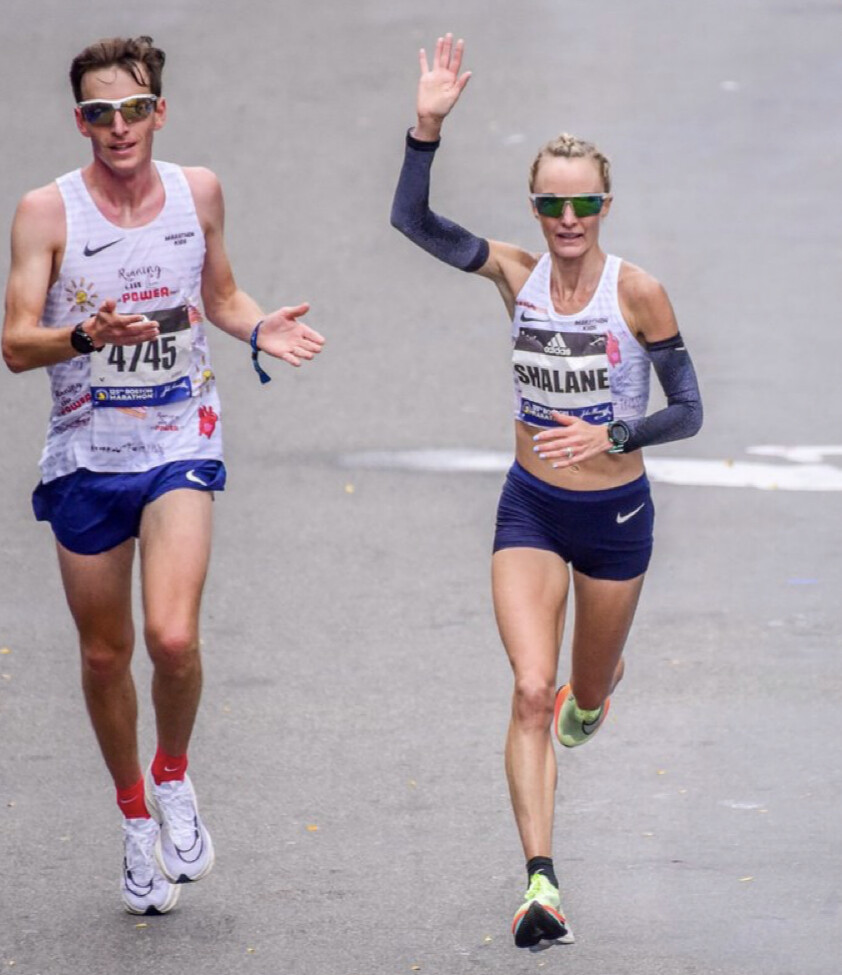
Marblehead native Shalane Flanagan, a former New York City Marathon winner and Olympic 10,000-meter silver medalist, also competed, just one day after running the Chicago Marathon. She placed 33rd on the women’s side in both races, finishing Boston in 2:40:36 and Chicago in 2:46:39. Flanagan retired in 2019 but returned this year in an attempt to run all six majors under three hours. Her average after running four marathons in 16 days is 2:40:13. Her time in Berlin (9/26) was 2:38:32 and London (10/3) 2:35:04.
2018 Boston Marathon champion Desiree Linden placed 16th race with a time of 2:35:25. It wasn’t the performance for Linden hoped for, but she enjoyed the experience on one of her favorite courses.
“I was just excited to get out there,” said Linden. “Yeah, I didn’t have the day that I wanted but it was a pleasure to be back on the course and see the crowds.”
Linden plans to run the New York City Marathon on November 7. Boston was her main focus but is glad to have another race to run.
“It’s nice to have the next one,” said Linden. “To be able to say ‘Hey maybe this one will build and help me get ready for that.’ ”
Login to leave a comment
Boston Marathon
Among the nation’s oldest athletic clubs, the B.A.A. was established in 1887, and, in 1896, more than half of the U.S. Olympic Team at the first modern games was composed of B.A.A. club members. The Olympic Games provided the inspiration for the first Boston Marathon, which culminated the B.A.A. Games on April 19, 1897. John J. McDermott emerged from a...
more...