

Running News Daily
Running News Daily is edited by Bob Anderson and team. Send your news items to bob@mybestruns.com Advertising opportunities available.
Index to Daily Posts · Sign Up For Updates · Run The World Feed
Articles tagged #Diamond League
Today's Running News
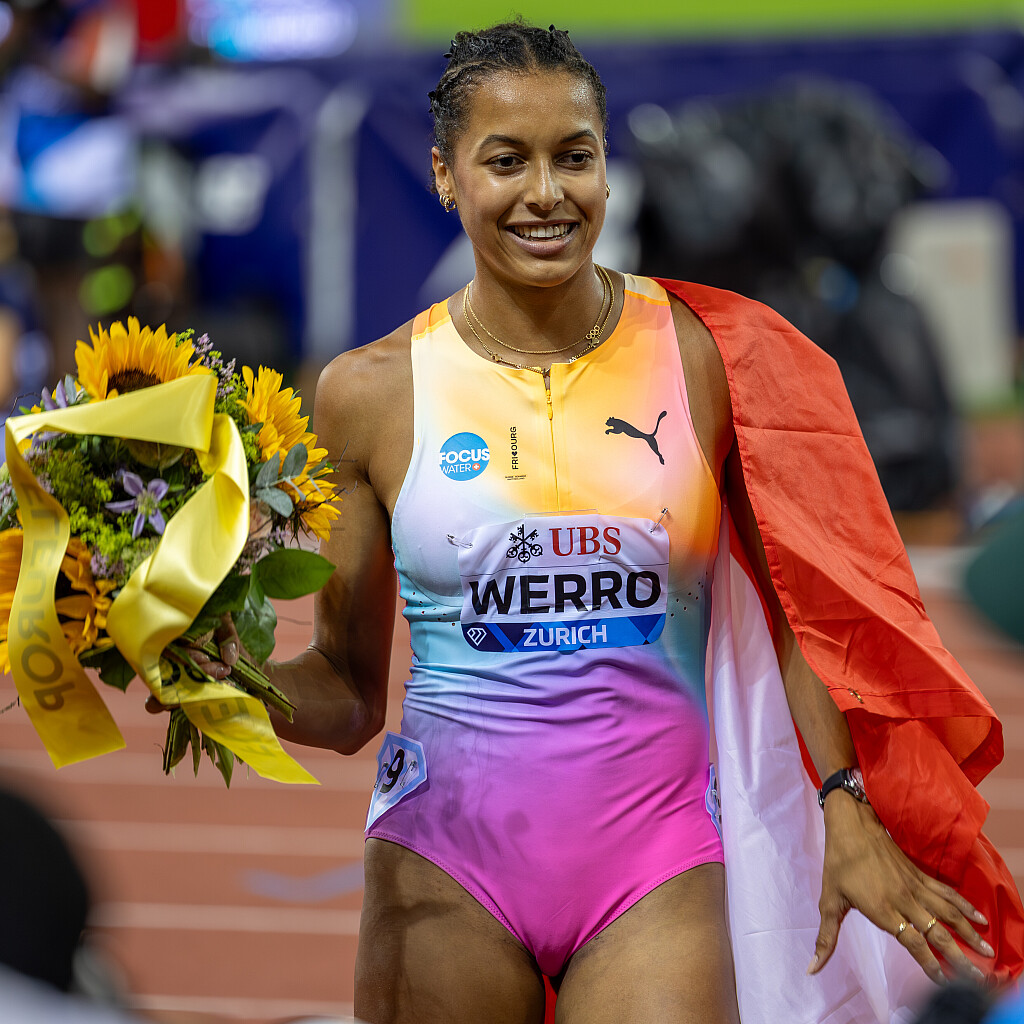


Audrey Werro Earns Double Athlete of the Year Nominations After Record-Breaking 2026 Season
Swiss middle-distance star Audrey Werro has strengthened her reputation as one of the world’s leading 800m runners after earning nominations for both the World Athletics Athlete of the Year and European Athletics Athlete of the Year awards following an outstanding 2026 campaign.
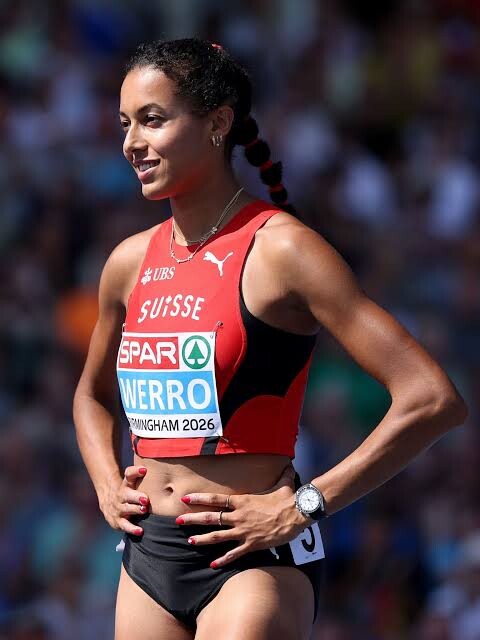
The 22-year-old has enjoyed a remarkable season, combining major championship victories with exceptional performances that have elevated her standing among the sport’s elite. Her achievements have made her a strong contender for international recognition as she continues to establish herself on the global stage.
Werro’s 2026 campaign has been defined by three major victories: the European Athletics Championships 800m title, the Diamond League Final crown and the inaugural World Athletics Ultimate Championship 800m title. Winning across these prestigious competitions has underlined her ability to deliver when the stakes are highest.
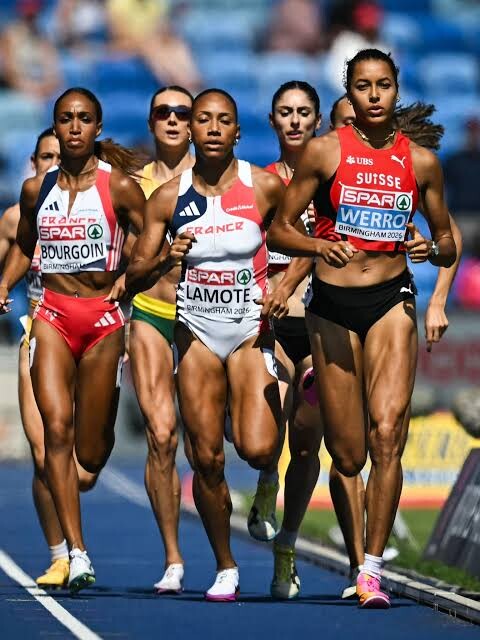
Her performances have been particularly impressive over two laps, where she has demonstrated a powerful combination of speed, endurance and tactical maturity. Against some of the strongest competitors in the world, the Swiss star has repeatedly shown that she belongs among the leading figures in women’s middle-distance running.
One of the defining moments of her season came in Zürich, where Werro thrilled the home crowd with an extraordinary 1:53.70 performance in the 800m. The time was reported as the fastest women’s 800m performance in 43 years and the third-fastest in the event’s history, placing her among a select group of athletes to have reached such an exceptional level.
Werro’s season has also been notable for her sustained assault on the record books. She reportedly broke the Diamond League record three times during the campaign and produced three of the five fastest women’s 800m performances ever recorded, highlighting the remarkable consistency behind her breakthrough year.
Rather than relying on a single standout result, Werro has built her case for the sport’s highest individual honours through a series of performances at the highest level. Her success across European and international competitions has demonstrated both her competitive versatility and her capacity to thrive under pressure.
The dual nominations now offer recognition of a season in which Werro has moved beyond emerging-talent status to become one of the most compelling names in women’s athletics. A victory in either award would represent another major milestone in a career that continues to gather momentum.
With three major titles, a historic performance on home soil and a series of record-breaking displays, Werro has given herself a compelling case for year-end honours. Whether she ultimately claims the title of the world’s best female athlete remains to be seen, but her 2026 season has already established her as one of the outstanding performers of the year.
by Erick Cheruiyot for My Best Runs.
Login to leave a comment

From Bolt To Seville: Jamaica’s Sprinting Torch Enters A New Era
For more than a decade, Usain Bolt defined Jamaican sprinting on the world stage. Now, a new generation is beginning to write its own chapter — and at the centre of that transition stands Oblique Seville, a sprinter whose journey is closely connected to the very people who shaped Bolt’s legendary career.
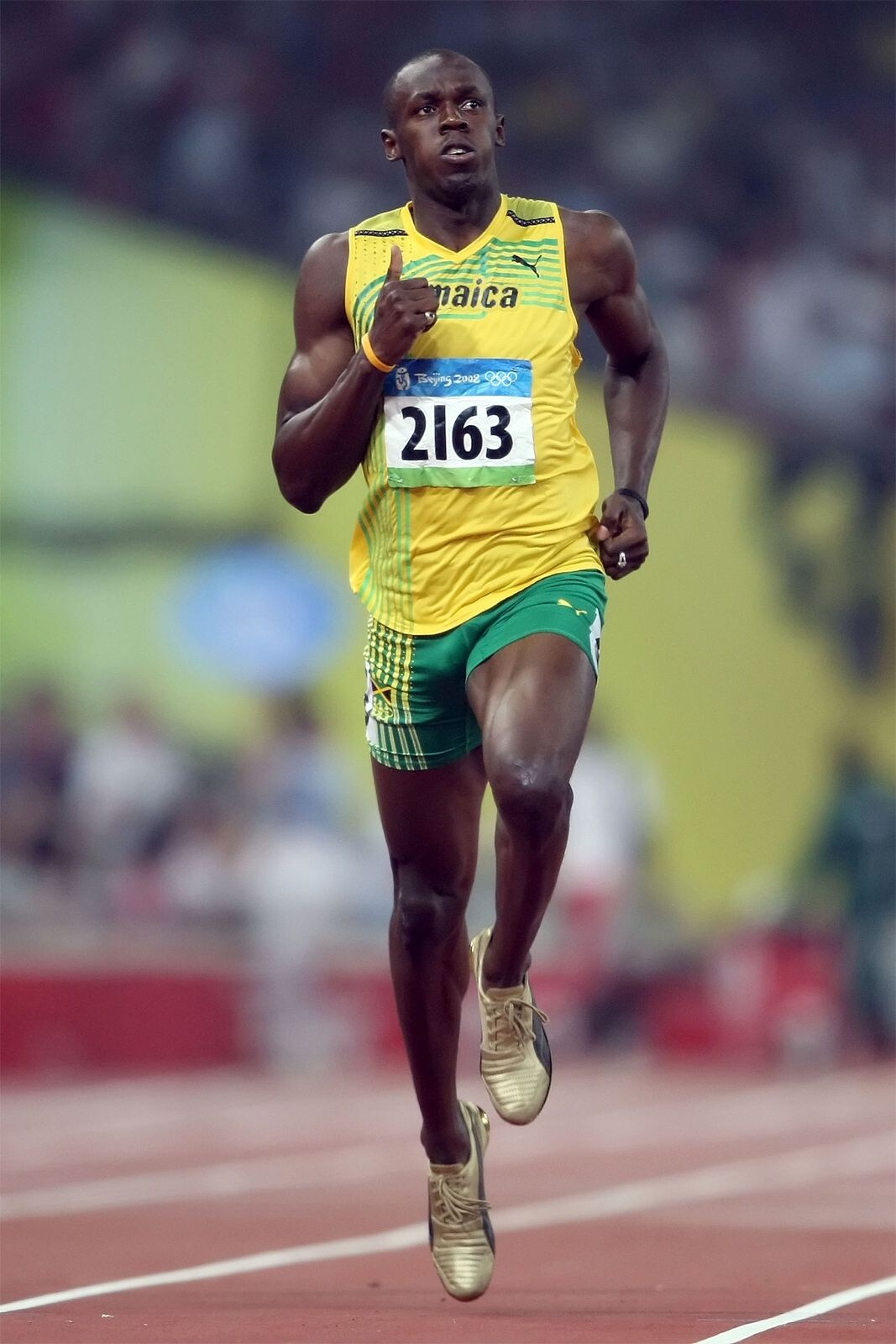
Seville announced himself as Jamaica’s new 100m champion in spectacular fashion at the 2025 World Athletics Championships in Tokyo. Running a lifetime best of 9.77 seconds, he captured the world title ahead of compatriot Kishane Thompson, who clocked 9.82, giving Jamaica a memorable one-two finish.
The significance of the victory was enormous. Seville became the first Jamaican man since Bolt to win the World Athletics Championships 100m title. And watching from the stands was Bolt himself, who celebrated enthusiastically as his compatriot delivered one of the biggest victories of his career.
But the connection between the two generations goes far beyond that unforgettable night in Tokyo.
A Dream That Began At 10
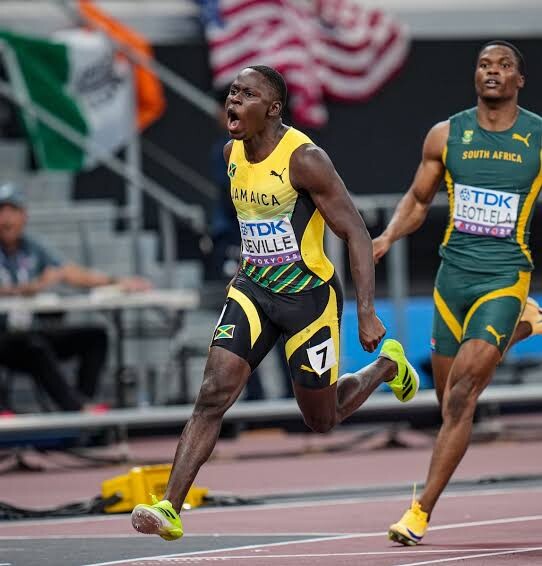
Long before Seville became a world champion, he already knew exactly who he wanted to coach him.
When he was around 10 years old, Seville reportedly told his mother that he wanted to train under Glen Mills — the renowned Jamaican coach who guided Bolt during the most dominant period of his career.
That childhood ambition eventually became reality. Seville joined the Racers Track Club and came under the guidance of Mills, establishing a relationship that has played a major role in his development as an elite sprinter.
Mills had already helped shape one of the greatest sprinters in history. Now, years later, he was helping another Jamaican talent reach the summit of the 100 metres.
Bolt Became More Than An Inspiration
Seville has also spoken about the influence Bolt has had on his life away from the track.
Following the death of his father, Gerald Seville, Bolt became an important source of encouragement and motivation for the young sprinter. Seville has described Bolt as a major motivator, adding another deeply personal dimension to a relationship that began with admiration from afar.
That makes the scene in Tokyo even more powerful: the athlete Seville grew up watching was there as he achieved the breakthrough that could define his own generation.
Bolt's presence was not simply symbolic. Before the final, he had spoken about Seville and Thompson as athletes capable of challenging for the gold medal. Seville ultimately delivered when the pressure was greatest.
From 9.77 To A New Challenge
Seville's Tokyo triumph was not the end of the story.
In 2026, he continued to establish himself among the world's leading sprinters, eventually claiming the men's 100m Diamond League title at the series final in Brussels. He also produced a season-best 9.82 in Kingston and recorded several victories during the Diamond League campaign.
The progression is significant. From an ambitious youngster dreaming of being coached by Glen Mills, to a World Championships gold medallist, and now a Diamond League champion, Seville is steadily building a career that belongs to him.
Yet he remains deeply respectful of the athlete whose footsteps he is following.
Seville has repeatedly acknowledged Bolt's greatness, while also believing that the next generation of Jamaican sprinters can push the event to another level. The ambition is clear: the future may eventually demand performances in the 9.6-second range.
For now, however, Seville's focus is not on becoming another Usain Bolt.
It is on becoming the best version of Oblique Seville.
The Torch Has Been Passed — But The Story Is Still Being Written
Jamaica's sprinting tradition has produced some of the most extraordinary athletes the sport has ever seen. Bolt took that tradition to an unprecedented level. Seville now represents a new generation determined to keep it alive.
The symbolism is difficult to miss.
The coach who helped guide Bolt is now guiding Seville. The champion who once inspired Seville as a young boy was there to watch him become a world champion. And the young Jamaican who once dreamed of joining Glen Mills is now collecting major titles of his own.
Seville has already secured a World Championships 100m title, a 9.77 personal best and a Diamond League crown.
The next chapter of Jamaican sprinting is no longer waiting to begin.
It is already underway.
And with Glen Mills in his corner and Usain Bolt among those who have helped inspire him, Oblique Seville is carrying the Jamaican sprinting tradition forward — while creating a legacy of his own.
by Erick Cheruiyot for My Best Runs.
Login to leave a comment
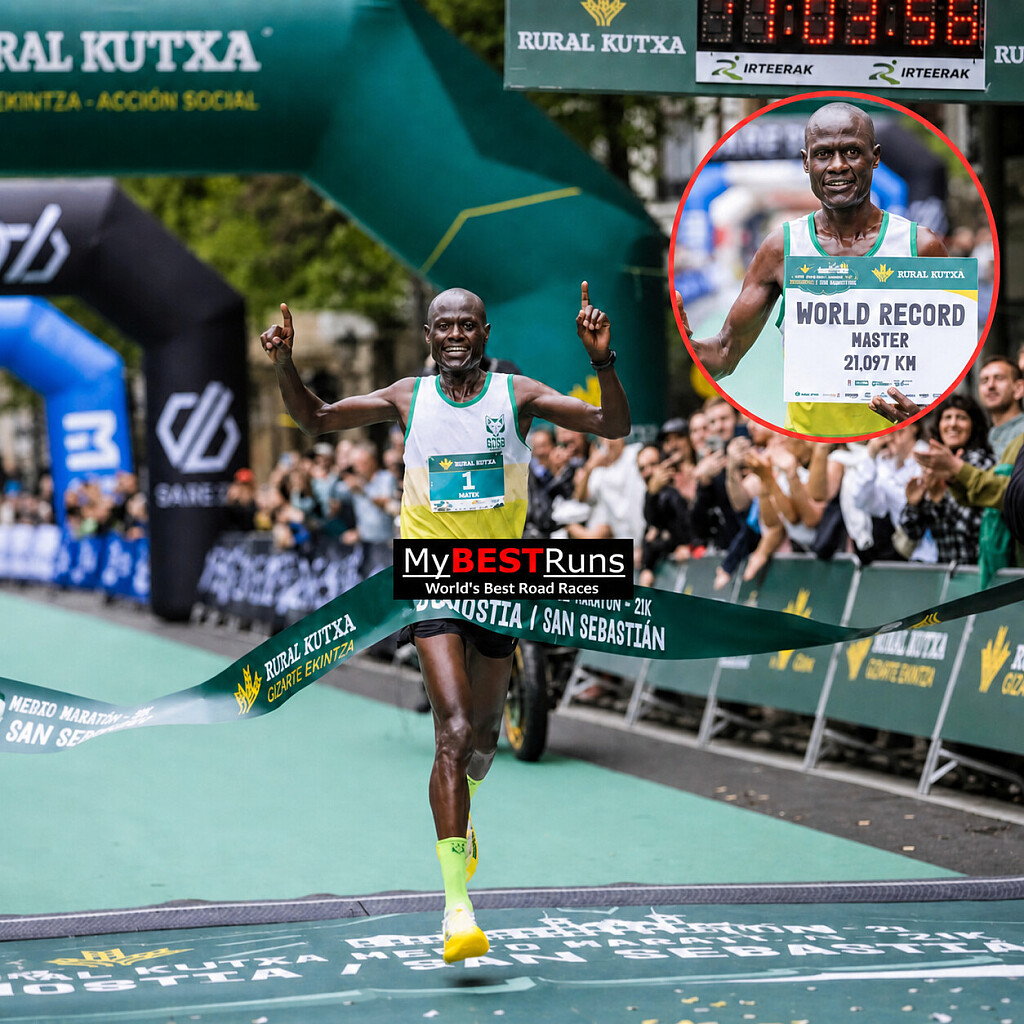
Mark Kiptoo, 50, Shatters M50 World Half-Marathon Record In San Sebastián
Kenyan distance-running veteran Mark Kosgei Kiptoo has added another extraordinary achievement to his remarkable career, setting a new M50 world record in the half marathon at the 2026 San Sebastián Rural Kutxa Half Marathon in Spain.
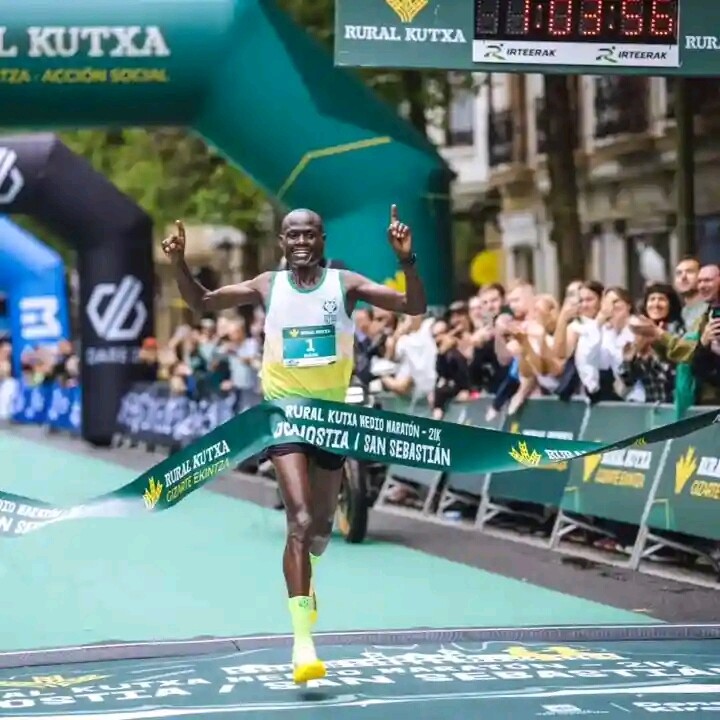
At 50, Kiptoo produced a stunning 1:03:57 over the 21.097-kilometre distance, winning the race outright while rewriting the masters record books.
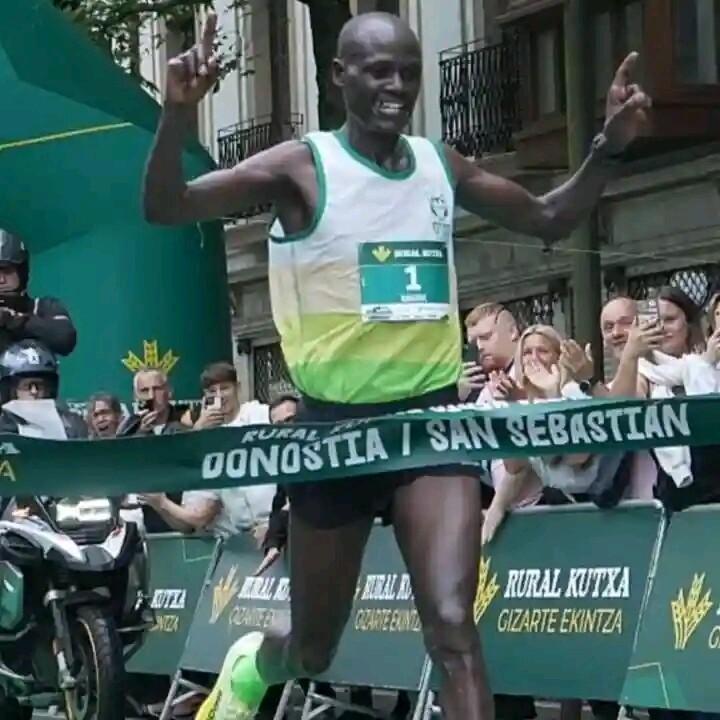
His performance demolished the previous M50 world record of 1:06:23, set by South Africa’s Titus Mamabolo, by 2 minutes and 26 seconds. The scale of the improvement makes Kiptoo’s performance one of the most remarkable masters distance-running achievements of the year.
The Kenyan arrived in San Sebastián in impressive form after already showing that age had done little to diminish his speed. At 49, Kiptoo won the Azkoitia-Azpeitia Half Marathon in March in 1:03:17, a performance that underlined his extraordinary endurance and ability to maintain world-class pace well into his late 40s.
Kiptoo’s latest achievement is another milestone in a career that has already delivered success across track, cross country and road running. Now competing in the masters ranks, the Kenyan continues to demonstrate the exceptional endurance and speed that made him one of the most respected distance runners of his generation.
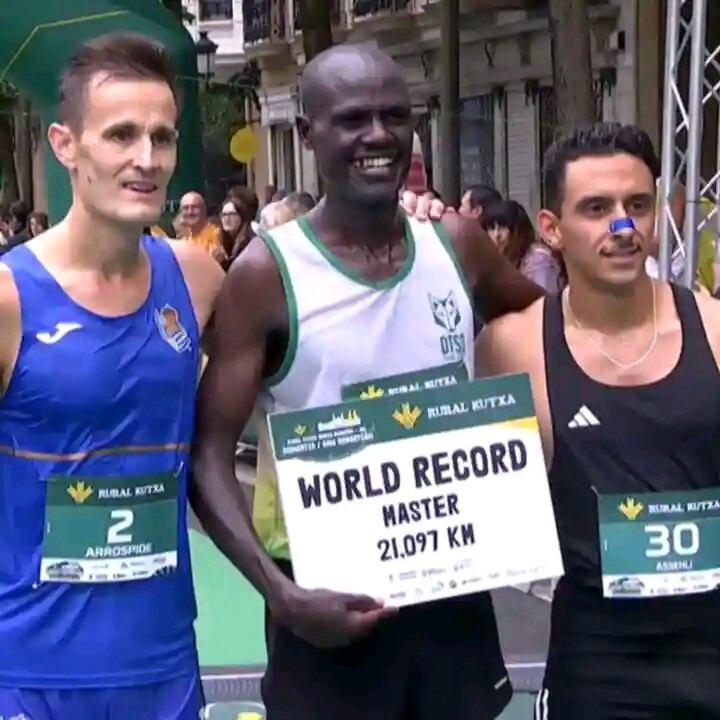
Born on June 21, 1976, Kiptoo has spent decades competing at the highest level of international athletics. His career includes major performances on the track and road, and his transition into the masters category has done little to slow his remarkable competitive drive.
Kiptoo’s transition to marathon running produced another extraordinary achievement. At the 2018 Frankfurt Marathon, he clocked 2:07:50 to establish what was then a world record for the Masters 40-and-over age group, further highlighting his ability to remain competitive well beyond the traditional peak years of an elite distance runner.
That performance offered an early indication of the extraordinary longevity that would later define his masters career. With the M50 half-marathon world record standing at 1:06:23, Kiptoo arrived in San Sebastián with history within reach—and he did far more than simply break the mark.
He obliterated it.
Kiptoo’s 1:03:57 was also fast enough to secure the overall victory, putting the 50-year-old Kenyan ahead of considerably younger competitors. Spain’s Iraitz Arrospide was the leading Spanish finisher, taking second in 1:04:48, while Youness Assehli completed the podium in 1:07:16.
Kiptoo’s record run was also notable for the consistency of his pace throughout the race. He passed 5 kilometres in 15:22 before reaching 10 kilometres in 30:21, with his second 5-kilometre segment covered in a remarkable 14:59. He continued to maintain the demanding tempo, reaching 20 kilometres in 1:00:40 before completing the final 1.097 kilometres to stop the clock at 1:03:57.
Those splits underline just how controlled and aggressive Kiptoo’s performance was. Rather than relying on a late surge, the Kenyan built his record through sustained world-class pace from the opening kilometres to the finish, averaging roughly 3:02 per kilometre across the entire half marathon. The performance not only shattered the longstanding M50 record but also demonstrated that Kiptoo’s extraordinary speed remains intact at an age when most elite athletes have long since stepped away from the highest level of competition.
In San Sebastián, Kiptoo’s experience came together in one extraordinary performance. He not only won the race outright but also lowered the M50 world record from 1:06:23 to 1:03:57, an improvement of 2 minutes and 26 seconds. At 50, he continues to show that world-class determination and years of experience can still translate into astonishing performances over 21.1 kilometres.
Kiptoo’s credentials were established long before his entry into the masters ranks. A former African champion over 5,000 metres and a winner on the Diamond League circuit, he competed successfully against the world’s best during the peak of his track career.
His track personal bests include 12:53.46 for 5,000 metres and 26:54.64 for 10,000 metres, evidence of the elite speed and endurance that have remained the foundation of his longevity in the sport.
The latest record is therefore more than another entry on a masters list. It is a reflection of a career built on consistency, discipline and an extraordinary ability to remain competitive across different generations of distance runners.
At 50 years old, Mark Kiptoo is still running at a level that commands attention.
A 1:03:57 half marathon, an outright race victory and a world record—another remarkable chapter in the career of one of Kenya’s enduring distance-running stars.
by Erick Cheruiyot for My Best Runs.
Login to leave a comment
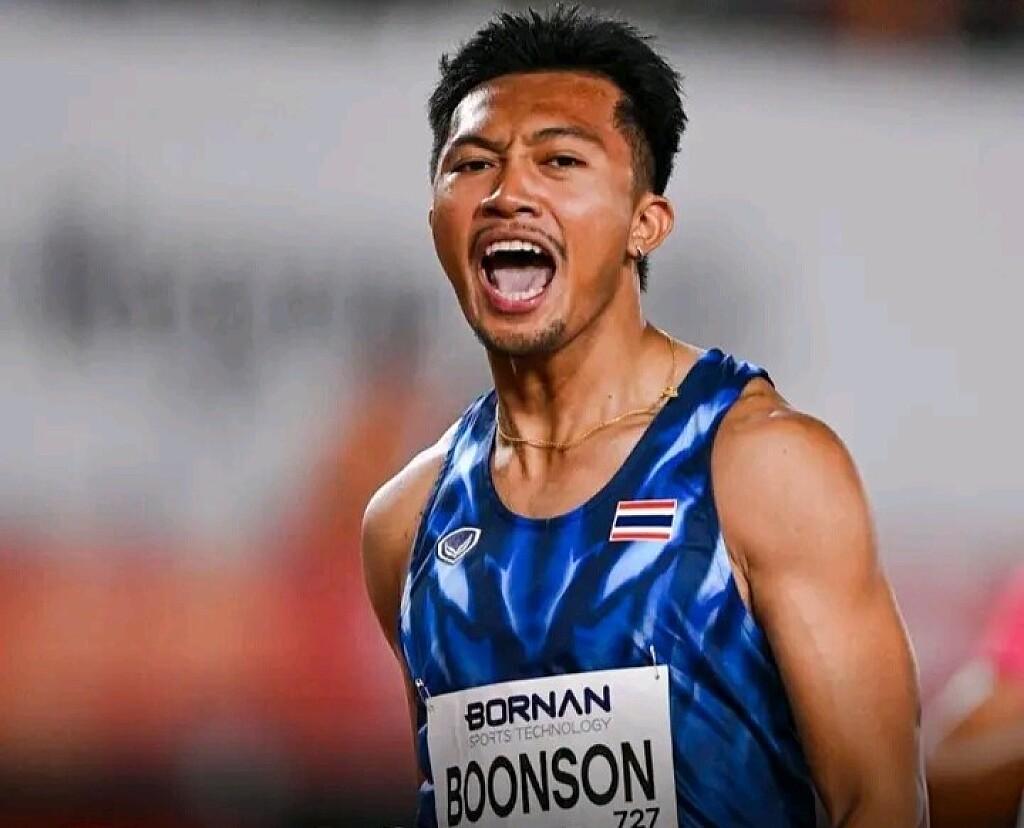
Puripol Boonson Completes Asian Games Sprint Double With Historic 19.88 Asian Record
Thailand’s Puripol Boonson has delivered a spectacular performance at the 2026 Asian Games in Nagoya, completing the men’s 100m and 200m sprint double while etching his name into Asian athletics history.
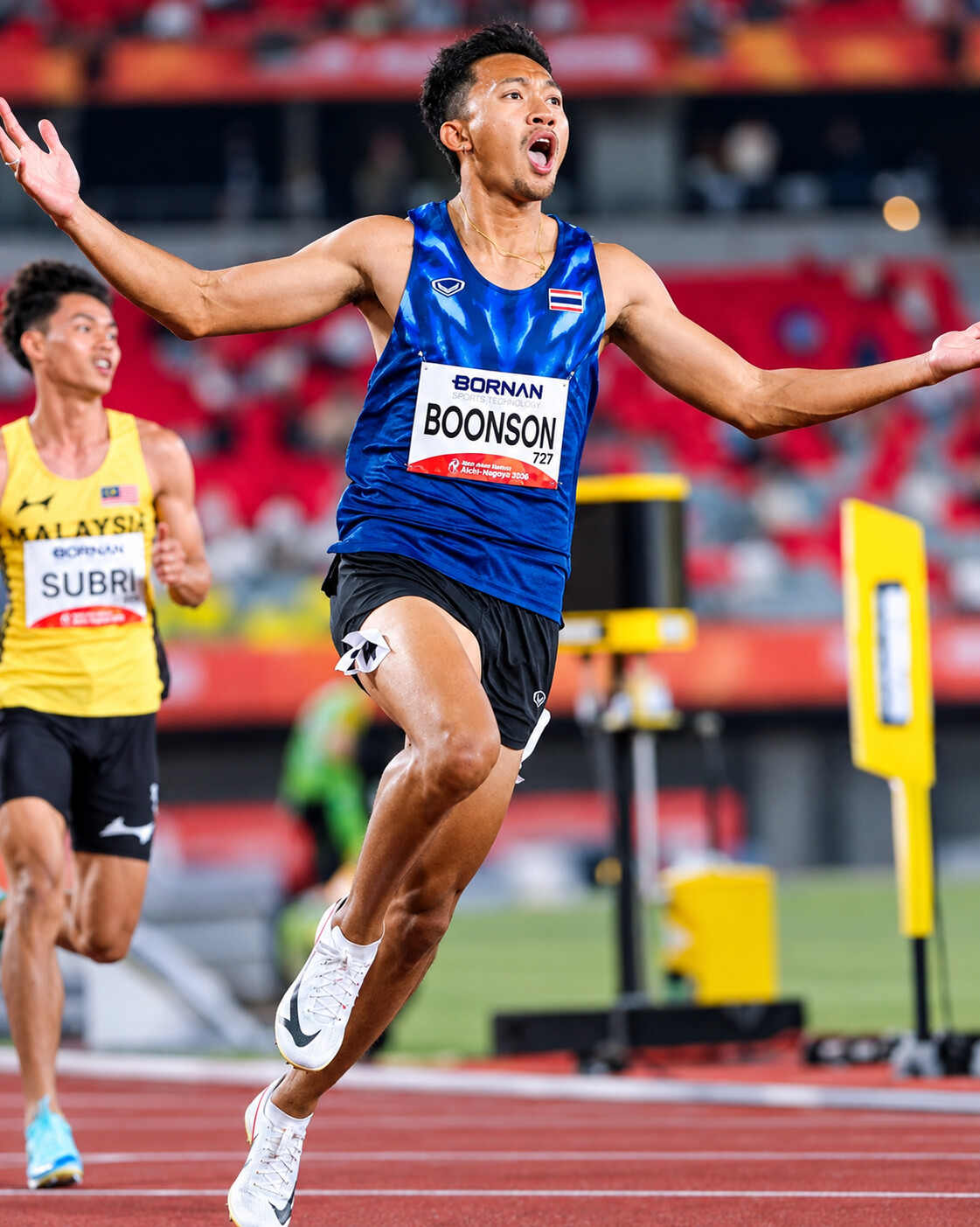
The 20-year-old produced the performance of his young career in the 200m final, powering to 19.88 seconds in drizzling rain to claim gold, set a new Thai national record and match the Asian record.
Boonson’s remarkable run came with a slight headwind of -0.3 m/s, making the performance even more impressive under the wet conditions.
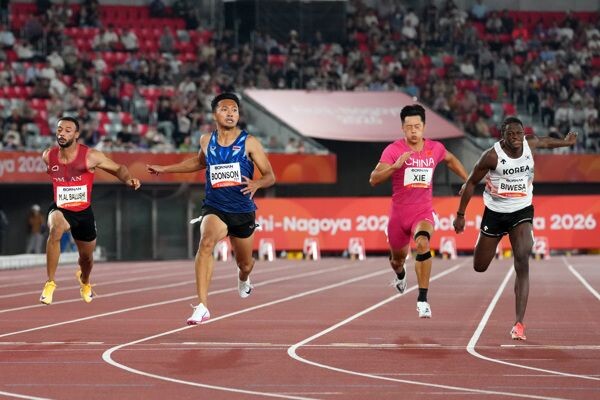
The Thai sprinter had already captured the 100m title earlier in the Games, and he returned to the track with the opportunity to complete the prestigious sprint double. He delivered in emphatic fashion, combining championship composure with world-class speed.
His winning time equalled the Asian record established by China’s Xie Zhenye in 2019, when Xie clocked 19.88 seconds at the London Diamond League. The mark had stood alone for seven years, with no other Asian athlete able to match it.
Until Boonson.
With his 19.88, Boonson also became only the third Asian man in history to break the 20-second barrier in the 200m, joining an exclusive group at the very top of the continent’s sprinting hierarchy.
China’s Youwen Huang produced a strong run for silver in 20.45 seconds, while Japan’s Soshi Mizukubo completed the podium with 20.56 seconds.
Boonson’s achievement carries enormous significance for Thailand as well. His victory makes him the country’s latest sprint sensation and adds another major milestone to a career that has developed rapidly over the past few seasons.
The 200m triumph also completed a remarkable double: 100m gold, 200m gold and a share of the Asian record.
What makes the performance particularly striking is that Boonson achieved the 19.88 in a championship final, where the primary objective is winning rather than chasing the clock. Yet he managed to combine both objectives, securing the gold medal while producing the fastest performance of his career.
At just 20 years old, Boonson now owns a 9.90-second personal best in the 100m and a 19.88-second personal best in the 200m. His latest performance suggests that Asia’s sprinting landscape is entering an exciting new chapter.
For seven years, Xie Zhenye’s 19.88 stood untouched at the top of the Asian rankings.
Now, Boonson stands beside him.
And with the Thai star still so young, the question is no longer whether he can match the Asian record — he already has.
The next challenge is to go one step further and make the record his alone.
Two finals. Two gold medals. A national record. An Asian record. Puripol Boonson has turned the Asian Games into a defining chapter of his young career.
by Erick Cheruiyot for My Best Runs.
Login to leave a comment
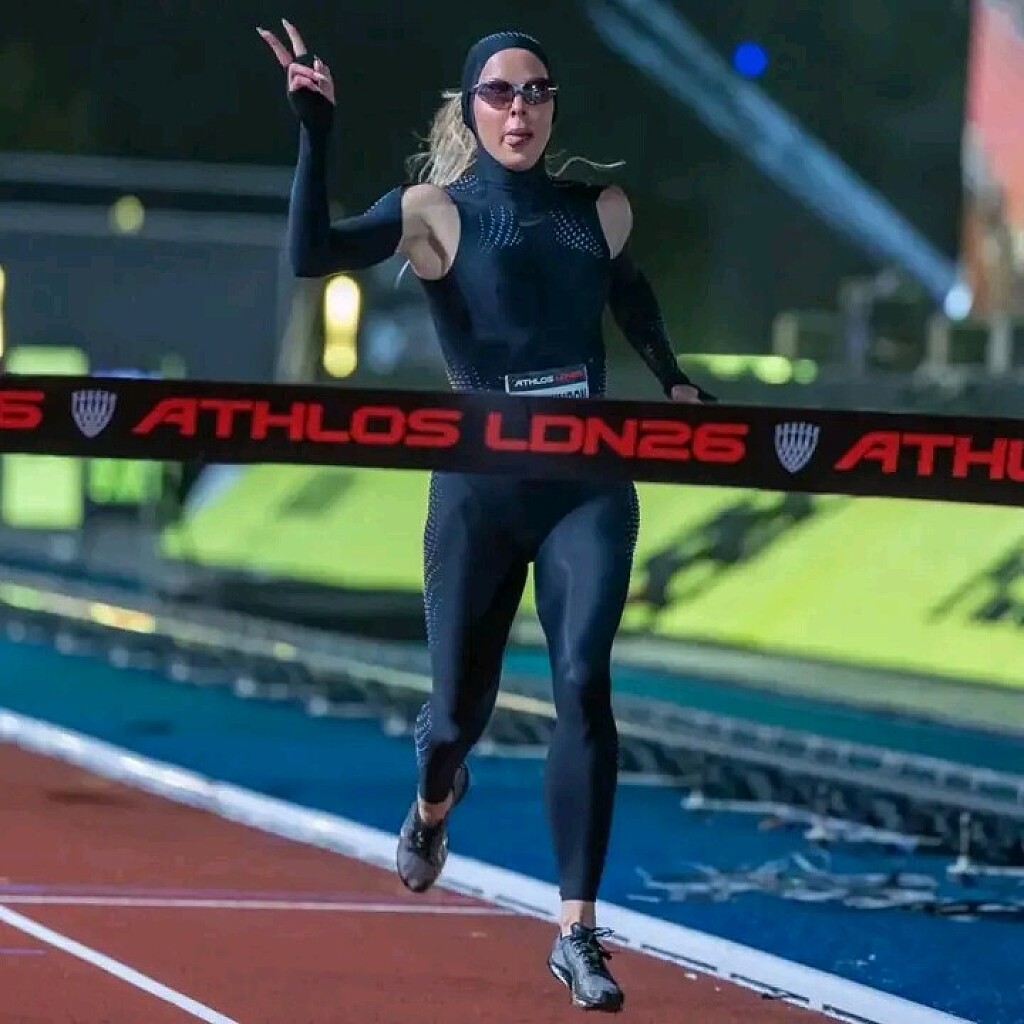
Richardson, Thomas, Hodgkinson And Kazimierska Shine At ATHLOS London
ATHLOS London brought the 2026 athletics season to a spectacular conclusion at StoneX Stadium, with a collection of global stars delivering standout performances across the sprints and middle-distance events.
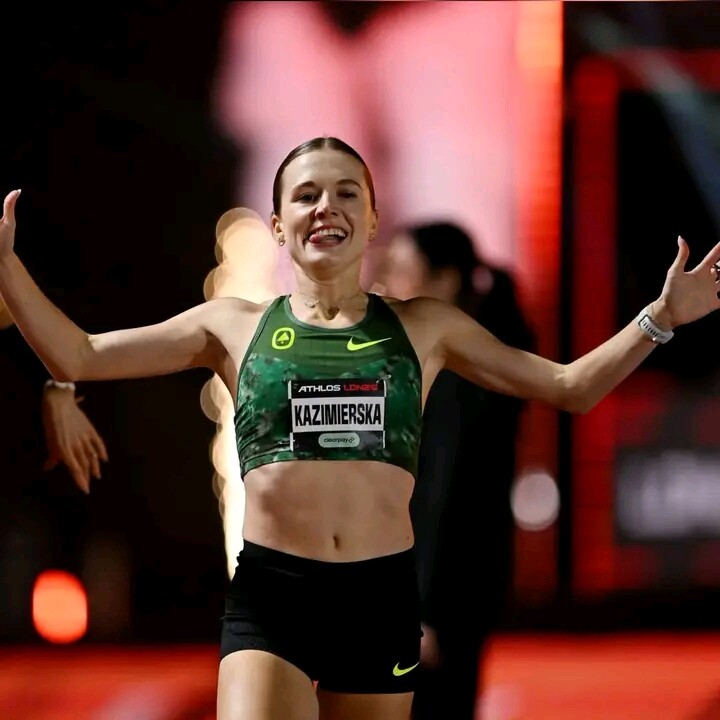
Among the biggest winners was Klaudia Kazimierska, who continued her extraordinary late-season run by claiming the women’s mile title in 4:19.43.
The Polish middle-distance star produced a powerful finishing kick to edge Britain’s Georgia Hunter Bell, who finished second in 4:19.54, while Kenya’s Dorcus Ewoi secured third in 4:19.84.
The victory completed a remarkable sequence for Kazimierska, who has now captured three major titles in succession. Her ATHLOS London triumph followed victories at the Diamond League Final and the inaugural World Athletics Ultimate Championship, giving her a remarkable finish to the 2026 season.
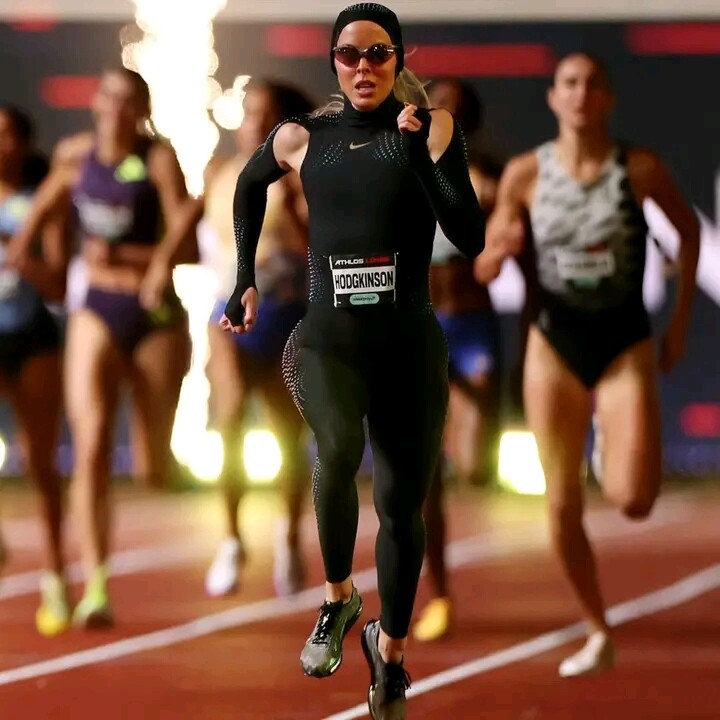
Kazimierska was not the only athlete to leave London with a major title, however, as Keely Hodgkinson produced a dominant performance to successfully defend her ATHLOS London 800m crown.
The British star took command from the opening stages and controlled the race from the front, building a substantial advantage before powering across the line in 1:56.40.
Her performance established a new ATHLOS London meeting record, with Hodgkinson finishing more than two seconds ahead of Switzerland’s Valentina Rosamilia, who ran 1:58.75. France’s Rénelle Lamote was third in 2:00.15.
American Juliette Whittaker finished fourth in 2:00.46, Ireland’s Sophie O’Sullivan was fifth in 2:00.53, and American Raevyn Rogers completed the field in 2:01.12.
The victory provided Hodgkinson with a powerful ending to a turbulent outdoor campaign that had included a canal accident and a hamstring injury, alongside silver-medal finishes at the European Championships and the World Athletics Ultimate Championship.
She also attracted attention with her specially designed Nike racing suit, a futuristic full-length black hooded design with an open back, created with mobility and aerodynamics in mind, complemented by Nike sunglasses.
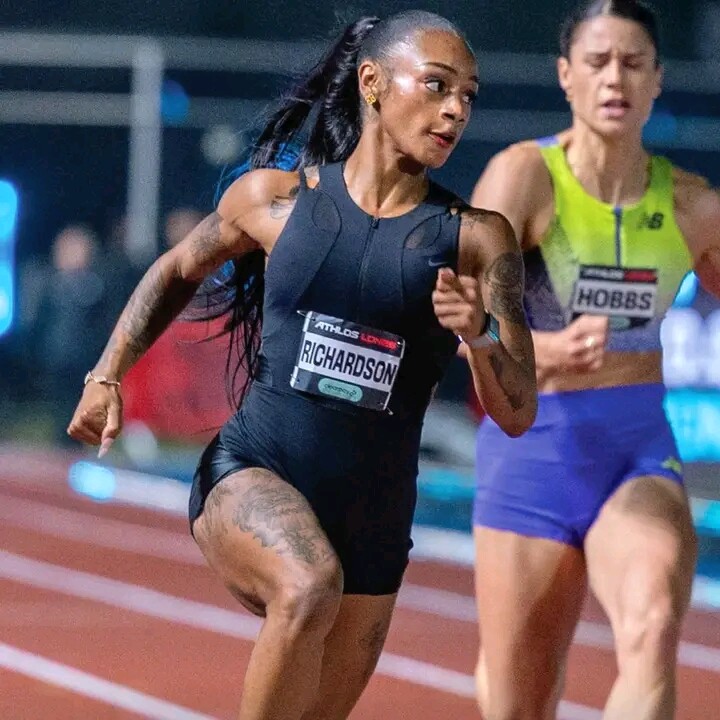
The sprint programme added even more star power to the night with Sha’Carri Richardson producing a meeting-record performance of her own in the women’s 100m.
Richardson stormed to victory in 10.80 seconds, with no wind assistance, to take the ATHLOS London title. New Zealand’s Zoe Hobbs finished second in 11.19, while American Anavia Battle claimed third in 11.25.
Britain’s Imani Lansiquot crossed fourth in 11.35, narrowly ahead of compatriot Daryll Neita, who clocked 11.36, while Canada’s Sade McCreath finished sixth in 11.47.
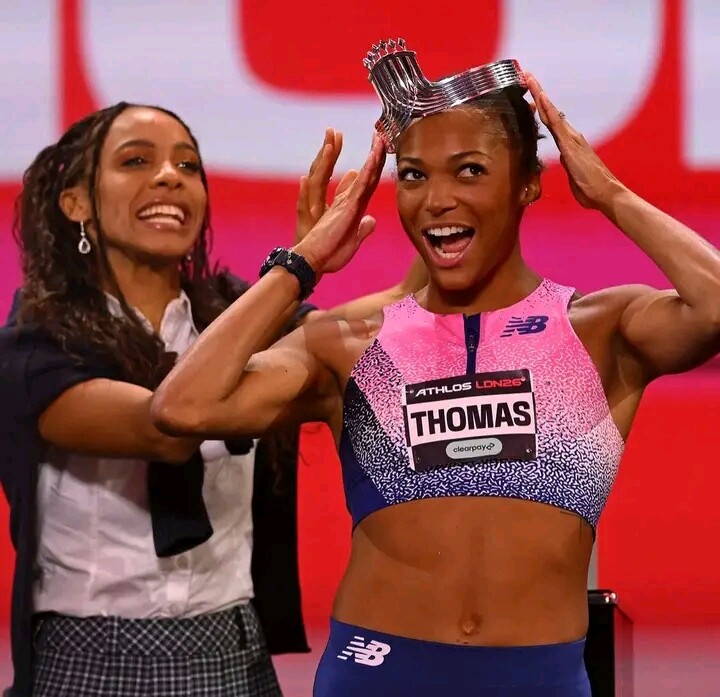
The American sprint success continued in the women’s 200m, where Gabby Thomas added another major title to her collection with a composed victory in 22.13 seconds.
Thomas held off fellow Americans Kayla White and Anavia Battle in a tightly contested final. White finished second in 22.40, while Battle, who had already secured third in the 100m, completed another podium appearance by taking bronze in 22.43.
Thomas’s victory further highlighted the depth of American sprinting at ATHLOS London, as the Olympic and world-level star produced another big-stage performance to close out her season with the 200m crown.
With Richardson and Thomas dominating the sprint headlines, Hodgkinson controlling the 800m and Kazimierska producing another decisive victory over the mile, ATHLOS London delivered an evening packed with major champions and fast performances.
For Kazimierska, the night completed an extraordinary run of three consecutive major titles. For Hodgkinson, it was a statement finish in front of her home crowd. Richardson and Thomas, meanwhile, ensured the American sprint contingent also left London with major victories.
ATHLOS London therefore closed the 2026 season in emphatic fashion, with several of the sport’s biggest names providing performances that will stand among the memorable moments of the year.
Login to leave a comment
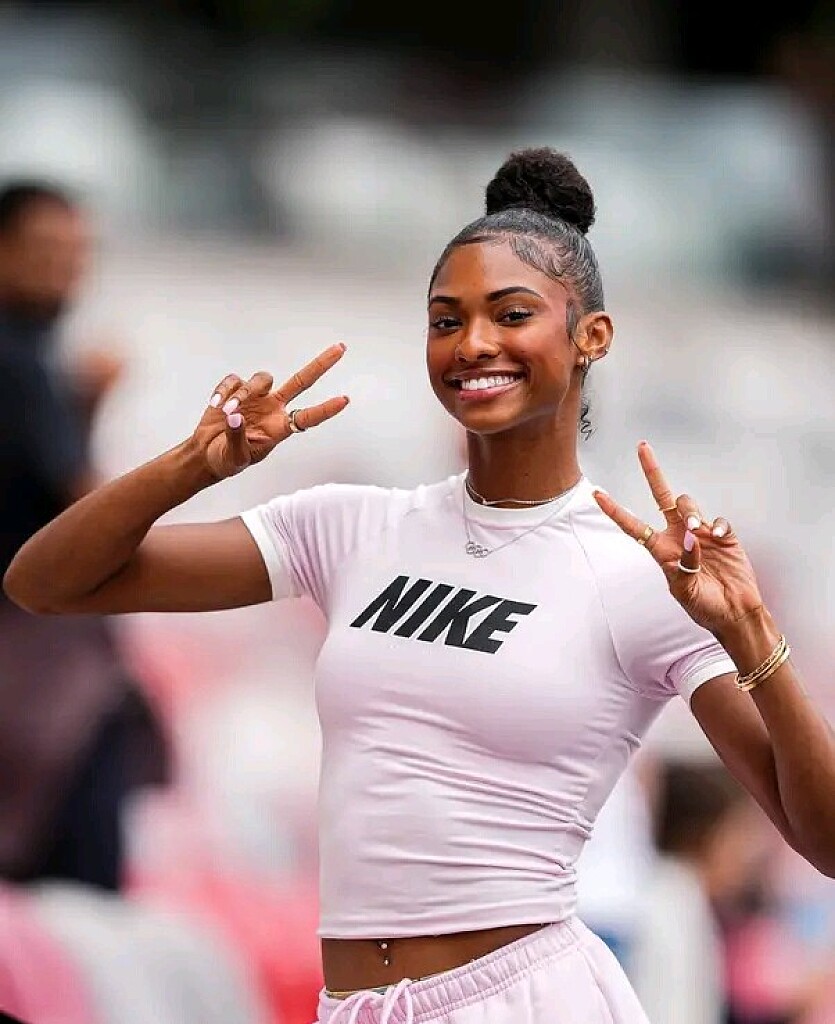
Masai Russell Ends Perfect 2026 Season After 14 Straight Wins
Masai Russell has called time on a remarkable 2026 campaign, withdrawing from ATHLOS London and ending a season in which the Olympic champion won every race she contested.
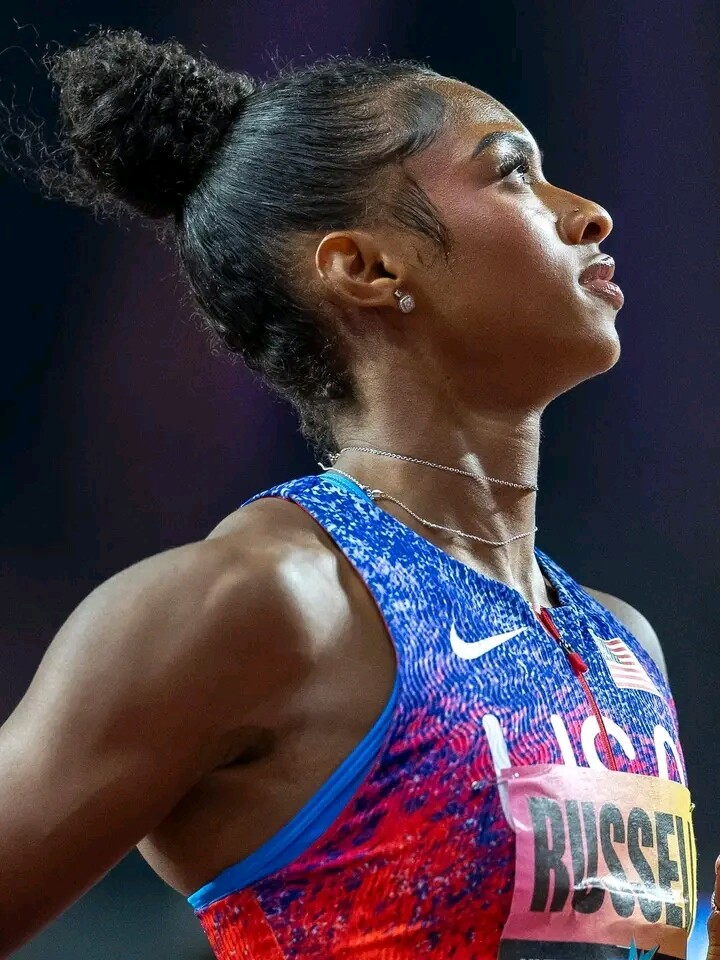
The American hurdler confirmed the decision on September 15, just days before ATHLOS London’s September 18 meeting at StoneX Stadium. Russell said she and her team believe stepping away is the right decision for her body as they turn their attention to what comes next.
“I'm grateful for everyone who has supported me throughout this year,” Russell said in her message to fans, before signing off with a promise to return to the track in 2027.
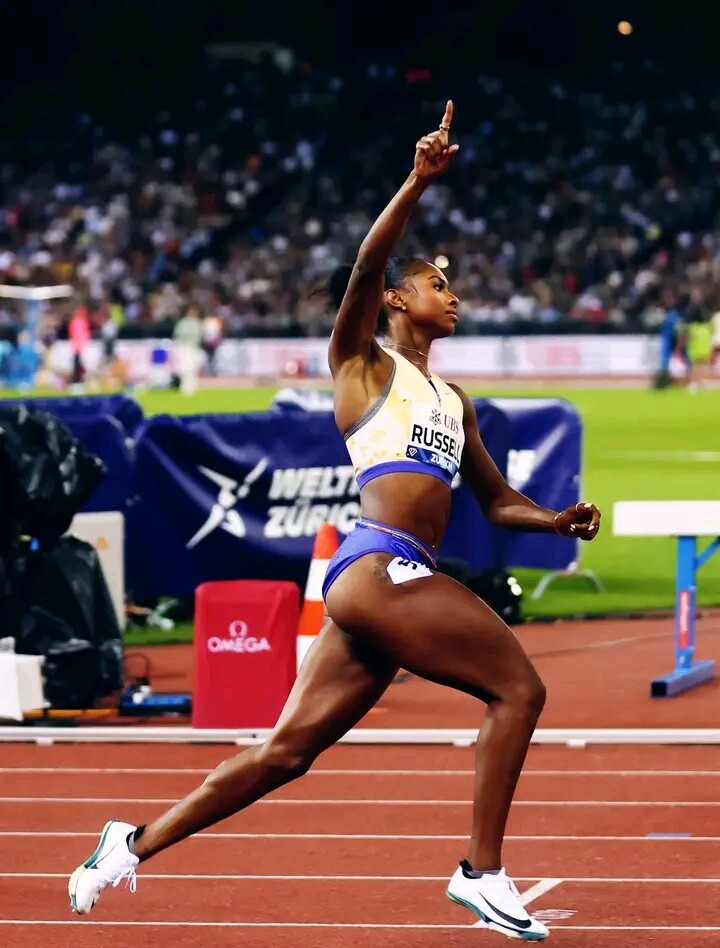
It brings an extraordinary season to a close: 14 races, 14 victories and an unbeaten record in 2026.
Russell’s season reached another level in August when she produced one of the defining performances of the year at the Weltklasse meeting in Zurich. The Olympic champion stormed to 12.09 seconds in the 100m hurdles, breaking Tobi Amusan’s world record of 12.12 and becoming the fastest woman ever over the barriers.
The performance was not a one-off. Russell followed her world-record run by winning the Diamond League Final in Brussels in 12.20 seconds before heading to Budapest for the inaugural World Athletics Ultimate Championship.
In Budapest, she completed her perfect season in style, winning the 100m hurdles in 12.22 seconds ahead of Nigeria’s Tobi Amusan and the Netherlands’ Nadine Visser. The victory was Russell’s 14th of the year and secured her unbeaten record for 2026.
Her withdrawal means fans will not get to see the world-record holder compete at ATHLOS London, where she had originally been announced among the star-studded field. The event takes place at StoneX Stadium on Friday, September 18, as ATHLOS makes its first international appearance.
For Russell, however, the decision closes the chapter on a season that has already placed her among the defining figures of the 2026 athletics campaign.
She has collected Olympic, Diamond League and World Athletics Ultimate Championship success, while adding a world record that erased one of the most significant marks in women's sprint hurdles.
And perhaps most remarkably, she did it without losing a single race.
Now Russell turns her attention to recovery, preparation and whatever comes next.
After a year of 14 wins from 14 races, a world record and an unbeaten streak, the next time Masai Russell steps onto the track will be in 2027 — with the 12.09 world-record holder entering a new season carrying an entirely different level of expectation.
by Erick Cheruiyot for My Best Runs.
Login to leave a comment
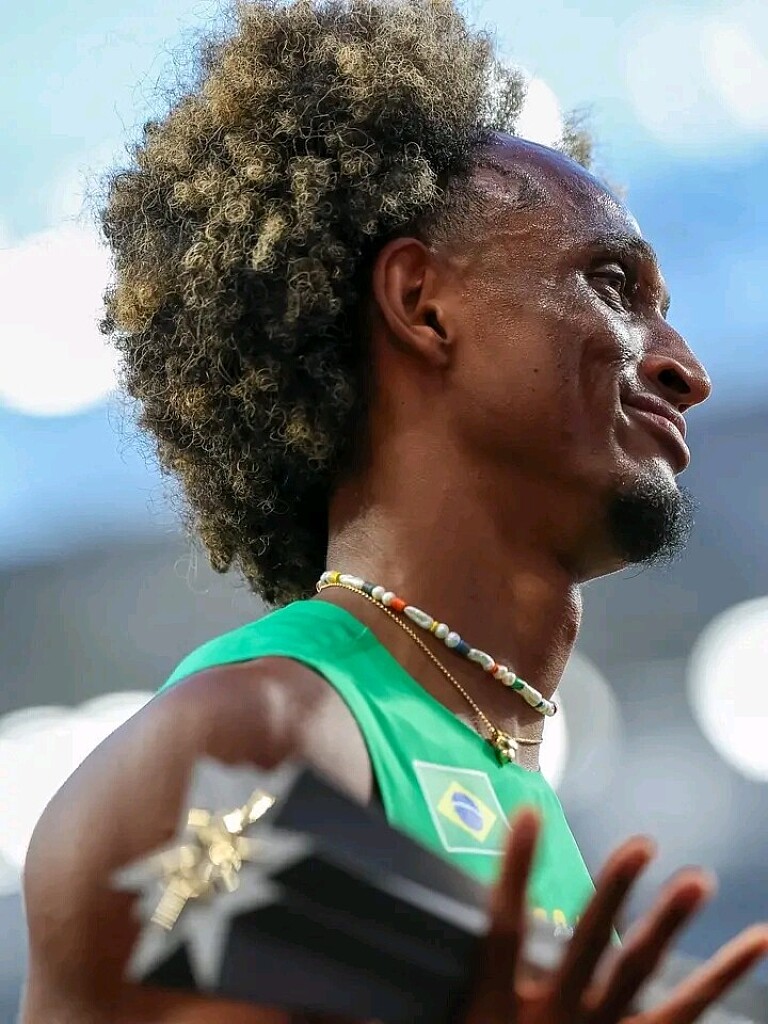
Alison Dos Santos Roars Again! World Record Holder Claims Ultimate 400m Hurdles Crown
Alison dos Santos has finished his season in spectacular fashion, adding the World Athletics Ultimate Championship title to an extraordinary run of form that has seen the Brazilian repeatedly produce performances at the highest level.
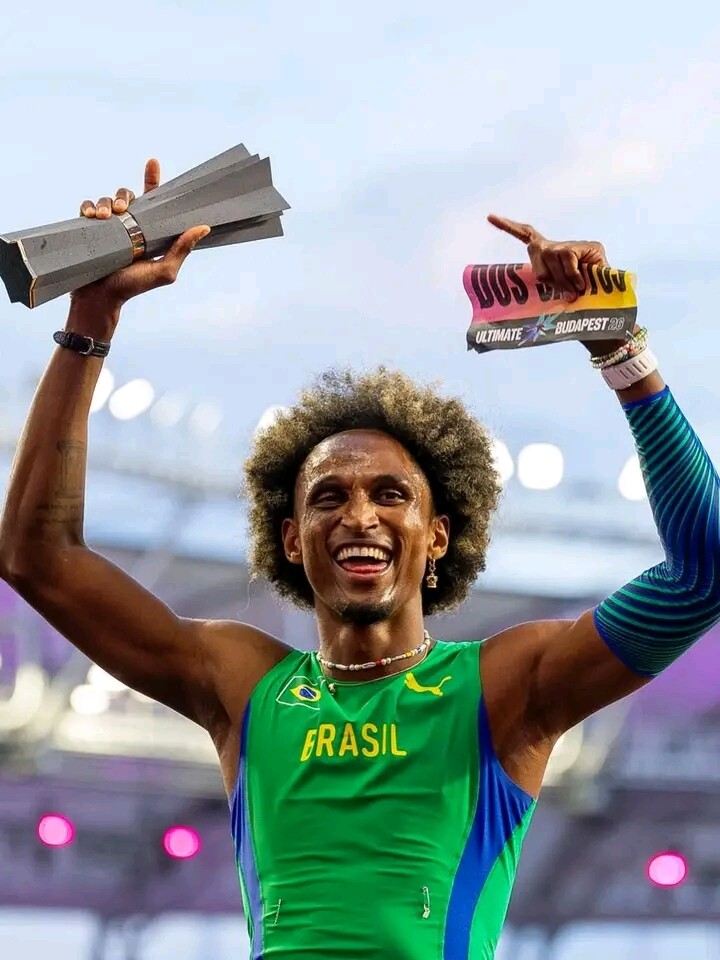
The world record holder stormed to victory in the men's 400m hurdles in Budapest, clocking a stunning 45.98 seconds to secure the ultimate crown and cap a memorable campaign in style.
Dos Santos entered the championship full of confidence after winning the Diamond League Trophy last weekend. His latest triumph came only a few weeks after his historic 45.80 world record in Zürich, making his Budapest performance another remarkable sub-46-second run.
The Brazilian once again displayed his trademark combination of speed, rhythm and control between the barriers. Although he could not quite reproduce his world-record time, his 45.98 was more than enough to defeat two of the biggest names in the event.
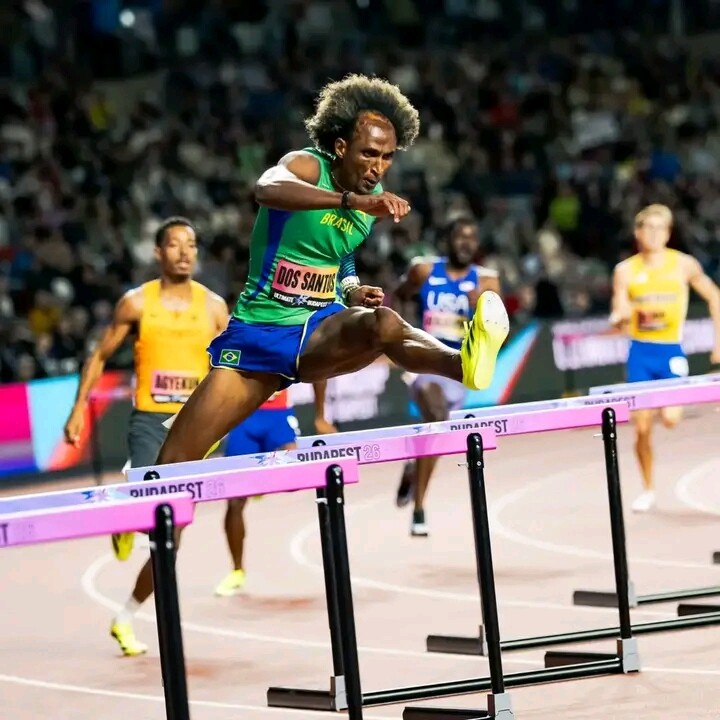
Rai Benjamin pushed hard throughout the race and finished second in 46.40 seconds, while Norwegian superstar Karsten Warholm secured third place in 46.78. The result once again highlighted the extraordinary depth and quality of a 400m hurdles event that has been dominated by these three giants in recent years.
For Dos Santos, however, the night belonged entirely to him. He not only walked away with the Ultimate Championship gold medal but also became the first man to record two sub-46-second performances over the 400m hurdles, underlining just how exceptional his current form has been.
His 45.80 world record in Zürich had already sent shockwaves through athletics, but returning a few weeks later to run 45.98 against Benjamin and Warholm shows that his record-breaking performance was no one-off.
Instead, Dos Santos has established a level of consistency rarely seen in the event. He has combined championship pressure with extraordinary speed, finishing his season as the Diamond League champion and now the Ultimate champion.
The Brazilian's latest victory is a fitting conclusion to a season in which he has continued to strengthen his reputation as one of the greatest 400m hurdlers of his generation.
From the world record in Zürich to the Diamond League Trophy and now the Ultimate Championship crown, Dos Santos has delivered a season-ending statement that will be difficult for his rivals to ignore.
What a way for the world record holder to finish the season — roaring across the line in 45.98 seconds and leaving Budapest with another major title to his name.
by Erick Cheruiyot for My Best Runs.
Login to leave a comment
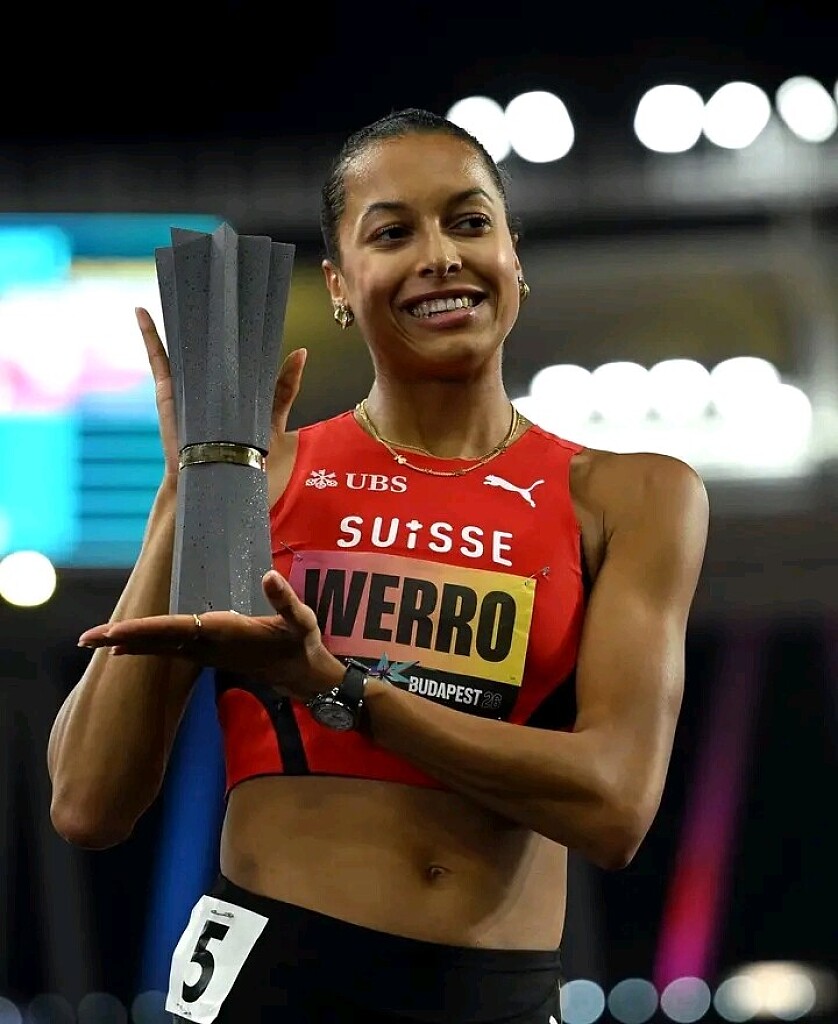
Audrey Werro Rules The 800m As Swiss Star Claims Ultimate Championships Crown
Audrey Werro has added another major title to her extraordinary season, storming to victory in the women’s 800m at the inaugural World Athletics Ultimate Championships in Budapest.
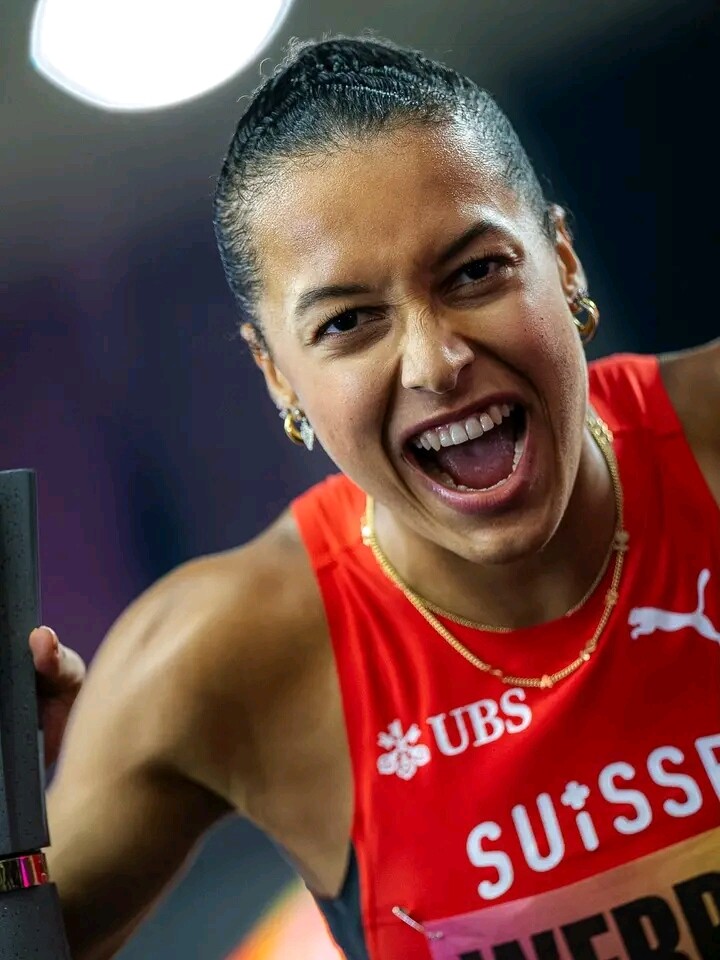
The Swiss star delivered a commanding performance, taking control from the opening gun and refusing to surrender the lead as she powered through an absorbing battle against two of the biggest names in the event.
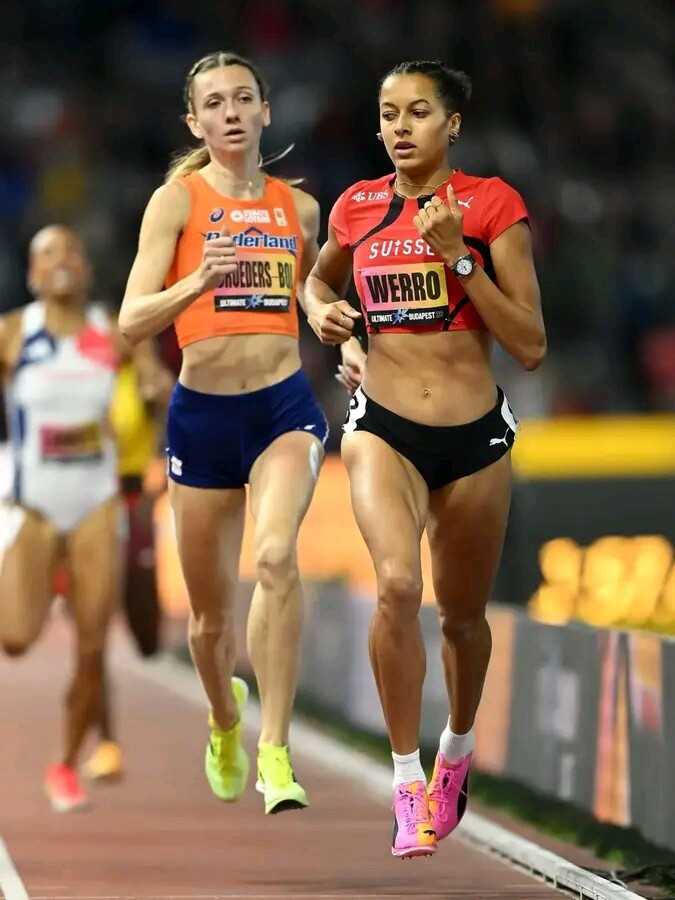
Werro stopped the clock at 1:55.88 to become the Ultimate Championships 800m champion, producing another statement performance on one of the sport’s newest and most prestigious stages.
Behind her, Great Britain’s Keely Hodgkinson fought her way to second in 1:56.26, while the Netherlands’ Femke Broeders-Bol completed the podium in 1:56.74.
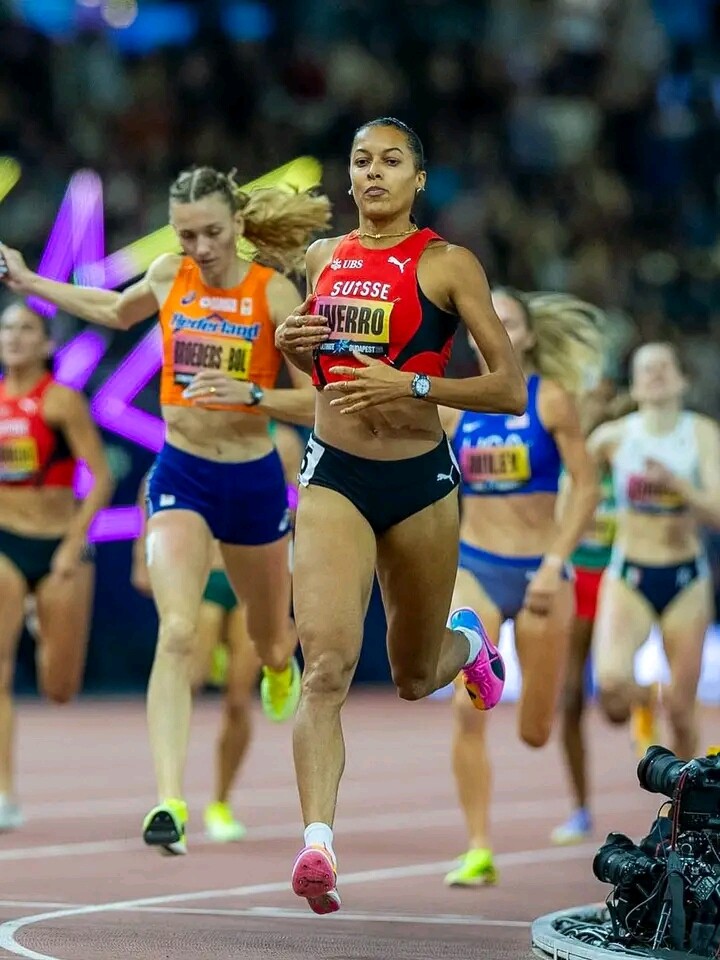
The result once again brought together the same formidable trio that featured on the podium at the European Championships, but Werro again proved to be the athlete who could rise above the challenge when it mattered most.
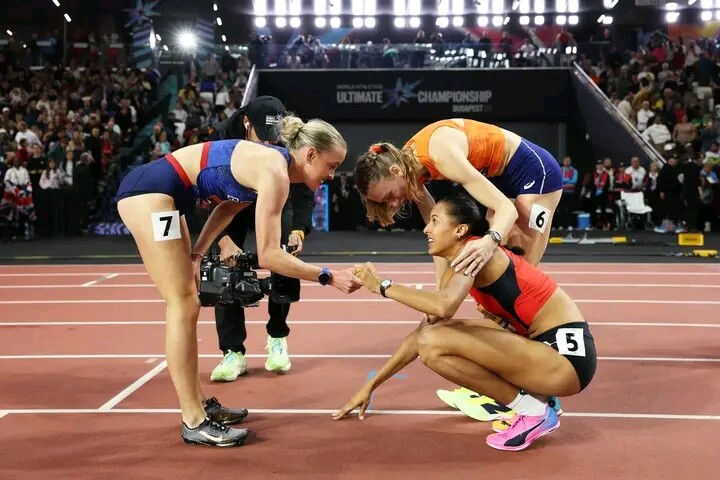
Her Budapest triumph is the latest chapter in a season that has already included records, a successful Diamond League Trophy defence and European Championship gold. Now, she can add the Ultimate Championships crown to a growing list of accomplishments.
Werro’s consistency has been particularly impressive in an 800m event packed with elite talent. Rather than simply relying on a fast finish, the Swiss athlete showed her authority by taking the initiative from the beginning and maintaining enough strength and composure to hold off Hodgkinson and Broeders-Bol all the way to the line.
The victory also underlined the remarkable depth of the women’s 800m, with three athletes separated by less than a second at the finish. Hodgkinson’s 1:56.26 and Broeders-Bol’s 1:56.74 showed just how fiercely contested the race was, but Werro’s decision to dictate the pace ultimately gave her the decisive advantage.
For Werro, this was more than another medal. It was another opportunity to demonstrate that her rise is no passing moment. On a stage featuring established champions and elite rivals, she once again produced the performance required to claim the biggest prize.
For Hodgkinson, the silver medal adds another major podium finish, while Broeders-Bol once again demonstrated her ability to compete with the very best over two laps.
But the spotlight in Budapest belonged unmistakably to Werro.
With another championship crown secured, the Swiss star has strengthened her claim as the athlete setting the standard in women’s 800m running. This is Audrey Werro’s era — and the rest of the field is chasing.
by Erick Cheruiyot for My Best Runs.
Login to leave a comment
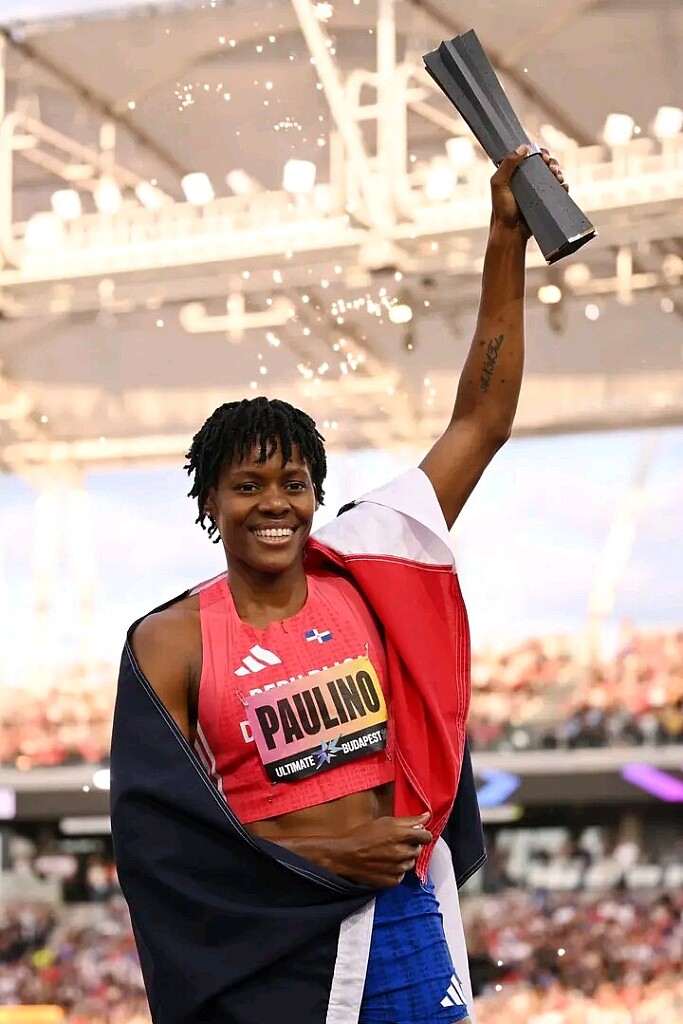
Marileidy Paulino Strikes Again To Rule The One-Lap Showdown In Budapest
Marileidy Paulino once again proved why she is the undisputed queen of the one-lap event, powering to victory in the women’s 400m at the inaugural World Athletics Ultimate Championship in Budapest.
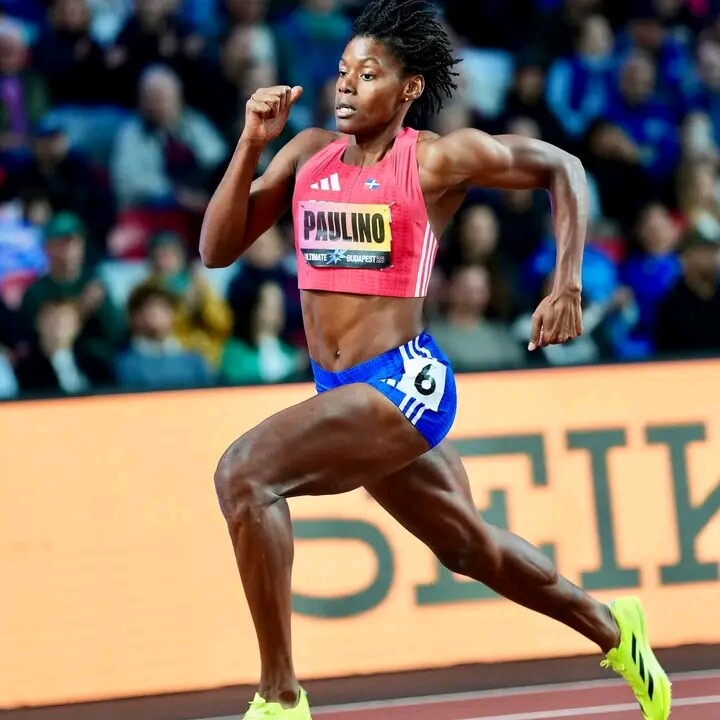
The Dominican Republic superstar produced a sensational 49.07 seconds to claim gold, pulling decisively away in the final straight and holding off a fiercely competitive field to extend her remarkable unbeaten run.
Paulino delivered her trademark combination of controlled speed and devastating finishing strength. She remained firmly in contention through the opening stages before unleashing her decisive move down the home straight, where she quickly opened a gap on her closest challengers.
Norway’s Henriette Jæger mounted a strong challenge but could not match Paulino’s finishing speed, crossing the line second in an impressive 49.28. Jamaica’s Nickisha Pryce completed the podium after clocking 49.56, ensuring that three of the world’s leading 400m talents occupied the medals.
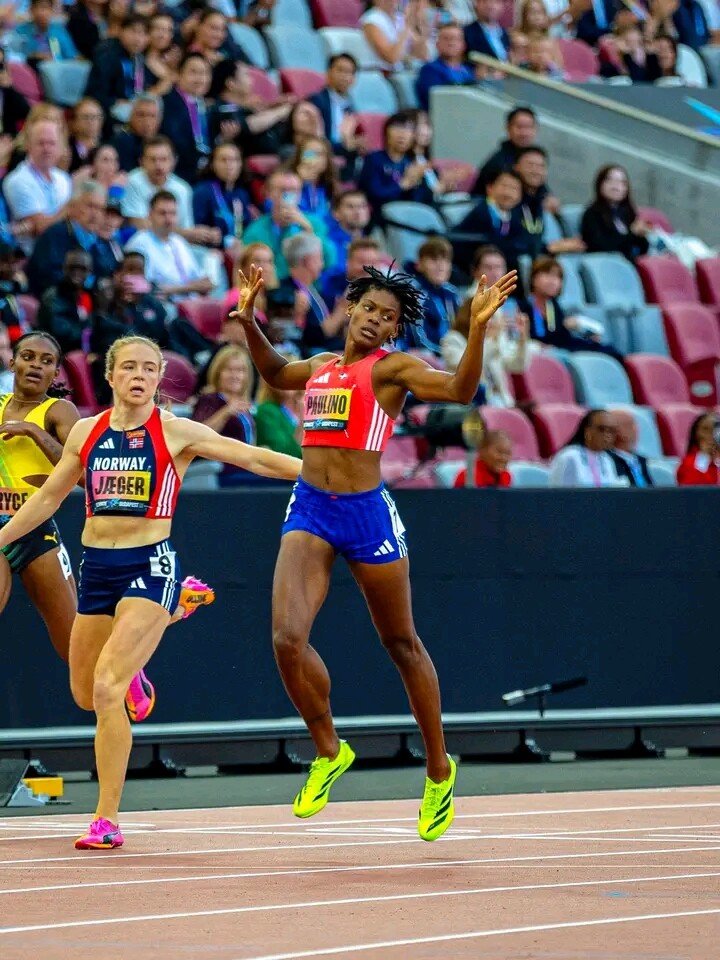
The result once again underlined Paulino’s extraordinary consistency at the highest level. She entered Budapest as the world leader after running 48.48 in Paris in June, a performance that also set a Diamond League record. She subsequently remained unbeaten throughout her Diamond League campaign, closing the circuit with a meeting-record 48.64 in Brussels.
Budapest has also become a special venue in Paulino’s career. Three years ago, at the same National Athletics Centre, she captured her first individual world title, marking the beginning of another dominant chapter in her career. She later added Olympic gold in Paris in 2024, further establishing herself among the defining 400m athletes of her generation.
The inaugural World Athletics Ultimate Championship has brought together the sport’s biggest stars in a new winner-takes-the-spotlight format, with Olympic and world champions, Diamond League winners and leading performers competing for ultimate honours.
For Paulino, the occasion once again ended with Ultimate Crown on her arms.
With 49.07 seconds, she did more than win another major 400m title. She delivered another statement of authority, powering through the final straight with the confidence and speed that have made her one of the most dominant figures in modern women’s athletics.
Marileidy Paulino remains unbeaten, remains relentless and, once again, remains the queen of the one lap.
by Erick Cheruiyot for My Best Runs.
Login to leave a comment
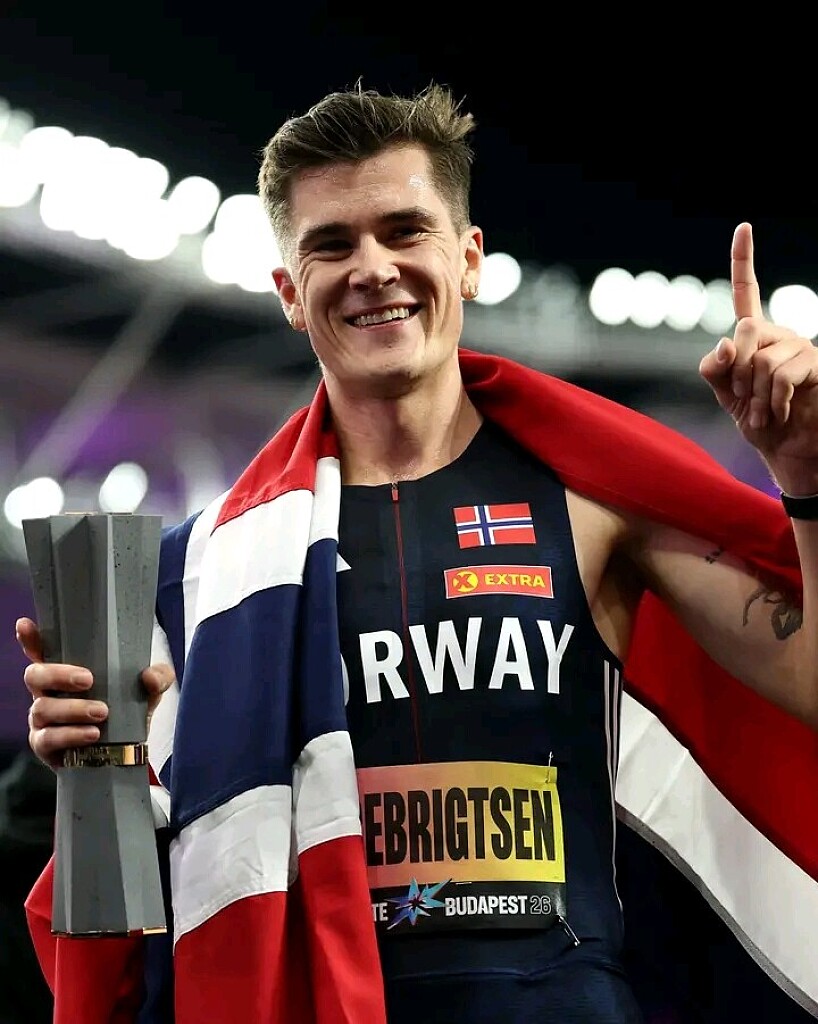
Jakob Ingebrigtsen Withdraws From Budapest 1500m After Stunning 5000m Victory: “Fitness Cannot Be Faked”
Jakob Ingebrigtsen has made a major decision regarding the remainder of his World Athletics Ultimate Championship campaign, confirming that he will withdraw from the men’s 1500m in Budapest despite producing a sensational performance to win the 5,000m title.
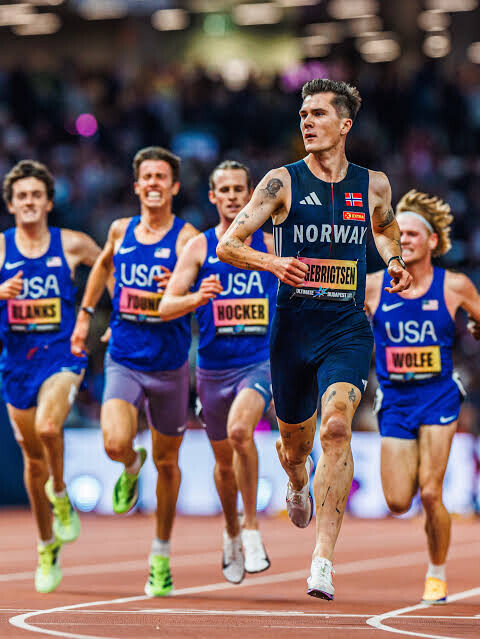
The Norwegian superstar stormed to victory in the inaugural Ultimate Championship 5,000m on Friday night, clocking a season-best 12:59.24 and delivering a devastating finishing kick to defeat Olympic 5,000m champion Cole Hocker and American Parker Wolfe.
Ingebrigtsen’s final 100 metres was arguably the defining moment of the race. The Olympic champion produced a remarkable 12.60-second closing 100m, powering away from the field to secure the $150,000 winner’s prize and underline just how far his fitness has progressed since returning from Achilles surgery.
The victory was particularly significant after what has been an extremely difficult period for the 25-year-old. Earlier in the season, Ingebrigtsen faced serious uncertainty over whether he would even be able to compete at the highest level again. His return has gradually gathered momentum, and his performance in Budapest offered perhaps the clearest indication yet that the Norwegian is rediscovering his formidable racing ability.
But rather than risk pushing his recovering body further, Ingebrigtsen has now opted to step away from the 1500m.
The decision means the highly anticipated showdown with British rival Josh Kerr will not take place in Budapest after all. The two stars had been expected to renew one of the biggest rivalries in modern middle-distance running in the 1500m final.

Instead, Ingebrigtsen is looking beyond the immediate opportunity and towards the bigger picture.
“I’m thinking about 2027… Fitness cannot be faked,” the Norwegian said, signalling that protecting his long-term condition has become more important than chasing another major victory only days after his return to peak-level competition.
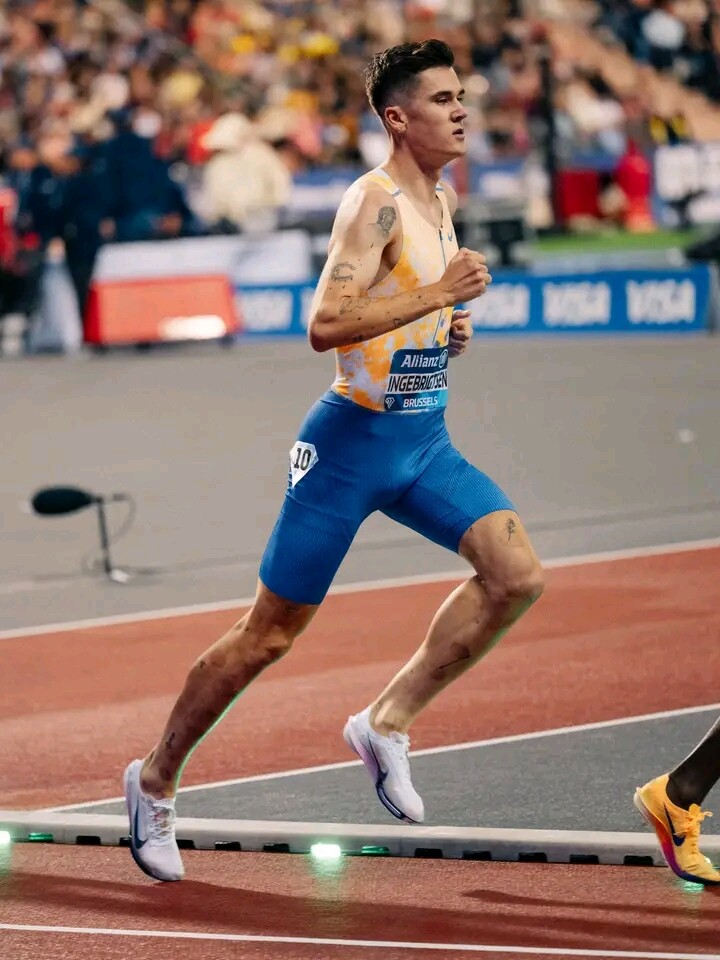
The decision comes just one week after an emotionally charged Diamond League Final in Brussels, where Ingebrigtsen finished fourth in the 1500m behind Australia’s Cameron Myers, Kenya’s Phanuel Kipkosgei Koech and American Ethan Strand.
After that race, Ingebrigtsen delivered a fiery assessment of his rivals and questioned the tactics surrounding the pacemaking, particularly involving Hocker. He later acknowledged that there had been “a little too much adrenaline and emotion” when microphones were placed in front of him immediately after the race.
Yet his latest decision shows that beneath the emotion and competitive intensity lies a longer-term strategy.
Ingebrigtsen has already demonstrated that he can compete at an elite level again. His 12:59.24 in Budapest was not simply a victory — it was a statement that the Norwegian remains capable of producing a world-class finish even after months of injury rehabilitation.
Now, however, he is choosing not to gamble with that progress.
For a runner who has spent much of the year fighting his way back from injury, another 1500m race could have offered enormous rewards but also carried unnecessary risk. By withdrawing, Ingebrigtsen is effectively prioritising longevity over one more opportunity for immediate glory.
His message is clear: the comeback is underway, but it will not be rushed.
The 5,000m victory has given Ingebrigtsen confidence, momentum and perhaps, most importantly, proof that his body can once again handle elite competition.
Now comes the harder part — knowing when to stop.
With 2027 already firmly in his sights, the Norwegian has chosen recovery over risk. And after everything he has endured, that could ultimately prove to be one of the most important decisions of his comeback.
Jakob Ingebrigtsen is not walking away from the sport. He is protecting his future in it.
by Erick Cheruiyot for My Best Runs.
Login to leave a comment
Keely Hodgkinson Strikes First In Budapest As Olympic Champion Leads 800m Finalists
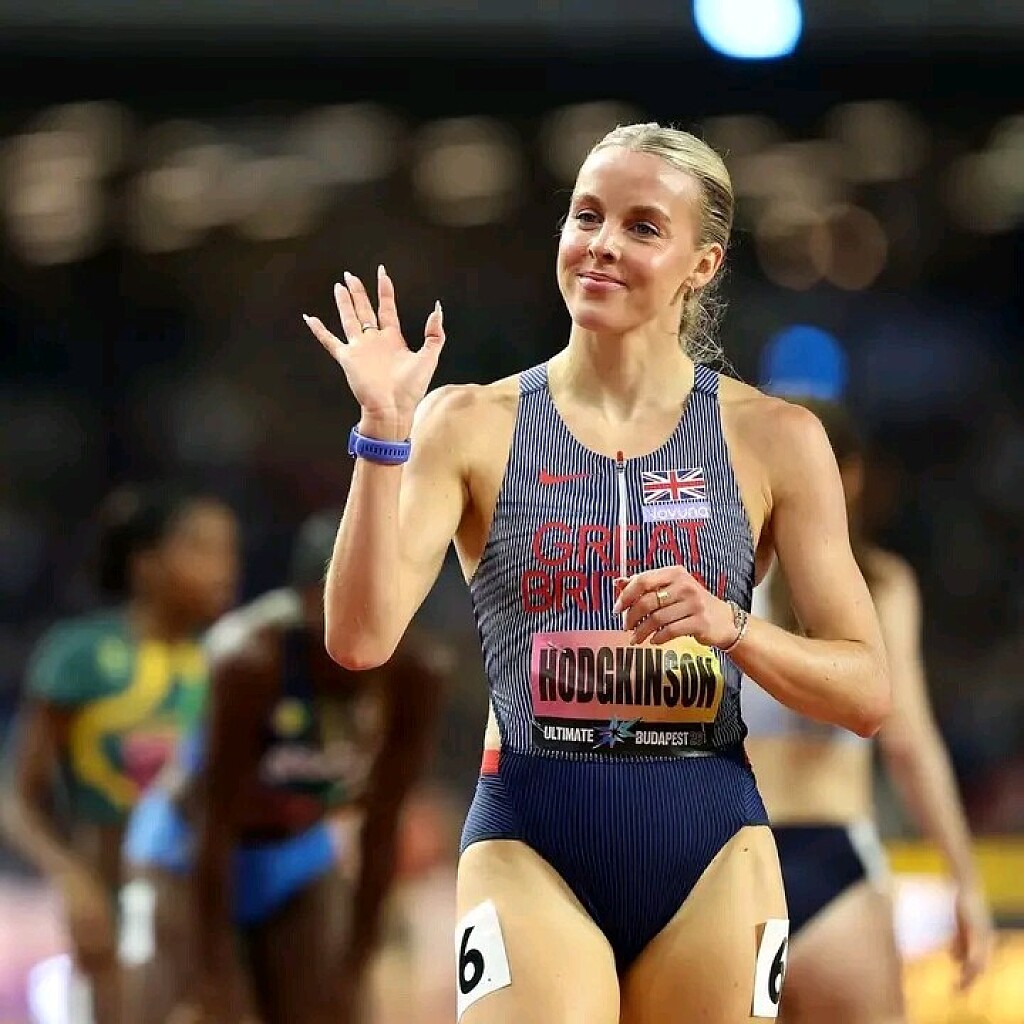
Keely Hodgkinson made a powerful return to the track at the World Athletics Ultimate Championship in Budapest on September 11, storming to victory in the opening women’s 800m semifinal in 1:57.57 to record the fastest time across both semifinals and immediately establish herself as the athlete to beat in the final.
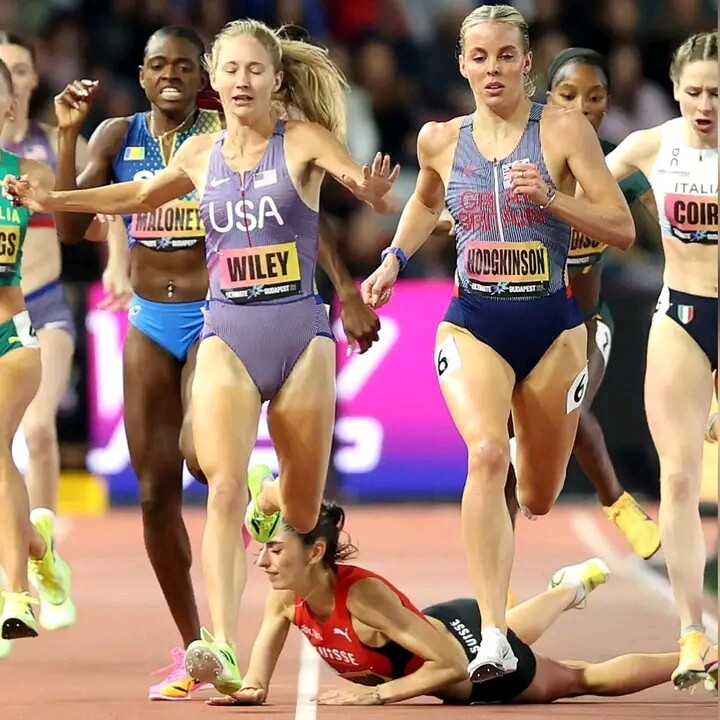
The British Olympic champion looked composed from the opening metres, taking control of the race before gradually increasing the pressure as the finish approached. Hodgkinson produced a decisive surge over the final 200 metres, pulling clear of her rivals and crossing the line comfortably in 1:57.57.
Addison Wiley of the United States followed in 1:58.14, while Australia’s Sarah Billings secured third in 1:58.37. Italy’s Eloisa Coiro also produced a strong performance to finish fourth in 1:58.48, ensuring that the opening semifinal was packed with sub-two-minute performances.
For Hodgkinson, the performance was particularly significant given the circumstances surrounding her return. She had not raced since winning silver at last month’s European Championships and subsequently missed the closing Diamond League meetings, including the Brussels Final, because of hamstring discomfort.
There was little evidence of any lingering problem in Budapest. Hodgkinson appeared relaxed and confident throughout the race, before shifting gears when it mattered most and delivering a performance that immediately put the rest of the field on notice.
The race also contained a dramatic twist in the closing stages when Switzerland’s Veronica Vancardo suffered a heavy fall following contact with Coiro. Despite the setback, Vancardo recovered and eventually crossed the finish line in 2:16.75.
Officials subsequently reviewed the incident and advanced Vancardo to the final, giving her a place in the championship race despite finishing well outside the automatic qualifying positions. Her advancement added another layer of drama to an already eventful night in Budapest.
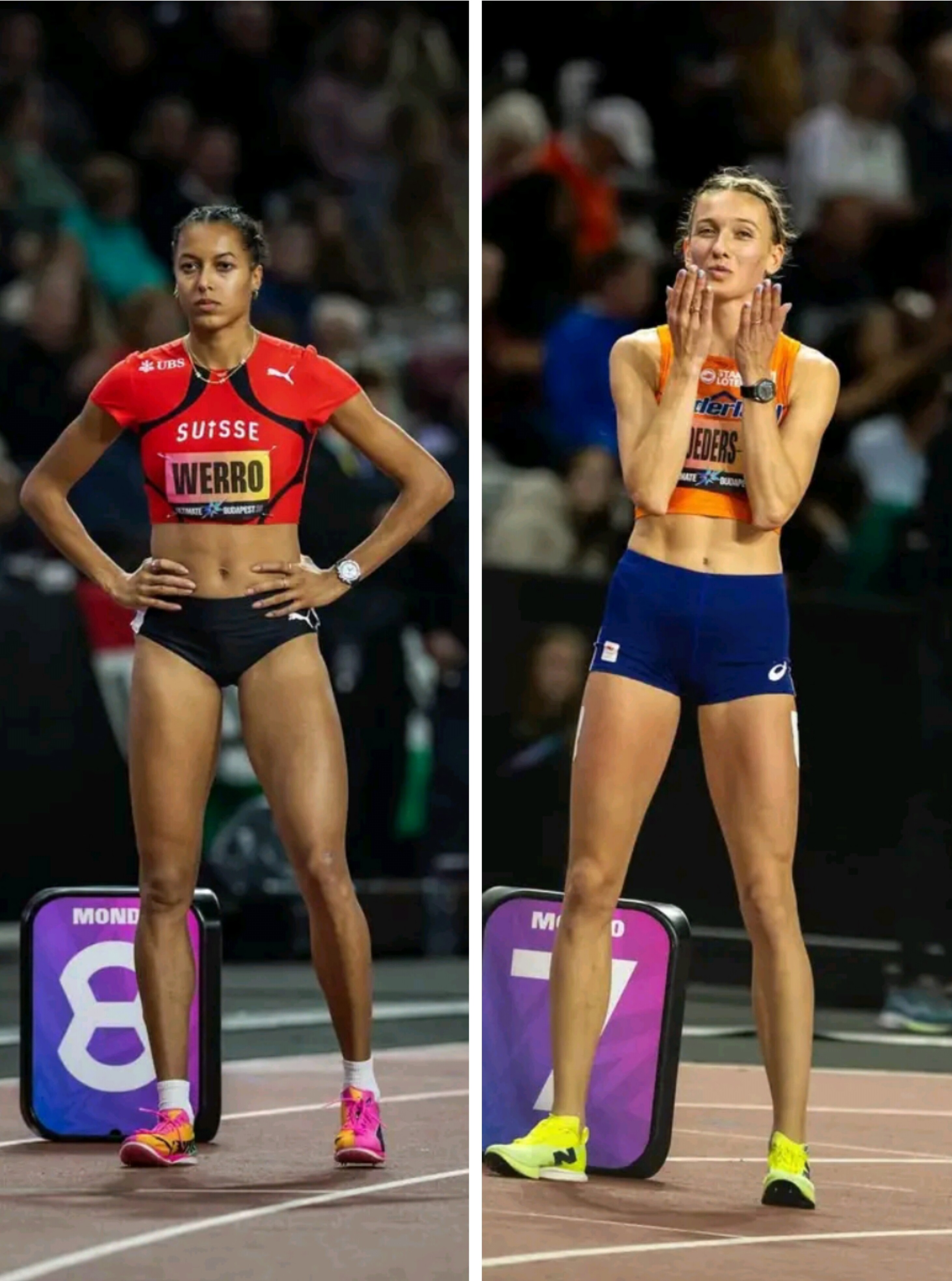
The second semifinal produced another impressive performance as Switzerland’s Audrey Werro controlled the race and delivered a strong finish to win in 1:59.05. Femke Broeders-Bol of the Netherlands followed closely in 1:59.19 after leading much of the contest.
The qualification picture then became clear, with nine athletes securing places in the women’s 800m final. Hodgkinson leads the field with 1:57.57, followed by Wiley at 1:58.14 and Billings at 1:58.37.
Coiro qualified in 1:58.48, while Werro and Broeders-Bol advanced with 1:59.05 and 1:59.19 respectively. Ethiopia’s Nigist Getachew clocked 1:59.69, Switzerland’s Valentina Rosamilia ran 1:59.78, and Vancardo completed the finalists after her advancement in 2:16.75.
Wiley’s qualification is also notable because she is the only American to advance to the Budapest final, adding further significance to her impressive 1:58.14 performance.
With Hodgkinson producing the fastest semifinal time, Werro looking increasingly dangerous and Broeders-Bol once again proving her ability to remain in contention, the final is shaping up to be one of the most anticipated 800m races of the championship.
Hodgkinson has already struck the first blow in Budapest. But with the medals now at stake, Werro, Broeders-Bol and the rest of the finalists will have the opportunity to turn the tables when it matters most.
The Olympic champion has made her intentions clear: she is back, she is healthy enough to race at championship pace, and she wants the Budapest crown.
The stage is now set for a thrilling women’s 800m final, where Hodgkinson will attempt to turn her semifinal dominance into gold. Who will be crown the Ultimate Champion in Budapest — Hodgkinson, Werro or Broeders-Bol? Or the table will turn?
by Erick Cheruiyot for My Best Runs.
Login to leave a comment
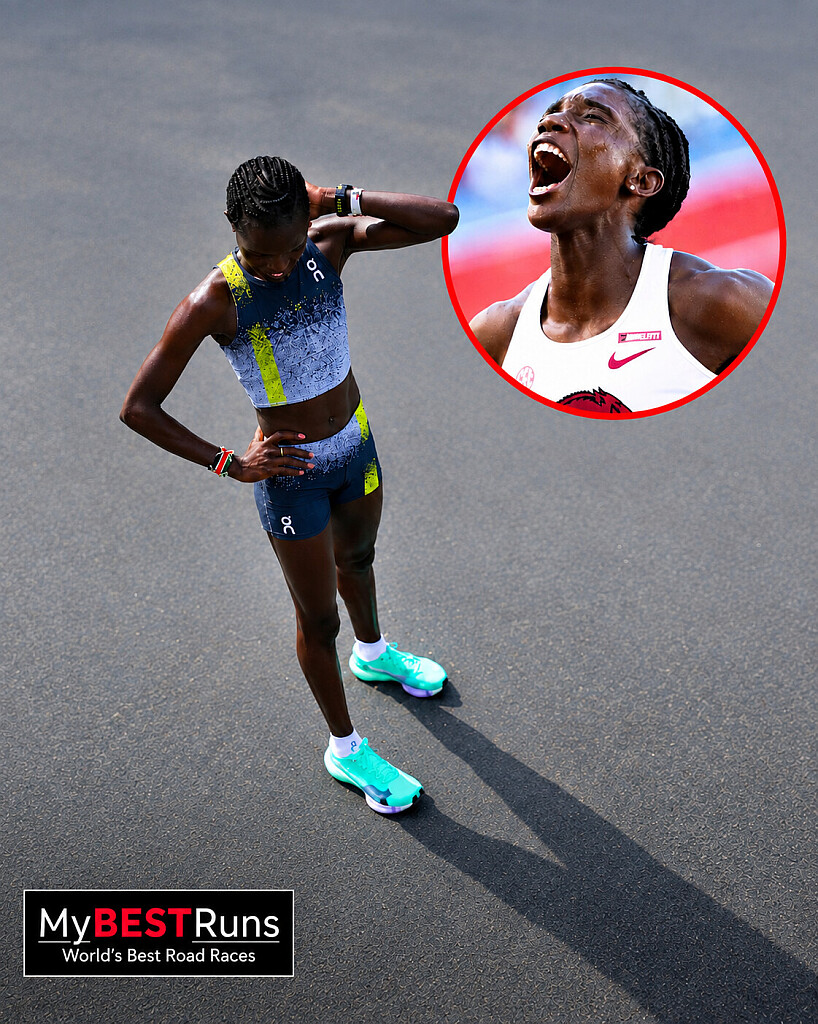
Doris Lemngole Turns Professional With On After Remarkable NCAA Career
Kenyan steeplechase star Doris Lemngole has officially turned professional after signing a contract with Swiss sportswear brand On, marking the beginning of a new chapter for one of the most accomplished young distance runners in the sport.
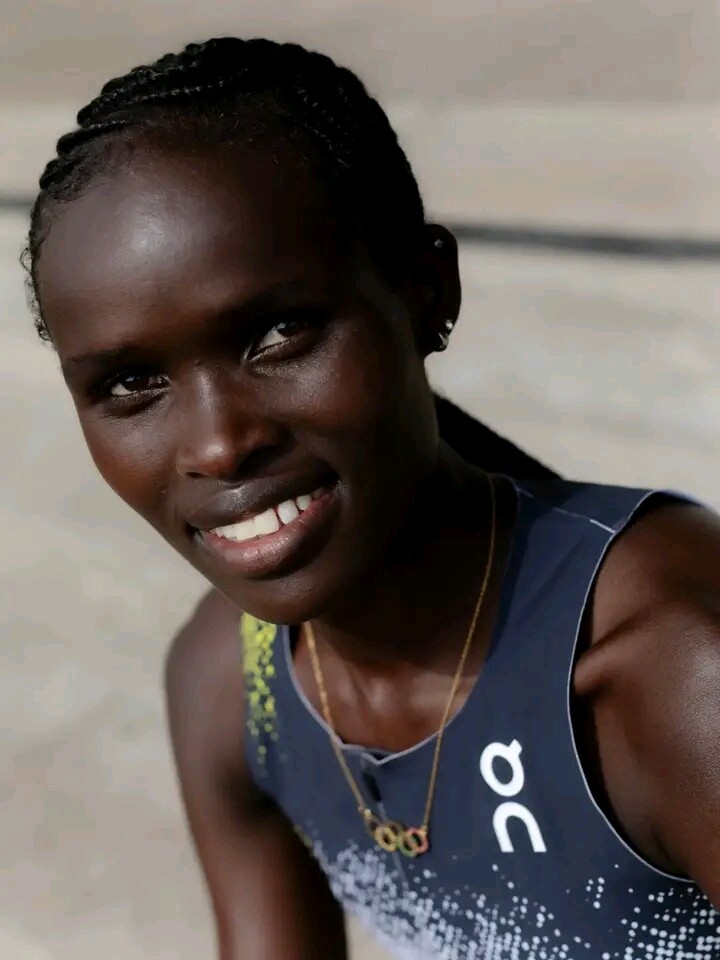
On announced the move on Thursday, September 10, confirming that the 24-year-old has been elevated from the NIL partnership she signed with the brand in August 2025 to its professional athlete roster.
The decision comes after Lemngole completed a spectacular collegiate career at the University of Alabama, where she established herself as one of the most dominant distance runners in NCAA history. She leaves Tuscaloosa as a five-time NCAA champion, a collegiate record-holder and the winner of The Bowerman, the highest individual honor in American collegiate track and field.
Her breakthrough came in the 3,000m steeplechase, an event in which she repeatedly pushed the boundaries of collegiate running. In 2025, she clocked 8:58.15 to become the first woman in NCAA history to break the nine-minute barrier in the event. She also captured consecutive NCAA outdoor steeplechase titles in 2024 and 2025.
Lemngole was equally impressive over cross country. At the 2025 NCAA Championships in Missouri, she defended her national title in 18:25.4, producing the fastest winning performance in NCAA championship history by a considerable margin. Her consistency and dominance across disciplines ultimately helped her secure The Bowerman in December 2025, making her the first Alabama athlete and first Kenyan to receive the prestigious award.
Her transition from collegiate standout to international contender has been remarkably rapid. Still competing as an Alabama athlete, Lemngole won her Diamond League debut in the 3,000m steeplechase at Athletissima in Lausanne in August 2025 before going on to represent Kenya at the World Championships in Tokyo, where she finished fifth.
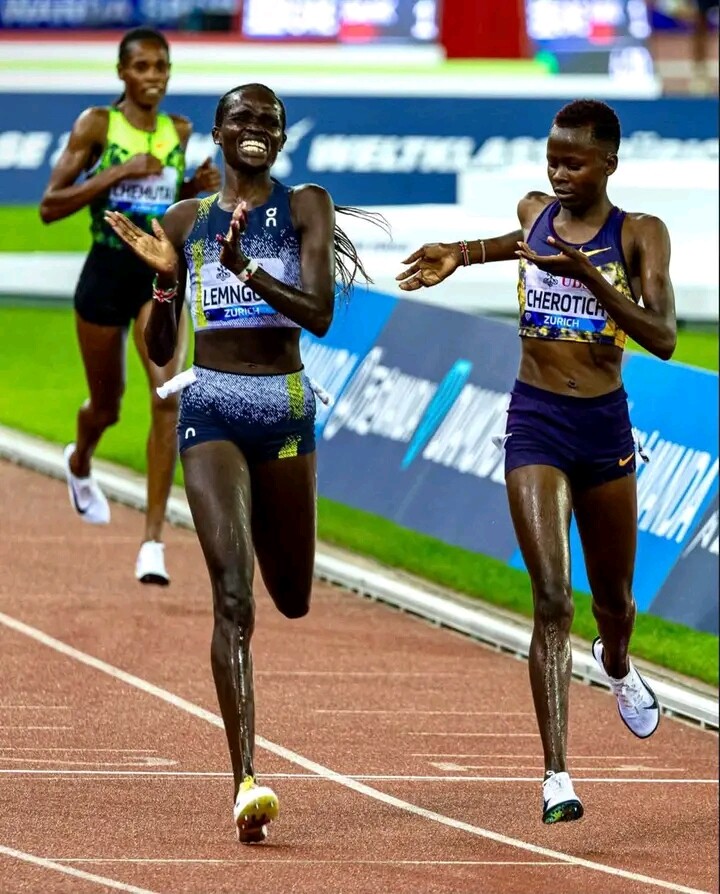
Now, just days before her professional announcement, Lemngole produced perhaps the strongest performance of her career. At the Diamond League Final in Brussels on September 4, she stormed to a massive personal best of 8:52.86 for second place in the 3,000m steeplechase. Only five women in history had previously run faster, underlining just how extraordinary the performance was. Faith Cherotich won in a meeting-record 8:51.61, while Olympic champion Winfred Yavi finished third in 8:53.54.
That performance provided a fitting bridge between Lemngole's collegiate dominance and her professional future. She is no longer simply one of the NCAA's brightest talents; she has now established herself firmly among the world's leading steeplechasers.
For On, the decision represents a natural continuation of a relationship that began when Lemngole joined its NIL roster in 2025. The Swiss brand said her ability to dominate at the collegiate level while immediately challenging the world's best made the move to its professional roster a natural progression.
For Lemngole, the signing is about much more than a new contract. It represents the next stage of a journey that has taken her from NCAA champion and record-breaker to Bowerman winner and international title contender.
With her collegiate chapter now complete and a sub-8:53 performance already on the record, the Kenyan has made her intentions clear: **the next challenge is to see just how far she can take her extraordinary talent on the global stage.**
by Erick Cheruiyot for My Best Runs.
Login to leave a comment

Daniel Komen and Cameron Myers: Two Generations, One Extraordinary Gift for Speed
Athletics has a remarkable way of connecting generations.

Sometimes, decades apart, two athletes emerge with a rare combination of speed, endurance and fearlessness that makes the extraordinary appear almost effortless. Kenya’s Daniel Komen and Australia’s Cameron Myers are separated by an era and a continent, but their careers share one fascinating thread — an exceptional ability to run incredibly fast over middle and long distances.
Daniel Komen — the Kenyan phenomenon
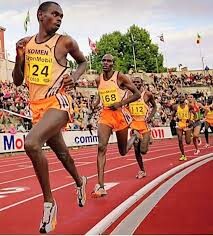
During the 1990s, Daniel Komen was one of the most feared distance runners on the planet.
At just 20 years old, Komen produced a performance that would become one of the defining moments of his career, running 7:20.67 for 3000m in Rieti, Italy, in 1996. The world record remained untouched for nearly 28 years before Jakob Ingebrigtsen finally broke it in 2024.
Komen followed that achievement with another performance that remains etched in distance-running history. In 1997, he ran 7:58.61 for two miles in Hengelo, becoming the first man to break the eight-minute barrier over the distance.
His brilliance was not limited to one event.
Komen possessed an extraordinary range, becoming only the second man after Algeria’s Saïd Aouita to break 3:30 for 1500m, 7:30 for 3000m and 13 minutes for 5000m.
Those performances established Komen as one of the most versatile and naturally gifted distance runners of his generation.
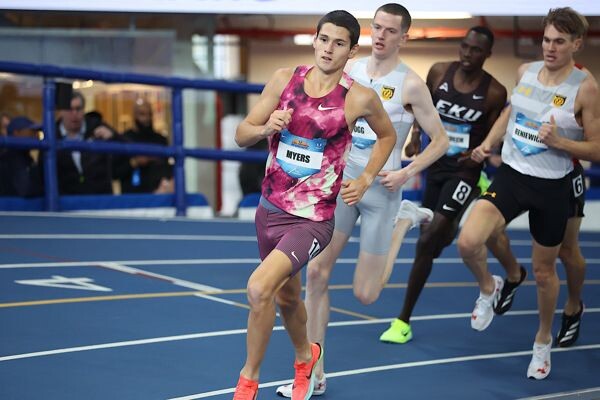
Cameron Myers — Australia's rising star
Almost three decades later, another young runner is beginning to capture the imagination of the athletics world.
Cameron Myers first made headlines as a teenager when, at 16, he ran 3:55.44 for the mile. The performance made him the second-youngest athlete ever to break four minutes for the distance and confirmed that Australia had a remarkable middle-distance talent on its hands.
But Myers has not allowed the hype surrounding his teenage achievements to define him.
Now 20, he is increasingly proving himself against the world's best senior athletes.
His breakthrough continued in 2026 when he produced a spectacular 3:28.00 personal best for 1500m in Paris, firmly establishing himself among the world's elite over the distance.
Then came Brussels.
At the Diamond League Final on September 4, Myers delivered perhaps the biggest statement of his young career, winning the 1500m in 3:30.14 against a world-class field. The victory came in a race featuring some of the biggest names in the event, including Jakob Ingebrigtsen and Olympic champion Cole Hocker.
For Myers, it was another important step from promising prodigy to established senior star.
He is no longer simply the talented teenager everyone was waiting to see develop.
Cameron Myers has arrived.
Different eras, remarkable similarities
Comparing athletes from different generations is always difficult. The competition, training methods, technology and circumstances change, and every great athlete deserves to be judged within the context of their own era.
But the similarities between Komen and Myers are still fascinating.
Komen showed the world in the 1990s that extraordinary speed could be combined with exceptional endurance. Myers is now demonstrating that same fearless approach as he takes on the strongest 1500m fields in the world.
Komen has already secured his place in athletics history.
Myers is only beginning to write his.
The Australian still has many years ahead of him, and whether he can eventually build a legacy comparable to Komen's remains impossible to predict. What is certain, however, is that his progression has already been remarkable.
From a teenager breaking four minutes for the mile to a 20-year-old running 3:28.00 and winning a Diamond League Final, Myers has moved through the ranks at extraordinary speed.
Daniel Komen was one of the athletes who made the impossible look normal. Cameron Myers now has an opportunity to create his own version of that magic.
Different generations. Different countries. Different journeys.
But one extraordinary gift — the ability to run very, very fast.
by Erick Cheruiyot for My Best Runs.
Login to leave a comment
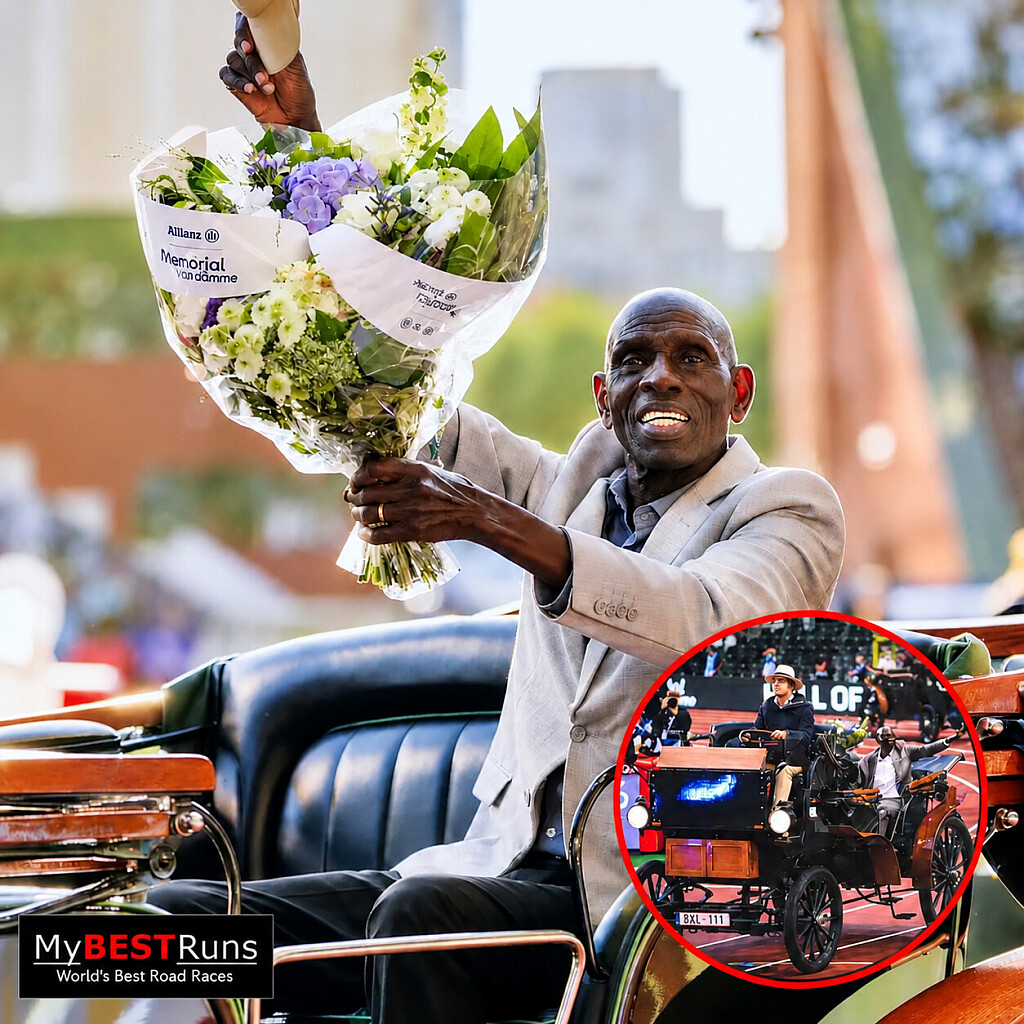
Mike Boit Honoured In Brussels As Kenyan Athletics Pioneer Enters Memorial Van Damme Hall Of Fame
Kenyan athletics legend Professor Mike Boit has received another prestigious recognition, nearly five decades after he etched his name into the history of the Memorial Van Damme in Brussels.
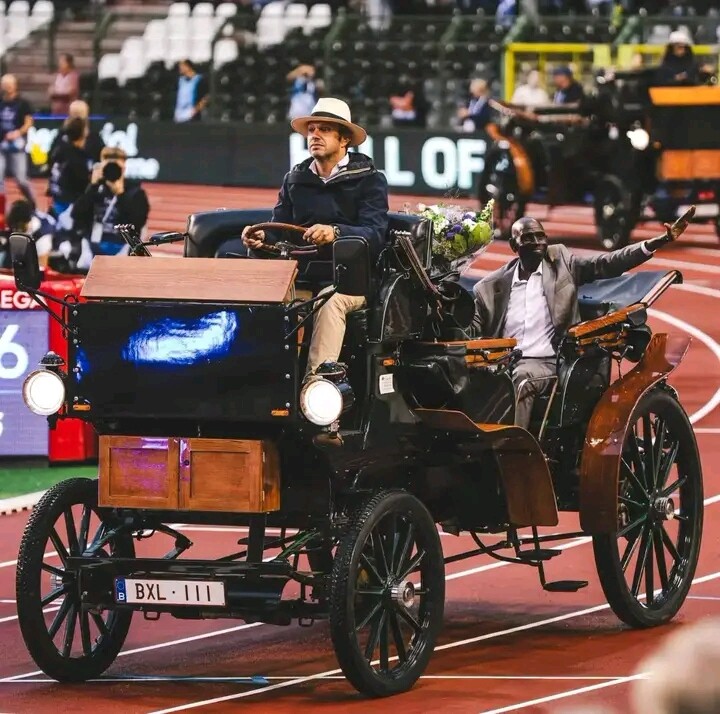
Boit was inducted into the Memorial Van Damme Hall of Fame during the 2026 Diamond League Final in Brussels, joining two global athletics icons, American sprint and long-jump legend Carl Lewis and former high-jump world-record holder Dwight Stones, in the 2026 class of honourees.
The occasion brought Boit back to the scene of one of the defining victories of his illustrious career. In 1977, he won the inaugural Memorial Van Damme 800 metres, becoming part of the meeting's history from its very first edition.
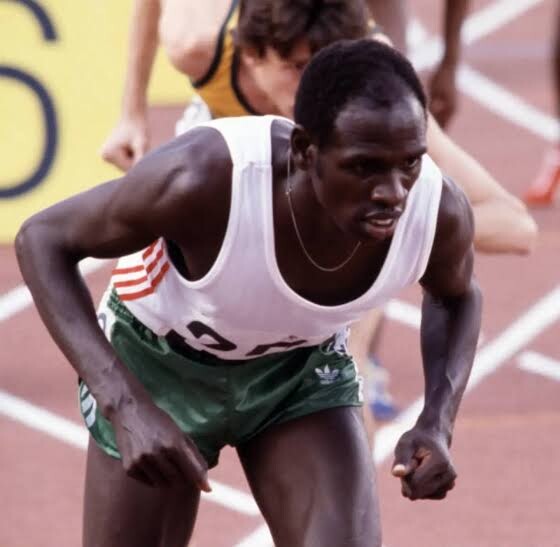
His victory in Brussels was another chapter in a career that had already established him as one of Kenya's pioneering international track stars.
Boit had announced himself on the biggest stage five years earlier at the 1972 Munich Olympic Games, where he won bronze in the 800m. At a time when Kenya was still establishing itself as a major force in international athletics, Boit was among the athletes who helped open the door for the generations that followed.
His influence, however, stretches far beyond his achievements on the track.
After his competitive career, Boit built an impressive academic and professional career in sports science. He earned two master's degrees and a PhD, using his expertise to contribute to the development of sport and the education of future generations of athletes.
That combination of athletic achievement and academic excellence has made him an exceptional figure in Kenyan sport. His journey is one that moves seamlessly from the Olympic podium to the university lecture hall, while his pioneering achievements continue to form part of Kenya's rich athletics heritage.
His induction was marked by a special lap of honour at the King Baudouin Stadium, giving spectators an opportunity to celebrate a man whose name has been intertwined with the history of the prestigious Brussels meeting for almost half a century.
For Boit, the honour represents more than recognition for a single race or medal. It is a celebration of a lifetime of contribution to athletics and sports science, as well as the impact of a pioneer whose achievements helped shape Kenya's growing presence on the international stage.
Nearly 50 years after winning the first Memorial Van Damme 800m, Boit returned to Brussels in a very different role. This time, there was no starting line, no finishing tape and no medal to chase.
Instead, there was a standing ovation and a place among the legends.
From Olympic bronze medallist to pioneering international athlete, from Memorial Van Damme champion to distinguished professor, Mike Boit's remarkable journey continues to inspire.
His name is now permanently associated with the history of one of Europe's most prestigious athletics meetings — a fitting tribute to a Kenyan icon whose influence has extended far beyond the track.
by Erick Cheruiyot for My Best Runs.
Login to leave a comment
Femke Bol Returns To Budapest: From One Of Her Darkest Moments To A New 800m Challenge
For Femke Bol, Budapest is more than just another stop on the athletics calendar. It is a place where heartbreak once threatened to define her championship campaign — only for the Dutch star to respond with one of the most memorable comebacks of her career.
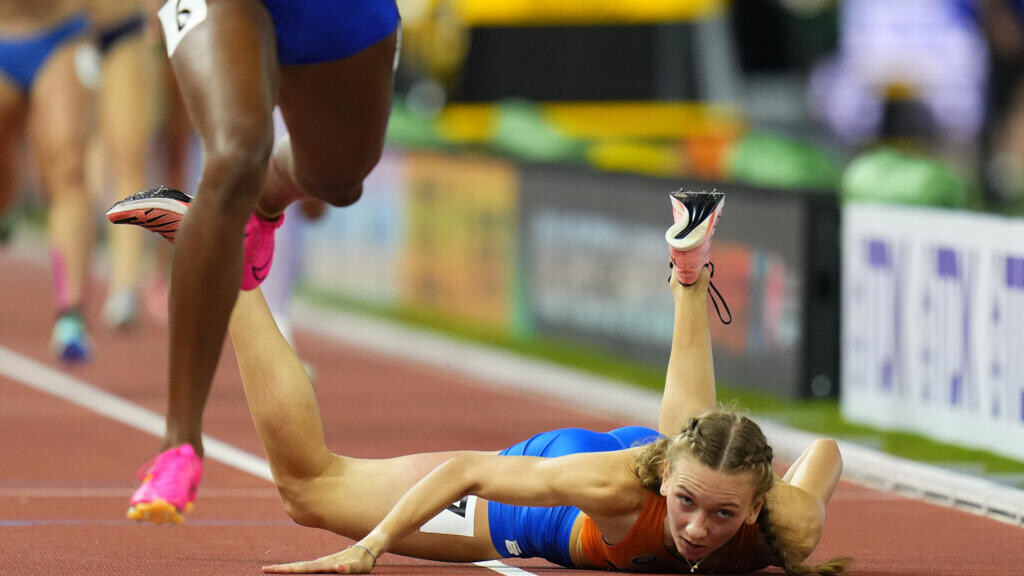
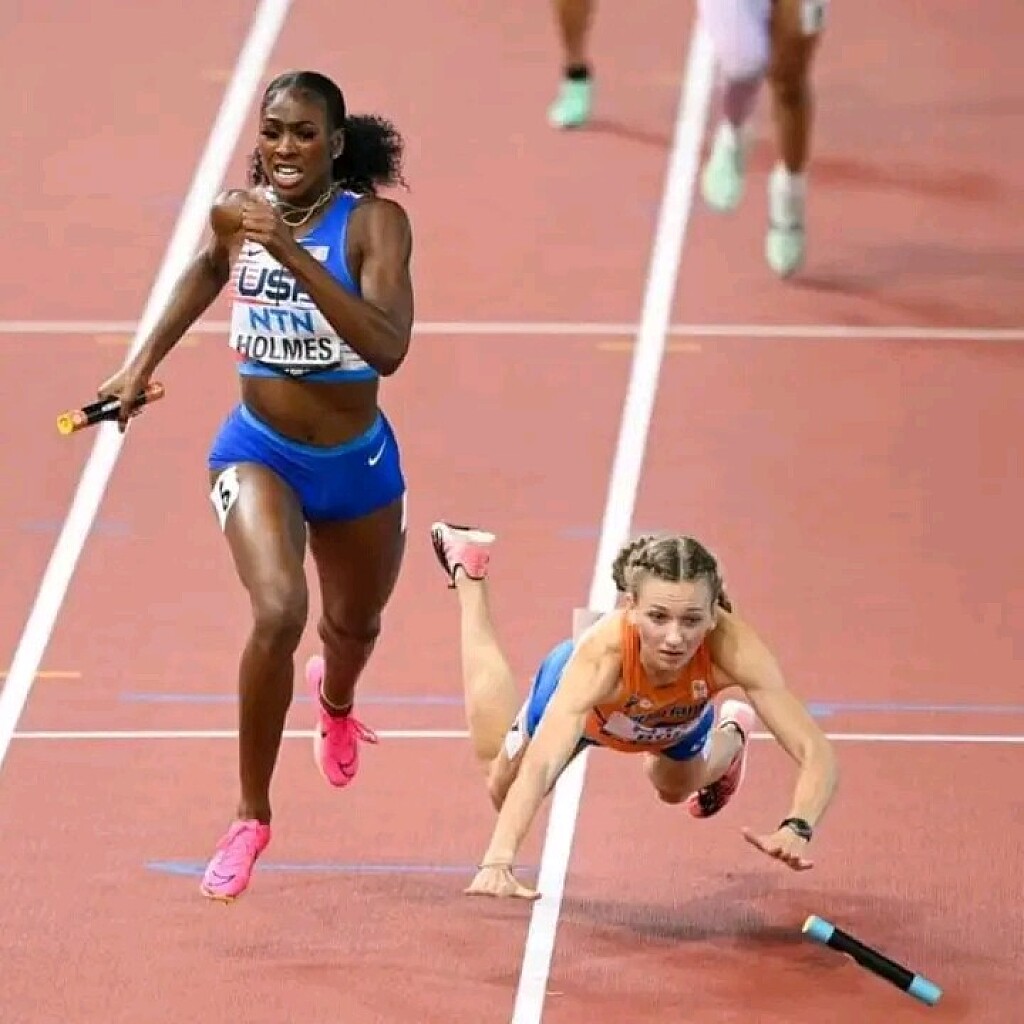
Three years ago, at the 2023 World Athletics Championships, Bol arrived in Budapest as one of the biggest names in the 400m hurdles. Yet her championships began with a painful collapse.
Anchoring the Netherlands in the mixed 4x400m relay on the opening night, Bol was within sight of victory when she fell just metres before the finish line. The Netherlands were disqualified, and what had looked like a near-certain gold medal disappeared in one devastating moment.
But Bol did not allow the disappointment to consume her.
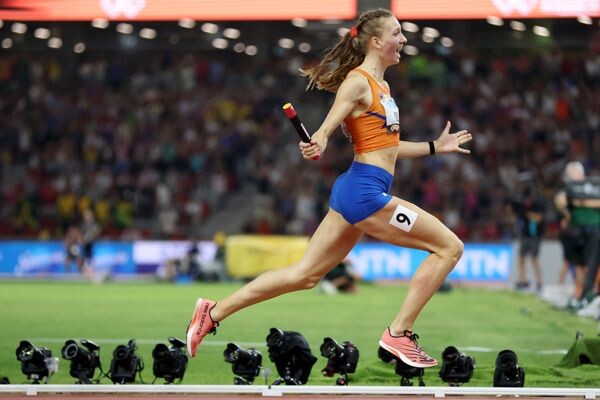
Six days later, she returned to the track for the 400m hurdles final and delivered an emphatic response. Running with remarkable composure, she stormed to victory in 51.70 seconds, finishing more than a second clear of American Shamier Little to claim her first individual global title.
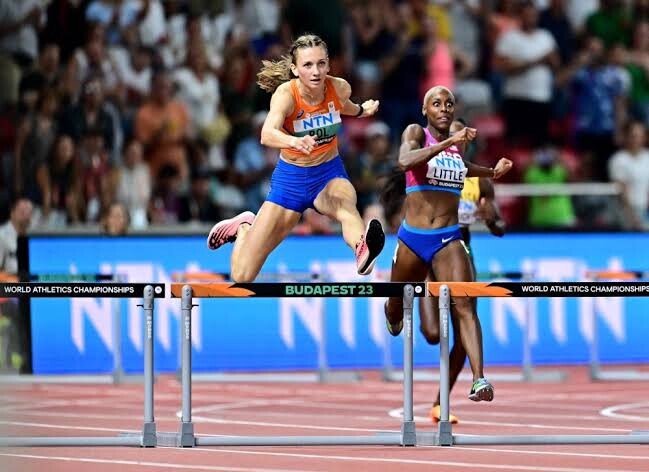
Then came the final track race of those championships — and another extraordinary chapter.
In the women’s 4x400m relay, Bol received the baton for the Netherlands with the Jamaican and British teams ahead. The deficit grew to roughly 10 metres down the back straight, but instead of surrendering, she began to hunt.
By the home straight, Bol had transformed the race.
She swept past Great Britain and then Jamaica to bring the Netherlands home in 3:20.72, securing a second world title in Budapest and completing one of the most remarkable redemption stories of the championships.
Now, Bol is heading back to the same city — but this time, her challenge is completely different.
There will be no hurdles standing in her way.
Instead, she will line up for the women’s 800m at the inaugural World Athletics Ultimate Championship in Budapest, where she will face two of the strongest middle-distance runners in the world: Olympic champion Keely Hodgkinson of Great Britain and Swiss sensation Audrey Werro. The three are among the headline names in a formidable 800m field for the September 11–13 championship.
And this is no longer the same Bol who first experimented with the event.
The Dutch star has made a significant transition to the 800m this season, steadily improving as she has gained experience over the two-lap distance. Her 2026 best stands at 1:55.41, placing her among the leading contenders heading into Budapest.
Yet the challenge could hardly be tougher.
Werro has been the revelation of the 2026 season. The Swiss star leads the world with 1:53.80, a mark that ranks among the fastest performances ever recorded. She also defeated Hodgkinson and Bol at the European Championships in Birmingham, winning in 1:54.81 as Hodgkinson took silver in 1:55.01 and Bol finished third in 1:55.54.
Hodgkinson, meanwhile, remains one of the defining figures of the event. The Paris Olympic champion has already run 1:54.33 this season and will arrive in Budapest determined to reclaim the winning momentum against a rival who has repeatedly pushed her to the limit.
The latest meeting between Werro and Bol only adds more intrigue. At the Diamond League Final in Brussels, Werro prevailed in 1:54.75, but Bol pushed her all the way to the line, finishing just 0.06 seconds behind in 1:54.81.
That makes Budapest particularly fascinating.
Bol is no longer returning simply as the hurdler who once conquered the Hungarian capital. She is coming back as an ambitious 800m runner, testing herself against an Olympic champion and the world leader in an event that demands speed, tactical intelligence and endurance in equal measure.
For Bol, Budapest carries memories of a fall, a first global individual title and an unforgettable relay victory.
Now she has the opportunity to create another memory.
This time, there are no barriers to clear and no baton to chase.
There is only 800 metres — two laps in which Bol will have to match the pace, strength and finishing speed of Werro and Hodgkinson.
She has already shown what she can do when Budapest gives her a second chance.
The question now is whether she can turn that history into another triumph.
by Erick Cheruiyot for My Best Runs.
Login to leave a comment
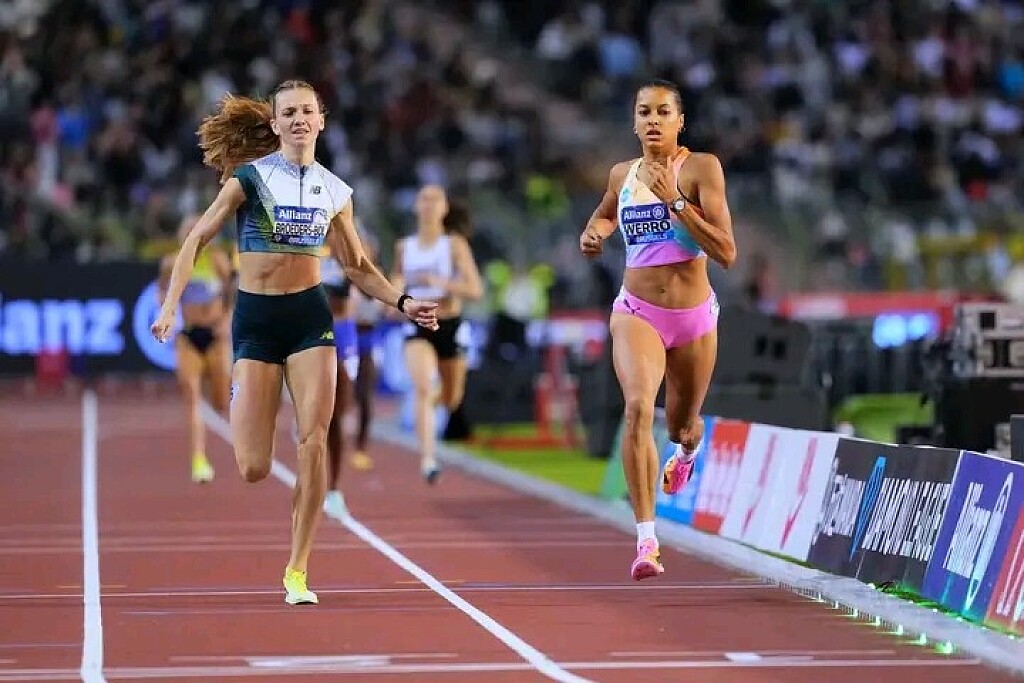
Werro Edges Broeders-Bol By 0.06 Seconds In A Thrilling Brussels 800m Classic
Audrey Werro of Switzerland held her nerve in a breathtaking finish to the women’s 800m at the Diamond League Final in Brussels, edging Femke Broeders-Bol of the Netherlands by just six hundredths of a second to claim the Diamond Trophy.
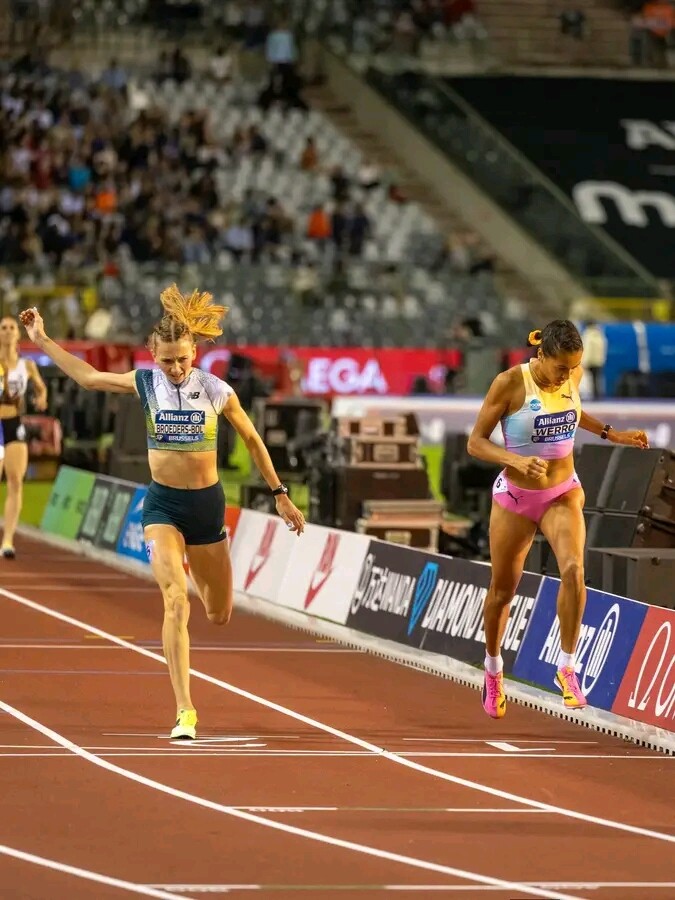
Werro stopped the clock at a sensational 1:54.75, with Broeders-Bol charging across the line in 1:54.81. The margin was almost impossibly small — just 0.06 seconds — after two laps of relentless racing.
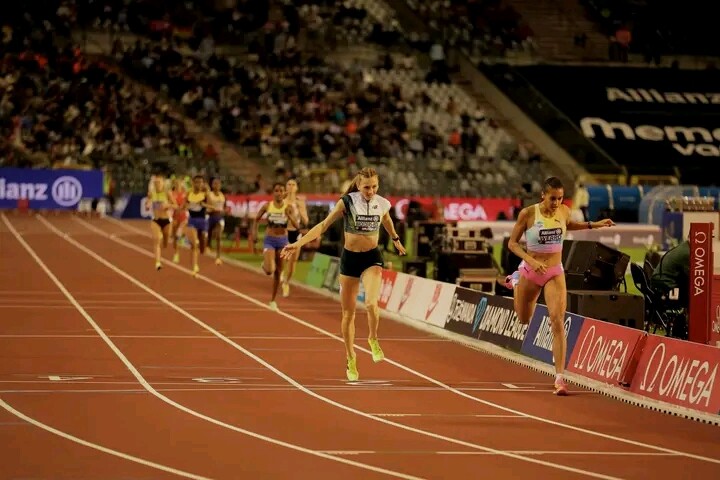
For Broeders-Bol, it was a finish that carried both pride and frustration.
“I’m very happy, but a little bit frustrated running in that close.”
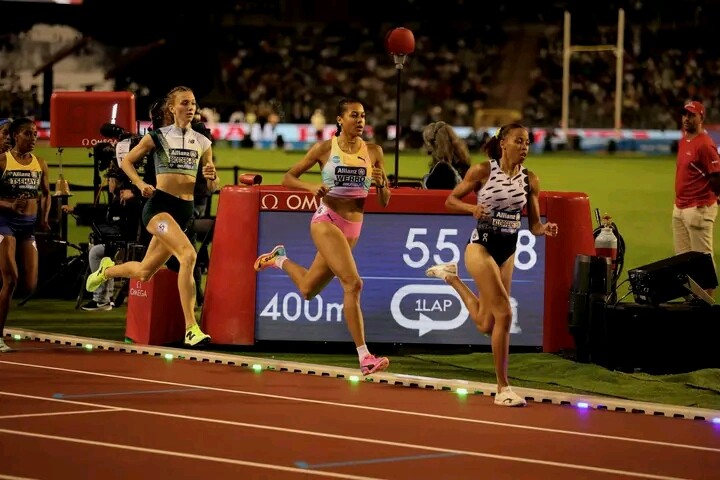
The Dutchwoman produced a spectacular surge over the final 100 metres, rapidly closing the gap on Werro and throwing everything into the final straight. For a moment, it appeared she might steal victory at the line, but Werro resisted the late assault to secure another major Diamond League triumph.
The result underlined just how remarkable Broeders-Bol’s breakthrough season has been. Competing over 800m for the first time, she has already established herself among the event’s most formidable contenders — and delivering two consecutive sub-1:55 performances in her debut campaign is a remarkable statement of intent.
Yet Werro had the final answer.
The Swiss star once again demonstrated the front-running strength and composure that have become hallmarks of her racing. Her 1:54.75 not only secured victory but also set a meeting record, adding another impressive chapter to her Diamond League season.
For Broeders-Bol, however, the narrow defeat may prove less a setback than a warning to the rest of the 800m field.
She has arrived.
And if Brussels was any indication, the battle between Werro and Broeders-Bol could become one of the most compelling rivalries in women’s middle-distance running.
The story may not have to wait long for its next chapter.
Budapest could be next.
And should the field expand to include Olympic champion Keely Hodgkinson of Great Britain and world champion Lilian Odira of Kenya at the Ultimate Championships, the women’s 800m could become one of the most fiercely contested events on the track.
One thing is already clear: the 800m is heating up — and this rivalry is only beginning.
by Erick Cheruiyot for My Best Runs.
Login to leave a comment
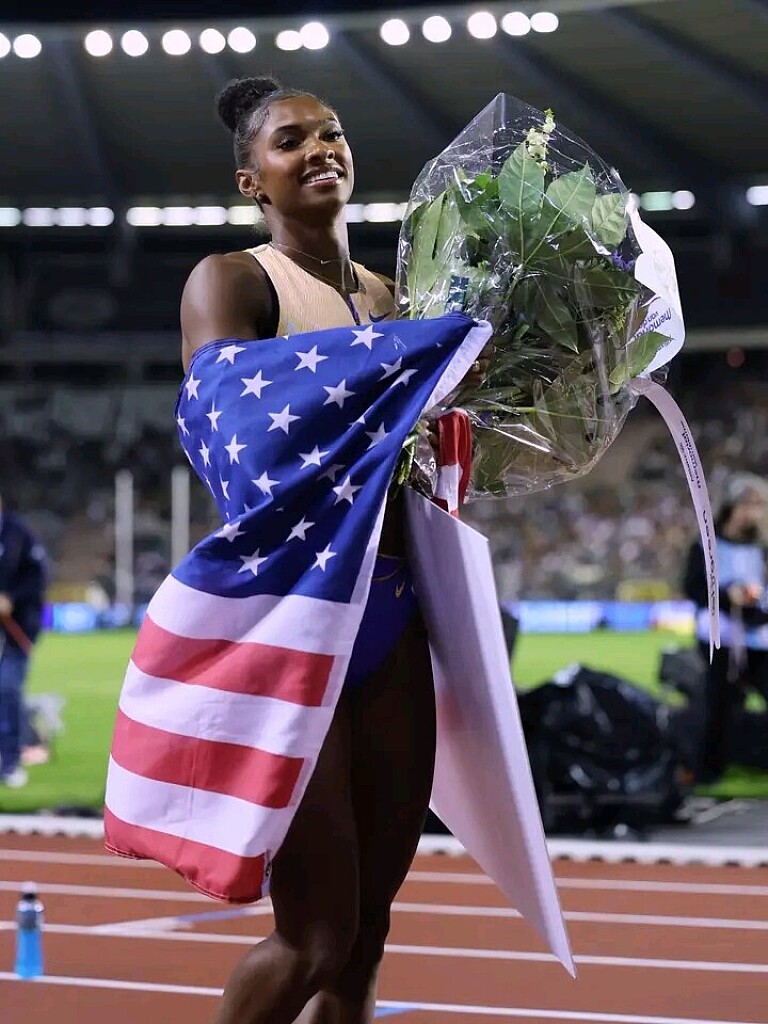
Masai Russell Battles Back to Claim Her First Diamond League Trophy
Masai Russell has crowned a remarkable season with her first Diamond League Trophy, producing a dramatic comeback to win the women’s 100m hurdles final in Brussels in 12.20 seconds.
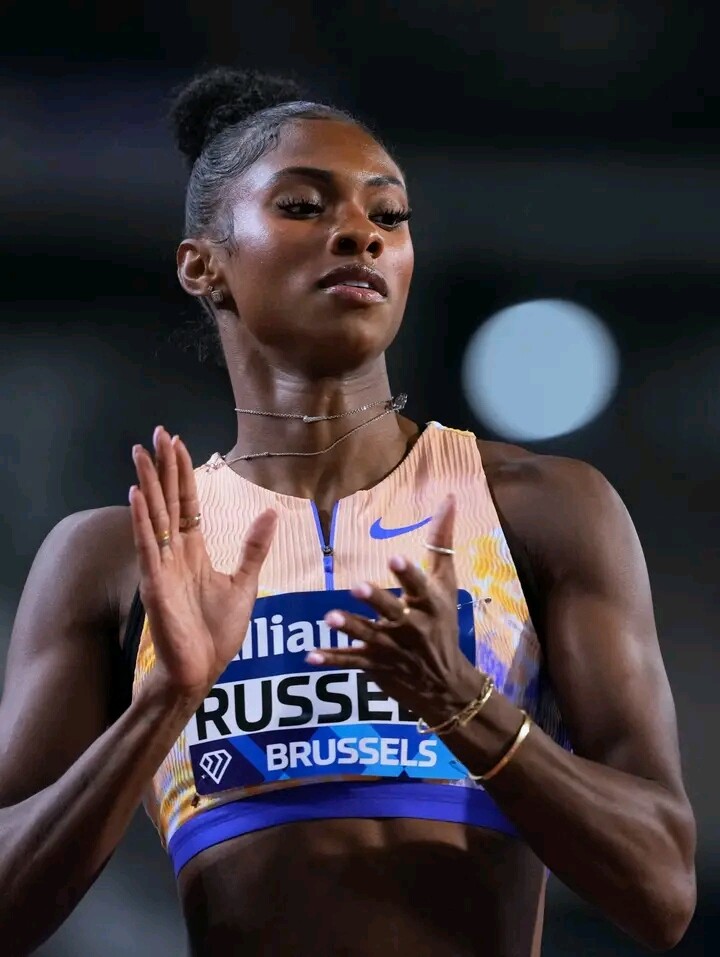
The world record holder did not have everything go her way from the start. Russell found herself trailing early in a tightly packed race, but the American remained composed and gradually began to close the gap as the field approached the decisive stages.
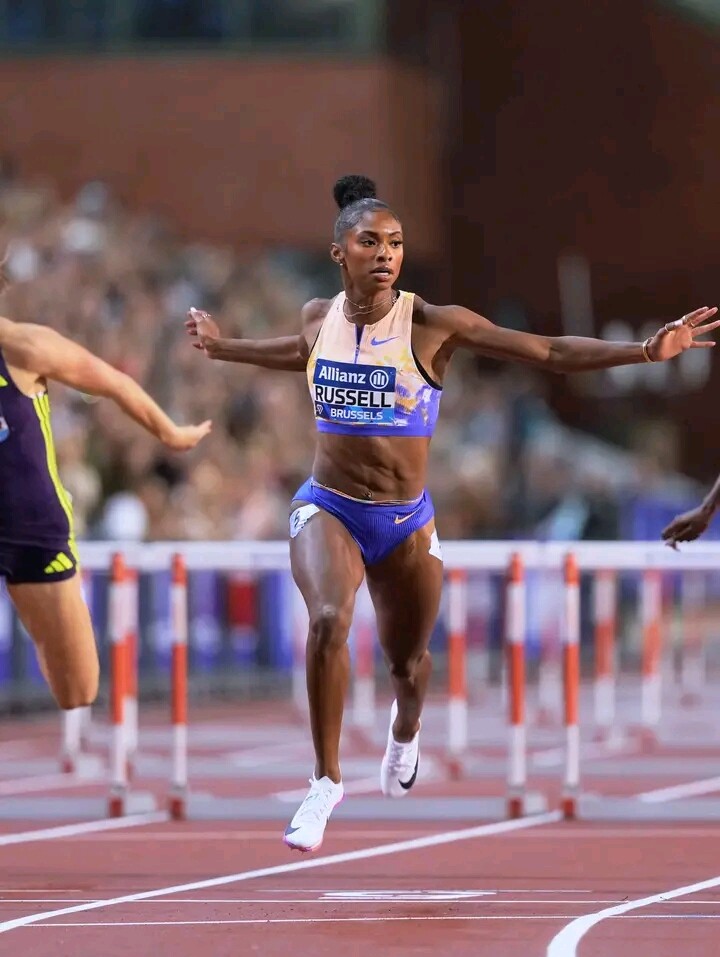
Then came the breakthrough.
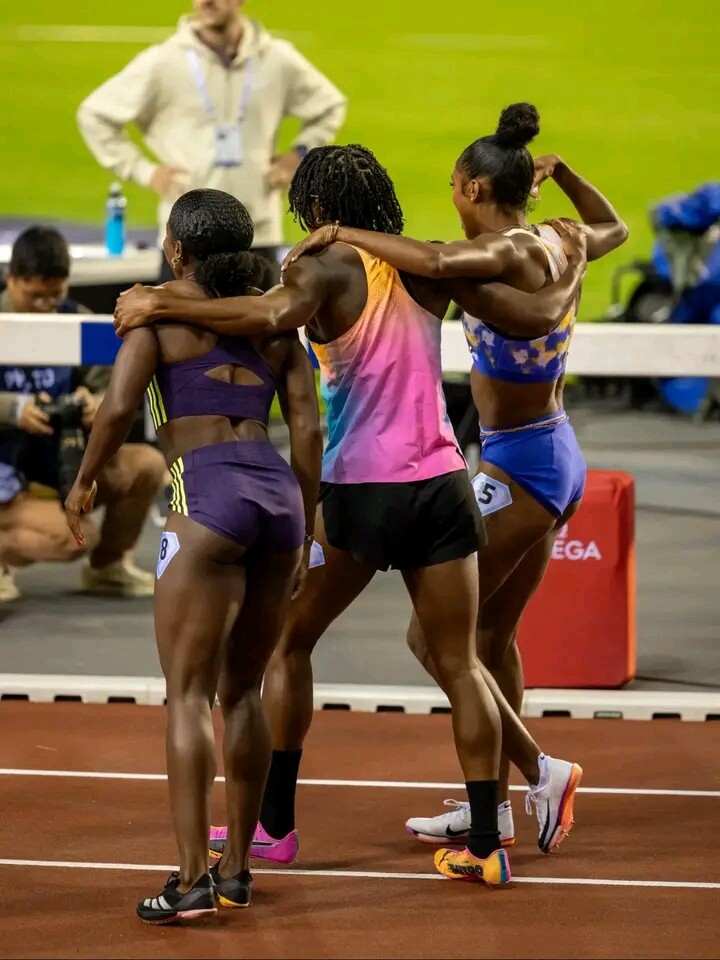
Russell surged through the final few hurdles, battling past her training-mate Devynne Charlton and powering away to secure a hard-fought victory. Her 12.20-second effort was enough to put her on top when it mattered most and deliver the coveted Diamond League title.
For Russell, the triumph represents another significant milestone in an already decorated career. It is her first-ever Diamond Trophy, adding a prestigious new achievement to her résumé.
Charlton produced a performance of her own to remember. The Bahamian hurdler held on strongly for second place in 12.33 seconds, setting a new Bahamas national record in the process.
Jamaica’s Megan Simmonds completed the podium in 12.43 seconds, making it a remarkable 1-2-3 finish for athletes coached by Coach Greene.
The Brussels final therefore delivered more than just a Diamond League champion. It showcased Russell’s ability to respond under pressure, Charlton’s record-breaking form and a remarkable sweep of the podium by athletes from the same coaching group.
But the night ultimately belonged to Russell.
From an early deficit to a decisive finish, the world record holder battled her way to victory and finally got her hands on the Diamond.
by Erick Cheruiyot for My Best Runs.
Login to leave a comment
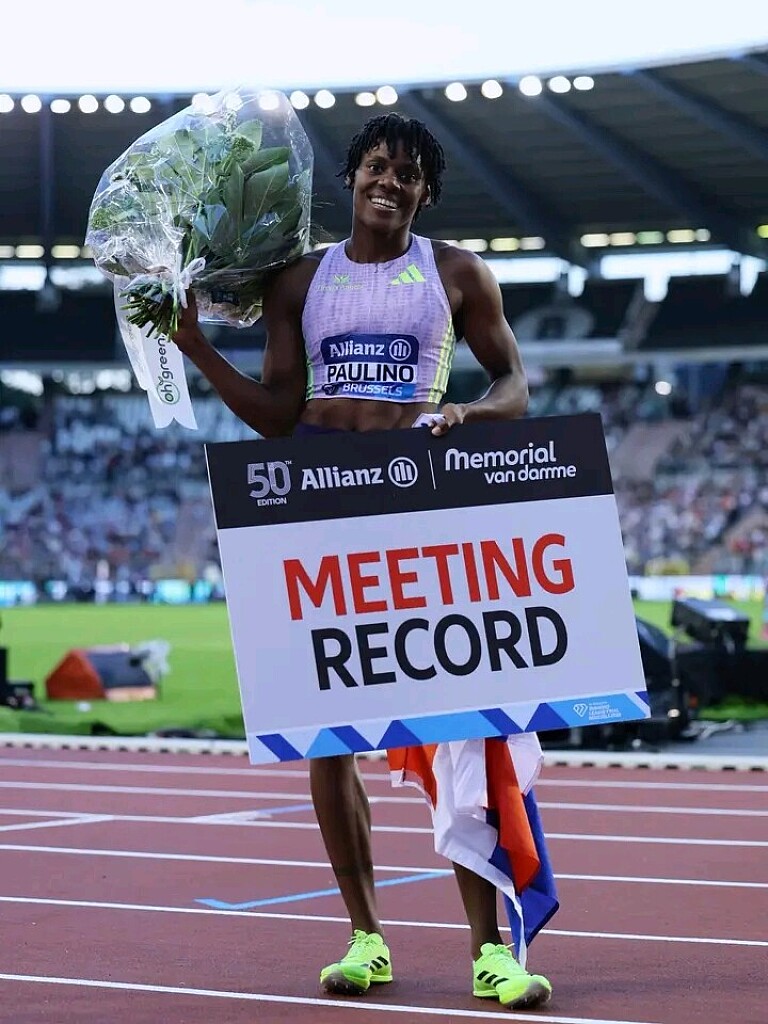
Marileidy Paulino Caps Unbeaten Diamond League Season With Record-Breaking Brussels Triumph
One lap. One champion. One extraordinary season.
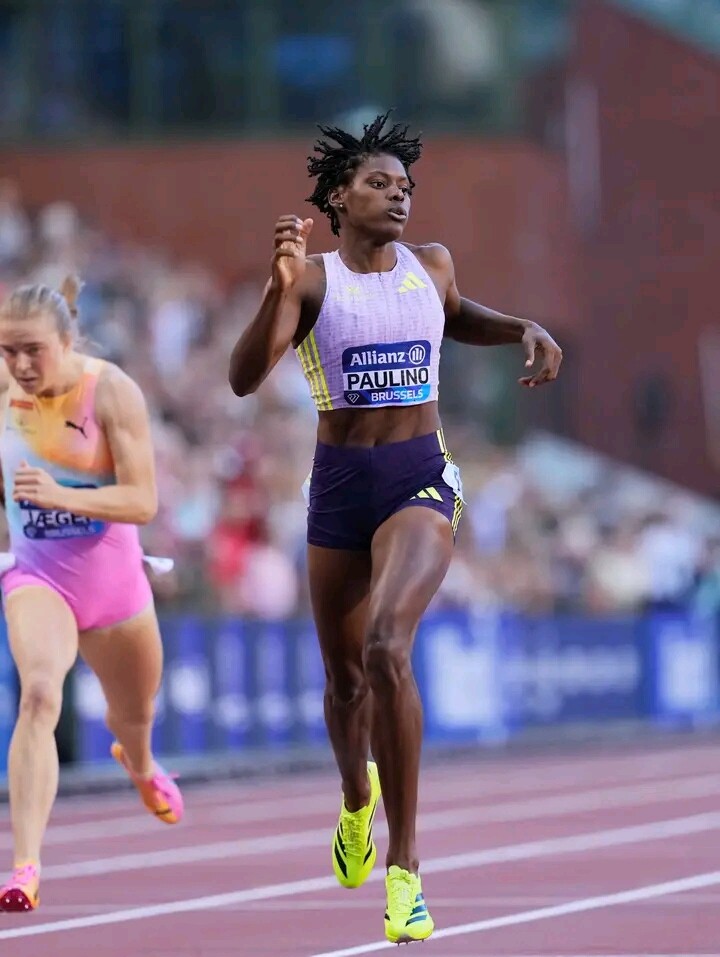
Marileidy Paulino has once again demonstrated why she remains the dominant force in the women’s 400 metres, producing a spectacular performance in Brussels to close out an unbeaten Diamond League season in emphatic fashion.
The Dominican Republic superstar stormed to 48.64 seconds in the 400m, comfortably securing victory and claiming her fourth consecutive Diamond League Trophy.
It was a performance that carried both dominance and history. Paulino’s 48.64 shattered the 17-year-old Brussels meeting record of 48.83 seconds, previously held by American Olympic champion Sanya Richards-Ross.
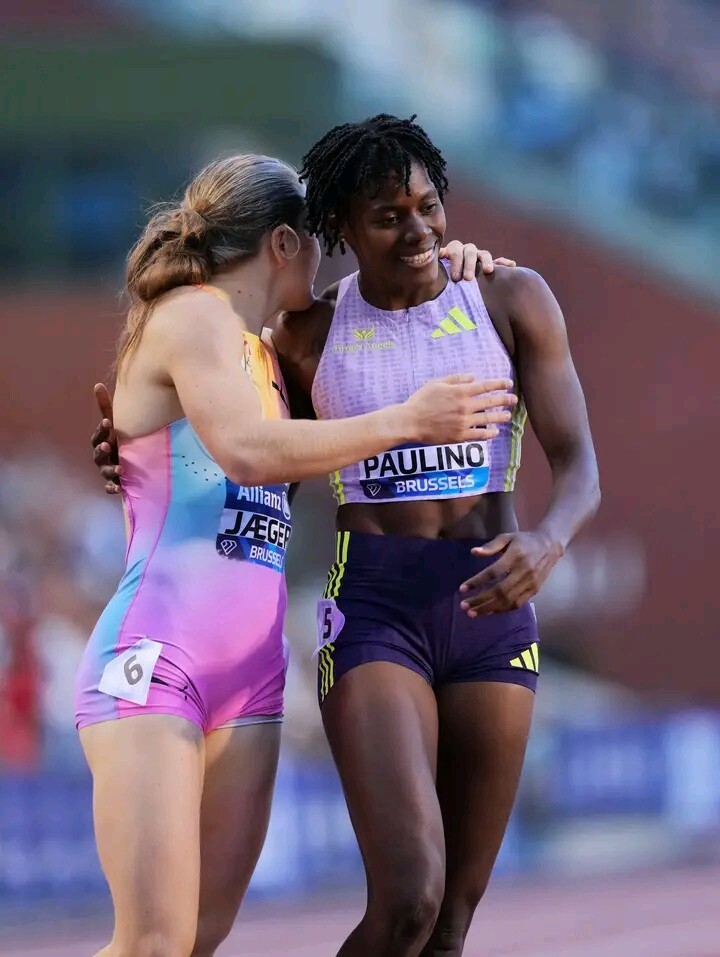
Paulino’s latest display was another confirmation of her exceptional form over one lap. She has now recorded 14 consecutive victories this season, while her Brussels performance marked her seventh successive sub-49-second clocking—an extraordinary level of consistency at the highest level.
Behind the Dominican star, Norway’s Henriette Jæger ran an impressive 49.20 seconds for second place, while Jamaica’s Nickisha Pryce completed the podium in 49.36 seconds.
An unbeaten Diamond League campaign
Paulino’s Brussels victory brought her Diamond League campaign to a perfect conclusion. Across the season, she remained unbeaten in the prestigious series, repeatedly producing performances capable of separating her from the rest of the field.
Her 48.64-second run was the perfect way to seal another Diamond League title: fast enough to break a meeting record and strong enough to underline her remarkable consistency throughout the season.
With four consecutive Diamond League trophies now secured, Paulino continues to build one of the most formidable records in modern women’s 400m running.
48.64 seconds. A meeting record. A fourth consecutive Diamond Trophy. An unbeaten Diamond League season.
The one-lap wonder has done it again—and once more, Marileidy Paulino has left the rest of the field chasing her.
by Erick Cheruiyot for My Best Runs.
Login to leave a comment
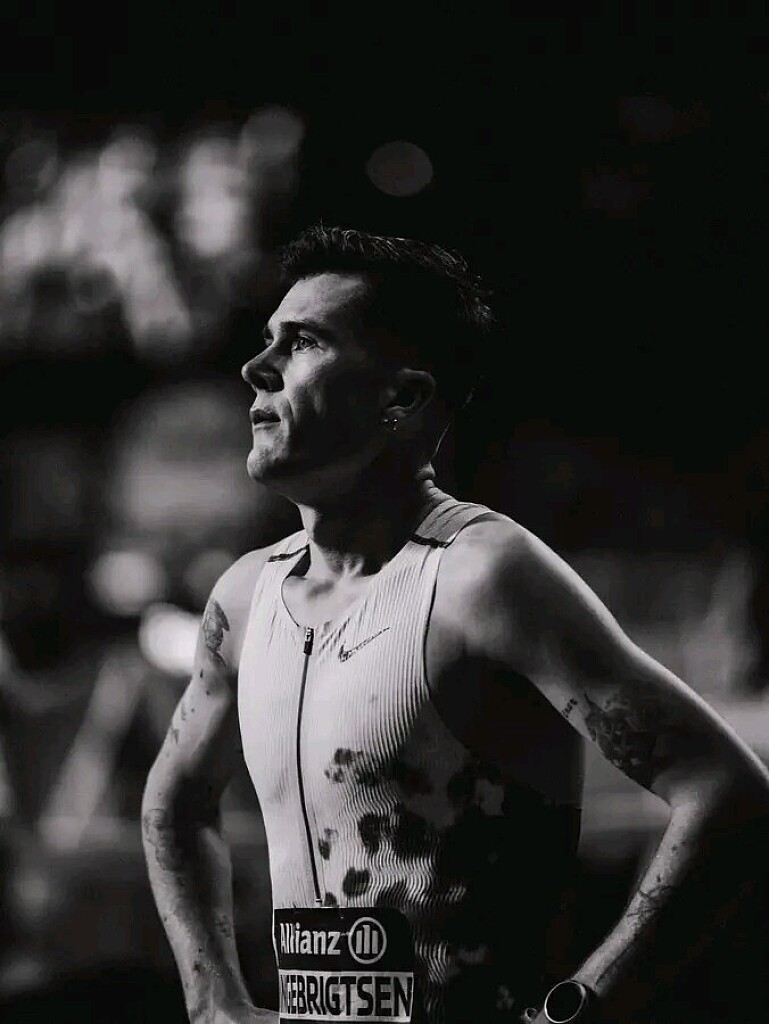
Ingebrigtsen Clarifies Fiery Brussels Outburst After 1500m Defeat: “I Will Always Call Things as I See It
Jakob Ingebrigtsen has offered a measured reflection on his explosive post-race comments following a dramatic men’s 1500m Diamond League Final in Brussels, acknowledging that adrenaline and emotion may have played a role while making it clear that his competitive fire remains as strong as ever.
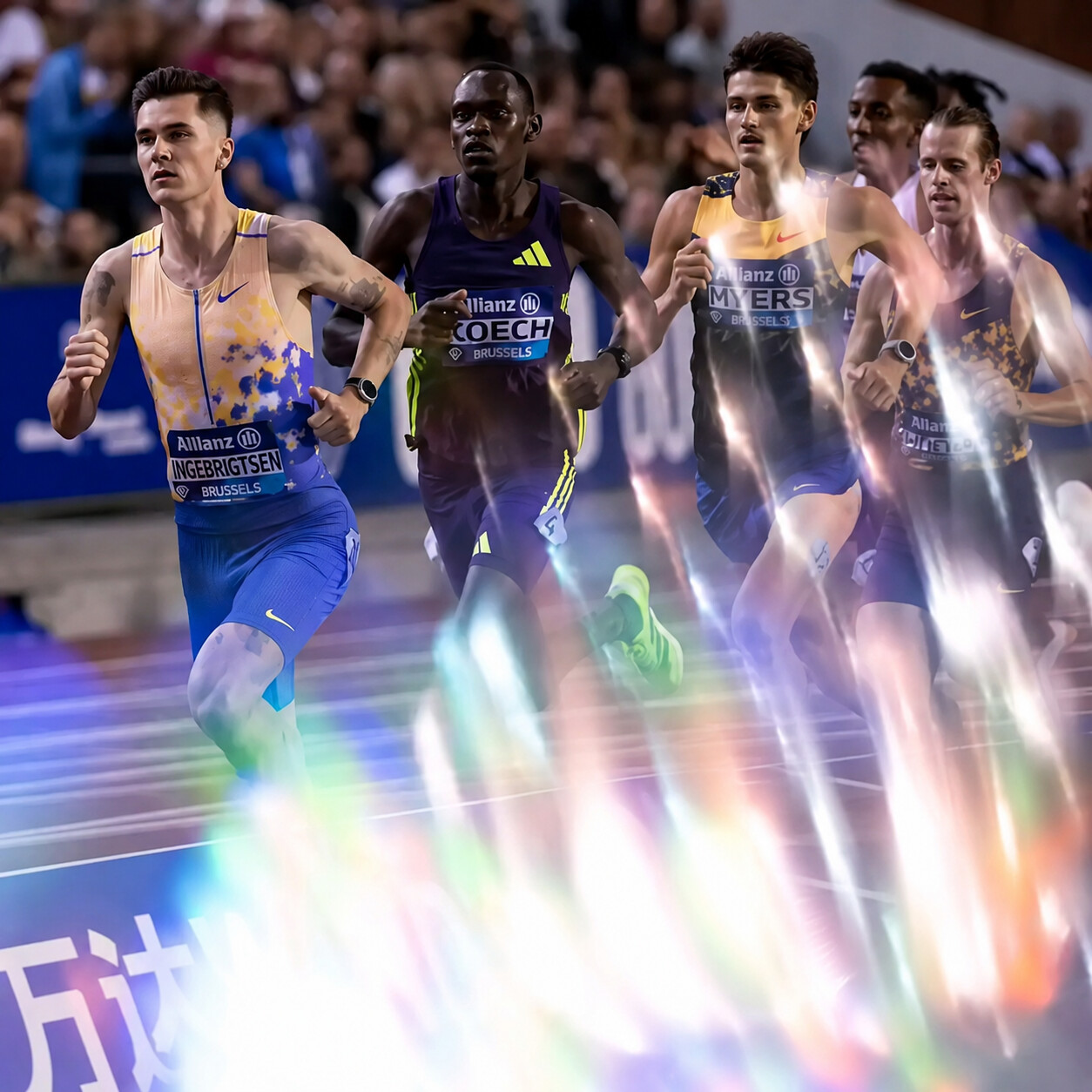
The Norwegian Olympic champion endured a frustrating night at the King Baudouin Stadium, finishing fourth in a season’s best 3:30.52 after taking responsibility for much of the race from the front. Australia’s Cameron Myers produced a perfectly timed late surge to claim the Diamond League title in 3:30.14, edging Kenya’s Phanuel Kipkosgei Koech by just 0.04 seconds, with American Ethan Strand completing the podium in 3:30.50.
Ingebrigtsen had looked capable of converting his aggressive front-running strategy into victory, but the race changed dramatically in the final stages. Myers found a narrow opening and accelerated past the Norwegian, while Koech and Strand also came through strongly as Ingebrigtsen faded over the closing metres.
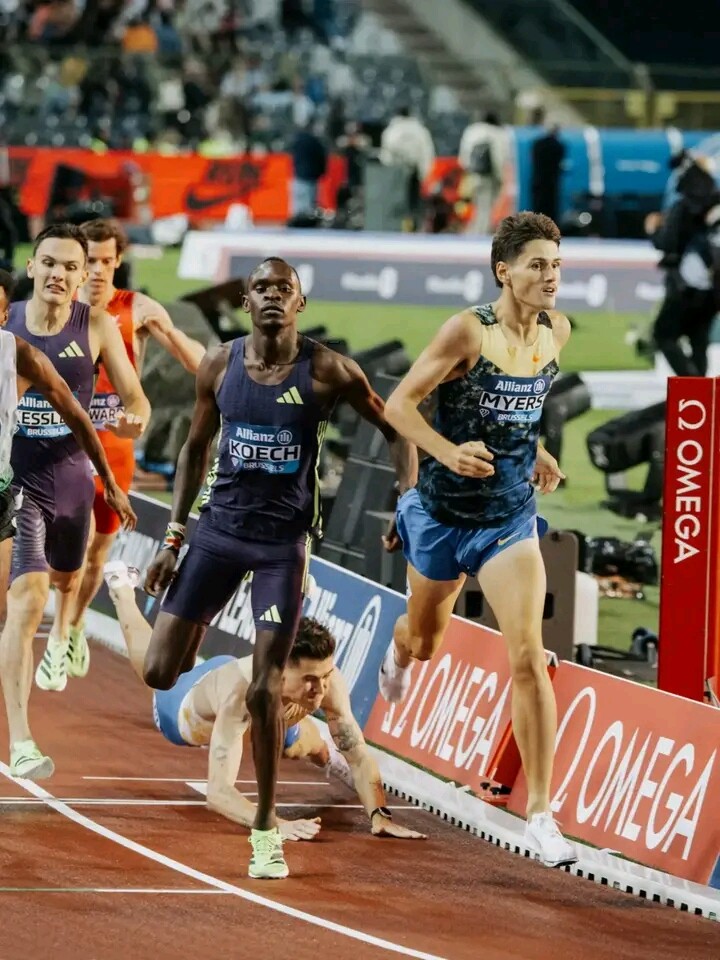
The defeat triggered an unusually fiery reaction from the 25-year-old, who criticised the tactical approach of his rivals and described himself as having raced against “a bunch of cowards”. He was particularly frustrated by what he perceived as competitors sitting back before unleashing their finishing speed when the race reached its decisive phase.
Ingebrigtsen also directed criticism towards Olympic champion Cole Hocker, questioning the way the pacing situation had unfolded and arguing that the American had influenced the pacemaking strategy to his own advantage.
However, after the emotions of the night had settled, Ingebrigtsen returned to social media with a noticeably more reflective message.
“My love for this sport can never be questioned,” he wrote, making it clear that his passionate reaction should not be interpreted as a lack of respect for athletics.
“There was maybe a little too much adrenaline and emotion when the microphones were thrown in front of me last night but I will always call things as I see it.”
The message offered an important qualification to his earlier remarks. Rather than retracting his competitive assessment, Ingebrigtsen appeared to acknowledge that the intensity of the moment had amplified his words.
He also chose to focus on the positives from his performance.
“Pushing from the front, a seasons best and feeling a little more like myself every race,” he added.
That statement is particularly significant given his difficult return to the 1500m after Achilles problems. His 3:30.52 in Brussels was his fastest performance since returning from the injury, providing evidence that his race sharpness is gradually returning despite the disappointment of missing out on the Diamond League crown.
And despite the frustration, Ingebrigtsen made it clear that the defeat has not diminished his hunger.
“Positives to take and lots of fuel for the fire.”
That final line perhaps captures the Norwegian better than anything he said immediately after the race. The fourth-place finish may have frustrated him, but it has also provided another source of motivation as he continues rebuilding his form.
He concluded his message by thanking supporters for standing behind him throughout his comeback.
“Thanks for all the support as always, it feels so good to be back!”
For Ingebrigtsen, Brussels was therefore a night of contrasting emotions: disappointment at surrendering a race he had helped control, frustration with the tactics around him, but also encouragement from a season’s best performance and the feeling that he is gradually returning to his best.
For Myers, it was a breakthrough evening and one of the biggest victories of his young career. For Ingebrigtsen, however, the story may not end with fourth place.
If his latest message is anything to go by, the defeat has simply added more fuel to an already fiercely burning competitive fire.
by Erick Cheruiyot for My Best Runs.
Login to leave a comment
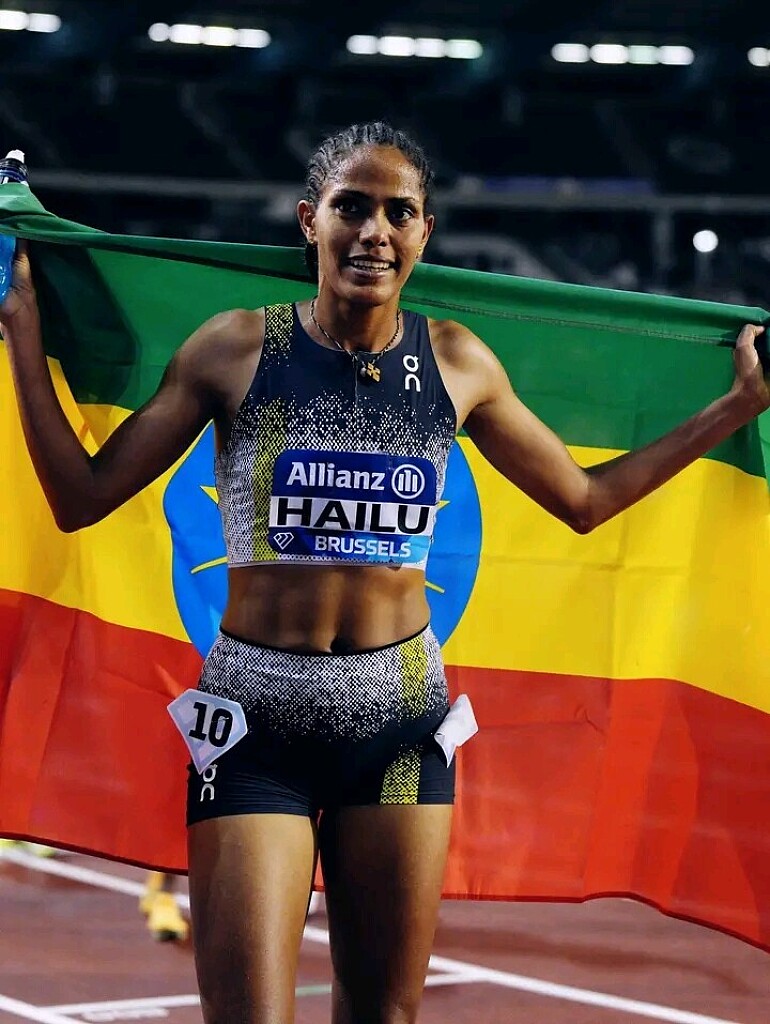
Freweyni Hailu Unleashes A Devastating Final Kick To Rule The Diamond League 5000m In Brussels
Freweyni Hailu produced a magnificent display of tactical intelligence and raw finishing speed in Brussels, unleashing a devastating late kick to win the women’s 5000m Diamond League title in 14:35.20.
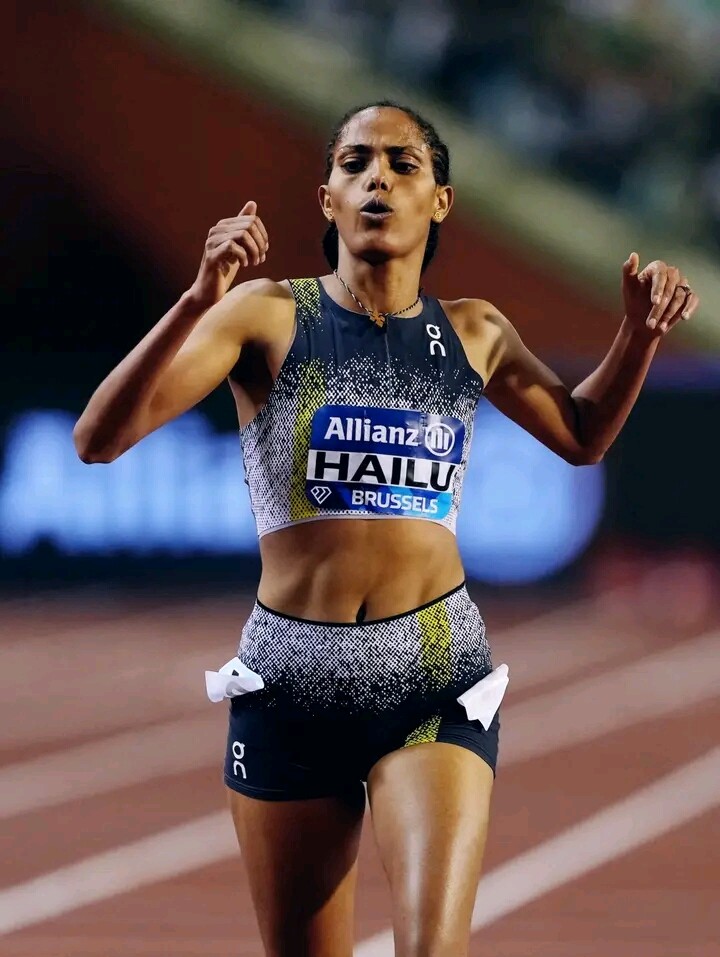
The Ethiopian star executed the perfect sit-and-kick strategy. Rather than committing herself to the pace early, Hailu remained patiently positioned among the leading group, conserving her energy while waiting for the race to reach its decisive stages.
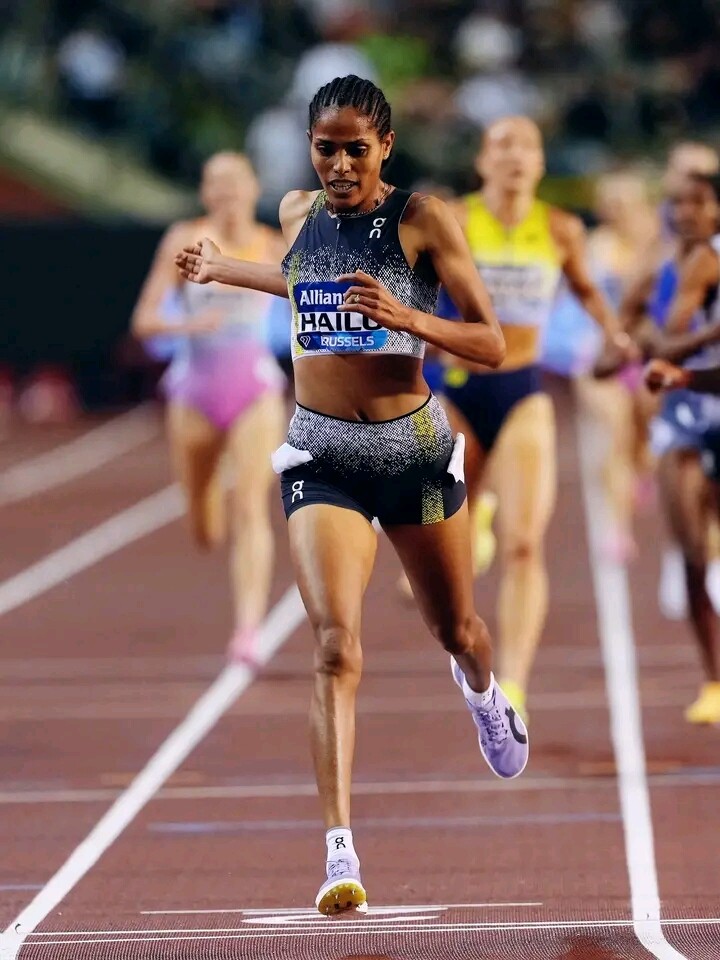
When the moment finally arrived, she was ready.
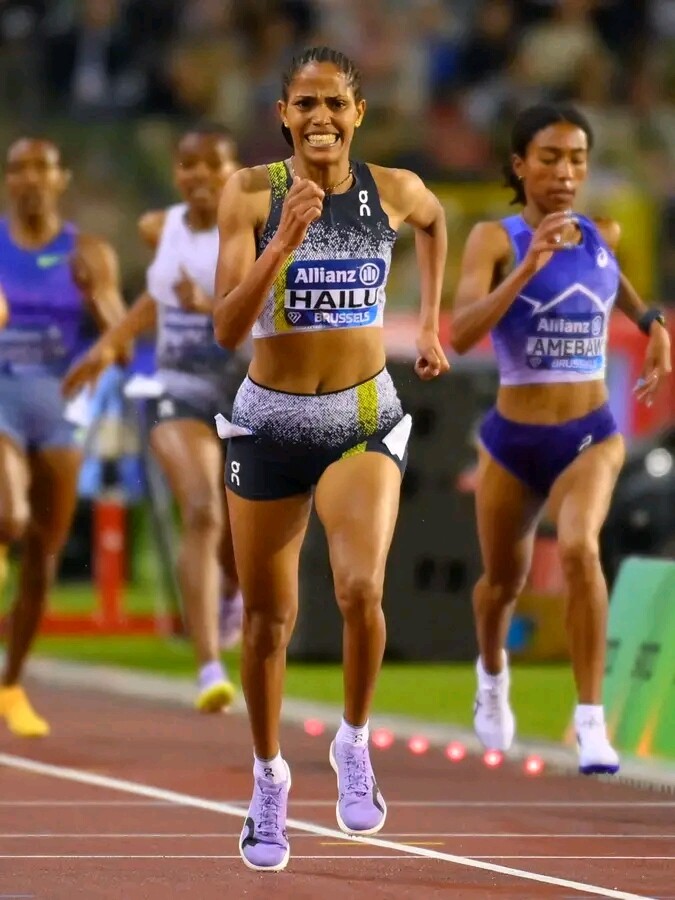
Hailu accelerated ferociously over the closing 200 metres, suddenly opening a gap on the field and turning a tightly contested race into a commanding victory. Her rivals simply could not match the change of pace as she powered relentlessly toward the finish line.
Her 14:35.20 was enough to secure the Diamond Trophy and headline an extraordinary Ethiopian clean sweep of the podium. Hailu was followed home by compatriots Amedework Amebaw, who ran 14:36.31, and Freweyni Getachew, who clocked 14:37.09.
The strength of the Ethiopian contingent was further demonstrated by Hirut Meshesha, who finished fifth in 14:37.84. Meshesha narrowly finished ahead of Australia’s Georgia Griffith, who stopped the clock at 14:38.69, with both athletes producing strong performances in a fiercely competitive field.
Meshesha’s fifth-place finish carried an additional reward. She secured the final qualifying spot for the World Ultimate Championships, having been the highest individual in the field who had not already qualified through the World Ranking Quota.
Australia’s Sarah Davies finished fourth in 14:37.47, a season’s best, while the Netherlands’ Maureen Koster was seventh in 14:39.38. Ethiopia’s Tsige Eisa followed in eighth with 14:39.40, while compatriot Frehiwot Alemayo placed ninth in 14:40.27. Australia’s Rose Davies Hall completed the top 10 in 14:40.62, a personal best.
For Hailu, the victory added another impressive chapter to an already distinguished career. The two-time World Indoor Champion has established herself as one of Ethiopia’s leading middle- and long-distance runners, possessing the rare combination of endurance, tactical awareness and explosive finishing speed.
She arrived in Brussels with a formidable 14:18.94 personal best, the second-fastest mark among the competitors. But she did not need to rely on chasing that standard. Instead, she trusted her race instincts, stayed composed and waited until the final moments to unleash the weapon that ultimately decided the contest.
The final 200 metres belonged entirely to Hailu. What had been a battle of patience and positioning suddenly became a demonstration of pure speed, with the Ethiopian pulling away decisively as the finish approached.
Brussels therefore witnessed more than another Diamond League victory. It was a statement from Hailu and a powerful showcase of Ethiopia’s extraordinary depth in women’s distance running.
She sat, she waited, and then she struck. Nobody could live with that kick.
by Erick Cheruiyot for My Best Runs.
Login to leave a comment
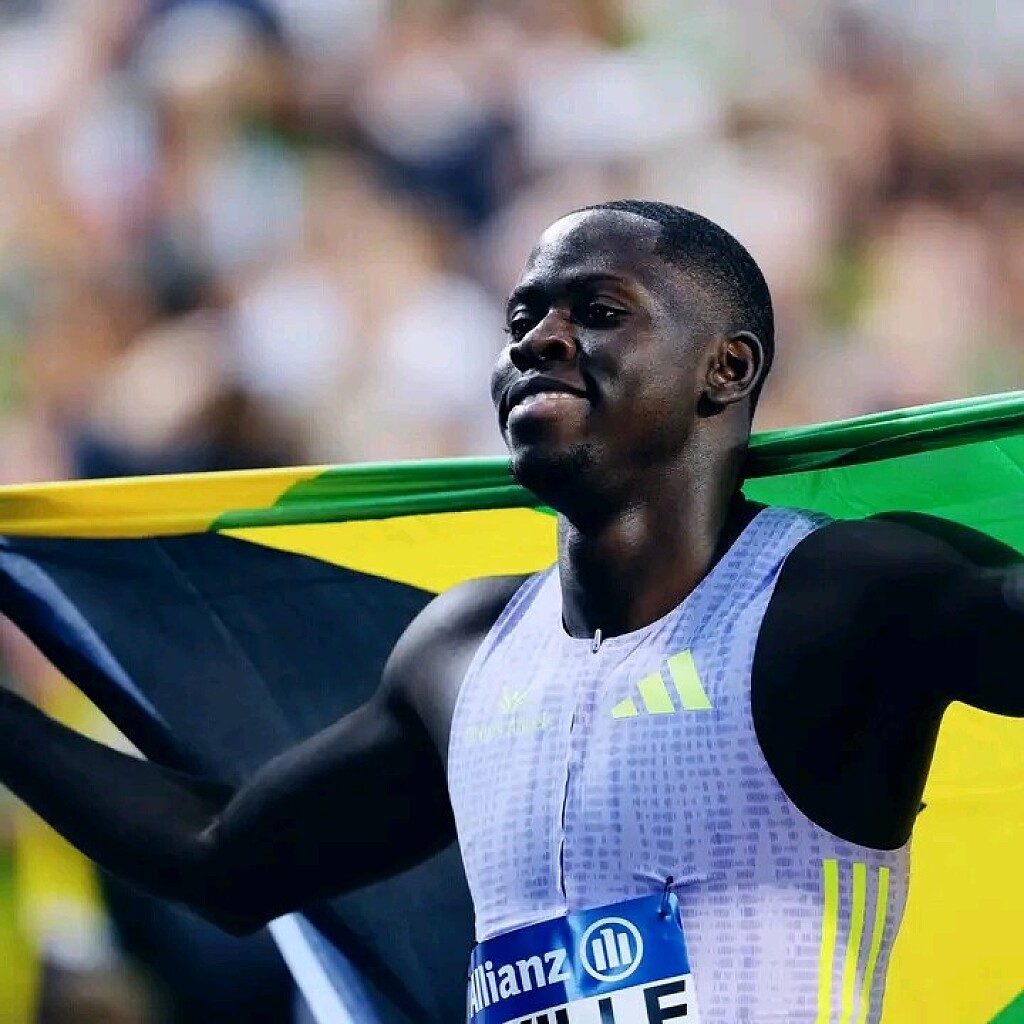
Oblique Seville Rules Brussels With A Blistering 9.90 To Claim The Diamond Trophy
Oblique Seville produced a statement performance in Brussels, powering to a superb 9.90 seconds to capture the men’s 100m Diamond League title and secure the coveted Diamond Trophy for Jamaica.
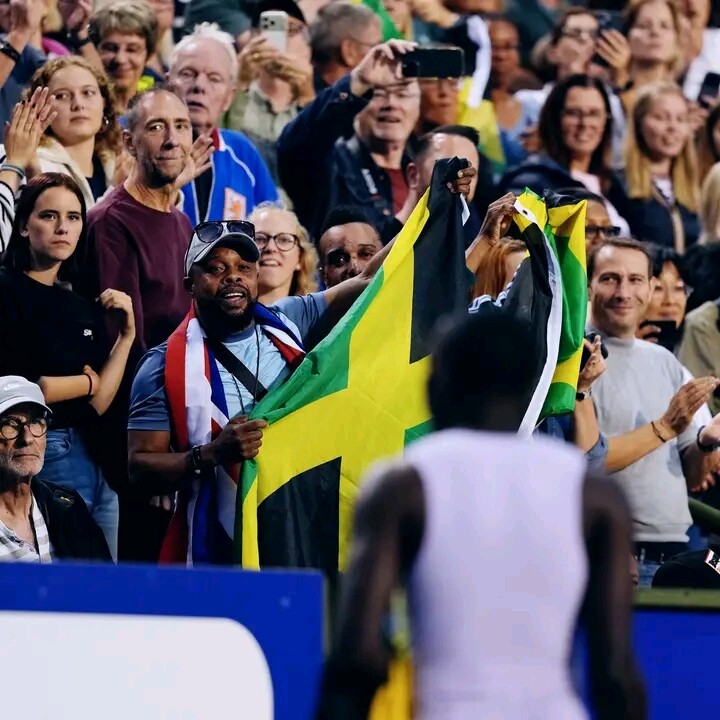
The Jamaican sprinter rose to the occasion in a fiercely contested final, exploding from the blocks and maintaining his composure as the field charged towards the finish. Seville held off a remarkable challenge from Cameroon’s Emmanuel Eseme, who pushed him all the way before crossing the line in an outstanding 9.93 seconds.
Nigeria’s Kayinsola Ajayi also delivered a superb performance, breaking the 10-second barrier to take third in 9.97 seconds and complete a remarkably fast podium.
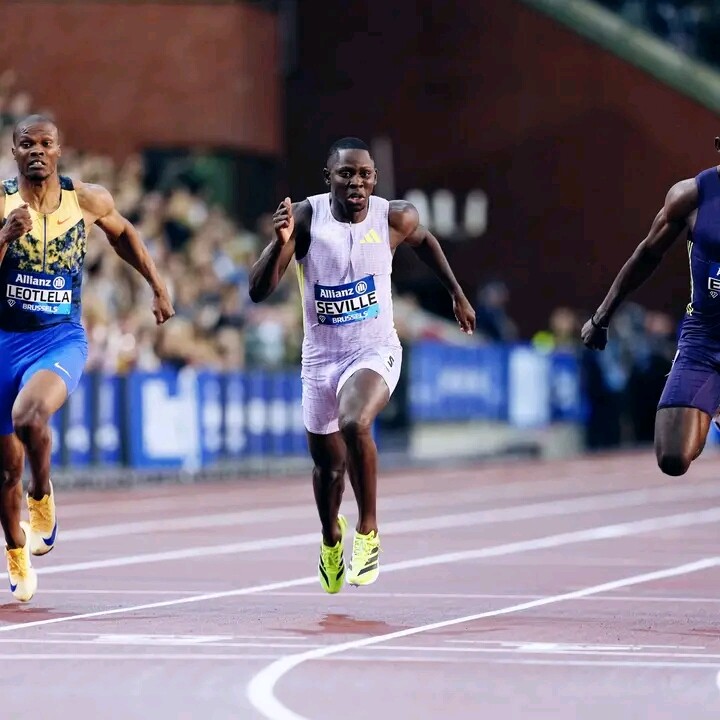
Behind the leading trio, Australia’s Lachlan Kennedy narrowly missed the podium in 9.99, while South Africa’s Gift Leotlela and American Christian Coleman both stopped the clock at 10.01. South Africa’s Akani Simbine followed in 10.03, with American Trayvon Bromell recording 10.07.
For Seville, the victory represents another significant milestone in a rapidly developing career. The Jamaican has established himself as one of the leading sprinters of his generation, and his ability to deliver under the pressure of a Diamond League final once again demonstrated his competitive strength.
The Brussels final was particularly impressive for its depth, with seven athletes breaking or matching the 10-second barrier. Yet when the decisive moment arrived, Seville had the extra gear required to separate himself from the pack.
His 9.90 was not merely enough to win the race—it was enough to put his name on the Diamond League trophy and cap his campaign with another major victory.
1. Oblique Seville — 9.90
2. Emmanuel Eseme — 9.93
3. Kayinsola Ajayi — 9.97
Jamaica celebrates another Diamond League champion, while Seville leaves Brussels with the biggest prize of the night and yet another reminder that he belongs among the very best in the world.
A brilliant finish to the Diamond League season—and another golden moment for Oblique Seville.
by Erick Cheruiyot for My Best Runs.
Login to leave a comment
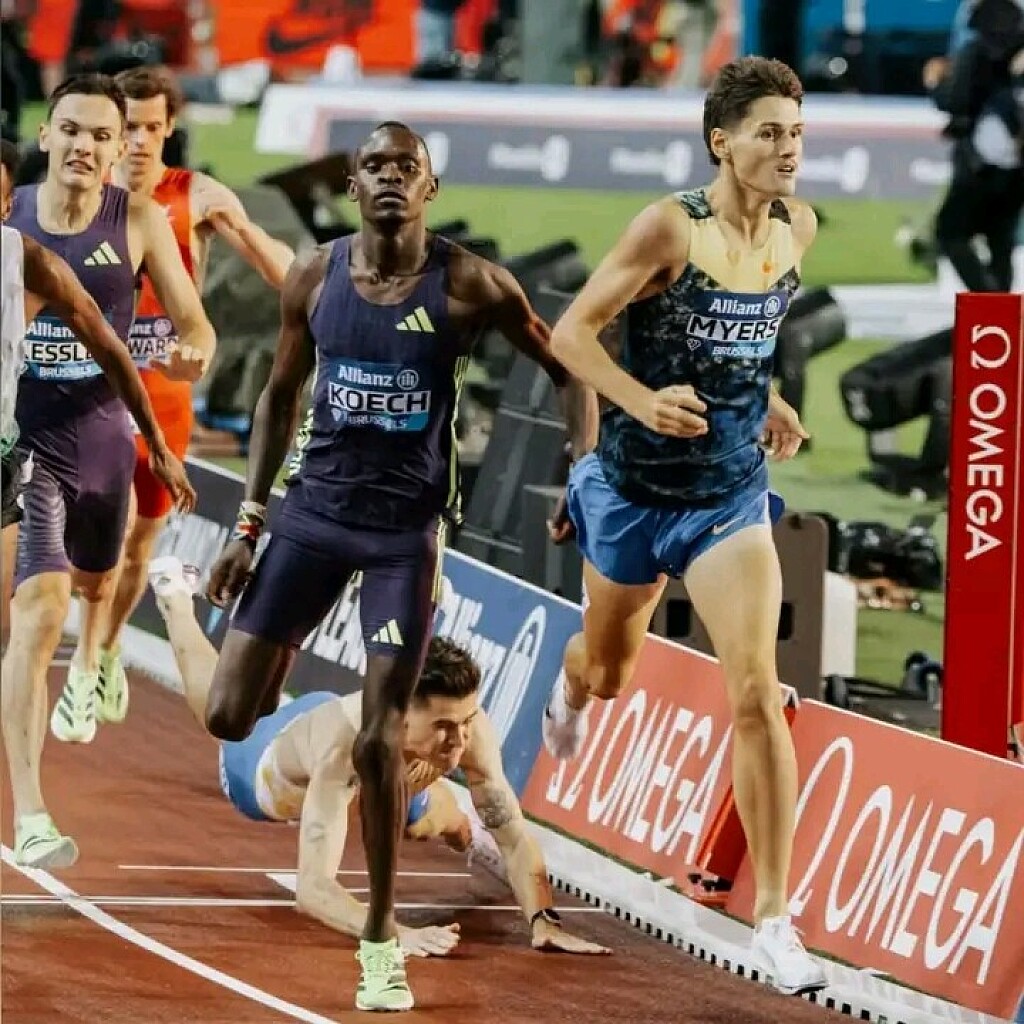
Cameron Myers Produces A Champion’s Kick To Win Thrilling Brussels 1500m Final
Cameron Myers delivered a breathtaking finish in Brussels to capture the men’s 1500m Diamond League Final title, producing a decisive late surge before dipping for the line in 3:30.14 to claim the coveted Diamond Trophy.
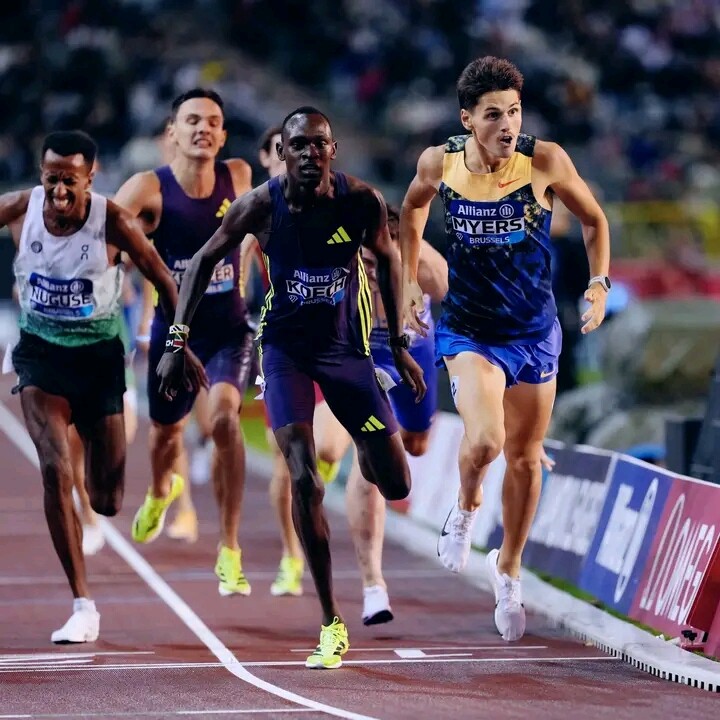
The Australian was moving with remarkable speed when it mattered most, unleashing the finishing kick of a champion in the closing metres. With the race finely poised, Myers held his composure and found the extra strength needed to edge ahead at the line in a dramatic conclusion to the final.
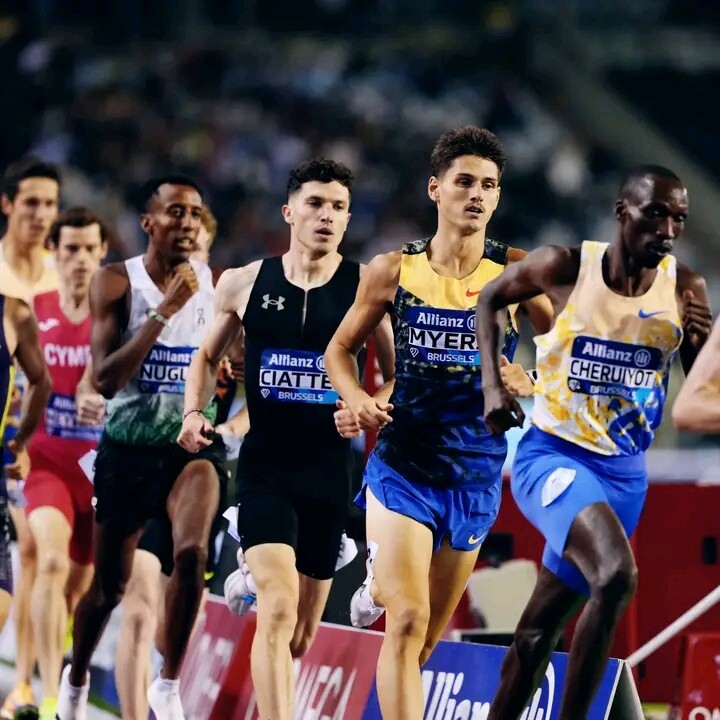
Kenya’s Phanuel Kipkosgei Koech came agonisingly close to taking the title, crossing the finish in 3:30.18—just 0.04 seconds behind Myers. Koech produced a brilliant closing effort and pushed the Australian all the way, narrowly missing out on what would have been a stunning Diamond League triumph.
American Ethan Strand completed the podium in 3:30.50, adding another layer to an extraordinary finish. The first three athletes were separated by just 0.36 seconds, underlining just how fiercely contested the race was from start to finish.
For Myers, the victory was a powerful statement on one of the biggest stages of the Diamond League season. When the pressure reached its peak, the Australian responded with speed, determination and the composure required to deliver when victory was decided by the smallest of margins.
Koech, meanwhile, leaves Brussels with plenty of credit after pushing Myers to the absolute limit. His silver-medal performance demonstrated both his strength and his ability to compete fearlessly against elite opposition, even though the Diamond Trophy slipped away by the narrowest of margins.
It was a finish worthy of a Diamond League Final—three athletes charging for the line, separated by fractions of a second, with Myers ultimately producing the decisive move. Four hundredths of a second made the difference between gold and silver in one of Brussels’ most thrilling showdowns
by Erick Cheruiyot for My Best Runs.
Login to leave a comment
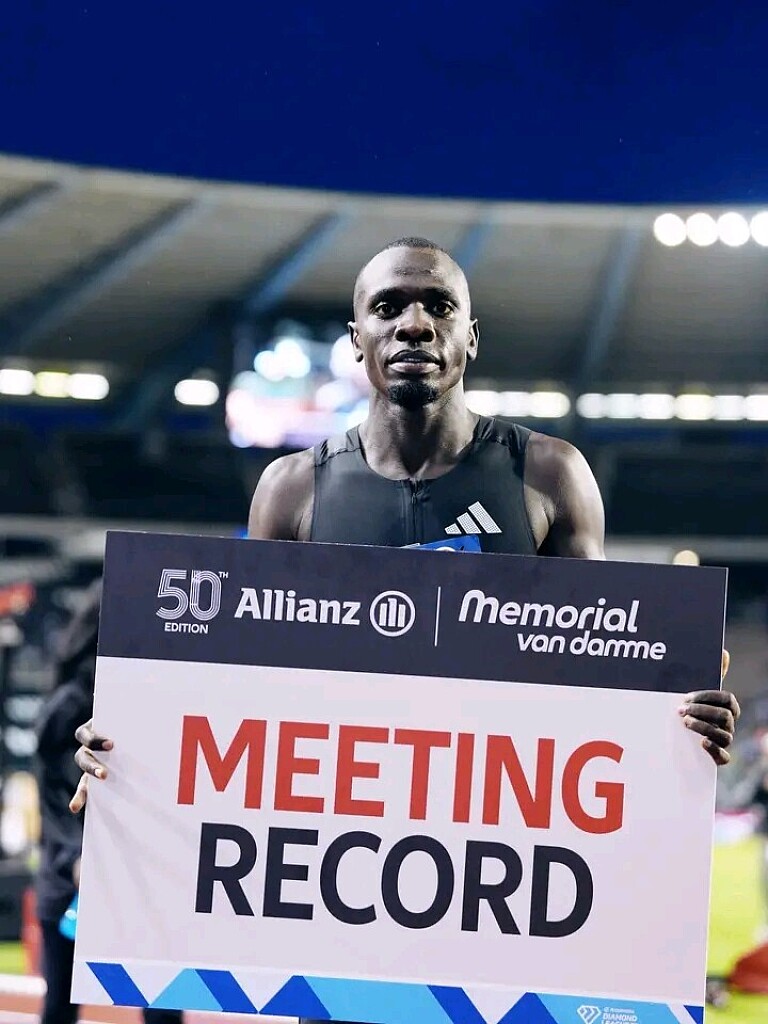
Emmanuel Wanyonyi Makes History With Four Straight Diamond League Final Triumphs In Brussels
Kenya’s Emmanuel Wanyonyi has once again stamped his authority on the men’s 800m, producing a commanding performance in Brussels to claim his fourth consecutive Diamond League Final title in spectacular fashion.
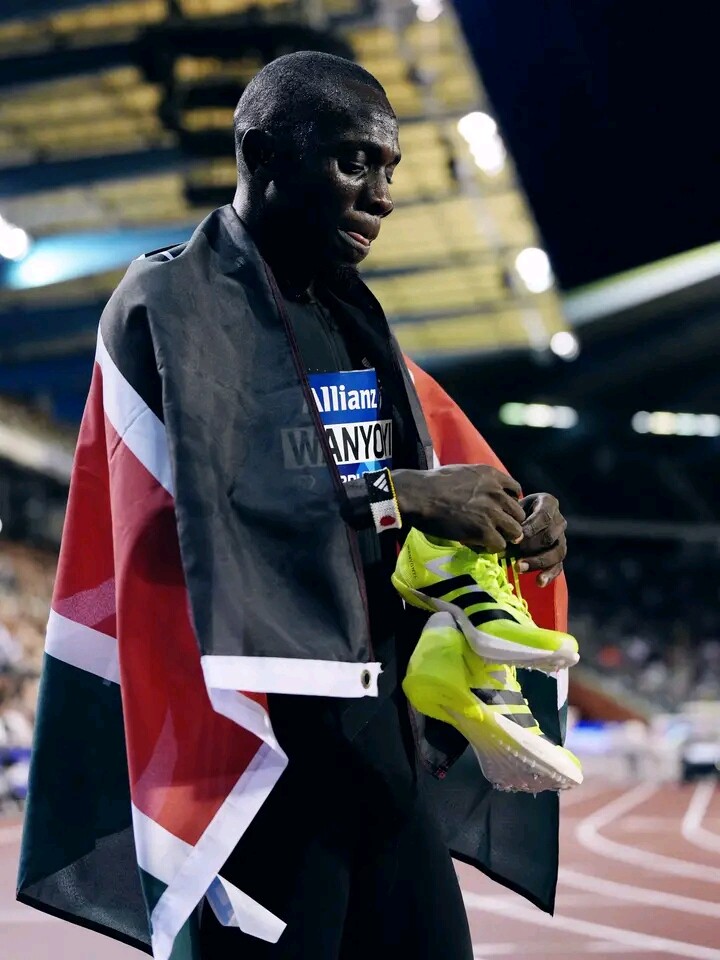
The Olympic champion delivered when it mattered most, surging clear of a fiercely competitive field and crossing the finish line in a brilliant 1:41.80. The performance not only secured another Diamond Trophy for the Kenyan star but also established a new meeting record, further underlining his remarkable consistency at the highest level of the sport.
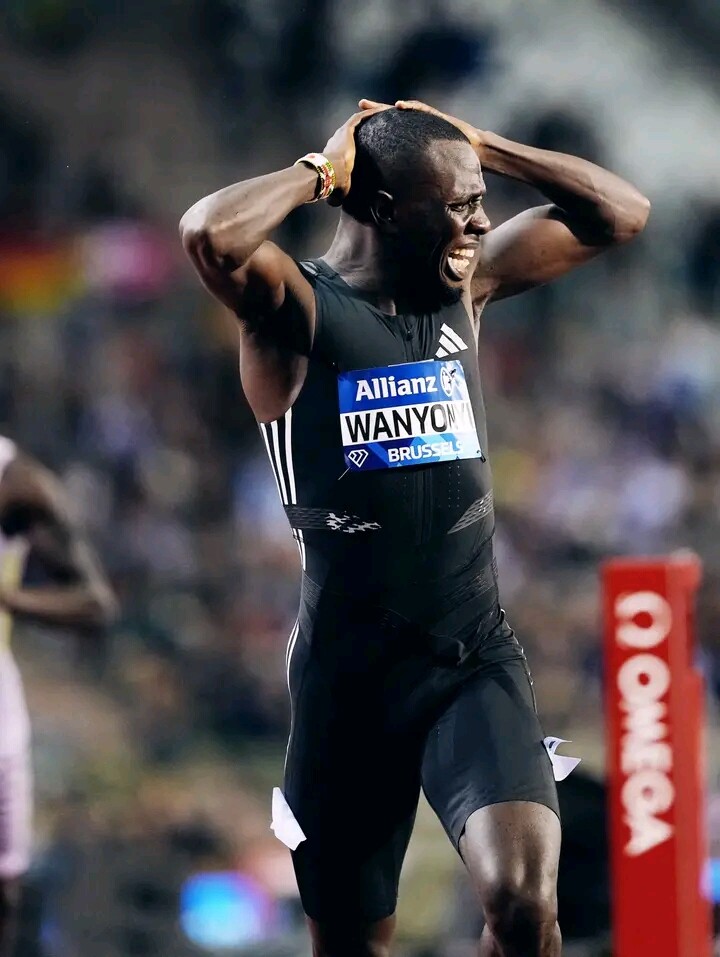
Wanyonyi controlled the race with characteristic confidence before unleashing his decisive move in the closing stages. Once he found another gear, his rivals could only watch as the Kenyan pulled away, transforming a tightly contested final into another memorable victory for one of the world's most formidable 800m runners.
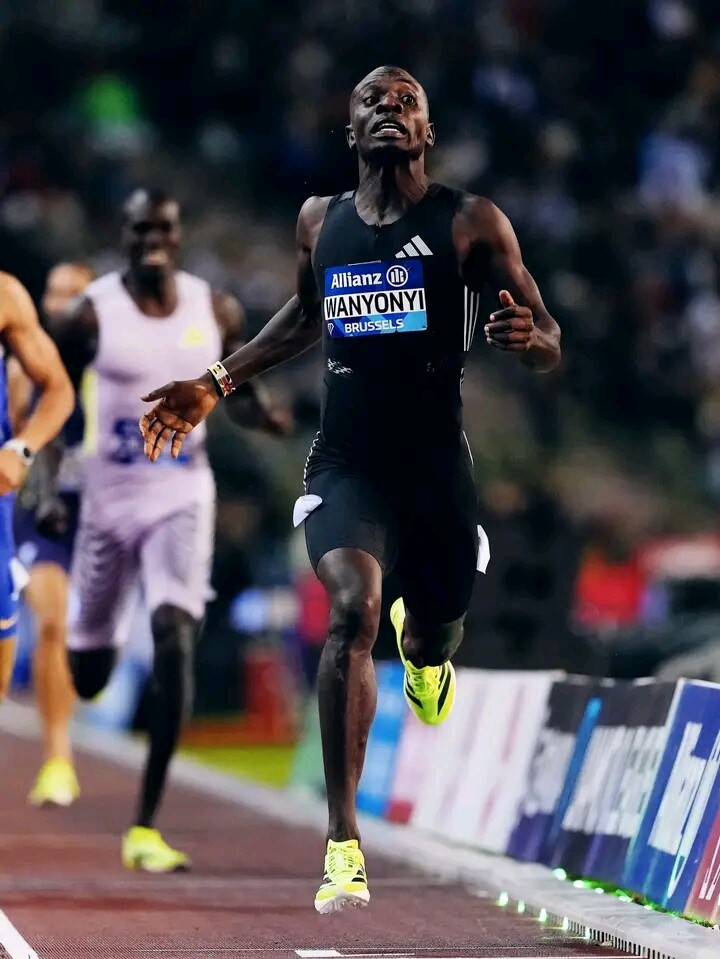
Algeria’s Djamel Sedjati produced an impressive run to finish second in 1:42.71, while France’s Yanis Meziane completed the podium in 1:42.87, smashing his personal best in a breakthrough performance on one of athletics’ biggest stages.
Meziane’s outstanding run carried an additional reward. As the highest finisher in the field who had not already secured qualification, his personal-best performance earned him a place at the World Ultimate Championships, adding another significant milestone to an already memorable night.
For Wanyonyi, however, the spotlight belonged entirely to his extraordinary achievement. Four Diamond League Finals, four victories and four Diamond Trophies — a level of dominance that places him in truly elite company.
His latest triumph is more than another title. It is another statement from a 22-year-old Kenyan who continues to combine speed, tactical intelligence, courage and an extraordinary competitive mentality. Year after year, Wanyonyi has shown that he thrives when the pressure is greatest, and Brussels provided yet another example of his championship pedigree.
Four finals. Four trophies. Four consecutive victories.
Emmanuel Wanyonyi has once again reminded the world why he is one of Kenya’s brightest athletics stars and one of the most feared 800m runners on the planet.
by Erick Cheruiyot for My Best Runs.
Login to leave a comment
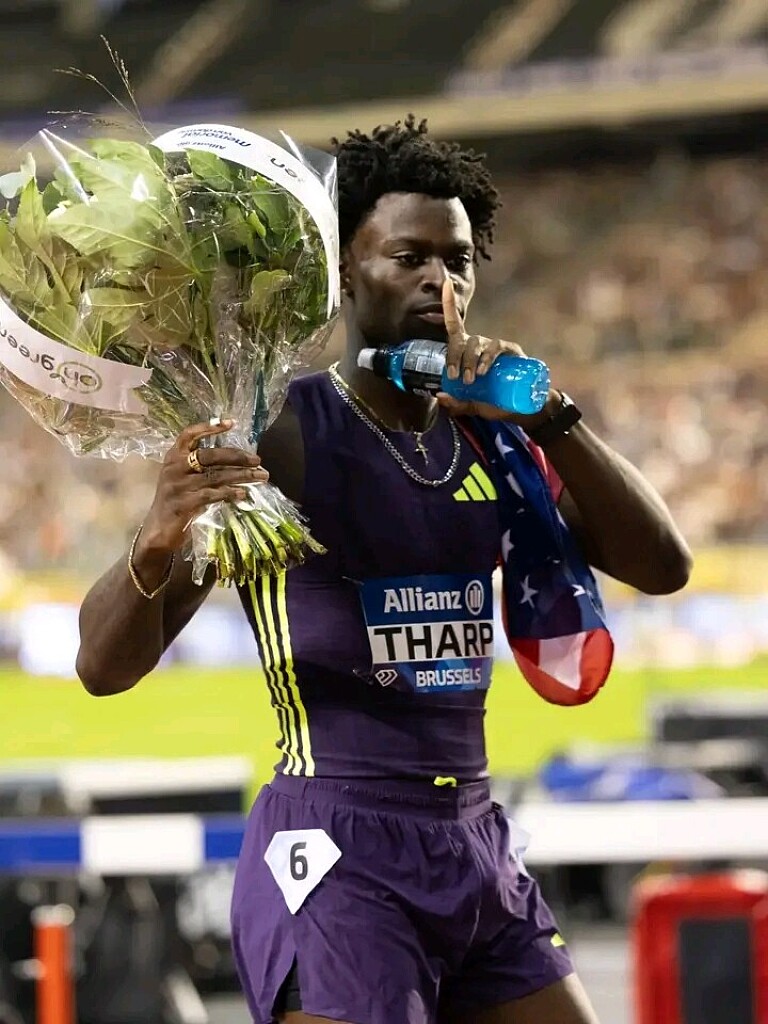
Ja’Kobe Tharp Delivers A Gritty Masterclass To Claim Diamond League Final Glory
Ja’Kobe Tharp has added another major milestone to his rapidly rising athletics career, emerging as the Diamond League Final champion in the men’s 110m hurdles after producing a composed and fiercely contested performance in Brussels.
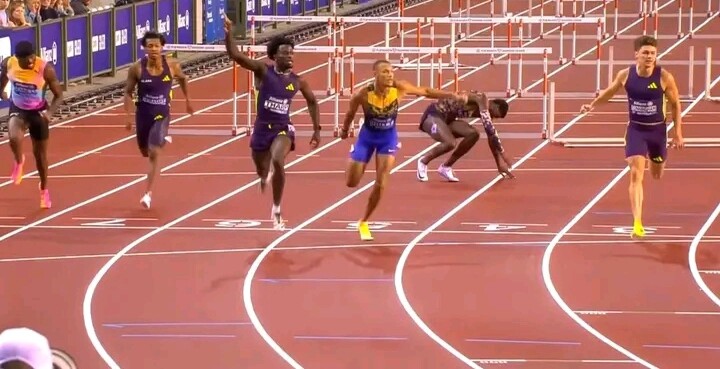
The American hurdler battled through a tight race in which the field remained closely packed for much of the contest. With little separating the leading contenders, Tharp kept his composure when it mattered most, finding another gear over the closing stages to pull away from his rivals.
The decisive moment came over the final two hurdles. While the competition remained intense, Tharp attacked the final barriers with greater conviction and surged clear of the field before powering through the finish line in 13.03 seconds, with a slight legal headwind of -0.2 m/s.
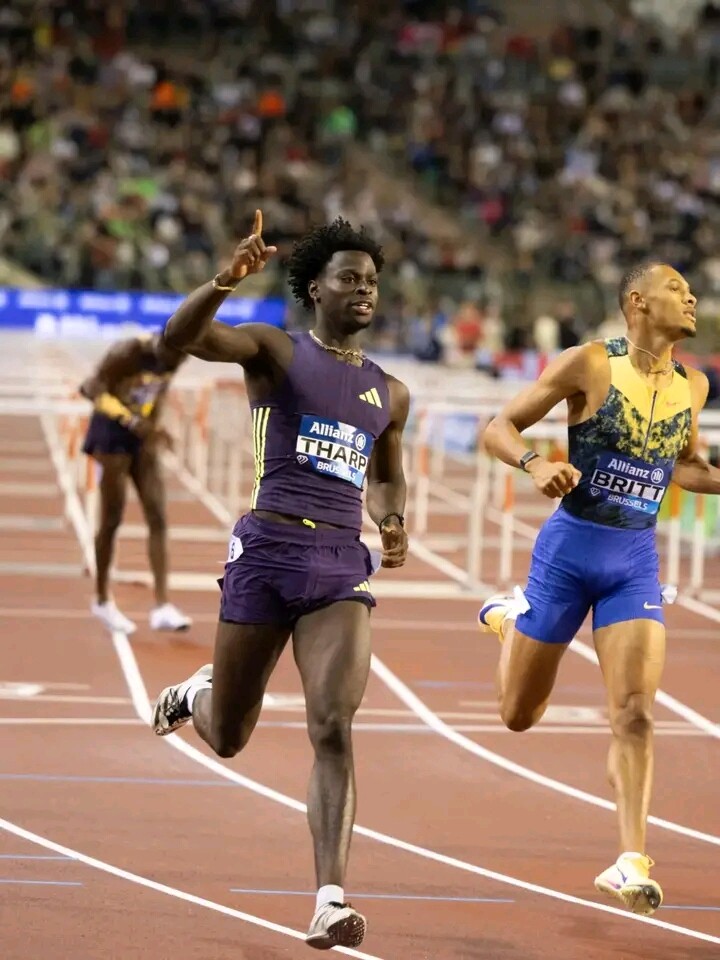
It was not a race won by overwhelming dominance from the opening gun. Instead, Tharp displayed the qualities required to triumph on the biggest stages — patience, precision, resilience and the ability to deliver under pressure when victory was still within reach.
Jamal Britt produced an impressive performance of his own to secure the silver medal in 13.09 seconds, finishing just six hundredths of a second behind the champion. Trey Cunningham completed the podium, crossing the line in 13.22 seconds to claim bronze.
For Tharp, the Diamond Trophy represents a significant achievement and another statement of his credentials among the world's elite hurdlers. His victory also underlines the depth of American talent in the 110m hurdles, with three athletes featuring prominently on a major championship-style stage.
The 110m hurdles final ultimately belonged to Tharp, however. When the pressure intensified and the race entered its decisive phase, he remained technically sharp and unleashed the finishing speed that separated him from the rest.
A 13.03-second victory may look modest on the results sheet, but the manner in which Tharp secured it made the performance particularly impressive. He waited, fought and then struck at precisely the right moment — a champion's finish when the Diamond Trophy was on the line.
With another prestigious title now added to his résumé, Tharp continues to establish himself as one of the most exciting names in the next generation of American sprint hurdlers.
by Erick Cheruiyot for My Best Runs.
Login to leave a comment
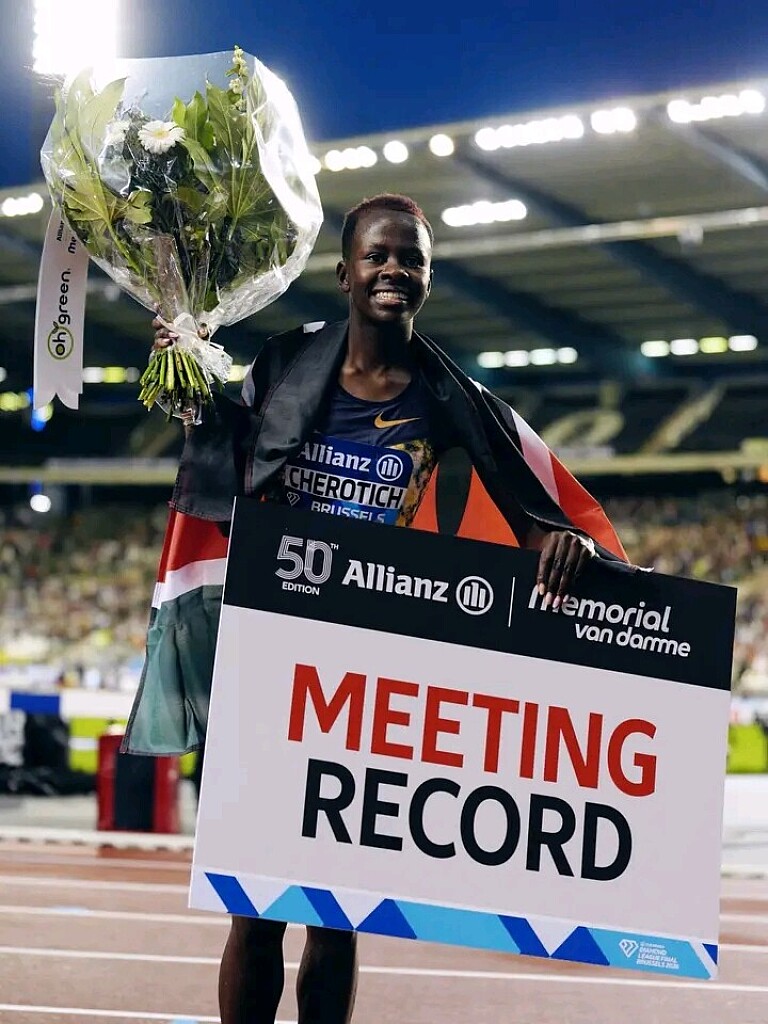
Faith Cherotich Unleashes A Devastating Final Kick To Seal Third Diamond Trophy In Brussels
Faith Cherotich produced a spectacular display of speed and determination in Brussels, storming to victory in the women’s 3000m steeplechase and securing her place among the event’s elite with another Diamond League triumph.
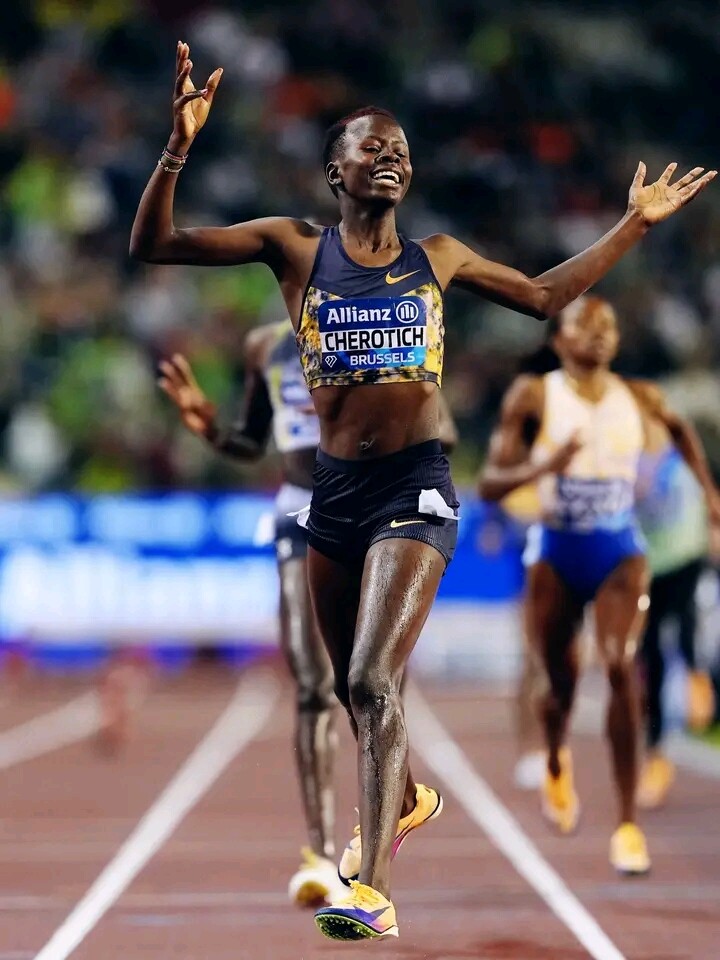
The Kenyan star saved her most devastating weapon for the closing stages, unleashing a breathtaking final kick over the last 100 metres to pull decisively away from Winfred Yavi. Cherotich surged clear when it mattered most, crossing the finish line in a superb 8:51.61 to set a new meeting record.
It was a performance built on patience, tactical intelligence and extraordinary finishing speed. Cherotich remained composed through the barriers and water jump before producing a remarkable acceleration in the final straight that left her rivals struggling to respond.
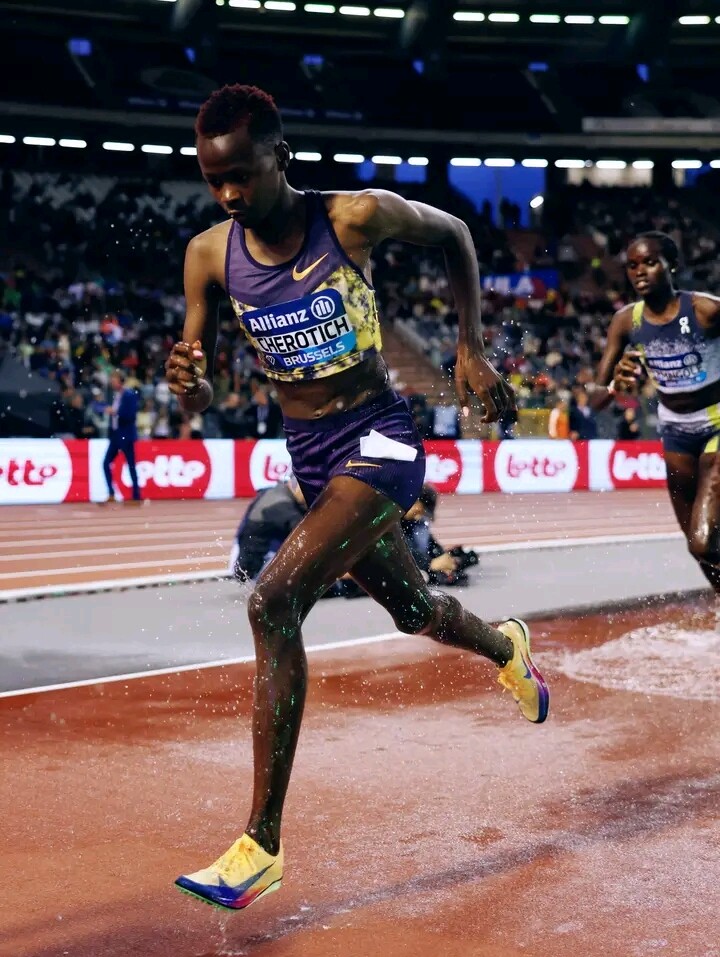
The victory was particularly significant as it made Cherotich a three-time Diamond Trophy champion, adding another prestigious achievement to an already impressive career. Her ability to repeatedly deliver on the biggest Diamond League stage demonstrates the consistency and competitive strength that have made her one of Kenya’s outstanding steeplechase stars.
Behind her, Kenya completed a magnificent 1-2 finish as Doris Lemngole produced a brilliant closing surge of her own. Lemngole powered past Yavi in the final stages to secure second place in a superb personal best of 8:52.86, ensuring that the Kenyan flag flew proudly at the top two positions on the podium.
The result turned the Brussels steeplechase into a celebration of Kenyan strength, with Cherotich and Lemngole occupying first and second, while Yavi was forced to settle for third after being overtaken by the fast-finishing Lemngole.
For Cherotich, however, the spotlight belonged entirely to her. Her meeting-record 8:51.61 was the culmination of a perfectly executed race, capped by a finishing burst that showcased the raw speed and confidence required to dominate one of athletics’ most demanding events.
The Brussels triumph also sends a powerful message ahead of the next major challenges. Cherotich has once again demonstrated that she possesses not only the endurance to survive the gruelling barriers and water jump but also the finishing speed to destroy the opposition in the final metres.
With another Diamond Trophy secured and a meeting record added to her résumé, Faith Cherotich continues to strengthen her reputation as one of the most formidable names in women’s steeplechase.
by Erick Cheruiyot for My Best Runs.
Login to leave a comment
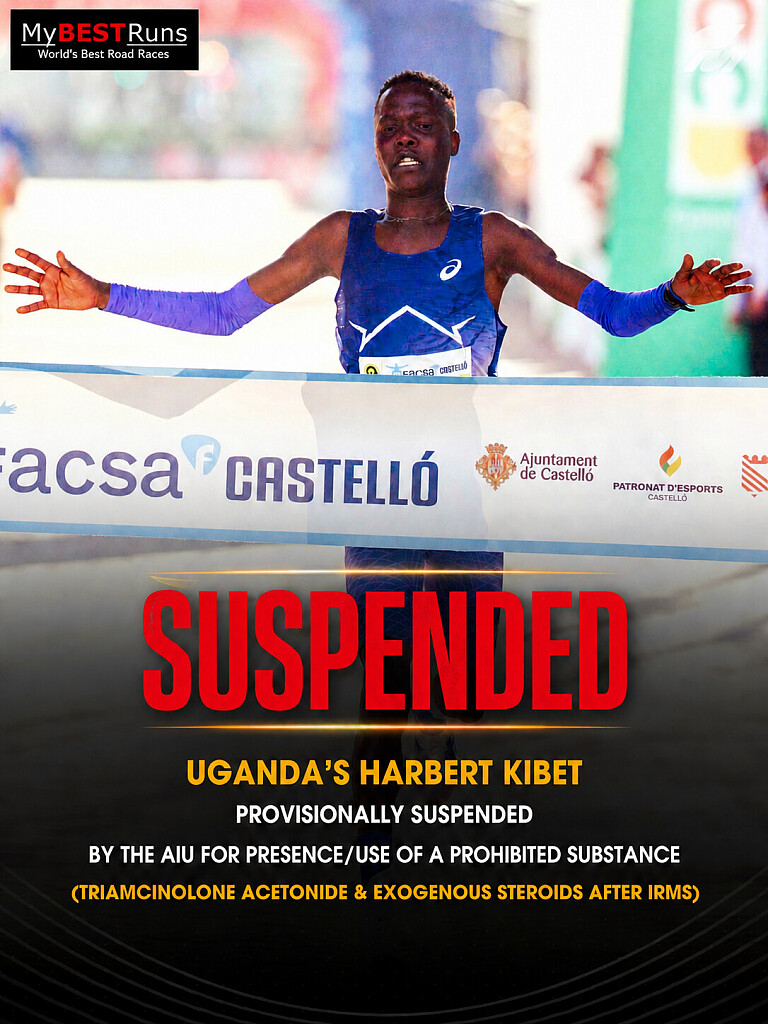
Uganda’s Rising Distance Star Harbert Kibet Provisionally Suspended by AIU
Uganda’s rapidly rising distance-running star Harbert Kibet has been provisionally suspended by the Athletics Integrity Unit (AIU) over the alleged presence and use of prohibited substances.
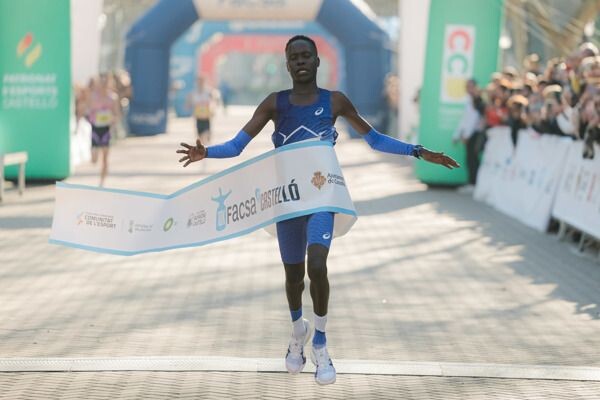
The 21-year-old is facing allegations involving triamcinolone acetonide and exogenous steroids, with the substances reportedly confirmed through Isotope Ratio Mass Spectrometry (IRMS) analysis. The development brings an abrupt halt to what had appeared to be the emergence of one of Uganda’s most promising young distance-running talents.
Kibet had enjoyed a remarkable breakthrough in February when he made his road 10-kilometre debut at the 10K Facsa Castellón in Spain. He produced a stunning performance to win in a world-leading 26:39, a time that placed him at No. 4 on the all-time road 10K list at the time and immediately elevated his status in international distance running.
His rapid rise had already earned him opportunities to represent Uganda on the global stage. Kibet competed for his country at the World Championships in Tokyo last year, although he did not progress beyond the heats.
His most recent competition came in May at the Xiamen Diamond League, where he finished 15th in the men's 5000 metres in 13:46.45. He has not competed since that race.
The provisional suspension now casts uncertainty over the immediate future of an athlete whose spectacular 10K performance earlier this year had generated enormous excitement. However, it is important to stress that a provisional suspension is not a final finding of an anti-doping rule violation.
The case will now continue through the appropriate anti-doping process, during which the evidence and circumstances surrounding the allegations will be considered before any final decision is reached.
For Kibet, the development represents a dramatic and unexpected turn in a season that had begun with one of the most remarkable performances in the history of road distance running. The athletics world will now await further developments as the AIU process moves forward.
by Erick Cheruiyot for My Best Runs.
Login to leave a comment
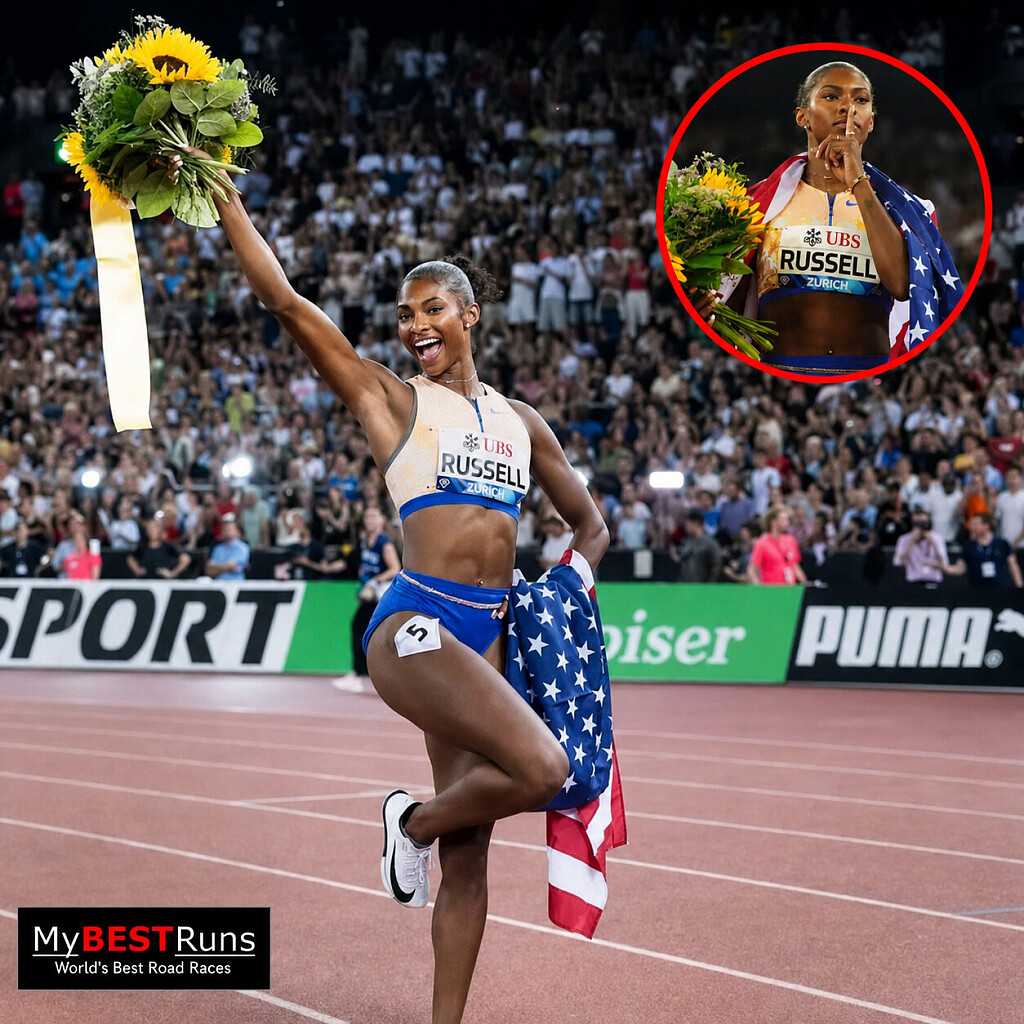
Can Anyone Stop Masai Russell? Brussels Hurdles Final Set for Epic Showdown
The women’s 100m hurdles is set for a spectacular showdown at the Brussels Diamond League Final on September 5, where Olympic champion Masai Russell will lead one of the strongest fields of the season in the battle for the coveted Diamond Trophy.
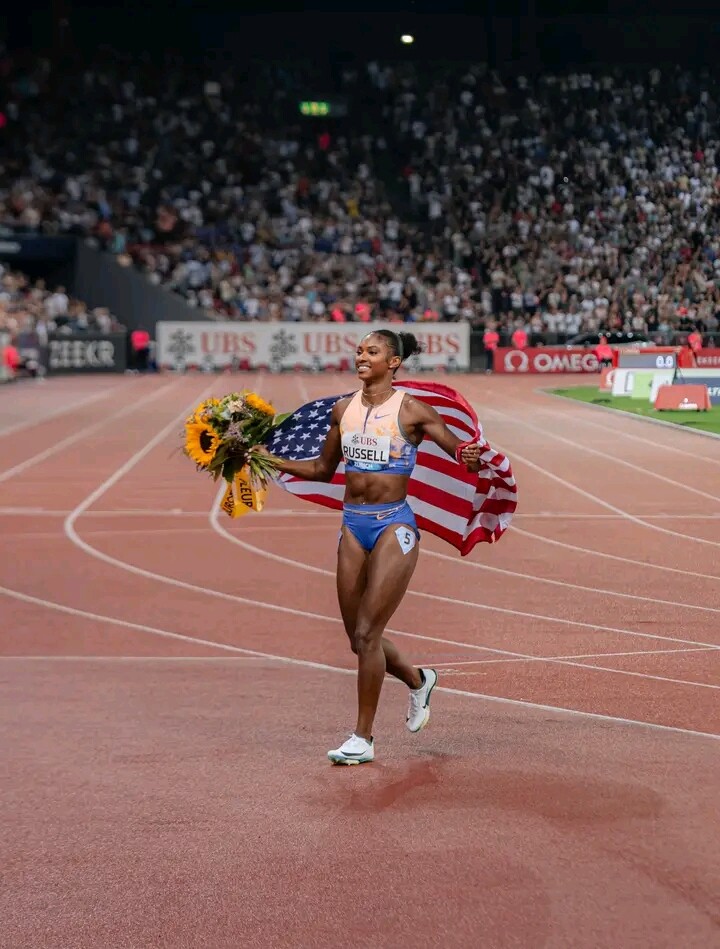
Russell arrives in Brussels in extraordinary form and as the athlete everyone will be chasing. The American star has enjoyed a remarkable season, combining consistency with breathtaking speed, and recently delivered another unforgettable performance when she ran a sensational 12.09 seconds in Zurich to break the world record.
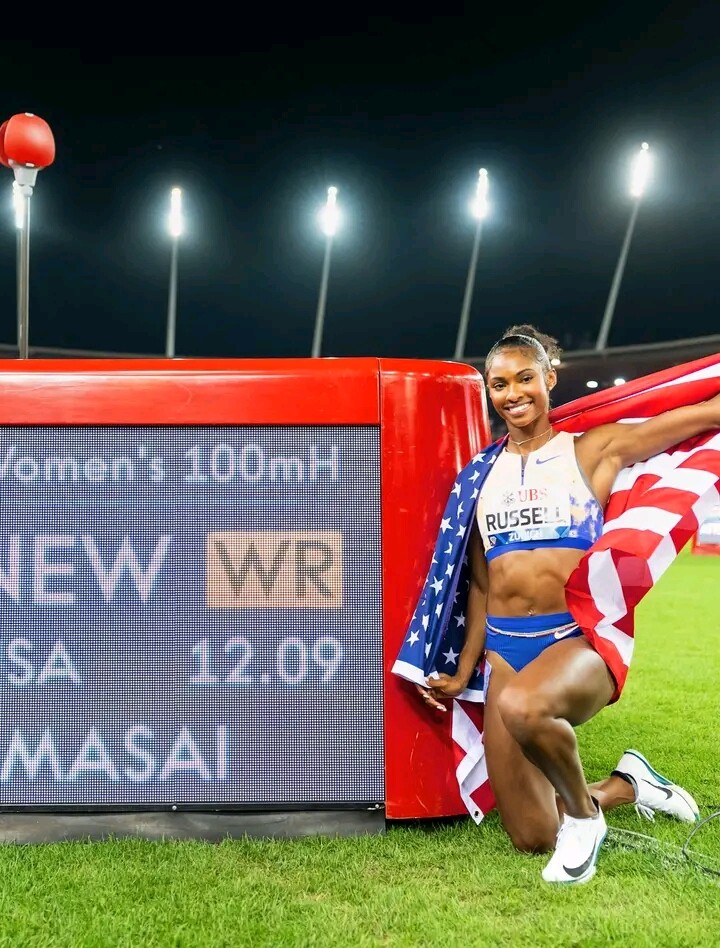
That performance further strengthened Russell’s position as the dominant force in the event. Her remarkable consistency has been equally impressive, with the Olympic champion winning all 10 of her finals so far this season. With 48 points, she also finished at the top of the Diamond League standings during the regular season.
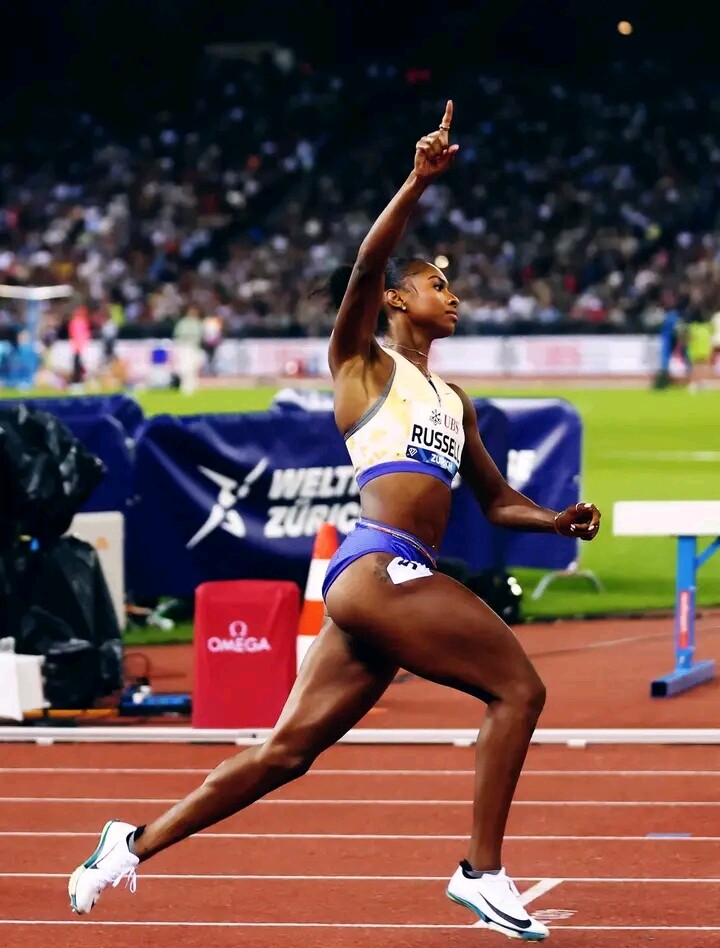
However, the points race is now behind her. In Brussels, everything comes down to one final. The Diamond League Final offers no room for complacency, and Russell will have to defeat an exceptional collection of world-class hurdlers to leave Belgium with the Diamond Trophy.
Among her biggest challengers is Nigeria’s Tobi Amusan, one of the finest hurdlers of her generation and a former world record holder. The field also includes Dutch star Nadine Visser, Bahamas standout Devynne Charlton and Poland’s Pia Skrzyszowska, ensuring that Russell will face serious opposition over every hurdle.
American Alaysha Johnson, Jamaica’s Megan Simmonds and Belgium’s Yanla Ndjip-Nyemeck complete a fascinating eight-athlete lineup for what promises to be one of the highlights of the Diamond League Final.
With Russell’s unbeaten record, her recent world-record performance and the Diamond Trophy on the line, the pressure will be immense when the athletes take their marks. Yet in an event as unpredictable and technically demanding as the 100m hurdles, one mistake can completely change the outcome.
Russell may arrive as the overwhelming favourite, but Brussels offers her rivals one final opportunity to produce something special. The stage is set for a thrilling race between the fastest and most accomplished hurdlers in the world—and after a season of dominance, Russell now has one more hurdle to clear in her pursuit of Diamond League glory.
Women’s 100m Hurdles Final Start List
1. Masai Russell — United States
2. Tobi Amusan — Nigeria
3. Nadine Visser — Netherlands
4. Devynne Charlton — Bahamas
5. Pia Skrzyszowska — Poland
6. Alaysha Johnson — United States
7. Megan Simmonds — Jamaica
8. Yanla Ndjip-Nyemeck — Belgium
One race. Eight elite hurdlers. One Diamond Trophy. Will Masai Russell complete another unforgettable chapter of her remarkable season, or will Brussels produce a surprise?
by Erick Cheruiyot for My Best Runs.
Login to leave a comment
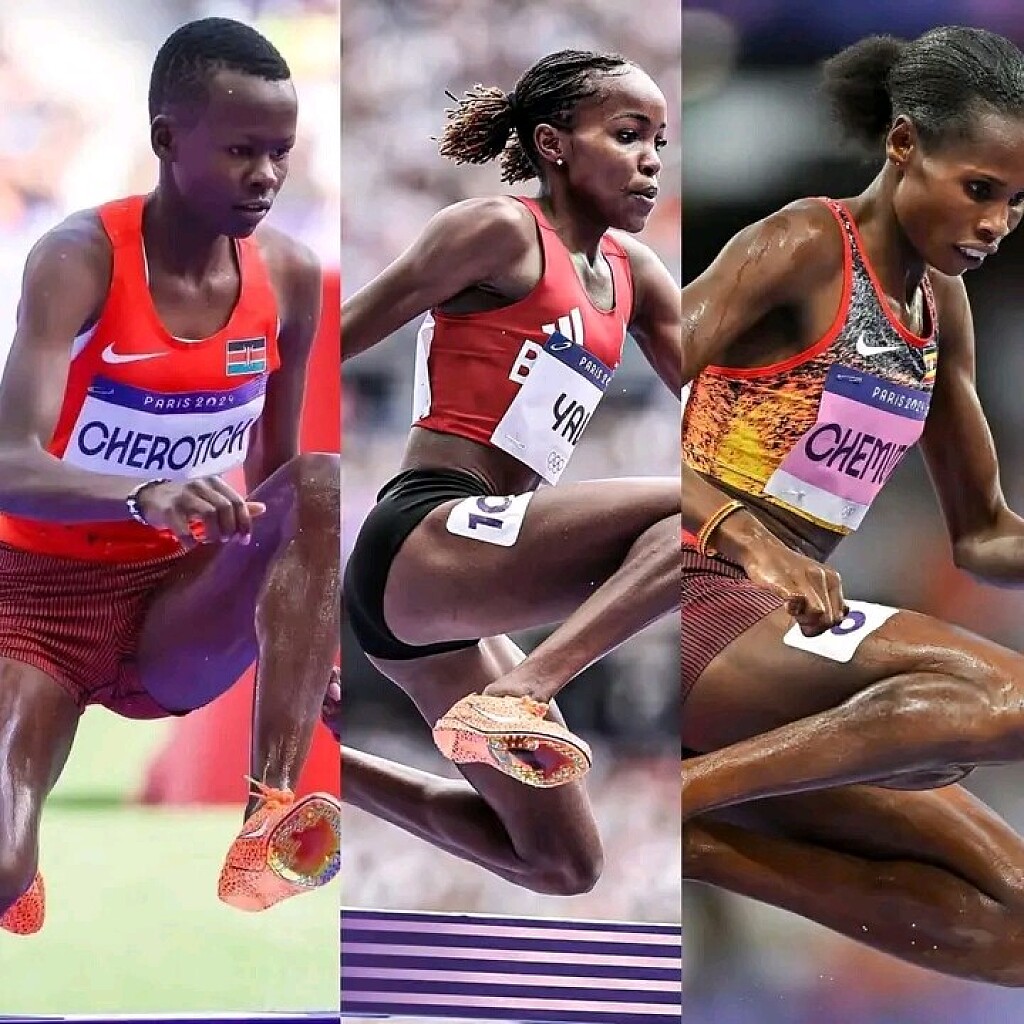
Diamond Trophy on the Line: Cherotich, Chemutai and Yavi Set for Epic Brussels Steeplechase Showdown
BRUSSELS, Belgium — The Diamond Trophy will be the ultimate prize when three of the world’s leading 3,000m steeplechase stars collide in a highly anticipated showdown at the Wanda Diamond League Final in Brussels.
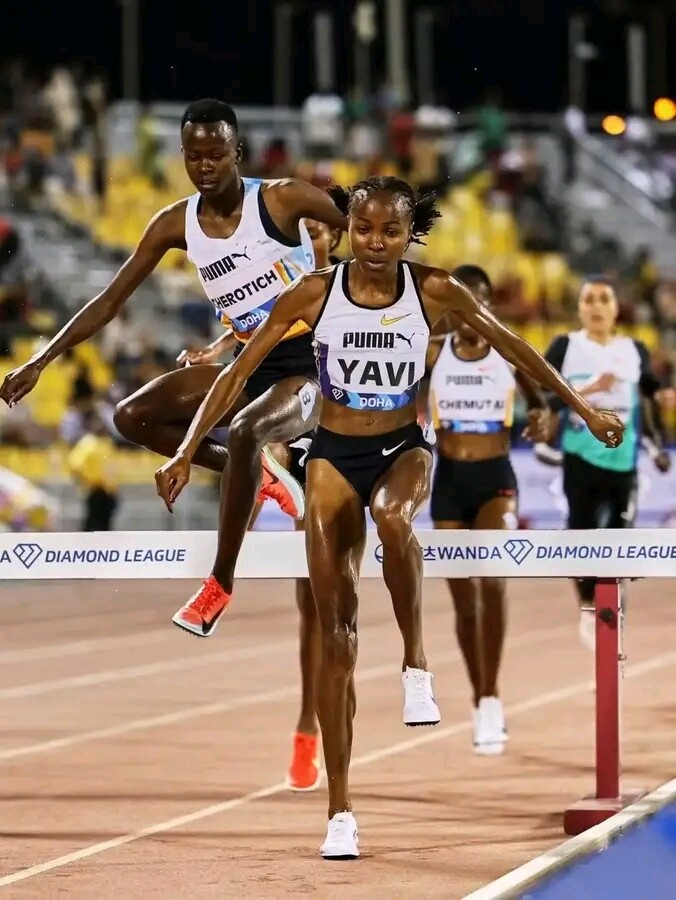
Kenya’s Faith Cherotich, Uganda’s Peruth Chemutai and Bahrain’s Winfred Yavi headline a competitive field on the opening day of the two-day season finale, with all three targeting a strong finish to their Diamond League campaigns.
With the prestigious Diamond Trophy at stake, the race is expected to provide another compelling chapter in the rivalry between three athletes who have established themselves among the leading figures in women’s steeplechase.
Cherotich will be among the athletes carrying significant expectations into the final. The Kenyan has continued to establish herself at the highest level of the event and will be looking to convert her season-long consistency into a victory on one of the biggest stages of the Diamond League.
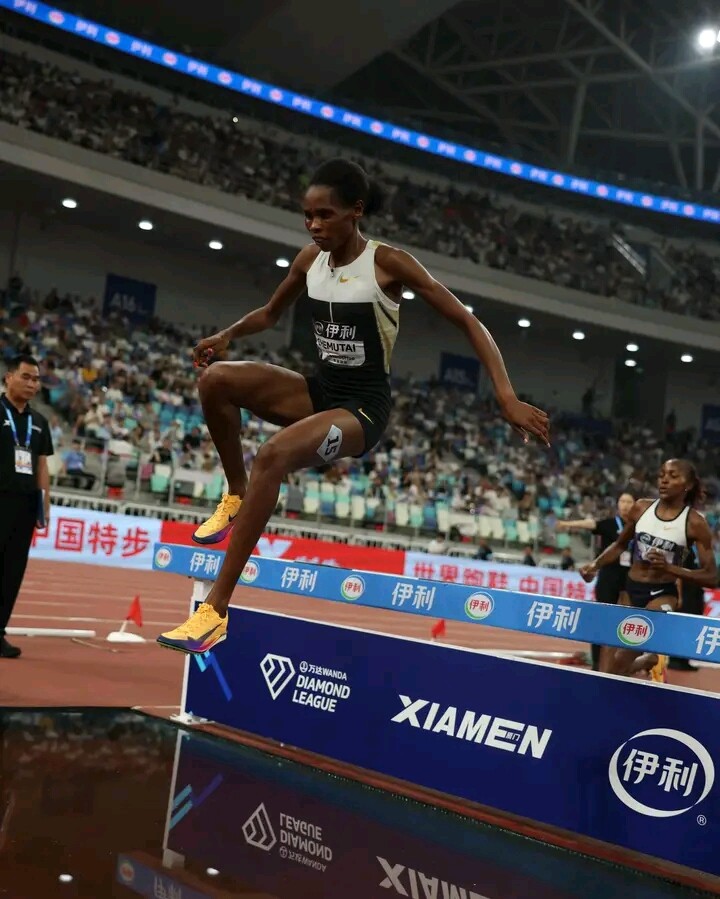
She will face a major challenge from Peruth Chemutai, the Olympic champion from Uganda. Known for her championship experience and ability to perform under pressure, Chemutai has the pedigree to remain in contention when the race reaches its decisive stages.
Winfred Yavi will also be central to the contest. The Bahrain representative possesses the speed and strength required to change the complexion of a steeplechase in the closing stages and will be among the leading contenders for the Diamond Trophy.
However, the race is not limited to the three headline names.
Kenya’s Doris Lemngole will look to challenge the established order and push herself into the podium conversation. Her presence adds another dimension to a field in which several athletes could influence the outcome.
Germany’s Olivia Gürth and Lea Meyer, Tunisia’s Marwa Bouzayani, the United States’ Lexy Halladay and Gabrielle Jennings, Great Britain’s Elise Thorner, and Ethiopia’s Kena Tufa complete the 11-athlete field.
The race could ultimately be decided by positioning, rhythm and the ability to negotiate the barriers efficiently before the final lap. With the Diamond Trophy on the line, every tactical decision is likely to carry added significance.
Full Start List
1. Marwa Bouzayani — Tunisia
2. Peruth Chemutai — Uganda
3. Faith Cherotich — Kenya
4. Olivia Gürth — Germany
5. Lexy Halladay — United States
6. Gabrielle Jennings — United States
7. Doris Lemngole — Kenya
8. Lea Meyer — Germany
9. Elise Thorner — Great Britain
10. Kena Tufa — Ethiopia
11. Winfred Yavi — Bahrain
Ultimately, the Brussels final promises to be a closely contested race in which tactics, positioning and the ability to handle the pressure of a high-stakes finish could prove decisive. With several athletes capable of challenging for the podium, the outcome is difficult to predict, setting the stage for an intriguing conclusion to the Diamond League steeplechase season.
by Erick Cheruiyot for My Best Runs.
Login to leave a comment

Brussels 100m Crown Blown Wide Open As Alfred And Jefferson-Wooden Step Aside
The women’s 100m at the 2026 Wanda Diamond League Final in Brussels has been thrown wide open after two of the season’s biggest sprinting stars opted out of the event, dramatically reshaping what had promised to be a blockbuster showdown at King Baudouin Stadium.

American star Melissa Jefferson-Wooden will not contest the 100m in Brussels, while Olympic champion Julien Alfred of Saint Lucia has chosen to line up in the 200m instead of defending the Diamond League 100m title she won last season.
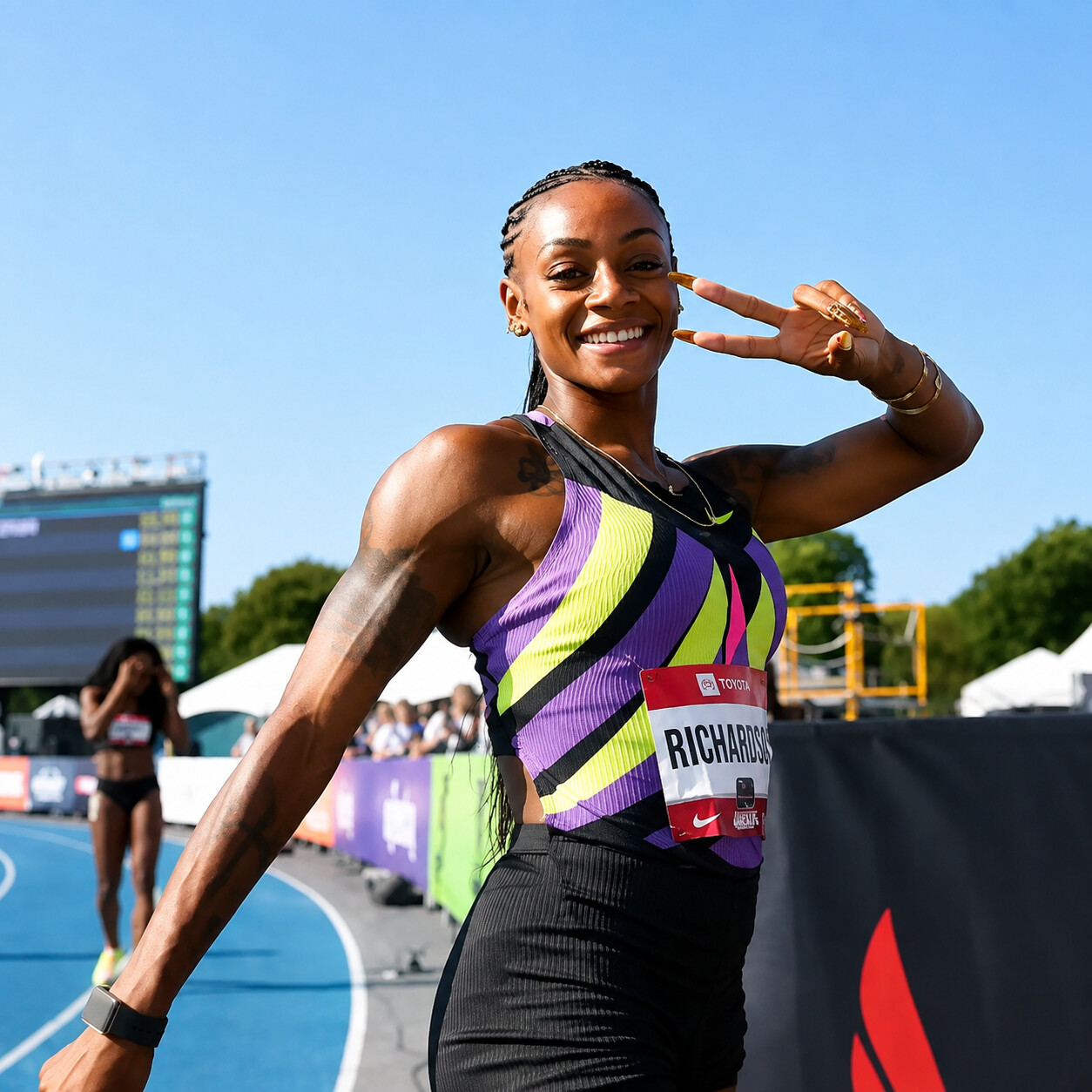
Their absence leaves Sha’Carri Richardson as one of the headline names in a field that suddenly carries an entirely different complexion. The American will arrive in Brussels with a major opportunity to claim the Diamond League trophy, but the battle for victory is far from straightforward.
The timing of Alfred and Jefferson-Wooden’s decisions makes the situation even more intriguing. Only days ago in Zürich, the two produced one of the closest 100m finishes of the season, with Alfred narrowly edging Jefferson-Wooden in a dramatic photo finish. Both were officially credited with 10.70 seconds, while the photo-finish technology separated them by just five thousandths of a second.
Richardson crossed the line third in that fiercely contested race, setting the stage for another potentially fascinating encounter in Brussels. Instead, the withdrawals have removed two of her biggest rivals from the equation and opened the door for a new challenger to emerge.
Richardson now carries considerable attention into the Belgian capital. The former world champion possesses the pedigree and championship experience to seize the moment, but she will need to be at her sharpest against a field containing several athletes capable of producing a major upset.
Jamaica’s Tina Clayton brings considerable international experience and raw speed, while Jonielle Smith gives the Jamaican contingent another dangerous option. Britain’s Amy Hunt will also be looking to make her mark on one of the biggest stages of the Diamond League season.
Italy’s Zaynab Dosso, New Zealand’s Zoe Hobbs and Luxembourg’s Patrizia van der Weken add further depth to the field, while Belgium’s Delphine Nkansa will have the advantage of competing on home soil. Hungary’s Boglárka Takács completes a lineup in which virtually every athlete will see an opportunity to rise to the occasion.
With Alfred moving to the 200m and Jefferson-Wooden absent from the 100m, the Brussels race has lost two of its most anticipated names—but gained something equally compelling: uncertainty.
Richardson may now be the biggest name in the field, yet the Diamond League final has a habit of producing unexpected heroes. One explosive start, one perfectly executed drive phase and one decisive finish could completely change the picture.
The question is no longer simply whether Richardson can win the Diamond League crown. It is whether one of the challengers can seize this unexpected opening and produce the performance of her season.
In Brussels, the 100m crown is there for the taking—and the sprinting world will be watching to see who grabs it.
by Erick Cheruiyot for My Best Runs.
Login to leave a comment
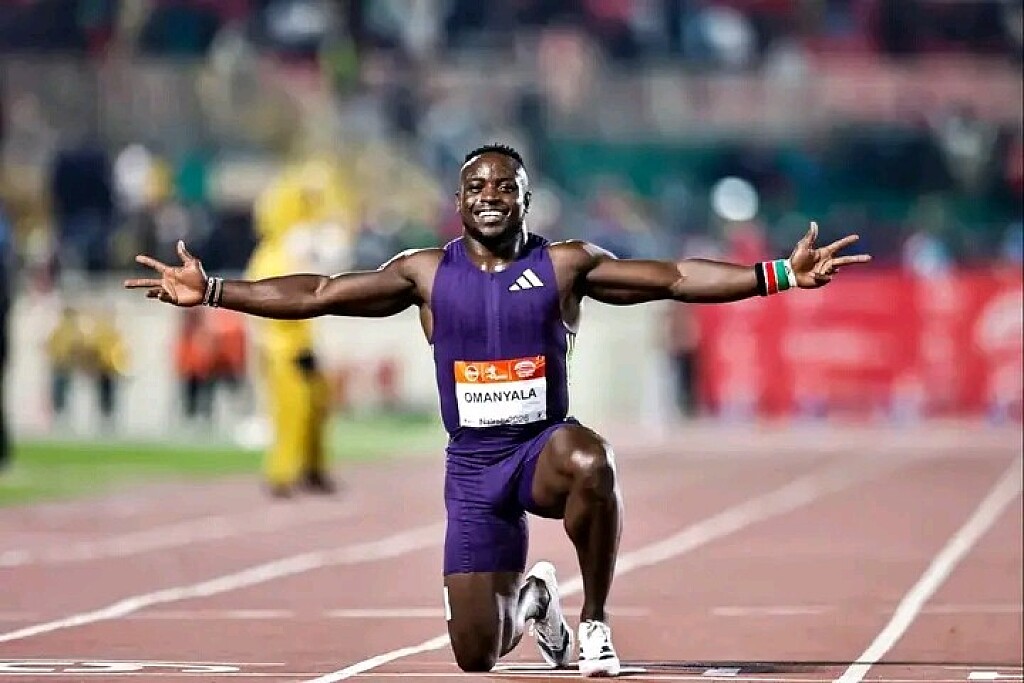
Ferdinand Omanyala’s 2026 Season Ends At The Worst Possible Moment
Ferdinand Omanyala’s 2026 season has come to an abrupt and heartbreaking end, just as the Kenyan sprint star appeared to be building momentum for a memorable finish to his campaign.

The African 100m record-holder has been forced to withdraw from the remainder of the season after suffering a stress fracture to the calcaneus, the heel bone of his left foot. The injury means Omanyala will miss the final two major competitions that were expected to bring his 2026 campaign to a spectacular conclusion — the Wanda Diamond League Final in Brussels and the inaugural World Athletics Ultimate Championship in Budapest.
For an athlete who had worked hard to rebuild his season, the timing could hardly have been more frustrating.
Omanyala revealed that he sustained the injury around two weeks before the Commonwealth Games. Despite the problem, he attempted to manage the discomfort and continue competing. But with the season reaching its most important stage, the Kenyan has now made the difficult decision to step away from competition and give his body the recovery time it needs.
It is a painful ending, but it should not overshadow what had otherwise been a highly encouraging campaign.
Throughout 2026, Omanyala repeatedly demonstrated that his speed remains among the best in the world. One of the standout moments came in Xiamen, where he stormed to victory in the 100m in 9.94 seconds. It was his fastest performance of the season and another powerful reminder of the explosive speed that has made him one of Africa’s most prominent sprinting figures.
His consistency was just as impressive. Omanyala produced five consecutive sub-10-second performances, maintaining a level of speed that very few sprinters can sustain across an extended period. His performances also pushed him into third place in the Diamond League 100m standings, putting him firmly among the leading contenders heading towards the series finale.
That makes his absence from Brussels particularly frustrating.
Omanyala had earned his place among the world’s best, but instead of lining up under the lights for another major showdown, he will now begin the long process of recovery.
The injury had already complicated his Commonwealth Games campaign. Having been carrying the problem into the championships, Omanyala was unable to produce the performance he wanted and failed to progress to the 100m final. Now, with the remaining major competitions of the season also ruled out, his year has officially come to an early conclusion.
There will be no final Diamond League appearance in Brussels. There will be no opportunity to compete at the World Athletics Ultimate Championship in Budapest. And there will be no chance to give his 2026 season the dramatic ending that his earlier performances had promised.
But sometimes an athlete’s most important decision is knowing when to stop.
A stress fracture is not an injury worth gambling with for the sake of another race. At this stage of his career, protecting his long-term health and allowing the injury to heal properly is far more important than forcing his way onto the track for one final appearance.
And when the disappointment fades, Omanyala will have plenty to be proud of.
A 9.94-second season best. Five consecutive sub-10-second performances. A Diamond League victory. Third place in the Diamond League 100m standings. Most importantly, another season in which he showed that he remains capable of competing with the very best sprinters on the planet.
Those achievements cannot be erased by the injury.
For Kenyan athletics, his absence from the final stages of the season is undoubtedly a major disappointment. Omanyala has become one of the most recognizable faces of Kenyan sprinting, carrying the country’s ambitions into a discipline where Kenya has traditionally had less international influence.
But this is not the end of his story.
It is simply an unexpected pause.
For now, the starting blocks can wait. The crowds can wait. The stopwatch can wait.
Omanyala’s next race is the race back to full fitness.
If he gives his body the time and patience it needs, the Kenyan star can return with something still to prove and, perhaps, another chapter of his remarkable sprinting journey waiting to be written.
The 2026 season may have ended sooner than Ferdinand Omanyala wanted, but his story on the track is far from over.
by Erick Cheruiyot for My Best Runs.
Login to leave a comment
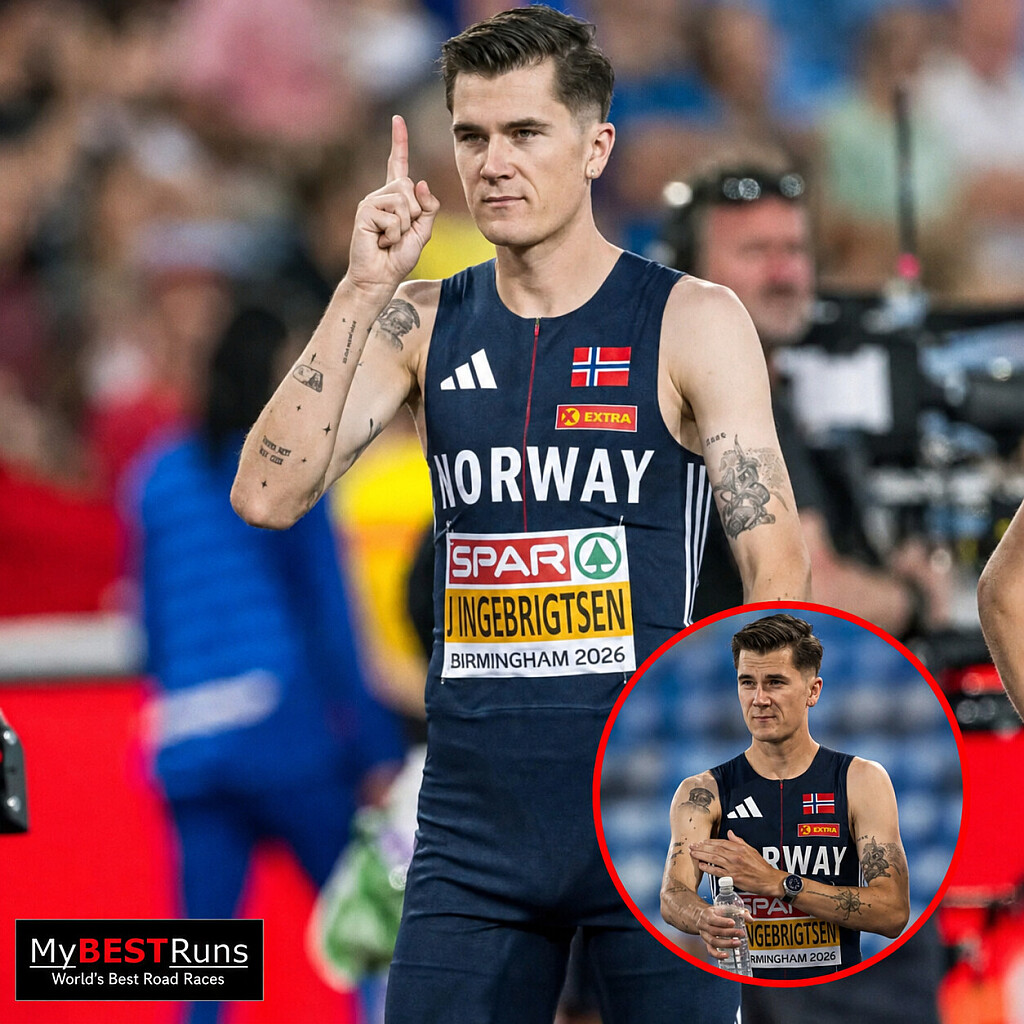
Jakob Ingebrigtsen Heads To Brussels: A Champion Searching For His 1500m Magic
Jakob Ingebrigtsen is heading to Brussels — and the Norwegian superstar arrives with something to prove.
The two-time Olympic champion has been confirmed for the men’s 1500m at the Allianz Memorial Van Damme on September 4, the opening night of the 2026 Wanda Diamond League Final. With Brussels bringing together the world’s elite for the final battle of the Diamond League season, Ingebrigtsen’s presence immediately adds another layer of intrigue to an already spectacular meeting.
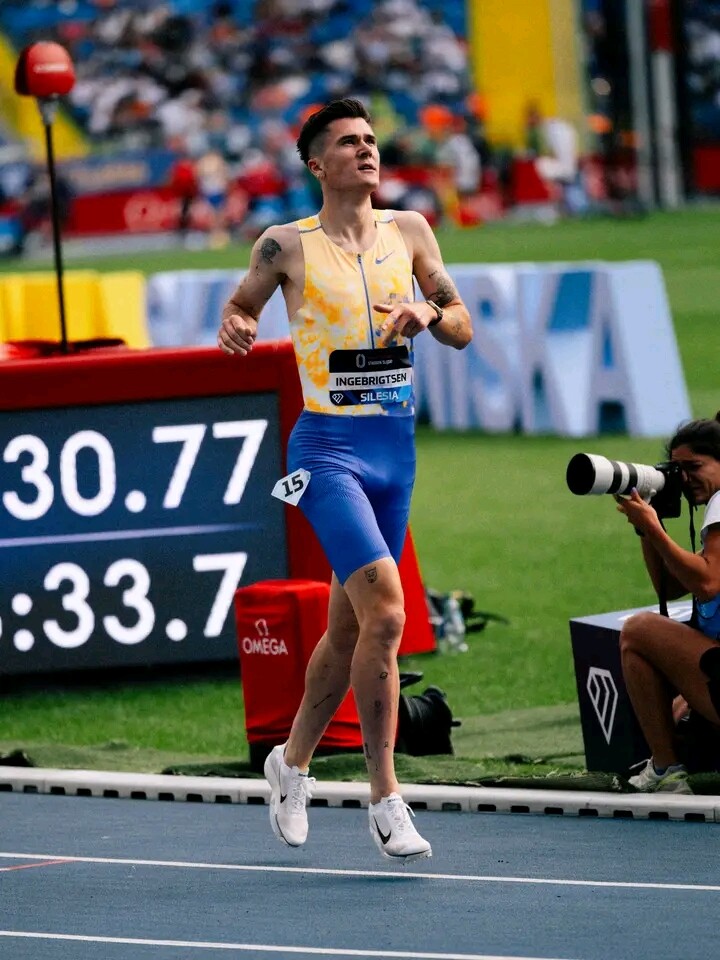
For Ingebrigtsen, however, this is about much more than another Diamond League appearance. It is another important step in a comeback that began under some of the most difficult circumstances of his career.
The Norwegian spent almost 11 months away from competition after an Achilles injury required surgery earlier this year. When he finally returned at the European Championships in Birmingham, there were legitimate questions about how quickly he could rediscover the form that had made him one of the most feared middle-distance runners in the world.
He answered them emphatically.
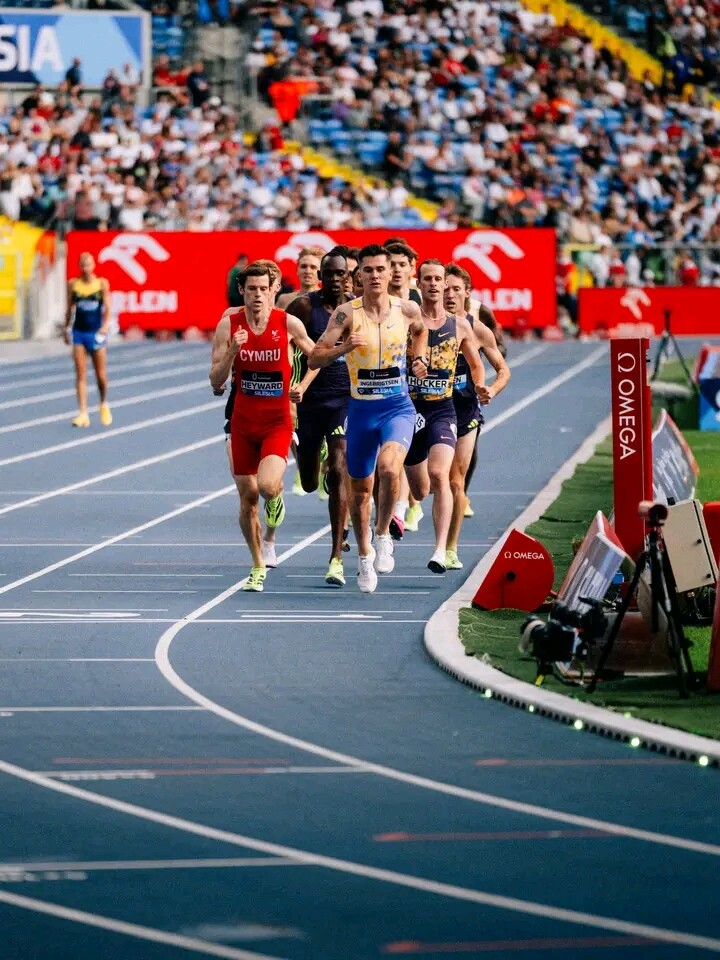
In his first race of 2026, Ingebrigtsen produced a trademark finishing burst to win the European 5000m title in 13:15.29, securing an extraordinary fourth consecutive European crown in the event. The victory also extended his record as the most successful male athlete in European Athletics Championships history.
But the 1500m has presented a very different challenge.
Ingebrigtsen returned to Diamond League competition over 1500m in Silesia on August 23, finishing fourth in 3:31.19. Four days later in Zürich, he was fifth in 3:32.16. Those performances were far from disastrous for an athlete still rebuilding his racing sharpness, but they also revealed that the explosive rhythm that once made him almost untouchable over 1500m is still being recovered.
Now comes Brussels.
The Belgian capital provides Ingebrigtsen with his third Diamond League 1500m race of the season and perhaps his most intriguing opportunity yet to show how far his comeback has progressed.
There is history here, too. In 2024, Ingebrigtsen won the Brussels Diamond League 1500m in 3:30.37, beating Timothy Cheruiyot and Cole Hocker in a world-class field.
Two years later, he returns to the same stage under completely different circumstances.
This time, he is not arriving as the untouchable favourite who has dominated every major 1500m challenge. He is arriving as a champion rebuilding himself — race by race, lap by lap, and with his body still demanding patience after a serious Achilles setback.
That is precisely what makes Friday night so compelling.
Brussels is the opening night of a two-day Diamond League Final, with the Allianz Memorial Van Damme serving as the season-ending championship meeting for the series. For Ingebrigtsen, it represents another opportunity to turn encouraging signs into a definitive statement.
Can he rediscover the speed?
Can he unleash the devastating final 300 metres that has become his trademark?
And, most importantly, can he once again look like the Jakob Ingebrigtsen who has ruled the 1500m and 5000m on the biggest stages?
There is another chapter waiting beyond Brussels.
The World Athletics Ultimate Championship in Budapest, scheduled for September 11–13, promises another major showdown, with Ingebrigtsen expected to face fierce opposition including Britain’s Josh Kerr. The rivalry between the two has already produced some of the most compelling middle-distance battles of recent years.
But before Budapest, there is Brussels.
One race. One final Diamond League stage. One more opportunity for Ingebrigtsen to remind the athletics world that his comeback is not simply about returning to competition — it is about returning to the very top.
The Norwegian has already shown that the championship instinct remains intact.
Now, he needs the 1500m speed to come back.
And if Jakob Ingebrigtsen finds that missing gear in Brussels, the rest of the middle-distance world may have a serious problem.
by Erick Cheruiyot for My Best Runs.
Login to leave a comment
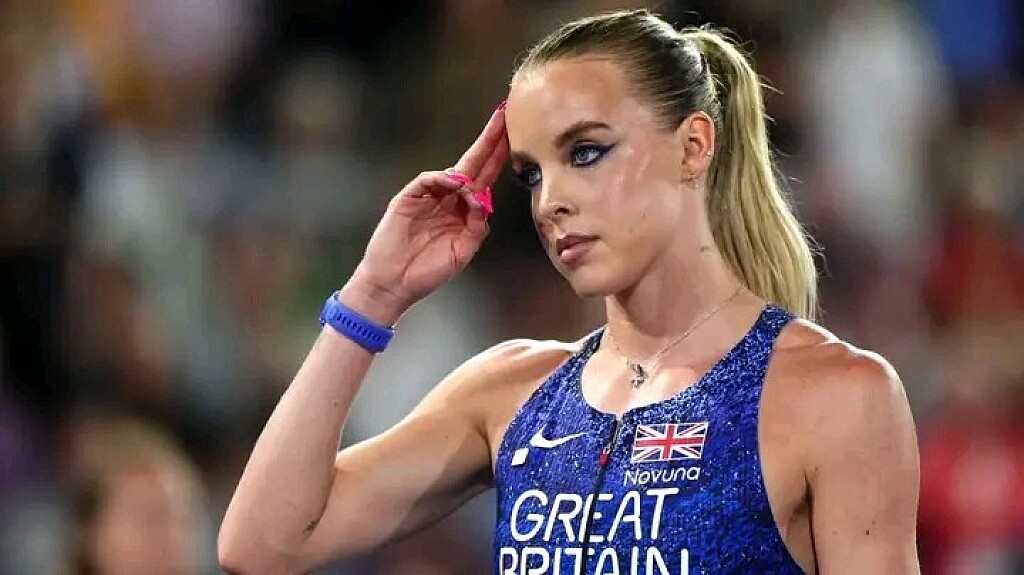
Keely Hodgkinson Set For Brussels Return As 800m Showdown Reaches Fever Pitch
Keely Hodgkinson is ready to step back onto the track in Brussels, and her return could add another explosive chapter to one of the most compelling women’s 800m rivalries of the 2026 season.
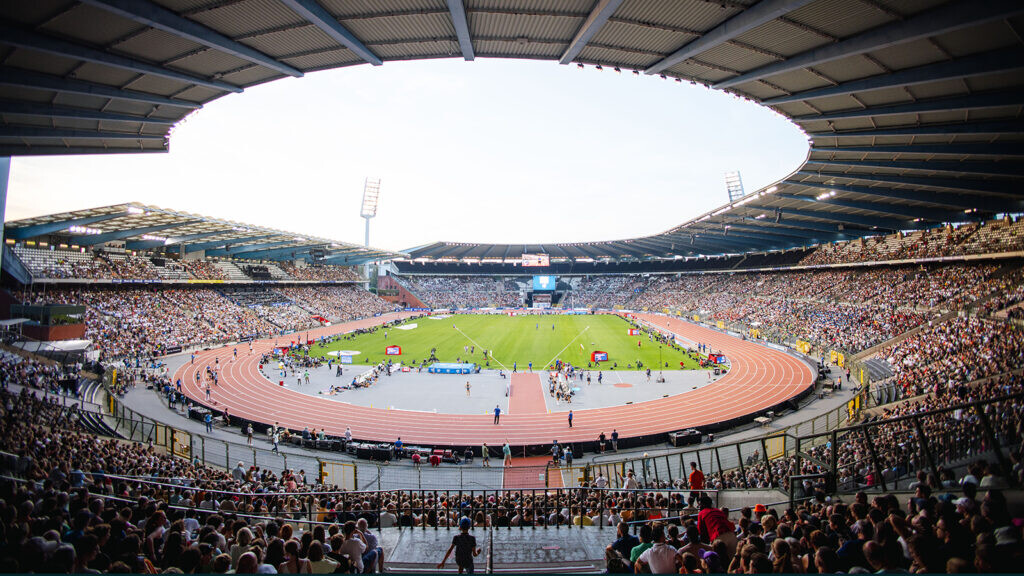
The British Olympic champion is scheduled to line up in the women’s 800m at the Wanda Diamond League Final at the Allianz Memorial Van Damme on Saturday, September 5, after deliberately sitting out the Zurich Diamond League meeting to give her body more time to recover. Hodgkinson had been due to face Audrey Werro in Zurich but withdrew, explaining that she was not yet ready to race.
That decision underlined just how carefully the 24-year-old has been managing her season. After a demanding European Championships campaign in Birmingham, where she was beaten to the 800m title by Werro, Hodgkinson chose recovery rather than forcing another race before she was fully prepared.
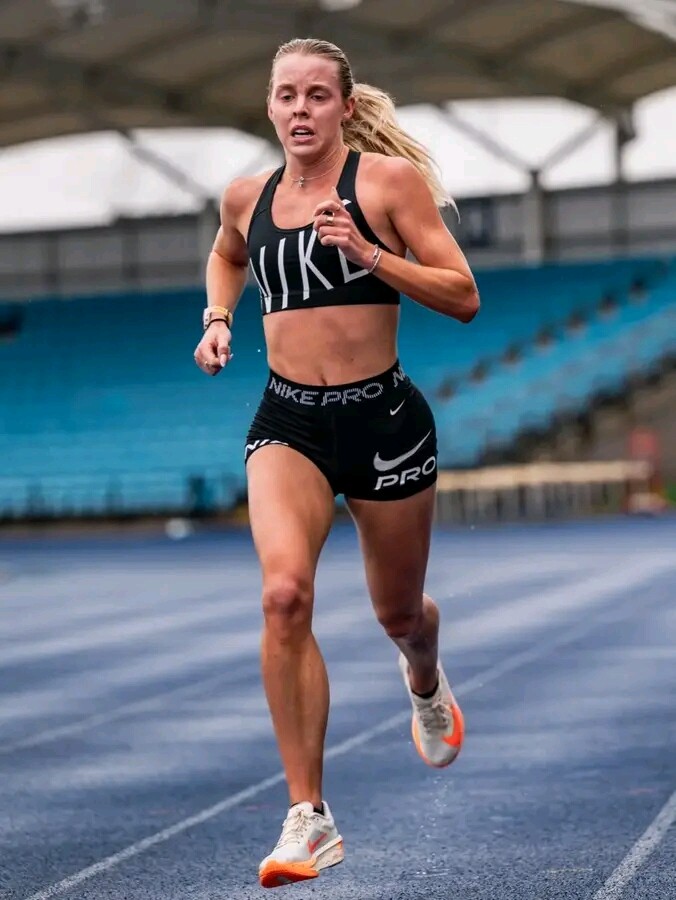
Now, Brussels presents an entirely different proposition.
The stage is set for a spectacular clash featuring some of the biggest names in the event. Hodgkinson will have to contend with Werro, the Swiss sensation who has transformed herself into one of the most formidable 800m runners in the world, while Femke Bol brings another dimension to the field following her remarkable transition from the 400m hurdles to the two-lap event. Reigning world champion Lilian Odira of Kenya is also confirmed for the Brussels showdown.
And there is plenty of unfinished business.
Werro has been operating at an extraordinary level this season. In Zurich, while Hodgkinson watched from the sidelines, the Swiss star produced a stunning 1:53.70 personal best and national record — one of the fastest performances ever recorded over 800m. Bol followed her home in a personal best, making the gap between the leading contenders even narrower.
Hodgkinson, however, has already demonstrated that she belongs in that conversation. Earlier this season in Stockholm, she ran 1:54.33, placing herself sixth on the all-time 800m list. Her championship pedigree is equally formidable: she is the reigning Olympic champion and a former Diamond League champion, with years of experience performing when the pressure is highest.
That makes Brussels far more than another race.
For Hodgkinson, it is an opportunity to answer questions raised by her European Championships defeat and prove that a carefully managed return can put her back at the centre of the 800m battle. For Werro, it is another chance to confirm that she has moved from rising star to genuine global force. For Bol and Odira, it is an opportunity to disrupt the established order.
With four elite names bringing different strengths to the same two-lap battlefield, the slightest tactical mistake could decide everything.
The King Baudouin Stadium is therefore set for an 800m final loaded with speed, rivalry and unfinished business. Hodgkinson has taken the patient route back. Now comes the moment when she must show what that patience has prepared her for.
Brussels is waiting — and the women’s 800m could deliver one of the defining races of the 2026 Diamond League season
by Erick Cheruiyot for My Best Runs.
Login to leave a comment
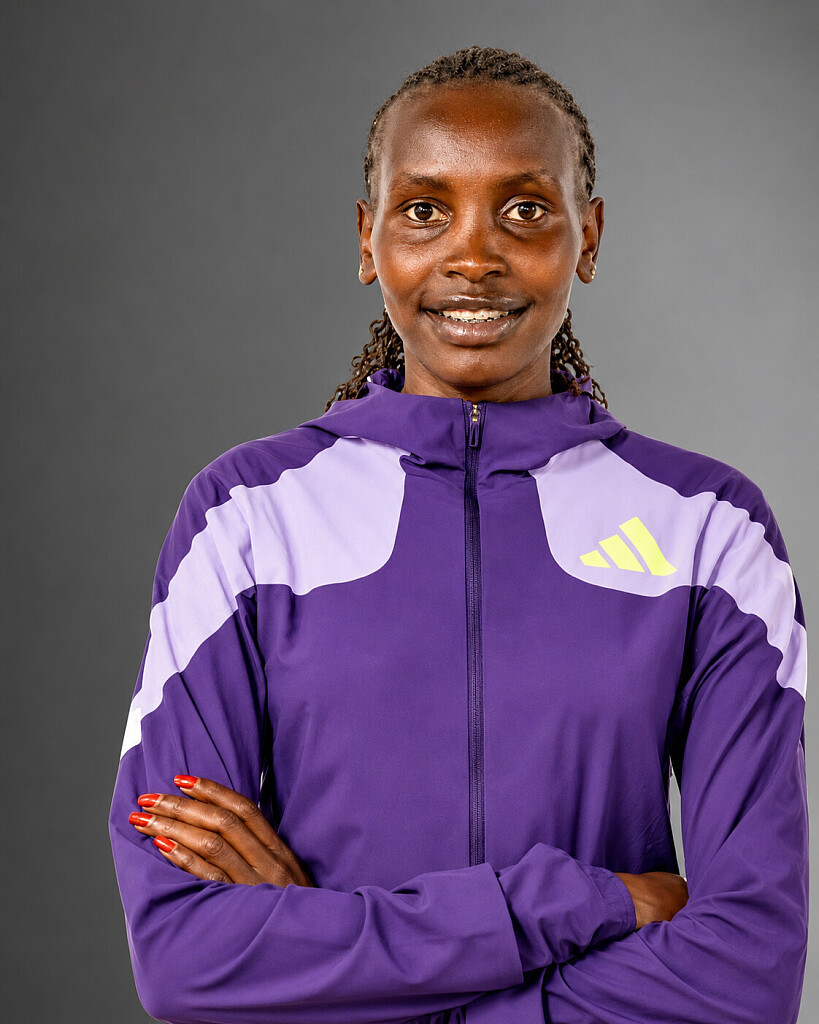
Agnes Ngetich Faces An Ethiopian Wall In Brussels: One Kenyan Against Eight
One Kenyan. Eight Ethiopians. One enormous challenge.
Agnes Jebet Ngetich is set for one of the most intriguing tests of her 2026 season when she lines up in the women’s 5000m at the Brussels Diamond League Final, facing an Ethiopian contingent that has dominated the qualification standings.
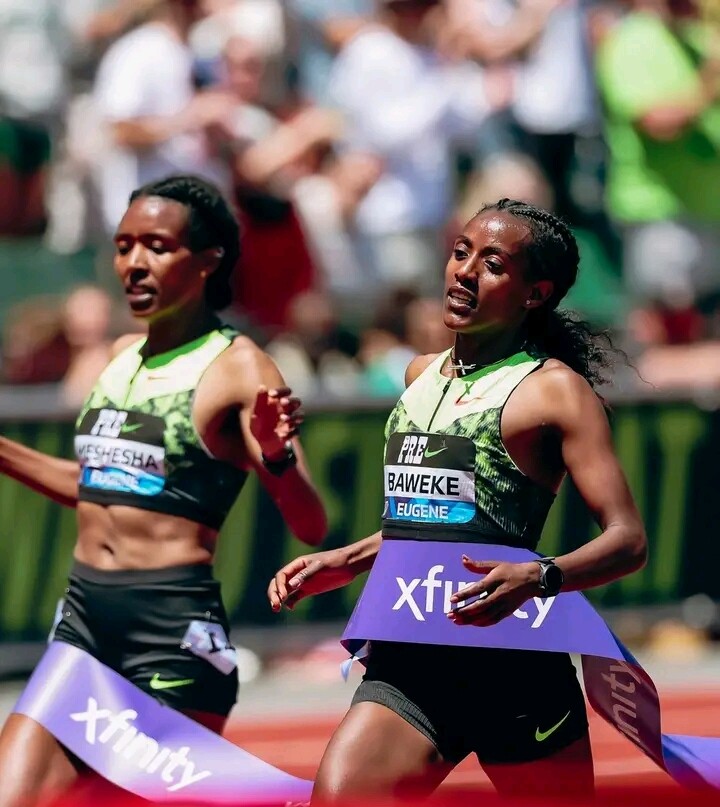
Ngetich has earned her place in the prestigious final with 8 points, placing 10th among the automatic qualifiers. But when the gun fires at Brussels’ King Baudouin Stadium, she will find herself surrounded by an extraordinary Ethiopian presence — eight Ethiopians among the 10 automatic qualifiers.
One against eight.
That is the kind of matchup that makes distance running impossible to ignore.
Ethiopia has controlled the qualification battle from the top of the standings, led by Aleshign Baweke, who enters the final with 26 points. Freweyni Hailu follows closely on 25, while Likina Amebaw has 23. Senayet Getachew has 20, with Marta Alemayo completing the top five on 16 points.
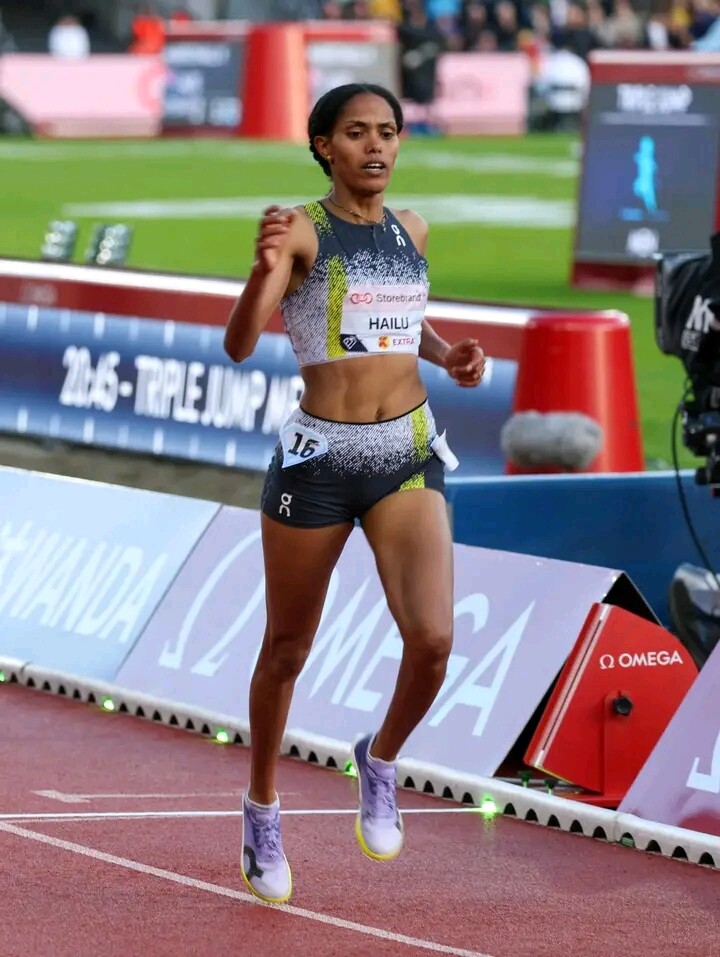
Australia’s Rose Davies, on 14 points, is the only non-Ethiopian athlete inside the top six before the Ethiopian charge resumes with Medina Eisa on 13, Hirut Meshesha on 10 and Hawi Abera on nine.
Then comes Ngetich.
The Kenyan arrives with eight points, but her position on the qualification table does not tell the whole story. She has established herself as a formidable force over the longer track distances, and she will have no intention of allowing the Ethiopian numbers to dictate the outcome before the race even begins.
For Ngetich, Brussels is not simply another Diamond League appearance. It is an opportunity to stand alone against overwhelming opposition and attempt to disrupt an Ethiopian celebration.
The field will also feature Belgian wildcard Jana Van Lent, giving the home crowd an additional reason to get behind the race. But the central storyline is unmistakable: Kenya versus Ethiopia, with Ngetich carrying the Kenyan challenge almost single-handedly.
The 2026 Brussels Diamond League Final will take place on September 4–5 at King Baudouin Stadium in Brussels, Belgium, bringing together some of the finest athletes from across the season.
Women’s 5000m Qualified Runners
1. Aleshign Baweke — Ethiopia — 26 points
2. Freweyni Hailu — Ethiopia — 25 points
3. Likina Amebaw — Ethiopia — 23 points
4. Senayet Getachew — Ethiopia — 20 points
5. Marta Alemayo — Ethiopia — 16 points
6. Rose Davies — Australia — 14 points
7. Medina Eisa — Ethiopia — 13 points
8. Hirut Meshesha — Ethiopia — 10 points
9. Hawi Abera — Ethiopia — 9 points
10. Agnes Jebet Ngetich — Kenya — 8 points
11. Jana Van Lent — Belgium — Wild Card
The numbers make the challenge look almost impossible: eight Ethiopians against one Kenyan. But championship races are not won on qualification tables. They are decided when the athletes step onto the track, the pace rises and every tactical decision begins to matter.
Ngetich will therefore enter Brussels with a simple mission — break through the Ethiopian wall and spoil the party on Kenyan terms.
Can she turn the loneliest lane into the most unforgettable one?
One against eight. Kenya against Ethiopia. Brussels awaits.
by Erick Cheruiyot for My Best Runs.
Login to leave a comment

Athletics Must Remain Number One” — Coe’s Final Challenge As The Race For His Successor Heats Up
The battle for the future of world athletics is already taking shape, but outgoing World Athletics President Sebastian Coe has made one message unmistakably clear: athletics must remain at the heart of the Olympic Games.
Speaking ahead of the Diamond League meeting in Zurich, Coe said he remains highly optimistic about the sport’s future and insisted that athletics must protect its position as the leading sport of the Olympic movement.

“There are only two truly global sports, one is football and one is athletics. We must maintain our position as the number one Olympic sport,” Coe said.
The 69-year-old Briton is approaching the final year of his presidency after first taking charge of the global governing body in 2015. He was re-elected for a third term in 2023, which, under World Athletics’ term limits, is his final mandate.
Coe will leave office in 2027, when the next World Athletics president is elected at the Elective Congress in Beijing, immediately before the 2027 World Athletics Championships. The new president will serve a four-year term covering 2027–2031.

And the succession battle is already gathering momentum.
Among the candidates declared eligible so far are prominent figures from within the sport’s leadership, including World Athletics Vice-Presidents Adille Sumariwalla of India, Raul Chapado of Spain and Ximena Restrepo of Colombia. The current list also includes Yuko Arimori of Japan, Hatem Fouda of Egypt, Ivan Garcia of Uruguay, Jean Gracia of France and Kenya’s Jackson Tuwei.
Restrepo brings a particularly distinguished competitive background to the contest. The Colombian won Olympic bronze in the women’s 400 metres at Barcelona 1992 and became the first woman elected as a World Athletics Vice-President in 2019.
For Coe, however, the final chapter of his presidency is not simply about preparing for his departure. He says his priority over the next year is to continue strengthening the sport so that his successor inherits an organisation capable of growing even further.
“I've never been more optimistic about the future of the sport,” Coe said, adding that whoever succeeds him will inherit “a very much stronger sport” than the one he took over in 2015.
His presidency has coincided with significant changes across the sport, including governance reforms, commercial development and efforts to make athletics more innovative and globally engaging. The launch of the new World Athletics Ultimate Championship in Budapest this September is another example of the organisation’s attempt to create a shorter, high-stakes competition featuring many of the world’s leading athletes.
But the next president will inherit an enormous responsibility.
Athletics is the foundation of the Olympic Games, producing some of the most iconic moments in Olympic history and bringing together athletes from virtually every corner of the world. The challenge for Coe’s successor will be to preserve that unique position while making the sport more commercially powerful, more accessible to younger audiences and even more compelling in an increasingly competitive global sporting landscape.
Coe believes the opportunity is there.
As he prepares to hand over the presidency in 2027, his challenge to the next generation of World Athletics leadership is clear: protect the sport’s Olympic identity, keep pushing its boundaries and make sure athletics remains the heartbeat of the Games.
The question now is not whether Coe will leave a significant mark on athletics, but who will have the vision, influence and leadership required to carry the sport into its next era.
Who do you think should lead World Athletics after Sebastian Coe?
by Erick Cheruiyot for My Best Runs.
Login to leave a comment
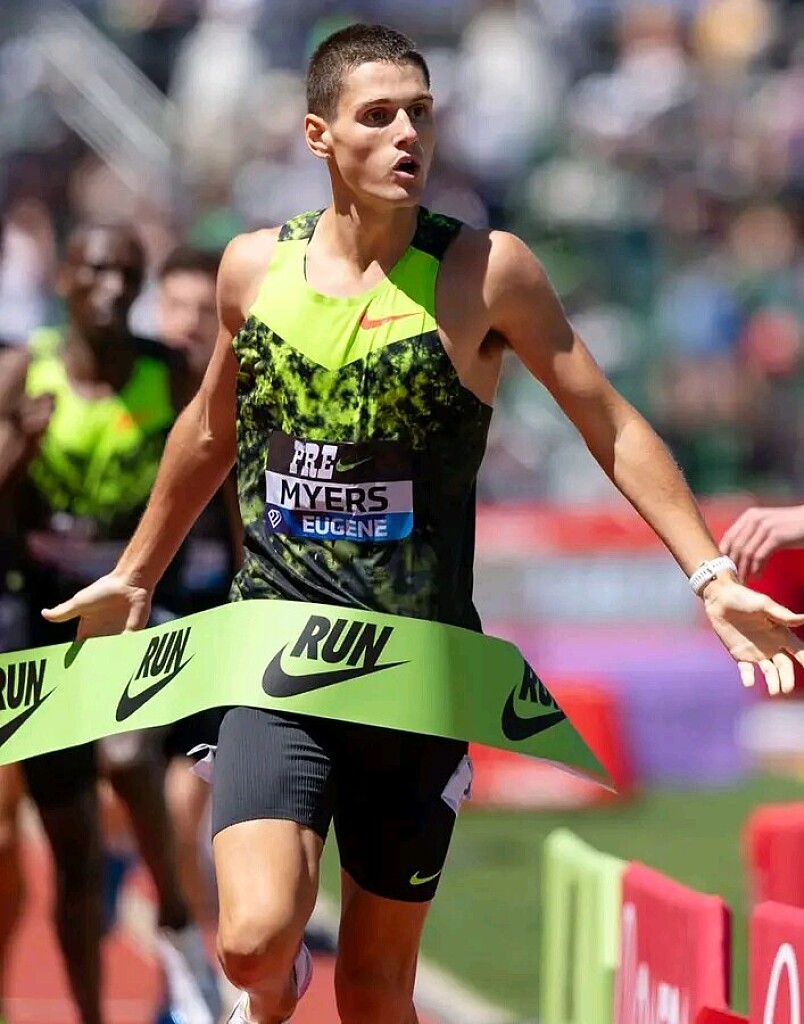
Cameron Myers Leads Star-Studded 1500m Field as Berlin Promises Another Spectacular Battle
The 1500m action is far from over.
After a thrilling showdown at the Zurich Diamond League, attention now shifts to Berlin, where another fascinating middle-distance contest is set to take centre stage at the 2026 ISTAF Berlin meeting on August 30.
Leading the field is Australian sensation Cameron Myers, who returns to the 1500m as the current world leader and one of the most exciting young talents in global middle-distance running. Myers will once again have the opportunity to test himself against a deep and highly competitive international field as he continues his remarkable rise on the world stage.
However, the Australian will face no shortage of formidable opposition.
Germany's Robert Farken will be determined to deliver a strong performance in front of his home crowd, while Spain's Mohamed Attaoui brings his own impressive credentials to a race filled with athletes capable of challenging for victory. The stacked lineup also includes Marco Langon, Samuel Prakel, Oliver Hoare, Danson Kiplangat, Andrew Coscoran, Narve Gilje Nordås, Jochem Vermeulen and several other accomplished middle-distance runners.
The depth of the field could make the race tactically unpredictable. With athletes capable of forcing a fast pace and others renowned for their devastating finishing kicks, positioning and patience will be crucial as the race builds toward its decisive final lap. In a contest of this quality, even the smallest tactical mistake could prove costly.
For Myers, Berlin represents another important opportunity to demonstrate that his remarkable rise is no temporary phenomenon. Yet, with experienced international rivals lining up alongside him, the young Australian will have to fight for every metre and every position against a field packed with quality.
After the fireworks in Zurich, the spotlight now moves to the German capital. The 1500m season still has unfinished business, and with Cameron Myers leading such a loaded field into Berlin, fans could be treated to another unforgettable battle filled with speed, drama and a fierce fight for supremacy.
August 30 promises another spectacular chapter in what has already been a thrilling 1500m season.
by Erick Cheruiyot for My Best Runs.
Login to leave a comment
Montsho’s Historic 49.56: The Night Botswana Beat Allyson Felix in a Daegu Thriller
29 August 2011 — Daegu, South Korea
Some races are remembered for their times. Others are remembered for what they mean. The women’s 400m final at the 2011 World Championships in Daegu belonged firmly to the second category.
On 29 August 2011, Amantle Montsho produced one of the most important performances in Botswana’s athletics history, edging Allyson Felix by just three hundredths of a second to become the country’s first-ever World Championships gold medallist.
Montsho entered the final as one of the leading 400m runners in the world, having dominated much of the 2011 Diamond League season. But standing between her and global glory was a formidable field that included Olympic and world-class stars such as Felix, Sanya Richards-Ross, Shericka Williams and Anastasiya Kapachinskaya.
From the gun, Montsho attacked the race with purpose. Running in lane four, she carried tremendous momentum through the opening half of the lap and entered the home straight with a narrow advantage. Felix, drawn immediately inside her in lane three, responded brilliantly and began closing the gap as the two charged towards the finish.
The final metres became a straight fight between Botswana and the United States.
Felix threw everything at Montsho in the closing stages, but the Botswana star refused to surrender. She crossed the line in 49.56 seconds, with Felix just behind in 49.59. The margin was only 0.03 seconds, but it was enough to make history.
Montsho's winning time was not only a personal breakthrough but also a Botswana national record. It made her the first athlete from Botswana to win a World Championships gold medal and gave the southern African nation its first-ever World Championships medal in the process.
For Felix, the silver medal came with a remarkable performance of her own. Her 49.59 was a personal best and represented one of the finest 400m races of her career at that point. Despite coming agonisingly close to gold, Felix had pushed Montsho all the way to the finish line in one of the closest major championship 400m finals in history.
Behind the leading pair, Francena McCorory delivered another strong performance. Having already run a personal best of 50.24 in the semi-finals to qualify for the final, the American clocked 50.45 in the championship race. At the time, she crossed the line in fourth behind Kapachinskaya, who ran 50.24.
But the medal standings would later change.
Kapachinskaya was subsequently disqualified as part of a doping case involving violations dating back to the 2008 Olympic Games. As a result, her Daegu result was annulled, and McCorory was officially promoted from fourth to bronze medal position. World Athletics later recognised McCorory among the athletes receiving reallocated medals in 2017.
That change gave the race an additional historical dimension. What began as a breathtaking battle between Montsho and Felix ultimately became a championship podium of Montsho, Felix and McCorory.
More than a decade later, the image of Montsho and Felix racing shoulder-to-shoulder down the Daegu straight remains one of the defining moments of the 2011 World Championships. For Botswana, it was a breakthrough moment that announced Montsho on the biggest stage. For Felix, it was another chapter in a career filled with major championship success.
And for fans of the 400m, it was simply a spectacular race — 49.56 versus 49.59, with only three hundredths separating gold from silver.
by Erick Cheruiyot for My Best Runs.
Login to leave a comment
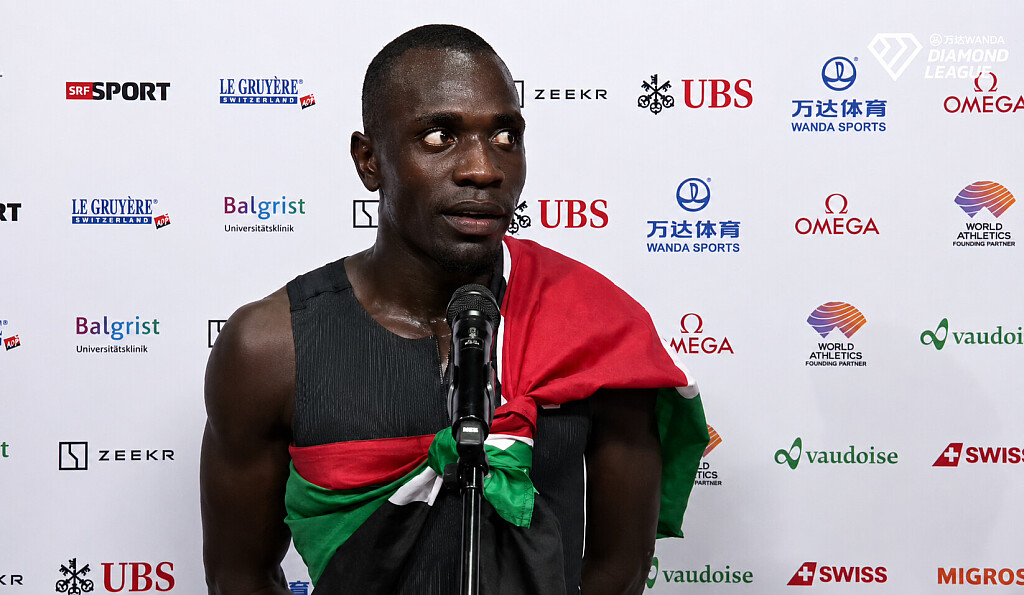
Wanyonyi’s Message To The World: “My Time Will Come” After Brilliant Zürich Victory
Olympic champion Emmanuel Wanyonyi delivered another statement of intent at the 2026 Weltklasse Zürich – Wanda Diamond League meeting on Thursday, producing a world-leading 1:41.76 to claim a commanding victory in one of the most anticipated 800m showdowns of the season.
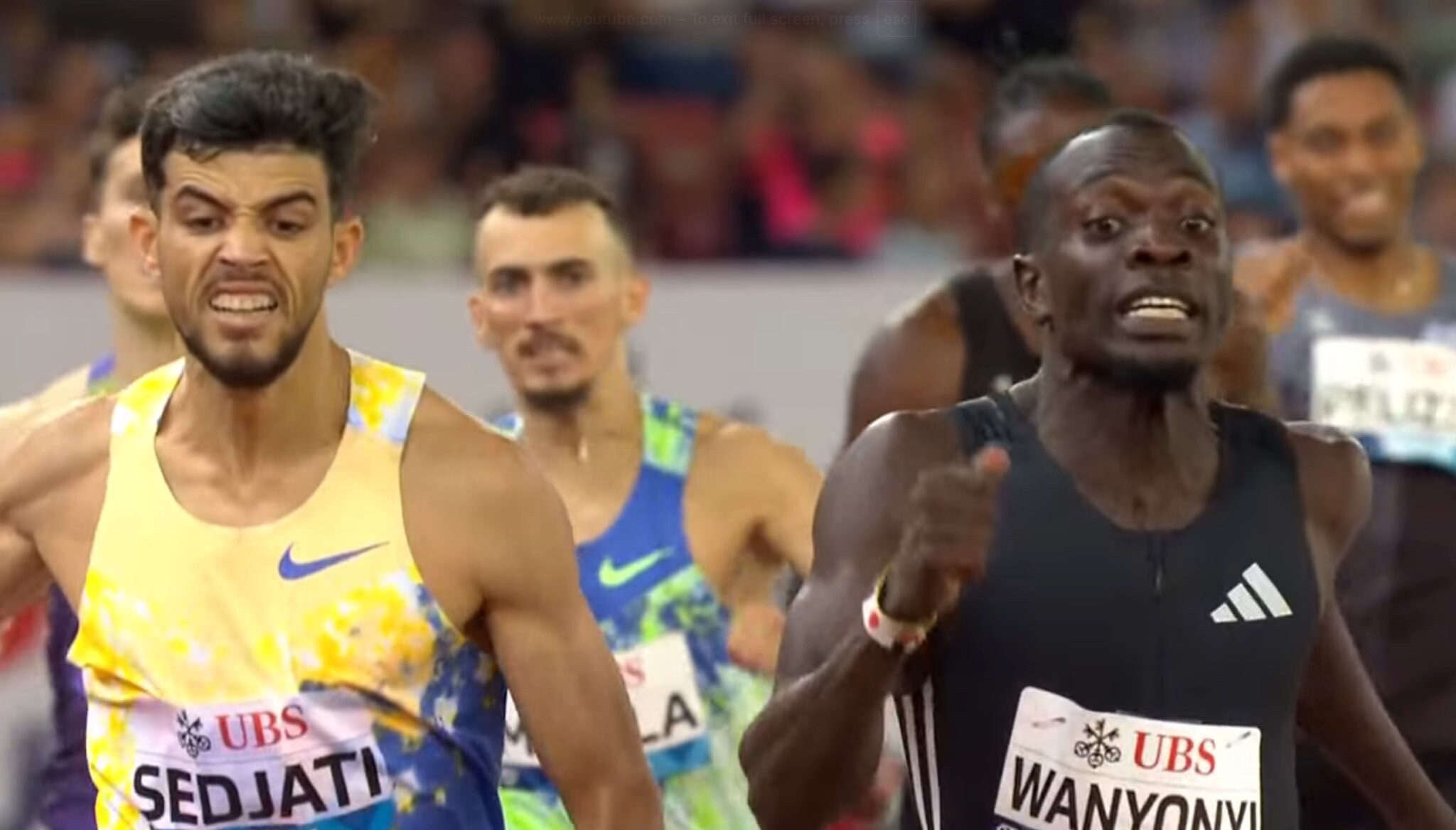
Wanyonyi faced a formidable challenge from Algeria’s Djamel Sedjati, but the Kenyan remained composed when it mattered most, holding off his rival in a thrilling battle down the home straight. Sedjati pushed Wanyonyi all the way to the finish, clocking a season’s best 1:41.83, just seven hundredths of a second behind the Olympic champion.
For Wanyonyi, however, the victory was about more than simply adding another Diamond League triumph to his growing résumé. It was a powerful indication that his body is responding positively as he builds towards the biggest challenges of the season.
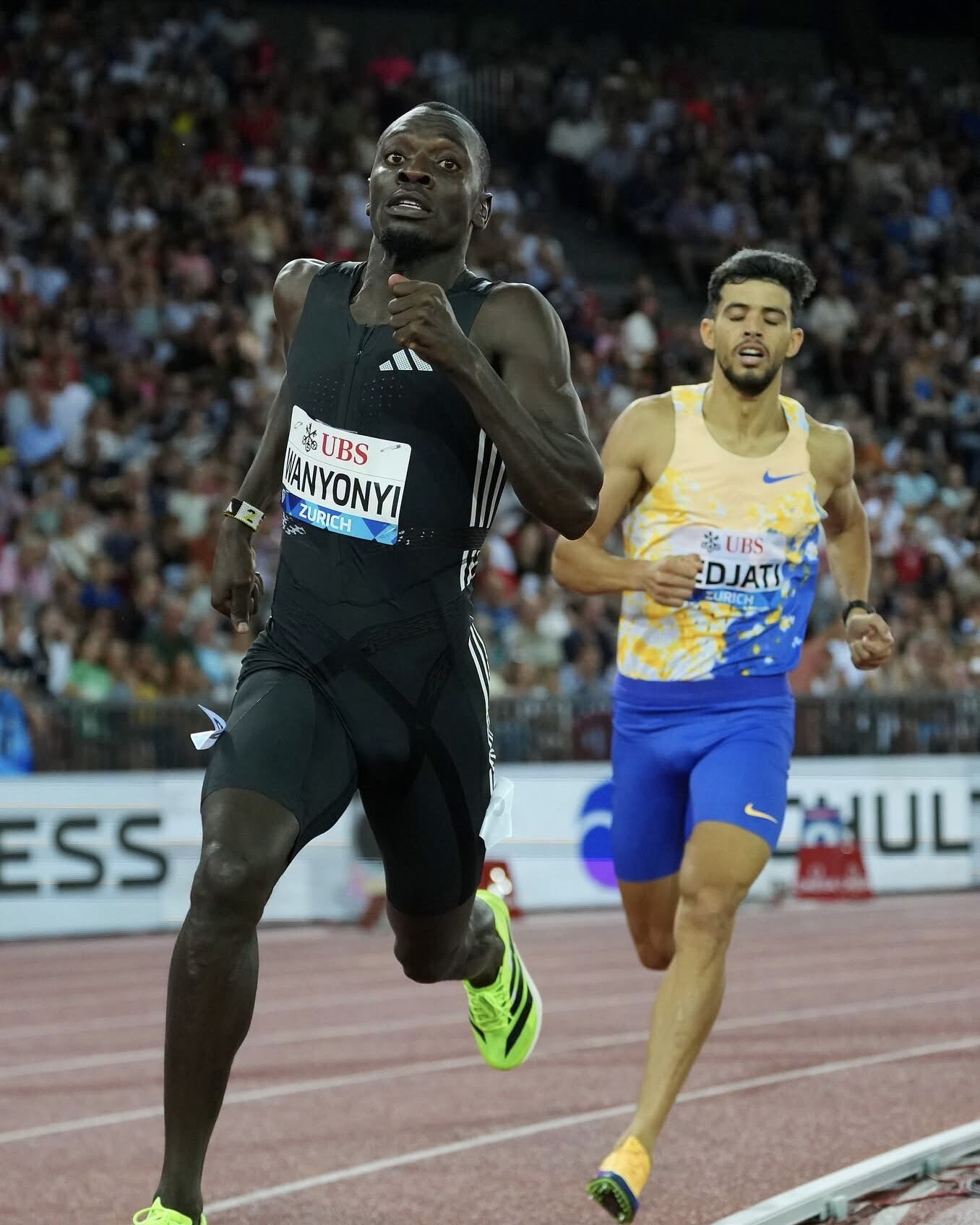
“The time was amazing. The race was good. The weather conditions were good too. I could go out and compete, and my body was responding well to running fast,” Wanyonyi said after the race.
The Kenyan revealed that his preparations had been far from perfect. Shortly before the start, he experienced stomach problems and briefly feared that he might struggle to complete the race at the level he wanted.
“Before the start of the race, I had a big problem with my stomach. I thought maybe I could not finish the race well. But I just came here to win, to try to run fast and run my own race,” he explained.
Despite the discomfort, Wanyonyi trusted his preparation and racing instincts. Once the gun sounded, the Olympic champion settled into his rhythm and produced the kind of fearless finishing speed that has established him among the world’s leading 800m runners.
The 1:41.76 performance not only secured victory but also underlined his growing form at a crucial stage of the season. With Sedjati breathing down his neck, Wanyonyi maintained his composure and found enough strength to keep the Algerian at bay.
For the Kenyan star, the result was further evidence that his best is still to come.
“This result shows that my body is coming up, and I am so happy to be here with these great crowds. I give the atmosphere 200 per cent,” Wanyonyi said, praising the electric Zürich crowd.
The atmosphere became even more memorable as world records fell elsewhere on the night, providing Wanyonyi with additional motivation and reinforcing his belief that he, too, can produce something extraordinary when the right moment arrives.
“When I see the world records being broken, I know my time will come. There is time for everything,” he added.
That statement could prove to be a warning to the rest of the 800m field. Wanyonyi is already an Olympic champion, but his latest performance suggests that the 22-year-old Kenyan remains hungry for faster times and bigger victories.
In Zürich, he combined resilience, confidence and raw speed to defeat one of his strongest rivals. With his body responding, his confidence rising and his season gathering momentum, Wanyonyi has once again reminded the world that he remains a formidable force over two laps.
And if his words are anything to go by, the Olympic champion believes the biggest chapter of his story is still waiting to be written.
by Erick Cheruiyot for My Best Runs.
Login to leave a comment
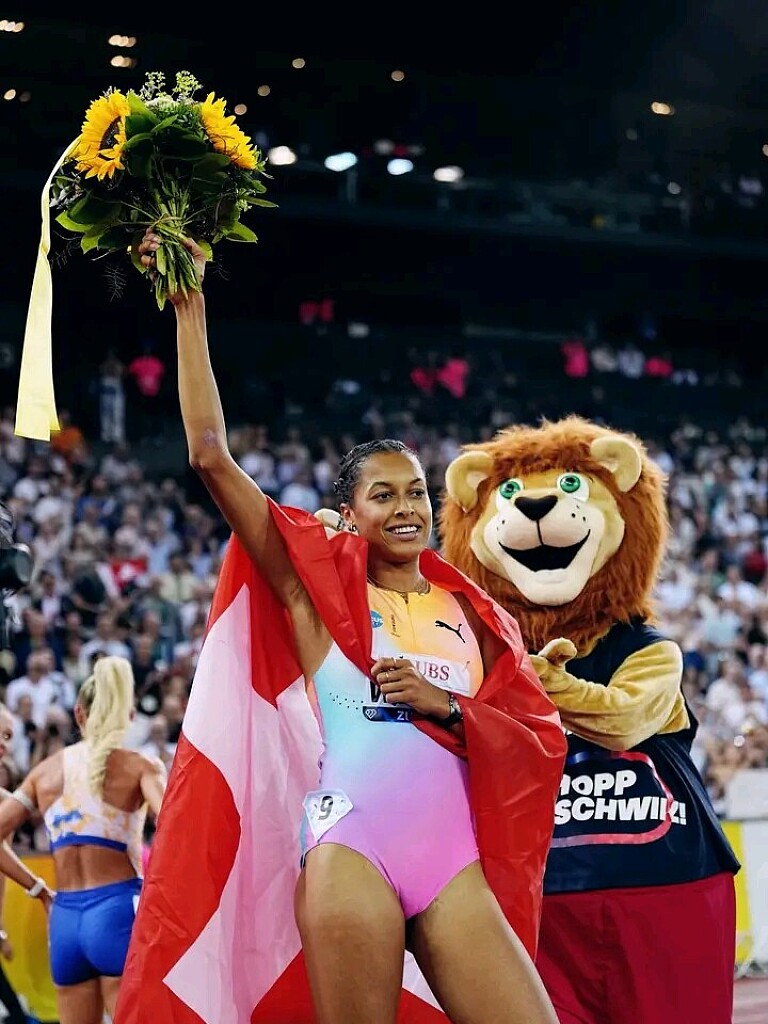
Audrey Werro Chases History In Bellinzona After Moving Within 0.42 Seconds Of The 800m World Record
Audrey Werro’s extraordinary 2026 season has entered another fascinating chapter, with the Swiss middle-distance star now within striking distance of one of athletics’ most enduring world records.
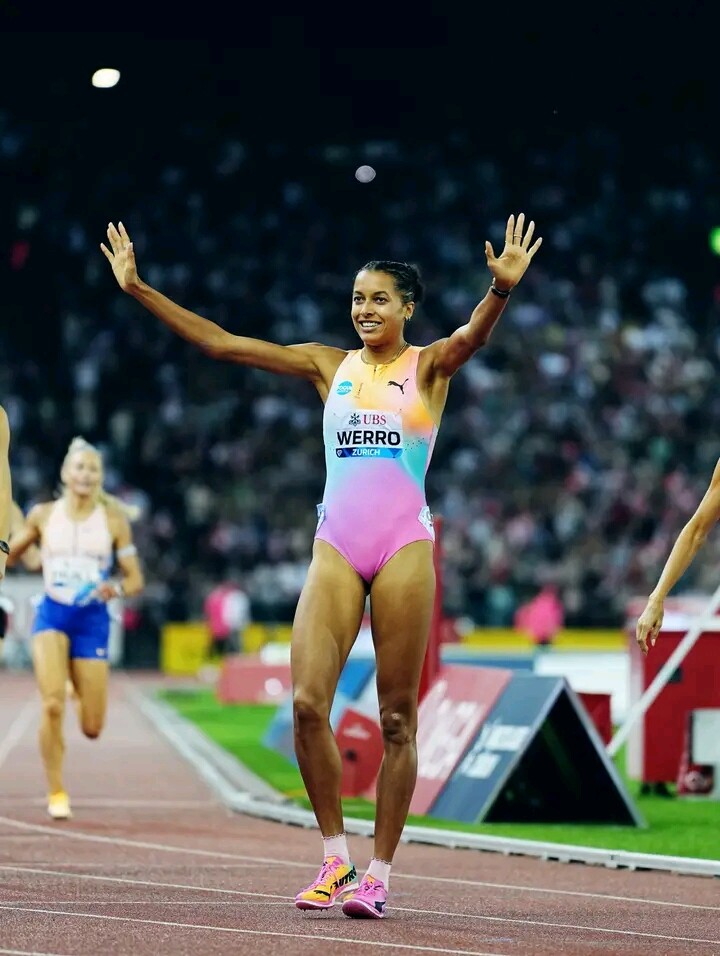
Just two days after producing a sensational 1:53.70 Swiss record at the Zürich Diamond League, Werro is set to return to action at the Gala dei Castelli in Bellinzona, where anticipation is building around the possibility of another historic performance.
Her display in Zürich was a statement of intent. Werro delivered one of the fastest 800m races ever recorded, lowering her Swiss record and moving to third on the all-time world list, behind only Jarmila Kratochvílová’s legendary 1:53.28 world record set in 1983 and Nadezhda Olizarenko’s 1:53.43 recorded in 1980.
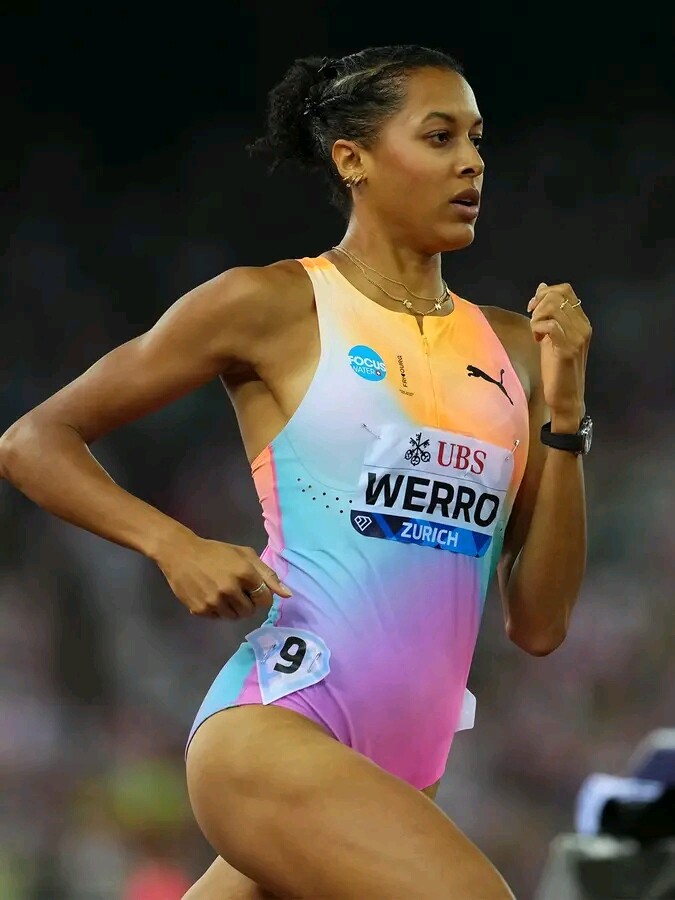
What makes Werro’s rise even more remarkable is the consistency of her performances at an extraordinary level. Earlier this season, she ran 1:53.98 in Stockholm, becoming only the third woman in history to break the 1:54 barrier. She then improved to 1:53.80 in Paris before producing her latest masterpiece of 1:53.70 in Zürich.
In the space of just a few months, Werro has transformed herself from an emerging European star into one of the fastest 800m runners the world has ever seen.
Her current progression is remarkable: 1:53.98 in Stockholm, 1:53.80 in Paris and 1:53.70 in Zürich. Each performance has brought her closer to a record that has survived for more than four decades.
Werro’s confidence is also being fuelled by her championship success. The Swiss star recently captured the European 800m title in Birmingham in 1:54.81, demonstrating that her spectacular form is not limited to Diamond League competition.
Now, all eyes turn to Bellinzona.
The target is unmistakable — 1:53.28.
Werro needs to improve by just 0.42 seconds on her Zürich performance to erase Kratochvílová’s 43-year-old world record. While 0.42 seconds may appear to be a small margin, breaking a record of such longevity requires an exceptional combination of speed, endurance, tactics and perfect execution.
A pacemaker is expected to help establish a demanding tempo, potentially giving Werro the conditions required to launch another assault on the record.
The 22-year-old has already demonstrated that she can repeatedly run at speeds that have historically been reserved for the very greatest 800m athletes. Her progression from 1:53.98 to 1:53.80 and then 1:53.70 suggests that another breakthrough may not be beyond her reach.
Bellinzona therefore promises to be more than another race on Werro’s schedule. It could become another defining moment in the rapid rise of a young athlete who is now challenging one of the oldest records in the sport.
The world record stands at 1:53.28.
Audrey Werro is 0.42 seconds away.
History is no longer a distant possibility. It is beginning to look increasingly within reach.
by Erick Cheruiyot for My Best Runs.
Login to leave a comment
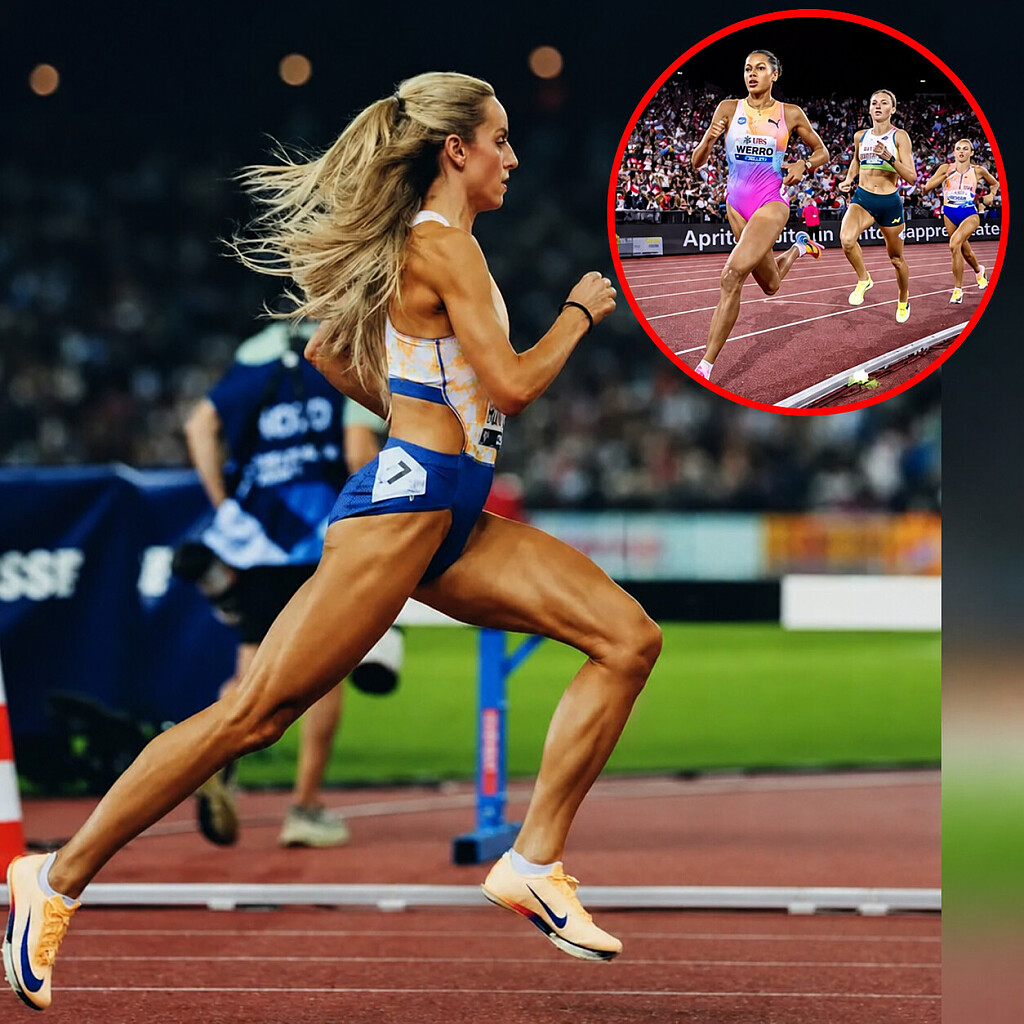
Georgia Hunter Bell Shines In Zürich With 1:55.03 Season’s Best As 800m Era Reaches New Heights
Georgia Hunter Bell produced another statement performance in Zürich, storming to a superb third-place finish in the women’s 800m at the Diamond League meeting while underlining once again her remarkable versatility across the middle-distance events.
The British star stopped the clock at 1:55.03, a season’s best and the second-fastest 800m of her career, finishing behind Audrey Werro and Femke Broeders-Bol in a race that ranks among the fastest women’s 800m contests seen in more than four decades.
For Hunter Bell, however, the result represented more than simply another podium finish. It was a performance that demonstrated just how dangerous she has become over two laps, despite her continued status as one of the world’s leading 1500m specialists.
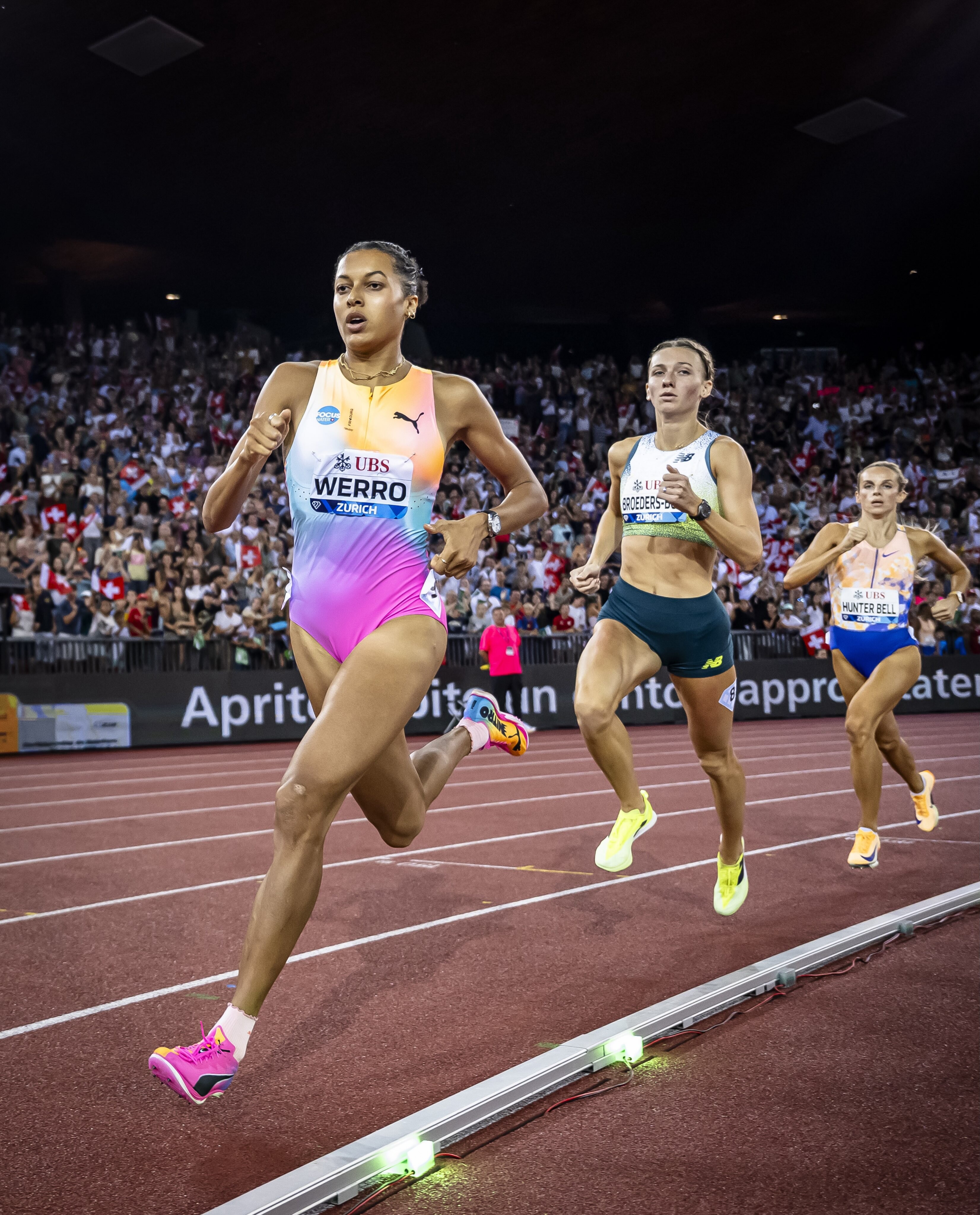
Reflecting on the race, Hunter Bell admitted that her competitive instincts over 800m still demand more, but she was equally proud of the performance and excited by the quality of the race.
Her season’s best of 1:55.03 moved her closer to her personal best of 1:54.90 and confirmed that her 800m speed remains a formidable weapon. She also welcomed the opportunity to compete alongside Werro and Broeders-Bol in a race that showcased the extraordinary depth and quality currently emerging in the women’s 800m.
Yet what makes Hunter Bell particularly fascinating is her ability to excel at both 800m and 1500m — two events requiring very different combinations of speed, endurance and tactical intelligence.
Over 800m, she is a Commonwealth champion and a World Championship silver medallist, with a personal best of 1:54.90. In the 1500m, her credentials are equally impressive. She owns a personal best of 3:52.61, has produced a season’s best of 3:55.63 and has captured both European and World Indoor titles.
That combination places Hunter Bell among the most versatile middle-distance athletes of her generation.
Her Zürich performance was therefore another reminder that she cannot be defined by a single event. She possesses the raw speed required to challenge the best over 800m, while her strength, endurance and championship experience make her equally formidable over 1500m.
With Brussels next on her schedule, Hunter Bell will be looking to carry the confidence from Zürich into the next stage of her season.
Her 800m alter ego may still believe there is more to unlock, but her 1500m instincts can certainly take satisfaction from what she produced in Zürich.
Speed over two laps. Strength over four. And a championship résumé that continues to grow.
Georgia Hunter Bell is proving that versatility is not merely an advantage — it can be a defining weapon at the highest level of middle-distance running.
by Erick Cheruiyot for My Best Runs.
Login to leave a comment
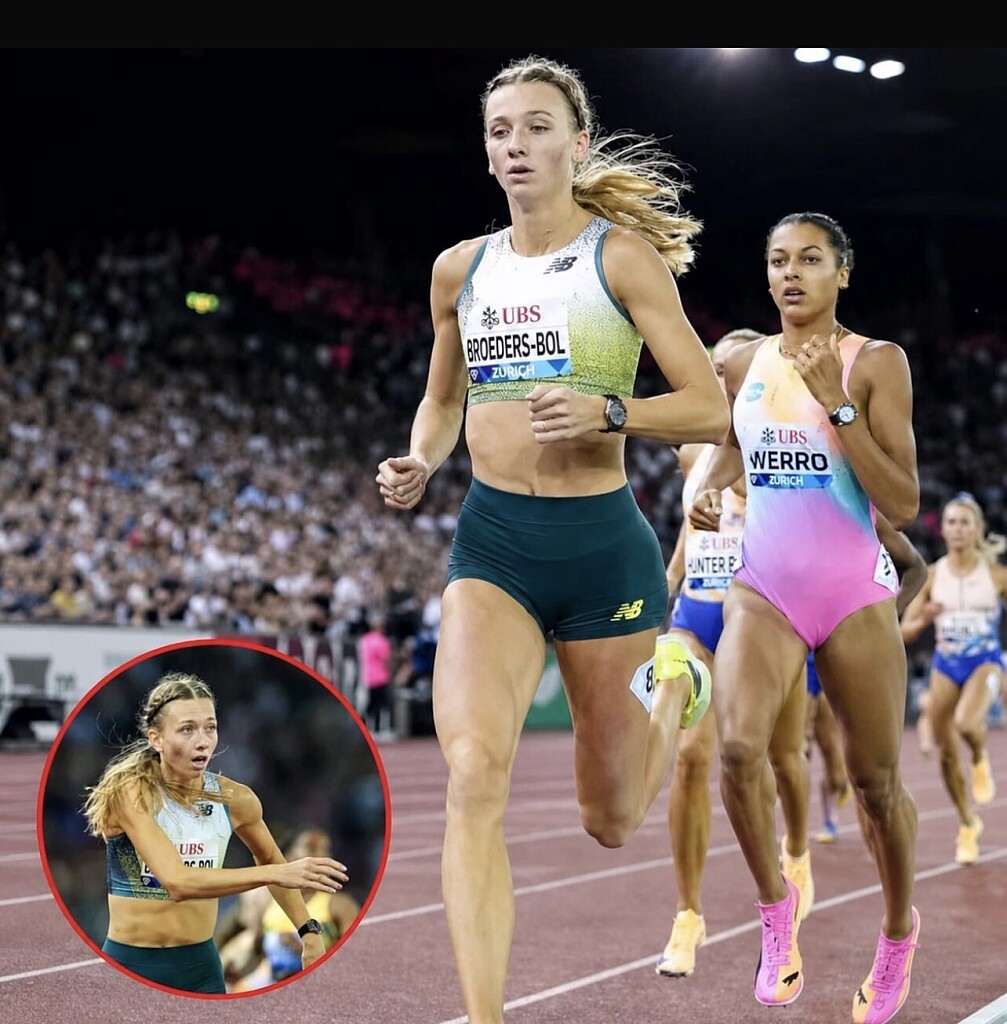
Femke Broeders-Bol’s Stunning 800m Transformation: From Hurdles Star to Dutch Record Breaker
Femke Broeders-Bol has spent much of her career dominating the 400m hurdles, but in 2026 the Dutch star has opened an entirely new chapter — and her transformation into a world-class 800m runner is becoming one of the most fascinating stories in athletics.
What initially looked like an intriguing experiment has rapidly developed into something far more serious.
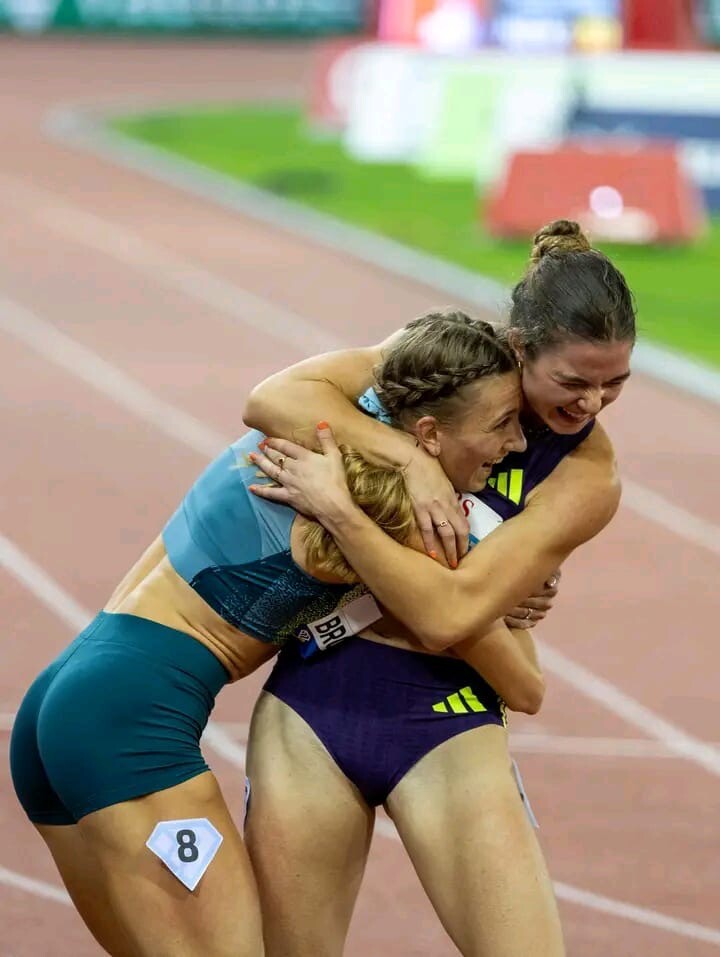
Broeders-Bol is now running times that place her firmly among the elite of the women’s 800m.
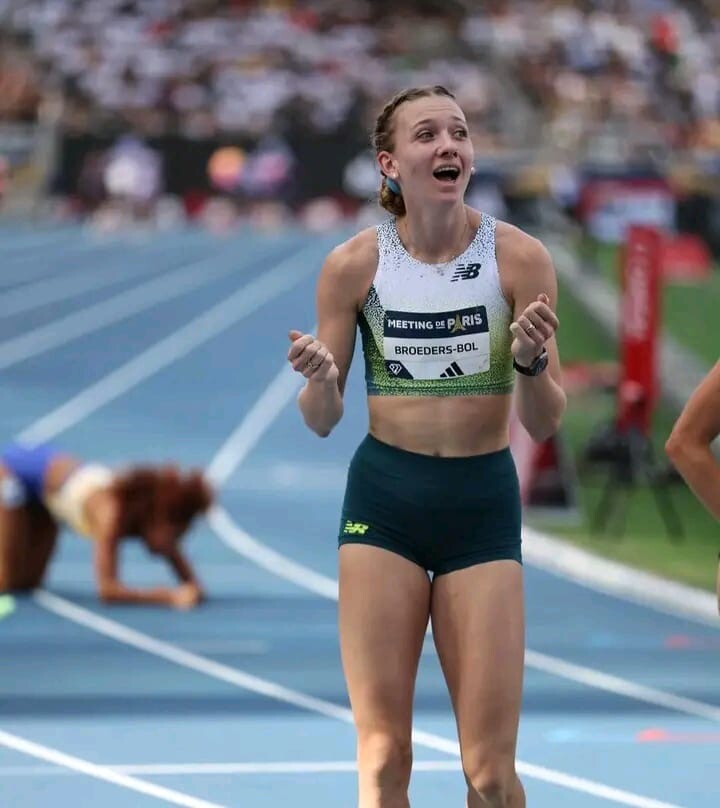
Her breakthrough has been remarkable in both its speed and scale. After making the transition to the two-lap event, she quickly demonstrated that the qualities that made her one of the world’s best 400m hurdlers could be transferred to the longer distance.
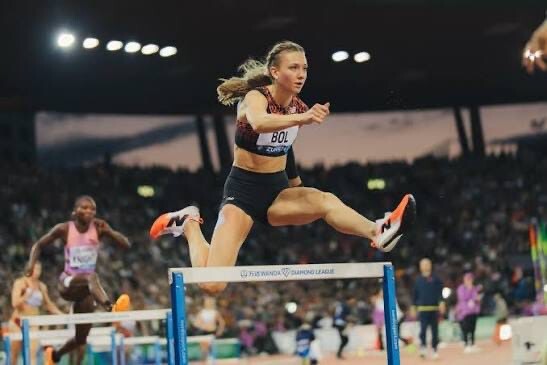
Her 2026 progression tells the story.
She clocked 1:55.60 in Paris on June 28, followed by 1:57.13 in Ostrava, before producing 1:55.54 at the European Championships in Birmingham. That performance equalled Ellen van Langen’s long-standing Dutch record of 1:55.54, a mark that had stood since the 1992 Olympic Games.
Just days later, Broeders-Bol went even faster.
At the Lausanne Diamond League on August 21, she ran 1:55.41, lowering the Dutch record outright and finishing second behind Switzerland’s Audrey Werro.
Then came Zürich.
On August 27, Broeders-Bol produced another extraordinary performance, stopping the clock at 1:54.71 to break her own national record by 0.70 seconds in less than a week. She finished second to Werro, who ran a spectacular 1:53.70 — the third-fastest time ever recorded in the women’s 800m.
For Broeders-Bol, however, the biggest headline was her own transformation.
Her 400m hurdles background has provided an exceptional foundation for the 800m. Years of racing over barriers have developed her speed, strength, rhythm, speed endurance and ability to maintain efficient mechanics when fatigue sets in. Those qualities are particularly valuable over two laps, where the ability to combine raw pace with endurance can separate the very best from the rest.
The challenge has been converting that 400m speed into sustained 800m pace.
And she is doing exactly that.
A 1:54.71 performance is no longer the result of an athlete simply testing herself in another event. It is the mark of a genuine 800m contender.
What makes the development even more intriguing is that Broeders-Bol herself has appeared surprised by just how quickly she has adapted to the distance.
In Zürich, she showed once again that her ceiling over 800m may be considerably higher than anyone initially expected.
At just 26, the Dutch star now finds herself at the beginning of a potentially extraordinary second chapter in her career. Her established reputation as a 400m hurdles powerhouse has already been transformed by a new national record over 800m — and she is continuing to improve at a breathtaking rate. World Athletics lists her 1:54.71 as her current personal best and ranks her among the leading women over the distance.
The question now is no longer whether Broeders-Bol can run the 800m.
It is how fast she can ultimately go.
If this remarkable progression continues, the road towards the Los Angeles 2028 Olympics could become one of the most intriguing storylines in women’s middle-distance running.
Femke Broeders-Bol has already proven that she can conquer the hurdles.
Now, she is showing that two laps of the track may belong to her too.
by Erick Cheruiyot for My Best Runs
Login to leave a comment
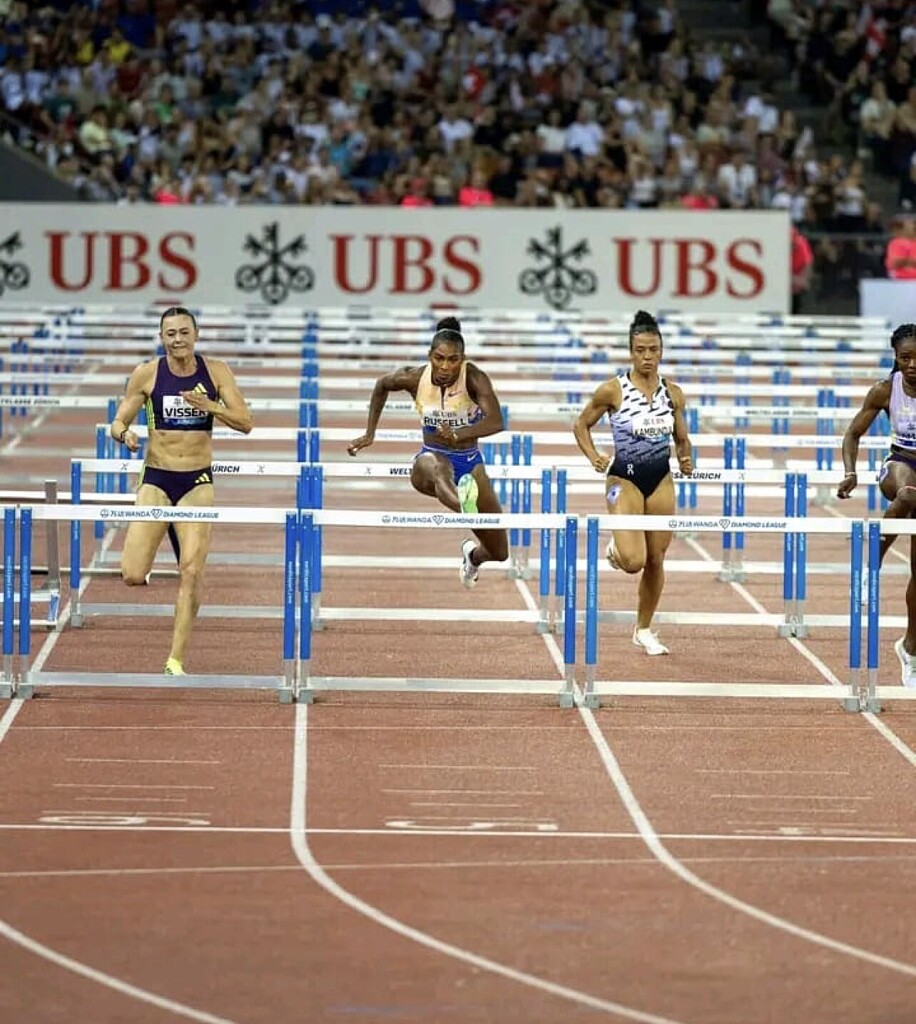
Masai Russell Makes History with Stunning 12.09 World Record in Zurich
Masai Russell delivered a performance for the ages at the Zurich Diamond League, storming to a stunning 12.09 seconds in the women’s 100m hurdles to break Tobi Amusan’s world record.
Running in completely still conditions with a legal 0.0 m/s wind, the American Olympic champion became the first woman in history to break the 12.10-second barrier.
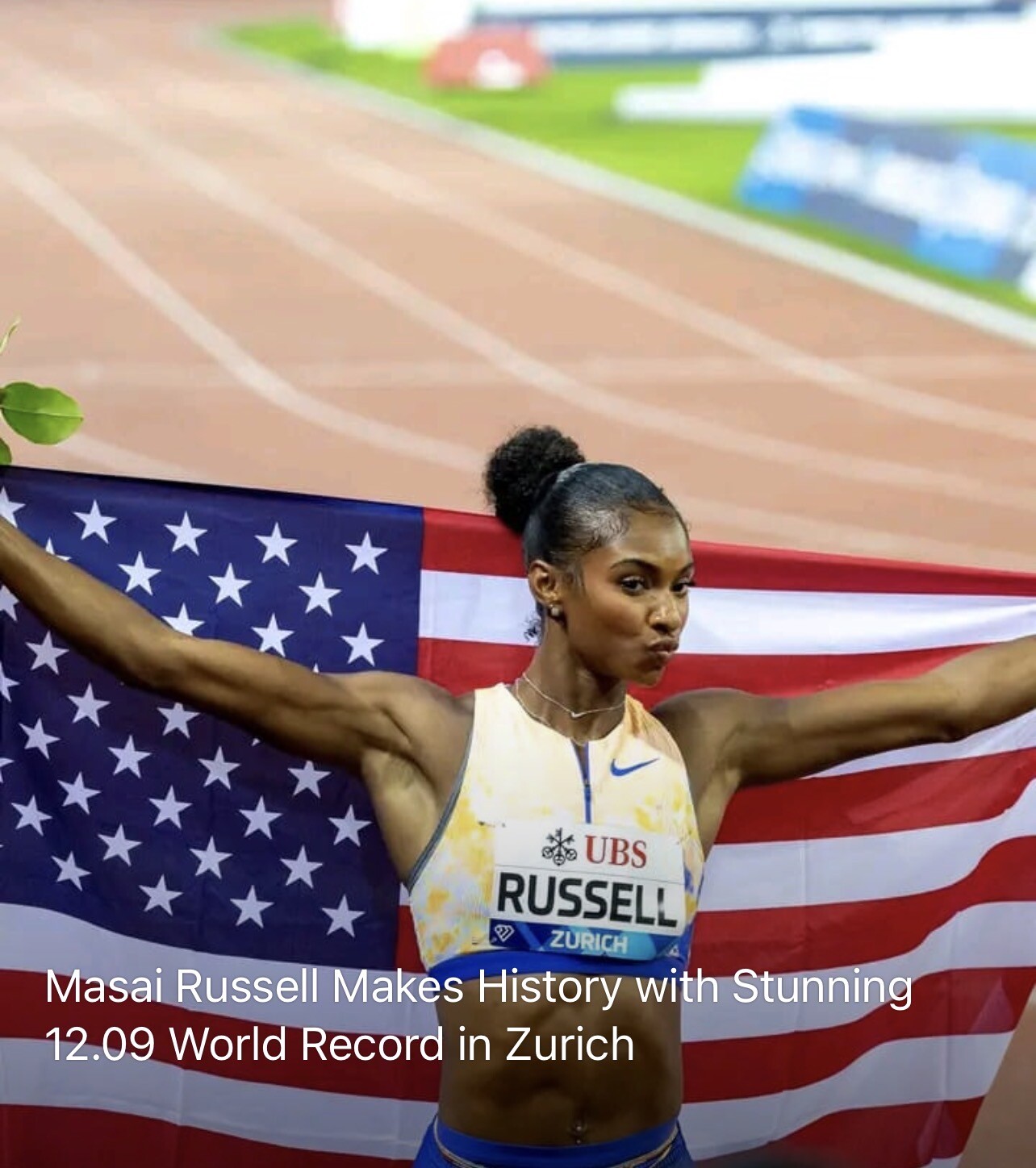
Russell improved upon Amusan’s previous world record of 12.12, set at the 2022 World Championships in Eugene. The mark is subject to the usual ratification process.
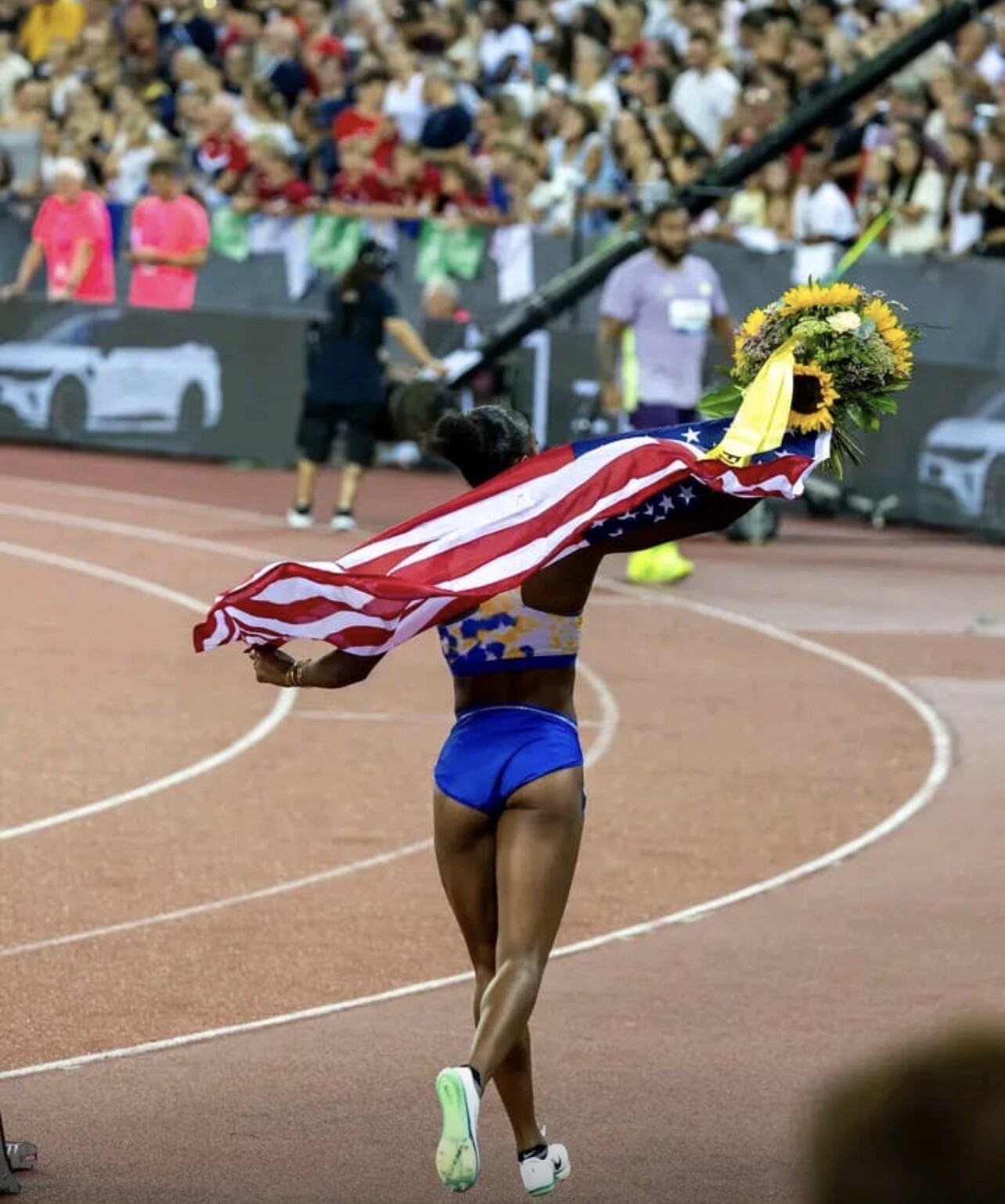
After repeatedly demonstrating her dominance throughout the season, Russell arrived in Zurich as the woman to beat. She attacked the race with extraordinary speed and precision, maintaining her rhythm over the hurdles before pulling away in the closing stages.
When the clock flashed 12.09, the significance of the performance was immediately clear. A barrier that had never been broken was gone.
Even more remarkably, the woman whose record she broke was racing beside her. Amusan, the Nigerian star who had held the world record for four years, finished second in 12.23.
The Netherlands’ Nadine Visser completed the podium in 12.34.
The performance adds another extraordinary chapter to Russell’s career. After establishing herself among the world’s elite and producing a season of remarkable consistency, she has reached the summit of the event as its fastest athlete in history.
Russell’s 12.09 was more than a victory. It rewrote the record books and provided the ultimate confirmation of her dominance.
Zurich had already witnessed a world record from Alison dos Santos in the men’s 400m hurdles. Less than 40 minutes later, Russell ensured the evening would become one of the most memorable in Diamond League history.
Masai Russell is now the world-record holder—and the first woman to run under 12.10 seconds for the 100m hurdles.
by Erick Cheruiyot for My Best Runs
Login to leave a comment
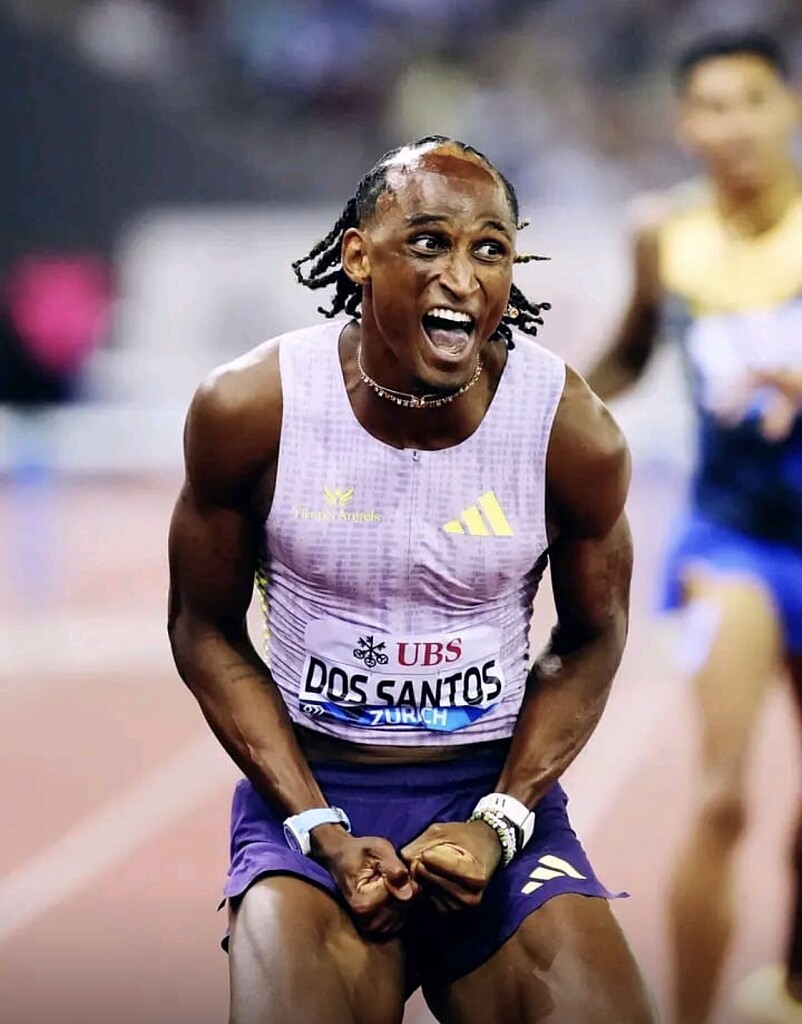
Alison dos Santos Makes History in Zurich, Smashing Warholm’s 400m Hurdles World Record
45.80 seconds. A new world record. A new chapter in the history of the 400m hurdles.
Brazilian star Alison dos Santos produced a breathtaking performance at the Zurich Diamond League on Thursday, storming to 45.80 seconds to shatter the men’s 400m hurdles world record and dethrone one of the greatest records in modern athletics.
Dos Santos delivered a sensational run at Weltklasse Zürich, becoming the first athlete to break the barrier set by Norway’s Karsten Warholm, whose legendary 45.94-second world record had stood since his spectacular victory at the Tokyo 2020 Olympic Games in 2021.
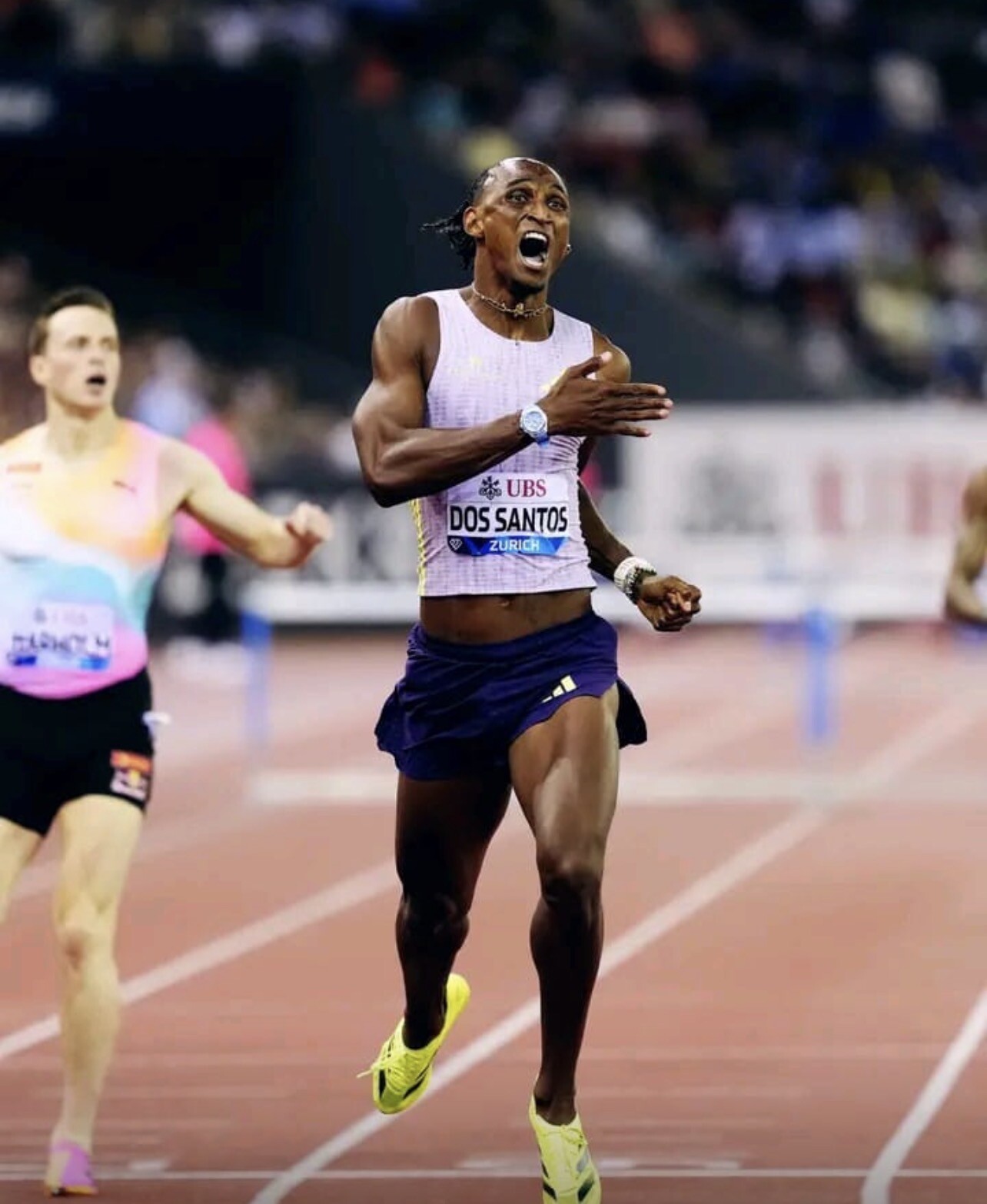
The Brazilian was in complete control from the opening stages, attacking the hurdles with remarkable speed and precision before powering down the final straight. The clock stopped at 45.80, sending shockwaves through the stadium and rewriting the record books.
Warholm, the former world-record holder and one of the sport’s most dominant figures, had to settle for second place in 46.69 seconds. Nigeria’s Ezekiel Nathaniel completed the podium in 47.50.
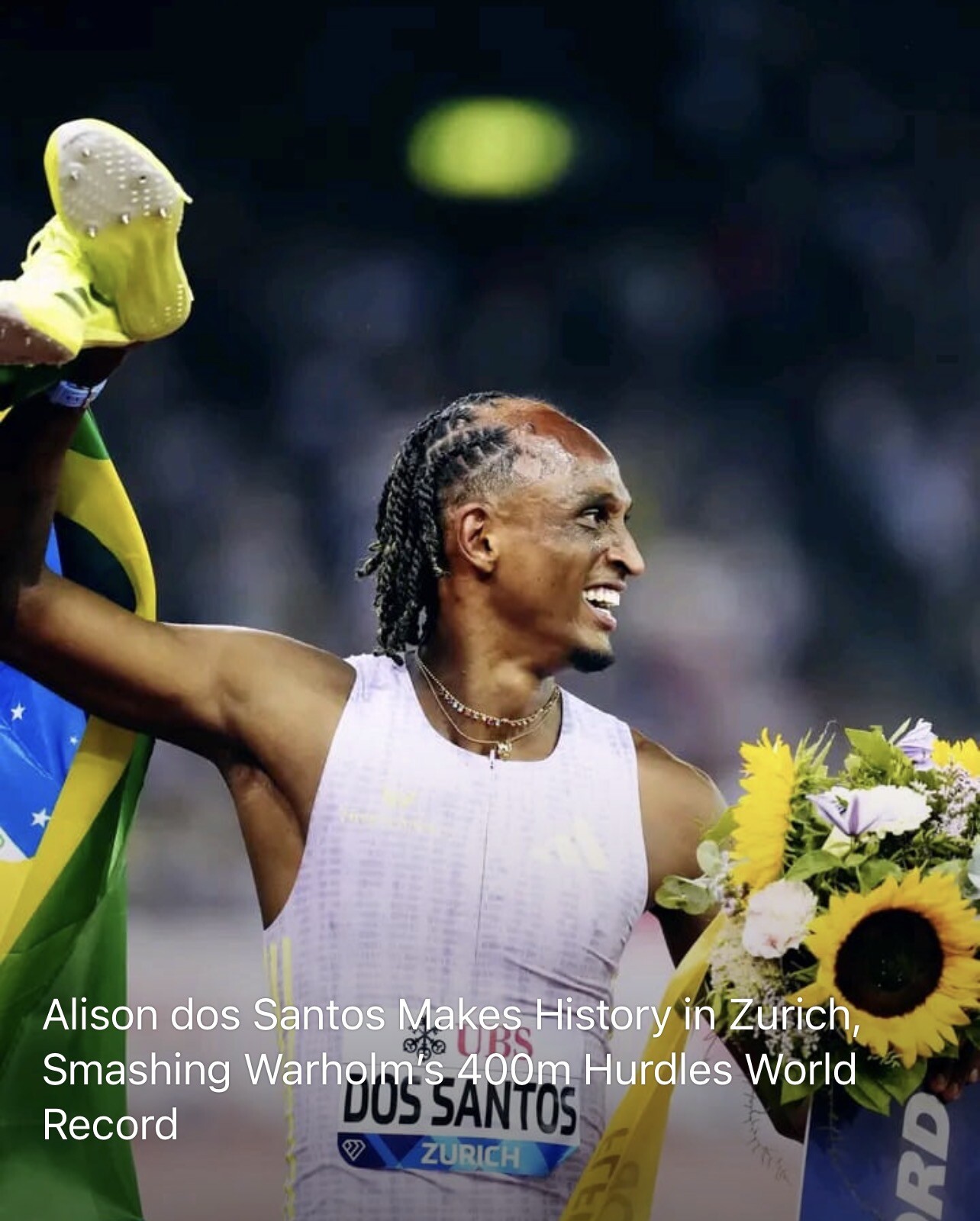
The result adds another extraordinary chapter to the rivalry between Dos Santos and Warholm. The pair have repeatedly pushed each other to new levels, but this time Dos Santos delivered the defining blow, taking down a record that had become synonymous with Warholm’s name.
The 26-year-old Brazilian has now cemented himself among the greatest 400m hurdlers in history. A world champion in 2022 and a two-time Olympic bronze medallist, Dos Santos has spent years chasing the sport’s very best — and in Zurich, he finally claimed its most coveted record.
His breakthrough is even more remarkable given that he entered the Zurich meeting with a personal best of 46.29 seconds in the 400m hurdles. His previous 2026 best had been 46.43, set just days earlier in Silesia, where he also defeated Warholm.
Now, the record belongs to Brazil.
Alison dos Santos — 45.80 seconds.
A new world record, a historic victory and a performance that will be remembered as one of the defining moments of the 2026 athletics season.
by Erick Cheruiyot for My Best Runs.
Login to leave a comment
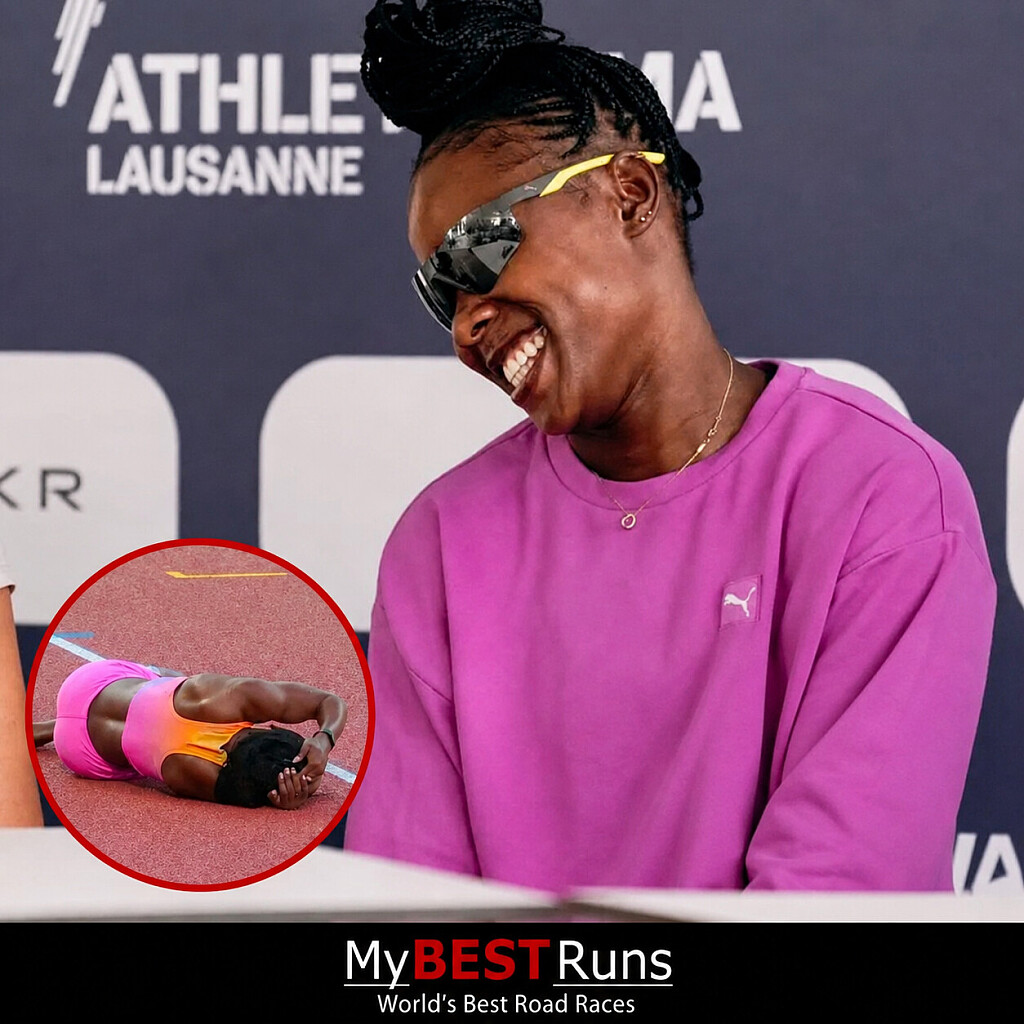
Shericka Jackson: A Smile Through the Storm
For Shericka Jackson, the past few weeks have brought a painful reminder that even the strongest champions can be tested far beyond the finish line.
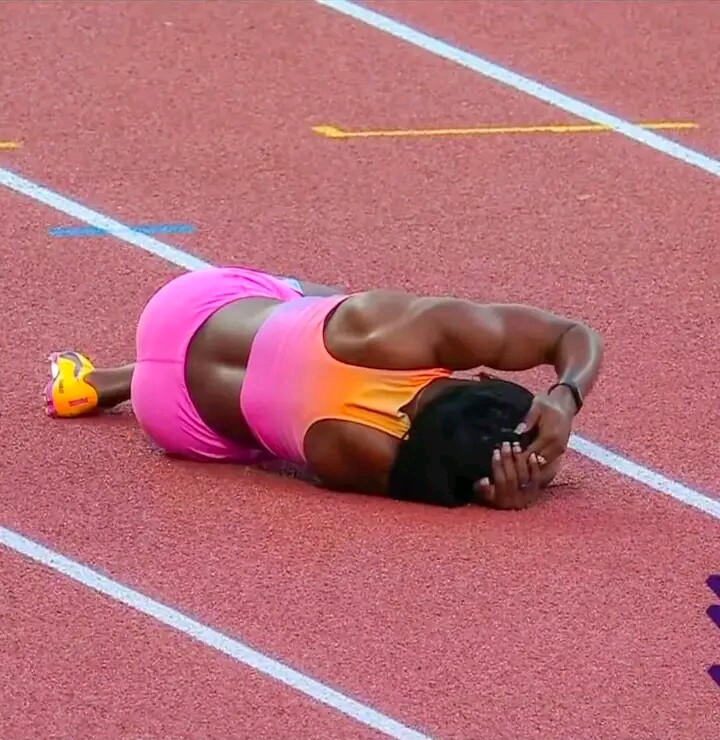
The Jamaican sprint star is navigating a difficult period marked by grief, injury and uncertainty, yet she continues to show a remarkable strength that goes beyond medals and championships.
At the Lausanne Diamond League meeting on Friday, August 21, Jackson lined up for the women’s 200m hoping to put together another strong performance. She appeared composed through the early stages of the race, but as she came off the bend, her night took a heartbreaking turn.
Jackson suddenly pulled up and went down on the track, appearing to suffer a hamstring injury. She was unable to continue, bringing an abrupt end to her race and adding another painful chapter to a period that has already tested her physically and emotionally.
The setback came against an especially difficult personal backdrop.
Only days earlier, Jackson was mourning the death of Stephen Francis, the renowned Jamaican coach and founder of MVP Track Club, who played an important role in her development as an elite athlete.
Before the Lausanne meeting, Jackson spoke candidly about the emotional weight she was carrying.
“I'm trying to be okay because, in all honesty, I'm not okay.”
Those words revealed the reality behind the athlete the world usually sees competing with confidence and determination. Jackson has been trying to process personal loss while also working through the physical challenges that have disrupted her career.
Her injury struggles have previously forced her to make difficult decisions, including her withdrawal from the individual sprint events at the 2024 Paris Olympics. Now, just as she continues to navigate another challenging period, another injury has left her facing yet more uncertainty.
But Jackson has refused to allow the storm to define her.
In a message shared with her followers, she offered a powerful reminder of resilience:
“Your smile is proof that light can live through storms.”
Accompanied by the hashtags #ARoughPatchOfLife and #MentalHealthMatters, the message carried a significance far deeper than a social-media caption. It reflected the reality that athletes, despite their extraordinary physical abilities, experience grief, frustration, fear and emotional exhaustion just like everyone else.
Jackson’s story is a reminder that strength is not always measured by how fast someone runs or how many medals they have won.
Sometimes, strength is showing up when your heart is hurting.
Sometimes, it is allowing yourself to admit that you are not okay — and still finding a reason to smile.
And sometimes, courage is simply getting back up after life knocks you down.
Shericka Jackson may be going through a rough patch, but there is still light in that smile.
The track may have taken away another race, but it cannot take away her resilience, her spirit or the champion within her.
For now, Jamaica and athletics fans around the world can only hope for her recovery, healing and peace as she faces the road ahead. The storm will not last forever.
by Erick Cheruiyot for My Best Runs.
Login to leave a comment
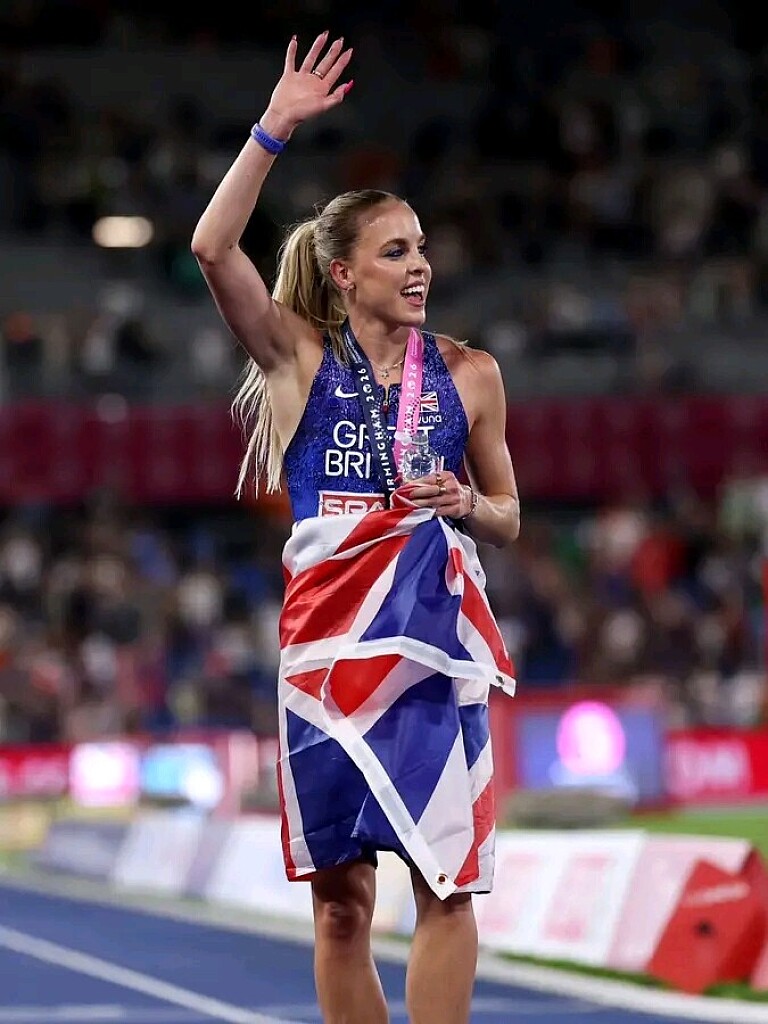
Keely Hodgkinson Withdraws From Zurich Diamond League 800m as Olympic Champion Prioritises Recovery
Olympic champion Keely Hodgkinson has withdrawn from this week’s Diamond League meeting in Zurich, where she was scheduled to headline a star-studded women’s 800m field.
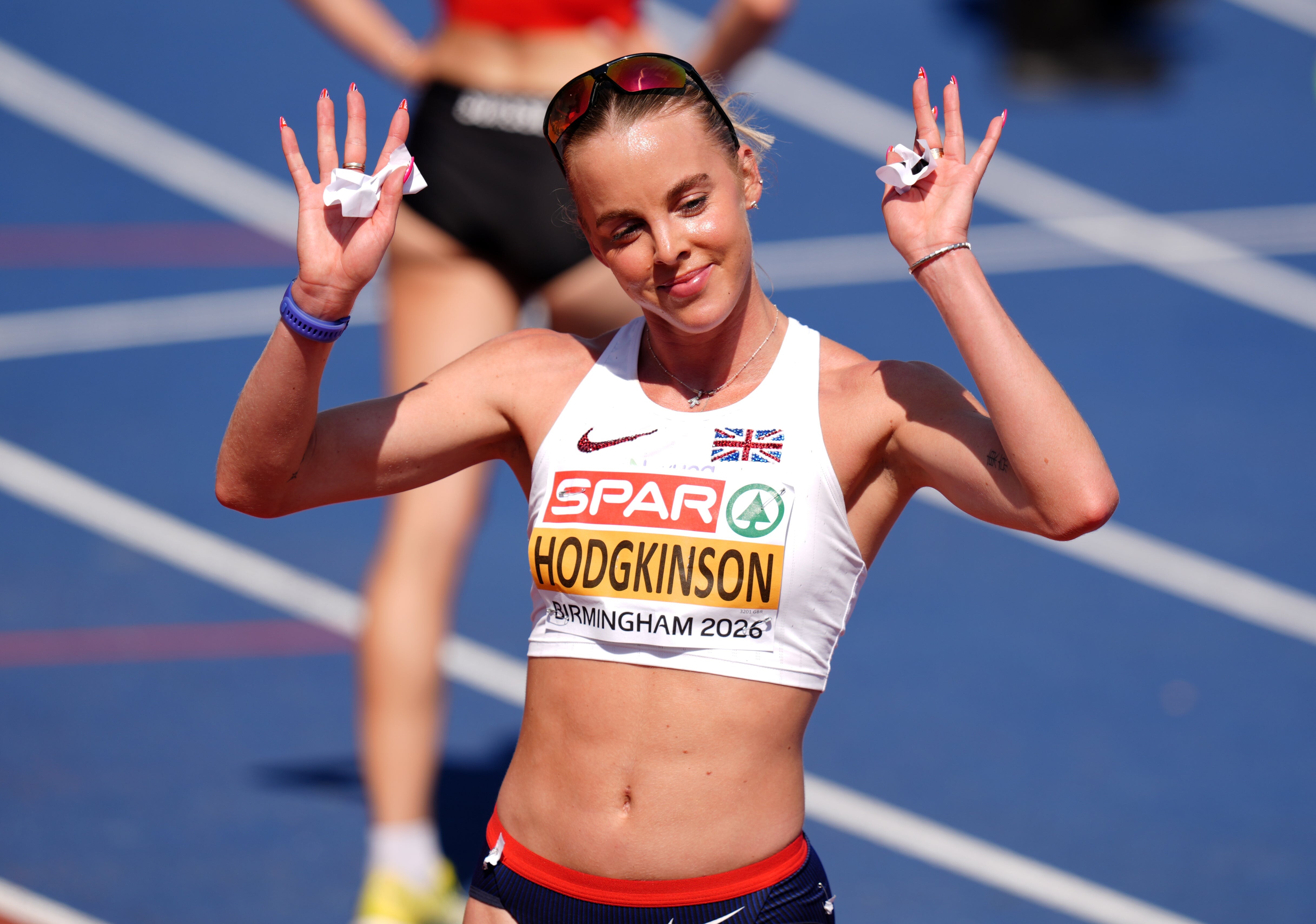
The British middle-distance star confirmed that her body is not yet ready for another race following the European Championships, prompting her and her team to make the decision to skip Thursday’s August 27 meeting and focus on a full recovery ahead of her next outing.
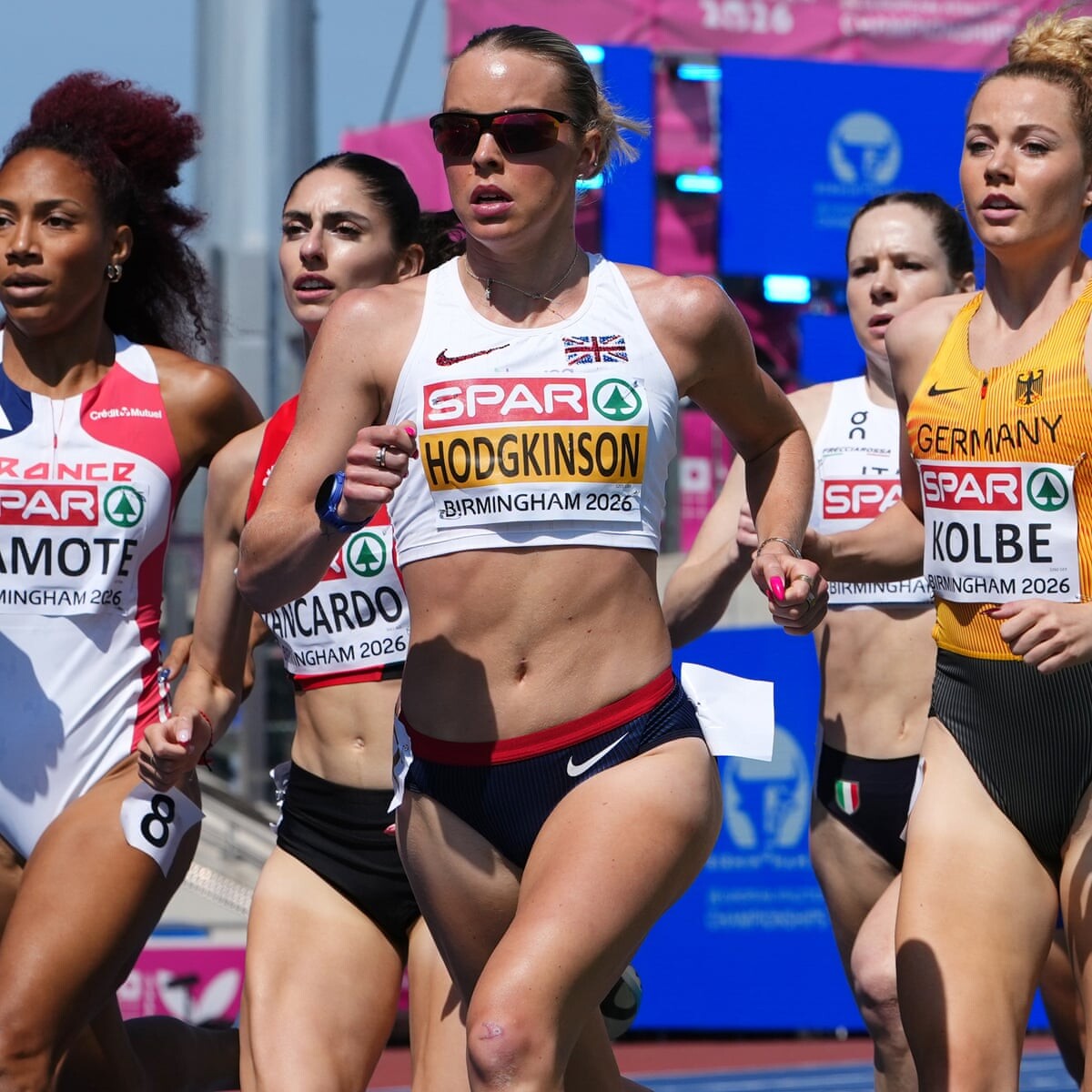
“The body isn't quite ready to race again after the European Championships, so we've made the decision to skip this race and get ready for the next one,” Hodgkinson said.
The decision comes as a disappointment for fans who had been eagerly anticipating Hodgkinson’s return to the track in Zurich, particularly because the race was set to feature a formidable line-up of international 800m talent.
Hodgkinson had been due to face unbeaten European champion Audrey Werro of Switzerland, Commonwealth champion Georgia Hunter Bell of Great Britain, reigning world champion Lilian Odira of Kenya and European bronze medallist Femke Broeders-Bol of the Netherlands.
The meeting had also promised a highly anticipated rematch between Hodgkinson and Werro following the dramatic European Championships in Birmingham, where the Swiss star produced a stunning performance to upset the field and claim the European title.
That result added even more intrigue to their scheduled Zurich showdown, with Hodgkinson expected to have another opportunity to respond on the Diamond League stage. Her withdrawal, however, means that much-awaited battle will have to wait.
Despite missing one of the season’s biggest meetings, Hodgkinson is choosing caution over a rushed return. After the physical demands of championship racing, the Olympic champion believes the right approach is to allow her body sufficient time to recover before stepping back onto the track.
“I’m sad to miss it, hopefully see you next year!” Hodgkinson added.
Her absence will undoubtedly take some of the spotlight away from the Zurich 800m, but the race remains packed with quality. Werro, Hunter Bell, Odira and Broeders-Bol will still provide a compelling contest, with each athlete carrying an impressive championship pedigree into the race.
For Hodgkinson, meanwhile, the focus now shifts away from Zurich and towards making sure she is fully prepared for her next appearance.
The Olympic champion may be missing from Thursday’s start line, but her decision reflects a bigger priority: returning to competition healthy, sharp and ready to perform at her best rather than risking a premature comeback.
And when Hodgkinson does return, the prospect of another clash with Werro—and a renewed battle among the world’s leading 800m runners—will undoubtedly be one of the most anticipated moments of the season.
by Erick Cheruiyot for My Best Runs.
Login to leave a comment
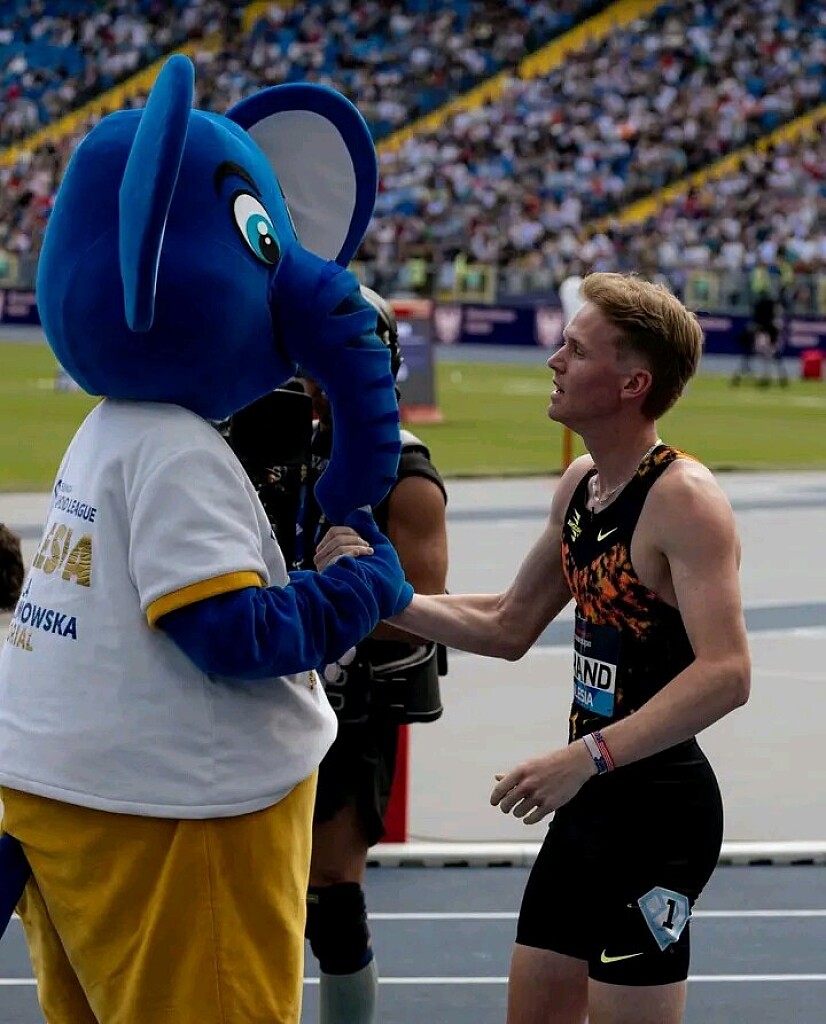
Ethan Strand’s Stunning Silesia Surge: “I Had Enough Left”
Ethan Strand delivered one of the most impressive finishes of the Silesia Diamond League meeting, producing a spectacular final lap to storm to victory in the men’s 1500m in a season-best 3:30.77.
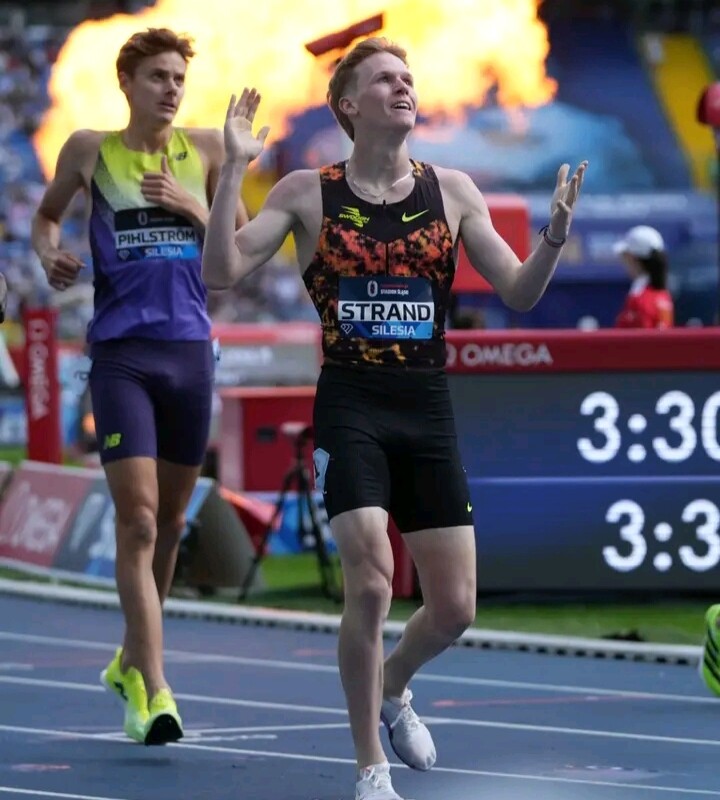
The American’s triumph was not simply about speed—it was a carefully executed comeback built on patience, belief and a powerful reserve of energy saved for the closing stages.
Strand admitted afterwards that he had found himself well back in the field during the race, but remained confident that he had enough left to make his move.
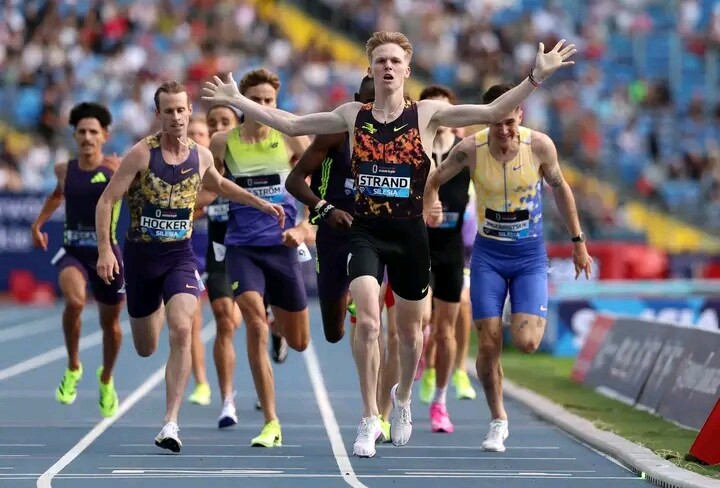
“I was pretty far back and had a lot left, and I had to do a lot of work up through the third lap, and I had enough left,” Strand said after his winning performance.
That reserve proved decisive.
As the race entered its final lap, Strand began to close the gap with increasing urgency. He continued to pick off his rivals before unleashing his biggest acceleration down the home straight, powering away from the chasing pack and crossing the line in style.
His emphatic celebration reflected the significance of the performance—a season's best time and a major victory over a field packed with elite 1500m talent.
Phanuel Koech produced a superb performance of his own to finish second in 3:31.14, narrowly holding off reigning Olympic champion Cole Hocker, who crossed the line third in 3:31.16.
Just behind them was Norwegian superstar Jakob Ingebrigtsen, who made his first 1500m appearance since Tokyo last September. Ingebrigtsen clocked 3:31.19 to finish fourth in a race where less than half a second separated the top four athletes.
The result made Strand the man of the moment in Silesia. While others battled for position throughout the race, the American trusted his strength, stayed composed despite being deep in the field and unleashed his decisive move when it mattered most.
His victory was a powerful reminder that a race can change dramatically in its final 400 metres. Strand may have been “pretty far back,” but he knew he had something left—and when the moment arrived, he produced exactly the kind of finishing speed required to defeat an Olympic champion and some of the world's finest middle-distance runners.
From being buried in the pack to flying down the home straight, Ethan Strand turned patience into victory—and finished the night with a celebration that said it all.
3:30.77. Season’s best. Silesia champion.
by Erick Cheruiyot for My Best Runs.
Login to leave a comment
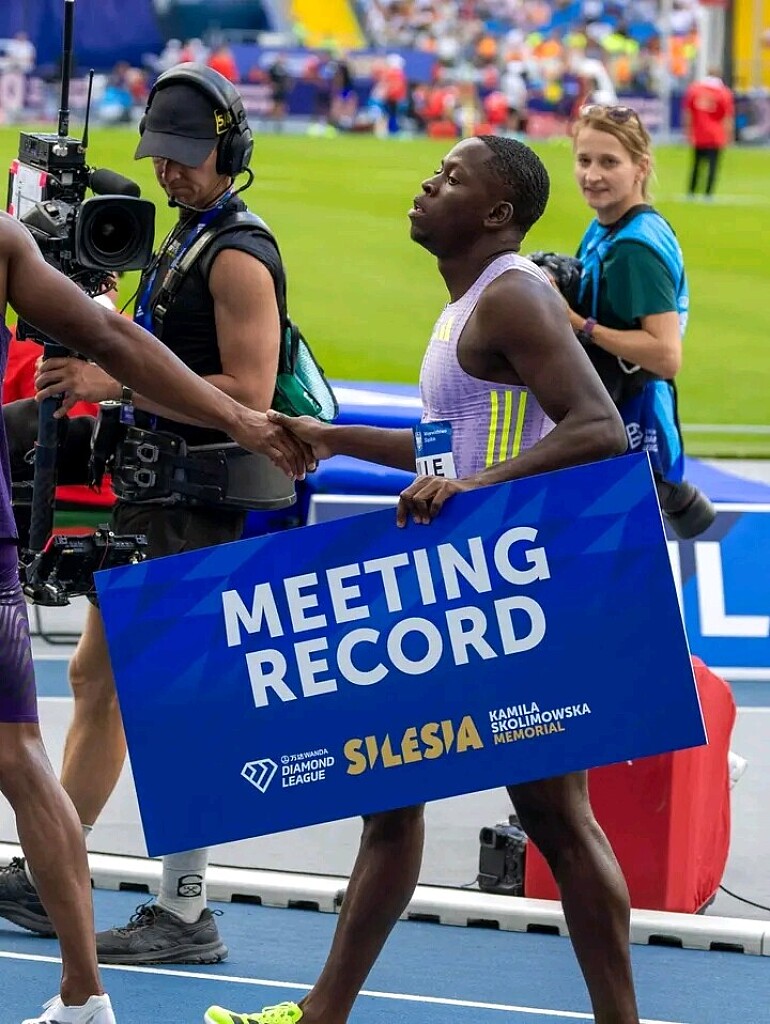
Oblique Seville Blazes to Meeting Record in Historic All Nine-Sub-10 Silesia Showdown
Jamaica’s Oblique Seville delivered another sensational statement at the Silesia Wanda Diamond League, storming to victory in a breathtaking men’s 100 metres and setting a new meeting record of 9.83 seconds that made sprinting history in Chorzów, Poland.
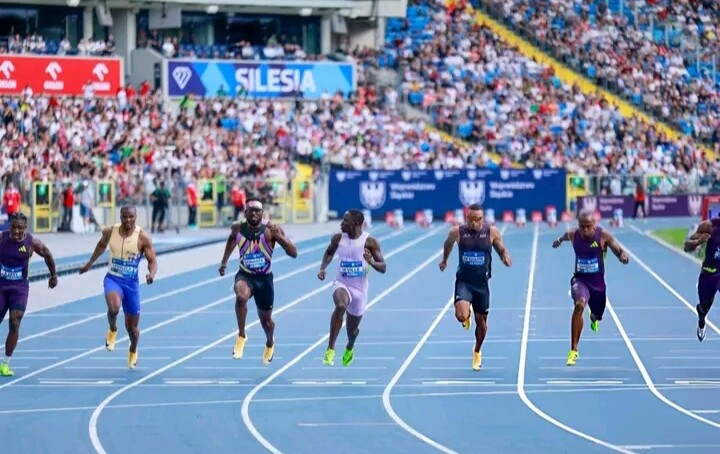
In one of the deepest and most extraordinary sprint races ever witnessed, Seville powered clear of a world-class field to take the win, with Kenneth Bednarek of the United States finishing second in 9.87 and fellow American Christian Coleman completing the podium in 9.93.
But Seville’s meeting-record victory was only one part of the remarkable story. For the first time in history, all nine athletes in a single men's 100m race broke the 10-second barrier, producing an unprecedented display of sprinting depth.
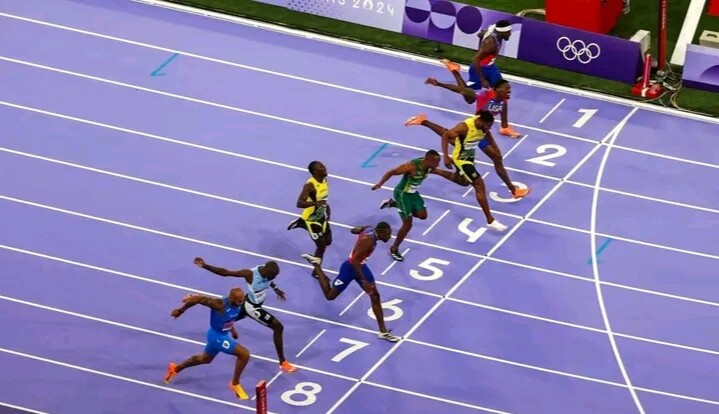
The historic race also marked only the second time that every athlete in a men's 100m final had broken 10 seconds, following the eight-man final at the Paris 2024 Olympic Games. In Silesia, however, the achievement went even further, with an entire nine-man field dipping below the iconic barrier.
Nigeria’s Kayinsola Ajayi produced another impressive performance to finish fourth in 9.94, while South Africa’s Gift Leotlela followed in fifth with 9.95. Canada’s Olympic champion Andre De Grasse clocked 9.96 in sixth, with South African star Akani Simbine recording the same time in seventh.
American Ronnie Baker added another sub-10-second performance with 9.97 for eighth place, while Cameroon’s Emmanuel Eseme ensured the historic sweep was complete by running 9.99 in ninth.
Men's 100m Results – Silesia Wanda Diamond League
1. Oblique Seville (Jamaica) — 9.83 Meeting Record
2. Kenneth Bednarek (United States) — 9.87
3. Christian Coleman (United States) — 9.93
4. Kayinsola Ajayi (Nigeria) — 9.94
5. Gift Leotlela (South Africa) — 9.95
6. Andre De Grasse (Canada) — 9.96
7. Akani Simbine (South Africa) — 9.96
8. Ronnie Baker (United States) — 9.97
9. Emmanuel Eseme (Cameroon) — 9.99
For Seville, the victory was another emphatic demonstration of his exceptional form and his ability to rise to the occasion against the strongest opposition. His 9.83 not only secured the Diamond League win but also lowered the Silesia meeting record, putting an exclamation mark on a performance of the highest quality.
Nine men went under 10 seconds. Seville went under 9.84. On an unforgettable day in Silesia, the Jamaican stood tallest in a race that pushed the boundaries of what men's sprinting has ever seen.
by Erick Cheruiyot for My Best Runs.
Login to leave a comment
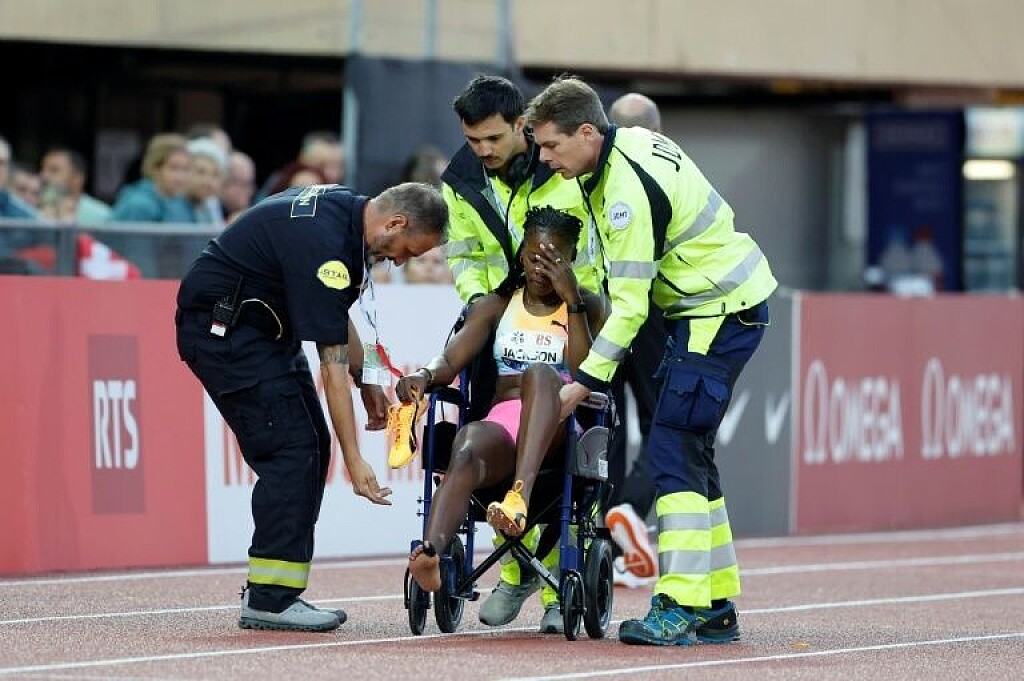
Shericka Jackson’s Lausanne Return Ends in Heartbreak as Injury Clouds Silesia Showdown
Shericka Jackson’s long-awaited return to the 200 metres ended in heartbreaking fashion on Friday night at the Wanda Diamond League meeting in Lausanne, where the Jamaican sprint star was forced to pull up and did not finish after appearing to suffer an injury.
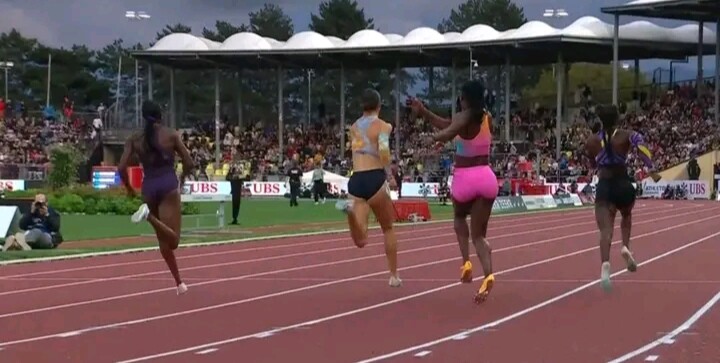
Jackson had made a promising start and was among the leading contenders as the race unfolded at the Stade Olympique de la Pontaise. But shortly after coming off the bend, the two-time world 200m champion suddenly pulled up, lost her balance and crashed to the track, bringing her comeback race to an abrupt and painful end.
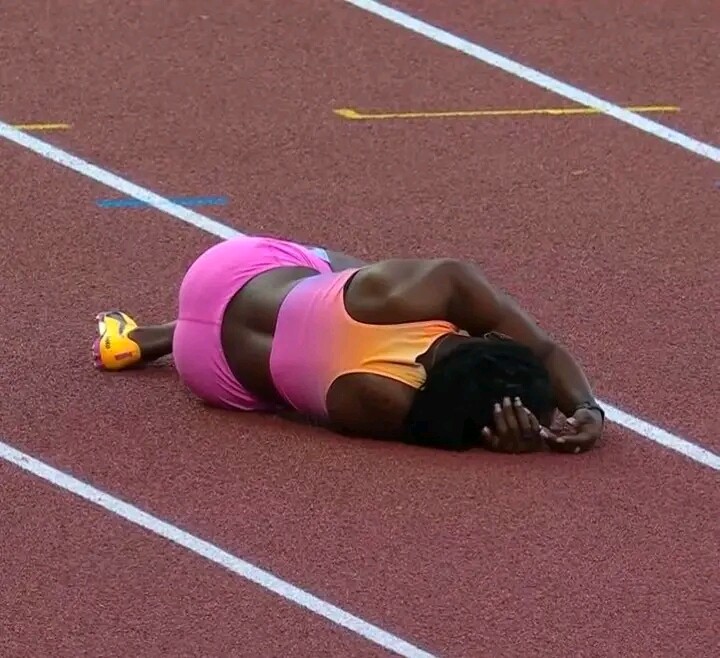
The incident immediately raised concerns for one of the most accomplished sprinters of her generation, particularly after Jackson had already acknowledged uncertainty over her fitness in the lead-up to the Lausanne meeting.
Her withdrawal now casts serious doubt over her scheduled appearance in the women’s 100m at the Silesia Diamond League on Saturday, August 23. Jackson had been set to line up in one of the most eagerly anticipated sprint races of the meeting, alongside fellow Jamaican Elaine Thompson-Herah, Sha’Carri Richardson, Julien Alfred and Melissa Jefferson-Wooden.
Whether Jackson will be fit enough to take her place remains unclear, but Friday’s setback was another difficult moment in what has been an emotionally challenging period for the Jamaican star.
Recently, Jackson revealed that she had not been “ok” as she continues to cope with the loss of her longtime coach and MVP Track Club technical director, Stephen “Franno” Francis. His death has clearly left a profound impact on an athlete who enjoyed some of the greatest successes of her career under his guidance.
Friday’s injury scare added another layer of heartbreak to that difficult journey. For now, the athletics world will be hoping that the setback is not as serious as it first appeared and that Jackson can recover fully.
One of the sport’s biggest stars has already overcome enormous challenges throughout her career. The hope now is that this latest setback will be only a temporary interruption—and that Shericka Jackson will soon be back where she belongs, competing at the very highest level.
by Erick Cheruiyot for My Best Runs.
Login to leave a comment
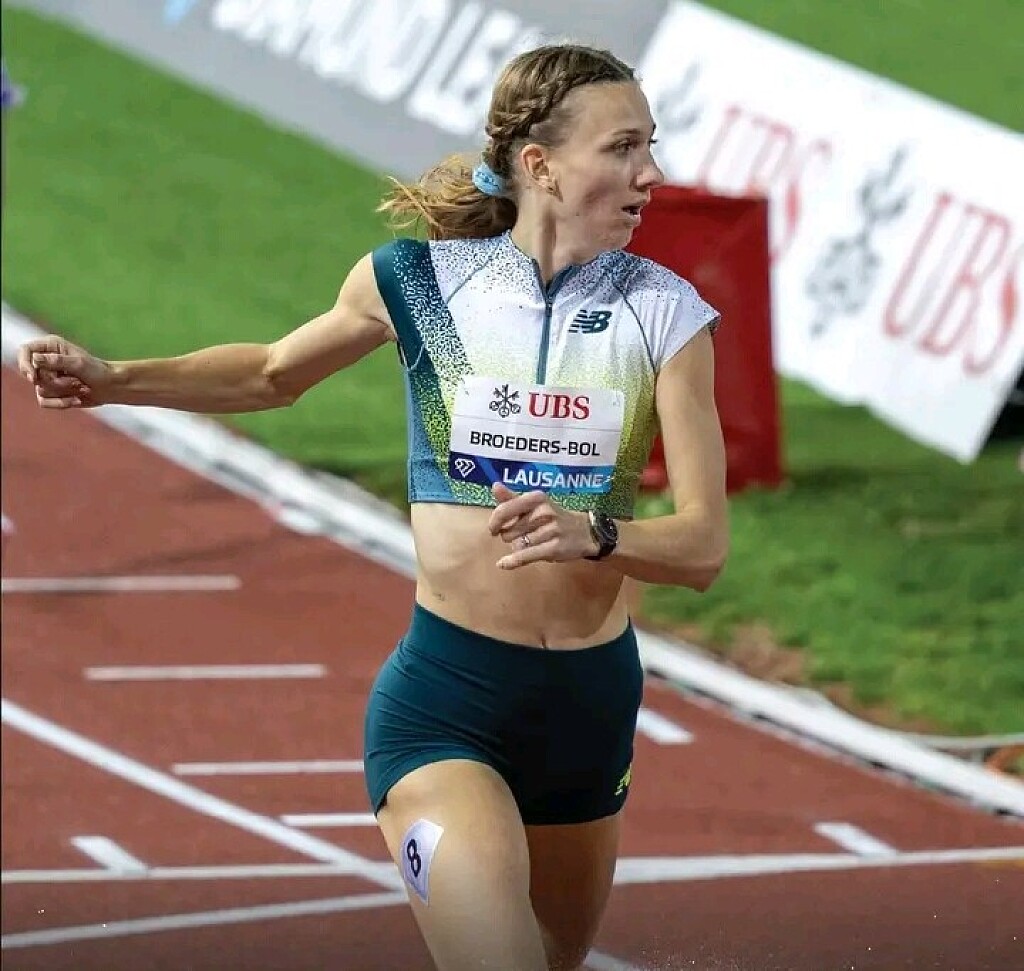
Femke Broeders-Bol’s Stunning Rise Continues with Dutch 800m Record in Lausanne
Femke Broeders-Bol’s remarkable transformation into a genuine 800m force continued in spectacular fashion at the Lausanne Diamond League, where the Dutch star smashed the national record with a breathtaking 1:55.41 and came within a fraction of victory.
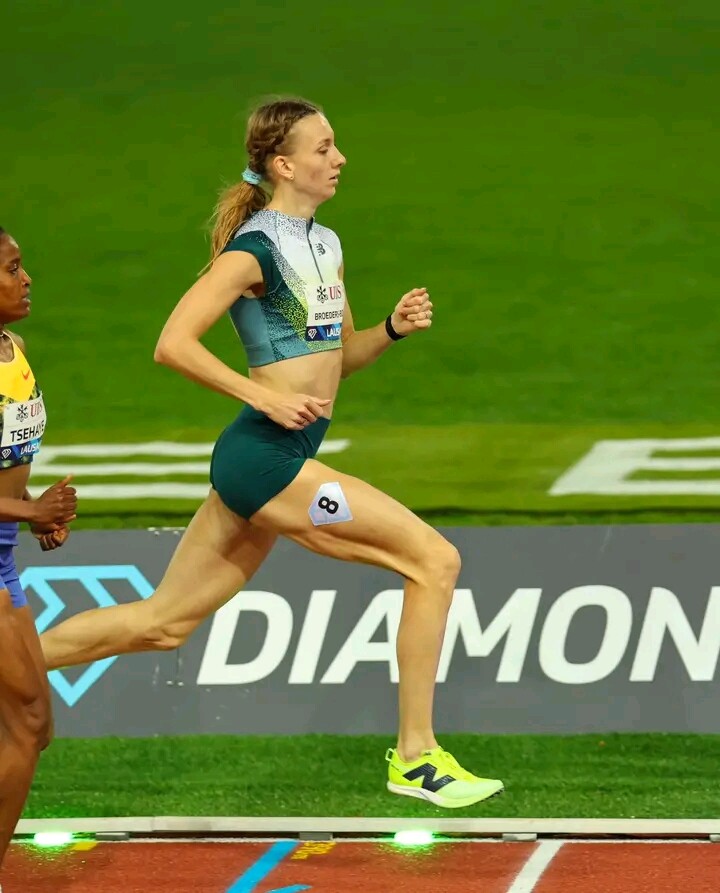
In one of the most thrilling races of the evening, Bol pushed Switzerland’s European champion Audrey Werro all the way to the finish line, with just 0.08 seconds separating the two athletes. Werro claimed victory in a meeting record of 1:55.33, while Bol crossed the line second in 1:55.41, rewriting the Dutch record books with the fastest 800m performance of her career.
Audrey Werro of Switzerland — 1:55.33, Meeting Record
Femke Broeders-Bol of the Netherlands — 1:55.41, National Record
For Bol, the performance marked another extraordinary step in what has become a sensational 2026 campaign. Her progression over two laps has been nothing short of remarkable. After running 1:59.07 in February, she improved to 1:57.13 in June, then 1:57.41 just days later, before breaking through with 1:55.60 in June. She continued her rapid rise with 1:55.54 in August before lowering the Dutch national record even further to 1:55.41 in Lausanne.
The latest breakthrough is especially significant because it came against one of the world's fastest 800m runners. Werro entered the race as the European champion and delivered a sensational performance of her own, but Bol refused to let her escape and stayed within striking distance all the way to the line.
Long recognised as one of the world's outstanding talents in the 400m hurdles, Bol is now showing just how formidable she can be over the flat 800m. Her ability to move from hurdles dominance into elite middle-distance competition has added another fascinating dimension to her career, and her rapid improvement suggests there could still be more to come.
From 1:59.07 to 1:55.41 in a single season, Bol has made one of the most dramatic improvements in women's middle-distance running this year. More importantly, she is no longer simply experimenting with the event—she is proving that she can challenge the very best.
The Dutch star may have narrowly missed victory in Lausanne, but her national-record performance sent a powerful message.
Femke Broeders-Bol is getting faster, the margins are getting smaller, and the women's 800m is becoming even more fascinating.
by Erick Cheruiyot for My Best Runs.
Login to leave a comment
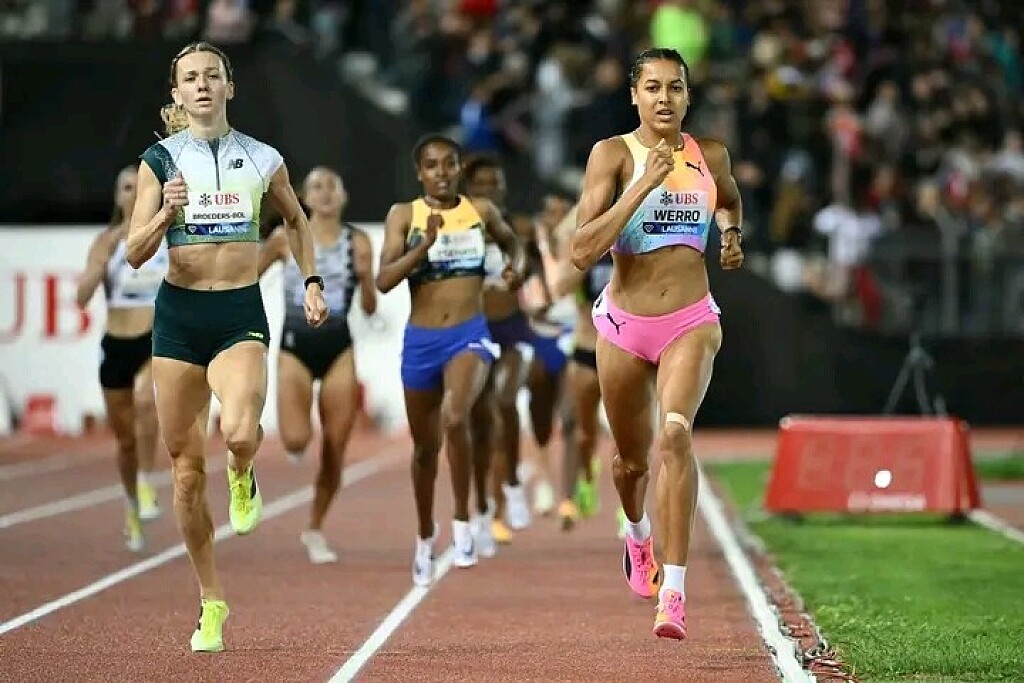
Werro Survives Stunning Broeders-Bol Charge in Record-Breaking Lausanne 800m
Audrey Werro produced another extraordinary performance on home soil, holding off a fierce late charge from Femke Broeders-Bol to win a breathtaking women's 800m at the Lausanne Diamond League in a new meeting record of 1:55.33.
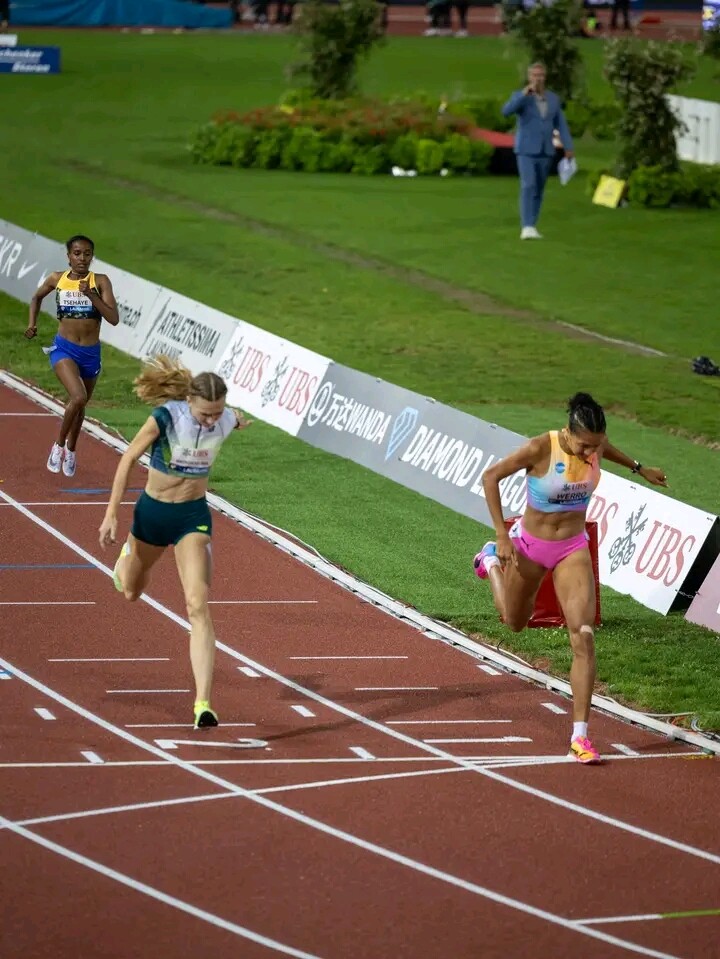
Fresh from becoming European 800m champion, Werro looked to be on course for a comfortable victory as she entered the final straight with a clear advantage. But the race exploded into a dramatic battle over the closing metres when Broeders-Bol unleashed a sensational finishing kick, clocking a remarkable 14.8 seconds for the final 100 metres compared with Werro's 15.4.
The Dutch star closed rapidly and came within touching distance of Werro, but the Swiss favourite had done enough to hold on, crossing the line just eight hundredths of a second ahead. Werro's winning time of 1:55.33 established a new meeting record and further strengthened her remarkable run of form.
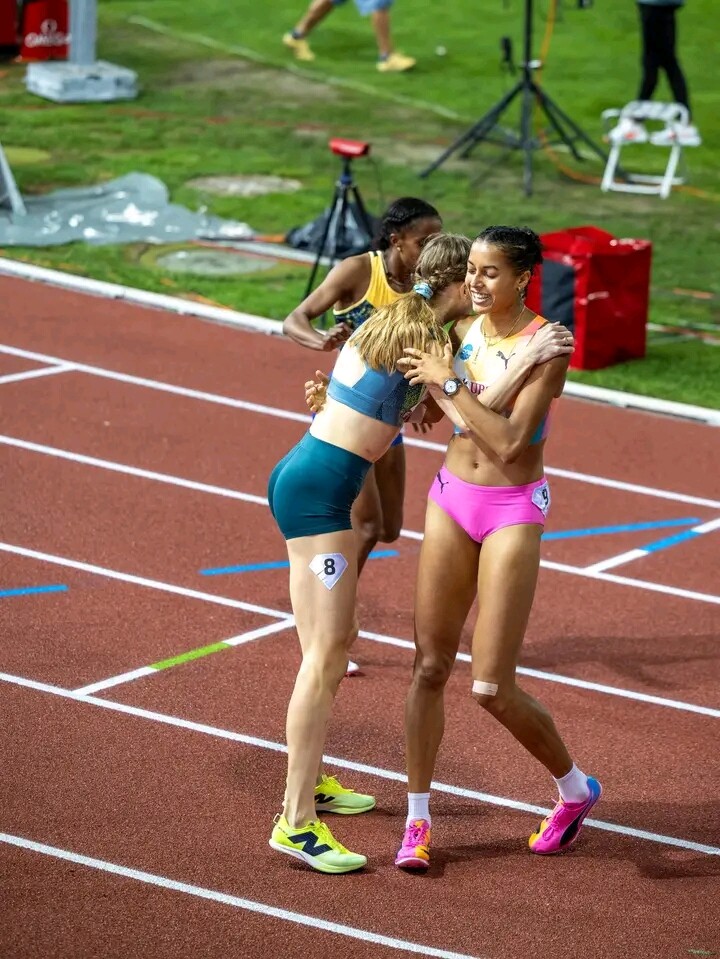
Broeders-Bol finished second in a superb 1:55.41, and although she narrowly missed victory, she left Lausanne with a historic achievement of her own. Her performance shattered the Dutch women's 800m national record previously held by Ellen van Langen, marking one of the finest races of her career.
Eighteen-year-old Ethiopian talent Saida Tsehaye completed an outstanding podium, running a huge personal best of 1:56.92 to finish third. Her breakthrough performance underlined the extraordinary depth of the race and announced another exciting young force in women's middle-distance running.
Behind the leading trio, Switzerland's Veronica Vancardo finished fourth in 1:58.68, with compatriot Valentina Rosamilia fifth in 1:58.93. American Addison Wiley placed sixth in 1:59.22, while Kenya's Lilian Odira was seventh in 1:59.25.
For Werro, it was another unforgettable night in front of her home crowd. The European champion combined strength, confidence and composure to withstand one of the most explosive finishing charges of the season, while Broeders-Bol produced a national-record performance that came agonisingly close to victory.
In the end, Lausanne witnessed a race in which history was made at both ends of the finish line: Werro claimed the meeting record and another major victory, Broeders-Bol rewrote the Dutch record books, and teenage sensation Tsehaye announced herself on the world stage with a huge personal best.
The women's 800m is delivering exceptional racing in 2026—and this electrifying showdown in Lausanne was further proof that the event is hotter than ever.
by Erick Cheruiyot for My Best Runs.
Login to leave a comment
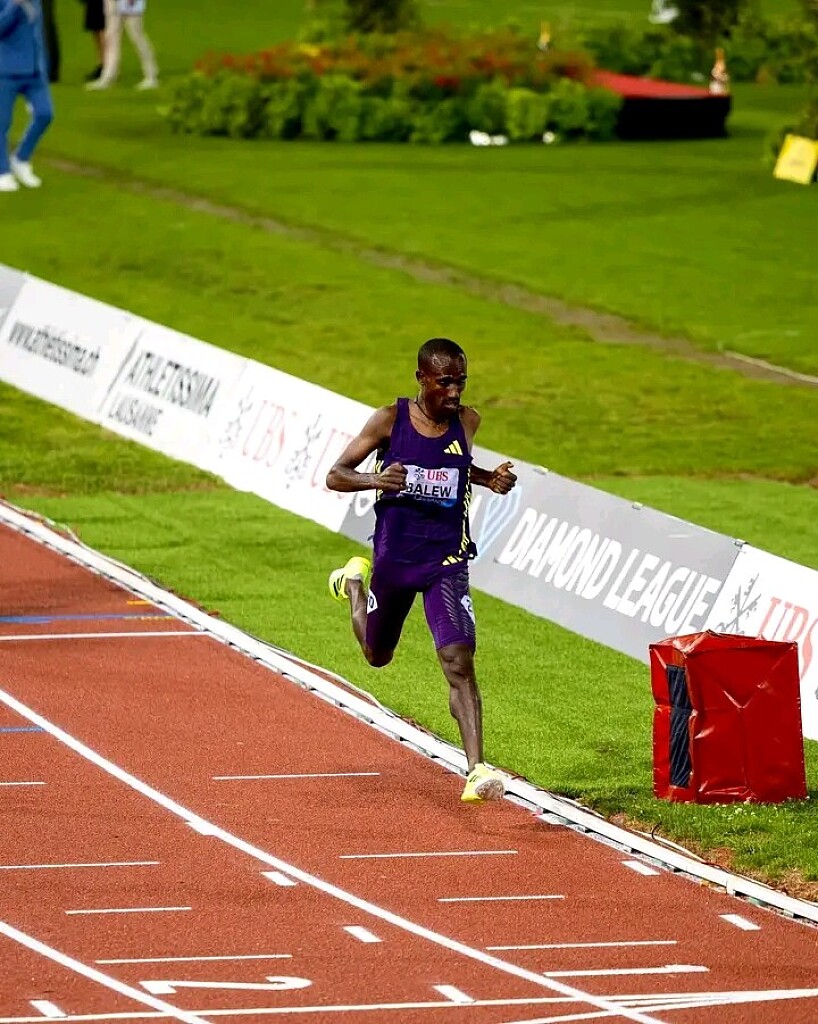
Six Men Smash the 13-Minute Barrier in a Stunning Lausanne 5000m Showdown
The men’s 5000m at the Lausanne Diamond League produced one of the most electrifying distance races of the season, as six athletes broke the coveted 13-minute barrier in a breathtaking display of speed and depth.
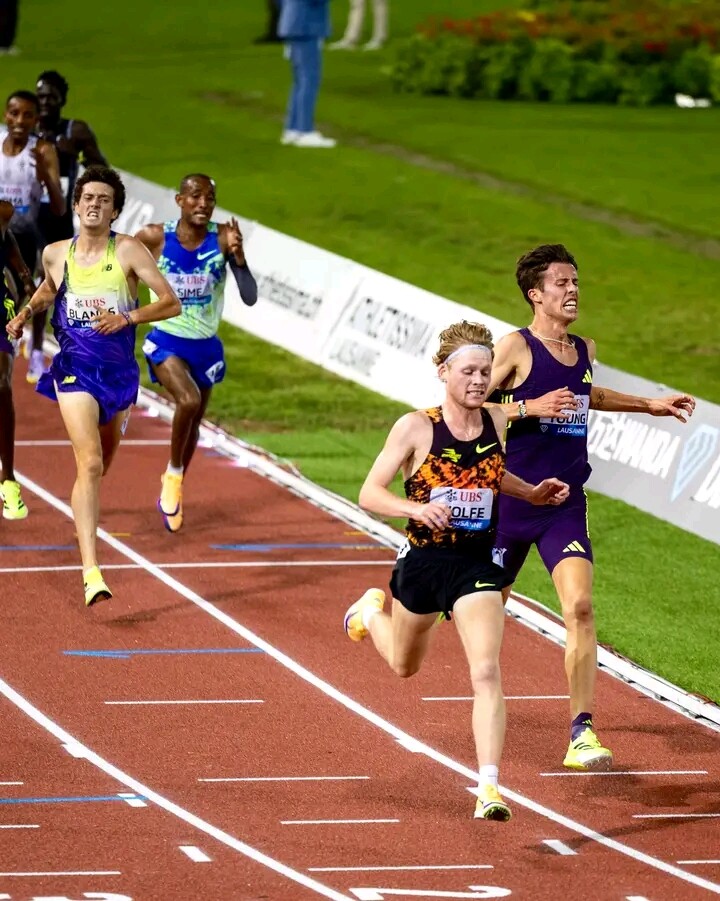
Bahrain’s Birhanu Balew emerged victorious in a fiercely contested race, clocking 12:57.55 to secure a brilliant win against a world-class field. Balew held off relentless pressure behind him to claim the victory as the race exploded into a spectacular battle over the closing stages.
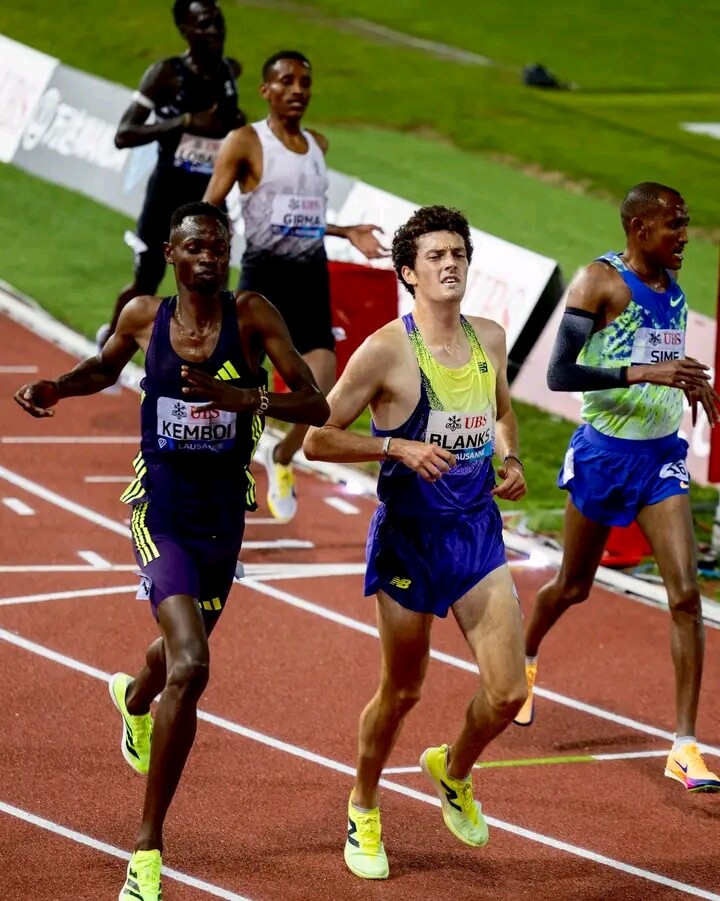
The United States produced an especially impressive performance, with Parker Wolfe leading a powerful American charge in second place. Wolfe crossed the line in a personal best of 12:58.20, while Nico Young followed closely in third with a season's best of 12:58.33. Graham Blanks made it three Americans in the top four, dipping under 13 minutes with 12:59.16.
Kenya’s Cornelius Kemboi added another sub-13-minute performance in fifth, clocking 12:59.33, while Ethiopia’s Mezgébu Sime completed the extraordinary group of six athletes under the historic barrier with 12:59.48 in sixth place.
The quality of the race was underlined by the fact that Ethiopia’s Kuma Girma, despite recording a season's best of 13:00.22, could finish only seventh. Switzerland’s Dominic Lobalu took eighth in 13:00.73, followed by Ethiopia’s Kahiri Bejiga, who ran a personal best of 13:03.27.
Grant Fisher, one of the biggest names in the field, finished 11th in 13:07.74 on a night when the remarkable depth and pace of the competition left no room for error.
Lausanne has once again delivered a memorable night of distance running, with the men’s 5000m becoming a showcase of the extraordinary standard currently being produced on the track. Six men under 13 minutes in a single race was a powerful statement, while Balew's victory and the exceptional performances from the American trio ensured this was one of the standout races of the 2026 Diamond League season.
Top 10 finishers:
1. Birhanu Balew (Bahrain) — 12:57.55
2. Parker Wolfe (United States) — 12:58.20 PB
3. Nico Young (United States) — 12:58.33 SB
4. Graham Blanks (United States) — 12:59.16
5. Cornelius Kemboi (Kenya) — 12:59.33
6. Mezgébu Sime (Ethiopia) — 12:59.48
7. Kuma Girma (Ethiopia) — 13:00.22 SB
8. Dominic Lobalu (Switzerland) — 13:00.73
9. Kahiri Bejiga (Ethiopia) — 13:03.27 PB
10. Egide Ntakarutimana (Burundi) — 13:07.21
In a race packed with exceptional talent, Balew ultimately had the decisive finishing strength—but Lausanne's biggest story was the sheer depth of the performance, with six men racing beneath 13 minutes and turning the 5000m into an unforgettable Diamond League showdown.
by Erick Cheruiyot for My Best Runs.
Login to leave a comment
