

Running News Daily
Running News Daily is edited by Bob Anderson and team. Send your news items to bob@mybestruns.com Advertising opportunities available.
Index to Daily Posts · Sign Up For Updates · Run The World Feed
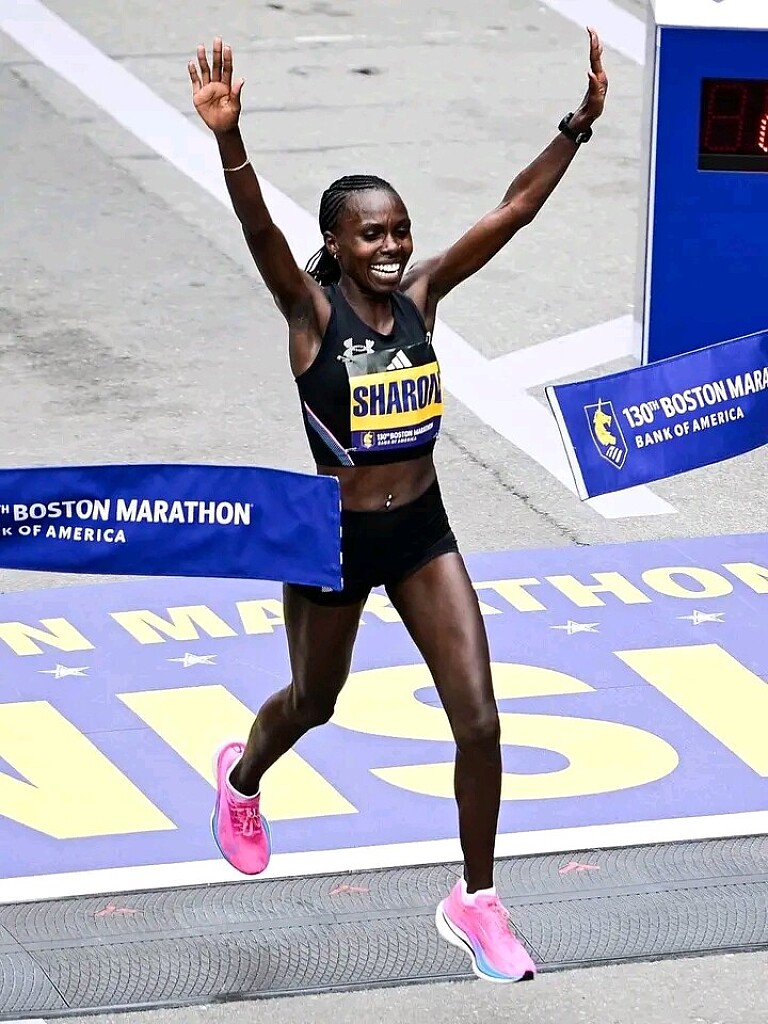


One Little Girl's Cheer Became Sharon Lokedi's Most Memorable Boston Marathon Moment

Defending a title at the Boston Marathon demands far more than exceptional fitness—it requires resilience, composure, and the ability to draw strength from the most unexpected places. For Kenya's Sharon Lokedi, her unforgettable victory on April 20, 2026, was powered not only by months of relentless preparation but also by a simple voice from the roadside that reminded her why the sport means so much.

As Lokedi surged toward a successful defense of her Boston Marathon crown, more than 800,000 spectators lined the iconic 26.2-mile course, creating one of the most electrifying atmospheres in world athletics. From the famous "Scream Tunnel" in Wellesley, where college students filled the air with deafening cheers, to the legendary Newton Hills, where generations of families returned to their traditional viewing spots, Boston once again delivered the unmatched energy that has made it one of the world's most celebrated marathons.
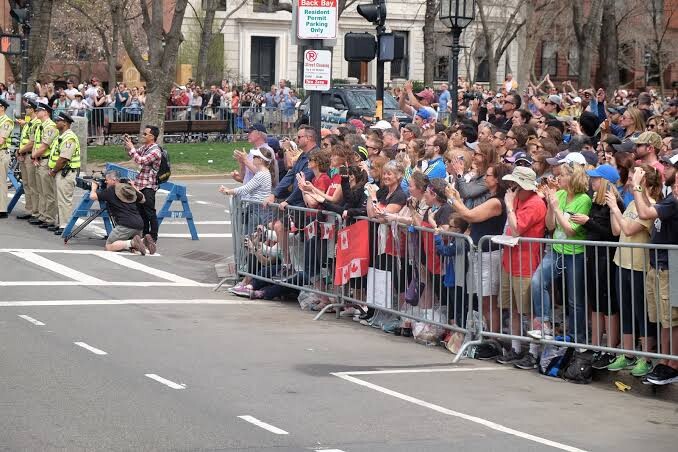
While the race demanded tactical brilliance and unwavering determination, it was not the roar of the massive crowd that remained etched in Lokedi's memory. Instead, one small but powerful moment stood above everything else.
"I heard this little girl yell out, 'You got this, ladies!' It was so cute—and that's what it's all about."
Those heartfelt words, spoken by an unknown young spectator, became an emotional highlight of Lokedi's race. Amid the physical exhaustion and relentless pace of elite marathon competition, a child's innocent encouragement cut through the noise and reminded the champion that running is about far more than medals, records, or prize money.
Elite marathoners often speak about how races eventually blur together, with every mile blending into the next under immense physical strain. Yet the moments they carry with them are often deeply personal—a handwritten sign, a smiling child, or a single voice offering encouragement at exactly the right time. For Lokedi, that brief interaction became one of the defining memories of her remarkable day in Boston.
Her reflection also captured the unique spirit of marathon racing. Unlike many sporting events, marathons bring athletes and spectators together in an intimate way, where complete strangers become part of an athlete's journey. On one of the biggest stages in distance running, the fastest woman on the streets of Boston found inspiration not from the clock or the competition, but from a young girl she may never meet.
That simple exchange perfectly illustrated why the Boston Marathon continues to hold such a special place in the hearts of runners around the world. Beyond the fierce competition and historic achievements, it is the shared human connection between athletes and fans that transforms the race into something unforgettable. Sharon Lokedi defended her title with the heart of a champion, but her most cherished memory came from a reminder that the greatest victories are often measured not only by crossing the finish line first, but by the lives touched along the way.
by Erick Cheruiyot for My Best Runs.
Login to leave a comment
Latest Running News
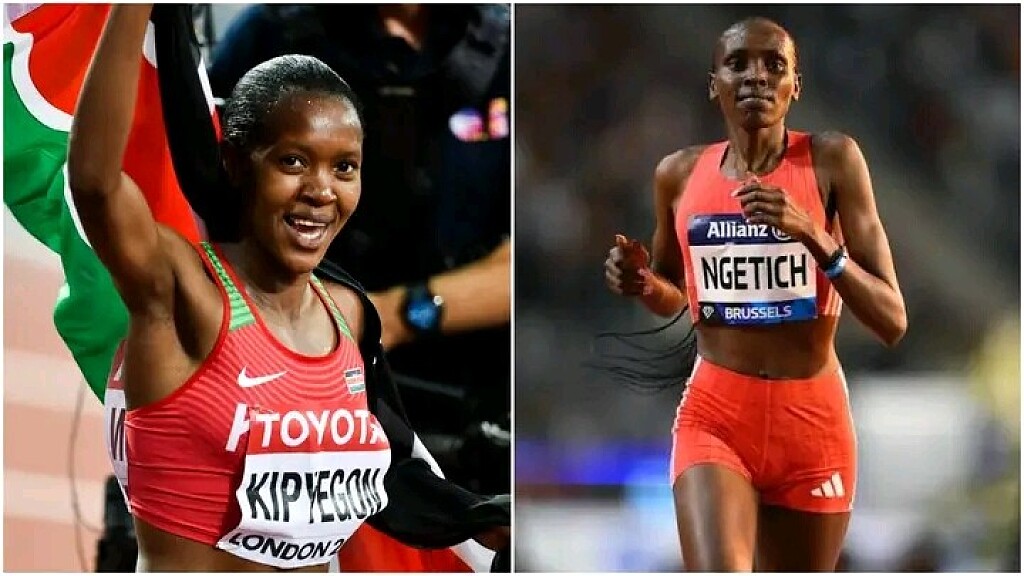
Monaco Awaits as Faith Kipyegon and Agnes Jebet Ngetich Prepare for a World-Class 3000m Showdown
The spotlight will once again shine on two of the most remarkable distance runners of this generation as Faith Kipyegon and Agnes Jebet Ngetich prepare to headline the women's 3000 metres at the Monaco Diamond League.
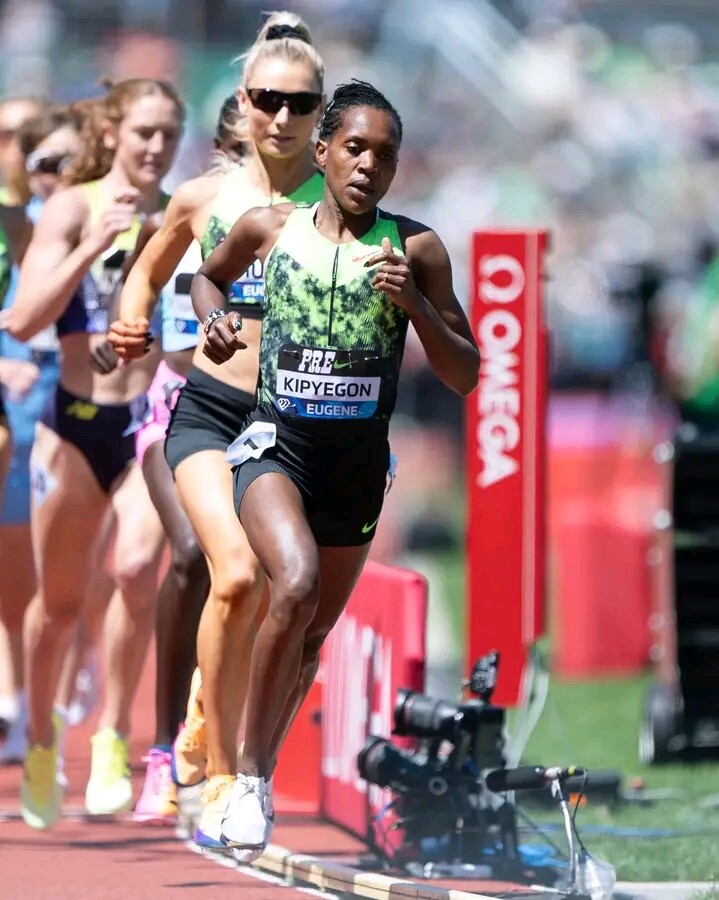
Renowned for delivering some of the fastest races in athletics, Monaco provides the perfect setting for another captivating chapter in middle and long-distance running. With the world's finest competitors assembling on one of the sport's quickest tracks, anticipation is building for what promises to be a race of exceptional quality.
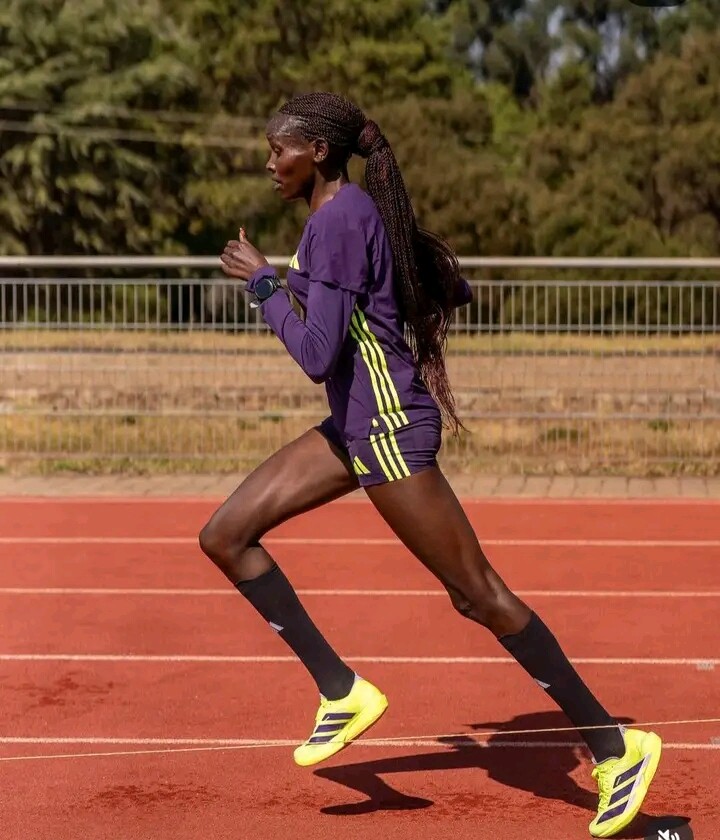
Kipyegon arrives as the reigning Olympic champion and the world record holder whose relentless pursuit of greatness continues to redefine the limits of human performance. Her remarkable consistency, tactical brilliance, and devastating finishing speed have established her as one of the greatest athletes the sport has ever witnessed.
Standing alongside her is Agnes Jebet Ngetich, the trailblazing road-running sensation who rewrote history with her world record over 10 kilometres. Having rapidly emerged as one of the most exciting endurance talents on the global stage, Ngetich possesses the strength and fearless racing style capable of challenging the very best.
Their meeting in Monaco is far more than a clash of elite competitors—it is a celebration of excellence. It brings together two athletes who have inspired millions through extraordinary achievements and an unwavering commitment to pushing the boundaries of distance running.
With Monaco's reputation for producing unforgettable performances, expectations are understandably high. Every lap will carry the promise of history, every stride a reminder of the extraordinary standards these athletes continue to set.
As the countdown to the Diamond League meeting gathers pace, athletics fans around the world will be watching closely, eager to witness whether another memorable performance—or perhaps even another historic moment—will unfold on one of the sport's grandest stages.
by Erick Cheruiyot for My Best Runs.
Login to leave a comment
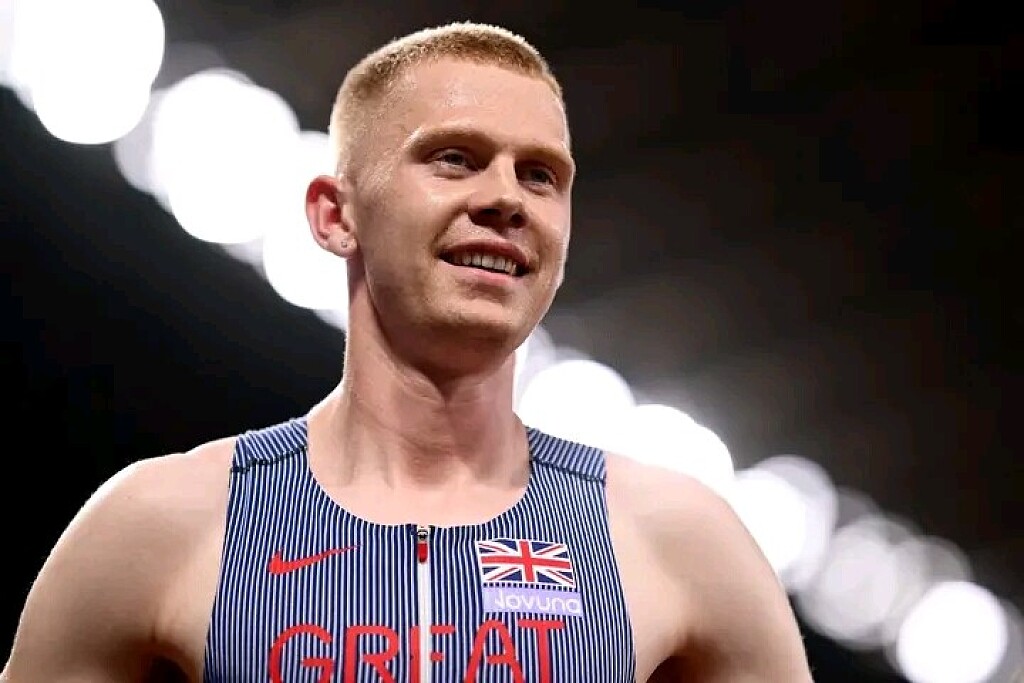
Ben Pattison's Fresh Start: British 800m Star Turns Setbacks Into Fuel for a Defining 2026
Every elite athlete faces moments that test both their talent and their character. For Britain's Ben Pattison, the disappointments of 2024 have become the foundation for a smarter, more measured comeback as he builds towards what could be the most significant season of his career.
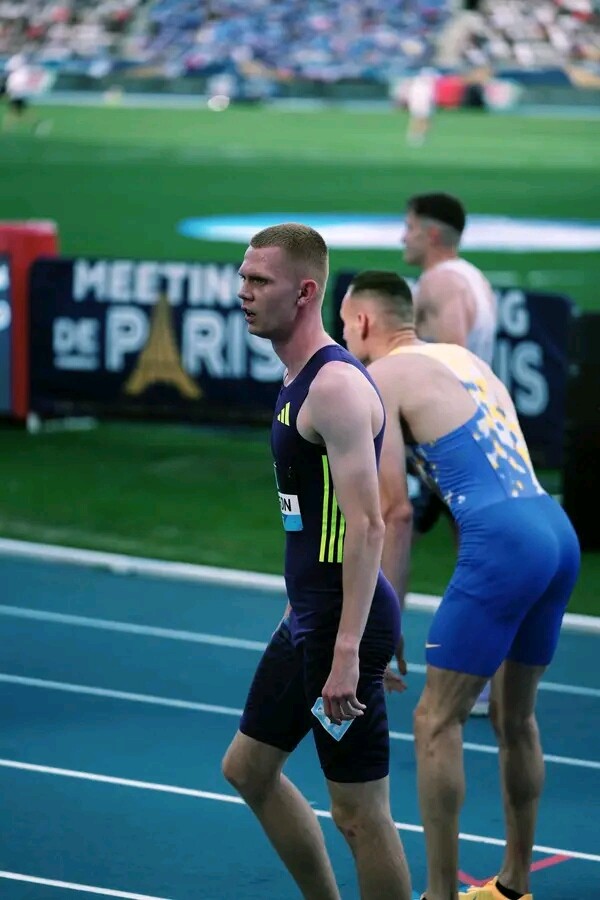
Rather than allowing frustration to dictate his preparation, the 24-year-old has embraced a new philosophy—prioritising long-term health over chasing peak fitness too early. Reflecting on the lessons learned, Pattison admitted that the frustrations of last season influenced some of his decisions, but this winter has been about exercising patience, staying composed, and ensuring he reaches the summer healthy enough to perform at his absolute best.
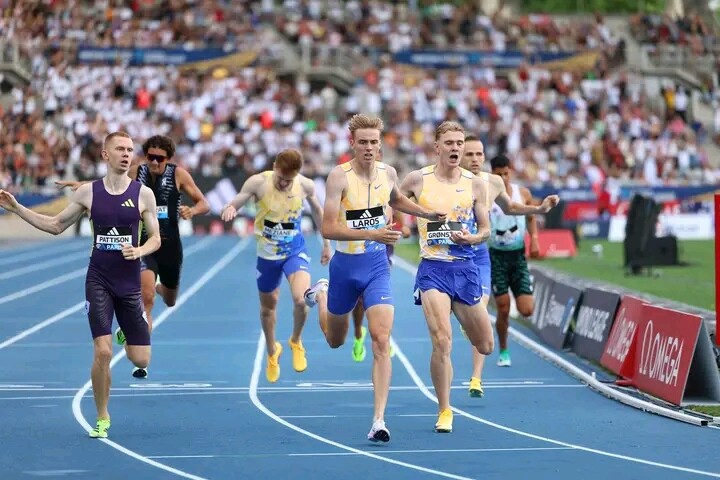
That change in mindset is already producing encouraging results. Pattison delivered an impressive performance at the UK Athletics Championships, where he pushed Jake Wightman all the way in a fiercely contested 800 metres, proving he is once again among Britain's leading middle-distance runners.
He backed up that performance on the Diamond League stage in Paris, clocking 1:43.71—the third-fastest 800m of his career. The time not only reaffirmed his return to top form but also demonstrated that his revised approach is beginning to pay dividends against world-class opposition.
With the 2026 Commonwealth Games and the European Championships firmly in his sights, Pattison appears to be building at exactly the right pace. Instead of rushing the process, he is laying the foundations for sustained success, determined to arrive at the major championships stronger, healthier and mentally sharper than ever before.
Sometimes the biggest breakthroughs are born from the hardest lessons. If Pattison's upward trajectory continues, his difficult 2024 season may ultimately be remembered not as a setback, but as the turning point that reignited one of Britain's brightest 800-metre talents.
by Erick Cheruiyot for My Best Runs.
Login to leave a comment
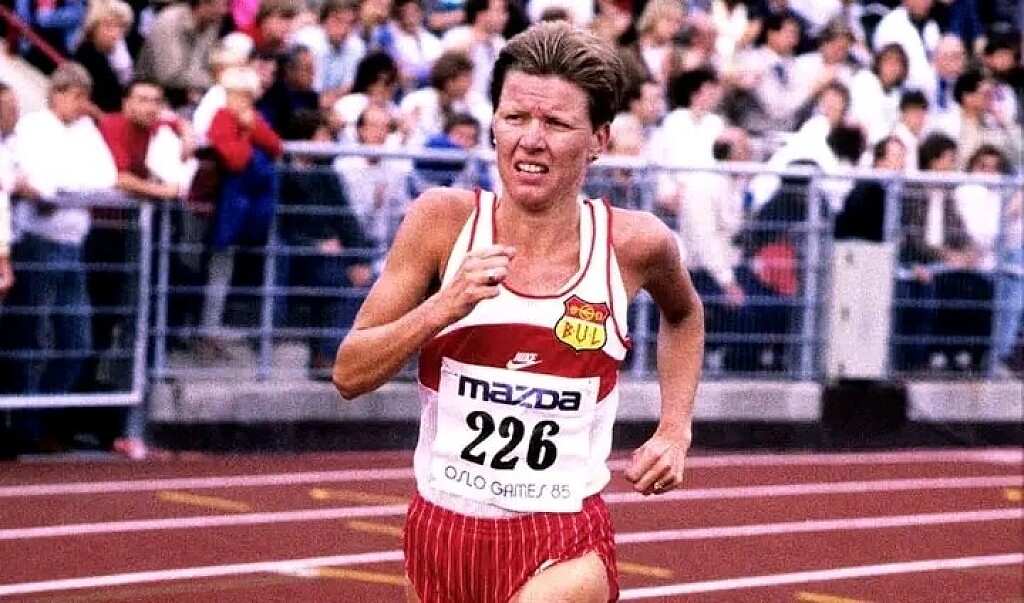
Forty Years On: Ingrid Kristiansen's Extraordinary 10,000m Masterpiece Still Stands Among Athletics' Greatest Performances
Forty years ago today, distance running witnessed one of its most astonishing moments when Ingrid Kristiansen delivered a breathtaking performance at the Bislett Games in Oslo. The Norwegian star shattered her own women's 10,000-meter world record, clocking an incredible 30:13.74—an astonishing 45-second improvement on the previous global mark. It remains one of the most remarkable world record breakthroughs in the history of track and field.
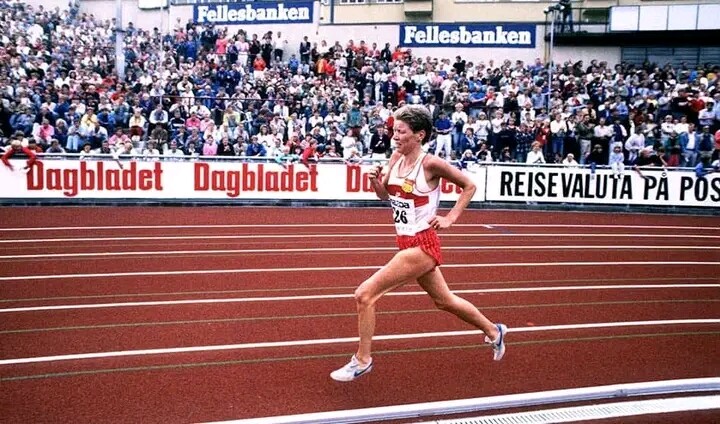
What made the performance even more extraordinary was Kristiansen's race execution. She later revealed that she reached the halfway point in 15:15, meaning she produced a devastating negative split by covering the final 5,000 meters in approximately 14:58. Finishing faster than she started over such a demanding distance showcased not only exceptional endurance but also remarkable tactical discipline and finishing strength.
The magnitude of that closing split becomes even more impressive when viewed in the context of the era. At the time, the women's 5,000-meter world record stood at 14:48.07, held by Zola Budd. Kristiansen's ability to finish the second half of a world-record 10,000-meter race in just ten seconds slower than the standalone 5,000-meter world record highlighted a level of fitness and resilience rarely seen in elite competition.
As if rewriting the 10,000-meter record was not enough, Kristiansen returned later that same summer to make history once again. She lowered the women's 5,000-meter world record to 14:37.33, further cementing her reputation as the undisputed queen of long-distance running during the mid-1980s.
Four decades later, Kristiansen's unforgettable run at Bislett continues to be celebrated as a defining moment in athletics. Her fearless pace, relentless finishing kick, and record-breaking brilliance remain an enduring reminder that some performances transcend generations and continue to inspire long after the finish line has been crossed.
by Erick Cheruiyot for My Best Runs.
Login to leave a comment
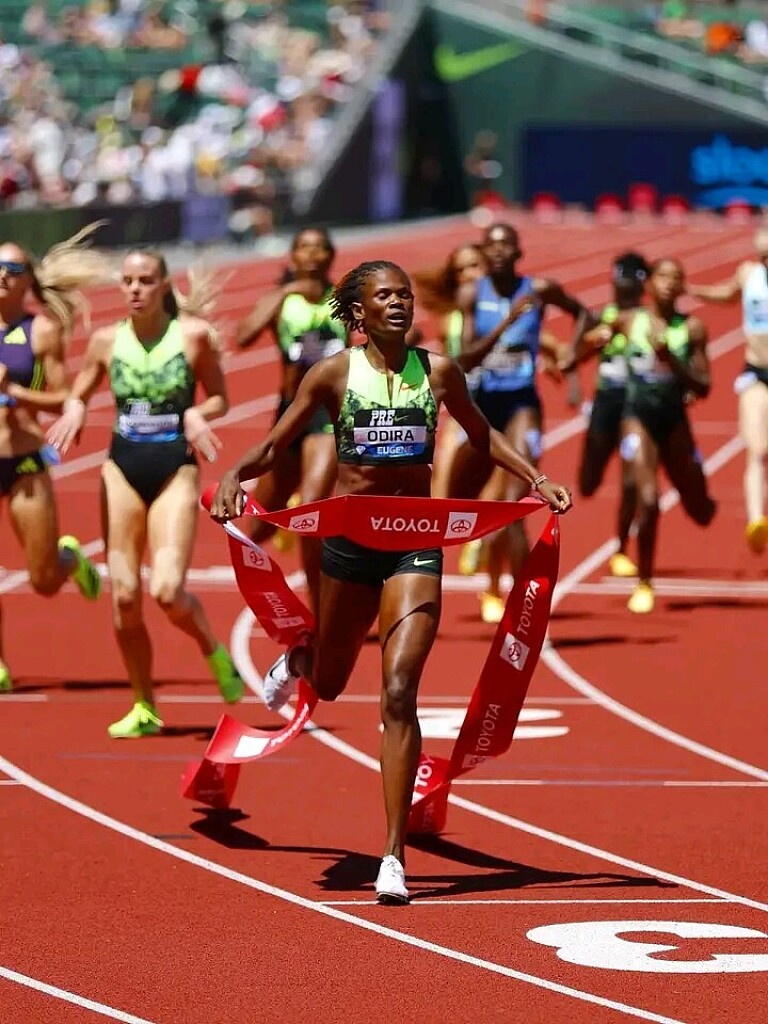
Lilian Odira Stuns Gritty Keely Hodgkinson Again in Dramatic 800m Showdown
Kenya's Lilian Odira produced another outstanding performance to defeat reigning Olympic champion Keely Hodgkinson in a thrilling women's 800m race, continuing her impressive run against one of the sport's biggest stars. In a race that unfolded in unexpected fashion, Odira surged to victory in 1:56.19, while Britain's Hodgkinson crossed the finish line second in 1:56.73, adding another memorable chapter to their growing rivalry.
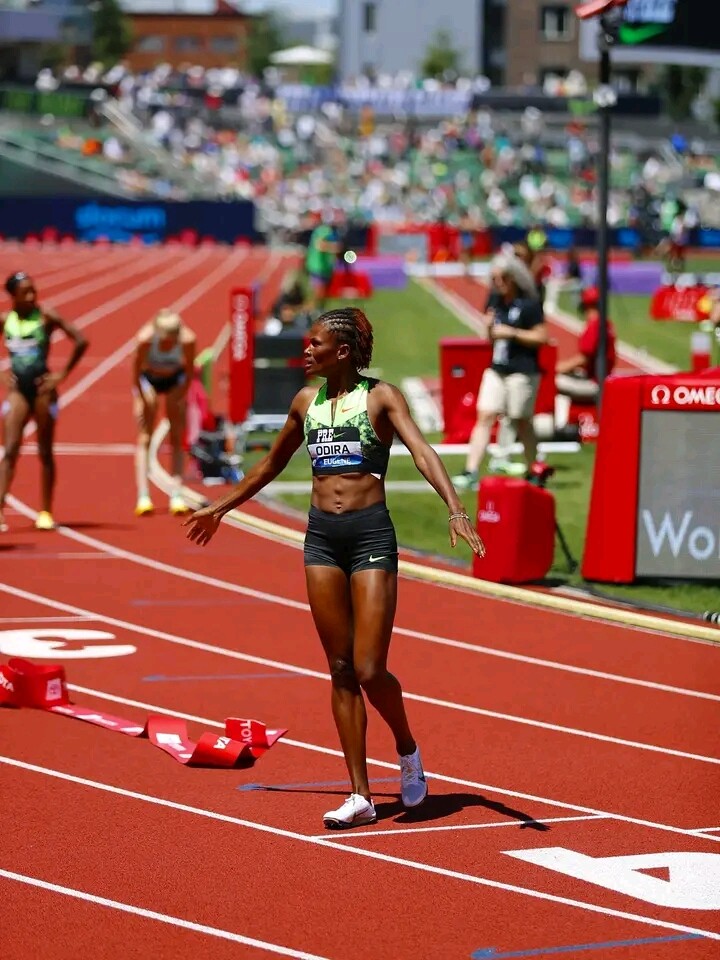
The race took a dramatic twist from the opening lap when pacemaker Paris Peoples set an unexpectedly blistering pace. Scheduled to guide the field through 400 metres in approximately 55.5 seconds, she instead reached the halfway mark in a remarkable 53.58 seconds—well ahead of the planned rhythm. The electronic wavelights had been programmed for a 1:53.50 finishing pace, but the aggressive early speed disrupted the race dynamics and forced the athletes to adapt much earlier than expected.

Odira responded brilliantly to the challenge, maintaining her composure despite the demanding tempo before unleashing a powerful finishing kick that secured another statement victory. Her tactical awareness, resilience, and closing speed proved decisive as she once again came out on top in a high-quality showdown against the Olympic champion.
Hodgkinson's runner-up finish was made even more remarkable considering the adversity she faced before the race. A fall during a cool-down session the previous week left her with badly cut knees and nearly forced her to withdraw from the Mutola 800m at the Prefontaine Classic. After receiving medical clearance from her team and having both knees heavily taped, the Olympic champion courageously took her place on the start line. Despite the discomfort, she battled all the way to the finish in 1:56.73, displaying the determination and resilience that have defined her career.
Although disappointed not to secure the victory, Hodgkinson remained optimistic after the race, expressing confidence that she will bounce back stronger in her next outing. Her courageous performance under difficult circumstances earned widespread admiration, even as Odira celebrated another major triumph.
For Odira, the victory further strengthens her growing reputation as one of the world's premier 800m runners. Defeating an Olympic champion for the second time is a significant statement, and with performances of this calibre, the Kenyan continues to establish herself as a leading force in global middle-distance running. As the season gathers momentum, her latest success sends a powerful message to the rest of the field—Lilian Odira is proving she belongs among the very best.
by Erick Cheruiyot for My Best Runs.
Login to leave a comment
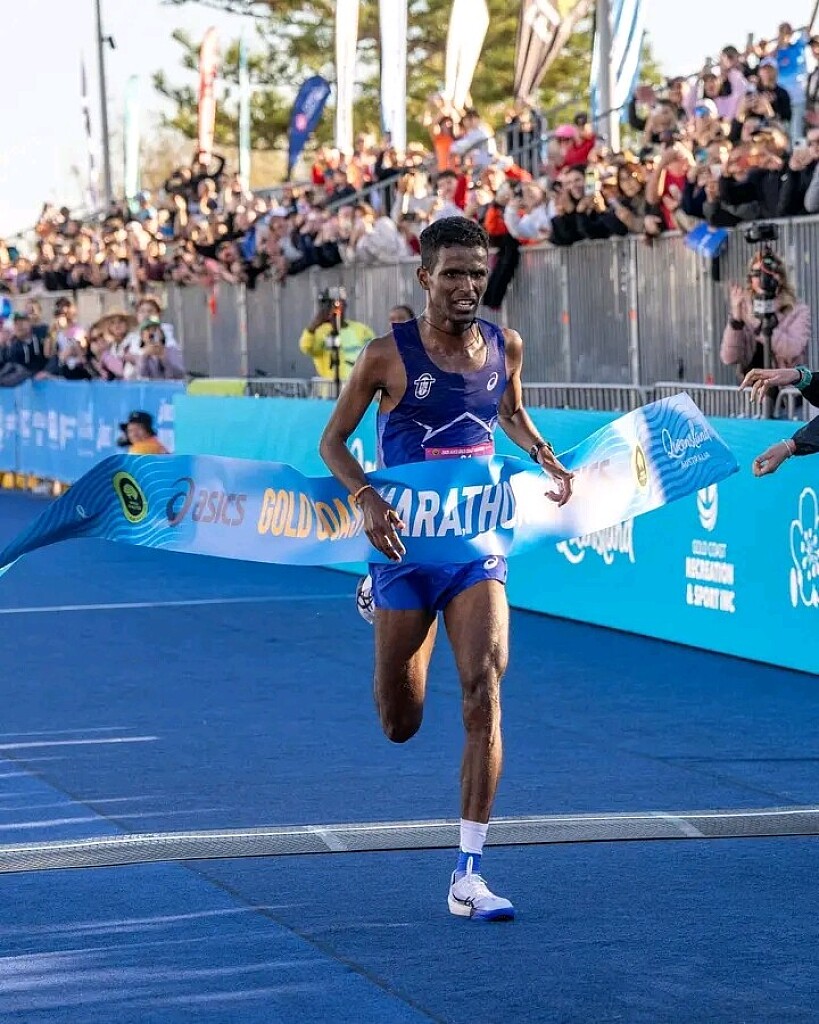
Haftu Strintzos Produces a Stunning Breakthrough to Win the 2026 ASICS Gold Coast Marathon
Australian distance runner Haftu Strintzos delivered the performance of his career with a commanding victory at the 2026 ASICS Gold Coast Marathon, storming to the men's title in an outstanding 2:06:20. Displaying remarkable strength, composure, and endurance from start to finish, Strintzos crossed the line alone to claim one of the biggest wins of his professional career on the famous streets of Queensland.
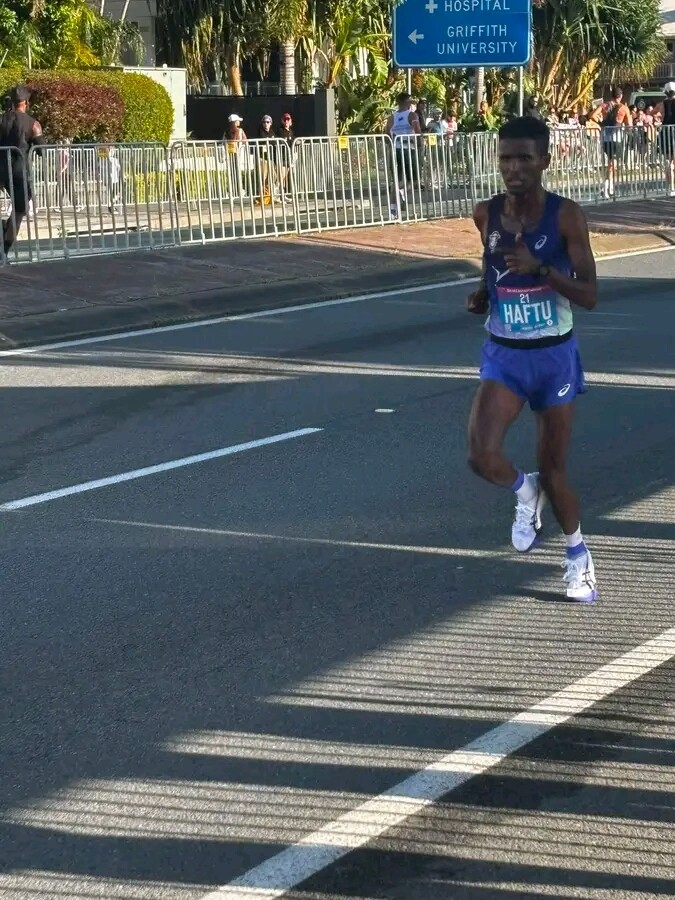
The triumph marked a significant milestone for the talented Australian, who mastered the fast Gold Coast course with an impressive blend of tactical intelligence and relentless pace. Roared on by enthusiastic home supporters, Strintzos maintained complete control in the closing stages before breaking the tape in emphatic fashion, confirming his emergence as one of Australia's leading marathon talents.
Japan enjoyed an exceptional day with a strong collective performance, filling four of the top seven positions. Hidekazu Hijikata secured second place in 2:07:20, while compatriot Jinya Ozaki completed the podium in 2:07:48. Ryoma Takeuchi followed in fourth with 2:08:20, and Kaisei Sugiyama rounded out the top five in 2:09:03, underlining Japan's remarkable depth in the marathon.
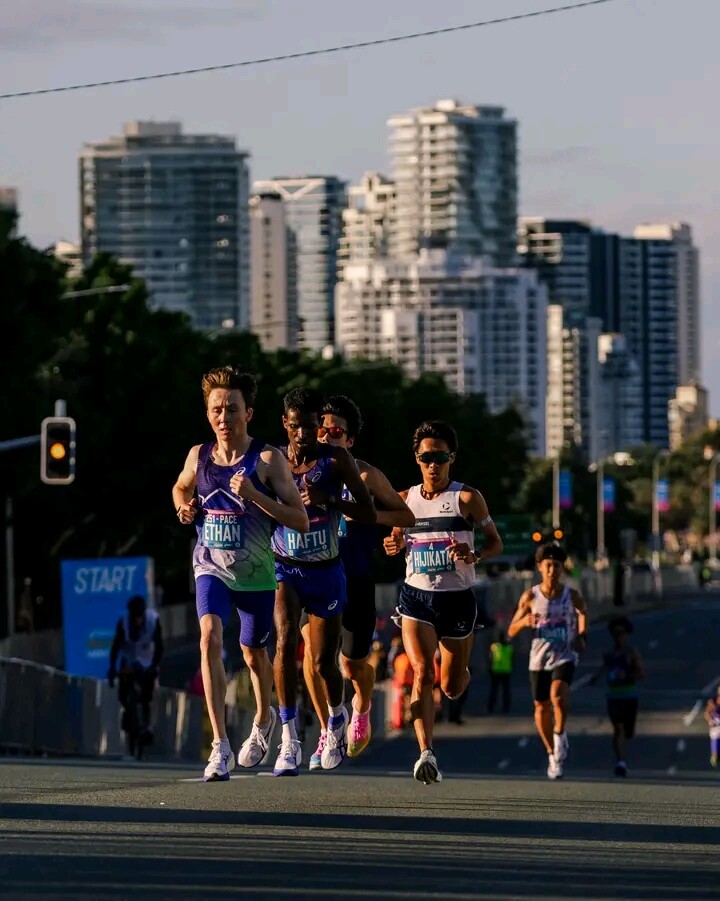
Kenya's Benson Tunyo Murkomen finished sixth in 2:09:18, producing another solid international performance, while Naoki Tomita of Japan claimed seventh place in 2:09:28 to complete an impressive display from the Japanese contingent.
Beyond the individual achievements, the race highlighted the growing global competitiveness of marathon running, with athletes from Australia, Japan, Kenya, and several other nations producing world-class performances on one of the sport's fastest courses. The high standard of competition and the thrilling battles throughout the field once again demonstrated why the Gold Coast Marathon remains one of the premier road racing events on the international calendar.
The 2026 ASICS Gold Coast Marathon once again lived up to its reputation as one of the world's fastest and most prestigious marathons. With elite athletes delivering outstanding performances and thousands of passionate spectators creating an unforgettable atmosphere, the event celebrated the very best of distance running. Haftu Strintzos' unforgettable breakthrough victory will be remembered as one of the defining moments of this year's race, marking a landmark achievement for Australian athletics and further enhancing the rich legacy of the Gold Coast Marathon.
by Erick Cheruiyot for My Best Runs.
Login to leave a comment

Gold Coast Airport Marathon
The Gold Coast Airport Marathon is held annually in one of the most popular holiday destinations in the world. It is Australia’s premier road race and was the first marathon in the country to hold an International Association of Athletics Federations (IAAF) Road Race Gold Label. The event is held on the first weekend of July and attracts more than...
more...