

Running News Daily
Running News Daily is edited by Bob Anderson and team. Send your news items to bob@mybestruns.com Advertising opportunities available.
Index to Daily Posts · Sign Up For Updates · Run The World Feed
Articles tagged #Washington State University
Today's Running News
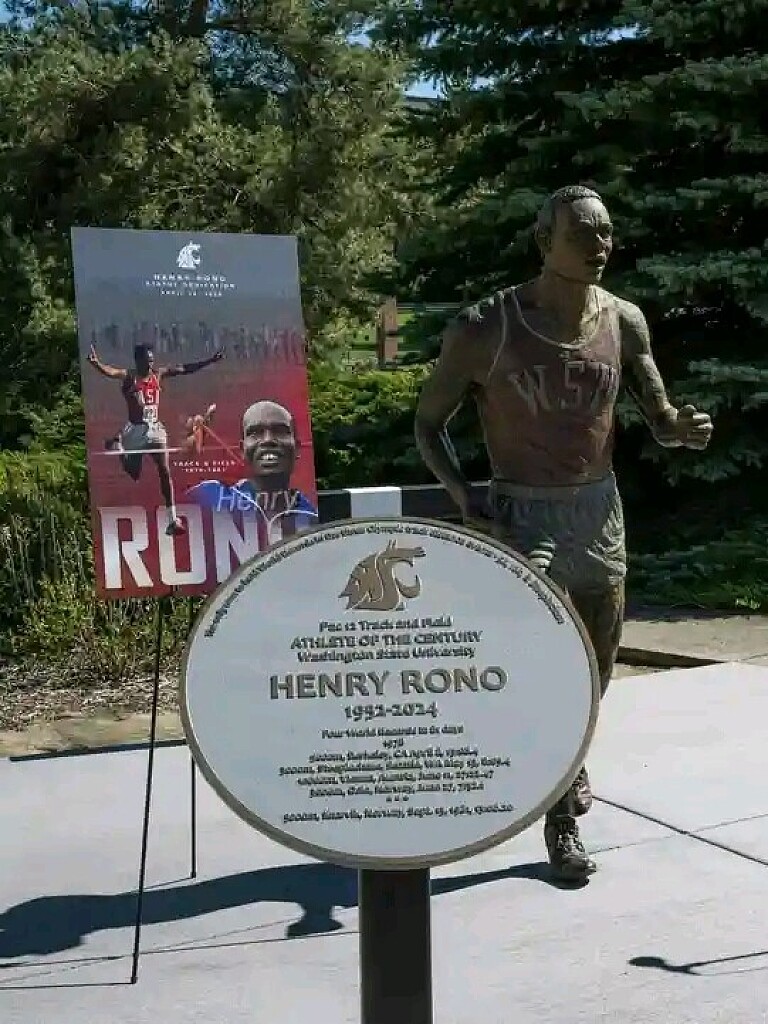


A Monument to Greatness: Washington State University Immortalizes Henry Rono
In a gesture both historic and deeply symbolic, Washington State University unveiled a statue honoring one of distance running’s most extraordinary figures, Henry Rono. It is a tribute not merely cast in bronze, but in legacy — a permanent reminder of a man whose feats redefined the limits of human endurance.
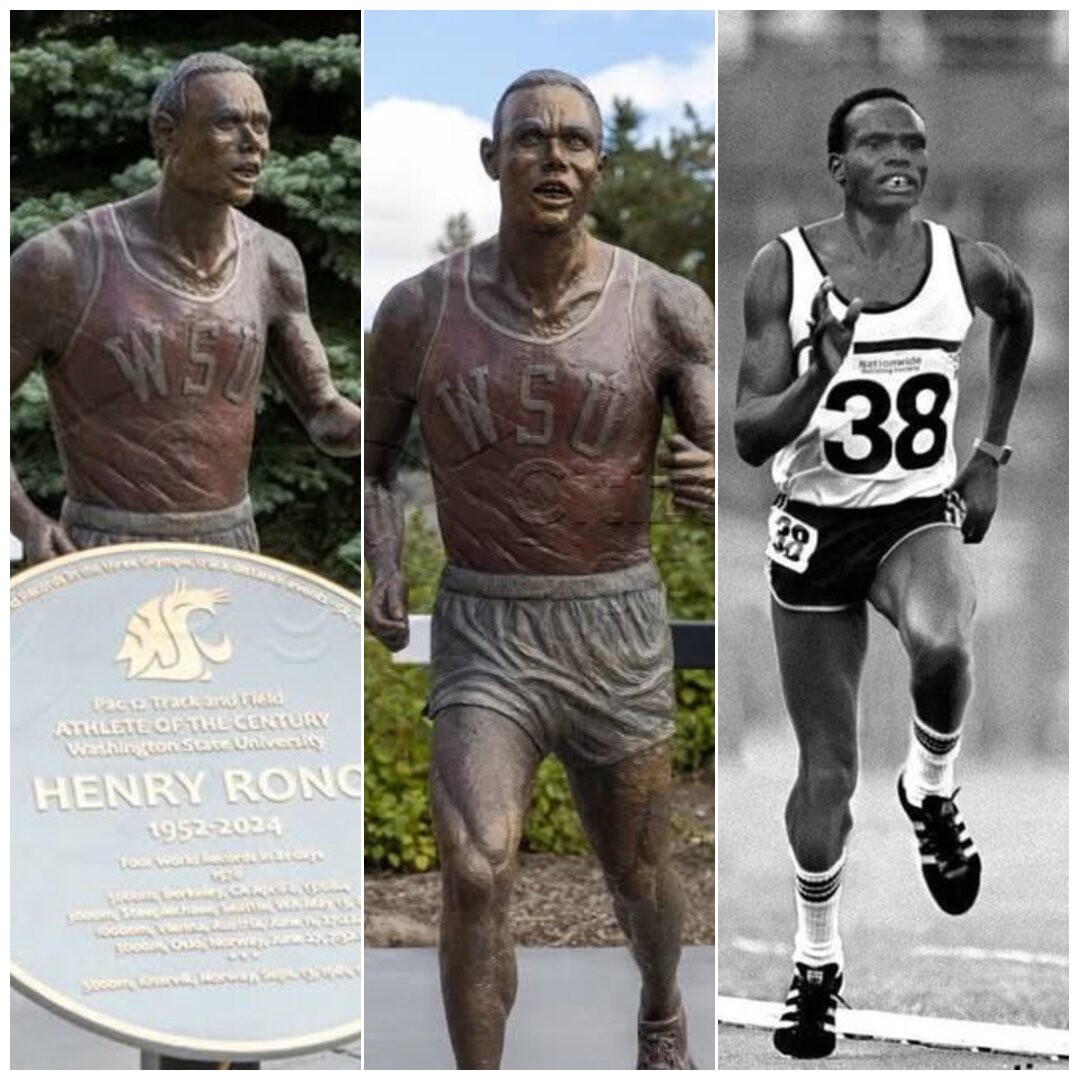
Rono’s name is etched indelibly into the annals of athletics, most notably for his astonishing run in 1978 — a season that remains unmatched in the sport’s history. In a span of just 81 days, he achieved what many would deem impossible: breaking four world records across four demanding distances. From the grueling 10,000 meters to the tactical precision of the 3,000-meter steeplechase, Rono conquered them all with a dominance that stunned the global athletics community.
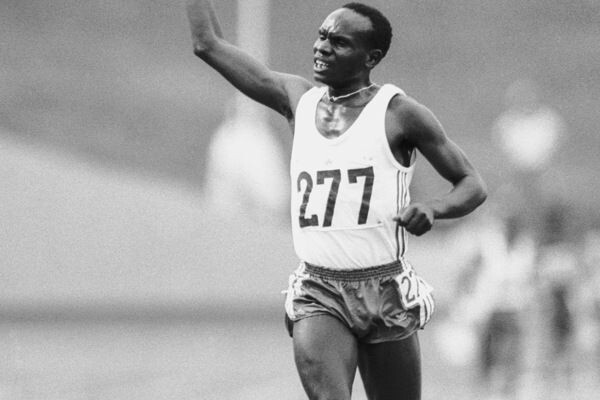
His times were not just record-breaking; they were transformative. He clocked 27:22.5 in the 10,000 meters, slicing nearly eight seconds off the previous mark. In the 5,000 meters, his 13:08.4 shaved off an impressive 4.5 seconds. The 3,000-meter steeplechase saw him set 8:05.4, lowering the standard by 2.6 seconds, while his 7:32.1 in the 3,000 meters carved out a full three-second improvement. Each performance was a statement — not incremental progress, but a bold leap into a new era of distance running.
What makes Rono’s achievement even more remarkable is the compressed timeline in which it occurred. To dominate across multiple disciplines in such a short period demands not only physical brilliance but an extraordinary mental resolve. It was a convergence of talent, discipline, and timing that the sport has rarely, if ever, witnessed again.
Now, decades later, that brilliance finds a new form of expression. The statue at Washington State University stands as both a homecoming and a celebration. It honors Rono’s collegiate roots while ensuring that future generations — students, athletes, and admirers alike — encounter the story of a man who once bent time and distance to his will.
Though he is no longer here, Henry Rono’s spirit endures — in every stride taken by aspiring runners, in every barrier challenged, and in every dream that dares to stretch beyond perceived limits. His legacy is not confined to records or history books; it lives on, vibrant and unyielding, inspiring a new generation to believe that greatness is not only possible, but attainable.
by Erick Cheruiyot for My Best Runs.
Login to leave a comment
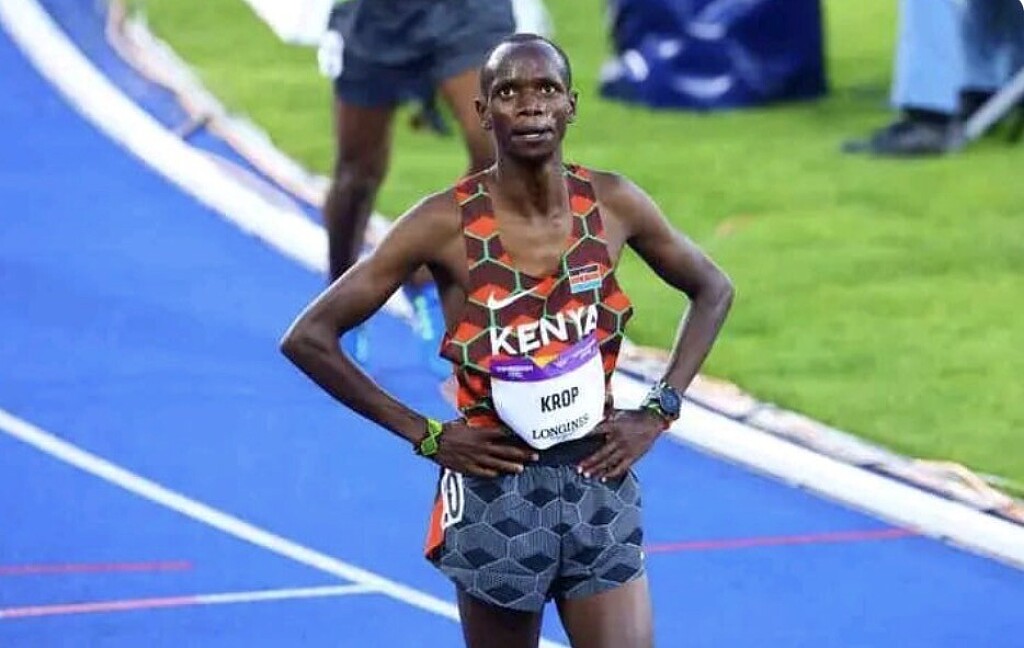
Kenya Sends Fearless Indoor Squad to World Championships Despite Having No Indoor Tracks
Kenya, a country synonymous with world-beating runners, is sending a small but formidable squad to the 2026 World Athletics Indoor Championships in Kujawy Pomorze, Poland, from March 20–22, despite having no indoor track facilities at home. For these athletes, the absence of dedicated indoor arenas makes their achievements—and ambitions—all the more remarkable.
Trailblazers and Record Holder
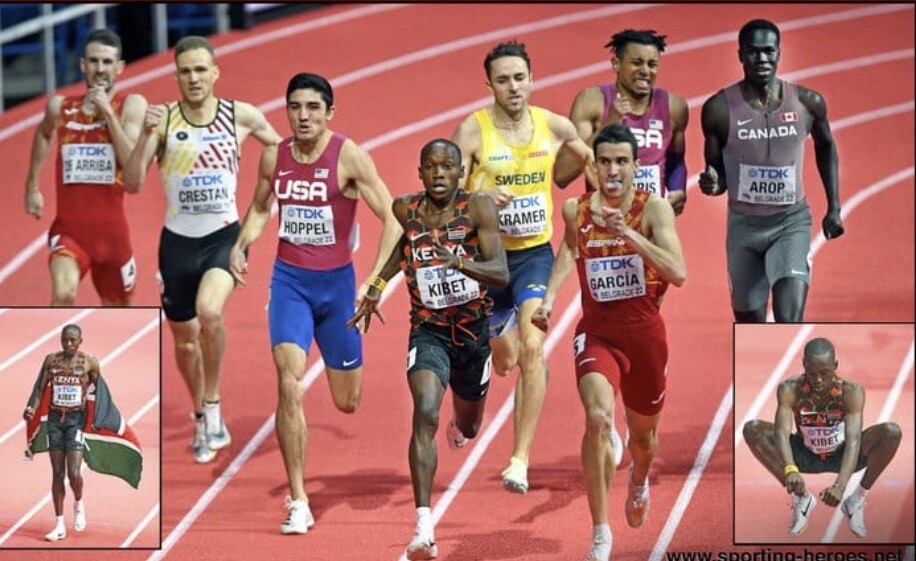
Leading the charge is Brian Omari Tinega, Kenya’s national indoor record holder in the 400 meters with a blistering 45.68. Tinega, who trains within the U.S. collegiate system, has had to adapt much of his preparation to outdoor tracks in Kenya—braving wind, rain, and uneven surfaces while preparing for the tight curves and fast rhythm of indoor competition.
His goal in Poland’s Arena Toruń is clear: improve both his personal best and the Kenyan national record while competing against the world’s top quarter-milers.
In the middle-distance events, Noah Kibet, the 2022 World Indoor 800m silver medalist, returns hoping to climb one step higher on the podium. Training entirely outdoors presents challenges when preparing for the tactical, high-speed racing typical of indoor championships, but Kibet’s experience makes him a serious contender.
Joining him is Jacob Krop, a 3000-meter specialist who won silver in the 5000 meters at the World Championships. Krop will be aiming to translate his outdoor success to the indoor arena while improving on his fifth-place finish at the 2022 World Indoor Championships.
Women Breaking New Ground
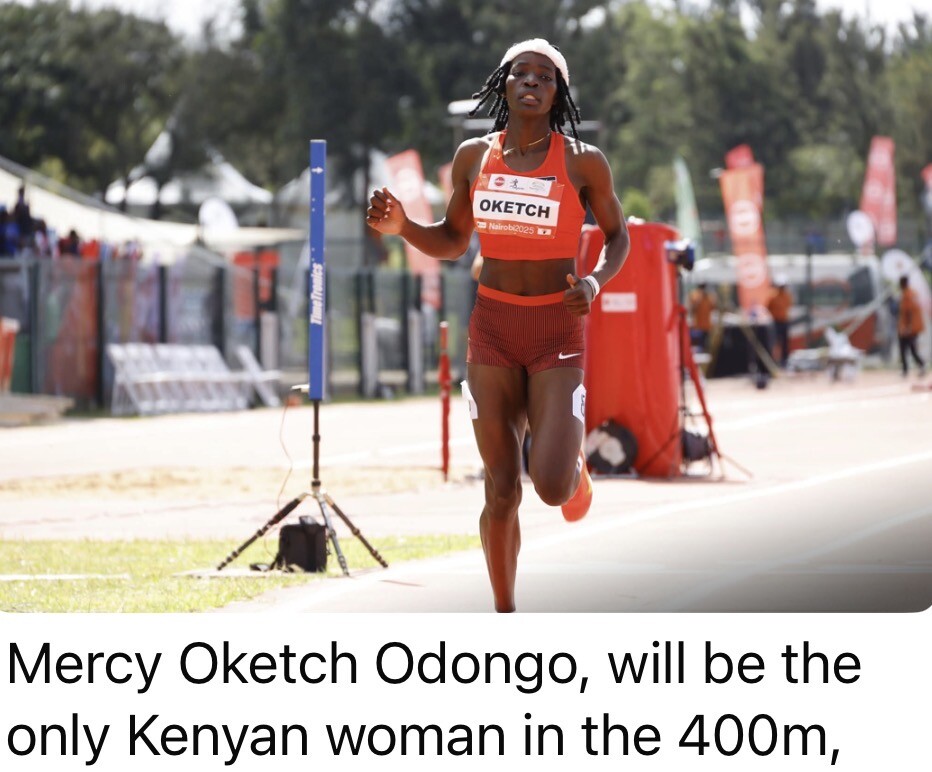
On the women’s side, Mercy Adongo Oketch is making history as only the second Kenyan woman ever to compete in the indoor 400 meters, following Esther Kavaya’s appearance in 1987. Oketch, the Kenyan indoor record holder, carries both national expectations and the symbolic role of blazing a trail for future Kenyan women in an event historically dominated by athletes from Europe and North America.
In the 800 meters, Rosemary Longisa continues her rapid rise. A freshman at Washington State University, she has adapted quickly to the U.S. collegiate system and recorded an impressive 1:59.71 indoors this season.
Meanwhile, experienced 1500-meter runner Susan Lokayo Ejore adds depth and stability to the squad with her international racing experience.
Training Against the Odds
Kenya’s athletes face a stark contrast compared with competitors from countries such as Poland, the United States, and Germany, where dedicated indoor arenas, climate-controlled facilities, and banked tracks allow year-round preparation.
These nations often employ advanced training technology—from motion sensors to video analytics—to refine stride mechanics, pacing, and recovery specifically for indoor racing.
In Kenya, preparation requires creativity and resilience. Athletes train on outdoor tracks at varying altitudes, simulate indoor curves where possible, and adjust sprinting and pacing strategies to prepare for the tighter indoor lanes.
The result is a team shaped not by cutting-edge infrastructure but by adaptability, determination, and natural talent.
Kenya’s Growing Indoor Legacy
Few African countries regularly produce elite indoor competitors, making Kenya’s presence at the World Athletics Indoor Championships particularly notable.
The squad includes record holders in both the men’s and women’s 400 meters, a World Indoor silver medalist, and emerging middle-distance talent. For Oketch especially, this championship represents more than a personal milestone—it symbolizes growing opportunities for Kenyan women in indoor track events.
Chasing Medals in Poland
Beyond personal bests, Kenya’s athletes are targeting podium finishes.
Tinega and Oketch aim to push their national records even further, while Kibet and Krop will look to build on their previous championship performances. Longisa and Ejore represent the next generation of Kenyan middle-distance talent ready to challenge the global elite.
As Arena Toruń welcomes athletes from across the world from March 20–22, Kenya’s runners will once again remind the global track community that elite performance is not defined by facilities alone.
For this small but determined team, the mission is clear: compete with the best, chase medals, and prove that the Kenyan running tradition can thrive indoors just as it has outdoors for decades.
by Robert Kibet for My Best Runs
Login to leave a comment
A Record-Breaking Journey: 60 Townhall Athletes Set for NCAA Nationals
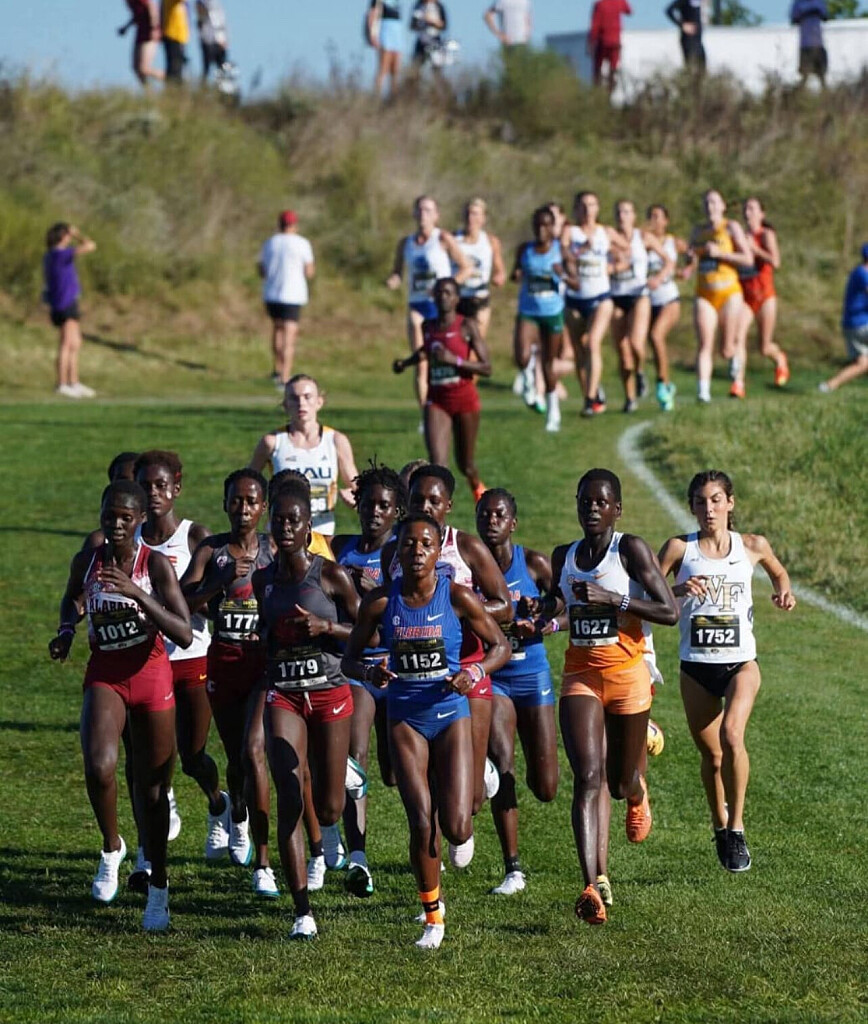
For young runners in Kenya, the dream has always extended far beyond the finish line. It is about opportunity, education, and building a future through running. On November 22, sixty alumni of Townhall Athletics will stand on the starting line at the Gans Creek Cross Country Course in Columbia, Missouri—not only as competitors, but as student-athletes whose journeys blend world-class talent with academic ambition.
Their road to the NCAA National Cross Country Championships was forged through nine regional qualifiers, where Townhall athletes earned advancement both individually and through team berths. Each qualifier represents a story that began on rugged high-altitude trails in Kenya and continued in American classrooms—balancing mileage with lectures, workouts with research projects.
A Pipeline for Talent and Learning
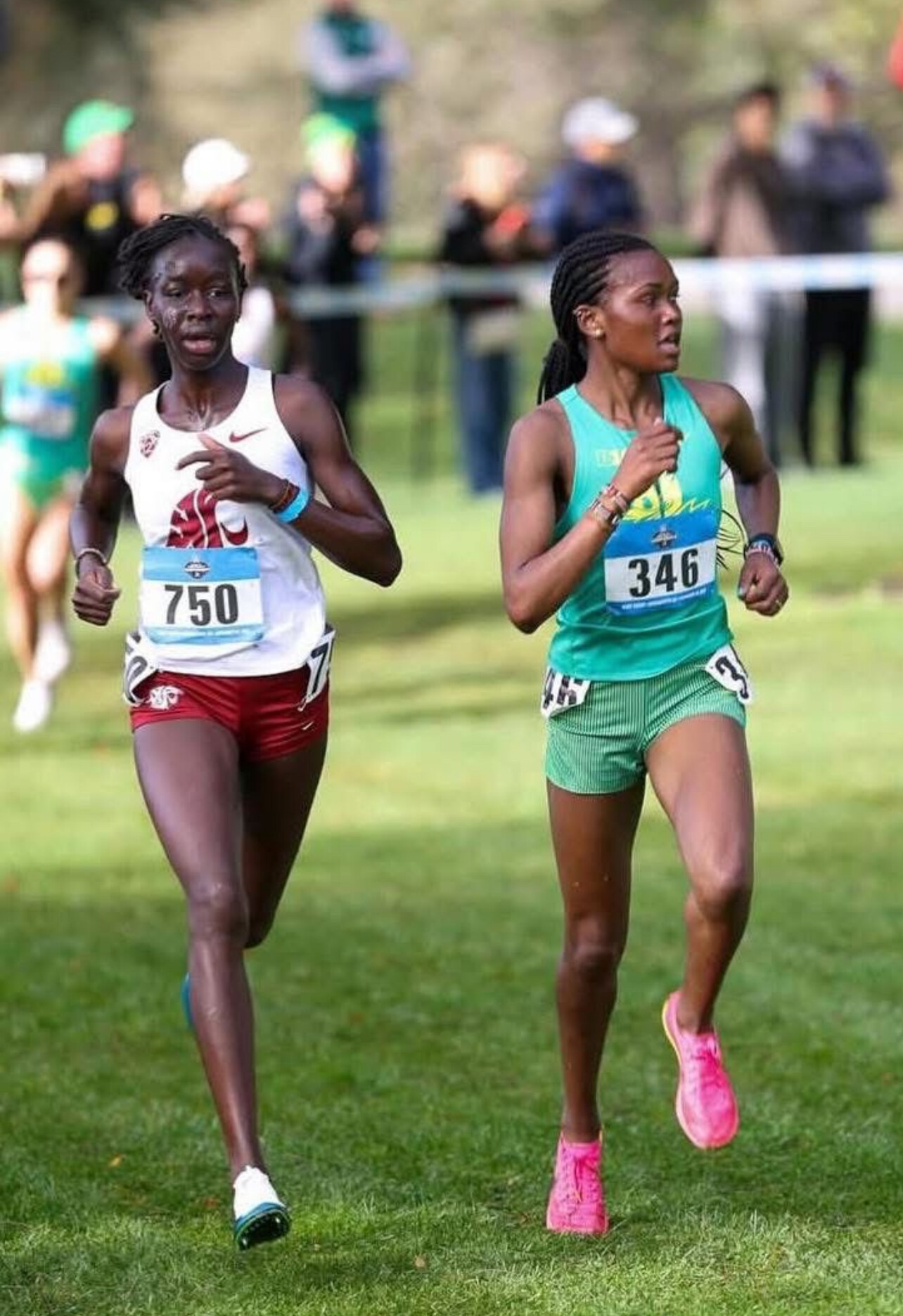
Many of these athletes grew up with limited access to formal training facilities—sometimes even without proper running shoes. Through Townhall Athletics, runners such as Brian Musau, Dennis Kipngetich, and Laban Kipkemboi at Oklahoma State University received structured coaching and the mentorship needed to secure life-changing scholarships.
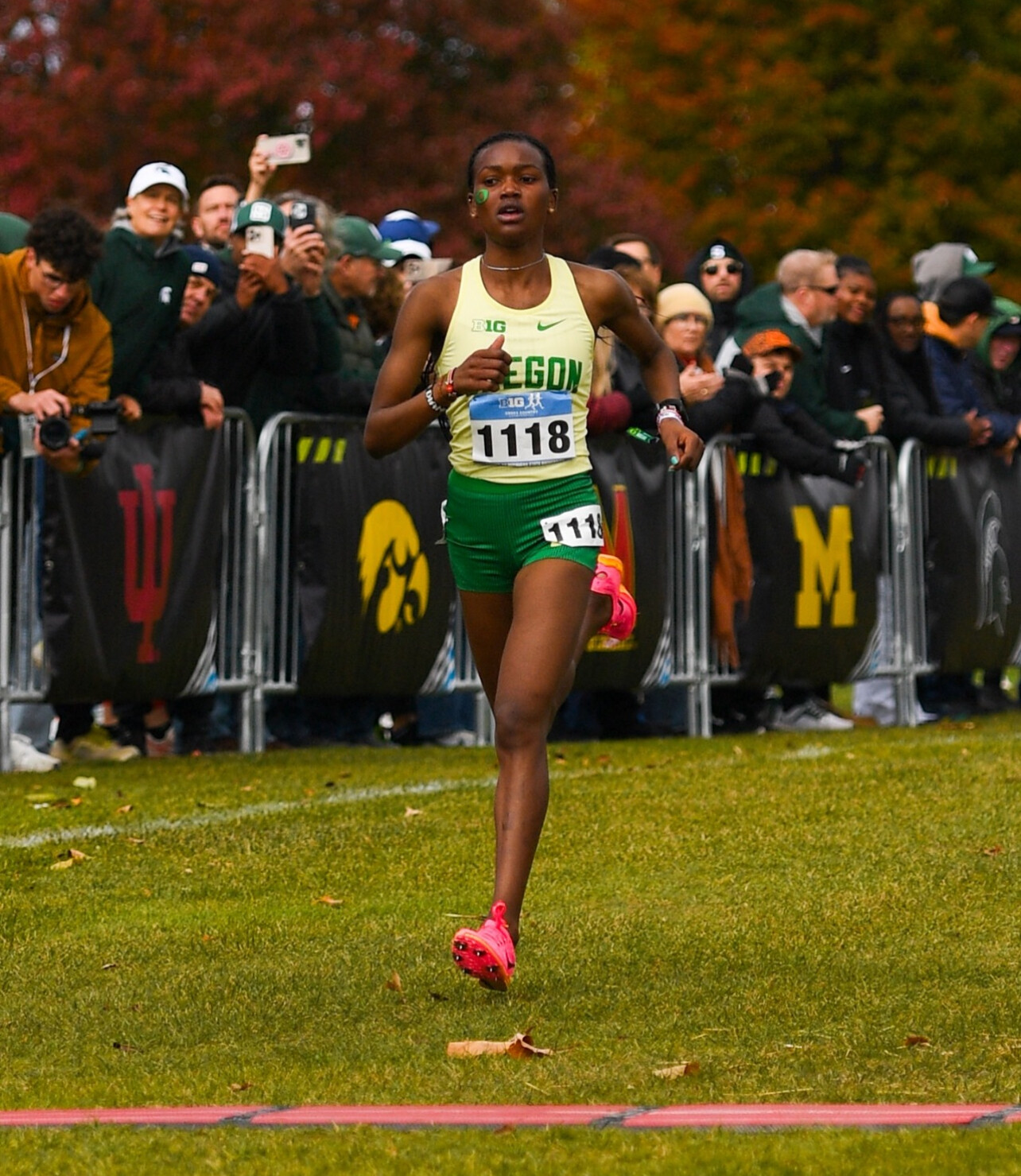
In Florida, Kelvin Cheruiyot, Desma Chepkoech, and Judy Chepkoech have combined tactical racing with strong academic records, while Debora Cherono at Texas A&M has emerged as a respected leader both on campus and on the track.
In the Mountain West Conference, New Mexico’s Evans Kiplagat and Vincent Chirchir continue to show how academic and athletic development go hand in hand. At Iowa State, Joash Rutto and Mercylin Kirwa have built reputations for consistency and endurance, exemplifying the discipline long associated with Kenyan distance running.
Other Townhall standouts, including Meshack Kuiyo at Boise State and Gilbert Rono at Tulane, carry the hopes of their programs while pursuing degrees and competing at the top level of collegiate sport.
Gans Creek: Where Experience Meets Ambition
Gans Creek is known for its rolling hills, long grass straights, and technical curves—terrain that demands smart pacing and a strong finish. For Kenyan athletes who grew up training at altitude, the course offers a blend of familiarity and challenge, providing a perfect stage to showcase endurance, resilience, and race intelligence.
Lining up against top collegiate athletes from across the United States and around the world, Townhall runners bring not only speed but also the mental fortitude and tactical awareness refined through years of structured training back home.
Voices of Support
Kenyan sports leaders continue to stress that athletic success must be paired with education to secure a long-term future.
Barnaba Korir, AK Youth Development Director and NOC-K First Vice President, emphasizes:
“These scholarships are more than athletic opportunities—they are life-changing. Education ensures our youth can thrive long after the final lap.”
Ibrahim Hussein Kipkemboi, Director of the Africa Athletics Development Centre, adds:
“Blending study with sport protects athletes from early burnout and equips them for the future.”
Athletics Kenya President Lt. Gen. (Rtd) Jackson Tuwei reinforces the message:
“The goal is not just fast runners, but well-rounded individuals. Education and athletics go hand in hand for global success.”
Impact Beyond the Course
These sixty qualifiers demonstrate how structured development and academic pathways can open doors for rural youth across Kenya. Their progress validates youth programs, inspires younger athletes, and shows how scholarships allow talent to flourish both on the track and in the classroom.
The Journey and the Finish Line
On race day, athletes such as Rosemary Longisa and Caroline Jepkorir of Washington State University, Evans Tanui of Arizona, and Diana Cherotich of Oregon will carry far more than personal ambition. They will carry the dreams of families, coaches, and communities who believed in them from the start.
Every stride over Missouri’s rolling terrain reflects years of discipline, sacrifice, and the pursuit of excellence—both academic and athletic.
When the final lap is run, results will matter. But so will the journey that brought them here. From dusty Kenyan tracks to the championship stage at Gans Creek, Townhall athletes have shown that with vision, support, and resilience, success in running and life can grow together.
As they race for NCAA glory, they continue to inspire a generation to see that the finish line is not an end—it is, in fact, the beginning.
by Robert Kibet
Login to leave a comment

Former world record holder Henry Rono has passed away at the age of 72
Kenyan track legend Henry Rono, famed for setting four world records, has passed away at 72 in Nairobi, leaving a lasting legacy.
Kenya’s athletics fraternity is in a state of mourning following the death of track legend Henry Rono who passed away on Thursday morning in Nairobi.
Rono, who was 72 at the time of his death, had been admitted to Nairobi South Hospital for the past ten days.
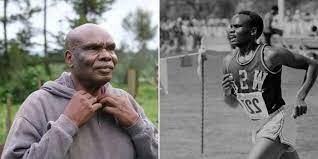
His illustrious career in the 70s and 80s saw him dominate the track, setting an astounding four world records within just 81 days.
"Athletics Kenya is saddened to announce and notify the public of the demise of former Athlete Mr. Henry Rono which occurred today at 10.30am," a statement from the organization read.
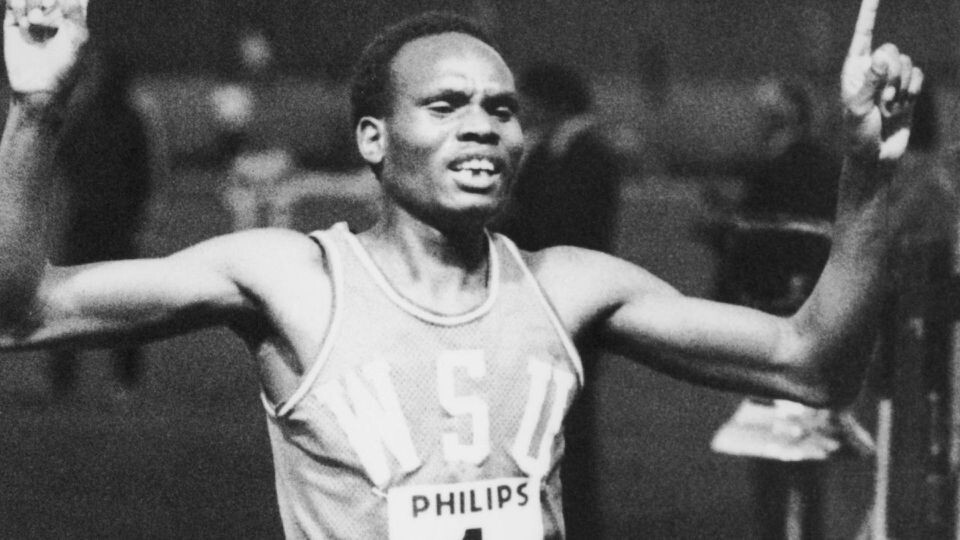
Rono's achievements on the track have cemented his legacy as one of the greatest runners of his time, particularly as the former record holder of the 3000 meters steeplechase, a record he held for over a decade.
Rono also twice set the world record for the 5000 meters, first in 1978 and then again in 1981.
The athletics community, both in Kenya and globally, has been pouring in tributes for the late Rono.
"On behalf of Athletics Kenya Executive Committee and athletics fraternity, we wish to convey our sincere heartfelt condolence to his family, friends, and the entire athletics fraternity during this trying moment. May his soul rest in eternal peace," the statement added, reflecting the deep sense of loss felt across the athletics world.
Rono's journey in athletics was marked by remarkable achievements, including gold medals in the 10,000m and 3,000m steeplechase at the Commonwealth and African Games in Edmonton and Algiers, respectively.
His tenure at Washington State University was historic, as he became only the third person, after Gerry Lindgren and Steve Prefontaine, to win the National Collegiate Athletic Association (NCAA) Men’s Cross Country Championship three times, in 1976, 1977, and 1979.
His winning time of 28:07 in 1976 still stands as the fastest 10,000m cross country mark in NCAA history.
Despite his global acclaim, Rono never competed at the Olympics, a consequence of Kenya's boycotts of the 1976 and 1980 Games.
By the time of the 1984 Olympics, Rono had retired from competition.
Born in Kiptaragon, Kabsabet in Nandi County, Rono returned to Kenya in 2019 after spending 33 years living in the USA.
by Festus Chuma
Login to leave a comment

The former Nike Oregon Project changes team name to Union Athletic Club
One of the world’s best-known professional running clubs has found a new name after the Nike Oregon Project was abolished, coincident with the four-year ban of ex-head coach Alberto Salazar. The new name, Union Athletic Club, was announced on the Elevation Om YouTube page and confirmed by Chris Chavez on Twitter on Thursday.
After Salazar’s dismissal, the group remained intact through the past three years under coach Pete Julian.
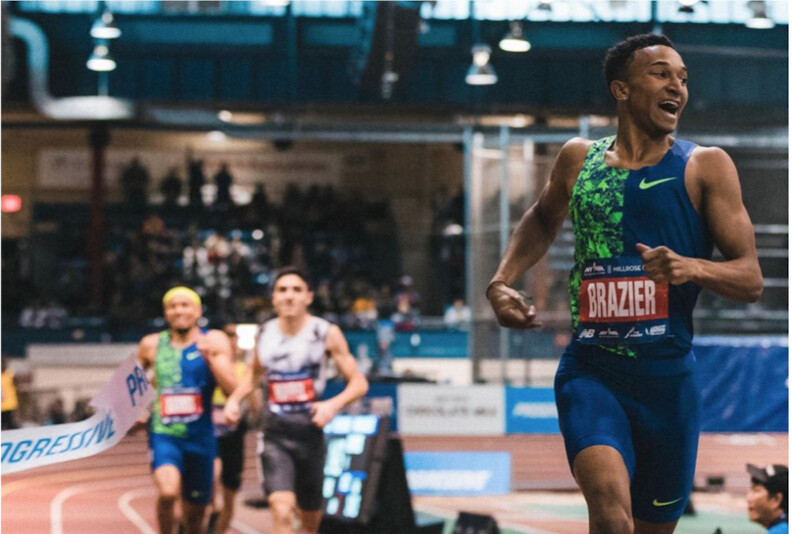
Julian is currently the coach of many of the world’s top athletes, such as Suguru Osako, Shannon Rowbury, Raevyn Rogers, Jessica Hull, Donovan Brazier and Craig Engels.
He spent three years coaching at Washington State University before moving to the Oregon Project in 2012, where he was the assistant coach to Galen Rupp, Matt Centrowitz, Mo Farah and Canadian record holder Cam Levins.
The 2021 NCAA indoor 800m champion and Australian Olympian Charlie Hunter will be the newest member of the group.
Union Athletic Club is based out of Oregon and sponsored by Nike Running.
Login to leave a comment
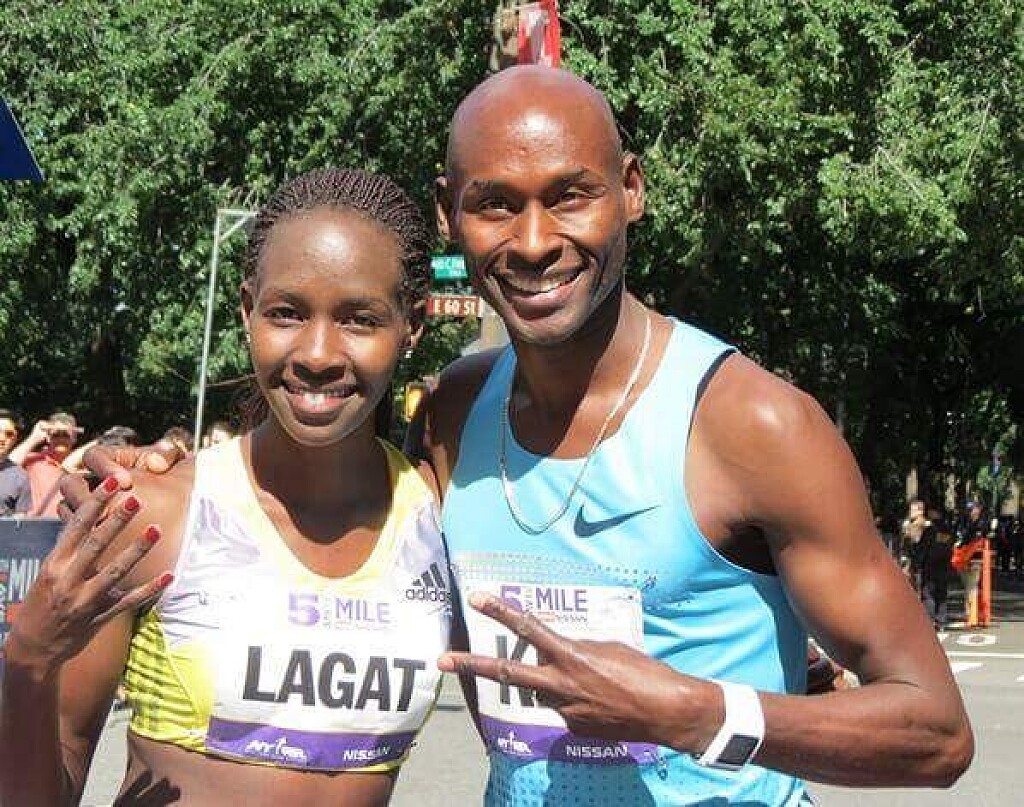
Sister of Bernard Lagat, Viola Cheptoo will Run her first marathon debut at New York Marathon
When Viola (Lagat) Cheptoo decided she was going to run her marathon debut at the 2021 New York City Marathon, one of the first things she did was tell her family in their WhatsApp group text.
As the youngest of 10 in a family full of talented runners, Cheptoo, 32, grew up watching her older siblings make history on the track and the roads. When she took up the sport as a kid, she had nine brothers and sisters to look up to and who’ve supported her endeavors ever since. This summer, the Iten, Kenya native couldn’t wait to share her plans for the next phase of her running career.
After she sent the text, Cheptoo was hit with another layer of excitement from the fifth-oldest sibling, five-time Olympian Bernard Lagat.
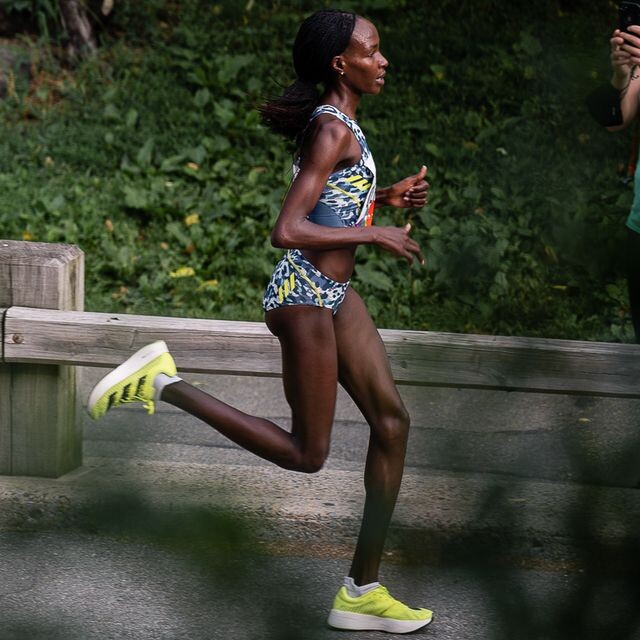
“My brother was like, ‘Oh my gosh! Are you serious because I’ll be commentating there!’” she told Runner’s World.
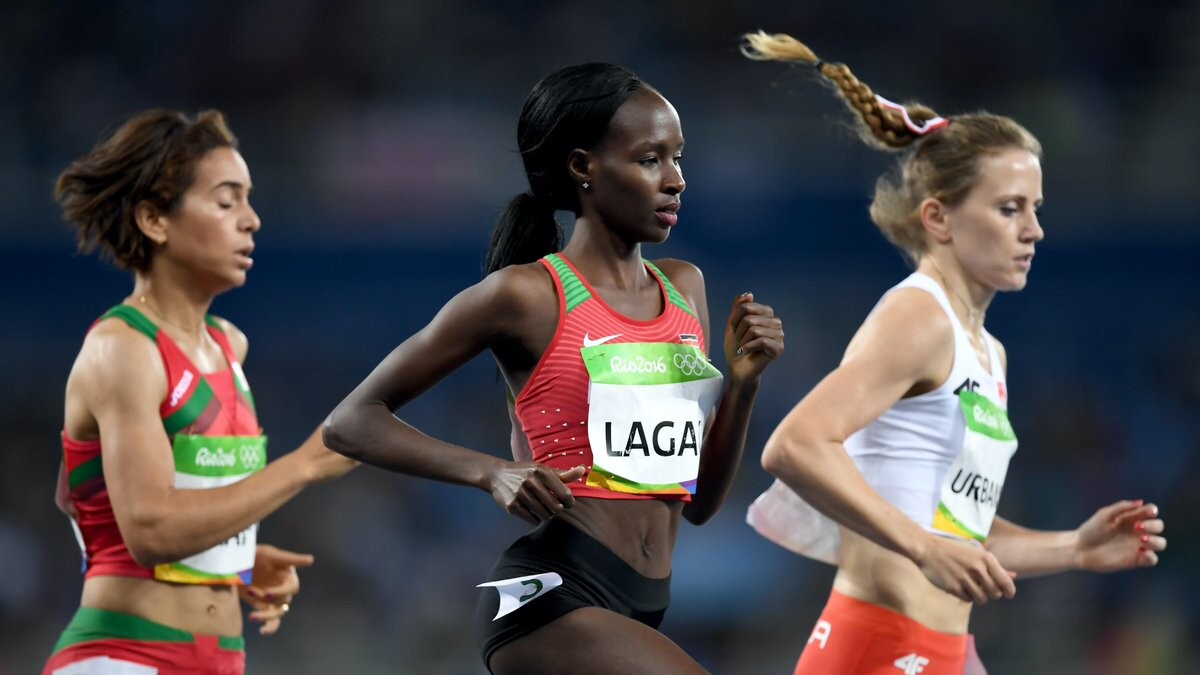
On November 7—three years after Lagat, 46, made his marathon debut in New York City—Cheptoo will compete in her first 26.2 on the same course, while her brother announces the 50th running of the race as one of three Olympians headlining the ESPN broadcast team.
When Cheptoo learned this news, she was reminded of the enthusiasm she felt during the summer of 2016 when she and Lagat both competed at the Rio Olympics. He represented Team USA with a fifth-place finish in the 5,000 meters, and she represented Kenya in the 1500 meters. This year, running is bringing them together once again on the streets of New York City.
“It’s one of those things that you only dream of, siblings to make a team for your country and be at big events at the same time,” she said.
Like her brother, who is 14 years older, Cheptoo started as a middle-distance runner. By the time she was in grade school, Lagat was becoming a three-time NCAA champion and 11-time All-American at Washington State University.
Cheptoo competed for two seasons at Central Arizona College in 2009 and 2010 before transferring to Florida State University in 2011. Looking back on her college career, Cheptoo credits then-FSU head coach Karen Harvey with encouraging her to see herself as a long-distance runner after competing in the 800 meters early on. By her senior year, Cheptoo bought into the idea and became an All-American in cross country and the 1500 meters.
In 2016, she competed for Kenya at the 2016 World Indoor Championships and 2016 Olympic Games. That year, she finished eighth in the 1500-meter indoor final in Portland, Oregon and sixth in heat 2 of the 1500-meter semifinal in Rio.
After the Rio Games, Cheptoo got injured and switched coaches in 2017, moving to Iten to join a training group led by coach Julien Di Maria. In her return to consistent running, he encouraged her to embrace longer runs to build a strong base of mileage. In 2018, she went from running 6 to 7 miles every day to 8 to 12 miles, depending on the workout, and the training paid off.
In February 2020, she made her 13.1 debut at the Napoli City Half Marathon in Italy, where she won in 1:06:47.
“My coach was like, ‘If you don't believe in yourself, I think this is something that should make you realize that you can actually run a good marathon,’” she recalled. In the same conversation, Cheptoo said he predicted she’d run a marathon in two years. “I thought he was joking.”
“I’ve just decided to give myself a chance when it comes to this marathon in New York,” Cheptoo said. “I’m just focusing on the positive things and thinking about mentally preparing myself that I’m going to be strong. I’m not going to let the pain distract me from focusing on my race.”
by Tailor Dutch
Login to leave a comment

TCS New York City Marathon
The first New York City Marathon, organized in 1970 by Fred Lebow and Vince Chiappetta, was held entirely in Central Park. Of 127 entrants, only 55 men finished; the sole female entrant dropped out due to illness. Winners were given inexpensive wristwatches and recycled baseball and bowling trophies. The entry fee was $1 and the total event budget...
more...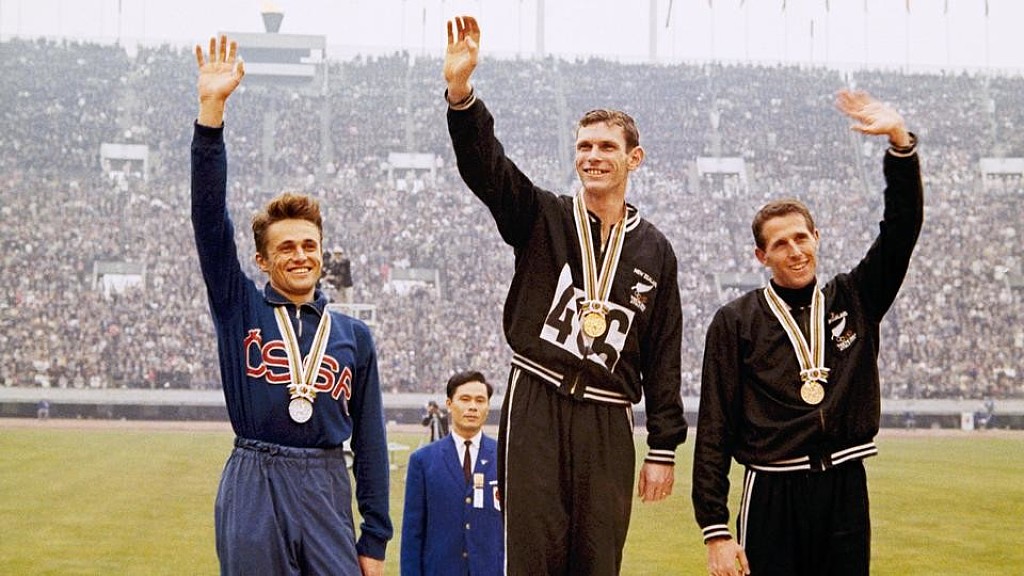
Peter Snell has died in Dallas. He was a three-time Olympic champion and world mile record-holder
Three-time Olympic champion and world mile record-holder Peter Snell has died in Dallas. He was aged 80.
Snell, who is regarded as one of the greatest middle-distance runners, won the 800 meters at the 1960 Rome Olympics aged 21, and the 800-1,500 double at the 1964 Tokyo Games.

He was the first man since 1920 to win the 800 and 1,500 at the same Olympics. No male athlete has done so since.
Snell also won two Commonwealth Games gold medals in the 880 yards and mile at Perth in 1962.
He twice held the mile world record, and held world records in the 800 meters, 880 yards, 1,000 meters, and the 4x1-mile relay.
Snell's death was confirmed by family friend and New Zealand sports historian Ron Palenski, who heads New Zealand's Sport Hall of Fame.
“It is very sad news, a grievous loss for New Zealand,” Palenski said. “In terms of track and field, he is probably the greatest athlete New Zealand has had.”
Snell was coached by Arthur Lydiard, an innovator who was regarded as one of the world’s finest coaches of middle and long distance athletes. Lydiard also coached Murray Halberg to win the 5,000 meters at Rome in 1960.
Snell was the best miler of his generation, at a time when the mile was the blue riband event of world athletics. He began immediately after Roger Bannister's epoch-making sub-four-minute mile and while the glow of that achievement still suffused the sport.
In his physique he was unlike milers of the time: Snell was strong and powerful — more like a 400-meter runner — and not like the mostly lithe athletes who vied for world supremacy over the mile.
His stride was so powerful he often scarred the tracks on which he ran, kicking up puffs of debris, especially on grass or cinder tracks. Lydiard's training — based on massive mileage mostly on the road rather than the track — gave him enormous stamina but he also had unusual speed.
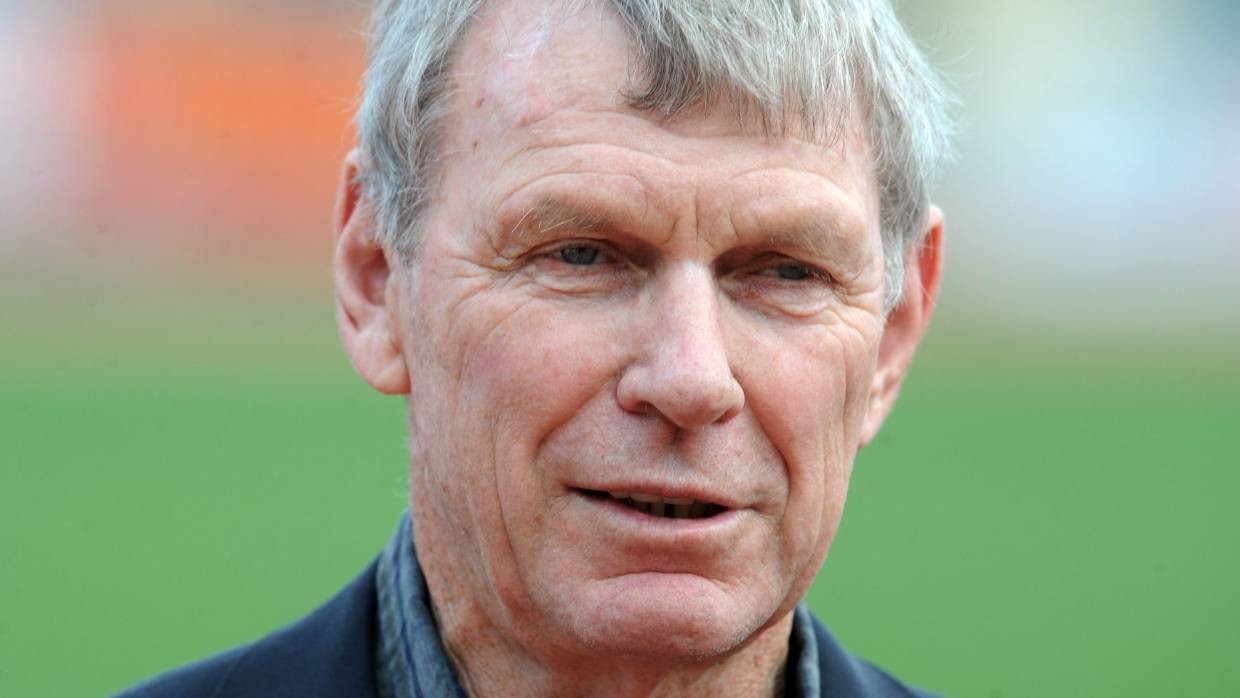
Snell's friend and training partner, Olympic marathon bronze medalist Barry Magee said “there will never be another New Zealand athlete like him.”
“He won three Olympic gold medals, two Commonwealth Games gold medals, and broke seven world records. He was the best-conditioned athlete of his time.”
Snell’s wife, Miki, said he died suddenly at his home in Dallas around noon on Thursday. He had been suffering from a heart ailment and required a pacemaker for several years.
Snell’s athletics career was relatively short. He retired in 1965 to pursue educational opportunities in the United States.
"Peter Snell was like a god to me," says MBR founder Bob Anderson. "I started running in February 1962 and Peter was my hero. I met him at one of our National Running Weeks in the early 80's and it was like meeting a rock star."
Snell graduated with a Bachelor of Science degree in human performance from the University of California, Davis, and later with a Ph.D. in exercise physiology from Washington State University.
He became a research fellow at the University of Texas Southwestern Medical Center in 1981, later becoming director of the university's Human Performance Center.
Snell was knighted by New Zealand in 2009. A statue in his honor stands at Cooks Gardens, Whanganui, near his birthplace of Opunake, where he broke the mile world record for the first time in 1962.
by Associated Press
Login to leave a comment
